Office of Public Works properties in County Tipperary

I had initially published the County Tipperary OPW sites along with Munster counties of Clare and Limerick but the entry is too long so I am dividing it.

OPW sites in County Tipperary:

1. Cahir Castle, County Tipperary

2. Damer House and Roscrea Castle, County Tipperary

3. Famine Warhouse 1848, County Tipperary

4. Holycross Abbey, County Tipperary – must prebook for tour

5. The Main Guard, County Tipperary – closed at present

6. Nenagh Castle, County Tipperary

7. Ormond Castle, Carrick-on-Suir, County Tipperary

8. Rock of Cashel, County Tipperary

see 2. Roscrea Castle and Damer House, County Tipperary

9. Swiss Cottage, County Tipperary

donation

Help me to pay the entrance fee to one of the houses on this website. This site is created purely out of love for the subject and I receive no payment so any donation is appreciated!

€15.00
Photograph © Jennifer Winder-Baggot, www.irishhistorichouses.com

1. Cahir Castle, County Tipperary:

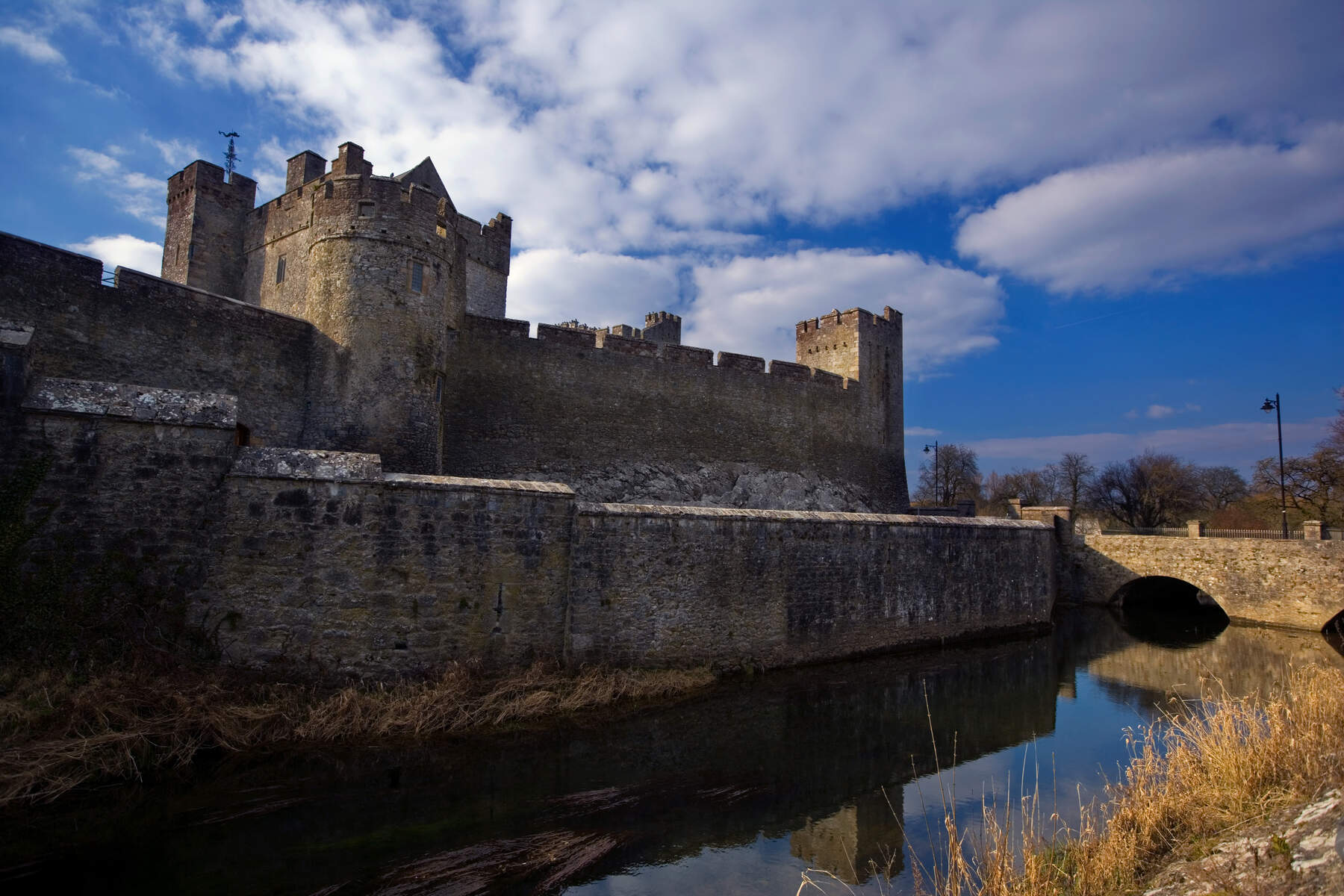
Cahir Castle, photograph from Ireland’s Content pool, by Brian Morrison 2014 for Failte Ireland. [see 1]
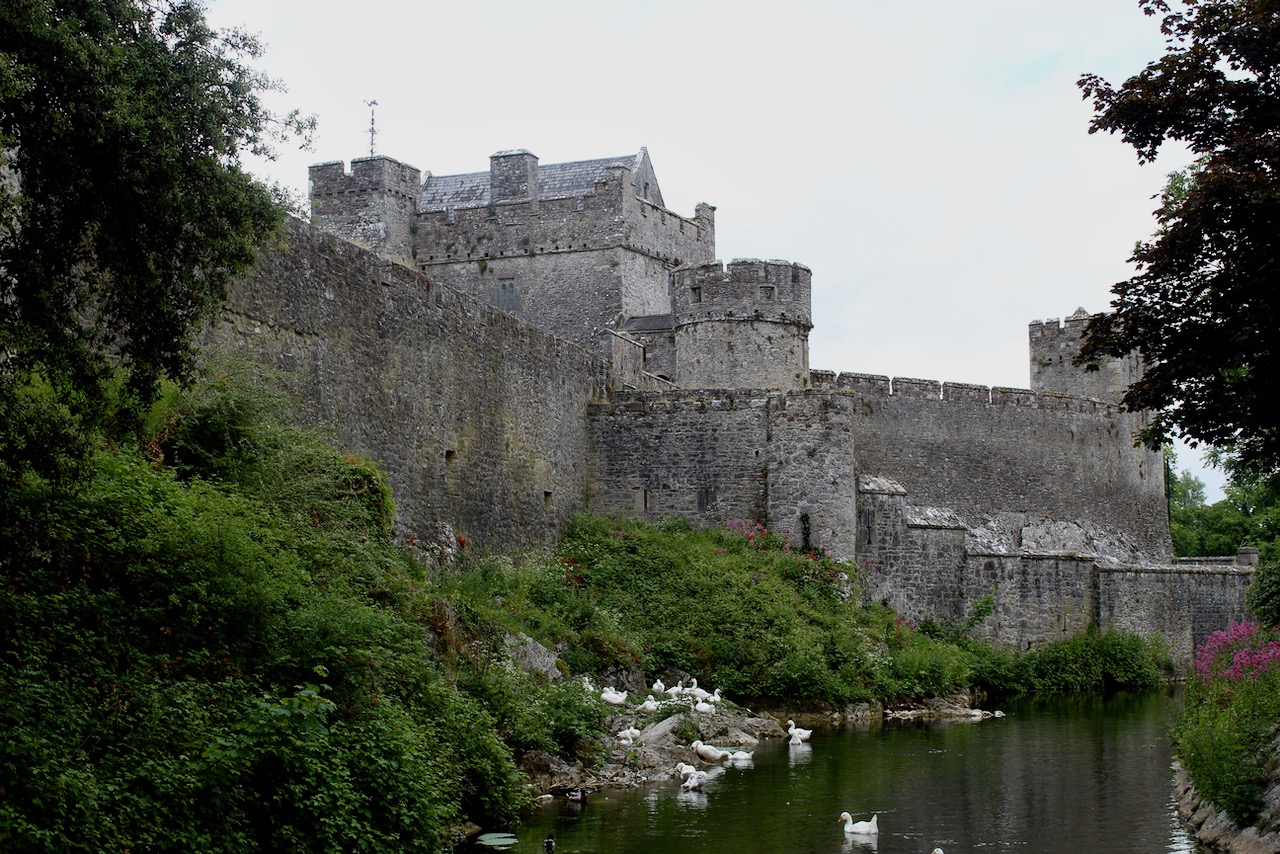
Cahir Castle, June 2022. The geese are particularly picturesque! The outer walls are called the Barbican. When breached, the attacking force gains entry to this area and are vulnerable to missiles fired by defenders and it would be difficult to retreat, due to the enclosed nature of the barbican. Photograph © Jennifer Winder-Baggot, www.irishhistorichouses.com

General information: 052 744 1011, cahircastle@opw.ie

Stephen and I visited Cahir Castle in June 2022, and I was very impressed. I had no idea that we have such an old castle in Ireland with so much intact. See my entry https://irishhistorichouses.com/2024/03/29/cahir-castle-county-tipperary-an-office-of-public-works-property/

From the OPW website https://heritageireland.ie/visit/places-to-visit/cahir-castle/:

Cahir Castle is one of Ireland’s largest and best-preserved castles. It stands proudly on a rocky island on the River Suir.

The castle was was built in the thirteenth century and served as the stronghold of the powerful Butler family. [The Archiseek website tells us it was built in 1142 by Conor O’Brien, Prince of Thomond] So effective was its design that it was believed to be impregnable, but it finally fell to the earl of Essex in 1599 when heavy artillery was used against it for the first time. During the Irish Confederate Wars it was besieged twice more.

At the time of building, Cahir Castle was at the cutting edge of defensive castle design and much of the original structure remains.

Our tour guide took us through the outside of the castle, showing us its defenses. Our tour ended inside the Great Hall, or dining hall.

The Great Hall, with giant Irish elk antlers. The fireplace is not genuine – it is made of papier mache and was installed for the filming of a movie. Photograph © Jennifer Winder-Baggot, www.irishhistorichouses.com

2. Damer House and Roscrea Castle, County Tipperary

https://heritageireland.ie/places-to-visit/roscrea-castle-gardens-damer-house-black-mills/

In the heart of Roscrea in County Tipperary, one of the oldest towns in Ireland, you will find a magnificent stone motte castle dating from the 1280s. It was used as a barracks from 1798, housing 350 soldiers, and later served as a school, a library and even a sanatorium.

Sharing the castle grounds is Damer House, named for local merchant John Damer, who came into possession of the castle in the eighteenth century. The house is a handsome example of pre-Palladian architecture. It has nine beautiful bay windows. One of the rooms has been furnished in period style.

The grounds also include an impressive garden with a fountain, which makes Roscrea Castle a very pleasant destination for a day out. There is also a restored mill displaying St Crónán’s high cross and pillar stone.” See my entry https://irishhistorichouses.com/2024/10/03/damer-house-and-roscrea-castle-county-tipperary-office-of-public-works-properties/

3. Famine Warhouse 1848, Ballingarry, County Tipperary:

General information: 087 908 9972, info@heritageireland.ie

From the OPW website https://heritageireland.ie/visit/places-to-visit/famine-warhouse-1848/:

How did an ordinary farmhouse near Ballingarry, County Tipperary, become the site of a bloody siege and a monument of the Young Irelander Rebellion of 1848?

It was here that rebels, under the leadership of Protestant aristocrat William Smith O’Brien, besieged 47 police officers who had barricaded themselves into the McCormack homestead, taking 5 children hostage. After two of their number were killed, the rebels finally gave in. They were later transported to penal colonies abroad.

The Warhouse, as it became known, is now a museum. Its contents illuminate the history of the Young Irelander Rebellion, the trials of its leaders, their exile in Australia and escape to the USA. The exhibition places the rebellion in the context of the Great Famine and the upheaval that rocked Europe during that turbulent year.

Traditionally it was known as Ballingarry Warhouse or The Widow McCormack’s House.

4. Holycross Abbey, County Tipperary:

Holycross Abbey, photograph from Ireland’s Content pool, by Liam Murphy 2016 for Failte Ireland [see 1]

From the OPW website https://heritageireland.ie/visit/places-to-visit/holycross-abbey/:

As destination for pilgrims, Holy Cross Abbey, near Thurles, County Tipperary, has a rich history. Pilgrims travelled here for eight centuries to venerate the relic after which the abbey and surrounding villages are named – a piece of the True Cross of Christ’s crucifixion.

Today this working parish church is a peaceful landmark and a place for quiet contemplation and historical discovery. As well as inspecting the relic of the cross, you can marvel at the building’s ornate stonework. The chancel is possibly the finest piece of fifteenth-century architecture in the country. The abbey also houses one of the only surviving medieval wall paintings in Ireland.

5. The Main Guard, Sarsfield Street, Clonmel, County Tipperary:

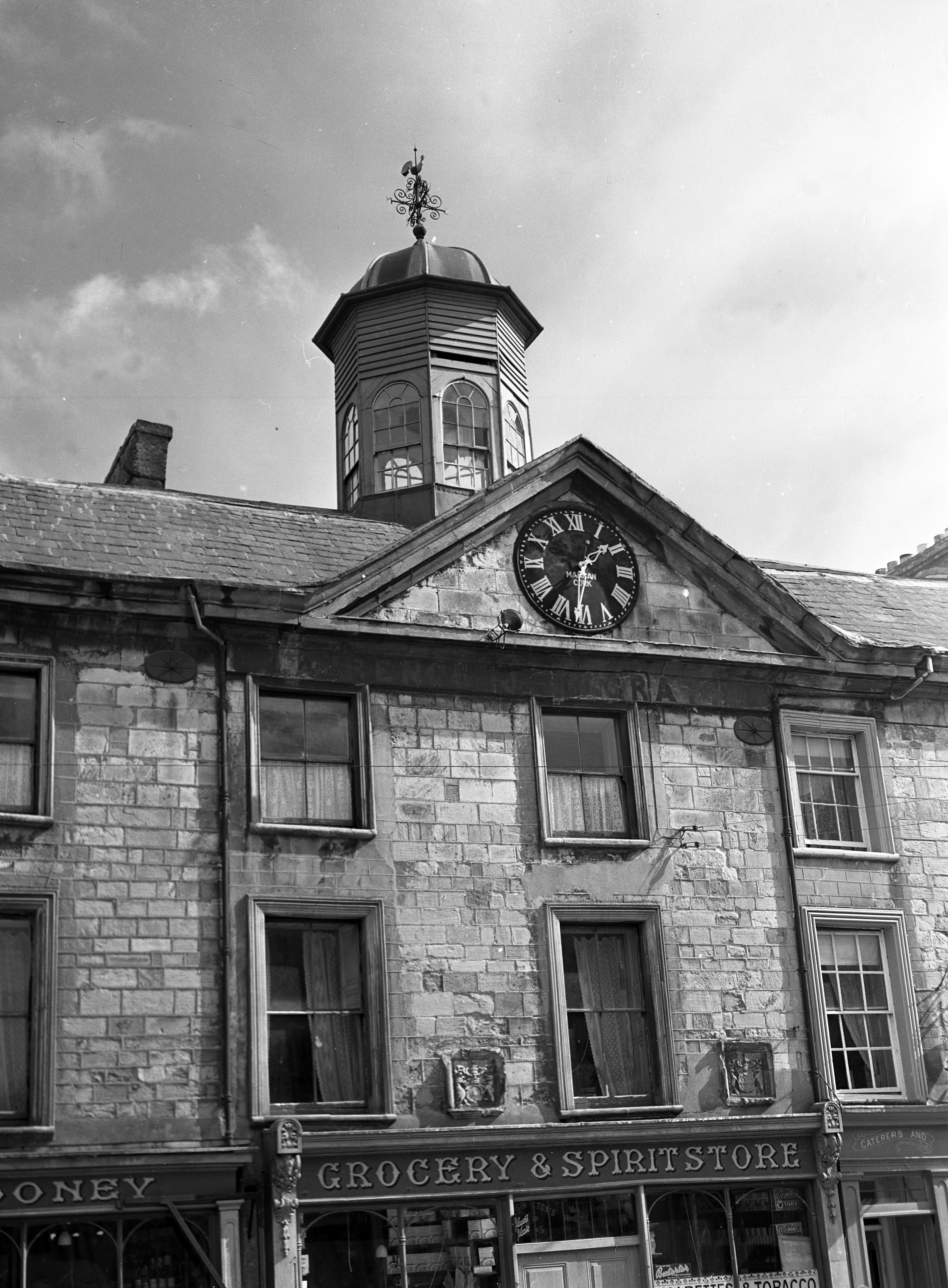
The Main Guard, or Clonmel Courthouse, County Tipperary. Photograph from National Inventory of Architectural Heritage: five-bay two-storey courthouse and market house, built 1673, with arcaded ground floor to front and north gable, and pediment and cupola to roof. Until restored c.2000, building had been five-bay three-storey with triple public house front to ground floor, and timber sliding sash windows. Now in use as museum. The columns of the arcaded facades were recycled from the ruins of the Cistercian abbey of Inislounaght, to the west of the town and retain some decorative elements that testify to this fact. 

General Information: 052 612 7484, mainguard@opw.ie

From the OPW website https://heritageireland.ie/visit/places-to-visit/the-main-guard/:

In the seventeenth century County Tipperary was a palatinate, ruled by James Butler, duke of Ormond. When the duke decided he needed a new courthouse, he built one in the heart of Clonmel [built in 1673]. Later, when it was used as a barracks, it became known as the Main Guard.

A fine two-storey symmetrical building, some elements of its design were based on works by the famous Sir Christopher Wren.

In the eighteenth century it was the venue for the Clonmel Assizes. The most notable trial it witnessed was that of Father Nicholas Sheehy, the anti-Penal Laws agitator. Sheehy was hanged, drawn and quartered.

In about 1810, the ground floor was converted into shops, but the building has recently undergone an award-winning restoration. The open arcade of sandstone columns is once again an attractive feature of the streetscape, while inside you will find a fantastic exhibition and event space.

Main Guard, 1948, photograph from Dublin City Library and Archives. [2]

6. Nenagh Castle, County Tipperary

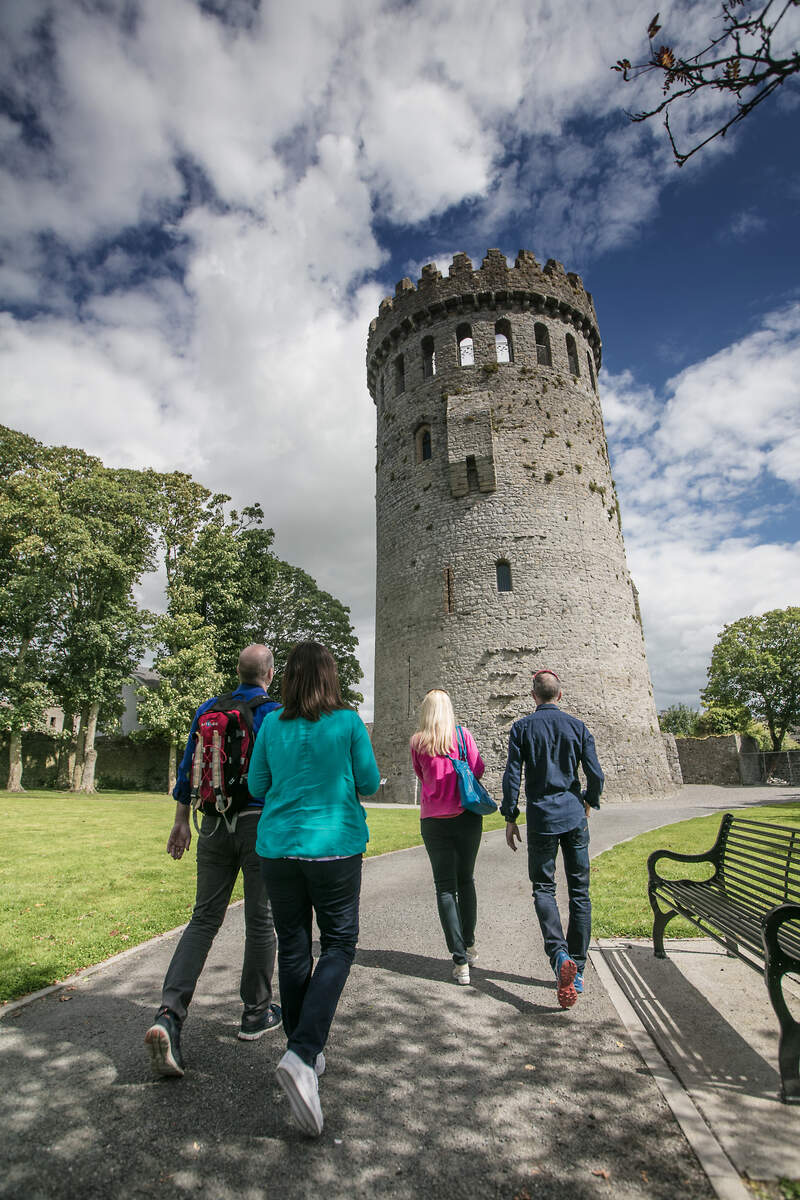
Nenagh Castle, photograph by Brian Morrison, 2017, for Tourism Ireland, Ireland’s Content Pool. [see 1]

General information: 067 33850, castlenenagh@gmail.com

The OPW doesn’t seem to have a site for this currently, but there is information at a site about Nenagh:

Nenagh Castle was built by Theobald Walter (the first of the Butlers of Ormond) around 1200. To this day the cylindrical keep adorns the town and like most keeps it formed part of the perimeter of the fortress. The walls have now almost disappeared, but fragments remain. 

Built from limestone Nenagh Castle measures fifty-five feet in external diameter at the base and rises to a height of one hundred feet. The Castle features four storeys and thanks to a recent renovation this wonderful landmark now represents the town’s premier tourist attraction.

The building and has stone spiral stairs to the top. There are 101 steps in all to the top.  Access to the tower is through a passageway within the base of the wall.  This has low head room and visitors will need to stoop to avoid hitting the stone above. All children under the age of 18 must be accompanied by an adult. [3]
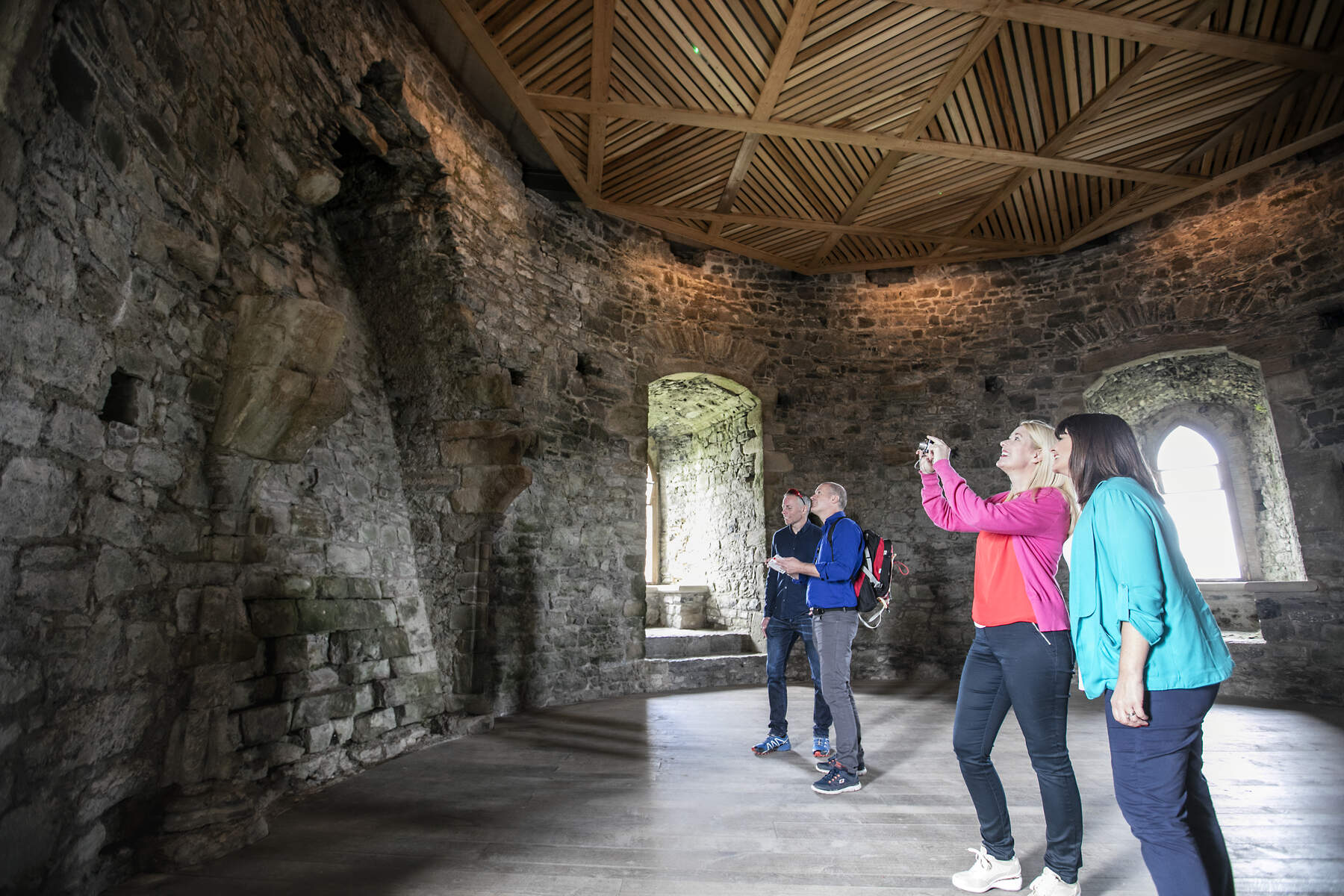
Nenagh Castle, photograph by Brian Morrison, 2017, for Tourism Ireland, Ireland’s Content Pool. [see 1]

7. Ormond Castle, Carrick-on-Suir, County Tipperary:

Ormond Castle, Carrick-on-Suir, County Tipperary, May 2018. Maurice Craig tells us in The Architecture of Ireland from the earliest times to 1880 that in style Carrick-on-Suir is like hundreds of buildings in Northamptonshire or the Cotswolds, but like no other in Ireland. Photograph © Jennifer Winder-Baggot, www.irishhistorichouses.com

See my entry https://irishhistorichouses.com/2024/09/05/ormond-castle-carrick-on-suir-county-tipperary-an-opw-property/

General Information: 051 640787, ormondcastle@opw.ie

From the OPW website https://heritageireland.ie/visit/places-to-visit/ormond-castle/:

Joined on to an earlier medieval riverside castle, Ormond Castle Carrick-on-Suir is the finest example of an Elizabethan manor house in Ireland. Thomas, 10th Earl of Ormond [“Black Tom” (1531-1614)], built it in 1565 in honour of his distant cousin Queen Elizabeth. 

The magnificent great hall, which stretches almost the whole length of the building is decorated with some of the finest stucco plasterwork in the country. The plasterwork features portraits of Queen Elizabeth and her brother Edward VI and many motifs and emblems associated with the Tudor monarchy.

Ormond Castle, Carrick-on-Suir 1949, photograph from Dublin City Library and Archive. [see 2]

James Butler the 12th Earl of Ormond and 1st Duke of Ormond (1610-1688) spent much of his time here and was the last of the family to reside at the castle. On his death in 1688 the family abandoned the property and it was only handed over to the government in 1947, who then became responsible for its restoration. 

7. Rock of Cashel, County Tipperary:
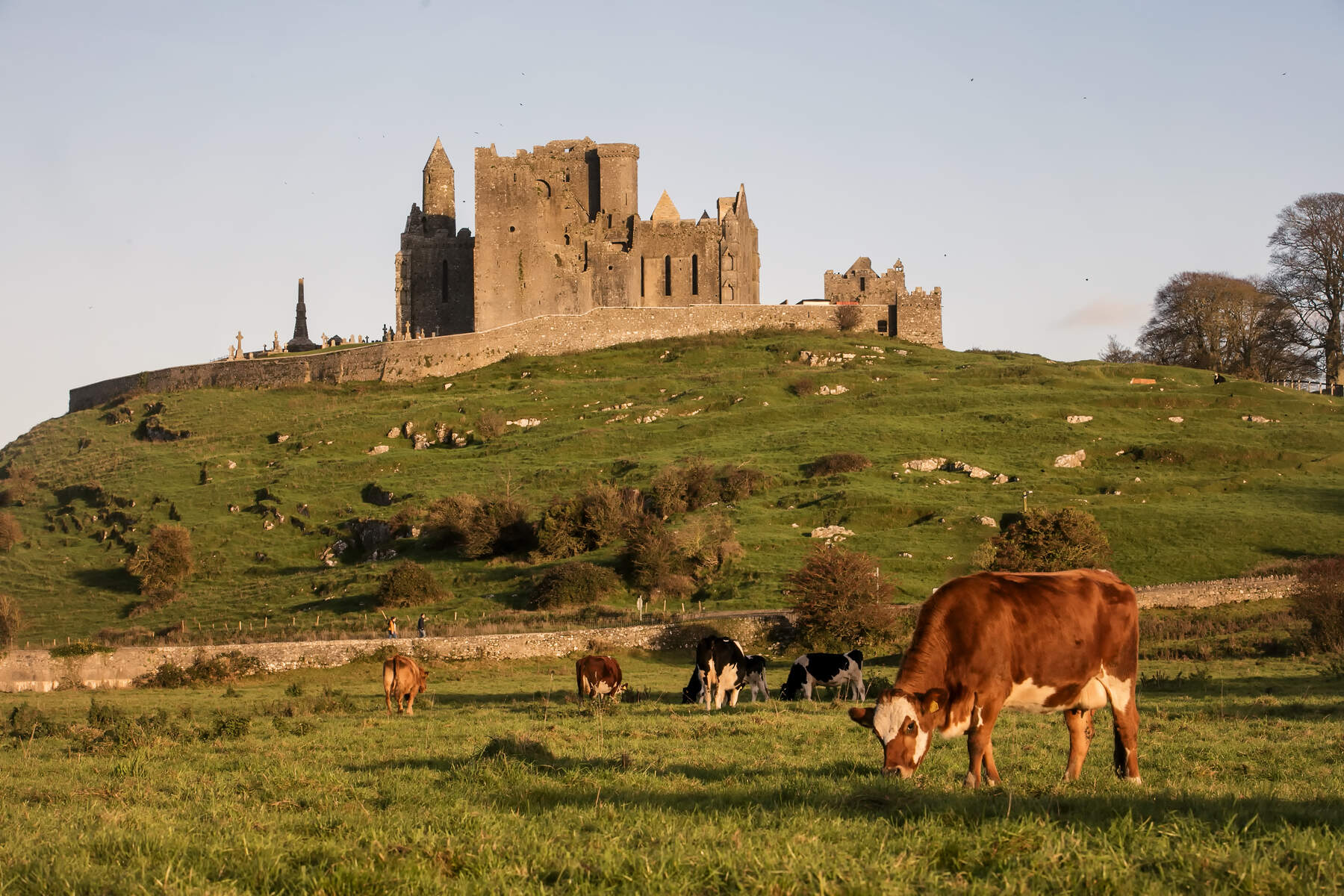
Rock of Cashel, Co Tipperary photograph from Ireland’s Content pool, by Brian Morrison 2018 for Failte Ireland. [see 1]

General Information: 062 61437, rockofcashel@opw.ie

From the OPW website https://heritageireland.ie/visit/places-to-visit/rock-of-cashel/:

Set on a dramatic outcrop of limestone in the Golden Vale, the Rock of Cashel, iconic in its historic significance, possesses the most impressive cluster of medieval buildings in Ireland. Among the monuments to be found there is a round tower, a high cross, a Romanesque chapel, a Gothic cathedral, an abbey, the Hall of the Vicars Choral and a fifteenth-century Tower House.

Originally the seat of the kings of Munster, according to legend St. Patrick himself came here to convert King Aenghus to Christianity. Brian Boru was crowned High King at Cashel in 978 and made it his capital.

In 1101 the site was granted to the church and Cashel swiftly rose to prominence as one of the most significant centres of ecclesiastical power in the country.

The surviving buildings are remarkable. Cormac’s Chapel, for example, contains the only surviving Romanesque frescoes in Ireland.

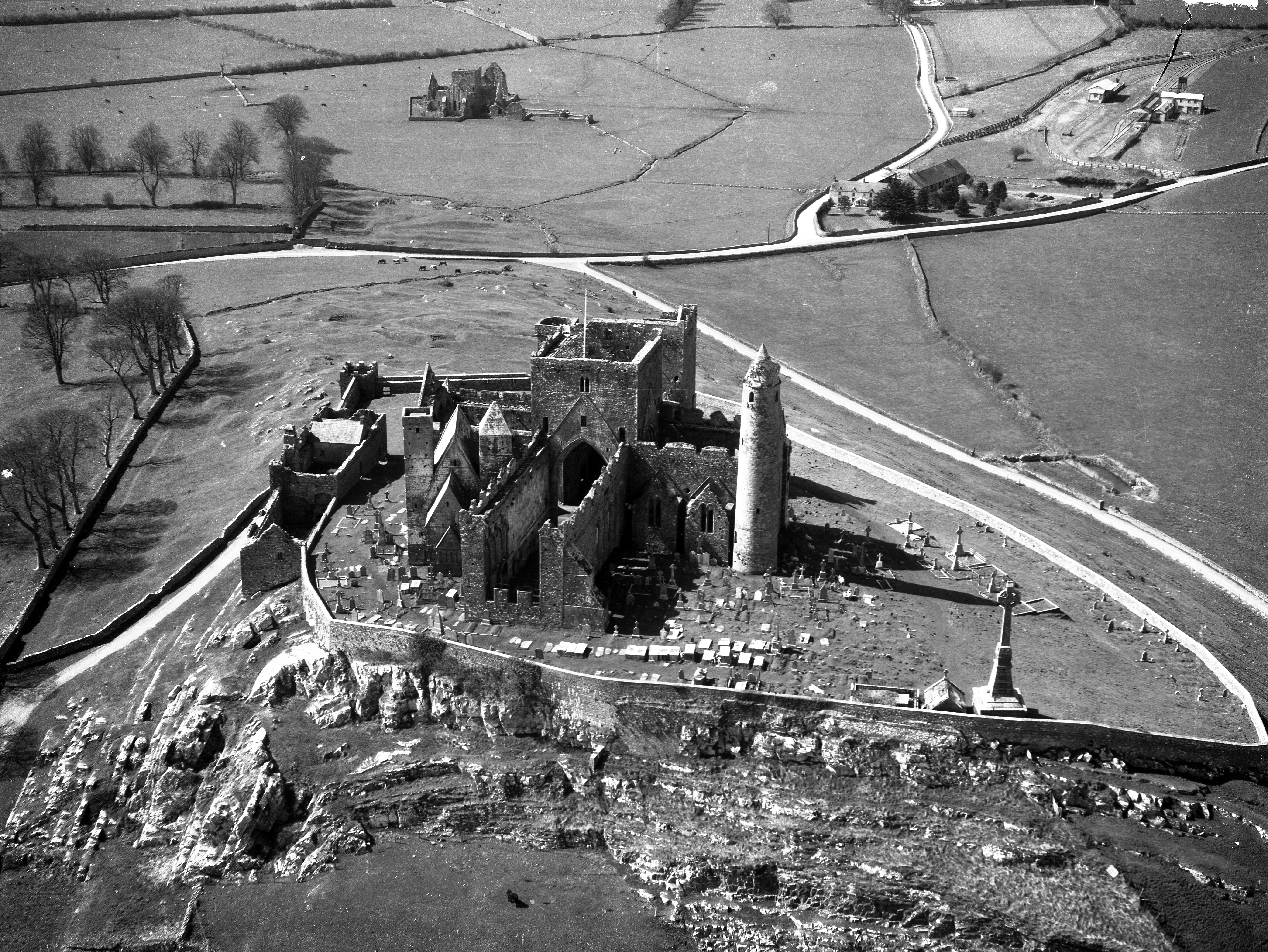
Rock of Cashel, 1955, from Dublin City Library and Archives [see 2].
Rock of Cashel ca. 1901, photograph from National Library of Ireland Flickr constant commons.

8. Roscrea Castle and Damer House, County Tipperary:
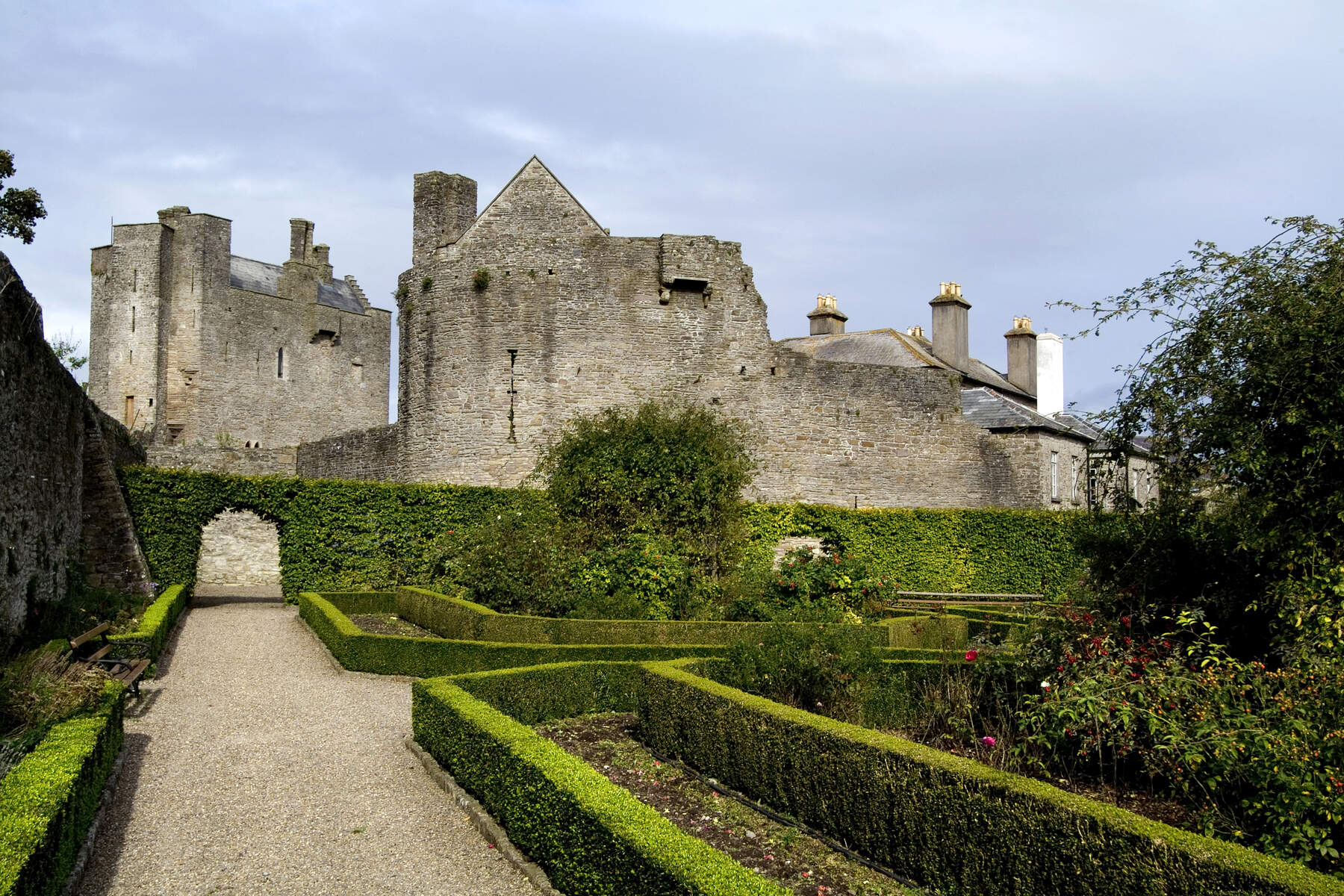
Roscrea Castle, photograph from Ireland’s Content pool, by Chris Hill 2014 for Failte Ireland. [see 1]

General information: 0505 21850, roscreaheritage@opw.ie

From the OPW website https://heritageireland.ie/visit/places-to-visit/roscrea-heritage-centre-roscrea-castle-and-damer-house/:

In the heart of Roscrea in County Tipperary, one of the oldest towns in Ireland, you will find a magnificent stone motte castle dating from the 1280s. It was used as a barracks from 1798, housing 350 soldiers, and later served as a school, a library and even a sanatorium. 

Sharing the castle grounds is Damer House, named for local merchant John Damer, who came into possession of the castle in the eighteenth century. The house is a handsome example of pre-Palladian architecture. It has nine beautiful bay windows. One of the rooms has been furnished in period style.

The grounds also include an impressive garden with a fountain, which makes Roscrea Castle a very pleasant destination for a day out. There is also a restored mill displaying St Crónán’s high cross and pillar stone.

See my entry https://irishhistorichouses.com/2024/10/03/damer-house-and-roscrea-castle-county-tipperary-office-of-public-works-properties/

This was originally the site of a motte and bailey fortification known as King John’s Castle. The original wooden castle was destroyed in the late 13th century and was replaced with a stone structure built in 1274-1295 by John de Lydyard. The castle was originally surrounded by a river to the east and a moat on the other sides. [4] It was granted to the Butlers of Ormond in 1315 who held it until the early 18th Century. The castle as we see it today was built from 1332.

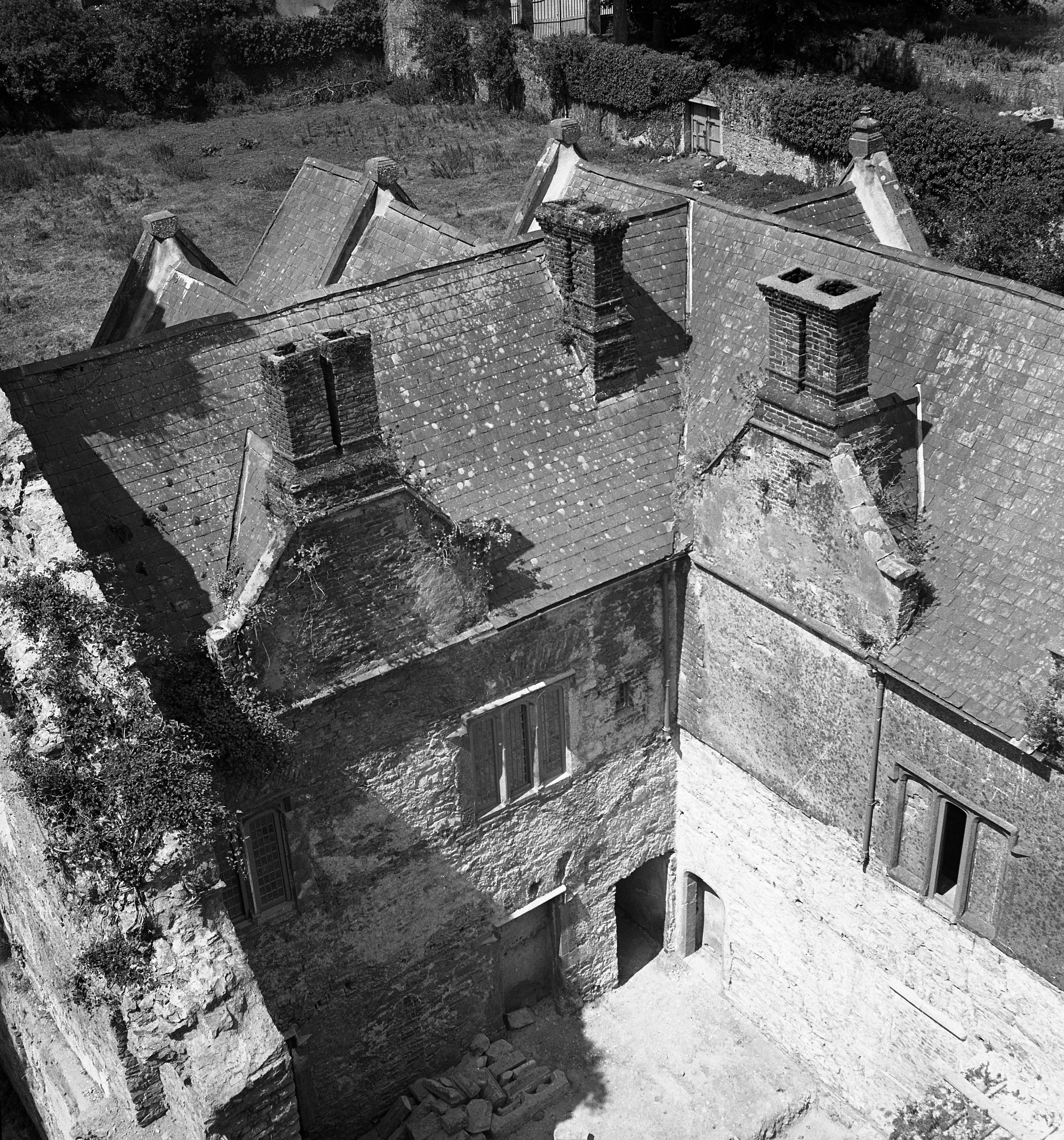
The castle was used as a barracks from 1798, housing 350 soldiers. It was used later as a school, a library, and a tuberculosis sanatorium. Roscrea Castle fell into disrepair in the 19th century, and when the roof collapsed extensive repairs were needed in the 1850s. It was named a national monument in 1892, and is now under the care of the OPW. 

Damer House is of three storeys and nine bays and has a scroll pediment doorway and inside, a magnificent carved staircase. The Irish Georgian Society was involved in saving it from demolition in the 1960s.

9. Swiss Cottage, Ardfinnan Road, Cahir, County Tipperary:

General Information: 052 744 1144, swisscottage@opw.ie
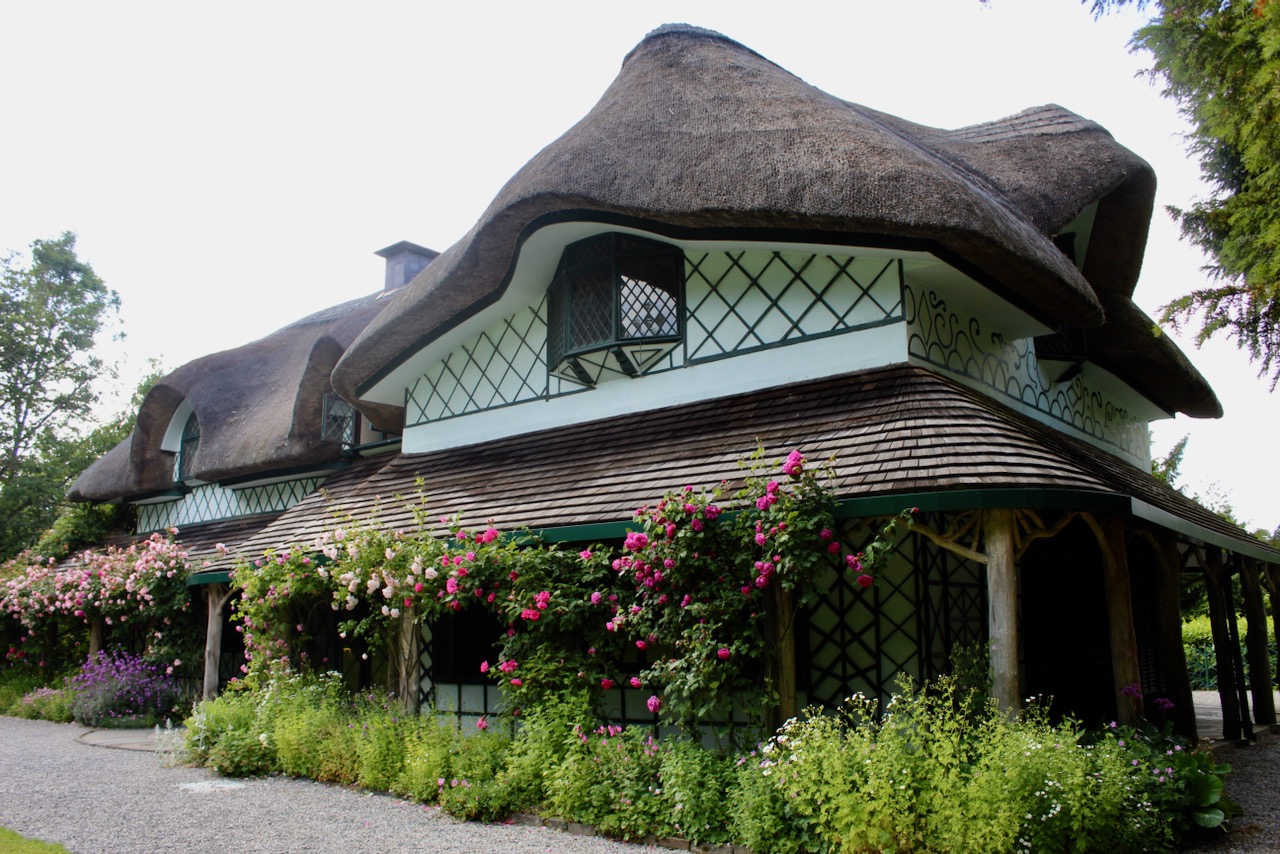
Swiss Cottage, June 2022. Photograph © Jennifer Winder-Baggot, www.irishhistorichouses.com

From the OPW website https://heritageireland.ie/visit/places-to-visit/swiss-cottage/:

The Swiss Cottage, just outside the heritage town of Cahir, is a cottage orné – a fanciful realisation of an idealised countryside cottage used for picnics, small soirees and fishing and hunting parties and was also a peaceful retreat for those who lived in the nearby big house.

Built in the early 1800s [around 1810] by Richard Butler, 1st Earl of Glengall, who, we believe, managed to persuade world-famous Regency architect John Nash to design it [he also designed Buckingham Palace for the Crown]. Originally, simply known as “The Cottage” it appears to have acquired its present name because it was thought to resemble an Alpine cottage.”

See my write-up https://irishhistorichouses.com/2025/03/20/swiss-cottage-ardfinnan-road-cahir-county-tipperary-office-of-public-works/

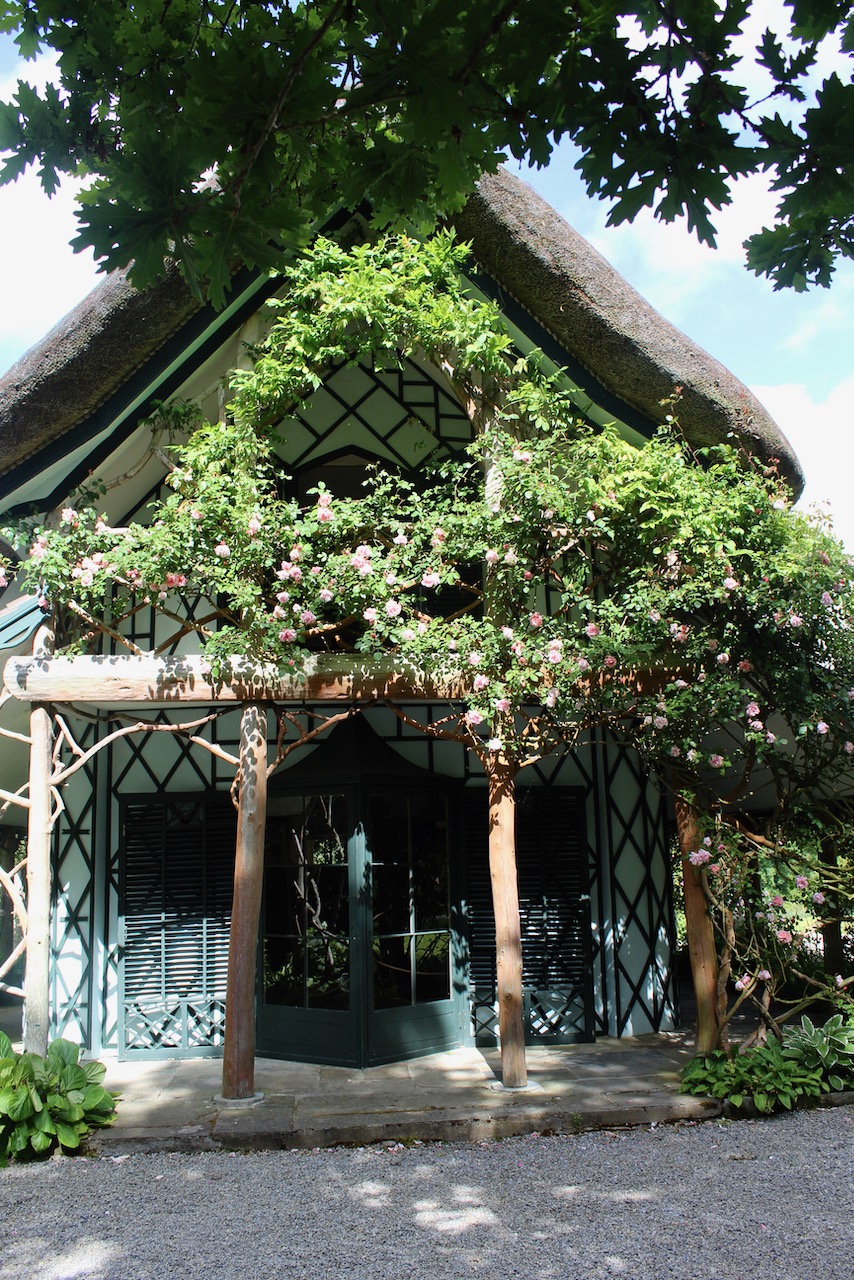
Timber rustic oak posts with triangular arch detailing between posts to verandahs and to bowed bay, having latticework rail to balcony. Photograph © Jennifer Winder-Baggot, www.irishhistorichouses.com
Photograph © Jennifer Winder-Baggot, www.irishhistorichouses.com

[1] https://www.irelandscontentpool.com/en

[2] https://repository.dri.ie/

[3] https://www.nenagh.ie/places-of-interest/details/nenagh-castle

[4] See the blog of Patrick Comerford, http://www.patrickcomerford.com/search/label/castles?updated-max=2019-03-03T14:30:00Z&max-results=20&start=27&by-date=false
[5] https://www.buildingsofireland.ie/buildings-search/building/22208107/swiss-cottage-kilcommon-more-north-tipperary-south

Office of Public Works Properties in County Galway, Connaught

Continuing my posts about Office of Public Works sites, we visited several last year. The five counties of Connacht are Galway, Leitrim, Mayo, Roscommon and Sligo.

I will be writing of more Section 482 properties soon! We visited the lovely Ballysallagh House in County Kilkenny last weekend. The 2022 Section 482 list should be out this month, in February, but it is not available yet.

Galway:

1. Athenry Castle, County Galway

2. Aughnanure Castle, County Galway

3. Dun Aonghasa, County Galway

4. Ionad Culturtha an Phiarsaigh (Pearse’s Cottage), County Galway

5. Portumna Castle, County Galway

Galway:

1. Athenry Castle, County Galway:

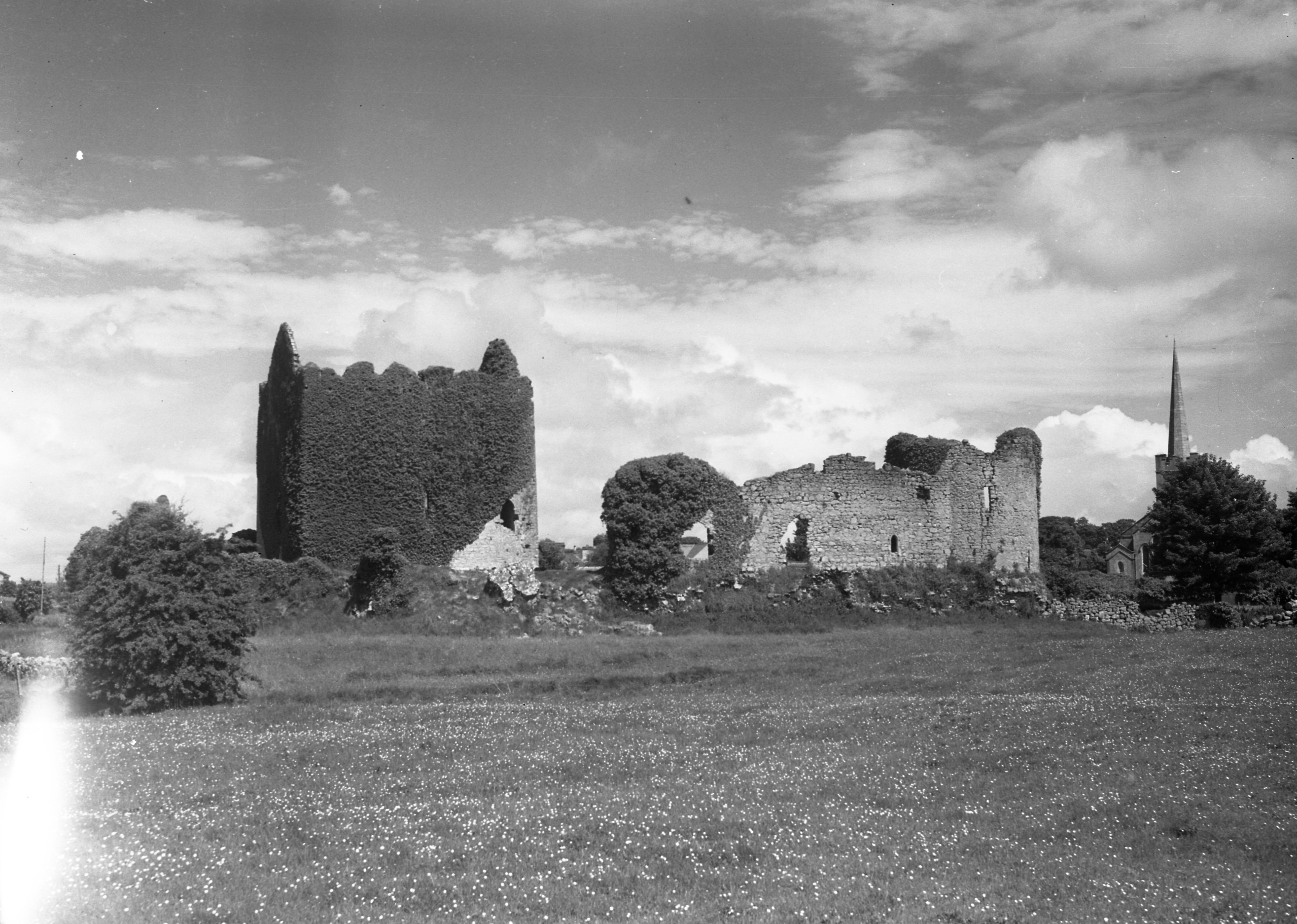
Athenry Castle 1938, from Dublin City Library and Archives. [1]

General information: 091 844797, athenrycastle@opw.ie

From the OPW website https://heritageireland.ie/visit/places-to-visit/athenry-castle/:

Guarding a strategic ford on the Clarinbridge River is the monumental bulk of Athenry Castle. The imposing three-storey hall-keep survives from the mid-thirteenth century. It is solidly impressive from the outside, although the interior was simply built, containing only a hall at first-floor level and dark storerooms below.

Despite the simplicity of the layout, fine carvings bear witness to the hall’s eminence. The doorway and two of the window openings are decorated with floral motifs in the remarkable local School of the West style. The battlements, through whose tall arrow-loops the castle was defended against various attackers across the centuries, are original.

Visitors come to Athenry Castle to soak up the authentic atmosphere of medieval power that the mighty fortress still exudes”. [2]

The castle Keep was built in 1253 by Meiler de Bermingham [ancestor of the Lords of Athenry] and after an attack in 1316 the large town wall were added [in 1316 Richard “of the Battles” 4th Lord of Athenry defeated Felim O’Connor in the Battle of Athenry]. Not long after the completion of the walls, one of Ireland’s bloodiest battles was fought outside the town between the King of Connaught and the Normans. Until that time the area and castle were of great importance but the story changed after the battle. 

Meiler’s son raised the height of the first floor; he also embellished the entrance with a fine arched door at the south east end of the castle which was reached by a wooden staircase. During the reordering the banqueting hall was also enhanced with narrow trefoil headed windows; very rare in Irish castles. 

In the 15th century the tower was raised by two floors to include an attic and two gable ends and battlements were added. The basement only previously accessible by a trap door and ladder also benefited from having a new entrance. 

In 1596 the castle fell into the hands of the O’Donnell clan and never recovered from the great damage it sustained during the battle for its title and it wasn’t until the late 1980s that the National Monuments branch of the Office of Public Works in Ireland started work on its restoration.” [3]

I found a wonderful history on the website The Standing Stone by Dr. Thomas P. Nelligan:

The area had been conquered by the Normans in the early 13th century and following the death of the King of Connacht, Cathal Crovderg O’Conor, the province was granted to Richard de Burgo by the King of England who invaded and area and subdued it. He, in turn, granted the area around Athenry to Peter de Bermingham. The castle was subsequently built between 1235 and 1240 by Meiler de Bermingham, Peter’s son. It is often called King John’s Castle, despite being built some 20 years after his death. Meiler was granted, in 1244, the right to hold a market at the town, and an annual 8-day fair. He is also responsible for the founding of the nearby Dominican Friary in 1241. As the Connacht region didn’t receive a large influx of Norman settlers at this time, there was resistance to the de Bermingham’s rule. In 1249, an Irish army was defeated by the de Berminghams at Athenry. 

The castle was attacked in 1316 and following this the town walls were constructed. This attack was led by the Irish Felim O’Conor, the Gaelic king of Connacht. He fought the Lord of Connacht, William Liath de Burgo, and the 4th Lord of Athenry, Richard de Bermingham. The Irish king was killed during the battle and thousands of Irish were killed owing their custom of not wearing armor and the Normans heavy use of the bow.  

The de Berminghams stopped using the castle as their primary residence in the 15th century and moved elsewhere in the town [Richard de Bermingham who died in 1580 moved to Dunmore, County Galway]. In 1574 the town was burned to the ground by the sons of the Earl of Clanricarde, Ulick and John Burke, who rebelled. The town was rebuilt in 1576 only for it to be attacked again a year later by the Burkes. Further rebuilding works were carried out in 1584, but during the Nine Years’ War the town was captured and burnt by Red Hugh O’Donnel, and the castle fell into his hands.” [4] 

2. Aughnanure Castle, Oughterard, County Galway:

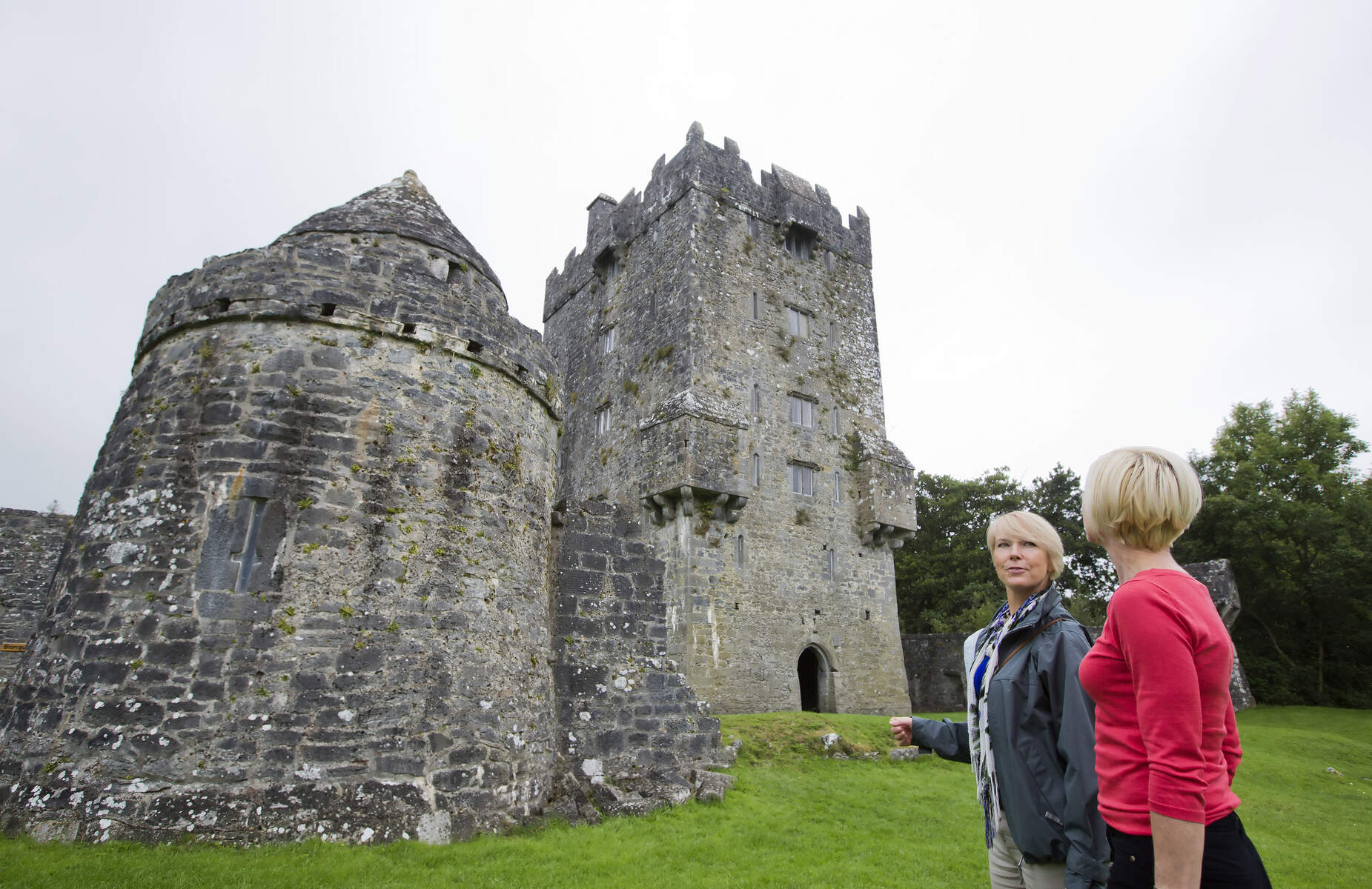
Aughnanure Castle, County Galway, photograph by Brian Morrison, 2014 for Tourism Ireland, Ireland’s Content Pool. [5]

General information: 091 552214, aughnanurecastle@opw.ie

It is a 15th century tower house. Aughnanure translates in Irish to “the field of the yews.” The OPW website tells us https://heritageireland.ie/visit/places-to-visit/aughnanure-castle/:

The fearsome O’Flaherty family, whose motto was ‘Fortune favours the strong’, ruled west Connacht for 300 years from this fine six-storey tower on the shores of Lough Corrib.

In 1546 the O’Flahertys joined forces with the Mayo O’Malleys when Donal an Chogaidh O’Flaherty married Grace O’Malley, later known as Granuaile, the formidable pirate queen. The O’Malley motto, ‘Powerful by land and by sea,’ showed the awe in which that family, too, was held.

At Aughanure today you can inspect the remains of a banqueting hall, a watch tower, an unusual double bawn and bastions and a dry harbour. Keep your eyes peeled for glimpses of the three species of bat that now live in the castle.

Grace O’Malley, 18th century Irish school, courtesy of Fonsie Mealy auction.

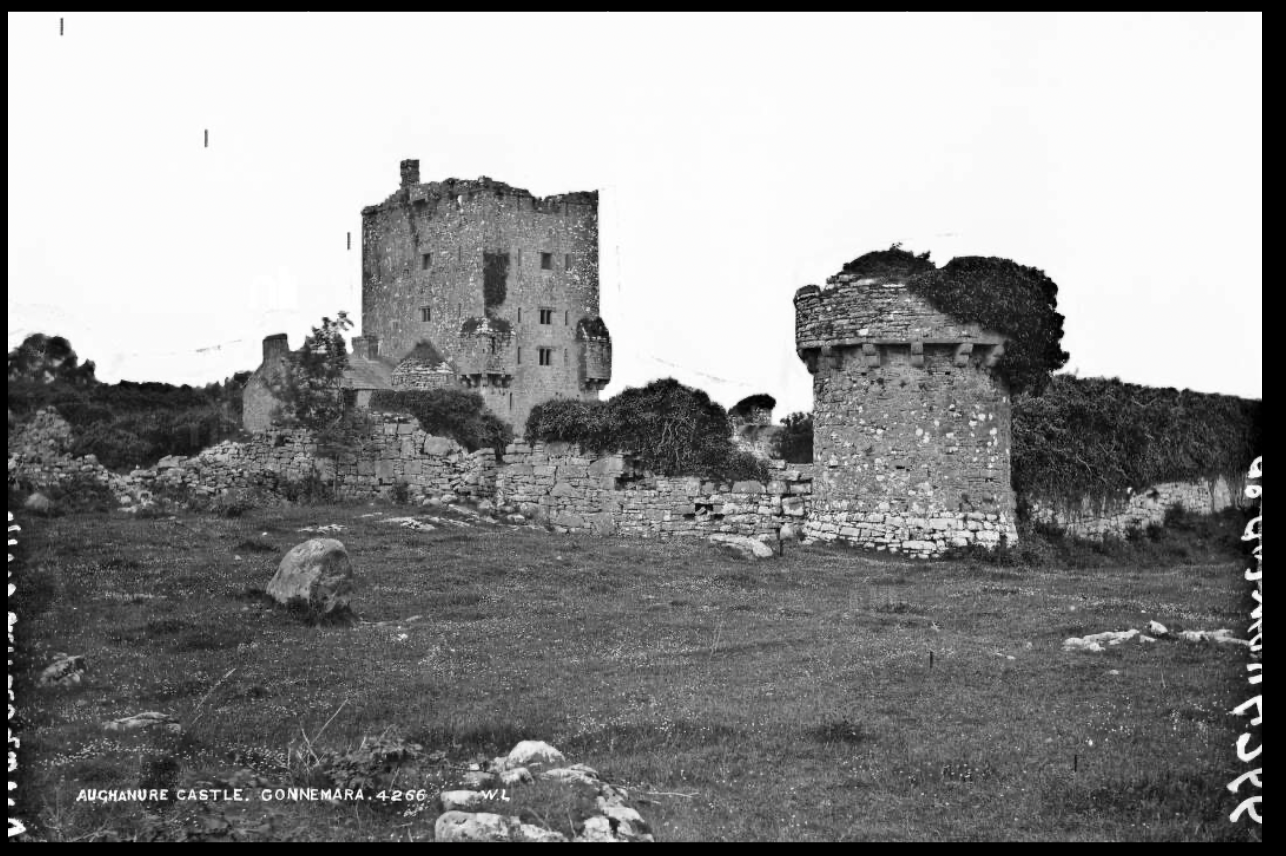
It was captured in 1572 by Sir Edward Fitton, then president of Connacht, but later reclaimed by the O’Flahertys. In 1618 King James I granted the castle to Hugh O’Flaherty but shortly after it fell into the hands of the Marquis of Clanrickarde who used it as a base against Cromwell’s forces. In 1687 the castle was back in the hands of the O’Flaherty clan for a rent of 76 per annum. In 1719 Bryan O’Flaherty bought the castle with the help of a mortgage of 1,600 which he borrowed from Lord Saint George but was unable to keep up the repayments and so the castle was lost again. [6] The Commissioners of Public Works obtained the castle in 1952 before declaring it a National Monument and undertaking restoration of the parapet, chimney and roof in 1963. 

Aughnanure Castle, County Galway, photograph by Robert French, Lawrence Photographic Collection, National Library of Ireland.

3. Dun Aonghasa, County Galway:

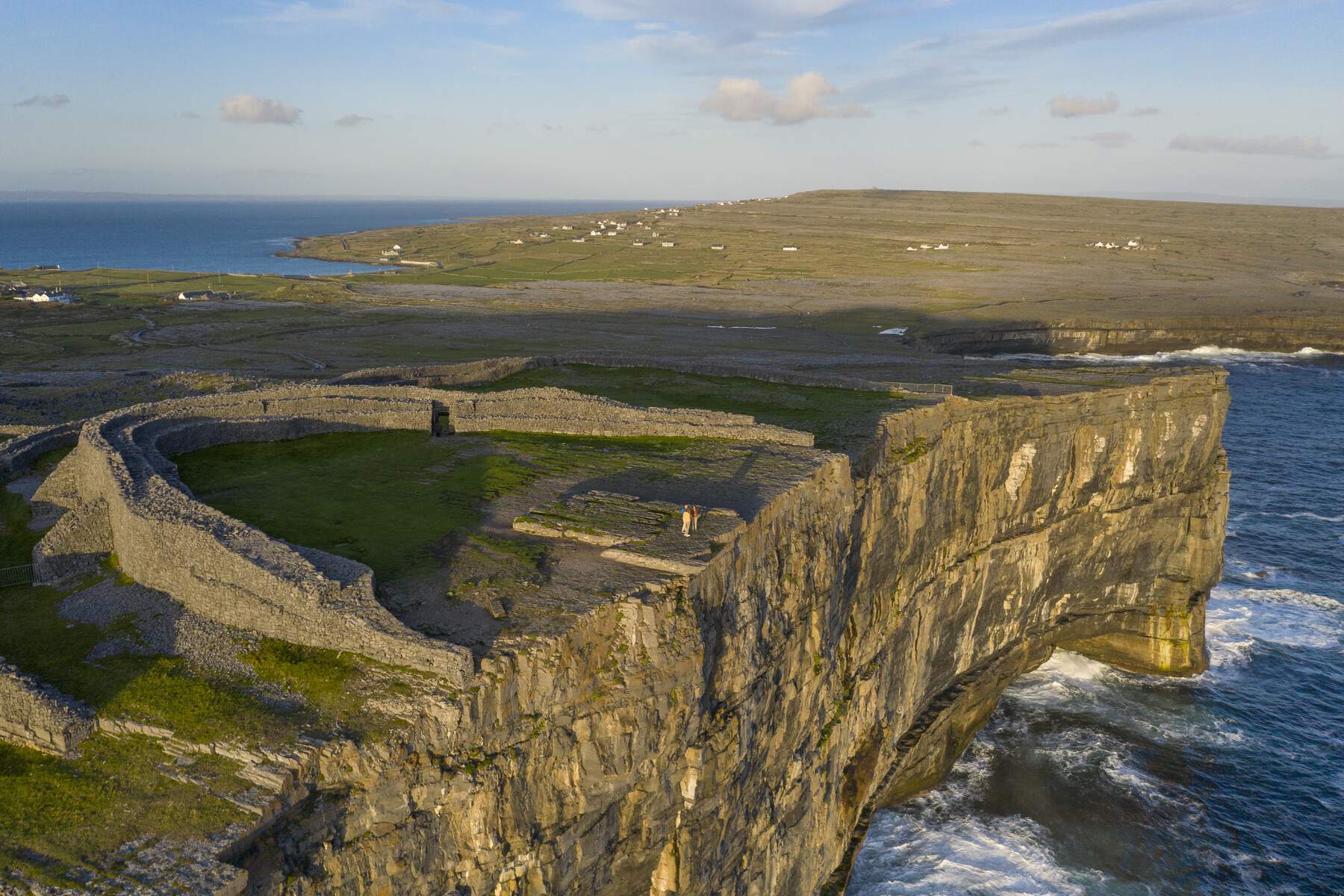
Dun Aengus, Inishmore, Aran Islands, County Galway, by Gareth McCormack, 2019 for Tourism Ireland, Ireland’s Content Pool. [see 5]

General information: 099 61008, dunaonghasa@opw.ie

From the OPW website https://heritageireland.ie/visit/places-to-visit/dun-aonghasa/:

Dún Aonghasa is about 1km from the Visitor Centre and is approached over rising ground. The last section of the path is over rough, natural rock and care is needed, especially when descending. Boots or strong walking shoes are recommended. There is no fence or barrier at the edge of the cliff.

Perilously perched on a sheer sea-cliff, Dún Aonghasa defiantly faces the Atlantic Ocean. It is the largest of the prehistoric stone forts of the Aran Islands.

“The fort consists of three massive drystone defence walls. Outside them is a chevaux-de-frise – that is, a dense band of jagged, upright stones, thousands in number. A devastatingly effective way to impede intruders, the chevaux-de-frise surrounds the entire fort from cliff to cliff.

Dún Aonghasa is over 3,000 years old. Excavations have revealed significant evidence of prehistoric metalworking, as well as several houses and burials. The whole complex was refortified in AD 700–800.

The visit involves a short hike over rising ground and rough, natural rock, so come prepared with boots or strong walking shoes. Be careful, too, when walking near the cliff – there is no fence or barrier at the edge of the 87-metre drop.

4. Ionad Culturtha an Phiarsaigh (Pearse’s Cottage), County Galway:

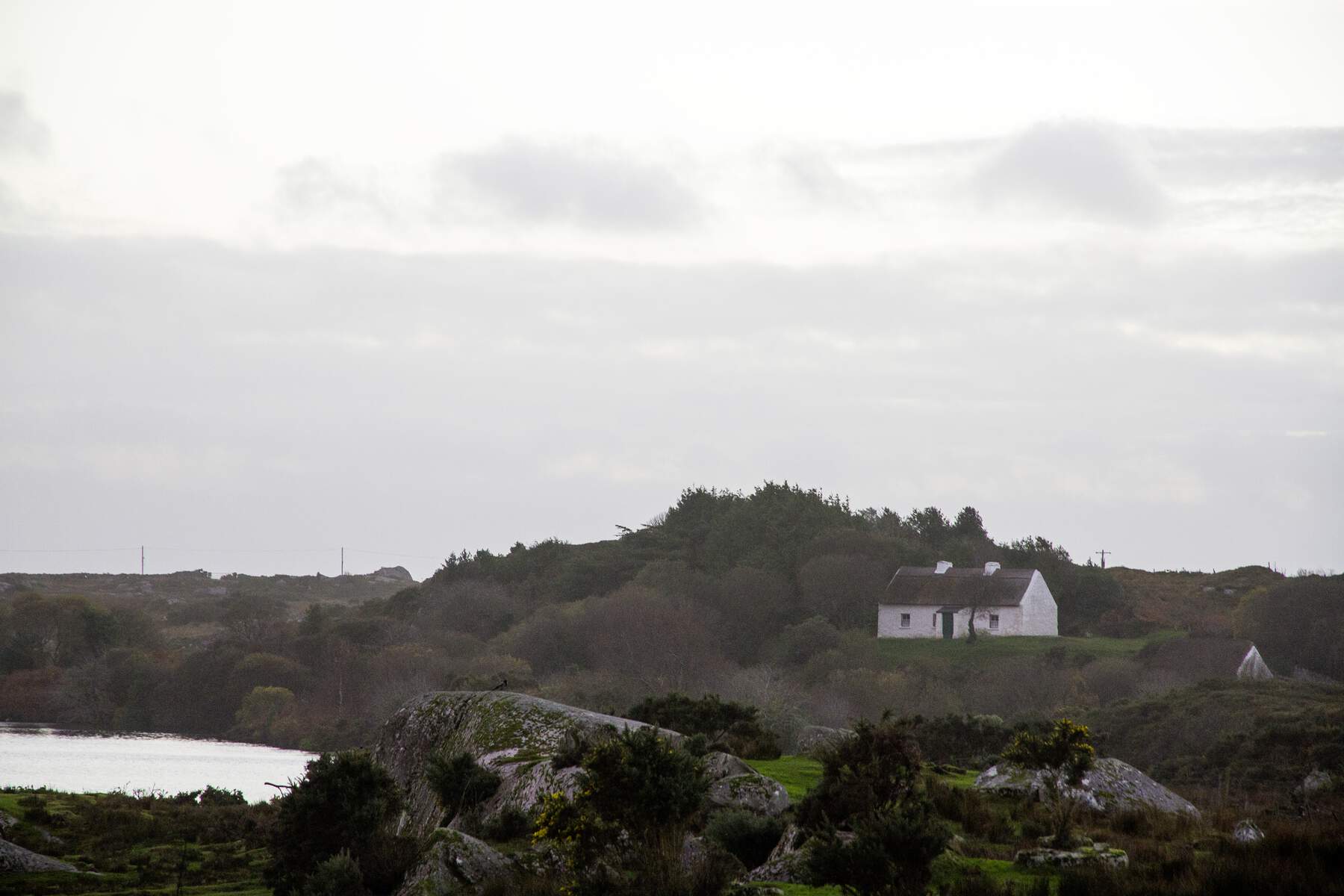
Ionad Culturtha an Phiarsaigh (Pearse’s Cottage), County Galway, photograph by Christian McLeod, 2016 for Failte Ireland, Ireland’s Content Pool. [see 5]

general information: 091 574292, icpconamara@opw.ie

From the OPW website https://heritageireland.ie/visit/places-to-visit/ionad-culturtha-an-phiarsaigh-connemara-pearse-cottage/:

Ionad Cultúrtha an Phiarsaigh is located in Ros Muc, in the heart of the Connemara Gaeltacht. It was here that Patrick Pearse, leader of the 1916 rebellion against British rule, built a summer cottage for himself.

In the state-of-the-art visitor centre you can explore the things that drew Pearse to Connemara – the area’s unique landscape and the ancient Gaelic culture and language which is still alive today. You will get a warm welcome from our local guides, who are steeped in the local culture and take great pride in it.

A short stroll across the bog will take you to the cottage itself. You will find it just as it was when Pearse left for the last time in 1915.

Ionad Culturtha an Phiarsaigh (Pearse’s Cottage), County Galway, photograph by Stephen Duffy, 2019 for Failte Ireland, Ireland’s Content Pool. [see 5]

5. Portumna Castle and Gardens, County Galway: 

Portumna Castle, County Galway, July 2021. Photograph © Jennifer Winder-Baggot, www.irishhistorichouses.com

General information: 090 974 1658, portumnacastle@opw.ie

See my entry https://irishhistorichouses.com/2024/05/02/portumna-castle-county-galway-an-office-of-public-works-property/

From the OPW website https://heritageireland.ie/visit/places-to-visit/portumna-castle-and-gardens/:

Built by [Richard Bourke 1572-1635] the fourth earl of Clanricarde, Portumna Castle was the de Burgo family power base for centuries.

The castle is a unique example of the transitional Irish architecture of the early 1600s. Its bold design combines elements of medieval and Renaissance style that complement each other perfectly.

A major fire in 1826 left the castle a roofless shell, but the state began to bring it back from ruin in the 1960s. Restoration work continues to this day.

The dramatic walk up to the building includes charming formal gardens, which create an enchanting sense of the original seventeenth-century setting. The walled kitchen garden is particularly memorable.

The castle enjoys a sensational view of Lough Derg. The ground floor is open to the public and houses an exhibition that brings the story of the castle and the de Burgo family to life. It is right beside the River Shannon and Portumna Forest Park, which makes it a great choice for a delightful day out.

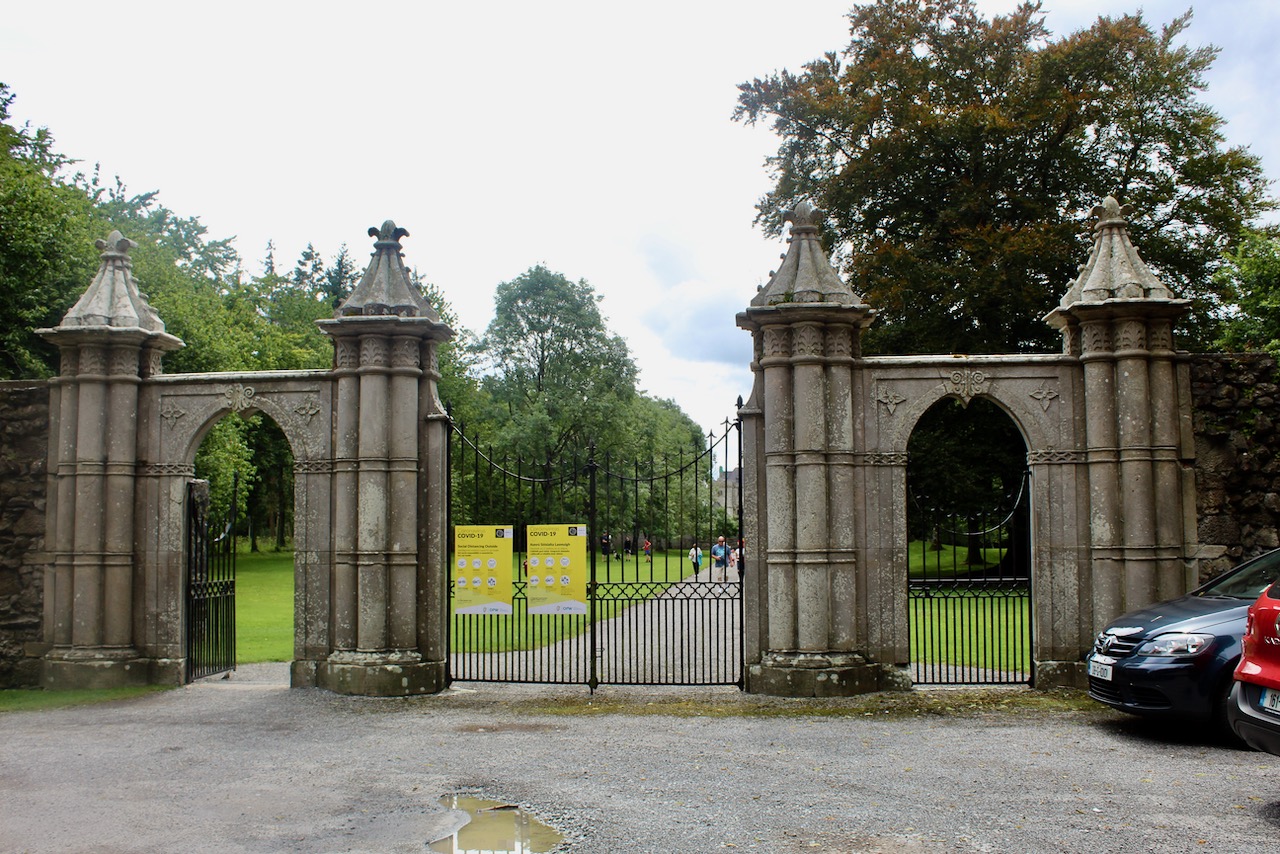
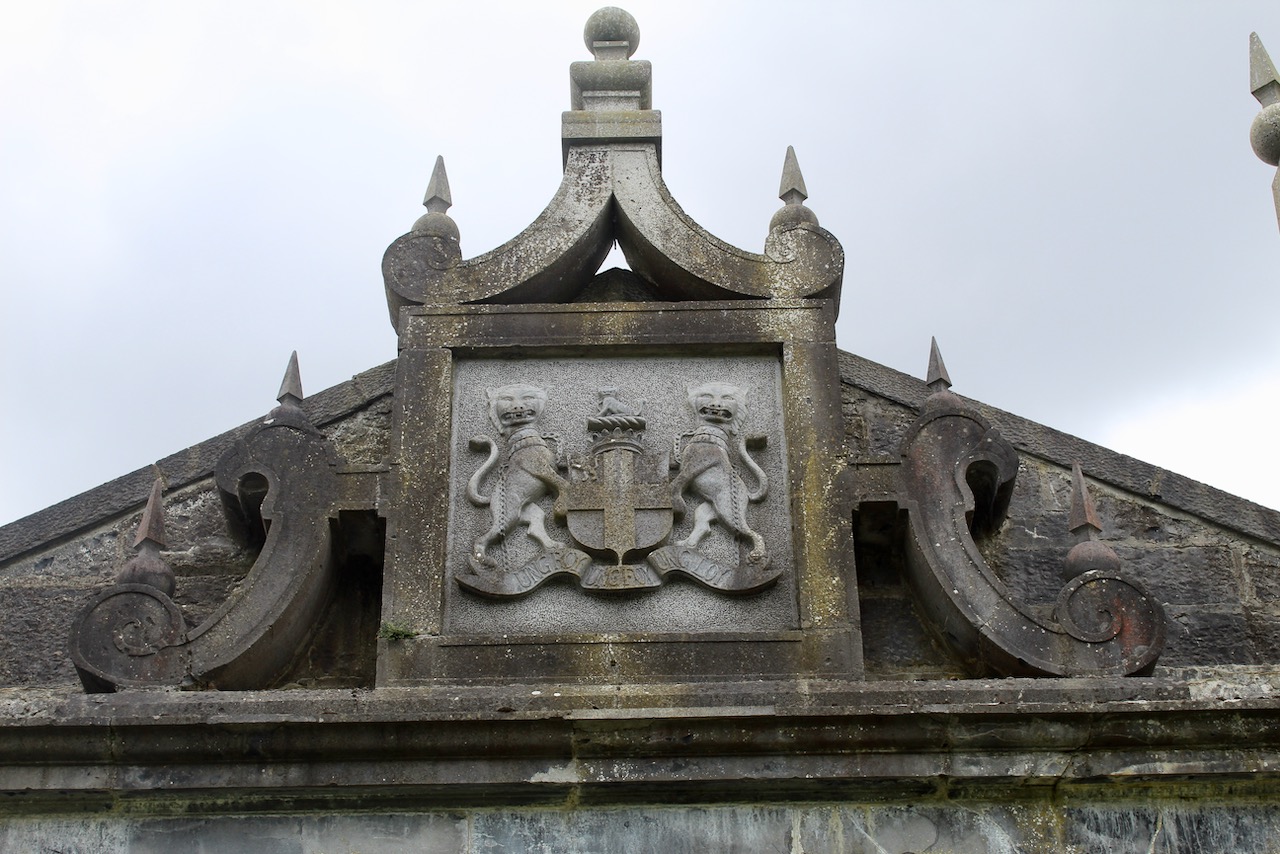
Ashlar limestone Morrison, or Gothic Entrance gates, Portumna Castle. They are attributed to Richard Morrison, built about 1805, flanked by “octagonal piers with reeded colonettes on moulded plinths, with moulded bands and cornices, carved crocketed reeded pyramidal capstones with fleur-de-lys finials, vegetal detail to friezes, and supporting decorative cast-iron double-leaf and single-leaf gates.” [7] Photograph © Jennifer Winder-Baggot, www.irishhistorichouses.com
Portumna Castle, County Galway, July 2021. Photograph © Jennifer Winder-Baggot, www.irishhistorichouses.com
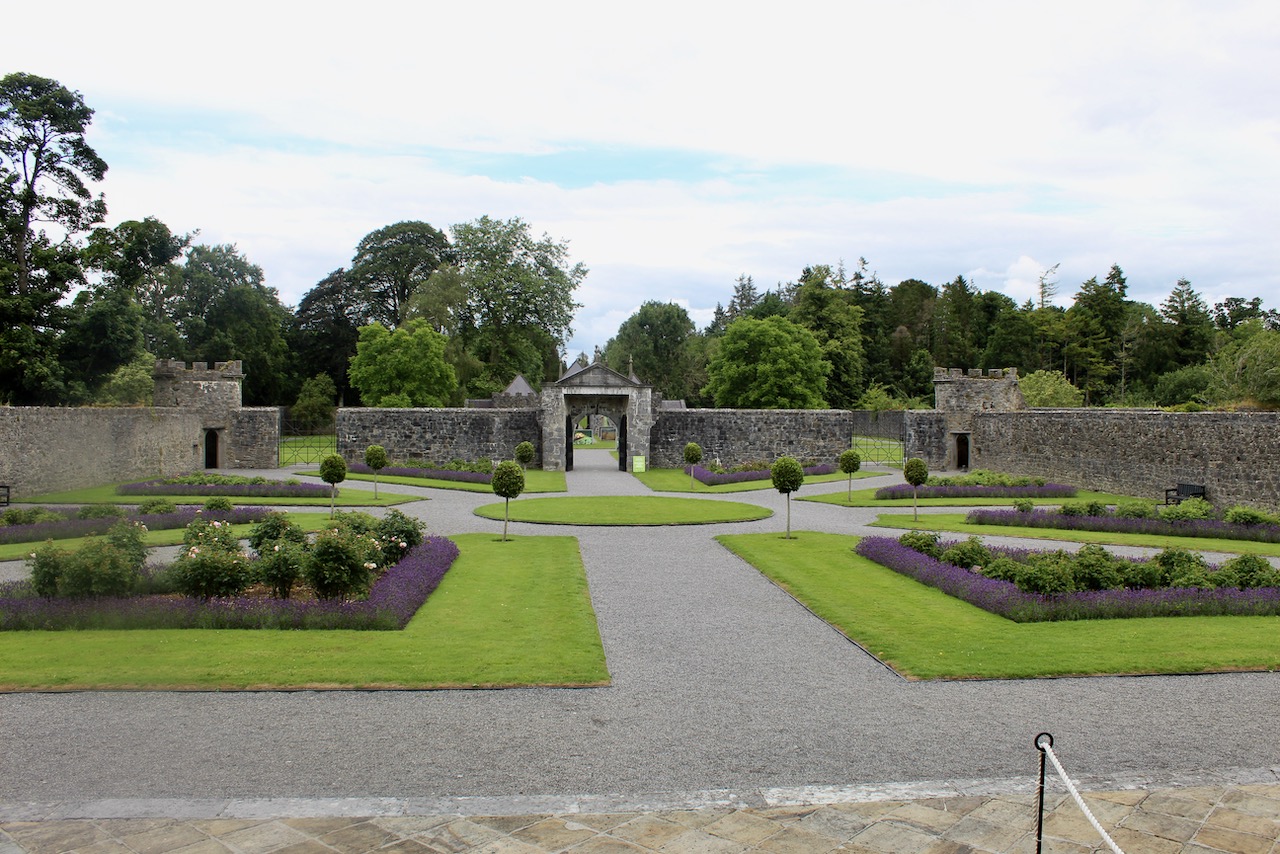
The view from the front of the castle towards the gates. Photograph © Jennifer Winder-Baggot, www.irishhistorichouses.com
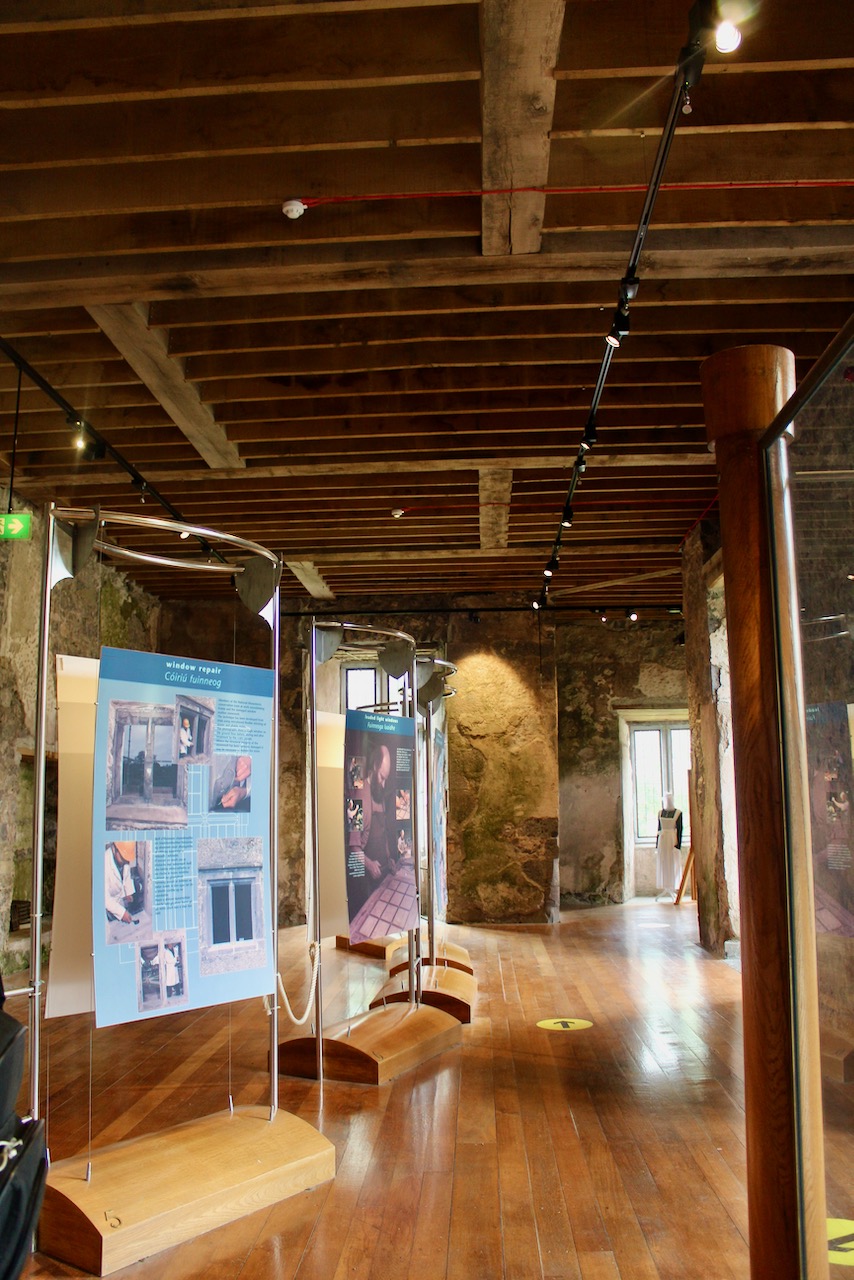
Inside Portumna Castle, so far the ground floor has been restored and it houses an informative exhibition about the castle. Photograph © Jennifer Winder-Baggot, www.irishhistorichouses.com

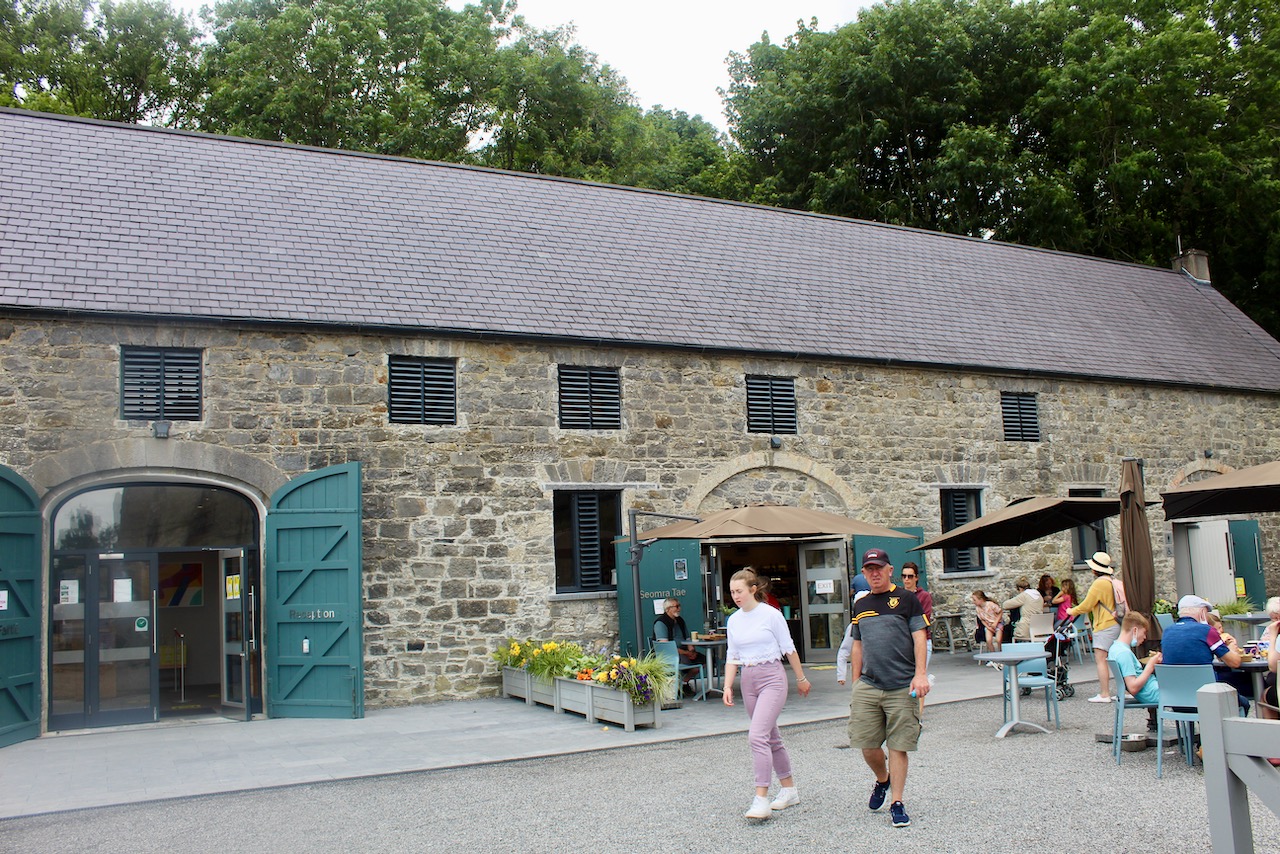
The stables have been renovated into a cafe.

Portumna Castle, County Galway, July 2021. Photograph © Jennifer Winder-Baggot, www.irishhistorichouses.com

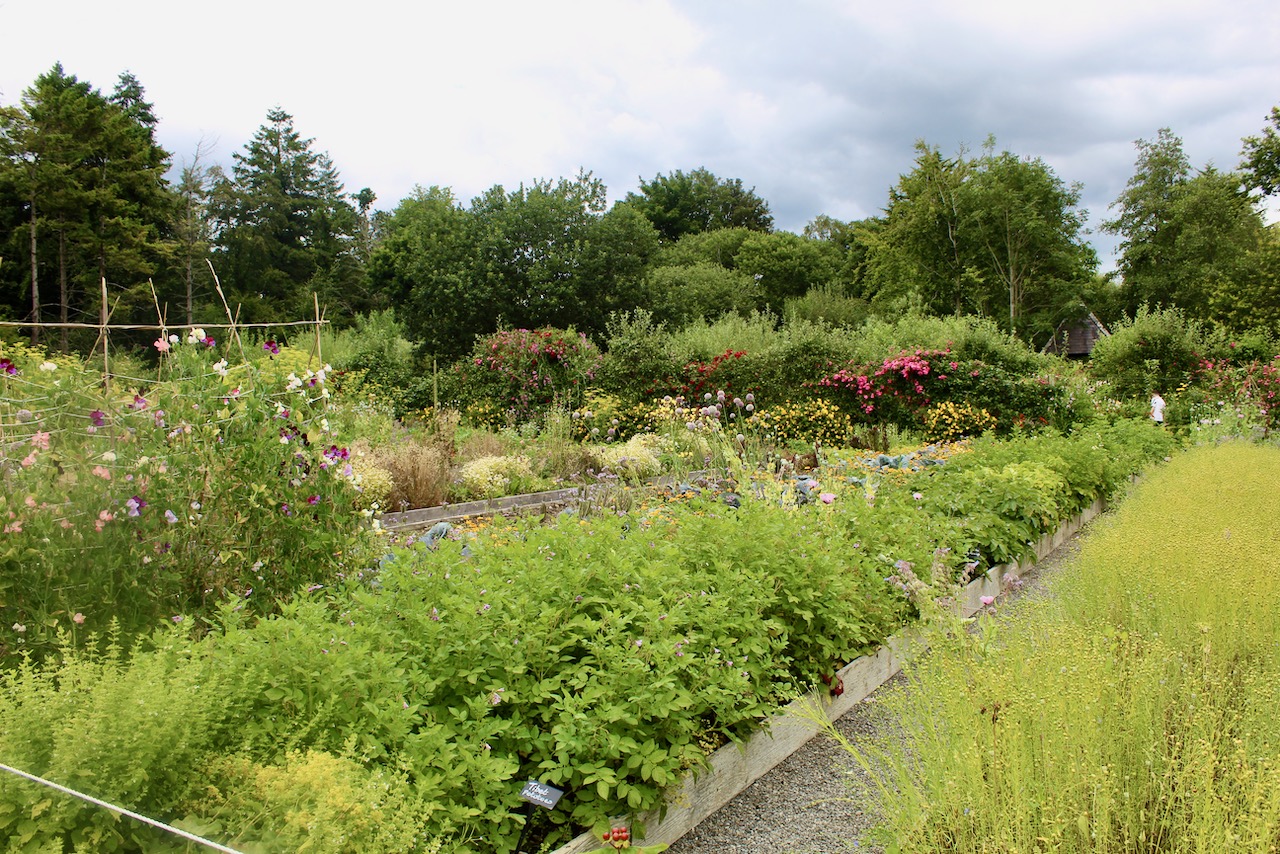
There’s also a walled garden at Portumna Castle.

Portumna Castle, County Galway, July 2021. Photograph © Jennifer Winder-Baggot, www.irishhistorichouses.com

[1] https://repository.dri.ie/catalog?f%5Broot_collection_id_ssi%5D%5B%5D=pk02rr951&mode=objects&search_field=all_fields&view=grid

[2] https://heritageireland.ie/visit/places-to-visit/

[3] http://www.britainirelandcastles.com/Ireland/County-Galway/Athenry-Castle.html

[4] http://www.thestandingstone.ie/2021/02/athenry-castle-co-galway.html

See also Mohr, Paul. The De Berminghams, Barons Of Athenry: A Suggested Outline Lineage, From First To Last. Journal of the Galway Archaeological and Historical Society. Vol. 63 (2011), pp. 43-56, on jstor. https://www.jstor.org/stable/41429931?read-now=1&seq=8#page_scan_tab_contents

[5] https://www.irelandscontentpool.com

[6] http://www.britainirelandcastles.com/Ireland/County-Galway/Aughanure-Castle.html

[7] https://www.buildingsofireland.ie/buildings-search/building/30343036/portumna-castle-portumna-portumna-demesne-portumna-co-galway

[8] p. 233, Bence-Jones, Mark.

[9] https://www.buildingsofireland.ie/buildings-search/building/30343048/portumna-castle-portumna-demesne-portumna-co-galway

Text © Jennifer Winder-Baggot, www.irishhistorichouses.com