Portraits J-K

J

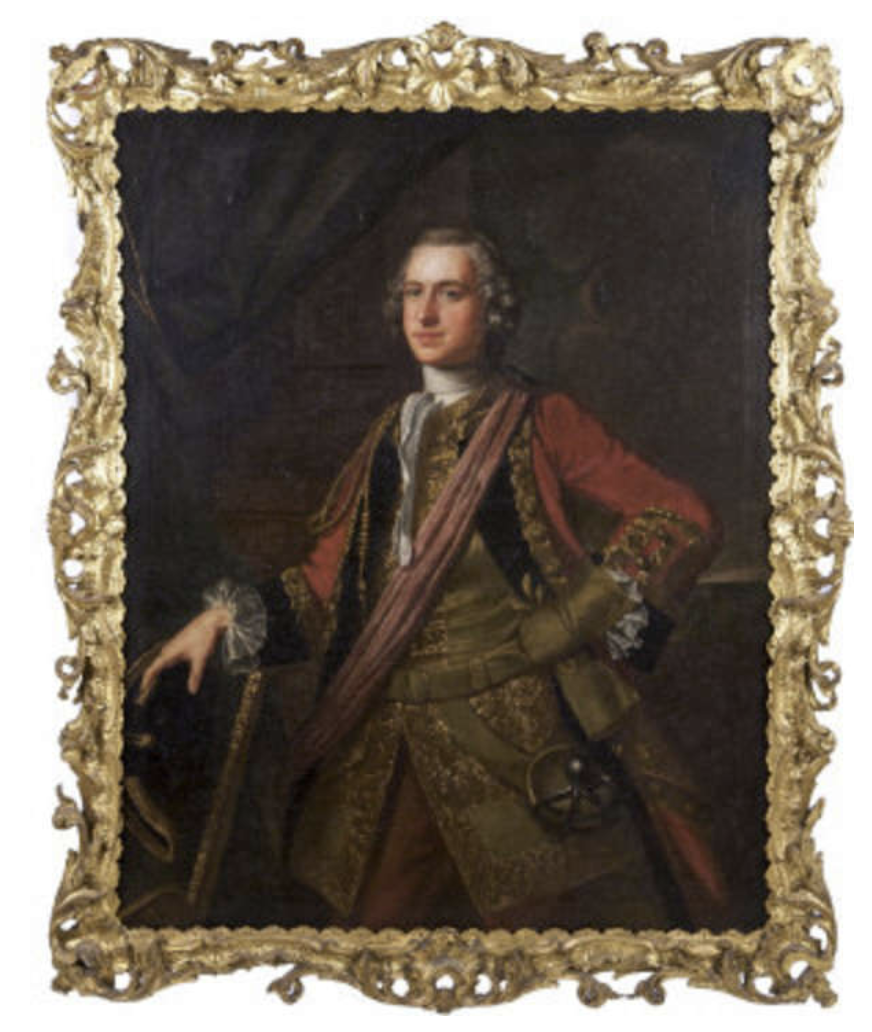
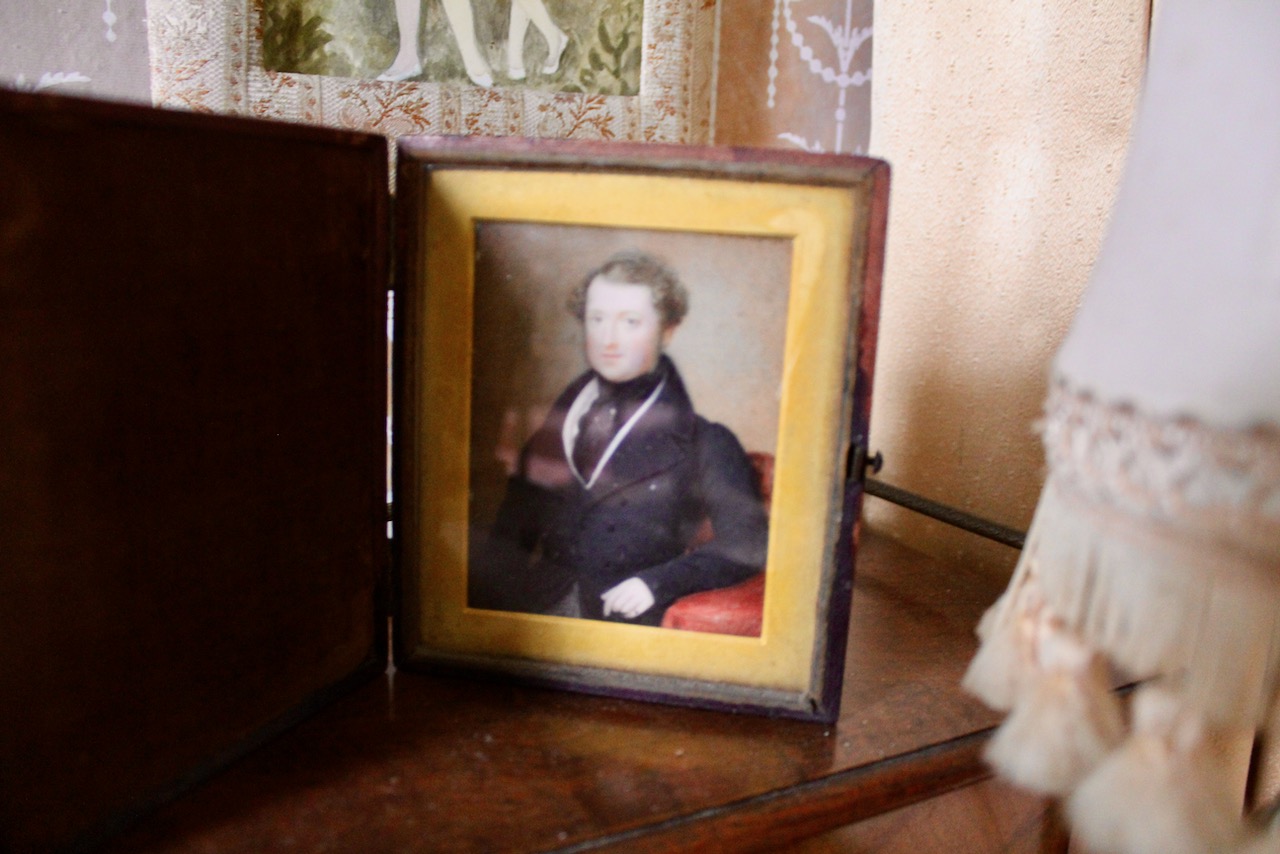
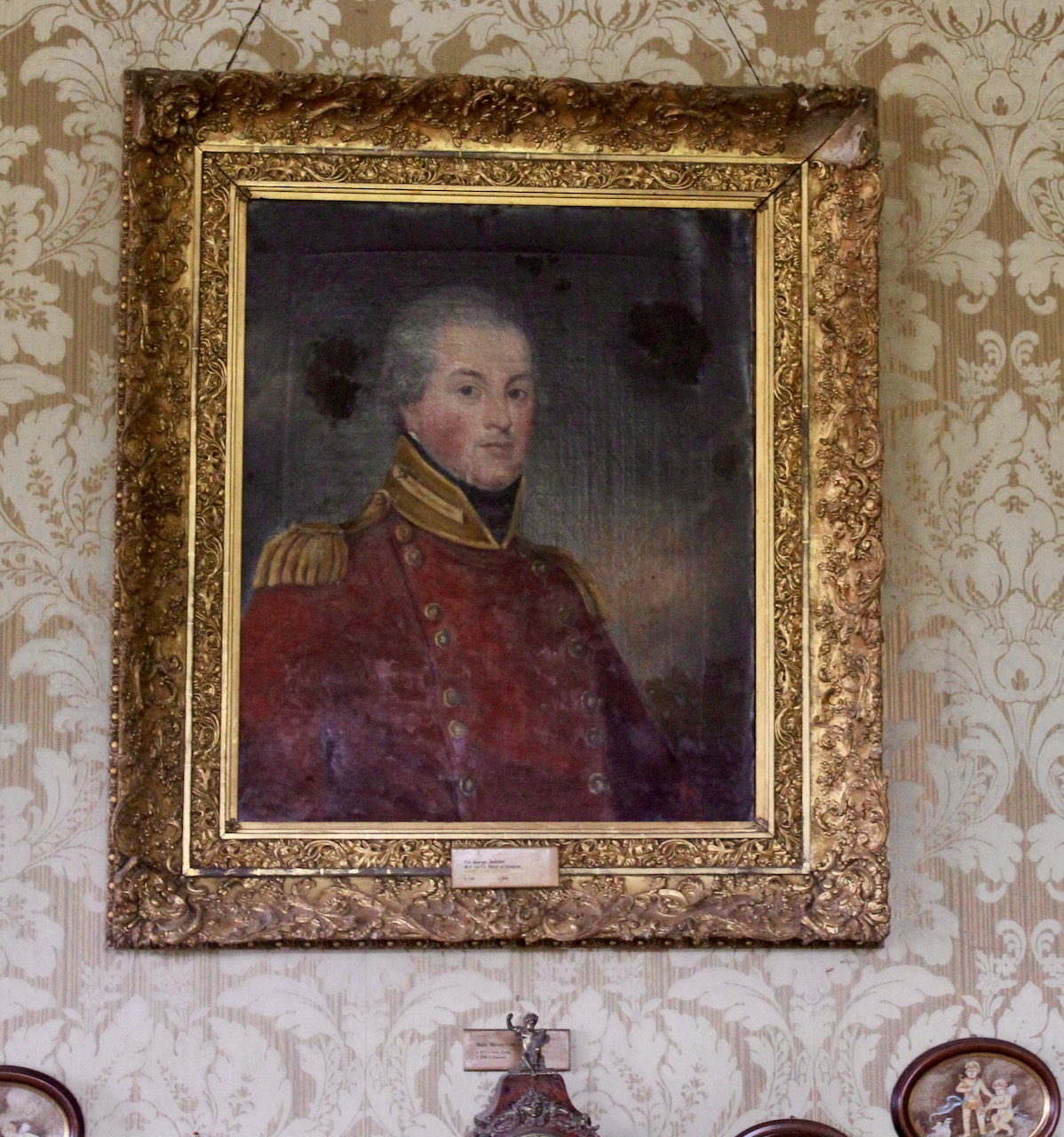
Colonel George Jackson (1761-1805), MP for County Mayo. Photograph © Jennifer Winder-Baggot, www.irishhistorichouses.com
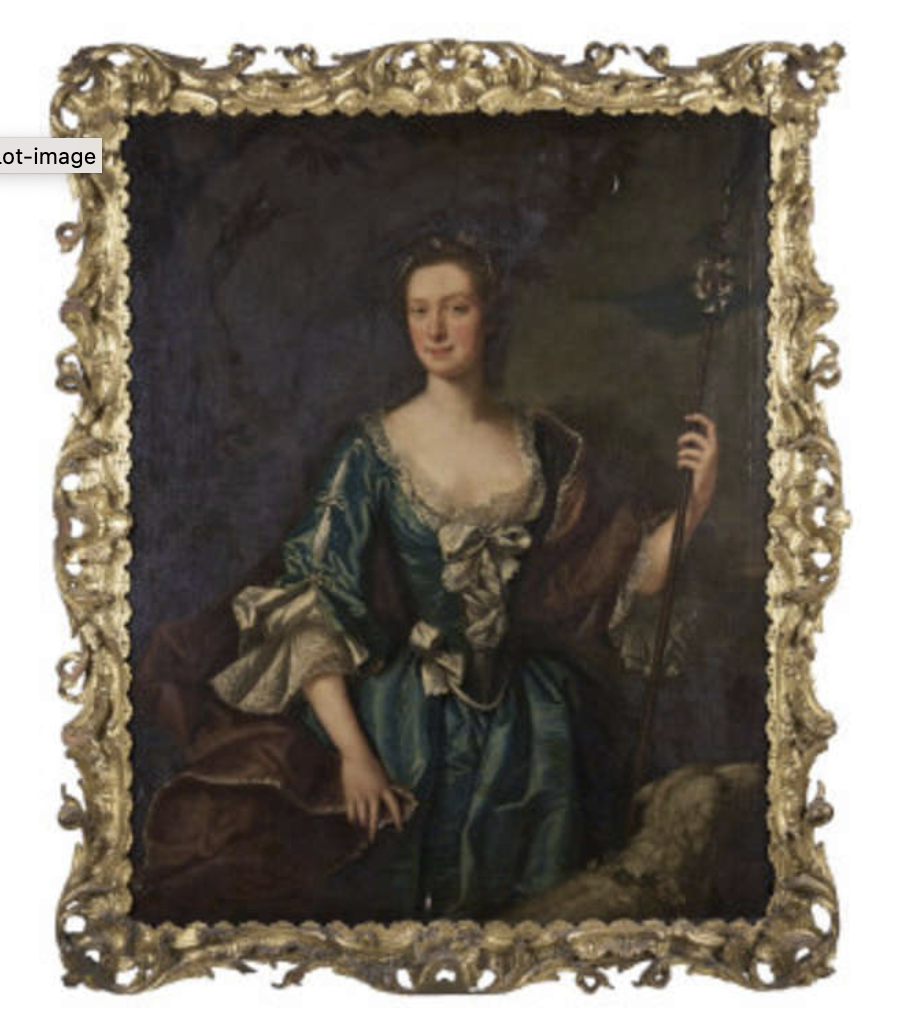
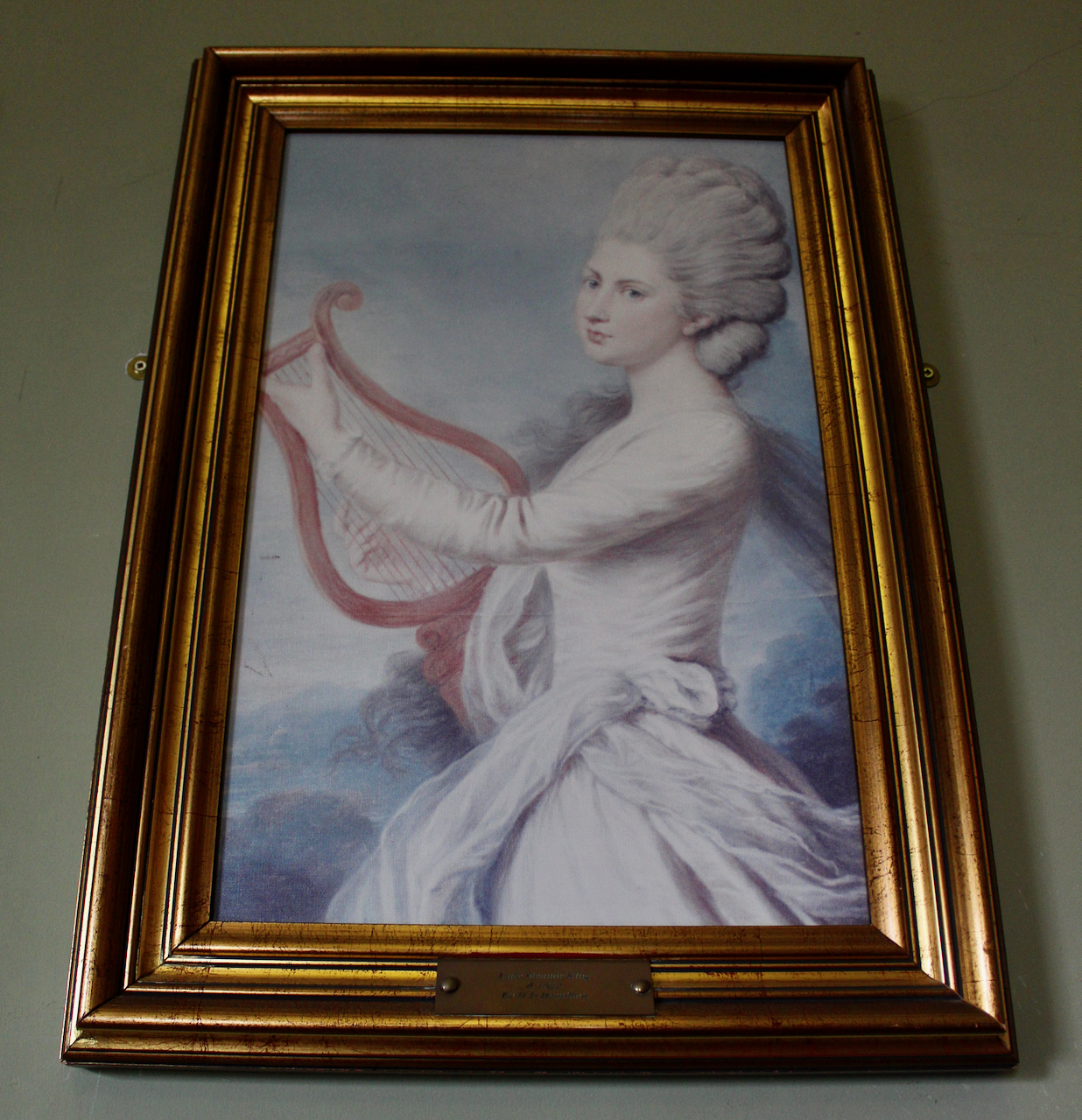
A portrait of Jane Cuffe, daughter of James Cuffe of Ballinrobe, County Mayo, wife of George Jackson (1717-1789). Photograph © Jennifer Winder-Baggot, www.irishhistorichouses.com
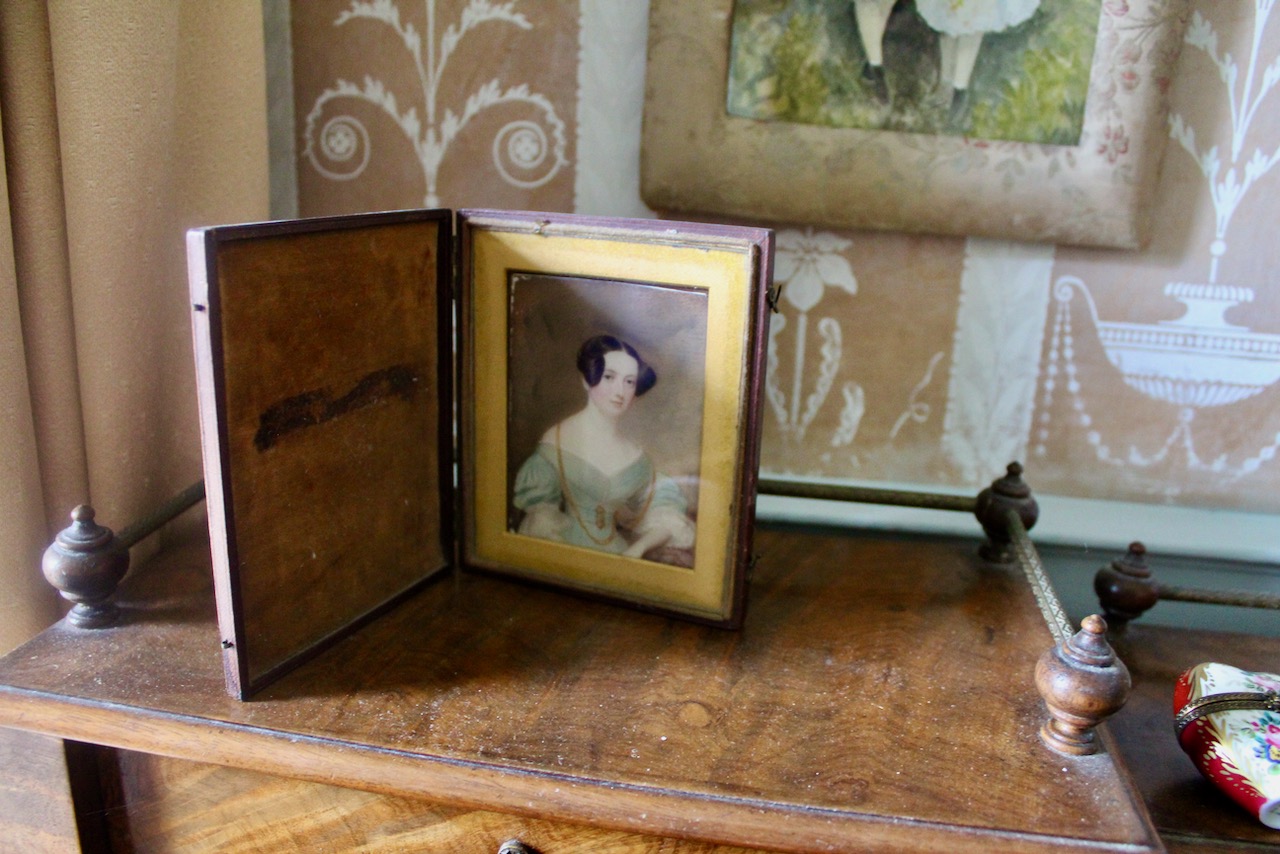
Madeline Jackson (abt 1816-1899) of Enniscoe. Photograph © Jennifer Winder-Baggot, www.irishhistorichouses.com
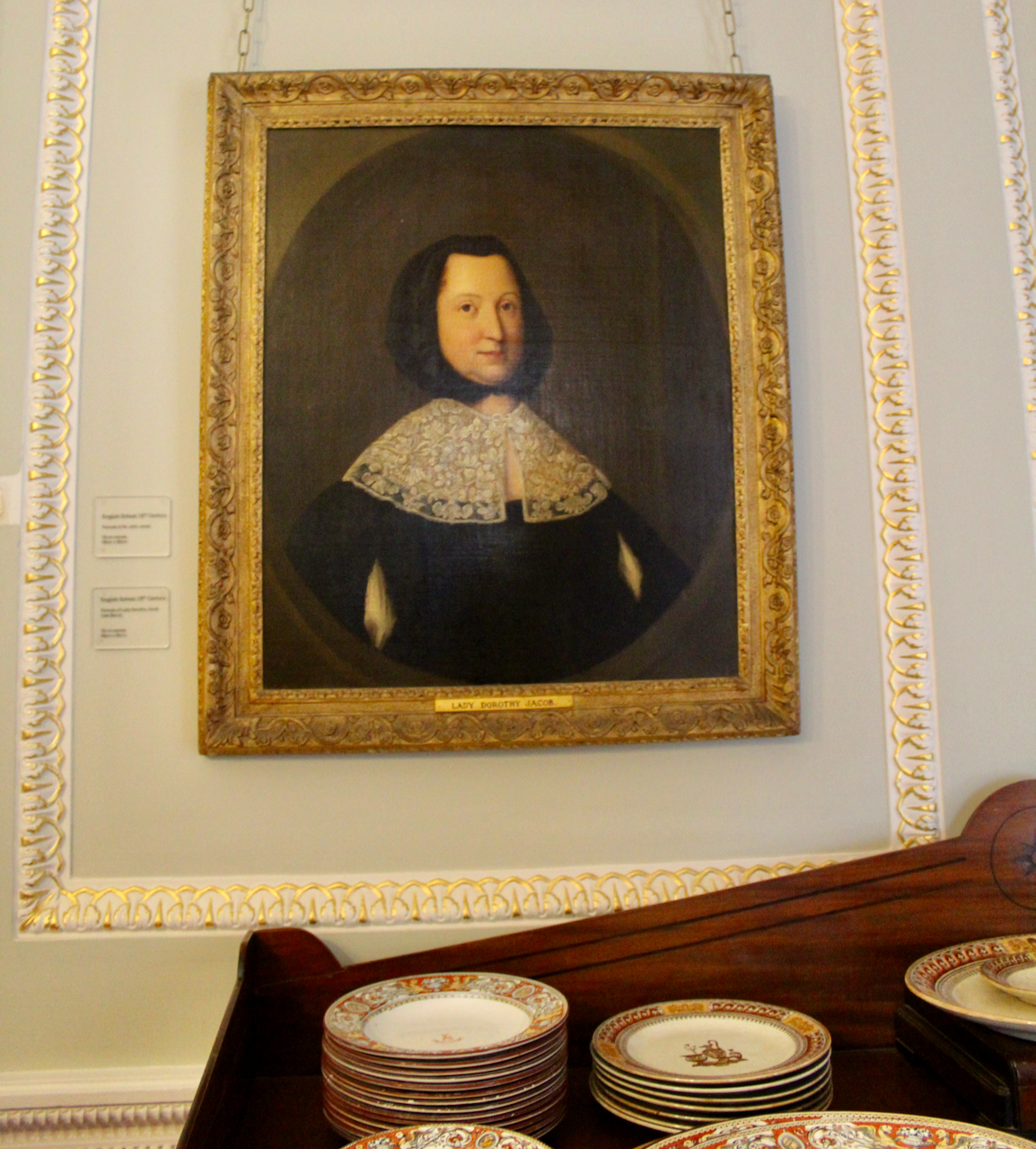
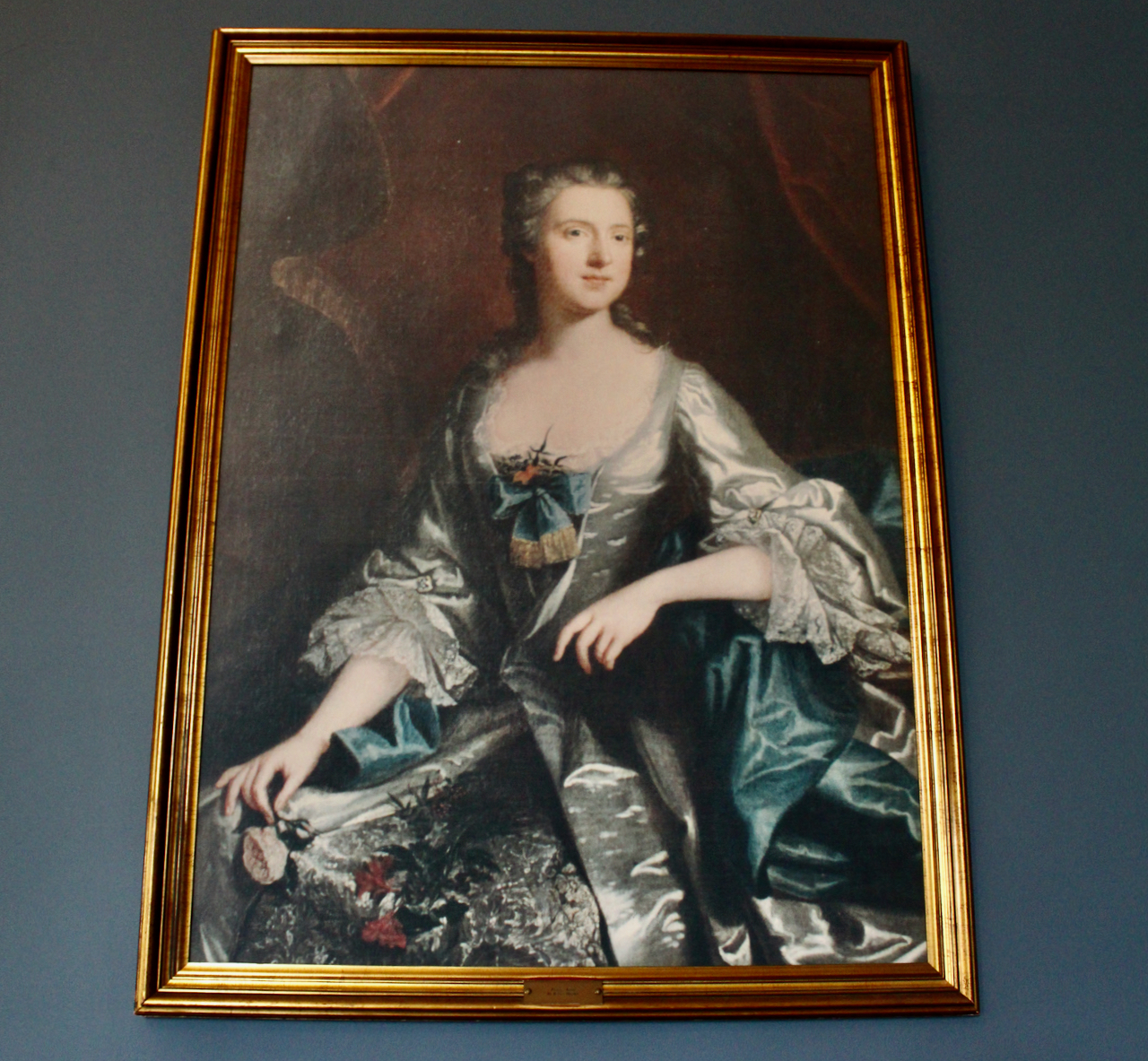
Dorothy née Barry (1670-1748), married John Jacob 3rd Bt of Bromley. She was the daughter of Richard Barry 2nd Earl of Barrymore. Photograph © Jennifer Winder-Baggot, www.irishhistorichouses.com
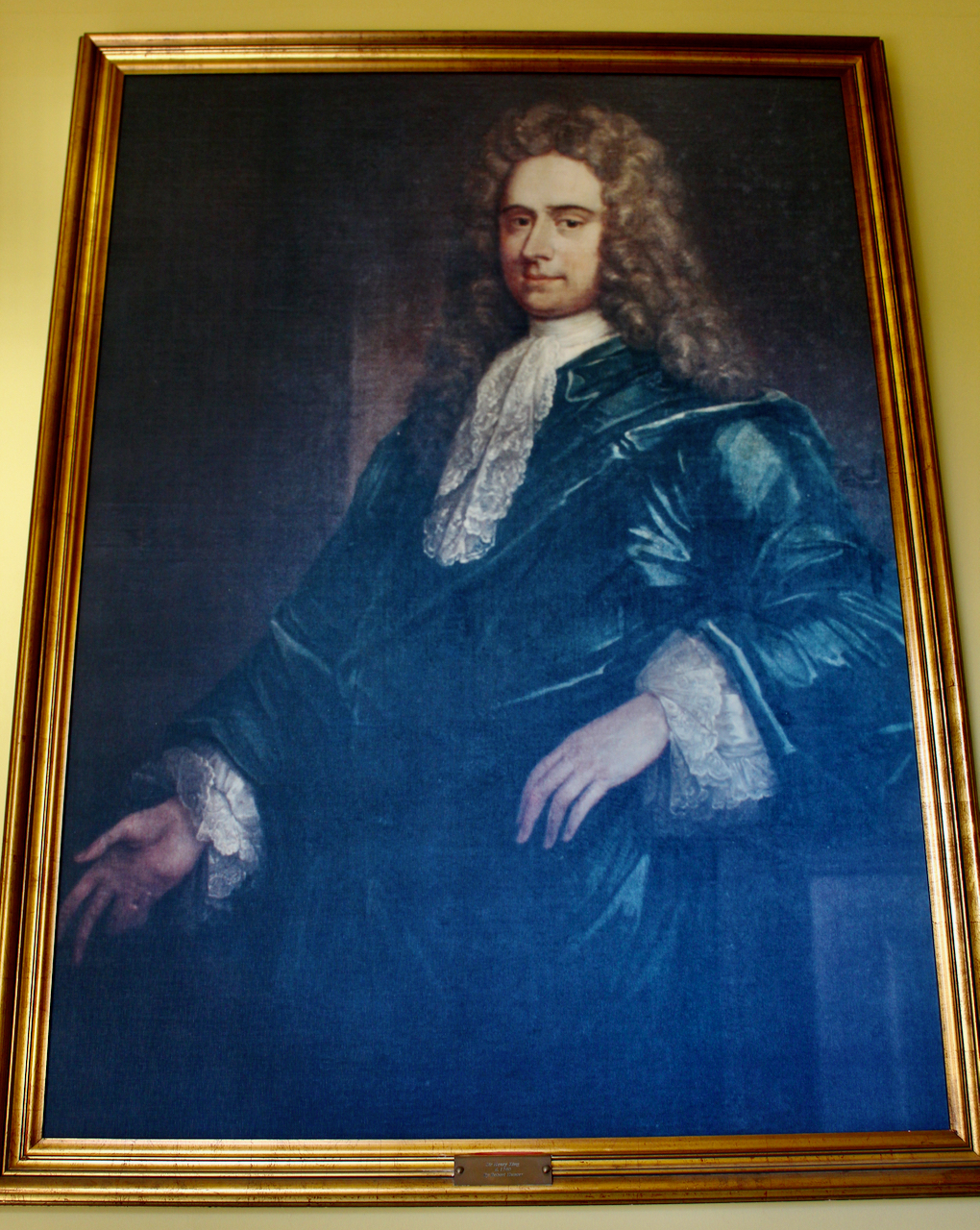
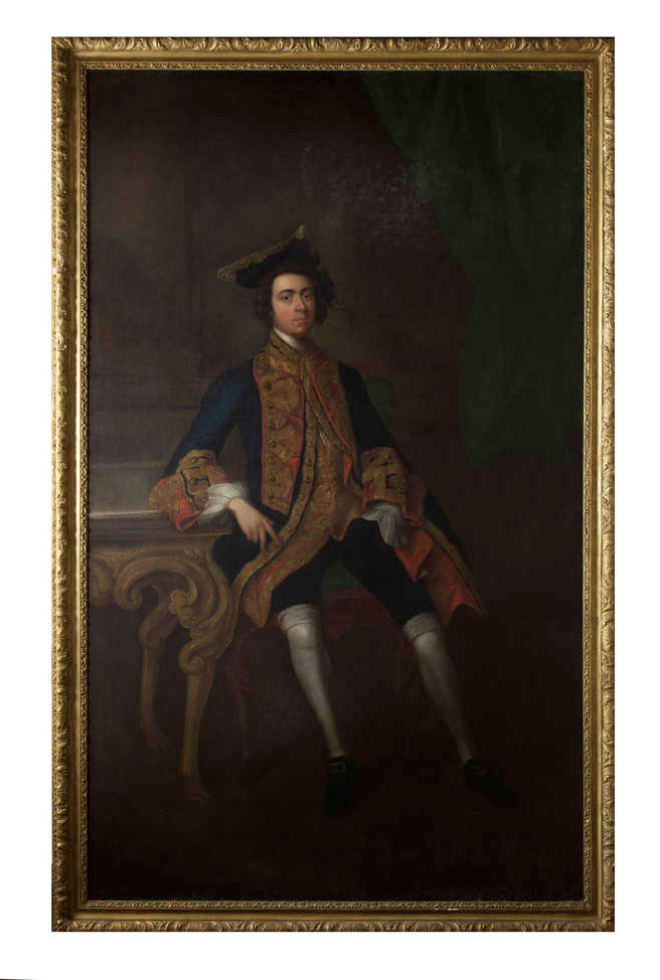
John Jacob 3rd Bt of Bromley, Essex. Photograph © Jennifer Winder-Baggot, www.irishhistorichouses.com
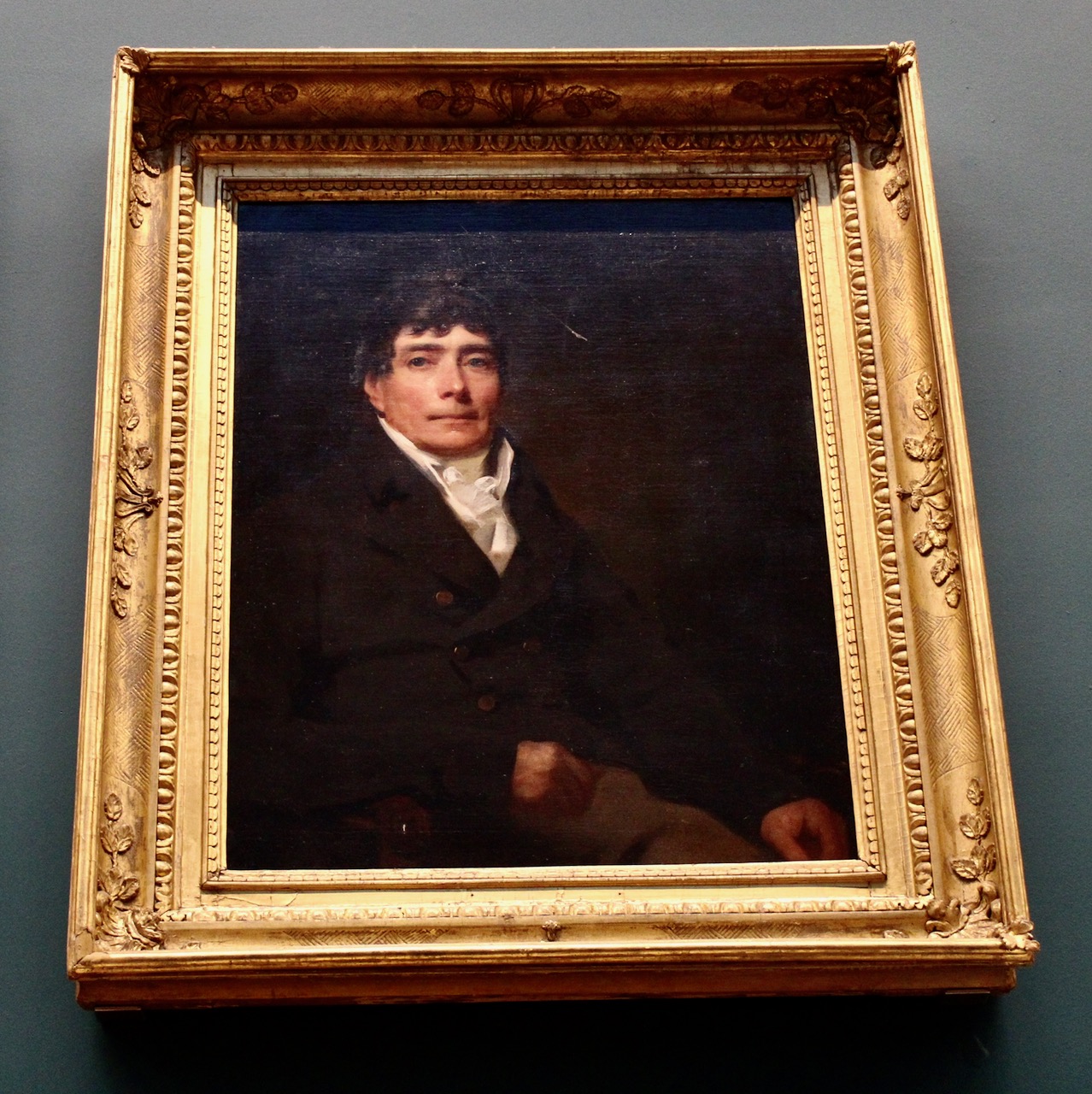
John Jameson (1740-1823), Whiskey Distiller, c. 1820 by Henry Raeburn, National Gallery of Ireland. Photograph © Jennifer Winder-Baggot, www.irishhistorichouses.com
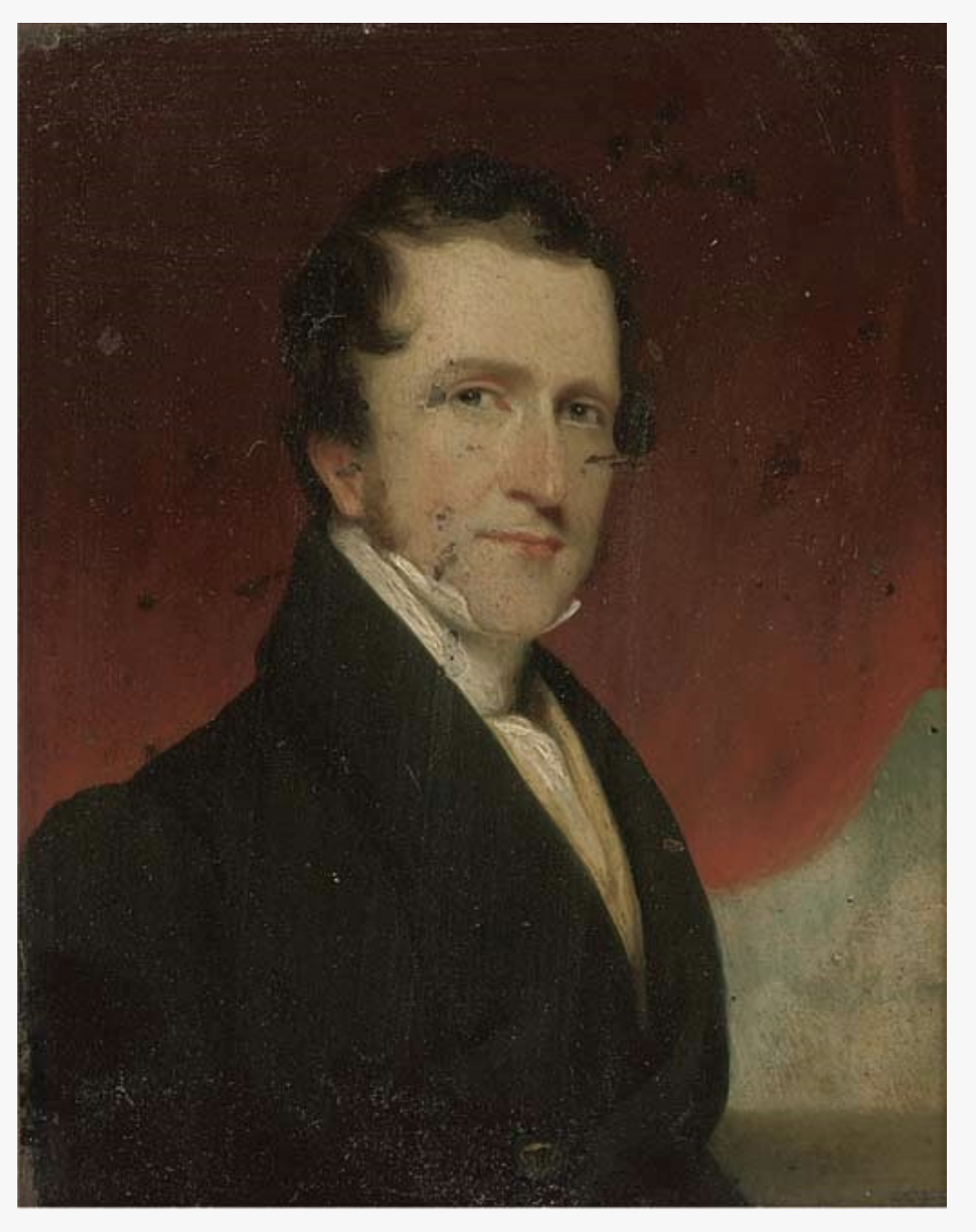
John Jameson by Stephen Catterson Smith courtesy Christies 2006
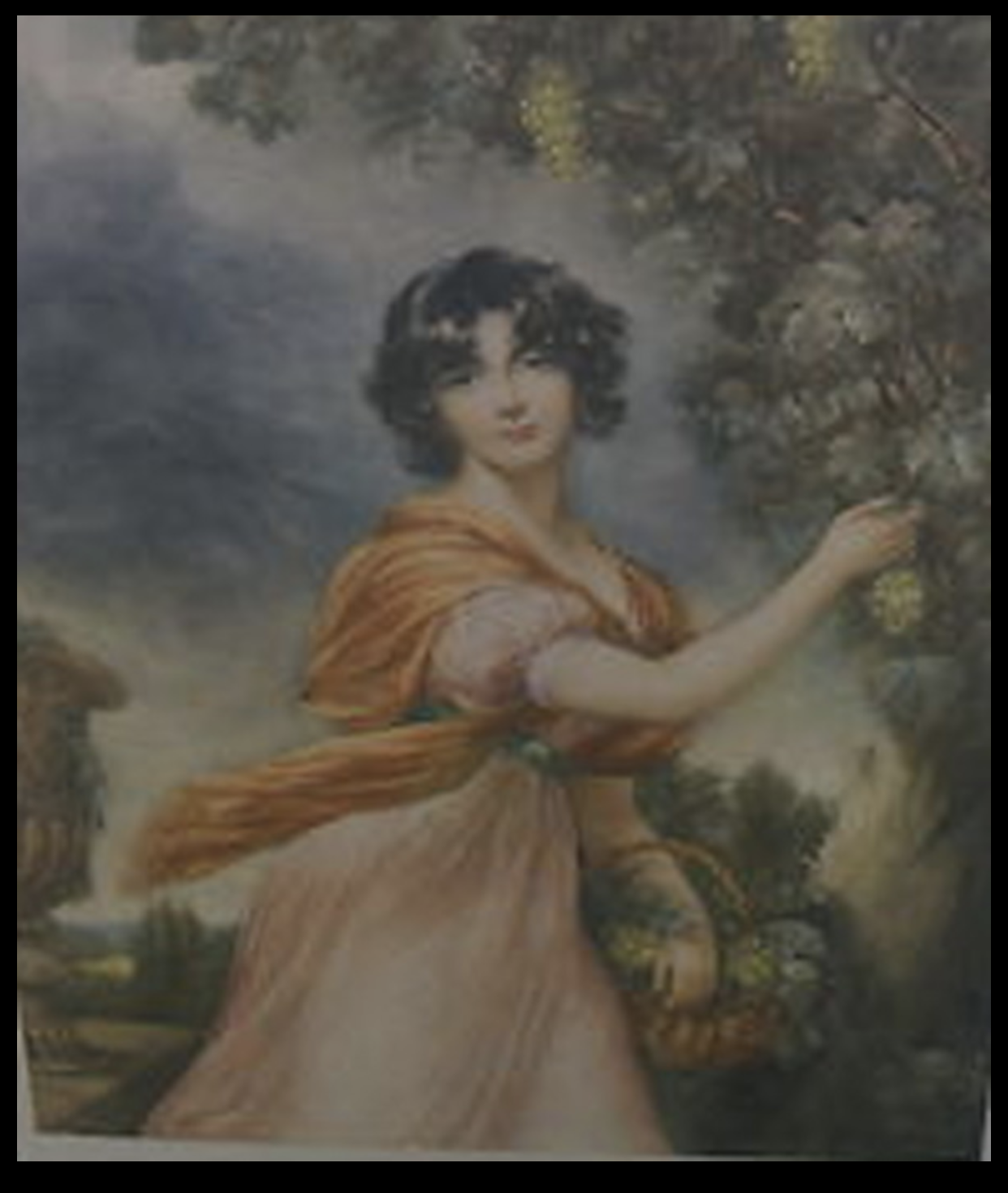
Mary Ann Cavendish Bradshaw also known as the Countess of Westmeath. Portrait painted by Sir Thomas Lawrence in 1806. She was born Marianne Jeffreys, and married George Frederick Nugent, the 7th Earl of Westmeath and she became the Countess of Westmeath. In 1796 in a sensational court case she divorced Nugent and soon after married Augustus Cavendish Bradshaw.
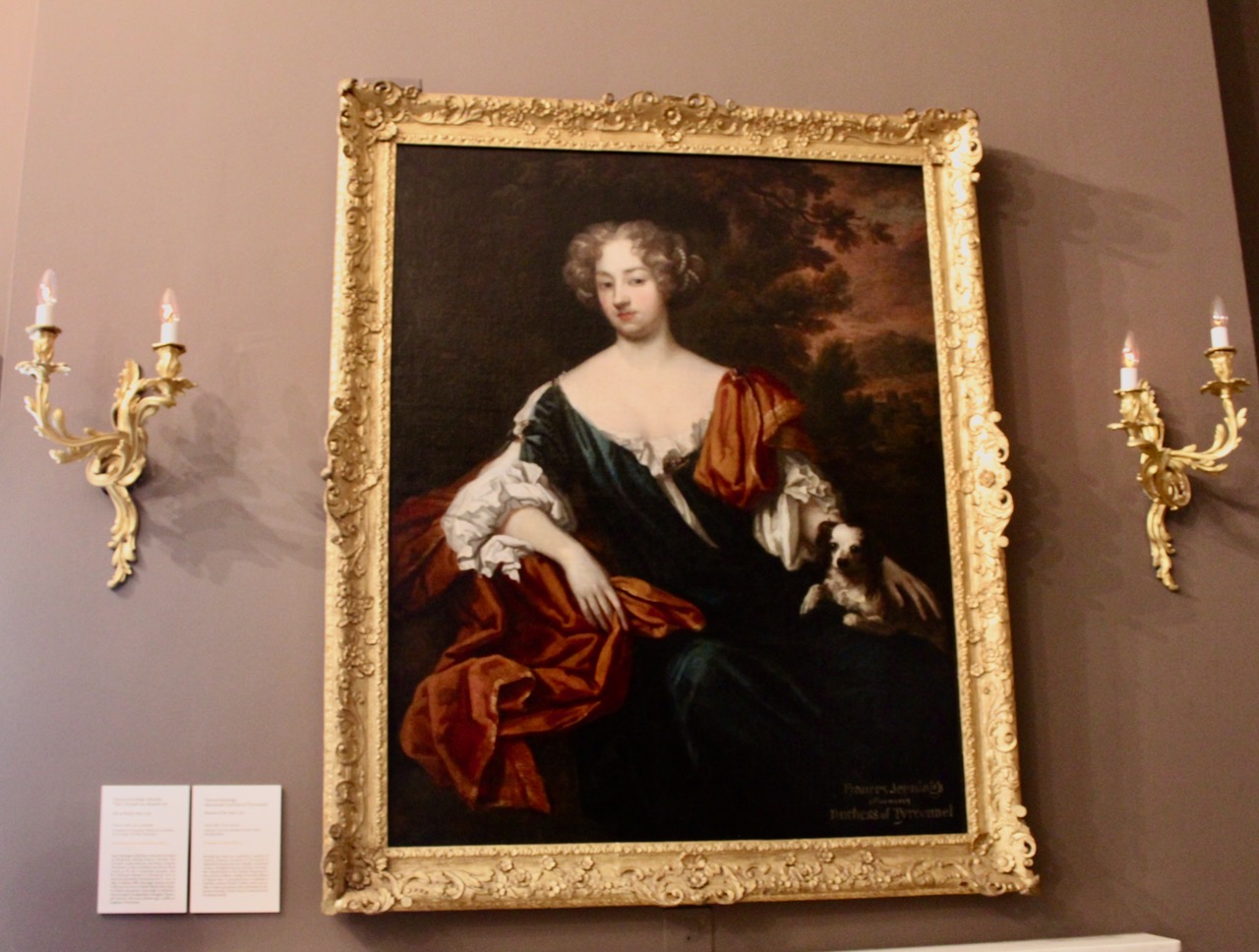
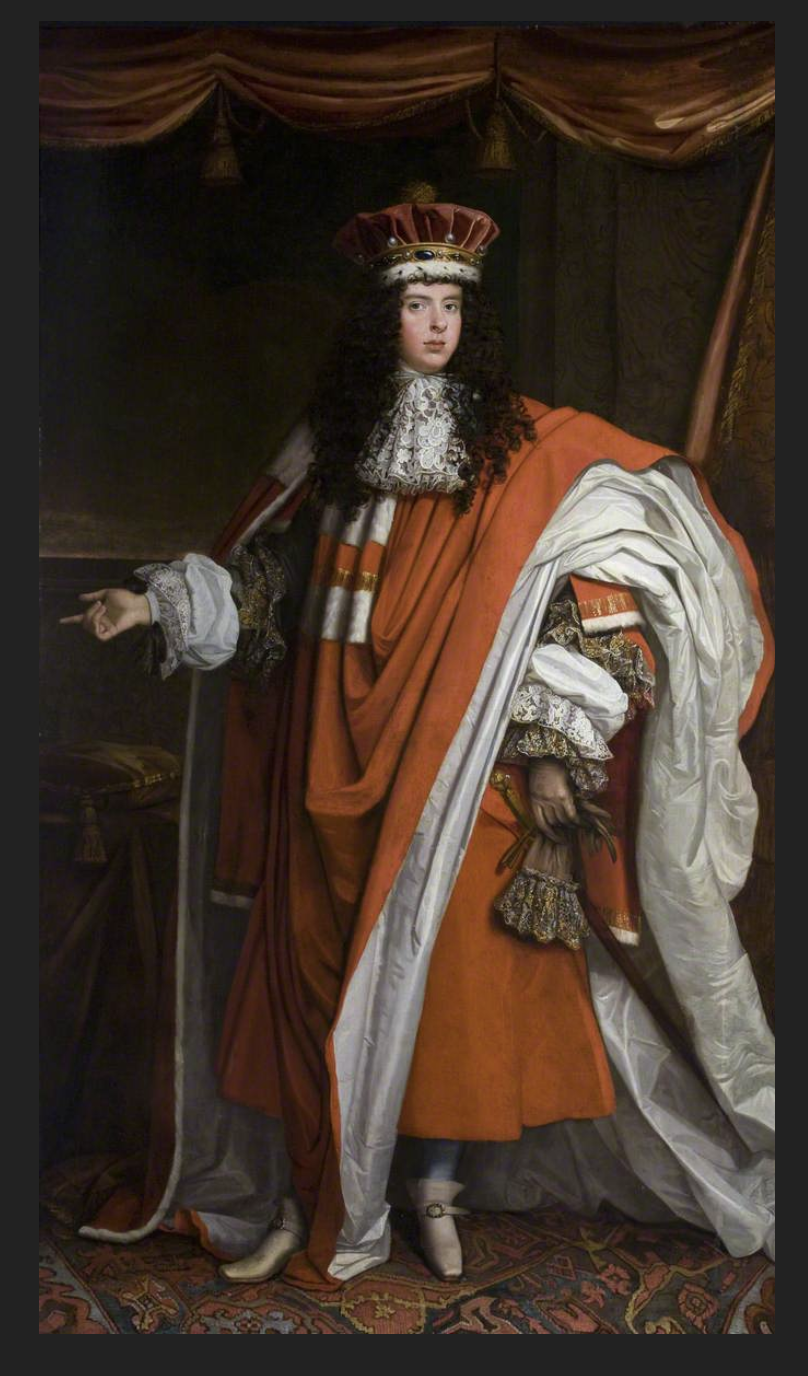
Frances Jennings (1647-1730), Vicereine of Ireland 1687-89, Duchess of Tyrconnell. She was married to Richard Talbot, 1st Duke of Tyrconnell (1630-1691). Photograph © Jennifer Winder-Baggot, www.irishhistorichouses.com
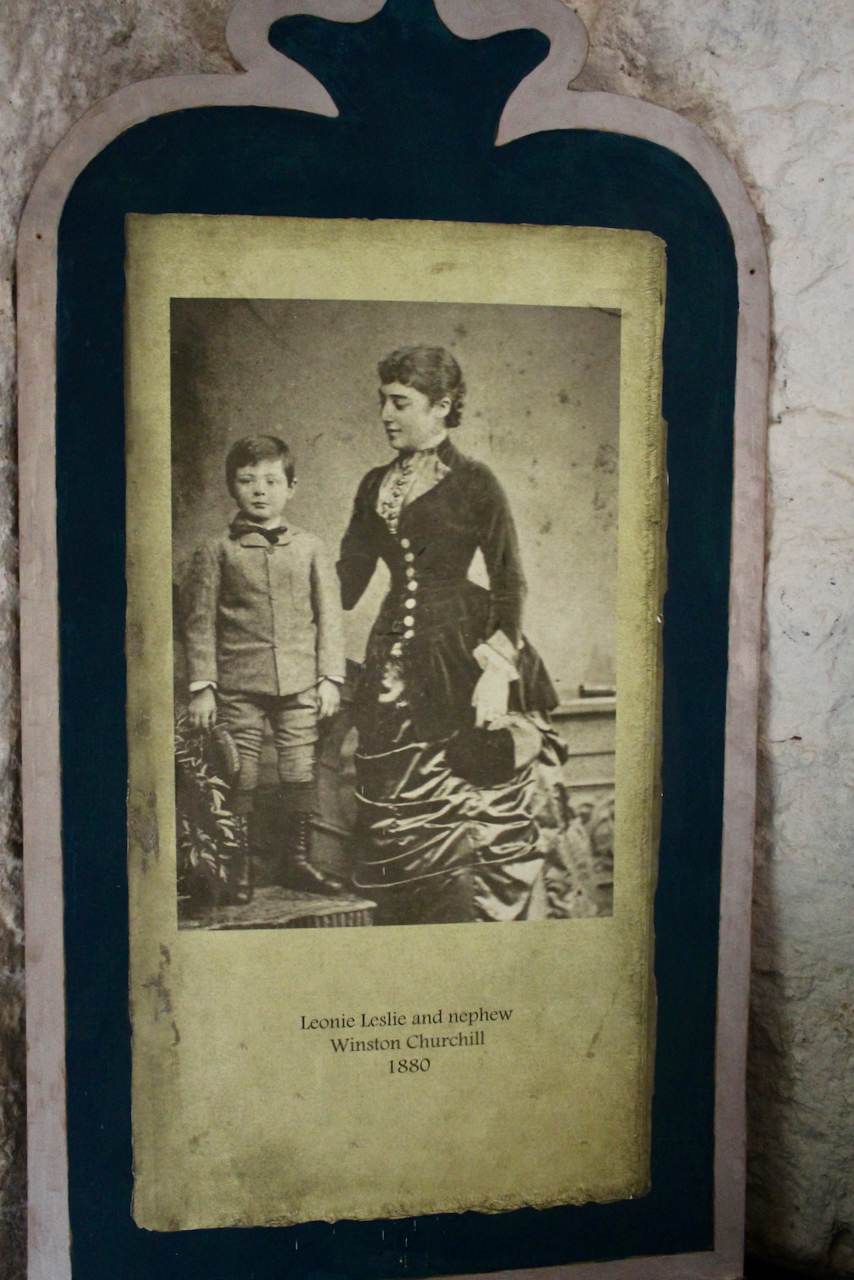
Leonie Leslie (1859-1943), Shane Leslie’s mother. Originally Leonie Jerome, her sister Jennie was Winston Churchill’s mother. Photograph © Jennifer Winder-Baggot, www.irishhistorichouses.com
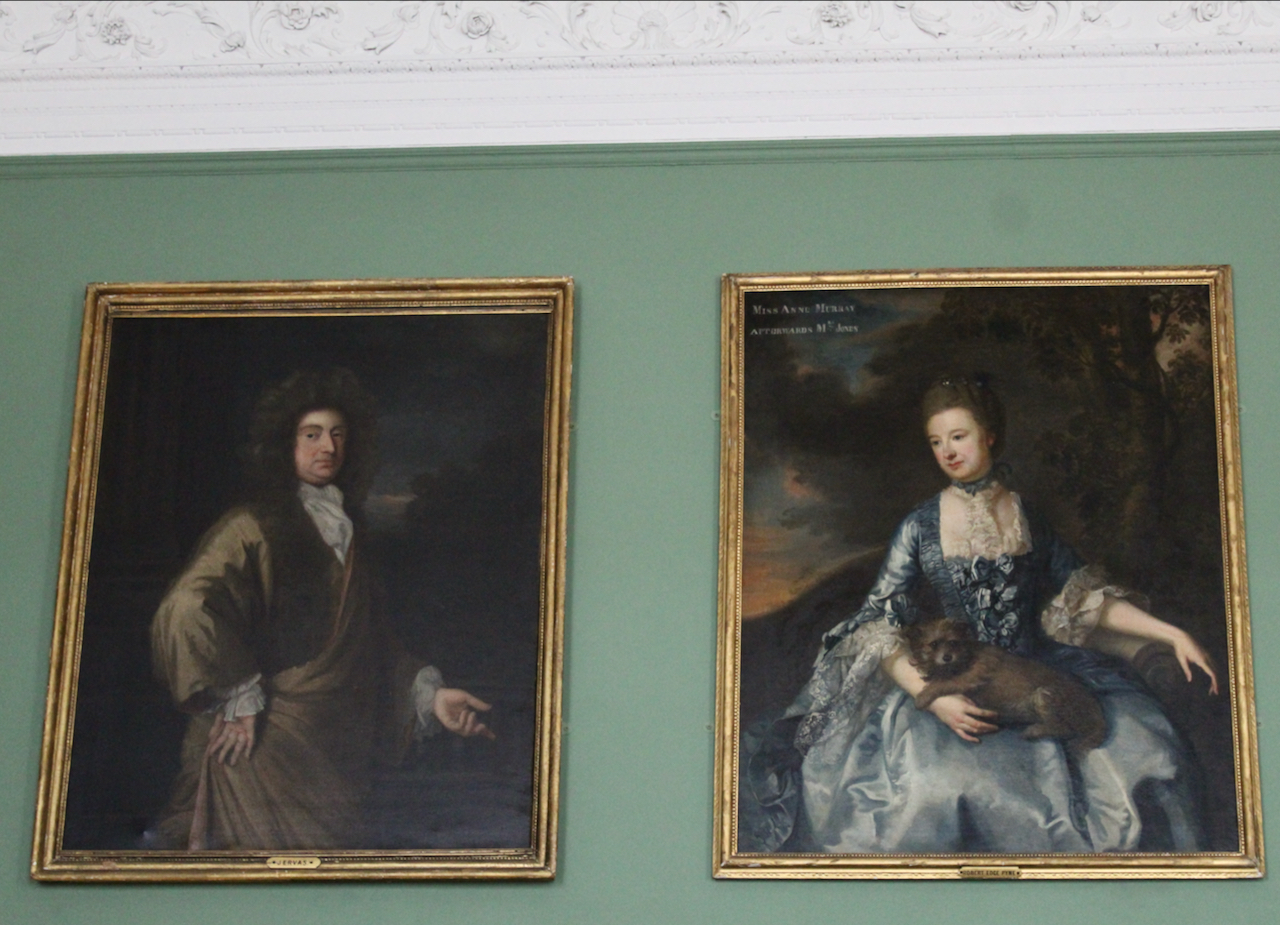
Charles Jervas (1675-1739) by Thomas Priscott after Gerard Vandergucht, courtesy of National Portrait Gallery NPG D8359.
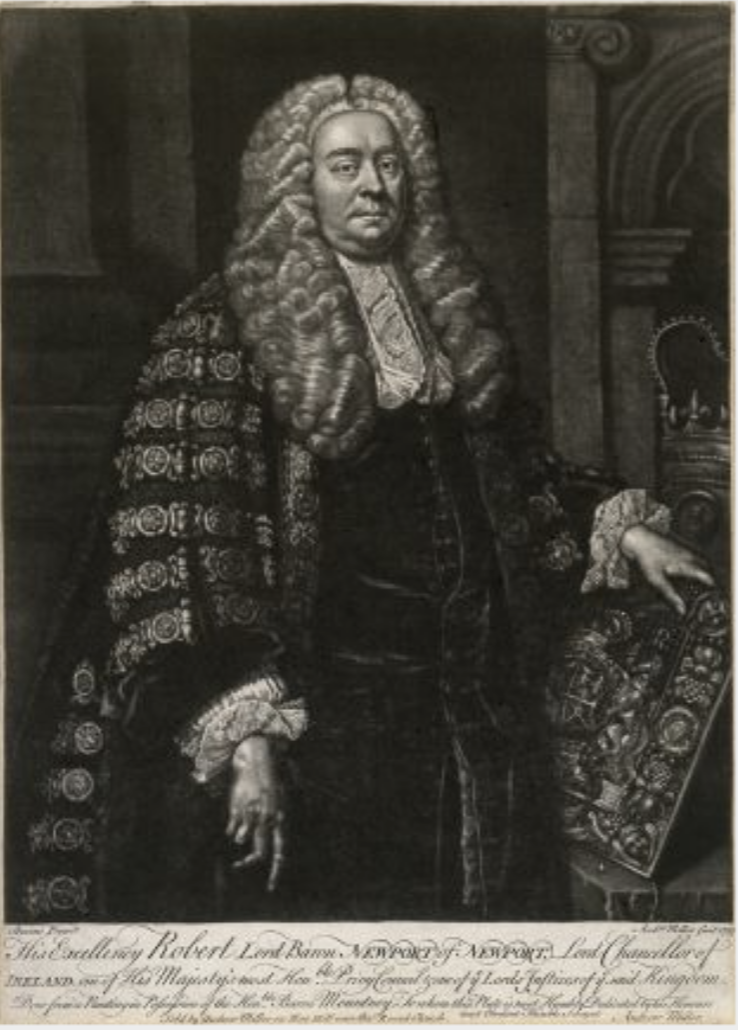
Robert Jocelyn, Baron Newport (c.1688-1756), Lord Chancellor of Ireland, later 1st Viscount Jocelyn Date 1747 Engraver Andrew Miller, English, fl.1737-1763 After Justin Pope-Stevens, Irish, fl.1743, d.1771, courtesy of National Gallery of Ireland.
Robert Jocelyn (1688? – 1756) Viscount Jocelyn, Lord Chancellor of Ireland,by STEPHEN SLAUGHTER (1697-1765), Adams auction 26th April 2022.
Robert Jocelyn (1688? – 1756) Baron Newport and 1st Viscount, as Lord High Chancellor of Ireland Irish school courtesy of National Trust Castle Ward.
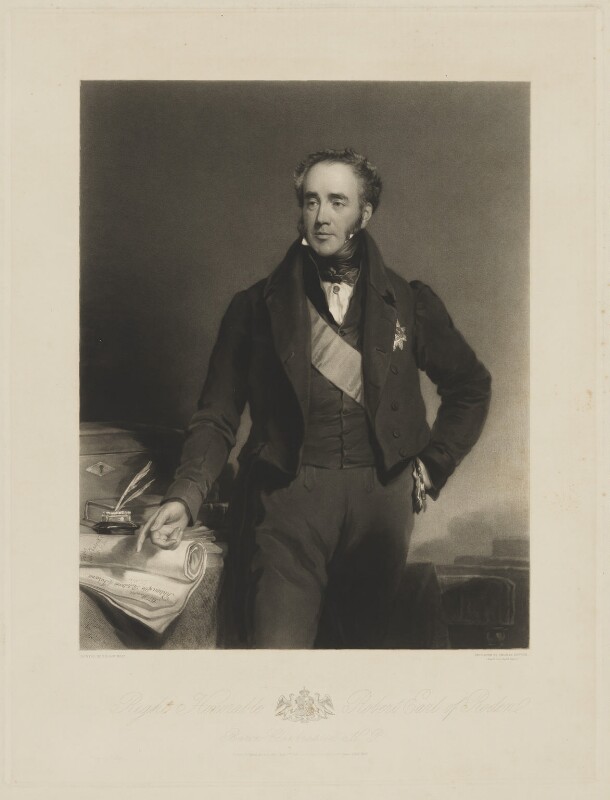
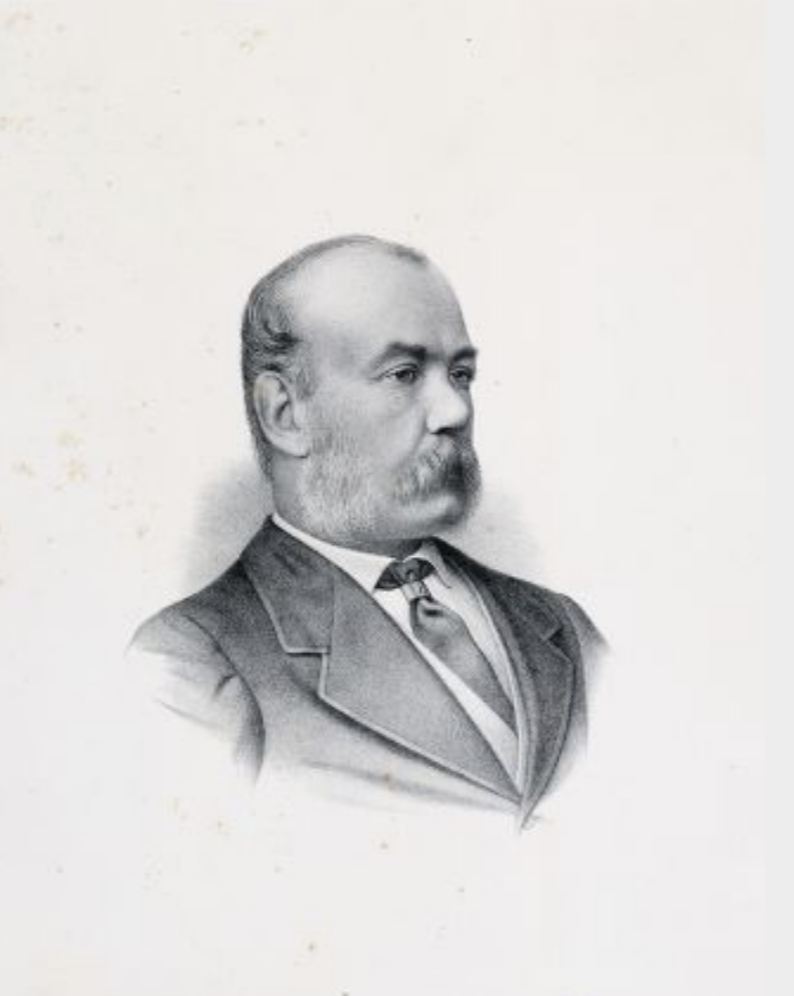
Robert Jocelyn (1788-1870) 3rd Earl of Roden, by Thomas Goff Lupton, printed by R. Lloyd, published 28 April 1839 by Hodgson & Graves, after Frederick Richard Say, courtesy of National Portrait Gallery NPG D39829.
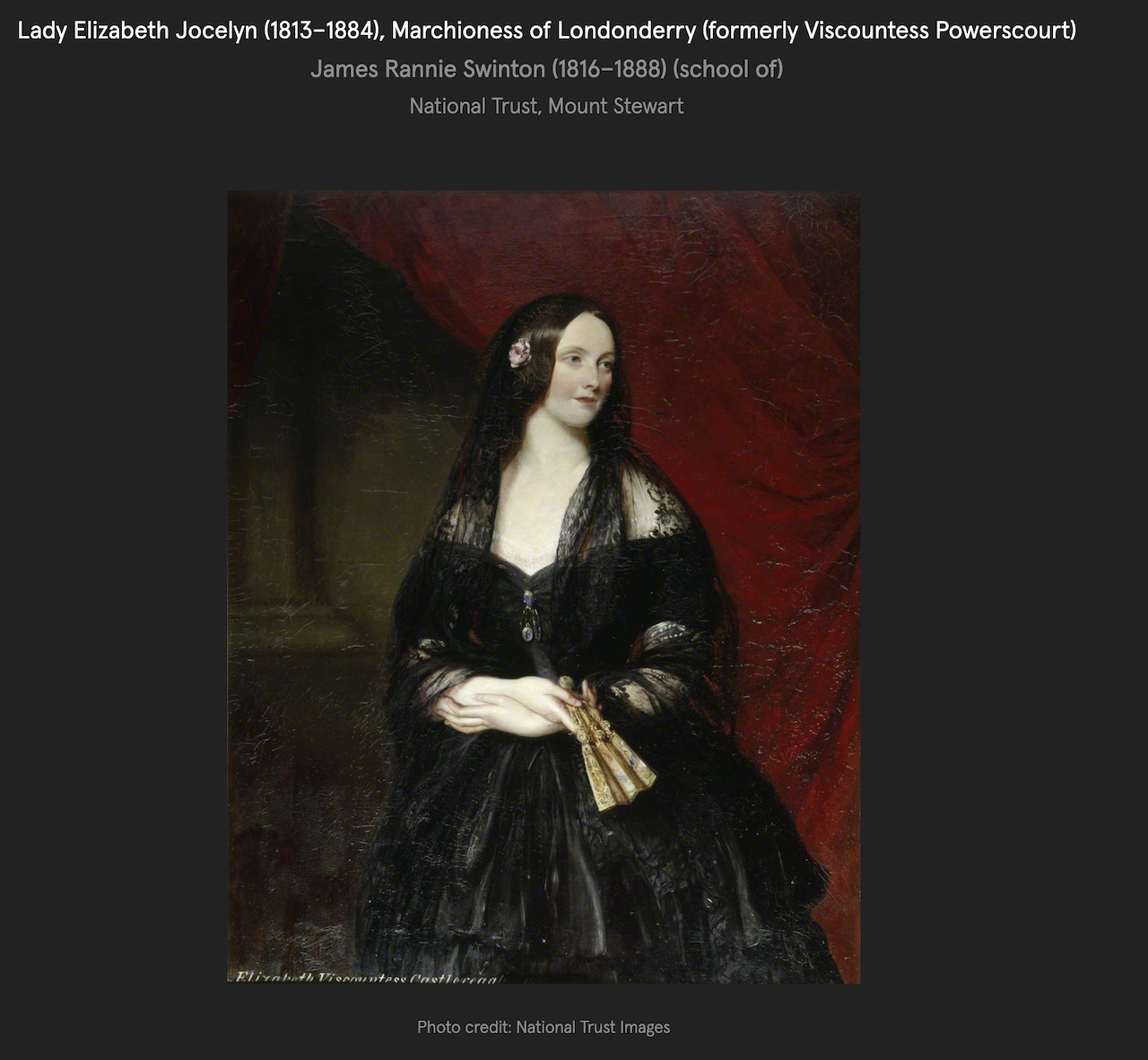
Elizabeth Jocelyn (1813-1884), Marchioness of Londonderry, formerly Viscountess Powerscourt, by James Rannie Swinton, courtesy of Mount Stewart National Trust. She was married to the 6th Viscount Powerscourt. She was the daughter of Robert Jocelyn 3rd Earl of Roden. After her husband’s death she married Frederick William Robert Stewart, 4th Marquess of Londonderry, of Mount Stewart, County Down
Attributed to Adam Black, Portrait of a Gentleman, believed to be Mr. J.J. Johnston, Warrenstown, Co. Meath courtesy Adam’s auction 9 Oct 2012.

In 1847, the Johnson family of Warrenstown changed their surname from MacShane to Anglicized Johnson. Christopher Johnson married Anne, daughter of Michael Warren of Warrenstown, County Meath. Their son John married Catherine Nangle. [1]

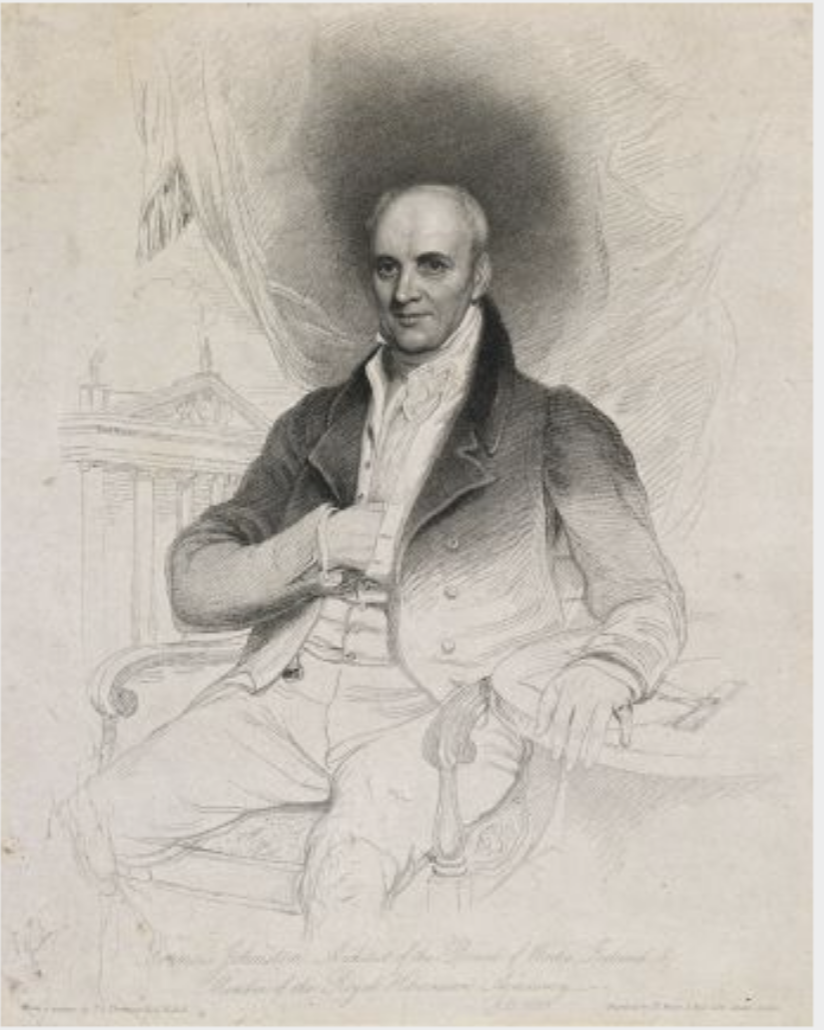
Francis Johnston (1761-1829), 1823 by engraver Henry Hoppner Meyer after Thomas Clement Thompson, courtesy of National Gallery of Ireland.
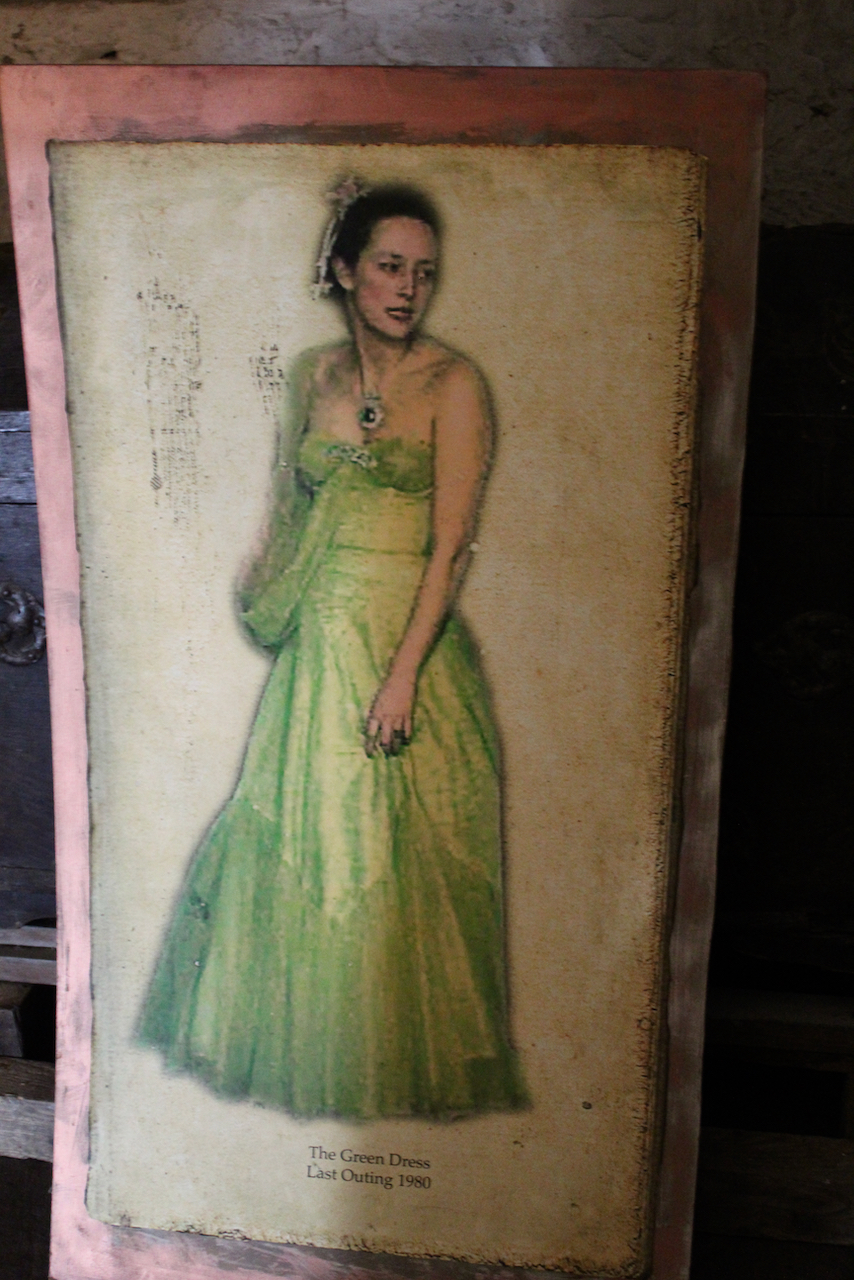
Mary Cecilia, 6th daughter of Thomas Reymond Johnstone of Alva. Married May 1837 Laurence Harman King-Harman, 2nd son of Robert Edward 1st Viscount Lorton. She lived at Newcastle until her husband’s death in 1875 and then in London when she died in 1904. Photograph © Jennifer Winder-Baggot, www.irishhistorichouses.com
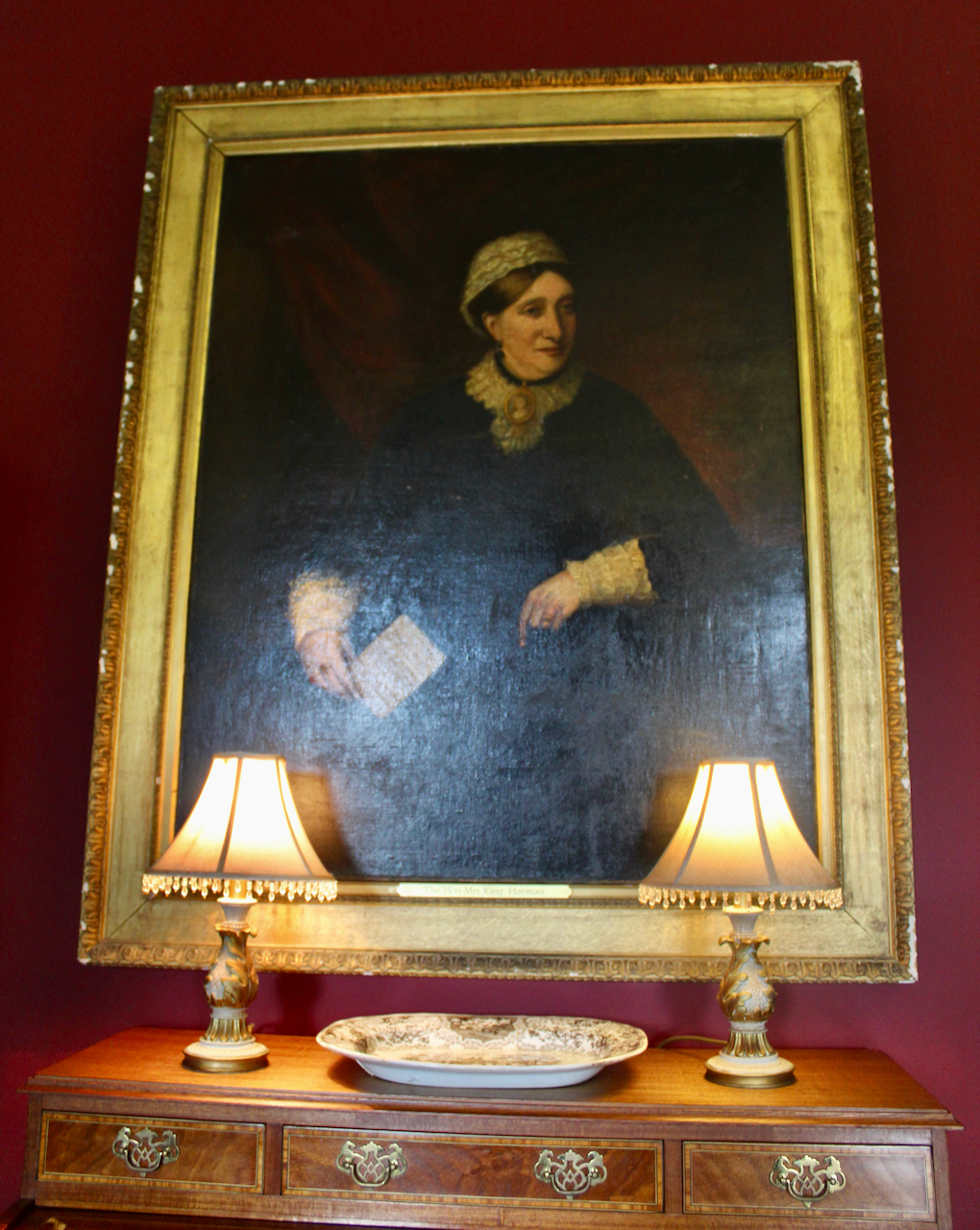
This painting just identifies the sitter as Mrs King-Harman. She is probably Laurence Harman King-Harman’s wife Mary Cecilia née Johnstone, in later life. Photograph © Jennifer Winder-Baggot, www.irishhistorichouses.com
Richard Jones (1636 – 1712) 3rd Viscount and 1st Earl of Ranelagh, style of Sir Godfrey Kneller (Lubeck 1646/9 – London 1723), circa 1700. A three-quarter-length portrait, turned to right, head facing, left hand on hip. Wearing armour, jabot, blue cloak and full bottomed wig. A grisaille painting in background. He was the son of Arthur Jones, 1st Viscount Ranelagh in the Irish peerage and succeeded as 3rd Viscount in 1669 and became Chancellor of the Irish Exchequer in 1668; farmed Irish revenues, 1674-81; Paymaster-General of the Forces, 1691-1702; Richard Hill of Hawkstone (1654-1727) was his Deputy Paymaster in Flanders for six years. Jones was dismissed for embezzlement, was convicted of defalacation, but escaped prosecution; he spent all his ill-gotten money on fine houses and gardens. The Ranelagh pleasure-grounds were laid out on his former estate in Chelsea. He sat in the English parliament between 1685 and 1703. He married firstly The Hon. Elizabeth Willoughby and secondly Lady Margaret Cecil. Courtesy of National Trust Attingham Park.
Margaret Jones née Cecil (1673-1727) Countess of Ranelagh, 2nd wife of Richard Jones 1st Earl of Ranelagh Engraver: John Smith, English, 1652-1743 After Godfrey Kneller, German, 1646-1723, courtesy of National Gallery of Ireland.
Anne Murray (1734-1827) who married Theophilus Jones (1725-1811). Photograph © Jennifer Winder-Baggot, www.irishhistorichouses.com

K

Angelica Kauffmann (1741-1807) by Angelica Kauffmann, oil on canvas, circa 1770-1775, courtesy of National Portrait Gallery NPG 430.
Arthur MacMorrough Kavanagh, M.P., (1831-1839), Politician and Sportsman Date after 1889 Engraver Morris & Co., courtesy of National Gallery of Ireland.
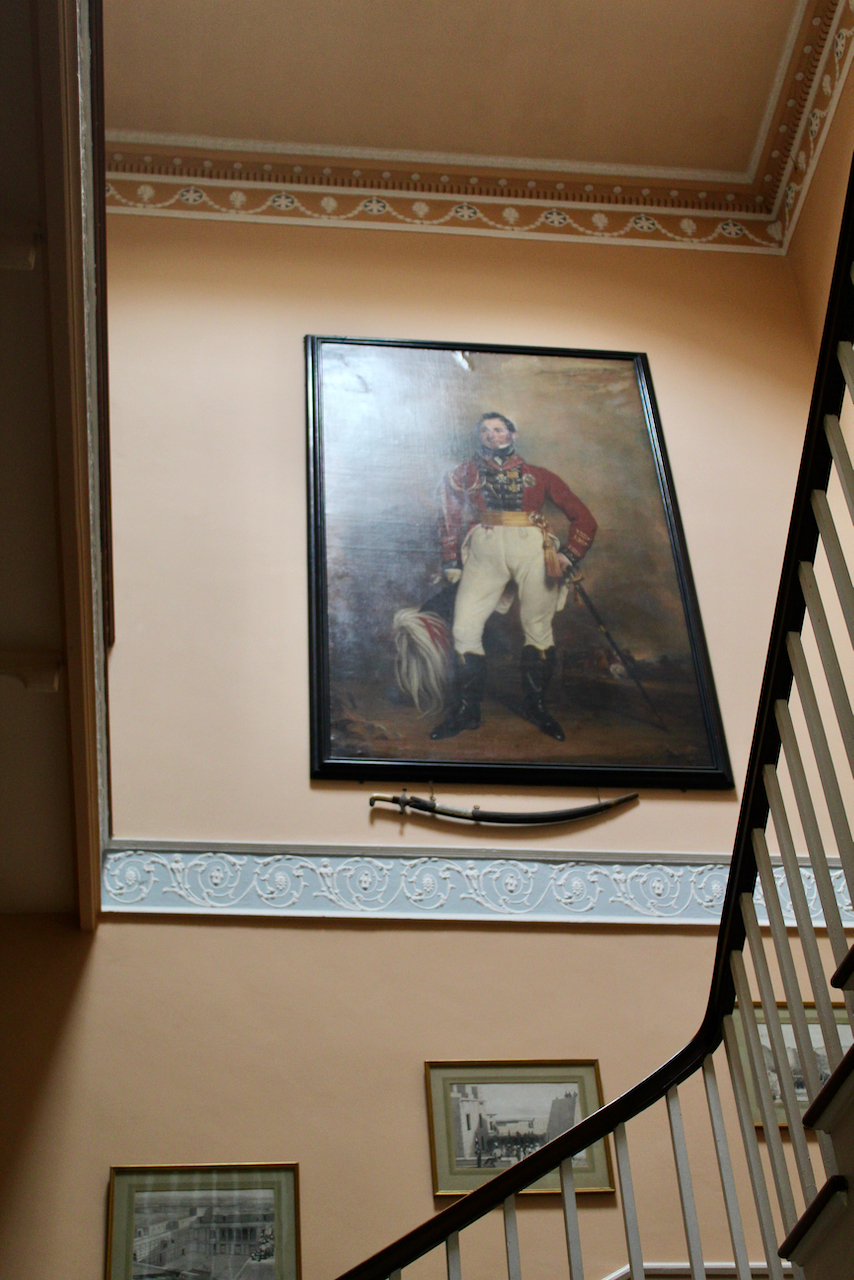
General John Keane (1781-1844), 1st Baron Keane of Ghuznee in Afghanistan and Cappoquin, Co. Waterford, by Martin Arthur Shea. Photograph © Jennifer Winder-Baggot, www.irishhistorichouses.com
Dorothy Scott (1765-1837) second wife of John Keane, 1st Baronet, by George Romney courtesy of Philadelphia Museum of Art.
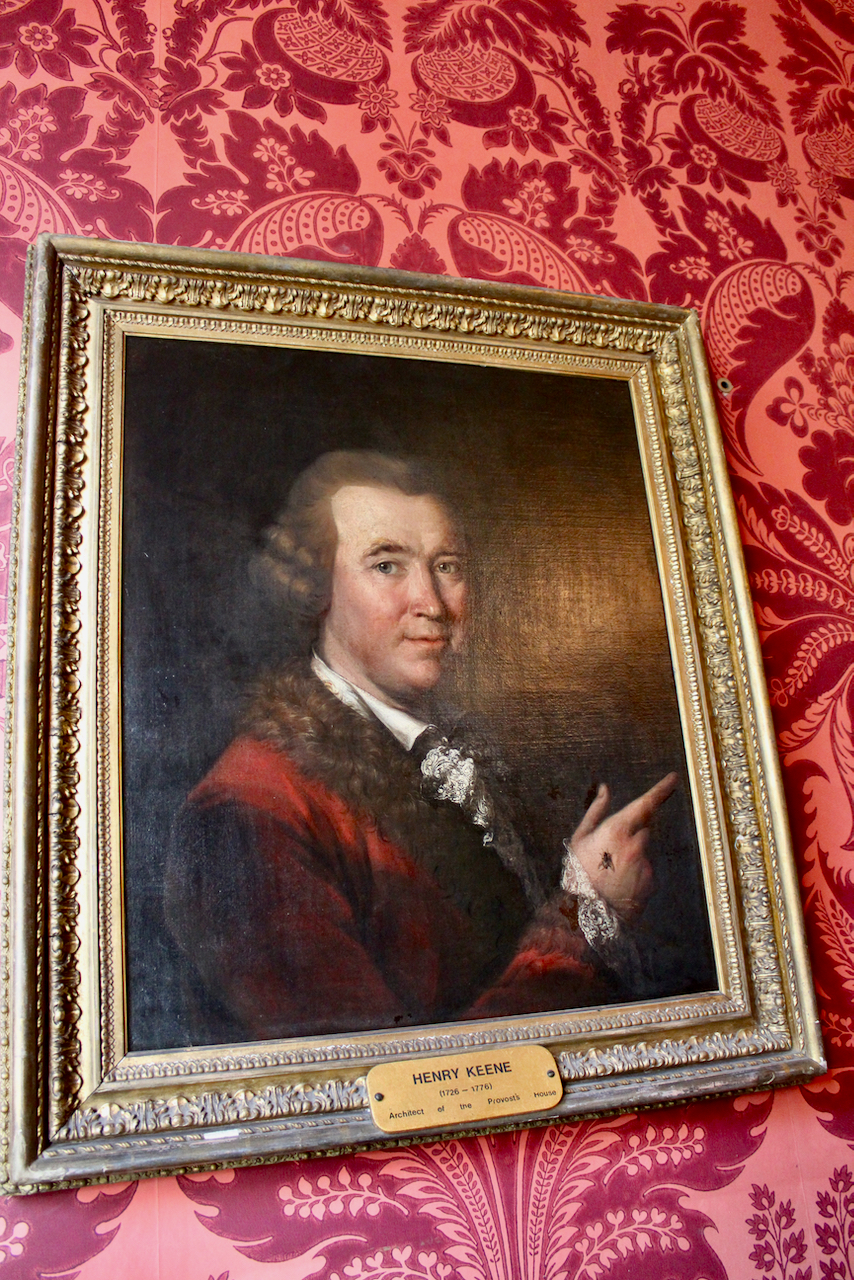
Henry Keene (1726-1776), architect of the Provost’s House, Trinity College Dublin. Photograph © Jennifer Winder-Baggot, www.irishhistorichouses.com
Anne Keene, wife of Henry, architect of the Provost’s house. She looks rather worried. Photograph © Jennifer Winder-Baggot, www.irishhistorichouses.com
Rev. Thomas Kelly of Kellyville Athy, seated in his study, holding a book, by Maria Spilsbury Taylor. Courtesy of Adams auction 16 Oct 2018. Born in 1769 Thomas Kelly was the only son of Judge Thomas Kelly of Kellyville. Having initially intended to follow his father into the law he changed his mind taking holy orders in 1792. Ordained into the Church of England he returned to Ireland where he proved a popular evangelical preacher but soon fell out with Archbishop Fowler of Dublin who forbade him to preach in any church in the Dublin archdiocese. Kelly, in turn, established the Kellyites a fringe Anglican group much like the Plymouth Brethern or the Walkerites. Already a man of independent means, Kelly made an advantageous marriage to Ms Tighe of Rosanna which enabled him to establish meeting houses in Dublin, Athy, Portarlington, Wexford and Waterford. It is presumably through his wife that Rev. Kelly would have encountered Maria Spilsbury Taylor. She executed numerous commissions for the Tighes including portraits of various family members both at their home, Rosanna, in Co. Wicklow and their townhouse overlooking St Stephens Green in Dublin.
King Charles I, and below, a mistress of King Charles II, Louise Renée de Penancoët de Kérouaille, Duchess of Portsmouth, who was the mother of Charles Lennox, 1st Duke of Richmond. Photograph © Jennifer Winder-Baggot, www.irishhistorichouses.com
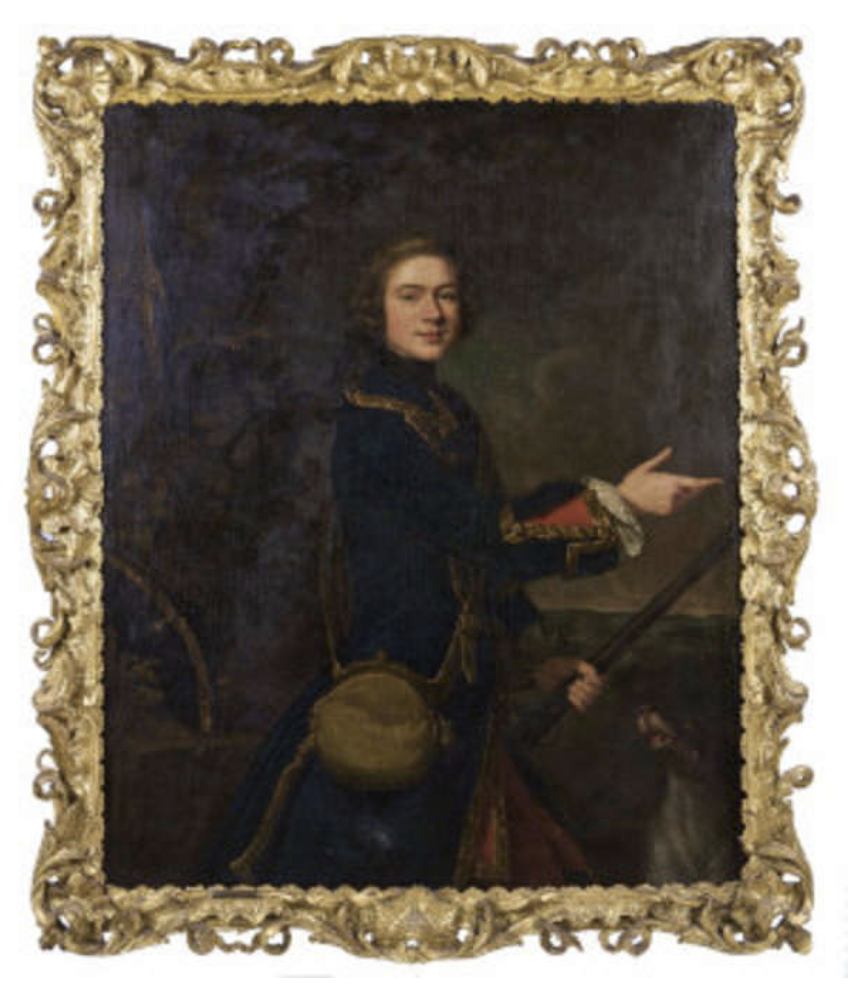
Robert King (1657–1693), 2nd Baron Kingston by John Michael Wright courtesy of Ulster Museum.

Robert King (d. 1657) lived in Boyle Abbey, County Roscommon. He married first, Frances, daughter of Henry Folliott, 1st Lord Folliott, Baron of Ballyshannon. Frances gave birth to a son, John King (1638-1676) who became 1st Baron Kingston; a second son, Robert (d. 1707) became 1st Baronet King, of Boyle Abbey, Co. Roscommon.

Robert King, (d. 1707) 1st Baronet of Boyle Abbey, County Roscommon from the circle of John Closterman, courtesy of “mutualart.com”

John King (1638-1676) 1st Baron Kingston married Catherine Fenton who gave birth to their heir, the 2nd Baron Kingston (1657–1693), who died unmarried, so the title passed to John (d. 1727/8) 3rd Baron Kingston.

John (d. 1727/8) 3rd Baron Kingston married Margaret O’Cahan.

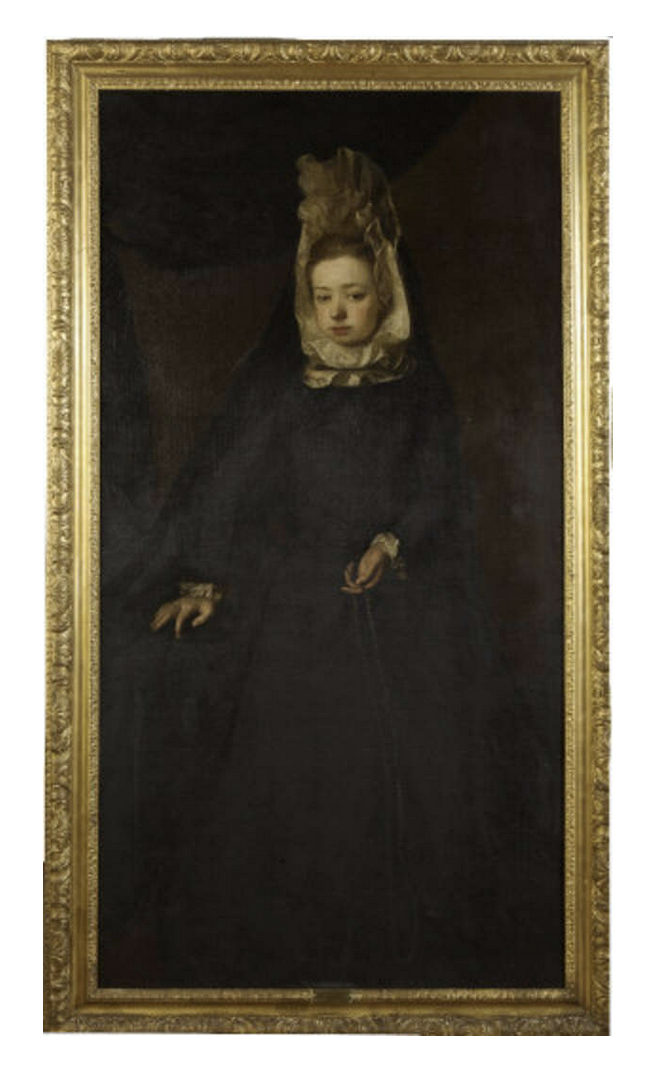
Margaret O’Cahan (c. 1662-1721), standing in a black habit, and holding a string of rosary beads, Attributed to Garret Morphy (c.1655-1715), courtesy Adam’s 6 Oct 2009 she married James King 3rd Baron Kingston.

The 3rd Baron’s daughter Catherine married George Butler, grandson of Edmund Roe Butler, 4th Viscount Mountgarret. His son James King (1693-1761) became 4th Baron Kingston. He married Elizabeth, daughter of John Meade, 1st Bt of Ballintubber, County Cork. She was the widow of Ralph Freke, 1st Bt.

Their daughter Margaret (d. 1763) married Richard Fitzgerald, son of Robert Fitzgerald, 19th Earl of Kildare. A son predeceased him, so on the 4th Baron’s death, the Barony of Kingston became extinct.

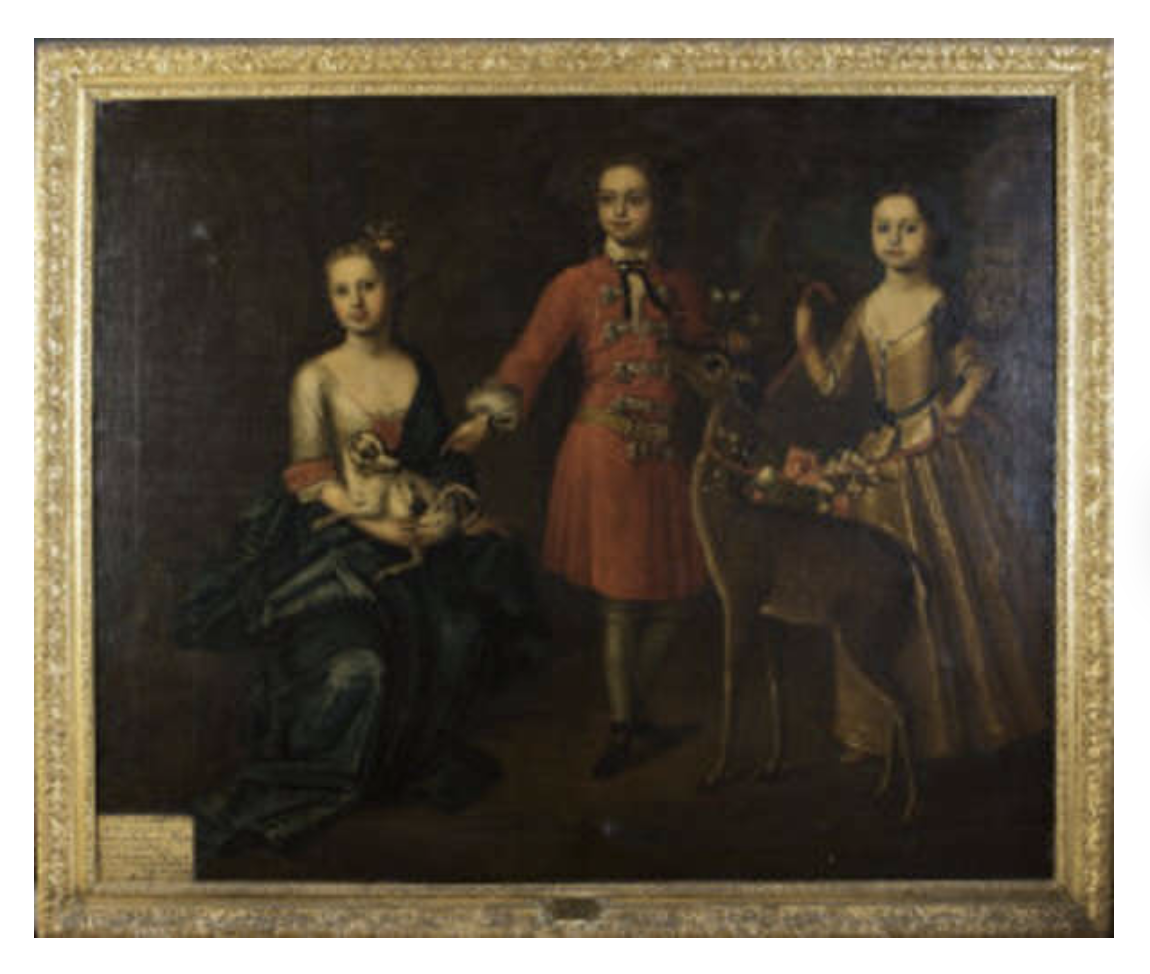
Jeremiah Barrett (d.1770) A conversation portrait of the Children, William, Elizabeth and Margaret King, of James 4th (last) Baron Kingston of Mitchelstown with a pet doe and dog courtesy of Adam’s 6 Oct 2009. The surviving daughter Margaret, daughter of Elizabeth Meade (Clanwilliam), inherited the vast Mitchellstown Estate of the White Knights. She married Richard Fitzgerald of Mount Ophally, and their only daughter Caroline married, as arranged, the 2nd Earl of Kingston thus uniting the two branches of the King family. Life at Mitchellstown was recorded by two famous employees of the Kings, Arthur Young the agriculturalist and Mary Wollstonecraft who probably sketched out the basis of Vindication of the Rights of Women whilst governess to the King children. It was not without excitement, in 1799 Lord Kingston shot dead Colonel Fitzgerald, his wife’s illegitimate half-brother in the hotel in Mitchellstown for abducting his 17 year old daughter Mary Elizabeth and his eldest daughter Margaret having married the 2nd Earl of Mount Cashell left him to befriend Shelley in Italy and is The Lady in ‘The Sensitive Plant’. Provenance: Rockingham House.

Robert King (d. 1707) 1st Baronet King, of Boyle Abbey, Co. Roscommon married Frances Gore, granddaughter of Paul Gore, 1st Baronet Gore, of Magherabegg, Co. Donegal. Their daughter Mary married Chidley, son of Richard Coote, 1st Lord Coote, Baron of Coloony. A son John became 2nd Baronet but died childless and the title passed to his brother Henry (d. 1739/40) who became 3rd Baronet of Boyle Abbey, Co. Roscommon.

Henry King (1681-1739) 3rd Baronet King of Boyle Abbey, by Robert Hunter.

Henry King (d. 1739/40) 3rd Baronet of Boyle Abbey, Co. Roscommon married Isabella, daughter of Edward Wingfield of Powerscourt, County Wicklow.

Isabella Wingfield (d. 1761) by John Verelst, 1722, daughter of Edward Wingfield (d. 1728) of Powerscourt, sister of 1st Viscount Powerscourt, wife of Henry King 3rd Baronet.

Henry King (d. 1739/40) 3rd Baronet and Isabella’s daughter Elinor married William Stewart of Killymoon. Another daughter, Isabella (1729-1794) married Thomas St. Lawrence 1st Earl of Howth, and Anne (d. 1803) married John ‘Diamond’ Knox of Castlerea, Co. Mayo, and Frances (1726-1812) married Hans Widman Wood of Rossmead, County Westmeath. It’s funny looking at their portraits by Robert Hunter – he seems to have used the same picture for each sister except for Frances, with tiny adjustments to the dress and pose!

Frances King, by Robert Hunter. The portrait is in King House. Thus could be a portrait of Robert’s sister Frances (1726-1812) who married Hans Widman Wood of Rossmead, County Westmeath. Photograph © Jennifer Winder-Baggot, www.irishhistorichouses.com
Portrait almost certainly of Anne King, daughter of Sir Henry King and sister of 1st Earl of Kingston, married John ‘Diamond’ Knox of Castlerea, Co. Mayo courtesy Adam’s 6 Oct 2009 by Robert Hunter (c.1715/20-c.1803).
Isabella King, daughter of Sir Henry King and sister of 1st Earl of Kingston, wife of Thomas, 1st Earl of Howth courtesy Adam’s 6 Oct 2009 Robert Hunter (c.1715/20-c.1803).
Eleanor King (1722-1810), daughter of Sir Henry King 3rd Baronet of Boyle Abbey and sister of Edward 1st Earl of Kingston, with her son James Stewart (18749-1840), by Robert Hunter. Eleanor married William Stewart of Killymoon, County Tyrone. This picture was also in the auction at Adam’s 6 Oct 2009.
Portrait most likely to be William Stewart of Killymoon married to Isabella King, courtesy of Adam’s 6 Oct 2009 by Robert Hunter (c.1715/20-c.1803).

Henry King (d. 1739/40) 3rd Baronet and Isabella’s son Robert (1724-1755) succeeded as 4th Baronet King, of Boyle Abbey, Co. Roscommon and was created 1st (and last) Baron Kingsborough. Another son, Edward (1726-1797) succeeded as 5th Baronet King, of Boyle Abbey, Co. Roscommon was created 1st Earl of Kingston, and they had another son, Henry.

Robert King (1724-1755), later 1st (and last) Baron Kingsborough courtesy Adam’s 6 Oct 2009, by Robert Hunter (c.1715/20-c.1803).
Robert King, created Baron Kingsborough, died 1755, painting by Robert Hunter, courtesy Adam’s auction 11th Oct 2016. The sales catalogue tells us what the museum does not: Robert King 1724-1755 M.P. for Boyle succeeding Richard Wingfield, succeeded as 4th baronet in 1740 and was made Baron Kingsborough at the age of 23 in 1747, having fought a notorious duel with Captain Johnston. He borrowed the large sum of £40,000, became Grand Master of the Freemasons, set the family up in Henrietta Street and lived with a mistress, Mrs. Jones. He died unmarried and his will was bitterly contested by his surviving brothers as far as the House of Lords in London, Edward claimed that Kingsborough was subjected to undue influence by Mrs. Jones, “a common prostitute,” and that the will was witnessed by a drunken porter and a Swiss servant, all such being scoundrels.
Robert King (1724-1755), 4th Baronet of Boyle Abbey, created Baron Kingsborough, by Robert Hunter.
Edward King (1726-1797), 5th Baronet of Boyle Abbey and eventually, 1st Earl of Kingston. The portrait is the same as above, so is misidentified in one of them.
Edward King, later 1st Earl Kingston courtesy Adam’s 6 Oct 2009 by Robert Hunter (c.1715/20-c.1803).
In King House in Boyle, County Roscommon, the same portrait is identified as Henry King b. 1733 by Hunter. He was a son of Henry King who built King House. Photograph © Jennifer Winder-Baggot, www.irishhistorichouses.com
Henry King, Later Rt. Hon. Colonel courtesy Adam’s 6 Oct 2009 by Robert Hunter (c.1715/20-c.1803). He was probably a younger son of Henry King 3rd Baronet of Boyle Abbey, since several of the siblings were painted by Robert Hunter.

Edward (1726-1797) 5th Baronet King, of Boyle Abbey, Co. Roscommon, 1st Earl of Kingston married Jane Caulfeild (d. 1784), daughter of Thomas Caulfeild of Castle Donamon, County Roscommon. Their daughter Jane (d. 1838) married Laurence Harman, 1st Earl of Rosse. A daughter Frances married Thomas Tenison (d. 1812). Another daughter, Eleanor, died unmarried, as did her sister Isabella. The heir was Robert (1754-1799) who became 2nd Earl of Kingston.

Eleanor King, died 1822, unmarried, painting by Hugh Douglas Hamilton. Photograph © Jennifer Winder-Baggot, www.irishhistorichouses.com
Robert King (1754-1799) 2nd Earl of Kingston by Hugh Douglas Hamilton.

Robert King (1754-1799) 2nd Earl of Kingston married Caroline Fitzgerald (d. 1823), daughter of Richard Fitzgerald and Margaret King. The latter was daughter of James King, 4th Baron Kingston. Richard Fitzgerald was son of Robert 19th Earl of Kildare.

Caroline, née Fitzgerald, Countess of Kingston, wife of Robert King 2nd Earl of Kingston, by Hugh Douglas Hamilton. She was the daughter of Richard Fitzgerald and Margaret King. The latter was daughter of James King, 4th Baron Kingston. Richard Fitzgerald was son of Robert 19th Earl of Kildare.
Caroline King née Fitzgerald (c. 1754-1823), daughter of Richard and Margaret Fitzgerald, who married Robert King (1754-1799), 2nd Earl of Kingston. Photograph © Jennifer Winder-Baggot, www.irishhistorichouses.com

Caroline née Fitzgerald and Robert King 2nd Earl of Kingston had a daughter Margaret (1773-1835) who married first, Stephen Moore 2nd Earl of Mountcashell and second, George William Tighe. Caroline and Robert 2nd Earl’s son George (1771-1839) succeeded as 3rd Earl of Kingston.

Margaret King (1773–1835) c. 1800 Public Domain, https://en.wikipedia.org/w/index.php?curid=67983213
George King (1771-1839), later 3rd Earl of Kingston, painting by Romney. Photograph © Jennifer Winder-Baggot, www.irishhistorichouses.com

Caroline and Robert 2nd Earl’s son Henry (d. 1839) married first Mary Hewitt and then Catherine Philips. Another son, James William King (d. 1848) married Caroline Cleaver. Another son, Robert Edward (1773-1854) was created 1st Viscount Lorton of Boyle, County Roscommon. Another son, Richard Fitzgerald King (1779-1856) married Williamina Ross.

This large portrait in the dining room is General Robert King (1773-1854), 1st Viscount Lorton, who was the son of Robert King, 2nd Earl of Kingston. Photograph © Jennifer Winder-Baggot, www.irishhistorichouses.com
In the centre, Frances née Parsons Harman (1775-1841) who married Robert Edward King (1773-1854) 1st Viscount Lorton. She is flanked by their daughter Jane King, who married Anthony Lefroy, and Frances King, who married Right Reverend Charles Leslie of Corravahan. Photograph © Jennifer Winder-Baggot, www.irishhistorichouses.com
Frances née Parsons Harman (1775-1841) who married Robert Edward King (1773-1854), 1st Viscount Lorton. She was the daughter of Lawrence Harman Parsons (1749-1807) 1st Earl of Rosse who assumed the surname Parsons-Harman.
Jane King (d. 1868), daughter of Robert Edward King General, 1st Viscount Lorton of Boyle, who married Anthony Lefroy (1800-1890) of Carriglas Manor, County Longford.
Frances King (d. 1835), daughter of Robert Edward King 1st Viscount Lorton, who married Right Reverend Charles Leslie (1810-1870) of Corravahan, County Cavan, Bishop of Kilmore.

George King (1771-1839) 3rd Earl of Kingston had several illegitimate children with Caroline Amelia Morison, daughter of William Morison, Chief Justice of the Bahamas. The 3rd Earl married Helena Moore (1773-1847), daughter of Stephen Moore, 1st Earl Mountcashell. His son (1795-1837) Edward King, known as Viscount Kingsborough, was imprisoned for his father’s debts and died of typhus in prison. His son Robert Henry King (1796-1867) succeeded 4th Earl of Kingston. He was declared of unsound mind, and had no children. His brother James King (1800-1869) succeeded as 5th Earl of Kingston.

James King (1800-1869), 5th Earl of Kingston, who married Anna Brinkley.
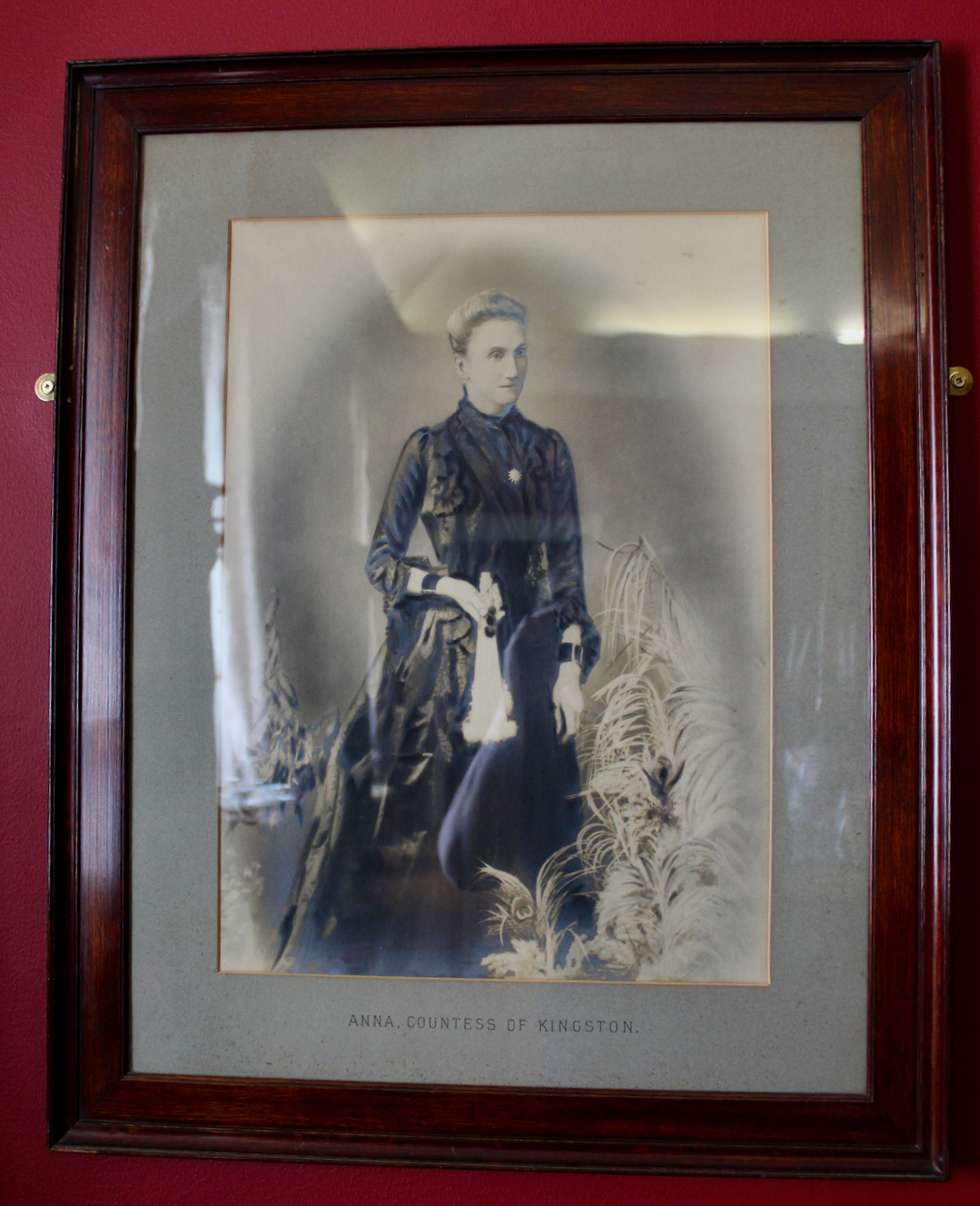
Anna King née Brinkley, wife of James King (1800-1869) 5th Earl of Kingston, who lived in Mitchelstown.
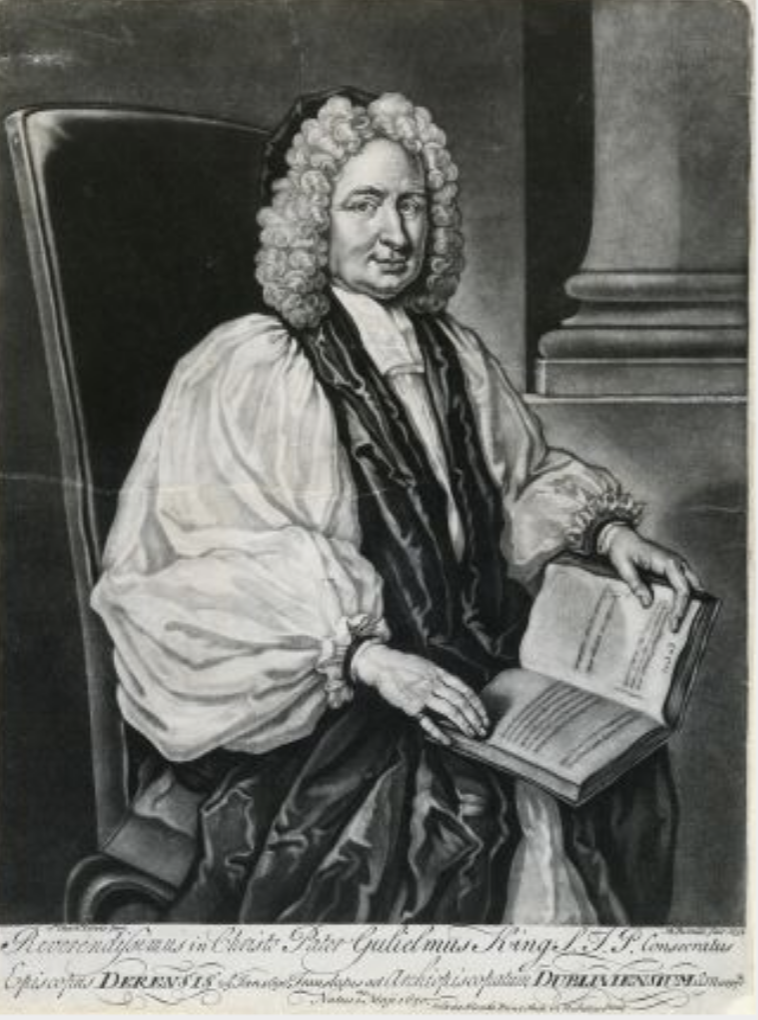
William King (1650-1729), Protestant Archbishop of Dublin, engraver Richard Purcell, Irish, c.1736-c.1766 After Charles Jervas, Irish, c.1675-1739, courtesy of National Gallery of Ireland.
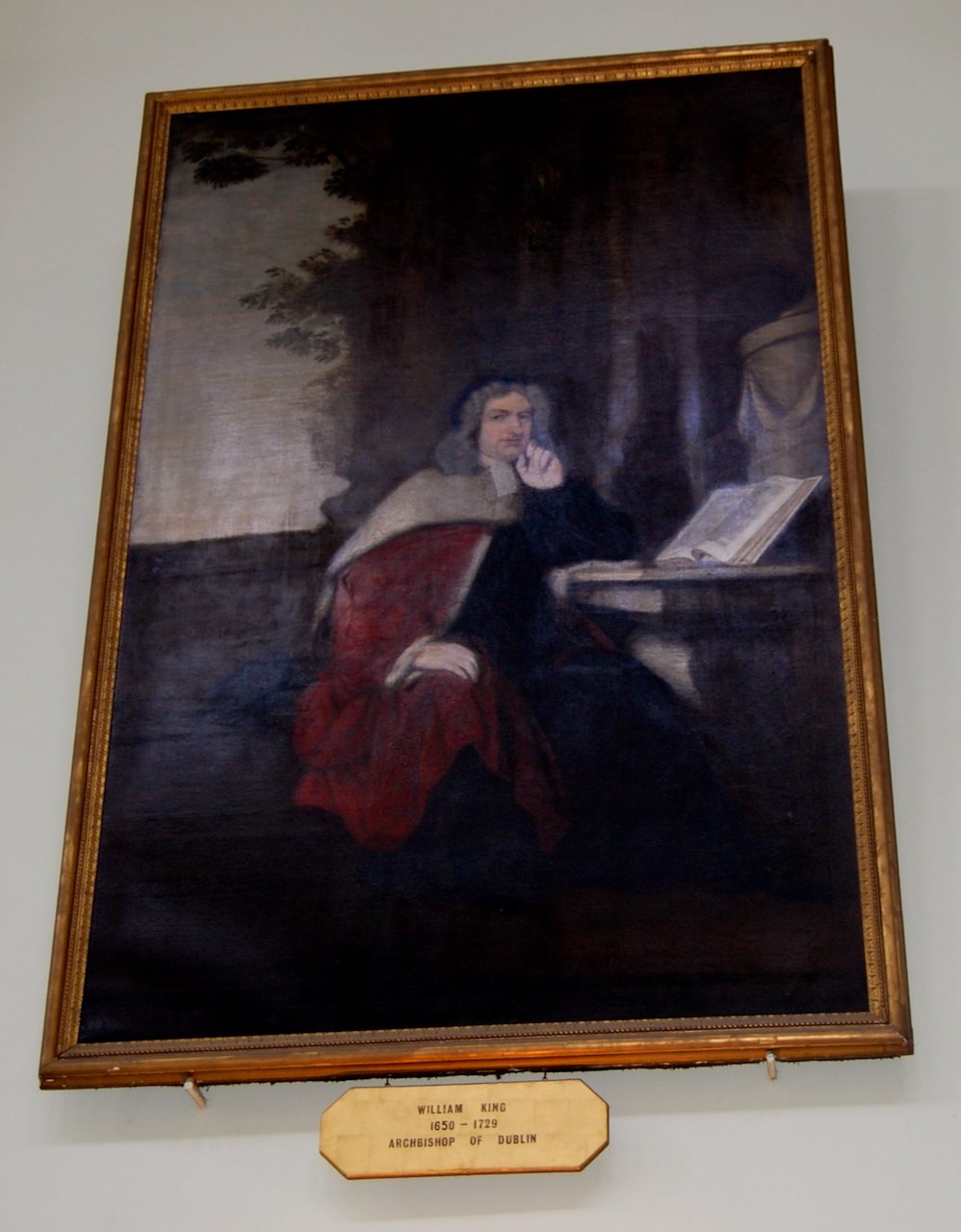
William King (1650-1729) Archbishop of Dublin, portrait in Trinity College Dublin exam hall. Photograph © Jennifer Winder-Baggot, www.irishhistorichouses.com
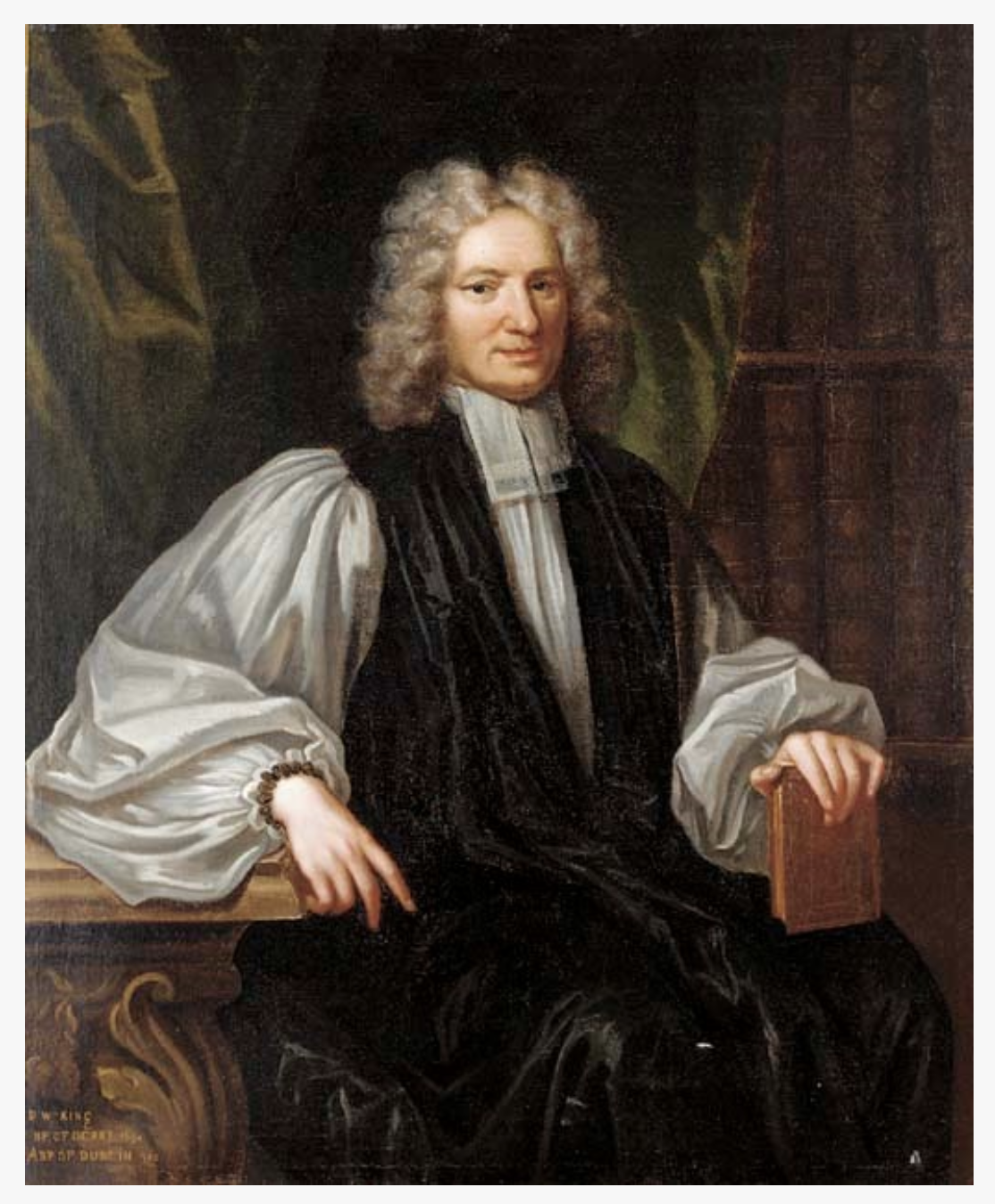
Dr. William King, Archbishop of Dublin Attributed to Ralph Holland (early 18th Century) courtesy Christies Irish Sale.
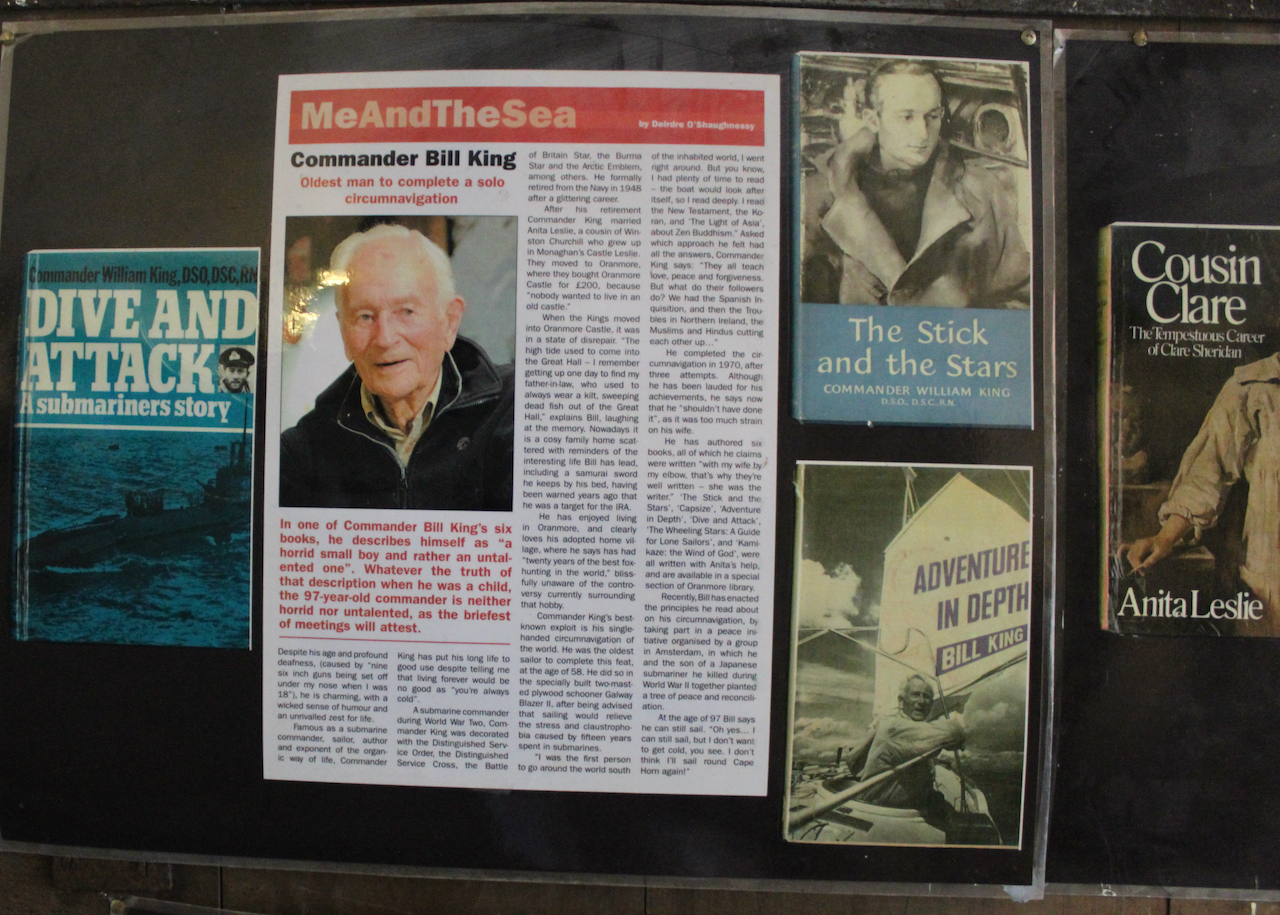
Bill King, of Oranmore Castle, County Galway
Leonie King, of Oranmore Castle, County Galway. Photograph © Jennifer Winder-Baggot, www.irishhistorichouses.com
Cecil Stafford King-Harman
Vanity Fair entry and picture, about Edward Robert King-Harman (1838-1888), son of Laurence Harman King-Harman. He inherited Newcastle in County Longford and Rockingham in Roscommon.
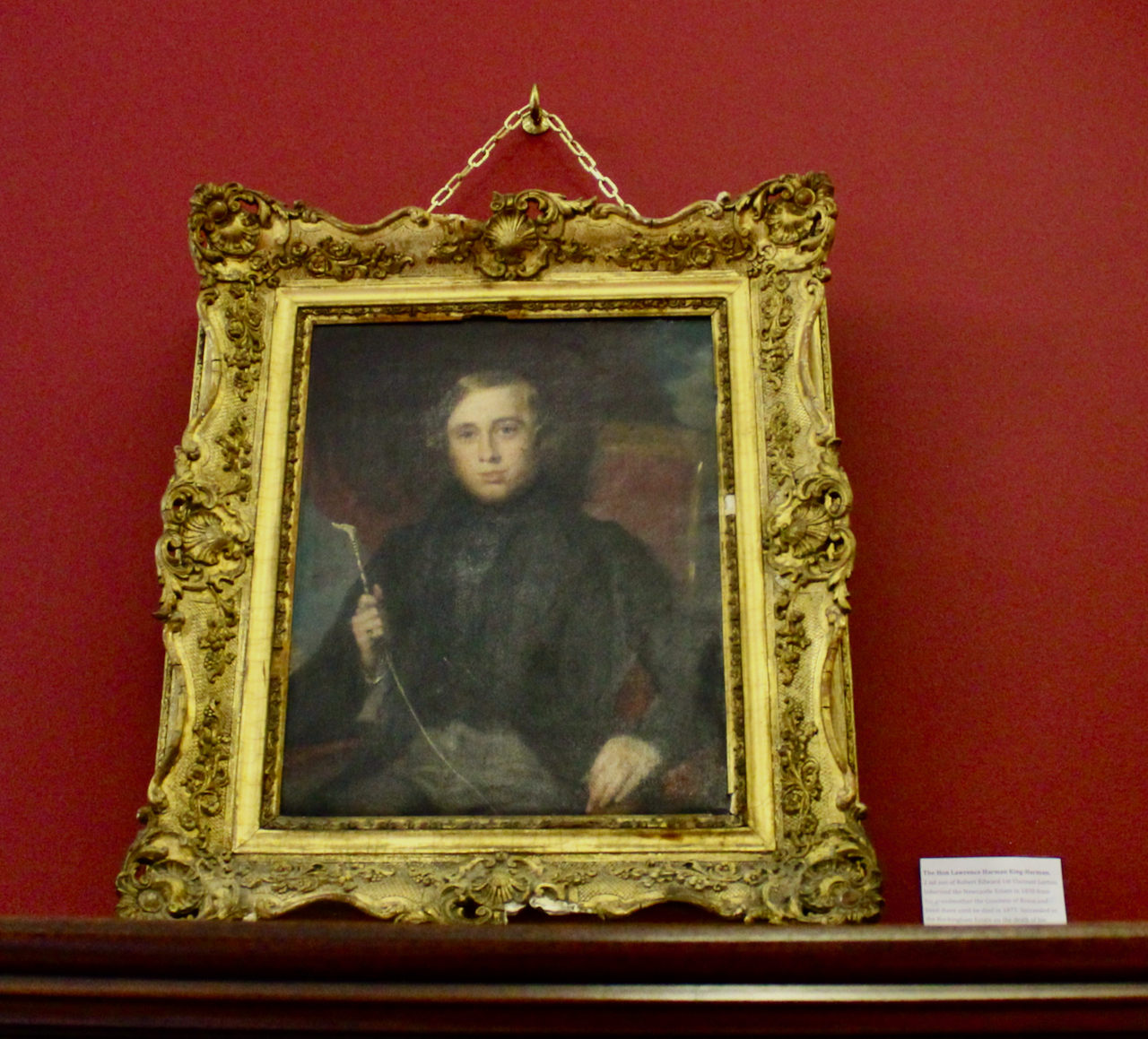
The Honourable Laurence Harman King-Harman (1816-1875). Photograph © Jennifer Winder-Baggot, www.irishhistorichouses.com
Mary Cecilia (1816-1904), 6th daughter of Thomas Reymond Johnstone of Alva. Married May 1837 Laurence Harman King-Harman, 2nd son of Robert Edward 1st Viscount Lorton. She lived at Newcastle until her husband’s death in 1875 and then in London when she died in 1904. Photograph © Jennifer Winder-Baggot, www.irishhistorichouses.com
Laurence Harman King-Harman (1816-1875). The information tells us that he was the second son of Edward King, 1st Viscount Lorton. He inherited the Newcastle estate in County Longford in 1838 from his grandmother the Countess of Rosse, and lived there until his death. He succeeded to the Rockingham estate after the death of his brother Robert, 6th Earl of Kingston, in 1869. Photograph © Jennifer Winder-Baggot, www.irishhistorichouses.com
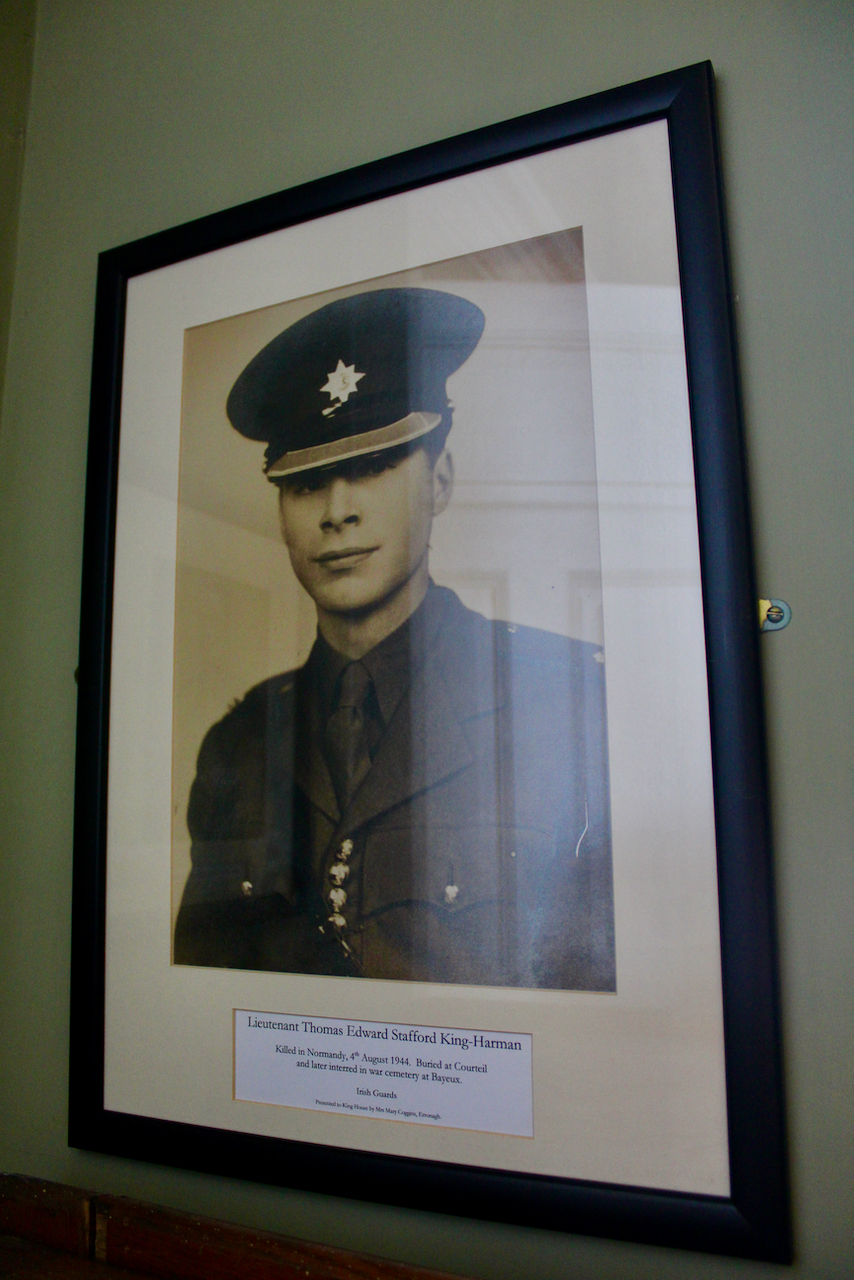
Thomas Edward Stafford King-Harman d. 1944.

[1] http://www.limerickcity.ie/media/NMAJ%20vol%2017%2009%20Johnsons%20-%20lineal%20descendents%20of%20Ui%20N%82ill,%20by%20Eileen%20MacCarvill.pdf

Enniscoe House & Gardens, Castlehill, Ballina, Co. Mayo F26 EA24 – section 482 accommodation

www.enniscoe.com

Tourist Accommodation Facility

Open for accommodation: April 1-Oct 31 2025

donation

Help me to pay the entrance fee to one of the houses on this website. This site is created purely out of love for the subject and I receive no payment so any donation is appreciated!

€15.00

Enniscoe House, County Mayo. Photograph © Jennifer Winder-Baggot, www.irishhistorichouses.com

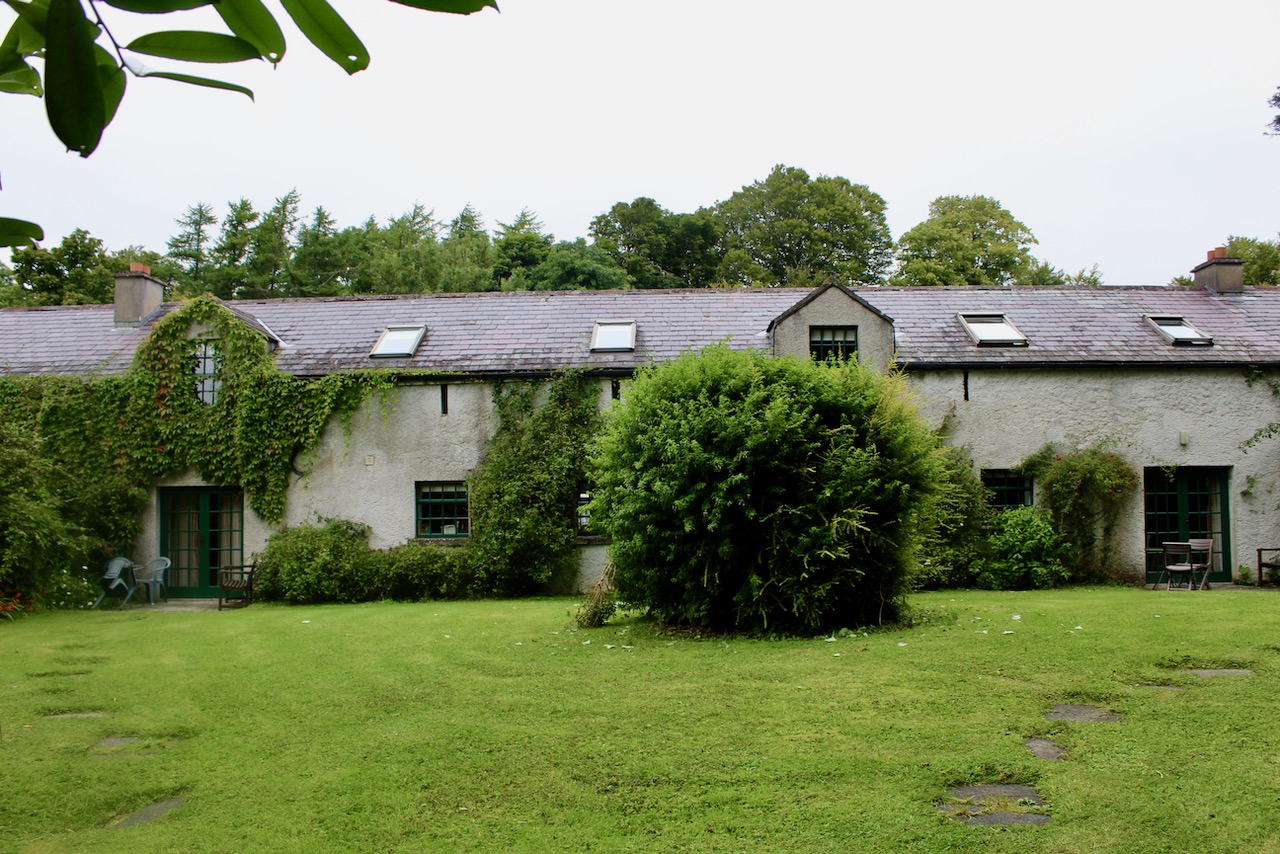
We visited Enniscoe House in August, during Heritage Week. I was delighted that the owner, Susan Kellett, had heard of and likes my website! She gave us a lovely tour of her home, which she also runs as an upmarket guest house. One can stay in the beautiful bedrooms in the house where breakfast is provided and dinner is also an option, or in self-catering accommodation in converted stables.

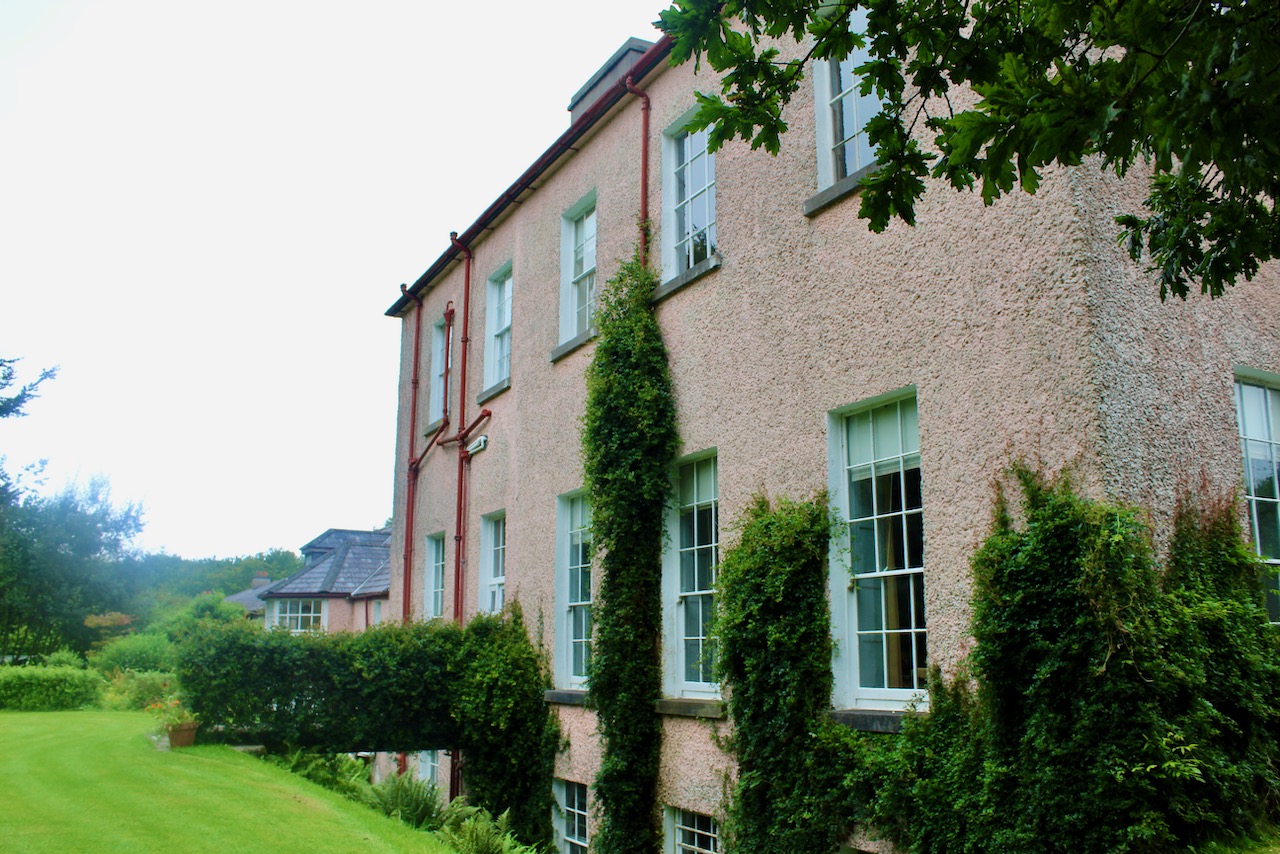
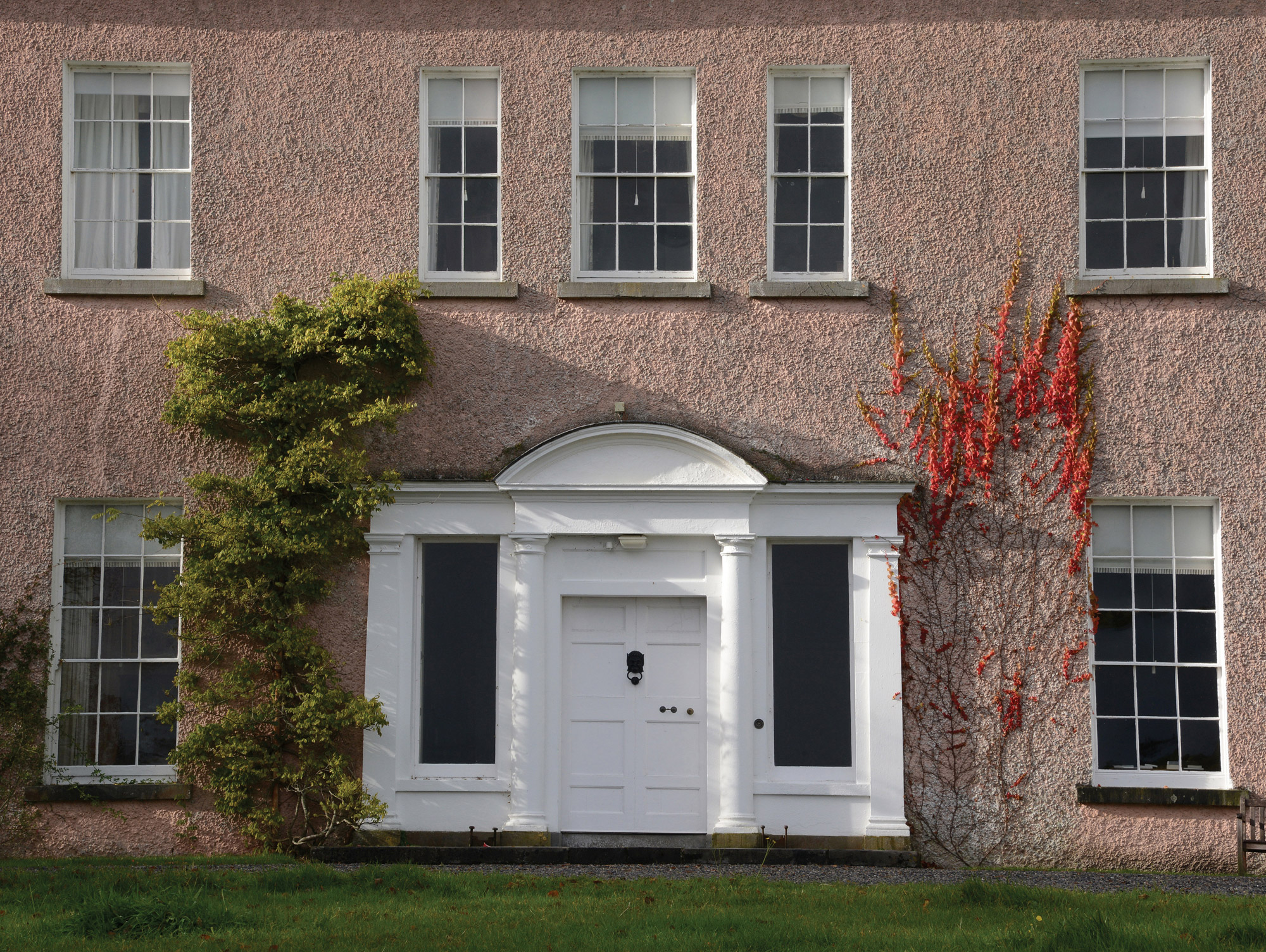
Enniscoe house is a two storey house with a five bay entrance front, with a central window in the upper storey above the pedimented tripartite doorway. The doorway has Doric columns and pilasters, and sidelights. The side elevation has five bays. [1]

Side of the house. Photograph © Jennifer Winder-Baggot, www.irishhistorichouses.com
Enniscoe, August 2021. Photograph © Jennifer Winder-Baggot, www.irishhistorichouses.com

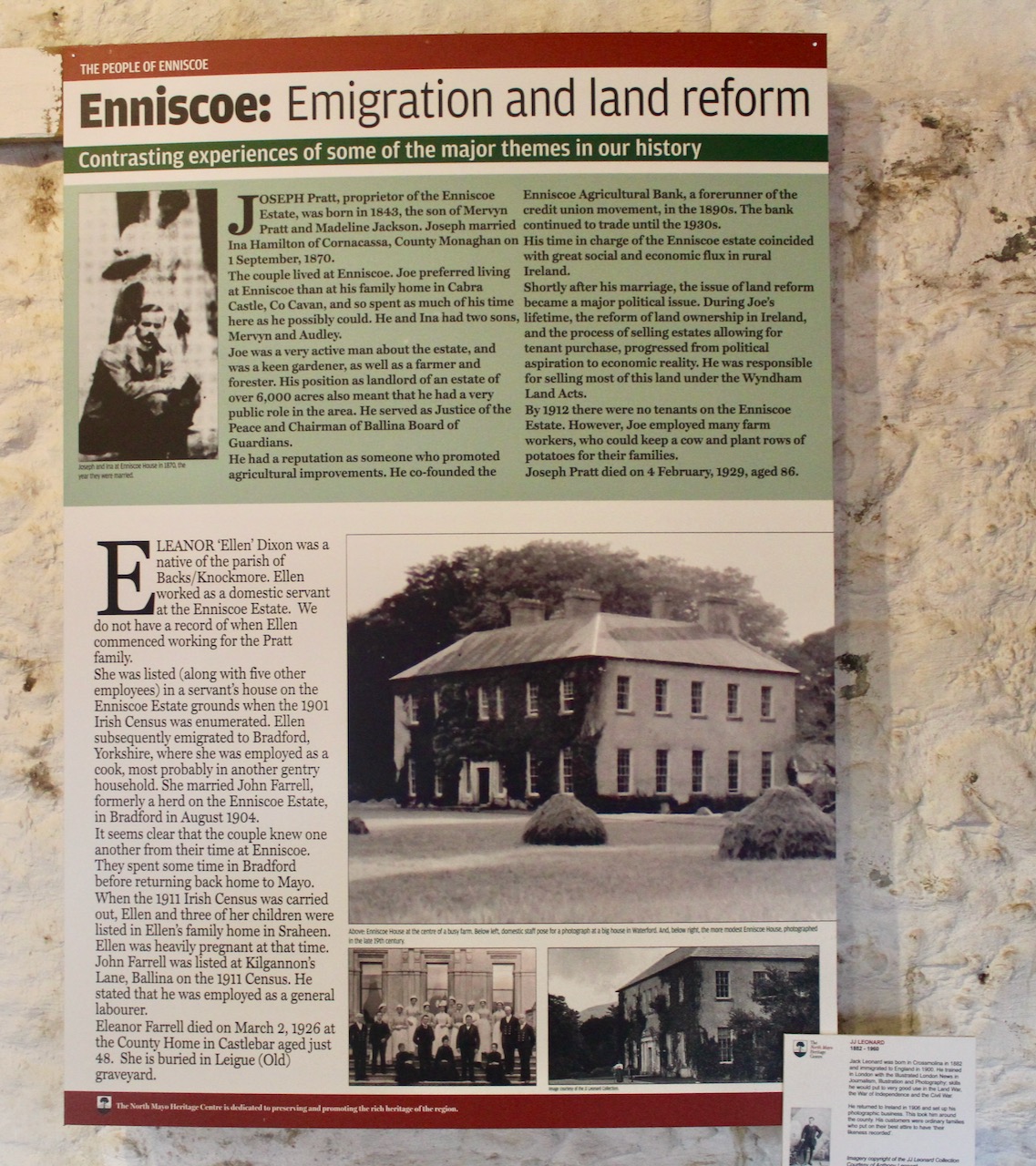
Susan’s father inherited the property from his cousin, Mervyn Pratt (1873-1950). Mervyn’s grandfather, another Mervyn Pratt (1807-1890) married Madeline Eglantine Jackson, heiress, from Enniscoe. We came across Mervyn Pratt before, when we visited Cabra Castle. [2]

Mervyn and Madeline Eglantine’s daughter Louisa Catherine Hannah Pratt, the sister of Joseph, the second Mervyn’s father, married Thomas Rothwell from Rockfield, County Meath (which is currently for sale for €1.75 million [3]), and Susan’s father was their descendant. [4]

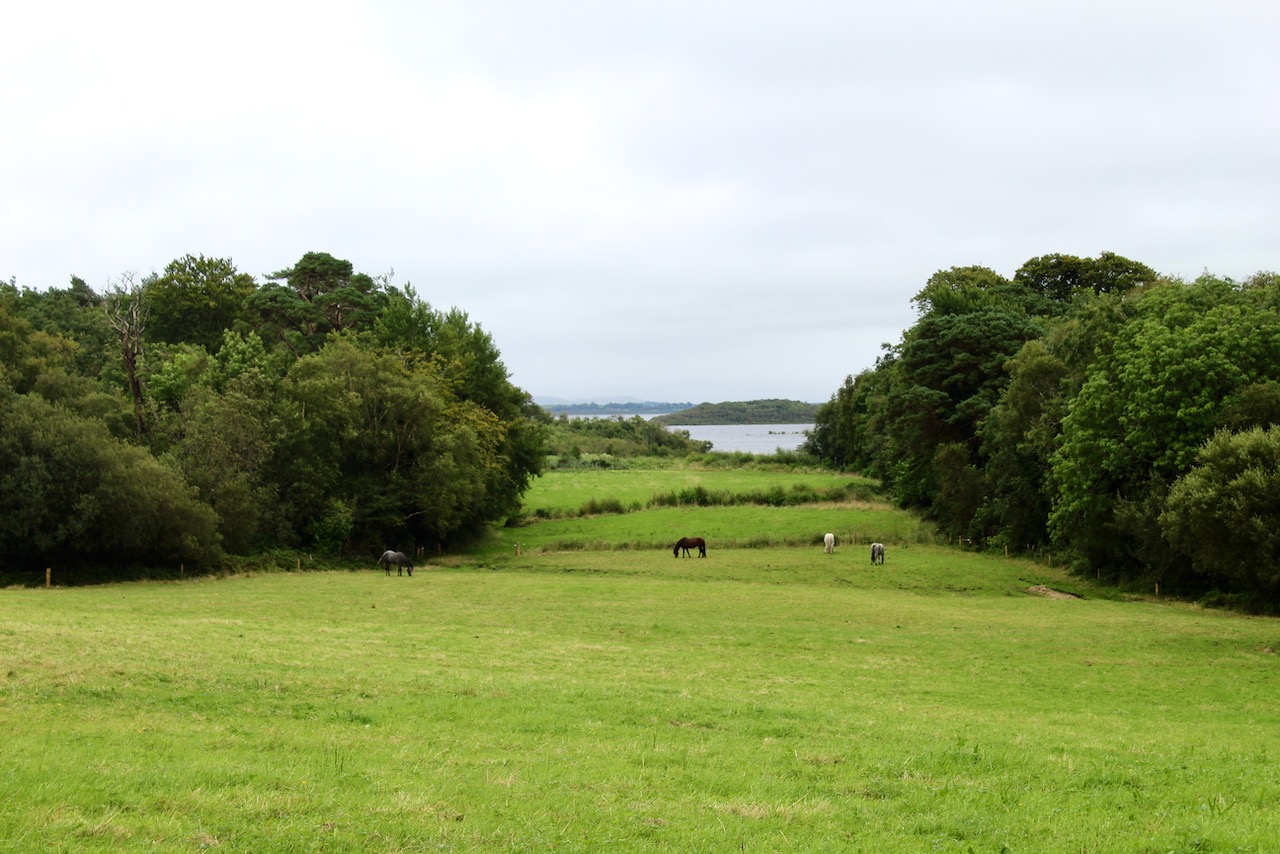
The view from Enniscoe House. The house is on the shore of Lough Conn. The horses are Connemara ponies – the land is leased to the National Parks and Wildlife, and they are keeping rare breeds such as Connemara ponies on the property. President Erskine Childers gave a herd of Connemara ponies to the state, and these ponies are related to them. Photograph © Jennifer Winder-Baggot, www.irishhistorichouses.com

An informative booklet about Enniscoe which Susan gave me tells us that in ancient times, there was a castle at “Inniscoe,” one of the chief residences of the Kings of Hy-Fiachrach (who claimed descent from Fiachrae, brother of Niall of the Nine Hostages). The booklet tells us that traces of early earthworks can still be found. “Innis Cua” means the island of the hound. The O’Dowda, a Hy-Fiachrach family, ruled in the area and were famous for their greyhounds, which probably led to the Anglicised name Enniscoe. From the time of the Normans coming to Ireland, the land was fought over by the Bourkes, Barretts, Lynotts and Cusacks, and eventually owned by the Bourkes. At one stage Theobald Bourke, “Tibbot ne Long” (Theobald of the Ships), 1st Viscount of Mayo (1567-1629) owned the land around Enniscoe.

The information booklet tells us that the Patent Rolls of James I state that Enniscoe was possessed by the sons of John McOliverus Bourke in 1603 (this Patent Roll sounds like a great source of information! Copies are available in the National Library, and the information is gathered from 1603-1619). In the Strafford Inquisition of 1625, which gathered information about the landowners of County Mayo for Thomas Wentworth, the Earl of Strafford (who had plans for a Plantation), Richard Roe Bourke was recorded as having one third of the castle, town and lands of Enniscoe, and Thomas Roe Bourke had the other two thirds.

By 1641, the Bourkes no longer lived at Enniscoe. Susan’s booklet tells us that a Roger William Palmer owned the lands at one point – perhaps related to Roger Palmer, 1st Earl of Castlemaine (1634-1705), who was married to Barbara Villiers, who later became a favourite of King Charles II.

In the 1660s, a soldier in Cromwell’s army, Francis Jackson, was granted the lands at Enniscoe. This was confirmed by Charles II in 1669. He settled down to live in Ireland and to farm the land.

In the mid-eighteenth century George Jackson (1717-1789), great grandson of Francis, built a large farmhouse, using stones of the old castle of “Inniscoe” and oak trees recovered from nearby bogland. This house was a tall single gabled building of five bays, and it has been incorporated into the current house – Susan pointed out to us where the newer house joins to the old. George married Jane Cuffe, daughter of James Cuffe of Ballinrobe, County Mayo, and sister of James, the 1st and last Baron Tyrawley of County Mayo [of the second creation – the first creation of Baron Tyrawley was for Charles O’Hara in 1706].

A portrait of Jane Cuffe, daughter of James Cuffe of Ballinrobe, County Mayo, wife of George Jackson (1717-1789). Photograph © Jennifer Winder-Baggot, www.irishhistorichouses.com

George Jackson’s son, George “Two” (as he is called by the family) (1761-1805), became a Member of Parliament for County Mayo in the Irish House of Commons, with the aid of Baron Tyrawley.

Colonel George Jackson (1761-1805) Photograph © Jennifer Winder-Baggot, www.irishhistorichouses.com

George Two expanded the house into what it is today. The old house was three storey but the new front was two storey. He built on two large reception rooms and a grand staircase. The architect Jeremy Williams attributes the design of the enlargement of the house to John Roberts (1712-1796) of Waterford, who also designed Christ Church Cathedral in Waterford, and may have built Moore Hall in County Mayo. [5] The stucco work in the Stairway Hall is similar to some in Deel Castle done in the 1790s, which is situated across the lake from Enniscoe, for James Cuffe, Baron Tyrawley.

James Cuffe bought the life interest of Deel Castle, which had also originally been a Bourke castle, from his uncle (the brother of his mother, Elizabeth Gore) Arthur Gore, 1st Earl of Arran. James Cuffe built a new house a short distance from the castle. Deel Castle reverted to the Earls of Arran after James Cuffe’s death, but is now a ruin, and the house was burnt in 1921 and not rebuilt. David Hicks has written about Deel Castle and the neighbouring house, Castle Gore, on his website. [6]

The large entrance hall of Enniscoe has a frieze of foliage, and Adamesque decoration in the centre of the ceiling.

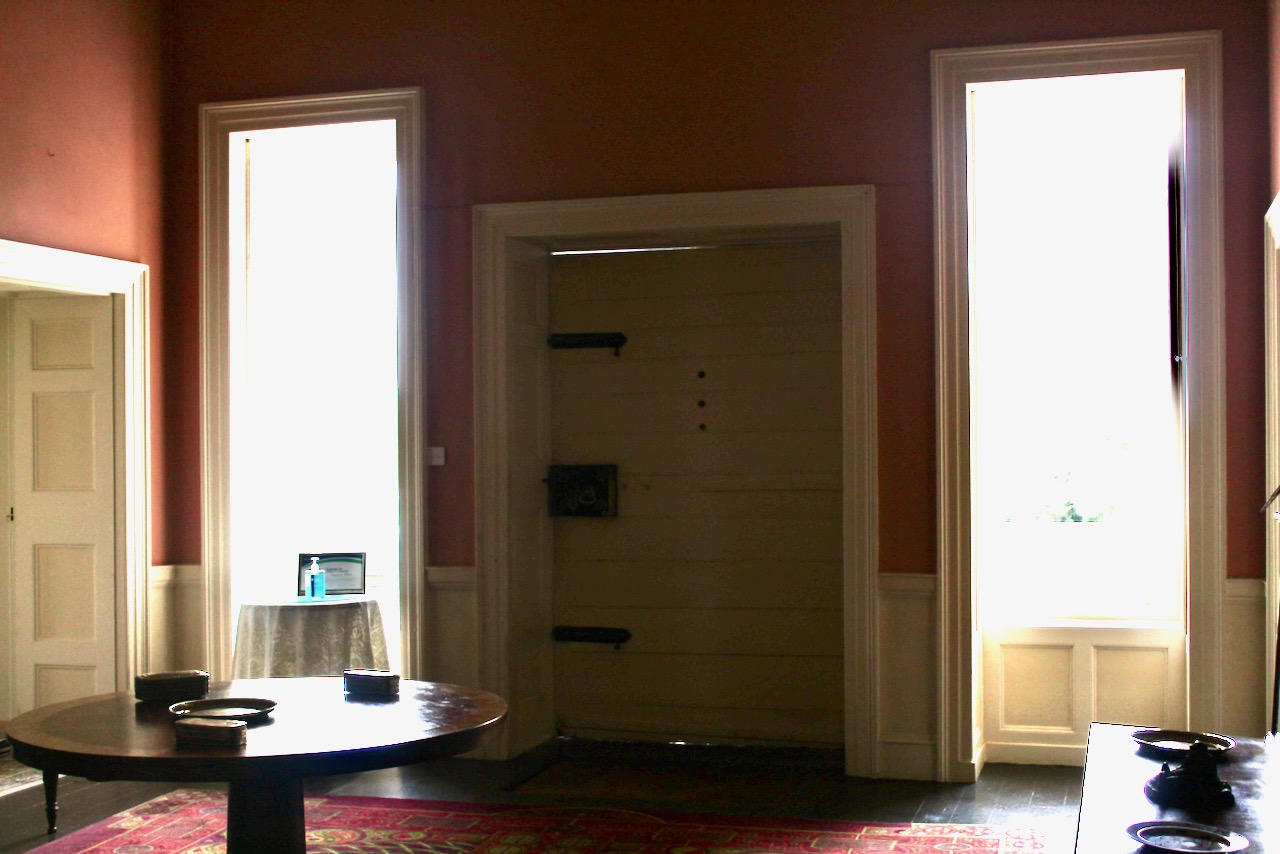
The inside of the front door with its old locks. Photograph © Jennifer Winder-Baggot, www.irishhistorichouses.com
Front Hall of Enniscoe, with beautiful stuccowork, and fishing rods on the walls. Photograph © Jennifer Winder-Baggot, www.irishhistorichouses.com

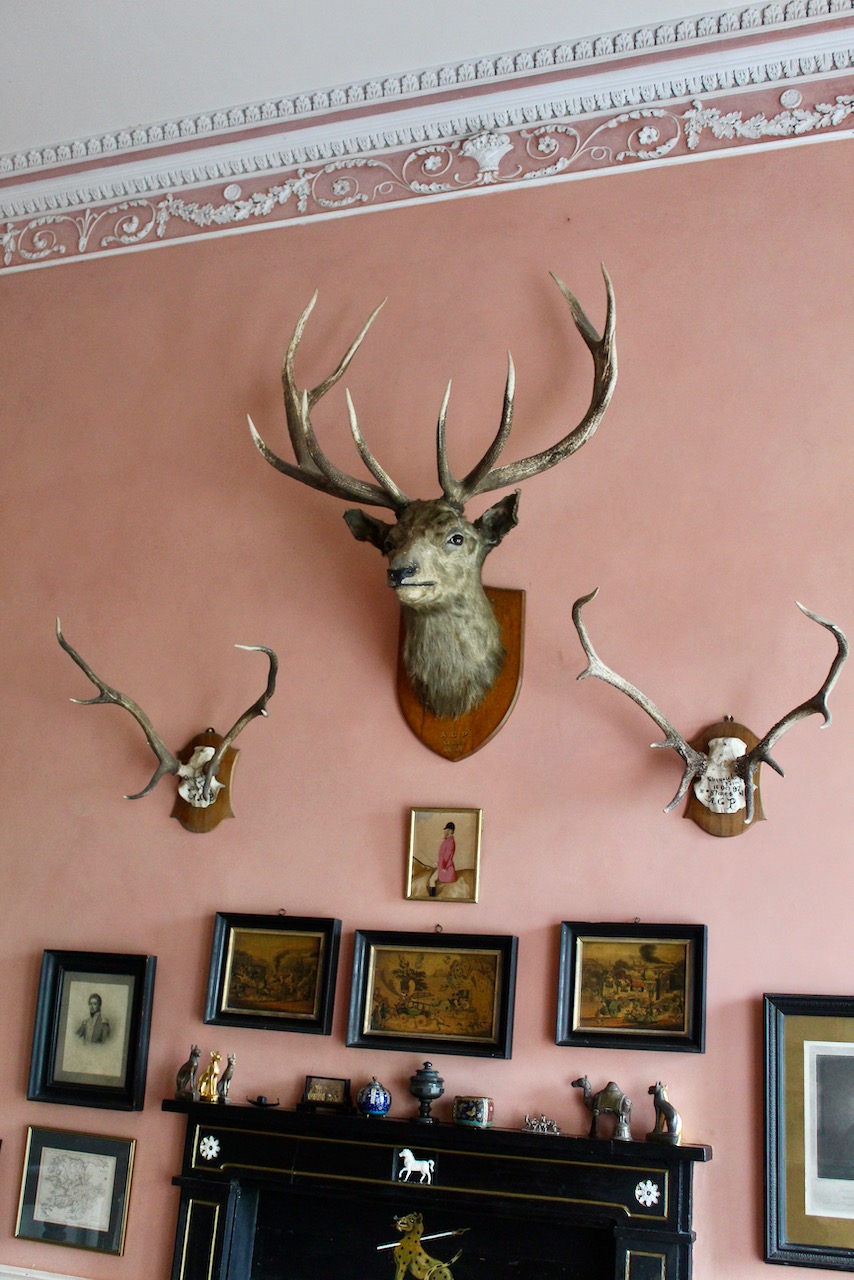
The portrait in the Front Hall of the man in wonderful frilled pantaloons is an ancestor, Sir Audley Mervyn (about 1603-1675), Speaker in the Irish House of Commons. His parents Henry Mervyn and Christian Touchet purchased lands in County County Tyrone from Mervyn Touchet, the 2nd Earl of Castlehaven, which Audley Mervyn (who was named after the Touchet estate in Staffordshire, Audley) inherited. [7] The heads of Indian deer were shot by the brothers Audley and Mervyn Pratt while fighting with the British army in the early 1900s. The carved hall chairs picture the Bourke family crest of a chained cat; Susan’s mother was a Bourke from Heathfield House, Ballycastle, County Mayo. [8] The pike was caught in Lough Conn in 1896 and weighs 37 lbs!

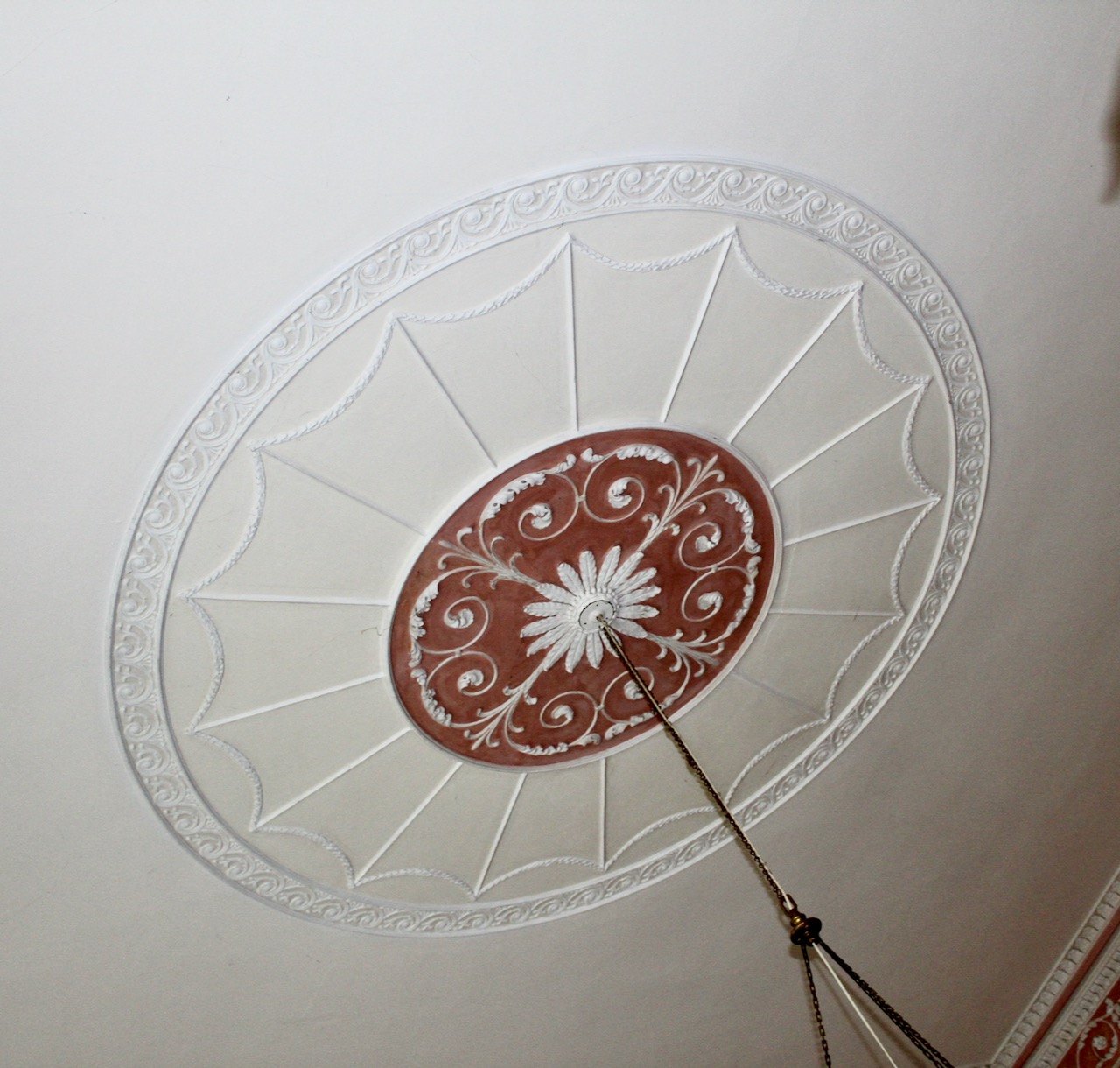
Delicate stucco work in the ceiling rose in the front hall. Photograph © Jennifer Winder-Baggot, www.irishhistorichouses.com
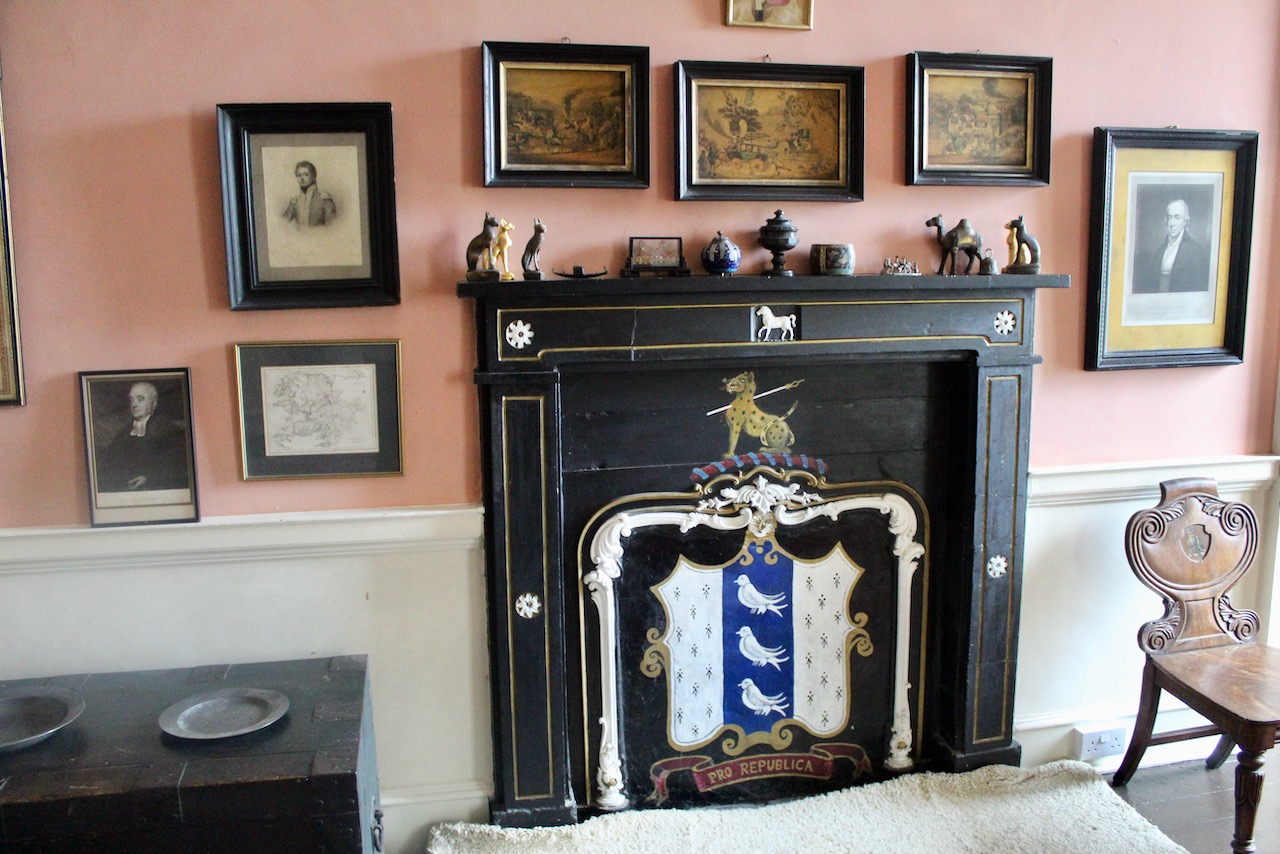
Fireplace in front hallway. The crest in the fireplace is the Nicholson crest, painted by a family member. Above the crest is a white horse, the crest of the Jackson family. Photograph © Jennifer Winder-Baggot, www.irishhistorichouses.com
Enniscoe, August 2021. Photograph © Jennifer Winder-Baggot, www.irishhistorichouses.com

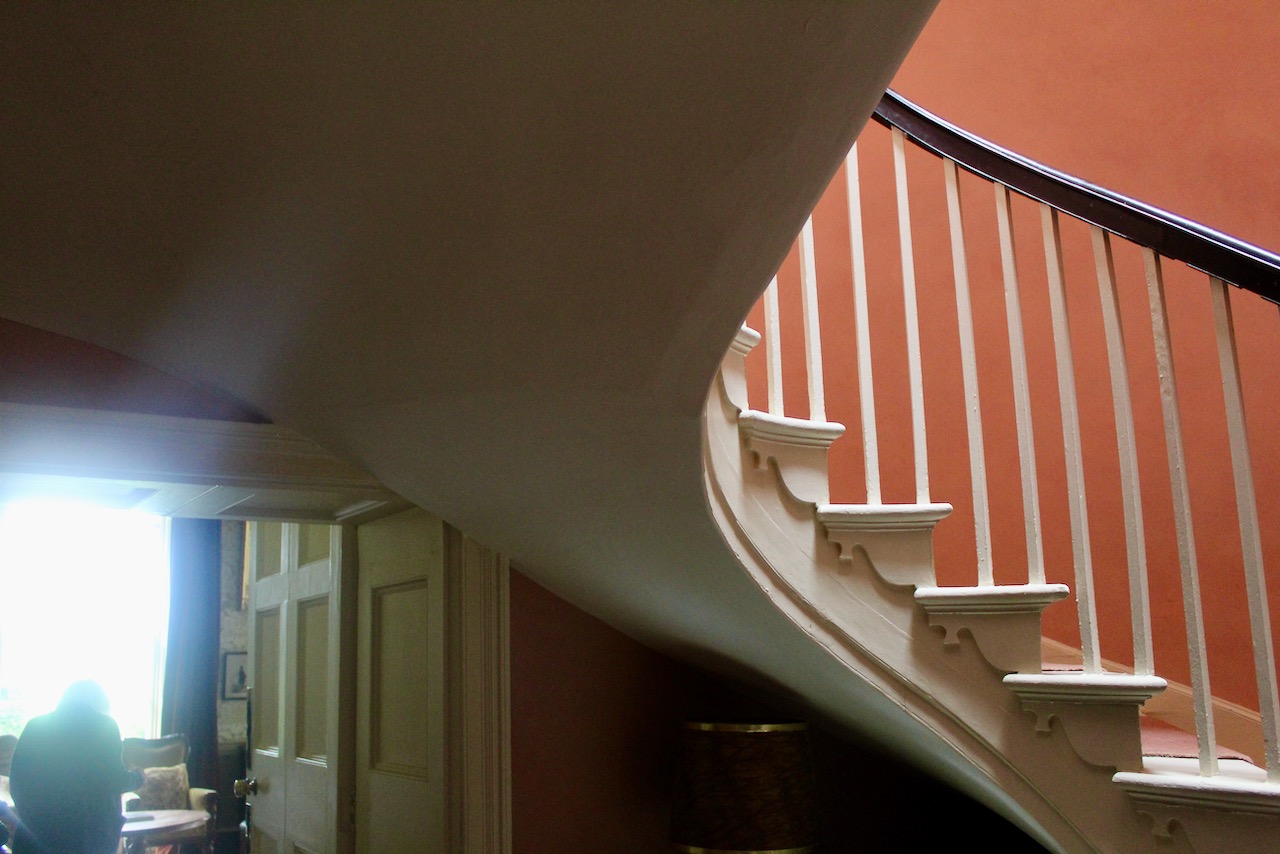
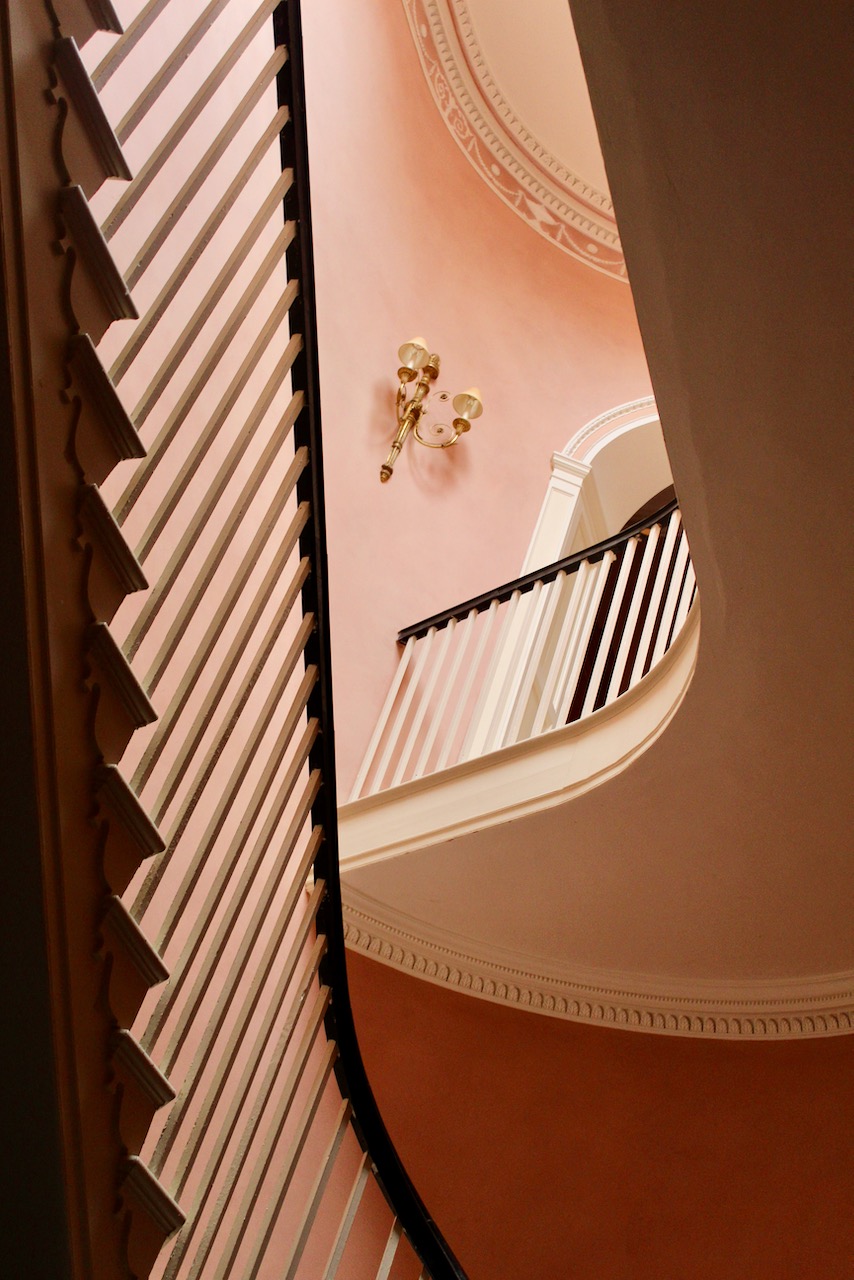
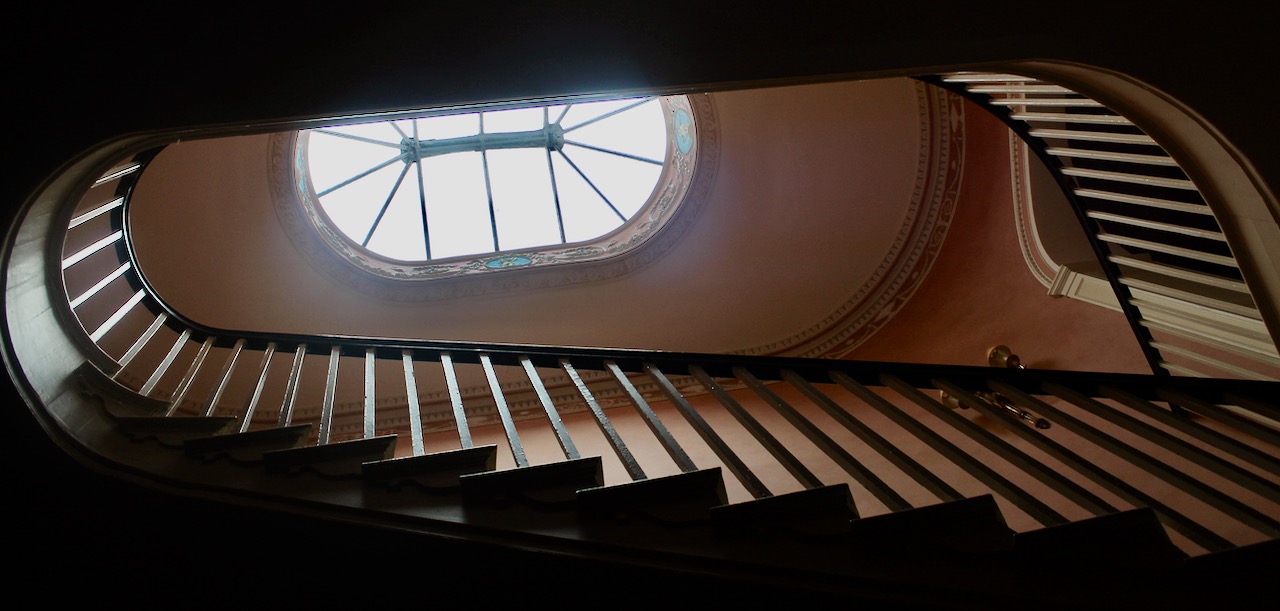
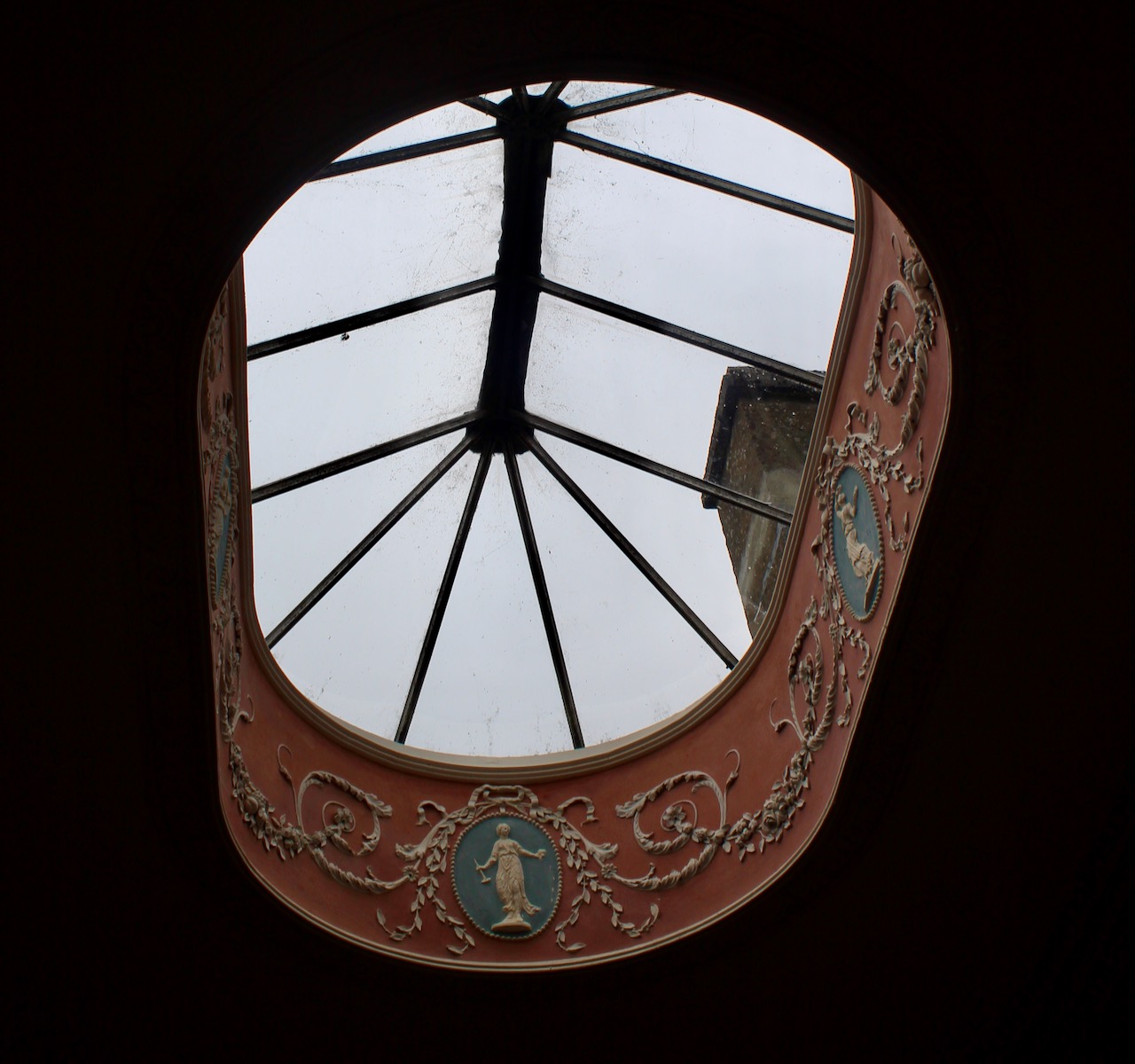
The front hall leads into the staircase hall, which is built on the exterior wall of the old house. The staircase hall has a frieze of urns and foliage and a glazed dome surrounded by foliage and oval medallions of classical figures.

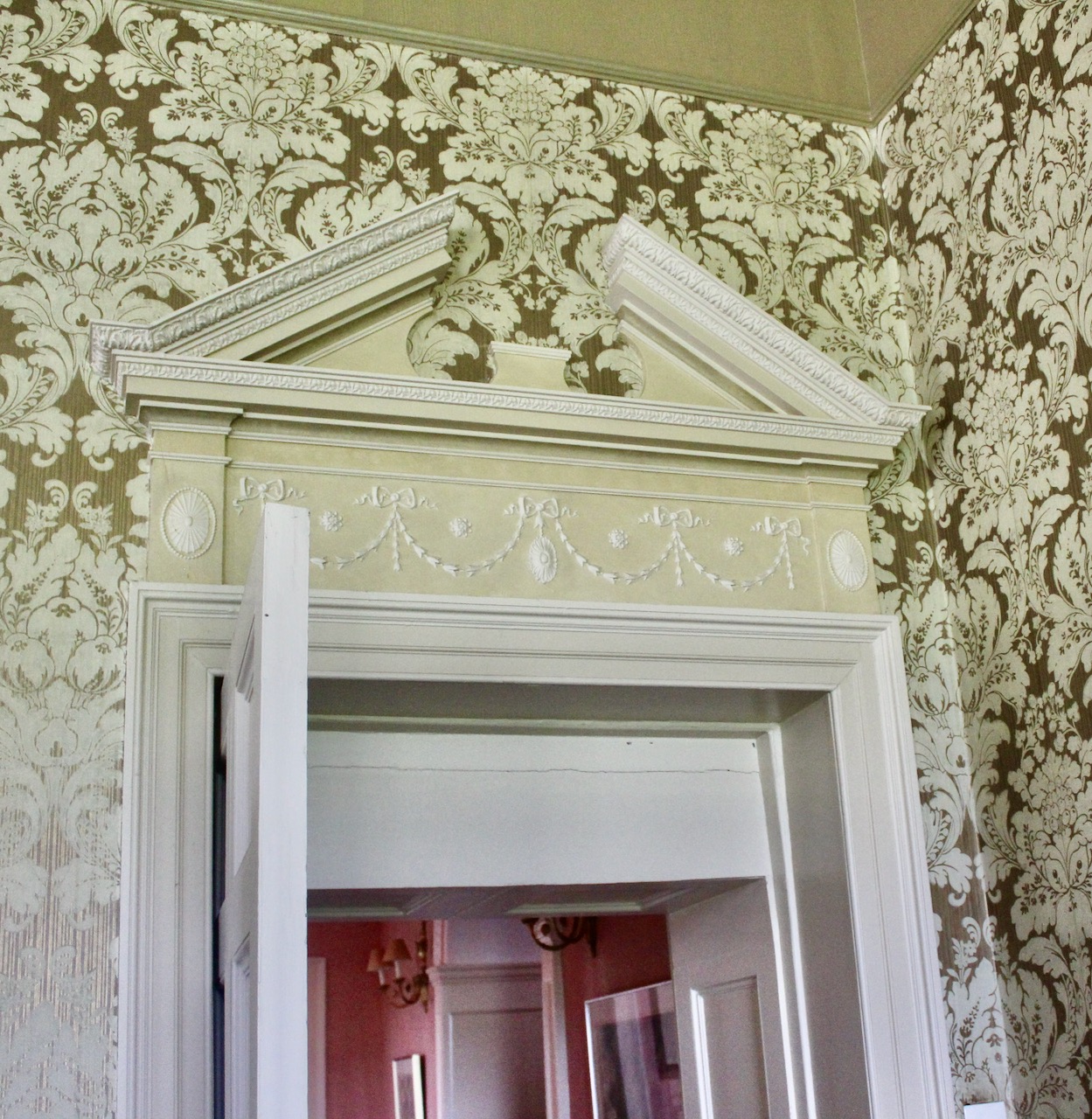
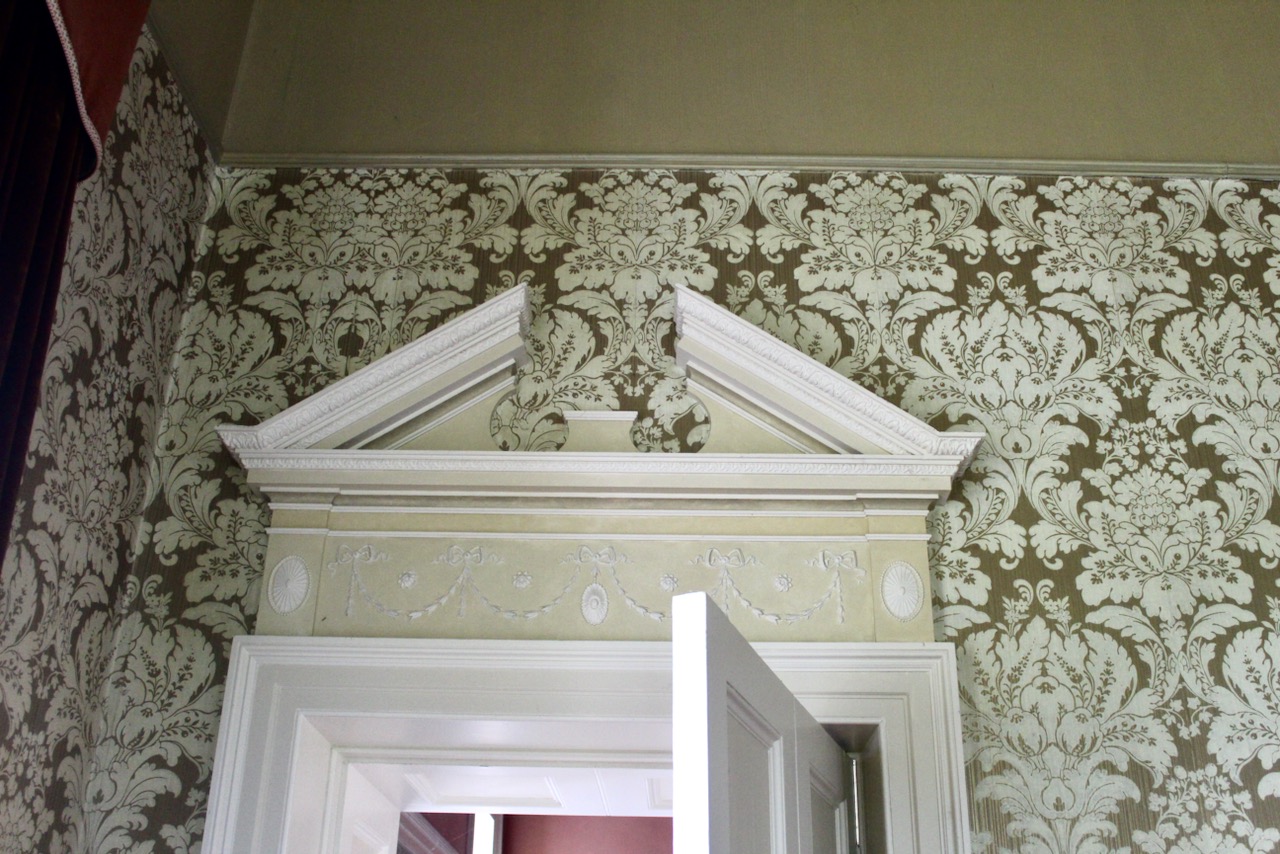
The stairs, part of the newer build for George Jackson Two, nips across the doorway of the drawing room. Susan pointed out how one door – see in the photograph below, has a blocked off section in its height, as a result – compare it to the other door in the photograph below it. Photograph © Jennifer Winder-Baggot, www.irishhistorichouses.com
The doorway height is lowered due to the way the staircase nips across it in the hallway. Photograph © Jennifer Winder-Baggot, www.irishhistorichouses.com
The door on the other side of the drawing room, without the lowered height of the other door. The decorative overdoors were added later than the original carved timber surround, probably in the 1870s. Photograph © Jennifer Winder-Baggot, www.irishhistorichouses.com
It’s hard to capture the wonderful curving sweep of the top-lit staircase in a photograph, with its lantern roof lined with beautiful neoclassical stucco work. Photograph © Jennifer Winder-Baggot, www.irishhistorichouses.com
Enniscoe, County Mayo. Photograph © Jennifer Winder-Baggot, www.irishhistorichouses.com
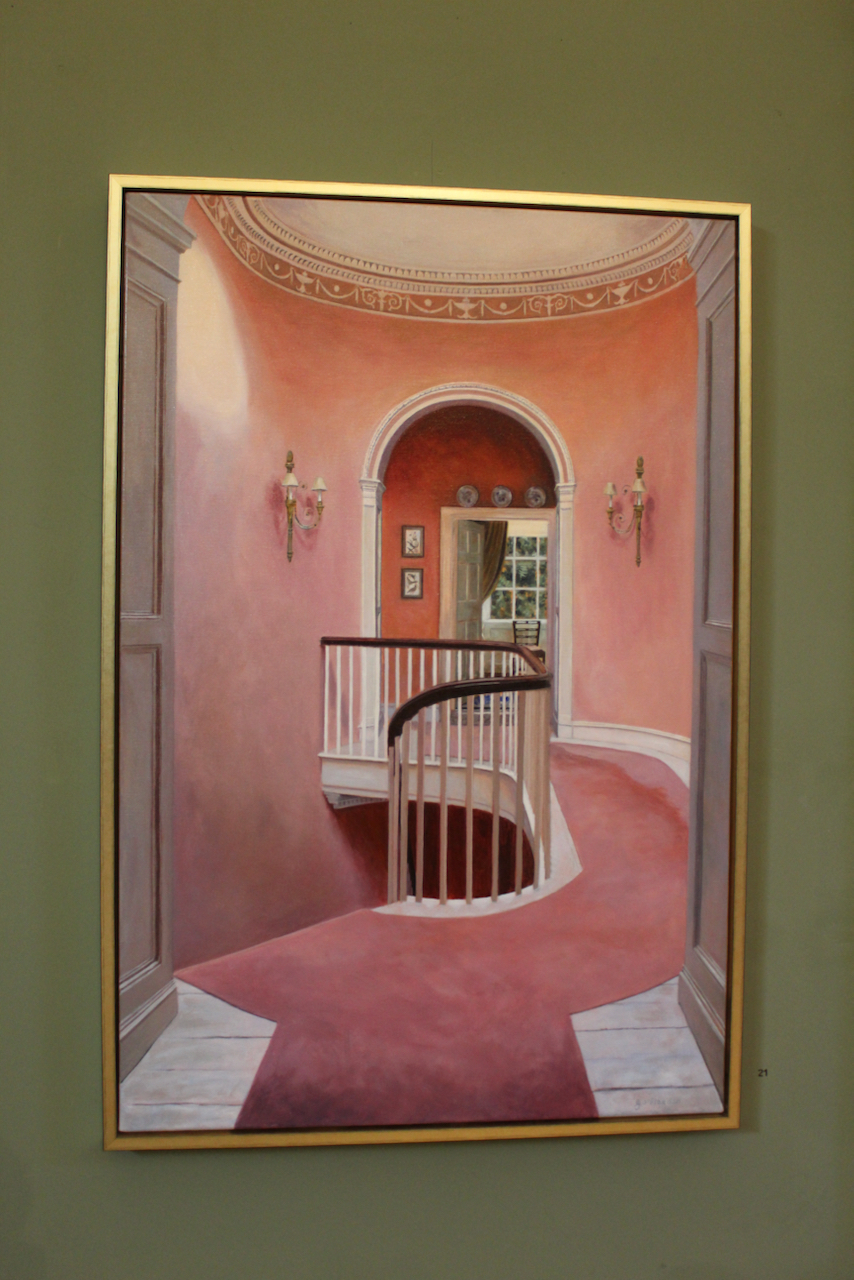
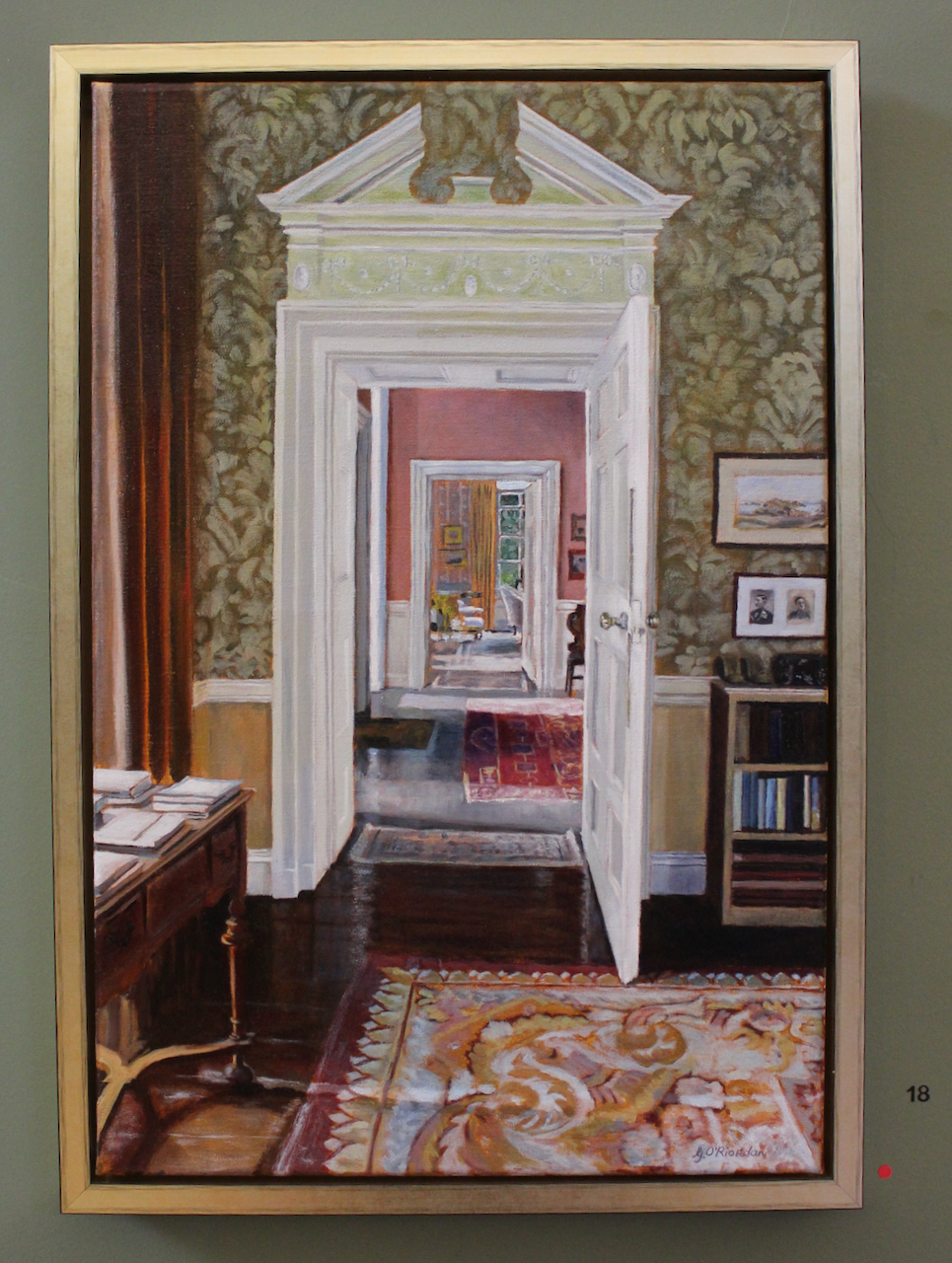
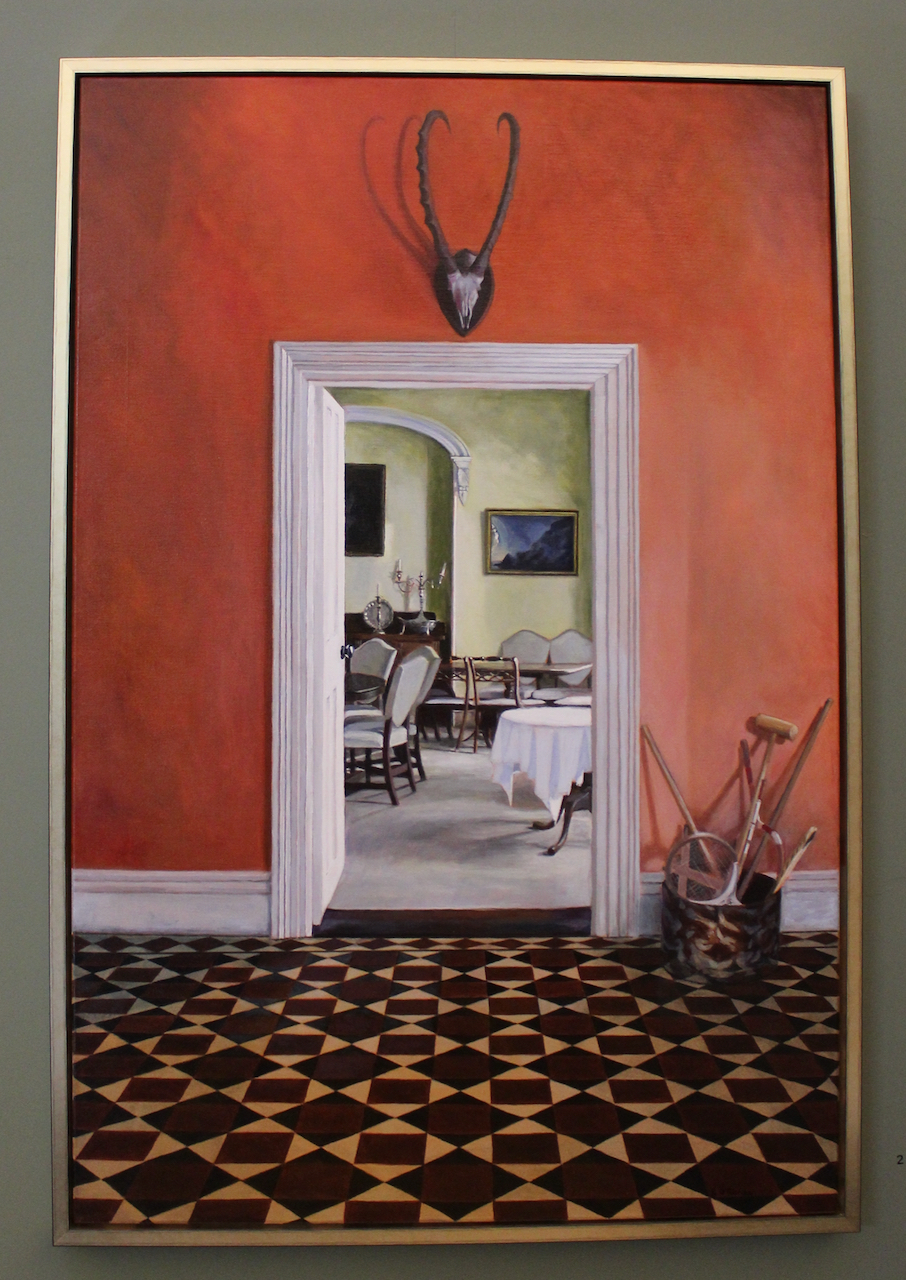
The plasterwork and staircase are captured beautifully by Geraldine O’Riordan in her painting that was exhibited in the Irish Georgian Society in November 2022.
Enfilade at Enniscoe House by Geraldine O’Riordan.
Cross Pollination by Geraldine O’Riordan.

One can see the division between older original house and the newer part clearly. Behind the staircase hall is a lobby with a delicate interior fanlight opening onto the staircase of the earlier house.

The fanlight of the original doorcase to the older house, at the foot of the older staircase. Photograph © Jennifer Winder-Baggot, www.irishhistorichouses.com

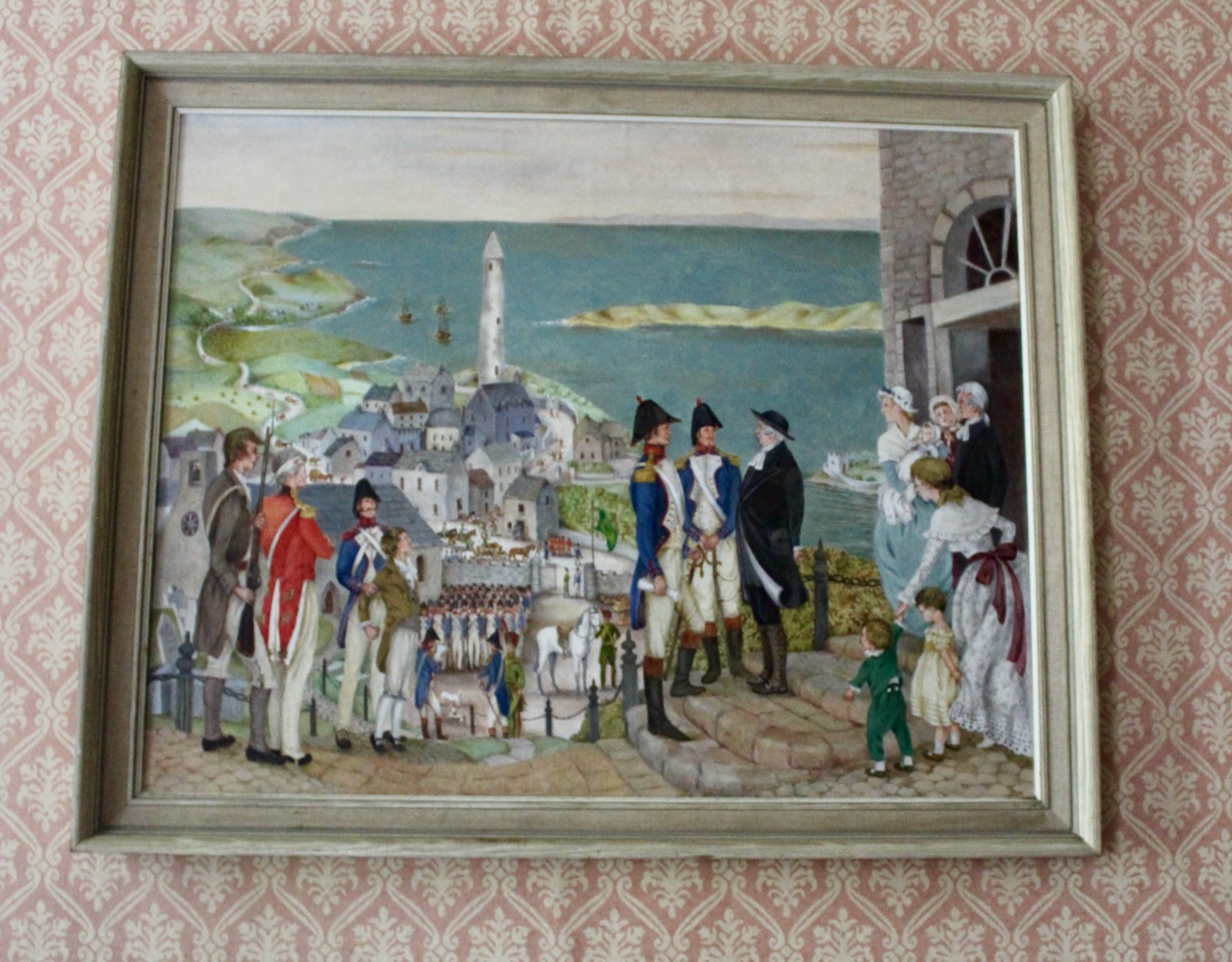
The Rising of 1798, which had been inspired by the French Revolution, came to Enniscoe, in the form of French soldiers under General Jean Joseph Amable Humbert, who landed at Killala in County Mayo on August 23, 1798. George Jackson was a Colonel in the North Mayo Militia and so would have opposed the 1798 Rebellion and the incoming French troops – although he was stationed further south as militia regiments were never stationed in their own county. The French soldiers stopped at the house at Enniscoe and Susan told us that the troops drank his wine, later declaring that it was “the only good wine in Ireland”! The scaffolding from the enlargement of the house was still lying in front of the house when the troops arrived and they used it for firewood for their campfire. George’s regiment were summoned back from the south, and Colonel Jackson was made Military Governor of the Crossmolina area. He was responsible for killing or imprisoning many of the defeated rebels in the surrounding countryside, and it is said that he lined the road from Crossmolina to Gortnor Abbey with severed heads on pikes. General Humbert and his troops were defeated by the British Army in the Battle of Ballinamuck. [9]

Susan’s mother, an artist, Patita Bourke, painted a scene famous from the 1798 Rebellion, when the French troops billeted themselves in the home of the Church of Ireland Bishop Joseph Stock of Killala (who wrote a memoir of the incident). Photograph © Jennifer Winder-Baggot, www.irishhistorichouses.com

One result of the 1798 Rebellion was that the Irish Parliament was abolished by the Act of Union in 1800, which was supported by George Jackson. George was promoted to Colonel of the Carabineers, a dragoon in the British Army, and the position was inherited by his son, William.

William married Jane Louise Blair, daughter of Colonel William Blair of Scotland, and moved to England, and died young. He died in 1822 and his wife predeceased him in 1817 so their only daughter, Madeline Eglantine Jackson, was left an orphan at the age of six. She was raised by her aunt at Stephenstown in County Louth. Her mother’s sister was Catherine Eglantine Blair, who married Matthew Fortescue, whose father had built Stephenstown. They arranged a good marriage for Madeline when she turned 18, to a cousin of the family, Mervyn Pratt of Cabra Castle. They married in 1834.

Enniscoe, August 2021. Photograph © Jennifer Winder-Baggot, www.irishhistorichouses.com

Madeline and Mervyn settled in Enniscoe and Mervyn had the estate surveyed in order to set to work on an enormous scheme of draining land and building roads. The booklet Susan gave me tells us that during the famine, the Pratts did their best for those in the area and they gained a reputation for good management and fairness.

Patita painted a portrait of Madeline Jackson, based on the picture below. Photograph © Jennifer Winder-Baggot, www.irishhistorichouses.com
Madeline Jackson. Photograph © Jennifer Winder-Baggot, www.irishhistorichouses.com
Mervyn Pratt, husband of Madeline Jackson. Photograph © Jennifer Winder-Baggot, www.irishhistorichouses.com
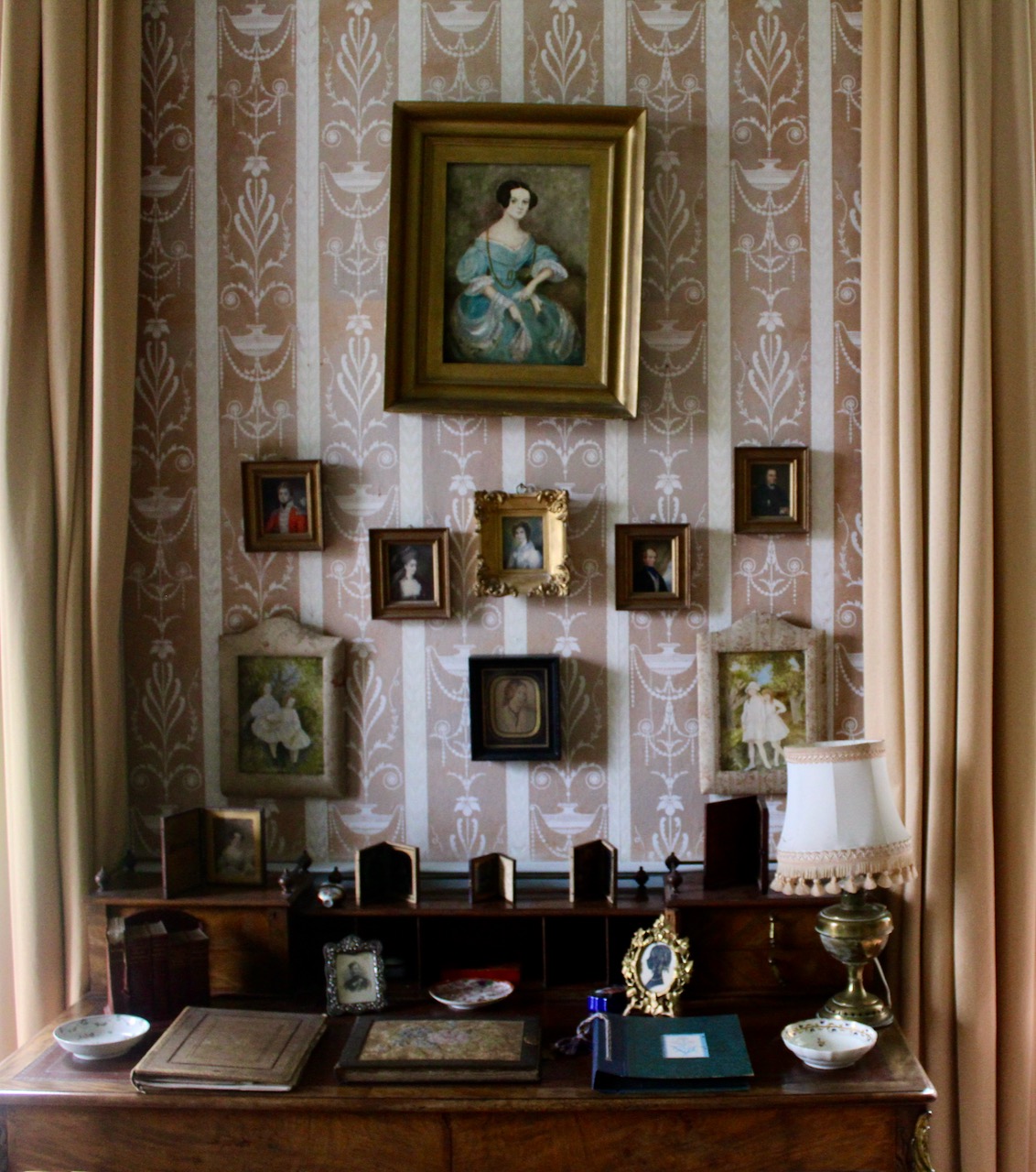
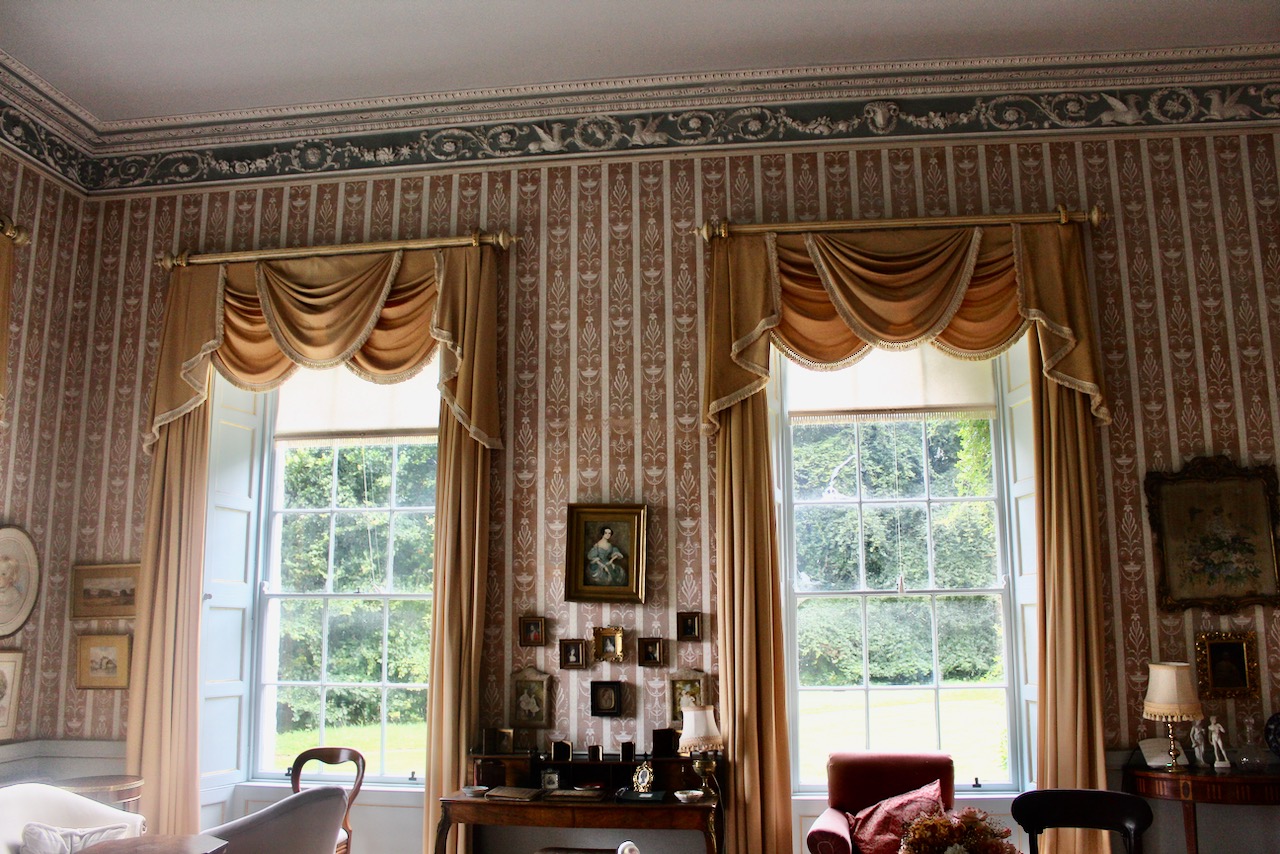
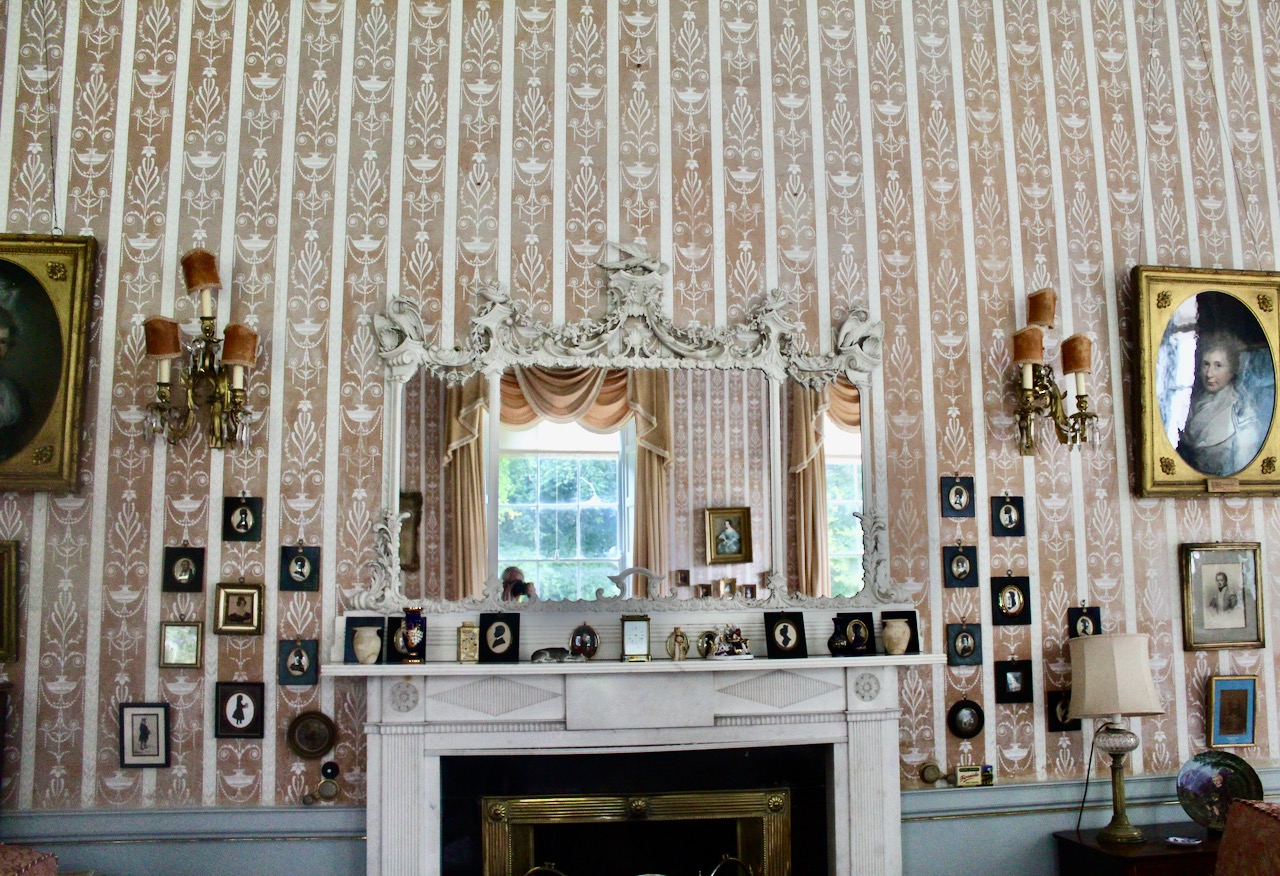
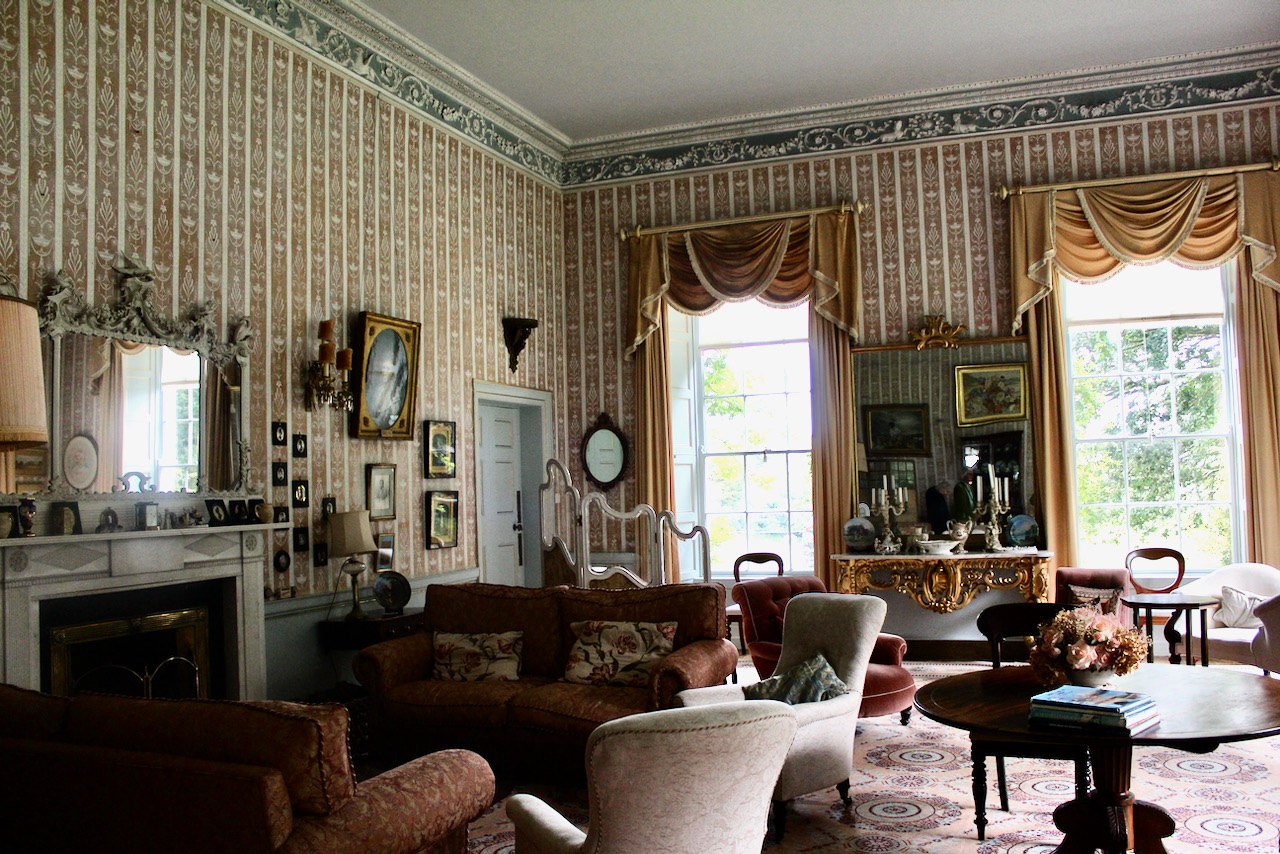
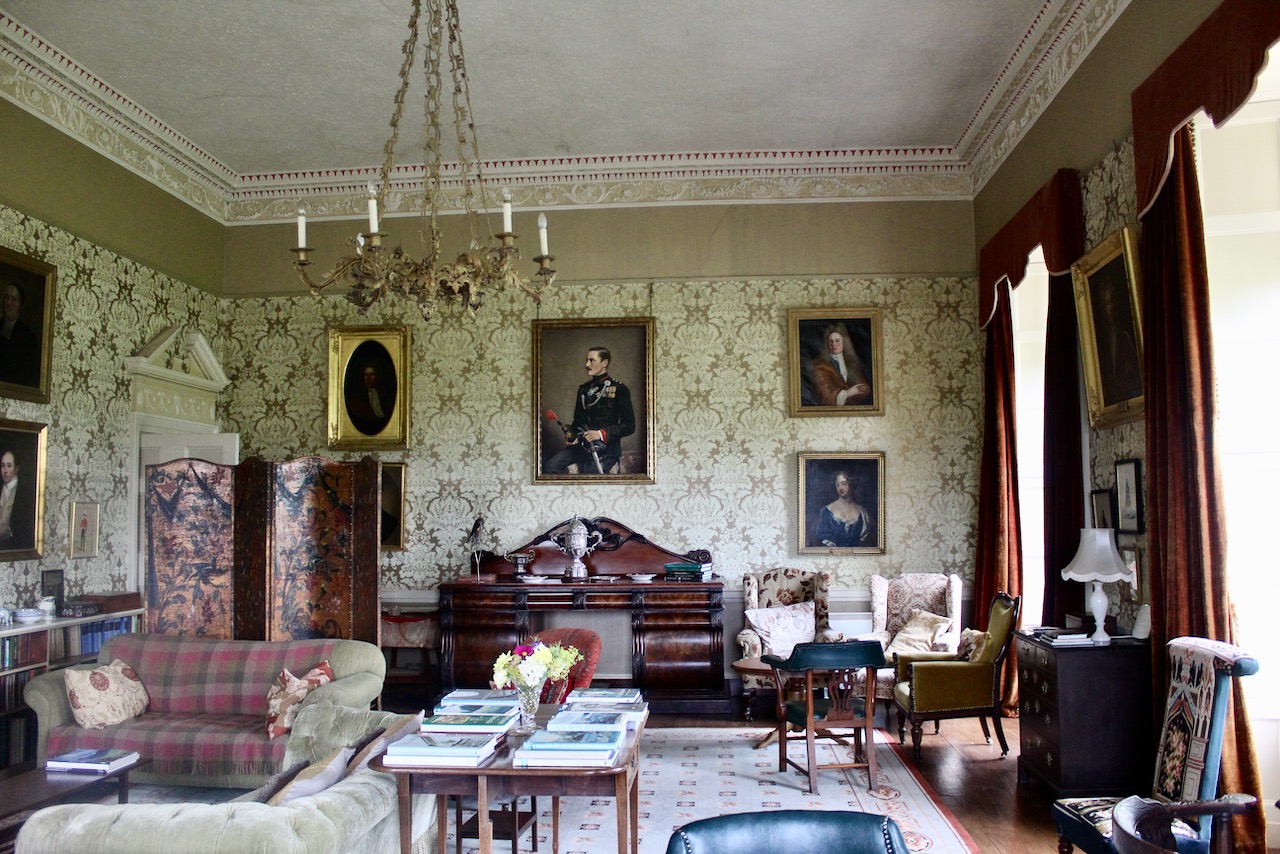
The Drawing Room has the original silk Adam design wallpaper, which has faded over the years from pale blue to mushroom pink. Photograph © Jennifer Winder-Baggot, www.irishhistorichouses.com

There are two large reception rooms on the ground floor, as well as the dining room.

The intricately carved mirror over the fireplace in the drawing room is made of wood and was never gilded. Rosette-detailed cut-white marble Classical-style chimneypiece. Photograph © Jennifer Winder-Baggot, www.irishhistorichouses.com
Enniscoe, County Mayo. Photograph © Jennifer Winder-Baggot, www.irishhistorichouses.com
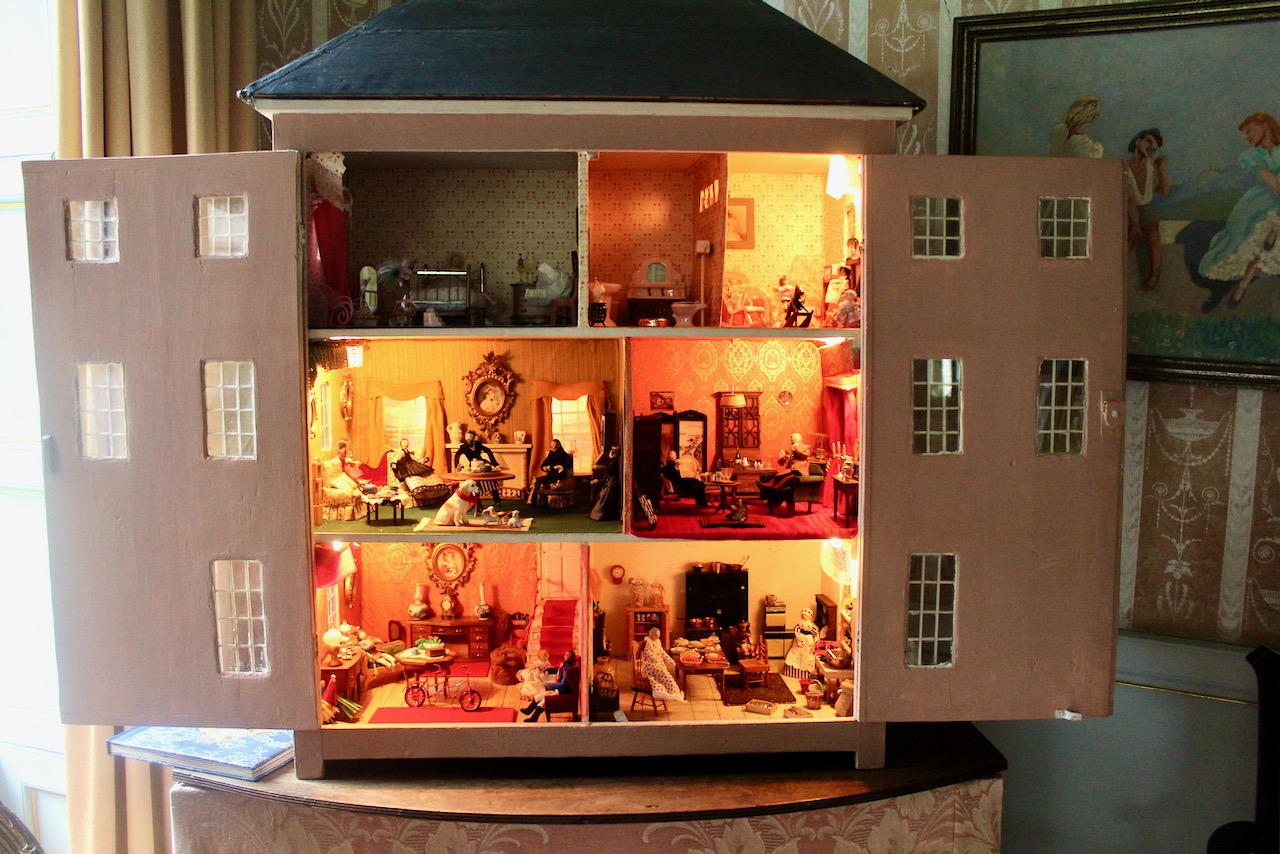
A beautiful dollhouse which Susan used to admire as a child; her mother made the furniture and even installed the electric light. Photograph © Jennifer Winder-Baggot, www.irishhistorichouses.com
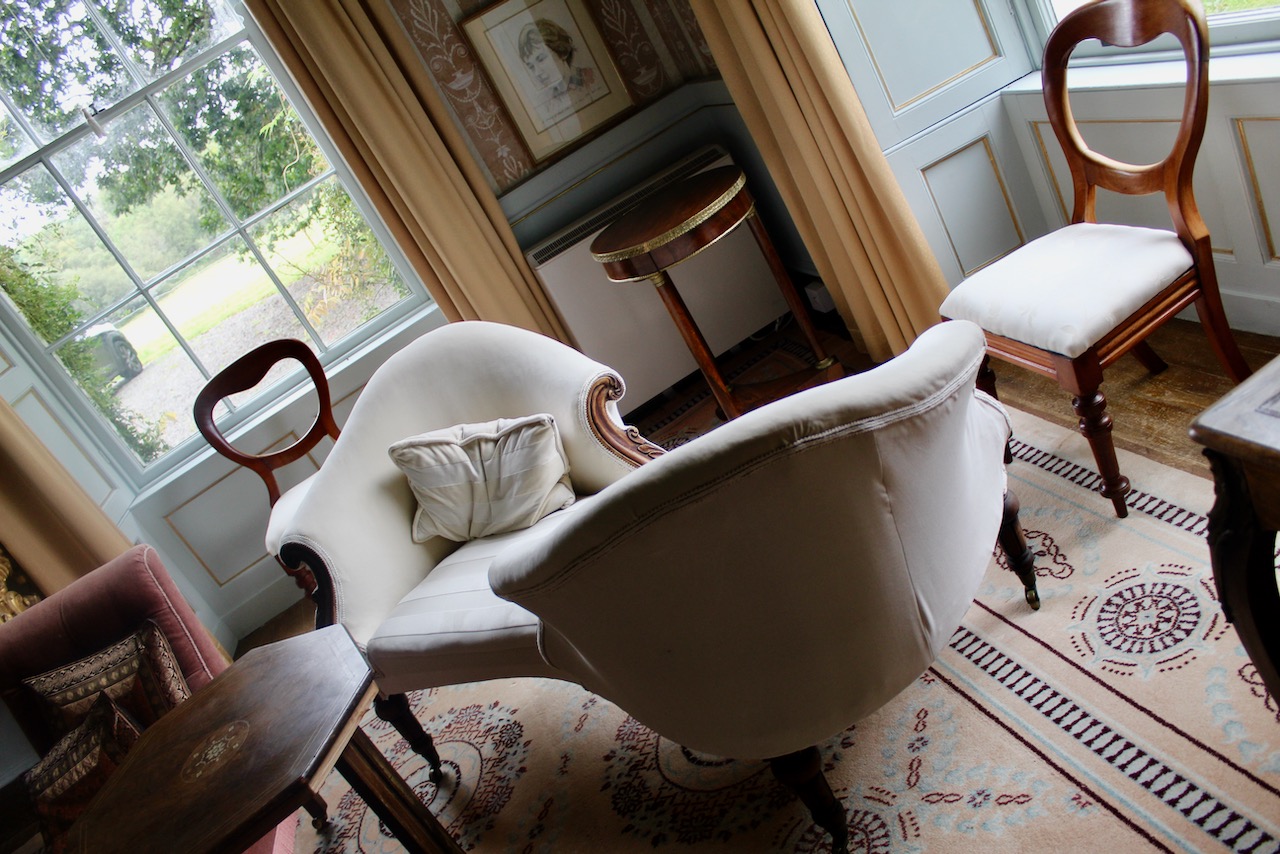
We liked this “conversation sofa.” Photograph © Jennifer Winder-Baggot, www.irishhistorichouses.com

Madeline and Mervyn had five children. Their only son Joseph joined the army and served in India, and when he came home, took over the running of Enniscoe. He married his cousin Ina Hamilton of Cornacassa, County Monaghan (this house has been partly demolished. It was built around 1800 for Dacre Hamilton). [10]

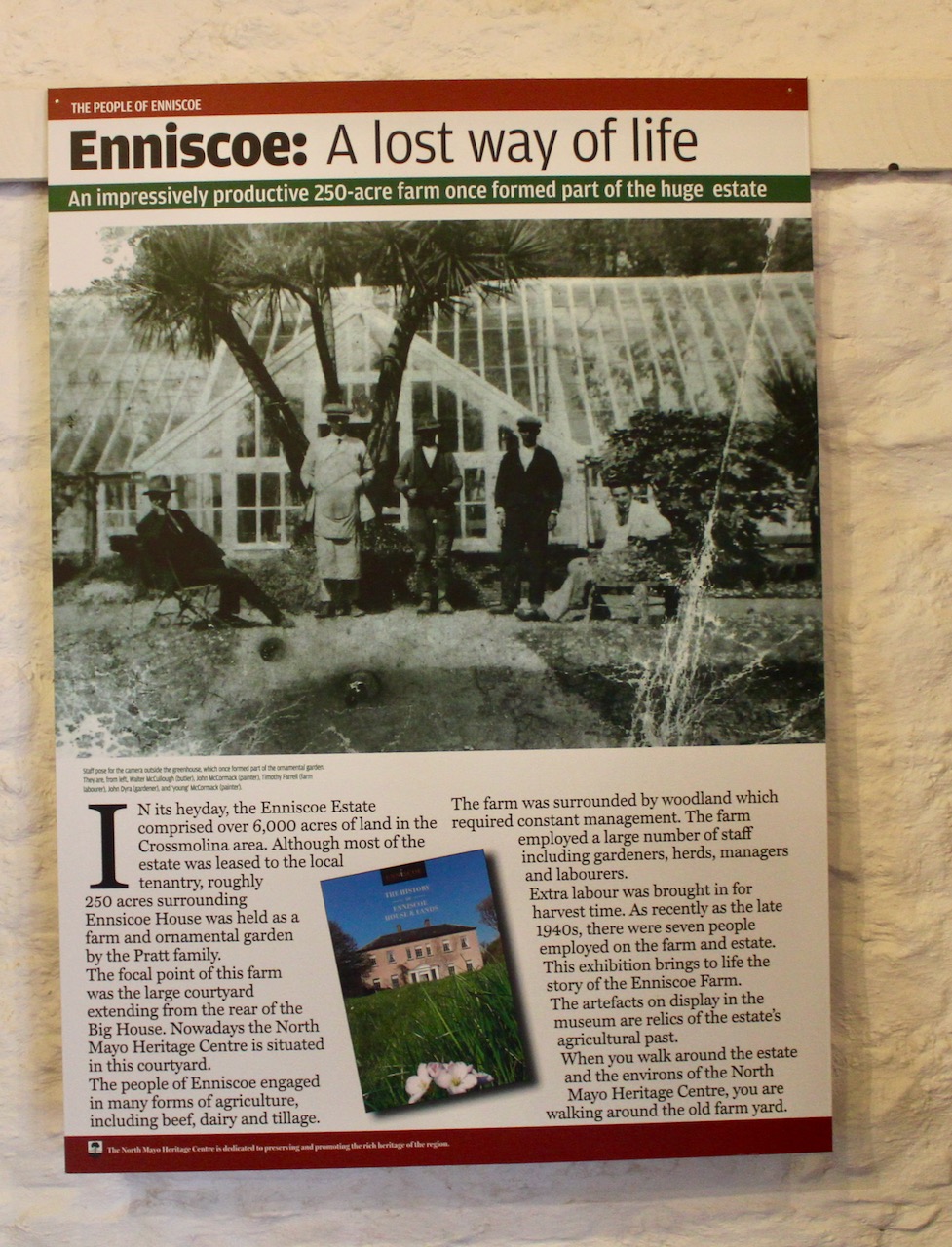
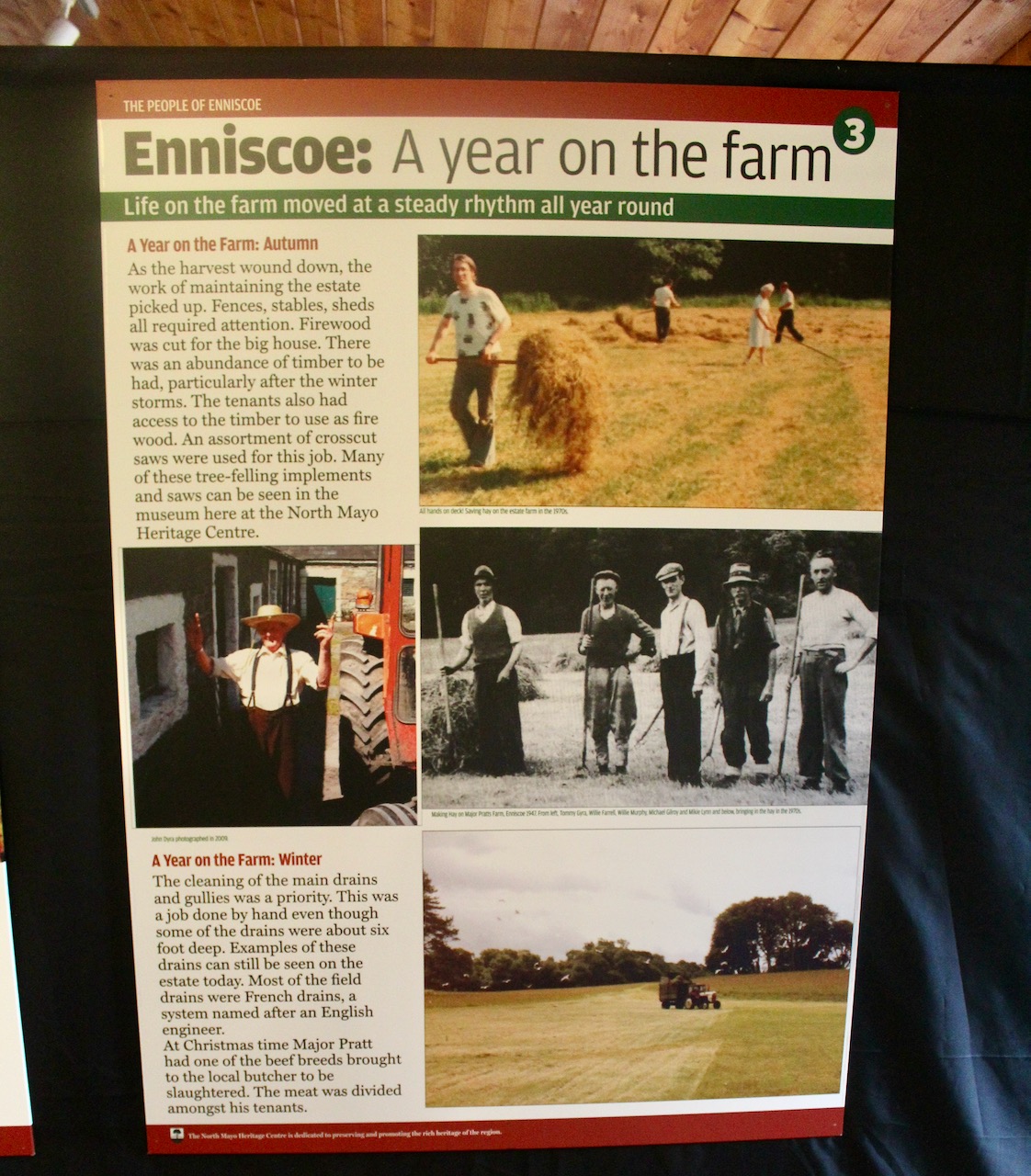
Joseph Pratt was one of the first landlords to start selling his land to his tenants under the Wyndham Land Acts of 1903. Joseph and Ina did much to improve their estate, farming and creating the garden within the old walled garden. The Heritage Centre gives us an idea of what life on the farm was like for both the home owners and the many people employed on the estate. 

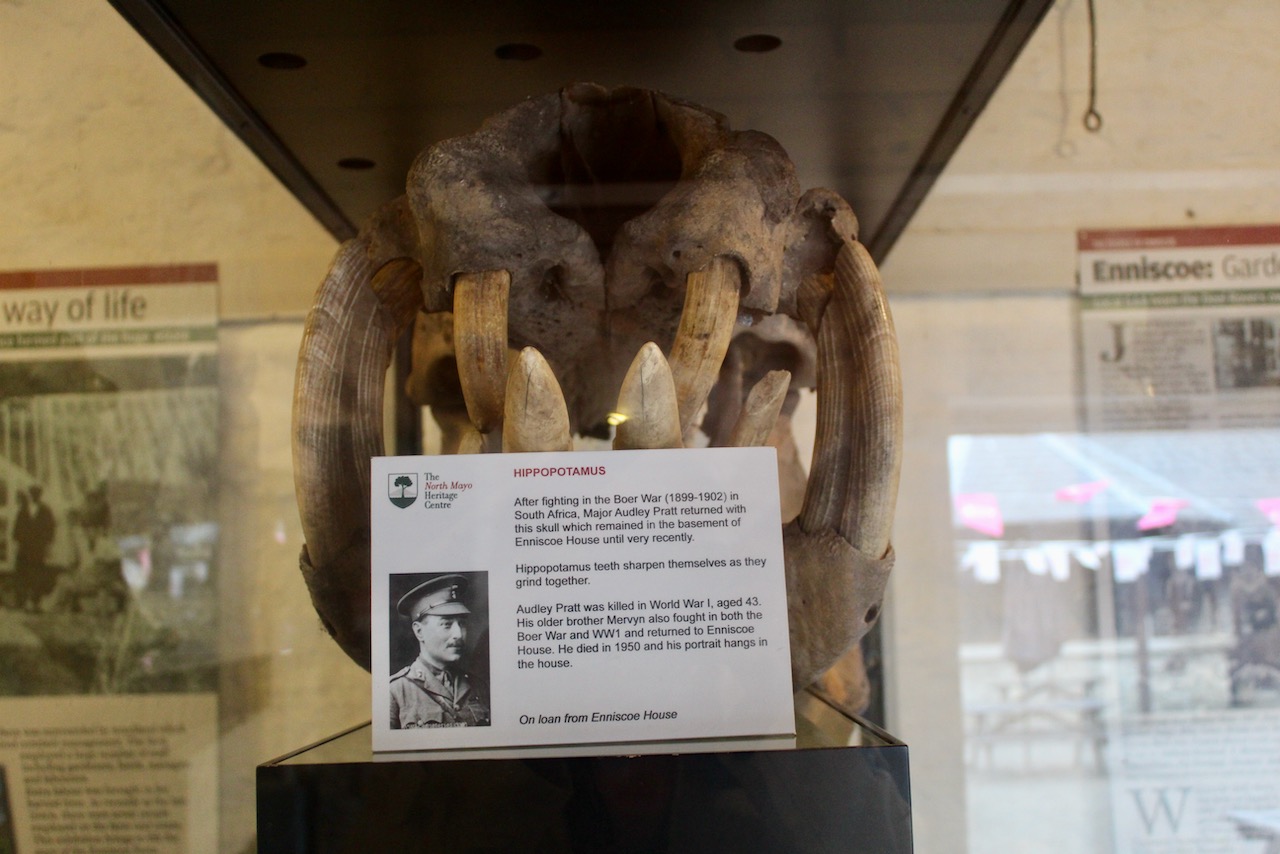
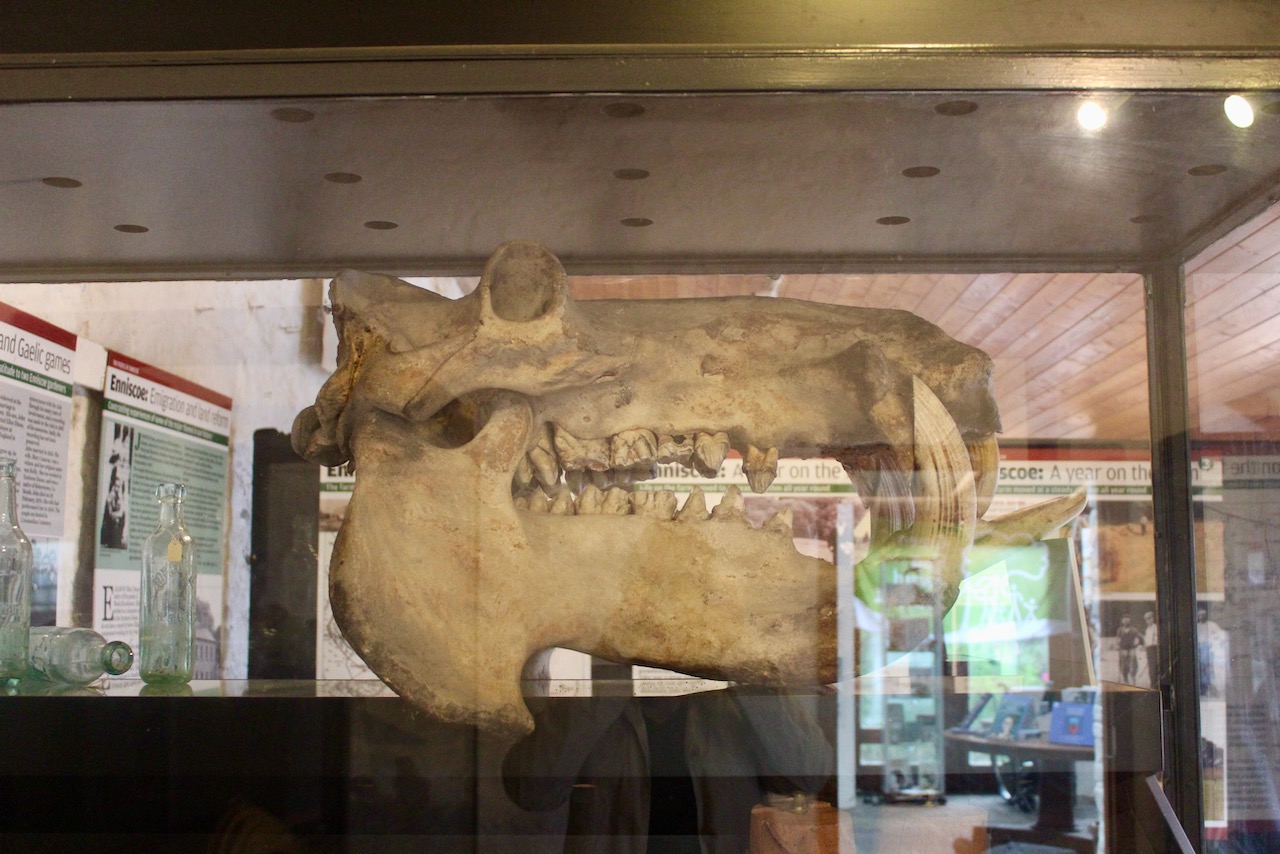
Joseph’s elder son Mervyn was injured in the wars and the younger Audley was killed in the First World War. The Heritage Centre located in the walled garden at Enniscoe displays a hippo skull which Audley brought home from Africa when he fought in the Boer War (1899-1902).

Enniscoe, County Mayo. Photograph © Jennifer Winder-Baggot, www.irishhistorichouses.com
Enniscoe, August 2021. Photograph © Jennifer Winder-Baggot, www.irishhistorichouses.com

Major Mervyn lived all his life in Enniscoe, and was particularly interested in gardening and fishing. His rock garden and greenhouses were well-known. He never married, and left Enniscoe to his cousin Jack Nicholson, Susan’s father (Jack was a great-grandson of Madeline Jackson). Mervyn did not spend much time in Cabra Castle in County Cavan which he also inherited, and he left it to another cousin, Mervyn Sheppard.

Jack Nicholson married Patita Bourke, daughter of Captain Bertrim Bourke of Heathfield, County Mayo. In his blog, David Hicks tells us that Heathfield was purchased by the Land Commission and the family were allocated a farm at Beauparc, County Meath. He adds that former President of Ireland Mary Robinson was from the Bourke family of Heathfield.

The second drawing room of Enniscoe, with George “Two” over the fireplace. Photograph © Jennifer Winder-Baggot, www.irishhistorichouses.com
Enniscoe, August 2021. Photograph © Jennifer Winder-Baggot, www.irishhistorichouses.com

Jack was a Professor of Veterinary Medicine, so I felt a bond with Susan, as my father, Desmond Baggot, was also a Professor of Veterinary Medicine! Jack was head of the Veterinary College of Ireland, so perhaps their paths crossed as my father was studying there at the time of my birth, before we moved to the United States where my father did his PhD in Ohio State University. Jack died in 1972 and Enniscoe house and lands passed to his children. In 1984 Susan Kellett took over the property from her brother.

The house is full of Patita’s creative and sometimes cheeky paintings.

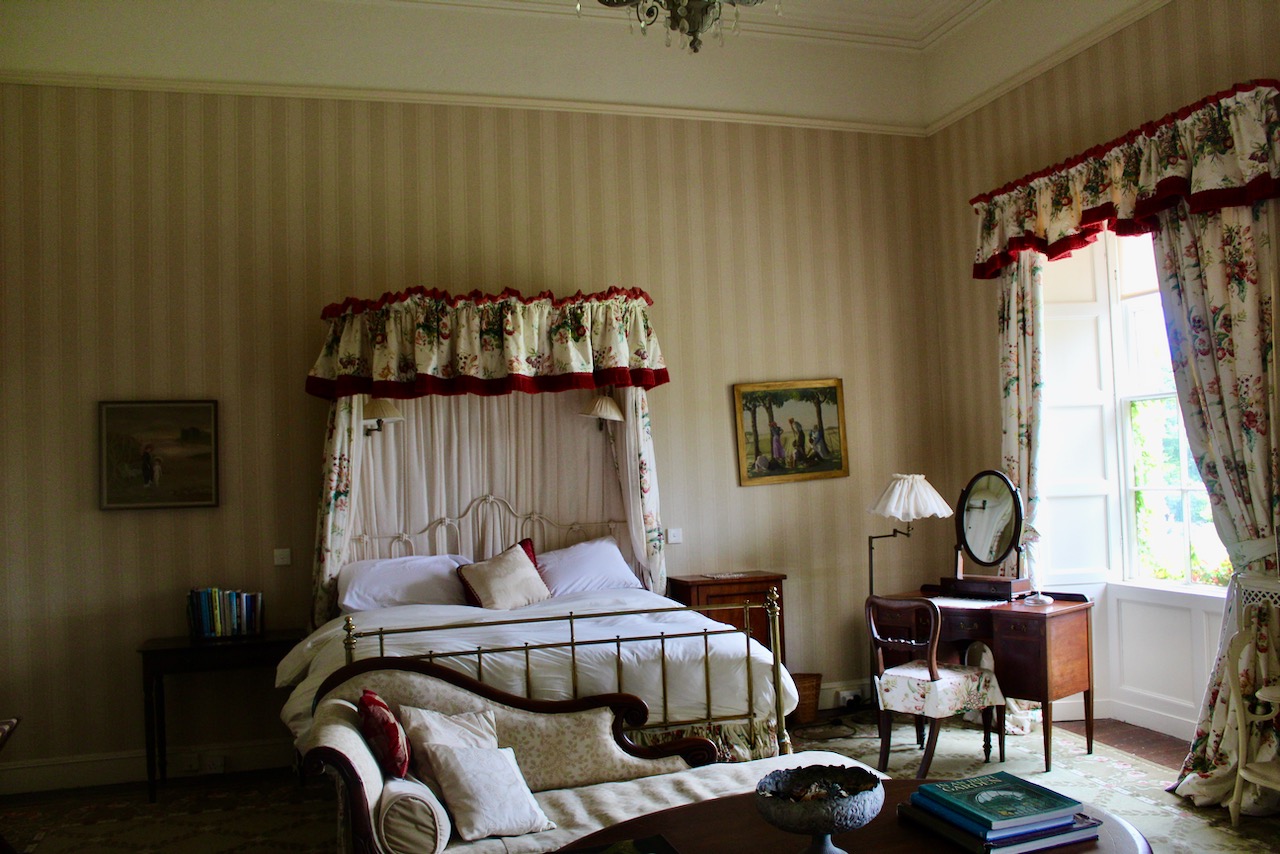
This is an example of Patita’s creativity – she thought the original painting of the seascape was rather dull, so she painted the foreground of the girls on the balcony onto the original painting! The wallpaper in this bedroom is by David Skinner, who reproduces wallpaper from historic houses using scraps from the original. Photograph © Jennifer Winder-Baggot, www.irishhistorichouses.com

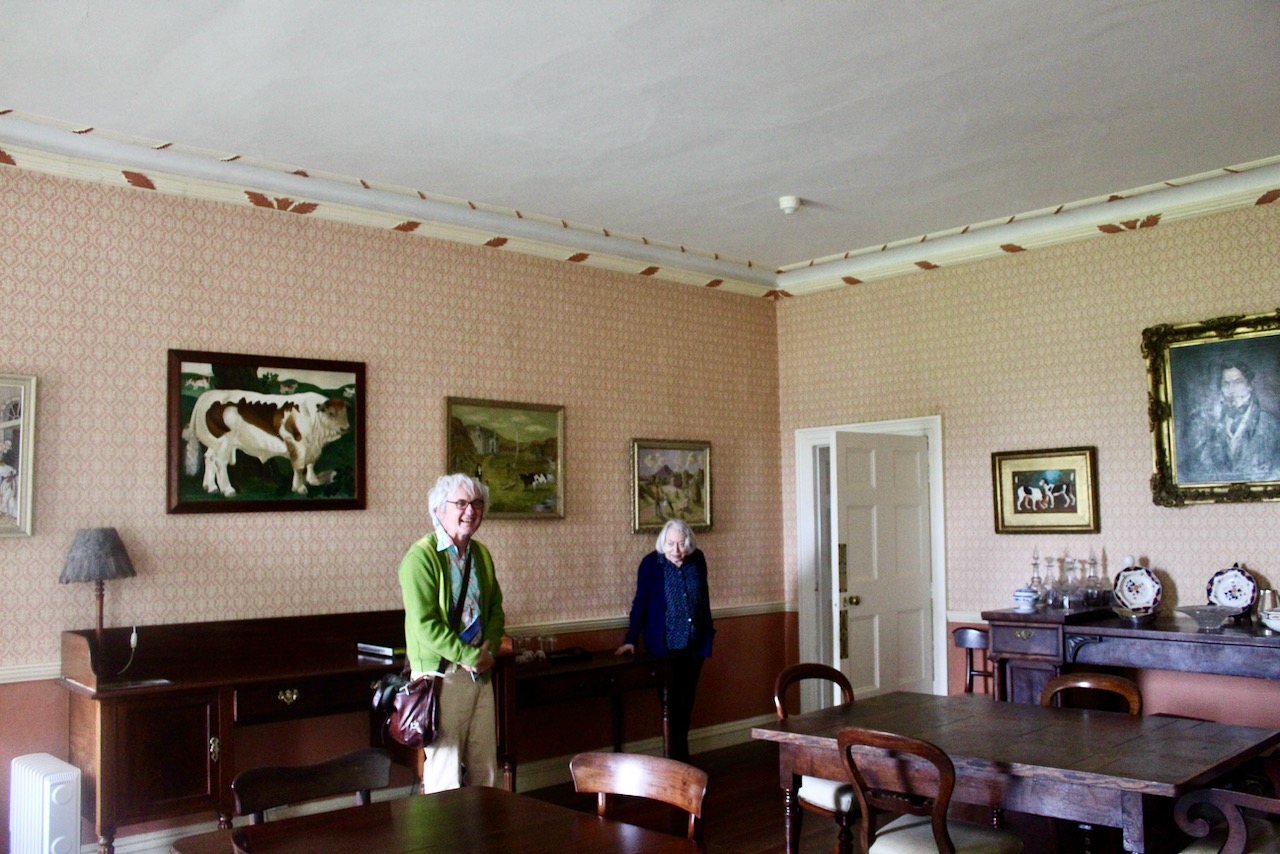
The dining room was originally the library. The side nook was created by Susan’s parents. It has a simple early nineteenth century cornice of reeding and acanthus leaves.

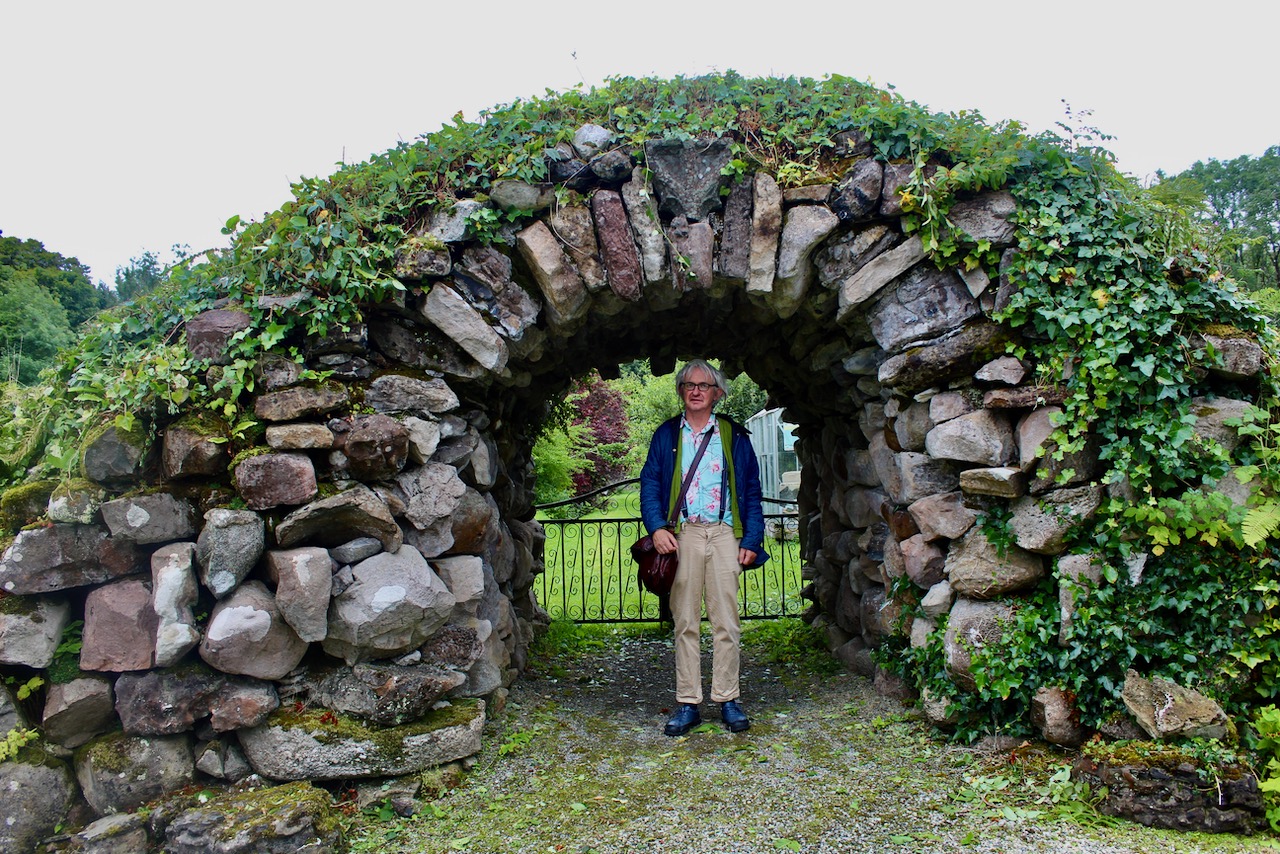
Stephen and Susan in the dining room. Photograph © Jennifer Winder-Baggot, www.irishhistorichouses.com
Cut-veined white marble Classical-style chimneypiece, and to the left, the dining nook added by Susan’s parents. Photograph © Jennifer Winder-Baggot, www.irishhistorichouses.com
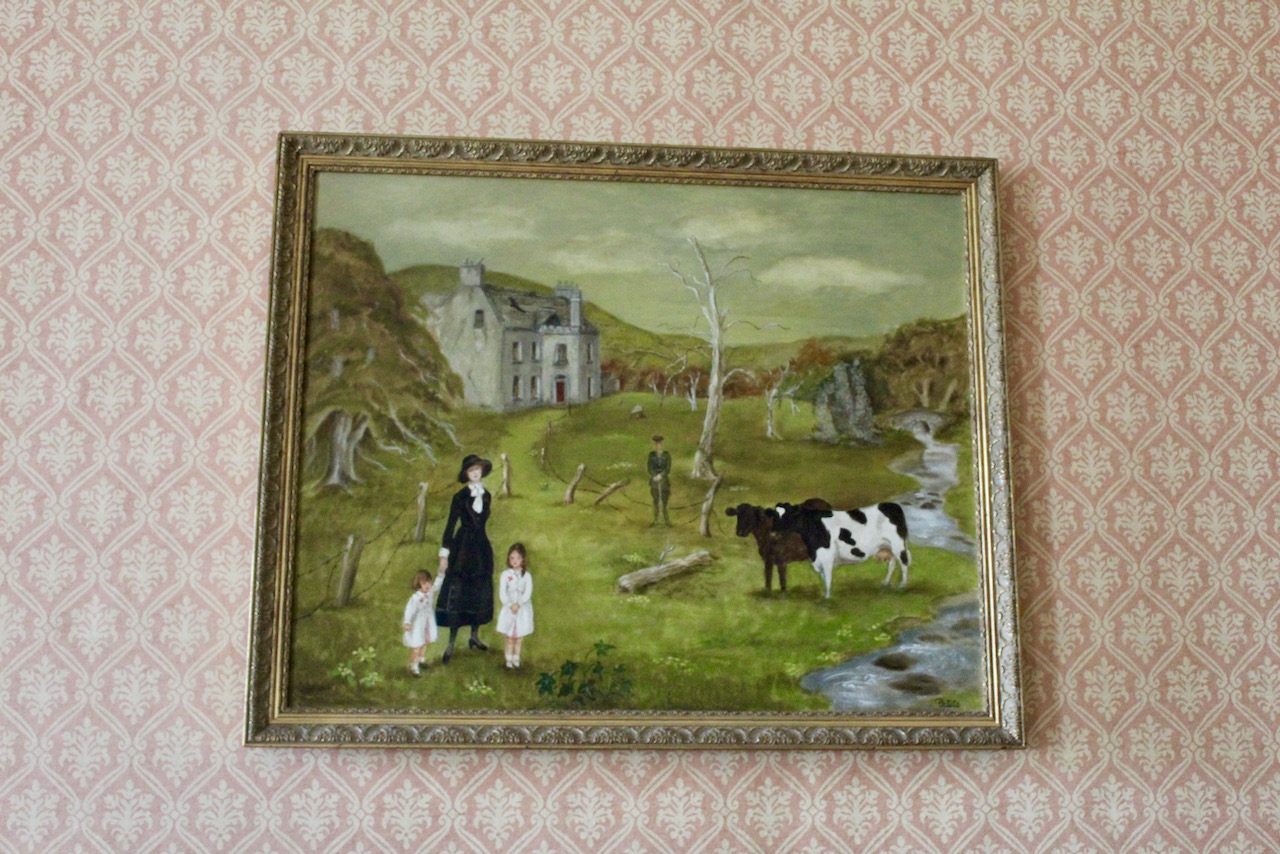
A painting by Patita of Heathfield House, her childhood home, of herself with her mother and sister Binki. Her father Bertrim Bourke was killed in the First World War and she paints him as a ghost in his military uniform. Photograph © Jennifer Winder-Baggot, www.irishhistorichouses.com
A painting by Patita of Enniscoe and her family, painted in the 1950s. Photograph © Jennifer Winder-Baggot, www.irishhistorichouses.com

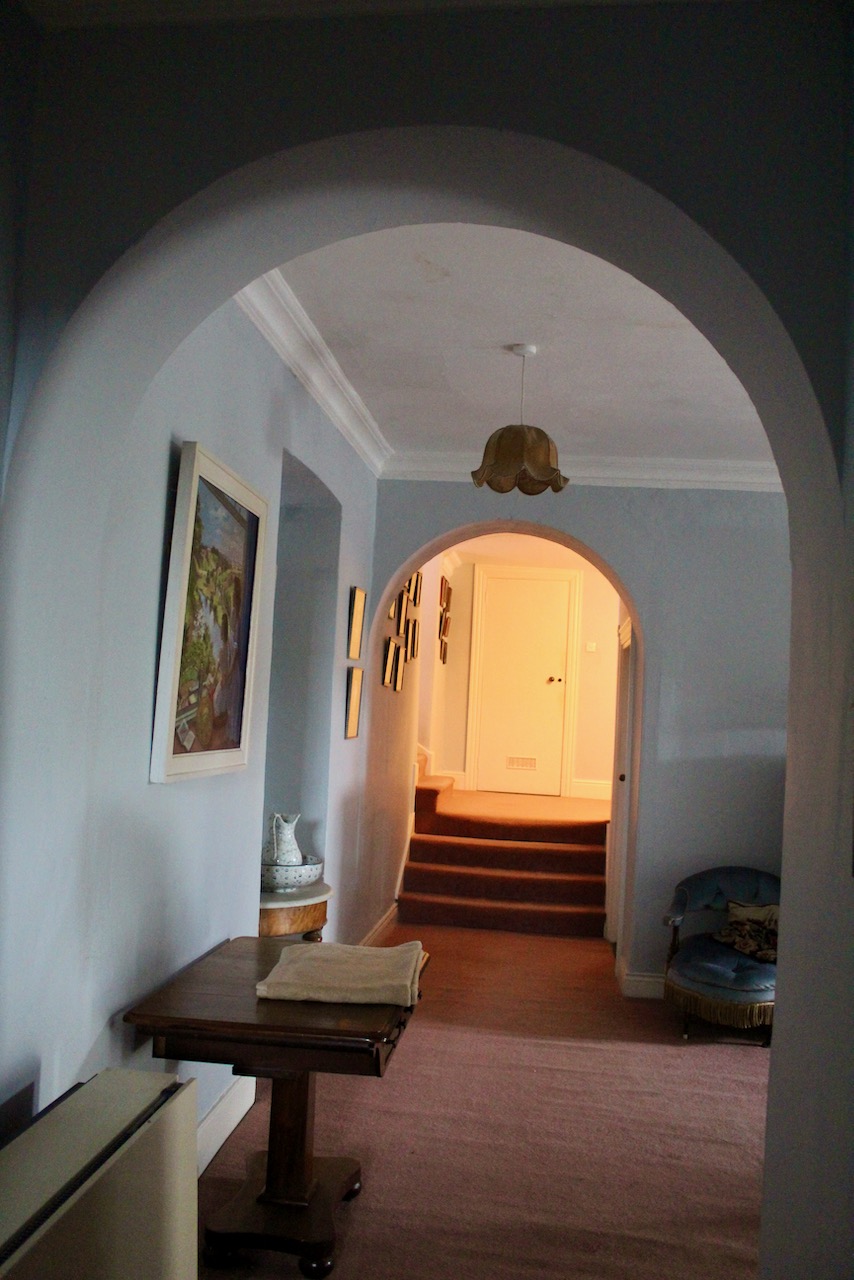
Next we went up to the bedrooms. Susan’s son DJ and his wife Colette help to run the guest house. The main bedrooms open off the oval top-lit landing. They are classically proportioned large rooms with canopy or four poster beds, all with en suite bathrooms.

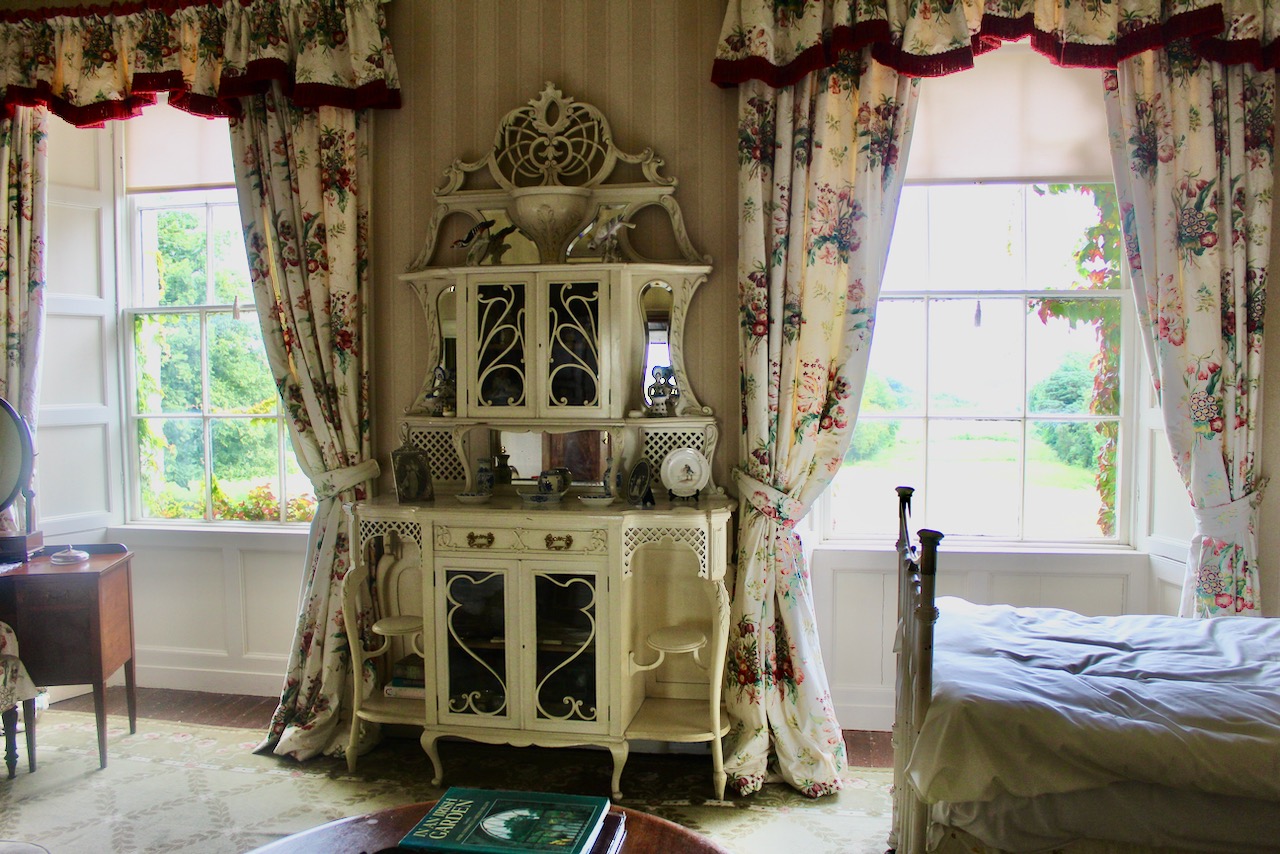
One of the bedrooms available for Bed & Breakfast. Photograph © Jennifer Winder-Baggot, www.irishhistorichouses.com
This unusual piece of Victorian style furniture is original to the house. Photograph © Jennifer Winder-Baggot, www.irishhistorichouses.com

The bedrooms are on slightly different levels, since the newer part is of two storeys built on to the original three storey.

Enniscoe, County Mayo. Photograph © Jennifer Winder-Baggot, www.irishhistorichouses.com
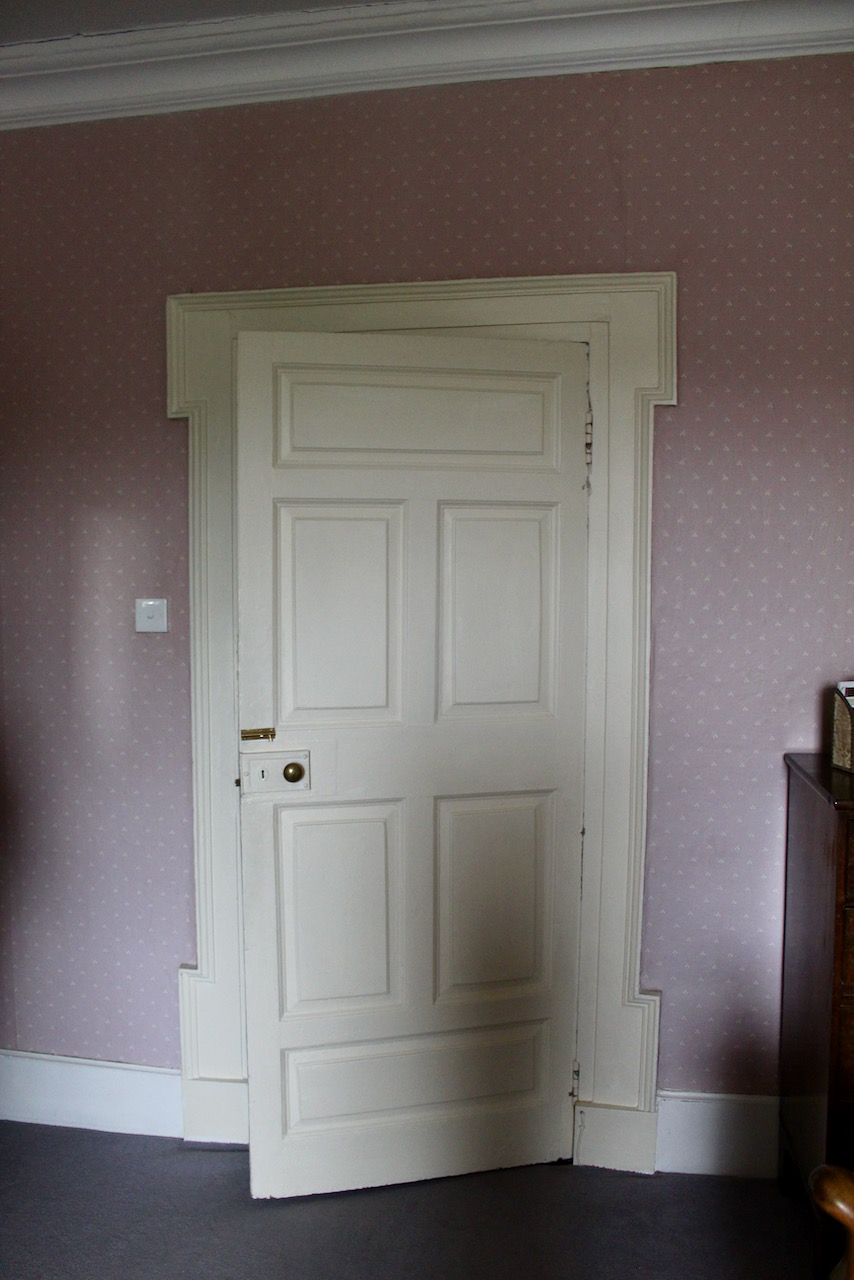
The doorcase in one of the bedrooms of the older section of the house. The shouldered doorcase is distinct from the doorcases of the newer rooms. Not pictured here is an unusual latch on the door. The latch could be opened from the bed. Susan had never seen such a contraption before until she came across one in Hampton Court in London! Photograph © Jennifer Winder-Baggot, www.irishhistorichouses.com
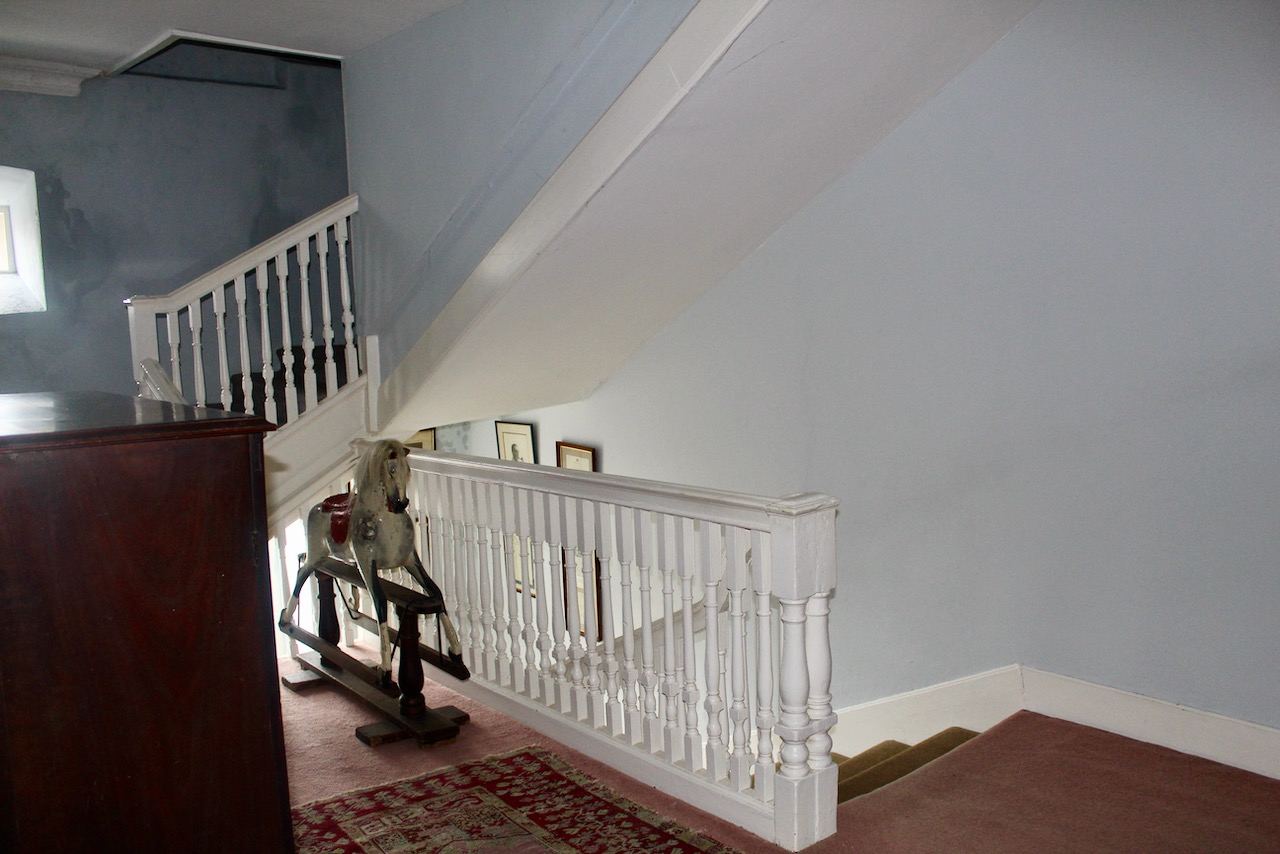
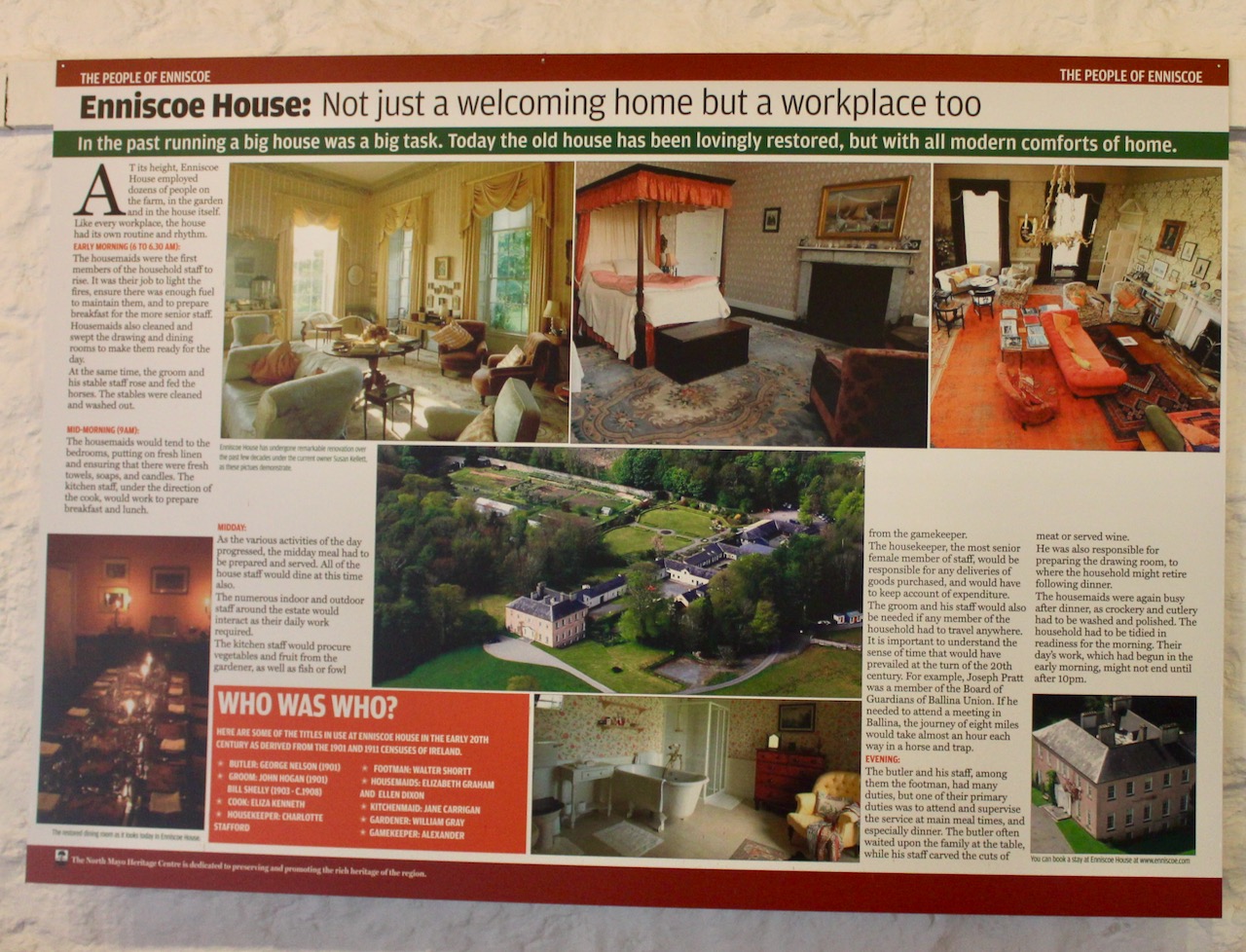
This staircase in the older section of the house leads to the attic. The maids would have slept upstairs and the butlers downstairs, to keep them apart. In the past, the Pratts would have employed many people in the house, in the gardens, in the stables, where there was a forge, and on the farm. Photograph © Jennifer Winder-Baggot, www.irishhistorichouses.com
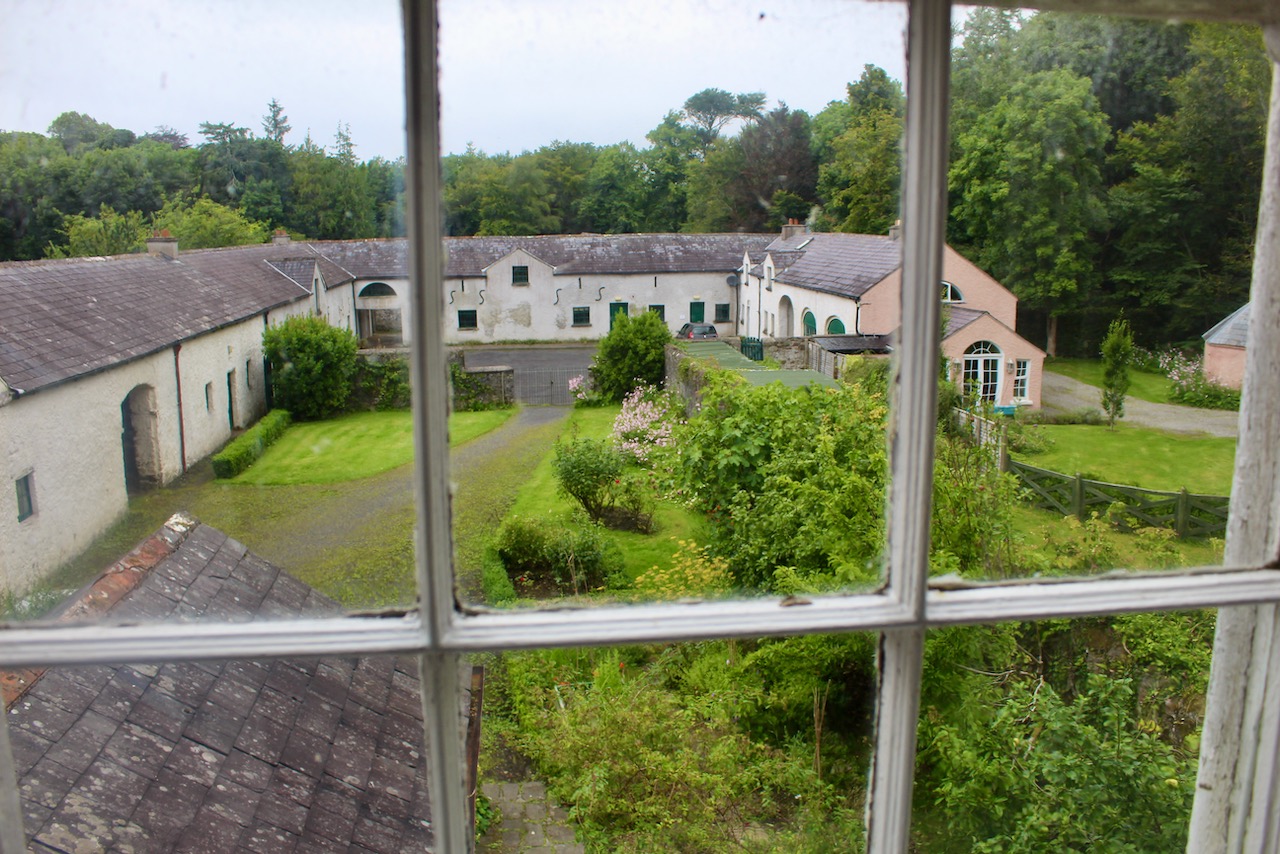
A view on to the stable yard. Photograph © Jennifer Winder-Baggot, www.irishhistorichouses.com
The stable yard. Photograph © Jennifer Winder-Baggot, www.irishhistorichouses.com

After our wonderful tour, we headed over to the walled garden and the North Mayo Heritage Centre, which also provides a genealogy service. [11] It is a member of the Irish Family History Foundation, which provides a country wide service through the website RootsIreland. North Mayo Heritage Centre covers the northern half of County Mayo, and the Centre in Ballinrobe covers the southern half.

Enniscoe, August 2021. Photograph © Jennifer Winder-Baggot, www.irishhistorichouses.com

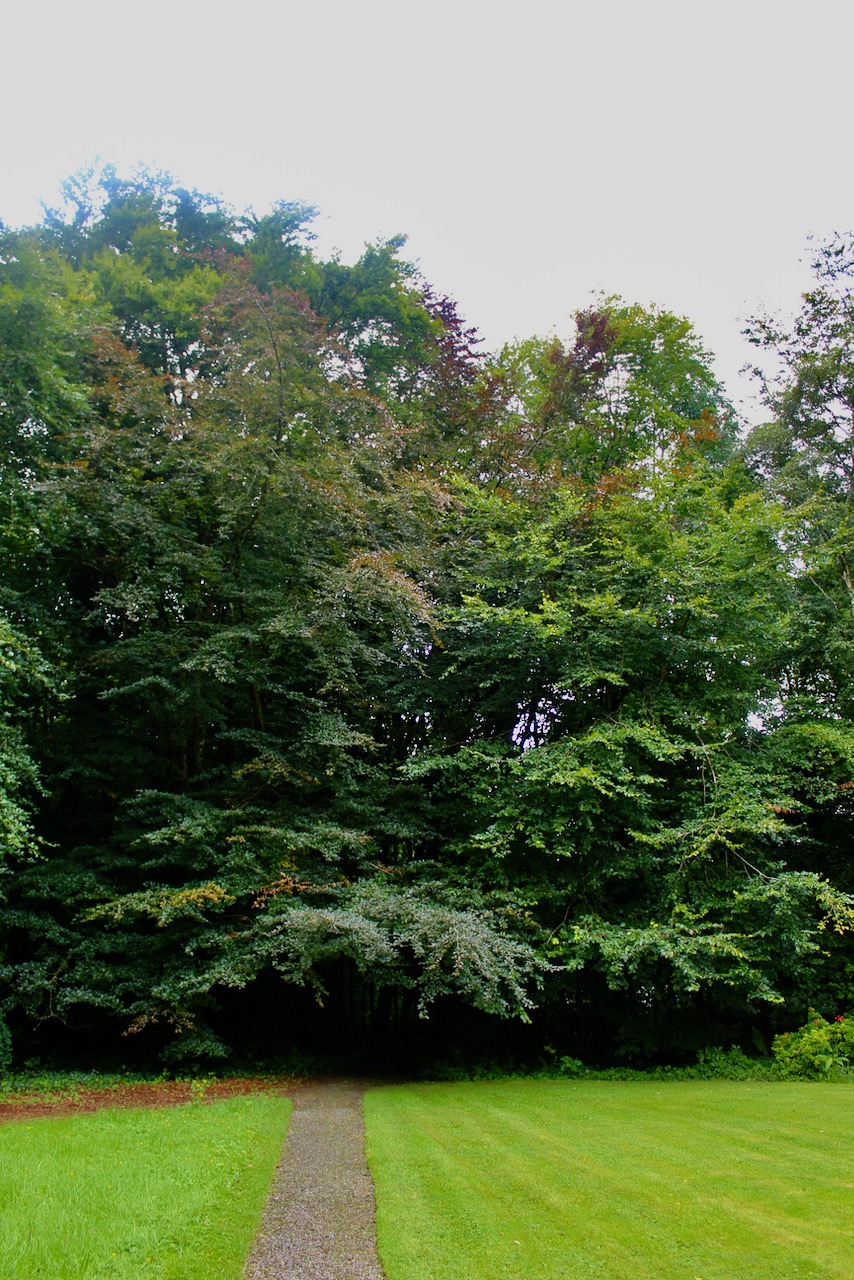
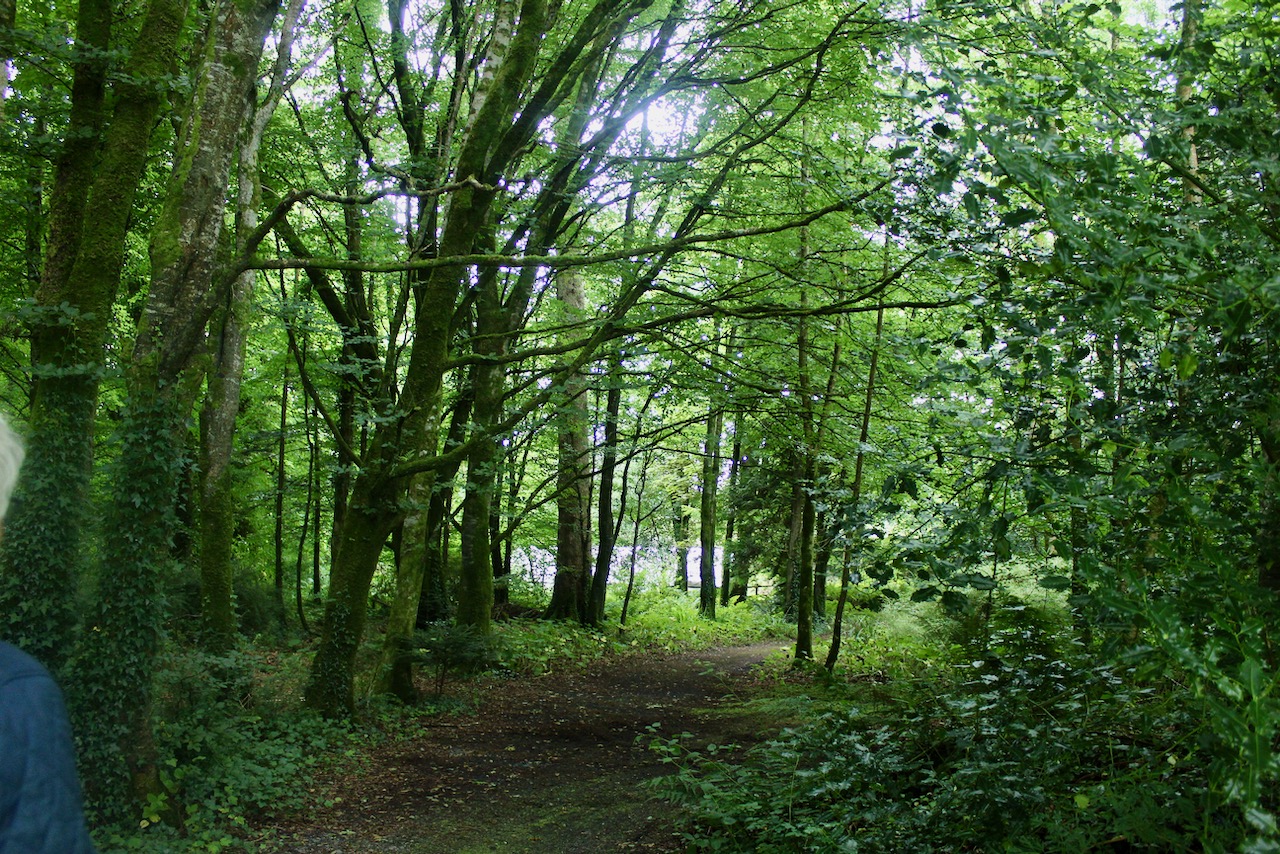
There is mature woodland around Enniscoe that supports a diversity of plant, insect and animal species.

Enniscoe, County Mayo. Photograph © Jennifer Winder-Baggot, www.irishhistorichouses.com
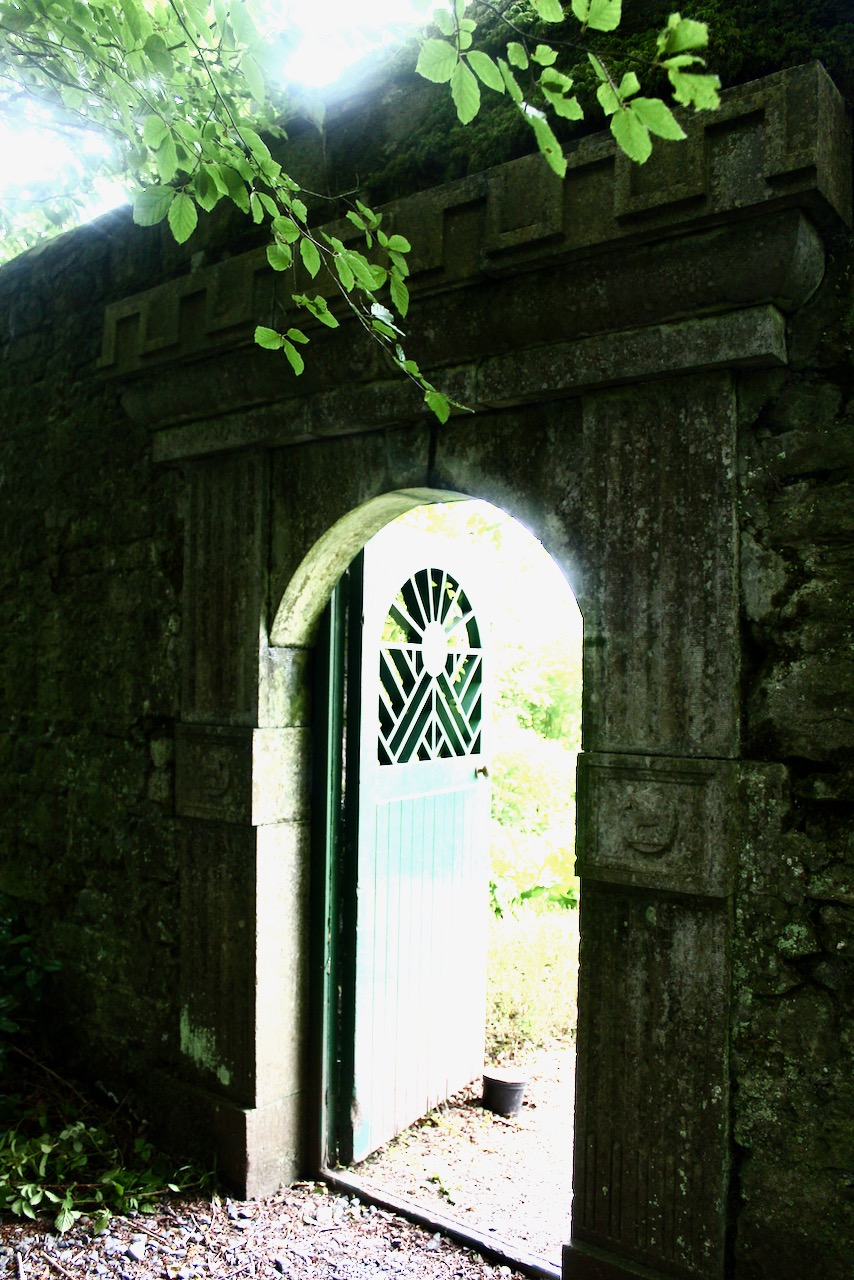
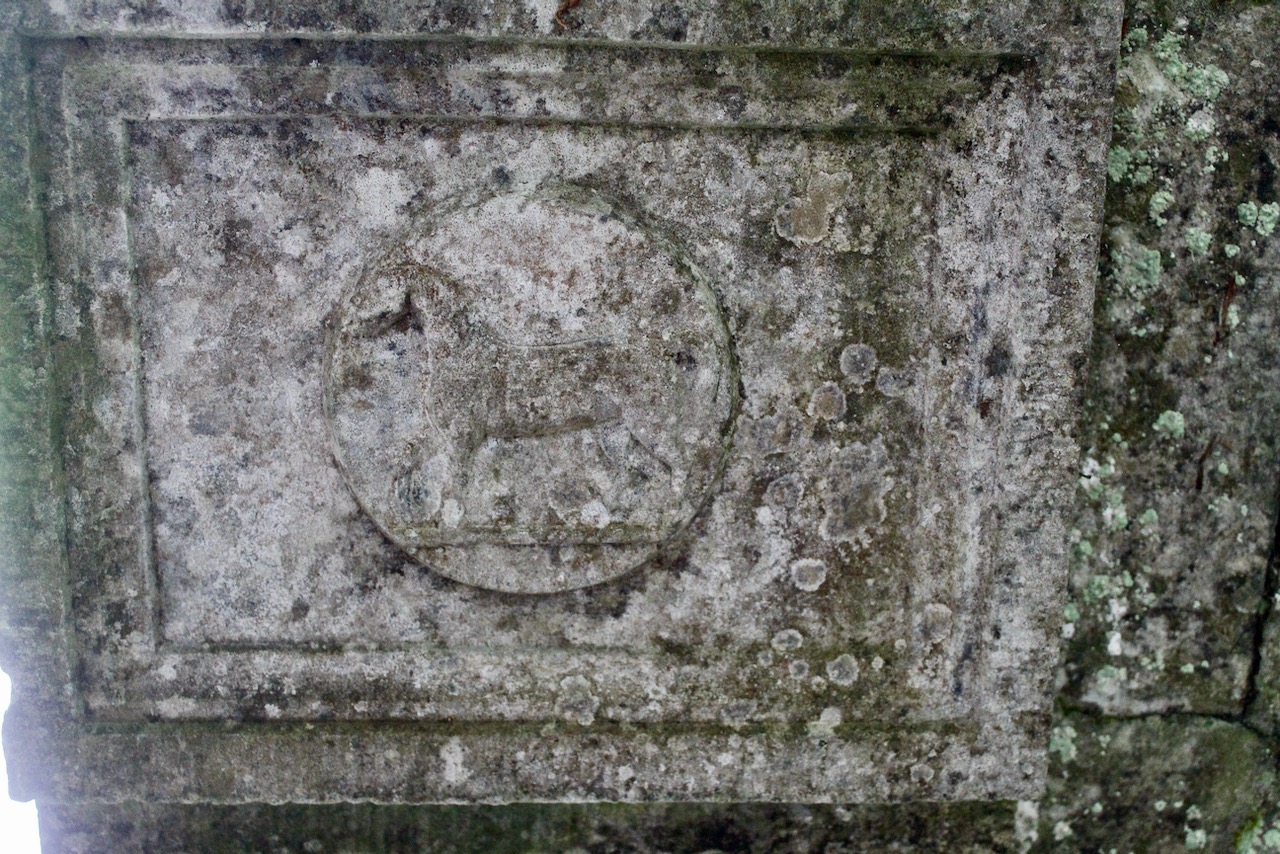
The door to the walled garden has this lovely horse carving, the crest of the Jackson family. Photograph © Jennifer Winder-Baggot, www.irishhistorichouses.com

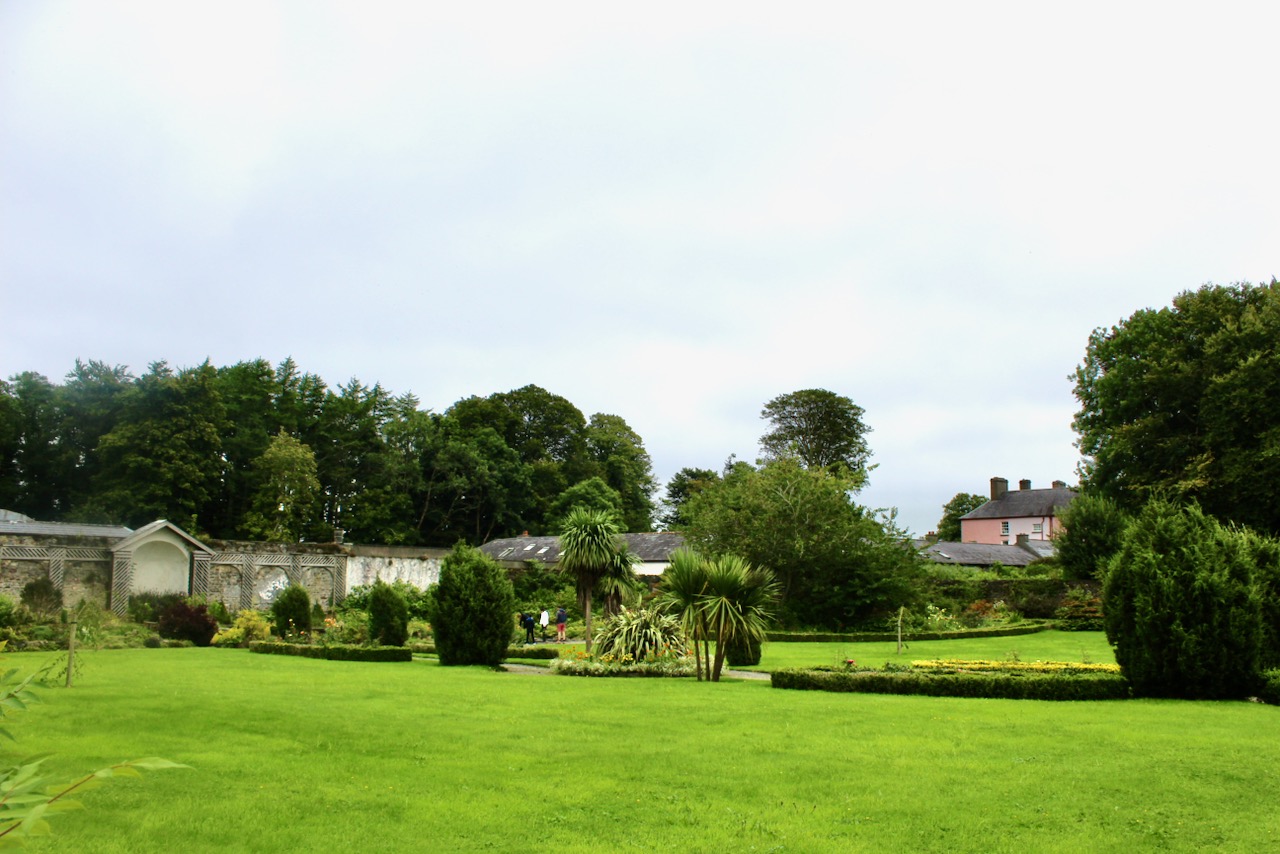
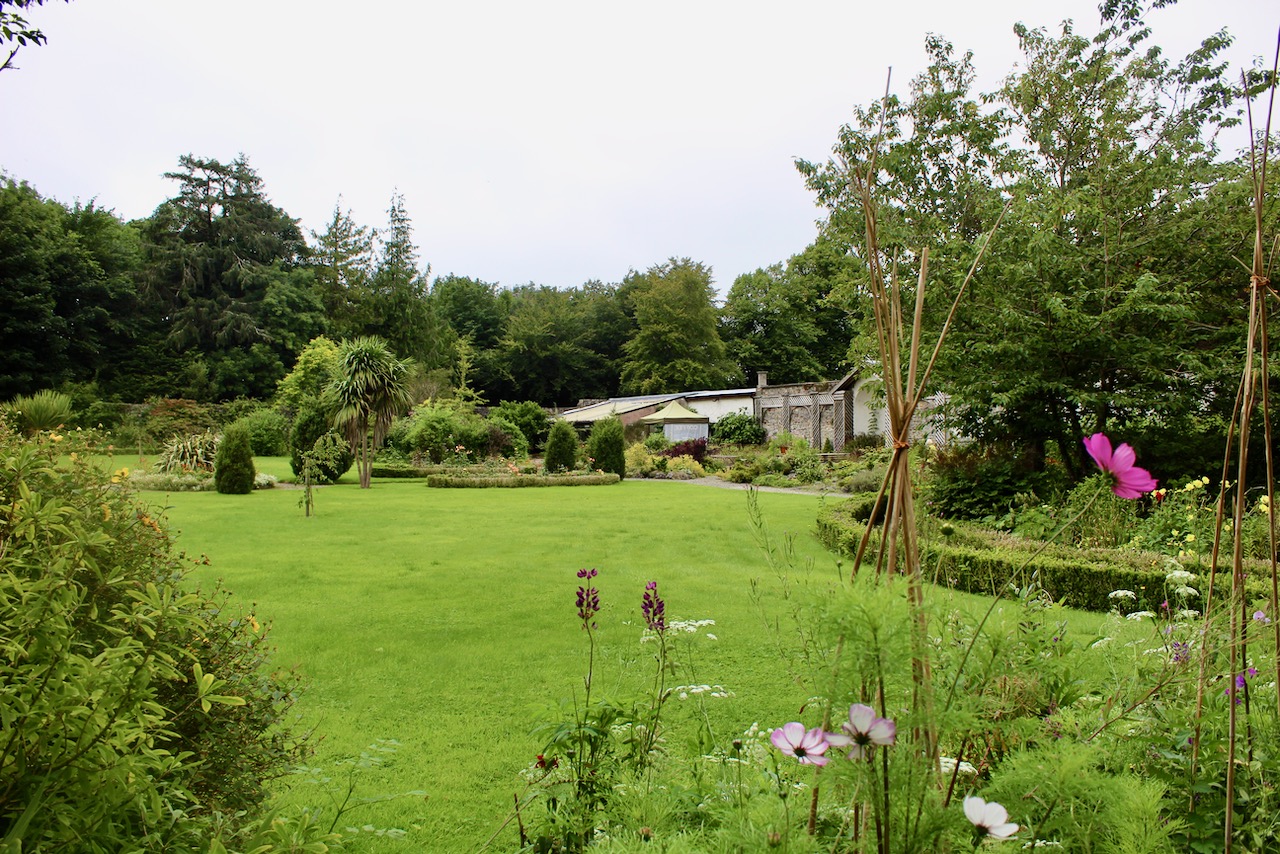
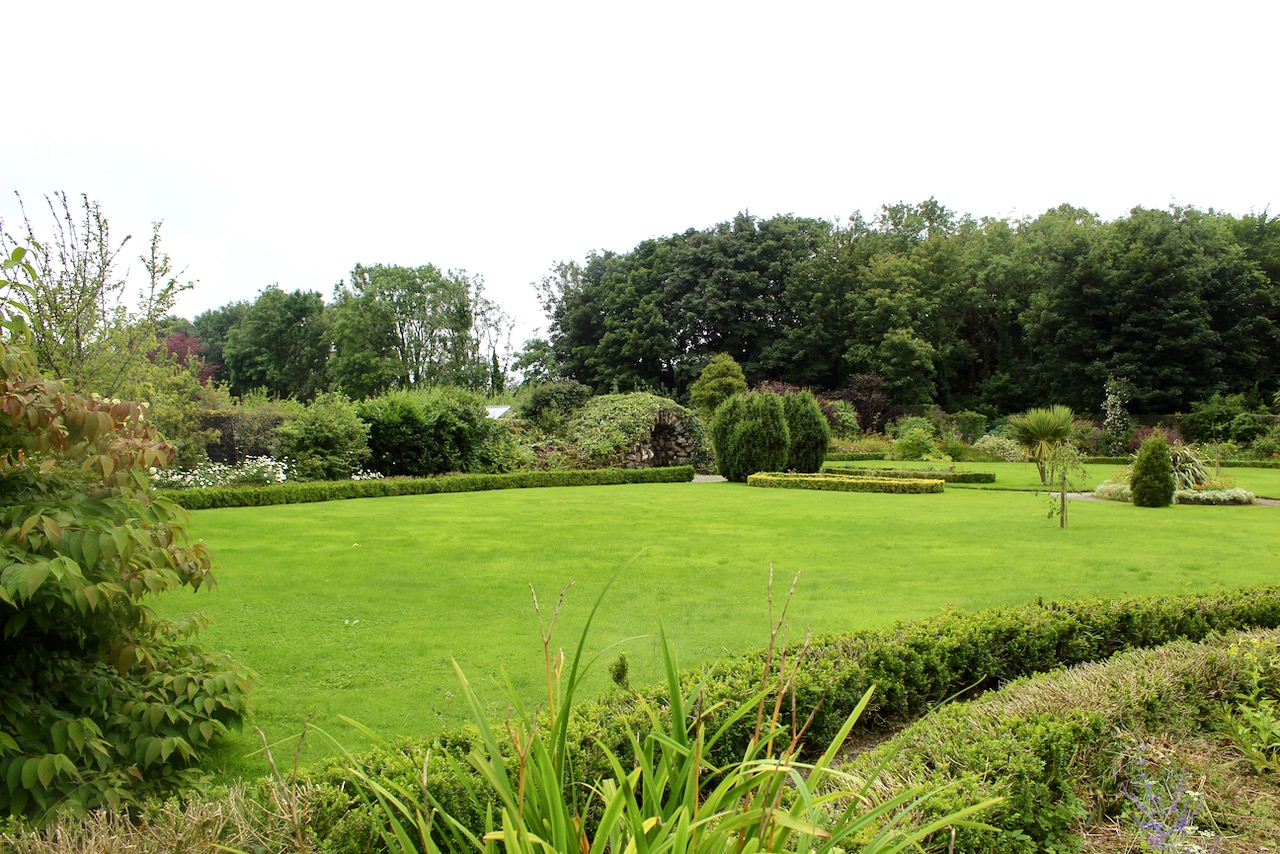
The walled garden was restored in 1996-9 under the Great Gardens of Ireland Restoration Programme. The head gardener at Enniscoe from 1872 to 1912 was William Gray, who moved to Enniscoe from St. Anne’s in Clontarf, where he had worked on Benjamin Lee Guinness’s estate. Much of the present ornamental garden is much as it was in William’s day.

Enniscoe, County Mayo. Photograph © Jennifer Winder-Baggot, www.irishhistorichouses.com
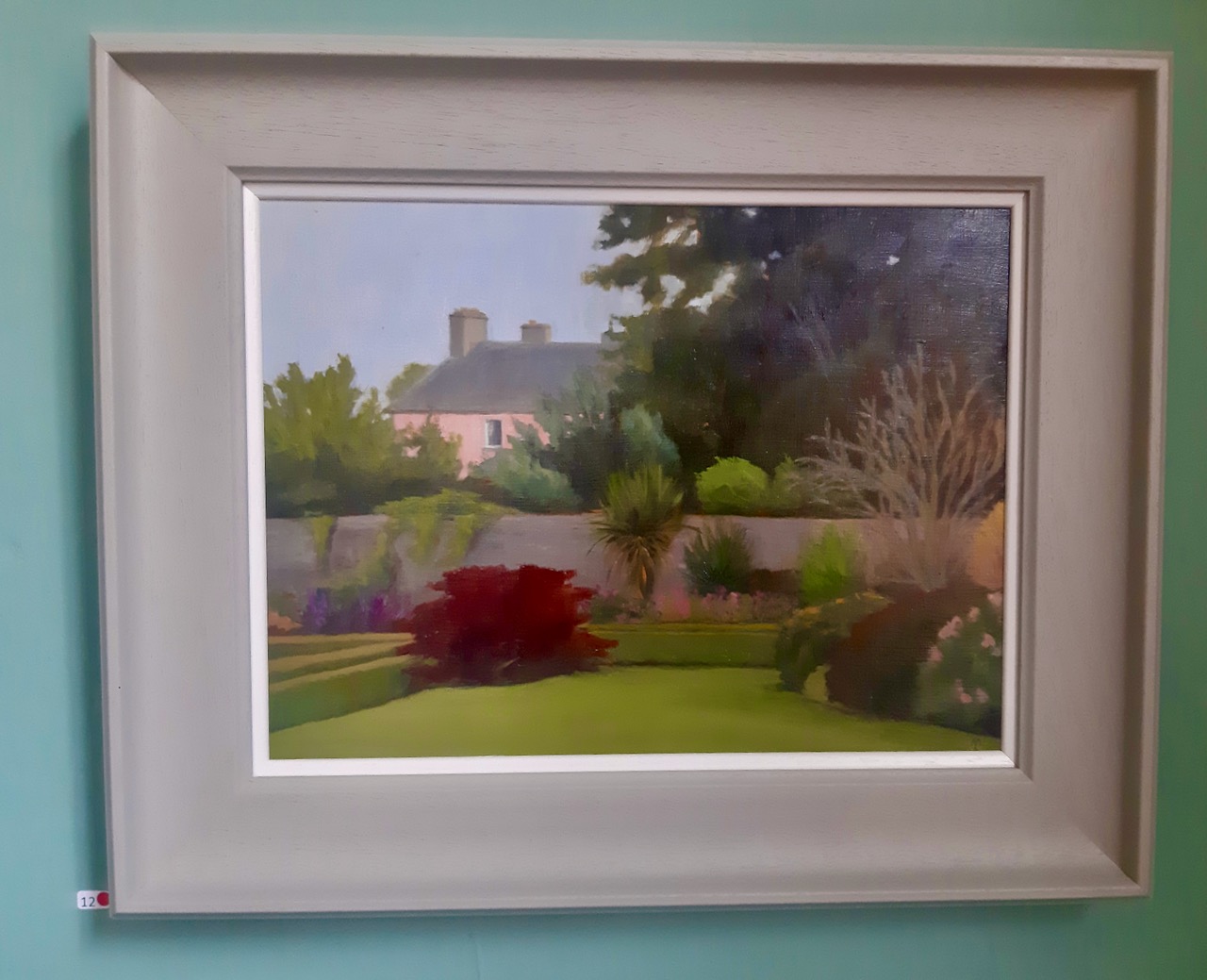
Enniscoe, County Mayo, by Maria Levinge, oil on board. Part of the exhibition of paintings of walled gardens in 2021 in the Irish Georgian Society [12].
Enniscoe, County Mayo. Photograph © Jennifer Winder-Baggot, www.irishhistorichouses.com

Enniscoe, County Mayo. Photograph © Jennifer Winder-Baggot, www.irishhistorichouses.com
Storyboards from the Heritage Centre, including a picture of the booklet which Susan gave me which gave me much of my information.
Enniscoe, County Mayo.
Enniscoe, August 2021. Photograph © Jennifer Winder-Baggot, www.irishhistorichouses.com

[1] https://www.buildingsofireland.ie/buildings-search/building/31303803/enniscoe-house-originally-inishcoe-house-prospect-co-mayo

[2] https://irishhistorichouses.com/2021/03/28/cabra-castle-kingscourt-county-cavan/

[3] https://www.irishtimes.com/life-and-style/homes-and-property/new-to-market/restored-1-75m-georgian-estate-in-co-meath-brought-into-the-21st-century-1.4630736

[4] http://thepeerage.com/

[5] https://www.dia.ie/architects/view/4559/ROBERTS%2C+JOHN+%5B1%5D#tab_works

Moore Hall, County Mayo, also attributed to John Roberts of Waterford. Photograph from National Inventory of Architectural Heritage.

[6] http://davidhicksbook.blogspot.com/

[7] Dictionary of Irish Biography, which contains an informative piece on Audley Mervyn. https://www.dib.ie/biography/mervyn-sir-audley-a5803

[8] p. 151. Great Irish Houses. Forward by Desmond FitzGerald and Desmond Guinness. IMAGE Publications, 2008.

[9] Guy Beiner’s book entitled Remembering the Year of the French (University of Wisconsin Press, 2007) discusses folk history and how this French incursion and the 1798 Rebellion in Mayo is remembered.
[10] https://www.buildingsofireland.ie/buildings-search/building/41400944/cornecassa-house-cornecassa-demesne-co-monaghan

[11] email: northmayo@gmail.com

www.northmayogenealogy.com

[12] https://irishhistorichouses.com/2021/09/24/an-exhibition-in-the-irish-georgian-society/

Text © Jennifer Winder-Baggot, www.irishhistorichouses.com