Mark Bence-Jones. A Guide to Irish Country Houses (originally published as Burke’s Guide to Country Houses volume 1 Ireland by Burke’s Peerage Ltd. 1978); Revised edition 1988 Constable and Company Ltd, London.
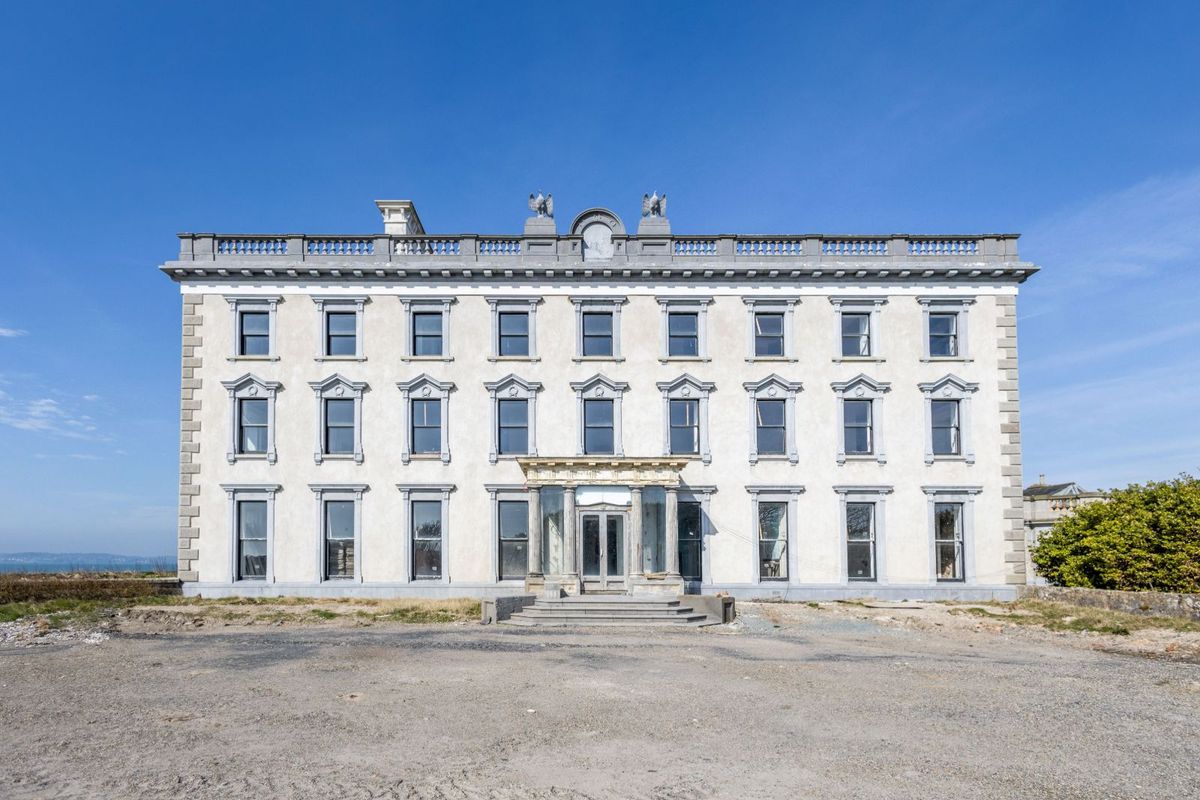
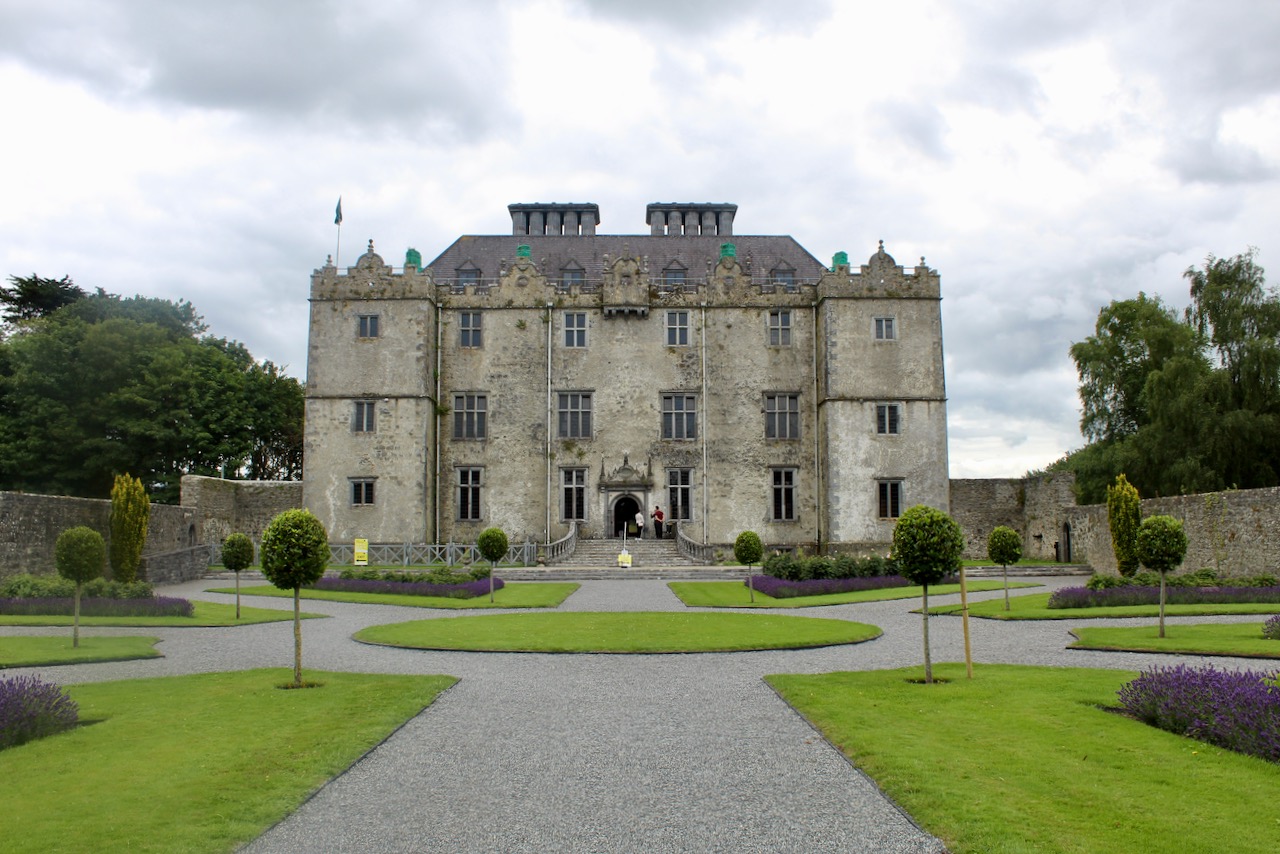
p. 189. (Redmond/LG1863; Loftus, Ely, M/PB) A gaunt, three-storey mansion of 1871, with rows of plate-glass windows and a balustraded parapet, incorporating parts of a previous house here, which was late 17th century or early C18, gable-ended and of two storeys and nine bays, with a dormered roof and a steep pedimented gable; it was fronted by a forecourt with tall piers surmounded by ball finials and had a haunted tapestry room. .
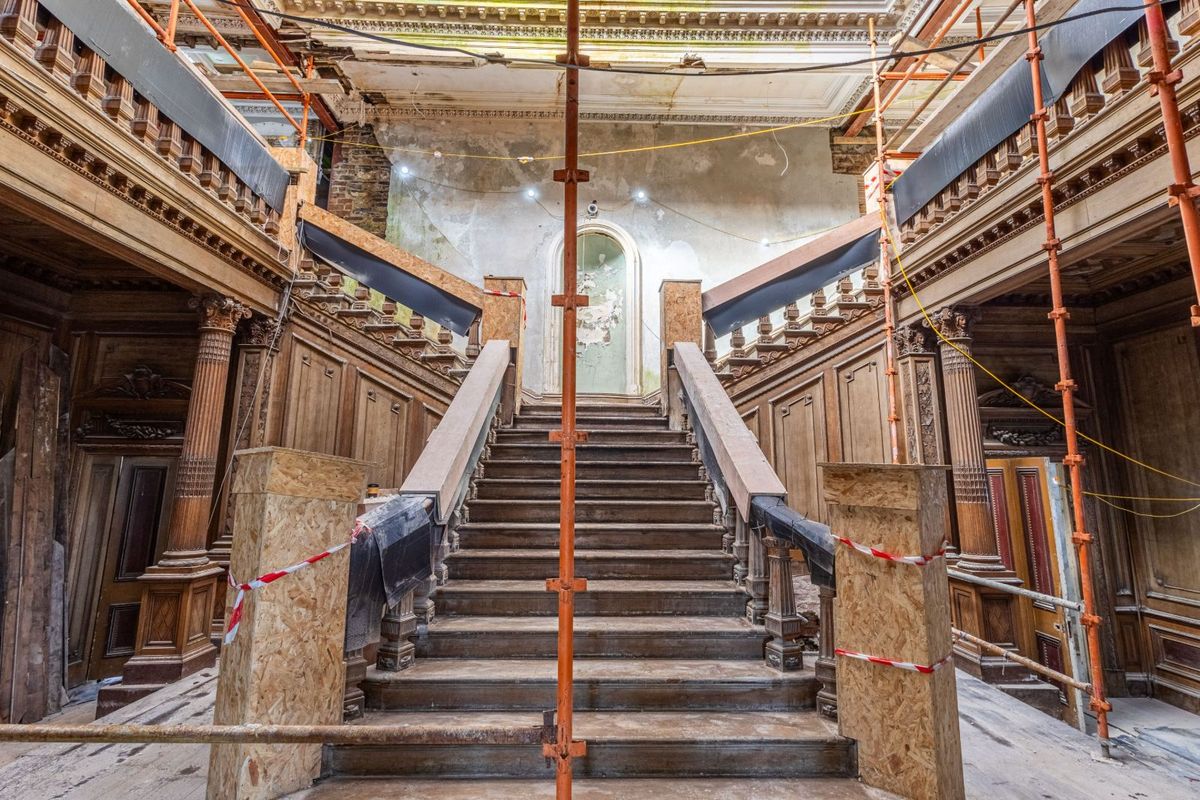
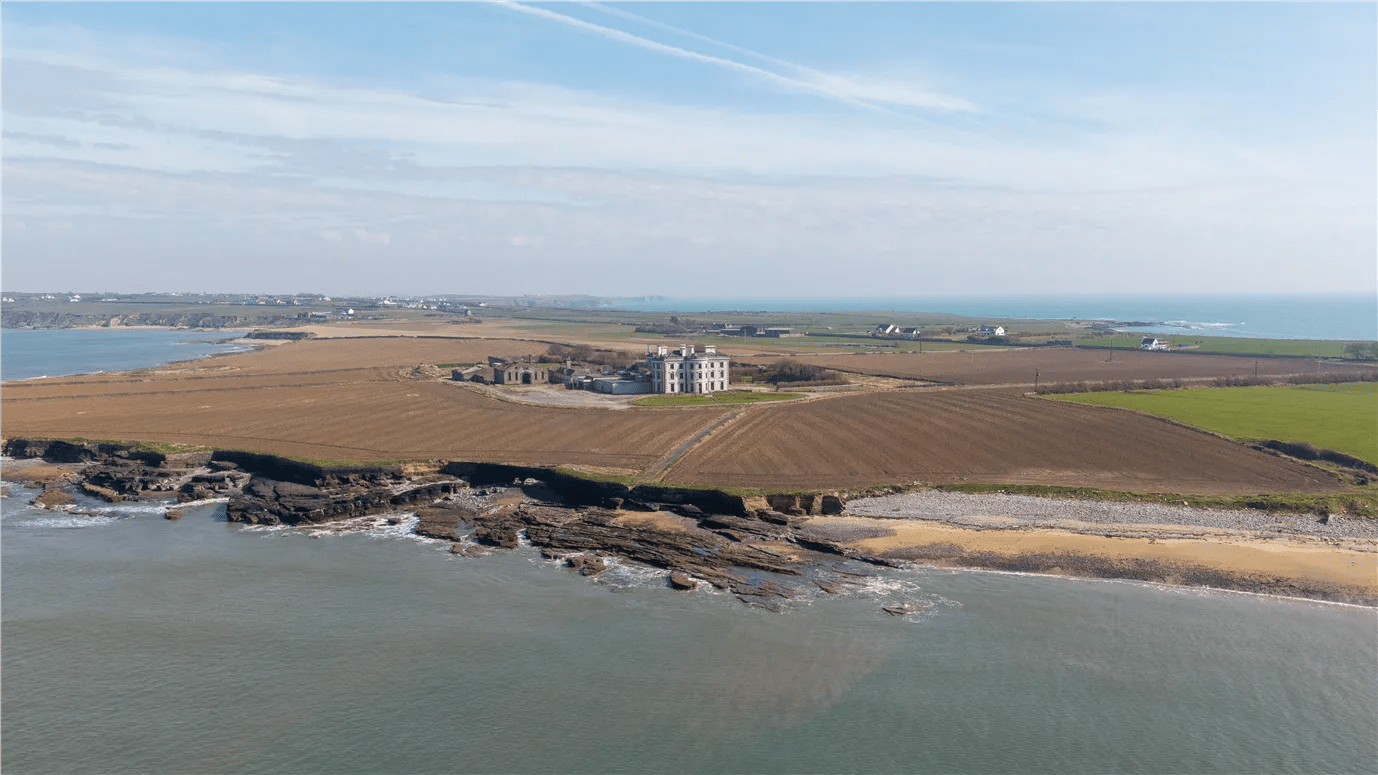
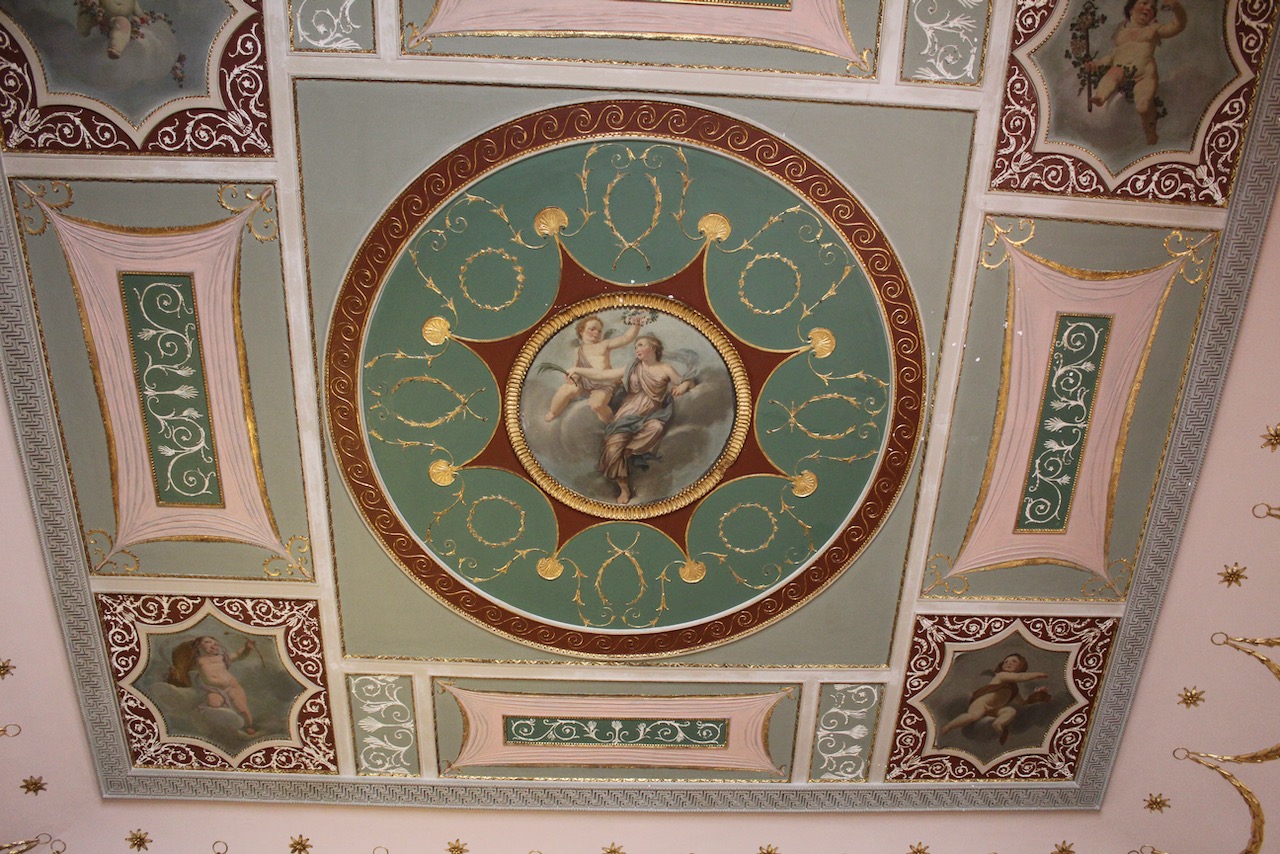
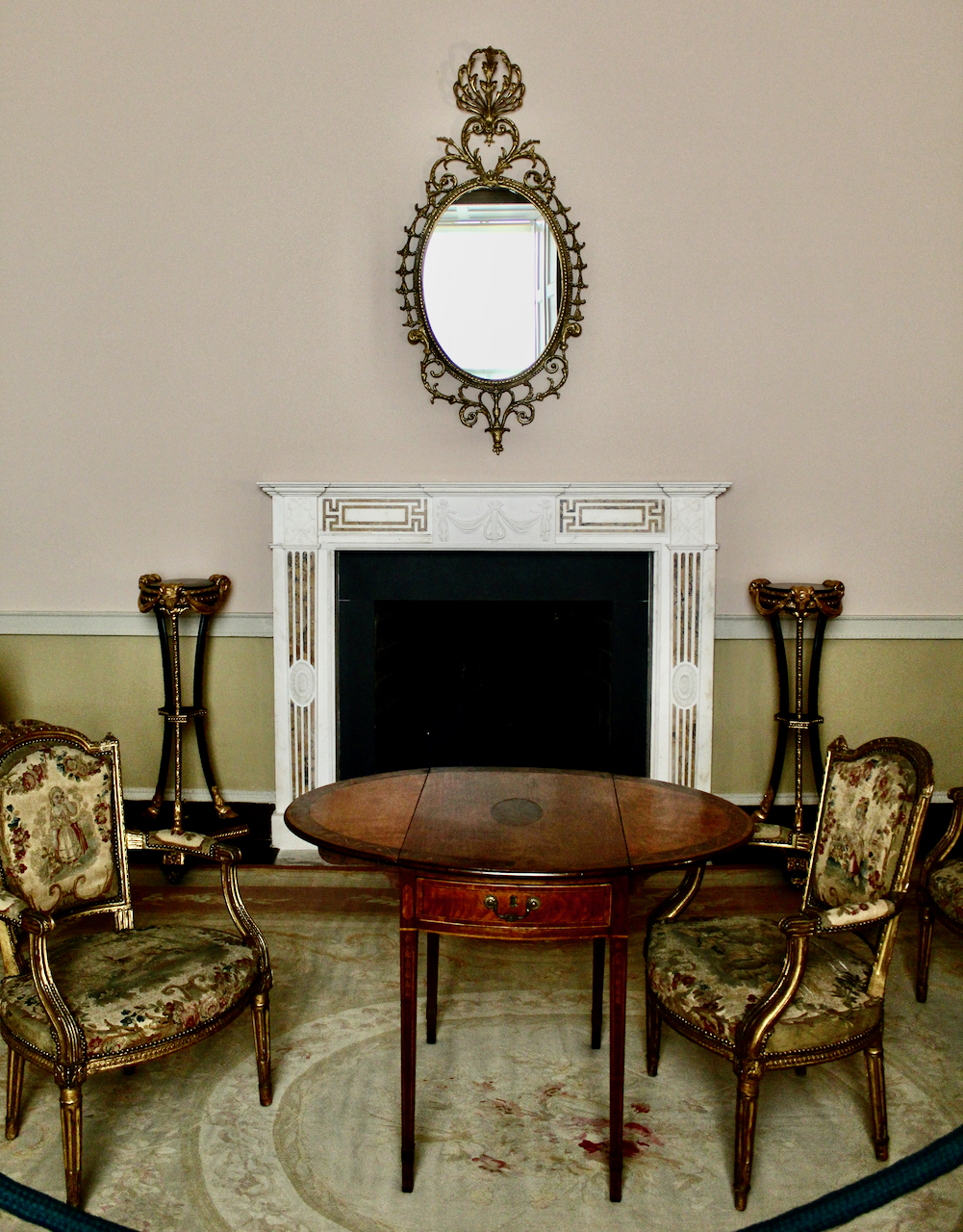
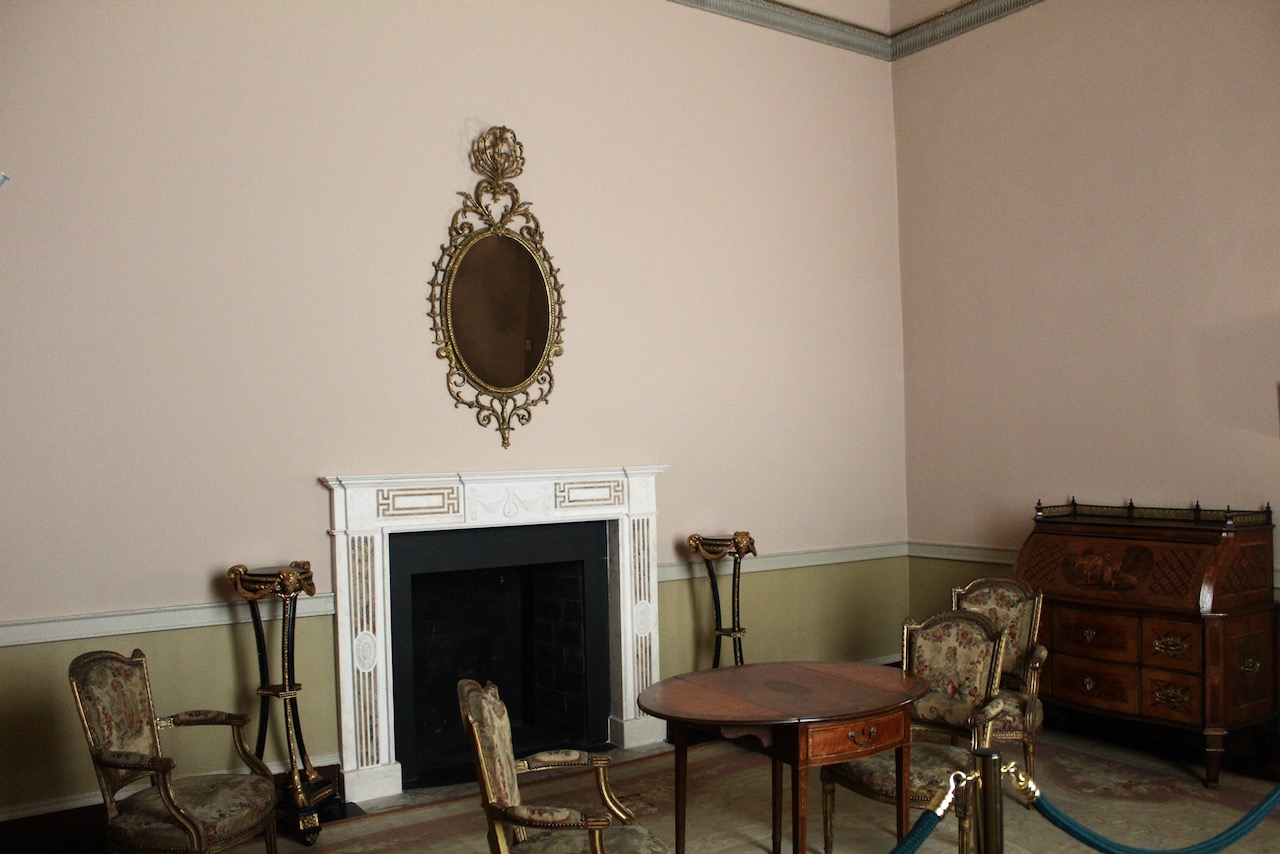
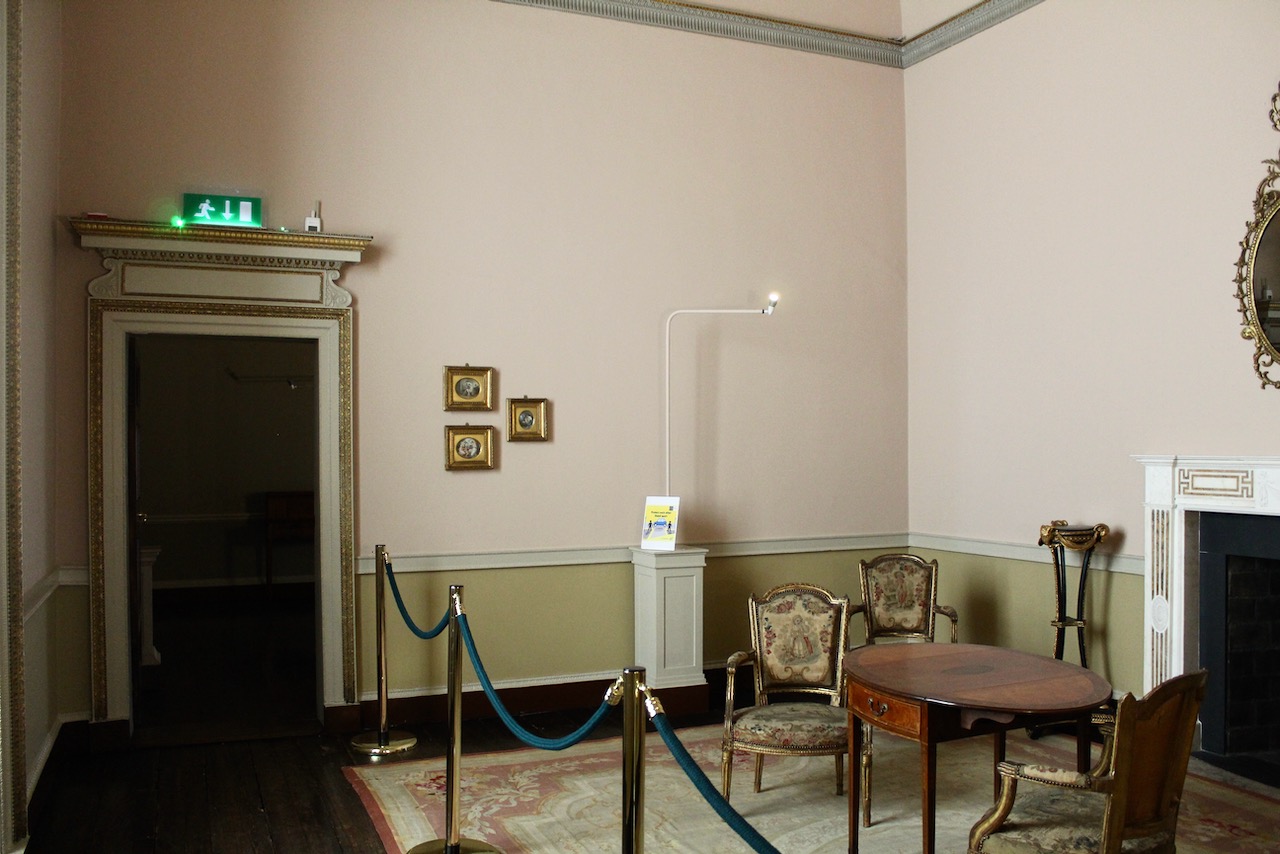
The house stands near the tip of Hook Head, and must have been one of the most wing-swept noblemen’s seats in the British Isles; “No tree will grow above the shelter of the walls,” Bishop Pococke observed of Loftus Hall in C18, and the same is true of the place today. The site was originally occupied by an old castle of the Redmonds, which was known in their day as The Hall; and of which a square turret remained near the old house, but was demolished when the present house was built. The present house, which was built soon after his coming-of-age by the 4th Marquess of Ely – who also planned to rebuild his other seat, Ely Lodge – contains an impressive staircase hall, with an oak stair in Jacobean style, richly decorated with carving and marquetry; the gallery being carried on fluted Corinthian columns of wood. The house is now a convent.”
Loftus Hall, County Wexford
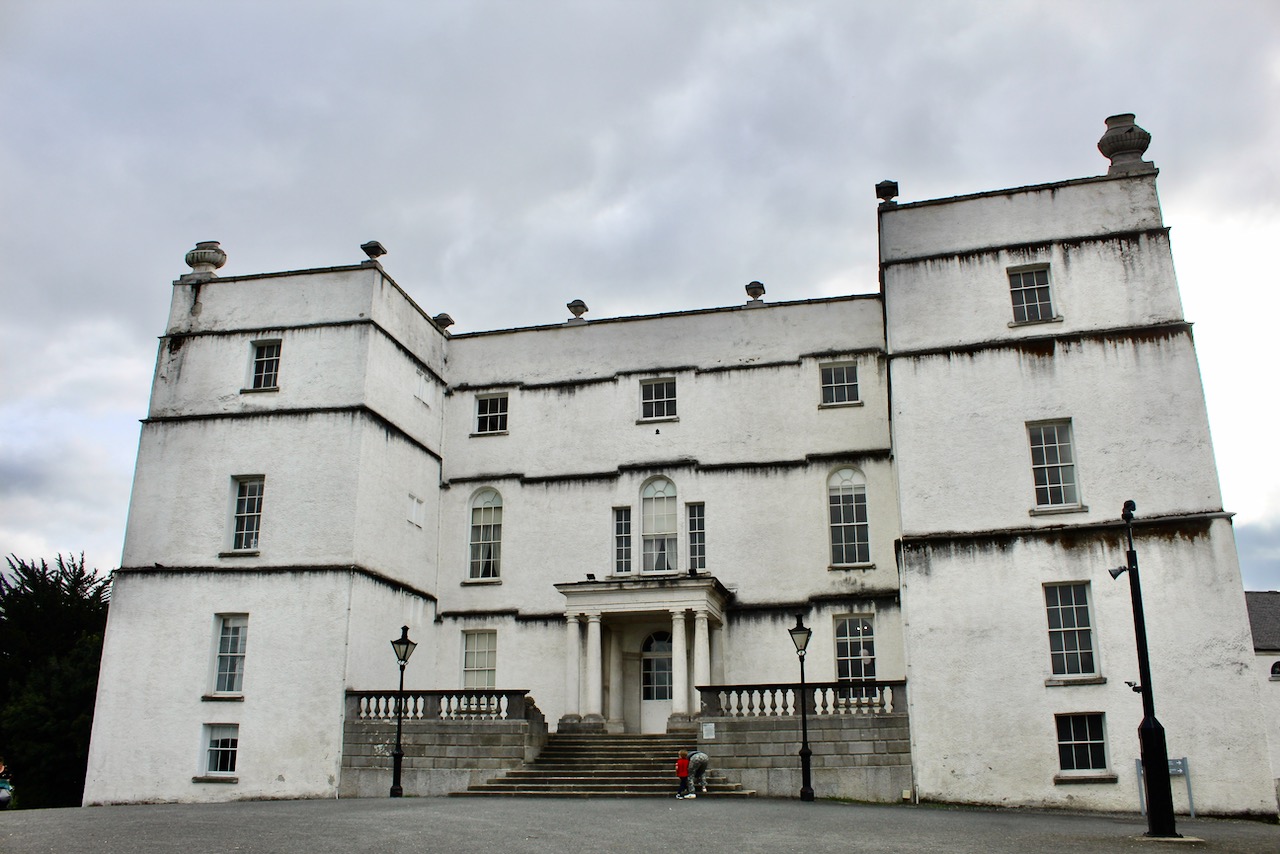
Loftus Hall: Formerly named Redmond Hall, it is a three-storey mansion built in 1871, incorporating parts of a previous house here, which was late 17th century or early C18.
Henry Loftus of Dunguelph Castle moved to Redmond Hall. He was the father of Nicholas Loftus (d. 1763) who was created 1st Viscount of Ely.
Lord Belmont tells us:
NICHOLAS LOFTUS, MP for County Wexford, who was elevated to the peerage as Baron Loftus, of Loftus Hall, in 1751.

His lordship was sworn of the privy council in 1753; nominated Governor of County Wexford, and advanced to a viscountcy, as Viscount Loftus, of Ely, in 1756.
He married firstly Anne Ponsonby, 2nd daughter of William, Viscount Duncannon, by whom he had issue,
NICHOLAS (d. 1766), his successor;
HENRY (1709-1783), succeeded as 4th Viscount Loftus;
Mary; Anne; Elizabeth.
His lordship wedded secondly, Letitia, daughter of Sir John Rowley, knight, by whom he had no issue.
He died in 1763, and was succeeded by his elder son,
NICHOLAS, 2nd Viscount, who was advanced to the dignity of Earl of Ely in 1766.

He married Mary, eldest daughter and heir of Sir Gustavus Hume Bt, of Castle Hume, County Fermanagh; and dying in 1766, was succeeded by his only son,
NICHOLAS, 2nd Earl, who died unmarried, in 1769, when the earldom expired, and the viscountcy and barony reverted to his uncle,
THE HON HENRY LOFTUS, as 4th Viscount, born in 1709.
His lordship was advanced to an earldom, in 1771, as Earl of Ely; and installed a Knight Founder of the Most Illustrious of St Patrick, 1783.


Lord Loftus married twice, though died without issue, in 1783, when the titles became extinct; while the estates devolved upon his nephew,
THE RT HON CHARLES TOTTENHAM, who then assumed the surname and arms of LOFTUS, and was created, in two years afterwards, Baron Loftus, of Loftus Hall.
His lordship was advanced to a viscountcy, in 1789, as Viscount Loftus; and Earl of Ely in 1794.
He was further advanced, to the dignity of a marquessate, in 1800, as MARQUESS OF ELY.
His lordship was postmaster-general of Ireland in 1789; privy counsellor; Knight of St Patrick; governor of Wexford; governor of Fermanagh; colonel, the Wexford Militia.
Adam’s son Dudley (1561-1616) sat in the Irish parliament for Newborough in County Wexford. He married Anne Bagenal of Newry Castle, County Down, daughter of Nicholas Henry Bagenal, Marshal of Ireland. The castle passed to their son, Adam Loftus (1590-1666), who married Jane Vaughan of Golden Grove, County Offaly.
Another son of Dudley and Anne Bagenal was Nicholas Loftus (1592-1666), the ancestor of Henry Loftus, the Earl of Ely. Nicholas’s second son Henry (1636-1716) lived in Loftus Hall in County Wexford.
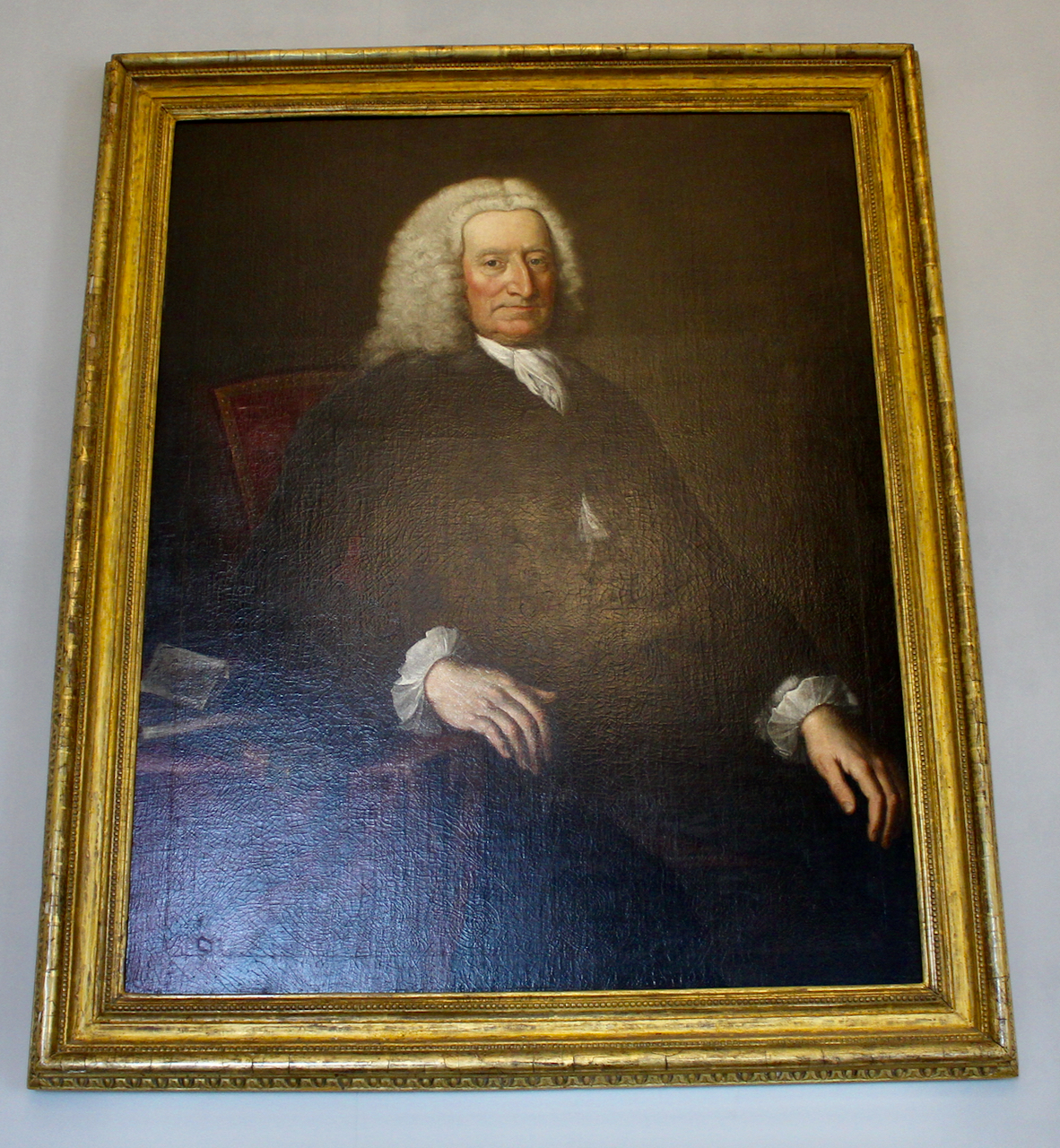
Let us backtrack now to look at the descendants of the first Adam Loftus. Adam’s grandson Nicholas lived in Fethard, County Wexford, in the precursor to Loftus Hall. His son Henry (1636-1716) of Loftus Hall was the father of Nicholas Loftus (1687-1763) who was created 1st Viscount Loftus of Ely.
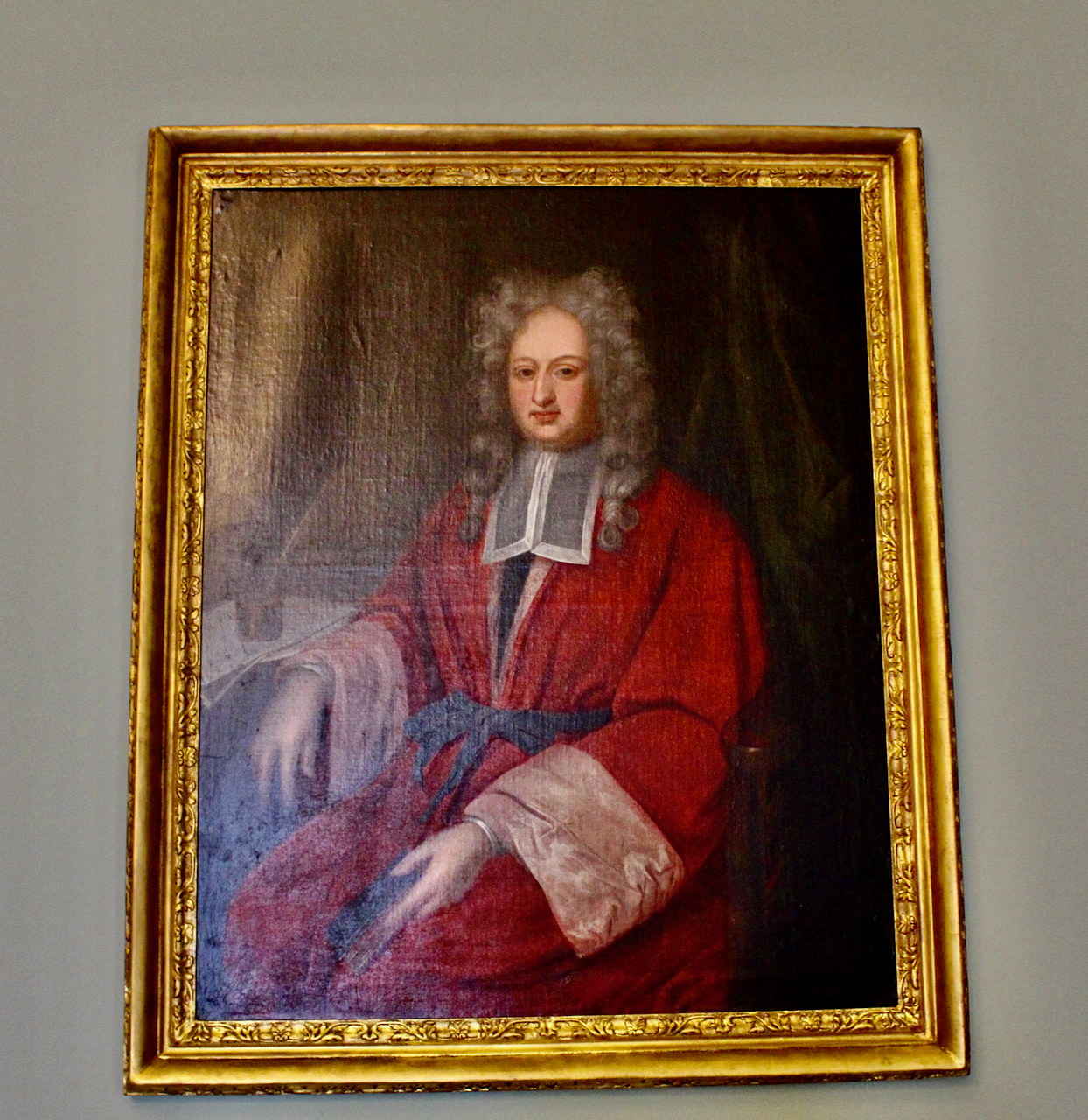
Nicholas served as MP for Wexford, and married Anne Ponsonby, daughter of William Ponsonby, 1st Viscount Duncannon. He was first created Baron Loftus of Loftus Hall in 1751, and then assumed a seat in the House of Lords, and became Privy Counsellor of Ireland in 1753. He was created Viscount Loftus of Ely in County Wicklow in 1756.
After Anne died, around 1724, Nicholas Viscount Ely married Letitia Rowley (d. 1765) of Summerhill in County Meath. To make matters more confusing, she had been previously married to Arthur Loftus (1644-1725) 3rd Viscount of Ely!

Viscount Loftus is a title that has been created three times in the Peerage of Ireland for members of the Anglo-Irish Loftus family. The first creation was for Adam Loftus (1568-1643) on 10 May 1622, who served as Lord Chancellor of Ireland in 1619. He is not to be confused the our Adam Loftus (1533-1605) of Rathfarnham Castle. This title became extinct in 1725 upon the death of the third viscount, who had no male heir, despite having married three times.
Nicholas Viscount Loftus and Anne née Ponsonby had a daughter Elizabeth Loftus (d. June 1747) who married John Tottenham 1st Baronet, MP for New Ross. Another daughter, Mary (1710-1779), married William Alcock (1702-1779) of Wilton Castle in Wexford (see my entry https://irishhistorichouses.com/2022/02/04/wilton-castle-bree-enniscorthy-co-wexford-and-a-trip-to-johnstown-castle/ )
Nicholas and Anne’s son Nicholas Loftus (1708-1766) became the 1st Earl of Ely, and added Hume to his surname after marrying Mary Hume, daughter of Gustavus Hume, 3rd Baronet of Castle Hume, County Fermanagh. As well as Loftus Hall in Wexford, they owned 13 Henrietta Street in Dublin. He became known as the “wicked earl” due to a court hearing about the supposed mental incapacity of his son, also named Nicholas. Young Nicholas’s uncle, George Rochfort (1713-1734), brother of the 1st Earl of Belvedere, sought to have young Nicholas declared incapable of succeeding to the title. George Rochfort was married to another daughter, Alice, of Gustavus Hume, 3rd Baronet of Castle Hume. Family members testified that young Nicholas was of normal intelligence, and that any eccentric behaviour should be blamed on his father’s ill-treatment. The trial lasted for nine years and was even brought to the House of Lords. Poor young Nicholas died before the trial was finished and Rochfort’s case was declared invalid.
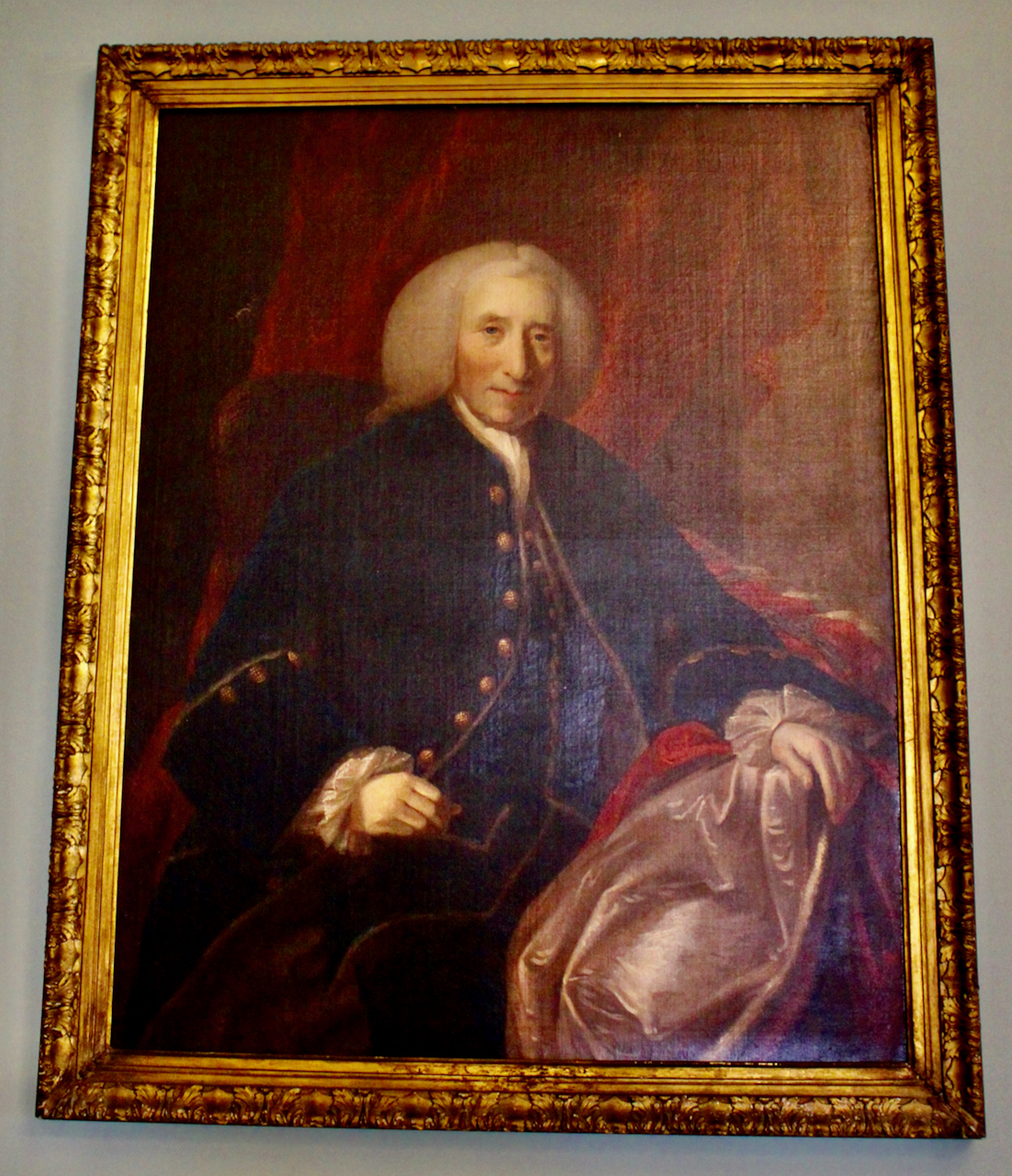
Nicholas Loftus Hume officially succeeded as 2nd Earl of Ely (1738-1769). It was through him that Rathfarnham Castle returned to Loftus ownership. Nicholas bequeathed Rathfarnham Castle and the estate to his uncle, Henry Loftus (1709-1783) who became the 1st Earl of Ely of the second creation. Henry was the younger son of Nicholas Loftus (d. 1763) 1st Viscount Loftus and Anne née Ponsonby, brother to the earlier Nicholas Hume Loftus (d. 1766) 1st Earl of Ely, the Wicked Earl.
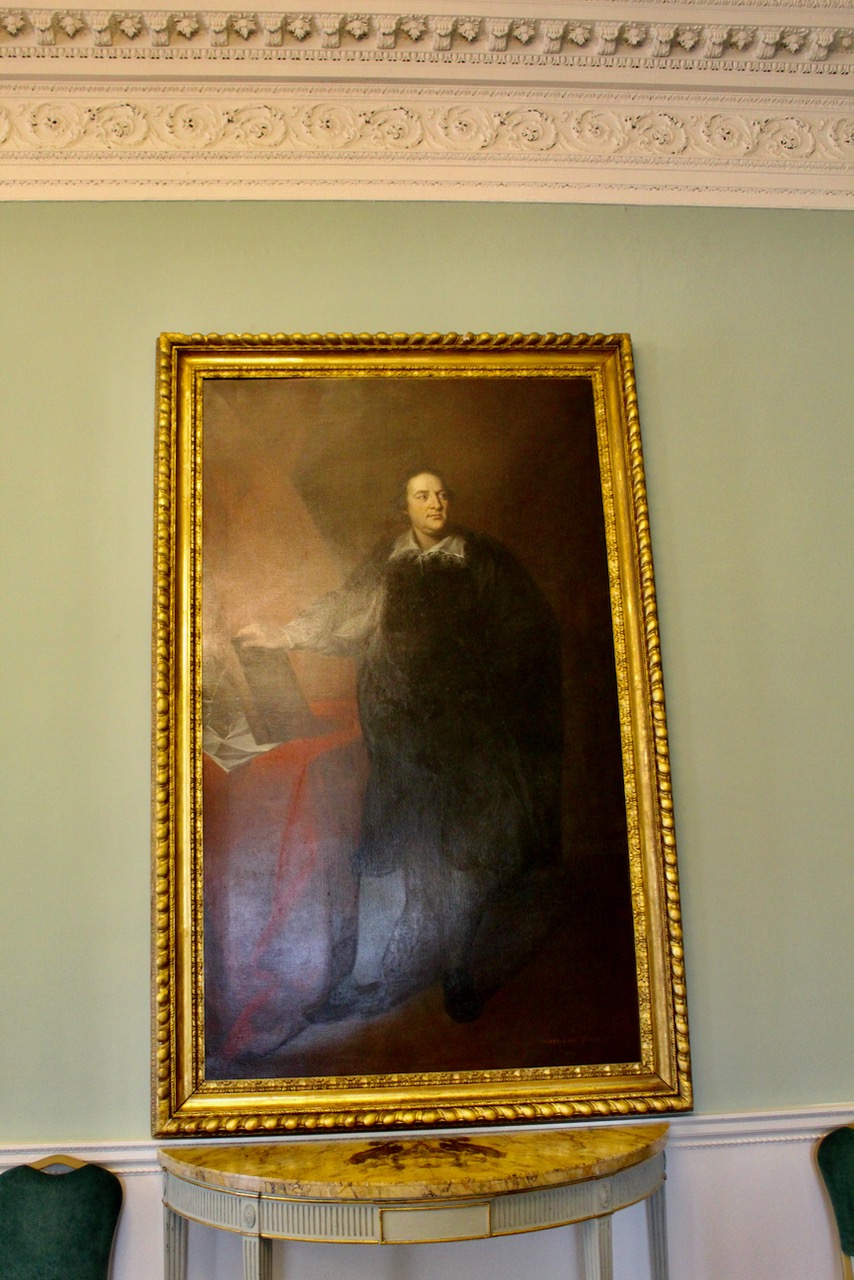
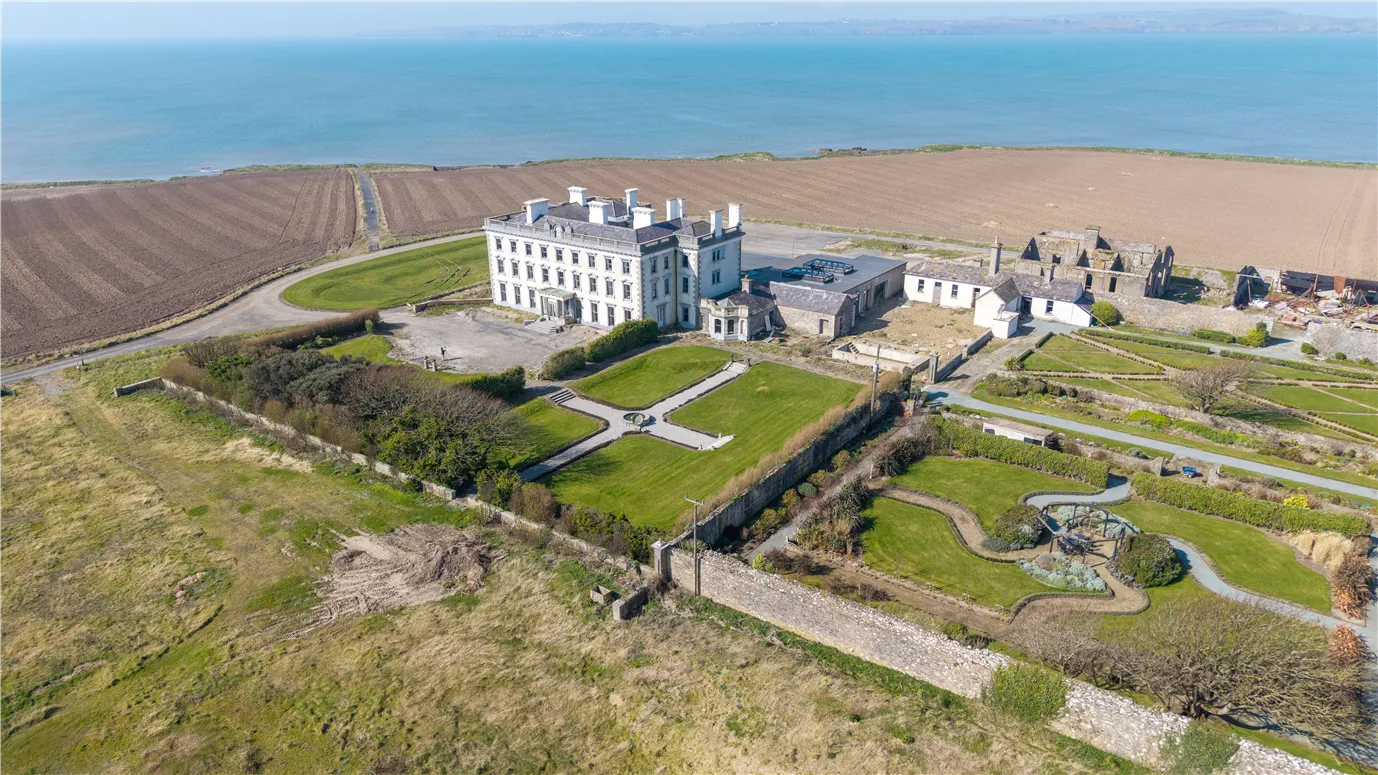
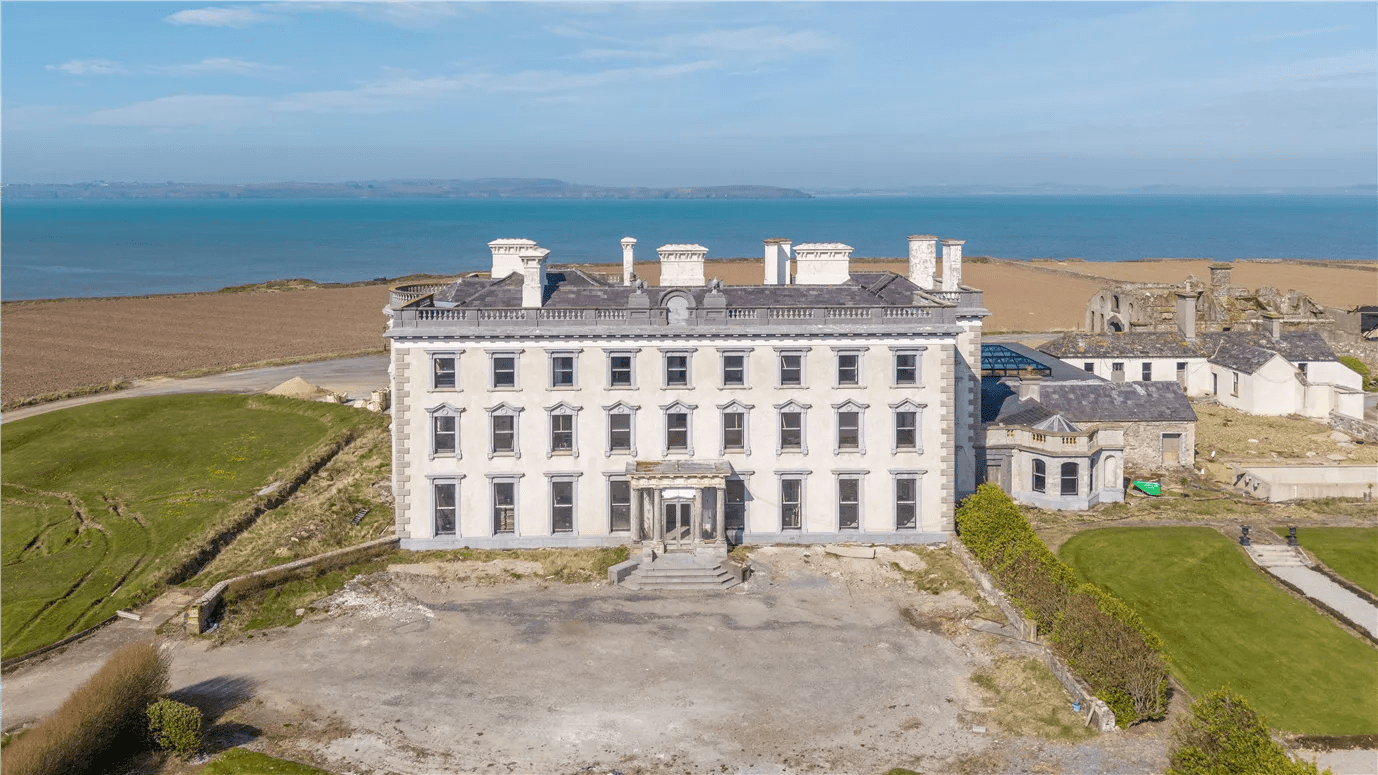
Loftus Hall, Fethard-On-Sea, Co. Wexford, Y34YC93 courtesy Colliers, April 2025
€3,000,000
22 Bed
22 Bath
2460 m²
Loftus Hall is a large, partly re-furbished country house which was built on the site of the original Redmond Hall. The property boasts one of the most scenic locations in the southeast with views over Hook Peninsula and the world famous Hook Lighthouse, providing the most stunning landscape which is steeped in history and reputed by locals to have been haunted the property. The property was purchased by the Quigley family in 2011 and run as a tourist attraction with guided tours of the property and seasonal events. In 2021 the property was bought by its current owners who had a masterplan to refurbish the original building over two phases. The estate has already undergone extensive renovations, with Phase 1 nearing completion, set to transform the property into an exclusive 22-bedroom luxury hotel with high-end amenities, extensive food and beverage facilities, and beautifully landscaped gardens. The vision for Phase 2, included an additional 56 bedroom hotel block, a gym and spa, dedicated wedding facilities, 33 standalone garden cottages and 10 eco pods strategically placed along the perimeter of the property. Location Loftus Hall is located on the southern tip of Hook Peninsula, close to the famous Hook Lighthouse, one of the oldest operational lighthouses in the world. Loftus Hall offers an unparalleled location for exploring the beauty and history of County Wexford. Just 4km from the iconic Hook Lighthouse, 33km from the vibrant town of New Ross, 45km from Wexford and 51km from Waterford. The property is also in close proximity to several popular tourist destinations, including Passage East (17km) and Dunmore East (30km) and the charming nearby villages such as Hookless Village, Slade, and Fethard-On-Sea, all within easy access. The location is quite picturesque, making it a popular spot for visitors interested in history, architecture, and the paranormal. Main House Built originally between 1870 and 1871 on the site of Redmond Hall, which traces its history to 1350, Loftus Hall comprises a detached nine-bay, three storey house. The estate is situated on approximately 27.68 hectares (68 acres) with the house extending to a total gross internal area (GIA) of 2,460 sq.m (26,480 sq. ft). Loftus Hall is a protected structure under RPS Ref WCC0692 and under the NIAH Ref 15705401. The estate has already undergone extensive renovations, with Phase 1 nearing completion. The ground floor of the original building has been transformed to contain a large dining room, a cigar room and a number of guest lounge areas. When completed the restaurant will seat over 100 covers which will feature visibility of the chefs working with an open pass, an outside BBQ area and fire pit adjacent to the new restaurant area with the existing bar fully refurbished. The hotel bedrooms are finished to second fix over the first and second floors and are appointed with large ensuite bathrooms and with commanding and sweeping views out to sea. The vision for Phase 2 consists of the development of a permanent marquee erected on the grounds which will cater for up to 300 seated wedding guests, a gym & spa, a new hotel bedroom block which will contain up to 56 additional bedrooms, 33 standalone garden cottages, 10 eco pods wrapped around the perimeter of the property, a children’s playground, a herb and vegetable garden, over two hundred car park spaces in total between the front and rear of the development and a walkway that will allow guests to access the beach directly from the development. The Grounds The grounds are a feature of Loftus Hall and have been maintained to the highest standards throughout the refurbishment. The gardens at Loftus Hall, particularly the walled garden, were designed to thrive in the unique climate of the Hook Peninsula. The garden’s high walls provided a sheltered environment, allowing a variety of plants to flourish. Fruit trees were a significant feature, with mulberry trees being particularly successful. The sheltered environment also supported other fruit trees like apple and pear. Additionally, the garden likely included a variety of herbs and vegetables, which were essential for the estate’s kitchen. The garden’s design and plant selection reflect the practical needs and aesthetic preferences of the time, creating a space that was both beautiful and functional. Services • ESB – full upgrade of supply to the property with 80kVA allowance • Mains Water – two water supplies to the property • Gas – storage tank for supply to the building • Heating – plumbed for electric central heating system

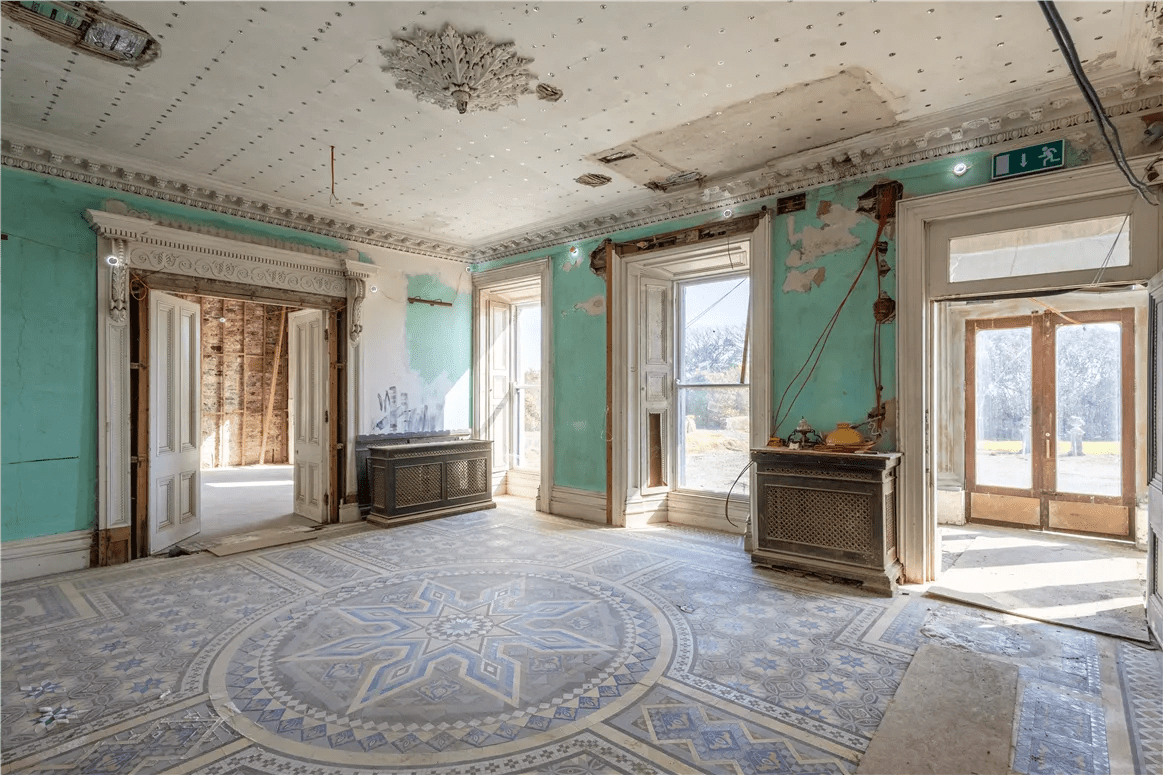
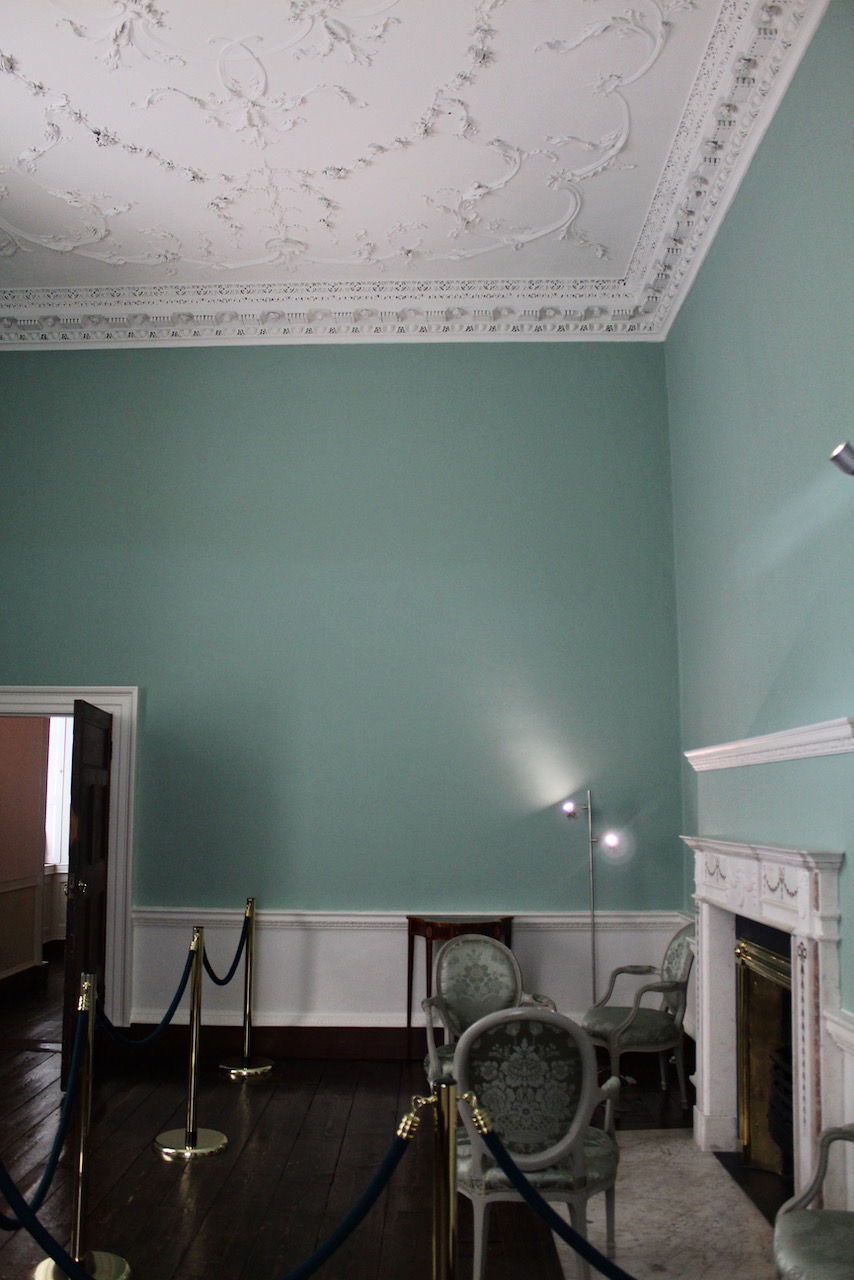
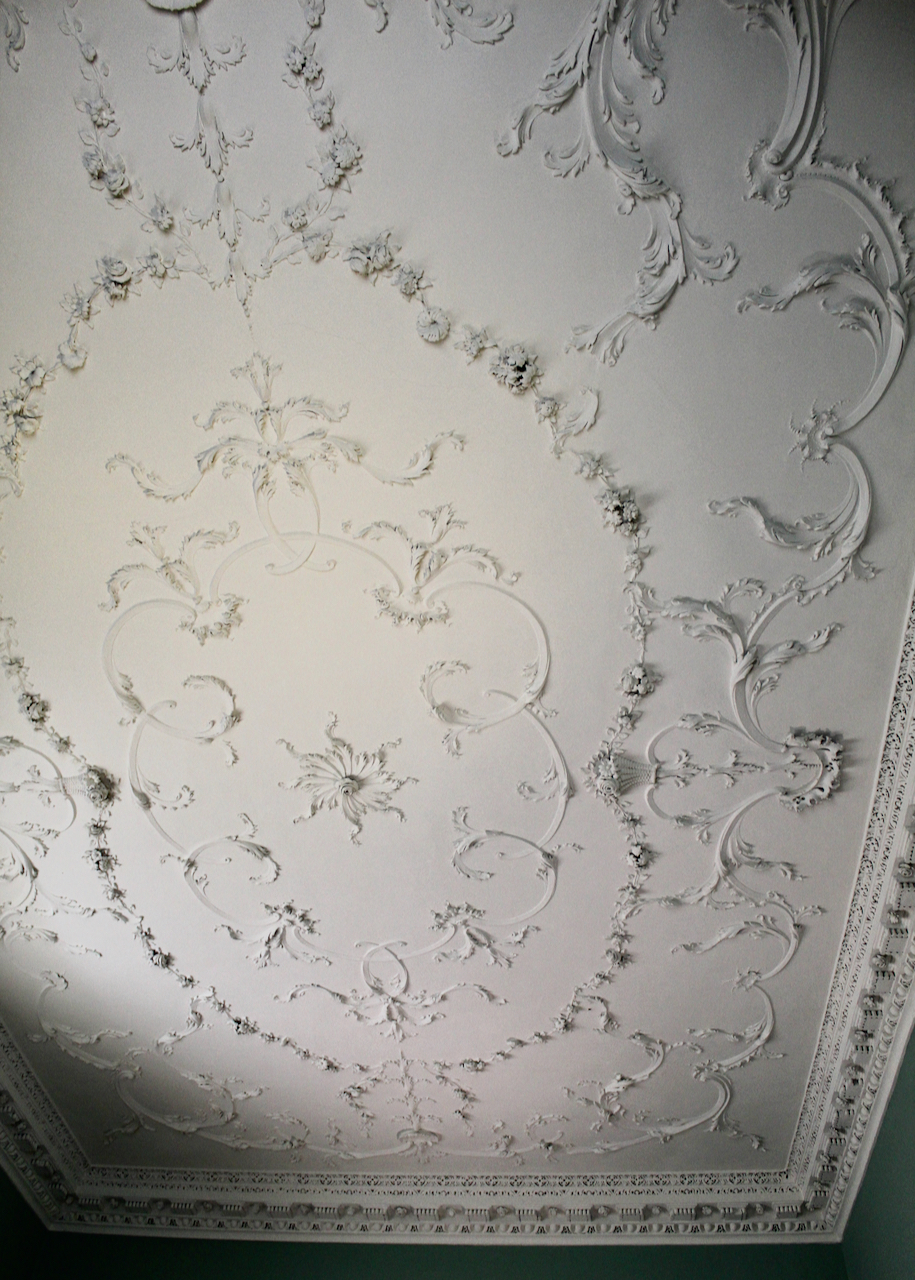
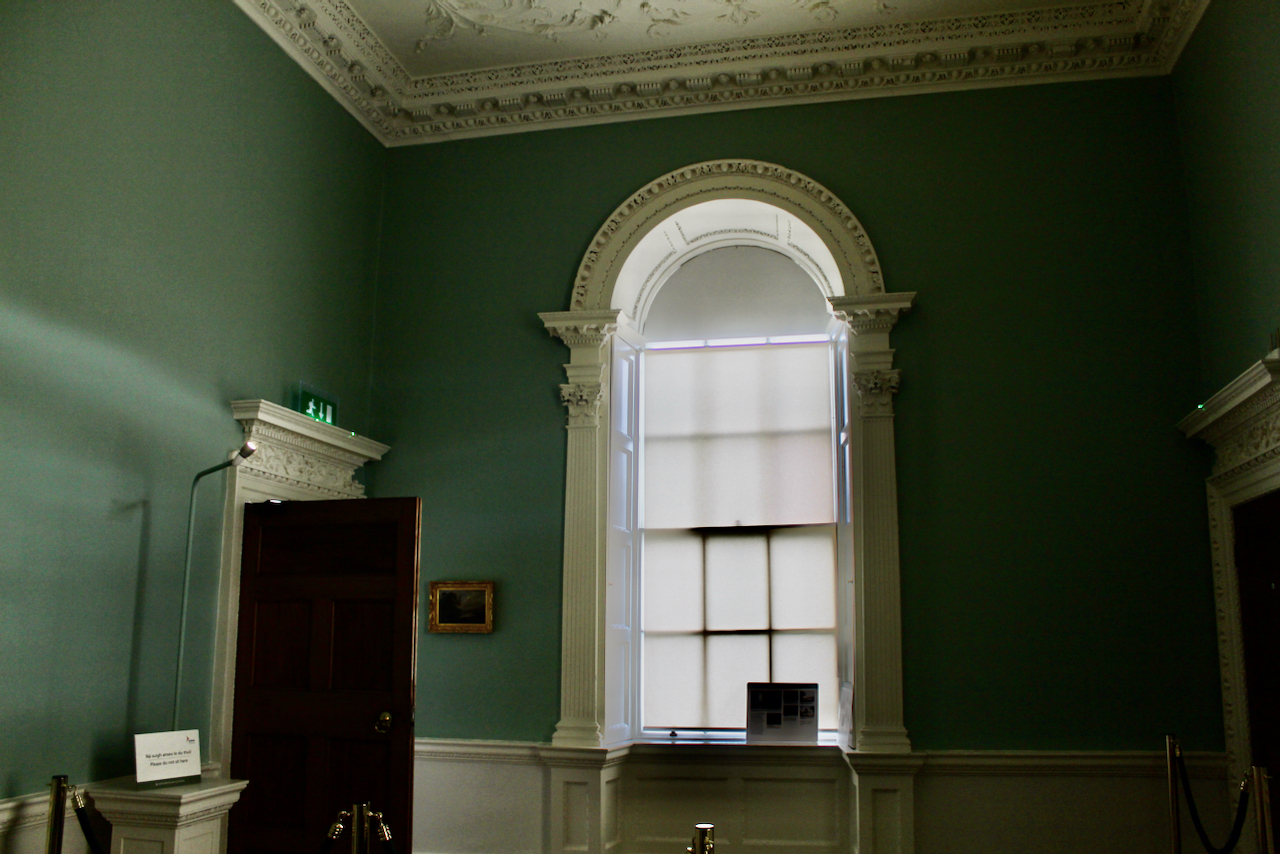
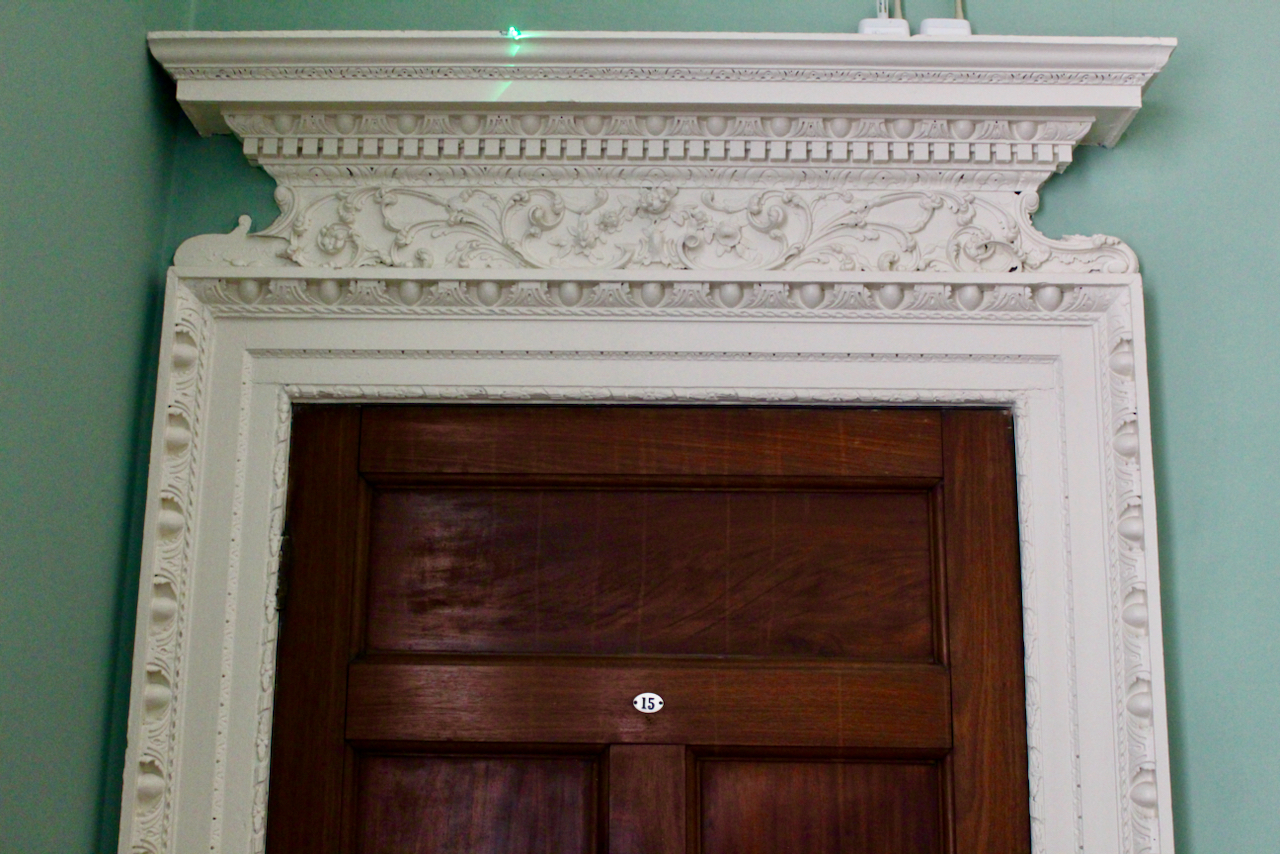
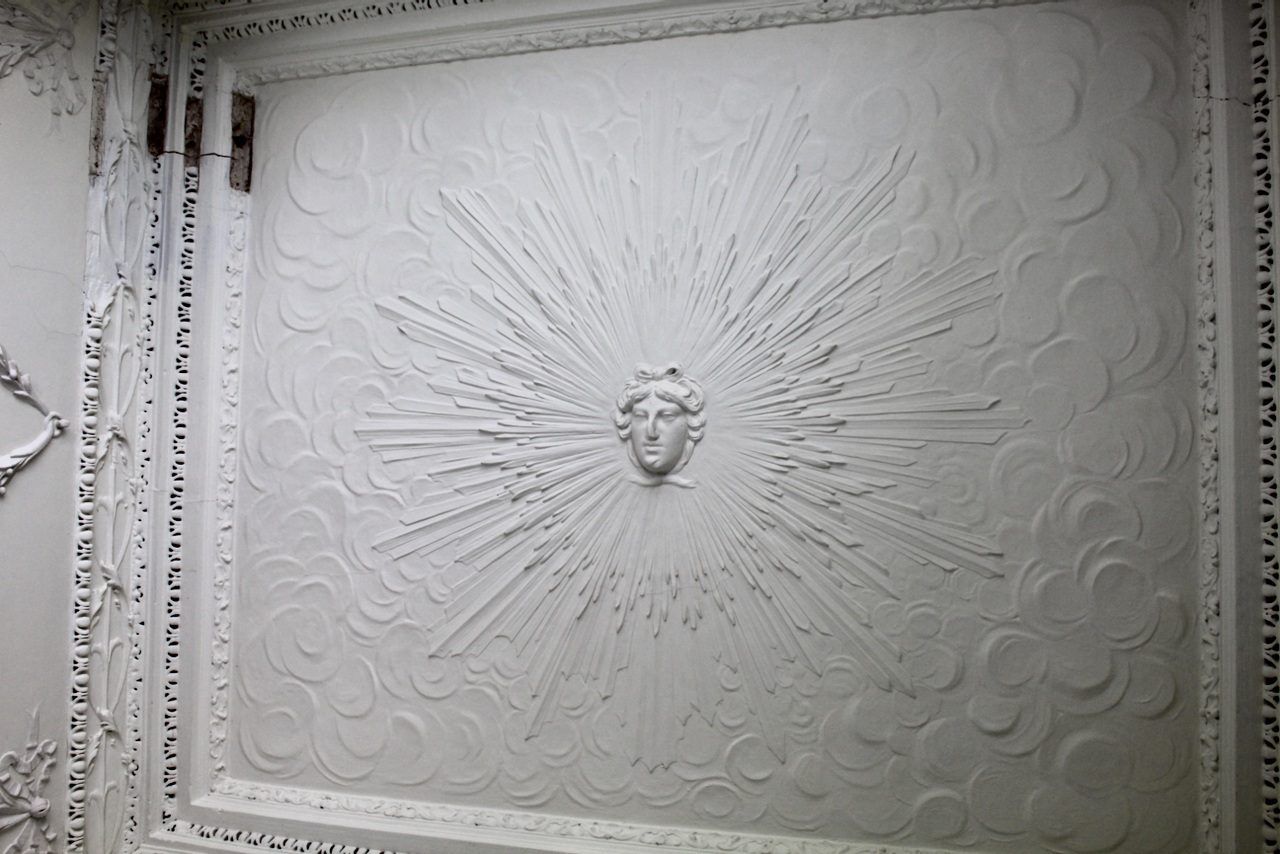
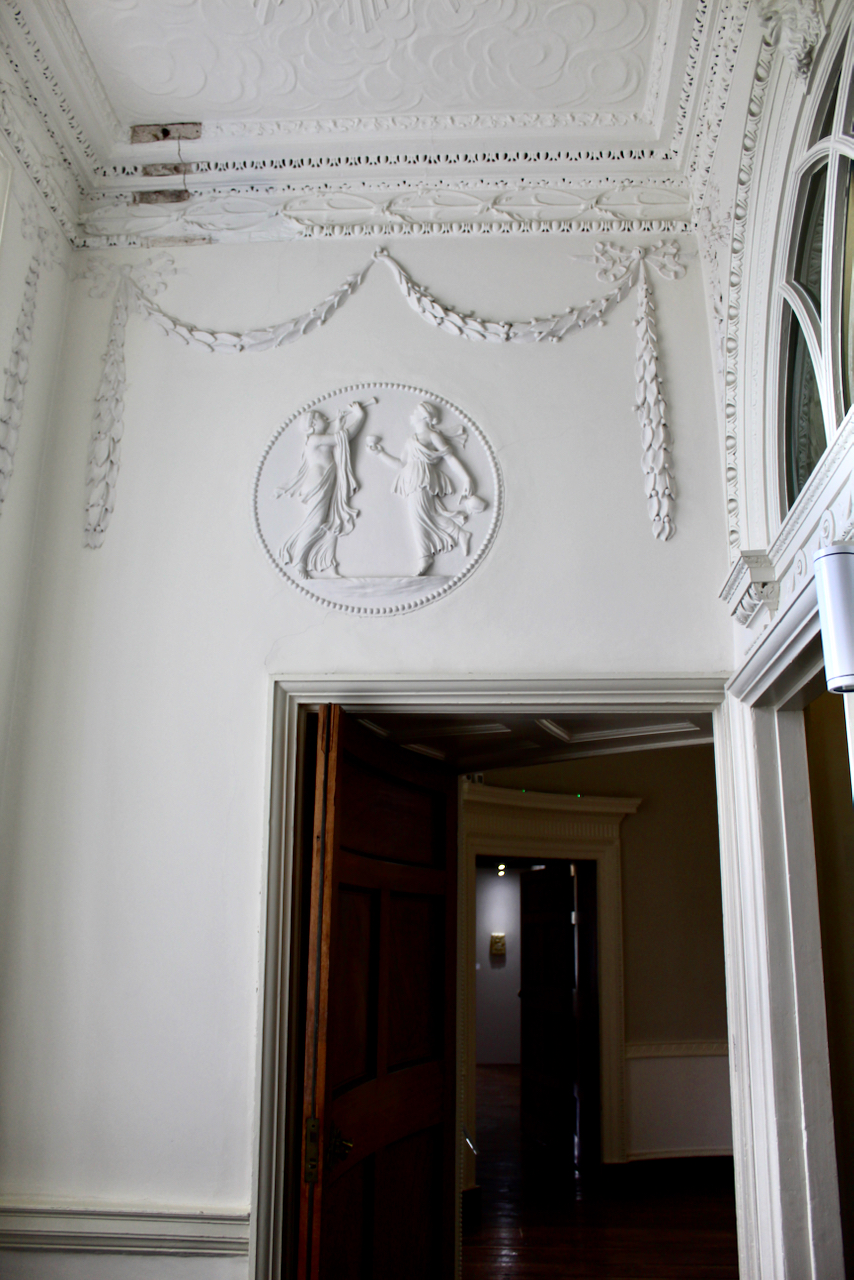
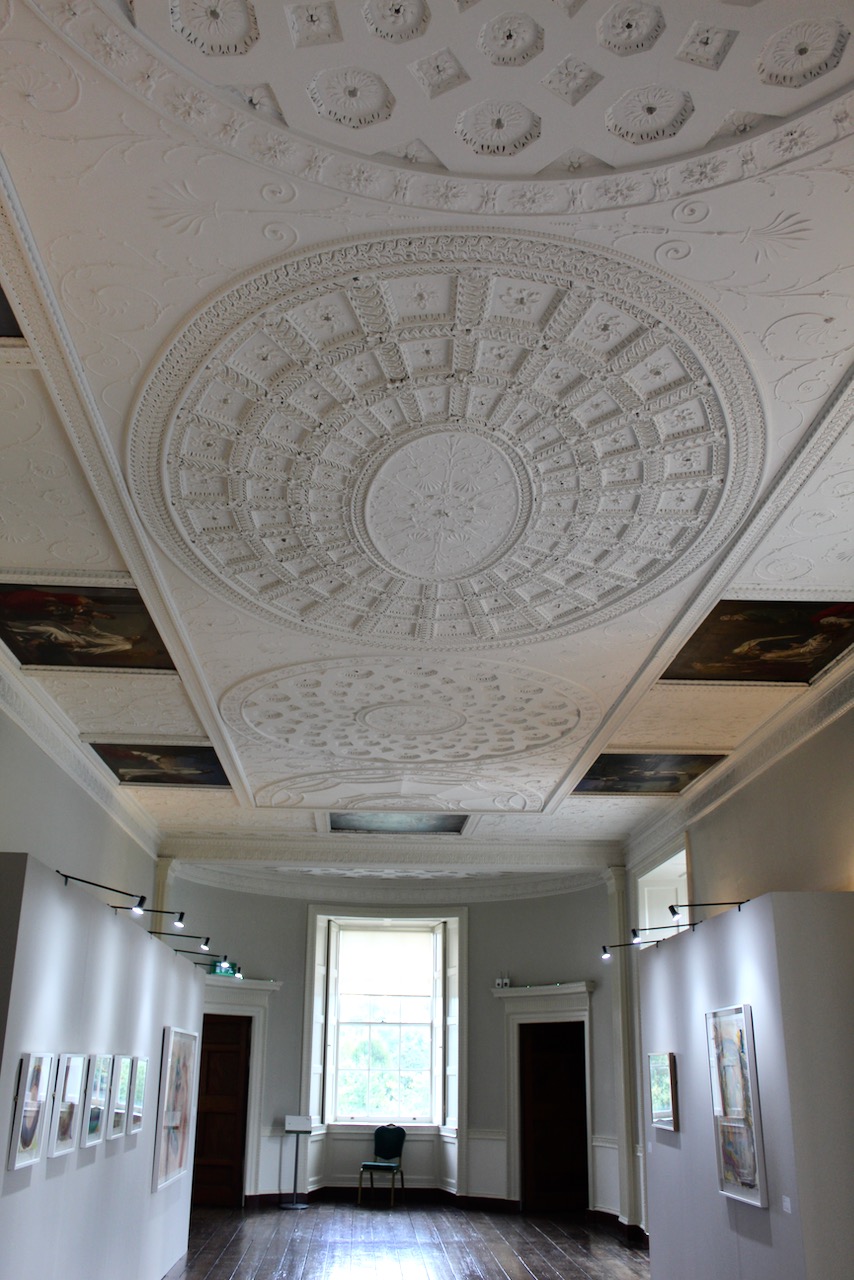
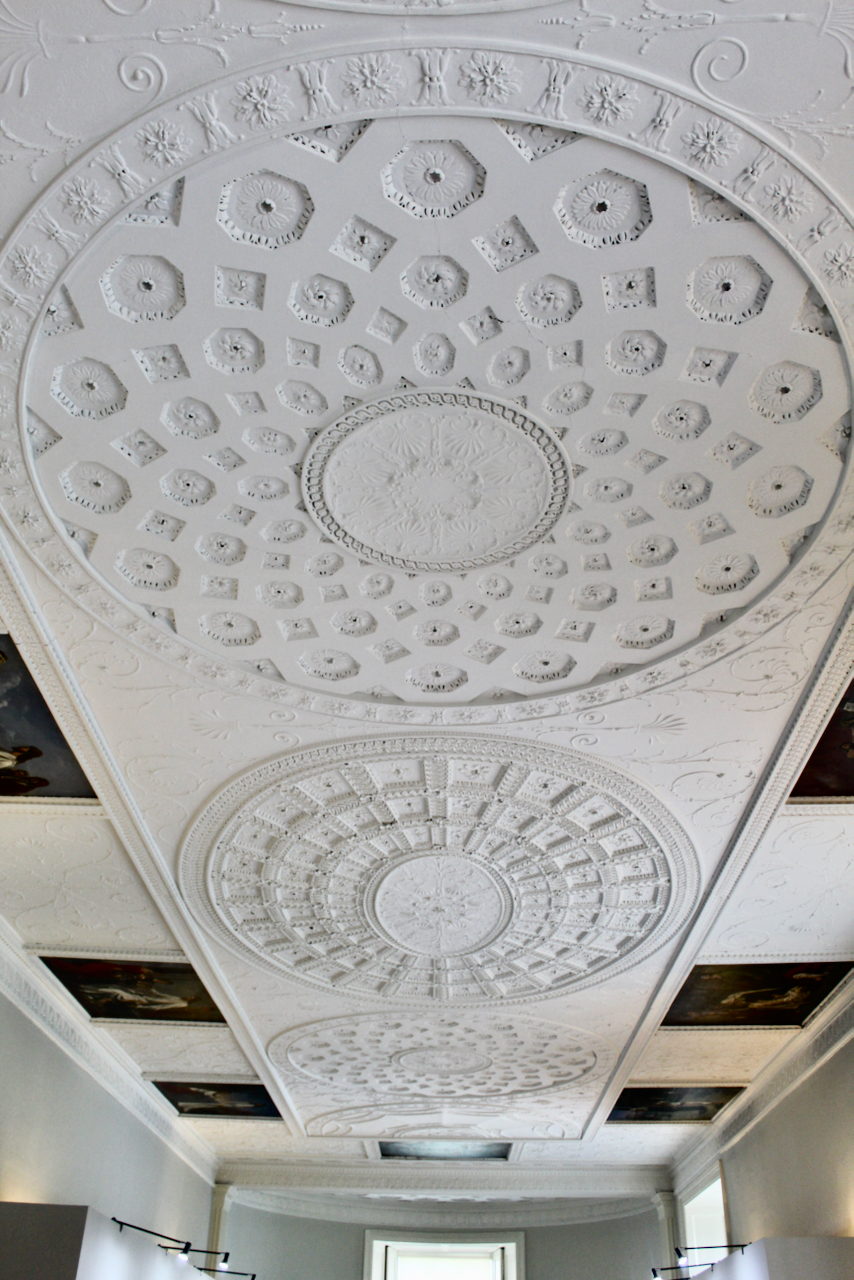
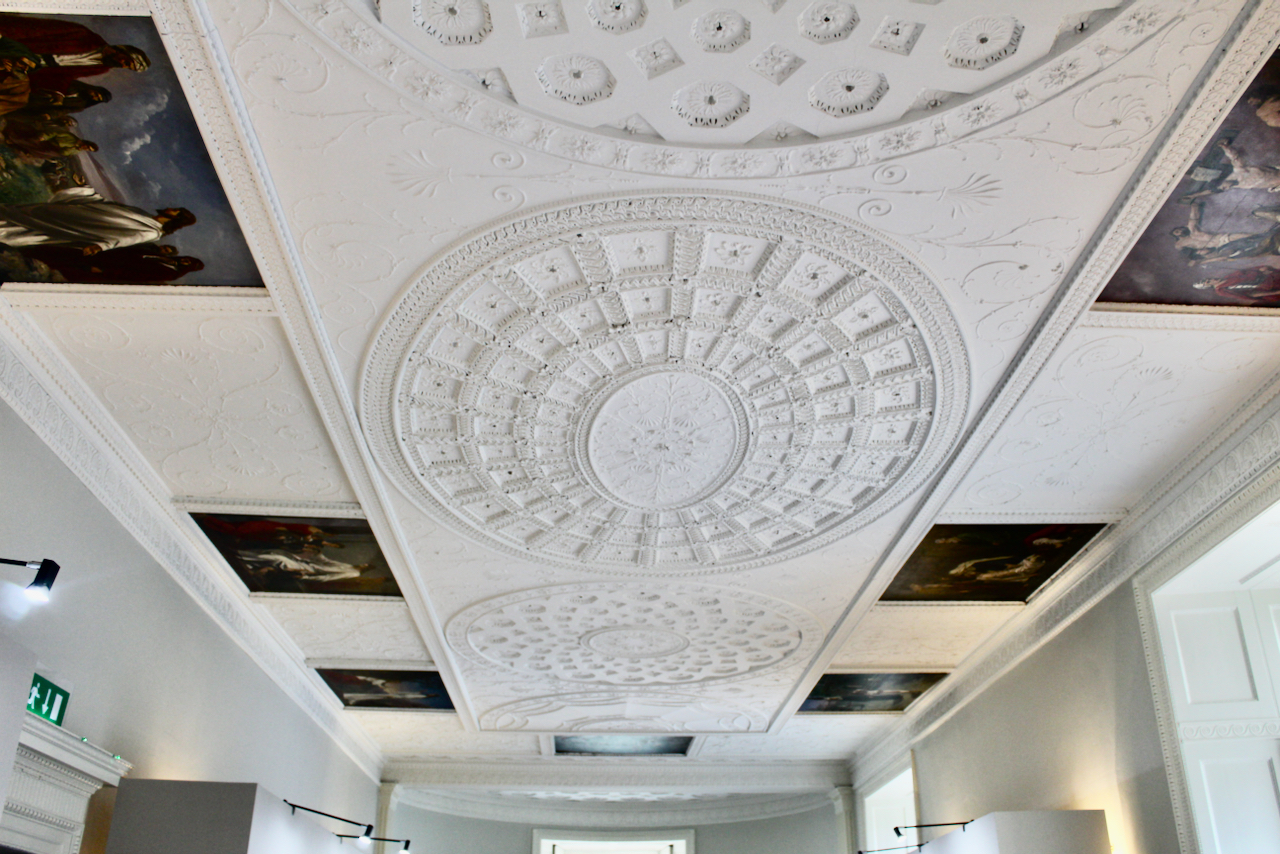
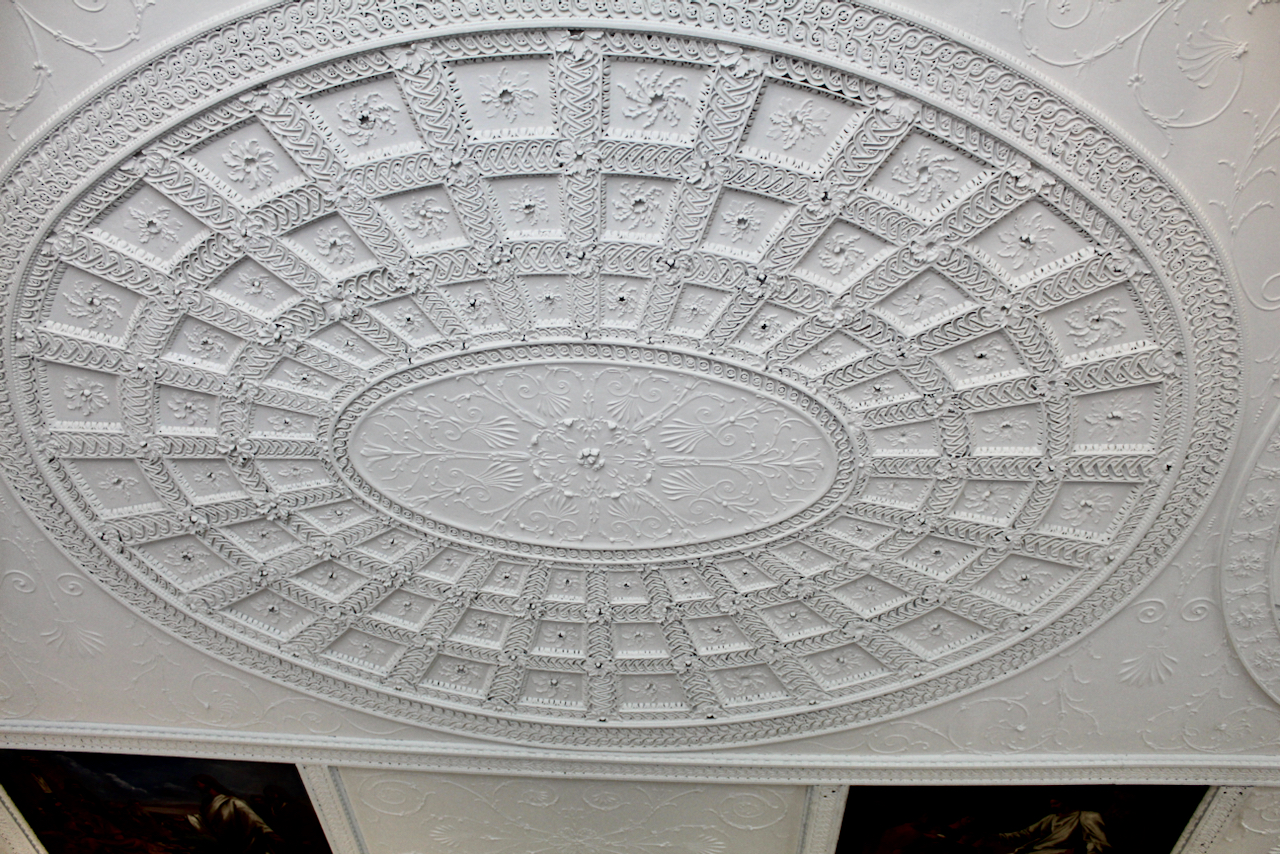
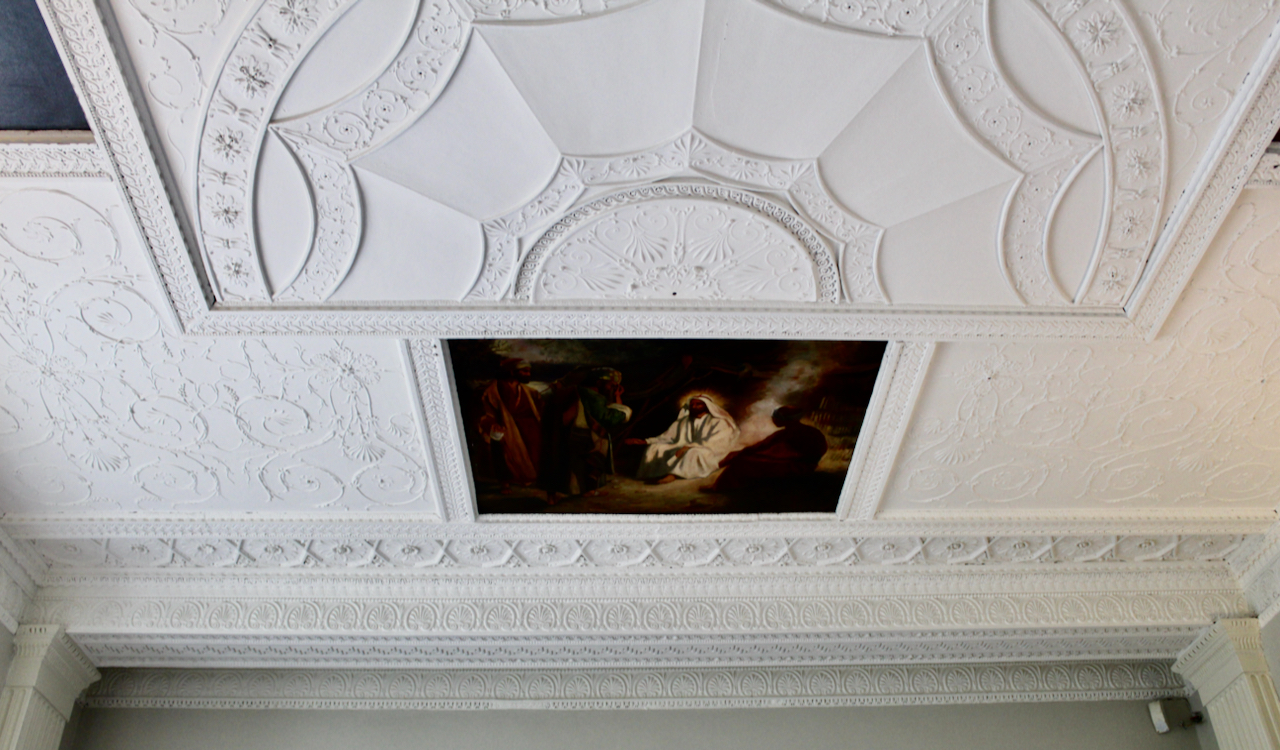
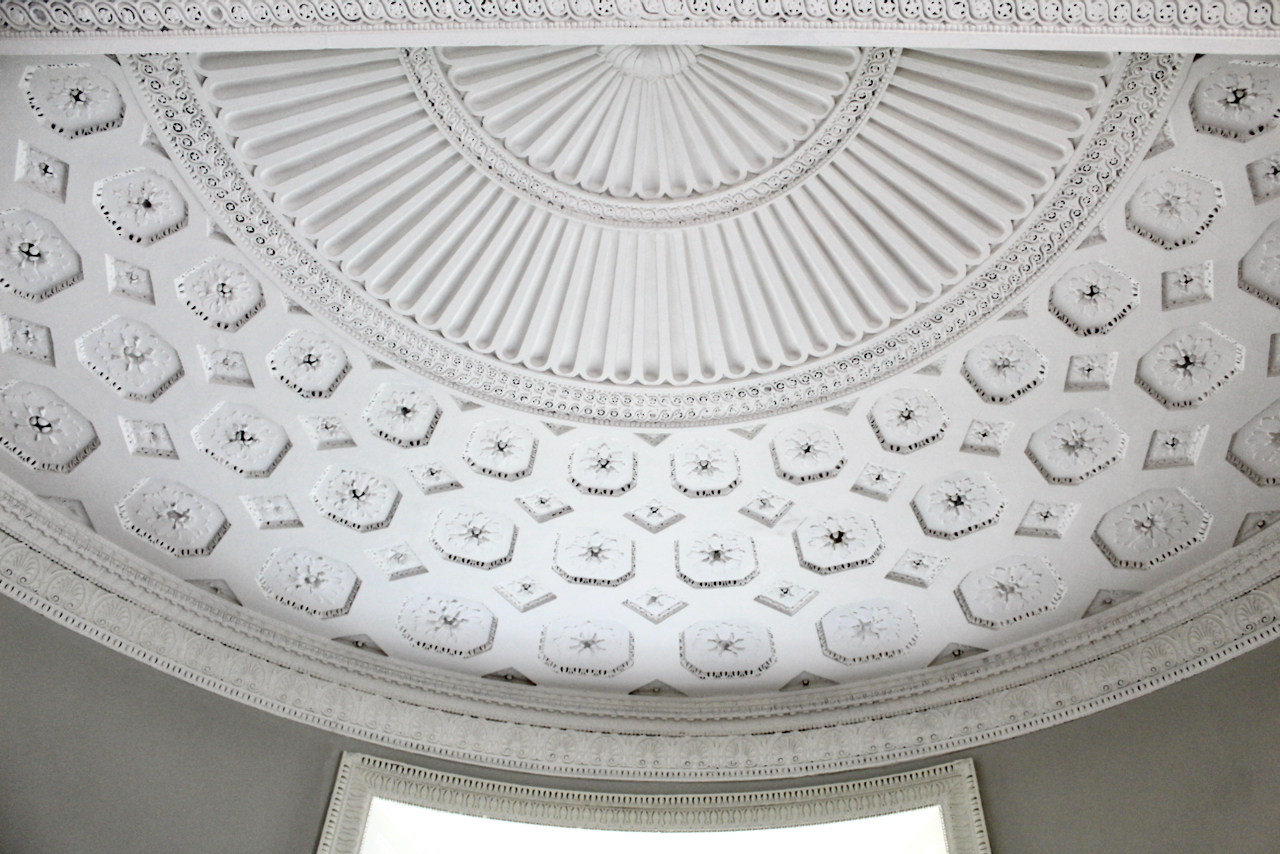
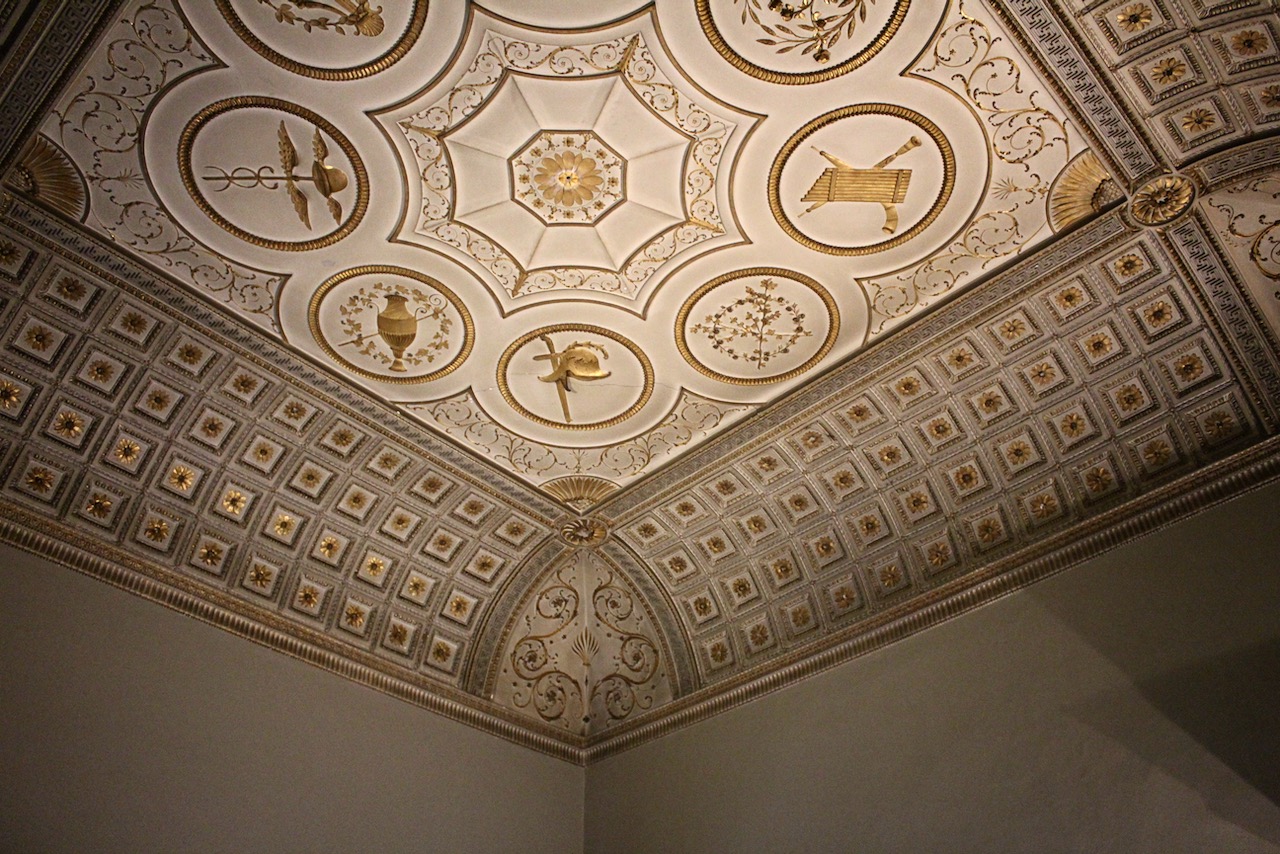
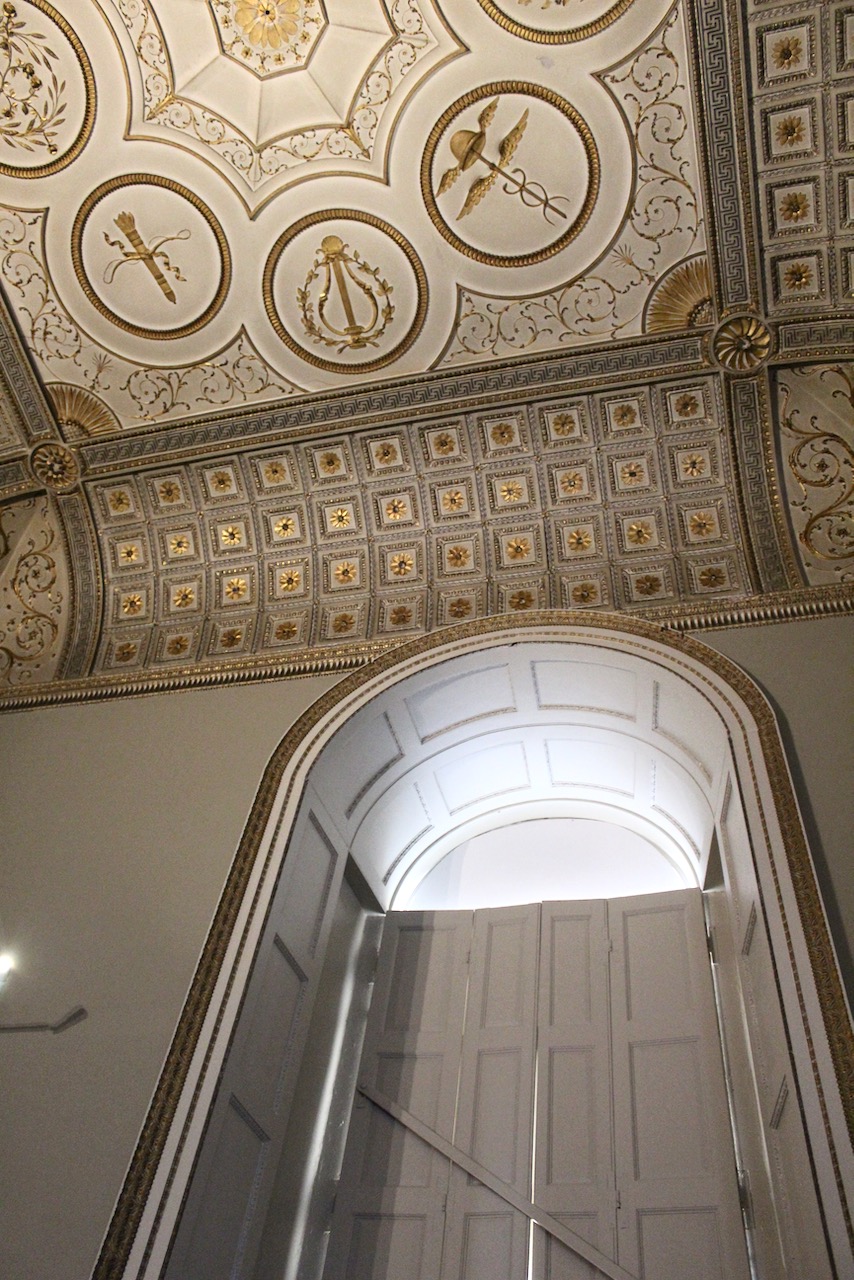
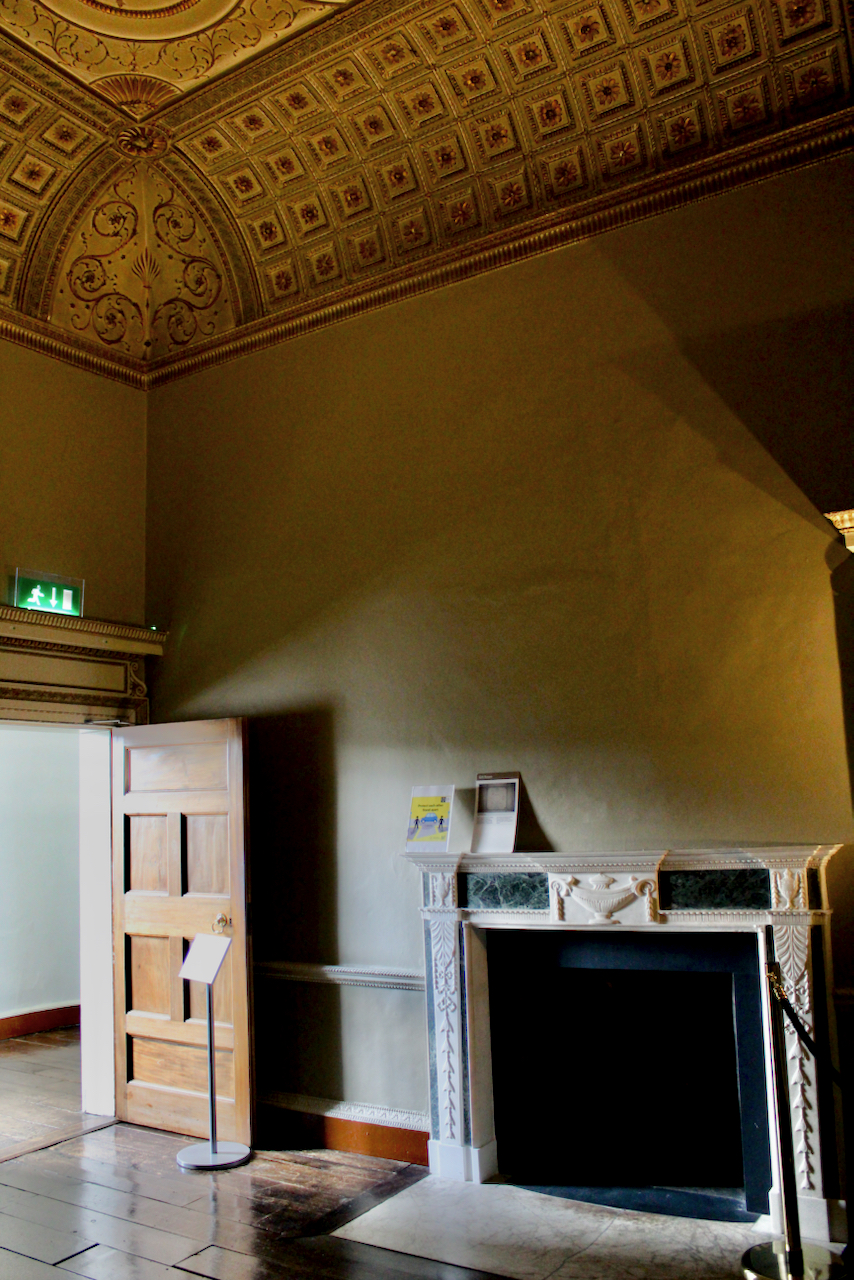
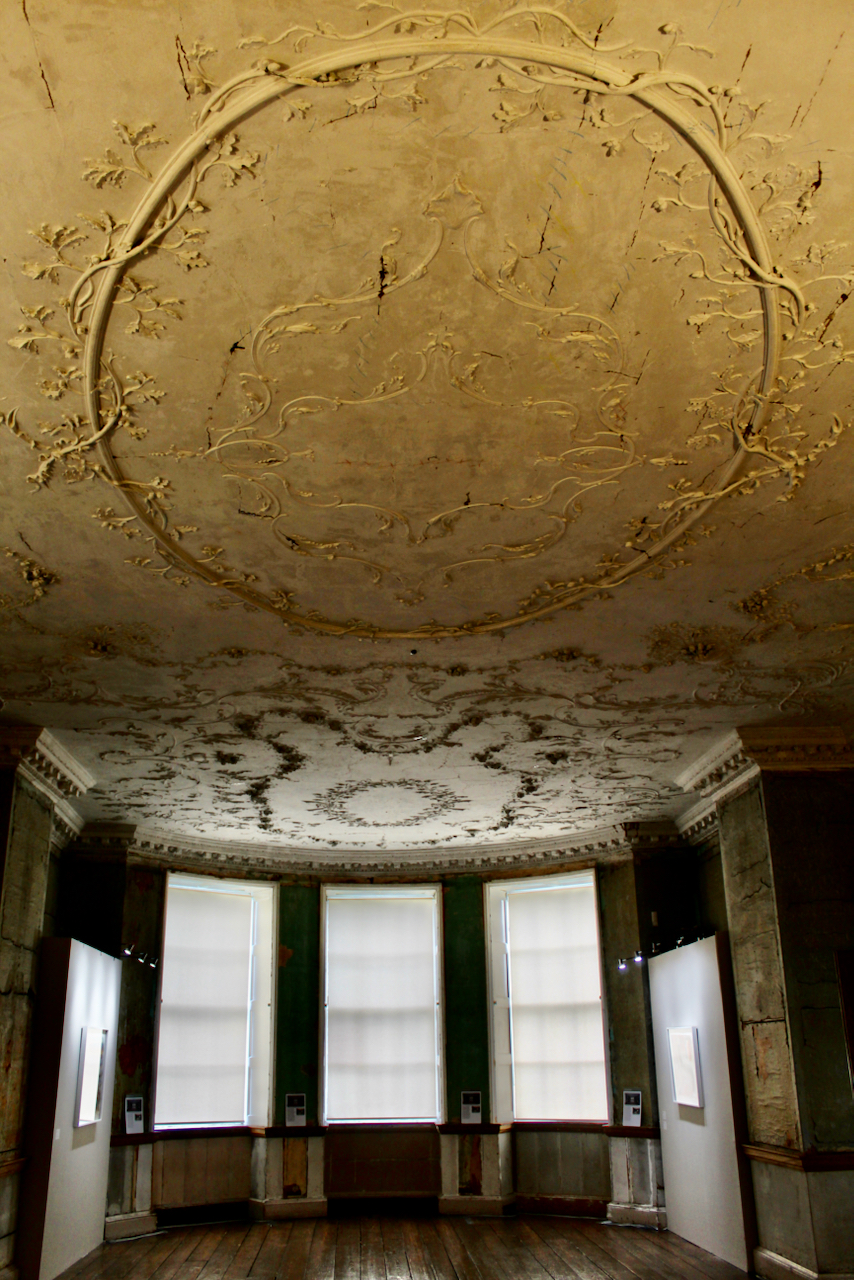
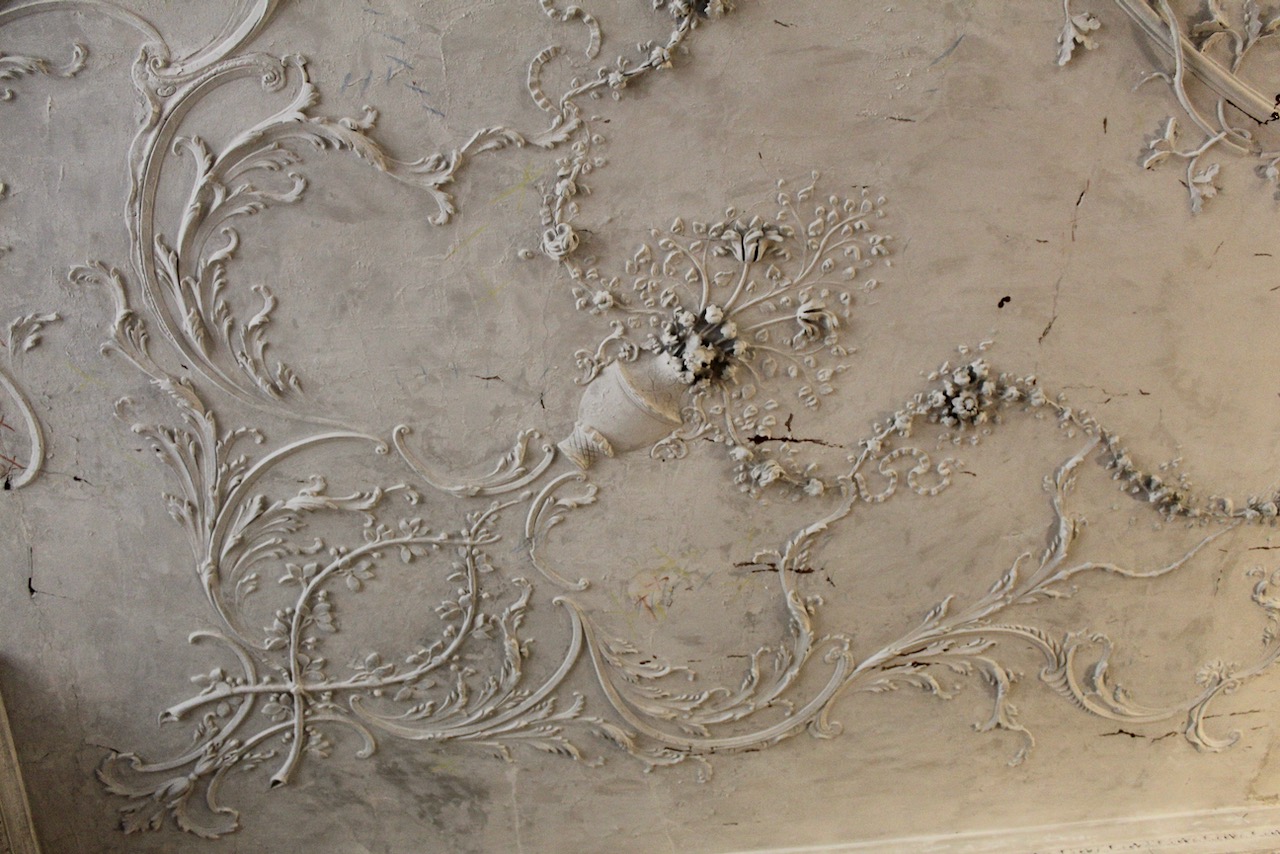
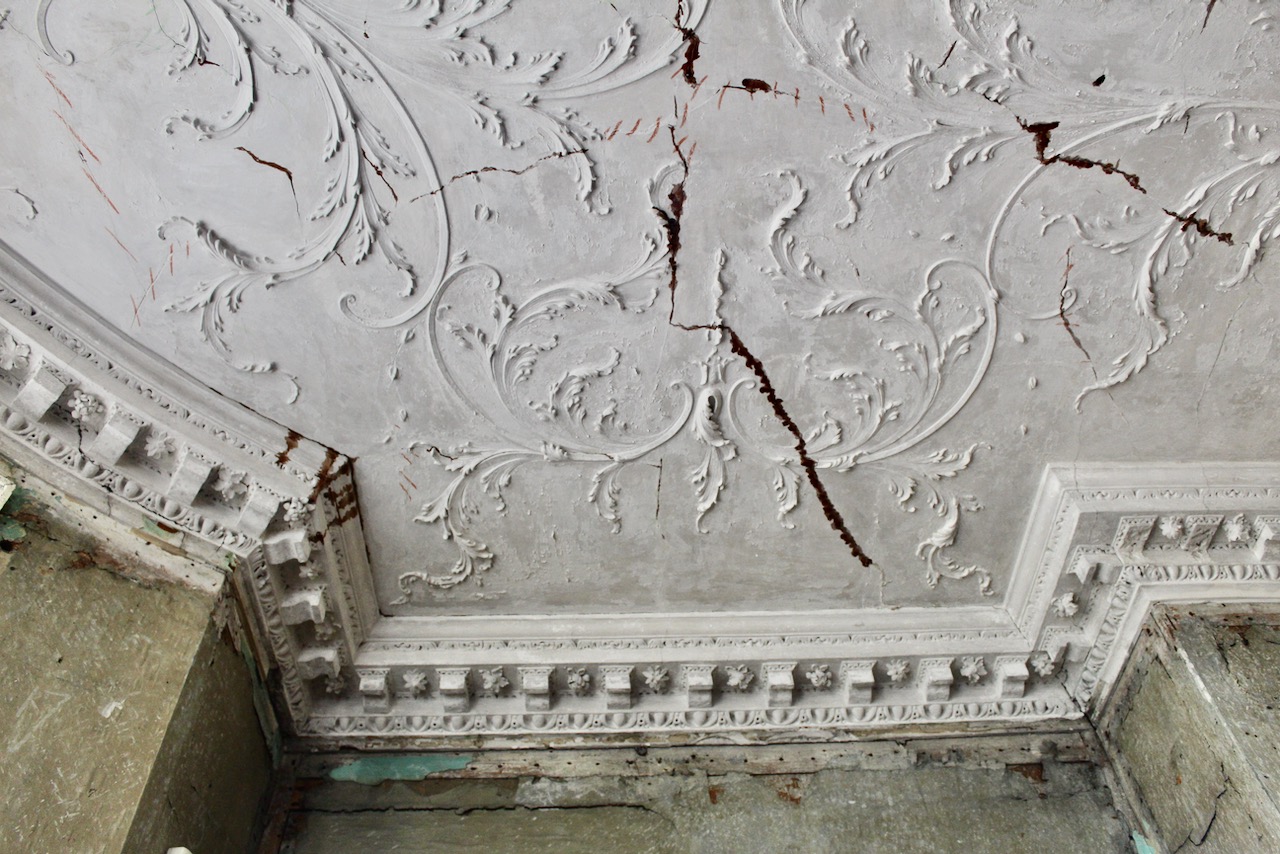
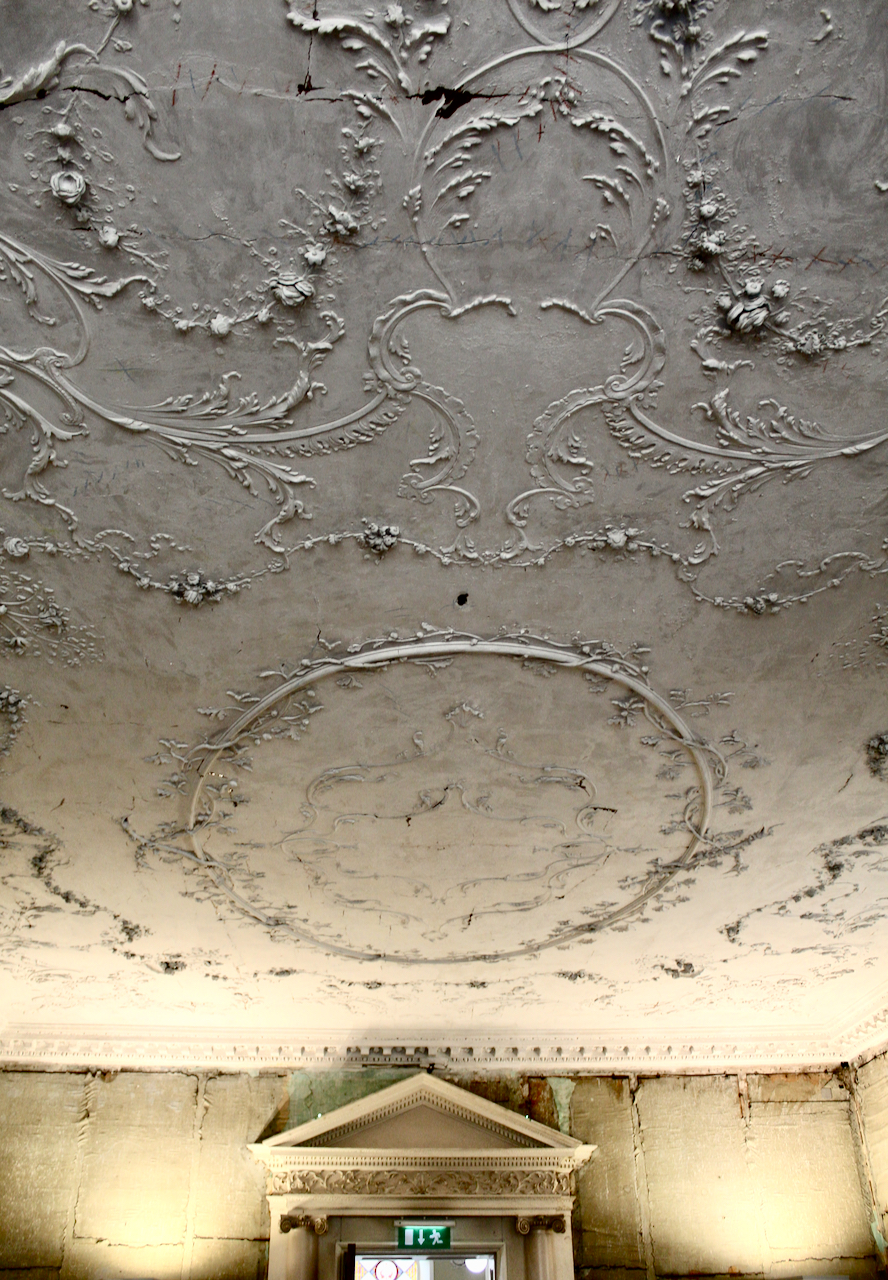
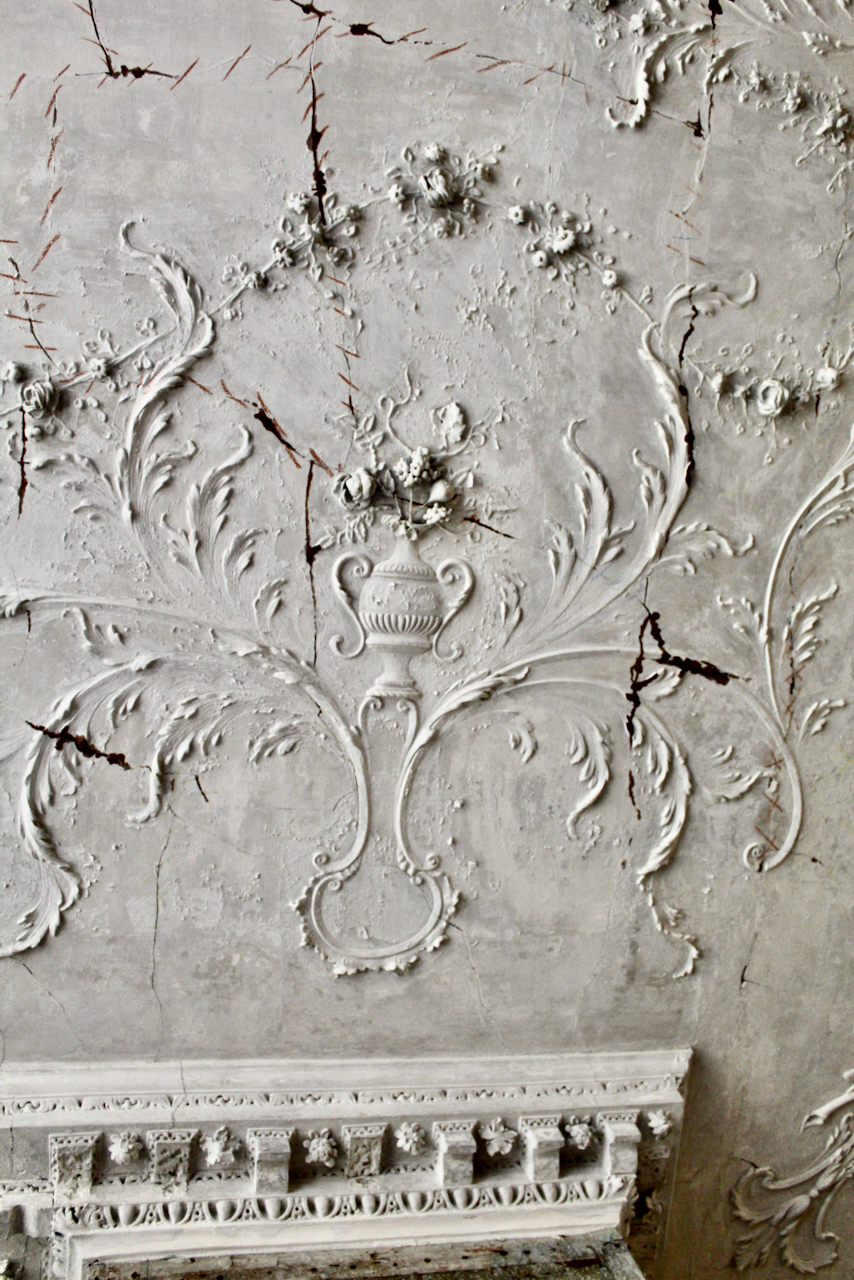
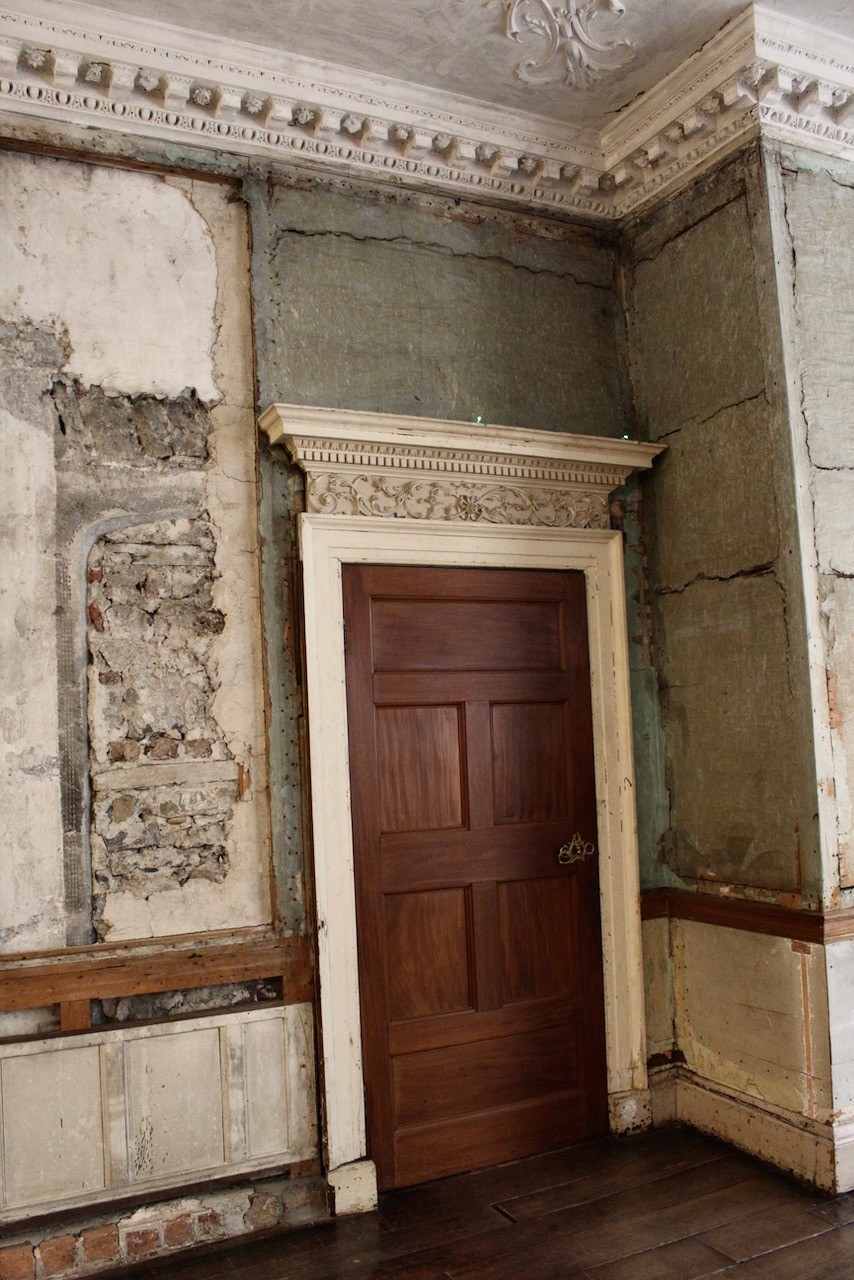
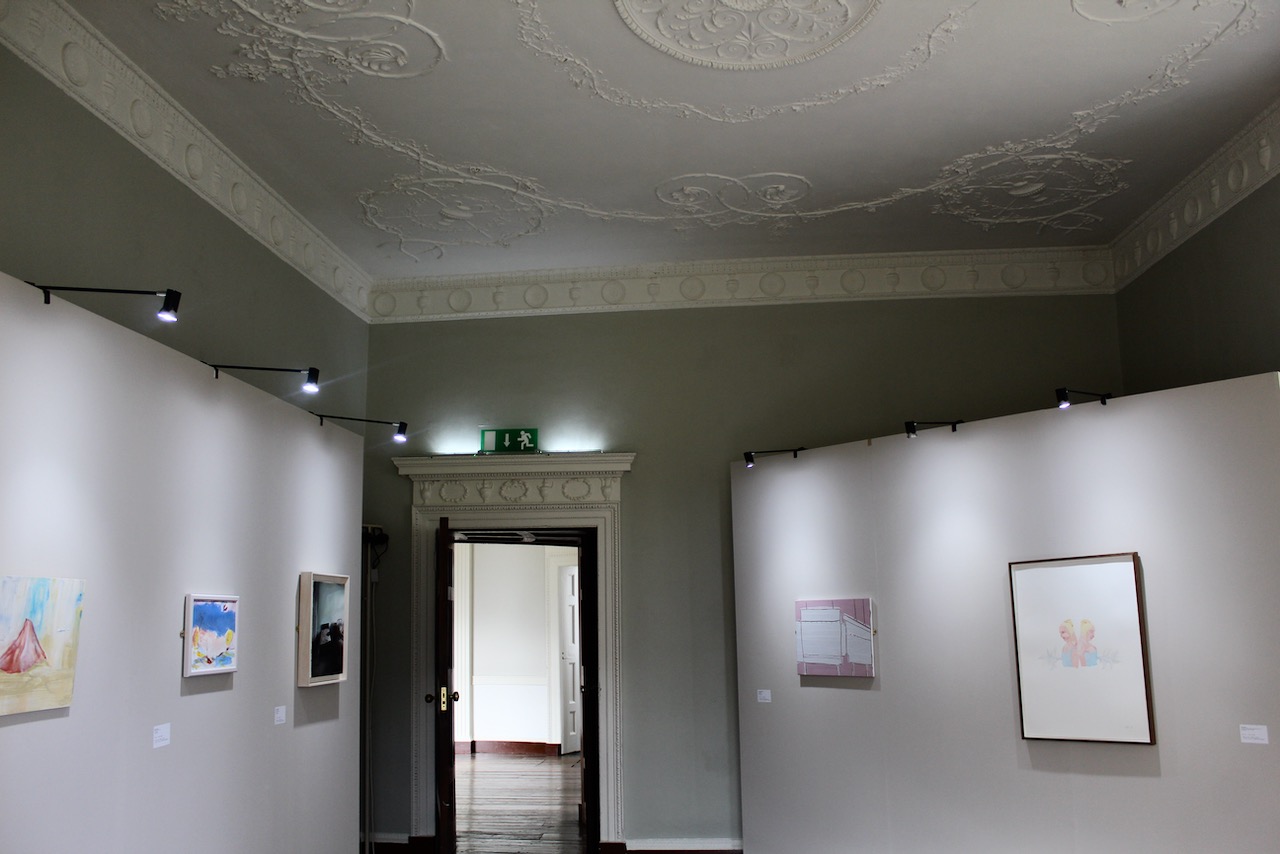
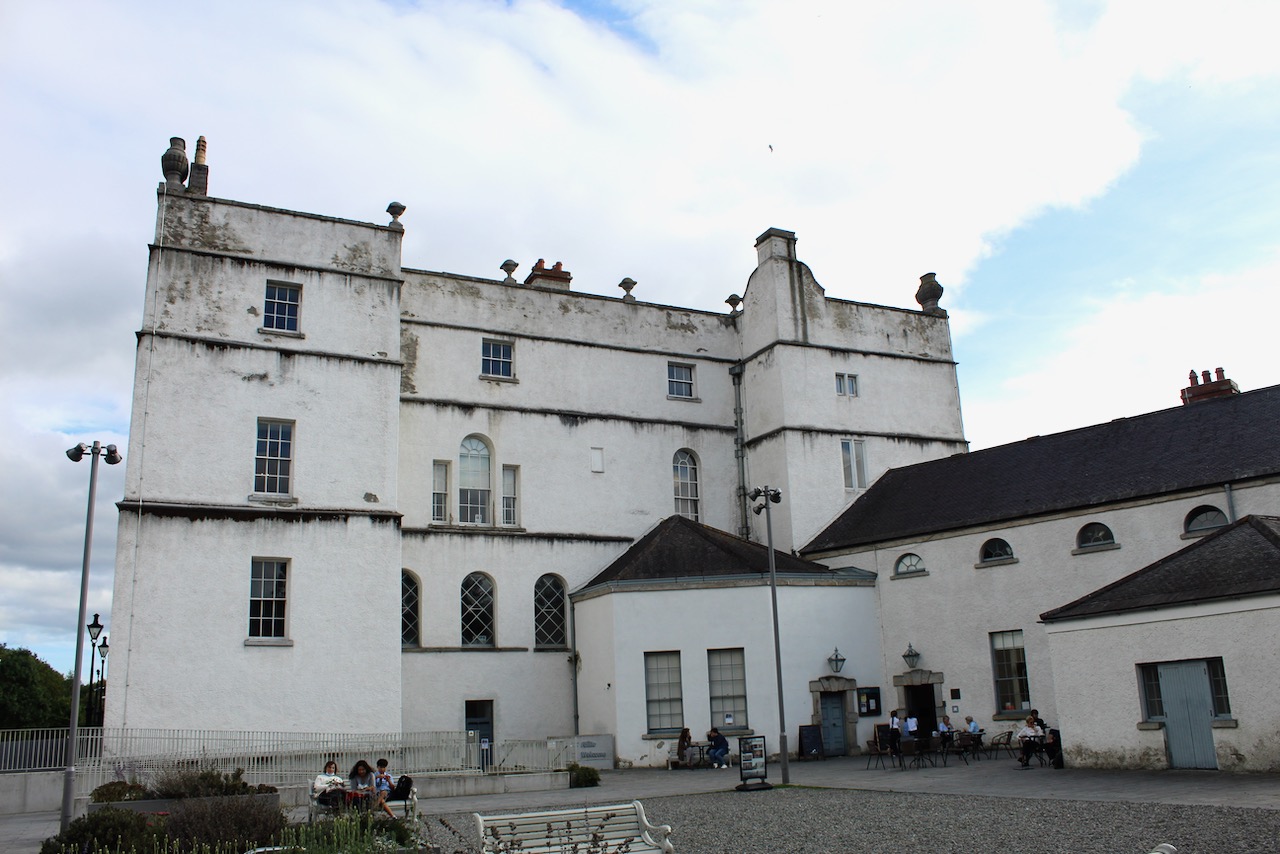
Detached nine-bay three-storey country house, built 1870-1, on an L-shaped plan centred on single-bay single-storey flat-roofed projecting porch to ground floor; seven-bay three-storey side (south) elevation centred on three-bay three-storey breakfront on a bowed plan. Occupied, 1901; 1911. In alternative use, 1916-35. In alternative use, 1937-83. In alternative use, 1983-91. For sale, 1991. Vacant, 2007. For sale, 2008. Roof not visible behind parapet with cast-iron rainwater goods retaining cast-iron downpipes. Roughcast walls on lichen-spotted chamfered cushion course on rendered plinth with lichen-spotted vermiculated-panelled quoins to corners supporting dentilated cornice on blind frieze below balustraded parapet. Square-headed central door opening in tripartite arrangement approached by flight of four steps with engaged columns on panelled pedestals supporting dentilated cornice on “triglyph”-detailed frieze on entablature framing glazed timber panelled double doors having sidelights. Square-headed window openings (ground floor) with lichen-spotted chamfered sill course, and rendered surrounds with bull nose-detailed pilasters supporting “Cyma Recta”- or “Cyma Reversa”-detailed hood mouldings on panelled consoles framing boarded-up one-over-one timber sash windows. Square-headed window openings (first floor) with thumbnail beaded sills, and rendered surrounds with bull nose-detailed pilasters on “Cavetto” consoles supporting “Cyma Recta”- or “Cyma Reversa”-detailed open bed pediments on panelled consoles framing boarded-up one-over-one timber sash windows. Square-headed window openings (top floor) with sills on “Cavetto” consoles, and rendered surrounds with bull nose-detailed pilasters supporting “Cyma Recta”- or “Cyma Reversa”-detailed hood mouldings on panelled consoles framing boarded-up one-over-one timber sash windows. Interior including (ground floor): vestibule; square-headed door opening into hall with carved timber surround having roundel-detailed panelled concave reveals framing glazed timber panelled door having overlight; hall retaining encaustic tiled floor carved timber Classical-style surrounds to door openings framing timber panelled doors centred on cut-veined marble Classical-style chimneypiece with carved timber surrounds to opposing window openings framing timber panelled shutters on panelled risers, and decorative plasterwork cornice to ceiling; top-lit double-height staircase hall (west) retaining inlaid timber parquet floor, timber panelled staircase on an Imperial plan with fluted timber balusters supporting carved timber banisters terminating in timber panelled newels, round-headed niche to half-landing with moulded plasterwork frame, carved timber Classical-style surrounds to door openings to landing framing timber panelled doors, and decorative plasterwork cornice to compartmentalised ceiling centred on stained glass lantern with “Acanthus” ceiling rose; reception room retaining carved timber Classical-style surround to door opening framing timber panelled double doors with carved timber surrounds to window openings framing timber panelled shutters on panelled risers, cut-veined black marble Classical-style chimneypiece with lugged frame centred on keystone, and decorative plasterwork cornice to ceiling centred on “Acanthus” ceiling rose; reception room retaining carved timber Classical-style surround to door opening framing timber panelled double doors with carved timber surrounds to window openings framing timber panelled shutters on panelled risers, cut-veined red marble Classical-style chimneypiece, and decorative plasterwork cornice to ceiling; reception room (south-east) retaining carved timber surround to door opening framing timber panelled door with carved timber surrounds to window openings framing timber panelled shutters on panelled risers, roundel-detailed cut-veined red marble Classical-style chimneypieces, and decorative plasterwork cornice to ceiling; bow-ended reception room (south) retaining carved timber Classical-style surround to door opening framing timber panelled double doors with carved timber surrounds to opposing window openings framing timber panelled shutters on panelled risers, and decorative plasterwork cornice to ceiling; chapel (south-west) retaining inlaid timber parquet floor, cut-veined black marble Classical-style chimneypiece with carved timber surrounds to opposing window openings framing timber panelled shutters on panelled risers, and timber boarded ceiling in carved timber frame on carved timber cornice; and (upper floors): carved timber surrounds to door openings framing timber panelled doors with carved timber surrounds to window openings framing timber panelled shutters on panelled risers. Set in unkempt grounds.
Appraisal
A country house erected for John Henry Wellington Graham Loftus (1849-89), fourth Marquess of Ely, representing an important component of the later nineteenth-century domestic built heritage of south County Wexford with the architectural value of the composition, one retaining at least the footings of a house (1680-4) illustrated in Volume IV of Philip Herbert Hore’s (1841-1931) “History of the Town and County of Wexford” (1901), confirmed by such attributes as the deliberate alignment maximising on panoramic vistas overlooking windswept grounds with Saint George’s Channel and Waterford Harbour as backdrops; the symmetrical frontage centred on a pillared porch demonstrating good quality workmanship; the diminishing in scale of the openings on each floor producing a graduated visual impression with those openings showing “stucco” refinements ‘designed to resemble a grand hotel’ (Williams 1994, 186); the definition of the principal “apartments” by Osborne House (1845-51)-like bows; and the balustraded roofline repurposing eagle finials shown in a sketch (1835-6) by Charles Newport Bolton (1816-84) of County Waterford (Hore 1901 IV, 381). A prolonged period of unoccupancy notwithstanding, the elementary form and massing survive intact together with substantial quantities of the original fabric, both to the exterior and to the interior where encaustic tile work; contemporary joinery; robust chimneypieces; plasterwork by James Hogan and Sons of Great Brunswick Street [Pearse Street], Dublin (The Irish Builder 15th May 1874, 148; Freeman’s Journal 6th November 1875); and ‘an impressive oak stair in the Jacobean style…richly decorated with carving and marquetry’ (Bence-Jones 1978, 189-90), all highlight the artistic potential of the composition. Furthermore, an adjacent coach house-cum-stable outbuilding (see 15705402); a walled garden (see 15705403); and a nearby gate lodge (see 15705405), all continue to contribute positively to the group and setting values of an estate having subsequent connections with John Henry Loftus (1851-1925), fifth Marquess of Ely. NOTE: Loftus Hall is the subject of two apocryphal legends with the first being the famous “Legend of Loftus Hall” (1765) and the second being that the country house was erected in anticipation of a royal visit from Queen Victoria (1819-1901; r. 1837-1901) by whom Jane Loftus (née Hope-Vere) (1821-90), Dowager Marchioness of Ely, was appointed to the office of Lady of the Bedchamber (1851).


Farmyard complex, extant 1902, including: Detached three- or five-bay single-storey hipped gable-fronted coach house-cum-stable outbuilding with attic on a rectangular plan. Now in ruins. Hipped gable-fronted roof now missing, paired rendered central chimney stacks having stringcourses below “Cyma Recta”- or “Cyma Reversa”-detailed cornice capping, and no rainwater goods surviving on rendered eaves. Fine roughcast walls. Segmental-headed central carriageway with overgrown threshold, and cut-limestone block-and-start surround having bull nose-detailed reveals centred on keystone with no fittings surviving. Camber-headed window opening (half-attic) with cut-limestone sill, and limestone lugged surround having chamfered reveals with no fittings surviving. Paired square-headed window openings with cut-granite sills, and concealed red brick block-and-start surrounds with no fittings surviving. Interior in ruins. Set in unkempt grounds shared with Loftus Hall.
Appraisal
A farmyard complex contributing positively to the group and setting values of the Loftus Hall estate.

Gateway, extant 1771, on a symmetrical plan comprising pair of tuck pointed limestone ashlar piers on moulded cushion courses on plinths having stringcourses below ball finial-topped “Cyma Recta”- or “Cyma Reversa”-detailed cornice capping. Now disused. Road fronted at entrance to grounds of Loftus Hall.
Appraisal
A gateway not only making a pleasing visual statement in a rural street scene at the entrance on to the grounds of the Loftus Hall estate, but also surviving as a repurposed relic of the seventeenth-century estate as evidenced by a sketch (1835-6) by Charles Newport Bolton (1816-84) of County Waterford (cf. 15705406).

https://archiseek.com/2013/loftus-hall-near-fethard-on-sea-county-wexford
1871 – Loftus Hall, Fethard-on-Sea, Co. Wexford

Loftus Hall is a gaunt, three-storey nine-bay mansion of 1871, with rows of plate-glass windows and a parapet. It incorporates parts of a previous, late 17th century house. The house stands near the tip of Hook Head, an extremely wind-swept spot bereft of trees and shelter, and was built after his coming-of-age by the 4th Marquess of Ely. It largely built on the foundations of the old. Only the circular foundation of one of the towers in the ‘Ringfield’ and an underground passage survive of the original building. The new Loftus Hall was built with no expense spared – the entrance and staircase halls being of particular note. The house was supplied throughout with lighting by gas which was made on the premises and all the rooms heated by hot air pipes.
In 1917 Loftus Hall was bought by the Sisters of Providence and turned into a convent and a school for young girls interested in joining the order. In 1983, it was purchased by Michael Deveraux who reopened it as “Loftus Hall Hotel”, which was subsequently closed again in the late 1990s.
Featured in The Wexford Gentry by Art Kavanagh and Rory Murphy. Published by Irish Family Names, Bunclody, Co Wexford, Ireland, 1994.
p. 194. Redmond of the Hall.
The Redmonds of the Hall (now Loftus Hall on the Hook peninsula) became famous for defending their castle during the Rebellion of 1641. The Catholic Redmonds were Confederates. They were attacked by a force of soldiers from Duncannon fort, under the command of Captain Ashton. The English soldiers did not expect any formidable opposition and they pounded the castle with cannon. However Alexander and his sons and some tenants, pressed into service, stoutly defended the hall. A small army of rebels were camped at a short distance away. Among them were William and Antony Hore of Harperstown. When they heard the shooting and commotion, realising what was happening, they rushed to the help of the bealeaguered defendants. As luck would have it, a sudden mist swept in from the sea and the soldiers were unable to charge their pieces. They were outnumbered two to one by the rebels and the outcome was inevitable. Captain Ashton was killed (by Anthony Hore, it’s said), and seventy of his fellow soldiers also fell.
Alexander Redmond continued to live in the Hall until his death in 1650. When Cromwell’s forces arrived at his gates in 1649, he surrendered the castle but he was allowed to live there because of his advanced years. His sons were dispossessed. The lands were granted to Sir Nicholas Loftus, a Protestant neighbour, the grandson of Adam Loftus the archbishop of Dublin.
p. 195. It is generally thought that the South Wexford Redmonds descended from Raymond le Gros, who was one of the original Norman invaders. He appears to have had a son Alexander who was given a grant of the lands of the Hook Peninsula. In 1232 there is mention of a Sir Robert Redmond…[A Robert Redmond] married Eleanor Esmonde of Johnstown, daughter of Sir William Esmonde. They had four sons, Sir Alexander killed in battle against the Welsh, Richard, also killed in Wales, John who was a soldier in King Edward’s army and his succesor and heir Sir Walter Redmond. Sir Robert also had a daughter who married her first cousin Sir William Esmonde of Johnstown. It was noted that Walter died in 1350. Either Walter or his father is credited with building the castle subsequently konwn as Redmond’s Hall. Over one hundred years later an Andrew FitzRedmond is mentioned… an in 1520 a Sir John Redmond of hte Hall achieve fame as a most hospitable and generous patron of the church…
In 1559 Alexander Redmond of the Hook, was a government appointed collectr of Revenue which was to be used for the protection of the Wexford Pale.
Nearly one hundred years later, in 1642, another Alexander Redmond as the owner of Redmond Hall.
He had at least two sons, Robert and Michael, and at least ond daughter, Ellen, who was married to Henry Laffan (a descendant of James Laffane Prebendary of Whitechurch in 1570). Henry Laffan appears to have died before 1642, because that year Robert, his brother in law, was the guardian of Ellen’s four year old son. Ellen and her son were living in Slade Castle, which was fortified for her protection during the Rebellion.
P 196. Robert was married to Eleanor the daughter of William Esmonde of Johnstown, whose brother Patrick appeared to be living in the Hall at that time. Interestingly, when Robert lost his property in 1653 following the Cromwellian Confiscations, it was noted that Eleanor Redmond occupied property in Fethard village, not far from the Hall. Follwing that dark episode of history the Redmonds seem to disappear for a time.
In Burke’s Irish Family Records, it is surmised that the family of Redmonds of Wexford of whom John Redmond the renowned politician was a famous scion, descended from the Redmonds of the Hall.
p. 197. …John Edward Redmond, the famous politician. Born in 1856 …he was an MP from 1881 to 1918. He was Parnell’s chief supporter on the split in 1890 [p. 198] and leader of the Parnellite group on the death of Parnell in 1891. He succeeded in reuniting the party, which he led until his death in 1918.
He urged all young Irishmen to fight for Britain in the first World War He was a strict parliamentarian and fought for a free Ireland within the British Empire. He was totally opposed to the 1916 Rising and because of his stance, his popularity declined in Wexford.
Loftus Hall is located on Hook Head in co.Wexford. This was originally the site of a castle built by a family called Redmonds in 1350. It later ‘fell into the hands’ of the Loftus family in the 1650’s as result of the Cromwellian confiscations. One of their descendants, the 4th Marquess of Ely, built this house with the finest materials in 1872. Over the following years there were reports of strange happenings. One infamous story happened on a stormy winter’s night as the family relaxed before a roaring log fire. A stranger arrived on horseback who knocked on the door and was invited to stay for the night. After refreshments, he participated in a game of cards and when one fell on the floor, Lady Anne bent down to retrieve it. She was shocked to discover that the stranger had a cloven foot and when she screamed in terror, the stranger vanished through the ceiling in a puff of smoke!! (scared yet?) Lady Anne then fainted but when she awoke, she was apparently mentally ill. This was an embarrassment for the family and so she was locked away in her out of sight until she died. More ghost stories followed including that presumed to be of Anne Tottenham who frequently ‘appeared’ in the in the Tapestry Room. An exorcism was even carried out on the house by Father Broaders who’s own epitaph reads..‘here lies the body of Thomas Broaders, who did good and prayed for all and banished the Devil from Loftus Hall.‘ Loftus Hall was re opened again on Friday 13th of July 2012 and the public can now do ‘The Loftus Hall Tour’…if they dare! A new movie is also being made about the house which will be the first Irish film to be released in 3D.
http://lordbelmontinnorthernireland.blogspot.com/2014/05/loftus-hall.html
THE MARQUESSES OF ELY WERE MAJOR LANDOWNERS IN COUNTY WEXFORD, WITH 14,023 ACRES
The family of LOFTUS, or, as it was anciently spelt, Lofthouse, appears, from the archives of York Minster, to have flourished in Yorkshire as early as the reign of ALFRED THE GREAT.
Before the advent of the Normans, this family held the town and lands of Loftus, Yorkshire, by thaneage, and after the Conquest, by military tenure.
The same records show that Christopher Lofthouse was prior of Helagh, Yorkshire, in 1460.
EDWARD LOFTUS, of Swineshead, Yorkshire, whose descendants have been, in different branches, thrice elevated to the Irish peerage, had two sons, namely,
ROBERT;
ADAM.
The elder son, Robert, whose second son,
ADAM LOFTUS, an eminent lawyer, was appointed LORD CHANCELLOR OF IRELAND, 1619; and created, in 1622, Viscount Loftus, of Ely, a dignity which expired with his lordship’ grandson ARTHUR, 3rd Viscount.
The younger son,
THE MOST REV ADAM LOFTUS, accompanied, as private chaplain, the Viceroy, Thomas, Earl of Sussex, into Ireland, and was consecrated Lord Archbishop of Armagh, 1562-3.
In 1567, the Lord Primate was translated to the see of Dublin; and six years afterwards we find him Lord Keeper of the Great Seal.
In 1578, His Grace was constituted LORD CHANCELLOR OF IRELAND, and he continued to hold the seals until his death.
This esteemed divine having a principal share in the foundation of Trinity College, Dublin, was appointed by charter its first Provost, which office he resigned in 1594.
He married Jane, eldest daughter of Alan Purdon, of Lurgan Race, County Louth, and by her had twenty children, of whom seven died young.
The survivors were eight sons and five daughters.
The Archbishop died in 1605, and was succeeded by his eldest son,
SIR DUDLEY LOFTUS, of Rathfarnham, who wedded Anne, daughter of Sir Henry Bagenal, of Newry, and had, with other issue,
ADAM, 1st Viscount Lisburne;
NICHOLAS, of whose line we are about to treat;
Edward;
Samuel.
The second son of Sir Dudley Loftus,
NICHOLAS, of Fethard, born in 1592, Joint Clerk of the Pells and of the Treasury in Ireland, wedded and was succeeded by his eldest surviving son,
SIR NICHOLAS LOFTUS, of Fethard, who married twice, and had several children, all of whom died issueless, when the estates descended to his brother,
HENRY LOFTUS, of Loftus Hall, who married twice and was succeeded, in 1716, by his elder son,
NICHOLAS LOFTUS, MP for County Wexford, who was elevated to the peerage as Baron Loftus, of Loftus Hall, in 1751.
His lordship was sworn of the privy council in 1753; nominated Governor of County Wexford, and advanced to a viscountcy, as Viscount Loftus, of Ely, in 1756.
He married firstly Anne, 2nd daughter of William, Viscount Duncannon, by whom he had issue,
NICHOLAS, his successor;
HENRY, succeeded as 4th Viscount Loftus;
Mary; Anne; Elizabeth.
His lordship wedded secondly, Letitia, daughter of Sir John Rowley, knight, by whom he had no issue.
He died in 1763, and was succeeded by his elder son,
NICHOLAS, 2nd Viscount, who was advanced to the dignity of Earl of Ely in 1766.
He married Mary, eldest daughter and heir of Sir Gustavus Hume Bt, of Castle Hume, County Fermanagh; and dying in 1766, was succeeded by his only son,
NICHOLAS, 2nd Earl, who died unmarried, in 1769, when the earldom expired, and the viscountcy and barony reverted to his uncle,
THE HON HENRY LOFTUS, as 4th Viscount, born in 1709.
His lordship was advanced to an earldom, in 1771, as Earl of Ely; and installed a Knight Founder of the Most Illustrious of St Patrick, 1783.
Lord Loftus married twice, though died without issue, in 1783, when the titles became extinct; while the estates devolved upon his nephew,
THE RT HON CHARLES TOTTENHAM, who then assumed the surname and arms of LOFTUS, and was created, in two years afterwards, Baron Loftus, of Loftus Hall.
His lordship was advanced to a viscountcy, in 1789, as Viscount Loftus; and Earl of Ely in 1794.
He was further advanced, to the dignity of a marquessate, in 1800, as MARQUESS OF ELY.
His lordship was postmaster-general of Ireland in 1789; privy counsellor; Knight of St Patrick; governor of Wexford; governor of Fermanagh; colonel, the Wexford Militia.
*****
GEORGE HENRY WELLINGTON, 7th Marquess (1903-69), styled Viscount Loftus between 1925-35, became known by the courtesy title Viscount Loftus when his father succeeded to the marquessate in 1925.
He was educated at Lancing College and served as a major in the North Irish Horse during the 2nd World War. He was also High Sheriff of Fermanagh in 1931. In 1935 he succeeded in the marquessate on the death of his father.
*****
CHARLES JOHN, 8th Marquess, who died in 2006 aged 92, was a Canadian prep school headmaster for some 40 years and a dogged, if silent, attender at the House of Lords for almost 30 years until his exclusion by Tony Blair’s reforms. He was appalled by the “constitutional vandalism” that cost him his seat.
His eldest son, John, who was born in 1943, succeeded to the titles as 9th Marquess.
The Ely Papers are deposited at PRONI.

LOFTUS HALL, near Fethard-on-Sea, County Wexford, is, according to Mark Bence-Jones, a gaunt, three-storey mansion of 1871, with rows of plate-glass windows and a parapet, incorporating parts of a previous, late 17th century house.
The house stands near the tip of Hook Head, an extremely wind-swept spot bereft of trees and shelter.

The present house was built after his coming-of-age by the 4th Marquess of Ely (who also had plans for Ely Lodge in County Fermanagh).
It contains an impressive staircase hall.

In 1917, Loftus Hall was bought by the Sisters of Providence and turned into a convent and a school for young girls interested in joining the order.
In 1983, it was purchased by Michael Deveraux, who re-opened it as “Loftus Hall Hotel”, which was subsequently closed again in the late 1990s.

It was privately owned by Deveraux’s surviving family until late 2008, when it was sold to an unnamed buyer, rumoured to be “Bono” of U2 fame.
While in need of repair at the time of writing, the nine-bay mansion comprises seven reception rooms, twenty-two bedrooms and a function room spread across three floors.
THURSDAY, 30 OCTOBER 2014
The Legend of
Loftus Hall
Co. Wexford
In the drawing rooms of many Irish country houses stories abound of the night the devil paid a visit. His usual route of escape, upon discovery of his true identity, was via the chimney as a puff of smoke leaving damaged chimney pieces in his wake as a reminder. Many stories have abounded about satanic damage to fireplaces that may owe their true origin to faulty foundations rather than supernatural occurrences. However there is one story that has endured regarding Loftus Hall in Co. Wexford, of course like any tale, it should be prefaced with the words ‘Based on a True Story’.

Loftus Hall in the early 1900s, Copyright The National Library of Ireland
A house existed previously on the site of the current incarnation of Loftus Hall on the Hook Head Peninsula. It was known as Redmond Hall and it was in this house that the story of the visit of a mysterious stranger emanates. The Tottenham family were in residence the early 1770’s where, as the result of a storm, a ship deposited a mysterious man on the beach near the house. Redmond Hall being the one of the few houses in this area, the visitor was drawn to the lights from the windows. He made his equiries at the door and was welcomed in by Charles Tottenham. The young man stayed a number of days and a romance seemed to blossom with Charles’s daughter Anne.

One evening the family and their guest sat down to play cards. During the game Anne dropped her playing cards and leant down to pick them up. She was amused to see that the young man had removed his shoes. However when she glanced at his feet, she was disgusted to see her suitor had hooves. The young man seen Anne’s ashen face as she arose from beneath the table, he knew his true identity had been discovered. Anne screamed and the man regained his true form as the devil and then disappeared up through the ceiling in a puff of smoke. Anne never recovered from the shock of her close encounter with Satan and as a result she had a mental breakdown. Her family confined her to the Tapestry Room and the house became a magnet for supernatural activity. Anne remained in the Tapestry Room for the rest of her life, sitting in a hunched position refused to leave the window for fear that she may miss the return of the stranger from the shore. As a result, by the time of her death in 1775, her bones had become fused in this position. A special coffin had to be made and she was buried in the same position in which she had remained in for most of her life. This fact was confirmed when the Tottenham crypt was opened in the 1940’s and Anne’s unusual shaped coffin was seen. Despite an exorcism, the house and its replacement continued to be plagued by unexplained occurrences. In later years another tragedy was to occur at Loftus Hall when the second Marquis of Ormonde died on the the beach near the house in sight of his family. He and his family had traveled from Kilkenny Castle to Loftus Hall which he was renting from the Marquess of Ely on the 25th September 1854.
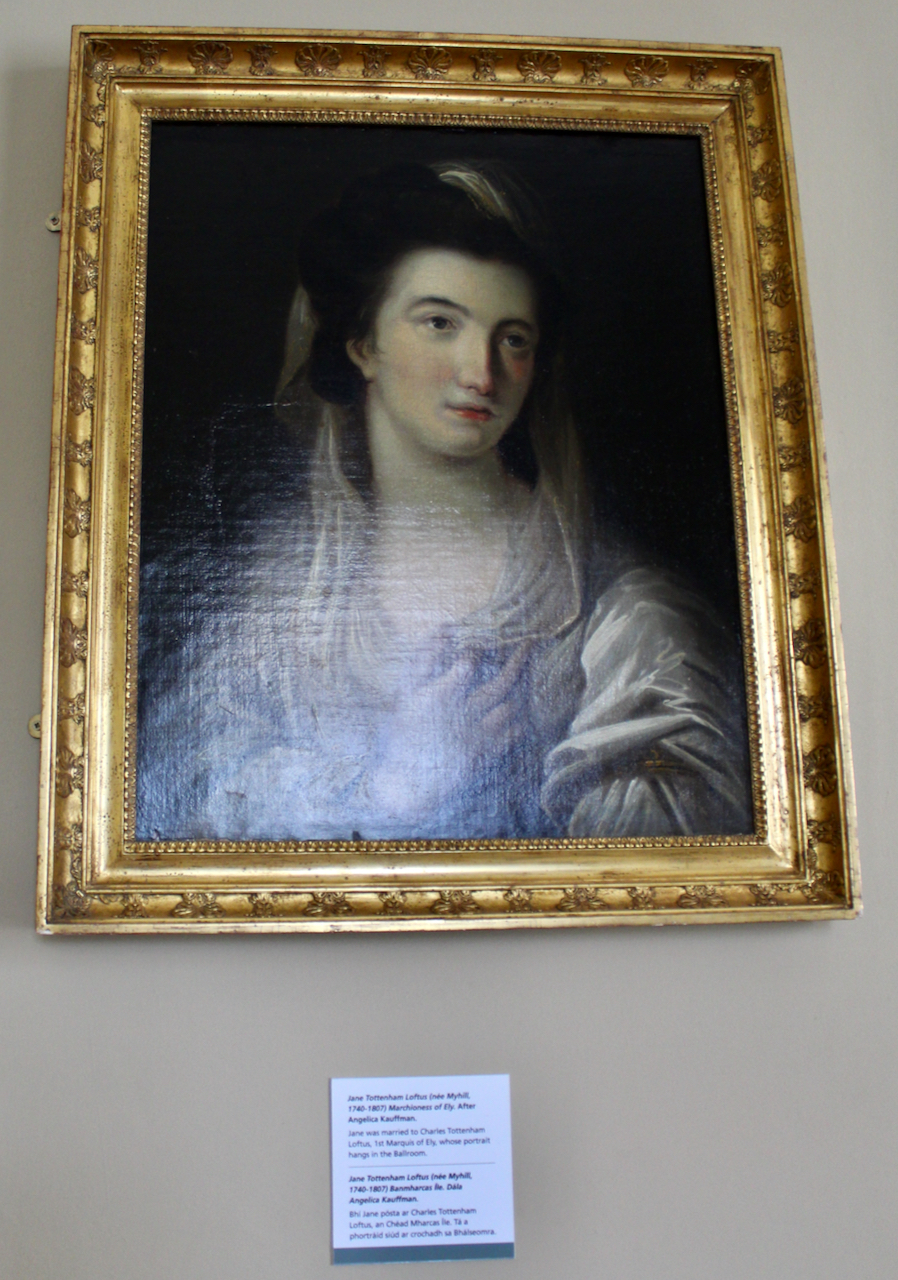
The house that now stands on the Hook peninsula was built in 1870 on the ruins of Redmond Hall by John Henry Wellington Graham Loftus, fourth Marquess of Ely. Loftus Hall was built to celebrate his coming of age, having inherited the estate and the title at the age of eight. The Marquess had another house in Fermanagh called Ely Lodge which he had blown up, also to celebrate his coming of age. It was his intention to rebuild this house but he spent too much on the new house in Wexford that his project in Fermanagh was never realised. Another reason put forward for blowing up Ely Lodge was to prevent Queen Victoria from making a visit, which seems drastic action to take to avoid an unwanted guest. Loftus Hall in Wexford reputedly stands on the foundations of the earlier seventeenth century house and it is said that both houses had a comparable footprint. The current owners believe that the new house was actually a remodeling of the existing house and incorporates numerous features from Redmond Hall. At the time of the rebuilding the Tapestry Room from the old house now became a billiards-room which continued to plagued by ghostly goings on. In later years the house keeper complained about the ghost of Anne Tottenham, “Oh! Master George, don’t talk about her. Last night she made a horrid noise knocking the billiard balls about’. The design of the new house was influenced by Queen Victoria’s Osbourne House on the Isle of Wight, as John’s mother, Jane Loftus, the Dowager Marchioness of Ely, was a Lady of the Bedchamber to the Queen . The mansion is deliberately aligned on an axis to maximise the vista over looking the Hook Peninsula. The eagle finials on the roof line are said to be relics from the earlier house and the gateway to the house is said to have been designed by Robert Adam for the first Viscount Loftus of Ely.

John Henry Wellington Graham Loftus, 4th Marquess of Ely, who built Loftus Hall when he came of age. He is pictured here with his mother, Jane Loftus (née Hope-Vere), Marchioness of Ely who is said to have influenced the design of the house. Photographed by John & Charles Watkins, published by Mason & Co (Robert Hindry Mason), circa 1860. Copyright the National Portrait Gallery London.
After the death of the fourth Marquess in 1889 and his wife in 1917, Loftus Hall was used as a convent by two different orders of nuns until 1983. After the departure of the holy orders the mansion was successfully run as a country hotel by the Devereux family until 1991. The mansion stood empty for a number of years and was sold in October 2008 to a Galway based businessman for around €1.7 million. However owing to the owner’s personal circumstances, it was put back up for sale in 2011. The local Quigley family purchased the house, mainly for the surrounding agricultural land but soon discovered the true value of the asset at its core, Loftus Hall. While they do not intend to restore the house, they have secured the fabric of the building by sorting out the leaky roof. The current owners have chosen to embrace the house’s troubled past and now use it to its advantage. They now provide ghost tours of the house which have attracted crowds of people. However when some ghostly faces were recently pictured at the windows of Loftus Hall, it has now made the house a popular tourist attraction and gained international attention

The image of the ghostly residents pictured at Loftus Hall, Co. Wexford.
If you wish to visit Loftus Hall and its ghosts, you can find more details by going to the website below:
http://www.loftushall.ie/
https://www.independent.ie/regionals/newrossstandard/news/loftus-hall-for-sale-at-265m-40312463.html
Loftus Hall for sale at €2.65m
Simon Bourke
April 17 2021 12:00 AM
With properties at a premium and construction at a standstill it’s not a particularly good time to be buying a home. However, if your budget runs to seven figures and you don’t mind living in one of the country’s most haunted houses then your search may be at an end.
For the princely sum of €2,650,000 prospective owners can now purchase the famous Loftus Hall and its surrounding 63 acres.
The mansion on the Hook peninsula was bought by Aidan and Shane Quigley in 2011 and subsequently opened to the public for the first time in 20 years in 2012.


https://www.loftushall.ie/about


by Vish Gain, June 26 2025
Paddy McKillen Jr has cut the asking price for Loftus Hall in Wexford from €4 million to €3 million as the first phase of an ambitious redevelopment plan to turn the property into a luxury hotel nears competition.
When McKillen Jr first bought Loftus Hall in 2022, his development company Oakmount reportedly paid €1.75 million for the manor-style house and 68 acres of land, subsequently paying millions more on its restoration.
The property was first put on the market earlier this year, when agents Colliers were quoting in excess of €4 million as the guide price was €4.5 million.
A spokesperson for Colliers said the current price “is reflective of market demand for an asset which requires substantial refurbishment work.”
Loftus Hall, which encompasses 2460 sq m, has been attracting interest from international wellness resort operators. The three-storey sea-view property overlooks the Hook lighthouse and peninsula and comes with walled gardens.
As it nears the end of McKillen’s phase one plans, Loftus Hall – built on the historic site of the original Redmond Hall – now has 22 upstairs bedrooms, a restored roof, replastered façade and a new bar and restaurant.
It also, famously, has reputation among locals for being haunted, according to its listing on Daft.ie.
“The property was purchased by the Quigley family in 2011 and run as a tourist attraction with guided tours of the property and seasonal events. In 2021 the property was bought by its current owners who had a masterplan to refurbish the original building over two phases,” the listing reads.
“The estate has already undergone extensive renovations, with Phase 1 nearing completion, set to transform the property into an exclusive 22-bedroom luxury hotel with high-end amenities, extensive food and beverage facilities, and beautifully landscaped gardens.”
Phase two of the redevelopment included an additional 56 bedroom hotel block, a gym and spa, dedicated wedding facilities for up to 300 seated guests, 33 standalone garden cottages, 10 eco pods along its perimeter, a children’s playground and more than two hundred car park spaces.
by Tina-Marie O’Neill, April 5 2025
One of Ireland’s most storied properties, Loftus Hall at Fethard-on-Sea in Co Wexford, officially came to market this week and is being sold through Colliers for a reported ask of €4 million.
Developer Paddy McKillen Jr spent millions on preparatory works to convert the period pile into a high-end 22-bedroom boutique hotel after purchasing it in 2022 for €1.75 million.
The 68 acre estate which has a remarkable past, overlooks Hook Peninsula and Hook Lighthouse, and offers a blend of heritage and development potential.
[captions: The house was built in 1870, as the private residence of John Henry Wellington Graham Loftus, 4th Marquess of Ely, on the site of the original 14th-century Redmond Hall estate. Paddy McKillen’s company Oakmount had begun extensive renovations on the house, a protected structure, as part of an initial phase of development. Its original owner fell into financial difficulty and was forced to sell the property. The house later served as a convent and a hotel]
The property was built in about 1870 on the site of the original Redmond Hall estate (which dated back to 1350) and boasts a total gross internal area (GIA) of 2,460.7 square metres across three floors.
The 19th-century residence was initially the private residence of John Henry Wellington Graham Loftus, 4th Marquess of Ely, who fell into financial difficulty and was forced to sell it. It was later operated as a convent by the Sisters of Providence (1917) and then as a hotel before closing in the late 1990s.
In a case of history eerily repeating, McKillen Jnr is now divesting from his property business, Oakmount.Before that process began last autumn, Oakmount had begun extensive renovations on Loftus Hall, a protected structure, as part of an initial phase of development.
A second phase was proposed which would have added an additional 56-bedroom hotel block, a gym and spa, dedicated wedding facilities, 33 standalone garden cottages, and 10 eco pods strategically placed along the perimeter of the property.
Loftus Hall could serve as a luxury hotel, a private estate, or a heritage attraction. With its striking location, rich history, and potential for further development, it could become a premier hospitality destination.
For further inquiries or to arrange a private viewing, contact Marcus Magnier or Gillian Earley of Colliers at 01-6333785 or 01-6333708 respectively.












 Irish Historic Houses