Places to stay, County Cavan
1. Cabra Castle, on section 482 – hotel and lodges
2. Clover Hill Gate Lodge, Cloverhill, Belturbet, Cavan
3. Farnham Estate, Farnham Estate, Cavan – hotel
4. Killinagh House, McNean Court, Blacklion, County Cavan – whole house rental and lodge
5. Lismore House, Co Cavan – was a ruin. Place to stay: Peacock House on the demesne
6. Olde Post Inn, Cloverhill, County Cavan
Whole house rental County Cavan:
1. Killinagh House, McNean Court, Blacklion, County Cavan – whole house rental
3. Virginia Park Lodge, Co Cavan – weddings
1. Cabra Castle, Kingscourt, Co. Cavan – section 482, hotel
This is a hotel but unlike some heritage house or castle hotels, they do allow visitors to view the building: the website states that they are open between 11am to 4pm for visitors for viewing all year round, except at Christmastime.
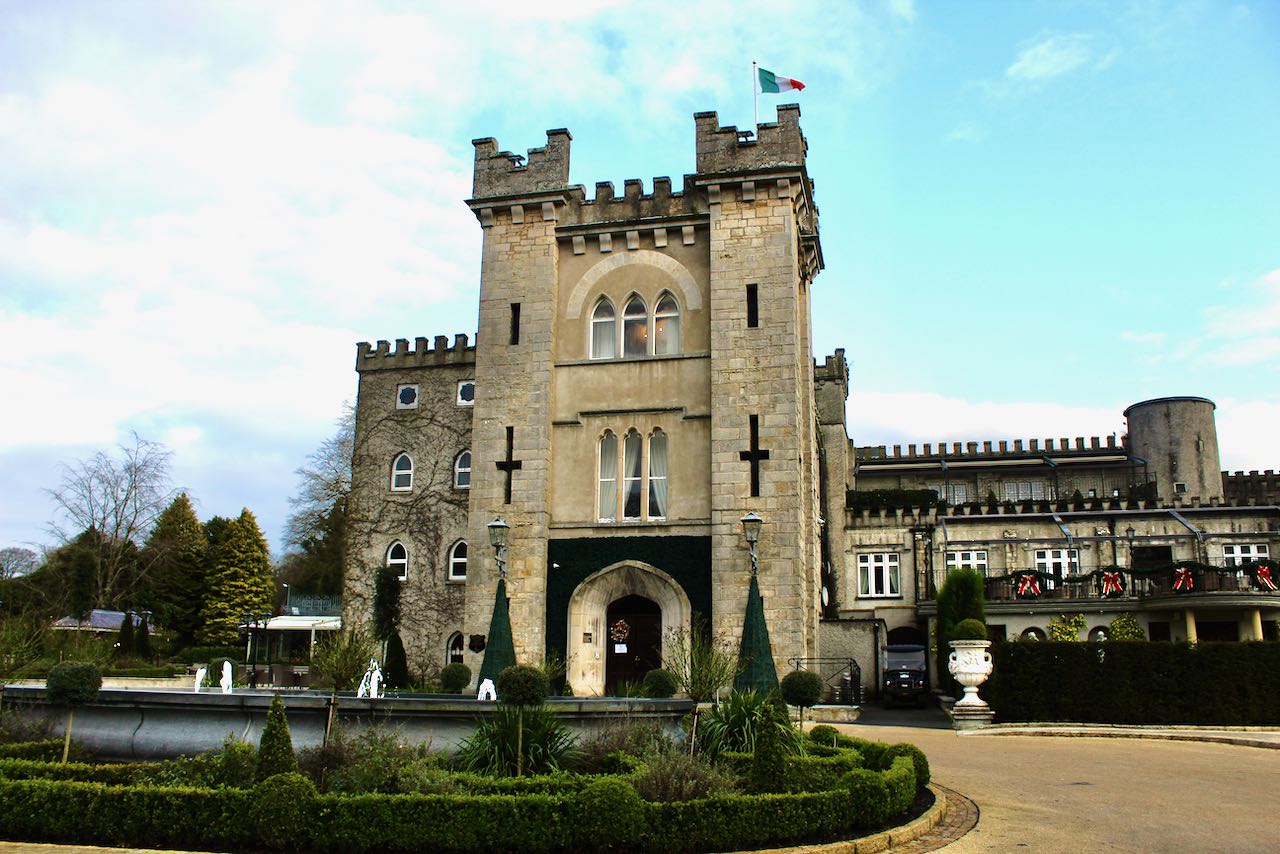
see my write-up:
https://irishhistorichouses.com/2021/03/28/cabra-castle-kingscourt-county-cavan/
www.cabracastle.com
Open in 2026: all year, except Dec 24, 25, 26, 11am-4pm
Fee: Free to visit
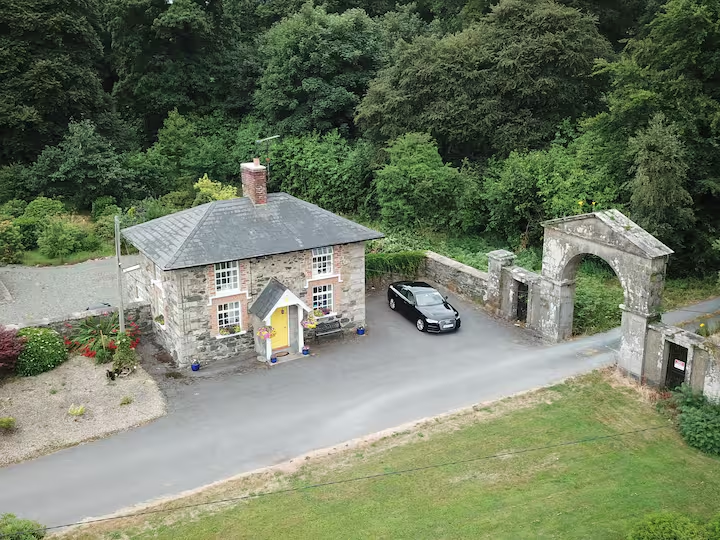
2. Clover Hill Gate Lodge, Cloverhill, Belturbet, Cavan – airbnb accommodation
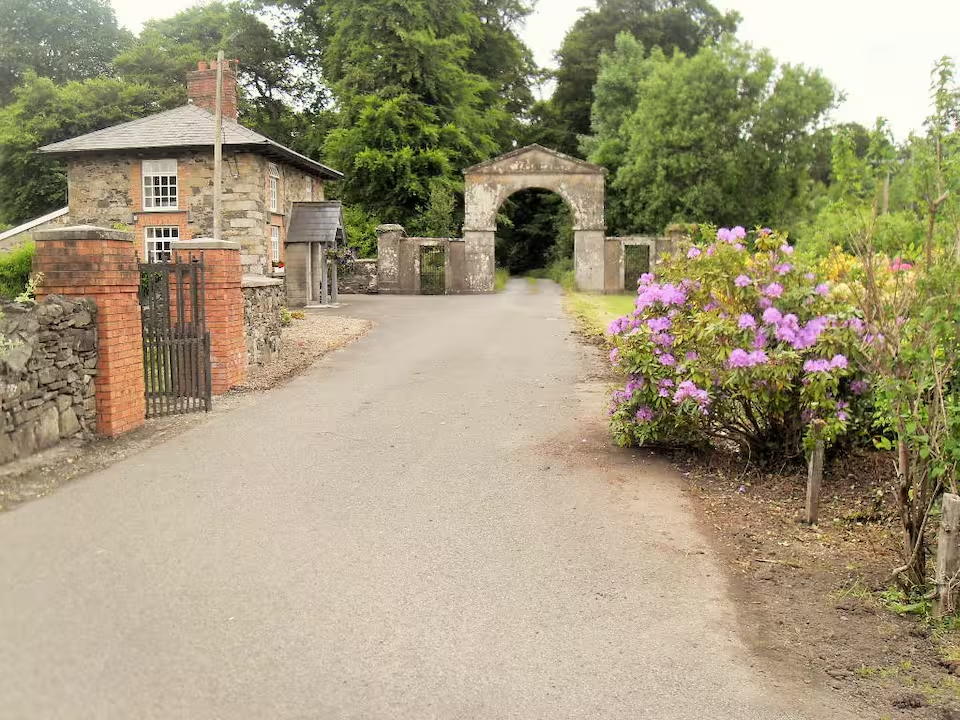
The airbnb description tells us:
“This old stone cottage built between 1830 -1850 is tucked away at the archway entrance to the Cloverhill Estate. This cottage is surrounded by gardens and woodland. The magic of this cottage is undeniable. Originally built for the Gate Keeper this cottage reflects heritage with rustic simplicity. Though some features and fittings have been replaced, the survival of historic features, including the label mouldings and timber bargeboards add to its character and charm.“
Cloverhill House is now a ruin. Mark Bence-Jones tells us the house was built 1799-1804 for James Saunderson (1763-1842) to the design of Francis Johnston. [1] Robert O’Byrne adds that it was in fact extended in 1799, but built originally in 1758 (thus was built for James’s father Alexander, who married Lucy Madden of the Hilton Park House Madden family, another Section 482 property. A date stone gives us the date of 1758.) [2] Mark Bence-Jones tells us that the house passed by inheritance to the Purdons, and was sold by Major J.N. Purdon ca 1958. The National Inventory of Architectural Heritage tells us that the Sanderson family were instrumental in the development of Cloverhill village with the building of the Church of Ireland church and estate workers’ houses.
The house is featured in Tarquin Blake’s Abandoned Mansions of Ireland, Collins Press, Cork, 2010.
From James Sanderson (1763-1842) the property passed down through the female line since the son, also named James, had no heirs. It passed first to Mary Anne, who was unmarried, and then to her sister’s son, Samuel Sanderson Winter (1834-1912), whose parents were Lucy Sanderson and Samuel Winter (1796-1867) of Agher, County Meath. Samuel Sanderson Winter married Ann, daughter of John Armytage Nicholson of Balrath Bury, County Meath (we came across this family before as Enniscoe in County Mayo was inherited by Jack Nicholson, of the Balrath Bury family). Samuel Sanderson Winter’s son died young so Cloverhill passed to the son of his sister, Elizabeth Ann Winter, who married George Nugent Purdon (1819-1910). This is how the house passed to the Purdon family.
The house passed to their son, John James Purdon, who died childless so it passed to his nephew, John Nugent Purdon, son of Charles Sanderson Purdon. John Nugent Purdon sold Cloverhill demesne ca 1958 to Mr Thomas Mee. [3]
3. Farnham Estate, Farnham Estate, Cavan – hotel
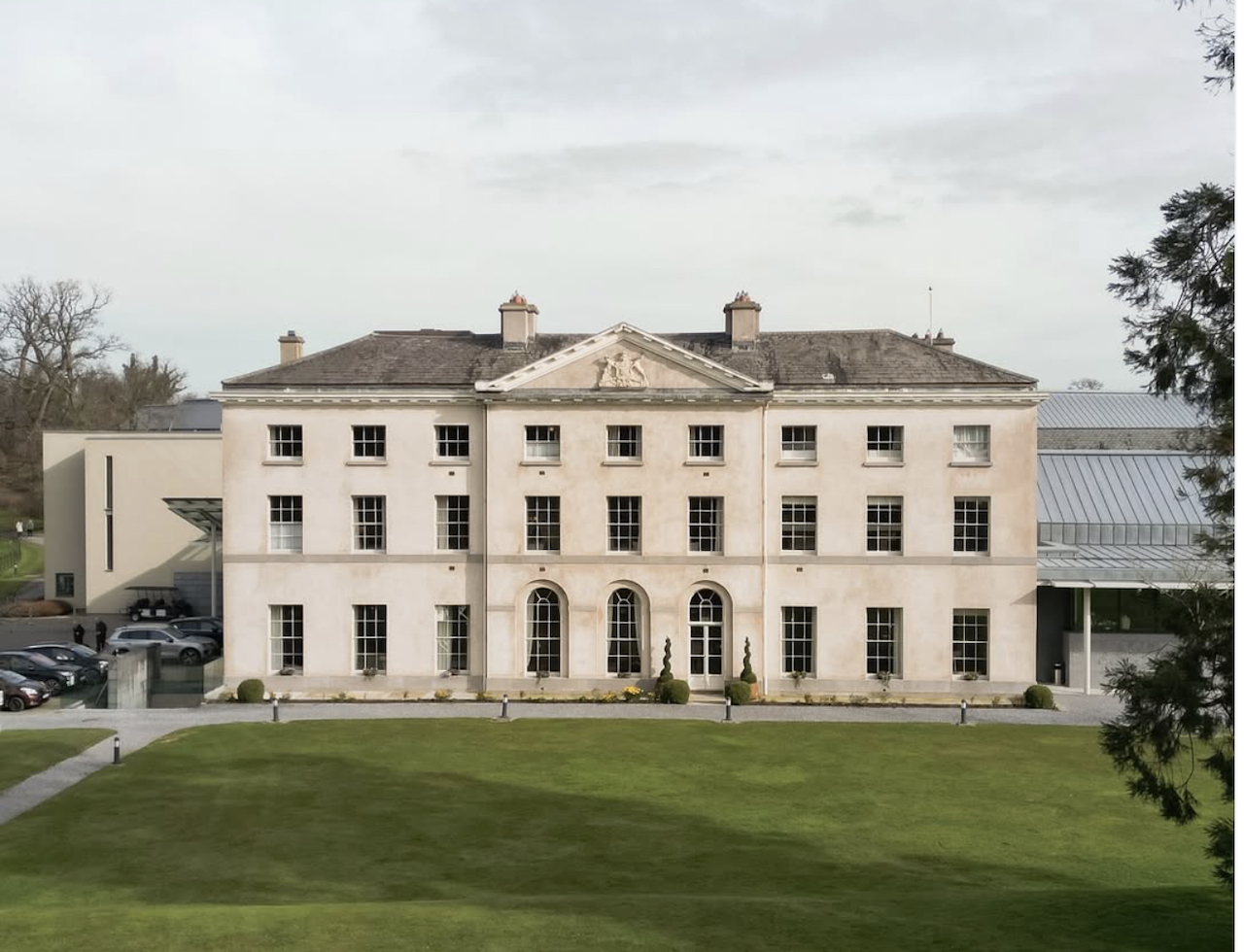
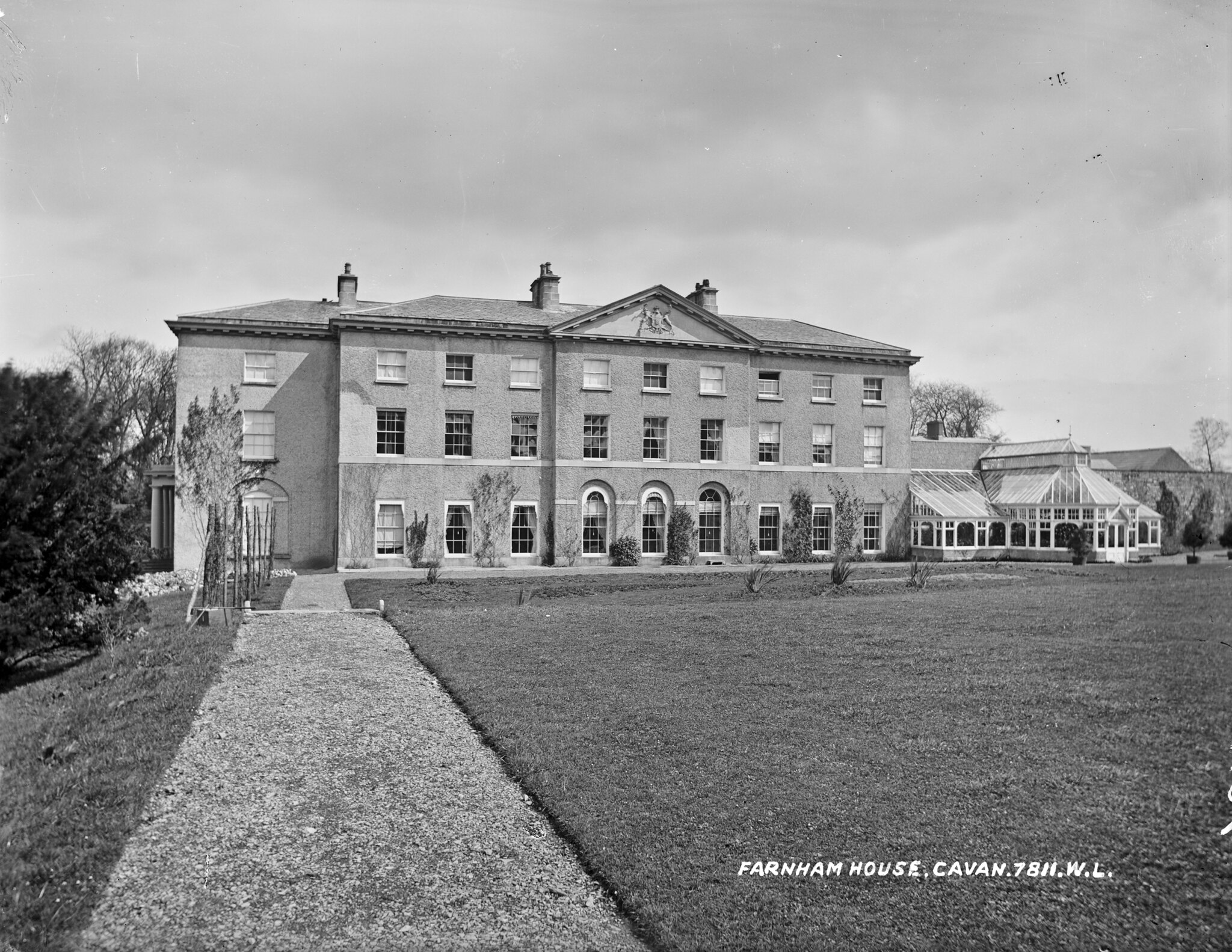
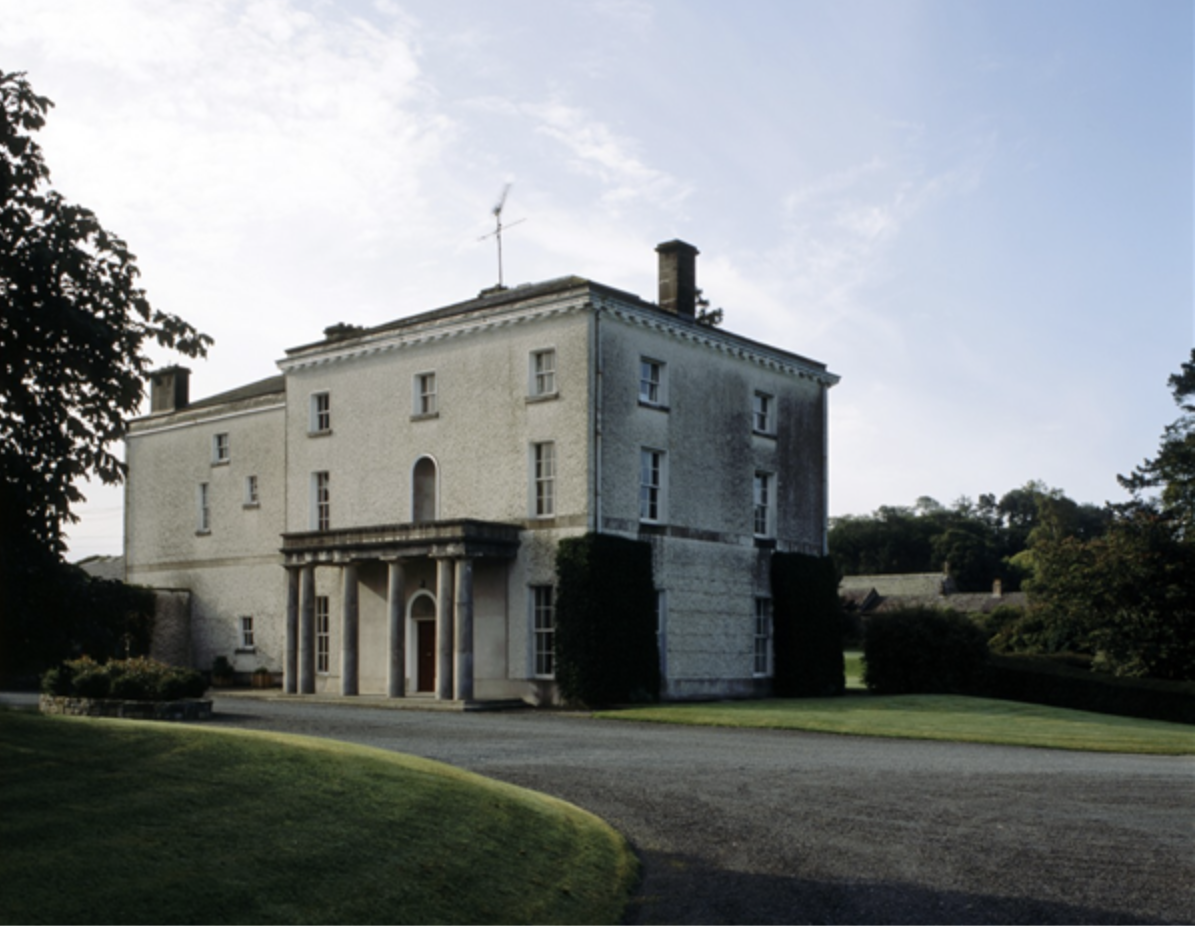
David Hicks tells us in his Irish Country Houses, A Chronicle of Change that the wing of Farnham House that survives today is the truncated section of a much larger mansion. Dry rot led to demolition of a substantial section of the Maxwell ancestral home. The family’s connection was severed in 2001.
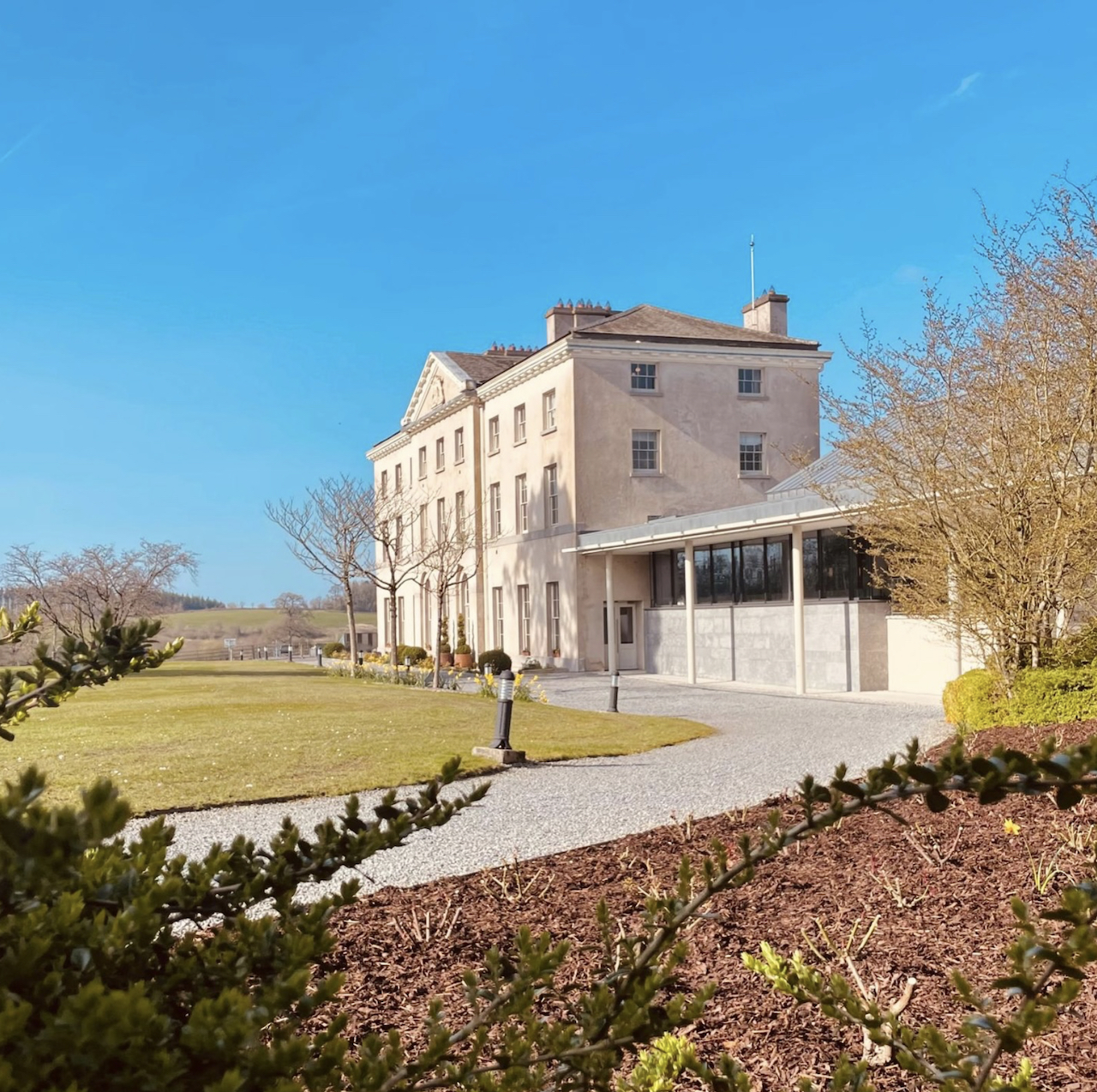
The estate was granted by King James I to the Waldron family in 1613. Henry Waldron named the estate after his wife’s family. The Waldrons built a castle here in 1620.
The website gives us a history of the estate:
“1664- The Waldrons of Dromellan Castle (early name of Farnham House) were forced to sell the estate to settle gambling debts. Bought by Bishop Robert Maxwell, thus beginning the Maxwell family connection that was to continue for more than 330 years (family motto is Je suis prêt – I am ready’).”
Mark Bence-Jones adds in his A Guide to Irish Country Houses (1988, p. 123):
“…A few years later the estate was sold to Robert Maxwell [1598-1672], Bishop of Kilmore, whose cathedral was nearby. The Bishop’s son, John Maxwell, built a new house here ca 1700, which was improved ca 1780 by Barry Maxwell, 3rd Lord Farnham and first Earl of Farnham of 2nd creation, who added a library designed by James Wyatt.“
Timothy William Ferres tells us of the Maxwell lineage:
John Maxwell of Farnham, High Sheriff of County Cavan, 1674, who dsp 1713, was succeeded by his nephew, The Reverend Doctor Robert Maxwell; who dsp 1737 and was succeeded by his cousin, John Maxwell (1687-1759), High Sheriff of County Cavan, 1757, MP for County Cavan 1727-56, who was elevated to the peerage, in 1756, in the dignity of Baron Farnham, of Farnham, County Cavan.
In 1719 he married Judith, heiress of James Barry (1660-1725) of Newtownbarry, County Wexford. Their son Robert succeeded as 2nd Baron Maxwell, and he was created Viscount in 1760 and 1st Earl of Farnham in 1763. Robert married Henrietta Cantillon, the widow of William Matthias Stafford-Howard, 3rd Earl of Stafford.
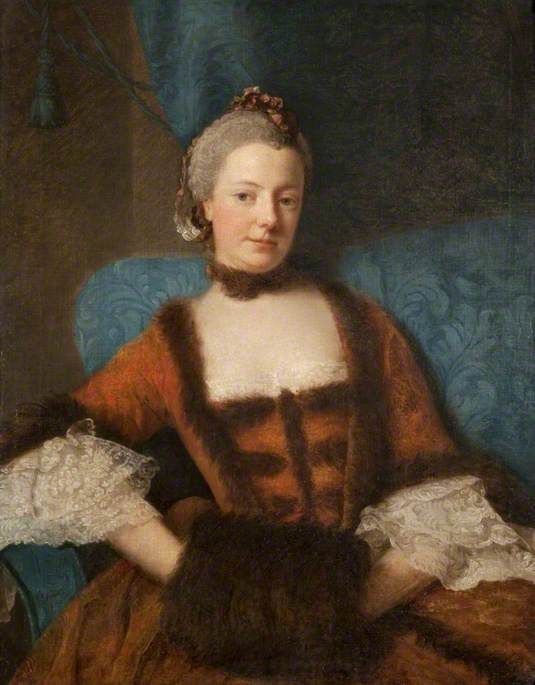
See also the wonderful book by Melanie Hayes, The Best Address in Town: Henrietta Street, Dublin and its First Residents 1720-80, published by Four Courts Press, Dublin 8, 2020. She has a chapter on John Maxwell, (1687-1759) 1st Baron Farnham.
The Farnham Estate website tells us that Robert was a keen agriculturalist and agent of improvement who put the most technologically and scientifically advanced agricultural methods into action. The website tells us:
“In 1777, noted agricultural scientist and topographer Arthur Young said of Farnham; “…upon the whole Farnham is one of the finest places that I have ever seen in Ireland; the water wood and hill are all in great stile and abound in a variety of capabilities. The woodland plantations of Derrygid coupled with the lakes of Farnham and Derrygid were noted by Young who described them as being ‘uncommonly beautiful; extensive and have a shore extremely varied.” In the 1770’s, approximately 100 labourers were employed in maintaining the landscape at Farnham.“

Robert 1st Earl and Henrietta’s daughter Henrietta married Denis Daly (1747-1791) of Dunsandle, County Galway.

The first Earl’s son John predeceased him and didn’t marry, so the 1st Earl’s brother Barry succeeded him. Barry Maxwell was a barrister and MP for County Cavan and later for Armagh city. When his mother Judith née Barry died in 1771 he must have inherited as he changed his name to Barry Barry. Then when his elder brother Robert Maxwell, 1st and last Earl of Farnham, died in 1779, he inherited and his name was changed back to Barry Maxwell, and he succeeded as the 3rd Baron Farnham, of Farnham, Co. Cavan. He was created 1st Earl of Farnham, Co. Cavan (Ireland, of the 2nd creation) on 22 June 1785.
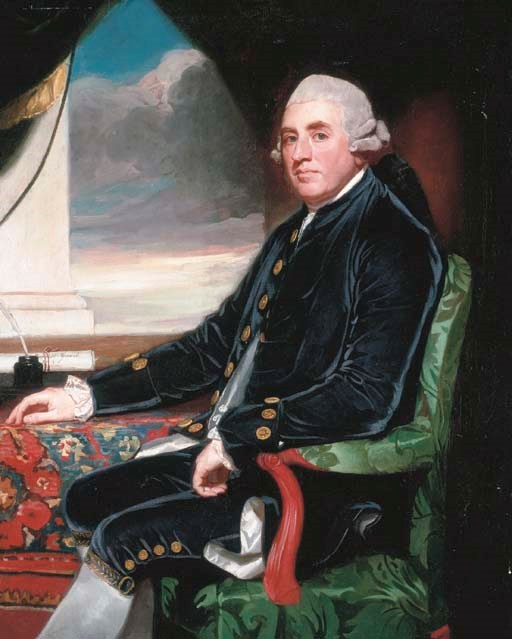
When Robert 1st Earl’s first wife Henrietta died, he married secondly, in 1771, Sarah, only daughter of Pole Cosby, of Stradbally Hall, Queen’s County, and sister of Lord Sydney, but they had no further children. Sarah had been previously married to Arthur Upton (d. 1763) of Castle Upton, County Antrim. After her second marriage she was known as the Countess of Farnham.
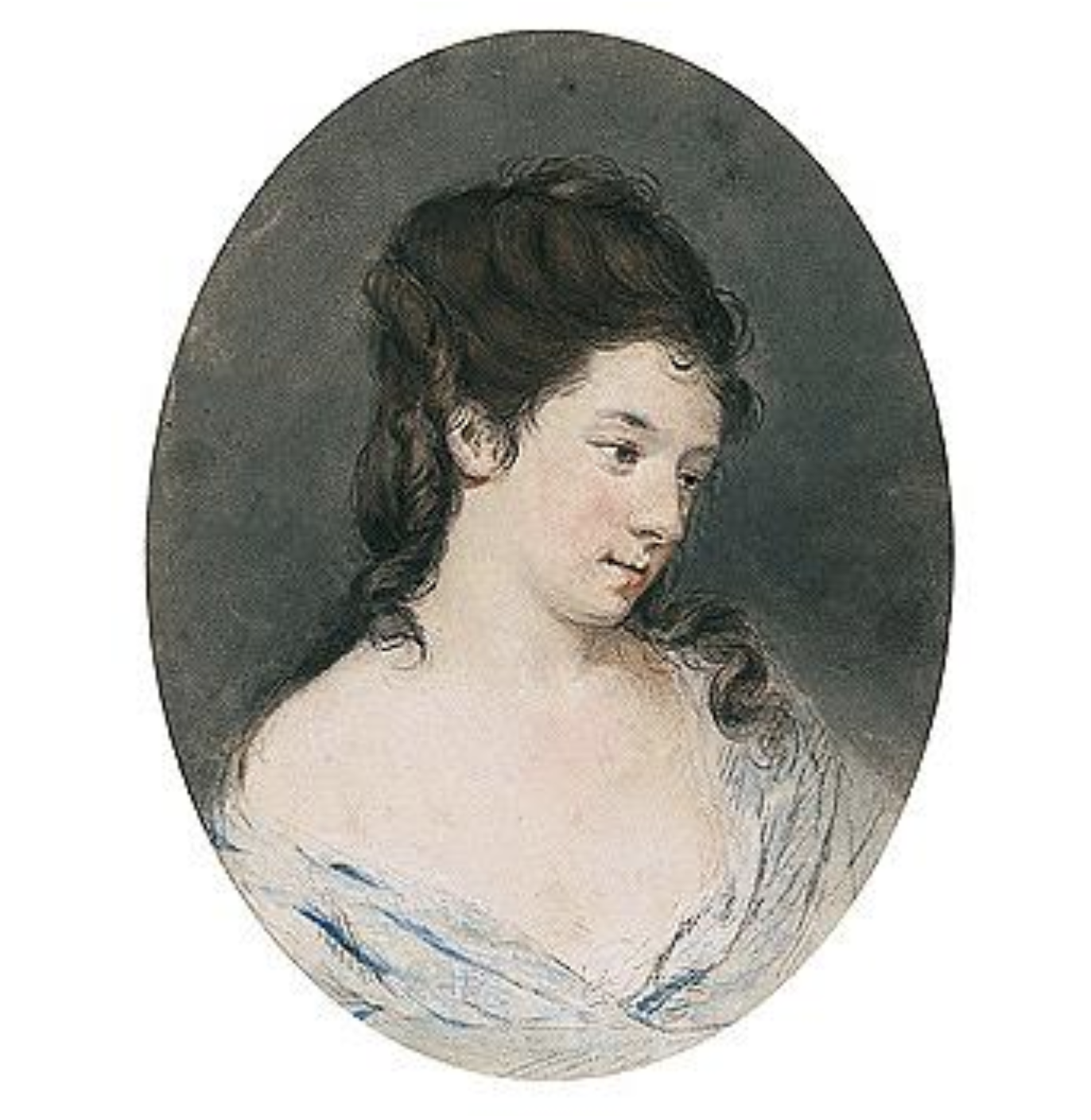
The first Earl had another brother Most Reverend Henry Maxwell (d. 1798), who became Bishop of Dromore and Bishop of Meath.
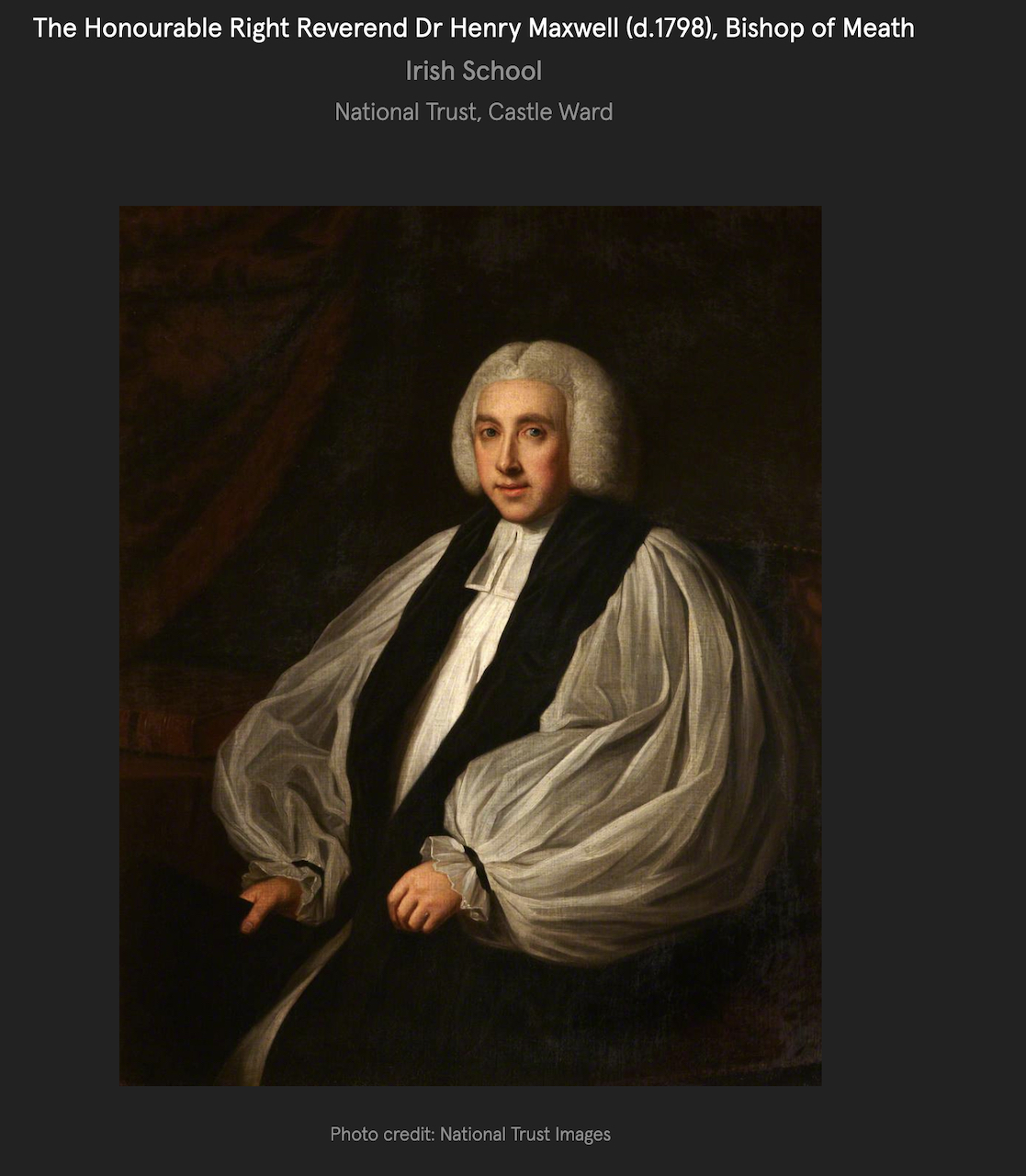
Reverend Henry Maxwell married Margaret Foster, daughter of Rt. Hon. Anthony Foster Chief Baron of the Irish Exchequer between 1766 and 1777, who lived in Collon in County Meath.
Their sons became respectively John Maxwell Barry Maxwell (1767-1838) 5th Baron Farnham and Reverend Henry Maxwell (d. 1838) 6th Baron Farnham, and the Baronetcy continued to their descendants. The Earldom was recreated for the elder brother Barry, 3rd Baron (1723-1800), who obtained a viscountcy and earldom, in 1780, as Viscount Farnham, and, in 1785, Earl of Farnham (2nd creation).
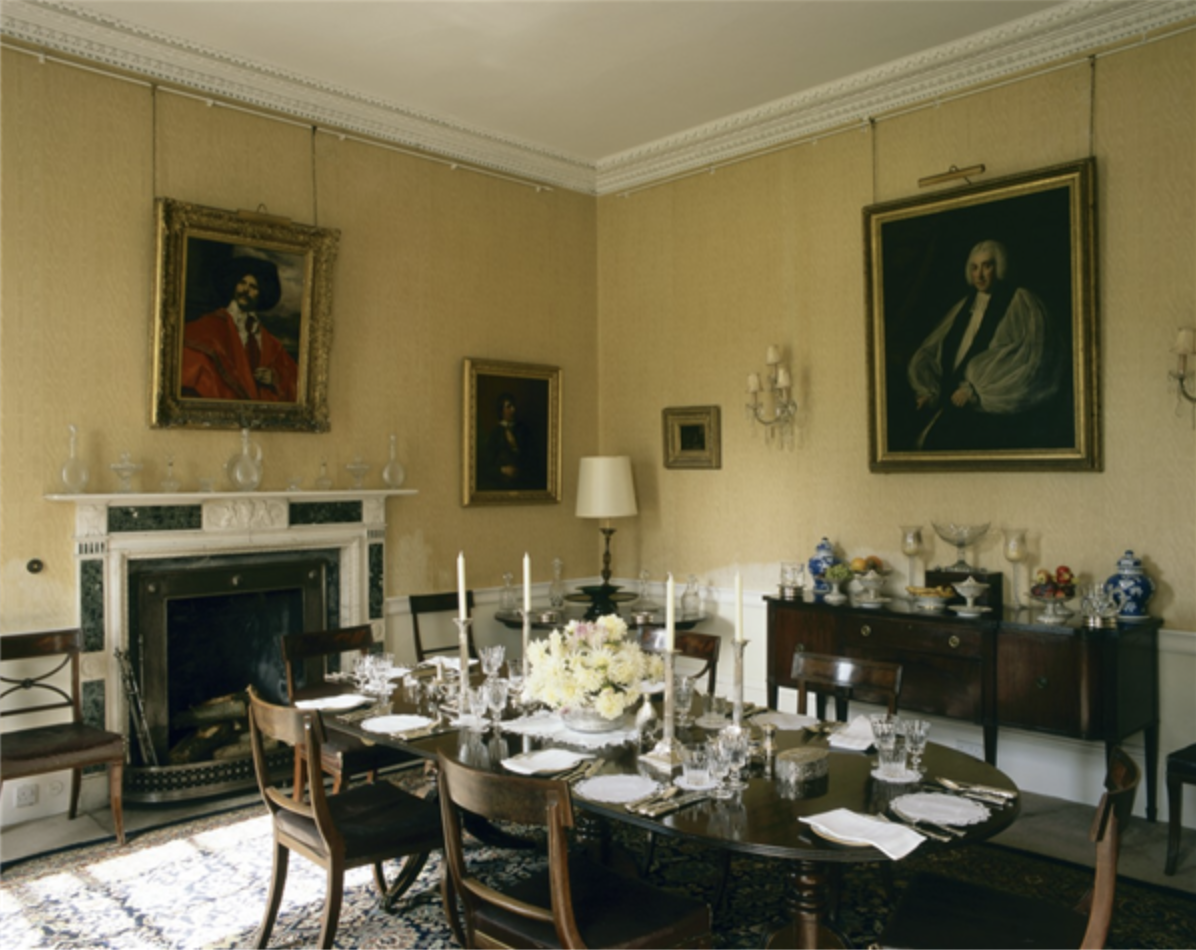
The three brothers, Robert 1st Earl, Barry 1st Earl of second creation and Reverend Henry had a sister, Anne, who married Owen Wynn (1723-1789) of Hazelwood, County Sligo.
Barry Maxwell, 1st Earl of Farnham served as MP and Privy Counsellor. He married first Margaret King of Drewstown, County Meath, who gave birth to their son and heir John James Maxwell (1759-1823) later 2nd Earl of Farnham. Barry married secondly Grace, daughter of Arthur Burdett. His son did not have children and the Earldom and Viscountcy became extinct on his death.
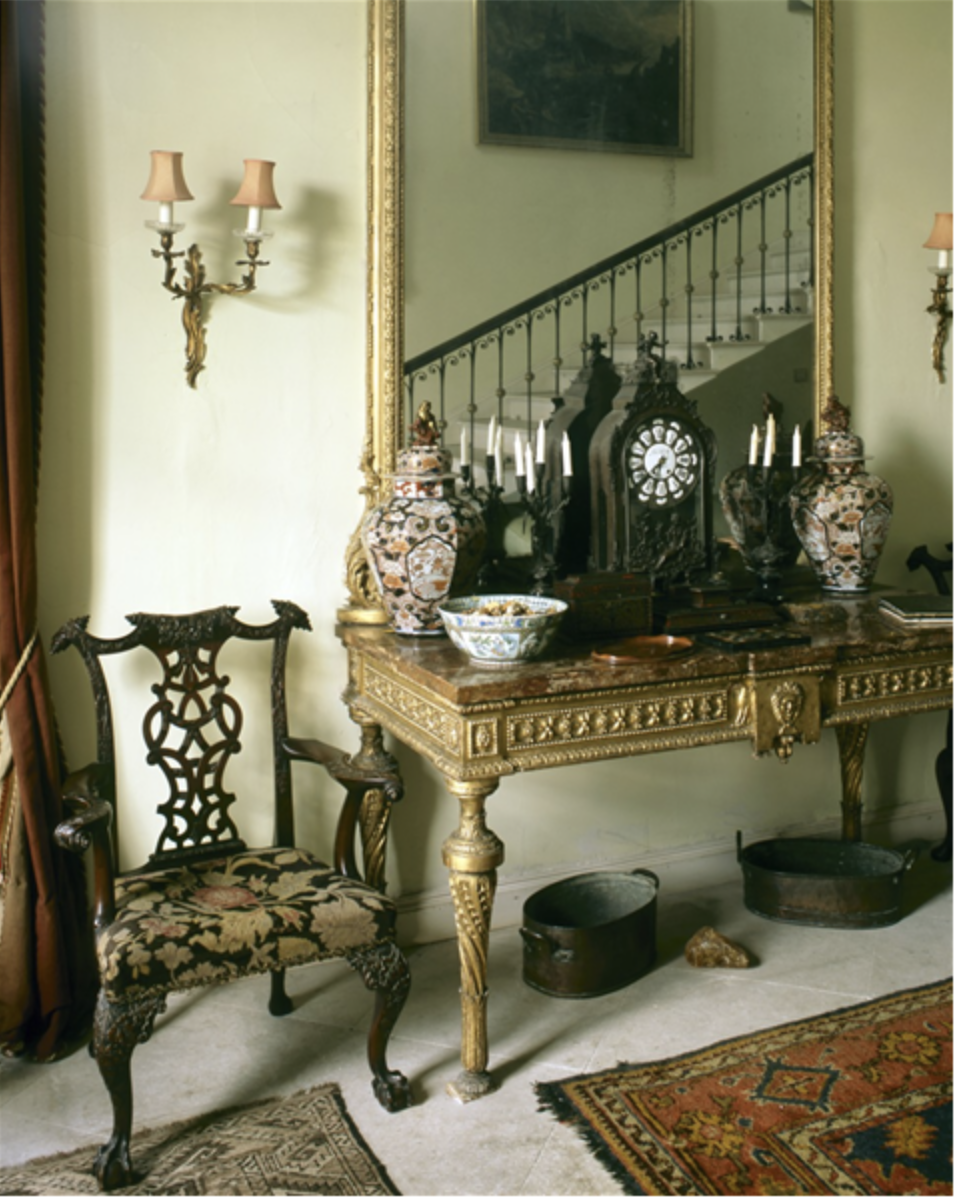
The website tells us of the building of Farham:
“In 1795, Earl of Farnham Barry [Barry Maxwell (1723-1800)] asked James Wyatt, one of the most fashionable architects of that time, to draw designs for three ceilings. Although there is no evidence of them being installed at Farnham, these plans are now housed in the Metropolitan Museum of Art in New York. Some work was undertaken by Wyatt though around the 1795 timeframe and to this day, a library case where his design has been noted stands inserted in an alcove on the staircase landing.
“In the early 1800s, a coat of arms was incorporated onto the façade of the house. Comprised of the arms of the Maxwell and Barry family, they are supported by two bucks, with a buck’s head on top of the Baron’s coronet as the crest.
Barry’s son James John Barry 2nd Earl engaged Francis Johnston to build. The website tells us:
“In 1802 Francis Johnston, architect for Dublin’s famous GPO building, was engaged to complete an extension of the existing house to provide an edifice to the southwest garden front. This is the latter day surviving Farnham House, which is now incorporated as the centrepiece of the hotel complex design.“
Mark Bence-Jones describes the house as built by Francis Johnston:
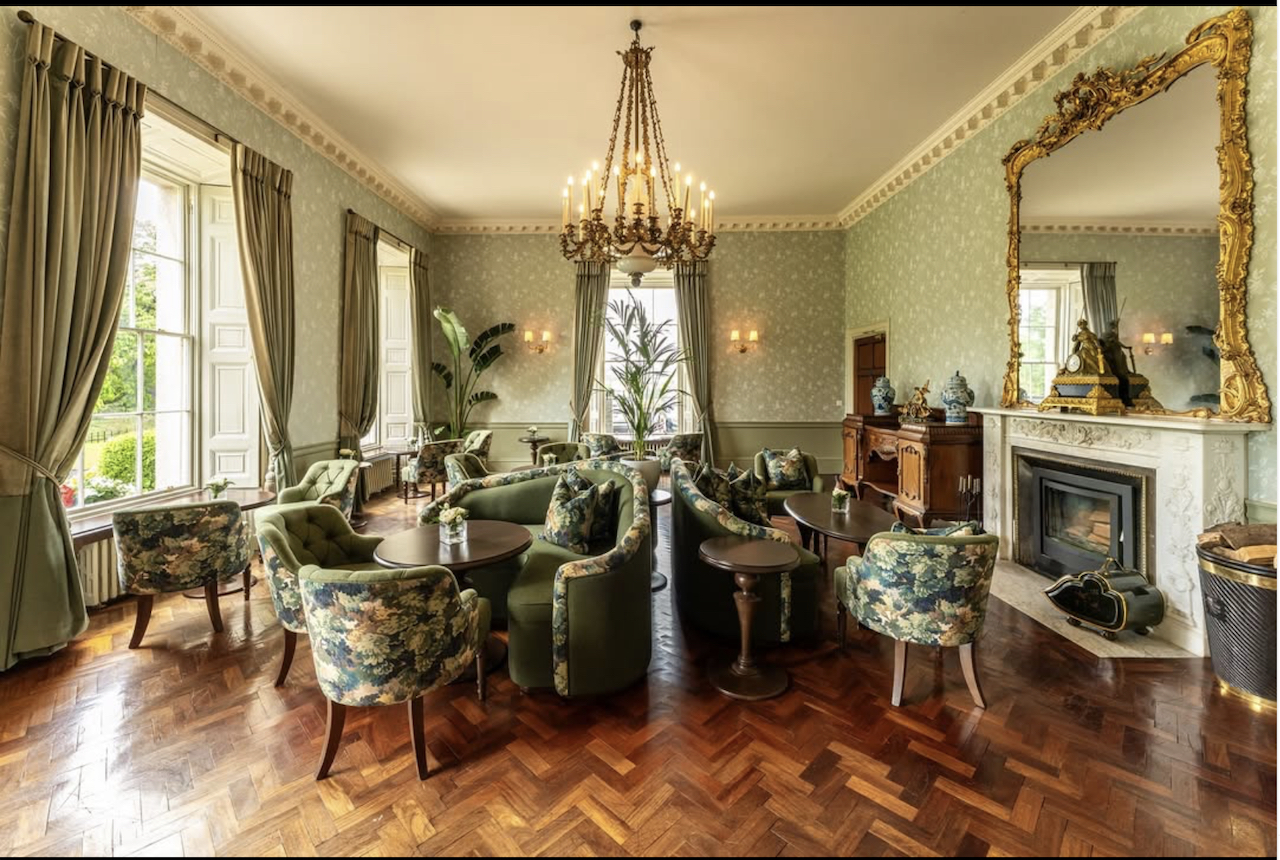
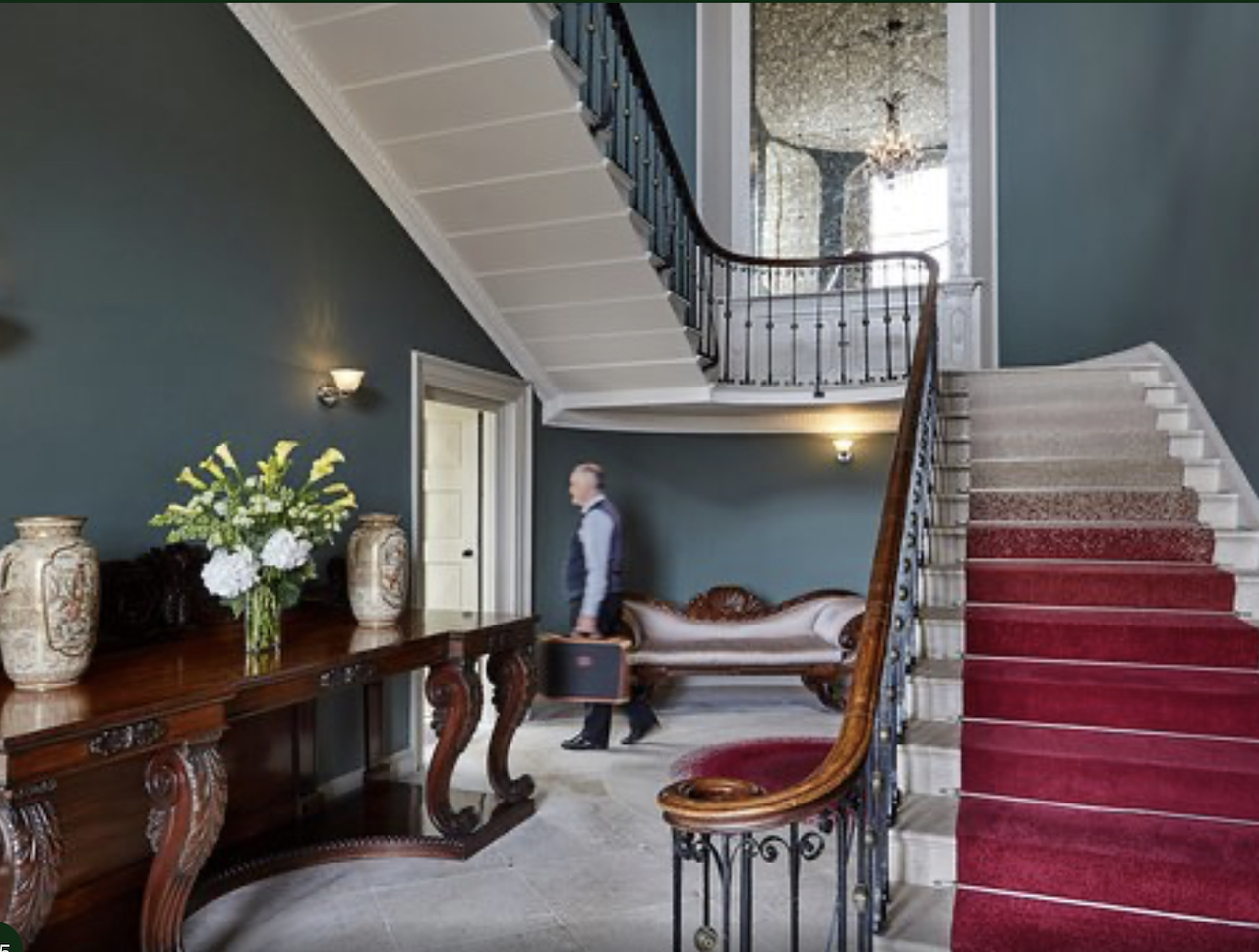
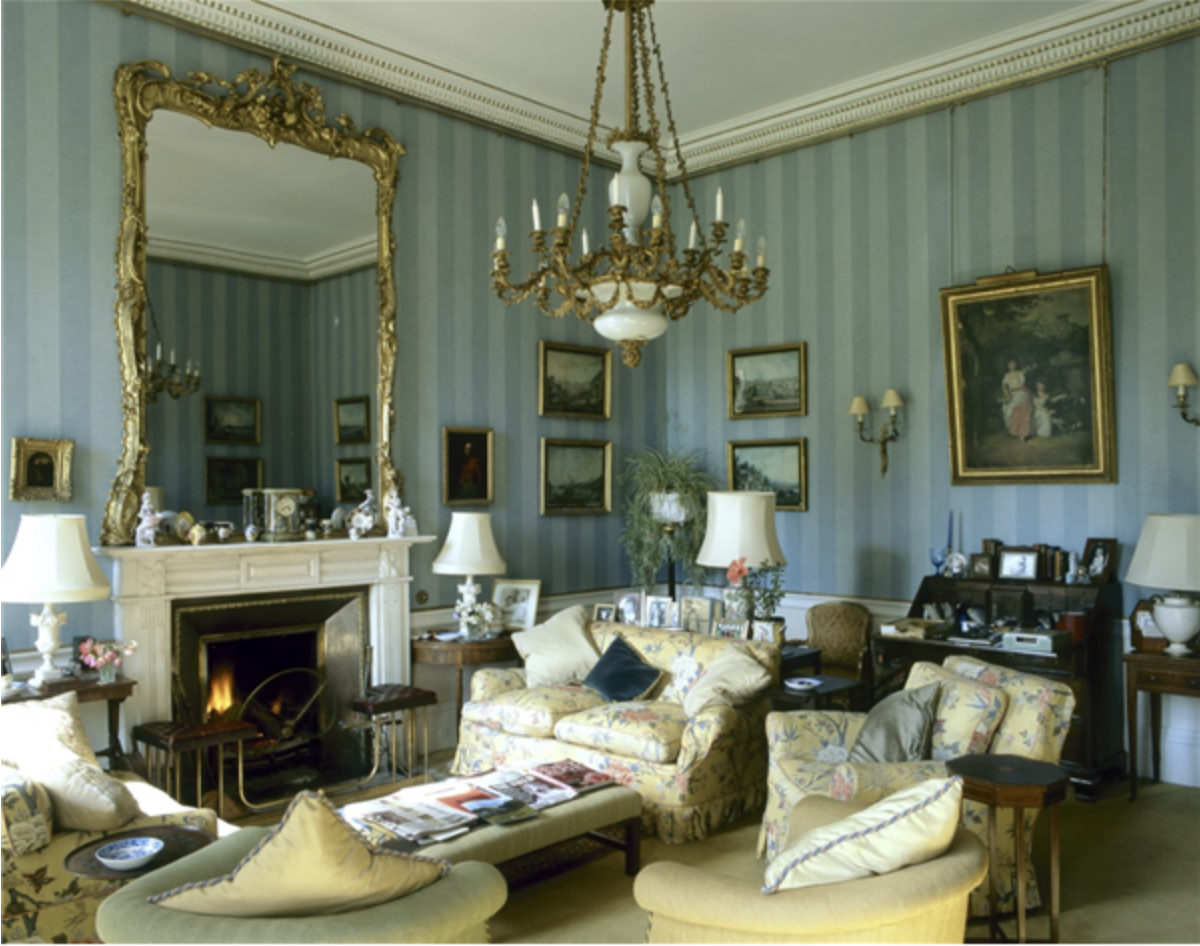
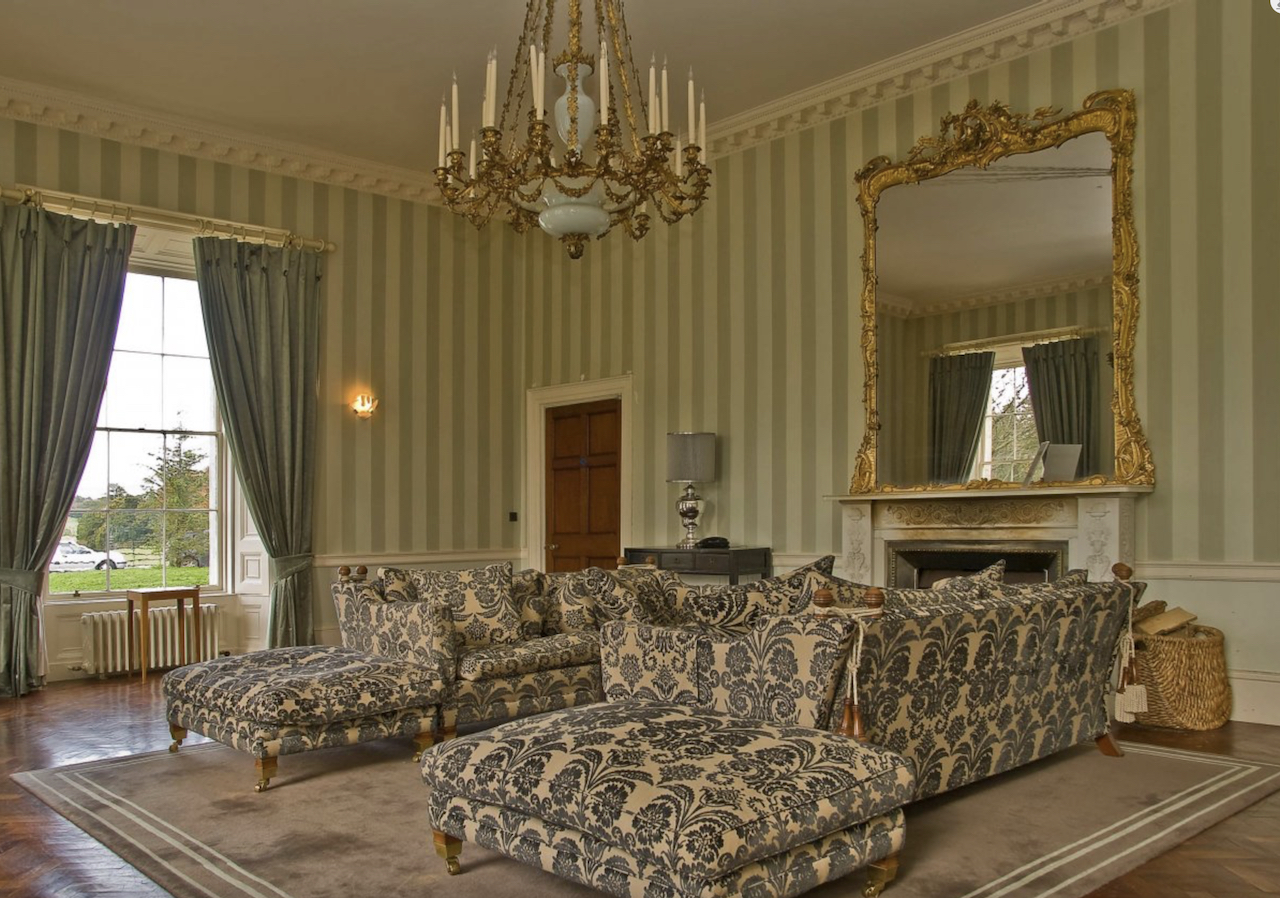
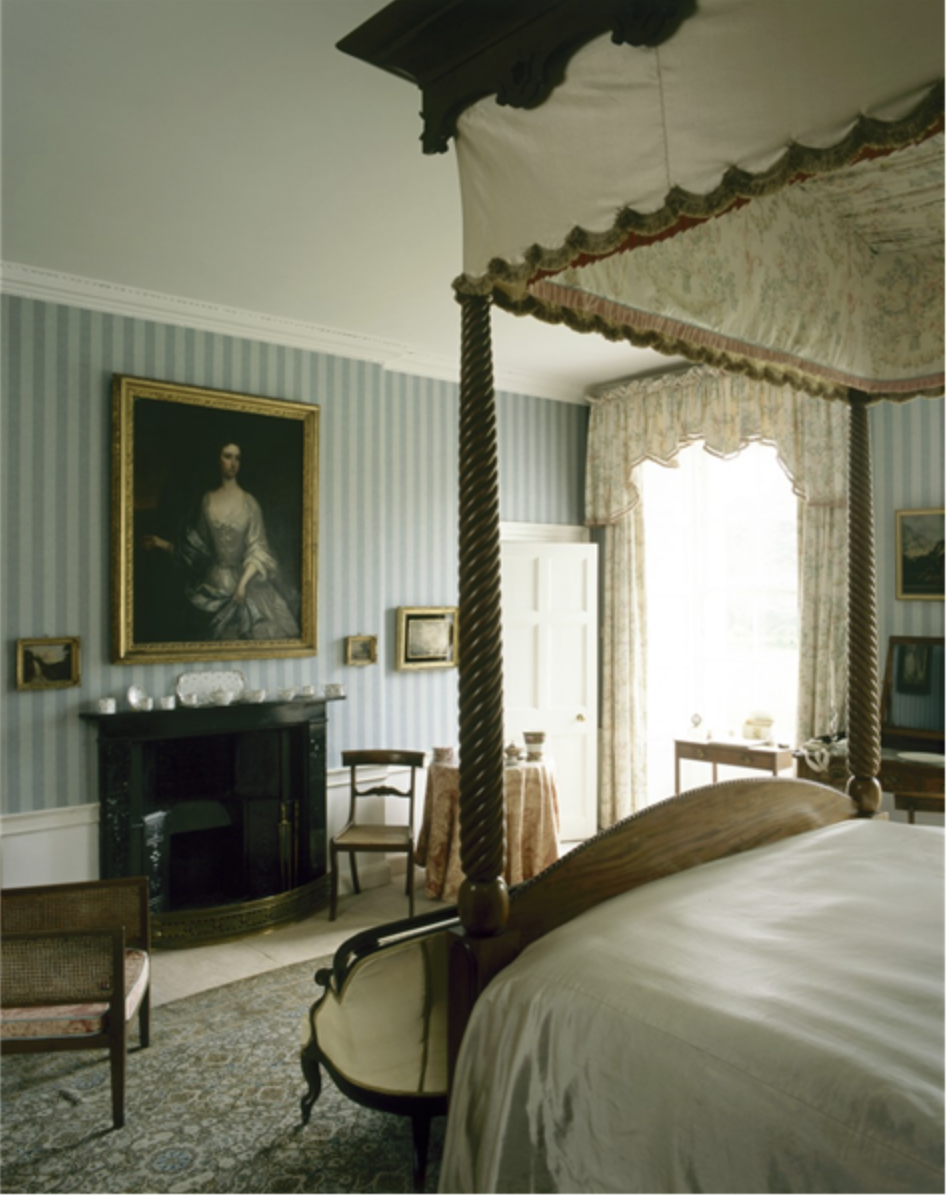
“Johnston produced a house consisting of two somewhat conservative three storey ranges at right angles to one another; one of them, which incorporated part of the earlier house, including Wyatt’s library, having a front of eight bays, with a die over a two bay breakfront, and a single-storey Doric portico; the other having a front of nine bays with a three bay pedimented breakfront; prolonged by one bay in the end of the adjoining range. The interior was spacious but restrained, the principal rooms having simple ovolo or dentil cornices. Elliptical staircase hall, with simple geometrical design in the ceiling; stone stair with elegant metal balustrade.“

The website continues: “In the depths of the earth beneath Farnham lies a myriad of passages. These passages were constructed to allow food, supplies and heating fuels to be brought into the mansion house by the servants. Such underground passages kept the servants out of sight from Lords and Ladies Farnham and their guests and no doubt were used by the servants to enjoy some activities of their own, which they would not have wanted Lord and Lady Farnham to witness!“
When James John died childless in 1823, a cousin, John Maxwell Barry Maxwell (1767-1838), son of Rt. Rev. Henry Maxwell, became 5th Baron Farnham.
The website tells us: “In 1823, a new system of management for the Farnham estate was introduced, employing persons as inspectors of districts, buildings, bog and land and a moral agent! The main duties of the moral agent were to encourage the tenantry to adhere to the main principles contained in Lord Farnham’s address to them. These included: keeping of the Sabbath, responsibility towards the education of their children, imbuing within their children a strict moral sense and to ensure that they abstained from all evil habits, including cursing and the distillation or consumption of alcohol.“
The 5th Baron Farnham died childless in 1838, so his brother Reverend Henry Maxwell became the 6th Baron Farnham. He married Anne Butler, daughter of the 3nd Earl of Carrick. Their son Henry became the 7th Baron Farnham (1799-1868). Their daughter Sarah Juliana married Alexander Saunderson of Castle Saunderson. The other sons Somerset and James became 8th and 9th Baron and then the son of their brother Richard Thomas Maxwell, Somerset Henry Maxwell, became the 10th Baron.
Mark Bence-Jones tells us: “In 1839, 7th Lord Farnham (a distinguished scholar and genealogist who, with his wife, was burnt to death 1868 when the Irish mail train caught fire at Abergele, North Wales), enlarged the house by building new offices in the re-entrant between the two ranges. Also probably at this time the main rooms were changed around; the library becoming the dining room, and losing any Wyatt decoration it might have had; Wyatt’s bookcases being moved to the former drawing room.“

Somerset Henry Maxwell, 10th Baron, married Florence Jane Taylour, daughter of Thomas Taylour, 3rd Marquess of Headfort. Their son, Arthur Kenlis Maxwell (1879-1957), became 11th Baron in 1900.
The website continues the timeline:
“1911- Records mention a staff of 11: butler, cook, governess, nursery maid, nurse, footman, ladies’ maid and several house and kitchen maids. Some 3,000 of Farnham’s then 24,000 statute acres were sold off.
“1914-1918- Lord Farnham rejoined the military; he was captured, imprisoned and released after the Armistice. His political efforts failed to prevent the exclusion of three counties from the jurisdiction of Northern Ireland.
“1921-1931- Lord and Lady Farnham left for England. They emptied the house of its furniture, due to widespread burning and looting of country houses. The 1923 Land Act would ultimately end landlordism in Ireland: by 1931, Lord Farnham retained only his demesne lands at Farnham, which he operated in a more intensive fashion in order to increase much-needed revenue.“
Arthur Kenlis Maxwell managed to escape from a prisoner of war camp during the first world war. He and his family returned to Farnham estate in 1926 and began to renovate the house. His son and heir died in the second world war aged just 37, and the title passed to his grandson, Barry Owen Somerset Maxwell. Barry Owen’s mother died in a plane crash when he was just 21.
“1950- Economic decline had by now affected the demesne. A Farnham Tintorreto ’Christ Washing the Feet of His Disciples’ was sold in 1955; the Canadian National Art Gallery in Ontario paid some $100,000. 1956- Barry Owen Somerset Maxwell, 12th Baron Farnham became the last member of the Maxwell family to reside at Farnham House.
“In 1961, dry rot was discovered within the Farnham house and in an attempt to alleviate it, the oldest part of the house looking across the parkland, and the additions made to the house in 1839, were demolished.”
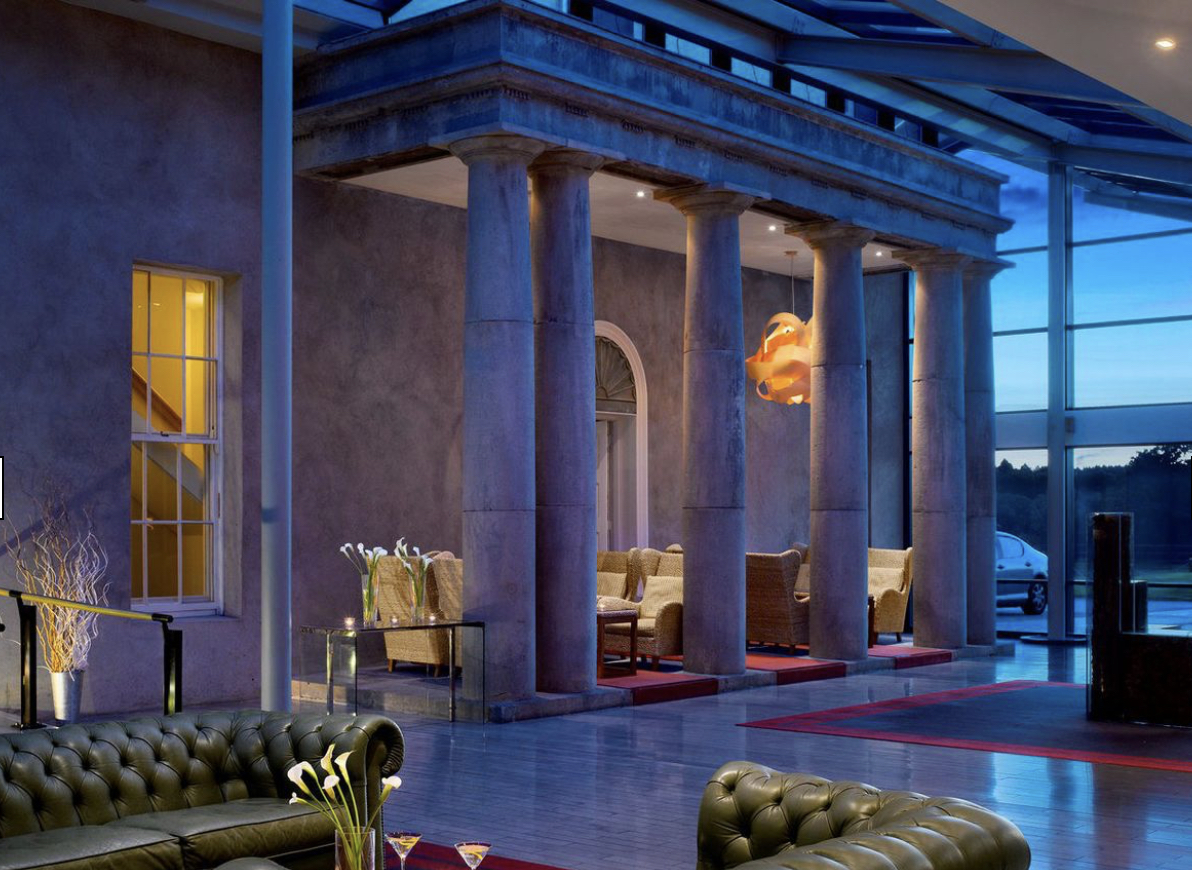
Mark Bence-Jones describes the changes: “Ca 1960, the present Lord Farnham, finding the house to be badly infested with dryrot, demolished the range where the entrance had formerly been situated, as well as the additions of 1839; and remodelled the surviving Johnston range to form a house in itself; being assisted in the work by Mr Philip Cullivan. The pedimented front is still the garden front, as it was formerly; the back of the range being now the entrance front, with the portico re-erected at one end of it; so that the entrance is directly into the staircase hall. The surviving range contains Johnston’s dining room, which has been the drawing room since 19C rearrangement; as well as the boudoir and the former study, now the dining room. One of Wyatt’s bookcases is now in the alcove of the former staircase window. The demesne of Farnham has long been famous for its beauty; a landscape of woods, distant mountain views and lakes, which are part of the great network of loughs and islands stretching southwards from Upper Lough Erne.“
The website continues:
“1995 – 2001 – Lord Farnham abandoned farming and leased the agricultural lands to local farmers. One of his last acts on the Farnham demesne was the planting of a group of trees to mark the New Millennium. Lord Farnham died in March 2001 and his wife, Diana, Baroness Farnham now resides in England where she is a current Lady in Waiting to Queen Elizabeth II. Farnham House estate was sold to a local entrepreneur who developed it into a hotel resort.
“Present Day – The resort is owned by Mr. Thomas Röggla and along with his team at the resort, every effort is made to provide genuine hospitality in this new phase in the evolution of this magnificent location. Thus, the indelible-mark made by the Maxwell family, as far back as 1664 on the landscape of Farnham Estate will continue to be appreciated by future generations.”
The multimillion refurbishment and extension was headed by architect Des Mahon of Gilroy McMahon, who had previously worked on the National Museum at Collins Barracks and the Hugh Lane Gallery extension.


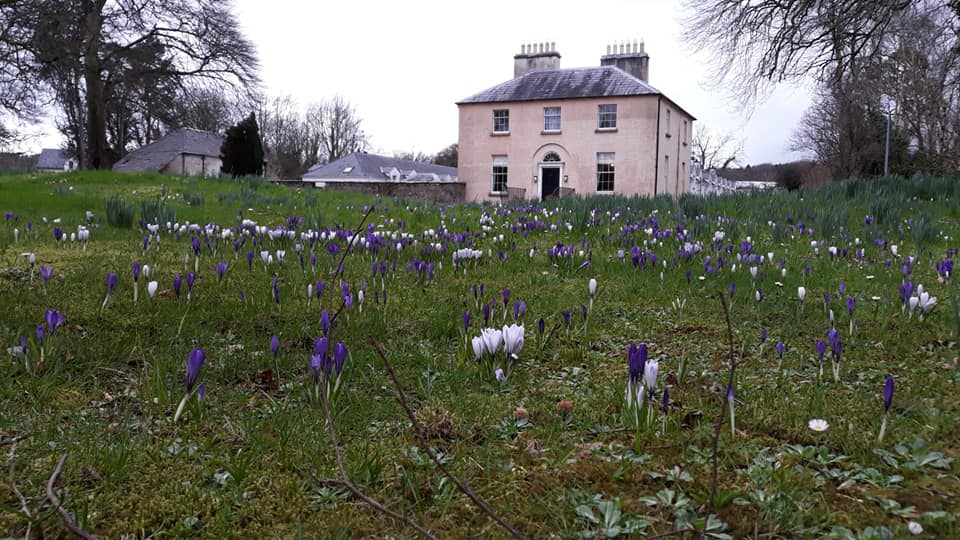
4. Killinagh House, McNean Court, Blacklion, County Cavan – whole house rental and a lodge
https://www.discoverireland.ie/accommodation/killinagh-house
and Killinagh Lodge, https://killinaghlodge.com/facilities.html on the grounds of Killinagh House:
“Killinagh Lodge is situated within 1 mile from the village of Blacklion in the picturesque grounds of Killinagh House, a former Church of Ireland manse dating back to Georgian times.
“Set in the courtyard, Killinagh Lodge offers luxurious, purpose built, self catering accommodation on the shores of Lough MacNean. Boasting its own private access to the Lough, Killinagh Lodge is set in one of the most beautiful and tranquil locations where you can enjoy the grounds of the wider Estate.“
The house website tells us:
“Killinagh House is a unique, Georgian Country House, situated in the heart of the Marble Arch Global Geo Park, in west County Cavan. The perfect getaway for peace and relaxation. We cater for customer comforts, special requests and reasonable prices.
“The perfect retreat to unwind and recharge the batteries. Peaceful and quiet with relaxed garden views. Killinagh House is at the heart of Marble Arch Global Geo Park, ideally located for outdoor pursuits, including golf, fishing and nature walks.”
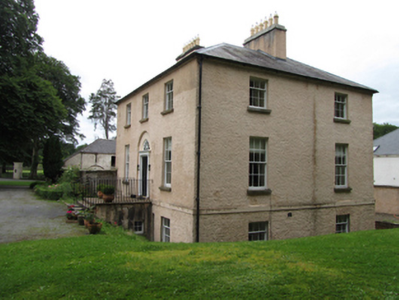
The National Inventory further describes it: “Roughcast rendered lime-washed walls with string course above basement. Three-over-six timber sash windows to first floor and six-over-six to ground floor all with stone sills and timber internal window shutters. Front door set in smooth-rendered segmental-arched recess, having four-panelled door in classical surround of slender Doric pilasters, metope frieze and cobweb fanlight above. Basement well to east, north and west side. Stone steps leading to entrance with recent metal railings.“
5. Lismore House, Co Cavan – was a ruin. Place to stay: Peacock House on the demesne
Lismore House, Co Cavan – restored house (believed to have been the agent’s house) and a place to stay, Peacock House, available on airbnb. Of the original Lismore House, attributed to Edward Lovett Pearce (1699-1733), only the two wings and tower survive.
https://www.airbnb.ie/rooms/27674042?source_impression_id=p3_1646316758_vwGIKKMTwiWKK%2FB7
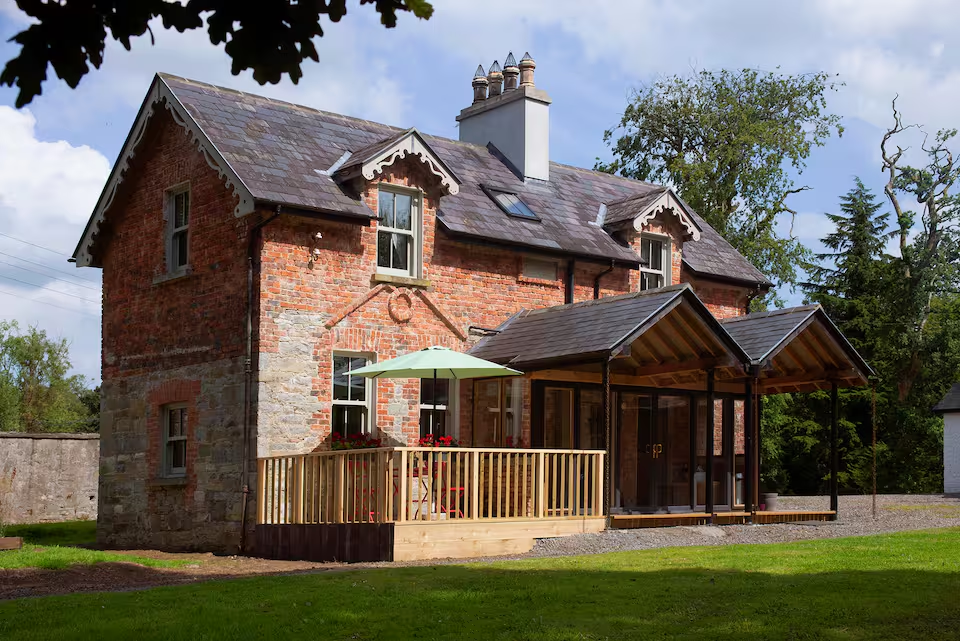
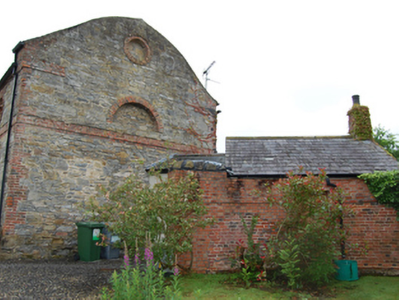
The airbnb entry tells us of The Peacock House: “The Peacock House is located within the Lismore Demesne. It was once the dairy and workers cottage. From the 1980s onwards it was used to house peacocks, giving the cottage its name. After being left dormant for 80 years it was lovingly restored.” It has two bedrooms.

It was probably built for Thomas Nesbitt, (c. 1672-1750), of Grangemore, County Westmeath, High Sheriff of County Cavan, 1720, MP for Cavan Borough, 1715-50 [4].
The house was restored by Richard and Sonya Beer. [5]
Mark Bence-Jones writes about Lismore House in A Guide to Irish Country Houses (1988), p. 186:
“Originally the seat of the Nesbitts, passed to the Burrowes through the marriage of Mary [Mary Anne, born 1826, daughter of John Nesbitt and Elizabeth Tatam] Nesbitt to James Burrowes [1820-1860, of Stradone House, County Cavan] in 1854; Lismore passed to the Lucas-Clements family through the marriage of Miss Rosamund Burrowes to the late Major Shuckburgh Lucas-Clements in 1922.“
Mary Anne and James had a son, Thomas Cosby Burrowes (1856-1925). He married in 1885 Anna Frances, daughter of Richard Thomas Maxwell, and grand-daughter of the sixth Baron Farnham (of Farnham Estate), by whom he has issue two daughters. One daughter, Rosamund Charlotte Cosby Burrowes, of Lismore, married, in 1922, Major Shuckburgh Upton Lucas-Clements in 1922. [6] The main house was vacated c.1870 when the family relocated to Lismore Lodge, formerly the agent’s house.
Mark Bence-Jones continues: “Having stood empty for many years, the house fell into ruin and was demolished ca 1952, with the exception of the “tower” wings. The office wings are now used as farm buildings, and the family now live in the former agent’s house, an early house with a Victorian wing and other additions.”

6. Olde Post Inn, Cloverhill, County Cavan – accommodation, restaurant and wedding venue
https://www.theoldepostinn.com
The website tells us: “The Olde Post inn was built in the 1800s. It opened as a post office in 1884, grocery & residence. It had a number of owners and was for some time derelict before it was renovated into a restaurant with accommodation in early 1990s. It has been run as a restaurant since and was taken over by Gearoid & Tara Lynch in November 2002. Since then it has gone under further refurbishment and been extended to include two Hampton Conservatories.“
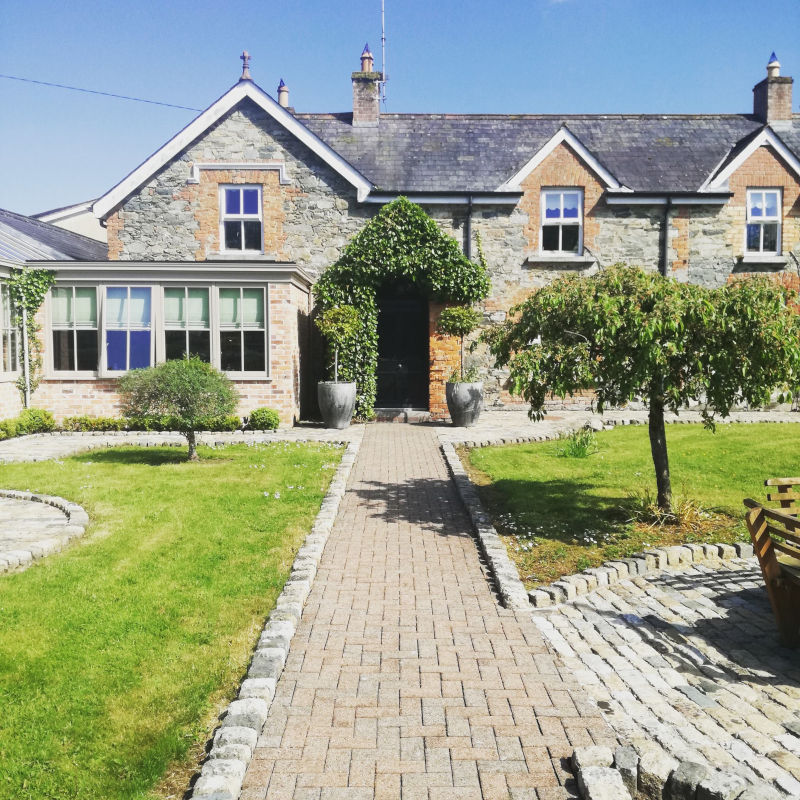
8. Virginia Park Lodge, Co Cavan – wedding venue
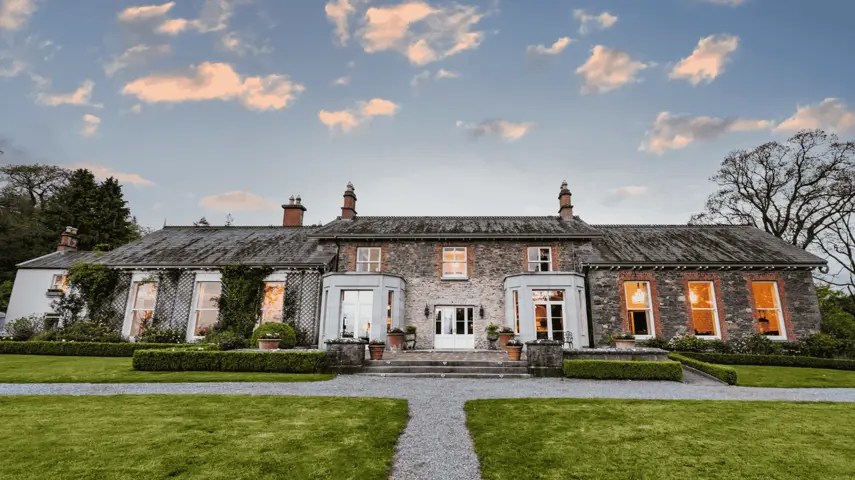
This was formerly the hunting lodge of the Taylours, Marquess Headfort, who also owned Headfort House in County Meath. It was built for the First Earl of Bective, Thomas Taylour (1724-1795), son of Thomas Taylor 2nd Baronet Taylor, of Kells, County Meath, who served as MP for Kells and as a Privy Counsellor in Ireland. His mother was Sarah Graham from Platten, County Meath. Thomas the 1st Earl of Bective also served as Privy Counsellor. He married Jane Rowley, from Summerhill, County Meath.

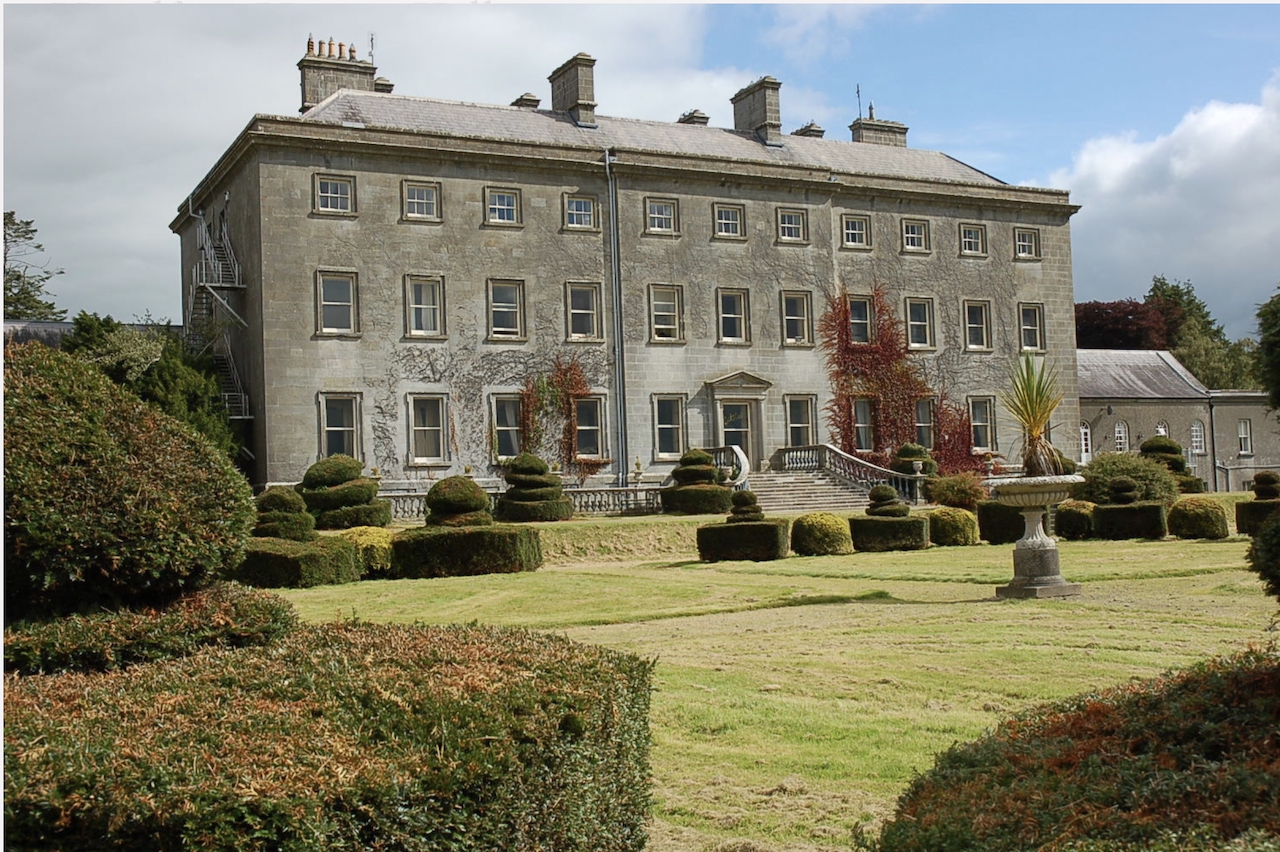
It was their one of their younger sons, Reverend Henry Edward Taylour (1768-1852), who lived at Ardgillan Castle in Dublin. Their son Thomas the second earl became the 1st Marquess of Headfort, and added to Virginia Park Lodge and imported plants to create the parkland surrounding the Lodge.


The Marquess of Headfort married Mary Quin, from Quinsborough, County Clare. The Lodge passed through the family to the 4th Marquess, Geoffrey Thomas Taylour, son of the second wife of the 3rd Marquess. He married a music hall star, Rosie Boote, which scandalised society, but they moved to the Lodge and lived happily and had many children.
The Lodge was bought by chef Richard Corrigan in 2014, and he has undertaken much work to restore it to its former glory.
*************************
[1] Bence-Jones, Mark. A Guide to Irish Country Houses (originally published as Burke’s Guide to Country Houses volume 1 Ireland by Burke’s Peerage Ltd. 1978); Revised edition 1988 Constable and Company Ltd, London.
[2] https://theirishaesthete.com/2015/09/09/a-mere-shell/
[3] see Timothy William Ferres: http://lordbelmontinnorthernireland.blogspot.com/2013/09/cloverhill-house.html
[4] ibid.
[6] https://nisbetts.co.uk/archives/nesalx.htm
Text © Jennifer Winder-Baggot, www.irishhistorichouses.com


 Irish Historic Houses