Woodlawn House, Kilconnell, County Galway


Mark Bence-Jones. A Guide to Irish Country Houses (originally published as Burke’s Guide to Country Houses volume 1 Ireland by Burke’s Peerage Ltd. 1978); Revised edition 1988 Constable and Company Ltd, London.
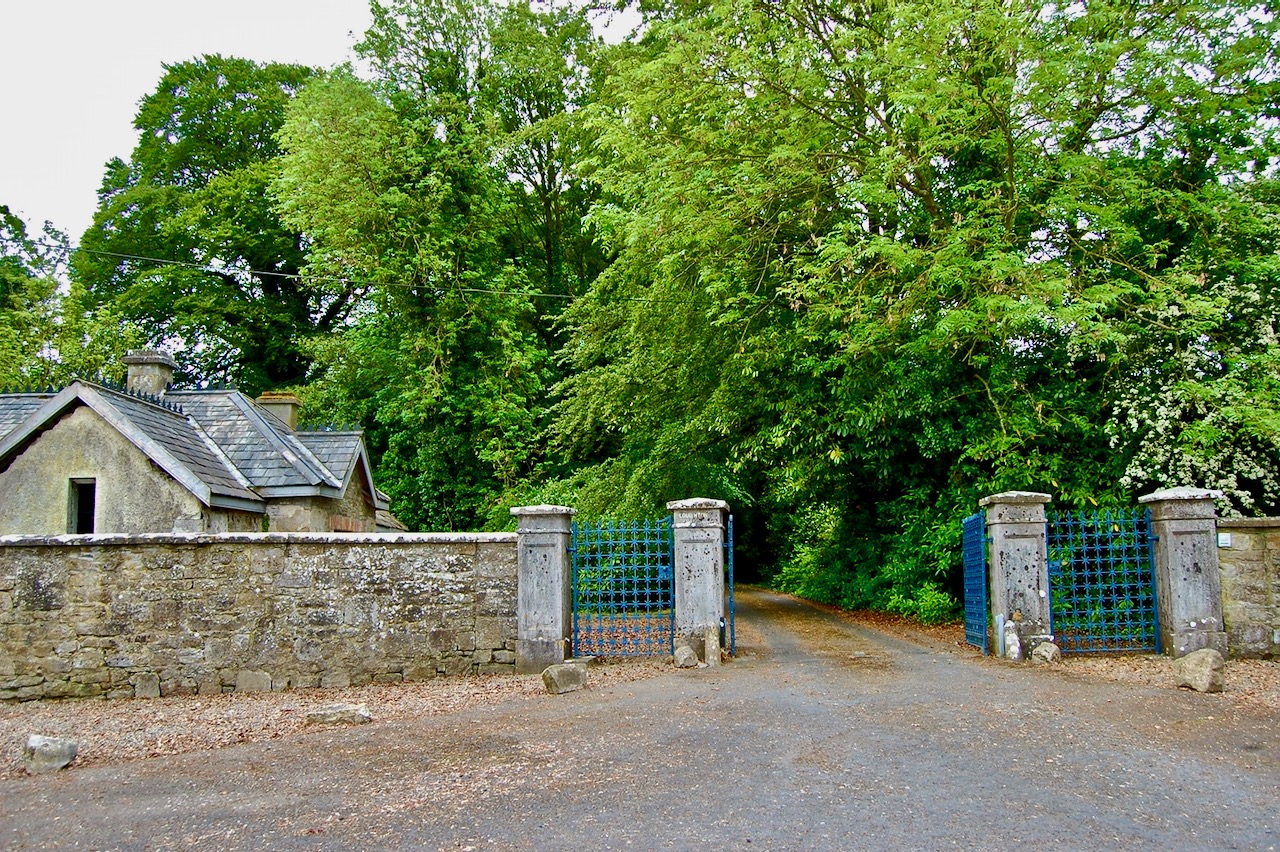
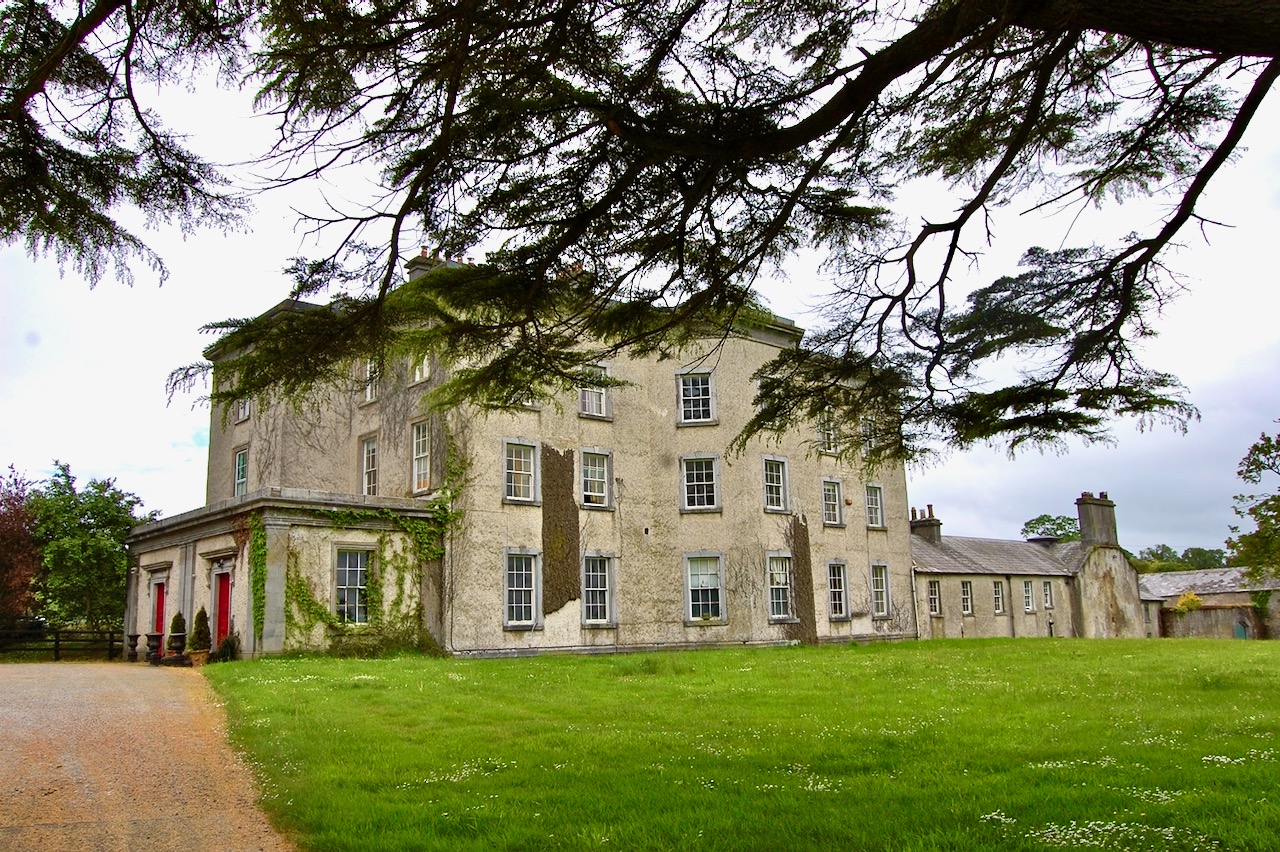
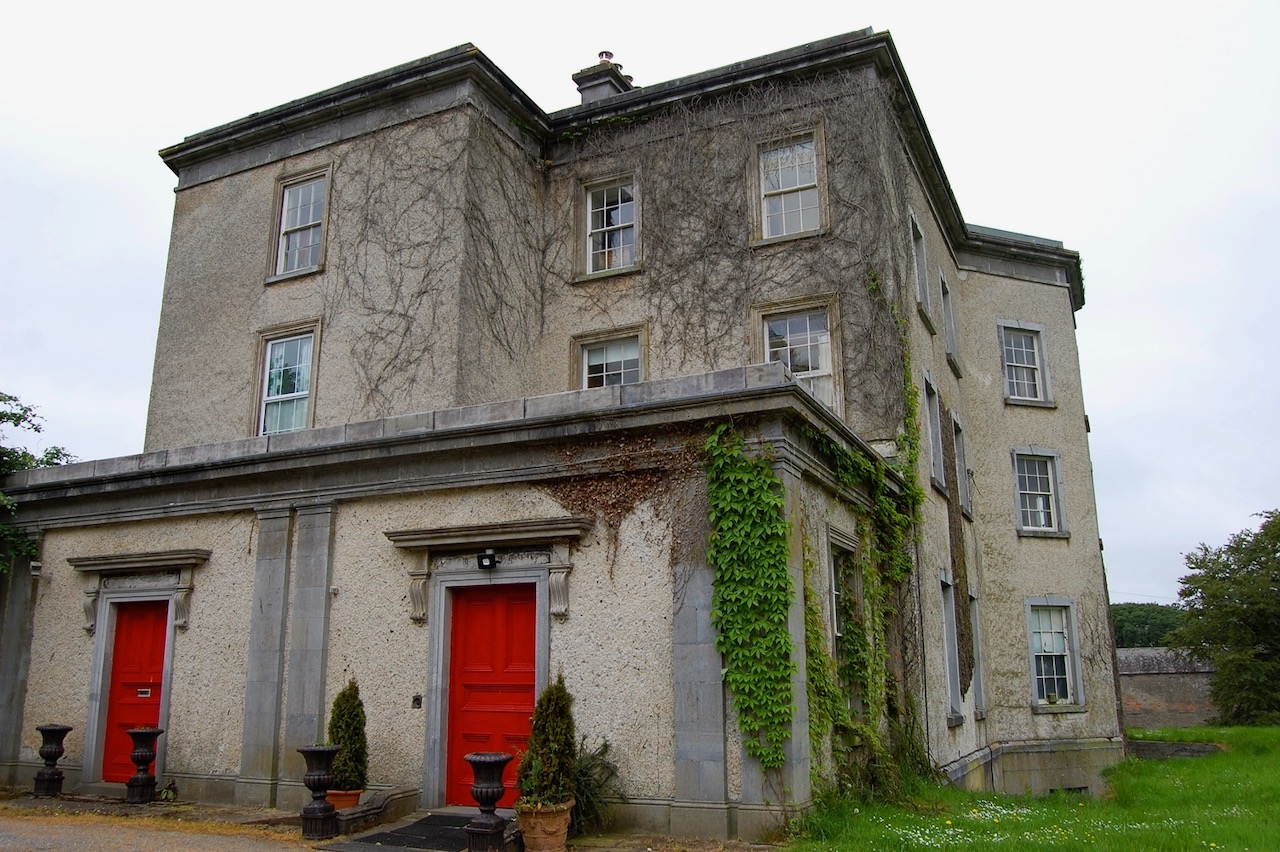
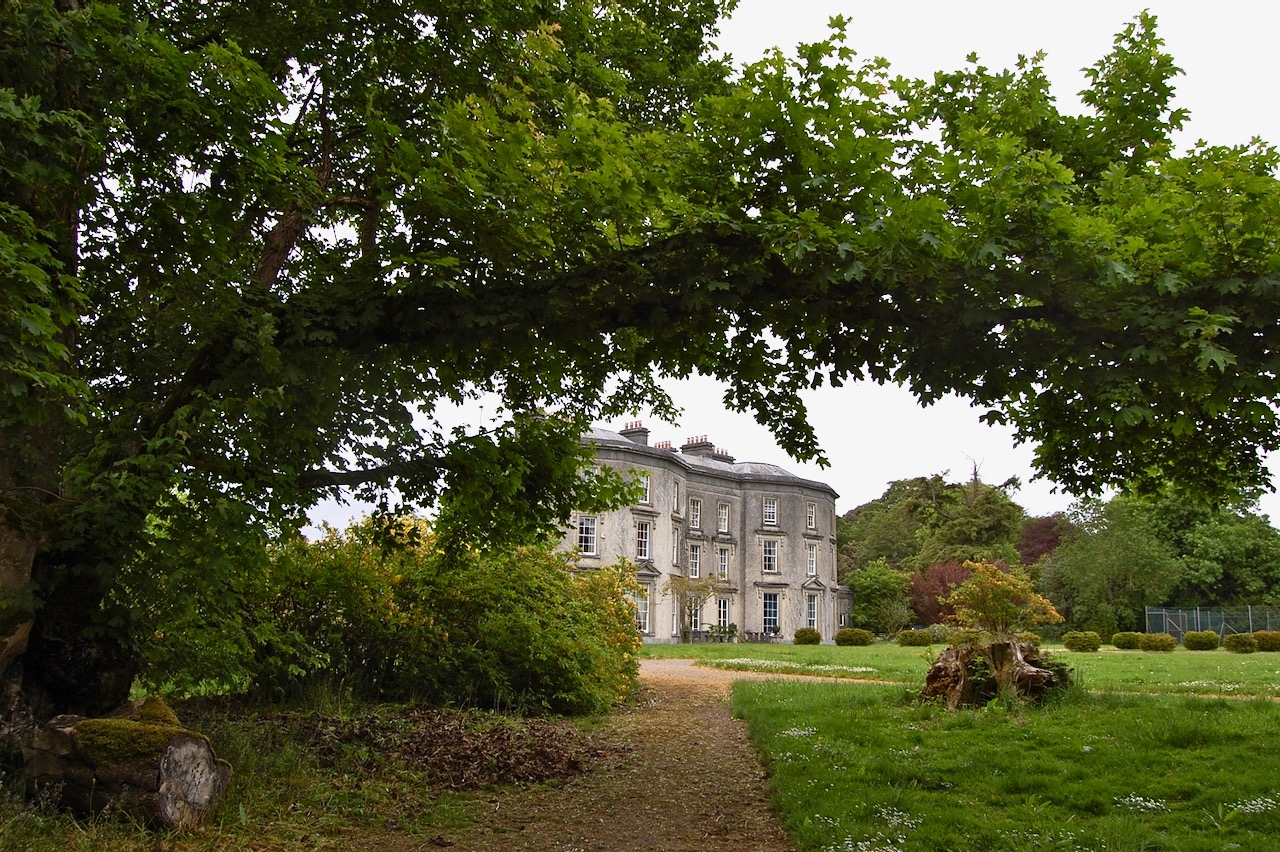
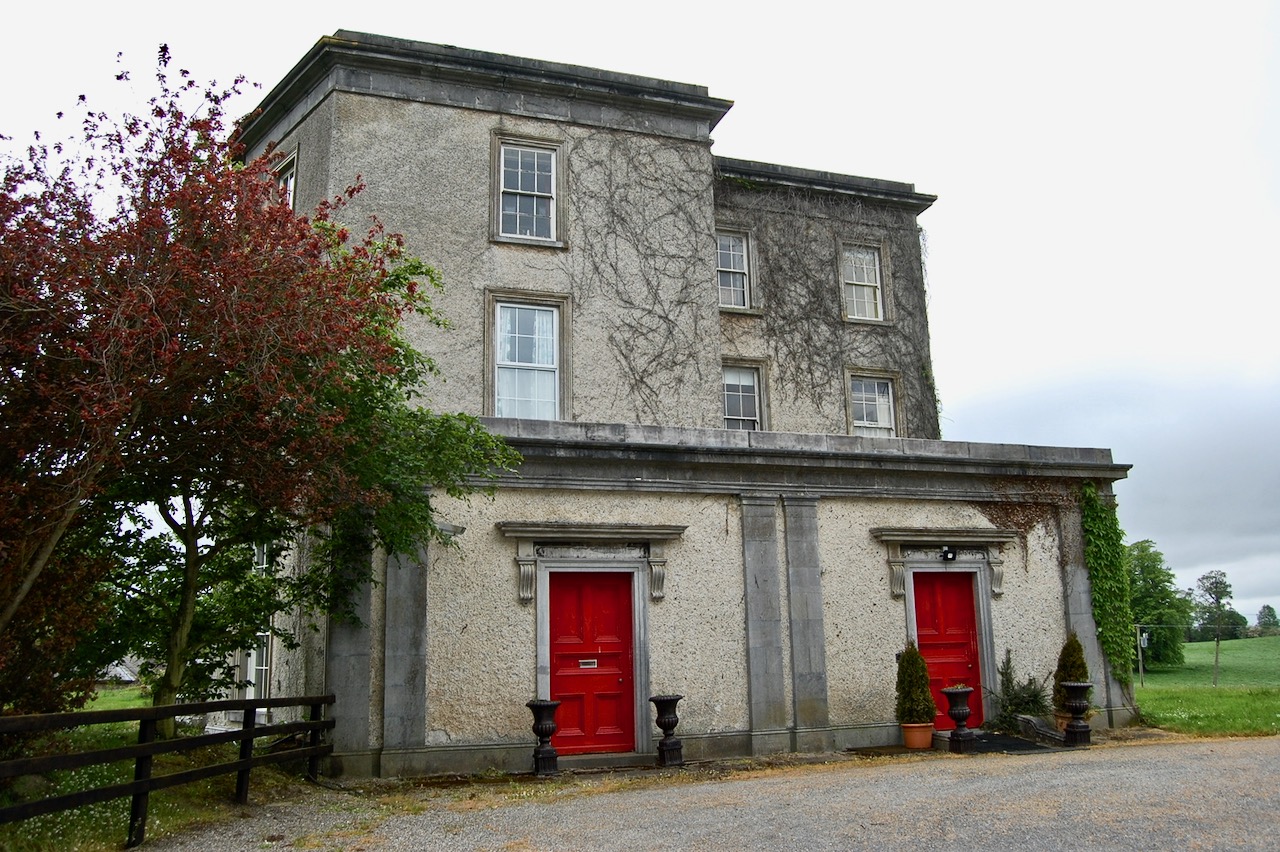
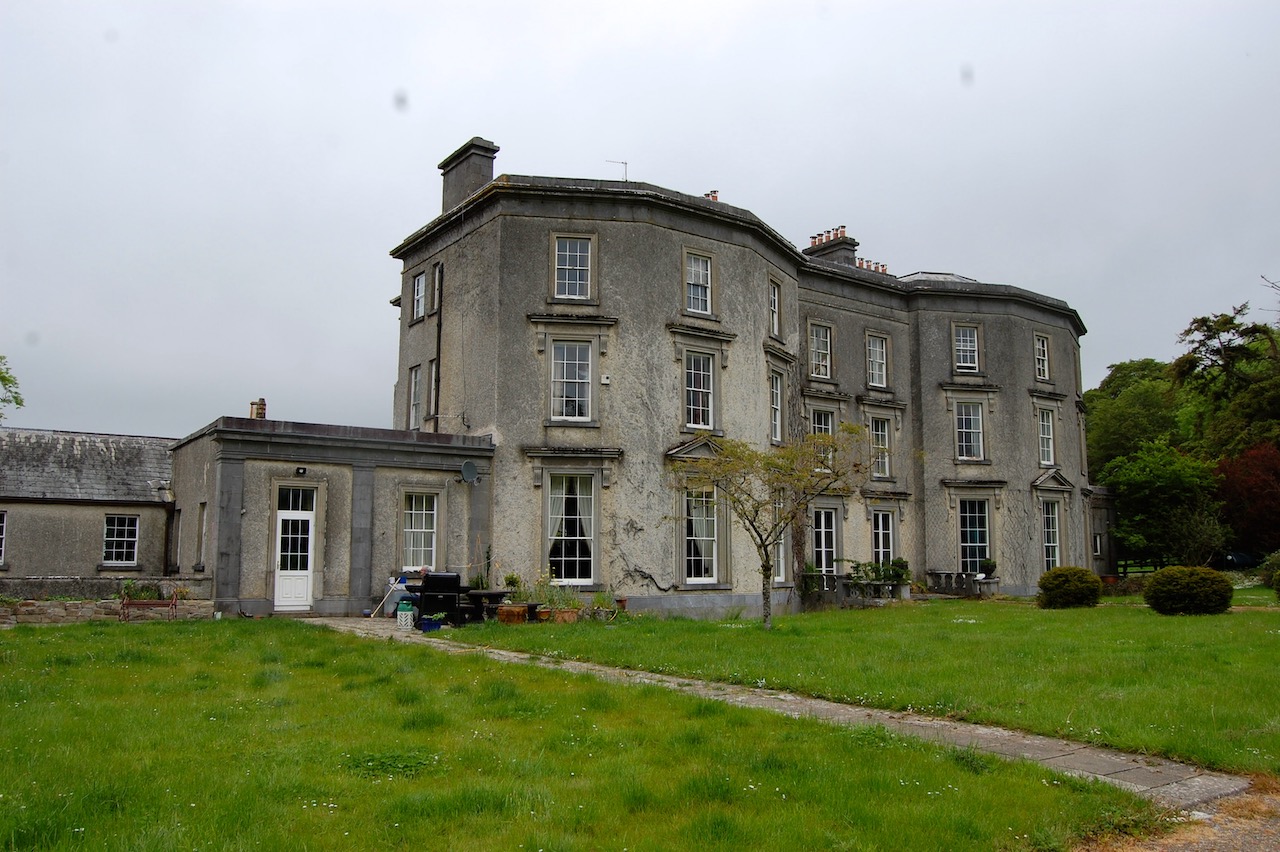
p. 286. “(Trench, Ashtown, B/PB) A three storey house refaced and much embellished in an Italianate style and enlarged by the addition of single-storey wings ca 1860 for 2nd Lord Ashtown, probably to the design of James F. Kempster, of Ballinasloe. The main block has a recessed centre and projecting outer bays with triple windows, joined by a single-storey balustraded Ionic portico; the roof parapet is also balustraded, with tall finials; there is a modillion cornice and much channelling, the downstairs windows are surmounted by segmental peidments. The wings each consist of three bays and a projecting pedimented end pavilion with a triple window. Georgian Gothic arch at one of the entrances to the demesne. Sold ca 1947 by 4th Lord Ashtown to the late Derek Le Poer Trench; who resold it ca 1973.”


http://lordbelmontinnorthernireland.blogspot.com/2014/01/woodlawn-house.html
THE BARONS ASHTOWN WERE MAJOR LANDOWNERS IN COUNTY LIMERICK, WITH 11,273 ACRES.
The family of TRENCH is descended from a French protestant family, said to have emigrated from the town of La Tranche, in the province of Poitou, to avoid the religious persecutions instituted by LOUIS XIV against those who dissented from the established church.
This family and that of TRENCH, Earls of Clancarty, derive from a common ancestor, namely,
FRÉDÉRIC DE LA TRANCHE, or TRENCH, who fled from France after the massacre of St Bartholomew, and took up his abode in Northumberland about 1575.
He married, in 1576, Margaret, daughter of Thomas Sutton, and had issue,
THOMAS, his heir;
James (Rev), Rector of Clongill, m Margaret, daughter of Hugh, Viscount Montgomery of the Ards;
Adam Thomas.
Mr Trench thereafter crossed into Scotland, where he died in 1580.
The eldest son,
THOMAS TRENCH, of Garbally, married, in 1610, Catherine, daughter of Richard Brooke, of Pontefract, Yorkshire, and had issue,
FREDERIC, founded the house of CLANCARTY;
John, of whom we treat.
The second son,
THE VERY REV DR JOHN TRENCH, of Moate, County Galway, Dean of Raphoe, wedded Anne, daughter of Richard Warburton, of Garryhinch, and had issue,
FREDERIC, his heir;
Alexander;
Richard;
Anne; Judith.
The Dean died in 1725, and was succeeded by his eldest son,
FREDERIC TRENCH (1686-1758), of Moate, County Galway, who married, in 1718, Mary, daughter and heiress of Richard Geering, Clerk of the Court of Chancery, and had issue,
FREDERIC, his heir;
Anne; Mary; Elizabeth.
Mr Trench died in 1758, and was succeeded by his only surviving son,
FREDERIC TRENCH (1724-97), of Moate and Woodlawn, County Galway, who wedded, in 1754, Mary, eldest daughter and co-heir of Francis Sadleir, of Sopwell Hall, County Tipperary, and had issue,
FREDERIC, his heir;
Francis, of Sopwell Hall, father of FREDERICK;
Thomas (Very Rev), Dean of Kildare;
William, of Cangort Castle;
Charles;
Richard;
John;
Catharine; Mary; Elizabeth; Frances; Anne; Sophia; Mary; Catherine.
Mr Trench died in 1797, and was succeeded by his eldest son,
FREDERIC TRENCH (1755-1840), of Moate, MP for Maryborough, 1785-90, MP for Portarlington, 1798-1800, who espoused, in 1785, Elizabeth, only daughter and heiress of Dr Robert Robinson, and niece of the Hon Mr Justice Robinson, one of the judges of the Court of King’s Bench, but had no issue.
Mr Trench was elevated to the peerage, in 1800, by the title of BARON ASHTOWN, of Moate, County Galway.
- Frederick Mason Trench, 2nd Baron (1804–80)
- Frederick Oliver Trench, 3rd Baron (1868–1946)
- Robert Power Trench, 4th Baron (1897–1966)
- Dudley Oliver Trench, 5th Baron (1901–79)
- Christopher Oliver Trench, 6th Baron (1931–90)
- Nigel Clive Cosby Trench, 7th Baron (1916–2010)
The present 8th and present Baron lives in East Sussex.
*****
THE TRENCHES of Woodlawn were one of a number of Trench families who came to prominence in County Galway in the 17th century.
They were all descended from Frederick Trench who came to Ireland early in the 1600s.
Strategic marriages into the Warburton and Power families led to the acquisition of more lands in East Galway.
Much of the Woodlawn estate was originally Martin and Barnewall lands which were purchased by the Trenches in the early 18th century.
Lord Ashtown was recorded as a non-resident proprietor in 1824.
In County Roscommon he held over a 1,000 acres; and in County Tipperary he held at least 21 townlands in the parishes of Ballingarry and Uskane, barony of Lower Ormond, inherited from the Sadleir family of Sopwell Hall.
In the 1870s, Lord Ashtown’s main estate in County Galway amounted to over 8,000 acres and he also held land in seven other counties including County Waterford where he had purchased lands from the Earl of Stradbroke in the 1870s.
These townlands remained in Trench ownership until purchased by the Irish Land Commission in the 1930s.
In 1852 Lord Ashtown married as his second wife Elizabeth Oliver Gascoigne, an heiress with large estates in County Limerick and Yorkshire.
In the 1870s Lord Ashtown is recorded as the owner of 11,273 acres in County Limerick and 4,526 acres in County Tipperary.

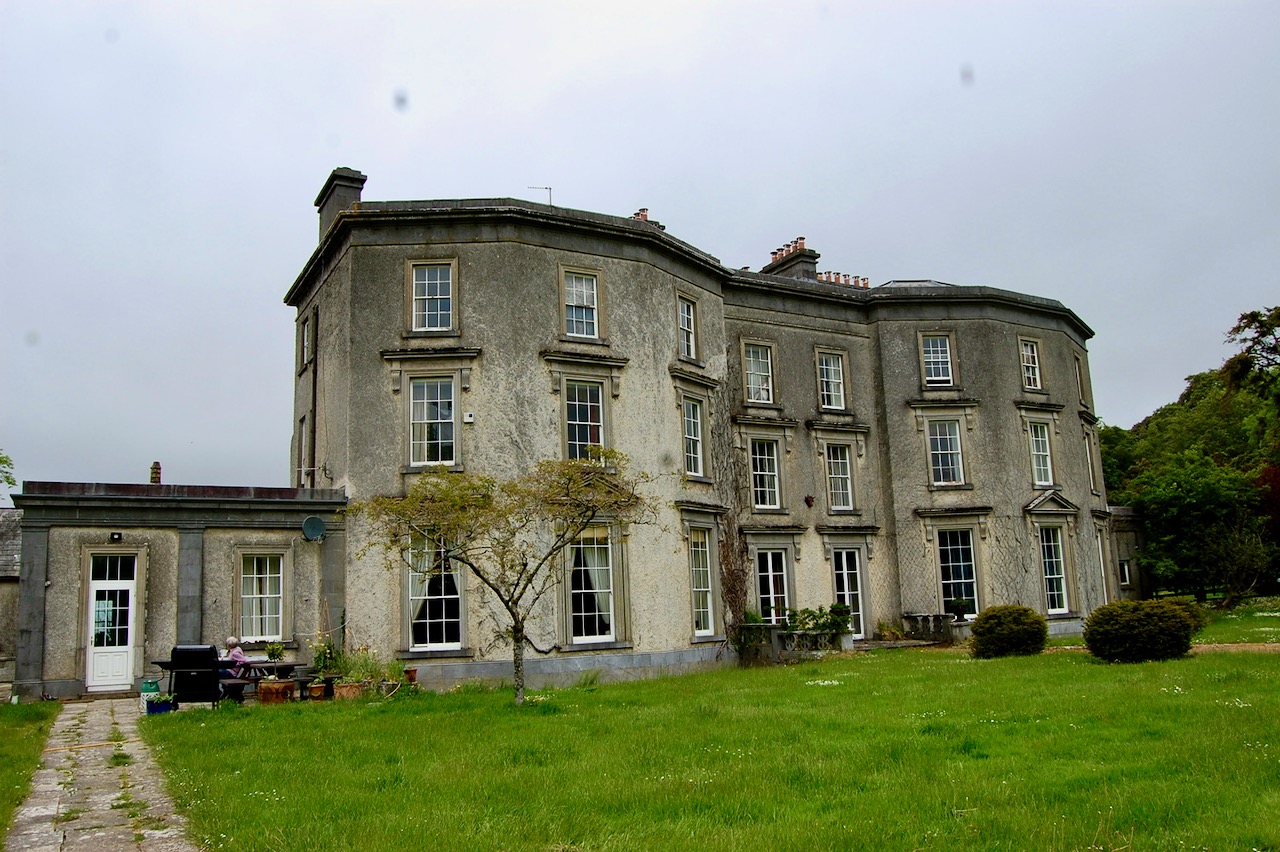
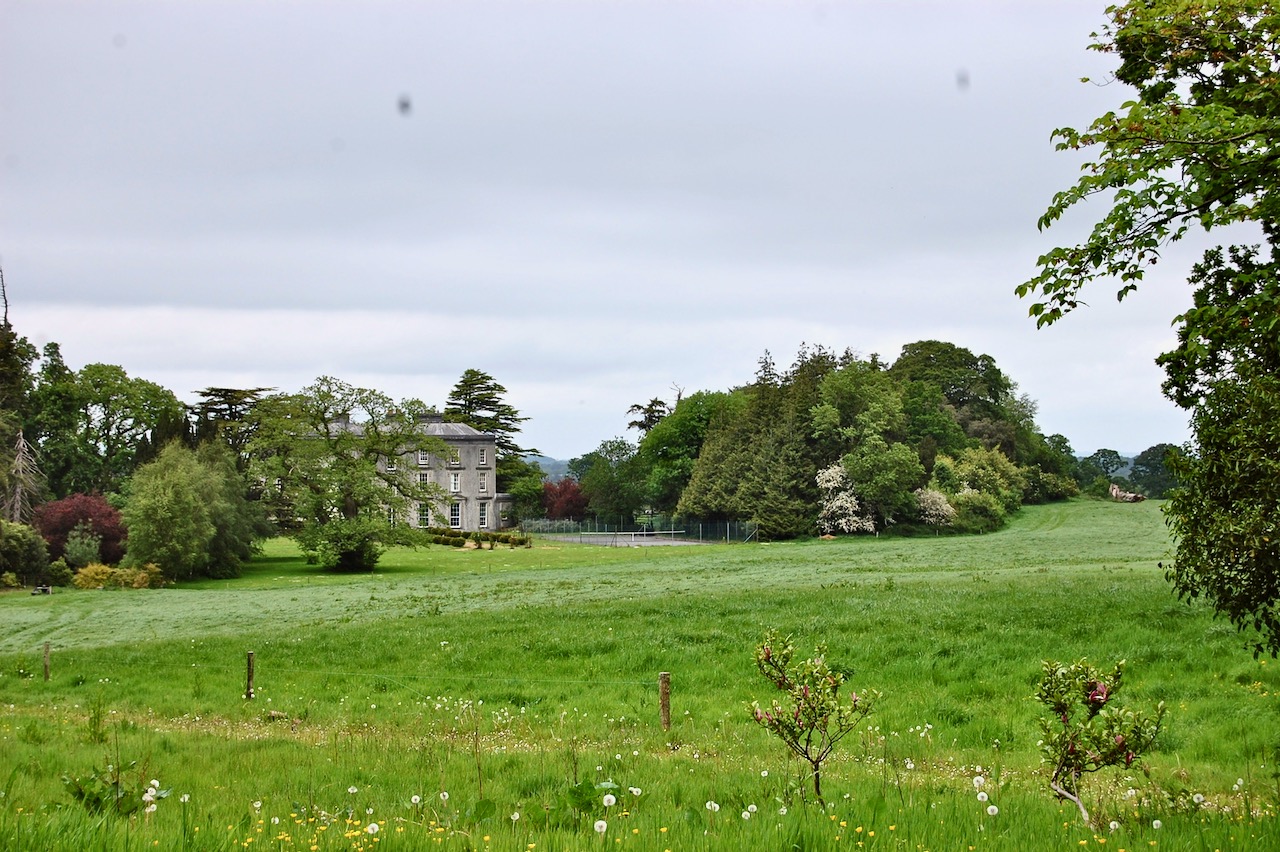
WOODLAWN HOUSE, near Kilconnell, County Galway, is a Palladian-style country house comprising a three-bay, three-storey central block built ca 1760, having slightly advanced end bays and projecting tetra-style Ionic portico to entrance bay.
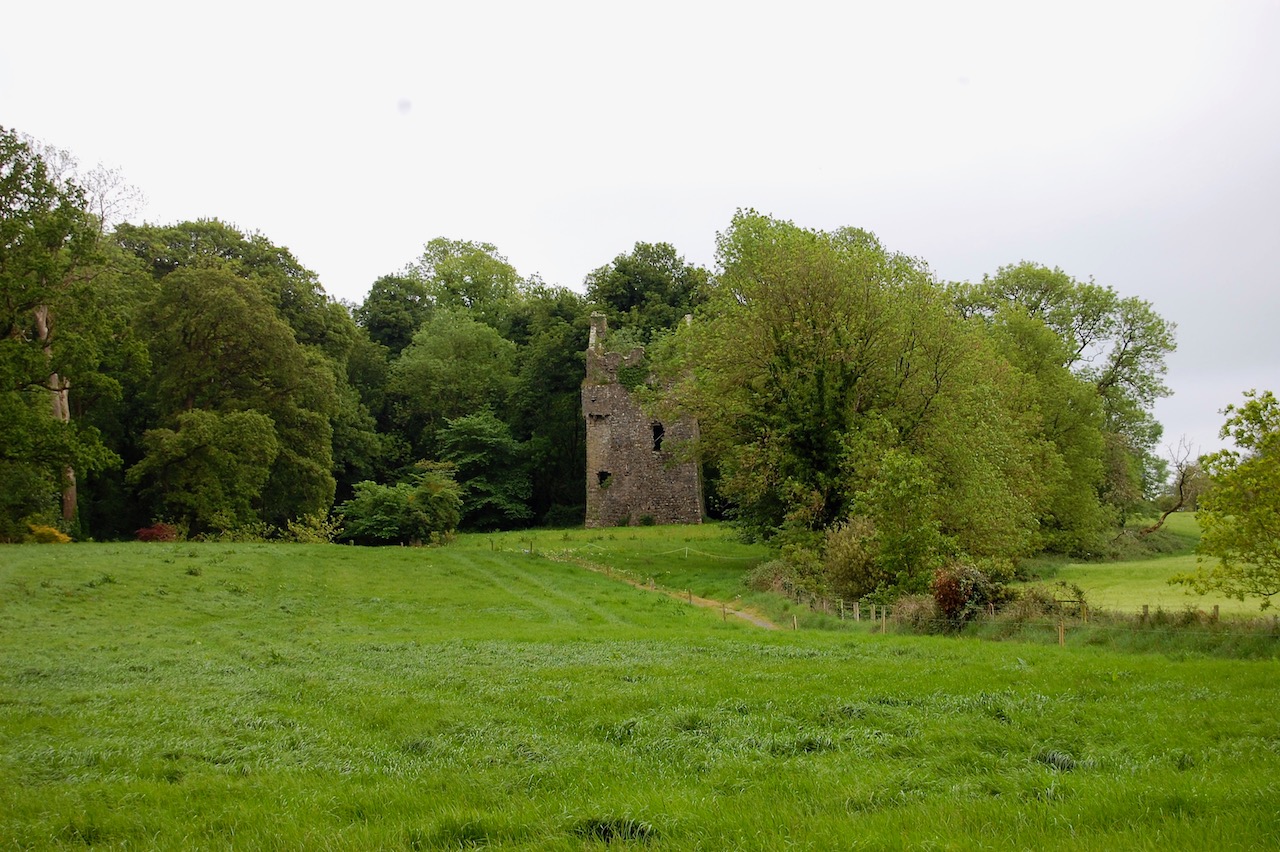
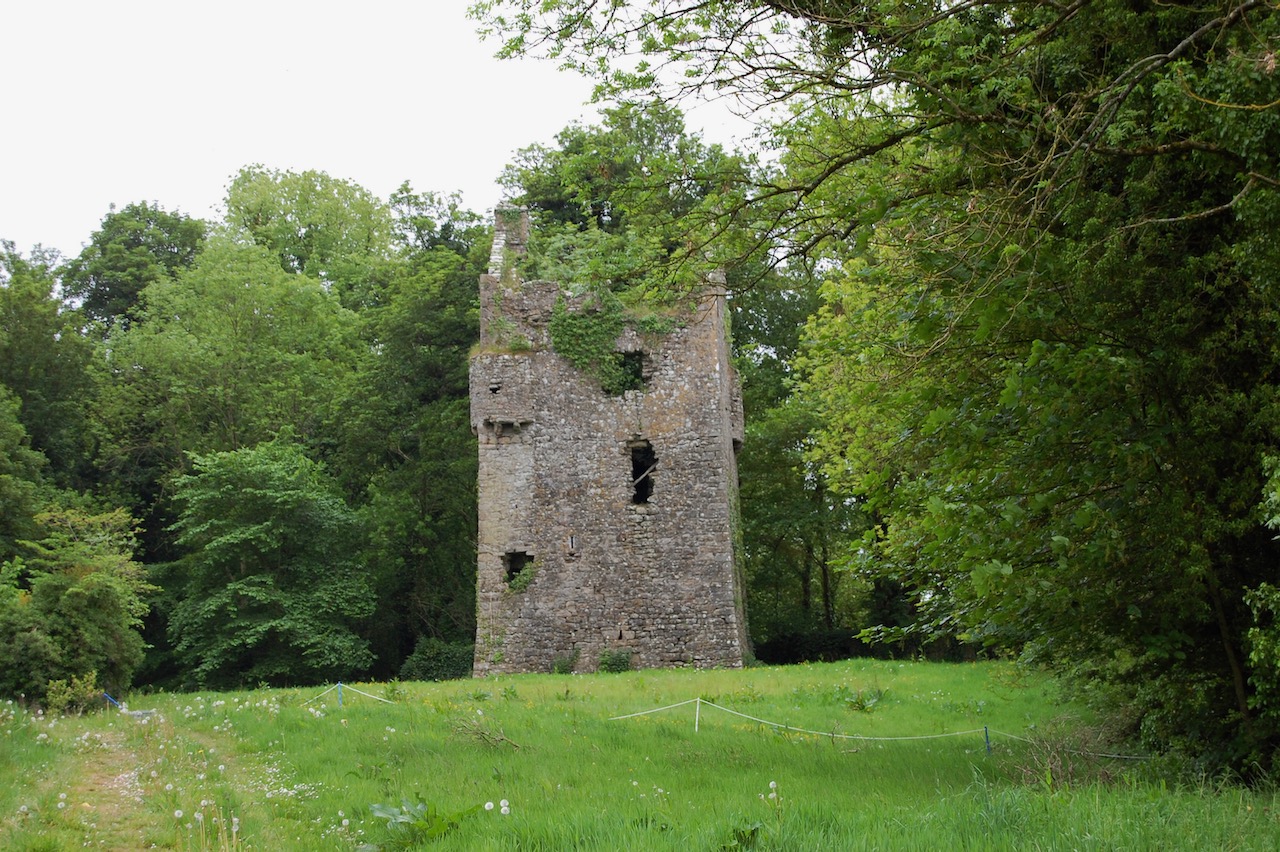
There is an interesting video clip of the mansion house and ruinous outbuildings here.
The House consists of 30,000 square feet standing on 115 acres of land.
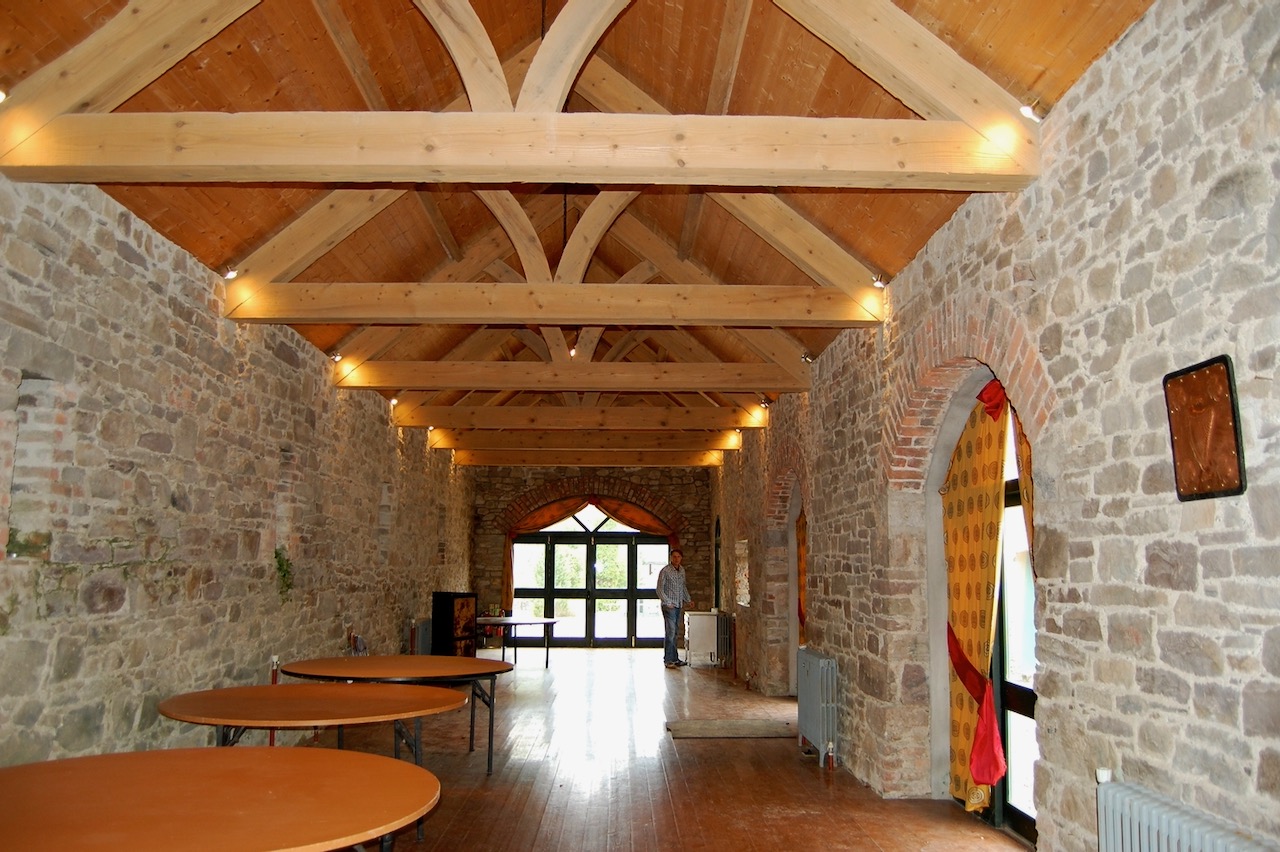
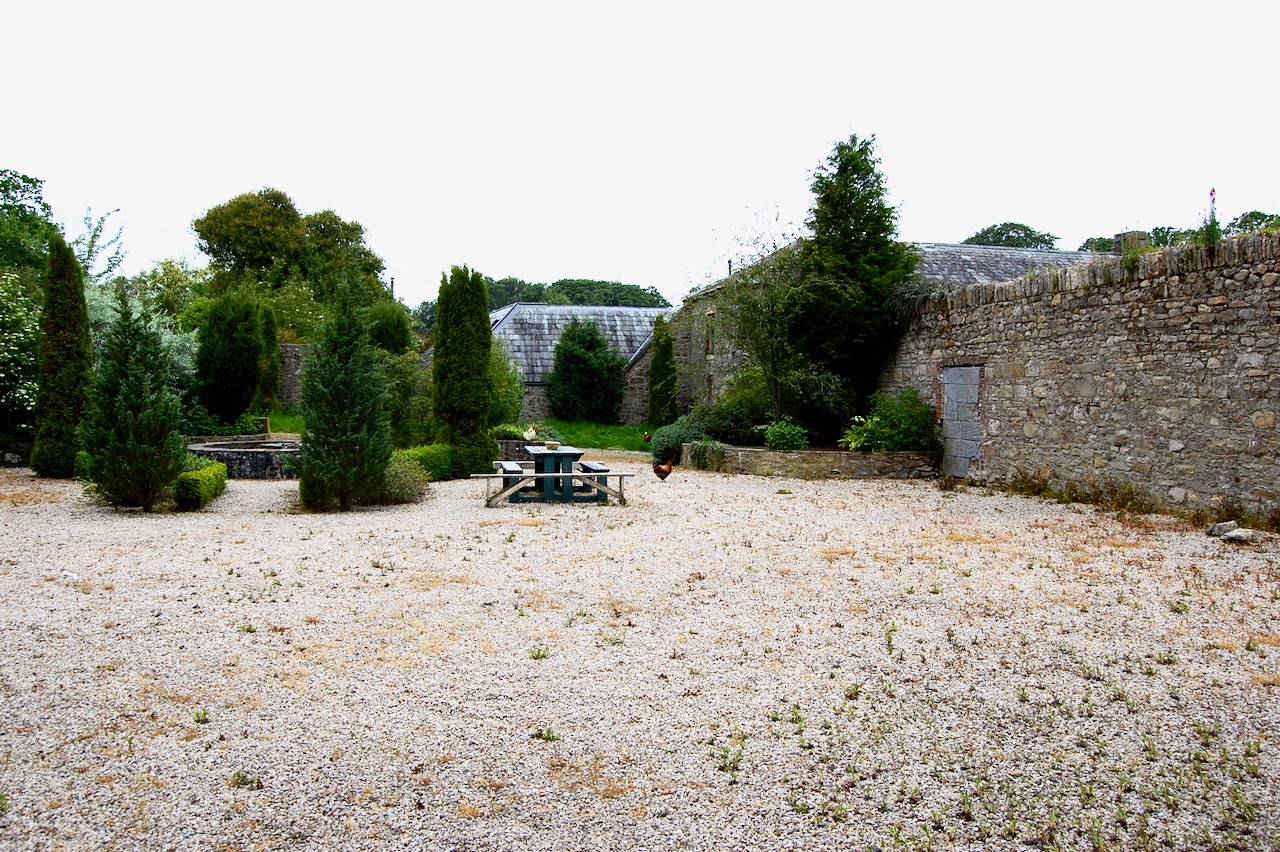
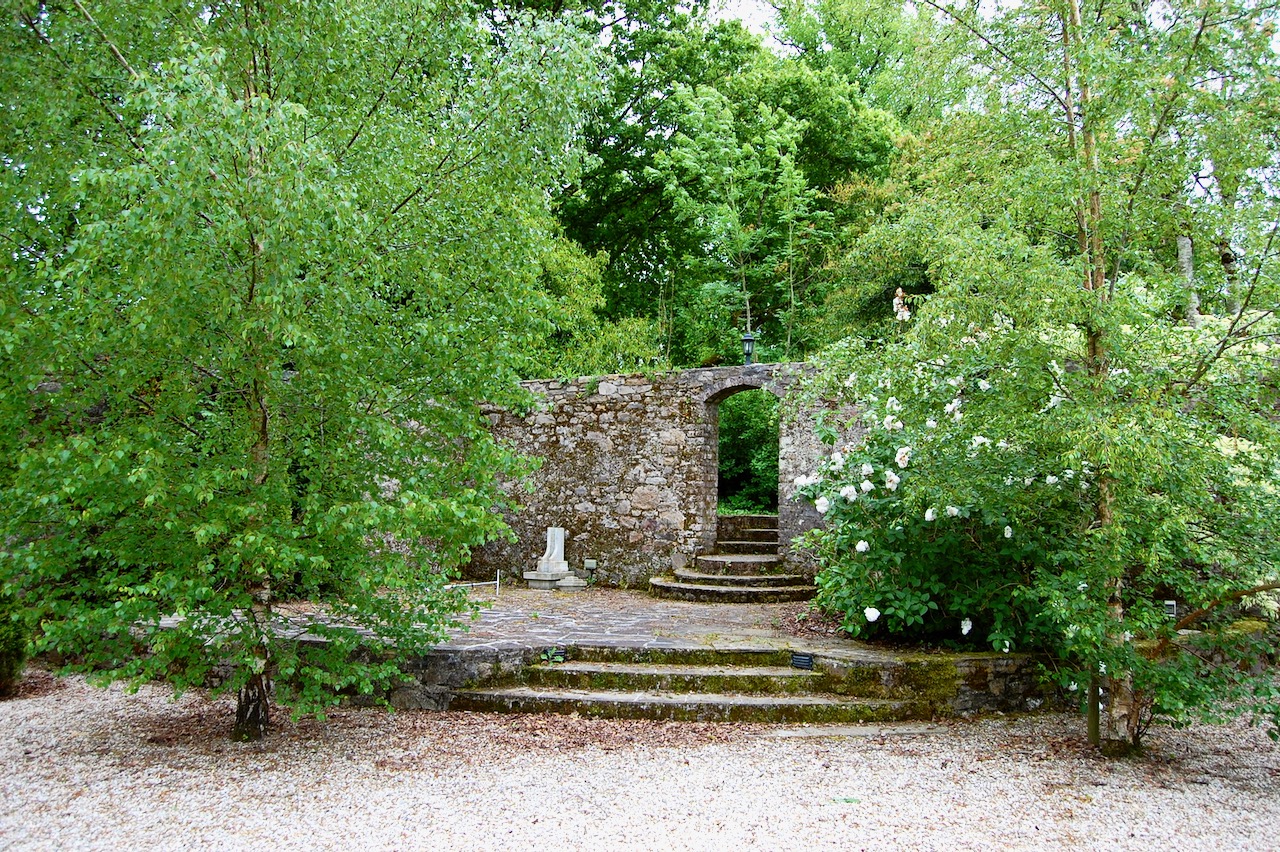
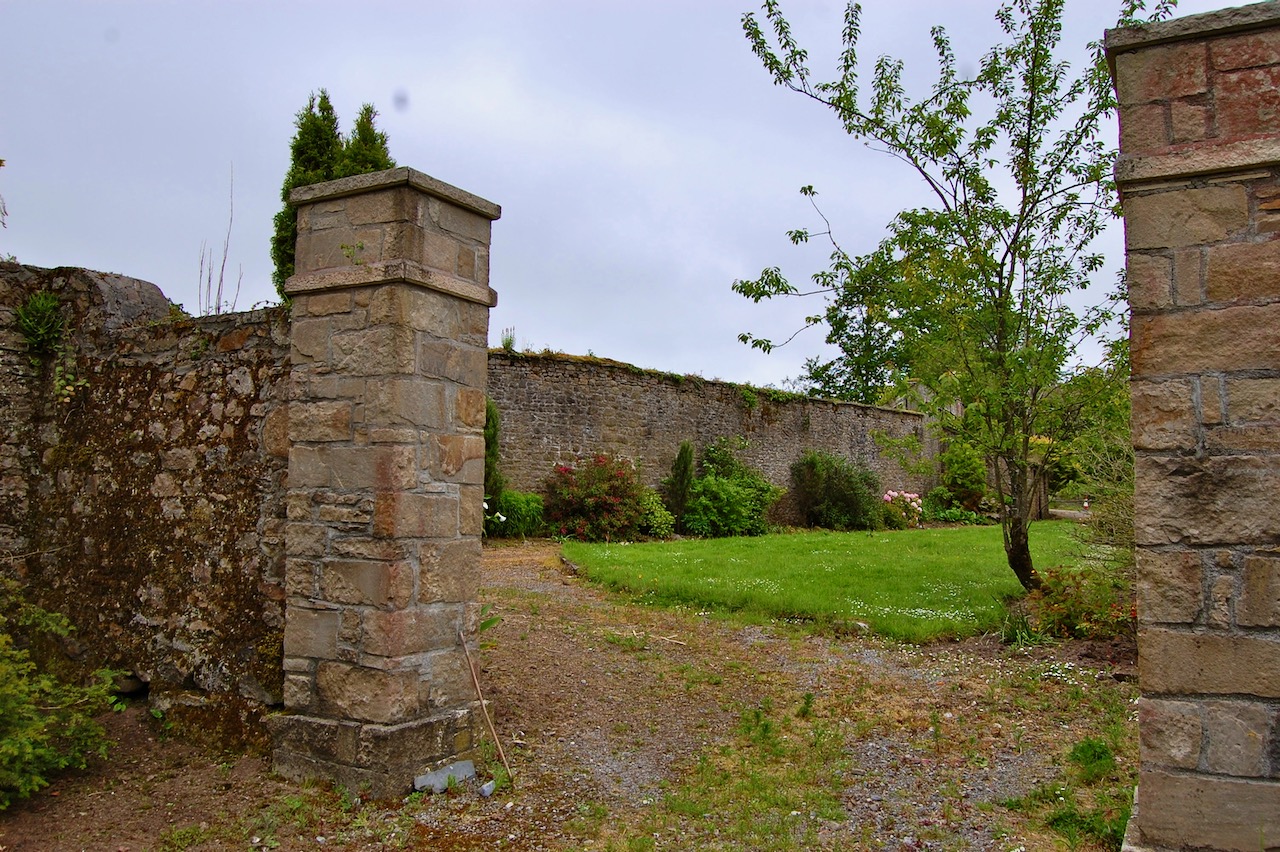
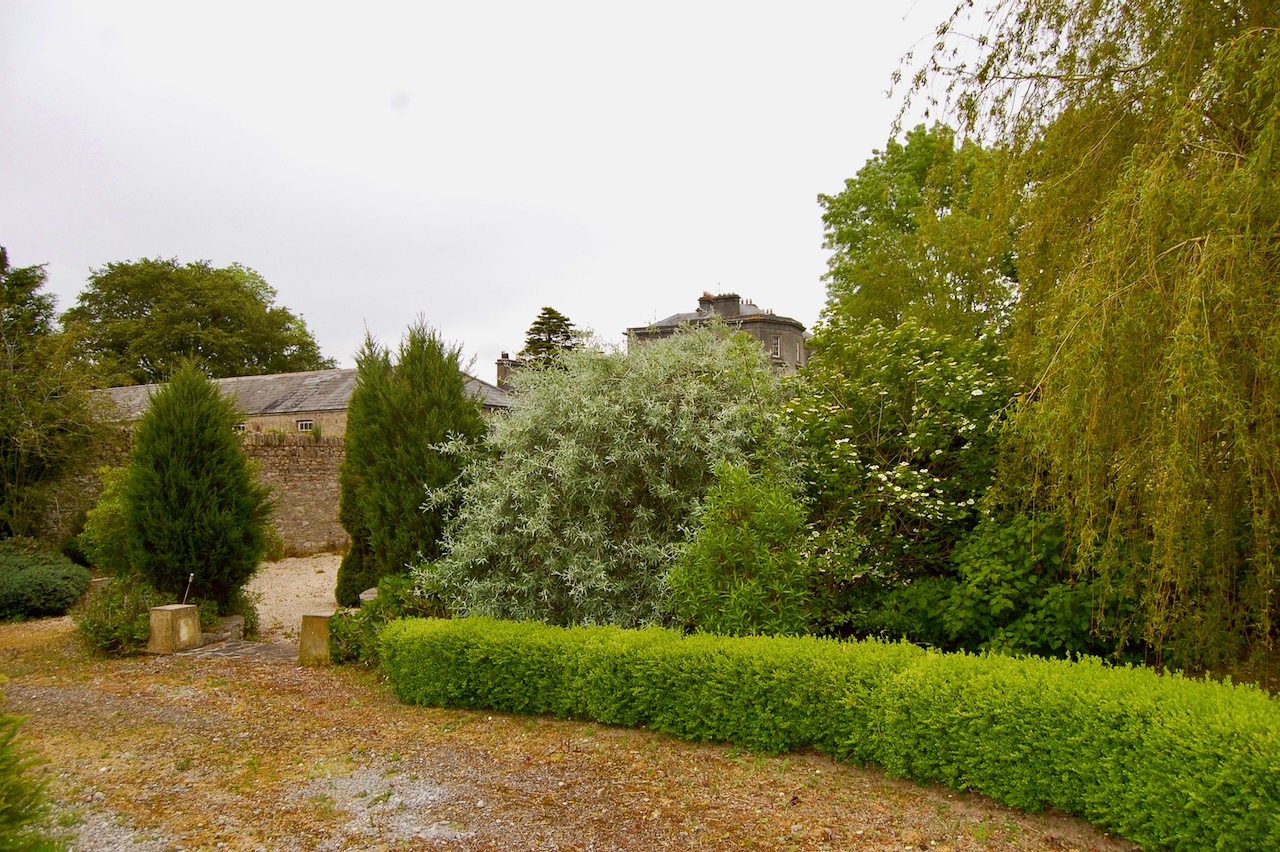
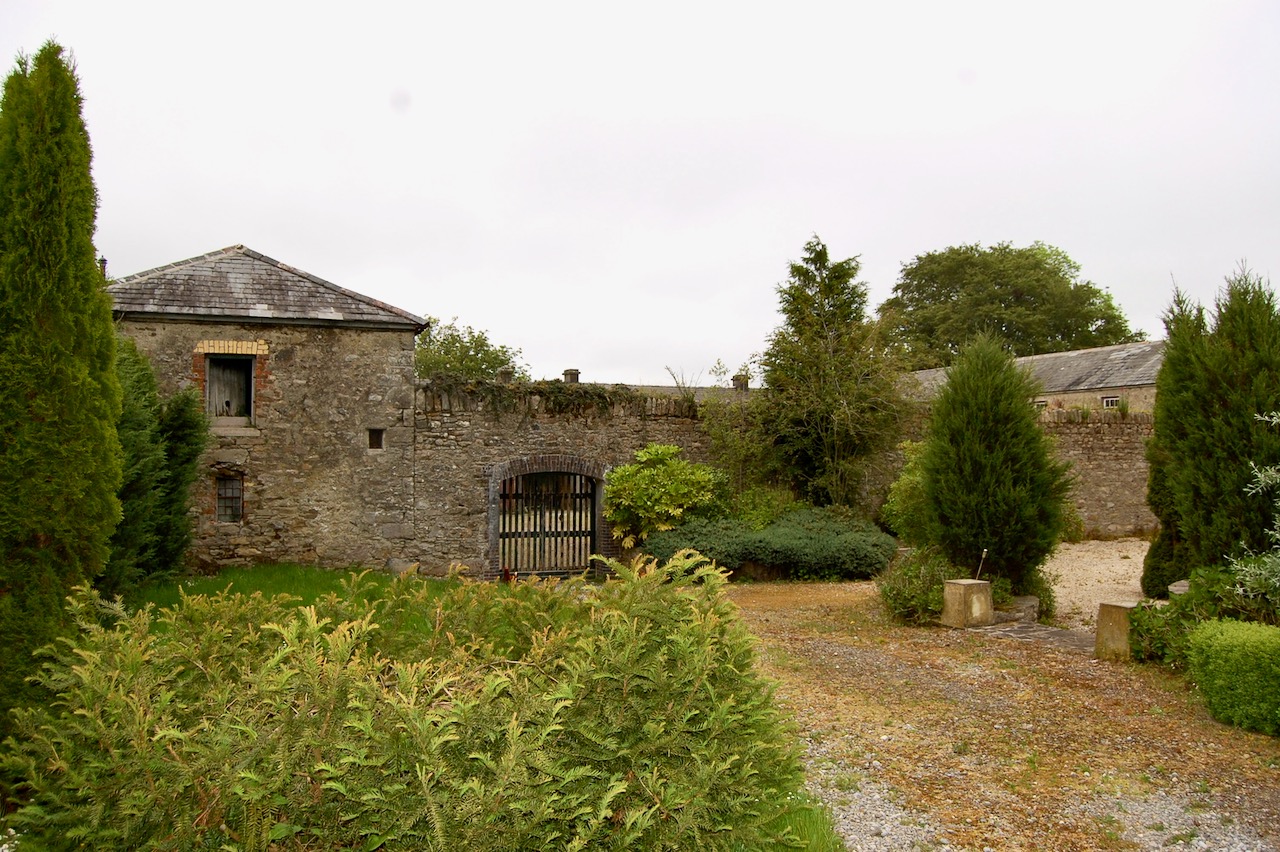
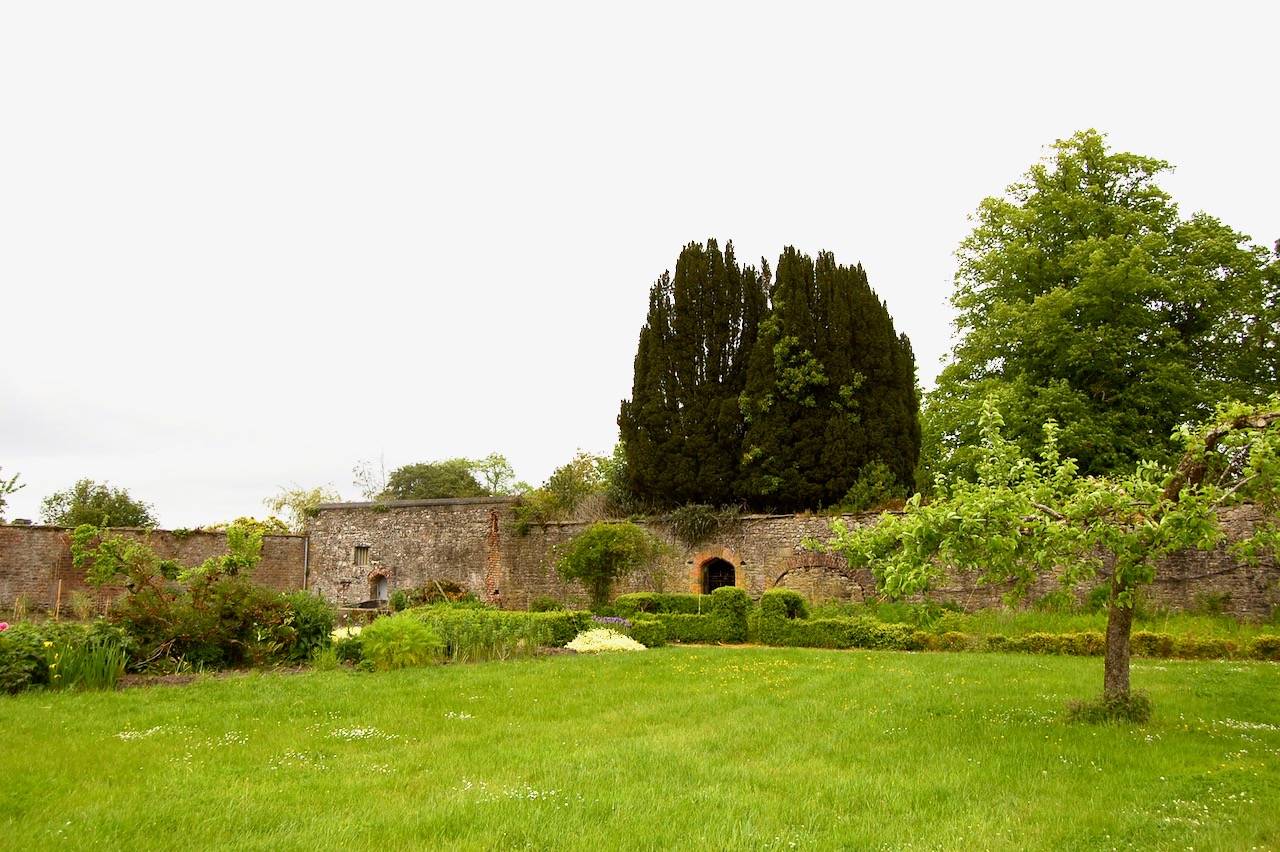
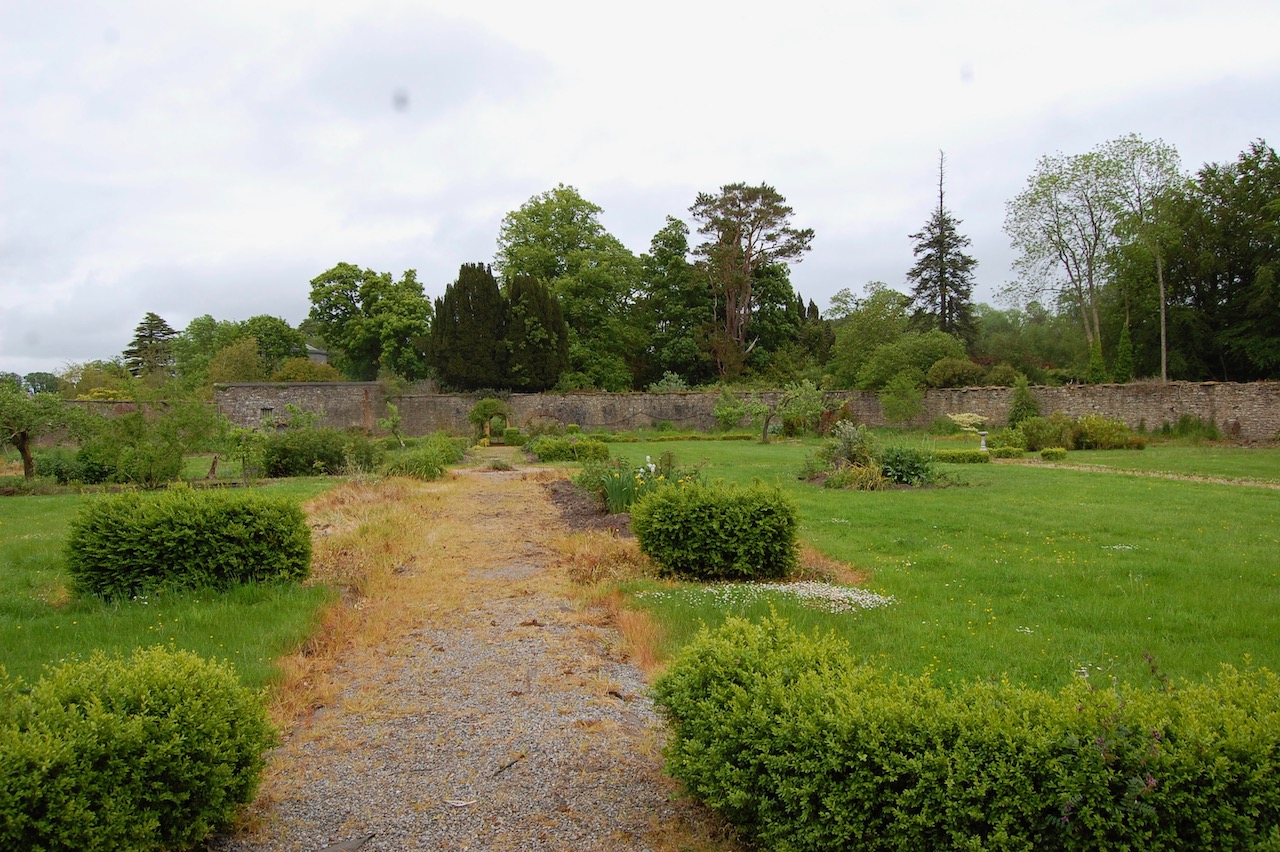
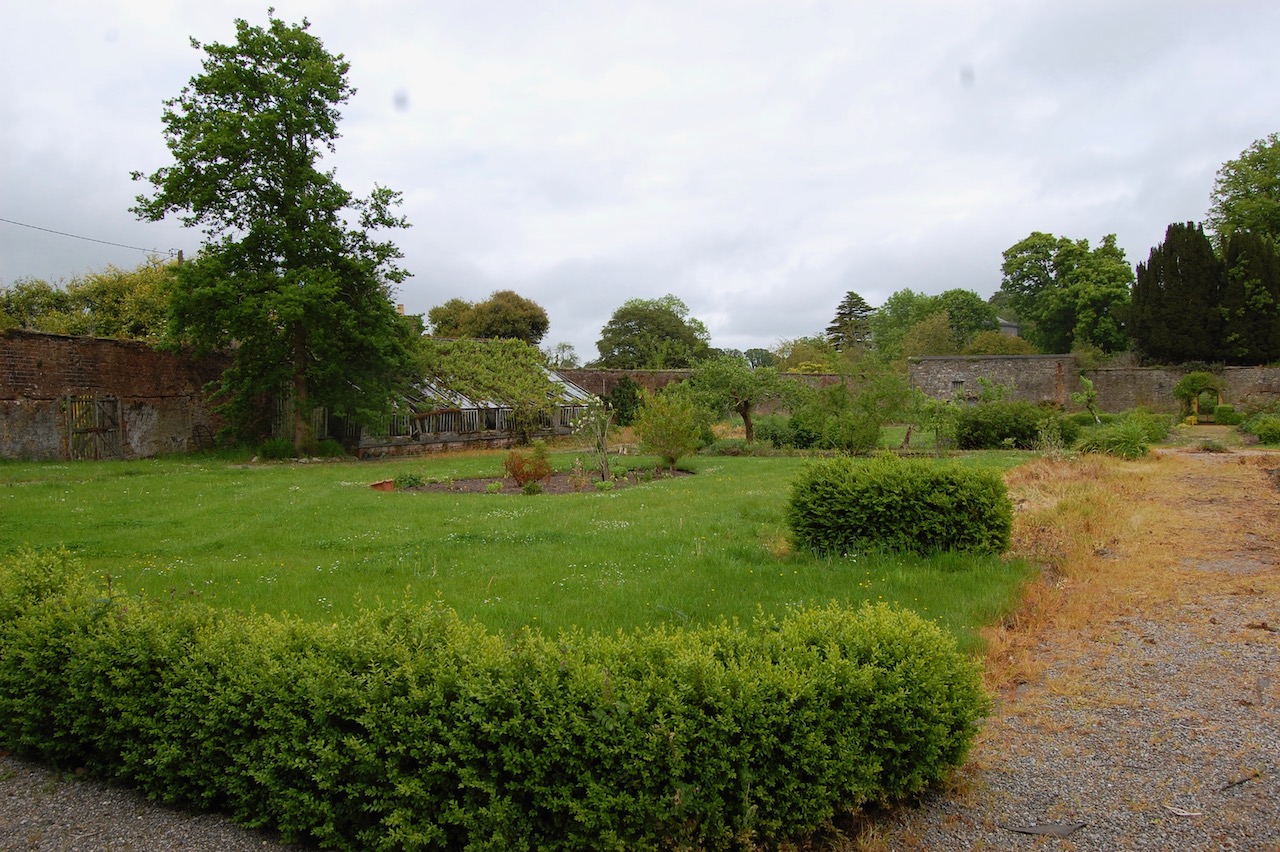
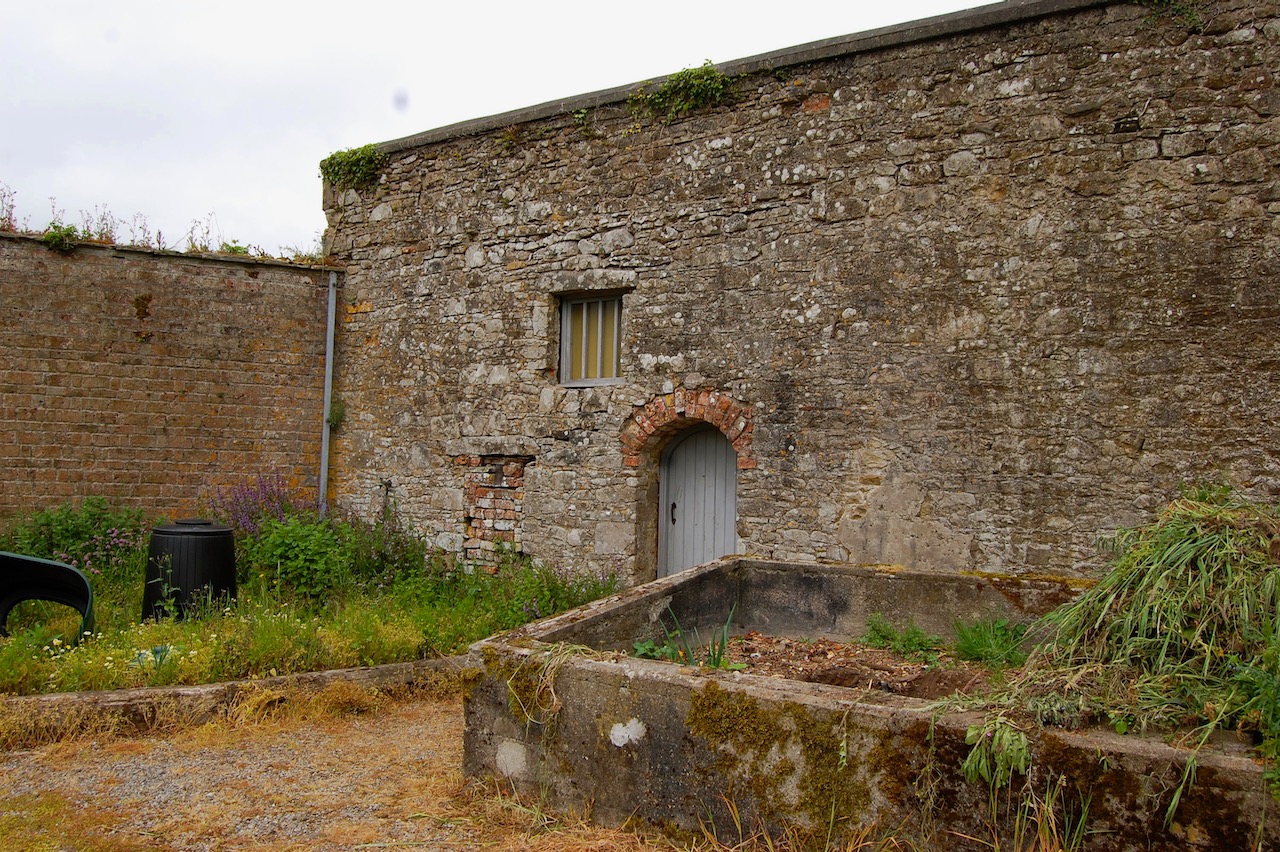
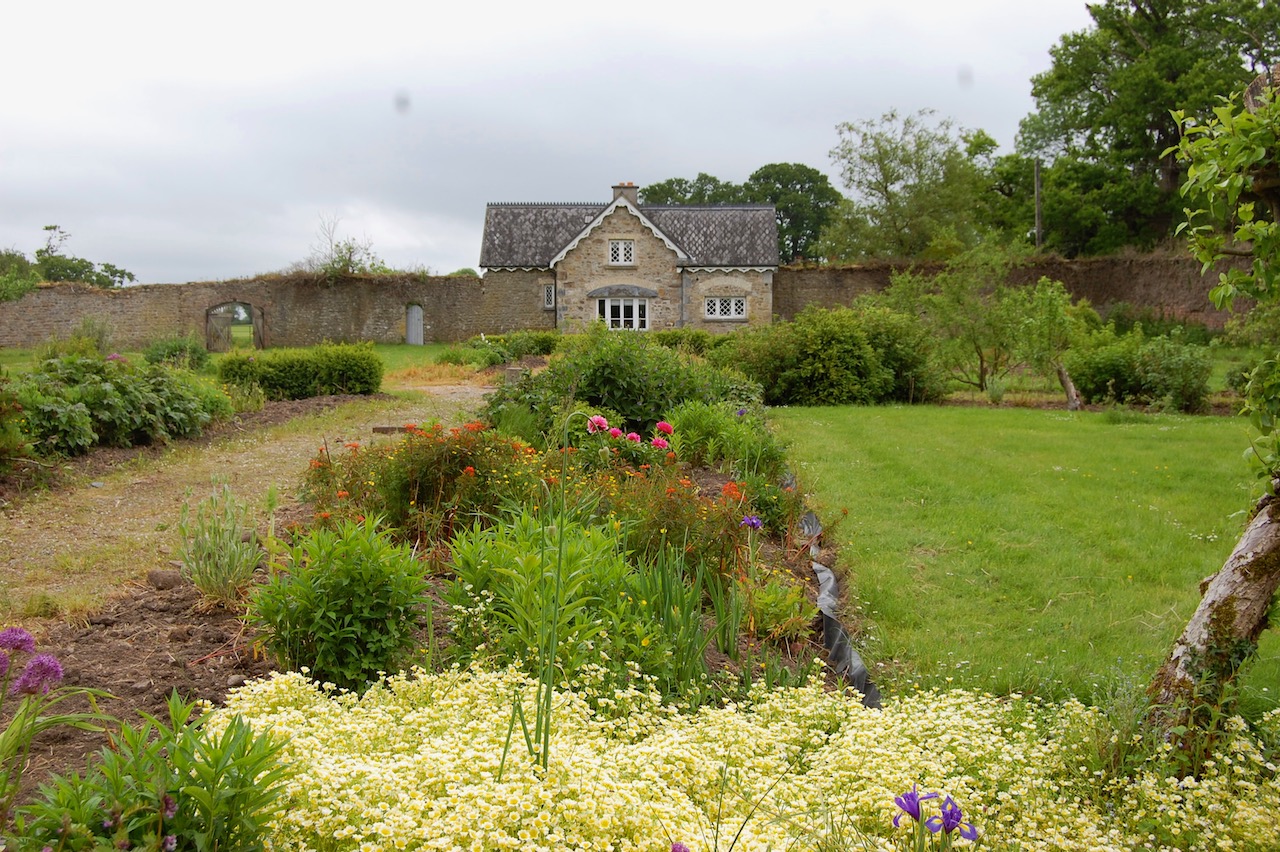
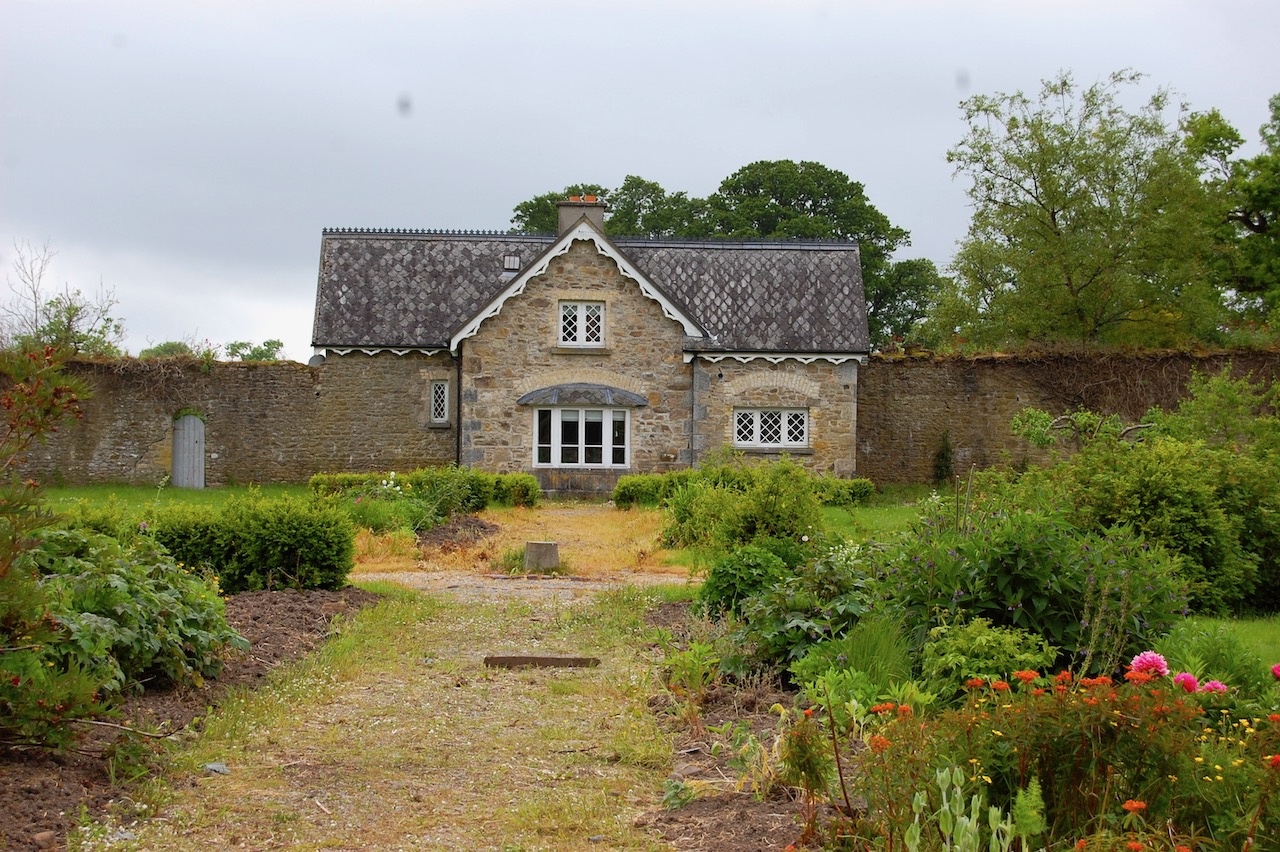
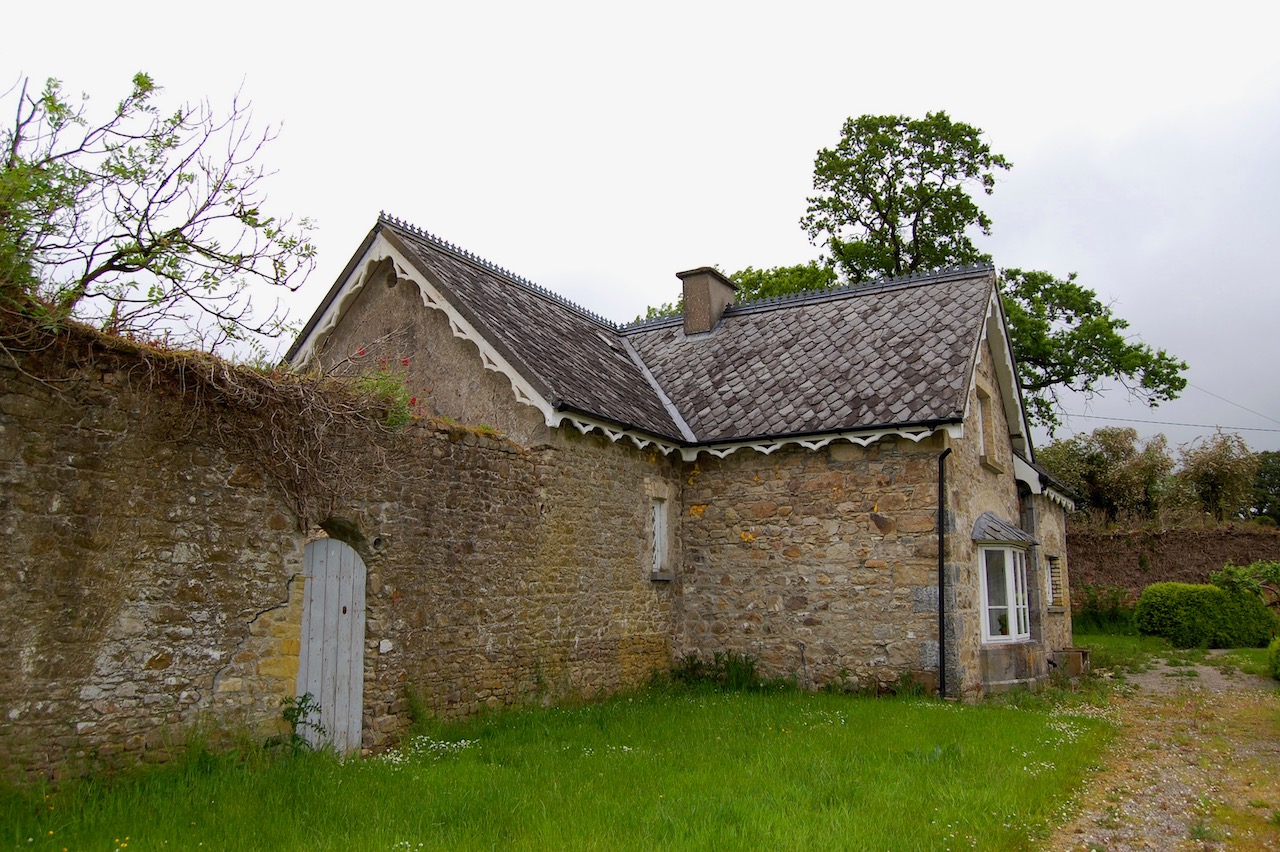
It boasts 26 bedrooms, a walled garden, courtyard, gatehouse, gardener’s house and a lake.
Woodlawn was remodelled ca 1860 and flanked by four-bay two-storey wings having projecting pedimented end bay to each wing.
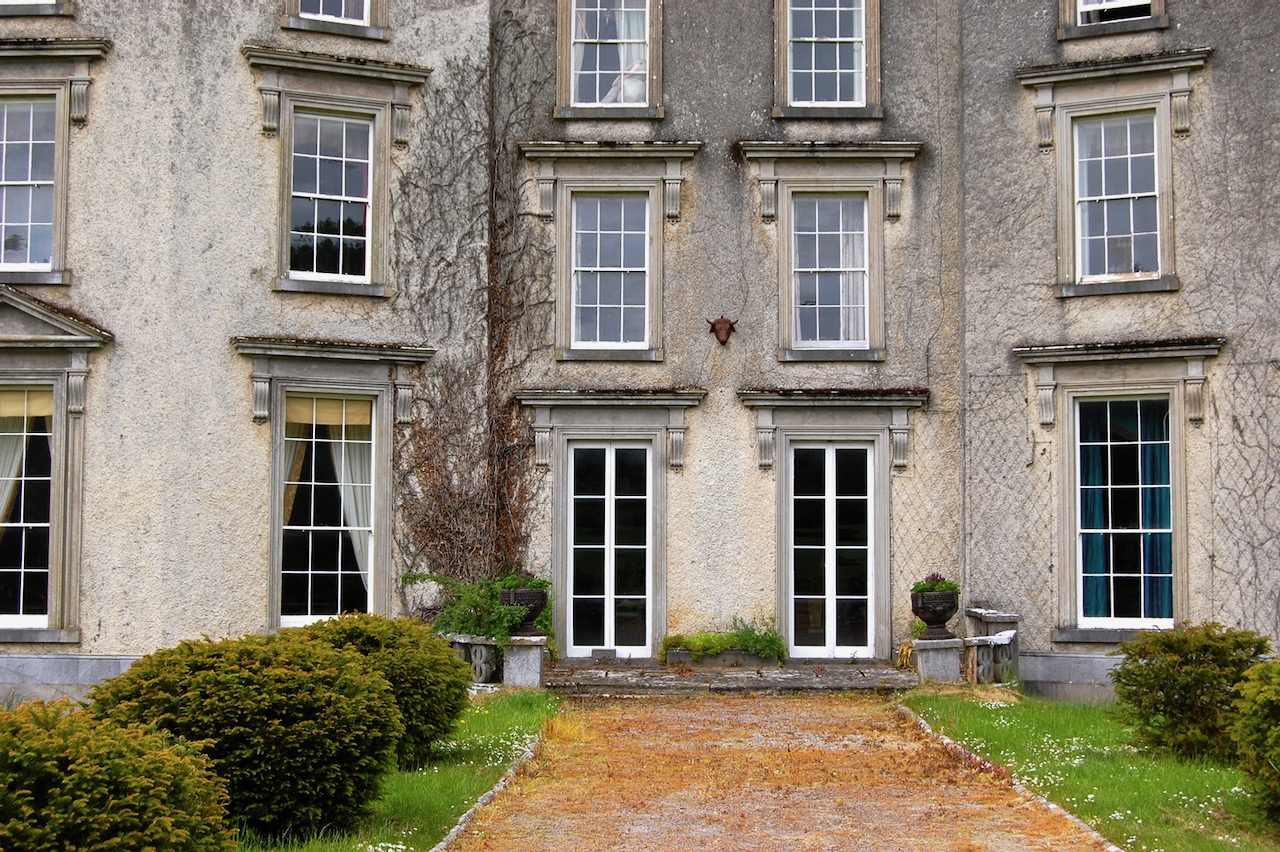
The central block has tripartite openings to end bays, ground floor of each end bay having segmental pediment and engaged Doric columns to slightly advanced middle light, and flanked by Doric pilasters.
The wings have tripartite windows to pedimented bays, ground floor having Venetian-style windows, middle light slightly advanced and having engaged square-plan Doric columns, flanked by Doric pilasters and having with moulded capitals and cornices.
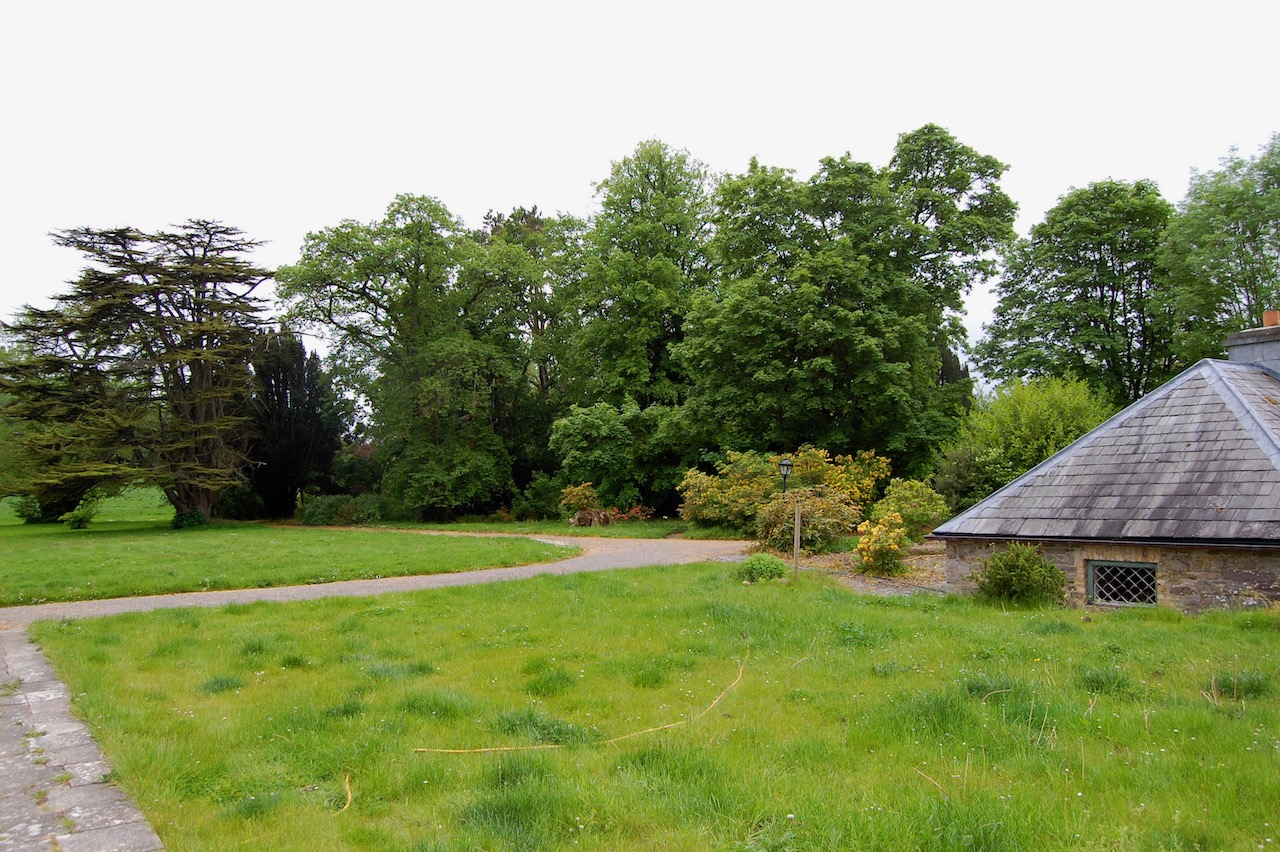
The mansion is set in its own demesne, with outbuildings to west, and entrance gates and lodge to east.

This large house is an elaborate exercise in classical orders, the use of carved and cut limestone extending throughout the front elevation and evidence of both the skill of 19th century stonemasons and the wealth of the Trench family whose seat it was.
An unusual composition, the quoins to the central block give a vertical emphasis that is extended by the pinnacles.
Although the motifs are classical, the extensive use of dark limestone, the variety of textures and treatments, and the use of pinnacles give it a somewhat Gothic appearance typical of the late 19th century.
Extended and remodelled by the 2nd Baron Ashtown in the 1860s to designs drawn up by James F Kempster, the county surveyor for the East Riding of County Galway, it shows little evidence of the Georgian house behind the façade.
During the 1920s, the 3rd Baron was declared bankrupt and, as a result, the house was closed up and its contents sold at auction; at one point, the IRA occupied one of the wings.
The 4th Baron eventually returned to Woodlawn, but in 1947 he sold the estate to his cousin, Derek Le Poer Trench who, in turn, disposed of it in 1973.
Since then, Woodlawn has had two further owners but neither of these have lived in the house.
Michael Lally, a local publican, bought the property ca 1989.
Before that date, in 1982, a fire burnt out the east wing and caused extensive damage to the central block, partly because of the water used to put out the flames.
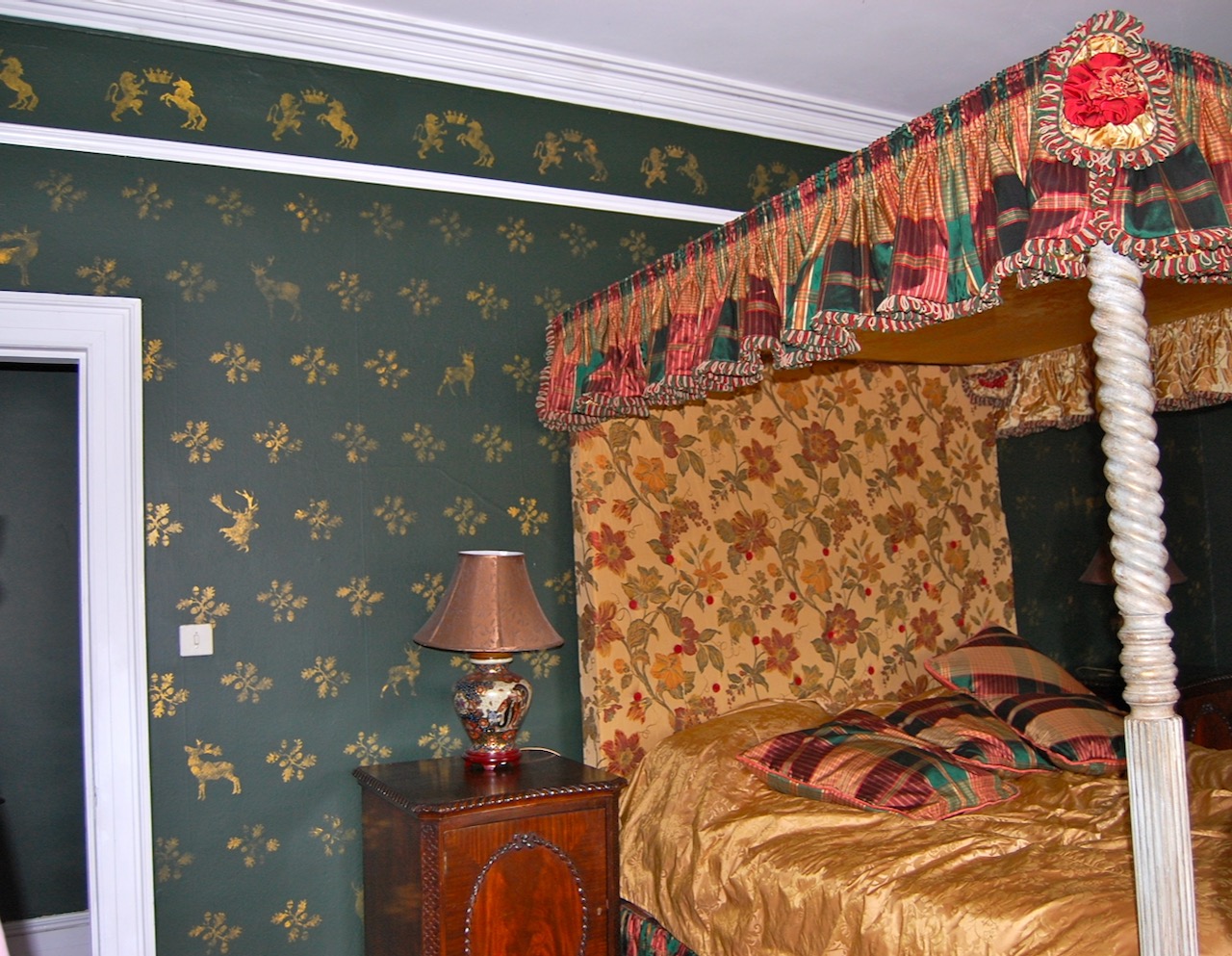
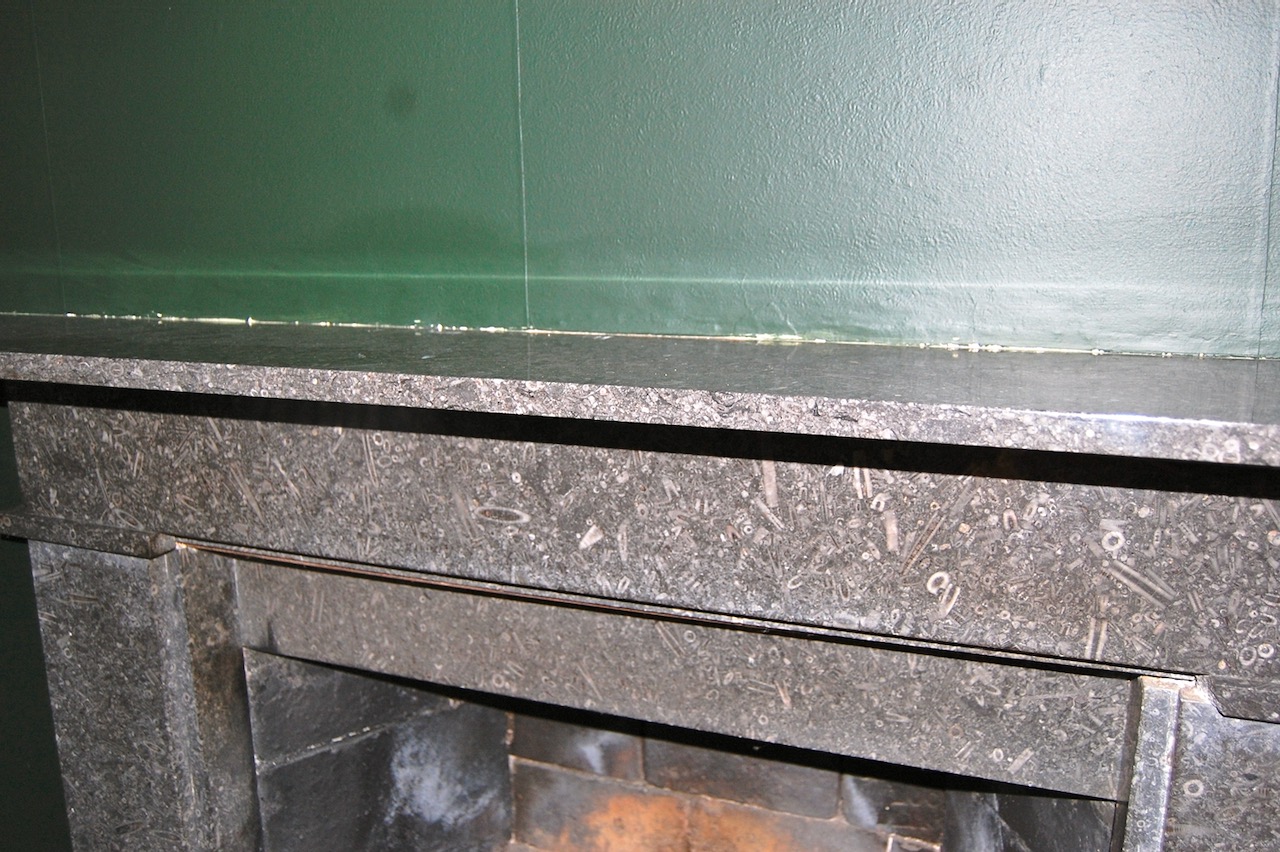
Much of the original decoration of the house has also been lost, not least the fireplaces in the principal reception rooms.
While all the walls still stand and the pitched slate roof remains, Woodlawn today is a mere shadow of the house it had been 100 years ago.
Other former seat ~ Chessel House, Southampton, Hampshire.
For sale June 2024
Woodlawn House, Woodlawn, Ballinasloe
€975,000
H53PX44 22 beds2787 m2
Woodlawn House, Ballinasloe, County Galway courtesy Sherry Fitzgerald Country Homes, Farms and Estates, June 2024.
Courtesy Sherry Fitzgerald Country Homes, farms and estates
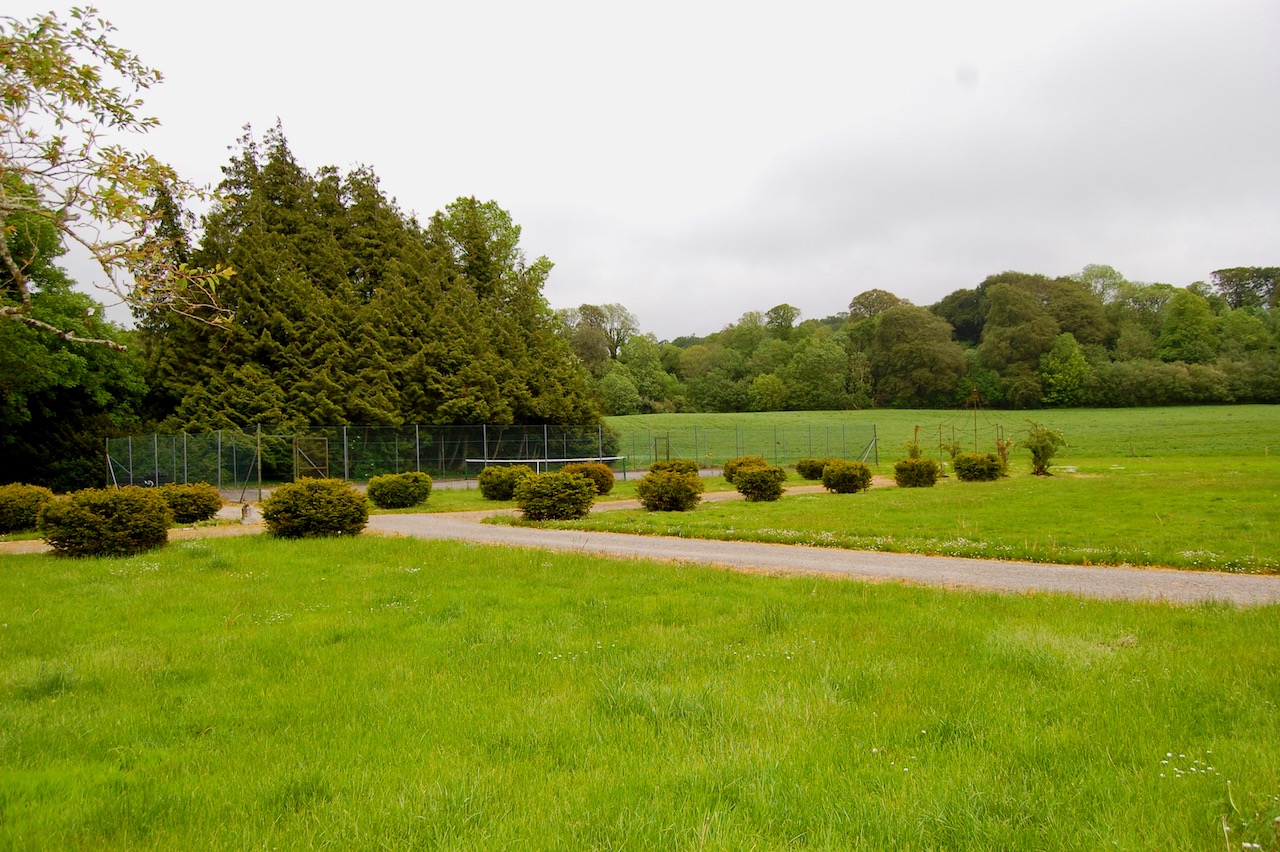
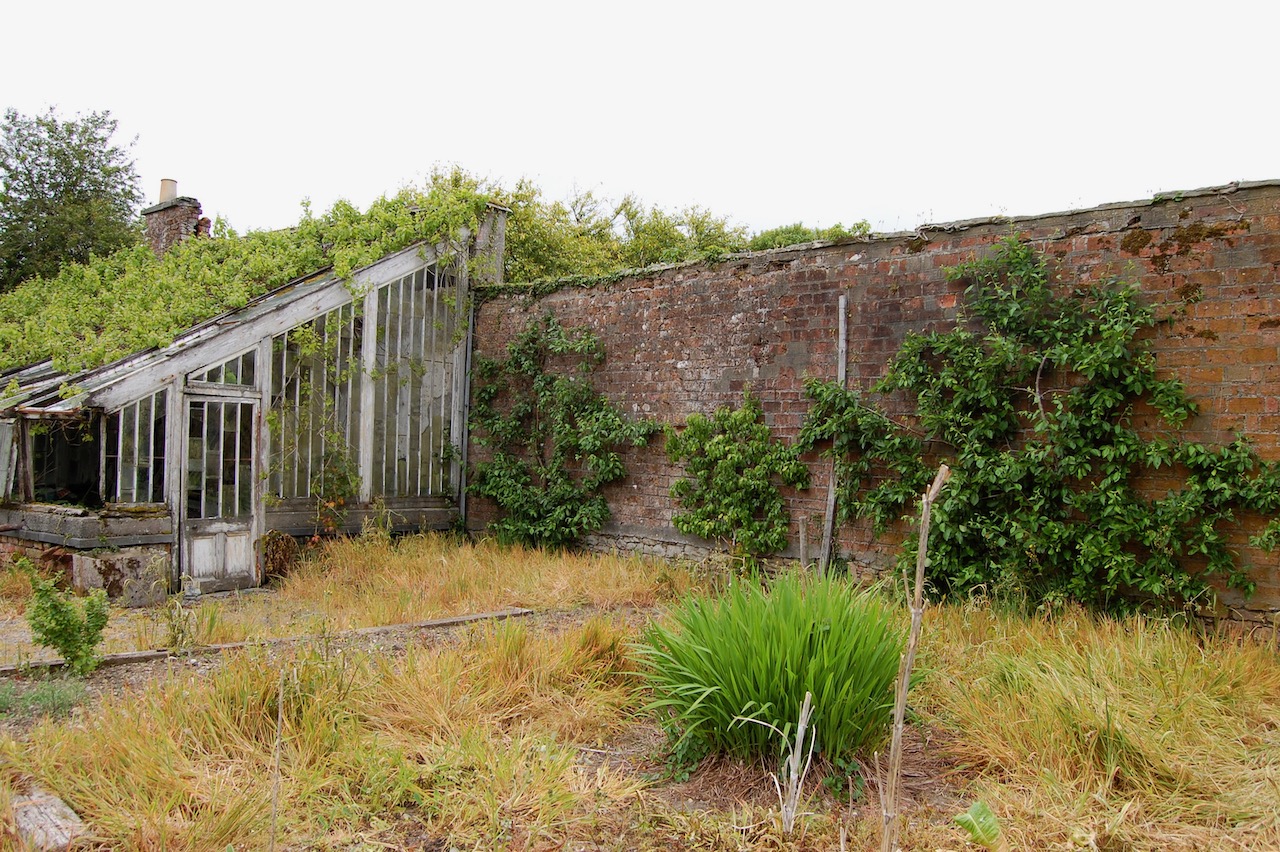
WOODLAWN HOUSE, A HISTORIC ESTATE WITH EXPANSIVE GROUNDS ENCOMPASSING APPROXIMATELY 45.75 HECTARES (113.05 ACRES), BOASTING ARCHITECTURAL MAGNIFICENCE AND A CENTURIES-OLD HERITAGE, THE PROPERTY EAGERLY AWAITS COMPREHENSIVE RESTORATION TO RECAPTURE ITS FORMER MAGNIFICENCE. SPECIAL FEATURES • Historical estate extending to approx. 45.75 hectares (113.05 acres) of woodland and parkland • Palladian style mansion extending to approx. 30,000 sq.ft in need of full restoration • Complemented by a red brick walled garden, multiple courtyards, gate lodge, stewards lodge and glasshouses also in need of full restoration • Located approx. 2.7km from Woodlawn train station (600m walk via the woods) • Located approx. 49km from Galway city • Located approx. 17km from the M6 Dublin to Galway motorway

HISTORY The history of Woodlawn Estate pre-dates recorded history and has its roots in Irish folklore and mythology through the Diarmuid and Grainne mound which is recorded on the Archaeological maps of the estate. “Mota Ghrainne Oige” is the gaelic name for Woodlawn and this translates as the moat or resting place of young Grace. Legend has it that Grace and her lover, Diarmuid O Duibne, were trying to escape from the powerful Fionn MacCumhall, who had earmarked Grainne as a bride for himself. The pursuit of the young lovers extended over most of Ireland and Woodlawn is thought to be one of their places of refuge. Woodlawn House & Estate was built in the mid-18th century by Frederick Trench, the First Baron Ashtown. Frederick Trench was the grandson of John Trench, who was rewarded for his services during the Williamite War by being appointed Dean of Raphoe. John Trench is an ancestor of the Barons Ashtown. Originally part of the Martin and Barnewall lands, the estate was acquired by the Trench family in the early 18th century. Frederick Trench initiated an extensive building program, which included the construction of the house and its surrounding structures, such as a church, gamekeepers’ lodge, family mausoleum, and artisan cottages. In the 1850s, the second Lord Ashtown transformed Woodlawn House into a fashionable Victorian Palladian villa. This extensive expansion and remodelling, designed by J. F. Kempster of Ballinasloe, included a new facade, the addition of a second storey to the wings, and interior redecoration. Further developments in the late 1800s included gardening projects, a mill building, outbuildings, and an underfloor-heated glasshouse. Additionally, a railway line was diverted to ensure the estate had its own station, which remains part of the Dublin to Galway railway line today. The house was vacated and its furnishings sold when the third Lord Ashtown became bankrupt in the 1920s. Eventually, the fourth Lord Ashtown sold it to his cousin, Derek Le Poer Trench, in 1947, who then sold it in 1973.


WOODLAWN HOUSE Woodlawn House is a distinguished example of Italianate architecture, notable for its grandeur and bold design, which stood out from the typical constructions of its era. This three-story Palladian mansion covers over 30,000 square feet and includes 26 bedrooms, showcasing the opulence and scale typical of aristocratic homes of the 18th and 19th centuries. The estate features a variety of ancillary structures and amenities, such as a red brick walled garden, multiple courtyards, a gate lodge, stewards lodge and an ornamental lake, all of which contribute to its historical and architectural significance. Currently, Woodlawn House and its surrounding estate are in need of comprehensive restoration to revive it to its former glory. The estate spans approximately 45.75 hectares (113.05 acres) of woodland and parkland, providing a serene and expansive backdrop that complements the mansion’s grandeur. LOCATION Woodlawn Woods, a beautifully preserved natural area that once formed part of the extensive Woodlawn Estate. Now owned and managed by Coillte, is directly on the doorstep of Woodlawn House offering a serene retreat for nature lovers. The woods feature a variety of trails, including the Woodlawn Woods Loop, which is approx. 10.1km. Woodlawn House is located approximately 7.3 km from the village of Kilconnell in County Galway. Kilconnell is a small village that offers a variety of amenities to its residents and visitors. These include a local school, a convenience shop for daily needs, a church, a pub, a GAA club, and a community hall hosting various events and activities. For more extensive amenities and services, the nearby town of Ballinasloe is approx. 20 km from Woodlawn House. Ballinasloe is a bustling market town that offers a broader range of shopping options, dining establishments, healthcare services, and recreational facilities. Transportation links to and from Woodlawn House are excellent, with the M6 Dublin to Galway motorway situated approximately 17 km away. This motorway provides a vital connection to Ireland’s extensive road network, facilitating convenient travel to Dublin and other major cities. The presence of the motorway enhances the accessibility of Woodlawn House, making it an ideal location for those who need to commute or travel frequently. Furthermore, the thriving cultural city of Galway is less than an hour’s drive from Woodlawn House. Galway is renowned for its vibrant arts scene, historic sites, lively festivals, and bustling nightlife. The city offers a rich array of cultural attractions, including theatres, galleries, museums, and music venues. Galway’s diverse culinary scene, featuring everything from traditional Irish pubs to contemporary restaurants, adds to its appeal as a nearby urban centre. Galway city also offers the vibrant suburb of Salthill, renowned for its beautiful beaches and bustling promenade that stretches about 2 km along Galway Bay. This iconic walkway offers stunning views of the Atlantic Ocean, the Aran Islands, and the hills of Clare, making it a popular spot for both locals and visitors. Beyond Galway City lies Connemara, renowned for its rugged coastlines, expansive boglands, and diverse landscapes that captivate visitors with their wild beauty. Stretching from the Atlantic Ocean to the Twelve Bens mountain range, Connemara offers a dramatic and untamed environment characterized by windswept beaches, towering cliffs, and rolling hills. The region’s coastline is dotted with picturesque coves, rocky headlands, and pristine sandy beaches, providing endless opportunities for exploration and adventure. Connemara holds a special place along the Wild Atlantic Way, a scenic coastal route that stretches from County Kerry in the south to County Donegal in the north, tracing the rugged and majestic coastline of western Ireland. Woodlawn House is also situated within the area known as Bord Failte’s Hidden Heartlands. The Hidden Heartlands covers the central region of Ireland, extending through parts of counties like Galway, Roscommon, Longford, and Westmeath. It emphasises outdoor activities such as walking, cycling, and boating, along with a focus on heritage sites and local experiences. Woodlawn House, with its historical significance and picturesque setting, fits well within this geographical area. 7.3 km to Kilconnell 20 km to Ballinasloe 20 km to Loughrea 48 km to Galway city 105 km to Shannon Airport 179 km to Dublin International Airport All distances are approximate


Accommodation
BER Details
Exempt
Negotiator
Emily Bleahen
http://www.turtlebunbury.com/family/bunburyfamily_related/bunbury_family_related_clancarty.html
Introduction
On 15th April 1805, two years after the death of his first wife, Jane Bunbury, John ‘Old Turnip’ McClintock of Drumcar, Co. Louth, married Lady Elizabeth Le Poer Trench, sister of the 2nd Earl of Clancarty, an influential British diplomat. Her father, the 1st Earl of Clancarty died 12 days after the wedding.
A Frenchman in Ballinasloe
The Trenches descend from Frederick de la Trenche (b. c. 1545), a French Huguenot who emigrated to England in the wake of the St. Bartholomew’s Day Massacre and married Margaret Sutton. In 1631, his grandson Frederic Trench I, relocated to Ireland and, after the Cromwellian Wars, purchased a large amount of land in east Galway and the Cavan lakelands. The family were duly headquartered at Garbally House, near Ballinasloe, at the confluence of the slim River Suck and the broad majestic River Shannon. At this time Ballinasloe (or “Béal Átha na Slua” meaning “Mouth of the Ford of the Hostings”) was a small settlement with two ancient castles guarding the fords. It’s location on the main Dublin – Galway road gave the castles an important role in the celebrated “Gathering of the Hostings“, a meeting of the clans of Ireland dating back more than 2000 years to the High Kings of Tara. The surrounding land was seized from the O’Kellys during the Elizabethan plantations and regranted to the Brabazons. After the collapse of the Catholic Confederacy in 1649, the lands (including Garbally) were granted to a Cromwellian officer from Cork, William Spencer, who in turn sold the lands to Frederic Trench I.
Frederic Trench II & the Battle of Aughrim
Frederic I died in 1669 and both he and his wife Elizabeth Warburton are buried in the family vault in Ballinasloe. During the Wars of 1689 – 1691, the Trenches served alongside King William’s army, fighting at the conclusive battle of Aughrim, believed to have been the bloodiest battle ever fought on Irish soil, with upwards of 7,000 dead. The Jacobites had the upper hand until King James’ commanding officer, General St. Ruth, was suddenly and rather shockingly struck on the head by a canon ball. Mortally wounded, he died in a ring-fort just behind Garbally while his leaderless army were anihilated by the enemy. After the battle, many of the wounded officers were taken to Garbally House to have their various wounds treated. The house was then owned by Frederick’s son, Frederick Trench II.
The Dean of Raphoe & the Barons Ashtown
Frederic I’s brother John Trench (1635-1725), Dean of Raphoe, married Anna Warburton (b. 1680), who was presumably a sister of his brother’s wife. At the Chichester House Sales of 1702, the dean purchased the lands of Moate and Woodlawn in County Galway. These had been confiscated by the crown from Peter Martin five years earlier and granted by letters patent to William III’s favourite, Joost van Keppel, Earl of Albermarle.
Dean Trench’s grandson Frederic Trench (1724-1797) of Woodlawn married Mary Sadlier, by which he aquired Sopwell Hall, County Tipperary. Mary descended from Sir Ralph Sadleir, who featured in “Wolf Hall”, and who had held important posts under Henry VIII, Edward VI and Elizabeth I and for a while had to “look after’ Mary Queen of Scots. Frederic and Mary were parents to seven sons, namely:
1) Frederick Trench, who was made 1st Baron Ashtown, of Woodlawn, County Galway in 1800;
2) Rev Thomas Trench (1761-1834), Dean of Kildare, father of Fanny (who married Hon. George Francis Pomeroy (1797-1879), a Commander in the Royal Navy (who later adopted the name of Colley, and is an ancestor of mine) and the controversial William Steuart Trench (1816-1872), author of the thought-provoking ‘Realities of Irish Life.’
3) William Trench (1769-1849) whose son Henry was father to Benjamin Bloomfield Trench.
HYPERLINK “http://www.turtlebunbury.com/family/bunburyfamily_related/bunbury_family_related_colley.html”4) Francis Trench (1767-1829) who married Mary Mason, parents of Frederick, 2nd Baron Ashtown. In 1852, the 2nd Baron was married (as his second wife) Elizabeth, daughter of Richard and Mary Oliver Gascoigne; they had no children. Elizabeth’s sister Mary Isabella Gascoigne was married in 1850 to the Honourable Frederic Charles Trench, a first cousin of the 2nd Baron Ashtown. The daughters had succeeded to the Oliver and Gascoigne estates in 1843, and somehow they tie in with the Olivers of Castle Oliver, from whom Lola Montez also descends. (Thanks to Sarah Redpath). The 2nd Baron’s son Cosby Godolphin Trench moved to Sopwell in about 1880 (following the death of his father ) and it remained with the family until 1985 when (following the death of Pat Trench in 1983), it was bought by Michael Ramsden, an antiques dealer.
5) Charles Trench (1772-1840)
6) Richard Trench (1774-1860), barrister, who was married in 1803 (as her second husband) to Melesina Chenevix, father of Francis Chenevix Trench, the English divine and author, and Richard Chenevix Trench, Archbishop of Dublin). Melesina was an adventurous and talented woman who made the best of being a wealthy widow before remarrying.
7) John Trench (1776-1858) married Jean Curie whose son Francis Arthur Trench (1816-1868) was father to Arthur Trench and eight other children, seven of whom were born at Newlands.
Horse Fairs & Heiresses
When Frederick Trench III succeeded to the Galbally estates on the death of his father in 1704, there probably wasn’t much going on. A small-time horse fair had been running for a few years but, in 1722, Frederick III secured a great coup in the form of an official charter from England’s brand new non-English speaking monarch, King George I. This charter permitted the running of a weekly livestock fair on the village green during the month of October. And thus Ballinasloe’s Great October Horse Fair was born. Frederick III died in 1752 and was succeeded by his eldest son who was not called Frederick but Richard. This fellow scored magnificently in 1732 when he wed Frances Le Poer (or Power), the only surviving child of David Power of Coorheen and an heiress twice over. Through her father, she stood to inherit the Power family estate at Coorheen, County Galway, while she was also due a large estate in County Laois (Queen’s County) from her mother, Elizabeth Keating. Some members of the Power family died in a drowning accident on the lake in 1728, so it appears that Frances or Fanny was the sole inheritor of her family’s wealth. Officially, David Power was Sheriff of Galway, but he also had a reputation as a priest hunter in the early years of the Penal Laws. In the wake of the wedding, the estates of both families were united and the family name was changed to Le Poer Trench. It is thought the Irish musician Turlough O’Carolan commemorated the wedding in his melody “Fanny Power”.
1st Earl of Clancarty
The eldest son of this union was William Power Keating Trench, an energetic Whig (ie: 18th century Liberal) who represented the locality as MP for Ballinasloe in the Irish House of Commons. His son Richard also sat in the Irish Parliament. Following the rebellion of 1798, both father and son voted against Pitt’s Act of Union in 1799 and the act was defeated. William was raised to the Irish House of Lords as Baron Kilconnell of Garbally. In 1800, his support for the rejigged Act of Union earned him advancement to Viscount Dunlo of Dunlo & Ballinasloe in 1800. In 1802, this loyal and ambitious Whig was further elevated to the peerage as 1st Earl of Clancarty as a member of the English rather than the Irish peerage. This title had previously been bestowed upon a Munster clan but they lost it along the way, I can’t remember why. The 1st Earl was born in 1741. On 30th October 1762, he married Anne Gardiner, daughter of the Right Hon Charles Gardiner (1720–1769) and Florinda Norman. Anne’s brother Luke was elevated to the peerage as Viscount Mountjoy but was killed negotiating a peace with the Irish rebels at New Ross in the summer of 1798.
The 1st Earl of Clancarty was clearly determined to keep his new blue blood flowing for his good, broad-hipped wife bore him no less than 10 sons and 9 daughters. He died on 27 April 1805; Lady Anne survived him until her death on 8 July 1829 at the age of 83.
The 1st Earl’s Children (and he had 19!)
The eldest son Richard (1767 – 1837) succeeded as 2nd Earl. The second son Power (1770 – 1839) went on to become Archbishop of Tuam. The third son William (4 Jul 1771 – 14 Aug 1846) became a Rear Admiral in the Royal Navy. He may well have provided the interest for the young William McClintock Bunbury to set sail at the age of 12 in 1812. The fourth son was the Venerable Charles le Poer Trench (Dec 1772 – 1839). The sixth son, Sir Robert le Poer Trench was born in 1782. On 21 November 1805 – six months after the McClintock wedding – he married Letitia Susanna Dillon, daughter of Robert Dillon, 1st Baron Clonbrock. He died aged 41 on 14th March 1823. Letitia died at Nice, France, on 25 March 1865, leaving four daughters – Fanny (d. 28 Dec 1888), Elizabeth (d. 9 Dec 1867), Emily (d. 13 Sept 1899) and Augusta (d. 10 Dec 1914).
As noted earlier, the Earls’s daughter, Lady Elizabeth, married the widower John McClintock and thus provides a vital link to Lisnavagh.
Her sister, Lady Florinda married William Handcock, 1st Viscount Castlemaine on 20 March 1782. She died on 9th February 1851. William was killed during the Night of the Big Wind on 7th January 1839 at the age of 77. There were no children and so the Castlemaine title passed to William’s brother Richard Handcock (May 1767 – 18 April 1840).
Another sister, Lady Frances married Henry Stanley Monck, 2nd Viscount Monck of Charleville on 28 July 1806. She died on 22nd Nov 1843. The 2nd Viscount died on 20 September 1848 at age 63 leaving four daughters – Lady Elizabeth (d. 16 June 1892), Lady Frances Isabella (d. 9 June 1871), Lady Georgiana Ellen (d. 20 march 1887).
Another sister Lady Harriette La Touche (d. 17 Nov 1855) was married in January 1805 to Sir Daniel Toler Osborne, 12th Bart (1783-1853), with whom she had three sons and three daughters. Their oldest son William (1805-1875) succeeded as 13th Bart but left no children by his marriage to Maria Thompson of Clonfin, Co. Longford. His next brother down, Major Thomas Frederic Osborne, Madras Army, had succumbed to Asiatic cholera on 18 Feb 1846, on the same day as his wife Anne Letitia, his cousin and the only daughter of the Hon. Ven. Charles Le Poer Trench, Archdeacon of Ardagh. As such the baronetcy passed to Sir David and Lady Harriette’s third son, Sir Charles Stanley Osborne, 13th Bart, of Beechwood Park, Co. Tipperary. The heir apparent to the baronetcy at time of writing (May 2017) is George Osborne, Chancellor of the Exchequer in David Cameron’s cabinet.
A fourth daughter Lady Emily predeceased her parents and died on 22 Nov 1837.

Above: John McClintock’s brother-in-law, Richard, Earl
of Clancarty, was one of the principle negotiators for
Britain in the Congress of Vienna which marked the
end of the Napoleonic Wars. He is pictured here,
the short and stocky chap standing five from the right.
The Diplomatic 2nd Earl
Lady Elizabeth McClintock’s eldest brother Richard succeeded as 2nd Earl of Clancarty. Born on 19th May 1767, Richard was an outstanding diplomat who performed an instrumental role at the Congress of Vienna which ended the Napoleonic Wars, invented Belgium and the Netherlands, awarded Capetown to the English and substantially changed the frontiers of Europe. In 1807 he was appointed to the Privy Council, a group entrusted with Britain’s foreign and domestic policies. With him in the council were men such as Arthur Wellesley (later Duke of Wellington), the 4th Duke of Richmond, Spenser Perceval and Lord Palmerston). From 1812 – 1814, Richard occupied the post of Master of the Mint, the highest officer in the royal mint and a position that entitled him to sit in on cabinet meetings. From September 29th 1812 – January 24th 1818 he was President of the Board of Trade, another cabinet level position, that put him in charge of devoping Britain’s international trade. This coincided with a European recession that followed the end of the Napoleonic Wars.
Bishop John Kirby added in 2018: “He was a friend of the Duke of Wellington and was due to welcome George IV to Garbally, but the visit never took place, George having done a “Boris Yeltsin” on the boat at Kingstown! However, the massive Thomas Lawrence portrait of George IV still hangs in Garbally, having been moved there some time in the 1820’s. This is a copy of an original in Windsor Castle. I have seen another copy in the Vatican.’ There is also a copy in Slane Castle, where Lady Elizabeth Conyngham once resided.
His eldest daughter Lady Louisa Le Poer Trench married her cousin the Rev William Le Poer Trench and died in Dublin on 7 February 1881, aged 84. Her daughter Harriet Meredyth erected a tablet to her memory in Saint Peter’s Church, Ennisnag, County Kilkenny, which is the church where many of my Butler relatives are buried, including my grandparents and my late uncle James.
Another of the 2nd Earl’s daughters was Lady Harriet Kavanagh, an extraordinary woman, who married Thomas Kavanagh of Borris House, County Carlow, and was mother to the Incredible Arthur Kavanagh.
Benevolent Dictators?
The Trenches are regularly hailed as “a rare example of enlightened landlords … held in high esteem to this day” . The family certainly helped the local community to avoid the worst excesses of the Great Famine, as well as funding the erection of public buildings (including their elegant grey limestone townhouse, now the Bank of Ireland), the paving of the streets and, later on, the introduction of gas lighting. In Ireland, the 2nd Earl eared some brownie points as Fair Landlord, refusing to allow his tenants to sub-let (cutting out the dreaded middlemen famous for extorting high rents on behalf of absentee landlords) and employing vast numbers of people throughout the region. Many were involved in remodelling Galbally House in 1819. There were no cottiertenants on the Clancarty estates. (These were tenants who offered free labour instead of rent, and were thus treated like slaves).
However, Richard seriously blotted his copybook when it came to his antipathy towards the Roman Catholic Church. By this stage the whole Trench family were staunch Protestants. Elizabeth and Richard’s brother, the Most Rev. Power Trench (1770 – 16 March 1839) was Archbishop of Tuam. The family actively supported the local Bible Society and were apparently known to use brute force to assist the proselytising elements within and around Ballinasloe. The town’s website - www.ballinasloe.com - cites the 2nd Earl’s vocal opposition to any form of rights for Catholics, including his vote against the Catholic Emancipation bill. The website also suggests Richard’s initial opposition to the Act of Union was softened to a Yes vote when he was offered the lucrative office of the Postmaster General. This was shortly before John McClintock married his sister. When he died, his legacy included not just the impressive house at Garbally and a vast wealth, but also the right to us the name and arms of Le Poer as had been the wish of his great grandfather, Frederick III.
The 3rd Earl, the Big Wind & the Great Famine
Following the death of the 2nd Earl on 24th November 1837, his eldest son – Elizabeth McClintock’s nephew - William Thomas Le Poer became the 3rd Earl of Clancarty. Less than two years later, the Trench family must have been greatly affected by the events of the first week of January 1839. The Earl of Norbury died at midday on Thursday January 3rd having been shot in the lung and arm with eight slugs of a gun while strolling down one of the avenues of his home at Durrow Castle two days earlier. And then, on January 6th, came the Night of the Big Wind. Over 15,000 trees were apparently uprooted from the Clancarty estate. A further 20,000 were lost on the estate of their cousins, the Charlevilles. And at Moydrum Castle in County Westmeath, the 3rd Earl’s 78-year-old uncle William Handcock, 1st Viscount Castlemaine [husband of Lady Florinda Trench (daughter of William Power Keating Trench, 1st Earl of Clancarty and Anne Gardiner, Countess of Clancarty] was killed when the storm blew his bedroom window open with such force that he was flung onto his back and ‘expired instantly’. Perhaps this was the moment when the Clancarty family began to harden in their religious beliefs. Certainly many who witnessed the carnage of that dreadful night were inclined to think the Day of Judgment was close at hand.
During his time, the 3rd Earl extensively remodelled the house at Garbally and had the gardens completely renovated. He duly proved as complex a man as his father, continuing his father’s policies such as the prohibition on sub-letting and the payment of a fair rate to labourers. He was also actively and rather aggressively involved in a campaign to convert his tenants to the Protestant cause, building Free Schools on his estate and in Ballinasloe and ordering his tenants to send their children to Bible studies at these schools or face eviction. On the other hand, the 3rd Earl inherited his father’s peculiar and rather feudal values as a landlord and, during the Famine, Ballinasloe suffered far less than it might have done under another man. The absence of any middlemen and the 3rd Earl’ refusal to mass evict his tenants earned the Trench family a respect that endures to this day. Among the Good Things he did was to establish the Ballinasloe Farming Society which had a model farm set up in the Deerpark to instruct farmers in modern farming techniques. “It was also by his efforts that the main streets of Ballinasloe were paved at this time. These things and the fact that he was a sponsor of the workhouse, show that he tried to some extent to alleviate some of the worst extremes of suffering at that tragic time” .
The rough and ready fair landlord / evangelical nightmare traits of the Trench family continued on to the 3rd Earls’ son and heir, Richard, 4th Earl of Clancarty. [He built Coorheen House on his marriage in 1861. When he became the 4th Earl in 1872 and moved to Garbally, Coorheen House became the Dower House for the family.]
Colonel William Thomas Le Poer Trench, the 3rd son of the 3rd Earl of Clancarty, grew up at Garbally House from 1835 to 1850. He later made the claim that the Golden Retriever breed of dog originated from Russia, to which empire he made several visits in the late 19th century. The purpose of his trips was to find new breeding stock but all his visits were unsuccessful. His theory was debunked in 1954 when the original stud book that had been kept by Dudley Coutts Marjoribanks, the first Lord Tweedmouth, from 1840 to 1890 was given to the Kennel Club by Lady Pentland. (WIth thanks to Malcolm Morecroft)
Belle Bilton – The Dancing Girl
William Le Poer Trench, later to become the 5th Earl of Clancarty, promoted tremendous gossip when he hooked up with a dancing gal named Belle Biltonand, while still a minor, married her totally against his father’s wishes. A scandalous court case ensued in which the 4th Earl tried to have the marriage declared void on account of William’s minority but the court went with the young lovers and the 4th Earl was shafted with the costs. Seeing nowt but trouble ahead, the 4th Earl began selling off his assets rapidly but died suddenly, mysteriously even?, in 1891. He was buried alongside his ancestors in the vault at Garbally House. The couple are the subject of
The new Earl and his wife took up residence at Garbally Court while his mother, still miffed about Belle, moved to Coorheen House where she lived for a period. When she moved to Loughrea, her son sold the house to Bishop Thomas O’Dea as a residence for the bishops of Clonfert; the bishops of Clonfert have lived there since then.
Nonetheless, the 5th Earl’s estate was considerably reduced in size to that in which he had grown up as a youngster. He didn’t have much interest in religion, thank God, but still maintained the family sense of fairness when it came to being a landlord. When Wyndham’s Land Reform Act was passed in 1903, he settled by mutual agreement the sale of much of his land. This sale and the reduction of family fortunes prompted the Earl to sell Galbally Court in 1907, during which year he was declared bankrupt and moved to Merry England. In May 1920, Lord Clancarty was summoned by the Director of Public Prosecutions to appear at the Bow-street Police Court yesterday, before Mr. Chester Jones, charged with ‘a number of offences under the Bankruptcy Act, 1914, and with obtaining money and goods by false pretences.’ (The Times, May 13, 1920, p. 13)
In 1923 Garbally Court, the main family home of the Earls of Clancarty at Ballinasloe, was also sold to the diocese of Clonfert. In 1924 with the name changed to St Joseph’s College, Garbally Park, it became the diocesan college for Clonfert. Today Ballinasloe is a busy manufacturing centre, backed up by a local healthcare centre, three 2nd level schools, numerous tourist attractions, sports clubs and a burgeoning arts community.
‘The Earl of Clancarty died on Saturday from pneumonia following influenza. William Frederick Poer Trench was the head of the Trench family in Ireland, and enjoyed no fewer than five Peerages, being Earl of Clancarty, Viscount Dunlo, and Baron Kilconnel in the Peerage of Ireland, and Viscount Clancarty and Baron Trench in the Peerage the United Kingdom. He was, moreover, Marquis of Heusden in the Netherlands, an honour conferred by the King of the Netherlands on his ancestor, the second Earl of Clancarty, when he was Ambassador at The Hague. Born on December 29, 1868, the son of the fourth Earl and Lady Adeliza Georgiana Hervey, daughter of the second Marquis of Bristol, the late Peer was educated at Eton, and succeeded his father in 1891. His first wife was “Belle Bilton” (Isabel Maude Penrice Bilton), a popular music-hall artist, and the daughter a sergeant in the Royal Engineers. She died in 1906, and in 1908 he married Mary Gwatkins, daughter of the late Mr. W. F. Rosslewin Ellis, Barrister-at- Law. The successor to the title is the eldest son by the first wife, Richard Frederick John Donough Le Poer Trench. Lord Kilconnel, who was born in 1891, and was for a time in the Royal Naval Air Service. Lord Kilconnel obtained a divorce from his first wife in 1918, and in the following year he married Cora Maria Edith, elder daughter the late Mr. H. H. Spooner, of Thornton Hall, Surrey.’ Londonderry Sentinel – Tuesday 19 February 1929
The Sixth Earl
The 5th Earl was succeeded in 1929 by his son Richard Frederick, the 6th Earl. Prior to his succession, he was known as Lord Kilconnel. Born in 1891, he served for a time in the Royal Naval Air Service.
A SURPRISE VISIT – EARL’S SON TRAPS WIFE AND HER LOVER. In the Divorce Court yesterday Lord Kilconnel, eldest son and heir of the Earl of Clancarty, was granted a decree nisi on the ground of the misconduct his wife, Edith, with the co-respondent, Percy Shuttleworth. The suit was undefended. Counsel said the marriage took place in 1915. Lord Kilconnel was in the Air Service, and that necessitated his being away good deal. While at Hendon he received a communication, in consequence of which he went last February to a flat in Mayfair, tenanted by the co-respondent. He found his wife partly dressed, and it appeared she had passed the night there. She made some excuse, but inquiries disclosed that she had been in the habit of going to the flat at night and remaining there with Shuttleworth. Lord Kilconnel stated that his wife said the flat had been lent to her for the night the co-respondent. Witness found certain letters. One, beginning “Percy, dear,” contained the following sentences. “Do you think I should be a bad investment?Certainly, I am extravagant, and very helpless. It’s all very well to speak of the pleasures of full responsibility; but I will be rather a burden, and not altogether satisfactory.” Another letter, beginning “Darling boy,” was signed “Kitten,” respondent’s pet name.
Nottingham Journal – Friday 10 May 1918
Lord Kilconnel obtained a divorce from his Edith later that year. In 1919, he married Cora Maria Edith, elder daughter the late Mr. H. H. Spooner, of Thornton Hall, Surrey.
LORD KILCONNELS DEBTS. Mr. Registrar Fracke in the Bankruptcy Court yesterday made an order approving a composition of 5s in the £and annulling the bankruptcy of Lord Kilconnel who failed in July 1919. Lord Kilconnel’s debts were estimated at £3,371 and the bankruptcy was attributed to pressure by the holders of bills of exchange drawn by his father, the Earl of Clancarty, and accepted by him. and promissory notes given by them jointly for the purpose of raising money.
Birmingham Daily Gazette – Saturday 18 June 1921
Lord Kilconnel, who succeeds his father, Lord Clancarty who has just died, following an attack of influenza, had many exciting adventures during the war in the Royal Air Force, and was a very popular officer. The news of Lord Clancarty’s death came as a great shock and surprise at Little Weir House, Marlow. Bucks, where Lord and Lady Kilconnel are in residence, and the whole district has shown its sympathy with the household. Lady Kilconnel spends most of her time at Marlow and society life in London has no attraction for her. She was presented at Court in 1923, five years after her marriage, but her circles in town see her on very few and far between occasions. Before her marriage she was Miss Cora Spooner of Bourne Court, Bourne End. It is unlikely that her new title will mean a change in her rather retiring mode of life, but, although the London society whirl does not appeal to her, at Marlow she is personally known to people for miles around.
Belfast Telegraph - Monday 18 February 1929
Mary Lady Clancarty is now in London, but is going off to Gleneagles early next month, and afterwards will stay with friends. She is busy with her children, Lady Alma and the Hon. Brinsley Le Poer Trench. The boy is a cricket fan, and has been to the Oval most days. Lady Alma, who is pretty and has long, fair hair, is becoming quite a bridge enthusiast.
Daily Mirror – Friday 23 August 1929
The 6th Earl’s brother, The Hon Greville Le Poer Trench, later became the 7th Earl. He had no family so the title passed to his step brother, Brinsley.
The 8th Earl & his UFOs
The local community must have still been wondering about the state of the Clancarty’s head in recent years. One of the most amusing anecdotes to have emerged from recent research into debates in the House of Lords was a discussion initiated on Thursday January 18th 1979 by the 8th Earl of Clancarty, a son of Frederick’s 2nd wife, Mary Gwatkin Ellis. He was editor of the Flying Saucer Review and author of seven books on the subject. At this time Britain was at the height of an economic and industrial melt down, later dubbed the Winter of Discontent, and there was a very real danger of mass deployment of troops to calm the escalating anarchy and rioting across the once mighty kingdom. The Earl stood up to address his fellow peers and did so with the following words: “It is with much pleasure that I introduce this debate about unidentified flying objects – known more briefly as UFOs and sometimes as flying saucers.” In fairness to the Earl, there had recently been a highly peculiar situation a few weeks earlier when three ducks, a goose, a swan and two baby wallabies were found dead at Newquay Zoo in Cornwall; on January 3 it had been reported that their bodies revealed significant traces of radiation. This was being linked to sightings of UFOs in the area.
I’ll leave the rest of the tale to Tim Coates who wrote a wee tale essay on the subject.
“Clancarty, who died in 1995, was 67 when he initiated his debate, calling for an inter-governmental study of UFOs. He was a heavyweight in the field, an editor of the Flying Saucer Review and author of seven books on the subject. Clancarty believed that the human race derived from aliens from several galaxies (this accounted for our various skin colours); they had landed here 65,000 years ago and some of them still inhabited the centre of the earth. Asked what had happened to all these aliens, he once replied: “Well, you do see a lot of strange people around, don’t you?” In the Lords debate, Clancarty was careful to stick to what he took to be well-documented sightings, including one over Iran in September 1976. In this incident a large glowing object was seen over the capital, Tehran, and a Phantom jet was scrambled to investigate; when the pilot tried to fire an air-to-air missile at the object, said Clancarty, he found that “the weapons control panel was not working and all electronic systems were out of action“.
The time had come, Clancarty told their lordships, for the British Minister of Defence to make a public broadcast about UFOs: “That would go a long way to discredit the view held by a lot of people in this country that there is a cover-up here, and that in some way we are playing along with the United States over this.”
All this was a little too much for Lord Trefgarne, a qualified pilot, who had never seen a UFO in 2,500 flying hours. He said: “Since time immemorial, man has ascribed those phenomena that he could not explain to some supernatural or extraterrestrial agents. Today, no one takes witchcraft seriously, and there are no fairies at the bottom of my garden.”
Clancarty himself never saw a UFO, although he once spotted what he called an “eerie white light” crossing the night sky over his flat in South Kensington. To the end of his life, however, he stuck to his beliefs; and you feel that his fellow peers, however scornful, were grateful to Clancarty for raising matters which, in Lord Gladwyn‘s words, “take one’s mind off the absolutely frightful everyday events” of the Winter of Discontent. At the height of his fame as UFO expert, he was interviewed by Terry Wogan on BBC TV.
Nicholas, 9th Earl of Clancarty, is a son of Power Le Poer Trench and a nephew of Brinsley. He was a member of the House of Lords until Tony Blair’s legislation, but, as of 2011, he was back in the House of Lords, having been elected a hereditary crossbencher in June 2010. His sister Caroline Hill lives in High Wycombe, England.
The Ballinasloe Horse Fair
THE BALLINASLOE FAIR is one of Europe’s oldest Horse Fairs. It is held in East Galway’s principal town on the first week of October each year. In the beginning, the Fair was more versatile, supplying both livestock and labourers to local landowners, but the power of the horse rapidly came to the fore. Indeed there is a remarkable account of how agents from the Great Powers of Europe, especially Russia and France, would come to Ballinasloe to seek out cavalry horses, draught horses and ponies for the baggage trains of these great armies. Some say that anything up to 6000 horses would change hands in a single day, which sounds like exceptional business but I guess a lot of horses must have copped it during battles such as Fontenroy and Waterloo. Local legend has it that Napoleon’s horse Marengo was purchased at Ballinasloe.But you will hear that very same legend at many a fair across the west of Europe! Alas, the emergence of the motor car, the tractor and the tank gradually whittled away the influence of the horse and the four legged beast was soon transferred to the kinder pursuits of leisure – namely hunting and racing. Incidentally, there’s a cracking good racecourse at Ballinasloe if that takes you’re fancy … or you could try a day out with the East Galway Hunt. The October Fair continues to this day, although in a much more modest format, providing a livestock market for farmers throughout the region.
NB: Thomas Maunsell, Sir, CB (1875), KCB (1897), of Ballywilliam and Burghclere, Newbury, Berks, Major–Gen, sometime 13th Somerset LI, 32nd LI, and 28th (Gloucs) Regt, served in Punjab Campaign 1848–49 (wounded twice), in Crimean War 1854–55 (severely wounded), and in Indian Mutiny 1858–60, had Order of the Medjidie, b 10 Sept 1822, educ Trin Coll Dublin, m Feb 1865, Amy Louisa Elizabeth (d 1919), dau of Col Robert Edward Burrowes, KH, JP, of Bourton Court, Somerset, by his wife Fanny Catherine, eldest dau of Col Sir Robert Le Poer Trench, KCB, KTS (see BURKE’S Peerage, CLANCARTY, E), and d 4 July 1908, leaving issue etc.
Share3
With thanks to Roderick Ashtown Trench, Rod Smith and John Kirby, Bishop of Clonfert. The latter kindly wrote to me in July 2018, updating some of this information. John is a past student of St Joseph College, Garbally Park, (formerly Garbally Court) Ballinasloe (1951 – 1956). Following his ordination to the priesthood, he began a teaching career in the same school. He later became school principal and lived in Clancarty House, Garbally for another 25 years, 1963 – 1988. In 1988 he was appointed Bishop of Clonfert and he currently lives in Coorheen House, Curheen, Loughrea.




 Irish Historic Houses