W












Y
Having recently revisited the wonderful Casino (“little house”) in Marino, my entry for the Dublin Office of Public Works properties is becoming too long so I have to split it up into several entries, starting today with my entry for the Aras an Uachtaráin, the House of the President, in Phoenix Park. I will be publishing my updated Casino entry soon.
I haven’t been visiting Section 482 properties in the past two months, as I was experiencing “burnout.” As lovely as it is to visit historic properties, it is difficult arranging visits with owners. I feel like I am treading on toes, especially because I will be publishing about my visit, which I can understand alarms owners. It is so much easier visiting public properties. I am also still catching up writing about properties which I visited during the year, and sending entries to owners before publication, seeking approval.
Every weekend which passes, however, without a visit to a Section 482 property is an opportunity missed, and I do hope that the properties which I will not have time to visit this year will continue to be on the Section 482 list next year! Already since I started this project in 2019, some properties have dropped off the list and I have missed the chance to visit.
I’m already excited about the 2024 list, and I will be creating my calendars next year for the 2024 Section 482 properties, which will be available to purchase via this website. Unfortunately the Revenue does not publish the list until late February, so I won’t be able to have the calendars ready at the beginning of the new year. However, I have calendars for sale currently which do not list opening dates for the properties but have all of the pictures of the properties, and which can be used in any year. They would make a good Christmas present!
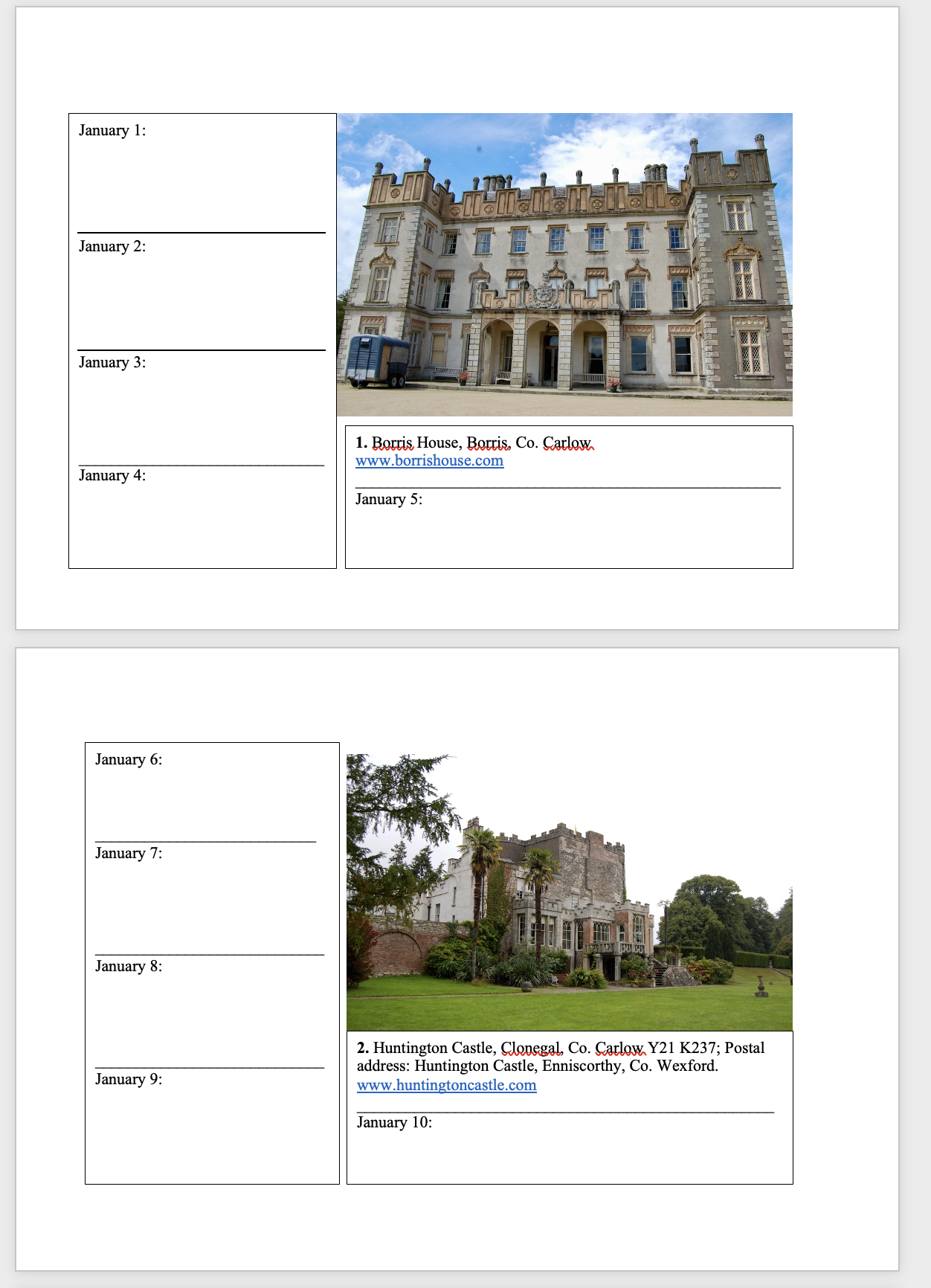
2026 Diary of Irish Historic Houses (section 482 properties)
To purchase an A5 size 2026 Diary of Historic Houses (opening times and days are not listed so the calendar is for use for recording appointments and not as a reference for opening times) send your postal address to jennifer.baggot@gmail.com along with €20 via this payment button. The calendar of 84 pages includes space for writing your appointments as well as photographs of the historic houses. The price includes postage within Ireland. Postage to U.S. is a further €10 for the A5 size calendar, so I would appreciate a donation toward the postage – you can click on the donation link.
€20.00
Office of Public Works Properties in Dublin:
1. Áras an Uachtaráin, Phoenix Park, Dublin
2. Arbour Hill Cemetery, Dublin
3. Ashtown Castle, Phoenix Park, Dublin – closed at present
4. The Casino at Marino, Dublin
5. Customs House, Dublin
6. Dublin Castle
7. Farmleigh House, Dublin
8. Garden of Remembrance, Dublin
9. Government Buildings Dublin
10. Grangegorman Military Cemetery, Dublin
11. Irish National War Memorial Gardens, Dublin
12. Iveagh Gardens, Dublin
13. Kilmainham Gaol, Dublin
14. National Botanic Gardens, Dublin
15. Phoenix Park, Dublin
16. Rathfarnham Castle, Dublin
17. Royal Hospital Kilmainham in Dublin – historic rooms closed
18. St. Audoen’s, Dublin
19. St. Enda’s Park and Pearse Museum, Dublin
20. St. Stephen’s Green, Dublin

donation
Help me to pay the entrance fee to one of the houses on this website. This site is created purely out of love for the subject and I receive no payment so any donation is appreciated!
€15.00
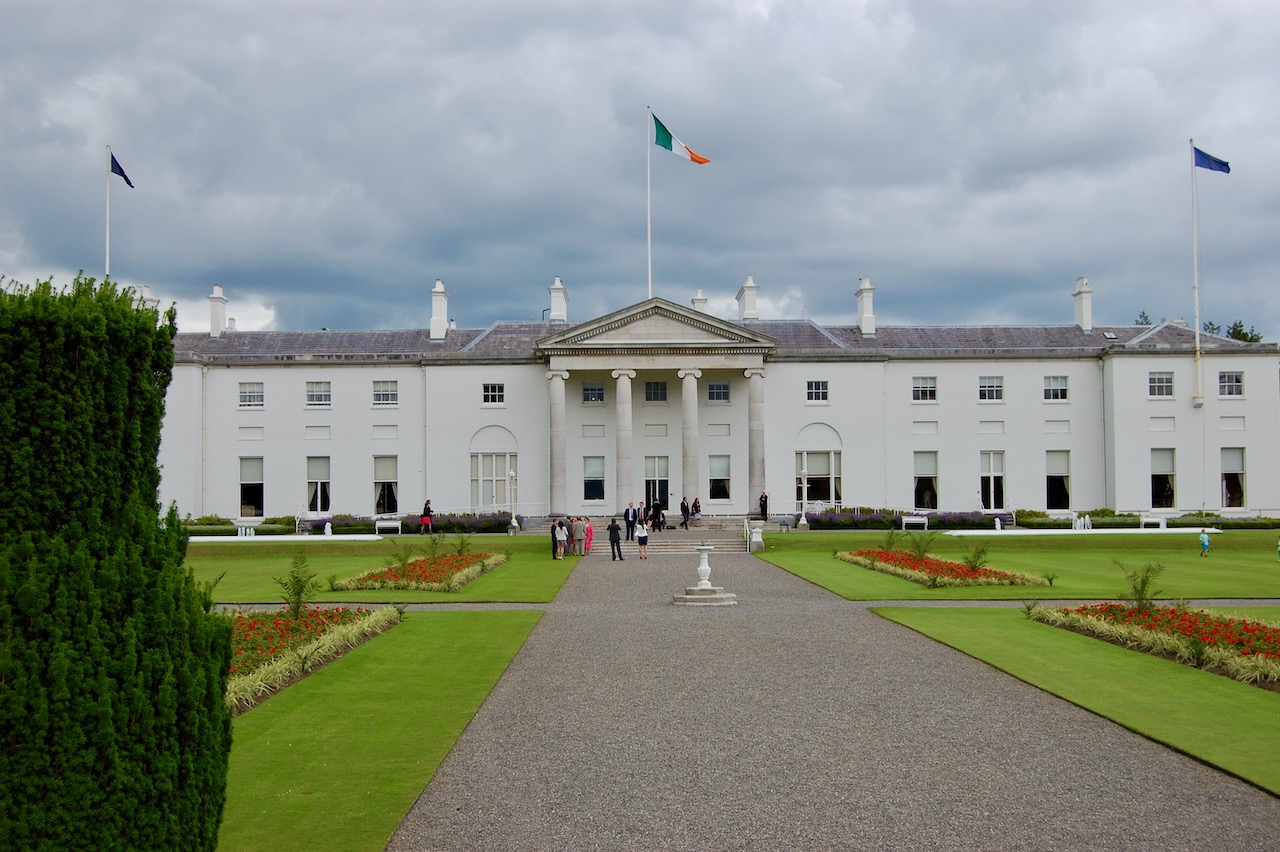
1. Áras an Uachtaráin, Phoenix Park, Dublin 8:
general enquiries: (01) 677 0095
phoenixparkvisitorcentre@opw.ie
From the OPW website:
“Áras an Uachtaráin started life as a modest brick house, built in 1751 for the Phoenix Park chief ranger. It was later an occasional residence for the lords lieutenant. During that period it evolved into a sizeable and elegant mansion.
“It has been claimed that Irish architect James Hoban used the garden front portico as the model for the façade of the White House.
“After independence, the governors general occupied the building. The first president of the Republic of Ireland, Douglas Hyde, took up residence here in 1938. It has been home to every president since then.” [1]
Phoenix Park was originally formed as a royal hunting Park in the 1660s, created by James Butler the Duke of Ormond. A large herd of fallow deer still remain to this day. Since it was a deer park it needed a park ranger. One of the park chief rangers was Nathaniel Clements (1705-1777), who was also an architect, and it was he who built the original house in 1751 which became the Aras. He was appointed as Ranger and Master of the Game by King George II in 1751. Clements was also an MP in the Irish Parliament.
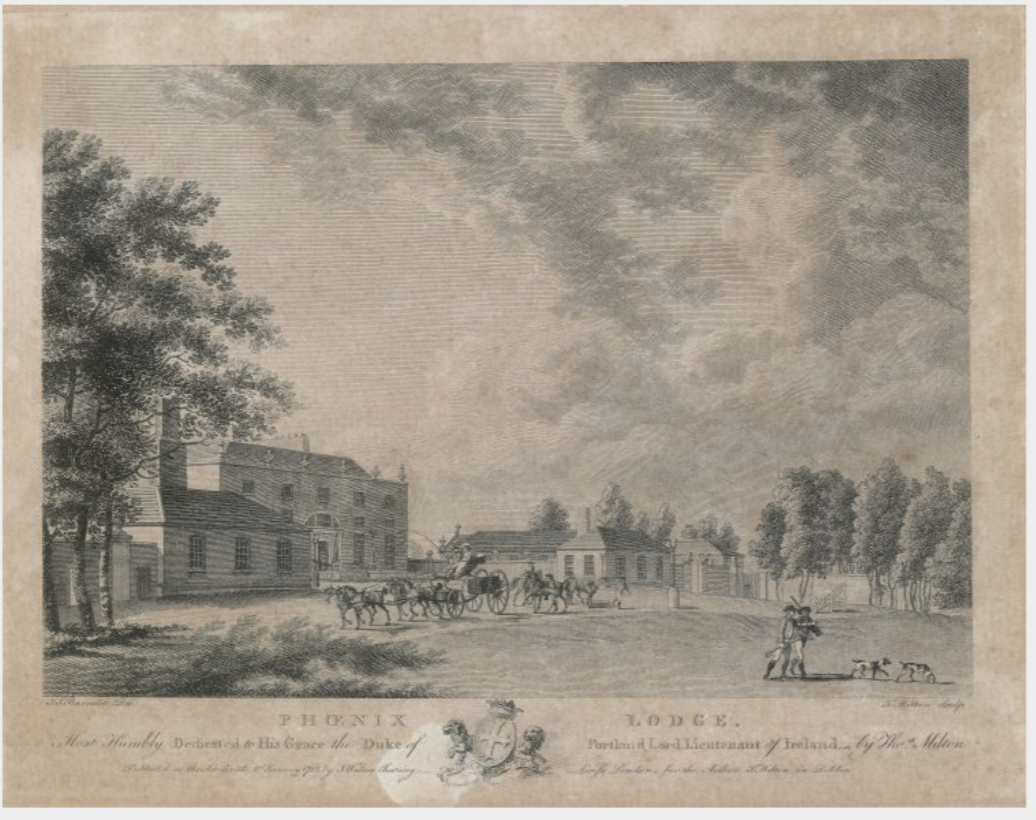
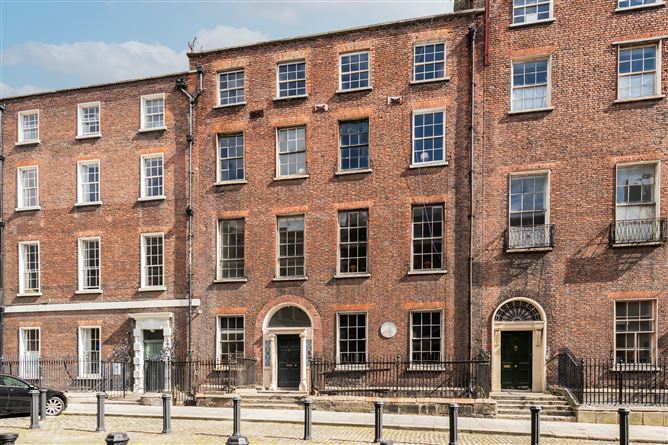
Clements accumulated much property including Abbotstown in Dublin, and estates in Leitrim and Cavan. In Dublin, he developed property including part of Henrietta Street, where he lived in number 7 from 1734 to 1757. For more about him, see Melanie Hayes’s wonderful book The Best Address in Town: Henrietta Street, Dublin and its First Residents, 1720-80 published by Four Courts Press in 2020. Another house he designed, which is sometimes on the Section 482 list, is Beauparc in County Meath, and another Section 482 property, Lodge Park in County Kildare. Desmond Fitzgerald also attributed Colganstown to him, a house we visited in 2019, though this is not certain. [2]

We attended a few of President Higgins’s summer parties at the Aras. These are open to the public, by booking tickets.
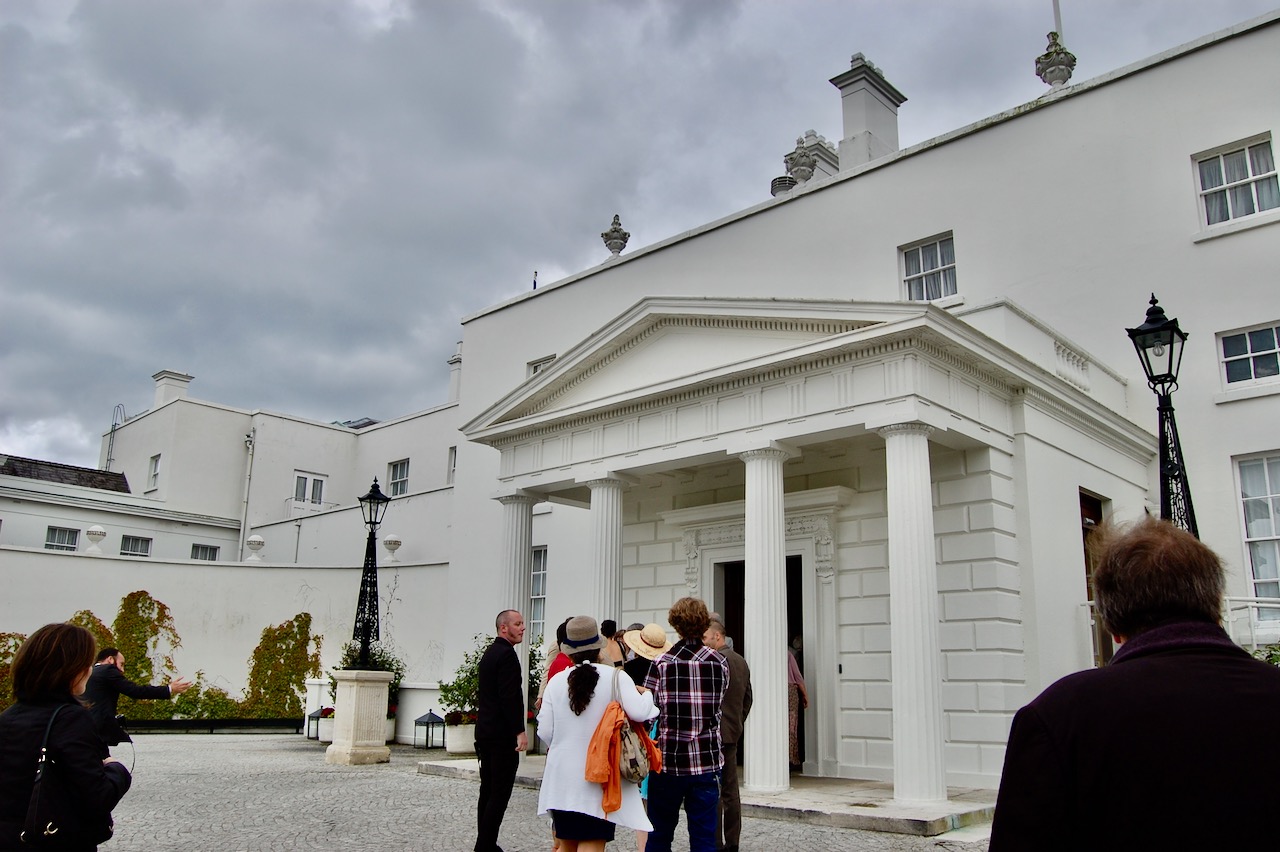

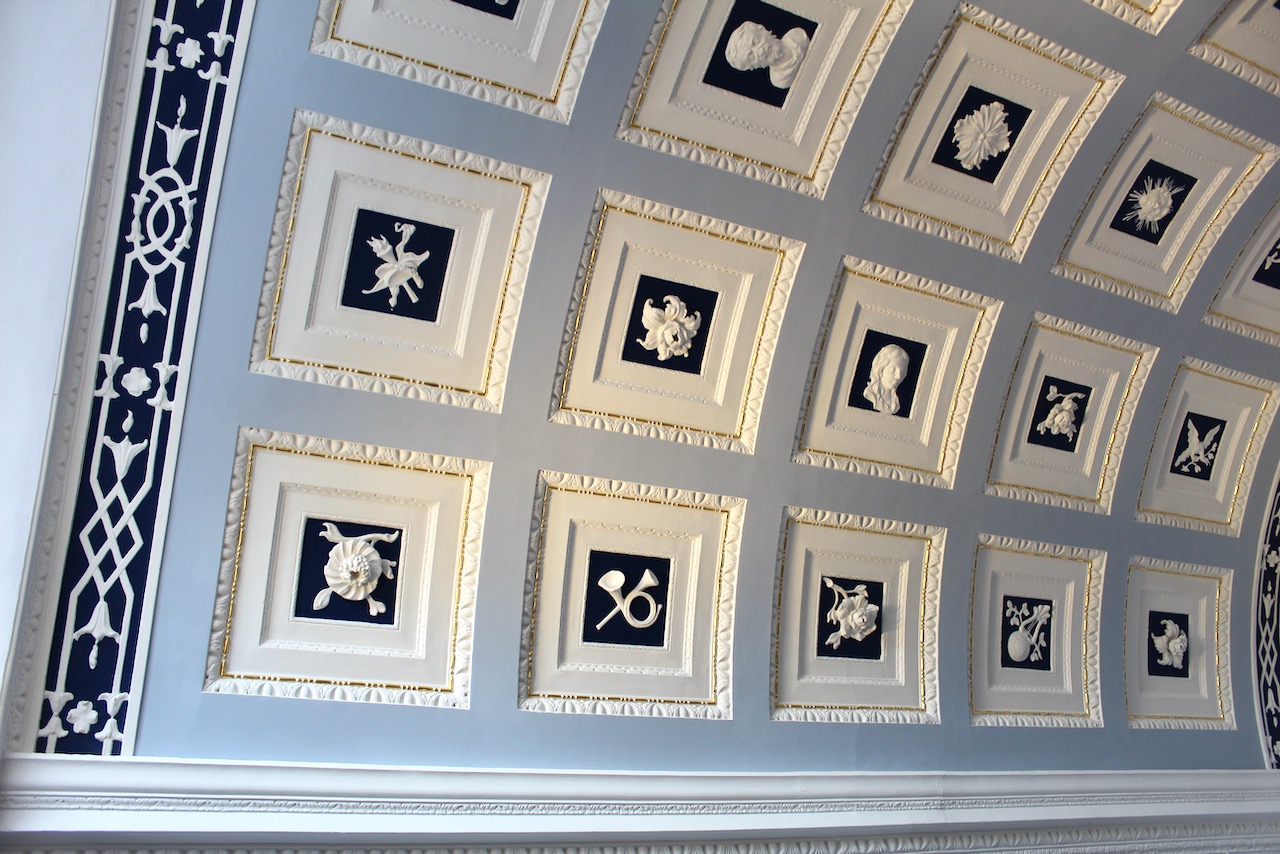
The Entrance Hall of the Áras dates from 1751 from the time of Nathaniel Clements, and features a magnificent barrel-vaulted ceiling with plaster busts in the ceiling coffers.


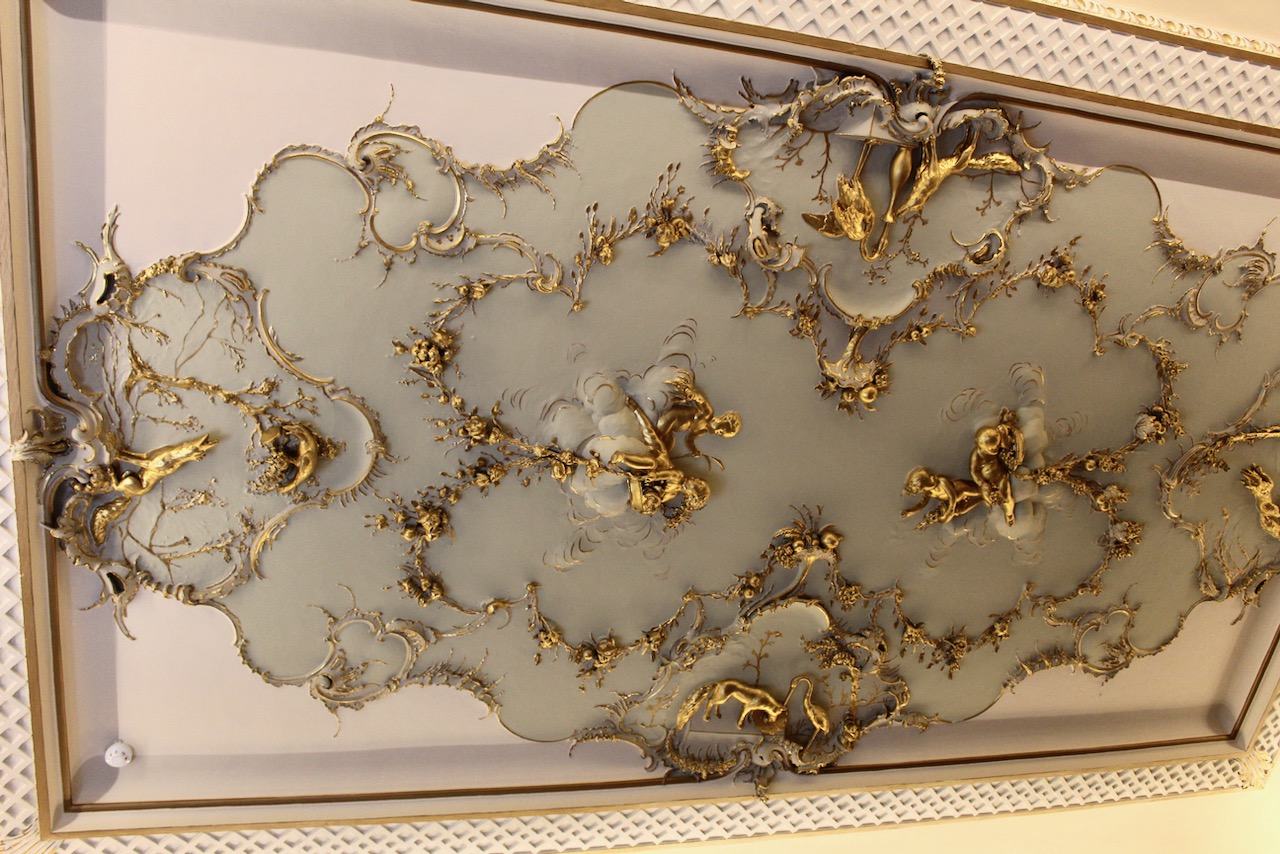
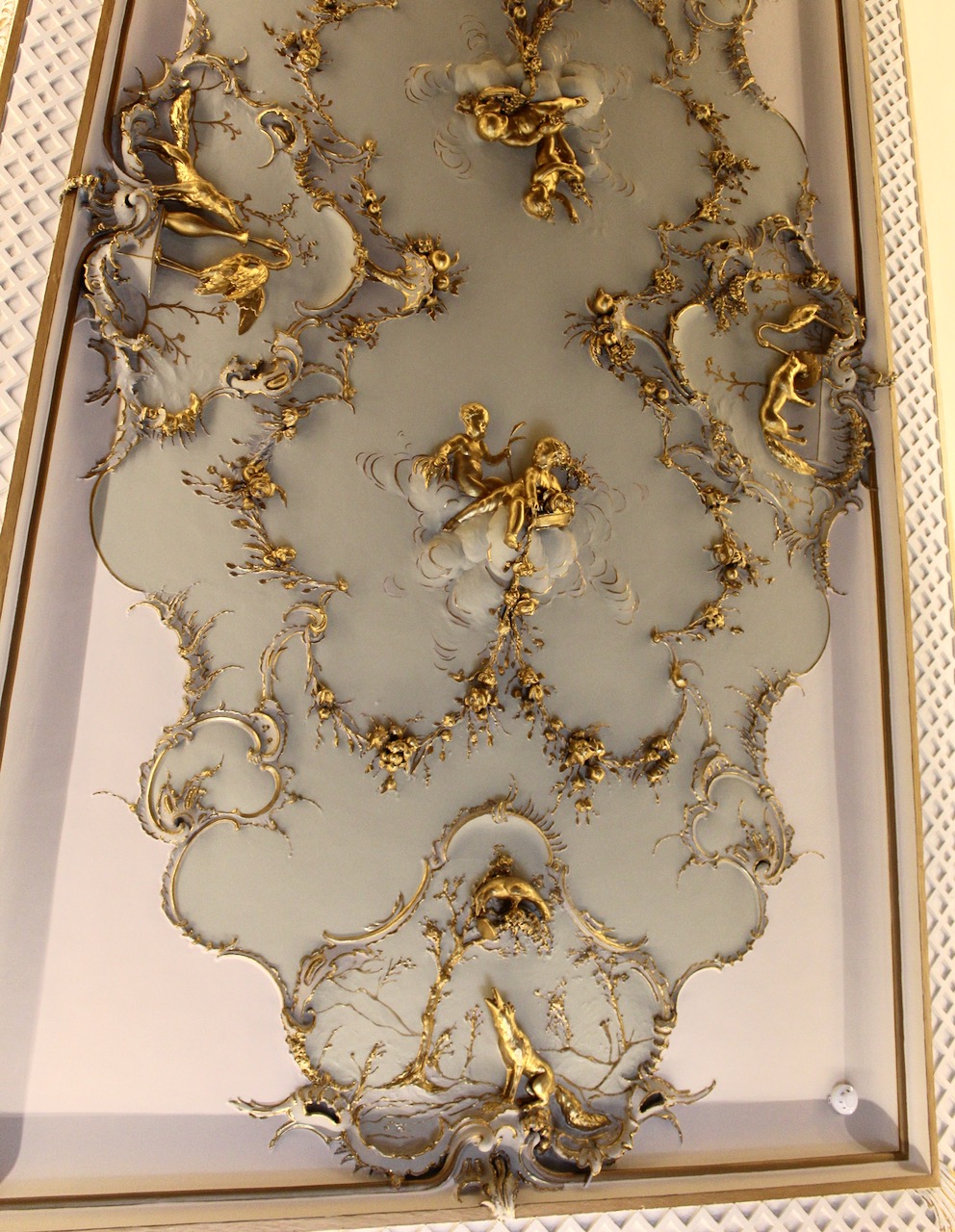
The Council of State Room is part of the original 1751 house. The ceiling, installed by Nathaniel Clements in 1757, is by Bartholomew Cramillion and depicts three of Aesop’s Fables – the Fox and the Stork, the Fox and the Crow and the Fox and the Grapes.
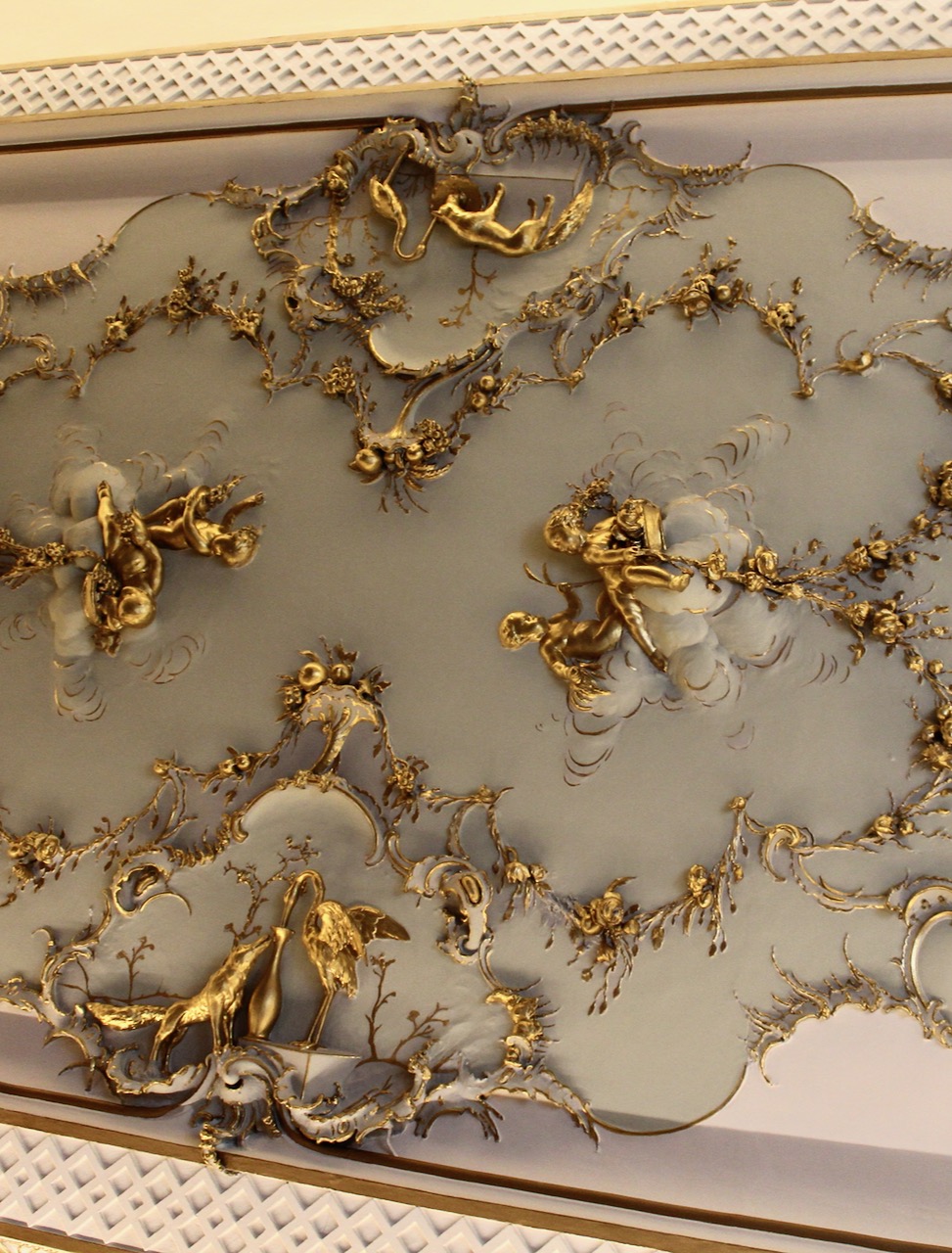
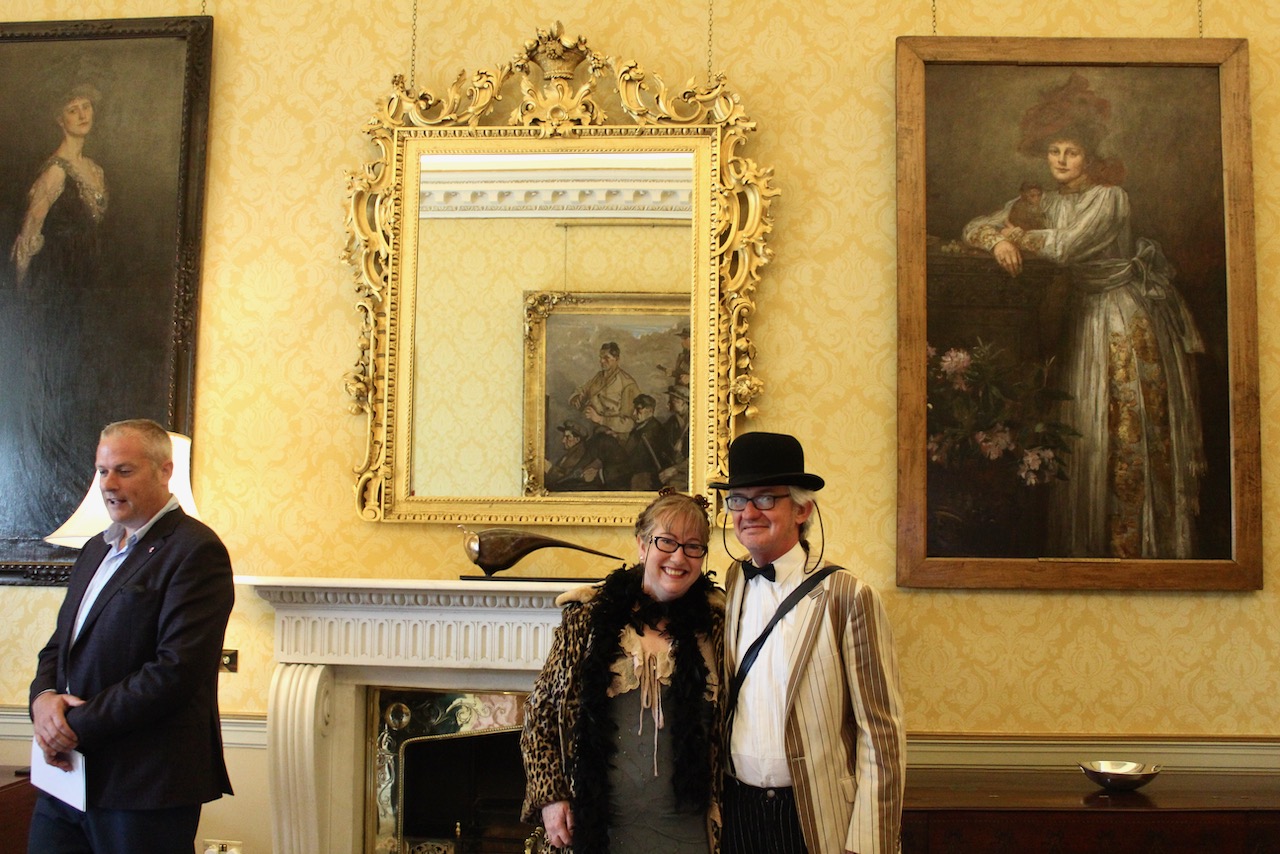
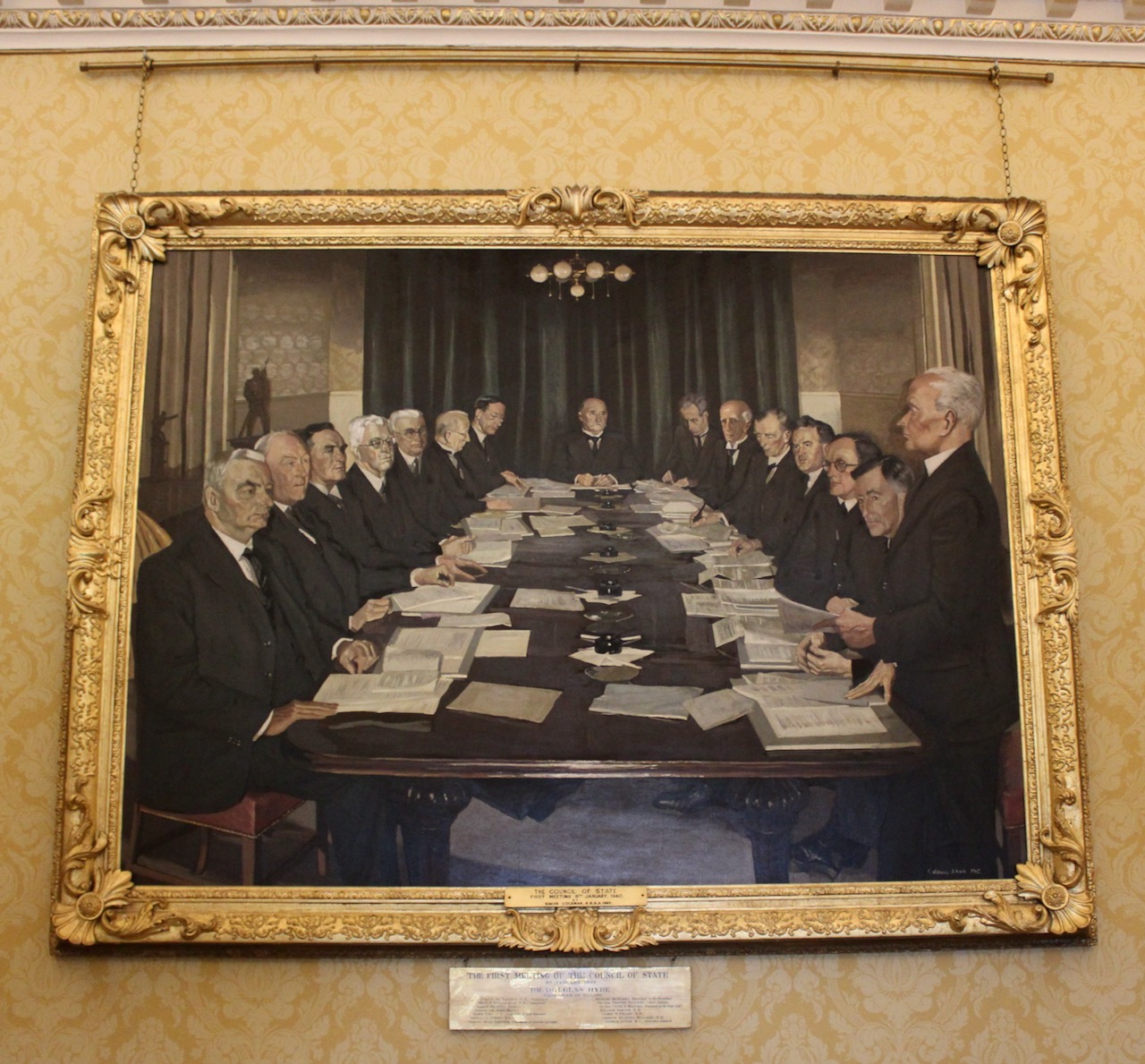
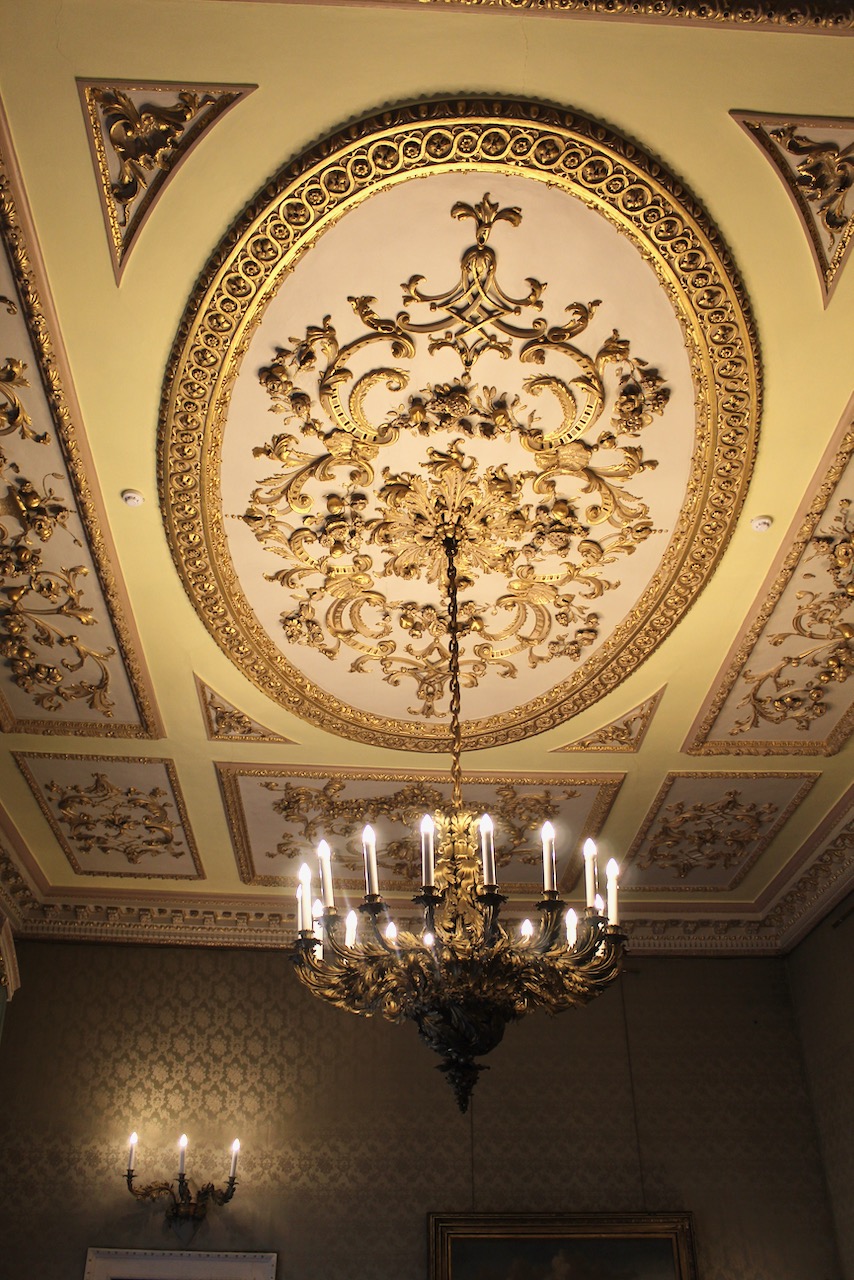
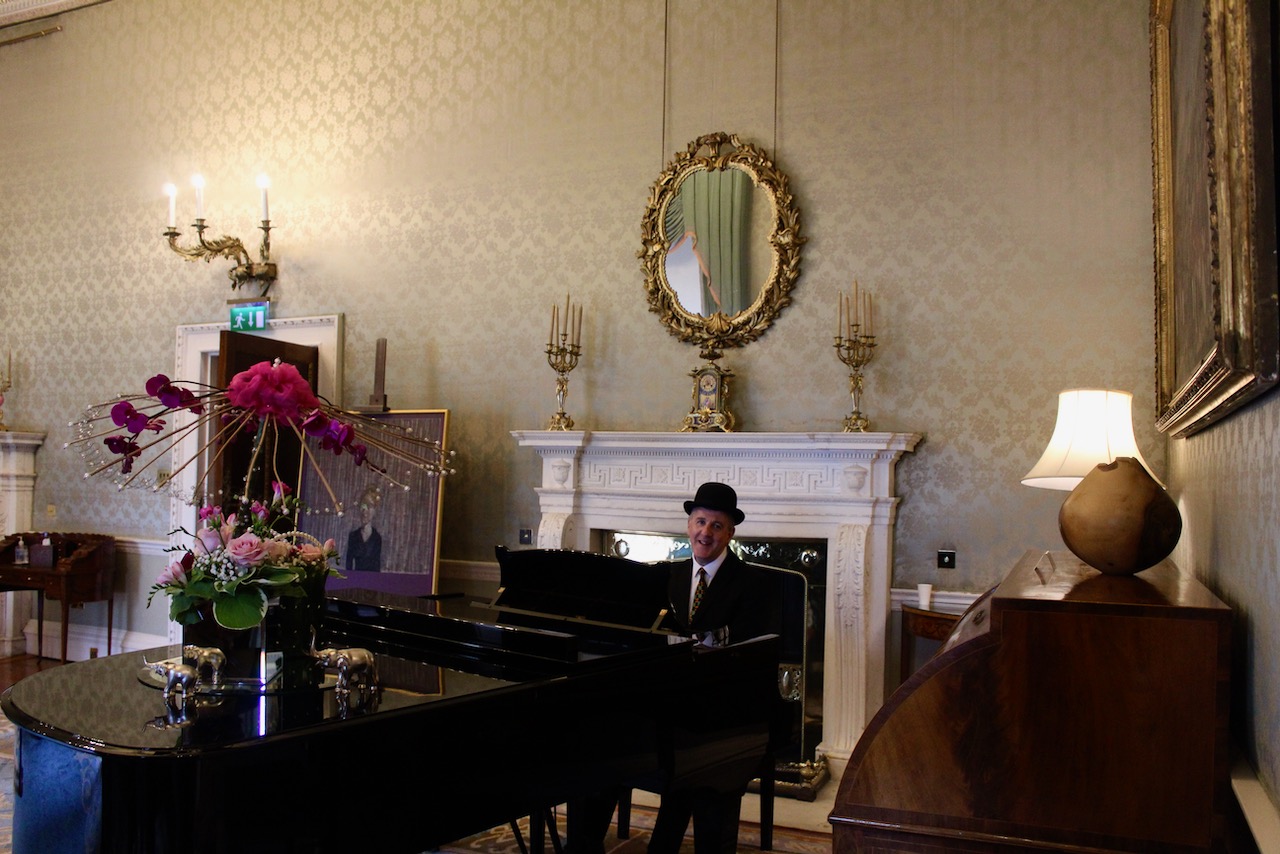
The State Drawing Room is also part of the original house and the its rich gilt ceiling dates from then. The walls are lined with green silk.
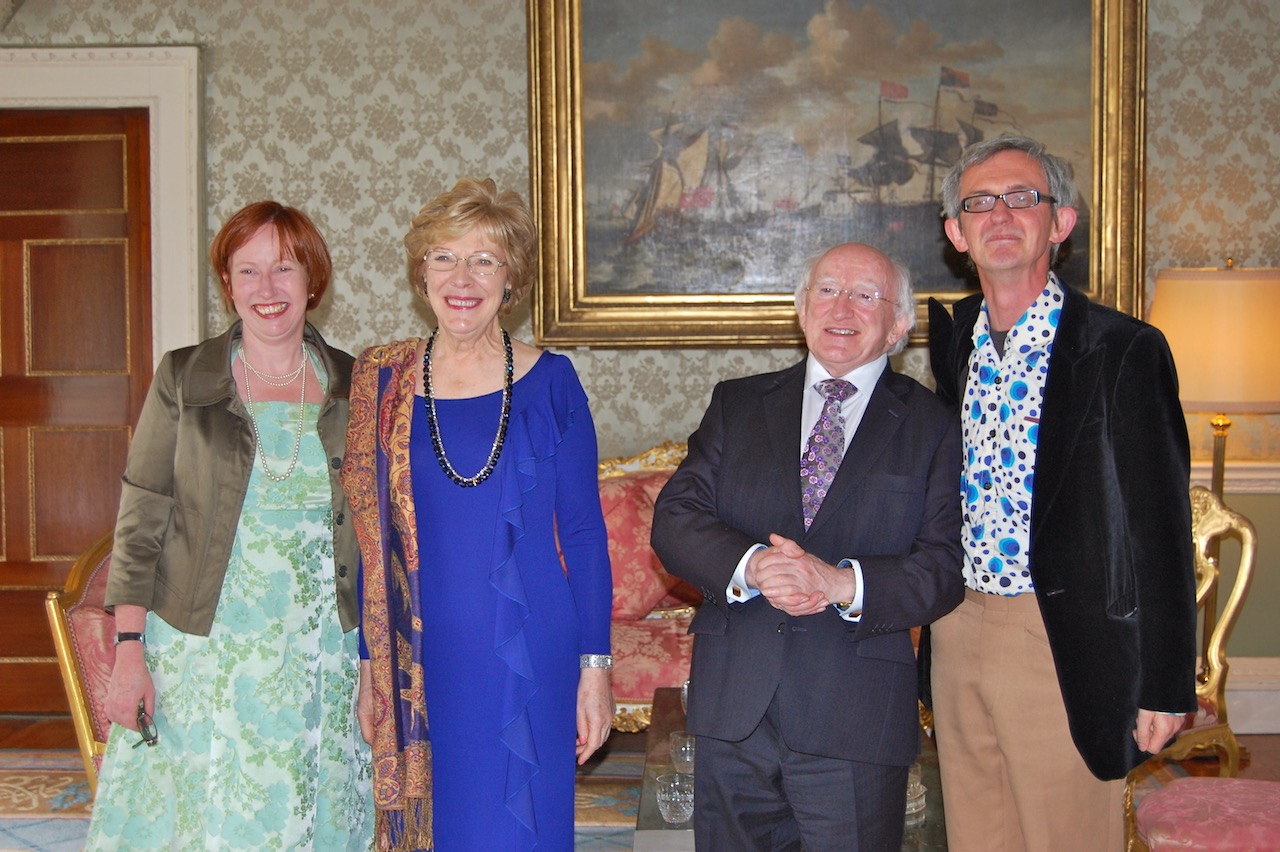



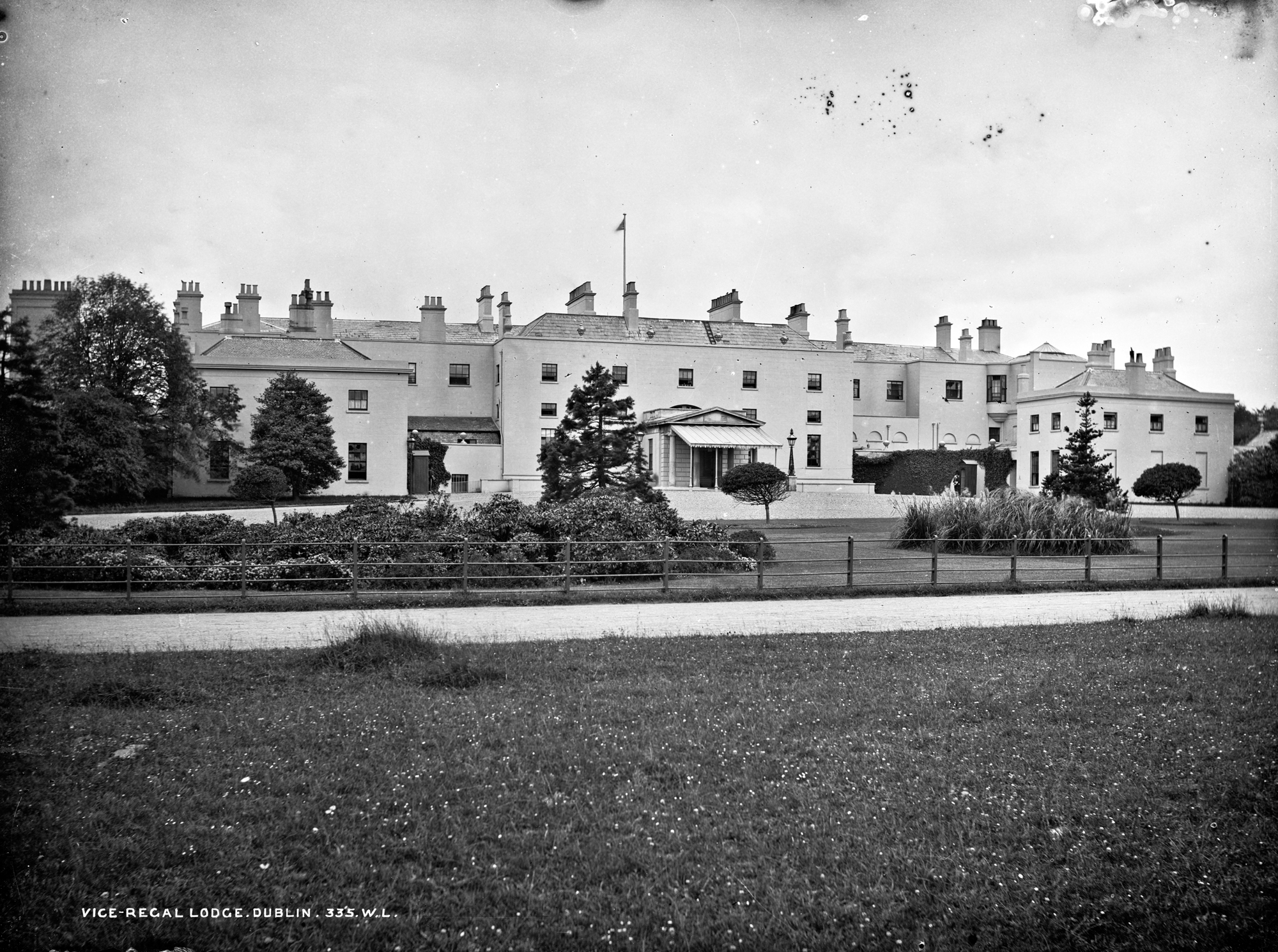
The administration of the British Lord Lieutenant bought the house from Nathaniel Clements’ son Robert 1st Earl of Leitrim in 1781, to be the personal residence for the Lord Lieutenant. In 1781 the Viceroy, or Lord Deputy, was Frederick Howard, 5th Earl of Carlisle. The building was rebuilt and named the Viceregal Lodge. At first it served as a summer residence, while the Viceroy stayed in Dublin Castle for the winter. The first “Lord Lieutenant” was his successor, William Henry Cavendish Bentinck, 3rd Duke of Portland.
The house was extended when acquired for the Viceroys to reflect its increased ceremonial importance. Mark Bence-Jones tells us that after being bought by the government, the house was altered and enlarged at various times. David Hicks tells us in his Irish Country Houses, A Chronicle of Change that all those who were awarded the position of Lord Lieutenant were from titled backgrounds and accustomed to grand country houses in England, so they found the Viceregal Lodge to be unimpressive. The 3rd Earl of Hardwicke, Philip Yorke, was the first Lord Lieutenant after the Act of Union in 1800, in 1801-1806. Yorke supported Catholic emancipation. In 1802 Yorke employed Robert Woodgate, a Board of Works architect, to make some alterations to the house, adding new wings to the house.
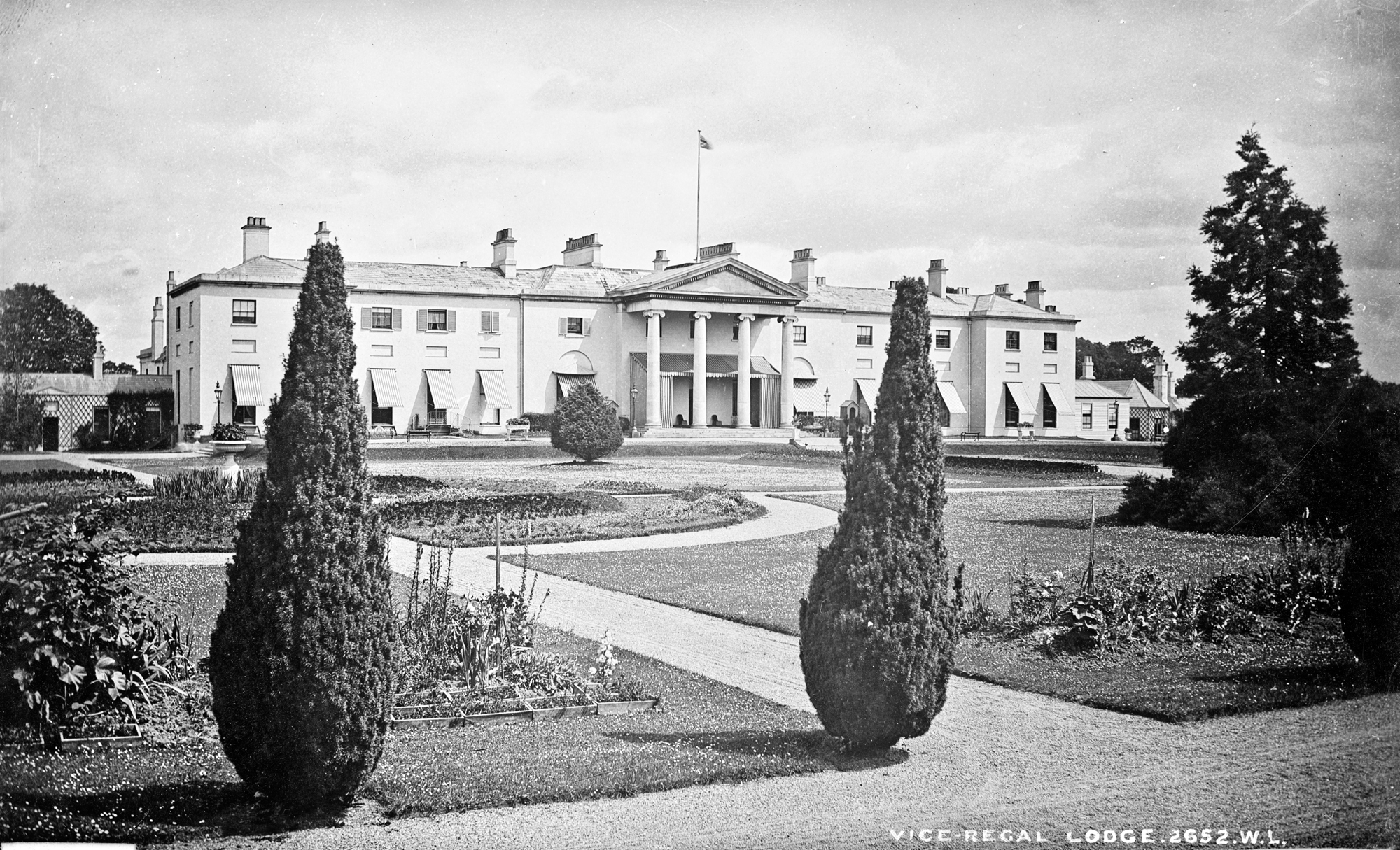
Additional work was carried out by Michael Stapleton – who was an architect as well as noted stuccadore – and Francis Johnston. In 1808, when Charles Lennox, 4th Duke of Richmond was Lord Lieutenant, Johnston added a Doric portico to the entrance front, and the single-storey wings were increased in height.

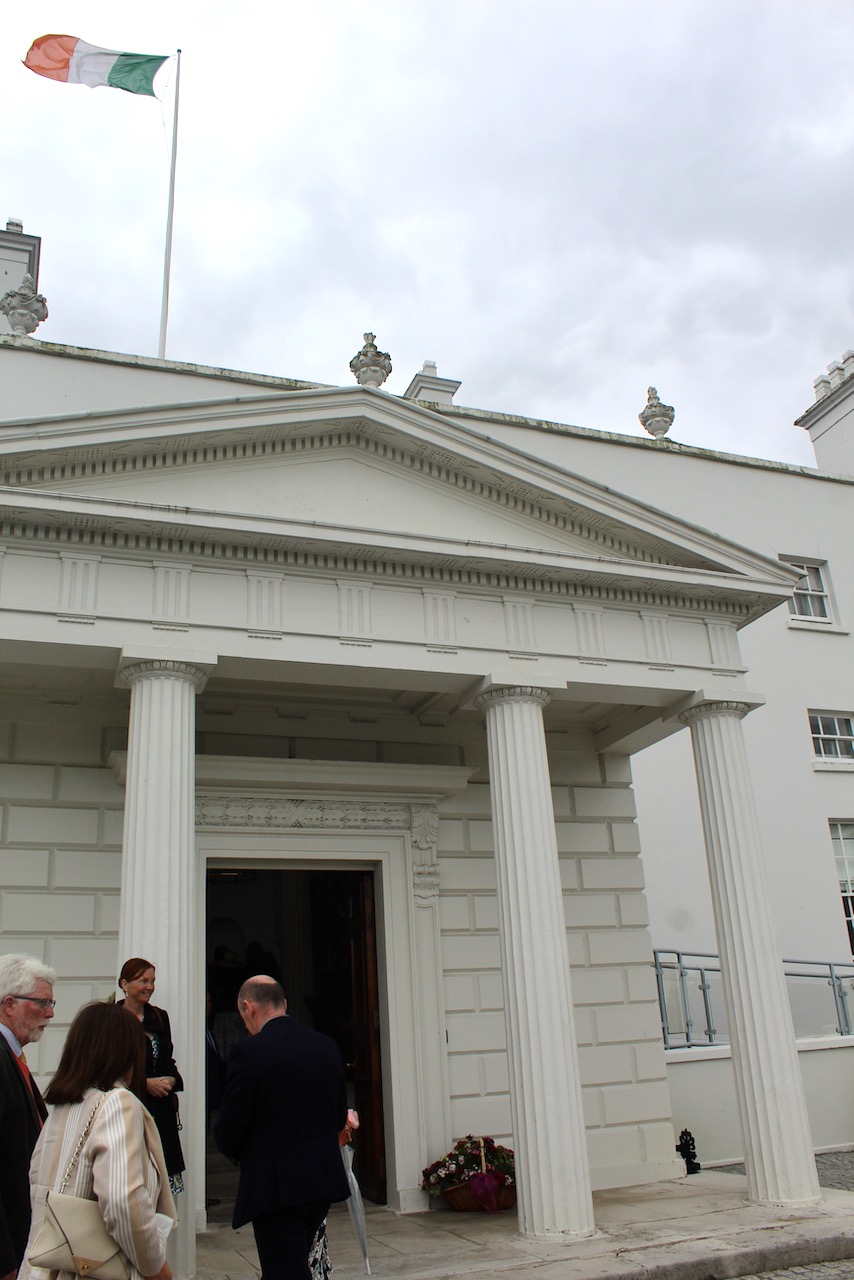
In 1815, Johnston extended the garden front by five bays projecting forwards, and in the centre of this front he added the pedimented portico of four giant Ionic columns which is the house’s most familiar feature.
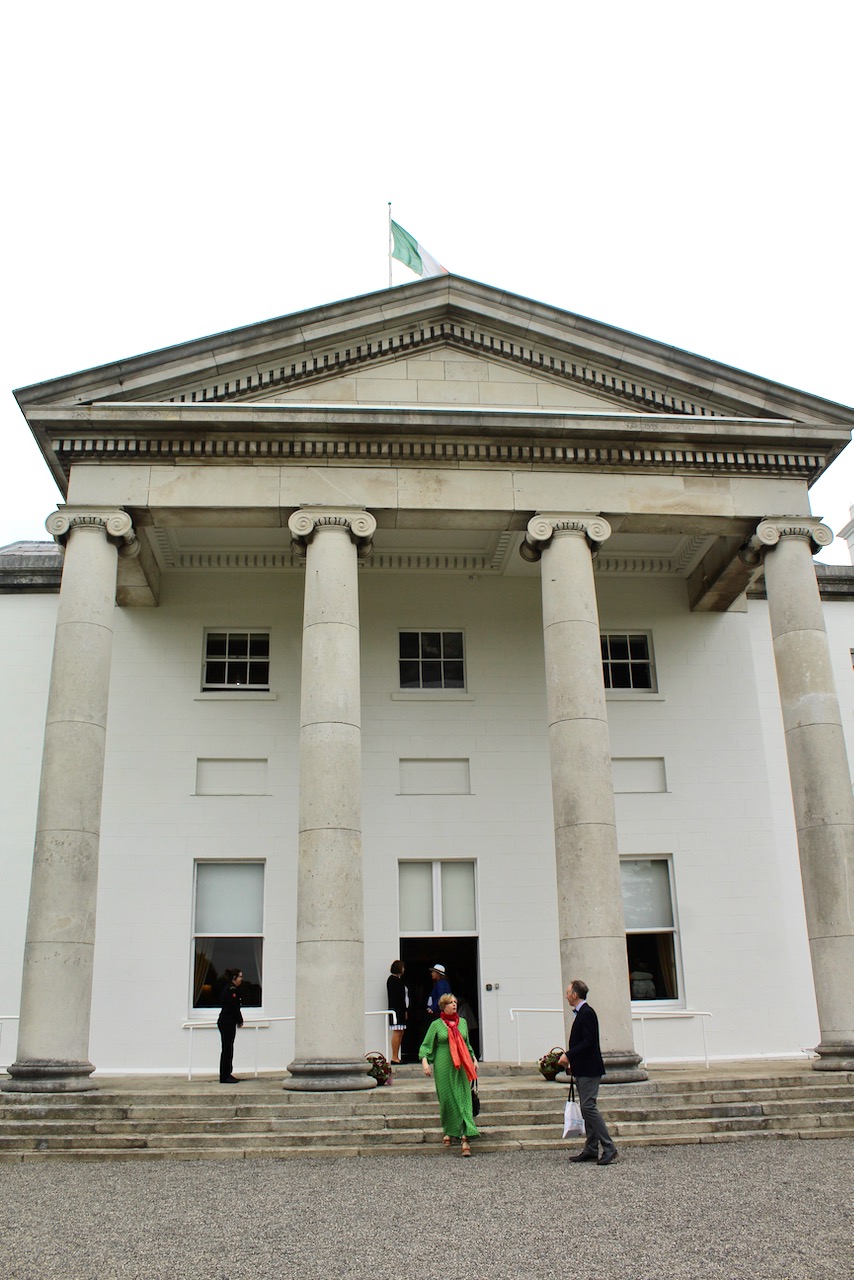
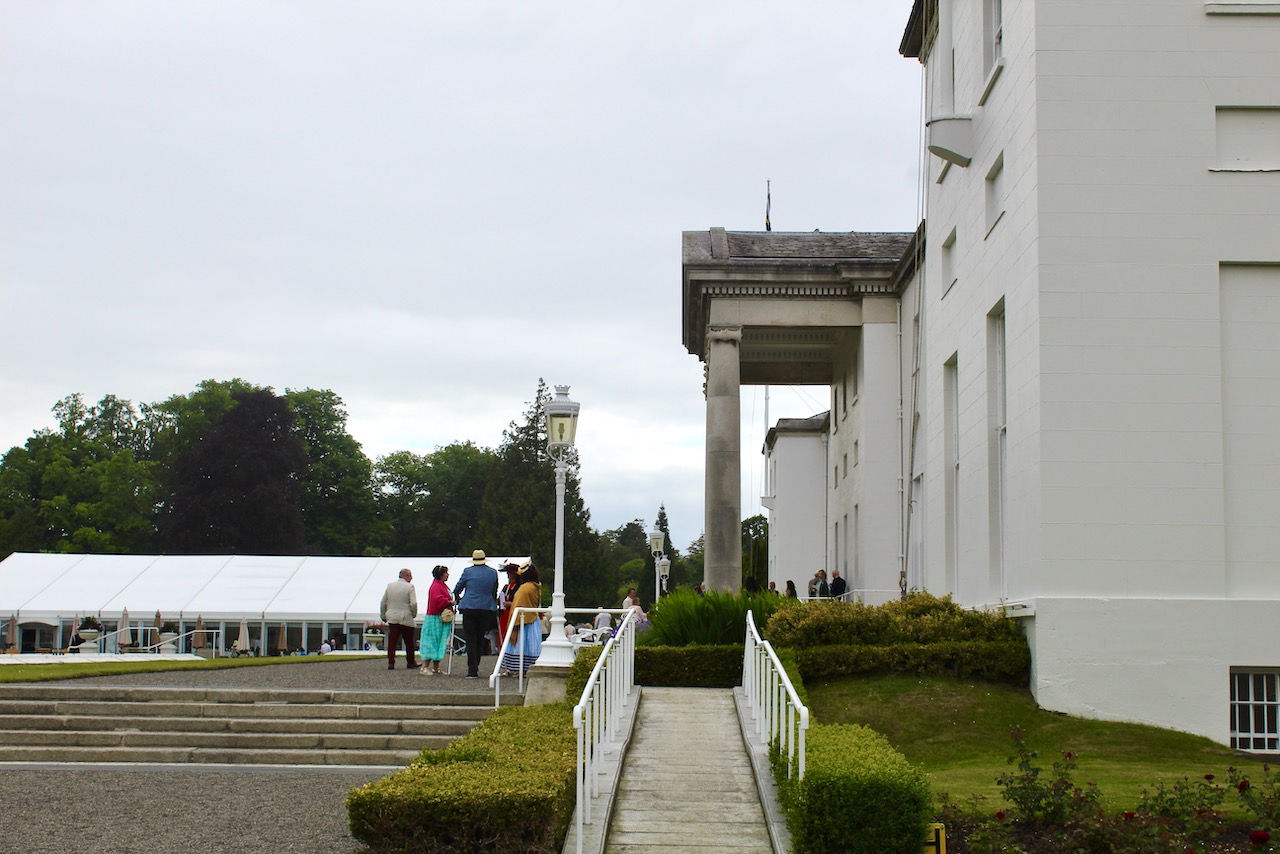
The ballroom/state reception room was also added at this time.

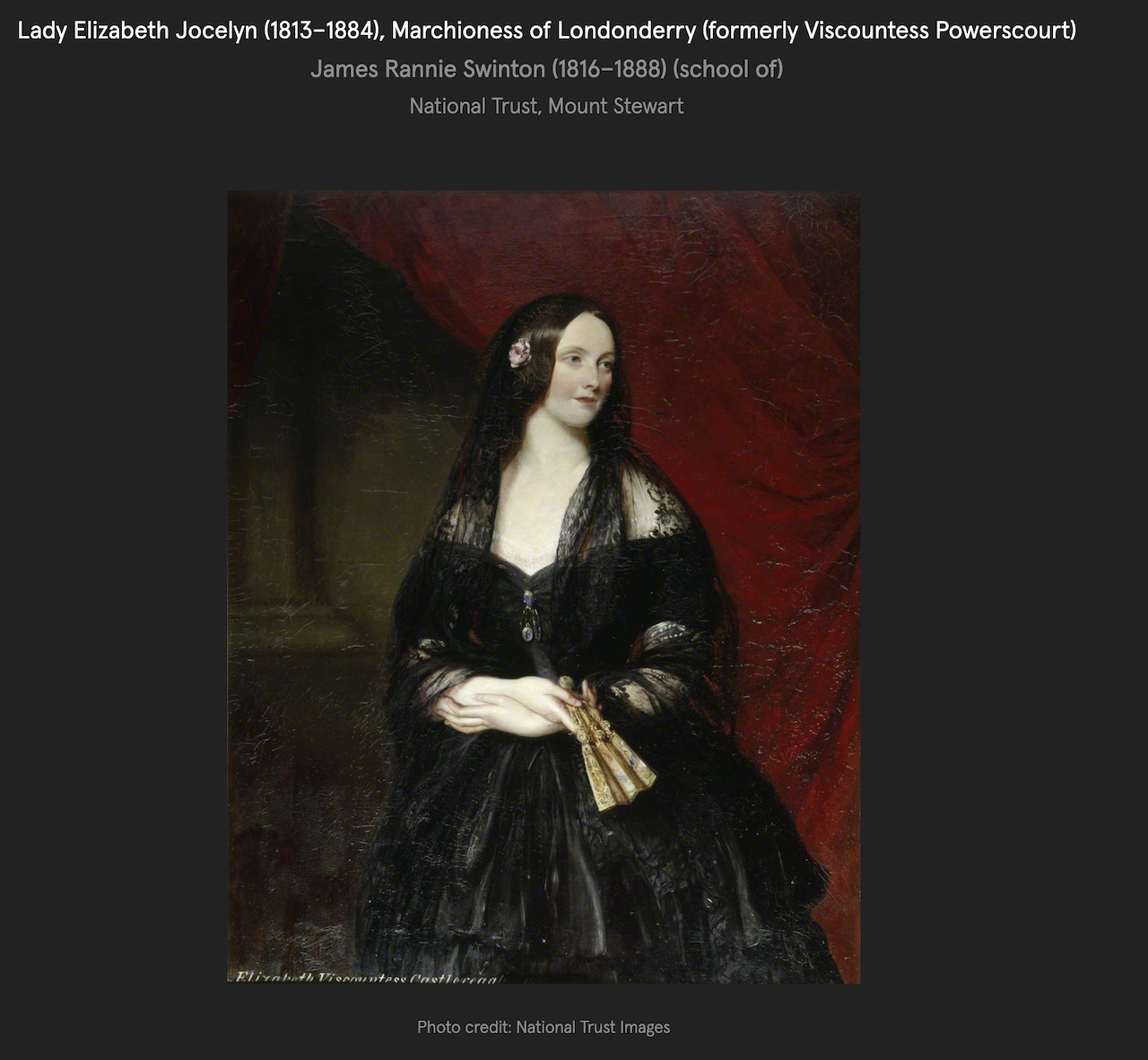
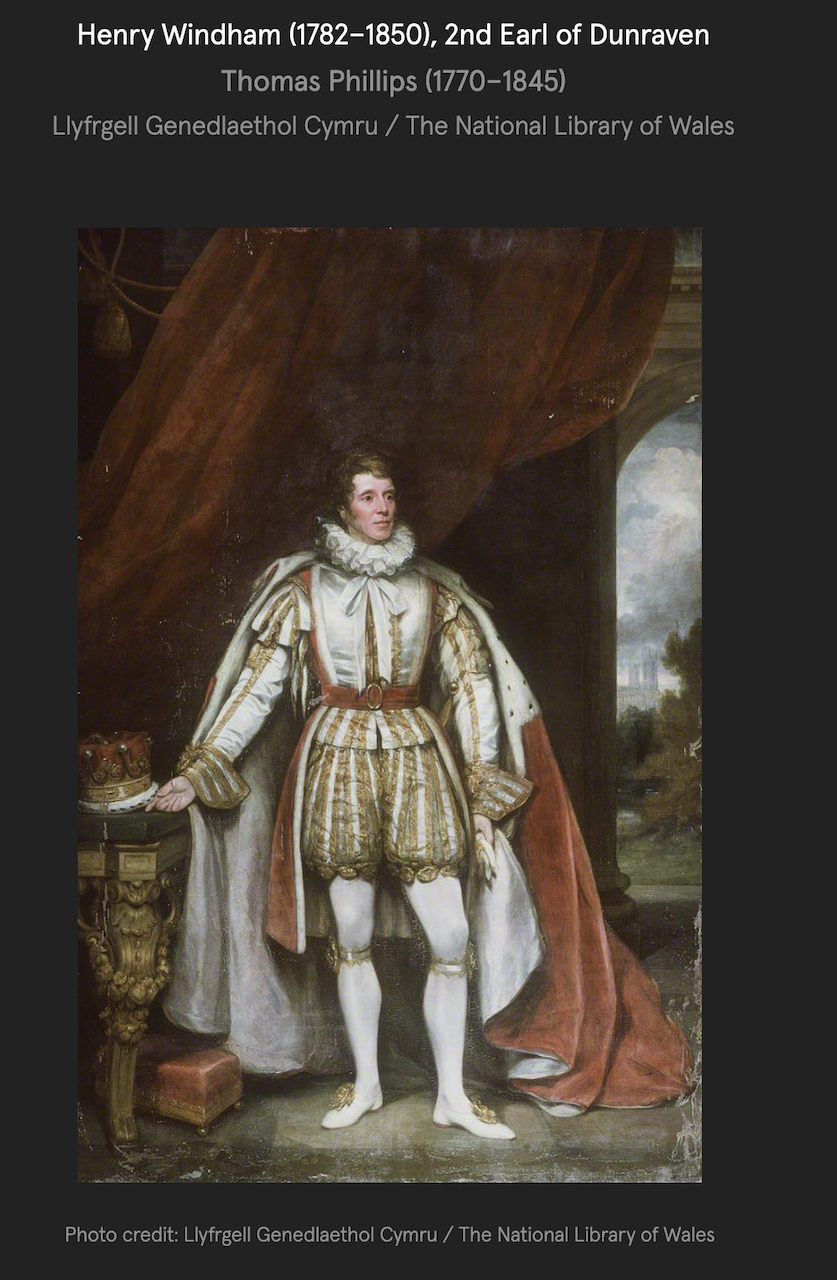
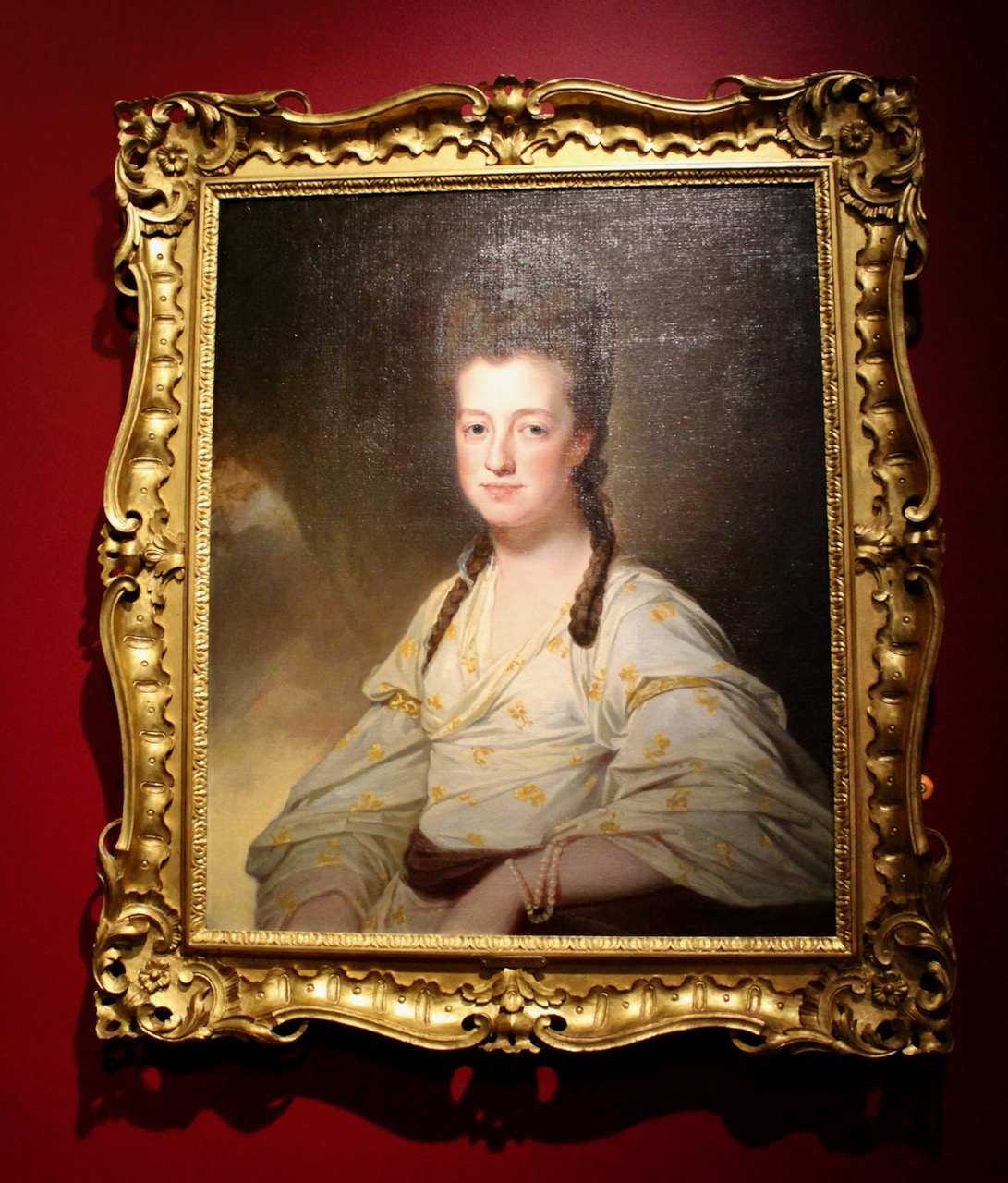
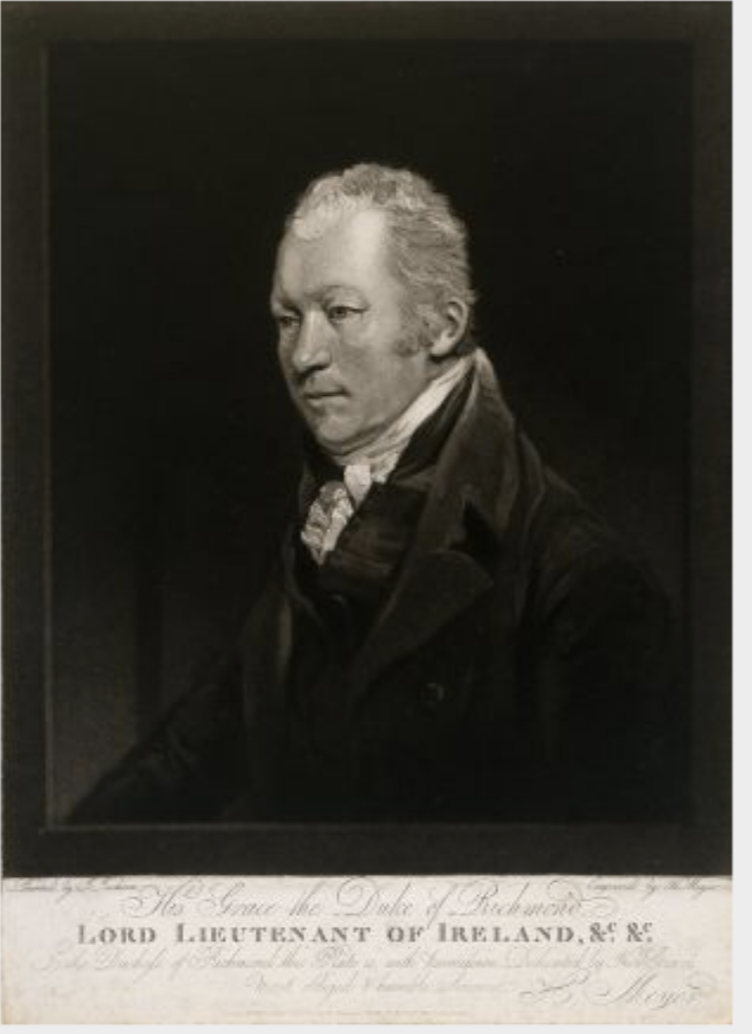
It was not until the major renovations in the 1820s that the Lodge came to be used regularly by Lord Lieutenants. In the 1820s the Lord Deputy was Richard Wellesley, 1st Marquess Wellesley, 2nd Earl of Mornington, brother of the Duke of Wellington of Waterloo fame. See my footnotes for some portraits of Vicereines and Viceroys who may have lived in the Aras.
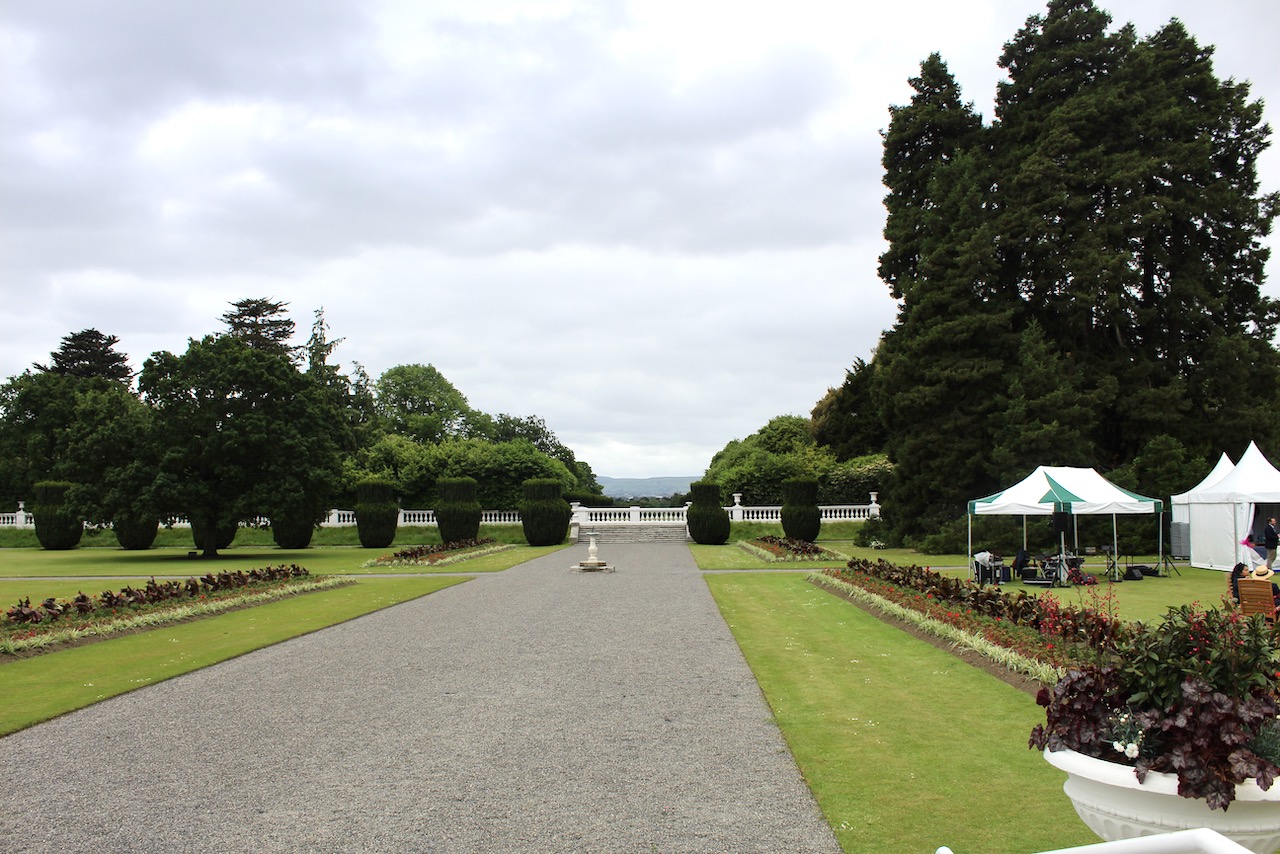
Maria Phipps née Liddell, Marchioness of Normanby (1798-1882),Vicereine 1835-39, laid out the gardens along with Decimus Burton in 1839-40. Decimus Burton also designed many gardens in London including St. James’s Park, Hyde Park Corner and Regent’s Park. He was also an architect.



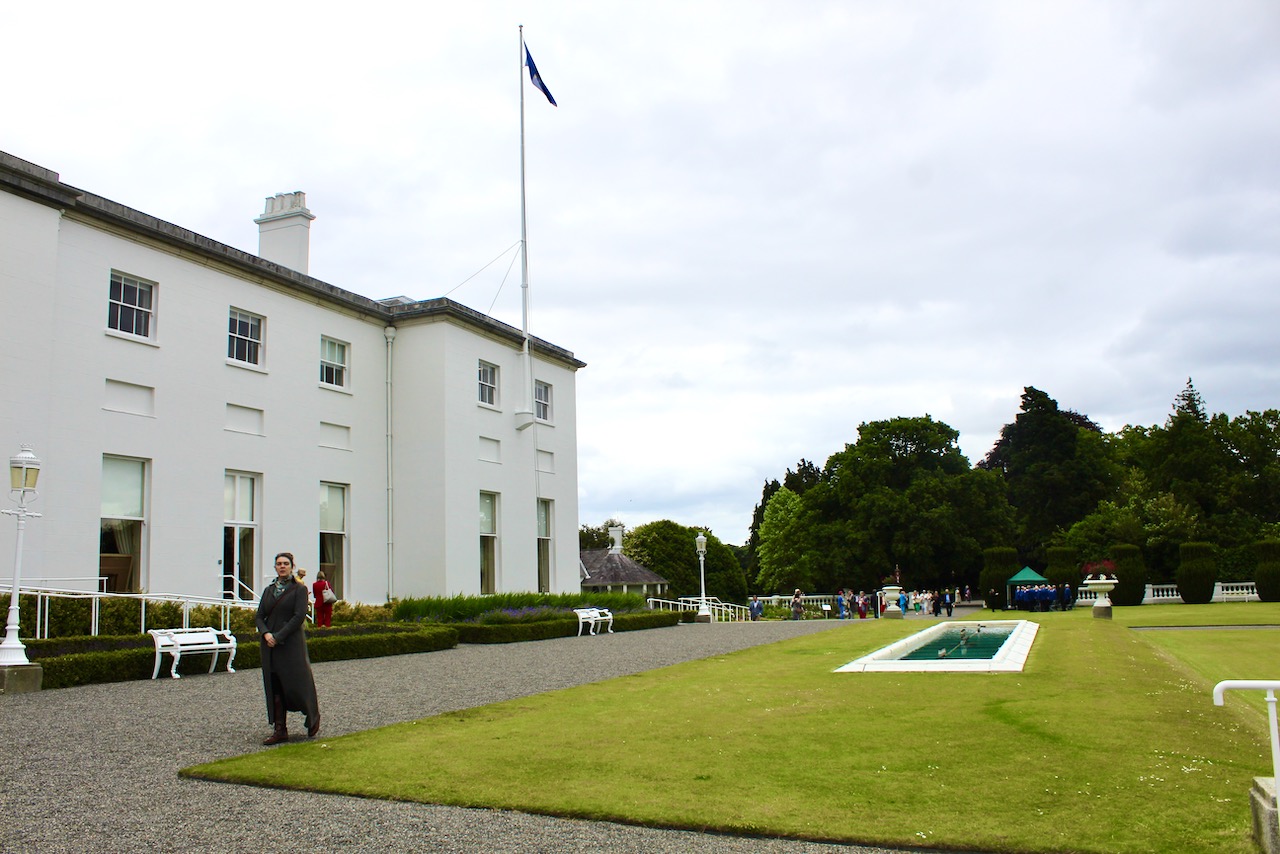
In 1849 the east wing was added, which houses the new State Dining Room. The financing of any royal visit was a matter of concern for Lord Lieutenants as they had to finance any improvements to the Viceregal Lodge. It was during the tenure of George Villiers, 4th Earl of Clarendon (1800-1870), that Queen Victoria visited, with the idea that this would boost morale after the famine.
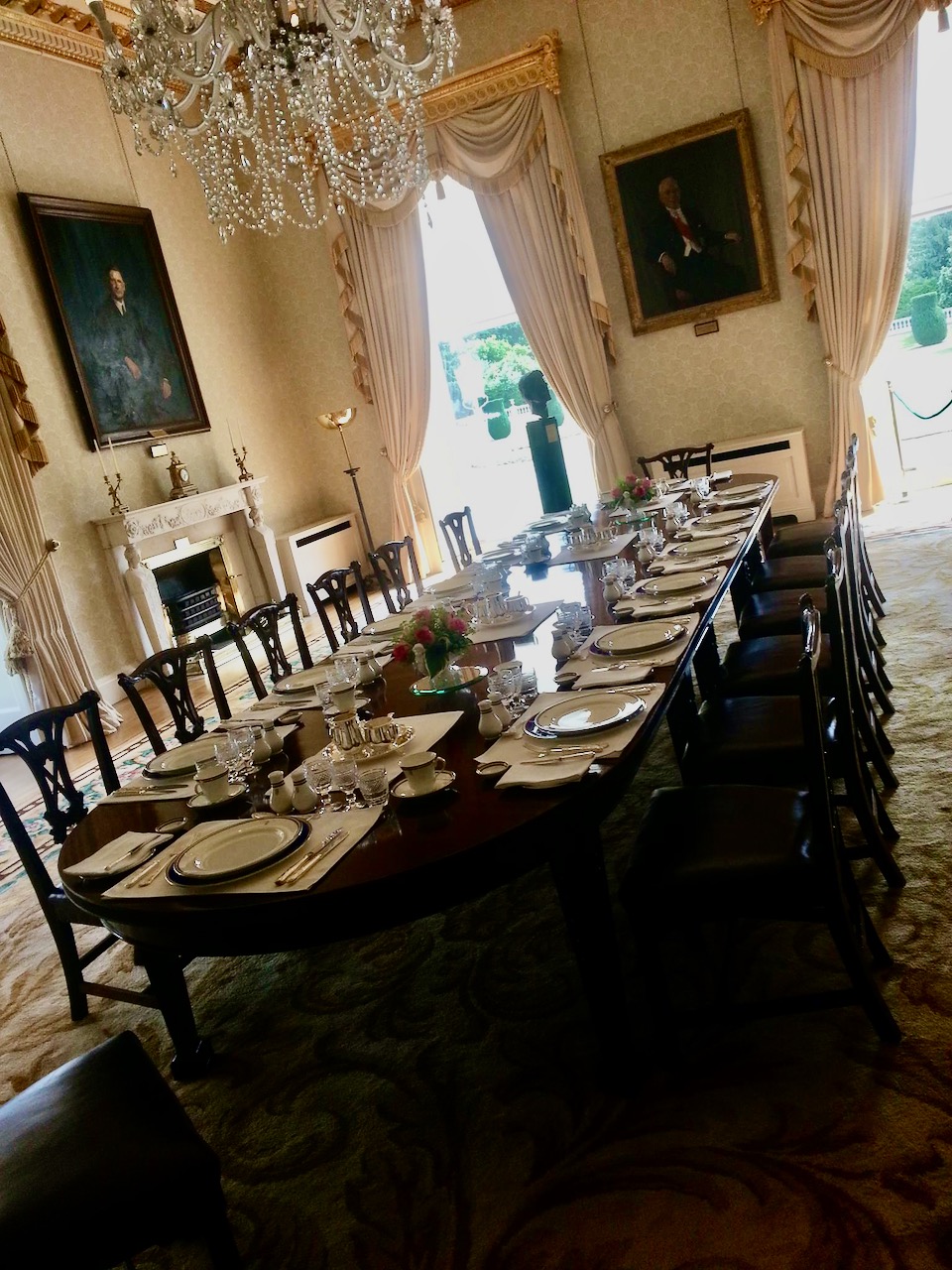
Jacob Owen, chief architect of the Board of Works, designed the dining room and matching drawing room in 1849.

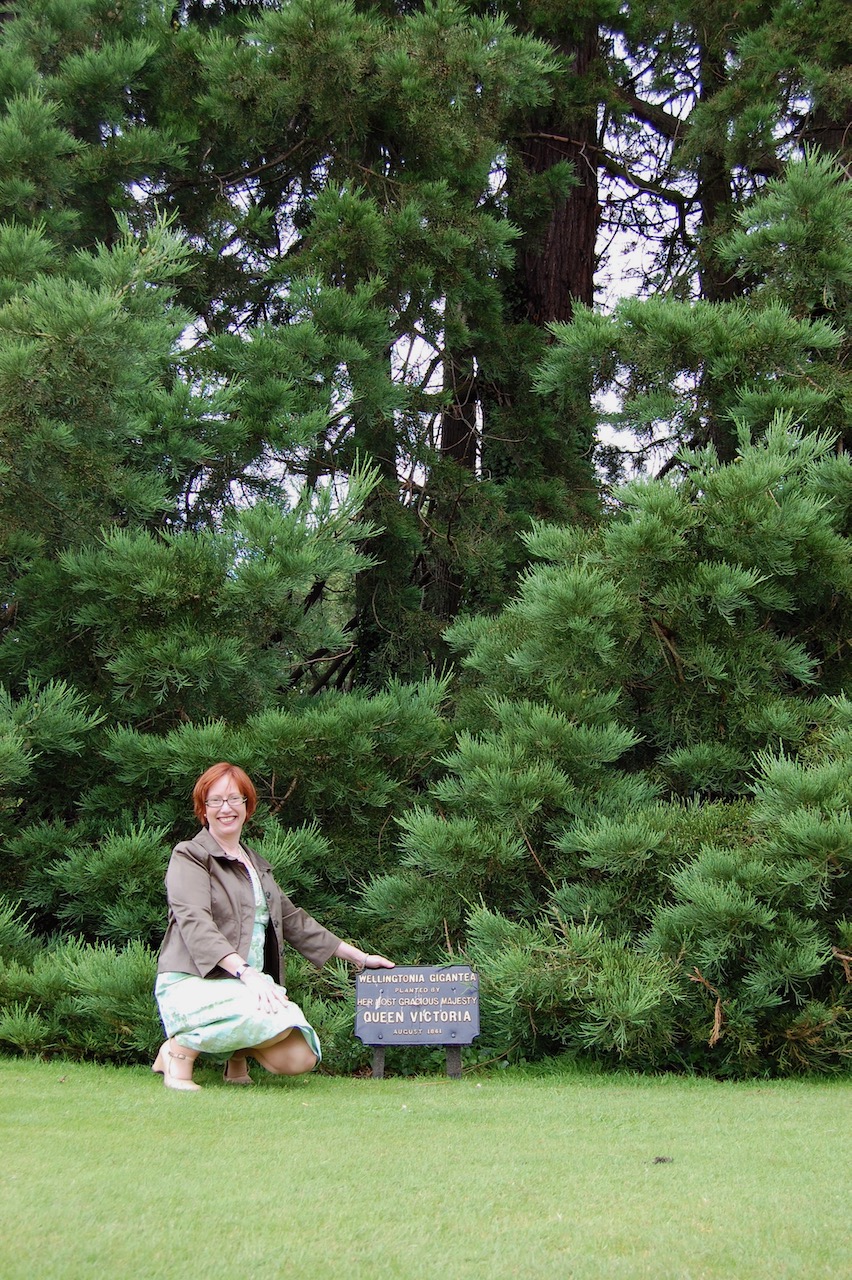
Queen Victoria planted a Wellingtonia Gigantea tree which is still standing (others have planted trees also, including Queen Alexandria and Barak Obama, Charles de Gaulle, John F. Kennedy, Pope John Paul II and King Juan Carlos of Spain).
In 1854 the west wing was added, also designed by Jacob Owen. Queen Victoria visited again in 1853, and at this time the Viceregal Lodge was connected to the public gas supply, in order to illuminate the reception rooms and also to provide public lighting throughout Phoenix Park.
A new part of the West Wing was added for the visit of George V in 1911, during the Lord Lieutenancy of John Campbell Hamilton-Gordon, 1st Marquess of Aberdeen and Temair.
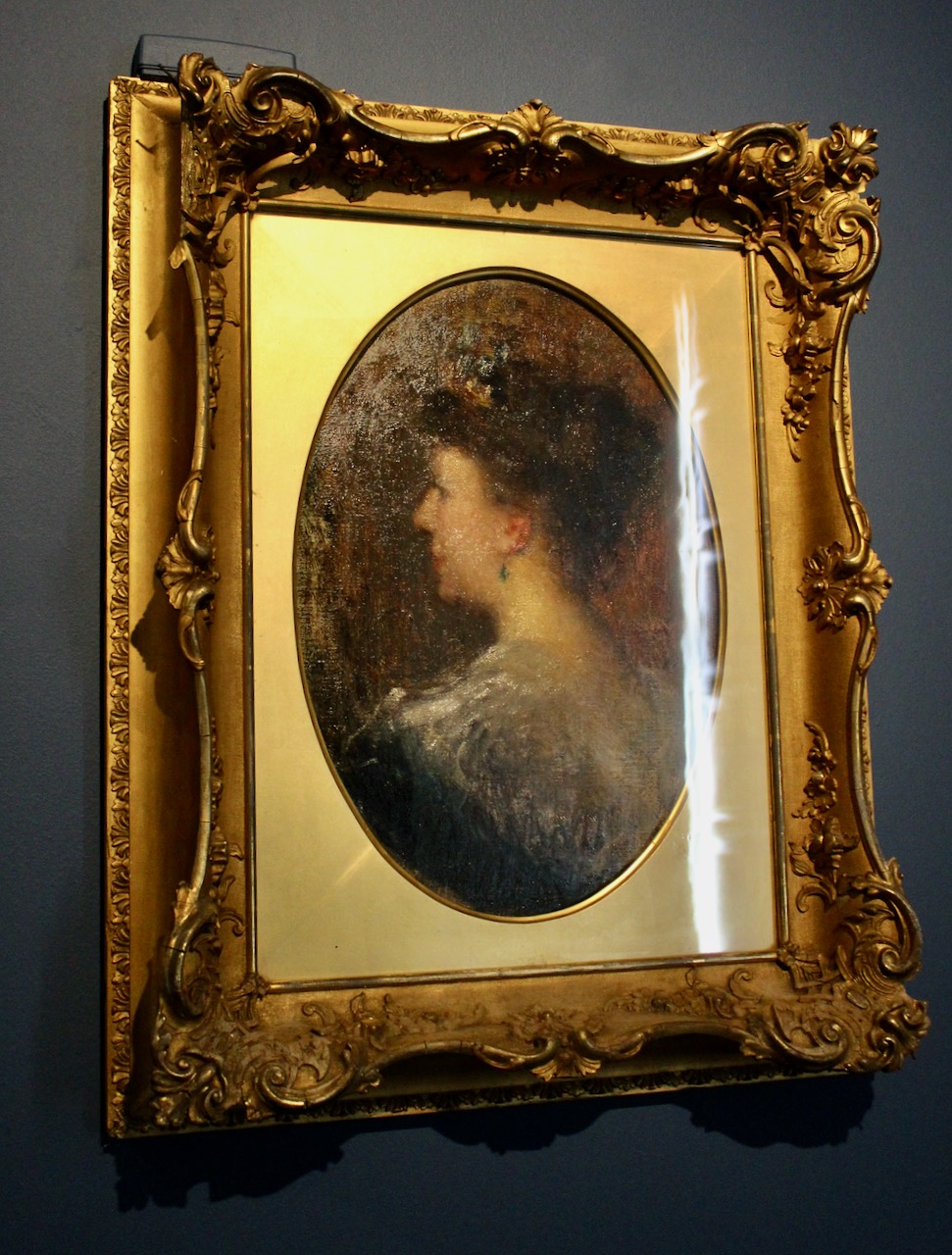
The office of Lord Lieutenant was abolished in 1922 when the Irish Free State came into being. From 1922 until 1932 it was the residence of the Governor General of the Irish Free State. In 1922 Tim Healy was sworn in as Governor General. Over the following weeks, the former Viceregal Lodge was attacked and came under heavy fire on regular occasions.
The State Dining Room contains furniture by James Hicks of Dublin. The early 19th century fireplaces were originally a gift to Archbishop Murray of Dublin in 1812 “by his flock” for his residence at 44 Mountjoy Square, and were brought to the house in 1923, upon the sale of the house in Mountjoy Square, by the first Governor General of the Irish Free State, Tim Healy.

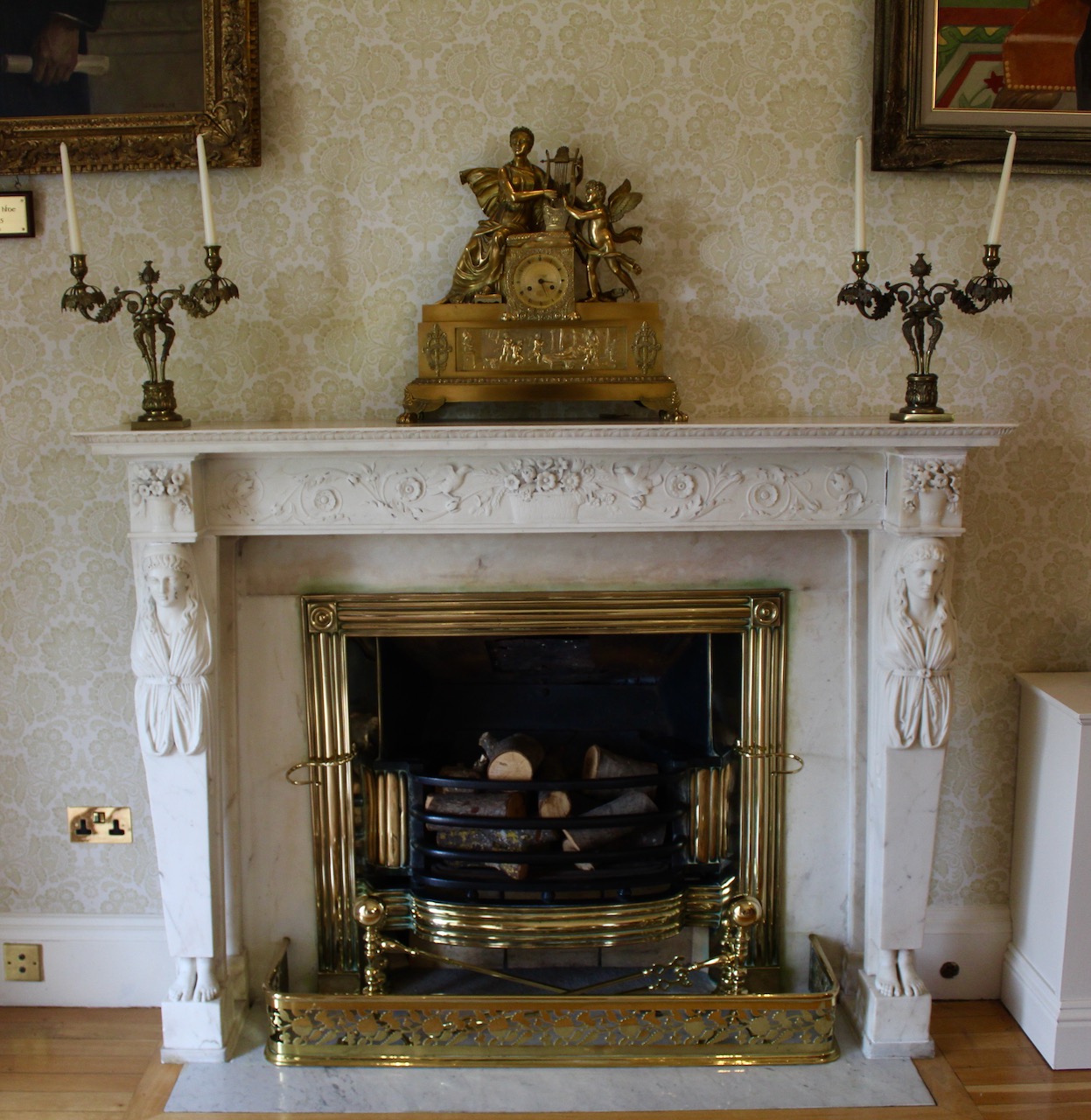
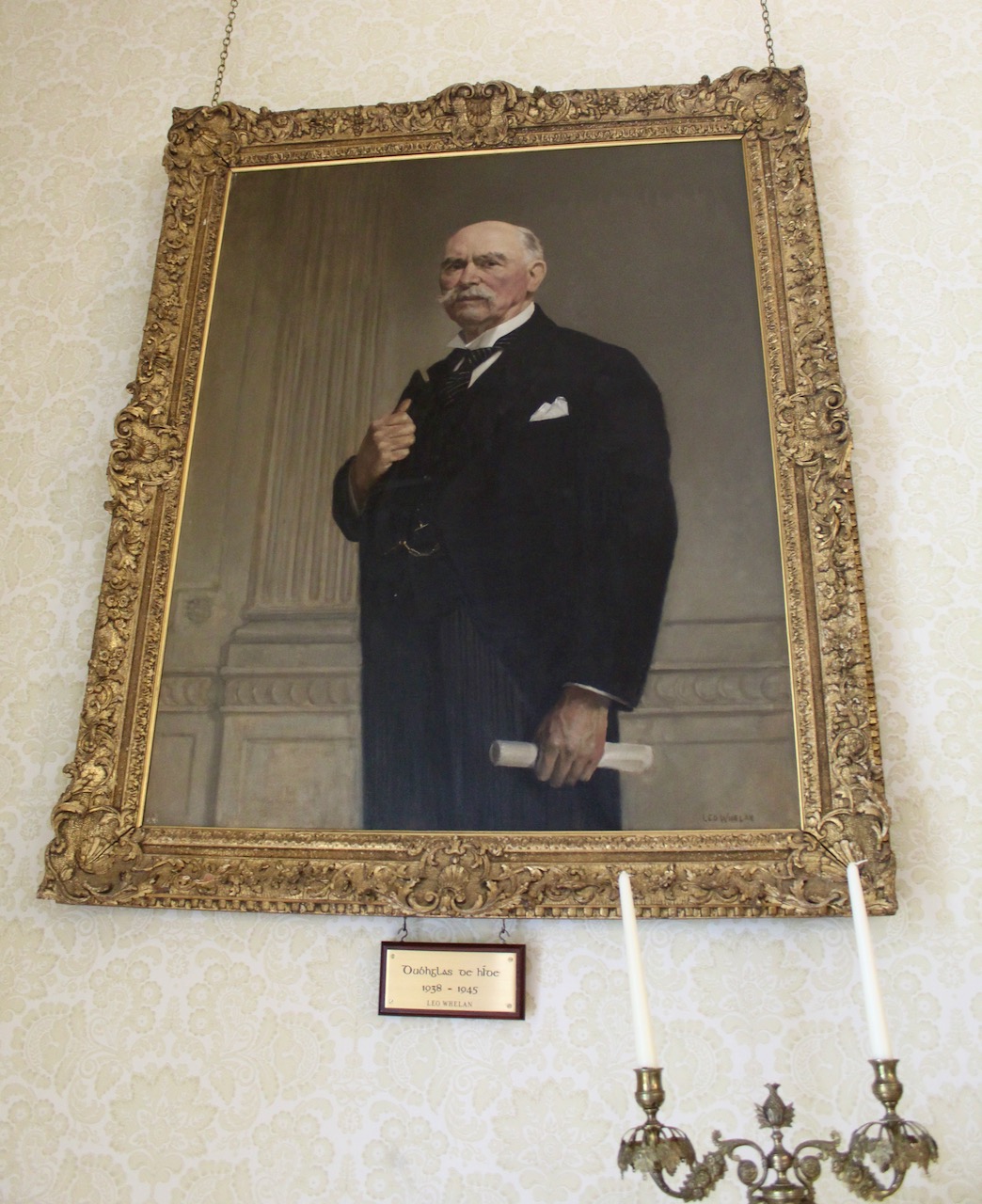
In 1937 when the office of President of Ireland was established, the house became the house of the president. The first President was Douglas Hyde (President of Ireland 1938-1945).
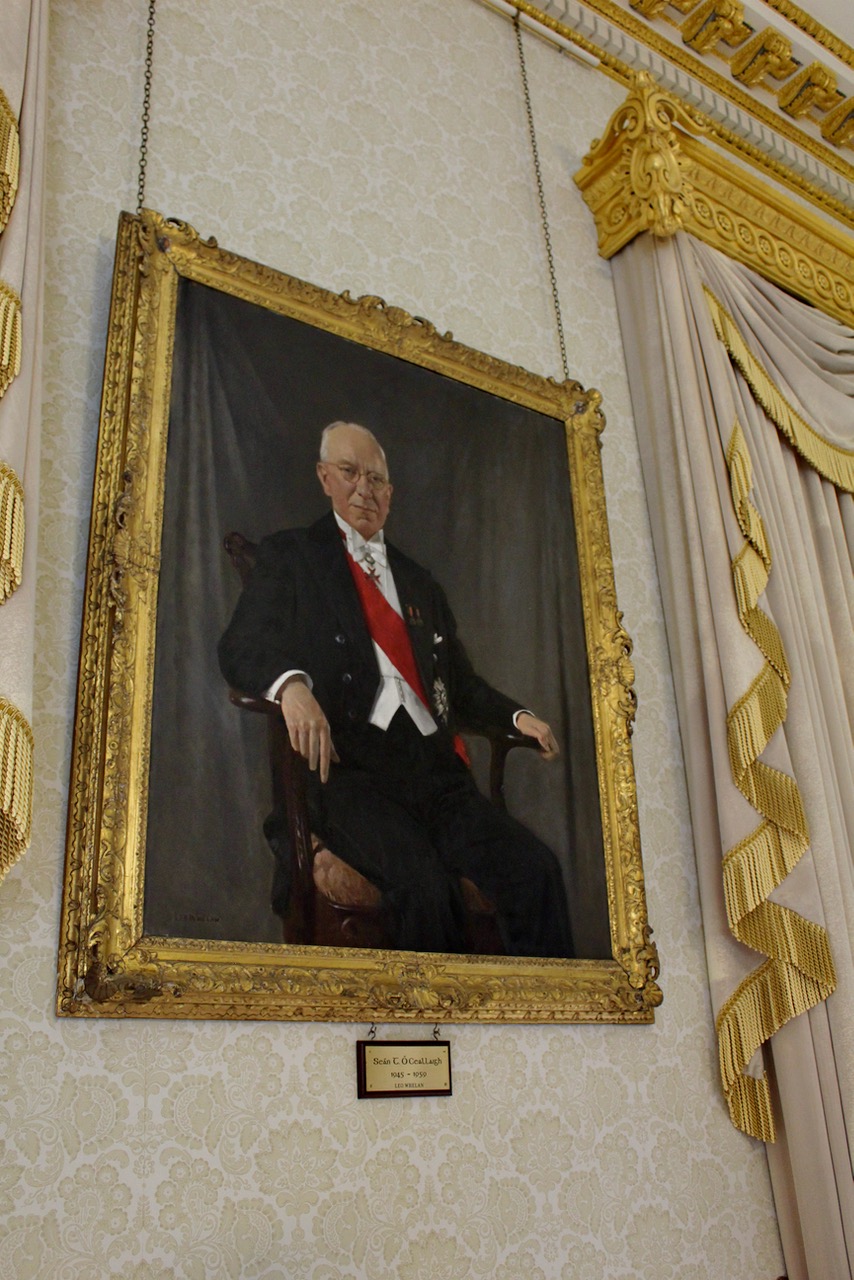
During the incumbency of President Sean T. O’Kelly, in 1948, a mid-C18 plasterwork ceiling attributed to Cramillion representing Jupiter and the Four Elements, with figures half covered in clouds, was brought from Mespil House, Dublin, which was then being demolished, and installed in the President’s Study, one of the two smaller rooms in the garden front of the original house, which we did not see.
The Mespil House ceiling was brought here at the instigation of Dr. C.P. Curran, who was also instrumental in having casts made of the plasterwork by the Francini, or Lafranchini, brothers, at Riverstown House, Co. Cork, which then seemed in danger; and which have been installed in the ballroom and in the adjoining corridor.
The State Reception Room (formerly the ballroom) features a plaster cast of a Lafranchini panel in the ceiling. The Lafranchini brothers were 18th century Swiss stuccodores who also worked on Carton and Castletown Houses. See my entry about Riverstown House https://irishhistorichouses.com/2022/10/05/__trashed/.
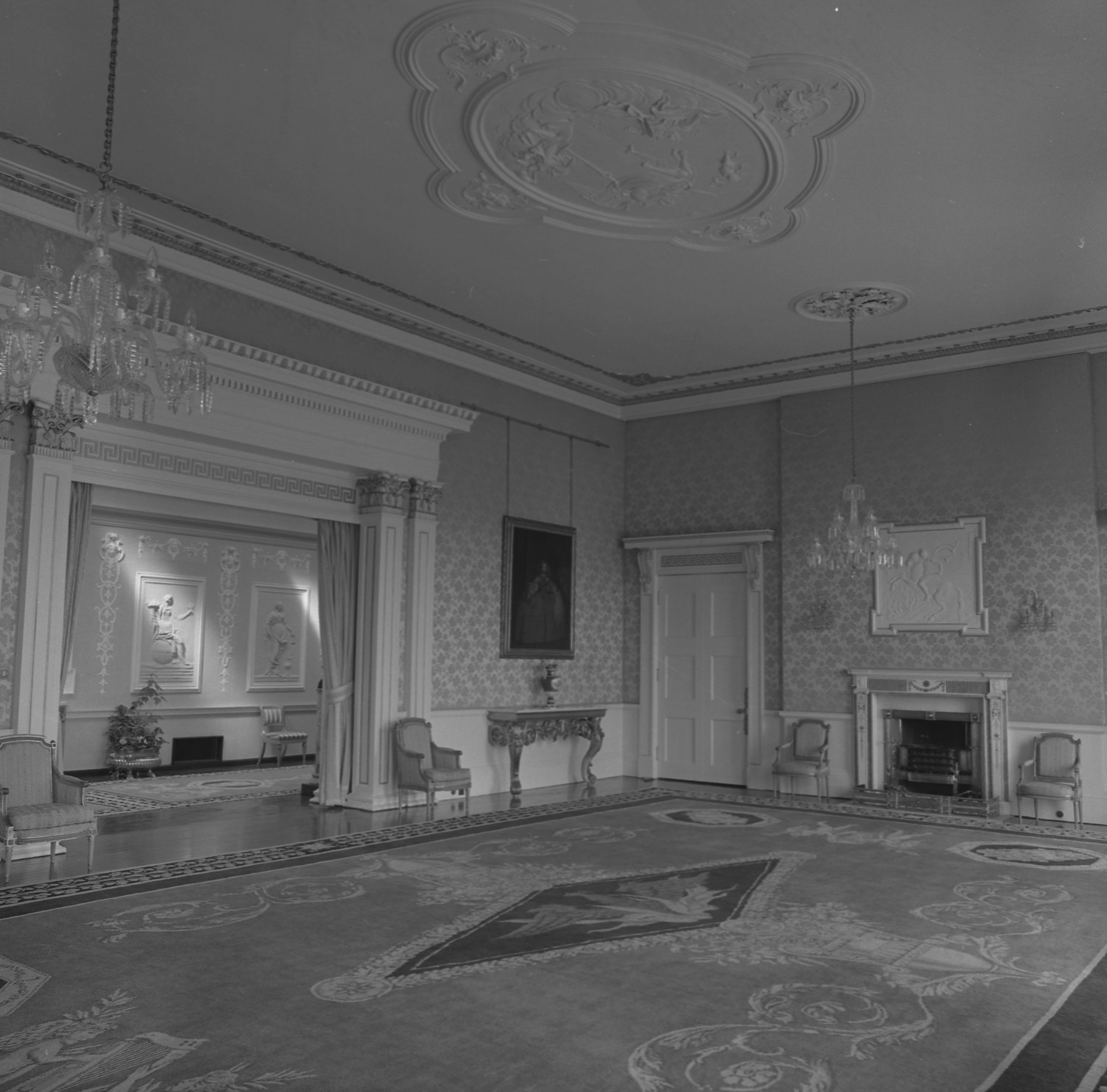
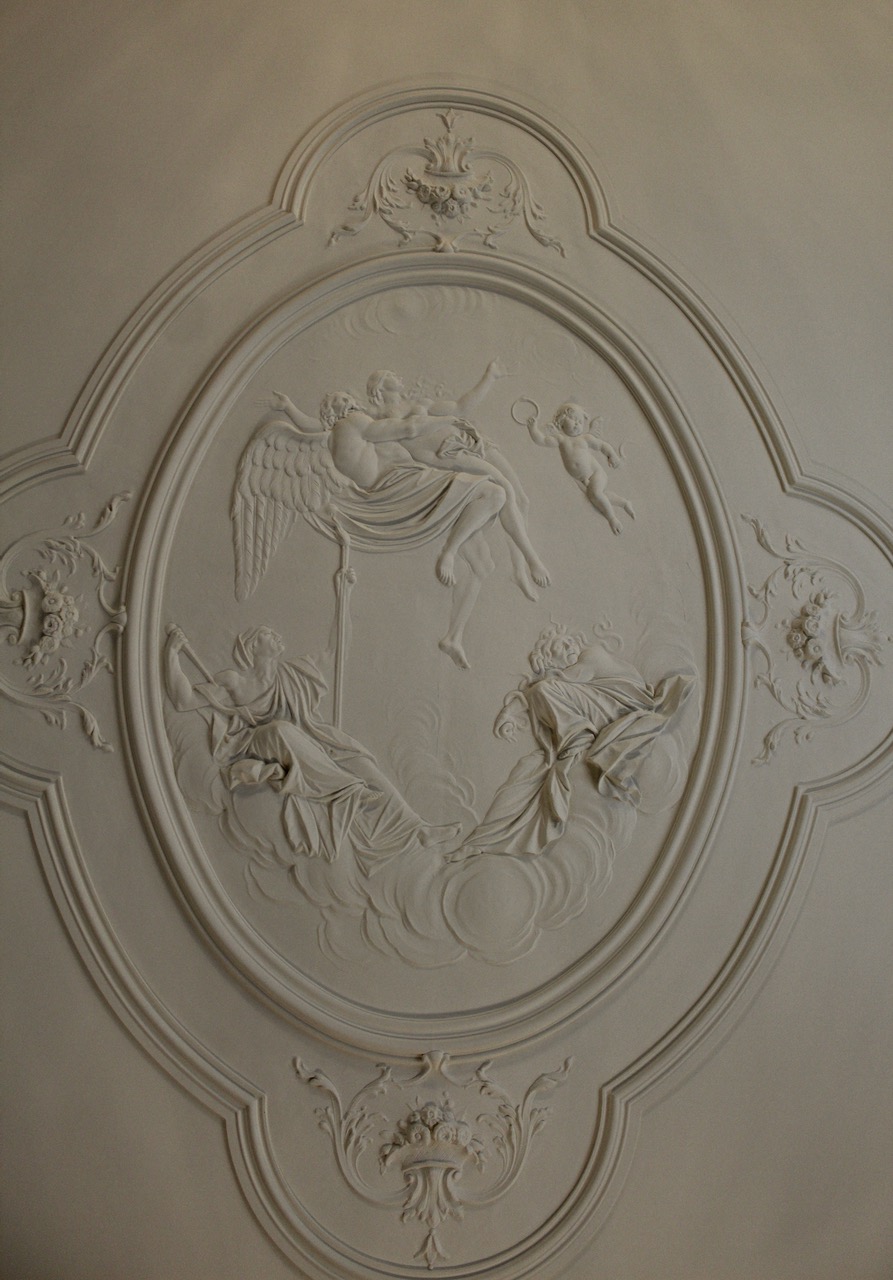
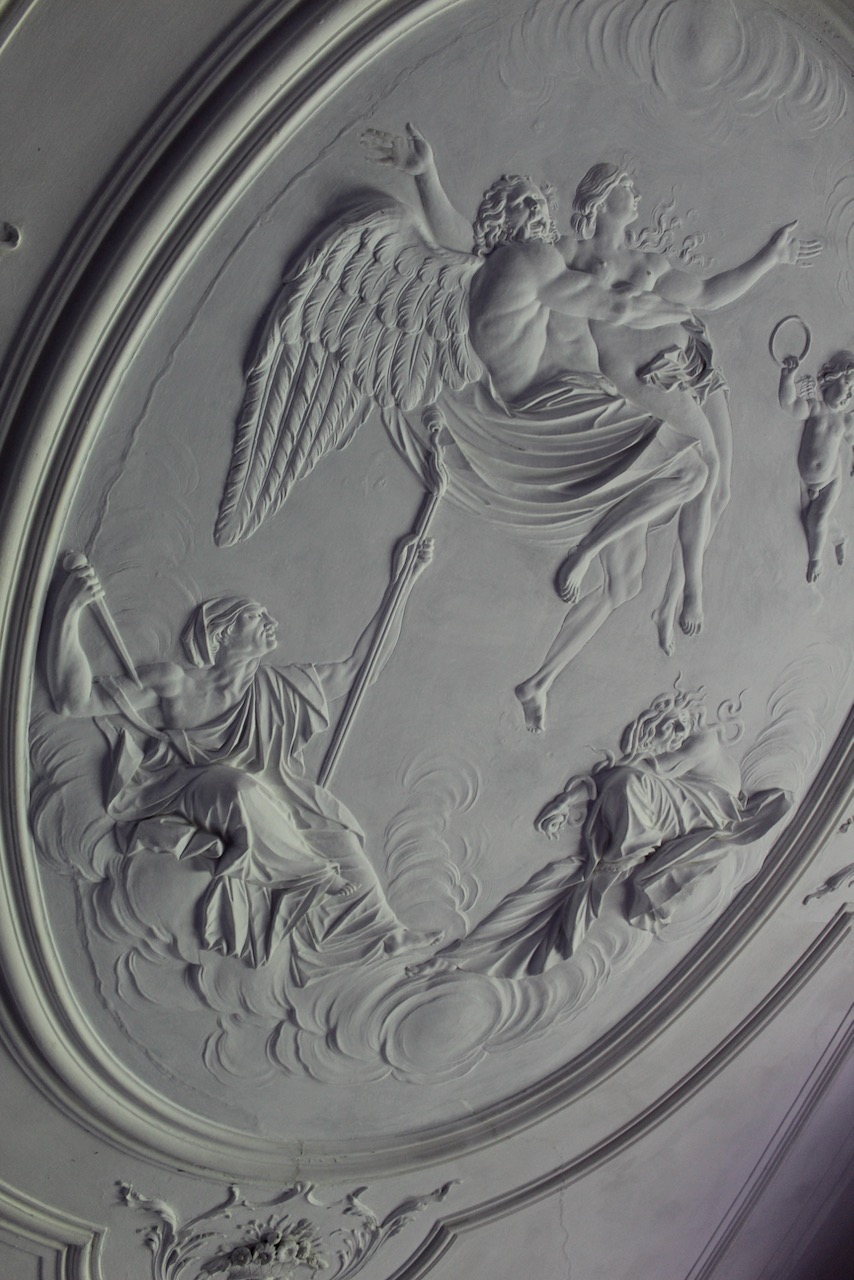
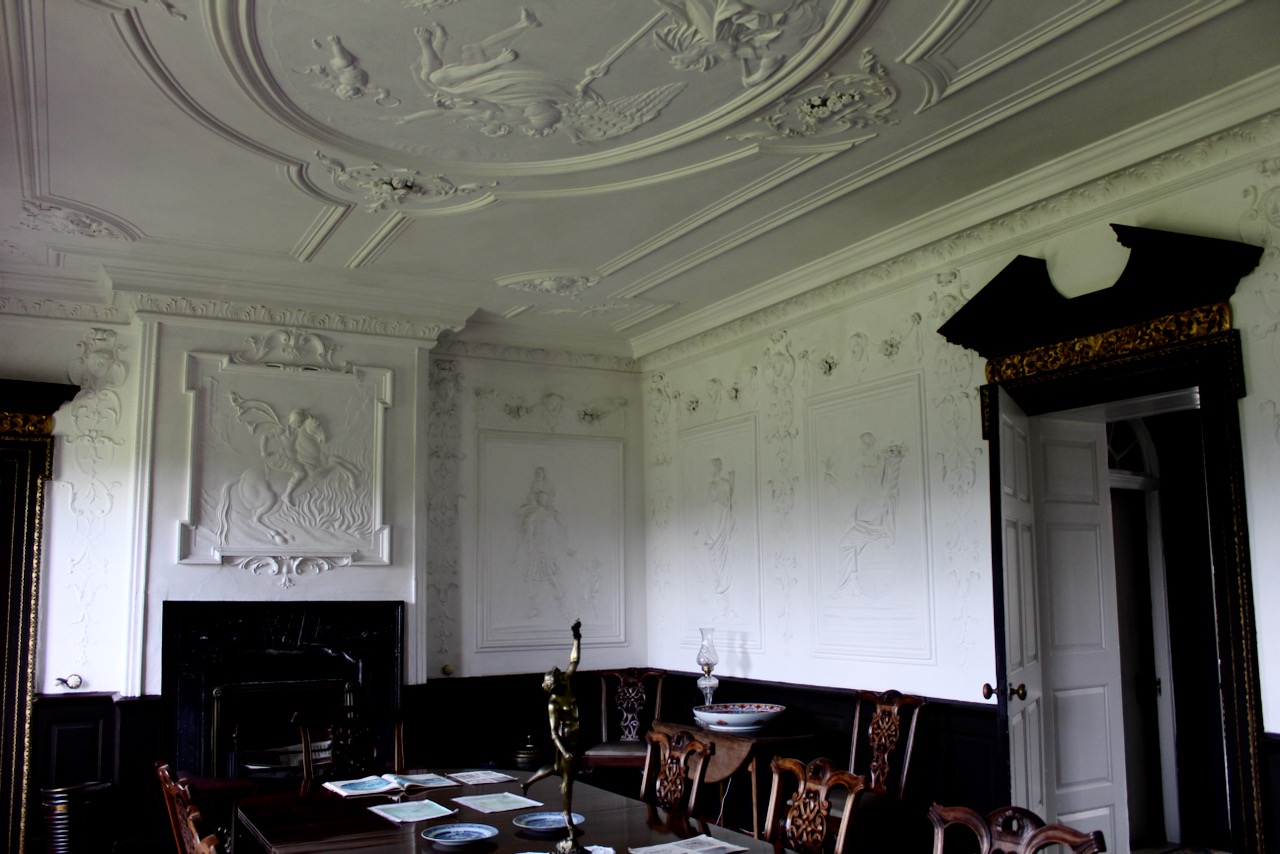
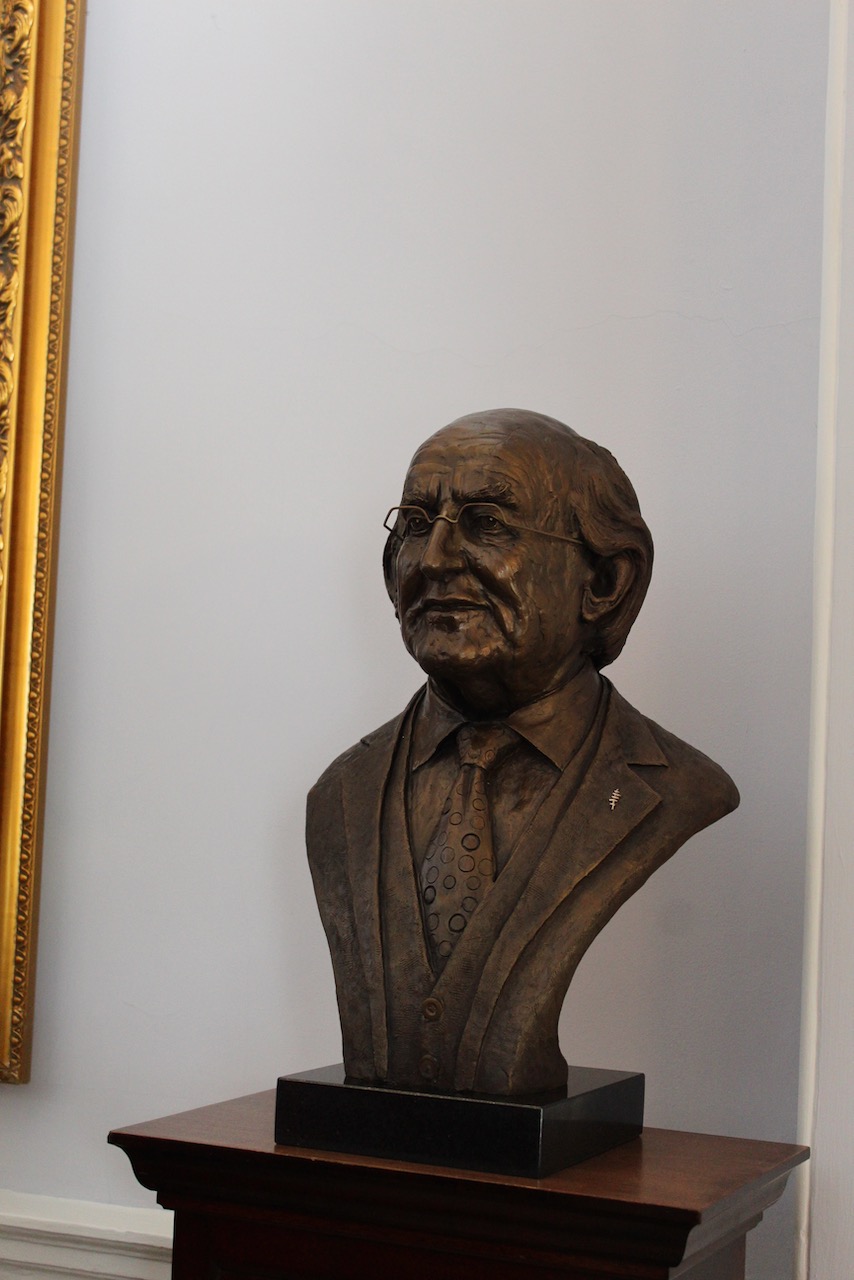
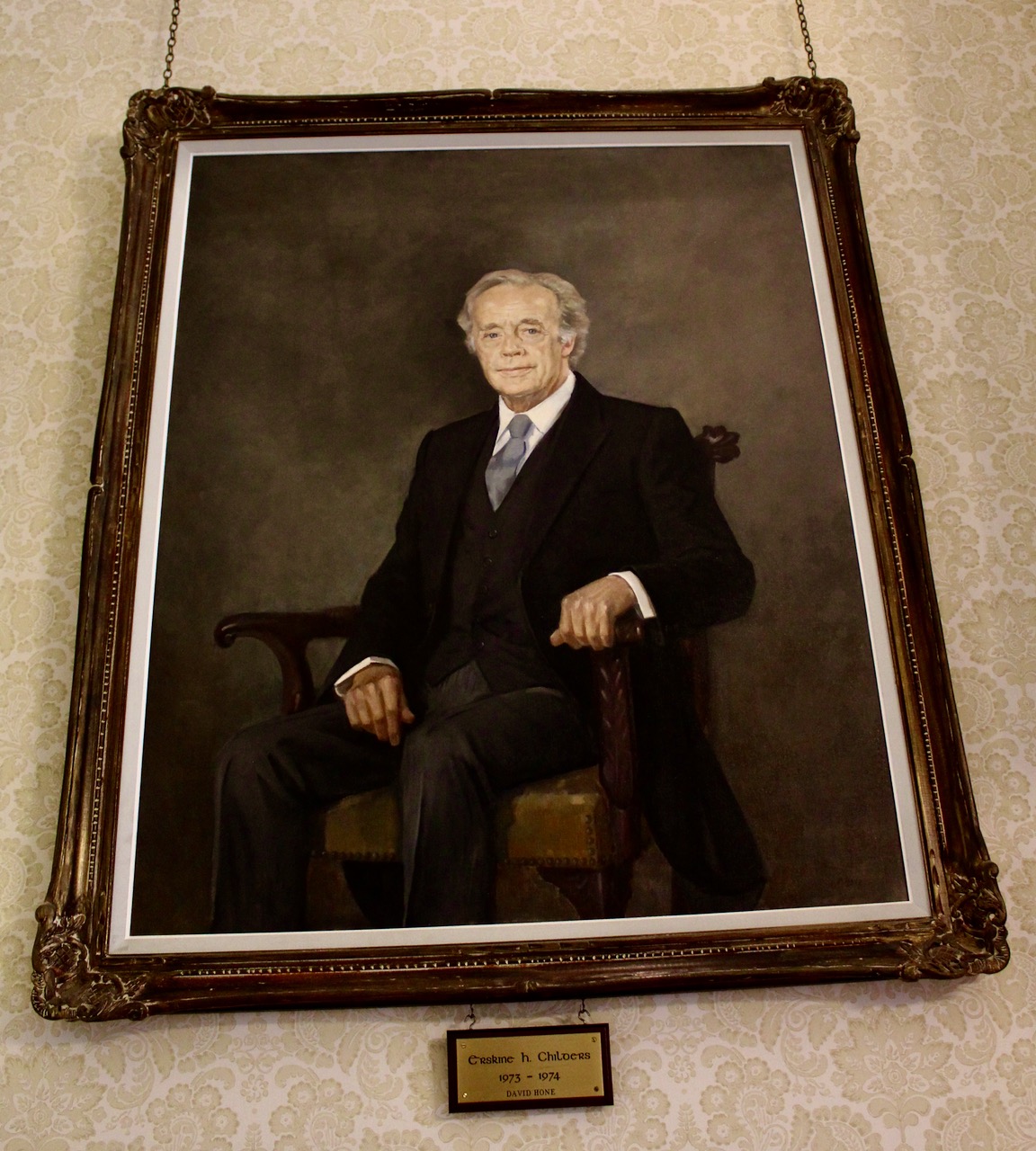
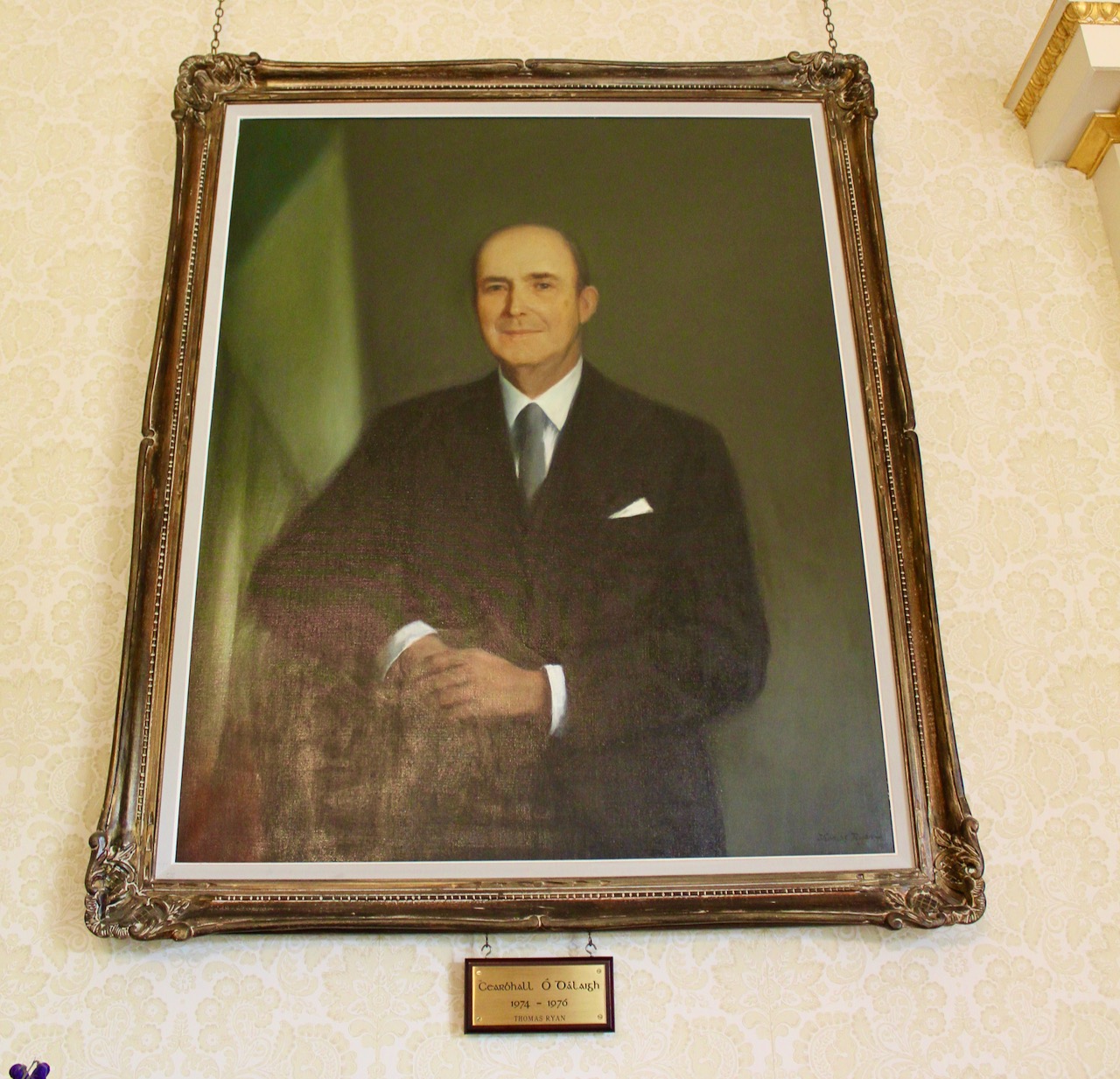
The State Corridor, also called the Lafranchini Corridor, leads from the Entrance Hall past the State Reception Room. This corridor was originally part of the orchestra pit for the adjoining ballroom. It was created as a corridor in the 1950s. One side of the corridor is lined with bronze busts of Irish Presidents mounted on marble columns and the other side features stucco panels showing classical figures. These too are casts taken from Riverstown House.
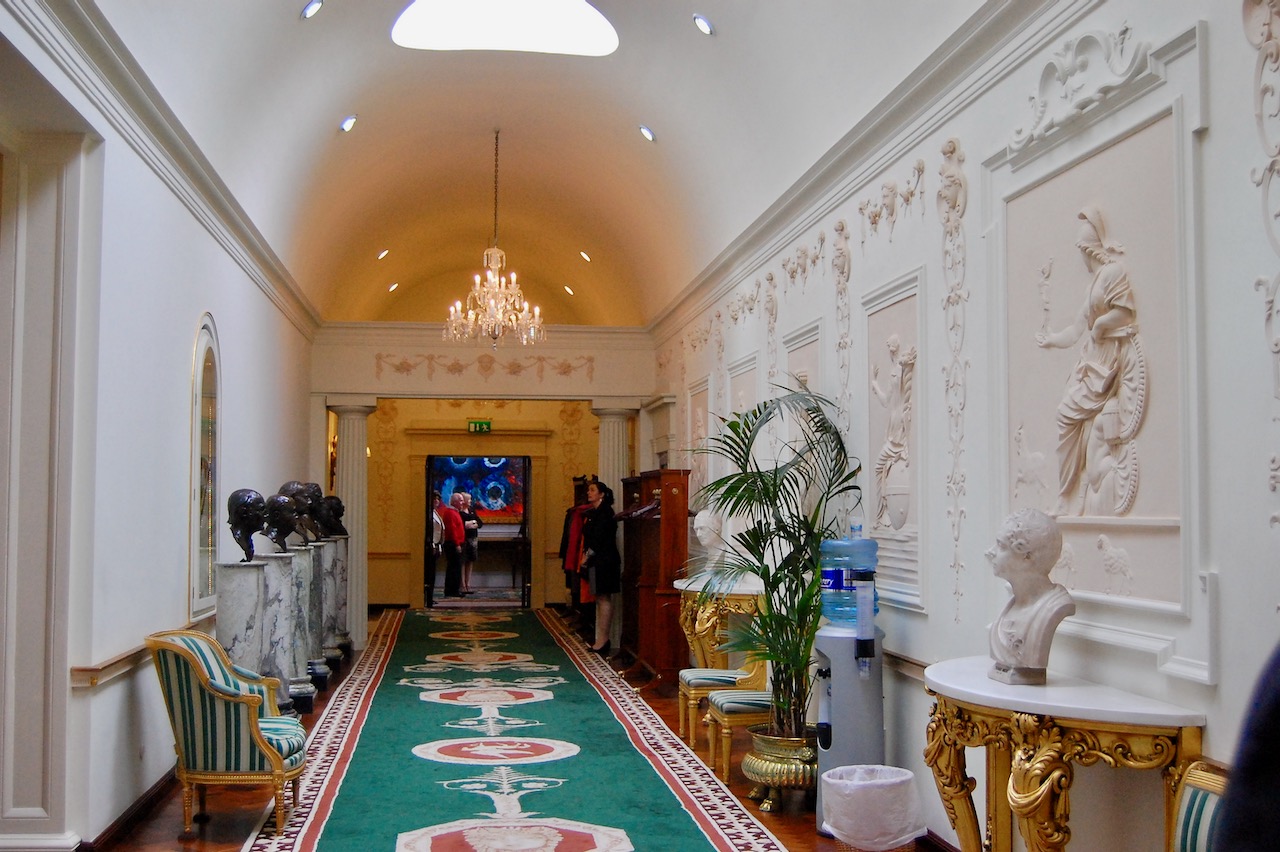
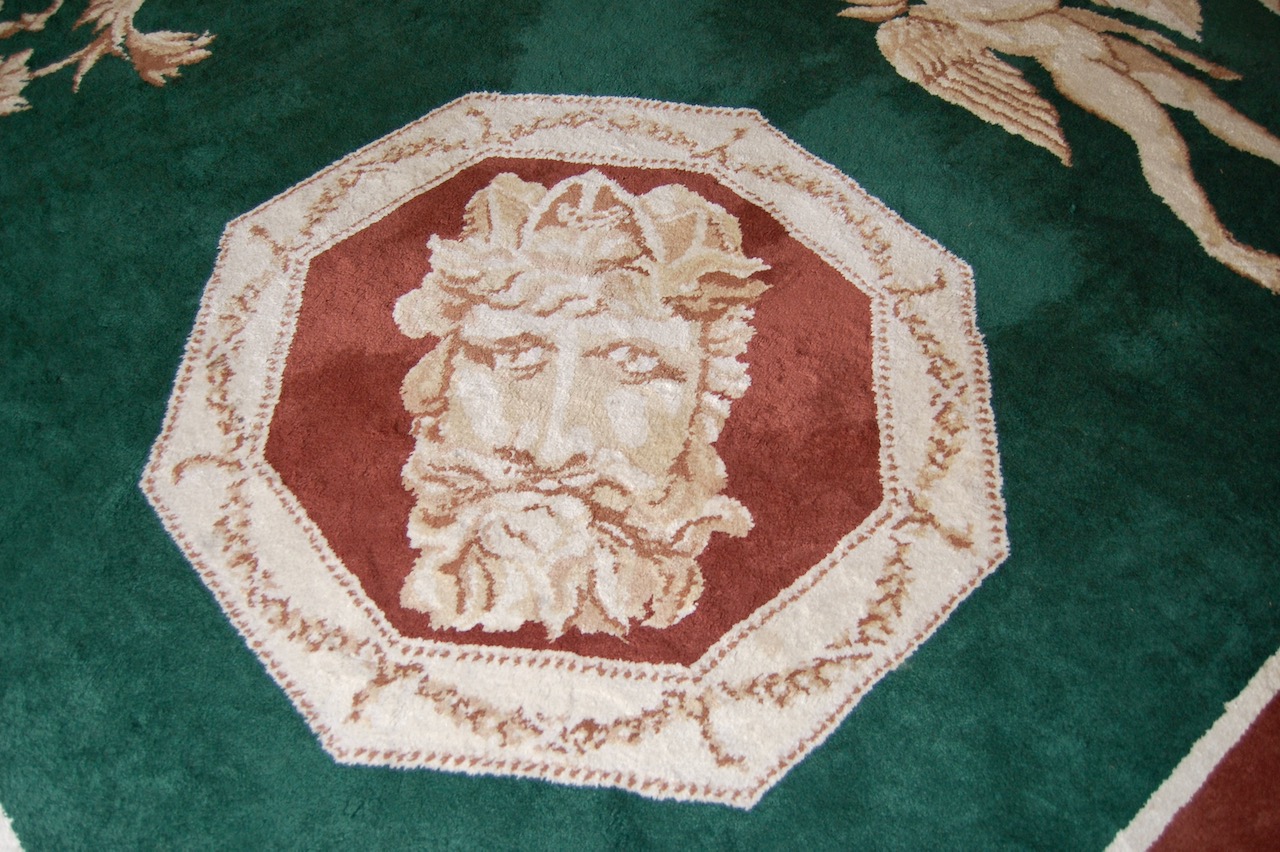

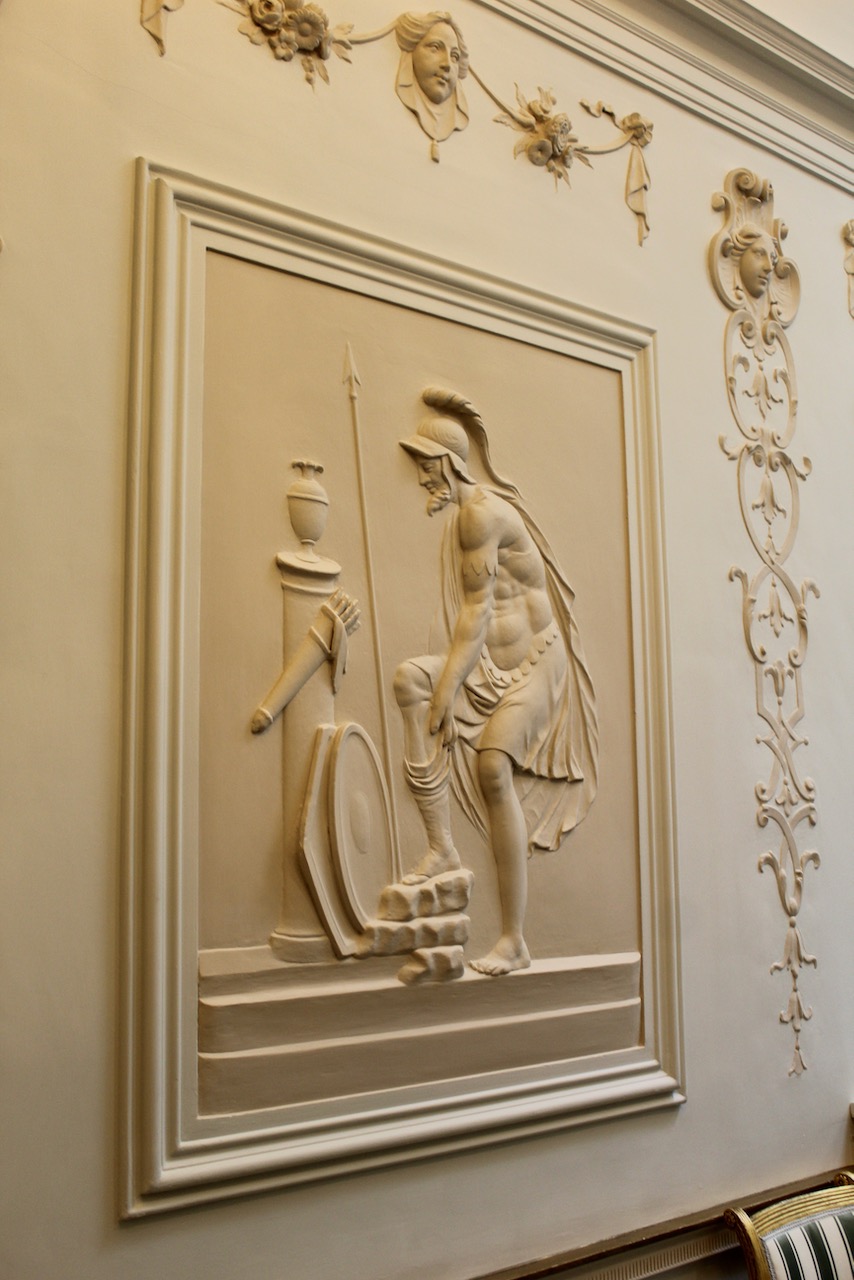
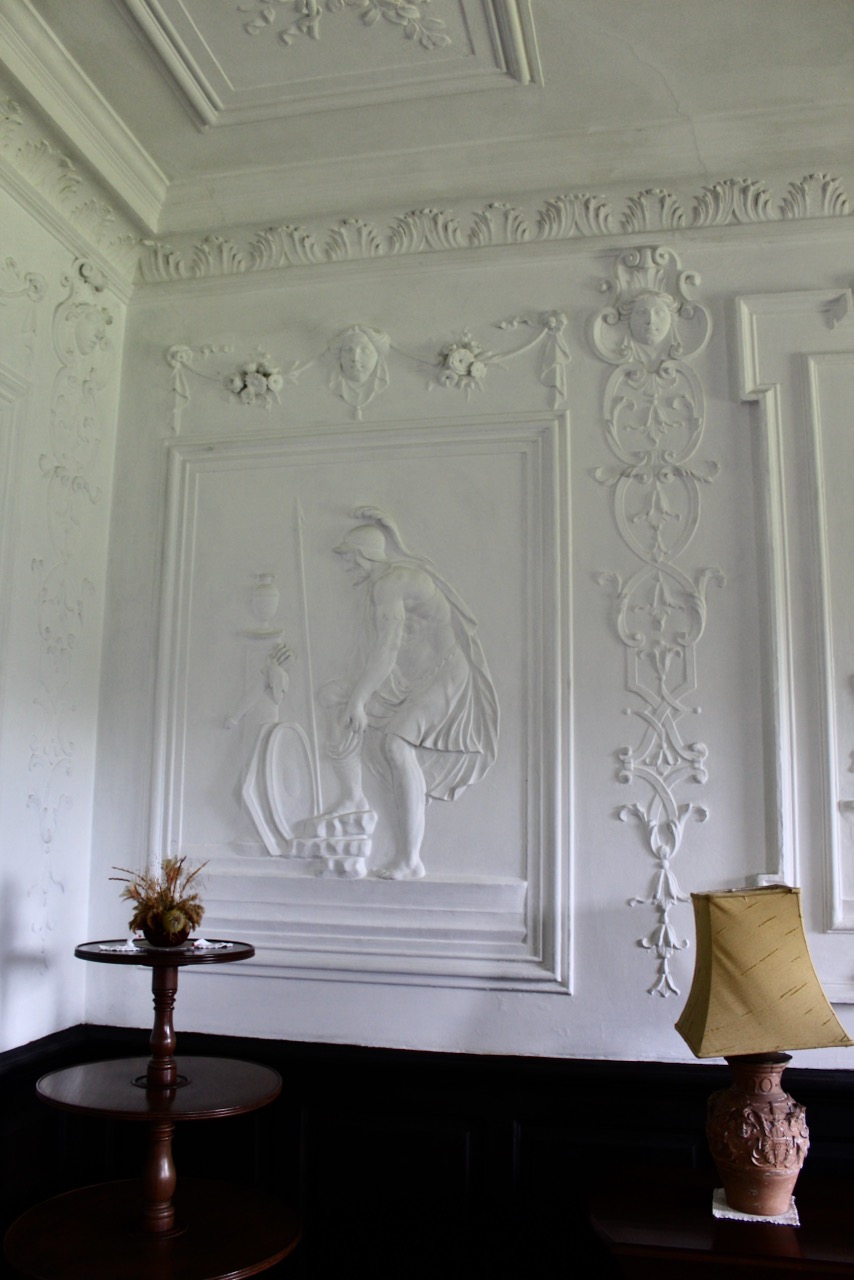


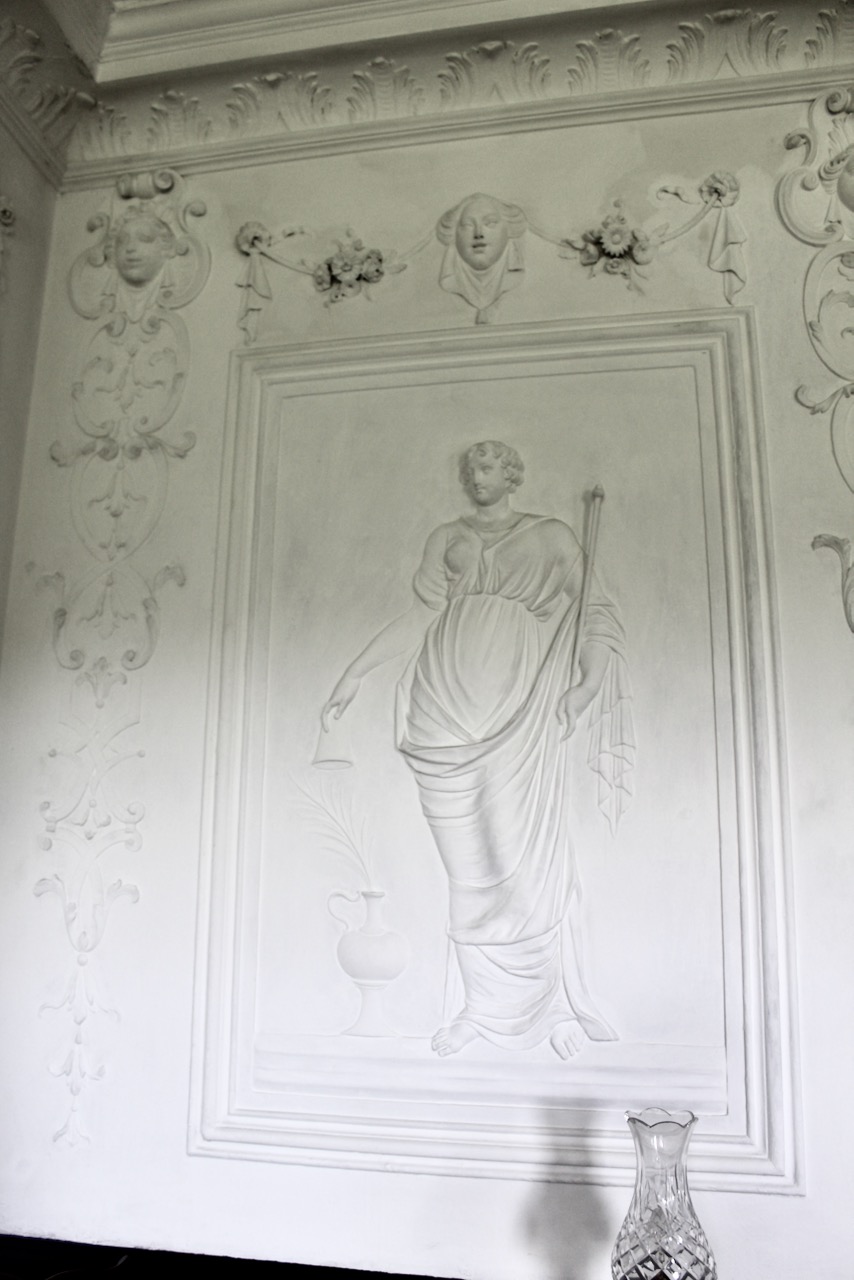
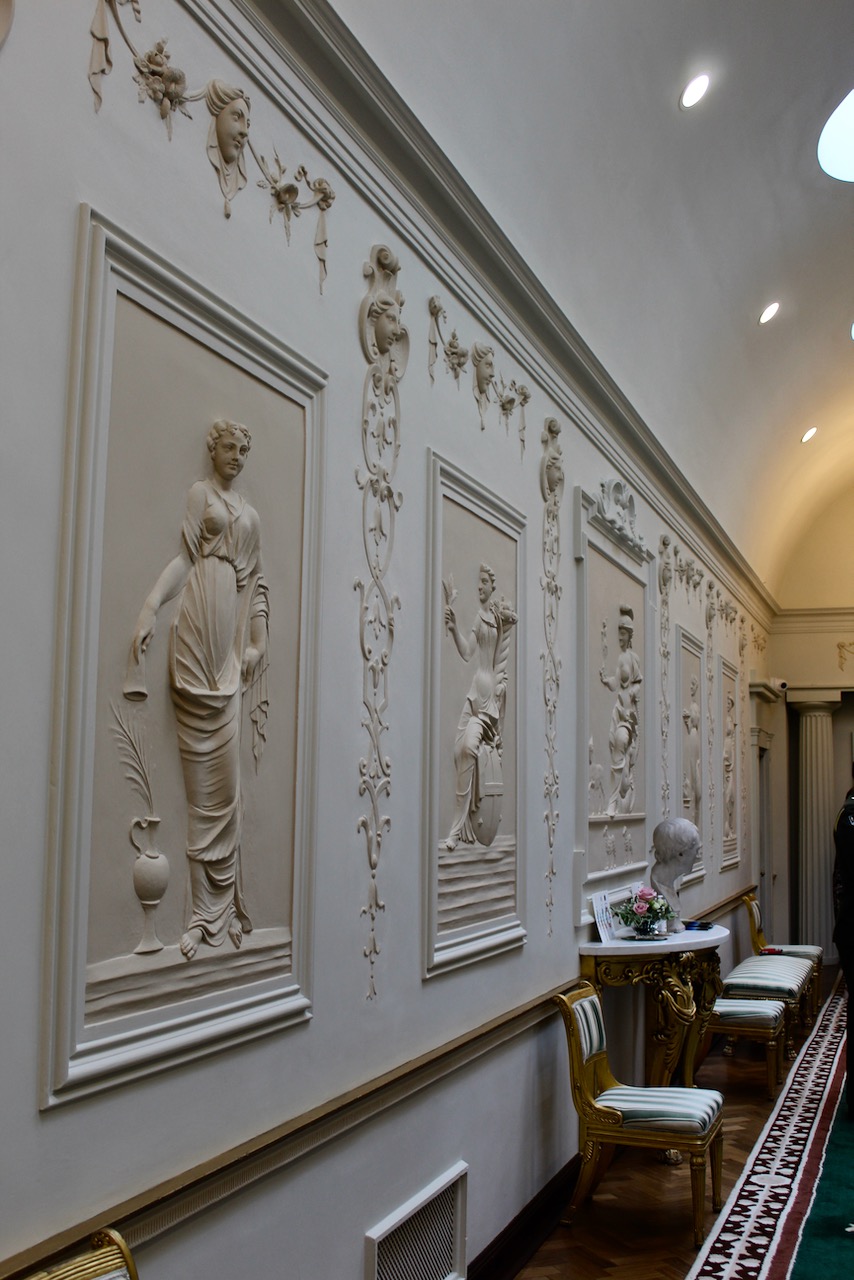
The State corridor also has a fireplace by 18th century Italian craftsman, Bossi, whose family knew the secret of how to colour marble.



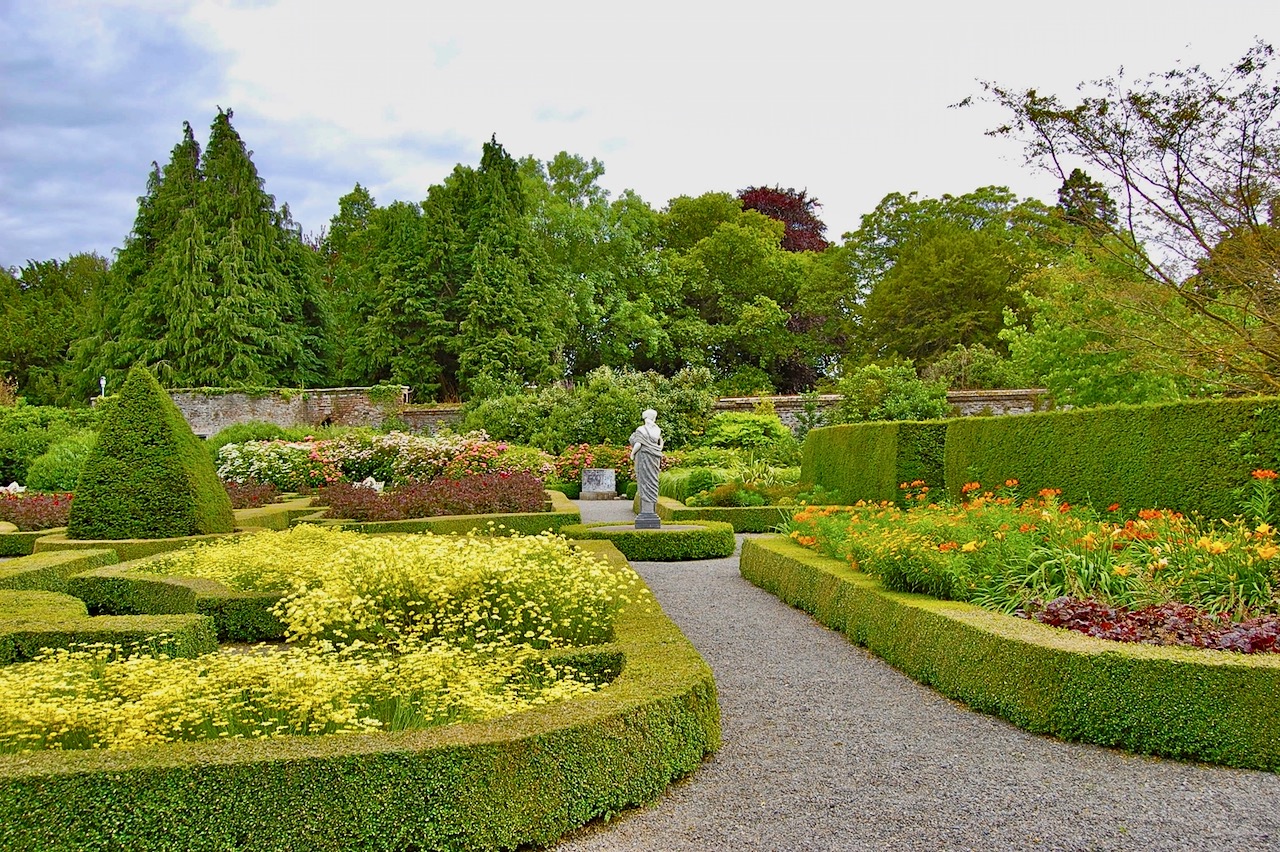
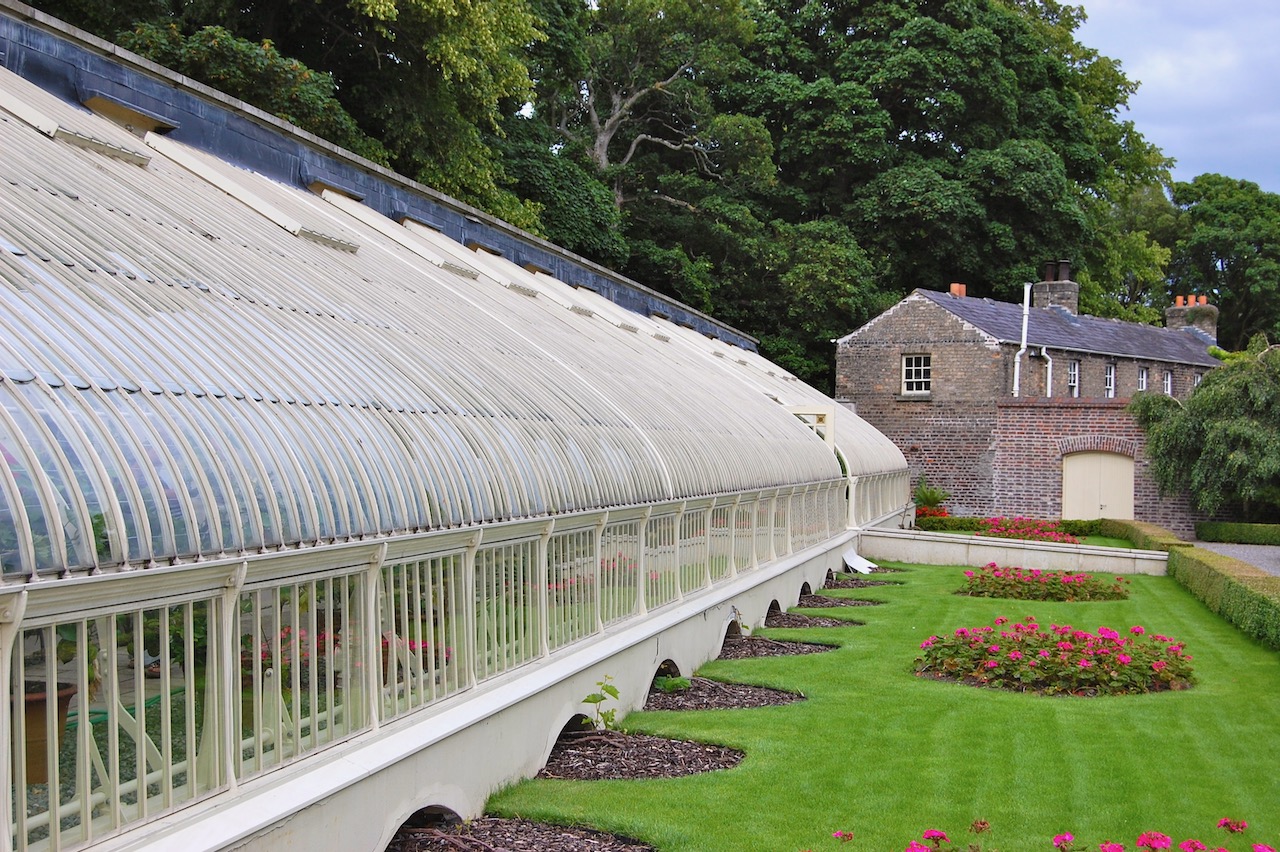
Later additions to the gardens were carried out by Ninian Niven, who designed Iveagh Gardens in Dublin. The gardens contain many Victorian features including ceremonial trees, an arboretum, wilderness, pleasure grounds, avenues, walks, ornamental lakes and a walled garden, which contains a Turner peach house and which grows the food and flowers organically.
© Jennifer Winder-Baggot, www.irishhistorichouses.com
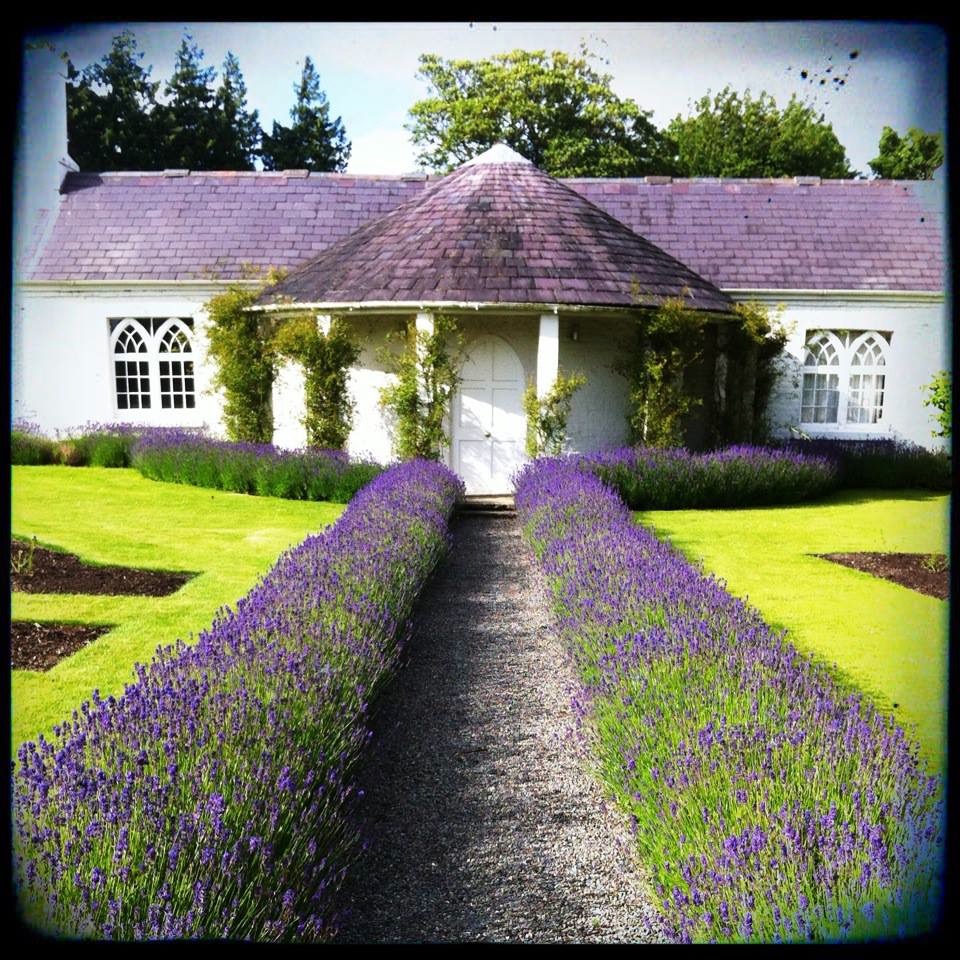
[1] https://heritageireland.ie/visit/places-to-visit/aras-an-uachtarain/
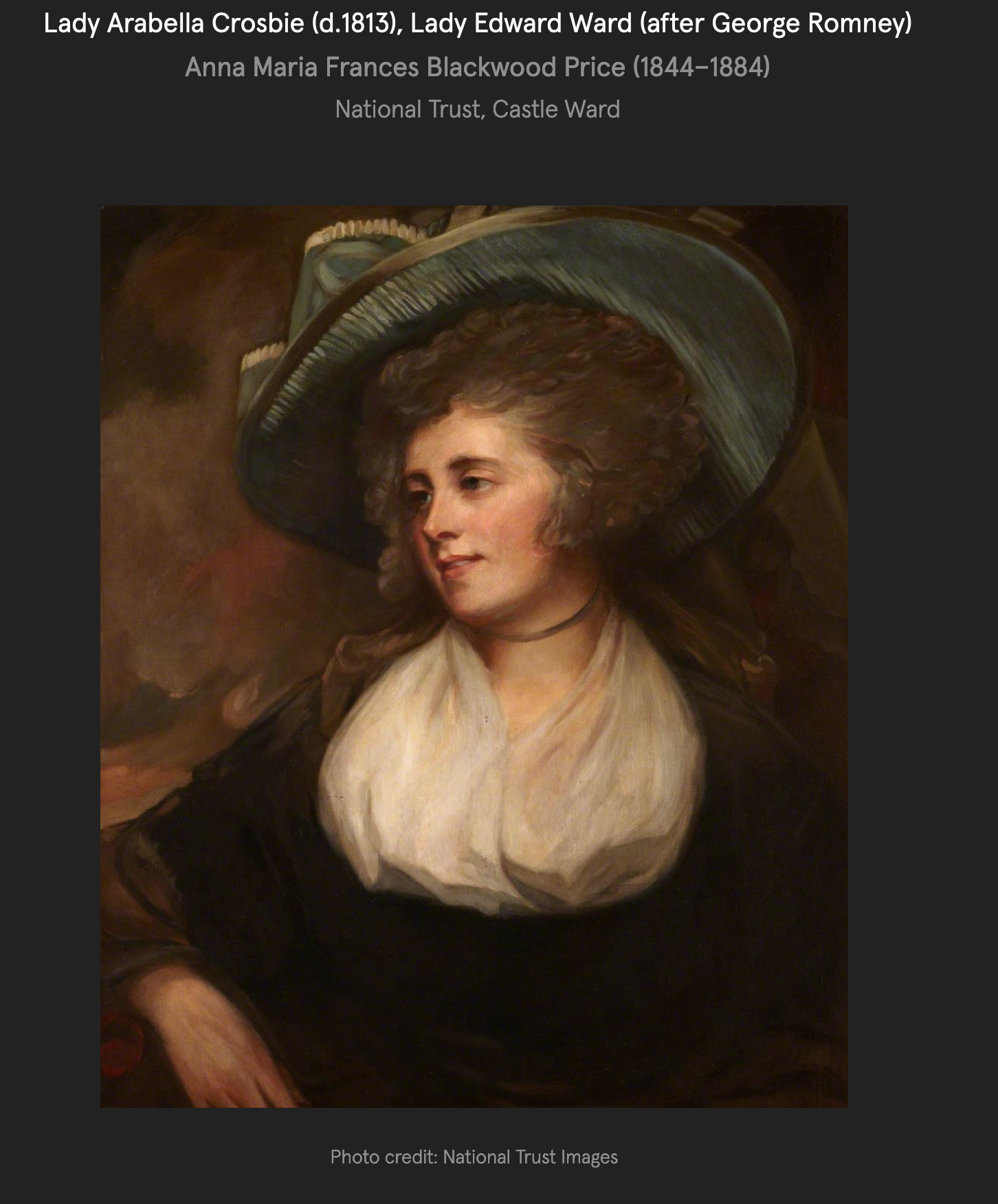
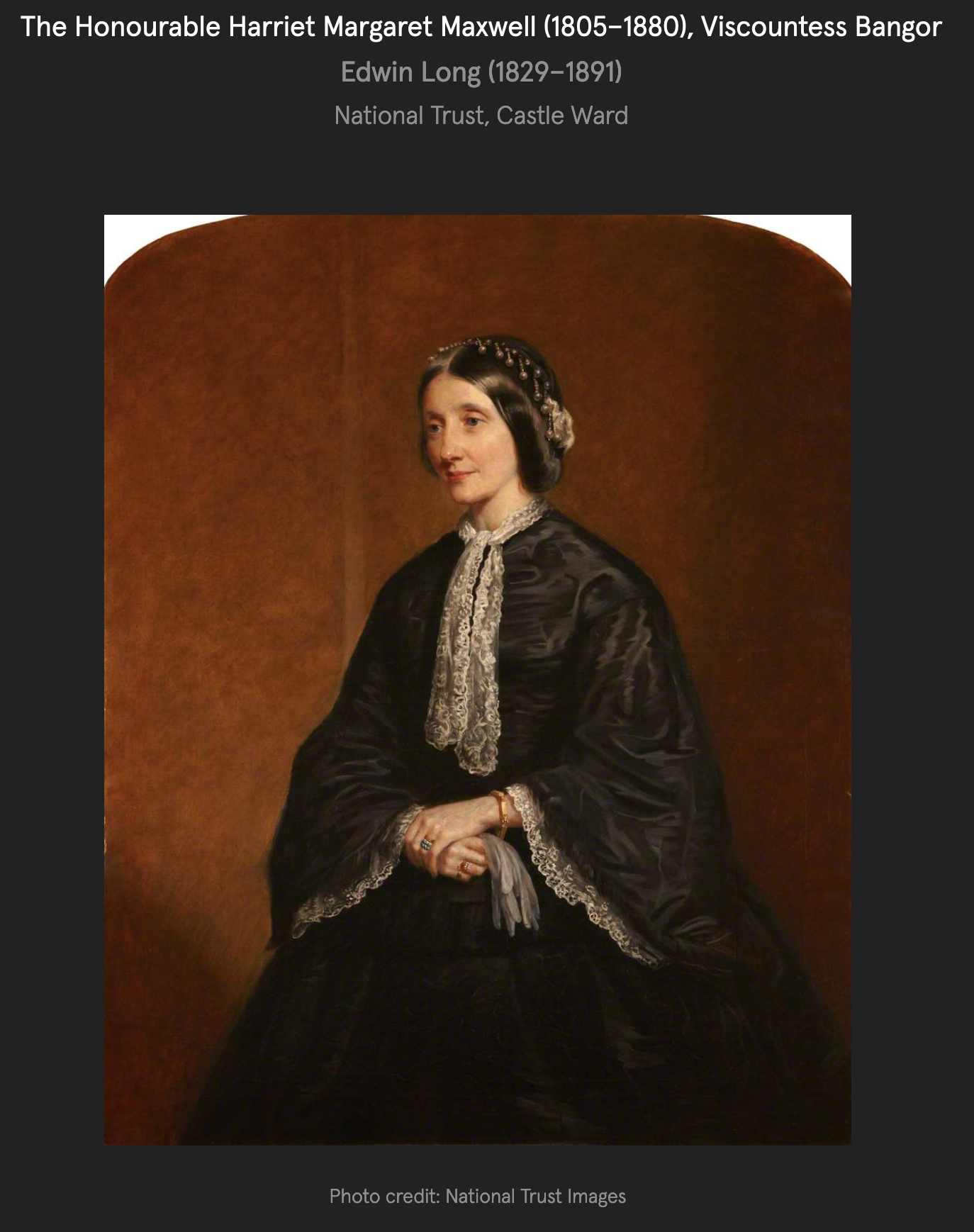
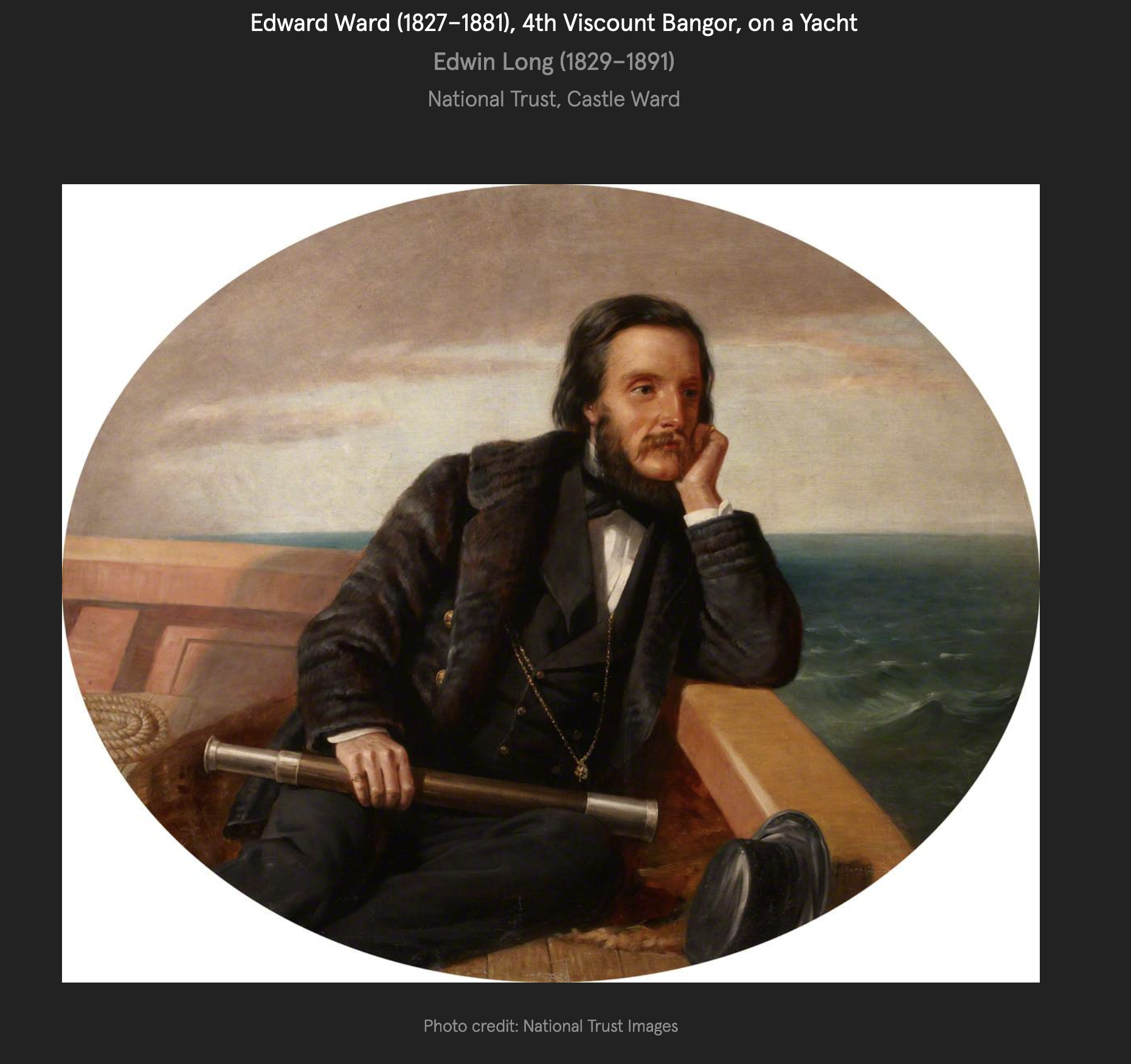
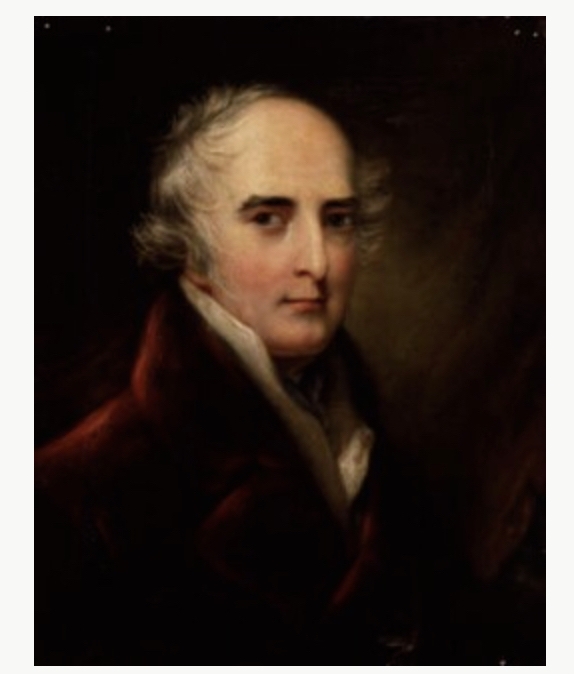
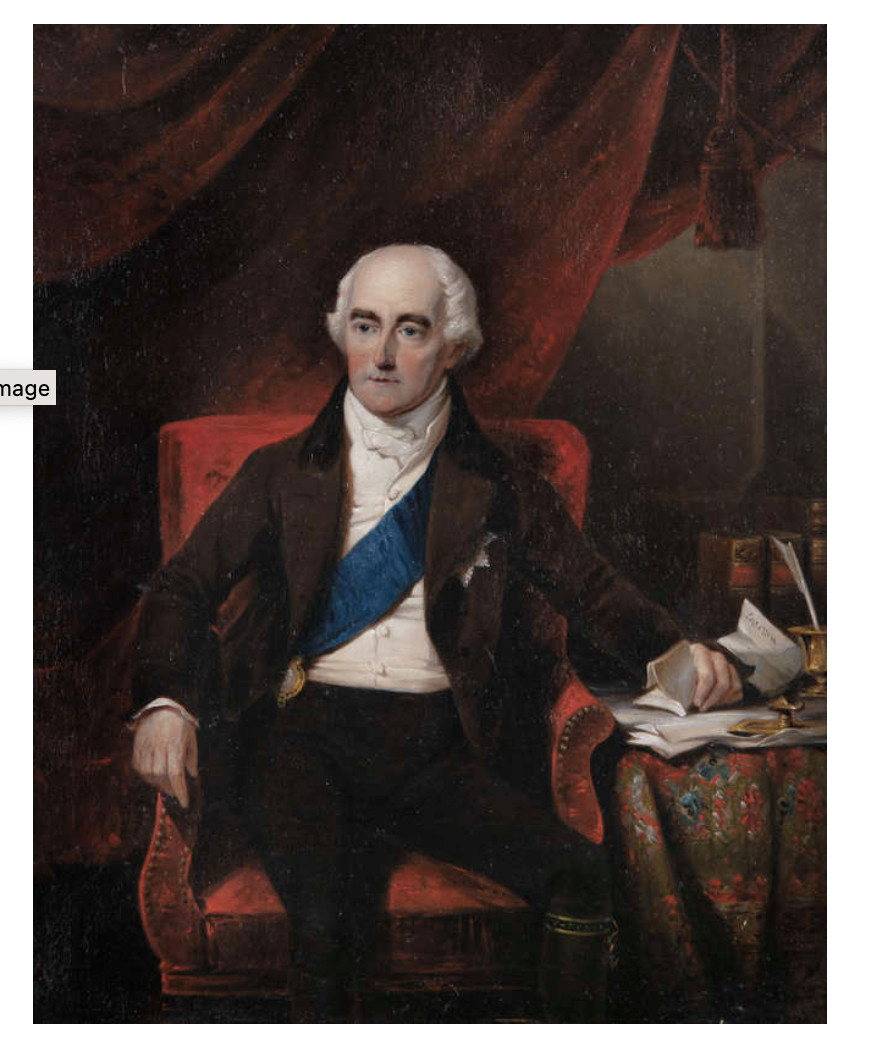
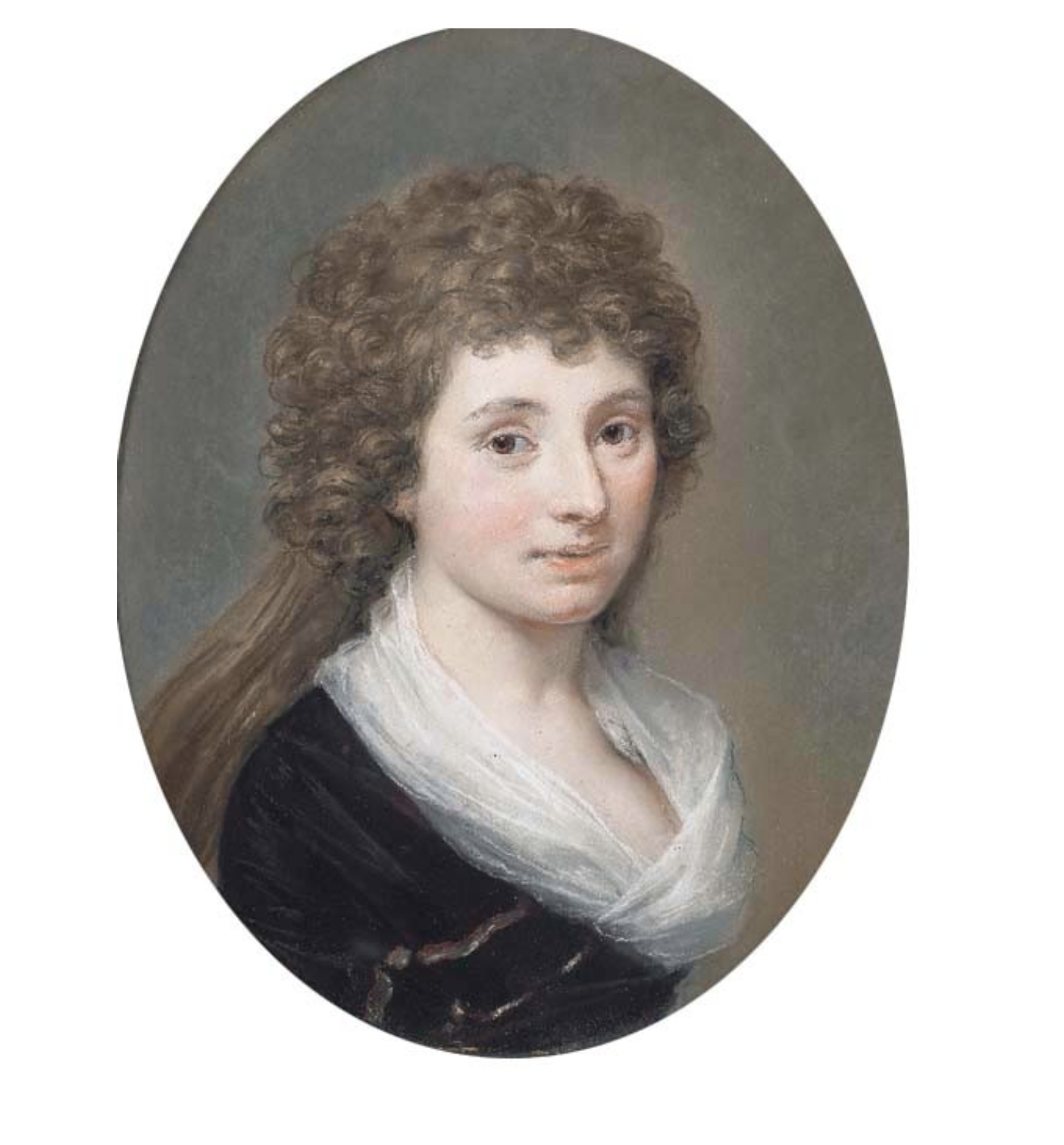
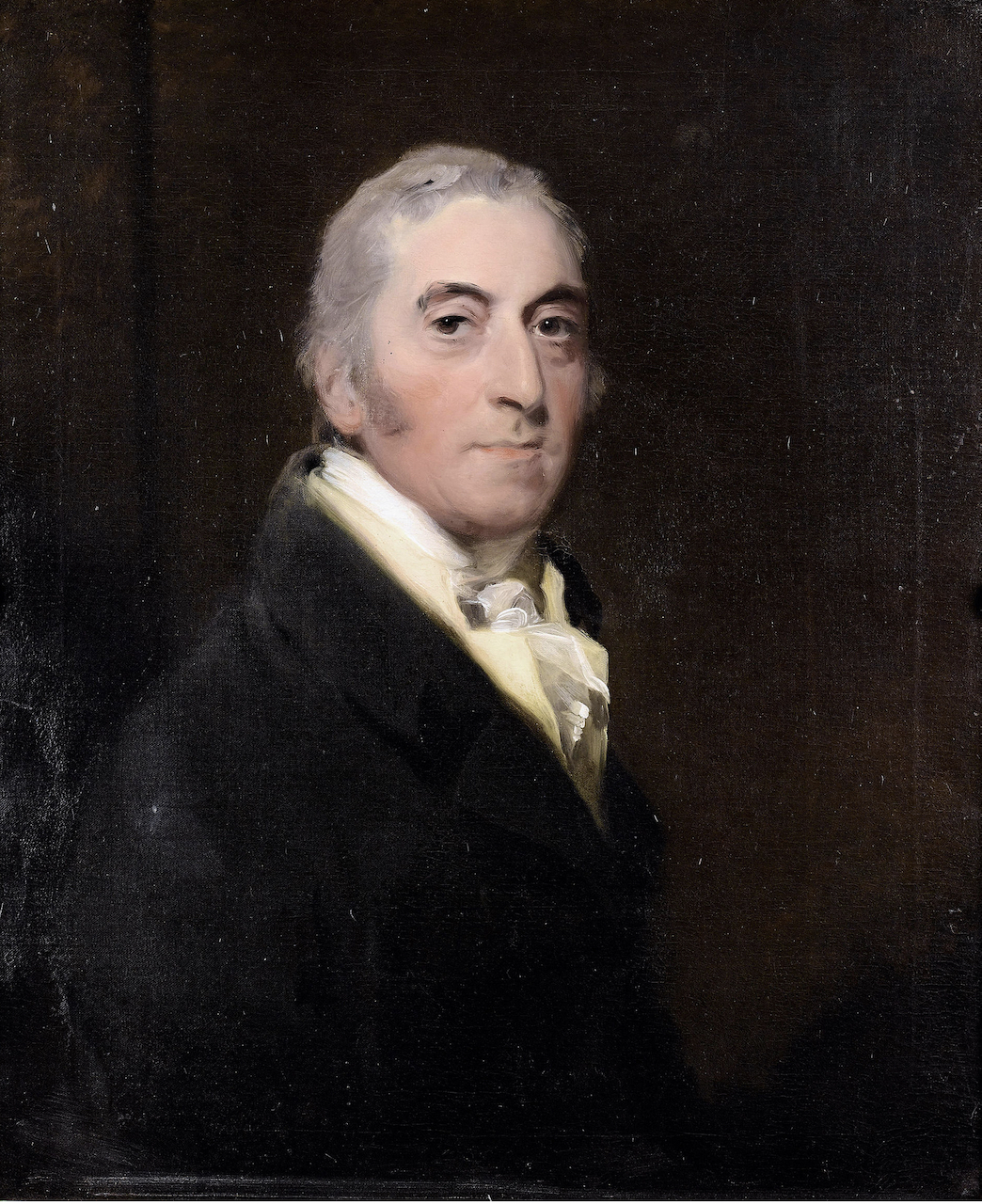
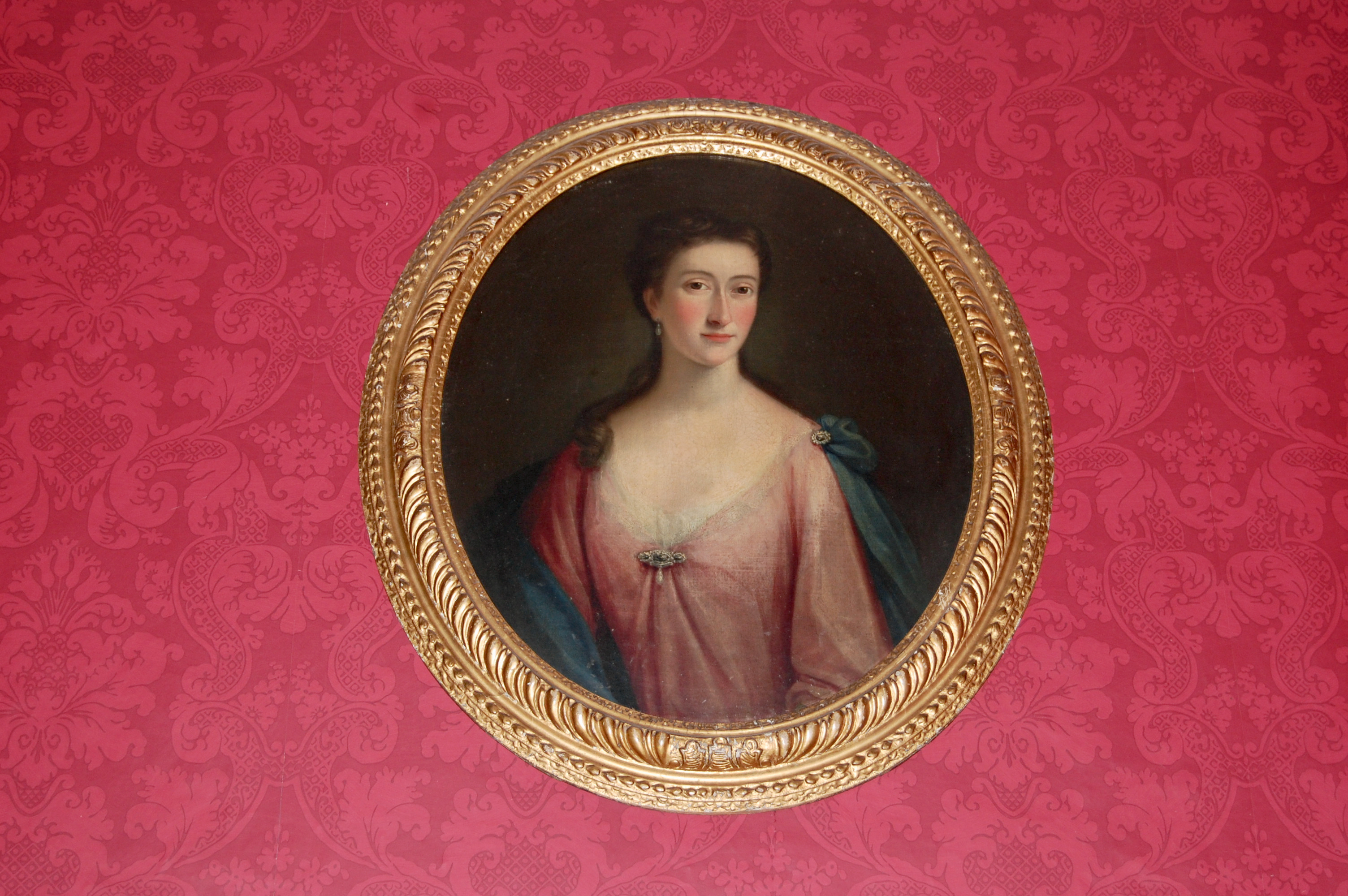
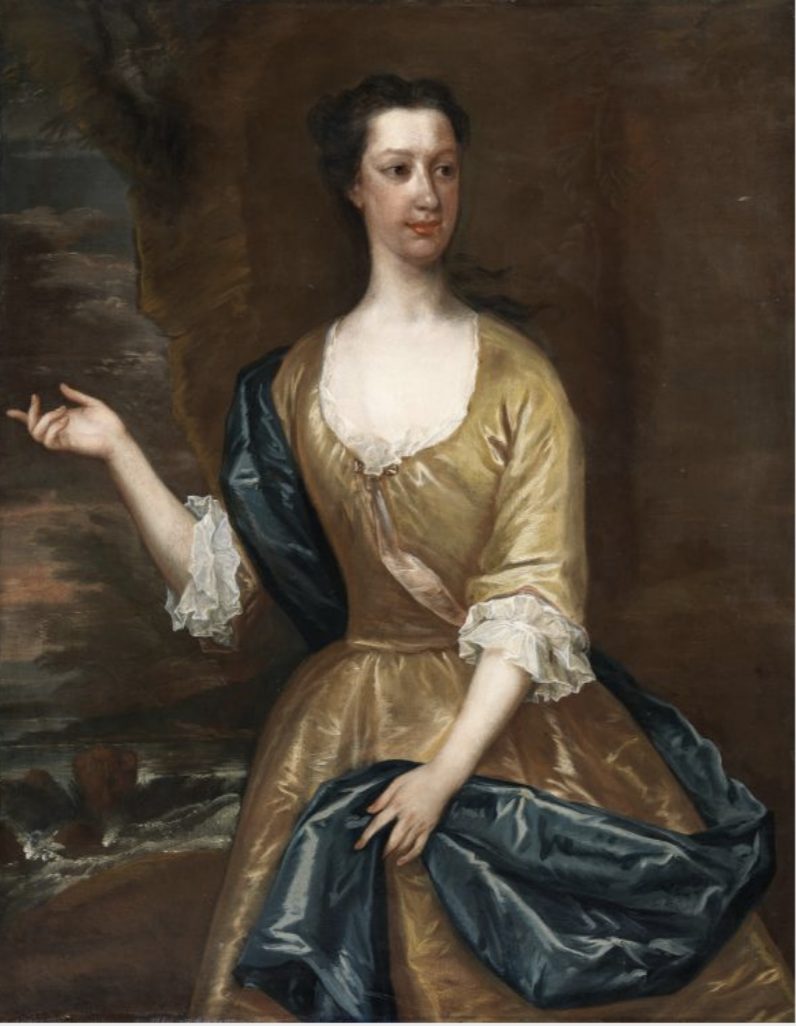
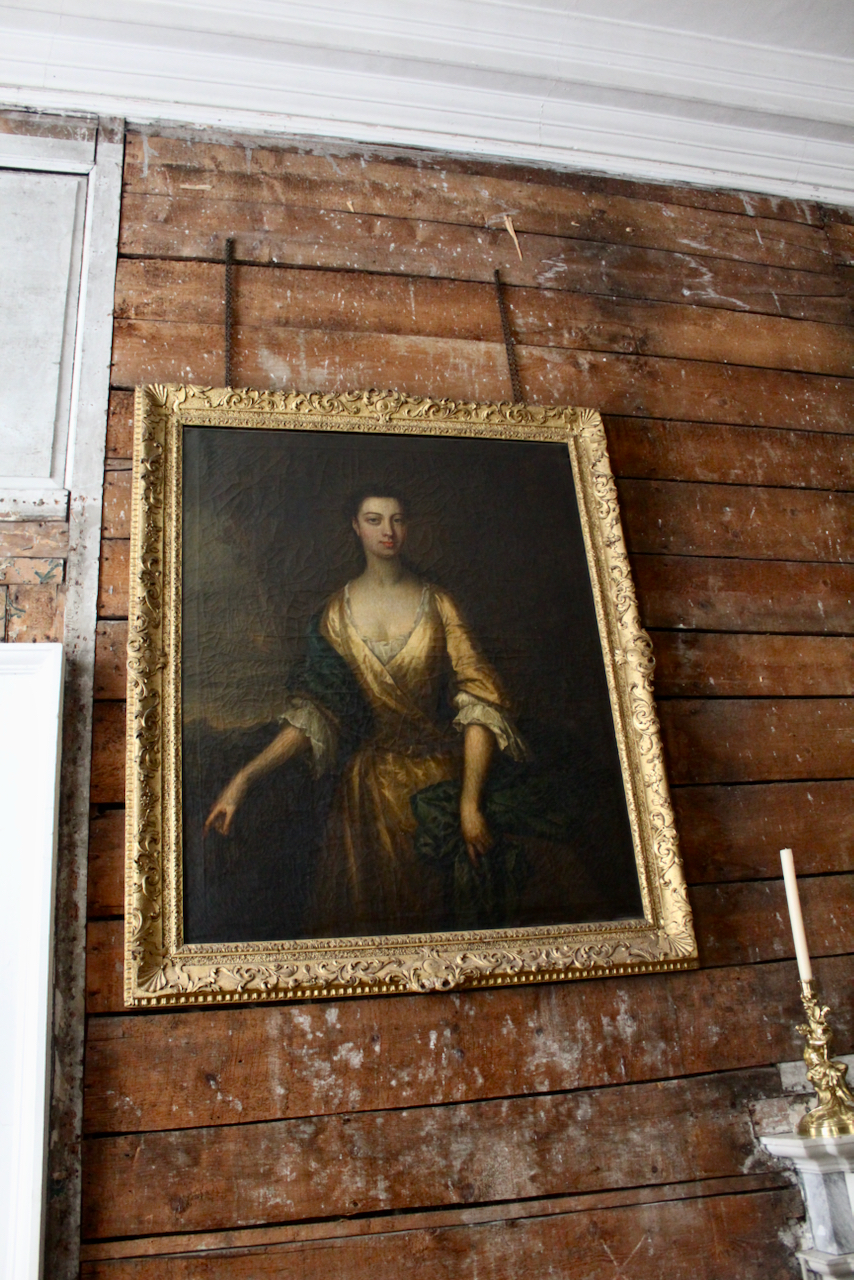
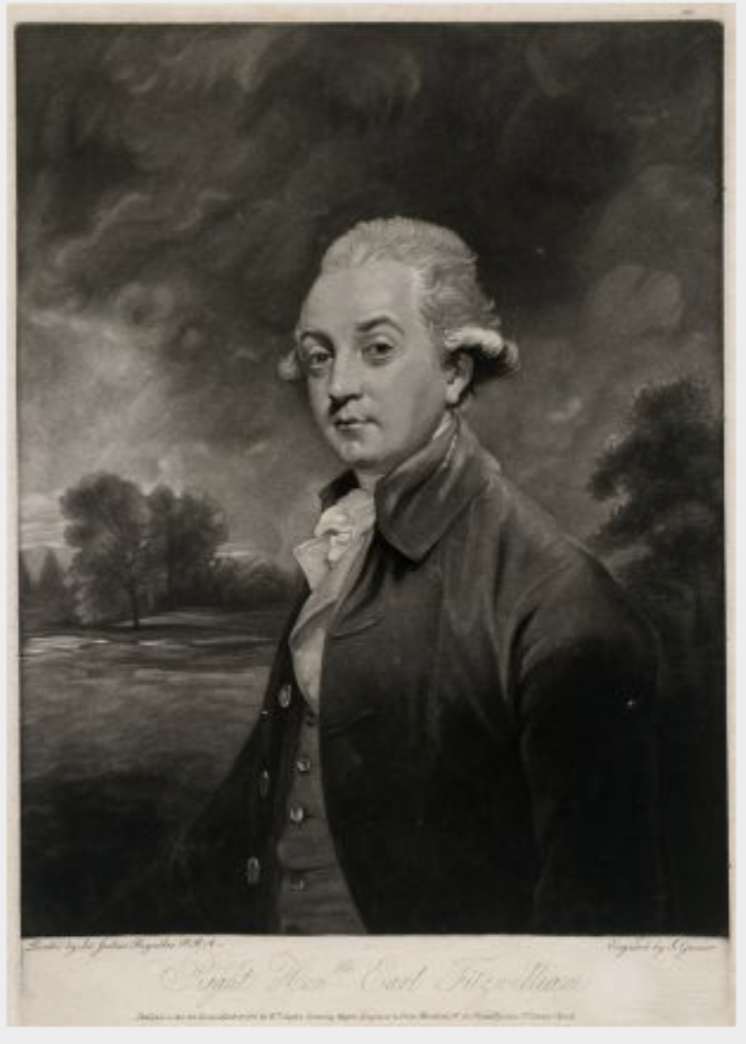
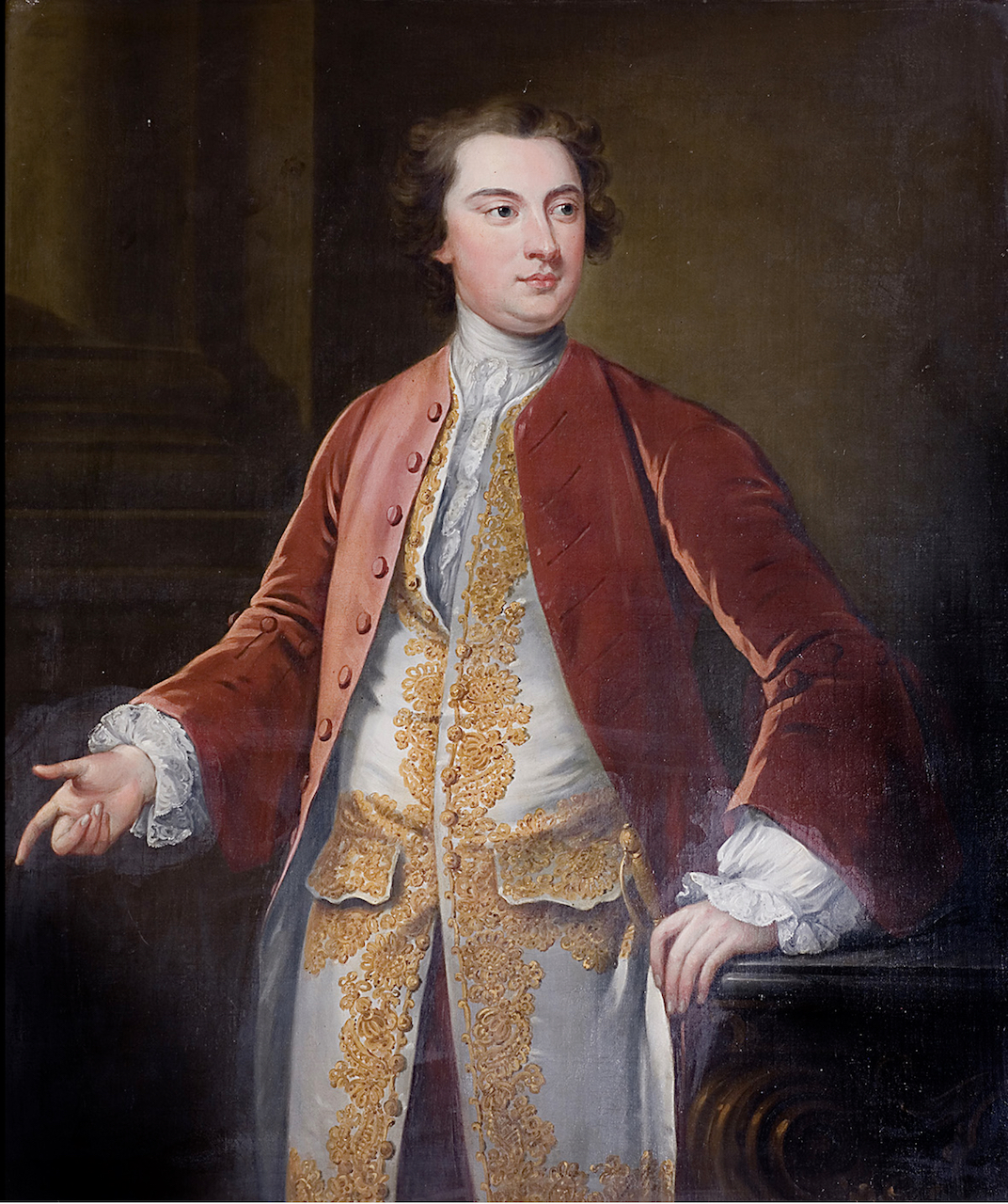
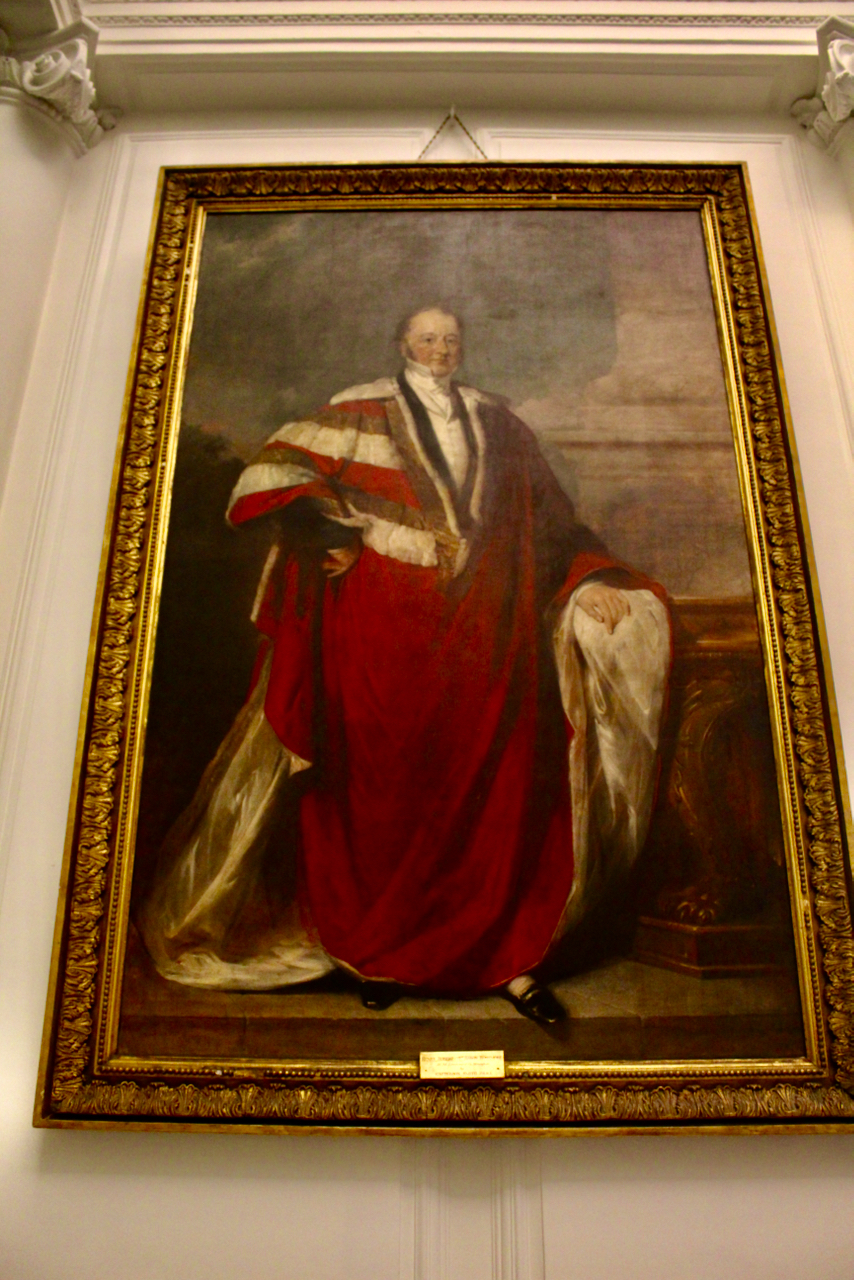
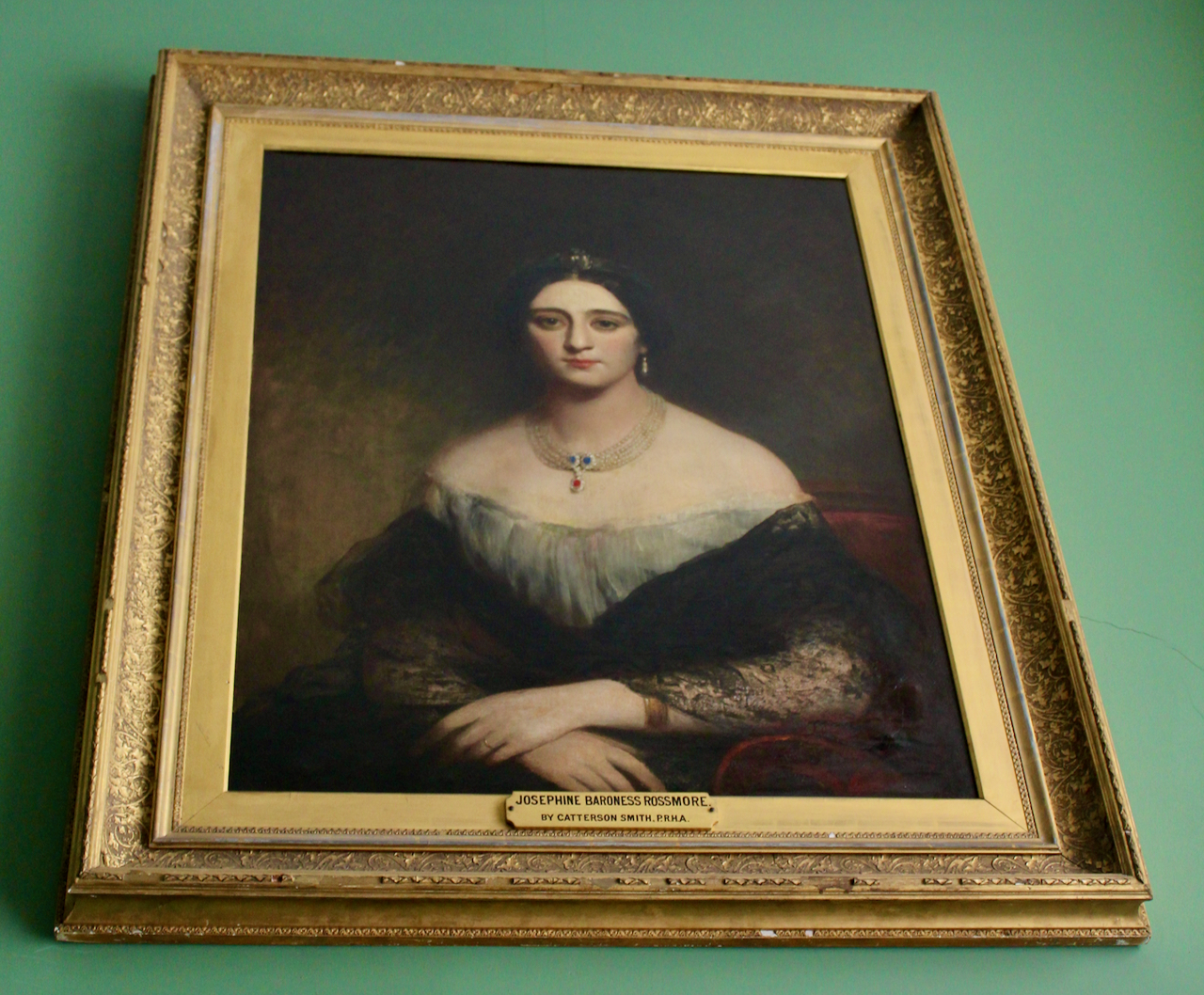
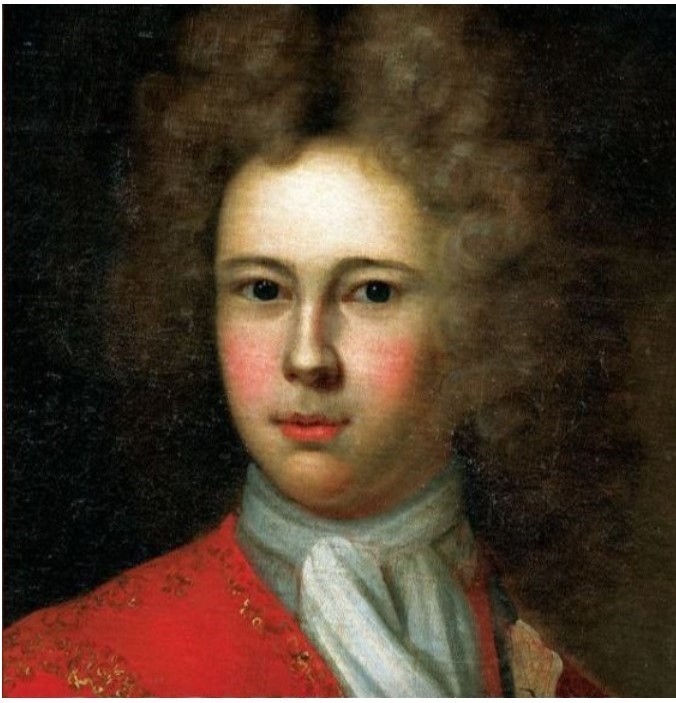
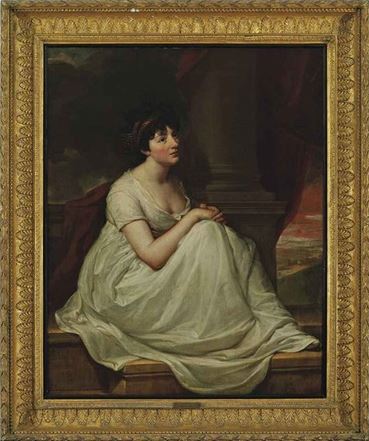
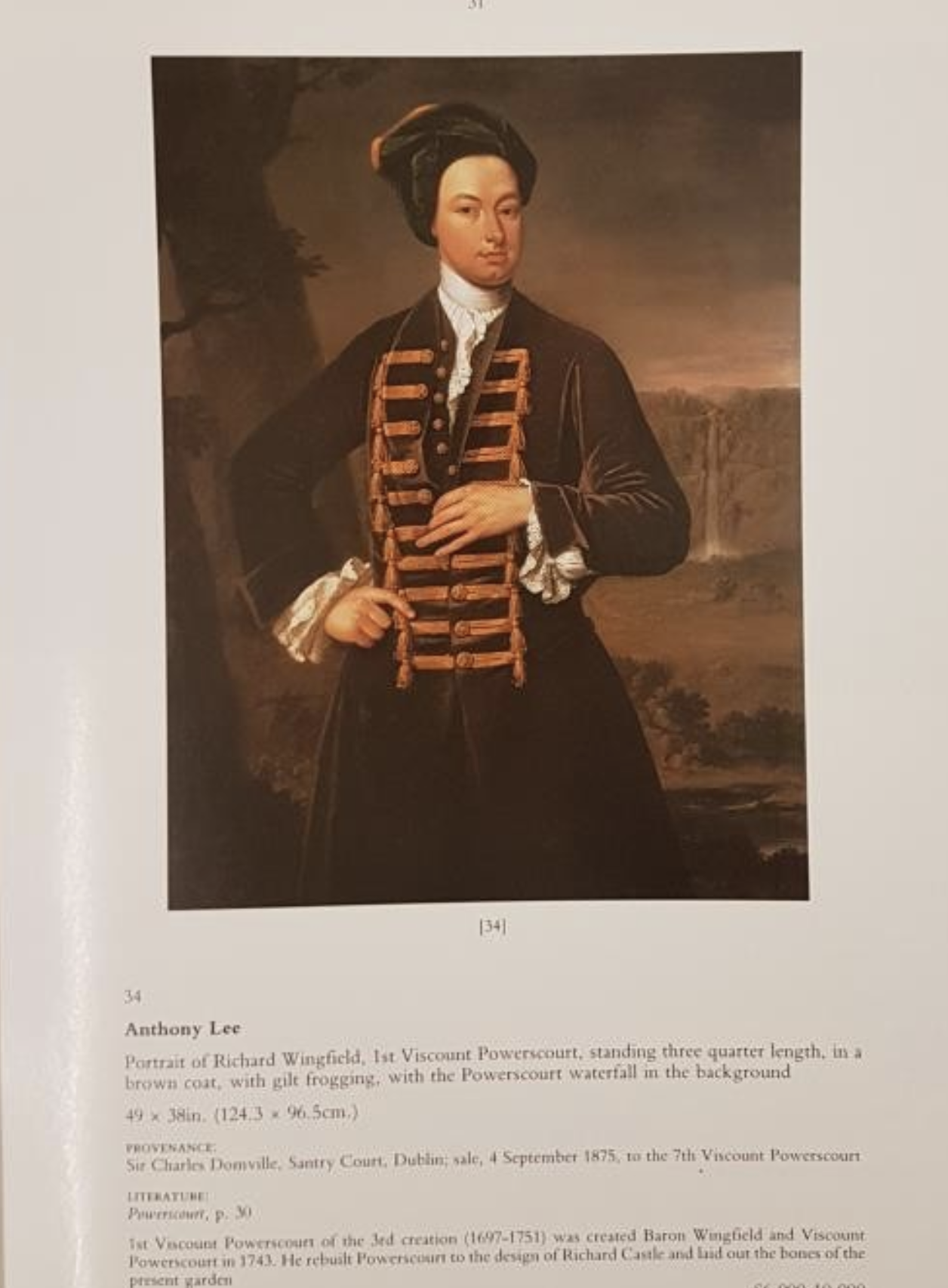
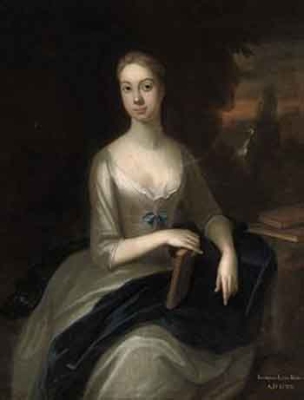
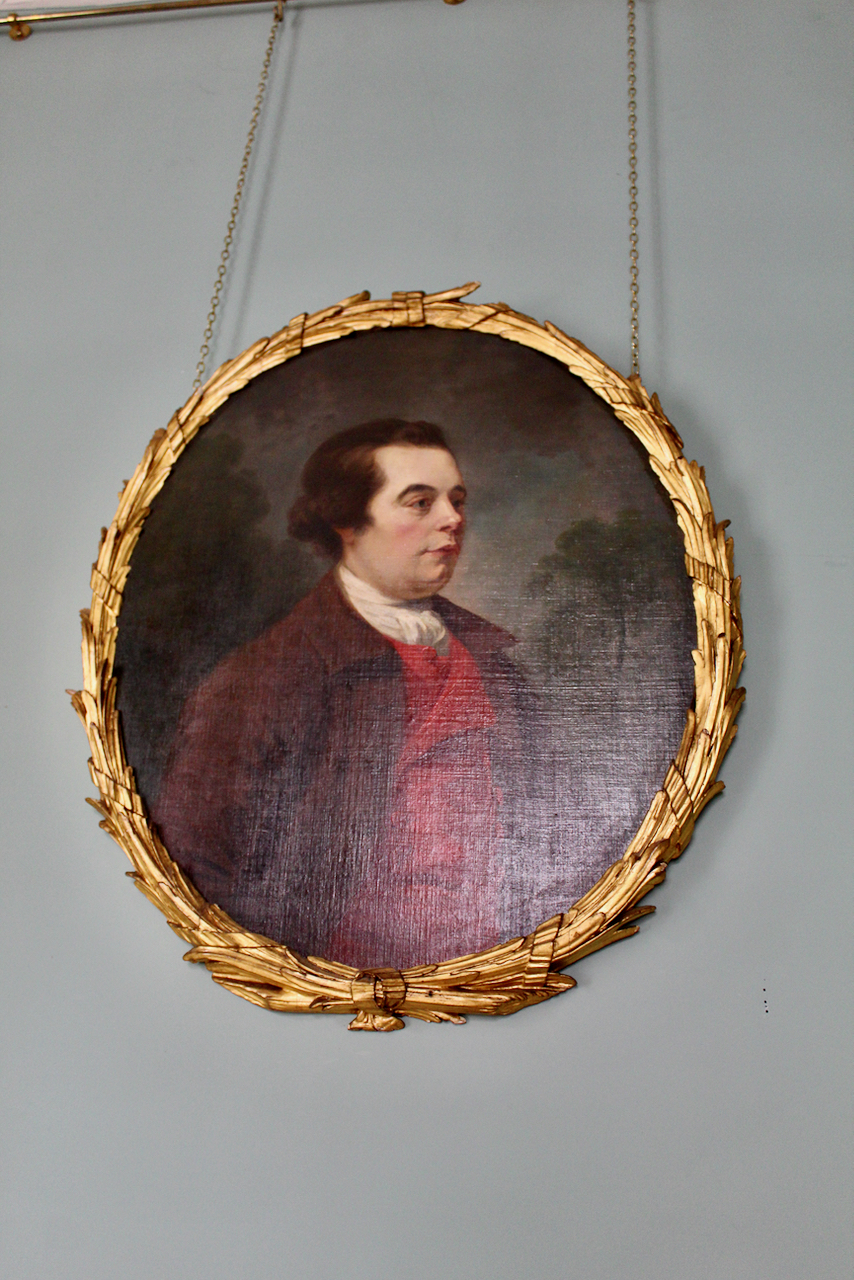
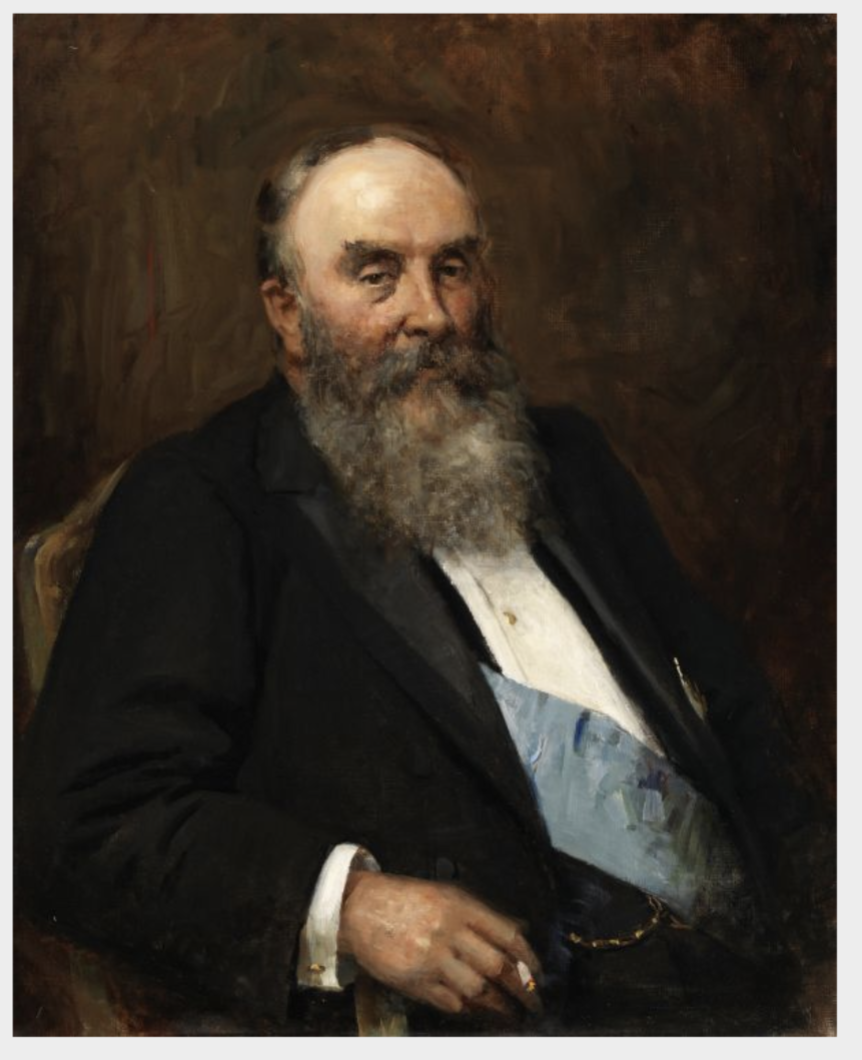
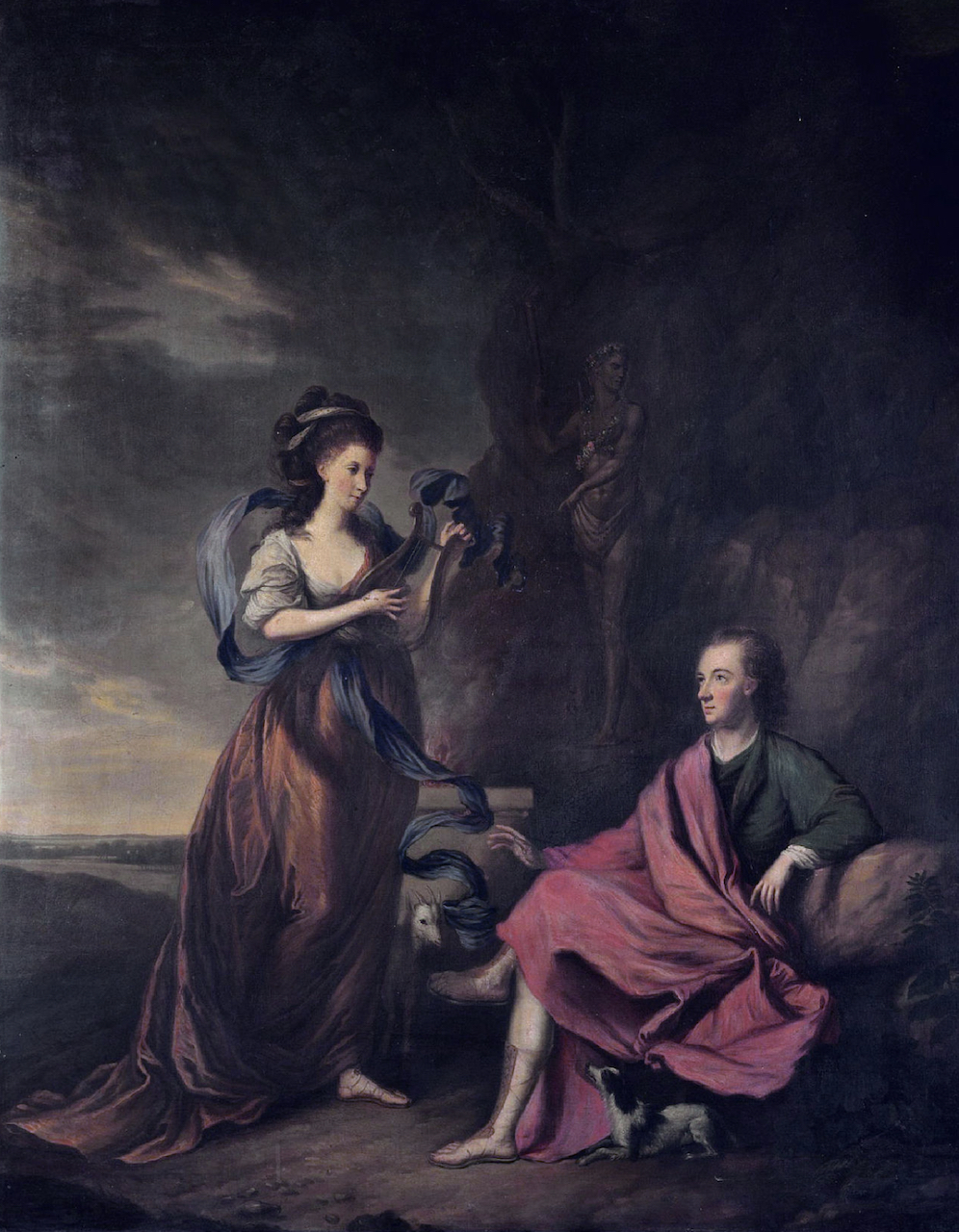
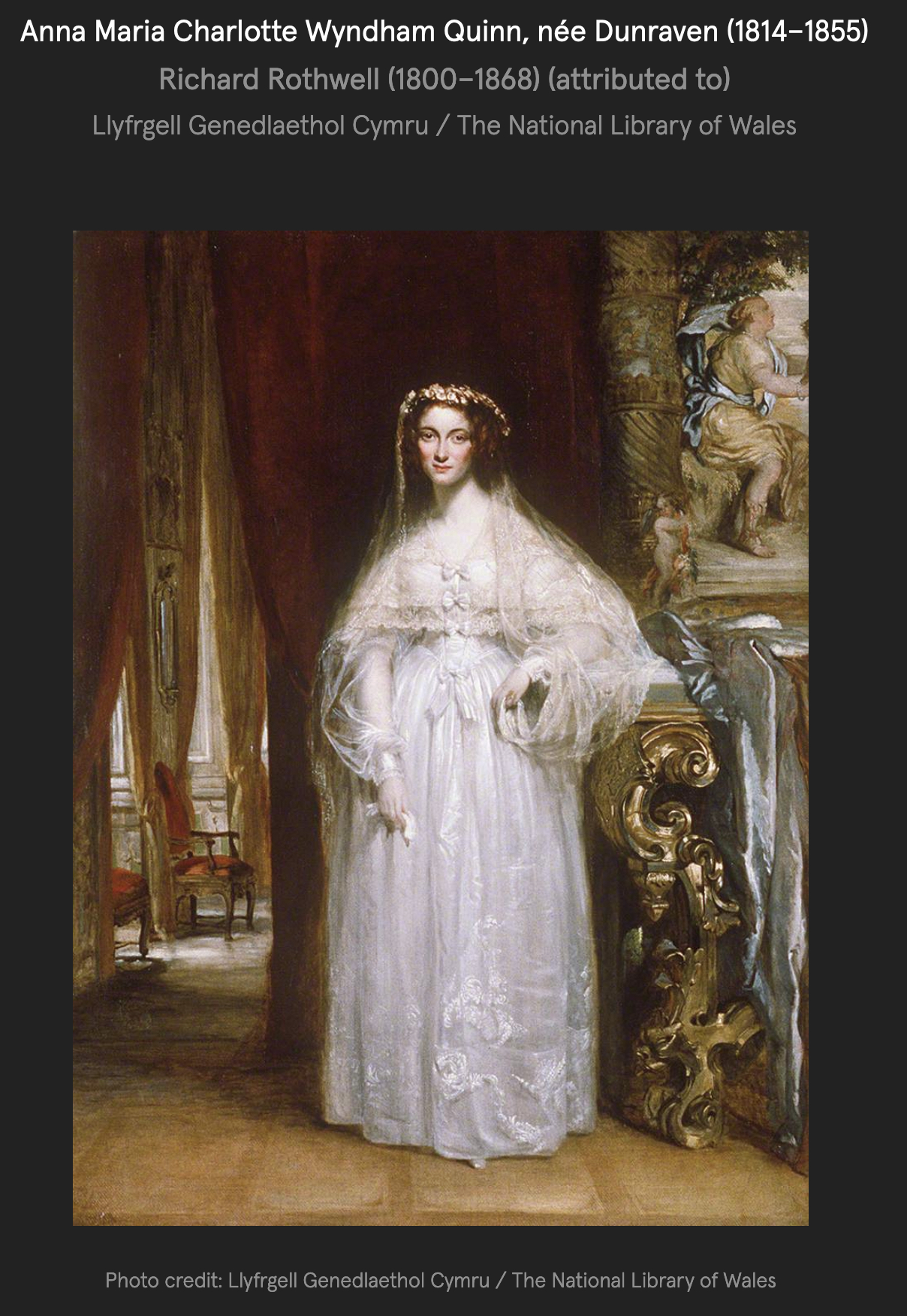
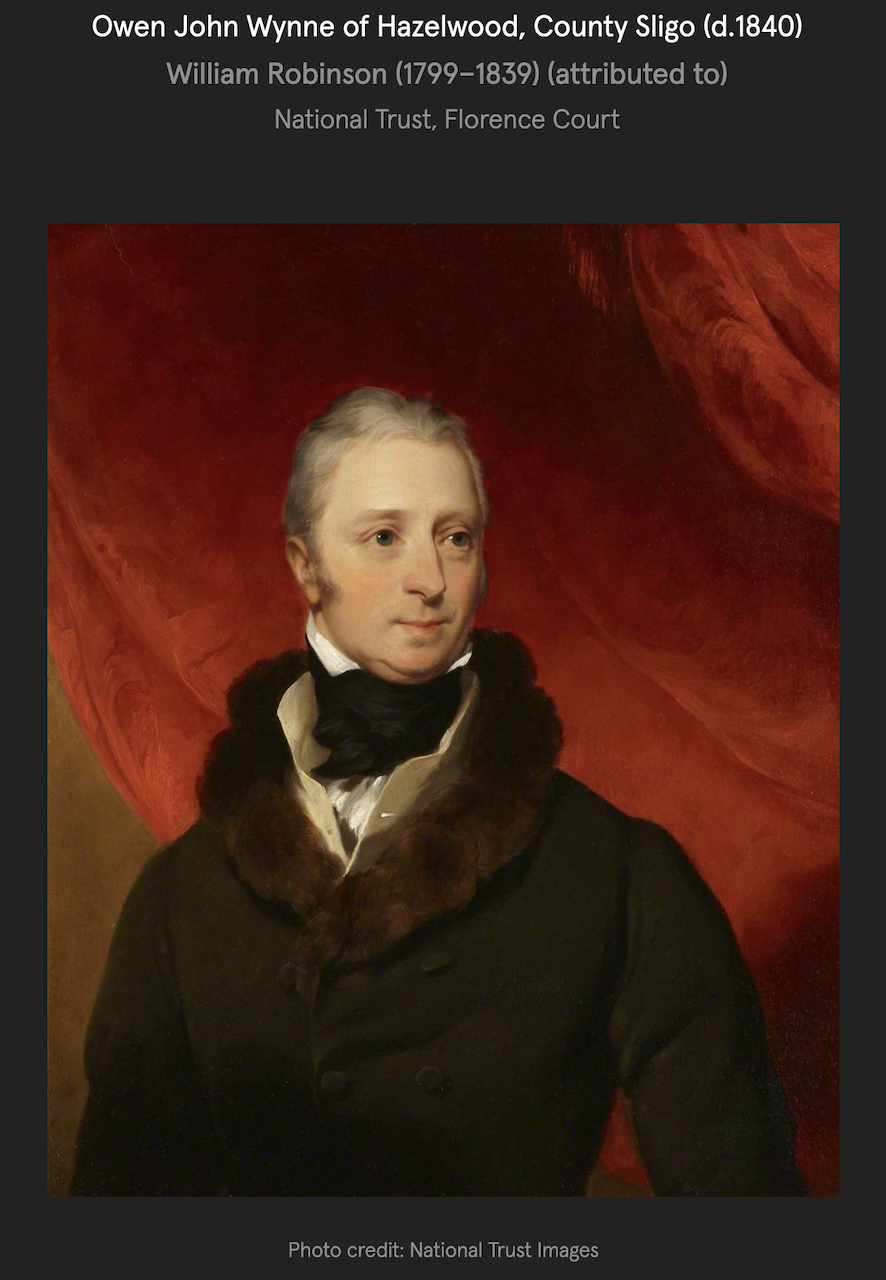
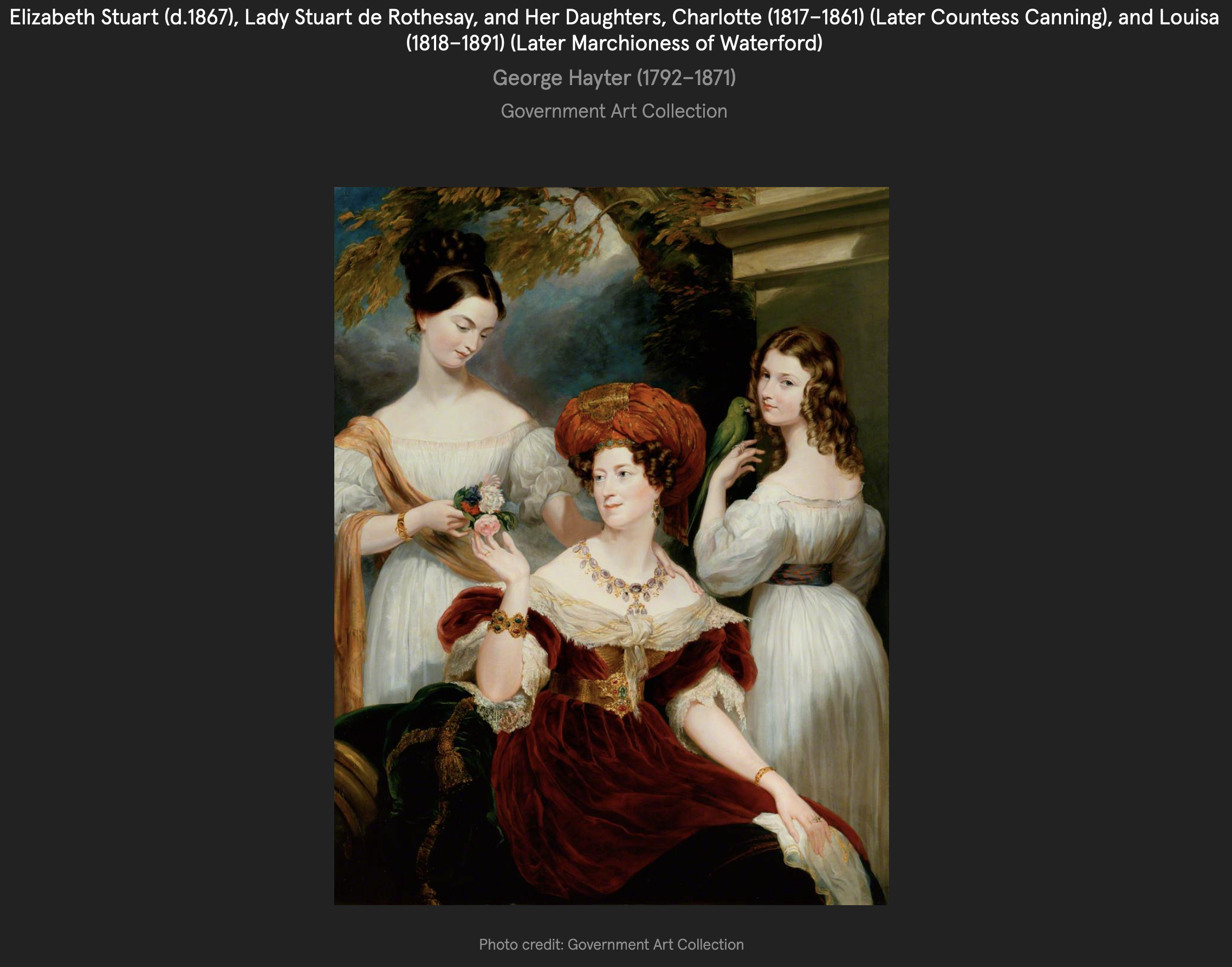
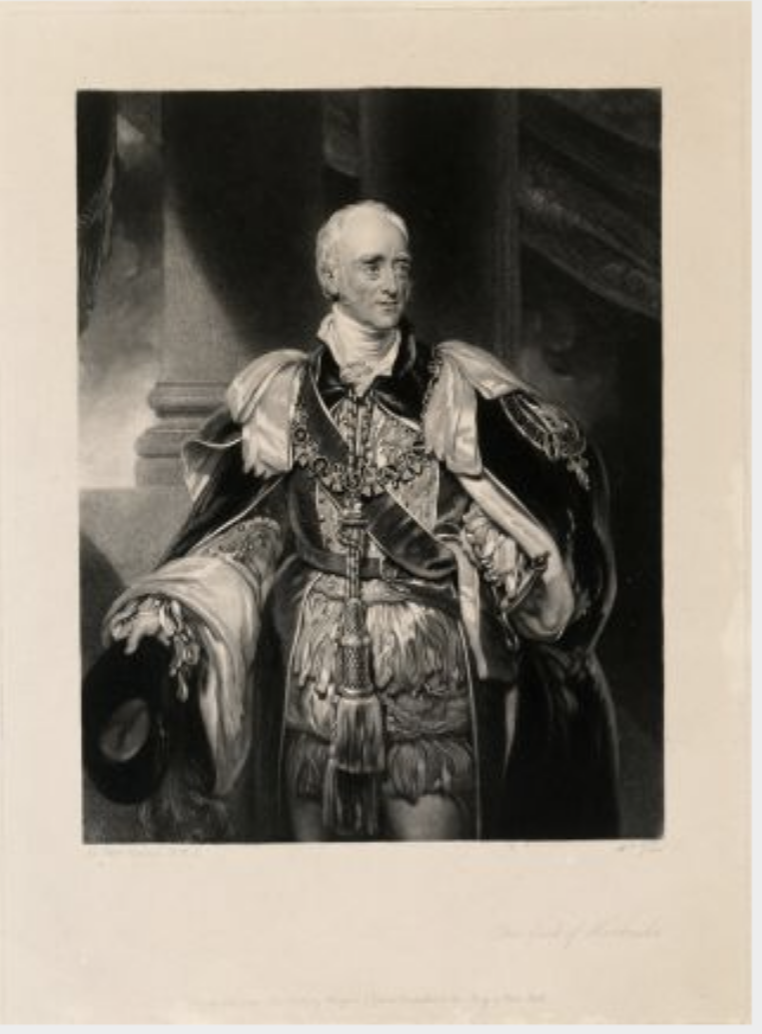
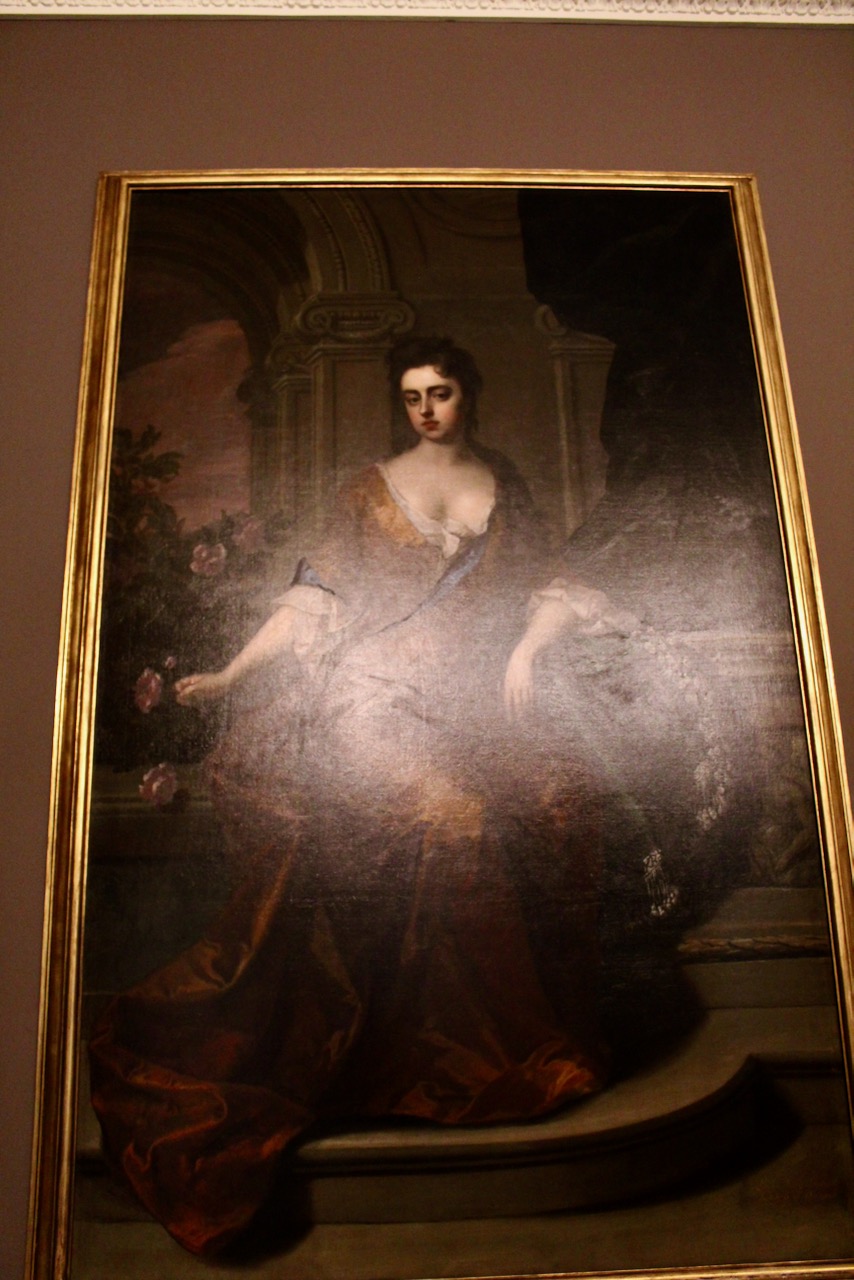
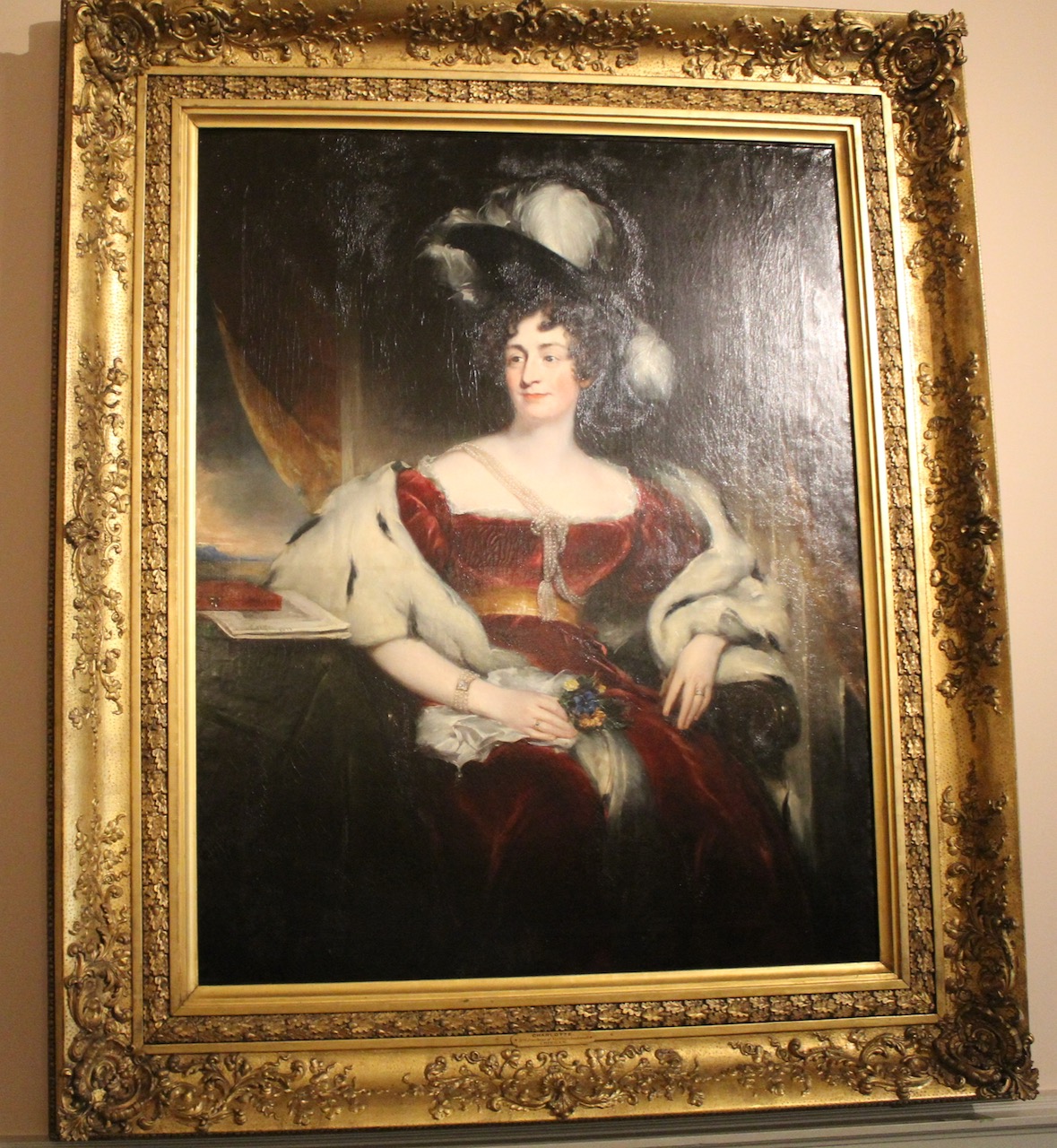
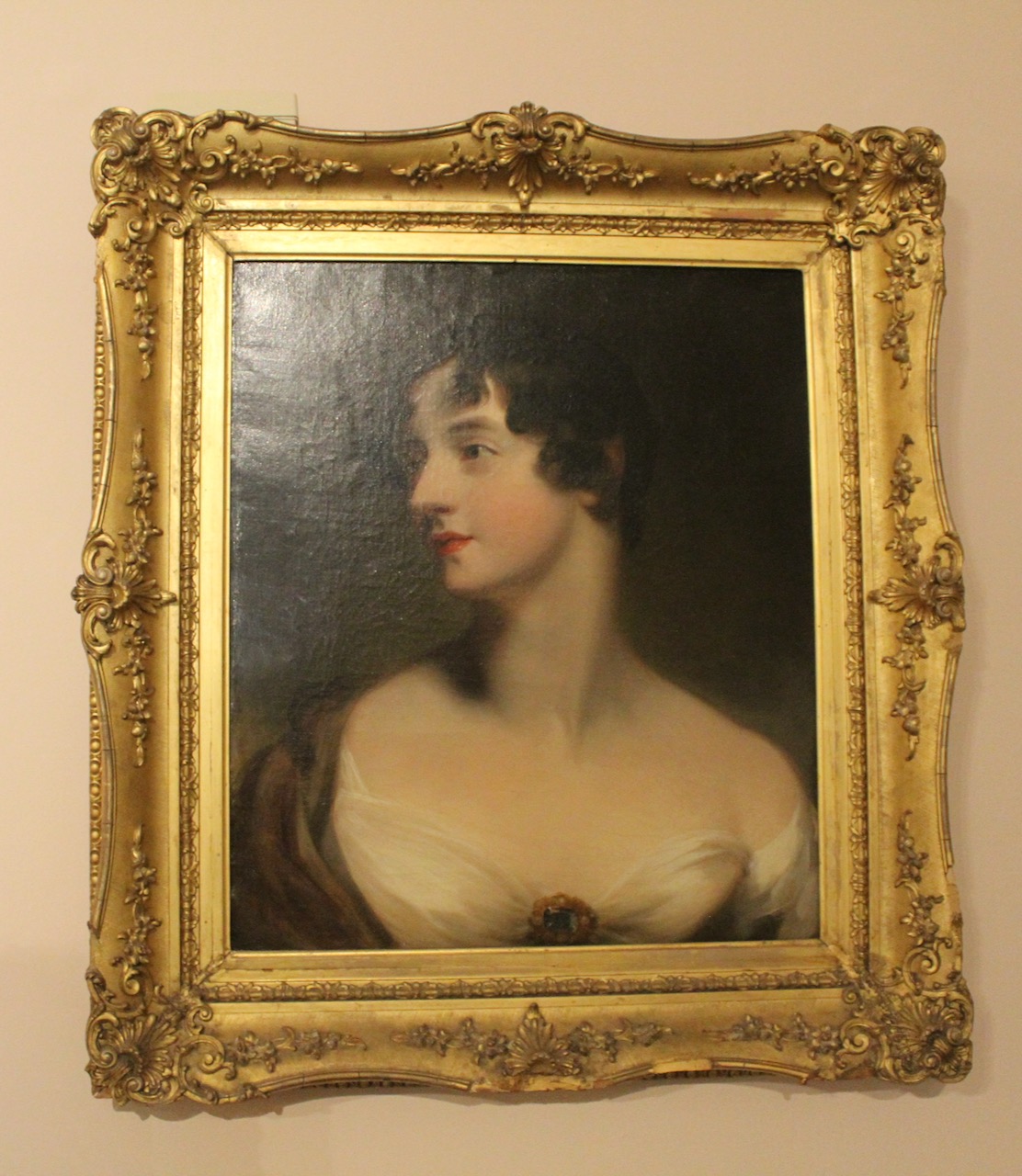
Some of the Viceroys and Vicereines who lived there may include (portraits below are from the 2021 exhibition of Vicereines that took place in Dublin Castle): William Henry Cavendish-Bentinck the 3rd Duke of Portland and his wife Dorothy (Viceroy 1782), George Nugent-Temple-Grenville, 11st Marquess of Buckingham (Viceroy 1782), Charles Manners the 4th Duke of Rutland (1754-1787), Viceroy 1784-87, and his wife Mary Isabella, Charles Lennox the 4th Duke of Richmond and his wife Charlotte (Viceroy 1807-1813), Hugh Percy 3rd Duke of Northumberland and his wife Charlotte Florentia (Viceroy 1829-30), Constantine Henry Phipps 1st Marquess of Normanby and his wife Maria Phipps (Viceroy 1835-39), James Hamilton 1st Duke of Abercorn and his wife Louisa (Viceroy 1866-68 and 1874-76), Thomas de Grey, 2nd Earl de Grey, 3rd Baron Grantham, 6th Baron Lucas and his wife Henrietta Cole from Florence Court, County Fermanagh (Viceroy 1841-1844), Charles Vane-Tempest-Stewart, 6th Marquess of Londonderry and his wife Theresa (Viceroy 1886-89), John Spencer, 5th Earl Spencer (Viceroy 1868-74 and 1882-5), John Hamilton-Gordon, 1st Marquess of Aberdeen and Temair (Viceroy 1886 and 1905-1915)and Ivor Guest, 1st Viscount Wimborne (Viceroy 1915-1918).



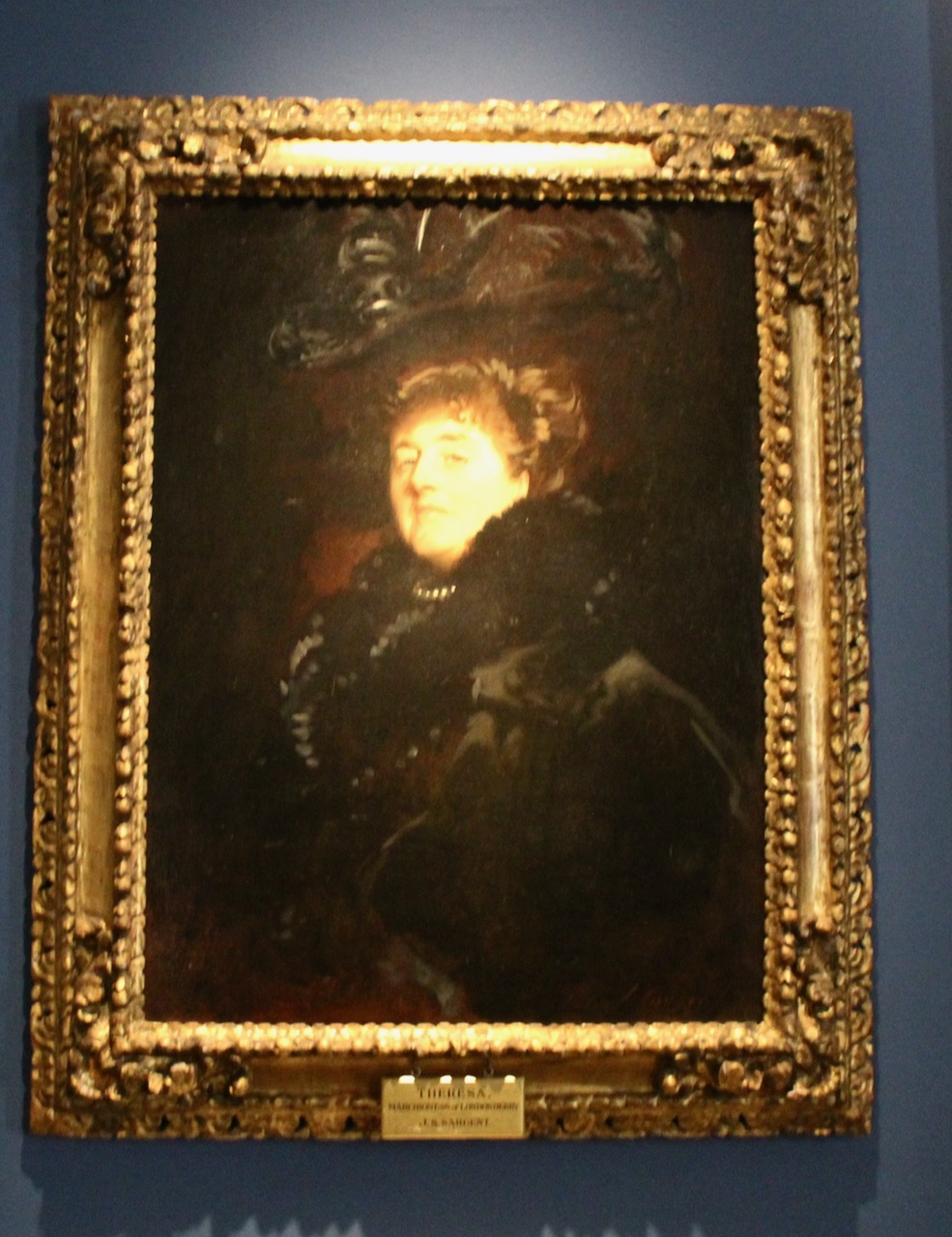
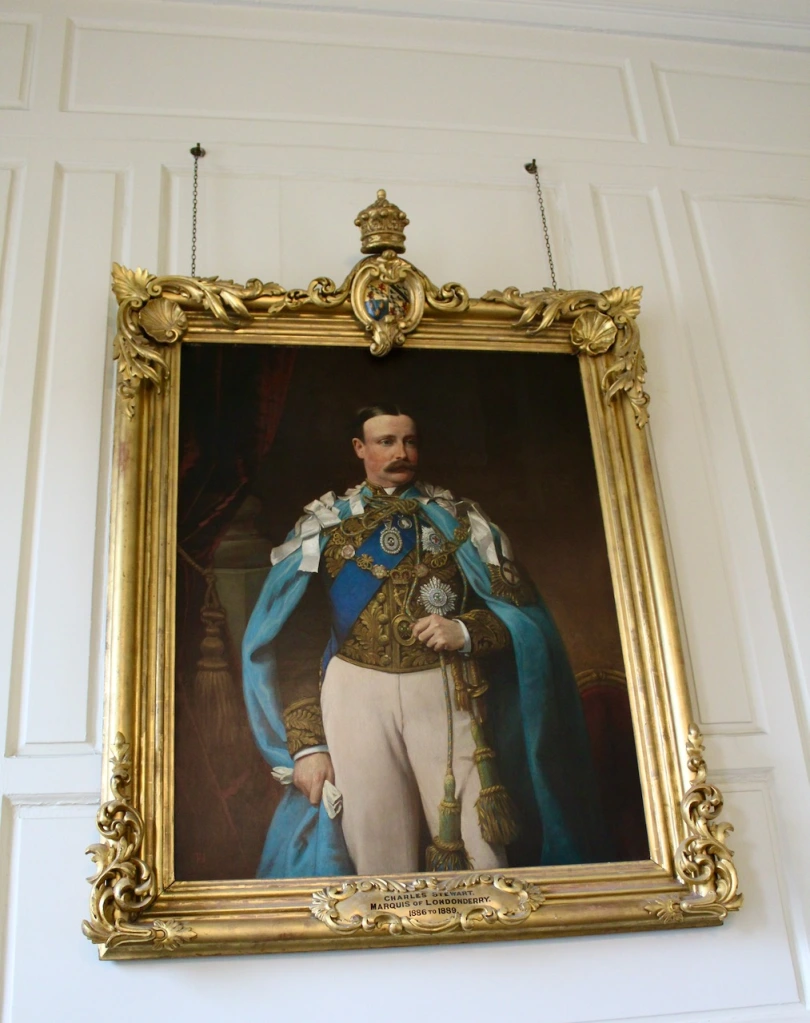
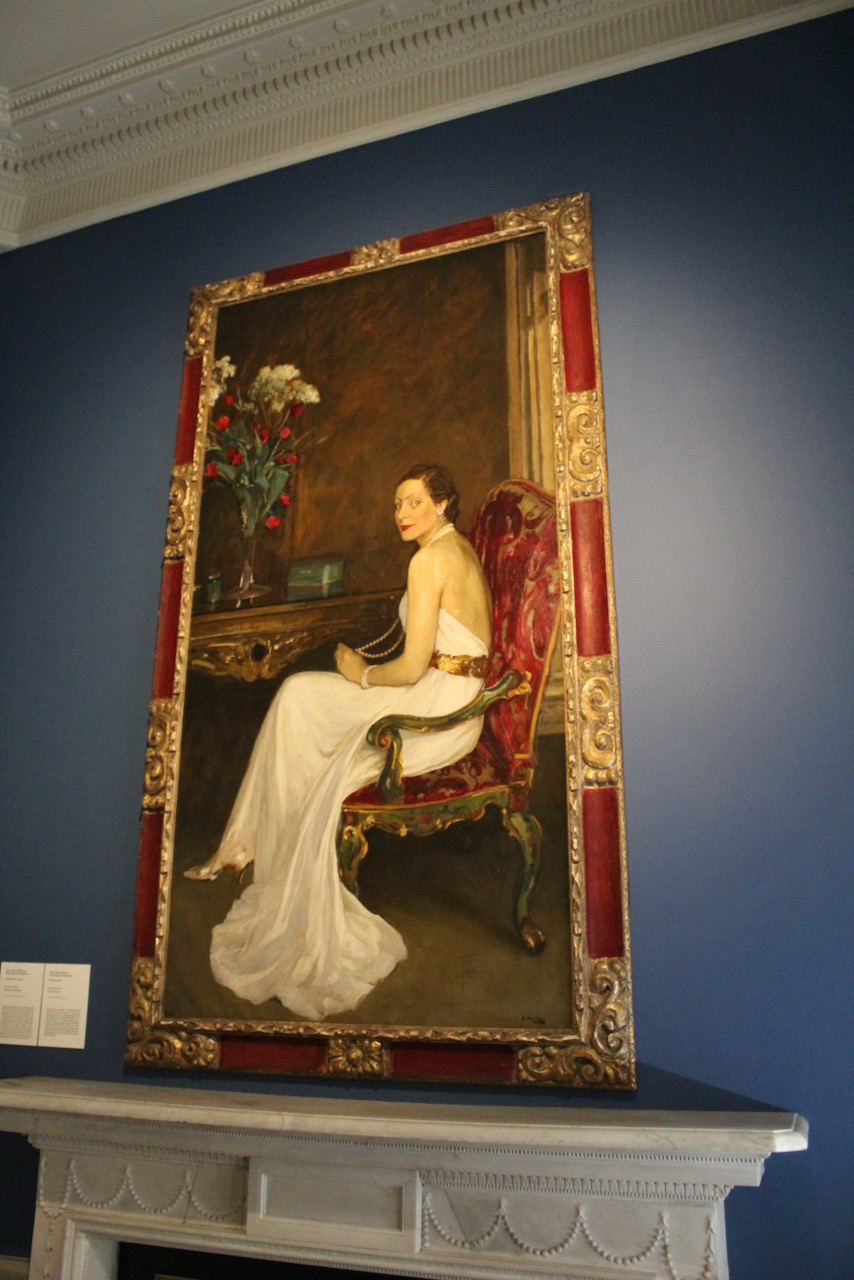
I have been dividing previous entries that were divided by Province into division by county as my entries were too long!
On the map above:
blue: places to visit that are not section 482
purple: section 482 properties
red: accommodation
yellow: less expensive accommodation for two
orange: “whole house rental” i.e. those properties that are only for large group accommodations or weddings, e.g. 10 or more people.
green: gardens to visit
grey: ruins
donation
Help me to pay the entrance fee to one of the houses on this website. This site is created purely out of love for the subject and I receive no payment so any donation is appreciated!
€15.00
Places to visit in County Wicklow:
1. Altidore Castle, Kilpeddar, Greystones, Co. Wicklow – section 482
2. Avondale House, County Wicklow
3. Castle Howard, Avoca, Co. Wicklow – section 482
4. Charleville, Enniskerry, Co. Wicklow – section 482
5. Corke Lodge, Co Wicklow – gardens open to visitors – section 482
6. Dower House, Rossanagh, Ashford, Co Wicklow – gardens open by appointment
7. Greenan More, Rathdrum, Co Wicklow – section 482
8. Huntingbrook, County Wicklow – gardens open to public
9. Killruddery House & Gardens, Southern Cross Road, Bray, Co. Wicklow – section 482
10. Kiltimon House, Newcastle, Co. Wicklow – section 482
11. Kingston House, Rathdrum, Co. Wicklow – section 482
12. Knockanree Garden, Avoca, Co. Wicklow, Y14 DY89 – section 482
13. Mount Usher Gardens, Ashford, Co. Wicklow – section 482, garden only
14. Powerscourt House & Gardens, Powerscourt Estate, Enniskerry, Co. Wicklow – section 482
15. Russborough, The Albert Beit Foundation, Blessington, Co. Wicklow – section 482
16. Tinode, Blessington, Co Wicklow – June Blake’s Garden, open from Springtime 2022
Places to stay, County Wicklow:
1. Ballyknocken House, Ashford, County Wicklow
2. Bel Air Hotel (formerly Cronroe), Ashford, Co Wicklow
3. Brook Lodge and Macreddin Village, County Wicklow
4. Clone House, Count Wicklow
5. Croney Byrne, Rathdrum, Co Wicklow – courtyard accommodation
6. Druid’s Glen hotel and golf club (formerly Woodstock), Newtownmountkennedy, Co Wicklow
7. Hunter’s Hotel, County Wicklow
8. June Blake’s Garden, Turkey House and Cow House, Tinode, Blessington, Co Wicklow – cottage holiday rental
9. Rathsallagh, Co Wicklow – accommodation, weddings
10. Summerhill House Hotel, County Wicklow
11. Tinakilly House, Rathnew, Co Wicklow – country house hotel
12. Tulfarris, Blessington, Co Wicklow - hotel
13. Wicklow Head Lighthouse, Dunbur Head, County Wicklow – Irish Landmark accommodation
14. Gate Lodge, Woodenbridge, Avoca, County Wicklow
Place to visit in County Wicklow:
1. Altidore Castle, Kilpeddar, Greystones, Co. Wicklow A63 X227 – section 482

see my write-up:
https://irishhistorichouses.com/2020/06/25/altidore-castle-kilpeddar-greystones-county-wicklow/
Open dates in 2026: Mar 9-30, May 4-31, June 1-7, 1pm-5pm, Aug 15-23, 2pm-6pm
Fee: adult €10, OAP/child/student €8
2. Avondale House, County Wicklow

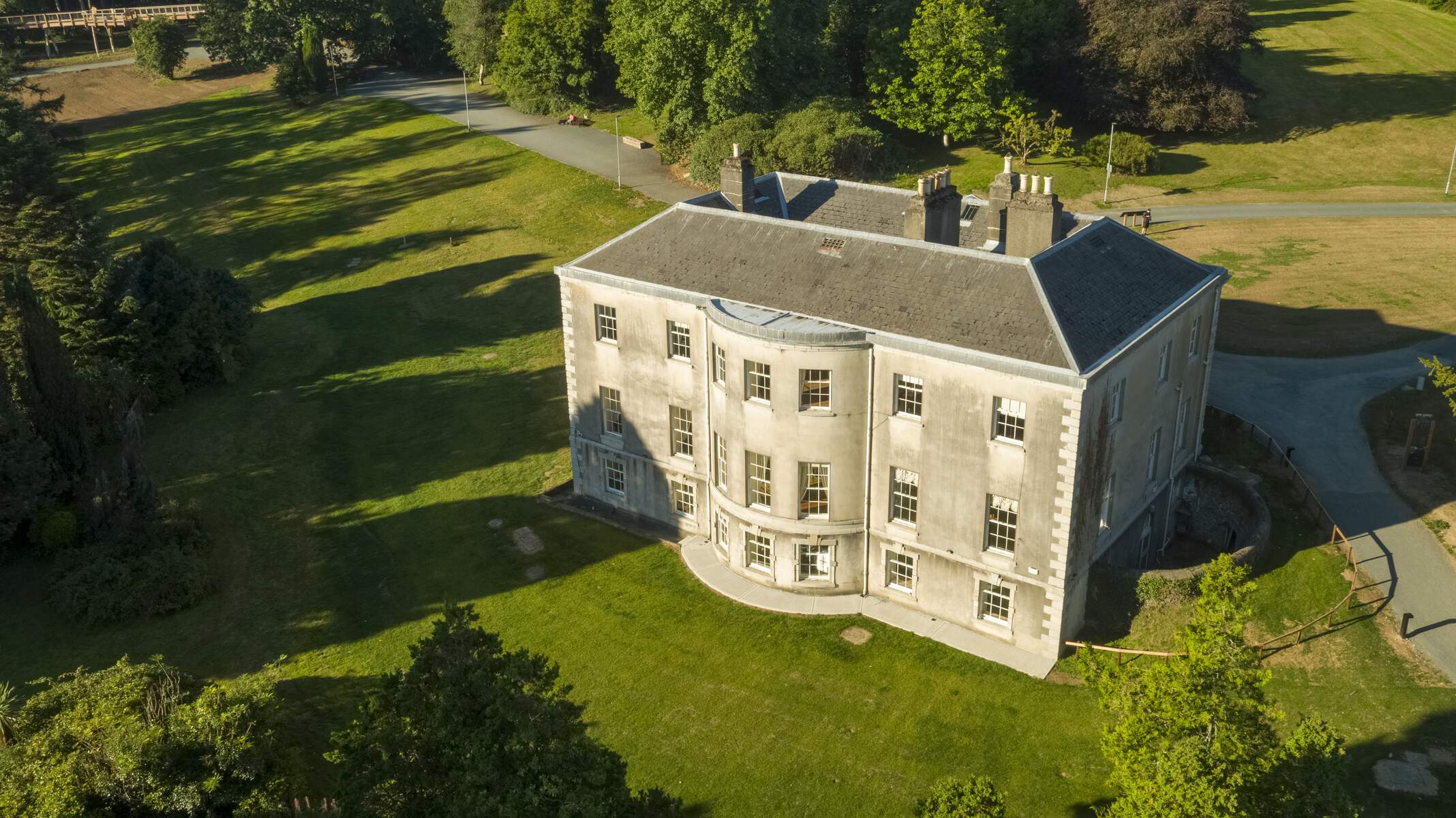
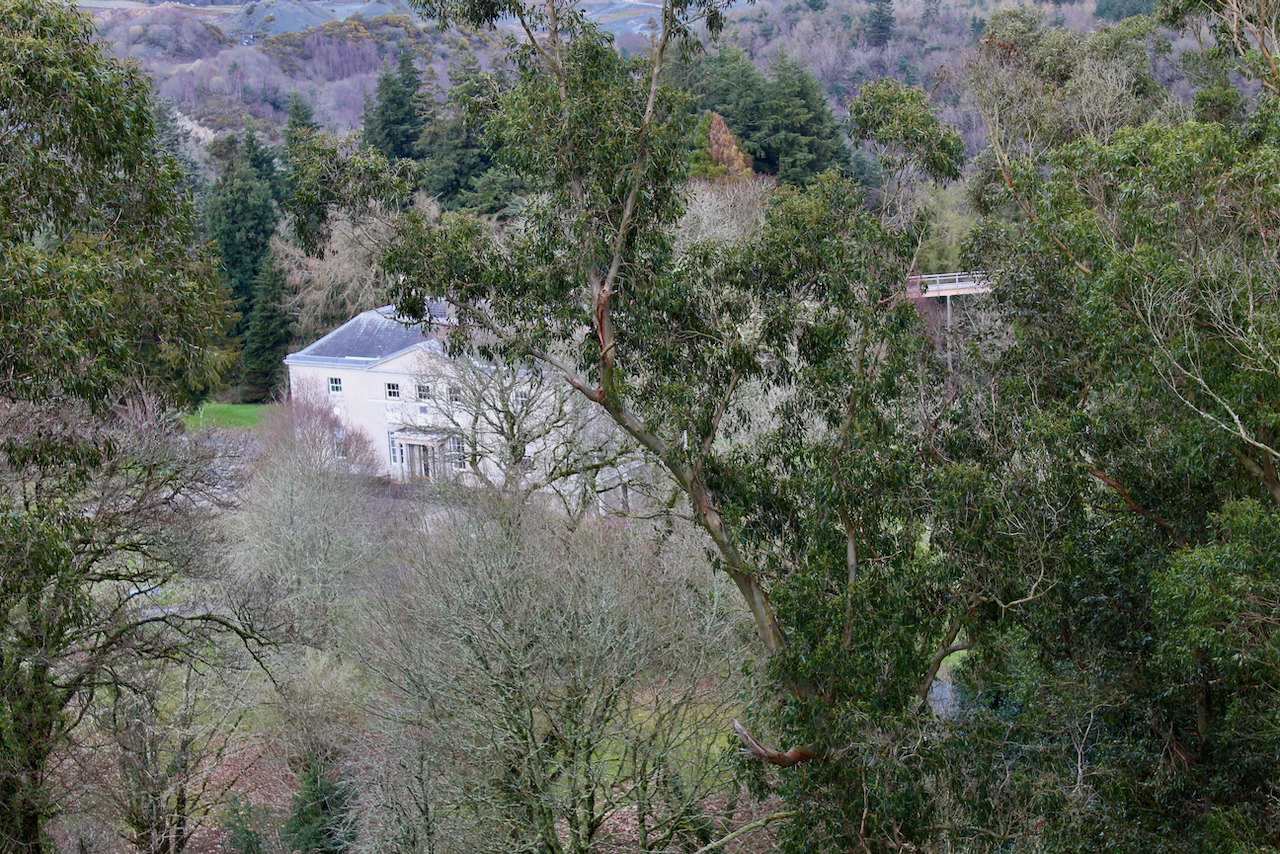
We visited in March 2023. See my entry https://irishhistorichouses.com/2025/10/16/avondale-house-county-wicklow-open-to-the-public/
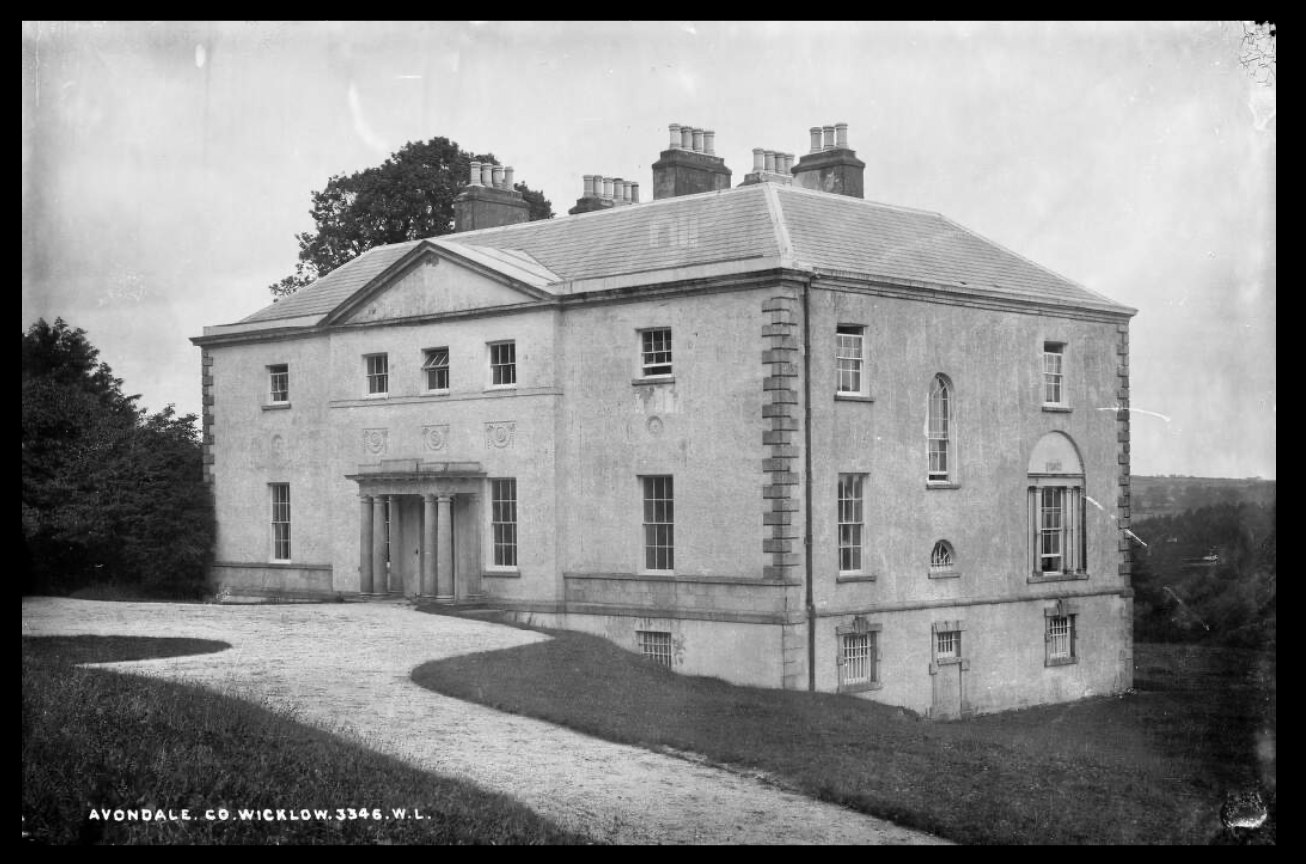
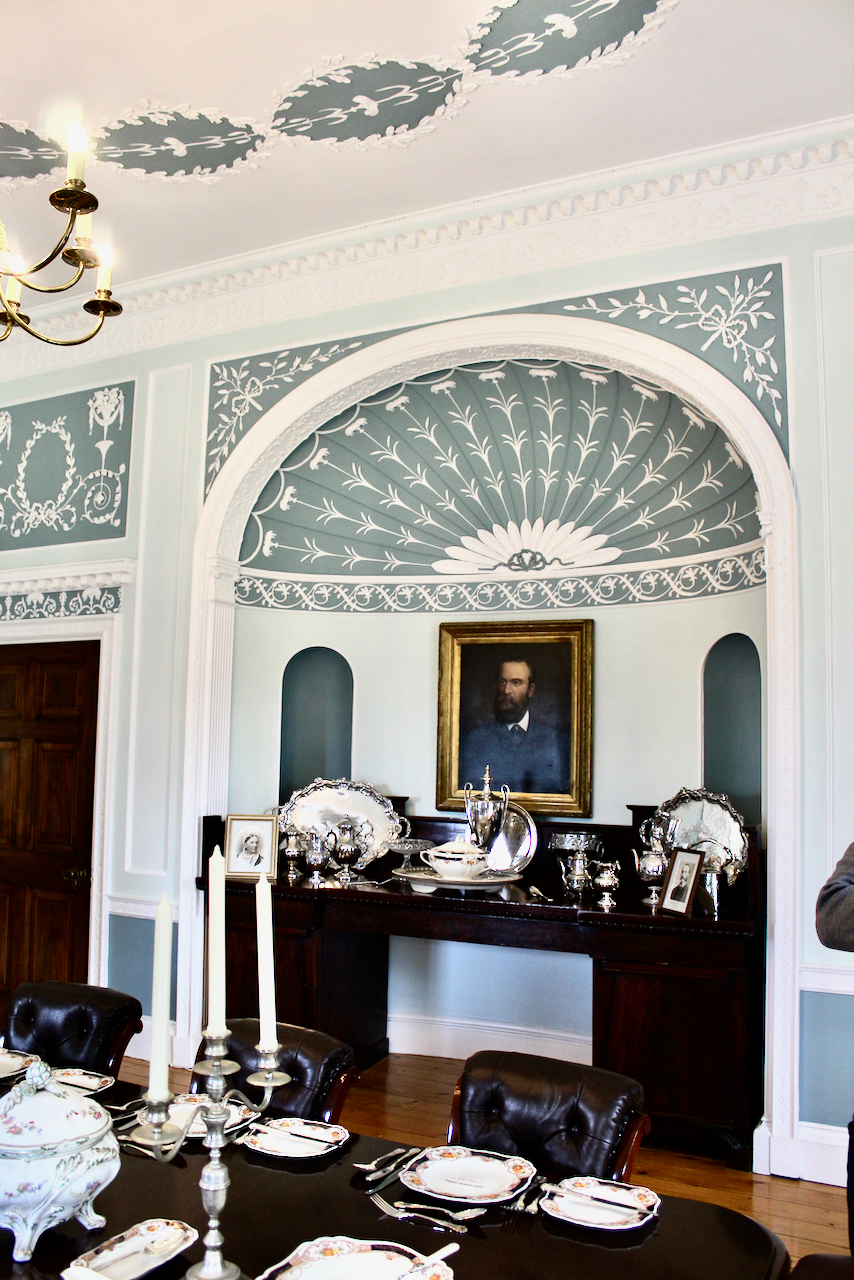
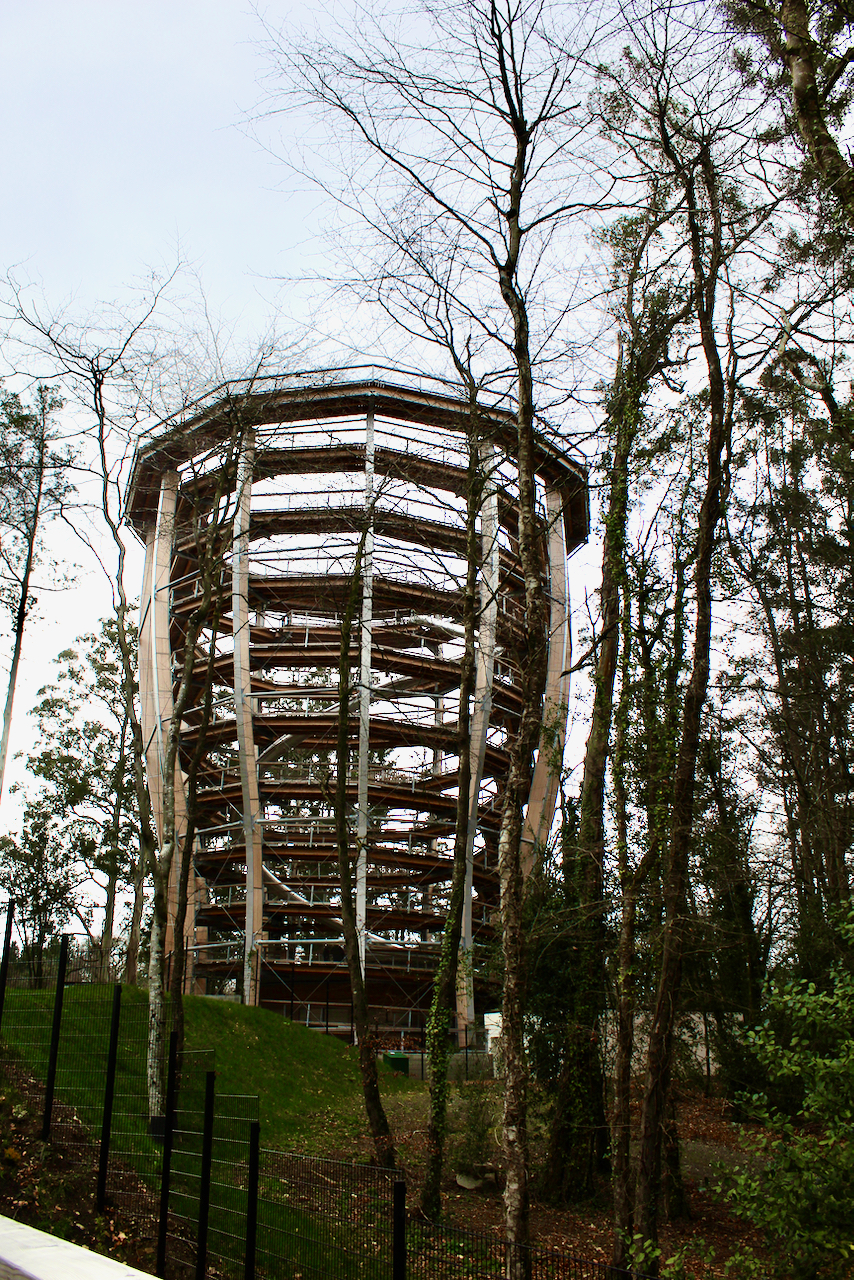
The house was built in 1779 for Samuel Hayes and may have been designed by James Wyatt (1746-1813), or by Samuel Hayes himself. It then passed to the Parnell family and was the birthplace of the politician Charles Stewart Parnell. In 1904 the state purchased the Avondale Estate to develop modern day forestry in Ireland.
See my entry:
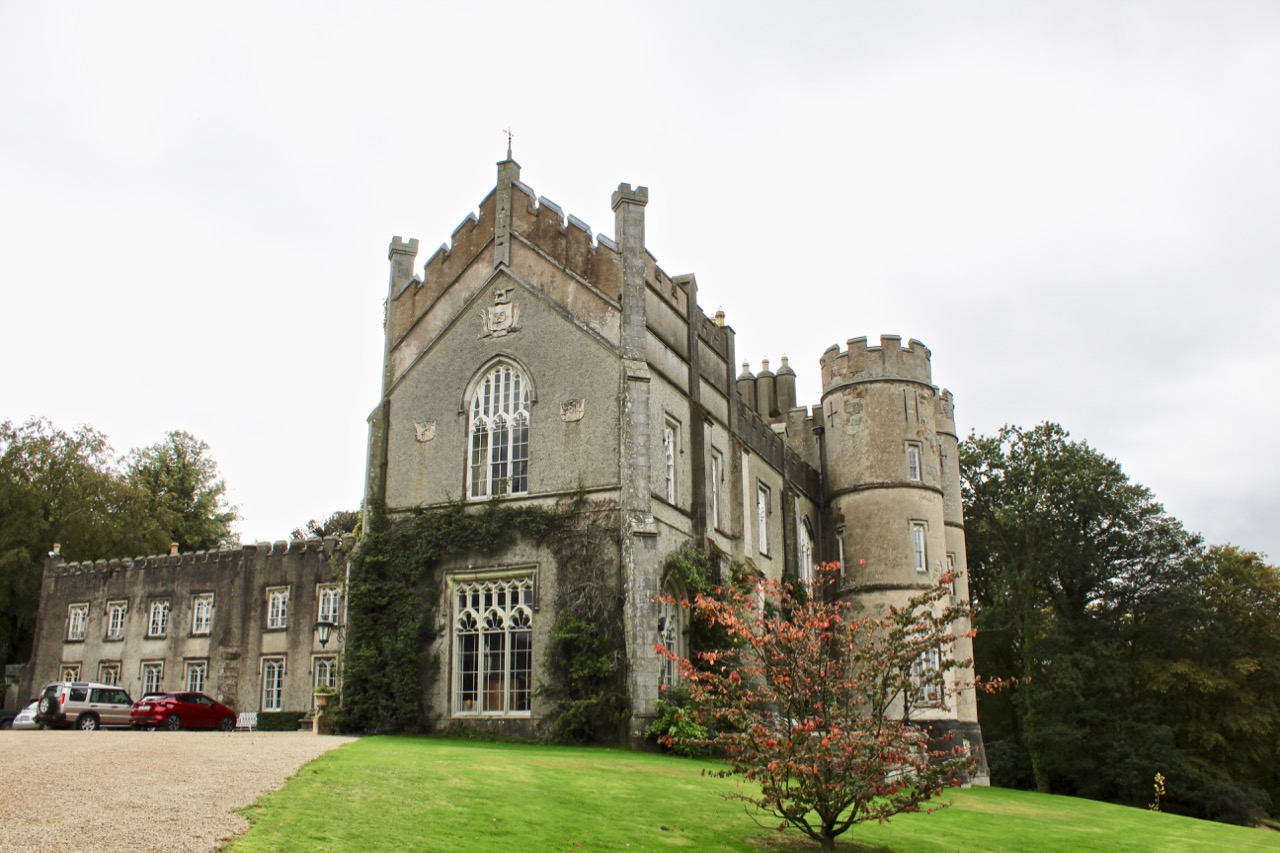
https://irishhistorichouses.com/2020/11/13/castle-howard-avoca-county-wicklow/
Open dates in 2026: Jan 12-14, Feb 9-13, Mar 9-11, 25-27, June 10-13, 22-24, 29-30, July 1-4, 13-18, 27-30, Aug 15-23, Sept 7-12, 19, 26, Oct 5-7, 12-14, 9am-1pm
Fee: adult €8.50, OAP/student €6.50, child €5
4. Charleville, Enniskerry, Co. Wicklow A98 V293 – section 482

See my entry:
https://irishhistorichouses.com/2020/09/18/charleville-county-wicklow/
Open dates in 2026: Feb 3-6, 9-13, 16-20, 23-27, May 1, 5-29, June 2-5, 8,9, Aug 15-23, Mon-Fri, 1pm-5pm, May and Aug, also open Sat-Sun, 9am-1pm
Fee: house €15, gardens €6
5. Corke Lodge, Co Wicklow A98 X264 – gardens open to visitors
Open dates in 2026: June 2-30, Tues-Fri, July 1-31, Tue-Sat, Aug 4-23, 10am-2pm
Fee: adult €10, entrance fee is a voluntary donation in honesty box at door
No pets allowed.
The website tells us:
“The house was built on and incorporates the remains of an older structure, visible on the 1750 maps of Dublin. Situated on the lands owned by Hannagh Tilson Magan it was commissioned by her or by her son William Henry Magan between 1815 and 1820.
“William Magan is known to have employed the Architect William Farrell to design a country house, Clonearl, in Co. Offaly in 1815. This house was destroyed by fire in the 1840’s but it is clear from the surviving plans that the distinctive pillastered design is mirrored in both Killyon manor, Co. Meath another Magan/Loftus house and in Corke Lodge. Unusual fenestration and similar door treatments also link the two surviving properties. Close by the church at Crinken, endowed by Hannagh Magan was also designed by Farrell. So it would not be unreasonable to assume that Corke Lodge, which has all the hallmarks of an architectural ‘capriccio’ is by the same hand. The main façade and the two front reception rooms are in the classical style. The rooms at the back and above have gothic detailing.
“The last Magan owner of this property as well as the other huge Magan/Tilson/Loftus estates was Augusta. Her eccentricities and reclusive life are said to have inspired Charles Dickens, who visited Dublin, in his creation of Miss Haversham, in the Great Expectations.
“The most striking feature of the house is the bold architectural treatment of the classical facade, a miniature of the two great houses mentioned above. By contrast, the back elevations are in a flat gothic stile reflecting the romantic nature of the planted ‘wilderness’. The interiors retain all their original features in terms of marble mantle pieces, pillared architraves and plasterwork. Although the house originally would not have been used for more than a few days a year by the Magans when bathing in the nearby sea or visiting the family tombs at Crinken, it has been continuously inhabited since its incorporation into the Woodbrook estate By Sir Stanley Cochrane in 1906. Sir Stanley, heir to a mineral water fortune, was an accomplished athlete and opera singer who created on his estate championship cricket pitches a golf course and the Laurel Park Opera House, precursor of Glyndebourne, and where Dame Nellie Melba sang.
“The house as it presents itself today was restored and furnished in 1980 by architect Alfred Cochrane. It pioneered the current trends in historicist restoration of country houses and was featured in a number of local and international publications.“
6. Dower House, Rossanagh, Ashford, Co Wicklow – gardens open by appointment
https://www.dublingardengroup.com/the-dower-house/
Opening (if Covid allows) April 2nd to July 1st, 2022.
By appointment only.
“The gardens surrounding this late eighteenth century house (c.1790) were laid out towards the end of the nineteenth century with plantings of many fine specimens including Rhododendron arboreum, Magnolia soulangeana ‘Alba’, and Camellia japonica. Also included are a number of specimen mature trees, including a fine Chilean myrtle, Luma apiculata, planted c. 1880. When the Butler family acquired the property, a white garden in a sheltered enclosure behind the house was added together with a wild meadow which reaches its peak in mid June.
“The indefatigable Mrs Delany, eighteenth century social commentator, diarist, artist and friend of Dean Jonathan Swift commenting on Rossanagh demesne on which Dower House was built wrote: ‘It is a very pretty place… neatly kept’. As early as 1733, A.C. Forbes noted that the largest tree in Ireland, a Spanish chestnut flourished in the demesne. It was under this tree that Methodist preacher, the Reverend John Wesley preached during one of his many visits in June, 1789. Rossanagh holds links to many well known ‘personalities’ of the day including musician/composer, Thomas Moore, artists, George Romney, Maria Spilsbury-Taylor, politicians, Henry Grattan and William Pitt, the Younger together with Patrick Bronte, father of distinguished English novelists, Charlotte, Emily and Anne. Described as one of ‘Wicklow’s finest gardens’ (Jane Powers), the gardens are open each year in aid of The Wicklow Hospice.“
7. Greenan More, Rathdrum, Co Wicklow – section 482
Open dates in 2026: June 27-30, July 1-31, Aug 1-25, 10am-3pm
Fee: adult/OAP €6, child/student €3
8. Huntingbrook, County Wicklow – gardens open to public
https://www.huntingbrookgardens.com
The Gardens open Wednesday 6th April until Saturday 24th September 2022
Hours
Wednesday – Saturday
11am–4pm
“Designed to be a thoroughly immersive experience, the gardens are home to one of Ireland’s largest private collections of plants. A riot of colour, shape and texture, the gardens are always on the move with fresh surprises at every visit.”
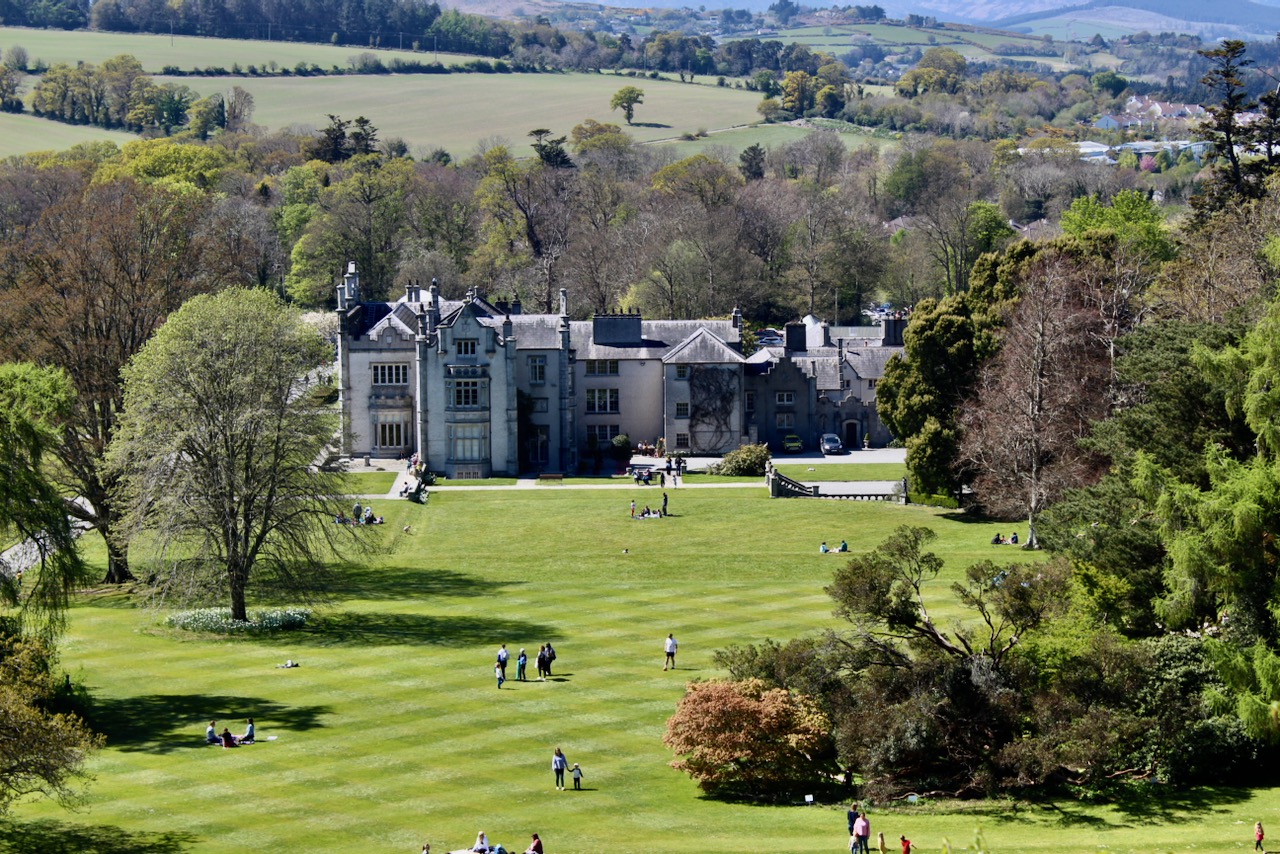
9. Killruddery House & Gardens, Southern Cross Road, Bray, Co. Wicklow – section 482
Open dates in 2026: Mar 29-31, Apr 1-12, 14-19, 21-26, 28-30, May 1-10, 12-17, 19-24, 26-31, June 1-7, 9-14, 16-21, 23-28, 30, July 1-5, 7-12, 14-19, 21-26, 28-31, Aug 1-2, 3-9, 11-23, 25-30, Sept 1-6, 8-13, 15-20, 22-27, 29-30, Oct 1-4, 6-11, 13-18, 20-31, Nov 1, Mar, Apr, Oct, Nov, 9.30- 5pm, May-Sept 9.30am-6pm
Fee: adult house and garden tour €17.50, garden €10.50, OAP/student house and garden tour €15, garden €9.50, child 4-12 years house and garden €4, concession- youth 12-18 years house and garden €15, garden €9.50
See my entry https://irishhistorichouses.com/2019/08/31/killruddery-southern-cross-road-bray-county-wicklow/
10. Kiltimon House, Newcastle, Co. Wicklow – section 482

Open dates in 2026: Feb 10, 13, 17, 20, 24, 27, Mar 3, 6, 10, 13, 20, 24, 27, 31, Apr 10, 14, 17, 21, 24, 28, May 5, 8-10, 12-13, 15-16, 19, 22, 26, June 9-10, 12-13, 16, 19, 23, 26, Aug 15-23, Sept 1, 4, 8, 11-12, 15, 18-19, 22, 25-26, 29, 9am-1pm
Fee: adult €10, OAP/student/child €5
11. Kingston House, Rathdrum, Co. Wicklow A67 DV25 – section 482
Open dates in 2026: Aug 1-31, Sept 1-30, 10am-2pm
Fee: adult €3, OAP/student/child €2
12. Knockanree Garden, Avoca, Co. Wicklow, Y14 DY89 – section 482
www.knockanree-gardens.business.site.com
Open dates in 2026: Apr 12-30, June 7-25, July 5-23 Sun -Thurs, Aug 9-23, 9.30am-1.30pm
Fee: Free

13. Mount Usher Gardens, Ashford, Co. Wicklow A67 VW22 – section 482, garden only
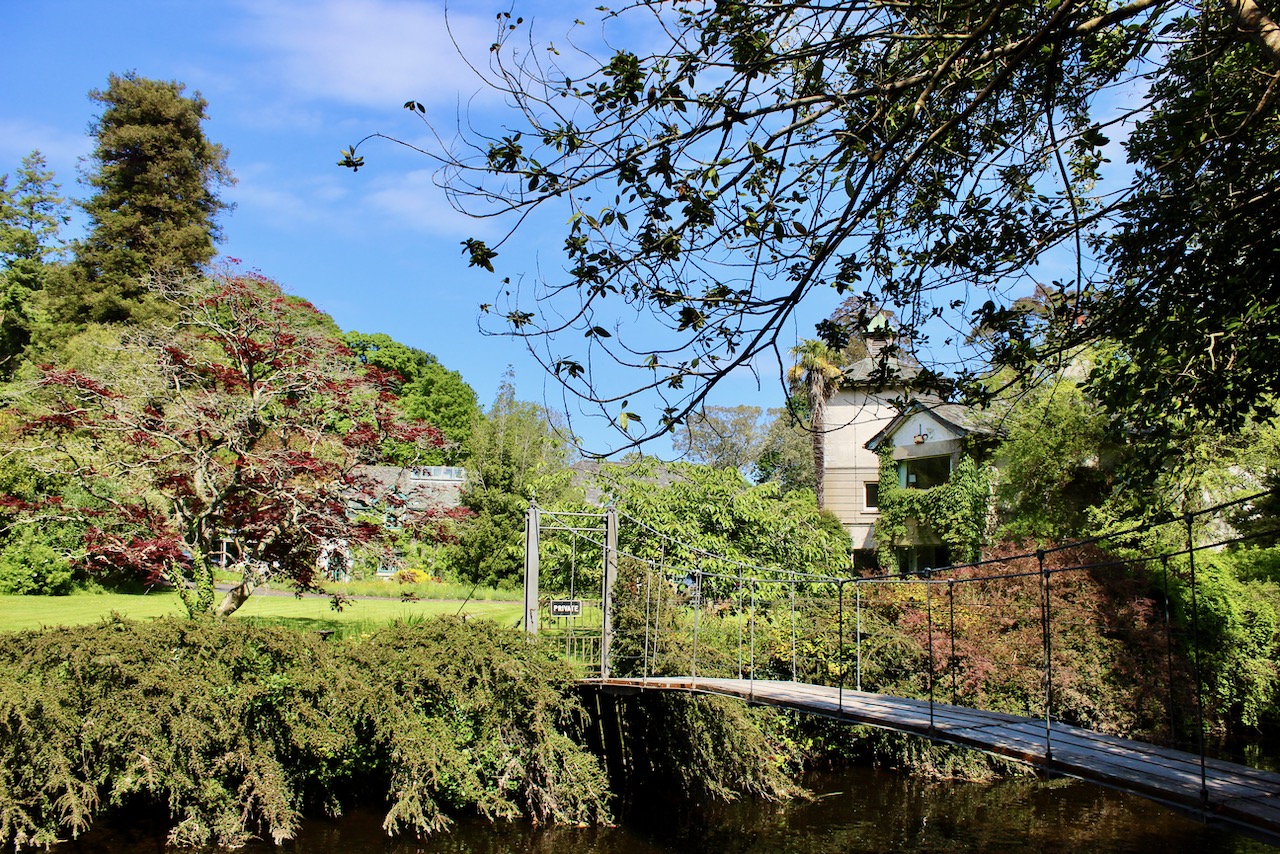
See my entry https://irishhistorichouses.com/2021/06/30/mount-usher-gardens-ashford-co-wicklow/
www.mountushergardens.ie
Open in 2026: all year, except Christmas Day and St. Stephen’s Day, Jan-Mar, Nov-Dec, 10am-5pm, Apr-Oct, 10am-5.30pm
Fee: adult €10, student/OAP €8, child over 4 years €5, under 4 years free
14. Powerscourt House & Gardens, Powerscourt Estate, Enniskerry, Co. Wicklow A98 W0D0 – section 482
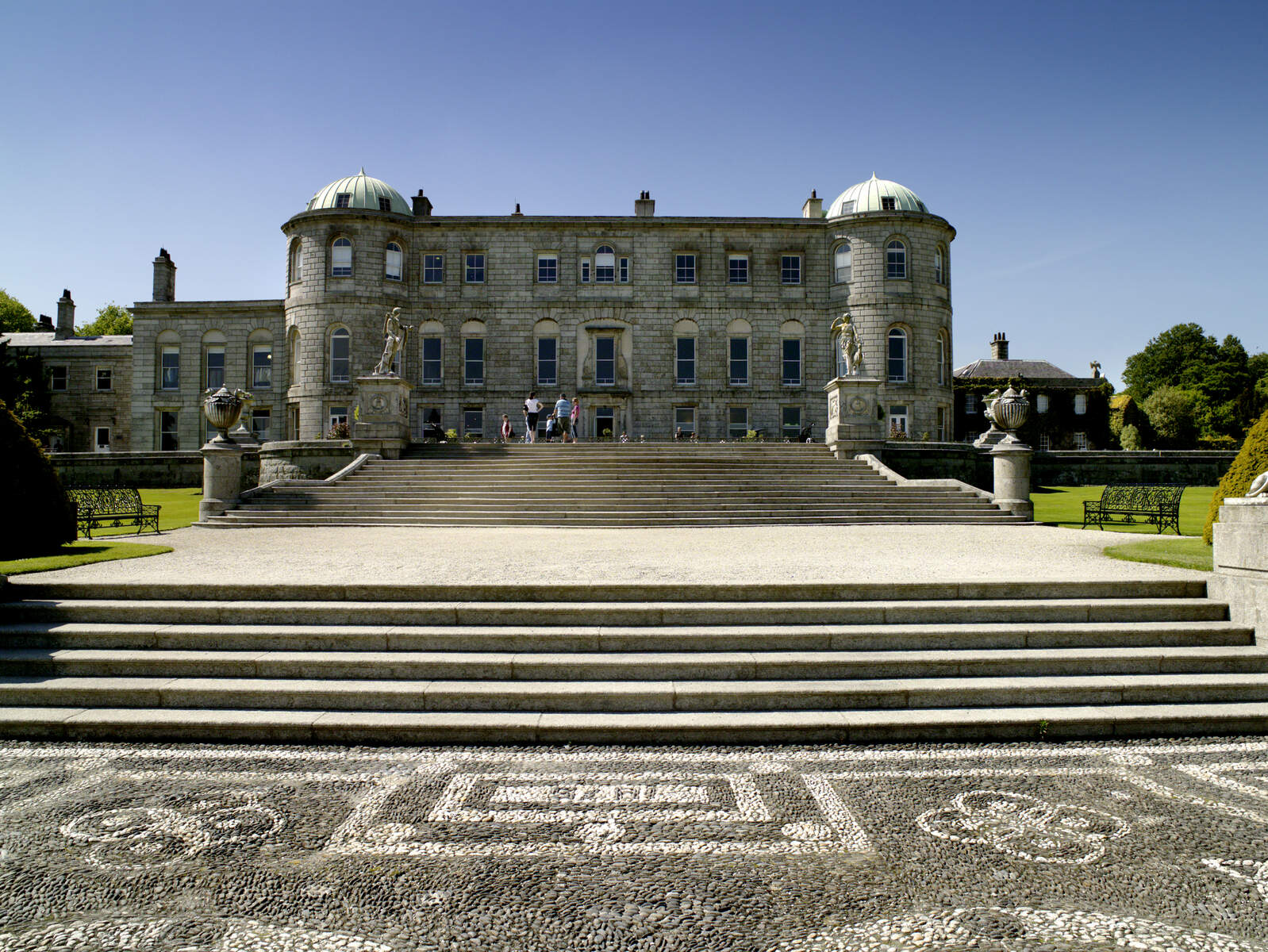
See my entry: https://irishhistorichouses.com/2020/04/26/powerscourt-house-gardens-enniskerry-county-wicklow/
www.powerscourt.ie
Open in 2026: Jan 1-Dec 24, 27-31, house and garden, 9.30am-5.30pm, ballroom and garden rooms, 9.30am-1.30pm
Fee: Mar-Oct, adult €14, OAP, €12, student €10.50, child €5.50, family (2 adults and 3 children under 18 years) €33, Jan, Feb, Nov, Dec, adult €10.50, OAP €9.50, student €9, child €5.50, family (2 adults and 3 children under 18 years) €25
15. Russborough, The Albert Beit Foundation, Blessington, Co. Wicklow W91 W284 – section 482
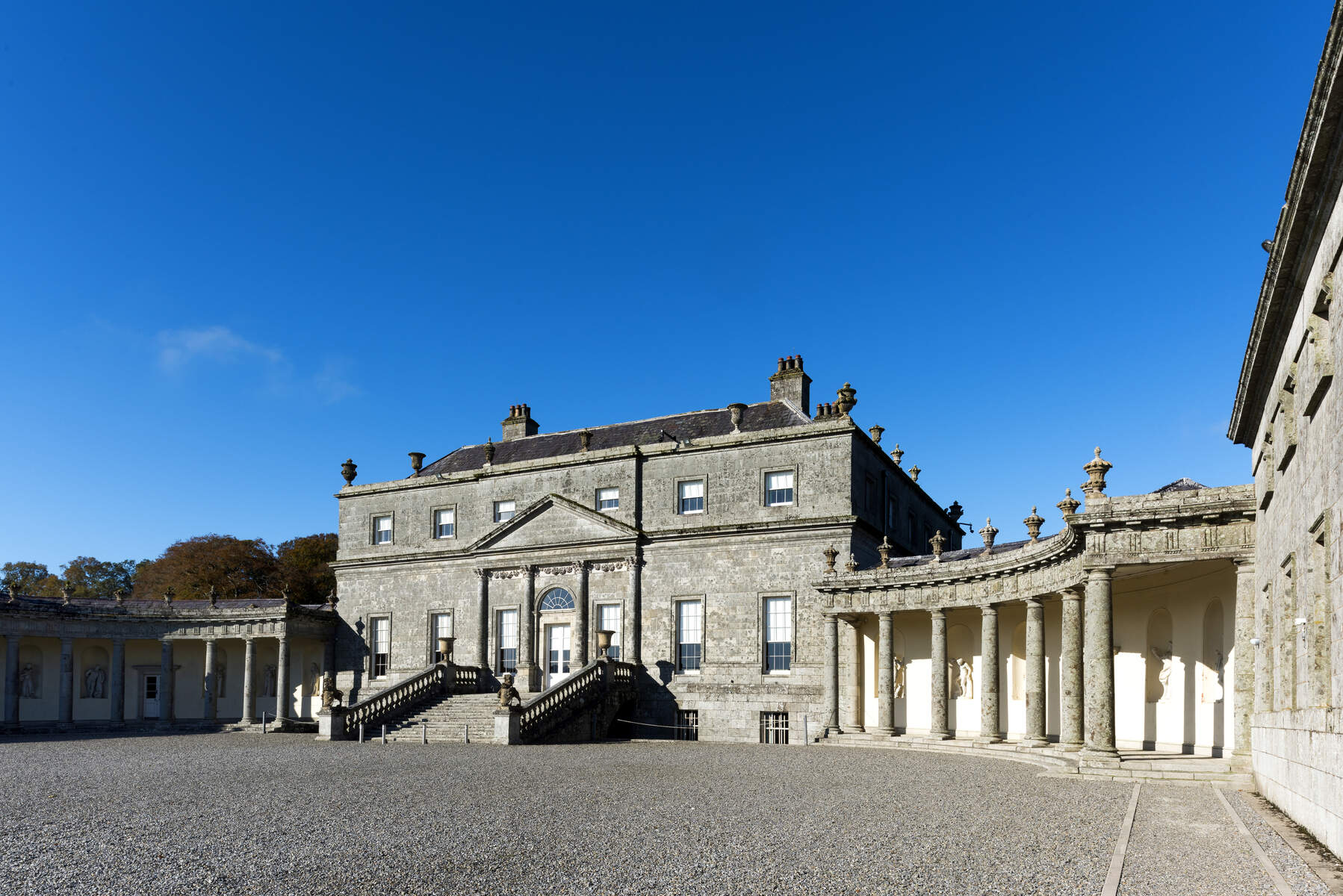
See my entry:
https://irishhistorichouses.com/2020/11/08/russborough-house-blessington-county-wicklow/
enc@russborough.ie
Open dates in 2026: Feb 1-Dec 23, 27-31, Feb, Oct, Nov, Dec 9am-5.30pm, Mar-Sept 9am-6pm
Fee: adult €15.50 OAP/student €13, child €750, group rates on request
16. Tinode, Blessington, Co Wicklow – June Blake’s Garden, open from Springtime 2022
“The very best gardens intrigue and restore us, and so it is with June Blake’s garden which is a rare fusion of inspired design and painterly planting. Situated in the townland of Tinode in west Wicklow, and spread over three rural acres, it wraps itself around June’s home, a handsome Victorian farm-steward’s cottage surrounded by a huddle of austerely beautiful, granite-stone farm buildings, one of which -the Cow House- has recently been the subject of an award-winning, modern architectural conversion. In a previous life, Blake was a gifted jewellery maker. Those same carefully honed skills- a razor sharp eye and keen attention to detail, an artist’s deep appreciation of colour, texture and form, as well as the ability to take a raw, unpolished material and expertly craft it into something aesthetically deeply satisfying- still shine through brightly in her excitingly contemporary country garden. Within it are many different areas of interest. These include intricately planted borders of gem-like beauty, swathes of naturalistic, prairie-style planting, sculptural landforms, a flower meadow that comes to life in spring with sprinkles of crimson red Tulip ‘Red Shine’, generous stretches of woodland intersected by curving cobble paths and filled with choice shade-lovers, and a formal, rectangular pool whose silver sliver of water is a mirror to the cloud-streaked Wicklow sky. Each one is so thoughtfully, imaginatively and expertly executed that it would be enough by itself to bring joy to the heart of any gardener. But it is when they are combined together as a whole that they form what is, without doubt, a truly remarkable garden.” Fionnuala Fallon.
The house was designed by William Caldbeck in 1864. Tinode House was burned to the ground in 1922 by the IRA, and has since been partially rebuilt.
Places to stay, County Wicklow:
1. Ballyknocken House, Ashford, County Wicklow
The website tells us:
“Ballyknocken House, Farm and Cookery School – Scenically located on 280 acres only 47 km south of Dublin City Centre in County Wicklow, Ireland. Our charming 4* Victorian style farm guesthouse offers 7 guest bedrooms plus a 3-bedroom Milking Parlour apartment, surrounded by scented kitchen gardens, offering a farm to fork experience. Home to celebrity chef and award-winning food writer, Catherine Fulvio, we pride ourselves on continuing the family tradition of providing B&B accommodation for over fifty years here in County Wicklow.
“We offer an intimate, cosy, warm and friendly experience not only for individual guests for Foodie Short Breaks and for visiting Wicklow but we also welcome private parties, whether it’s a corporate, friend and family gathering or hen party. Ballyknocken can be booked exclusively for accommodation, cookery events and onsite activities for your company day out or your celebration.“
2. Bel Air Hotel (formerly Cronroe), Ashford, Co Wicklow
The website tells us:
“Bel-Air is an old Manor House Hotel on 200 acres farm and parkland. The house and stable yard are in the middle of the estate, with the land surrounding it in all directions. There is wonderful parkland to the front of the house looking out to the coast, while the tillage land is behind the house. In the centre of the estate is old woodland, which has lovely jumping lanes. In the spring, bluebells and wild garlic bring colour and aroma to the tracks and trails. And the heady scent and sight of the vibrant yellow gorse makes your heart sing.
“The stable yard is from ca 1750 and the current house was built in 1890. Both the house and the yard are listed for preservation and wherever you look you find evidence of the old days.
“Even though we are less than an hour from Dublin, you feel like you are miles from anywhere and you also take a leap back in time. Bel-Air is not just a place – it’s a way of life!“
3. Brook Lodge and Macreddin Village, County Wicklow
https://www.originalirishhotels.com/hotels/brooklodge-macreddin-village
The website tells us:
“Relax and unwind at The Wells Spa, a designated ‘resort spa’. Dine at The Strawberry Tree, Ireland’s first certified Wild and Organic Restaurant, or La Taverna Armento, a Southern Italian style bistro. We also host Actons Country Pub, The Orchard Café, an Organic Bakery, a Smokehouse and a Wild Food Pantry and much more. Macreddin Golf Course designed by European Ryder Cup Captain Paul McGinley is a short stroll from BrookLodge.
“Macreddin Village has twice won AA Hotel of the Year, Ireland’s Culinary Hotel of the Year and Ireland’s Luxury Eco-Friendly Hotel. Other recent awards for The Strawberry Tree Restaurant include titles such as Best Restaurant and Best Organic Restaurant.“
4. Clone House, Count Wicklow
The website tells us:
“Clone House, first built around 1650, is surrounded by five acres of private land and gardens.
“Based in the heart of vibrant and beautiful County Wicklow, just an hour south of Dublin, Clone House offers a unique holiday experience and quality accommodation for up to 26 guests.
“We cater for events such as family reunions, corporate events, hens & stags and small weddings.“
“Clone House was originally built by the O’Byrne family in the 1650’s. Back then it was the Manor House on a large estate stretching across Moneyteigue, Clone and Coolahullen. The house’s history is as grand and interesting as its demeanor. Clone House provided refuge to the famous Billy Byrne of Ballymanus, was burnt down in the 1798 Rebellion, restored around 1805 and nowadays functions as a beautiful guesthouse.“
5. Croney Byrne, Rathdrum, Co Wicklow – courtyard accommodation
The website tells us:
“Wicklow is a great holiday destination and you will love staying in our luxurious Self Catering Holiday Homes in one of the most beautiful locations in Irelands Ancient East. Croneybyrne Courtyard is a family friendly destination where children love our park with playground and collecting their eggs for breakfast from our hens and geese. See our accommodation page for more details.
A mere 1 hour drive from Dublin city it is a great escape with many acres of wilderness on our doorstep including Clara Vale Bird Sanctuary and Wildlife Reserve where you can spend hours exploring without seeing another soul or hearing the sound of modern distractions. There you will see Sika Deer as well as Badger, Fox, Rabbits and the occasional Hare, not to mention the myriad of Birds, including the spectacular Red Kite and Spotted Woodpecker.
“There are forest and mountain walks, we are near the Avonmore Trails and within easy reach of the Wicklow Way and the beautiful Vartry Tracks and Trails. Or for the more adventurous, there are challenging Rock Climbing activities as well as hiking on the highest mountain in Wicklow Lugnaquilla or the many mountain tops in the area. If you are looking for a Walking Holiday in Wicklow see our Walking/Hiking pages for a list of our top walks in the area.“
6. Druid’s Glen hotel and golf club (formerly Woodstock), Newtownmountkennedy, Co Wicklow
https://www.druidsglenresort.com

Mark Bence-Jones writes of Woodstock, which has now been converted to Druid’s Glen hotel:
p. 287. “(Tottenham, sub Ely, M/PB) A three storey five bay block of ca 1770, with single-storey five bay block added ca 1840 by Rt Rev Lord Robert [Ponsonby] Tottenham [1773-1850], Bishop of Clogher [son of Charles Tottenham Loftus 1st Marquess of Ely], who bought the property after 1827; it had previously been rented for a period by the Lord Lieutenant, Marquess Wellesley. The centre block has a one bay breakfront and a die which was probably added by Bishop Tottenham at the same time as the single-storey Ionic portico, which is by Sir Richard Morrison. Giant blind arches in end pavilions; balustraded parapets on wings. Garden front with curved bow in central breakfront; now asymmetrical because of projecting C19 wing on one side and other additions. Hall running through the full depth of the house, divided by a screen of columns from the staircase, which is of fine solid C18 joinery; rococo plasterwork in the manner of Robert West in panels on the walls above the staircase, and curving round the apse at the back of the hall in the bow of the garden front; similar plasterwork on the ceiling of the staircase and landing. Dining room with rococo plasterwork in centre of ceiling. Large and lofty drawing room in right hand wing with frieze and cornice of elaborate C19 plasterwork, rather in the manner of Sir Richard Morrison. Handsome C19 room with bold cornice and ceiling medallion in wing flanking garden front. Sold 1947, afterwards the home of Mr and Mrs G. Van den Bergh. It is now the home of Mr and Mrs William Forwood, who have carried out a most sympathetic restoration of the house, with the help of Mr Jeremy Benson.”
The National Inventory tells us:
“Detached five-bay three-storey over basement former country house, built in 1770, now in use as a hotel / country club. The original house was probably to designs by Robert West the eminent Irish stuccodore. Two-storey wing additions added in c.1830 to designs by Sir Richard Morrison. There are later additions to the rear elevation. The walls are finished in painted lined render. A short flight of stone steps rises to the front door; it has a four-pane fanlight and is flat-headed. This is set within a projecting portico with Ionic columns. Window openings are flat-headed and have moulded surrounds; those to the piano nobile also have blocking courses and projecting cornice. The hipped roof is finished with natural slate and cast-iron rainwater goods. Chimneystacks are rendered with plain caps and clay pots. Much of the late Georgian interior has been retained; this includes rococo plaster work to the hallway, the original stair and fireplaces to principal rooms. The building is set within a large demesne which is now in use as a golf course.” [3]
7. Hunter’s Hotel, County Wicklow
Hunter’s Hotel is open for Accommodation, Breakfast, Morning Coffee, Afternoon Tea & Dinner every day. We serve Lunch on Saturdays & Sundays. http://www.hunters.ie/index.html
8. June Blake’s Garden, Turkey House and Cow House, Tinode, Blessington, Co Wicklow – June Blake’s Garden, see above
9. Rathsallagh, County Wicklow – accommodation
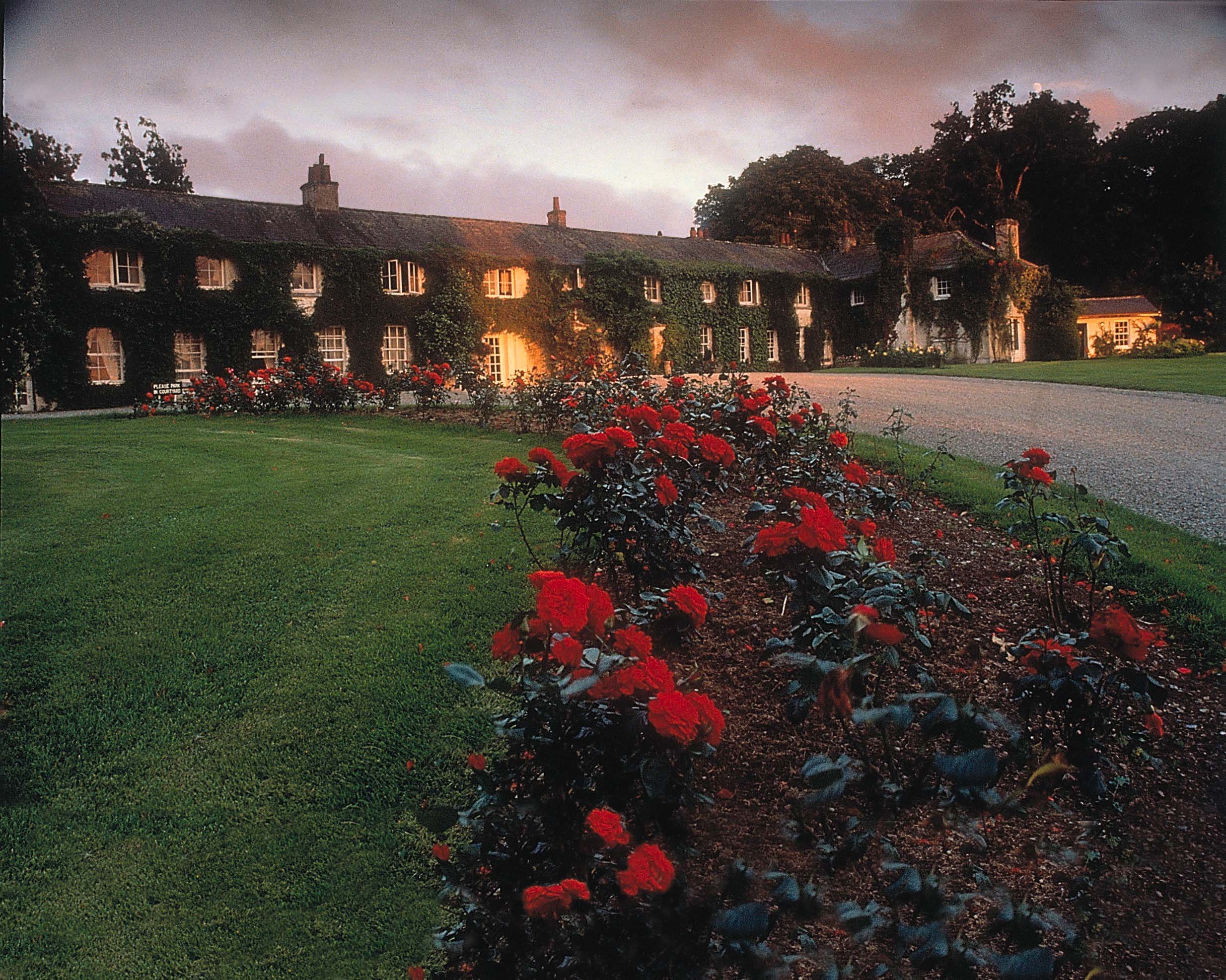
It was built around 1750 as stables and converted in 1798. The range consists of four wings based around a large courtyard with the main wing to the front (west) having two-storey projections to its north and south ends.
The website tells us: “Rathsallagh House has been owned and run by the O’Flynn family for over 30 years, it has a happy and relaxed atmosphere with log and turf fires in the bar and drawing rooms. The food at Rathsallagh is country house cooking at its best, Game in season and fresh fish are specialities. Breakfast in Rathsallagh is an experience in itself and has won the National Breakfast Awards a record four times.
“Rathsallagh also has conference and meeting rooms, Spa room, billiard room, and tennis court and is surrounded by the magnificant Rathsallagh Golf Club.“


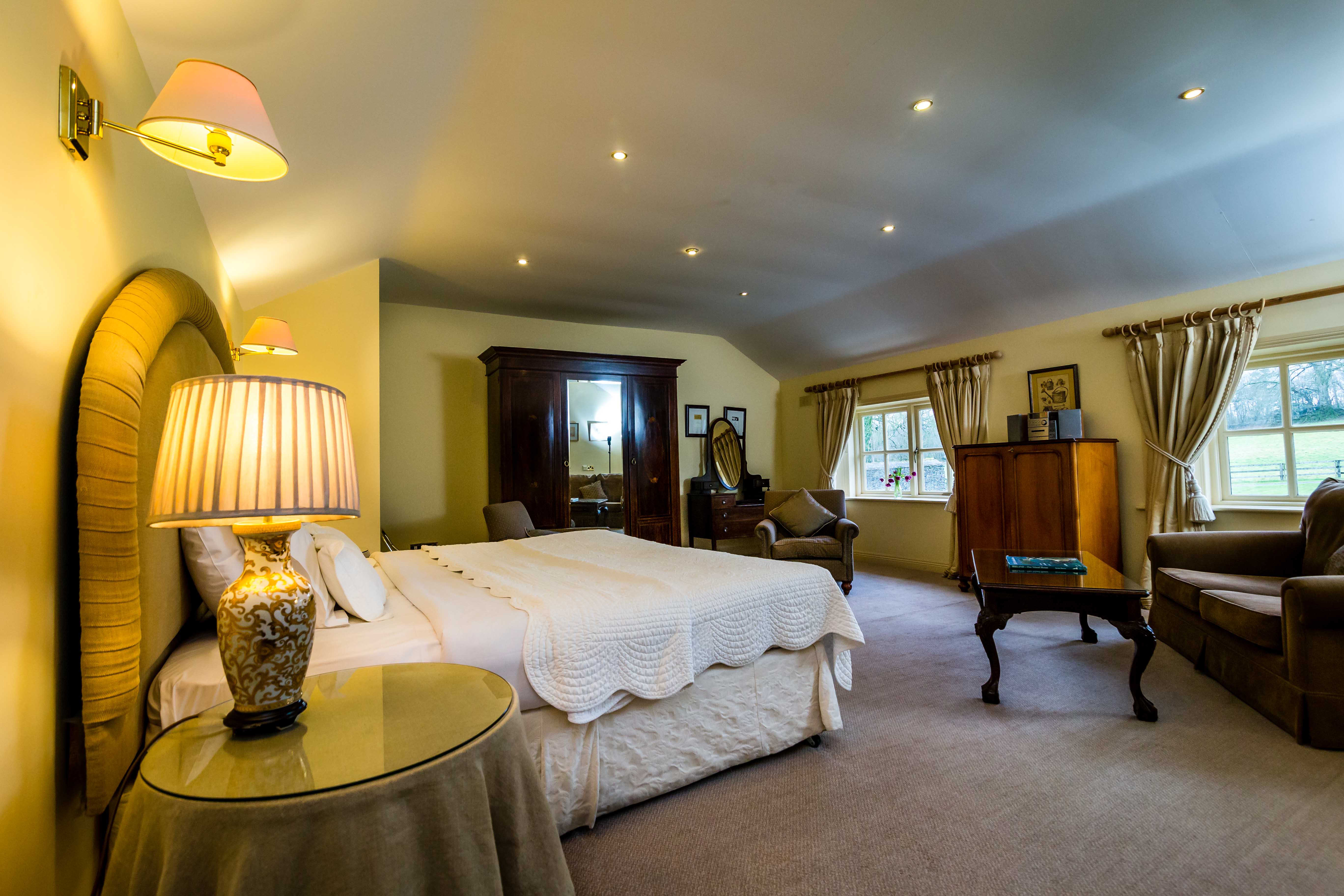
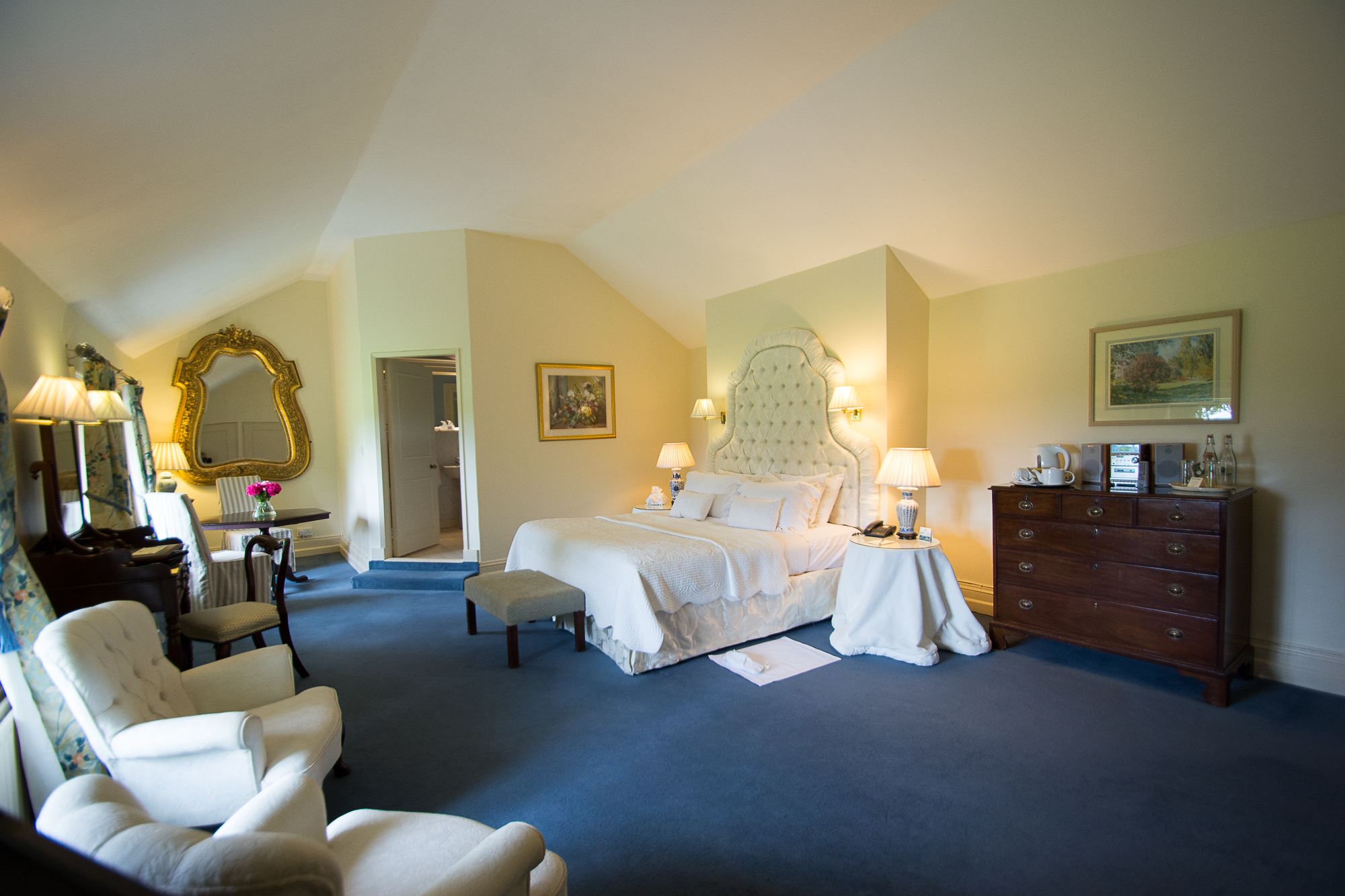
10. Summerhill House Hotel, County Wicklow
https://summerhillhousehotel.com
The website tells us: “Summerhill House Hotel is where glamour and the countryside blend in one of Ireland’s prettiest villages. Our location in the cosy village of Enniskerry is a gloriously refreshing antidote to city living or stressful lives. Reconnect with family and friends and let the kids run free. Lose track of time as you breathe in clean air, stride for miles through nature walks on your doorstep, stargaze under big skies, and, most importantly – relax, with a dose of the finest Wicklow hospitality.“
11. Tinakilly House, Rathnew, Co Wicklow – country house hotel
The website tells us:
“Set in 14 acres of mature landscaped gardens overlooking the Irish Sea Tinakilly offers peace and tranquillity yet is only 45 minutes from Dublin. This stunning award winning Country House Hotel in Wicklow is steeped in history and oozes charm and sophistication.“
Mark Bence-Jones writes (1988):
p. 304. “A house of 1870 by James Franklin Fuller, built for Commander Robert Charles Halpin, RN, who commended the steamship Great Eastern when she laid the first Atlantic cable. In vaguely Queen Anne revival style; entrance front with two bay centre between three sided bows; pedimented porch. Roof on bracket cornice with central dormer. Side elevation with central three sided bow. Very impressive central hall, an early example of the hall-cum-living room which was to become an almost obligatory feature of late Victorian and Edwardian country houses; with an imperial staircase rising to a bridge gallery which continues around two of the walls. The ceiling is elaborately coved and coffered; the soffits of the stairs and gallery are richly ornamented with plasterwork. The fireplace is surmounted by a triple window, so that the flue appears to vanish; a conceit which, like the “living hall” itself, became increasingly popular towards the turn of the century. Halpin died 1894; his widow was living at Tinakilly 1912.”
The website gives us the history:
“Tinakilly House was constructed for Captain Robert Halpin, who was born in Wicklow Town and who succeeded in becoming Commander of The Great Eastern when it laid most of the world’s transoceanic telegraph cables. The cable connecting Europe to America was laid in 1866 from Valentia Bay in Ireland to Hearts Content in Canada. A section of this cable and a fine colour print of The Great Eastern can be seen today in Tinakilly Country House Hotel & Gardens. Most of Captain Halpin’s memorabilia is in the National Maritime Museum in Dun Laoghaire.
“Halpin is reputed to have been given an open cheque by the British Government to build his new mansion in gratitude for his contribution to improving world communications and thereby world trade. He recruited the then very fashionable Irish architect, James Franklin Fuller, to design the house. The timber, which is so evident and gives such character, was selected in London by Halpin. The doors on the ground floor are of Burmese mahogany with many panels of different woods, the best of which are in “birds eye” maple. The architraves window shutters and stairs are in American pitch pine. Fireplaces were imported from Italy with the exception of the drawing room where a fine Georgian one graces the room.
“In 1870 the land extended to 400 acres, two Head Gardener’s were employed, one for inside the walled garden to grow fruit and vegetables and the other to supervise the seven acres of pleasure gardens. There are fine stands of beech eucalyptus and evergreen oak while two giant sequoias (American Redwood) are at either end of the old tennis court. The site chosen for the house is on elevated ground two miles north of Wicklow Town, overlooking Broadlough Bird Sanctuary and the Irish Sea.
“Halpin married the daughter of a wealthy Canadian whaling merchant. They had three daughters, the youngest of whom, Belle, lived in Tinakilly until the early 1950’s. Captain Halpin died at the young age of 58 from blood poisoning after cutting his toe.
“In 1949 the house and lands were purchased by Augustus Cullen, a Wicklow solicitor. The Trustee’s sold on condition that Belle Halpin retain the house for her lifetime, which she did until 1952. Rumour has it that her ghost continued to occupy the house as well as Miss Halpin’s housekeeper – hence the Cullen’s never took occupation. During the last six years of Mr Cullen’s ownership, the house was only used in the summer when it was rented by a group of Jesuit priests for summer retreats. Any ghosts quickly departed.
“In 1959 the house and lands were sold to Mr Gunther Smith whose nephew, Mr Heinrich Rolfe, inherited the property in 1962. His wife ran the house as a guesthouse while Mr Rolfe concentrated on farming. A colourful Frenchman called Jean Claude Thibaud then rented the house and ran it as a “Restaurant Francais”. A thatched cottage bar was constructed in the hall while stucco plaster on the dining room walls appeared to give an effect of “waves by the sea”. One day Jean Claude discovered his kitchen chimney was blocked by the home of a family of building crows. Not wishing to climb out onto the roof to discover which of the 36 chimney pots needed freeing, he took a sledgehammer to a top floor bedroom and through the flue of a fireplace allowing the smoke into the bedroom. He then opened the window and closed the door. A French solution to an Irish problem.
“In 1978 an Irish couple, Dermot & Anne Garland, who had experience in running the Pembroke Restaurant in Dublin, swapped with the Thibauds and completed a purchase agreement for Tinakilly House. The Garland’s redecorated Tinakilly and ran a successful restaurant. Dermot tragically died leaving Anne to struggle on with their two young sons.
“In 1982 Tinakilly sold to William & Bee Power, who decided to develop a full hotel putting bathrooms ensuite and installing a modern fully equipped kitchen. Redecorating and furnishing of the hotel was undertaken by William & Bee to ensure the homely Victorian character so evident to the visitor today. Great care has been taken in all reconstruction work to maintain the nautical theme. Bedrooms were named after ships.
“In 1991 the Power’s constructed 15 suites all overlooking the Irish Sea and Broadlough Bird Sanctuary. Sunrise is a spectacle to behold. The Victorian Halpin Suite was developed to cater for conferences and weddings.
“In 1997 the East wing was extended northwards with the addition of 24 suites and a lift, bringing the total compliment of bedrooms to 51. Also in that year, a new dining room, the Brunel, was built to the west of the house. All of this work has been architect controlled to ensure the true character of Tinakilly is maintained. In January 2000, Tinakilly was taken over by William & Bee’s son and daughter-in-law, Raymond & Josephine.
“In 2013 Tinakilly House changed hands again, the owners are passionate about this grand country manor, adding refreshing touches through out the house but always in keeping with the character. The Great Hall is alive again with chatty conservations over afternoon tea, the Brunel restaurant and menus are refreshing, wedding guest fill the house with laughter and joy. So check back with us to see the old and new meld to give this beautiful Victorian manor a new chapter in history.“
12. Tulfarris, Blessington, Co Wicklow - hotel
The website tells us: “Tulfarris Hotel & Golf Resort is a luxury 4 star retreat situated in the garden of Ireland, County Wicklow. Perched on the banks of the Blessington Lakes against the backdrop of the Wicklow mountains, yet only 45 minutes drive from Dublin. Offering delicious food, relaxed bars and deluxe guest accommodation, the views are breathtaking and the golf course is immense. Step back in time as you enter the 18th century Manor House which stands imposingly at the heart of our 200 acre resort. Get married, get your colleagues together or get some rest and relaxation. Tulfarris Hotel in Wicklow is yours to enjoy.“
The website tells us of the history of the house:
“Tulfarris House derives its name from the land it is situated on. Tulfarris comes from the Gaelic ‘Tulach Fherghuis’ meaning Fergus’ Hill.
“From a document known as the Faints, which contains legal judgements from the Tudor period, it is clear that the lands known as Tulfarris were included with the manor of Rathmore, Co. Kildare. This estate was in the possession of Gerald Fitzgerald (Garret Oge), 9th Earl of Kildare. Until 1534, the Fitzgerald dynasty dominated both the lands and events that occurred in much of Ireland. The rebellion of Gerald’s son Thomas, popularly known as Silken Thomas, resulted in the confiscation of the entire estate by the crown. In 1541, the crown to Walter Troot, Vicar of Rathmore, leased the manors of Rathmore, including Tulfarris.“

“Shortly afterwards in 1545, the lands were granted in full to Sir John Travers, a knight from Monkstown, Co. Dublin. Sir John Travers had an heir by his first marriage, Henry. Henry married Gennet Preston [d.1599], daughter of the third Viscount of Gormanstown [Jenico Preston, d. 1560]. Henry however, died young leaving two daughters, Mary & Catherine. John Travers died in 1562 and the lands were inherited by Henry’s daughters, Mary & Catherine.
“Mary married James Eustace, 3rd Viscount of Baltinglass. After James played a leading role in the Desmond Rebellion of 1579, The Baltinglass estate including Mary’s share of Rathmore, were confiscated by the crown. Mary managed to have her share of the estate returned to her in her husband’s lifetime.
“Her sister Catherine married John Cheevers of Macetown, Co. Meath. Catherine’s share of the Rathmore Estate included Tulfarris and was inherited by Catherine’s son Henry. Henry in turn married Catherine Fitzwilliam and their son Walter inherited the title to Tulfarris. Inquisitions dated 24th September 1640, detail the size of the estate at the time of Henry Cheever’s death. According to this document, Tulfarris contained one ruined Castle, 20 messuages, 70 acres of land and a manor.
“Tulfarris’ turbulent history continued and in a list of outlaws intended for the House of Lords and dated 1641-1647, five entries for Tulfarris were found. During that time, the crown again confiscated Tulfarris.
“Tulfarris and other properties were granted to Colonel Randall Clayton on 15th October 1667, in trust for the officers of the Cromwellian soldiers of 1649. Tulfarris was subsequently granted to Captain John Hunt of the Cromwellian soldiers of 1649. His son, Vere Hunt, later sold the land to John Borrowes of Ardenode, Co. Kildare. In 1713, Robert Graydon of Russellstown held Tulfarris. The means of transfer of ownership between Borrowes and Graydon is uncertain, however, Borrowe’ss niece and granddaughter both married Graydons.
“Much of the house’s more recent history is associated with the Hornridge family who held the land from the early eighteenth century until the 1950’s. James Hornridge came to Ireland from Gloucester with Cromwell’s parliamentary Army in 1659 and settled in Colemanna in Co. Carlow.
“The Historical information regarding how the Hornridge’s came to own Tulfarris is unclear. His son Richard Hornridge married Hester Hogshaw of Burgage, Blessington Co. Wicklow in 1699. It is most likely that Tulfarris came into the Hornridge’s possession through this marriage.”
13. Wicklow Head Lighthouse, Dunbur Head, County Wicklow – Irish Landmark accommodation
https://www.irishlandmark.com/property/wicklow-head-lighthouse/
14. Gate Lodge, Woodenbridge, Avoca, County Wicklow

“Beautifully restored small Castle situated in the Vale of Avoca, within walking distance of the Golf Club. Only 4km from Arklow Town and only 3km from the stunning Avoca Village. The Castle is ideal for those who are looking for a relaxing break to take in the beautiful scenery, walk ways, fishing and golfing.
“The space
If you choose to book the Gatelodge, you and your guests will have full use of the Small Castle.“
[1] Bence-Jones, Mark. A Guide to Irish Country Houses (originally published as Burke’s Guide to Country Houses volume 1 Ireland by Burke’s Peerage Ltd. 1978); Revised edition 1988 Constable and Company Ltd, London.
[2] https://www.irelandscontentpool.com/en
Text © Jennifer Winder-Baggot, www.irishhistorichouses.com
 Irish Historic Houses