When remedial works were undertaken the age of this building was discovered. It was first realised it was older than thought when planners appraising development changes noticed the way the fireplace sticks so far out into the room.
We went into three rooms upstairs, up the beautiful staircase. We weren’t allowed photograph on the tour, unfortunately, in the Apollo Room, Venus Room and Jupiter Room.
Belvedere House is a detached symmetrical five-bay four-storey Georgian townhouse over exposed basement, completed 1786, designed by Robert West who, in addition to being a stuccodore was also an architect and property developer, for George Augustus Rochfort, 2nd Earl of Belvedere. The house was built for £24,000 on what would have been rural green fields with a view of the Custom House, the bay and distant mountains. It is alleged that the house is haunted by Mary Molesworth, the first lady of Belvedere, mother to George Rochfort – we came across her at Belvedere in County Westmeath.
Rochfort was the son of the cruel Robert Rochfort, 1st Earl of Belvedere, who kept his wife under lock and key in the countryside after he believed she had an affair with his brother. Some believe that she was the inspiration for Charlotte Bronte’s “madwoman in the attic.” Robert Rochfort had the summer lodge, Belvedere, built in County Westmeath, now open to the public, which also has fine plasterwork. Robert O’Byrne writes that it was the 1st Earl who bought the property on Great Denmark Street. At first his son attempted to sell the property, but then he finished having the house built. Robert O’Byrne also tells us that it is similar to 86 St Stephen’s Green (Newman House, now housing the Museum of Literature of Ireland (MOLI), which was begun in 1765, and which is also attributed to Robert West.
North Great Georges Street itself was originally laid out in 1774 as a driveway leading to Belvedere House.
In 1841 the house was bought by the Society of Jesus (Jesuits) to accommodate their growing boys school which had started life ten years previously around the corner on Hardwicke Street, now known as Belvedere College.
One of the more outstanding features of the house is the stucco-work of Adamesque style popularised by Robert and James Adam. This can be seen in the ornamental surrounds, wherein pictures are framed in plaster rather than oil.
Dublin stuccodore and designer Michael Stapleton (1740-1801) was responsible for this work and further examples of his craftsmanship include the ceiling in the exam hall in Trinity College as well as some of the plasterwork in Powerscourt House in South William Street in Dublin and the Aras an Uachtarain in Phoenix Park.
It seems odd that a house designed by Robert West, however, would have plasterwork by Michael Stapleton. Robert O’Byrne elucidates this for us:
“In 1967 C.P. Curran’s Dublin Decorative Plasterwork of the 17th and 18th centuries noted in the collection of drawings left by stuccodore Michael Stapleton several items directly relating to the design of ceilings in Belvedere House. Accordingly, this work was assigned to Stapleton. However, the fact that West was responsible for designing the house complicates matters, and the consensus now appears to be that both he and Stapleton had a hand in the plasterwork. Conor Lucey (in The Stapleton Collection, 2007) suggests that Stapleton may have been apprenticed to, or trained with, West and the fact that he was named the sole executor of the latter’s will in 1790 indicates the two men were close. The source material for the stucco work is diverse, that in the stair hall deriving in part from a plate in Robert Adam’s Works in Architecture, but the first-floor rooms feature a wider range of inspiration, much of it from France and Italy.”
“The ground floor rooms were intended for everyday and business use and therefore are minimally ornamented. However when one ascends they will encounter Stapleton’s stucco-work that depicts scenes from Greek and Roman mythology.On the half-landing the Bacchanalia is celebrated. The left panel depicts Bacchus with his thyrsis and staff, the right panel is Ceres with her cornucopia. The central oval shows Cupid being demoted by the three Graces. The arched window is ornamented with symbols of the authority of ancient Rome. The tall pilasters on each side have the Green anthemion (honeysuckle) motifs.
“At the top of the stairs the panel between the two doors on the right show Juno seated on a cloud with her peacock. The panel on the centre wall is Aurora in her chariot pulled by winged horses. Under this plaque “The New Bride” from an ancient marble popular in 18th century Rome. All the five doors have the same over-door: Silenus, the tutor of Bacchus. On the ceiling, Eros is depicted gazing at Psyche as she sleeps. Next is an Apollo head with winged lions and lastly, Cupid with a flower.
“The door immediately to the right of the stairs leads to the Apollo Room, named after the featured frieze of Apollo the music-maker holding court with attendent putti playing a variety of instruments. The adjoining Diana Room depicts Diana, patron of the chase, in a chariot drawn by stags. The design is taken directly from Pergolesi, however, Stapleton added the outer circle of flowers.
“Finally the Venus Room’s flanking panels have lunettes representing astronomy, architecture and sculpture. Notice the beautiful over-doors in all three rooms, each with the head of the principle subject.”
Notice that Venus was taken down by the Jesuits as she was nude, and it is supposedly in the National Gallery.
3. Blackhall Place (formerly Blue Coat School) Dublin, 2019.
Archiseek tells us that the first Blue Coat School or King’s Hospital was erected in Oxmantown Green between 1669-1673. It was officially named the Hospital and Free School of King Charles II. Orphans were nominated to attend the school by the Alderman or the parish, with funding coming from voluntary donations and from ground rent of St. Stephen’s Green. This building was demolished to make way for the new building, pictured above. The current building was started in 1773. Ivory resigned in disgust before it was finished, due to lack of funds, and only a stub was built instead of his tower, and the stub was removed in 1894 and a dome constructed.
The description of the tour tells us:
“The last of Dublin’s Palladian public buildings, the granite and Portland stone Blue Coat School replaced earlier premises, which had been established by King Charles I in 1671 to care for the sons of impoverished citizens. Construction began in 1773 to designs by Thomas Ivory, however funding issues led to a reduced building programme and Ivory’s departure. In 1894, a copper-clad cupola designed by Robert Stirling was added. Today, the building is home to the Law Society of Ireland, which has taken great care to retain many fine interior features.“
The building now houses the Law Society. It was built as a traditional country house composition with a central block, two wings and connecting passages. The wings have decorations intended to mirror the central tower.
The architect was J. R. Boyd Barrett, who won a competition to built it in 1936. It has a stripped Classical design with an Art Deco entrance bay addition. The external relief sculptures are by Gabriel Hayes. The tall round-headed window passes up through the floors to a keystone of representing Eire, with “jazzy” interstitial panels [Archiseek]. On the Schoolhouse Lane side the keystone represents Brendan the Navigator. The main entrance has a heavy cast bronze gates, and the carved lintel of the doorway represents the celtic god Lugh releasing aeroplanes into the air!
The interiors were also designed by Boyd Barrett and everything from the ashtrays, fireplaces and door handles were specially designed. The interiors feature polished woods and metals and patterned linoleum floors, and the ceilings are deeply coffered.
The Freemason’s Hall was built on the site of the townhouse of their first Grand Master, the Earl of Rosse. The building was completed in 1866, designed by Edward Holmes of Birmingham. The architect used three orders on the facade: Doric (lower), Ionic (centre) and Corinthian (upper). The pediment contains the Masonic square and compass.
The Irish Builder 1877 described the interior: The main hall “is larger than St. Patrick’s Hall in Dublin Castle…Along each side are six pillars with Corinthian capitals, and there are two of the same style at each end. These are painted to represent white enamel. The capitals are gilt, the pedestals and lower part of the wall are painted a rich chocolate colour; between the pillars the wall spaces are painted a light dun colour, each space being formed into a large panel by a matted gilt moulding with a deep margin of grey. The pillars support a richly designed and gilt entablature. From this spring five semi-circular arches on each side. These arches contain a series of ten cartoons, illustrative of the building of Solomon’s Temple. The ceiling is intersected by beams, which divide it into five panels, and is painted blue, and studded with gold stars. The intersecting beams, together with the architrave and cornice, are cream colour and white, relieved with gold. The predominating colour in the painting of the hall is blue, in order to meet Masonic requirements, that colour being associated with the lower ranks of the order, and the hall being used for general meetings; but other tints are introduced in sufficient abundance. The cartoons have been painted in sepia by Mr. Edward Gibson, Great Russell Street, London, son of Mr. James Gibson of Mary Street, Dublin, by whom the entire of the rest of the hall was designed and finished...”
“It was built circa 1730 by Luke Gardiner [1690-1755] as his own residence. The design of the original building has been attributed to Sir Edward Lovett Pearce. The building is a three storey, eight bay over basement house with a Venetian window between the second and third bays at first floor level. Two major interiors of the 1730’s survive, the upper part of the original main stair hall and a rear room on the ground floor. The first floor reception rooms were embellished with Rococo plasterwork circa 1760. Luke Gardiner was succeeded on his death in 1755 by his son, the Right Honourable Charles Gardiner PC, MP, Surveyor General of Customs and Ranger of the Phoenix Park [The original house was extended to the west c.1755 by Charles Gardiner]. Following his death in 1769, his son, the right honourable Luke Gardiner MP succeeded. He was created Baron Mountjoy in 1779, Viscount in 1795 and killed in the Battle of New Ross, County Wexford in 1798. He was succeeded by his son Charles John Gardiner, Second Viscount Mountjoy, created Earl of Blessington in 1816.
Luke Gardiner, M.P., (d. 1755), Vice-Treasurer of Ireland and building developer in Dublin Engraver John Brooks, Irish, fl.1730-1756 After Charles Jervas, Irish, c.1675-1739, photograph courtesy of National Gallery of Ireland.
“The Earl died in 1829 without male heirs and the house was leased to a succession of lawyers becoming the Queen’s Inn Chambers in the late 19th century. It was acquired in the early 20th century by the French Order of Daughters of Charity of St Vincent de Paul to provide relief to distressed females. The work of the order continues today and the building is actively used for a variety of community and social services projects.
“The 2001 Europa Nostra Restoration Fund Grant generously contributed to the restoration of the decayed decorative Rococo ceiling on the first floor. The restoration works were also co-funded by a grant from Dublin City Council.”
The Archiseek website quotes The Irish Builder, July 15 1893:
“This magnificent mansion was erected about the year 1725, by the Rt. Hon. Luke Gardiner, grandfather of the 1st Viscount Mountjoy, ancestor of the Earl of Blesinton, and may be described as the Manor House of Henrietta-street. The reception-rooms are seven in number, and the cornices and ceilings are finished in a rich and antique style.
“The ball-room is a noble apartment; the architraves of the doors and windows are adorned with fluted Corinthian columns sur mounted by pediments. The drawing-room, to the left of the ante-room on the first floor, possesses a beautifully carved oak cornice, the effect of which is peculiarly striking. The front staircase is spacious and lofty; the walls are panelled, and the ceiling is handsomely ornamented. The principal dining room, looking into the garden, is square, with fine stuccoed ceiling, and walls in square panels stuccoed, the squares broken off at the angles by curves. The architraves of the parlour doors are as rich as carving could make them. There is a mock key-stone or block of wood that for elegant and elaborate carving in relief cannot be surpassed. The stuccoed ceilings are in panels with enriched fillets, quite palatial, and only in the ball room are seen arabesques in the centre. The window of the ball-room, which is over the porte-cochère, has three opes, the centre ope being arched, and this is the only architectural adornment externally. Mountjoy House had originally a fine porte-cochère, or covered carriage entry, arched with cut stone, on the park side, next to the present King’s Inns buildings.” [1]
See also the wonderfully informative book, The Best Address in Town: Henrietta Street, Dublin and its First Residents 1720-80 by Melanie Hayes, published by Four Courts Press, Dublin 8, 2020.
Robert O’Byrne tells us about the use of papier-mache instead of plaster for some decorative work. He tells us:
“When the house was first built, it featured a double-height entrance containing stairs leading to the first-floor. However, some years after the death of Luke Gardiner in 1755 his son Charles reordered this space to create a single-storey entrance hall, behind which a new staircase hall was instated. Probably around the same time a number of rooms were given new ceilings in the rococo manner. These decorations are important because in the majority of cases they are made not of plaster but papier-mâché. The use of this medium is unusual but not unique – a number of other examples survive elsewhere in the city and in Carton, County Kildare – but it seems strange to find it here. One of the attractions of papier-mâché was its relative cheapness (relative to stuccowork, that is) but the Gardiners were certainly affluent to afford anything they wished. On the other hand, its great merit is easier (and cleaner) installation than plaster, so perhaps this is why papier-mâché was preferred for the redecoration of existing rooms.
“It was not used, on the other hand, for the saloon, or ballroom (now used as a chapel), which in its present form looks to have been either added or extended at the time when Charles Gardiner was re-fashioning other spaces in the house.” [2]
12 Henrietta Street was first occupied by Sir Gustavus Hume (1677-1731), MP, privy councillor and courtier to King George I. He was the third son of the prominent Ulster-Scot Sir John Hume of Castle Hume (2nd Baronet), County Fermanagh and of Sidney, daughter and co-heiress of James Hamilton of Manor Hamilton, County Leitrim and became 3rd Baronet of Castle Hume (now demolished) when his father died as his two elder brothers predeceased their father. Castle Hume was architect Richard Castle’s first known commission in Ireland. It was pulled down in the 1830s and the materials reused to build Ely Lodge nearby.
The National Inventory of Architectural Heritage tells us it is:
“Terraced three-bay three-storey house over exposed basement, built c.1730, by Luke Gardiner as pair with No. 11, heavily remodelled c.1780…This house was built as a pair with No. 11, possibly to the designs of Edward Lovett Pearce. It was initially leased to Henry Boyle, Speaker of the House of Commons. Later, the house was leased to the 2nd Earl of Shannon in 1780, and subsequently gutted with the removal of a floor to provide a truly grand piano nobile. The building retains most of the interior detailing from that remodelling including stucco decoration by Charles Thorp, with remnants from the earlier scheme. The house has been undergoing a painstaking programme of conservation works and forms an important part of what has been described as ‘Dublin’s Street of Palaces’ while the ongoing conservation work will contribute to the improving fortunes of this remarkable streetscape. Laid out by Luke Gardiner in the 1720s, Henrietta Street is a short cul-de-sac containing the finest early Georgian houses in the city. It was named after Henrietta Crofts, the third wife of Charles Paulet, 2nd Duke of Bolton and Lord Lieutenant in 1717-21, the street developed in a piecemeal fashion and set the trends of scale and design in domestic architecture.”
See also the wonderfully informative book, The Best Address in Town: Henrietta Street, Dublin and its First Residents 1720-80 by Melanie Hayes, published by Four Courts Press, Dublin 8, 2020.
In 1733 William Stewart (1709-1769), 3rd Viscount Mountjoy and later 1st Earl of Blessington, moved to 12 Henrietta Street.
See also the wonderfully informative book, The Best Address in Town: Henrietta Street, Dublin and its First Residents 1720-80 by Melanie Hayes, published by Four Courts Press, Dublin 8, 2020.
“Iveagh House is now the Department of Foreign Affairs as it was donated to the Irish State by the Guinness family in 1939. Originally two houses, nos 80/81 St Stephen’s Green, no 80 was originally designed by Richard Cassels [also spelled “Castle”] in 1736. After both houses were bought by Benjamin Guinness in 1862, he acted as his own architect and produced the current house.
“The Dublin Builder, February 1 1866: ‘In this number we give a sketch of the town mansion of Mr. Benjamin Lee Guinness, M.P , now in course of erection in Stephen’s Green, South, the grounds of which run down to those of the Winter Garden. As an illustration so very quiet and unpretending a front is less remarkable as a work of architectural importance than from the interest which the name of that well-known and respected owner gives it, and from whose own designs it is said to have been built. The interior of the mansion promises to be of a very important and costly character, and to this we hope to have the pleasure of returning on a future occasion when it is more fully advanced. The works, we believe, have been carried out by the Messrs. Murphy of St. Patrick’s Cathedral notoriety, under Mr. Guinness’s own immediate directions, without the intervention of any professional architect.’ “
The Iveagh Trust buildings were commissioned by the Earl of Iveagh in 1901. The architects were Joseph and Smithem, London architects. The centrepiece of the buildings, built to house people who lived in the slums about St. Patrick’s cathdral, was the Iveagh Baths.
The Buildings of Ireland website featured the Mansion House as one of its Buildings of the Month, and tells us that The Mansion House, Dawson Street, is the oldest freestanding house in the city and the only surviving mayoral residence in Ireland.
The Mansion House owes its origins to Joshua Dawson (1660-1725), a member of the Guild of Merchants and at the time the second-wealthiest man in Ireland, who in 1705 purchased a tract of poor marshy ground east of the medieval core of Dublin and within two years had laid out a new street which he named Dawson Street. Work on a suitable townhouse began in 1710 and it is clear that the house was intended as the centrepiece of the new street.
The house, a rare example of a Queen Anne-style house, was substantially refronted in 1851 when the original brick finish was plastered, the windows were given robust classical frames, and the parapet was remodelled about a central pediment carrying the Coat of Arms of the City. The elaborate cast-iron canopy (1886) was designed by Daniel J. Freeman (1856/7-1902), City Architect (fl. 1879-93).
The death of Queen Anne in 1714 abruptly disrupted Dawson’s ambitious plans. Fearing that her successor would not be so favoured towards him, Dawson agreed on the 18th of May, 1715, to sell the house to Dublin Corporation at a cost of £3,500 in addition to a yearly ground rent of forty shillings and a loaf of double-refined sugar weighing six pounds due each Christmas. As a condition of the sale, Dawson agreed to build an additional room which could be used for civic receptions: the now-famous Oak Room.
The Oak Room was the venue of the annual City Ball throughout the eighteenth century. On such occasions the Lord Mayor dispensed generous hospitality, aided in no small part by a yearly grant of twenty thousand oysters from the civic oyster beds. The Oak Room continues to play a central role in the life of the Mansion House today. [4] It contains portraits of Charles II, George II, Duke of Cumberland and the Duke of Richmond.
The extension of the property continued well into the nineteenth century and included the Round Room completed in just six weeks in 1821 for the reception of King George IV. Designed by John Semple (d.1840) in the “exotic” style, an apparent nod to the monarch’s Hindu-Gothic Brighton Pavilion, it was remodelled 1892 by J. G. Ashlin, and was the venue for the first sitting of Dáil Éireann in January 1919.
The improvement of the Mansion House continued into the early twentieth century when, in anticipation of a royal visit by Queen Victoria, new ceilings were installed in the entrance hall and drawing room to designs by Charles James McCarthy (c.1857-1947), City Architect (fl. 1893-1921). The stained glass window over the principal staircase dates from the same period and carries the signature of Joshua Clarke and Sons of North Frederick Street. The Dublin City coat-of-arms again features as the centrepiece in a frame including the shields of the four provinces of Ireland and the names of prominent supporters of Home Rule. Topped and tailed by a Garland of Peace and a Cornucopia of Prosperity, the window is today known as “The Peace Window”.
14.Marsh’s Library, Dublin (2013)
Marsh’s Library 1975, photograph from National Library and Archives.[5]
Marsh’s Library was built in 1701, designed by William Robinson who was surveyor general from 1670-1700, and who also designed the Royal Hospital Kilmainham. The Library was set up as the first public library in Ireland, by Archbishop Narcissus Marsh (1638-1713).
The interior of the library remains unchanged from when it was set up. It is no longer a public library, unfortunately, as the books are too delicate for general handling, but one can request to look up books in the catalogue, and it operates as a sort of museum open to the public for a fee. It contains dark oak bookcases topped with lettered gables and a mitre. The library contains the original reading cages – a reader would be locked in so that he or she could not steal the books.
10 Mill Street was built in the 1720s by the Brabazon family, Earls of Meath. In the early 19th century it was converted into a school by the Christian Brothers and later used by several charitable groups. It was remodelled in 1894 by architect George P. Beater as a Methodist mission house and school. [Archiseek]
15. Rates Office, formerly Newcomen Bank, Dublin (2013)
Rates Office, formerly Newcomen Bank, photograph by Robert French, Lawrence Collection National Library of Ireland, flickr constant commons.
Built in 1781 by Thomas Ivory. The original building was half the size, and Ivory’s half was built in mirror image with a portico built to link the two halves. [archiseek]
In 1722 Simon (or William?) Gleadowe (d. 21 August 1807) married into the Newcomen family of Carriglass House in County Longford and took their name. He started the Newcomen Bank. He was knighted to become 1st Baronet Newcomen in 1781 and elected to the Irish Parliament. He voted for the Act of Union and his wife Charlotte was rewarded with a Peerage to become Viscountess Newcomen. Their son inherited her title and became Thomas Gleadowe-Newcomen, 2nd Viscount Newcomen (1776-1825), and he also inherited the Newcomen Bank. The bank had a series of failures and closed in 1825, and Thomas shot himself and died in his office. After his death the title became extinct.
“An elegant block in Portland stone, the building stands at the corner of Cork Hill and Castle Street, doubled in length on Cork Hill by an 1862 addition. Ivory’s original plan comprised three rooms with a large stair hall, with the site’s irregular boundaries concealed by the use of oval rooms. The interior has been recently renovated and retains fine decoration, with highlights including the larger first-floor oval room and the highly decorated ceiling over the stair hall.”
Designed by William George Murray who also designed the Hibernian Bank. It was built in 1861 to replace the College of Physicians previous premises which had burned down at this location. The facade eroded and was completely replaced 100 years later in 1960. A description in the 1862 Irish Builder describes it:
“Entering from the portico, the outer hall or vestibule leads by a spacious flight of five steps to the inner hall, in which the main staircase is placed. On the right and left of this hall are the entrances to the council and examination rooms, registrar’s apartments, back stairs, reading room etc. The college hall is at the rere of the building, and is entered from the first landing of the main staircase, which here divides into a double flight, returning to the right and left.
This noble apartment, 58 feet by 30 feet and 30 feet high… is divided into five bays in length and three in breadth by Corinthian pilasters elevated on a panelled daedo, and surmounted by the ordinary frieze and cornice from which springs a quadrant coved ceiling with semi-circular arches over each bay groined into it. This hall is lighted by five lofty windows at the rere, and also three circular dome-lights in the ceiling…“
The room with the ceremonial mace also contained glass cases with memorabilia and diary of Napoleon from his days on St. Helena, as his physician was an Irishman. He gave his physician his toothbrush and diary as a memorial, telling him the diary would make him rich! He chose this physician on hearing him talk. The physician agreed to be the doctor but said he would not spy for the British. They became friends. He had to bleed Napoleon several times as Napoleon fell ill, and the lancet used is also in the glass case.
The Royal College of Surgeons was built in two phases, first by architect Edward Parke, who built what is now the last three bays on the south side and five bays deep on York Street. This was subsumed later by architect William Murray, who added four bays to the north and moved the pediment to the new centre of the building, on St. Stephen’s Green. The facade has large round-headed windows separated by freestanding columns. The pediment has the royal arms, and is topped with three statues: Athena (goddess of Wisdom and War), Asclepius (god of Medicine) and Hygiea (Goddess of Health), all by John Smyth [Archiseek]. It has a rusticated basement storey.
The interior, as listed in Lewis’s guide in 1837, contains a large board room, a library, an apartment for general meetings, an examination hall, several committee rooms and offices, lecture theatres and three museums, two of which have galleries.
There is a top-lit gallery with Adamesque plasterwork.
The Archiseek website tells us that in the early 1880s, seven feet below street level, under a bakery, the chapter house of St. Mary’s Abbey was discovered. St. Mary’s Abbey was a Cistercian Abbey founded by the Benedictine monks in 1139. It was dissolved in 1530 and fell into disrepair and its existence is reflected in the street names surrouding it: Mary Street and Abbey Street. The Chapter House is the only part remaining, and was built in 1190! [6]
It was in the Chapter House, which could be rented out, that at a meeting of the Privy Council in 1534, “Silken Thomas” FitzGerald objected to the King, who had imprisoned his father. Thomas thought his father had been executed.
Tailor’s Hall was built in 1706 and is the only Guild Hall from the medieval guilds still in existence in Dublin. It is two storeys over basement and the hall inside is lit by tall round-headed windows on both sides, and has two floors of smaller rooms. It is now the headquarters for An Taisce. It was originally the meeting hall for the Guild of Merchant Tailors, from 1706-1841.
It was used in 1792 as the meeting place for the Catholic Committee during their campaign against Penal Law, and for this the building earned the nickname of “Back Lane Parliament.” Later still, it was used as a meeting place for the United Irishmen around 1798.
From Christine Casey, The Buildings of Ireland: Dublin, 2005, p. 367: “1703-1707, Richard Mills overseer. The Tailors’ Guild Hall is a tall shallow red brick building with a steep roof and dormer windows, a large gabled chimneystack and stair compartment projecting from the rear or N. wall. The entrance front is the long S elevation, reached by a stone arch and forecourt from Back Lane. In the 18th century the Hall was concealed behind houses on High Street and Back Lane and preceded only by the narrow arched pathway and a basement area. This unusual sequestered position is explained by the fact that the site was formerly occupied by a Jesuit chapel and college, endowed in 1629 by the Countess of Kildare. Seized by the Crown in 1630, it was subsequently repossessed by Lord and Lady Kildare and returned to the Jesuits who remained here for an unknown period prior to 1706…Tailors’ Hall is substantially early 18C. However, curiosities in the design and [p.368] structure suggest that it may incorporate something of the fabric of the 17C chapel.
The most striking feature of the facade is its asymmetry. Four tall narrow round-headed windows lighting the assembly hall fill almost two-thirds of the facade. To their right the facade is of two storeys and three bays with the entrance on the left next to the hall framed by an elegant rusticated limestone door surround of 1770. The basic arrangement reflects a pragmatic medieval-based system of hall and upper chamber, common in London livery halls of the late C17… A granite base-mould divides the brick masonry of the principal floor from the basement walling, which is largely of Calp with a band of brick forming the slightly cambered heads of the basement windows.”
This building is on Foster Place, just next to College Green and the Bank of Ireland. It was the Royal Bank, which was the predecessor of Allied Irish Bank. Before that, Robert O’Byrne tells us, it was Daly’s Clubhouse, a Gentlemans’ Club. [7]
A Neo-Classical porch was added by George Papworth in 1850. The banking hall was added by Charles Geoghegan in 1859 at the rear of the building. It has a coffered barrel vaulted space top-lit and supported by cast iron Corinthian columns. The building has a double-height entrance hall. The bank closed in 2002 and the building is now owned by Trinity College Dublin.
“Behind a neat stucco facade (with a neo-classical porch added by George Papworth circa 1850) and a double-height entrance hall, the interior includes what has been described as Dublin’s finest Victorian banking hall. A curving mahogany counter wraps most of the floor area, previously as a barrier between the bank clerks and customers. The space is in excellent condition, lit from above by a coffered and glazed barrel vault, supported by elegant cast-iron columns. For those who love pattern and ornament, the friezes and the plasterwork on the columns and their capitals will be particularly enjoyable.”
Open dates in 2026: all year, Jan-Mar, Nov, Dec, 9am-5pm, Apr, Oct, 9am-5.30pm, May- Sept 9am-6pm
Fee: adult €24, OAP/student €19, child €12
donation
Help me to pay the entrance fee to one of the houses on this website. This site is created purely out of love for the subject and I receive no payment so any donation is appreciated!
We have all heard that kissing the Blarney stone gives us the “gift of the gab,” but where did the story come from? Randal MacDonnell, in his book, The Lost Houses of Ireland, tells us that Queen Elizabeth I said of Cormac mac Diarmada MacCarthy (1552-1616), Lord of Muskerry, ‘This is all Blarney; what he says he never means!’ so the term was used as far back as Elizabethan times. The Blarney Stone, set high in the castle under the battlements, was said to have been a gift to the MacCarthy family after sending 5,000 soldiers to help Robert the Bruce (who died in 1329) in battle. It was reputedly the stone that gushed water after Moses struck it, or else it is said to be part of the Stone of Scone, on which the Kings of Scotland were inaugurated. It is also said to be the pillow that Jacob slept upon when he dreamed of angels ascending a ladder to heaven, that was brought from the Holy Land after the Crusades. Frank Keohane tells us bluntly in his description of Blarney Castle in Buildings of Ireland, Cork City and County (published 2020) that it is in fact the lintel to the central machicolation on the south side!
William Orpen (1878-1931) Kissing the Blarney Stone, courtesy of Whyte’s Important Irish Art sale 4 Dec 2023.
An Irish person can be reluctant to visit Blarney castle, thinking it “stage Irish” with its tradition of kissing the Blarney stone but it is really well worth a visit, including queueing to get to the top of the castle (to kiss the stone, which you can of course skip!), because along the way you can see the interior five storeys of the castle with its many rooms and corridors. Each year around 550,000 tourists visit Blarney Castle.
It is also worth visiting just to wander the seventy acres of gardens, which are beautiful. There’s a coffee shop in the stable yard.
The castle we see today is the third structure that was erected on the site. In the tenth century there was a wooden hunting lodge. Around 1210 this was replaced by a stone structure, which was demolished for the foundations of the third, current, castle, built by Cormac Laidir (‘the strong’) MacCarthy in 1446. To put it into chronological perspective, this is around the same time that Richard III deposed King Edward V and nearly fifty years before Christopher Columbus “discovered” the “New world” in 1492 (see the terrific chronology outlined in James Lyttelton’s Blarney Castle, An Irish Towerhouse). He built a slender self-contained four storey tower house, which is now called the northwest tower.
The MacCarthy clan had vast estates, and were recognised as Kings of Munster by the lesser Irish chiefs, the sign boards at Blarney tell us. They trace their ancestry back to a chieftain who was converted to Christianity by St. Patrick. Cormac MacCarthy built Cormac’s Chapel on the Rock of Cashel, 1127-1134, before the Anglo-Norman invasion of Ireland in 1169.
The second, larger, five storey tower was built in the early to mid 16th century.
In 1628 King Charles I created Cormac (Charles) MacCarthy (1564-1640/41) Viscount Muskerry. His father was the 16th Lord of Muskerry – the family gained the title from the English crown in 1353 – and his mother was Mary Butler, daughter of the 1st Baron Caher (of second creation), Theobald, of Cahir Castle in County Tipperary. Viscount Muskerry inherited Blarney in 1616 and undertook alterations, perhaps adding the tall machicolated parapets, and enlarging windows, fitting them with hooded twin and triple light mullioned windows. He married Margaret O’Brien, a daughter of the 4th Earl of Thomond, and secondly, Ellen, widow of Donall MacCarthy Reagh, and daughter of David, seventh Viscount Fermoy. [1]
Viscount Muskerry died in 1640/41, passing the title 2nd Viscount to his son Donnchadh (or Donough). Donough MacCarthy based himself in Macroom, County Cork, and Dublin. Donough and his father were Members of Parliament and sat in the House of Lords in Dublin. He was loyal to the crown in 1641 during the rebellion but afterwards supported the Catholics who sought to be able to keep their lands. The Duke of Ormond sought negotiation between the Confederate Catholics and the crown, and 2nd Viscount Muskerry played an active role in these negotiations. [2] Negotiations were complicated because the lines of disagreement were unclear and as time progressed and more negotiators became involved, goals changed. For some, it was about Catholics being able to own land, for others, to be able to practice their religion freely. Factions fought amongst themselves.
Donough MacCarthy (1594-1665), 2nd Viscount Muskerry and 1st Earl Clancarty, Painted portrait (oil on canvas) at the Hunt Museum, Limerick, Accession number HCP 004. The portrait is part of the original collection donated by antiquarian John Durell Hunt and wife Gertrude Hunt.Other sources suggest it is Donough MacCarthy the 4th Earl Clancarty. I will have to check this!
Further complications arose as Parliament in England was unhappy with the reign of Charles I. Viscount Muskerry was firmly Royalist, along with his brother-in-law the Duke of Ormond. It was at this time that Donough MacCarthy the 2nd Viscount married Eleanor Butler, twin sister of the 1st Duke of Ormond. In 1649, Lord Broghill (Roger Boyle, later created 1st Earl of Orrery) persuaded the towns of Cork, Youghal, Bandon, and Kinsale to declare for Parliament. The division was no longer between Catholics and English rule, but between Royalists and Parliament supporters.
Blarney Castle was taken by Cromwell’s army under Lord Broghill in 1646 and again in 1649 by Oliver Cromwell. The inhabitants and defenders fled via the passageways below the castle and escaped.
The 2nd Viscount became the 1st Earl of Clancarty in 1658, raised to the title by the exiled son of King Charles I, who in 1660 became King Charles II. MacCarthy’s property was restored to him by the King.
Charles 3rd Viscount died in the same year as his father (1665), having joined first the French army when in exile from Ireland, and later, the regiment of the Duke of York (who later became King James II). It was therefore his son, Charles James MacCarthy, who became 2nd Earl of Clancarty. The 2nd Earl’s mother was Margaret de Burgh, or Bourke, daughter of the 1st Marquess Clanricarde. The 2nd Earl died in the following year, so the 1st Earl’s second son, Callaghan (1635-1676) became 3rd Earl of Clancarty in 1666. Callaghan converted to Protestantism. He married Elizabeth FitzGerald, daughter of the 16th Earl of Kildare. His younger brother, Justin, was given the title of Viscount Mountcashel.
Jane Ohlmeyer writes of the MacCarthys of Muskerry in her book Making Ireland English:
p. 108: “[the MacCarthys of Muskerry] The family thus enjoyed a formidable range of kinship ties that included the Butlers, of Ormond and Cahir, and the houses of Thomond, Fermoy, Buttevant, Courcy of Kinsale and Kerry. Like Viscount Roche, Muskerry enjoyed a close friendship with the earl of Cork and stood as godfather to one of his youngest children. …Blarney Castle..was the family’s principal residence…. They also resided at Macroom castle in mid-Cork…Though Muskerry retained the traditional customs associated with Gaelic lordship, he also acted as an anglicizing speculator, loaning money and securing lands through mortgages, and as an improving landlord who encouraged English settlers to his estates and especially his main town of Macroom, in mid-Cork.” [see 1]
We saw many means of defense illustrated on our tour of Cahir Castle recently during Heritage Week 2022, and many of these were utilised at Blarney. [see my entry on Cahir Castle in https://irishhistorichouses.com/2022/06/26/opw-sites-in-munster-clare-limerick-and-tipperary/ ] One can see the heavy machicolation, a series of openings in the floor of projecting parapets in castles and tower-houses through which offensive or injurious substances can be dropped on the enemy below.
A bawn surrounded the tower house: a defensive area of about eight acres surrounded by a wall. Maurice Craig tells us in his book The Architecture of Ireland from the Earliest Times to 1880 that the word bawn comes from the Irish name “bádhún” meaning an enclosure for cattle. Animals and people took shelter within the bawn in times of danger. The castle was self-sufficient and the bawn would have been a hive of activity with tanners, blacksmiths, masons, woodcutters, carpenters, livestock keepers, horses, cows, pigs, poultry, butchers, cooks, gardeners and attendants. Part of the bawn wall remains.
Blarney was a typical tower house with four or five storeys, with one or two main chambers and some smaller rooms on each floor. A vaulted stone ceiling served to keep the thin tower structurally sound by tying the walls together and also acted as a firebreak. Blarney was constructed as two towers, one built later (by about 100 years) than the other. At the bottom the walls are about 18 feet thick. When it was first built it would have been covered in plaster and whitewashed to protect it from rainy weather.
Blarney Castle, June 2022.
The MacCarthys retained Blarney Castle until forced to leave it in the years following the Battle of the Boyne in 1690. They were Jacobites, supporters of King James II, and not supporters of King William III, who was crowned King of England, along with his wife Mary, James II’s daughter, in 1689. Mark Bence-Jones tells us that the castle was fortified by Donogh MacCarthy (c. 1668-1734), 4th Earl of Clancarty, who fought for James II in the Williamite War. [3]
The Dictionary of Irish Biography tells us that Donogh MacCarthy the 4th Earl held the office of Lord of the Bedchamber to King James II in Ireland in 1689. MacCarthy fought in the Siege of Cork in 1690, where he was captured, and he was imprisoned in the Tower of London. He escaped and fled to France in May 1694. In 1698 he secretly returned to England but was betrayed by his brother-in-law, Charles Spencer, 3rd Earl of Sunderland, and was again imprisoned in the Tower. The Dictionary tells us that Lady Russell obtained a pardon for him, on condition he stayed permanently abroad. Lady Rachel Russell, nee Wriothesley, had previously petitioned unsuccessfully for the freedom of her husband, William Lord Russell, who had been arrested as part of the Rye House Plot to kill King Charles II and his brother James.
In exile in France in 1707, Donogh MacCarthy was Lord of the Bedchamber to the titular King James III (so called by the Jacobites who continued to support the Stuarts for the monarchy after William III and Mary had taken the throne). [4] This means he would have known John Baggot of County Cork and Baggotstown, County Limerick, whom I hope was an ancestor of mine (I haven’t been able to trace my family tree back that far). John Baggot married Eleanor Gould, daughter of Ignatius Gould, and fought at the Battle of Aughrim, where he lost an eye. The exiled monarchy recognised his sacrifice and in gratitude, made him groom of the bedchamber to the titular King James III in France also. Those that left Ireland at this time were called the Wild Geese. His son John Baggot subsequently fought in the French army and the other son, Ignatius, in the Spanish army.
There is a terrific summary in plaques in the ground in Limerick city around the Treaty of Limerick stone, on which the Treaty of Limerick was signed in 1691, that tells of the series of battles fought between the troops supporting King James II and the troops supporting King William. One plaque tells us:
“Sept 1690 King William returned to England leaving Baron de Ginkel in charge. Cork and Kinsale surrendered to William’s army. Sarsfield rejects Ginkel’s offer of peace. More French help arrives in Limerick as well as a new French leader, the Marquis St. Ruth. Avoiding Limerick, Ginkel attacked Athlone, which guarded the main route into Connaght. 30th June 1691, Athlone surrendered. St. Ruth withdrew to Aughrim. 12th July 1691 The Battle of Aughrim. The bloodiest battle ever fought on Irish soil. The Jacobites were heading for victory when St. Ruth was killed by a cannonball. Without leadership the resistance collapsed and by nightfall, the Williamites had won, with heavy losses on both sides. Most of the Jacobites withdrew to Limerick.“
After the MacCarthys were forced to leave Blarney Castle, it was occupied by the Hollow Sword Blade Company from London. The Historic Houses of Ireland website tells us that this company was a forerunner of the disastrously speculative South Sea Company that was attempting to break the Bank of England’s monopoly over Government loans. [5] The Landed Estates database tells us:
“The Hollow Sword Blades Company was set up in England in 1691 to make sword blades. In 1703 the company purchased some of the Irish estates forfeited under the Williamite settlement in counties Mayo, Sligo, Galway, and Roscommon. They also bought the forfeited estates of the Earl of Clancarty in counties Cork and Kerry and of Sir Patrick Trant in counties Kerry, Limerick, Kildare, Dublin, King and Queen’s counties (Offaly and Laois). Further lands in counties Limerick, Tipperary, Cork and other counties, formerly the estate of James II were also purchased, also part of the estate of Lord Cahir in county Tipperary. In June 1703 the company bought a large estate in county Cork, confiscated from a number of attainted persons and other lands in counties Waterford and Clare. However within about 10 years the company had sold most of its Irish estates. Francis Edwards, a London merchant, was one of the main purchasers.” [6]
In 1702 the castle was sold to Sir Richard Pyne, Lord Chief Justice of Ireland, who sold it the following year, in 1703, to the Governor of Cork, Sir James Jeffereyes (alternatively spelled “Jefferyes”). Richard Pyne also purchased land at Ballyvolane in County Cork, another section 482 property which we have yet to visit!
In 1739 James Jeffereyes built a four storey Gothic style mansion on to the side of the castle, which he called “The Court,” demolishing a former house the MacCarthys had added to the castle. Frank Keohane tells us that the architect may have been Christopher Myers, who had previously rebuilt Glenarm Castle in County Antrim. We can see glimpses of its appearance from the round towers and ruins to one side of the castle, which are the remnants of this grand mansion. The Jefferyes family also laid out a landscape garden at Blarney known as Rock Close, with great stones arranged to look as though they had been put there in prehistoric times. There is a stone over the “wishing steps” inscribed “G. Jefferyes 1759” which commemorates the date of birth of James Jefferyes’s heir. It was a popular tourist destination as early as the 1770s.
We joined the queue to go up the tower. The ground floor is a large vaulted space. We saw the same sort of vaulting in Oranmore Castle in County Galway, which we visited later that week during Heritage Week 2022.
This room would have been the cellar chamber when first built, and would have had a wooden floor above, supported by still-present stone supports in the walls. The room on the upper wooden floor was the Great Hall. Originally, an information board tells us, the lower storey probably housed servants or junior members of the household. By the eighteenth and nineteenth centuries it had become a wine cellar, as evidenced by some brick-lined shelves.
We can see the arched vaulted ceiling from the ground floor, with indentations left from wickerwork mats that were used, on which the bed of mortar for the roof was set. We saw similar indentations at Trim Castle and the nearby house of St. Mary’s Abbey in Trim, in the basement [see https://irishhistorichouses.com/2022/09/17/st-marys-abbey-high-street-trim-co-meath/ ]. The walls would have been covered in tapestries, which were put on the floor at some stage, becoming carpets. The arched ceiling tied the walls of the tower together.
We climbed a stone spiral staircase inside the tower to see the upper chambers. As usual in tower houses, the narrow spiral staircase was built partly for defense.
We next reached the “Young Ladies’ Bedroom.” The noticeboard tells us that three daughters of Cormac Teige MacCarthy (d. 1583), 14th Lord, grew up here.
The floors of the banqueting hall, above the family room, and the chapel which would have been on the floor above the banqueting hall, are gone, so when you reach the top of the castle, you can look down inside.
In the Chapel, mass would have been said in Latin, and the chaplain acted as tutor to the children also. The builder of Blarney Castle, Cormac Laidir MacCarthy, was a generous patron of the church and he built five churches, including Kilcrea Abbey where he was buried, which became the traditional burial place for the lords of Blarney.
The information boards tell us that feasting was part of the way of life at the time and a meal was combined with a night’s entertainment as part of the social life of the Castle. A series of courses would be served, with fish eggs, fowl and roast meat, all highly spiced to keep them fresh. Alcohol served included mead, beer, wine and whiskey. The high ranks sat near the Lord at the top of the table “above the salt” and others sat “below the salt.” As the meal progressed the Chieftain’s Bard would play his harp and sing songs celebrating the prowess of the MacCarthy clan.
The Historic Houses of Ireland website tells us that in former times visitors were lowered over the parapet to kiss ‘The Stone’ while gripped firmly by the ankles. The process has become easier and safer today though one still has to lean very far back to kiss the stone, head dangling downward. It has been a popular tourist destination since the days of Queen Victoria.The keep and Blarney stone remains, “despite the osculatory attrition of the eponymous stone by thousands of tourists every year” as Burke’s Peerage tells us with verve! (107th Edition (2003) page 865)
Photograph dated around 1897,National Library of Ireland Creative Commonson flickr.photo by Chris Hill, 2015, Tourism Ireland, Ireland’s Content Pool.Winston Churchill at Blarney Stone, 1912.Photograph from National Library of Ireland Creative Commons.
One can see from the window embrasures how thick the castle walls are. There are passageways within the walls.
James St. John Jeffereyes (1734-1780) inherited Blarney estate at the age of six. St. John Jeffereyes was an “improving” landlord who sought to aid the welfare of his tenants and maximise profits from his estates. He took an interest in the linen trade developing in County Cork, which processed locally grown flax into linen. St. John Jeffereyes created a village near Blarney Castle in 1765 with a linen mill, bleach mill, weavers’ cottages and a bleach green. The River Martin powered the mills. The rise of cotton, however, proved the downfall of the production of linen. In 1824, Martin Mahon moved his woollen manufacturing business to a former cotton mill in Blarney, to develop Blarney Woollen Mills. James St. John also, with three other landed gentlemen, established the Tonson Warren bank in Cork city (1768). It was a prominent institution in Cork until its failure in 1784, after Jeffereyes’s death.
James St. John Jeffereyes first married Elizabeth Cosby (1721-1788). We came across her when we visited Stradbally in County Laois, which is still owned by the Cosby family. Her father was William Cosby (1690-1736), who was Governor of New York. She had been previously married to Augustus Fitzroy, 2nd Duke of Grafton, who died in 1741. James St. John and Elizabeth’s daughter Lucia served as Maid of Honour to Queen Charlotte, wife of King George III.
James St. John Jeffereyes married secondly Arabella Fitzgibbon, sister of the 1st Earl of Clare, John Fitzgibbon (1748-1802) (who, by the way, married the daughter of Richard Chapell Whaley, who had the house on St. Stephen’s Green built which now houses the Museum of Literature Ireland (MOLI) – see my entry for MOLI on https://irishhistorichouses.com/2020/06/06/covid-19-lockdown-20km-limits-and-places-to-visit-in-dublin/. He was the Lord Chancellor of Ireland who forced the Act of Union through parliament). With Arabella, James had a son and heir, George Jeffereyes (1768-1841).
James’s son George Jeffereyes (1768-1841) married Anne, daughter of the Right Hon. David la Touche of Marlay, the richest man in Ireland and head of the banking dynasty. George’s sisters also married well: Marianne married George Frederick Nugent, 7th Earl of Westmeath; Albinia married Colonel Stephen Francis William Fremantle; and Emilia married Richard Butler, 1st Earl of Glengall.
Mary Ann Cavendish Bradshaw also known as the Countess of Westmeath. Portrait painted by Sir Thomas Lawrence in 1806. She was born Marianne Jeffreys, and married George Frederick Nugent, the 7th Earl of Westmeath and she became the Countess of Westmeath. In 1796 in a sensational court case she divorced Nugent and soon after married Augustus Cavendish Bradshaw.
The Court was destroyed by fire in 1820. Instead of rebuilding, George Jeffereyes and his family moved to Inishera House in West Cork. [7] George and Anne’s son St. John Jeffereyes (1798-1862) inherited Blarney. He had a son, also St. John, who lived in Paris and died in 1898. The estate passed to St. John’s sister Louisa, who married George Colthurst (1824-1878), 5th Baronet Colthurst, of Ardum, Co. Cork. He was a man of property, with another large estate at Ballyvourney near the border with County Kerry, along with Lucan House in County Dublin (currently the Italian ambassador’s residence in Ireland). Blarney remains in the hands of the Colthurst family. Blarney House was built for Louisa and George Colthurst, in 1874.
George Colthurst’s maternal grandmother was Emily La Touche, daughter of David La Touche and Elizabeth Marlay, and paternal grandmother was Emily La Touche’s sister Harriet. Their sister Anne had married George Charles Jeffereyes, Louisa’s grandmother, so Louisa and George were second cousins.
Randall MacDonald tells us in his book The Lost Houses of Ireland. A chronicle of great houses and the families who lived in them:
p. 29 “The Colthursts had arrived in Ireland from Yorkshire towards the end of Elizabeth I’s reign and settled in Cork. Christopher Colthurst was murdered by the rebels in 1641 near Macroom in County Cork. By the 1730s, they were High Sheriffs of County Cork, and in 1744 John Colthurst, who had married the daughter of the 1st Earl of Kerry, Lady Charlotte Fitzmaurice, was created a baronet. It would be uncharitable to suggest that it was his father-in-law’s influence that procured him this advancement. He was Member of Parliament for Doneraile from 1751 (and afterwards for Youghal and Castle Martyr). His son Sir John Colthurst, the 2nd Baronet, was killed in a duel with Dominick Trant in 1787 and the title passed to his brother (MP for Johnstown, Co Longford and then for Castle Martyr until 1795), who married Harriet, daughter of the Right Hon. David la Touche. Sir Nicholas Colthurst, the 4th Baronet, was the MP for the city of Cork from 1812-1829.
“It was his son, Sir George Colthurst, the 5th Baronet, who married Louisa Jefferyes of Blarney Castle in 1846.” [8]
We headed for the coffee shop after our perusal of the Castle. In the yard they have beautiful barrell vaulted wagons, and in the cafe, lovely old travel advertisements.
The seventy acres of gardens offer various landscapes. The bawn contains a Poison Garden, or medicinal garden, where various medicinal plants are grown, including poisons such as wolfsbane, ricin, mandrake, opium and cannabis.
The Rock Close is the garden that was developed by the Jefferyes in the 1750s and echoes Ireland’s ancient past with giant rock formations and hints of Druidic culture. Water running through adds to the beauty, with a lovely waterfall.
My favourite area is the Fern Garden, which feels prehistoric and is extremely picturesque, with raised wooden walkways. We headed to Blarney House, which will be my next entry!
[3] Bence-Jones, Mark. A Guide to Irish Country Houses (originally published as Burke’s Guide to Country Houses volume 1 Ireland by Burke’s Peerage Ltd. 1978); Revised edition 1988 Constable and Company Ltd, London.
[4] G.E. Cokayne; with Vicary Gibbs, H.A. Doubleday, Geoffrey H. White, Duncan Warrand and Lord Howard de Walden, editors, The Complete Peerage of England, Scotland, Ireland, Great Britain and the United Kingdom, Extant, Extinct or Dormant, new ed., 13 volumes in 14 (1910-1959; reprint in 6 volumes, Gloucester, U.K.: Alan Sutton Publishing, 2000), volume III, page 216. Quoted on the website The Peerage.com. See also https://www.dib.ie/biography/maccarthy-donogh-a5128
[7] see the timeline in James Lyttelton’s Blarney Castle, An Irish Towerhouse.
[8] MacDonnell, Randal. The Lost Houses of Ireland. A chronicle of great houses and the families who lived in them. Weidenfeld and Nicolson. London, 2002.
Open dates in 2026: Apr 20-26, May 6-8, 16-17, June 22-28, July 20-26, Aug 15-23, 31, Sept 1-5, 21-26, Oct 16-21, Nov 23-29, 2pm-6pm
Fee: adult €5, OAP/student/child €2
donation
Help me to pay the entrance fee to one of the houses on this website. This site is created purely out of love for the subject and I receive no payment so any donation is appreciated!
St. Mary’s Abbey house is one of the oldest properties on the Section 482 list. Now a private home, the building was probably initially part of an Augustinian Abbey, situated across the River Boyne from Trim Castle. We visited Trim Castle after seeing the Abbey, and learned that in 1182 when Hugh de Lacy was granted the Liberty of Meath, he occupied this site at Trim Castle. See my entry about Trim Castle.
Hugh de Lacy (born before 1135, died 1186) was an Anglo-Norman who came to Ireland with King Henry II’s troops. He was created Lord Justice and fought to establish English authority. He was also put in charge of Dublin Castle so was a sort of first Viceroy of Ireland. As well as having Trim Castle built, he built a ring of castles around Dublin to secure the land. Other castles reputedly built by Hugh de Lacy in Meath are Dunsany, which is also a Section 482 property, and Killeen Castle, both of which were held by the Cusack family on behalf of the de Lacys.
St. Mary’s Abbey was established in the twelfth century, and is said to be on the site of a church established by St. Patrick, the fifth century missionary in Ireland. The church was destroyed in 1172 by the local Irishman Conor O’Loughlinn [1], and rebuilt by Hugh de Lacy, so the still standing steeple may have been built around the same time as Trim’s Castle Keep, or as the author of Trim: Its Ecclesiastical Ruins, Its Castle, Etc writes, the steeple was probably built after a fire in 1368.
The building listed on Revenue Section 482 is now called St. Mary’s Abbey, after the abbey of which it was probably a part. It is also called Talbot’s Castle as it was said to have been built, Mark Bence-Jones tells us, by Sir John Talbot (c. 1384-1453), 1st Earl of Shrewsbury, for his own occupation when he was Lord-Lieutenant of Ireland, although as I will explain, I do not think that this was the case. [3]
John Talbot (c. 1384-1453), 1st Earl of Shrewsbury, Detail of illuminated miniature from the Talbot Shrewsbury. He is in a habit as a knight of the Garter. Behind him a Talbot hound, his heraldic badge. presenting the book to Margaret of Anjou, Queen of England, 1445. His robe displays several encircled Garters. See Poems and Romances (Shrewsbury book), illuminated by the MASTER OF JOHN TALBOT – http://www.bl.uk/catalogues/illuminatedmanuscripts/ILLUMIN.ASP?Size=mid&IllID=47542
The National Inventory dates the building to the incredibly early date of 1415, which would coincide with the idea that it may have been built by John Talbot. The Abbey itself existed before this, so Talbot may have taken part of the abbey to be his home. His crest adorns the wall of a tower part of the house. However, I think it is unlikely that Talbot ever lived here.
The Abbey was burned in 1368. Shortly after the fire, the abbey erected a statue of the Virgin Mary that became famous for its miracles of healing, and so became a place of pilgrimage. It seems unlikely that Talbot lived in the Abbey at this time, therefore. It was still an Abbey at the time of John Talbot, in 1415. Perhaps his coat of arms marks his financial support of the Abbey, thus giving him the blessings and prayers of the Abbey.
The Abbey was dissolved at the time of King Henry VIII’s dissolution of the monasteries. The author of Trim: Its Ecclesiastical Ruins, Its Castle, Etc tells us that on 15 May 1542 agents of Henry VIII forced Geoffrey Dardis, St. Mary’s last abbot, to sign his own expulsion, and the abbey’s lands were granted to Sir Anthony St. Leger (b. circa 1496, d. 1559), who in 1540 was Lord Deputy of Ireland. (see [1]).
It seems to me that it would have been after the dissolution of the abbey that the abbey building was converted into a secular residence.
The turret with the Talbot arms, which is of two storeys over a basement (although today it looks three storey), is distinct from the rest of the range, Christine Casey and Alistair Rowan point out in their Buildings of Ireland: North Leinster book. (see [2]) They write that: “The punched limestone rubble and big square embrasures still visible in the basement are similar to the Yellow Steeple and support and early to mid-C15 date.”
The stucco work would not have been part of the abbey, as bucrania, ox’s skulls, allude to the ancient Greek and Roman ceremonies of sacrifice, and sacrificial cattle were decorated with garlands of fruit and flowers or decorative ropes with tassels.
From the vestibule one enters the Gothic maroon coloured dining room, which leads into the drawing room, which is thought to have been the refectory of the abbey. Mark Bence-Jones tells us that the building incorporated part of the Abbey cloister, which forms a vaulted recess on one side of the drawing room.
The dining room has a fireplace that looks like Connemara marble, and the swags again adorn the walls over the wood panelling.
The drawing room has what Casey and Rowan call a “remarkable and very rare medieval survival, an oriel window or gallery opening off the room in the southeast corner, roofed over by two bays of quadripartite vaulting, springing from octagonal shafts, all of punched grey limestone.”
Rowan and Casey continue: “One has only to look at the refectory building at Newtown Trim to recognize that this is the characteristic position of the reader’s desk or gallery from which scripture was read while the monks ate their meals.”
There’s also a wonderful fireplace that looks very old.
In 1617 King James I granted the churches, rectories and chapels of the Blessed Virgin Mary of Trim to Thomas Ashe of Trim. A website about the Ashe family tells us that Sir Thomas Ashe, of St. John‘s and of Drumsill (now Ashfield Hall), in the county of Cavan, was knighted at Dublin Castle by Sir George Carew, Lord Deputy, on St. James’s day, 25 July 1603, on the occasion of the coronation of James I. [4]
Little seems to be known about the building until it became a school. Mark Bence-Jones tells us that the property was given gables in C17, by which time it has become a “Latin school.” Casey and Rowan write that in the opening years of the eighteenth century the Diocesan School of Meath, which was being run by Dean Jonathan Swift’s curate at Laracor, was without fixed accommodation.
In 1716 Jonathan Swift’s friend “Stella” (her read name was Esther Johnson) bought “St Mary’s Abbey” from John Blakely and the following year she either sold it or gave it to Swift, and it then became the Diocesan School. Peter has copies of the deeds framed. Swift sold it after another year.
Portrait of Esther Johnson (Stella), late 18th-early 19th century. after James Latham (1696-1747), courtesy of Fonsie Mealy Fortgranite sale.
In an essay by Eileen MacCarvill, “Johnsons, Lineal Descendants of Uí Néill,” MacCarvill writes that “Stella” and Elizabeth Dingley, who had relatives named Hammond who lived in Trim, moved from their home at Moor Park in England where Ester had lived with the Temple family in 1698-99, to Talbot Castle in Trim, where they lived with William Johnson and his wife Jane née Blakeley. In 1708 William Johnson sold Talbot Castle to his wife’s brother John Blakeley of Rochestown, County Meath, for £45. Esther Johnson then purchased the house in 1718 for £65 and sold it some months later to Swift for £200. He sold it to George Dennis of Summerhill, County Meath, for £223. [ http://www.limerickcity.ie/media/NMAJ%20vol%2017%2009%20Johnsons%20-%20lineal%20descendents%20of%20Ui%20N%82ill,%20by%20Eileen%20MacCarvill.pdf ]
Casey and Rowan tell us that after the building had become the Diocesan School in the eighteenth century, a report of the Commission for Irish Education of 1827 described it as “a very old building forming part of the quadrangle of St Mary’s Abbey.” Famous past pupils include Arthur Wellesley, the future Duke of Wellington (1769-1852) and William Rowan Hamilton (1805-1865), Irish mathematician, astronomer, and physicist.
Peter showed us some metal bars outside an upstairs window which he suggested may have been supports for William Rowan Hamilton to mount a telescope.
The school closed down and the building was bought by the last schoolteacher, Rev James Hamilton. He was the uncle of William Rowan Hamilton. [5] The Dictionary of Irish Biography describes Reverend James Hamilton: “James Hamilton was a classicist with some knowledge of oriental languages; he recognised his nephew’s precocious talent and fed him an extraordinary diet of the classics, Hebrew, and a wide range of oriental and modern languages. He was quite a taskmaster, albeit a kindly and supportive one, and his nephew responded positively.” [6]
William Rowan Hamilton,(1805-1865), Astronomer Royal and President of the Royal Irish Academy,(pl. for ‘Dublin University Magazine’, Vol. XIX, January 1842)Engraver John Kirkwood After Charles Grey, Scottish, c.1808-1892. Photograph courtesy of the National Gallery of Ireland.
It was occupied as a private house by him and his descendants until 1909, when it was bought by Archibald Montgomery, who carried out various improvements and panelled the principal rooms. Montgomery was a Dublin lawyer and Sheriff of Dublin.
Casey and Rowan tell us that Archibald Montgomery added an attic storey with yellow-brick gables to the west end, and retained a mish-mash of pointed eighteenth century sash windows and Gothic-French windows throughout the rest of the building.
The lobby upstairs has lovely trefoil style windows. Casey and Rowan write that there are angel shield bearers in some window spandrels upstairs, and that they were probably found and reused in the 1909 reconstruction.
In the basement Peter pointed out a feature of the ceiling which would indicate its age. There are what look like scratches, which would be the remains of wickerwork ceiling.
Montgomery died in 1942 and everything in the house was sold. The house was purchased in 1951 by an engineer from Manchester, John O’Leary. He was also a big game hunter, and won the bronze medal in the 1924 Olympics in Paris for shooting. He and his wife had no children, and he died in 1967 and his wife Eileen in 1981. They left all the contents in the house. Peter Higgins moved in as Caretaker, in 1984 and later had the opportunity to buy the property in 1991.
The gardens tier down to the river, and the house has wonderful views of Trim Castle and the River Boyne.
[2] Casey, Christine and Alistair Rowan. The Buildings of Ireland, North Leinster. The Counties of Longford, Louth, Meath and Westmeath. Penguin Books, London, 1993.
[3] Mark Bence-Jones. A Guide to Irish Country Houses (originally published as Burke’s Guide to Country Houses volume 1 Ireland by Burke’s Peerage Ltd. 1978); Revised edition 1988 Constable and Company Ltd, London.
Open dates in 2026: May 1-31, June 1-5, 9-12, 16-19, 23-28, Aug 1-2, 15-23, 29-30, 10am-2pm
Fee: adult/OAP/student €8, child €4, under 4 years free, groups discount
donation
Help me to pay the entrance fee to one of the houses on this website. This site is created purely out of love for the subject and I receive no payment so any donation is appreciated!
We visited Larchill on a glorious sunny day in May 2022. The house has an excellent website explaining the fact that it is a ‘Ferme Ornée’ or Ornamental Farm and is the only surviving, near complete, garden of its type in Europe. It was created between 1740 and 1780. You may have seen the house recently in the television series “Blood” starring Adrian Dunbar.
The Ferme Ornée gardens of the mid 18th century were an expression in landscape gardening of the Romantic Movement. The National Inventory tells us that the house, ornamental farm yards and follies were built by Robert Watson, but it could have been for the previous owners, the Prentice family, a Quaker merchant family who lived in Dublin and at nearby Phepotstown and who owned the land of Larchill. According to the National Inventory, the farm yard was built around 1820, later than the house, which was built around 1790. [1] [2]
Robert Prentice leased Phepotstown in 1708 to grow flax for the production of linen and it seems that at this time he started to develop the land as a ‘Ferme Ornée.’ [3]
It was the current owners, Michael and Louisa de las Casas, who discovered the significance of the property, which had become overgrown and fallen into disrepair, due to a visit by garden historian Paddy Bowe,who was the first to realise that Larchill was a Ferme Ornée and an important ‘lost’ garden.
The website tells us about the idea of an ornamental farm:
“Emulating Arcadia, a pastoral paradise was created to reflect Man’s harmony with the perfection of nature. As is the case at Larchill, a working farm with decorative buildings (often containing specimen breeds of farm animal) was situated in landscaped parkland ornamented with follies, grottos and statuary. Tree lined avenues, flowing water, lakes, areas of light and shade and beautiful framed views combined to create an inspirational experience enabling Man’s spirit to rejoice at the wonder of nature.“
The owners continue the tradition of keeping specimen breeds with the long-horn cow, peacocks and quail. They used to be kept busy with tourists and children with an adventure area and collection of rare breeds of farmyard animal, but they no longer gear it toward such an audience.
The website continues: “At this time in Versailles, Marie Antoinette enjoyed extravagant pastoral pageants, housed specimen cattle in highly decorated barns, while she herself is said to have dressed as a milk maid complete with porcelain milk churns. Freed from the restrictions of the 17th century formal garden, the Ferme Ornée represented the first move towards the fully fledged landscape parkland designs of Capability Browne.“
I recently visited the exhibition of “In Harmony with Nature: The Irish Country House Garden 1600-1900” at the Irish Georgian Society, curated by Robert O’Byrne. He describes the Romantic movement and landscape design of Capability Brown:
From exhibition of “In Harmony with Nature: The Irish Country House Garden 1600-1900” at the Irish Georgian Society, curated by Robert O’Byrne.
The Larchill website continues: “The Prentice family had trading connections throughout Europe and would have been aware of the new fashion in garden design: in particular the famous gardens of Leasowes and Woburn Farm in England. In Ireland the Prentice’s townhouse was adjacent to the home of Dean Swift in Dublin where he had developed his orchard and garden, ‘Naboth’s Vineyard.’ Dean Swift and his great friend Mrs Delaney (known today for her exquisite floral collages) were most closely associated in Ireland with knowledge of the new movement in garden design. Larchill was only 10 miles from Dangan Castle [now a ruin], often visited by Mrs Delaney, where from 1730 an extravagant 600 acres of land was embellished with a 26 acre lake, temples, statuary, obelisks and grottos by Richard Wellesley, Earl of Morningtonand Grandfather of the Duke of Wellington [I think this was Richard Wesley (c.1690-1758), first Baron of Mornington. He was born Richard Colley but took the name Wesley when he inherited Dangan from his cousin Garret Wesley. [4] Mrs Delaney writes that he had a complete man-of-war ship on his lake!]. This is entirely contemporary with the Prentice’s period of garden development on their estate.“
Robert O’Byrne writes of Larchill in his blog and tells us more about the beginnings of the movement for “ornamental farms”:
“Despite its French name, the concept of the ferme ornée is of English origin and is usually attributed to the garden designer and writer Stephen Switzer.* [*Incidentally, Stephen Switzer was no relation to the Irish Switzers: whereas his family could long be traced to residency in Hampshire, the Switzers who settled in this country in the early 18th century had come from Germany to escape religious persecution.] His 1715 book The Nobleman, Gentleman, and Gardener’s Recreation criticized the overly elaborate formal gardens derived from French and Dutch examples, and proposed laying out grounds that were attractive but also functional: ‘By mixing the useful and profitable parts of Gard’ning with the Pleasurable in the Interior Parts of my Designs and Paddocks, obscure enclosures, etc. in the outward, My Designs are thereby vastly enlarg’d and both Profit and Pleasure may be agreeably mix’d together.’ In other words, working farms could be transformed into visually delightful places. One of the earliest examples of the ferme ornée was laid out by Philip Southgate who owned the 150-acre Woburn Farm, Surrey on which work began in 1727. ‘All my design at first,’ wrote Southgate, ‘was to have a garden on the middle high ground and a walk all round my farm, for convenience as well as pleasure.’ The fashion for such designs gradually spread across Europe as part of the adoption of natural English gardens: perhaps the most famous example of the ferme ornée is the decorative model farm called the Hameau de la Reine created for Marie Antoinette at Versailles in the mid-1780s. The most complete extant example of this garden type in Europe is believed to be at Larchill, County Kildare.” [5]
The Larchill website continues: “Thus there were many sources of reference for the Prentice family as they created their own pastoral paradise before falling on hard times and bankruptcy due to failure in their trading enterprises [around 1760]. The Ferme Ornée gardens were, as a result, leased separately from Phepotstown House and became known as Larchill after a boundary of Larch trees was planted around the farm and garden in the early 1800’s.“
The Watsons leased the property in 1790 and the farm manager’s house was upgraded with additions at this time (around 1780). (see [3])
The website Meath History Hub gives us more information about the inhabitants of Larchill:
“Richard Prentice, a haberdasher from The Coombe in Dublin occupied Larch Hill in the late eighteenth century. He may have established a Ferme Ornéeat Larchhill and constructed the follies although they are generally dated to later.Mr. Prentice was declared bankrupt in 1790, owing ten thousand pounds to a Mr John Smith in Galway.
In 1790 the lease at Phepotstown was taken over by Thomas Watson. The Watson family were a Quaker family from Baltracey, Edenderrry. The house at Larch Hill may have been constructed at this time. Thomas died in 1822. His brother, Samuel Eves Watson [1785-1835], took a lease on Larchill when he married Margo Doyle in 1811. In 1820, Samuel E. Watson inherited half the estate of his uncle, Samuel Russell, in Hodgestown, Timahoe. This brought together four estates with a total area of 1,627 acres. When he died in 1836 his grandson, Samuel Neale [or was Samuel Neale his nephew, son of his sister Anna Watson?], got the estate but he had to take the name Watson in order to inherit. In 1837 Larch Hill, Kilmore, Kilcock was the residence of S.E. Watson. Its grounds were embellished with grottoes and temples. Samuel Neale Watson, as he was now known, married Susanna Davis in 1840 and lived mainly in Dublin. Samuel Neale Watson died in 1883. Seamus Cullen has researched the history of the Watson family.” [6]
The property is mainly notable for its follies, but the house is lovely too, an old Quaker farmhouse.
He greeted us outside the barns, and brought us through the house. The house was built around 1780, and entering the back door, one can see the age – one senses it in the walls in the back hallway, which are not as smooth and straight as in a modern house, and they seem to sit more firmly in the ground. The ceilings are also higher.
Although a farmhouse, it has lovely coving in the drawing room, a ceiling rose and marble fireplace.
The Larchill website continues, about the early 1800s: “It was after this time that the local Watson family leased Larchill and the famous connection was made, to this day, between Robert Watson, Master of the Carlow and Island Hounds and the Fox’s Earth folly. Although the Fox’s Earth would certainly predate the Watson’s tenure at Larchill [he died in 1908], and the fact that Robert Watson was only a distant relative of the Watsons at Larchill, still it is believed that the Fox’s Earth was constructed in response to Robert Watson’s guilt at having killed one too many foxes and his fear of punishment in reincarnation as a fox.”
The Larchill website the National Inventory tell us that according to folklore the Fox’s Earth was created by Mr Robert Watson, a famous Master of Hounds in the 18th Century who feared punishment through re-incarnation as a fox, having killed one too many foxes during his hunting career. References I have found refer to the 19th century Robert Watson who was master of the hunt. [7] I’m not sure if there was an 18th Century Robert Watson to whom the Larchill website refers. Robert Watson (1821-1908) of the Hunt lived at Ballydarton, County Carlow. [8] Maybe he influenced his Watson relatives who lived at Larchill to ensure that the odd structure would act as a “fox’s earth” in case he was reincarnated as a fox! Whatever the case, it makes a great story! Ideas of reincarnation were, the Larchill website tells us, being explored at this time through the Romantic movement as established Christian doctrine came into question. It is feasible that there was every intention to create a Fox’s refuge with the design of this folly.
The “Fox’s Earth” folly structure, the website tells us, comprises an artificial grassed mound within which is a vaulted inner chamber with gothic windows and entrance. A circular rustic temple surmounts the mound. Externally it is reminiscent of an ice house.
Leading away, on either side from the vaulted interior, are tunnels disappearing into the mound. These ‘escape’ tunnels seem to corroborate the story of this being a “Fox’s Earth”, a refuge and escape route for a fox pursued by the hunt.
The National Inventory calls it a Mausoleum: “Mausoleum and folly, built c.1820. Comprising three-bay single-storey dressed limestone façade set into artificial mount, with rustic temple set on the mount. Pointed arch openings to three-bay façade. Rubble stone walls to site, with circular profile piers. Circular profile temple, comprising six columns, capped with dome. Rubble stone bridge to the site.” [9]
Another possibility that Michael told us is that the temple is a Temple of Venus. Inside its tunnels are in the shape of a woman’s reproductive system, with a womb and fallopian tubes. It could have been a sort of temple to fertility.
The Larchill website continues: “Although described in the notes to the 1836 Ordnance Survey as ‘the most fashionable garden in all of Ireland’ over the decades knowledge of the Larchill Ferme Ornée faded. The parkland returned to farmland, the lake was drained and the formal garden was lost and used to graze sheep. Although the follies became semi derelict and obscured by undergrowth and trees, the mystery and beauty of Larchill was still recognised. Folklore stories of hauntings and the ‘strange’ nature of Larchill ensured its continued notoriety.
The Meath History Hub tells us: “The Barry family resided at Larchhill from the 1880s until 1993. Christopher and Maria Barry donated the Stations of the Cross to Moynalvey church. Christopher died before 1911 leaving Maria a widow.” (see [6])
In 1994 the de Las Casas family acquired Larchill. Four years of restoration followed with the aid of a grant from the Great Gardens of Ireland Restoration Program and a FAS Community Employment Project.
In recognition of the quality and sensitivity of the restoration program Larchill Arcadian Garden has been awarded the 1988 National Henry Ford Conservation Award, the 1999 ESB Community Environment Award and the 2002 European Union Environmental Heritage Award.
We then went outside to explore. Michael gave us a map to follow around the grounds. First he showed us the ingenious mechanism in the ornamental gate:
Before we walked the circumference of the field and lake, Michael showed us to the walled garden behind the house. On the way we passed a statue of Flora:
The ornamental dairy used to have Dutch tiles but unfortunately a previous owner removed them! Ornamental dairies were common in ornamental farms, and were places where products of the dairy could be sampled if not actually made there.
The tower, called a “Cockle Tower,” is decorated with shells, but unfortunately it needs to be stabilised before one could safely enter. I did manage to see the inside of the shell tower by looking through a window. We saw a shell house in Curraghmore in County Waterford, and Mary Delany is famous for her shell work. There is also one nearby at Carton Estate.
The website tells us that in the case of the Larchill Shell Tower, where lower rooms are decorated with shells laid in geometric patterns, the shells appear to be mostly native varieties, many are cockles with some exotic exceptions such as conches – perhaps sourced via the trading connections of the 18th century Prentice family who created the Ferme Ornée at Larchill.
After we explored the walled garden, we set off to see the follies dotted around the lake. On the lake itself are two follies: the Gibraltar and the round temple. A previous owner had drained the lake but the current owners reinstated it, as water is an essential element of an ornamental farm, creating a romantic landscape. We learned a charming new word: marl clay lines the bottom of the lake. To prepare the clay before the lake was filled with water, the land underwent the process of “puddling.” This is letting sheep loose on the clay to walk it into the ground.
Gibraltar: This is a castellated miniature fort with circular gun-holes and five battlemented towers situated on one of two islands within the lake. It would have been constructed just shortly before, or at the same time as, the famous defense by the British of their garrison on Gibraltar against the Spanish during the ‘Great Siege’ of 1779 to 1783. The siege, which lasted nearly three and half years through starvation and repeated onslaughts by the Spanish, was impressive news at the time and must have motivated the naming of the fortress as Gibraltar.
There is a similar “Gibraltar” tower in Heathfield Park Estate in East Sussex. In 1791 Francis Newbery bought Bailey Park, an estate in East Sussex, which he renamed the Heathfield Park Estate. One of his first projects was to create a memorial to the former owner of the estate, George Augustus Eliot, who had been Governor at Gibraltar during the lengthy ‘Great Siege’ by the Spanish and French of 1779-1783. In 1787 Eliot was created Lord Heathfield of Gibraltar in recognition of his service to his country, and his death in 1790 had been marked by long eulogies in the press. The tower was later sketched by Turner as part of his commission to provide illustrations for Cooke’s Views in Sussex. [11]
However the fortress at Larchill was much more a source of pleasure and entertainment, the Larchill website tells us, with stories of mock battles across the lake.
The website tells us about the Lake Temple: it “is a circular island building in the lake to the west of Gibraltar. The outer wall has decorative recesses and the internal circle of columns surrounds a well-like central core.
There is evidence that the columns may have originally been partially roofed so as to direct rainwater into the well itself. It is possible that the design was intended to emulate the plunge pool baths of Ancient Rome, such as the famous pool at Hadrian’s Villa in Tivoli.”
There used to be a causeway out to the island temple. Another theory is that the well and round temple could have been part of a sham Druidic temple. Tim Gatehouse writes of a Grand Lodge of Irish Druids in the 1790s, whose summer activities included visits to members’ estates. (see [3])
I still have to write about our visit to County Cork this year. We stayed in two airbnbs, one closer to Dublin, so that it was not too long a drive, and the second near Bantry, in order to see Bantry House. We stopped overnight in County Tipperary on the way home, in Thurles, to break up the long drive home.
On our first day, we visited Blarney House and Blarney Castle, both Section 482 properties.
The next day we drove down to our Bantry airbnb. Bantry House wasn’t open that day, as they had an event, so instead, Stephen and I went for lunch to Liss Ard estate, in order to see the Sky Garden by James Turrell. Then we went to see Castletownshend, I made an appointment to see the castle. It is wonderful, full of historical items and still in the same family who built it. I wrote about both these properties in my “accommodation page.” https://irishhistorichouses.com/2022/05/17/places-to-visit-and-stay-munster-county-cork/
The next day we visited the wonderful Bantry House. It is like a museum, so full of wonderful decor! I will be writing about all these properties soon.
We had a terrific and successful Heritage Week, visiting every province in Ireland! We headed from home to County Limerick to stay in the lovely Ash Hill in Kilmallock, which is on the Section 482 list so I’ll be writing about it.
The next day (Saturday) we visited Beechwood in County Tipperary, which was built as a glebe house for the local Church of Ireland vicar, and then headed to The Turret in Ballingarry, County Limerick, an unusual building which may be built upon ancient Knights Templar or Knights Hospitaller foundations.
Donal, the owner, also brought us to see the nearby impressive ruin of a de Lacy castle. The next day we visited Glenville in County Limerick, an old Massey property which is being beautifully restored, and then headed to see Mount Trenchard outside Foynes.
On Monday we left our lovely Ash Hill, and headed to our airbnb in County Roscommon. We stopped in County Galway to visit two section 482 properties, Oranmore Castle and Claregalway Castle, both are restored tower houses.
We were disappointed to find that the repairs to the house are still in progress and that it is not yet safe for visitors. However, as we looked around the outside of the Palladian house, we ran into Aodain, one of the staff there, and he kindly invited us to the following day’s Heritage Week event, which I had not seen advertised when I was studying the Heritage Week events – a tour of the unique darkroom of Strokestown. So we returned the next day and were able to see a few rooms inside the house. It’s a section 482 property so I’ll be writing about it soon.
On Thursday we moved from our accommodation in Roscommon to stay with Nicola and Durcan at Annaghmore in County Sligo. On the way we stopped in Boyle in County Roscommon to visit King House, now an excellent museum with information about the King family, and also the Connaught Rangers who later occupied the building.
On Friday we visited Lissadell in County Sligo, and had a tour of the house, and visited the exhibitions about Constance Markievicz and WB Yeats, as well as the Alpine Garden.
On Saturday we drove to our last airbnb accommodation, in County Fermanagh, stopping at Manorhamilton Castle on the way which was meant to be open for Heritage Week and was scheduled to be open that day, but we were informed in the cafe on the site that it was not open that day. Grrr!
We relaxed in our gorgeous airbnb, a place that deserves to be on “home of the year,” and the next day went to our final Section 482 property for Heritage Week, Hilton Park in County Monaghan.
Fred gave us a great tour of the house and then we had a wander in the gardens, down to the lake. We arrived home yesterday, tired and happy to be home. I am delighted with all that we saw, and I have lots of properties now to write about!
Oh, we visited a couple of ancient sites too – we went to Rathcroghan when we were in County Roscommon, and to Carrowmore when in Sligo.
We only had one rude home owner, who was not open on Sunday 14th August despite being listed as open that day on the Section 482 list. The person who answered the house phone at Tarbert House, County Kerry, when I rang to ask if we could visit, said no, the house was not open that day. She said it would be open “of course” the following day, Monday, and that “you can do what you like” in terms of visiting! She hastily added, “It’s not large!” i.e. “don’t bother coming.” I don’t think a three storey over basement, seven bay building can be defined as “not large”!
Open dates in 2026: Jan 6-31, Mon -Fri, May 2-19, Aug 15-23, Sept 1-24, 9.30am-1.30pm
Fee: adult/student/OAP €10, child under 12 years free
I have not yet had a chance to visit this property, but I subscribe to the Offaly History Blog and on 30th July 2022 there was a posting about this house! It will be open during Heritage Week this year, August 13-21st, so you will have a chance to visit it if you are in Tullamore.
Open dates in 2026: March 1- Sept 27, Sat & Sun, National Heritage Week, Aug 15-23, 9am-1pm
Fee: adult €6, student/OAP €2, child free
donation
Help me to pay the entrance fee to one of the houses on this website. This site is created purely out of love for the subject and I receive no payment so any donation is appreciated!
Terry was very welcoming to her home, North Tower Number 7 of Dublin bay’s Martello towers. She showed us around inside and her friend, gardener and Martello tower expert Bryan gave us a tour outside. You may recognise the tower from RTE television show “Home of the Year.”
First, Terry told us a bit about the history of the Martello towers of Dublin. The Martello towers were built to protect Ireland from French invasion from Napoleon’s army. Twenty four towers were built around the bay of Dublin, and twenty-one are still standing. There are also some in Limerick and Cork. No two towers are exactly alike. Some are larger, built for larger cannons. Some of the Martello towers have cellars and some do not.
This particular tower was built in 1805-6. In 1793, under the command of Vice Admiral John Jervis, a tower in Corsica, Cape Mortella was besieged, and he noted with great interest how well it withstood a battery of cannonballs. After three days the English landed ashore and took it by force. Jervis realised that the squat rounded shape of the tower and the thickness of its walls allowed it to withstand the attack. The British copied the design for their own defensive towers, but changed the name and called them “Martello” towers. The walls facing the sea are nine feet thick and on the land side eight feet thick. The Martellos around Dublin bay are built in the line of sight of each other, with the objective of ensuring the arc of canon fire from one would meet or overlap that from its neighbours.
Napoleon never came to Ireland, however, so the towers were never used to defend the coast. Terry told us that the British admiralty took the land to build the towers as they didn’t have time to locate the owners of the land. The towers were each built of local stone.
This tower came into private ownership in the 1920s. It has been altered to create a family home. Before Terry and her husband purchased the tower, it was owned by bookseller Derek Hughes of Hughes & Hughes bookstores. Earlier owners named Ian Coulhane, Walter Douglas and Fred Thorpe broke out walls on four sides of the tower and installed extensions at each.
The cannon would have been placed on the roof of the tower. Martello towers were built of a height suitable for the cannon range, and can be up to forty feet high. The cannons were able to rotate around a track to fire 360 degrees around the tower, and it took twelve soldiers to operate the cannon. It was planned that the soldiers would maintain a 24 hour lookout, taking it in two shifts, with approximately 24 men working and living in the tower. That never happened, although some invalided soldiers did work in Tom and Terry’s tower.
Terry showed us around her tower, pointing out where she and her husband made changes and renovations, where previous owners made changes, and where one can see original features of the tower. Her son Anton Savage, a radio and tv presenter, read up all about Martello towers and made lots of discoveries in his own home.
The kitchen leads into the tower itself. On our right was a spiral staircase, which is built inside the walls of the tower. The spiral staircase takes its shape from ancient tower houses which used spiral stairs for defence, narrow and built in a way so right-handed swordsmen on the second-floor would have the advantage over invaders coming up the stairs, who would be forced to fight using their left hands.
The inside of the round tower has two storeys, but the floor in the centre has been removed to create a beautiful double-height gallery of two floors of mahogany bookcases.
When Terry and her husband Tom removed the layer that had been applied inside the stone walls to expose the original stone, they discovered a fireplace. They installed a stove.
When renovating the ground flooring, they discovered a hole in the floor, revealing what must have been a cistern with enough space to store water for twenty five men for twenty five days. Terry and Tom had the space glassed over to create a feature in the floor, rather like the floor in our local Lidl, which has a similar feature in the floor revealing the remains of an 11th century house and another revealing an 18th century ‘pit trap’ associated with the stage workings of the former Aungier Street Theatre, where an actor could disappear beneath the stage or reappear like magic.
Open dates in 2026: May 1-31, June 1-5, 8-12, 15-19, 22-26, Aug 15-23, 11am -3pm,
Fee: adult €14, OAP/student €12.50, child €8.40
donation
Help me to pay the entrance fee to one of the houses on this website. This site is created purely out of love for the subject and I receive no payment so any donation is appreciated!
Beauparc House has been in the one family since it was built around 1755. It is a beautiful ashlar stone faced three storey over basement house with the classic sequence of Diocletian window above a Venetian window above a tripartite doorway. The architecture is attributed to Nathaniel Clements (or it could have been Richard Castle, Iona told us, although if built in 1755 that is after Castle’s death in 1751. The central window arrangement is reminiscent of Richard Castle [1]). The door is framed by two pairs of Doric columns topped by a central pediment. The Dictionary of Irish Biography tells us about the architecture of Nathaniel Clements: “A talented architect, he is credited with an important part in developing the Palladian villa-farm style of Irish country houses. In the 1750s and ‘60s he may have designed or advised on the design of several country houses, for example at Brooklawn and Colganstown in Co. Dublin [also a Section 482 property, see my entry], at Belview, Co. Cavan, Beauparc, Co. Meath, and at Newberry Hall and Lodge Park, Co. Kildare [another Section 482 property which I have yet to visit], all of which show the influence of his mentor Richard Castle. His residences were Manor Hamilton and Bohey, Co. Leitrim; Ashfield, Cootehill, Co. Cavan; and Woodville, Lucan, Co. Dublin.”
The house reminds me of Coopershill in County Sligo which was designed around 1755 by Francis Bindon, who also worked with Richard Castle.
Approximately twenty years after it was built, two three-bay two-storey wings were added by Charles Lambart, in around 1778, joined to the house by quadrant walls, the design attributed to the Reverend Daniel Beaufort. Beaufort was the Rector of Navan, County Meath, from 1765. He is associated also with the architecture of Ardbraccan House in County Meath (along with Thomas Cooley and James Wyatt) and Collon church in County Louth (where his daughter Louisa designed the stained glass window).
We were greeted at the door by Iona Conyngham, who gave us a tour of her home.
The back of the house, or garden front, as Mark Bence-Jones tells us, is of two bays on either side of a curved central bow, which you can just about see in the photograph taken around 1900 by Robert French (see below). [2] We did not see the back of the house.
The estate has fine stone entrance piers and a cast iron gate, and a long sweeping drive to the house. The house is beautifully situated above the Boyne River, at the back of the house, giving beautiful views.
The house was built for Gustavus Lambart (born in 1717). He was MP for Kilbeggan from 1741-1776 and Collector of the Revenue for Trim, County Meath, from 1746-1760. He received excise tax from Kilbeggan Whiskey, a distillery that was established in 1757 under Gustavus Lambart’s patronage, by Matthias McManus. Iona told us that before Gustavus Lambart changed the name to Beauparc, it was previously called Fair Park.
It passed rather indirectly but within the same family to its current owner Lord Henry Mount Charles Conyngham of Slane Castle (and his wife Iona) after the death of the previous owner, Sir Oliver Lambart, in 1986. The Navan History website tells us:
“[The previous owner] willed the house and estate to Lord Henry Mount Charles a distant relative. Sir Oliver never told him and it came as a shock to Lord Henry.”
It must indeed have been a pleasant surprise to Lord Henry Mount Charles, since he already owned Slane Castle, and although Sir Oliver Lambart had no siblings nor children, his father had eleven siblings. However, only four of those siblings, Oliver’s aunts, lived longer than his father Gustavus, and none of Gustavus’s brothers had children. Oliver had several first cousins, but most, if not all of them, predeceased him. Sir Oliver’s grandmother was Frances Caroline Maria Conyngham, daughter of the 2nd Marquess. Henry Mount Charles Conyngham is the 8th Marquess, which makes him only distantly related to Sir Oliver Lambart, the previous owner.
It is fortunate that the Conynghams inherited Beauparc before the disaster of the fire at Slane Castle in 1991, so they had somewhere to live when Slane Castle was being renovated. Lord Mount Charles had already started to host rock concerts to raise money for the upkeep of the castle so perhaps Sir Lambart admired his enterprising spirit and felt that he was leaving his house to someone who would be able to undertake the upkeep of Beauparc. Henry Mountcharles also earns some of his money from the making of whiskey as in 2015 he opened a whiskey distillery at Slane Castle, the Slane Irish Whiskey Brand. Kilbeggan Whiskey still continues today also.
Gustavus Lambart married Thomasine Rochfort of Gaulstown, County Westmeath, the sister of the “wicked” Robert Rochfort, 1st Earl of Belvedere, who imprisoned his wife at her home for allegedly having an affair with his brother (see my entry about Belvedere [3]). She was the daughter of George Rochfort.
George Rochfort, of Gaulstown, Co. Westmeath, M.P. for Co. Westmeath by Charles Jervas courtesy of Christies Auction 2002.
The Navan History website tells us of the history of the Lambart family:
“Oliver Lambart, first Baron Lambart [1573-1618], acquired lands in Cavan.” [4]
Oliver Lambart was a military commander and came to Ireland with the 2nd Earl of Essex and fought in the Nine Year’s War (1593-1603). Earlier he had fought against Spain and was knighted. In 1597 he was an MP for Southampton in England. In 1603 he served as Privy Counsellor in Ireland and In 1613 he was elected as MP for County Cavan in the Irish House of Parliament. He is buried in Westminster Abbey. [5]
His son Charles Lambart(1600-1660) succeeded him in 1618 as the 2nd Lord Lambart, Baron of Cavan, County Cavan. He followed in his father’s footsteps as MP, Privy Counsellor, and the military: He was commander of the forces of Dublin in 1642, helping to suppress the 1641 Uprising with a 1000 strong infantry regiment. [6] Previous to this, he had lived in England as an absentee landlord, due to debts which he inherited from his father. He took a seat in the Irish House of Lords in 1640 after failing to secure a seat in the English Parliament. He allied himself with the Catholic opposition to the government at first, criticising Thomas Wentworth (1593–1641), Earl of Strafford, Lord Lieutenant of Ireland. However, with the rebellious uprising in 1641, Lambart fled to Dublin and there took up arms against the Catholic rebels. He became an ally of the Duke of Ormond. The king rewarded his loyalty by creating him 1st Earl of Cavan in April 1647. [7]
His son Richard became the 2nd Earl of County Cavan. However, it was the 1st Earl of Cavan’s younger son Oliver (1628-1700) who inherited the family estates. The Navan History website tells us:
“Oliver Lambart was third son of Charles Lambart, and lived at Painstown. His elder brother, the second Earl [Richard], was deprived of his reason by a deep melancholy by which he was seized before, from a sense of injuries put upon him by his younger brother, Oliver, who by his father’s will got the estate of the family settled upon him. His son, Charles, succeeded him at Beau Parc.”
Oliver married four times. He married, firstly, Catharine Bridges from England, daughter of John Bridges, circa 1662. He and Eleanor Crane of Dublin obtained a marriage license on 6 September 1671. They had several children. He and Dorothy Whitfield obtained a marriage license on 12 December 1681, but they had no children together. He married, fourthly, Anne Tighe, daughter of Richard Tighe, Alderman of Dublin, circa 1688.
He was Anne Tighe’s third husband. Anne had been previously married to John Preston (d. 1686), Alderman of Dublin, who lived in Ardsallagh, County Meath. By him she had a son Nathaniel Preston (d. 1760) who lived at Swainstown in County Meath, another Section 482 property. Her second husband was Theophilus Sandford who lived in Moyglare, County Meath.
He held the office of Member of Parliament (M.P.) for Kilbeggan in 1661. He died in 1700.
His son Charles (d. 1753) was MP for Kilbeggan and later for Cavan. He lived at Painstown, County Meath. He married Elizabeth Hamilton, daughter of Gustavus Hamilton (1642-1723), 1st Viscount Boyne. It was their son, Gustavus Lambart who had the house at Beauparc built. Gustavus was the second son. His elder brother Charles predeceased their father, unmarried.
We stepped into the impressive front hall. The plasterwork reminded me of that in Leinster House, which I have seen in photographs. A portrait of Lady Conyngham looks down over a map table, which was a gift to her, with shamrock, thistle and rose, symbols of Ireland, Scotland and England. The hall has stone flags. The interior is laid out, Christine Casey and Alistair Rowan tell us, in a variant of the standard mid-eighteenth century double-pile plan (see [1]). The house is two rooms deep. The hall has a large Doric cornice and six doors in lugged (i.e. shouldered) frames.
The Navan History website tells us: “Gustavus Lambert, son of Charles, was MP for Kilbeggan from 1741 to 1776 and was collector of Revenue for Trim from 1746-60. His son, Charles Lambart [c. 1740-1819], was M.P. for Kilbeggan between 1768 and 1783.” As mentioned earlier, Gustavus married Thomasine Rochfort. His son Charles married Frances Dutton, whose father was born James Lenox Naper (c. 1713-1776) but later took the surname Dutton after his mother, daughter of Ralph Dutton 1st Baronet Dutton, of Sherborne, Co. Gloucester. James Lenox Naper lived at lived at Loughcrew, County Meath, which is also a Section 482 property. It was Charles Lambart who added the wings to Beauparc.
The hall opens directly into the drawing room, with its wonderful view of the Boyne. The dining room and sitting room are on either side. The sitting room retains its original modillion cornice and two stuccoed niches flanking the chimneybreast (see [1]). The main stair is located off the hall to one side and is lit by the big Venetian window. The staircase is mahogany, with two Tuscan balusters per tread and side modillion motifs carved into the tread ends.
The Navan website continues: “Charles’s son, Gustavus [1772-1850], was born in 1772. As M.P. for Kilbeggan Gustavus voted against the Act of Union in 1800.” He married in 1810. Casey and Rowan tell us that Gustavus Lambart II may have had minor alterations made to Beauparc. He may have added Neoclassical chimneypieces, plasterwork, and some “vaguely Gothick joinery” in different rooms (see [1]).
His eldest son, Gustavus William Lambart (1814-1886), married Lady Frances Caroline Maria Conyngham, daughter of the 2nd Marquess Conyngham (Francis Nathaniel Burton Conyngham (1797-1876), of Slane Castle) in 1847.
Francis Nathaniel Conyngham 2nd Marquess Conyngham, by Richard James Lane, after Stephen Catterson Smith, lithograph, 1850, photograph from the National Portrait Gallery. [8]
The Navan website tells us about Gustavus William Lambart: “A graduate of Trinity College he was State Steward to the Lord Lieutenant of Ireland. In 1876 Gustavus W. Lambart of Beauparc held 512 acres in County Meath. It is said that a Miss Lambart danced a jig in front of Queen Victoria and asked for the head of the Prime Minister, Gladstone. Gladstone was a supporter of Home Rule for Ireland, a cause which did not find favour among the Irish gentry and nobles. Gustavus William died in 1886.“
The Navan website continues: “His eldest son, Gustavus Francis William Lambart, was Chamberlain to the Lord-Lieutenant of Ireland between 1876 and 1880. He gained the rank of Major in the service of the 5th Battalion, Leinster Regiment. High Sheriff of County Meath in 1901, Gustavus was Comptroller and Chamberlain to the Lord-Lieutenant of Ireland between 1902 and 1905. He held the office of Secretary of the Order of St. Patrick. He was created 1st Baronet Lambart, of Beau Parc on 13 July 1911. He married Kathleen [Moore] Brabazon in 1911.” Kathleen Moore-Brabazon was daughter of John Arthur Henry Moore-Brabazon of Tara Hall, County Meath, who was born with the surname Moore but changed his name on the death of his uncle, the Reverend William John Moore-Brabazon, son of John Moore and Barbara Brabazon.
Kathleen Barbara Sophia nee Moore-Brabazon, Lady Lambart, with her son Sir Oliver Francis Lambart 2nd Baronet, and husband, Sir Gustavus Francis Lambart 1st Baronet by Bassano Ltd, whole-plate glass negative, 7 May 1923, photograph from National Portrait Gallery. [8]
The Navan history website tells us that: “In January 1890 Cyril, brother of Gustavus, experimented with chasing kangaroos with the Beau Parc Staghounds. He also tried hunting Barbary sheep and Tralaia deer. Cyril later emigrated to Australia.” It sounds like he must have imported kangaroos to Beauparc! Unless the Navan website does not imply that he moved to Australia after chasing kangaroos!
The website continues, telling us of the final generation of Lambart who lived in Beauparc: “Gustavus’s son, Sir Oliver Francis Lambart, born in 1913, became the 2nd Baronet on his father’s death in 1926. He served as 2nd Lieutenant in the service of the Royal Ulster Rifles. He fought in the Second World War between 1939 and 1944, with the Royal Army Service Corps. Sir Oliver’s uncle was Lord Brabazon of Tara and Minister of Aircraft Production during the Second World War. Sir Oliver Lambart was last of the Lambarts to live in the house. A popular local figure Sir Oliver had an interest in cricket and took part in the local team. He donated a field to the local GAA club as a football pitch. The Land Commission acquired 300 acres of the estate in the 1960s for distribution. Sir Oliver’s mother died in 1980 at 100 years of age. Sir Oliver died in 1986 aged 72. He willed the house and estate to Lord Henry Mount Charles a distant relative. Sir Oliver never told him and it came as a shock to Lord Henry.”
Sir Oliver Lambart’s mother, Kathleen Moore-Brabazon, seems to have been quite a character. Iona told us that she bred German Shepherd dogs, had racehorses, and also raced hot air balloons! There was a photograph of her in a hot air balloon! When I “googled” her I found a wonderful resource, the National Portrait Gallery of England’s website, that allows downloads for non-commercial use. [8]
Iona pointed out an 1853 portrait of a young boy, and asked us to notice that his belt is red. It was Queen Victoria, she told us, who changed the traditional colour for male babies to blue!
Casey and Rowan tell us that the cross-corridor of the double-pile plan appears in the basement and at the bedroom-floor level, where it is vaulted. We did not see either the basement nor the bedroom floor level of the house. Casey and Rowan tell us that the large central bedroom at the rear of the house has an internal apse backing onto this cross-corridor, which echoes its bow windows. The room must have a splendid view over the River Boyne.
Henry Mount Charles and his wife brought some of the family heirlooms from Slane Castle, which join the historic portraits and photographs of the Lambarts. Beauparc is a beautiful secluded family home. Unfortunately we did not explore the grounds. I must make a return trip to Slane Castle, which is now occupied by Henry Mount Charles’s son and his family.
On our way out along the drive we stopped to photograph a lovely pair of pheasants.
[1] p. 157. Casey, Christine and Alistair Rowan, The Buildings of Ireland: North Leinster. The Counties of Longford, Louth, Meath and Westmeath. Penguin Books, London, 1993.
[2] Bence-Jones, Mark. A Guide to Irish Country Houses (originally published as Burke’s Guide to Country Houses volume 1 Ireland by Burke’s Peerage Ltd. 1978); Revised edition 1988 Constable and Company Ltd, London.
[5] G.E. Cokayne; with Vicary Gibbs, H.A. Doubleday, Geoffrey H. White, Duncan Warrand and Lord Howard de Walden, editors, The Complete Peerage of England, Scotland, Ireland, Great Britain and the United Kingdom, Extant, Extinct or Dormant, new ed., 13 volumes in 14 (1910-1959; reprint in 6 volumes, Gloucester, U.K.: Alan Sutton Publishing, 2000), volume III, page 116. Hereinafter cited as The Complete Peerage.
Munster’s counties are Clare, Cork, Kerry, Limerick, Tipperary and Waterford.
I have noticed that an inordinate amount of OPW sites are closed ever since Covid restrictions, if not even before that (as in Emo, which seems to be perpetually closed) [these sites are marked in orange here]. I must write to our Minister for Culture and Heritage to complain.
Clare:
1. Ennis Friary, County Clare
2. Scattery Island, County Clare
Limerick:
3. Askeaton Castle, County Limerick
4. Desmond Castle, Adare, County Limerick
5. Desmond Banqueting Hall, Newcastlewest, County Limerick
6. Lough Gur, County Limerick
donation
Help me to pay the entrance fee to one of the houses on this website. This site is created purely out of love for the subject and I receive no payment so any donation is appreciated!
€15.00
Clare:
1. Ennis Friary, Abbey Street, Ennis, County Clare:
Ennis Friary, photograph from Ireland’s Content Pool, Photograph by Eamon Ward 2020 for Failte Ireland. [1]
General Enquiries: 065 682 9100, ennisfriary@opw.ie
“The O’Briens of Thomond, who once ruled much of north Munster, founded this medieval Franciscan friary. It grew quickly into a huge foundation, with 350 friars and a famed school of 600 pupils by 1375. It was the very last school of Catholic theology to survive the Reformation.
The building contains an exceptional wealth of fifteenth- and sixteenth-century sculptures carved in the local hard limestone, including one of St Francis himself displaying the stigmata. An arch between the nave and transept bears a remarkable image of Christ with his hands bound.
Don’t forget to visit the sacristy, an impressive structure with a ribbed, barrel-vaulted ceiling. Take especial note of the beautiful east window, with its five lancets, as it lights up the chancel.” [2]
Ennis Friary, photograph from Ireland’s Content Pool, Photograph by Eamon Ward 2020 for Failte Ireland. [see 1]
2. Scattery Island, County Clare:
Scattery Island, lies just off Kilrush, on the Shannon Estuary, in County Clare. It is the site of an early Christian settlement founded by St Senan, who built his monastery in the early sixth century. A short boat trip from Kilrush will take you to the island, where you can explore its multi-layered, 1,500-year history including its round tower and six ruined churches. Photograph from Ireland’s Content Pool, by Airswing Media for Failte Ireland. [see 1]
“Off the northern bank of the Shannon Estuary lies Scattery Island, the site of an early Christian settlement founded by an extraordinary man.
St Senan, who was born in the area, built his monastery in the early sixth century. It included a mighty round tower, which at 36 metres is one of the tallest in Ireland.
There are six ruined churches on the site too. The Church of the Hill stands on a high spot, the very place where, legend has it, an angel placed Senan so that he could find – and then banish – the terrible sea-monster called the Cathach. It is believed that Senan is buried beside another of the medieval churches.
Scattery was invaded many times over the centuries. The Vikings in particular believed that the monastery held many riches and returned several times to ravage it.
A short boat trip will take you to the island, where you can explore its multi-layered, 1,500-year history.“
Limerick:
3.Askeaton Castle, County Limerick:
General information: 087 113 9670, askeatoncastle@opw.ie
“In the very heart of this County Limerick town stand the impressive remains of a medieval fortress. Askeaton Castle dates from 1199, when William de Burgo built it on a rock in the River Deel.
Over the centuries, the castle proved itself key to the history of Munster. It was the power base of the earls of Desmond after 1348. In 1579 it held out against the English general Sir Nicholas Malby, an incident that helped spark the second Desmond Rebellion.
The banqueting hall is one of the finest medieval secular buildings in Ireland. The tower is partly ruined, but some fine windows and an exquisite medieval fireplace have remained.
The early eighteenth-century building nearby was used as a Hellfire Club. These clubs were rumoured to be dens of excess in which wealthy gentlemen indulged in drink, mock ritual and other nefarious activities.“
The Fitzgeralds, Earls of Desmond, held the castle for over 200 years and ruled Munster from it.
4. Desmond Castle, Adare, County Limerick:
General information: 061 396666, info@adareheritagecentre.ie
Desmond Castle Adare, Co Limerick, Lawrence Photographic Collection National Library of Ireland, by Robert French.
“Desmond Castle Adare epitomises the medieval fortified castle in Ireland. It is strategically situated on the banks of the River Maigue, from where its lords could control any traffic heading to or from the Shannon Estuary.
The castle was built for strength and security. A formidable square keep forms its core; the keep stands within a walled ward surrounded by a moat.
Desmond Castle Adare changed hands several times before becoming a key bastion of the earls of Desmond in the sixteenth century. During the Second Desmond Rebellion, however, it fell to the English after a bloody siege. Cromwellian forces laid waste to the building in 1657, although restorers have since helped to recall its former glory.
Guided tours are now available for anyone who wants to walk in the footsteps of the FitzGeralds and experience their courageous spirit.“
This castle belonged to the Earls of Kildare for nearly 300 years until the rebellion in 1536, when it was forfeited and granted to the Earls of Desmond who gave the castle its present name.
5.Desmond Banqueting Hall, Newcastlewest, County Limerick:
General information: 069 77408, desmondhall@opw.ie
“Many of Ireland’s surviving medieval halls are in west Limerick. The Desmond Banqueting Hall in Newcastle West is one of the most impressive among them.
It was begun in the thirteenth century by Thomas ‘the Ape’ FitzGerald, so named because of the story that an ape took him from his cradle to the top of Tralee Castle – and delivered him safely back again.
However, most of the spacious, imposing structure was created in the fifteenth century, at the height of the Desmond earls’ power, and used as a venue for frequent and lavish banquets.
The oak gallery, from which musicians would provide a raucous soundtrack for the revelry below, has been fully restored.“
Lough Gur, photograph from Ireland’s Content pool, by Ken Williams 2021 for Failte Ireland. [see 1]
The Irish Homes and Gardens website tells us that Ireland’s first settlers arrived around 8000BC. The introduction of farming in 4000BC saw a move to a more settled lifestyle and the building of farmsteads, with both circular and rectangular house styles being used. The first rectangular house and the largest concentration of Neolithic structures were found in Lough Gur dating back to 3500BC.
Although none of these houses remain, the lasting legacy from this period on the Irish landscape is the megalithic tomb: the Dolmen or Portal tomb with its huge capstone or lintel, balanced on smaller stones and the Passage tombs, with their dry-stone passages leading to corbelled ceilings (circular layers of flattish stones closed with a single stone at the top). [ https://www.irishhomesandgardens.ie/irish-architecture-history-part-1/ ]
“Lough Gur is a site of international significance due to the area’s rich archaeology and environment. It is home to Ireland’s oldest and largest stone circle and the only natural lake of significance in South East Limerick. Lough Gur also has an abundance of ancient monuments in State care with a reported 2,000 archaeological monuments in a 5km radius. Visitors to Lough Gur Lakeshore Park will find a hillside visitor centre where you can take part in a guided or self guided tour of the exhibition. There is also an option to take a full outdoor guided tour of the archaeological monuments. Tours are tailor made and can range from 30 minutes to 3 hours. The Lakeshore Park and tours are run by Lough Gur Development Group.“
Lough Gur Visitor Centre, photograph from Ireland’s Content pool, by Keith Wiseman 2013 for Failte Ireland. [see 1]Lough Gur Visitor Centre, photograph from Ireland’s Content pool, by Keith Wiseman 2013 for Failte Ireland. [see 1]

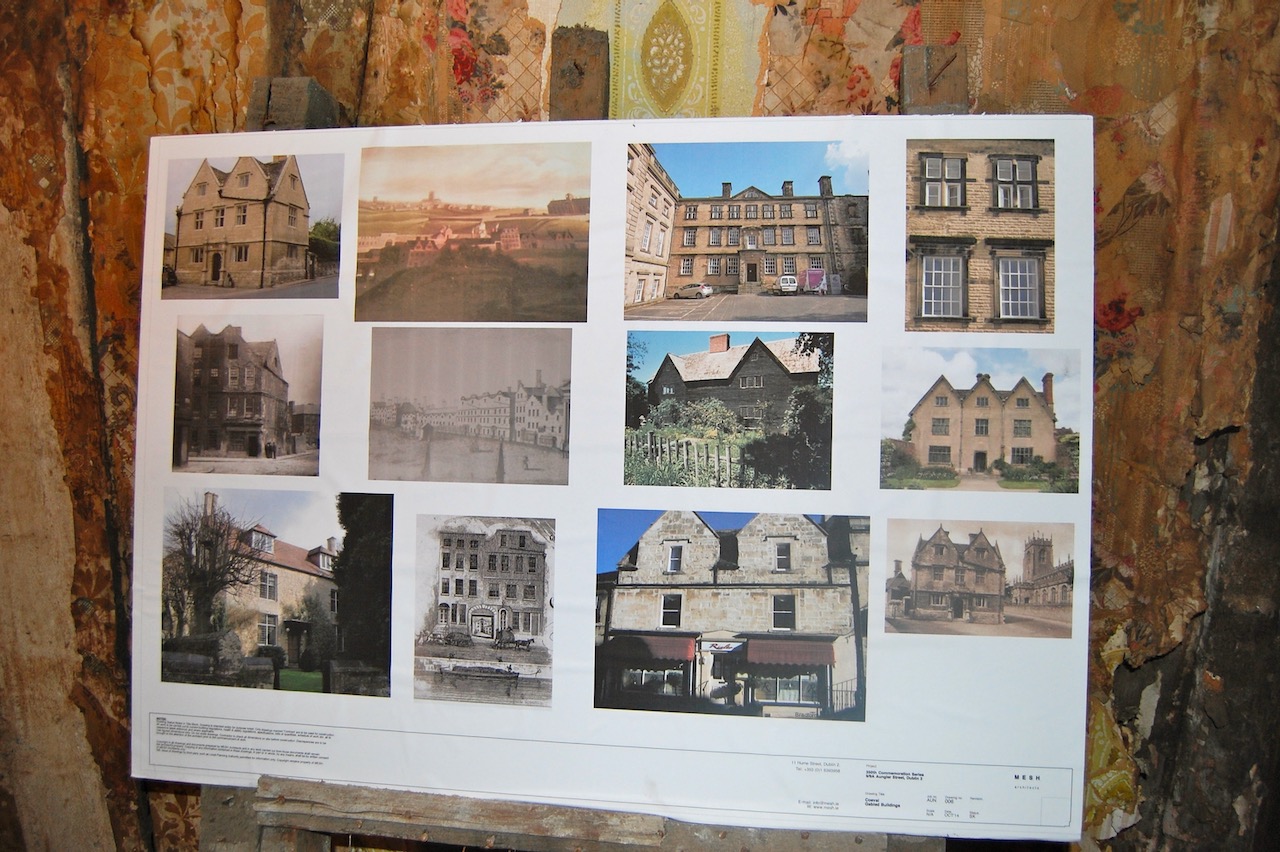

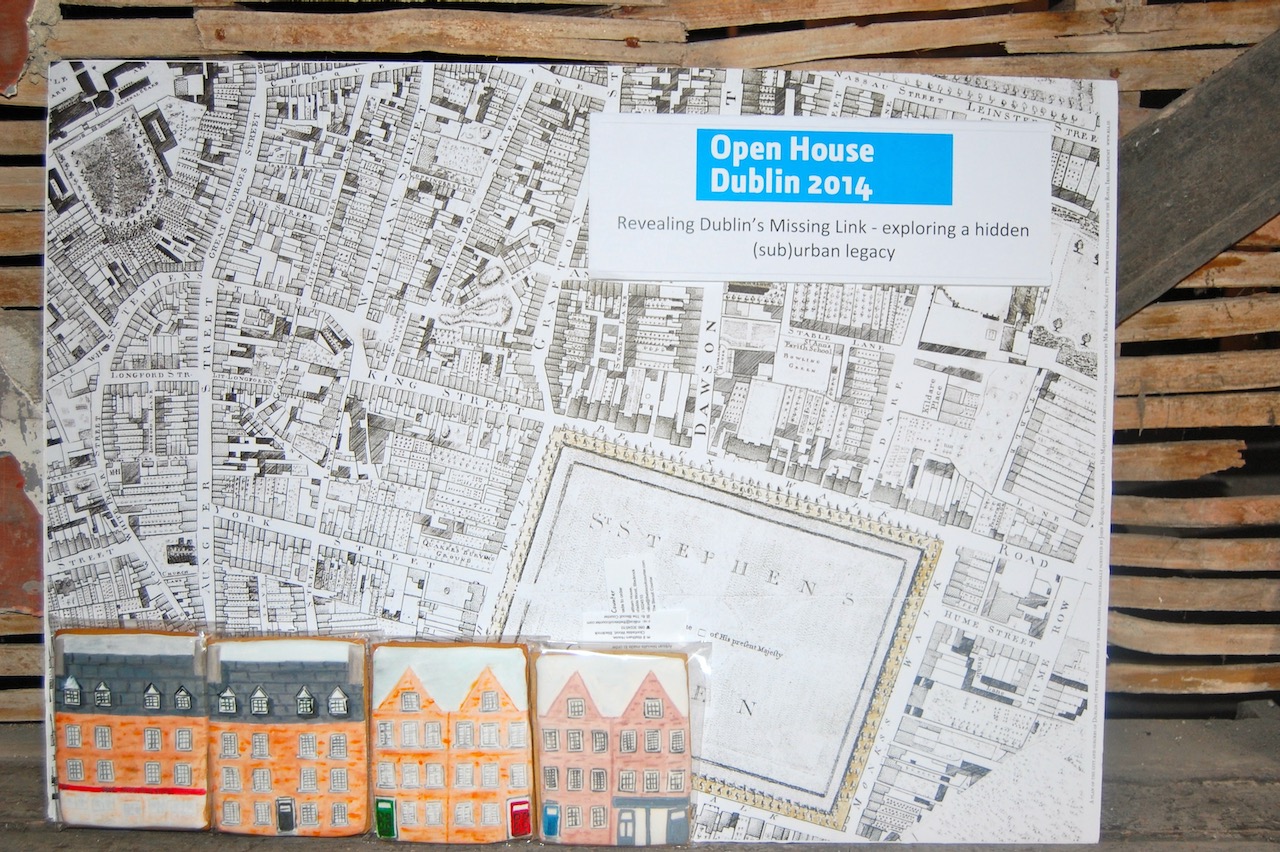

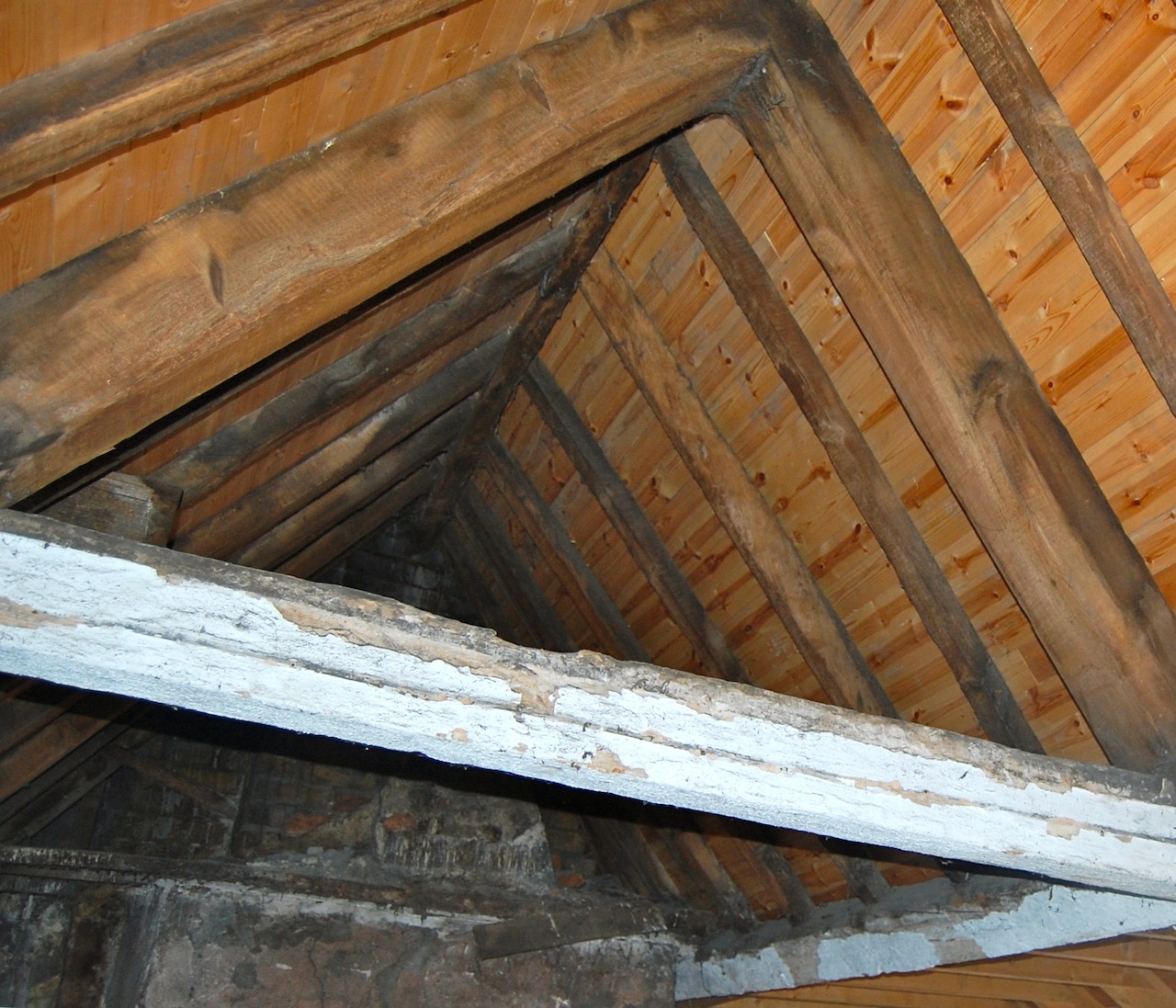
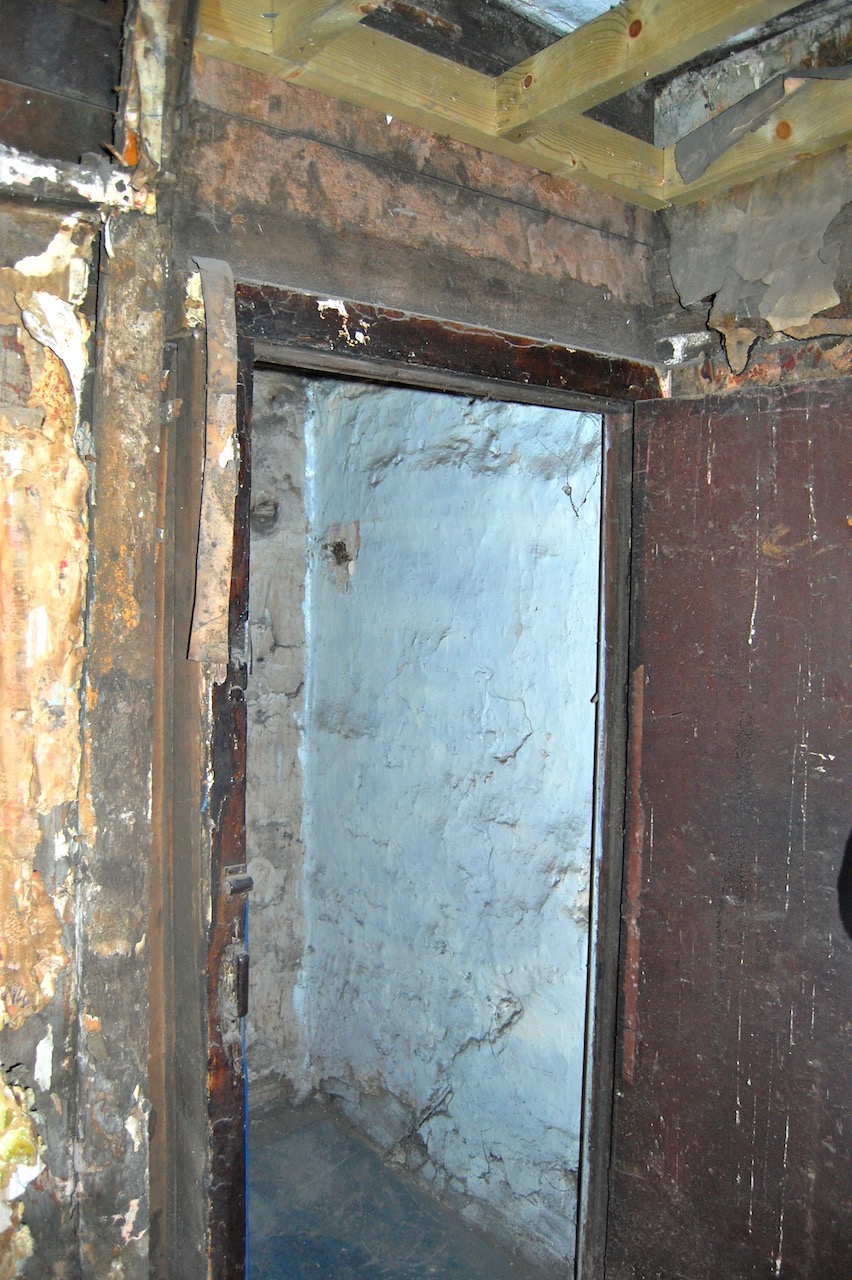
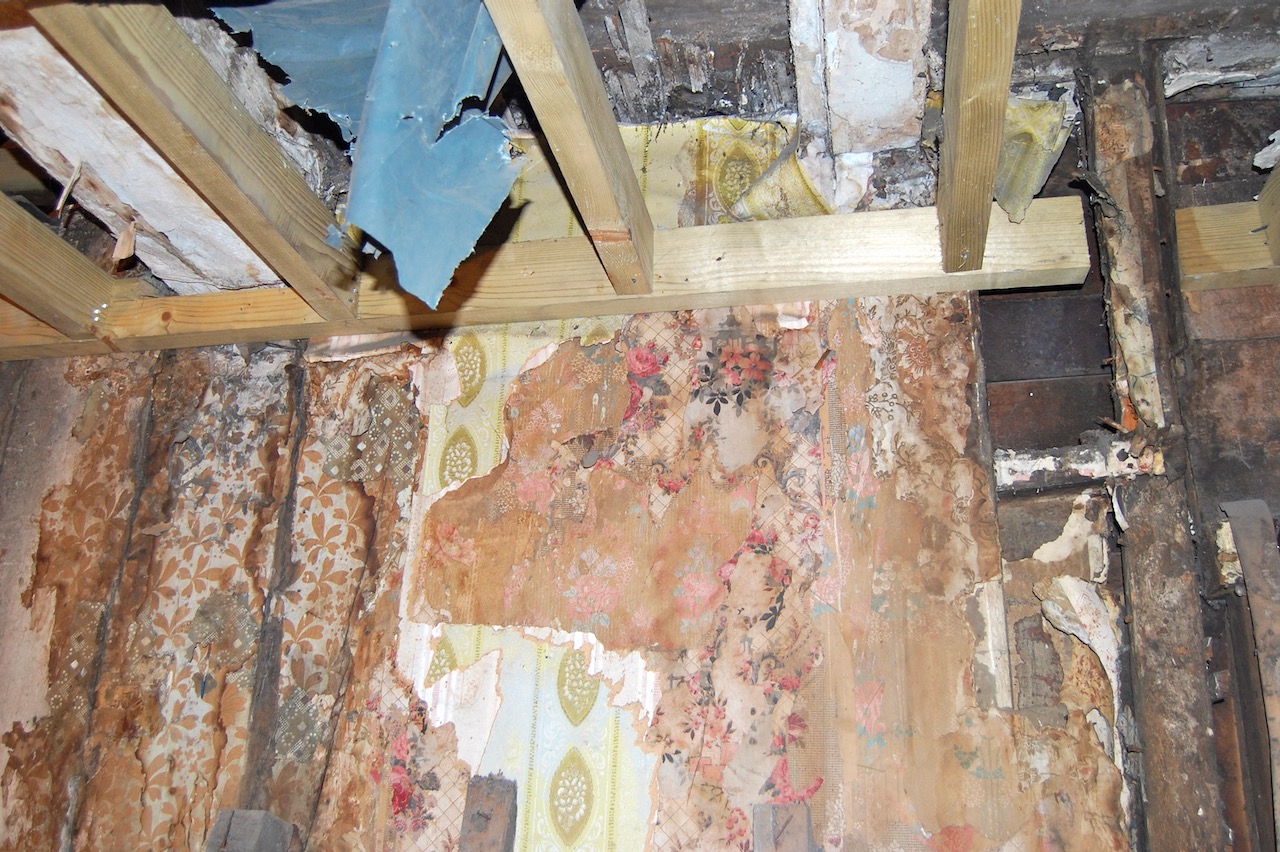
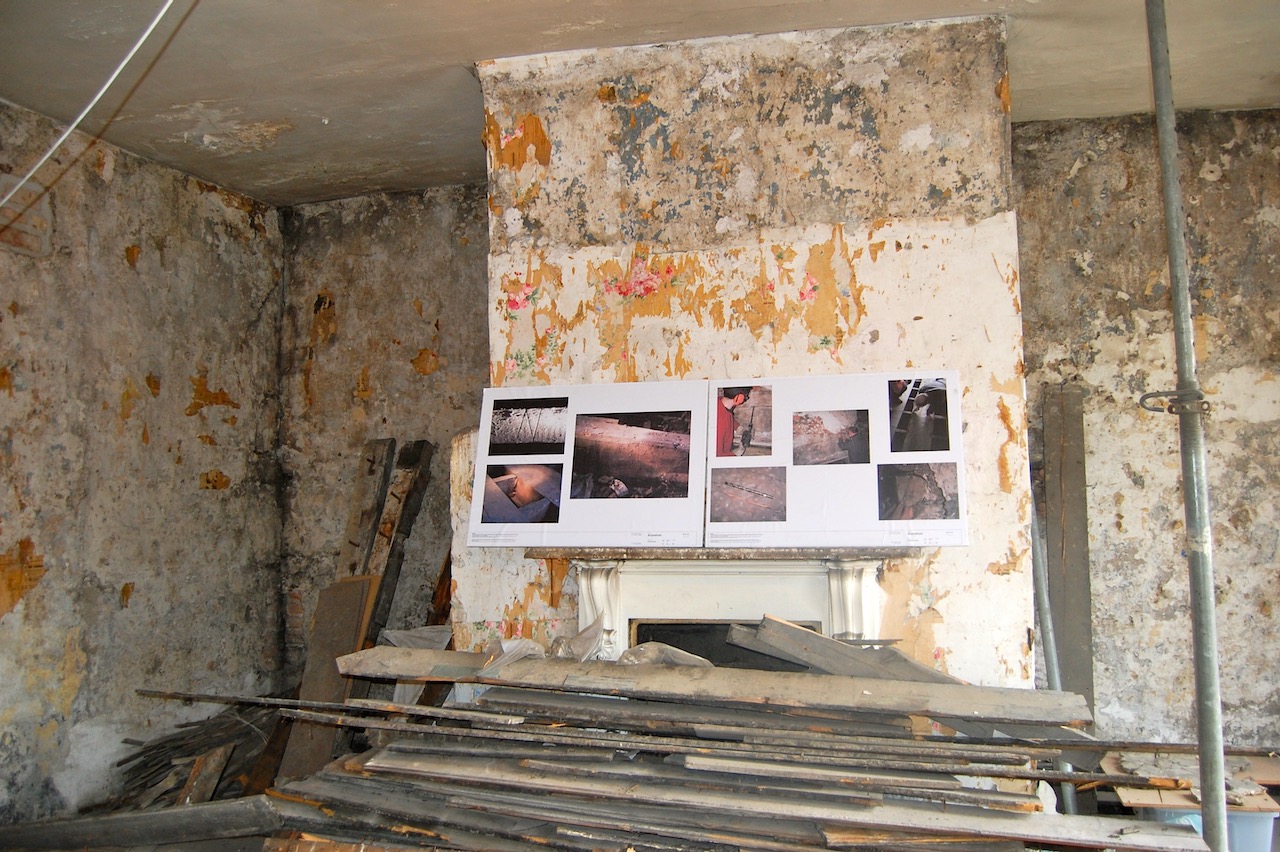
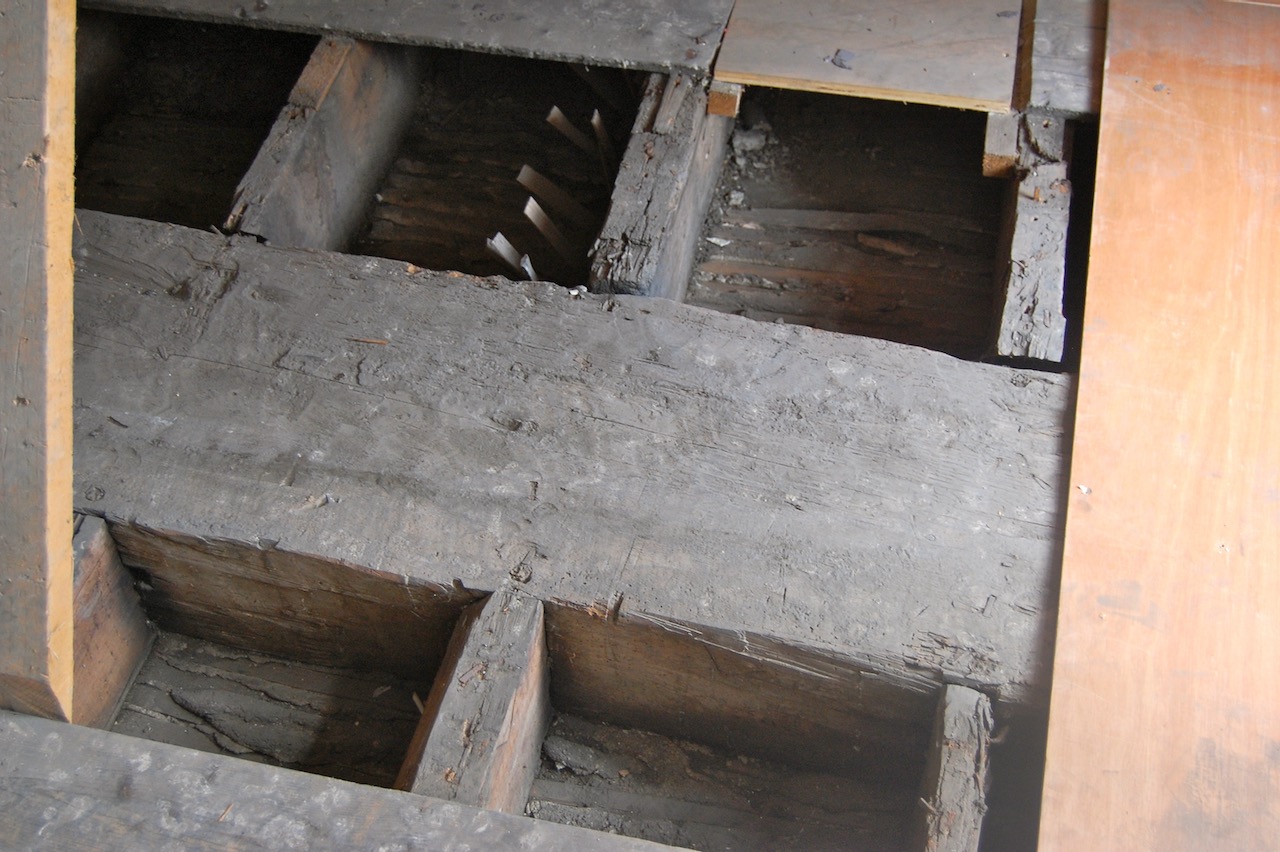
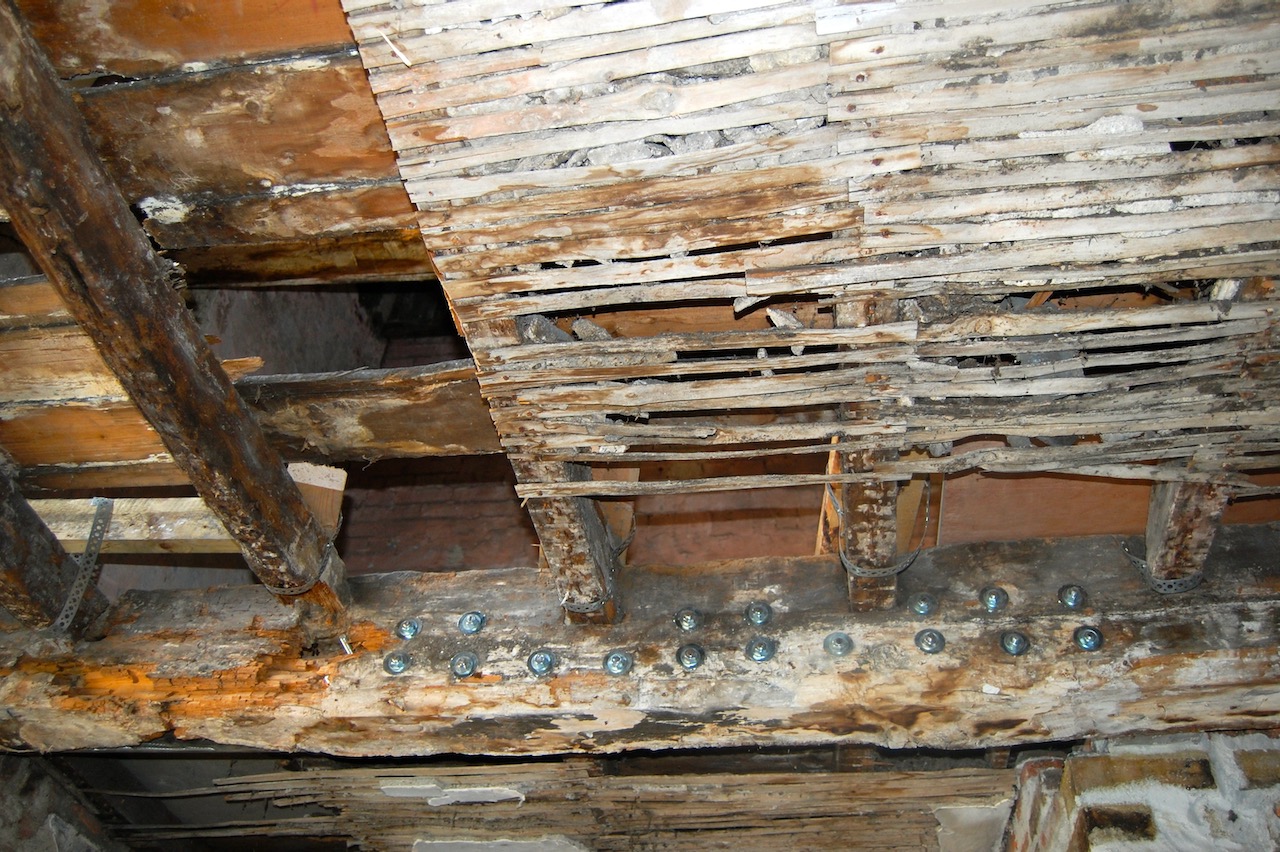


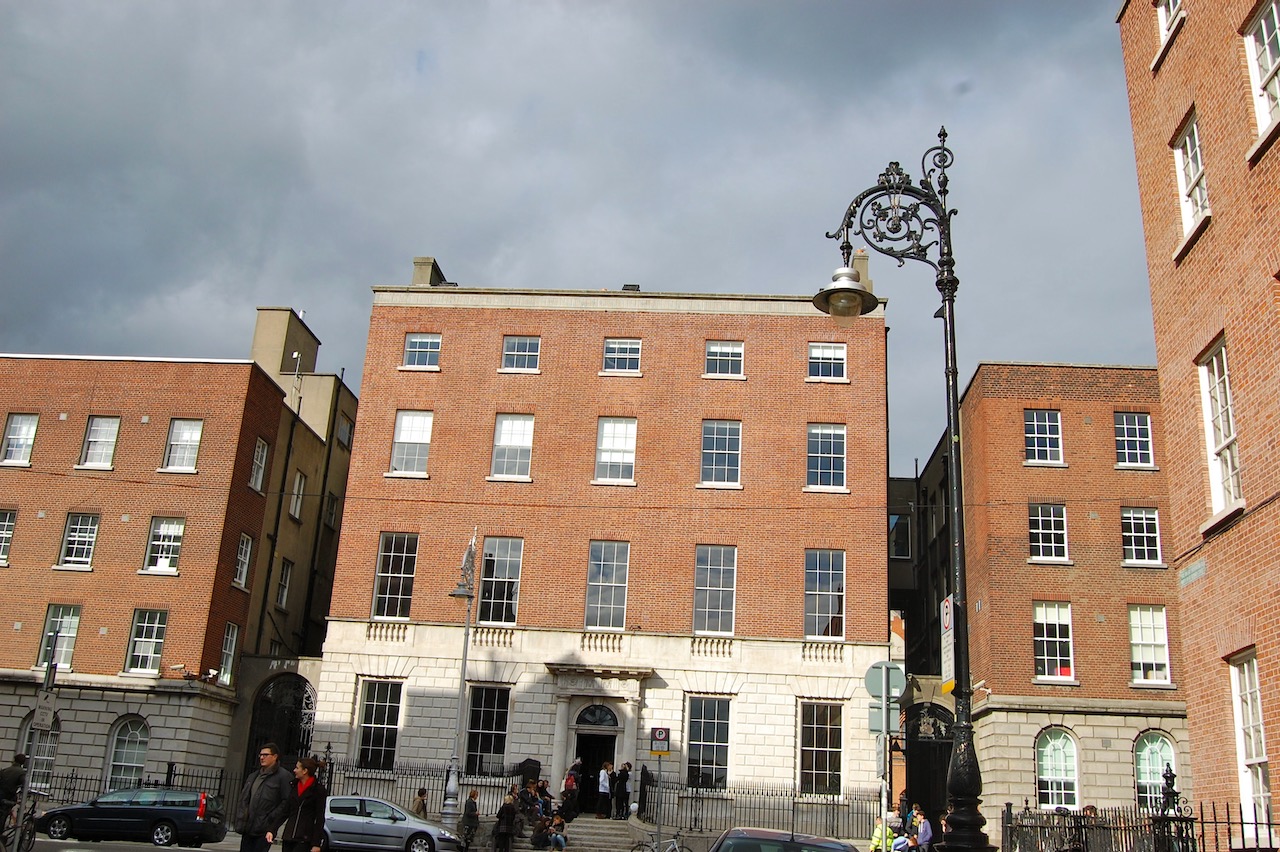


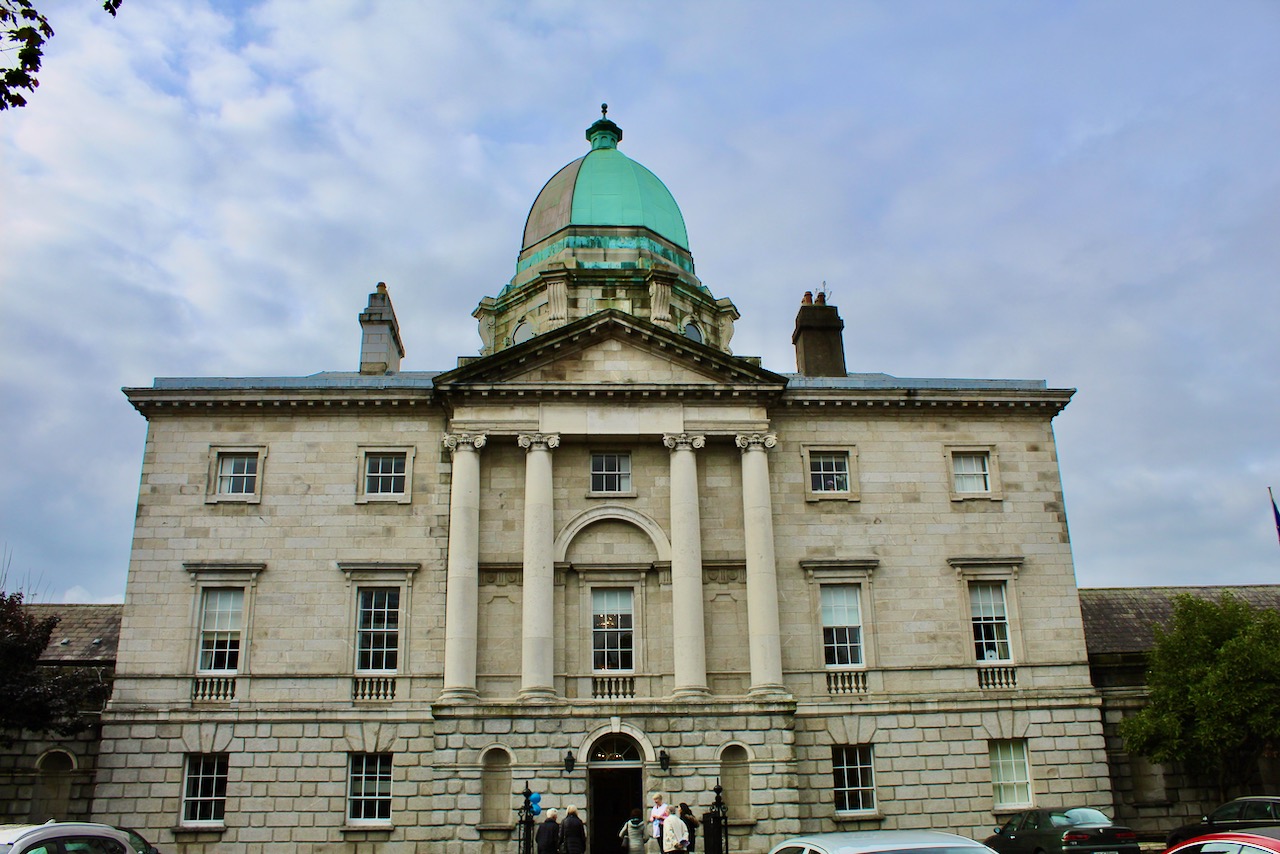
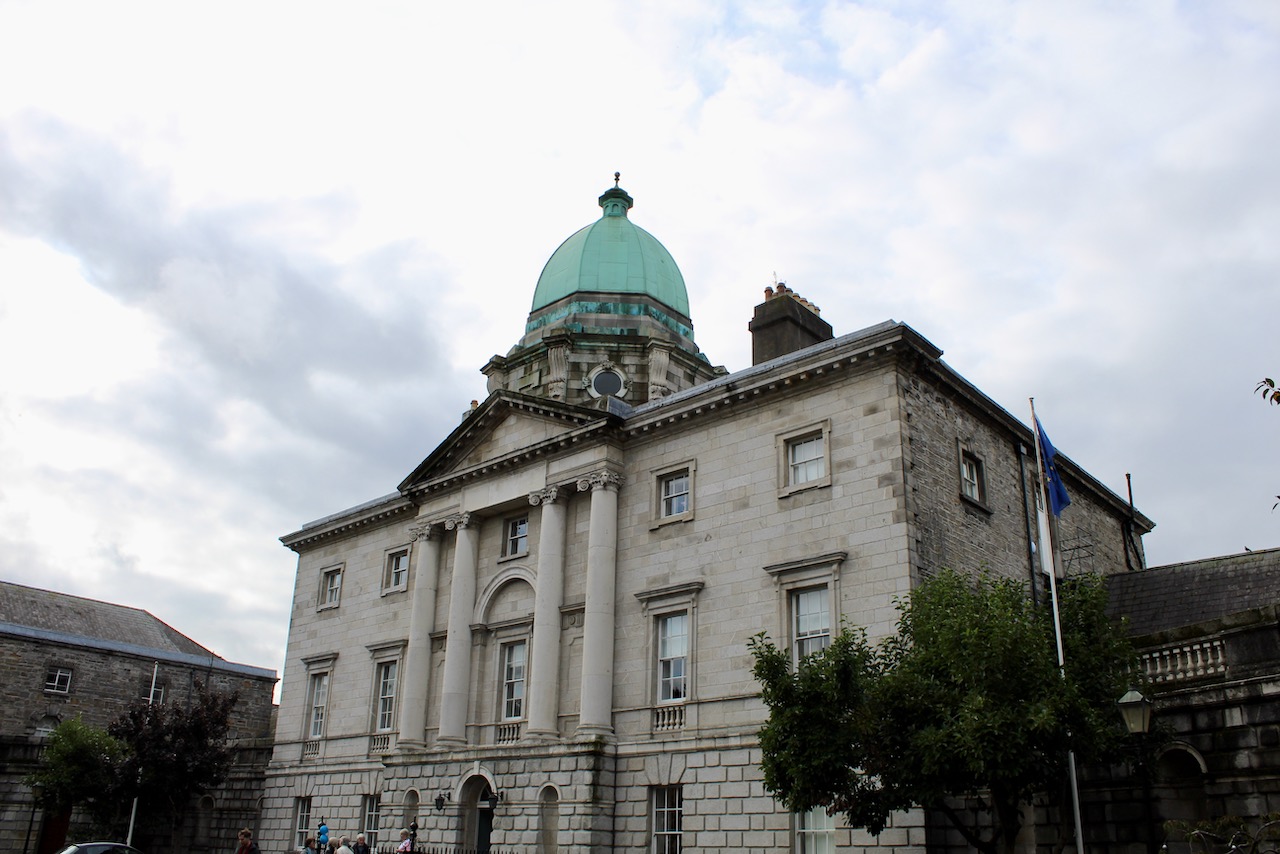
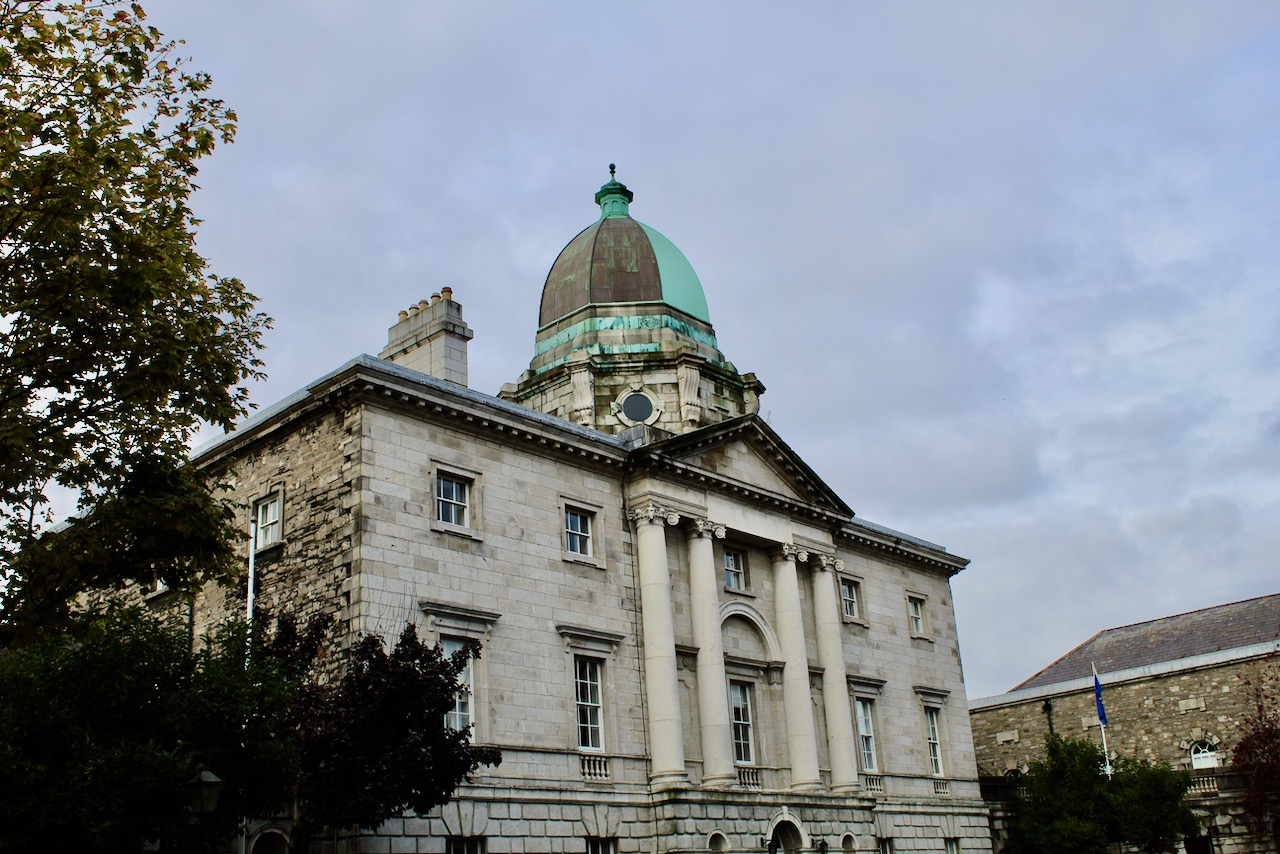
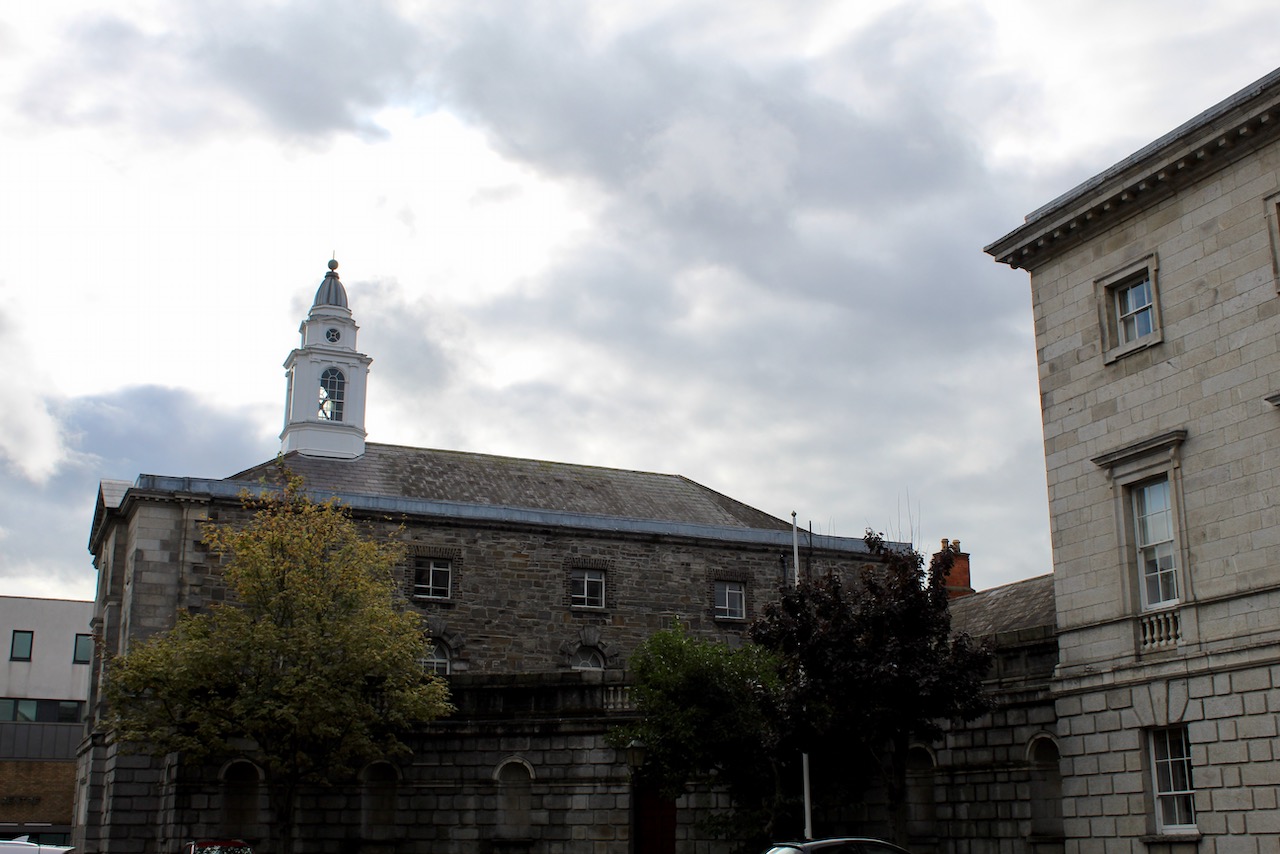
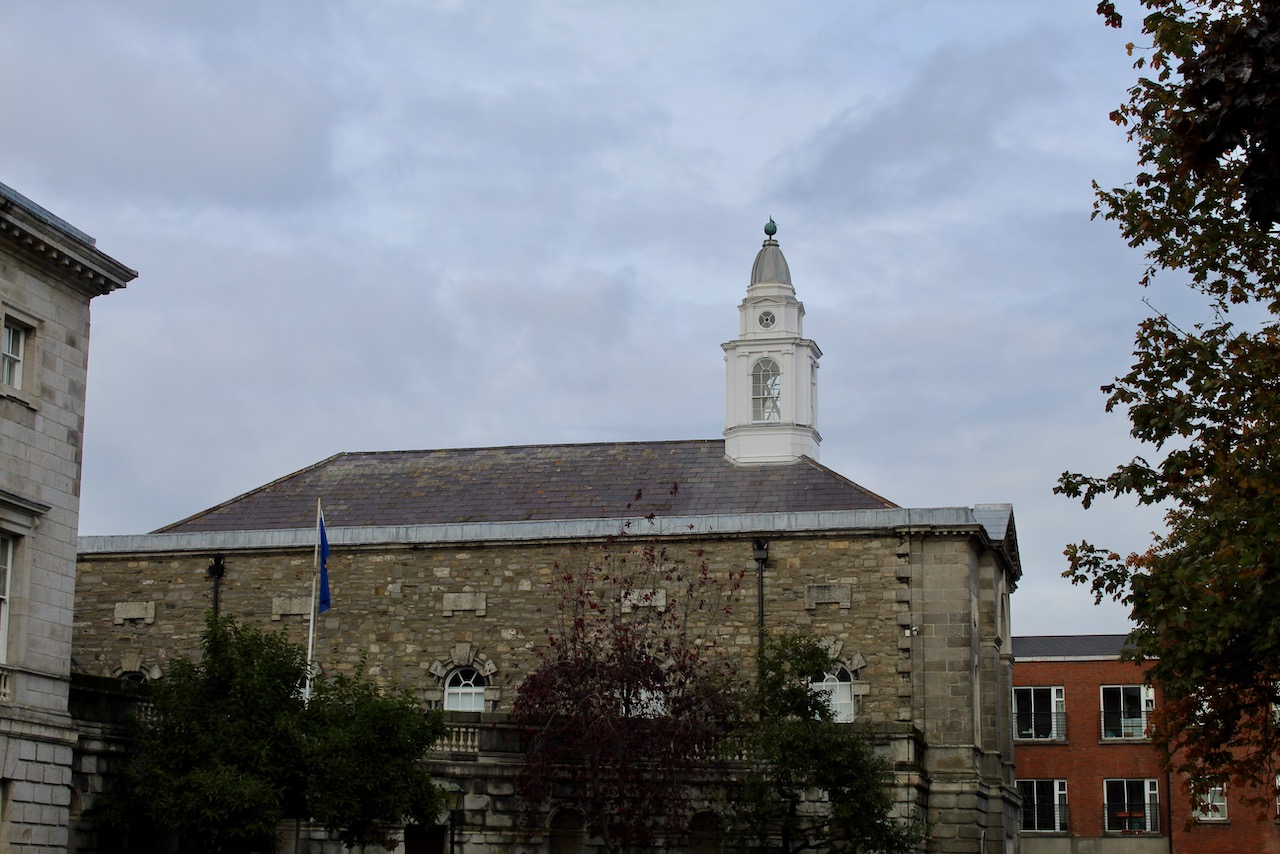
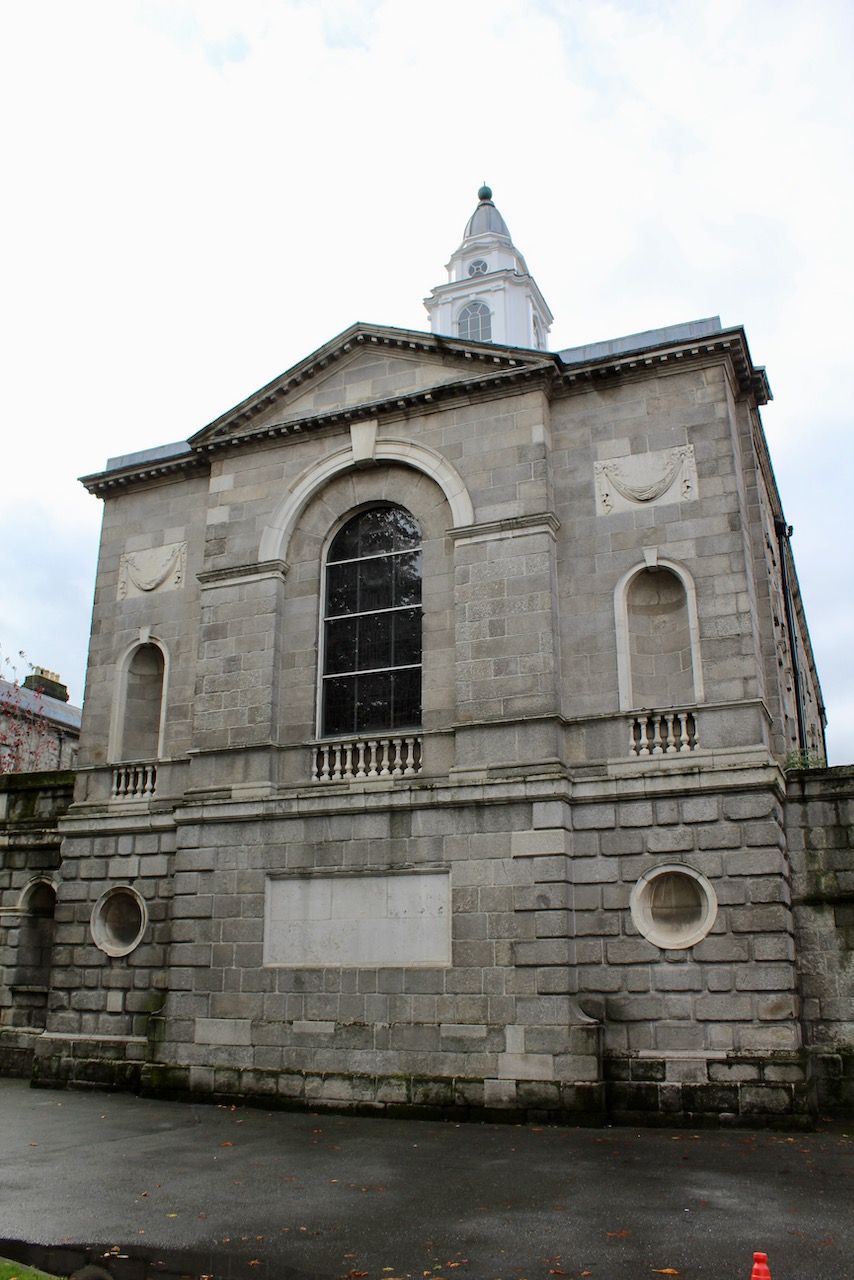
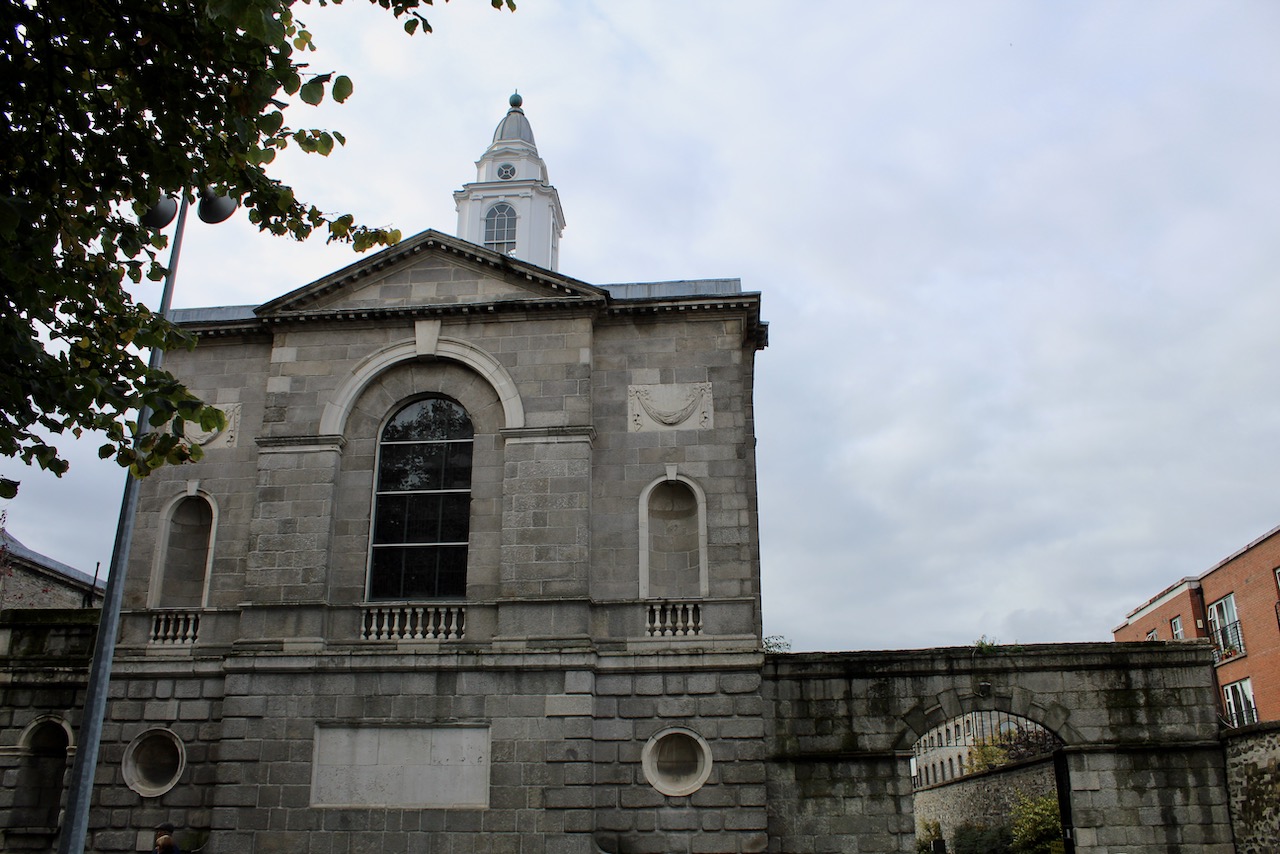
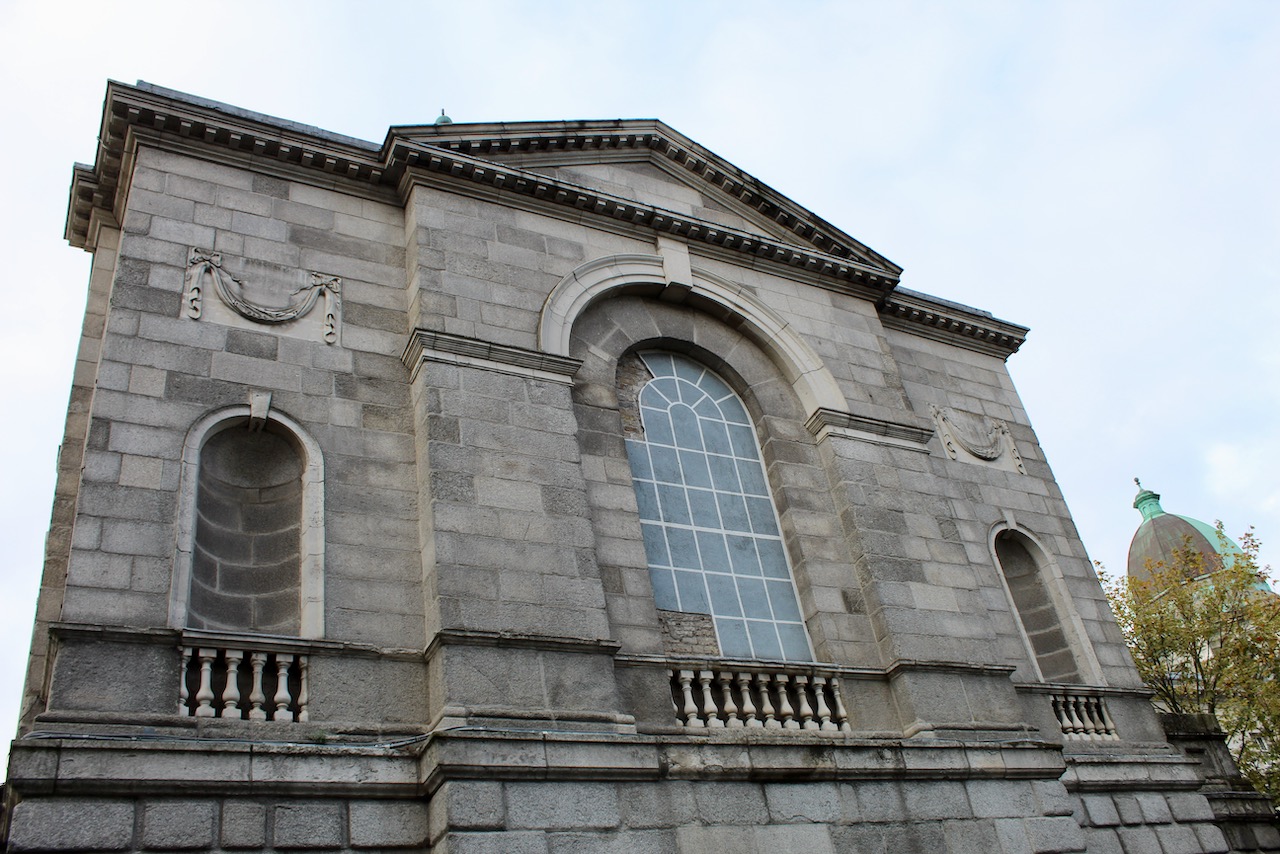
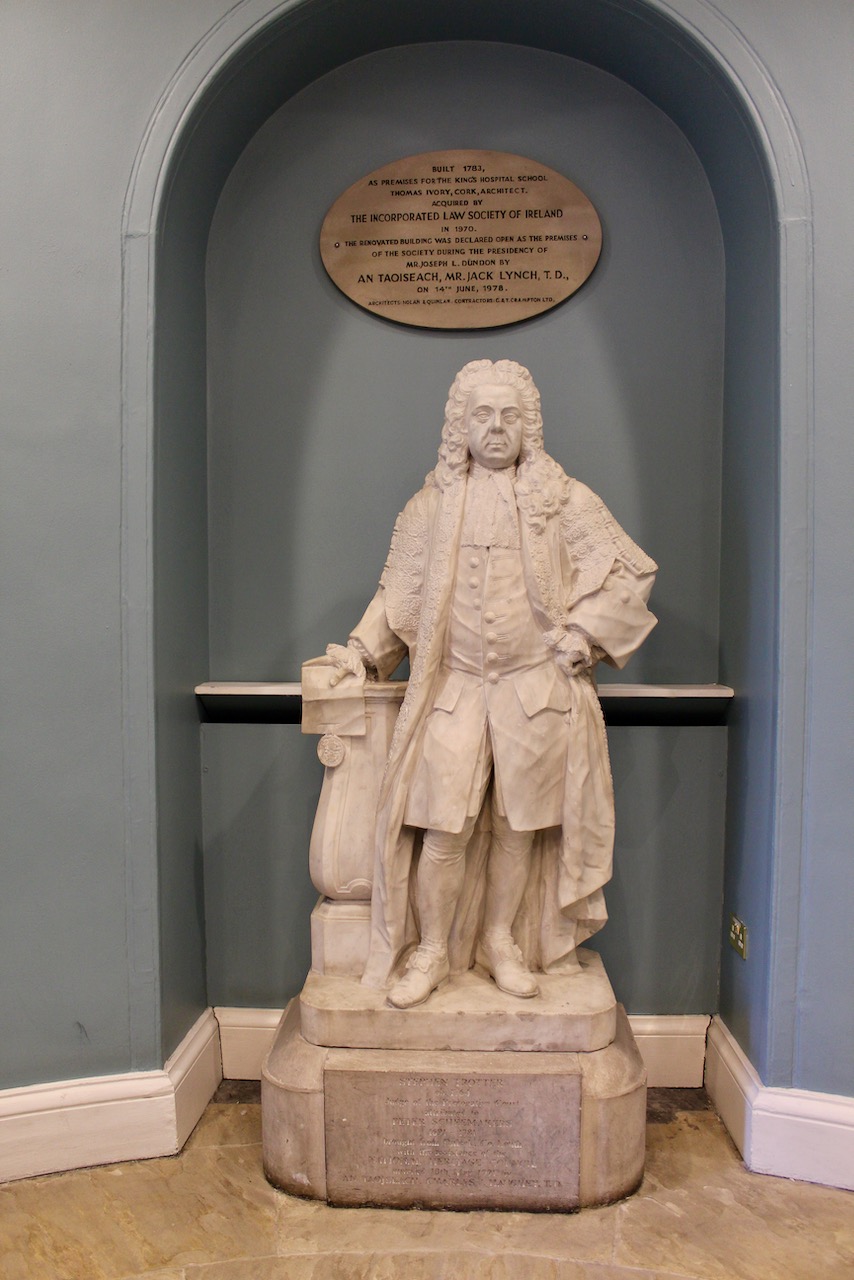
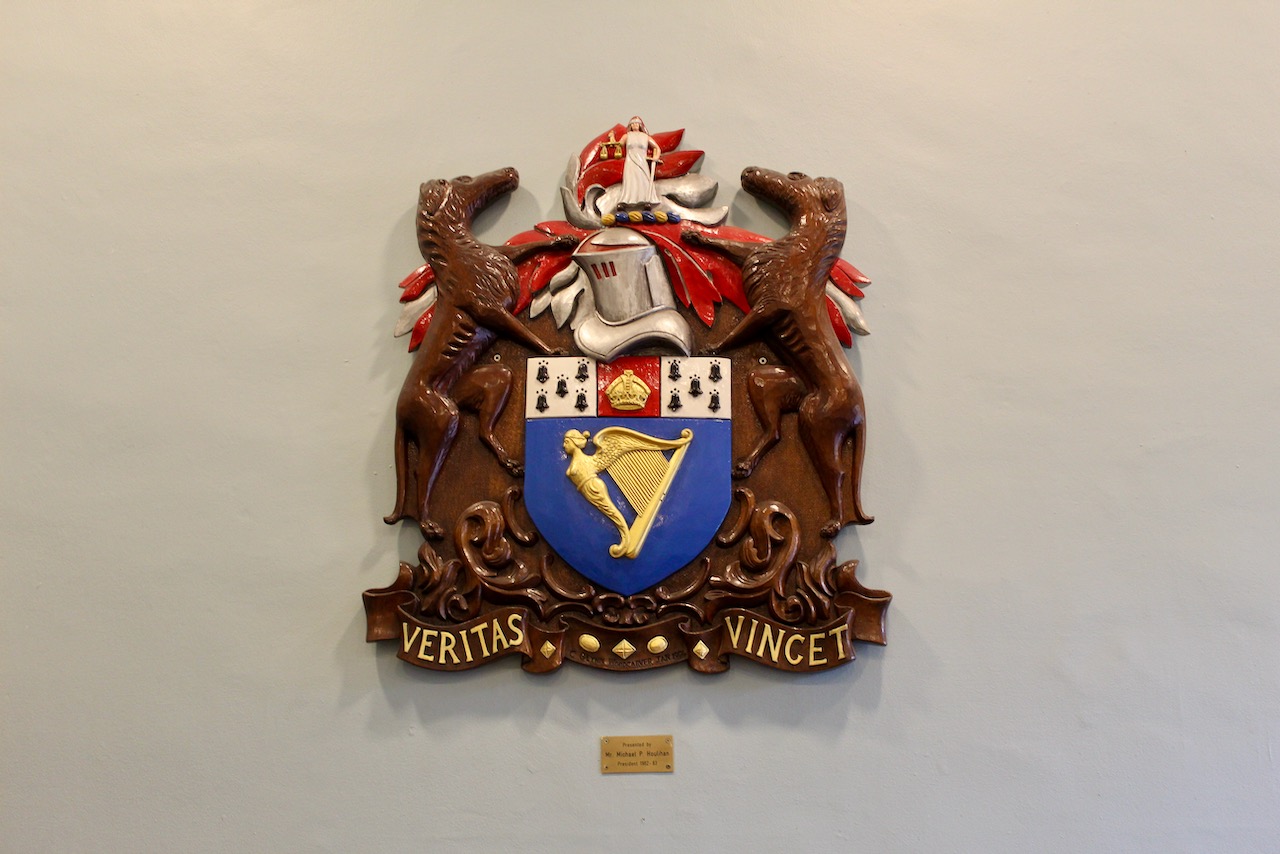
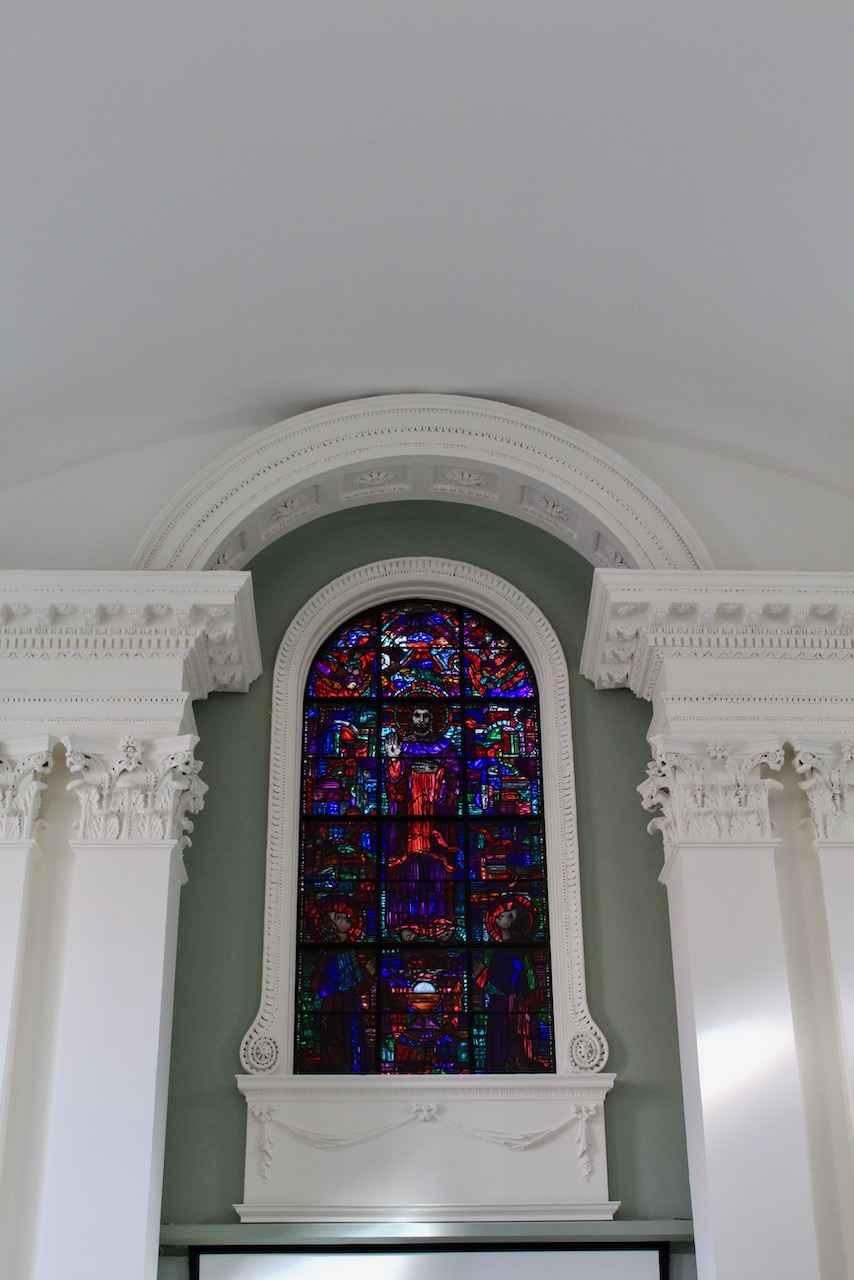
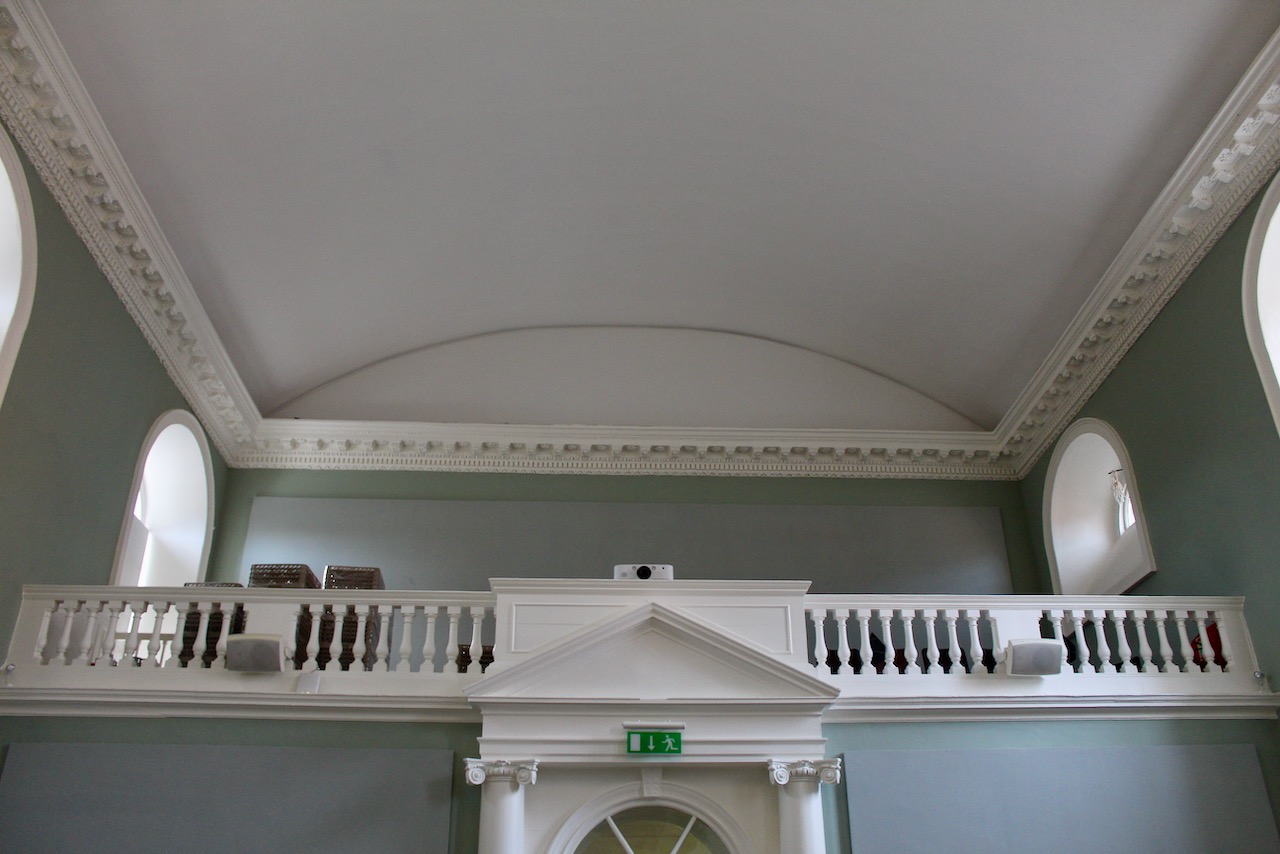


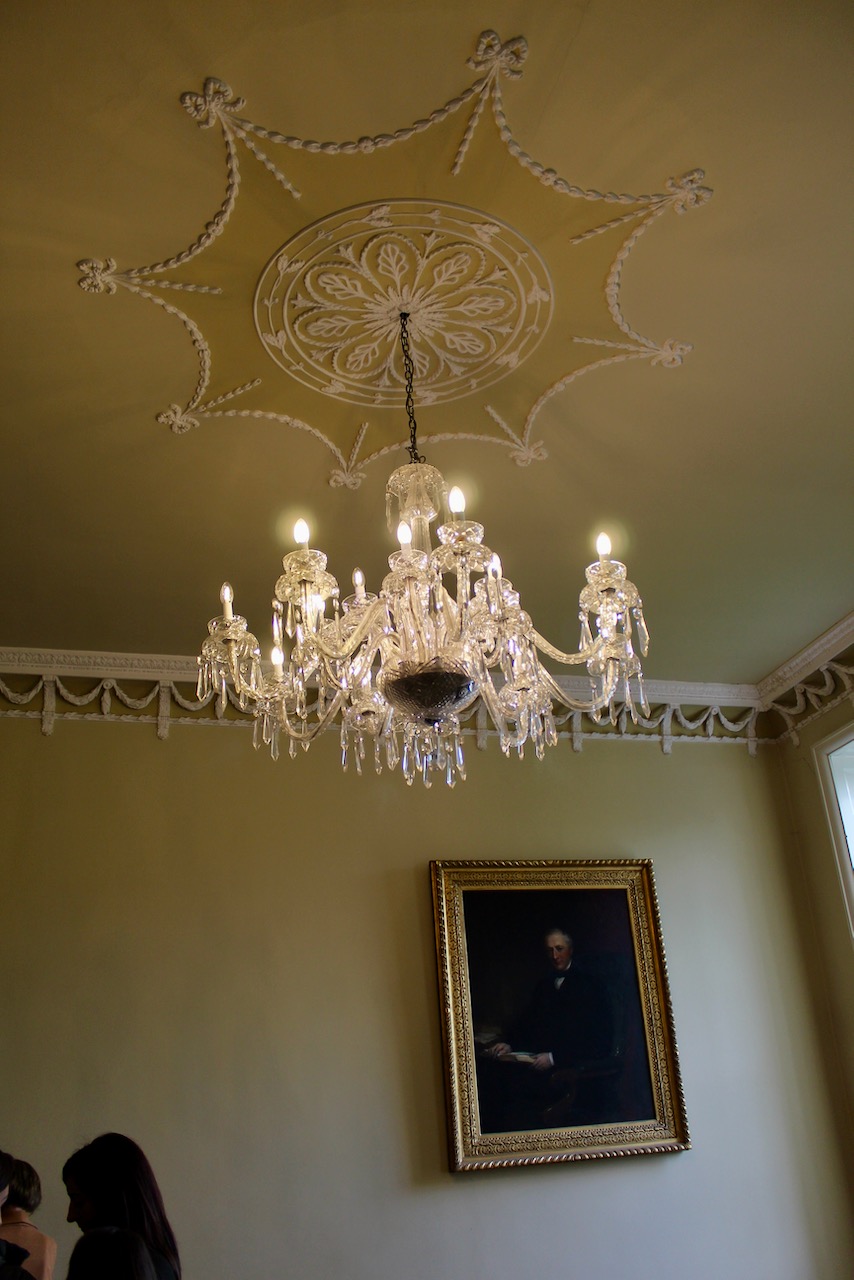
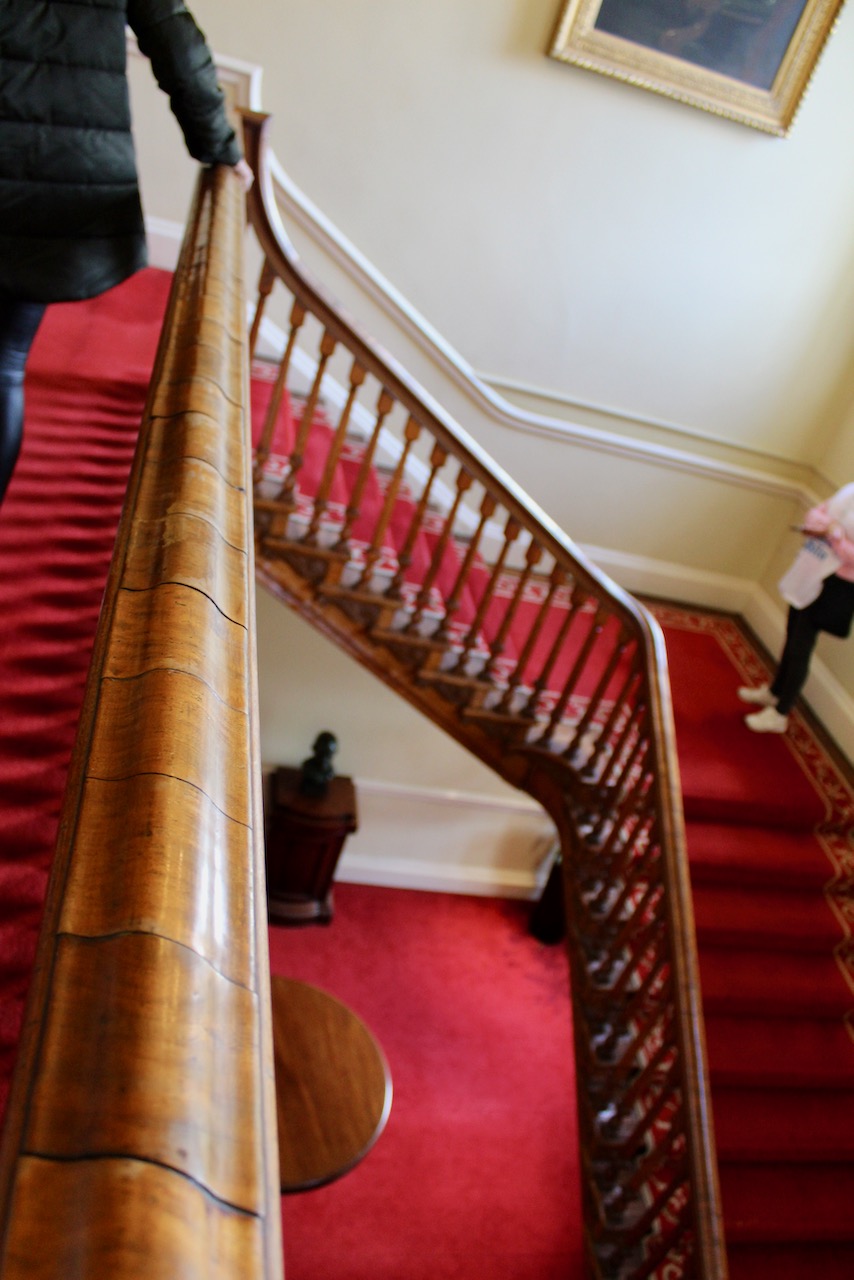
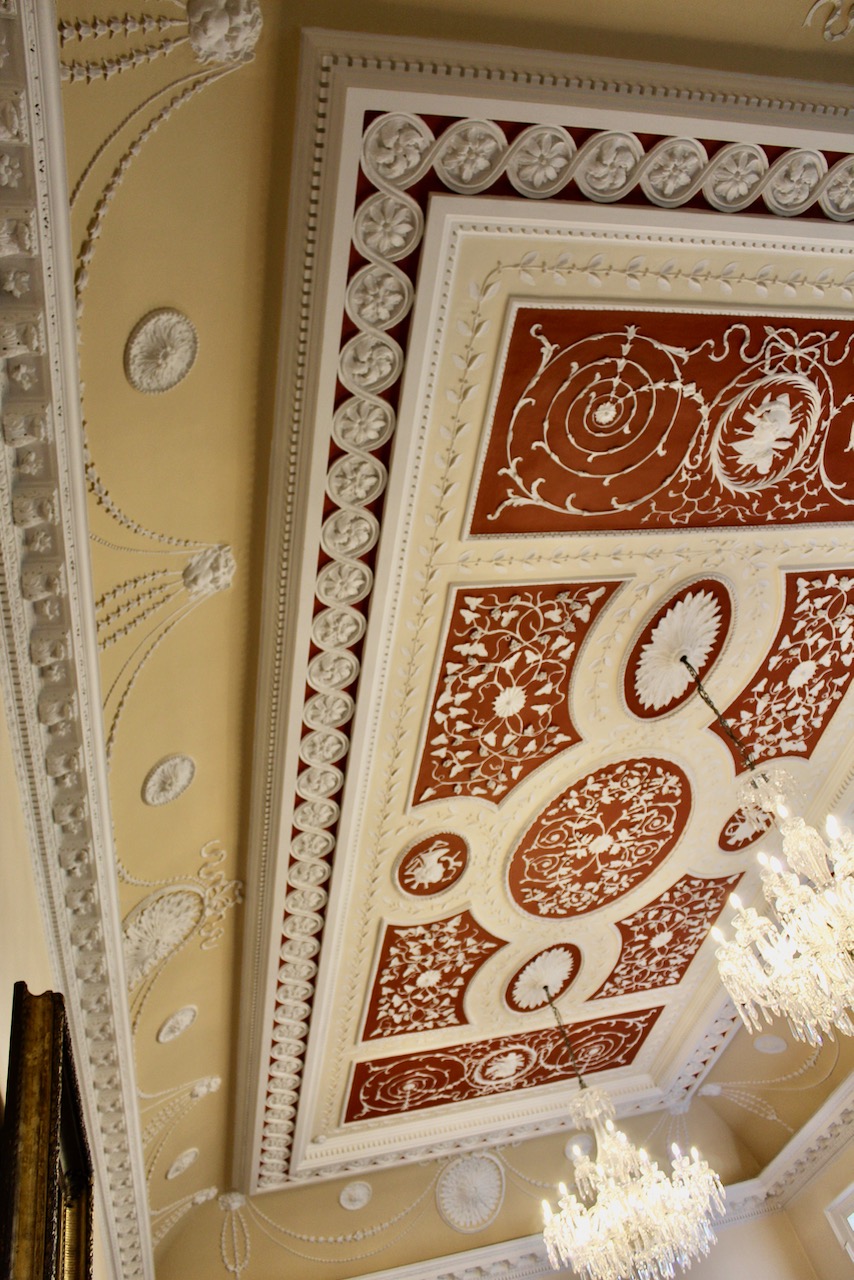
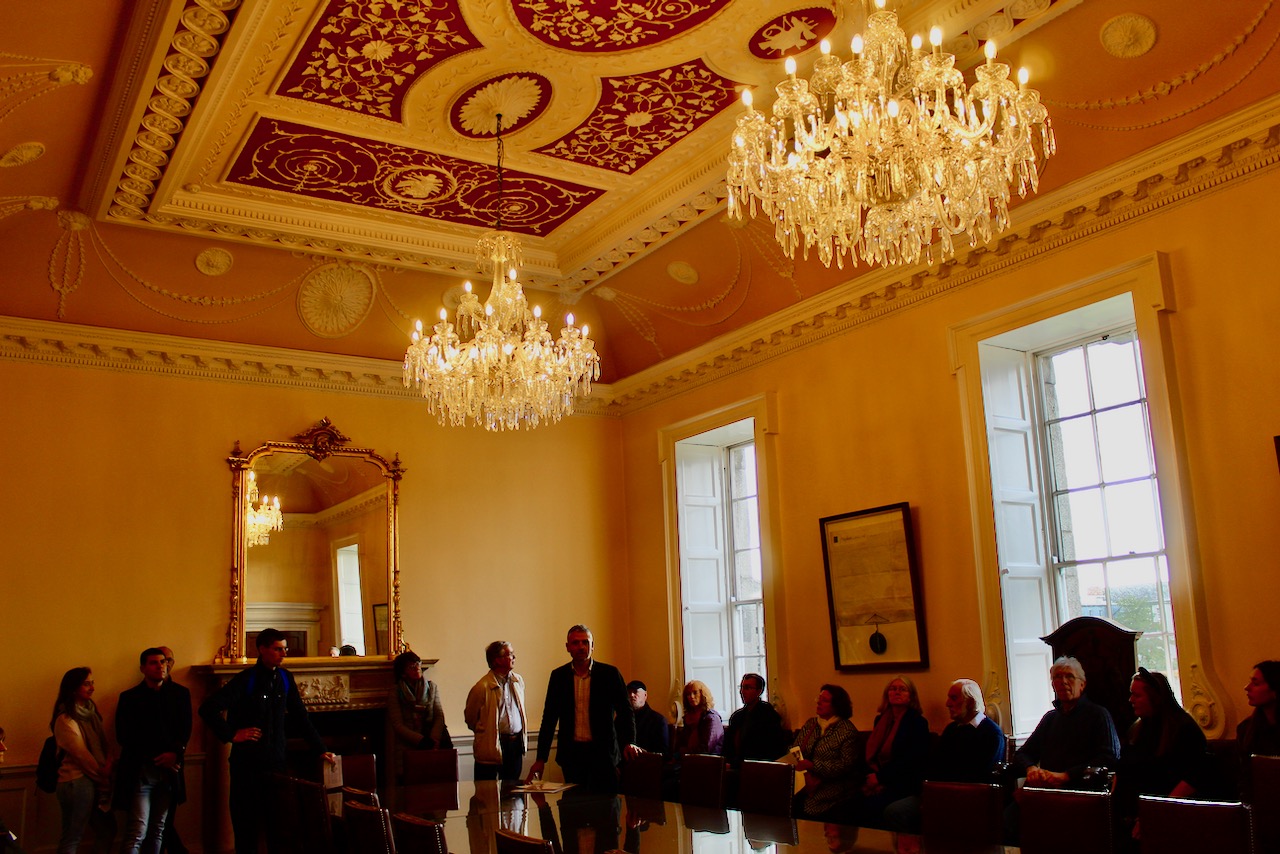


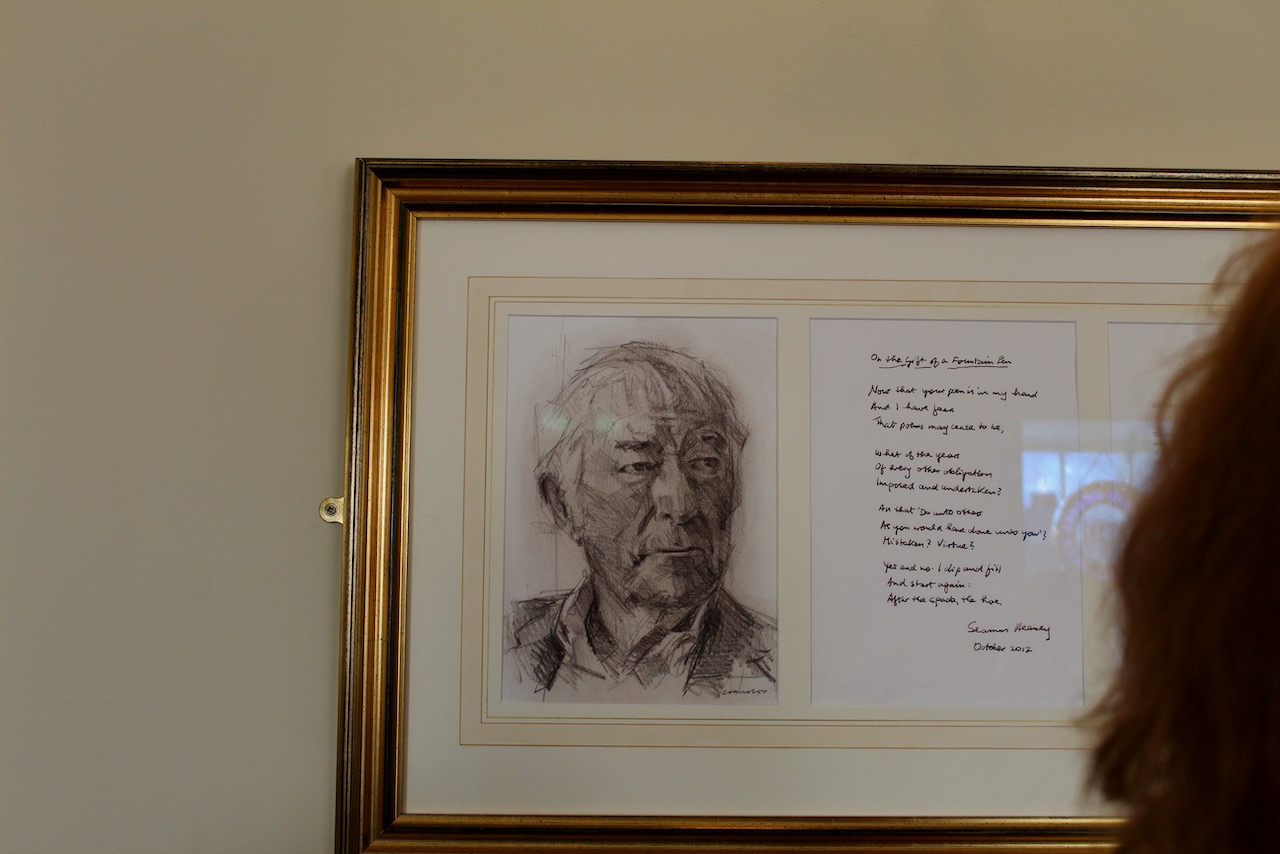
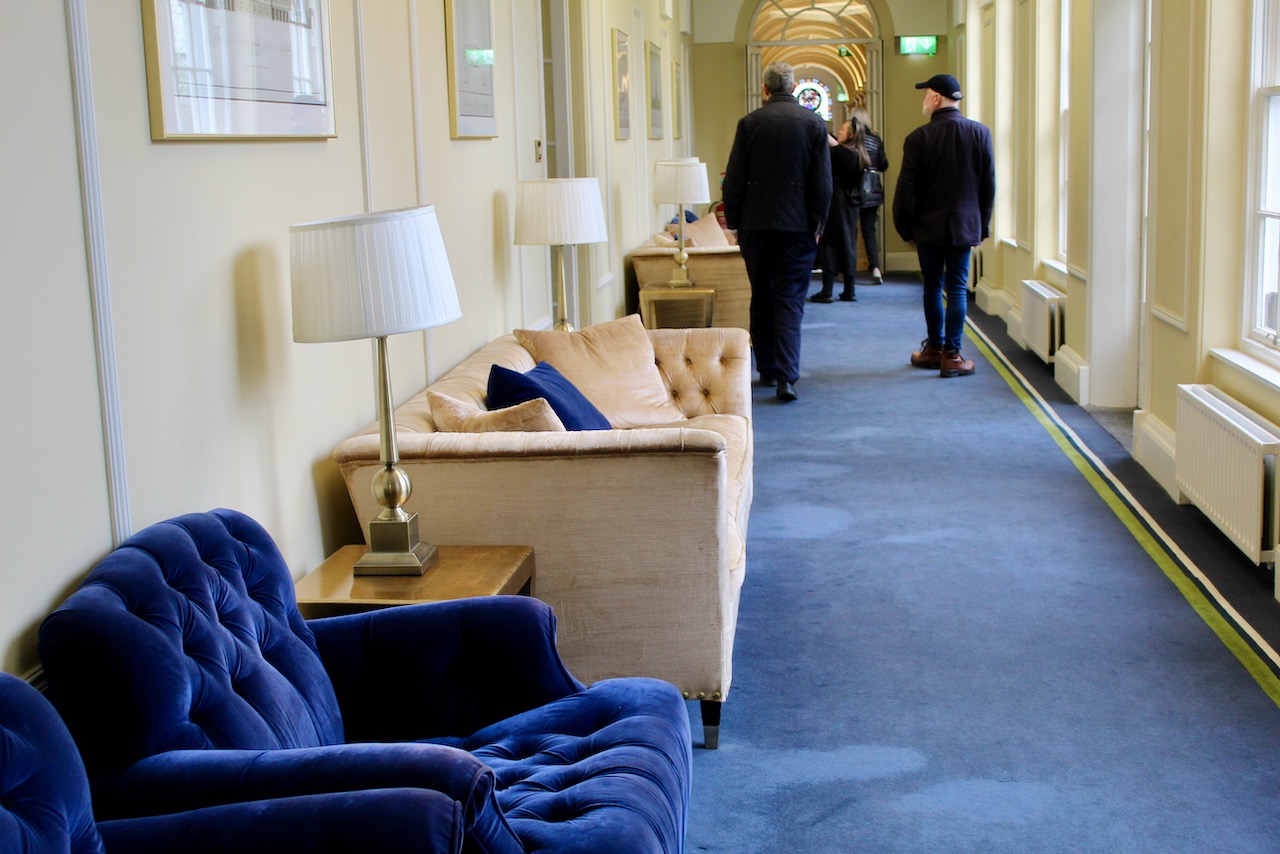
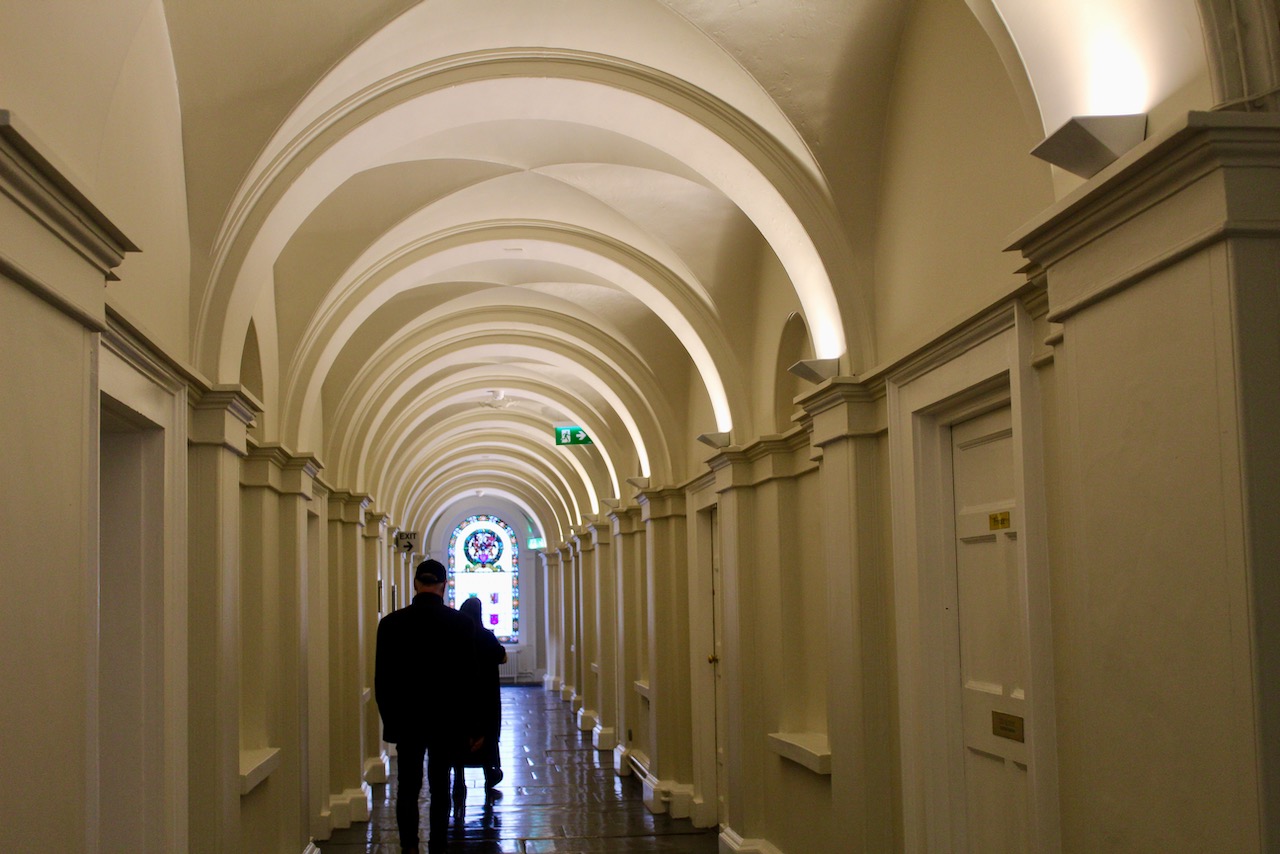




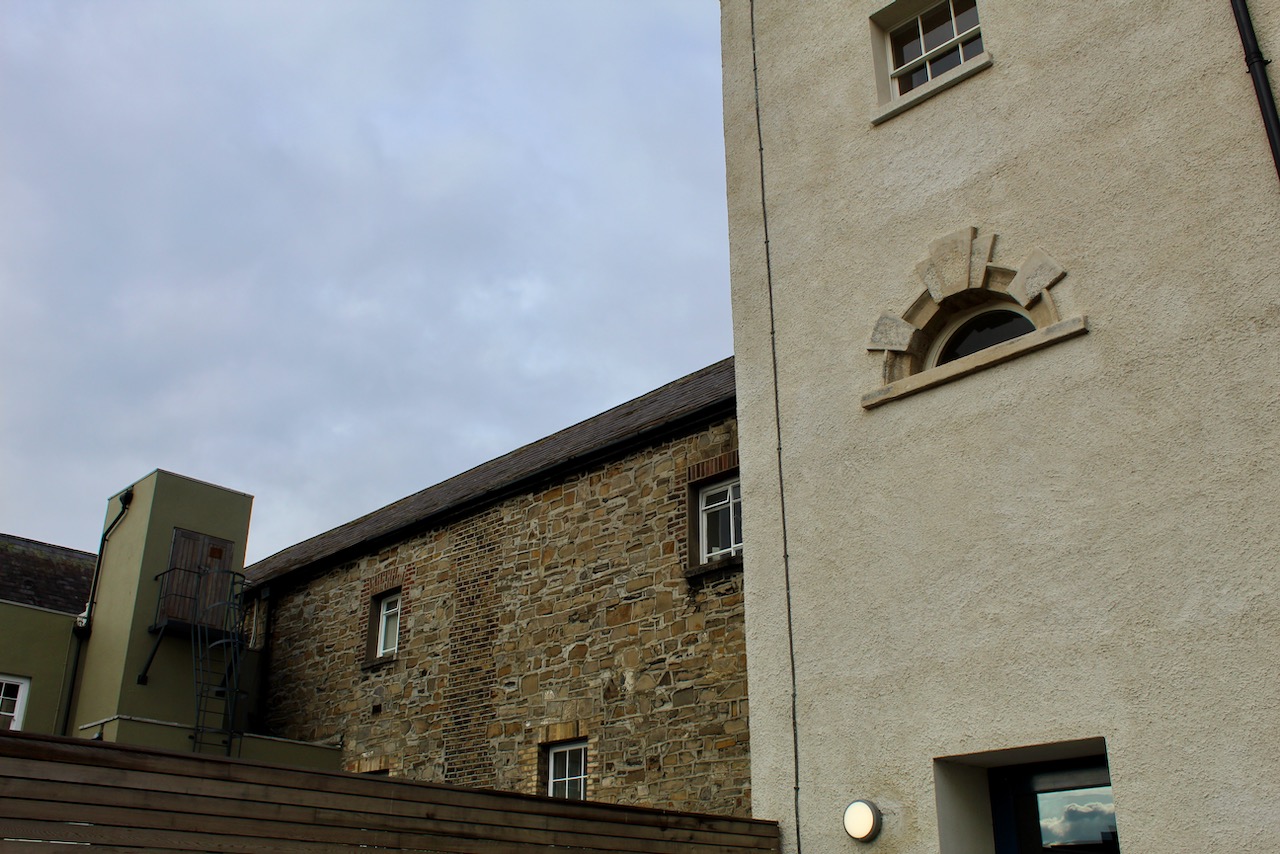

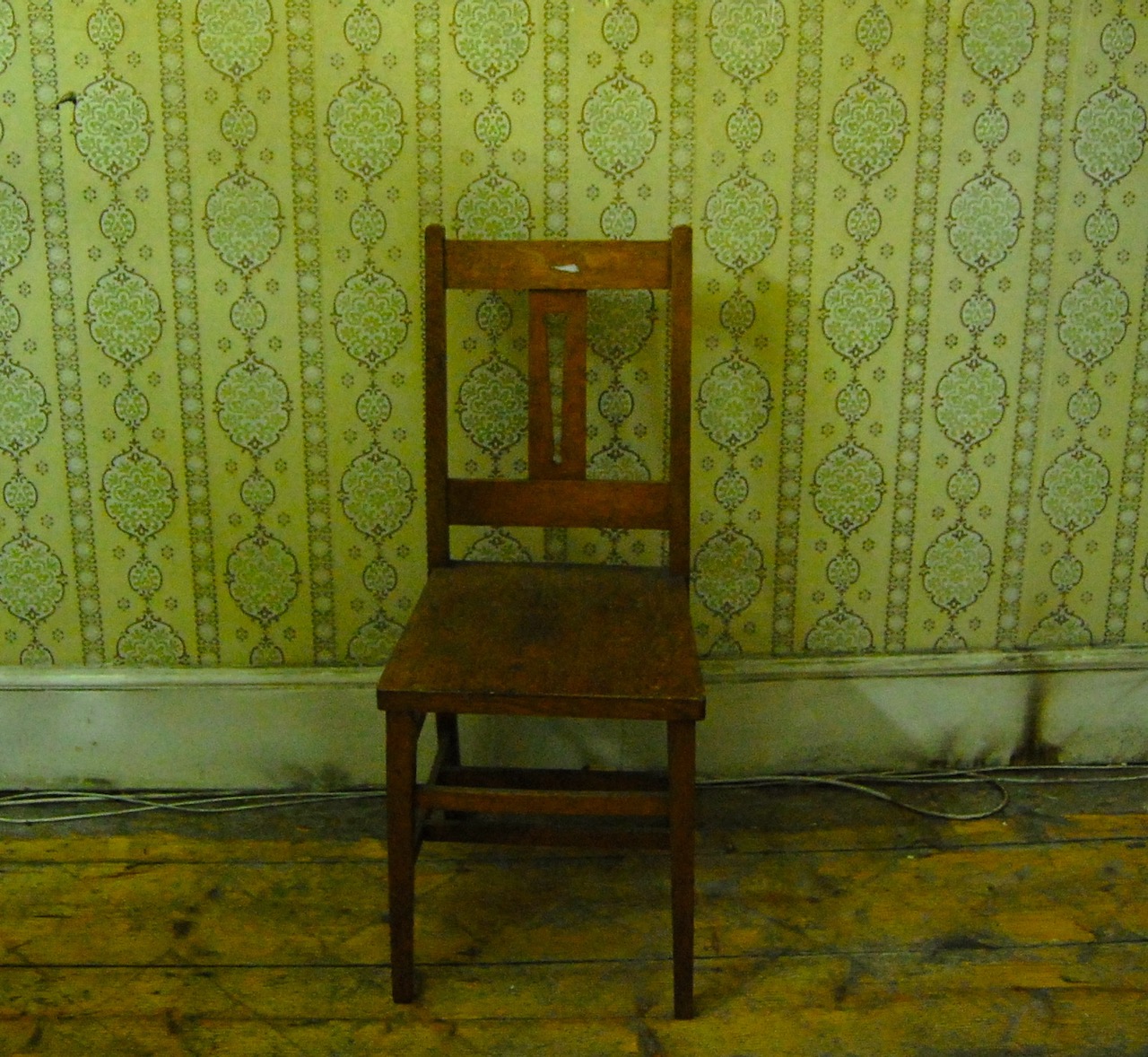


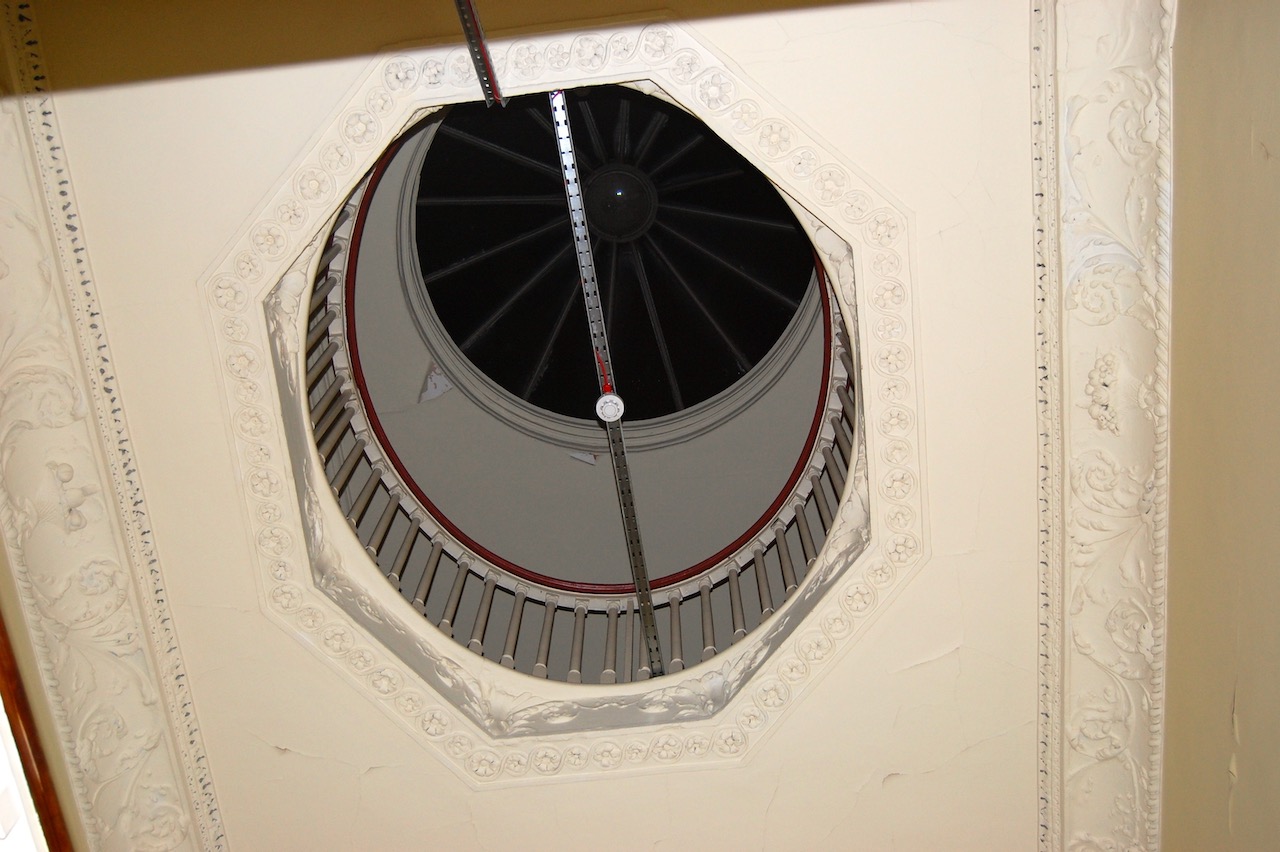


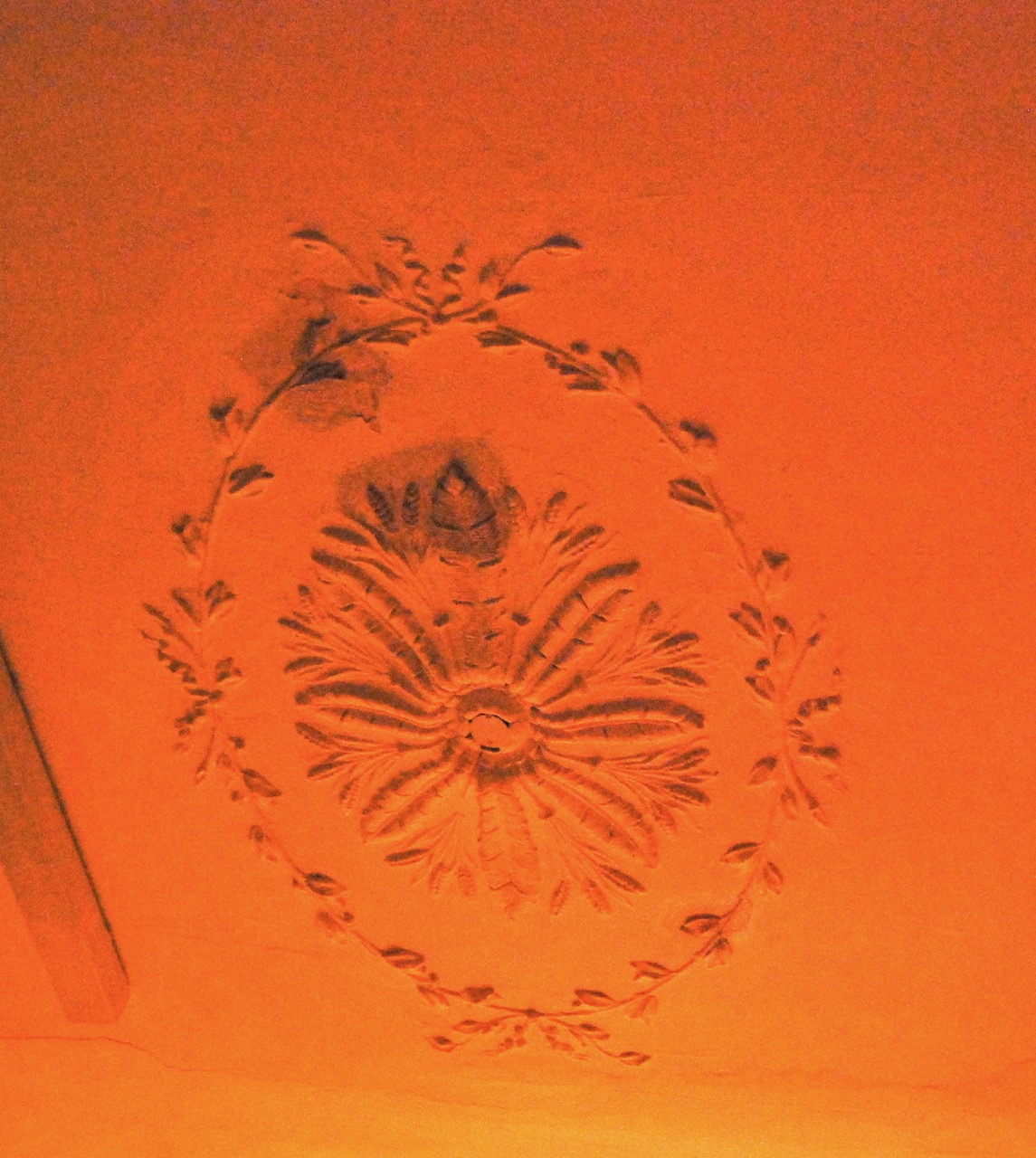
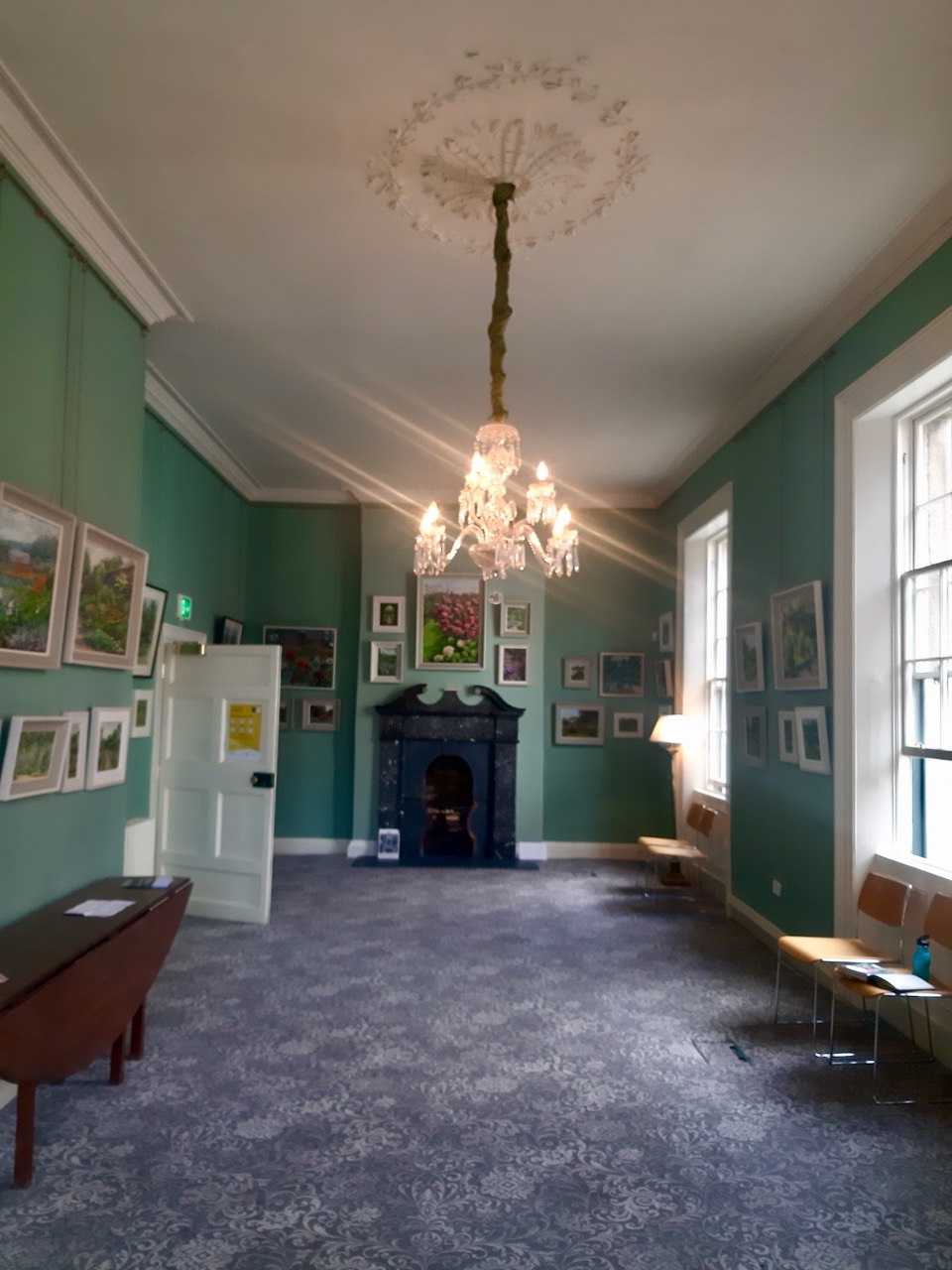
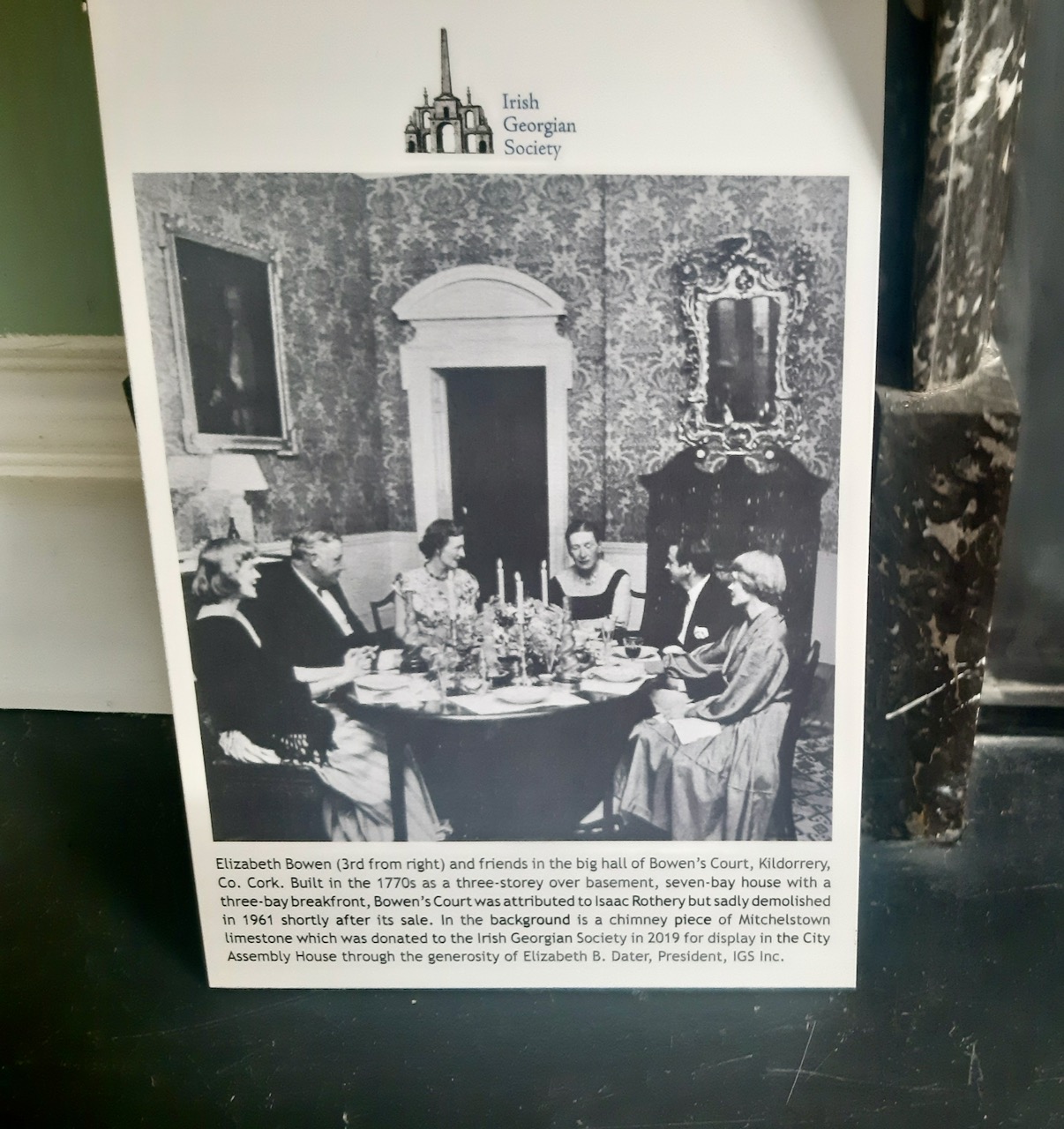
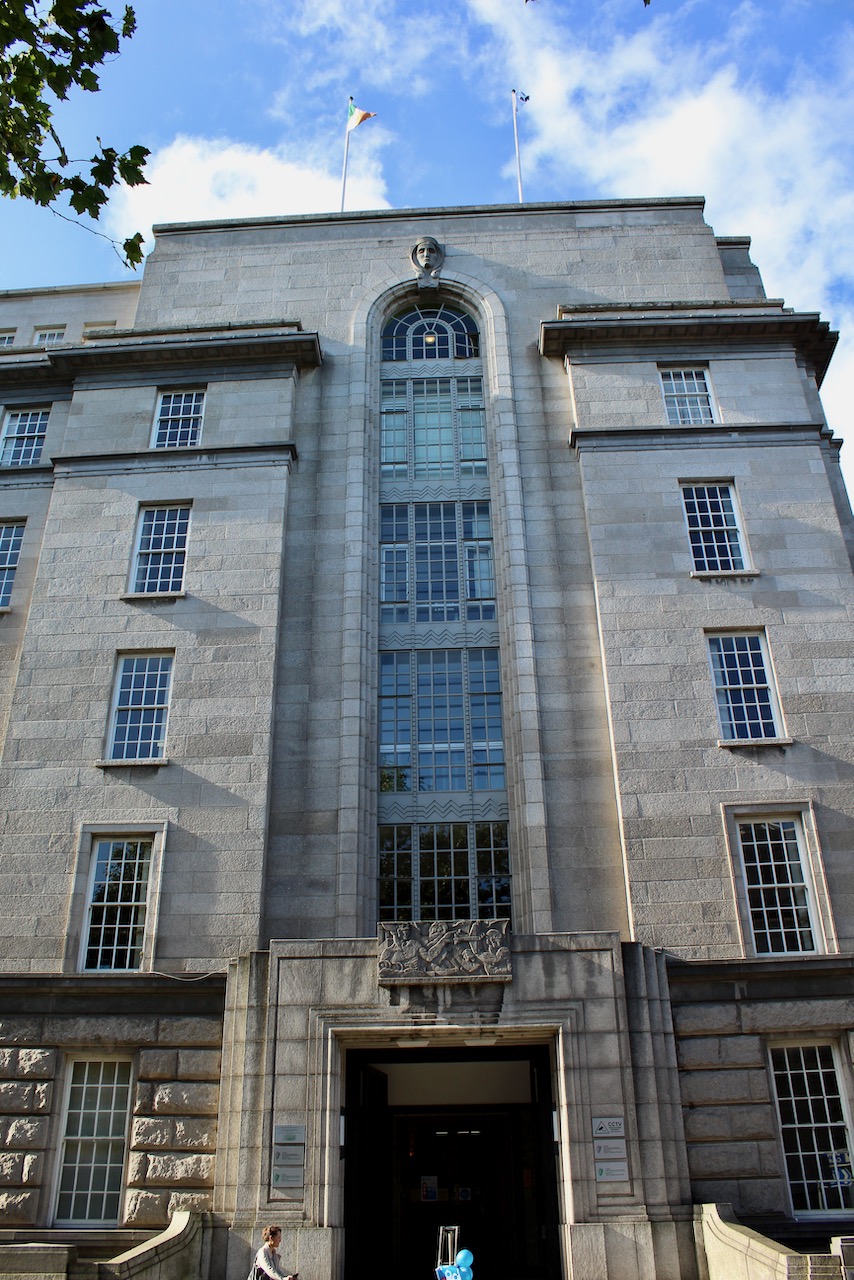
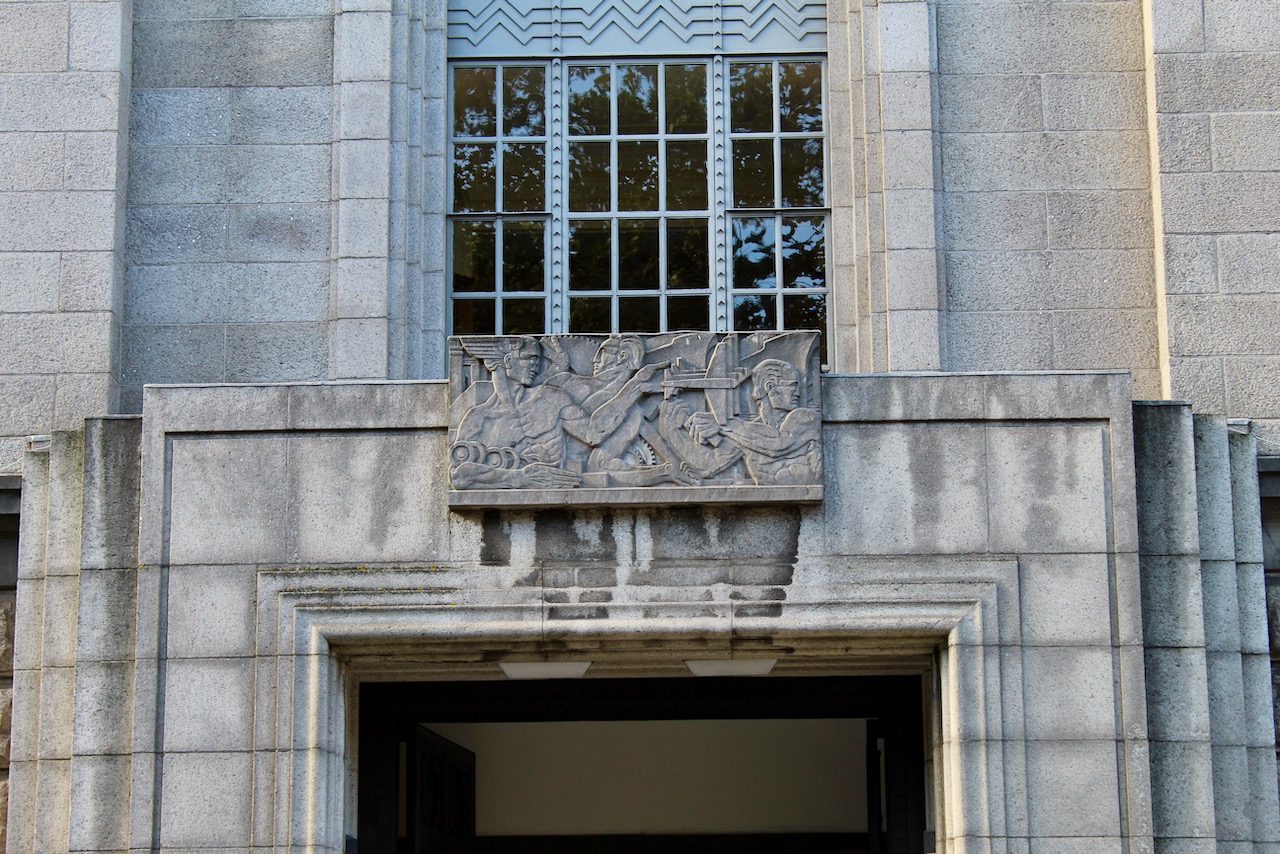

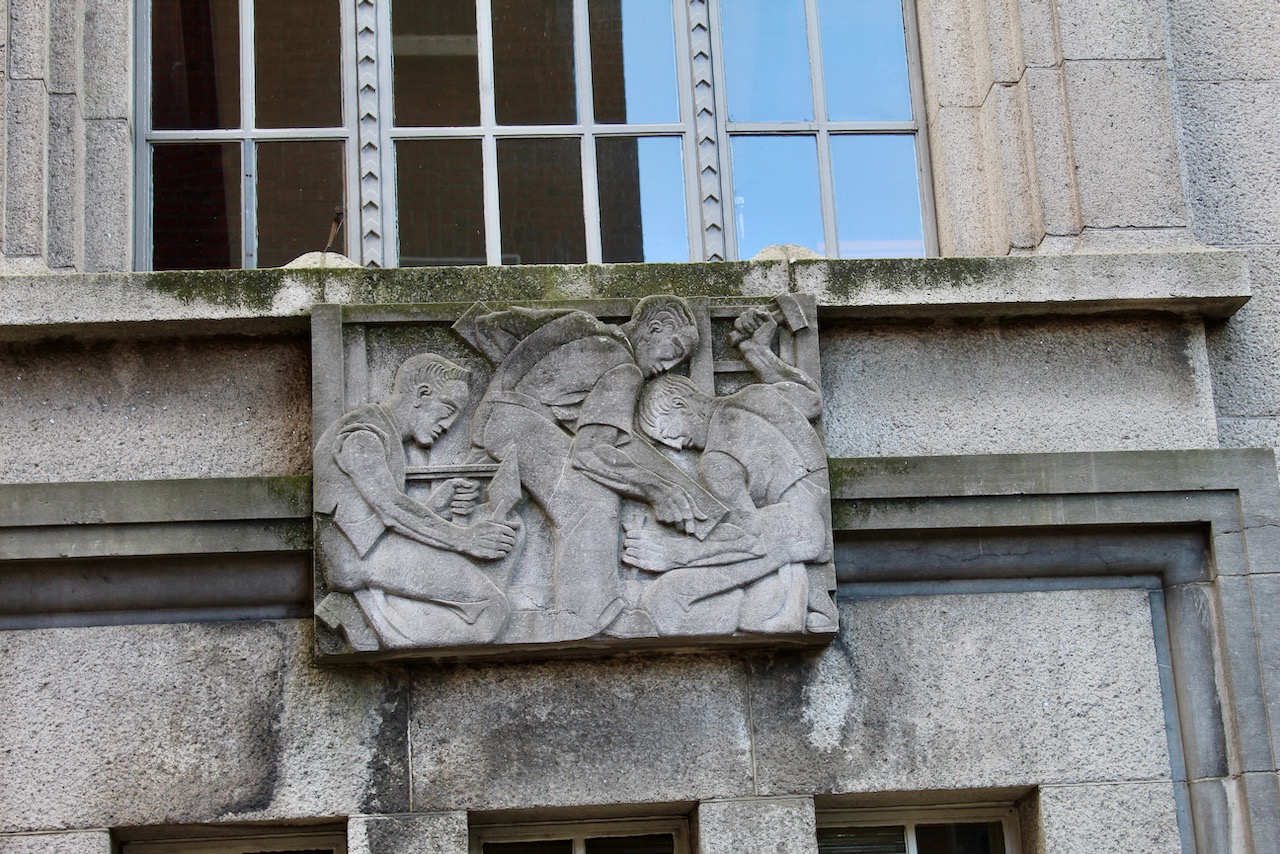
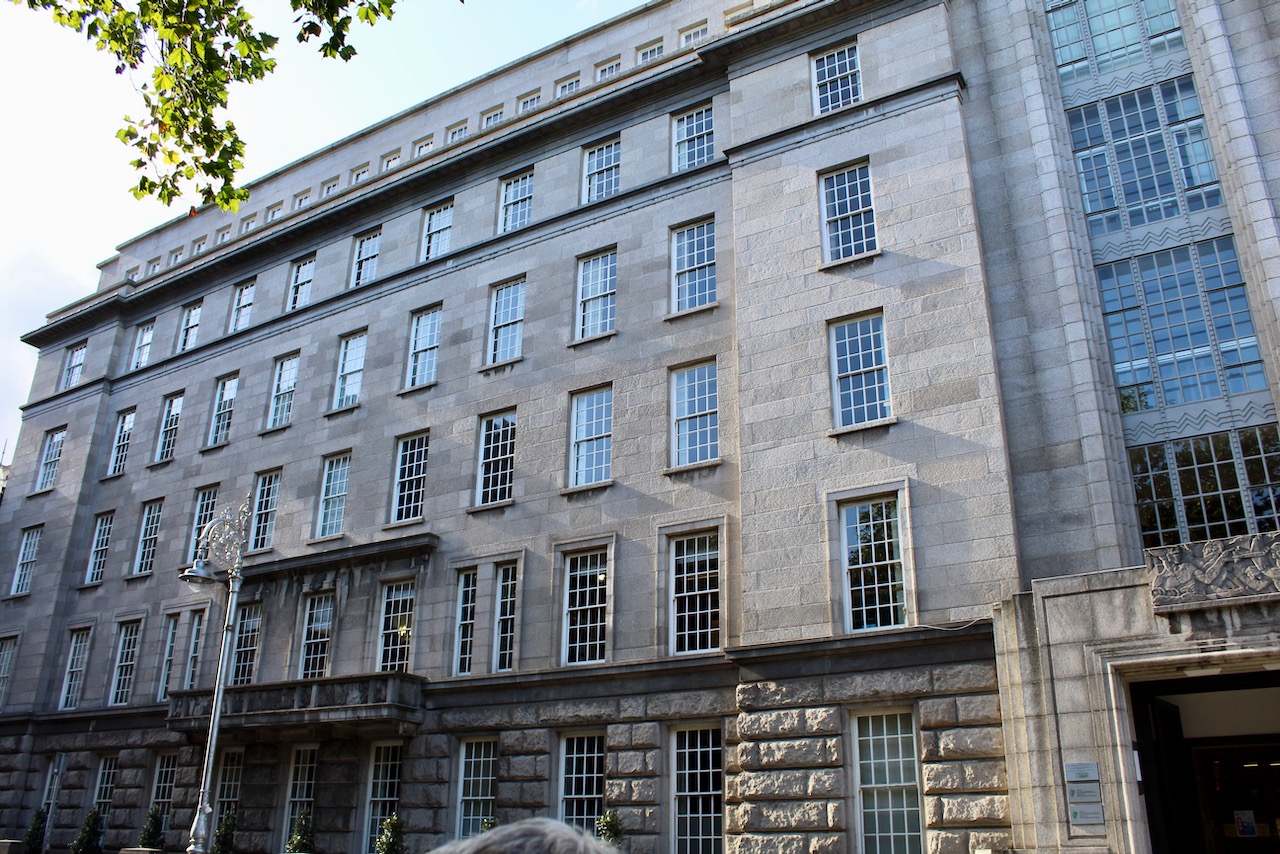
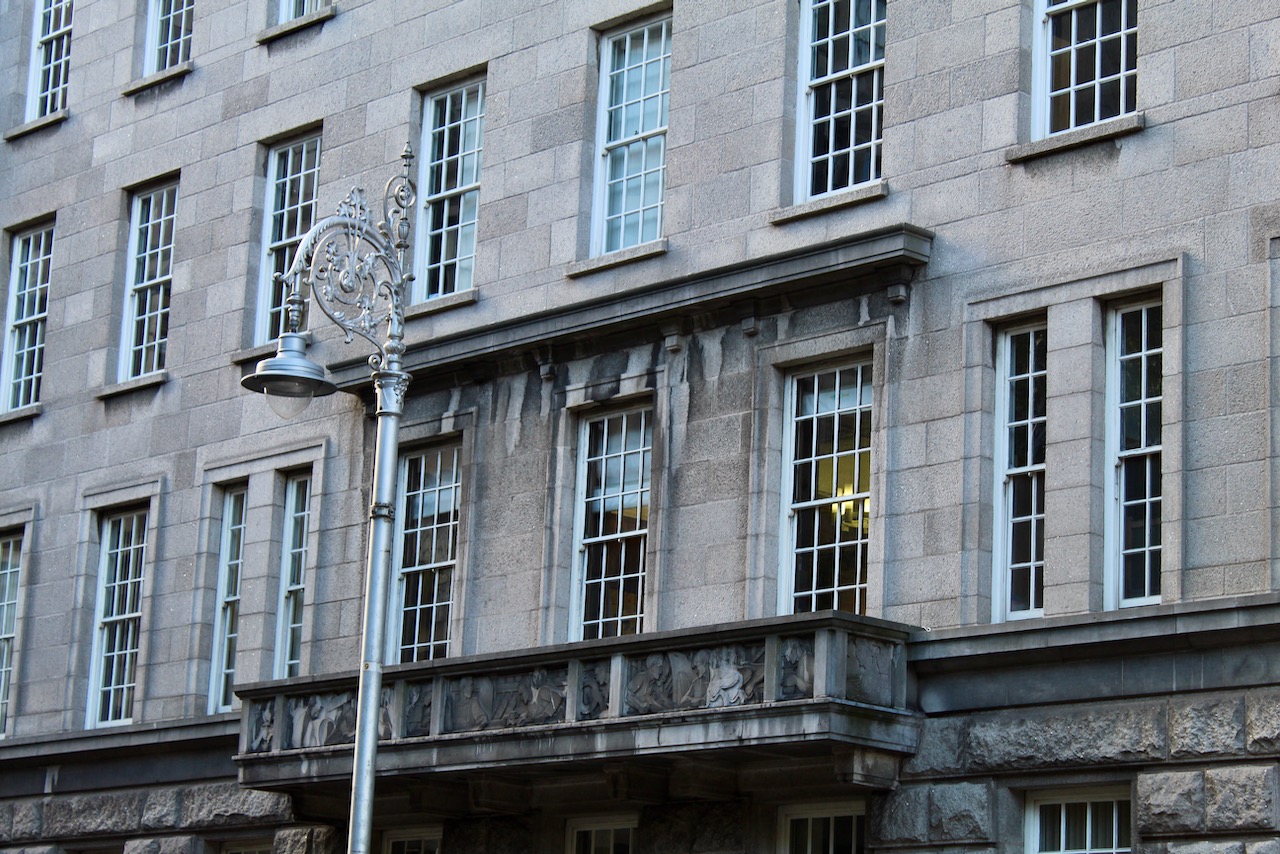
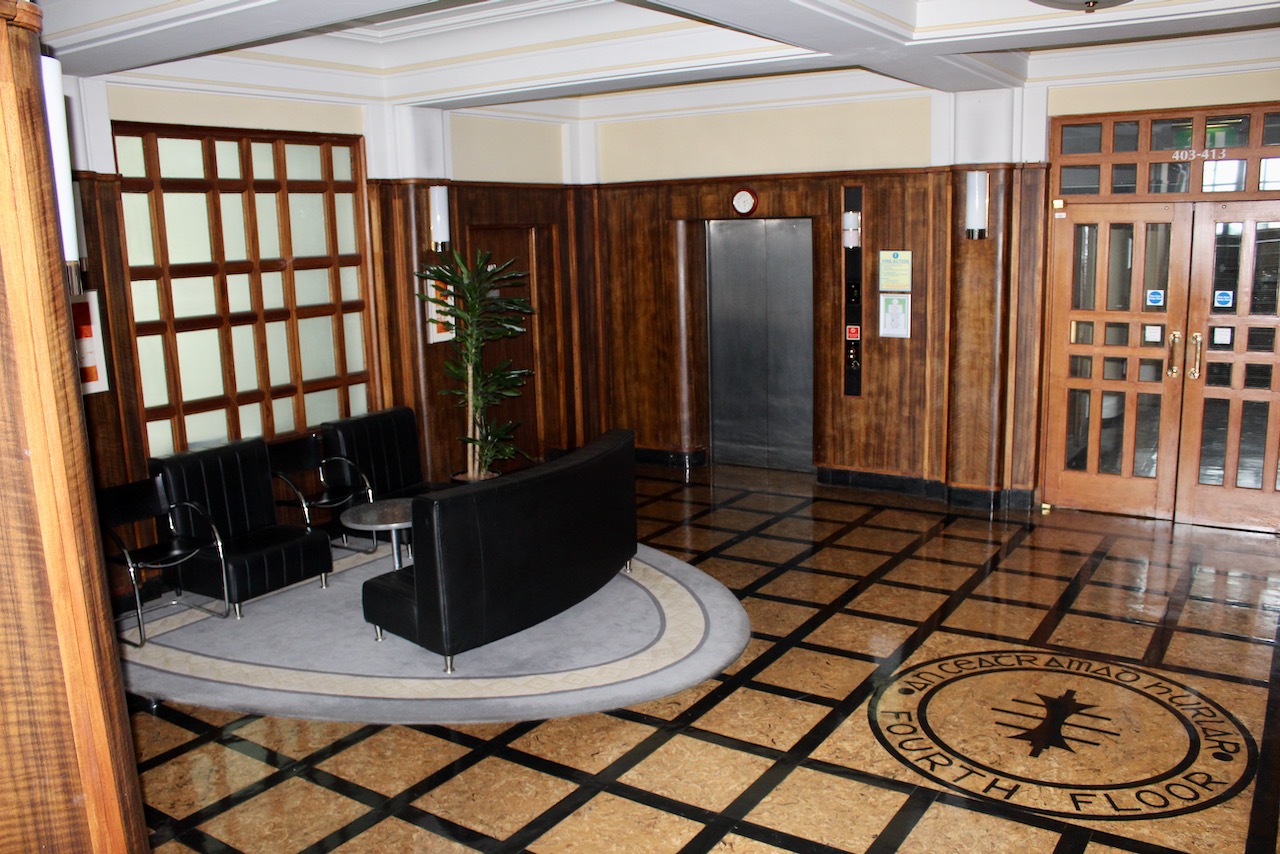

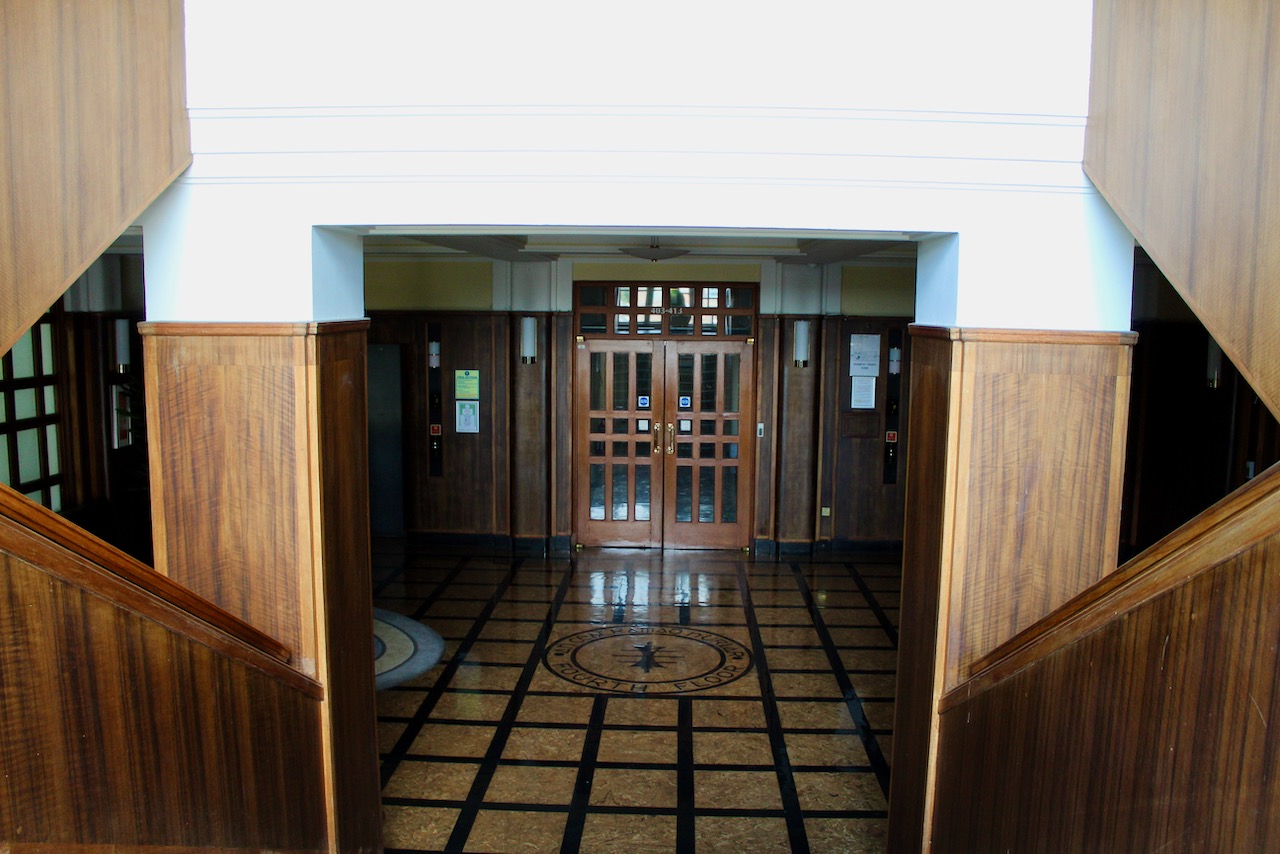

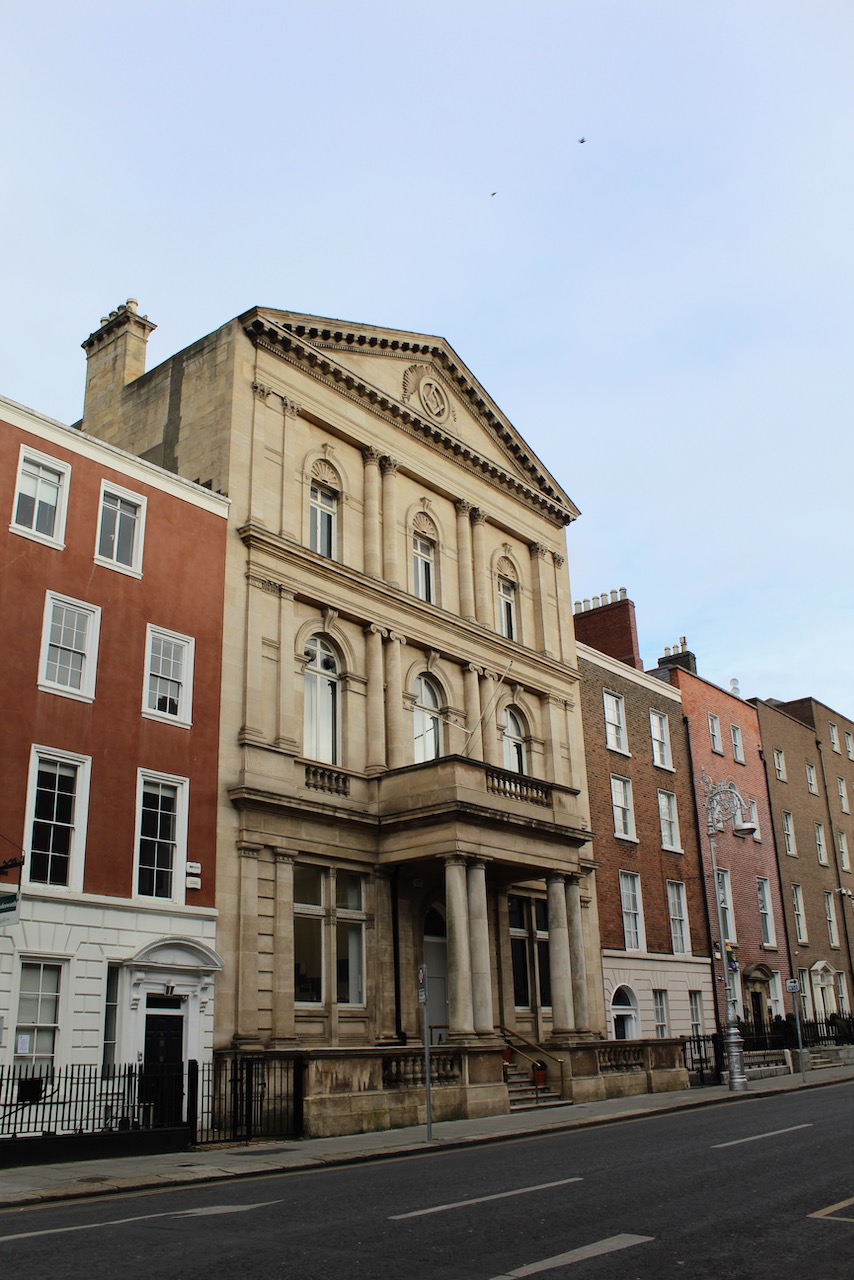

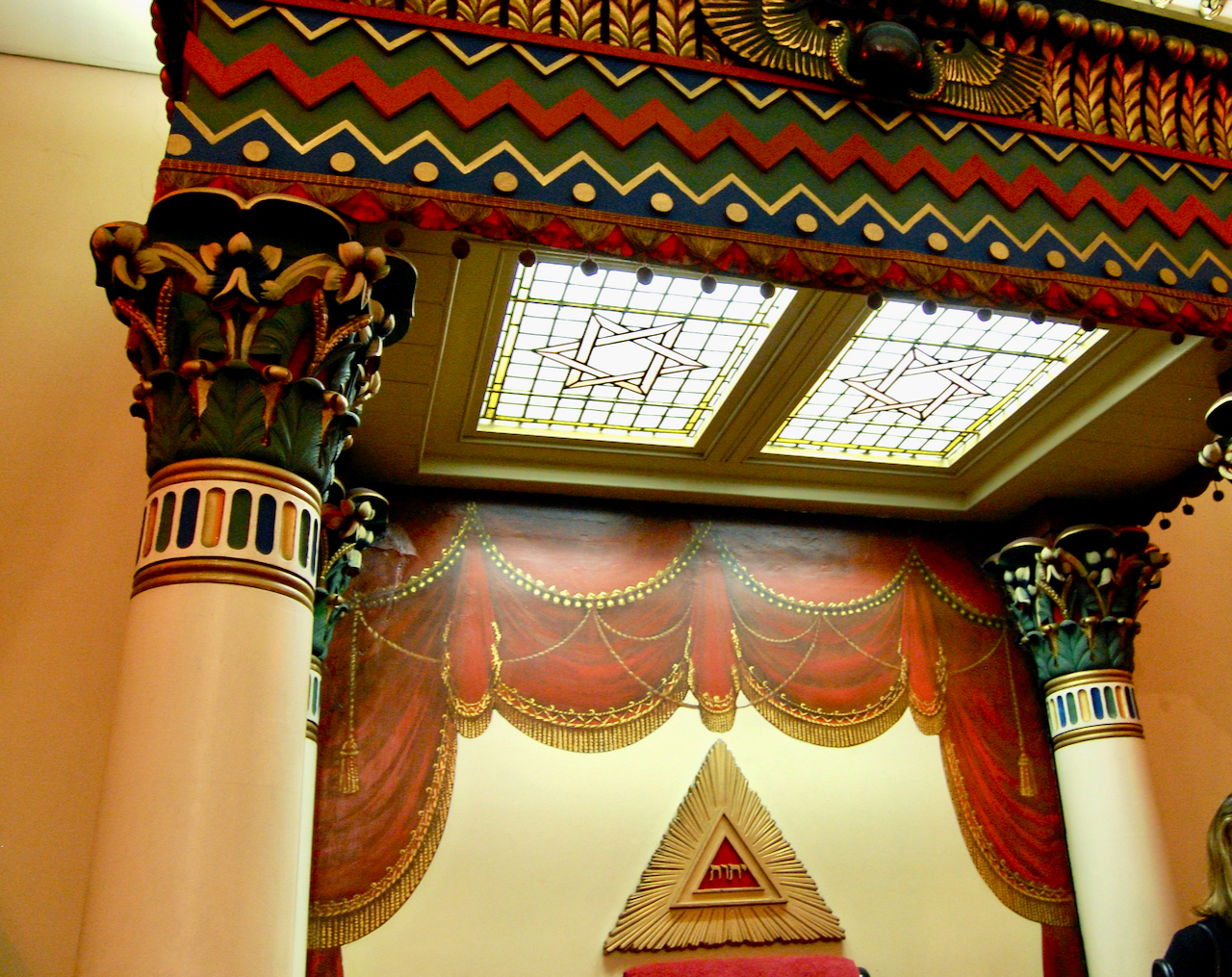
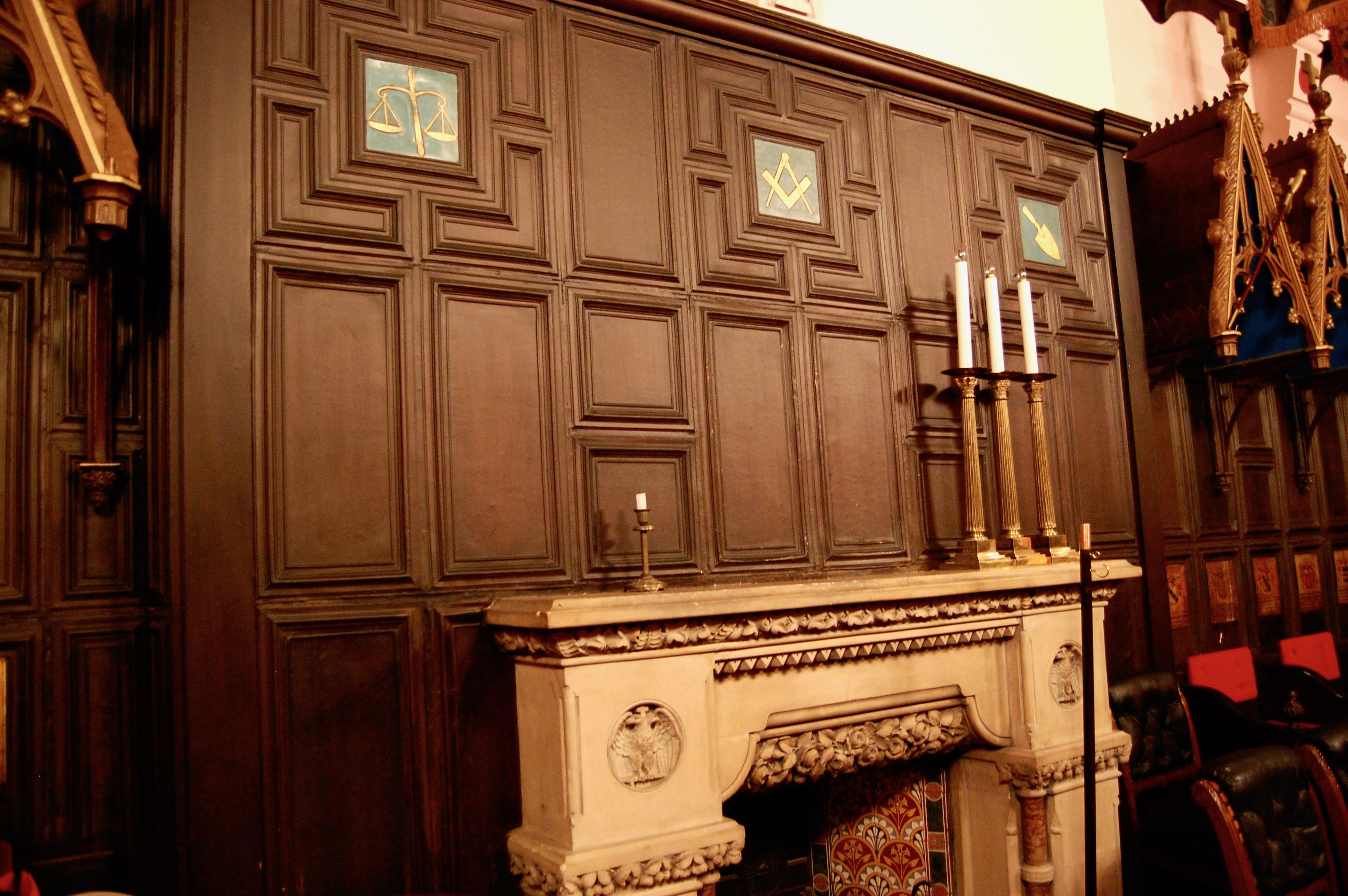
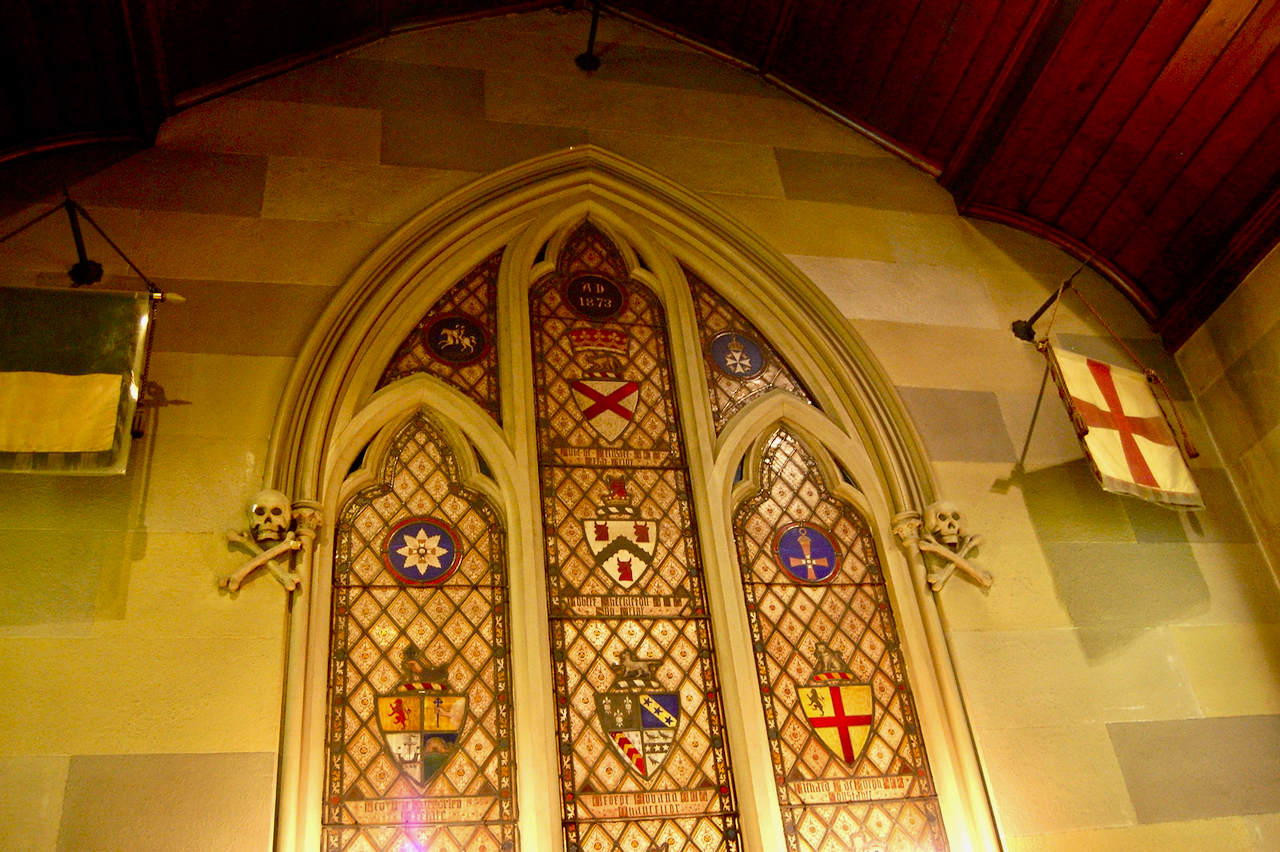
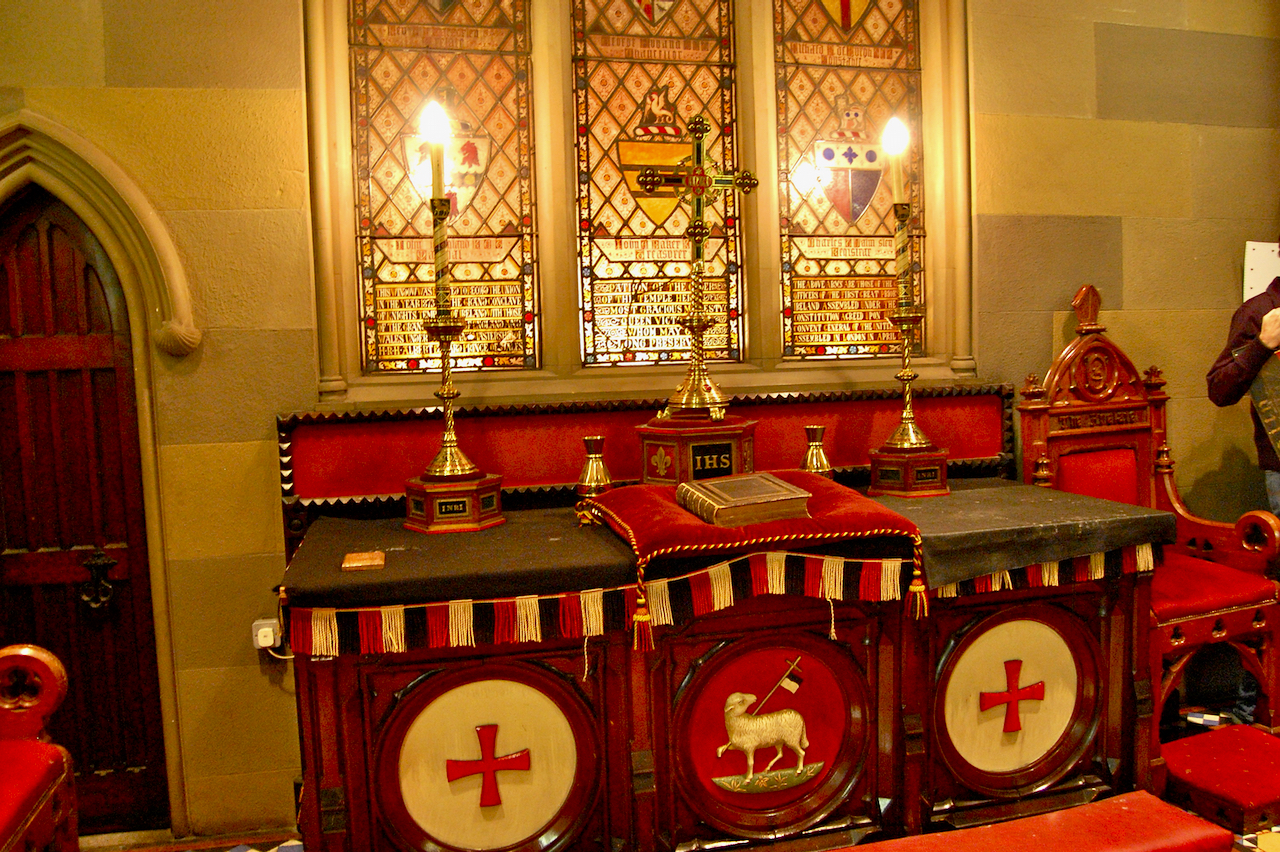
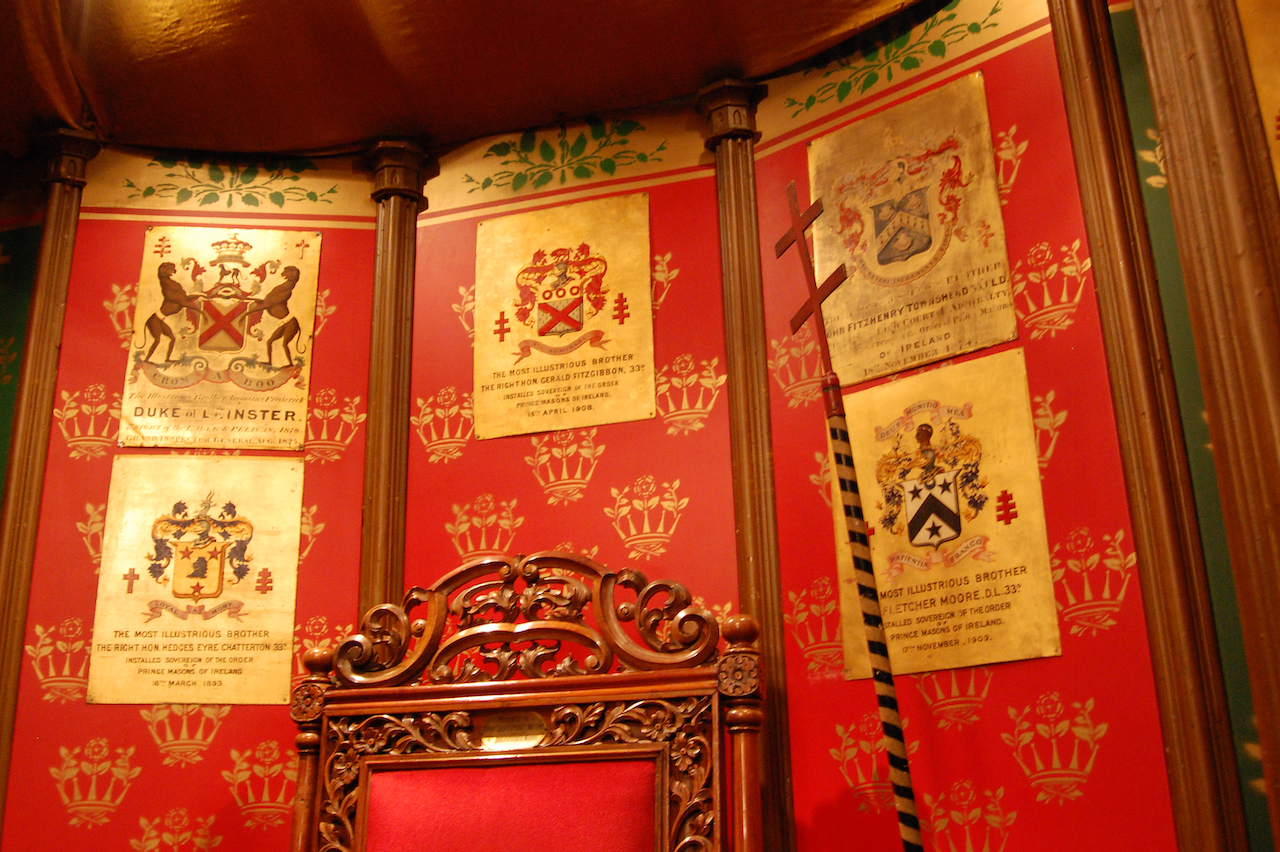
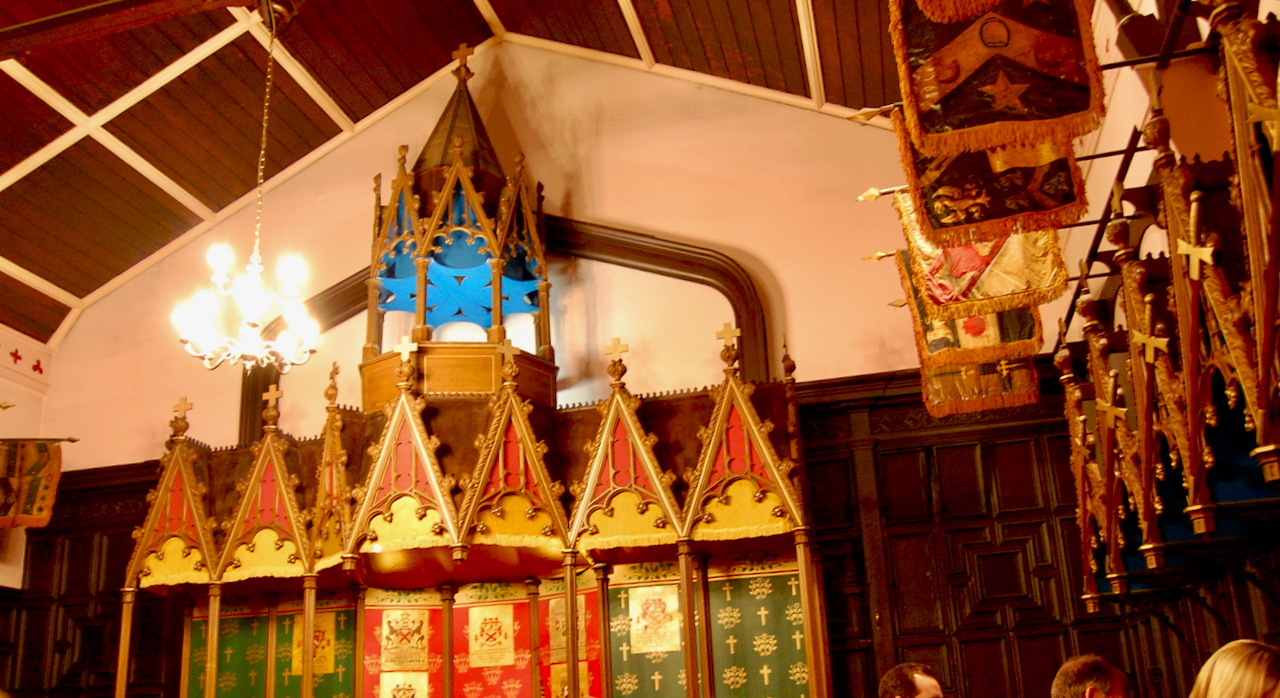
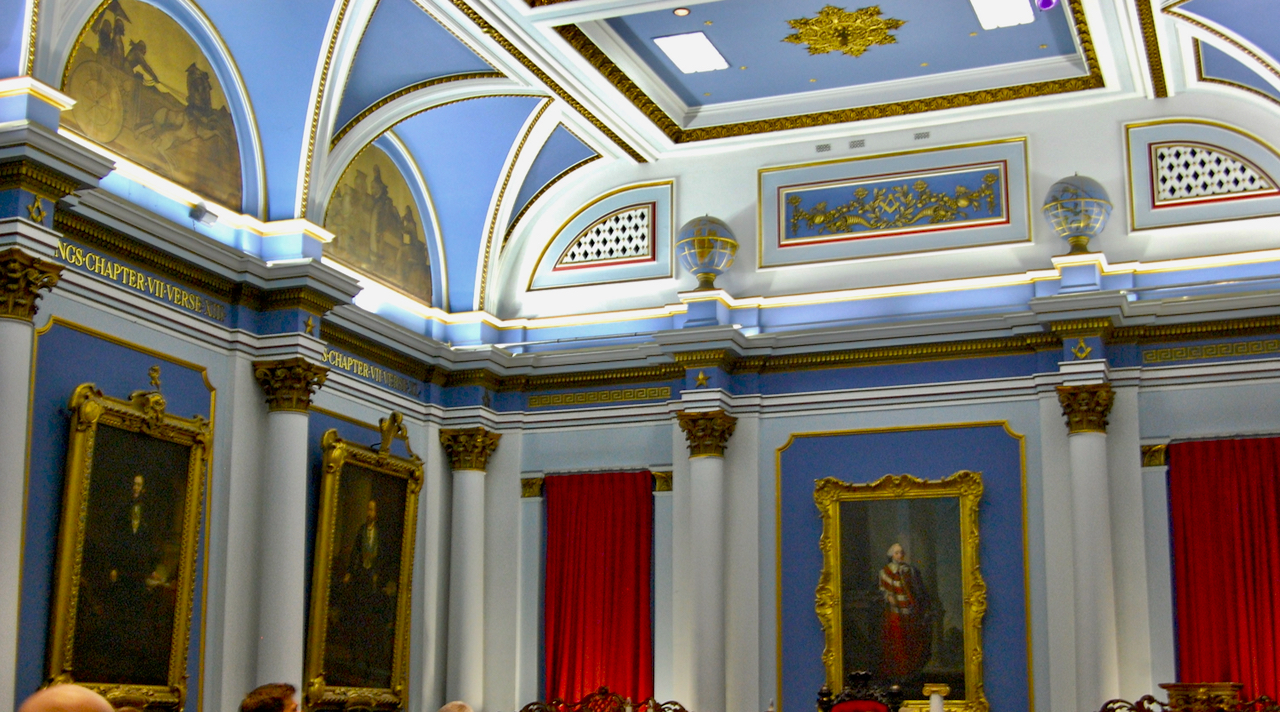
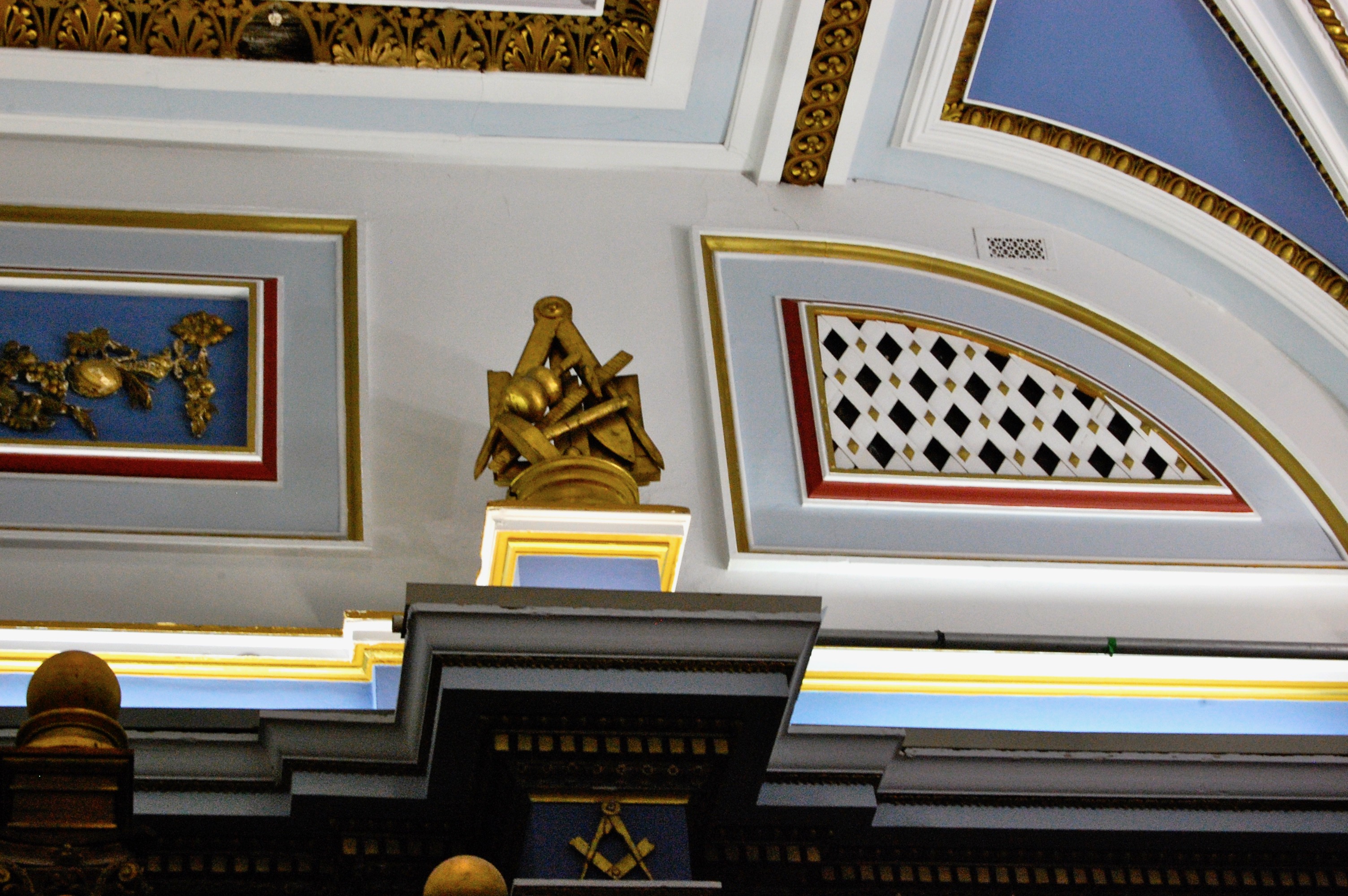
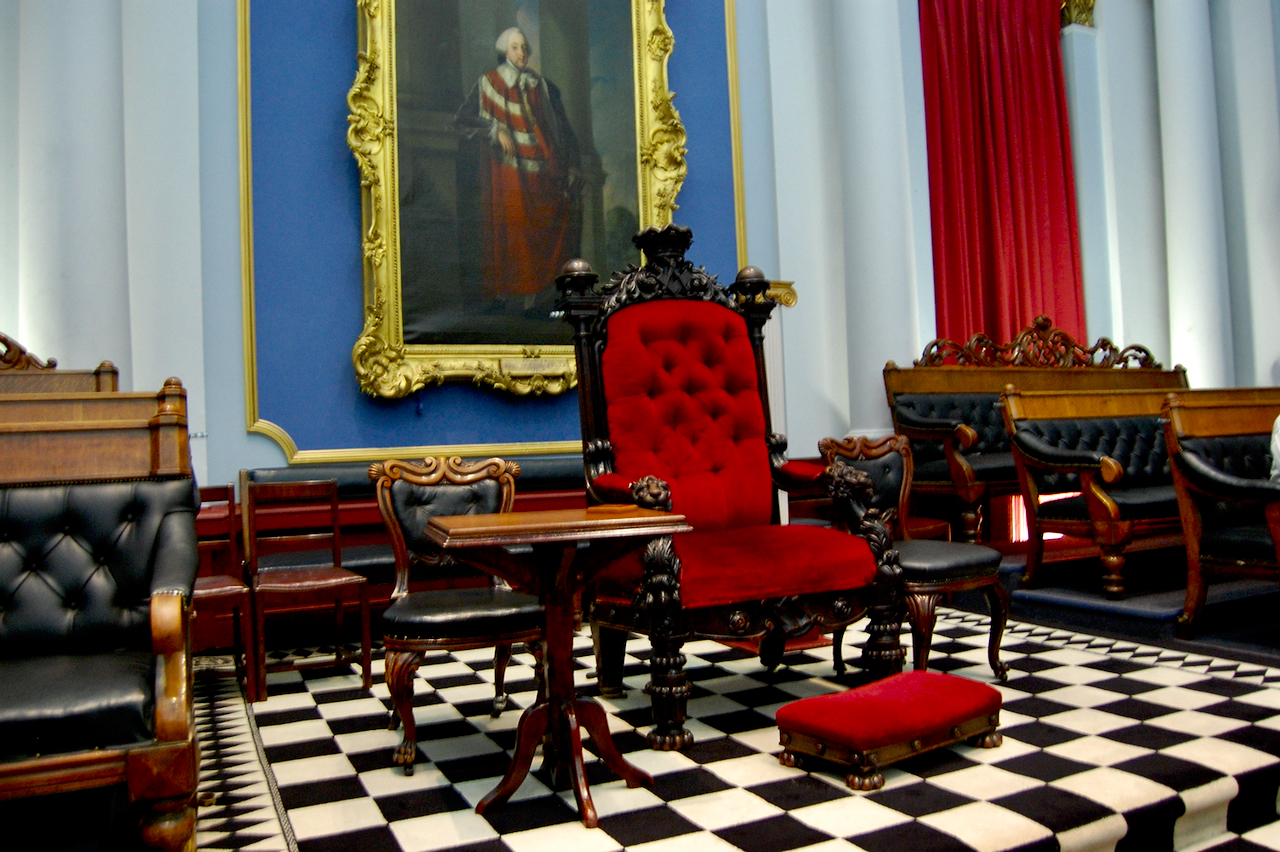
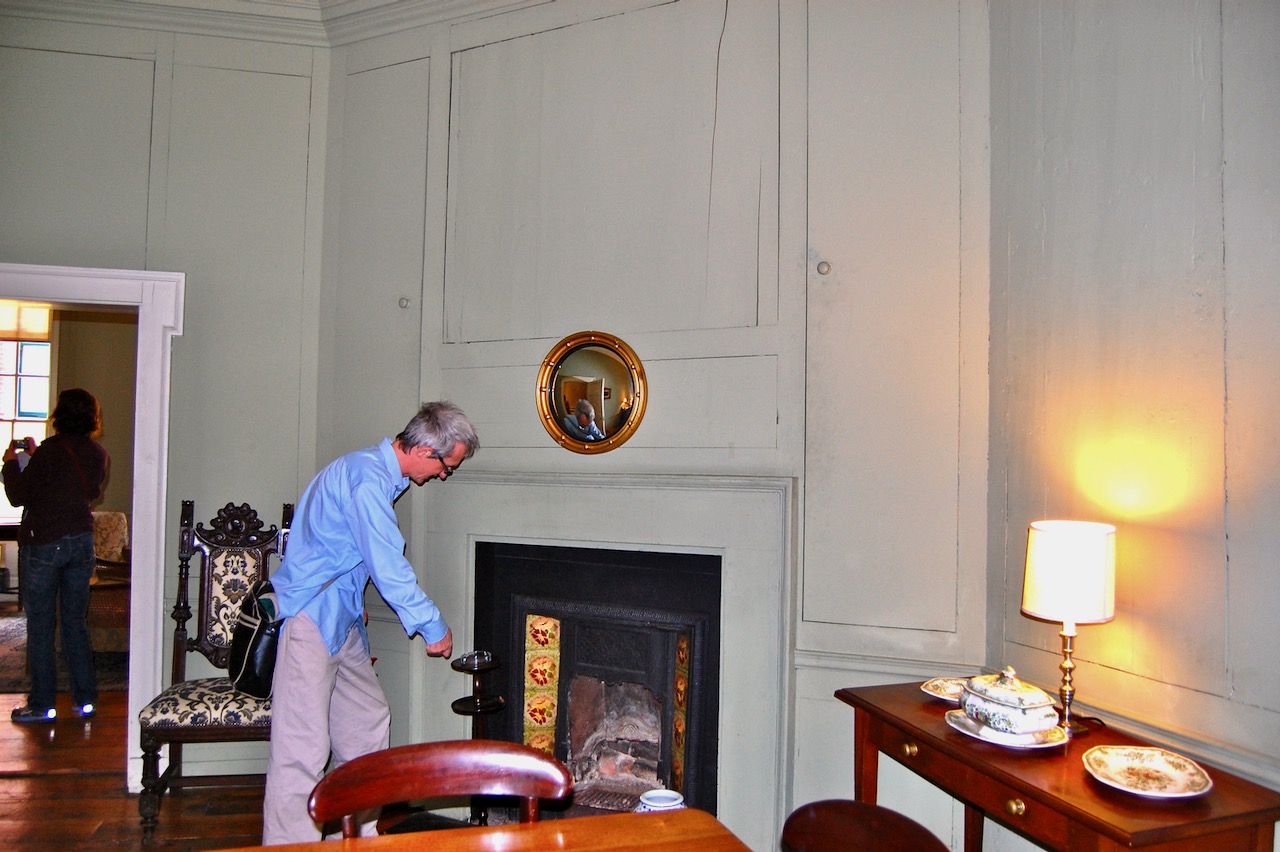
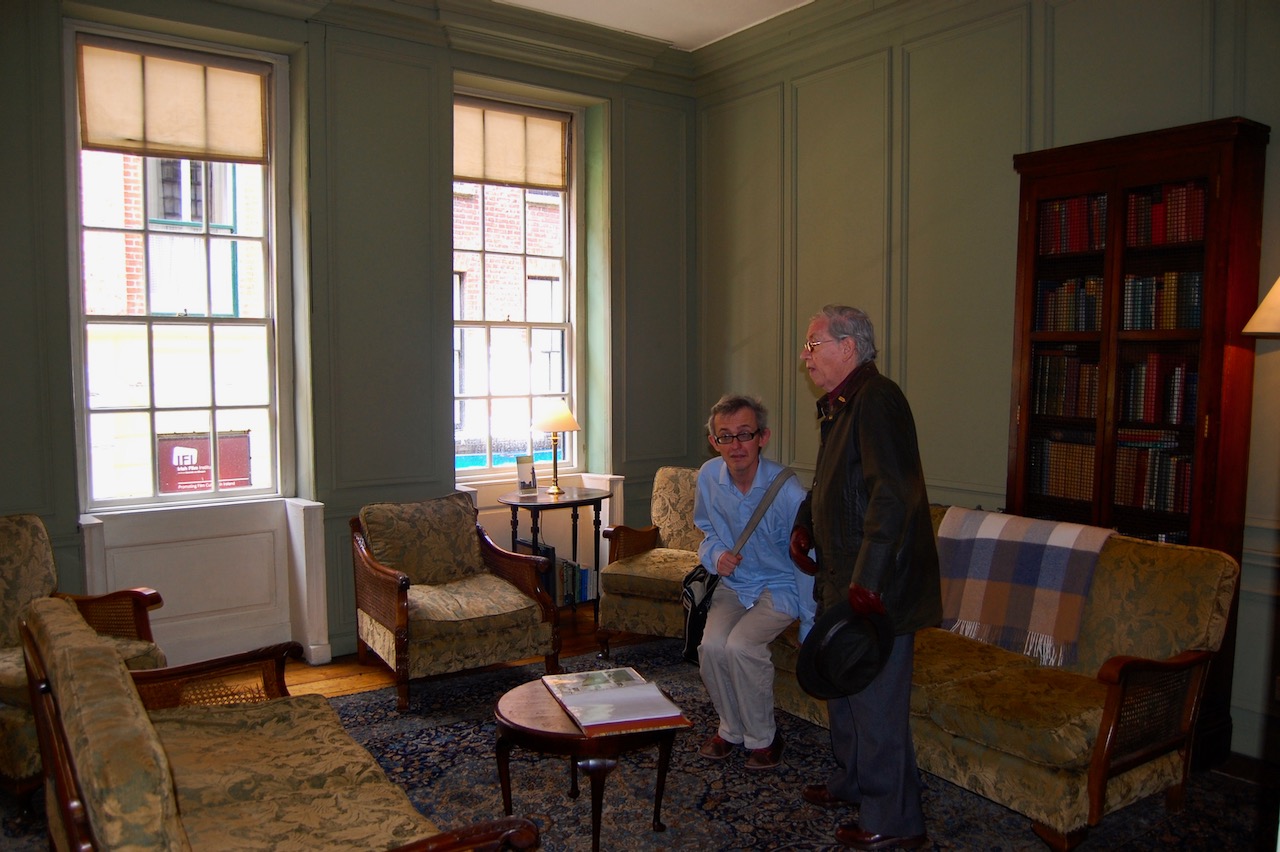

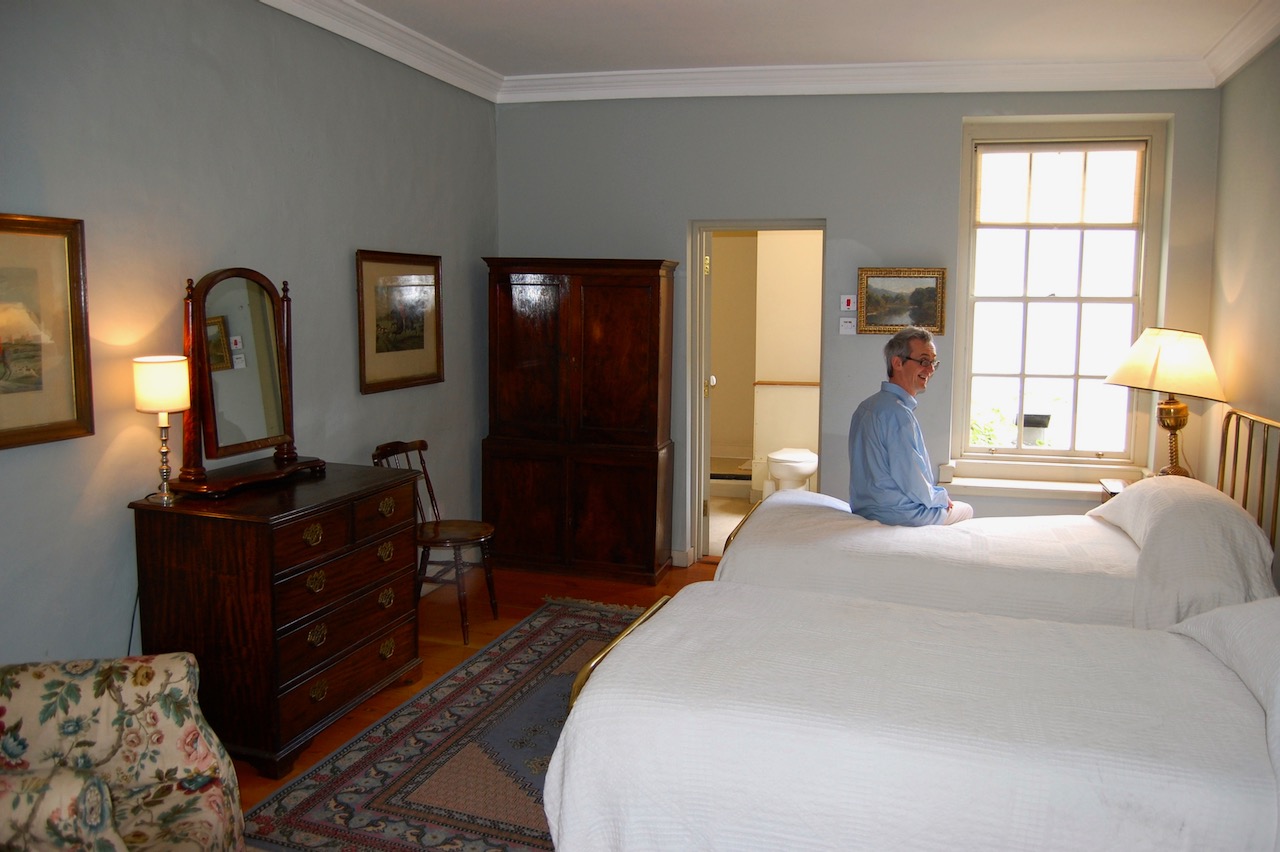

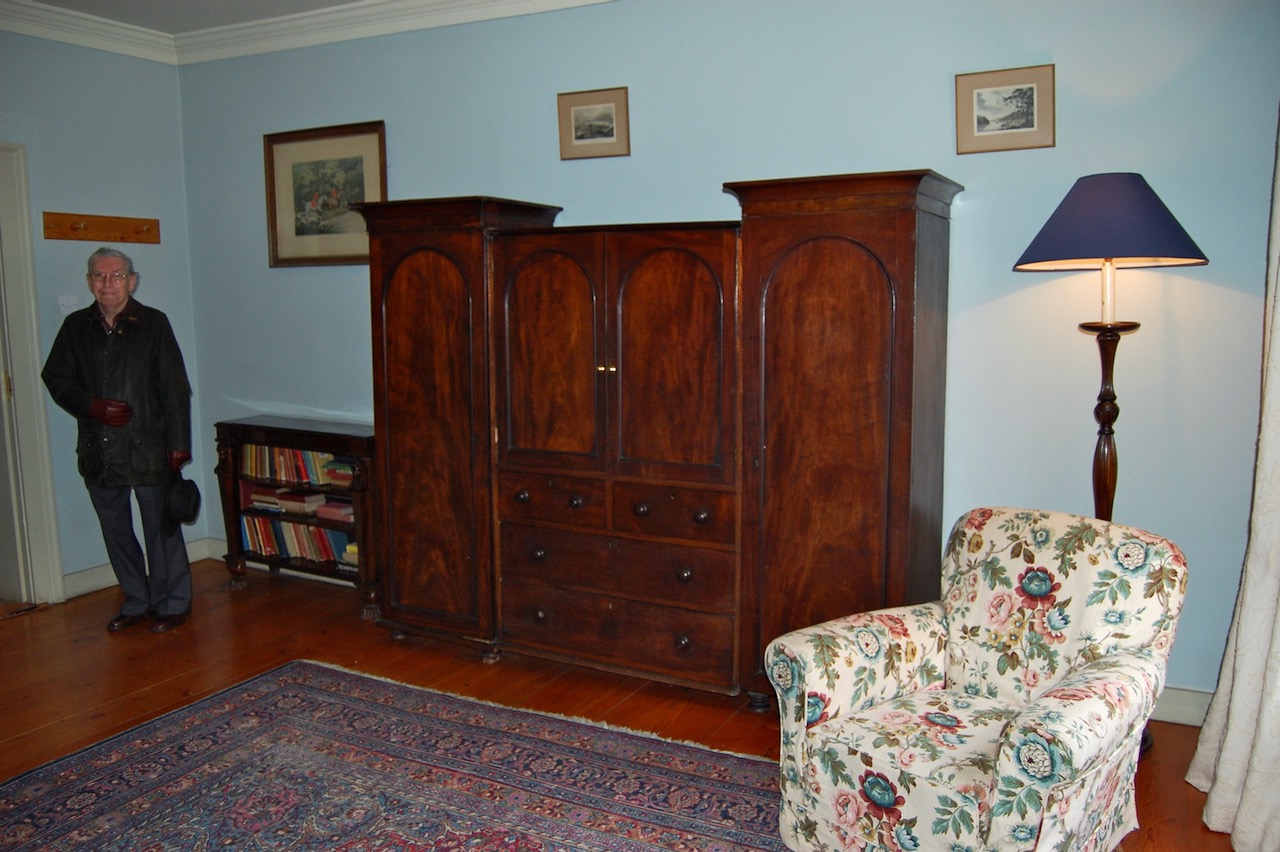
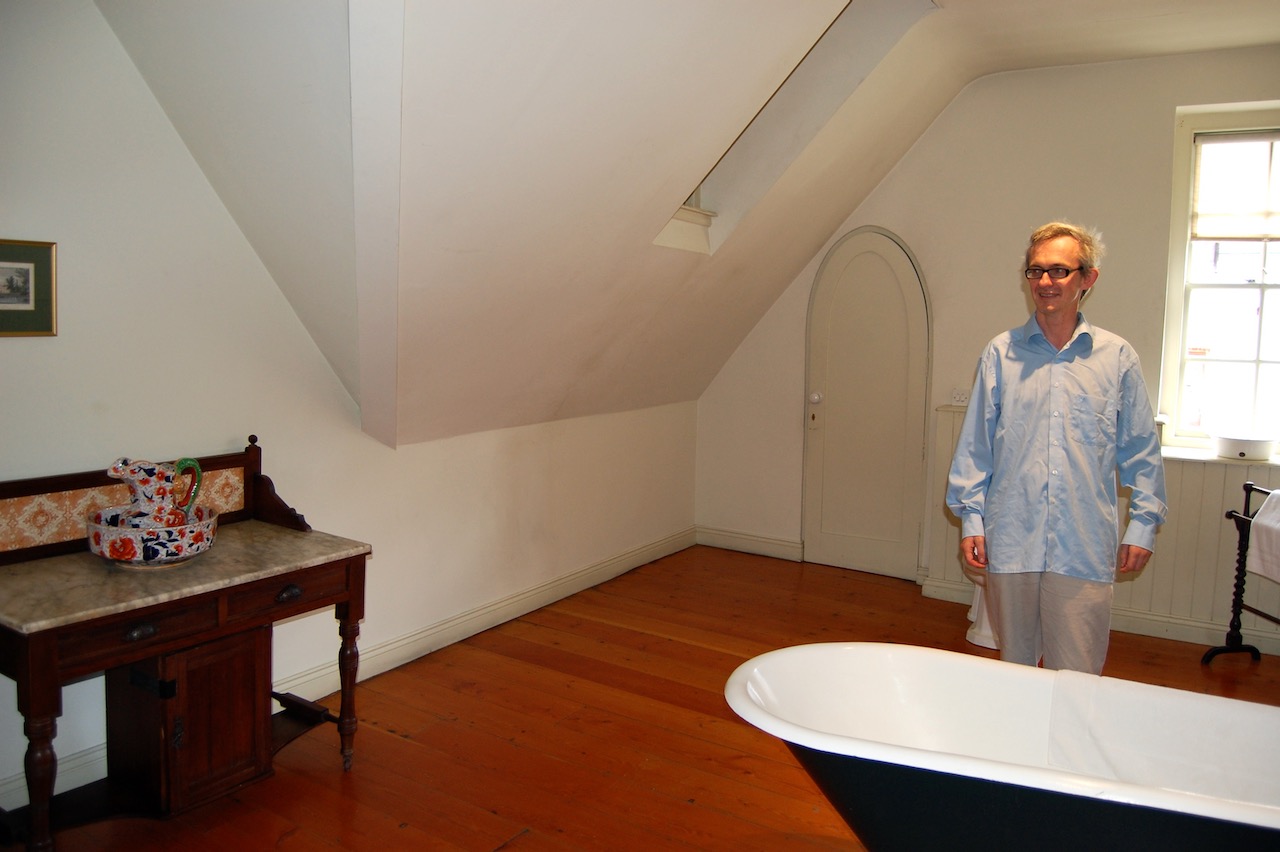

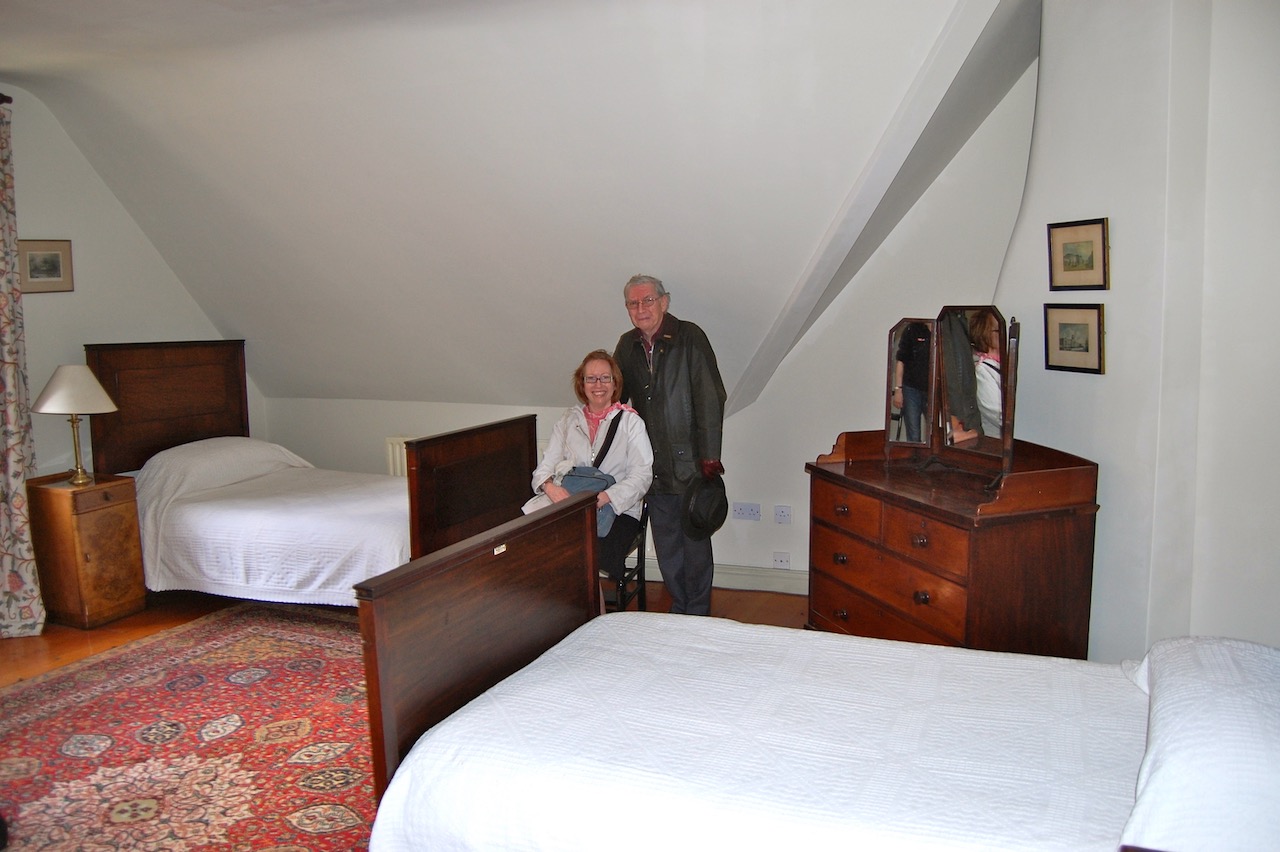
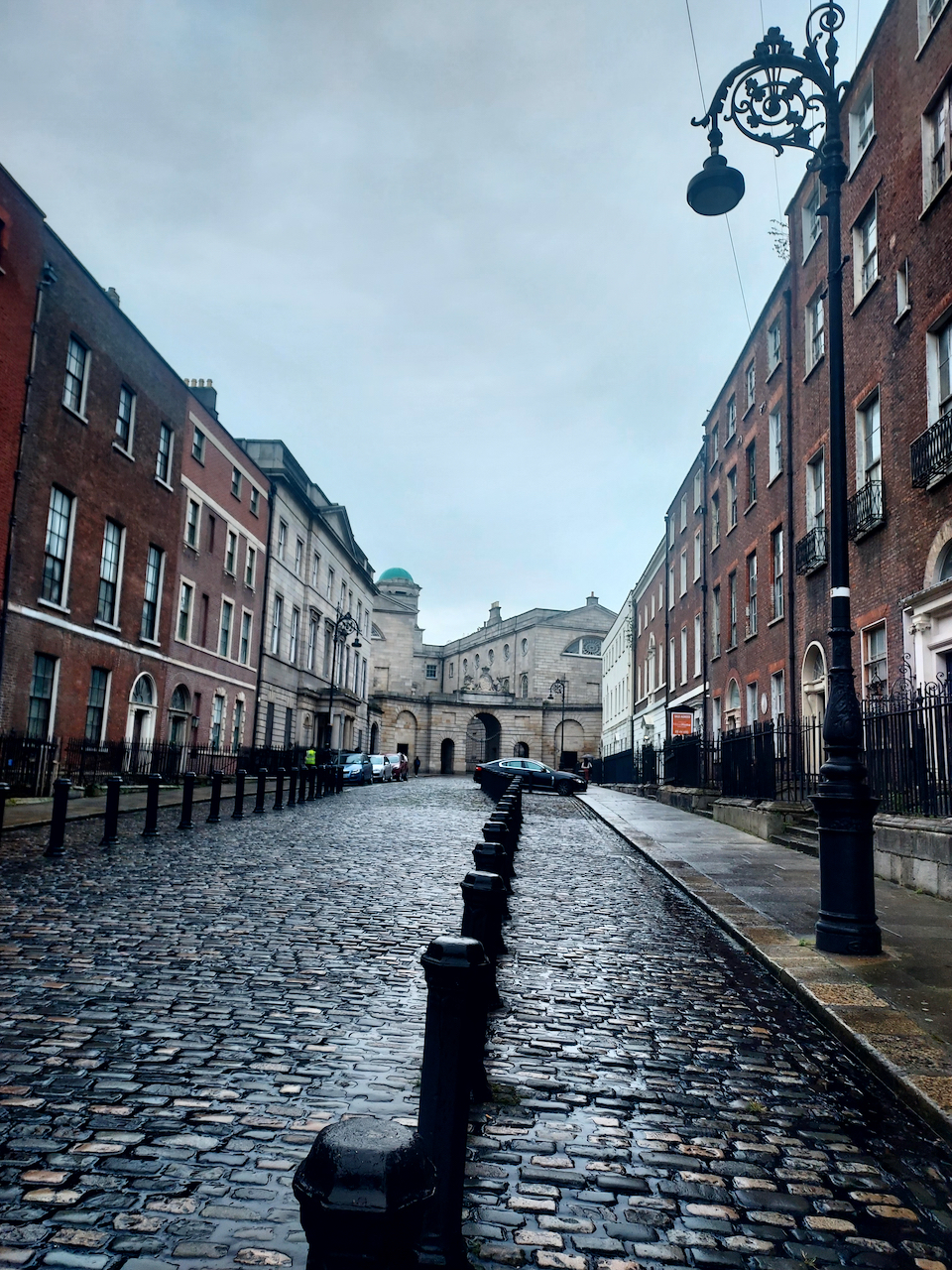

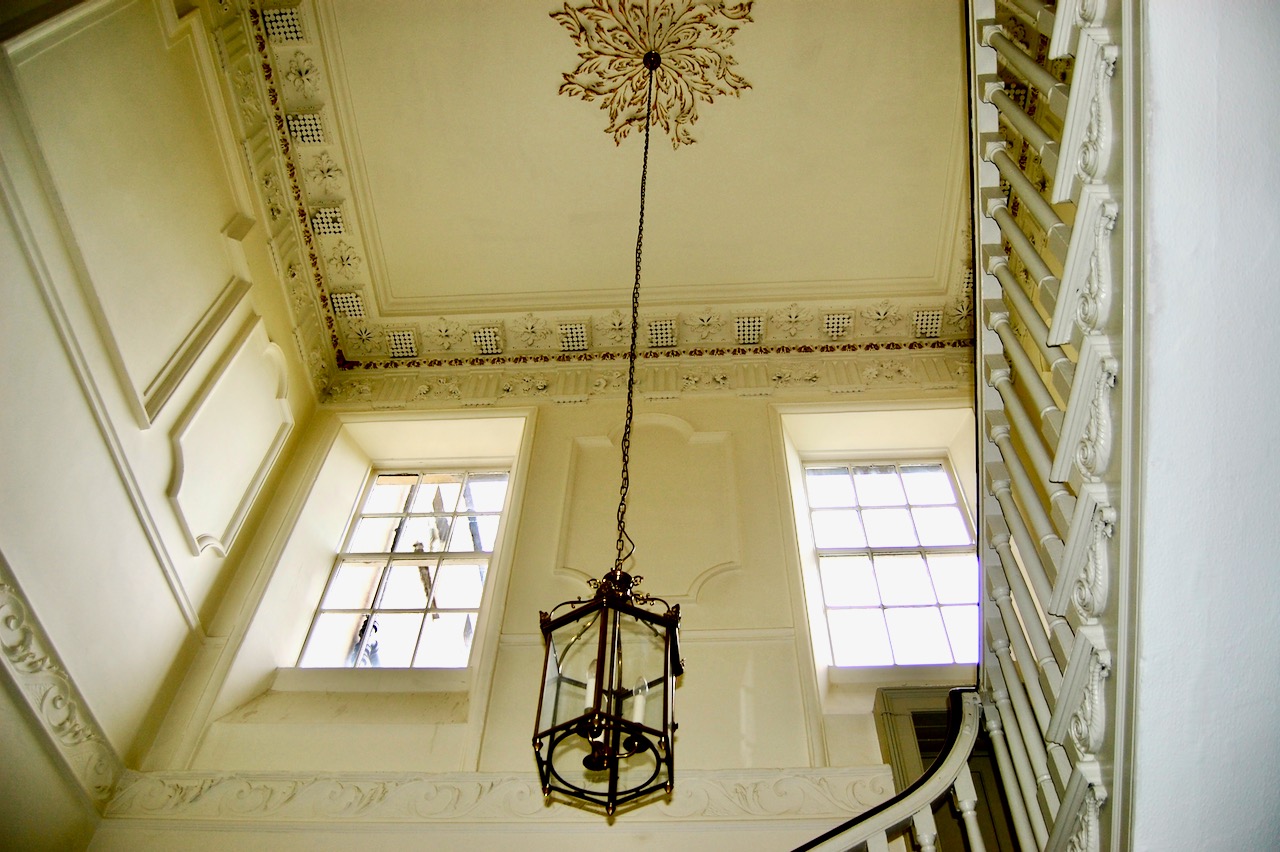
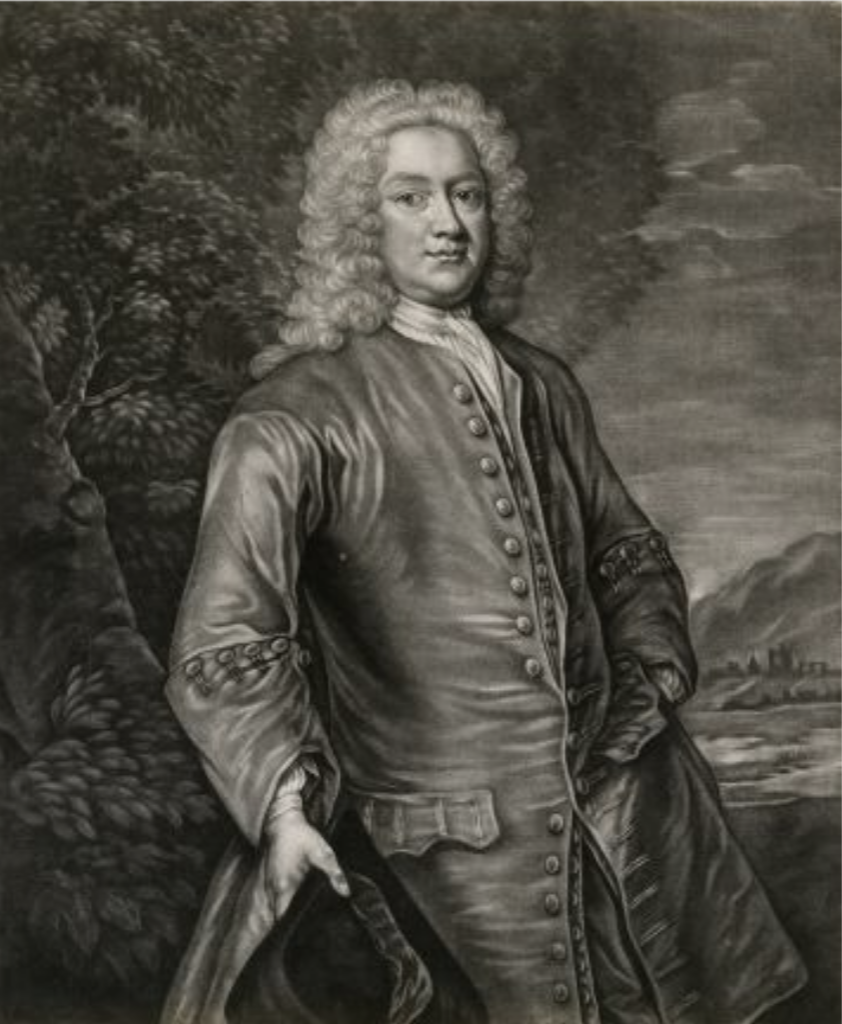
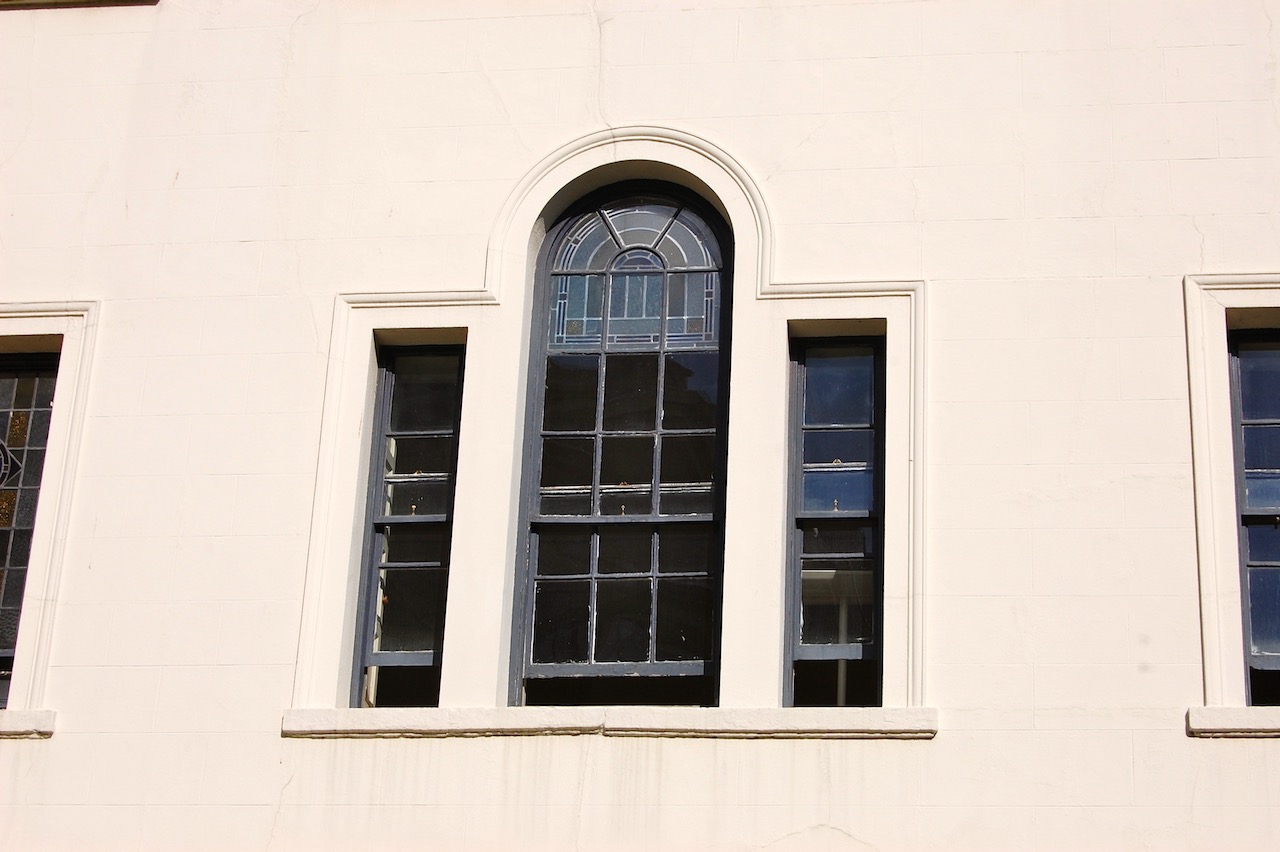
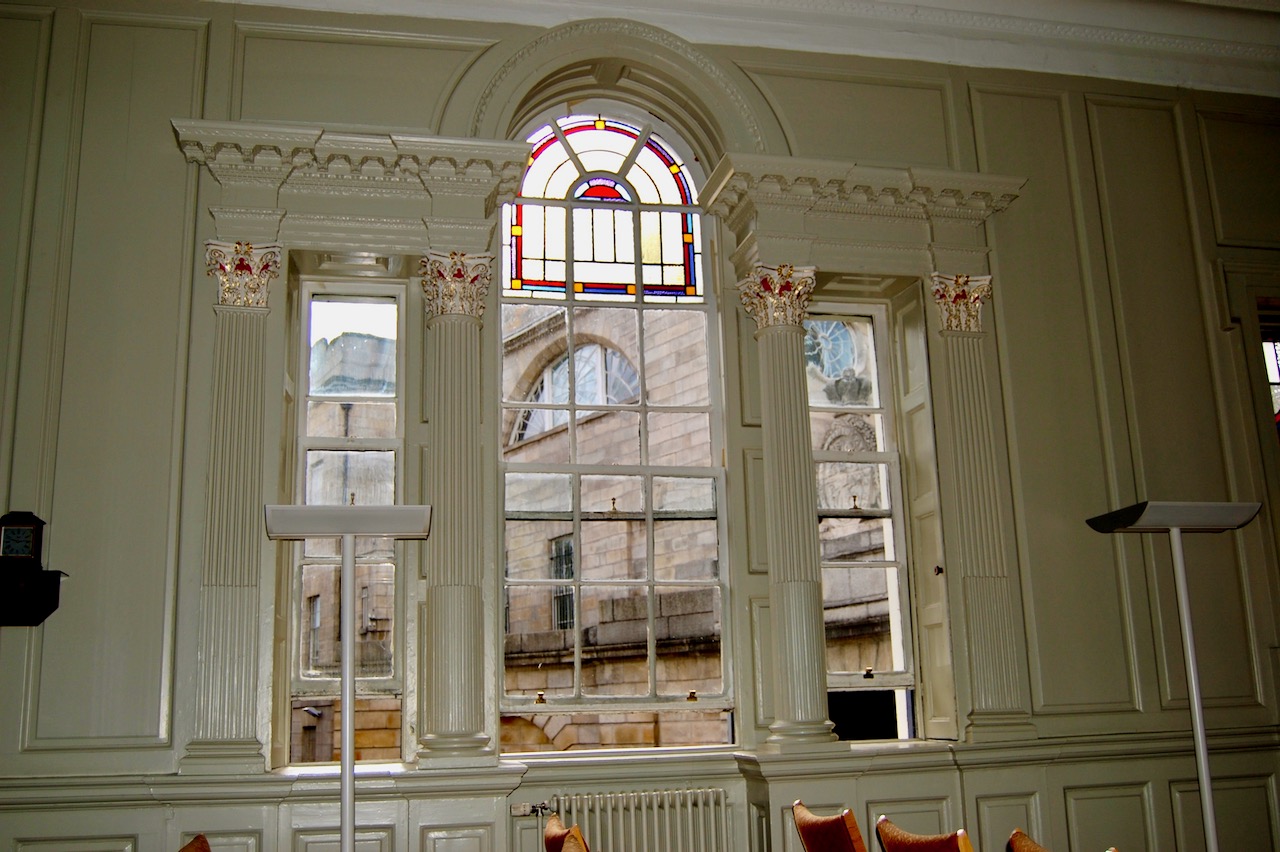
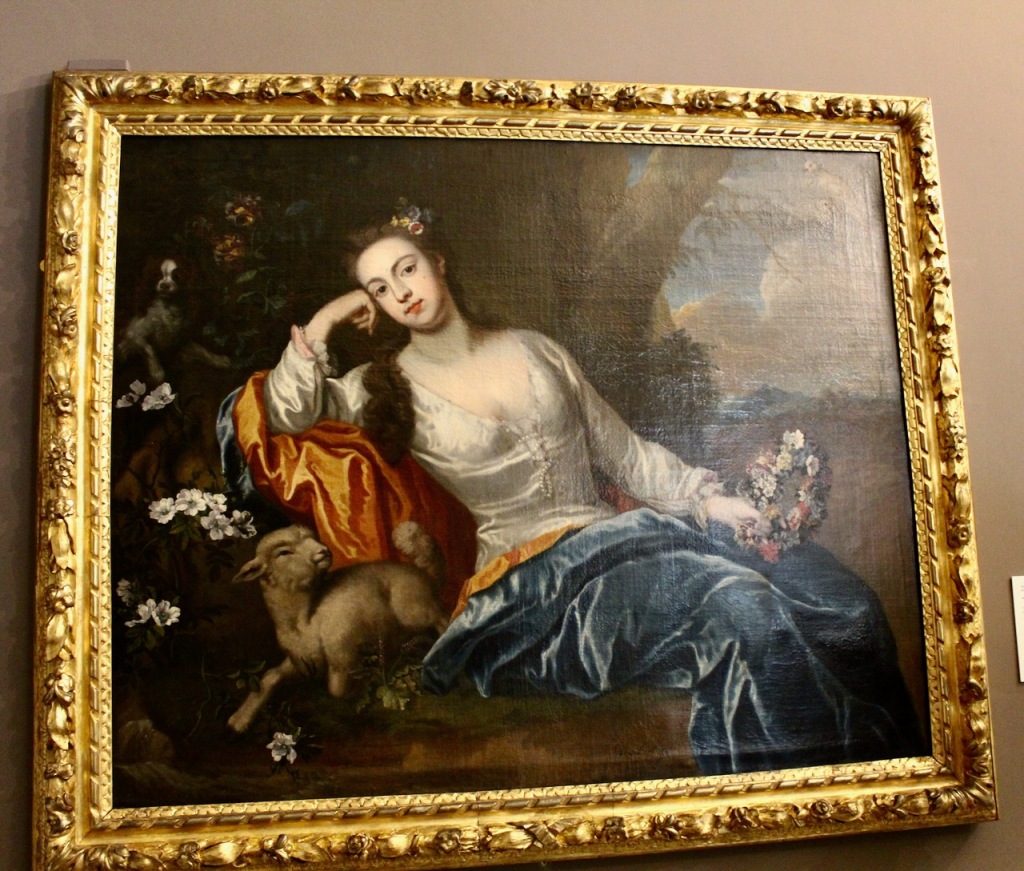
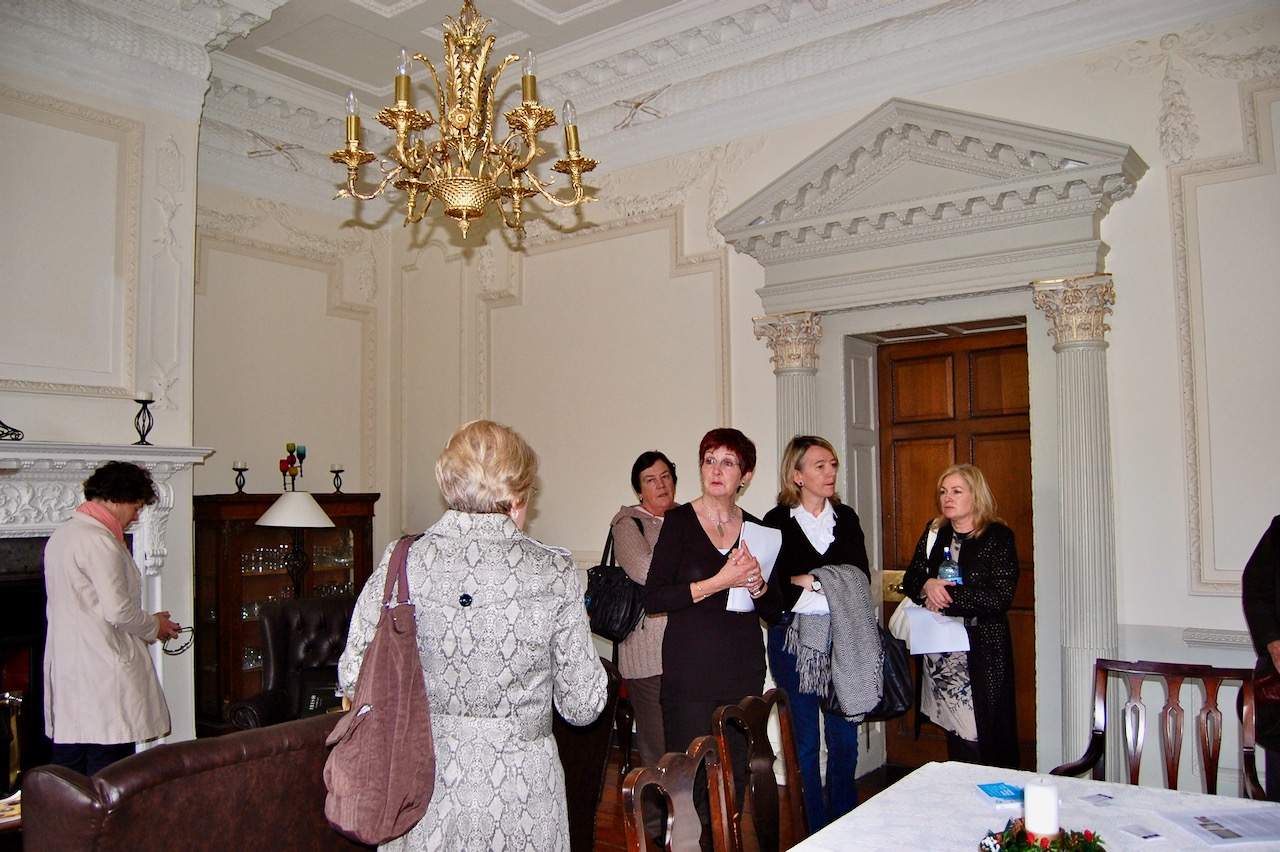
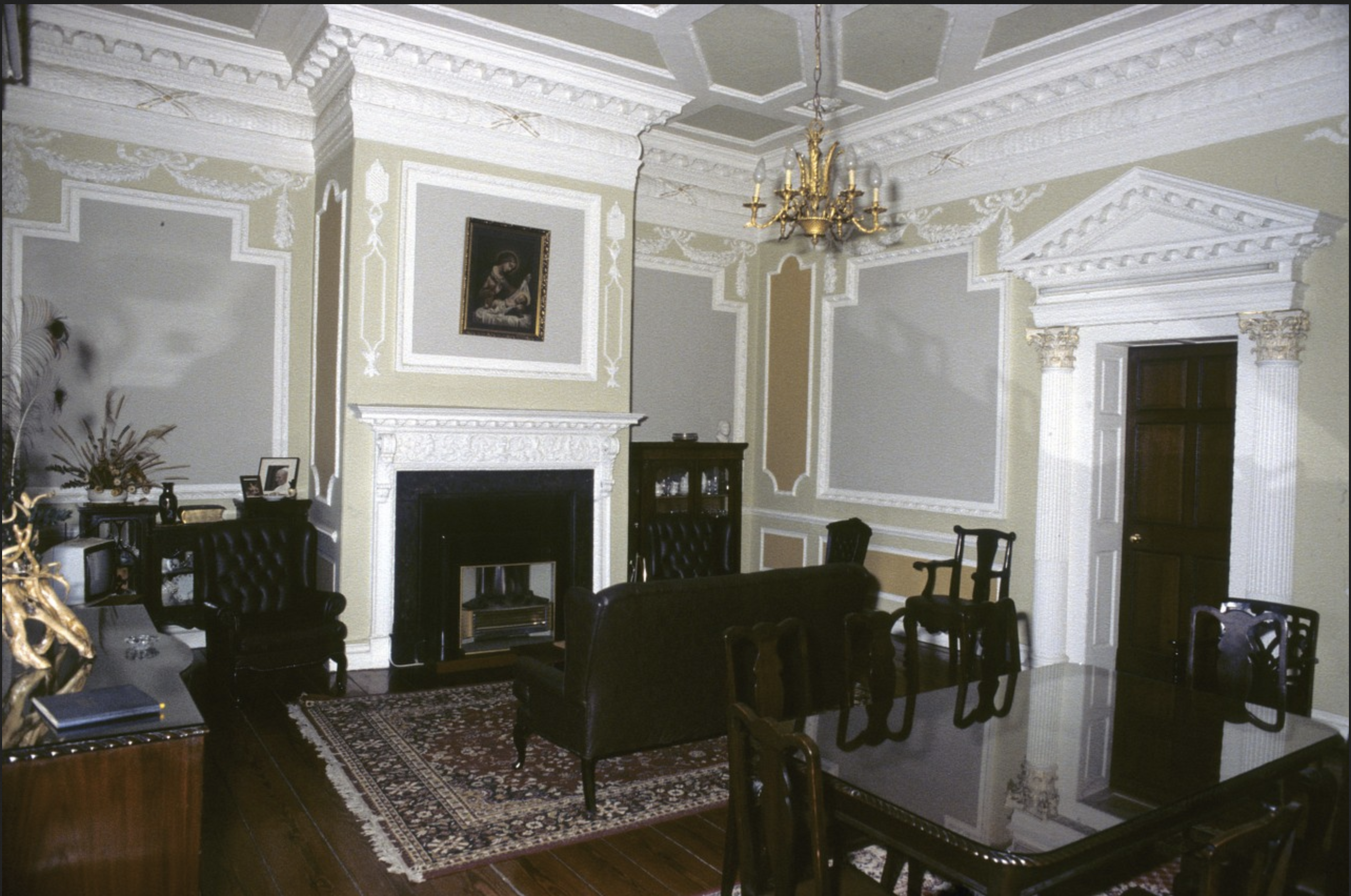

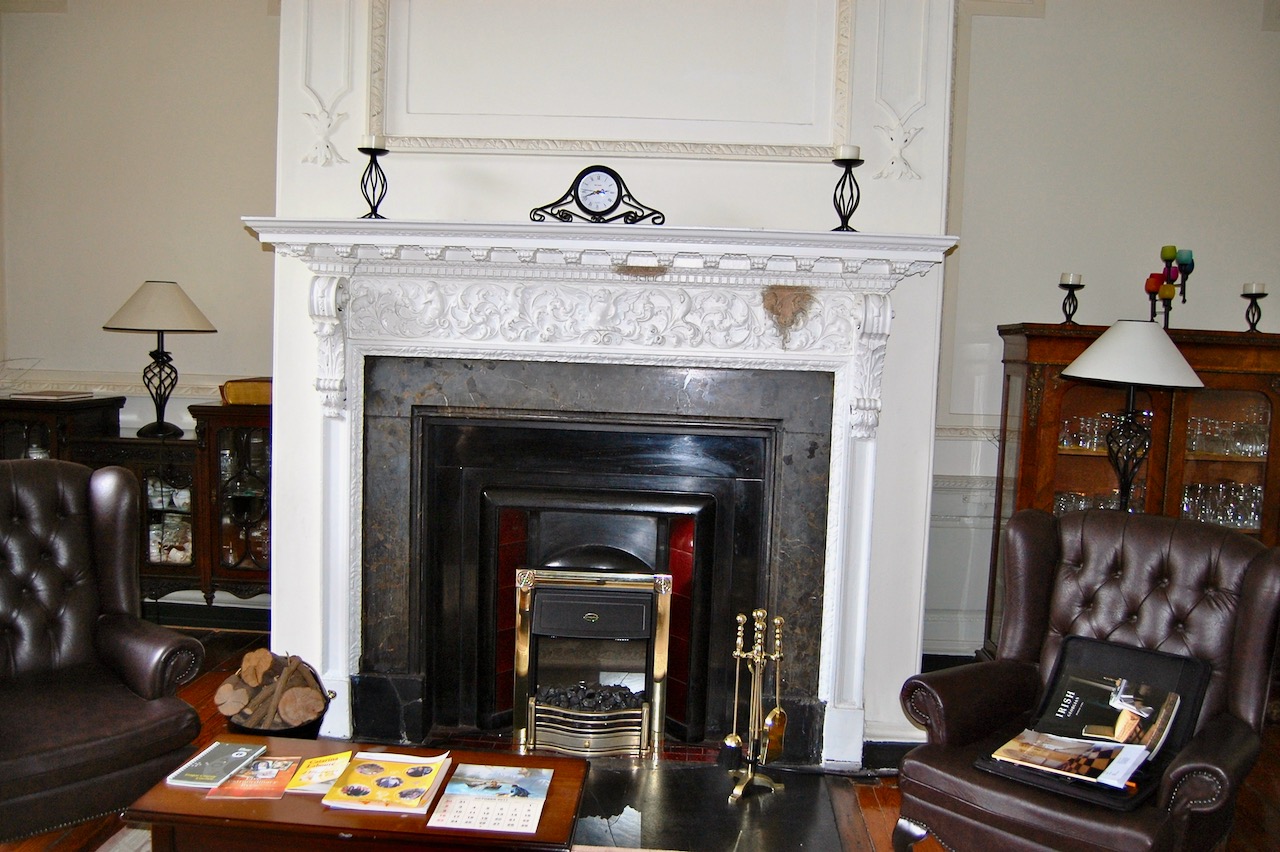
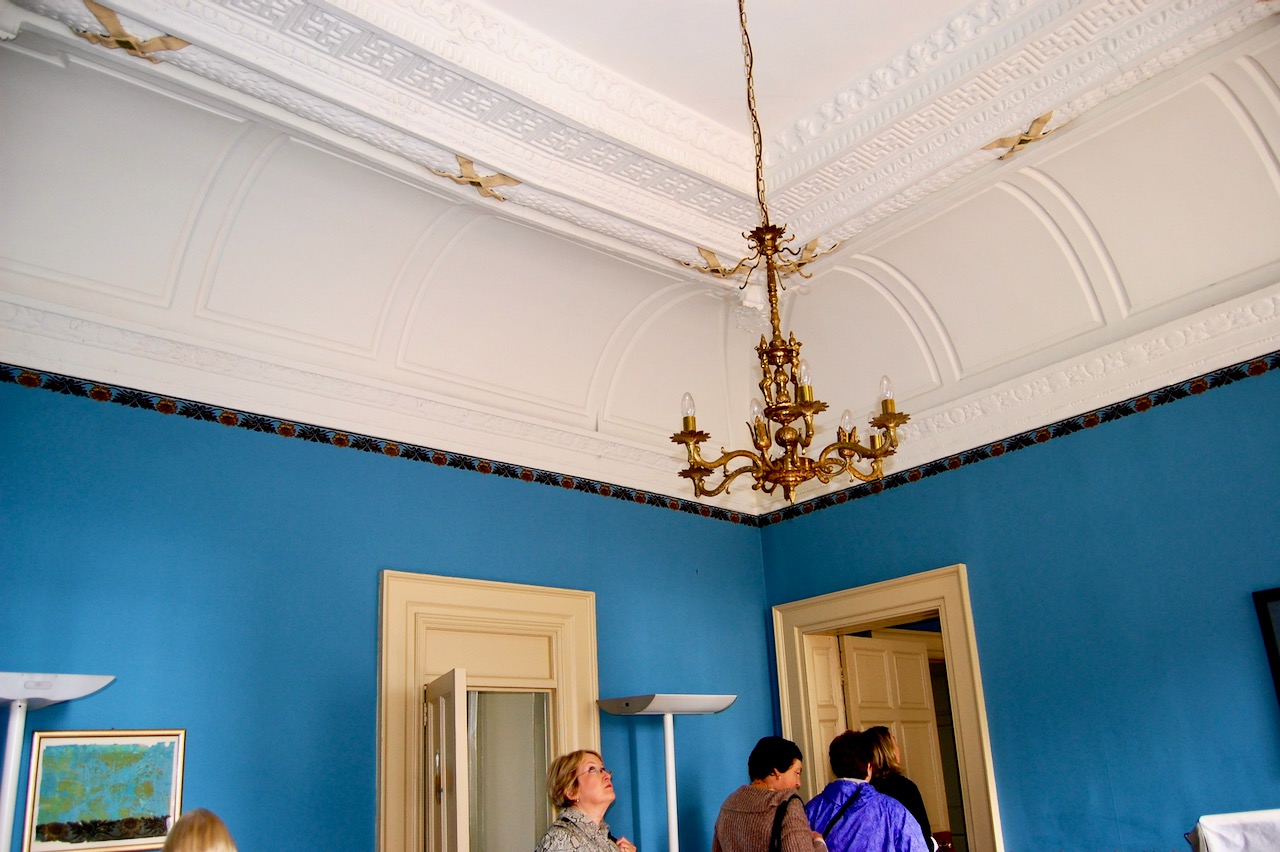

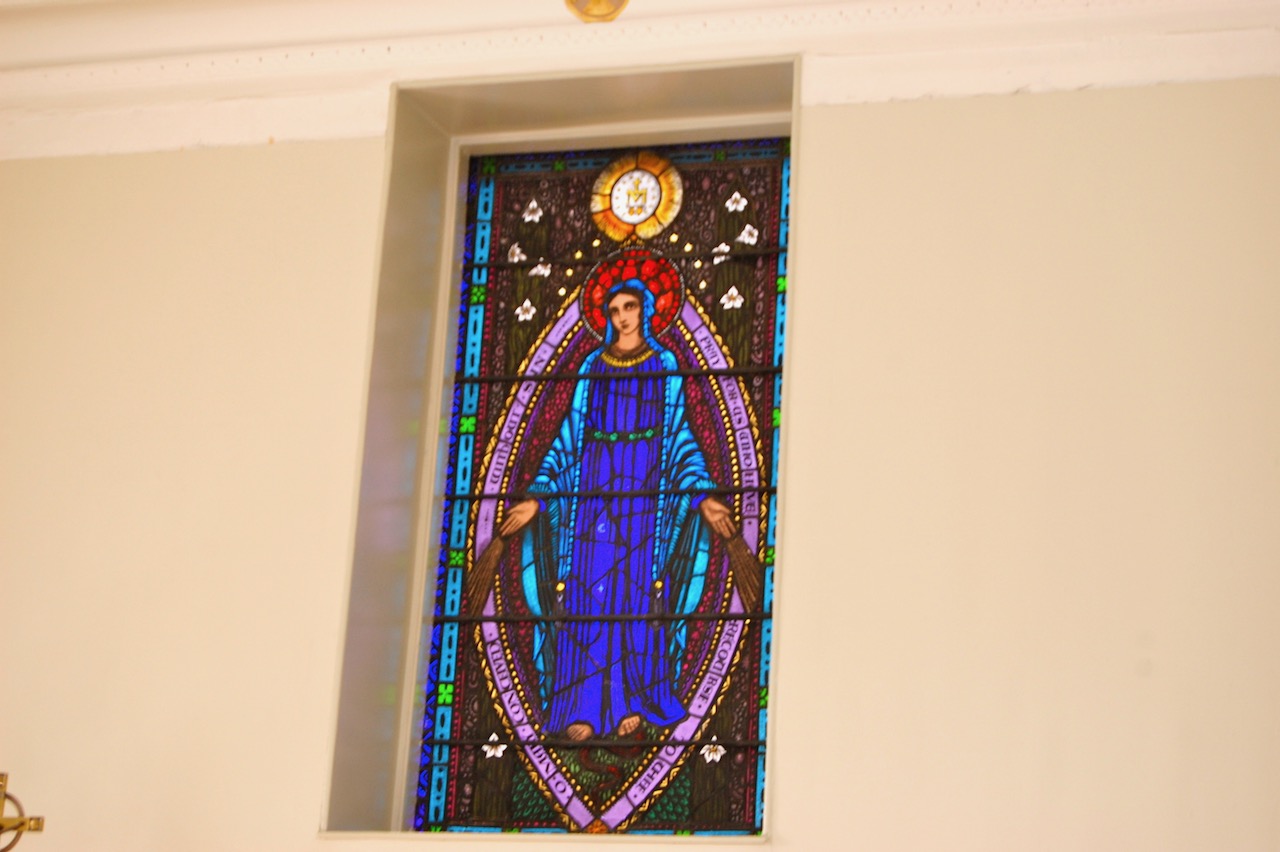
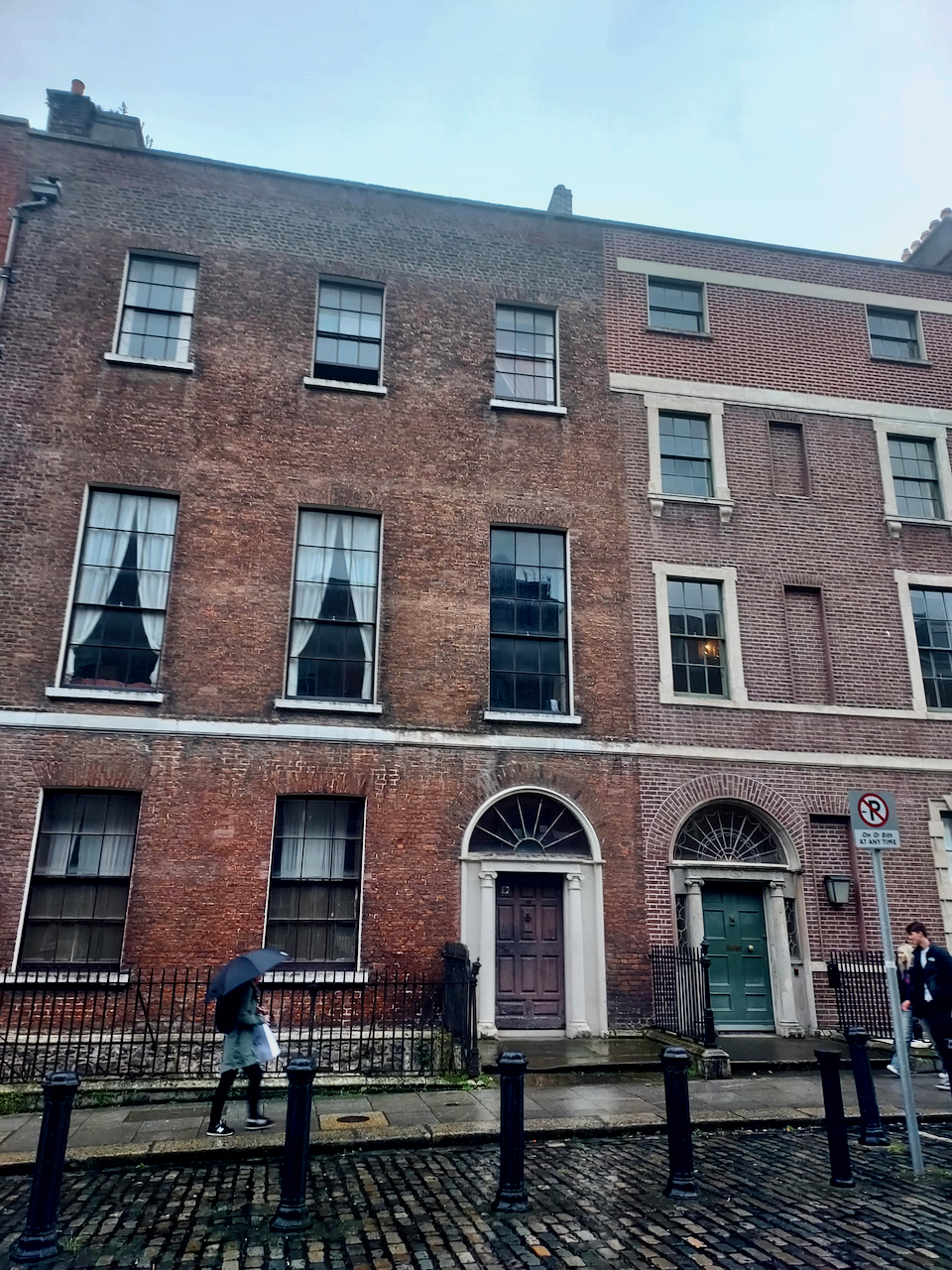
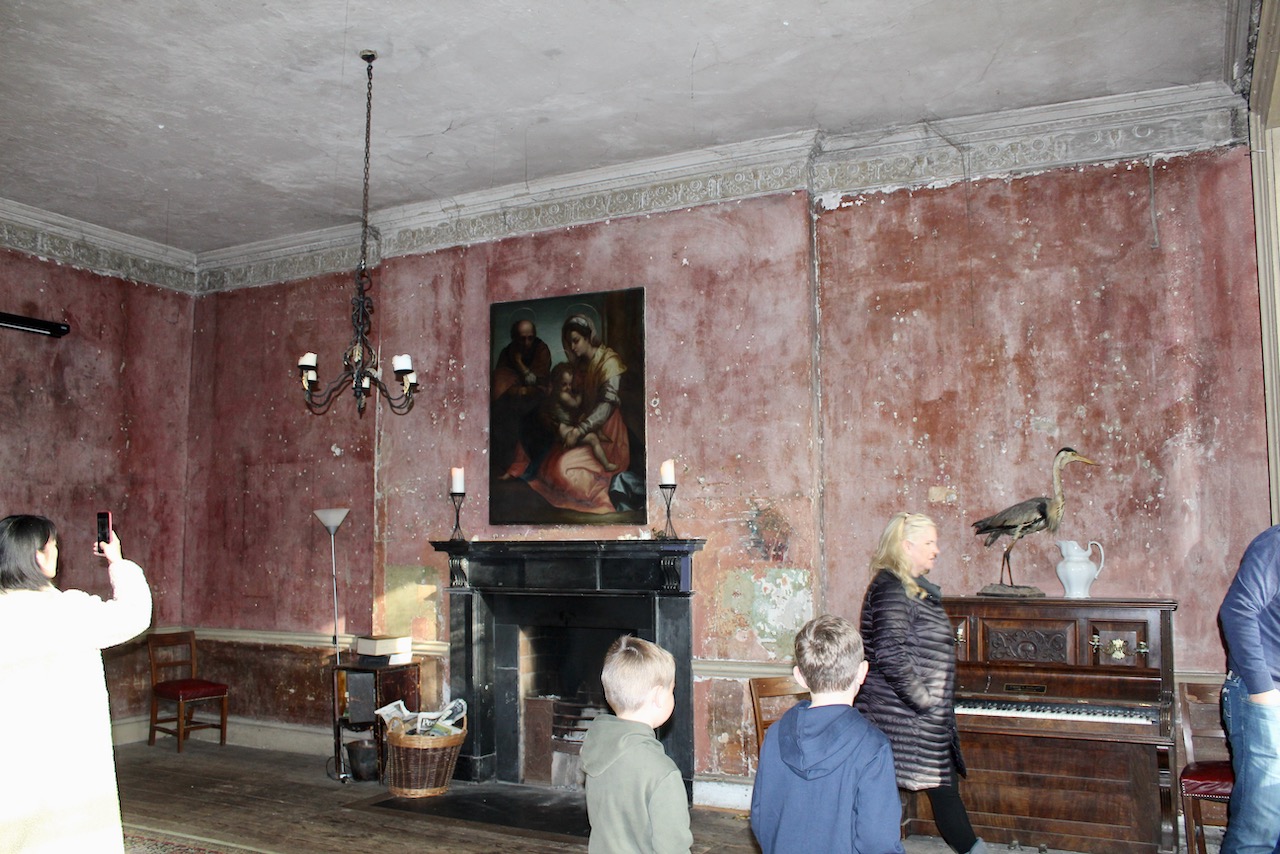

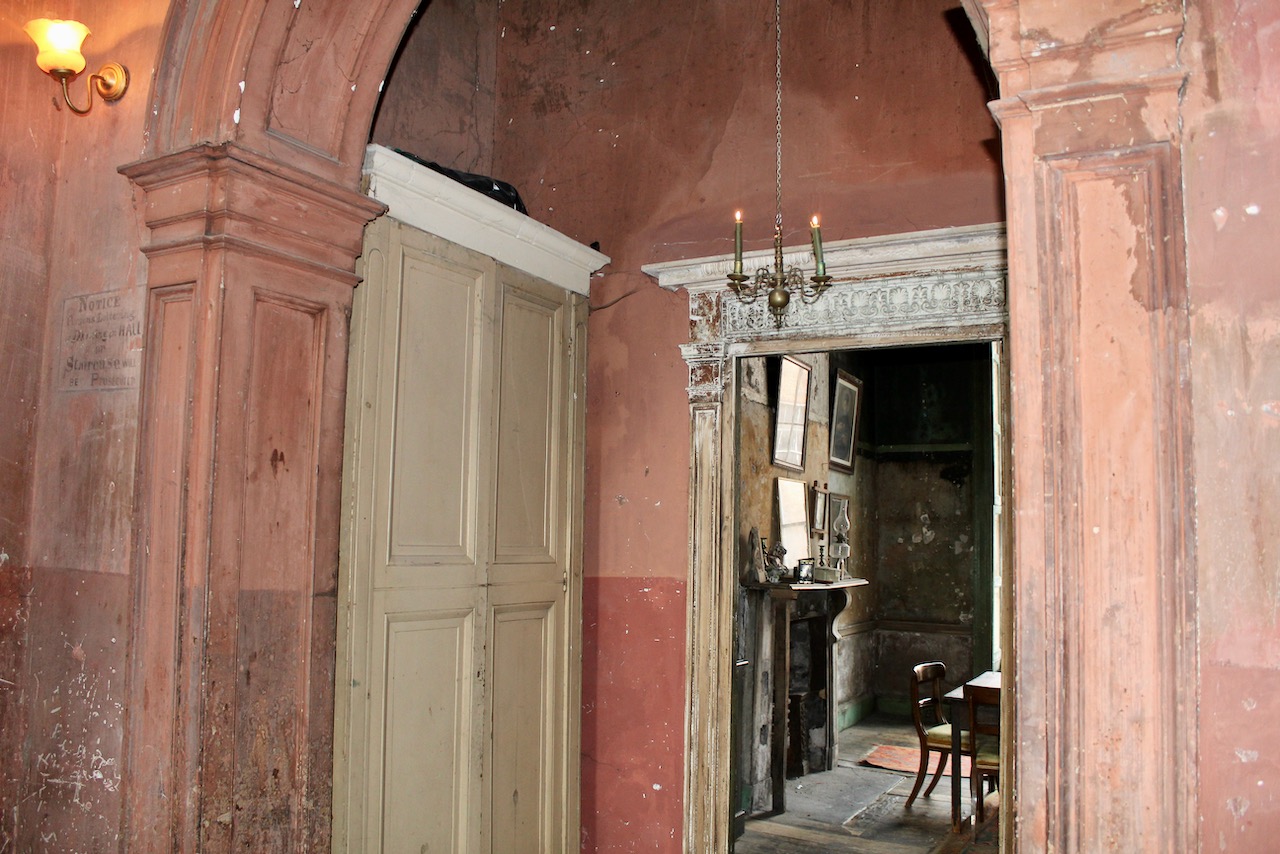


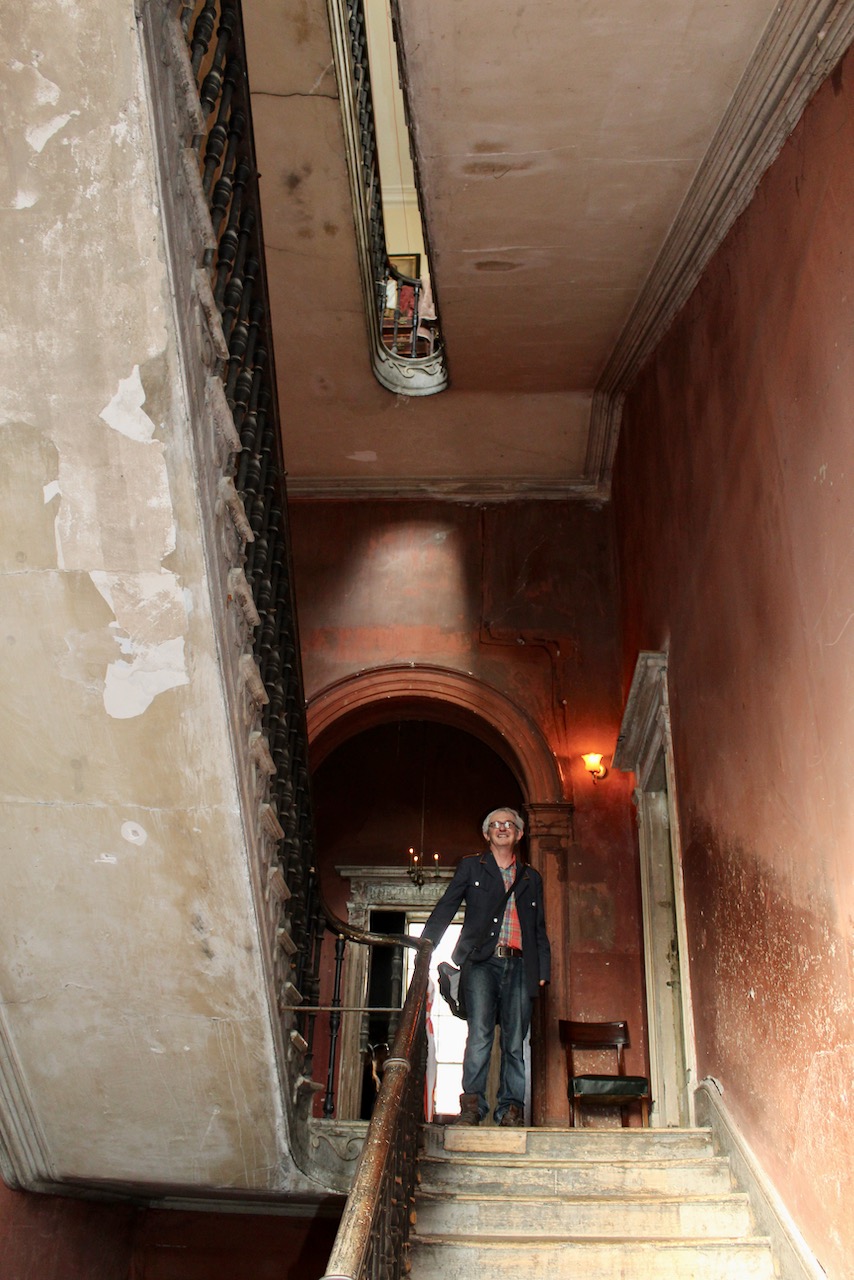
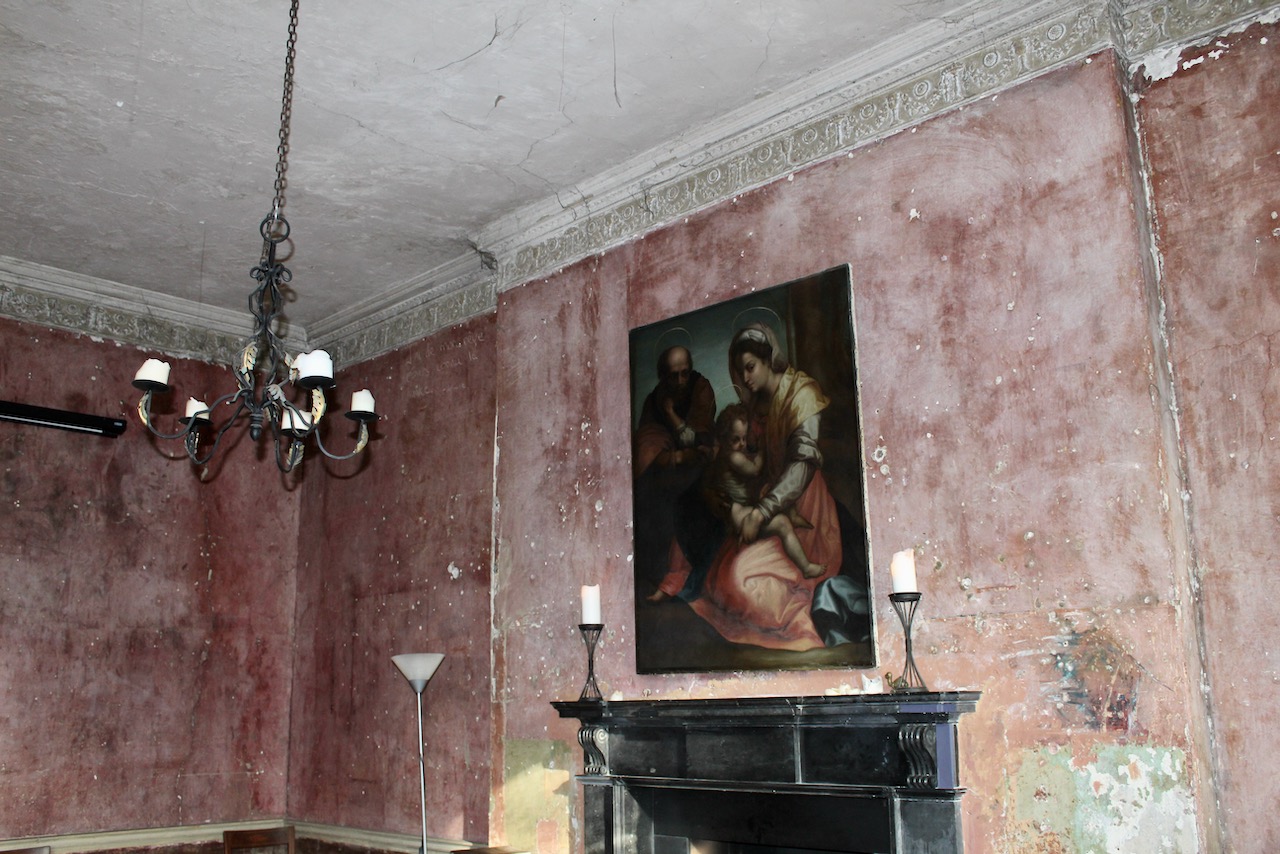

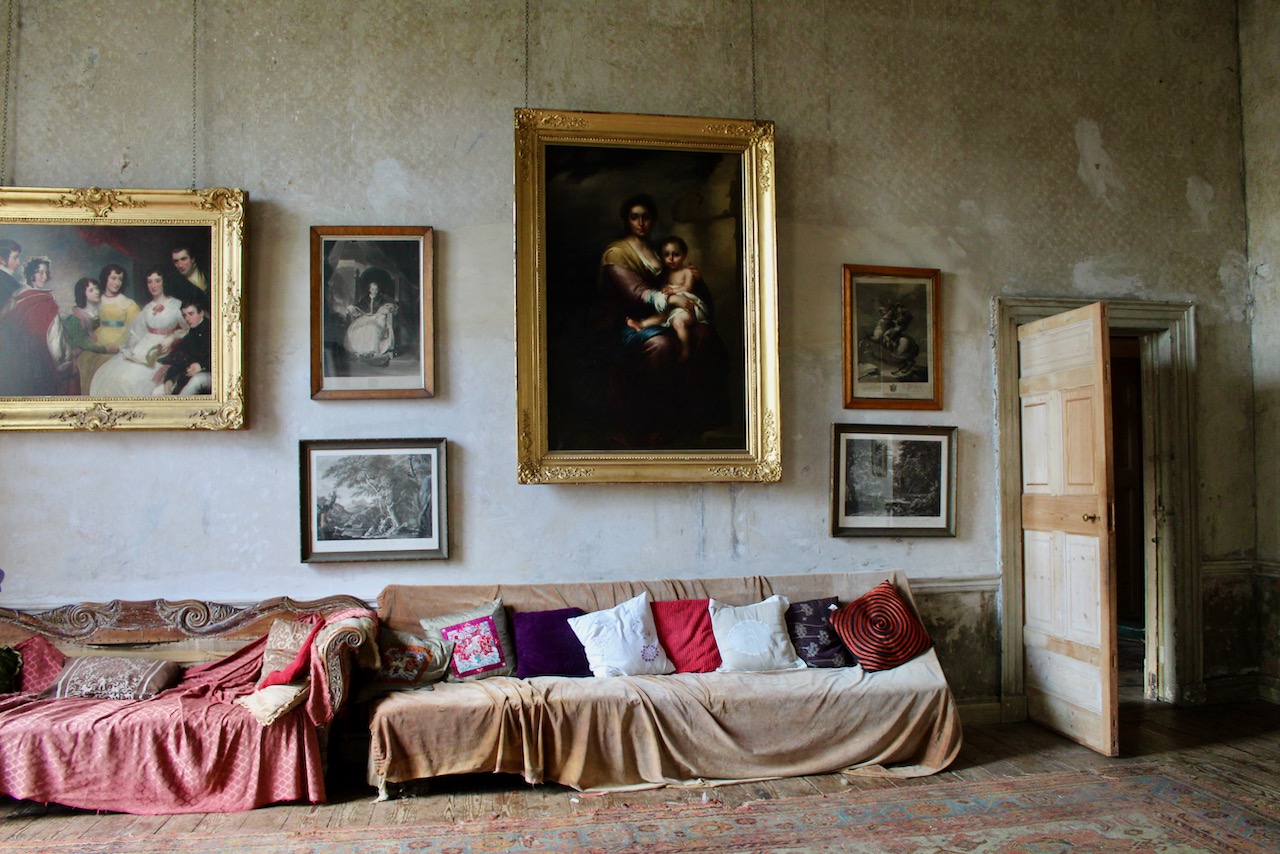
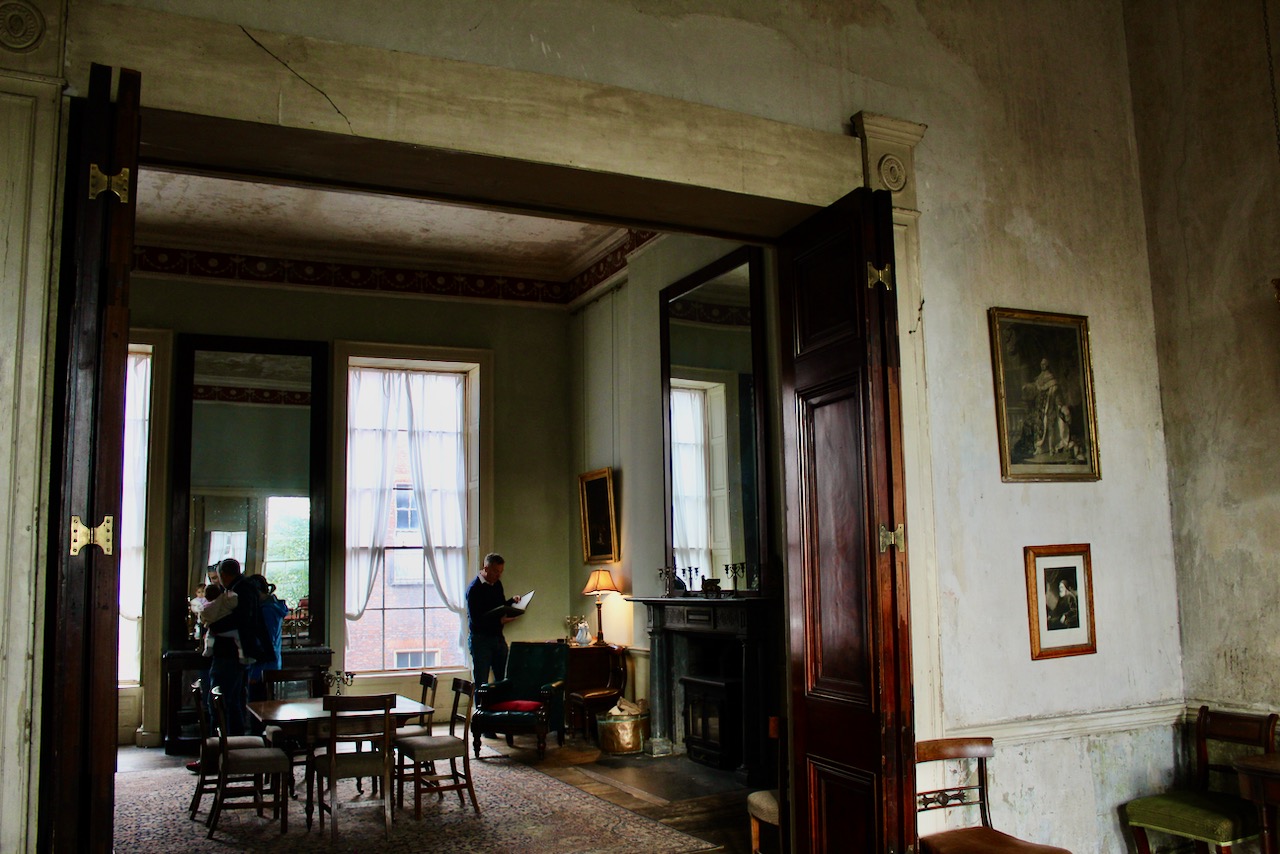
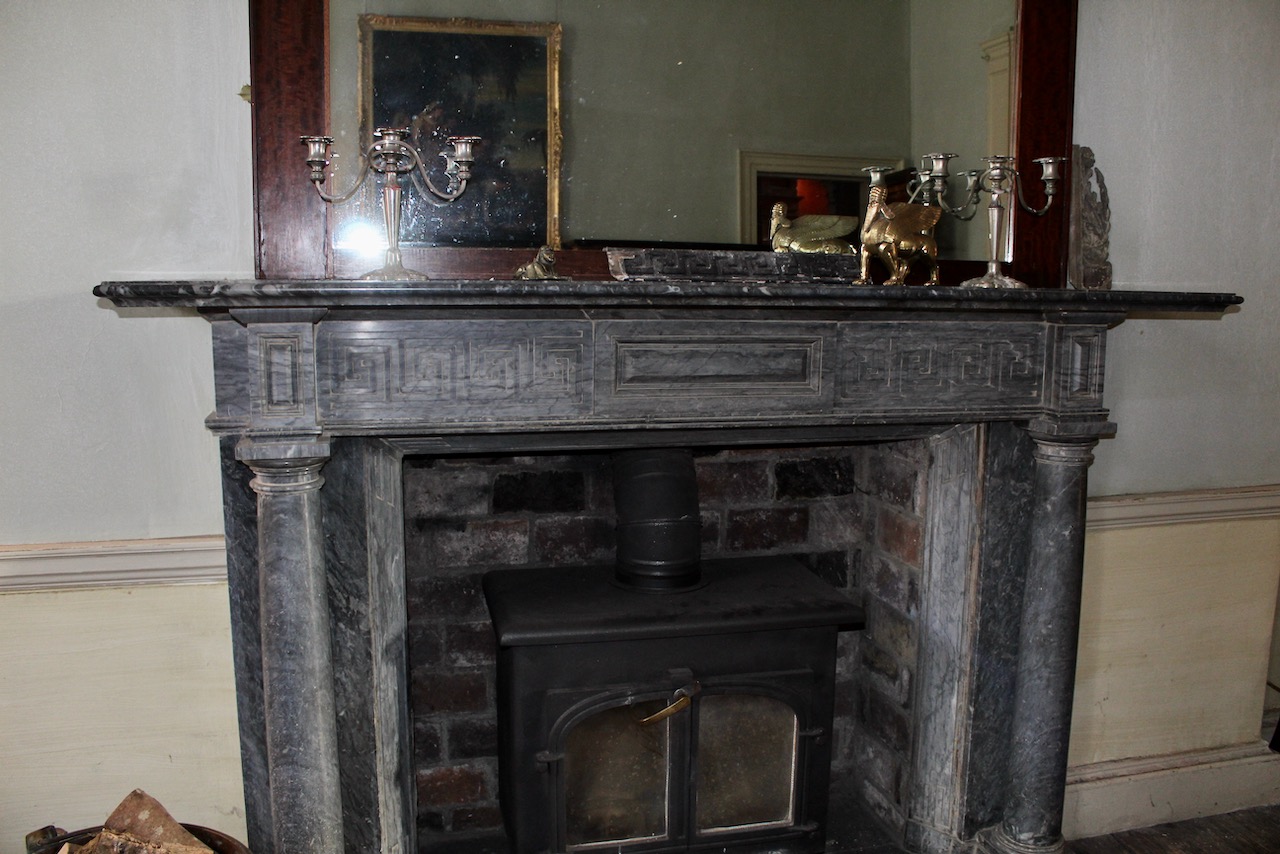
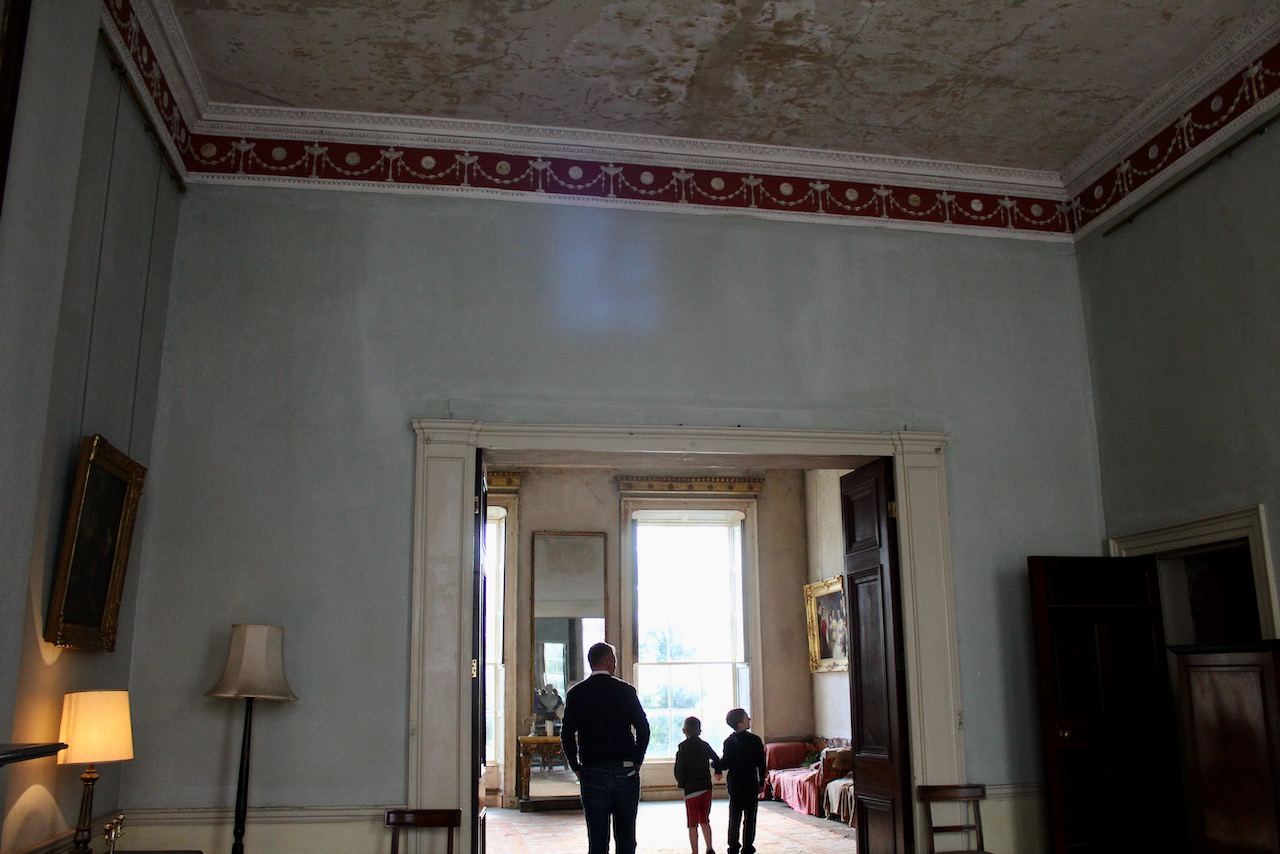

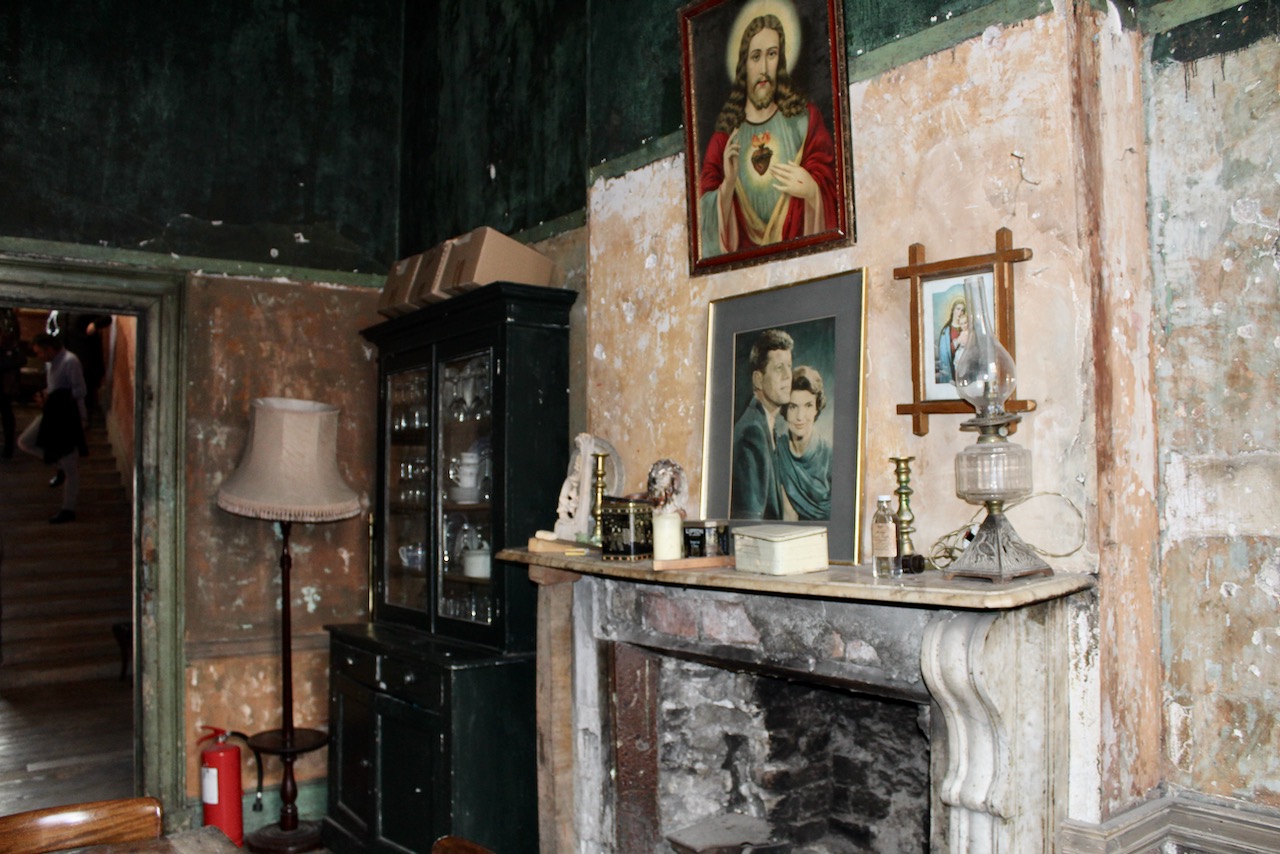
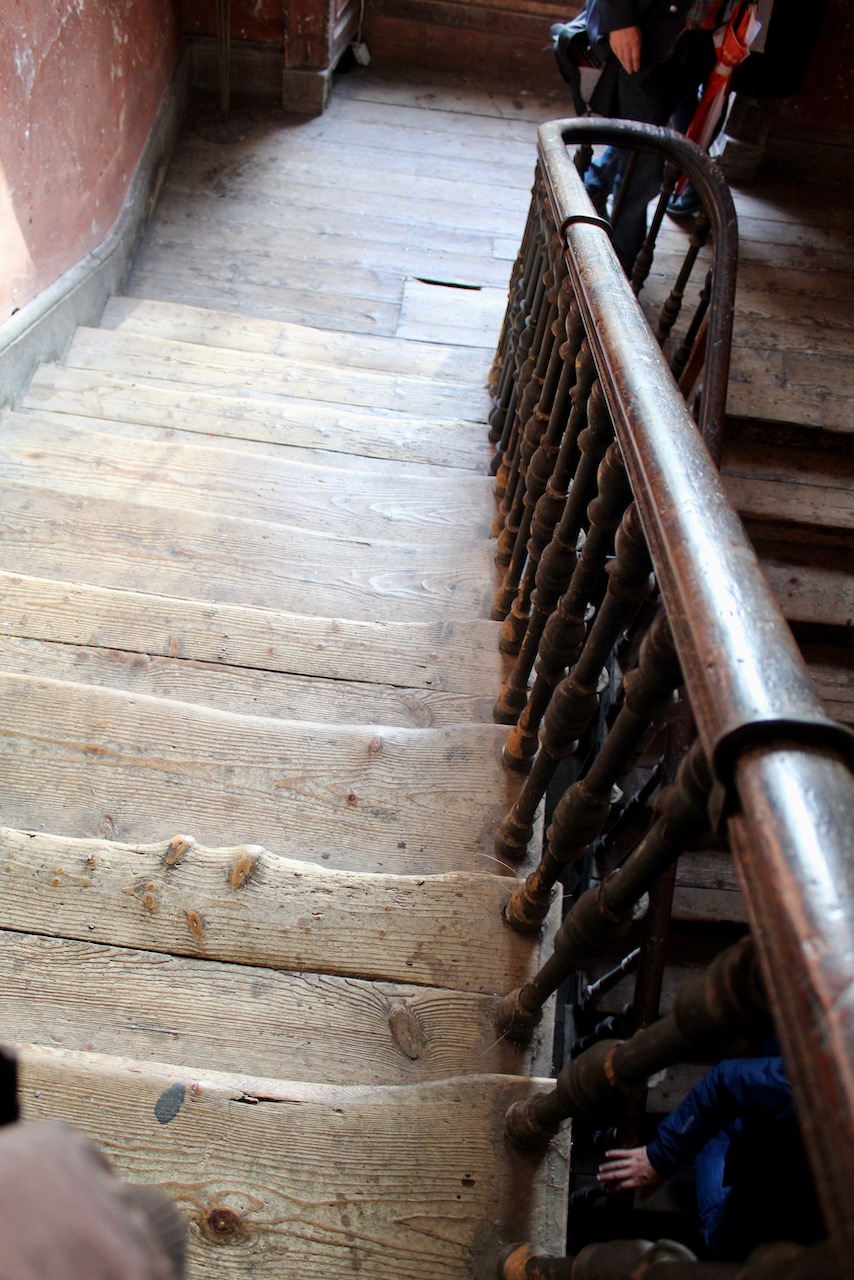
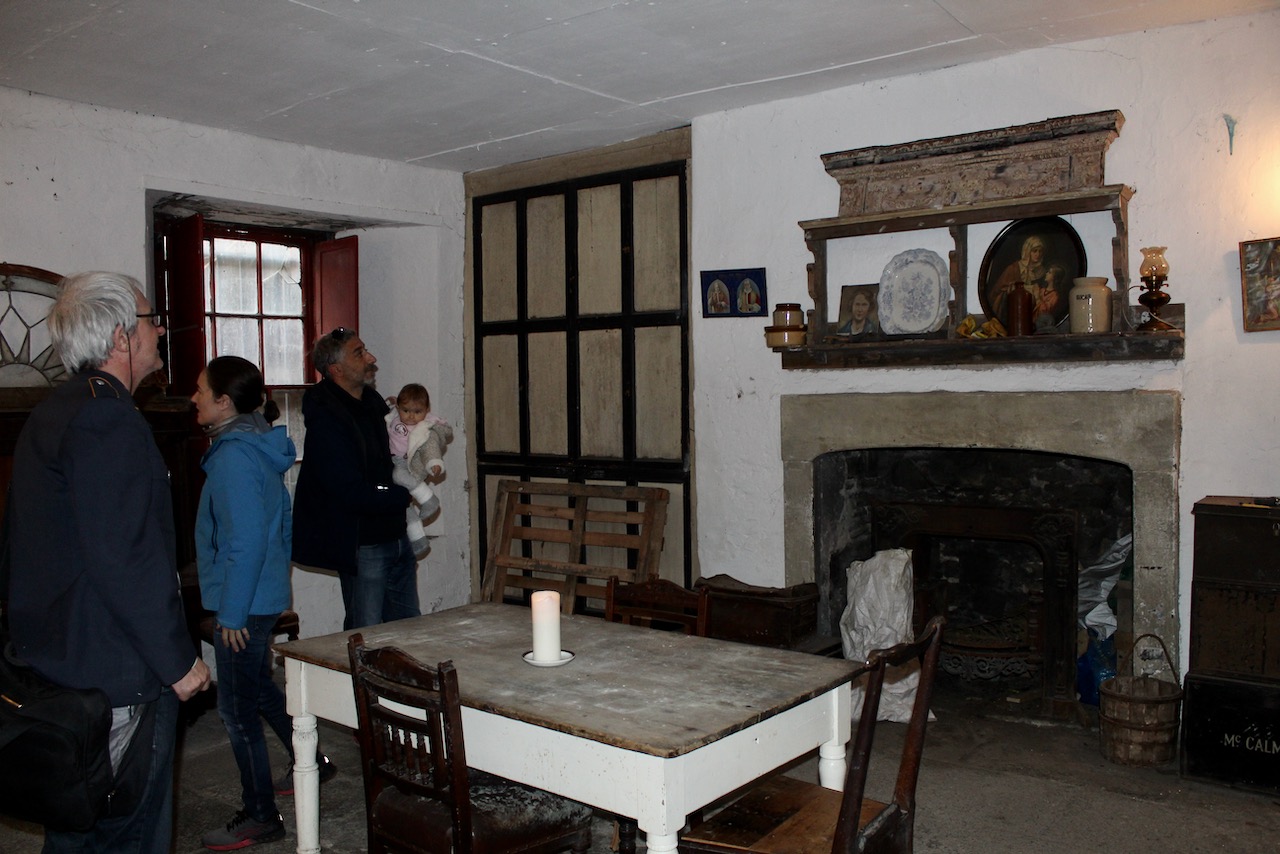


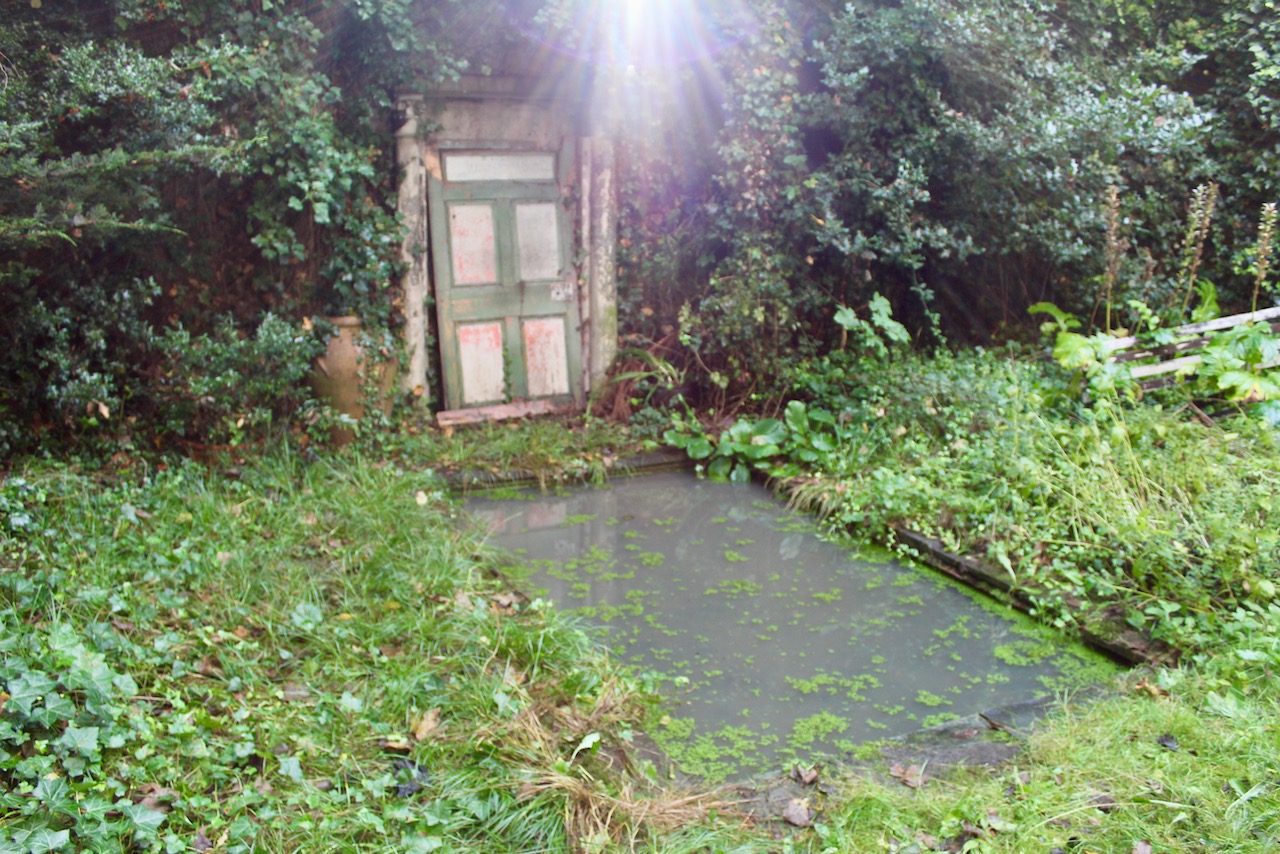
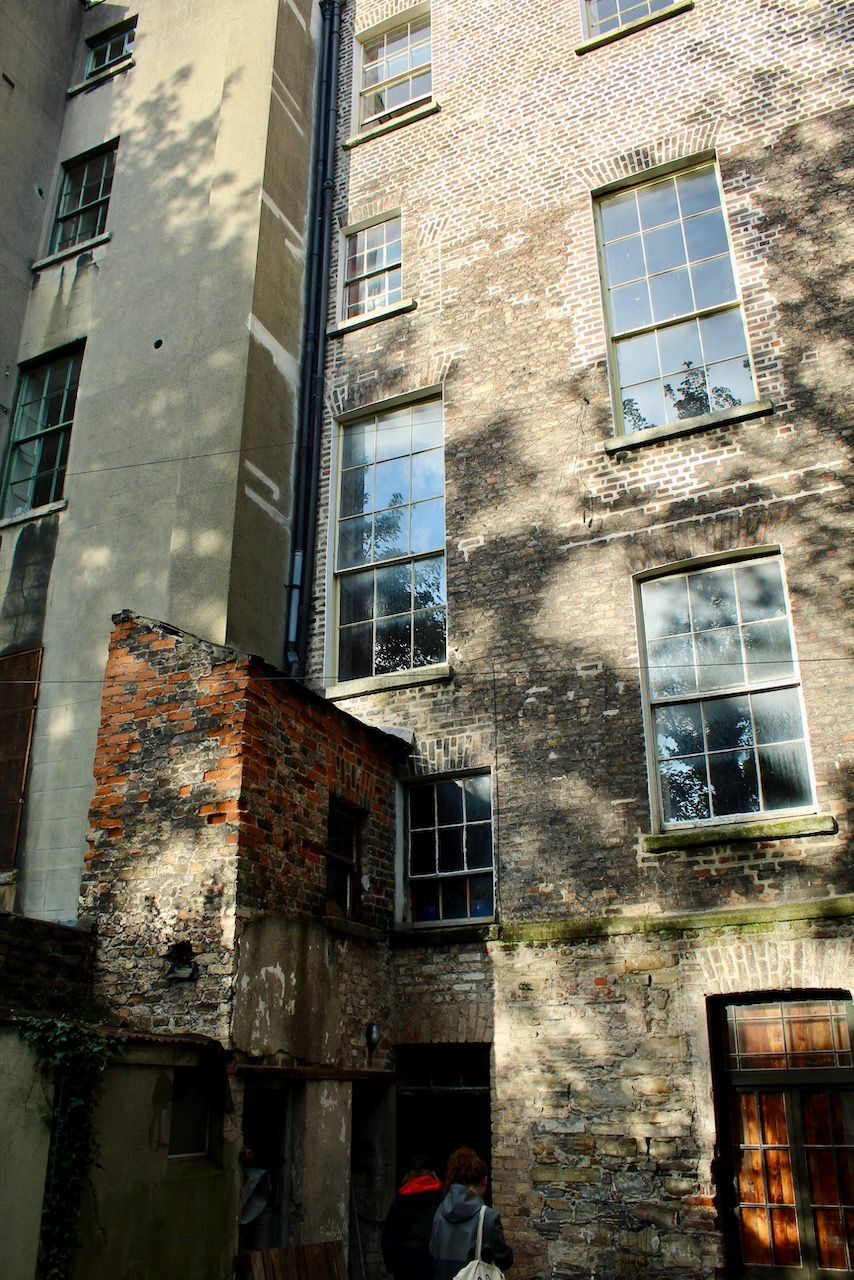

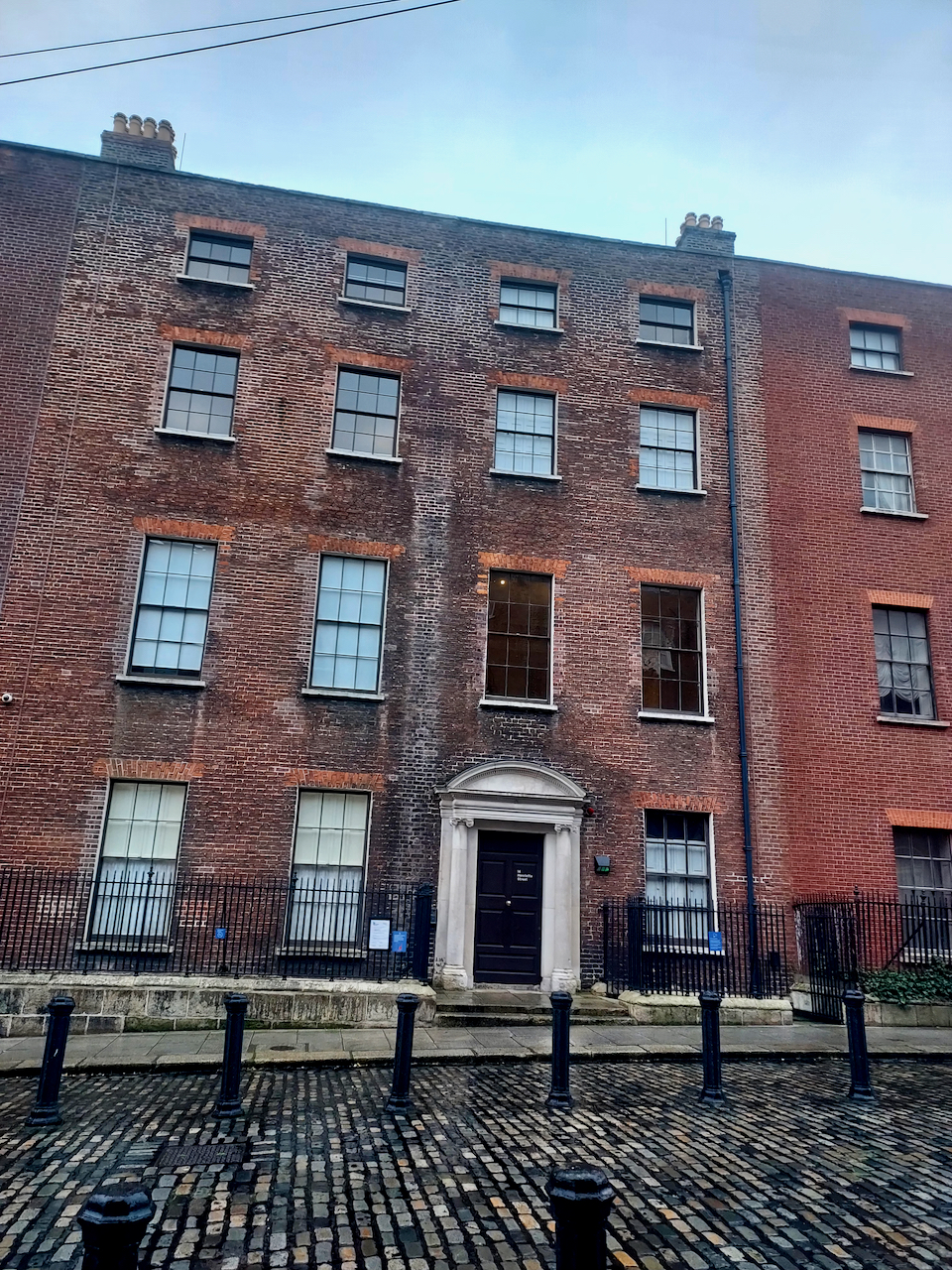
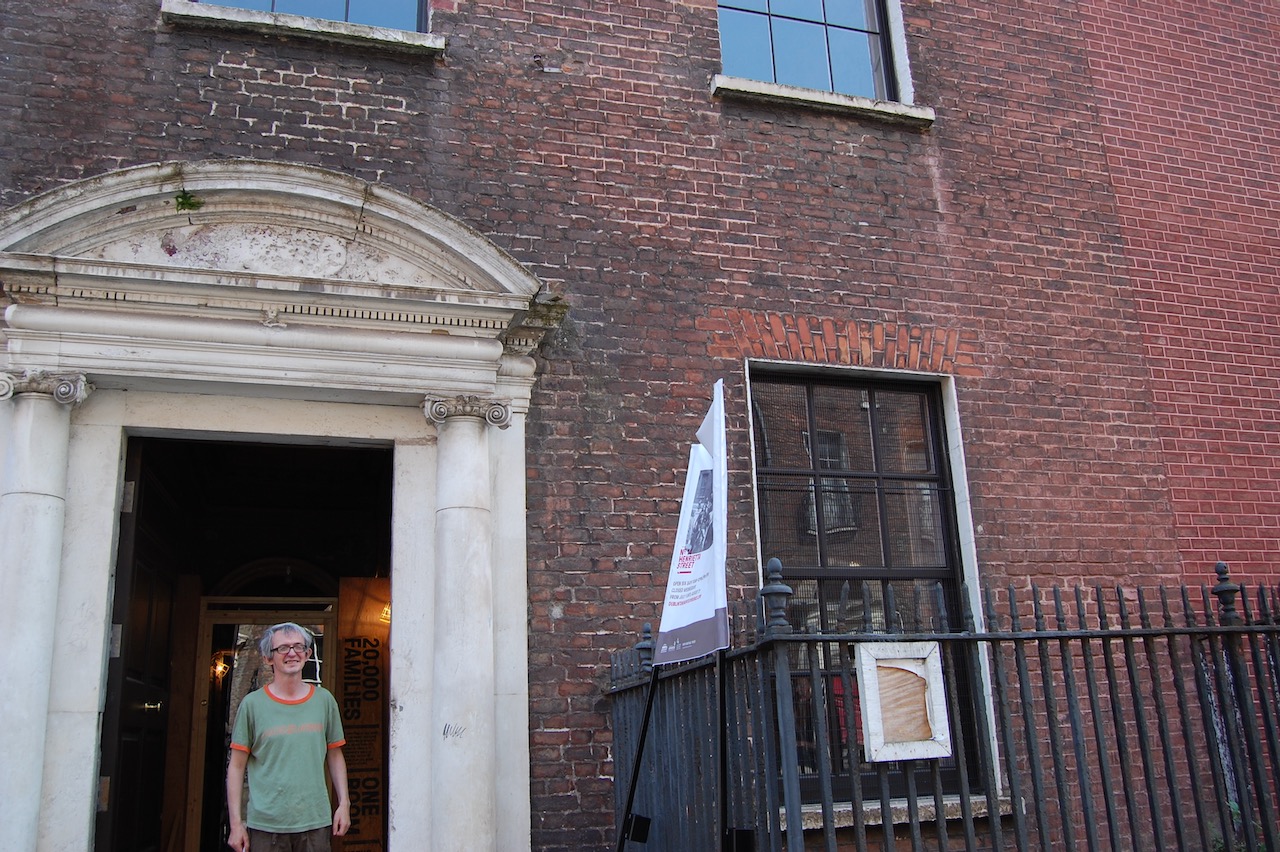
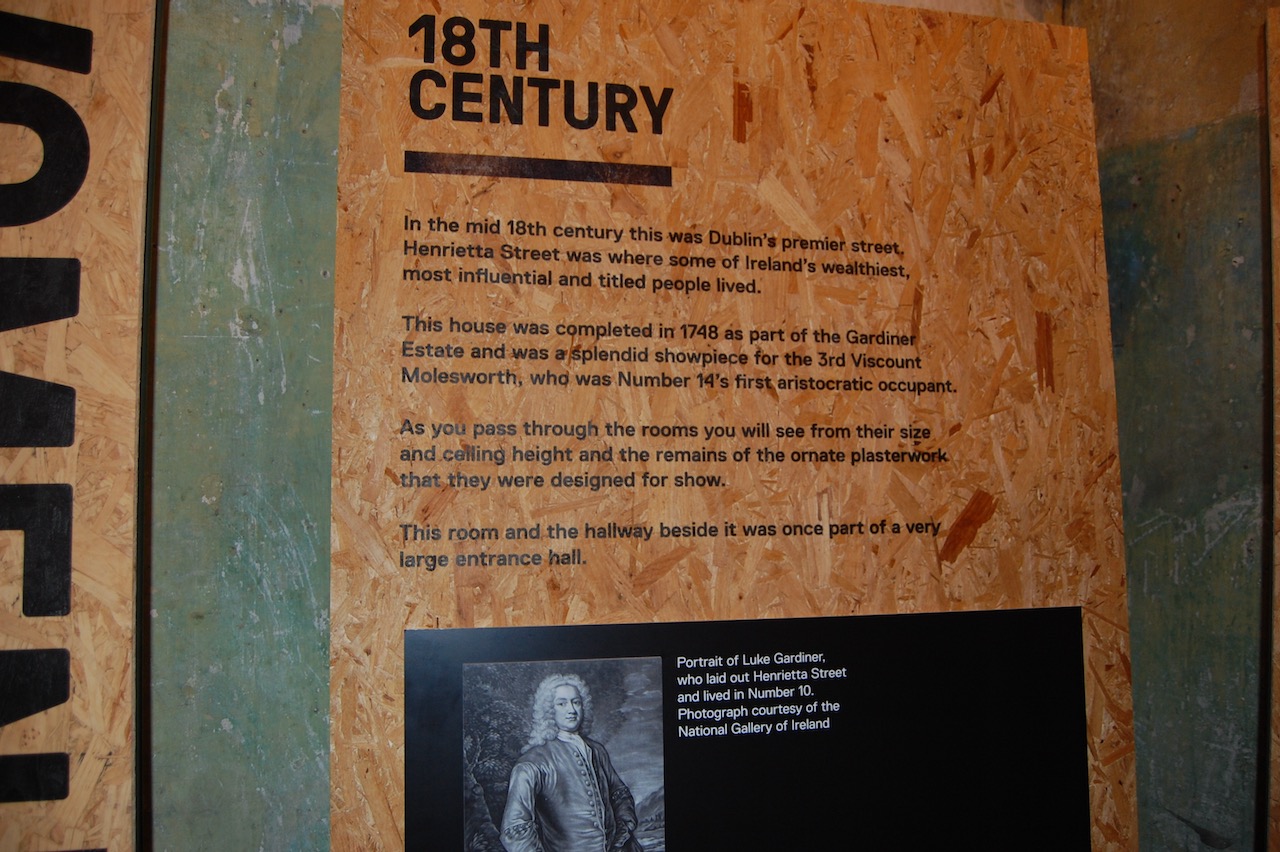
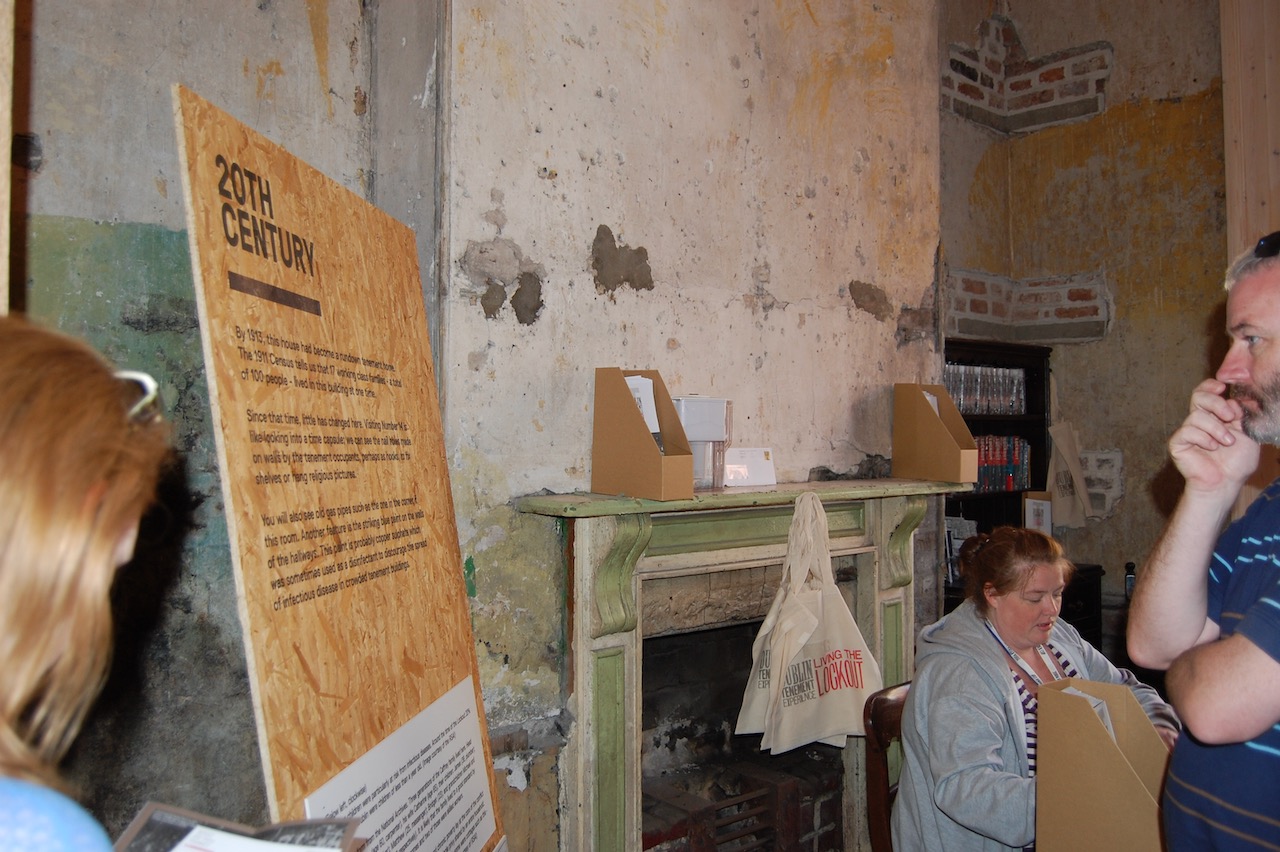
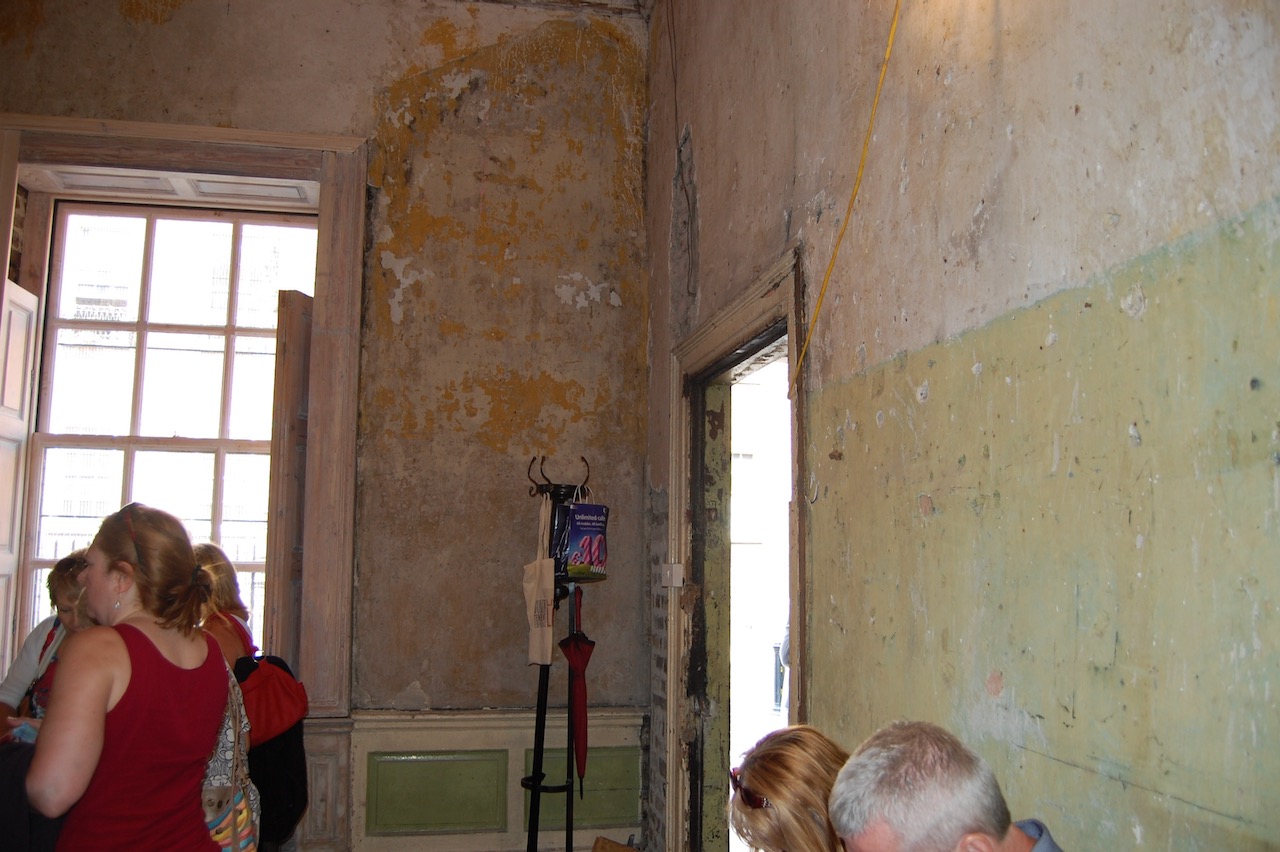
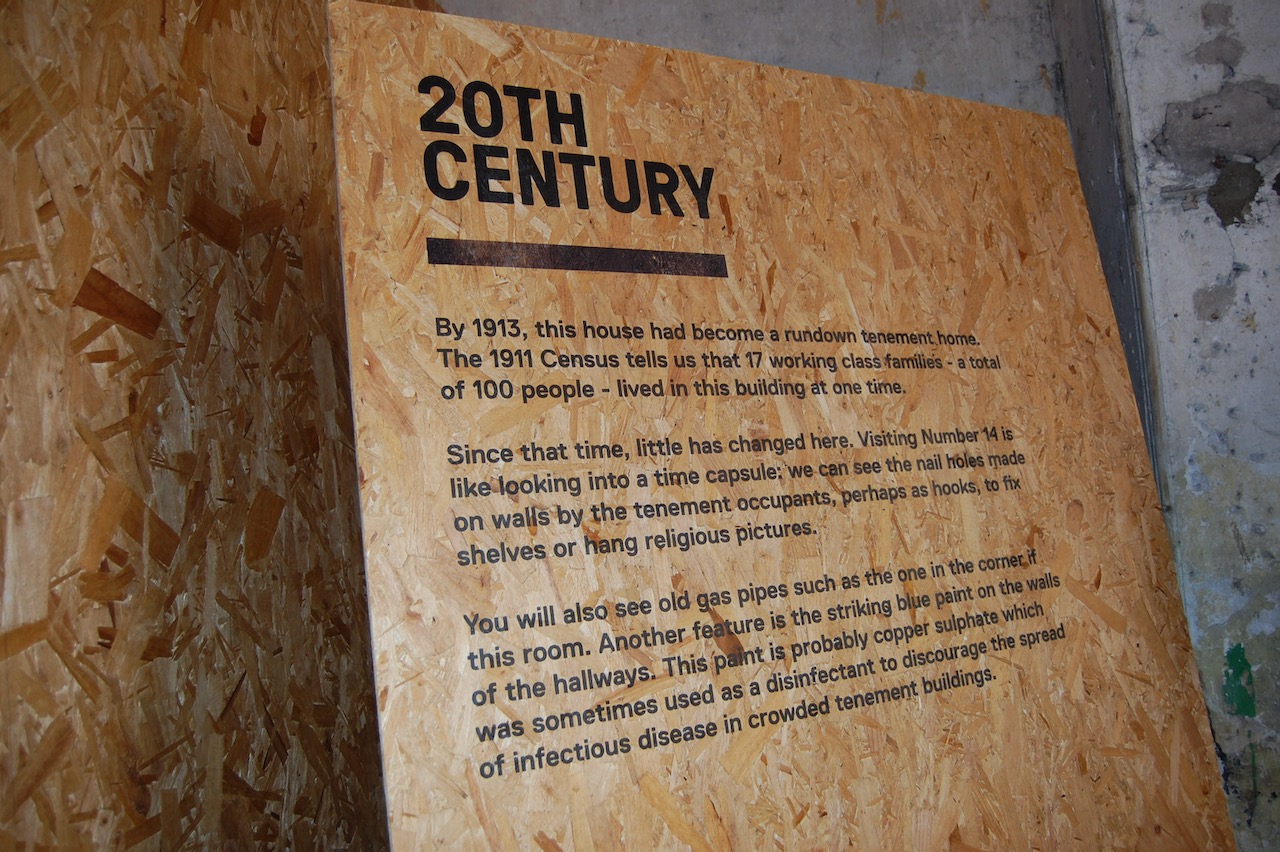

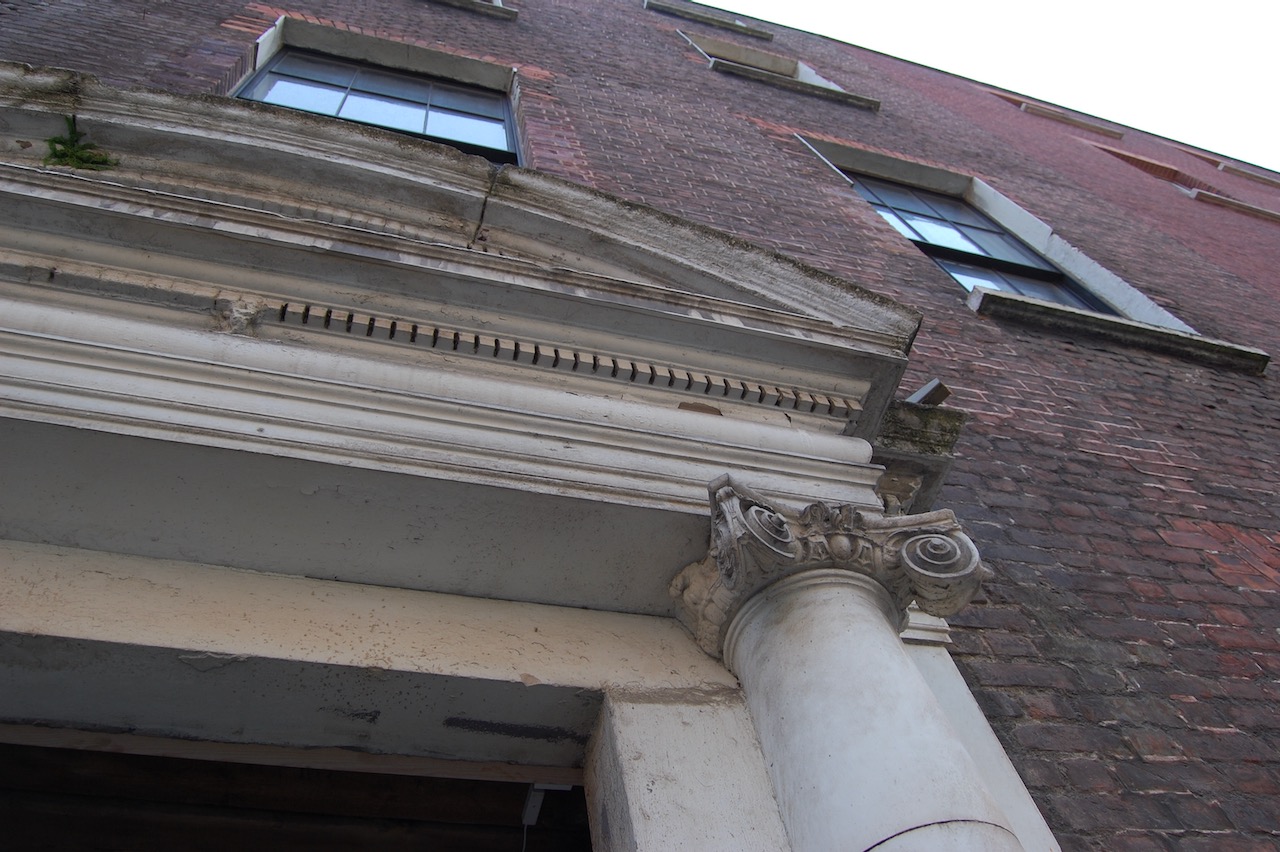
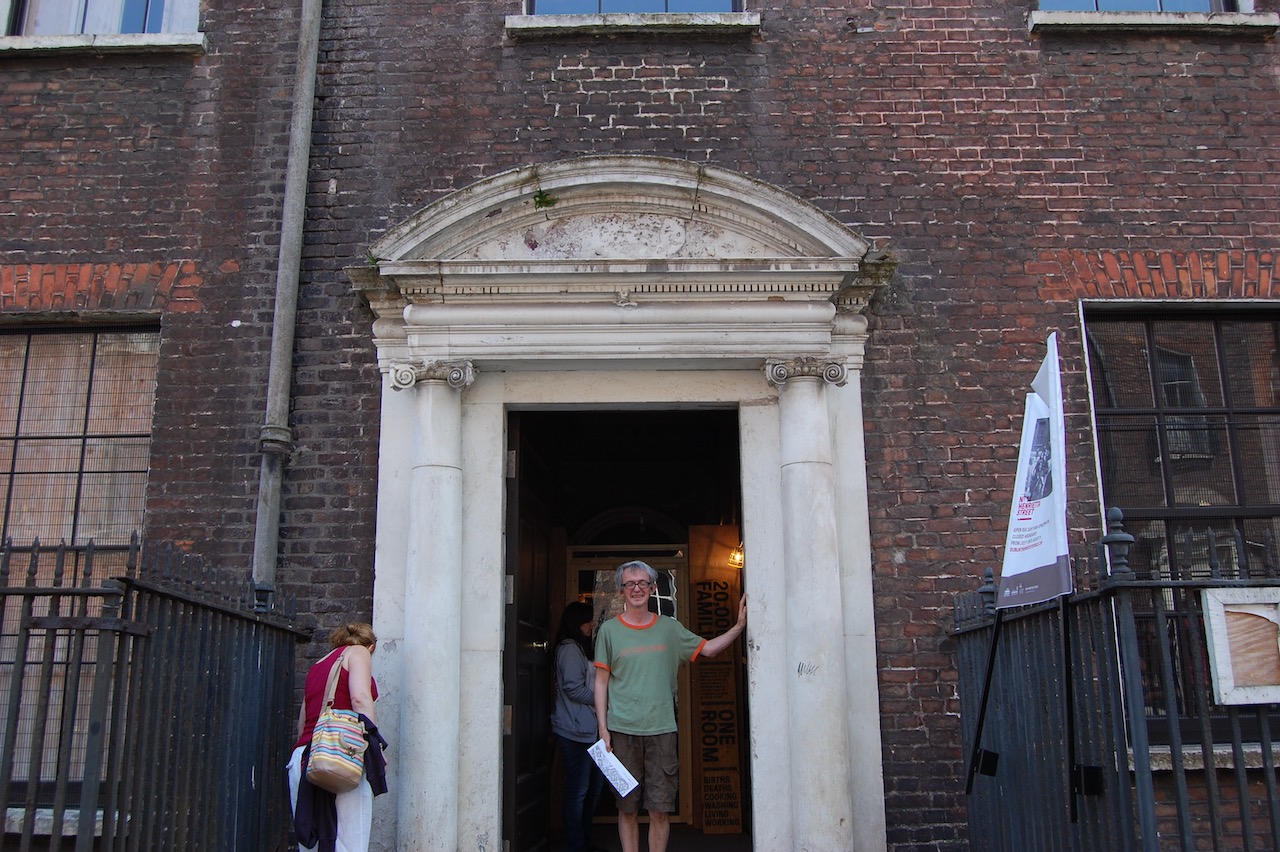
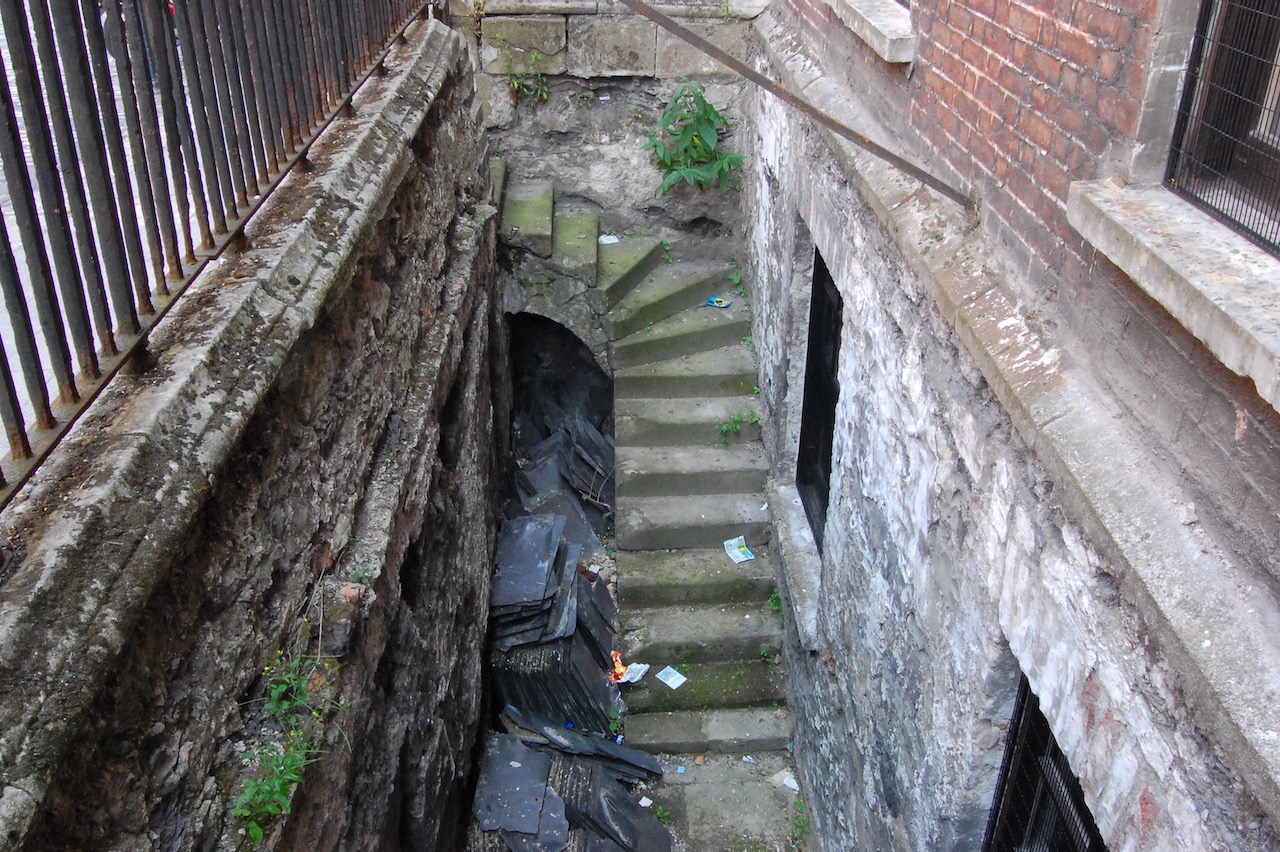
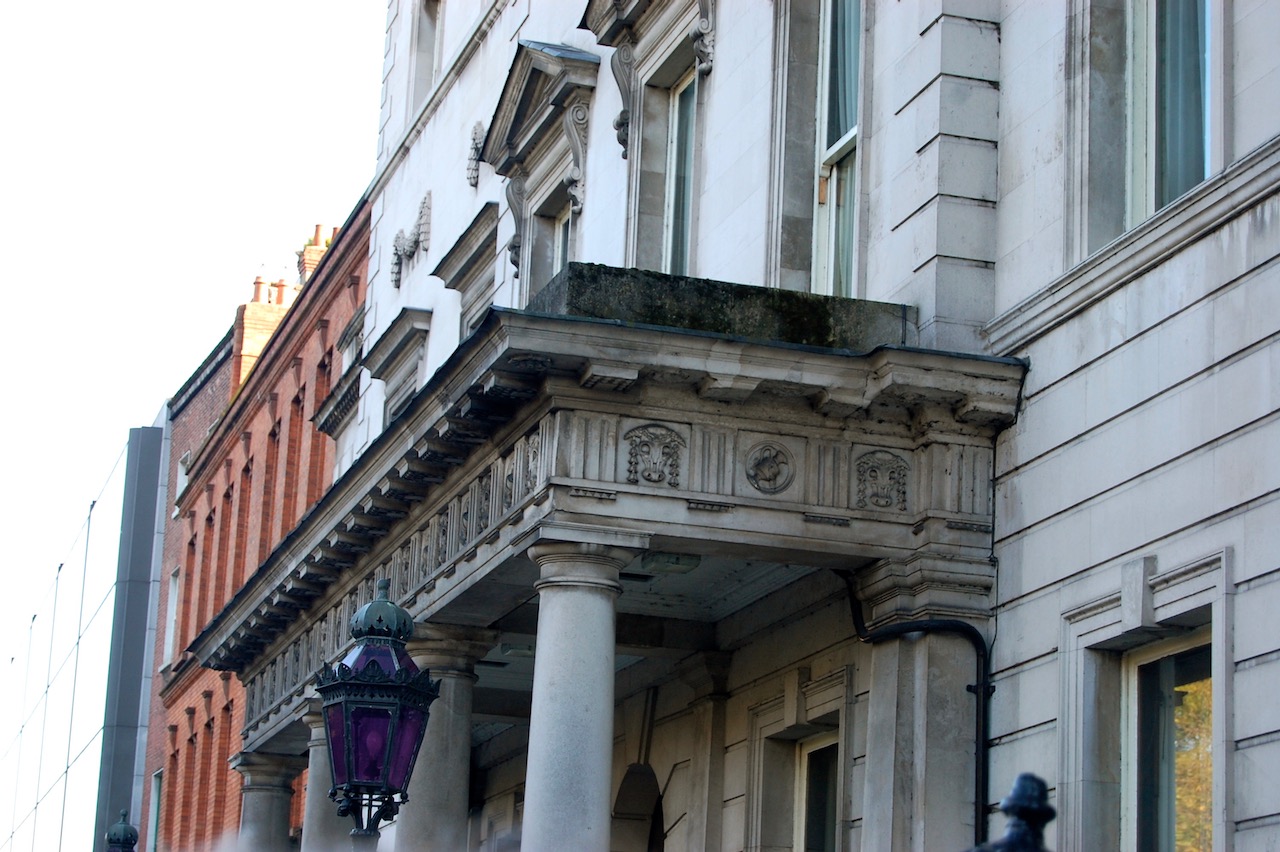

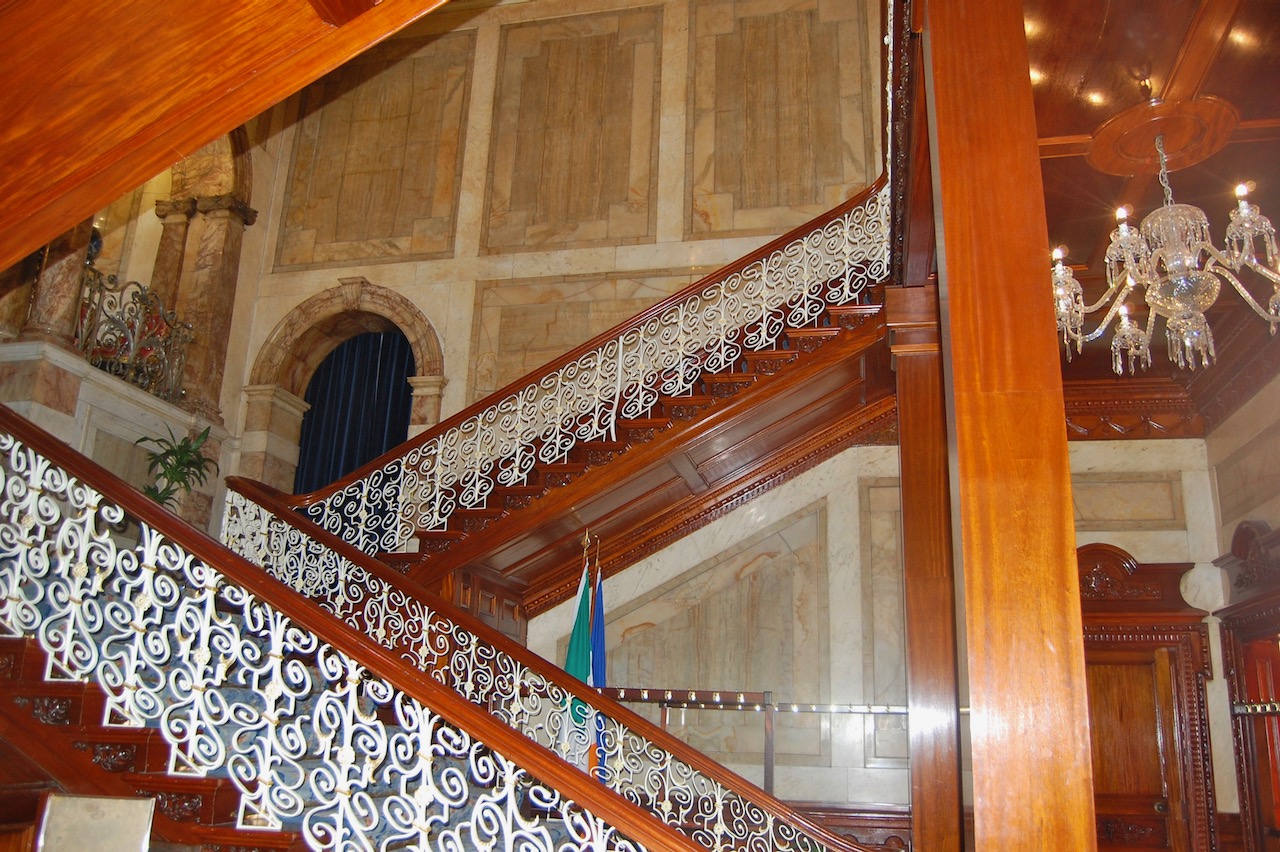

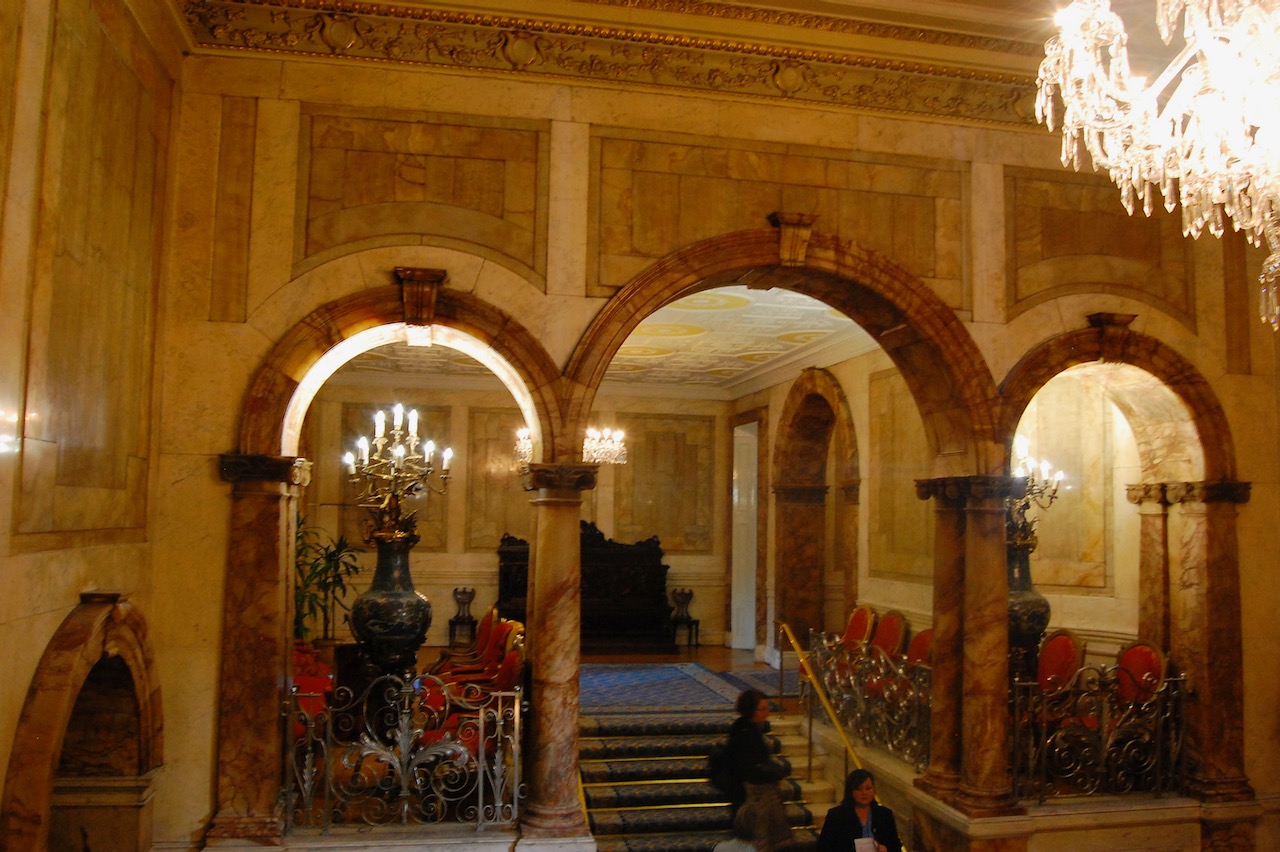
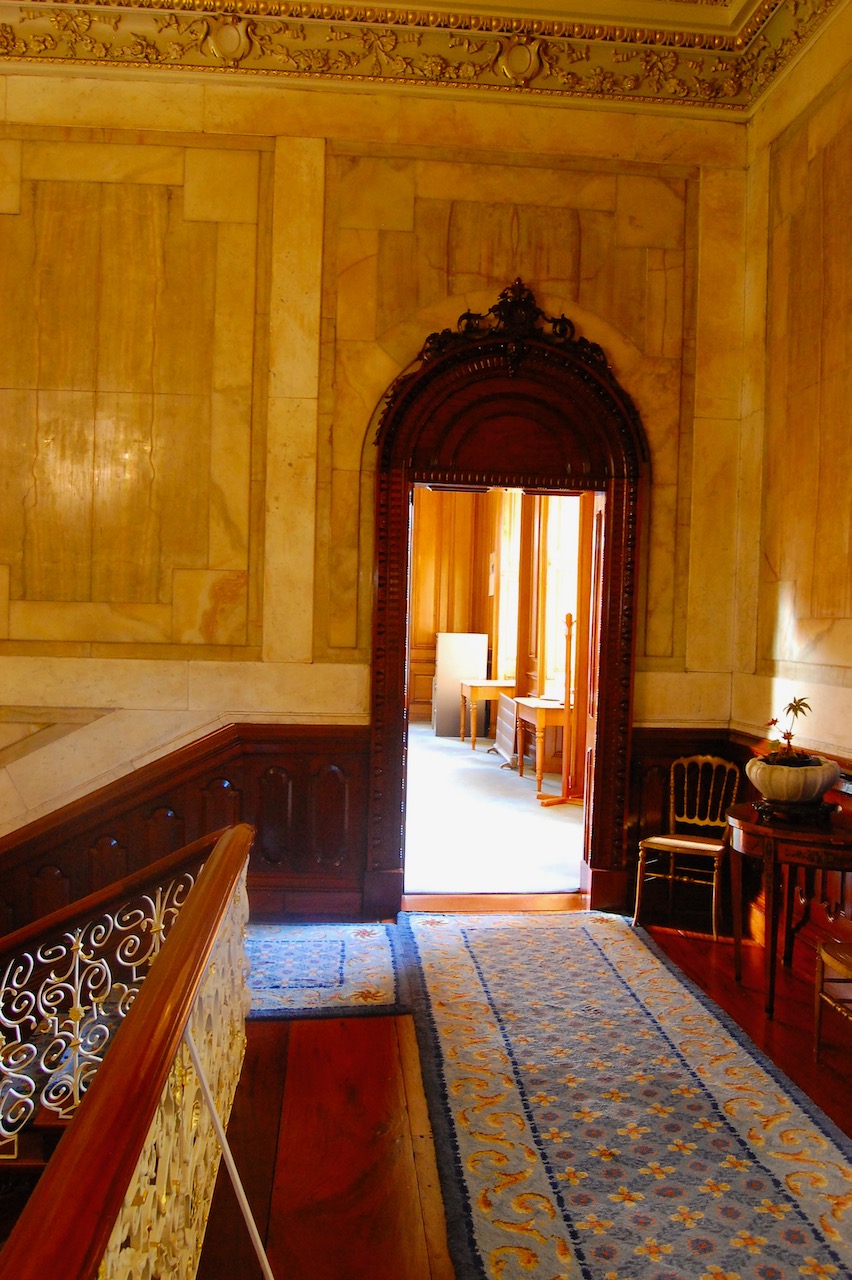

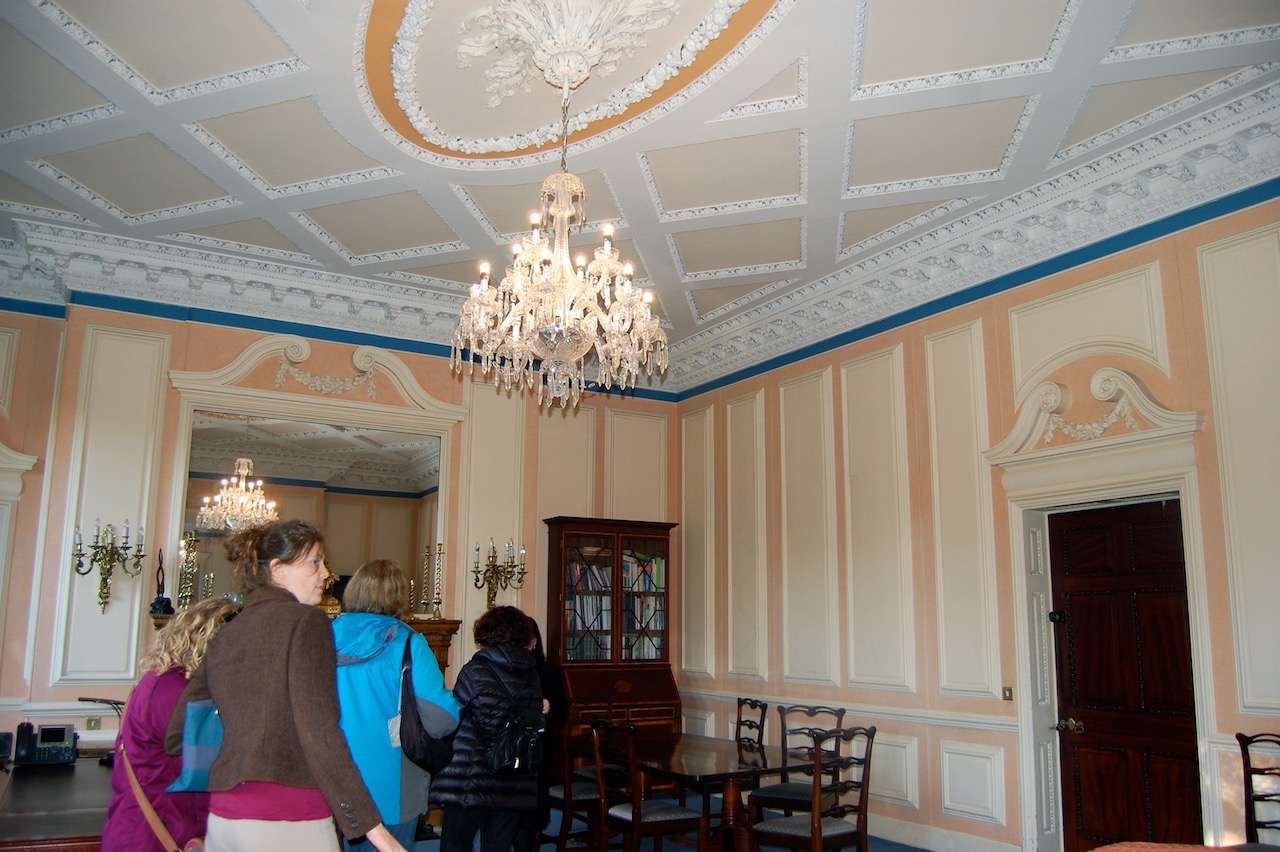
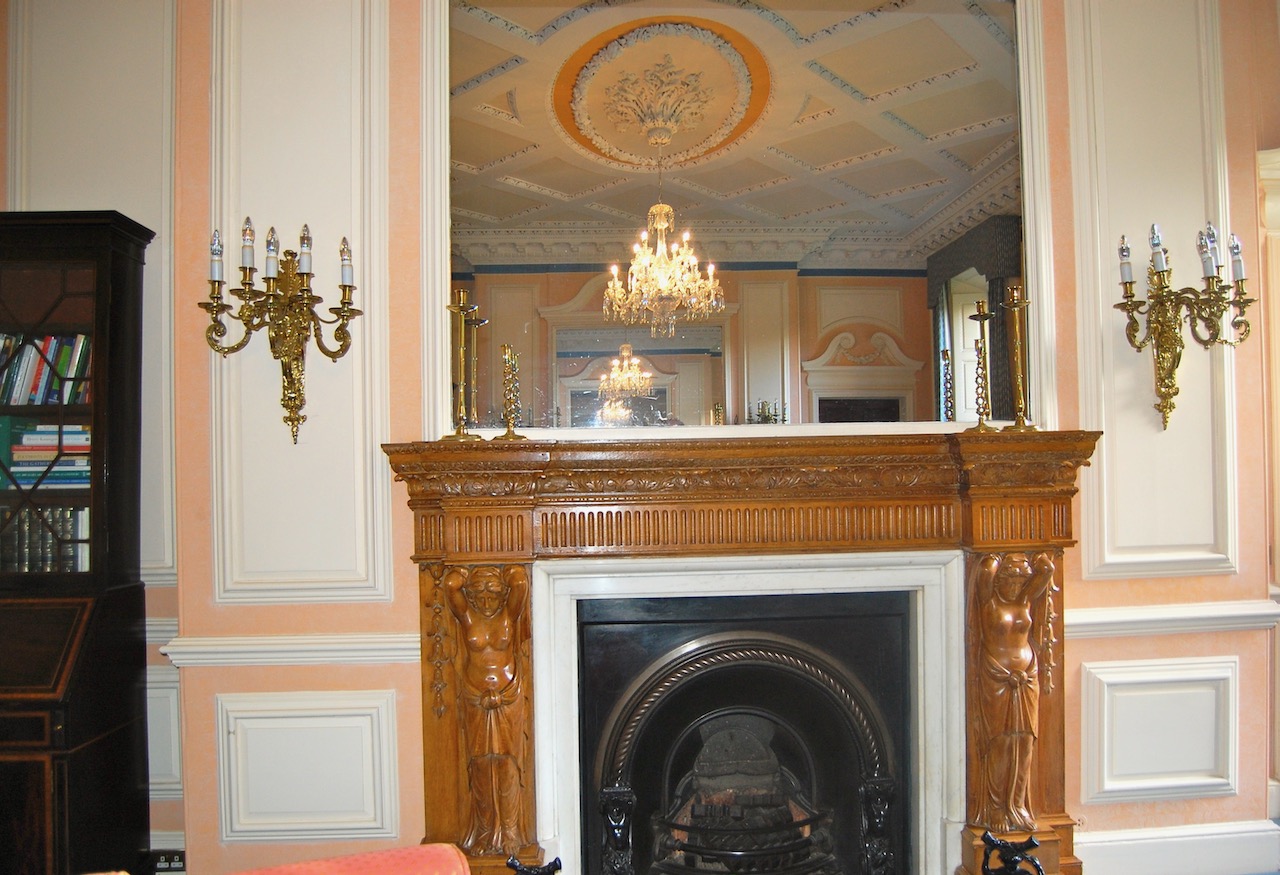
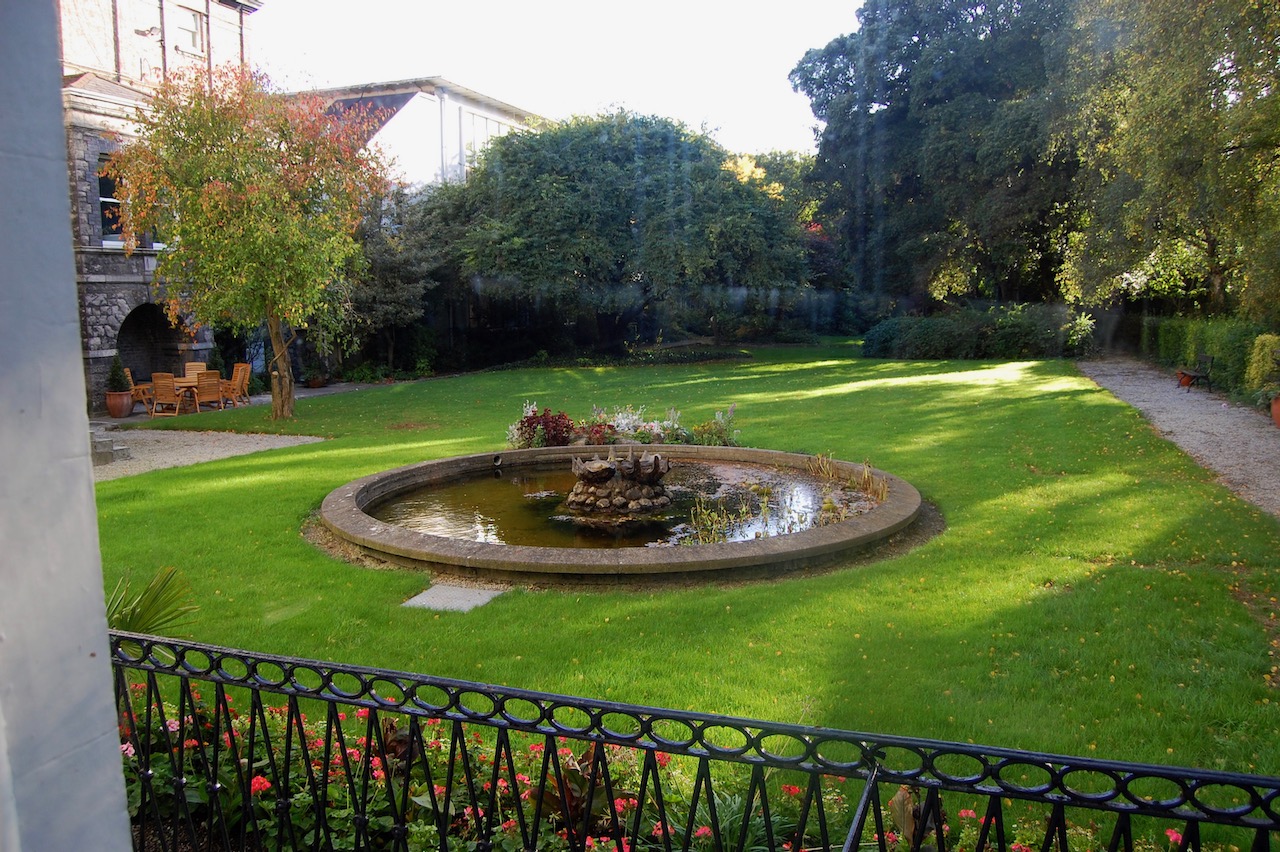
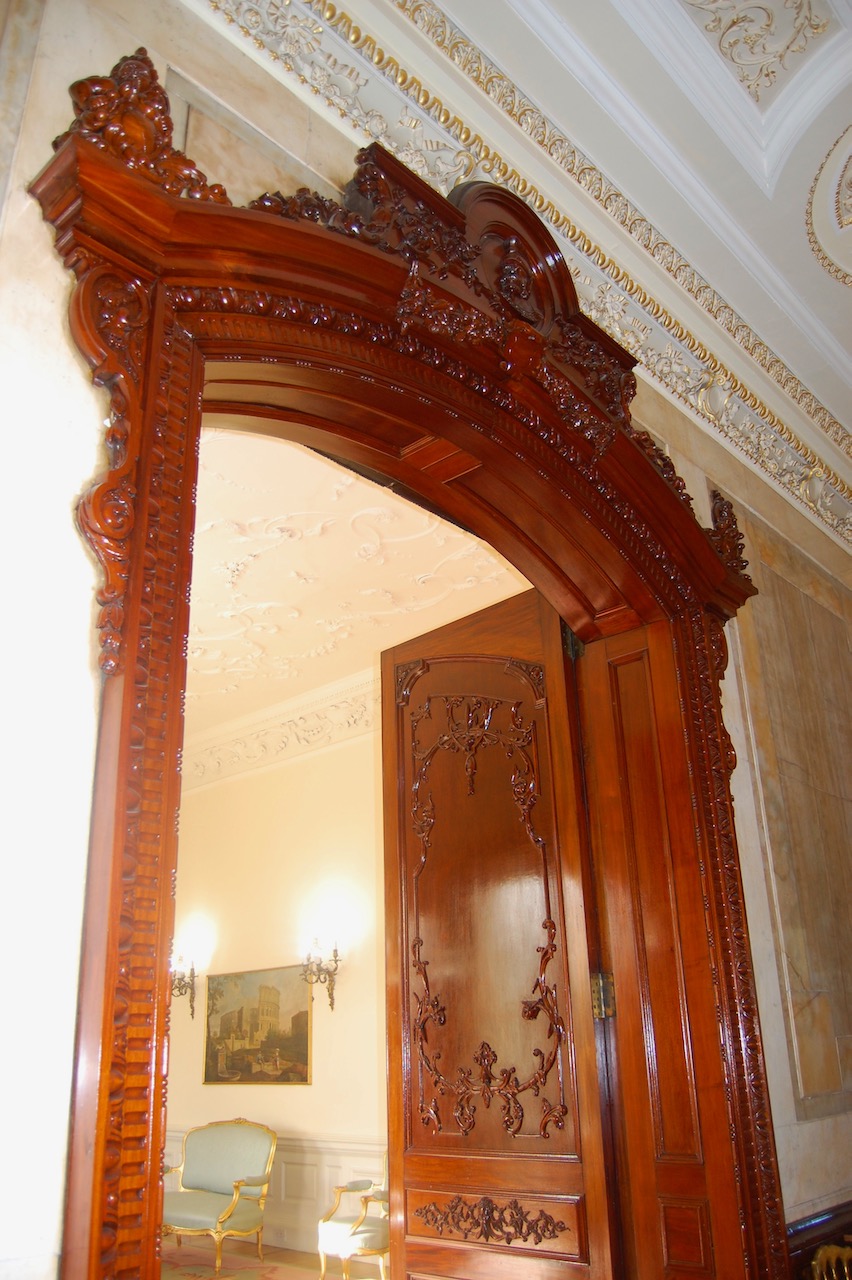
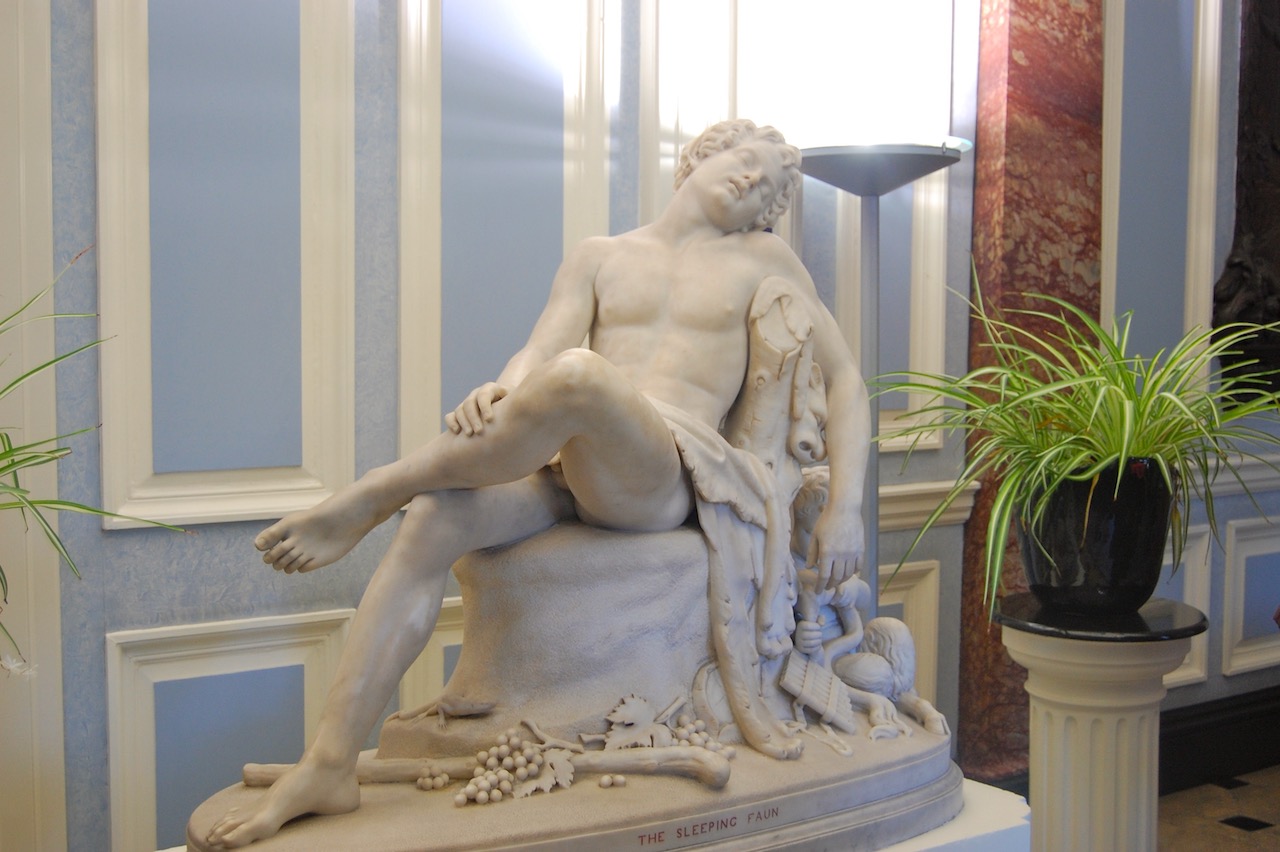

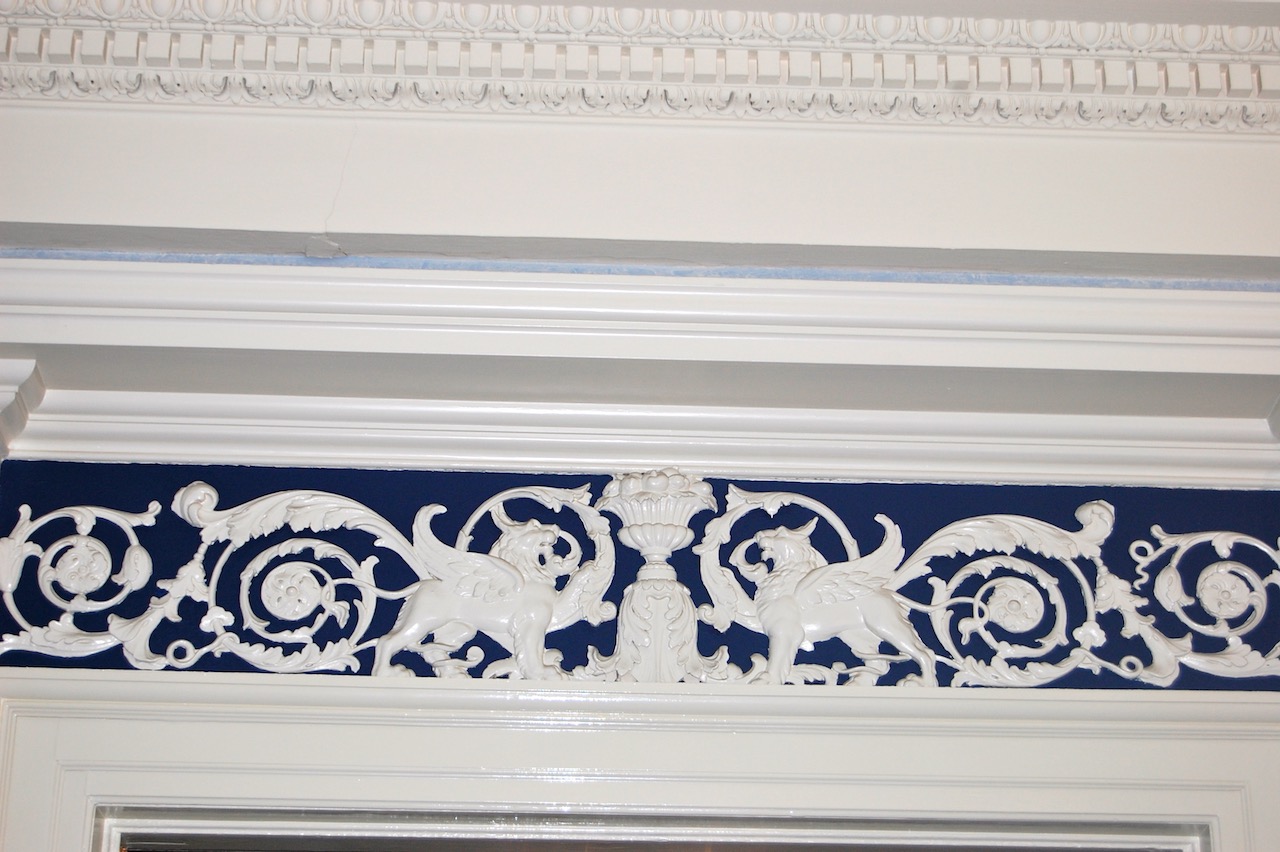
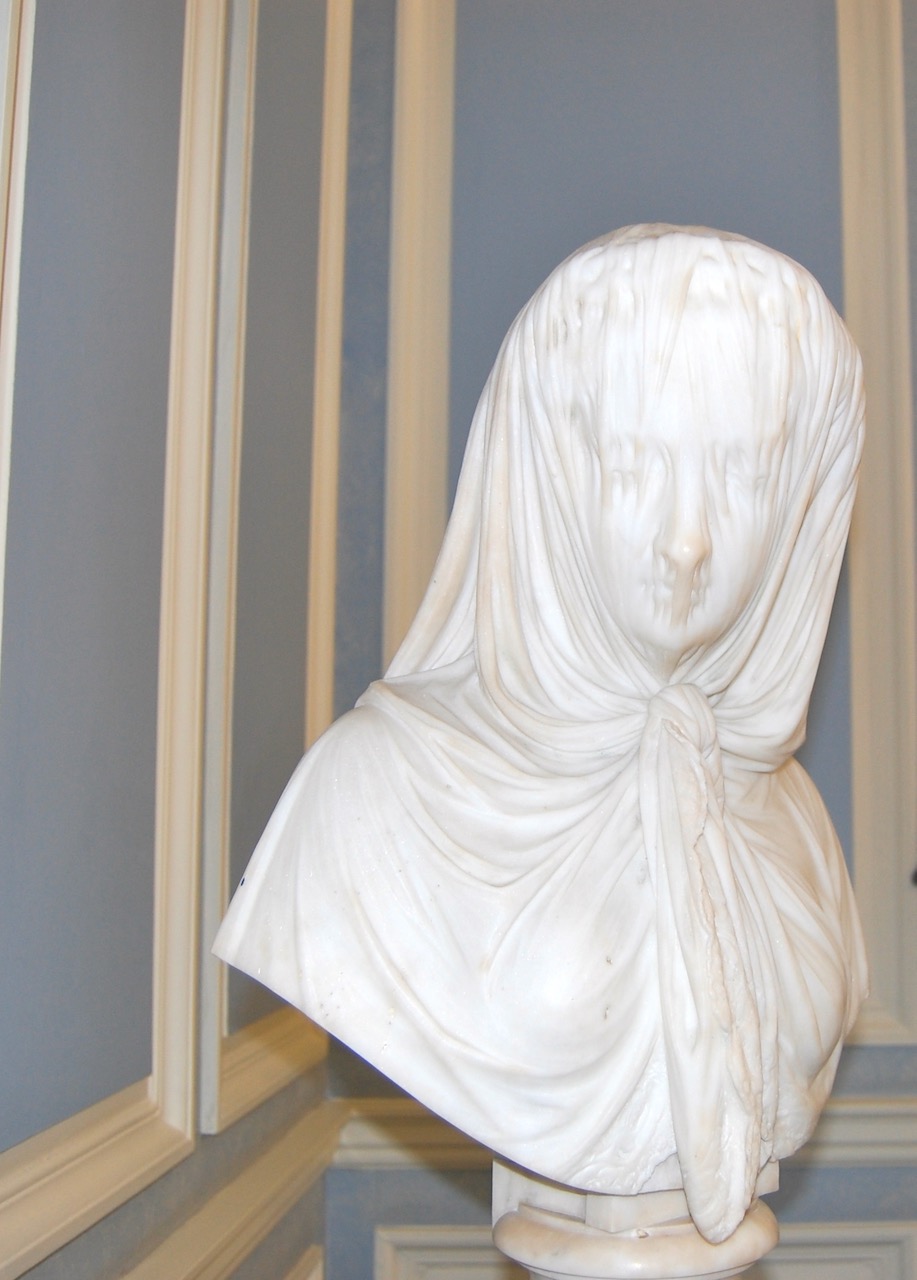


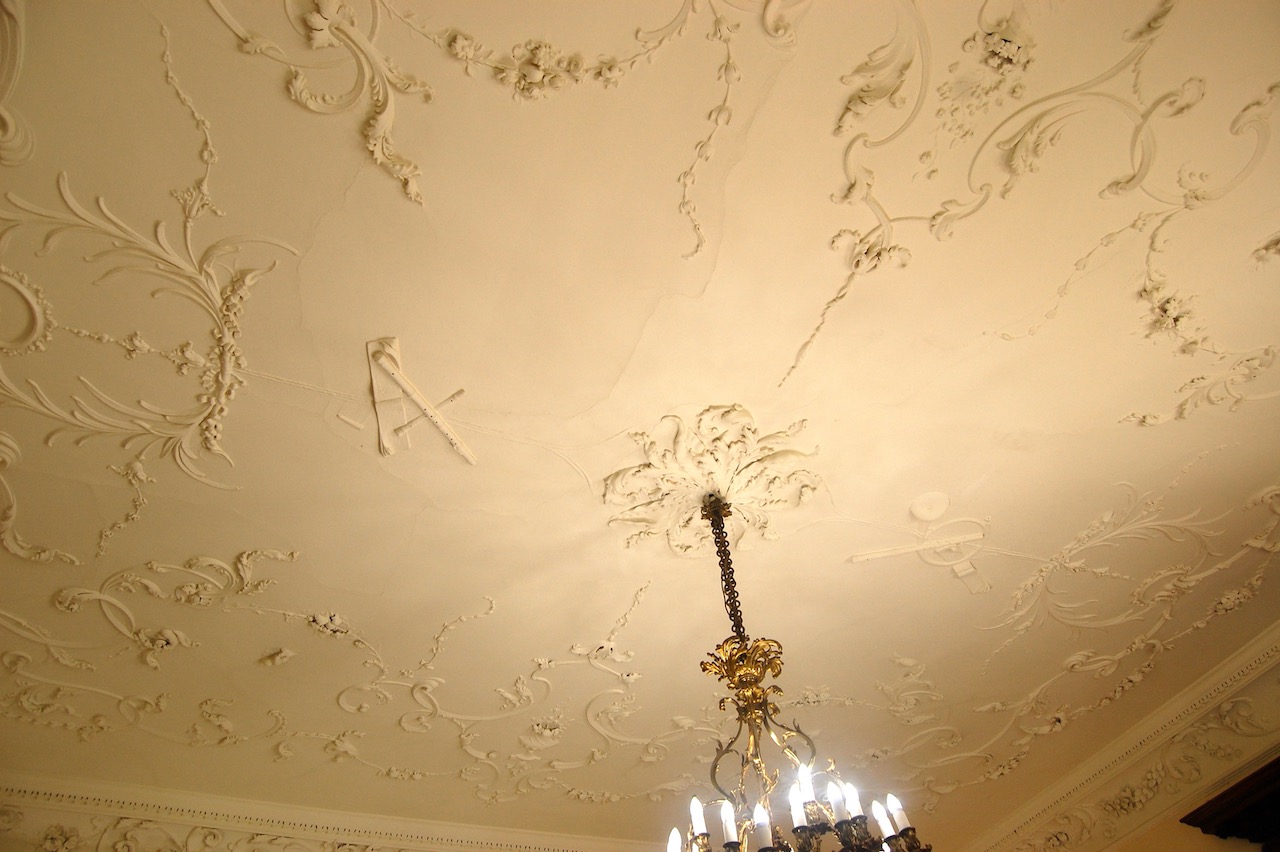

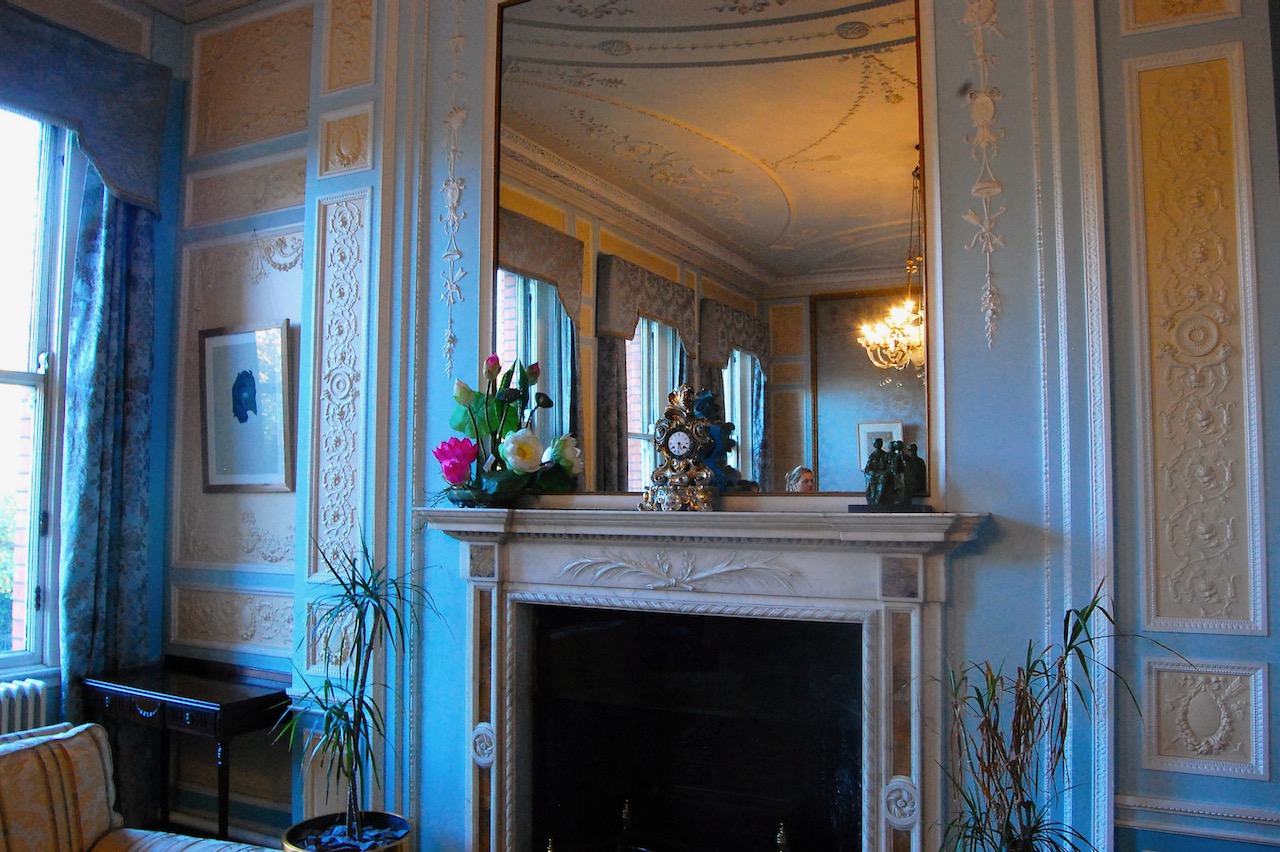
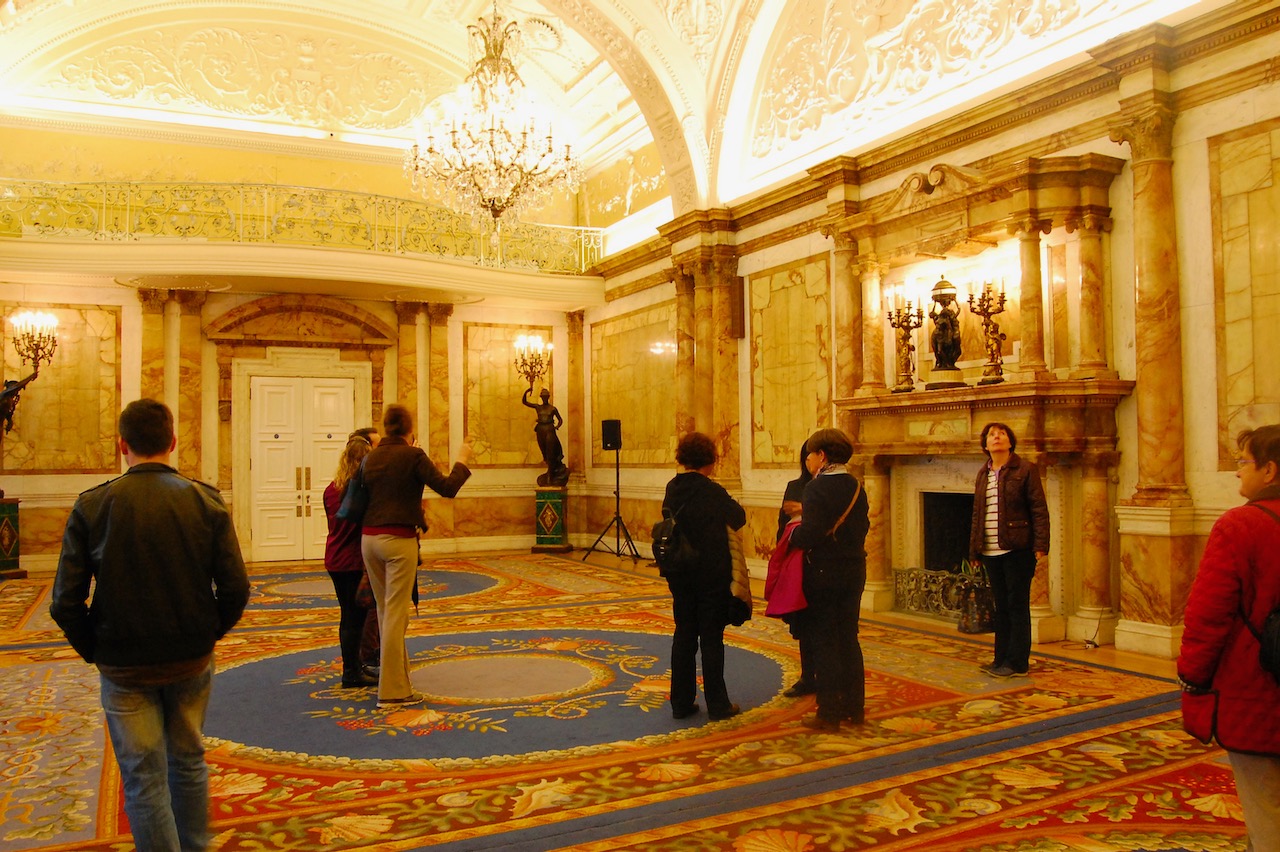
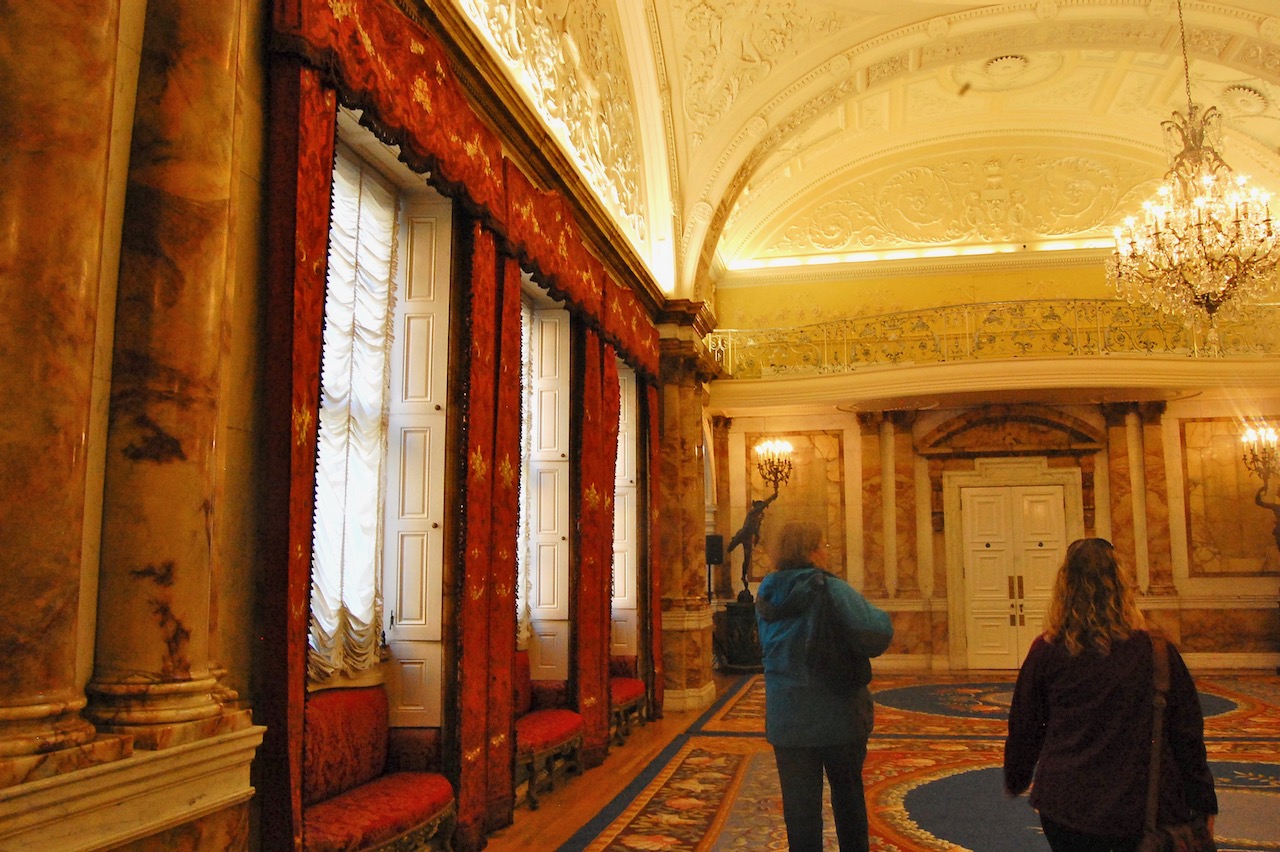

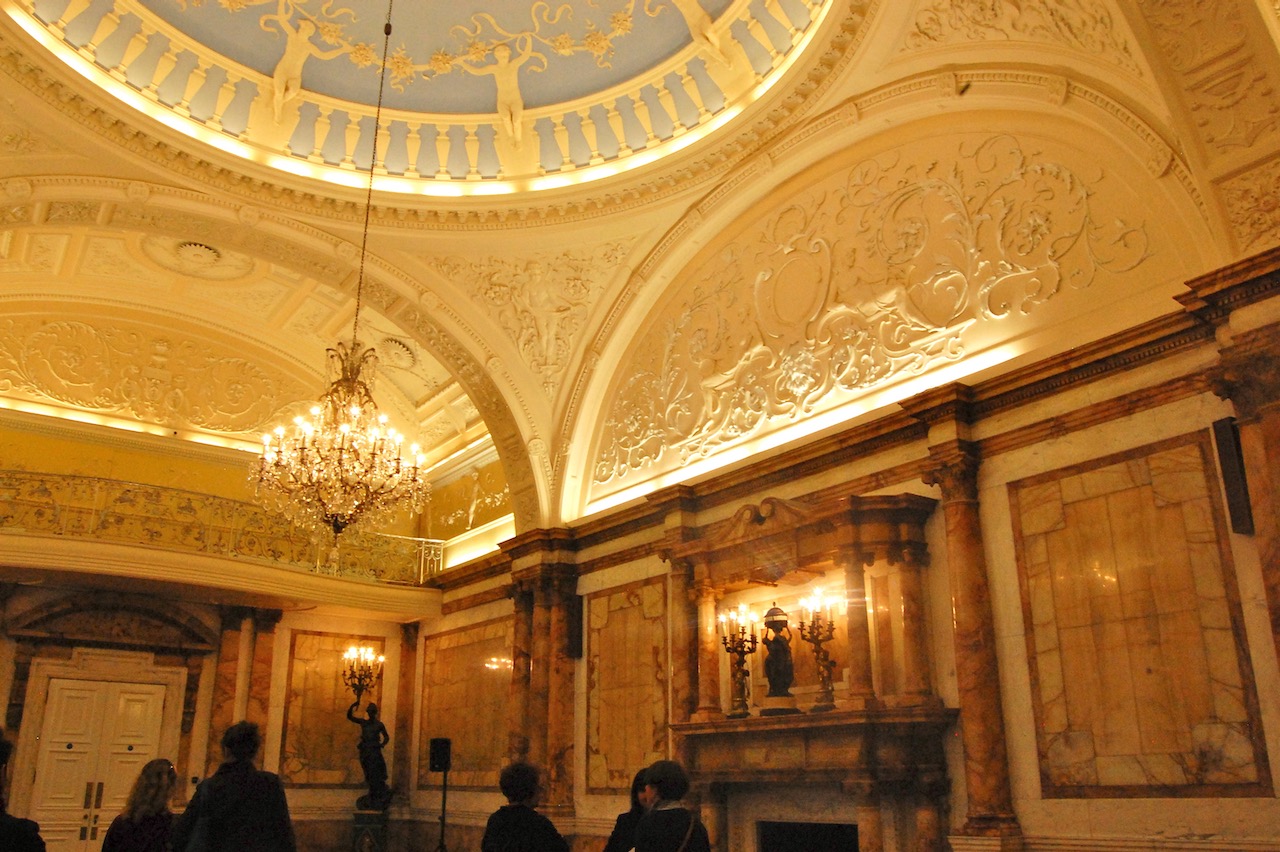
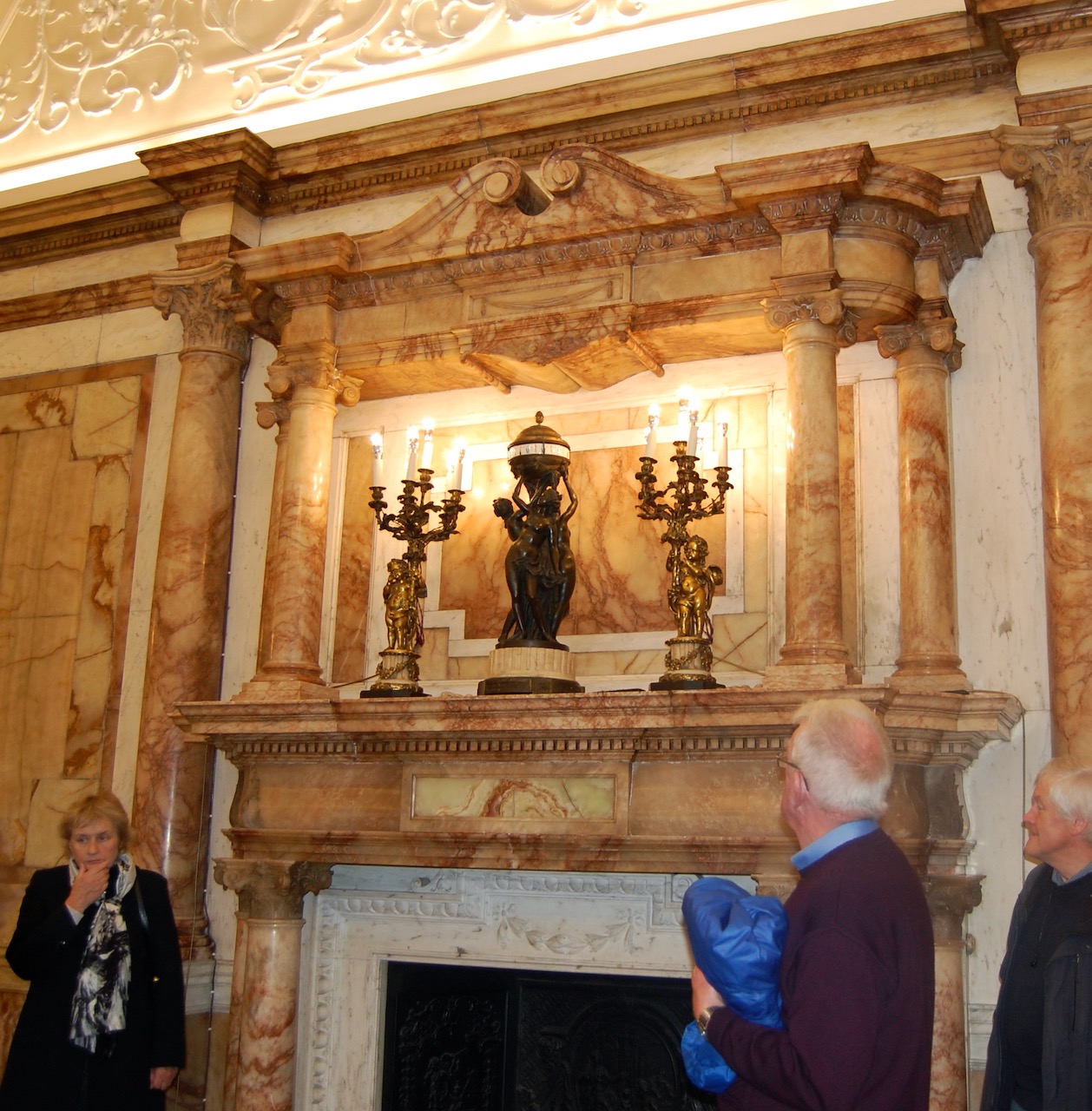
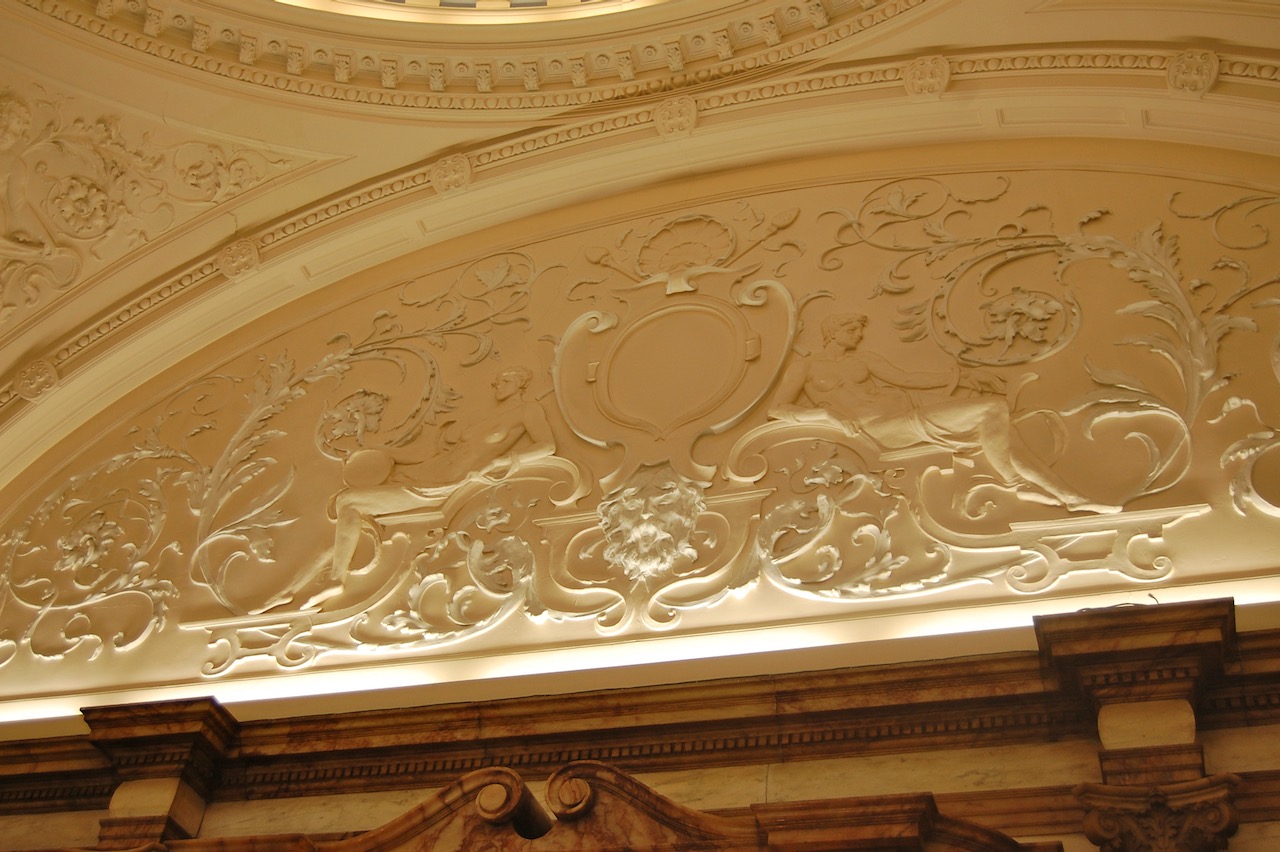
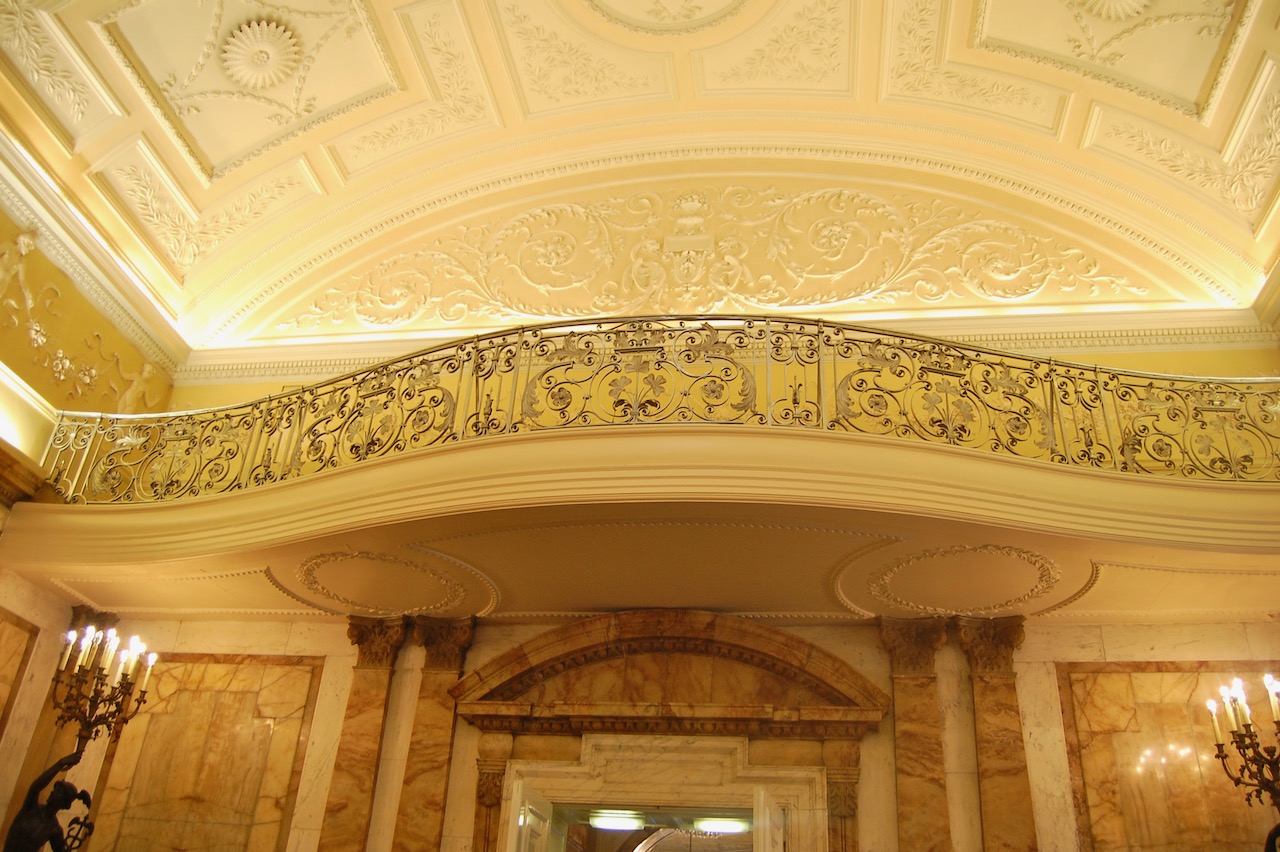


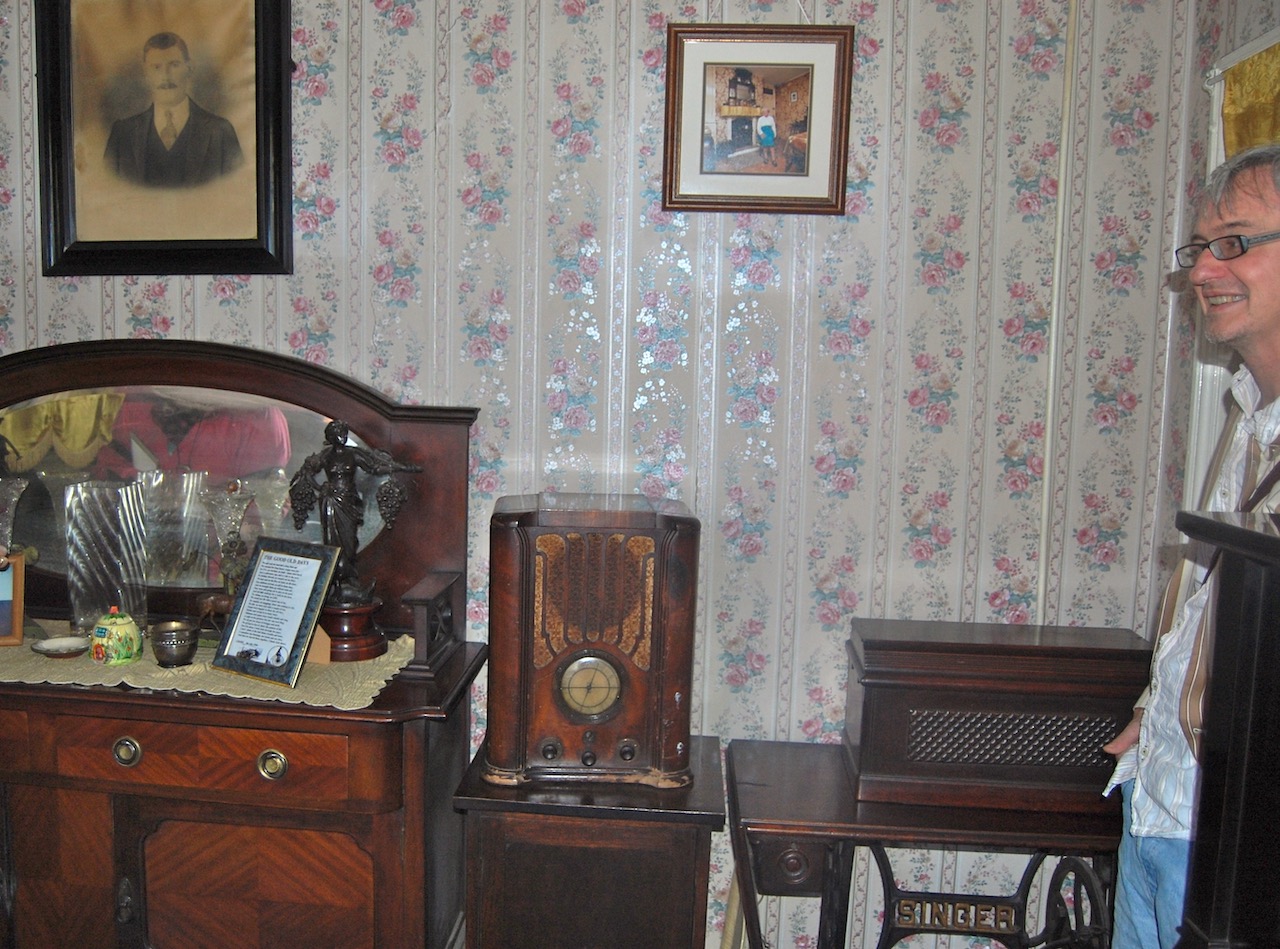



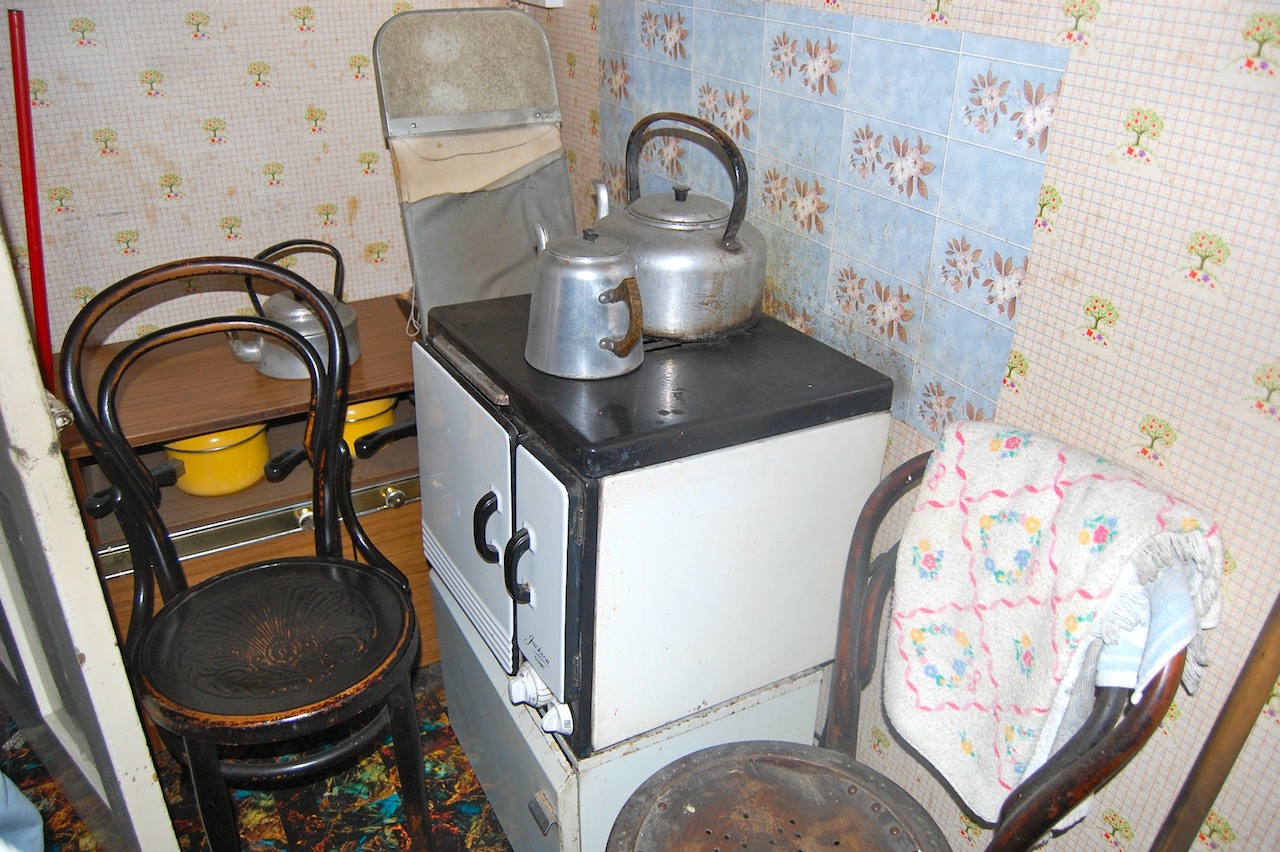


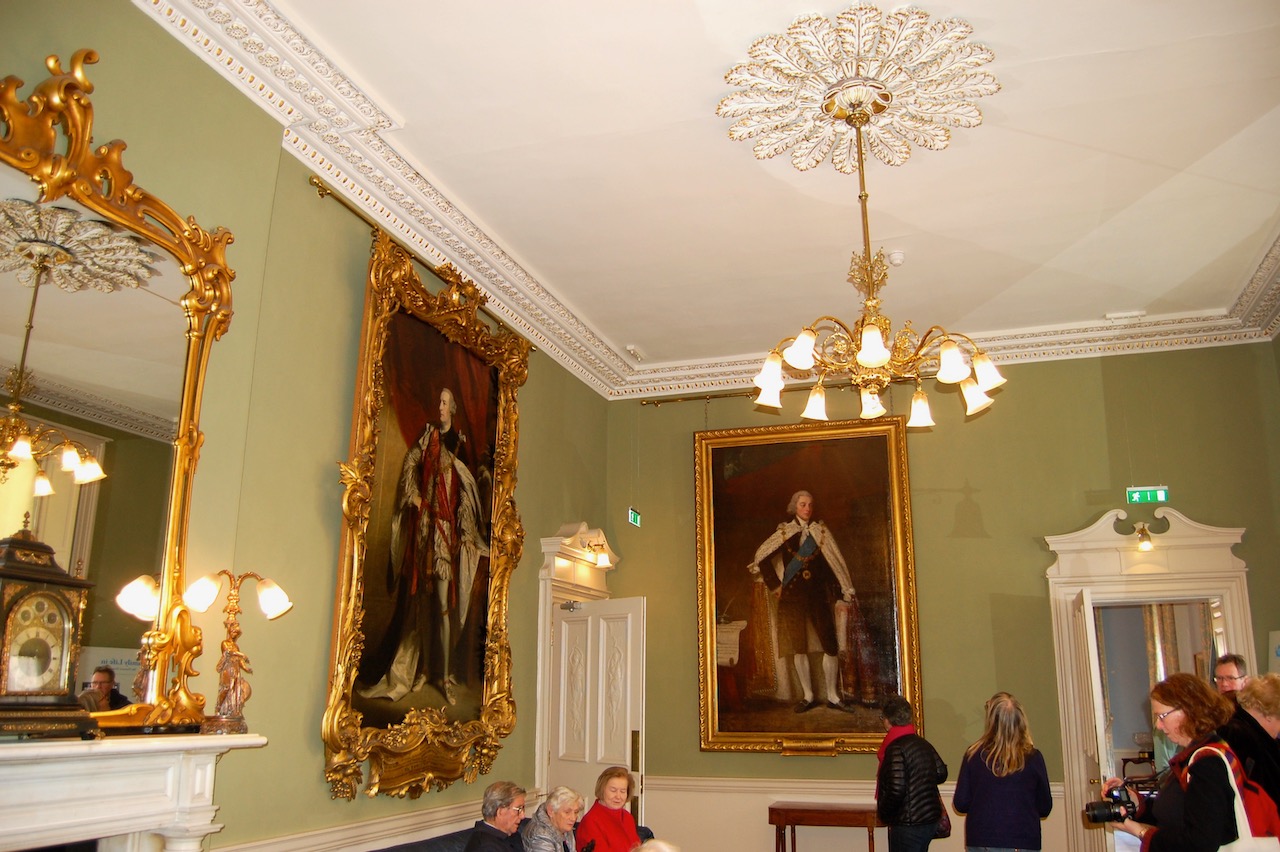
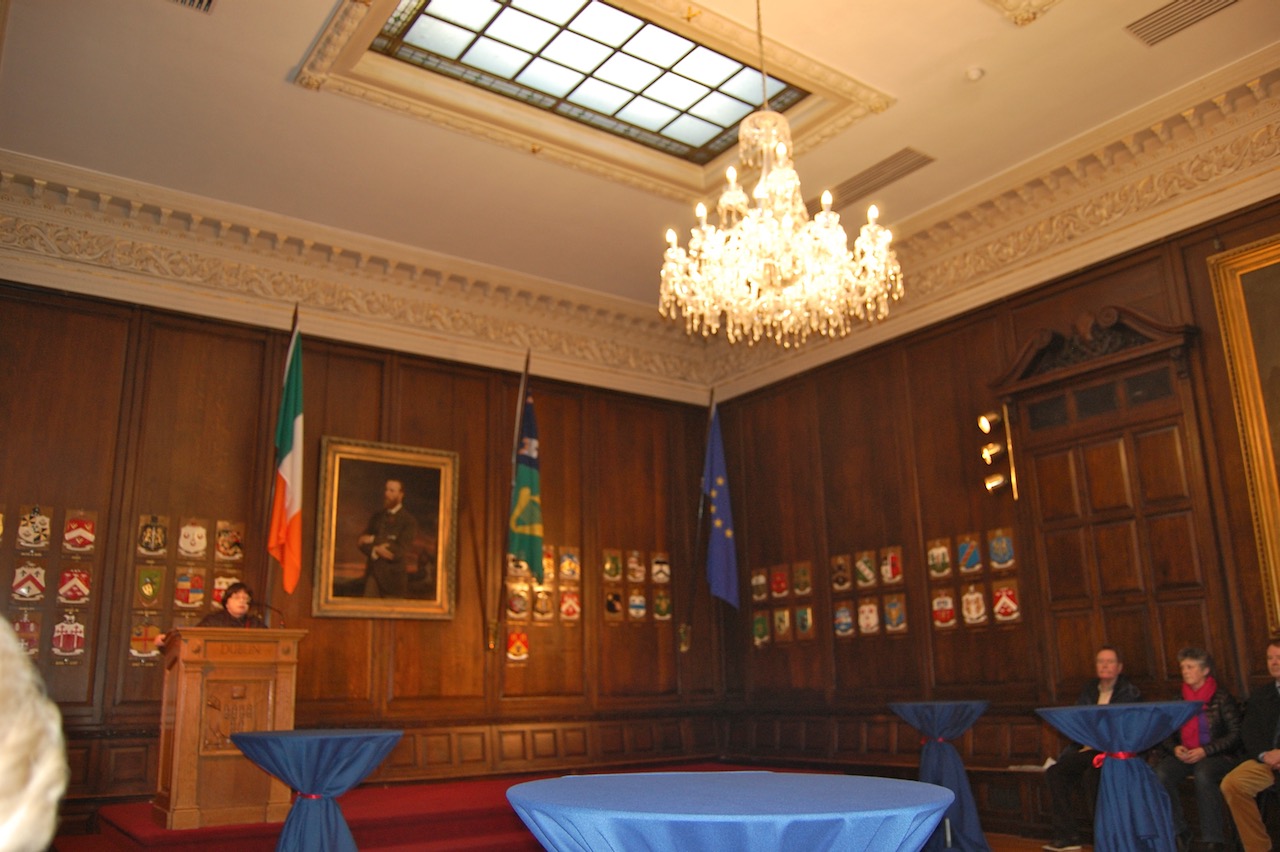
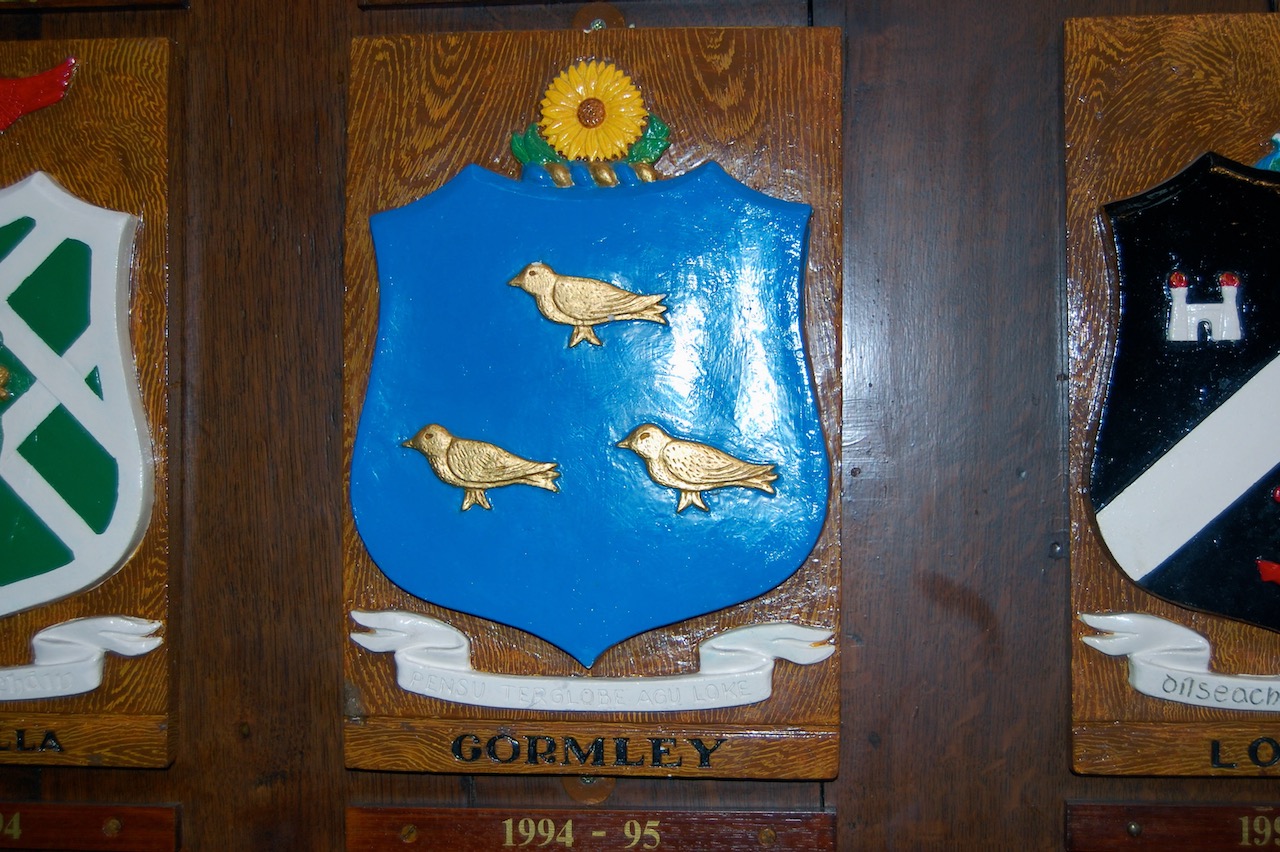
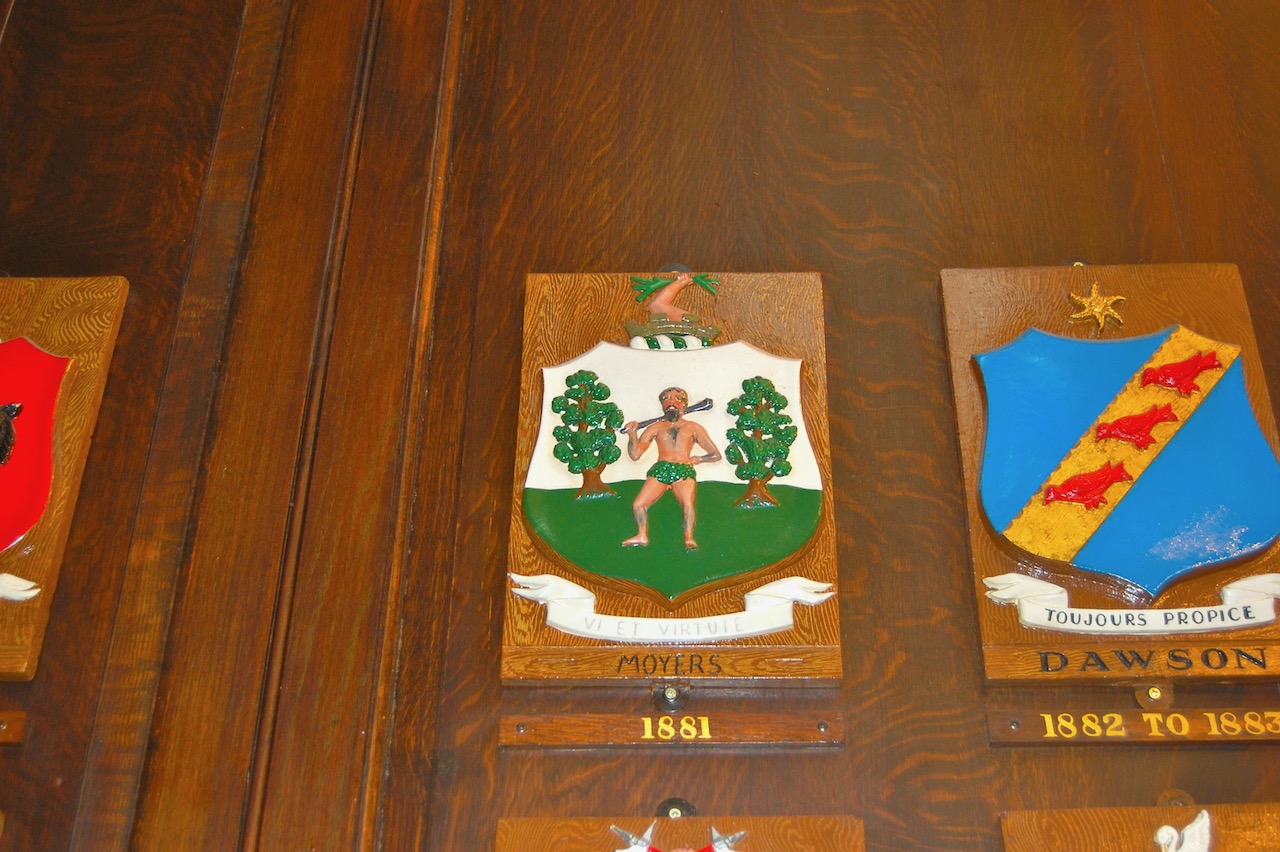
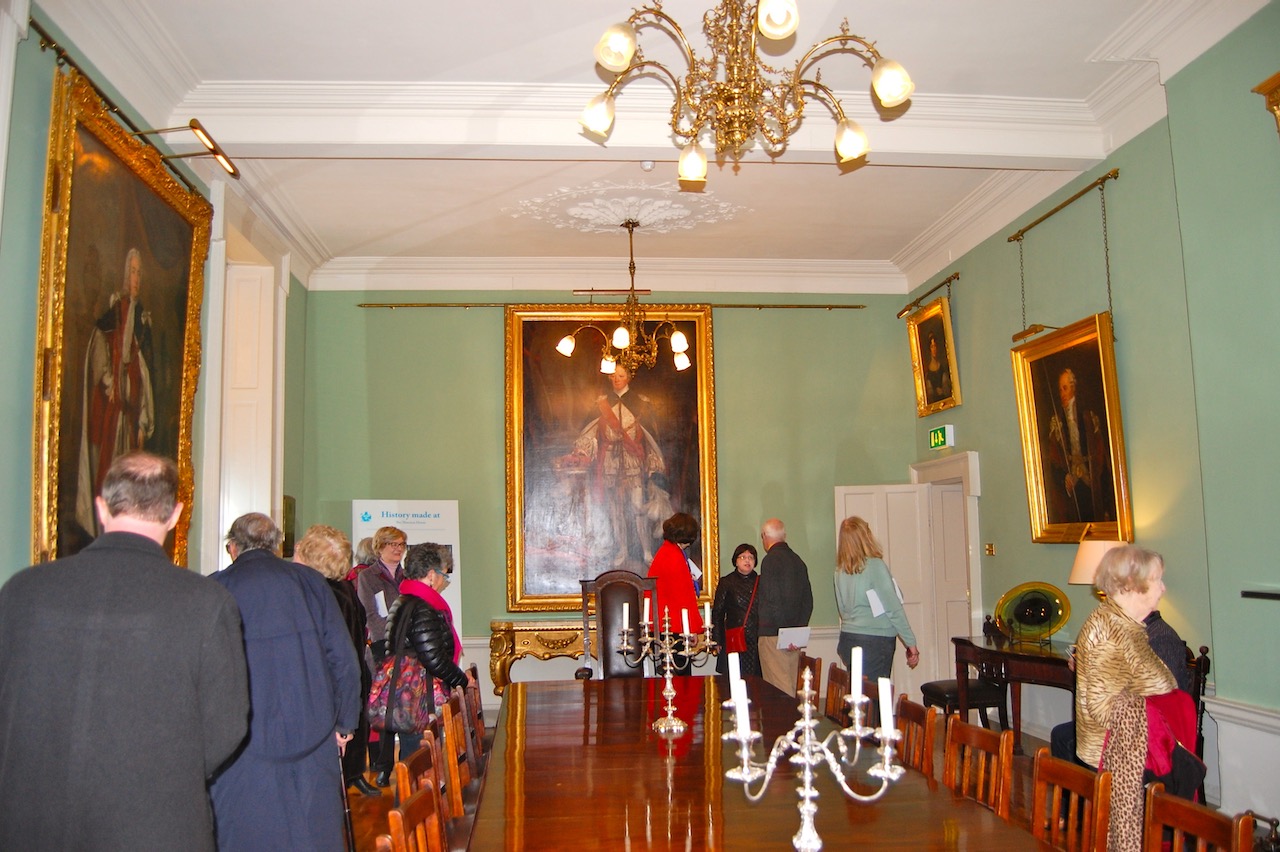


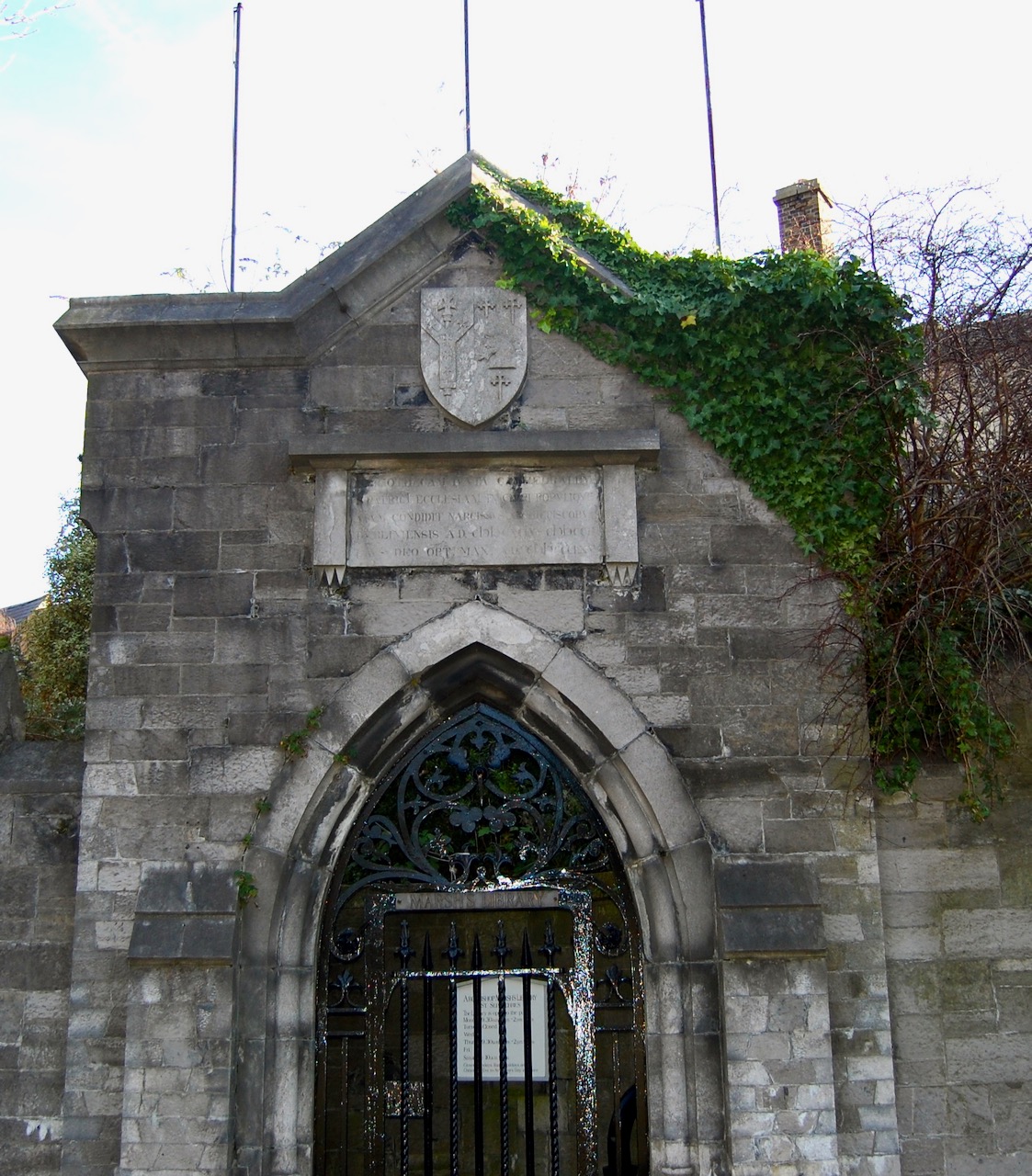
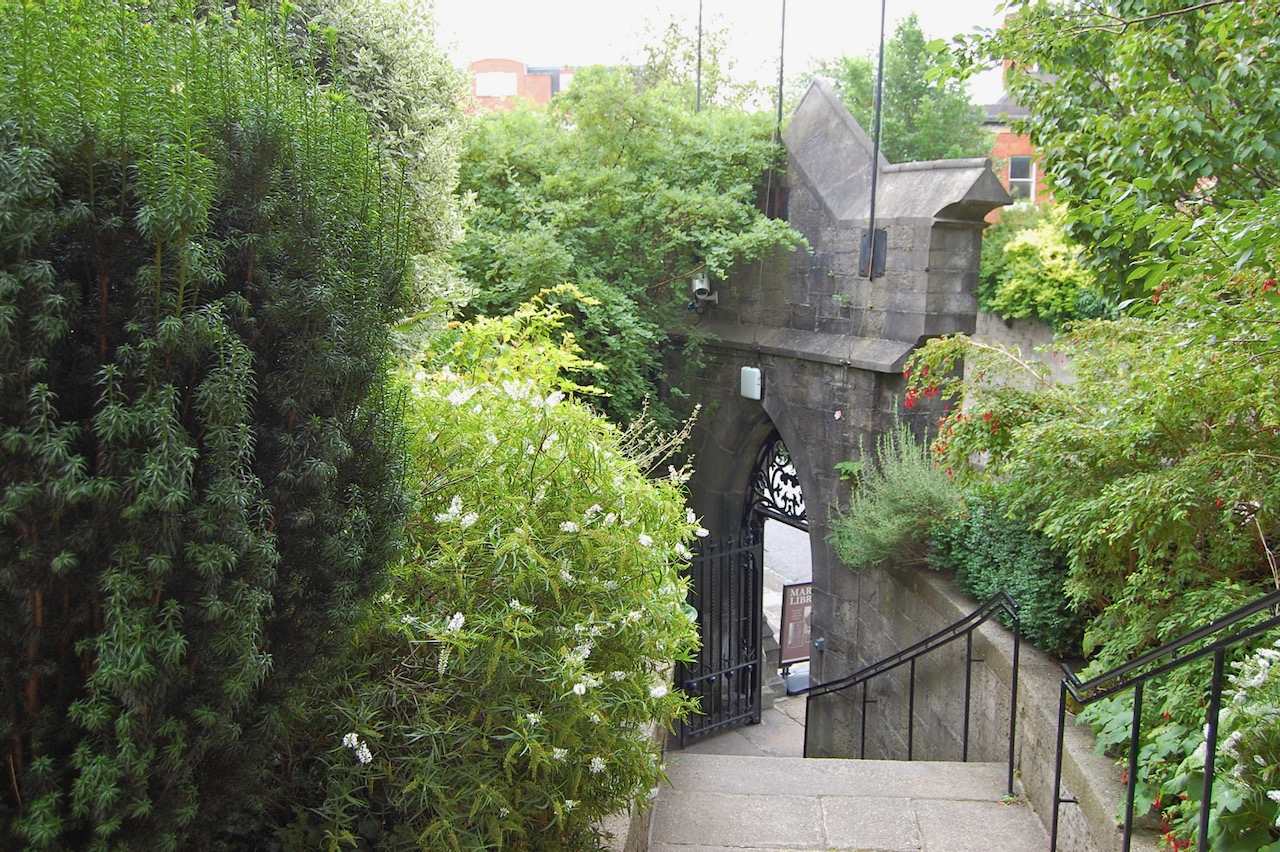
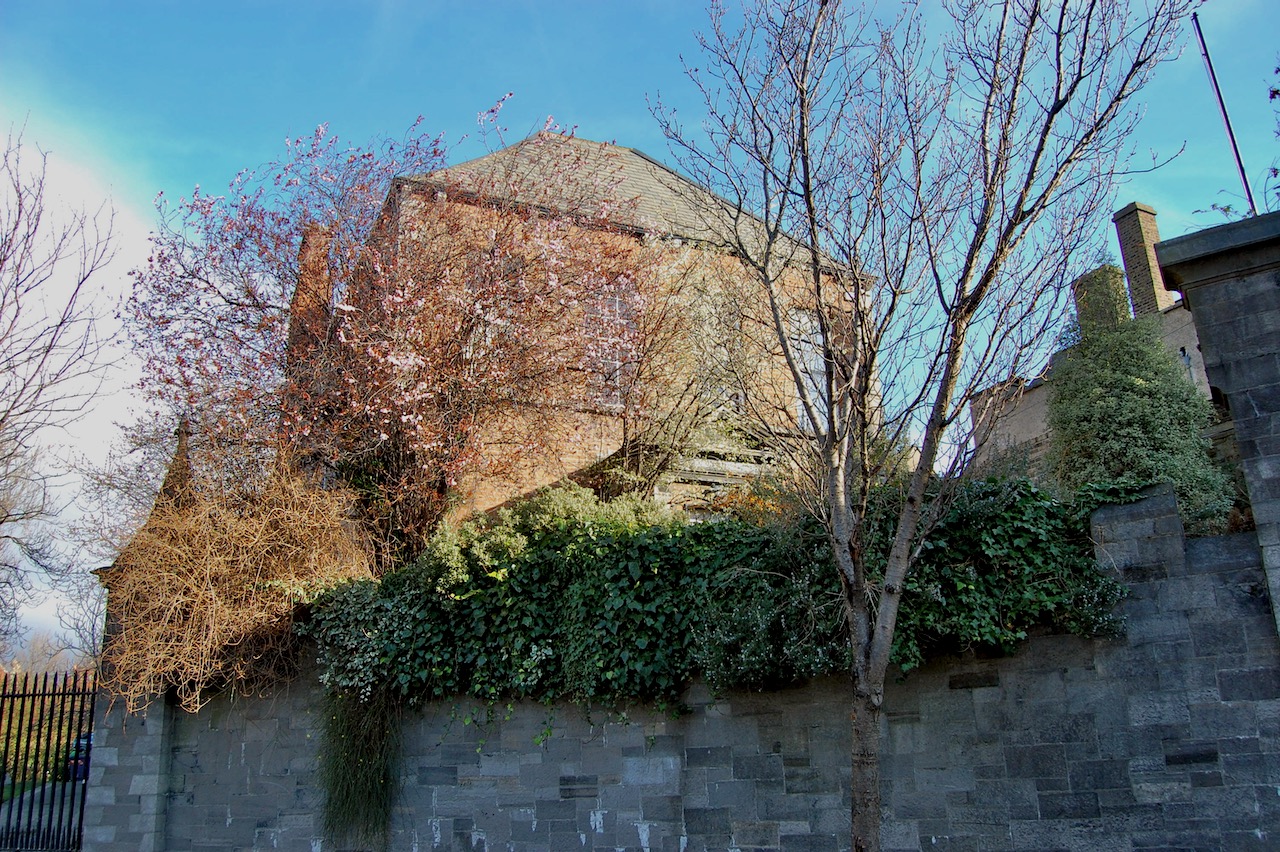
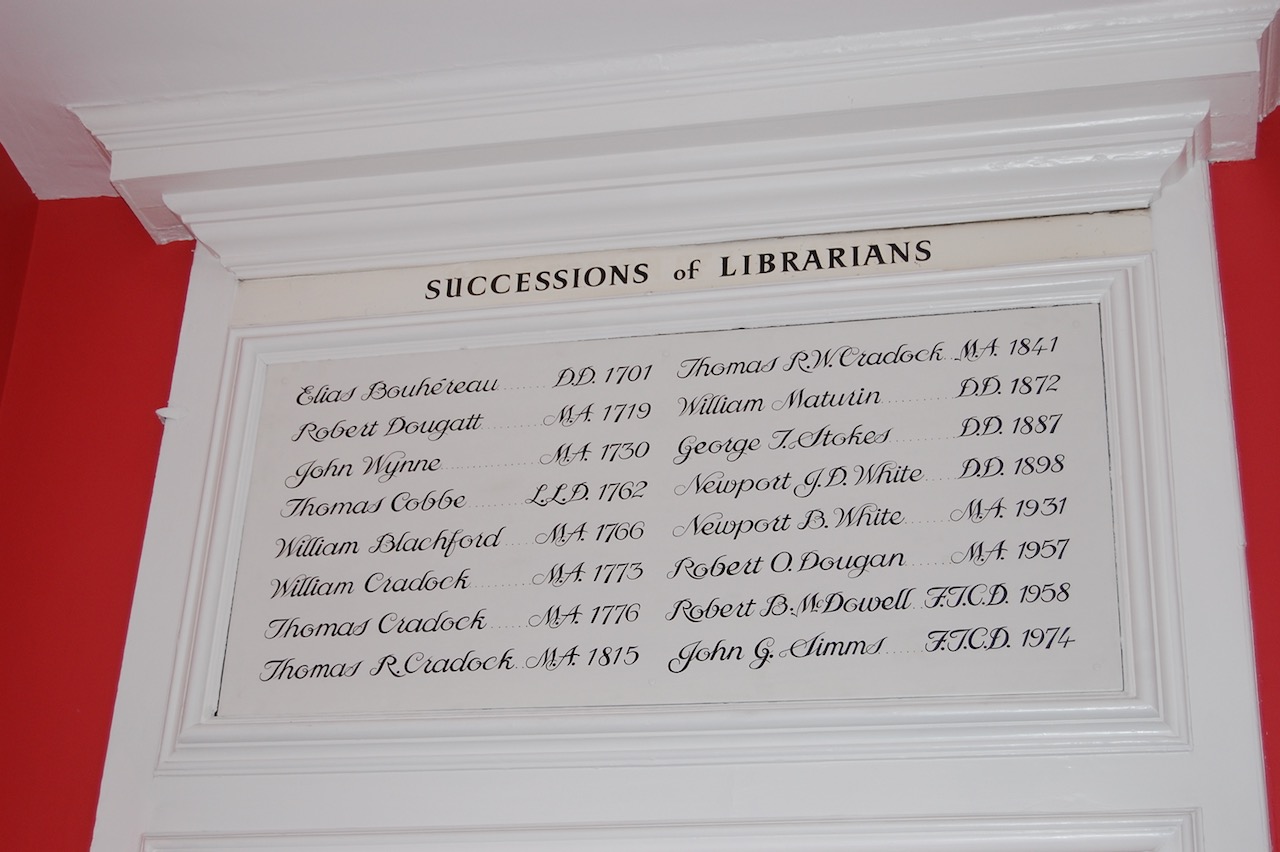

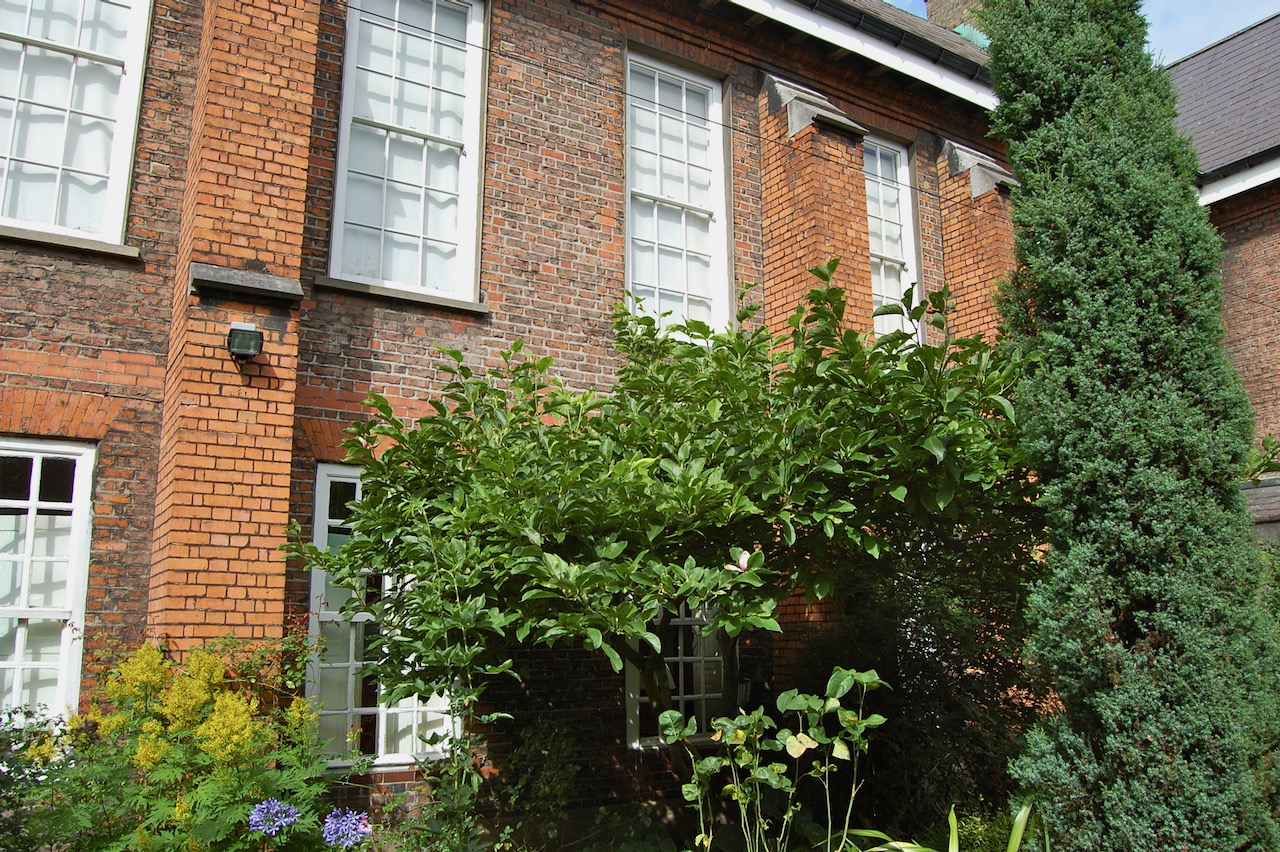


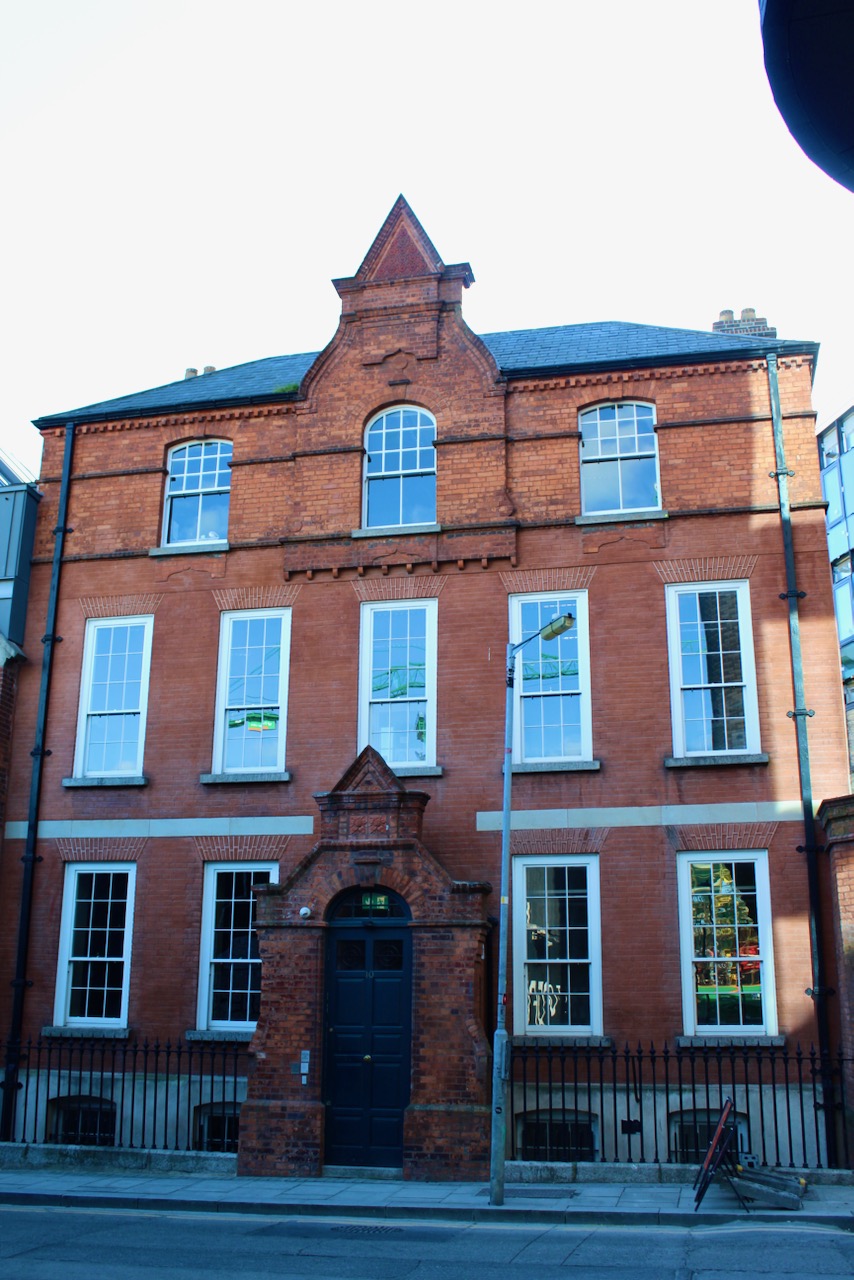
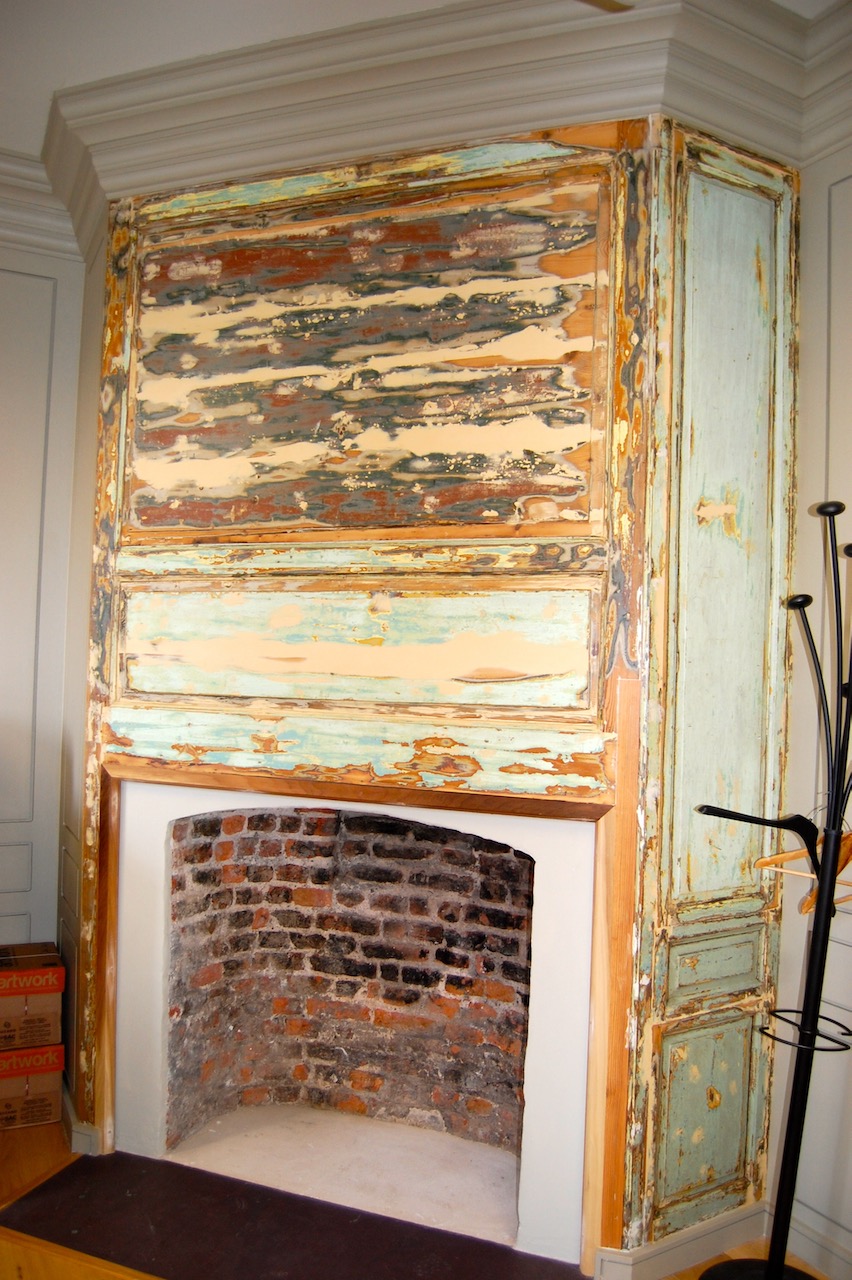
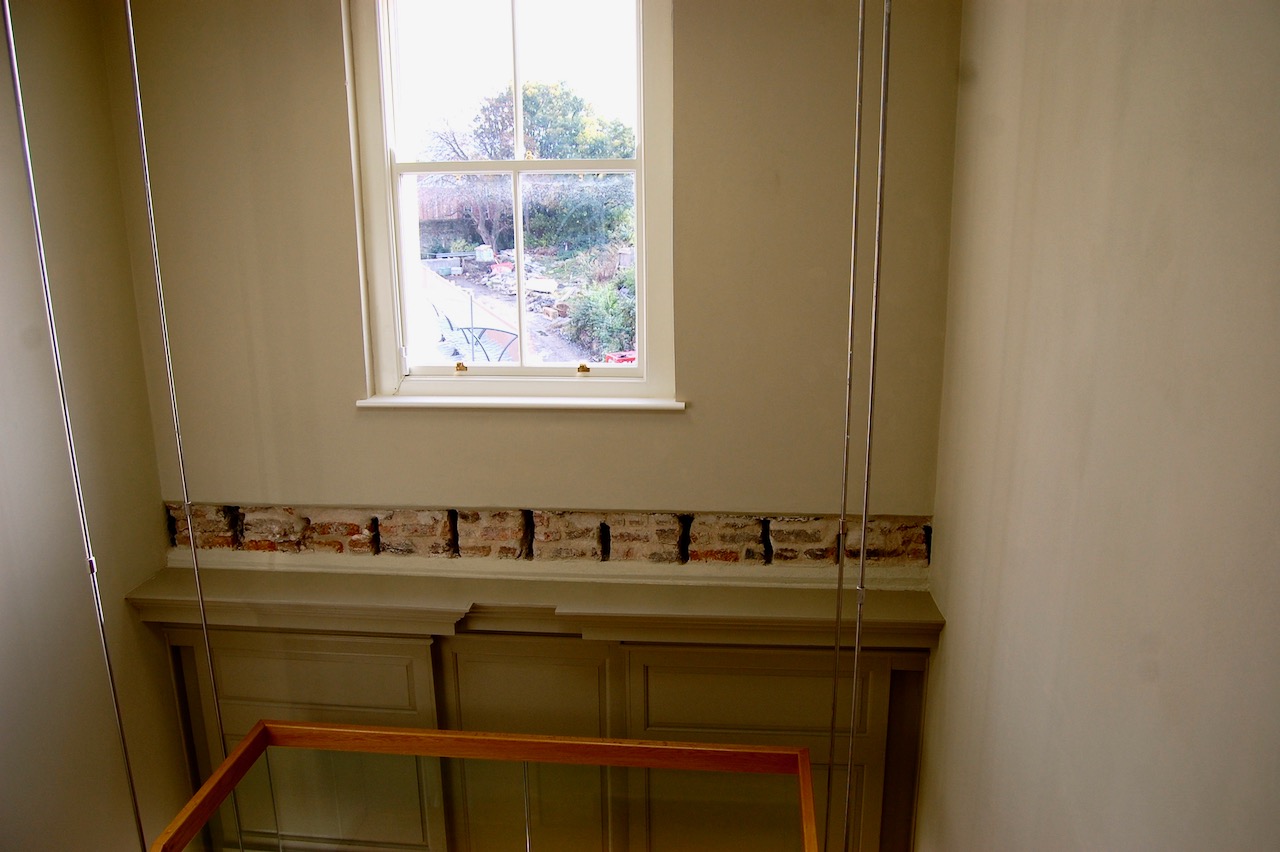

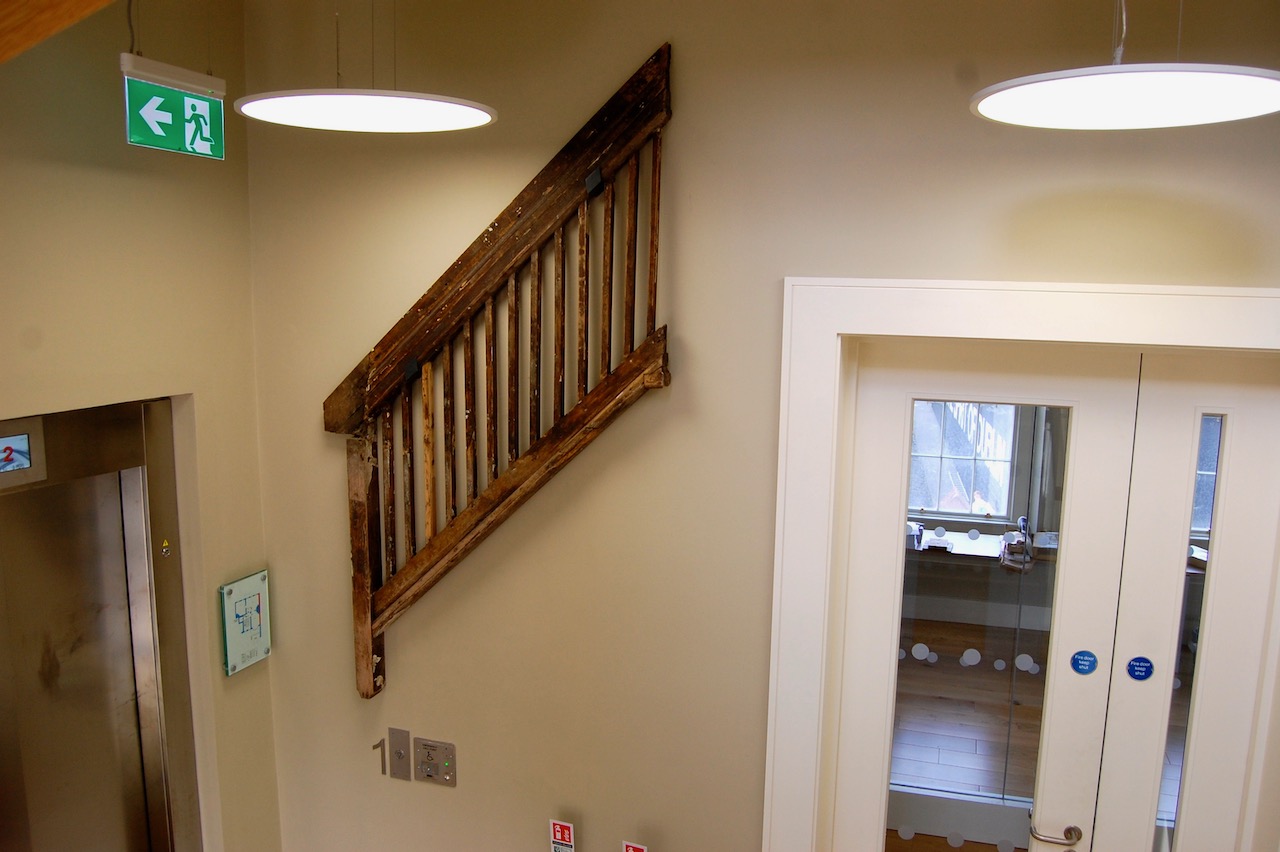
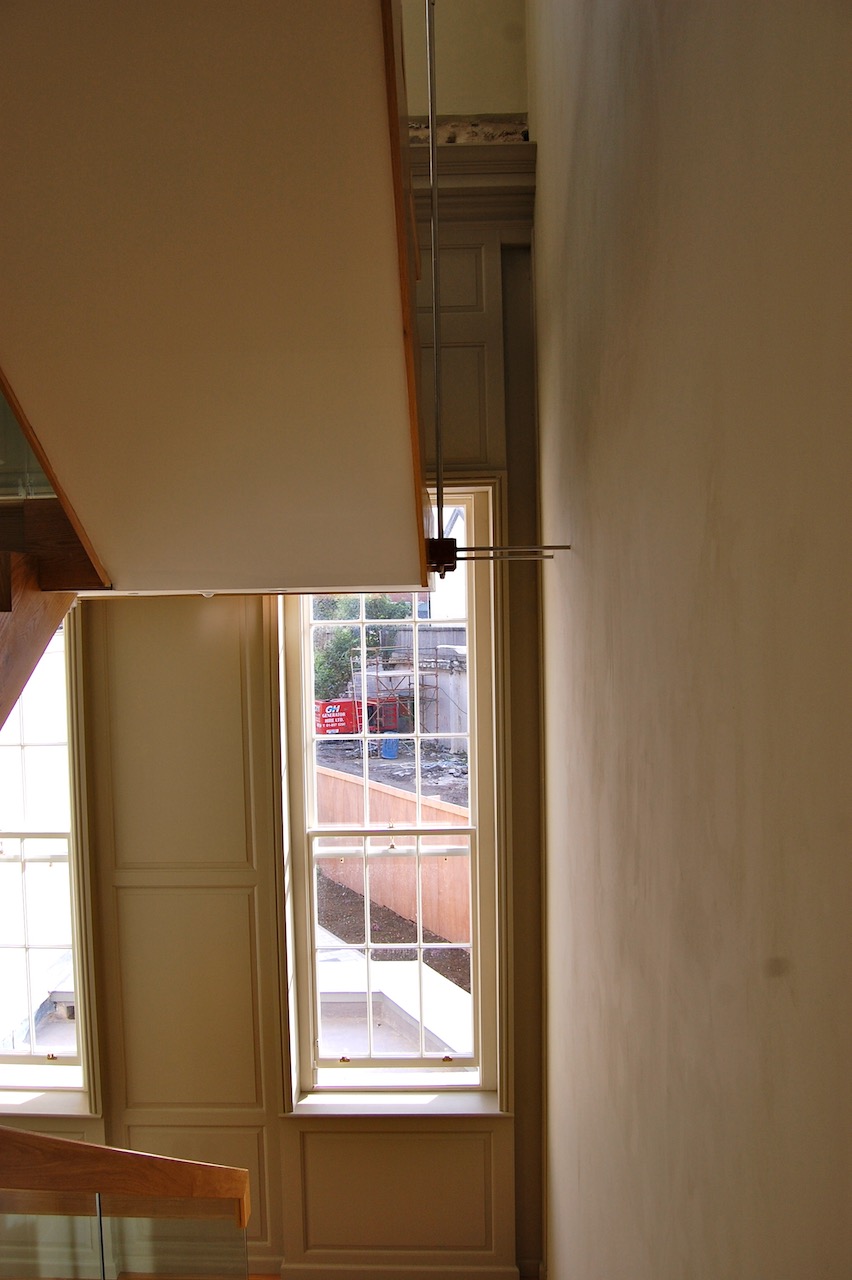


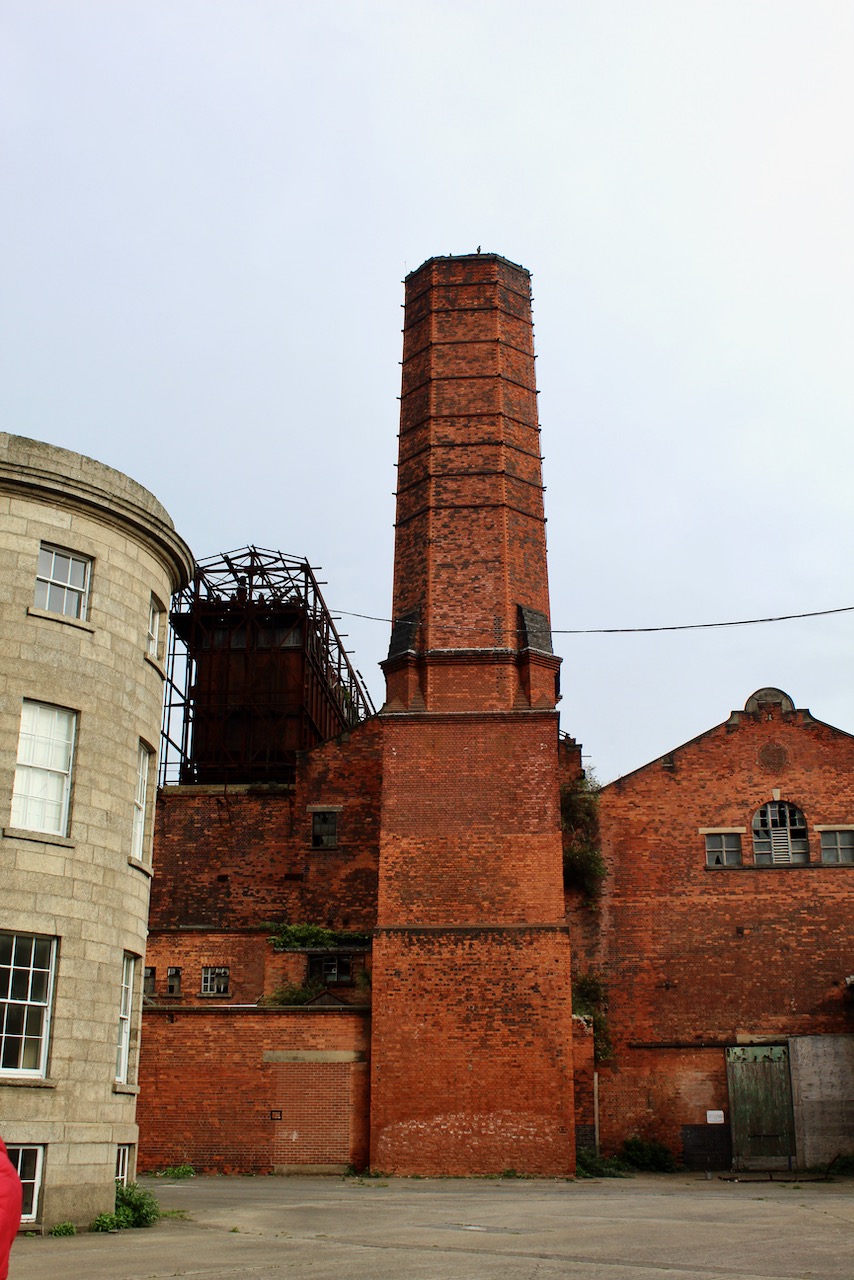

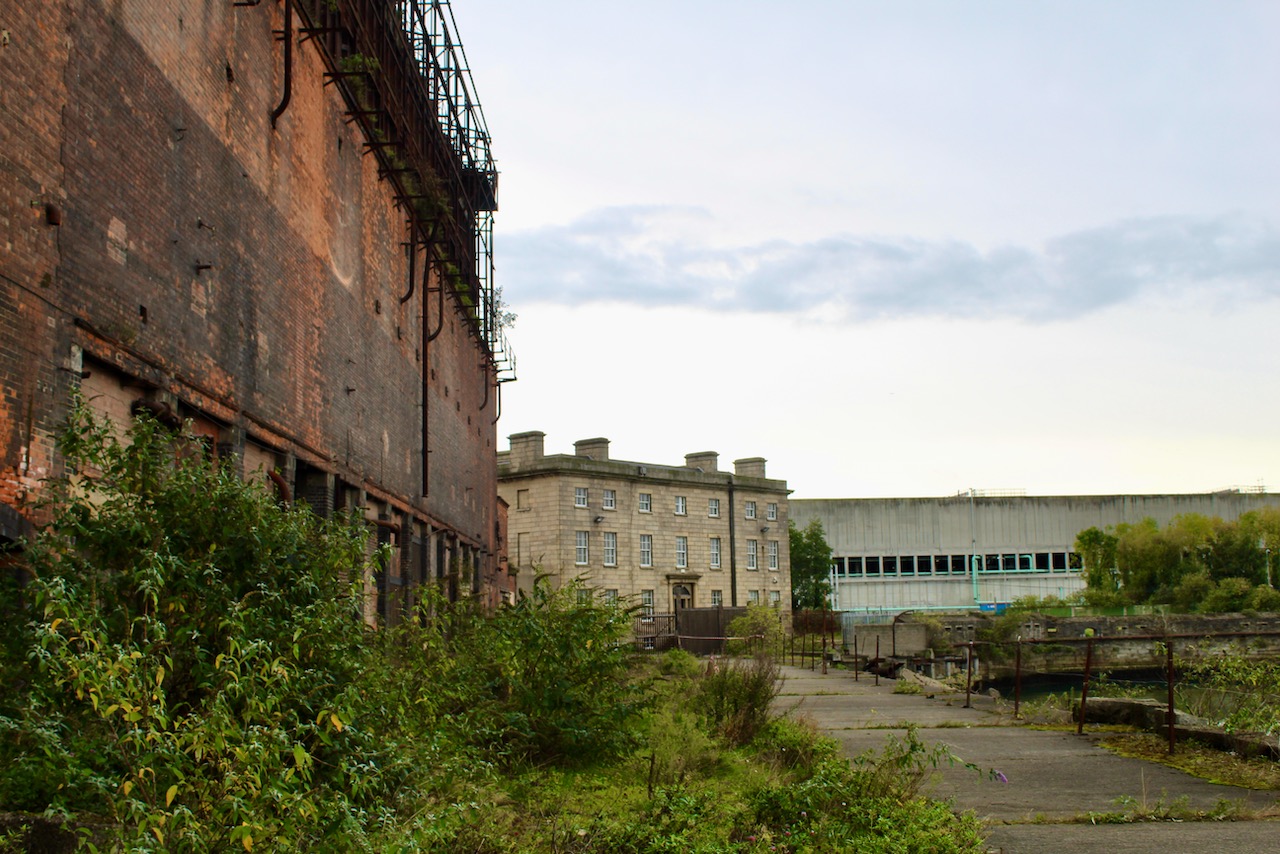
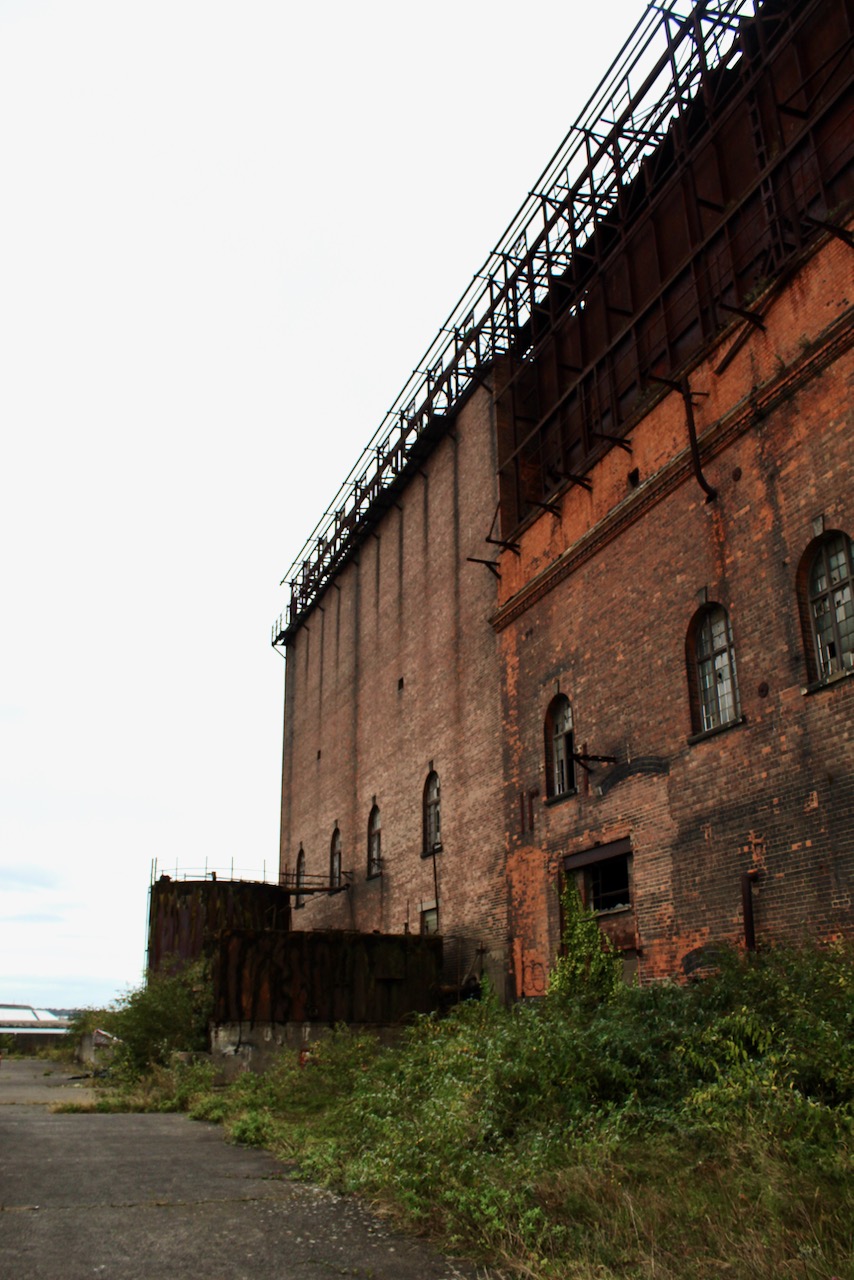


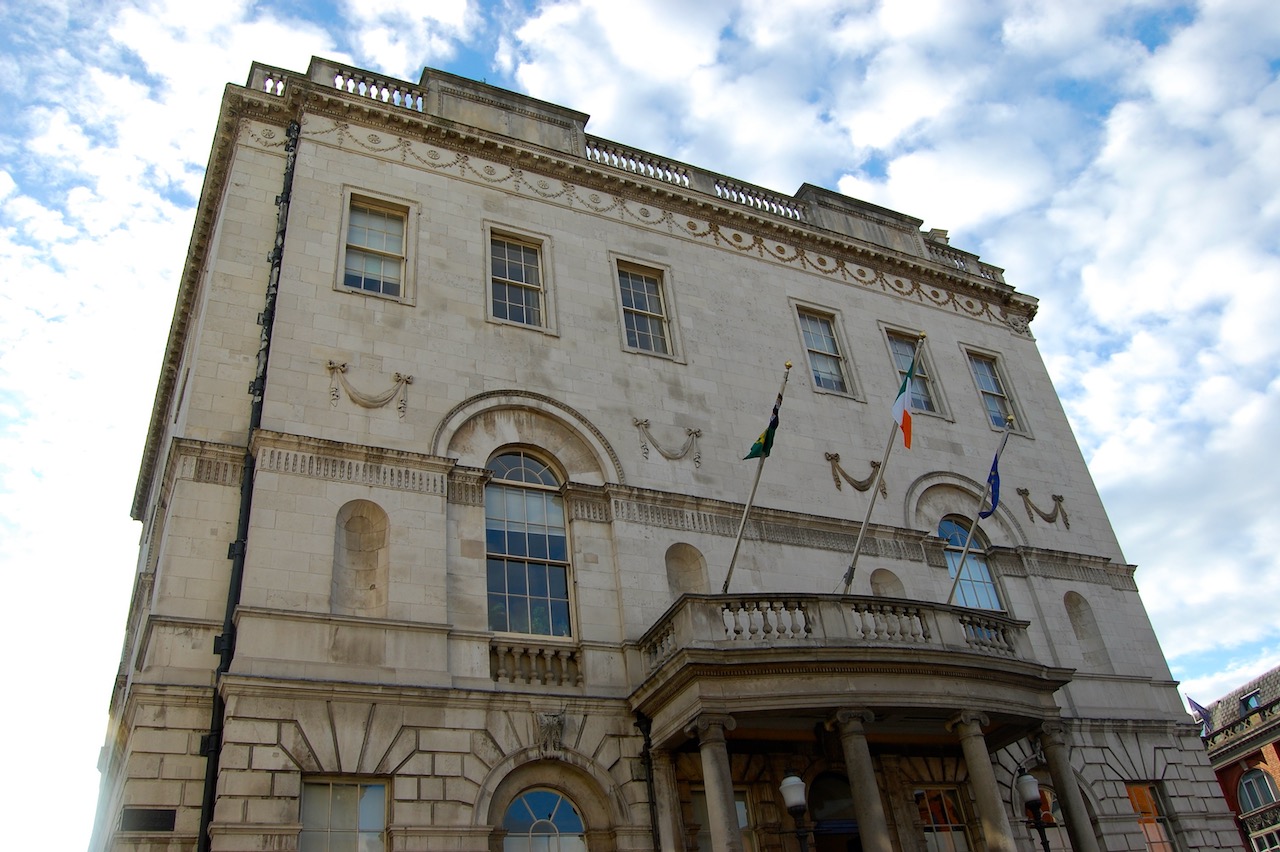
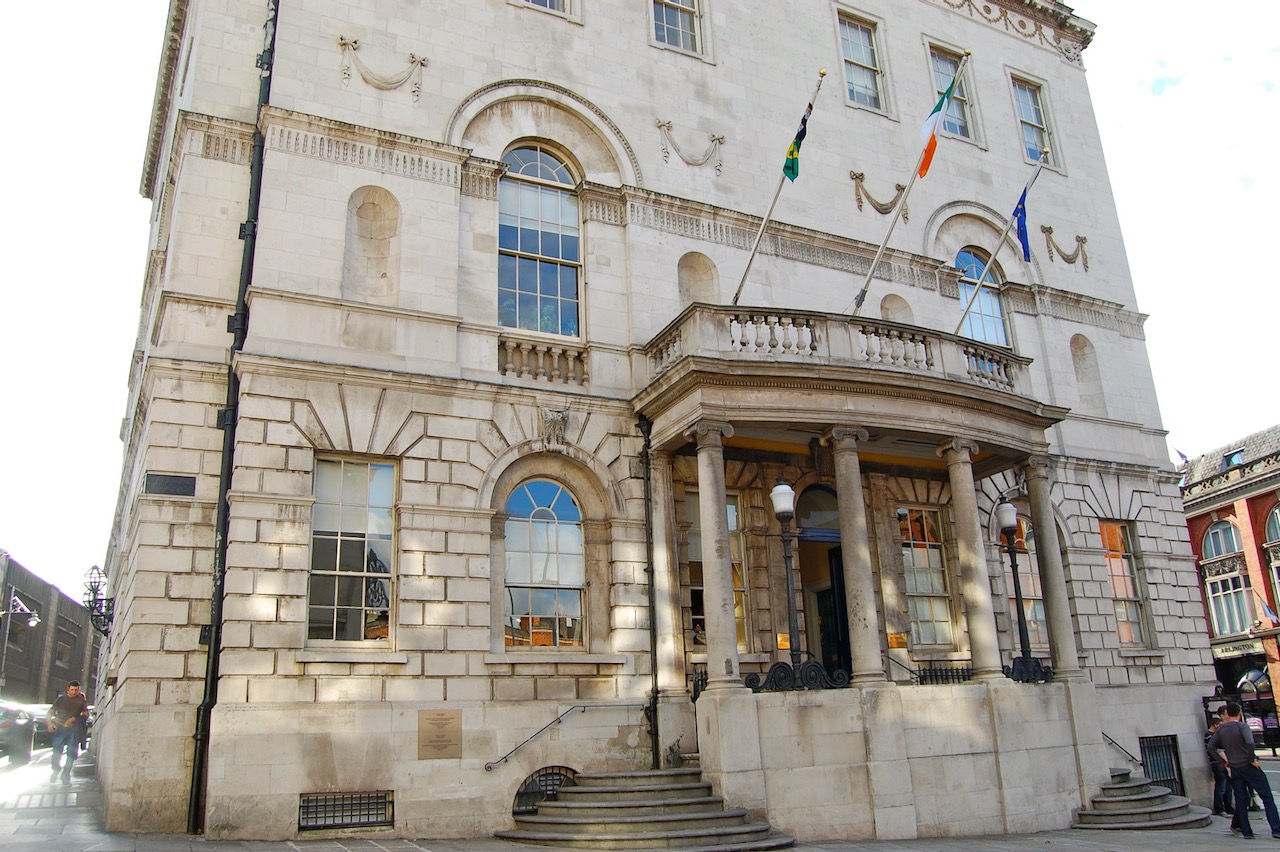
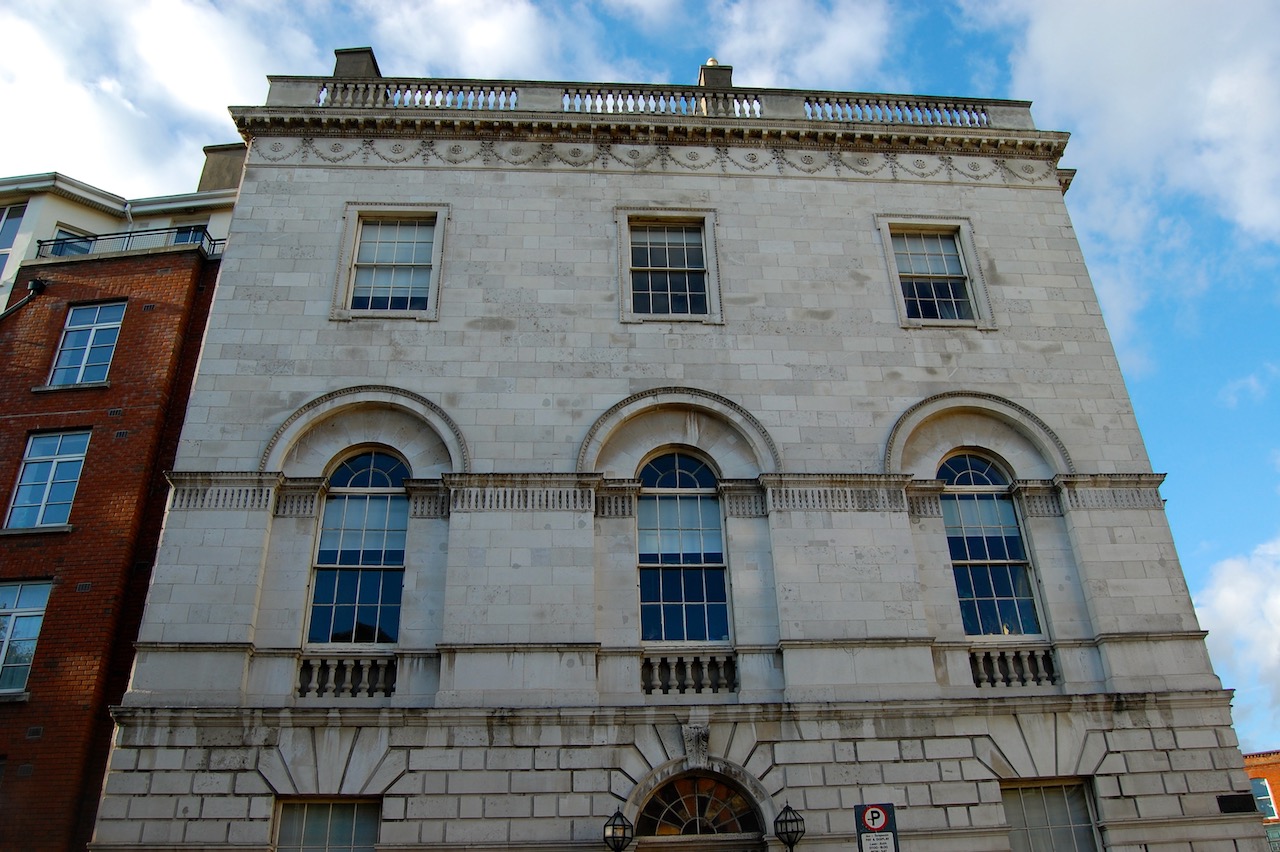
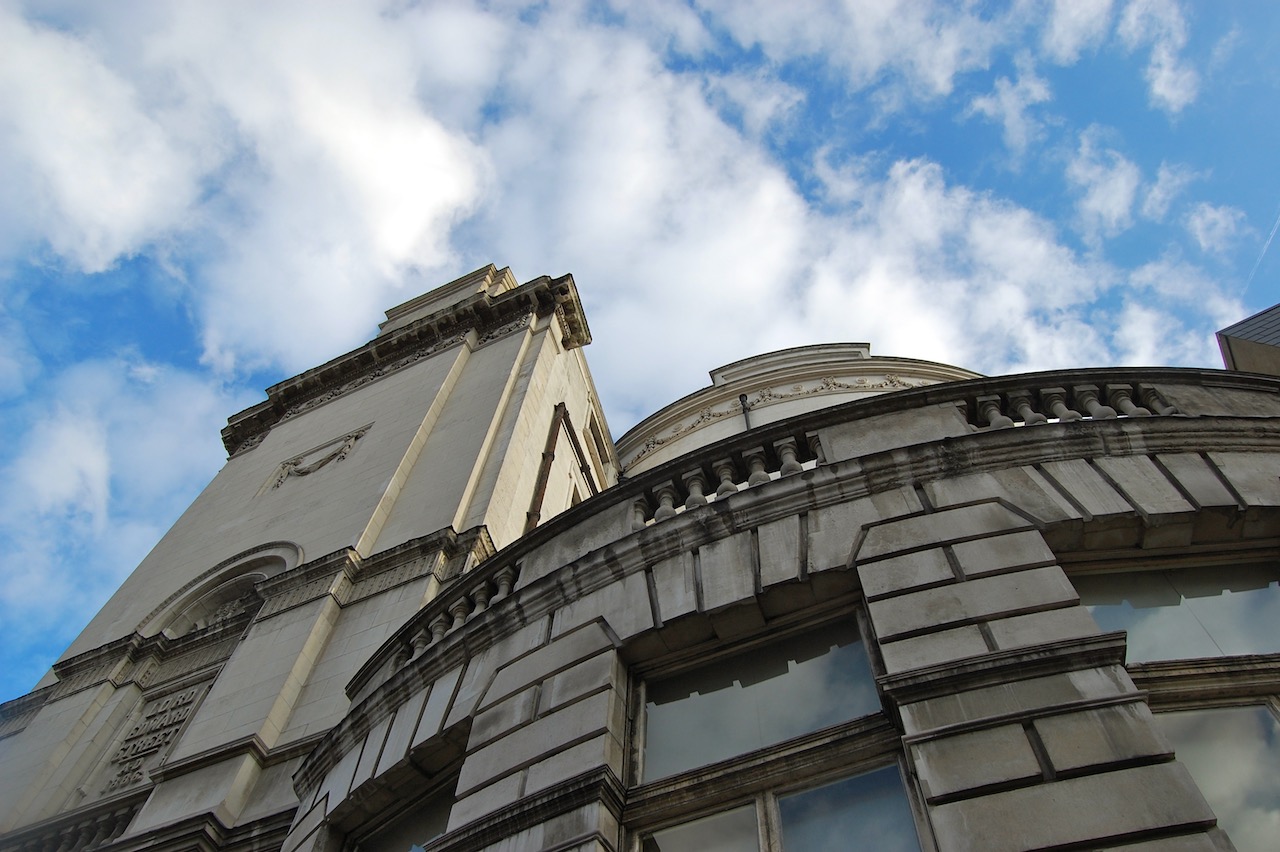
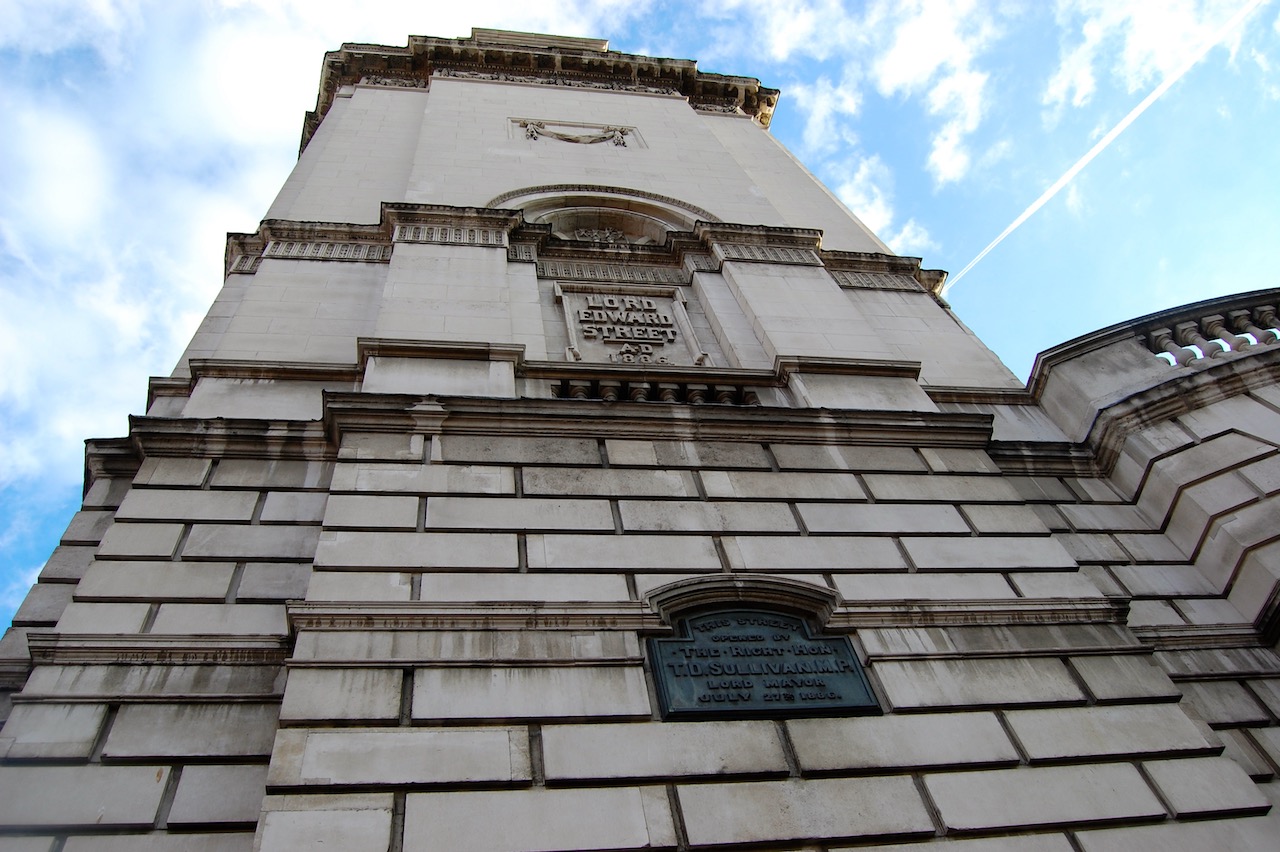
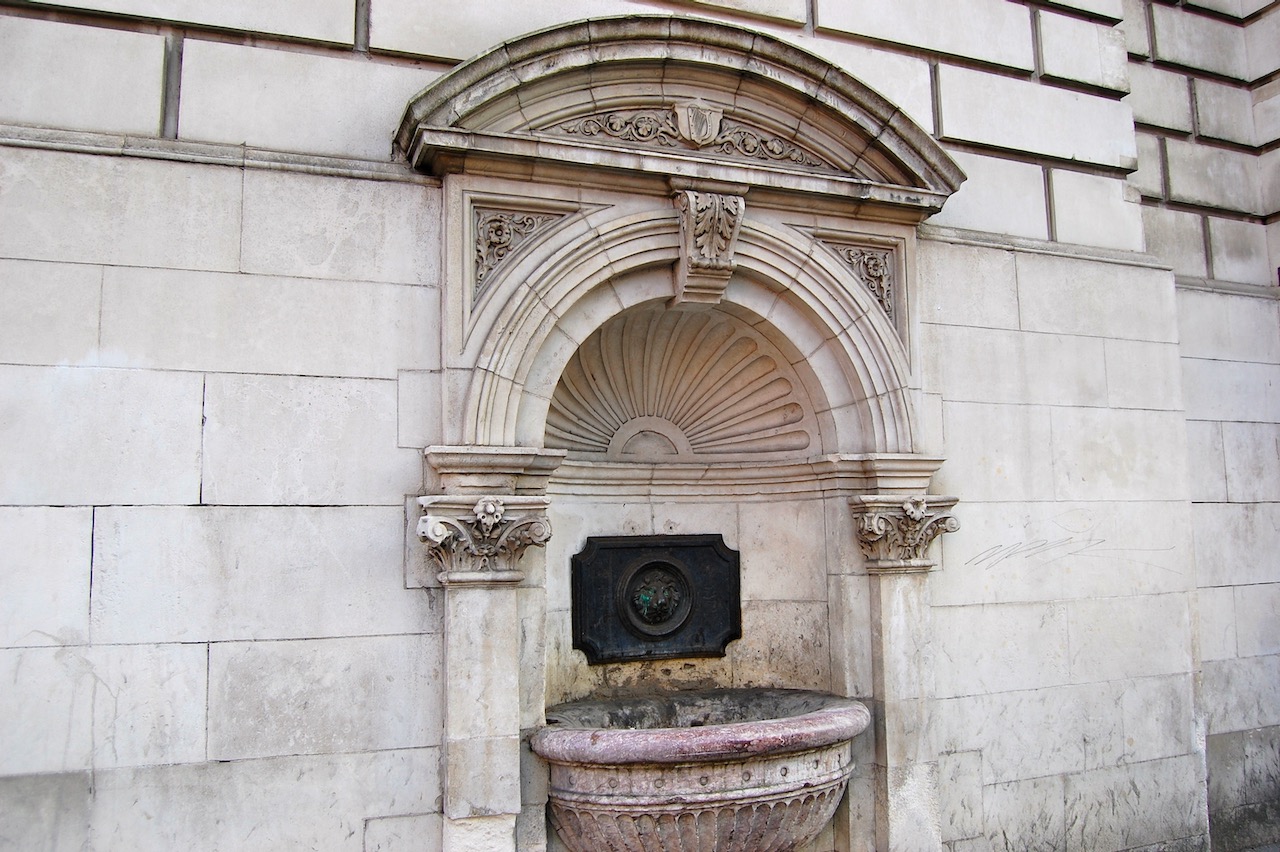
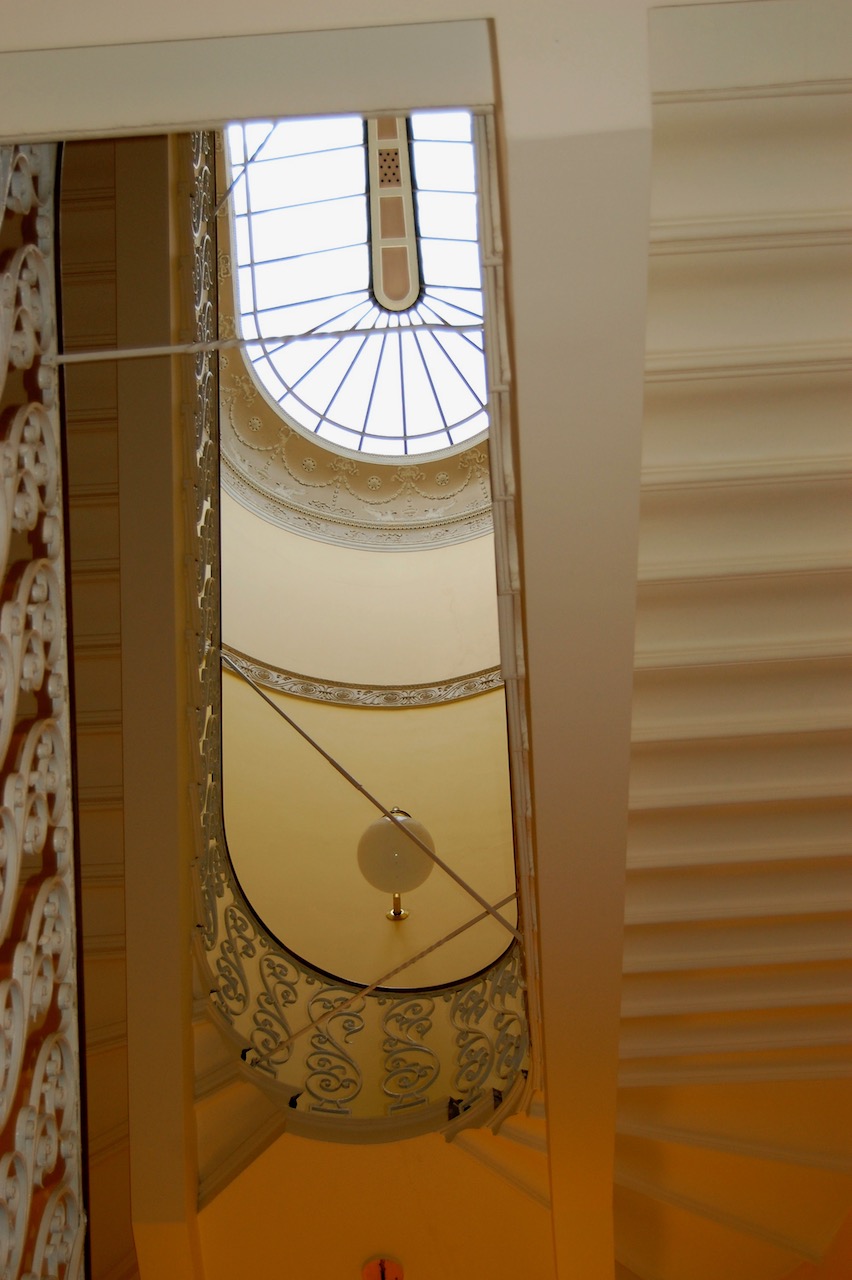

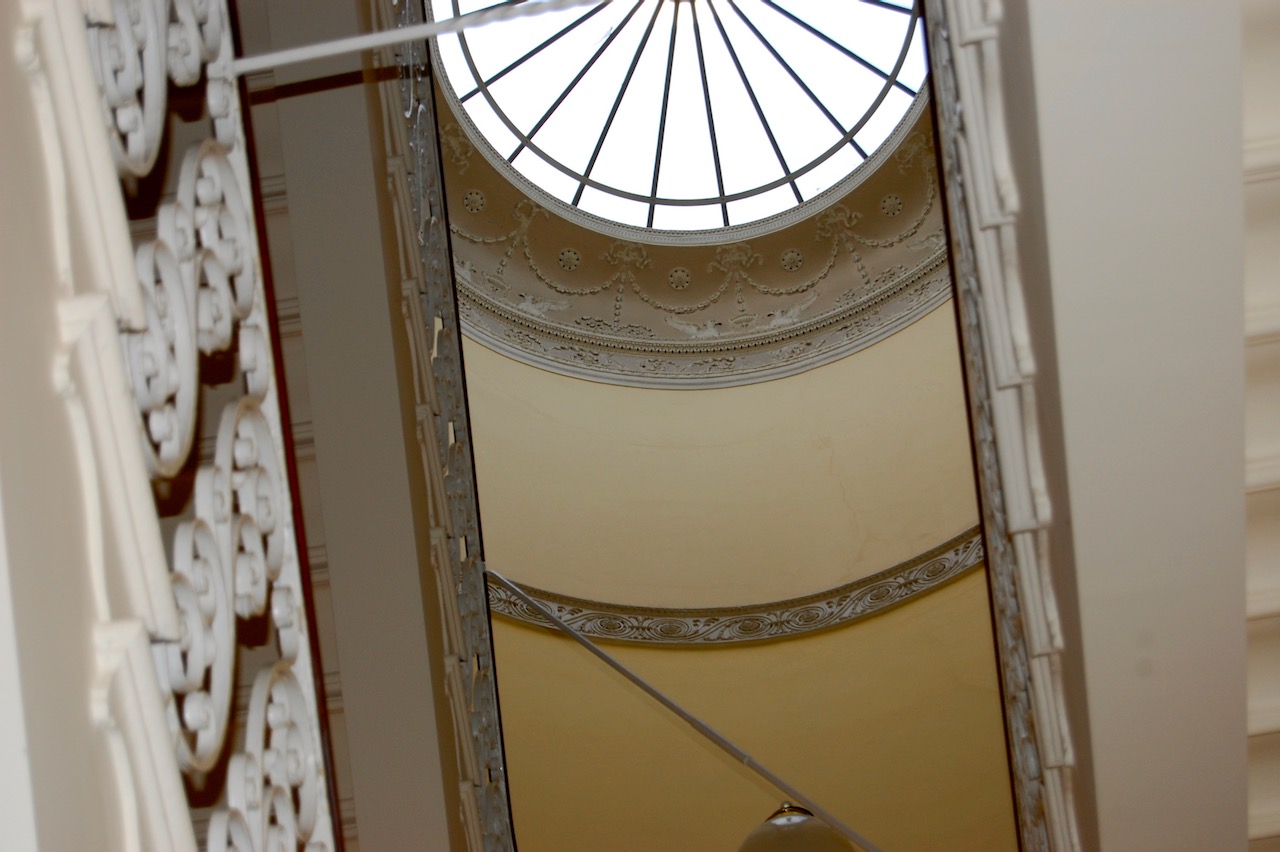


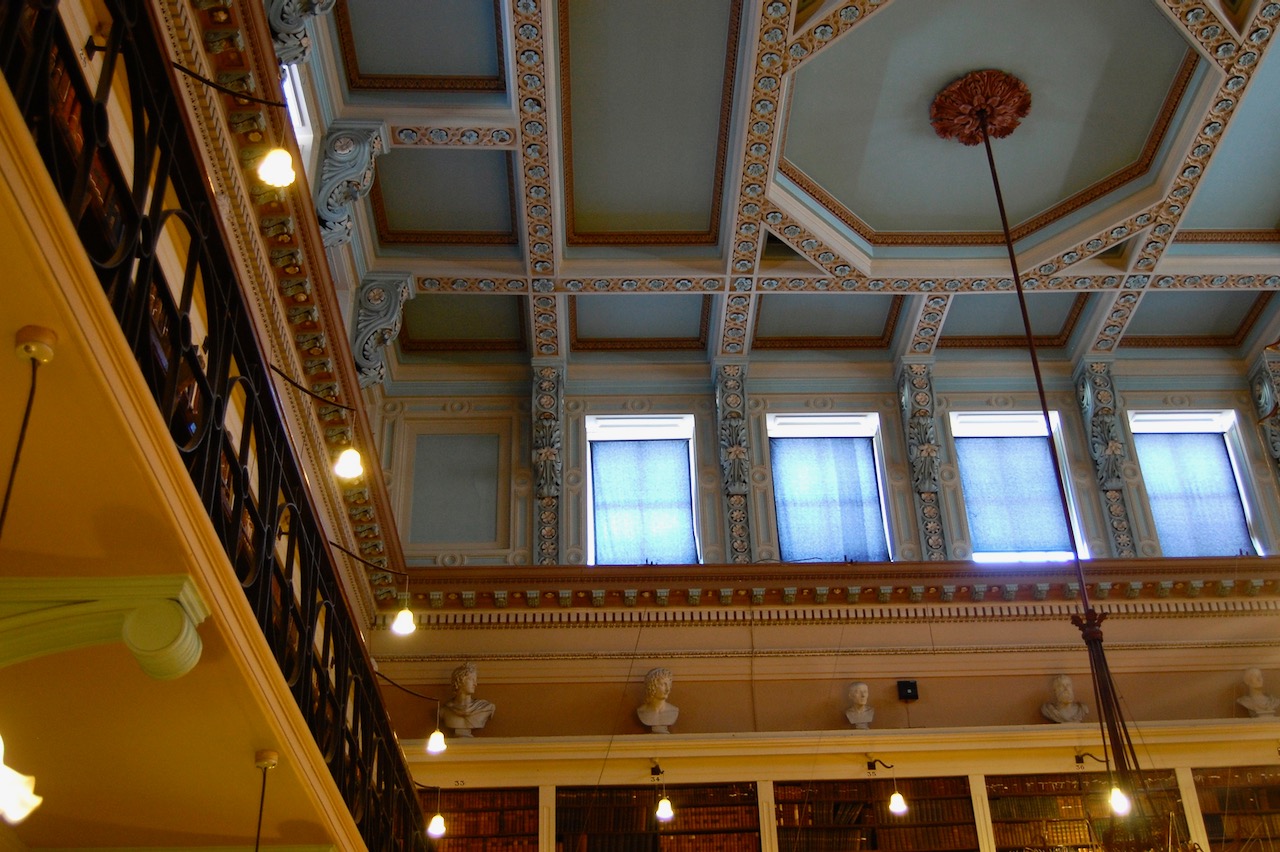
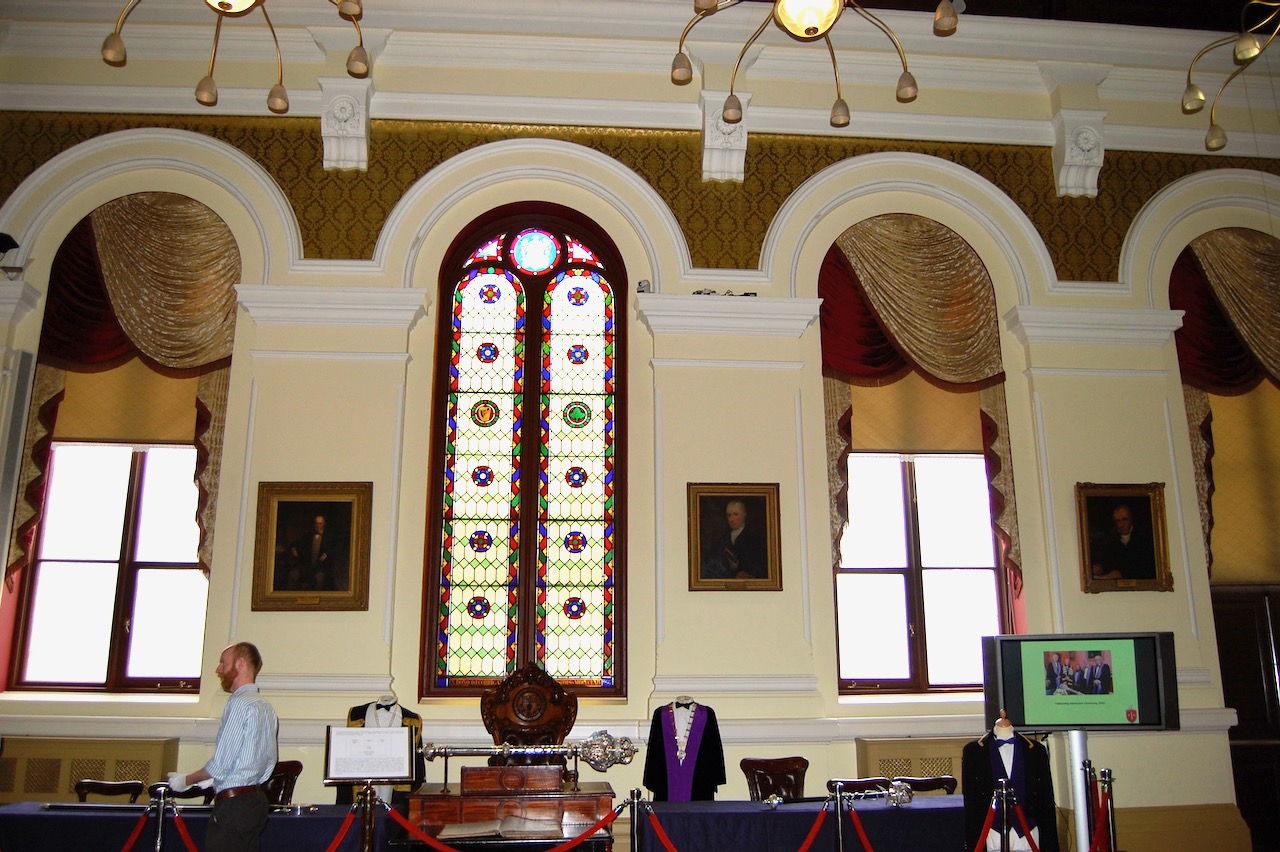
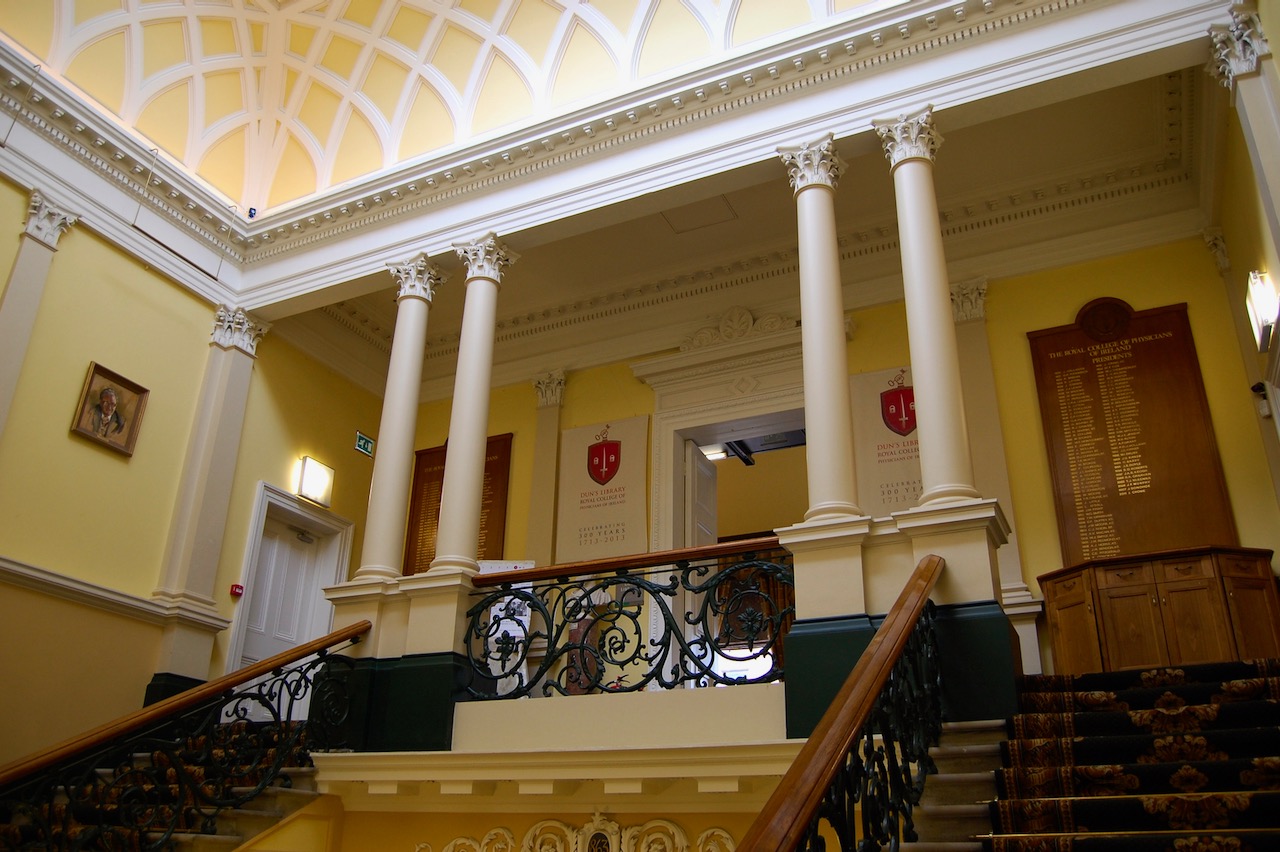


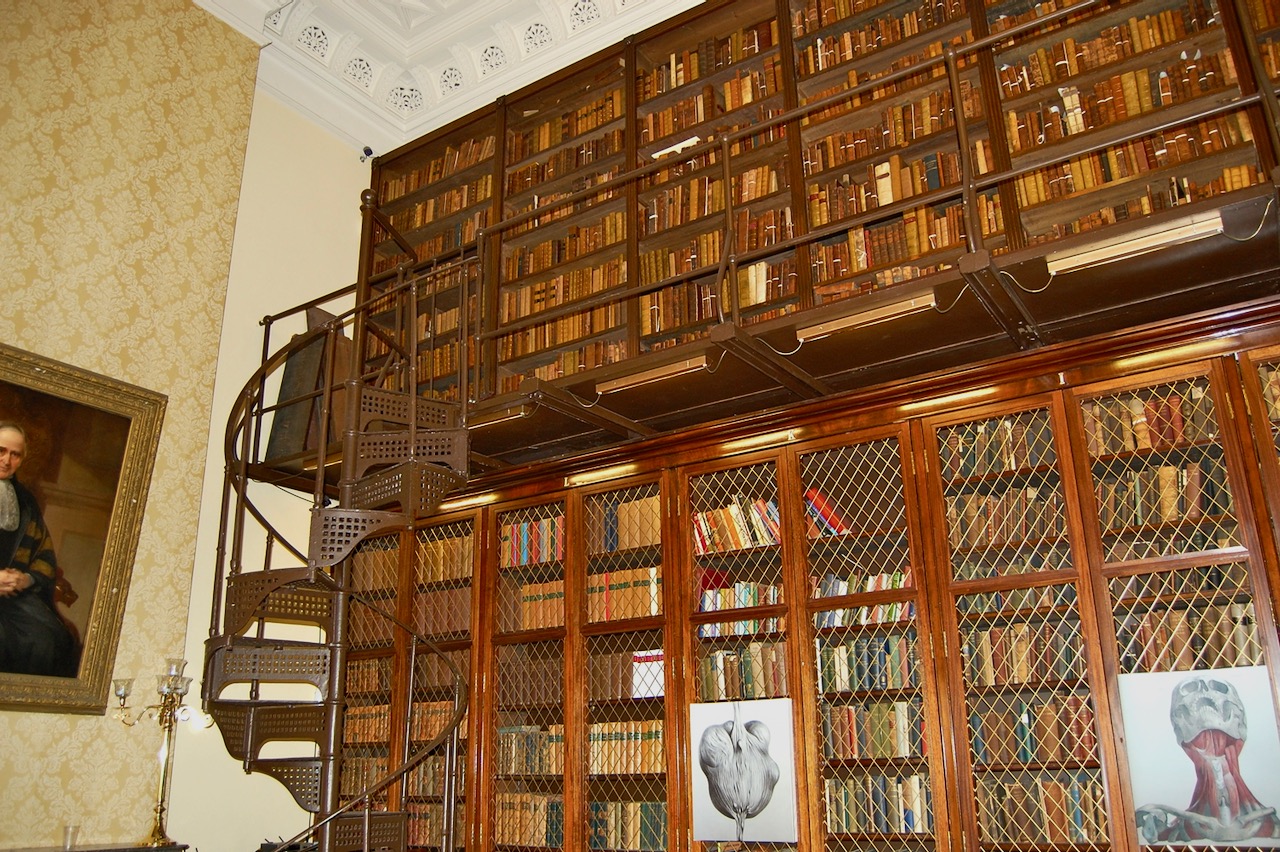
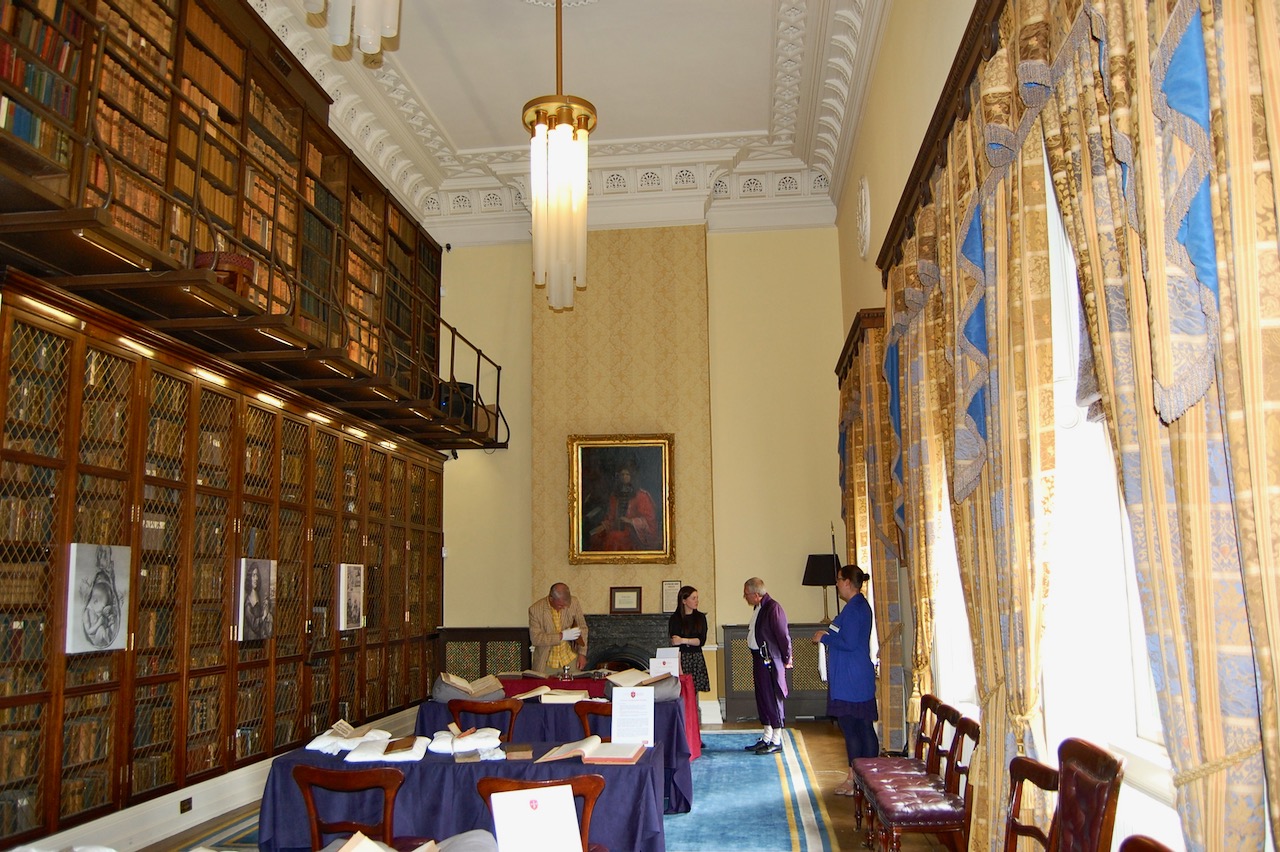


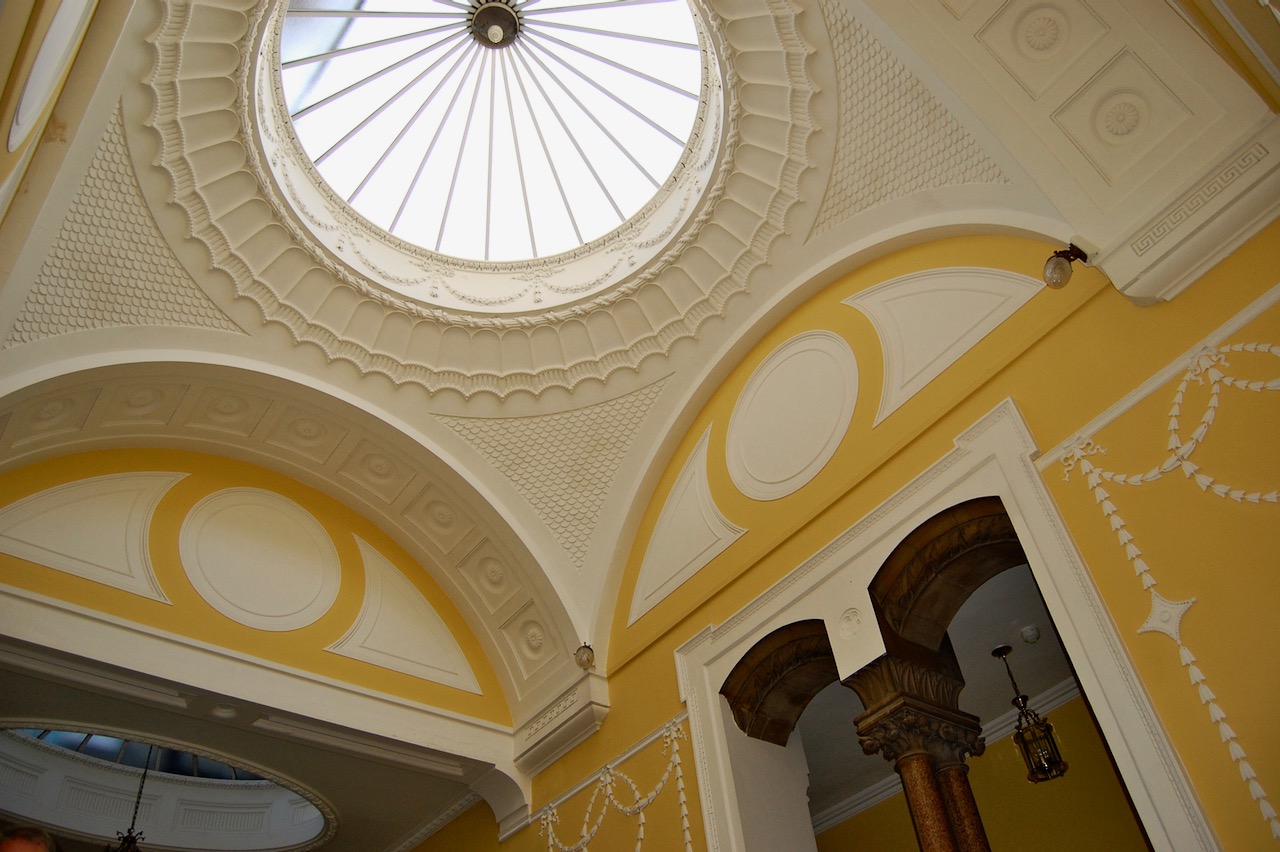

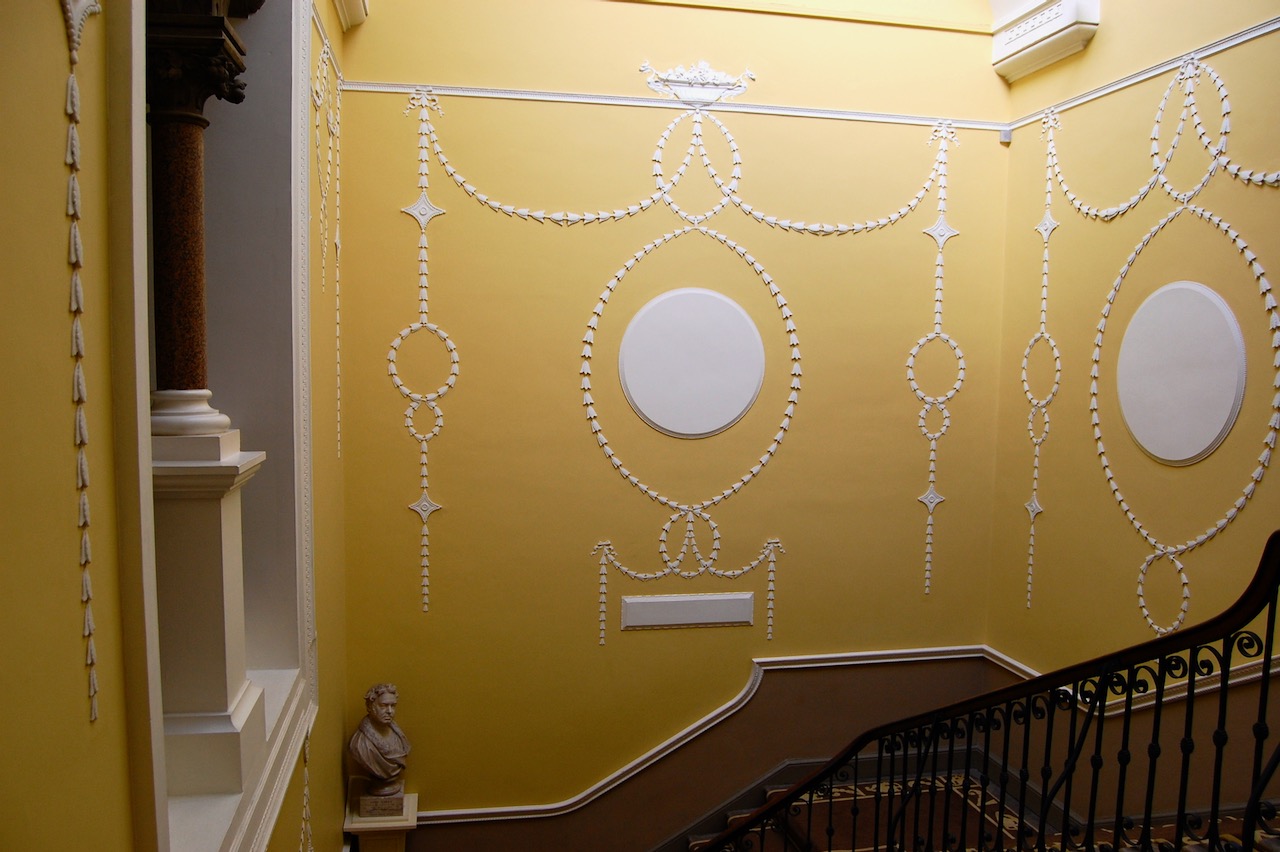

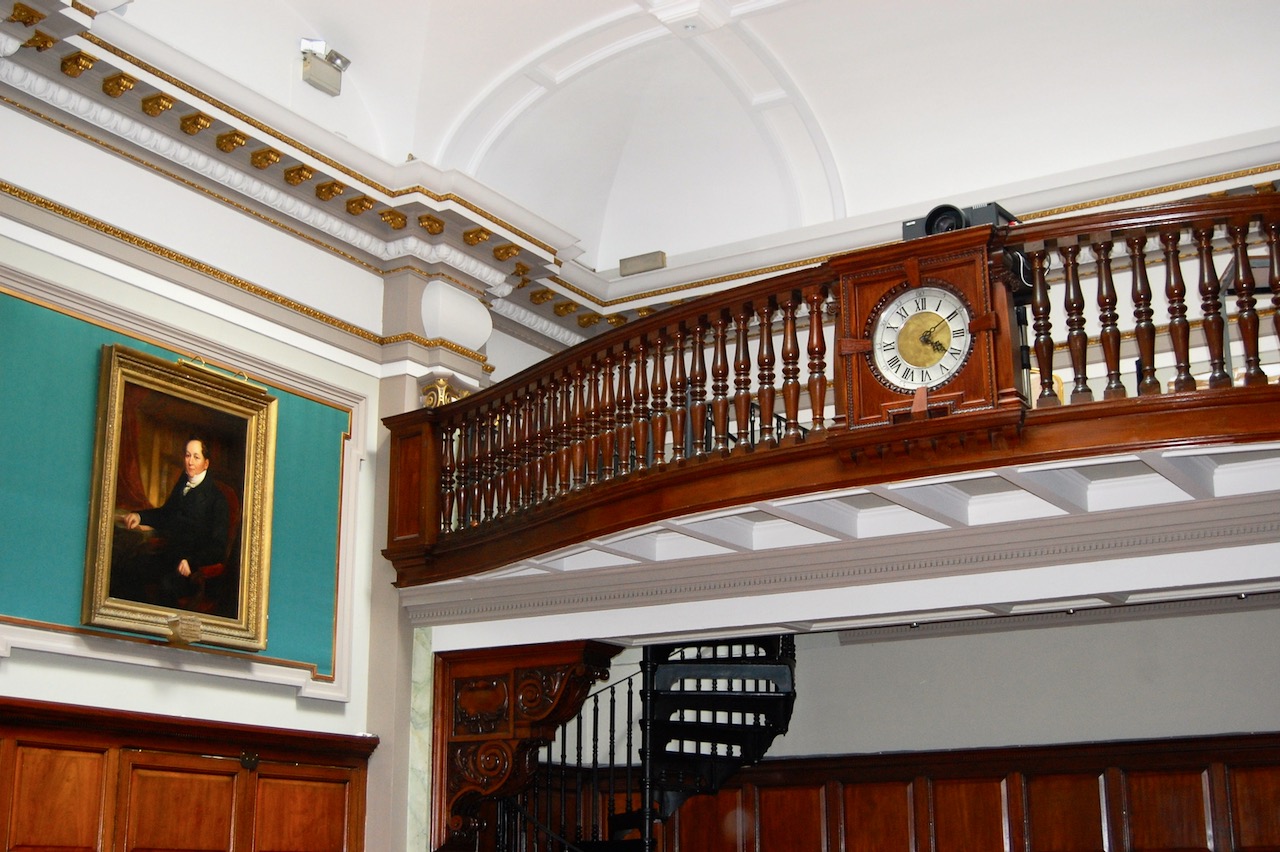

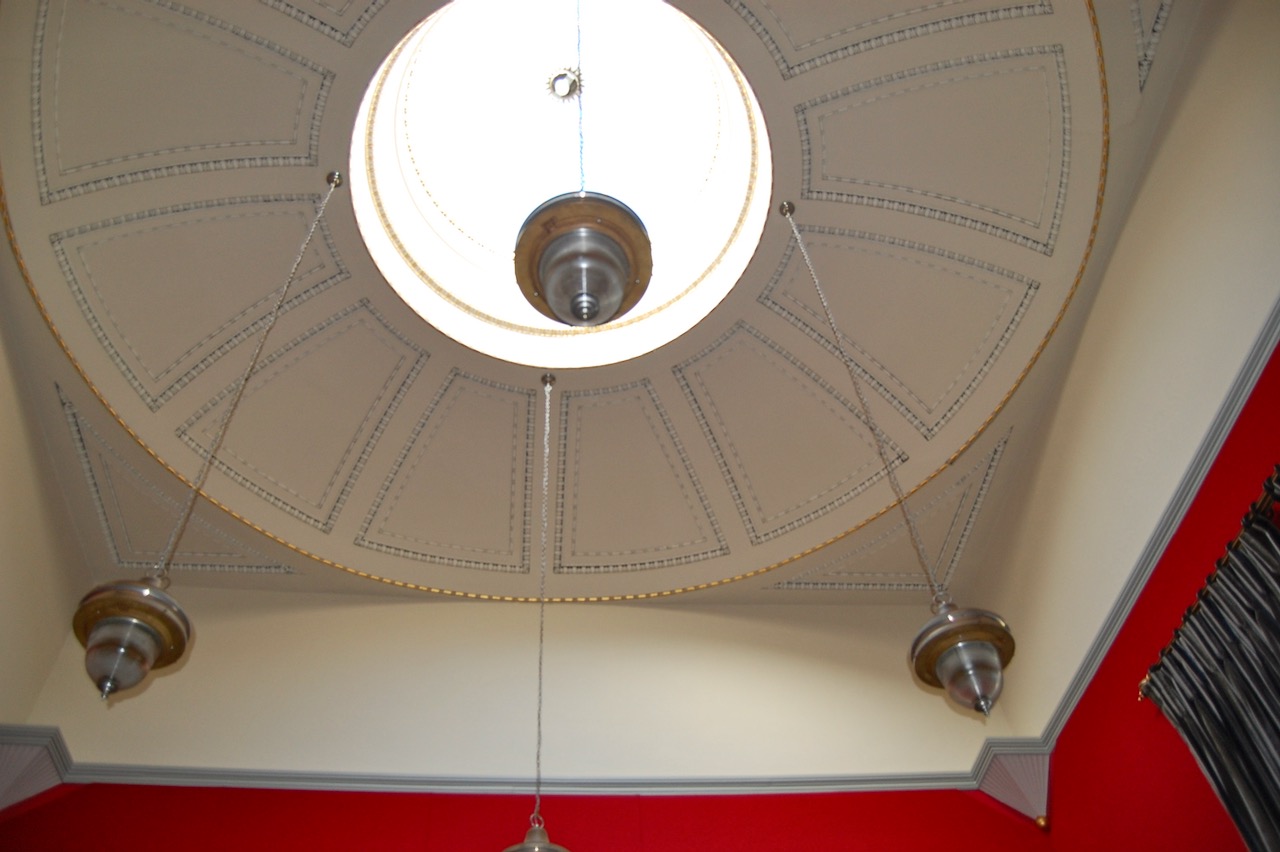
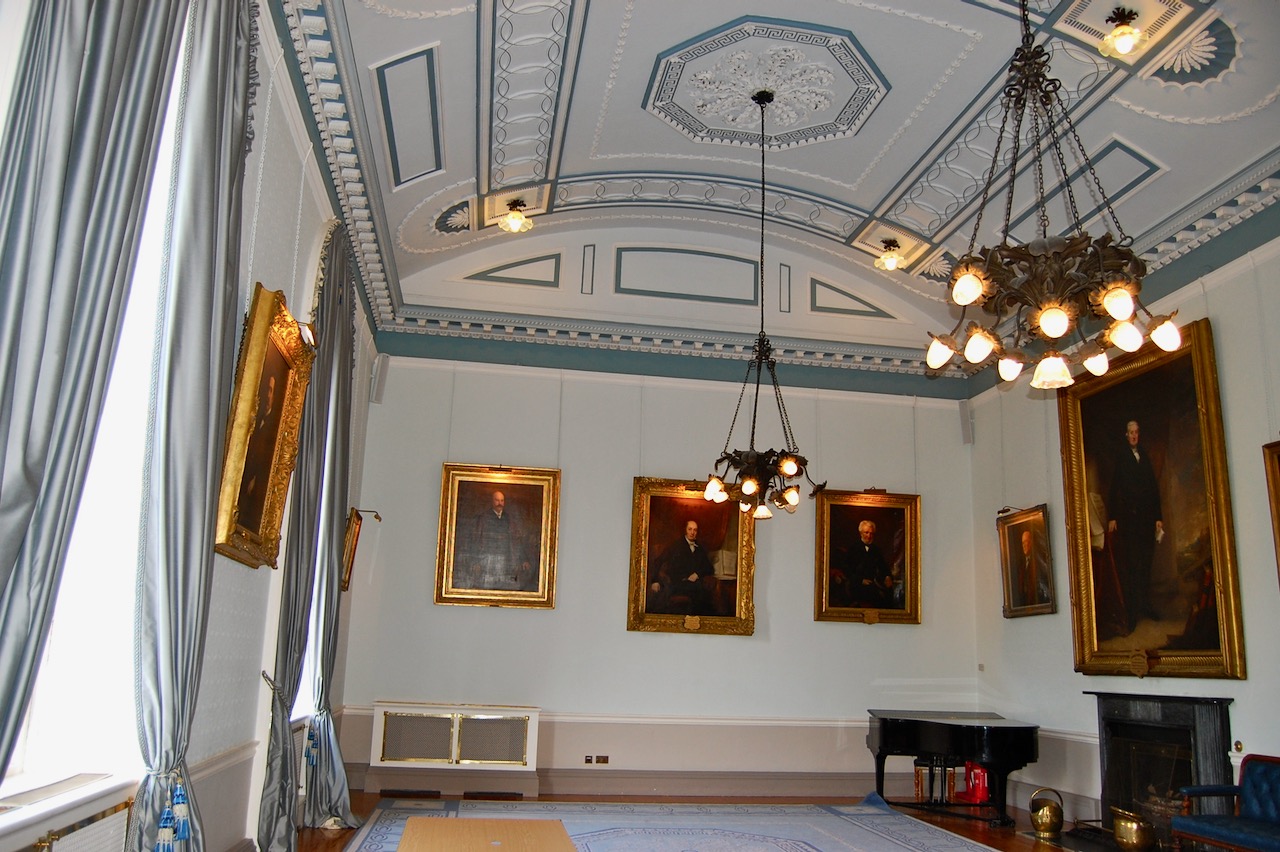
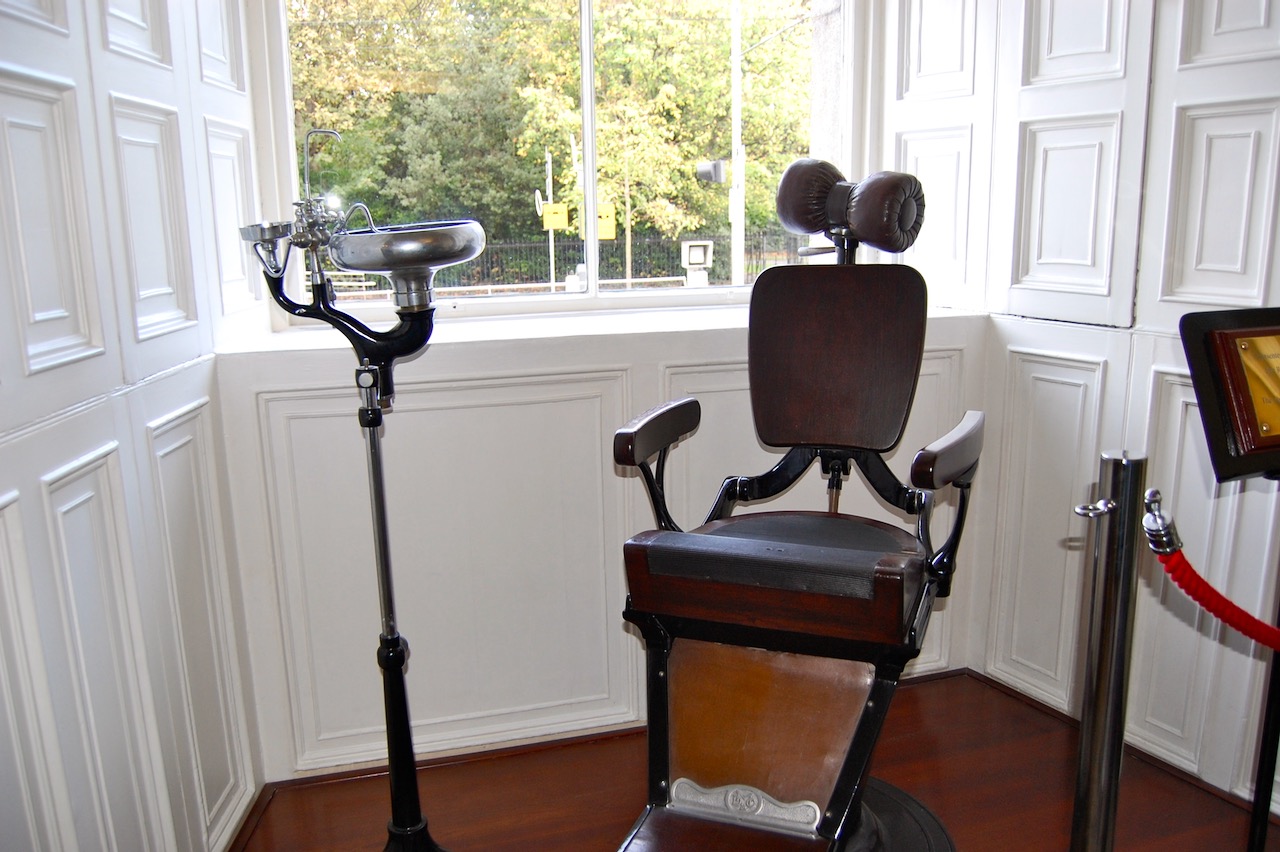

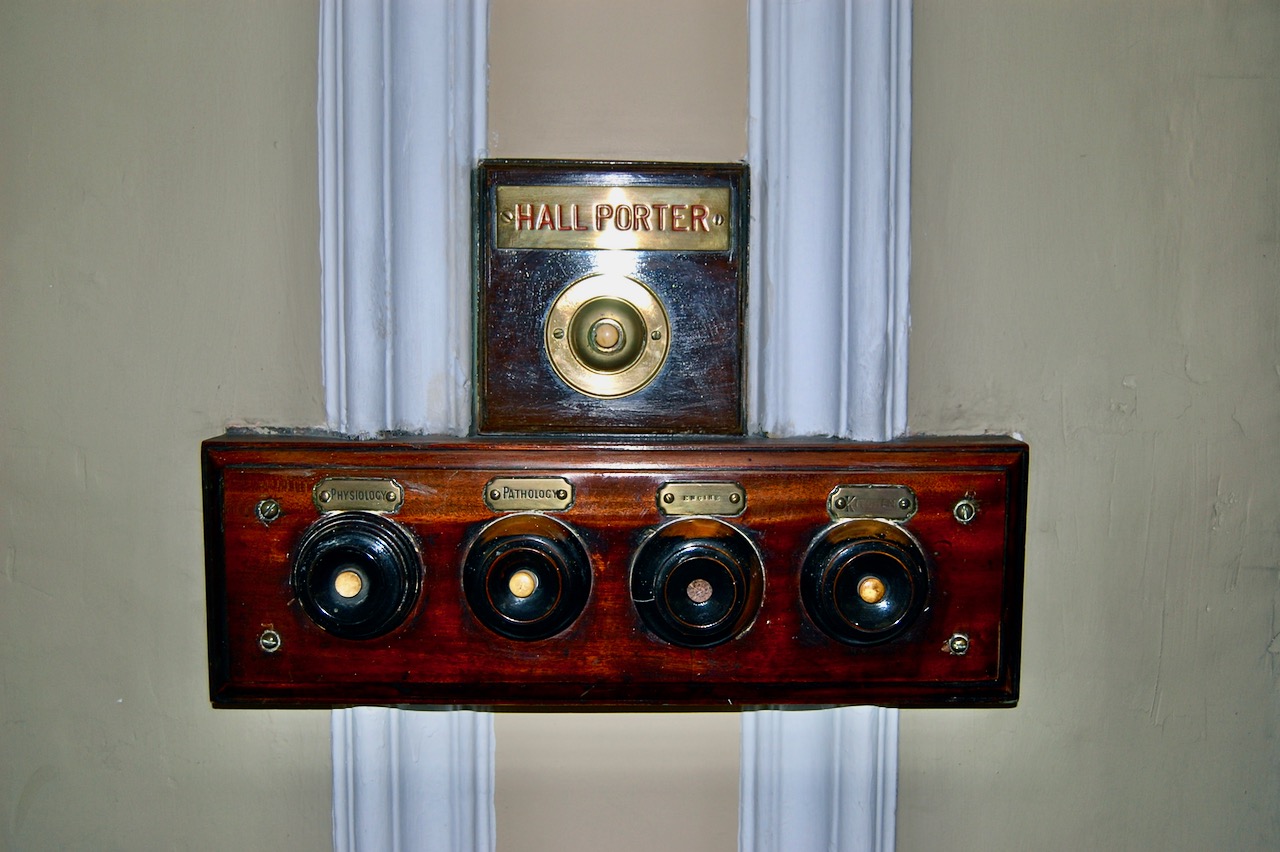
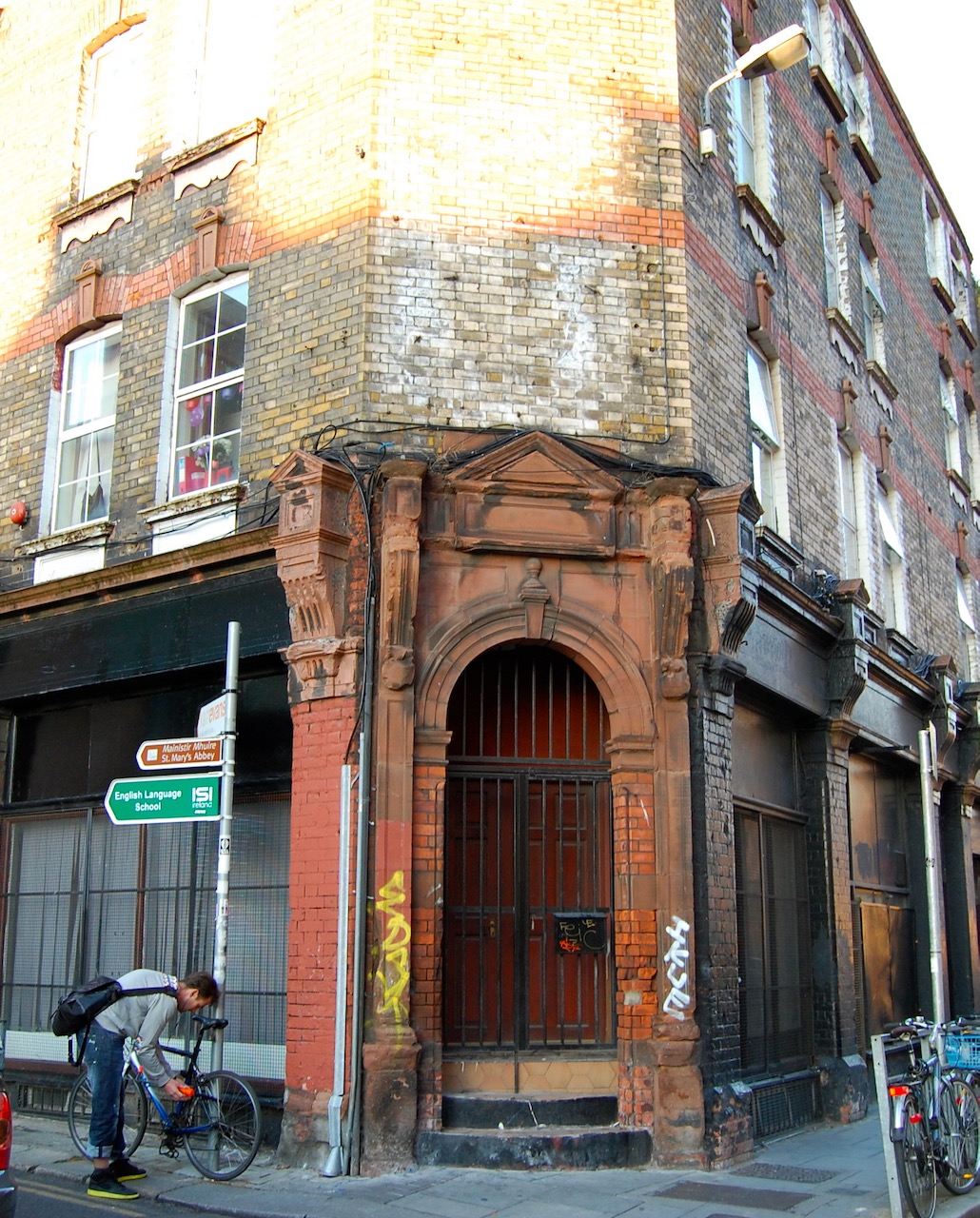

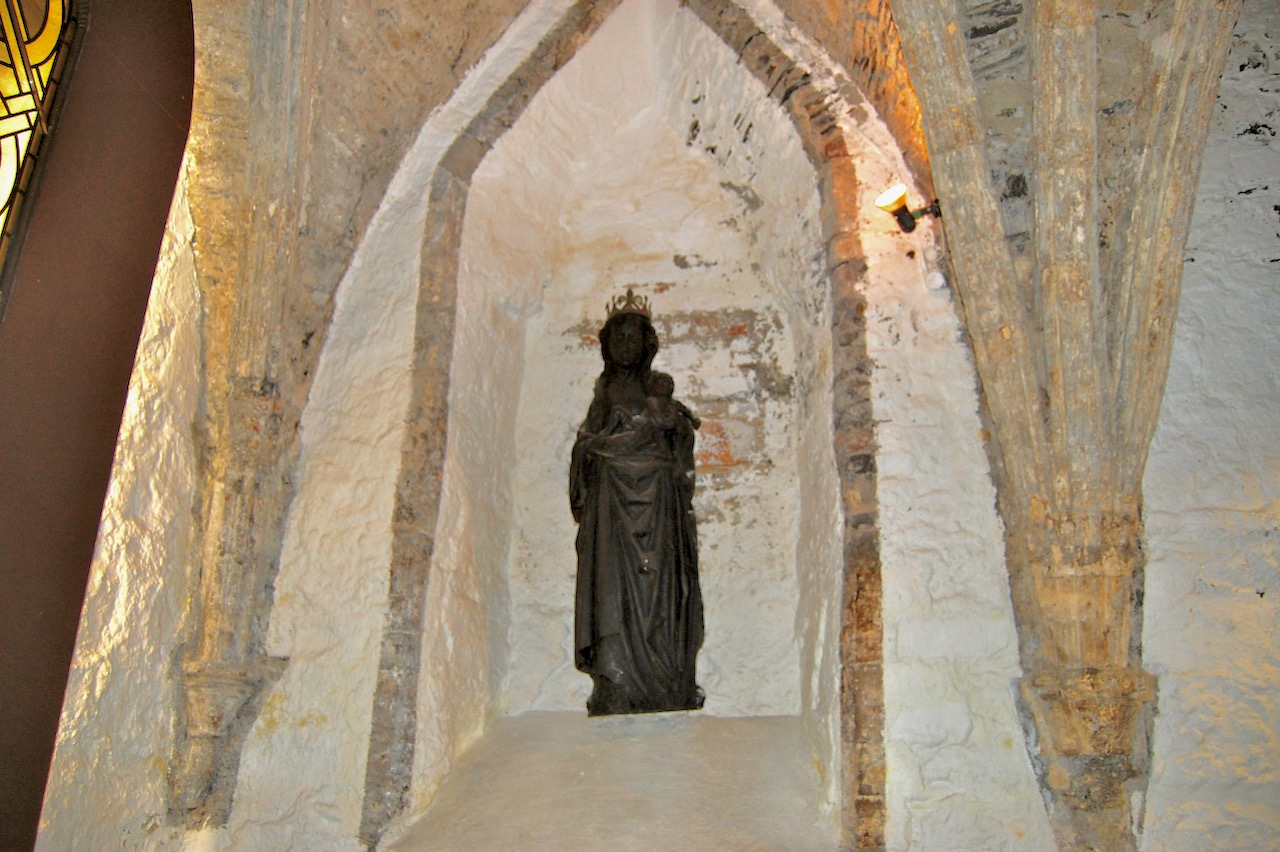

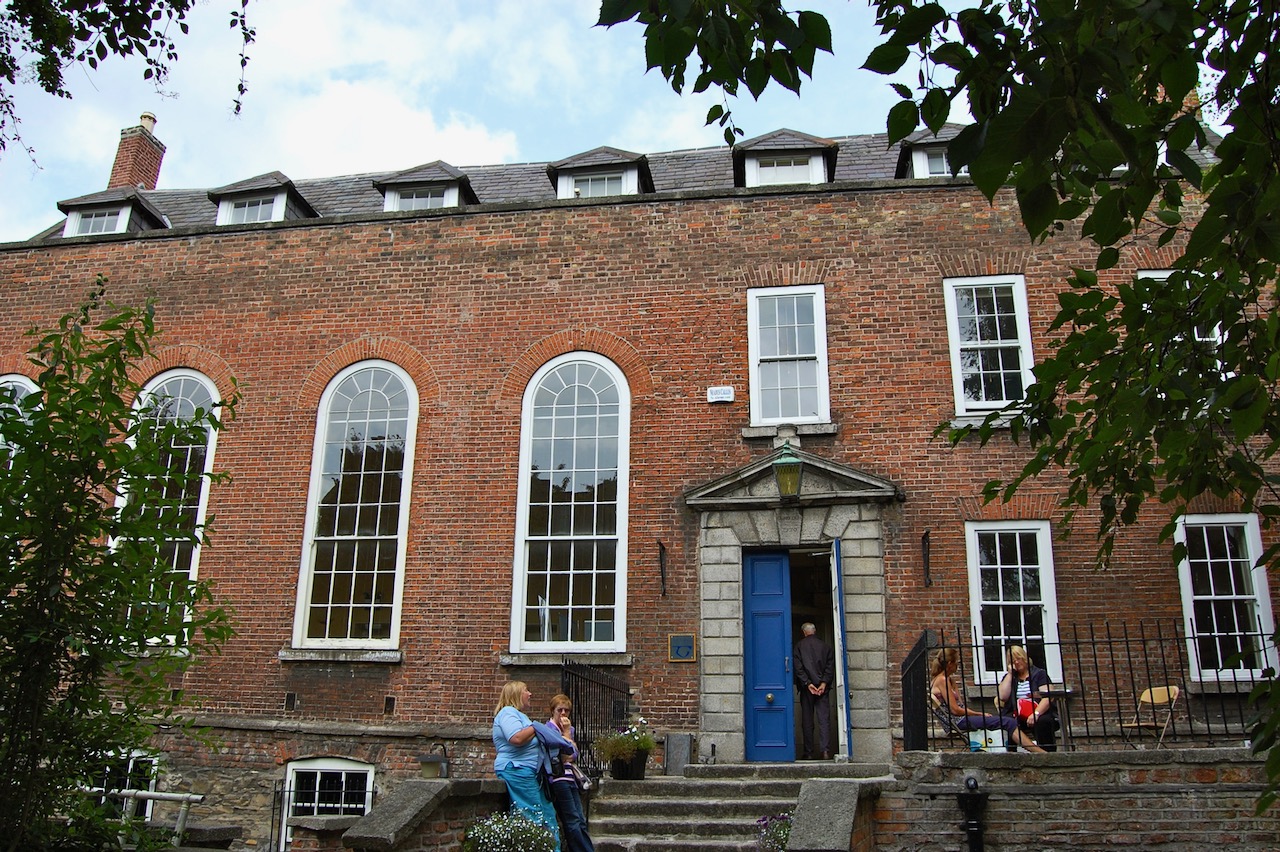


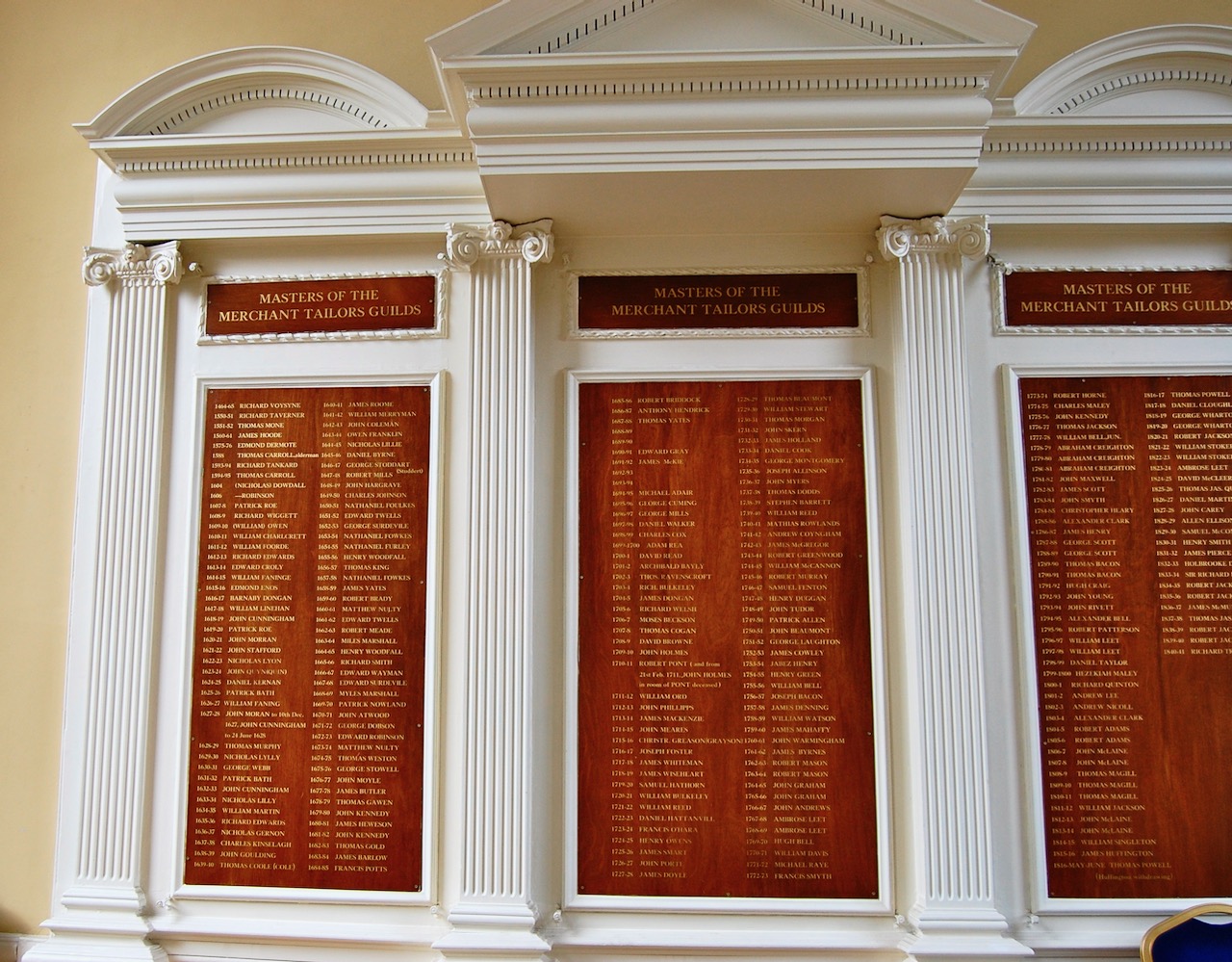
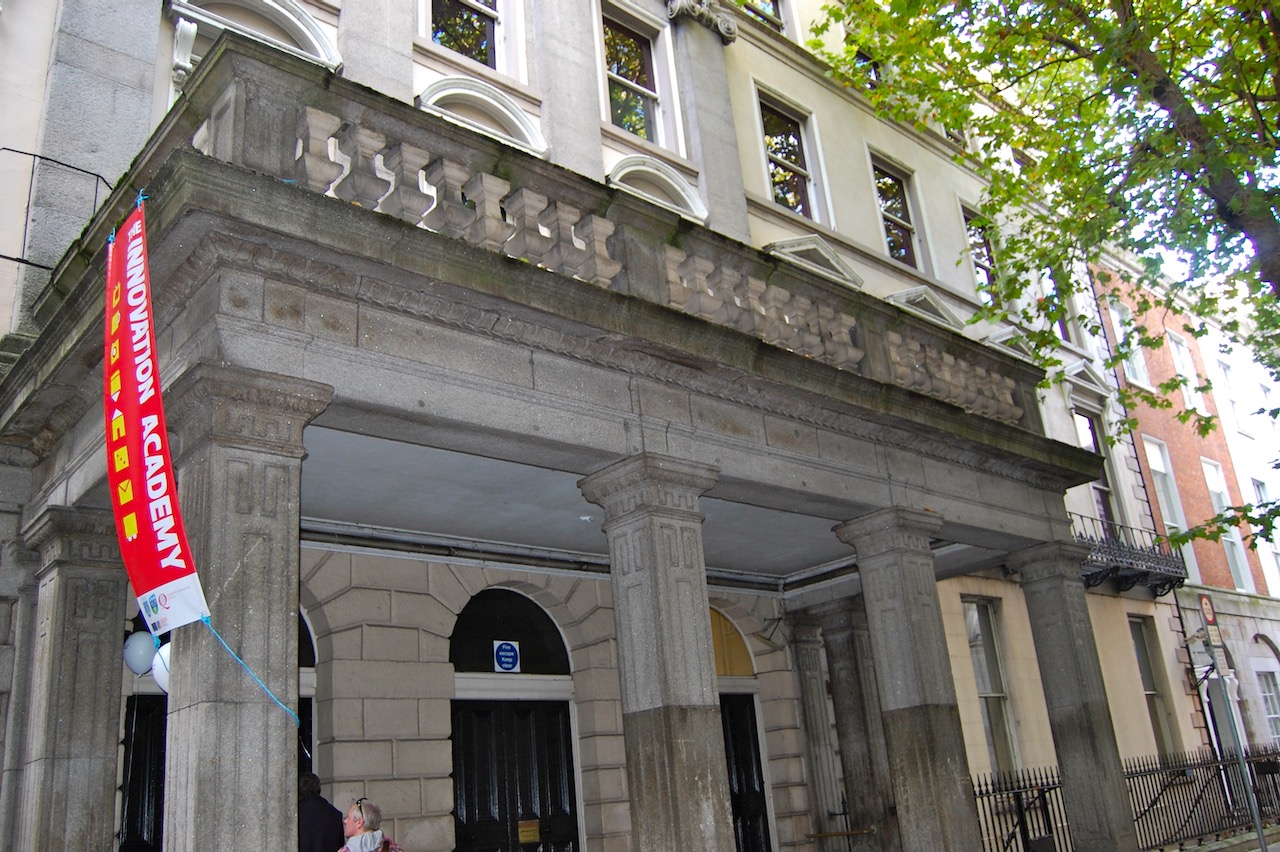
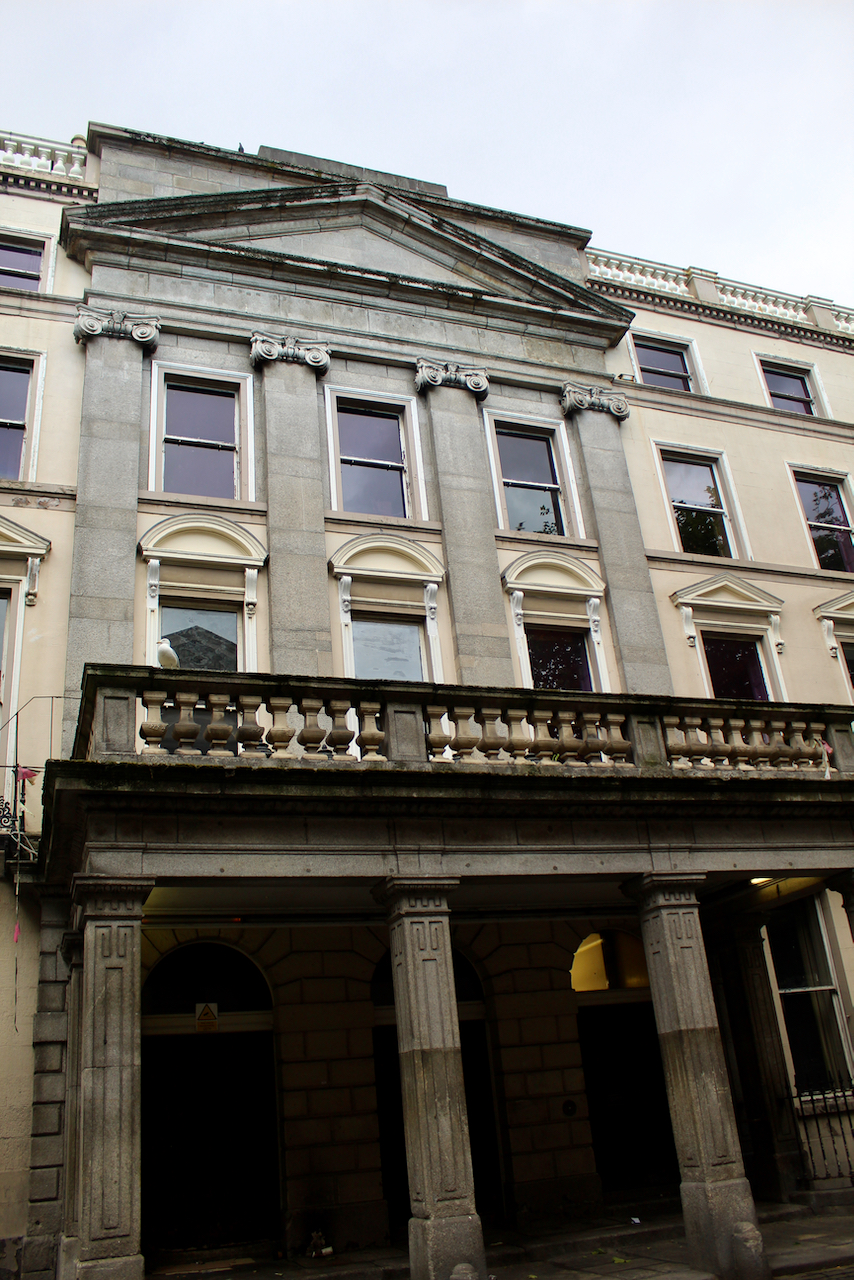
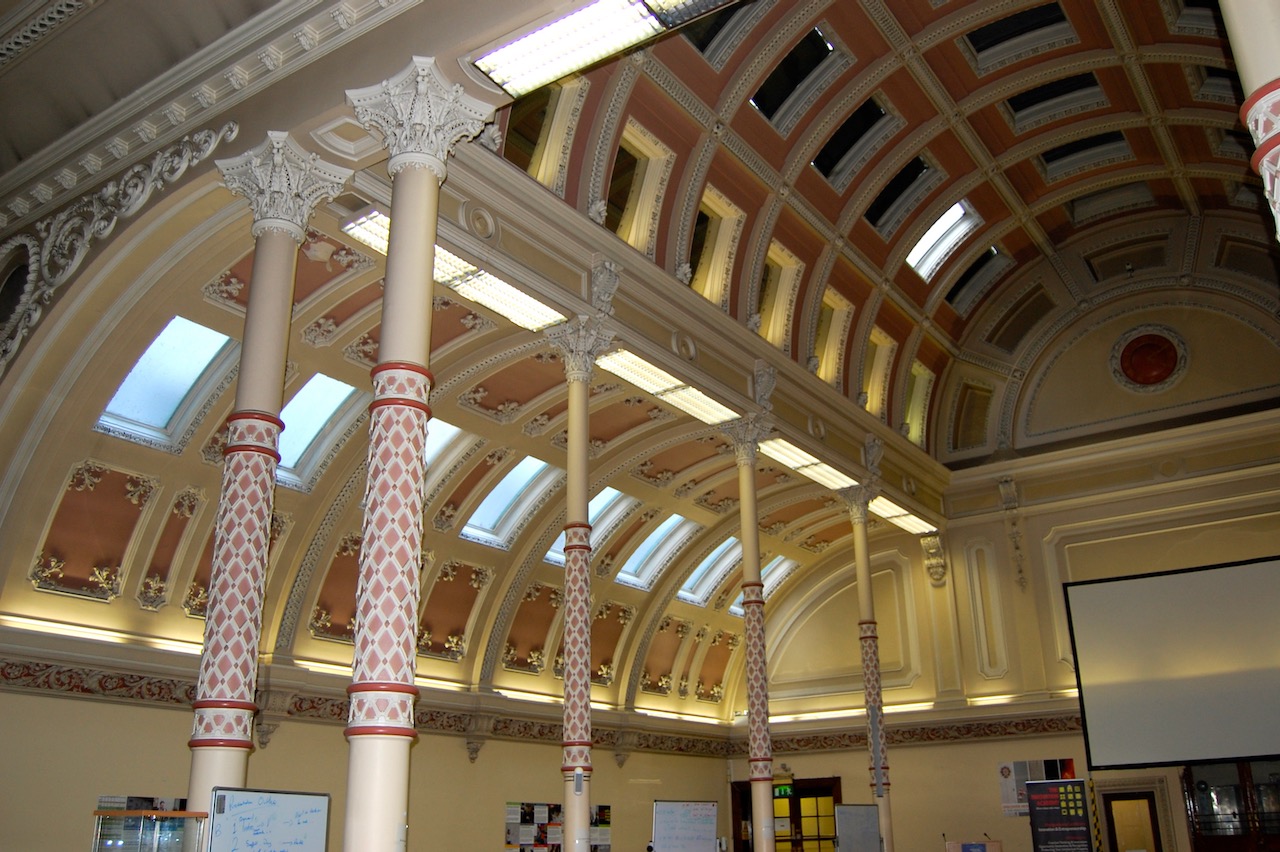
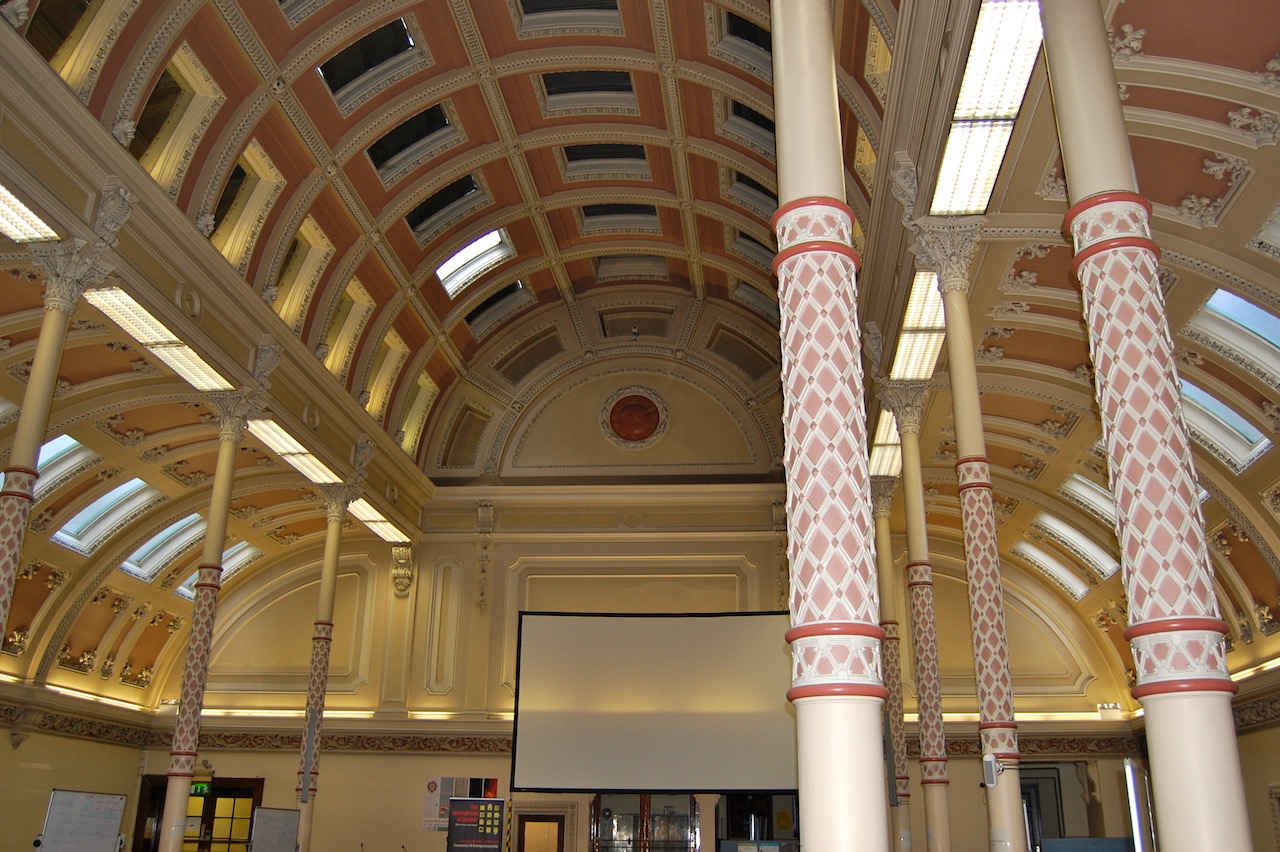


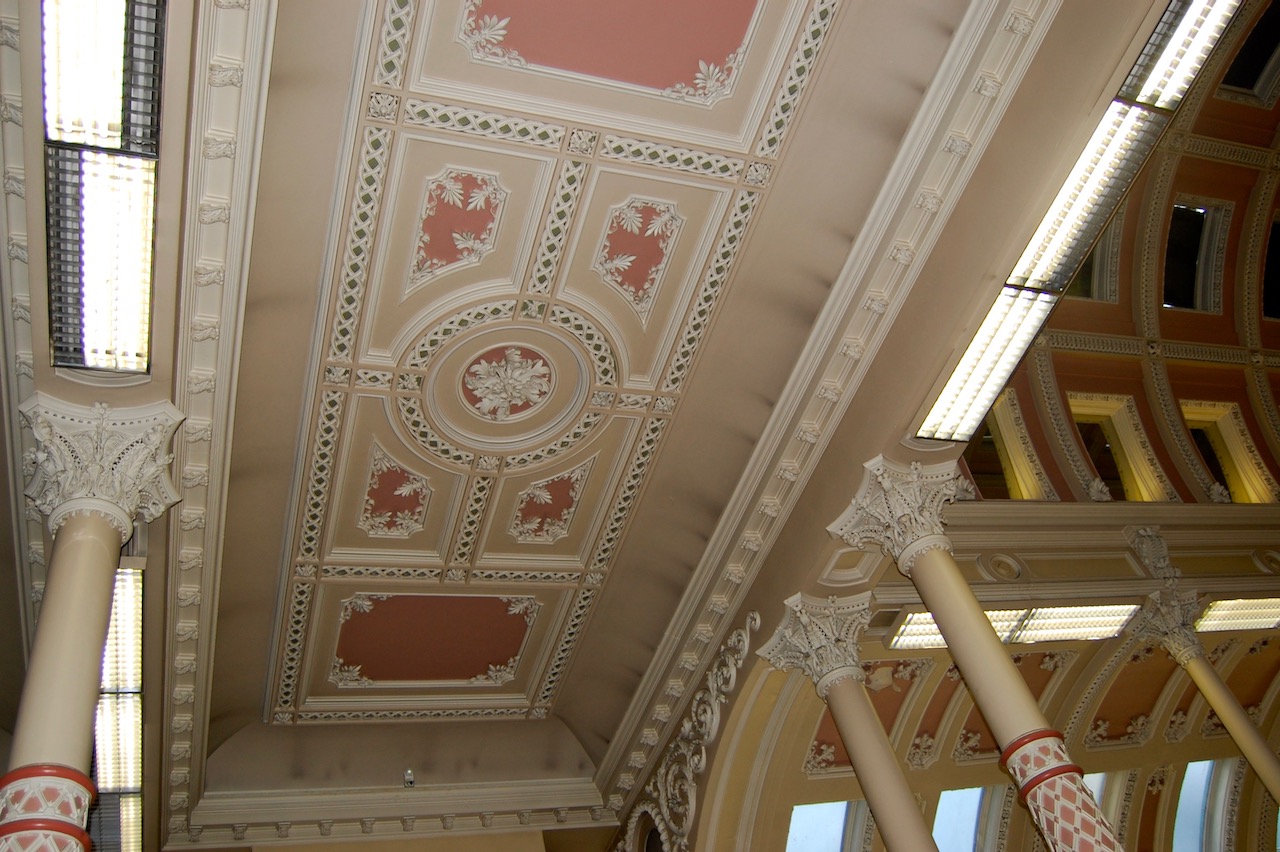

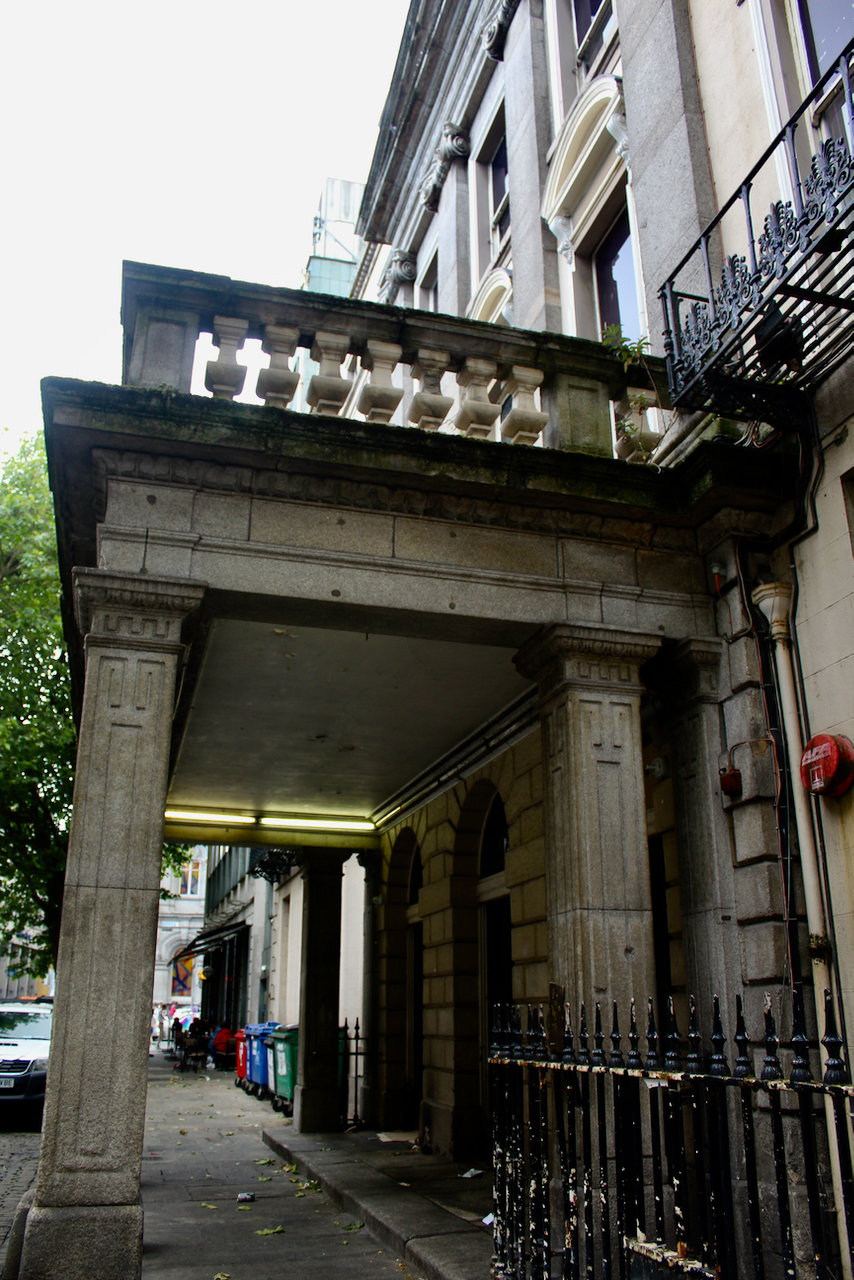

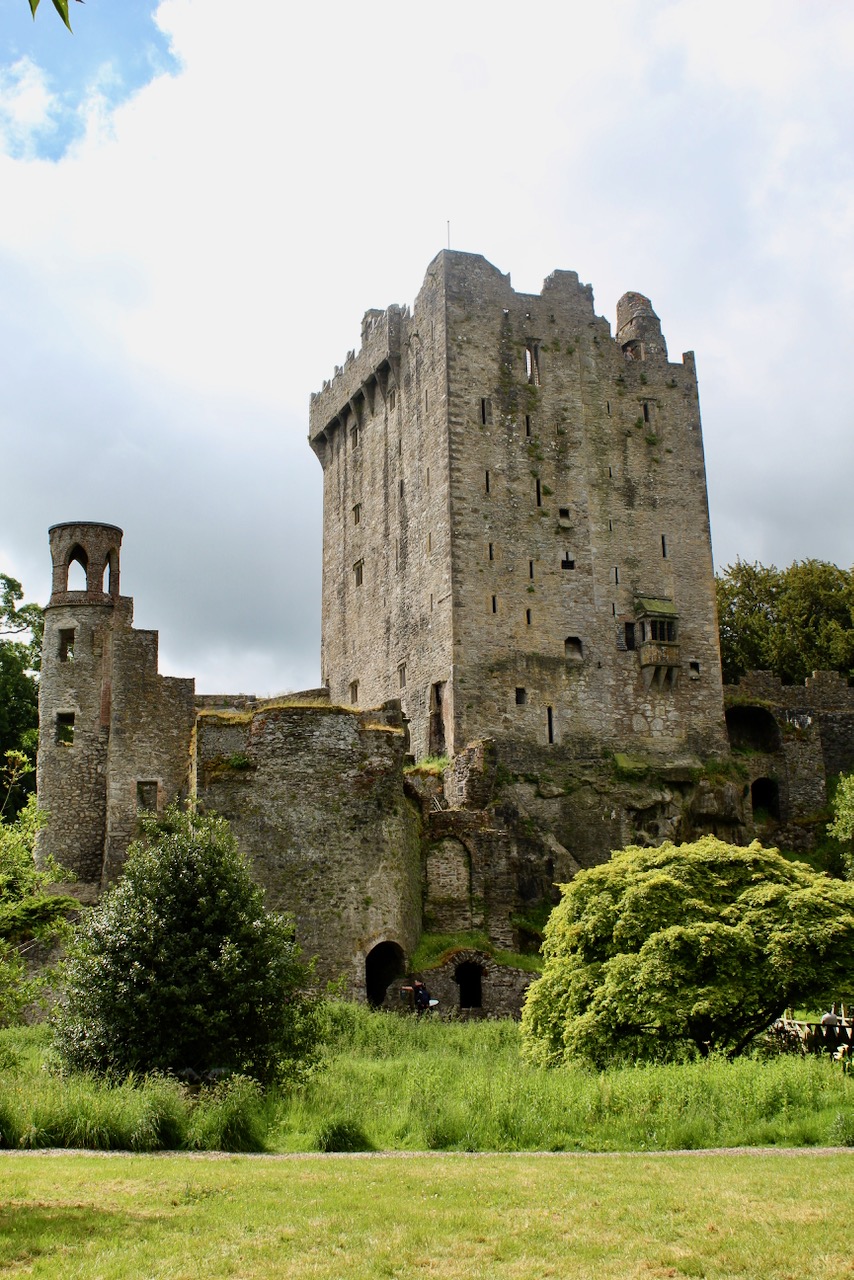
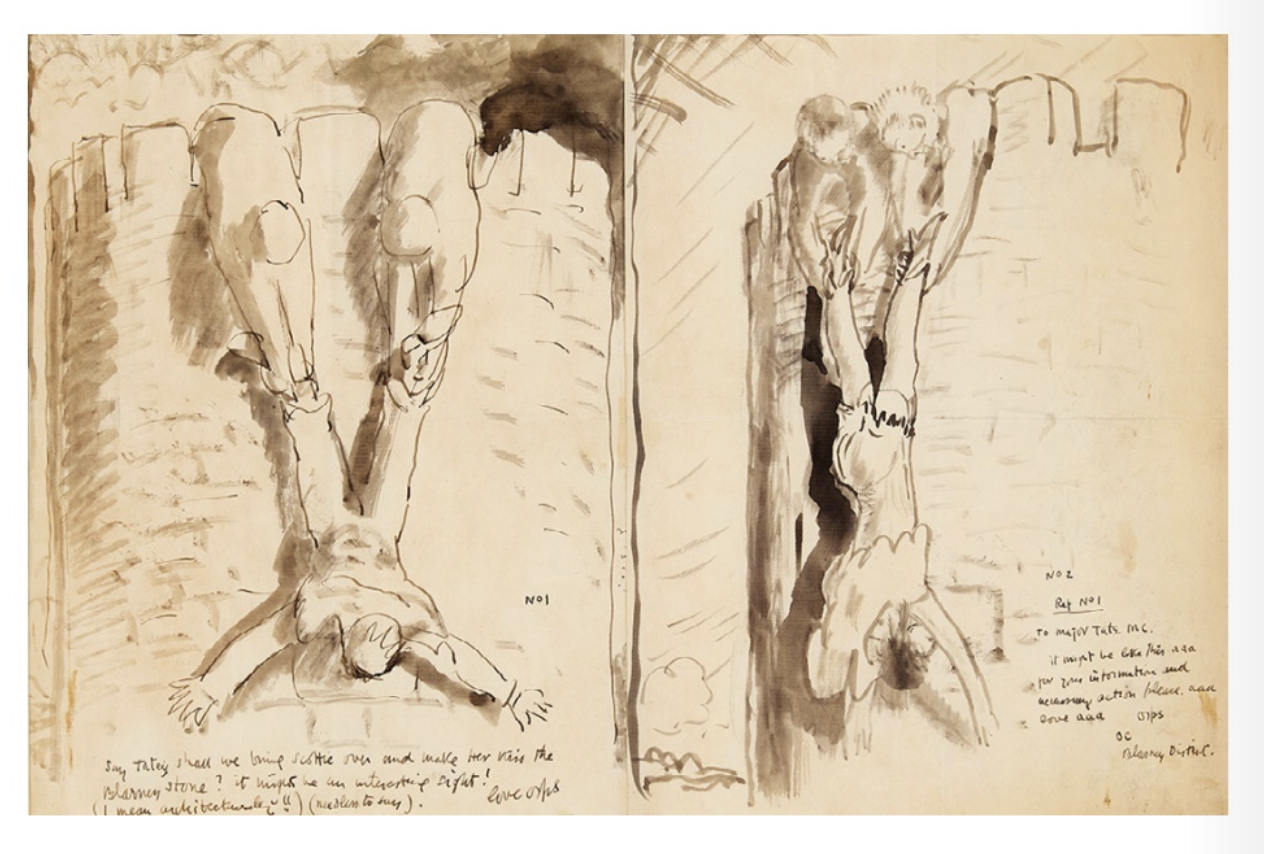
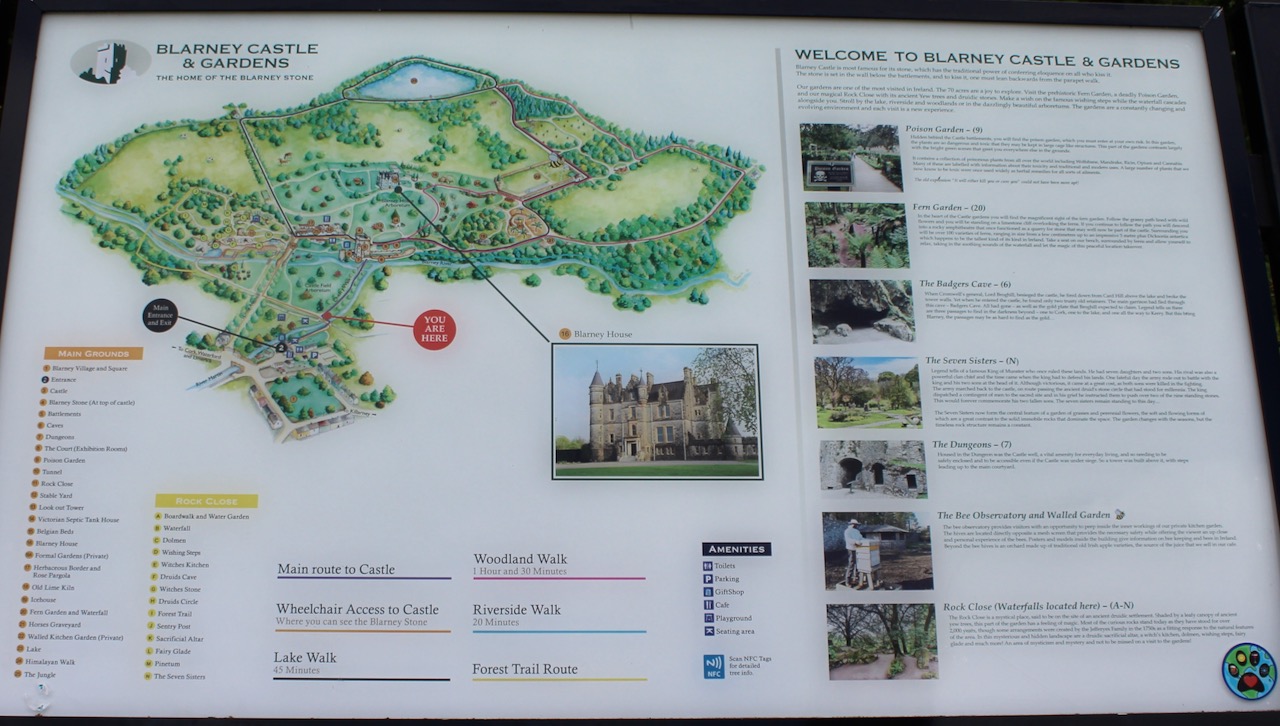
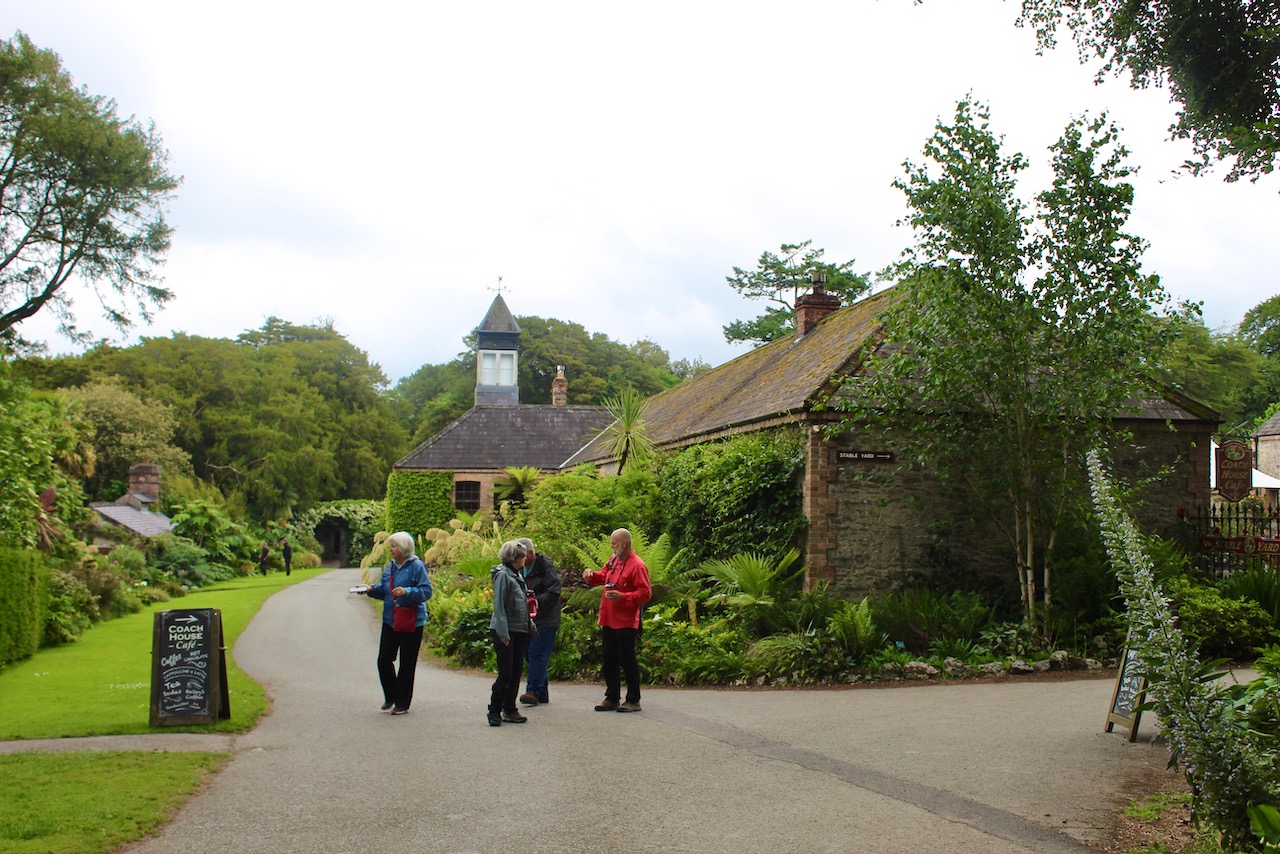
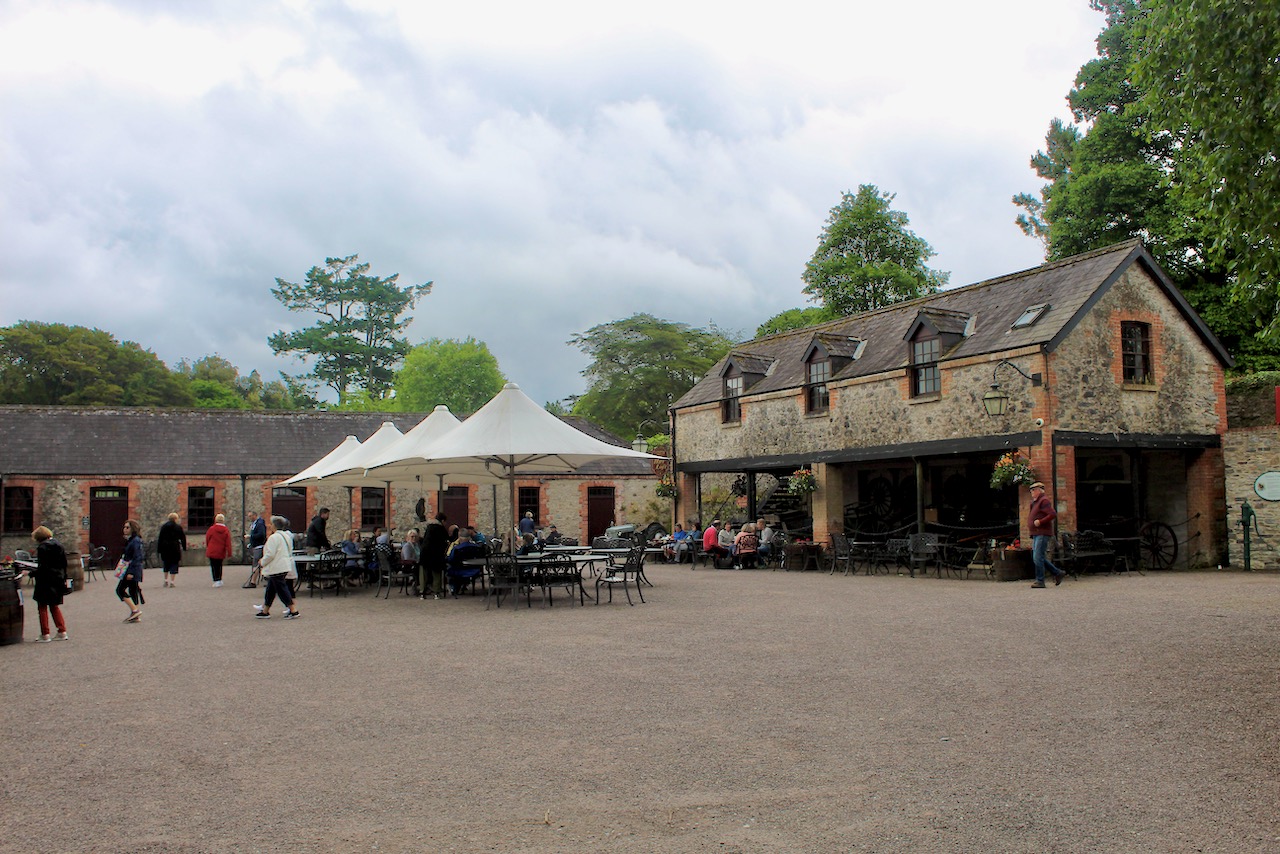
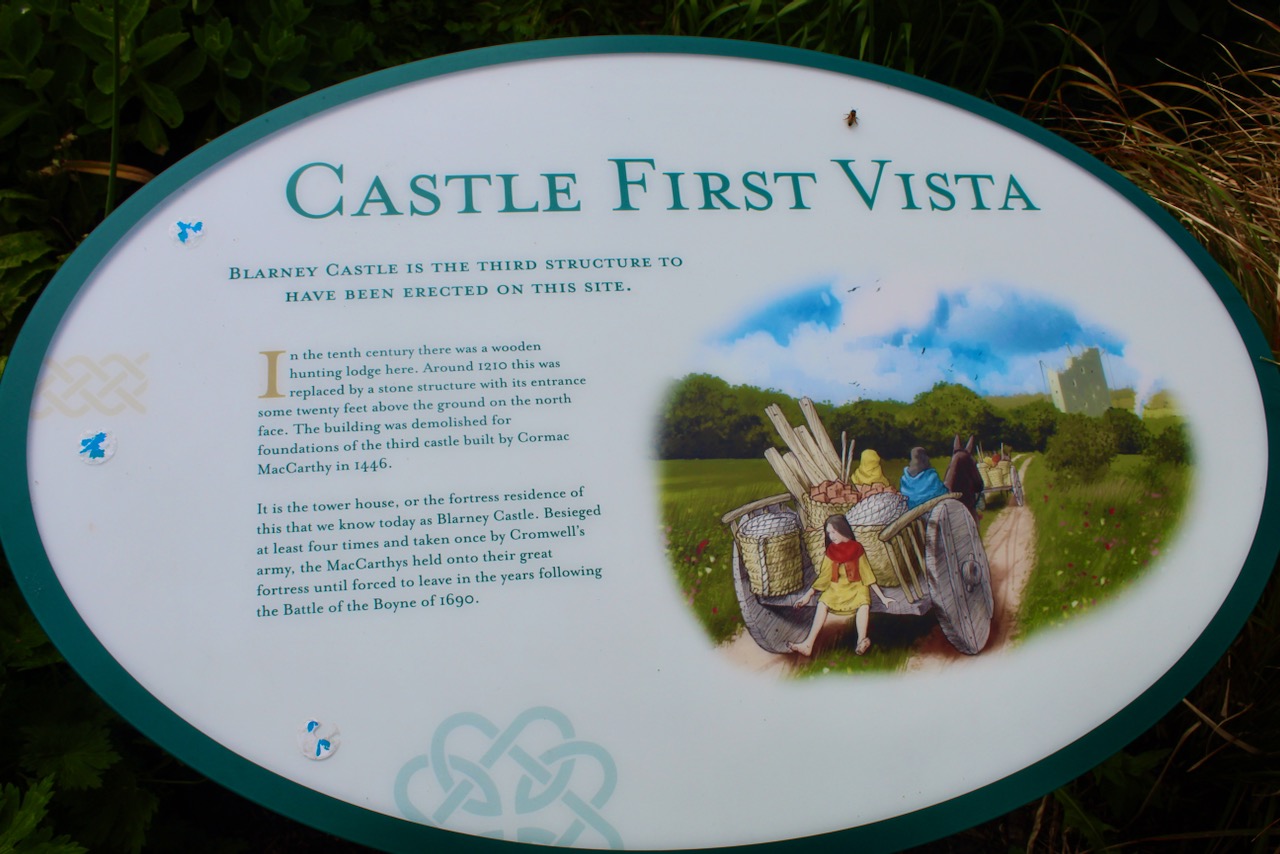
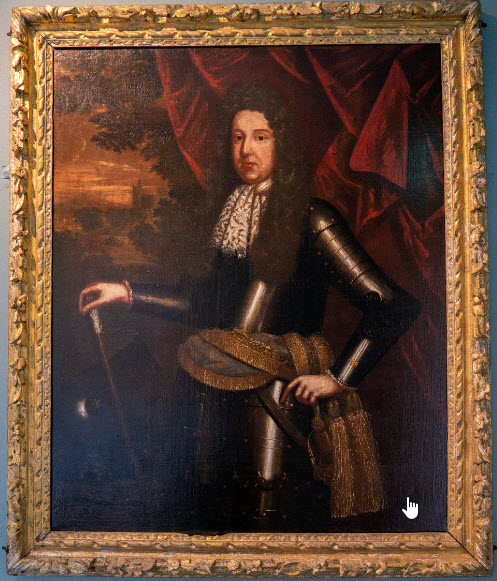
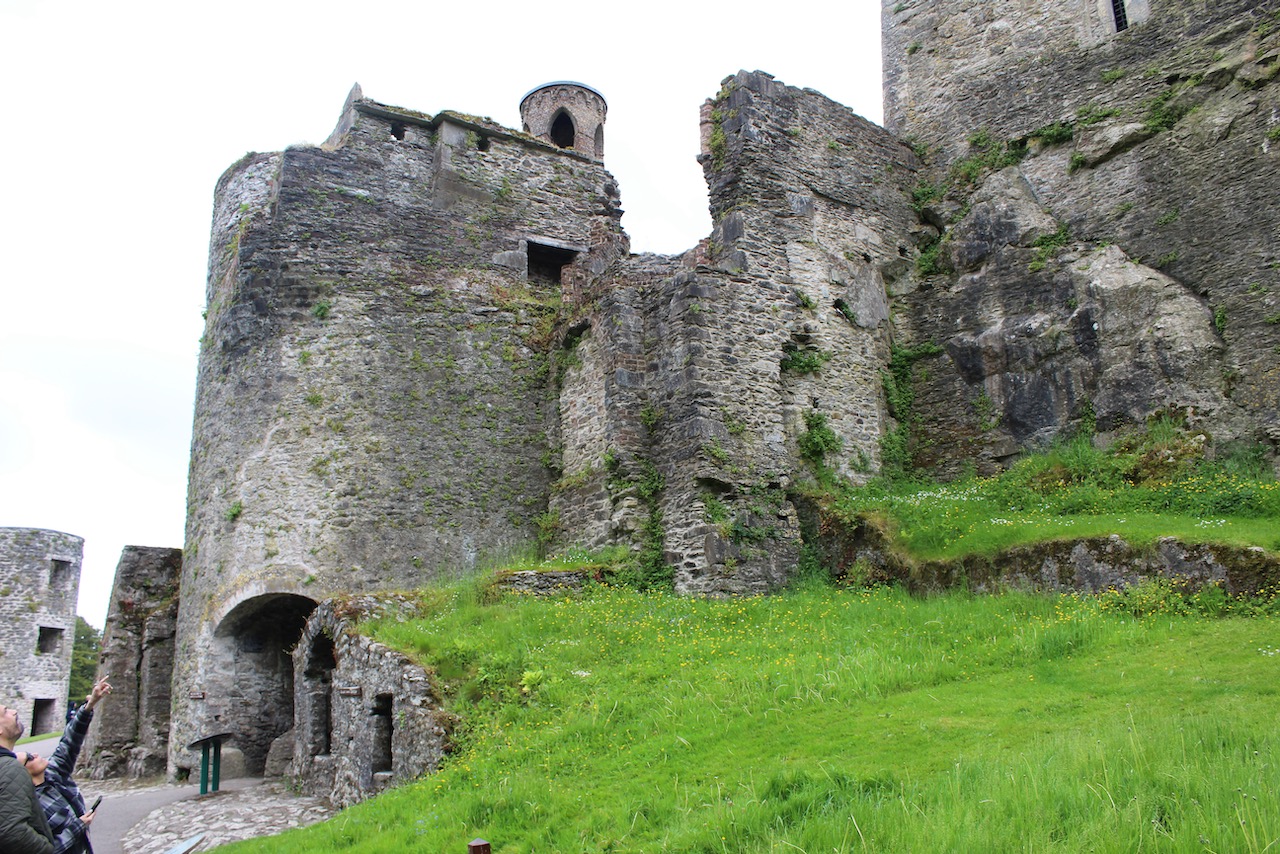

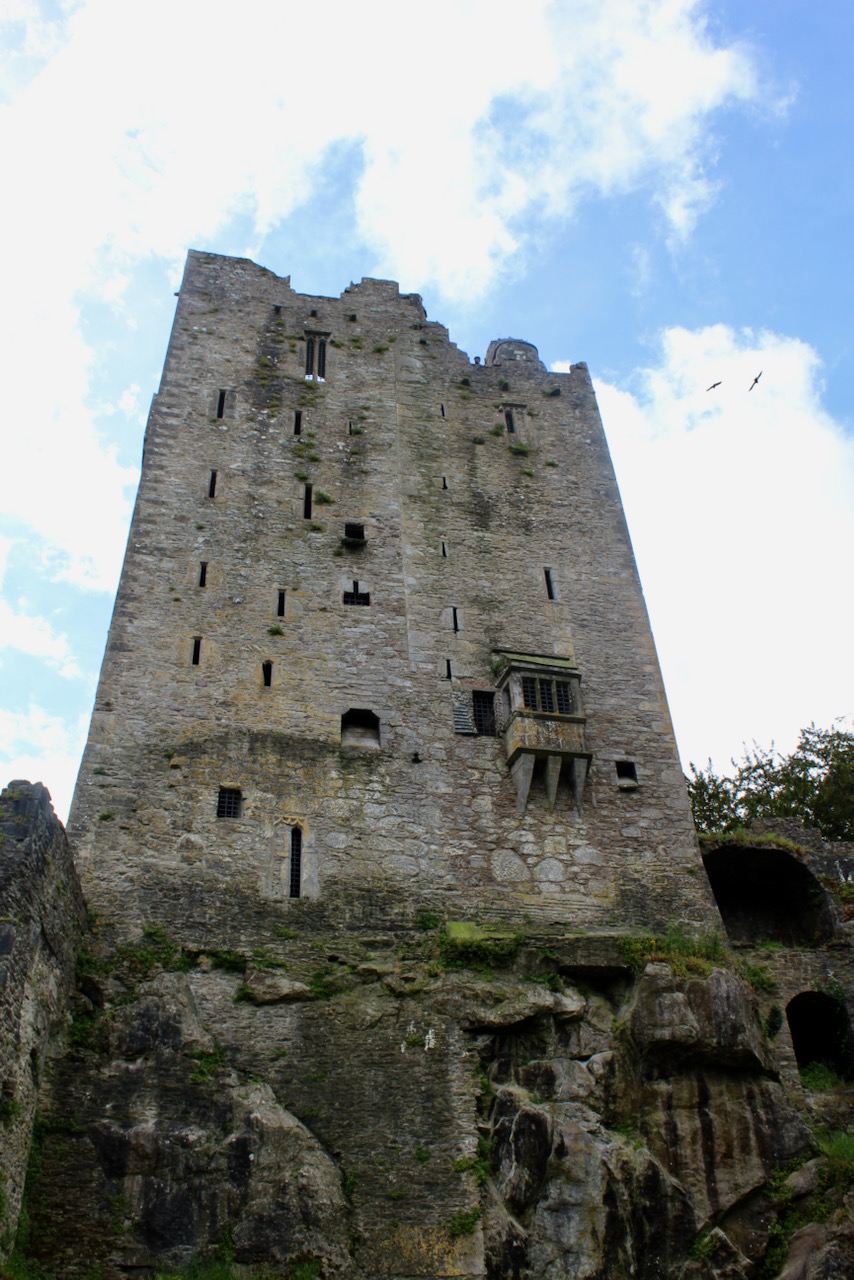
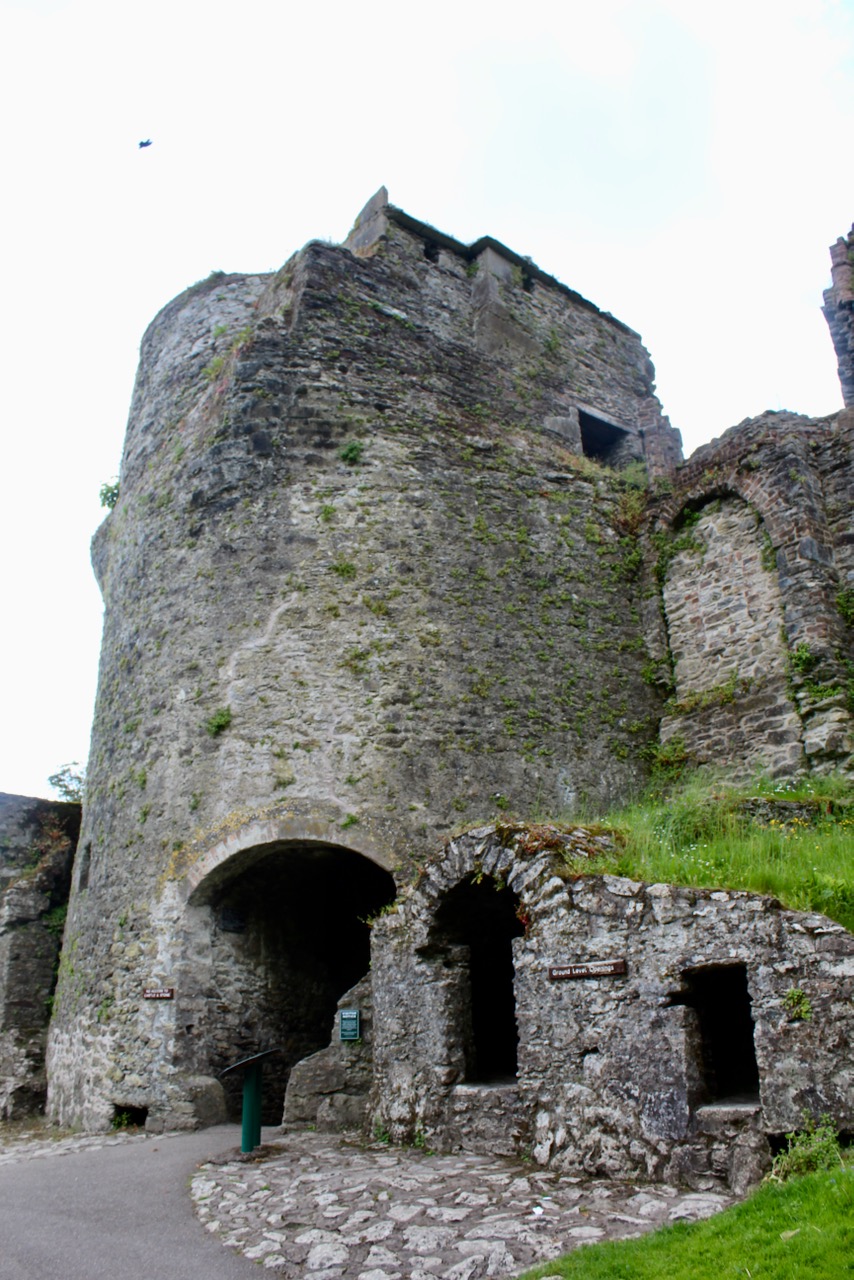
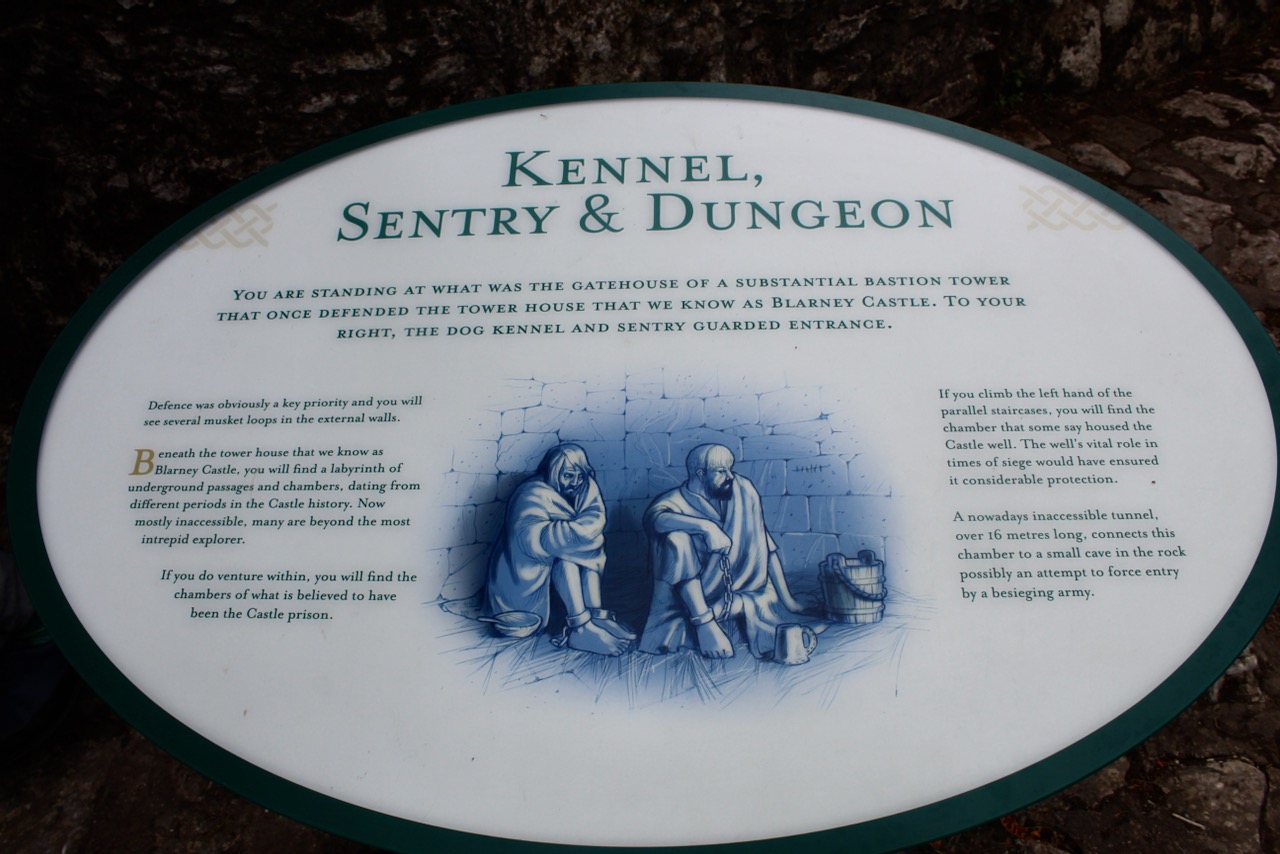
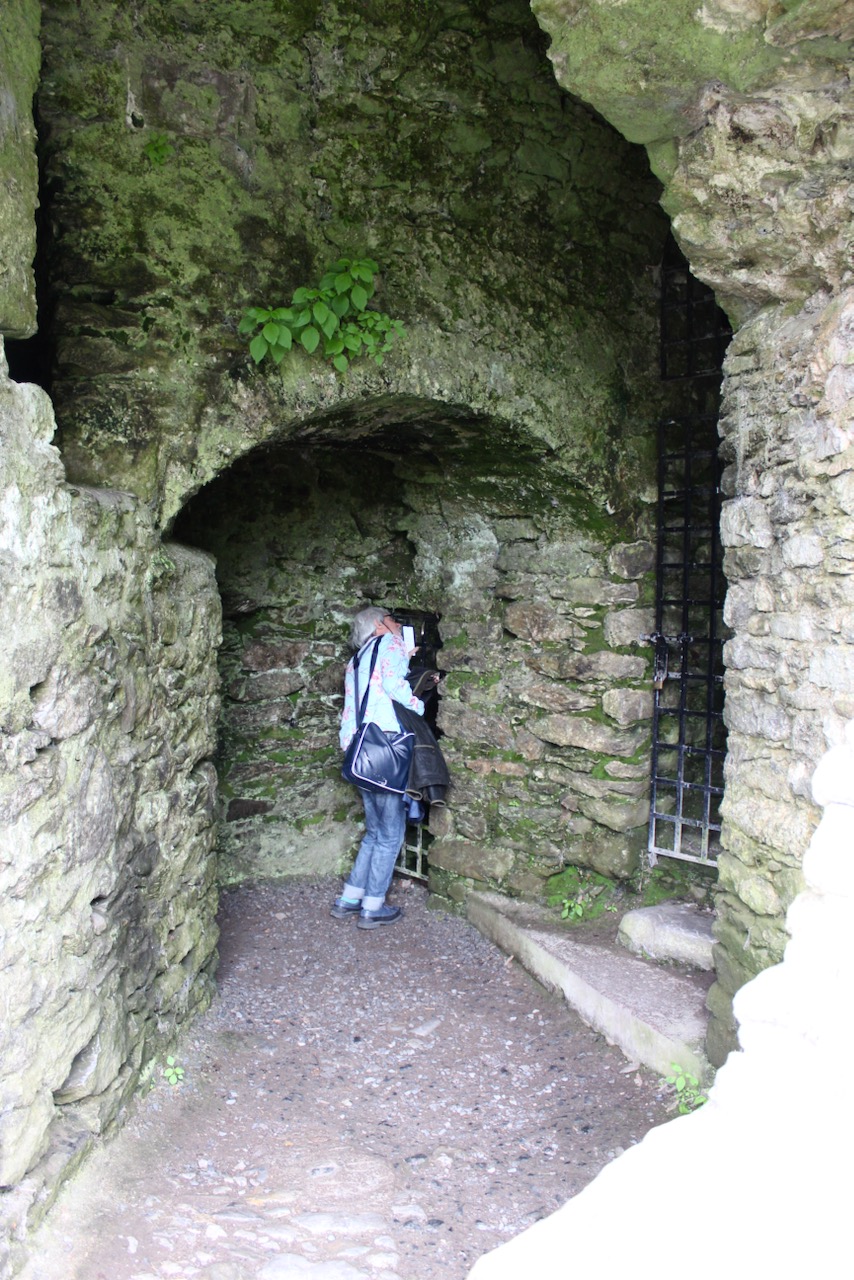
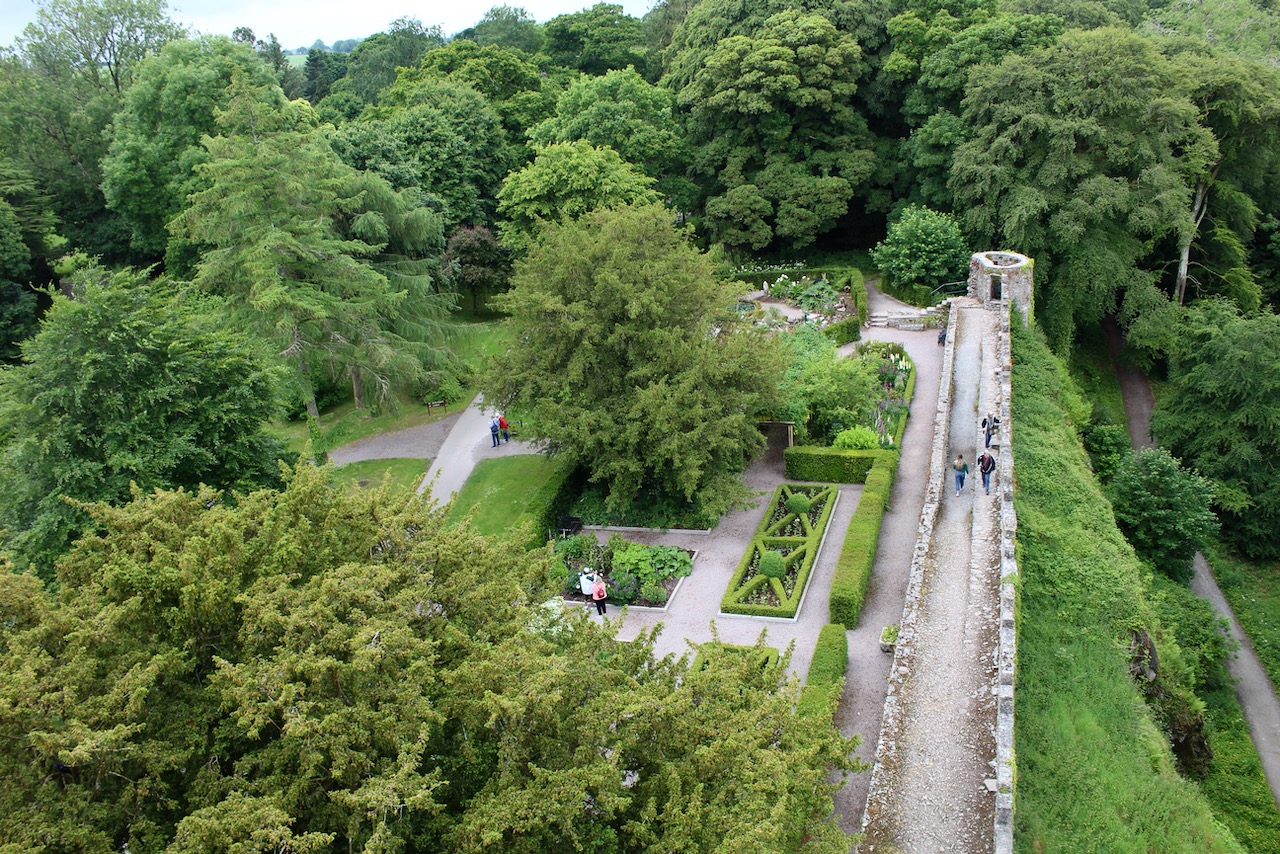
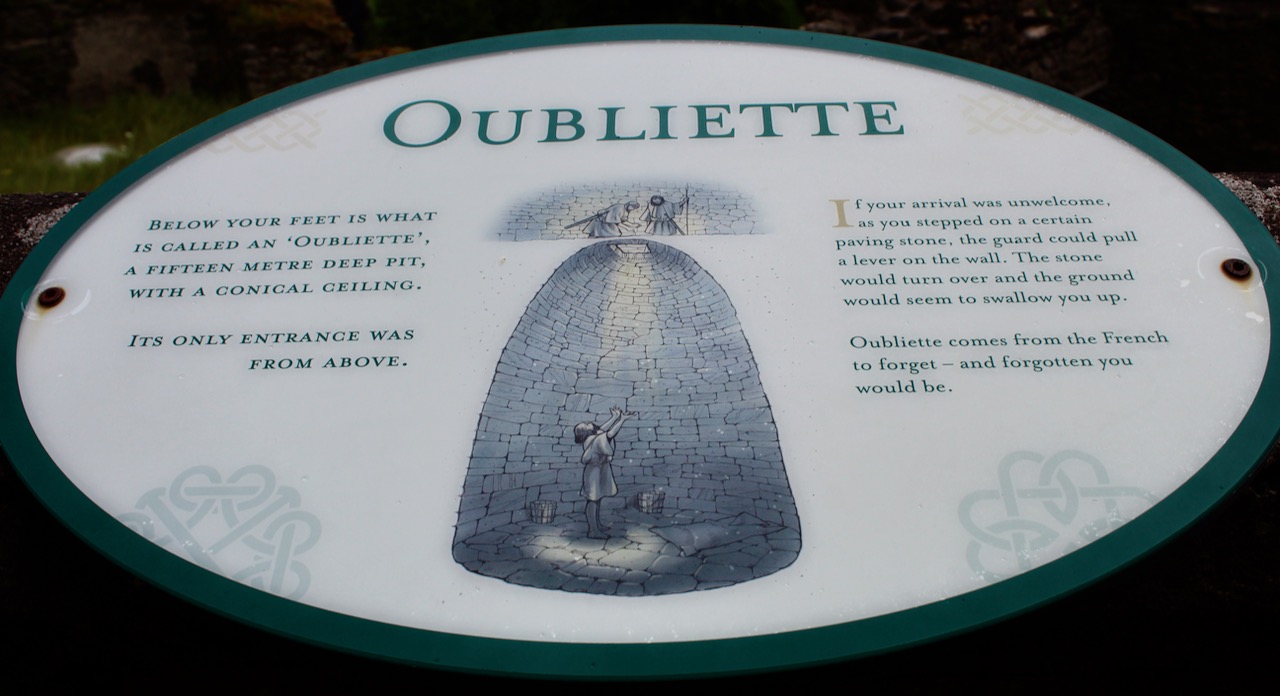
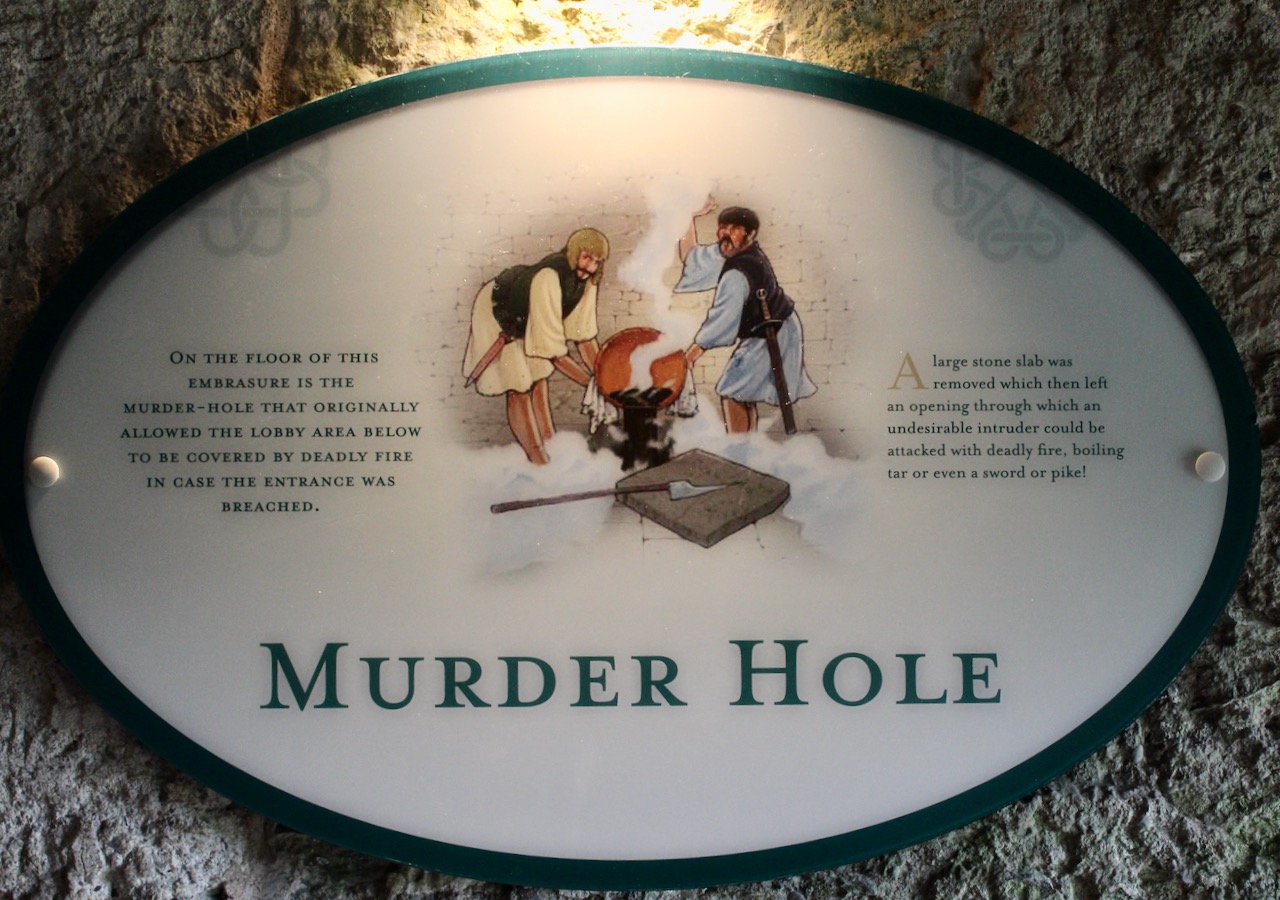
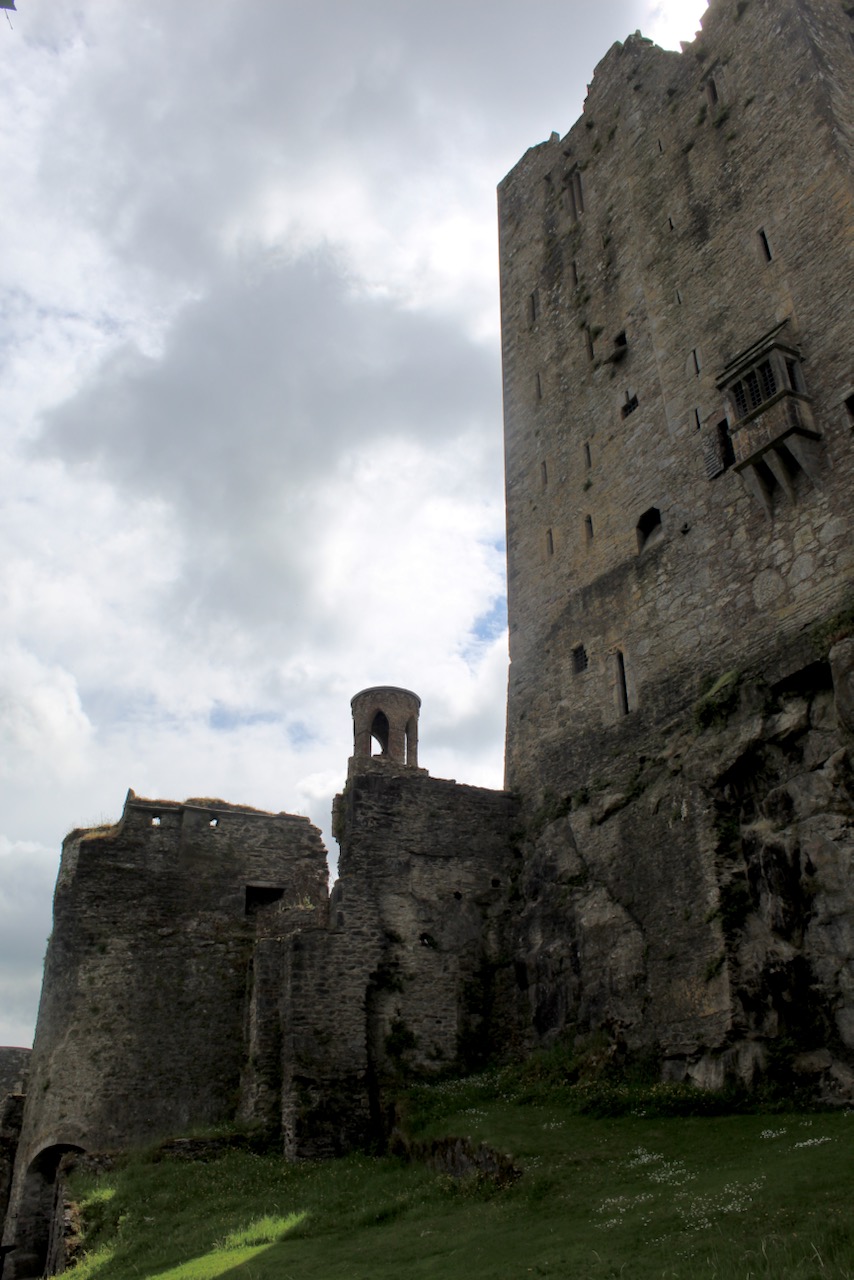
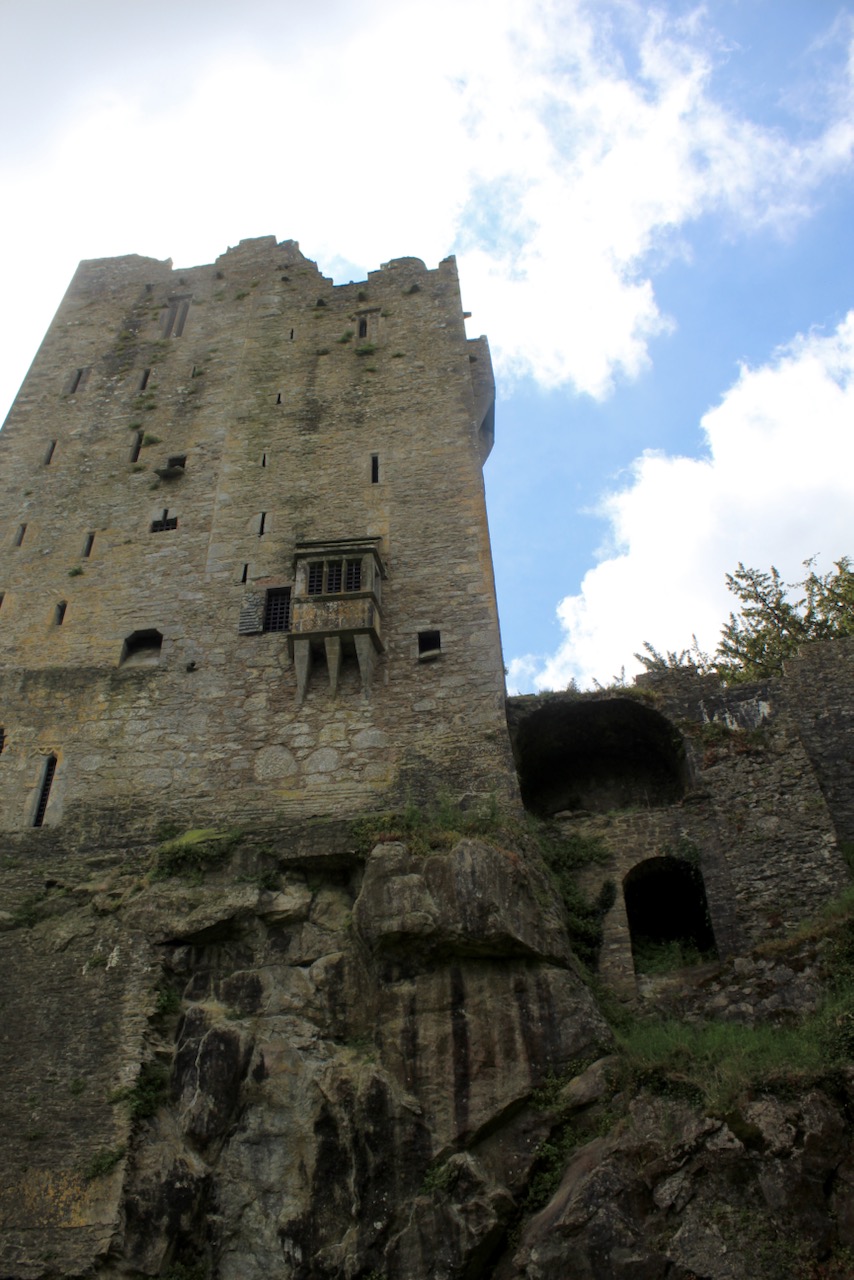
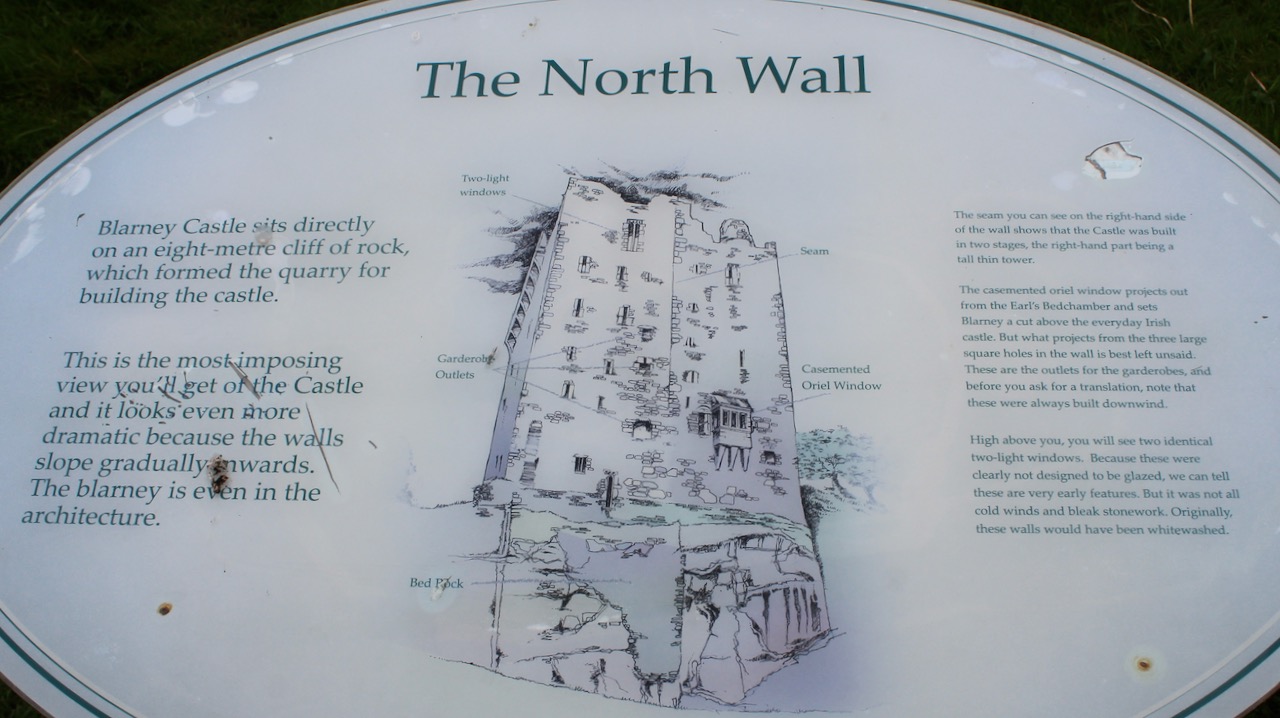
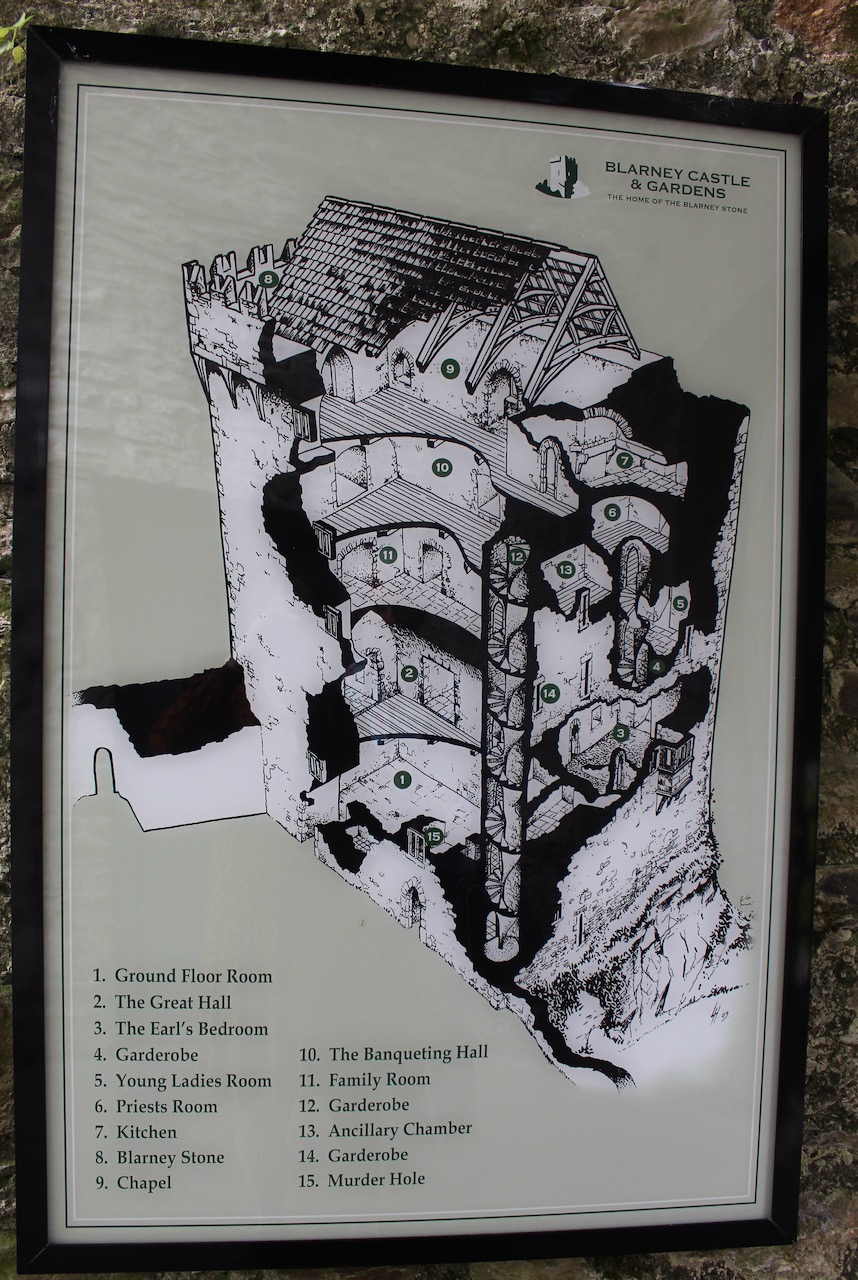
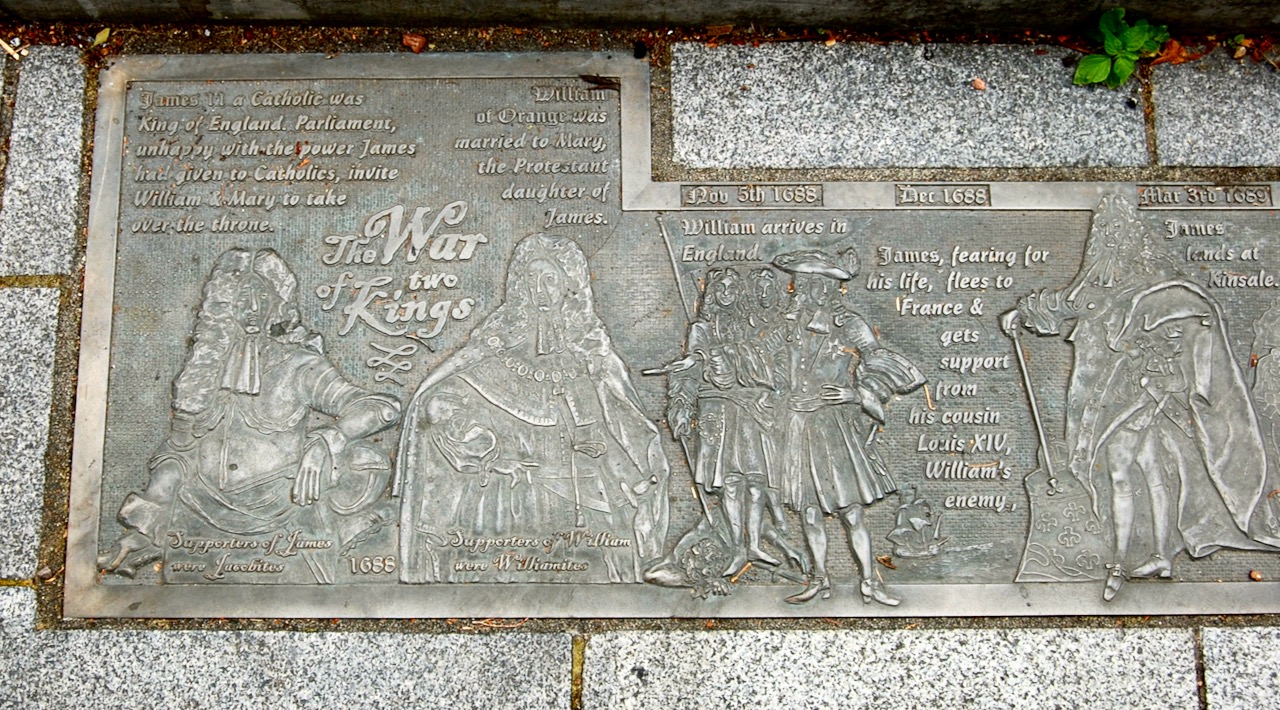
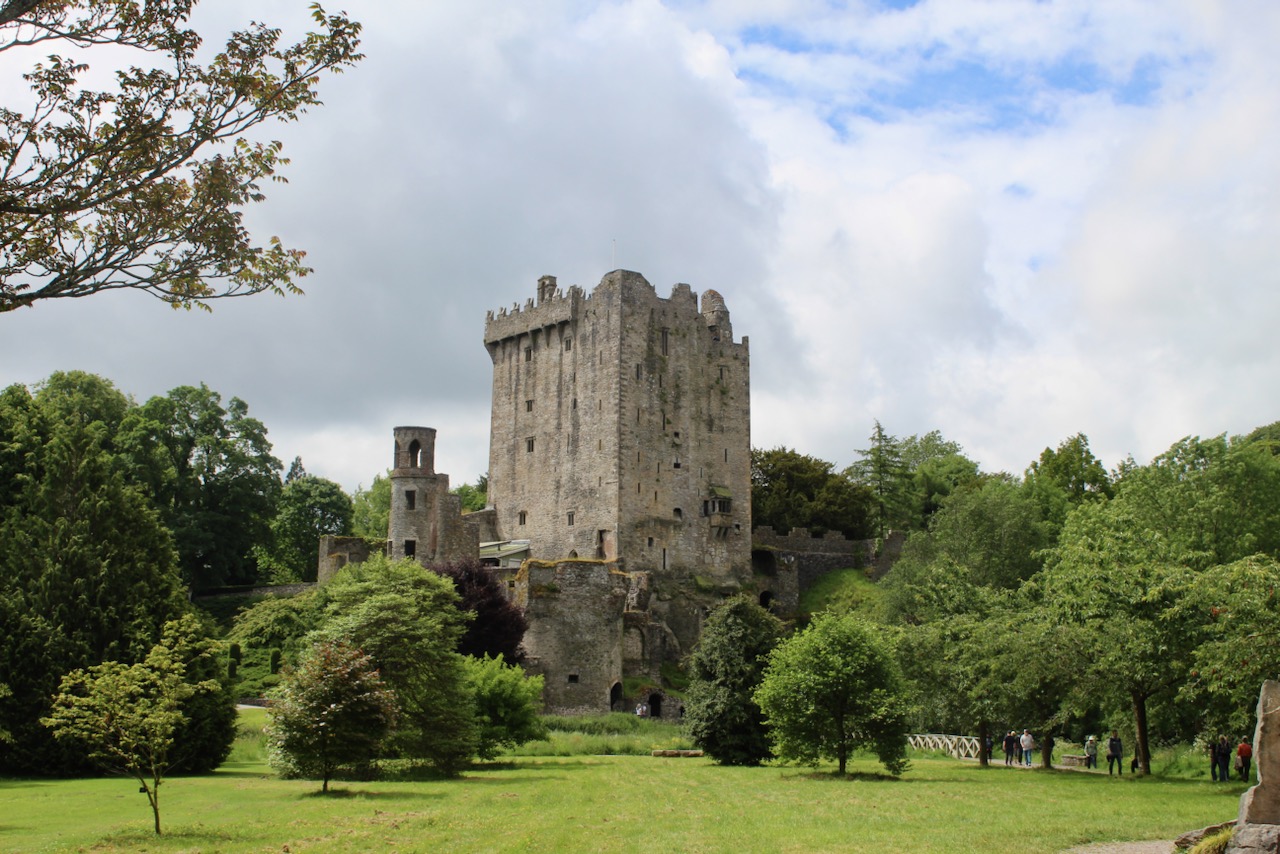

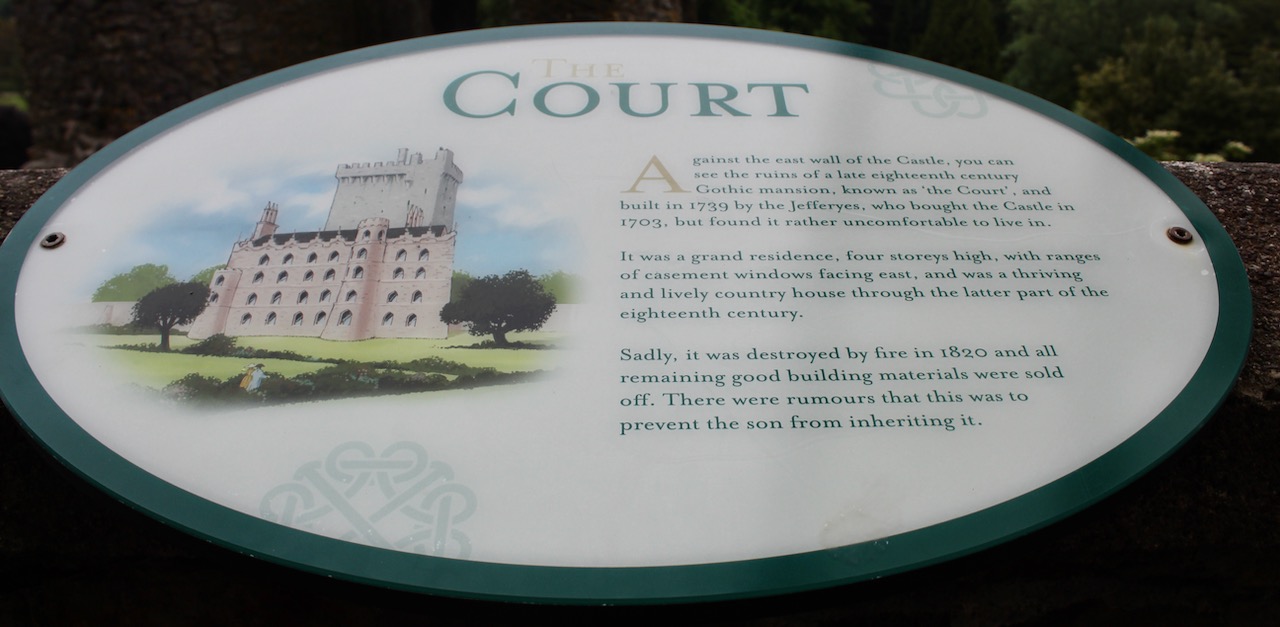
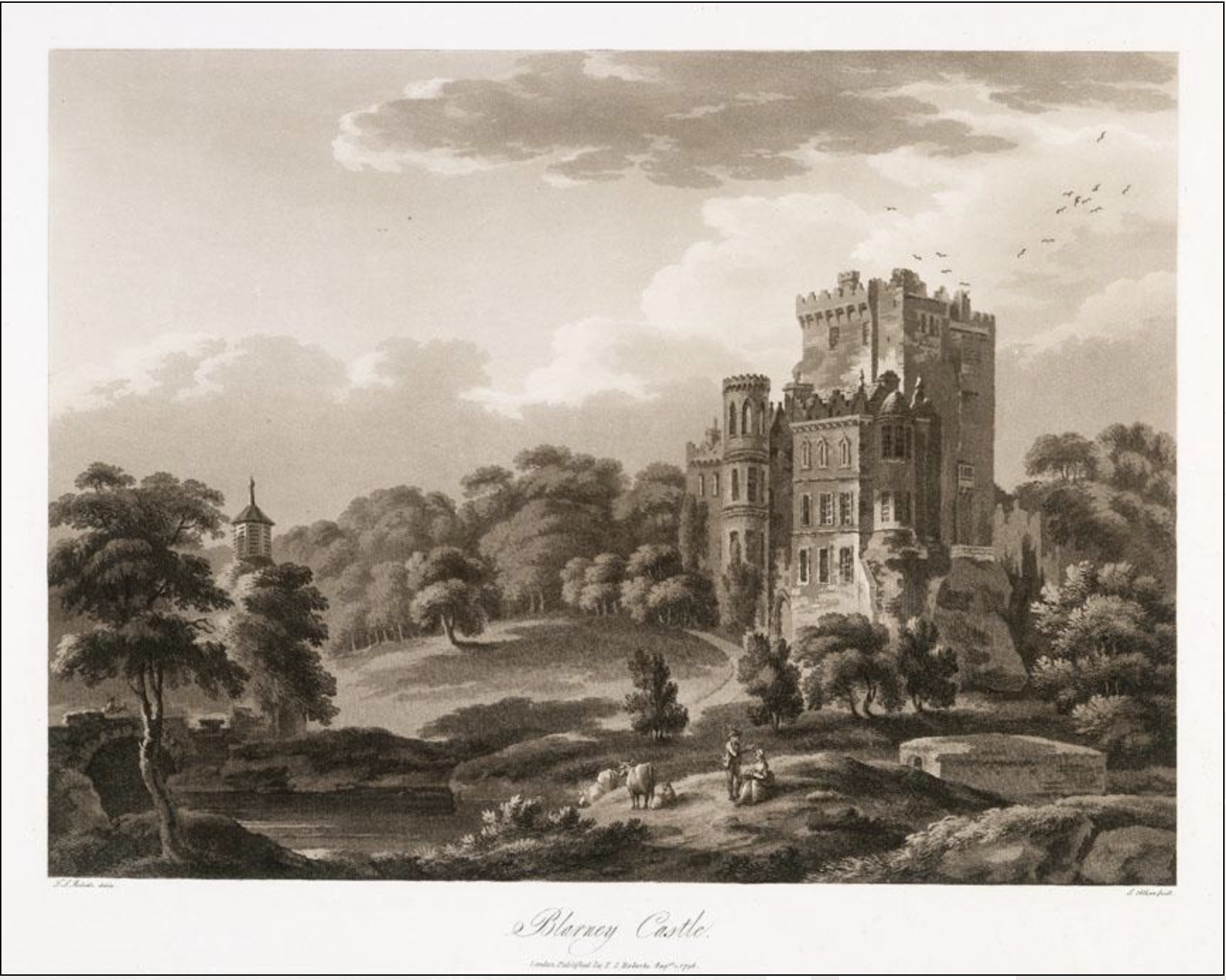
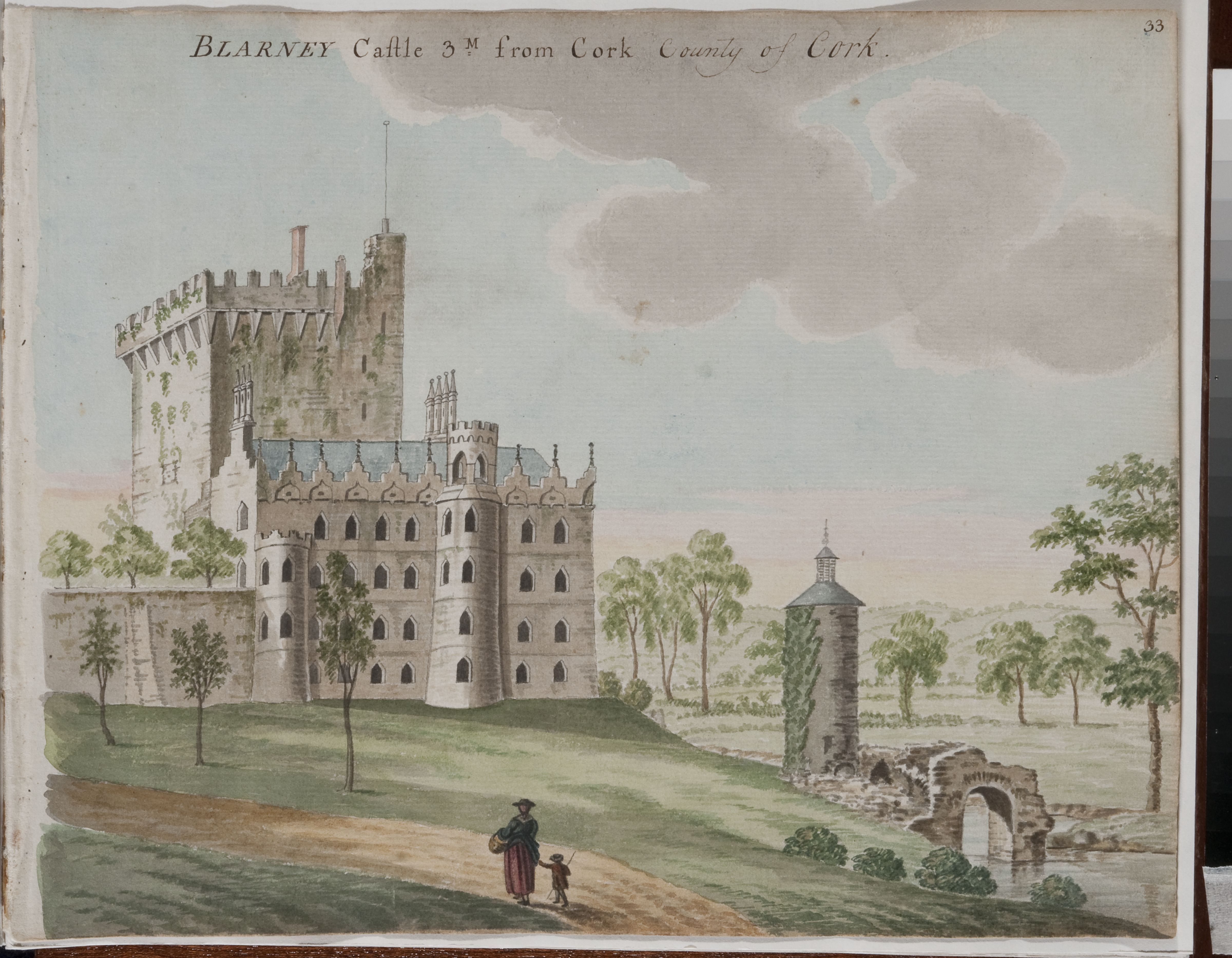
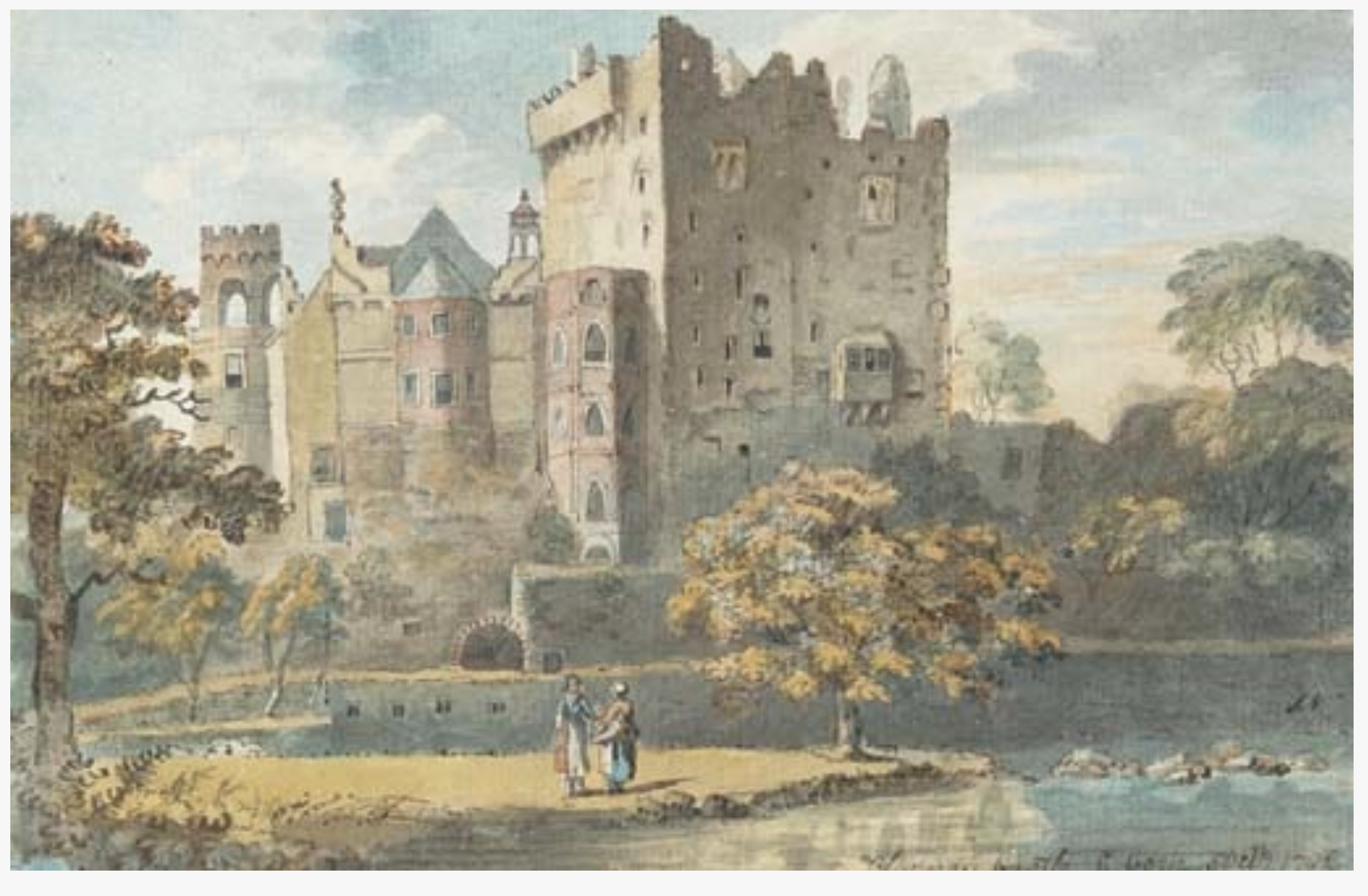
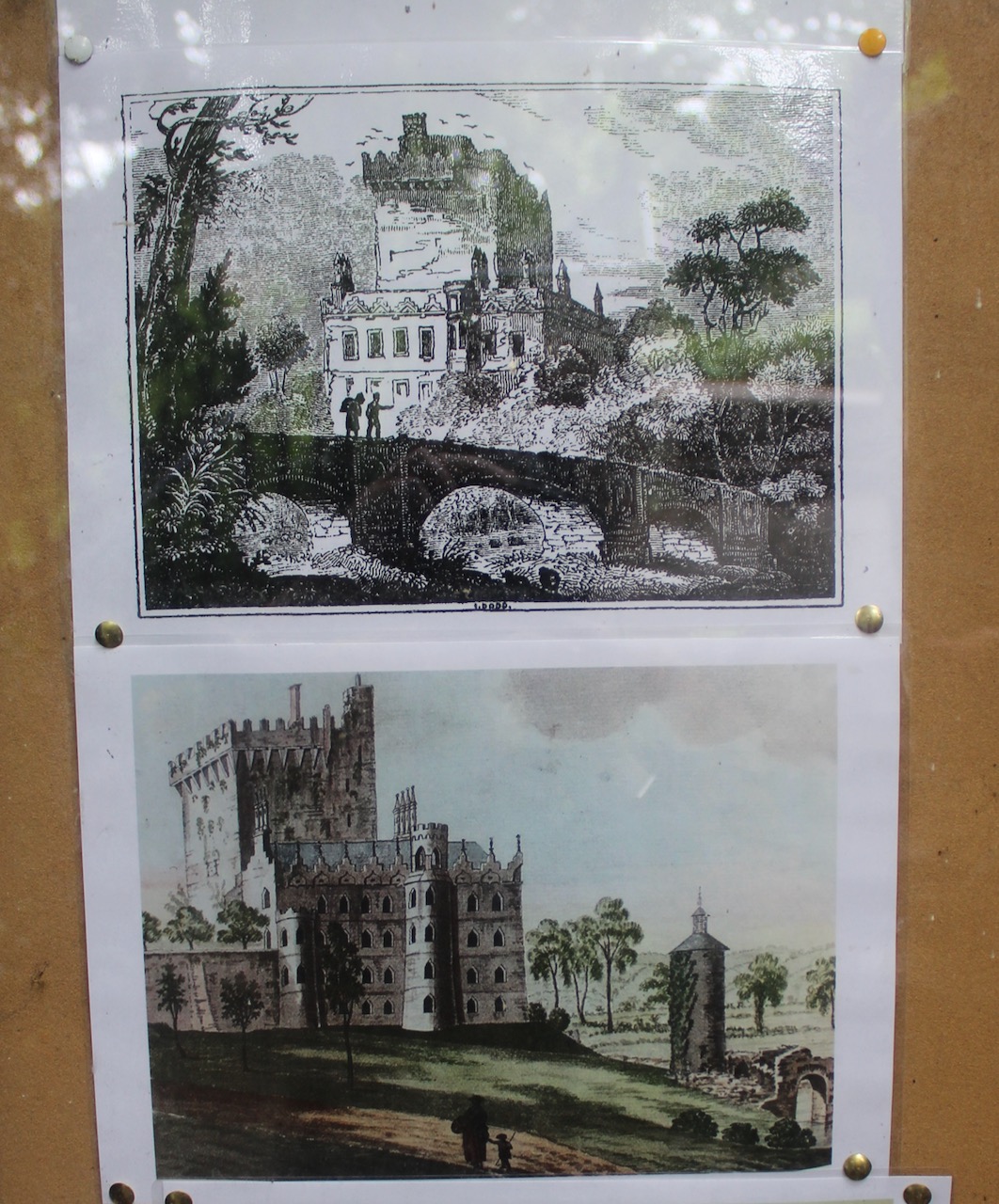
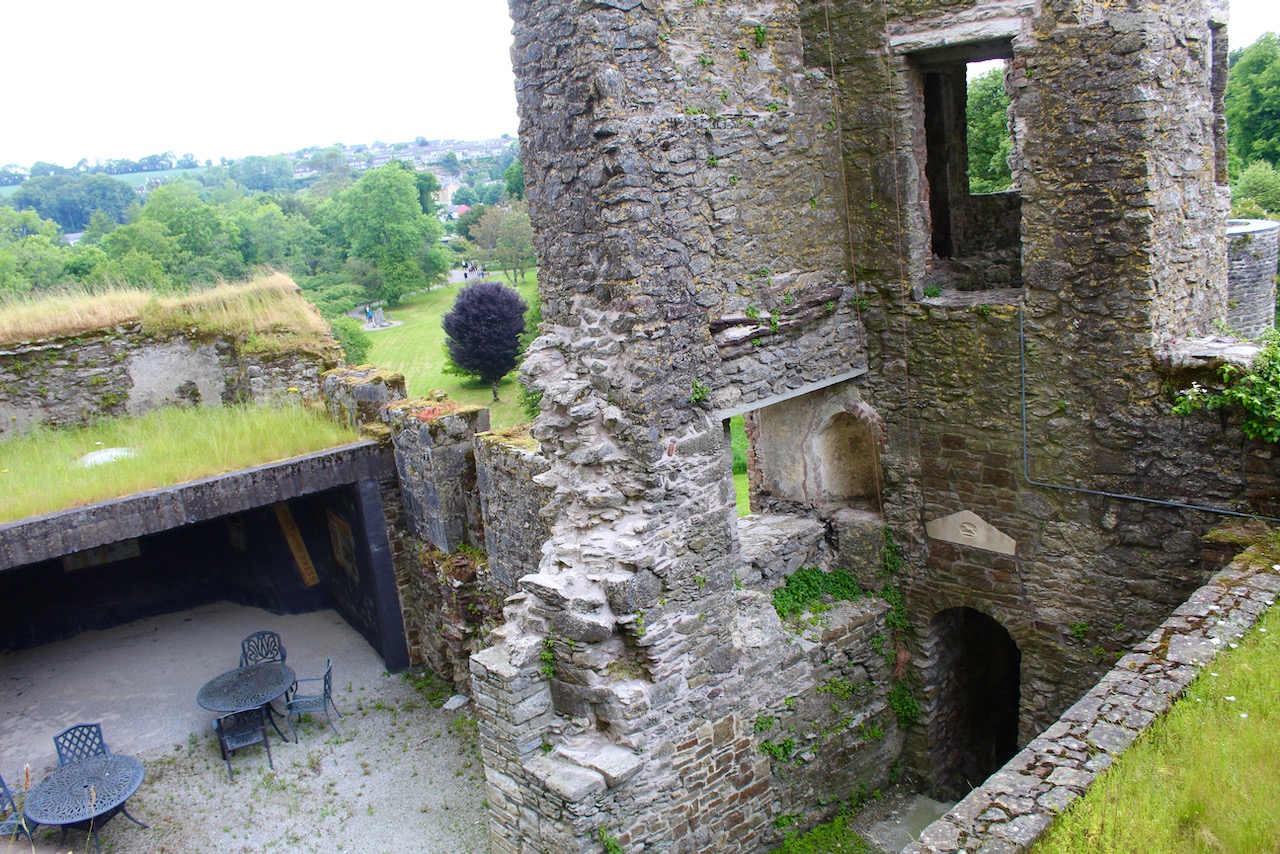
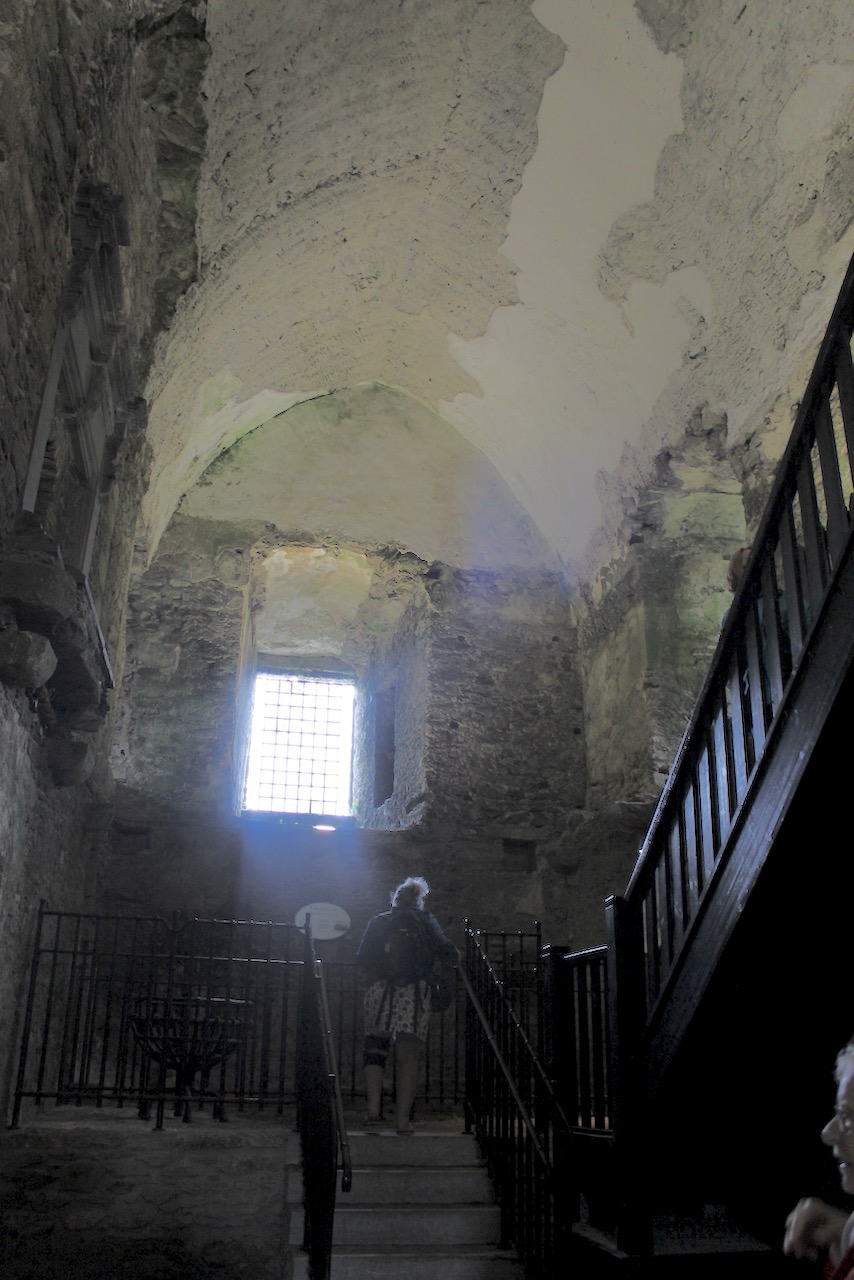
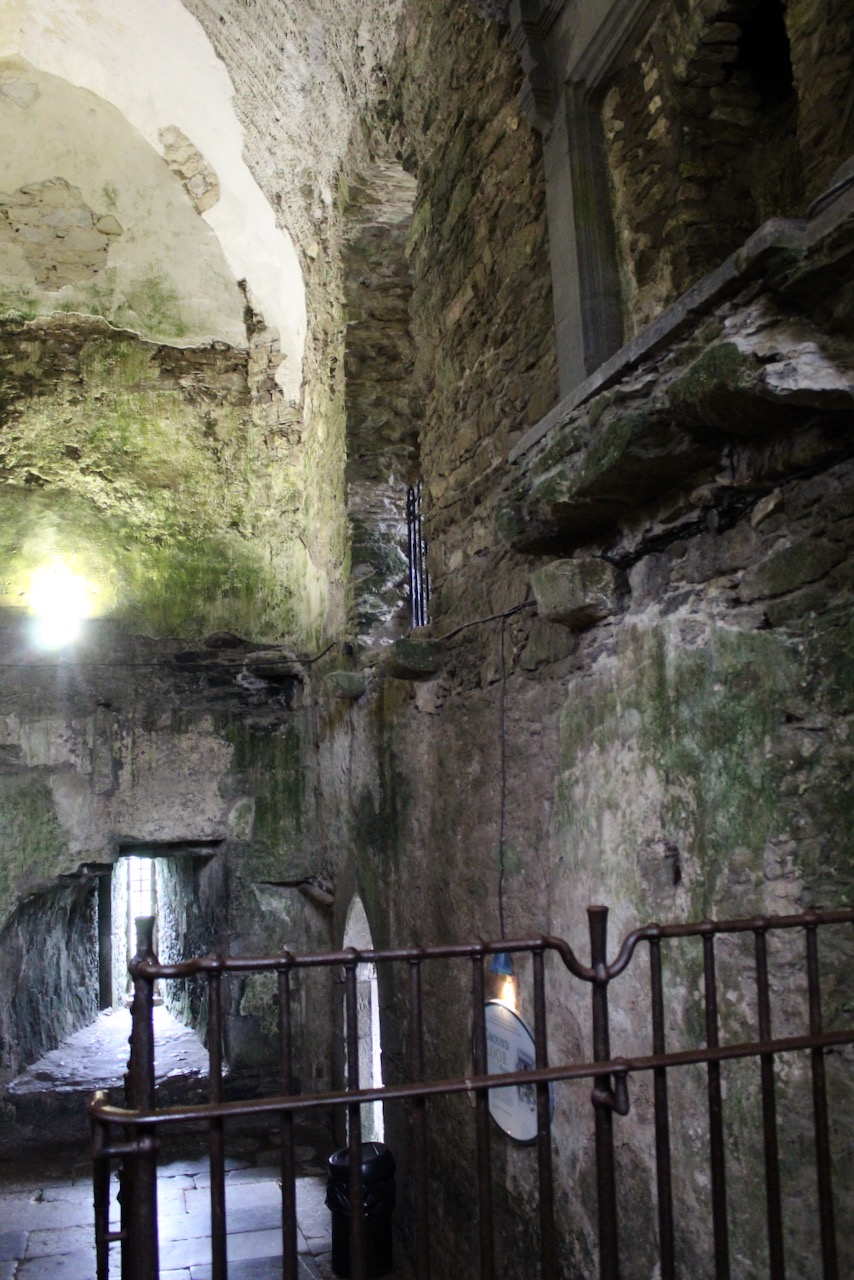
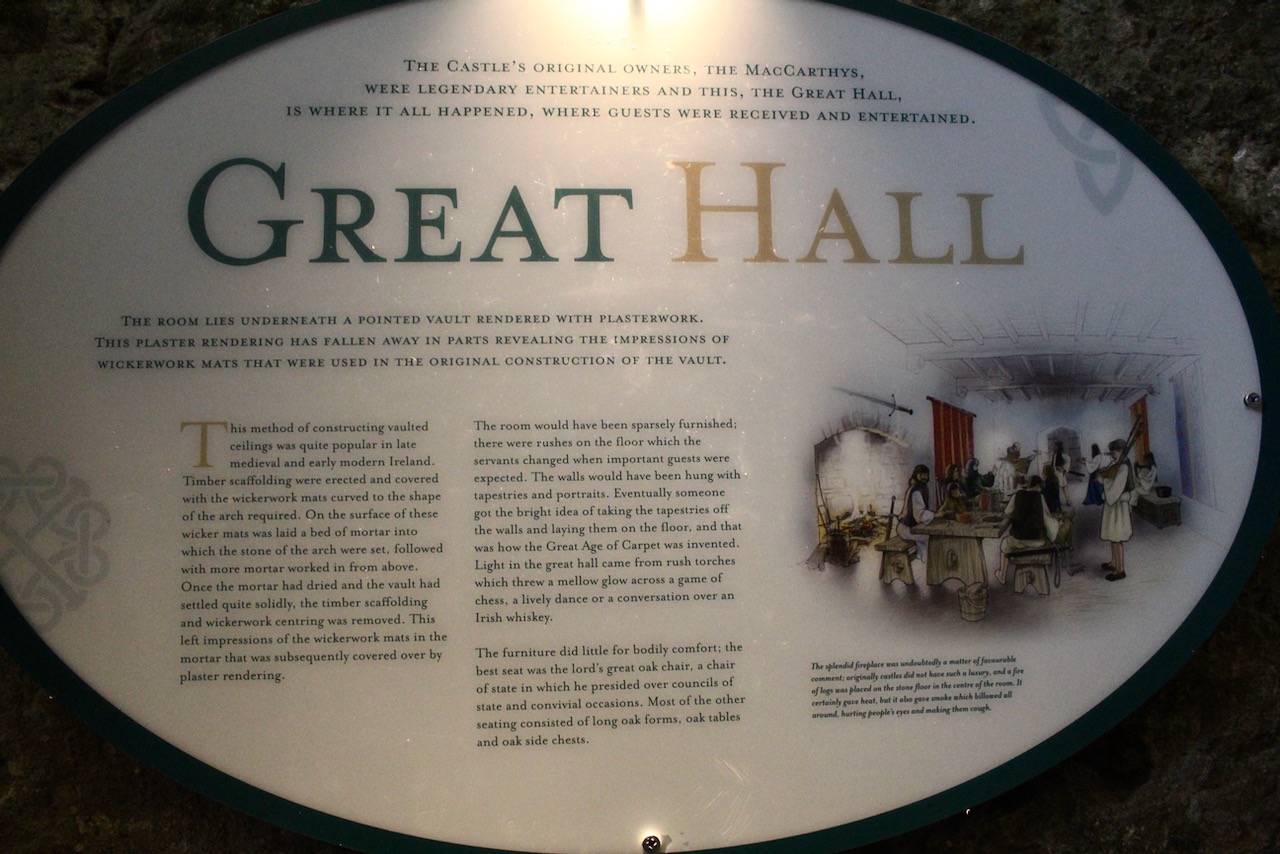
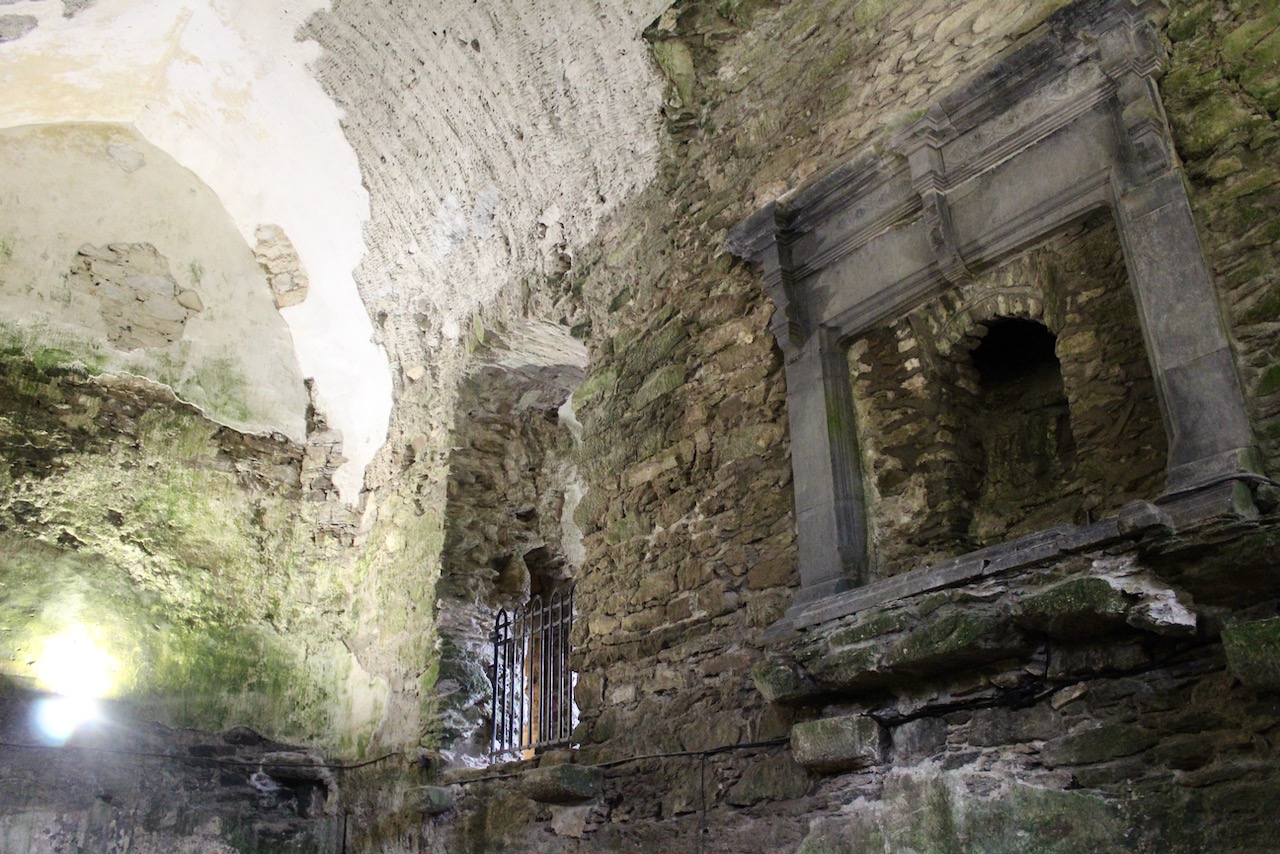
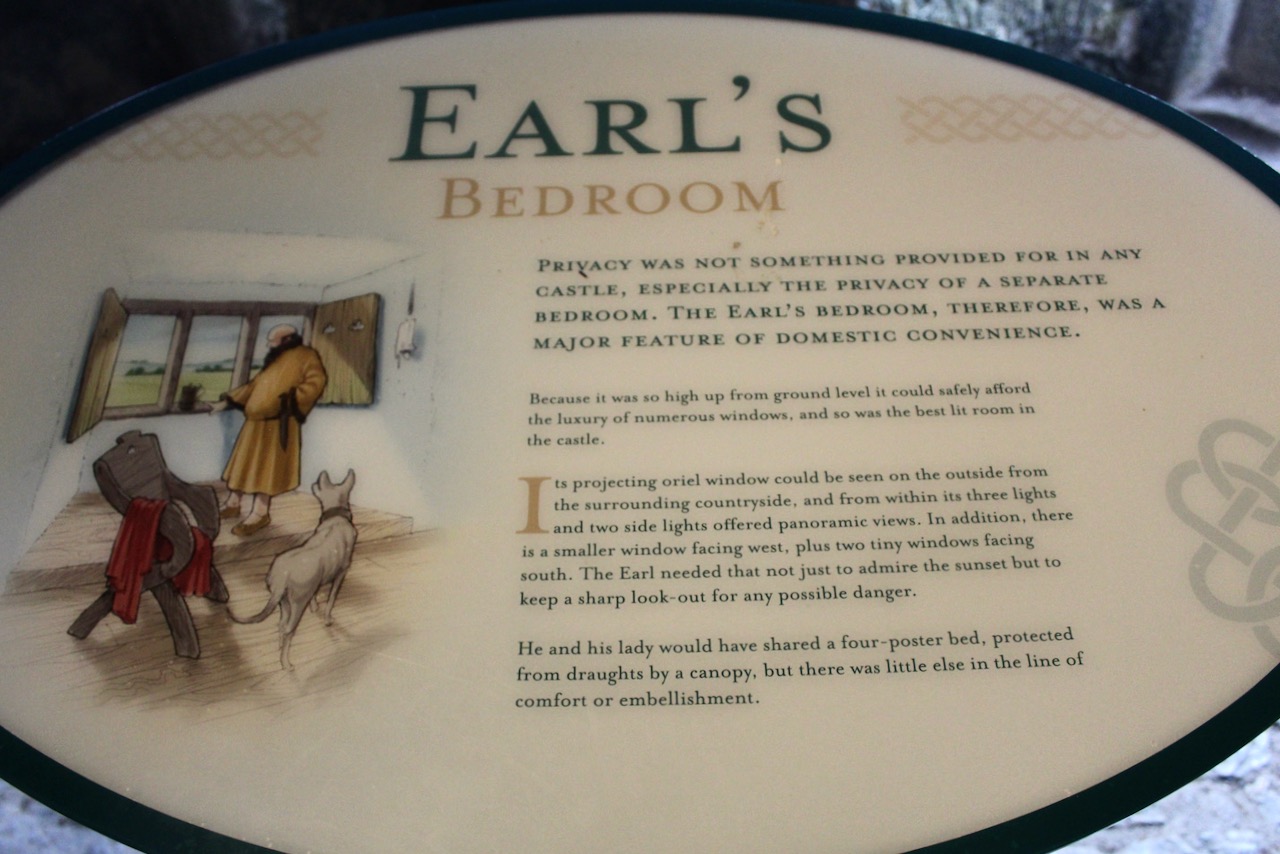
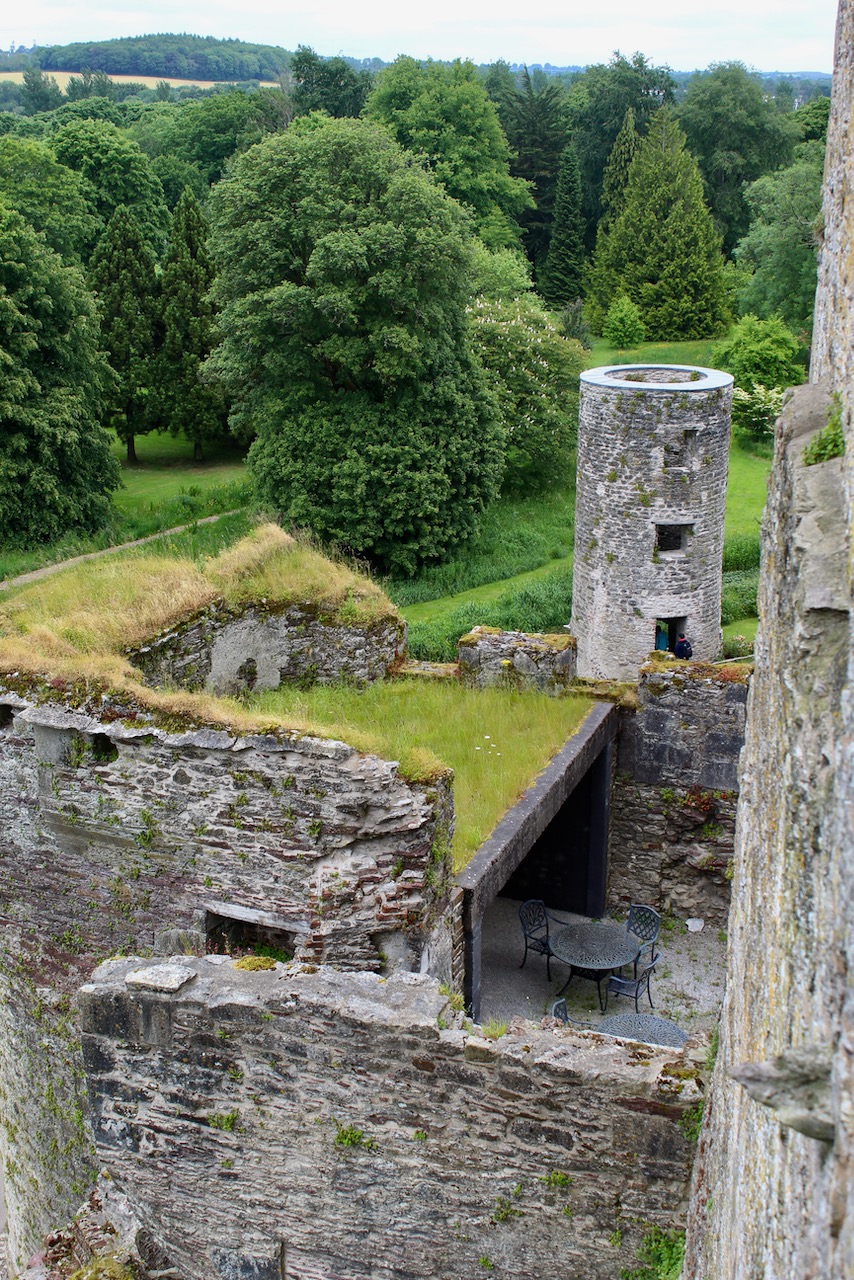
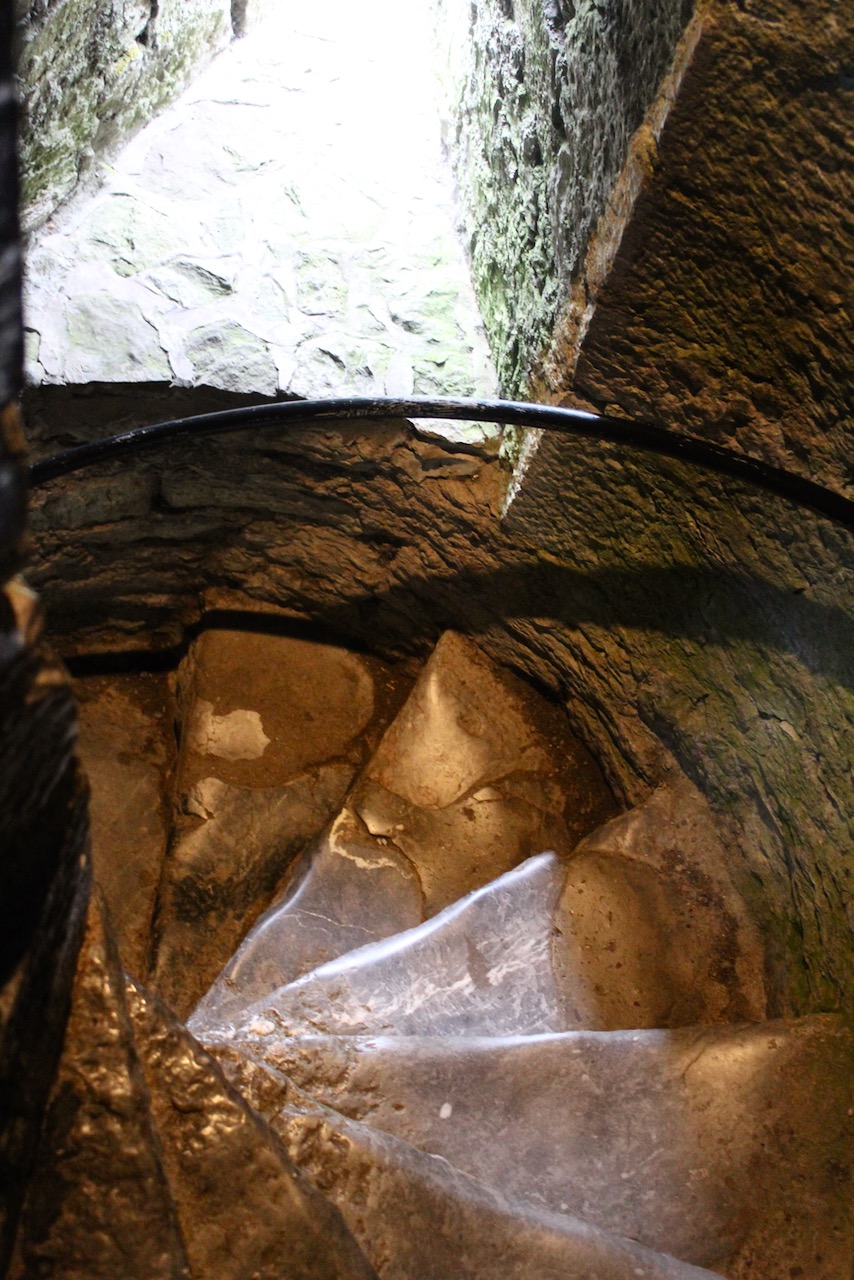
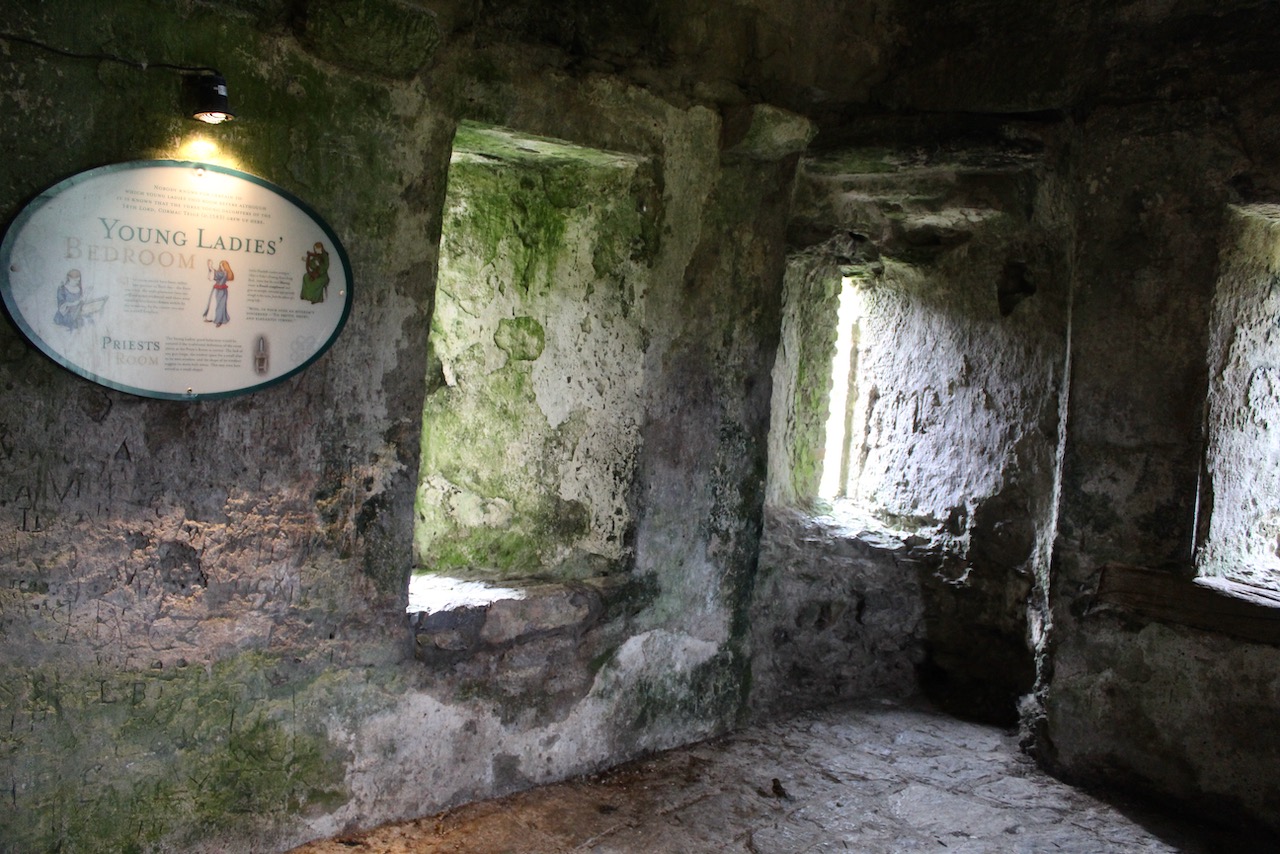
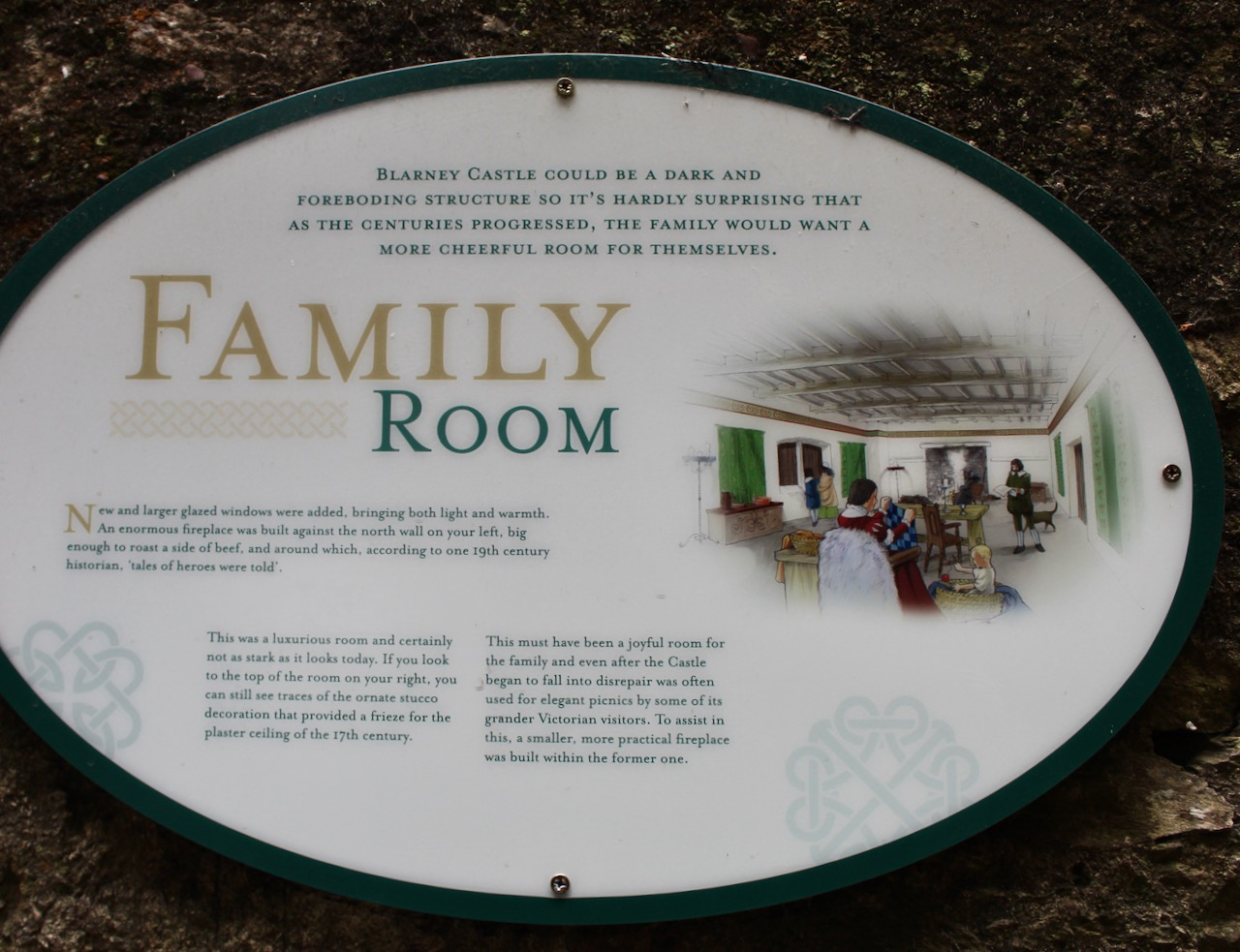
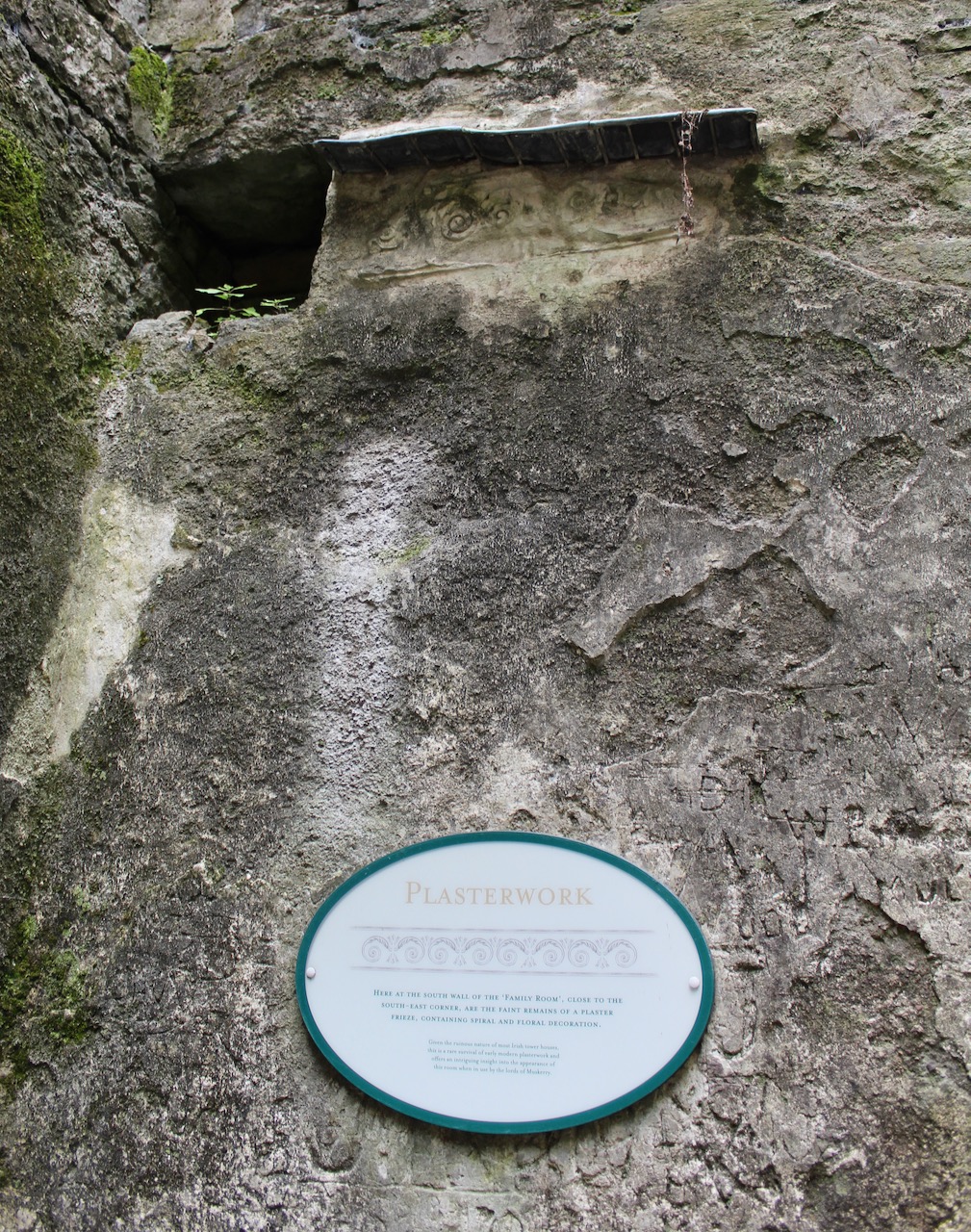
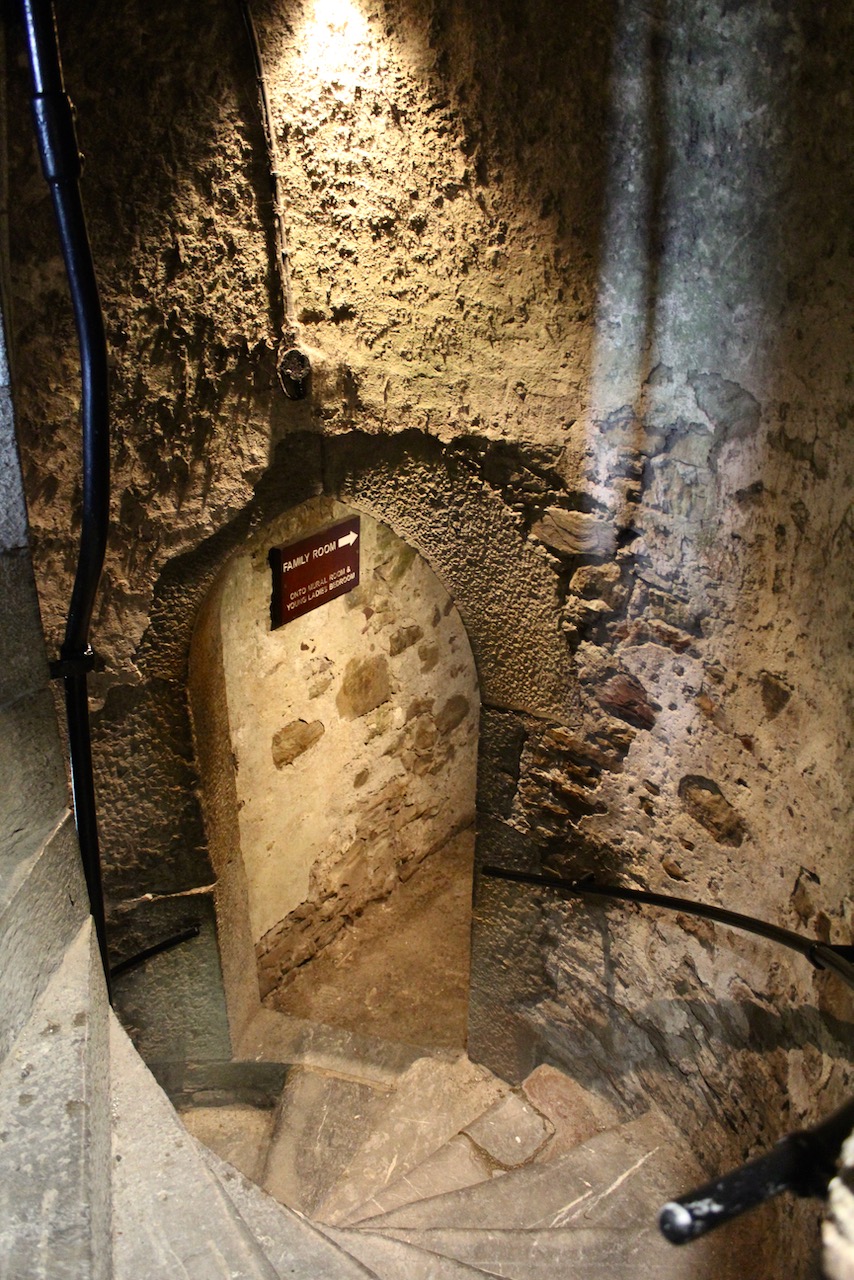
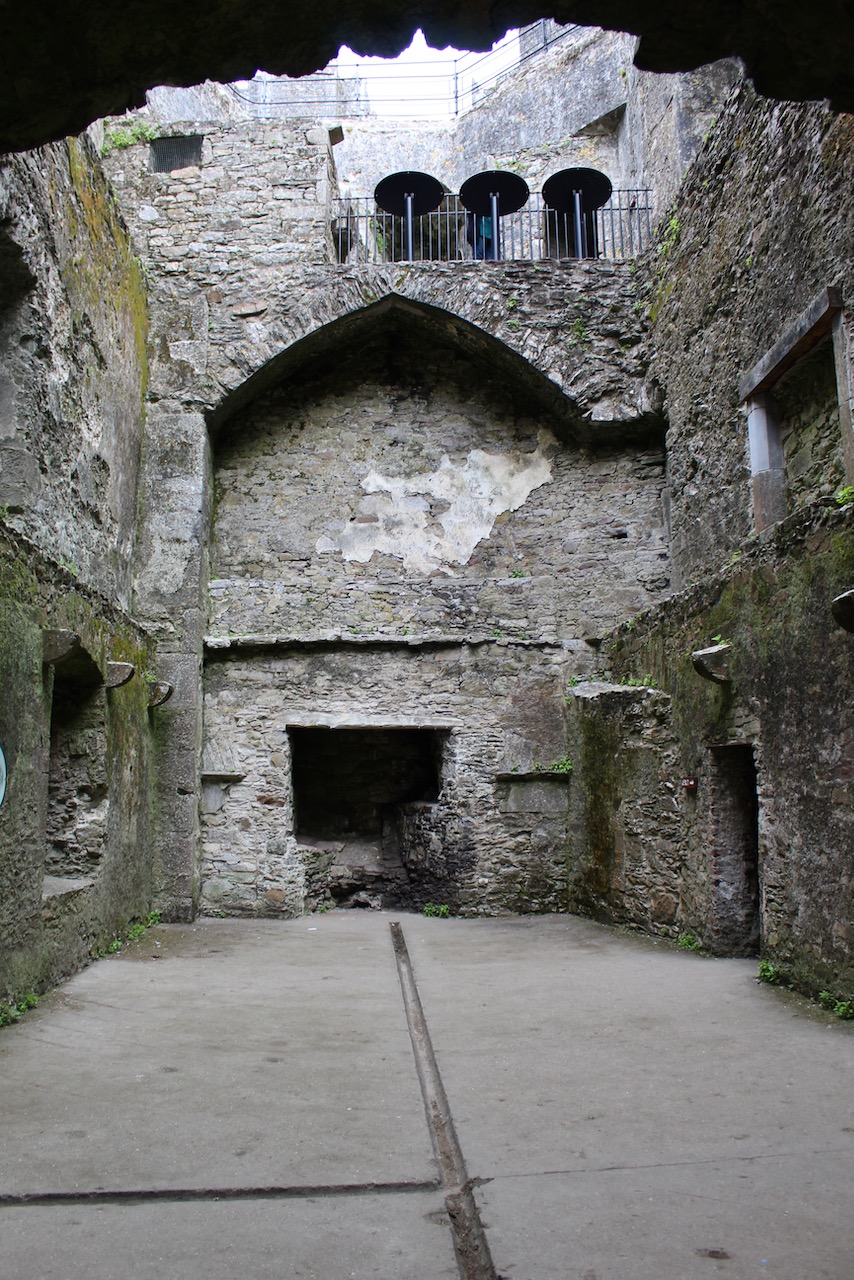
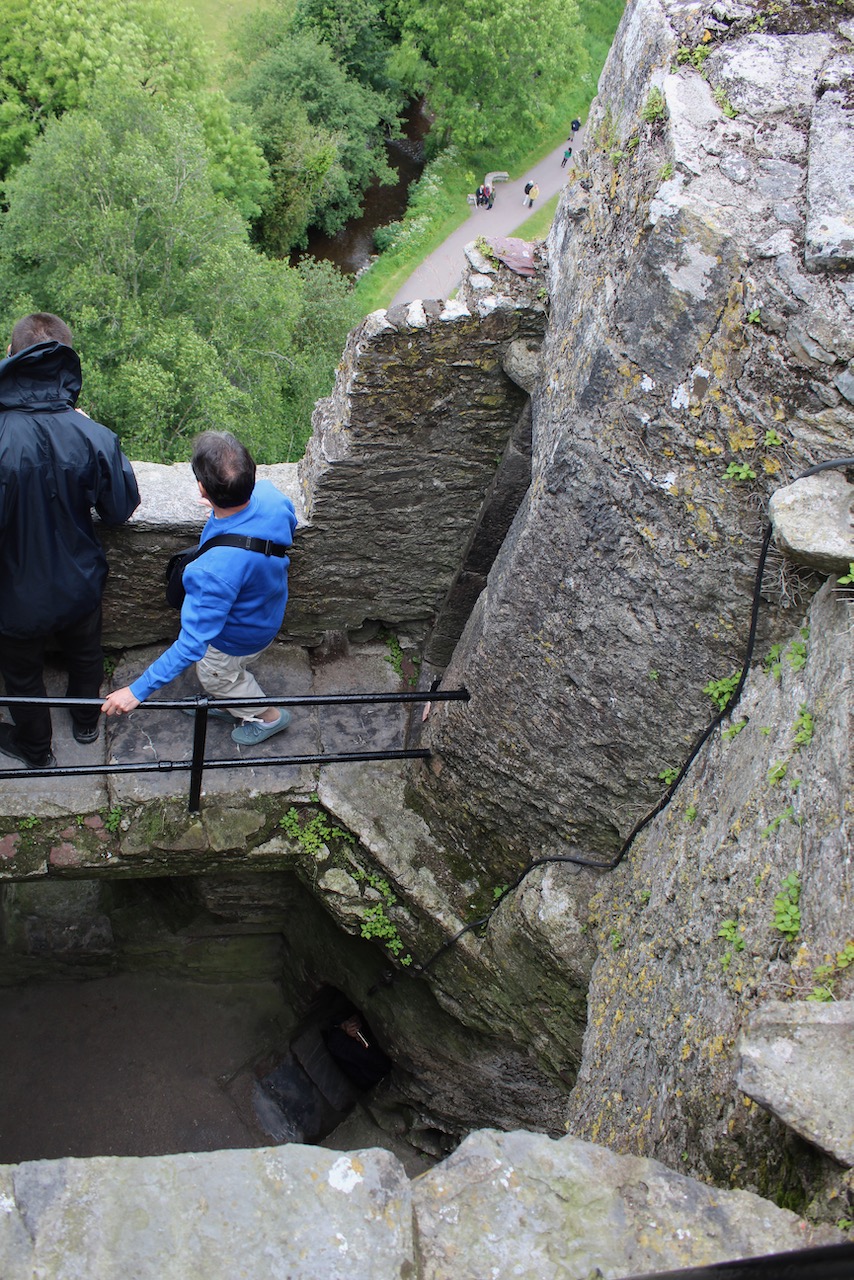
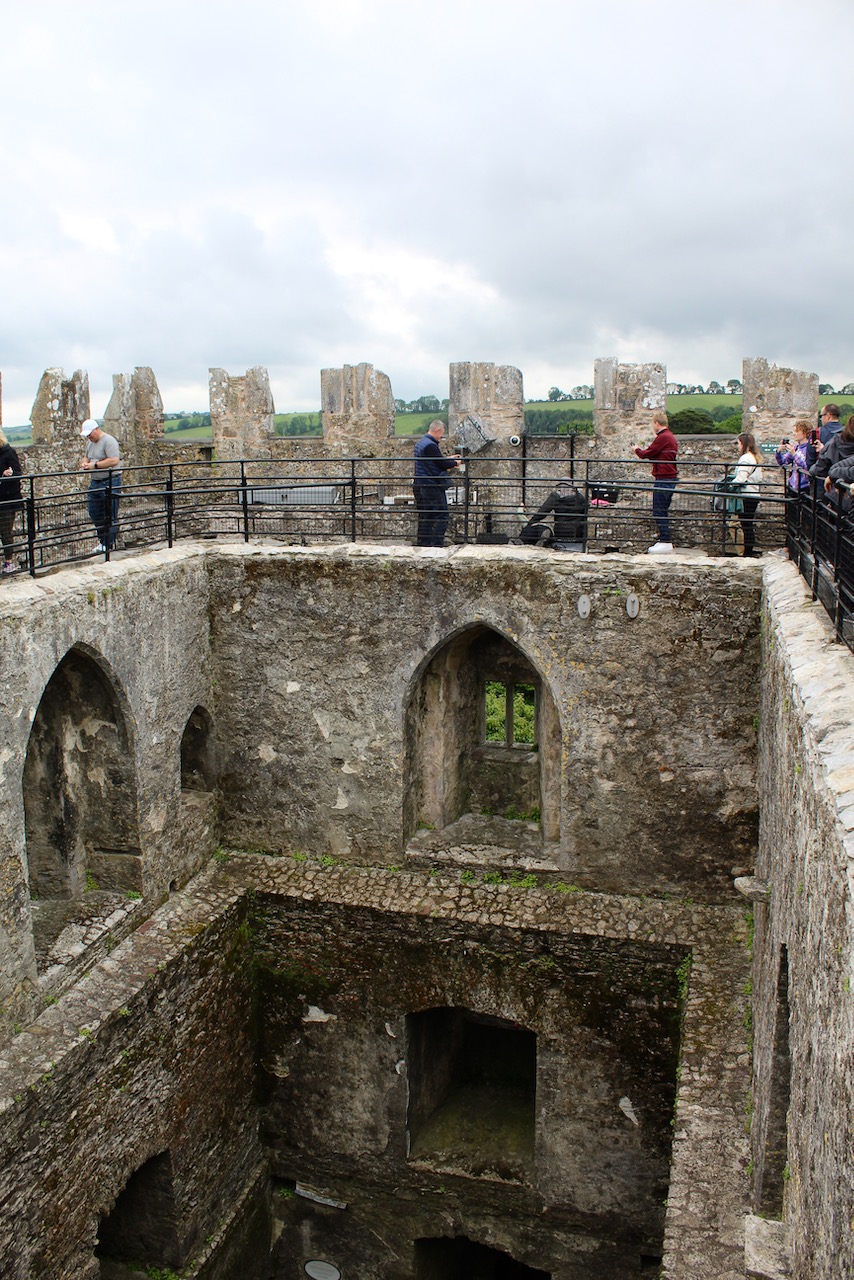
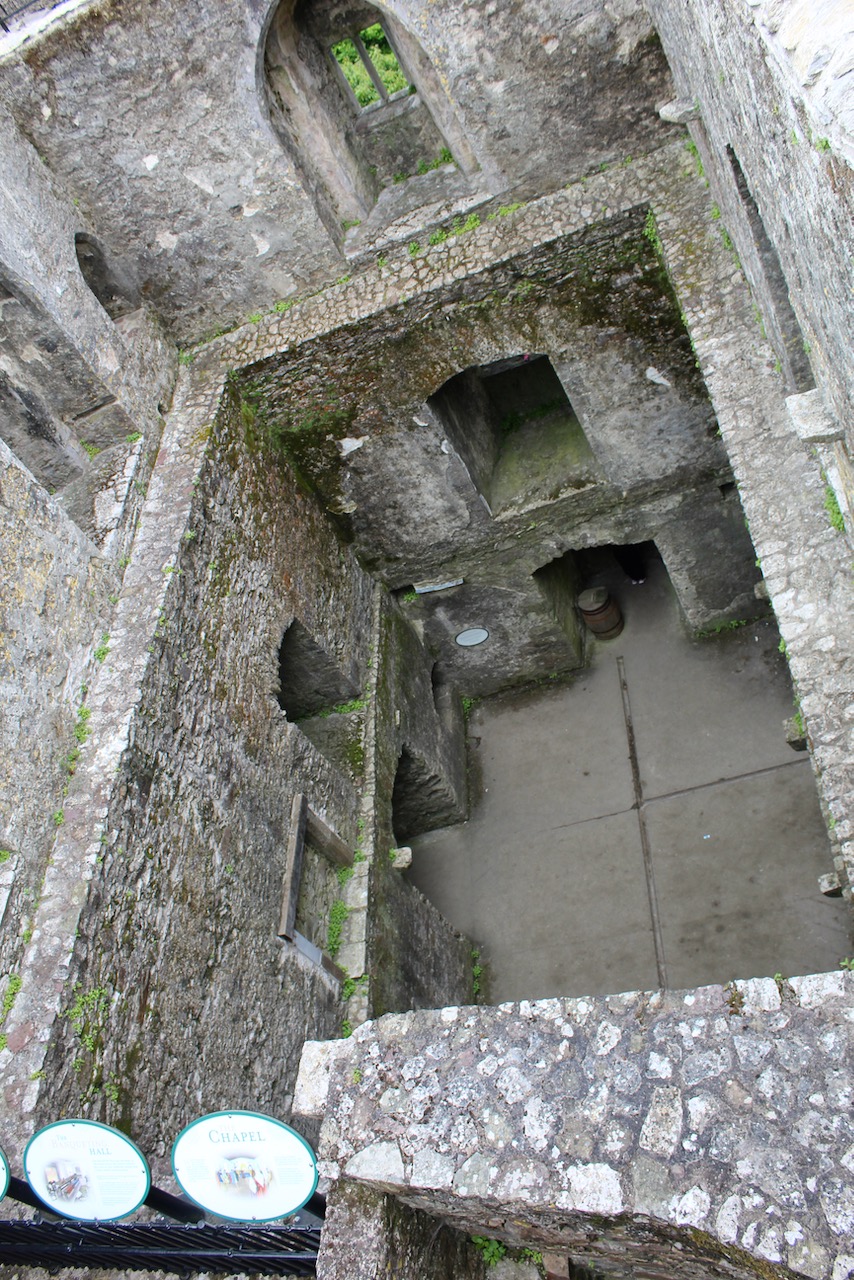
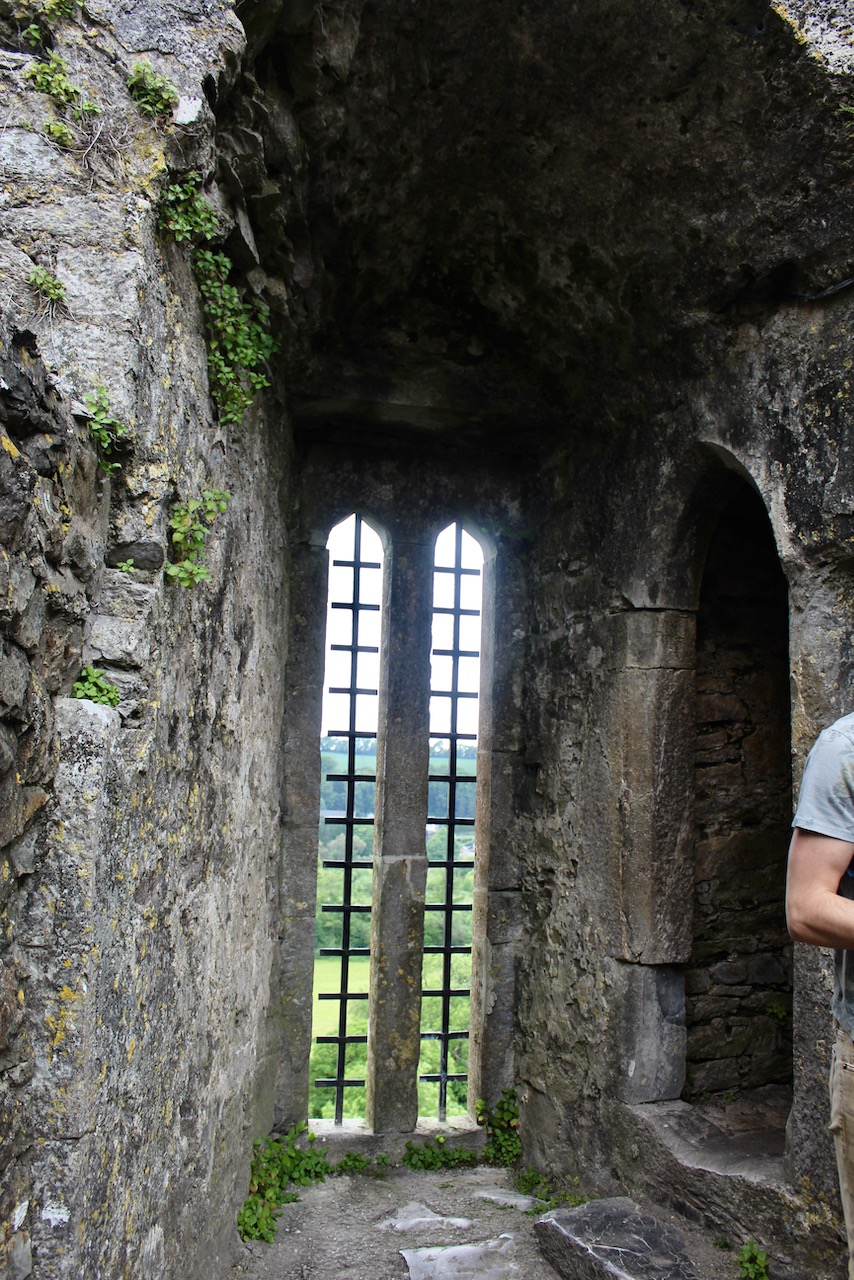
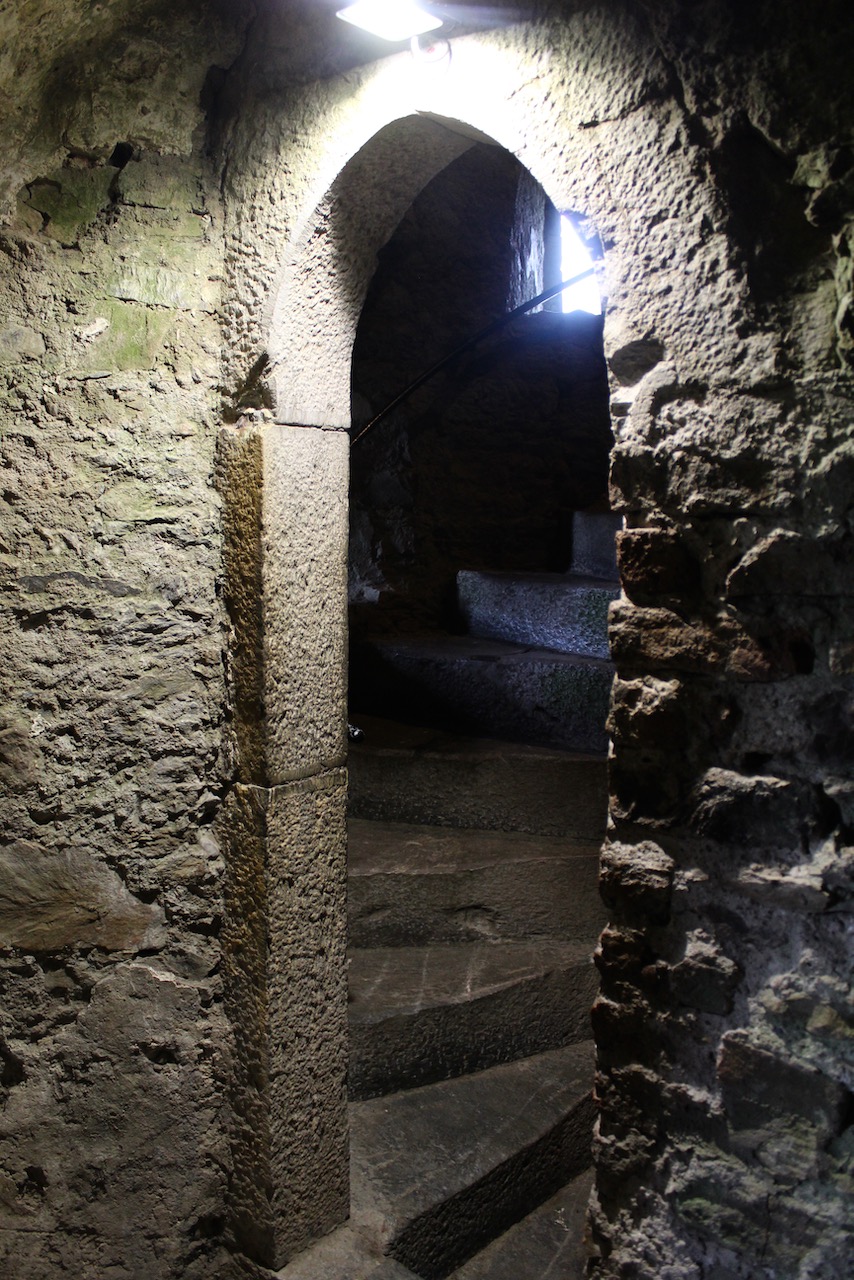
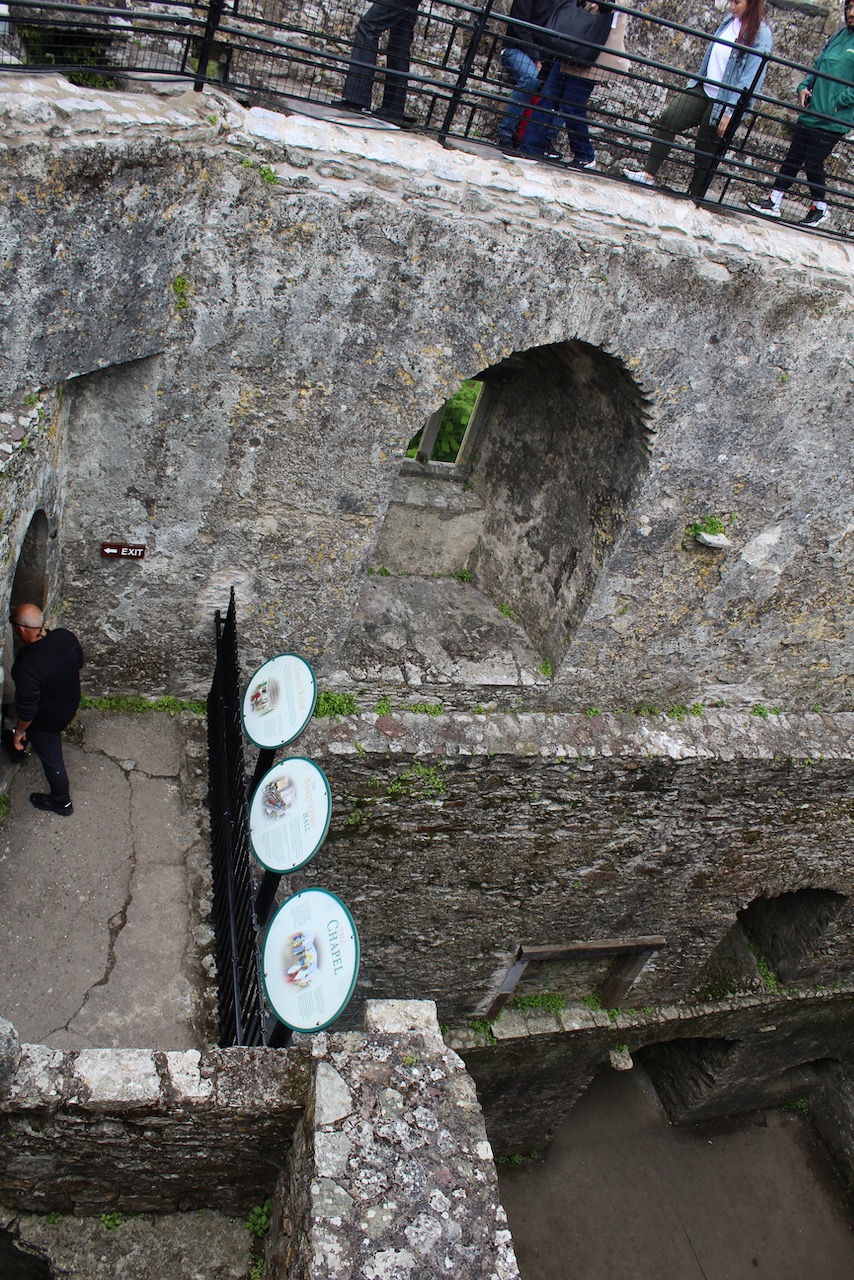
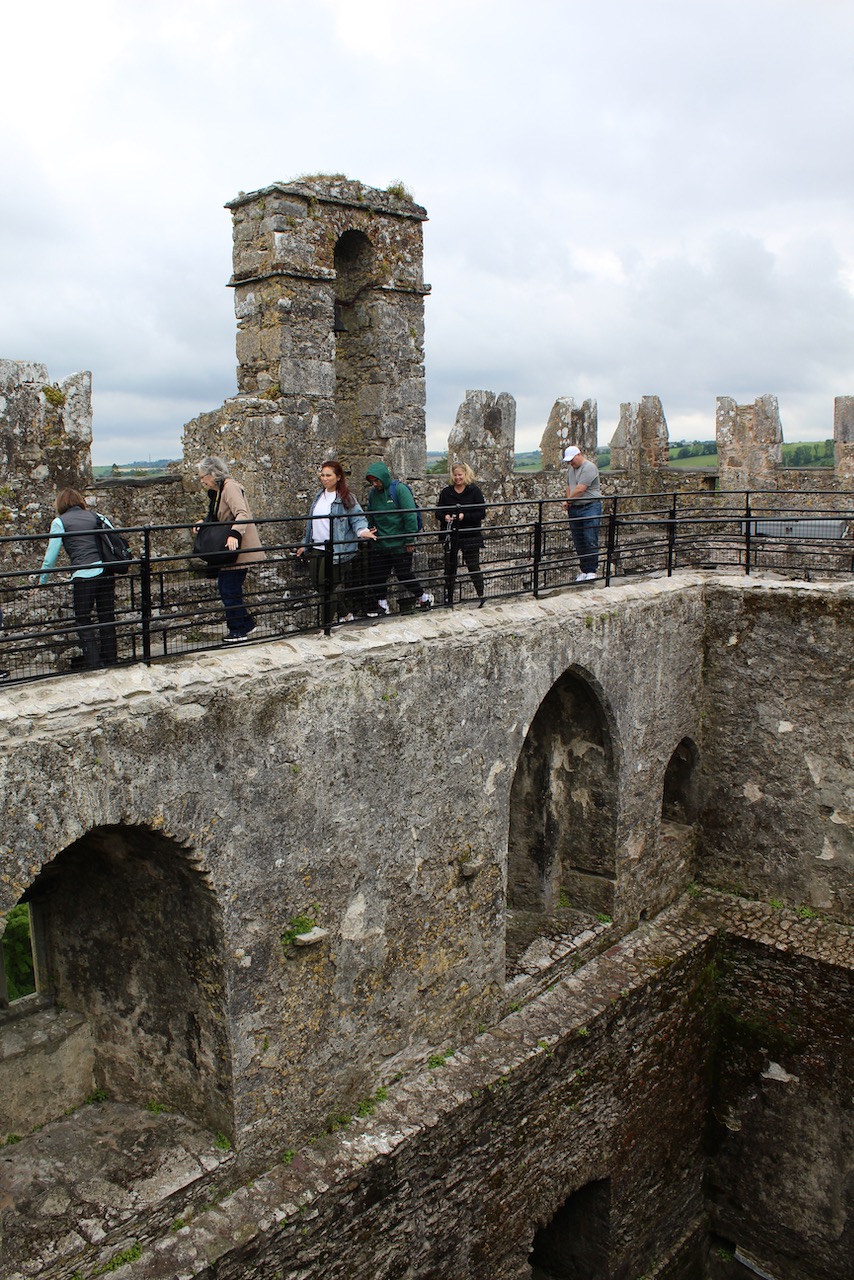
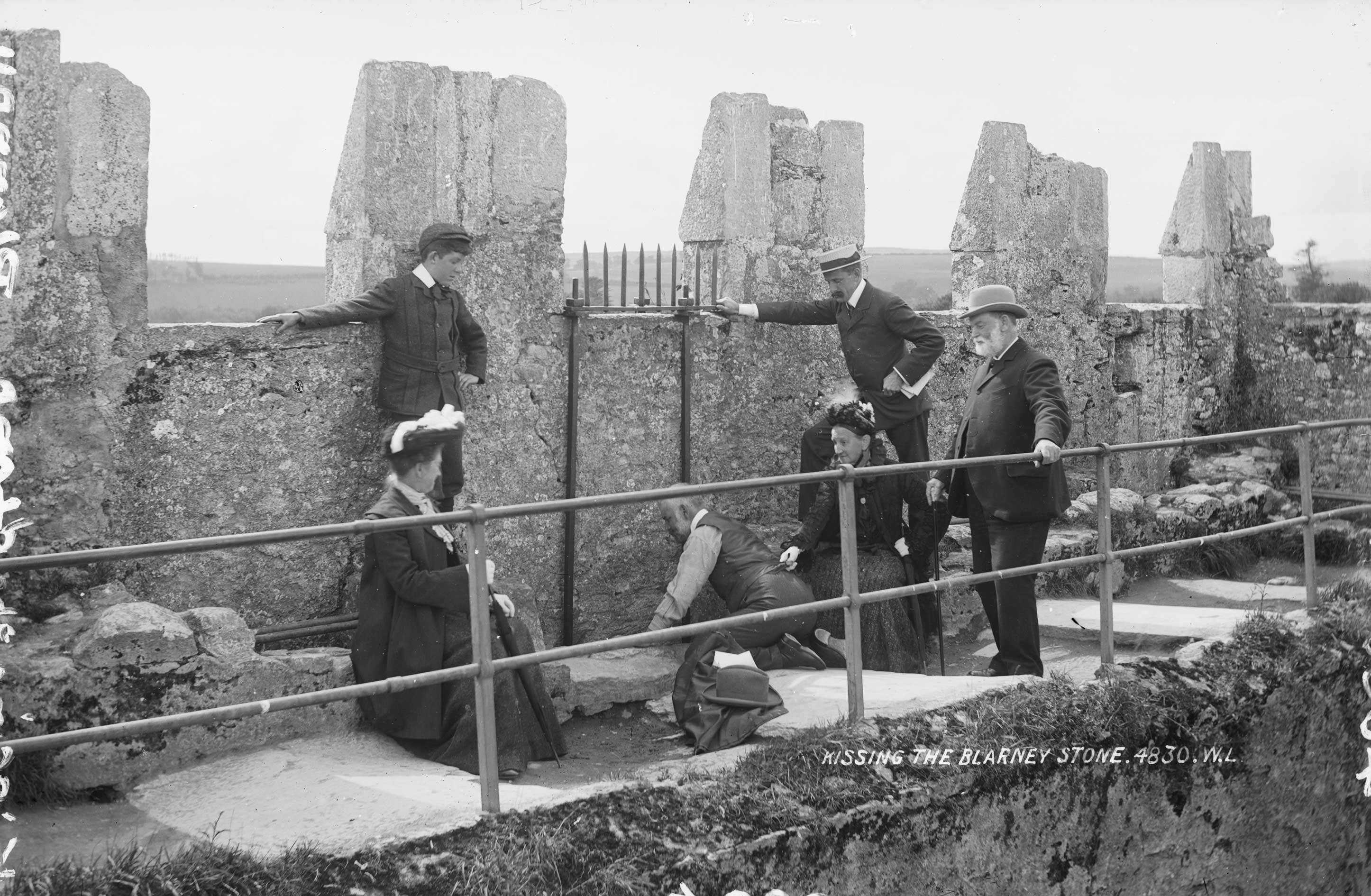
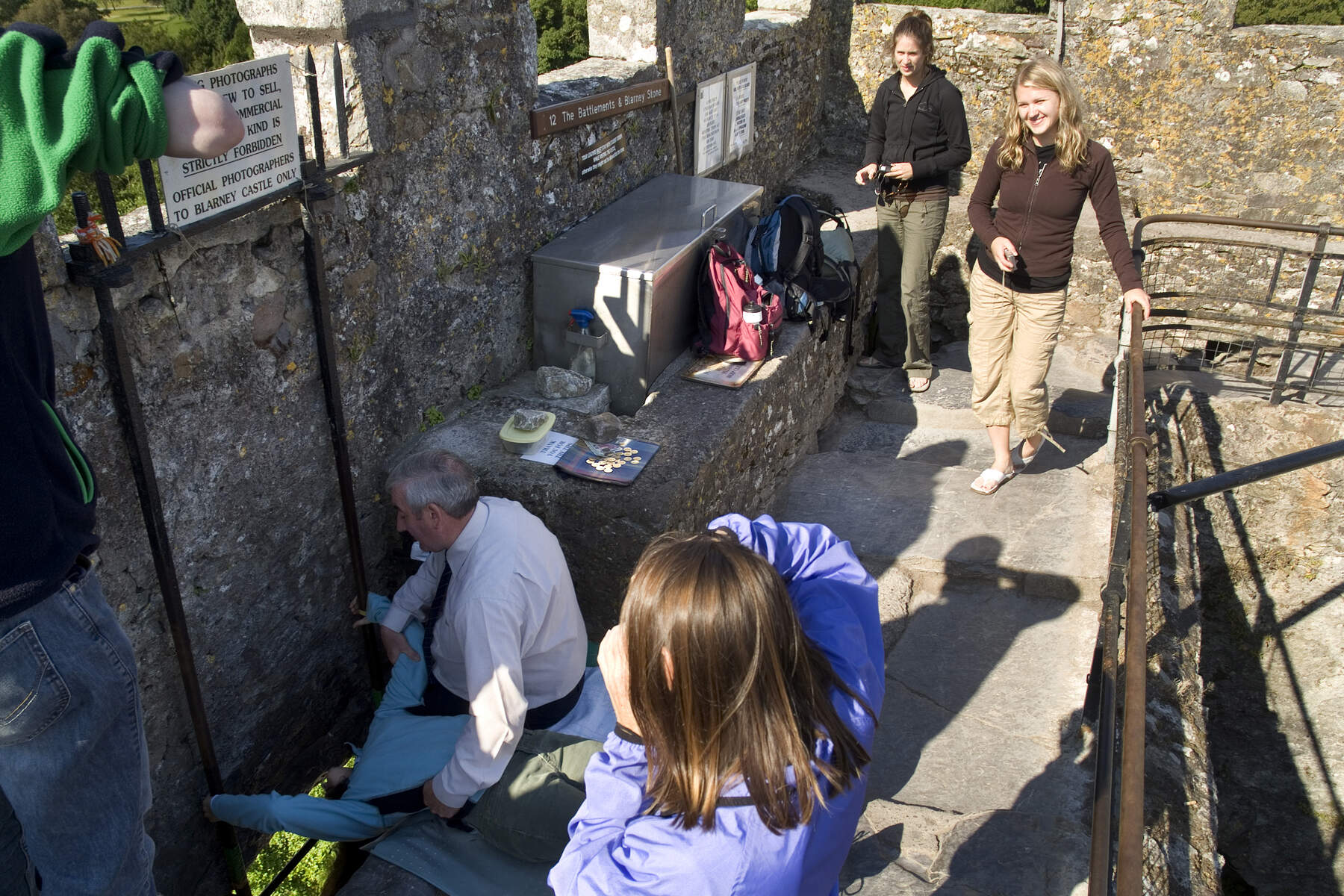
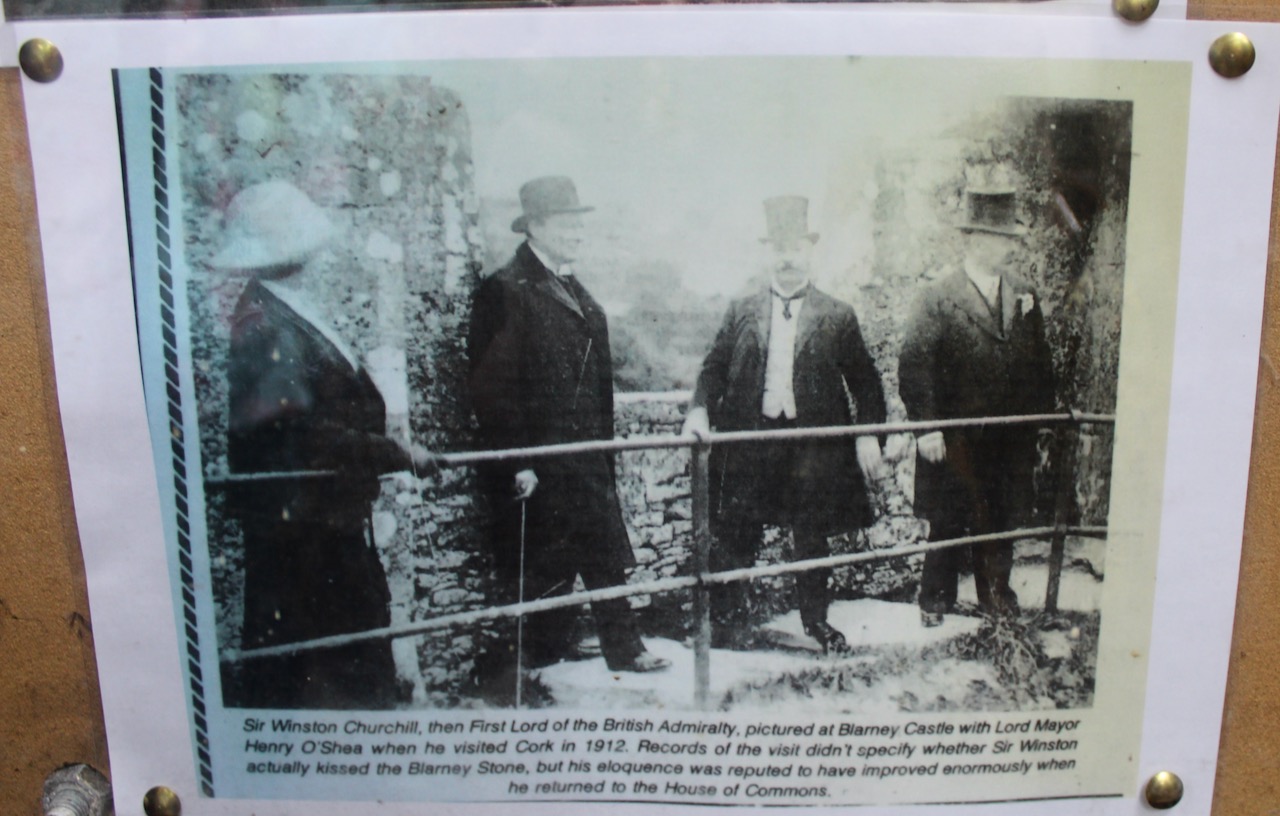
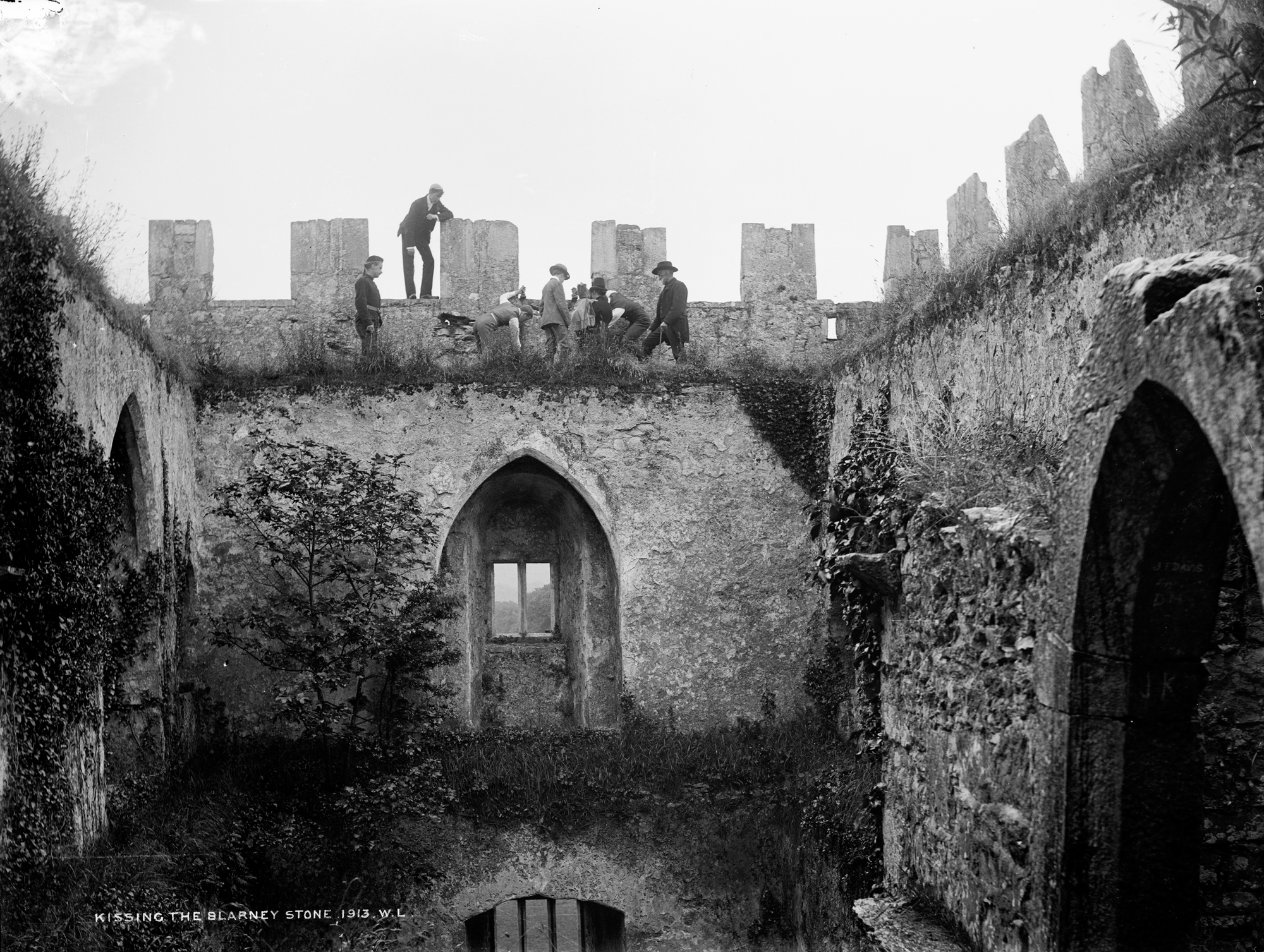
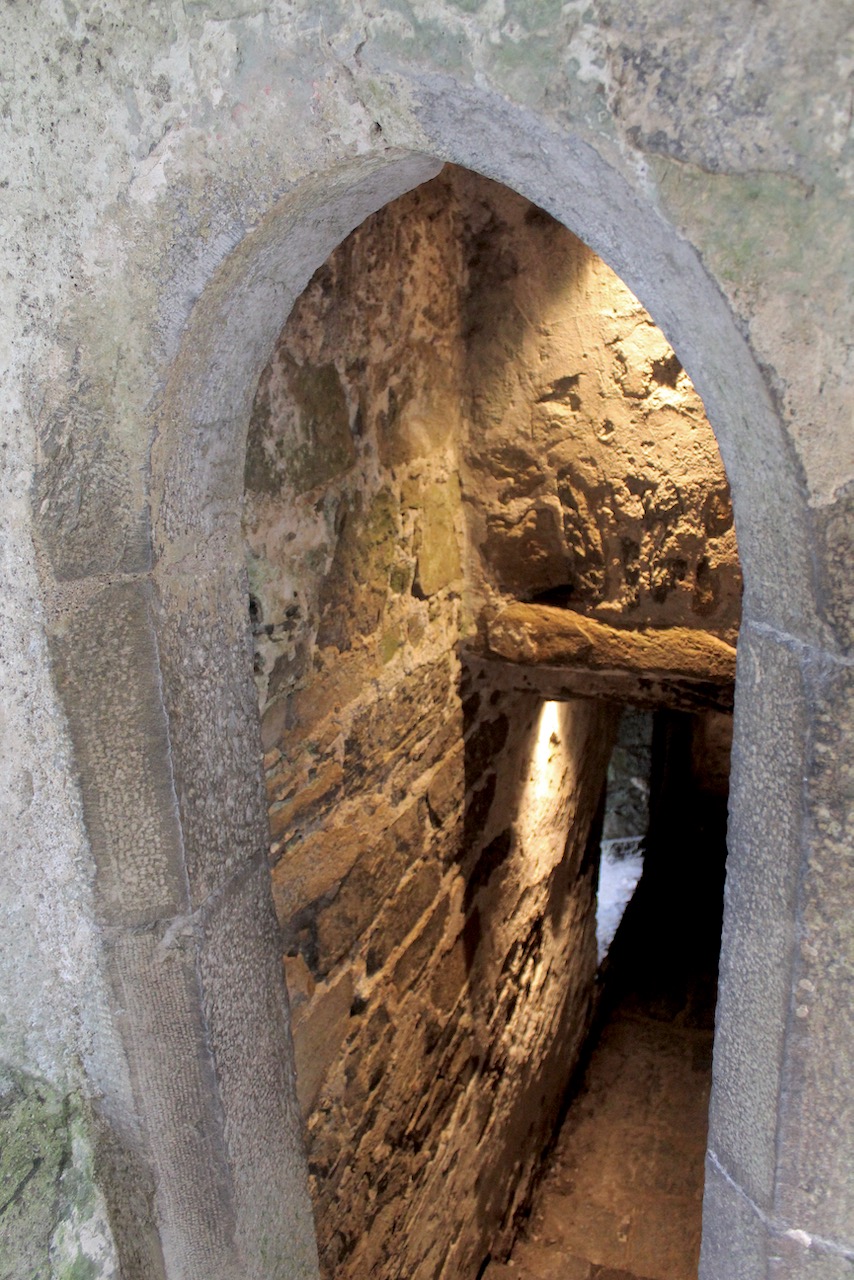
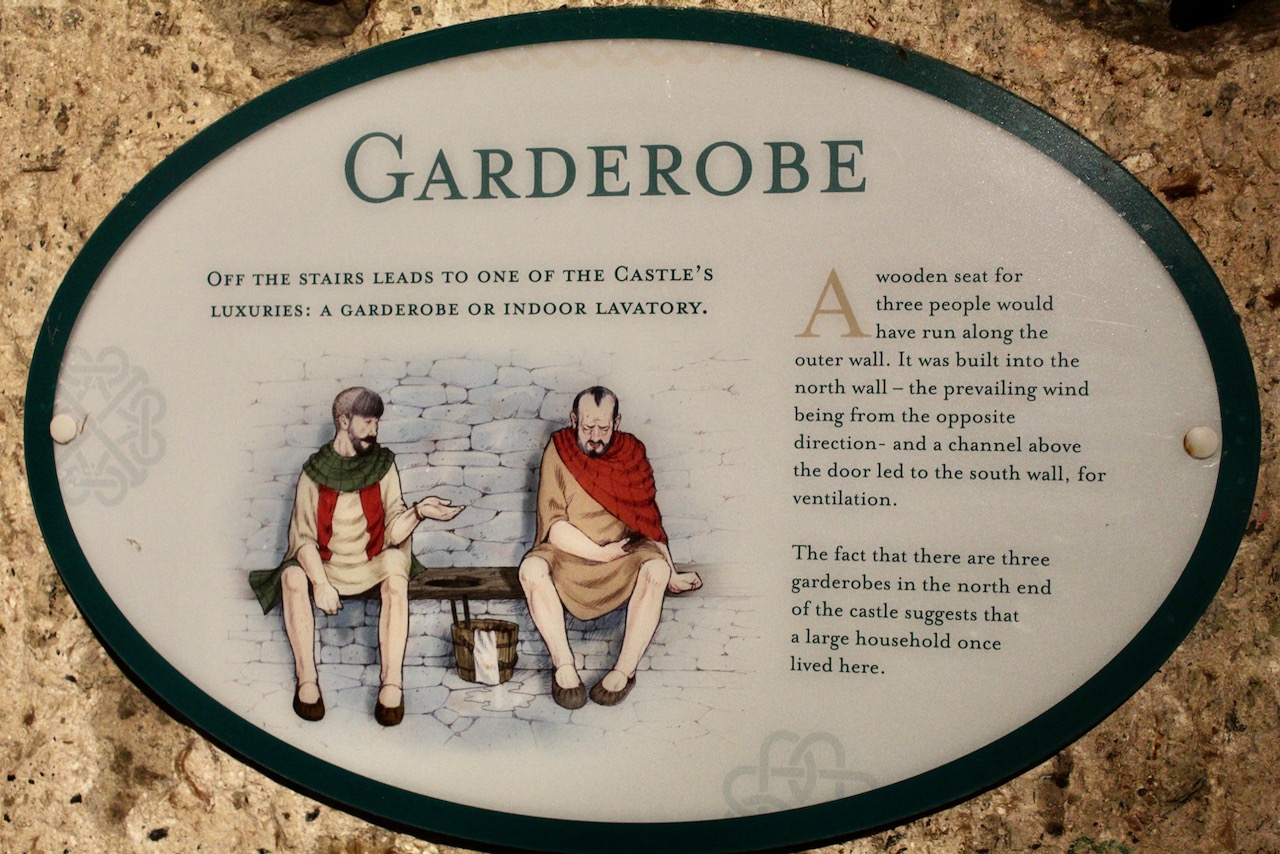
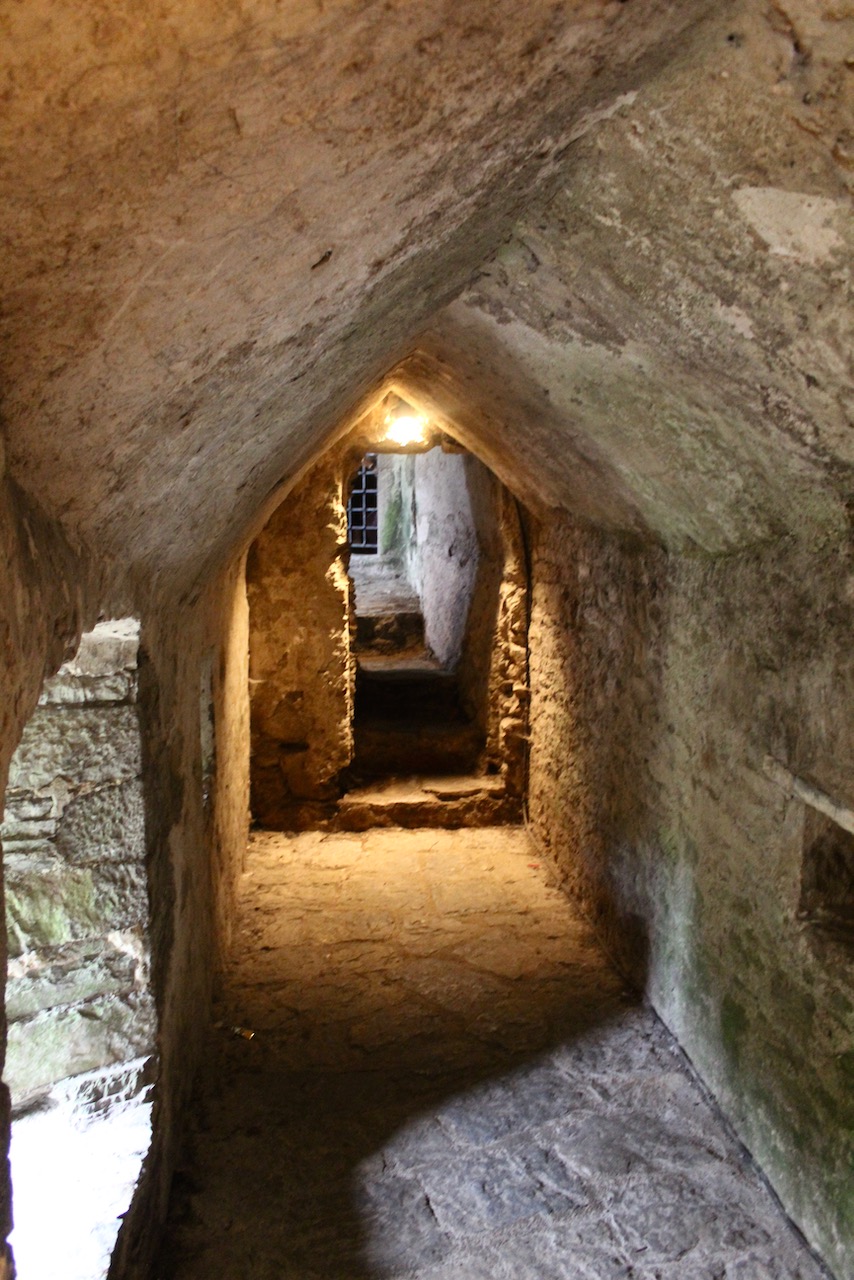
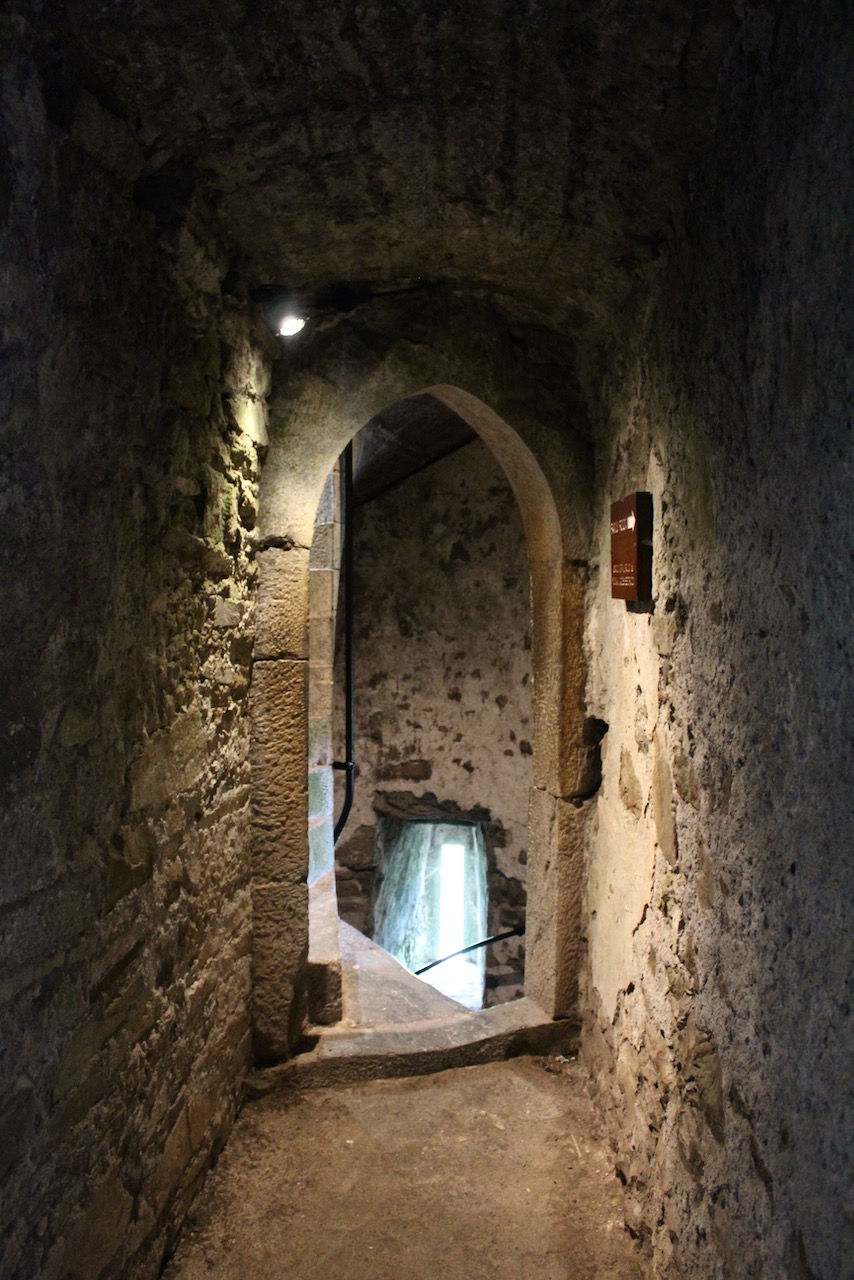
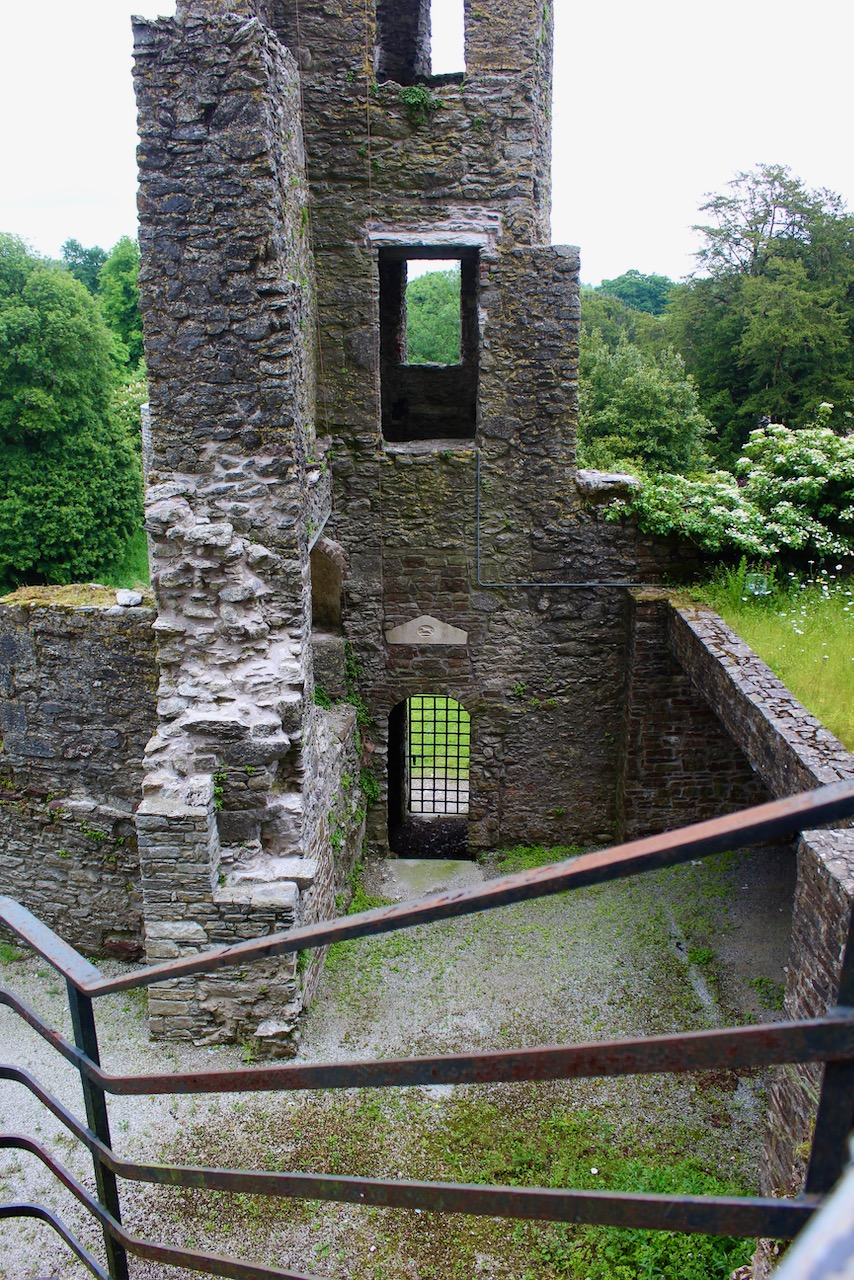
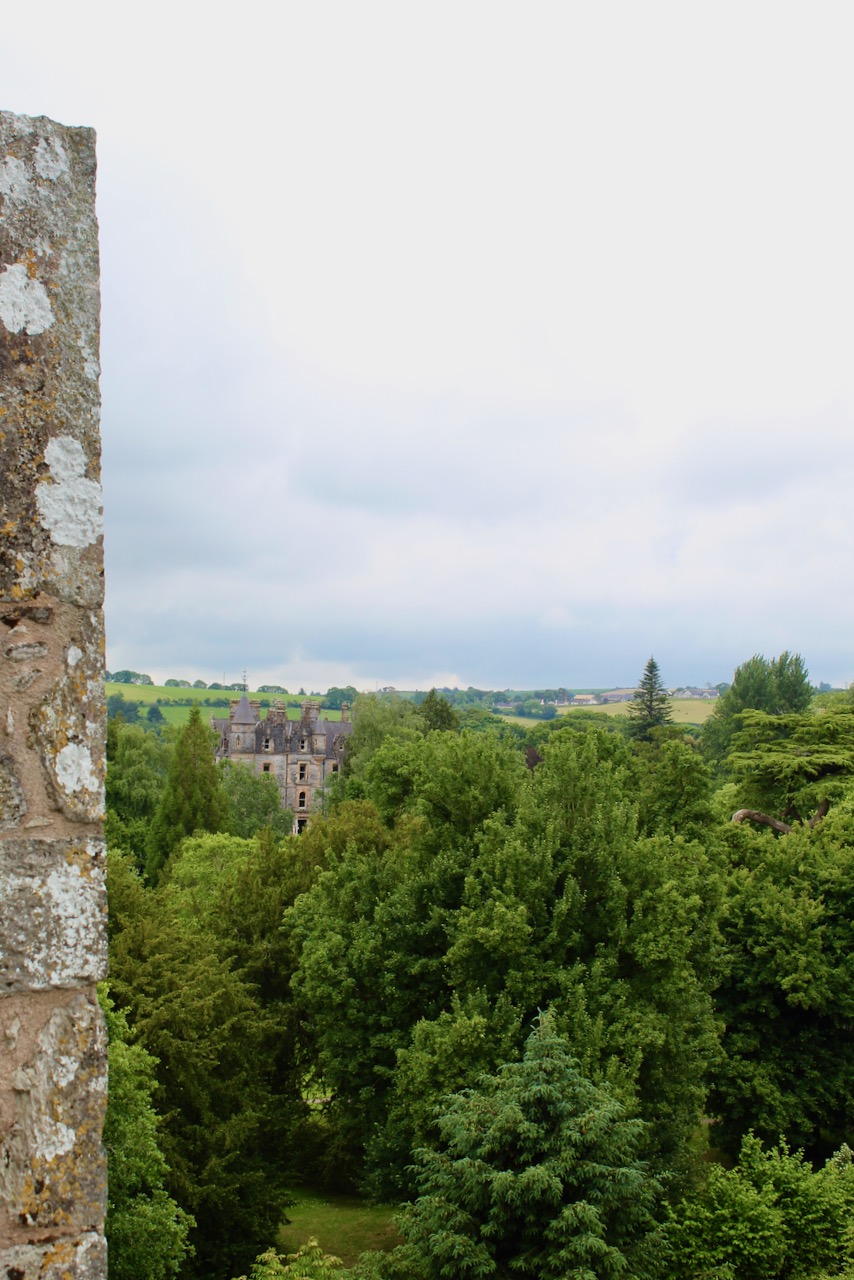
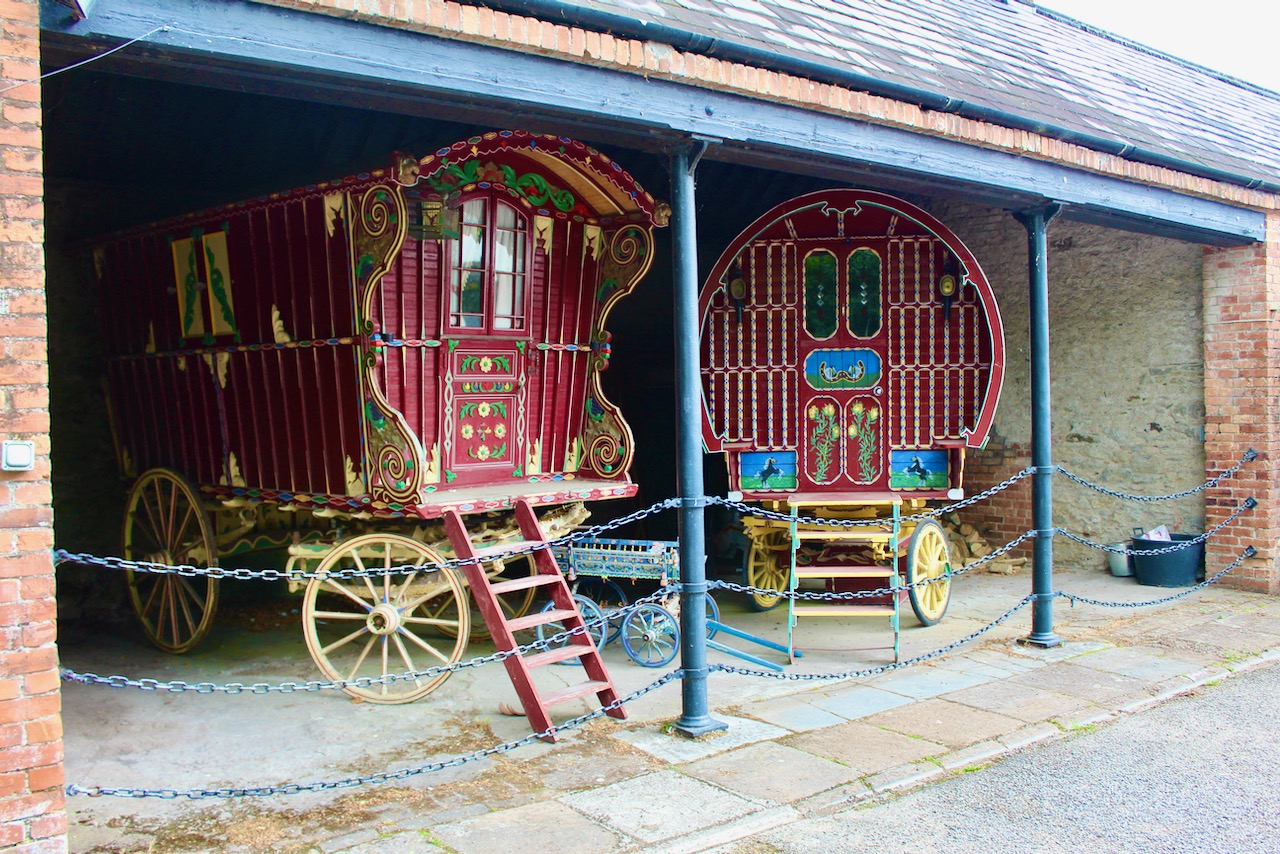
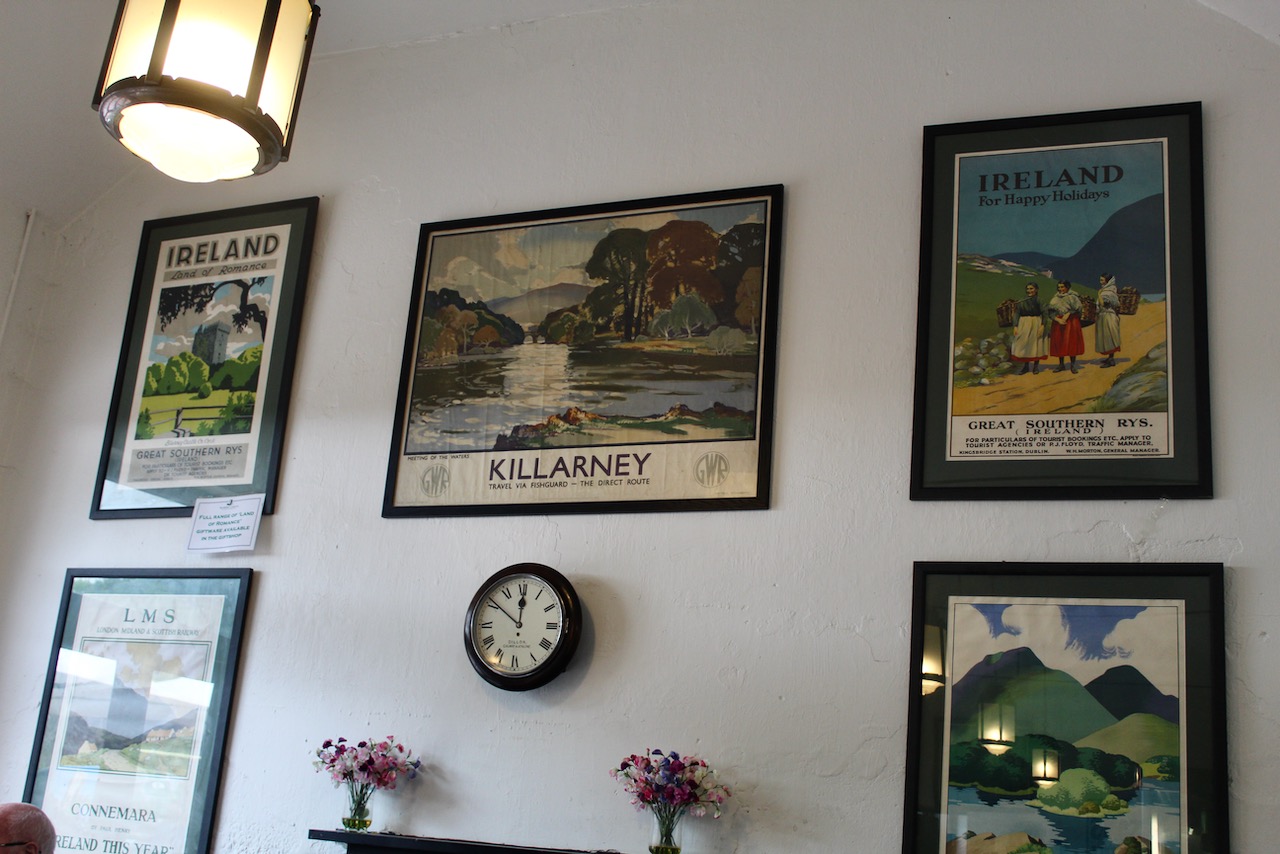

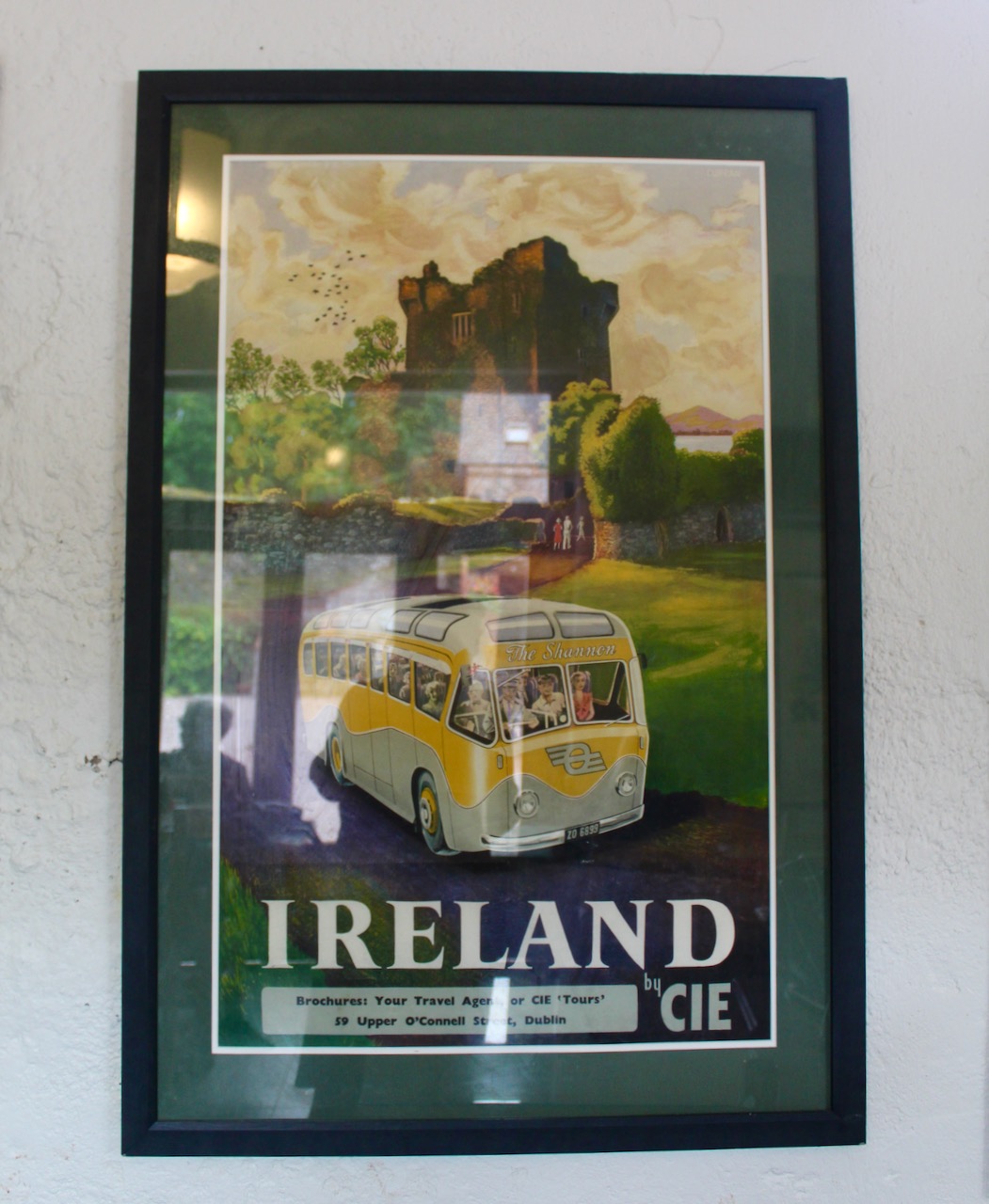
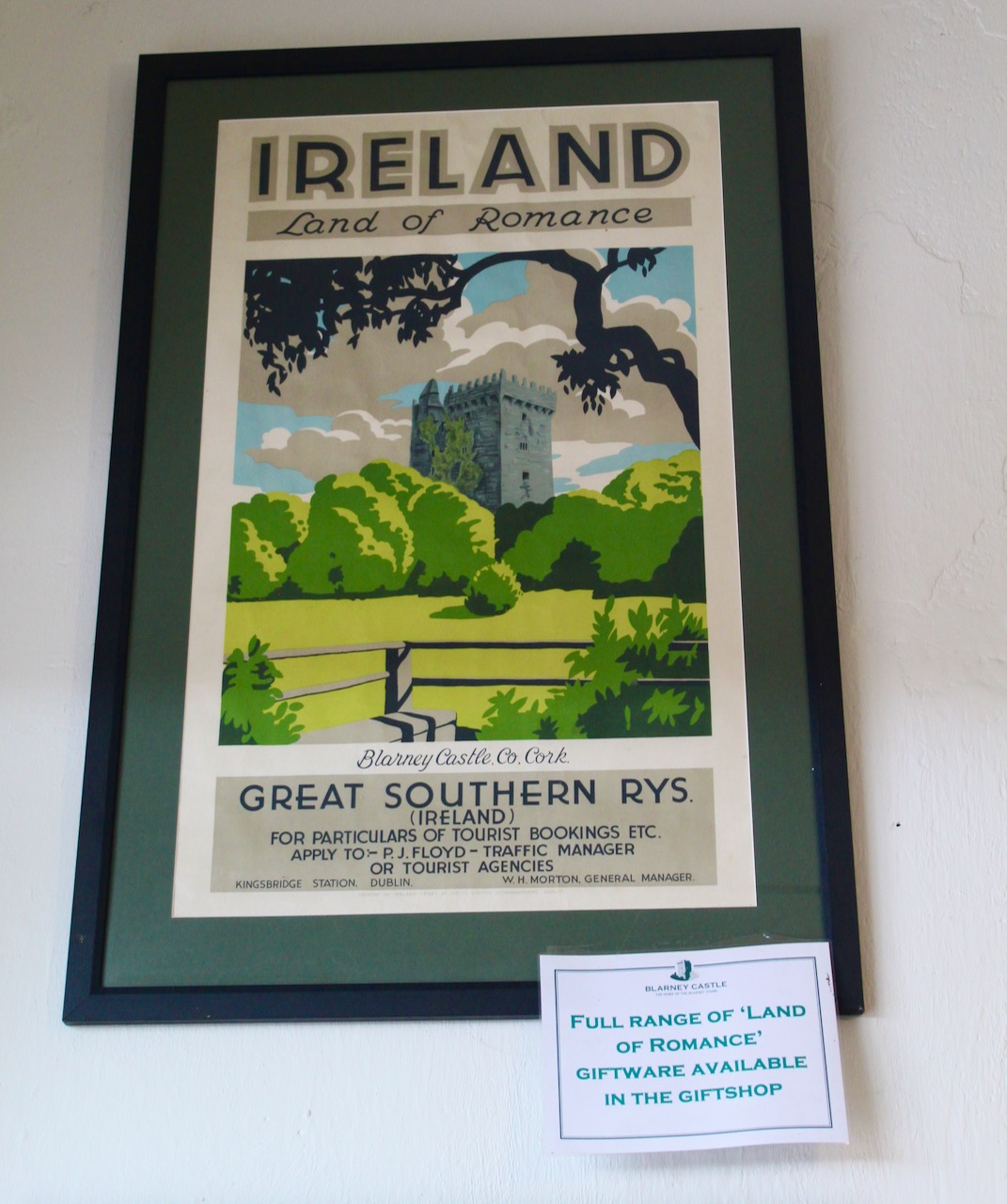
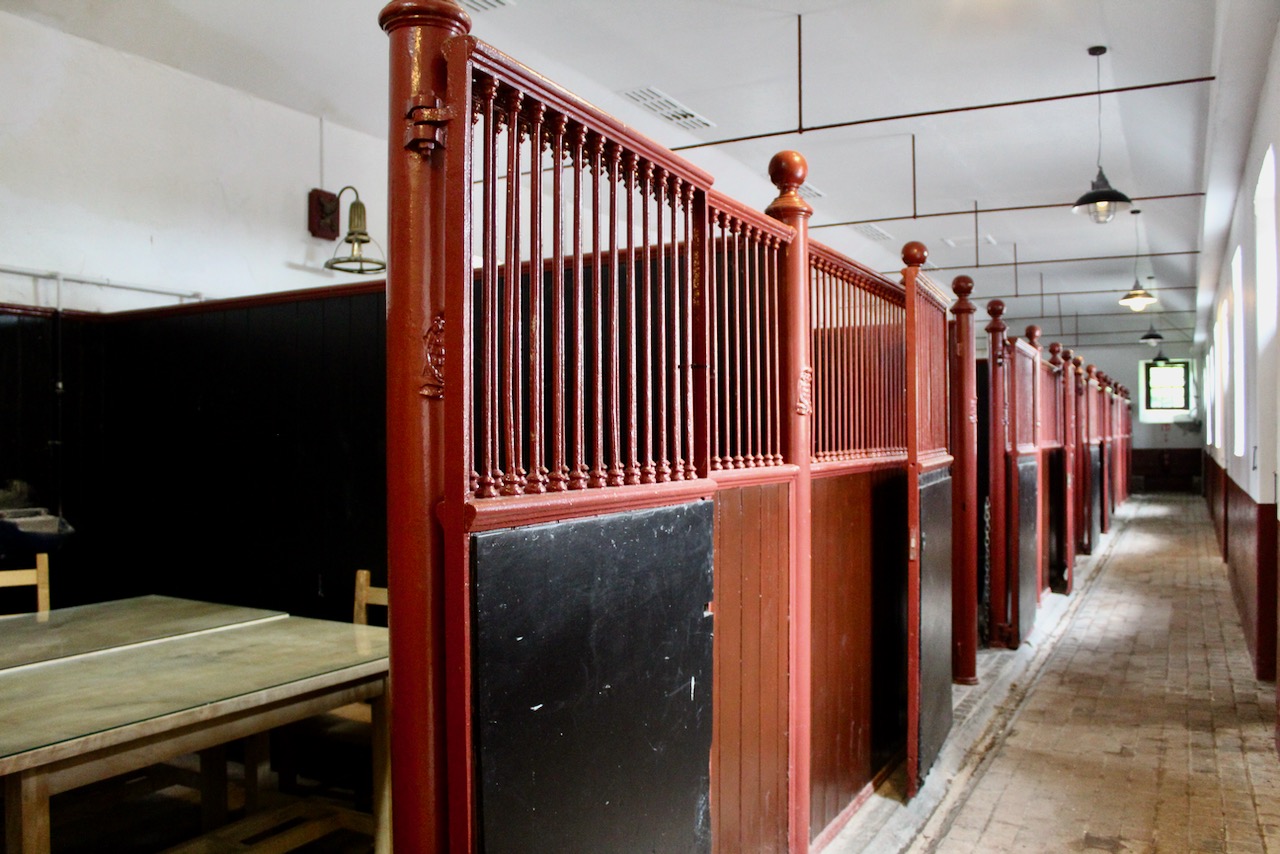
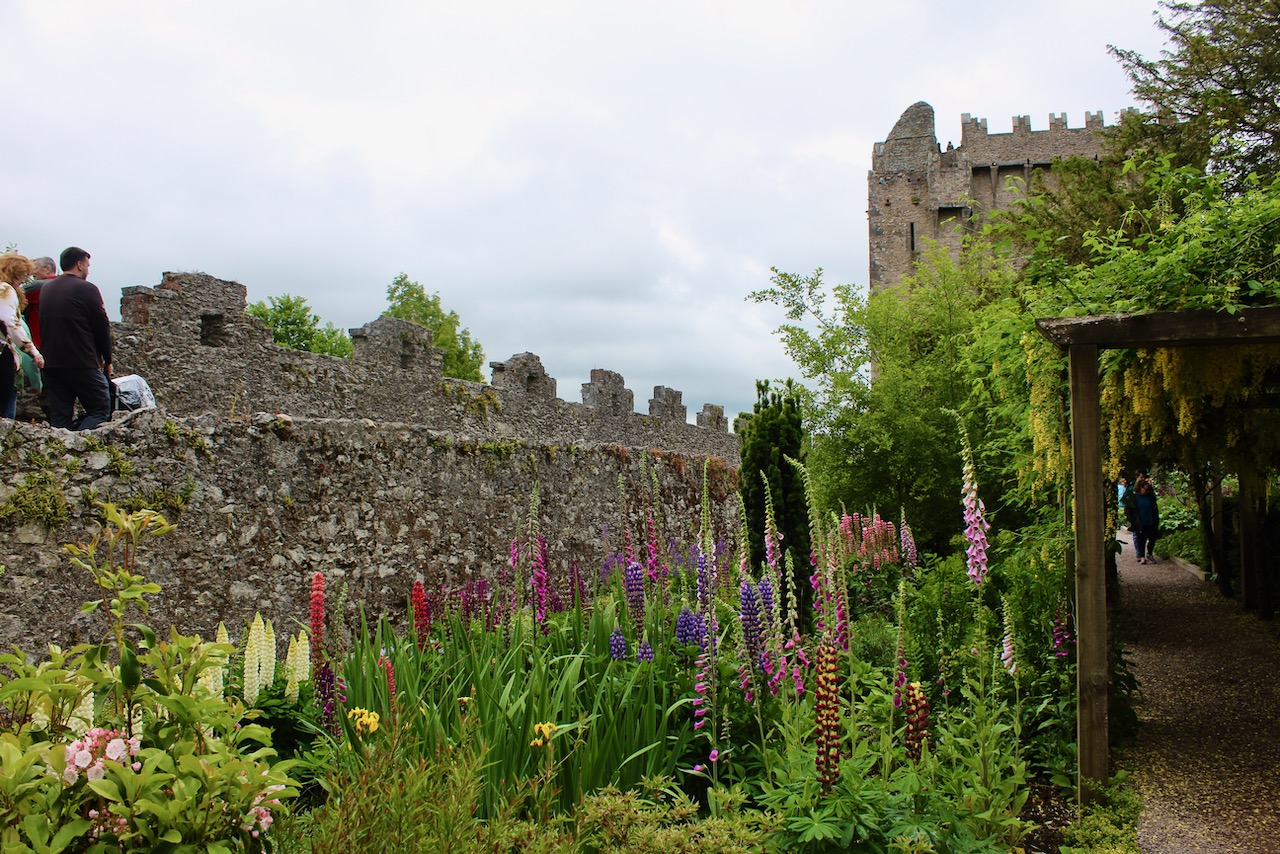
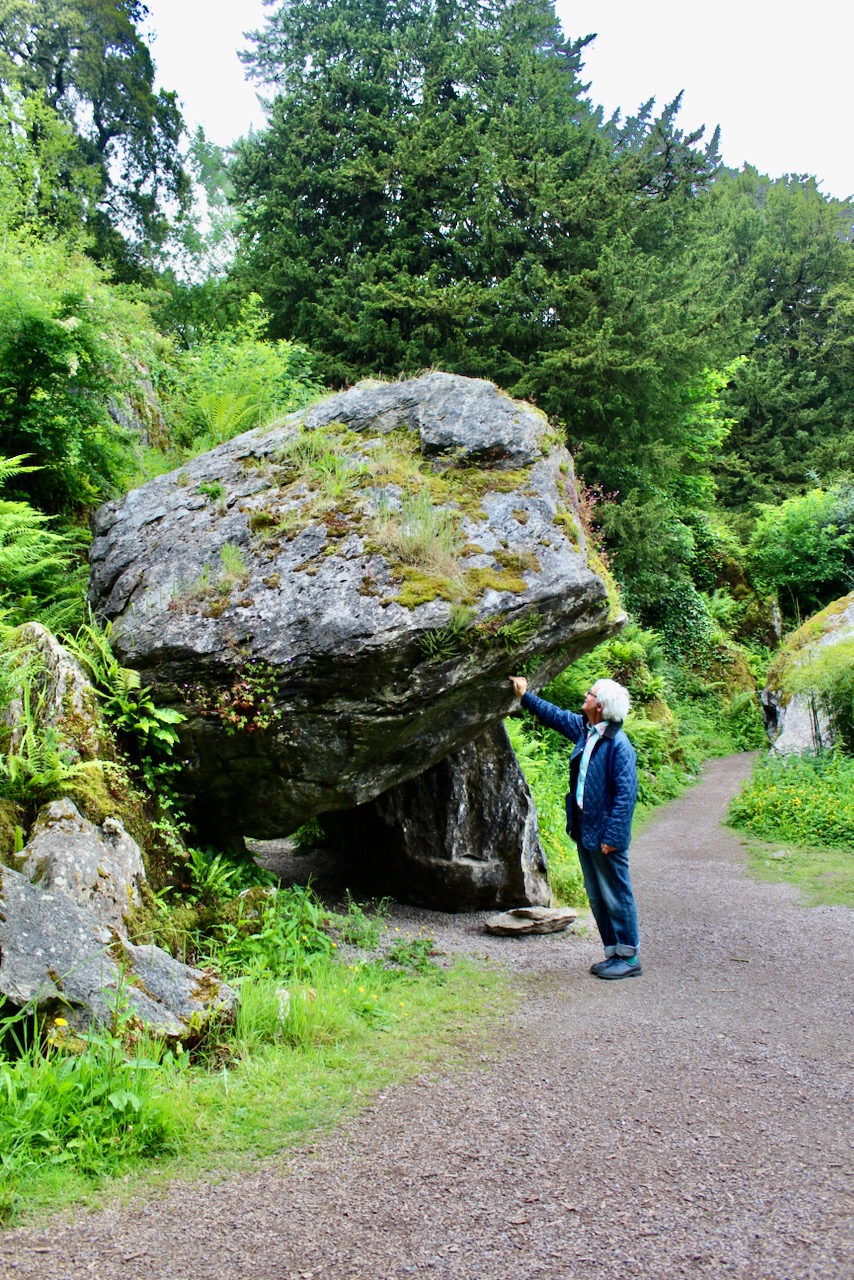
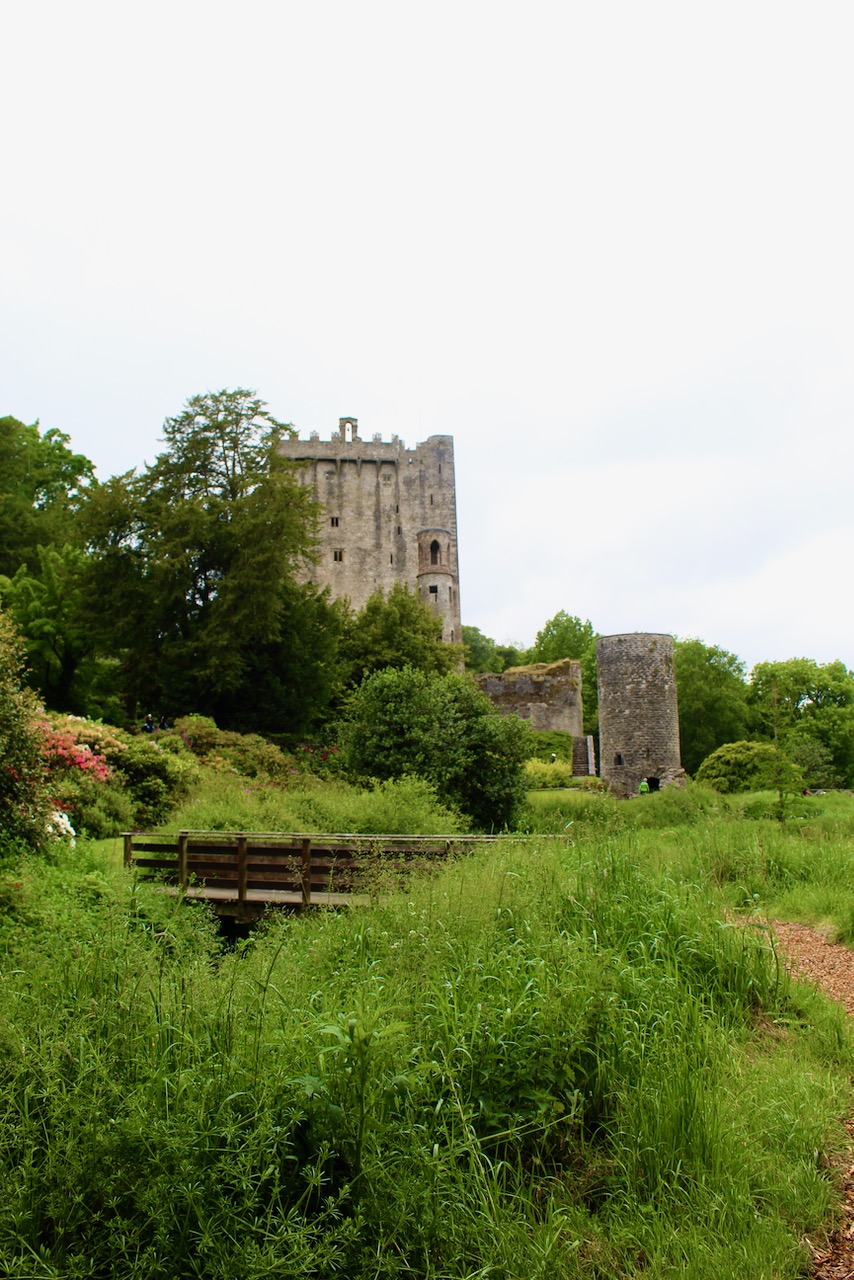
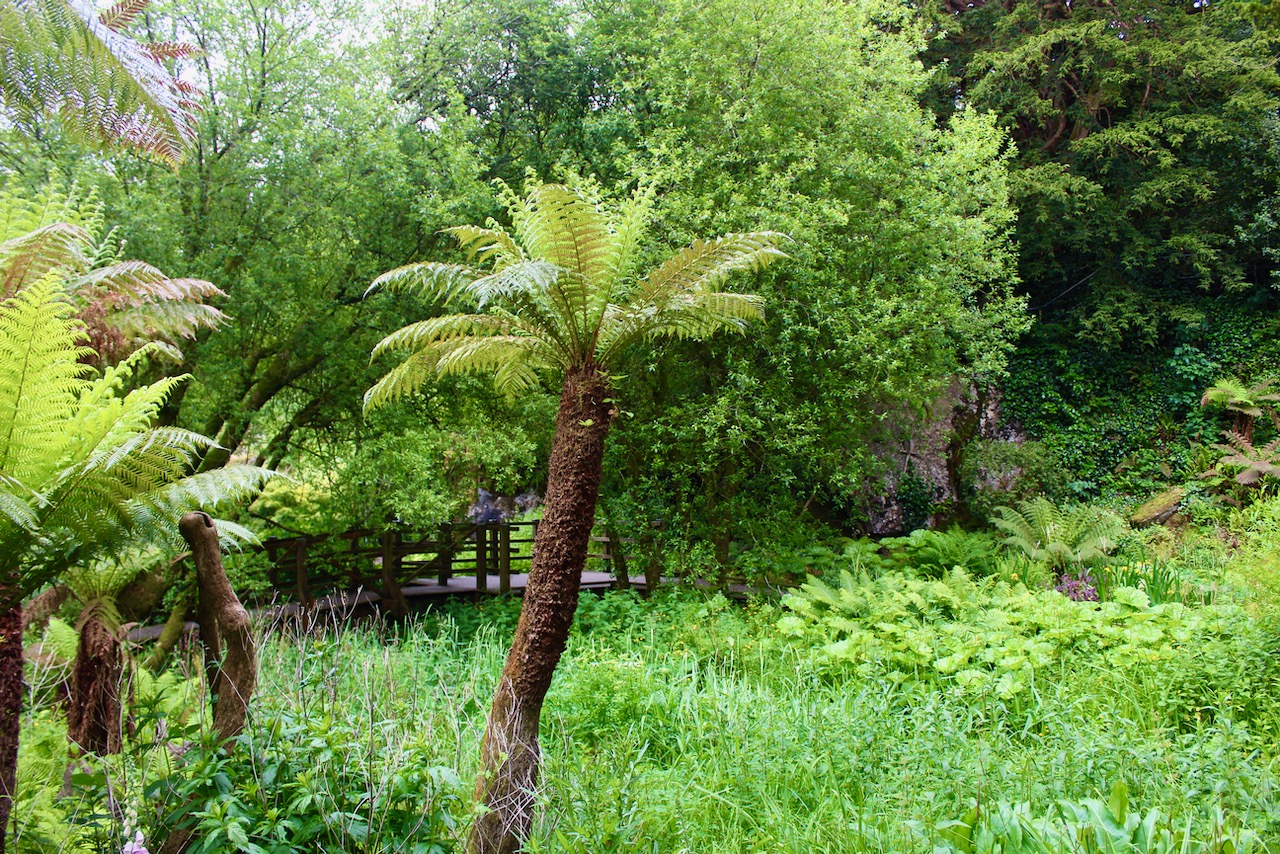
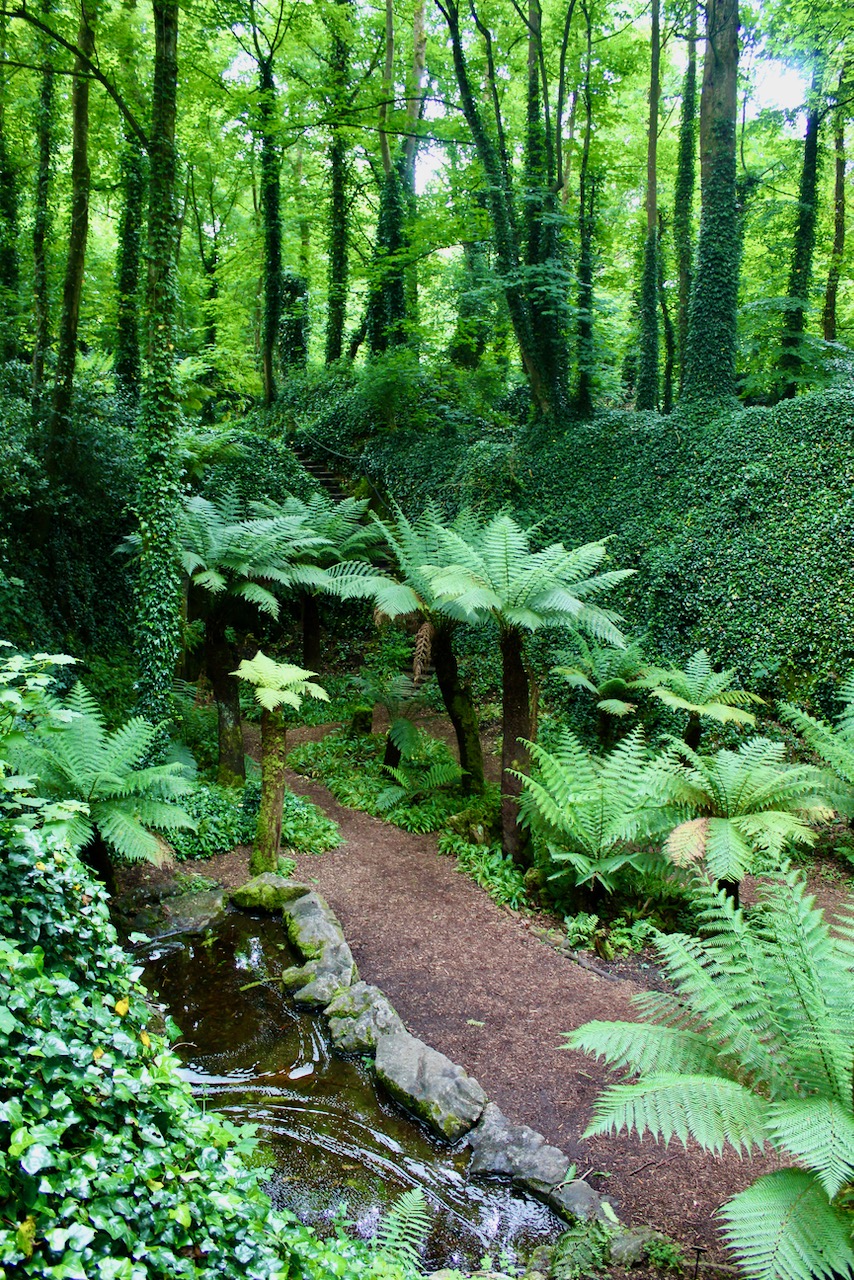
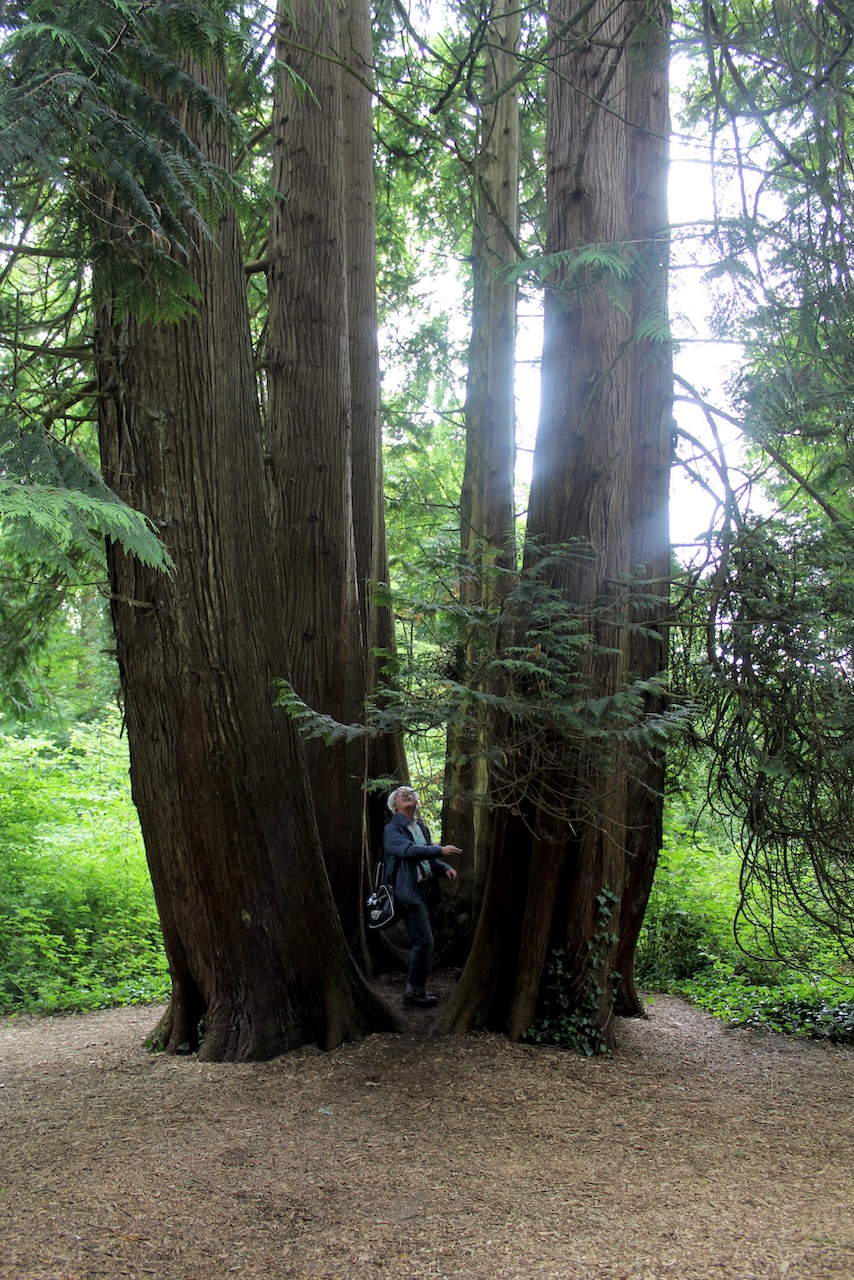
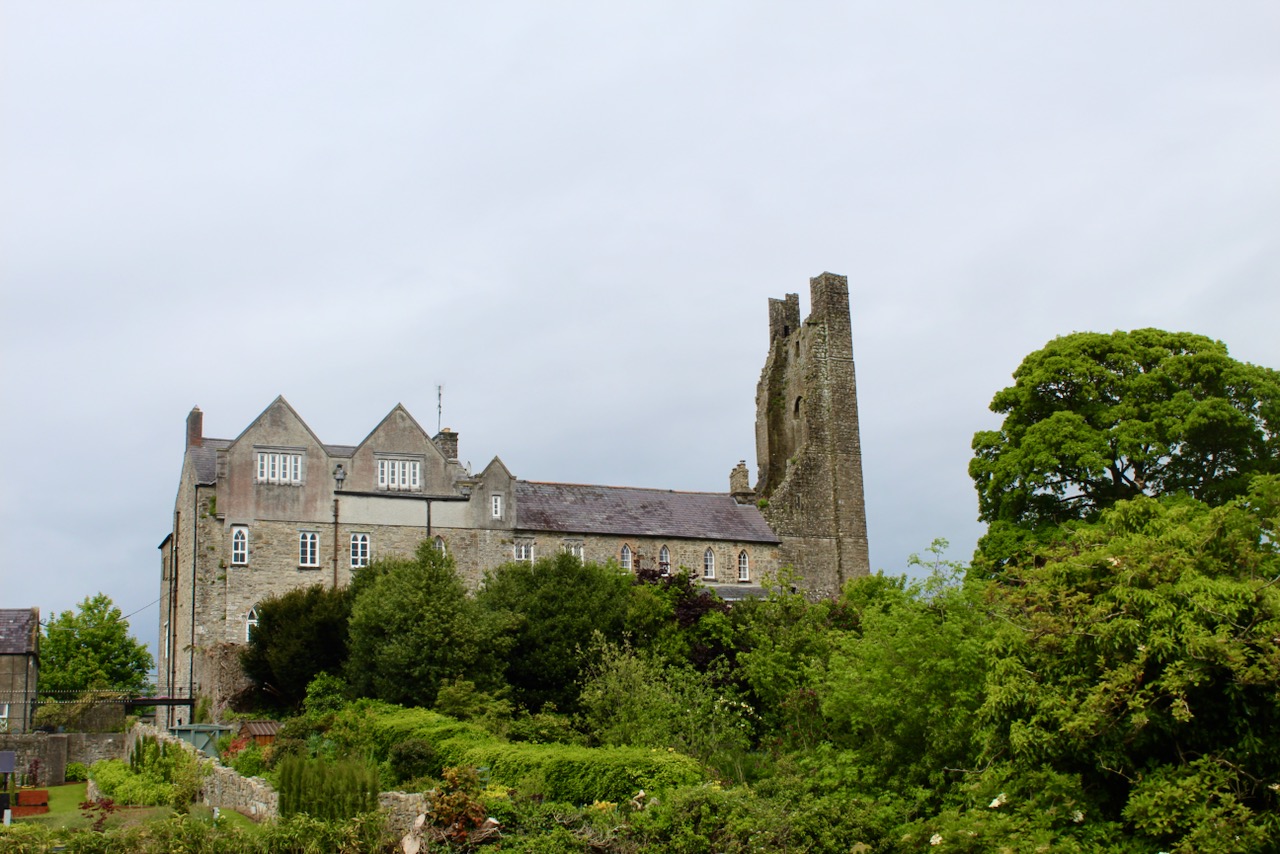
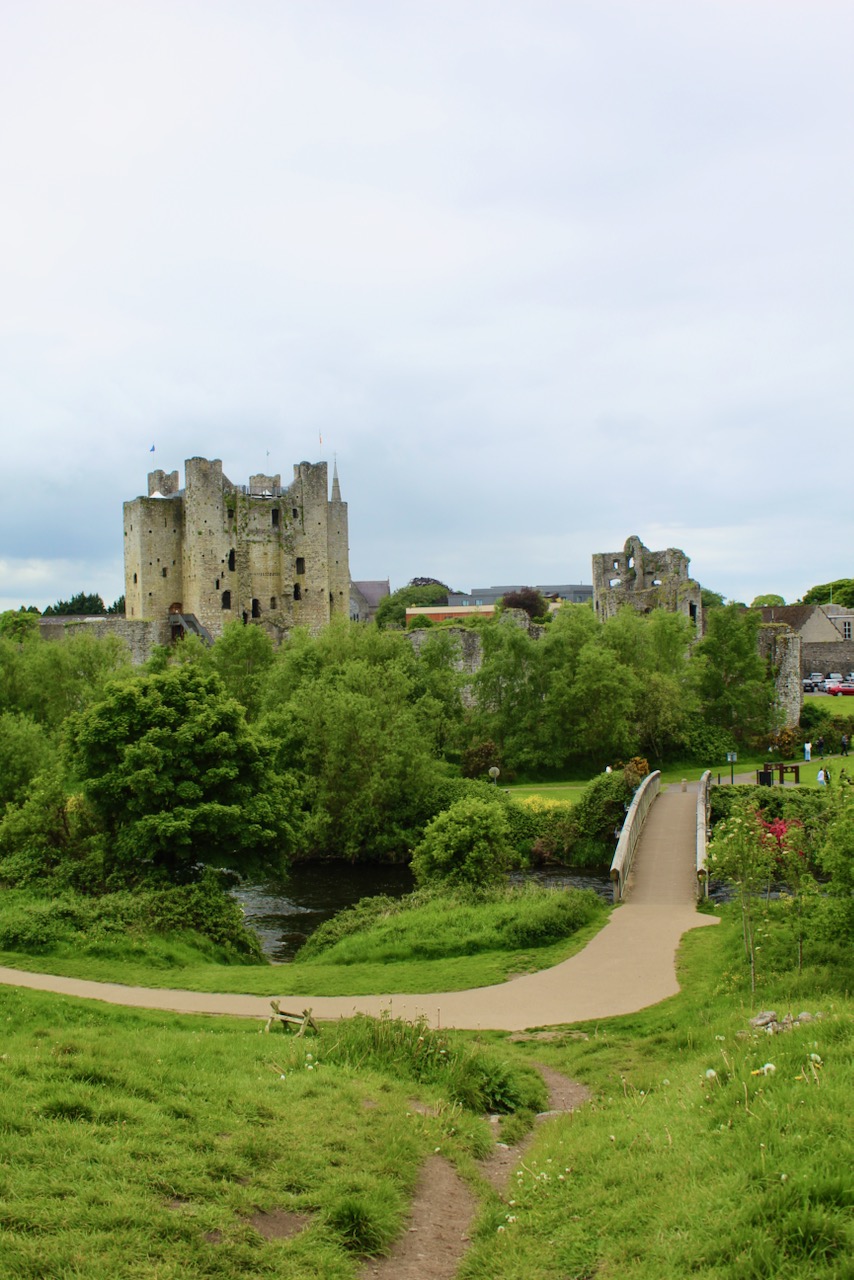


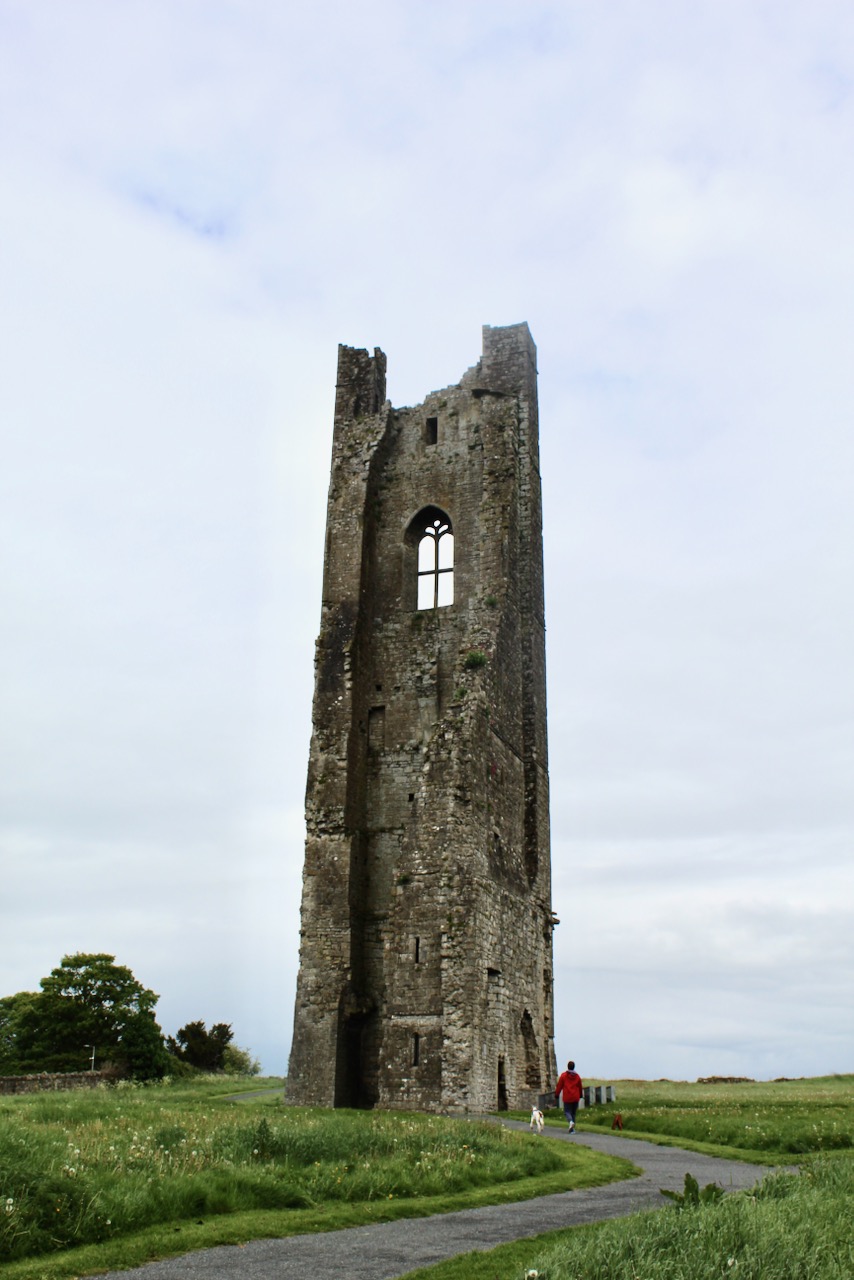

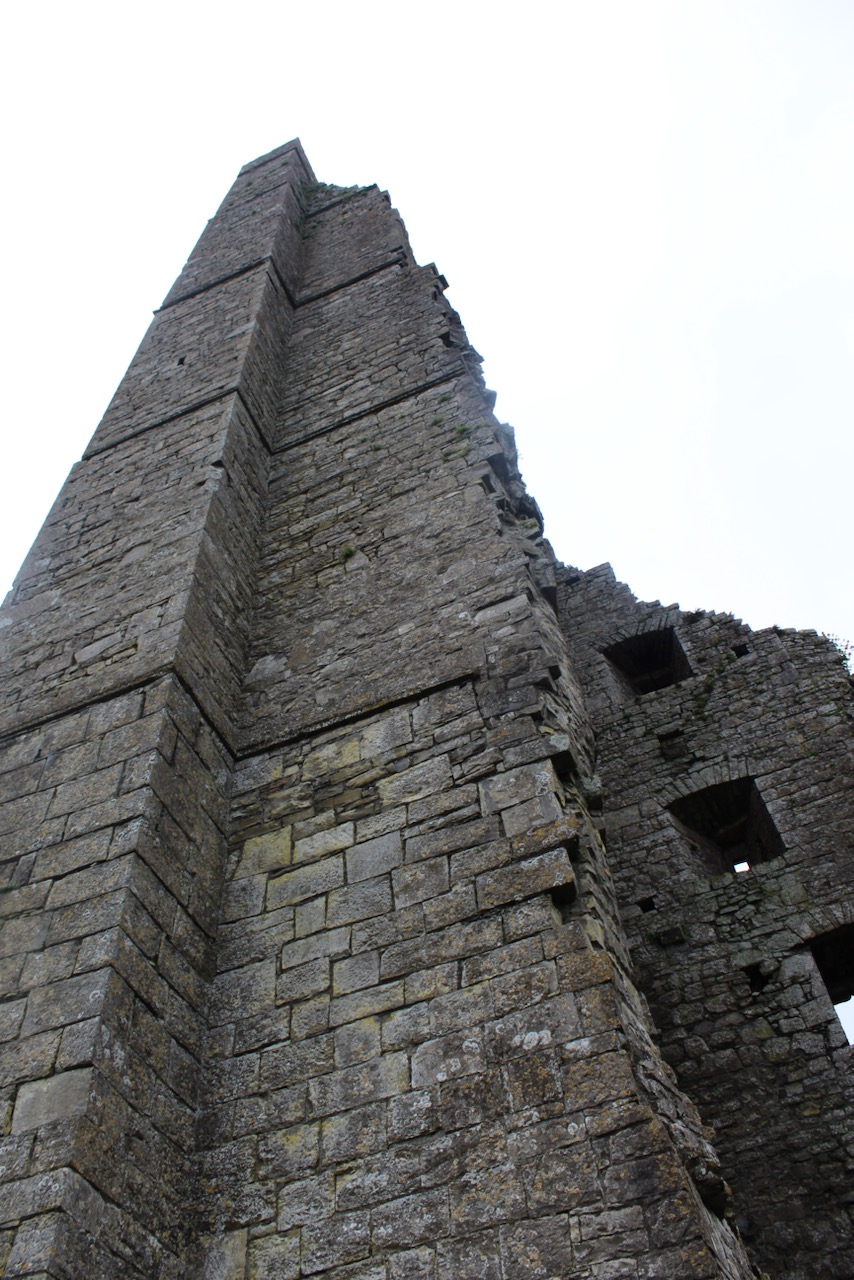
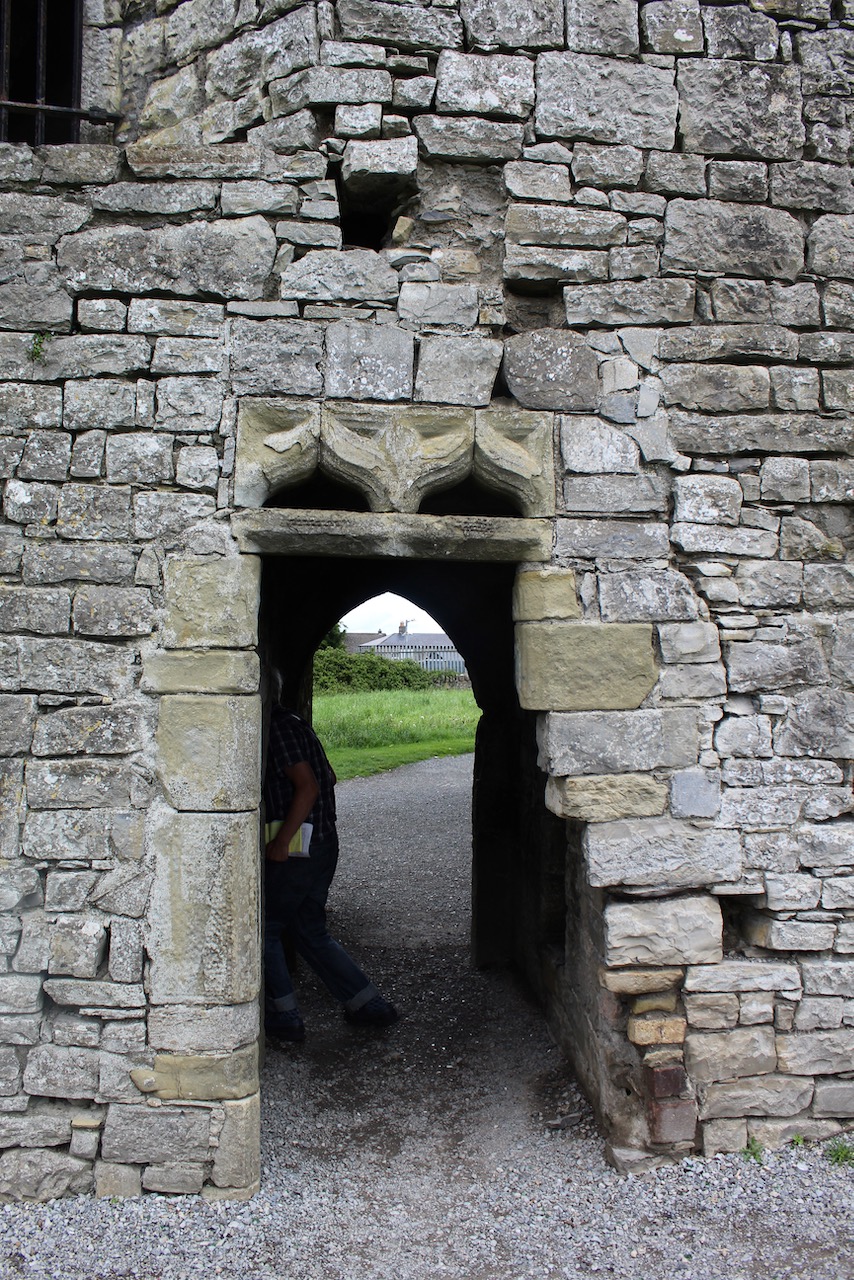
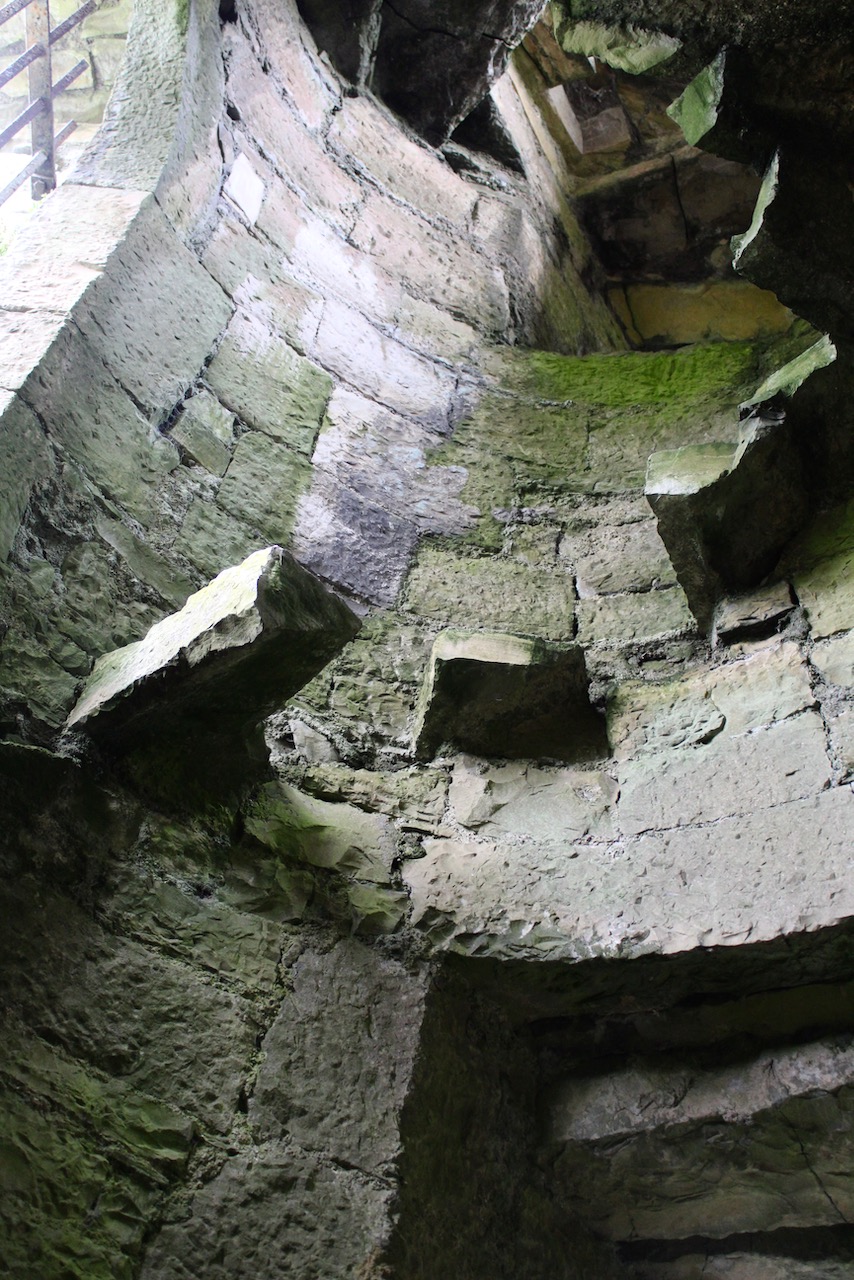


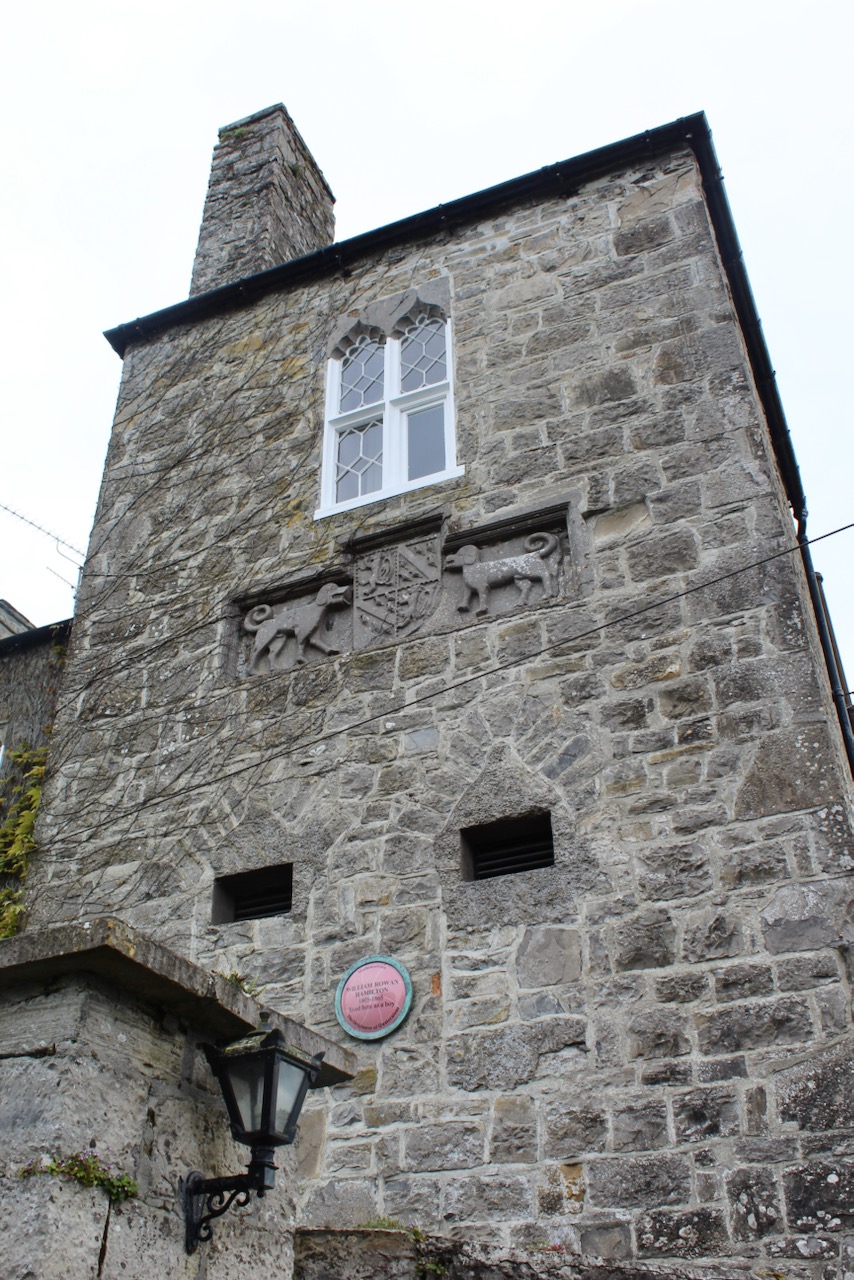
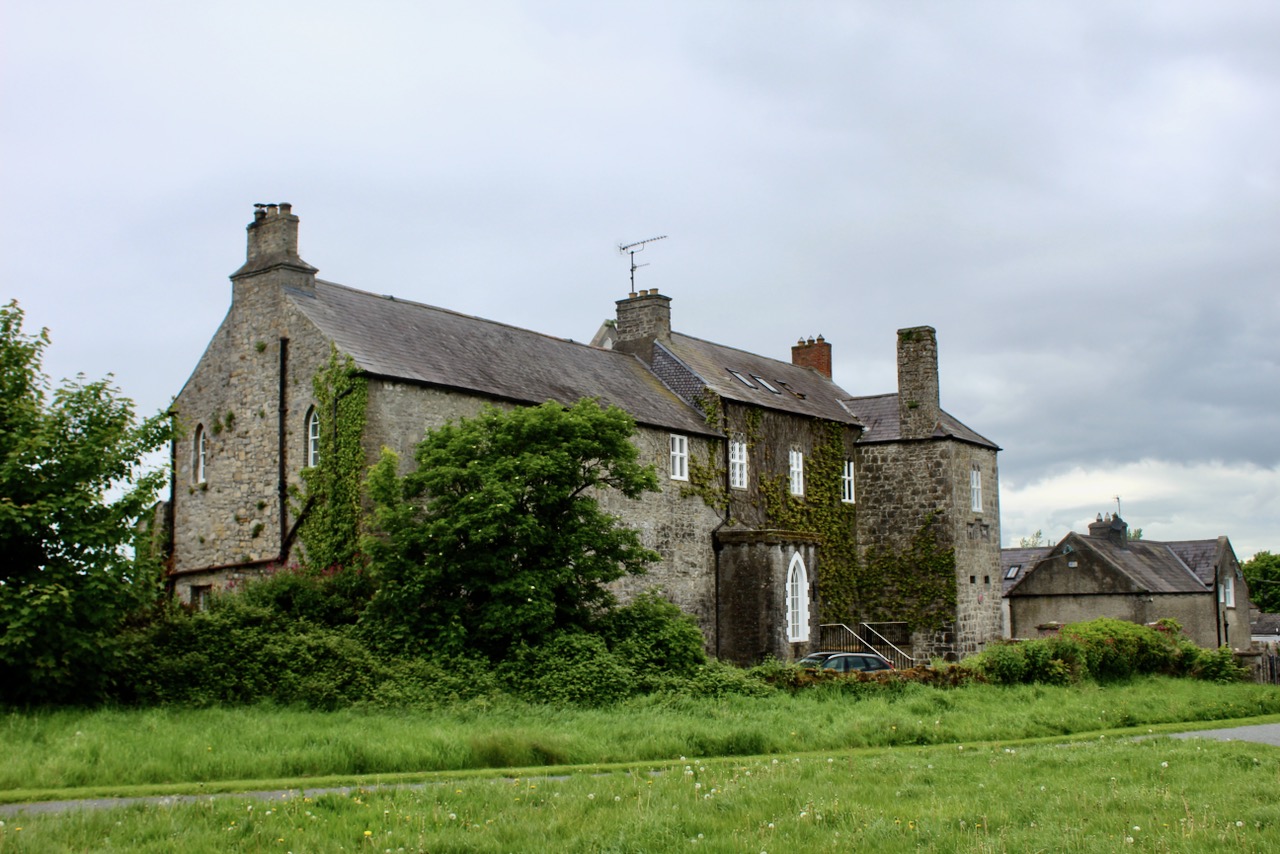

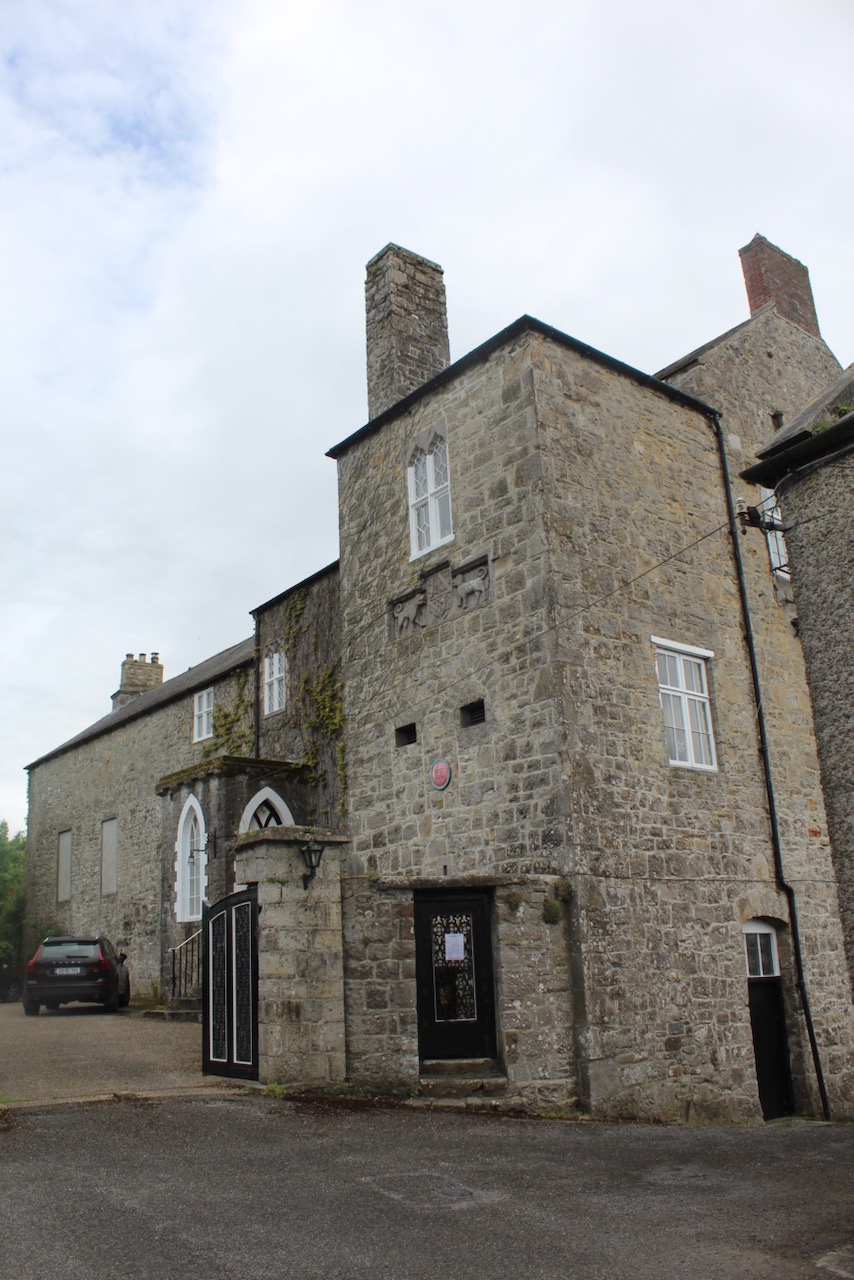
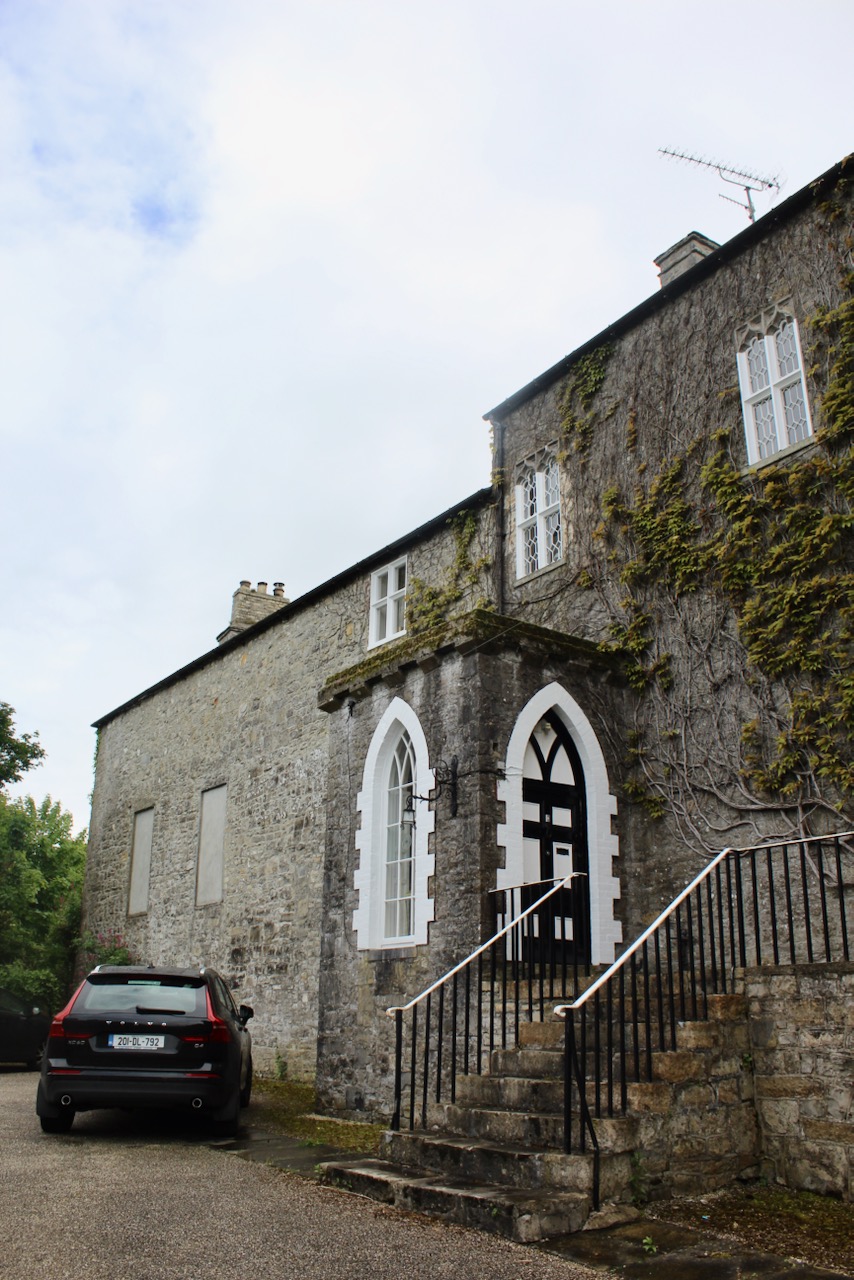
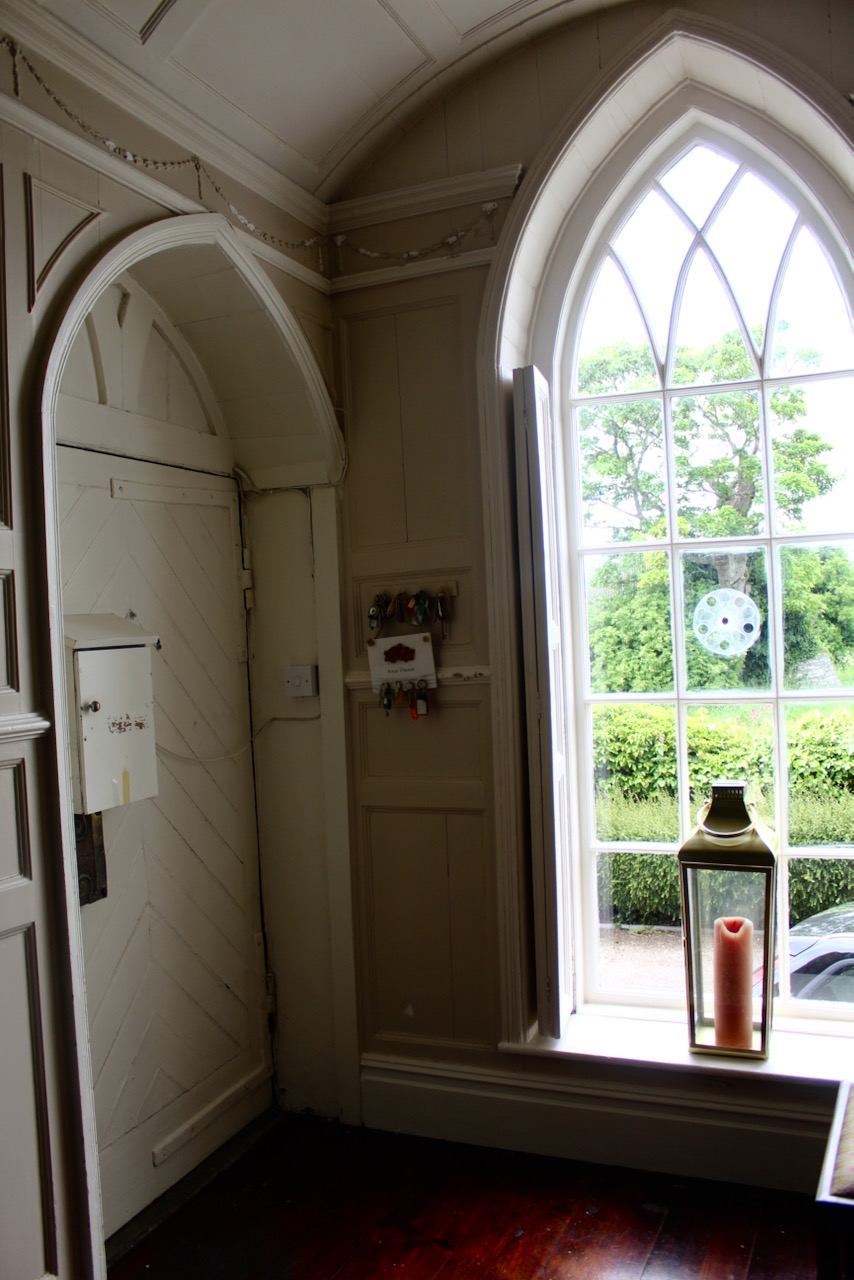
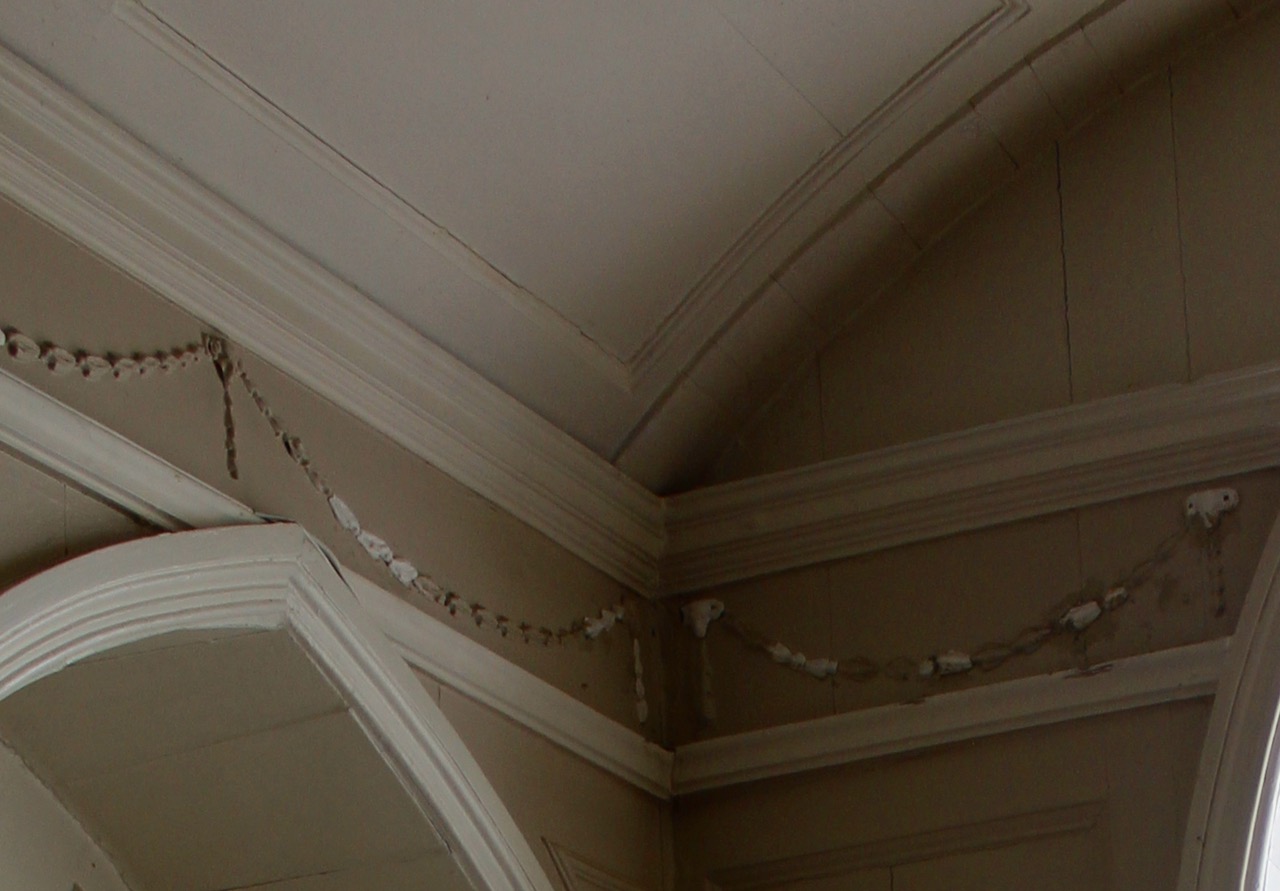
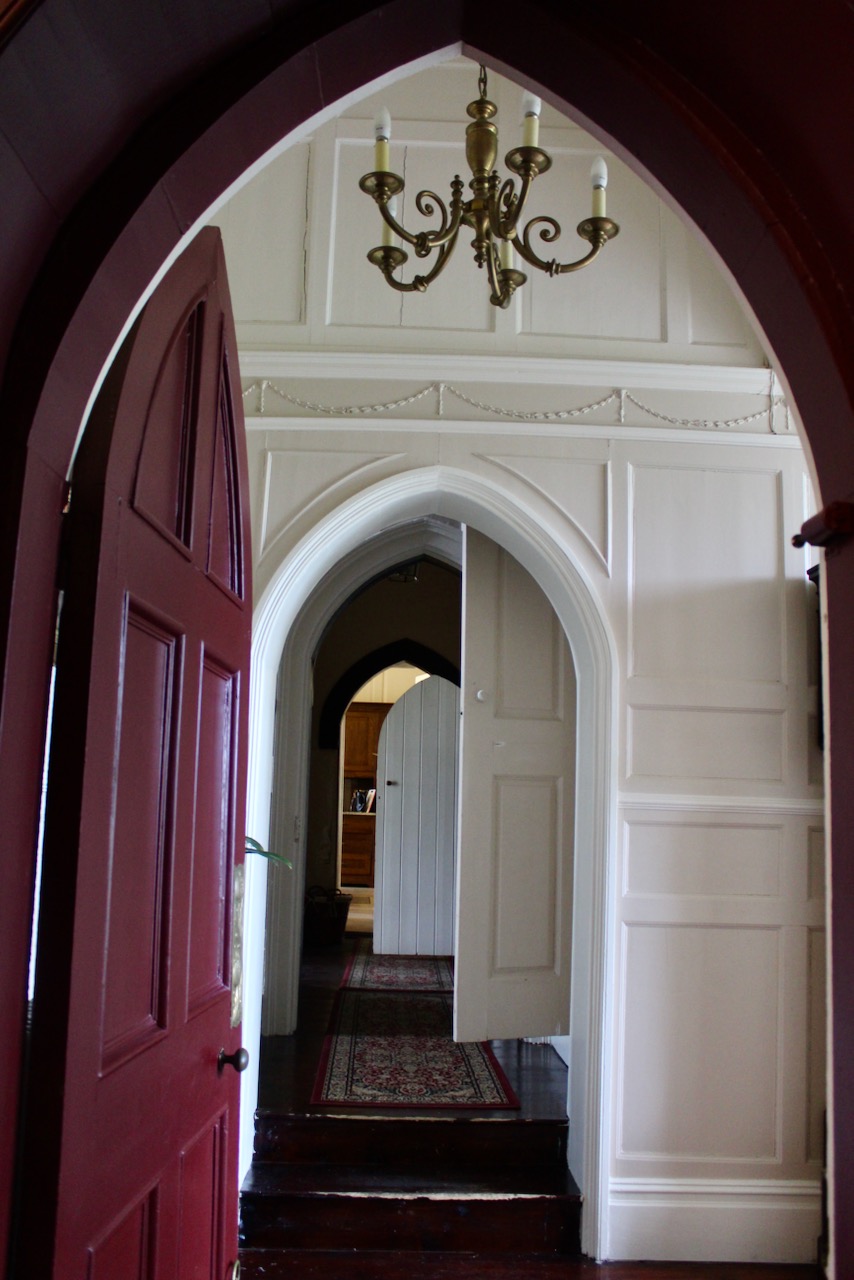


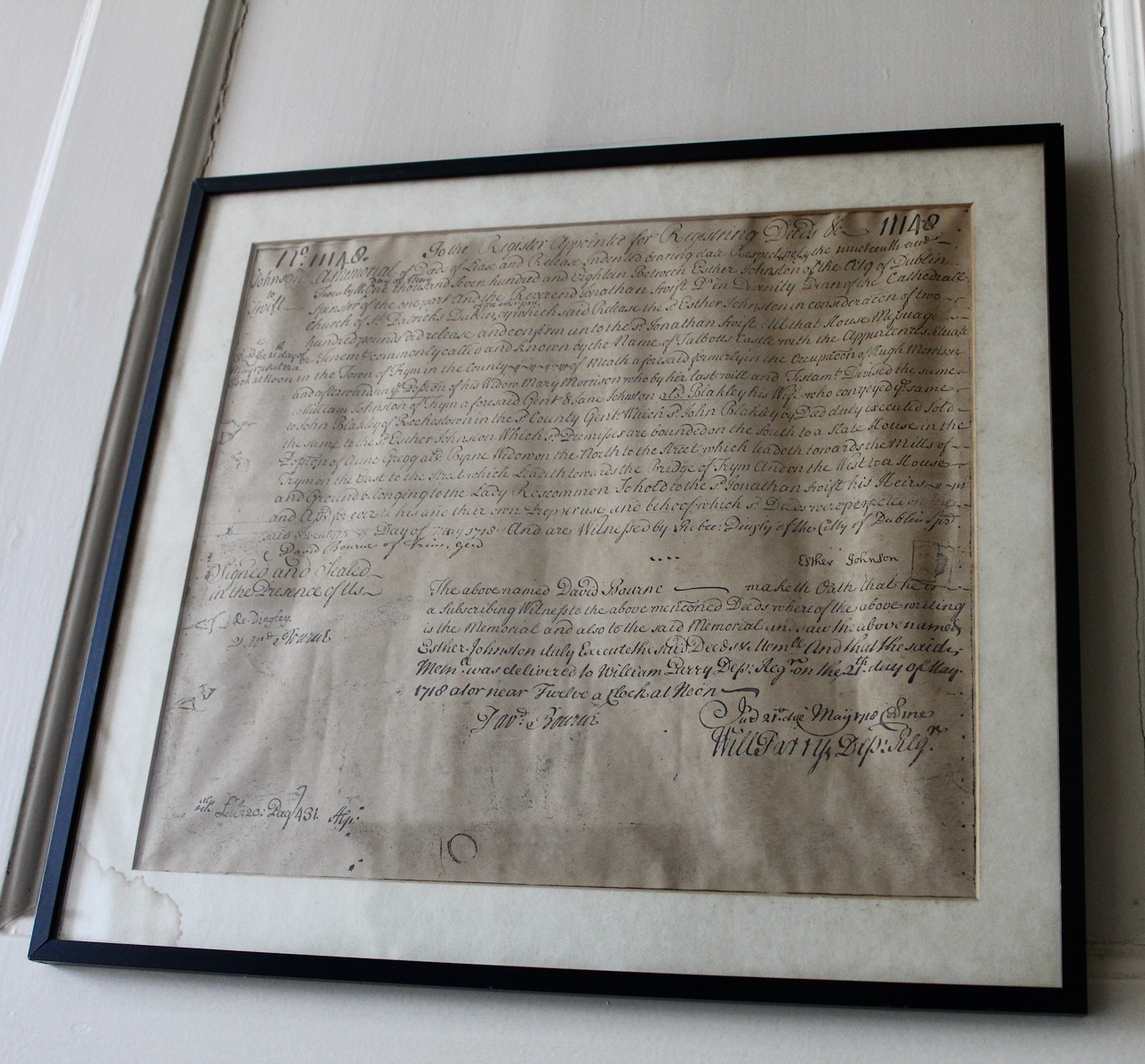
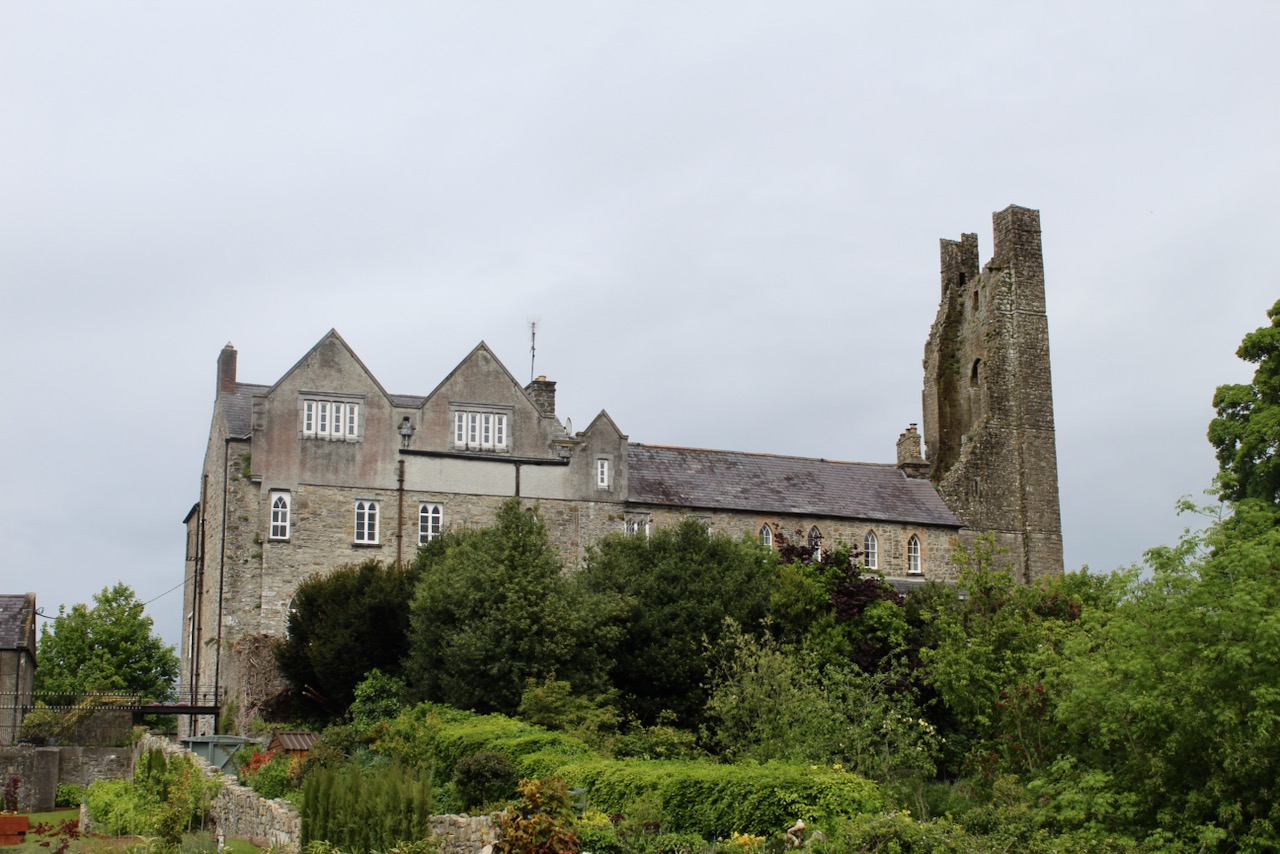
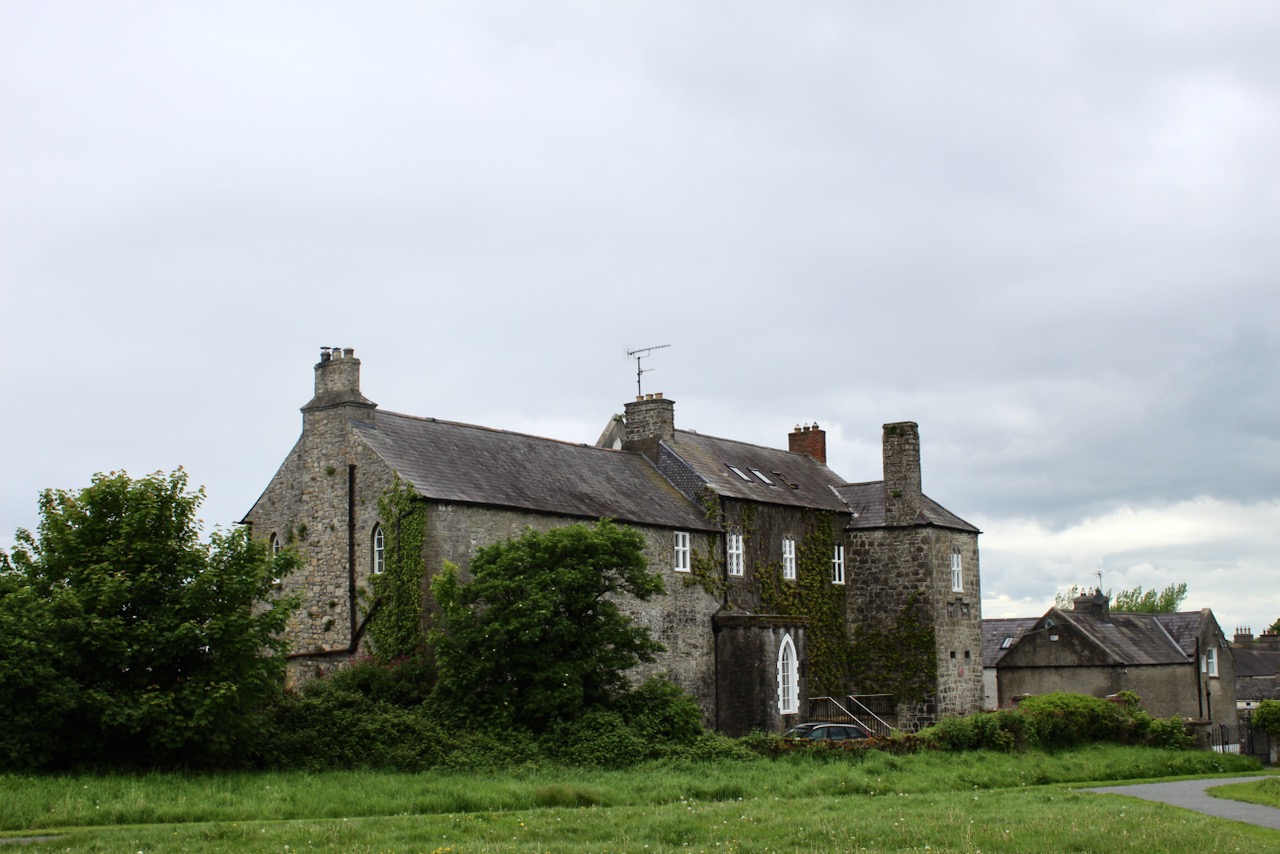

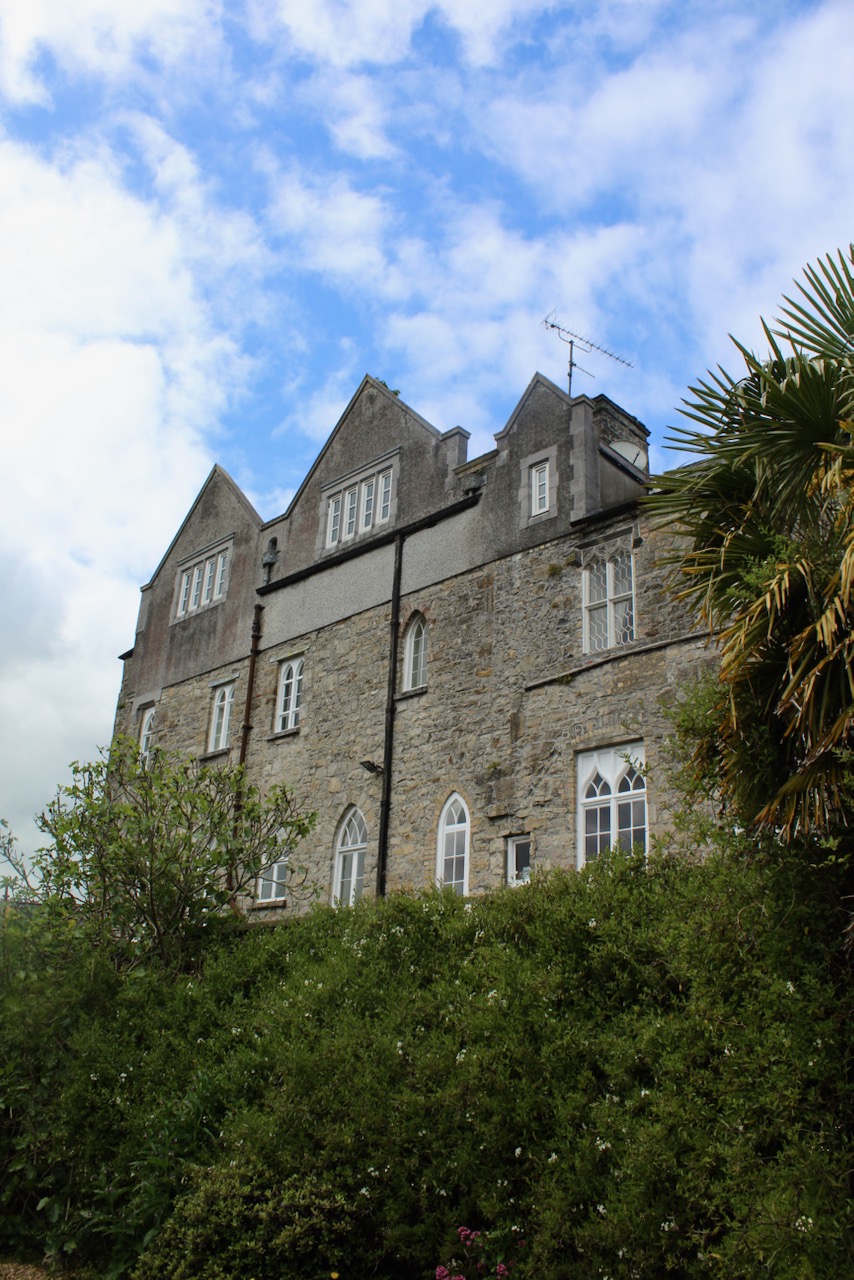

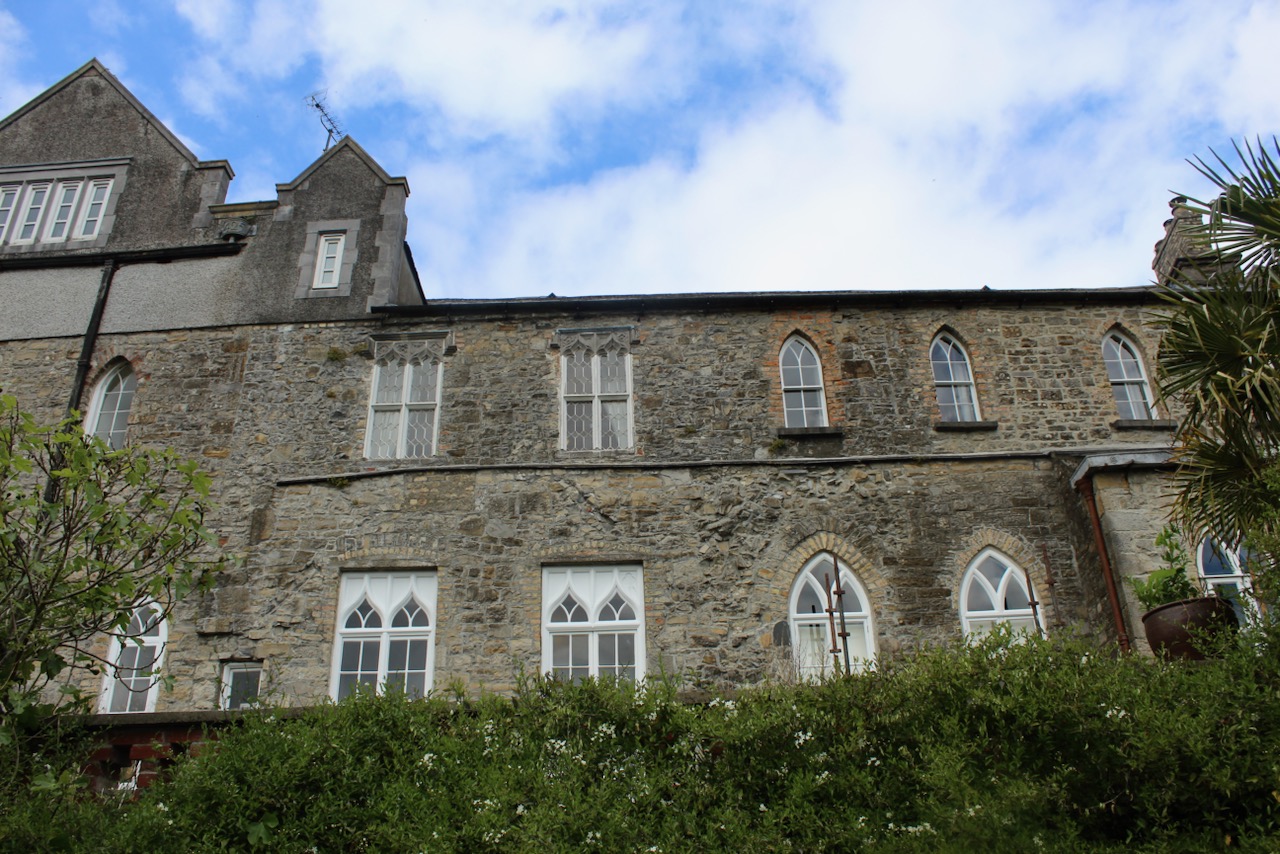
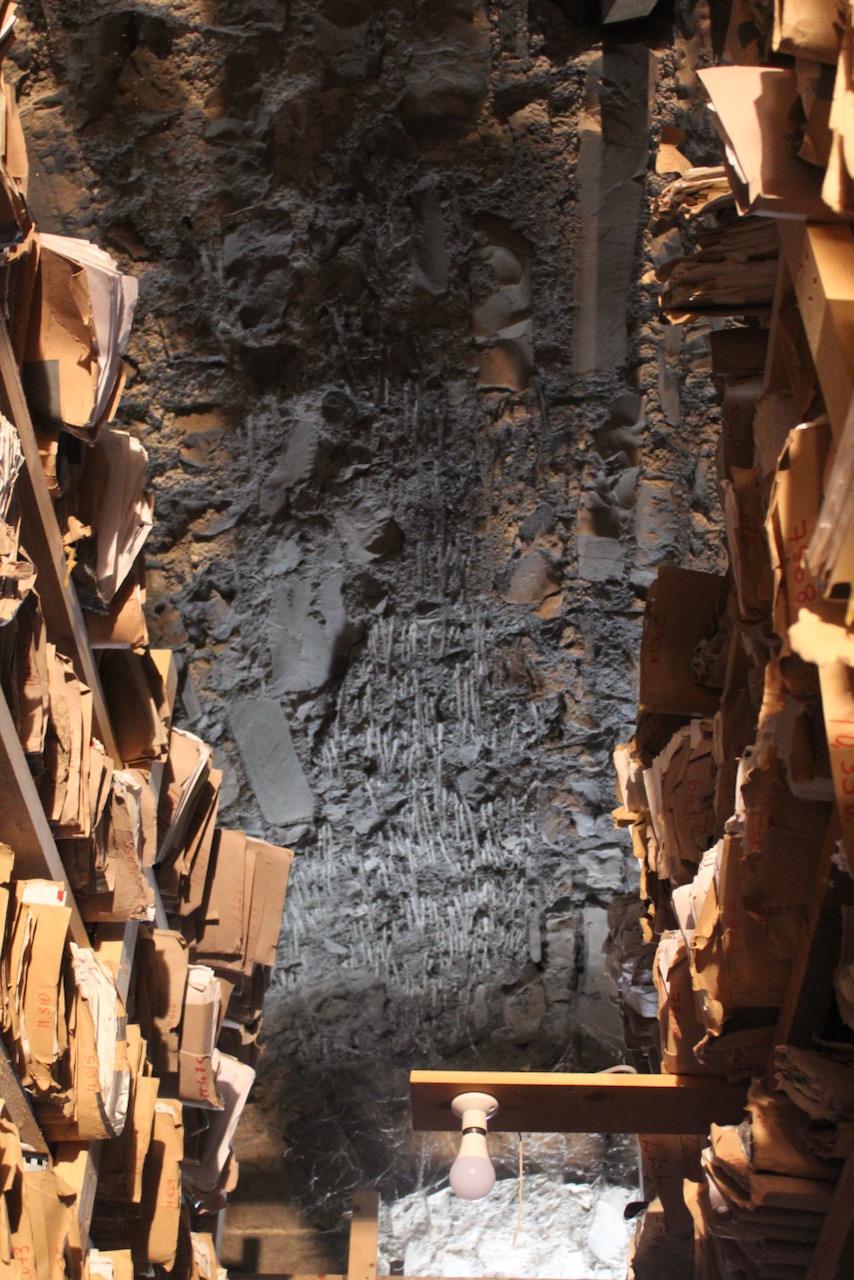
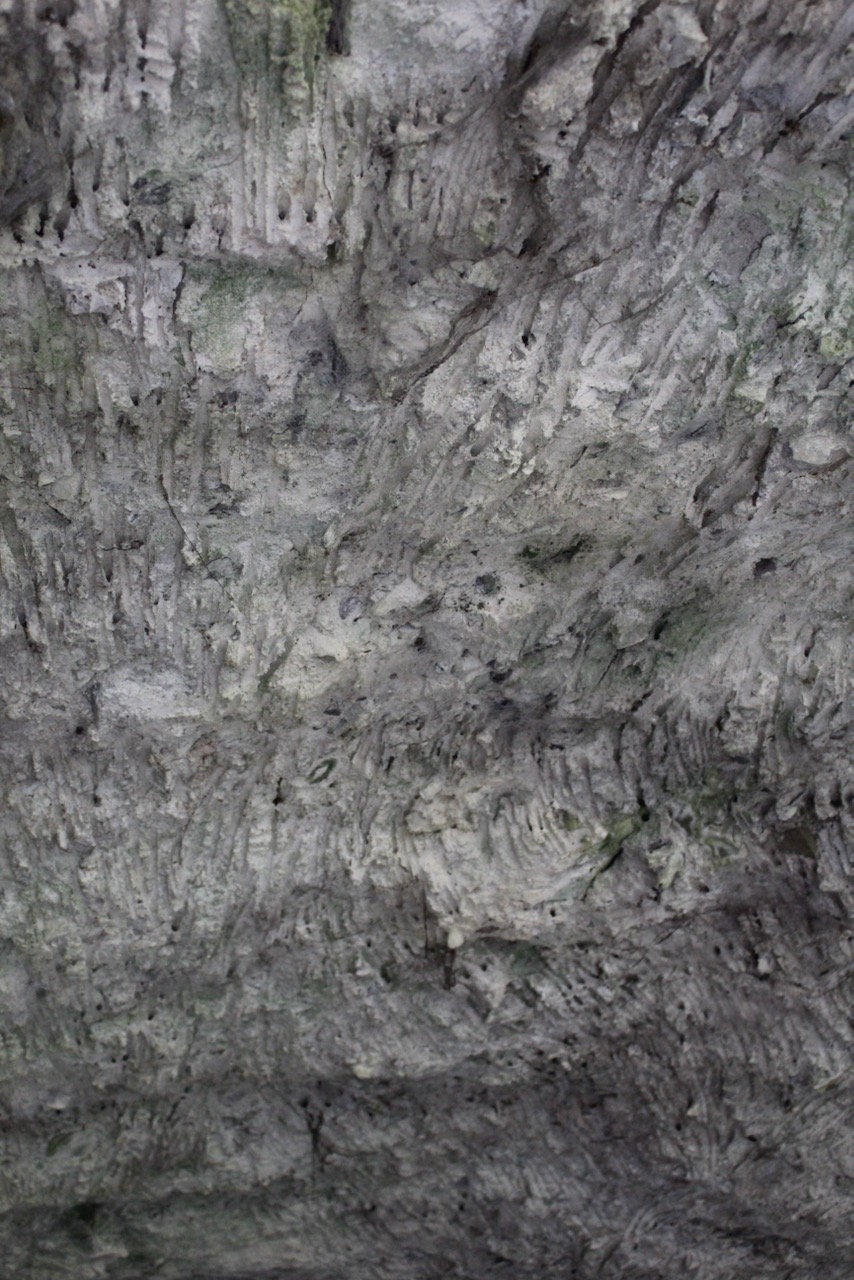
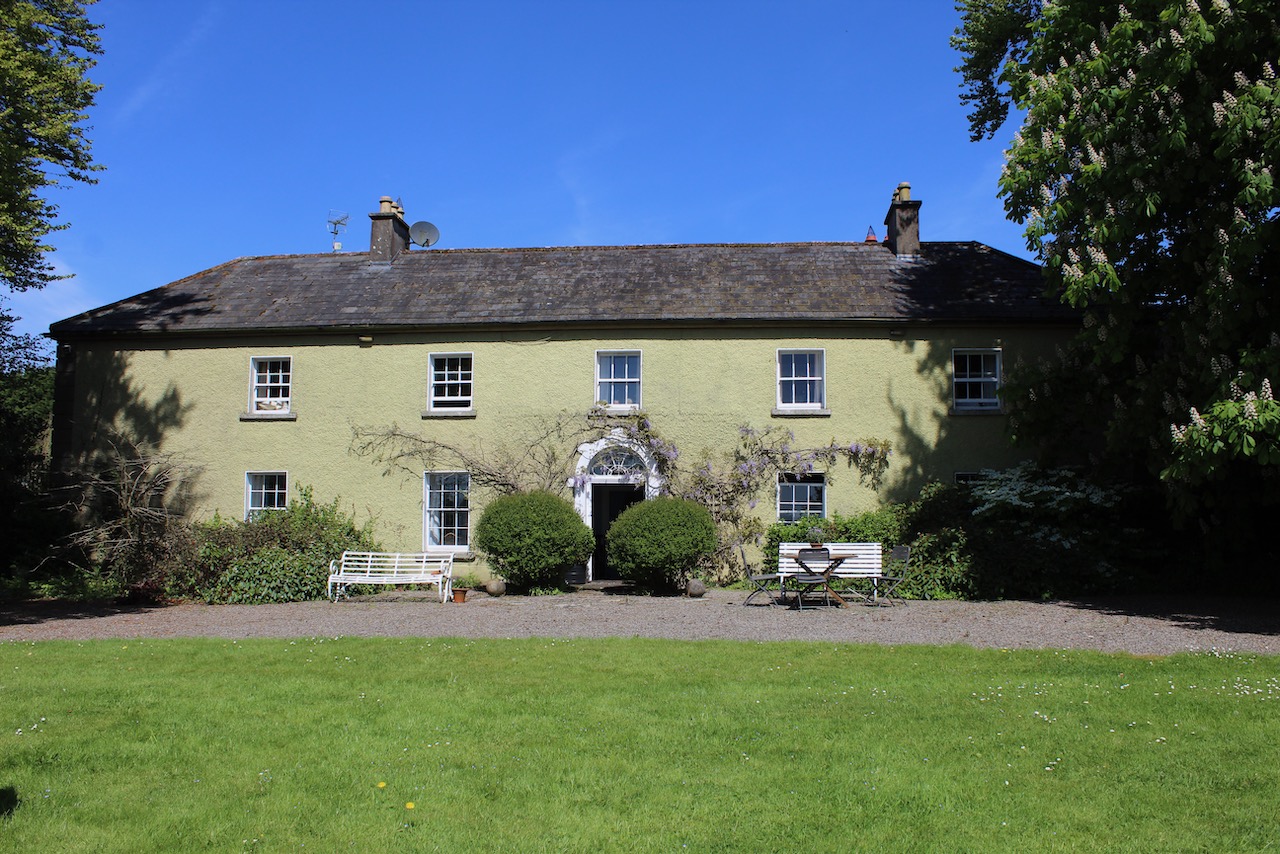
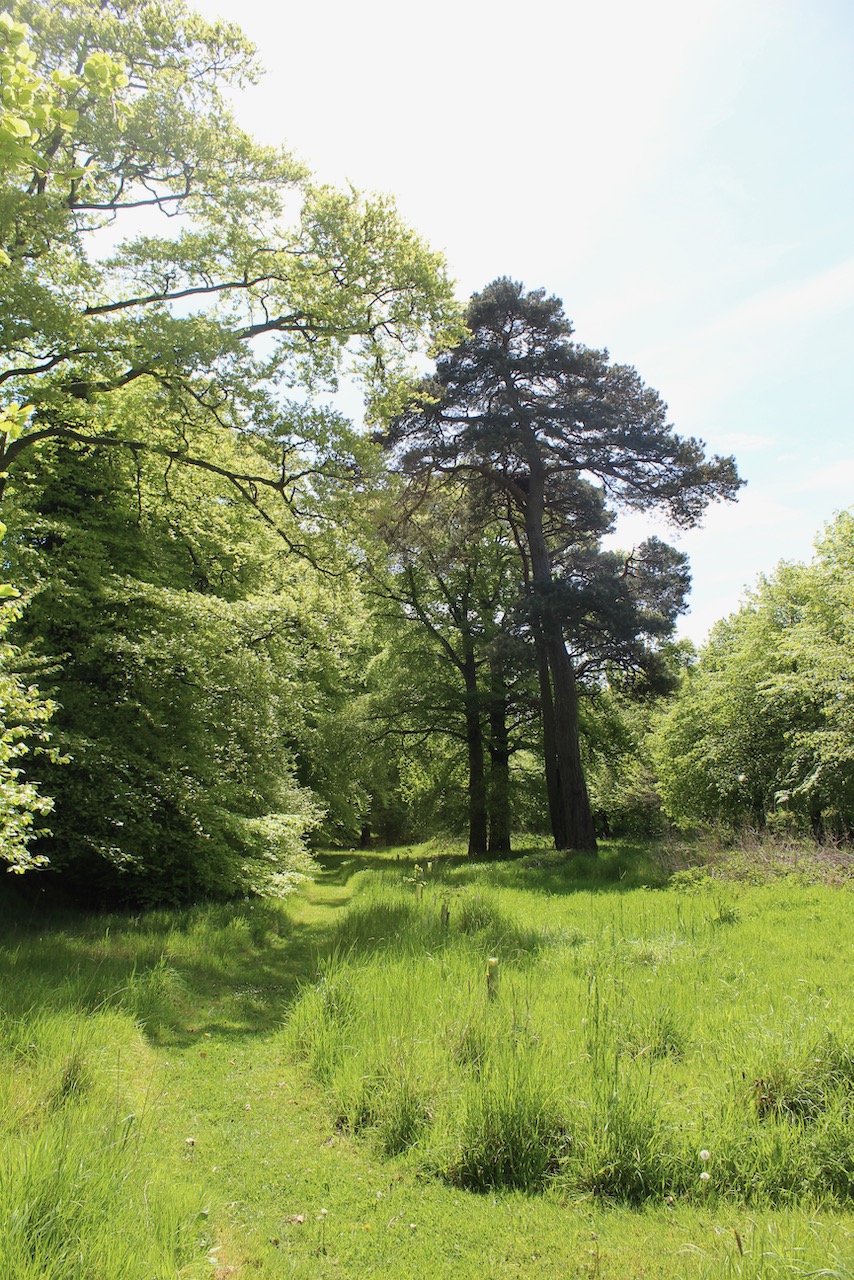
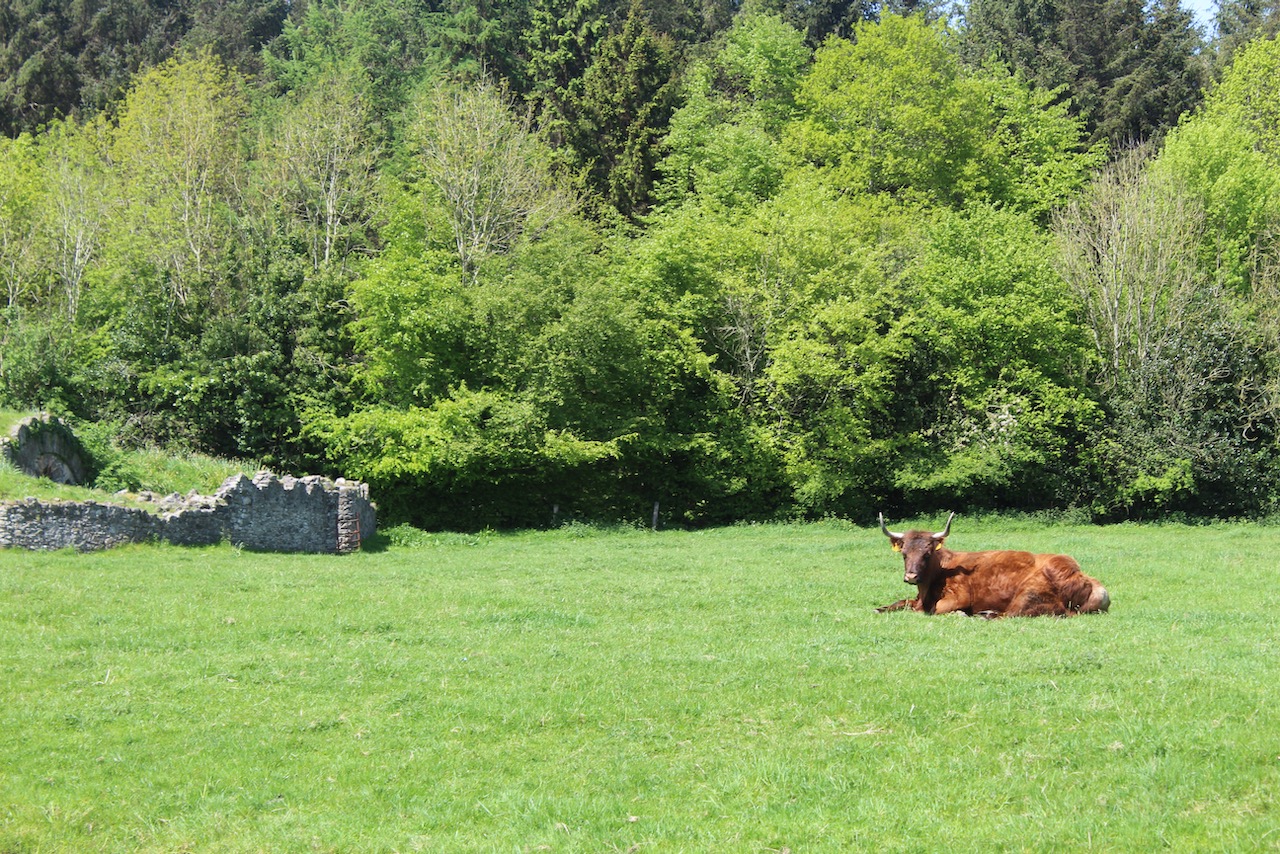
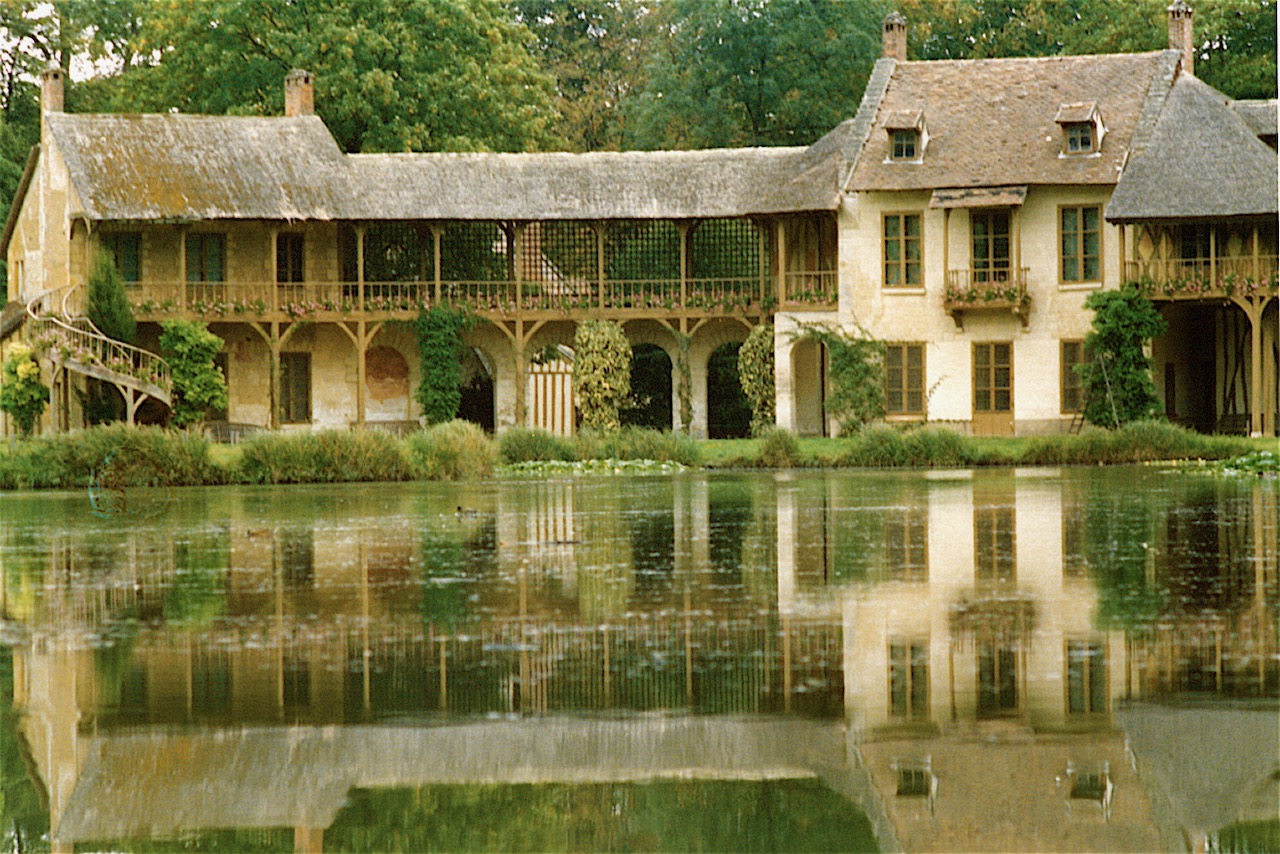
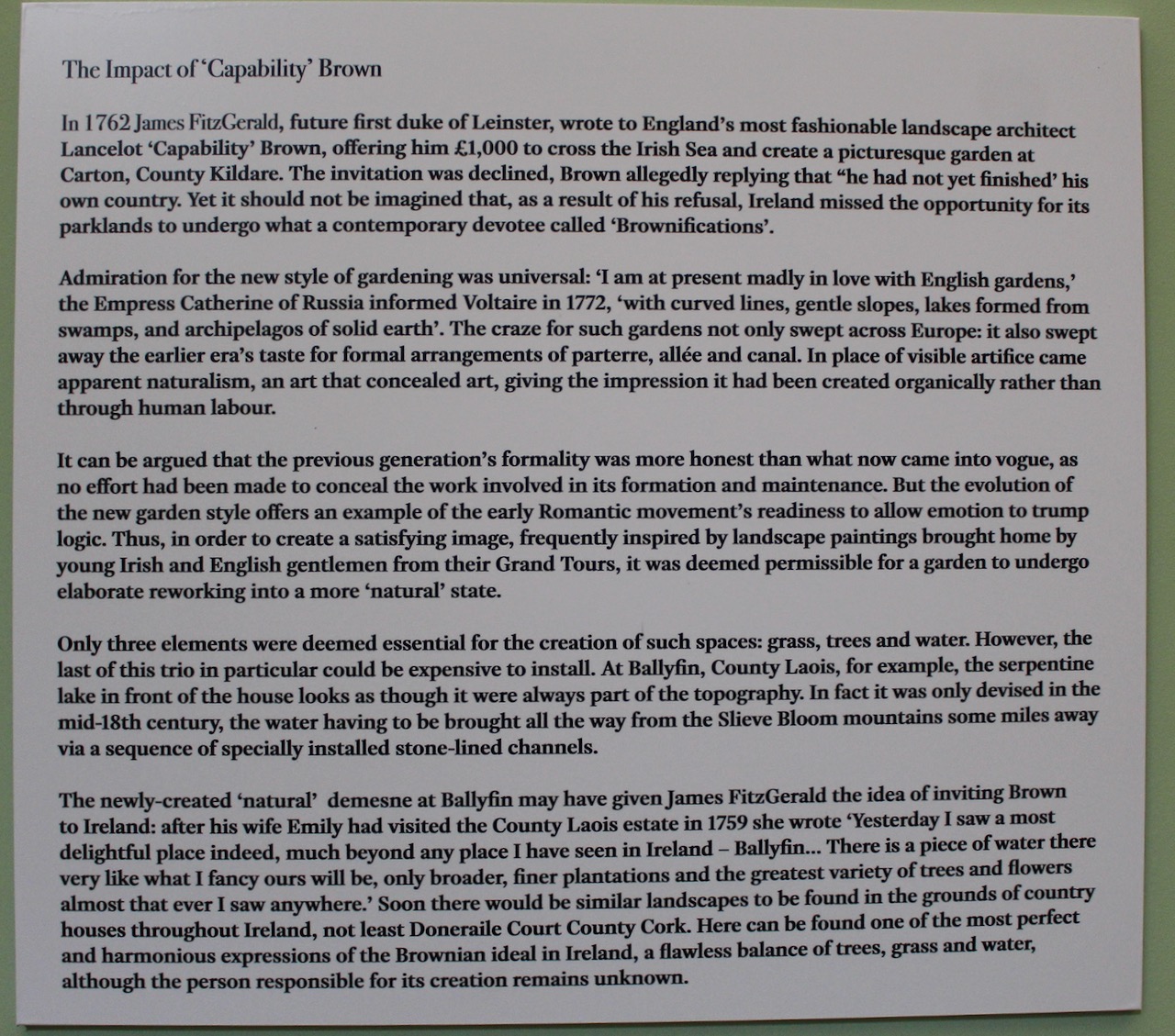
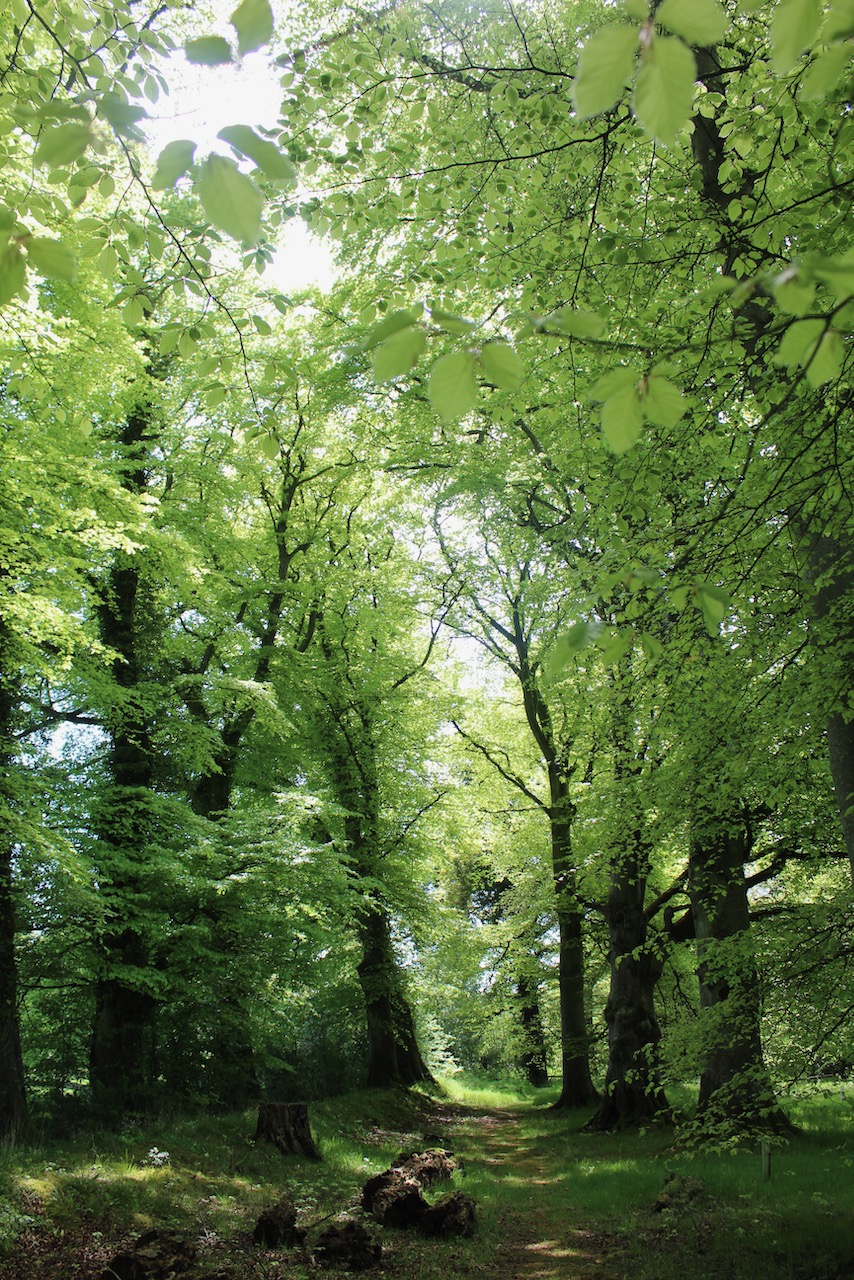

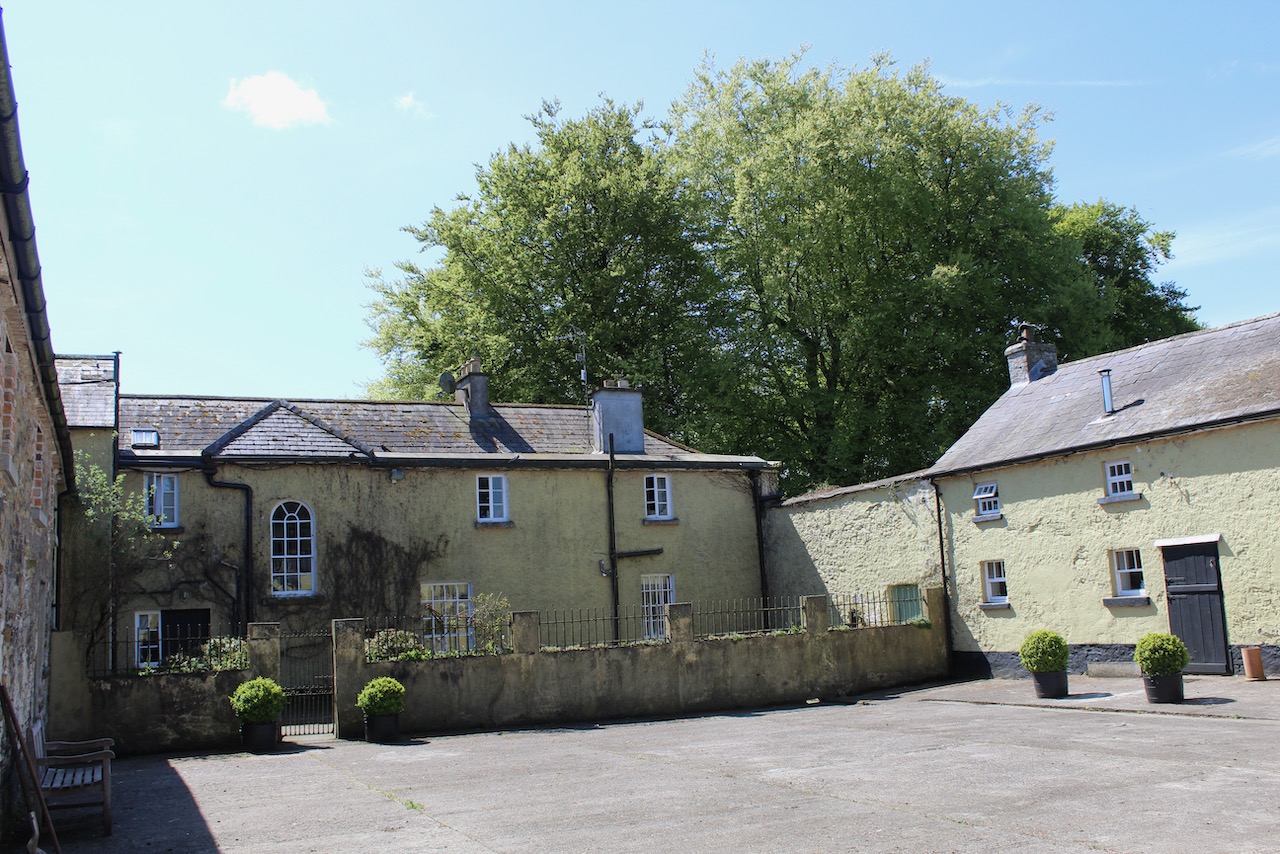
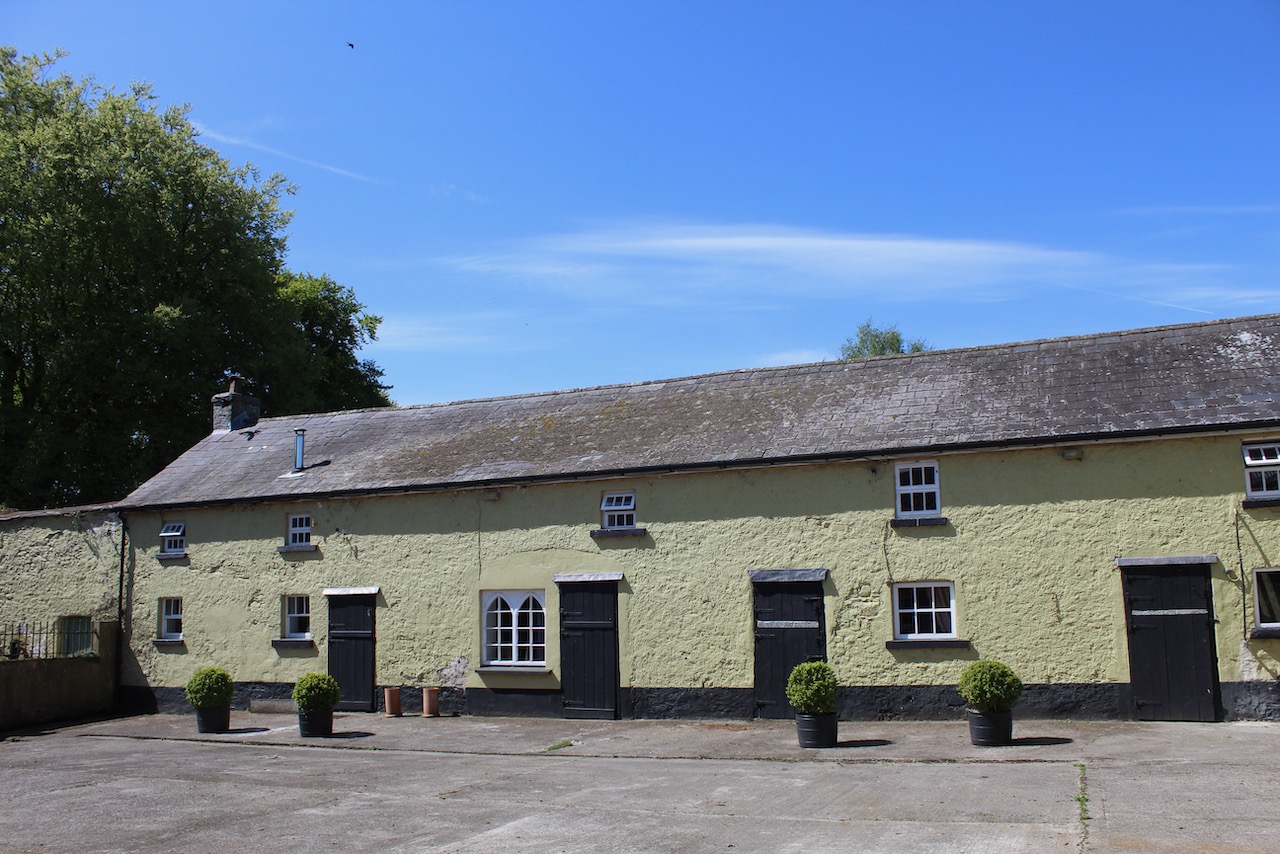
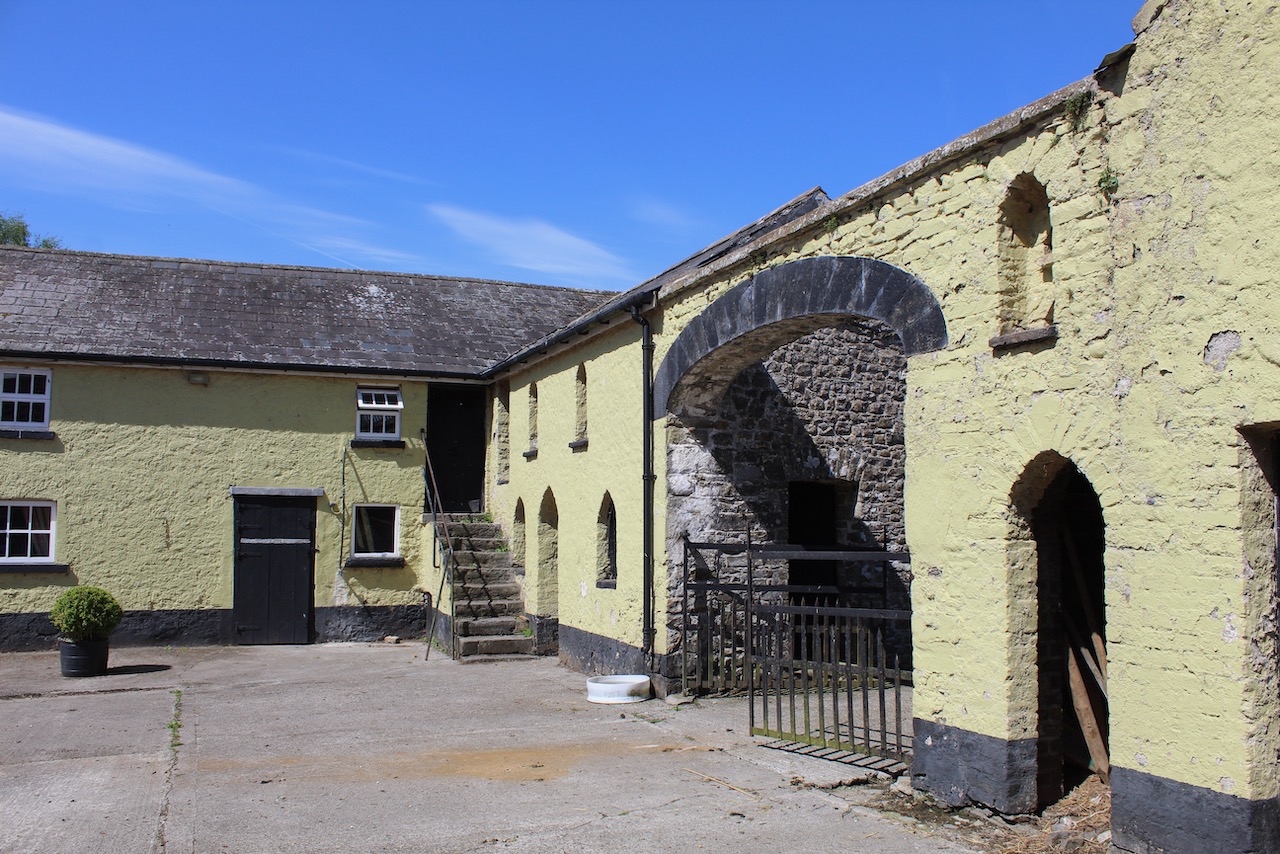
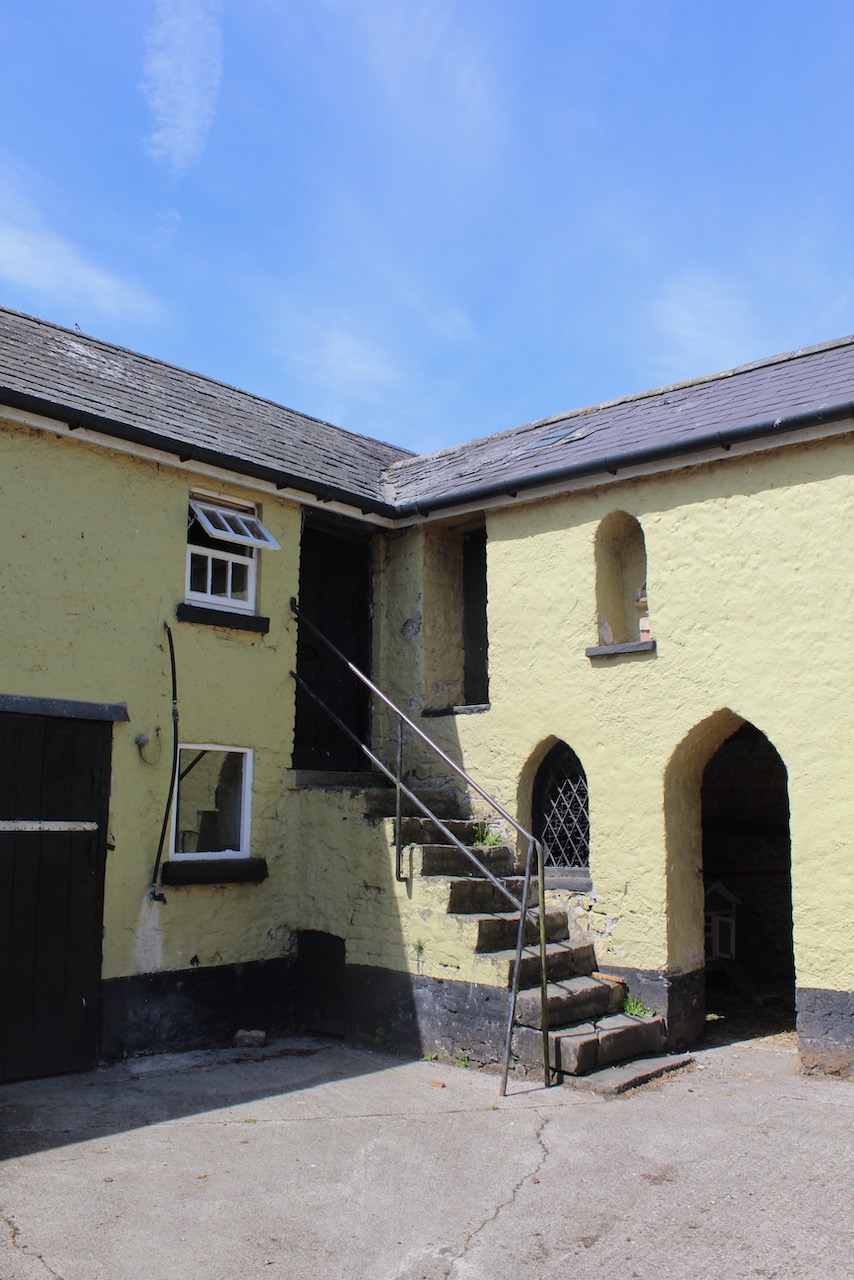
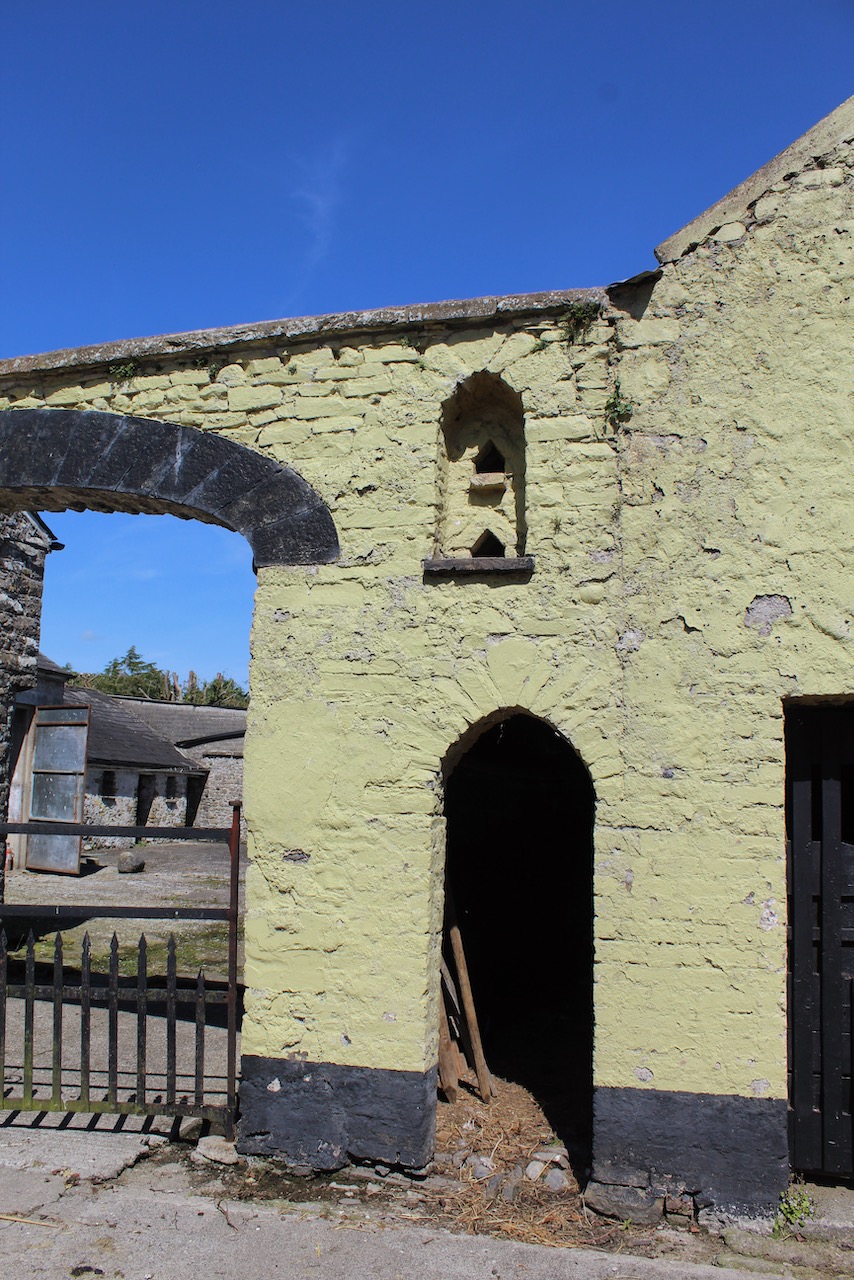
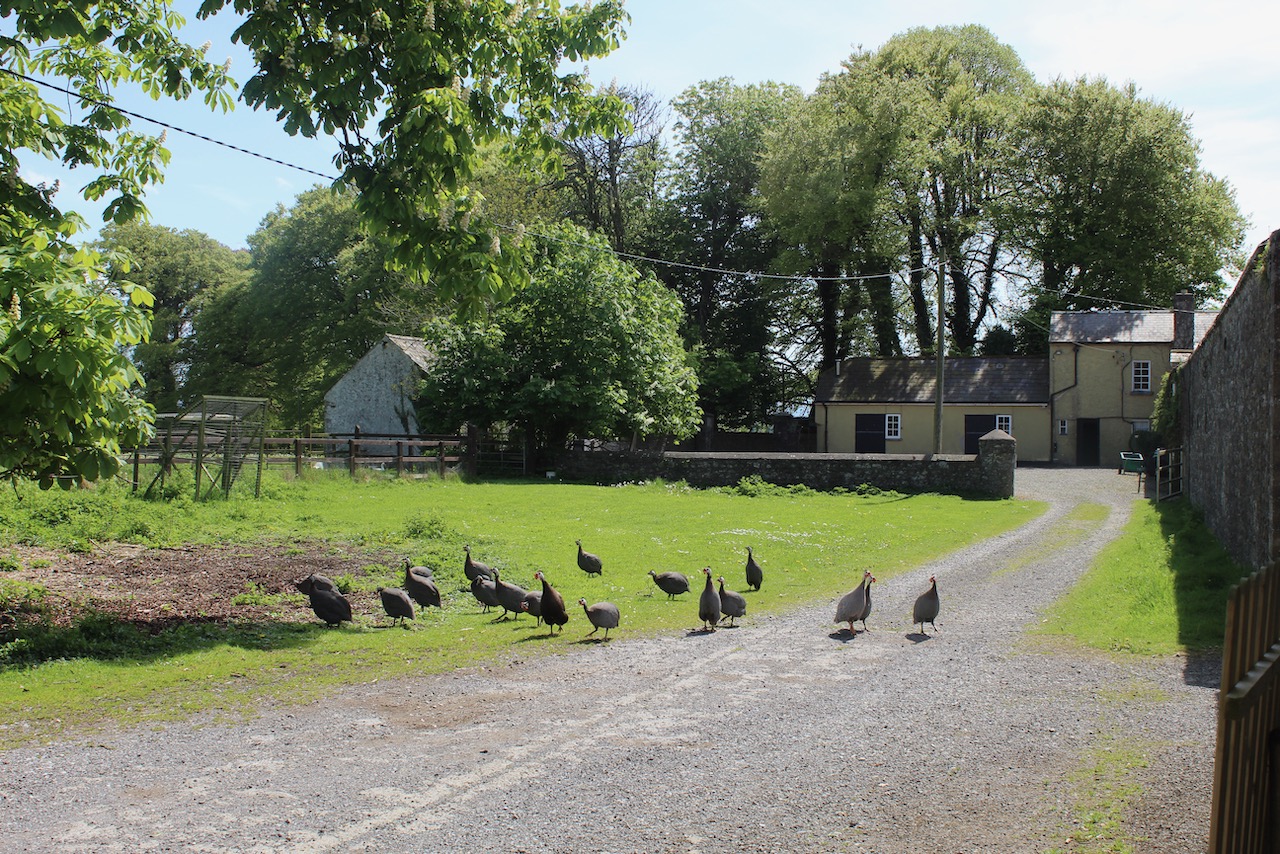
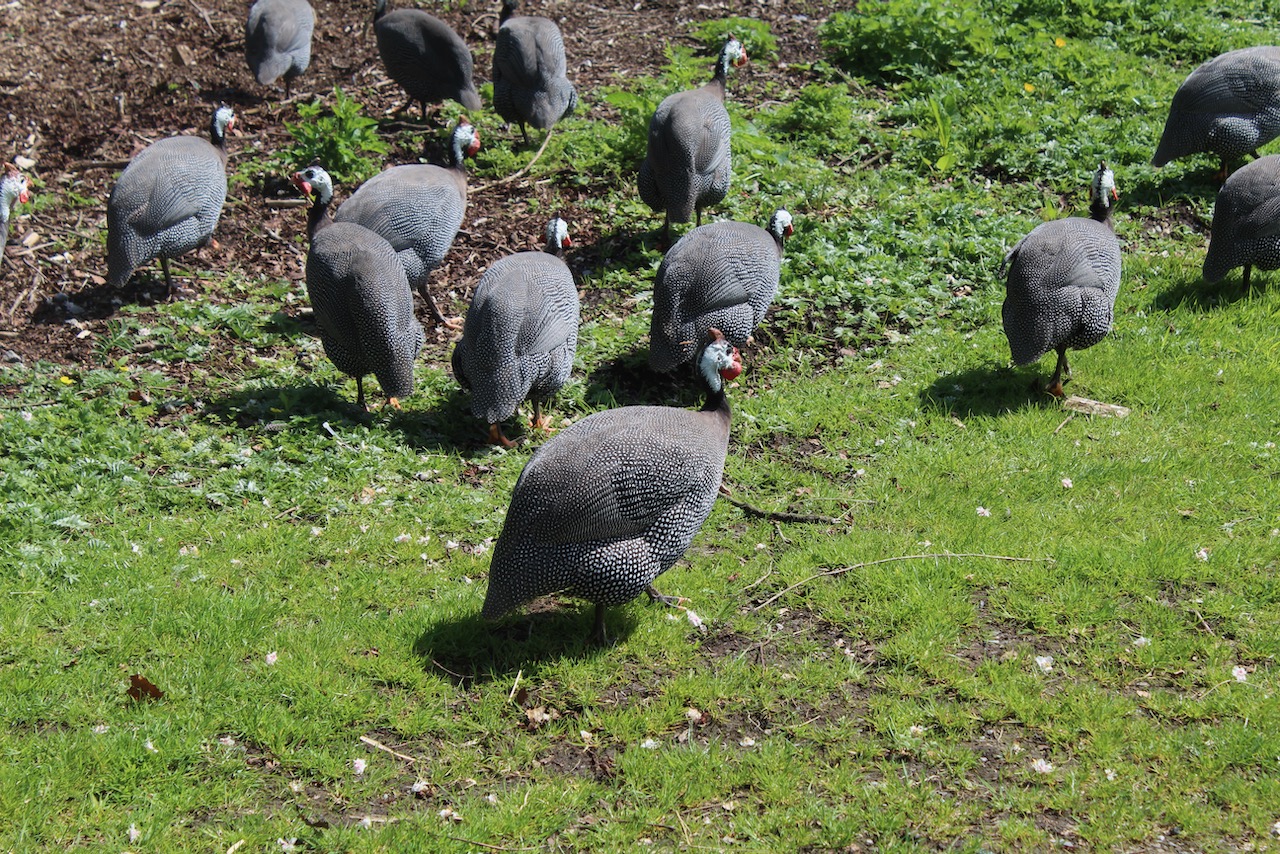
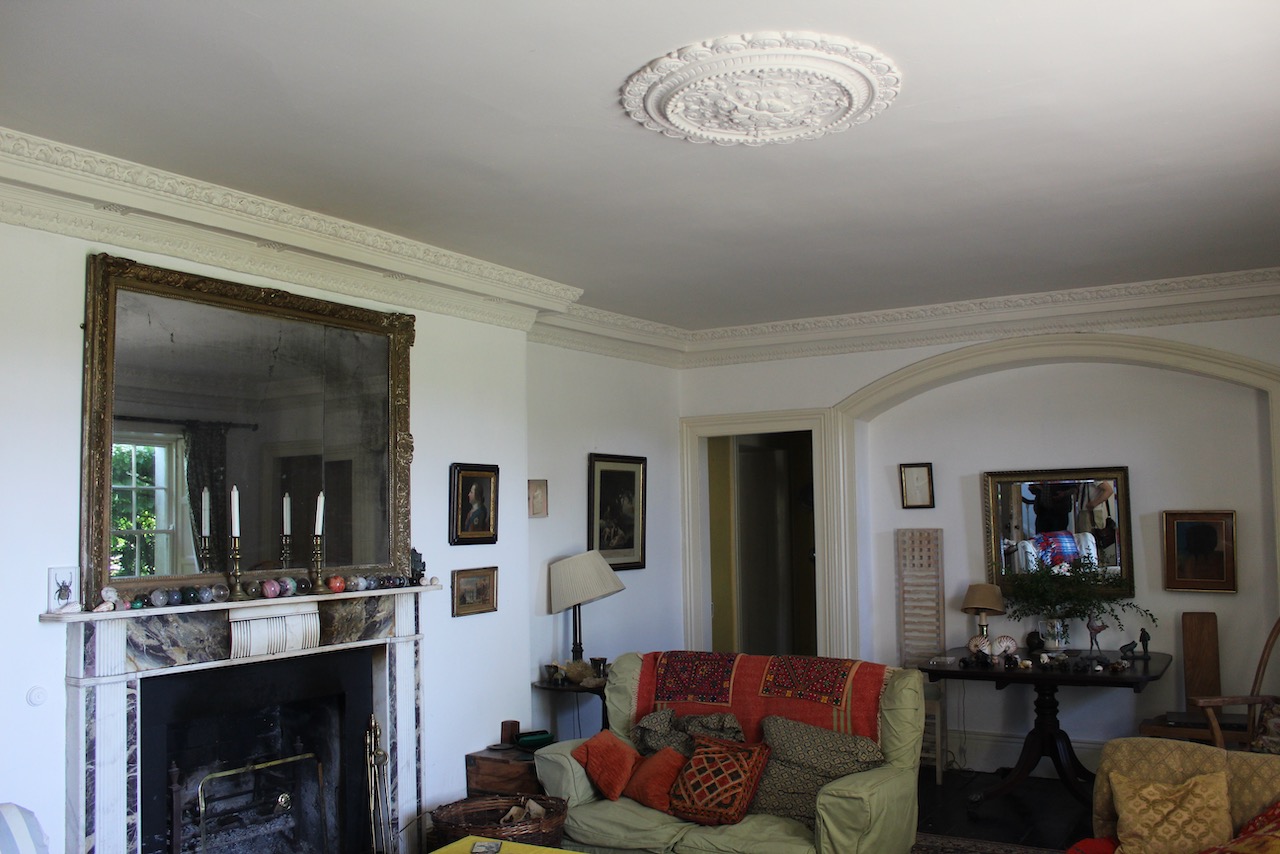
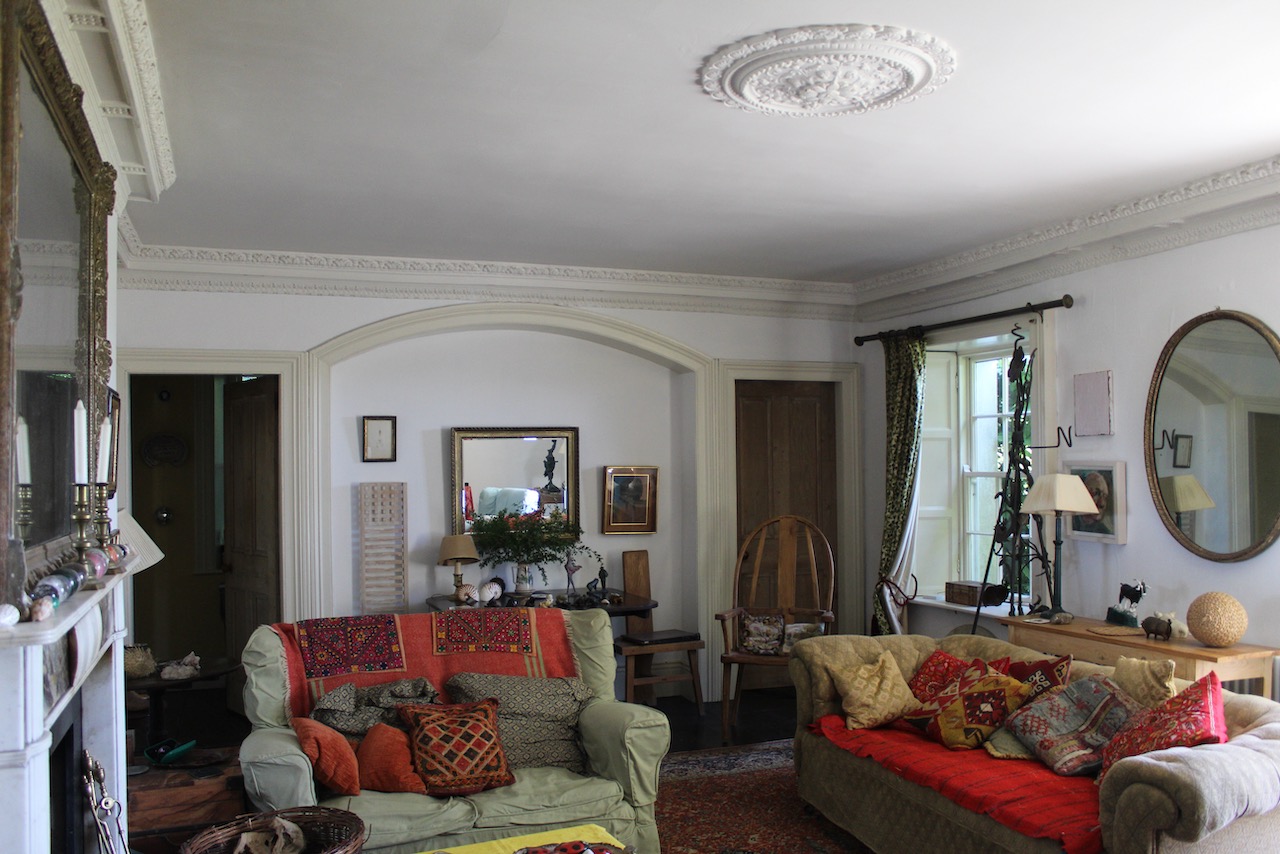
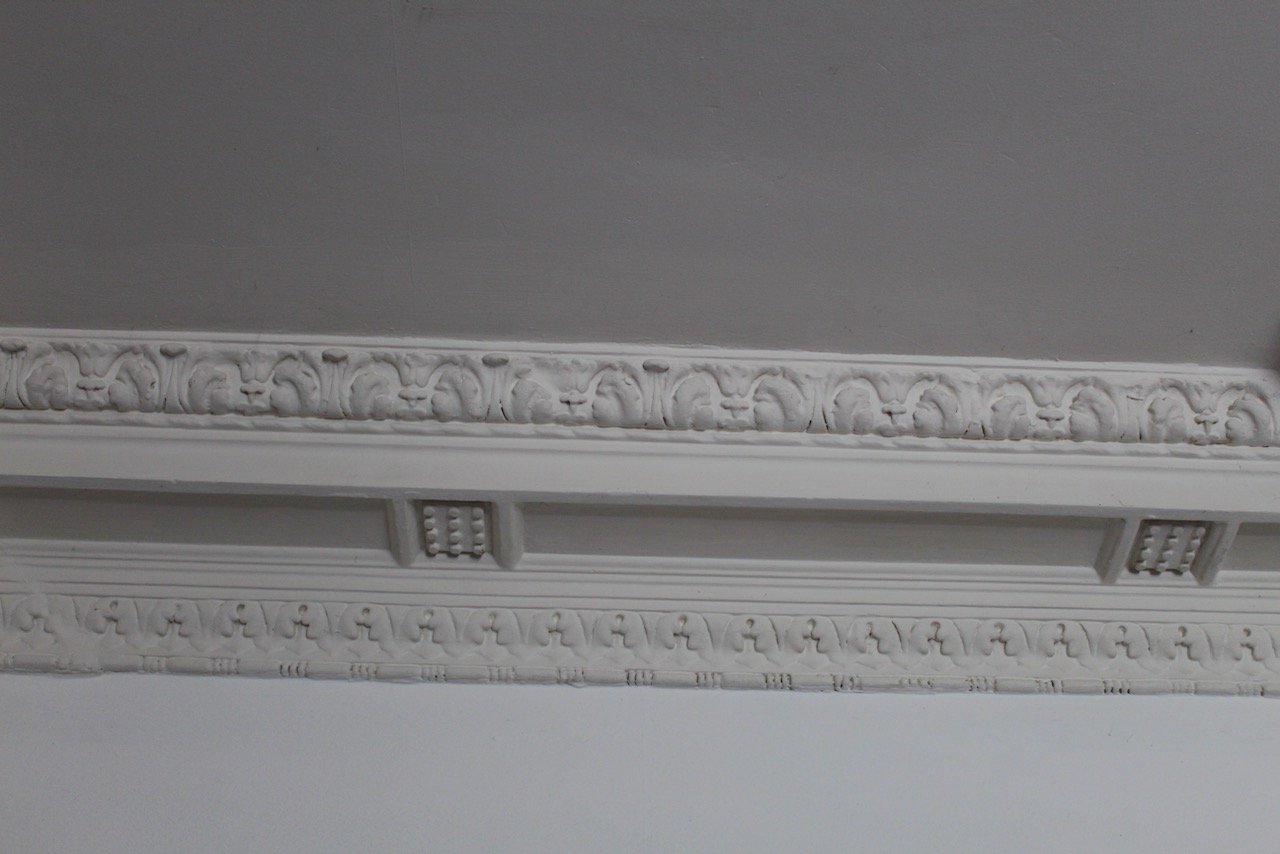
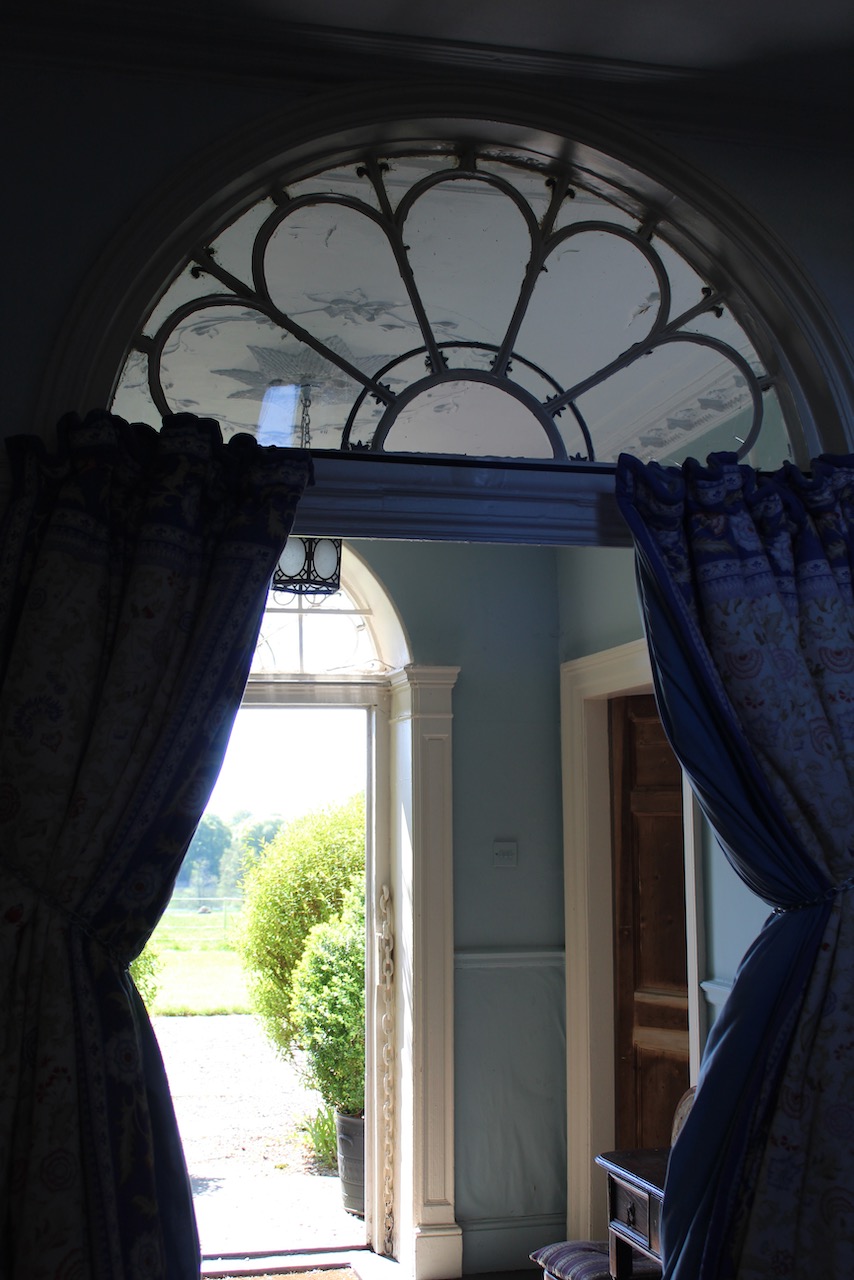
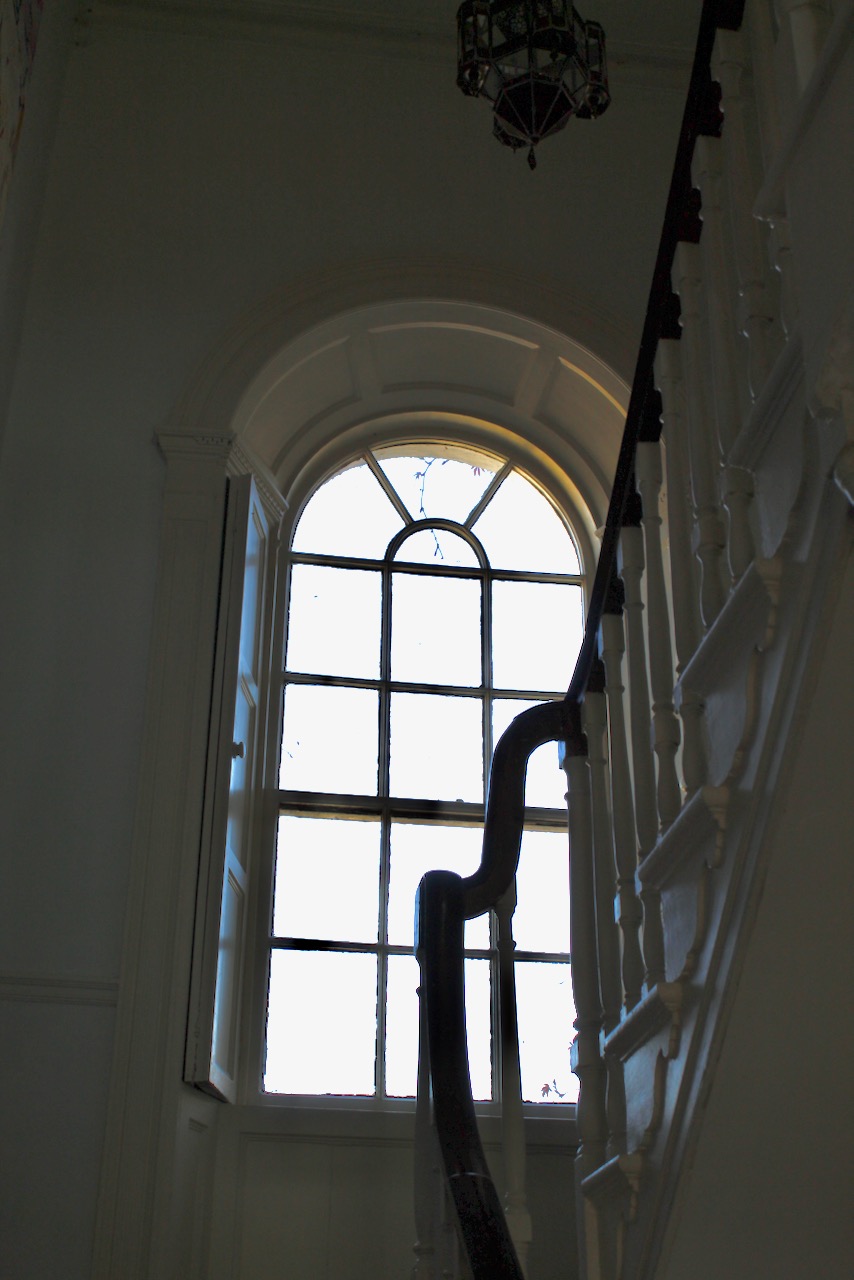
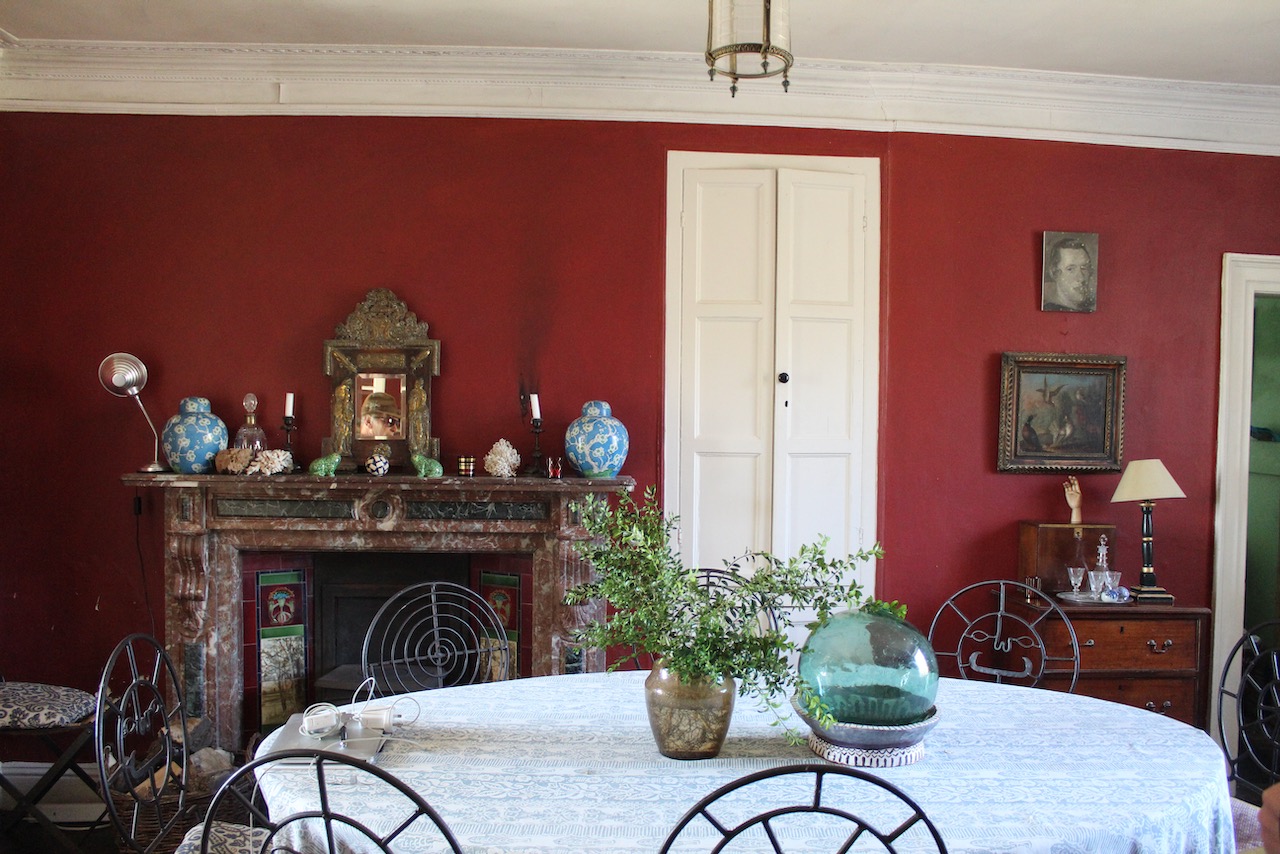
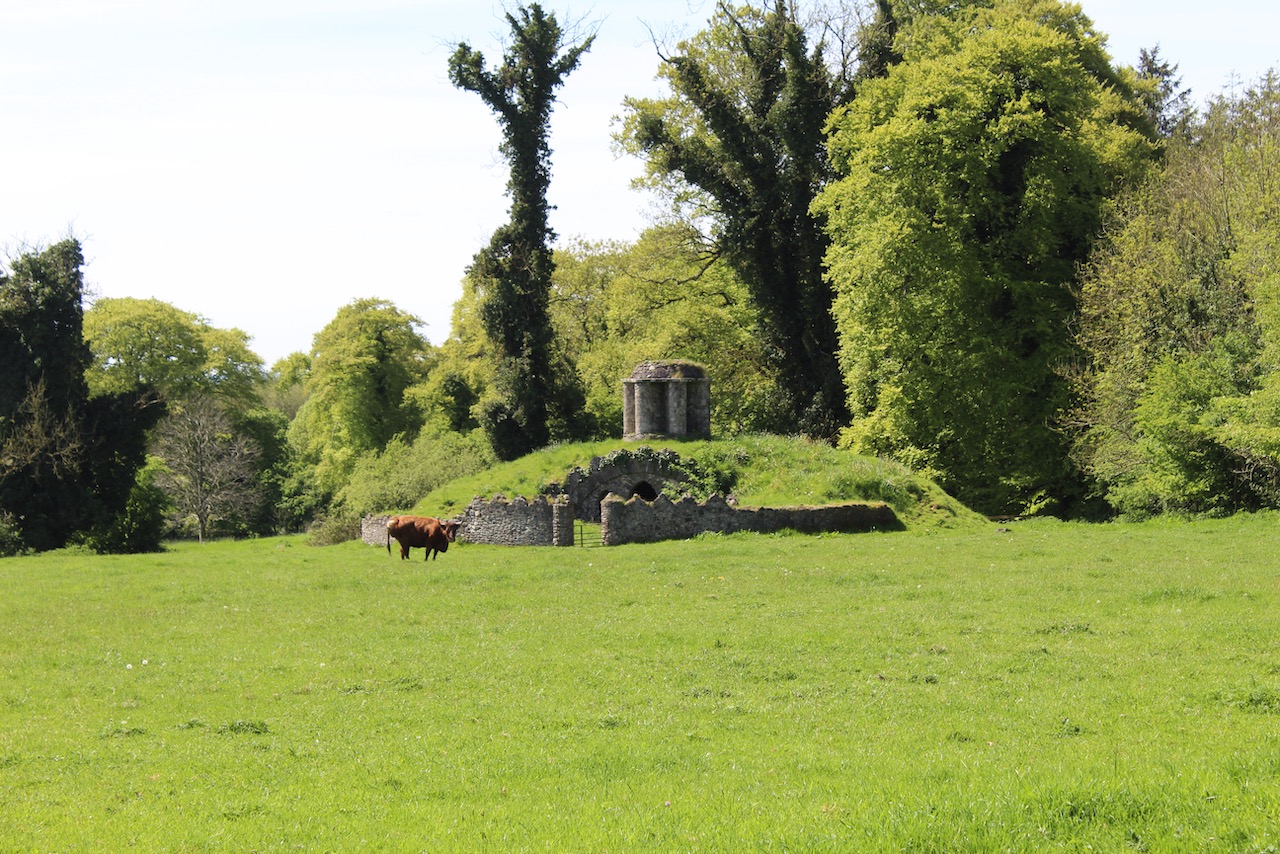
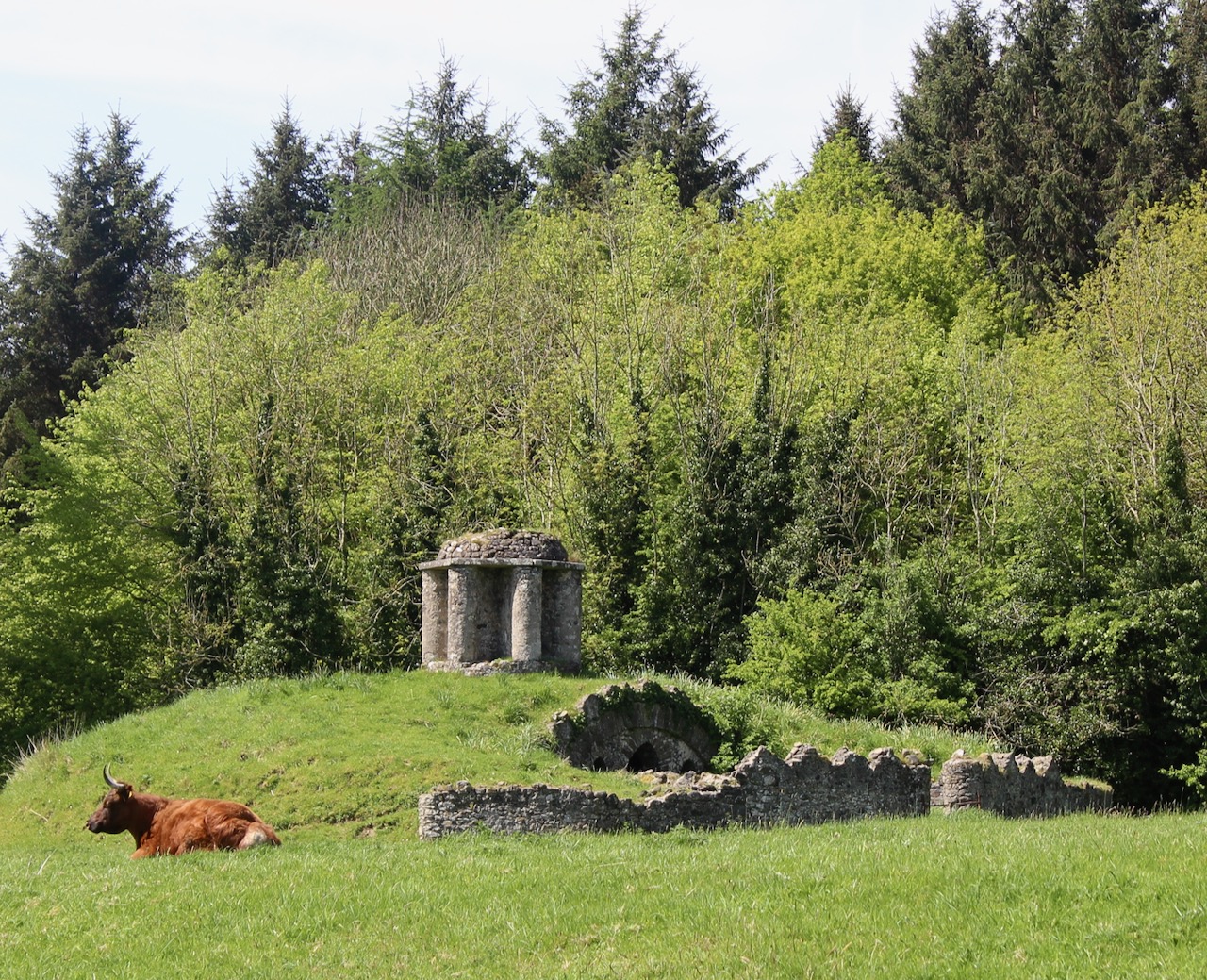
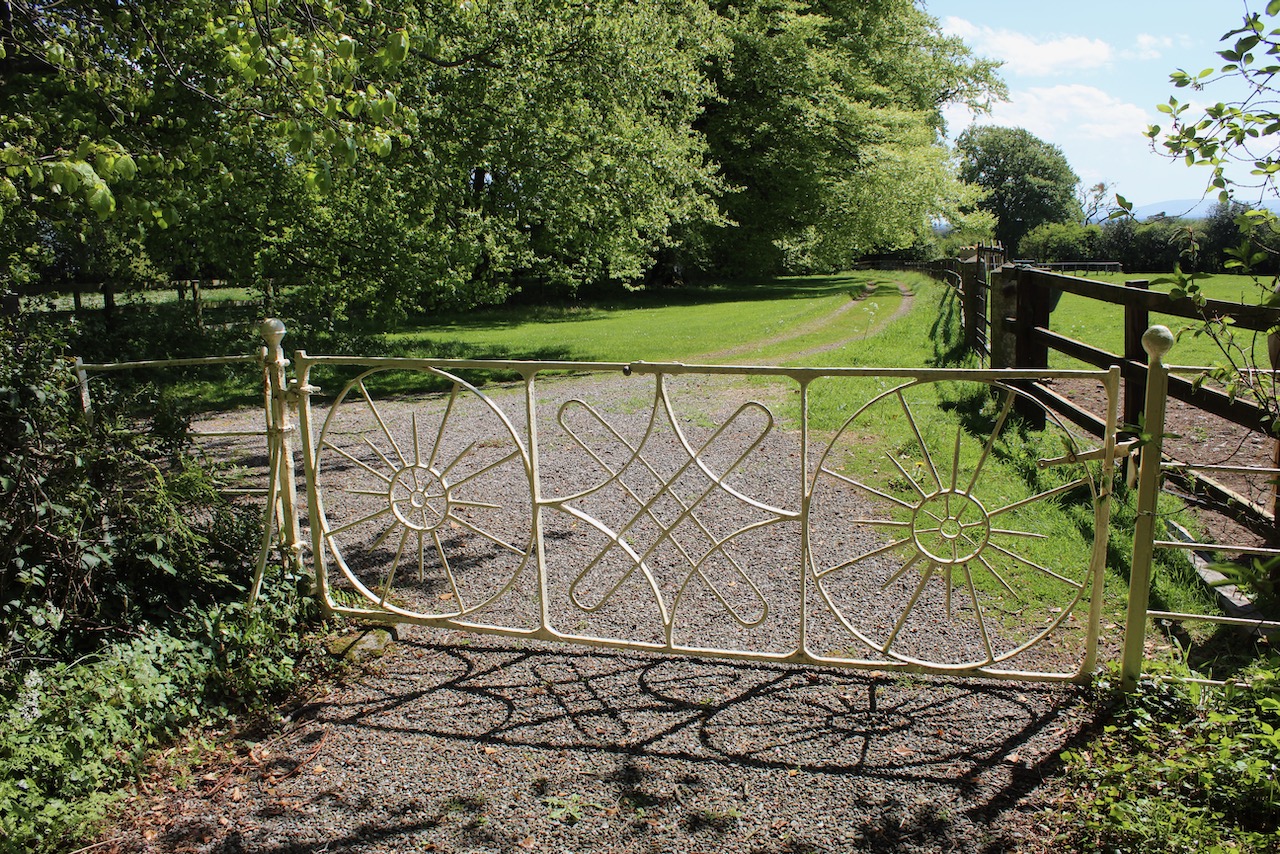
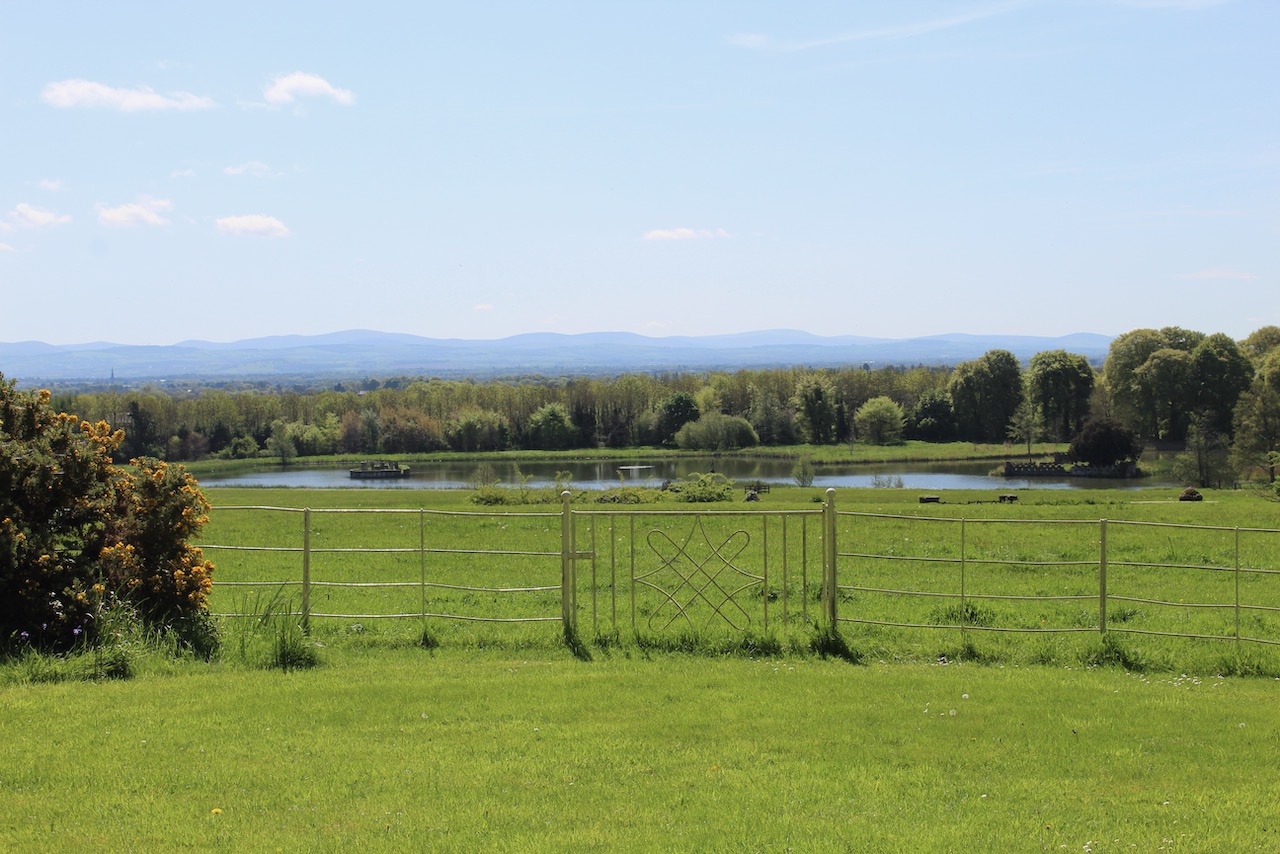
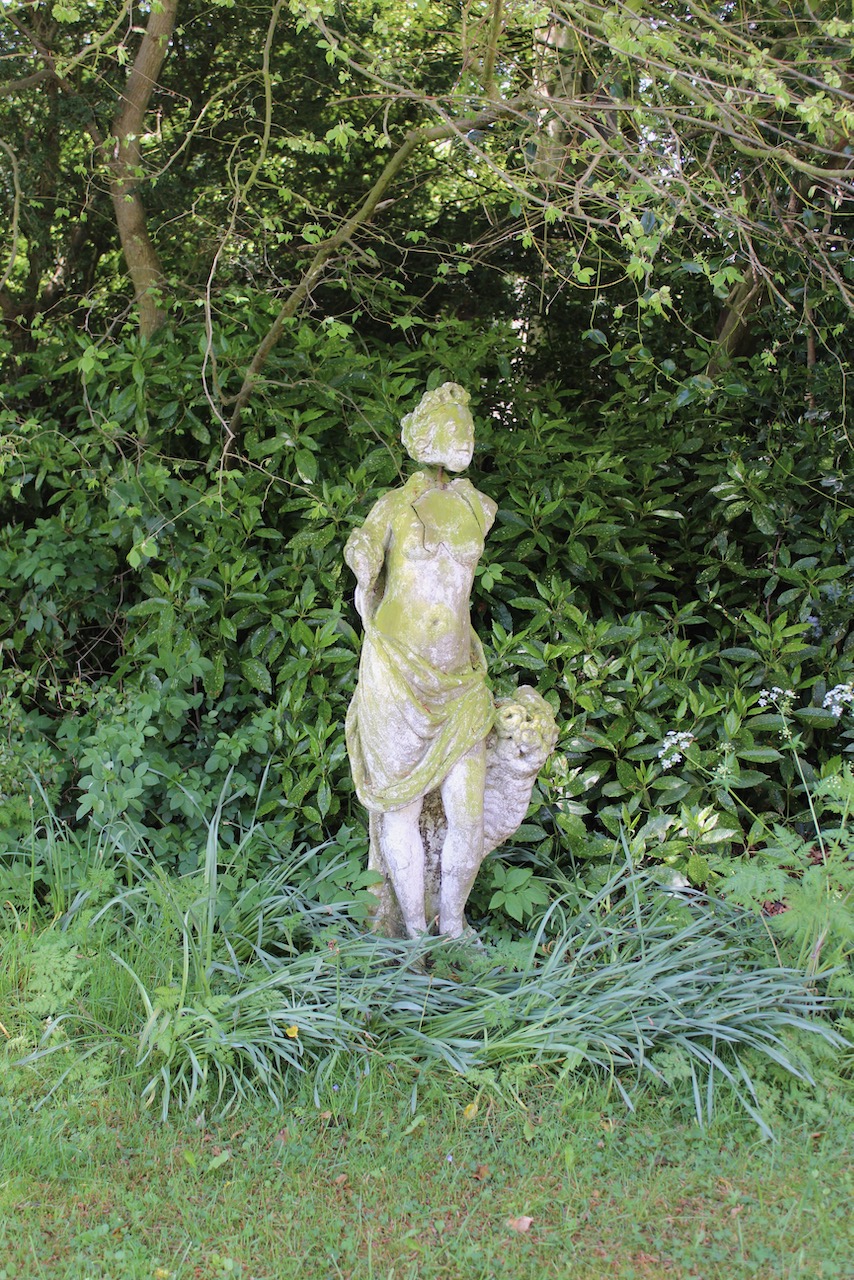
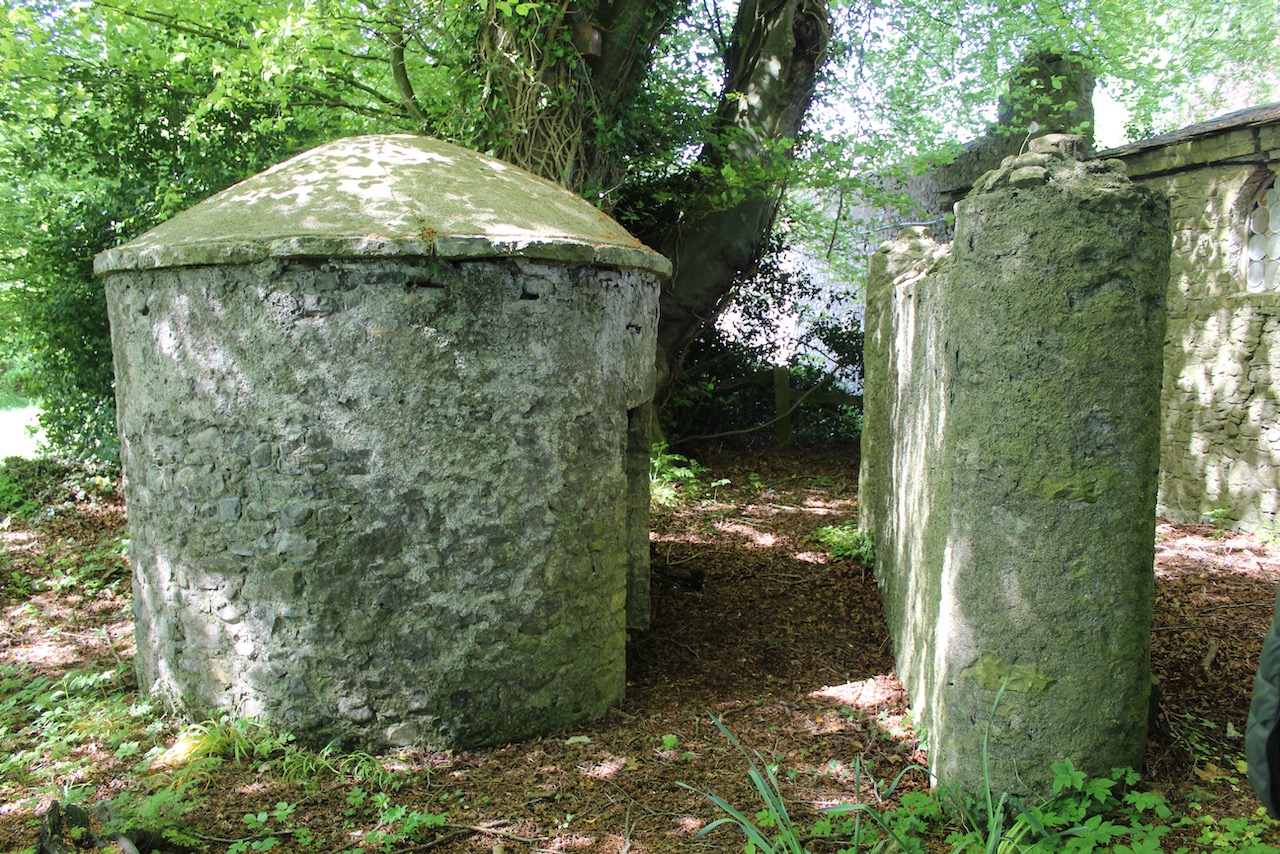
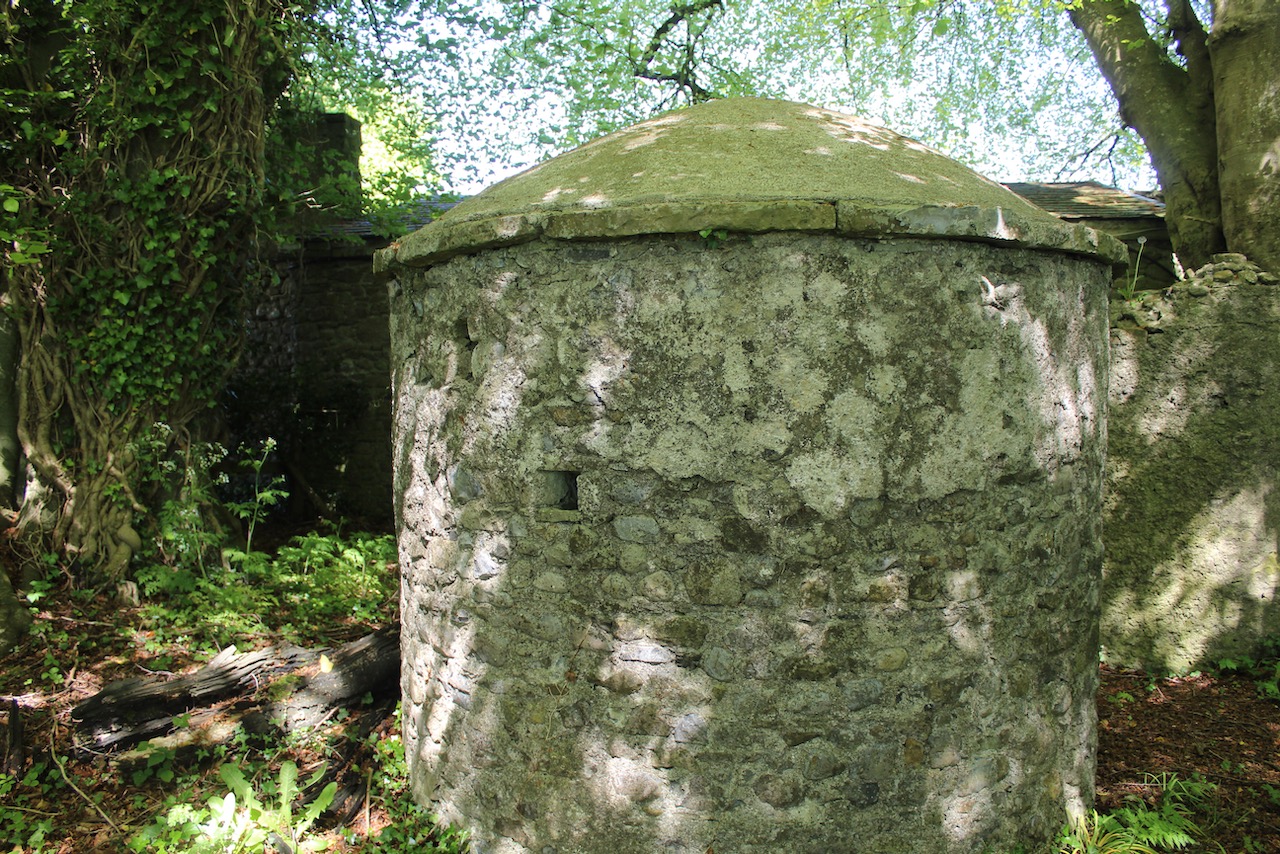
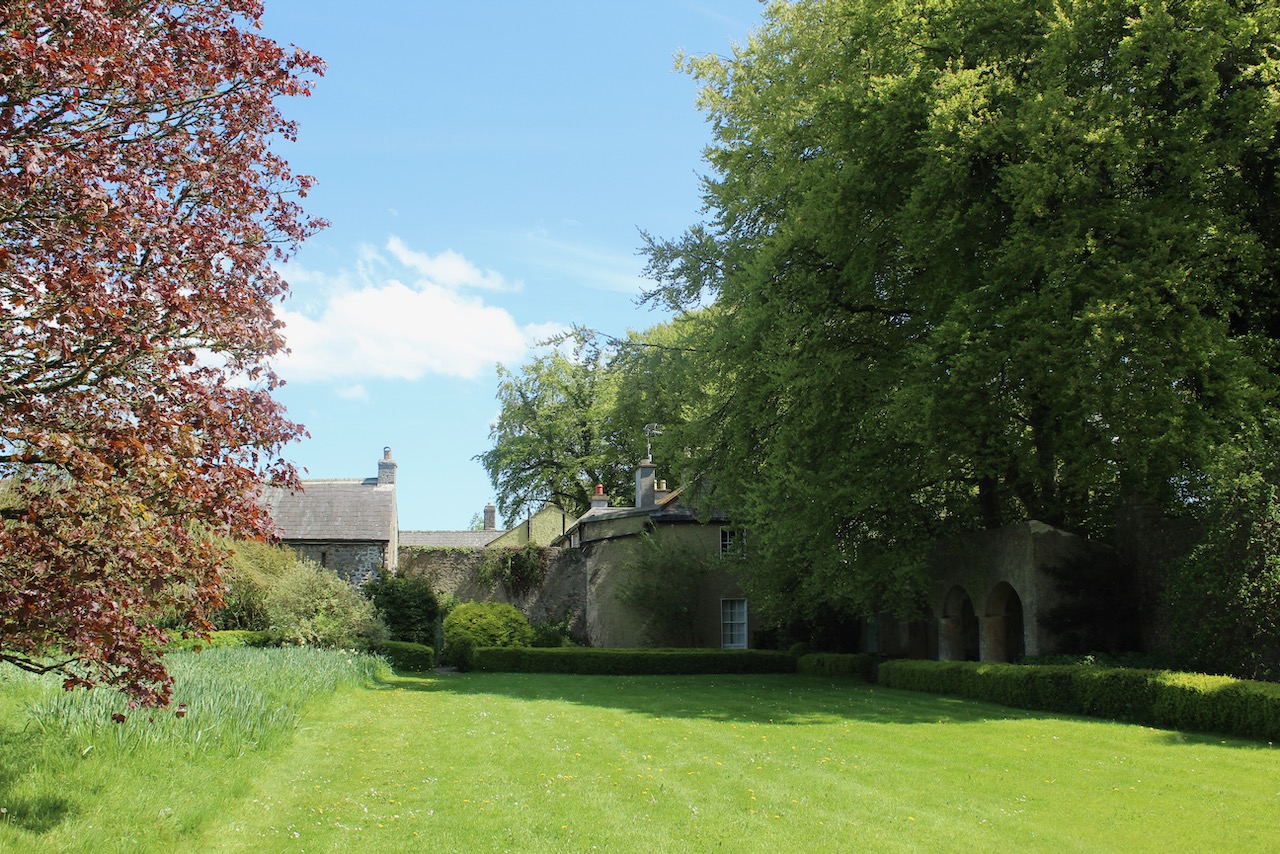
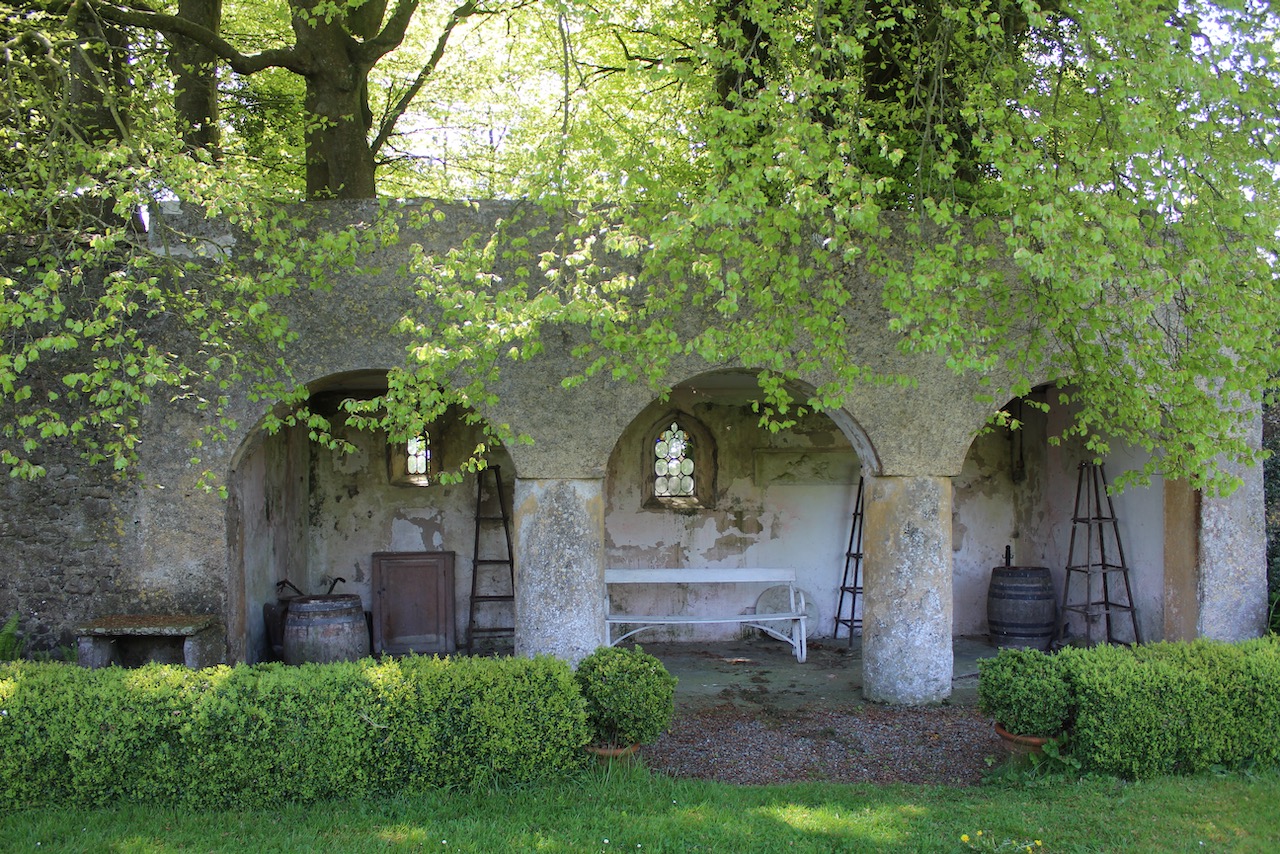
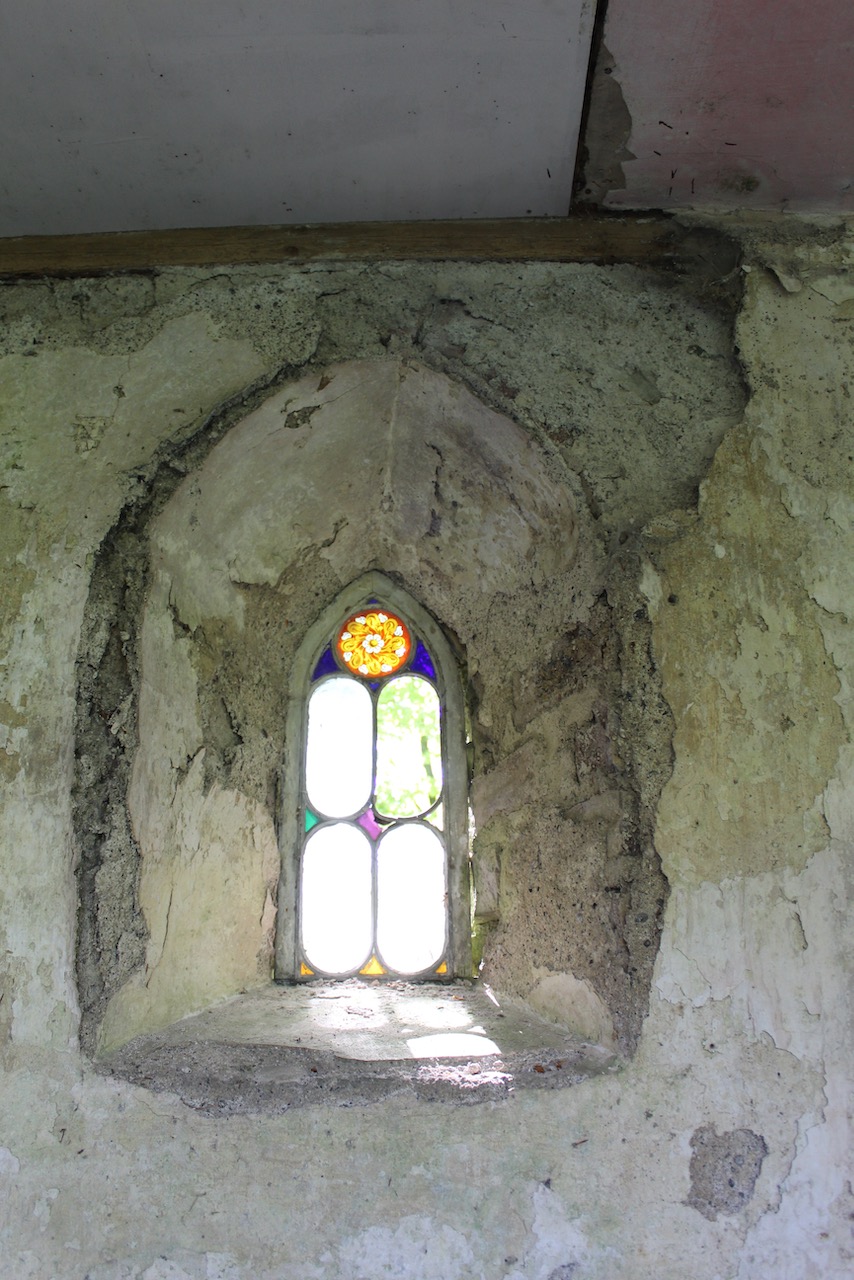
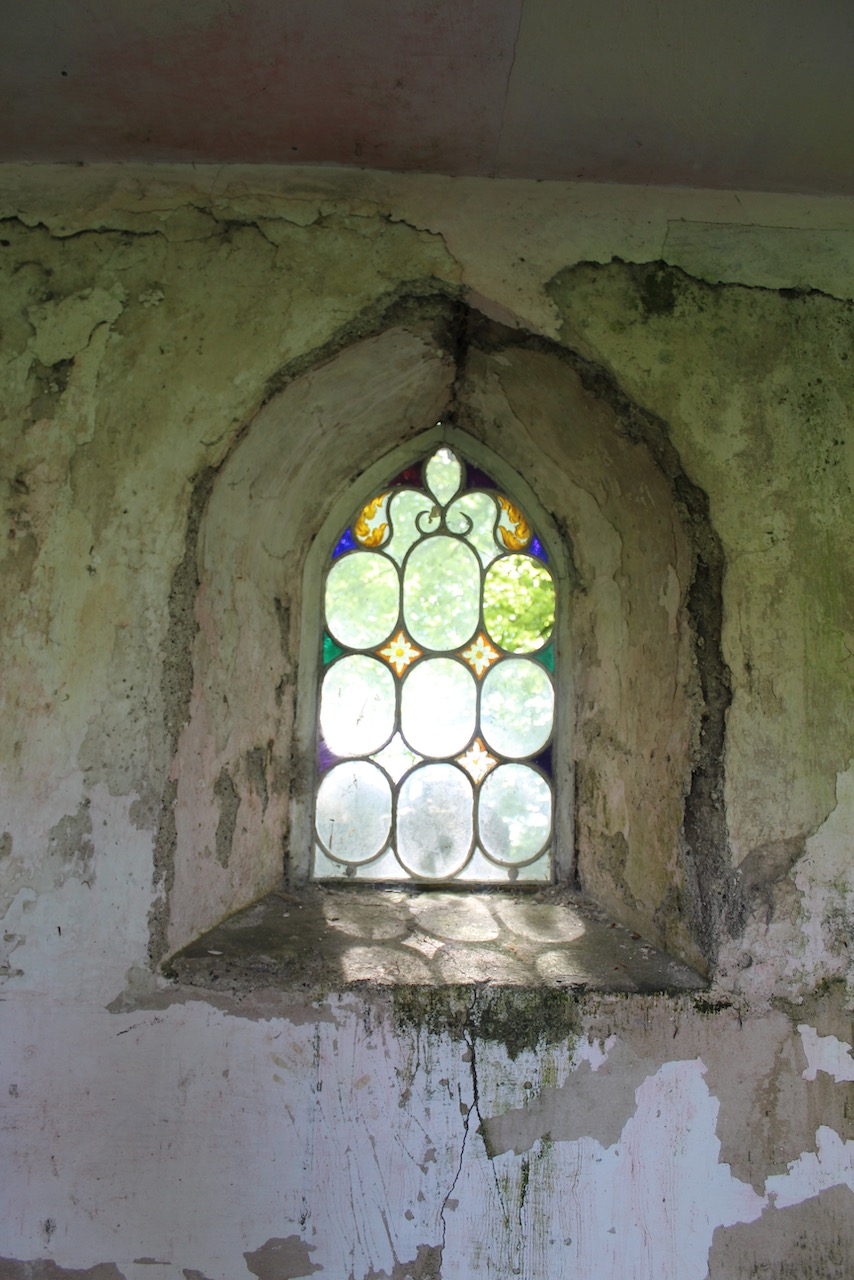
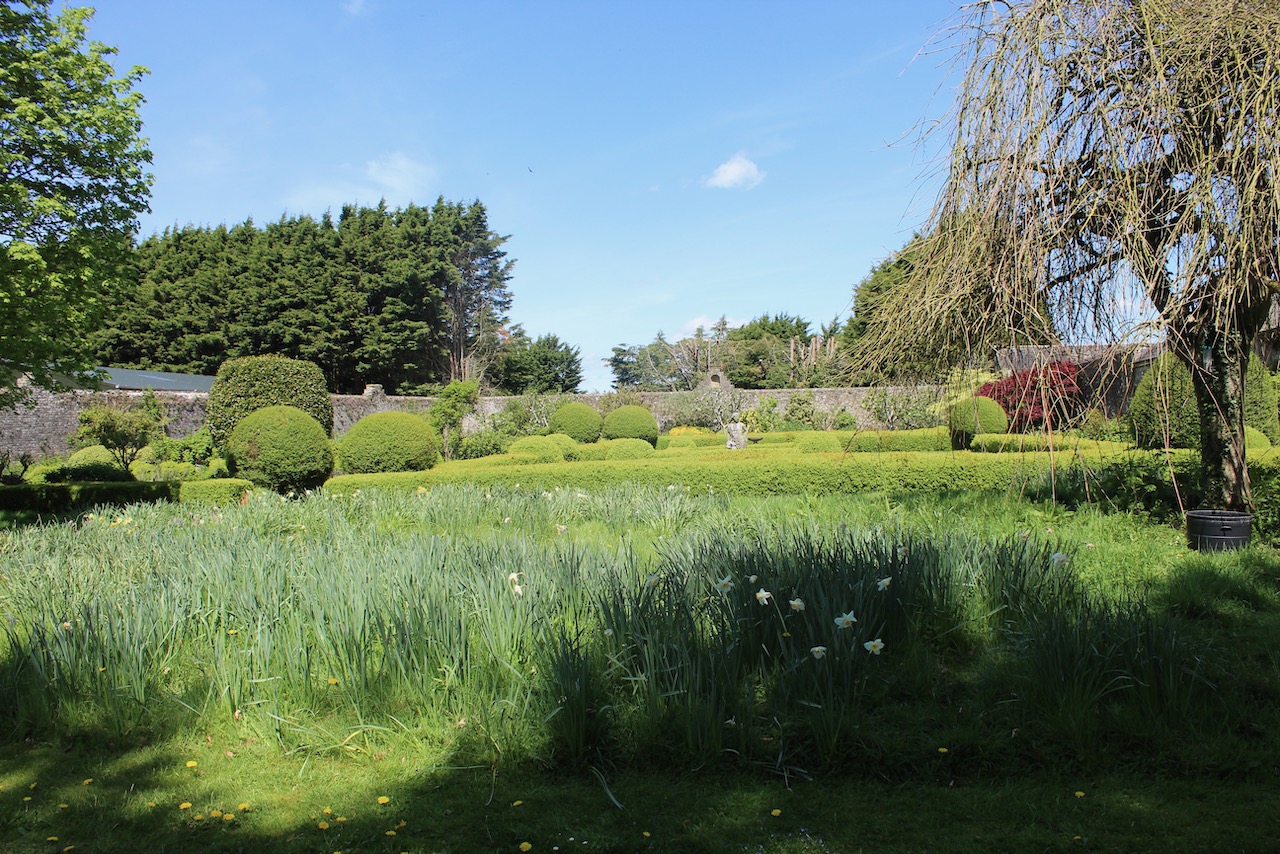
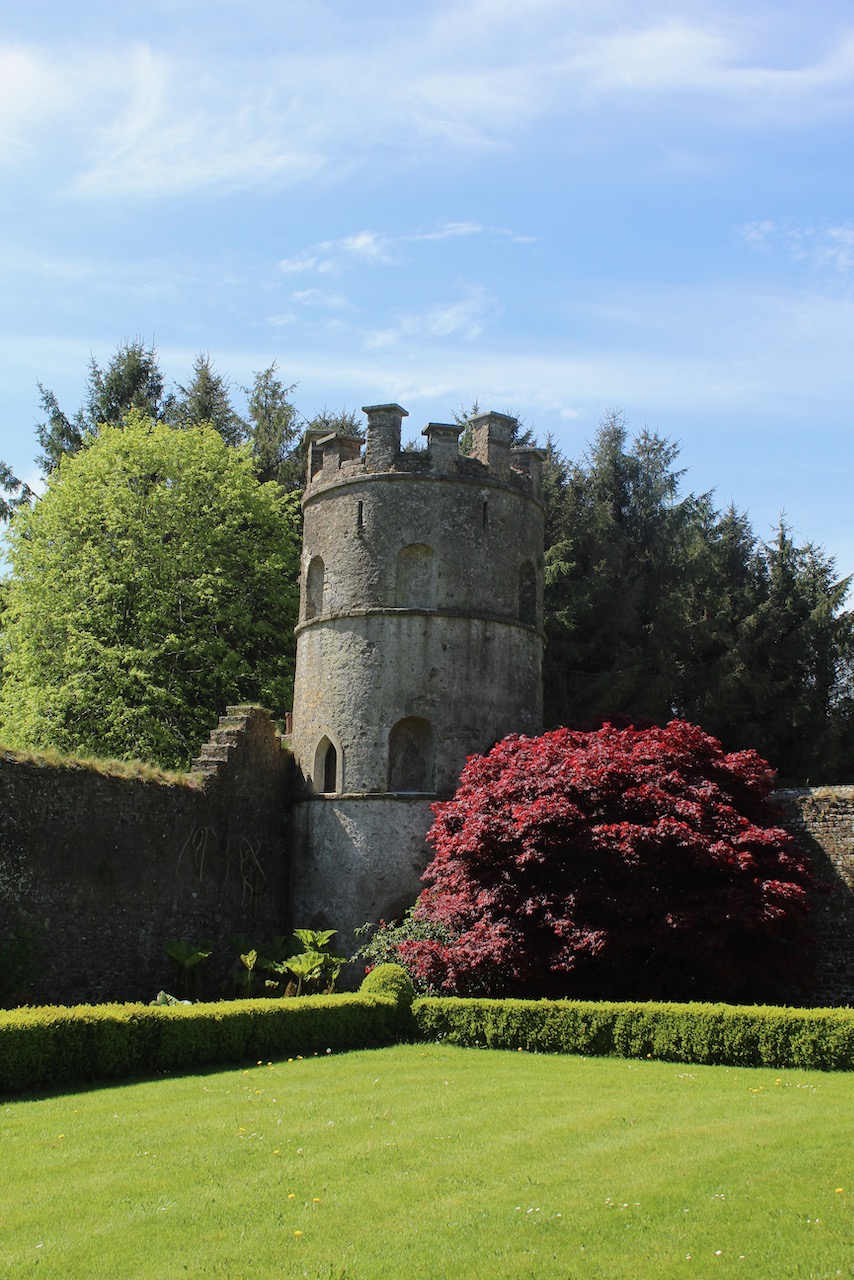
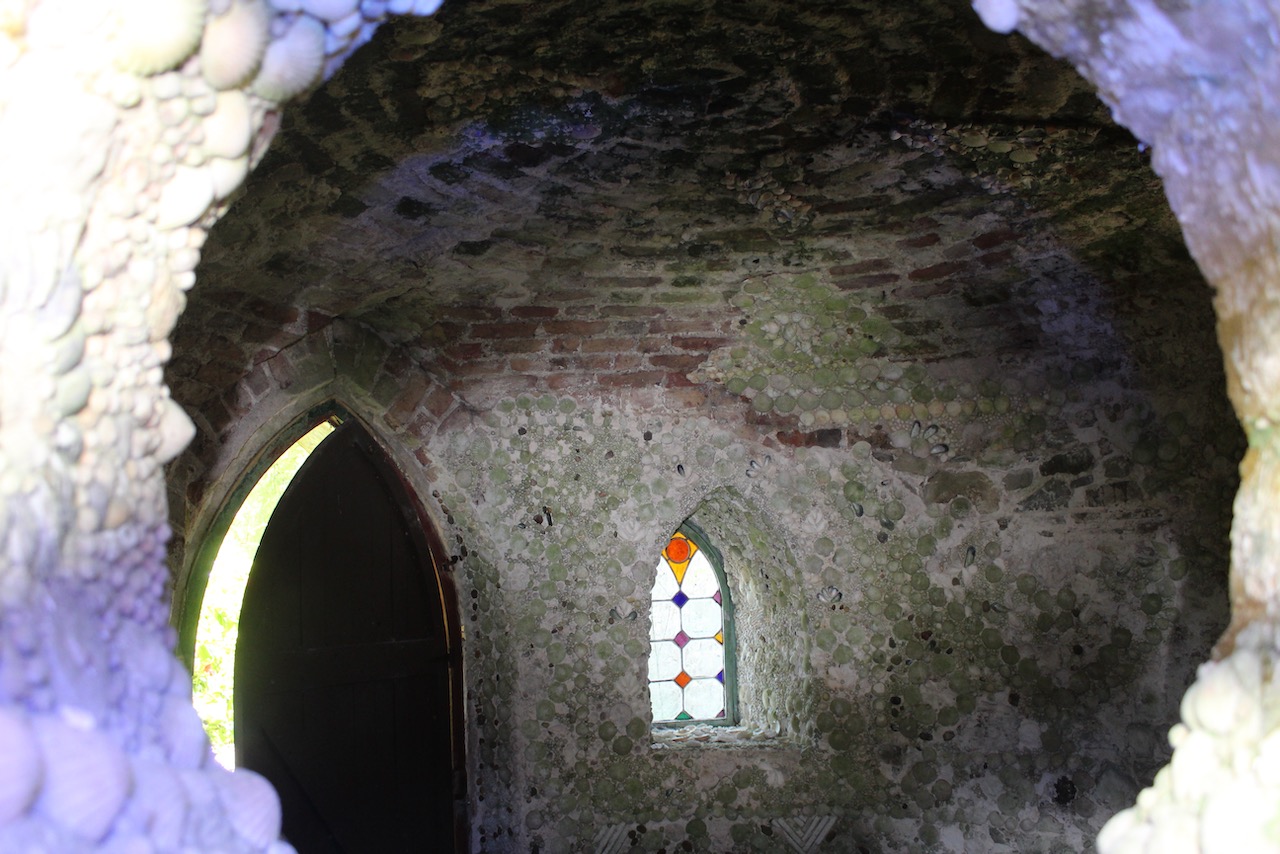
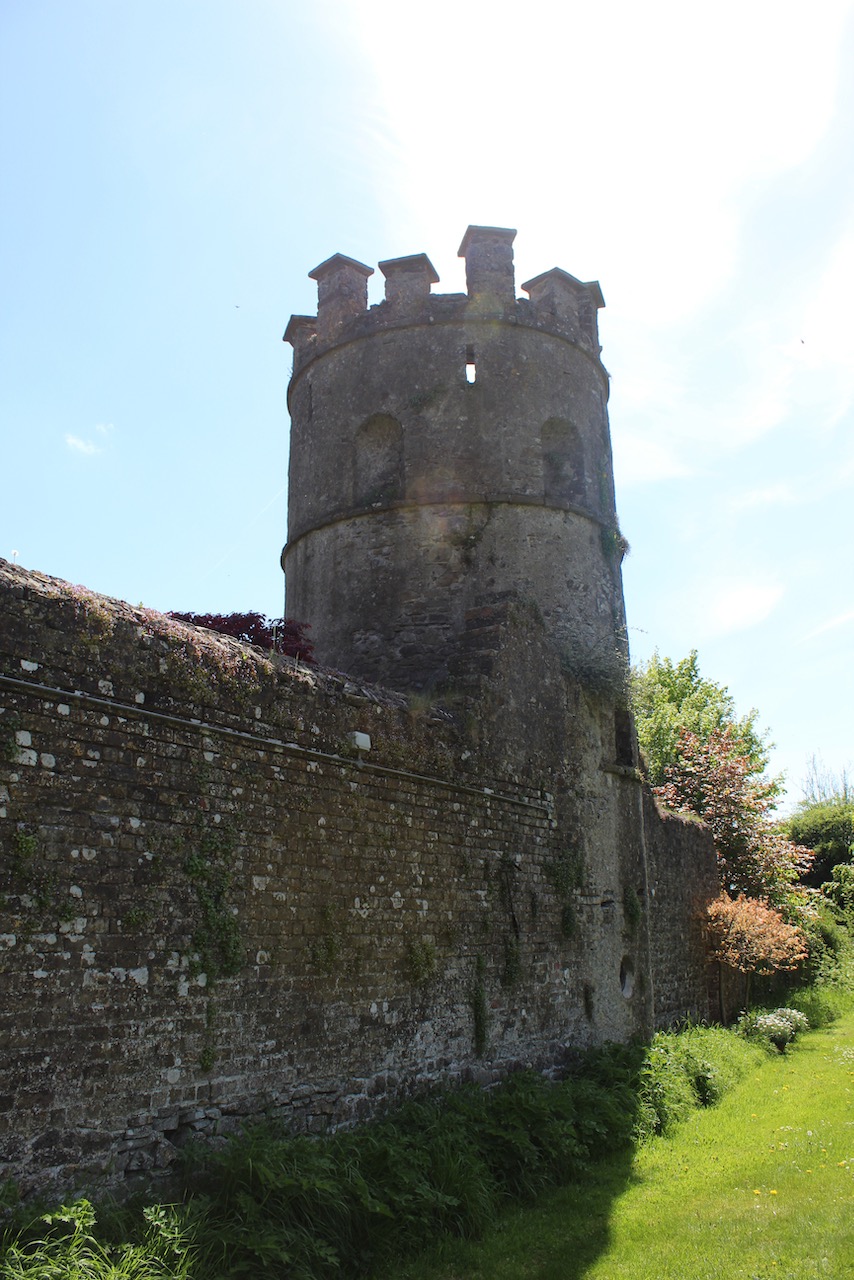
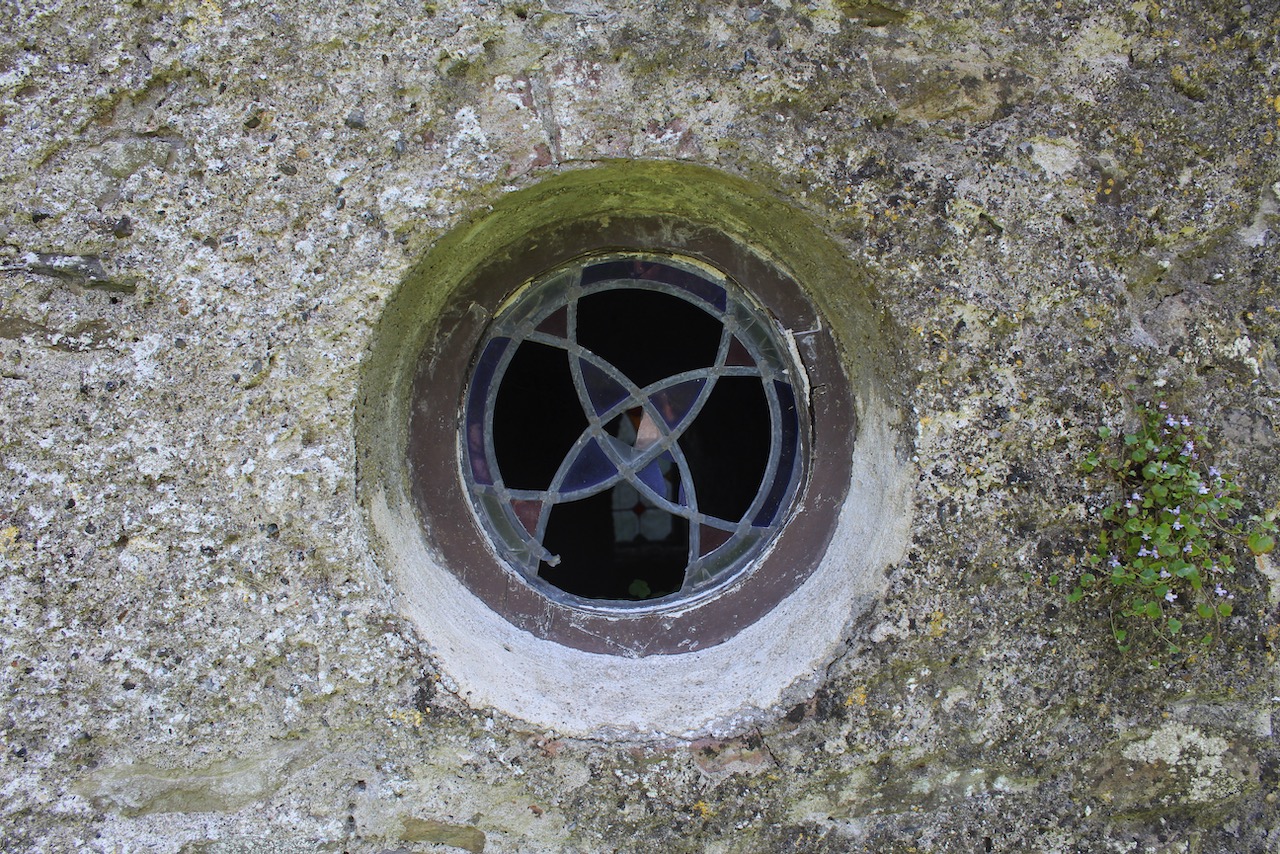
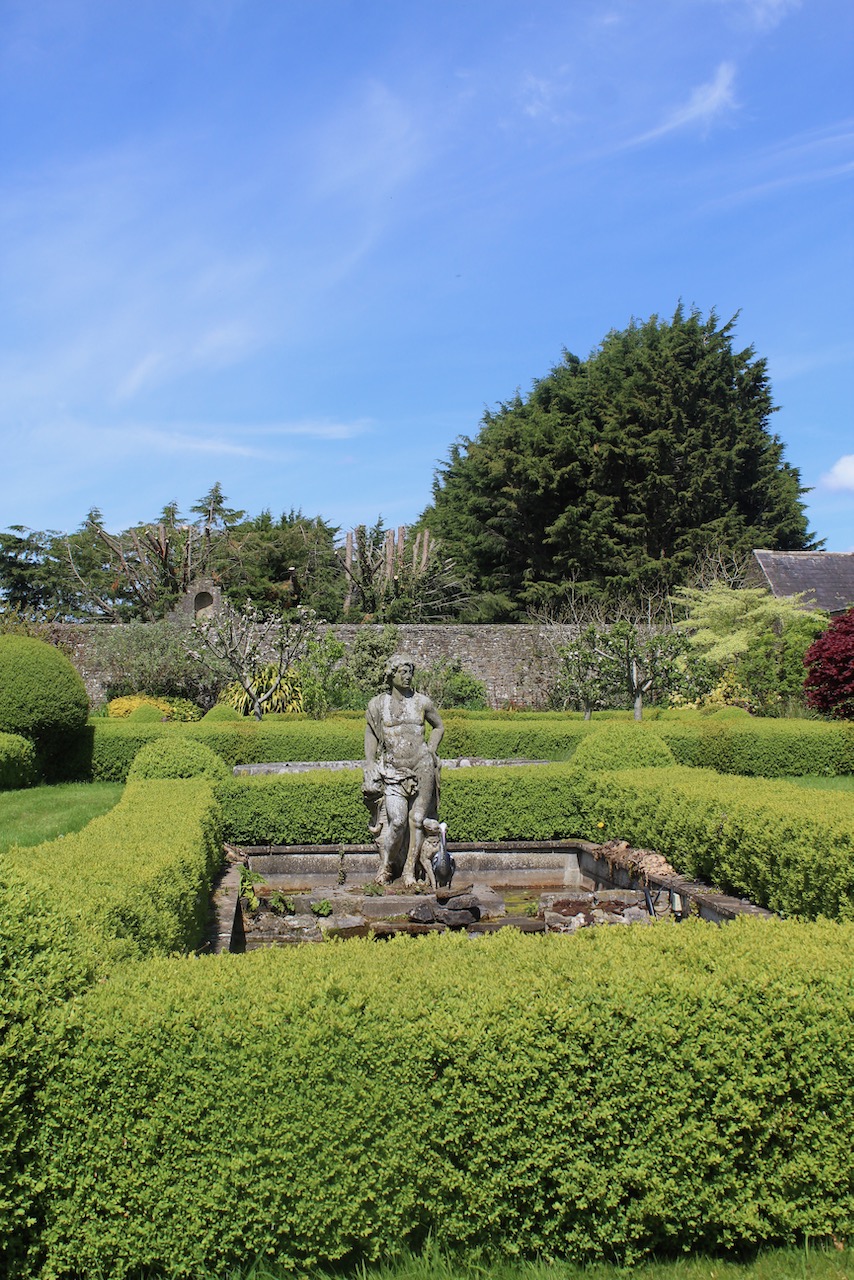
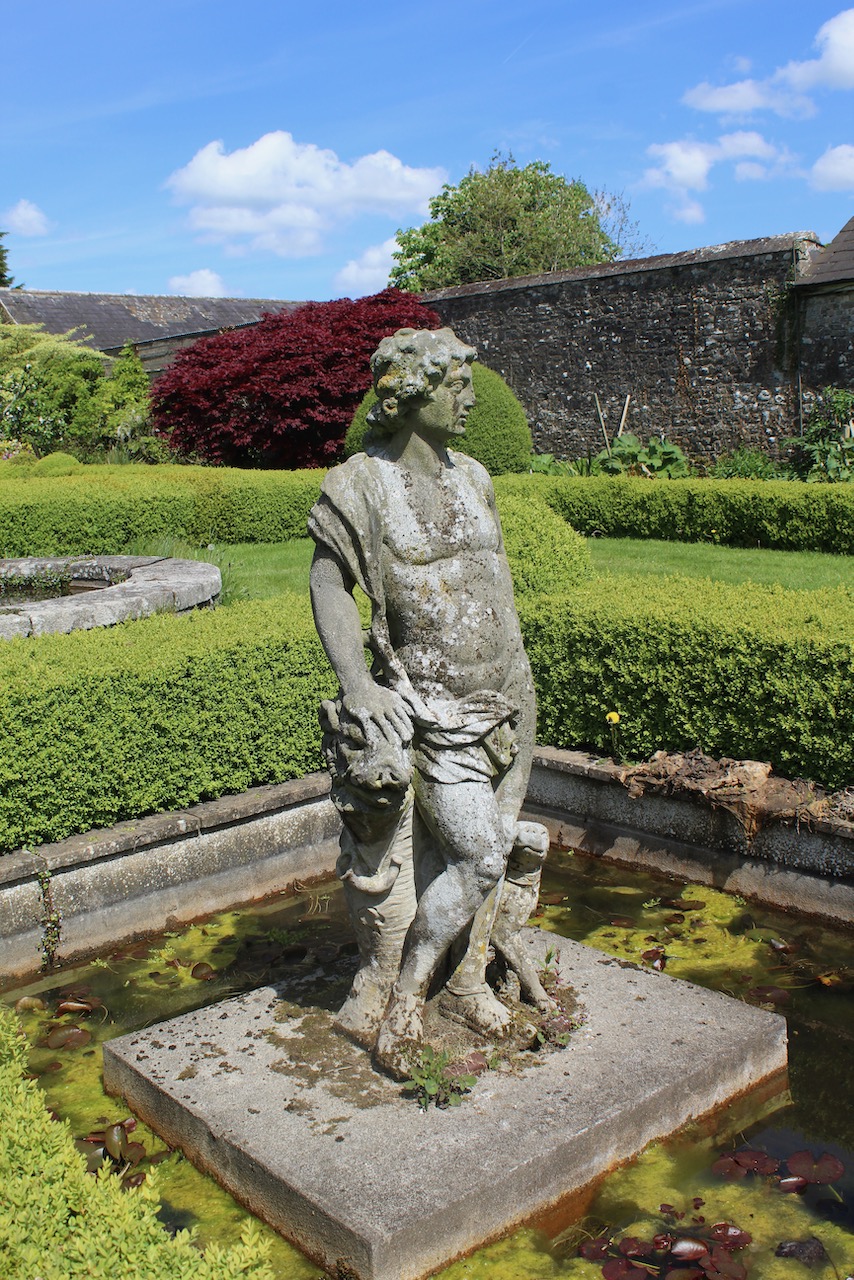
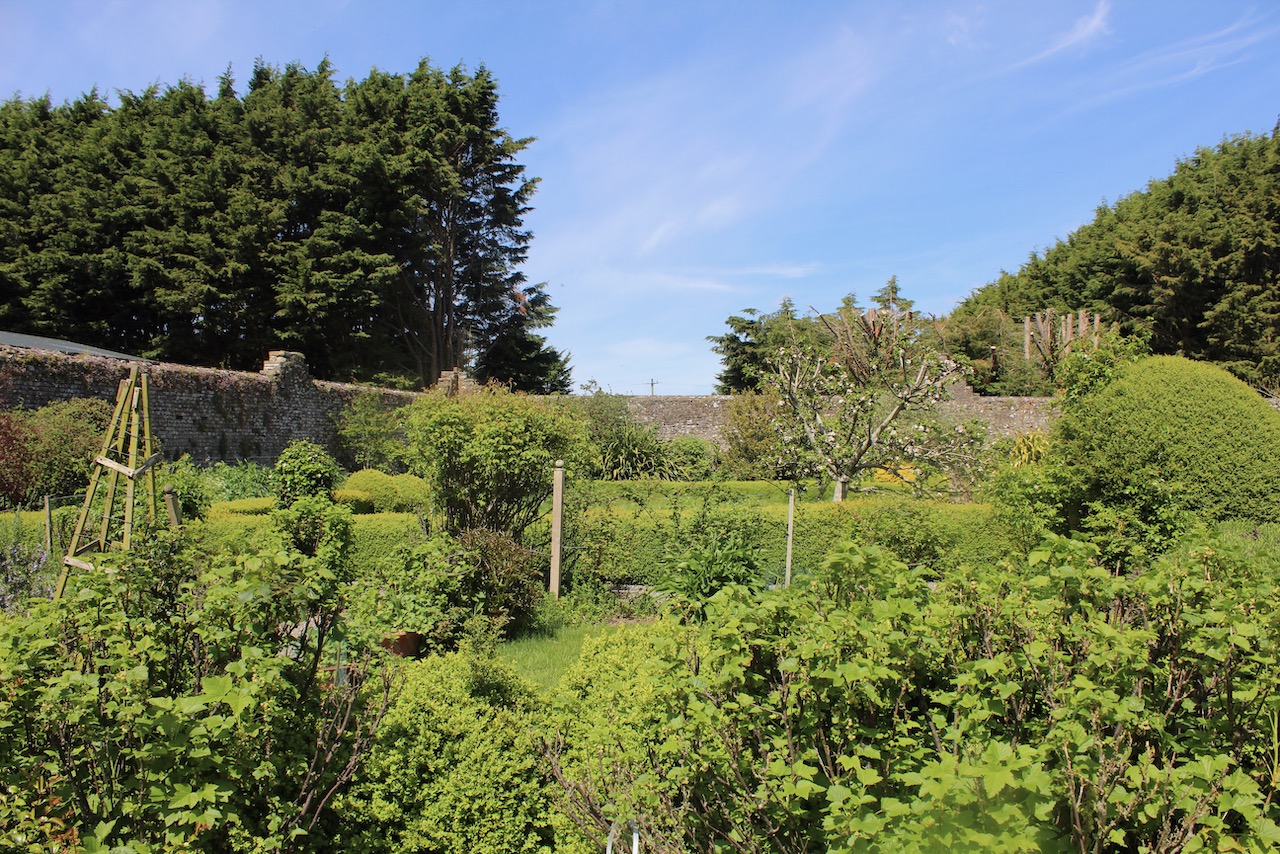
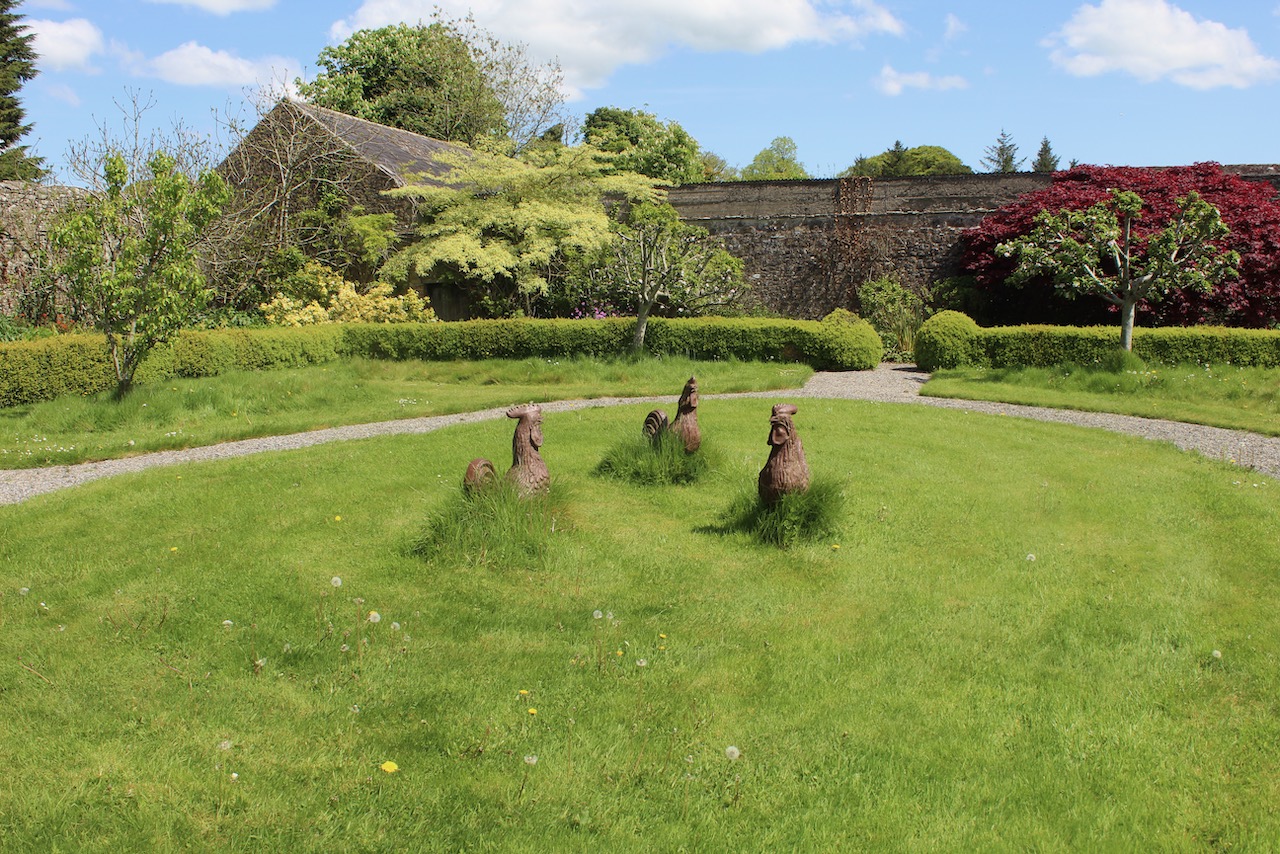
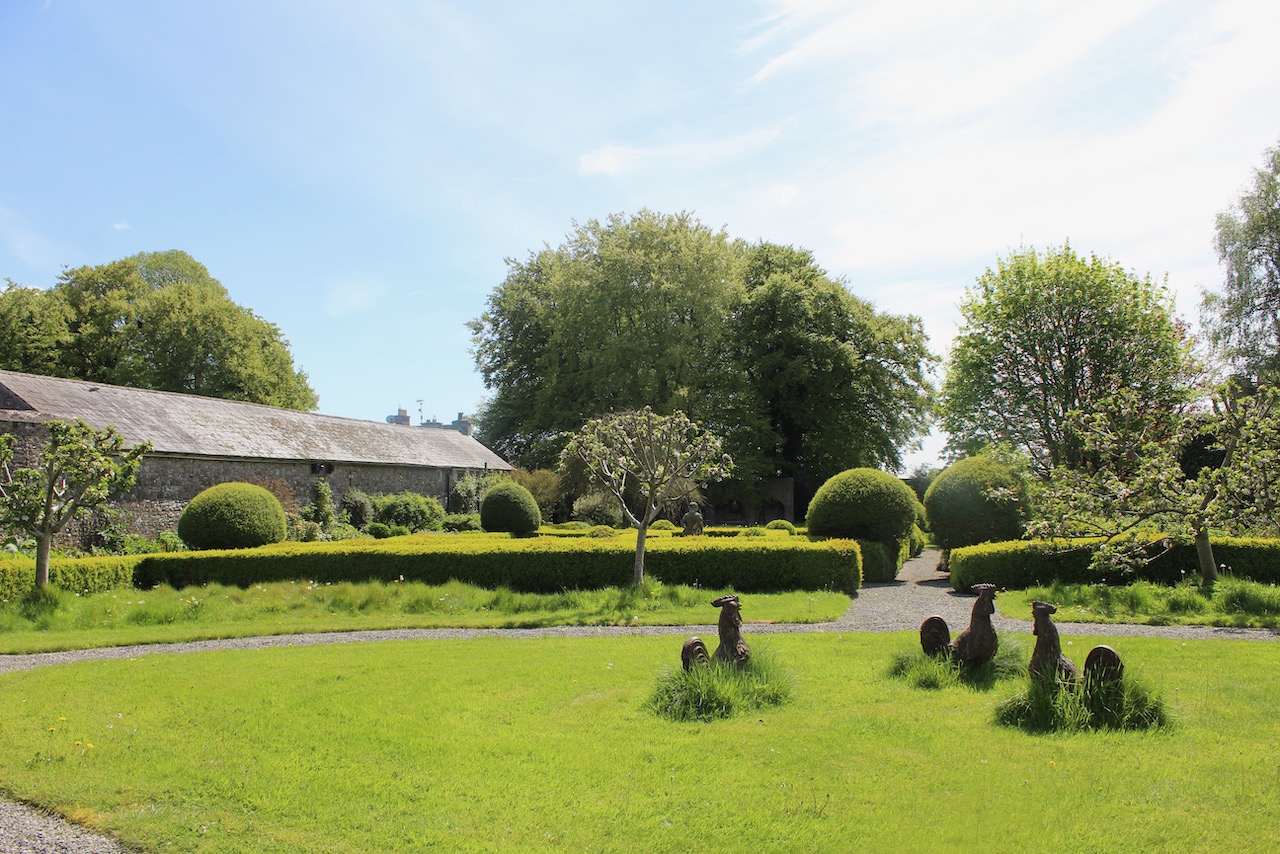
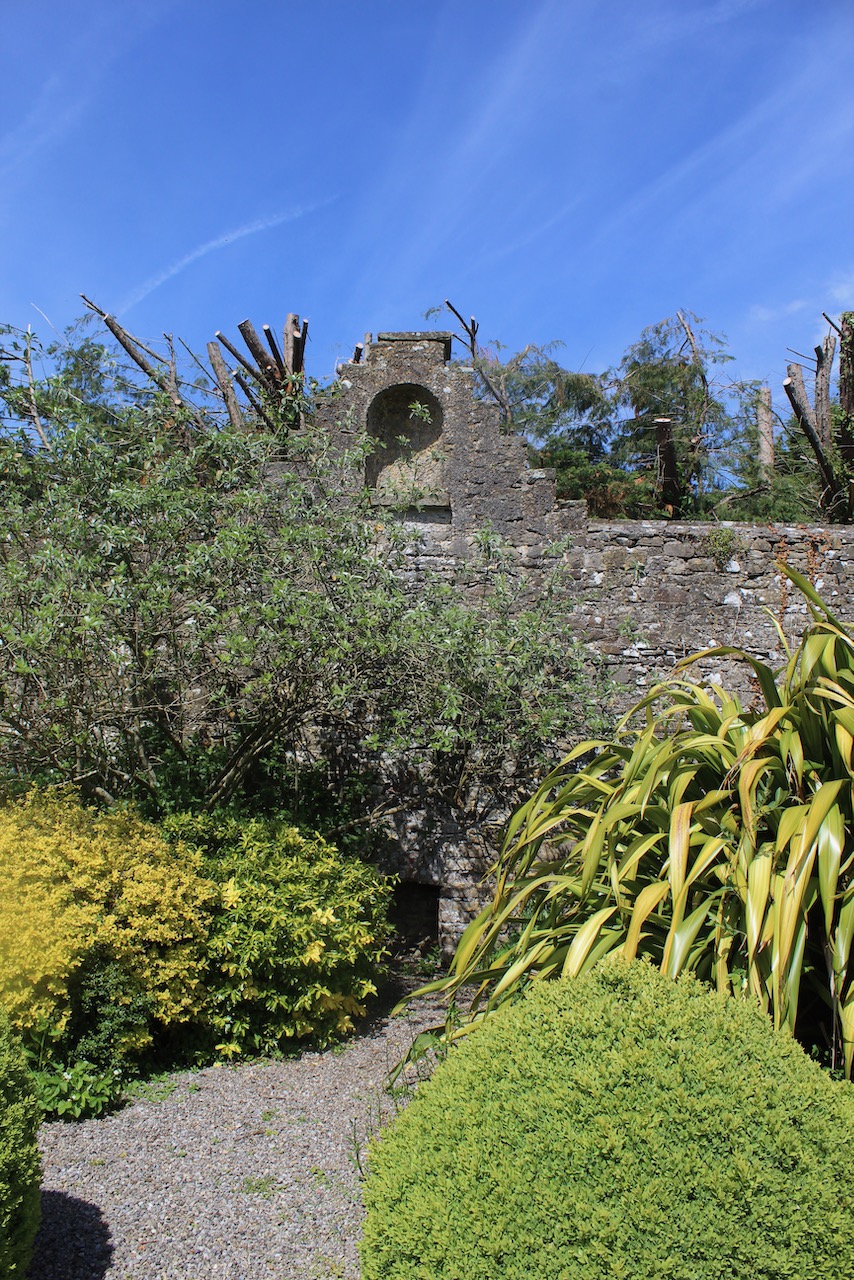
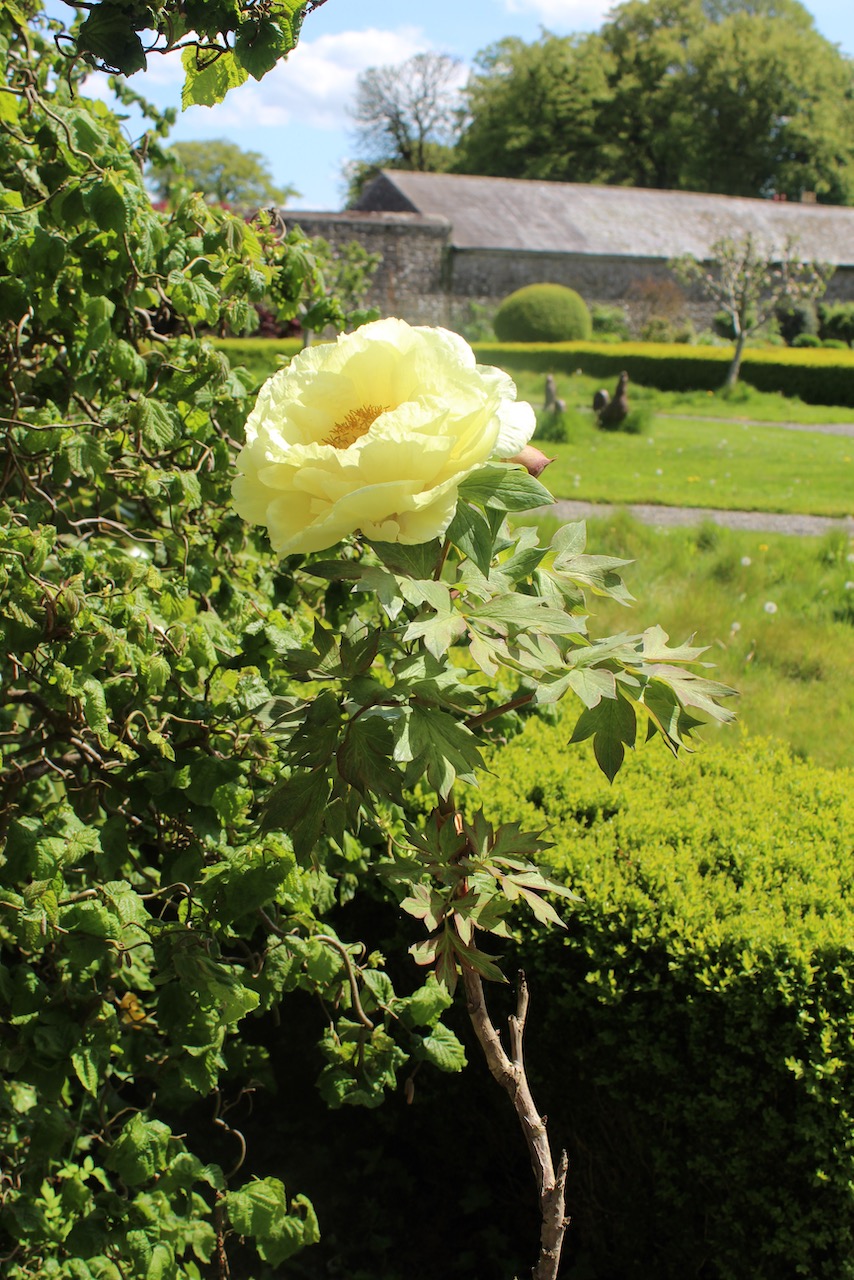
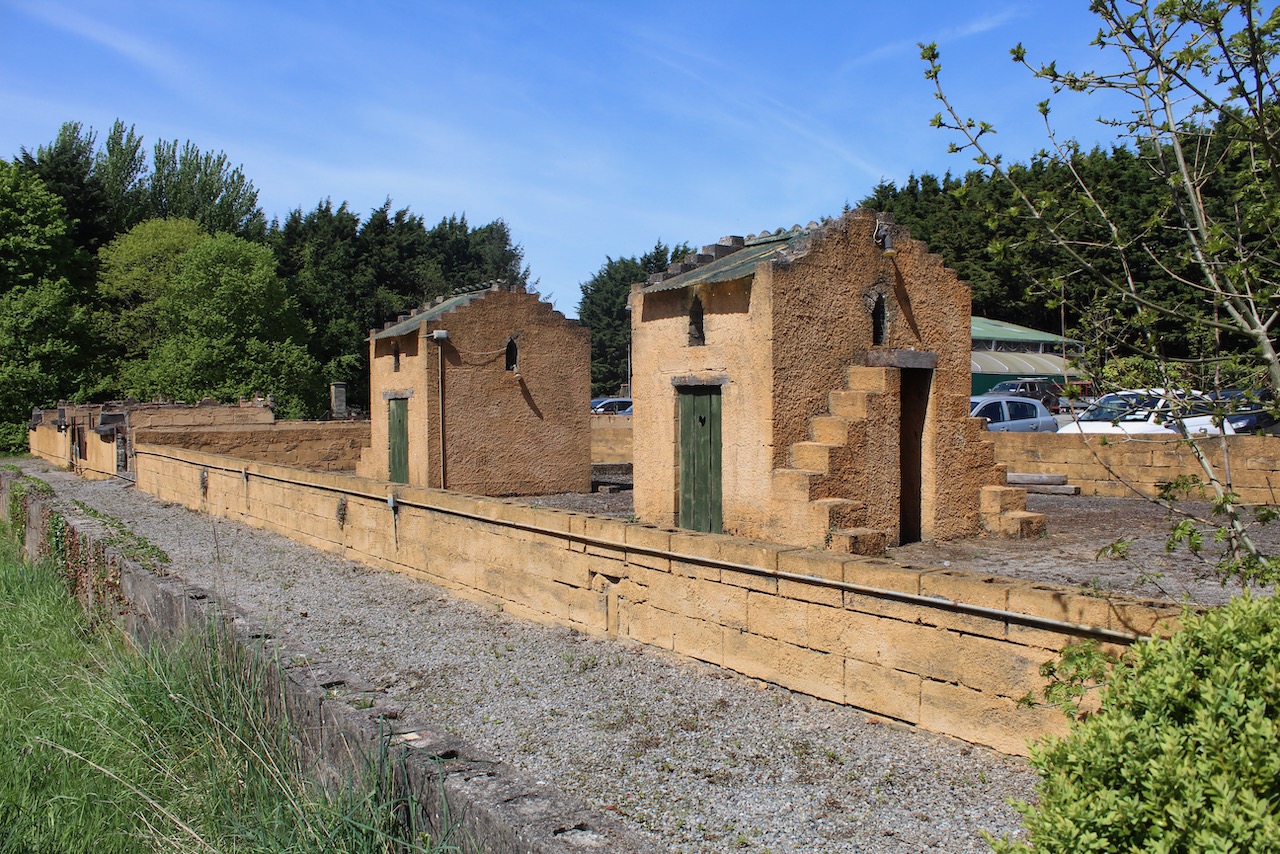
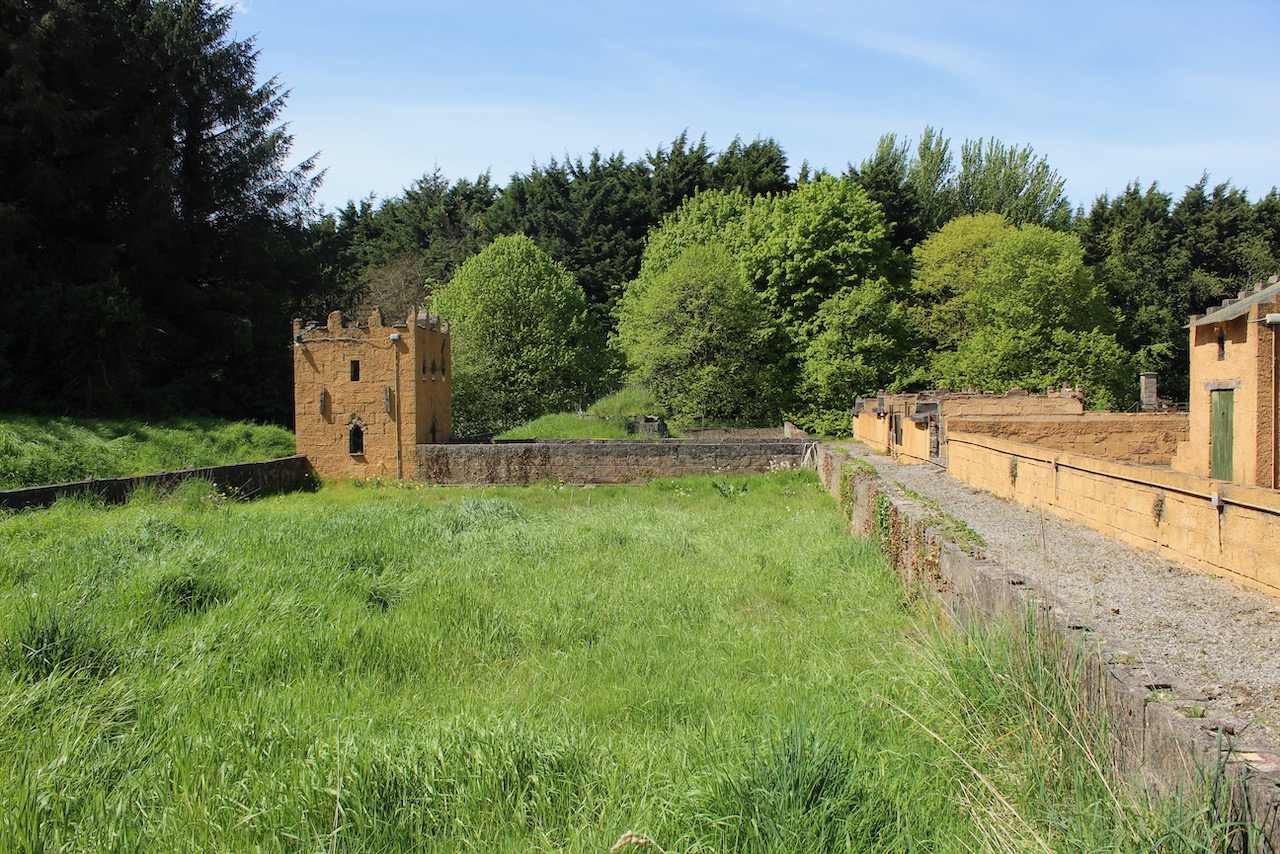
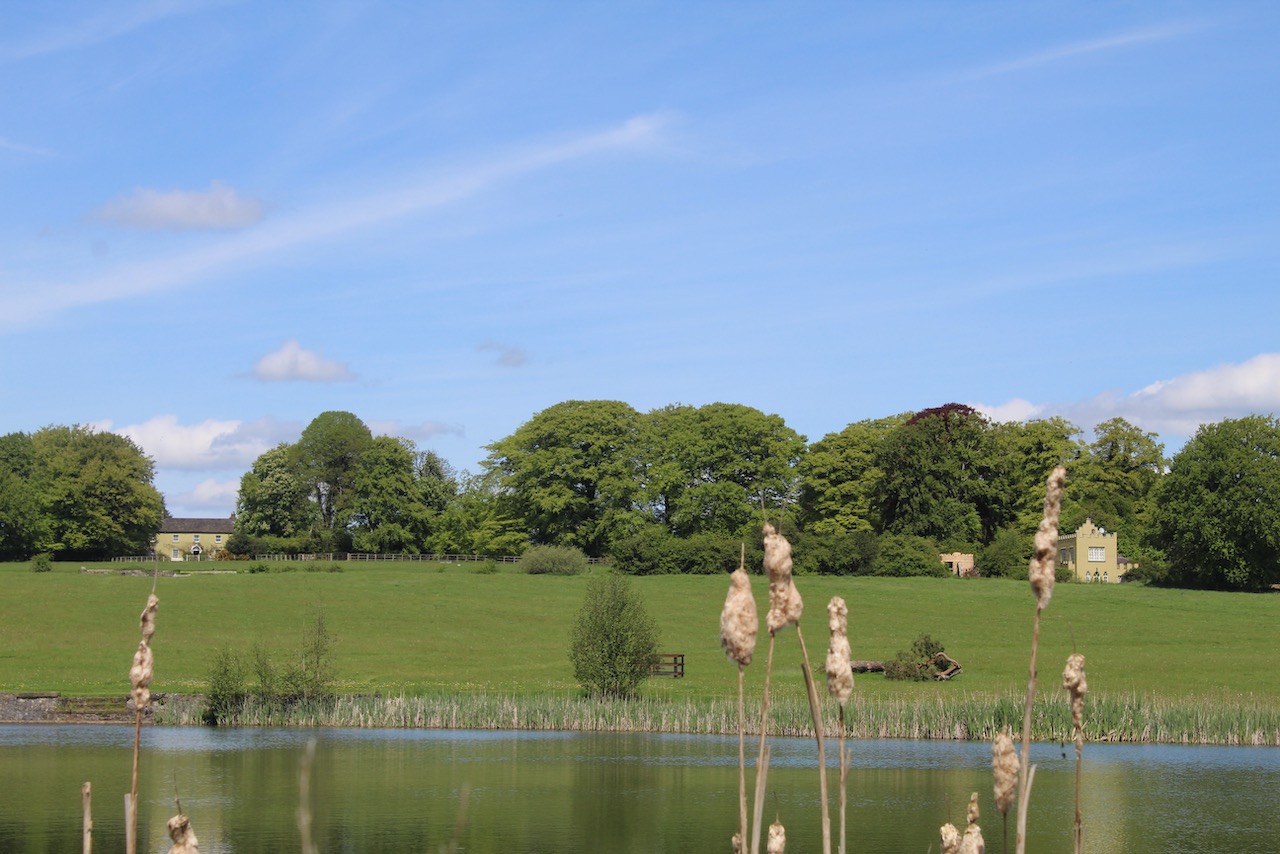
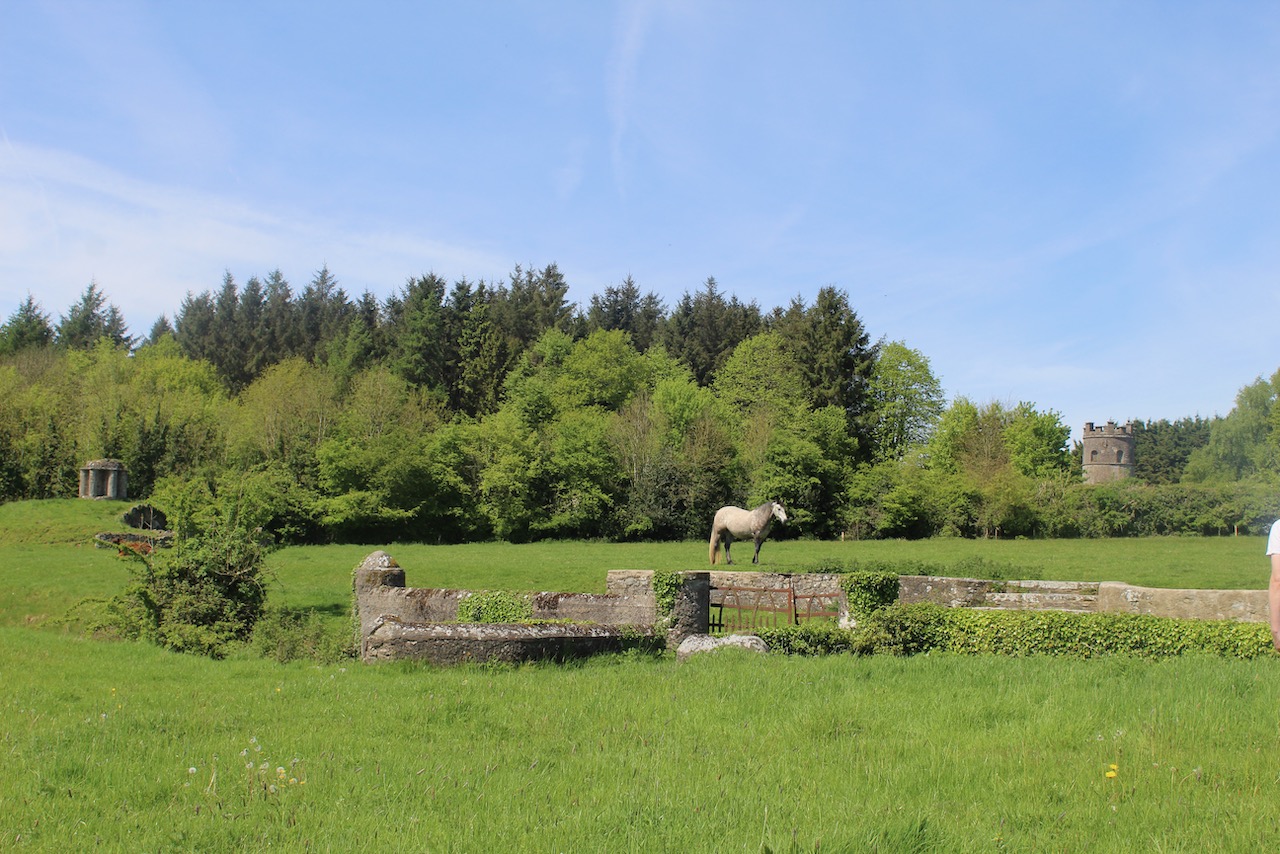
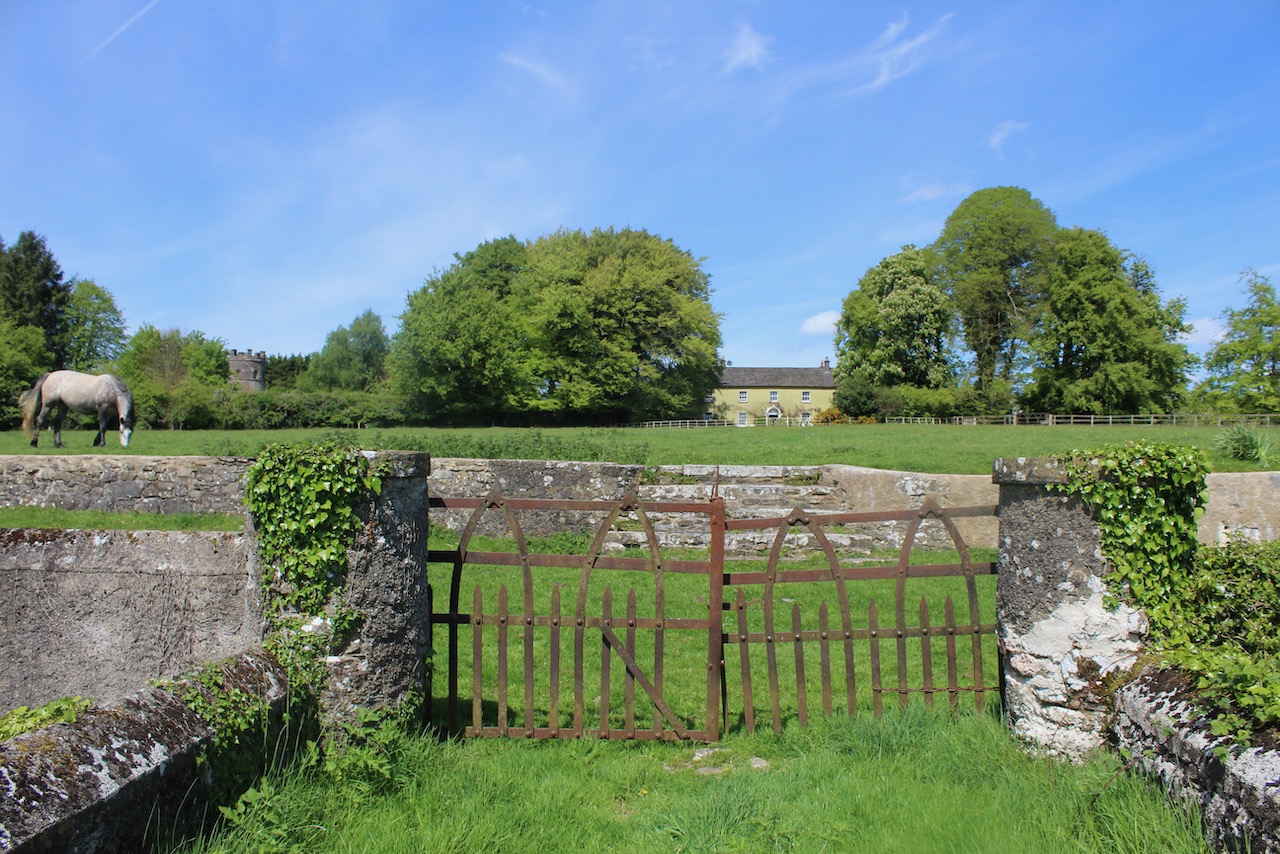
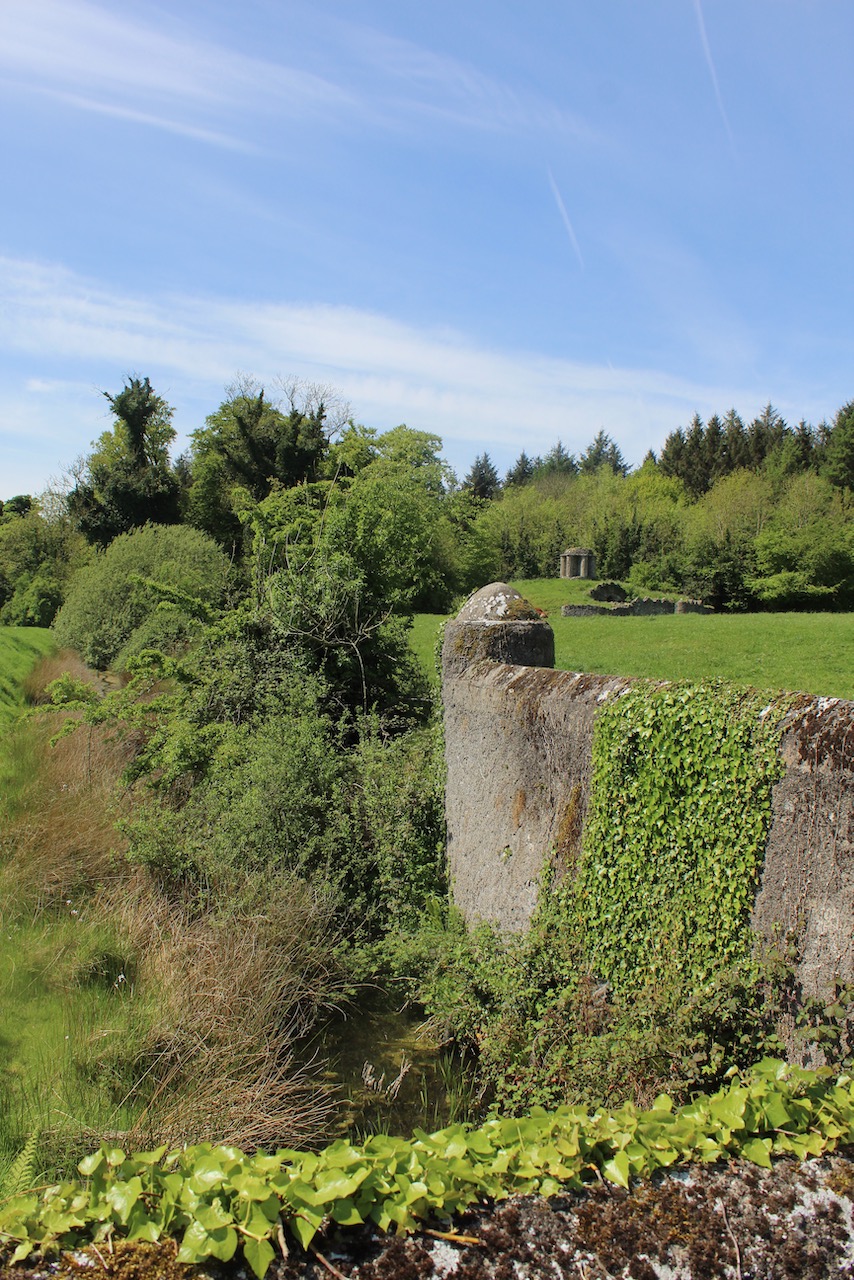
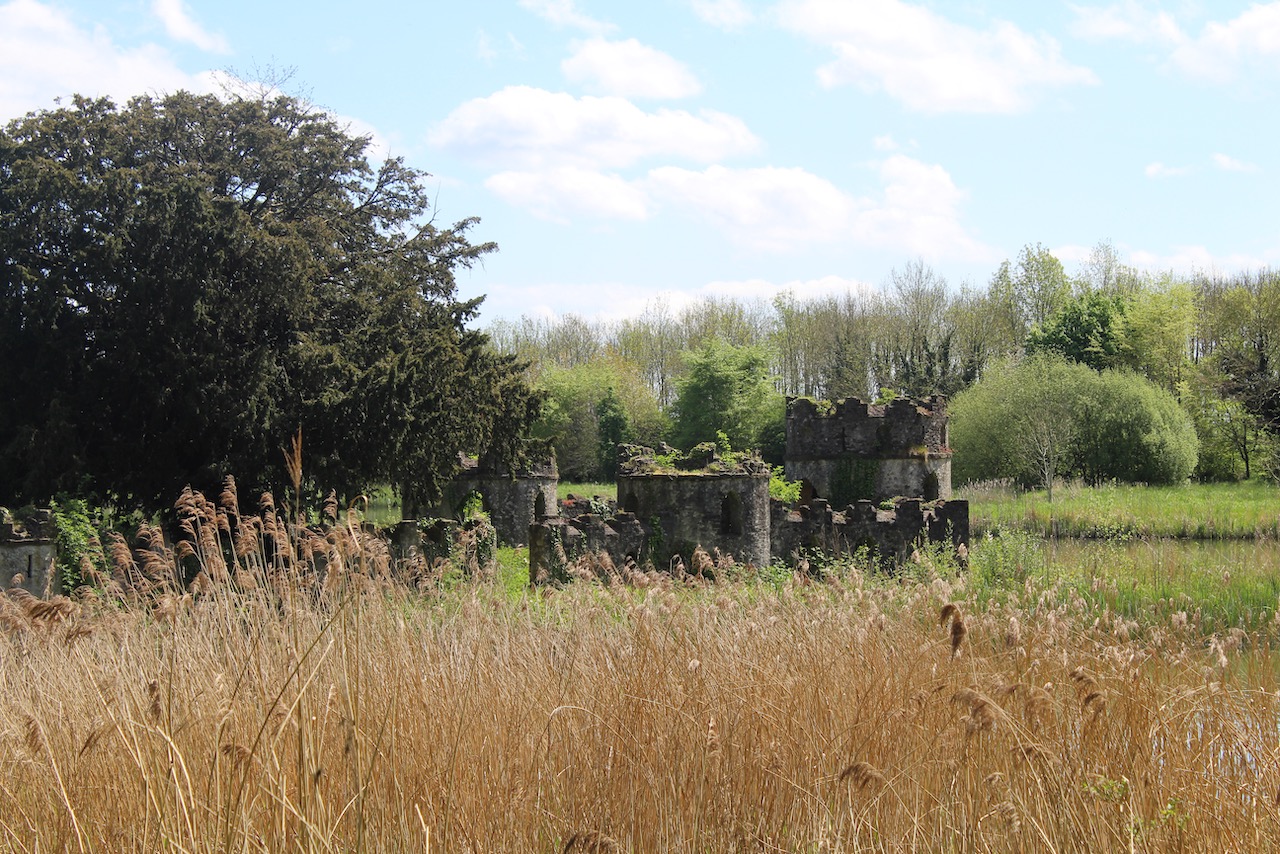
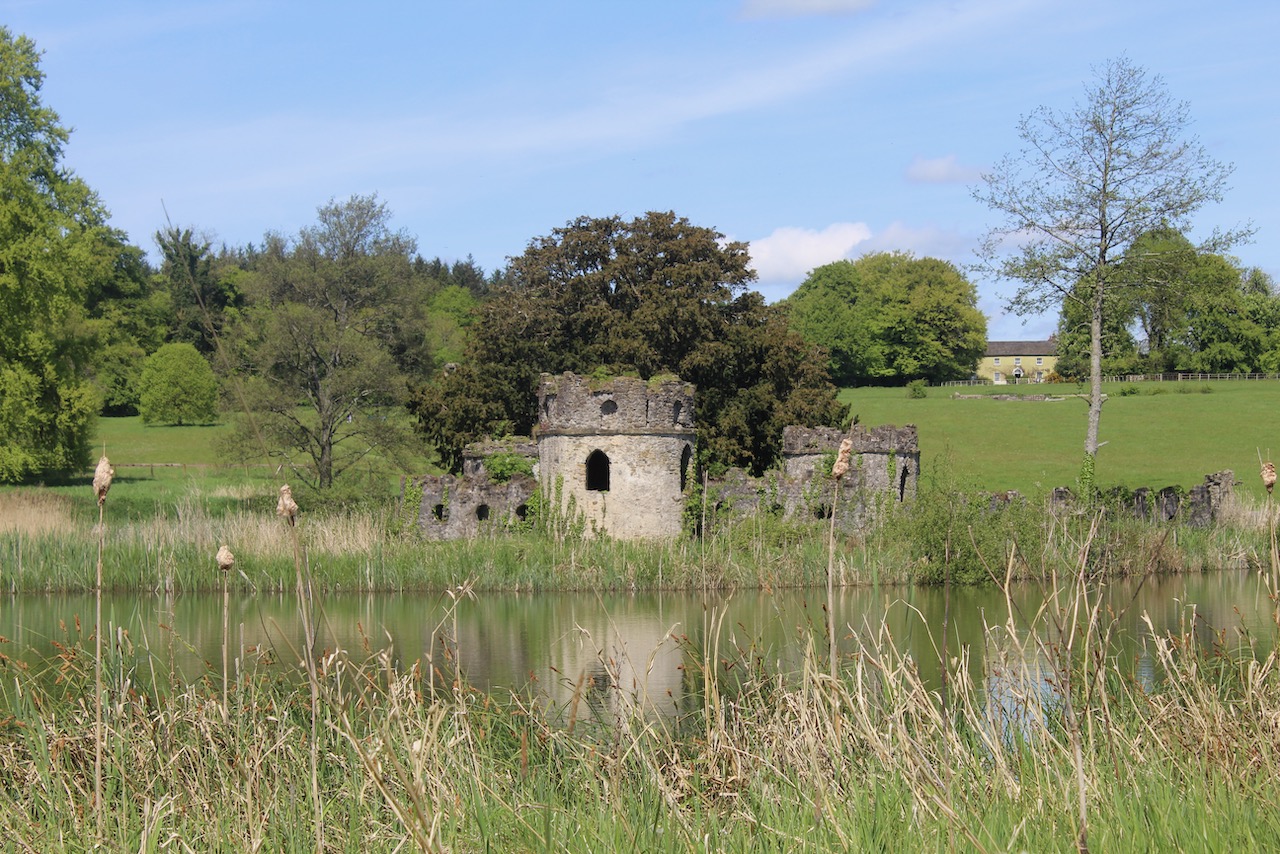
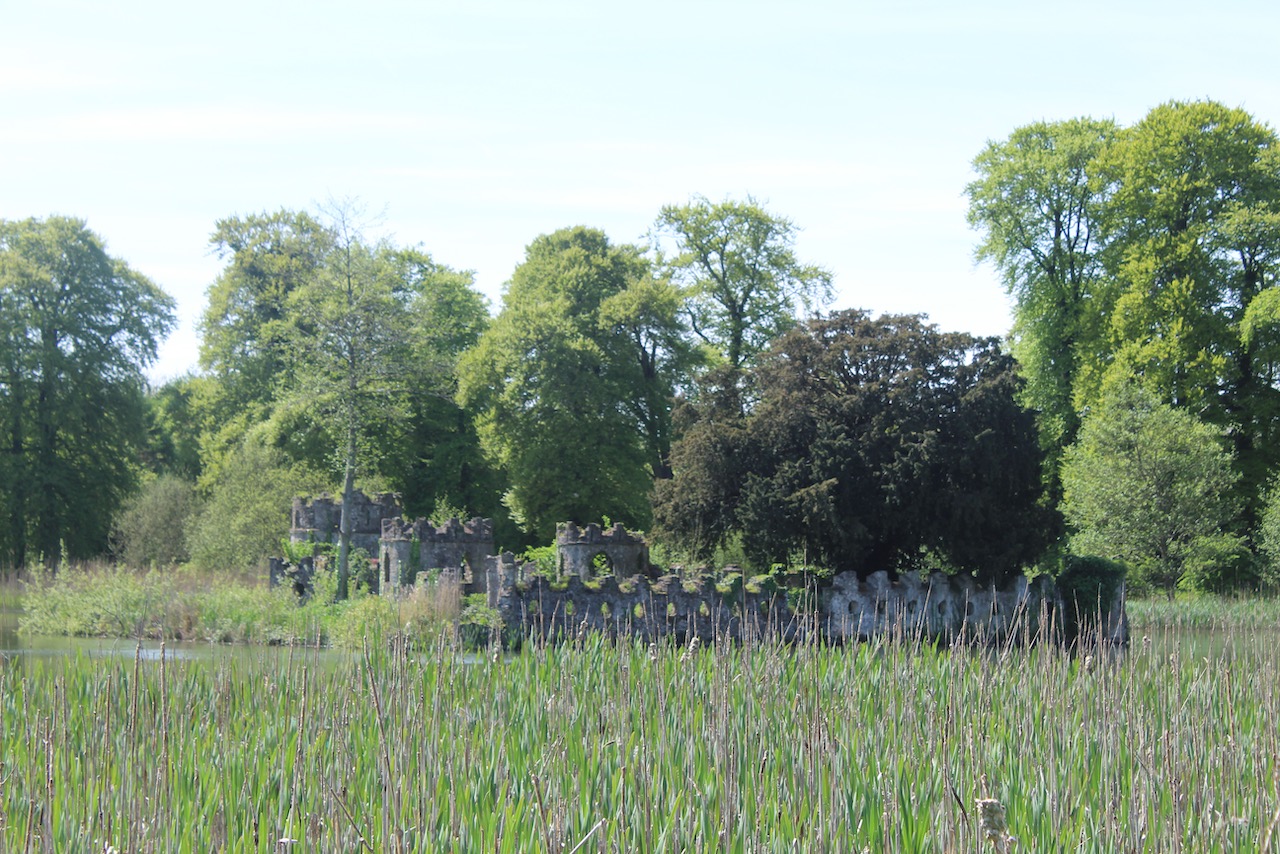
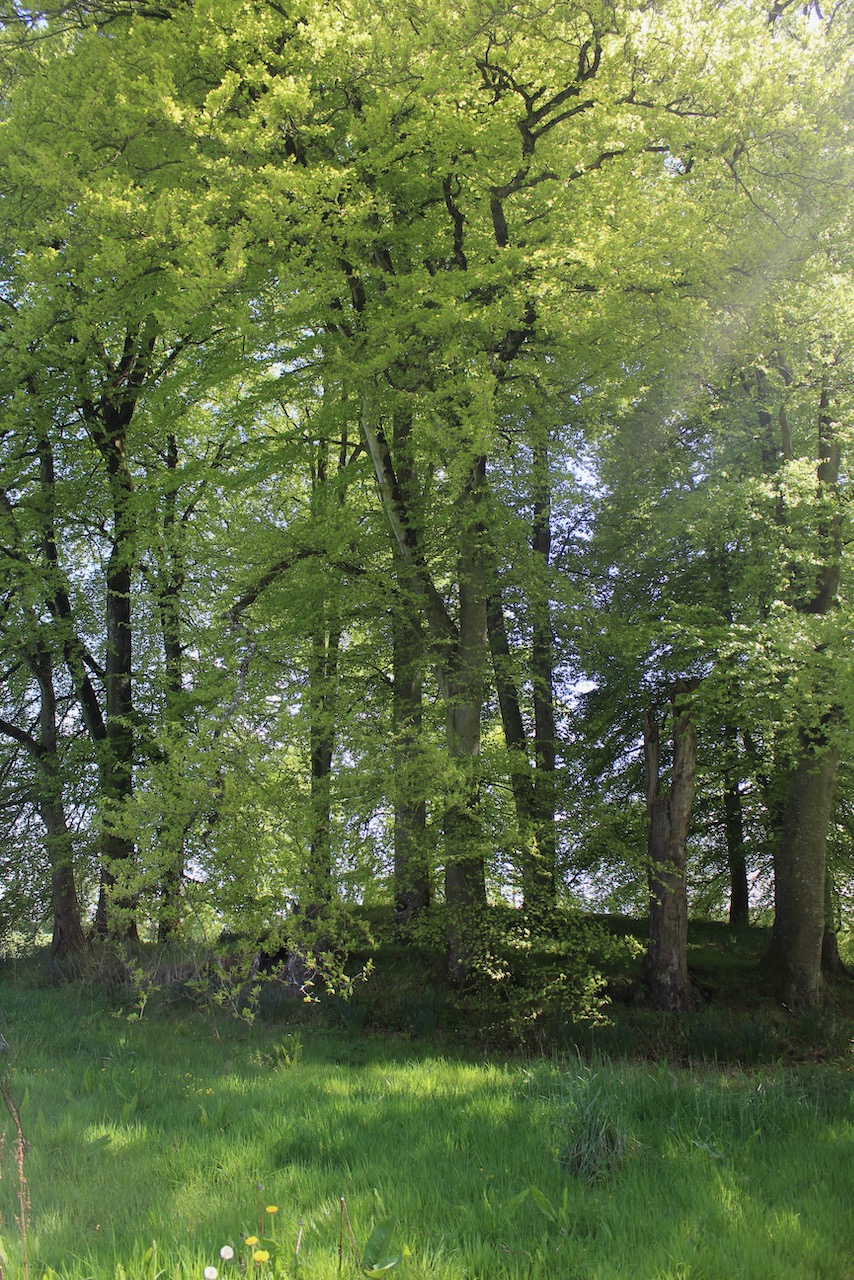
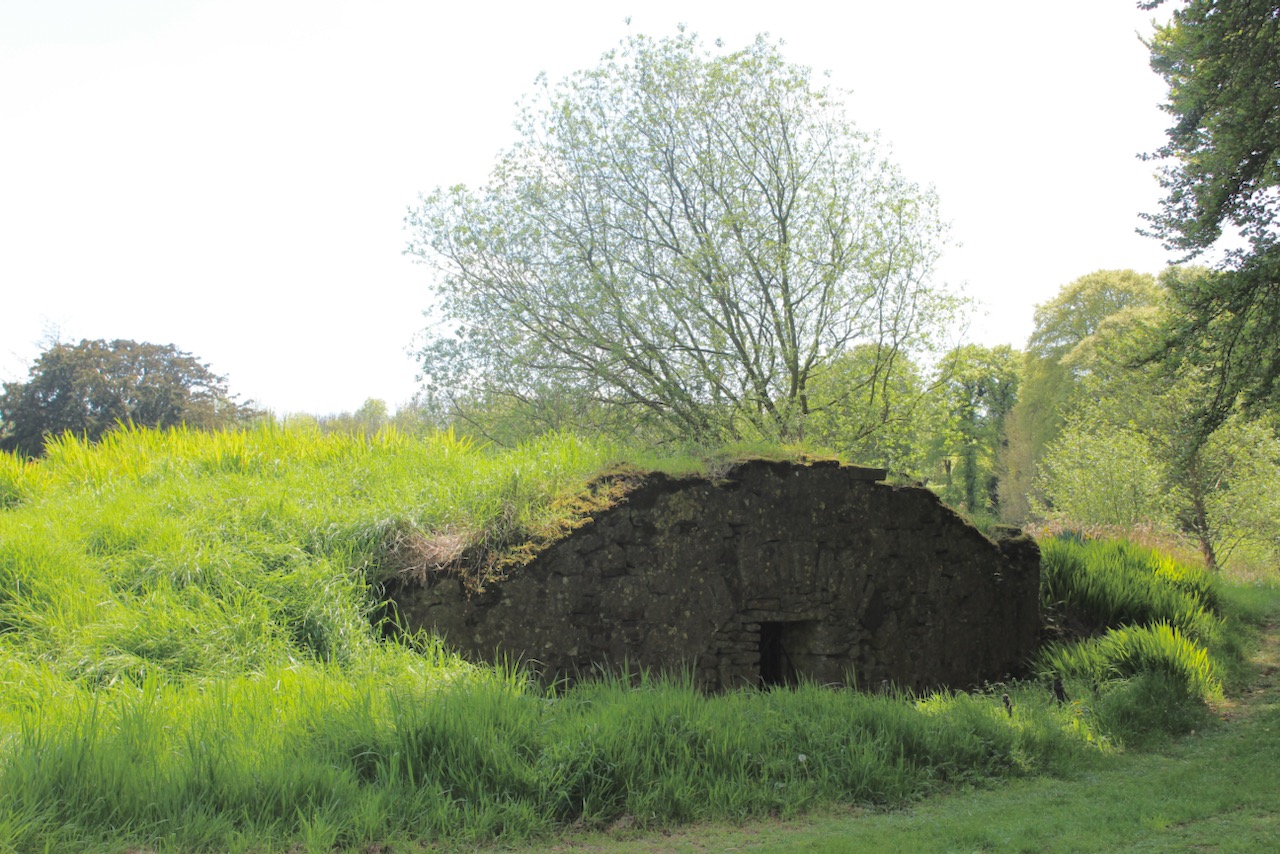
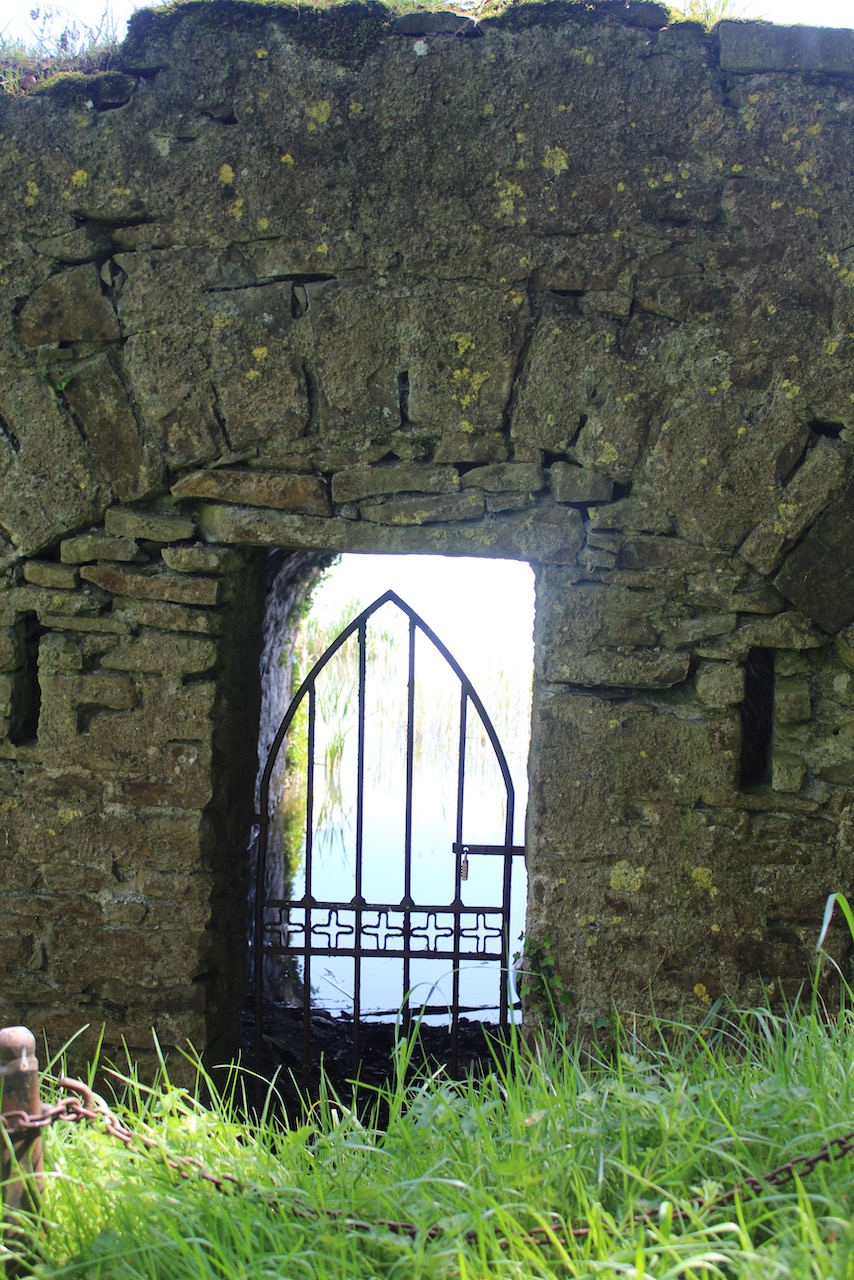
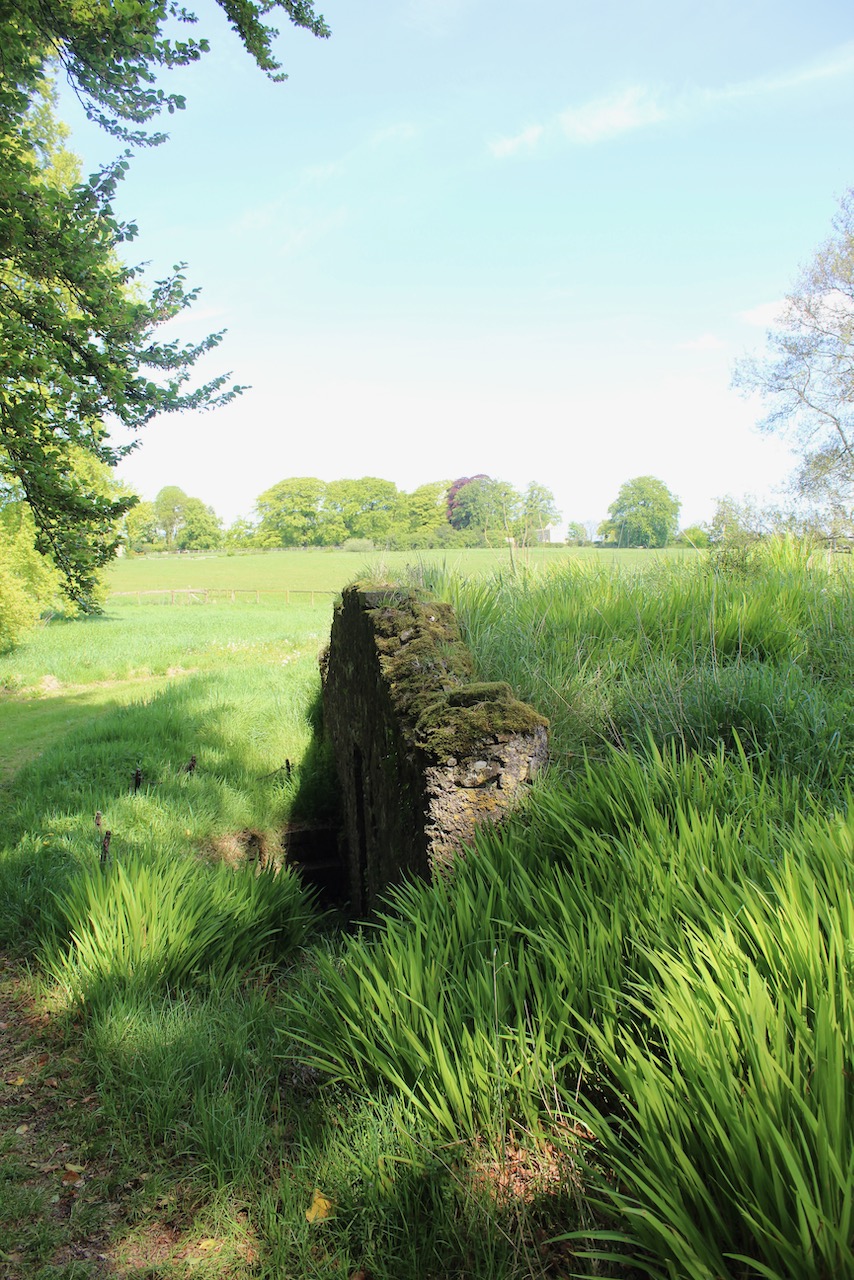
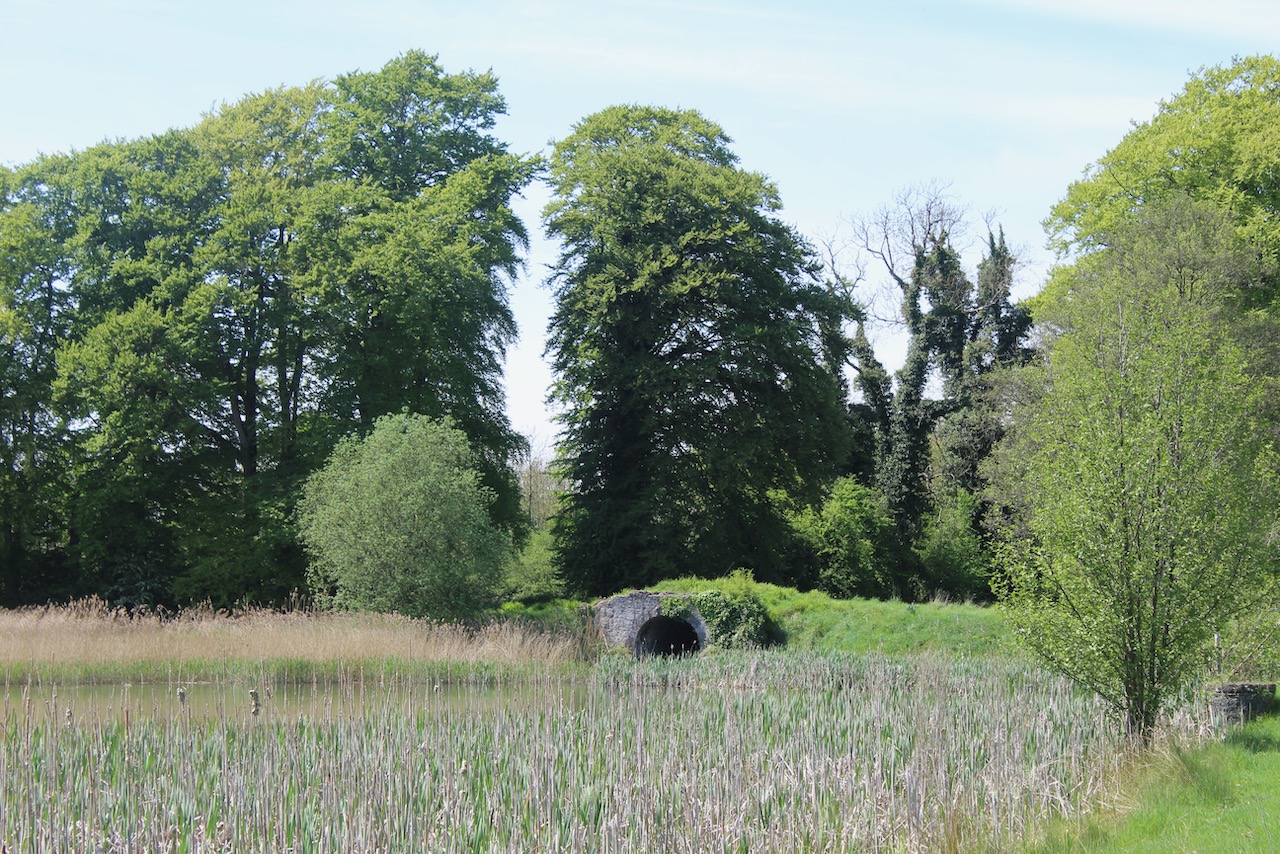
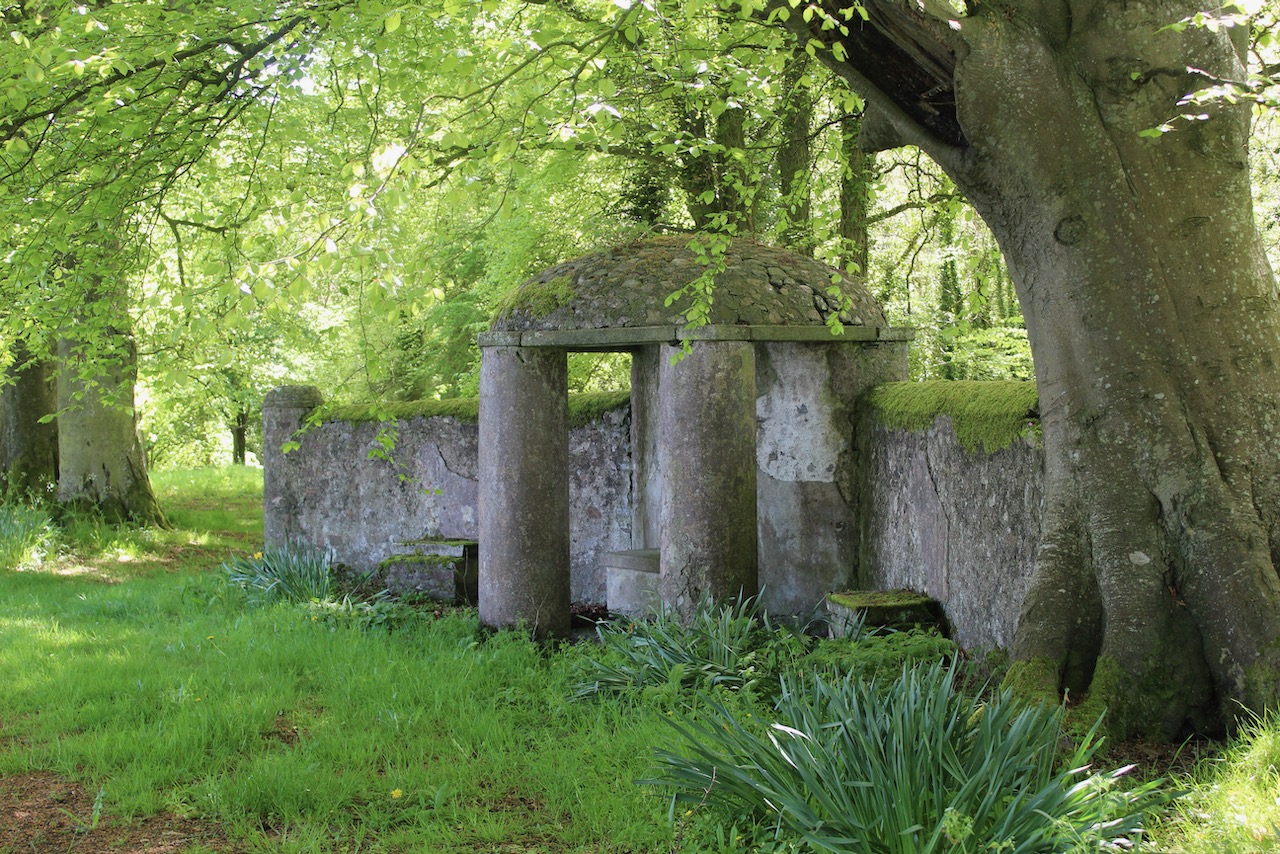
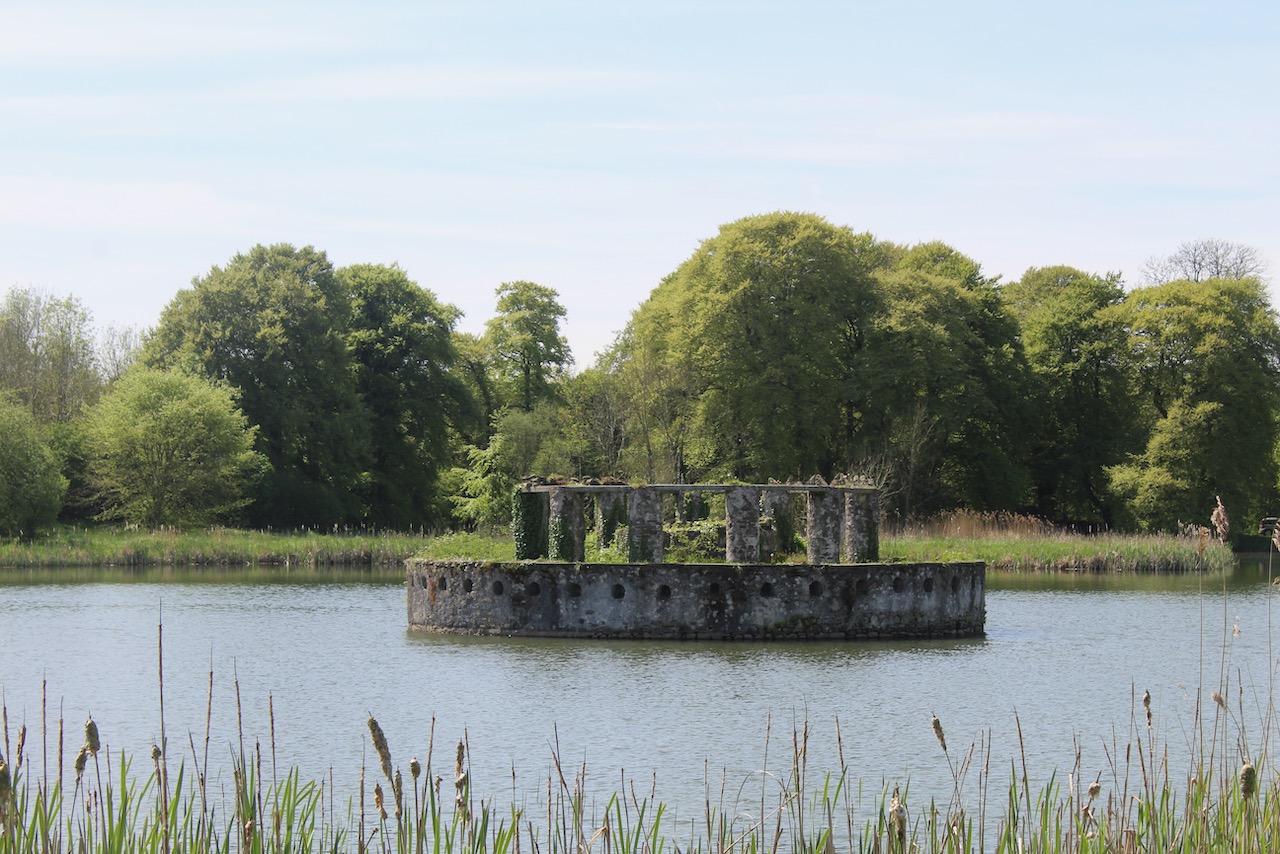
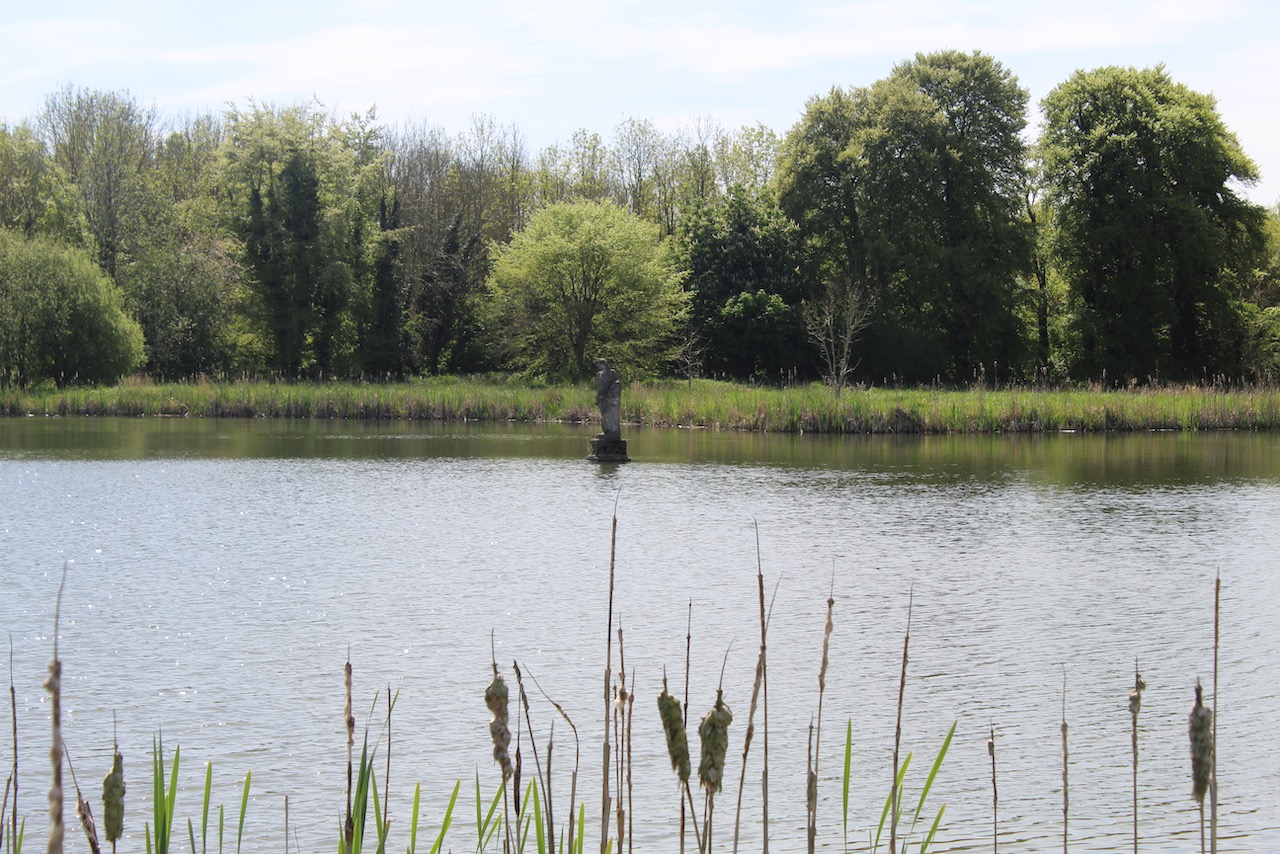
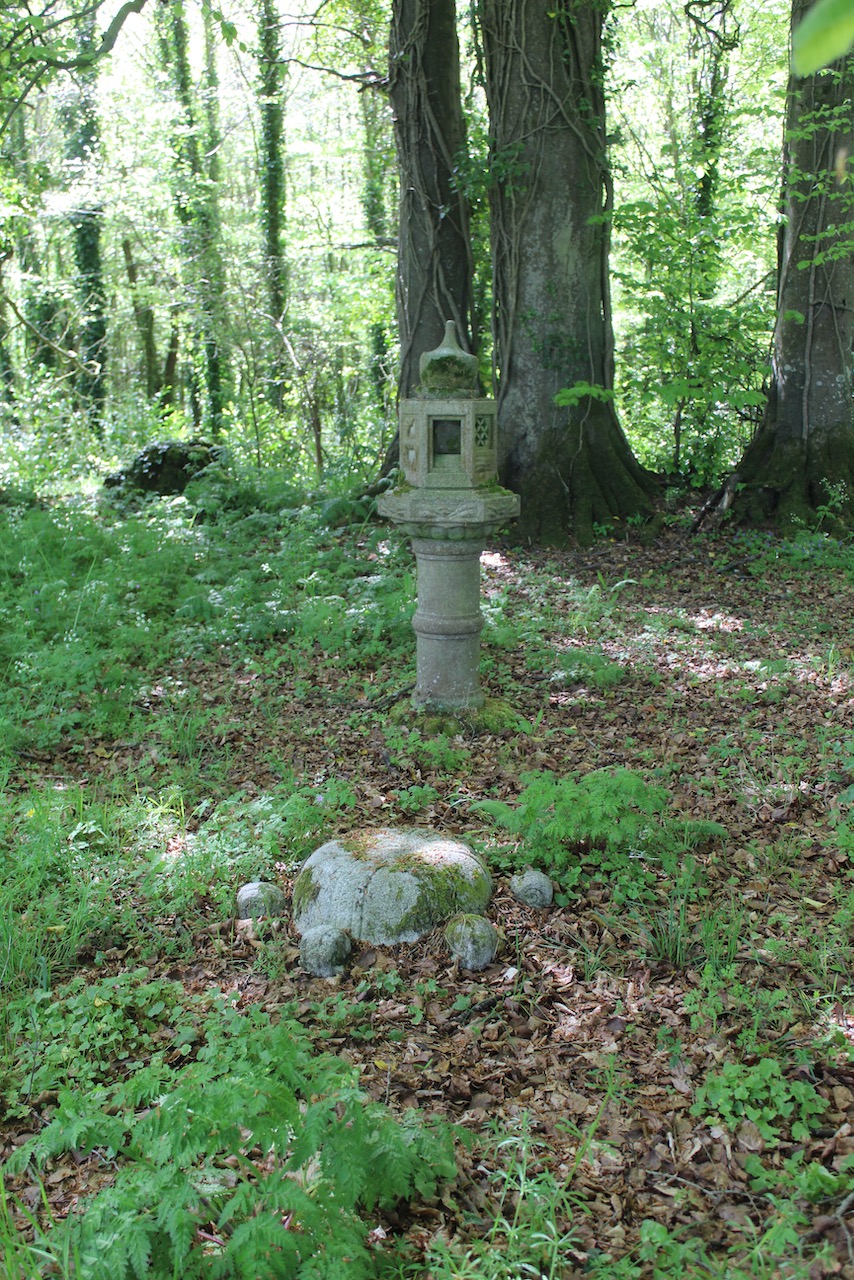
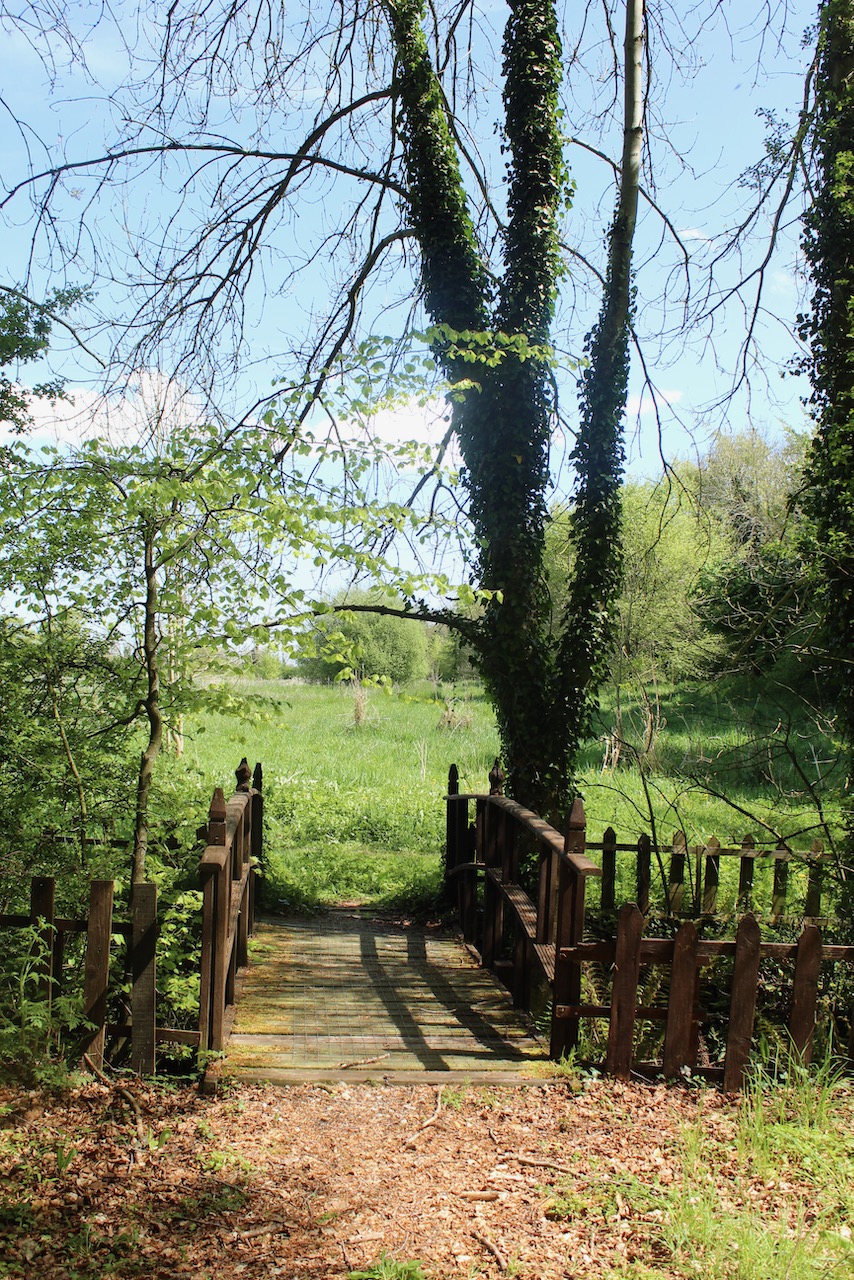
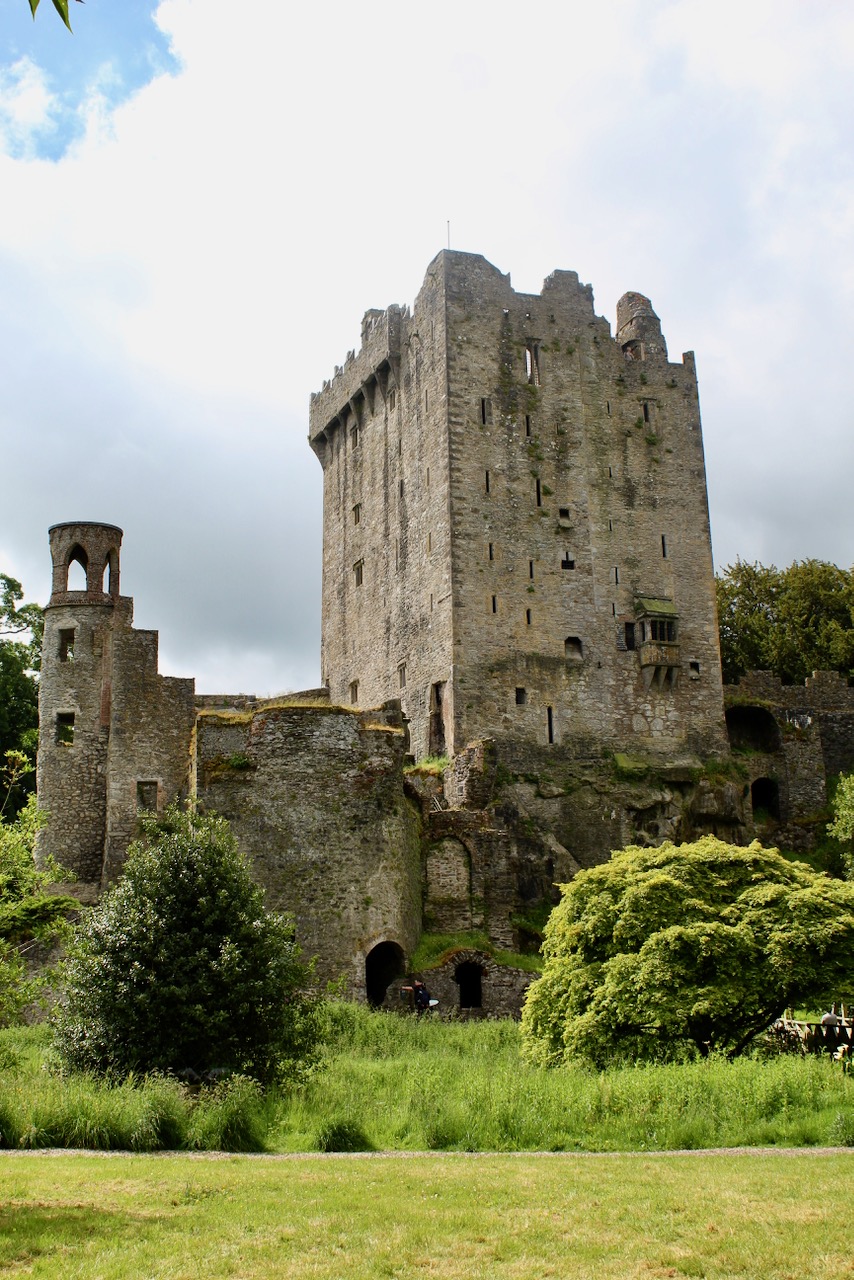
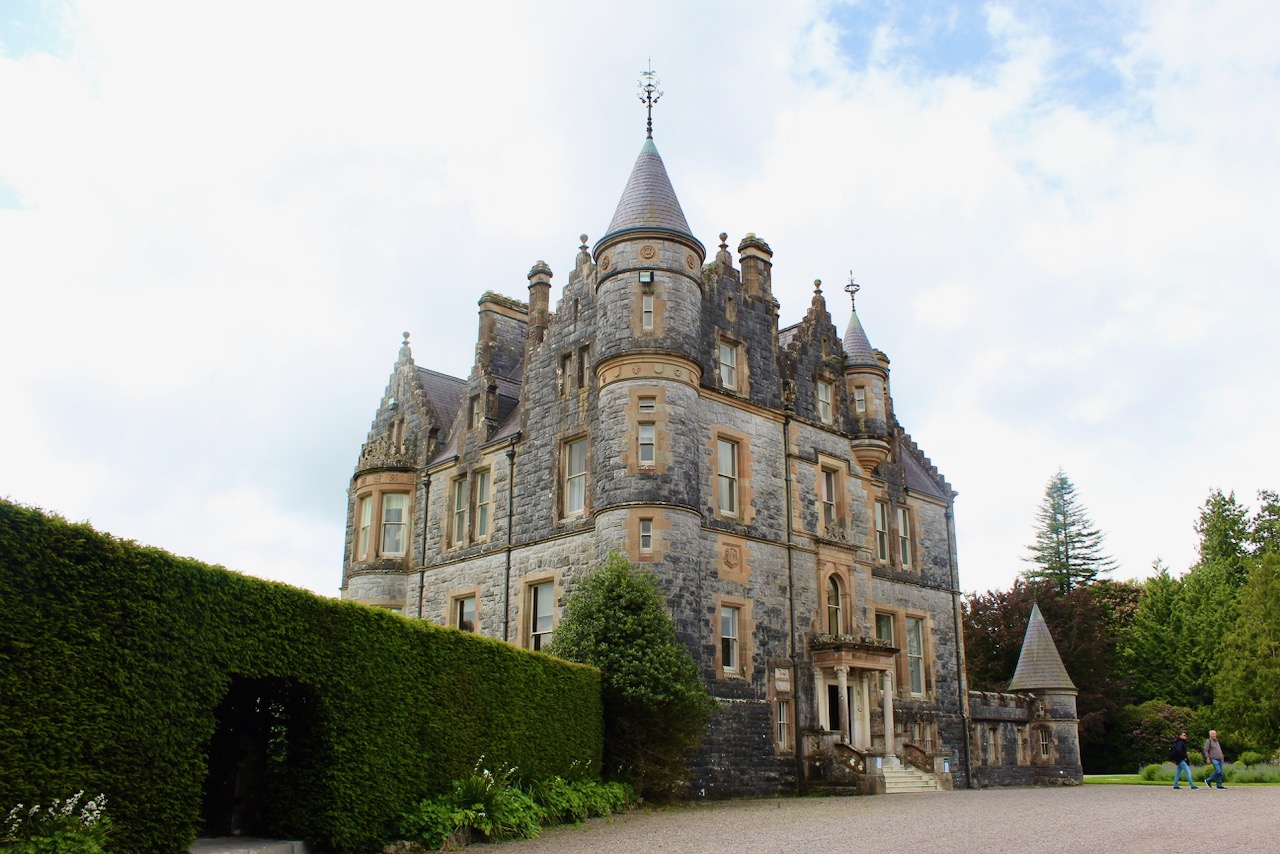
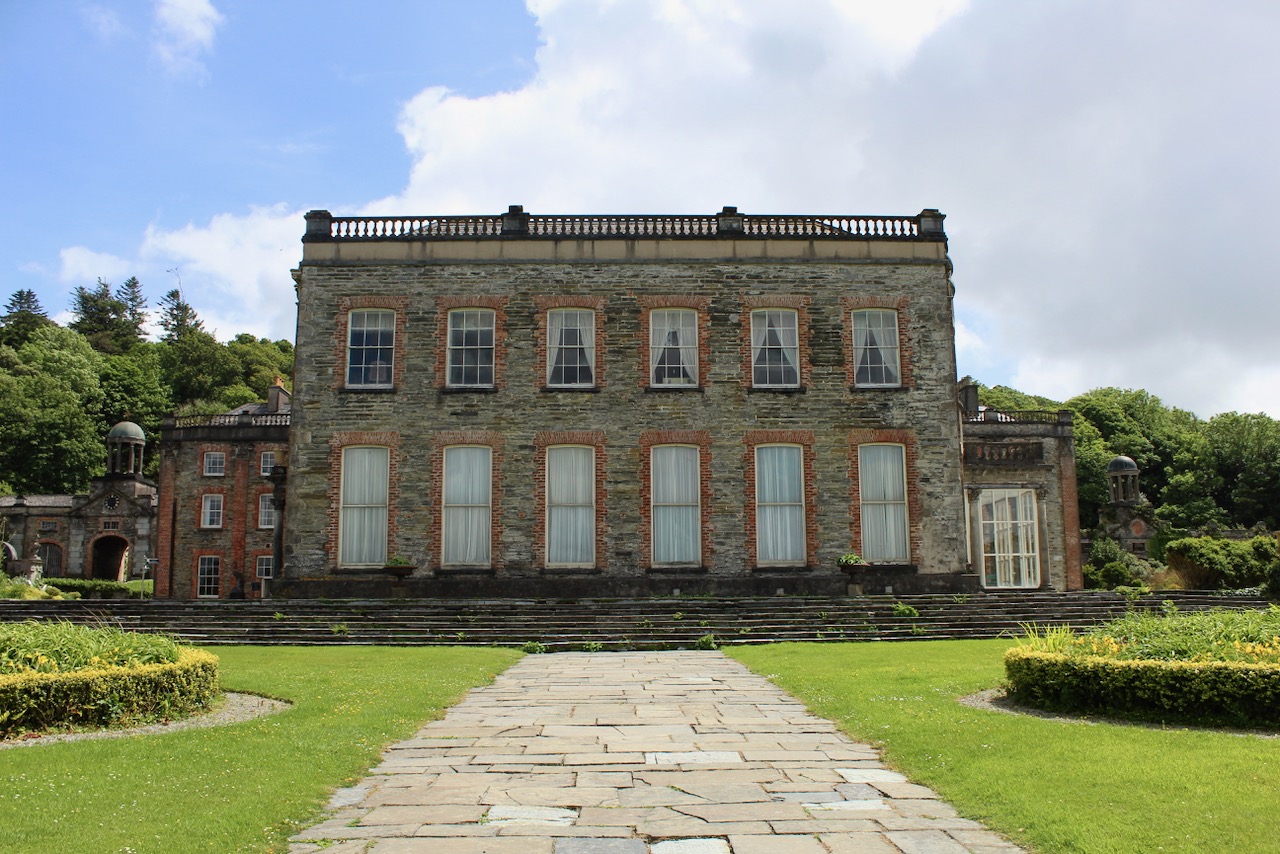
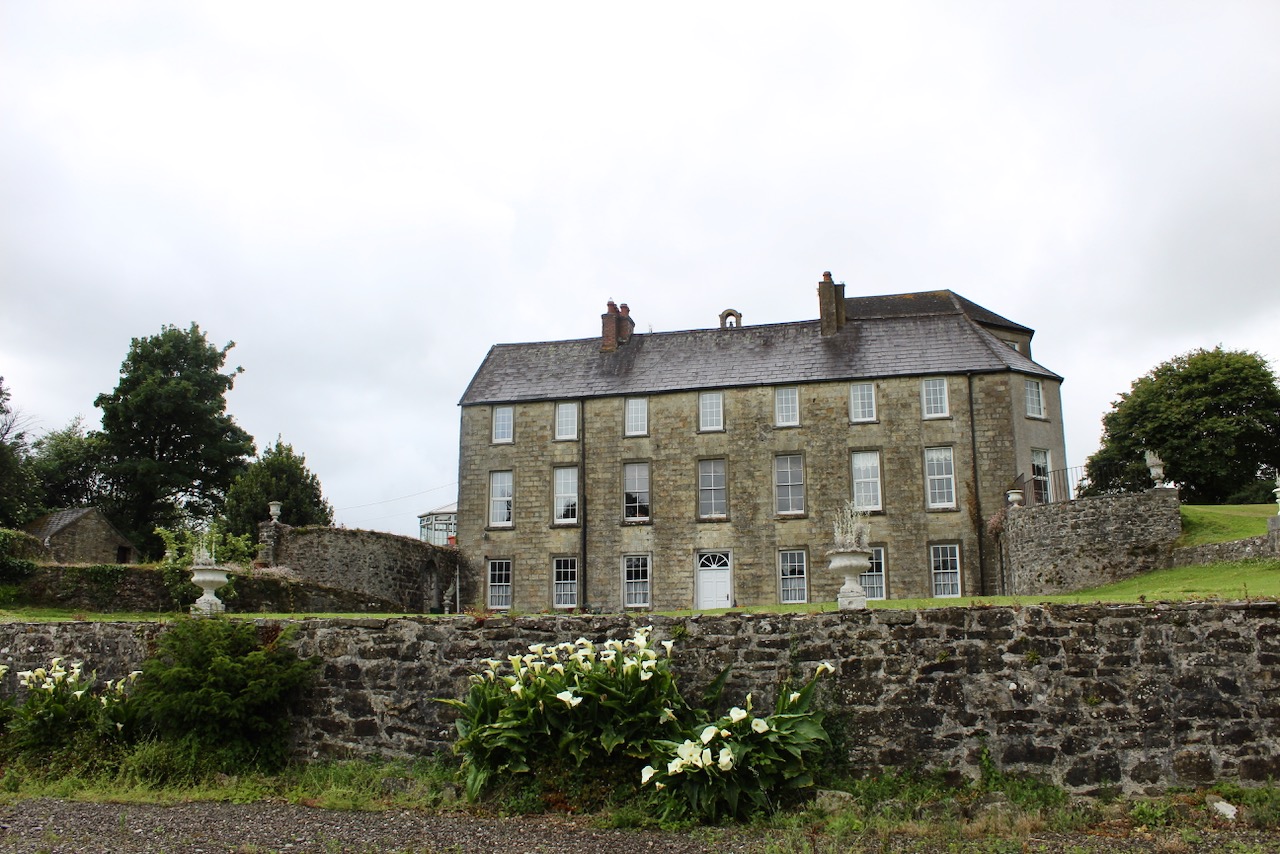


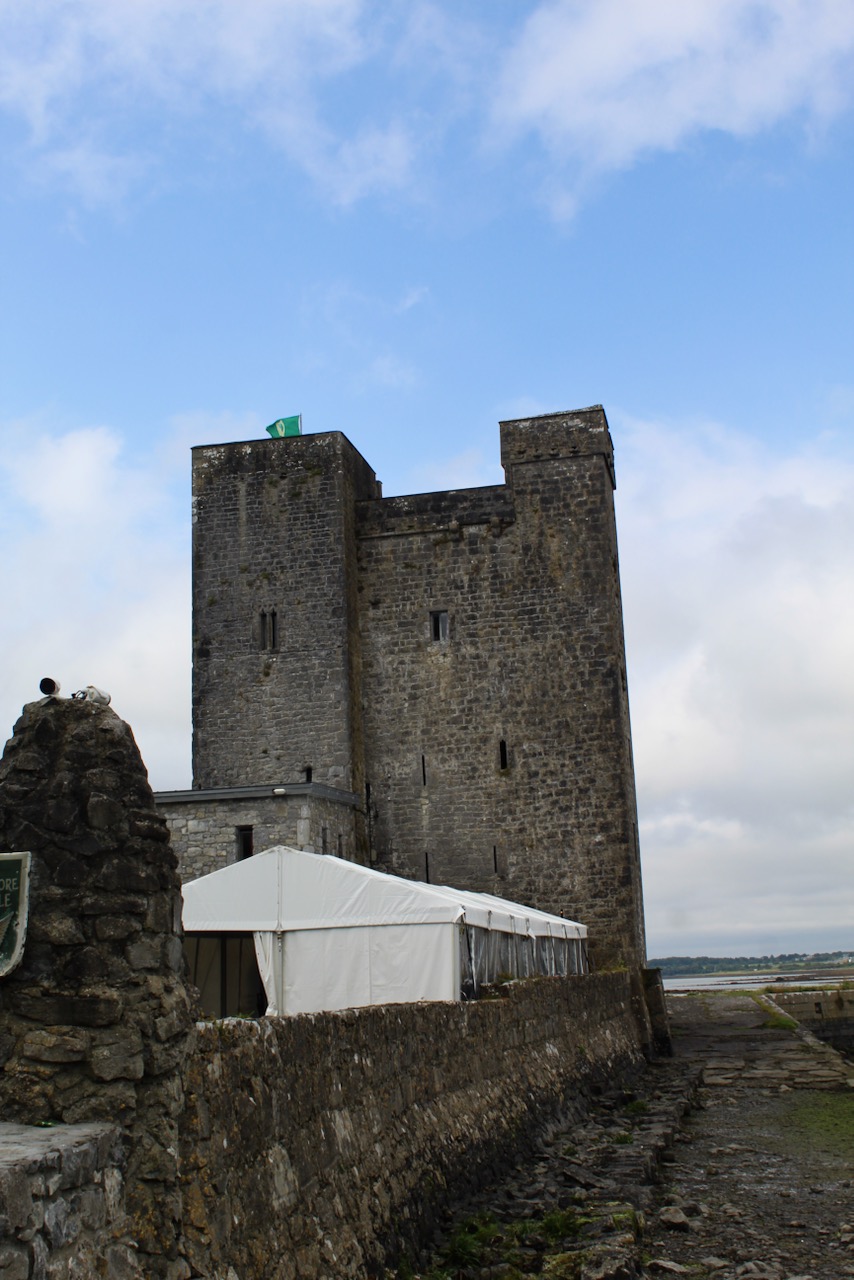


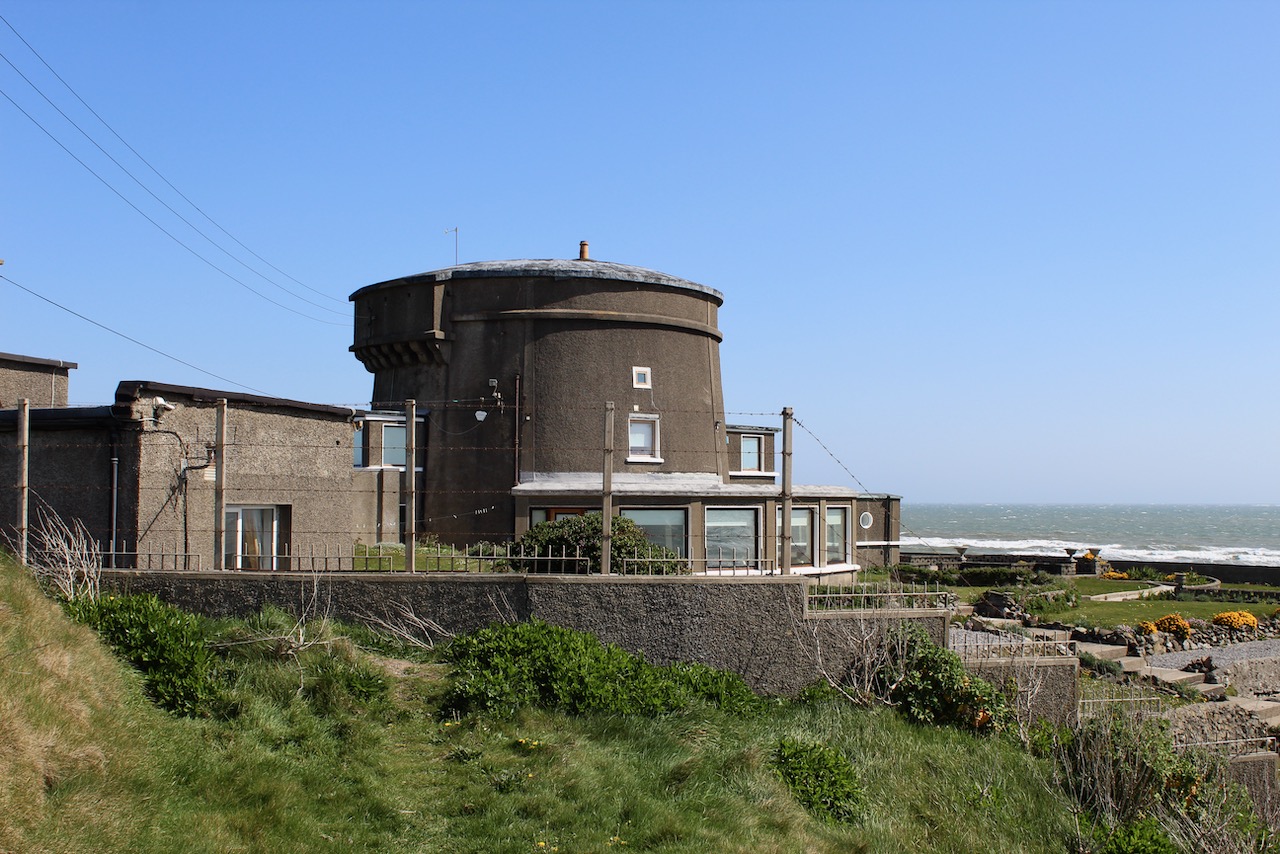





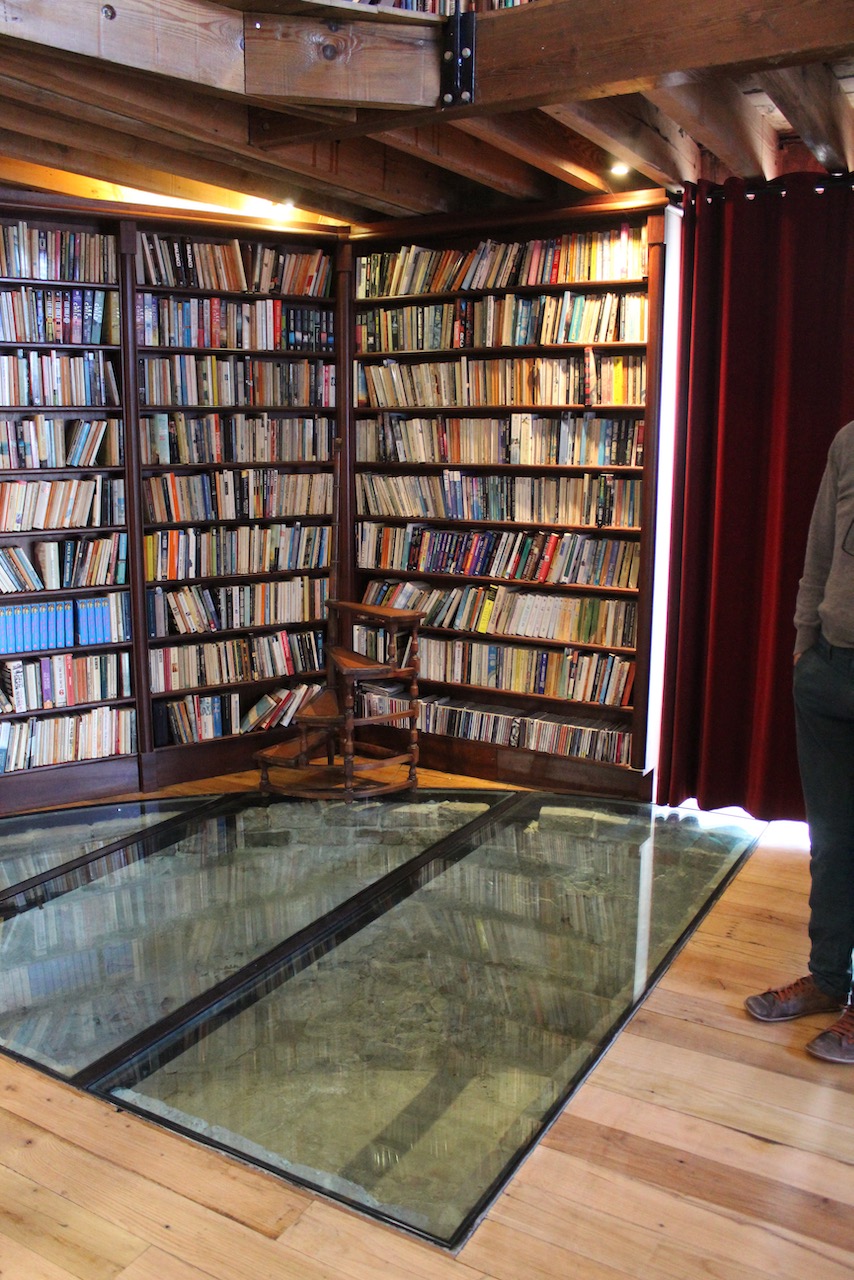


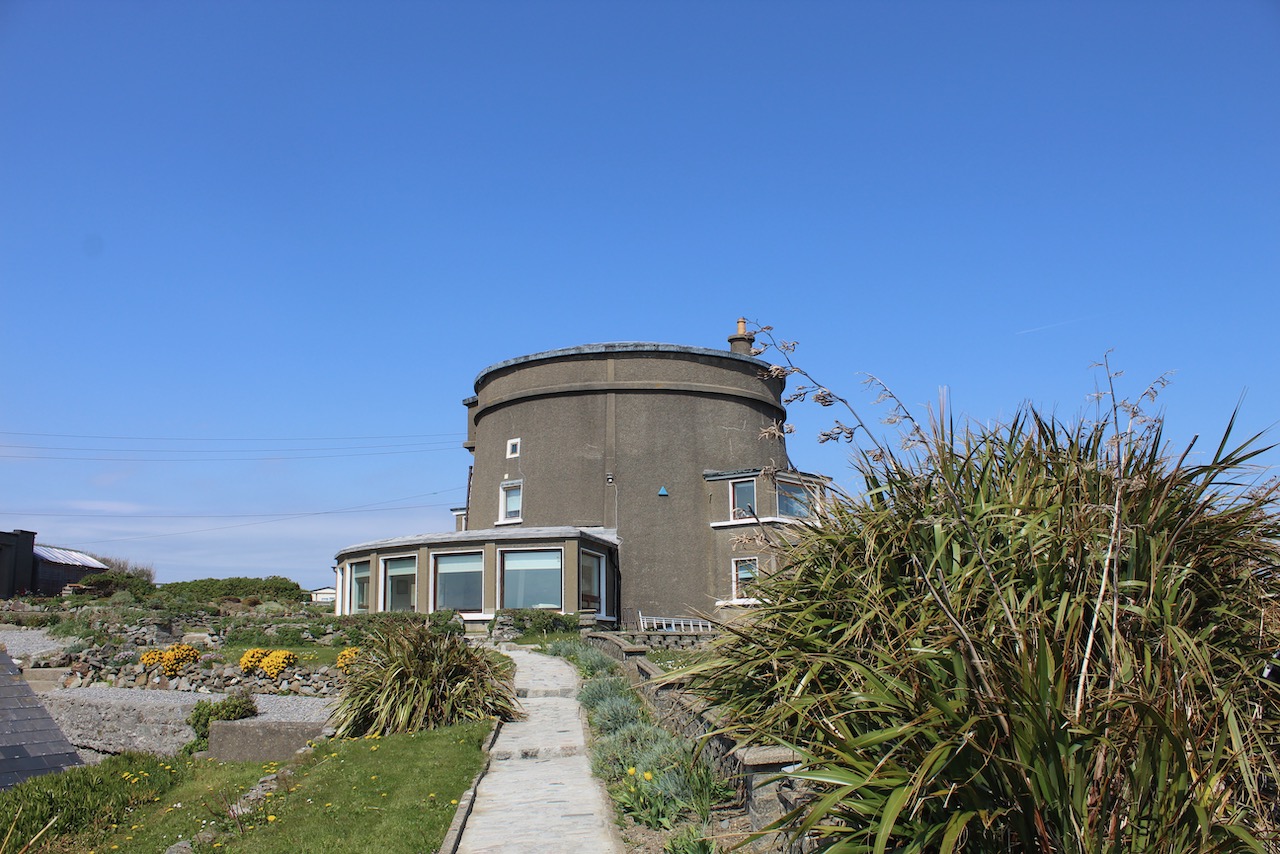
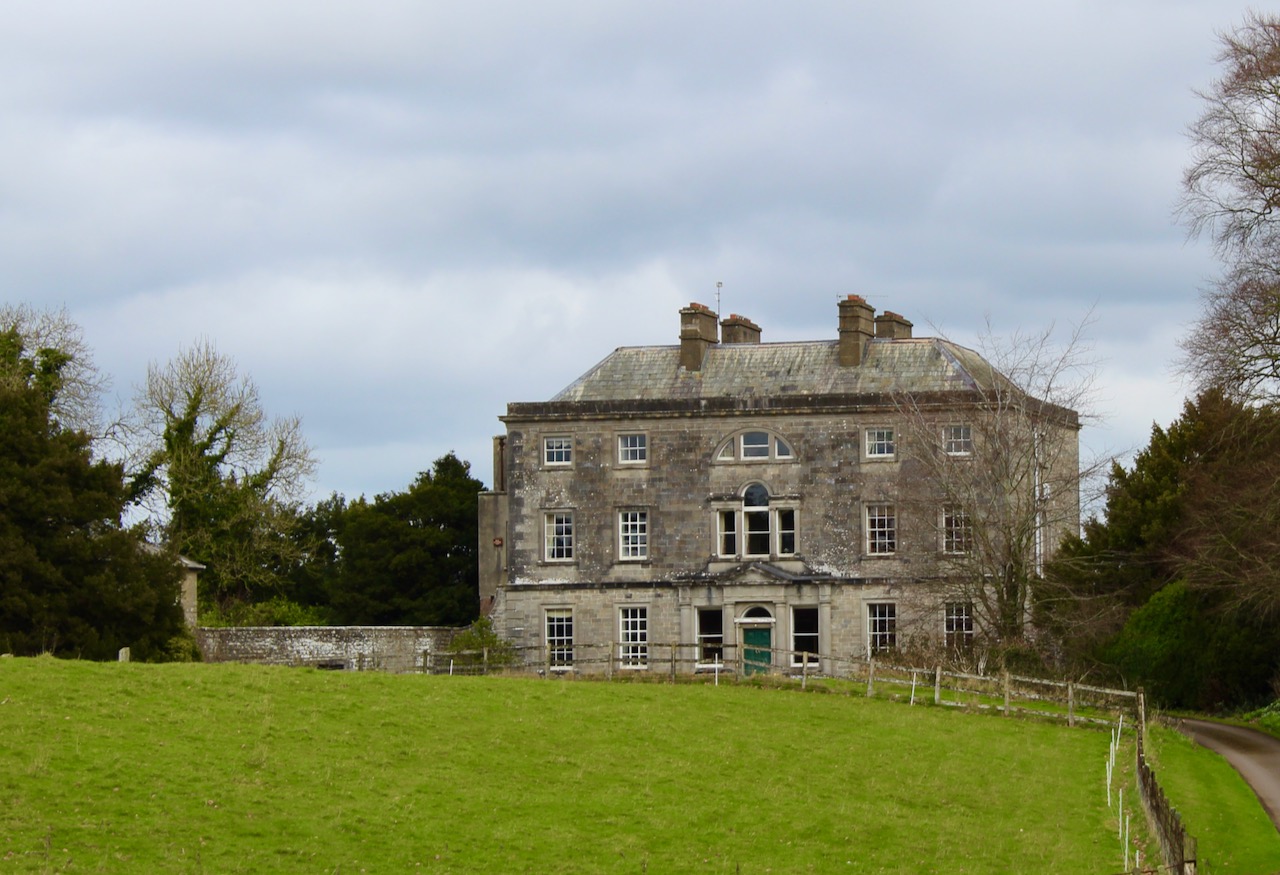
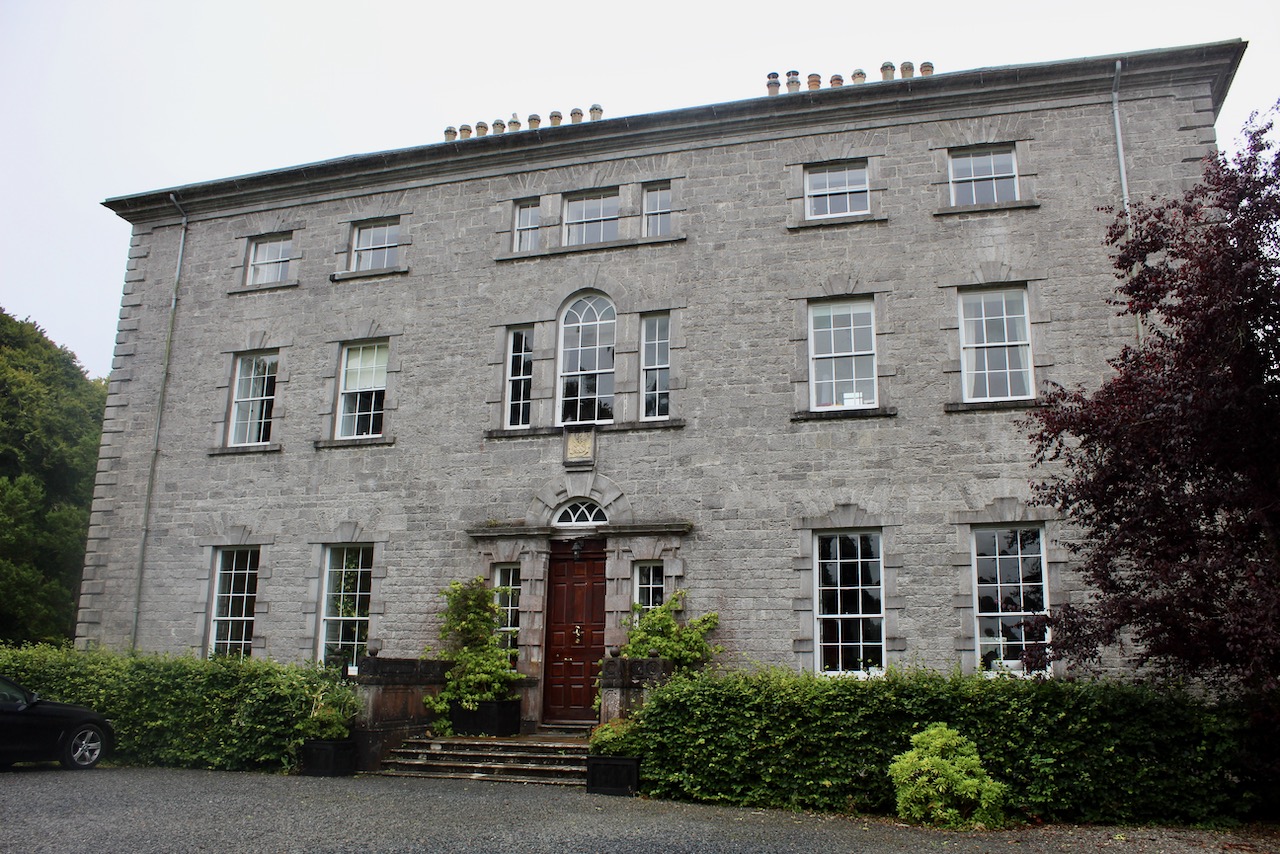
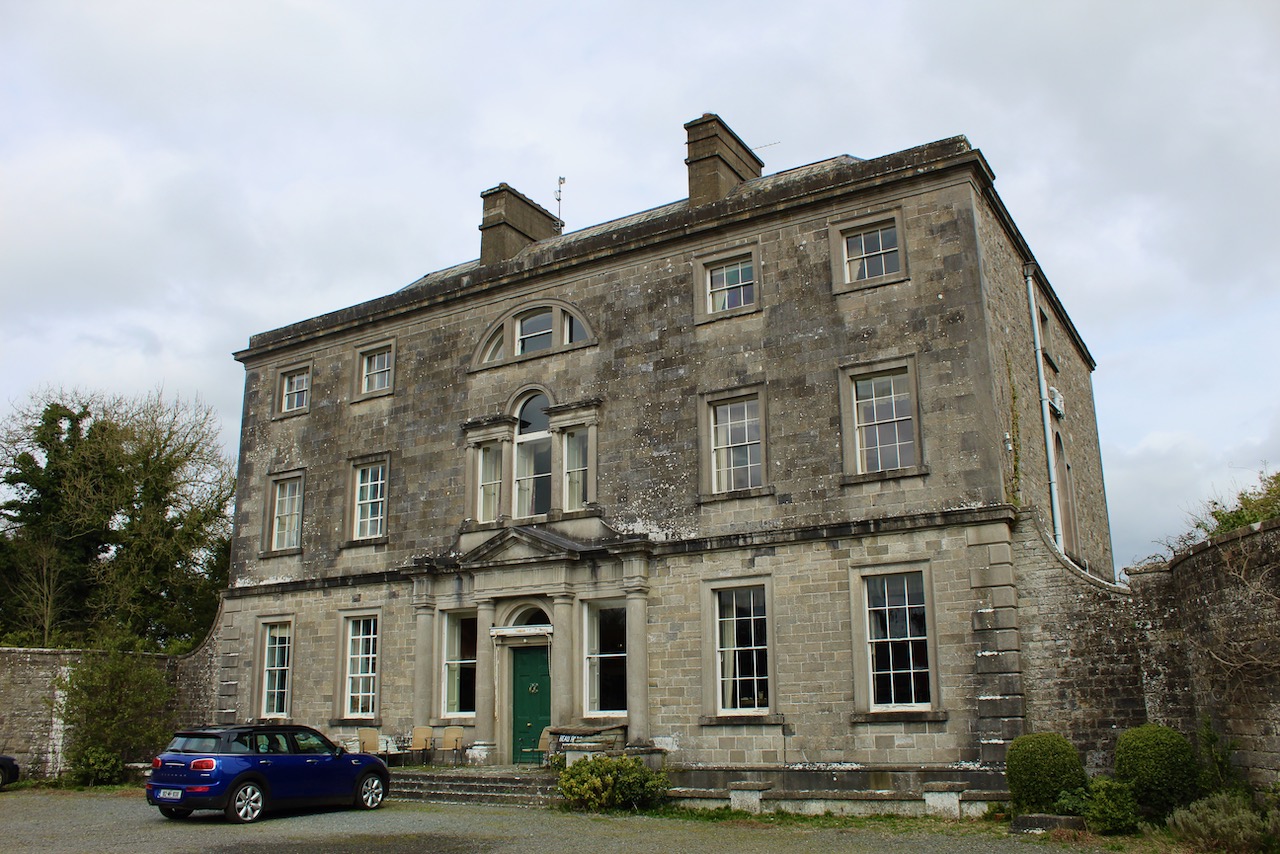

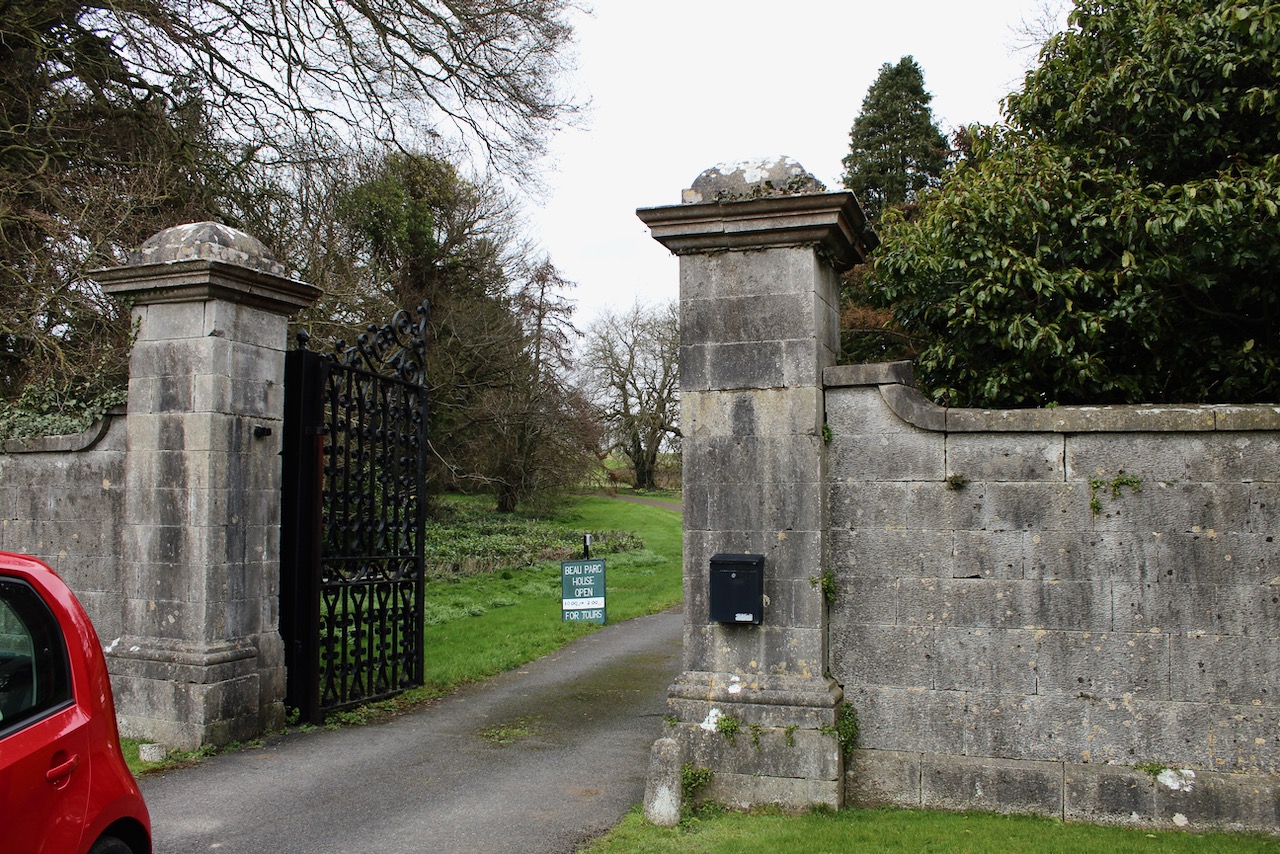
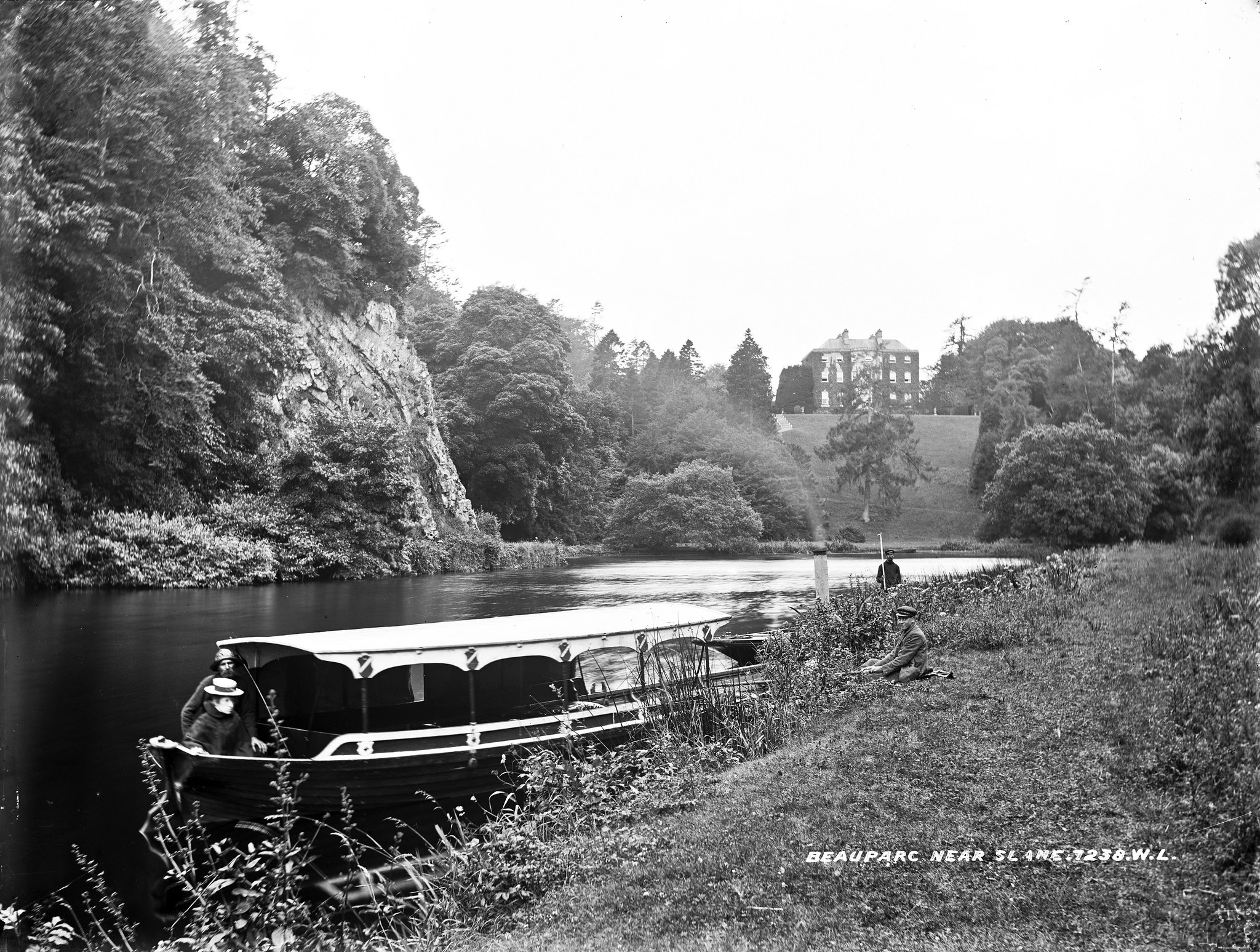
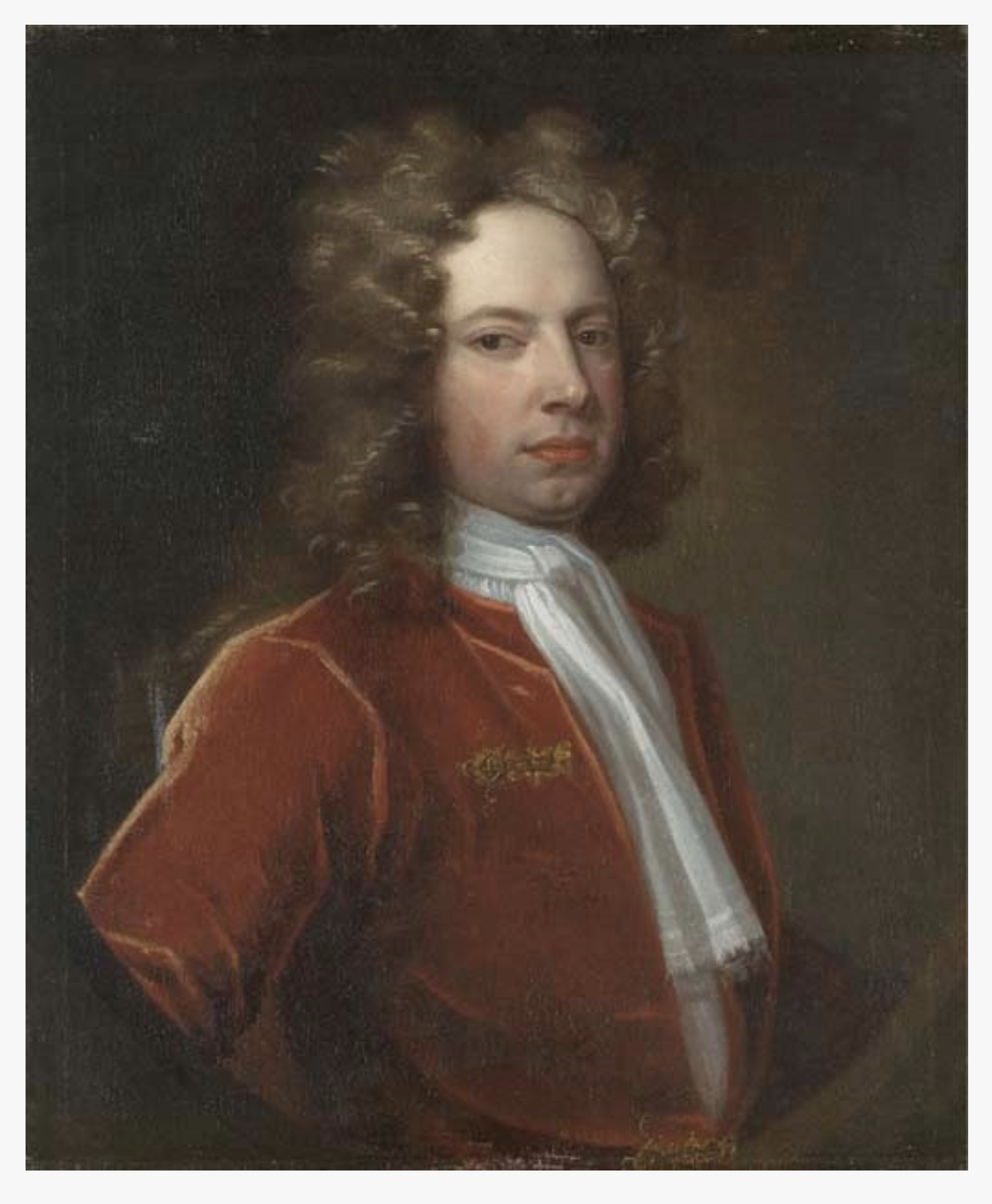

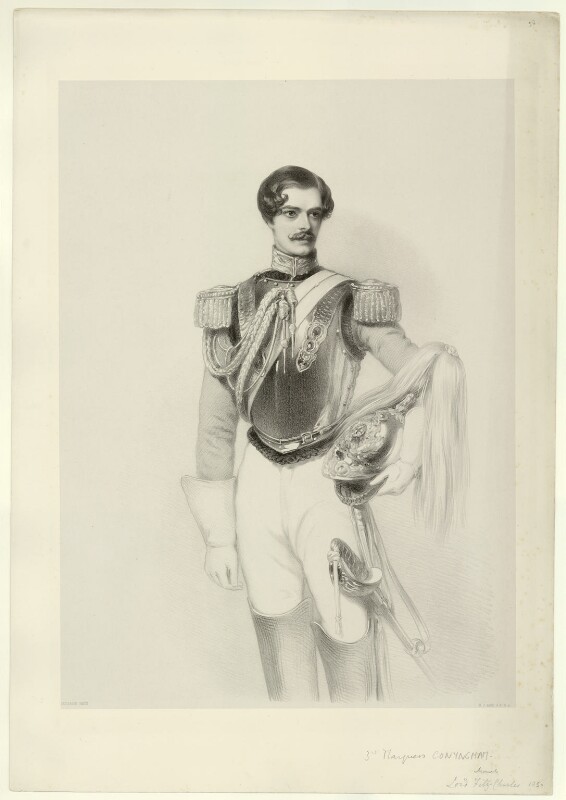
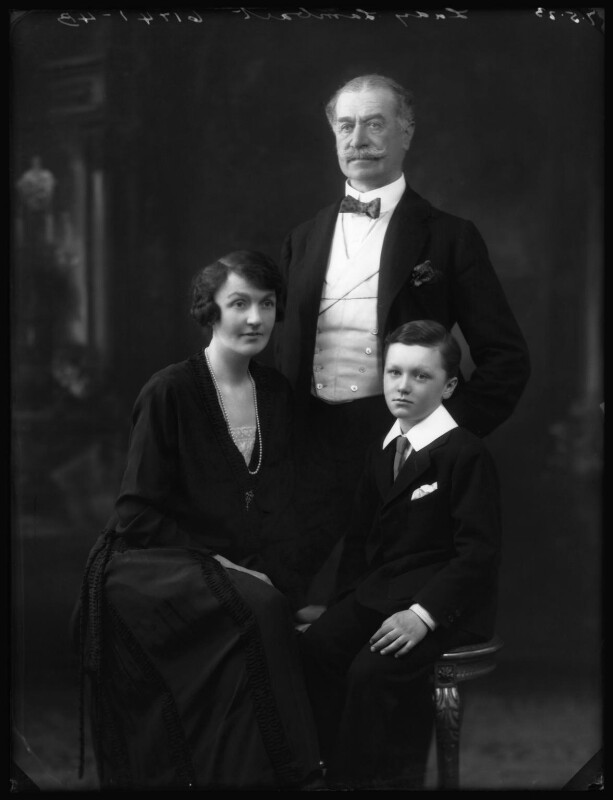
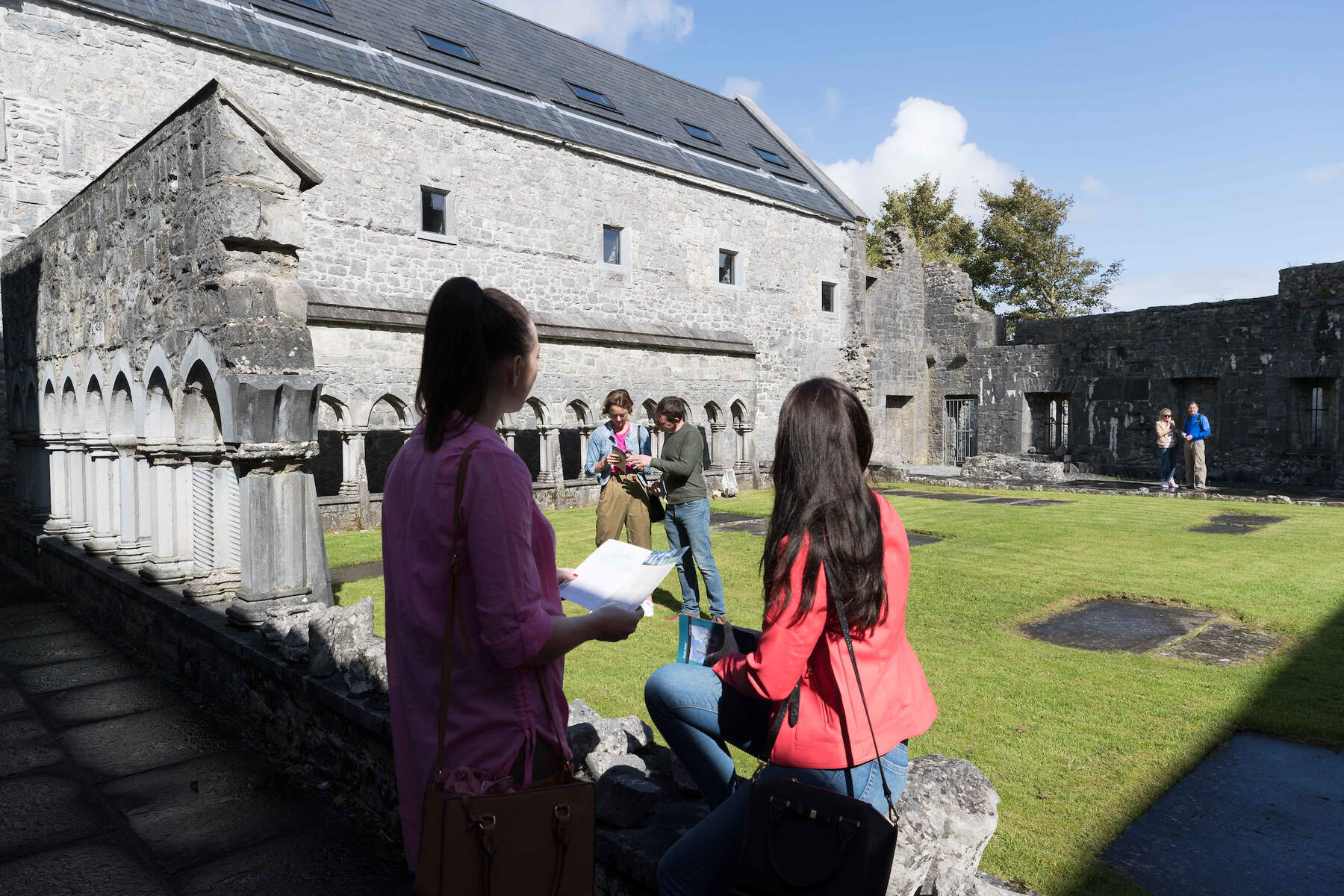

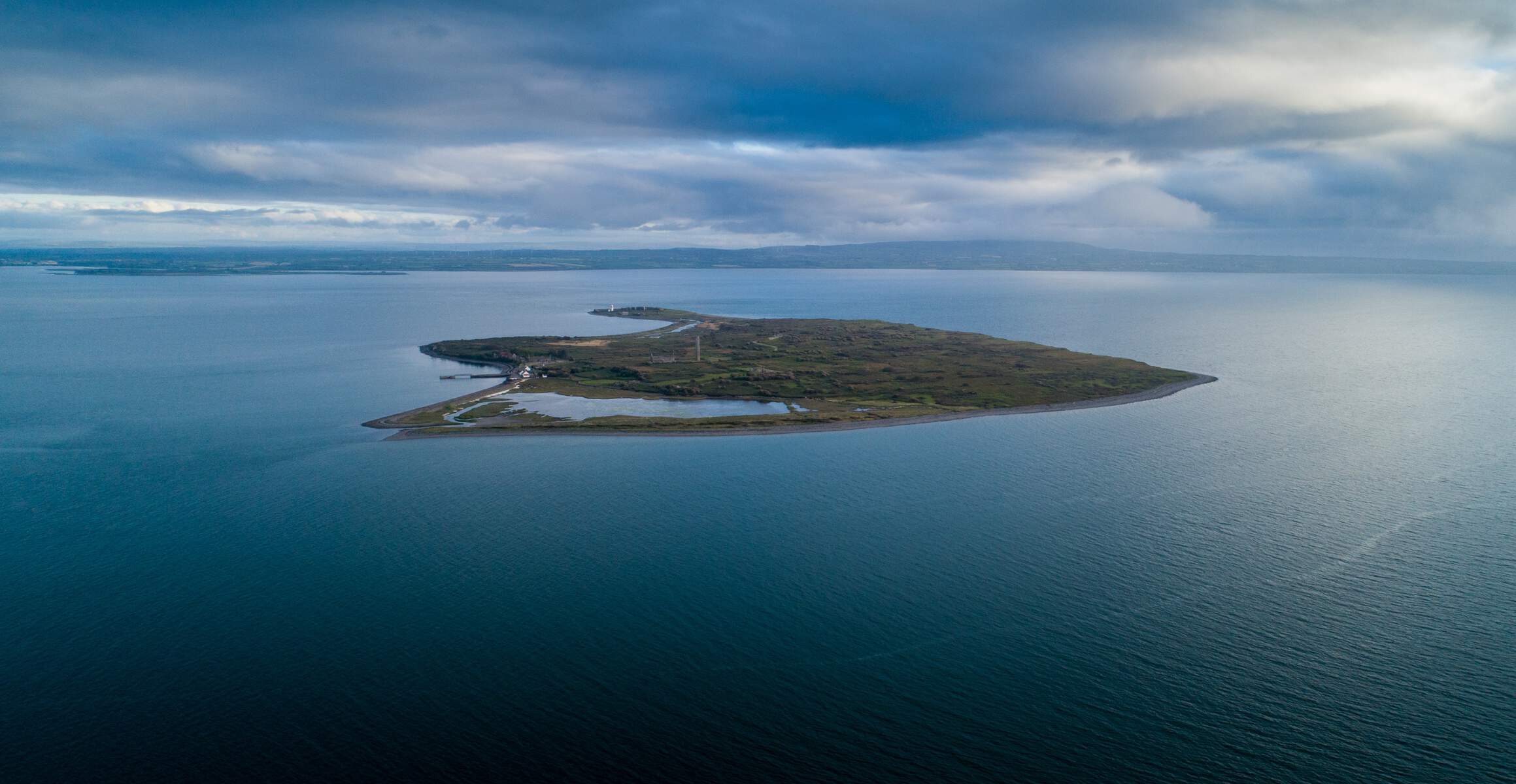
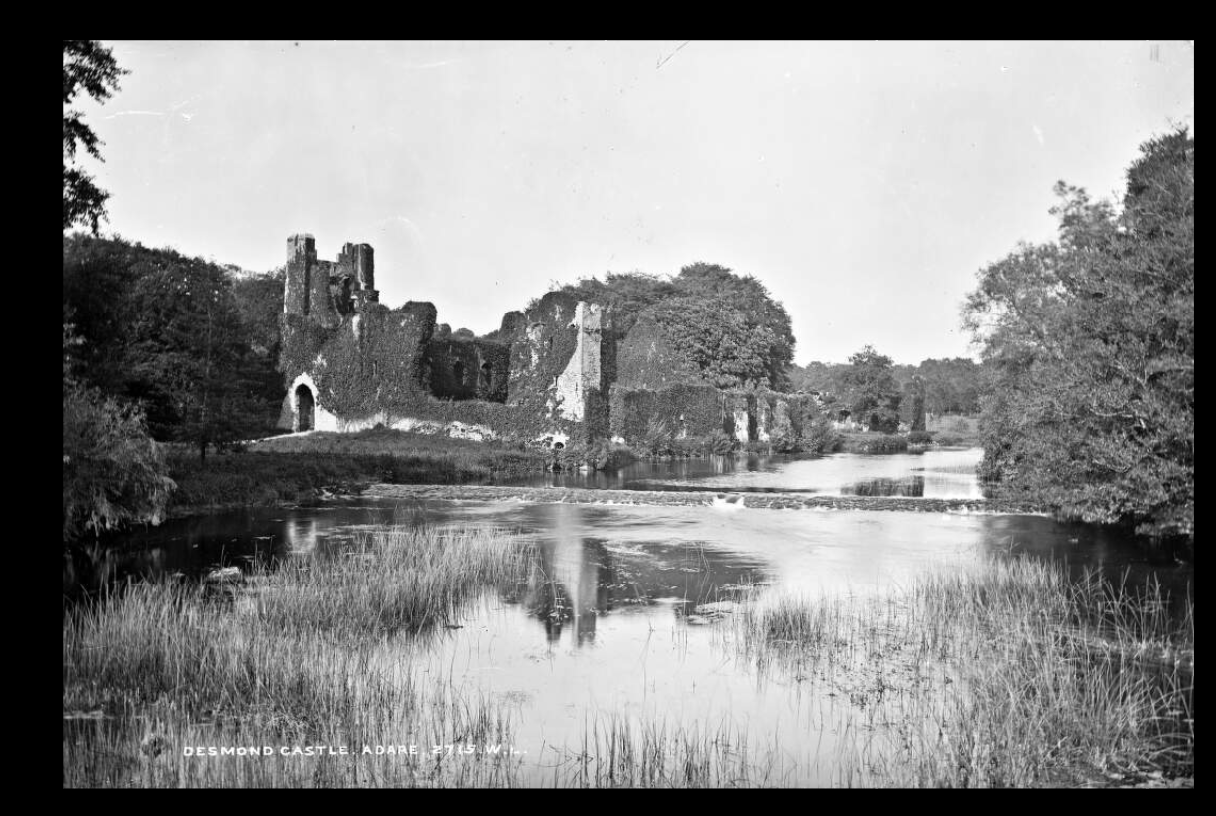

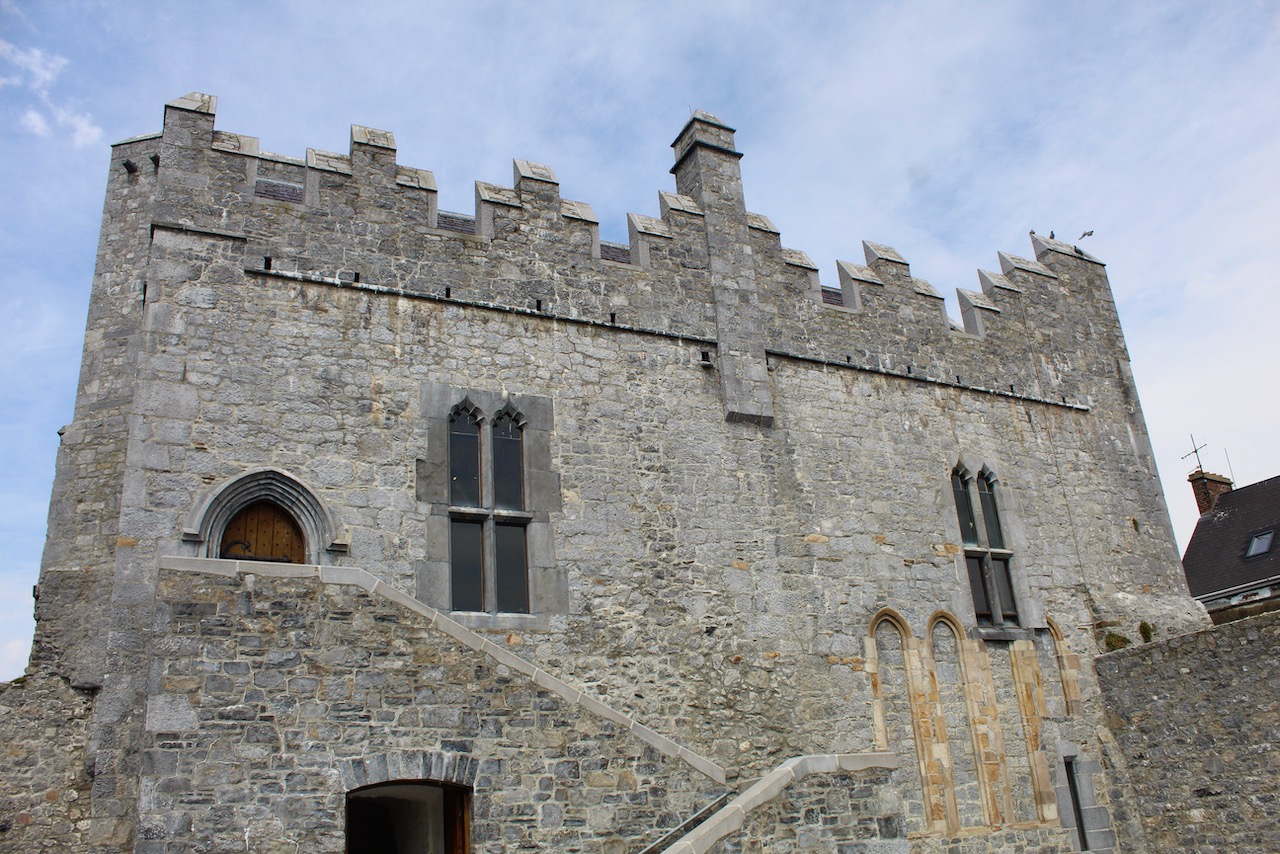


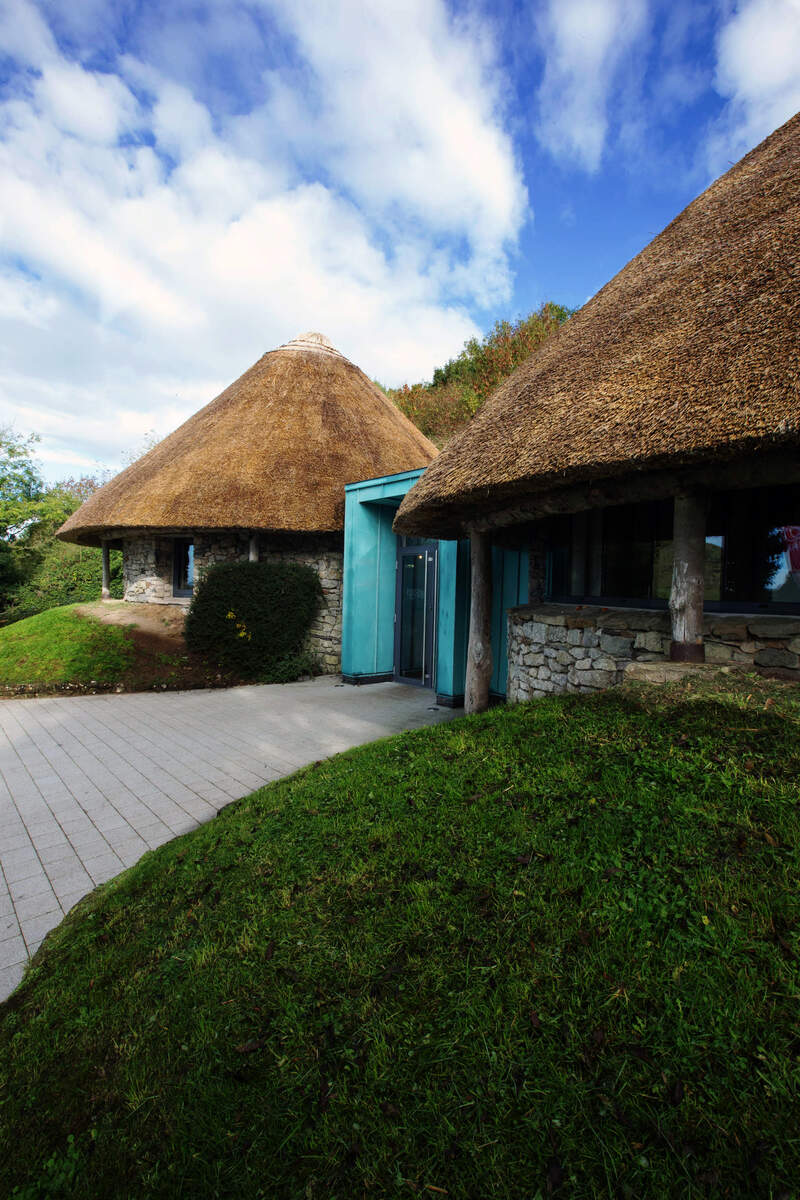
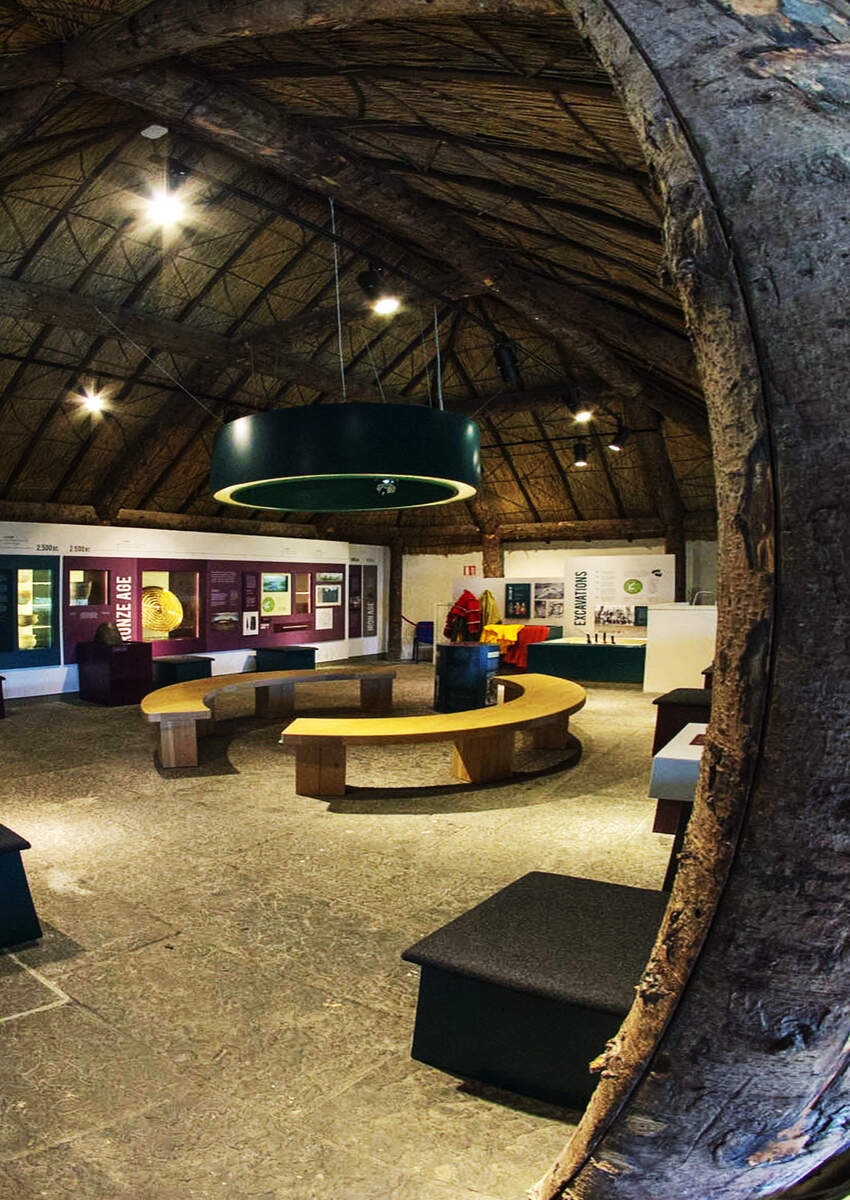
 Irish Historic Houses