Macroom Castle, County Cork, photograph by Robert French, (between ca. 1865-1914), Lawrence Photograph Collection, National Library of Ireland.Macroom Castle, County Cork, photograph by Robert French, (between ca. 1865-1914), Lawrence Photograph Collection, National Library of Ireland.
Bence-Jones, Mark. A Guide to Irish Country Houses (originally published as Burke’s Guide to Country Houses volume 1 Ireland by Burke’s Peerage Ltd. 1978); Revised edition 1988 Constable and Company Ltd, London.
p. 198. “(MacCarthy, Clancarty, E/DEP; Shelswell-White/IFR) A C15 castle of the MacCarthys of Muskerry on the bank of the River Sullane; partly destroyed by fire in the Civil War, after which it was confiscated and granted to the Parliamentary Admiral Sir William Penn, father of William Penn of Pennsylvania; recovered after the Restoration by the MacCarthys, Earls of Clancarty, who restored and modernized it. Having been confiscated again, along with other Clancarty estates, after the Williamite War, it passed to the Hedges Eyres. It was much admired by Dean Swift, in his progress through the country…The castle was burnt ca 1920 and has since been a ruin, part of which collapsed a few years ago.”
Macroom Castle entrance, County Cork, photograph by Robert French, (between ca. 1865-1914), Lawrence Photograph Collection, National Library of Ireland.Macroom Castle, County Cork, photograph by Robert French, (between ca. 1865-1914), Lawrence Photograph Collection, National Library of Ireland.Donough MacCarty (or MacCarthy) (1594-1665) 1st Earl of Clancarty; 2nd Viscount MuskerryEyre family portrait of Robert Hedges-Eyre son of Richard Hedges-Eyre of Macroom Castle Co. Cork, courtesy Purcell Auctioneers Feb 2016. Robert Hedges Eyre (d.1840) restored the castle and his daughter married the 3rd Earl of Bantry. Inherited by Olive White who married Lord Ardilaun it was eventually destroyed in 1922 by Republican forces long after it had ceased to have any military significance.Helena Hedges Eyre, daughter of Richard Hedges Eyre of Macroom Castle, Co. Cork, and Frances Browne, married to Reverend George Maunsell, Dean of Leighlin courtesy of Purcells Auctioneer Feb 2016.
Listed in Vanishing Country Houses of Ireland by The Knight of Glin, David J. Griffin and Nicholas K. Robinson, published by The Irish Architectural Archive and The Irish Georgian Society, 1988.
“A fifteenth century castle reconstructed in the early 19C for Robert Hedges Eyre. Burnt in 1920. Now a ruin.”
Macroom Castle, County Cork, photograph courtesy Irish Aesthete.
Macroom Castle, County Cork, photograph courtesy Irish Aesthete.
Macroom Castle, County Cork, photograph courtesy Irish Aesthete.
In her marvellous memoir Bricks and Flower, Katherine Everett described how, in August 1922 and at the age of 50, she had cycled from Limerick to Macroom, County Cork at the request of her distant cousin and godmother Olive, Lady Ardilaun to see what remained of the latter’s property, a castle in the centre of the town which had just been burned by anti-Treaty forces. Located above the river Sullane, the castle dates back to the 12th century and for several hundred years was occupied by the McCarthys before eventually passing into the ownership of the Hedges Eyre family before eventually being inherited by Lady Ardilaun. Two years after the fire, she sold the castle to a group of local businessmen; the main part of the building was demolished in the 1960s, with just the outer walls remaining, a series of mediocre school buildings erected within them. What survives suffers badly from neglect (as indeed does the river and the nine-arch bridge crossing which dates from c.1800) with the local county council failing to make the most of what has potential to be a popular visitor attraction. Instead, Macroom’s most significant piece of architectural heritage as been left to moulder: a missed opportunity.
Macroom Castle, County Cork, photograph courtesy Irish Aesthete.
Macroom Castle, County Cork, photograph courtesy Irish Aesthete.
Bence-Jones, Mark. A Guide to Irish Country Houses (originally published as Burke’s Guide to Country Houses volume 1 Ireland by Burke’s Peerage Ltd. 1978); Revised edition 1988, Constable and Company Ltd, London.
p. 240. “A plain two storey Georgian house. Attractive little polygonal gatelodge.”
Detached three-bay two-storey over basement house, c. 1810, with projecting Doric porch to front and full-height asymmetrical bows to front and to rear. Renovated and extended, c. 1840. Group of detached outbuildings to site. Detached gate lodge to site. Gateway to site.
Rathvinden is a charming period style estate located in the picturesque village of Leighlinbridge, Co. Carlow. Originally named “Ravinden House” dates back to 1810. Rathvinden - ‘fort of the faeries’, enjoys a pleasant setting within mature pleasure grounds and our Stable Yard is sheltered within a woodland and babbling brook. Originally built for Mr Roberts, it has had many owners including Arthur McClintock, McCalmont’s of Mount Juliet and more recently Dougles Gresham the well known C.S Lewis stepson. Today being owned and cared for by the Graham family.
Record of Protected Structures:
Rathvinden House, Leighlinbridge. Townland: Ballyknockan (Idrone West By).
Essentially a three-bay, two-storey country house dating from circa 1810 with two, full-height, asymmetrical bows flanking an enclosed, Doric porch. The house was extended about 1840 which makes it more asymmetrical and there are further bow at the rear and a pedimented, three-bay, two-storey extension on the right-hand return façade. The walls are rendered, the roof stated with small slates and the windows on the main façade are wide with double sashes.
Fans of The Chronicles of Narnia, the seven-novel CS Lewis saga, might be forgiven for opening the bedroom wardrobes in search of a secret door to a fantasy world when taking a tour of Rathvinden House in Leighlinbridge, Co Carlow.
After all, this 9,417 sq ft Georgian pile was for a long time the home of Lewis’s stepson, Douglas Gresham, an inheritor of the Lewis estate. Douglas features as a boy in the film Shadowlands – which deals with the relationship between Lewis and his mother Joy Gresham. In 1953, just three years after the publication of The Lion, the Witch and the Wardrobe, Douglas and his brother David arrived in England with their mother, an American writer, who had left behind a ruined marriage. There, her pen-friendship with Lewis eventually blossomed into romance.
Gresham had converted from atheism to Christianity on the basis of Lewis’s writings. The author himself had also been an atheist for many of his earlier years and was himself influenced into Christianity by his friend JRR Tolkien, author of The Lord of the Rings.
But the couple’s all-too-brief love story, depicted in the 1993 film starring Anthony Hopkins, Debra Winger and Joseph Mazzello as the young Douglas, was cut short after Gresham died from bone cancer in 1960. Lewis continued to look after the two boys until his death in 1963. David and Douglas eventually inherited his estate, including the rights to The Chronicles of Narnia.
Douglas became a committed Christian, like his mother and stepfather, and moved to Ireland with his wife Merrie in 1993. He turned Rathvinden House into Rathvinden Ministries, a Christian counselling and retreat centre. In 2006 he sold it to a developer and moved to Malta.
There was planning permission for 65 houses and apartments on the grounds of Rathvinden House, but the property crash called a halt to that. The house lay empty until it was bought in 2012 by the Graham family, who refurbished it and developed it into the first five-star guesthouse in Carlow.
Leslie Graham says: “It had been empty in 2009 and 2010, during the real heavy frost and the plumbing went so the house was water damaged. A lot of people looked at buying it and walked away because it was too much work. But we noticed that the structure of the house was good and painted all of it and now it’s in turnkey condition.”
Leslie and his wife put it on the market in 2015, when they retired from operating their guesthouse, with an asking price of €1.95m. The purchase fell through. Three years on it has been put back on the market.
An arched entrance gate beside the gate lodge – currently rented out as an artist’s studio – leads to a curved driveway and the fairytale Georgian house.
Rathvinden House was built in 1810, and, in 1840, two asymmetrical bows were added to the front and back. The two-storey-over-basement property has a three-bay façade, with a projecting Doric porch over a blue front door.
The entrance vestibule leads to the reception hallway. The reception area of this vast space sits behind the turning staircase and features ceiling cornicing, a centre rose with a crystal chandelier, a solid-fuel stove nestled in an original Georgian fireplace, and timber-panelled walls.
To the right of the main hall are two adjoining drawing rooms with a triple aspect through large bowed sash windows. The original parquet flooring and twin marble and brass fireplaces balance the connection between these two reception rooms.
Also on the ground floor is a study with enough space in the fitted bookcase for multiple copies of The Chronicles of Narnia.
To the very left on this level is a kitchen with bespoke hand-painted cabinetry and warm marble worktops on the main counters and large centre island, which is also fitted with a Belfast sink. As well as a traditional Aga cooker, there are integrated Neff electric appliances.
Interconnecting doors lead to the dining room, with its ceiling cornice, centre roses with crystal chandeliers, another Georgian marble fireplace with a solid-fuel stove, and polished timber flooring.
The staircase leads to the first floor and its six bedrooms, five of which have hotel-standard en suites. The master bedroom en suite consists of a walk-in wardrobe, a morning lounge/dressing room, a bathroom with a freestanding cast-iron bath and a walk-in spa shower. Another bedroom includes a very large ornate period style stand alone wardrobe in the corner.
The basement level can be accessed via a passageway off the kitchen or from the courtyard. The basement is currently used as separate accommodation, which consists of a large kitchen with an Aga and marble worktops, a reading room, a sitting room with a bowed window and a timber fireplace, a boot room, bathroom, laundry room and three bedrooms – two of which have their own en suites and fireplaces.
The vast home sits on 14 acres of grounds, including a tennis court. The original stable yard and workshops have been restored and now feature eight stables, a coachhouse and a gardener’s cottage that could provide rental income. The Grahams even secured planning permission to convert the stable yard into a Victorian-themed village tourist attraction.
The two refurbished cottages have one bedroom each. The gardener’s cottage has a kitchen and utility, a sitting room with an original stone fireplace, a conservatory overlooking a stream, and a bedroom with an en suite bath and walk-in wardrobe. The other cottage has a kitchen with an Aga, a sitting room, bedroom, bathroom, and an outside patio.
Rathvinden House is a 10-minute walk from Leighlinbridge, home to one of the oldest functioning bridges in Europe and famous as the birthplace of the 19th-century physicist John Tyndall.
Rathvinden House is asking €1.85m through Sherry FitzGerald McDermott (059) 9720528. Its outbuildings and several acres of land can be bought in a separate lot.
Colonel George McClintock (1822-1873) of fellow’s hall
The McClintocks of Rathvinden descend from Lieutenant Colonel George Augustus Jocelyn McClintock, the youngest son of John McClintock of Drumcar by his second wife, Lady Elizabeth McClintock, daughter of the 1st Earl of Clancarty. George was born on 22nd May 1822 and, by the 1840s, seems to have been following closely in the footsteps of his half-brother Captain William McClintock Bunbury, RN, of Lisnavagh, Co. Carlow, who was then living with his in-law’s the Stronge family at Tynan in Co. Armagh.
(Any inferiority George might have felt as a younger brother may have been overridden by the fact that, unlike William, his grandfather and uncle were both senior peers of the realm!)
In 1841 he purchased an Ensign’s commission in the 37th Foot, rising to the rank of lieutenant in April 1845. (West Kent Guardian, 4 September 1841, Hampshire Advertiser, 5 April 1845). He then exchanged places with Lieutenant Raymond Richard Pelly of the 52nd Foot (Light Infantry), and he remained in the 52nd for the rest of his military career. (Military Promotions, Freeman’s Journal, 6 May 1845). It is estimated that about 75% of the 52nd regiment was of Irish origin prior to 1848, including the senior officers. On 18 August 1848 he became ‘Captain, by purchase’ in the 52nd. (Morning Advertiser, 19 August 1848).
On 13 April 1850, George married Kate Stronge (aka Catherine Caroline Brownlow Stronge), daughter of Sir James Matthew Stronge (1786-1864), 2nd bt., of Tynan Abbey, and youngest sister of Pauline Stronge, who had married his half-brother William McClintock Bunbury. The wedding toook place at St. Peter’s Church, Dublin, with the Dean of Leighlin officiating. (Dublin Evening Mail, 15 April 1850). Kate would give him a son, Arthur, and three daughters, Constance (who married Henry Crossley Irwin), Isabella (or Isa) and Mary (who married Thomas Lonsdale). Shortly after the marriage, ‘Captain G. Augustus Jocelyn M’Clintock, of the 52nd Regiment’ was appointed aide-dc camp to Major General Sir William Warre, a Peninsula War veteran who died at York on 26 July 1853. [Warre’s ‘Letters from the Peninsula 1808–1812,’ were edited by his nephew Dr. Edmond Warre in 1909. Black, Warre’s previous aide-de-camp had accepted the situation of military secretary to Lieut. General Sir J. F. FitzGerald, at Barbadoes. London Evening Standard, 27 June 1850).
In February 1855 he was appointed Captain of the Royal Tyrone who were then head-quartered in Omagh under Lieutenant-Colonel Stronge. (Dublin Evening Packet & Correspondent, 6 February 1855). Six months later Captain and Adjutant GAJ McClintock of Fellows Hall was appointed major of the Sligo Rifles, in place of Major John Frederick Knox who was simultaneously promoted to Lieutenant Colonel of the rifles. (Saunders’s News-Letter, 11 August 1855). He was evidently a busy man because that same August he was sworn in as a Justice of the Peace for County Armagh (Belfast Commercial Chronicle, 21 August 1855) and County Sligo. (Tyrone Constitution, 24 August 1855) According to his obituary in the Illustrated London News (10 January 1874), he also held a commission of the peace for County Tyrone. When Knox resigned in the spring of 1856, GAJ McClintock became Lieutenant Colonel of the Sligo Rifles. (Longford Journal, 29 March 1856). I think the Sligo Rifles were stationed at Ballyshannon?
Colonel McClintock leased Fellows Hall, Killylea, Co. Armagh, from his father-in-law Sir James Stronge. Situated on the main road between Tynan and Middletown, the house had previously belonged to the Knox and Maxwell families. Built in about 1762, Fellow’s Hall came into the Stronge family in the mid-19th century (with about 2,200 acres at Killylea) when Sir James Matthew Stronge, Kate’s father, inherited through his mother, Helen Tew. Fuller details may be found here at and tie in with the Armstrong family. Prior to George McClintock, Sir James leased it to Thomas Knox Armstrong (1797-1840). In 1885 the property passed from Sir James Matthew Stronge, 3rd bt, to his brother, Sir John Calvert Stronge, 4th bt (1813-99). Sir John’s son, Sir James Henry Stronge, 5th bt. (1849-1928), sold it to the Misses McClintock, daughters of George and Kate. After the death of Miss Isa McClintock MFH in 1954 it was sold to James Robert Bargrave Armstrong (1893-1980) from whom it passed to his son, the late Henry Napier Armstrong (1936-2014), father (I believe?) of Bruce and Antonia.
[Sir James Stronge in 1847 mentioned on page 74 of ‘Loughgall’ book at Bishopscourt; Lonsdale on page 85.]
From at least 1868 until his death, G.A.J. McClintock was a director of the Ulster Railway Company, a forerunner of the Great Northern Railway (Ireland), which was established in 1836. The Ulster Railway operated three lines that remained in the ownership of separate companies: the Portadown, Dungannon and Omagh Junction Railway (PD&O), the Banbridge, Lisburn and Belfast Railway (BLBR) and the Dublin and Antrim Junction Railway (D&AJR). The colonel may thus, for instance, have been an important player when the Dublin and Antrim Junction Railway opened a new line between Knockmore Junction and Antrim in 1871. He was also on the committee of the North-East Agricultural Association of Ireland, along with his cousin Major H. Stanley McClintock.
Colonel George McClintock died at Fellows Hall aged 53 on Christmas Eve 1873. His widow Kate survived him by forty years until her death aged 88 at Fellows Hall on 26th November 1914, three weeks after The Times reported the death in action of her grandson, James Raymond McClintock Lonsdale.
The lineage of George and Catherine’s son, Arthur, and his sisters Constance Irwin, Isa McClintock and Mary Lonsdale, is explored below.
Constance McClintock & the Irwin Family
On 16th July 1881, seven years after her father’s passing, Colonel McClintock’s eldest daughter Constance Harriet Catherine McClintock was married at the parish church of Killylea, County Armagh, to Harry (Henry) Crossley Irwin, JP, with the Rev. J. Ellis officiating, assisted by the Rev. N. McClintock. The Irwin family had been in Armagh since 1680 when William John Irwin (d. 1718) obtained a grant of the lands of Carnagh. His grandson William Irwin (d. 1737) lived at Mount Irwin and married Sarah Manson whose father James Manson lived at Fairview (now called Tynan Abbey). Harry was born on 25th July 1848, making him a contemporary of his wife’s cousin, the 2nd Baron Rathdonnell. He was the eldest son and heir of William and Sarah’s great-grandson Henry Irwin (1816-1883) of Mount Irwin, Tynan, Co. Armagh, by his 1846 marriage to Harriet Josephine Jacob (d. 6 Feb 1877), daughter of George Laurence Jacob, HEICS, whose family owned considerable lands in County Wexford. Educated at Queen’s College, Oxford (BA), Harry was serving with the Bengal Civil Service at the time of the wedding. He succeeded to Mount Irwin in 1883. and, circa 1890, Constance completely altered the house from its original plantation structure.
Harry’s only brother George Robert Irwin, CSI (1901), OBE (1920), was born 2nd April 1855, educated at Uppingham and Christ Church Oxford and joined the Indian Civil Service in 1878. He was appointed 1st Assistant and Secretary for Berar to the Resident at Hyderabad in 1892, Political Agent at Jhalawar in 1893, Resident of Jaipur in 1897 and General Supp of Thuggy & Dacoity Dept from 1900 until 1903 when he retired from the Indian Civil Service. He served in 1st World War (1914-17) as a captain in the Royal Irish Fusiliers and died unmarried on 4th Mach 1933.
Harry died on 16th Feb 1925; Constance survived him by a year and a day, passing away on 17 Feb 1926. They left three sons and three daughters.
Their eldest son, Captain George Valentine Crossley Irwin, Royal Inniskilling Fusiliers, JP, High Sheriff of Armagh (1938) was born on 25 Feb 1883, educated Haileybury, married (1 July 1930) Sophia Hepburn, widow of Capt. Harold Thompson, DSO, Royal Scots Fusiliers, sixth daughter of James Hepburn of Bird-in-Hand Court, Sussex. Their daughter Constance Irwin was born on 5th Feb 1932, married Richard Dashwood Farley (of The Manor House, Harbury, Warwickshire) in 1954 and had a son, James Stephen Irwin Farley on 30th October 1954.
Henry and Constance’s second son Henry Mark Irwin (b. 1885) was a sometime Lieutenant with the West African Frontier Force and later with the Nigerian Political Service. On 16th August 192 he married Mary Roberts, eldest daughter of Robert Duncan, MP.
Henry & Constance’s third son, Felix Miles Patrick Irwin (1893-1950) left Queen’s College Oxford and joined the Grenadier Guards. In April 1942, he married Julia St Mary Shandon Quarry (d. 1 Jan 1952), widow of Col. James Iremonger, DSO, RM, and dau of Col. John Quarry of Fareham, Hants. Felix dsp in 1950.
None of Henry and Constance’s daughters – Harriet Josephine Elizabeth, Georgie Catherine Joyce or Alison Constance Frances – were married. Alison died on 21st April 1951. Her sisters were still living at Mount Irwin with their brother when Burke’s LGI went to print – one thinks of Molly Keane.
‘PRETTY ISA’ McCLINTOCK, MASTER OF HOUNDS
According to Burke’s Landed Gentry of Ireland (1912), George Augustus Jocelyn McClintock and his wife Catherine (nee Stronge) had a second daughter named as Amy Isabella and a third daughter who is named simply as Isabella. It seems likely that either the elder ‘Isabella’ died and the second was named for her, or that they are one and the same person. In any event, “pretty Miss Isa McClintock”, as The Tatler called her, was renowned for the first half of the 20th century as Ireland’s stand-out lady ‘Master of Hounds’, hunting the Tynan and Armagh Harriers pack formerly owned by her uncle Sir James Stronge. Isa was described by [who?!] as ‘a tall striking woman who always rode side-saddle and was a fearless, skilful horsewoman of outstanding respect.’ On Tuesday October 1st 1895 a meeting of the Tynan Harriers had agreed to amalgamate with Armagh to form the Armagh & Tynan Hunt under the mastership of W. P. Cross. In May 1899 Isa succeeded Mr Cross, employing a professional huntsman and taking command of a pack of 18 hounds, which pack she led for the next fifty three years. (Lancashire Evening Post, Saturday 10 November 1900). “An appointment of this nature indicates very clearly that hunting has always been ahead of the times in relation to equality. , class, creed and race are not taken into consideration in assessing who is best to lead the hunt.,” remarked one hunting enthusiast. (Who!!?) As the London Evening News reported on December 26, 1899: “The latest accession to the ranks of the lady masters of hounds, according to a contemporary, is Miss Isa McClintock, who holds a unique position in the annals of sport, as being at the head of a subscription pack. No other woman has had the honour of being unanimously chosen by a hunt committee to hold the reins of office and rule over the destinies of their hunt. But Miss Isa McClintock, who has hunted all her life with the Tynan Harriers, and is one of the hardest riders the country has ever known, has such a knowledge of and love for sport that it was universally felt she would fill the position of Master to perfection. In the words of an enthusiastic supporter of Miss McClintock, who has himself had much to do with the building up of the pack now known as the Tynan and Armagh, the Lady Master “ rode into the position she now occupies, for no man rides harder than she does.” Her picture appeared in The Country Gentleman, Sporting Gazette, Agricultural Journal & The Man About Town, 13 January 1900. And she appeared again, on Dan, in The Sketch, 27 November 1901. She remained master until her death in September 1952, in her eighty-eighth year. She rode to the Boxing Day meet of her Hounds in 1951.
Kevin Quinn, author of ‘The Great 1936 Umgola Betting Coup’ recalls: “My great grandmother Mary McConnell was the cook in Fellows Hall in the early decades of the last century. During her time there my great granny became very friendly with one of the ladies of the house a Miss Isa McClintock. After my great grand mother’s retirement, Isa McClintock would come and visit her in Umgola. My father could vividly recall her visits as Miss McClintock would pull up in her car outside my great granny’s house in Best’s Row. Within minutes of her arrival the local children would be crawling all over the vehicle as the novelty factor was too much for them to resist. My great granny and Miss McClintock would then retire to the kitchen for a chin wag over a drop of tea.’
Mary McClintock & the Lonsdale Family
Colonel and Catherine McClintock’s fourth daughter Mary Alice McClintock was married on 22nd July 1891 to Thomas Lonsdale, a well known racehorse owner, of Temple Grafton Court, Warwickshire, and Hawthornden House, Hooton, Cheshire. All that remains today of the latter, a Victorian villa, are the gate posts; a new property occupies the site.
Brian Mercer Walker, Professor Emeritus of Irish Studies at Queen’s University, Belfast, is descended from Robert Orr, a nephew of Thomas Lonsdale. On 7 June 2016, he wrote an article entitled “Complexity of this island’s history in one family’s tale” for the Belfast Telegraph, in which he noted:
‘The Orrs and Lonsdales were tenant farmers in the Loughgall area. In the 1860s, however, the Lonsdales decided that, rather than producing and selling butter locally, they would buy other farmers’ butter and sell it to the English market. They established their first butter depot in Armagh city and then set up similar depots in many parts of Ireland. In the 1880s, they moved the centre of their operations to Manchester and imported agricultural produce from Ireland and countries of the Empire. The business was very successful.’
Thomas was born on 5th December 1854, the youngest child and second son of the greyhound and horse trainer, James Lonsdale (1826-1913), Deputy Lieutenant, of The Pavillion, Armagh, which is now the site of Armagh College of Further Education. The Lonsdale family, for whom Lonsdale Street is named, had long been prominent on the public life of Armagh. James Lonsdale’s father, Thomas Lonsdale, lived at Loughgall, Co. Armagh. On 7 January 1846, James Lonsdale married Jane, daughter of William Brownlee, who gave him two sons, John Brownlee Lonsdale, Lord Armaghdale (see below) and the aforementioned Thomas Lonsdale, and two daughters, Mary and Jane. Mrs. Jane Lonsdale died in April 1855, when Thomas was not yet five months old, suggesting some complications of childbirth. James was married secondly in 1856 to Harriet, daughter of John Rolston. James Lonsdale was a well known sportsman, being sometime owner of a large kennel of greyhounds, and gained many successes, notably with Light Cavalry, the winner of the Raughlin Cup in 1868. (Master McGrath, the previous years winner, famously won the Waterloo Cup in 1868, 1869 and 1871). For many years Thomas also held a nomination in the Waterloo Cup, and, although he never won this prize, on several occasions his dogs ran prominently. From 1870 he identified himself more particularly with the Irish Turf and over the next forty years bred and ran his horses at all the principal meetings in the country. He did not confine his attention entirely to racing in the flat. In 1901, his Coragh Hill won the Lancashire Steeplechase of 2000 sovereigns as Manchester, after running fifth in the Grand National the week before. In flat racing perhaps his most prominent victory was with Aviator, who won the Irish Derby in 1910 at the Curragh. He was present to see his horse run at the last Baldoyle Meeting before his death aged 89 on April 26th 1913.
Above: John Bunbury Lonsdale and his wife and chauffeur in their car at the Pavilion, Armagh, in 1904. The car is a 1902 Napier. Mr Lonsdale was MP for Mid-Armagh from 1899 and was created a baronet in 1911. In 1918, he was elevated to the peerage taking the title of Lord Armaghdale. The Pavilion was built by Captain W.W. Alegeo about 1820 and was occupied by the Sacred Heart nuns while their convent was being built. It was demolished after the Second World War.
Thomas and Mary had two sons, James Raymond McClintock Lonsdale and Thomas Leopold McClintock Lonsdale, and two daughters, Esme Georgina Lonsdale (b. 25 Apr 1895) and Vera Isabella Lonsdale (b. 9 May 1897), of whom more below. Thomas Lonsdale was a well known race horse owner. After his death in 1931, his widow Mary continued the family tradition of horse racing.
As a curious aside, it should be noted that the Lonsdale’s cousin Eliza Brownlee married James Scott. (Her mother was an Ogle). Their daughter Maggie Scott married James Moore and had seven sons. One of these sons was George Moore, sometime General Manager of Shillington’s Hardware in Armagh and grandfather to my fair wife, Ally Bunbury (nee Moore).
James Raymond McClintock Lonsdale
The eldest son, Lieutenant James Raymond McClintock Lonsdale, 4th King’s Hussars, was born on 16 Mar 1894. He went to the front in 1914 and died in the Base Hospital at Boulogne, aged 20, from wounds received in action on October 29th 1914. His parents were living in Cheshire at the time. He was buried alongside a small sister, who died aged three, at Willaston, near Neston just north of Cheshire and about 25 mile northwest of Bunbury.
Thomas Leopold McClintock Lonsdale
The younger son, Thomas Leopold McClintock Lonsdale was born 8 Aug 1899 and shared three of his names with my great-grandfather, Thomas Leopold McClintock Bunbury, 3rd Baron Rathdonnell. He briefly served with the Grenadier Guards. On Monday February 15th 1926, he was married at St. Margaret’s, Westminster, to Miss Victoria Mary Blanche Somerset, only daughter of Captain. The Hon. Arthur and Mrs. Louisa Eliza (daughter of John Grant Hodgson, she d. 1940) Somerset of 8 Stratford Place. Arthur was an uncle of Lord Raglan. Victoria’s godmother later became Queen Mary.
Victoria’s only sibling, Mr. Norman Arthur Henry Somerset was a lieutenant in the Grenadier Guards but, aged 21, became one of 28 officers killed on 23rd October 1914, the same week James Lonsdale died.
The Bishop of Willesden officiated, assisted by the Rev. P. Waddington. It seems to have been a rather lovely wedding. ‘The bride, who was given away by her father, wore a gown of white georgette embroidered with silver, with a flounce of Limerick lace on the skirt. Her train was of old Limerick lace and a veil of the same lace was held in place by a triple-wreath of orange blossom. Miss. Somerset carried a small bouquet of orange blossom and wore a diamond cross, the gift of her godfather, Viscount Halifax. There were nine bridesmaids – Miss. Dorothy Lonsdale (cousin of the groom), Lady Elizabeth Harris, Lady Lettice Lygon, the Hon. Ivy Somerset, and Miss Priscilla Weigall (all cousins of the bride), Miss Nancy Mitford, the Hon. Gwendolen Meysey-Thompson, Miss Rosemary Goschen and Miss Mary Milnes-Gaskell. They wore dresses of blue crepes -de-Chine, and gold lace veils held by wreaths of forget-me-nots. In place of bouquets they carried gold staves with bunches of yellow azaleas and forget-me-nots at the top’. The best man was Captain B. A. Wilson and the reception afterwards was held at 8 Stratford Place. Among the guests were the bridegroom’s parents, Thomas and Mary Lonsdale whose address by then was Temple Grafton Court, Alcester, Warwickshire. There is no mention of any Rathdonnells or Bunburys present although a Miss McClintock was in the congregation. The couple honeymooned in Italy. Mrs. McClintock Lonsdale left wearing a mushroom pink crepe-de-Chine frock with a coat and hat to match. (2)
JB Lonsdale, 1st Baron Armaghdale
Thomas Lonsdale’s elder brother John Brownlee Lonsdale, 1st Baron Armaghdale, was born in March 1850 (or 1849, according to his Memorial, making him a contemporary of the 2nd Baron Rathdonnell). On 15th September 1887, JB Lonsdale married Florence Rumney, daughter of William Rumney of Stubbins House, Ramsbottom, Lancashire. In 1893, JB Lonsdale and Mr. Dunbar Barton, M.D.,made the debut presentation of Co. Armagh’s oldest trophy, the Lonsdale Cup. From such beginnings emerged County Armagh Golf Club, which by 1931 had 103 gentlemen members and 91 ladies. He was High Sheriff of Armagh in 1895. In the Belfast and Ulster Towns Directory for 1910, John B Lonsdale, Esq, MP, was Captain of the Golf Club and President of the Armagh RFC. In Armagh Cathedral at that time, the Primate of All Ireland was another McClintock descendent, the Most Rev. William Alexander, D.D., The Palace, while the Dean was the Rev. F. G. L. McClintock, M.A.
Brian Walker writes: ‘In 1901, the parliamentary seat for Mid Armagh fell vacant and 50-year-old Lonsdale returned from Manchester to be elected as MP. In 1903, he became secretary of the Irish unionists at Westminster and helped to revitalise unionism, leading to the establishment of the Ulster Unionist Council in 1905. In 1911 he was tipped as a possible leader of the party, but in the end he was the person delegated to ask Sir Edward Carson to take the position. In 1917, when Carson joined the British war Cabinet, Lonsdale became leader of the party for a year. In 1918 he vacated his seat and entered the House of Lords as Lord Armaghdale. He died in 1923, leaving the very large sum of £300,000, none of which came to our family, unfortunately.’
A keen adherent to Ulster Unionism, JB was elected as Unionist member for Mid Armagh in 1900 and retained the seat continuously until his elevation to the peerage in 1918. By 1905 the struggle over Irish Home Rule had troubled and distorted British politics for two decades. Failed Gladstonian attempts in 1886 and 1893 to provide Ireland with a semi-autonomous government gave rise to new levels of divisiveness as well as to a new political alliance – unionism. This alliance incorporated the diverse elements of opposition (Conservative, Liberal Unionist, and Irish Unionist) to an independent, Dublin-based, Catholic-dominated Irish parliament.
Protestant Ulster’s resistance to Home Rule, a great political boon for English Conservatives, was centred upon a delegation of twenty-odd Ulster unionist MPs, headed by Colonel Edward Saunderson, a wealthy County Cavan landlord. After the turn of the century, dissatisfaction with Saunderson’s rhetorically imposing but organizationally antiquated leadership grew apace. Many Ulstermen, particularly representatives of the commercial and professional elite centred in Belfast, believed that Ulster’s parliamentary leadership had become out of touch with the party’s rank and file. Urban-based members of parliament like William Moore and Charles Craig wanted their party to adopt a more modern, more democratic, and more independent approach to ensuring Ulster’s future. (3)
This was the stage upon which Lord Armaghdale played his life, as honorary secretary and Whip of the Irish Unioist Party from 1901 to 1916, when he succeeded Lord Carson as the party’s chairman. Meanwhile, he was created a baronet in 1911. A barony, to which there was no heir, was conferred on him on 17th January 1918. From 1920 until his death four years later, he was Lord Lieutenant of Co. Armagh. He was a strong opponent of Home Rule and was a director of the Lancashire and Yorkshire Bank. He was a director of the North of England Debenture Company, Chairman of Levenstein Ltd and was Vice-Chairman of the Manchester Ship Canal Warehousing Company.
He was taken ill at the end of April 1924 and underwent a serious operation. He died at his London residence, 13, Princes-gardens, SW, on Sunday June 8th 1924. The Times reported his death next day and his funeral took place in All Saints Church at the Ennismore Gardens on Wednesday at 11a.m. He was interned at Putney Vale Cemetery. (4) He died without issue and his will was probated in July 1924, at a gross of £309,191, net £303,152. On his death, his barony became extinct. His widow, Lady Armaghdale, survived him until her death at 13, Princes-gardens on 2 February 1937. She was buried in Putney Vale alongside Lord Armaghdale two days later.
The Lonsdale Sisters
JB and Thomas Lonsdale had two sisters, Mary Lonsdale (born 1851) and Jane Lonsdale (born 1853). That their mother Jane Lonsdale died in April 1855, when Thomas was not yet a year old, suggests she passed away in childbirth.
Above: Arthur McClintock of Rathvinden as photographed for the Carlow & Island Hunt album at Newtownbarry House.
REV. ROBERTS OF RATHVINDEN HOUSE (c. 1810-1845)
Located right next door to the Arboretum Garden Cenre at Leighlinbridge, County Carlow, Rathvinden (or Rathvindon, or Ravindon, as it is sometimes spelled) means ‘fort of the faeries‘. The manor house is surrounded by wide lawns and ancient trees, including one of the oldest cedar trees in Ireland. [5.a] It was built in about 1810 for the Rev. Samuel Thomas Roberts, LLD, a Calvinist-inclined clergyman, who became Rector and Vicar of the Union of Mothell, in the Diocese of Ossory [Co. Kilkenny] in 1806. On 10 February 1824 he was married in Prestburg, Gloucestershire, to Sarah Forbes (1786-1872), daughter of the late Sir William Forbes, 5th Bart, of Craigievar, Aberdeenshire, and sister of the 6th and 7th baronets. Her mother, the Hon. Sarah Sempill, was a daughter of John, 13th Lord Sempill. (Dublin Evening Mail, 16 February 1824) The Rev. Roberts appears to have been a devoted Bruen man and was embroiled in both the Tithe Wars and the electoral shenanigans of the era. Perhaps because of this, he left Rathvindon in 1832 for two years, during which time the house was occupied by the Rev Richard Birmingham, but he returned in June 1834. (Warder & Dublin Weekly Mail, 21 June 1834). [In the 1830s, Rathvinden was home to Thomas and Harriet Barber, servants to the Roberts.]
The Rev. Roberts was made Vicar of Yoxford, Suffolk, which may explain why a very detailed advertisement for the house appeared in Saunders’s News-Letter on 2 May 1836, just over a quarter of a century after its construction.
COUNTY CARLOW. TO BE SOLD, OR LET FOR EVER, With a Fine, from the 25th of March next, The Dwelling House, Offices, and Demesne of RAVINDON. The House contains Dining Parlour, Drawing and Breakfast-rooms, Library, five Bed-chambers with five Dressing-rooms, capable of containing a single Bed in each; Water closet, Pantries, Storeroom, with Kitchens, Housekeeper’s-room, and twelve convenient Servants’ Apartments, and Cellars in the Lower Story ; front and back Stairs; also Pumps and Water-pipes to supply Kitchens; Dairy and convenient Kitchen Offices in the rere. At the Farm-yard are Stabling, with seven stalls, two large Coach-houses, Cow-houses, Barn and Oat-store; Hay and Straw-yards, &c; an excellent Laundry, conveniently placed, and a School-house near the Village of Leighlin-bridge, with accommodation for the Teacher ; Porter’s-lodge, Gardener, and Labourers’ Houses, all in perfect repair. Flower and Kitchen-gardens, with two Orchards in full bearing, and a Green-house attached to the Dwelling-house. The grounds (consisting of twenty-eight acres,) are well and tastefully planted, divided with Quickset-hedges, and Gravel-walks, situate near the River Barrow. It is well worthy the attention of any Gentleman wishing to reside in one of the handsomest Counties in Ireland, where a most respectable and united Gentry are constantly resident. Security will be taken for the amount of Sale or Fine at legal Interest, and proposals received (post-paid,) by the Rev. J. T. Roberts, Ravindon, Leighlin-bridge ; and Edward D. Barrett, Esq., Solicitor, 15, Merrion-square, East, Dublin. Daily Mail and Day Coaches to and from Dublin and Cork. The Dwelling-house is well supplied with good and modern Furniture, which shall be given (if required,) to the purchaser at a Valuation. Ravindon, LeighIinbridge, 26th February, 1836. To appear on Mondays only.
The house was not sold and the Rev Roberts was still giving his address as ‘Ravindon’ as late as 1845. The Rev. Samuel Roberts died on the Isle of Man on 30 April 1847. (The Gentleman’s Magazine, 1847, p. 327) His eldest daughter Sarah Sempill Roberts was married in 1854 at the Cathedral of Old Lelghlin by the Rev. T. H. Watson, brother to the bridegroom, to Samuel Henry Watson, Esq, of Lumclone, County Carlow. (Limerick Reporter, 8 August 1854) In April 1849 the Rev Roberts’ second daughter Mary Madaleine Roberts was married to Major (later General) John Gordon of Cairnbulg, Aberdeenshire. (Aberdeen Press & Journal, 18 April 1849). He may have been an illegitimate son of the “Wicked Earl” of Aberdeen by his housekeeper. John was serving with the Bengal European Regiment in 1859 when his wife was recorded as having delivered a son at ‘Ravindon, County Carlow’. (Aberdeen Press & Journal, 3 August 1859). Also of note, the Southern Reporter & Cork Commercial Courier of 12 October 1855 reported on the death ‘on the 1st instant, at Bagnalstown, aged 78 years, Mary, sister of the late Rev. Samuel Roberts, of Ravindon, county Carlow.’
THE ELLIS FAMILY OF RATHVINDEN (c. 1837-1851)
While the Rev Roberts still seems to have held Rathvinden until 1845, the lease seems to have been taken up by the Ellis family from at least 1837. The Ellis family (kinsmen of the Leslie-Ellis family) were based in Counties Monaghan (Dromlang, Dromskett and Monaghan Town) and Cavan (Drumnalee) during the 18th century. In 1793 Major Richard Ellis bought the town of Abbeyfeale in County Limerick, with some adjoining lands, from the Merediths of Castle Island [and Dicksgrove, near Killarney] in County Kerry. [This would set them up for trouble with Daniel O’Connell in 1804, as the Liberator (Tralee) reported on 13 June 1933] On 10 October 1837, the London Evening Standard referred to a near fatal shooting accident at Rathvindon, which was then home to T. Ellis. The information may be faulty as Thomas Ellis (1774-1832), MP for Dublin City, Master in Chancery, “darling of the Orange”, opponent of Daniel O’Connell, and victor over Henry Grattan’s son in the 1820 election, was dead by 1837. His portrait by Martin Cregan was exhibited at the RHA in 1826 and used to hang in the Friendly Brothers’ House, No 22 St Stephens Green, Dublin (now the Cliff House Restaurant). Thomas’s third son Captain Francis Ellis (1819-1881), sometime commander of the Tyrone Fusiliers, was a skilled horse whisperer who gave a display of his talent of “Rareyism” on Abbeyfeale Hill, Co Limerick, in August 1858. Captain Francis Ellis was father to another Thomas Ellis, who was a Canadian pioneer (Penticton, British Columbia) and a cattle baron of renown.
Rathvinden was certainly home to Richard Ellis (1805-79), eldest son of Thomas Ellis, MP, by his marriage to Dymphna Monsell (of Tervoe). In 1829, Richard was married in Kilmore Church, County Cavan, to Frances Dobbs Conway, third daughter of the Rev. Robert Conway Dobbs and granddaughter of Conway Richard Dobbs of Castle Dobbs, County Antrim. Between 1830 and 1833, Richard and Frances had three children – the Rev Thomas Ellis, Major Robert Ellis and Dymphna Ellis – who are assumed to have also lived at Rathvindon. On 12 December 1845 the Irish Examiner noted: “Richard Ellis of Leighlin Bridge Esq, has given a site for a new Roman Catholic chapel at Abbeyfeale, and also subscribed £5 towards its erection”. It is notable that Captain Vignoles, Ellis’s agent at Abbeyfeale, had been stationed in the Carlow region until he was apparently ‘banished to Abbeyfeale … [by] the Popish faction’ (Kerry Evening Post, 20 December 1837).
Richard Ellis was also a supporter of the Repeal movement and extremely concerned by the catastrophic state of the land at the time of the Famine. “Our millions of starving people are either England’s subjects or they are not. If they are subjects, they have a right to be fed and protected at the expense of the state”, he wrote from Rathvindon in a sharp letter to the Kerry Evening Post on 13 January 1847. The following month, another letter denounced the lack of effort being made to fix the problem of the famine, condemned the breakdown in law and order and commented on widespread social unrest. He made efforts to alleviate the distress of his tenants in Abbeyfeale, reducing rents and supplying farm seeds, but a report on the potato crop at Abbeyfeale in September 1848 described it as ‘totally lost … the diseased refuse dug out of the ground is unfit even for pigs’ (Tralee Chronicle and Killarney Echo, 23 September 1848). He resigned as an Ex-Officio Poor Law Guardian for the Southern Division of the Barony of Idrone in December 1847. (Dublin Evening Post, 11 December 1847) He had moved on from Rathvindon by April 1851 when his first wife Frances died of typhus fever at Summer Hill, Limerick. (Limerick Reporter, 18 April 1851). On 2 June 1852 Richard was married secondly at Bicester (by the Rev. Conyngham Ellis, his brother) to Mary, eldest daughter of the late Henry Whately Chandler, Esq, of Finmere House, Oxfordshire. That same year, he began work on a new mansion at Abbeyfeale Hill, which was designed and superintended by John Joseph Lyons; the house was burned down 4 August 1922 as the anti-treaty forces retreated from Abbeyfeale before the pro-treaty forces swept down through Munster. (John Stack says: “The compensation claim in the National Archives is a gem!”) Richard became a prominent supporter of William Smith O’Brien and was married thirdly to a Blennerhasset. The Rev Thomas Ellis (1830-1888), Richard’s eldest son by his first wife, was a very fiery Orangeman who fetched up as Rector of Killylea, Co. Armagh. (With immense thanks to John Stack).
The Parliamentary Gazetteer of Ireland of 1844 noted: “The detached district of the Carlow section contains the present parish church, and the seats of Rathvinden-house, Rathvinden-lodge, and Burgage-house, and is crossed by the road from Leighlin-bridge to Old Leighlin. The house was extended in the 1840s, with the addition of two handsome asymmetrical bows front and back.’
RICHARDS OF RATHVINDEN
By December 1854 the house was home to Captain Edwin Richards, RN, a son of Solomon Richards. He appears to have moved on following the grim news from the Crimean War where his eldest son Eddy, an officer of the 41st Regiment, was heroically killed at the head of his man during the battle of Inkermann on 5 November. In October 1855 Humphrys & Son, the Carlow auctioneer, hosted a furnture auction at ‘Rathvindon’ House, Leighlinbrdige, for Captain Richards.
The house was put up for sale again after the Rev. Roberts’ death, as per this advertisement in Saunders’s News-Letter of 18 August 1860
COUNTY CARLOW.—FEE-FARM AND LEASEHOLD ESTATES, WITH PARLIAMENTARY TITLE. To Sold, about Twelve Hundred Acres of the Land of Old Leighlin, called Banagagole, The Ridge, &c., the property of the late Rev. Samuel Roberts, within one and a half mile of the post and market town of Leighlin-bridge. Also Ravindon House and Demesne, &c., containing about forty-five Statute Acres, and immediately adjoining Lelghlln-bridge. The Lands of Old Leighlin are held under the See of Ossory, at a moderate rent and fine; and, renewals having been regularly taken out, are capable of being further converted into a perpetuity. Ravindon House, with about Twenty Acres of the Demesne, is held under fee-farm grants, the rest of the Land for Three Lives. The House contains excellent Diningroom, Drawingroom, Library, six Bed and five Dressing-rooms, with Servants’ Apartments. Housekeeper’s Room, and Servants’ Hall, &c.; two Coach-houses, and Stabling for six horses, &c. all in perfect order. There is an excellent Garden, fully and newly stocked, Orchard, green-house, and Pleasure Grounds. Ravindon House is six miles from Carlow and two from the Mliford and Bagnalstown Railway Stations, is situated on dry and elevated ground with gravelly soil, and commands beautiful and extensive views, and is well known as a most healthy situation. If not disposed within reasonable time the House and Demesne with Farm attached, would be Let, Furnished or Unfurnished. Proposals will be received by J. Litton. Esq., Offices, 5 Dawson street, Dublin; or James Butler, Esq., Ballybar House. Carlow, who will give any further Information.
There was a similar auction in September 1861.
[The area was also home to a branch of the Nolan family. On 30 April 1864 the Carlow Post noted the marriage four days earlier at Talbotstown church of ‘Robert Kehoe, Esq., Rathvindon, to Ellen, sister of Dr. Kelly, Bhopal.’ [The service was conducted by the Rev. P. Nolan, P.P., assisted by the Rev. John Kehoe, Ballon.] The Freeman’s Journal of 14 March 1874 clocks the death a week earlier of ‘Mr. William Delany, after a short illness … at his residence, Rathvindon, Leighlin Bridge, County Carlow.’ There was a sale of Mr Delany’s furniture the following September. This makes me think Rathvindon is the name of the wider townland.]
GEORGE ALEXANDER OF RATHVINDEN (1865- C. 1882)
From mid-1865 until about 1882 Rathvinden House was home to George Alexander, JP (1814-1893), a son of John Alexander I of Milford, who served as land agent to the Alexander estate at Milford as well as the Bruen estate at Oak Park estate. He married Susan Henn Collins, the daughter of the barrister Stephen Collins, QC, of Merrion Square, Dublin, and his wife Frances Henn, with whom he had five sons, namely John Stephen Travers Alexander (1862-1927), Francis George Alexander (1864-1902), Christian Izod Alexander (1866-1962), Colonel James Leslie Alexander (1868-1914) and Colonel Walter Lorenzo Alexander (1872-1915). A daughter (unnamed?) was also born at Rathvindon in 1865. (Dublin Evening Mail, 22 December 1865) The latter was born at Rathvinden in 1872; as Lt. Col. Alexander he commanded the 2nd Battalion of the Princess of Wales’s Own (Yorkshire) Regiment. He was killed by a shell while inspecting troops in France on 14 May 1915, at Festubert, just south of Neuve Chapelle.
Mr. Arthur McClintock of Rathvinden (1856-1929)
Colonel George McClintock’s only son Arthur George Florence McClintock was born on 16th April 1856 and was one of the firts boys to be educated at Wellington College, Berkshire. On 3rd July 1877, he married his first wife, Susan Heywood-Collins, third daughter of Joshua Heywood-Collins, JP, of Kelvindale, Lanarkshire, and Lagarie, Dumbarton (see Burke’s Landed Gentry, 1952 ed). They had five sons – Col. Arthur George McClintock, John Heywood Jocelyn, Edward Stanley McClintock, Ronald St. Clair McClintock and a daughter, Gladys McClintock. He served was a lieutenant with the 26th Cameronians.
The McClintocks appear to have been at Rathvindon since at least 1880 although the first reference to them in the London Evening Standard of 25 October 1880 reads ‘Oct. 21, at Rathvindon Cottage, Leighlin Bridge, Co. Carlow, the wife of Arthur M’Clintock, Esq., of a son’ so they were evidently in the cottage rather than the main house at that time. This was the house now lived in by Rachel Doyle of Arboretum fame – known as Rathvinden Lodge in the 1830s, it had become Rathvinden Cottage by 1870 when its contents were sold following the death of Mrs Vigors Derenzy. (Carlow Post, 10 December 1870) This is borne out by the 6-inch (1830s) and the 25 inch (1890s) historical maps on the OSI historical maps website. As Shay Kinsella observes: “Johnny Alexander always calls this house “Rathvinden Cottage” as his parents rented it for themselves for some years in the 1930s and he spent many of his childhood years there.”
By 1883 George and Susan Alexander had moved out of Rathvinden and were living at Erindale, at which point Arthur began renting the big house. His address was given as ‘Rathvindon’ in Debrett’s Peerage of 1884 and there are various references in the press to Mrs McC of Rathvinden / Rathvindon looking for housemaids and parlourmaids at this time. Arthur was a JP for Counties Wicklow, Kildare, Down (1916) and King’s County, as well as Deputy Lieutenant for Co. Carlow. During the 1880s he was employed as a land commissioner under the Arrears of Rent Act (Ireland) of 1882, while officially based at 25 Upper Merrion Street, Dublin. In August 1888 he hosted the Bishop of Ossory the night before the latter presided at a special service in the Cathedral of St Lazerian in Old Leighlin. (Dublin Daily Express, 20 August 1888).
In about 1891 he followed in the path of his cousin Major Henry Stanley McClintock and began a twleve year spell working as agent to the Marquess of Downshire’s estate which ran from Blessington, County Wicklow, north to Hillsborough, County Down. He ceased to be agent in May 1903. (Wicklow News-Letter & County Advertiser, 16 May 1903).
‘On all sides general regret has been voiced at the severance of Mr Arthur McClintock’s connection with the Downshire Estate, and all are of one accord in bearing testimoney to his gentlemanly conduct and the fairness with which he treated the tenants during his long period of office. A report of a meeting held for the purpose of presenting him with a testimonial will be found in another column’. Kildare Observer, May 9th 1903, p. 5.
On Friday October 9th 1903, The Times reported the official announcement ‘that the Lord Lieutenant has been pleased to appoint Mr Arthur McClintock to be Public Trustee under section 52 of the new Irish Land Act’. (5) Further details were published in the Dublin Daily Express of 9 February 1904 as follows: “PUBLIC TRUSTEE UNDER LAND ACT. Mr Wyndham informed Mr Russell that the public trustee appointed under the Land Act of last session was Mr. Arthur McClintock,whose appointment was published in the Press on the 9th October last. His salary was at the rate of £1,200 a year. For twelve years he occupied the position of land agent, and previous to that he was employed under the Arrears of Rent Act, 1882. His official address in Dublin was 25 Upper Merrion Street.” Built as a townhouse by Viscount Monck in the 1760s, No. 25 is now part of the Merrion Hotel.
A proposed sale announced in the Irish Times on 8 August 1908 suggests the family of Mrs C[hristine?] Stannard had owned the property since the 1830s, so I am inclined to think she was a scion of the Roberts family: :
COUNTY CARLOW – SALE OF A MOST DESIRABLE RESIDENCE Known as, RATHVINDON HOUSE, Together with 3a. 2r. 10p. LAND I.P.M. Situated close to Leighlinbridge, 2 miles from Bagenalstown, 3 from Milford Railway Station and 6 from Carlow. HELD UNDER LEASE FOR EVER AT THE YEARLY RENT OF £14 11s. S.D. Wilson has been favoured with instructions from Mrs C. Stannard to SELL BY PUBLIC AUCTION at the CLUB HOUSE HOTEL, Carlow, on TUESDAY 19th AUGUST 1908 at 1 o’clock, the following Valuable Property, viz – Rathvindon House and grounds, adjoining, containing 3s 2r 10p Irish plantation measure, or thereabouts, held under lease for ever from 24th [?] January 1832 [?] at the annual rent of £14 11s 0d. The House is nicely situated on an elevation on the banks of the River Barrow in Leighlinbridge, from which there is a fine view. It contains 3 reception rooms, 4 bedrooms, 2 servants rooms, kitchen, pantries, etc., and man’s room outside, very good stabling, coachhouse and cow house, excellent garden, fully stocked with fruit trees etc. The Land is all in a grass of good quality. The houses are all slated, and in good repair. A good hunting centre, and nice society. Immediate possession will be given. For particulars of title and conditions of sale apply to HENRY F LEACHMAN, Esq., Solicitor, 1 College street, Dublin, or to: S. D. WILSON, Auctioneer and Valuer, Kilkenny.
I presume, perhaps wrongly, this was different to one advertised thus in the Irish Times ten months later on 7 June 1909: SALE TO MORROW (TUESDAY). At ONE O’CLOCK. RATHVINDON COTTAGE. LEIGHLINBRIDGE. CO. CARLOW. A choice residence, with possession. Two miles from Bagenalstown railway station. Perhaps the most desirable residential position in the county. A handsome two-storeyed villa standing upon about 6 acres of grass land. Lease for ever. Head rent £14 11s 0d. per annum. Immediate possession. Hunting with Carlow, Castlecomer and Kilkenny hounds. Purchasers will get immediate possession. HENRY F. LEACHMAN. Solicitor 1 College steet.
Susan McClintock died on 19th February 1927. Just under two years later, on 8th January 1929, Arthur was married secondly to Ethel (Fanny) Macalpine-Downie, sixth daughter of John Blakiston-Houston, VL, JP, of Orangefield, Belfast, and Roddens, Co. Down. (See that family). She was also the widow of Colonel James (Robert) Macalpine-Downie, of Appin House, Argyllshire (see Burke’s LG, 1952), who had raised a regiment in the Great War and perished at the front. Andrew MacMurrough-Kavanagh of Borris House is Colonel and Ethel Macalpine-Downie’s grandson. (6)
The second marriage did not last long for Arthur McClintock died on 16th November 1930, a year after his cousin, the 2nd Baron Rathdonnell. (7) His widow was living at Strathappin, Appin, Argyllshire, when Burke’s LGI went to print in 1958.
Lt-Col. George McClintock (1878-1936)
Arthur and Susan McClintock’s eldest son, Lt-Col (Arthur) George McClintock was born on 30th April 1878 and educated at Farnborough College, Hampshire. He joined the 4th Battalion of Oxfordshire Light Infantry in 1896, transferred to the 5th (Royal Irish) Lancers in 1899 as a Second Lieutenant, serving with them in the Anglo-Boer War. He was present in operations in Natal, March to June, 1900, Transvaal July to November including the action at Belfast 26th. and 27th. August. He served as Adjutant of the Imperial Yeomanry (12th. Btn.) from September 1901 to April 1902. George was promoted to Captain in 1907.
On Tuesday 3rd November 1908, he married Millicent Toomey, only daughter of (James) Alexander Toomey of 12 Herbert Crescent, London. (8) The white wedding, which caught the eye of Tatler, took place at St. Paul’s in Knightsbridge with the Bishop of Kensington assisted by the Rev H. Hughes of St. Pau’s. ‘The centre aisle was lined by a number of non-commissioned officers and troopers of the 5th Lancers, who afterwards formed up in the porch and made an archway with their crossed swords, beneath which the bride an bridegroom passed to their carriage. The bride was given away by her father, and was attended by six bridesmaids – Miss Gladys McClintock, Miss Daphne Hardwick, Miss Olive Carey, Miss Annita Hinds, Miss Margot Mills and Miss Rampini, dressed alike in white satin charmeuse trimmed with lace and silver, and large white felt hats adorned with silver roses and silk leaves. The bride wore a dress of white satin in Directoire style, embroidered in a design of roses, lilies, and shamrocks in floss silk, and a long ort train embroidered to correspond with the dress. Mr R. McClintock, brother of the bridegroom, was best man. After the reception at the Hans-crescent Hotel, Captain and Mrs. McClintock left for Paris‘. (9)
George was recorded on the 1911 Census as Adjutant of the Worcestershire Yeomanry, under Colonel Foley, although he retained his link with the 5th Royal Irish Lancers. He was notably one of the seventeen officers of the 5th Lancers who threatened to resign their commissions during the Curragh Mutiny, alongside Lieutenant Hon Herbrand Charles Alexander, author of the book ‘Firebrand.’ (9a)
George served with the 5th Lancers in World War One, succeeding Viscount Massareene to the post of Deputy Assistant Adjutant and Quartermaster General in the autumn of 1915. (Belfast News-Letter, 7 October 1915) He was with the Egyptian Expeditionary Force from April 1915 to May 1916, during which time he was mentioned in despatches by Lt. Gen. Sir John G. Maxwell, KCB. (Belfast News-Letter, 22 June 1016). His Medal Index Card (MIC) records that he was promoted and given command of the 9th Service Battalion of the King’s Own Yorkshire Light Infantry from 9 July to 11 September 1916; this seems to have been a stopgap engagement to fill in for his predecessor who was killed in action on the first day of the major Somme Offensive. The Northern Whig of 15 August 1916 noted that he had been wounded and detailed his connections to the Stronge and Irwin families. “He is a cavalry officer, but for some time has been commanding a battalion of the Yorkshire Light Infantry.” He was promoted to Major in the 5th Lancers and gazetted to the award of DSO in August 1917 for distinguished service in the field while Commander of the KOYLI. He received his award directly from King George V at Windsor Castle on August 29th. (10)
George was C/O of the South Irish Horse from 22 Jan 1917 to 28 August 1917 when this cavalry regiment was converted into an Infantry regiment. Apart from this, he seems to have been involved in HQ Staff positions. His MIC shows two positions, the first as Deputy Assistant Adjutant Quartermaster General of the Australian and New Zealand Corps (as Major), and the second, as a Lieutenant-Colonel at the School of Gunnery (Tank Corps), which he joined on 1 November 1918.
He remained at the School of Gunnery until 31 March 1919, when he took command of the 9th Tank Battalion, then part of the Tank Group, Army of the Rhine. It looks like he remained with the 9th Tank Battalion, as Temporary Lieutenant Colonel, until it disbanded on 18 November 1919, when any remaining soldiers transferred to the 12th Tank Battalion (9th Battalion War Diaries). In 1920 he seems to have returned to be Chief Instructor Tank Corps Gunnery School. In the newspaper article on his funeral (see below) his wartime service is described as 5th Lancers and Intelligence. He retired from the army in 1922. Further details of his service record are included in a book on DSO Recipients; see Posts #202 and #204. For much of the above I am indebted to David Gibson. (11)
His marriage did not survive. Millicent was unhappy about the estrangement in the later years of their marriage. She petitioned for the restoration of conjugal rights in 1916 but this obviously failed and it appears that they were divorced in 1917 (National Archive Records).
On 15 June 1920, The Times announced that a marriage had been arranged between ‘Major George McClintock, 5th Lancers & Tank Corps, DSO’ and Kathleen Knox, only child of the late Robert Macpherson of Ferndene, Toorak, Melbourne. (She had previously been married to a Lieutenant Colonel in the Australian Imperial Force). The wedding took place in Paris on June 19th 1920 when the city was presumably still buzzing with the Treaty that ended World War One. Colonel Bob McClintock records an anecdote told by the elderly family cook when George’s mother died in 1927 that hints at his matrimonial difficulties. ‘It was a grand funeral’, she said, ‘and all Master George’s wives sent wreaths’.
George transferred to the 8th Kings Royal Irish Hussars in 1921. George retired with the rank of Lieutenant Colonel in 1922.
In June 1928, he was appointed to organise a Scottish historical pageant, in aid of the building fund of the Incorporated Glasgow Dental Hospital. The pageant began on Saturday June 23rd in the grounds of Garscube House in Glasgow and ran for a week. Many of the characters were impersonated by the modern representatives of their families. An article on George in the Clan Colquohoun Magazine mentions the pageant at Garscube House, saying that it rained for the whole week and, despite the attendance of the Prince of Wales, it was a financial disaster and no money was raised. The article was researched by James Pearson, the Clan Historian. (12)
Upon the death of his father in November 1930, George succeeded to Rathvinden House, Co. Carlow. On 28 November 1930 George travelled to Tangier with Patrick Reid, then aged 26. He returned with Patrick Reid on 12 January 1931. Addresses given were, outgoing 8 Lygon Place, the residence of Patrick Reid’s mother, incoming The Batchelors Club, South Audley Street, London W1. Perhaps this was on Fitzwilliam business as, at about this time, George appears to have joined the staff of the 7th Earl Fitzwilliam. (He does not seem to be mentioned in ‘Black Diamonds’ by Catherine Bailey.) The Fitzwilliam connection is perhaps connected to the fact that, like George, the 7th Earl started his military career in the 4th Battalion of the Oxfordshire Light Infantry. Captain North attended a meeting at 10 Grosvenor Street regarding Billy’s son Peter’s 21 birthday celebrations. Moreover, Colonel McClintock was noted as one of the senior officials who presented Peter (aka Lord Milton) with a wedding present when he was married on 20 April 1933.
The London Electoral Registers indicate that he was living without Kathleen, in 1932 and 1933 at 14 Half Moon Street, W1, in 1935 at 39, Flat 47, Hill Street W1 and again, miraculously (after his death!) at the same Hill Street address in 1939. There is no sign of Kathleen on any Electoral Registers for London.
On November 25th 1933, George’s name again made The Times, this time on account of the arrest of a well-known thug Frederick Gordon, of Offley Road, Brixton, charged with theft of a leather bag containing nearly £1000 belonging to Friary, Holroyd & Co., brewers. Gordon was a suspected accomplice of Philip Jaeger, a thief shot dead in a ‘justifiable homicide’ by Rupert Wagner, the brewer’s traveller, in Twickenham, two weeks earlier. Among the additional charges brought against Gordon was the theft from Portland Place of ‘a motor car and an umbrella, the property of Colonel George McClintock of Half Moon Street, W‘. (13)
On 7 April 1934 George travelled to Rio de Janeiro with Desmond Fitzgerald and Derek Siltzer, returning on 22 May 1934. Addresses given were: outgoing, for all, 10 Grosvenor Street, London, incoming, for George; the Bachelors Club, London, for Fitzgerald, Glin Castle, County Limerick and for Siltzer, 21 Eaton Place SW1. This may have been on Fitzwilliam business.
He died on 3rd October 1936, aged 58. His place of death was 7 Portland Place, Lady Carnarvon’s Alfred Clinic. He was buried on 7 October 1936 in the Fitzwilliam family graveyard plot at Wentworth near Rotherham in south Yorkshire. (Yorkshire Post, 8 October 1936) Among the mourners were Major R McClintock, Captain Bruen and Colonel E B North, as well as Mrs G McClintock (perhaps Millicent, but could be Gladys?), but there is no sign of either his daughter or his then wife Kathleen. The pall bearers were the crew of the yacht Ceto, which was built in 1935 at Vospers in Portsmouth. [The Yorkshire Post of 28 June 1935 reported that Earl Fitzwilliam was the new Commmodore of the Portsmouth Yacht Club and had been given a mooring position for his yacht Ceto for the Naval Review at Spithead on 16 July 1935. It may be that Motor Yacht Ceto was one of George’s projects for Billy.]
George’s first wife Millicent settled at 88 Eaton Terrace and was married secondly on 25th May 1940 to Lt. Col. (John) Cyril (Giffard Alers) Hankey, CBE, MVO, of 125 Mount Street, W1, who died on 1st November 1945. (14) Millicent was living at 247 Knightsbridge, SW1, when Burke’s LGI went to print in 1958.
As Joe Gleeson observed in an email to me in November 2015, ‘few of the McClintock brothers’ files have been declassified, as they continued to serve into the 1930s (and beyond), e.g. sparse in the WO 339 and WO 374 returns. However, A.G. McClintock’s backstory with the 5th Lancers could be an interesting one: if he was such a valued officer I’m sure they could’ve held onto him? Christies’ auctioned his medals some years ago.
Miss Dawn McClintock
Colonel George and Millicent McClintock had one daughter, (Elizabeth) Dawn McClintock. Dawn was married firstly on Tuesday 21st April 1936 to Matthew Alexander Henry Bell. The marriage took place at Chelsea Old Church. Matthew was the only son of the late Lt Col Matthew Bell (see Burke’s LG 1952) of Bourne Park, Canterbury, and of the Hon. Mrs. Matthew Bell, of Bredon House, Bredon, Tewkesbury. George and Millicent’s address at the time was given as 88 Eaton Terrace. The Rev. R.E. Sadlier presided and the bride was given away by Air Marshal Sir John Salmond. She wore a gown of peach-tinted satin, made with a crossover bodice cut to form a V at the back, and with a long dropped sash. The train was cut in one with the skirt, and her veil was held in place by a wreath of peach-coloured osprey feathers. She wore a diamond chain and cross and carried a bouquet of pink camellias. There was one little bridesmaid – Sally Ann Vivian, and a page, Timothy Koch de Gooryend. Mr. Gerald Waller, 14th/20th Hussars was best man. A reception was held afterwards at 7 Tite Street Chelsea by Colonel and Mrs. Sydney Hankey, after which the bride and bridegroom left to spend their honeymoon motoring in Germany. (15)
The marriage did not last. The Bells were divorced in 1948 and Dawn married secondly on 24th January 1949 (as his third wife) Lt. Col. Sydney Ernest Lodington Baddeley, youngest son of Col. Paul Frederick Michael Baddeley, RA (see Burke’s LG 1952). (16) Sydney and Dawn were living at Frederialle del Monte, Fornalutx, Majorca in Burke’s LGI 1958.
Major John HJ McClintock (b. 1880)
Arthur and Susan McClintock’s second son John Heywood Jocelyn McClintock was born at Rathvindon Cottage on 21st October 1880 and educated at Uppingham, served in the 18th Hussars and farmed in Natal for a time. His return to Ireland occasioned a remarkable response, as published in the Kildare Observer and Eastern Counties Advertiser on Saturday 25 October 1902.
HOME-COMING OF LIEUT. J. H. J. McCLINTOCK.
Leighlinbridge was the scene of much rejoicing the other day, the occasion being the return of Lieutenant J. H. J. M’Clintock, 18th Royal Irish Hussars, from active service in South Africa. On reaching Bagenalstown station, that officer was the recipient of a very hearty welcome from a large body of Leighlinbridge people, who conducted him to a four-horsed wagonette in waiting, which they had provided to convey him to his residence at Rathvinden.
The procession, headed by the wagonette, in which were seated Mr Arthur M‘Clintock, Lieut J H J M Clintock, Mrs Irwin, and Miss Isa M‘Clintock, and composed of a long string of vehicles, then made its way through Bagenalstown, amidst many significations of welcome. A short distance outside that town the Leighlinbridge Fife and Drum Band was in waiting, its members and those that accompanied it, raising hearty cheers the approach of the wagonette, and then assumed the lead, discoursing music appropriate to the occasion.
From that point almost every house displayed joyous colours, and the occupants vied with one another in shouting welcome to the returning officer.
Nearing Leighlinbridge the dimensions of the procession greatly increased, and when the village was reached the wagonette was unhorsed, and drawn amidst acclaim by the crowd. Here enthusiasm was depicted on every face; every person seemed to have participated in the spontaneous preparations; and no one, we believe, evinced greater interest for their success than Father Coyle, the respected parish priest. The streets of the village were spanned by numerous arches, bearing words of welcome, and hardly any house but boasted decorations.
Rathvinden being reached, Lieut M’Clintock, who appeared to be much touched by the warmth of his reception, came forward, and in short speech thanked the people for their kindness, and concluded, amidst vociferous applause, by declaring that “there was no place like Leighlin.”
Mr Arthur M’Clintock also expressed his thanks for the magnificent reception they had given his son, and invited them all to partake of his hospitality at a dance in the evening. Hearty cheers were then given for Mr and Mrs M’Clintock and family, and the gathering dispersed.
At nightfall bonfires were lit, a torchlight procession was organised, and the night was passed in pleasant enjoyment. Rathvinden was tastefully decorated, and the grounds, illuminated a large number of Chinese lanterns, presented an animated appearance.
Lieutenant J M’Clintock saw two years and ten months continuous service in South Africa, serving practically through the whole campaign, and is a member of the hitherto unbeaten (in that country) polo team of the 18th Hussars.
Mr A M’Clintock enjoys the distinction of having had three sons serving simultaneously in the late war. viz. Captain George M’Clintock, 5th Royal Irish Lancers; Lieut JHJ M’Clintock, 18th Royal Irish Hussars, and Lieut R S L M’Clintock, Gordon Highlanders, all of whom we are glad to say emerged from the campaign without serious injury, and are now in service in the United Kingdom.
The whole proceedings were indicative of the very cordial relations that exist between the M’Clintock family and the people of Leighlinbridge and district.
On 6th December 1904, he married Mary Catherine Torkington, only daughter of Colonel Henry and Annie Torkington of Willey Place, Farnham, Surrey. They had two sons, Jocelyn McClintock, and Neill McClintock, and a daughter, Sheelagh McClintock. They lived for an as yet unspecified period of time at Mahonstown House, Kells, County Meath; the major was secretary of the Meath Hunt from March 1911 (when he took over from G. Murphy) until February 1914. He was succeeded as Secretary by Captain Audrey Pratt of Cabra Castle. (Meath Chronicle, 28 February 1914, p. 5). (They were at Mahonstown at the time of the 1911 census). On 10 January 1914, the Meath Chronicle reported that “a very large number of spent fish” had been found in Mahonstown Lake by Fishery Inspector White on 2nd January. ‘With Mr McClintock’s permission he had the gates raised to let the fish through.” I assume John served in the war but have not had a chance to delve into this yet … On 13 December 1919, the Anglo-Celt announced: ‘The departure of Major and Mrs McClintock from Kilbeg district is regretted’. One wonders were they part of the exodus that followed the outbreak of hostilities between the forces of the British Empire and Irish Republicans.
Mary died on 22nd March 1957. By 1958, he was living at Willey Place, Farnham, and Burke’s LG had him designated as head of the family. Colonel Bob McClintock recalled him as ‘a very nice fellow, he farmed in Natal for a time and afterwards became Secretary to the Meath Hounds‘.
John and Mary’s eldest son, (John William) Jocelyn McClintock, was born on 5th December 1905 and, like his father, educated at Uppingham. On 28th November 1936, he was married at St Andrews, Yetminster, to Mary (Gwadys Vaughan Ashe) Holmes à Court, eldest daughter of Captain Reginald Ashe Holmes à Court (1879 – 1973) of The Manor House, Yetminster, Sherborne, Dorset (see Burke’s Peerage, Heytesbury B). His brother Neill was best man and sister Sheelagh was one of the four bridesmaids. They settled at Hodges Farm, Lower Froyle, Hampshire, and had three sons – William Ashe McClintock (17) (born 6th October 1942, educ. Sherborne), John Neill McClintock (18) (b. 15 Feb 1948) and Dr. Peter Miles McClintock (19) (b. 14 Oct 1950). Jocelyn McClintock passed away in 1984 and his widow Mary in 1986.
John and Mary’s second son, F/Lt (Arthur) Neill McClintock was born on 4th Feb 1913 and educated at Stowe. He joined the RAF. He was present alongside his parents and siblings at the funeral of his grandmother Annie Torkington at Wrecclesham Church on April 21st 1941. (20) He was killed in action on 11th April 1942.
John and Mary’s daughter (Catherine Anne) Sheelagh McClintock was born on 12th November 1911. On 27th February 1954, she married Lt Col William Percy Browne, MC, DL, JP, of Higher Houghton, Blandford, Dorest, eldest son of Col. Percival John Browne, CB (Burke’s LG 1952 – Browne of Buckland Filleigh).
Robert Le Poer McClintock (b. 1882)
Arthur and Susan McClintock’s third son Robert was born on 19th August 1882. He married firstly Monica Farrell by whom he had two daughters, Rachel and Pauline. He was married secondly in 1941 to Mayra Macmanaway, second daughter of the Dean of Clogher, with whom he had a third daughter. (Belfast News-Letter, 3 January 1941)
The scant information about him in Burke’s suggests that he became somewhat estranged from the family. A search through The Times yielded little results either save for reference on 8th February 1902 to ‘Lieut. R Le Poer McClintock‘ transferring from the 4th Oxfordshire Light Infantry to be Second Lieutenant in the Gordon Highlanders. (21) However, a search for ‘Pauline McClintock‘ came good with the report of the marriage on February 26th 1943 at West Honiton, Devonshire, of Pauline McClintock, Sgt, WAAF, of Langroyd, Sunningdale, to Sgt Pilot EA Tennant of Ashford, Middlesex. Squadron Leader the Rev W Trapp officiated. (22) Their first daughter was born at Woking Matenity Home on February 1st 1944. A second daughter was born on Sunday July 29th 1945 to ‘Pauline, wife of F./Lt. E. A. Tennant and daughter of Monica McClintock, Meece House, Swynerton, near Stone, Staffs‘. (23) Also of note was a daughter born on August 1st 1945 at Newtownstewart, Northern Ireland, to ‘Monica (nee McClintock), wife of Capt. Ian Strang, RA‘. (24) However, this is likely to be a different branch. (25)
Lt-Col Edward Stanley McClintock (1889 – 1975)
Arthur and Susan McClintock’s fourth son Edward Stanley McClintock was born on 7th October 1889. He was married firstly on 14th November 1914 to Geraldine, youngest daughter of Edward Henry Pares, JP, of Hopwell Hall, Derbyshire (see Burke’s LG 1952). He then went to the front, serving for the duration of the Great War and retiring with the rank of Lt. Col. of the RA. He and Geraldine had two sons, Captain Nigel Stanley McClintock and Captain Alan McClintock. They divorced in 1923 when Edward married secondly, July 1923, Vera, daughter of Edward Coles Webb of London, with whom he had a daughter, Susan Edwards Jones. Meanwhile Geraldine was married secondly to Algy Crowe of Derradda Lodge, Ballinafad, Co. Galway.
Edward and Vera divorced in 1932. On 30th July 1933, Edward took his third wife, Joaquinita, daughter of Joaquin de Bayo of Spain.
Edward Stanley McClintock died peacefully aged 85 at Rush Court, Wallingford, on 24th June 1975.
Edward and Geraldine’s eldest son Captain Nigel Stanley McClintock was born on 31st December 1915 and educated at St. Columba’s College, Rathfarnham. He worked with Messrs. T.D. Findlay & Sons and was a Captain in the Burma Frontier Force. He was killed in action, aged 26, in Burma on 8th May 1942.
Edward and Geraldine’s second son, the late Captain Alan McClintock was born on 25th August 1920 and educated at St. Columba’s. He joined the Royal Ulster Rifles in 1940 and served with them through the war until 1946. On 23rd October 1946, he married Aileen, second daughter of Dr Peter Dominick Daly of Renville, Oranmore, Co. Galway. They had a son, Johnny (John Nigel Cowe McClintock, born 6 Dec 1956) and three daughters (Caroline Ann, b. 19 Feb 1949; Sarah Geraldine, b. 4 March 1952; Nicola Mary, b. 23 June 1955). After the Second World War, they came to live at Ballybit House outside Rathvilly, Co. Carlow, and were close friends of Alan’s cousin, William McClintock Bunbury, 4th Baron Rathdonnell, at Lisnavagh. My father remembers Alan coming to Lisnavagh for his baths! By 1958, they were living at Prospect near Nenagh, Co. Tipperary. Johnny McClintock presently lives at nearby Glenbower.
Ronald St. Clair McClintock (1892 – 1922)
Arthur and Susan McClintock’s fifth son Ronald was born on 13th July 1892.
Upon the outbreak of the Great War, he declared his previous service as a Rifleman in the Ceylon Planters’ Rifle Corps for Sept-Nov 1914. However, the War Office didn’t regard this as being relevant when making their attempt to calculate the eligible service, i.e. upon his transfer from army to RAF on a permanent basis for pensionable remuneration etc.
On 20th December 1916, Ronald married Molly Laird, daughter of John MacGregor Laird (of the Cammell Laird family) of Bears House, Camberley, and formerly of Birkenhead. (25A) Molly worked at a VAD Hospital during the war and her picture seemingly appeared in The Sketch on 8 November 1916 but is is not showing on the British News Archive. He joined the Royal Flying Corps, serving throughout World War One and rising to the rank of Squadron Leader. Most publications refer to him as having served in the West Lancashire Brigade of the Royal Field Artillery prior to transferring to the Royal Flying Corps. However, his medal card suggests that he served with the Ceylon Planters’ Corps as a Private prior to obtaining his commission with the RFA. (Thanks to Joe Gleeson).
Flight Lieutenant Ronald McClintock, MC, was killed in a flying accident at Northolt on 22nd June 1922, less than four months after the birth of his daughter, Pamela Mary McClintock. He also left a son, John Arthur Peter McClintock who was born on 30th April 1920 and went from Wellington College (1933-37) to work in London. At some point in 1939 John followed in his father’s footsteps and joined 615 Squadron of the Royal Auxiliary Air Force at Kenley. He was called to serve with them full-time on 24th August 1939. After completing his training at 3 FTS he rejoined 615 in late July. On 12th August he attacked and damaged a Me109 forcing it down east of Lewes. On the 24th he shared in destroying a He111 but two days later was himself shot down in Hurricane R4121. He baled out and was rescued unhurt from the sea off Sheerness. Echoing his father’s demise, John McClintock was killed on 25th November 1940, when the 20-year-old crashed in a Magister at Sunningdale after a wing broke away at 200 feet. P/O AJJ Truran of 615 was also killed. They were both cremated at St John’s Crematorium, Woking, where they were buried. (26)
John’s sister Pamela Mary McClintock was born on 19 Feb 1922 and married on 25 October 1941 to Anthony Phillip Gray of Hurricane House, Fleets, Hampshire. Her widowed mother Molly McClintock was present at the wedding of Dawn McClintock and Matthew Bell in 1936. On 2nd February 1939, she was one of the main players at a Bobsleigh Ball held at the Palace Hotel in St. Moritz, entertaining large groups alongside Princess Aspasia and Princess Alexandra of Greece, Prince Henry XXXII of Reuss, Lady Doverdale, Mr and Mrs Godfrey Locker-Lampson, Sir Basil Tangye, Mrs Bruce-Lockhart, Mr Kenneth Wagg, Captain JV Nash and RAF officers competing in the Boblet Grand Prix. (27) She was living at 191 Quee’s Gate, SW, when news of her eldest sons death was reported. 18 Hans Crescent, SW1, when Burke’s LGI went to print in 1958. One happy occasion later in life was when she stood as godparent to Carolyn Jane Churchill Oldfield, daughter of Mr. and Mrs Christopher Oldfield at her christening in St Peter’s Cranley Gardens on May 4th 1954. The other godparents were Lady Brabazon of Tara, Mrs. Robert Macdonald, Miss Jennifer Barnard, Lord Worsley and Mr Peter Buchanan. (28) Pam Gray died, leaving issue, in 2016.
On Thursday 13th March 1913, The Times carried word that ‘a marriage has been arranged between Henry Arthur Bruen, XV, (then serving with the King’s Hussars), son of Mr and Mrs Henry Bruen of Oak Park, Carlow, Ireland, and Gladys, only daughter of Mr and Mrs Arthur McClintock of Rathvinden, Co Calow‘. (29) They were married on 13th June 1913 at St. Patrick’s Cathedral with the Primate and Dean F. McClintock presiding, alongside the Very Rev Dean Finlay. (30) Dean James Finlay was shockingly murdered at his own home in County Cavan in June 1921.
Gladys and Henry Bruen’s marriage came to a dramatic conclusion after 26 years when she ran off with the Montenegran prince, Milo Petrovic-Njegos, and settled in Roundstone, Co. Galway. Rathvinden seems to have passed to the Whitely family about this time and was later home to Major Victor McCalmont, who was in residence in 1957.
From 1993 to 2006, Rathvinden was home to Douglas Gresham, the step-son of C. S. Lewis, and his wife Merrie, who ran it as ‘a multi-faceted house ministry including hospitality to people in full-time ministry, counselling and evangelism‘. After the Greshams moved to Malta, the house was converted by the Grahams into the first five-star guesthouse in Carlow. It was back on the market in 2016-17, plus 14 acres, with an asking price of €1.85 million. The house is located next to the Beechwood Nursing Home.
With thanks to David Gibson, Stanley Jenkins, Gerry McDermott (Ideal Med Ltd., Hooton), Frank King (formerly of Mount Irwin), Philip Lecane, Joe Gleeson, Sean Galvin, Charlie McDermott, John Stack, Patrick Ryall, David and Mary Theroux, Leslie & Vera Graham (who kndly wrote to me from Rathvinden in December 2017) & the Carlow Rootsweb.
Footnotes
1. Who were the Fellows? Anything to Oddfellows? 2. Marriages, The Times, Tuesday, Feb 16, 1926; pg. 17; Issue 44197; col C. 3. Kennedy, Thomas C., War, Patriotism, and the Ulster Unionist Council, 1914-18, Éire-Ireland – Volume 40:3&4, Fómhar/Geimhreadh / Fall/Winter 2005, pp. 189-211. Irish-American Cultural Institute 4. Lord Armaghdale’s Obituary, The Times, Monday, Jun 09, 1924; pg. 12; Issue 43673; col C. In August 1925, a stained glass window was placed in St. Patrick’s Cathedral, Armagh, in Lord Amaghdale’s memory. The Most Rev. Dr. D’Arcy, Primate of All Ireland and formerly resident of Bishopscourt, Clones, Co. Monaghan, presided at the dedication service. Three figures are depicted in the window – St John the Evangelist in the centre, with St George and St Patrick on either side. Beneath each figure is a small subject panel representing St George slaying the dragon, St John writing the Book of revelation, and St Patrick laying before the Ulster Chieftain the plans for building his church. The rose, the vine, and the shamrock, together with the Irish harp, are introduced into the tracery, which forms a border and a background to the figures; and the central idea, which is clearly conveyed in its deign, is the linking together of Britain and Ireland in bonds of good will. The memorial thus expresses the governing principle of Lord Armaghdale’s public work. Underneath the window has been placed a tablet of English alabaster on a background of Devonshire Ashburton marble. This bears on the left-hand side the arms of Lord Armaghdale, carved in relief and heraldically coloured, with the following inscription:- “To the glory of God and to the beloved memory of John Brownlee Lonsdale, Lord Armaghdale, His Majesty’s Lieutenant of the County of Armagh and Member of Parliament for the county for 19 years. Born 1849. Died 1924. The window is the gift of Florence, his wife”. (Memorial To Lord Armaghdale, The Times, Friday, Aug 07, 1925; pg. 15; Issue 44034; col F). 5. News, The Times, Friday, Oct 09, 1903; pg. 3; Issue 37207; col F 5.a. Rathvindon may have once been home to the Barber family. The Pat Purcell Papers includes the following:”Richard Barber maketh oath that he usually resides at Bagenalstown in the Townland of Moneybeg, Parish of Dunleckney, Barony of Idrone East, County of Carlow. (signed) Richard Barber. Sworn before me Reverend James Mcgrath 24th August 1811.” “I Thomas Barber do swear that I usually reside at Rathvindon in the Barony of Idrone West. (signed) Thomas Barber. Sworn before me at Steuarts Lodge, Carlow 25th August 1821.”If the latter is relevant, then so might this note from 1830, also from the PPP:”Thomas Barber and John Wilkinson both of Tomard, Carlow, Yeomen, with many other evil disposed Persons and Disturbers of the Peace of our Lord the King, whose Names the Jurors are ignorant of, on the second day of June in the first Year of the Reign of our Sovereign Lord William the Fourth, by the Grace of God, of the United Kingdom of Great Britain and Ireland, King, Defender of the Faith, and so-forth, with Force and Arms, that is to say, with Swords, Sticks and so-forth, at Tomard in the County of Carlow, did then and there riotously, routously and unlawfully assemble and associate themselves together, did then and there make a great affray, contrary to the peace of our said Lord the King, his Crown and Dignity. And the Jurors upon their Oath do further say and present, that the said Thomas Barber and John Wilkinson on the Second Day of June in the said first Year of the Reign of our said Lord the King, with force and Arms aforesaid did make an assault upon one Denis Cannon [ Carmon ?] did make an assault upon a true and faithful Subject of our said Lord the King in the peace of God then and there did beat and ill treat and other wrongs to him then and there did Contrary to the peace of our said Lord the King, his Crown and Dignity.” 6. The Times also notes the marriage in June 1931 of Archibald James Macalpine-Downie, Royal Tank Corps, son of the late Lt Col Macalpine Downie, of Appin, Argyll, and Mrs Arthur McClintock, and Miss Nora Annette Patricia Wall, younger daughter of Mr MG Wall, Indian Police (retired) and Mrs Wall of Srinagar, Kashmir. The bride was given away by her brother-in-law, Mr R.C. Wall, 2nd / 8th Gurkha Rifles. Marriages, The Times, Friday, Jun 26, 1931; pg. 17; Issue 45859; col E 7. Obituaries: Mr. A. G. F. McClintock, The Times, Tuesday, Nov 18, 1930; pg. 19; Issue 45673; col C. His death was also noted with a small obituary in the Northern Whig of 19 November 1930. 8. Marriages, The Times, Saturday, Oct 31, 1908; pg. 13; Issue 38792; col B. 9. Marriages, The Times, Wednesday, Nov 04, 1908; pg. 15; Issue 38795; col B
9a. The 5th Lancers officers who offered to resign their commissions were recorded by Ciaran Byrne in ‘The Harp and Crown, the History of the 5th (Royal Irish) Lancers, 1902 – 1922’ (Lulu, 2007) as Lieutenant-Colonel Arthur Parker, Major James Bruce Jardine, Captains A. G. McLintock [sic], Herbert Maddick, Henry Alexander Cooper and Vane de V. Mortimer Vallance, Lieutenants Brian Winwood-Robinson; J A Batten-Pooll; George Critchett Juler; E. Ramsden; Alistair I. MacDougall; John Arthur Talbot Rice and Hon Herbrand Charles Alexander; and Second Lieutenants E W Robinson, William H Coulter, C H Stringer and John Dudley Fowler. Details via Ciaran Byrne who adds: “Of the three remaining officers, one claimed protection as he resided in Ulster and the other two were away from the regiment on other duties but claimed they would uphold the decision of the regiment and if needed, they too would also resign their commissions. In effect, the whole officer core of 5th Lancers were willing to resign their commissions.” 10. Army Honours, The Times, Thursday, Aug 09, 1917; pg. 5; Issue 41552; col D; Court Circular, The Times, Thursday, Aug 30, 1917; pg. 9; Issue 41570; col A 11. One of George McClintock’s allies in the 9th Tank Battalion was David Lubbock Robinson who died in 1943, having become quite a prominent politician in Ireland. I found his obituary for David Gibson in the Waterford Standard. His army service papers record that, he got a gratuity of GBP250 for the loss of an eye, on 1/3/19 was deemed to be an officer permanently unfit for further military service and on 25/7/19 was ruled eligible for a wound pension of GBP 100 per annum. He requested commutation of the wound pension for a sum of GBP1,427. “I think he knew that he would in the future brush swords with the English,” writes David. Marriages, The Times, Tuesday, Jun 15, 1920; pg. 19; Issue 42437; col B 12. Scottish Pageant At Glasgow, The Times, Saturday, Jun 23, 1928; pg. 12; Issue 44927; col D 13. ‘Arrest For Twickenham Robbery Further Charges Against Accused Man’, The Times, Saturday, Nov 25,1933; pg. 9; Issue 46611; col F 14. Marriages, The Times, Friday, May 24, 1940; pg. 9; Issue 48624; col C 15. Marriages, The Times, Wednesday, Apr 22, 1936; pg. 17; Issue 47355; col D 16. Marriages, The Times, Tuesday, Jan 04, 1949; pg. 6; Issue 51270; col 17. William Ashe McClintock married Caroline Williams in 1997 and has two daughters, Katherine Mary McClintock and Suzannah McClintock. 18. John Neill McClintock married Pamela Jane Babington. They have five sons – Anthony Kames McClintock; David Christopher McClintock; Simon McClintock; Stephen McClintock and Thomas McClintock. 19. Dr. Peter Miles McClintock married Nehull Drama and they are parents to John McClintock and Clive McClintock. 20. Deaths, The Times, Monday, Apr 28, 1941; pg. 6; Issue 48911; col B 21. Official Appointments and Notices from The London Gazette, Friday, February 7 (Admiralty, Feb. 4) reported in The Times, Saturday, Feb 08, 1902; pg. 10; Issue 36686; col A. 22. Marriages, The Times, Wednesday, Mar 03, 1943; pg. 1; Issue 49484; col A 23. Births, The Times, Thursday, Aug 02, 1945; pg. 1; Issue 50210; col A 24. Births, The Times, Tuesday, Aug 07, 1945; pg. 1; Issue 50214; col A 25. Indeed, another Monica McClintock was married on February 8th 1952 at All Saints Church, Juba, S. Sudan, to the Rev. W. Dermot Kerr of MS, fourth so of the Rev and Mrs WF Kerr. This latter Monica was also CMS and the fourth daughter of the Rev and Mrs E. L. L. McClintock, Platt Vicarage, Sevenoak, Kent. Marriages, The Times, Tuesday, Feb 12, 1952; pg. 1; Issue 52233; col A. Confusingly they also had a daughter Rachel McClintock who later married John Croft of Inver, Rushbrooke, Co. Cork.25A. ‘A marriage has been arranged between Ronald St. Clair McClintock, R.F.A. and R.F.C., youngest son of Mr. and Mrs. Arthur McClintock, of Rathvinden, Leighlin Bridge, Ireland, and Mary Gordon (Milly), elder daughter of Mr. and Mrs. John Macgregor Laird, formerly of Birkenhead, at present at the Hyde Park Gate Hotel, Kensington Gore, S.W.’ (The Times, October 24, 1916) 26. Deaths, The Times, Wednesday, Nov 27, 1940; pg. 1; Issue 48784; col A, ‘McCLINTOCK..-In Nov. 1940. on active service. PILOT OFFICER JOHN ARTHUR PETER MCCLINTOCK. A.A.F., aged 20, only son of Mrs. Ronald McClintock. of 191. Queen s Gate. S.W., and the late Flight-Lieut. Ronald McClintock. M.C.. and grandson of Mr. and Mrs. John Laird. Beras House, Camberley.’ 27. News in Brief, The Times, Monday, Feb 06, 1939; pg. 15; Issue 48222; col F 28. Births, The Times, Wednesday, May 05, 1954; pg. 8; Issue 52923; col C 29. Marriages, The Times, Thursday, Mar 13, 1913; pg. 9; Issue 40158; col B 30. Marriages, The Times, Tuesday, Jun 17, 1913; pg. 1; Issue 40240; col A.
Hugh de Lacy (d. 1186) 4th Baron Lacy portrait by Gerald of Wales – Expugnatio Hibernica (1189) https///www.isos.dias.ie/NLI/NLI_MS_700Maurice Victor Lakin (1919-1995), last man to privately own Johnstown Castle, County Wexford, before handing it over to the state in 1945.Frances Thomasine, Countess Talbot (née Lambart), (1782-1819), Wife of the 3rd Earl Talbot Date 1822 Engraver John Samuel Agar, British, c.1773-1858 After Charles Robertson, Irish, 1759-1821,courtesy of National Gallery of Ireland.Major-General John Lambert, (1619-1683), Parliamentarian, Deputy Lord Lieutenant of Ireland, courtesy of National Gallery of Ireland.Hugh Percy Lane (1875-1915) by George Charles Beresford, 1909, NPG x6528.
John Langrishe (1660-1735), son of Hercules Langrishe (the first member of the family who settled in Ireland), became proprietor of the borough of Knocktopher, County Kilkenny.
Mr Langrishe, High Sheriff of County Kilkenny, 1696, married firstly, Alicia, second daughter of Harry, 2nd Baron Blayney, and widow of Thomas Sandford, of Sandford Court; and secondly, Miss Sandford, daughter of Colonel Sandford; but had issue by neither of those ladies.
He wedded thirdly, Mary, daughter of Robert Grace, feudal baron of Courtstown, and had an only son, his successor, Robert Langrishe (c.1696-1769).
Robert served as High Sheriff of County Kilkenny in 1740 amd Gentleman Usher of the Black Rod in Ireland 1745-9. His son and heir Hercules Langrishe (1731-1811) served as MP for Knocktopher 1761-1800. Hercules was created a baronet in 1777, denominated of Knocktopher Abbey, County Kilkenny.
Sir Hercules, who was a member of the Privy Council, represented the borough of Knocktopher in the Irish parliament for forty years, during which period he ranked amongst the most distinguished of its members, and was the first who advocated and obtained a partial relaxation of the most atrocious code of laws which oppressed the Roman Catholics of Ireland, a code that consigned 80% of the population to unmitigated and grinding slavery, and reduced the whole of the state to semi-barbarism. He was Commissioner of Excise and Revenue.
In 1755 he married Hannah, daughter and co-heir of Robert Myhill, of Killarney, County Kilkenny, and sister of Jane, wife of Charles, 1st Marquess of Ely. His successor was his son Robert Langrishe, 2nd Baronet (1756-1835).
David Digges La Touche (1703-1785) had sons David (1729-1817) and John (d. 1805)
David La Touche (1729-1817), of Marlay, 1800 by Hugh Douglas Hamilton, courtesy of National Gallery of Ireland.David Digges La Touche (1729-1817) of Marlay, County Dublin, by James Fittler, photograph courtesy of National Gallery of Ireland.John La Touche (1732-1805) by Angelica Kauffmann courtesy of MutualArt.com
First, let us look at his son David’s family, and then at John’s. David La Touche (1729-1817) and his wife, née Marlay, had many children:
Harriet married Nicholas Colthurst, 3rd Bt of Ardrum, County Cork;
Anne (d. 1798) married George Charles Jefferyes (d. 1841) of Blarney Castle, County Cork;
Emily married Col. George Vesey of Lucan House, Dublin;
Maria (d. 1829) married Maurice Fitzgerald, 18th Knight of Kerry;
Elizabeth (d. 1788) married Robert Butler, 3rd Earl of Lanesborough;
Elizabeth, Countess of Lanesborough (née La Touche), (1764-1788), wife of Robert Henry Butler 3rd Earl of Lanesborough. Date 1791 Engraver Francesco Bartolozzi, Italian, 1725-1815 After Horace Hone, English, 1756-1825, photograph courtesy of National Gallery of Ireland.
David married Cecilia Leeson, daughter of Joseph Leeson 1st Earl of Milltown;
Cecilia La Touche (d. 1848) née Leeson (about 1769-1848), by Hugh Douglas Hamilton. She married David La Touche (1769-1816). She was the daughter of Joseph Leeson (1701-1783), 1st Earl of Milltown and Elizabeth French.Photograph courtesy of English Heritage, Kenwood.
There was a son John David La Touche born 1772 who had a son: Peter La Touche (1777-1830) married Charlotte daughter of Cornwallis Maude, 1st Viscount Hawarden.
Peter La Touche of Bellevue (1733-1828) Date 1775 by Robert Hunter, Irish, 1715/1720-c.1803, photograph courtesy of National Gallery of Ireland.Portrait Of A Young Gentleman, Believed To Be Peter Digges La Touche courtesy of Adam’s 1st April 2009, Irish School, late 18th Century.Mrs La Touche of Bellevue by Stephen Catterson Smith 1806-1872, courtesy of National Gallery of Ireland NGI 628.
Now let’s go back and look at the family of John La Touche (1732-1805). He had a son Robert La Touche (d. 1844). He lived in Harristown in County Kildare. He married Emily Trench (1790-1816), daughter of William Power Keating Trench, 1st Earl of Clancarty.
They had a daughter Gertrude (1812-1864) who married Henry Stanley McClintock. Robert and Emily née Trench had a son John (1814-1904) who married Maria Price (1824-1906).
Maria La Touche née Price (1824-1906) of Harristown, she married John La Touche (1814-1904).
John (1814-1904) and Maria née Price (1824-1906) had a daughter Emily Maria (1846-1868) who married Bernard Matthew Ward, son of Edward Southwell Ward, 3rd Viscount Bangor.
Margaret Leeson née Brice wife of Joseph Leeson (1660-1741), c. 1772 by unknown artist, courtesy of National Gallery of Ireland NGI 1649.
Their daughter Anne married Hugh Henry (d. 1743). Their daughter Joyce married Robert Blackwood, 1st Bt. of Ballyleidy, Co. Down, and their son Joseph (1701-1783) became 1st Earl of Milltown.
Joseph Leeson (1701-1783) 1st Earl of Milltown married first Cecelia Leigh (d. 1731?). Their daughter Mary (d. 1794) married John Bourke, 2nd Earl of Mayo. A son Joseph Leeson (1730-1801) succeeded as 2nd Earl of Milltown. He died unmarried and his brother Brice (1735-1807) succeeded as 3rd Earl of Milltown.
Cecilia Leeson née Leigh d. 1737, painted by Anthony Lee, courtesy of National Gallery of Ireland.Joseph Leeson (1730-1801) later 2nd Earl of Milltown, 1751 by Pompeo Batoni, courtesy of National Gallery of Ireland.
Joseph Leeson (1701-1783) 1st Earl of Milltown then married Anne Preston (d. 1766) daughter of Nathaniel Preston of Swainstown, County Meath. They had a daughter Anne who married her cousin Hugh Henry.
Third, Joseph Leeson (1701-1783) 1st Earl of Milltown married Elizabeth French (d. 1842), daughter of Reverend William French.
Joseph Leeson (1701-1783) 1st Earl of Milltown with his third wife Elizabeth née French and their daughter Cecilia and his grandson Joseph later 3rd Earl of Milltown, 1772, after Pompeo Batoni,courtesy of National Gallery of Ireland, NGI.1697. This is what the Gallery website says, but I think this 3rd Earl of Milltown was Brice Leeson (1735-1807).
Joseph Leeson (1701-1783) 1st Earl of Milltown and Elizabeth née French (d. 1842) had a daughter Cecelia who married David La Touche. A daughter Frances Isabella (d. 1840) married Marcus Beresford (1764-1797). They also had sons William (1770-1819) and Robert (1773-1842).
Cecilia La Touche (d. 1848) née Leeson (about 1769-1848), by Hugh Douglas Hamilton. She married David La Touche (1769-1816). She was the daughter of Joseph Leeson (1701-1783), 1st Earl of Milltown and Elizabeth French.Photograph courtesy of English Heritage, Kenwood.
Brice (1735-1807) 3rd Earl of Milltown married Maria Graydon and she gave birth to Joseph (1766-1800); John (1767-1835) and Robert (d. 1842).
Joseph (1766-1800) married Emily Douglas (d. 1841) and she gave birth to their heir, Joseph (1799-1866) who succeeded as 4th Earl of Milltown.
Emily Douglas (d.1841) by James Dowling Herbert courtesy of National Gallery of Ireland NGI 6271. She was wife of Joseph Leeson (1766-1800) mother of 4th Earl of Milltown.
Joseph (1799-1866) 4th Earl of Milltown married Barbara (d. 1874), daughter of Joshua Colles Meredyth, 8th Bt of Greenhills, Co. Kildare, widow of Eyre Tilson Coote, 3rd Baron Castle Coote. She gave birth to both the 5th and the 6th Earls of Milltown.
Edward Nugent Leeson, 6th Earl of Milltown (1835-1890), 1875 by Francis Grant, Courtesy of National Gallery of Ireland NGI.1036.Anthony Lefroy (1800-1890), Conservative politician; MP for Longford and Dublin University, by Camille Silvy 1861 courtesy of National Portrait Gallery NPG Ax54615.Elizabeth née Lennard (1670-1701), Countess of Meath, wife of 3rd Earl, 1701 engraving by Paul Van Somer II after Paul Mignard, photograph courtesy of National Gallery of Ireland.Charles Lennox (1672-1723) 1st Duke of Richmond and Lennox, Courtier; son of King Charles II, by Sir Godfrey Kneller, Bt c. 1703 courtesy of National Portrait Gallery NPG 3221.
Charles Lennox (1672-1723) 1st Duke of Richmond and Lennox was an illegitimate son of King Charles II, by Louise Renée de Penancoët de Kérouaille, Duchess of Portsmouth. His son Charles Lennox (1701-1750) succeeded as 2nd Duke of Richmond and married Sarah Cadogan (1705-1751).
Charles Lennox (1701-1750) 2nd Duke of Richmond and Sarah née Cadogan (1705-1751) had several children:
Georgiana Carolina (1723-1774) married Henry Fox, 1st Baron Holland of Foxley;Emilia Mary
Emilia Mary (1731-1814) married James Fitzgerald 1st Duke of Leinster;
Emilia Mary Fitzgerald née Lennox (1731-1814) Duchess of Leinster, courtesy of National Gallery of Ireland.She was married to James FitzGerald 1st Duke of Leinster, 1st Marquess of Kildare, 20th Earl of Kildare.Emilia née Lennox (1731-1814), Countess of Leinster, engraving after Joshua Reynolds, courtesy of National Gallery of Ireland.
Louisa Augusta (1743-1821) married Thomas Conolly;
Sarah (1745-1826) married Thomas Charles Bunbuy 6th Baronet then George Napier, and another daughter, Cecily (1750-1769) married Robert XI Arthur Geoffrey Nicholls, Comte de Cherbourg. A son, George Henry Lennox (d. 1805) married Louisa, daughter of General William Henry Kerr, 4th Marquess of Lothian. The elder son, Charles Lennox, (1734/5-1806) succeeded as 3rd Duke of Richmond.
Reverend John Leslie (d. 1671) married Katherine Conyngham. They had a son John Leslie (1645-1721) who married Elizabeth Hamilton, and a son Reverend Charles Leslie (1650-1722).
Rev. Charles Leslie (1650-1722), painting after Alexis Simon Belle, courtesy of National Gallery of Ireland.
Reverend Charles Leslie (1650-1722) married Jane Griffith and they had a son, Robert (d. 1743). He married Frances, daughter of John Rogerson, and they had a son, Charles Powell Leslie (1732-1800).
Charles Powell Leslie (1732-1800) married first Prudence Penelope Hill-Trevor she gave birth to their heir, Charles Powell Leslie (1769-1831). They had a second son, Reverend John Leslie (1772-1854) who married Isabella St. Lawrence (d. 1830), and who served as Bishop of Dromore and Bishop of Elphin.
Charles Powell Leslie (1732-1800) married secondly Mary Anne Tench and they had several children.
Colonel Charles Powell Leslie (d. 1831) married Christiana Fosbery and they had several children, including Charles Powell Leslie (1821-1871) who died unmarried, and John Leslie (1822-1916) who became 1st Baronet of Castle Leslie.
Adam Loftus (1533-1605) married Jane Purdon and they had several children:
Anne married Henry Colley and then Edward Blayney, 1st Lord Blayney, Baron of Monaghan;
Martha (d. 1609) married Thomas Colclough (1564-1624) of Tintern Abbey in County Wexford;
Isabelle (d. 1597) married William Ussher (1561-1659);
Alice (d. 1609) married Henry Warren of Warrenstown, County Offaly;
Katherine married Francis Berkeley; Margaret married George Colley; Dorothy (d. 1633) married John Moore (1570-1633).
Adam Loftus and Jane née Purdon had a son Thomas (d. 1635); Adam (d. 1599); Edward (d. 1601) and Dudley (b. 1561).
Dudley Loftus (b. 1561) married Anne Bagenal and they had a son, Adam, who married Jane daughter of Walter Vaughan of Golden Grove, County Offaly. They had other sons: Samuel, Edward and Nicholas (1592-1666).
Adam Loftus and Jane née Vaughan had several children. Their daughter Lettice married Richard son of William Parsons, 1st Baronet; Margaret married Walter Burrowes 2nd Baronet; Elizabeth married Nicholas Forde; Mary married Thomas Boyd of Dublin. Their son Arthur married Dorothy Boyle (1617-1668), daughter of Richard Boyle 1st Earl of Cork. She married secondly Gilbert Talbot, son of William 1st Baronet Talbot, of Carton, Co. Kildare.
Arthur Loftus and Dorothy Boyle (1617-1668) had a daughter Ellen who married Theobald Bourke 4th Viscount of Mayo. Arthur and Dorothy had a son Arthur (1632-1691), who became 1st (and last) Viscount Lisburne.
Dudley Loftus (b. 1561) and Anne née Bagenal’s son Nicholas (1592-1666) of Fethard, County Tipperary, married Margaret Chetham and they had a son Nicholas (b. 1635) who had three daughters, and Henry (1636-1716), who lived at Loftus Hall in County Wexford.
Henry Loftus (1636-1716) married first Amy Gorges and they had a daughter Jane (d. 1734) who married Thomas Cosby (d. 1735) of Stradbally Hall in County Laois, and a daughter Margaret who married Highgate Boyd.
Henry Loftus (1636-1716) then married Anne Crewkern and they had a son Henry who died unmarried and a son Nicholas (d. 1763) who became 1st Viscount Loftus of Ely.
Nicholas Loftus (d. 1763) 1st Viscount Loftus of Ely married Anne, daughter of William Ponsonby, 1st Viscount Duncannon. They had several children:
Mary (d. 1779) married William Alcock (d. 1779) of Wilton Castle in County Wexford;
Anne (d. 1768) married Charles Tottenham (1716-1795).
Elizabeth (d. 1747) married John Tottenham, 1st Bt (d. 1786);
Nicholas (d. 1766) who took the name Hume-Loftus and became 1st Earl of Ely. He married Mary Hume, daughter of Gustavus Hume, 3rd Baronet. Their son Nicholas Loftus Hume (1738-1769) 2nd Earl of Ely and on his death the Earldom expired.
Nicholas Loftus (d. 1763) 1st Viscount Loftus of Ely and Anne née Ponsonby had another son Henry Loftus (1709-1783) who became 1st (and last Earl) of Ely of the second creation.
Nicholas Loftus (d. 1763) 1st Viscount Loftus of Ely and Anne née Ponsonby’s daughter Elizabeth (d. 1747) who married John Tottenham, 1st Bt (d. 1786) had a son Charles (1738-1806) who took the surname Loftus in 1784, and was created 1st Marquess of Ely.
Charles Tottenham Loftus (1738-1806) 1st Marquess of Ely married Jane Myhill and they had two sons: John Loftus (1770-1845) who succeeded as 2nd Marquess of Ely, and Rt. Rev. Lord Robert Ponsonby Tottenham (1773-1850) who served as Bishop of Clogher.
Open dates in 2026: all year, Jan-Mar, Nov, Dec, 9am-5pm, Apr, Oct, 9am-5.30pm, May- Sept 9am-6pm
Fee: adult €24, OAP/student €19, child €12
donation
Help me to pay the entrance fee to one of the houses on this website. This site is created purely out of love for the subject and I receive no payment so any donation is appreciated!
We have all heard that kissing the Blarney stone gives us the “gift of the gab,” but where did the story come from? Randal MacDonnell, in his book, The Lost Houses of Ireland, tells us that Queen Elizabeth I said of Cormac mac Diarmada MacCarthy (1552-1616), Lord of Muskerry, ‘This is all Blarney; what he says he never means!’ so the term was used as far back as Elizabethan times. The Blarney Stone, set high in the castle under the battlements, was said to have been a gift to the MacCarthy family after sending 5,000 soldiers to help Robert the Bruce (who died in 1329) in battle. It was reputedly the stone that gushed water after Moses struck it, or else it is said to be part of the Stone of Scone, on which the Kings of Scotland were inaugurated. It is also said to be the pillow that Jacob slept upon when he dreamed of angels ascending a ladder to heaven, that was brought from the Holy Land after the Crusades. Frank Keohane tells us bluntly in his description of Blarney Castle in Buildings of Ireland, Cork City and County (published 2020) that it is in fact the lintel to the central machicolation on the south side!
William Orpen (1878-1931) Kissing the Blarney Stone, courtesy of Whyte’s Important Irish Art sale 4 Dec 2023.
An Irish person can be reluctant to visit Blarney castle, thinking it “stage Irish” with its tradition of kissing the Blarney stone but it is really well worth a visit, including queueing to get to the top of the castle (to kiss the stone, which you can of course skip!), because along the way you can see the interior five storeys of the castle with its many rooms and corridors. Each year around 550,000 tourists visit Blarney Castle.
It is also worth visiting just to wander the seventy acres of gardens, which are beautiful. There’s a coffee shop in the stable yard.
The castle we see today is the third structure that was erected on the site. In the tenth century there was a wooden hunting lodge. Around 1210 this was replaced by a stone structure, which was demolished for the foundations of the third, current, castle, built by Cormac Laidir (‘the strong’) MacCarthy in 1446. To put it into chronological perspective, this is around the same time that Richard III deposed King Edward V and nearly fifty years before Christopher Columbus “discovered” the “New world” in 1492 (see the terrific chronology outlined in James Lyttelton’s Blarney Castle, An Irish Towerhouse). He built a slender self-contained four storey tower house, which is now called the northwest tower.
The MacCarthy clan had vast estates, and were recognised as Kings of Munster by the lesser Irish chiefs, the sign boards at Blarney tell us. They trace their ancestry back to a chieftain who was converted to Christianity by St. Patrick. Cormac MacCarthy built Cormac’s Chapel on the Rock of Cashel, 1127-1134, before the Anglo-Norman invasion of Ireland in 1169.
The second, larger, five storey tower was built in the early to mid 16th century.
In 1628 King Charles I created Cormac (Charles) MacCarthy (1564-1640/41) Viscount Muskerry. His father was the 16th Lord of Muskerry – the family gained the title from the English crown in 1353 – and his mother was Mary Butler, daughter of the 1st Baron Caher (of second creation), Theobald, of Cahir Castle in County Tipperary. Viscount Muskerry inherited Blarney in 1616 and undertook alterations, perhaps adding the tall machicolated parapets, and enlarging windows, fitting them with hooded twin and triple light mullioned windows. He married Margaret O’Brien, a daughter of the 4th Earl of Thomond, and secondly, Ellen, widow of Donall MacCarthy Reagh, and daughter of David, seventh Viscount Fermoy. [1]
Viscount Muskerry died in 1640/41, passing the title 2nd Viscount to his son Donnchadh (or Donough). Donough MacCarthy based himself in Macroom, County Cork, and Dublin. Donough and his father were Members of Parliament and sat in the House of Lords in Dublin. He was loyal to the crown in 1641 during the rebellion but afterwards supported the Catholics who sought to be able to keep their lands. The Duke of Ormond sought negotiation between the Confederate Catholics and the crown, and 2nd Viscount Muskerry played an active role in these negotiations. [2] Negotiations were complicated because the lines of disagreement were unclear and as time progressed and more negotiators became involved, goals changed. For some, it was about Catholics being able to own land, for others, to be able to practice their religion freely. Factions fought amongst themselves.
Donough MacCarthy (1594-1665), 2nd Viscount Muskerry and 1st Earl Clancarty, Painted portrait (oil on canvas) at the Hunt Museum, Limerick, Accession number HCP 004. The portrait is part of the original collection donated by antiquarian John Durell Hunt and wife Gertrude Hunt.Other sources suggest it is Donough MacCarthy the 4th Earl Clancarty. I will have to check this!
Further complications arose as Parliament in England was unhappy with the reign of Charles I. Viscount Muskerry was firmly Royalist, along with his brother-in-law the Duke of Ormond. It was at this time that Donough MacCarthy the 2nd Viscount married Eleanor Butler, twin sister of the 1st Duke of Ormond. In 1649, Lord Broghill (Roger Boyle, later created 1st Earl of Orrery) persuaded the towns of Cork, Youghal, Bandon, and Kinsale to declare for Parliament. The division was no longer between Catholics and English rule, but between Royalists and Parliament supporters.
Blarney Castle was taken by Cromwell’s army under Lord Broghill in 1646 and again in 1649 by Oliver Cromwell. The inhabitants and defenders fled via the passageways below the castle and escaped.
The 2nd Viscount became the 1st Earl of Clancarty in 1658, raised to the title by the exiled son of King Charles I, who in 1660 became King Charles II. MacCarthy’s property was restored to him by the King.
Charles 3rd Viscount died in the same year as his father (1665), having joined first the French army when in exile from Ireland, and later, the regiment of the Duke of York (who later became King James II). It was therefore his son, Charles James MacCarthy, who became 2nd Earl of Clancarty. The 2nd Earl’s mother was Margaret de Burgh, or Bourke, daughter of the 1st Marquess Clanricarde. The 2nd Earl died in the following year, so the 1st Earl’s second son, Callaghan (1635-1676) became 3rd Earl of Clancarty in 1666. Callaghan converted to Protestantism. He married Elizabeth FitzGerald, daughter of the 16th Earl of Kildare. His younger brother, Justin, was given the title of Viscount Mountcashel.
Jane Ohlmeyer writes of the MacCarthys of Muskerry in her book Making Ireland English:
p. 108: “[the MacCarthys of Muskerry] The family thus enjoyed a formidable range of kinship ties that included the Butlers, of Ormond and Cahir, and the houses of Thomond, Fermoy, Buttevant, Courcy of Kinsale and Kerry. Like Viscount Roche, Muskerry enjoyed a close friendship with the earl of Cork and stood as godfather to one of his youngest children. …Blarney Castle..was the family’s principal residence…. They also resided at Macroom castle in mid-Cork…Though Muskerry retained the traditional customs associated with Gaelic lordship, he also acted as an anglicizing speculator, loaning money and securing lands through mortgages, and as an improving landlord who encouraged English settlers to his estates and especially his main town of Macroom, in mid-Cork.” [see 1]
We saw many means of defense illustrated on our tour of Cahir Castle recently during Heritage Week 2022, and many of these were utilised at Blarney. [see my entry on Cahir Castle in https://irishhistorichouses.com/2022/06/26/opw-sites-in-munster-clare-limerick-and-tipperary/ ] One can see the heavy machicolation, a series of openings in the floor of projecting parapets in castles and tower-houses through which offensive or injurious substances can be dropped on the enemy below.
A bawn surrounded the tower house: a defensive area of about eight acres surrounded by a wall. Maurice Craig tells us in his book The Architecture of Ireland from the Earliest Times to 1880 that the word bawn comes from the Irish name “bádhún” meaning an enclosure for cattle. Animals and people took shelter within the bawn in times of danger. The castle was self-sufficient and the bawn would have been a hive of activity with tanners, blacksmiths, masons, woodcutters, carpenters, livestock keepers, horses, cows, pigs, poultry, butchers, cooks, gardeners and attendants. Part of the bawn wall remains.
Blarney was a typical tower house with four or five storeys, with one or two main chambers and some smaller rooms on each floor. A vaulted stone ceiling served to keep the thin tower structurally sound by tying the walls together and also acted as a firebreak. Blarney was constructed as two towers, one built later (by about 100 years) than the other. At the bottom the walls are about 18 feet thick. When it was first built it would have been covered in plaster and whitewashed to protect it from rainy weather.
Blarney Castle, June 2022.
The MacCarthys retained Blarney Castle until forced to leave it in the years following the Battle of the Boyne in 1690. They were Jacobites, supporters of King James II, and not supporters of King William III, who was crowned King of England, along with his wife Mary, James II’s daughter, in 1689. Mark Bence-Jones tells us that the castle was fortified by Donogh MacCarthy (c. 1668-1734), 4th Earl of Clancarty, who fought for James II in the Williamite War. [3]
The Dictionary of Irish Biography tells us that Donogh MacCarthy the 4th Earl held the office of Lord of the Bedchamber to King James II in Ireland in 1689. MacCarthy fought in the Siege of Cork in 1690, where he was captured, and he was imprisoned in the Tower of London. He escaped and fled to France in May 1694. In 1698 he secretly returned to England but was betrayed by his brother-in-law, Charles Spencer, 3rd Earl of Sunderland, and was again imprisoned in the Tower. The Dictionary tells us that Lady Russell obtained a pardon for him, on condition he stayed permanently abroad. Lady Rachel Russell, nee Wriothesley, had previously petitioned unsuccessfully for the freedom of her husband, William Lord Russell, who had been arrested as part of the Rye House Plot to kill King Charles II and his brother James.
In exile in France in 1707, Donogh MacCarthy was Lord of the Bedchamber to the titular King James III (so called by the Jacobites who continued to support the Stuarts for the monarchy after William III and Mary had taken the throne). [4] This means he would have known John Baggot of County Cork and Baggotstown, County Limerick, whom I hope was an ancestor of mine (I haven’t been able to trace my family tree back that far). John Baggot married Eleanor Gould, daughter of Ignatius Gould, and fought at the Battle of Aughrim, where he lost an eye. The exiled monarchy recognised his sacrifice and in gratitude, made him groom of the bedchamber to the titular King James III in France also. Those that left Ireland at this time were called the Wild Geese. His son John Baggot subsequently fought in the French army and the other son, Ignatius, in the Spanish army.
There is a terrific summary in plaques in the ground in Limerick city around the Treaty of Limerick stone, on which the Treaty of Limerick was signed in 1691, that tells of the series of battles fought between the troops supporting King James II and the troops supporting King William. One plaque tells us:
“Sept 1690 King William returned to England leaving Baron de Ginkel in charge. Cork and Kinsale surrendered to William’s army. Sarsfield rejects Ginkel’s offer of peace. More French help arrives in Limerick as well as a new French leader, the Marquis St. Ruth. Avoiding Limerick, Ginkel attacked Athlone, which guarded the main route into Connaght. 30th June 1691, Athlone surrendered. St. Ruth withdrew to Aughrim. 12th July 1691 The Battle of Aughrim. The bloodiest battle ever fought on Irish soil. The Jacobites were heading for victory when St. Ruth was killed by a cannonball. Without leadership the resistance collapsed and by nightfall, the Williamites had won, with heavy losses on both sides. Most of the Jacobites withdrew to Limerick.“
After the MacCarthys were forced to leave Blarney Castle, it was occupied by the Hollow Sword Blade Company from London. The Historic Houses of Ireland website tells us that this company was a forerunner of the disastrously speculative South Sea Company that was attempting to break the Bank of England’s monopoly over Government loans. [5] The Landed Estates database tells us:
“The Hollow Sword Blades Company was set up in England in 1691 to make sword blades. In 1703 the company purchased some of the Irish estates forfeited under the Williamite settlement in counties Mayo, Sligo, Galway, and Roscommon. They also bought the forfeited estates of the Earl of Clancarty in counties Cork and Kerry and of Sir Patrick Trant in counties Kerry, Limerick, Kildare, Dublin, King and Queen’s counties (Offaly and Laois). Further lands in counties Limerick, Tipperary, Cork and other counties, formerly the estate of James II were also purchased, also part of the estate of Lord Cahir in county Tipperary. In June 1703 the company bought a large estate in county Cork, confiscated from a number of attainted persons and other lands in counties Waterford and Clare. However within about 10 years the company had sold most of its Irish estates. Francis Edwards, a London merchant, was one of the main purchasers.” [6]
In 1702 the castle was sold to Sir Richard Pyne, Lord Chief Justice of Ireland, who sold it the following year, in 1703, to the Governor of Cork, Sir James Jeffereyes (alternatively spelled “Jefferyes”). Richard Pyne also purchased land at Ballyvolane in County Cork, another section 482 property which we have yet to visit!
In 1739 James Jeffereyes built a four storey Gothic style mansion on to the side of the castle, which he called “The Court,” demolishing a former house the MacCarthys had added to the castle. Frank Keohane tells us that the architect may have been Christopher Myers, who had previously rebuilt Glenarm Castle in County Antrim. We can see glimpses of its appearance from the round towers and ruins to one side of the castle, which are the remnants of this grand mansion. The Jefferyes family also laid out a landscape garden at Blarney known as Rock Close, with great stones arranged to look as though they had been put there in prehistoric times. There is a stone over the “wishing steps” inscribed “G. Jefferyes 1759” which commemorates the date of birth of James Jefferyes’s heir. It was a popular tourist destination as early as the 1770s.
We joined the queue to go up the tower. The ground floor is a large vaulted space. We saw the same sort of vaulting in Oranmore Castle in County Galway, which we visited later that week during Heritage Week 2022.
This room would have been the cellar chamber when first built, and would have had a wooden floor above, supported by still-present stone supports in the walls. The room on the upper wooden floor was the Great Hall. Originally, an information board tells us, the lower storey probably housed servants or junior members of the household. By the eighteenth and nineteenth centuries it had become a wine cellar, as evidenced by some brick-lined shelves.
We can see the arched vaulted ceiling from the ground floor, with indentations left from wickerwork mats that were used, on which the bed of mortar for the roof was set. We saw similar indentations at Trim Castle and the nearby house of St. Mary’s Abbey in Trim, in the basement [see https://irishhistorichouses.com/2022/09/17/st-marys-abbey-high-street-trim-co-meath/ ]. The walls would have been covered in tapestries, which were put on the floor at some stage, becoming carpets. The arched ceiling tied the walls of the tower together.
We climbed a stone spiral staircase inside the tower to see the upper chambers. As usual in tower houses, the narrow spiral staircase was built partly for defense.
We next reached the “Young Ladies’ Bedroom.” The noticeboard tells us that three daughters of Cormac Teige MacCarthy (d. 1583), 14th Lord, grew up here.
The floors of the banqueting hall, above the family room, and the chapel which would have been on the floor above the banqueting hall, are gone, so when you reach the top of the castle, you can look down inside.
In the Chapel, mass would have been said in Latin, and the chaplain acted as tutor to the children also. The builder of Blarney Castle, Cormac Laidir MacCarthy, was a generous patron of the church and he built five churches, including Kilcrea Abbey where he was buried, which became the traditional burial place for the lords of Blarney.
The information boards tell us that feasting was part of the way of life at the time and a meal was combined with a night’s entertainment as part of the social life of the Castle. A series of courses would be served, with fish eggs, fowl and roast meat, all highly spiced to keep them fresh. Alcohol served included mead, beer, wine and whiskey. The high ranks sat near the Lord at the top of the table “above the salt” and others sat “below the salt.” As the meal progressed the Chieftain’s Bard would play his harp and sing songs celebrating the prowess of the MacCarthy clan.
The Historic Houses of Ireland website tells us that in former times visitors were lowered over the parapet to kiss ‘The Stone’ while gripped firmly by the ankles. The process has become easier and safer today though one still has to lean very far back to kiss the stone, head dangling downward. It has been a popular tourist destination since the days of Queen Victoria.The keep and Blarney stone remains, “despite the osculatory attrition of the eponymous stone by thousands of tourists every year” as Burke’s Peerage tells us with verve! (107th Edition (2003) page 865)
Photograph dated around 1897,National Library of Ireland Creative Commonson flickr.photo by Chris Hill, 2015, Tourism Ireland, Ireland’s Content Pool.Winston Churchill at Blarney Stone, 1912.Photograph from National Library of Ireland Creative Commons.
One can see from the window embrasures how thick the castle walls are. There are passageways within the walls.
James St. John Jeffereyes (1734-1780) inherited Blarney estate at the age of six. St. John Jeffereyes was an “improving” landlord who sought to aid the welfare of his tenants and maximise profits from his estates. He took an interest in the linen trade developing in County Cork, which processed locally grown flax into linen. St. John Jeffereyes created a village near Blarney Castle in 1765 with a linen mill, bleach mill, weavers’ cottages and a bleach green. The River Martin powered the mills. The rise of cotton, however, proved the downfall of the production of linen. In 1824, Martin Mahon moved his woollen manufacturing business to a former cotton mill in Blarney, to develop Blarney Woollen Mills. James St. John also, with three other landed gentlemen, established the Tonson Warren bank in Cork city (1768). It was a prominent institution in Cork until its failure in 1784, after Jeffereyes’s death.
James St. John Jeffereyes first married Elizabeth Cosby (1721-1788). We came across her when we visited Stradbally in County Laois, which is still owned by the Cosby family. Her father was William Cosby (1690-1736), who was Governor of New York. She had been previously married to Augustus Fitzroy, 2nd Duke of Grafton, who died in 1741. James St. John and Elizabeth’s daughter Lucia served as Maid of Honour to Queen Charlotte, wife of King George III.
James St. John Jeffereyes married secondly Arabella Fitzgibbon, sister of the 1st Earl of Clare, John Fitzgibbon (1748-1802) (who, by the way, married the daughter of Richard Chapell Whaley, who had the house on St. Stephen’s Green built which now houses the Museum of Literature Ireland (MOLI) – see my entry for MOLI on https://irishhistorichouses.com/2020/06/06/covid-19-lockdown-20km-limits-and-places-to-visit-in-dublin/. He was the Lord Chancellor of Ireland who forced the Act of Union through parliament). With Arabella, James had a son and heir, George Jeffereyes (1768-1841).
James’s son George Jeffereyes (1768-1841) married Anne, daughter of the Right Hon. David la Touche of Marlay, the richest man in Ireland and head of the banking dynasty. George’s sisters also married well: Marianne married George Frederick Nugent, 7th Earl of Westmeath; Albinia married Colonel Stephen Francis William Fremantle; and Emilia married Richard Butler, 1st Earl of Glengall.
Mary Ann Cavendish Bradshaw also known as the Countess of Westmeath. Portrait painted by Sir Thomas Lawrence in 1806. She was born Marianne Jeffreys, and married George Frederick Nugent, the 7th Earl of Westmeath and she became the Countess of Westmeath. In 1796 in a sensational court case she divorced Nugent and soon after married Augustus Cavendish Bradshaw.
The Court was destroyed by fire in 1820. Instead of rebuilding, George Jeffereyes and his family moved to Inishera House in West Cork. [7] George and Anne’s son St. John Jeffereyes (1798-1862) inherited Blarney. He had a son, also St. John, who lived in Paris and died in 1898. The estate passed to St. John’s sister Louisa, who married George Colthurst (1824-1878), 5th Baronet Colthurst, of Ardum, Co. Cork. He was a man of property, with another large estate at Ballyvourney near the border with County Kerry, along with Lucan House in County Dublin (currently the Italian ambassador’s residence in Ireland). Blarney remains in the hands of the Colthurst family. Blarney House was built for Louisa and George Colthurst, in 1874.
George Colthurst’s maternal grandmother was Emily La Touche, daughter of David La Touche and Elizabeth Marlay, and paternal grandmother was Emily La Touche’s sister Harriet. Their sister Anne had married George Charles Jeffereyes, Louisa’s grandmother, so Louisa and George were second cousins.
Randall MacDonald tells us in his book The Lost Houses of Ireland. A chronicle of great houses and the families who lived in them:
p. 29 “The Colthursts had arrived in Ireland from Yorkshire towards the end of Elizabeth I’s reign and settled in Cork. Christopher Colthurst was murdered by the rebels in 1641 near Macroom in County Cork. By the 1730s, they were High Sheriffs of County Cork, and in 1744 John Colthurst, who had married the daughter of the 1st Earl of Kerry, Lady Charlotte Fitzmaurice, was created a baronet. It would be uncharitable to suggest that it was his father-in-law’s influence that procured him this advancement. He was Member of Parliament for Doneraile from 1751 (and afterwards for Youghal and Castle Martyr). His son Sir John Colthurst, the 2nd Baronet, was killed in a duel with Dominick Trant in 1787 and the title passed to his brother (MP for Johnstown, Co Longford and then for Castle Martyr until 1795), who married Harriet, daughter of the Right Hon. David la Touche. Sir Nicholas Colthurst, the 4th Baronet, was the MP for the city of Cork from 1812-1829.
“It was his son, Sir George Colthurst, the 5th Baronet, who married Louisa Jefferyes of Blarney Castle in 1846.” [8]
We headed for the coffee shop after our perusal of the Castle. In the yard they have beautiful barrell vaulted wagons, and in the cafe, lovely old travel advertisements.
The seventy acres of gardens offer various landscapes. The bawn contains a Poison Garden, or medicinal garden, where various medicinal plants are grown, including poisons such as wolfsbane, ricin, mandrake, opium and cannabis.
The Rock Close is the garden that was developed by the Jefferyes in the 1750s and echoes Ireland’s ancient past with giant rock formations and hints of Druidic culture. Water running through adds to the beauty, with a lovely waterfall.
My favourite area is the Fern Garden, which feels prehistoric and is extremely picturesque, with raised wooden walkways. We headed to Blarney House, which will be my next entry!
[3] Bence-Jones, Mark. A Guide to Irish Country Houses (originally published as Burke’s Guide to Country Houses volume 1 Ireland by Burke’s Peerage Ltd. 1978); Revised edition 1988 Constable and Company Ltd, London.
[4] G.E. Cokayne; with Vicary Gibbs, H.A. Doubleday, Geoffrey H. White, Duncan Warrand and Lord Howard de Walden, editors, The Complete Peerage of England, Scotland, Ireland, Great Britain and the United Kingdom, Extant, Extinct or Dormant, new ed., 13 volumes in 14 (1910-1959; reprint in 6 volumes, Gloucester, U.K.: Alan Sutton Publishing, 2000), volume III, page 216. Quoted on the website The Peerage.com. See also https://www.dib.ie/biography/maccarthy-donogh-a5128
[7] see the timeline in James Lyttelton’s Blarney Castle, An Irish Towerhouse.
[8] MacDonnell, Randal. The Lost Houses of Ireland. A chronicle of great houses and the families who lived in them. Weidenfeld and Nicolson. London, 2002.



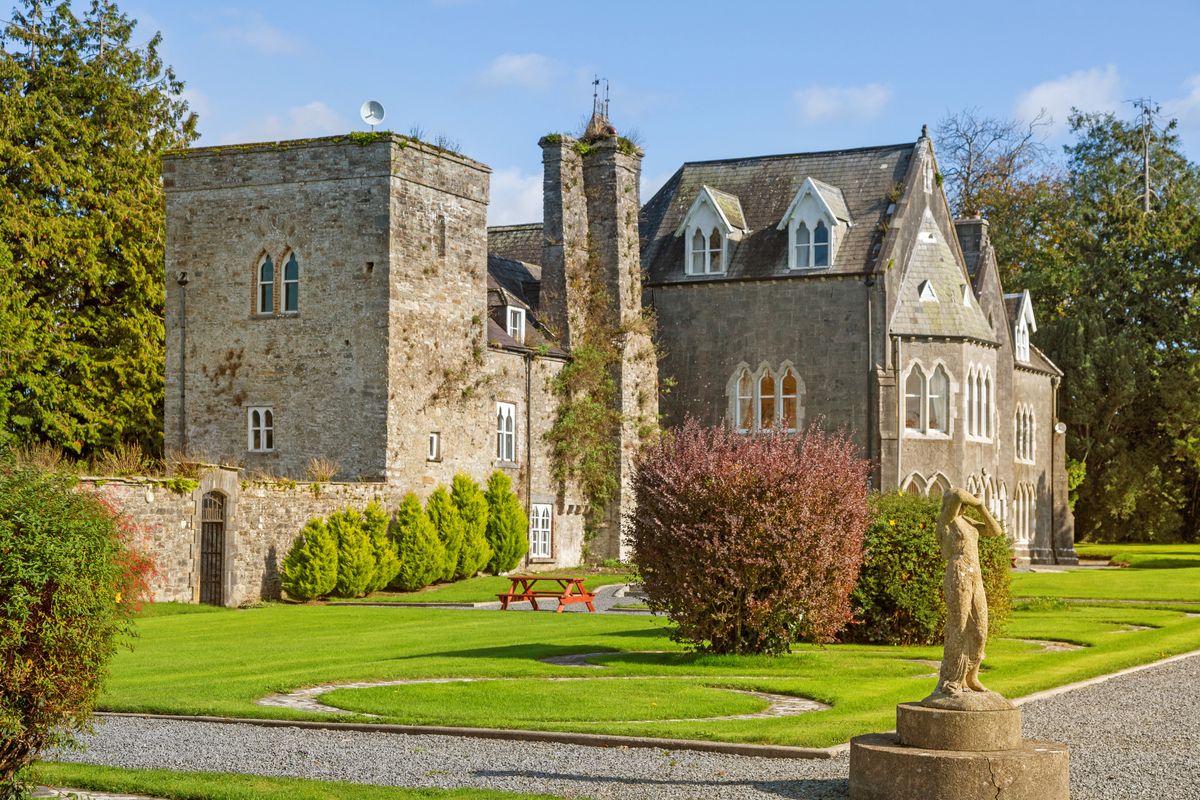
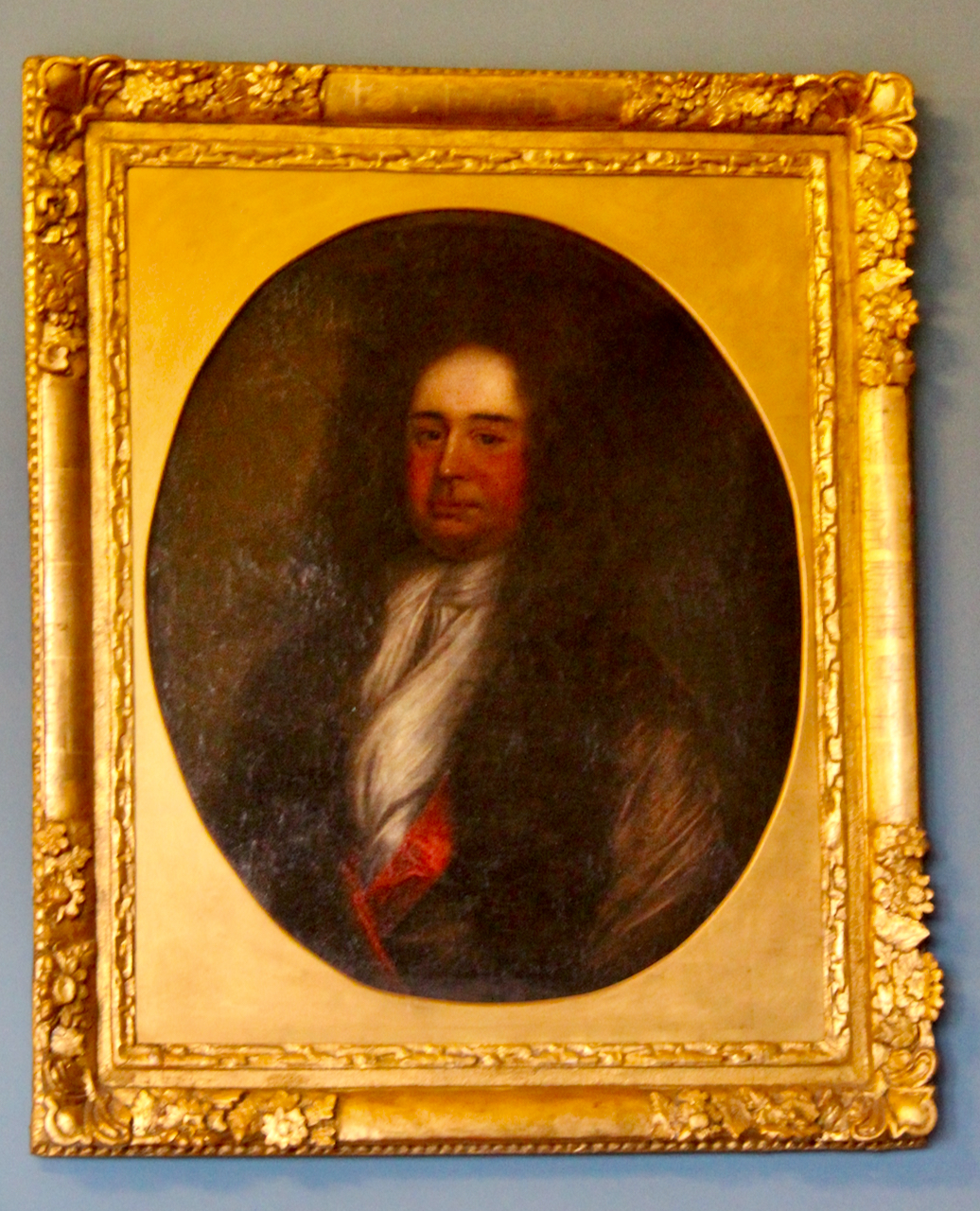
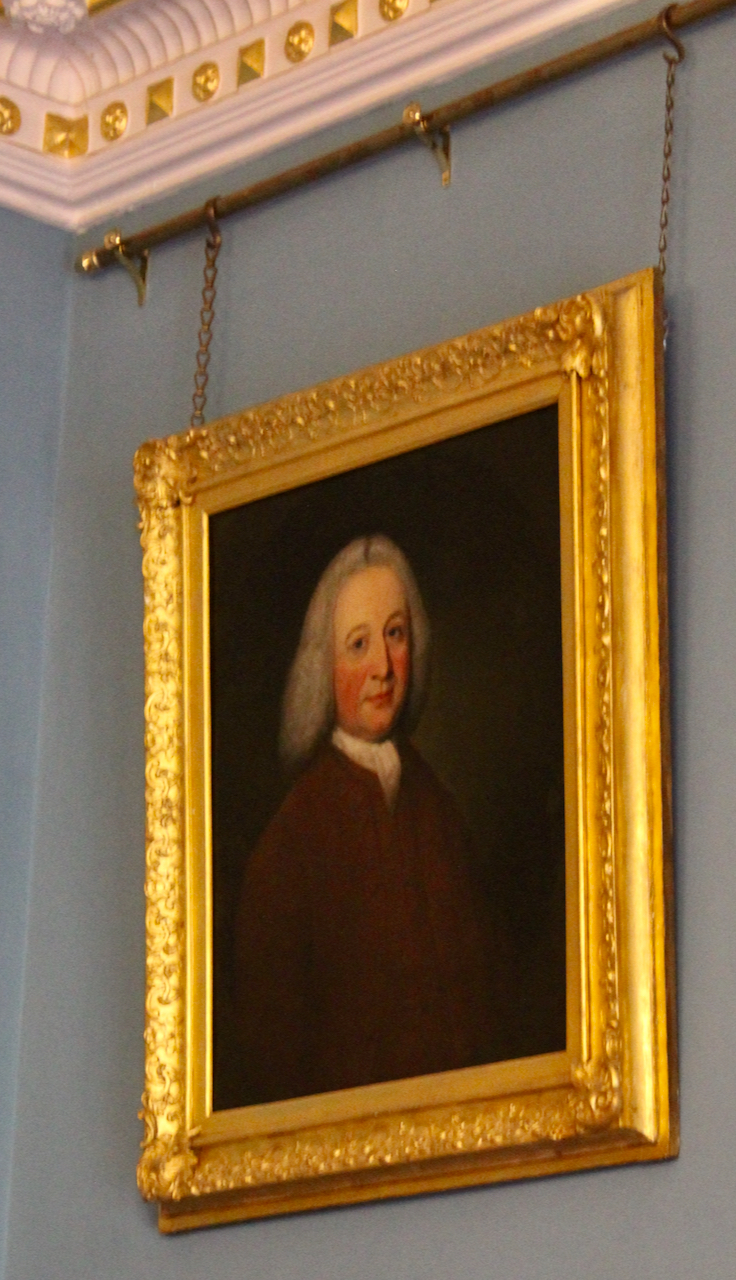
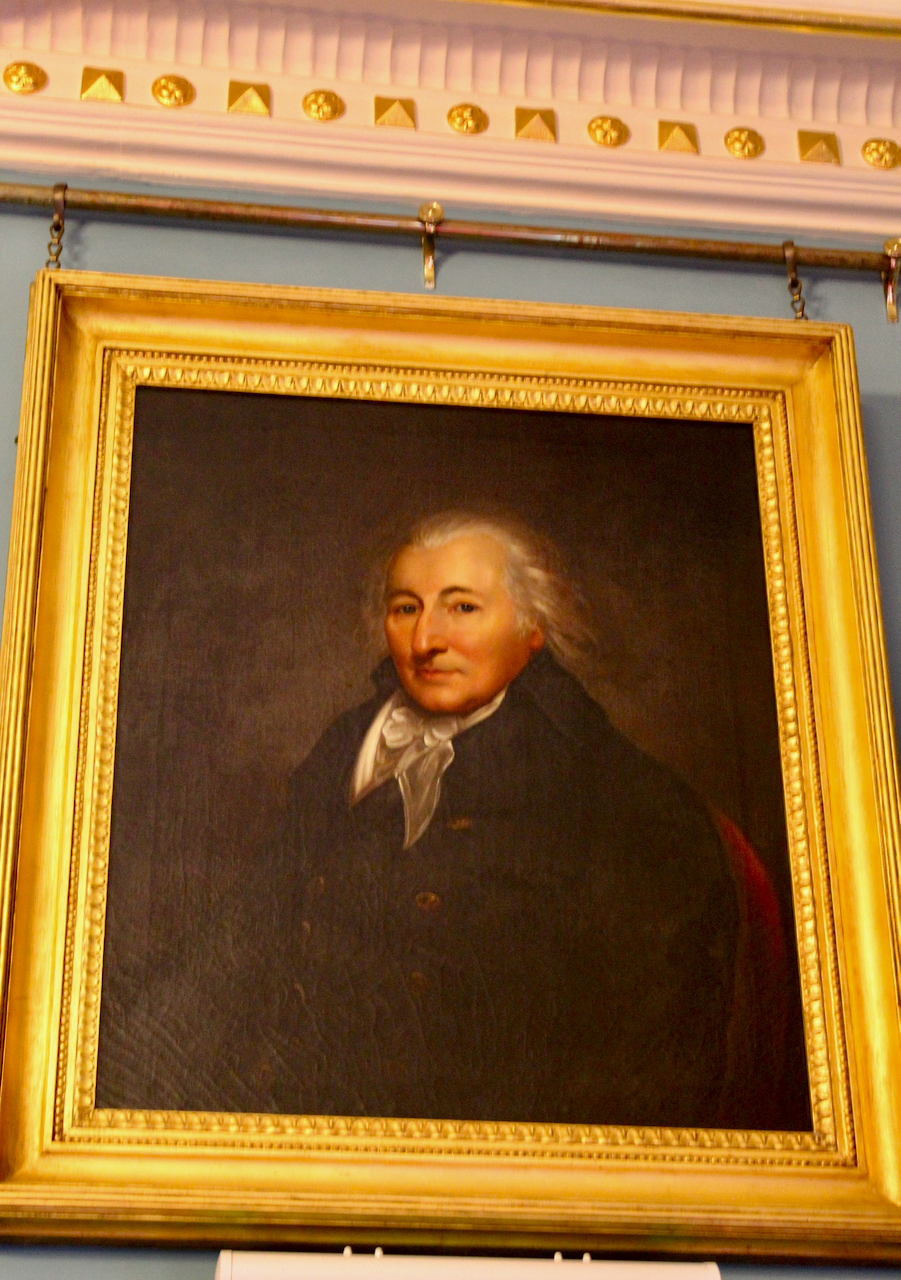
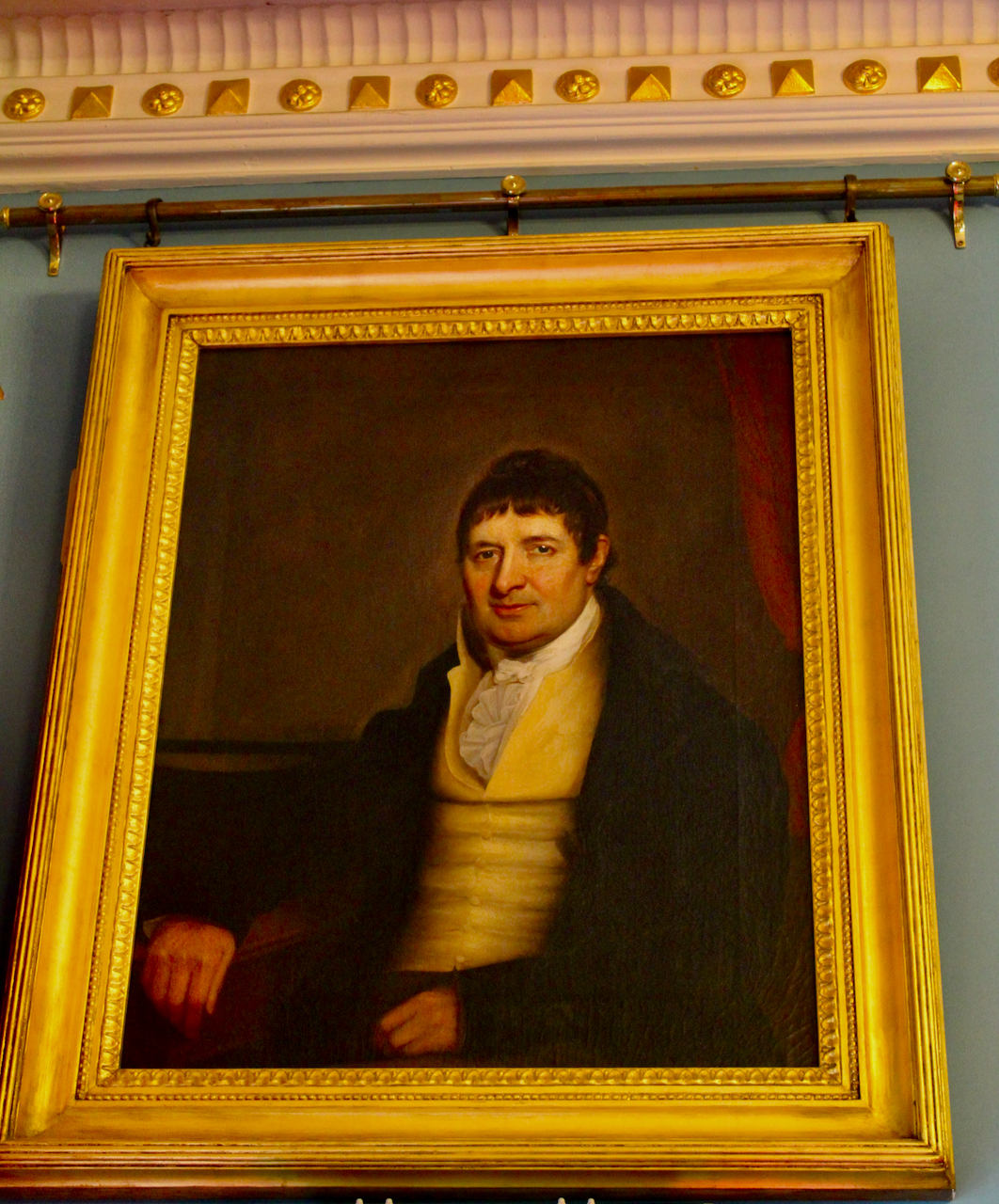
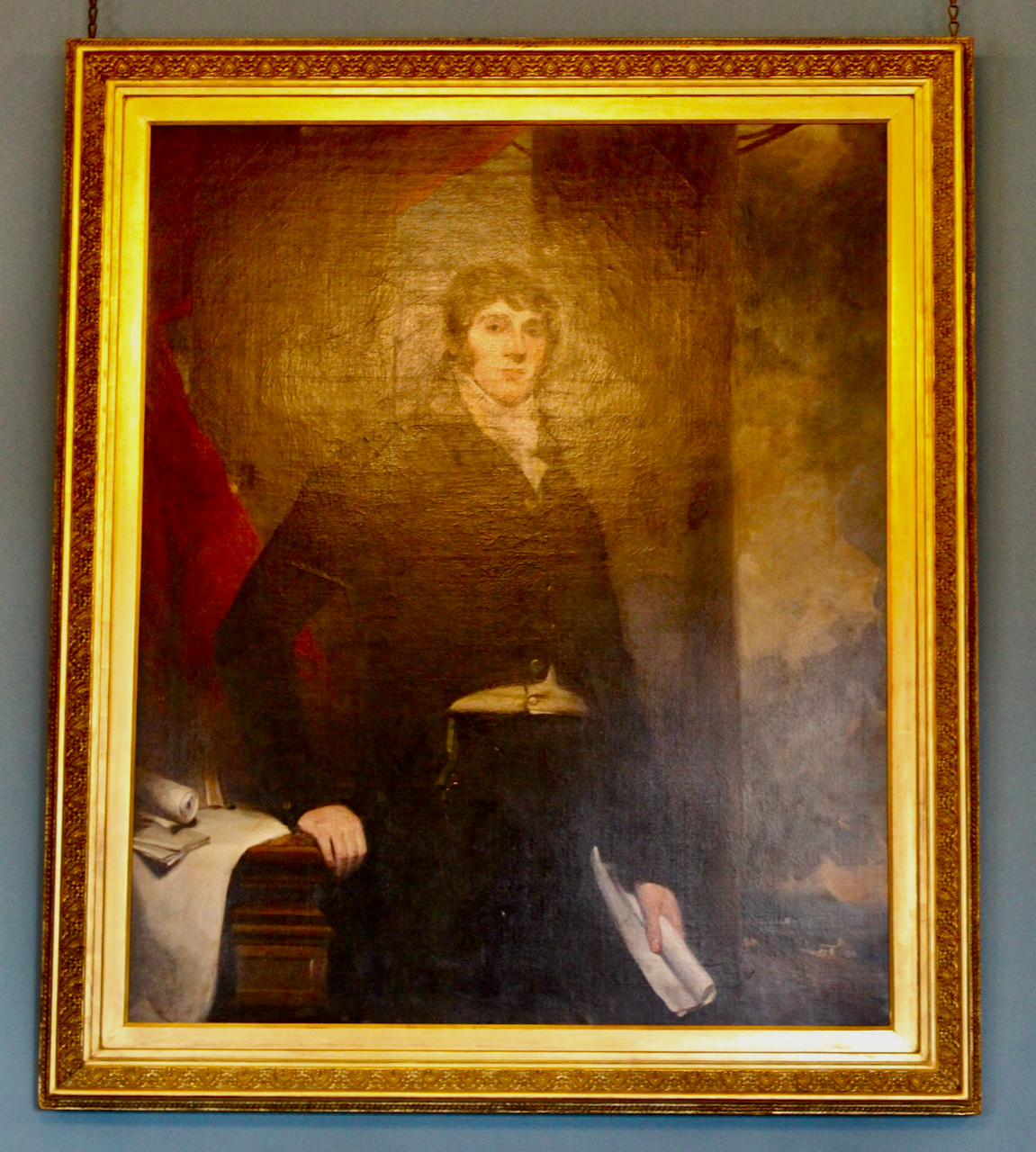
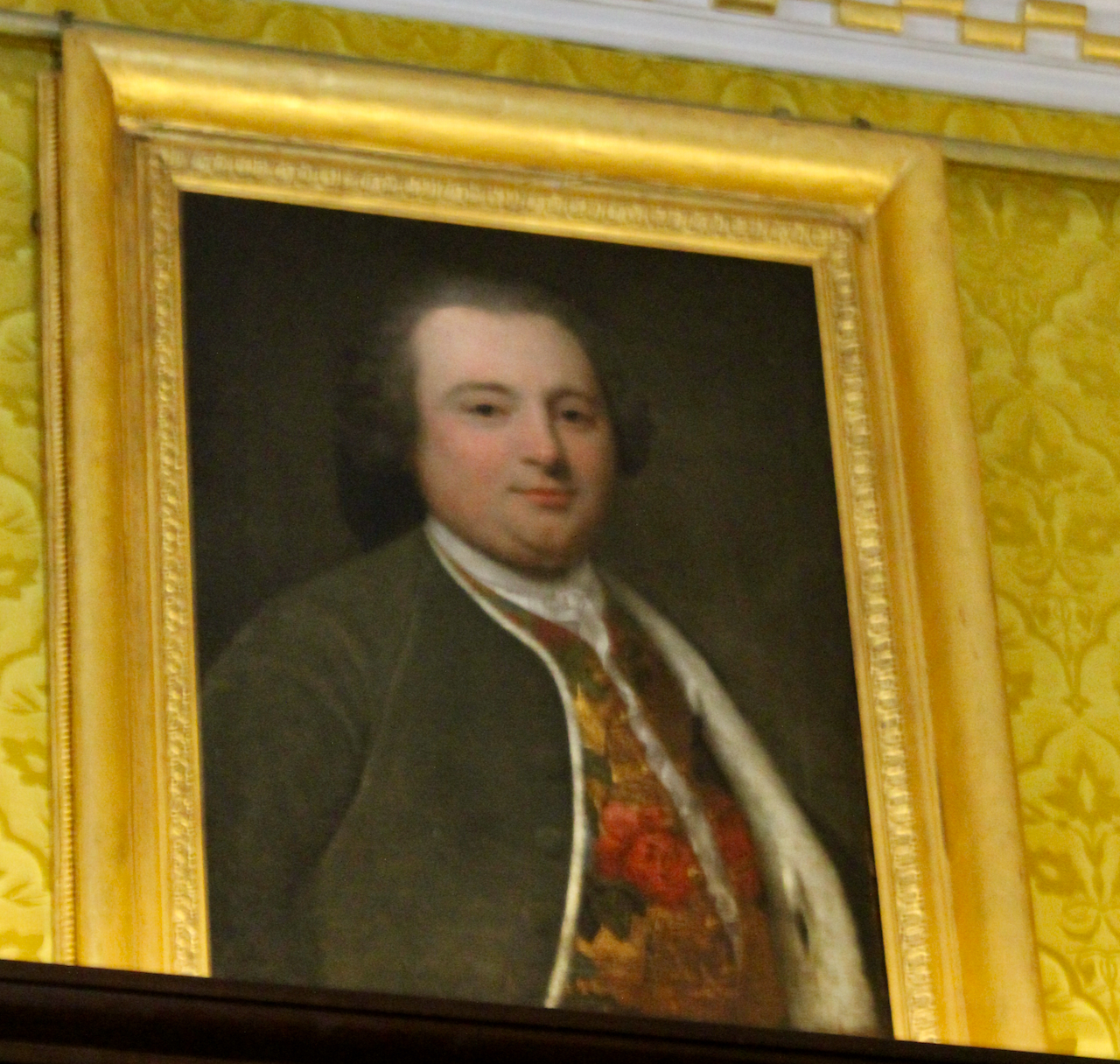
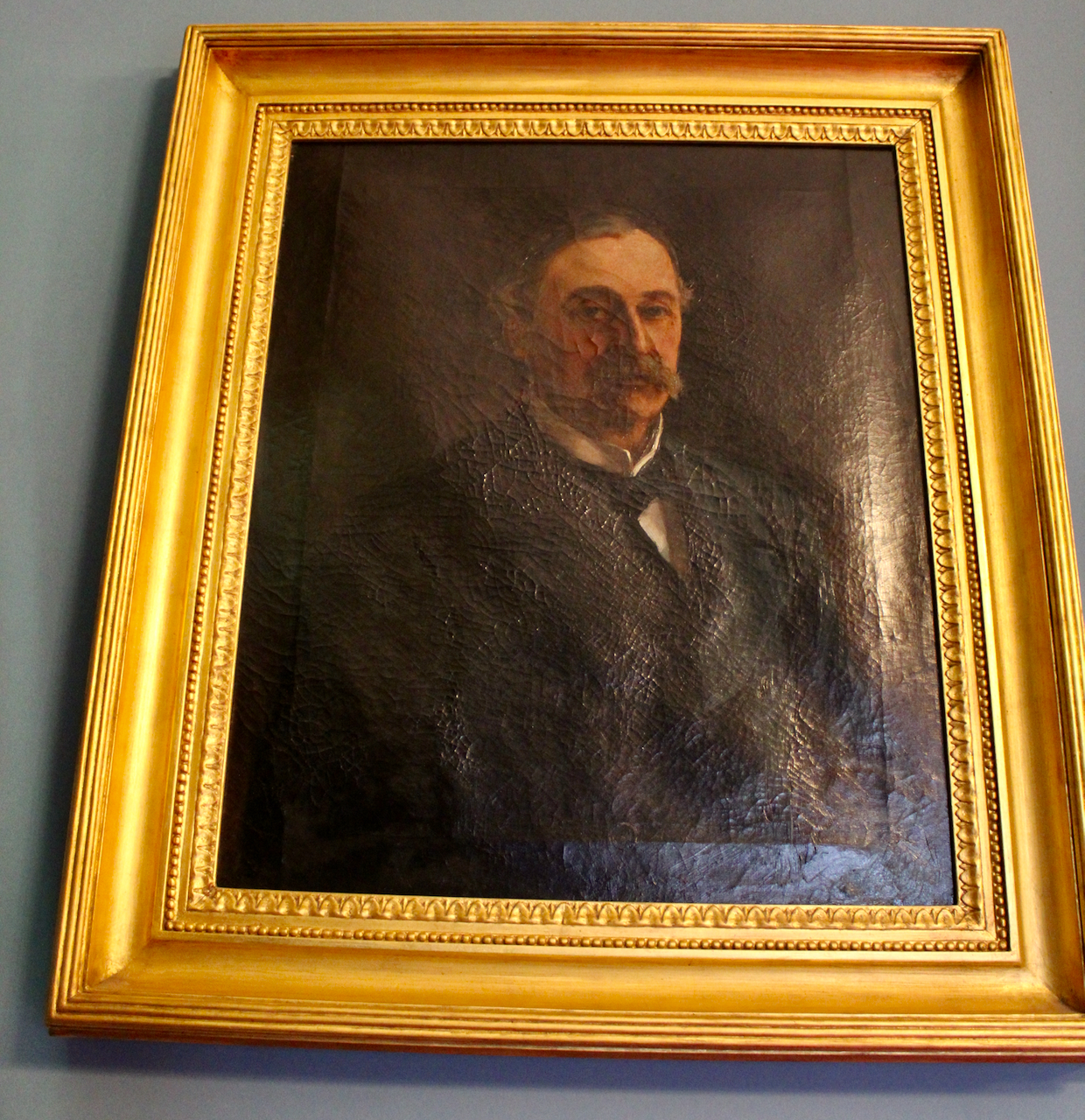
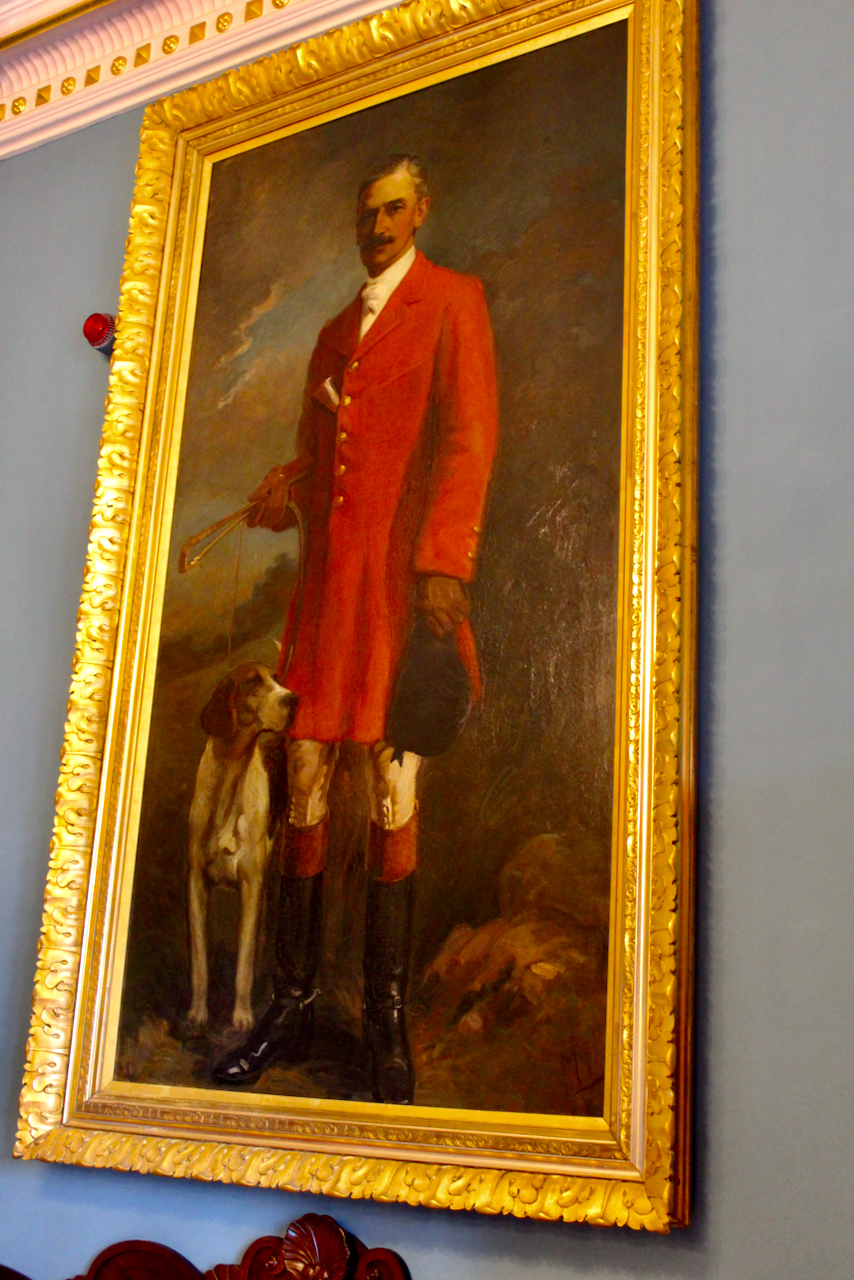
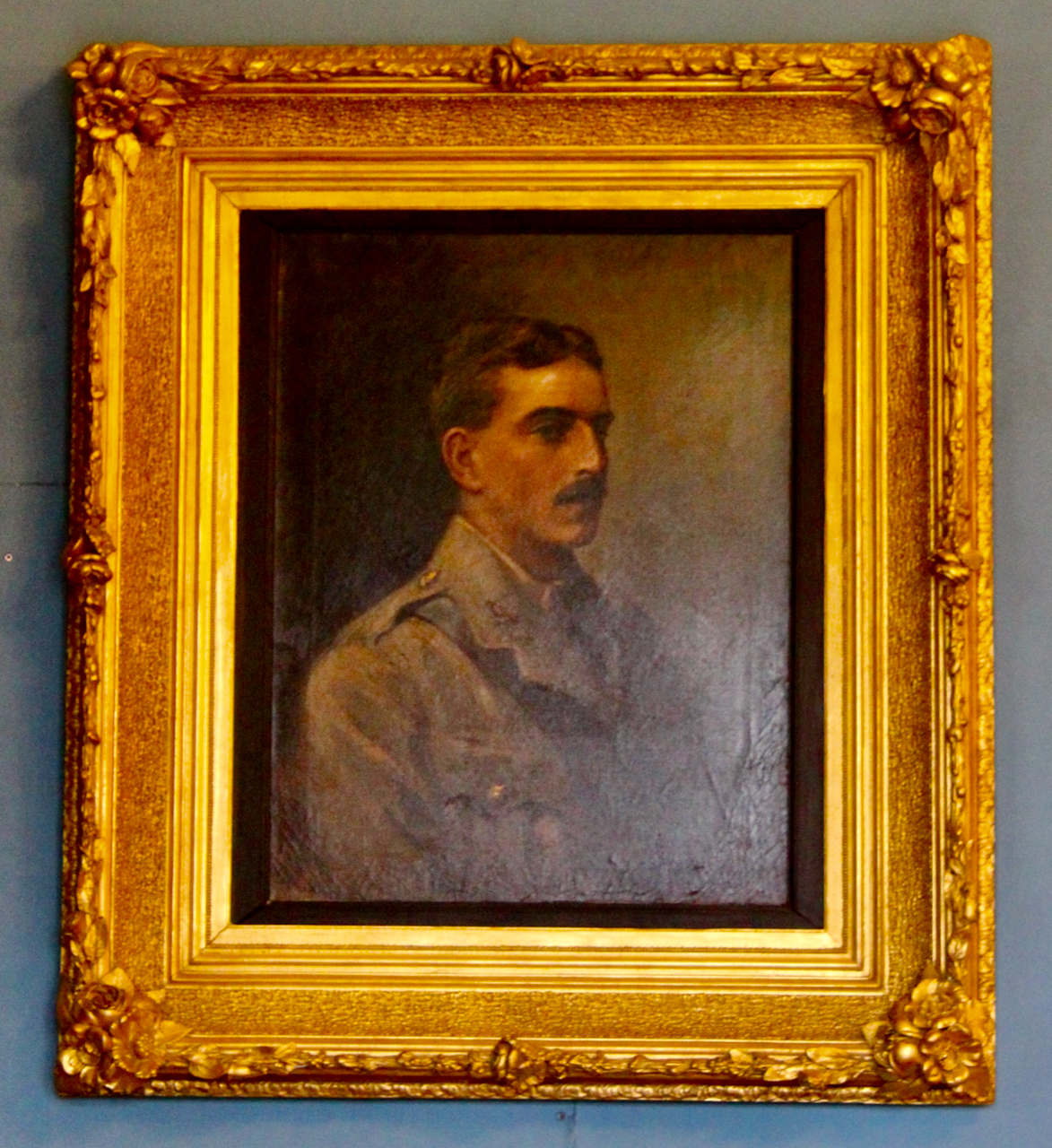
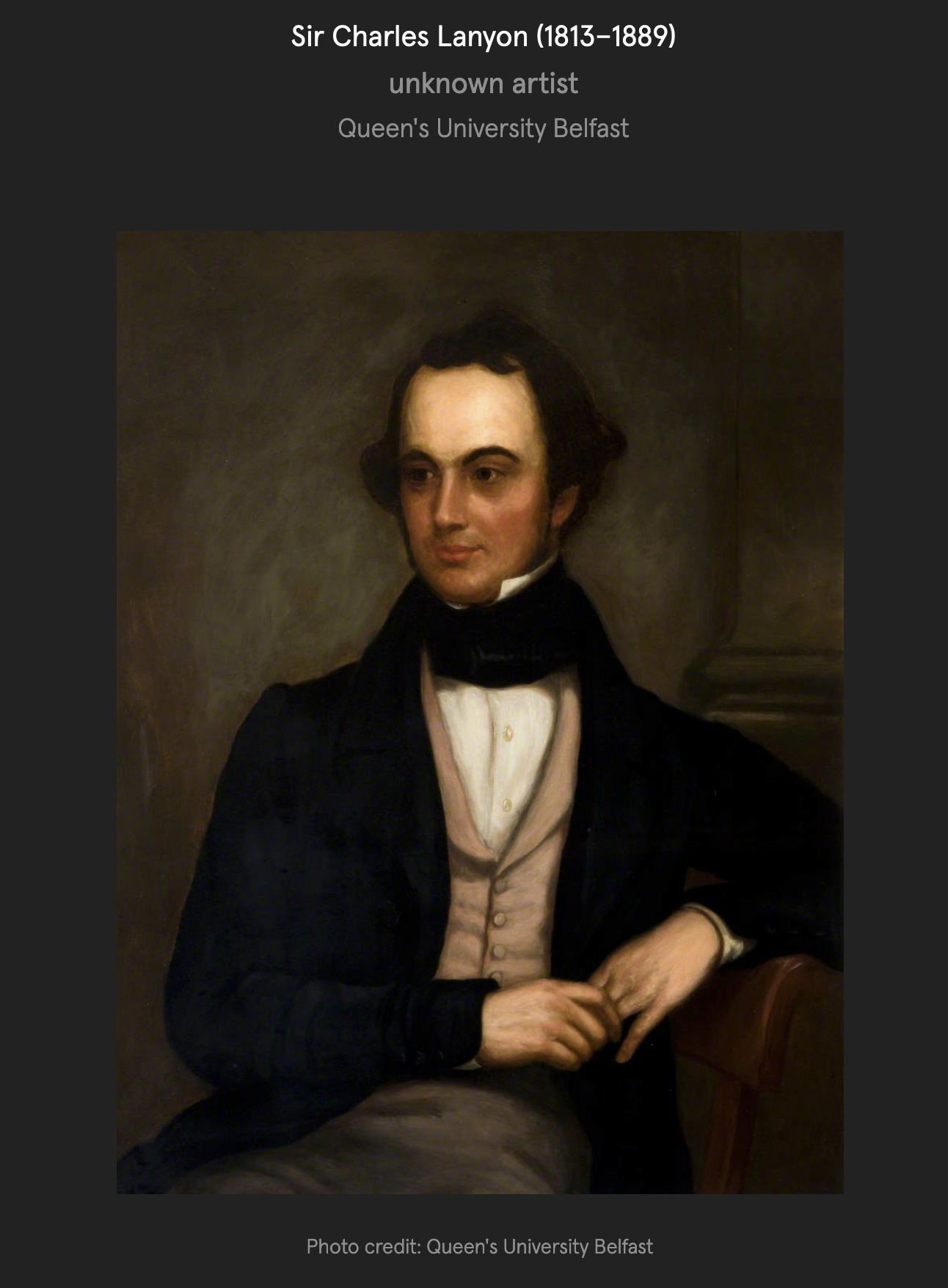
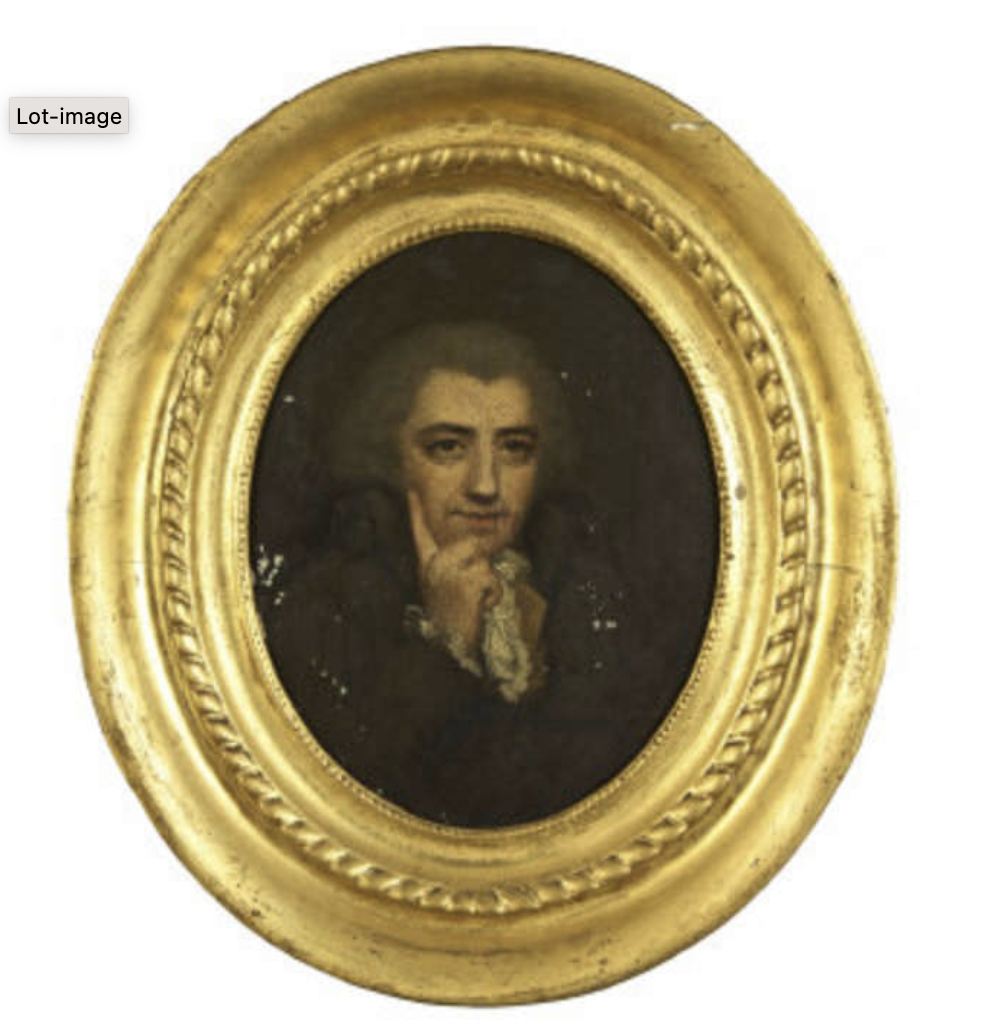
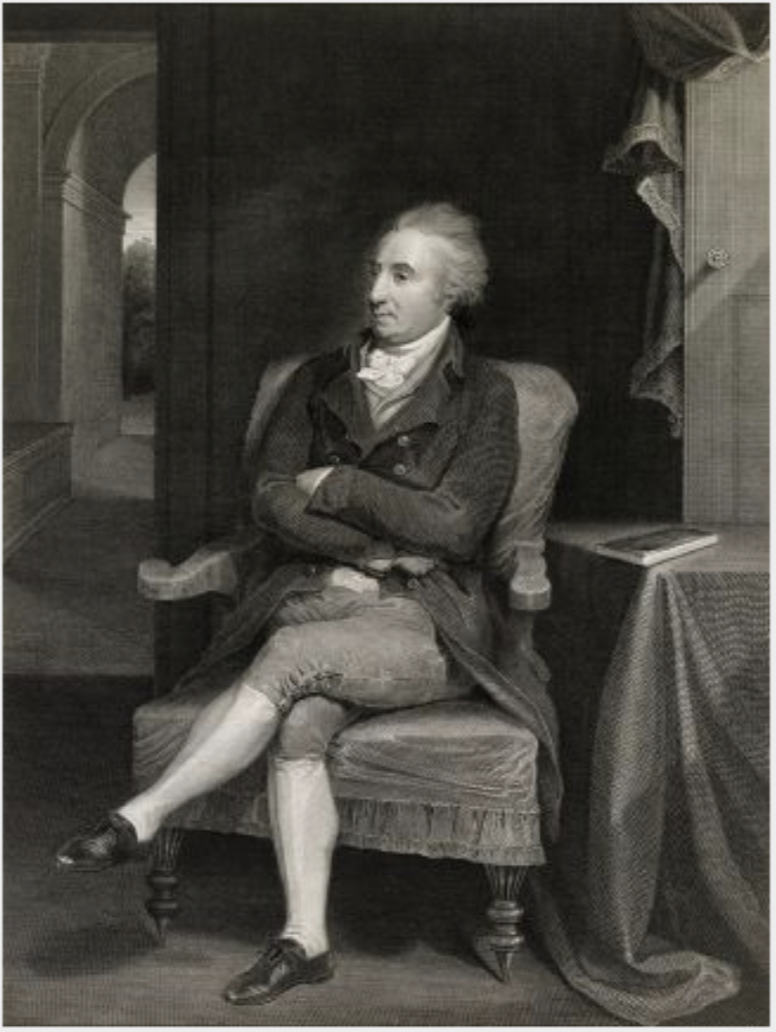
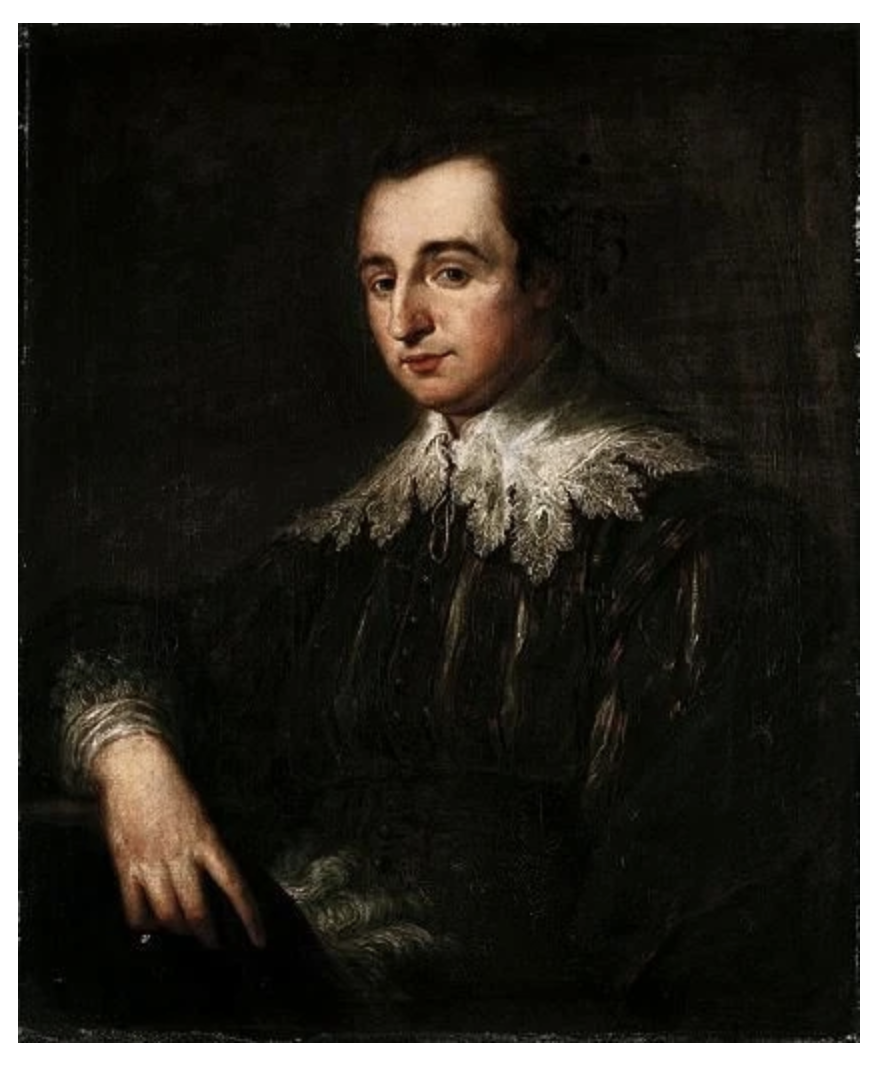


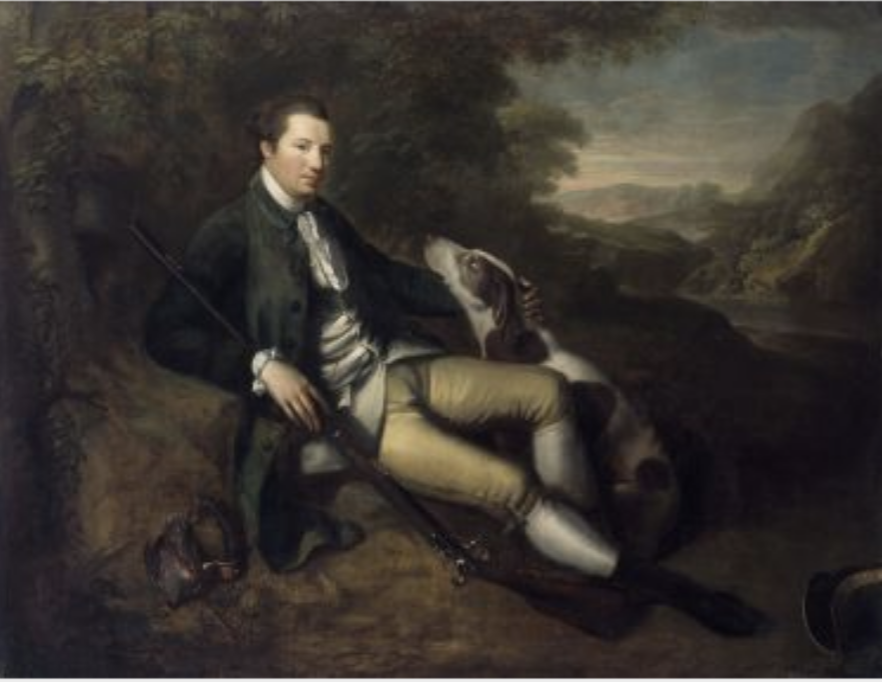
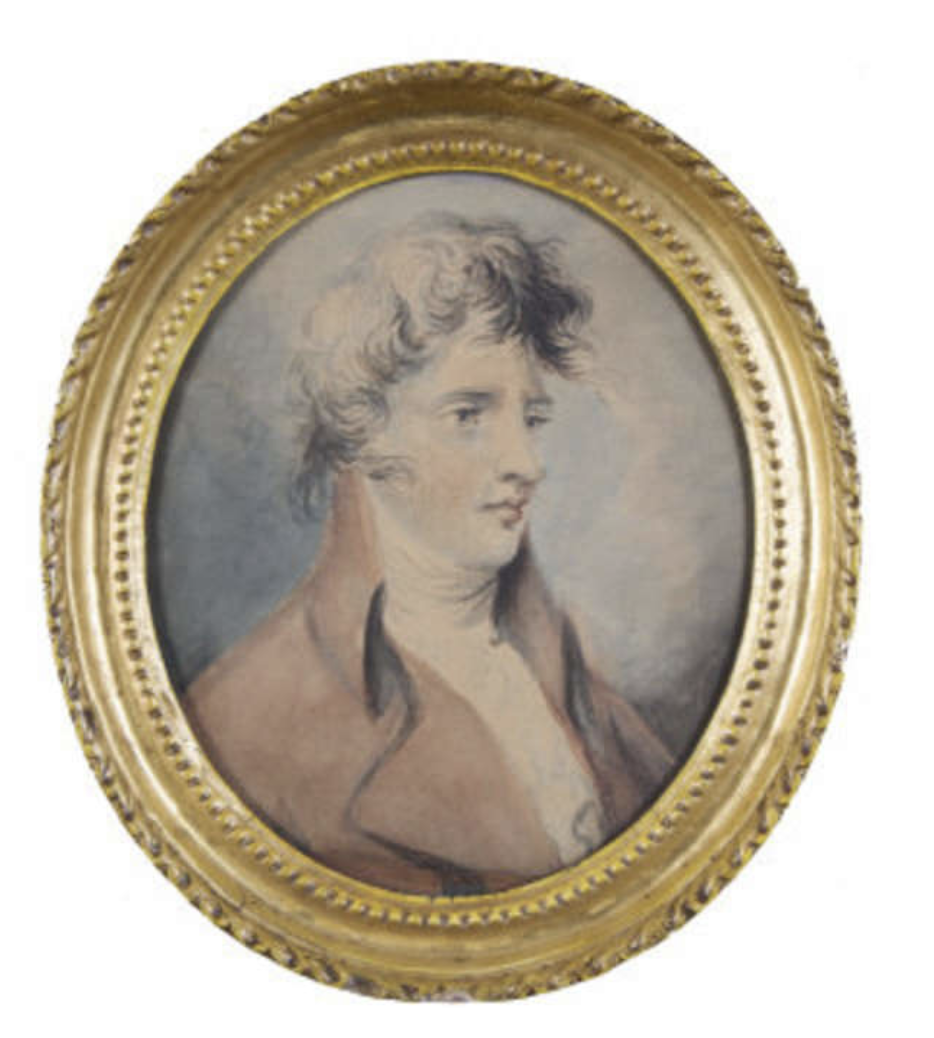
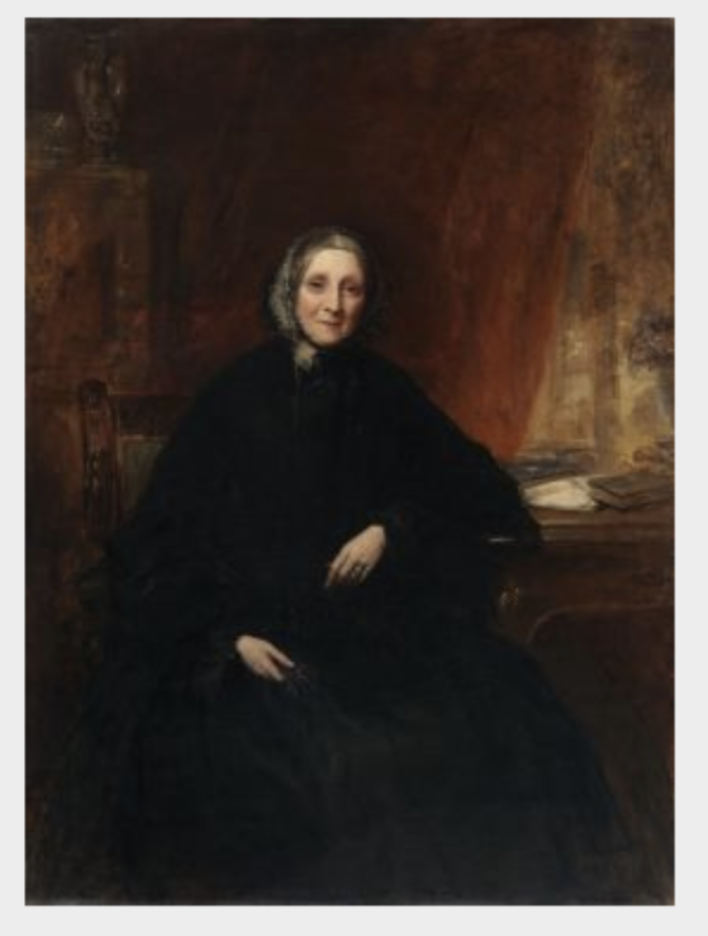
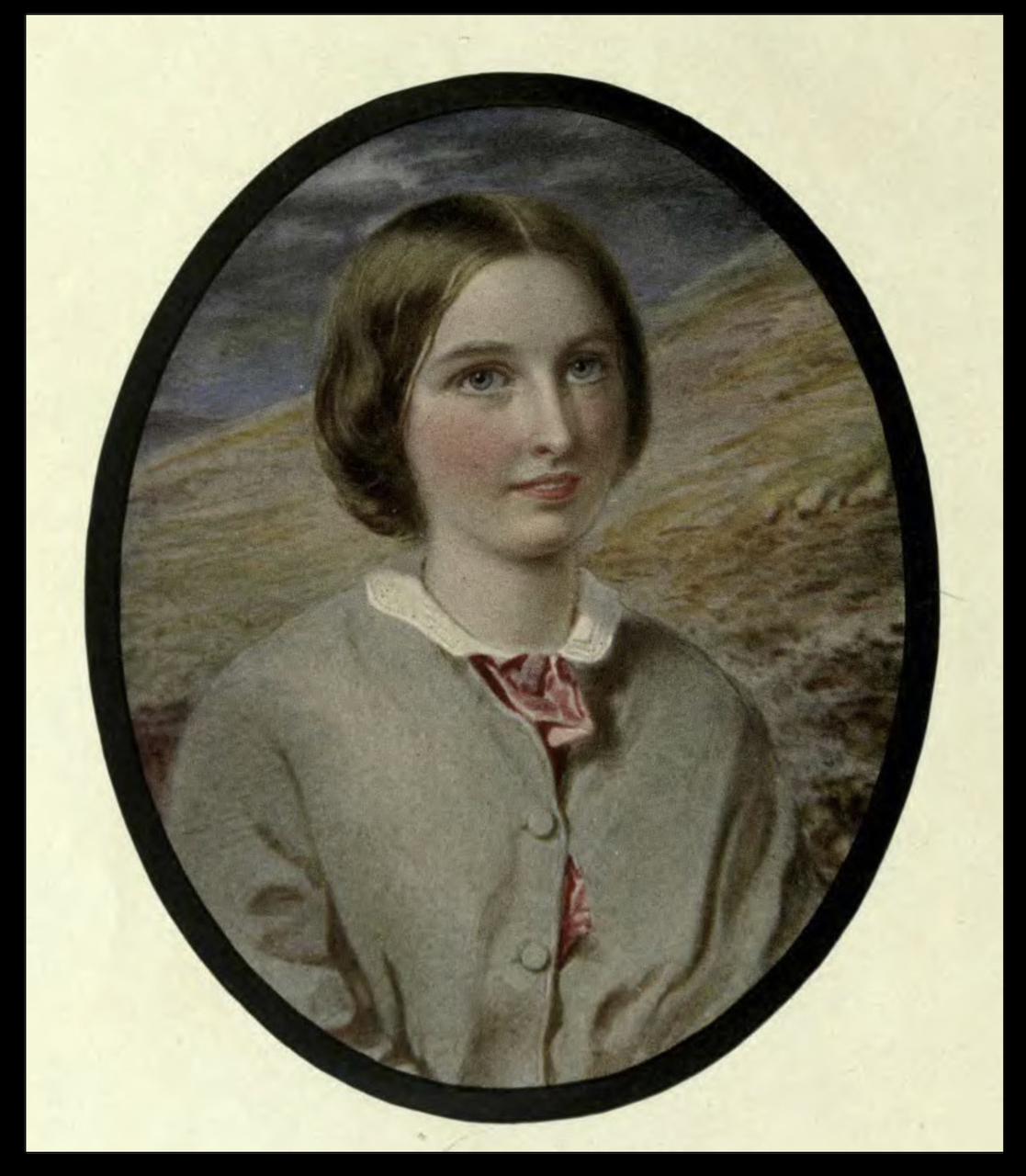
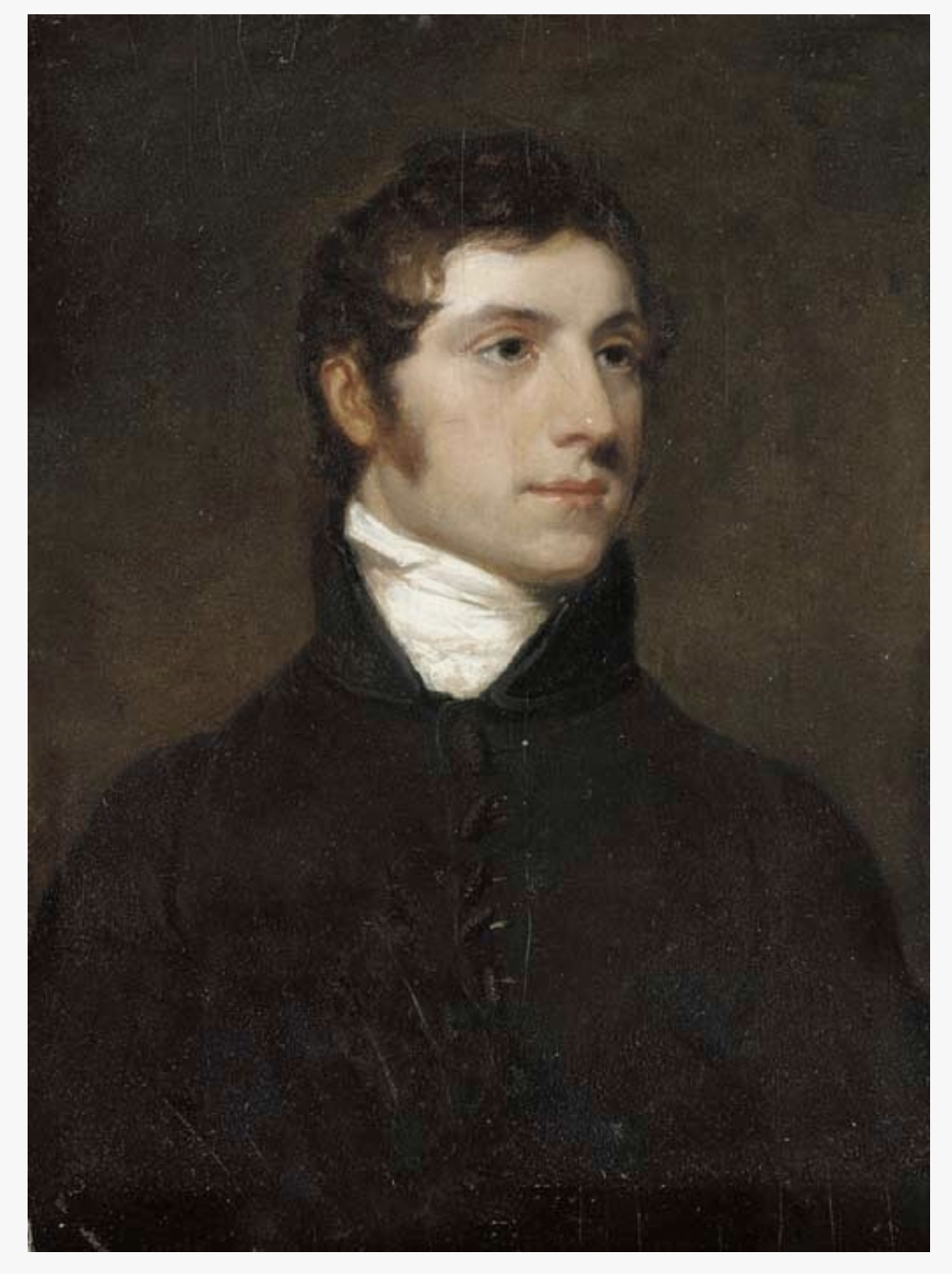
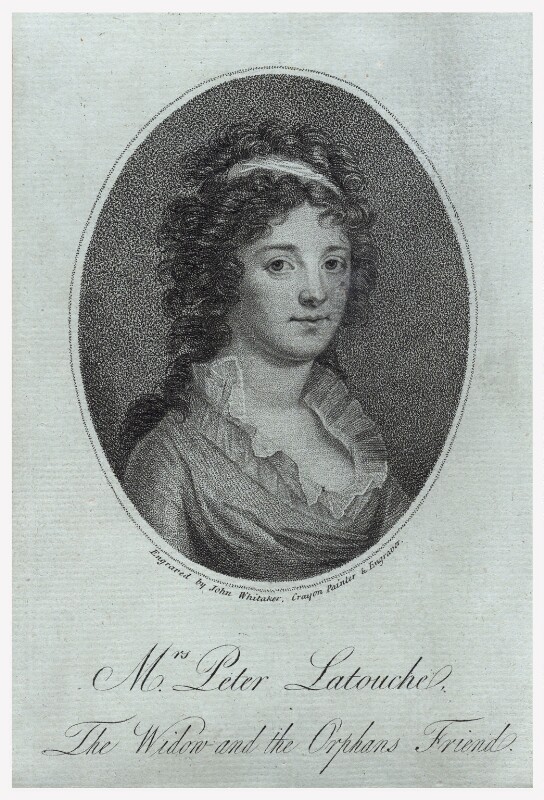
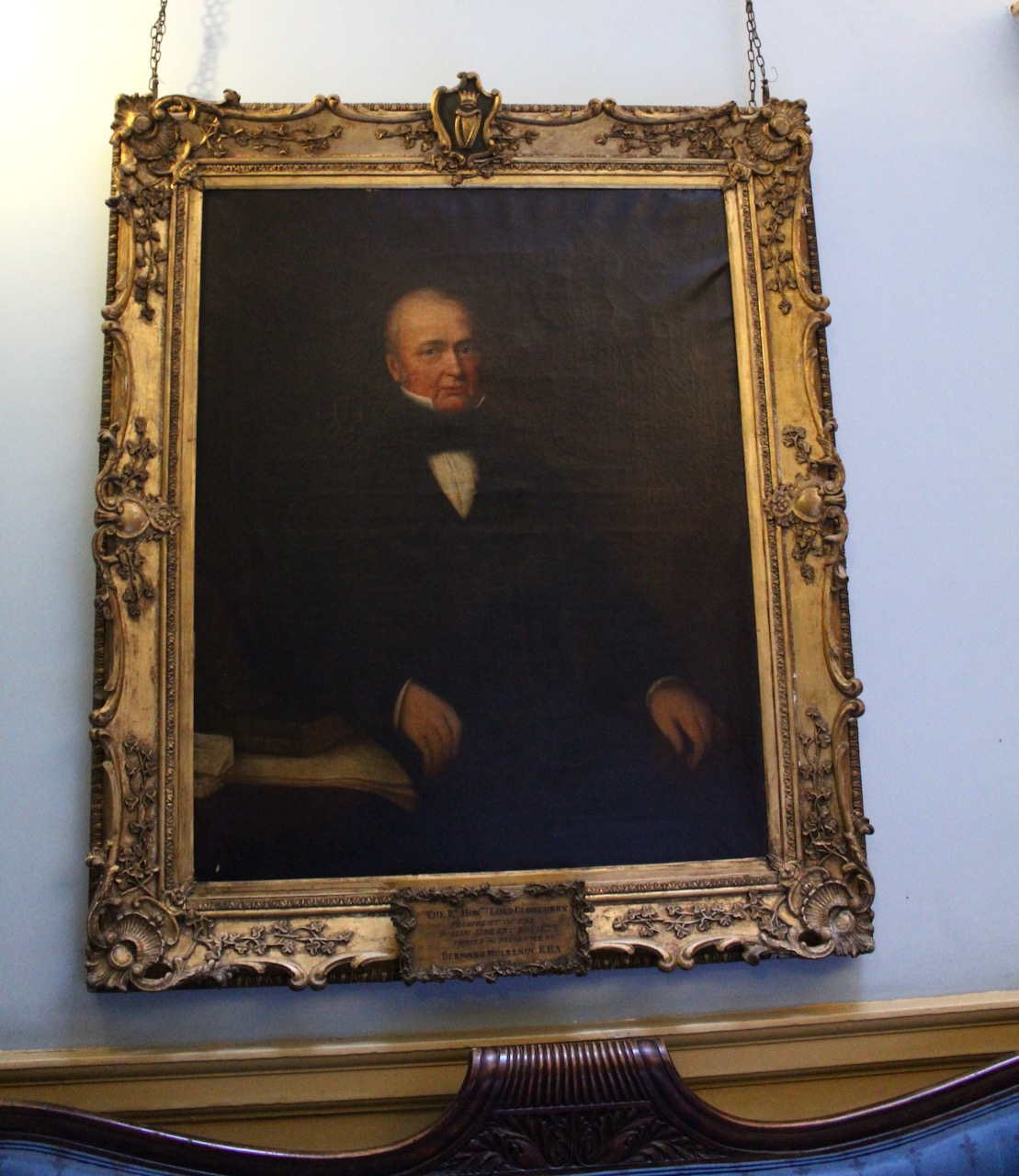
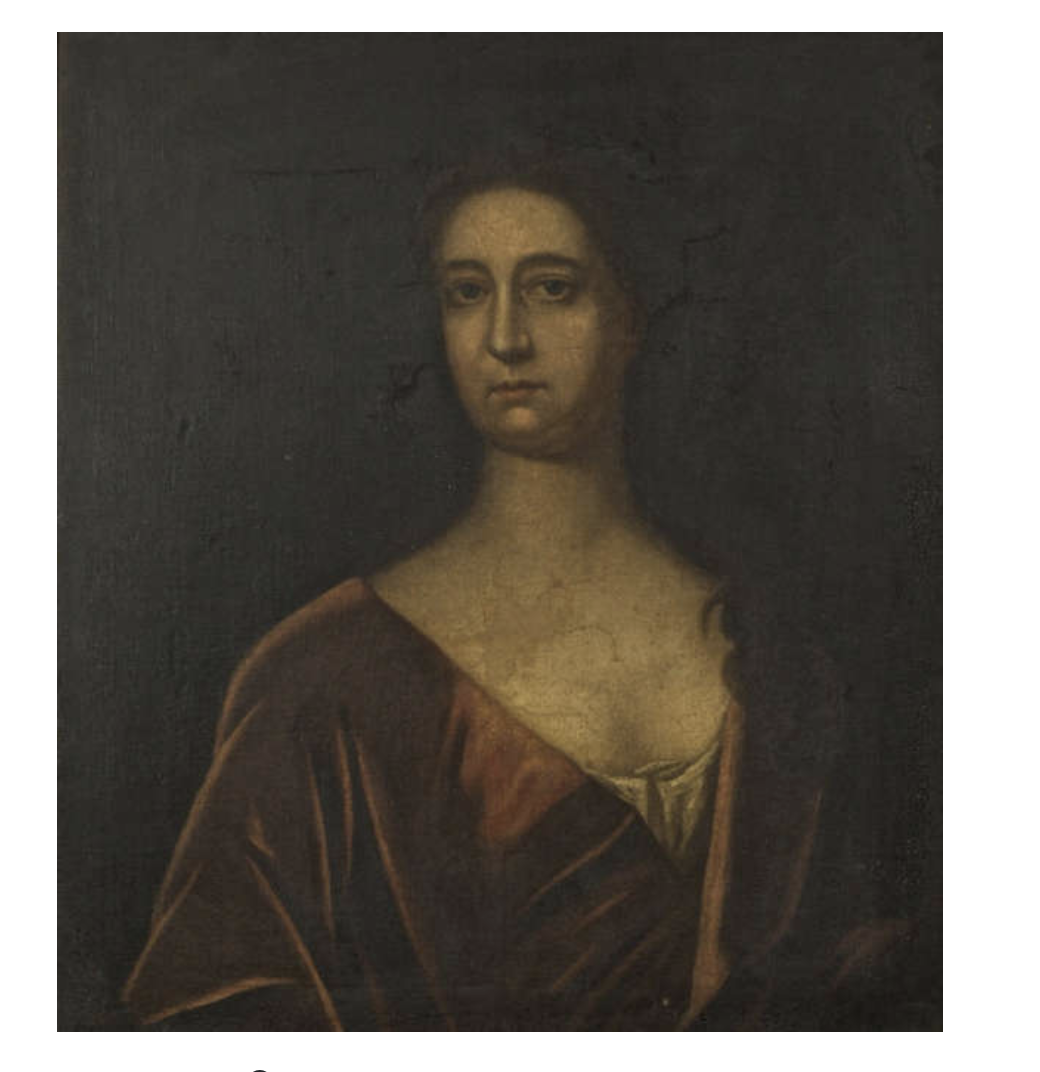

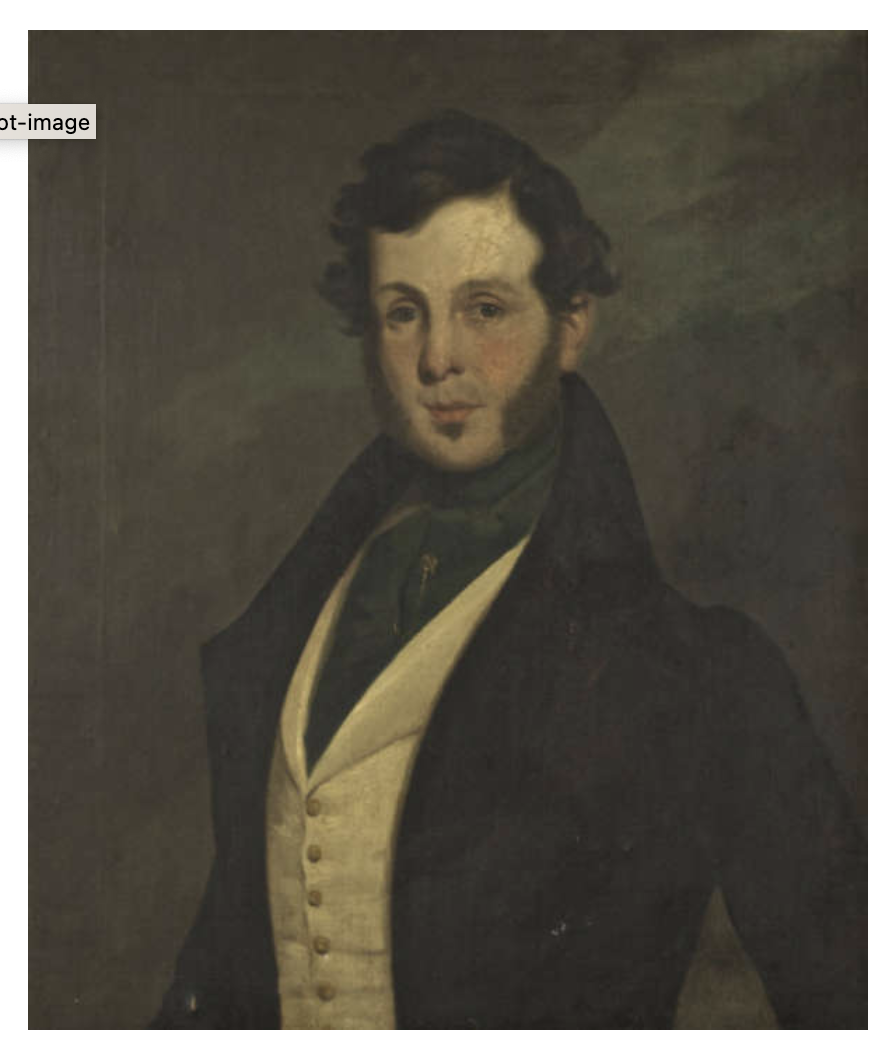
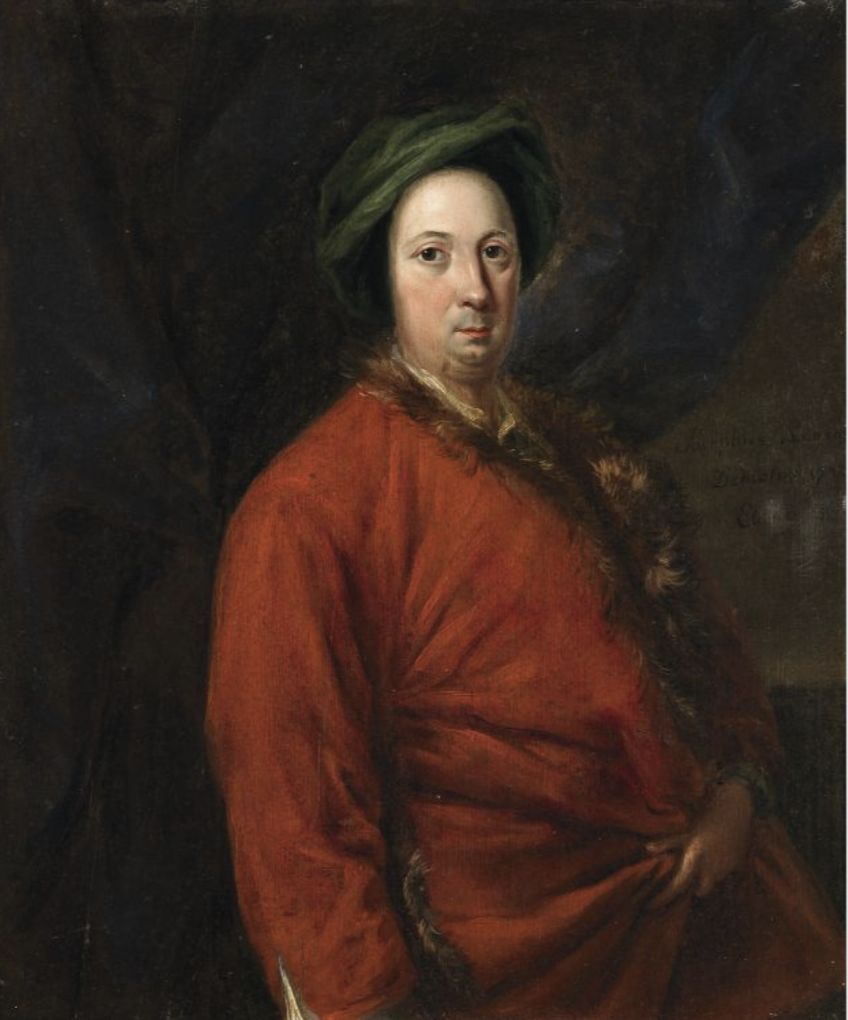


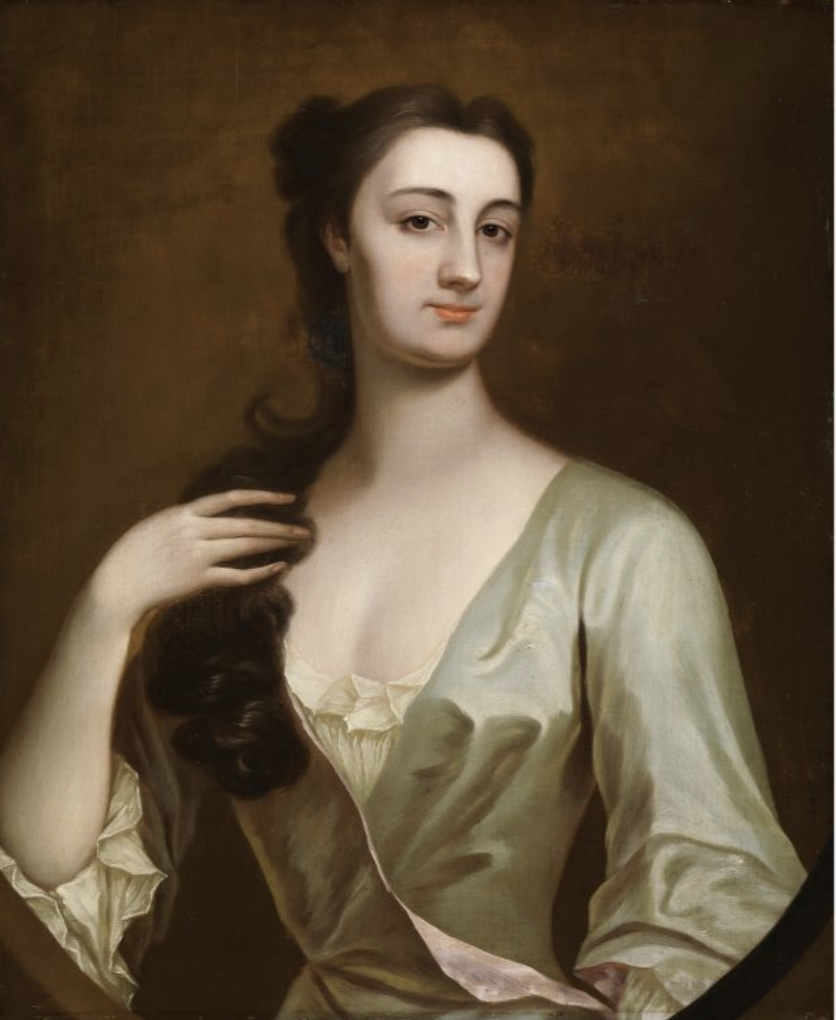
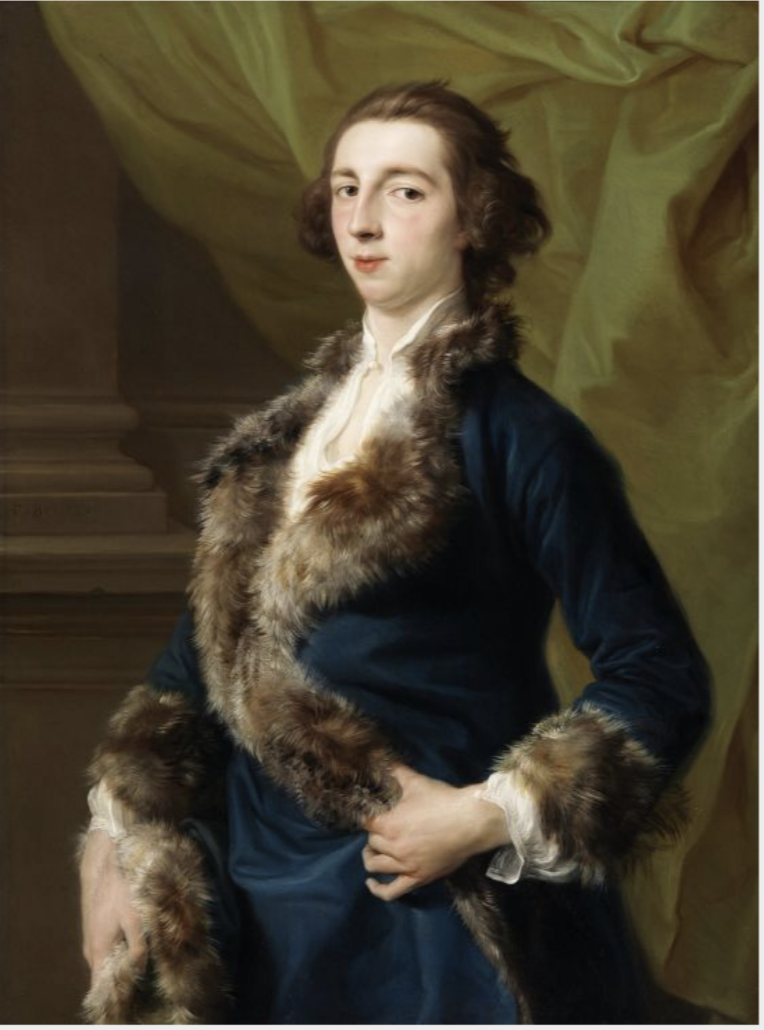
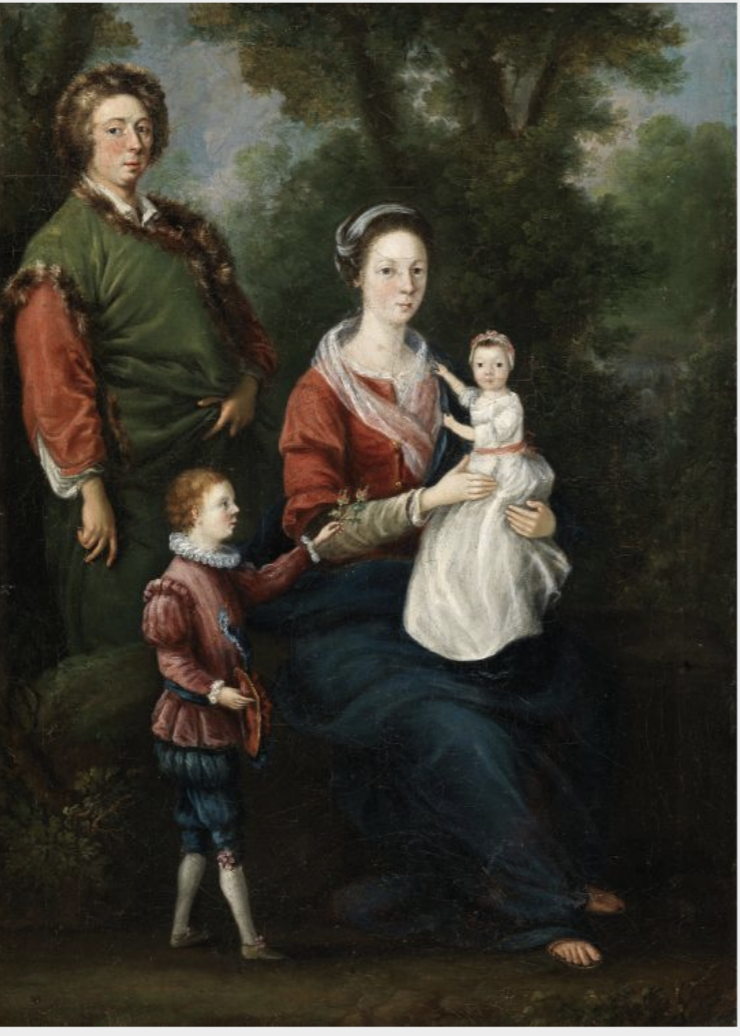
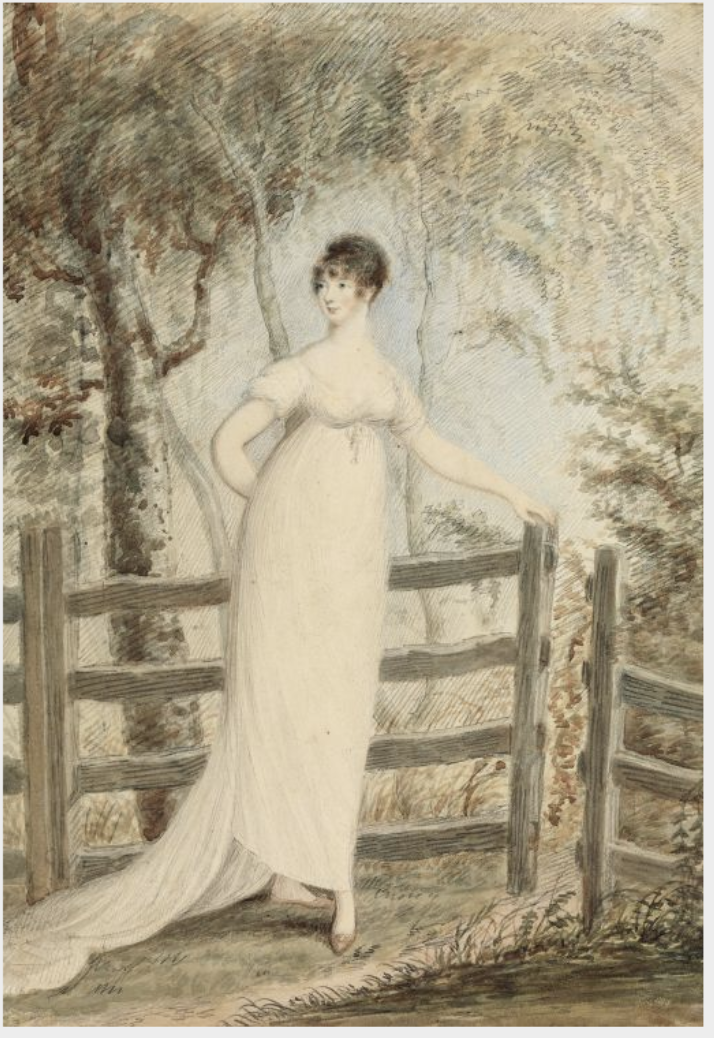
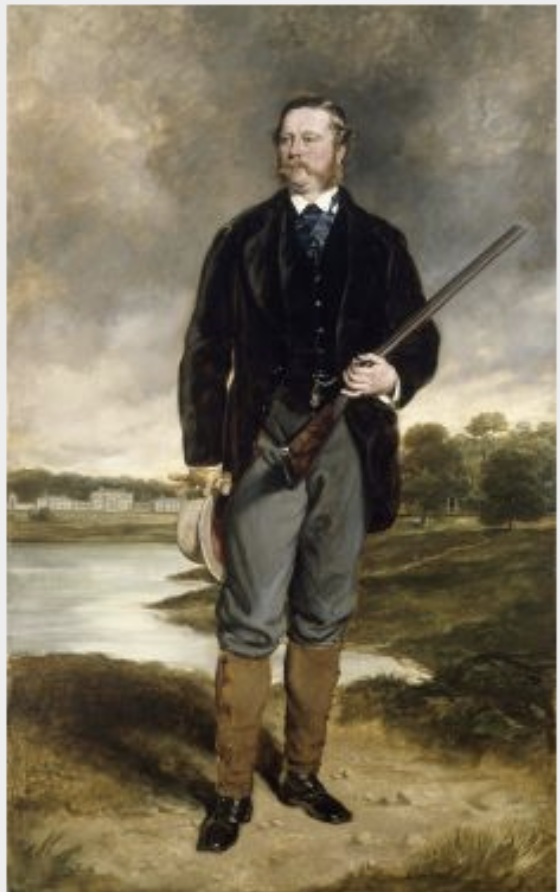
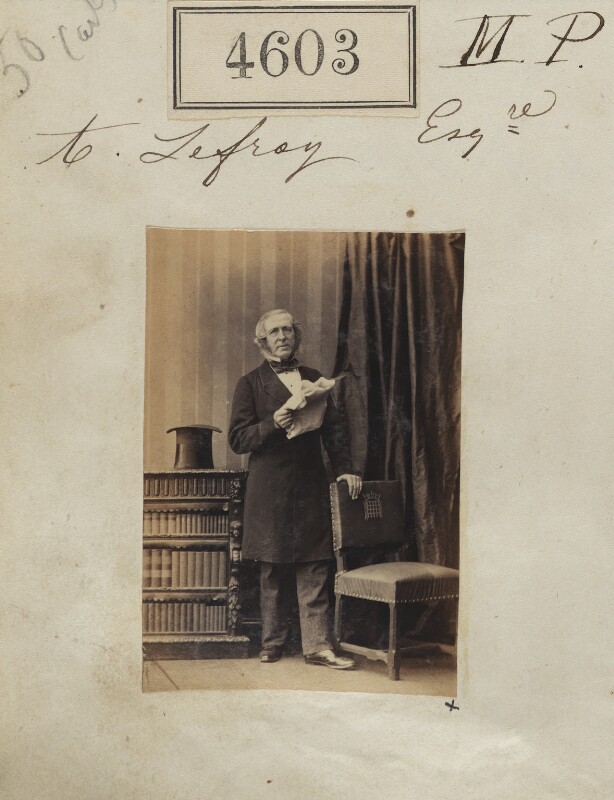
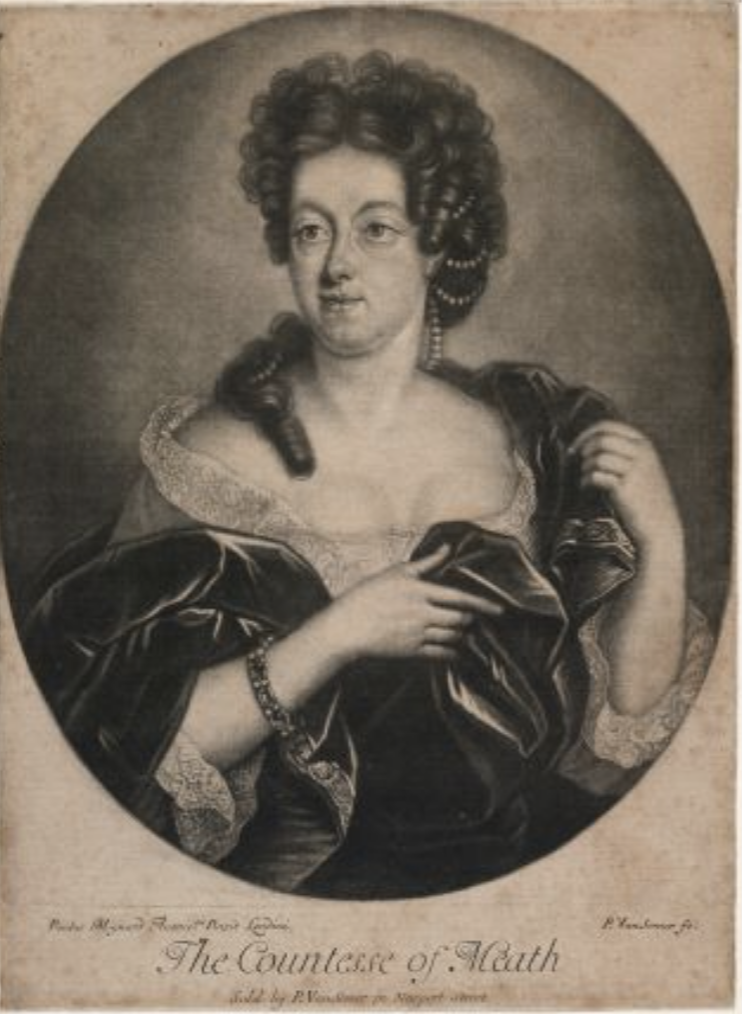
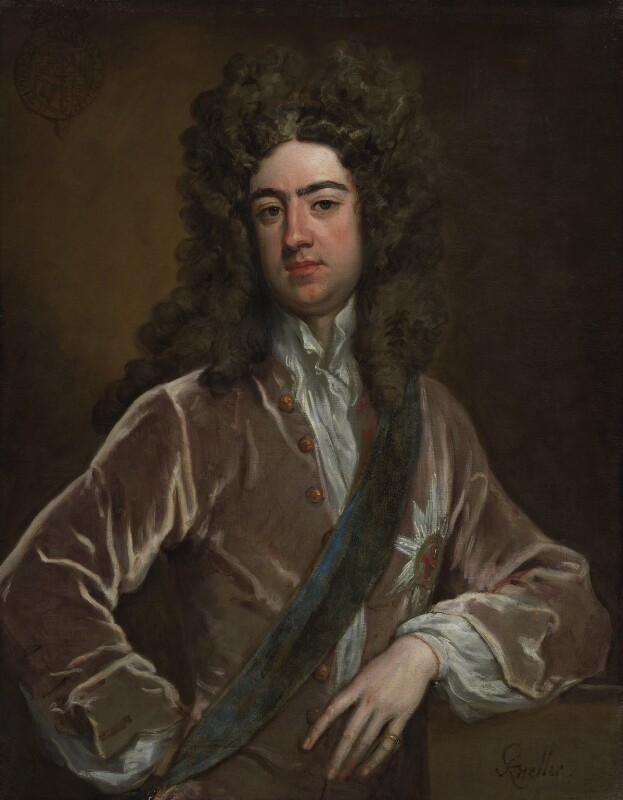
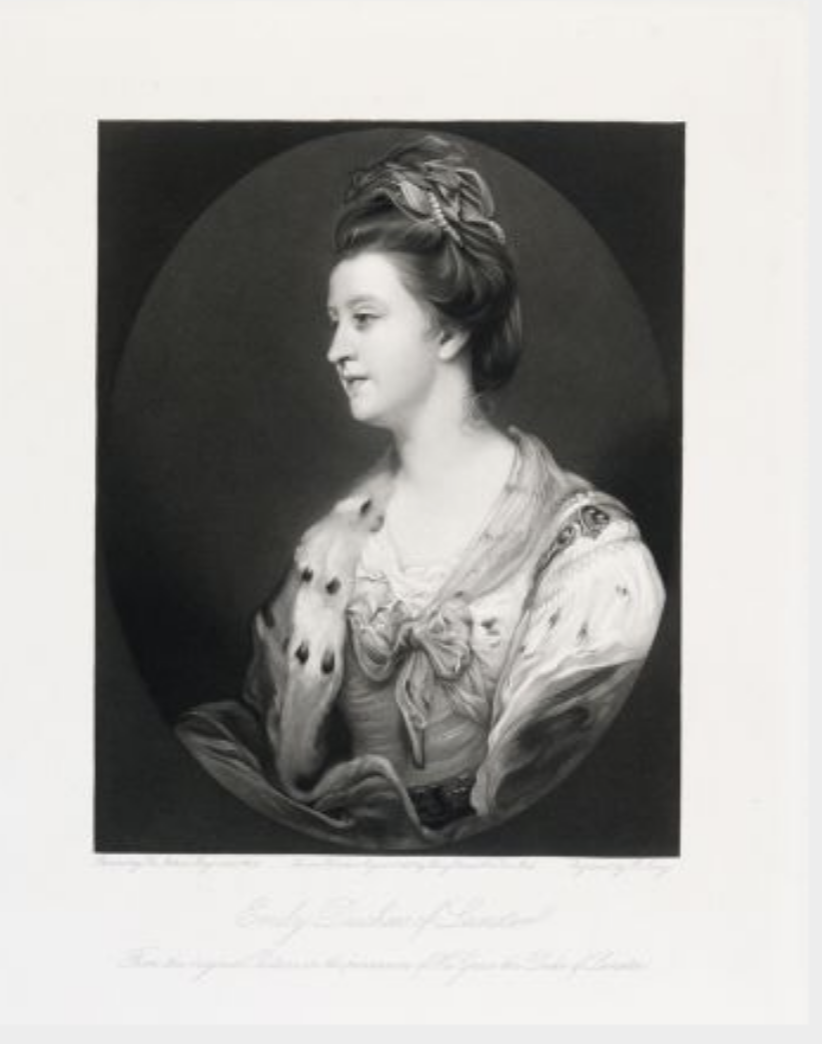
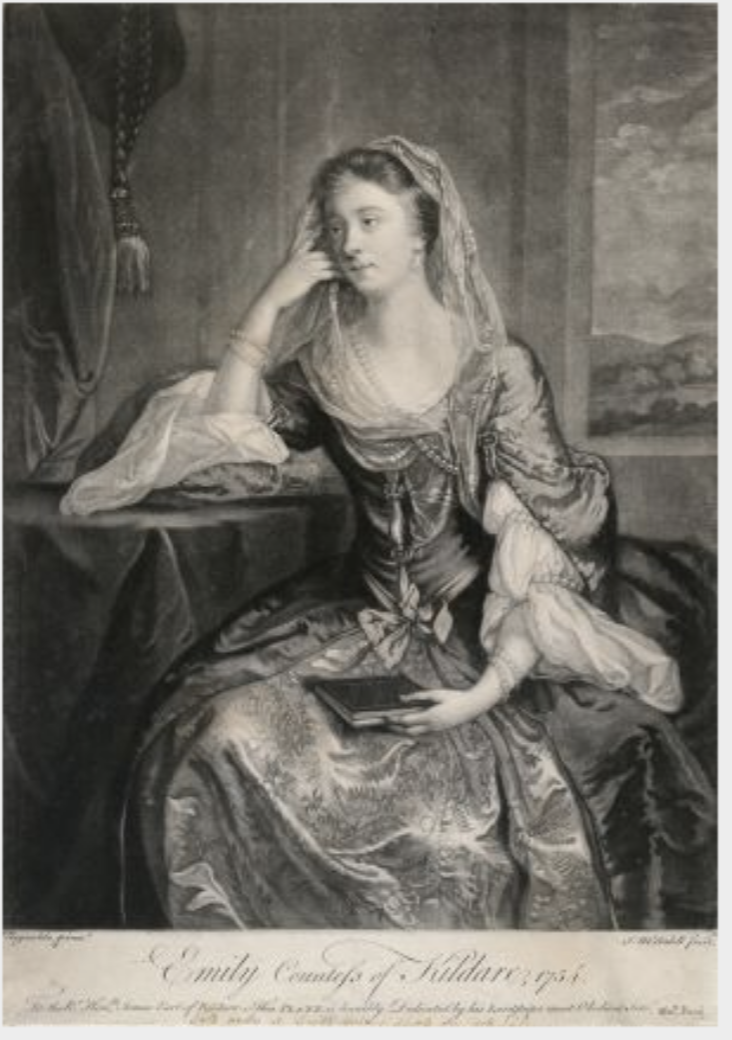


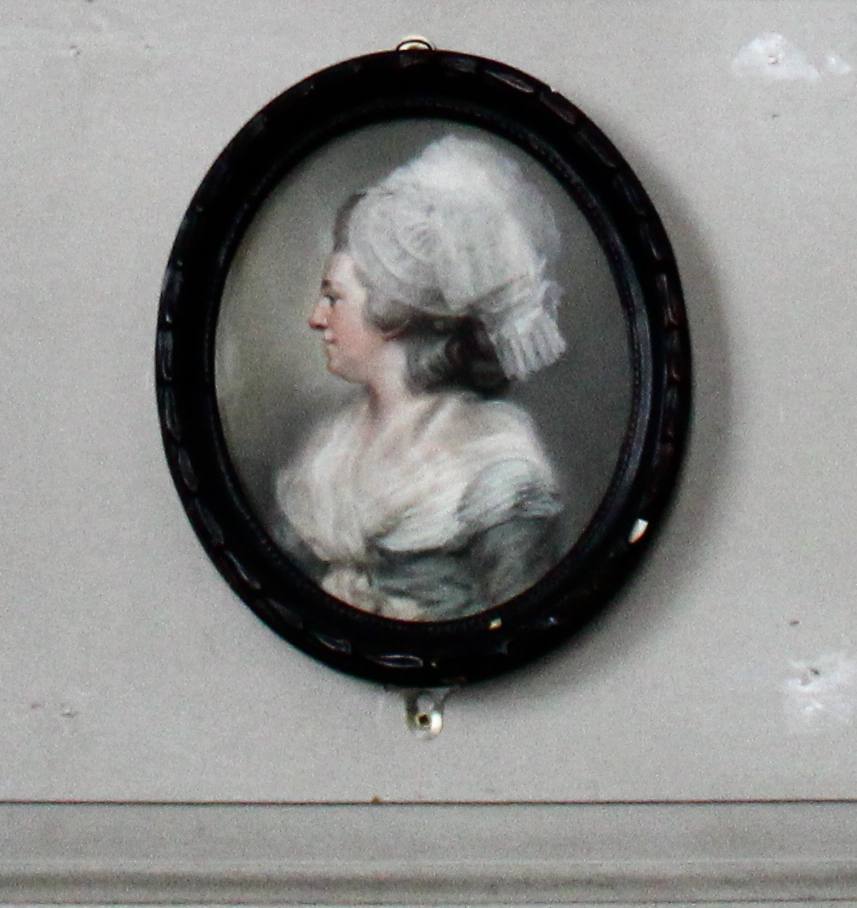

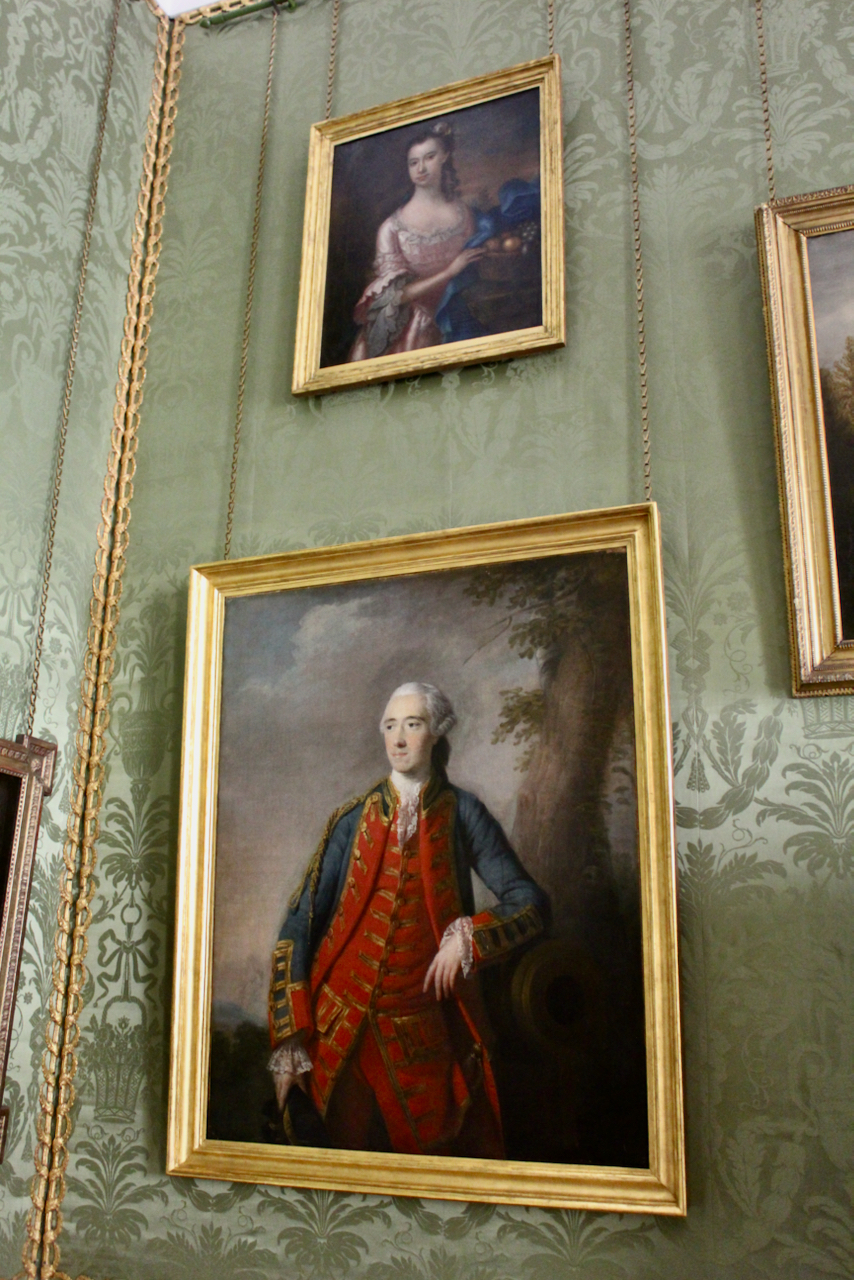
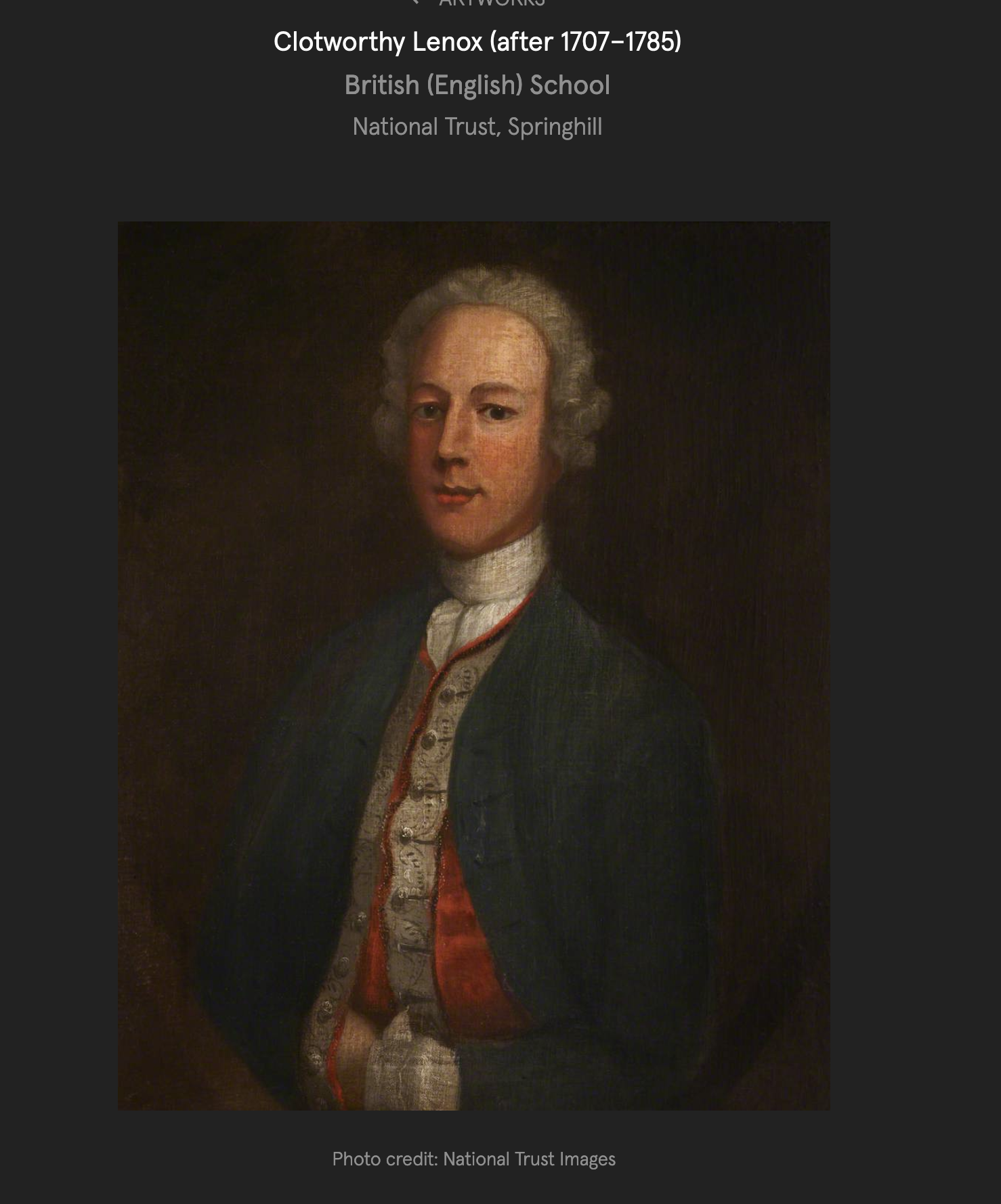
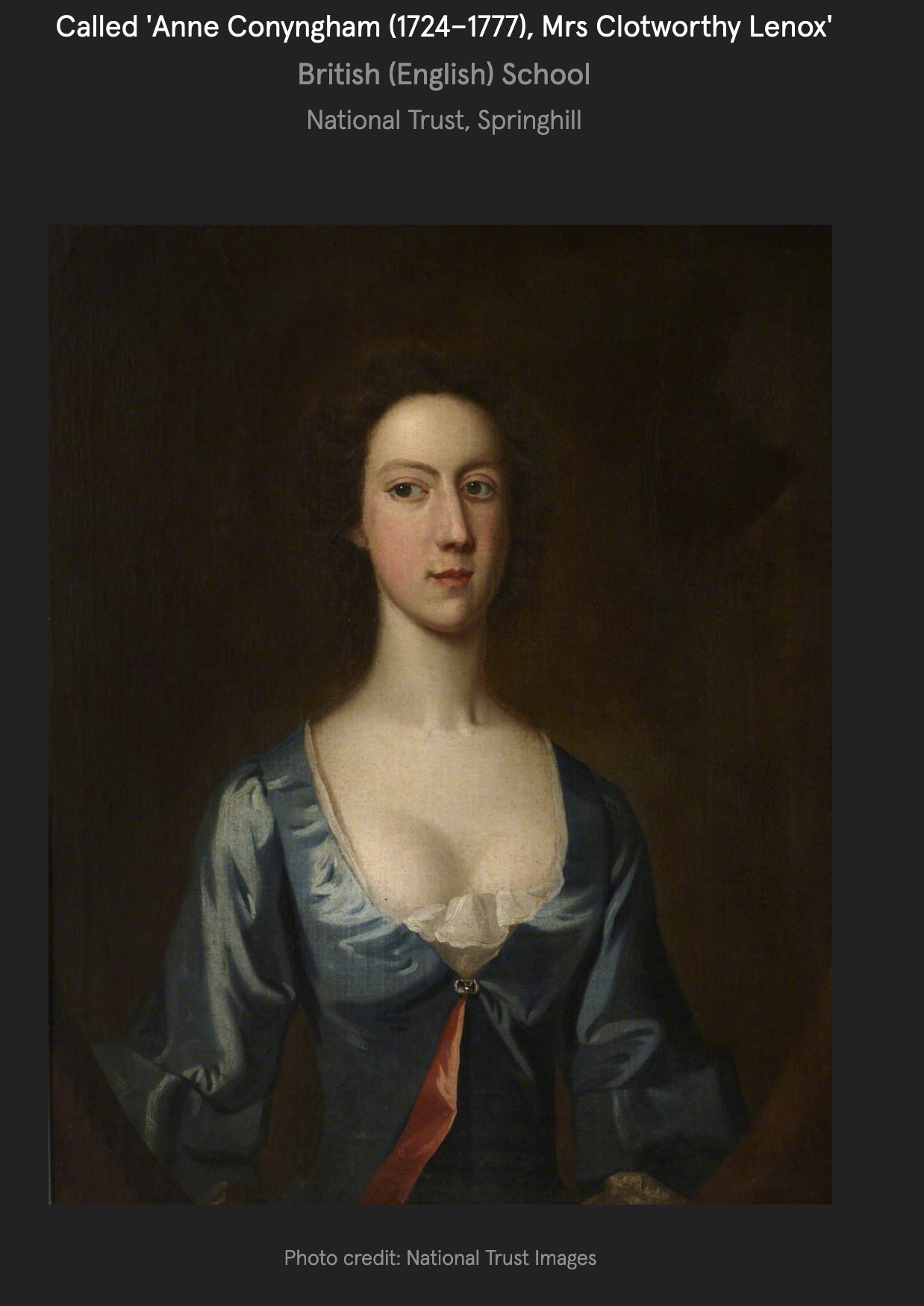
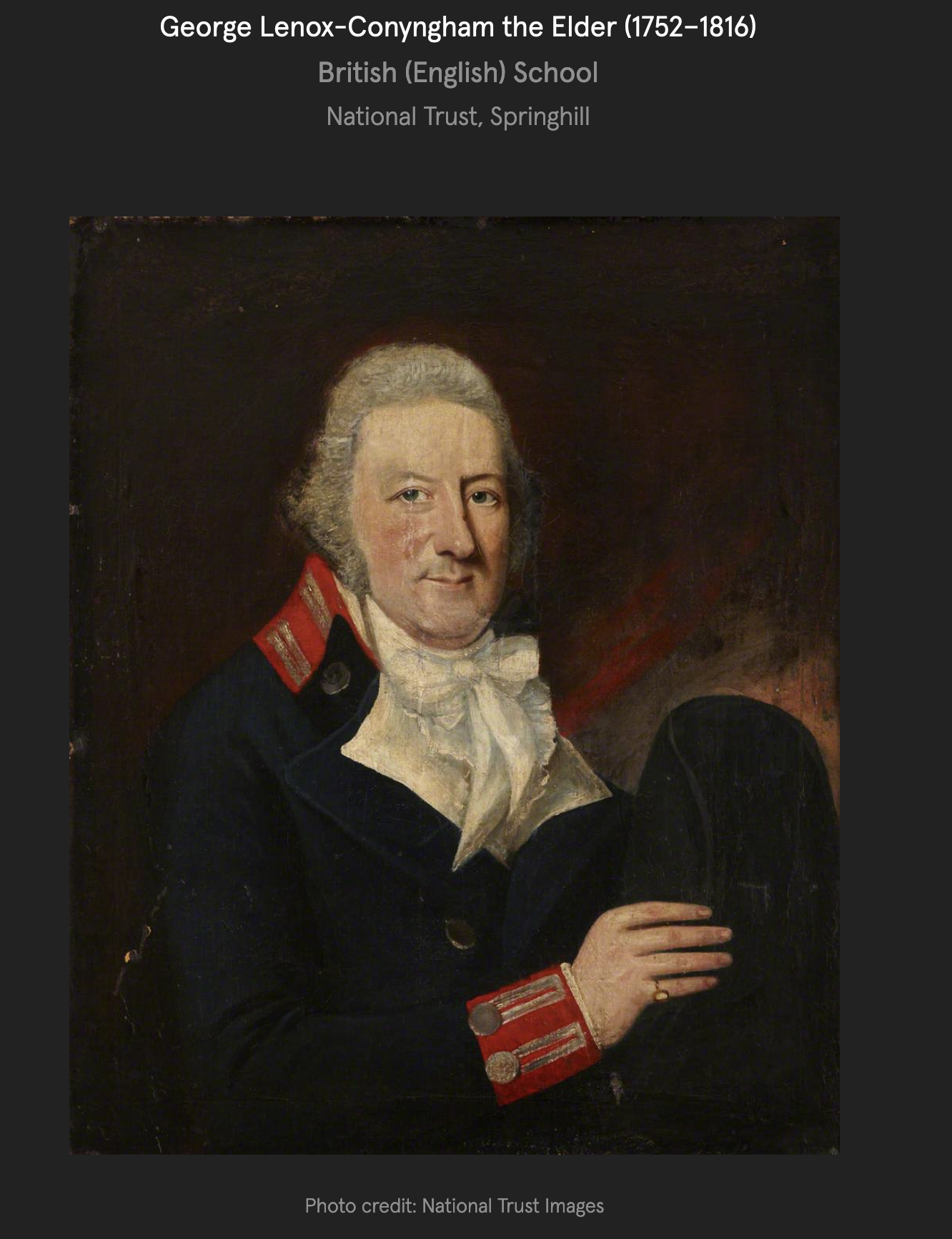
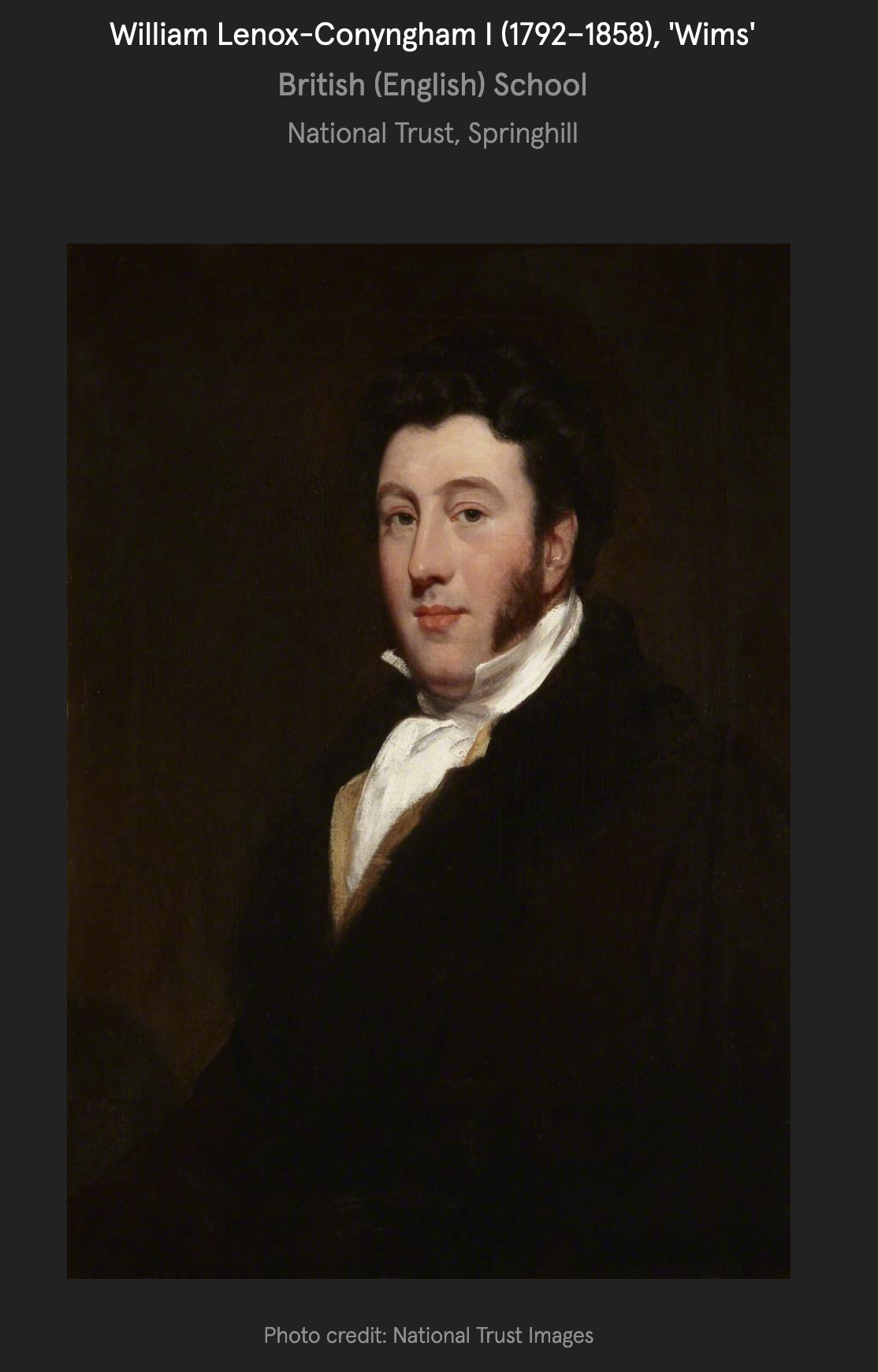
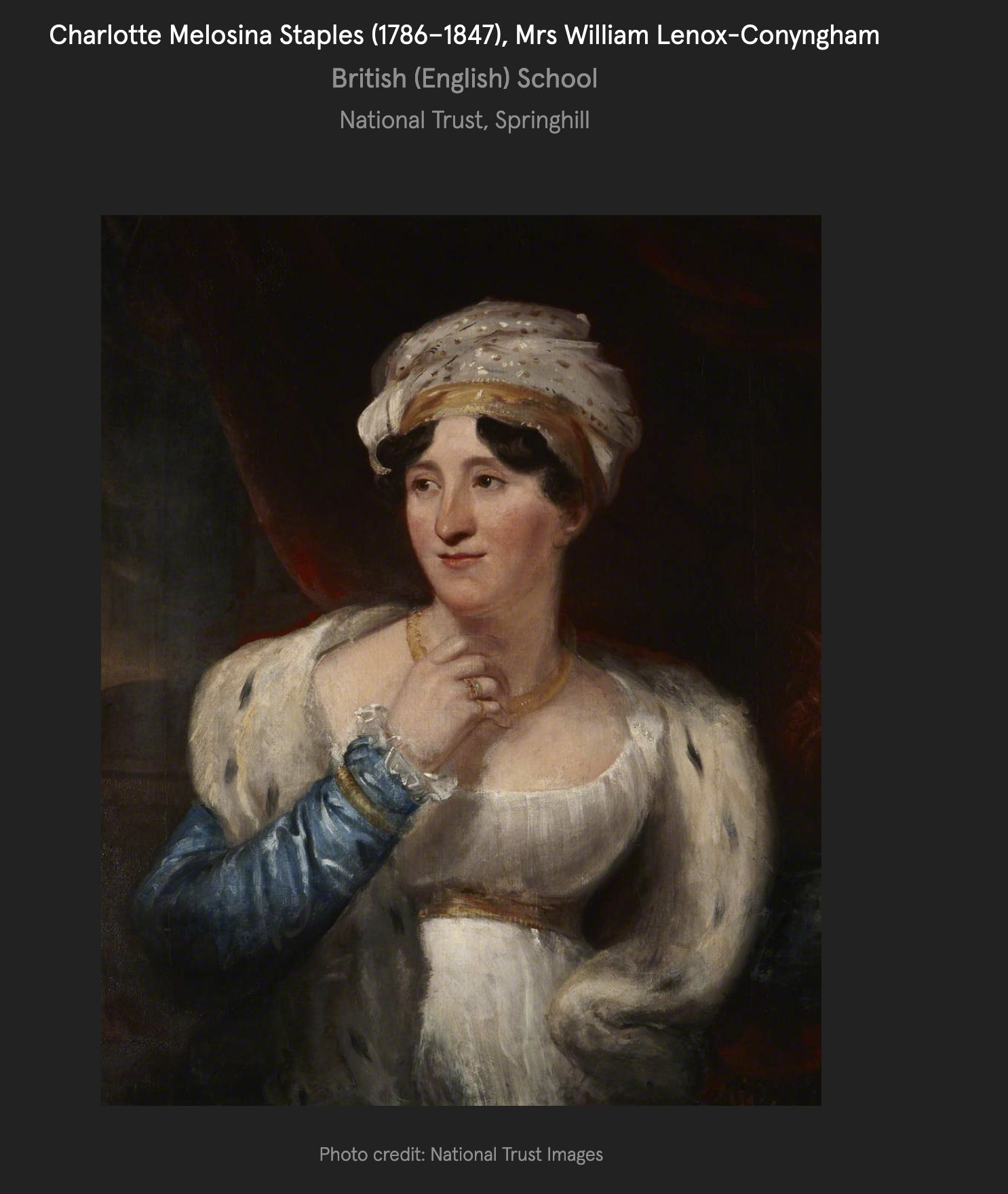

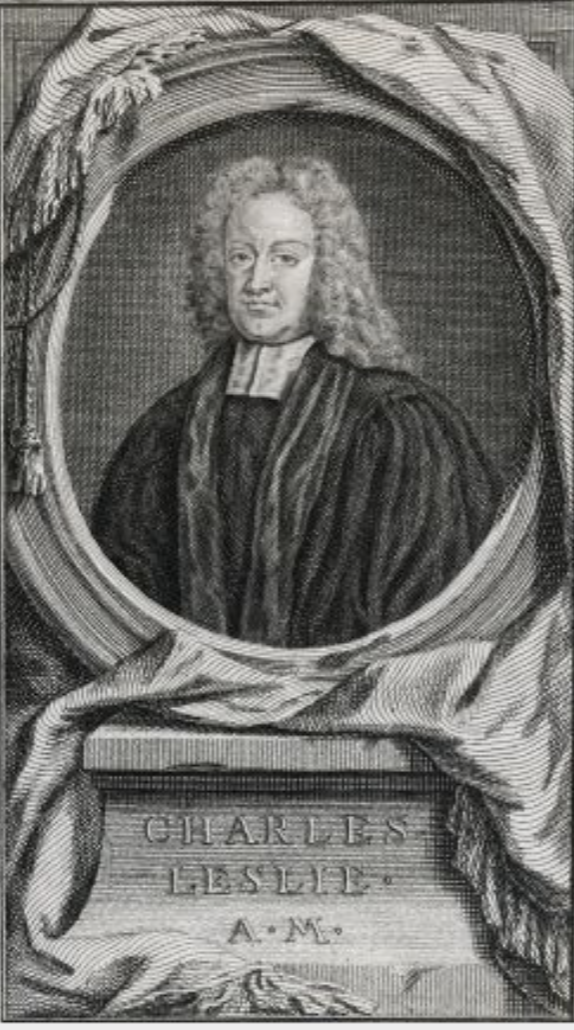
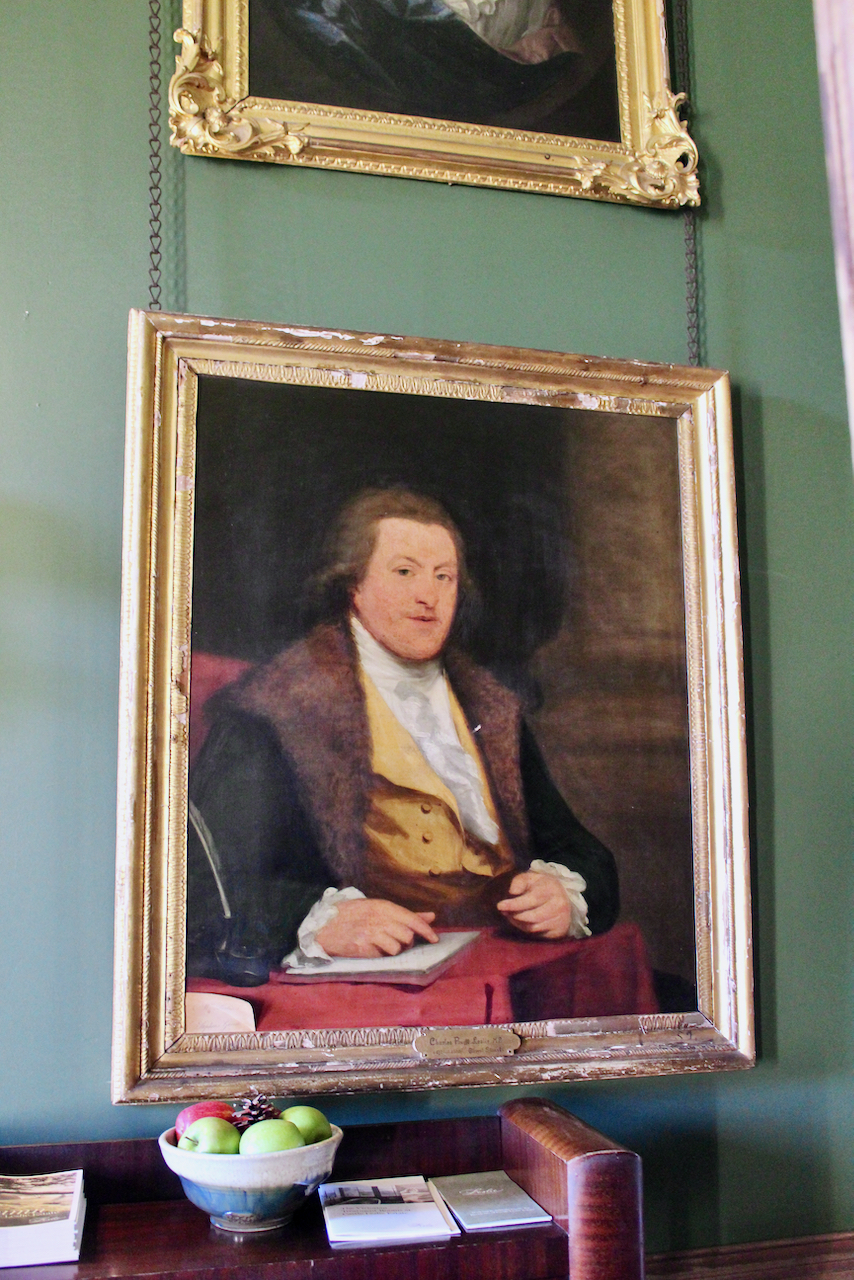
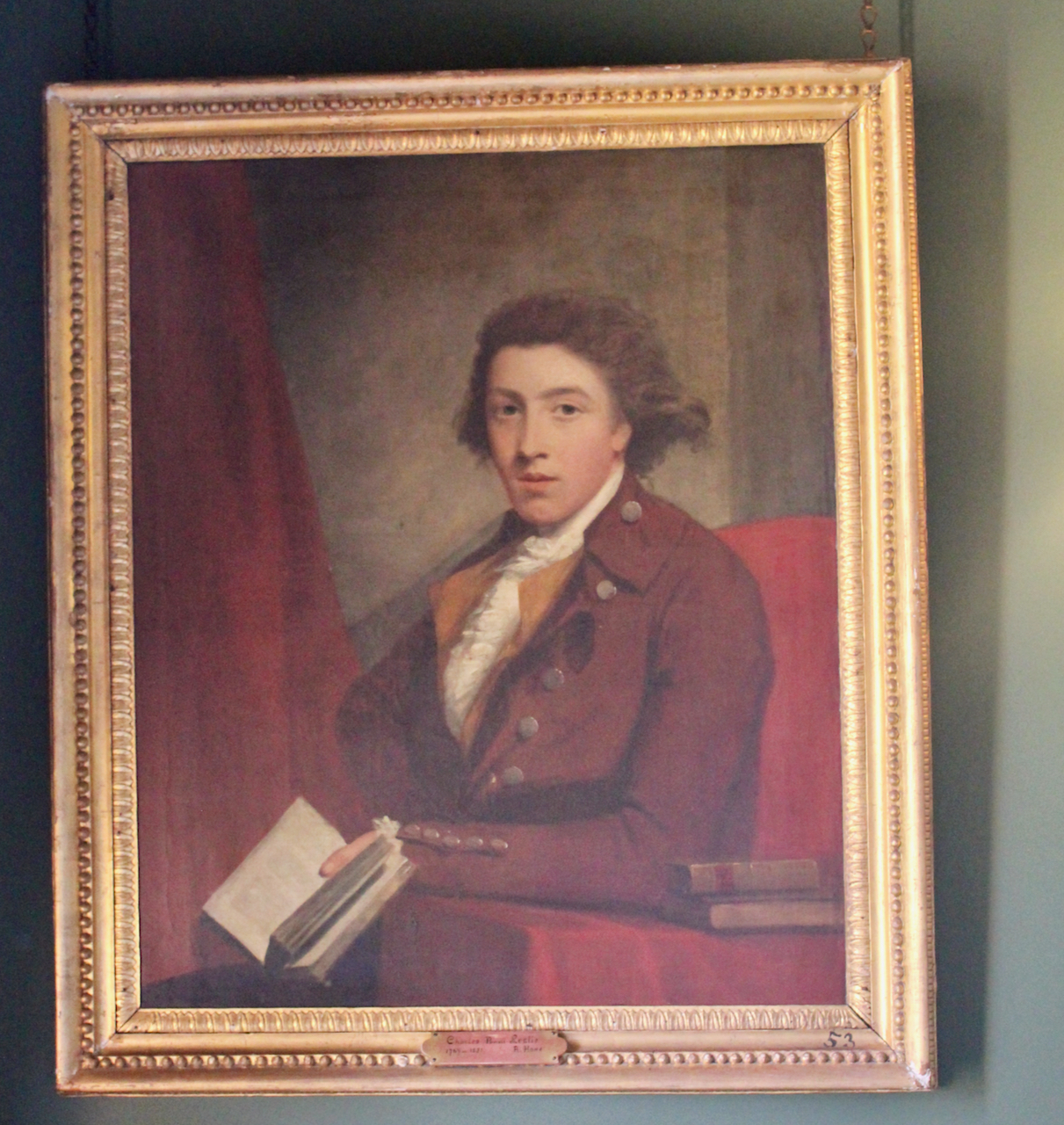
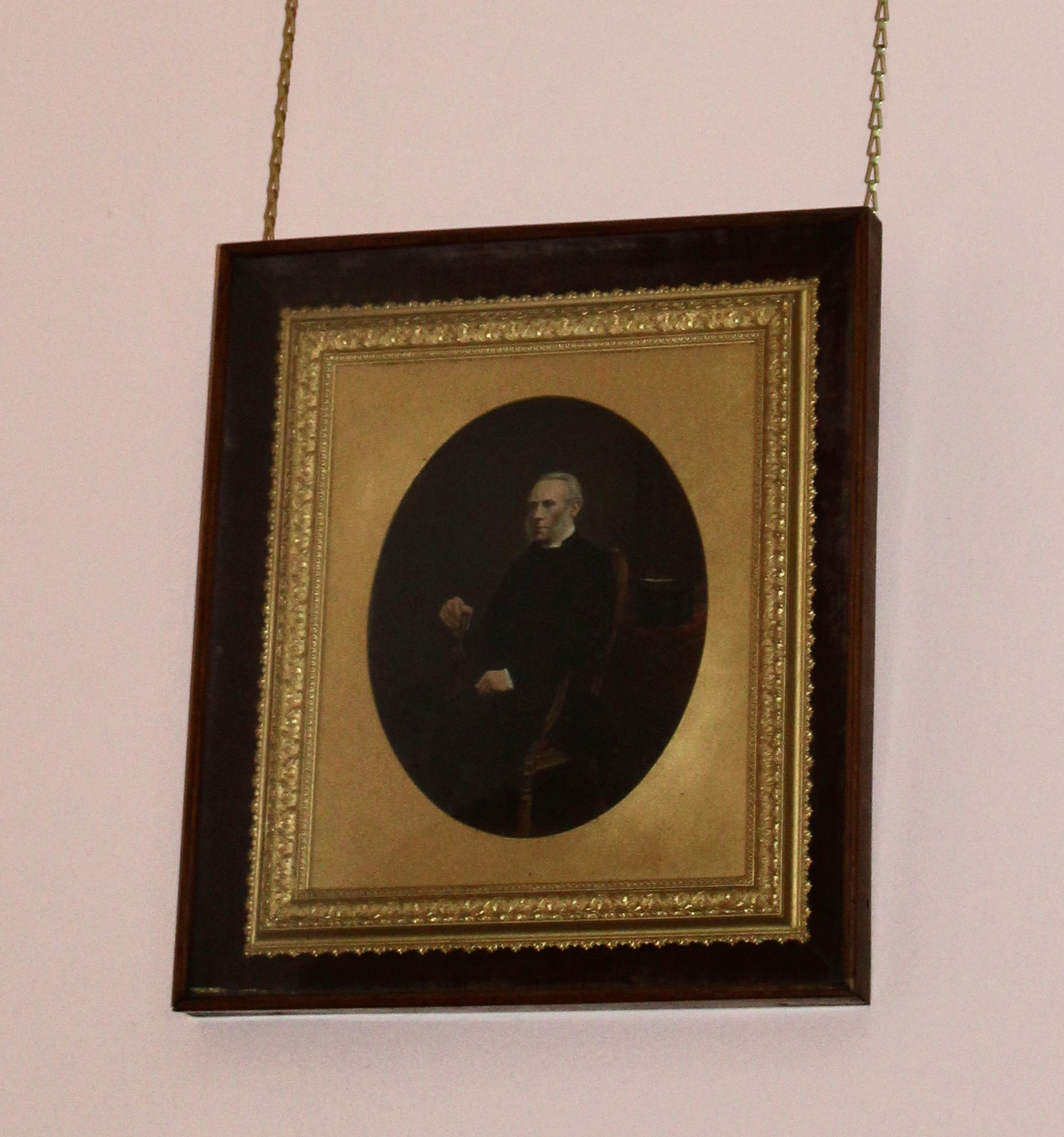

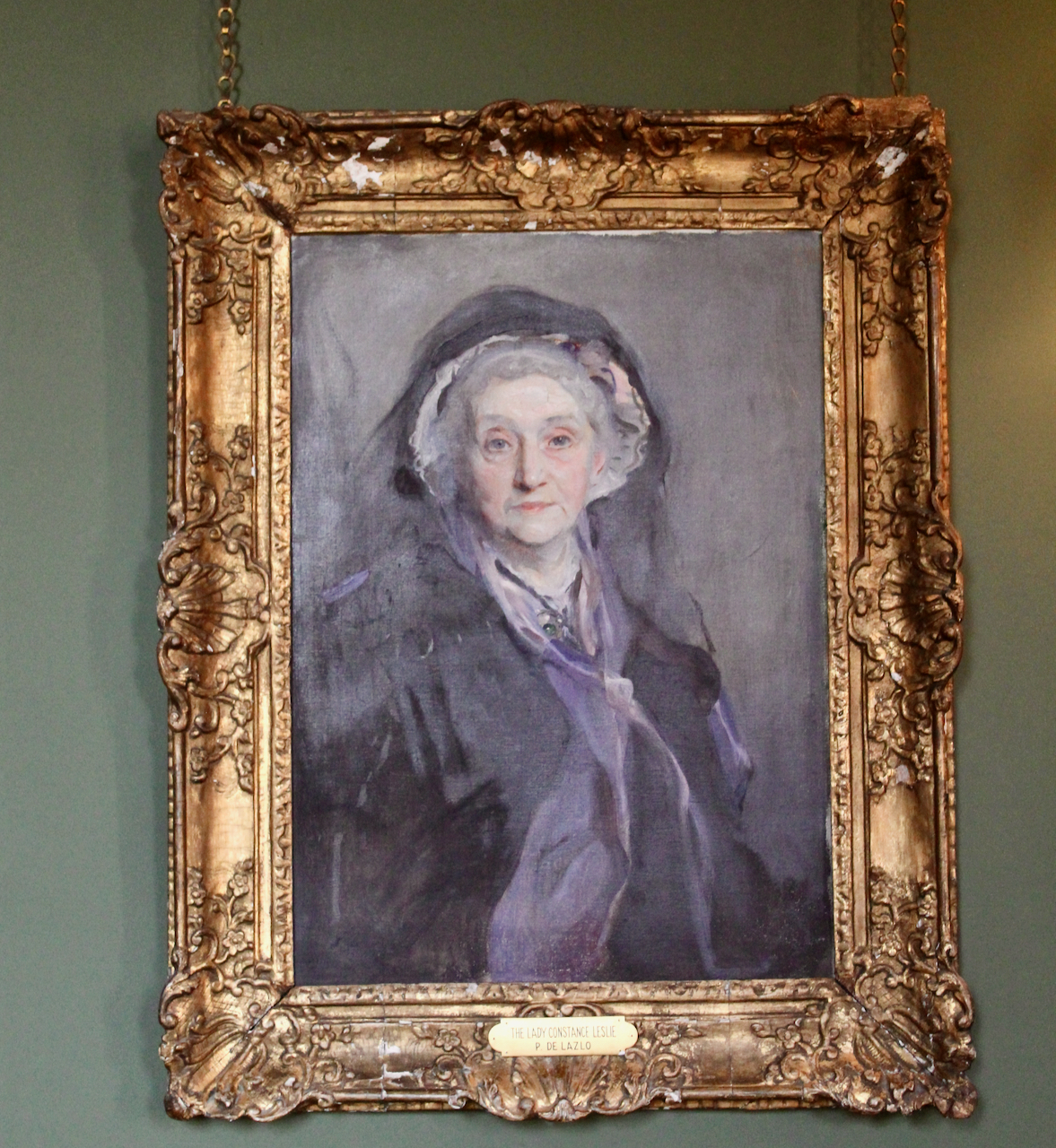

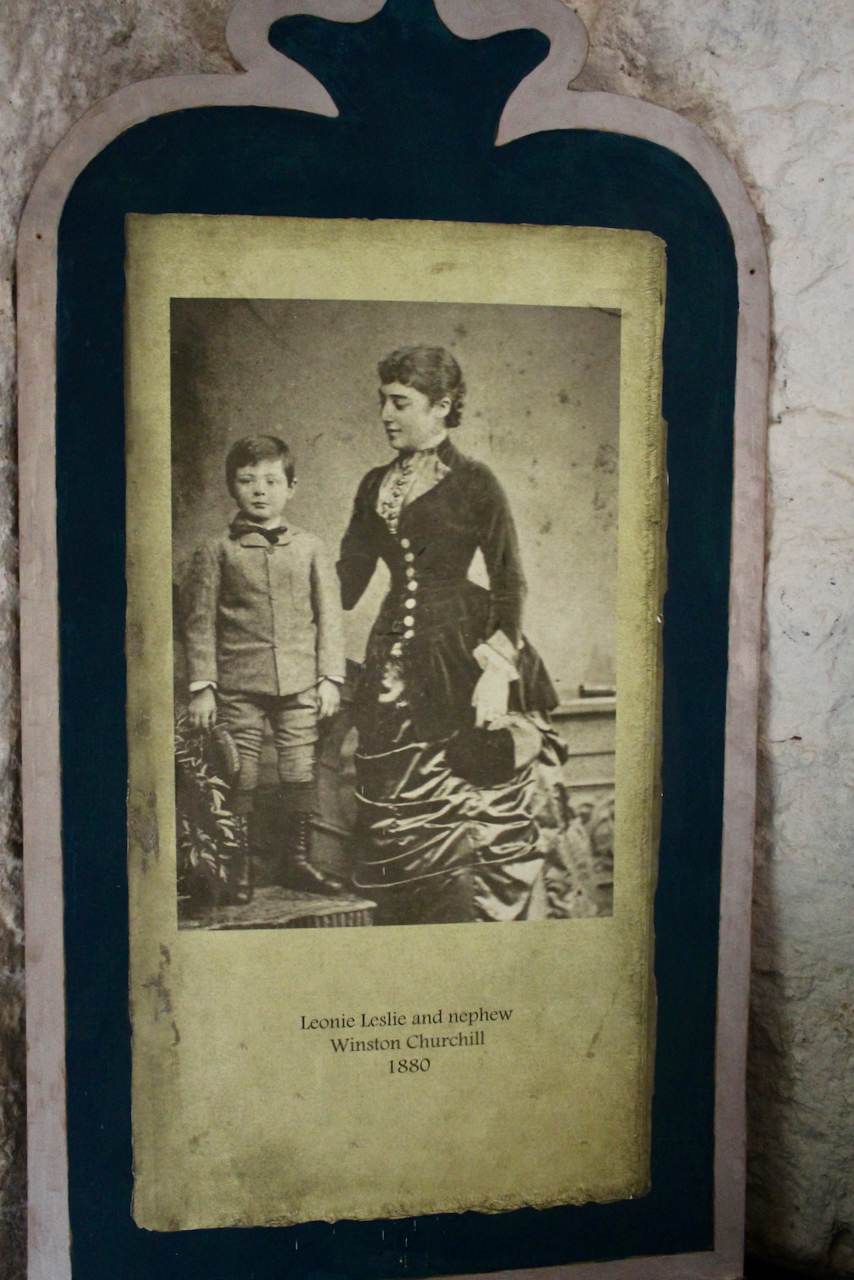

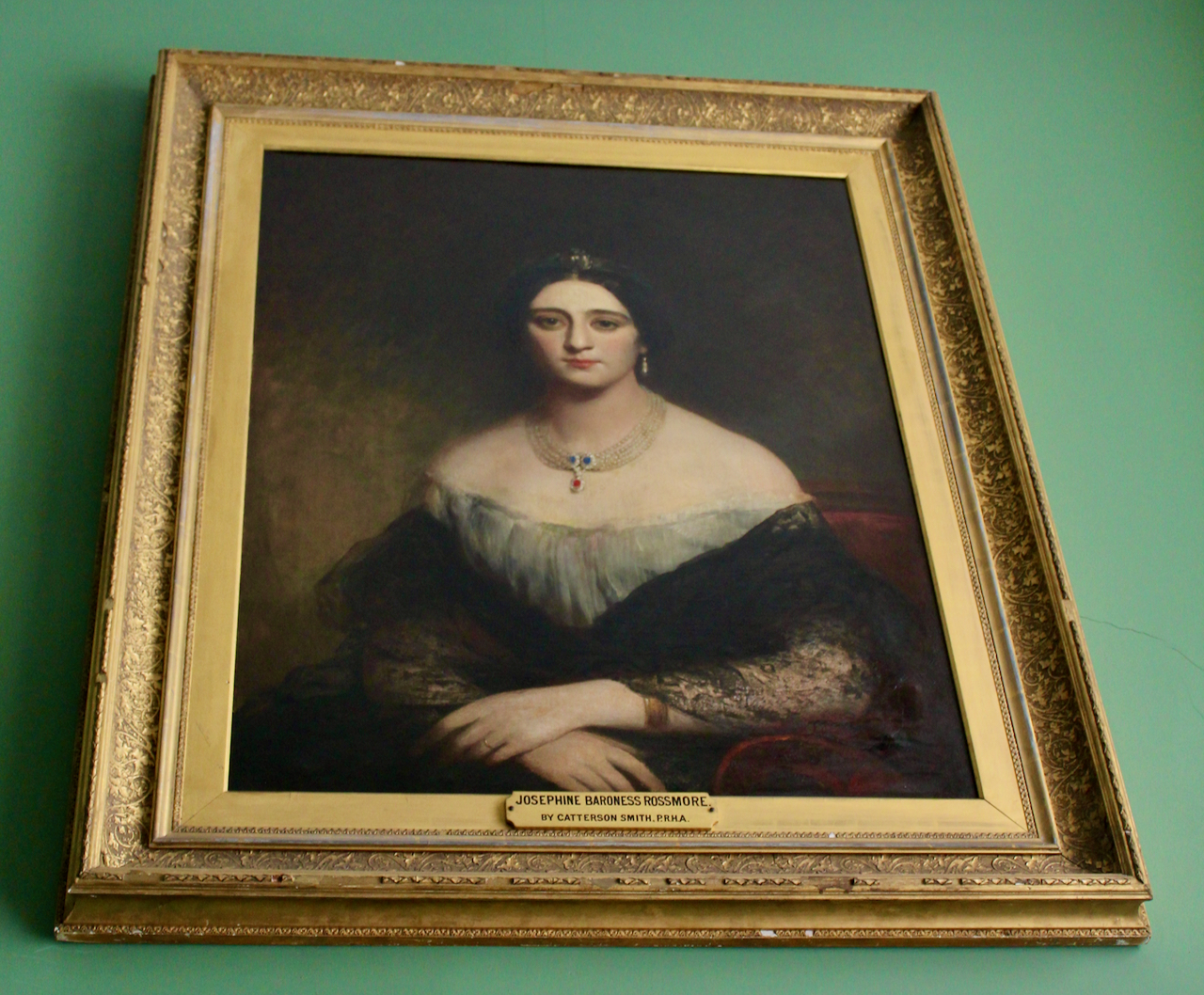
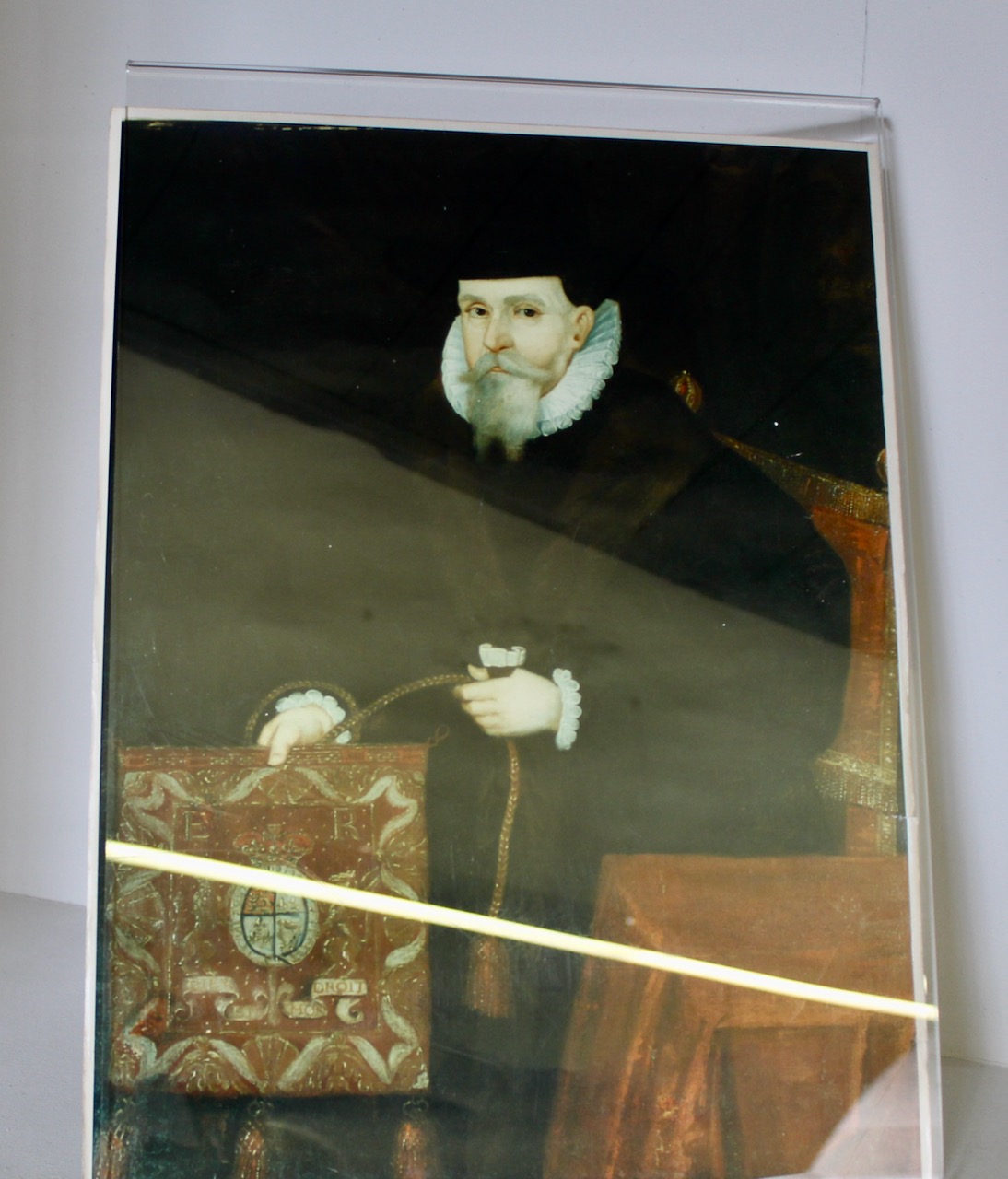
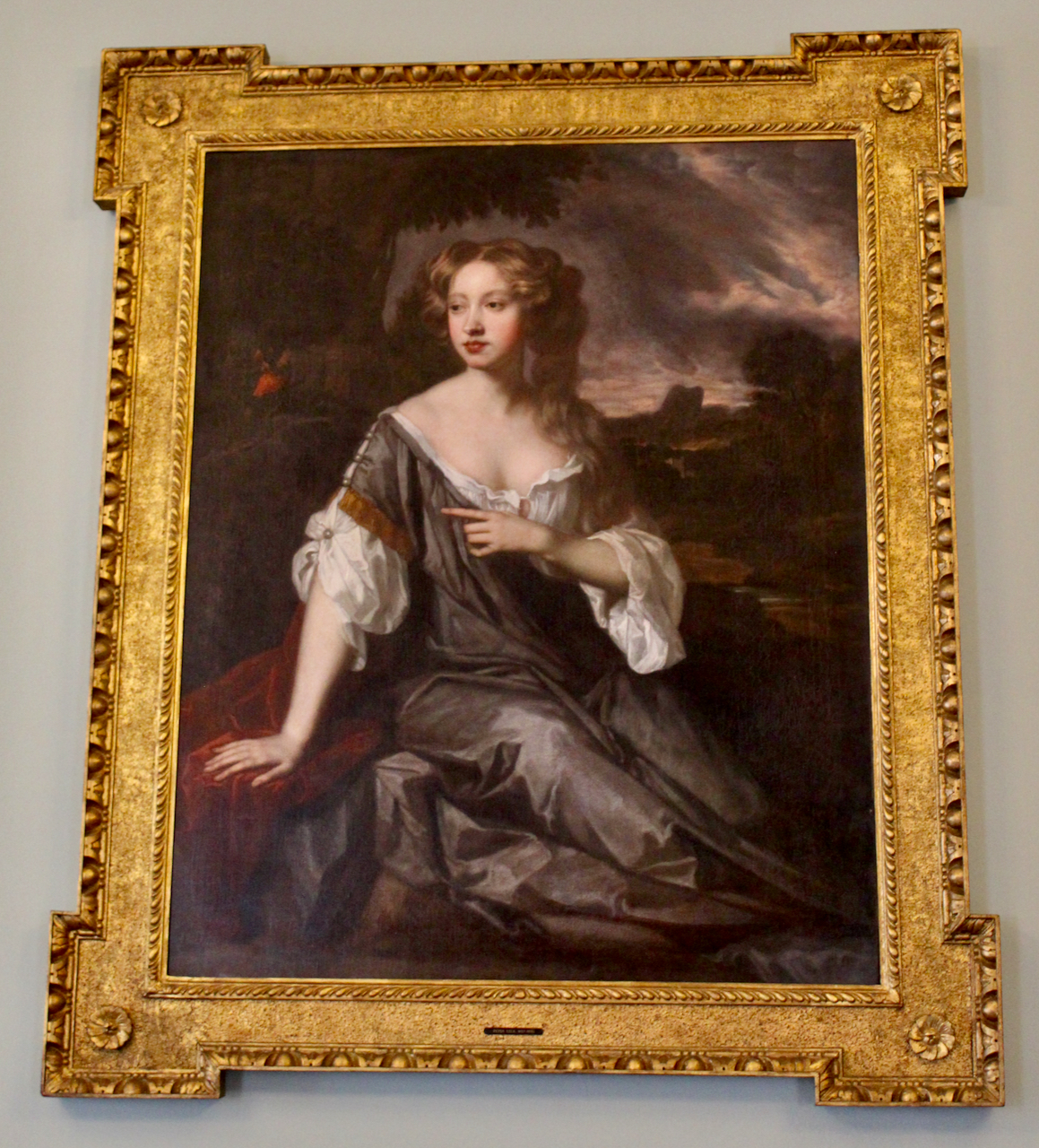
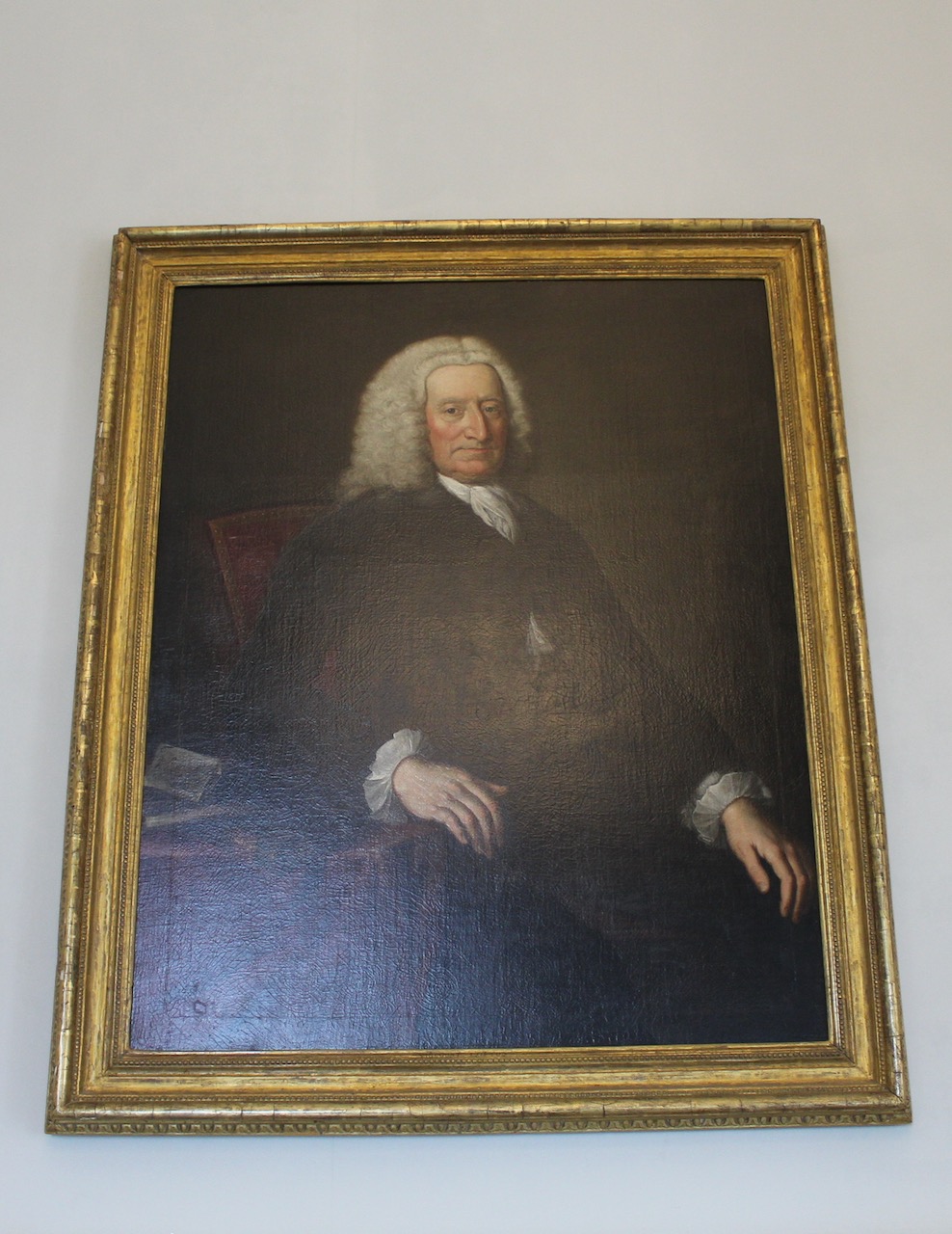
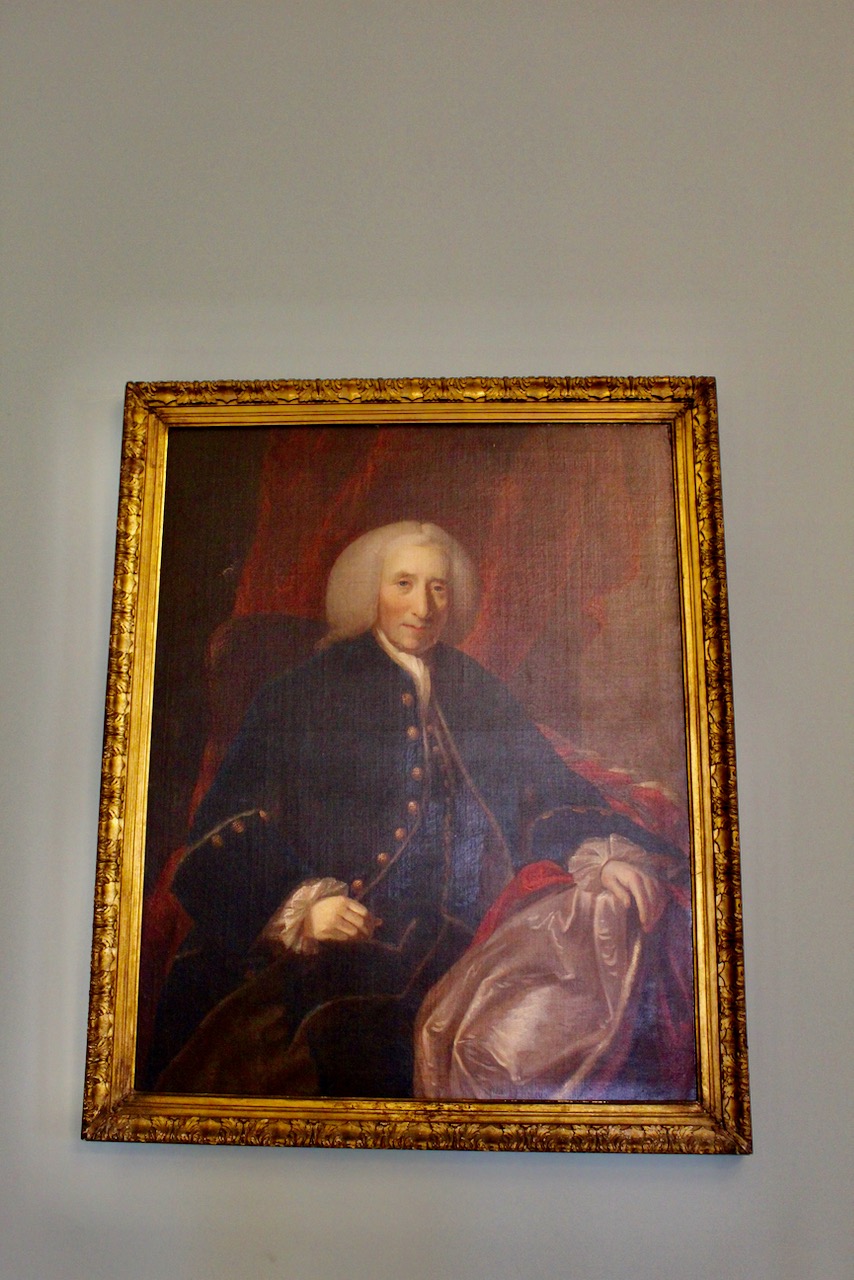
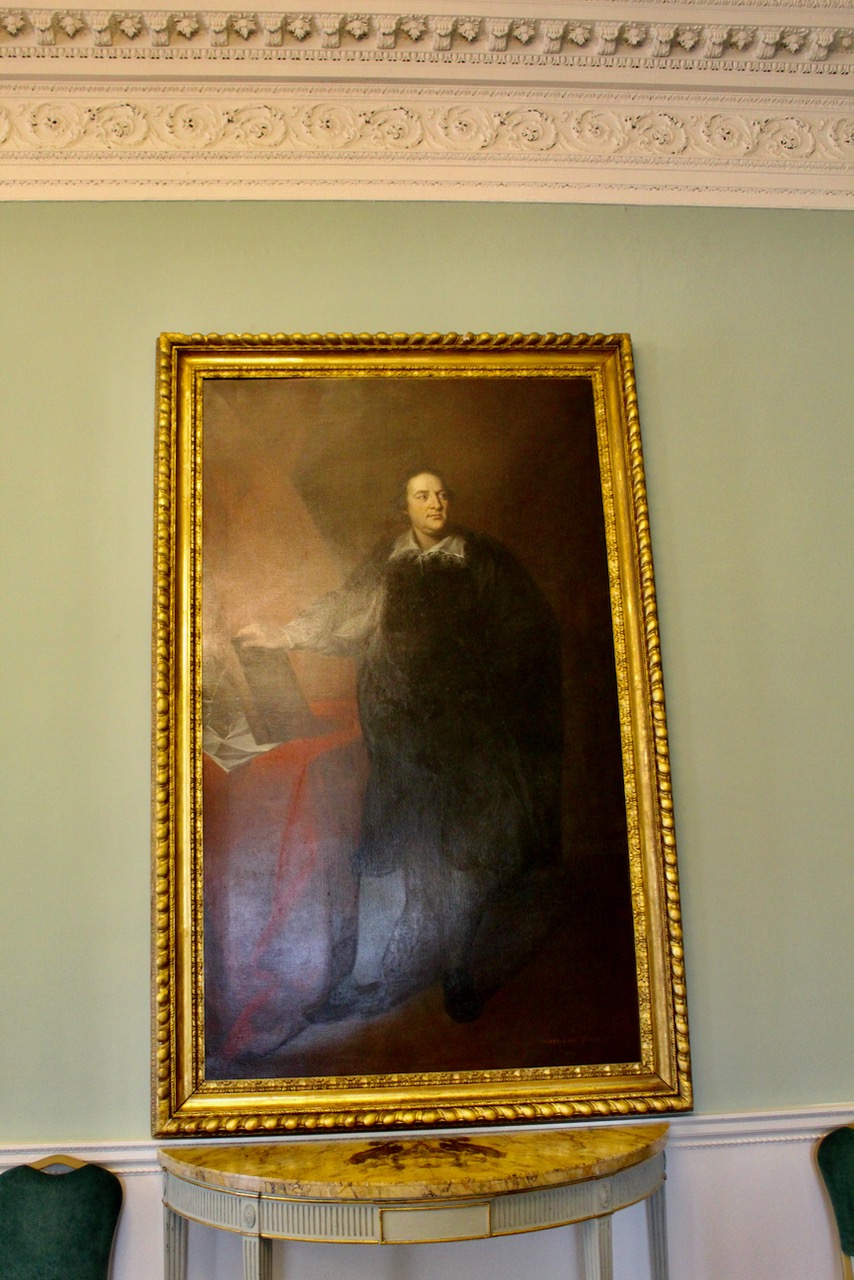
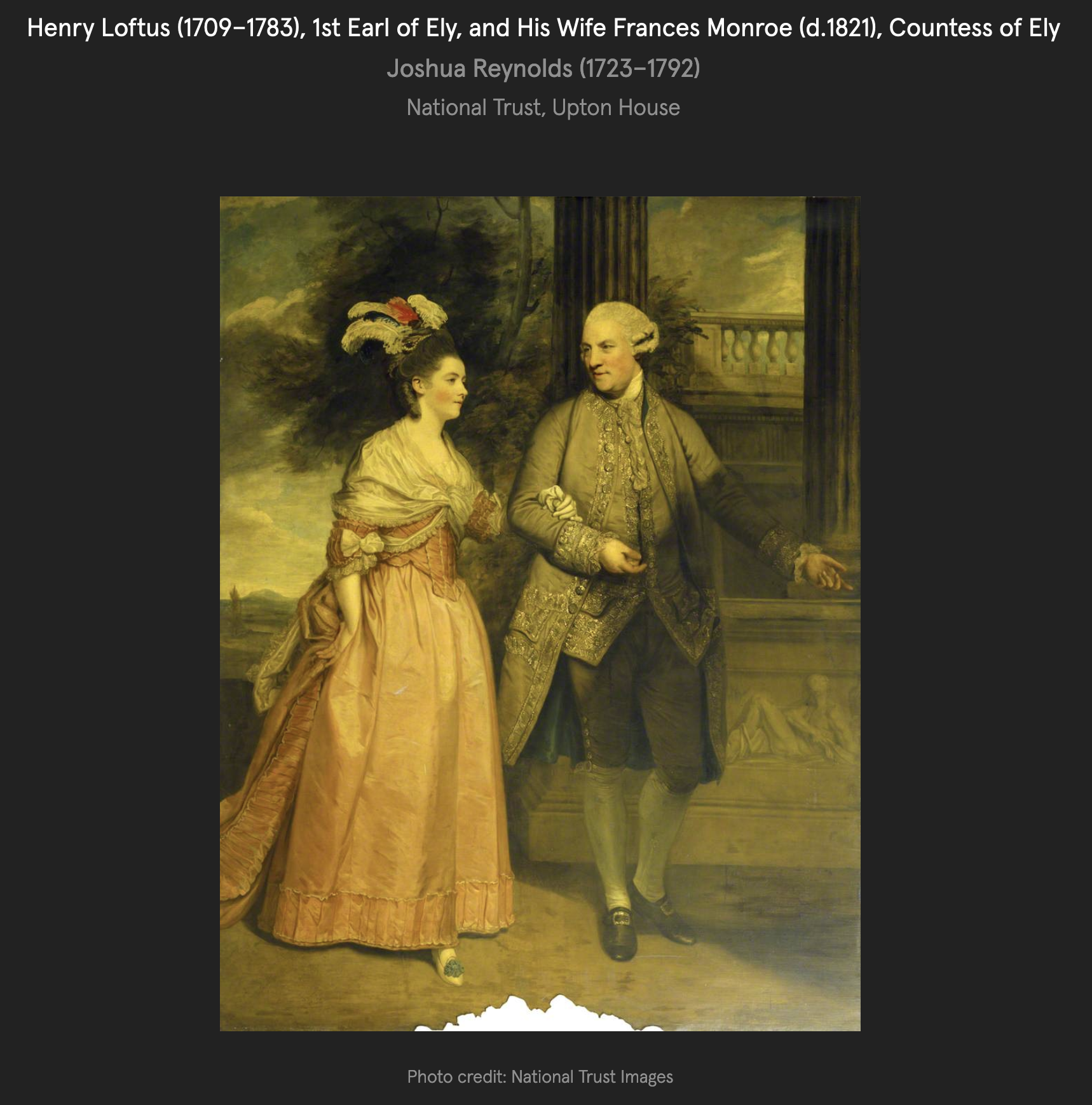
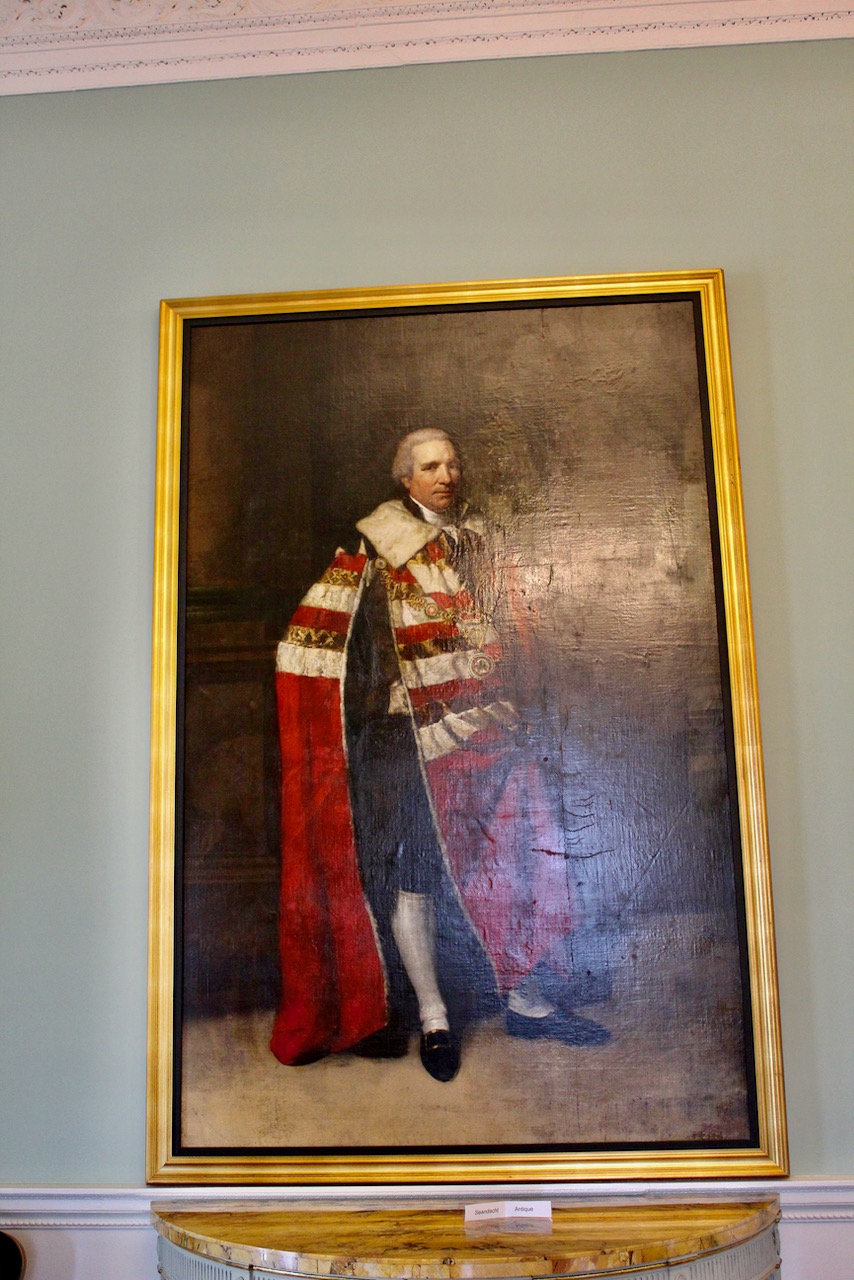

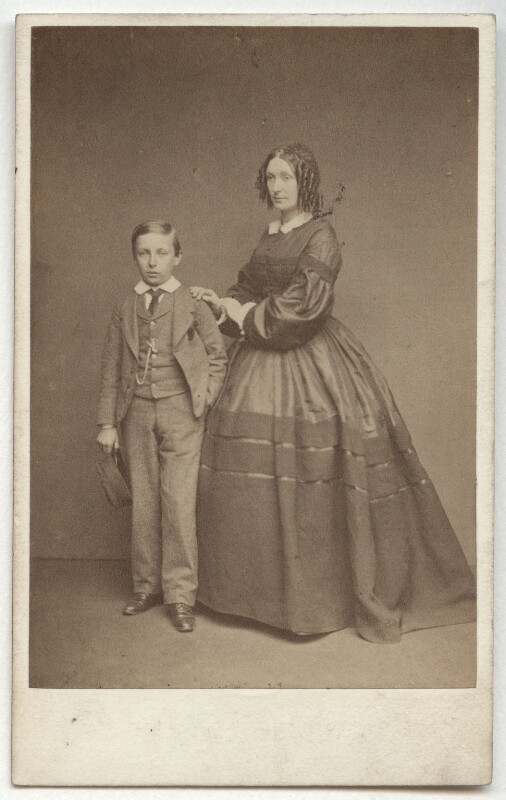
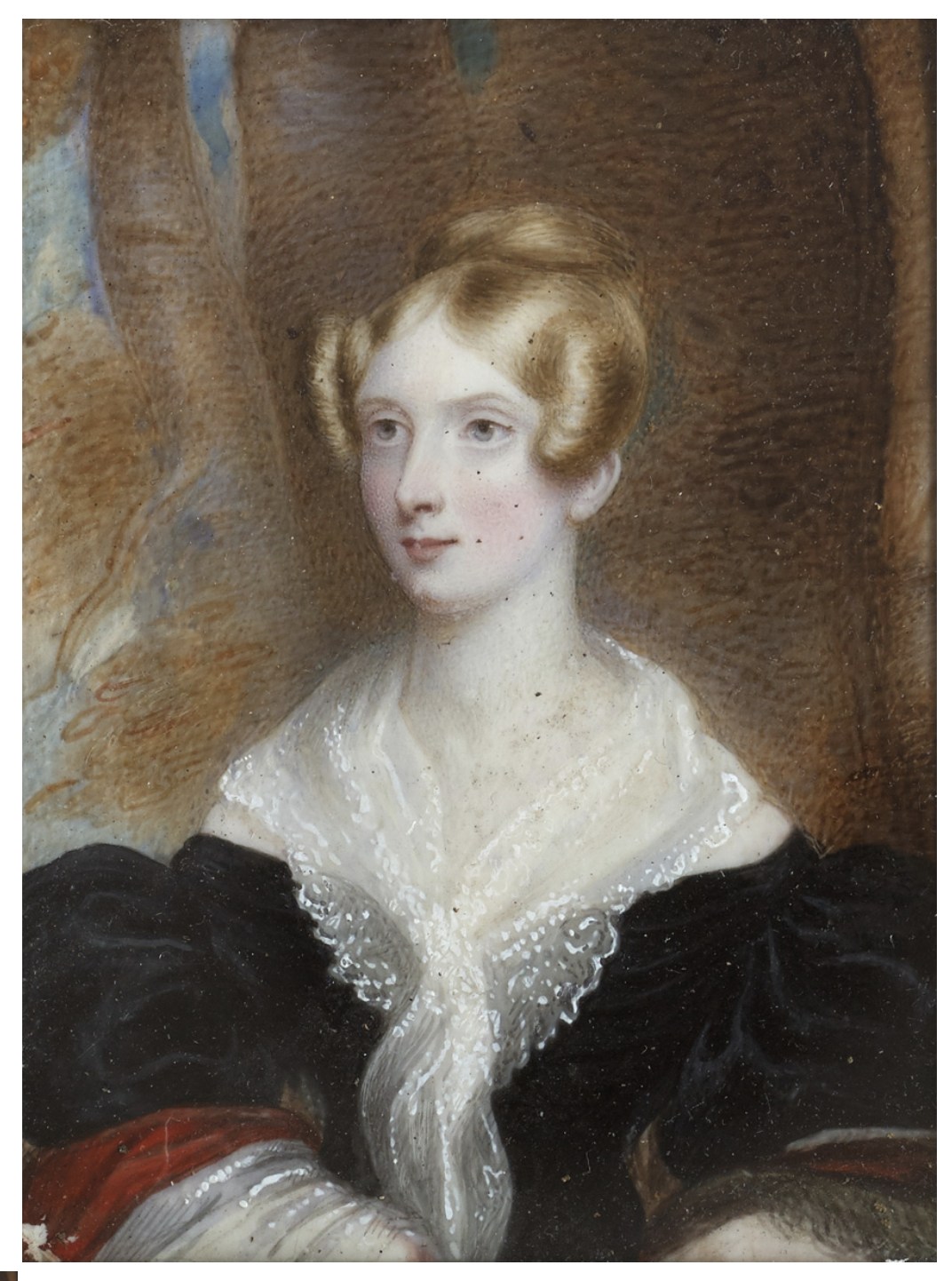
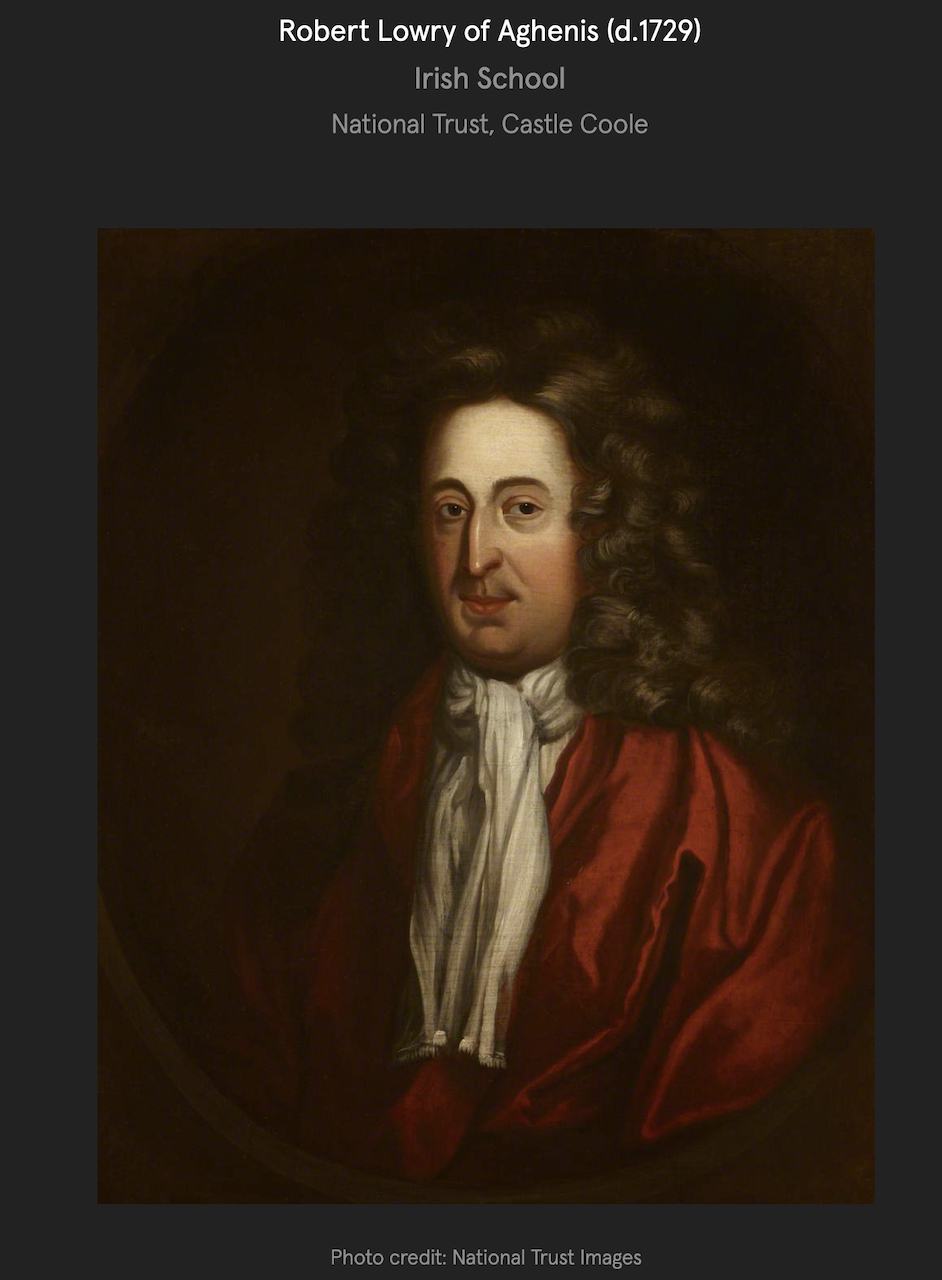


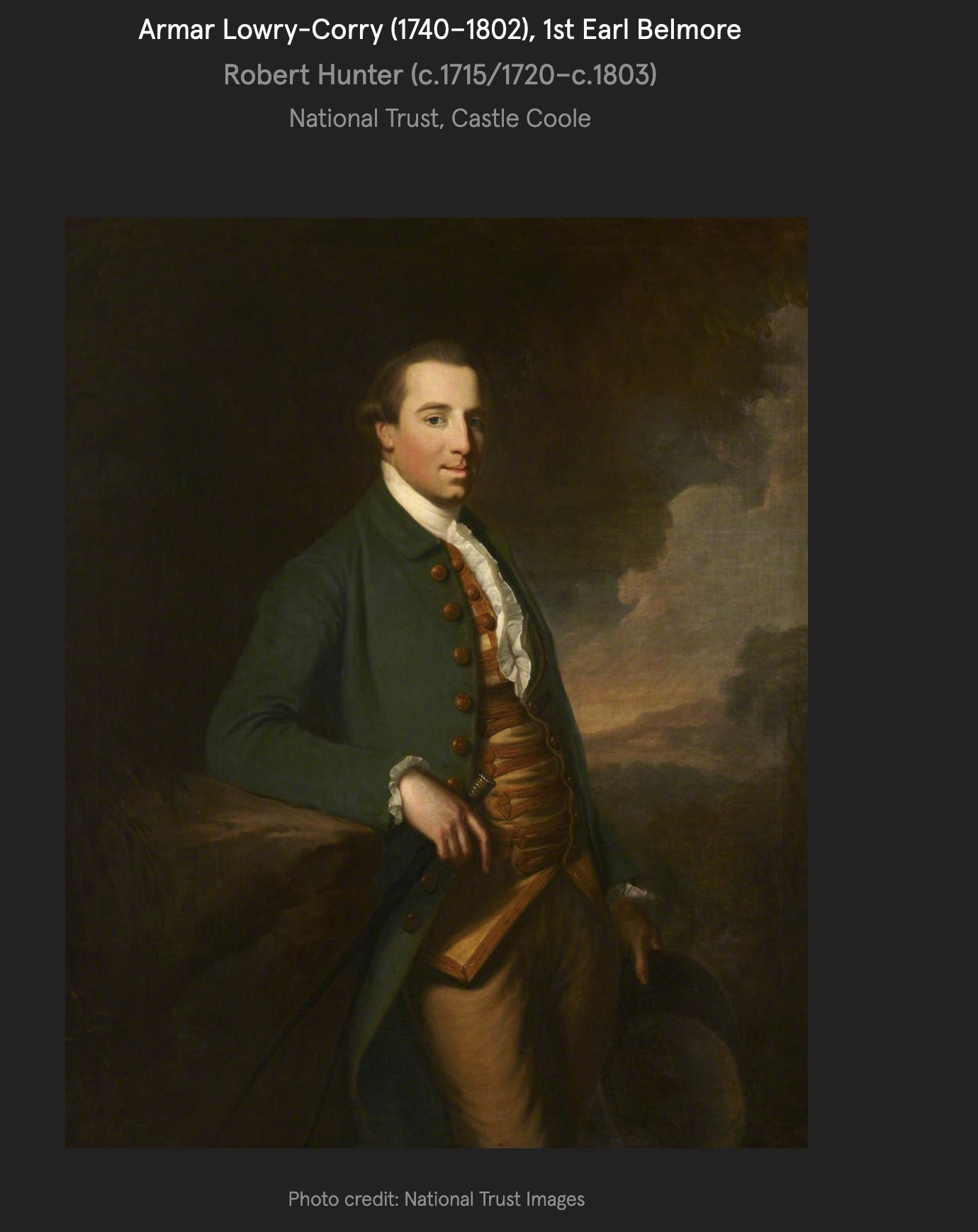
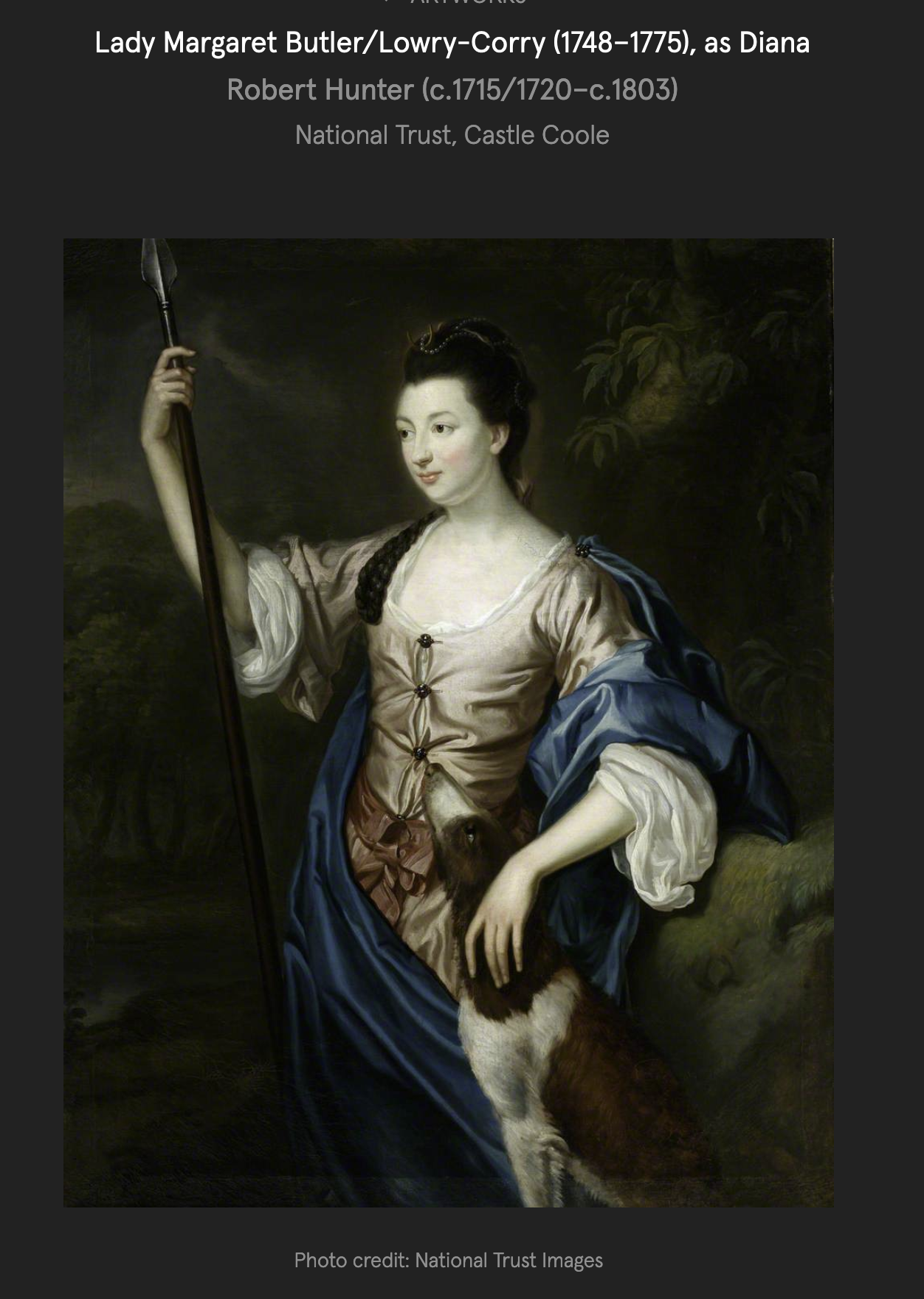
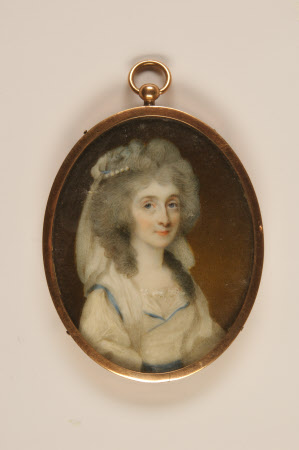
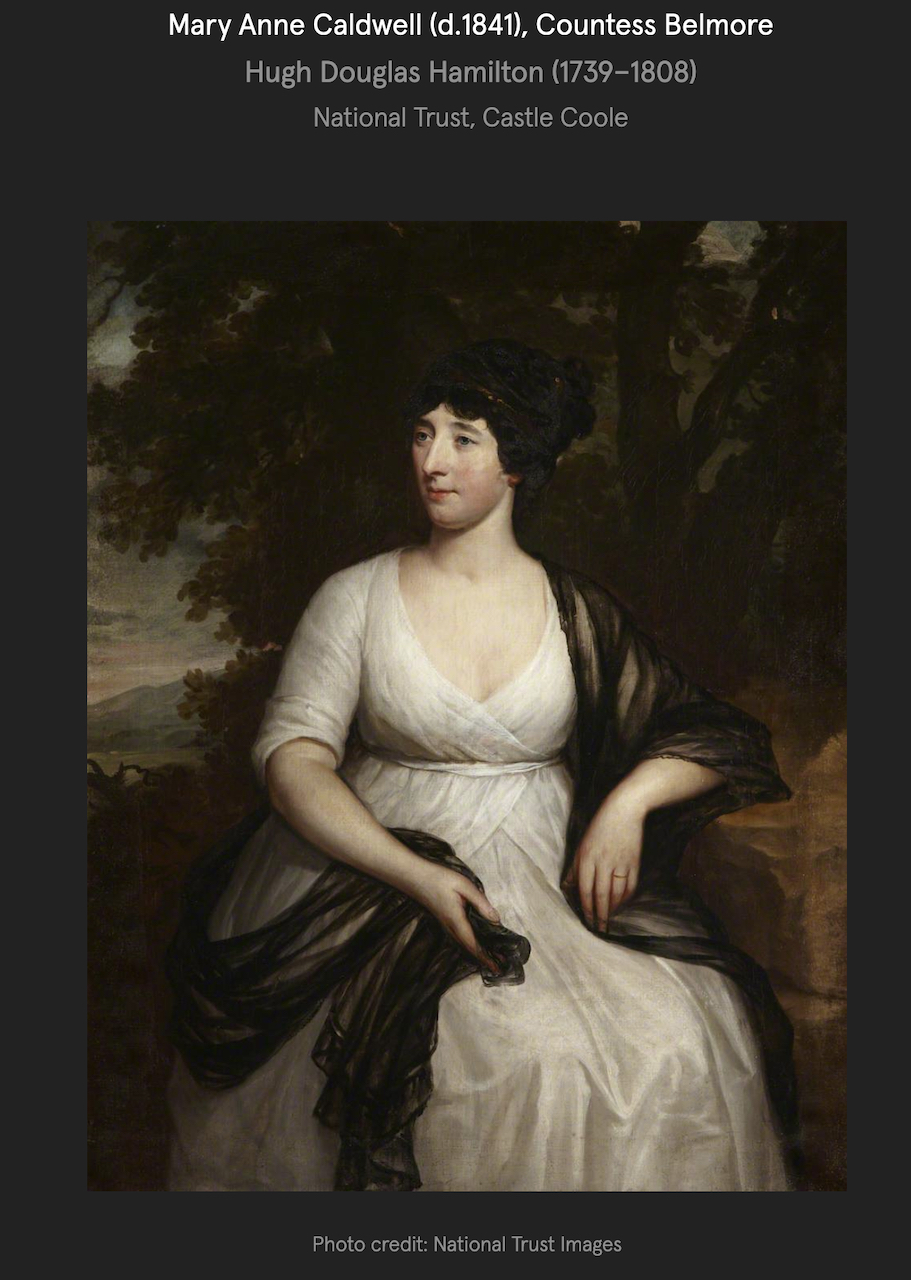
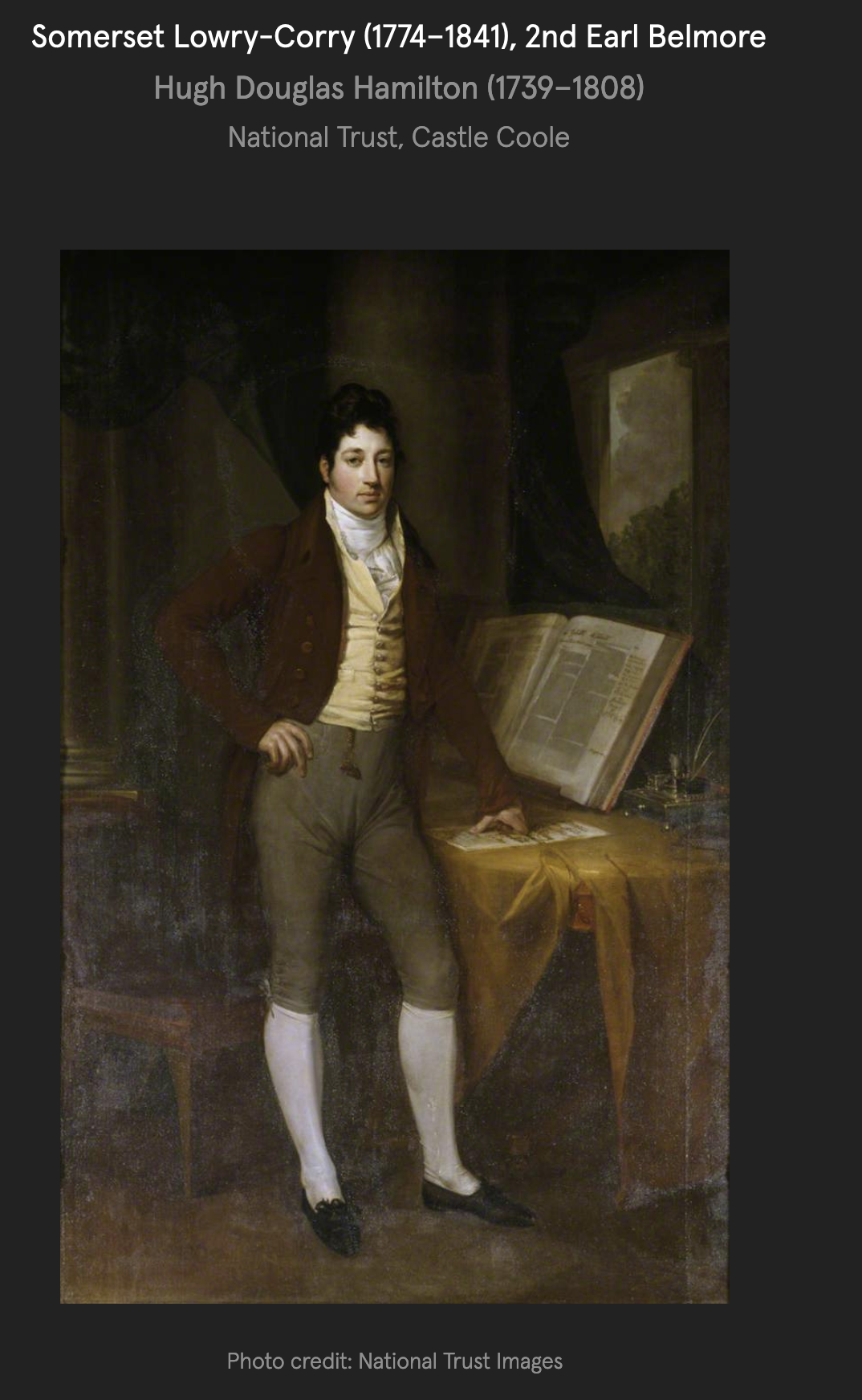
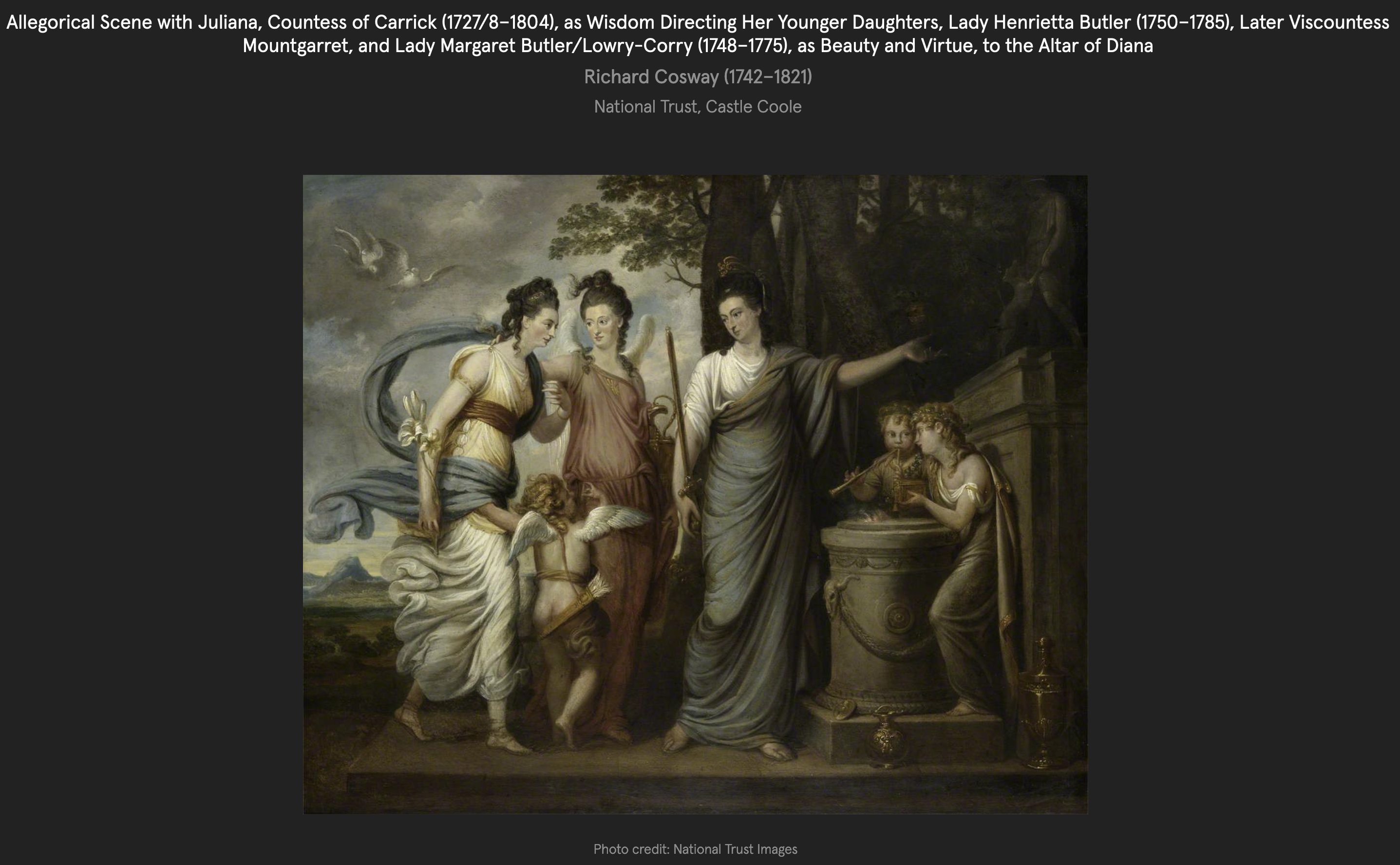
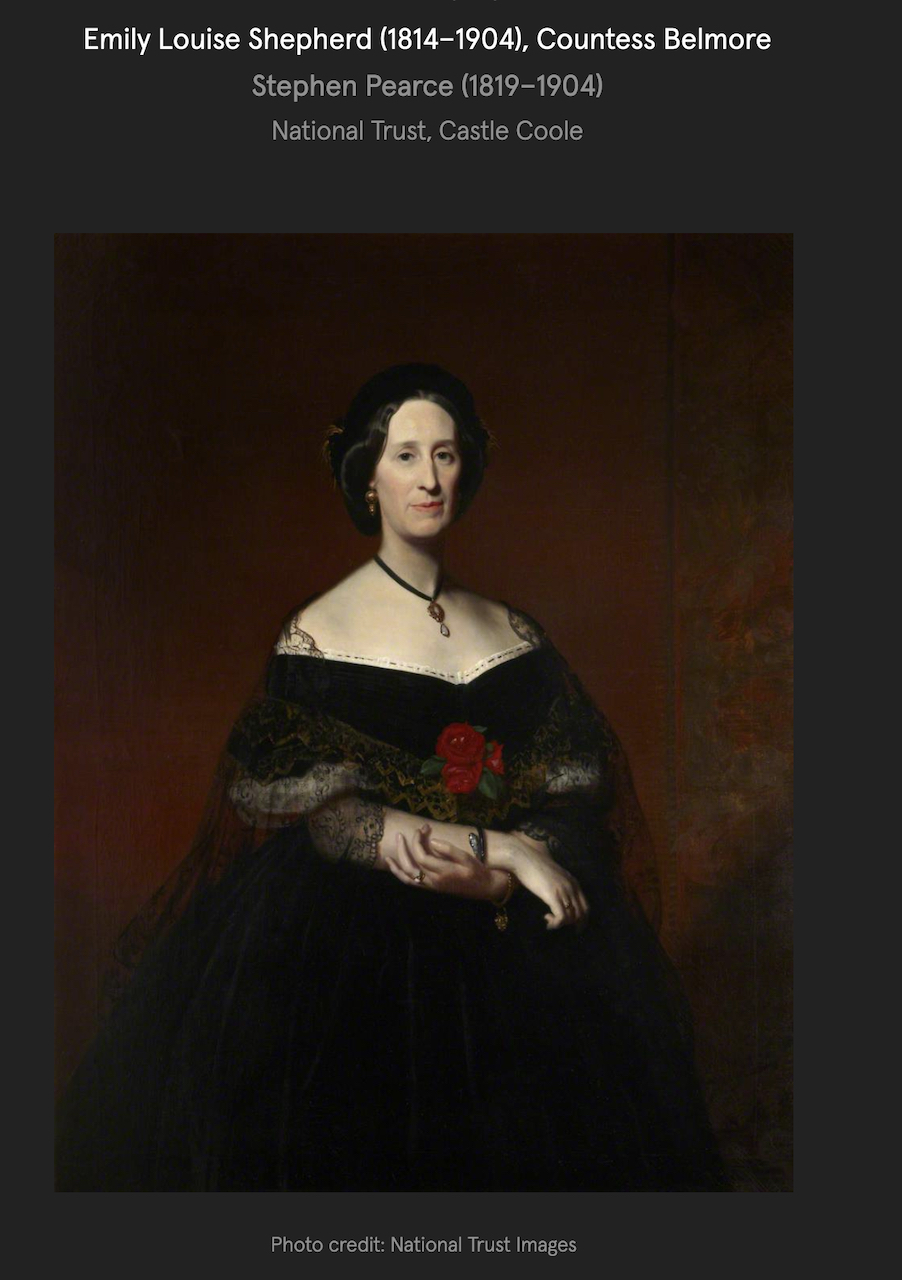
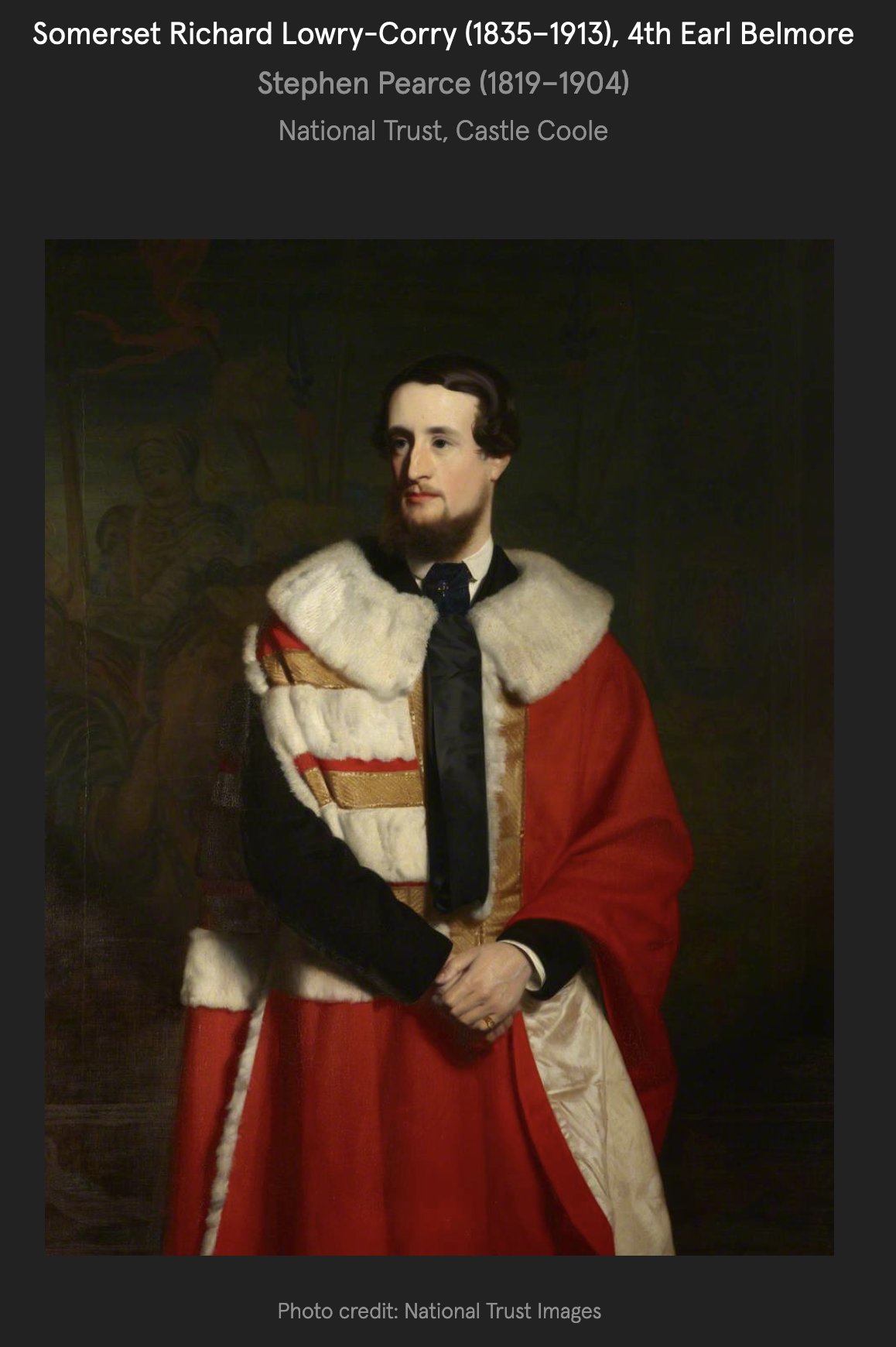
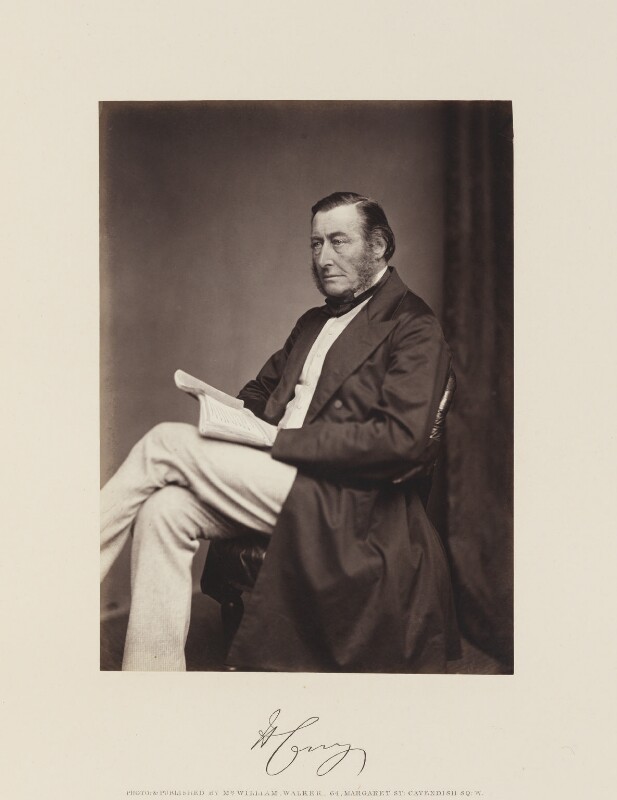
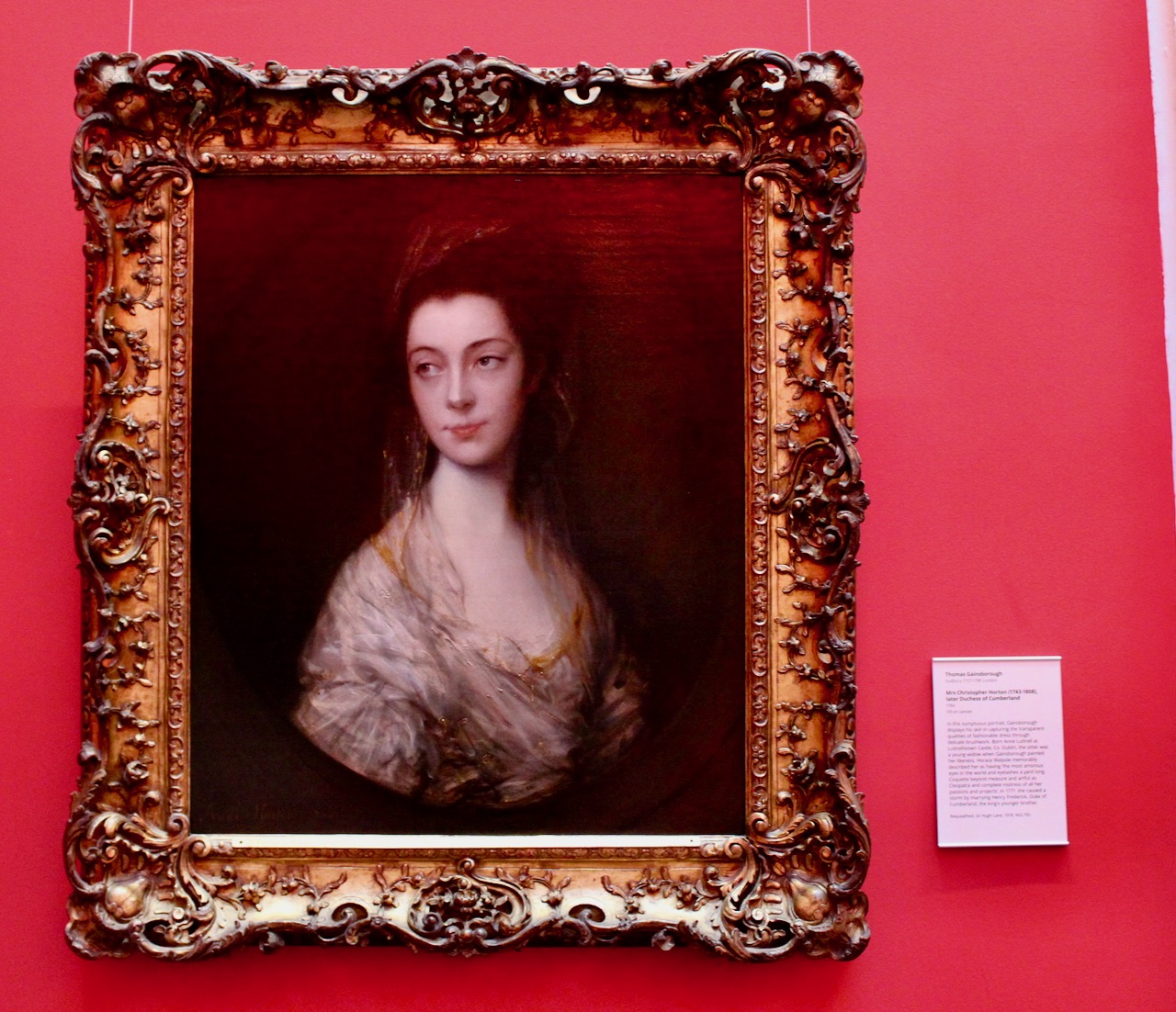
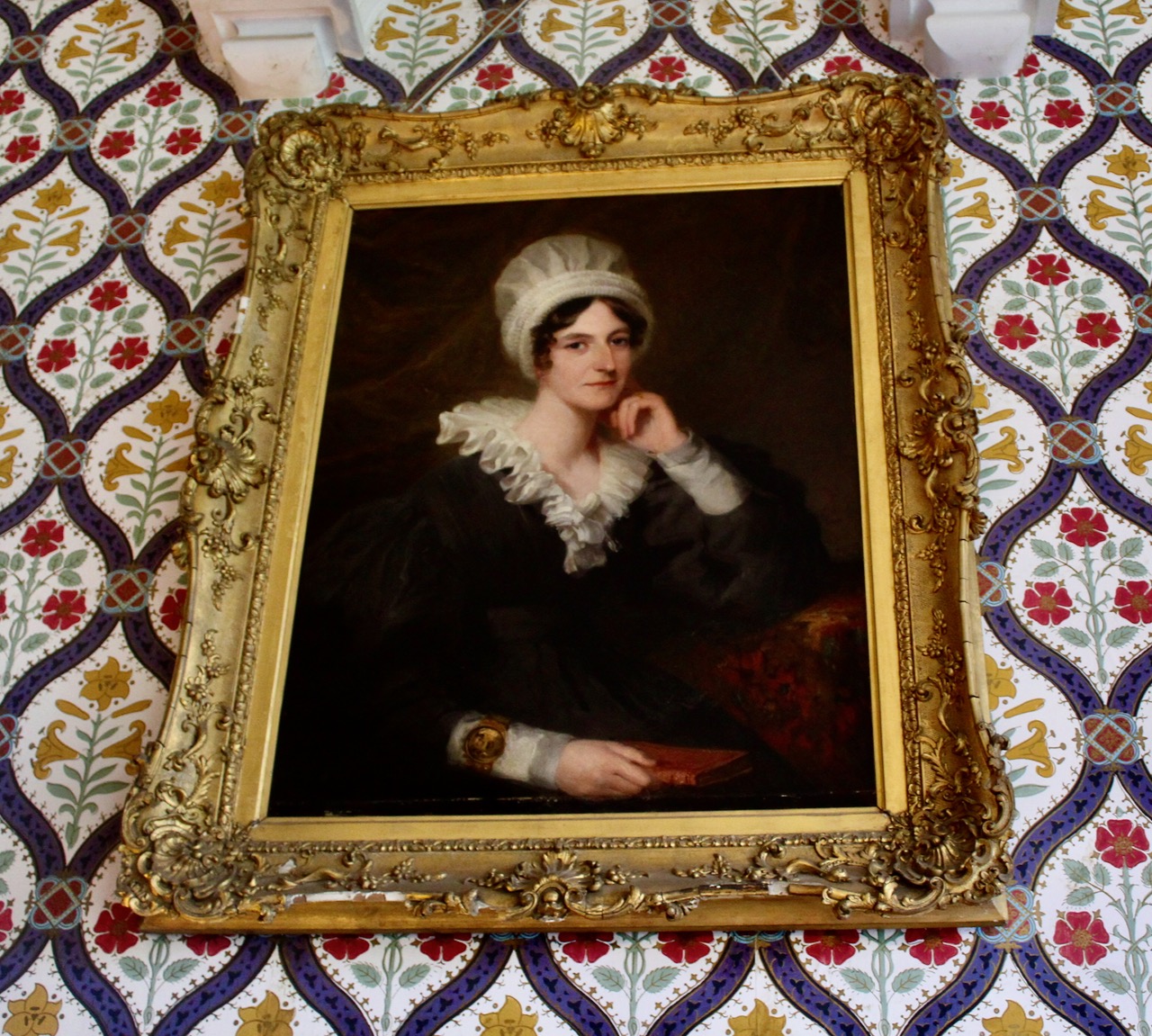

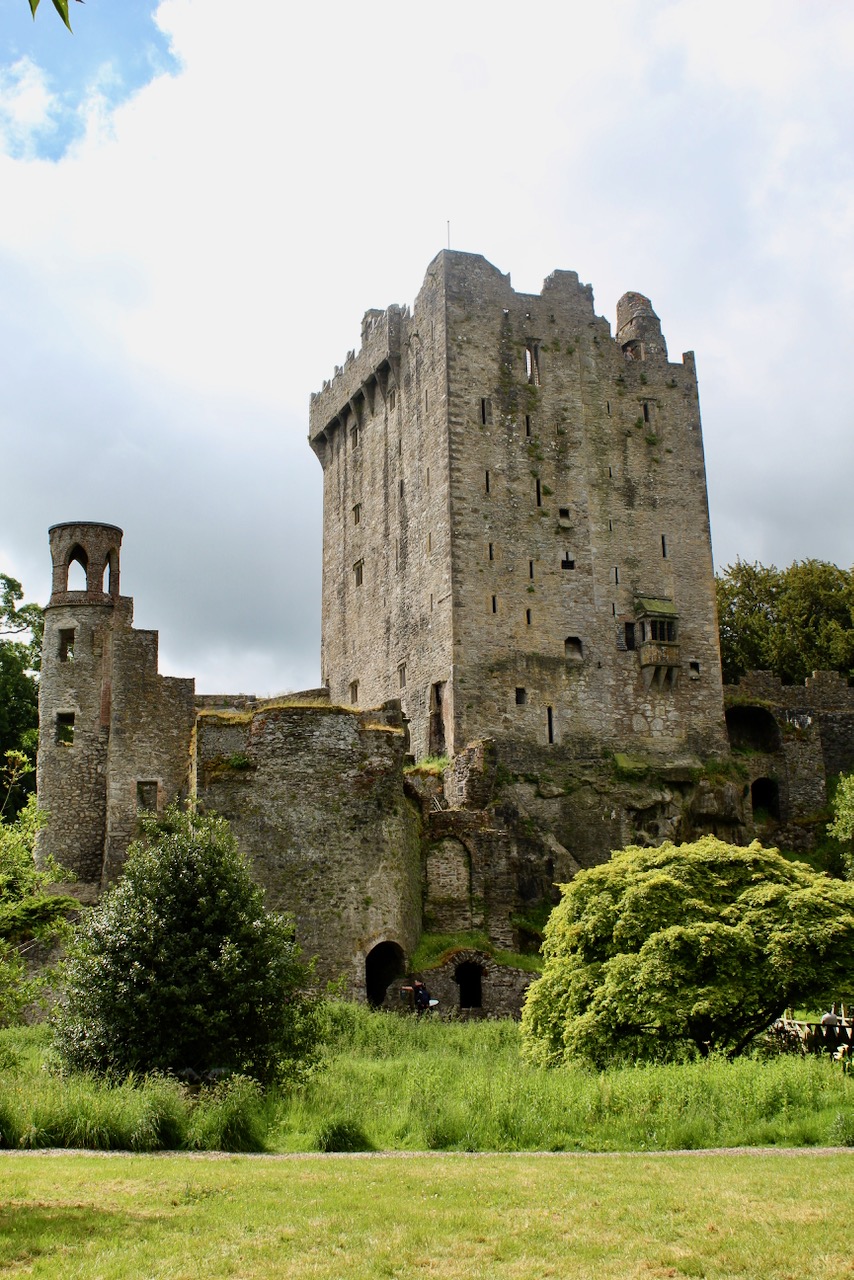
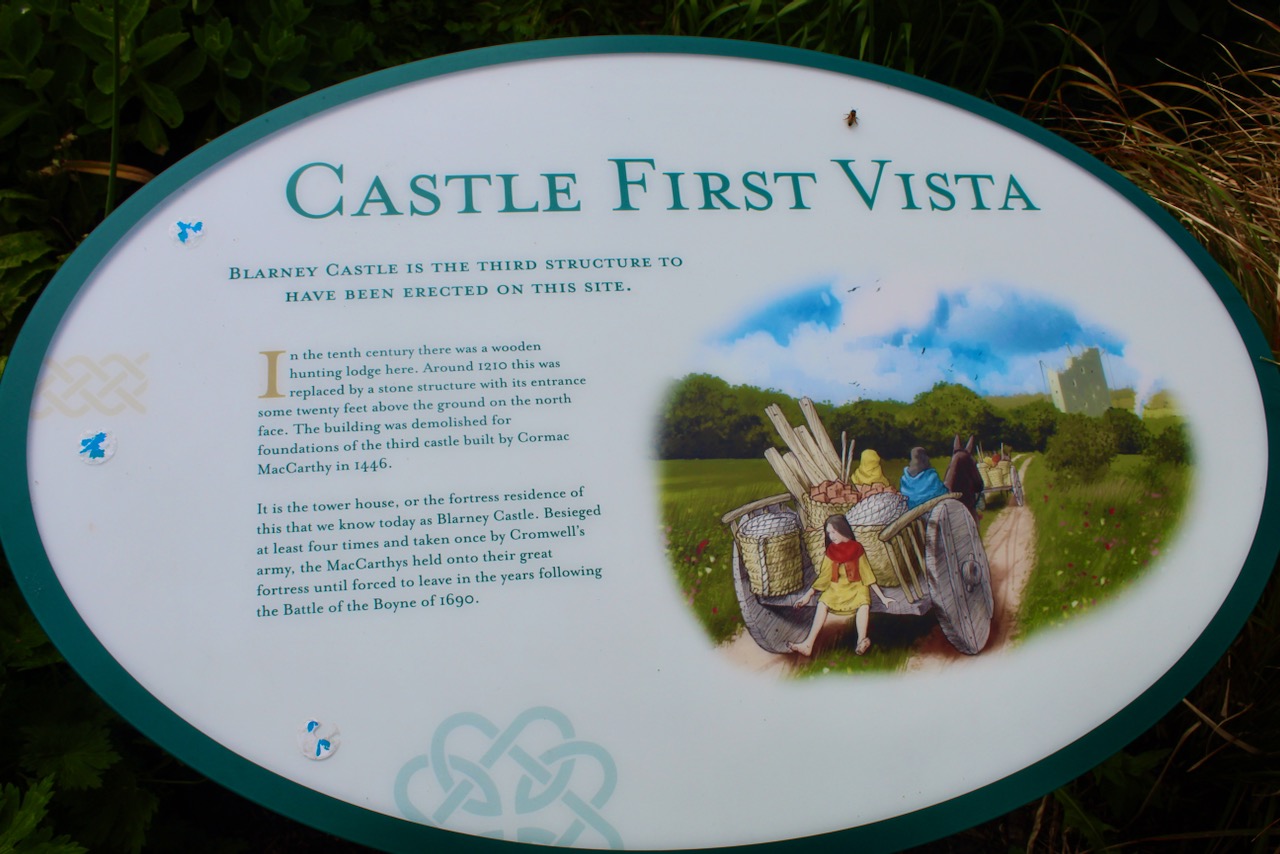
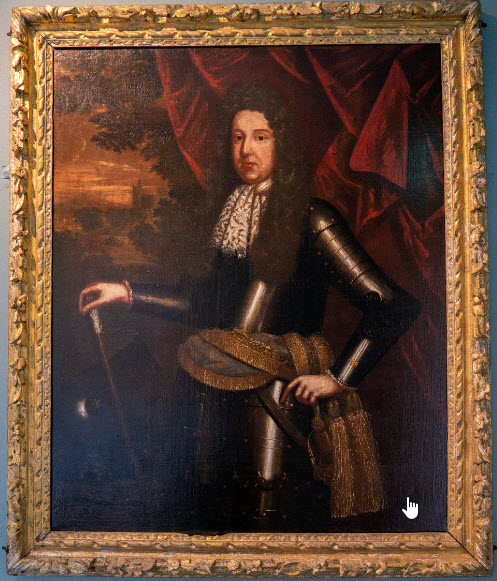

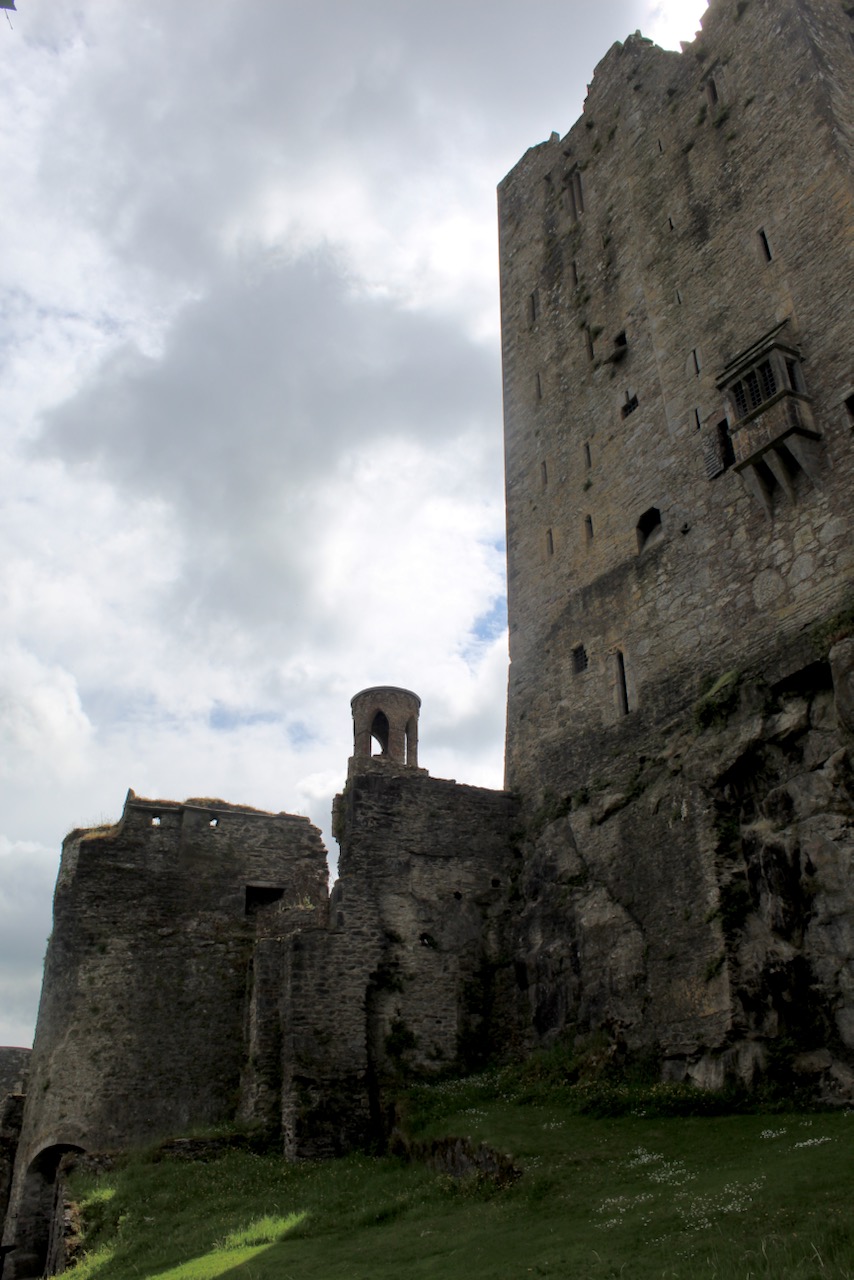
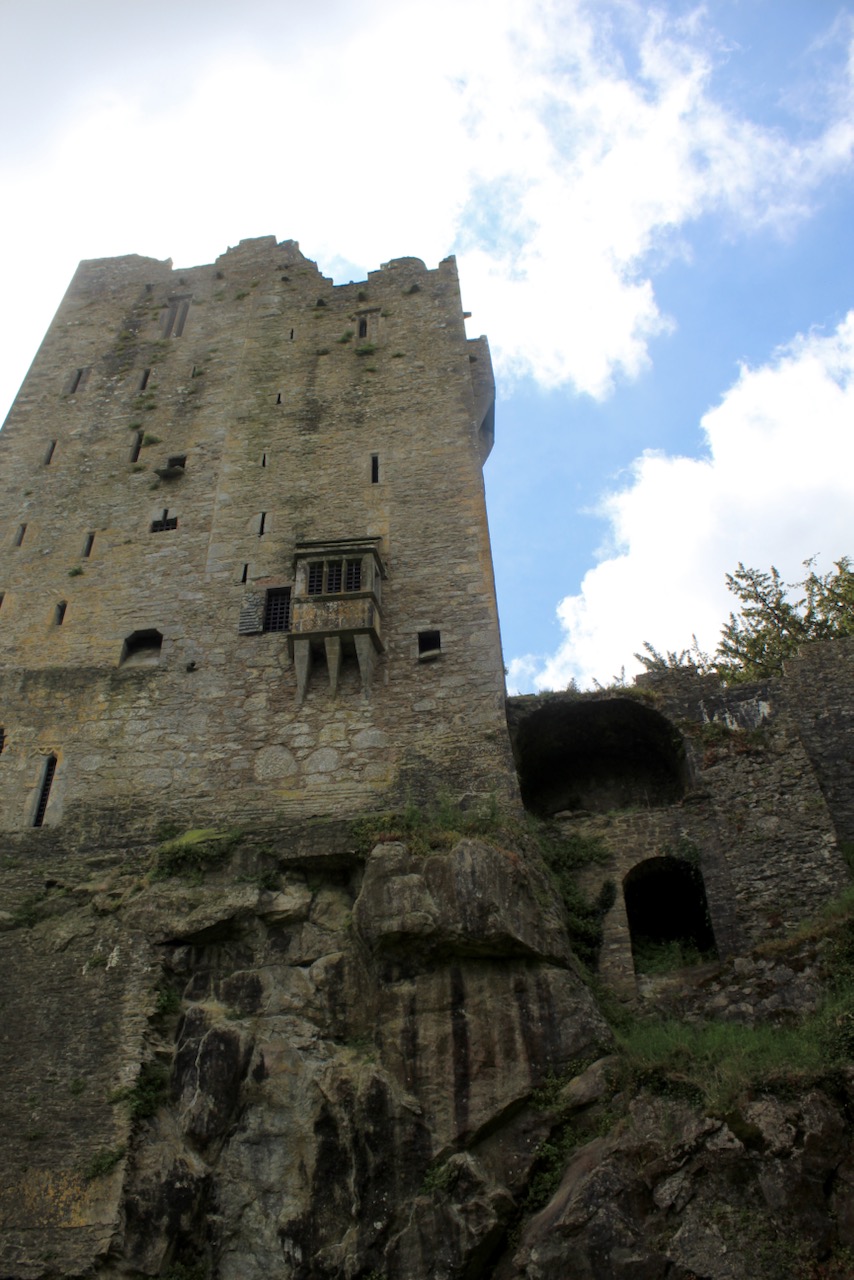
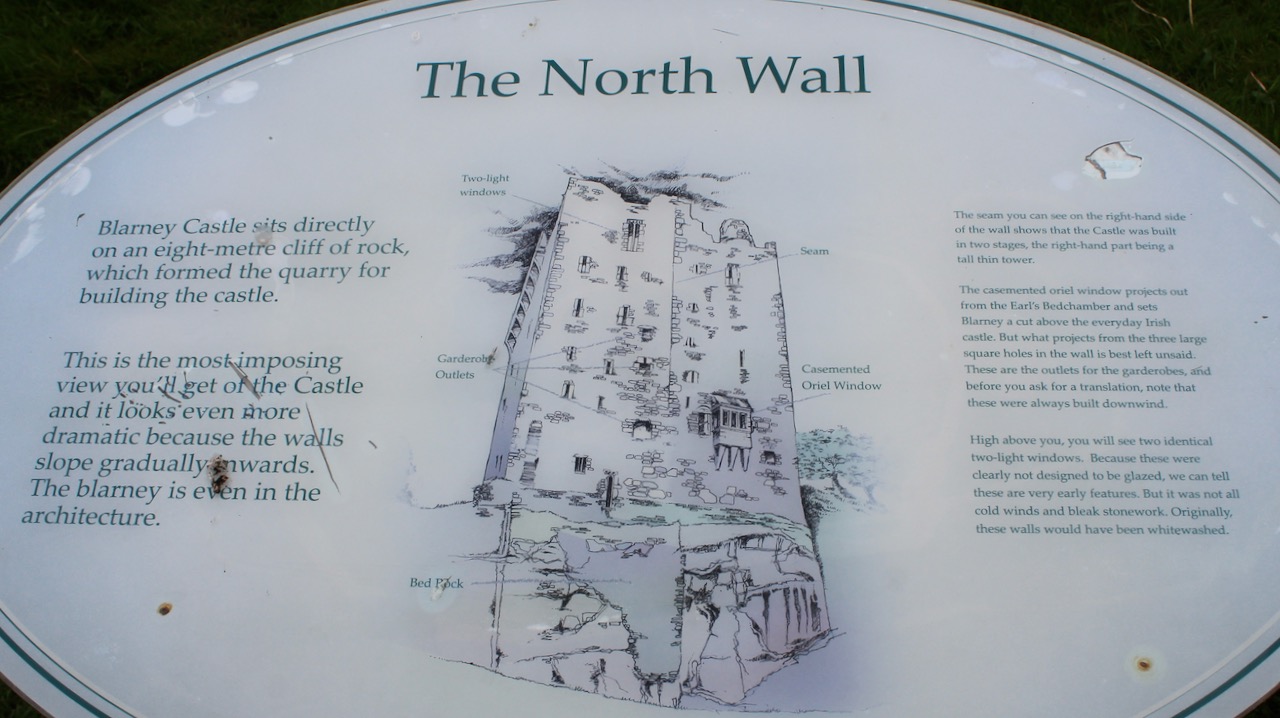
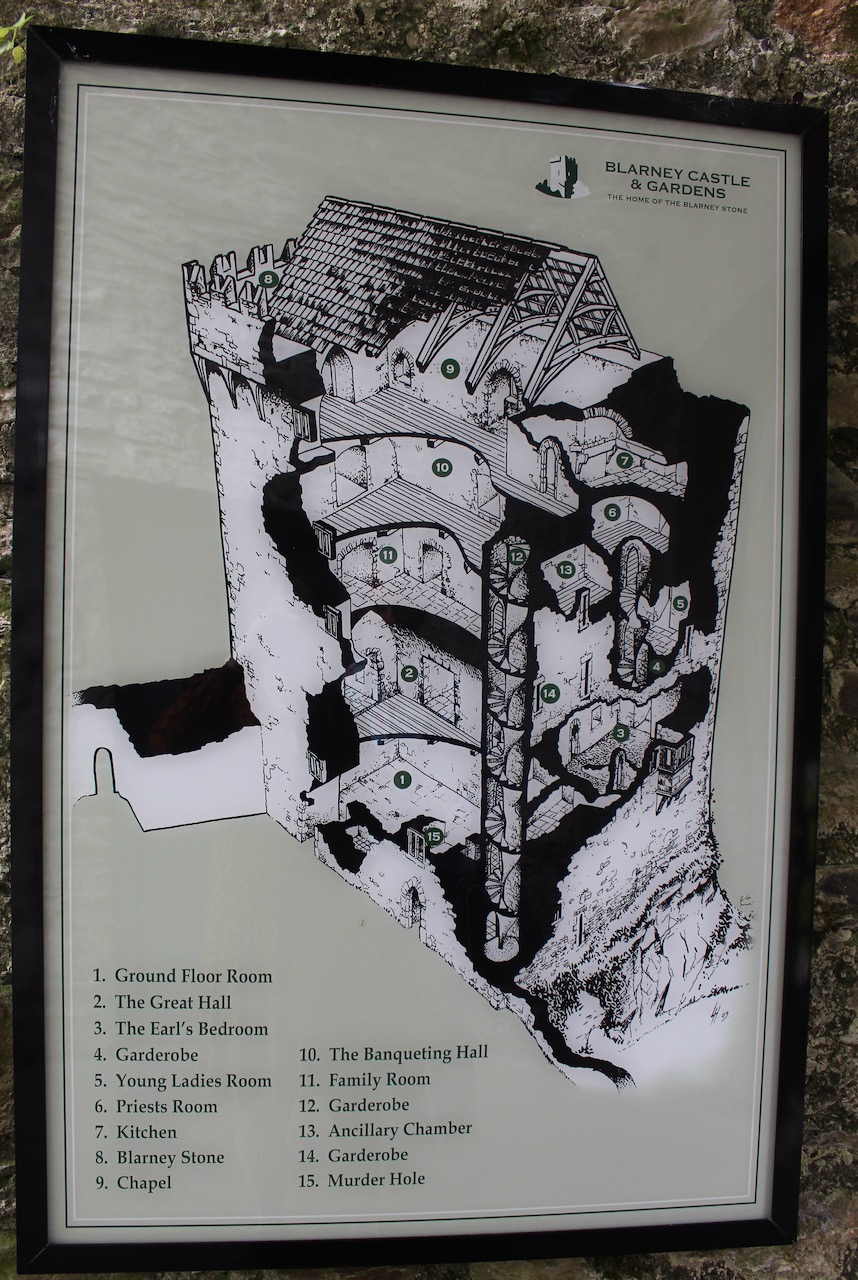

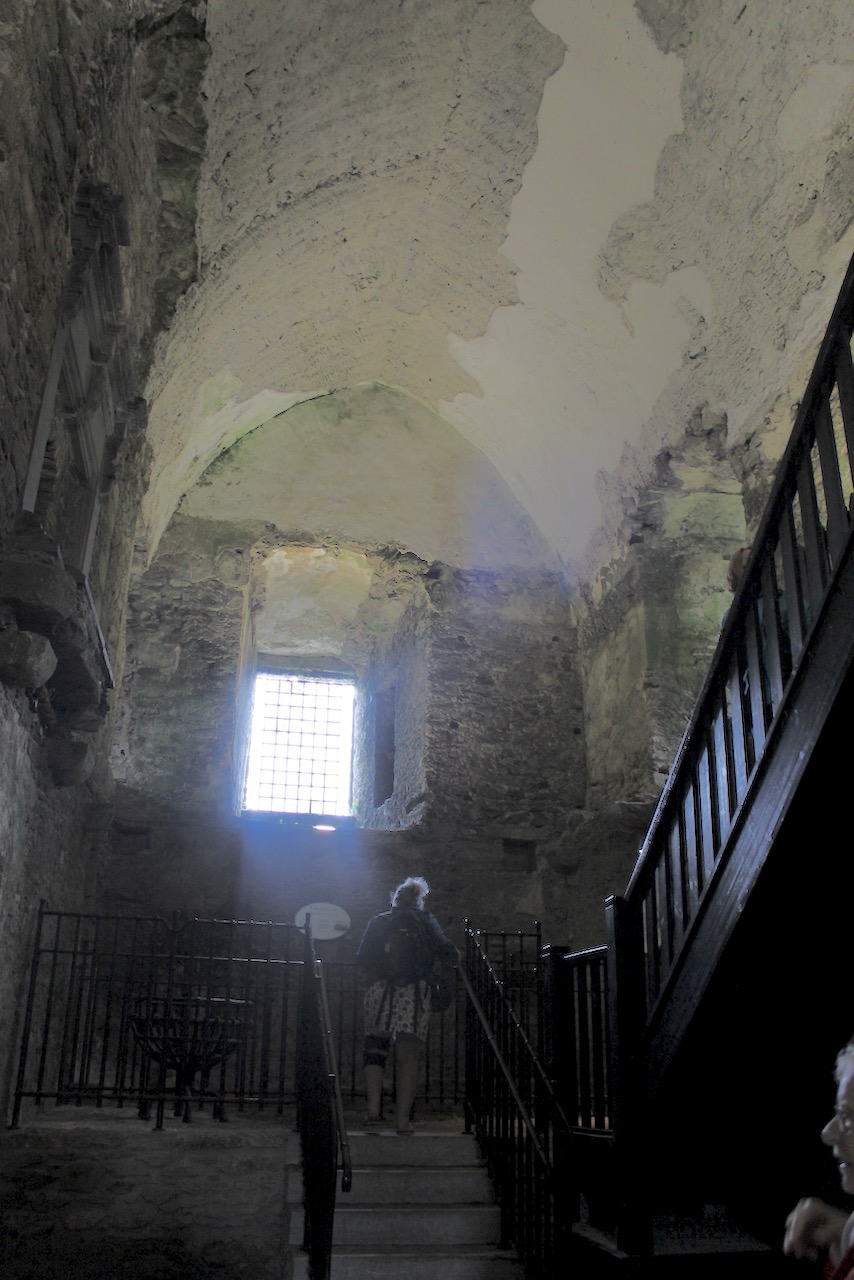
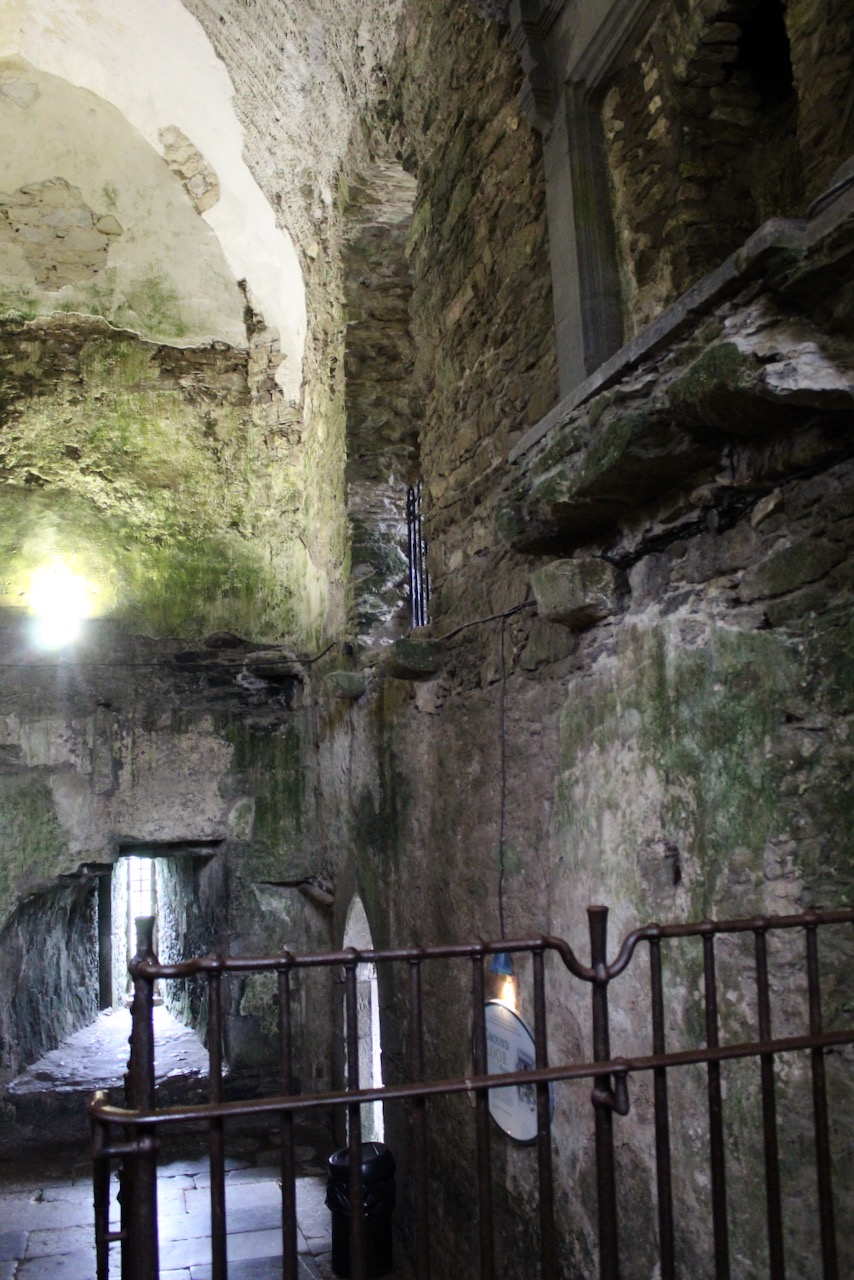
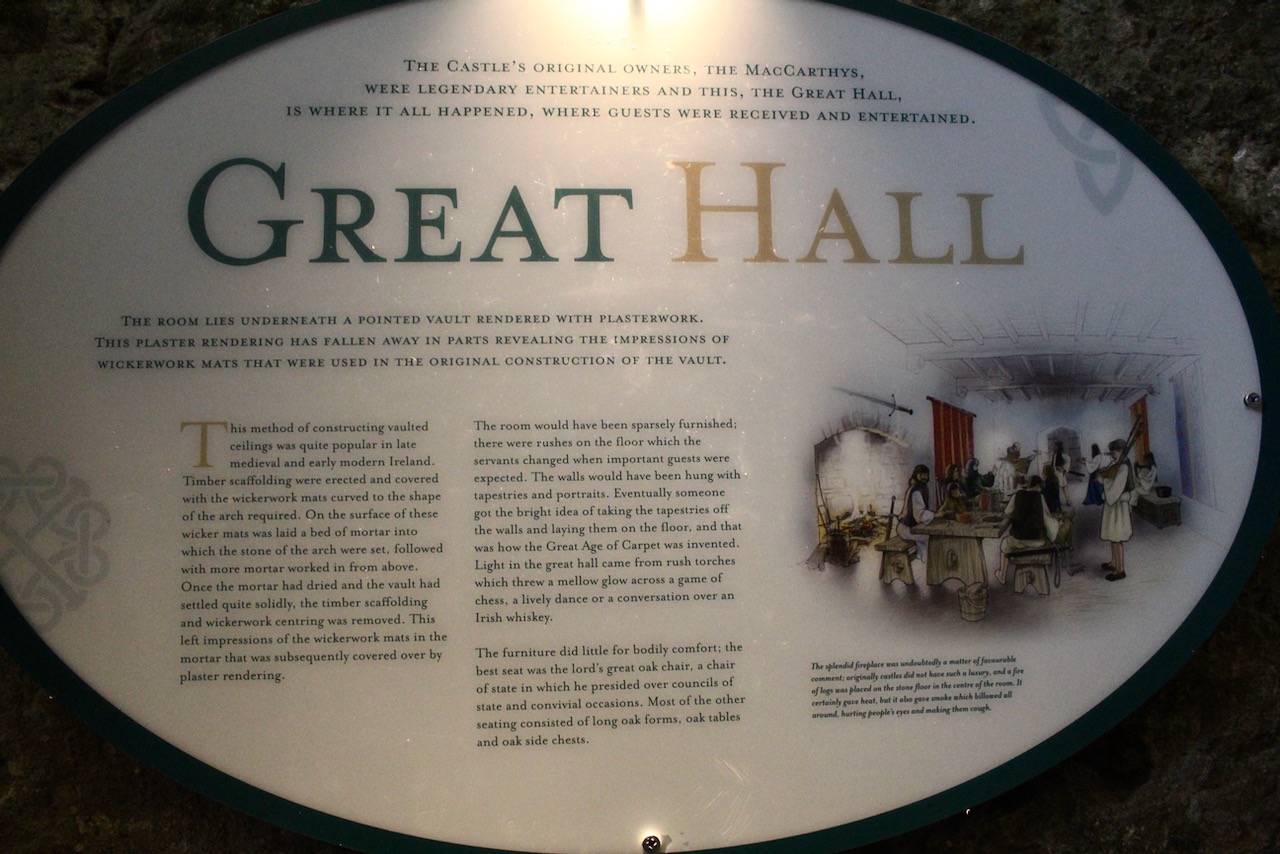
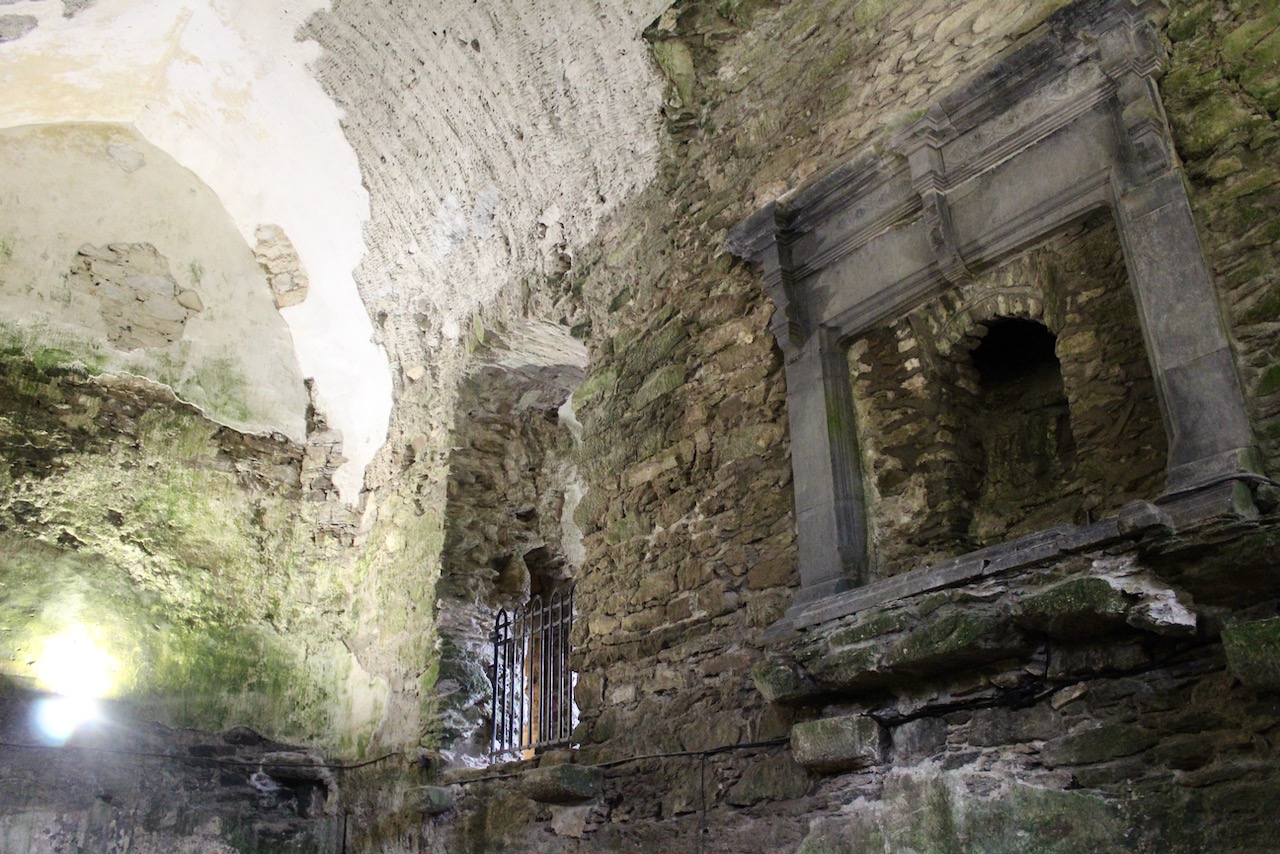
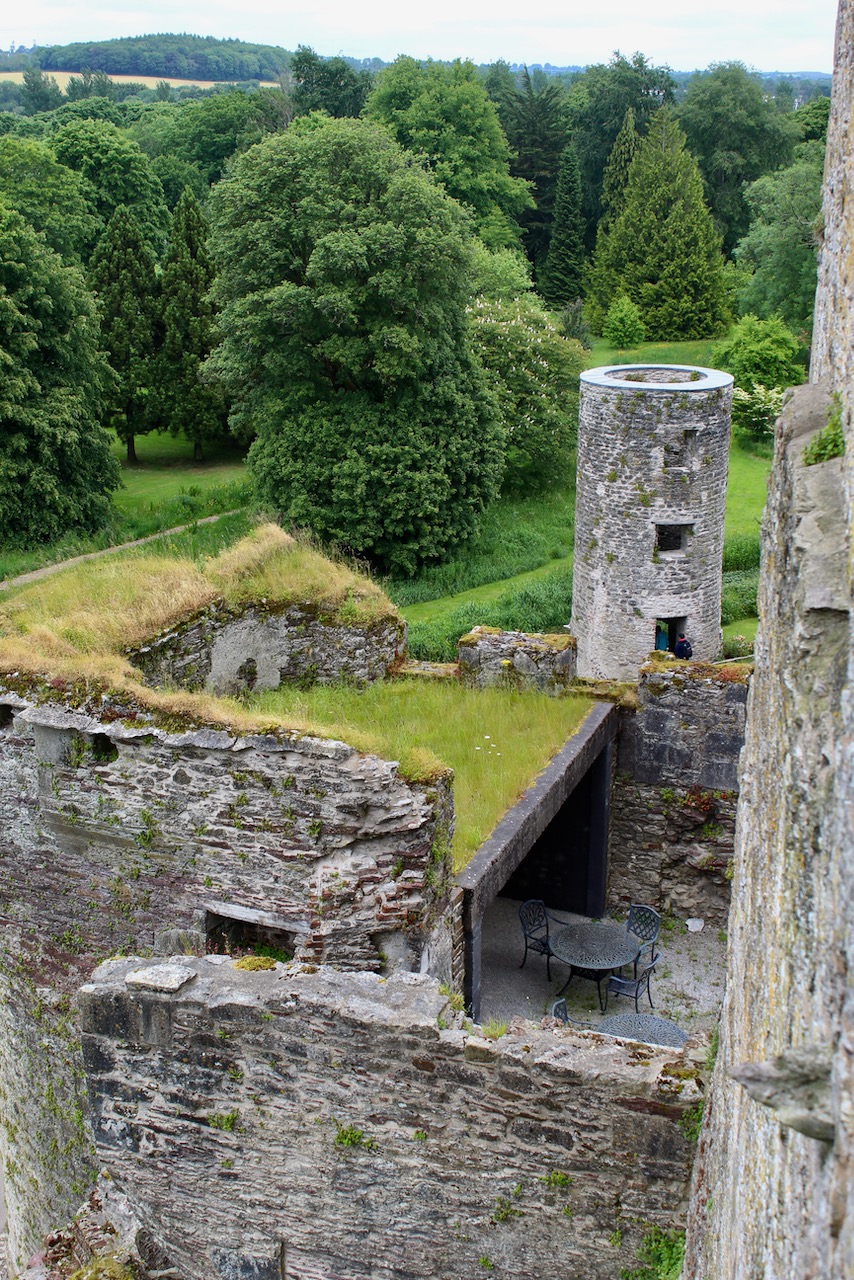
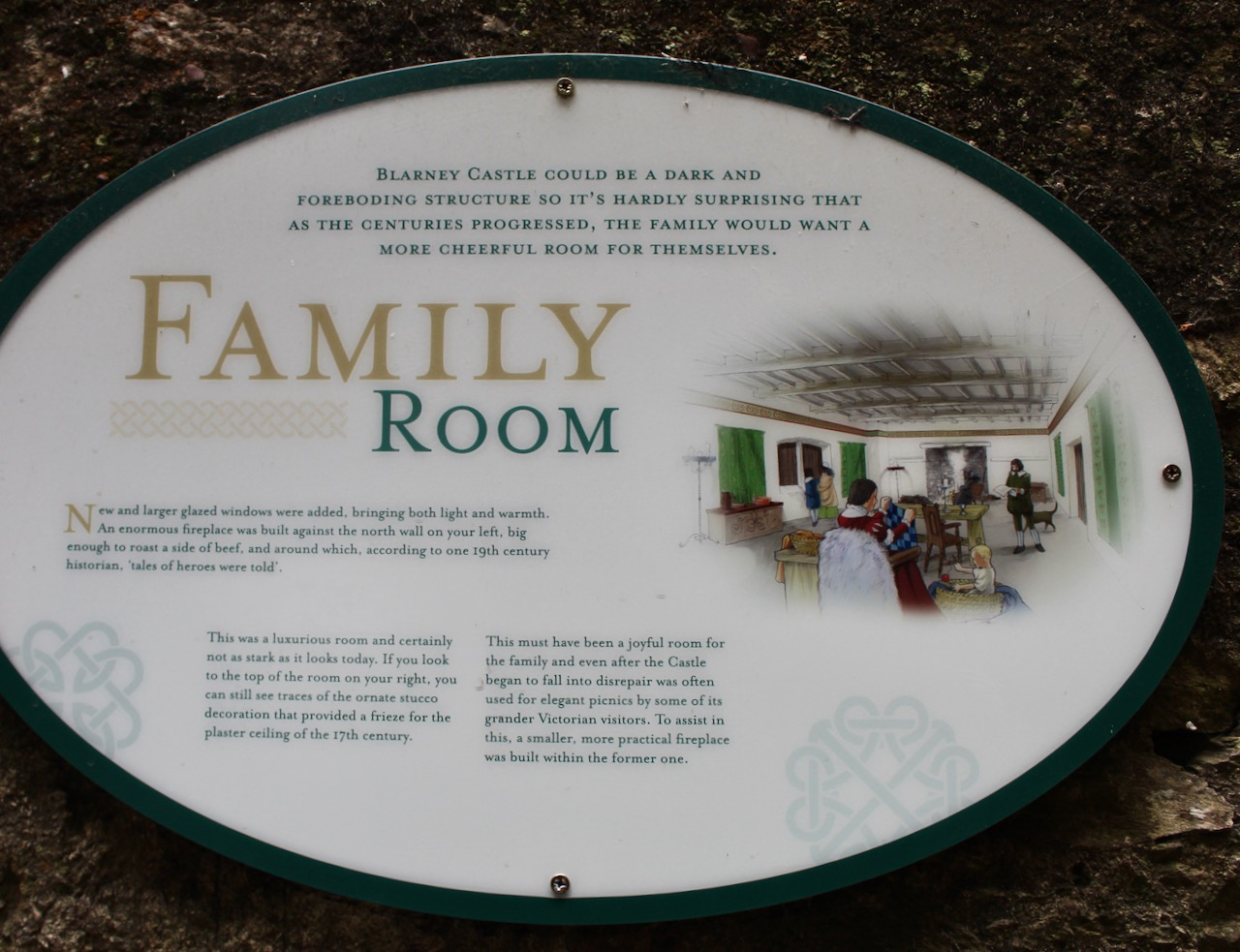
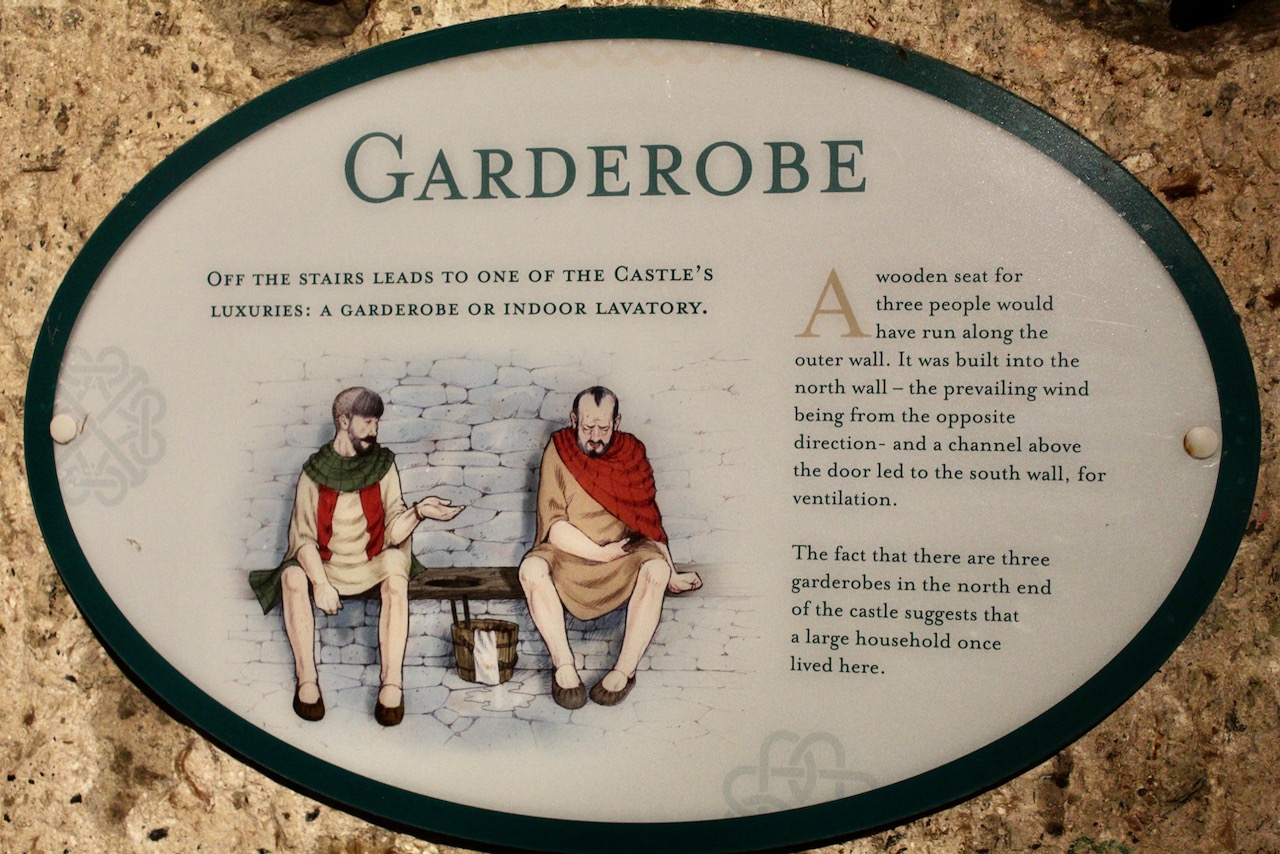
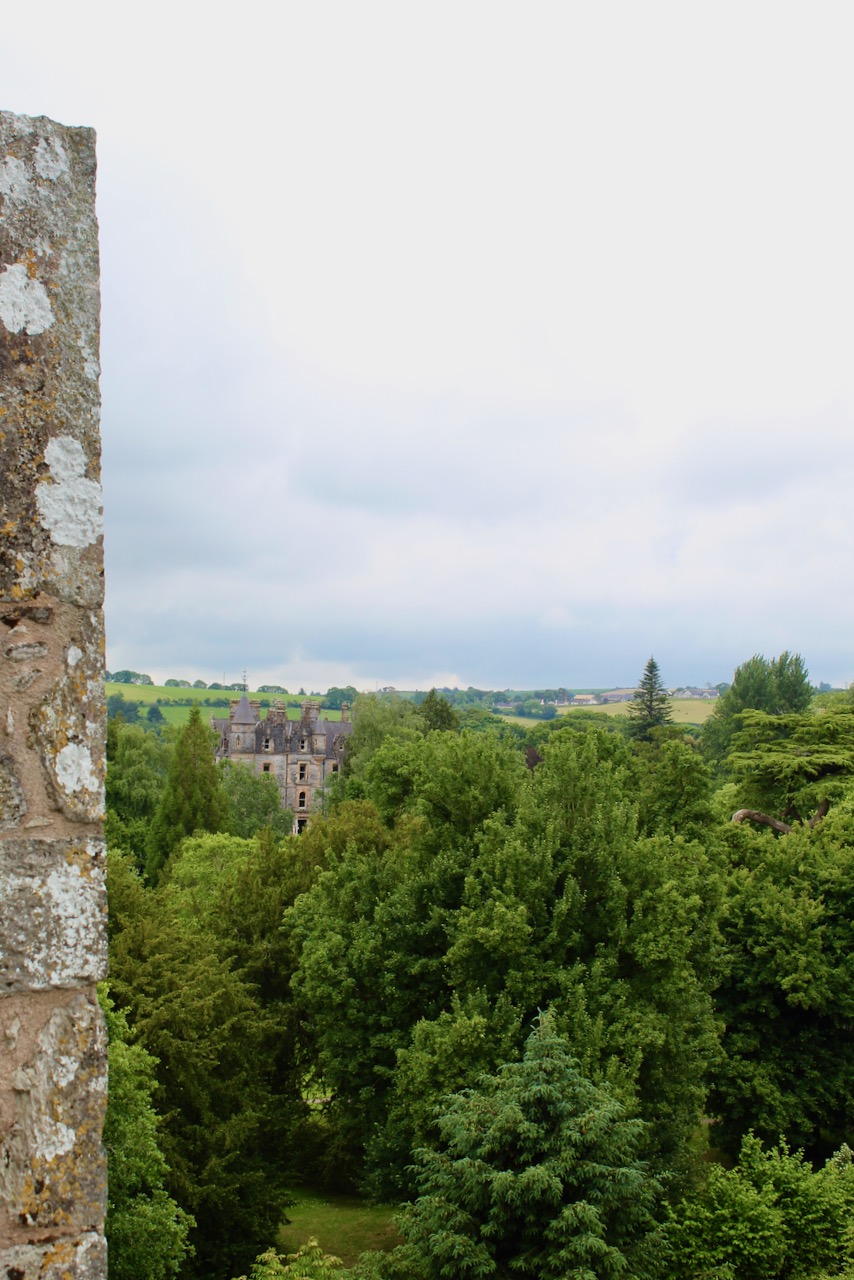

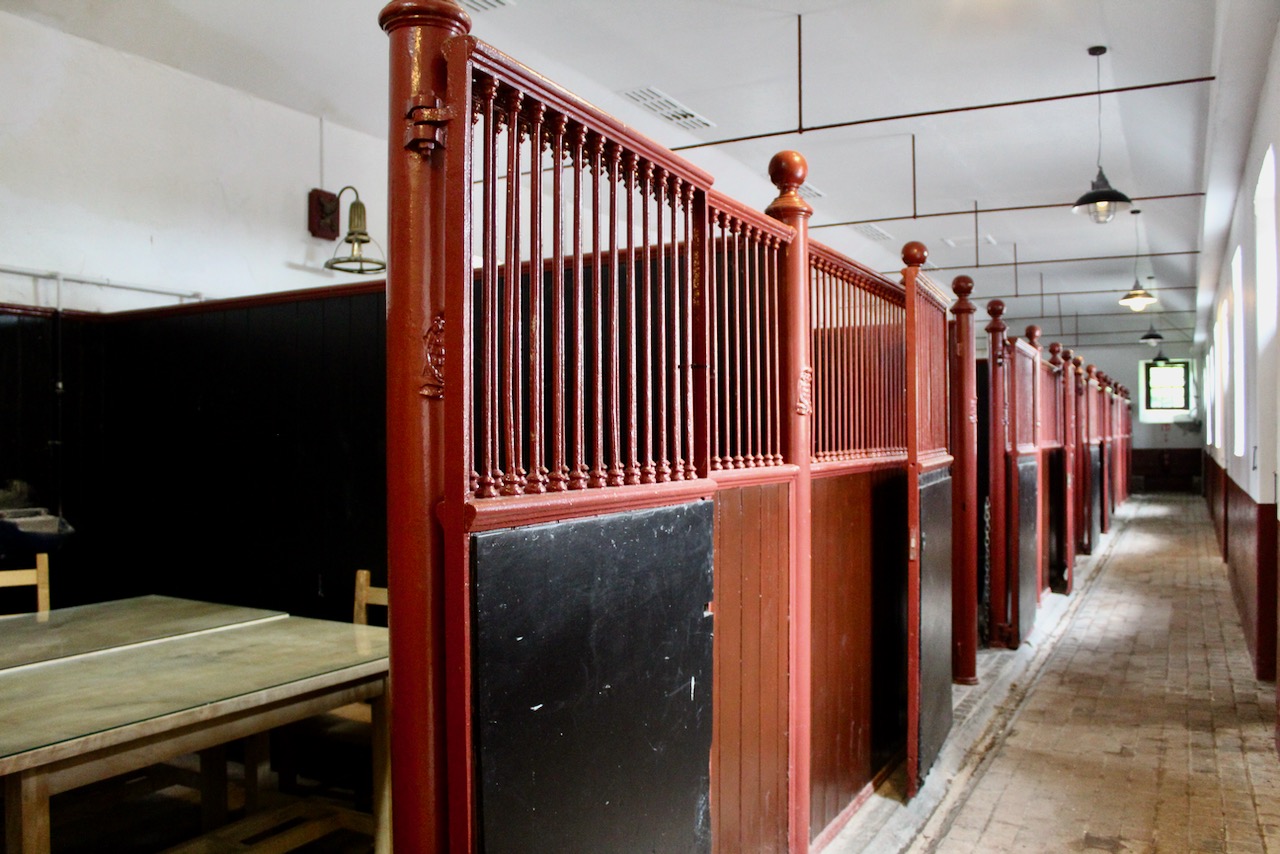
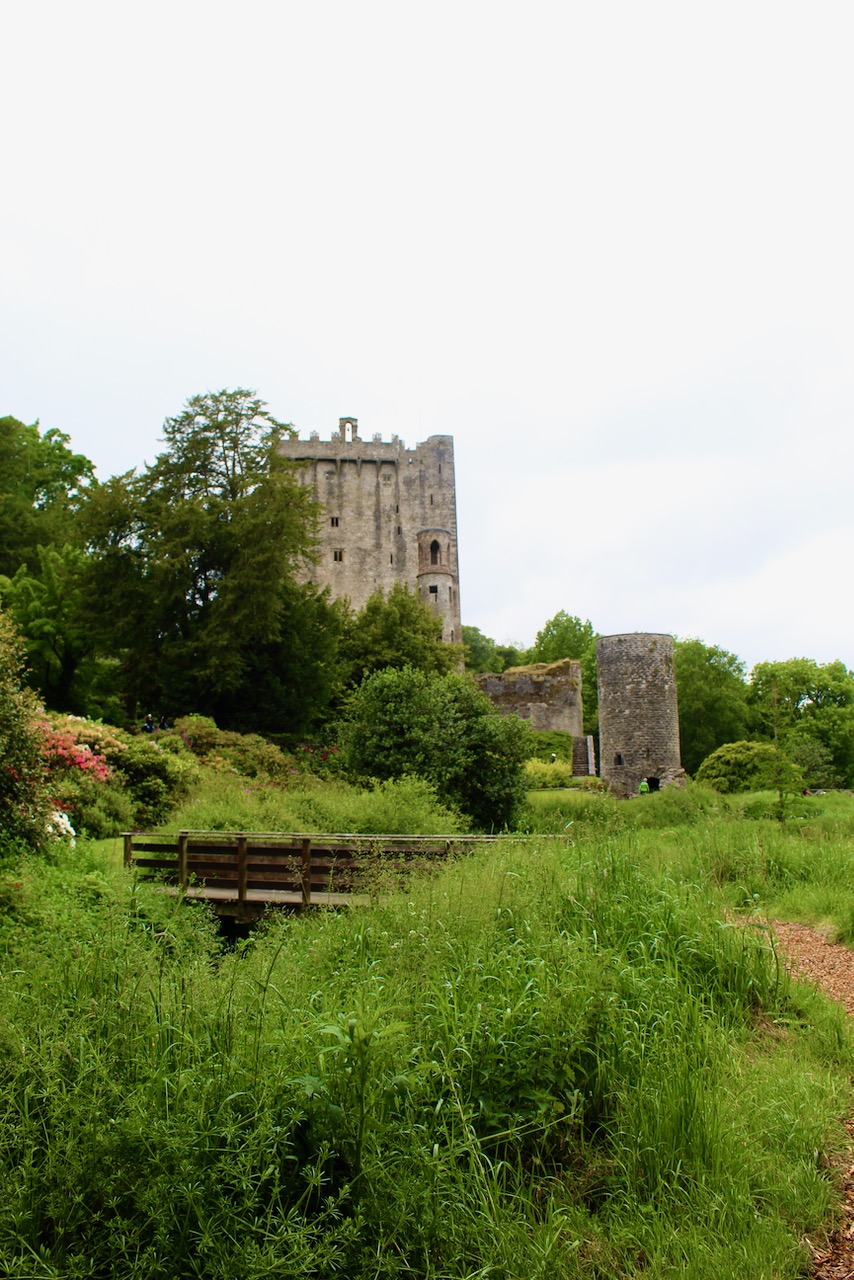
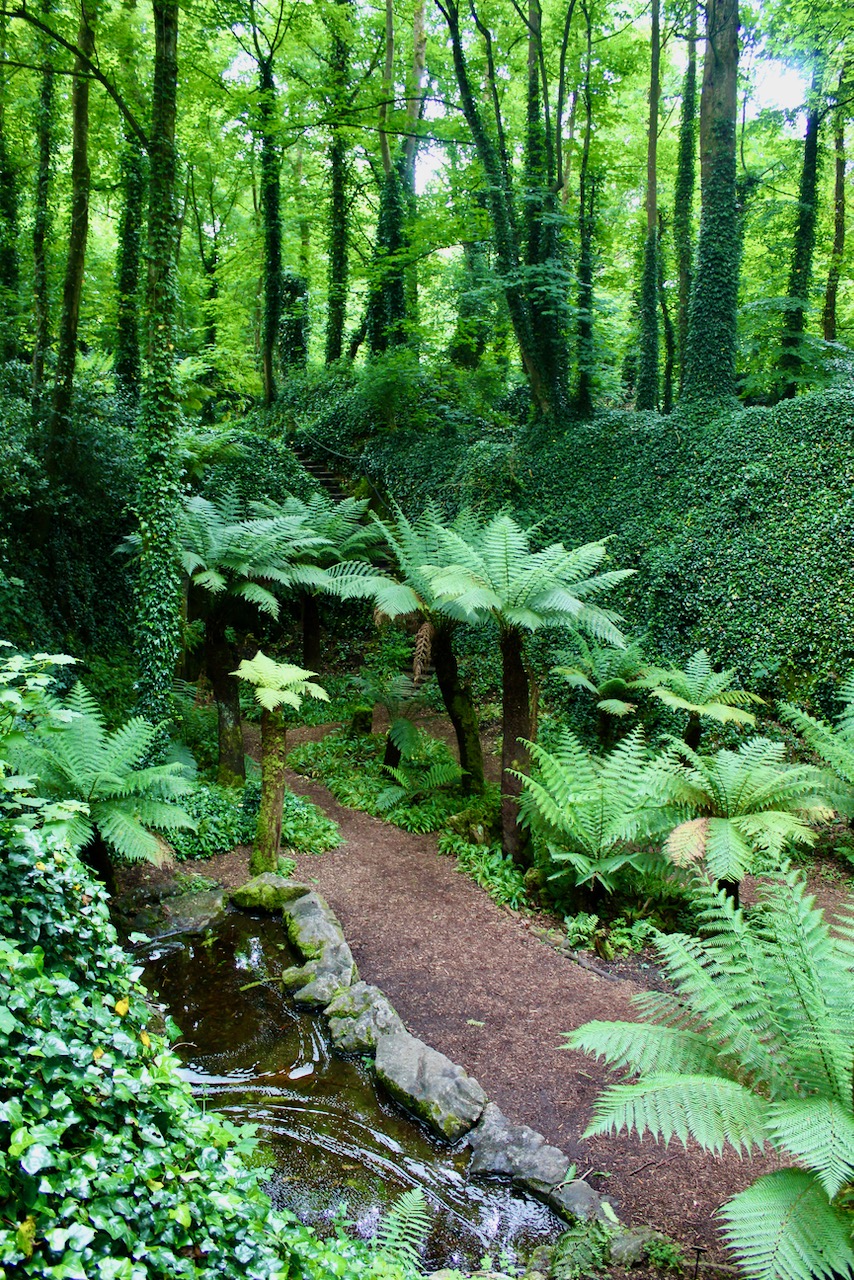
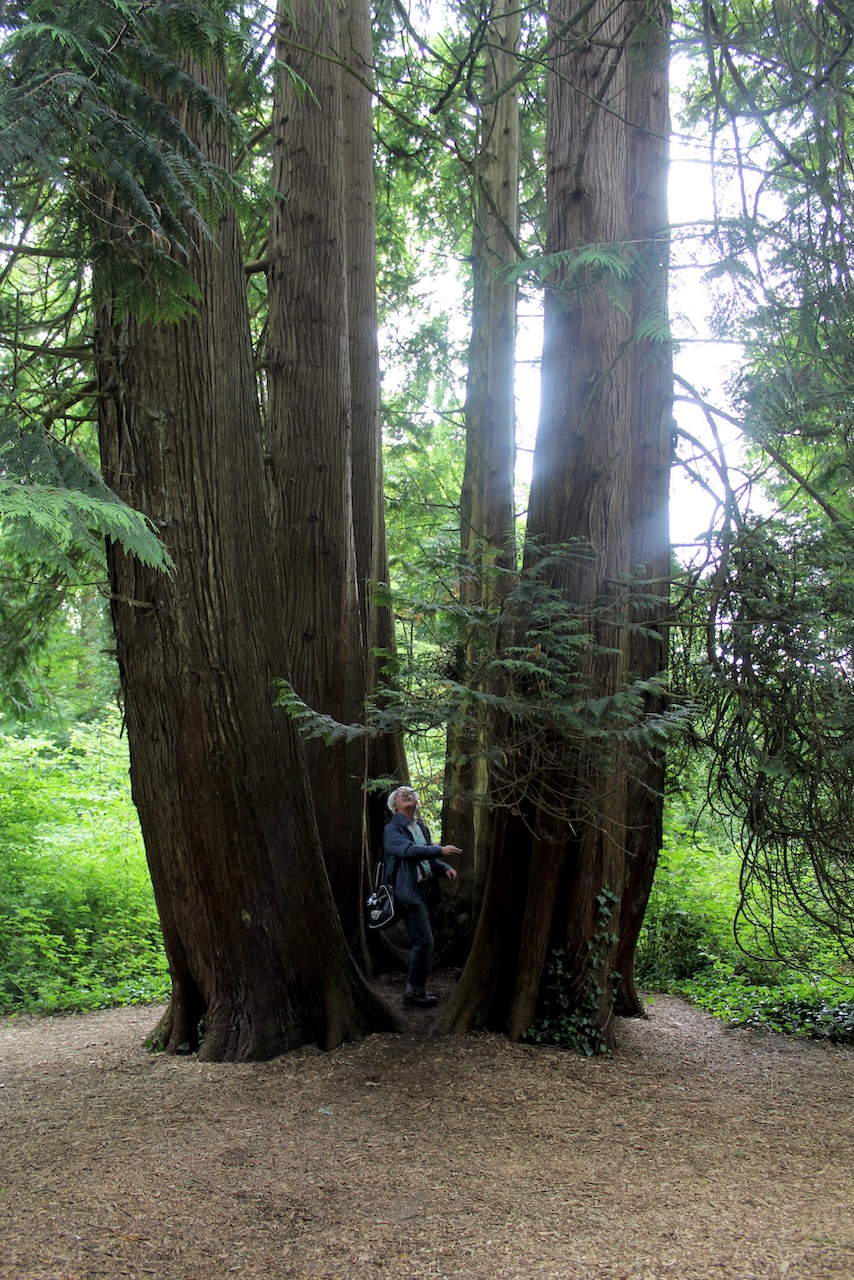
 Irish Historic Houses