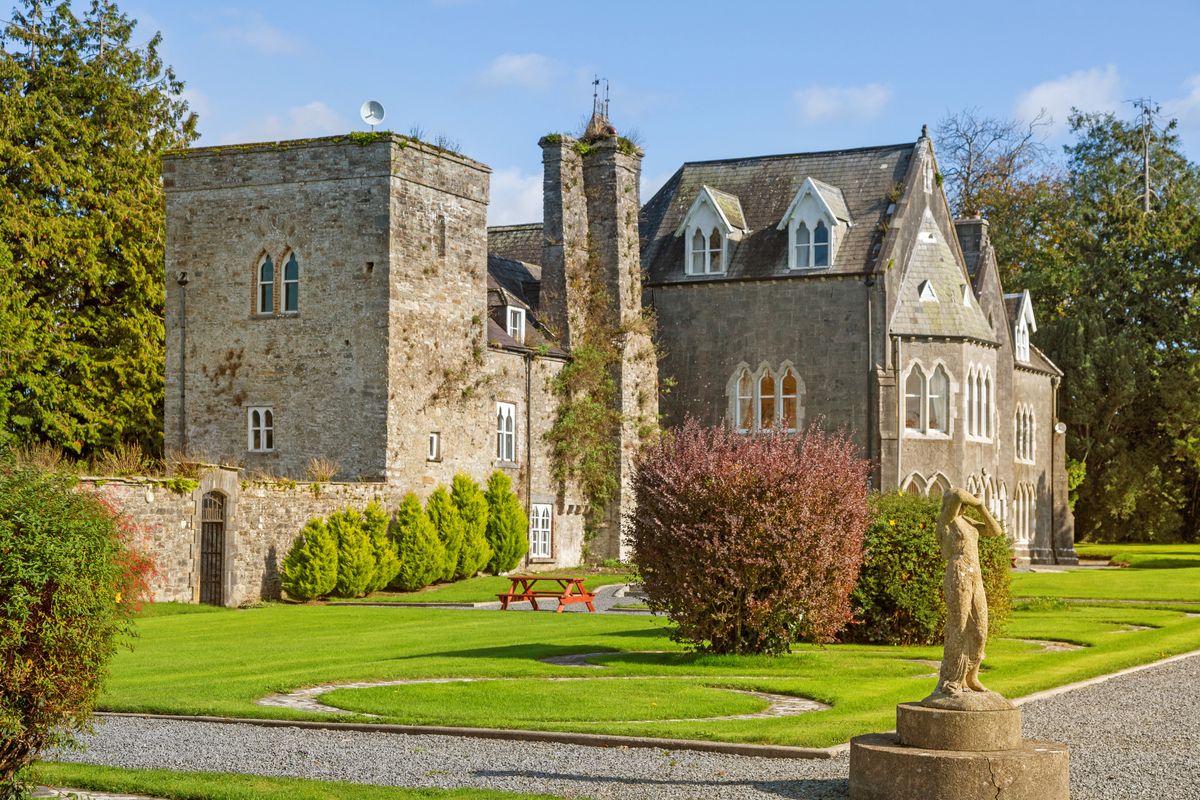
Beside Athlumney are the ruins of Athlumney castle which has a 17th century house attached. It was built in two periods. The older part is a Tower House built in the 15th century. It has three storey and its thick walls and slit windows speak of a time when castles were used for defence and not for comfort. Inside is a spiral staircase with little rooms opening off it. Holes for floor beams remain on the first floor level. The newer part of the castle is attached to the tower to its left. This was built in the late 16th century or early 17th century. It is three storey manor house with four sets of widely spaced mullioned windows. It had large corridors and its ground floor kitchen provided heat for the first floor rooms where the Lord lived. The doorway is cut limestone and there is an oriel window on its eastern wall.
In 1649 when Cromwell was attacking Drogheda, the Maguires who occupied the castle set fire to it to thwart Cromwell. Nearby are the ruins of a 14th century manorial church with triple belfry. In the vicinity there is a motte and bailey.
This is a settlement complex where one can trace the changing forms of a manorial building in Meath since the Norman conquest, it features a motte or artificial hill of the first settlement in the late 12th century.
Athlumney Castle, County Meath, Eason Photographic Collection c. 1912, NLI ref EAS_1732.
Constructed over several centuries – the classic form of the fortified Irish tower house visible as part of the Jacobean mansion. The mid-fifteenth-century tower house, built by the Dowdall family, was considerably enlarged around 1630 by a long, narrow gabled mansion with large mullioned windows and a fine oriel window.
The tower house has four storeys, with an attic and four projecting corner turrets of different sizes containing the stair, latrines and small chambers.
The house was now occupied by the Maguires who in 1649 set fire to the building rather than surrender it to Cromwell’s forces who were scouring the area razing all in their path to the ground. The Castle was again set alight around the time of the Battle of the Boyne in 1690 and has remained a ruin since.
Three-stage tower house, c.1500. Four-bay three-storey extension, c.1650, with mullioned windows and gables. Burnt in 1649. Now in ruins. Double-pitched roof with tall chimney stacks to extension. Rubble stone walls. National Monument in state care.
‘Immediately approaching Navan, the river [Boyne] makes a bold sweep round the foot of the hill, from which rise up the ruins of Athlumney Castle, the dilapidated towers and tall gables of which shoot above the trees that surround the commanding eminence on which it is placed, while glimpses of its broad, stone-sashed and picturesque windows, of the style of the end of the sixteenth century, are caught through the openings in the plantation which surrounds the height on which it stands. This beautiful pile consists of a large square keep, with stone arched floors and passages rising into a tower, from which a noble view can be obtained on a clear day; and a more modern castellated mansion, with square stone-mullioned windows, tall chimneys and several gables in the side walls.’
‘Of the history of the castle of Athlumney and its adjoining church, there is little known with certainty; but, standing on the left bank of the Boyne, opposite this point, we cannot help recalling the story of the heroism of its last lord, Sir Launcelot Dowdall, who, hearing of the issue of the battle of the Boyne and the fate of the monarch to whose religion and politics his family had been so long attached, and fearing the approach of the victorious English army, declared on the news reaching him, that the Prince of Orange should never rest under his ancestral roof. The threat was carried into execution. Dowdall set fire to his castle at nightfall and, crossing the Boyne, sat down upon its opposite bank, from whence, as tradition reports, he beheld the last timber in his noble mansion blazing and flickering in the calm summer’s night, then crash amidst the smouldering ruins; and when its final eructation of smoke and flame was given forth, and the pale light of morning was stealing over that scene of desolation, with an aching and despairing heart he turned from the once happy scene of his youth and manhood, and, flying to the continent, shortly after his royal master, never returned to this country. All that remained of this castle and estate were forfeited in 1700. Many a gallant Irish soldier lost his life, and many a noble Irish gentleman forfeited his broad lands that day. We wish their cause had been a better one, and the monarch for whom they bled more worthy such an honour.’
‘Tradition gives us another, but by no means so probable story about Athlumney Castle, which refers to an earlier date. It is said that two sisters occupied the ancient castles of Athlumney and Blackcastle, which latter was situated on the opposite bank of the river; and the heroine of the latter, jealous of her rival in Athlumney, took the following means of being revenged…’
‘…She made her enter into an agreement, that to prevent their mansions falling into the hands of Cromwell and his soldiers, they should set fire to them at the same moment, as soon as the news of his approach reached them, and that a fire being lighted upon one was to be the signal for the conflagration of the other. In the mean time, the wily mistress of Blackcastle had a quantity of dry brush-wood placed on one of the towers of the castle which, upon a certain night, she lighted; and the inhabitants of Athlumney perceiving the appointed signal, set fire to their mansion and burned it to the ground. In the morning the deception was manifest. Athlumney was a mass of blackened, smoking ruins; while Blackcastle still reared its proud form above the woods, and still afforded shelter to its haughty mistress.’
Extracts from The Beauties of the Boyne, and its Tributary, The Blackwater by Sir William Wilde (1850)
This is a 15th century tower-house with four storeys plus attic. There are projecting corner towers. The castle has a barrel vault above the ground floor and access to this level is through a modern doorway in the S wall. The original entrance was in the W wall and was protected by a murder-hole leading from a small room below the first floor level.
Access to the upper floors is by a spiral stairway in the NW corner. There is a gallery in the N wall at the upper level of the vault. There is a fireplace at the first floor and a garderobe at the SE corner. A mural stairway in the S wall leads down to the small room from which the murder-hole leads. A mulit-gabled three-storey house is attached at the S and W. It is four bays long with fine mullioned windows and probably dates from the early 17th century. The large fireplace in the S wall is flanked by ovens and there is another oven near the N wall. A projection in the W wall near the S end housed the stairs.
There is an oriel window in the S wall at the first and second floors. The doorway in the E wall has pecked decoration and a small carved knot. The castle ws burned in 1649 by the Maguires to prevent its capture by Cromwell and again in 1690 after the Battle of the Boyne to deny William of Orange.
Athlumney House, dates from the eighteenth century and sits on the east bank of the Boyne, just south of Navan. The Metge family were Huguenot refugees fleeing the persecution of Catholics in France. Peter de la Metgee was the first of the family to arrive in Ireland. Settling at Athlumney he married Joyce Hatch and had four daughters and a son. He died aged 70 in 1735 and was succeeded by his son Peter.
Peter held lands at Athlumney and Warrenstown, Dunboyne. Peter was married to Ann Lyon, a family from which a Queen Mother in England was to descend. On the staircase of Athlumney there were some carved oak ornaments brought over from Glamis Castle by Janet Lyon. They had four sons and eight daughters. Peter Metge died in 1774. Two of his sons served as MPs in the Irish House of Parliament.
Peter Merge, eldest son of Peter Metge of Athlumney, was MP for Ratoath 1783-4 and also served as magistrate and portreeve (Mayor) of Navan. Peter was a lawyer. He served as M.P. for Boyle and became Baron of the Exchequer. Baron Metge was a local commissioner appointed to supervise the Boyne Canal in 1787.
John Metge, second son of Peter Metge of Athlumney, was MP for Ratoath 1784-90. A captain in the 4th Dragoons he acted as Henry Grattan’s second in his famous duel with Corry in 1800. Peter became deputy auditor general of the Irish Treasury. John later went on to represent Dundalk in the parliament in Westminister on three separate occasions. He served as a seatwarmer for the Earl of Roden who was patron of Dundalk. John also acted as a representative for Lord Roden and signed deeds on his behalf.
John inherited Athlumney on the death of his brother, Peter and he was succeeded by his son, Peter Ponsonby. In 1830s Athlumney was home to Peter Ponsonby Metge and was described as “beautifully situated on the banks of the Boyne, commanding some pleasing views and the demesne is well planted and tastefully embellished.” In the 1800s an underground passage, a souterrain, was discovered at Athlumney and featured in many learned books of the era.
In 1876 Peter Ponsonby Metge of Athlumney held 788 acres in county Meath. Peter’s brother, John Charles, settled at Sion and in 1876 J. C. Metge of Sion, Navan held 968 acres in Westmeath.
Peter Ponsonby died in 1873 and was succeeded by his nephew, Robert Henry Metge.
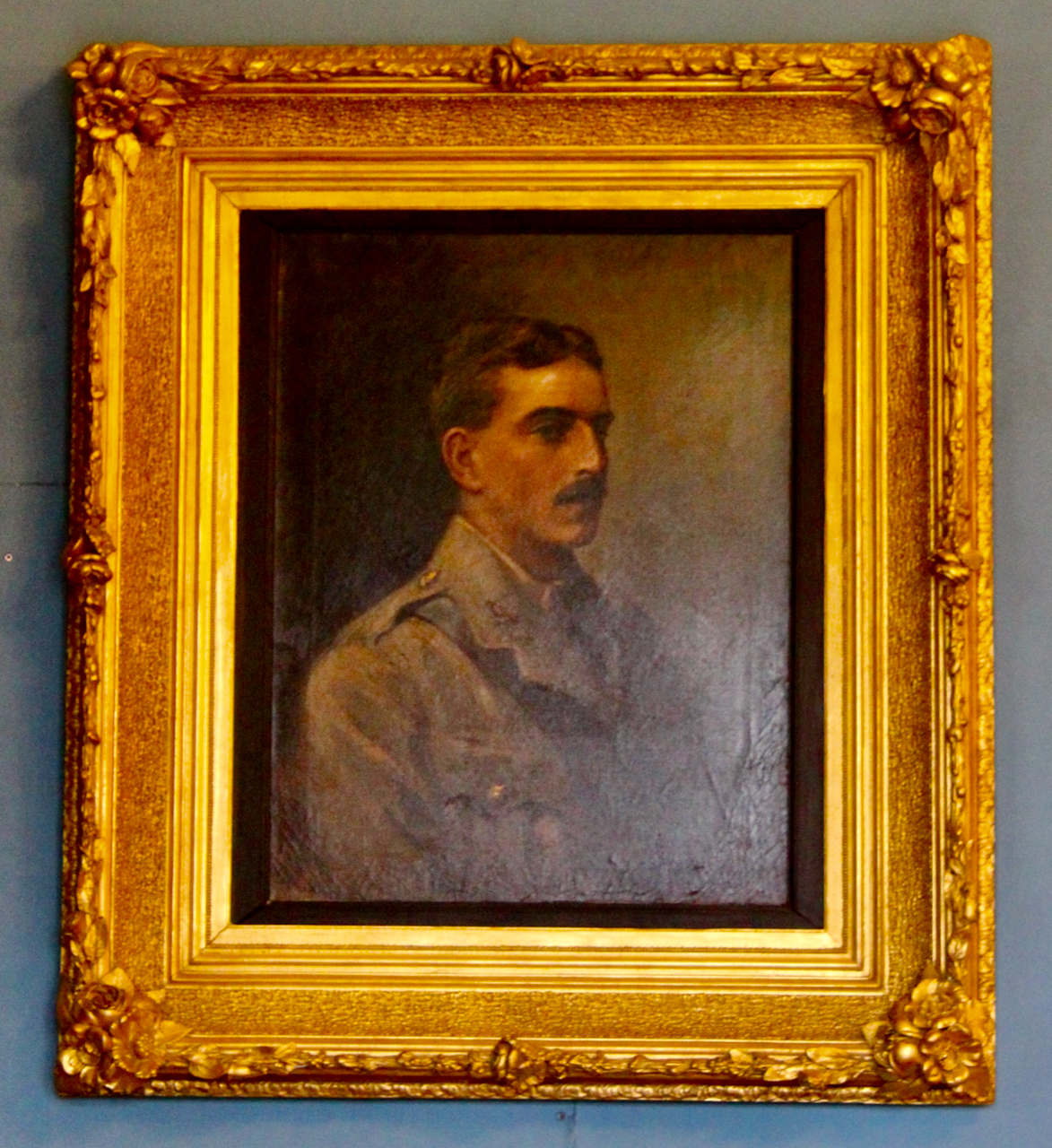
Robert Henry Metge was M.P for Meath from 1880 to 1884. He married Frances Lambart, daughter of Rev. Charles Lambert, rector of Navan and grand-daughter of Gustavus Lambert of Beauparc. Robert Henry died in 1900 and was succeeded by his son, Robert Henry. Another son Captain Rudolph Cole Metge died as a results of wounds suffered during the first World War.
Robert Henry was born in 1875 and married Mary Galway Creagh of Mallow in 1914. Major Robert Henry Metge, fought in the Boer War and was a survivor of the siege of Ladysmith. He served as a captain in the Welsh regiment and was major in the Leinster regiment. When he returned to Athlumney he fished regularly in the Boyne. In 1930 he wrote a letter to the Irish Times complaining of the decline in the fishing stock in the Boyne and its tributaries. Major Metge came into possession of the seal of the corporation of Navan. He lent it to the National Museum but it was later acquired by Randolph Hearst. Metge supported the efforts of Sir Nugent Everard in promoting the growing of tobacco in the county. He also bred pedigree British Berkshire pigs. Major Metge was a member of the Navan branch of the British Legion. His wife died in May 1939.
In the early 1900s Athlumney was leased to a Mr. Collier, owner of Collier’s Weekly and New York magazine. The Duc d’Orleans visited Mr. Collier there. The Duke was the pretender to the throne of France. Some of the Metge Estate was purchased under the 1923 Land Act. Later the house was occupied by the McEntegart and Farrell families.
Metge’s Lane in the centre of Navan commemorates the family today.
Timothy William Ferres tells us in his wonderful blog [1]:
THE RT HON THOMAS TAYLOR (1662-1736), who was created a baronet, 1704, designated of Kells, County Meath, and sworn of the Privy Council in 1726. Sir Thomas wedded Anne, daughter of Sir Robert Cotton Bt, of Combermere, and had issue, THOMAS (1657-96) his heir; Robert (Very Rev) (d. 1744), Dean of Clonfert; Henry; James (1700-1747); Henrietta; Salisbury (married first William Fitzgerand, Bishop of Clonfert and second, Brig.-Gen. James Crofts, son of James Scott, 1st and last Duke of Monmouth); Anne.
Sir Thomas was succeeded by his eldest son, THE RT HON SIR THOMAS TAYLOR (1657-96), 2nd Baronet, MP for Maidstone, 1689-96, Privy Counsellor, who married Mary, daughter of John Graham, of Platten, County Meath, and left, with a daughter, Henrietta (who married Richard Moore of Barne, County Tipperary), an only son,
THE RT HON SIR THOMAS TAYLOR, 3rd Baronet (1724-95), KP, MP for Kells, 1747-60, who wedded, in 1754, Jane, eldest daughter of the Rt Hon Hercules Langford Rowley, by Elizabeth, Viscountess Langford, and had issue,
THOMAS (1757-1829) his successor; Robert, a general in the army; Clotworthy (1763-1825) created 1st Baron Langford of Summerhill, he took the surname Rowley when his wife Frances Rowley inherited her uncle Lord Langford’s estate; Henry Edward, in holy orders; Henrietta (married Chambré Brabazon Ponsonby-Barker (1762-1834) of Kilcooley Abbey, County Kilkenny).
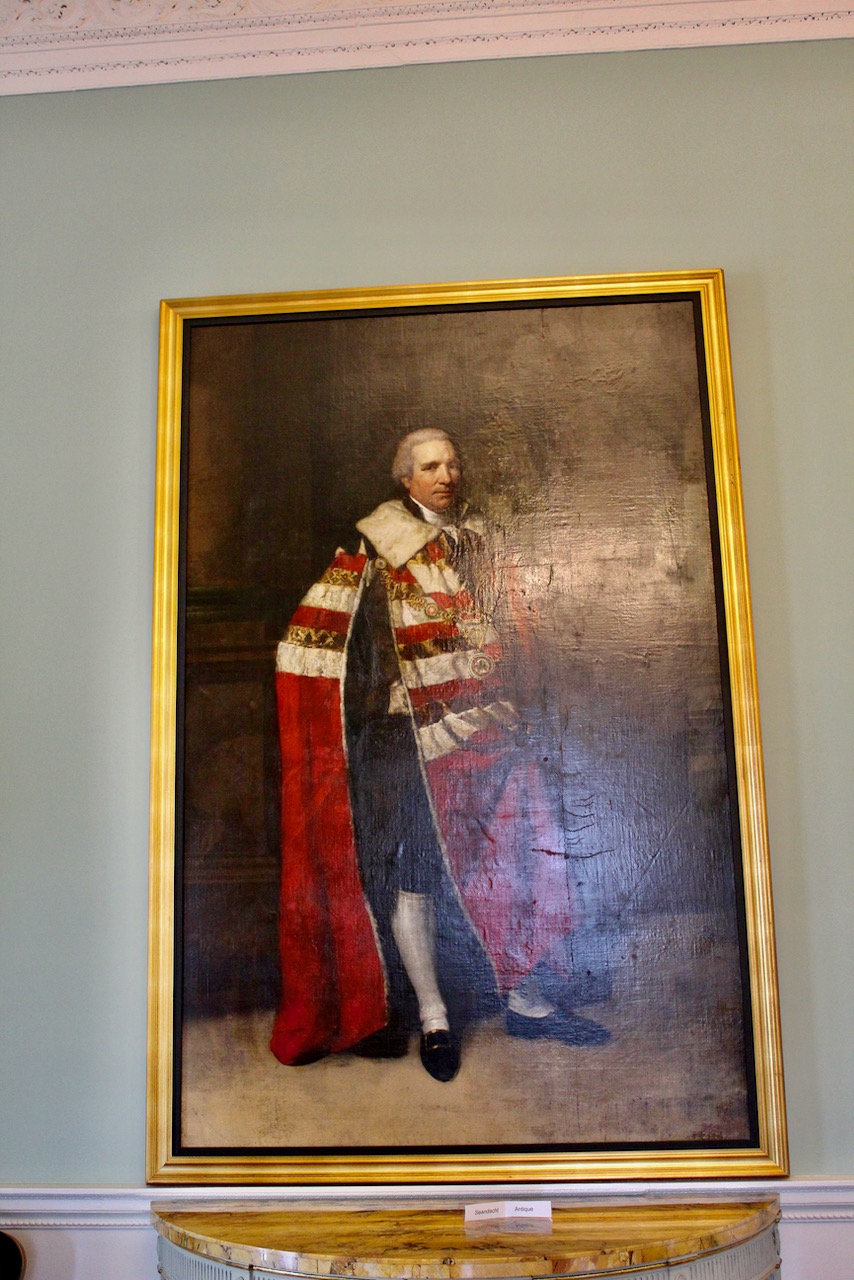
Sir Thomas was elevated to the peerage, in 1760, in the dignity of Baron Headfort; and advanced to a viscountcy, in 1762,as Viscount Headfort. His lordship was further advanced, in 1766, to the dignity of an earldom, as Earl of Bective.
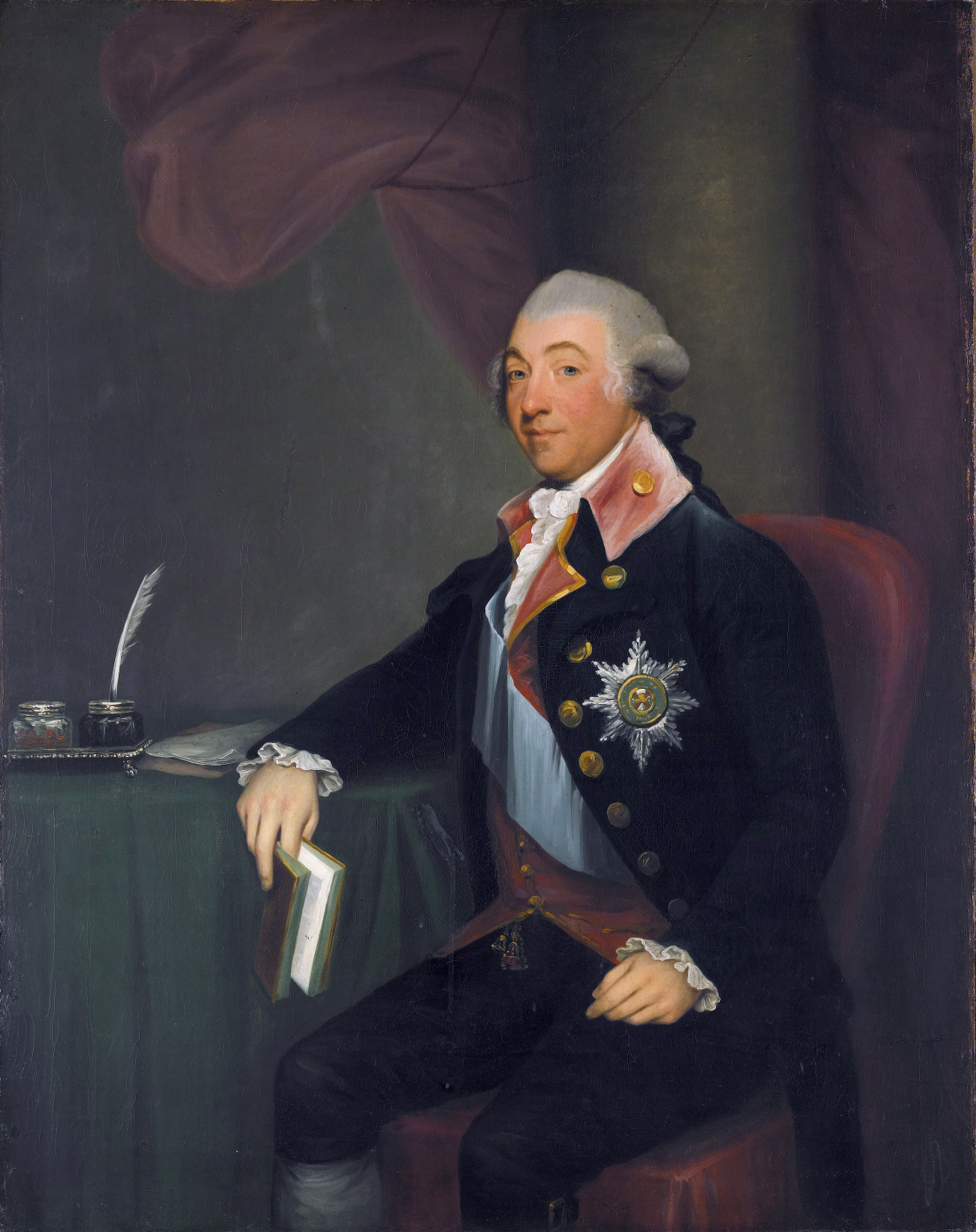
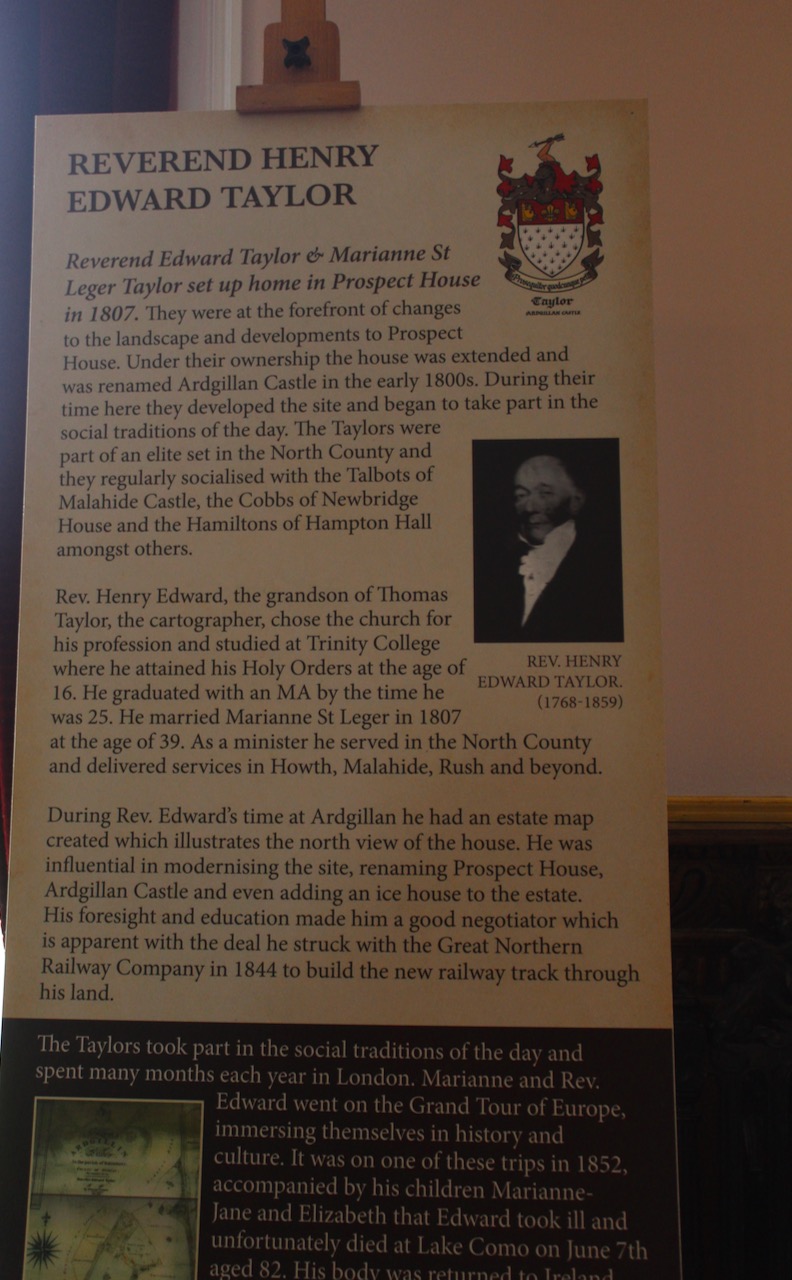
Thomas Taylour (1724-1795) 1st Earl of Bective wearing the star and sash of the Order of St. Patrick by Gilbert Stuart and studio courtesy of Sotheby’s, Public Domain,https//:commons.wikimedia.org/w/index.php?curid=27947645.jpgReverend Henry Edward Taylor of Ardgillan Castle, County Dublin, who was a son of Thomas Taylour (1724-1795) 1st Earl of Bective.
In 1783 he was installed as a Founder Knight of St Patrick (KP), and sworn of the Privy Council of Ireland. His lordship was succeeded by his eldest son, THOMAS, 2nd Earl (1757-1829), who espoused, in 1778, Mary, only daughter and heir of George Quin, of Quinsborough, County Clare, and had issue: THOMAS (1787-1870) his successor; George; Mary; Elizabeth Jane.
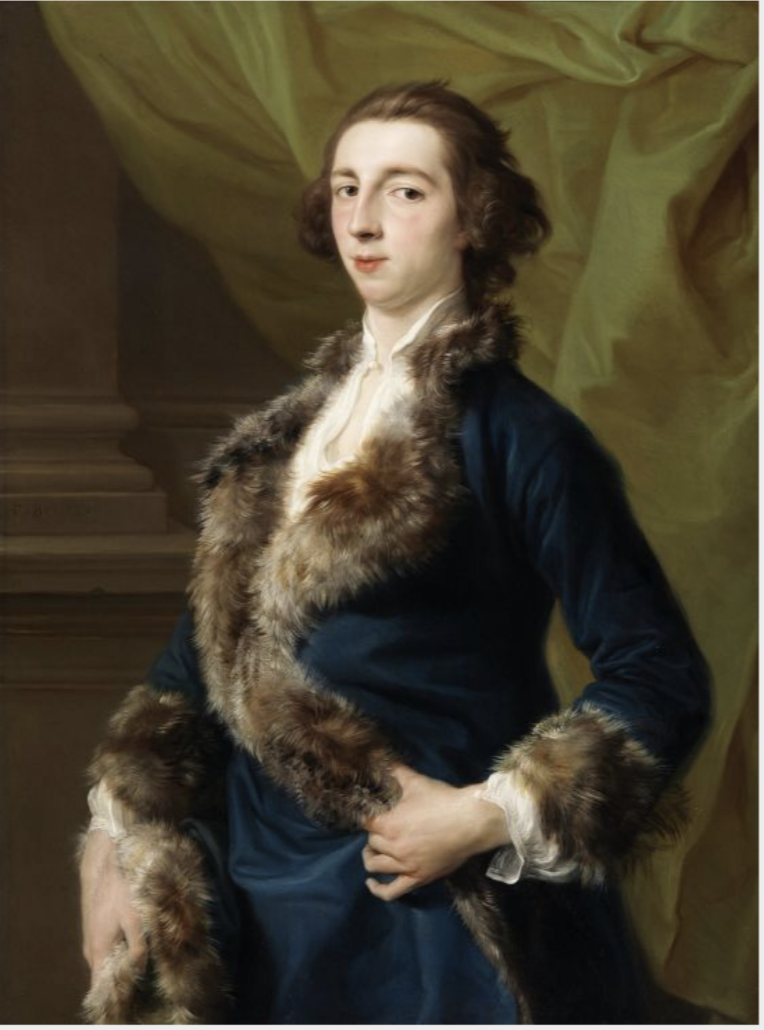
Thomas Taylour (1757-1829) 1st Marquess of Headfort by Pompeo Batoni courtesy of Google Art Project By Pompeo Batoni – 9QE_ZzFPQzDZiQ at Google Cultural Institute, Public Domain, https//:commons.wikimedia.org/w/index.php?curid=29800995
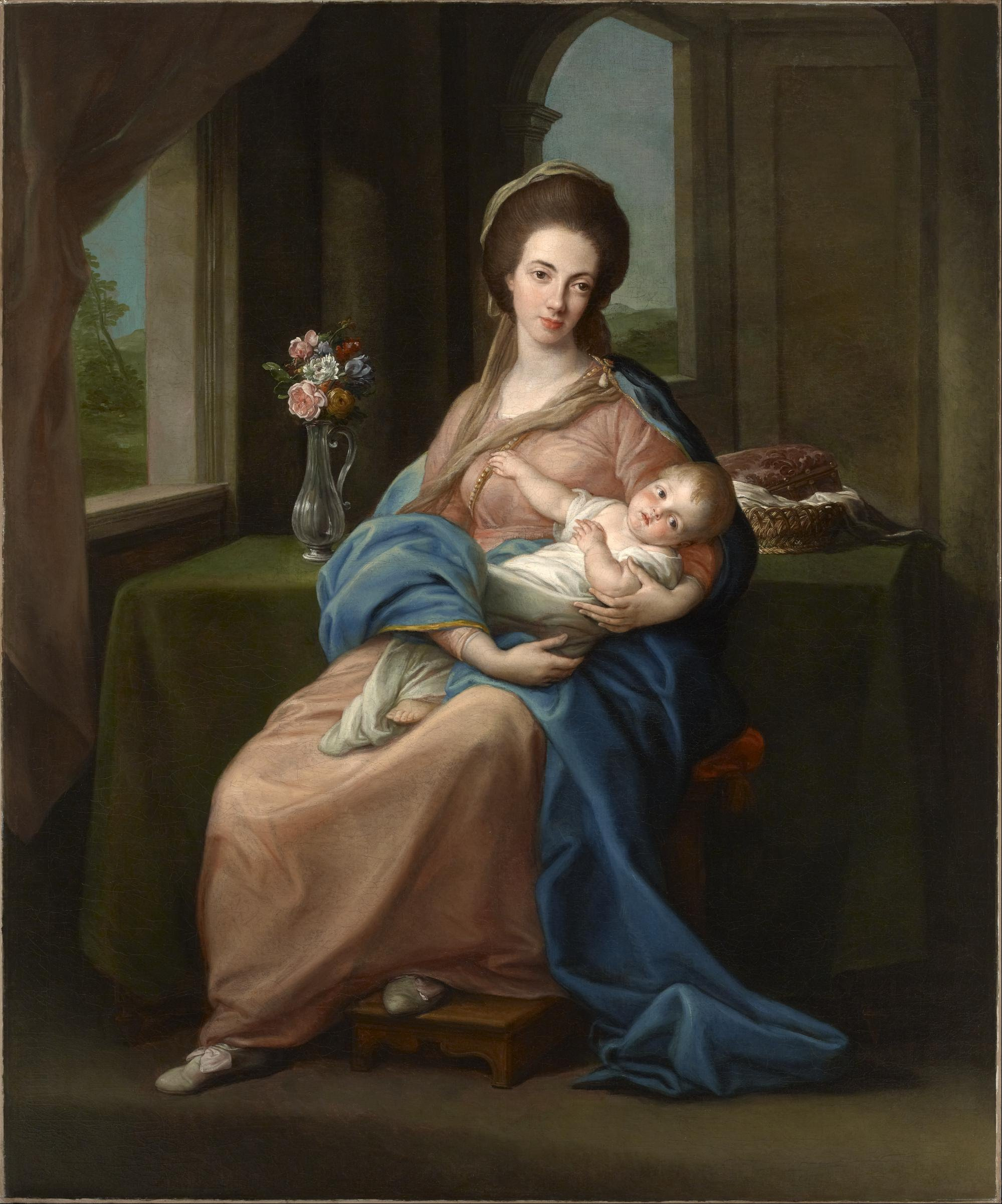
Mary née Quin (the daughter of George Quin and Caroline Cavendish) The Marchioness of Headfort, wife of Thomas Taylour (1757-1829) 1st Marquess of Headfort, holding her Daughter Mary, 1782, by Pompeo Batoni, Google_Art_Project 6wGvrQuQJ1yERA at Google Cultural Institute, Public Domain,https//:commons.wikimedia.org/w/index.php?curid=29801821.jpg
His lordship was created, in 1800, MARQUESS OF HEADFORT.
The Taylour family became very much involved in the political life of the locality, and several members of the family served as MPs for Kells and the county of Meath. [1]
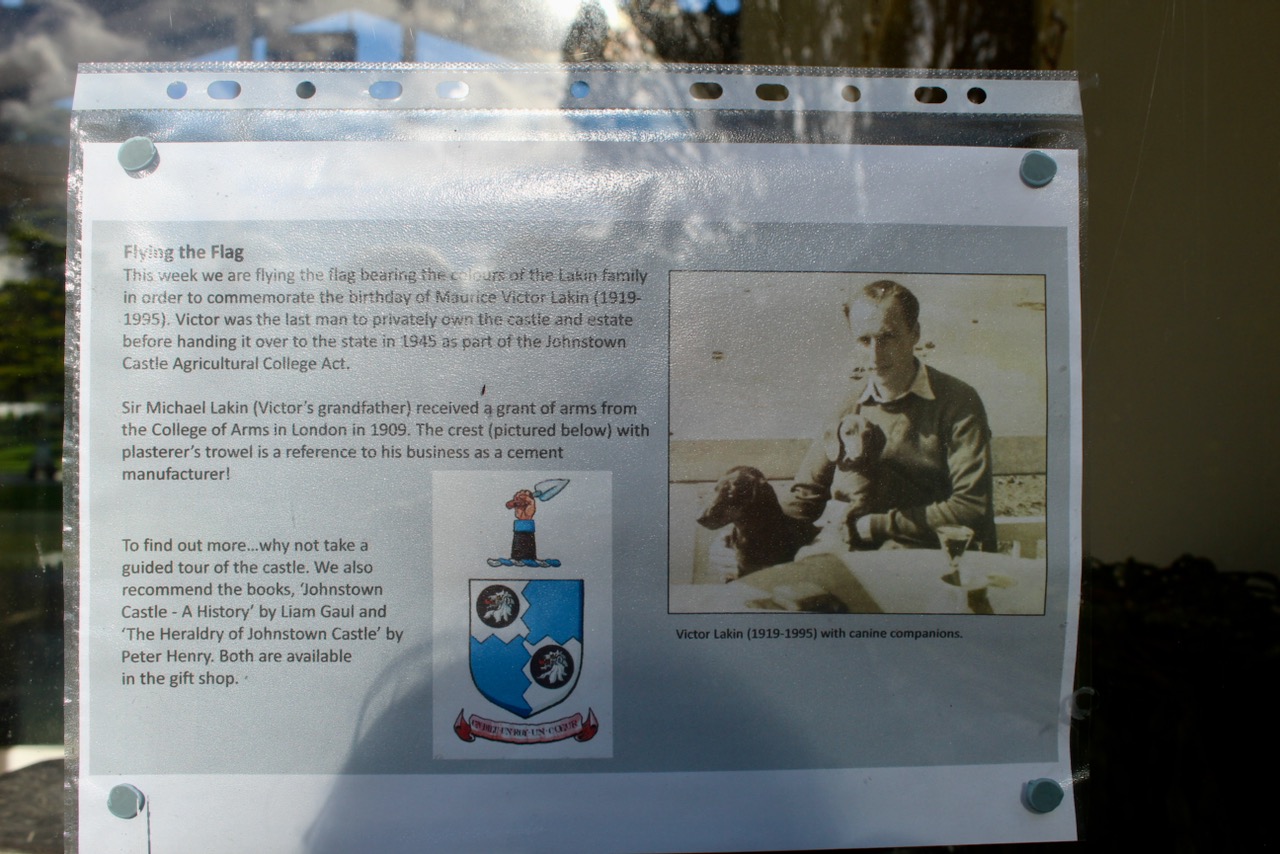
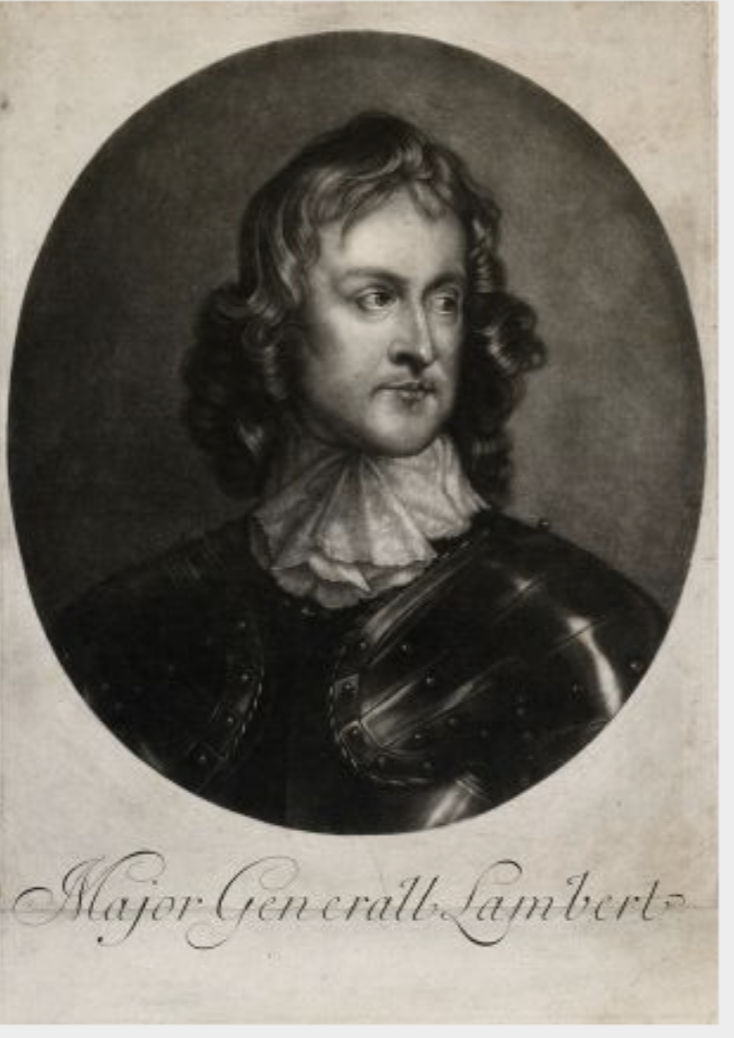
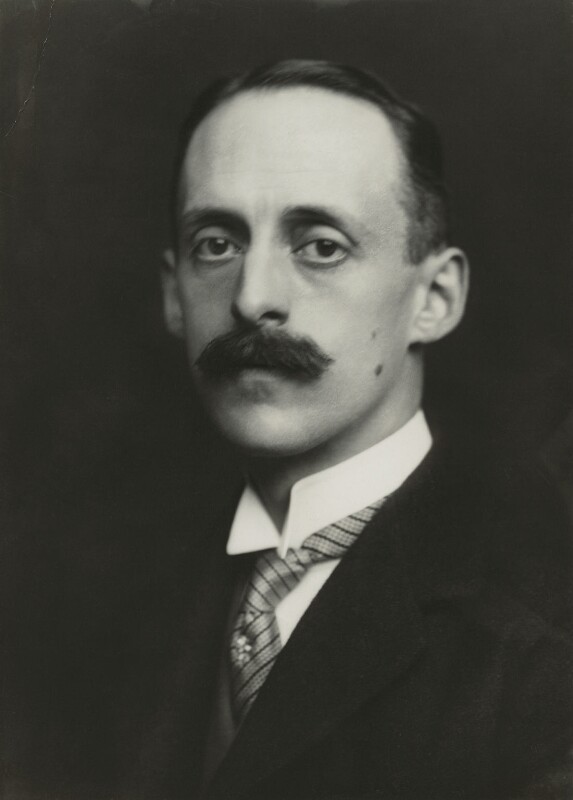
Hugh de Lacy (d. 1186) 4th Baron Lacy portrait by Gerald of Wales – Expugnatio Hibernica (1189) https///www.isos.dias.ie/NLI/NLI_MS_700Maurice Victor Lakin (1919-1995), last man to privately own Johnstown Castle, County Wexford, before handing it over to the state in 1945.Frances Thomasine, Countess Talbot (née Lambart), (1782-1819), Wife of the 3rd Earl Talbot Date 1822 Engraver John Samuel Agar, British, c.1773-1858 After Charles Robertson, Irish, 1759-1821,courtesy of National Gallery of Ireland.Major-General John Lambert, (1619-1683), Parliamentarian, Deputy Lord Lieutenant of Ireland, courtesy of National Gallery of Ireland.Hugh Percy Lane (1875-1915) by George Charles Beresford, 1909, NPG x6528.
John Langrishe (1660-1735), son of Hercules Langrishe (the first member of the family who settled in Ireland), became proprietor of the borough of Knocktopher, County Kilkenny.
Mr Langrishe, High Sheriff of County Kilkenny, 1696, married firstly, Alicia, second daughter of Harry, 2nd Baron Blayney, and widow of Thomas Sandford, of Sandford Court; and secondly, Miss Sandford, daughter of Colonel Sandford; but had issue by neither of those ladies.
He wedded thirdly, Mary, daughter of Robert Grace, feudal baron of Courtstown, and had an only son, his successor, Robert Langrishe (c.1696-1769).
Robert served as High Sheriff of County Kilkenny in 1740 amd Gentleman Usher of the Black Rod in Ireland 1745-9. His son and heir Hercules Langrishe (1731-1811) served as MP for Knocktopher 1761-1800. Hercules was created a baronet in 1777, denominated of Knocktopher Abbey, County Kilkenny.
Sir Hercules, who was a member of the Privy Council, represented the borough of Knocktopher in the Irish parliament for forty years, during which period he ranked amongst the most distinguished of its members, and was the first who advocated and obtained a partial relaxation of the most atrocious code of laws which oppressed the Roman Catholics of Ireland, a code that consigned 80% of the population to unmitigated and grinding slavery, and reduced the whole of the state to semi-barbarism. He was Commissioner of Excise and Revenue.
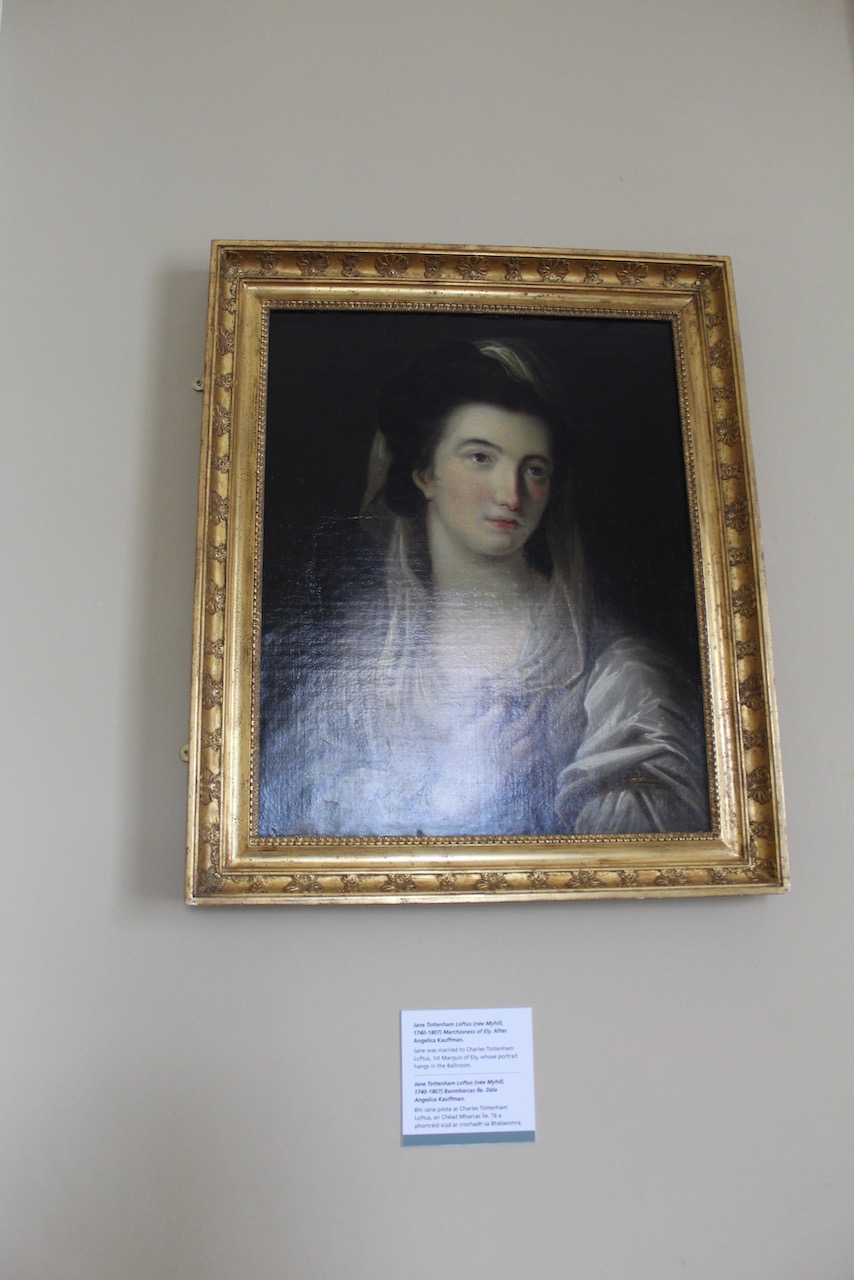
In 1755 he married Hannah, daughter and co-heir of Robert Myhill, of Killarney, County Kilkenny, and sister of Jane, wife of Charles, 1st Marquess of Ely. His successor was his son Robert Langrishe, 2nd Baronet (1756-1835).
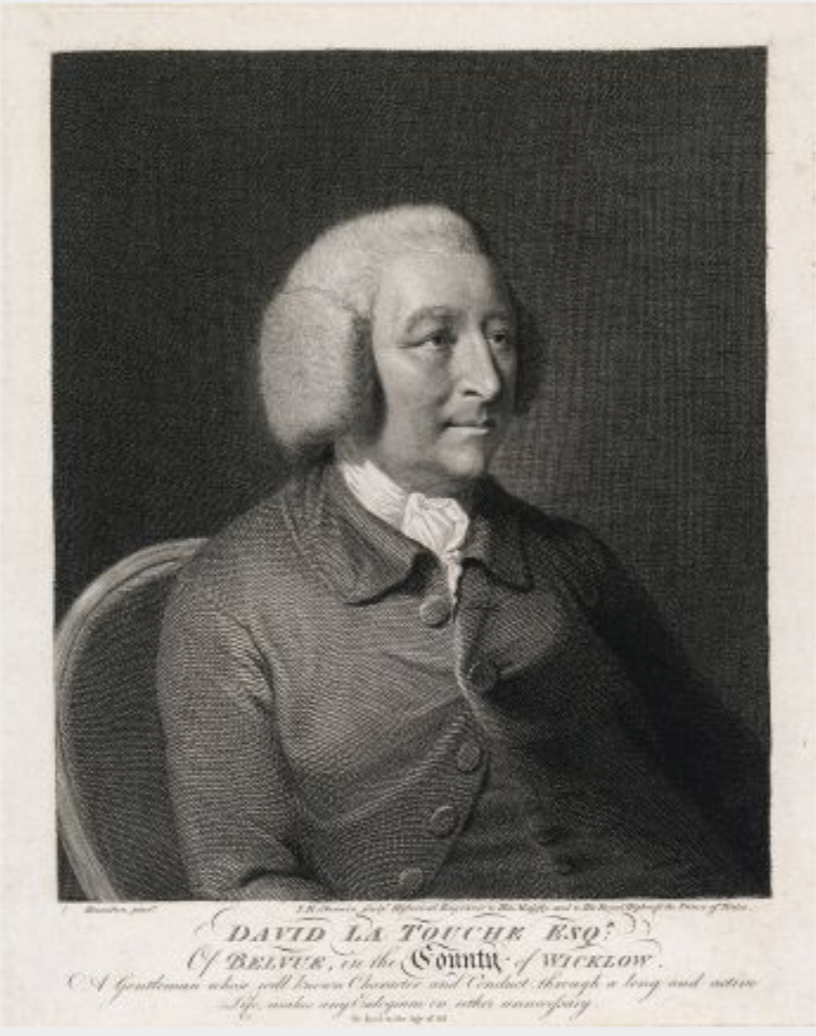
David Digges La Touche (1703-1785) had sons David (1729-1817) and John (d. 1805)
David La Touche (1729-1817), of Marlay, 1800 by Hugh Douglas Hamilton, courtesy of National Gallery of Ireland.David Digges La Touche (1729-1817) of Marlay, County Dublin, by James Fittler, photograph courtesy of National Gallery of Ireland.John La Touche (1732-1805) by Angelica Kauffmann courtesy of MutualArt.com
First, let us look at his son David’s family, and then at John’s. David La Touche (1729-1817) and his wife, née Marlay, had many children:
Harriet married Nicholas Colthurst, 3rd Bt of Ardrum, County Cork;
Anne (d. 1798) married George Charles Jefferyes (d. 1841) of Blarney Castle, County Cork;
Emily married Col. George Vesey of Lucan House, Dublin;
Maria (d. 1829) married Maurice Fitzgerald, 18th Knight of Kerry;
Elizabeth (d. 1788) married Robert Butler, 3rd Earl of Lanesborough;
Elizabeth, Countess of Lanesborough (née La Touche), (1764-1788), wife of Robert Henry Butler 3rd Earl of Lanesborough. Date 1791 Engraver Francesco Bartolozzi, Italian, 1725-1815 After Horace Hone, English, 1756-1825, photograph courtesy of National Gallery of Ireland.
David married Cecilia Leeson, daughter of Joseph Leeson 1st Earl of Milltown;
Cecilia La Touche (d. 1848) née Leeson (about 1769-1848), by Hugh Douglas Hamilton. She married David La Touche (1769-1816). She was the daughter of Joseph Leeson (1701-1783), 1st Earl of Milltown and Elizabeth French.Photograph courtesy of English Heritage, Kenwood.
There was a son John David La Touche born 1772 who had a son: Peter La Touche (1777-1830) married Charlotte daughter of Cornwallis Maude, 1st Viscount Hawarden.
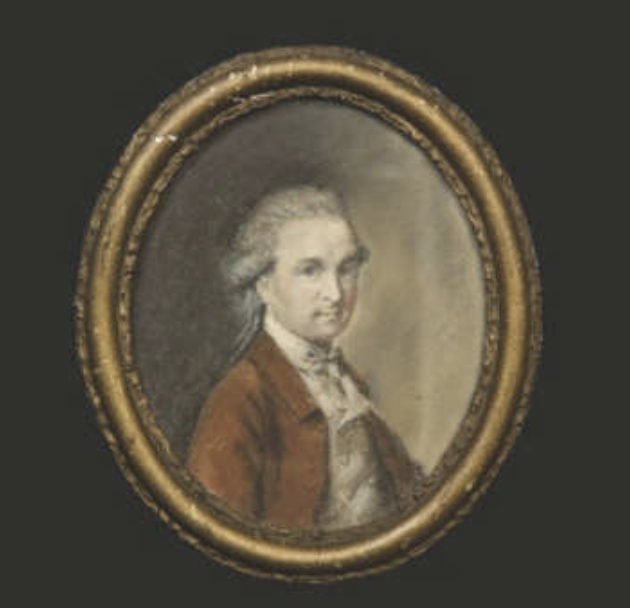
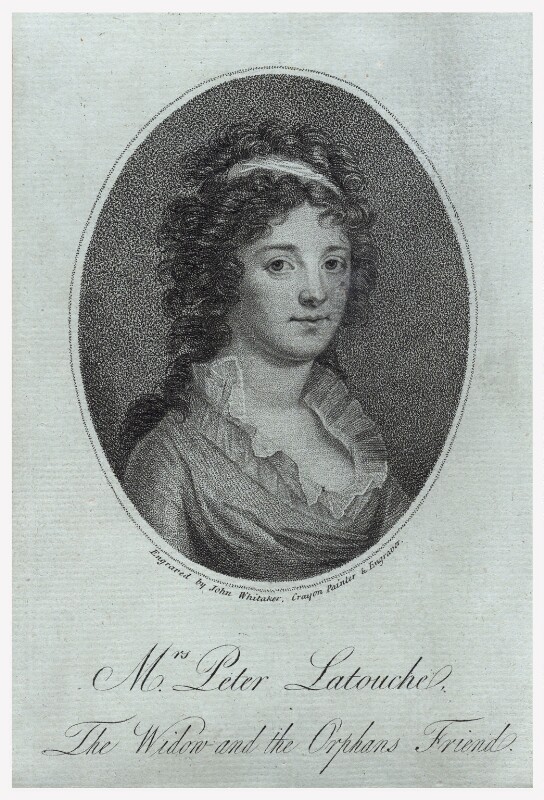
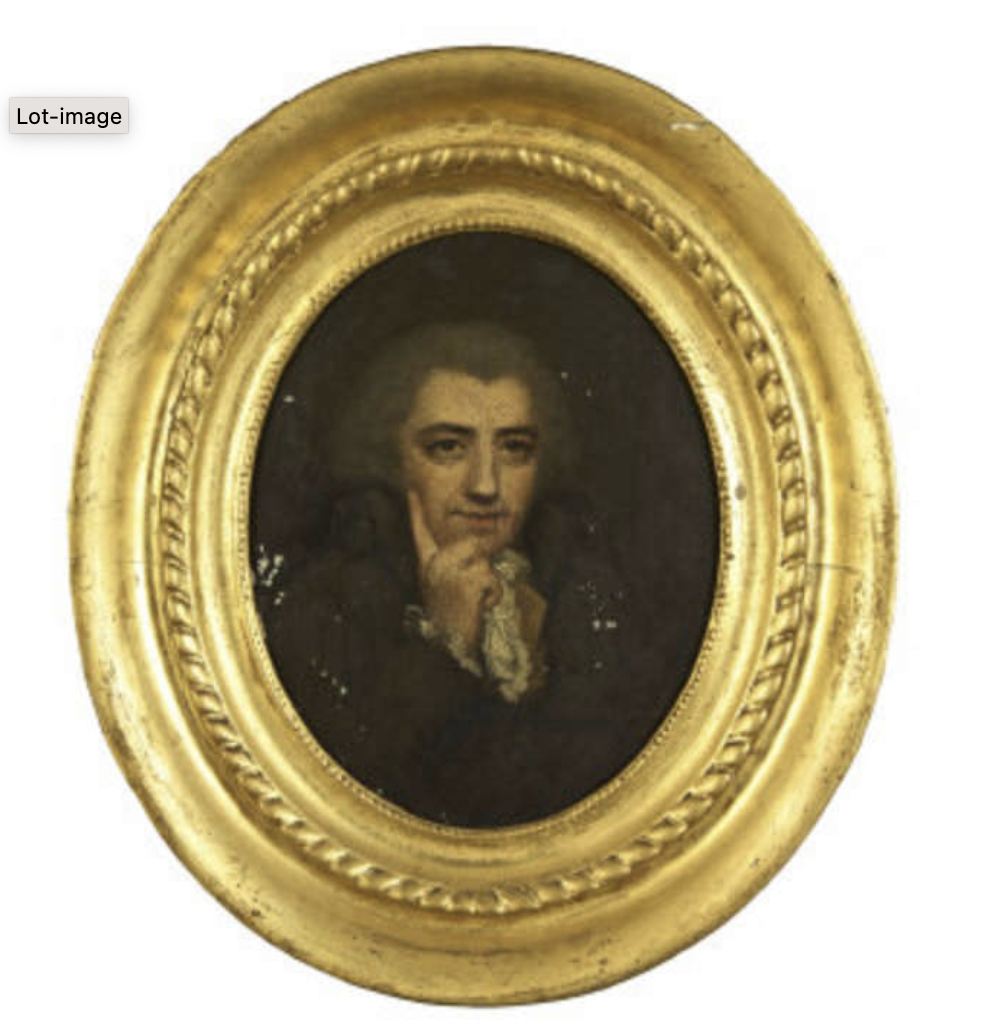
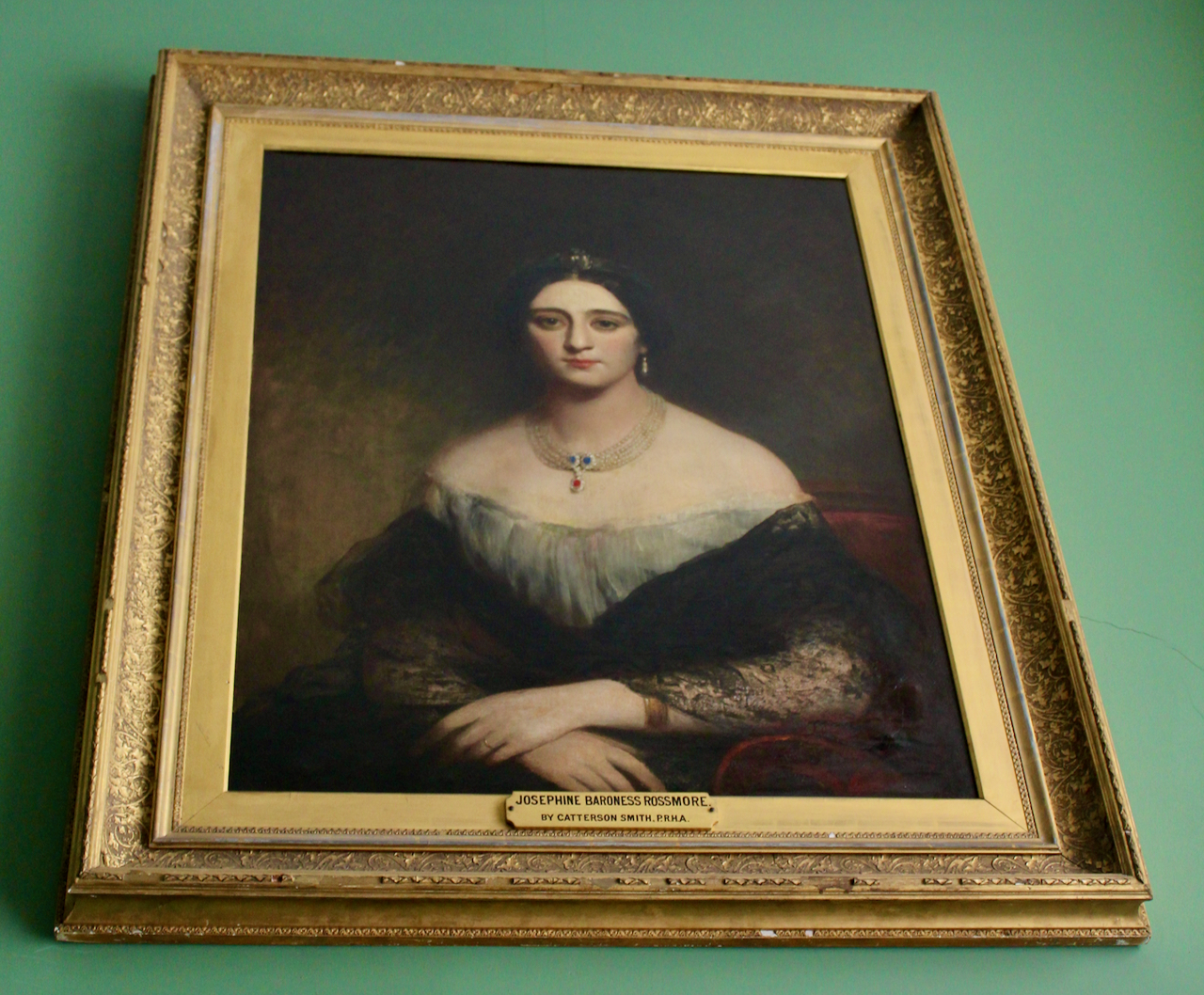
Peter La Touche of Bellevue (1733-1828) Date 1775 by Robert Hunter, Irish, 1715/1720-c.1803, photograph courtesy of National Gallery of Ireland.Portrait Of A Young Gentleman, Believed To Be Peter Digges La Touche courtesy of Adam’s 1st April 2009, Irish School, late 18th Century.Mrs La Touche of Bellevue by Stephen Catterson Smith 1806-1872, courtesy of National Gallery of Ireland NGI 628.
Now let’s go back and look at the family of John La Touche (1732-1805). He had a son Robert La Touche (d. 1844). He lived in Harristown in County Kildare. He married Emily Trench (1790-1816), daughter of William Power Keating Trench, 1st Earl of Clancarty.
They had a daughter Gertrude (1812-1864) who married Henry Stanley McClintock. Robert and Emily née Trench had a son John (1814-1904) who married Maria Price (1824-1906).
Maria La Touche née Price (1824-1906) of Harristown, she married John La Touche (1814-1904).
John (1814-1904) and Maria née Price (1824-1906) had a daughter Emily Maria (1846-1868) who married Bernard Matthew Ward, son of Edward Southwell Ward, 3rd Viscount Bangor.
Margaret Leeson née Brice wife of Joseph Leeson (1660-1741), c. 1772 by unknown artist, courtesy of National Gallery of Ireland NGI 1649.
Their daughter Anne married Hugh Henry (d. 1743). Their daughter Joyce married Robert Blackwood, 1st Bt. of Ballyleidy, Co. Down, and their son Joseph (1701-1783) became 1st Earl of Milltown.
Joseph Leeson (1701-1783) 1st Earl of Milltown married first Cecelia Leigh (d. 1731?). Their daughter Mary (d. 1794) married John Bourke, 2nd Earl of Mayo. A son Joseph Leeson (1730-1801) succeeded as 2nd Earl of Milltown. He died unmarried and his brother Brice (1735-1807) succeeded as 3rd Earl of Milltown.
Cecilia Leeson née Leigh d. 1737, painted by Anthony Lee, courtesy of National Gallery of Ireland.Joseph Leeson (1730-1801) later 2nd Earl of Milltown, 1751 by Pompeo Batoni, courtesy of National Gallery of Ireland.
Joseph Leeson (1701-1783) 1st Earl of Milltown then married Anne Preston (d. 1766) daughter of Nathaniel Preston of Swainstown, County Meath. They had a daughter Anne who married her cousin Hugh Henry.
Third, Joseph Leeson (1701-1783) 1st Earl of Milltown married Elizabeth French (d. 1842), daughter of Reverend William French.
Joseph Leeson (1701-1783) 1st Earl of Milltown with his third wife Elizabeth née French and their daughter Cecilia and his grandson Joseph later 3rd Earl of Milltown, 1772, after Pompeo Batoni,courtesy of National Gallery of Ireland, NGI.1697. This is what the Gallery website says, but I think this 3rd Earl of Milltown was Brice Leeson (1735-1807).
Joseph Leeson (1701-1783) 1st Earl of Milltown and Elizabeth née French (d. 1842) had a daughter Cecelia who married David La Touche. A daughter Frances Isabella (d. 1840) married Marcus Beresford (1764-1797). They also had sons William (1770-1819) and Robert (1773-1842).
Cecilia La Touche (d. 1848) née Leeson (about 1769-1848), by Hugh Douglas Hamilton. She married David La Touche (1769-1816). She was the daughter of Joseph Leeson (1701-1783), 1st Earl of Milltown and Elizabeth French.Photograph courtesy of English Heritage, Kenwood.
Brice (1735-1807) 3rd Earl of Milltown married Maria Graydon and she gave birth to Joseph (1766-1800); John (1767-1835) and Robert (d. 1842).
Joseph (1766-1800) married Emily Douglas (d. 1841) and she gave birth to their heir, Joseph (1799-1866) who succeeded as 4th Earl of Milltown.
Emily Douglas (d.1841) by James Dowling Herbert courtesy of National Gallery of Ireland NGI 6271. She was wife of Joseph Leeson (1766-1800) mother of 4th Earl of Milltown.
Joseph (1799-1866) 4th Earl of Milltown married Barbara (d. 1874), daughter of Joshua Colles Meredyth, 8th Bt of Greenhills, Co. Kildare, widow of Eyre Tilson Coote, 3rd Baron Castle Coote. She gave birth to both the 5th and the 6th Earls of Milltown.
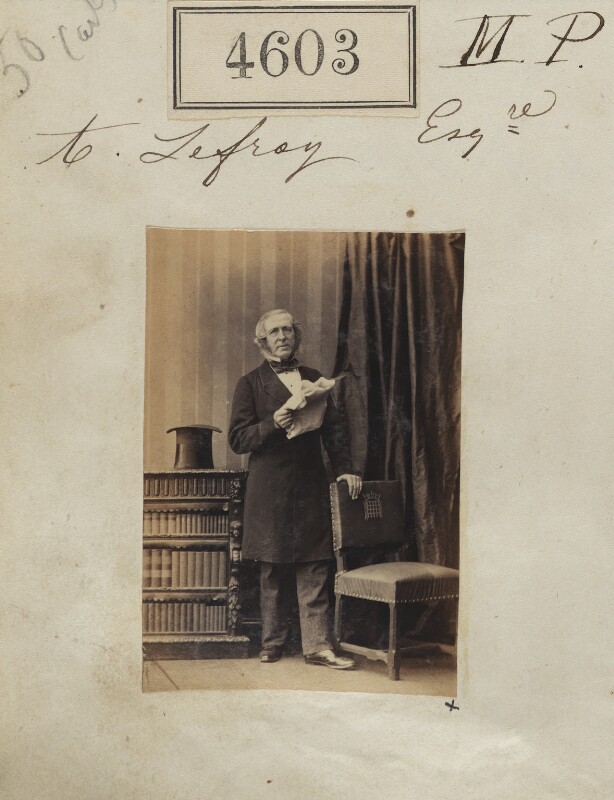
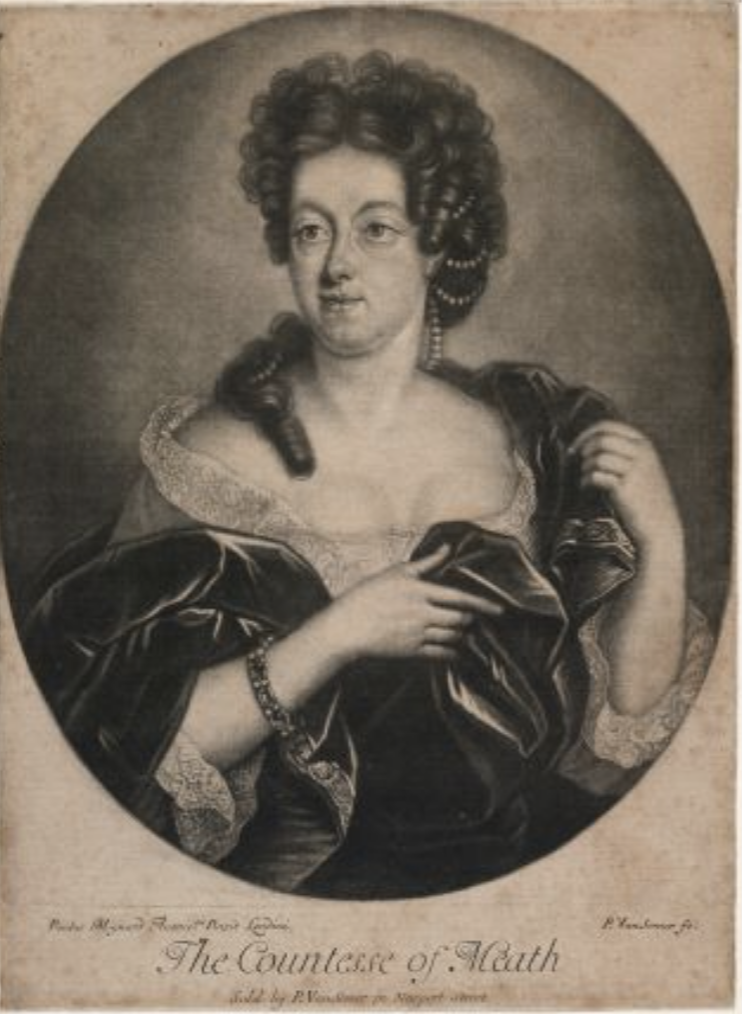
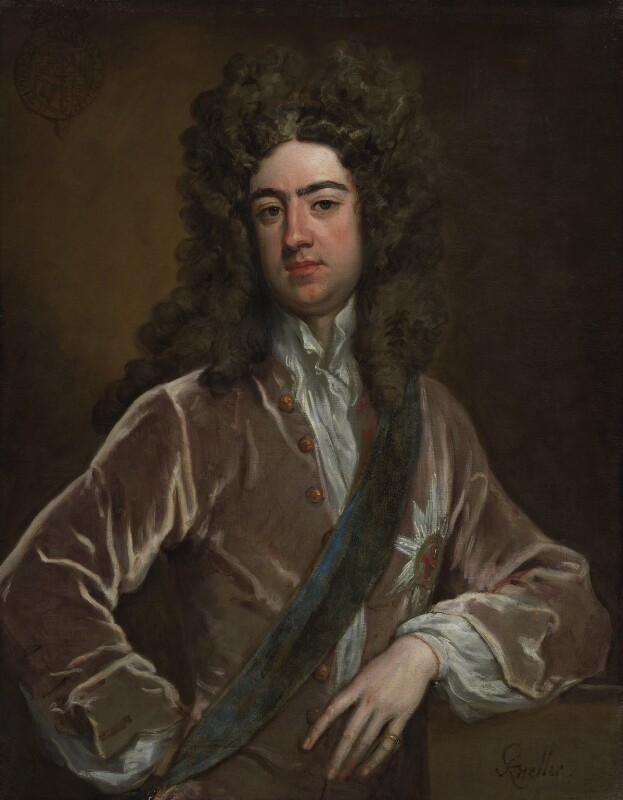
Edward Nugent Leeson, 6th Earl of Milltown (1835-1890), 1875 by Francis Grant, Courtesy of National Gallery of Ireland NGI.1036.Anthony Lefroy (1800-1890), Conservative politician; MP for Longford and Dublin University, by Camille Silvy 1861 courtesy of National Portrait Gallery NPG Ax54615.Elizabeth née Lennard (1670-1701), Countess of Meath, wife of 3rd Earl, 1701 engraving by Paul Van Somer II after Paul Mignard, photograph courtesy of National Gallery of Ireland.Charles Lennox (1672-1723) 1st Duke of Richmond and Lennox, Courtier; son of King Charles II, by Sir Godfrey Kneller, Bt c. 1703 courtesy of National Portrait Gallery NPG 3221.
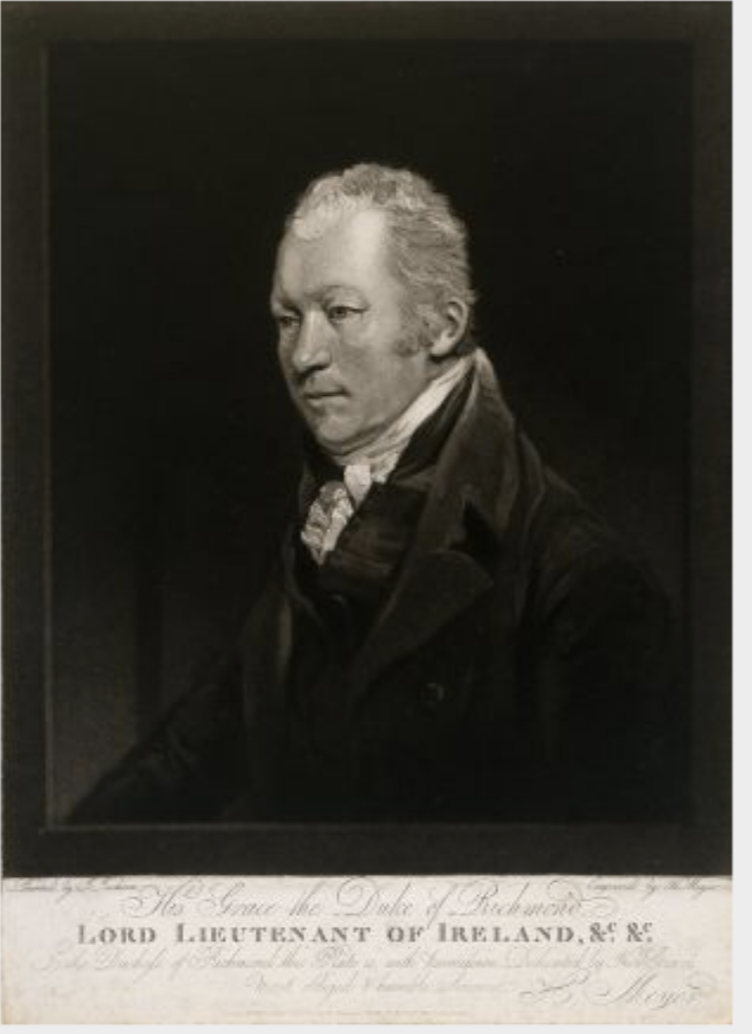
Charles Lennox (1672-1723) 1st Duke of Richmond and Lennox was an illegitimate son of King Charles II, by Louise Renée de Penancoët de Kérouaille, Duchess of Portsmouth. His son Charles Lennox (1701-1750) succeeded as 2nd Duke of Richmond and married Sarah Cadogan (1705-1751).
Charles Lennox (1701-1750) 2nd Duke of Richmond and Sarah née Cadogan (1705-1751) had several children:
Georgiana Carolina (1723-1774) married Henry Fox, 1st Baron Holland of Foxley;Emilia Mary
Emilia Mary (1731-1814) married James Fitzgerald 1st Duke of Leinster;
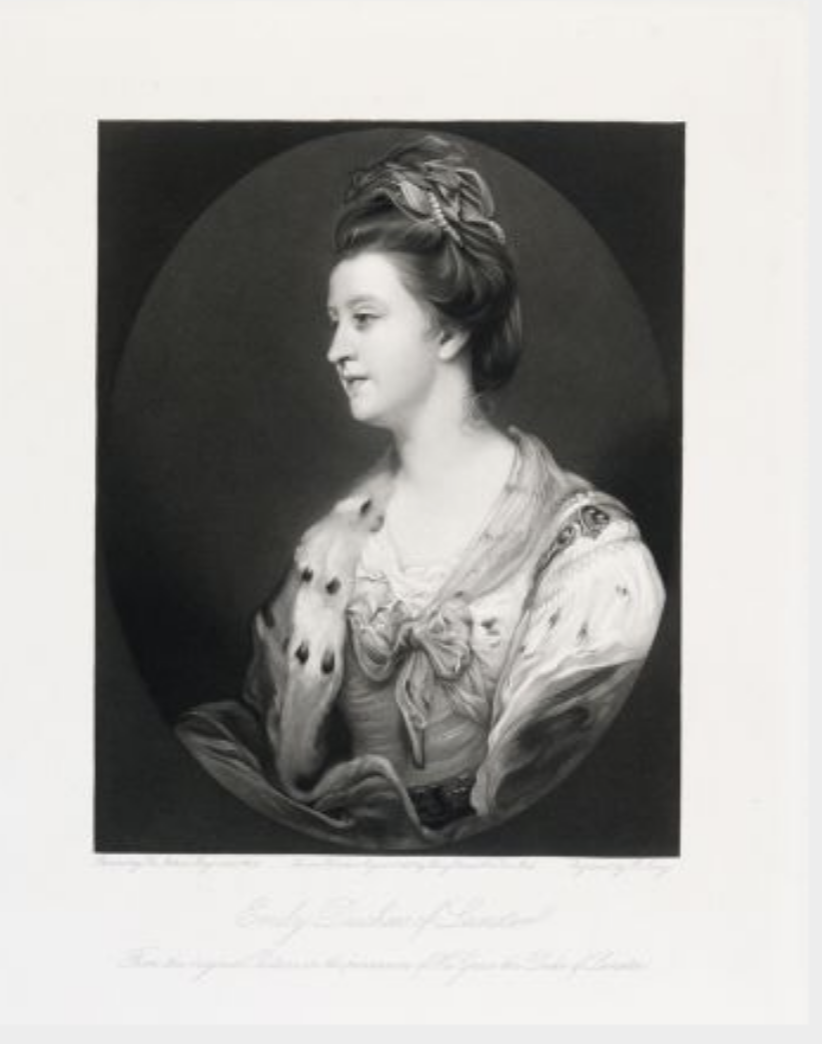
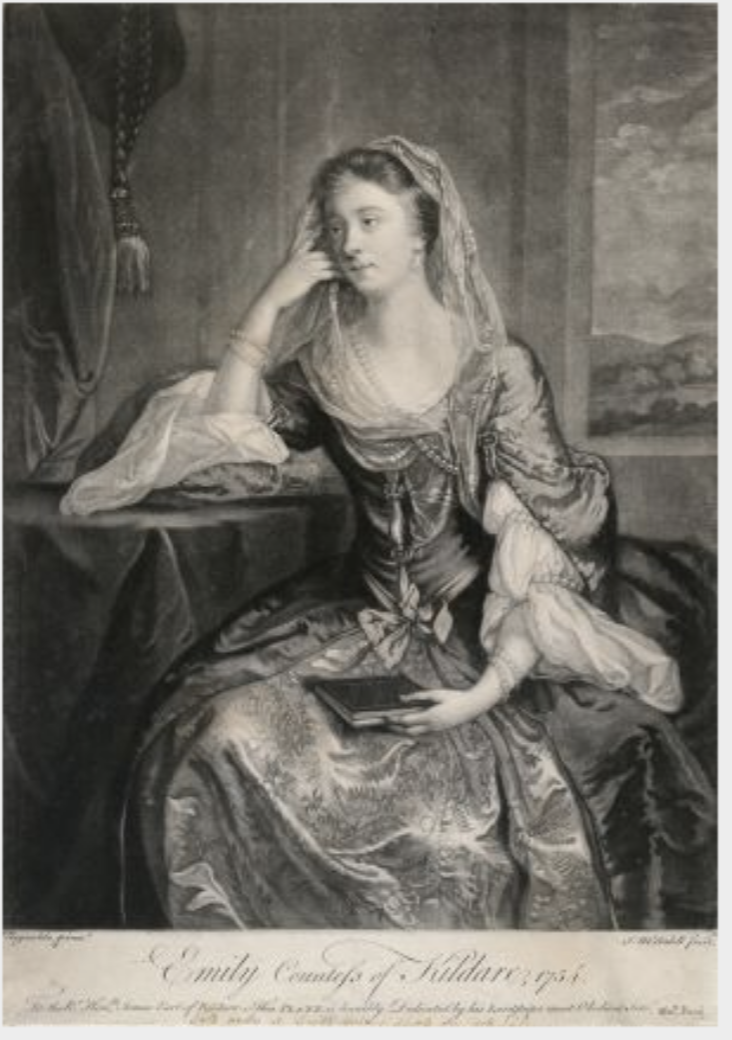
Emilia Mary Fitzgerald née Lennox (1731-1814) Duchess of Leinster, courtesy of National Gallery of Ireland.She was married to James FitzGerald 1st Duke of Leinster, 1st Marquess of Kildare, 20th Earl of Kildare.Emilia née Lennox (1731-1814), Countess of Leinster, engraving after Joshua Reynolds, courtesy of National Gallery of Ireland.
Louisa Augusta (1743-1821) married Thomas Conolly;
Sarah (1745-1826) married Thomas Charles Bunbuy 6th Baronet then George Napier, and another daughter, Cecily (1750-1769) married Robert XI Arthur Geoffrey Nicholls, Comte de Cherbourg. A son, George Henry Lennox (d. 1805) married Louisa, daughter of General William Henry Kerr, 4th Marquess of Lothian. The elder son, Charles Lennox, (1734/5-1806) succeeded as 3rd Duke of Richmond.
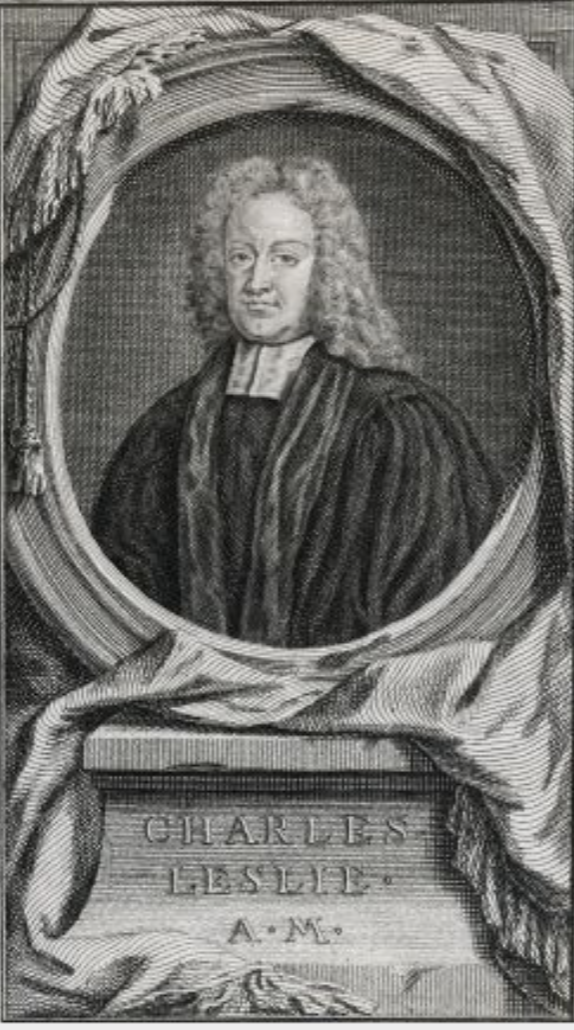
Reverend John Leslie (d. 1671) married Katherine Conyngham. They had a son John Leslie (1645-1721) who married Elizabeth Hamilton, and a son Reverend Charles Leslie (1650-1722).
Rev. Charles Leslie (1650-1722), painting after Alexis Simon Belle, courtesy of National Gallery of Ireland.
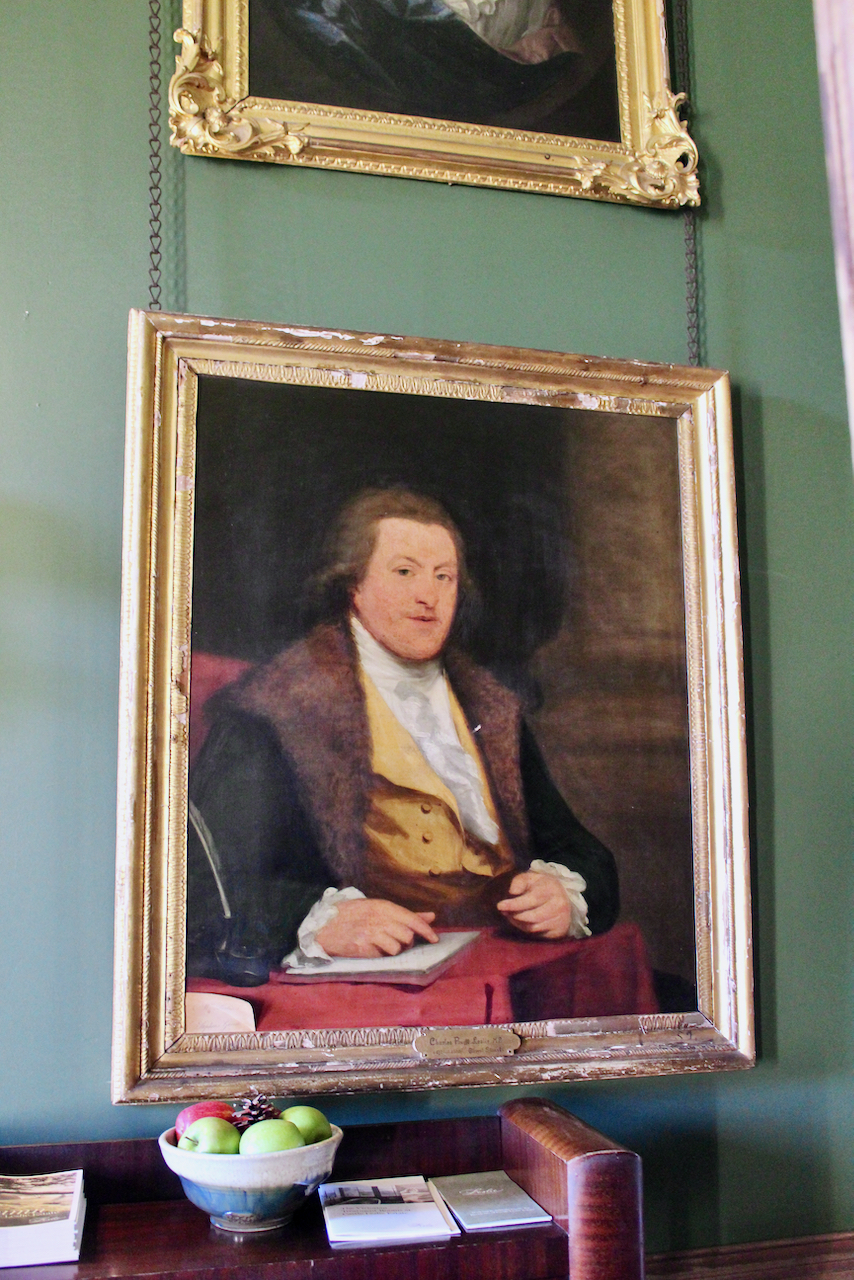
Reverend Charles Leslie (1650-1722) married Jane Griffith and they had a son, Robert (d. 1743). He married Frances, daughter of John Rogerson, and they had a son, Charles Powell Leslie (1732-1800).
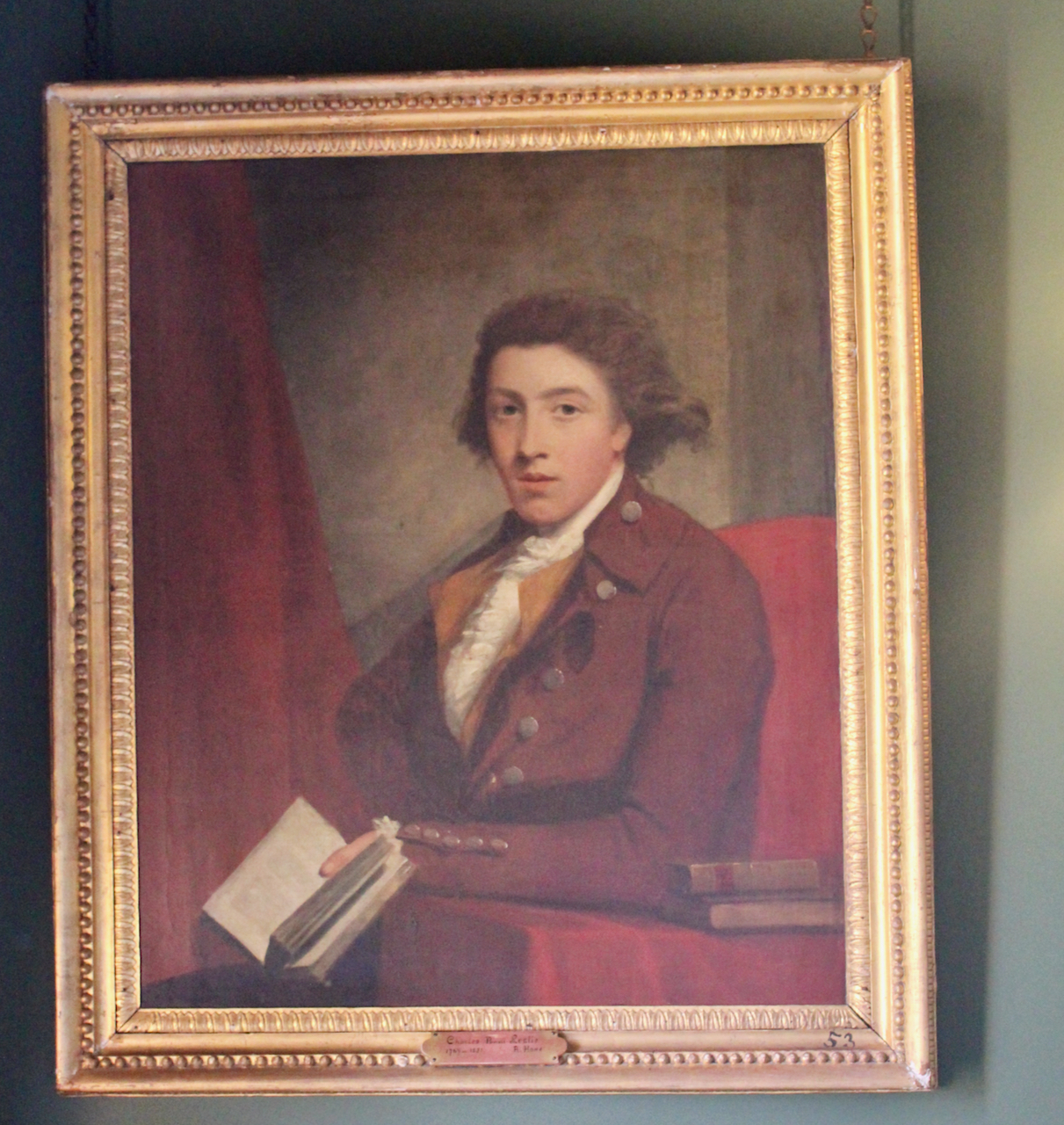
Charles Powell Leslie (1732-1800) married first Prudence Penelope Hill-Trevor she gave birth to their heir, Charles Powell Leslie (1769-1831). They had a second son, Reverend John Leslie (1772-1854) who married Isabella St. Lawrence (d. 1830), and who served as Bishop of Dromore and Bishop of Elphin.
Charles Powell Leslie (1732-1800) married secondly Mary Anne Tench and they had several children.
Colonel Charles Powell Leslie (d. 1831) married Christiana Fosbery and they had several children, including Charles Powell Leslie (1821-1871) who died unmarried, and John Leslie (1822-1916) who became 1st Baronet of Castle Leslie.
Adam Loftus (1533-1605) married Jane Purdon and they had several children:
Anne married Henry Colley and then Edward Blayney, 1st Lord Blayney, Baron of Monaghan;
Martha (d. 1609) married Thomas Colclough (1564-1624) of Tintern Abbey in County Wexford;
Isabelle (d. 1597) married William Ussher (1561-1659);
Alice (d. 1609) married Henry Warren of Warrenstown, County Offaly;
Katherine married Francis Berkeley; Margaret married George Colley; Dorothy (d. 1633) married John Moore (1570-1633).
Adam Loftus and Jane née Purdon had a son Thomas (d. 1635); Adam (d. 1599); Edward (d. 1601) and Dudley (b. 1561).
Dudley Loftus (b. 1561) married Anne Bagenal and they had a son, Adam, who married Jane daughter of Walter Vaughan of Golden Grove, County Offaly. They had other sons: Samuel, Edward and Nicholas (1592-1666).
Adam Loftus and Jane née Vaughan had several children. Their daughter Lettice married Richard son of William Parsons, 1st Baronet; Margaret married Walter Burrowes 2nd Baronet; Elizabeth married Nicholas Forde; Mary married Thomas Boyd of Dublin. Their son Arthur married Dorothy Boyle (1617-1668), daughter of Richard Boyle 1st Earl of Cork. She married secondly Gilbert Talbot, son of William 1st Baronet Talbot, of Carton, Co. Kildare.
Arthur Loftus and Dorothy Boyle (1617-1668) had a daughter Ellen who married Theobald Bourke 4th Viscount of Mayo. Arthur and Dorothy had a son Arthur (1632-1691), who became 1st (and last) Viscount Lisburne.
Dudley Loftus (b. 1561) and Anne née Bagenal’s son Nicholas (1592-1666) of Fethard, County Tipperary, married Margaret Chetham and they had a son Nicholas (b. 1635) who had three daughters, and Henry (1636-1716), who lived at Loftus Hall in County Wexford.
Henry Loftus (1636-1716) married first Amy Gorges and they had a daughter Jane (d. 1734) who married Thomas Cosby (d. 1735) of Stradbally Hall in County Laois, and a daughter Margaret who married Highgate Boyd.
Henry Loftus (1636-1716) then married Anne Crewkern and they had a son Henry who died unmarried and a son Nicholas (d. 1763) who became 1st Viscount Loftus of Ely.
Nicholas Loftus (d. 1763) 1st Viscount Loftus of Ely married Anne, daughter of William Ponsonby, 1st Viscount Duncannon. They had several children:
Mary (d. 1779) married William Alcock (d. 1779) of Wilton Castle in County Wexford;
Anne (d. 1768) married Charles Tottenham (1716-1795).
Elizabeth (d. 1747) married John Tottenham, 1st Bt (d. 1786);
Nicholas (d. 1766) who took the name Hume-Loftus and became 1st Earl of Ely. He married Mary Hume, daughter of Gustavus Hume, 3rd Baronet. Their son Nicholas Loftus Hume (1738-1769) 2nd Earl of Ely and on his death the Earldom expired.
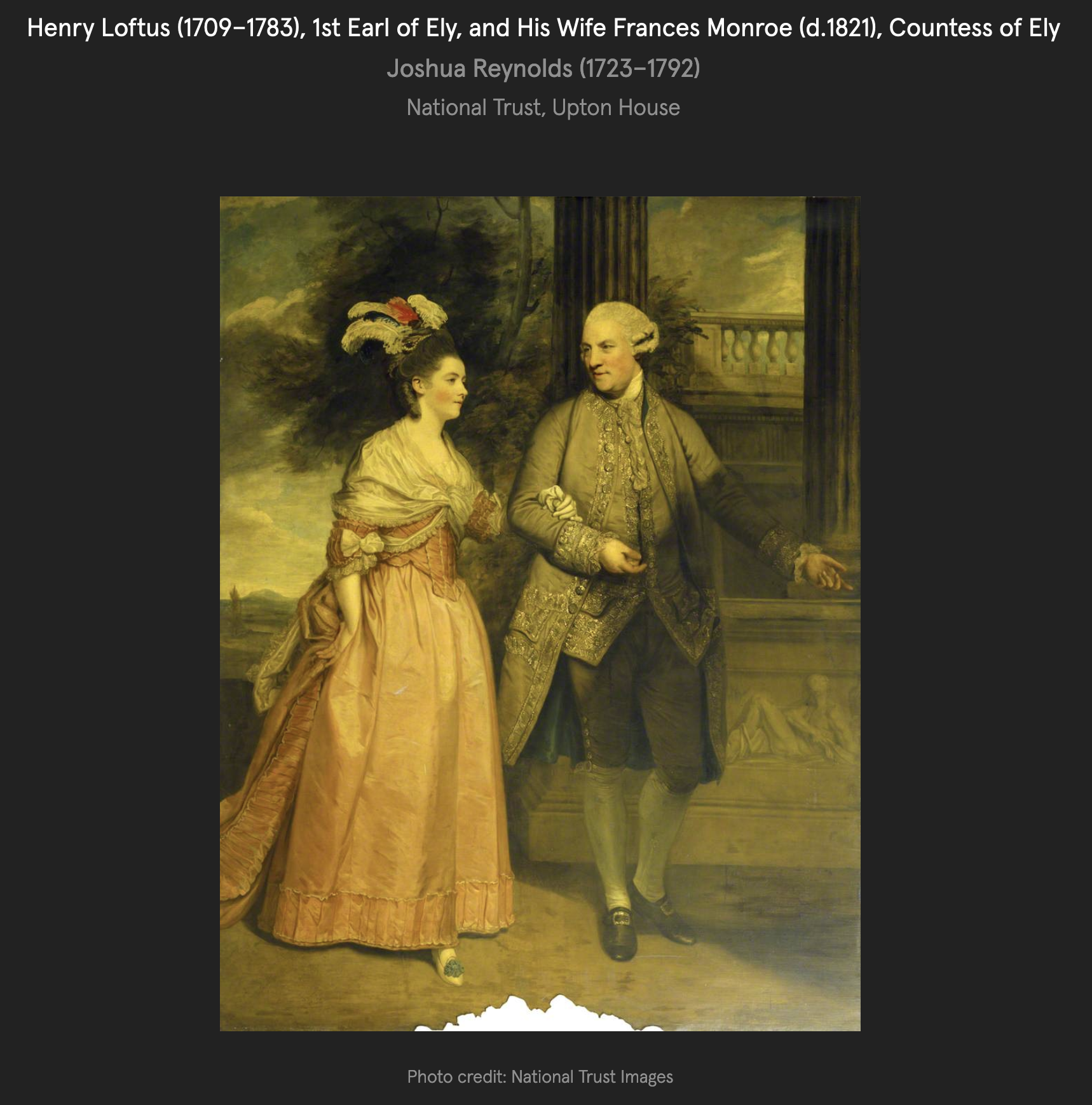
Nicholas Loftus (d. 1763) 1st Viscount Loftus of Ely and Anne née Ponsonby had another son Henry Loftus (1709-1783) who became 1st (and last Earl) of Ely of the second creation.
Nicholas Loftus (d. 1763) 1st Viscount Loftus of Ely and Anne née Ponsonby’s daughter Elizabeth (d. 1747) who married John Tottenham, 1st Bt (d. 1786) had a son Charles (1738-1806) who took the surname Loftus in 1784, and was created 1st Marquess of Ely.
Charles Tottenham Loftus (1738-1806) 1st Marquess of Ely married Jane Myhill and they had two sons: John Loftus (1770-1845) who succeeded as 2nd Marquess of Ely, and Rt. Rev. Lord Robert Ponsonby Tottenham (1773-1850) who served as Bishop of Clogher.



































 Irish Historic Houses