Ideally I would like to continue publishing a blog entry every week but I am still catching up on places I have visited, writing and researching and seeking approval from home-owners, and am unable to keep up the pace!
We visited some big houses that are not on the Section 482 revenue list when we were in County Cork last year during Heritage Week, including Doneraile Court and Fota, both open to the public and well worth a visit. [1] If I run out of places to write about on the section 482 list, I will write about them! But I still have to write about our visit to Cabra Castle, County Cavan, before Christmas last year! [2] We had a wonderful treat of being upgraded to a bedroom suite in the Castle, the Bridal Suite, no less, with our own rooftop jacuzzi.
The 2021 Revenue list of 482 Properties has not yet been published, and I am not sure when we will be able to visit places again, due to Covid transmissibility. I have already mapped out a year’s worth of visits, all around Ireland, and have even booked to stay in some exciting looking houses, but I don’t know what is going to be open – I have been planning around the 2020 list, assuming opening dates, once places do open, will be similar to last year.
In the meantime I can look at photographs and dream, and work on my own home (I painted the bedroom sage green) and garden (my potatoes are chitting) and research upcoming visits. I’m currently reading Turtle Bunbury’s book about the landowning families in County Kildare, and Mark Bence-Jones’s Life in an Irish Country House, and Somerville and Ross’s The Real Charlotte.
We were privileged to be able to stay in Mark Bence-Jones’s house last year for a wonderful week. [3]
Open dates in 2026: Feb 2-6, 9-13, 16-20, 23, 27, June 1-30, July 1, Aug 15-23, 9am-1pm
Fee: adult/OAP €12, child/student €6
donation
Help me to pay the entrance fee to one of the houses on this website. This site is created purely out of love for the subject and I receive no payment so any donation is appreciated!
Moyglare House is listed as being in County Meath under section 482 but the postal address is County Kildare – it lies on the border, just outside the town of Maynooth. The house has a long avenue approach, between trees and fields.
Having been a hotel called Moyglare Manor in the 1970s-90s which boasted high profile guests such as Hilary Clinton and Robert Redford, the house is once again a home, restored by Dr. Angela Alexander, the foremost academic on Dublin cabinet makers from the Irish Regency period, and her husband Malcolm. [1] The construction of the house may have begun as early as the 1750s but was not completed until twenty years or so later.
It is three storeys over a basement and two rooms deep. The entrance front has five bays, with two flanking curtain walls, and the garden front has six bays. It has wings which were added at a later date. The front central three bays form a bow rising the full height of the house. The one-story balustraded portico containing the front door was added in 1990. The doorcase has Ionic columns, which Christine Casey and Alastair Rowan tell us in their book on North Leinster, are “taken exactly from William Pain’s Builder’s Companion (first published in 1758).” [2] The original doorcase with its fanlight, mirrored in the outer doorcase, is inside the portico. The finishing of the new door and windows matches the original limestone doorframe and protects it from the elements. There is a window on either side of the front door in the porch.
The sloped roof is partly concealed by the parapet. The corners have raised limestone quoins. When it was converted into a hotel it was enlarged on the west side.
Construction began sometime after 1737 when the land was acquired by John Arabin (1703-1757), son of a French Huguenot who fled France when his land was seized after King Louis XIV revoked the Edict of Nantes in 1685. [3] The Edict of Nantes, of 1598, signed by King Henry IV of France, granted rights to the French Protestants to practise their religion without persecution from the state. When revoked by the Edict of Fontainebleau, Louis XIV’s dragoons destroyed Protestant schools and churches and the Huguenots were forced to convert or flee. John’s father, Bartelemy, or Bartholomew, joined the army of William III and fought in Ireland in the Battle of the Boyne in 1690, as did another Huguenot, Jean Trapaud, whose property in France was also seized. Bartholomew and Jean both settled in Ireland, and Bartholomew was closely connected to the Huguenot community in Portarlington. He died in 1713. [4]
The area in Dublin where I live was also a Huguenot area. In Dublin they brought their skills in weaving and cloth-making, which brought prosperity and recognition to the Liberties of Dublin. They brought their business acumen also.
Bartholomew’s son John Arabin also served in the military. He married Jeanne Marie Bertin, also of French background: her father was a wealthy merchant from Aquitaine who settled in County Meath. John was made Captain-Lieutenant of the 1st Carabiniers in Ireland in 1733, and became a Freemason, serving as Treasurer. Soon after becoming Treasurer of the Irish Grand Lodge he purchased land at Moyglare.
John’s sister Elizabeth married a cousin, John Adlercron Trapaud (c. 1691-1766), son of Jean Trapaud. John Adlercron purchased some of the Moyglare land from John Arabin in 1737. [5]
John Adlercron by James Latham.General John Adlercron (Trapaud) (d. 1766) courtesy of Armagh County Museum.‘John Adlercron Esq., Lieut in the 9th Dragoons. 1760 afterwards Captain in the 39th foot’ by circle of Joseph Highmore, courtesy Christies.
In 1745 John Arabin was appointed Lieutenant-Colonel of the 8th Dragoons. They were deployed to Scotland as part of the response to the Jacobite rising in 1745 when James II’s grandson tried to regain the British throne.
The Historic Houses of Ireland website tells us that:
“The colonel also had a successful army career with the 8th Dragoons. He took part in the capture of Carlisle and the relief of Blair Castle during the Jacobite rebellion, and subsequently commanded his regiment in Gibraltar, after England declared war on France in 1756. He died there the following year when his fellow officers erected a monument in the King’s Chapel.” [see 3]
The King’s Chapel is in Gibraltar.
Colonel Arabin’s son John (1727-1757) followed him into the army. He died before his father, so it was the Colonel’s grandson Henry (1752-1841) who was Colonel Arabin’s heir.
Both the Arabins and the Adlercron Trapauds owned land at Moyglare.
Turtle Bunbury writes that “Henry [Arabin (1752-1841)] was living at Moyglare, the Adlercron home, at the time of his marriage.” [my italics] In 1781 he married Anne Faviere Grant, who was from a Scottish based Huguenot family, but was brought up in Dublin.
In 1756 Colonel John Arabin’s daughter Elizabeth, Henry’s aunt, married Lt-Col Daniel Chenevix (1731-1776), of the family who owned the Corkagh Gunpowder Mills near Clondalkin in Dublin. The Chenevix family was also of French Huguenot extraction, and Daniel’s grandfather Colonel Philip Chenevix also fought in the Battle of the Boyne on William III’s side. Colonel Philip Chenevix married the French Susannah Grueber whose brother Nicholas Grueber (also the son of a French Huguenot) constructed the Corkagh Gunpowder Mills in 1719.
Henry Arabin became a lawyer, studying in Trinity College Dublin and Lincoln’s Inn. However, instead of pursuing law, he assumed responsibility for the running of the Corkagh Gunpower Mills. Turtle Bunbury writes that after their marriage in 1781, Henry and Ann Arabin moved to Corkagh, taking over management of the business which had passed through the Huguenot families by marriage. Unfortunately the house at Corkagh no longer exists. We can see how the Huguenots who escaped France to Protestant Holland or England served in the military under William III of Holland, fought in the Battle of the Boyne and then settled in Ireland, and established business and intermarried. In Ireland we tend to regard the fighting between William III and James II at the Battle of the Boyne as a battle over who would sit on the throne in England. For William III, however, it was part of a larger struggle for the domination of Europe and of Holland’s wars against France. The Corkagh Mills supplied gunpowder to the military in which the Huguenot Arabins, Trapauds and Chenevixes had fought. By joining the Dutch army fighting against the Catholic French, the Huguenots supported Holland’s William III in his ousting of James II of Britain, who was supported by Louis XIV and the French. Continuing in the military, John Arabin fought to prevent James II’s grandson “Bonnie Prince Charlie” from taking the British throne. By this time, 1745, George I (son of the British King James I’s granddaughter Sophie) had already reigned as monarch of Britain and died, and his son George II was on the throne.
I learned about the Corkagh Gunpower Mills first when Stephen and I went on a walk with the “Friends of the Camac” last year – we were eager to see more of the Camac River as we are familiar with the part of it which runs through Inchicore and Kilmainham. The River Camac provided the energy for the mills. We learned about the accidental gunpowder explosion which occurred in 1733, which would have been before Henry Arabin’s time. There was another explosion in Arabin’s time, in 1787. [6]
In the meantime, the Adlercron family lived at Moyglare. The Landed Families website tells us that John Adlercron Trapaud and Elizabeth Arabin’s son John (b. 1782) added Ladaveze to his surname after inheriting property in Europe, and dropped the name ‘Trapaud.’ This John Ladaveze Adlercron (1738-1782) married and had a son, John Ladaveze Adlercron (1782-1852). This son married Dorothea Rothe, daughter of Abraham George Rothe of Kilkenny. They had a son George Rothe Ladaveze Adlercron (1834-1884), who was born at Moyglare. [7] The Rothe House in the city of Kilkenny is well worth a visit, a house built from 1594-1610, open to the public as a museum. It is unique and there is nothing like it open to the public in Dublin.
John Ladaveze Adlercron and his wife Dorothea travelled extensively. Dorothea kept diaries about their travels, and was interested in art and architecture. They lived in Moyglare and also had a house in Fitzwilliam Square in Dublin. [8]
Moyglare House was sold around 1840. [9] It passed through a few owners before Colonel William Tuthill bought it in the 1850s. [see 3]
According to the Landed Estates Database:
The Tuthills of Moyglare, county Kildare, descend from the Reverend Christopher Devonsher Tuthill [1781-1846], fourth son of John Tuthill of Kilmore, county Limerick. Captain William Tuthill [1815-1885] of Moyglare owned 286 acres in county Limerick in the 1870s and a further 821 acres in the same county in association with William Bredin.” [10]
Several generations of Tuthills seem to have lived at Moyglare. William Tuthill married Alicia Gabbett, daughter of John FitzGerald Gabbett of Strand House, County Limerick. They had a son, John Fitzgerald Tuthill (1856-1932), who continued to live at Moyglare, as did his son, William Fitzgerald Tuthill (d. 1880).
By the 1960s, Dr. and Mrs. William George Fegan lived in the house. Dr. Fegan, known as George, was a surgeon, academic and art collector. When he sold Moyglare in the 1970s it was separated from the bulk of the estate, which now houses Moyglare Stud.
The west wing was added and it became a boutique country house hotel. The hotel closed in 2009 and the house stood empty for several years before the Alexanders purchased it. It was full of dry rot, and the beautiful original staircase had to be rescued by insertion of a steel beam.
Angela is an expert in antiques and Malcolm in paintings, and they have an obvious passion for their project. Before they purchased the house they had already collected some paintings, furniture and even a chimneypiece that fit perfectly.
The front hall is high ceilinged and corniced, with a fine plaster frieze with a combination of musical instruments and military trophies, which reflect the military background of its originators. There is a decorative niche between two doors. [10] Leading off the hall are the library, dining room and drawing room, all tastefully and sensitively renovated and furnished. You can see more photographs on the facebook page for the house, which charts the progress of work in the house and garden.
The Alexanders have renovated the west annex and outbuildings for further B&B accommodation.
We had a great chat about an unusually shaped picture of the Great Exhibition in London, and the Alexanders also have pictures from the Great Exhibitions in Ireland. Angela gave us recommendations for an upholsterer, and she brought us into the private part of their house, the kitchen, which we loved – it’s in the newer part of the house which was built on when it was a hotel. The good taste continues into their private area with more fascinating collectable pieces, including a door I admired with lovely stained glass panels. Chatting with them, we participated in their excitement about the house, a work in progress. I envy them – I would love to have such a project! Visiting and staying in such houses is the next best thing!
[1] Yvonne Hogan, Irish Independent, June 11, 2009.
[2] p. 408. Casey, Christine and Alistair Rowan. The Buildings of Ireland: North Leinster. Penguin Books, London, 1993.
[4] Bunbury, Turtle. ‘CORKAGH – The Life & Times of a South Dublin Demesne 1650-1960’ by Turtle Bunbury, published by South Dublin County Council in May 2018.
The Peerage website claims that George Rothe Ladaveze Adlercron was born in 1834 at Moyglare. www.thepeerage.com
[8] Byrne, Angela. The European Travels of Dorothea Ladeveze Adlercron (nee Rothe) c. 1827-54. Old Kilkenny Review: Journal of Kilkenny Archaeological Society, vol. 65, 2013.
[9] According to the Historic Houses of Ireland website, Henry’s son, another Henry Arabin, sold Moyglare in 1842.
Turtle Bunbury writes that it was Henry’s youngest son, John Ladaveze Arabin, who consented to the sale of the estate in 1839, and sold it to his cousin, Henry Morgan Tuite. [Elizabeth Arabin who married Daniel Chenevix had a daughter, Sarah Chenevix, who married Hugh Tuite].
The Landed Families website claims that it was John Ladaveze Adlercron (1872-1947) who sold Moyglare. This places the sale quite a bit later than Bunbury’s date. According to Angela Byrne (see [7]) the Adlercrons were referred to as “of Moyglare” until the 1880s. This discrepancy can be explained by the fact that there were two houses at Moyglare.
Open dates in 2026: June 1-30, Aug 15-31, Sept 1-19, Mon-Sun, 2pm-6pm
Fee: adult/OAP/student, house €14, garden €7, both €20, child under 12 years free, R.H.S.I members 50% reduction
donation
Help me to pay the entrance fee to one of the houses on this website. This site is created purely out of love for the subject and I receive no payment so any donation is appreciated!
On Sunday 5th May 2019, Stephen and I attended a day of talks in Dromana House on “Pursuit of the Heiress.” This is an apt topic for Dromana since the property passed down to the current generation via an heiress, Katherine FitzGerald (1660-1725). In fact, you could say that even in this generation the property was passed down through an heiress, or through the female line, as Barbara Grubb is the daughter of James Villiers-Stuart, descendent of the FitzGeralds of the Decies who originally built the house. “The Decies” is the county of Waterford west of the River Mahon.
We didn’t have a tour of the house on the day of the conference, so we returned during Heritage Week in 2020.
Parts of the house date back to the 1400s, and fortifications on the grounds date back even further. Its situation perched above the Blackwater River gives it stunning views.
The house was once larger and grander than what we see today. Unfortunately, part of the house was demolished in the 1960s as upkeep and rates were too expensive (it shares the fate of Lisnavagh in County Carlow and Killruddery in County Wicklow). It retains part of the older elements, however, and remains a relatively large, comfortable home. The garden is impressive and the sun brought out its beauty – we were lucky with the weather.
This poster board prepared for the 800th anniversary of Dromana shows a photograph of the house as it was before the demolition of a large part of it.
The lectures in 2019 took place in what used to be the old kitchen. On my way in, I admired the cloakroom hallway with its old floor tiles, long mirror and row of hooks for hats and coats. I learned the following year that this mirror used to be in the Ballroom, which has been demolished. The mirror now lies on its side but originally stood vertically, so the room would have been an impressive height.
First, a little background about the house. From the website:
“Dromana House is a true gem, perched on a rocky outcrop overlooking the strikingly beautiful, unspoilt river Blackwater. It is surrounded by a 600 acre privately owned estate with numerous woodland and garden walks. Several interesting historic follies are also to be seen throughout the grounds including an ancient outer fortification, boathouse and slipway down to the river. This period property has been lovingly maintained by its owners whose family have lived on this location since 1200, the present owner being the 26th generation.” [1]
From the 13thcentury onwards the property was the seat of the FitzGeralds, Lords of the Decies, a junior branch of the Earls of Desmond. Information boards in the old kitchen, created with the help of University College Cork, describe the history of the estate. In 1215 King John of England granted a charter to the Norman knight Thomas fitz Anthony, giving him custody of the present-day counties of Waterford and Cork. Through the marriage of his daughter the estates came into the possession of the FitzGeralds – the first instance of the property passing through the female line. The earliest fortifications of Dromana date from this period.
The title of Lord the Decies split from the Earl of Desmond title when James FitzGerald the 6th Earl of Desmond (who died in 1462) granted the land of the Decies to his younger son Sir Gerald Mor FitzGerald, whose descendants have lived in Dromana ever since. The tower-house which forms the core of today’s Dromana was built at this time.
The Earls of Desmond asserted their claim to the Decies until the Battle of Affane in 1565, in which the Earl of Desmond’s army [that of the 14th Earl of Desmond, I think] was overthrown. In January 1569 Queen Elizabeth granted Sir Maurice FitzGerald of Decies (great-grandson of Gerald Mor FitzGerald) letters patent creating him Baron of Dromana and Viscount Decies. His titles became extinct, however, when he died three years later without a male heir.
Katherine Fitzgerald of the Decies, granddaughter of Gerald Mor FitzGerald, married her cousin Thomas, who in 1529 became the 11th Earl of Desmond (the information panel below says he was the 12th Earl but I think he was the 11th). He died in 1534 but she survived him for 70 years, dying in 1604 at the age of 140 years. She lived as a widow, as the Countess of Desmond, in Inchiquin Castle in East Cork. She died supposedly from falling out of a cherry tree, having allegedly worn out three natural sets of teeth. The current owners have planted a cherry tree in her honour. They have a bookcase supposedly made from the cherry tree from which she fell!
“The castle of Dromana was attacked and damaged in the wars of the 1640s and 50s, though its base can still be identified from the river, and indeed is still inhabited. In about 1700, instead of rebuilding the castle, two new ranges were built at right angles to one another along the courtyard walls. Both were simple gable-ended two storey structures, possibly just intended for occasional occupation, their only decoration being a robust, pedimented block-and-start door case in the manner of James Gibbs.” This door was moved when part of the house was demolished and is still the front door.
Julian Walton, one of the speakers at the “Pursuit of the Heiress” conference in 2019, has gained access to the archives at Curraghmore and is eliciting many interesting facts and details. This was great preparation for our visit to Curraghmore House the next day! [2] He told us of the heiress Katherine FitzGerald.
In 1673 the young heiress of Dromana, another Katherine Fitzgerald, was married against her will by her guardian Richard Le Poer, the 6th Baron of Curraghmore, to his son John. She was the only child of Sir John FitzGerald, Lord of Dromana and Decies and heir to Dromana. Her mother was Katherine Le Poer, daughter of John Le Poer 5th Baron of Curraghmore. Her mother’s brother, the 6th Baron of Curraghmore, wanted to unite the Curraghmore and Dromana estates. Both parties were underage – she was 12 and John Le Poer was only eight! Three years later Katherine escaped and married a cavalry officer named Edward Villiers (son of 4th Viscount Grandison). The courts upheld her second marriage and her first husband had to return her estate of Dromana and renounce the title of Viscount Decies. Her second husband’s father was a cousin to Barbara Villiers, mistress to King Charles II, and Barbara intervened on behalf of her cousin. When her second husband’s father, the 4th Viscount Grandison died in 1700, she was granted, in lieu of her now deceased husband, the title of Viscountess Grandison. She lived in Dromana until her death in 1725.
History of the Development of the House, and the Villiers-Stuarts
The son of Edward Villiers and Katherine Fitzgerald, John Villiers, c.1684 – 1766, became the 5th Viscount Grandison, and later, the 1st Earl Grandison. He repaired the house in the 1730s after it was partly destroyed in the political turmoil of the 1600s. Our guide, Barbara, told us that he was an enterprising landlord: in the 1740s he brought weaving from Lurgan, County Armagh, to start the linen industry in the area, and he built the village of Villierstown for the workers. He also planted 52,000 trees.
Dromana House, May 2019.John Villiers (c.1684 – 1766) 1st Earl Grandison by Alan Ramsay.
The 1st Earl of Grandison’s sons predeceased him so the estate passed to his daughter, Elizabeth. She married Alan John Mason, an MP for County Waterford and a merchant, and on her father’s death she was created 1st Countess Grandison and and 1st Viscountess Villiers. [3] Their son became the 2nd Earl of Grandison and added the surname Villiers to become George Mason-Villiers. In 1780, he added a larger new house in front of the old one, adding an impressive staircase and ballroom. Of his building work, Mark Bence-Jones describes the back of the new block forming a third side of a courtyard with two older ranges, and a low office range forming the fourth side. The Gibbsian doorway was hidden from sight in the courtyard. [4]
A panel about the architectural evolution of Dromana states: “The second Earl Grandison, George Mason-Villiers, added on a larger new house, commencing in about 1780, directly in front of the longer 1700s range. The principal façade was of two storey and nine bays, quite plain, with a parapet and a rather curious segmental-headed armorial doorcase. The river façade contained a shallow double-height bow and was actually an extension of the smaller 1700s range. Together these three buildings faithfully followed the line of the original bawn or courtyard. There was a spacious hall with a grand staircase, and a large circular ballroom.”
In this old picture you can see the house with the bows.
George Mason-Villiers too had only a daughter as an heir: Gertrude Amelia Mason-Villiers (1778-1809). In 1800, she married Lord Henry Stuart (1777-1809), third son of the 1st Marquess of Bute, of the Isle of Bute in Scotland. Henry Stuart’s grandmother was the famous writer Lady Mary Wortley-Montagu, who wrote about her experiences of travelling in Ottoman Istanbul.
Lady Mary Wortley Montagu (1718-1794), Wife of 3rd Earl of Bute, print after Christian Friedrich Zincke, 1830s, courtesy of National Portrait Gallery of London, NPG D34619.
Gertrude and Henry were succeeded in 1809 by their son, Henry, when he was just six years old. Henry added “Villiers” to his name in 1822, becoming Villiers-Stuart. The architect Martin Day was hired first in 1822 by trustees of Lady Gertrude – Henry didn’t come of age until 1824. Martin Day came from a family of architects in County Wexford. He designed several Church of Ireland churches for the Board of First Fruits and the Irish Ecclesiastical Commissioners between 1822-1849. In the 1820s, Day worked on the interiors of Dromana. He assisted Daniel Robertson at Johnstown Castle (now open to the public) and Castleboro House in County Wexford in the 1840s, and around the same time did more work for Henry Villiers-Stuart, adding parapets, pediments and mouldings to the windows, and an elaborate surround to the entrance doorway which incorporated the family arms. [5] He also fitted out a suite of very grand reception rooms and a massive imperial staircase.
Henry served as MP for Waterford 1826-1830 and for Banbury, Oxfordshire, England in 1830-1. He also served as Colonel in the Waterford Militia. He was admitted to the Irish Privy Council in 1837, and was created, in 1839, Baron Stuart de Decies, a title that recalled his long family connection with the region. Henry Villiers-Stuart was Lord-Lieutenant of County Waterford, 1831-74.
The Dromana website tells us that Henry Villiers-Stuart was “a Protestant aristocrat and large landowner with radical views. As a young man he defeated the Waterford establishment in the famous 1826 election to give Daniel O’Connell and the Catholic Emancipation movement their first Member of Parliament.” Daniel O’Connell signed documents in Dromana House, and the Catholic Emancipation Act of 1829 was drawn up at Dromana.
In 1826 Henry Villiers-Stuartmarried Theresia Pauline Ott. When they returned from their honeymoon, the tenants of Villierstown constructed an elaborate papier-mache archway gate for them to drive through. Martin Day may have had a hand in the original gateway, and later drew up plans to create a more permanent structure, which Stephen and I visited later in the day.
The Bridge is now on a public road. One used to need a ticket to enter through the gate. When King Edward VII arrived at the gate in a pony and trap, on his way to Lismore, he had no pass, so was turned away! The Gate was restored by the Irish Georgian Society in the 1960s and again by the local city council in 1990. [6] The “bishop” like structures either side of the top of the central part have been replaced by fibreglass “bishops,” as the original copper ones are too heavy, and one of the originals now sits in the garden of Dromana.
Pauline Ott had been married before, and her husband was thought to have died in the army. However, he later reappeared. Her marriage to Henry Villiers-Stuart was thus rendered invalid, and her children illegitimate. She and Henry had a son, Henry Windsor Villiers-Stuart and a daughter Pauline. Pauline married into the Wheeler-Cuffe family of Lyrath, County Kilkenny (now a hotel). Their son was unable to inherit the title of Baron Stuart of the Decies and the peerage expired with his father’s death in 1874. [7]
Despite becoming illegitimate, the son, Henry Windsor Villiers-Stuart (1827-1895) [the name Windsor came from his father’s maternal family], did very well for himself. He served first in the Austrian then the British Army, then went to university. He was ordained in the Church of England but later resigned Holy Orders in order to pursue a political career. He became MP for County Waterford from 1873-85, Vice Lord-Lieutenant of County Waterford, 1871-73, and High Sheriff of County Waterford in 1889. In 1865 he married Mary, second daughter of the Venerable Ambrose Power, Archdeacon of Lismore. He travelled extensively and wrote books, studied hieroglyphics, and did pioneering work in Egypt. He brought many artefacts back from Egypt, which have since been dispersed.
Henry Windsor Villiers-Stuart (1827 – 1895) travelled extensively and wrote books, studied hieroglyphics, and did pioneering work in Egypt. He was a British soldier, clergyman, politician, Egyptologist, and author.In the old kitchen, which houses the information boards, there was a museum case of fascinating artefacts, many from Egypt from Henry Windsor Villiers-Stuart’s travels.
His eldest son, Henry Charles Windsor Villiers-Stuart (1867-1908), who served as High Sheriff of County Waterford, 1898, espoused, in 1895, Grace Frances, only daughter of John Adam Richard Newman of Dromore, County Cork. Their heir, Ion Henry Fitzgerald Villiers-Stuart (1900-48), wedded, in 1928, Elspeth Richardson, and was succeeded by his only son, James Henry Villiers-Stuart (b. 1928), of Dromana, who married, in 1952, Emily Constance Lanfear and had two daughters, Caroline and Barbara, one of whom was our tour guide and who now lives in the house. [8]
The website states that: “by the 1960s Dromana had become something of a white elephant. The estate was sold and subdivided, and the house bought by a cousin, Fitzgerald Villiers-Stuart [a grandson of Henry Windsor Villiers-Stuart], who demolished the 1780s block in 1966 and reduced it to more manageable proportions.”
“James Villiers-Stuart was able to repurchase the house in 1995 he and his wife Emily moved into Dromana and began restoring the house and garden. Now a widow, Emily still lives there, along with her daughter and family.”
Back to the Conference
Barbara, heir to the house, and her husband Nicholas, attended the “Pursuit of the Heiress” conference. Nicholas gave us an impromptu lecture of sorts about how forces merged to make the upkeep of the big houses in Ireland almost impossible, with the high rates charged by the government, and the decline of salmon fishing, etc.
We had more lectures after lunch. First up was “The Abduction of Mary Pike,” by Dr. Kieran Groeger, which interested Stephen as she too was a Quaker. [9] The last lecture was by Dr Dagmar Ó Riain-Raedel, on her research on Irish exiles to the Austrian army. [10] This was fascinating. I have much to study, to learn the history of the Habsburg empire.
Afterwards we had tea on the lawn, then Nicholas gave us an almost running tour of the garden – we had to be quick to keep up with him as he bound ahead describing the plants. The website states that “the steeply sloping riverbanks are covered with oak woods and the important mid-eighteenth century garden layout, with its follies, the Rock House and the Bastion, is currently being restored.” There are over thirty acres of garden and woodland, including looped walks.
Dromana House, May 2019.
When we visited in 2020, we had more time to explore the garden. We were given a map when we arrived. The current owners are enthusiastic gardeners and do nearly all the work themselves.
[4] p. 108. Bence-Jones, Mark. A Guide to Irish Country Houses. (originally published as Burke’s Guide to Country Houses volume 1 Ireland by Burke’s Peerage Ltd. 1978); Revised edition 1988, Constable and Company Ltd, London.
[7] See Robert O’Byrne’s recent blog entry: There is a memorial in front of the church (constructed by Lord Grandison in 1748): a High Cross erected by Henry Villiers-Stuart in memory of his parents, Henry, Baron Stuart de Decies and his Austrian-born wife Pauline. To the immediate west is a second monument, this one a public fountain in rock-faced limestone ashlar; it was erected in 1910 by the younger Henry’s children in memory of their mother Mary who had died three years earlier. https://theirishaesthete.com/2022/08/20/20689/ Robert O’Byrne tells us that the village of Villierstown, County Waterford was established in the 1740s by John Villiers, first Earl Grandison who wished to have a settlement for weavers and other personnel working in the linen industry he was then establishing in the area.
Open dates in 2026: June 1-27, Aug 15-31, Sept 1-19, 9am-1pm
Fee: adult house €14, house and garden €20, garden only €7
donation
Help me to pay the entrance fee to one of the houses on this website. This site is created purely out of love for the subject and I receive no payment so any donation is appreciated!
We visited Cappoquin House during Heritage Week in 2020. Cappoquin House was built in 1779 for Sir John Keane (1757-1829), and is still owned by the Keane family. The original house, sometimes known as “Belmont,” the name of the townland, was built on a site of an Elizabethan house built by the Munster planter, Sir Christopher Hatton. [1] It is most often attributed to a local architect, John Roberts (1712-96). [2] John Roberts was also architect of Moore Hall in County Mayo (1792 – now a ruin) and Tyrone House in County Galway (1779 – also a ruin).
From the National Inventory of Architectural Heritage, Moore Hall, County Mayo.From the National Inventory of Architectural Heritage, Tyrone House, County Galway.
Glascott Symes points out in his book Sir JohnKeane and Cappoquin House in time of war and revolution that it is not known who the original architect was, and it may have been Davis Ducart, who also built Kilshannig. [3]
The house was burnt and destroyed in 1923, because a descendent, John Keane (1873-1956), accepted a nomination to the Senate of the new government of Ireland. Ireland gained its independence from Britain by signing a Treaty, in which independence was given to Ireland at the expense of the six counties of Northern Ireland, which remained a part of Britain. Disagreement about the Treaty and the loss of the six counties led to the Irish Civil War. During this war, Senators’ houses were targeted by anti-Treaty forces since Senators served in the new (“pro-Treaty”) government; thirty-seven houses of Senators were burnt.
Fortunately the Keanes received compensation and engaged Richard Francis Caulfield Orpen (1863-1938) of South Frederick Street, Dublin [4], brother of painter William Orpen, to rebuild. Any material possible to salvage from the fire was used, and the fine interiors were recreated. [5] It was at this time that the former back of the house became the front, overlooking a courtyard which is entered through an archway.
The house has a balustraded parapet topped with urns. The garden front, which was originally the front of the house, faces toward the Blackwater River, and has a central breakfront of three bays with round-headed windows and door. The door has cut-limestone surround with flush panelled pilasters and a fanlight. The round-headed flanking windows have fluted keystones and six-over-six timber sashed windows with fanlights.
The porch on one side of the house was built in 1913 by Page L. Dickinson for John Keane, and remains the same after the fire. [6] The work done by Dickinson inside the house in 1913, including decorative plasterwork, was destroyed.
When Sir John had the house rebuilt after the fire, he asked Page Dickinson again to be his architect but by this time Dickinson had moved to England, so Keane engaged Dickinson’s former partner, Richard Caulfield Orpen.
The white buildings around the courtyard were not destroyed in the fire and pre-date the rebuilt house. Some probably date from Hatton’s time.
The Keanes are an old Irish family, originally named O’Cahan. The Ulster family lost their lands due to the Ulster Plantation in 1610. In 1690, following the victory of William III at the Battle of the Boyne, George O’Cahan and converted to Protestantism and anglicized his name to Keane. He practiced as a lawyer. [7] In 1738 his son, John, acquired land in the area of Cappoquin in three 999 years leases from Richard Boyle, the 4th Earl of Cork. The leases included an old Fitzgerald castle. It was this John’s grandson, also named John Keane (1757-1829), who bought out the lease and built Cappoquin House. [8]
John became MP for Bangor in the Irish parliament from 1791 to 1801 and for Youghal in the British parliament from 1801 to 1818. He was created a baronet, denominated of Belmont and Cappoquin, County Waterford, in 1801 after the Act of Union. The current owner is the 7th Baronet.
John the 1st Baronet’s oldest son, Richard, became the 2nd Baronet (1780-1855). John’s second son, John, served in the British army, and received the title of 1st Baron Keane of Ghuznee in Afghanistan and Cappoquin, Co. Waterford, in 1839. The current owner is a descendant of the elder son, Richard the 2nd Baronet, who also served in the military. He was Lieutenant Colonel of the Waterford Militia.
After his first wife died, Sarah Keily, daughter of Richard Keily of Springmount, County Waterford and Sarah Ussher of Cappagh House, another section 482 property in County Waterford, John Keane the 1st Baronet remarried, this time to Dorothy née Scott, widow of Philip Champion de Crespigny who was MP for Aldborough in Suffolk, England.
Dorothy Scott (1765-1837) second wife of John Keane, 1st Baronet, by George Romney courtesy of Philadelphia Museum of Art.
In 1855 the Keane estate was offered for sale in the Encumbered Estates Court, as the estate was insolvent after tenants could not pay their rents during the Famine. It seems however that the 3rd Baronet, John Henry Keane (1816-1881), managed to clear the debt and reclaim the estate.
Sir Charles showed us maps of the property, as drawn up under the Encumbered Estates Act.
The 4th Baronet, Richard Henry Keane (1845-1892), served as High Sheriff of County Waterford and Deputy Lieutenant of County Waterford. He married Adelaide Sidney Vance, whose father John was a Conservative MP for the city of Dublin, and they had several children.
John Keane (1873-1956) the 5th Baronet also served in the British Army, and fought in the Boer War between 1899-1902. He was Private Secretary to the Governor of Ceylon between 1902 and 1905. In 1904 he was admitted to the Middle Temple to become a Barrister, but he never practiced as a Barrister. Following in his father’s footsteps he too held the office of High Sheriff of County Waterford. He followed politics closely and supported Home Rule for Ireland. He was a kind, thoughtful man and housed refugees during the wars. He fought in World War One, becoming a Lieutenant Colonel. It was this John who became a Senator.
In the cap is John Keane 5th Baronet, with his wife, daughter and his 2nd and 3rd sons George, right and Frederick, left, 3 September 1902 courtesy of National Library of Ireland.
The 5th Baronet married Eleanor Lucy Hicks-Beach, daughter of the 1st Earl of Saint Aldwyn, Gloucester, England.
Keane joined Horace Plunkett in the co-operative movement in Ireland, which promoted the organisation of farmers and producers to obtain self-reliance. The idea was that they would process their own products for the market, thus cutting out the middle man. The founders of the co-operative movement embraced new technologies for processing, such as the steam-powered cream separator. Unfortunately this led to a clash with farm labourers who unionised to prevent reduction in their wages when prices fell. Keane refused to negotiate with the Union. Rancour grew between landowners and labourers, which may have encouraged the later burning of Keane’s house. The idealism of the co-operative movement, with the goal of “better farming, better business, better living,” was easier said than done.
Horace Plunkett by photographer Bassano Ltd, 1923, courtesy of National Portrait Gallery of London, reference NPGx12783.
Keane kept diaries, which have been studied by Glascott J.R.M. Symes for an MA thesis in Maynooth University’s Historic House Studies. Symes outlines the details about the disagreements. [9] Horace Plunkett, one of the founders of the Irish Agricultural Organisation Society, also became a Senator in Ireland’s first government and his house in South Dublin, Kilteragh, was also destroyed during the Civil War that followed the founding of the state.
Keane knew that his house may become a target and he sent his wife and children to live in London, and packed up principal contents of the house. Seventy six houses were destroyed in the War of Independence in what was to become the Republic of Ireland, but almost two hundred in the Civil War. [10] Unfortunately the library and some of the art collection at Cappoquin were destroyed. [11]
We entered the house through a door in the older former servants’ area in order to see the maps. We then passed into the main house, with its impressive entrance hall, with stone floor and frieze of plasterwork.
From the stair hall we entered the library, which has a dentilled cornice and built-in bookcases and is painted a deep red colour. The most intricate works in rebuilding the interior of the house were the library bookcases and the staircase, which are a tribute to the skills of carpenter James Hackett and Edward Brady, a mason from Cappoquin. [see Symes].
Beyond the stair hall is the central drawing room, which was formerly the entrance hall. It has an Ionic columnar screen, and a decorative plasterwork cornice – a frieze of ox skulls and swags.
The ceiling plasterwork and columns in the drawing room are by G. Jackson and Sons (established 1780) of London, who also made the decoration in the stair hall. Sir Charles explained to us that it would have been made not freehand but from a mould.
The chimneypiece is similar to one in 52 St. Stephen’s Green, the home of the Office of Public Works. One can tell it is old, Sir Charles told us, by running one’s hand over the top – it is not smooth, as it would be if it were machine-made. According to Symes, three original marble mantelpieces survive from before the fire, and the one in the drawing room was brought from a Dublin house of Adelaide Sidney Vance’s family, probably 18 Rutland Square (now Parnell Square), in the late nineteenth century. The Vance chimneypiece is of Carrara marble with green marble insets and carved panels of the highest quality. Christine Casey has identified the designs as derived from the Borghese vase, a vase now in the Louvre museum, which was sculpted in Athens in the 1st century BC. [12]
The chimneypieces in the dining room and former drawing room are of carved statuary marble with columns and are inset with Brocatello marble (a fine-grained yellow marble) from Siena. [13] The dining room has another splendid ceiling. The chimmeypiece in the dining room has a central panel of a wreath and oak leaves with urns above the columns.
After our house tour, we had the gardens to explore. The gardens are open to the public on certain days of the year [14]. They were laid out in the middle of the nineteenth century but there are vestiges of earlier periods in walls, gateways and streams. Sir Charles’s mother expanded the gardens and brought her expertise to the planting.
To the west of the house is an orchard of pears and Bramley apples.
One wends one’s way up the hill across picturesque lawns, the Upper Pleasure Gardens. The paths take one past weeping ash and beeches, a Montezuma pine and rhododendrons.
Our energy was flagging by the end of our walk around the gardens so unfortunately I have no pictures of the sunken garden, which is on the south side of the house, overlooking the view towards Dromana House.
[5] p. 56. Mark Bence-Jones. A Guide to Irish Country Houses (originally published as Burke’s Guide to Country Houses volume 1 Ireland by Burke’s Peerage Ltd. 1978). Revised edition 1988, Constable and Company Ltd, London.
I haven’t a house entry for last week, so here is a list of places on Revenue Section 482 that were scheduled to be open in January 2020 which might be open in January 2021. With Covid restrictions, maybe nothing will be open to the public, so check in advance.
In the meantime, I hope you have a safe, healthy and happy Christmas Season!
Open in 2020 (but check due to Covid restrictions): Jan 6-7, 13-14, 20-21, 27-28, Feb 3-4, 10-11, 17-18, 24-25, Mar 2-3, 9-10, May 24-31, June 1-18, 2pm-6pm, Aug 15-28, 9am-1pm, Sunday 2pm-6pm
Fee: adult €7, OAP/student/child/concessions €5
Clare
Newtown Castle
Photograph from National Inventory of Architectural Heritage.
Open in 2020 (but check due to Covid restrictions): Jan 6-May 29 Mon-Fri, June 1-30 Mon -Sat, July 1-Aug 31 daily, Sept 1-Dec 18 Mon-Fri, 10am-5pm
Fee: Free
Cork
Ashton Grove
Ballingohig, Knockraha, Co. Cork
Gerald McGreal
Tel: 087-2400831
Open in 2020 (but check due to Covid restrictions): Jan 28-29, Feb 4-5, 11-12, 25-26, Mar 3-4, 10-11, 24-25, 31, Apr 21-22, 28-29, May 12-13, 16-17, 19-20, 23-24, 26-27, June 16-17, 20-21, 23-24, 27-28, 30, July 1-2, Aug 15-23, Sept 1-2, 8-9, 12-13, 15-16, 22-23, 29-30, Wednesdays 2pm-6pm, Tues, weekends & National Heritage Week 8am-12 noon
Open in 2020 (but check due to Covid restrictions): All year except Christmas Eve & Christmas Day, Jan- Mar, Mon-Sat, 9am-sundown, Sun, 9am- 6pm Apr-May, 9am-6pm, June-Aug, Mon-Sat, 9am-7pm, Sun, 9am-6pm, Sept, Mon-Sat, 9am-6.30pm, Sun, 9am-6pm, Oct, Nov, Dec Daily 9am-6pm,
Fee: adult €18, OAP/student €15, child €10, family and season passes
Brideweir House
Photograph from National Inventory of Architectural Heritage.
Conna, Co. Cork
Ronan Fox
Tel: 087-0523256
Open in 2020 (but check due to Covid restrictions): Jan 1-Dec 24, 11am-4pm
Open in 2020 (but check due to Covid restrictions): all year except Christmas Day, 8am-8pm
Fee: Free
Doheny & Nesbitt
4/5 Lower Baggot Street, Dublin 2
Niall Courtney
Tel: 01-4925395
Open in 2020 (but check due to Covid restrictions): all year except Christmas Day, Mon-Tues 9am-12.30am, Wed-Thurs 9am-1am, Fri-Sat 9am-2am, Sunday 10.30-12 midnight
Open in 2020 (but check due to Covid restrictions): All year except New Year’s Day, Easter Sunday, Easter Monday, Christmas Day, St. Stephen’s Day & Bank Holidays, Mon-Sat, 10am-6pm, Thurs, 10am-8pm, Sundays, 12 noon-6pm
Fee: Free
10 South Frederick Street
Dublin 2
Joe Hogan
Tel: 087-2430334
Open in 2020 (but check due to Covid restrictions): Jan1-20, May 1-31, June 1, Aug 15-23, 2pm-6pm
Open in 2020 (but check due to Covid restrictions): all year except Christmas Eve, Christmas Day and St Stephens Day, 11am-11 pm
Fee: Free
County Dublin
Farm Complex
Toberburr Road, Killeek, St Margaret’s, Co. Dublin
David Doran, Tel: 086-3821304
Open in 2020 (but check due to Covid restrictions): Jan 2-5, 11-12, 18-19, 25-26, Feb 1-2, 15-16, 21-23, March 6-8, May 1-4, 8-10, 15-17, 22-24, 29-31, June 1, 5-7, 12-14, Aug 15-23, Sept 5-6, 12-13, 19-20, 26-27, Jan, Feb, Sept, 12 noon-4pm, Mar-Aug 2pm-6pm
Fee: adult €6, student/OAP/child €5
“Geragh”
Sandycove Point, Sandycove, Co. Dublin
Gráinne Casey
Tel: 01-2804884
Open in 2020 (but check due to Covid restrictions): Jan 14-17, 21-23, 28, Feb 18-20, 26-28, May 6-8, 11-24, 27-29, Aug 11-12, 15-23, 26-27, Sept 7-11, 15-16, Nov 3-6, Dec 3-4, 2pm-6pm
Fee: adult €7, OAP €4, student €2, child free
Meander
Photograph from National Inventory of Architectural Heritage.
Westminister Road, Foxrock, Dublin 18,
Ruth O’Herlihy,
Tel: 087-2163623
Open in 2020 (but check due to Covid restrictions): Jan 6-10, 13-17, 20-24, 27-31, May 1-2, 5-9, 11-12, 19-23, June 8-13, 15-20, 23-27, Aug 15-23, 9am-1pm
Fee: adult €5, OAP/child €2
Tibradden House
Photograph from National Inventory of Architectural Heritage.
Open in 2020 (but check due to Covid restrictions): Jan 10-12, 17, 24-31, Feb 2, 7-8, 28, Mar 6, 20, 27-29, Apr 3-5, 24-25, May 7-8, 14-15, 21-24, 28-29, June 4-5, 11-12, 18-24, July 14-19, Aug 15-25, Sept 12-13, weekdays 2.30pm-6.30pm, weekends 10.30am-2.30pm, tours weekdays 3pm & 4.30pm, weekends 11am & 12.30pm
Fee: adult/OAP €8 student €3, child free, An Taisce members/Irish Georgian Society members €5
Kerry
Derreen Gardens
Lauragh, Tuosist, Kenmare, Co. Kerry
John Daly
Tel: 087-1325665
Open in 2020 (but check due to Covid restrictions): all year, 10am-6pm
Fee: adult/OAP/student €8, child €3, family ticket (2 adults and all children under 18 and 2 maps) €20
Kildare
Farmersvale House
Badgerhill, Kill, Co. Kildare
Patricia Orr
Tel: 086-2552661
Open in 2020 (but check due to Covid restrictions): Jan 19-31, Feb 1-7, May 1-12, July 27-31, Aug 1-23, 9.30am-1.30pm
Fee: adult €5, student/child/OAP €3, (Irish Georgian Society members free)
Open in 2020 (but check due to Covid restrictions): Jan 13-24, Feb 3-14, May 5-29, June 2-5, Aug 15-23, Sept 7-11, 9am-1pm
Fee: €10
Kildrought House
Photograph from National Inventory of Architectural Heritage.
Celbridge Village, Co. Kildare
June Stuart
Tel: 01-6271206, 087-6168651
Open in 2020 (but check due to Covid restrictions): Jan 6-25, May 1-14, 18-26, Aug 15-31, 10am-2pm, Garden permanently available to Celbridge walking tours
Fee: adult €6, OAP/student/child €3, child under 5years free, school groups €1 per head
Moyglare Glebe
Moyglare, Maynooth, Co. Kildare
Joan Hayden
Tel: 01-8722238
Open in 2020 (but check due to Covid restrictions): Jan 13-17, 20-24, 27-31, Feb 3-7, May 1-27, Aug 15-23, Sept 4-7, 8.30am-12.30pm
Fee: adult €6, OAP/student/child €3
Kilkenny
Kilkenny Design Centre
Photograph from National Inventory of Architectural Heritage.
Open in 2020 (but check due to Covid restrictions): all year, closed Christmas Day, Jan- Feb & Nov 7pm-11pm, Mar- Sept 1pm-11.30pm, Oct 1pm-11pm, Nov 7pm-11pm, Dec 1-14, 26-31,7pm-11pm, 15 -24, 1pm-11.30pm
Open in 2020 (but check due to Covid restrictions): Jan 15-31, Feb 1-15, Mar 1-May 31, June 1-15, July 1- Sept 20, Oct 1-20, Nov 1-20, Dec 1-15, 9am-4.30pm
Fee: Free
Glebe House
Photograph from National Inventory of Architectural Heritage.
Bruff, Co. Limerick
Colm McCarthy
Tel: 087-6487556
Open in 2020 (but check due to Covid restrictions): Jan 6-10, 13-17, 20-24, 27-31, May 5-13, Aug 10-23, Sept 14-30, Mon-Fri, 5.30pm-9.30pm, Sat-Sun, 9am-1pm
Fee: Free
Mayo
Brookhill House
Photograph from National Inventory of Architectural Heritage.
Brookhill, Claremorris, Co. Mayo
Patricia and John Noone
Tel: 094-9371348
Open in 2020 (but check due to Covid restrictions): Jan 13-20, Apr 13-20, May 18-24, June 8-14, July 13-19, Aug 1-23, 2pm-6pm
Open in 2020 (but check due to Covid restrictions):Jan4-5, 11-12, 18-19, 25-26, Feb 1-2, 8-9, 15-16, 22-23, 29, Mar 1, 7-8, 14-15, 21-22, 28-29, 12.15pm-4pm, April 1-30, May 1-31, June 1-30, July 1-31, Aug 1-31, Sept 1-30, Oct 1-31, 11.15am-5.15pm, Nov 1, 7-8, 14-15, 21-22, 28-29, Dec 5-6, 12-13, 19-20, 26-27, 12.15pm-4pm
Open in 2020 (but check due to Covid restrictions): Jan 20-24, Feb 24-28, May 11-15, June 29-30, July 1-3, 13-19, Aug 15-23, Sept 7-13, 21-27, Oct 19-23, Nov 2-6, 2pm-6pm
Open in 2020 (but check due to Covid restrictions): all year, National Heritage Week events August 15-23
Fee: Free
Offaly
Ballybrittan Castle
Ballybrittan, Edenderry, Co. Offaly
Rosemarie
Tel: 087-2469802
Open in 2020 (but check due to Covid restrictions): Jan 4-5, 11-12, 18-19, 25-26, Feb 1-2, 8-9, 15-16, 22-23, 29, Mar 1, 7-8, 14-15, 21-22, 28-29, May 2-3, 9-10, 16-17, 23-24, 30-31, June 13-14, 20-21, 27-28, July 4-5, 11-12, 18-19, 25-26, Aug 15-23, Sept 5-13, 2pm-6pm.
Fee: free – except in case of large groups a fee of €6 p.p.
Corolanty House
Photograph from National Inventory of Architectural Heritage.
Shinrone, Birr, Co. Offaly
Siobhan Webb
Tel: 086-1209984
Open in 2020 (but check due to Covid restrictions): Jan, Feb, July, Aug, Sept, daily 2pm-6pm
Fee: Free
Crotty Church
Photograph from National Inventory of Architectural Heritage.
Castle Street, Birr, Co. Offaly
Brendan Garry
Tel: 086-8236452
Open in 2020 (but check due to Covid restrictions): All year, except Dec 25, 9am-5pm
Fee: Free
Gloster House
Photograph from National Inventory of Architectural Heritage.
Brosna, Birr, Co. Offaly
Tom & Mary Alexander
Tel: 087-2342135
Open in 2020 (but check due to Covid restrictions): Jan 6-31, Mon-Fri, May 1-31, Aug 15-23, 9am-1pm
Open in 2020 (but check due to Covid restrictions): Jan 2-Dec 23, Jan, Feb, Nov, Dec 10.30am-4pm, April-Oct 10.30am-5.30pm, Mar 1-16 10.30am-4pm, Mar 17-31 10.30am-5.30pm
Fee: adult €14, €12.50, €9.25, OAP/student €12.50, child €6, group €11.50, family €29
Tipperary
Beechwood House
Photograph from National Inventory of Architectural Heritage.
Ballbrunoge, Cullen, Co. Tipperary
Maura & Patrick McCormack
Tel: 083-1486736
Open in 2020 (but check due to Covid restrictions): Jan 3-6, 10-13, Feb 28-29, Mar 1-2, 6-9, Apr 24-27, May 8-11, 15-18, June 5-8, July 10-13, 24-27, Aug 15-23, Sept 11-14, 18-21, 25-28, 10.15am-2.15pm
Open in 2020 (but check due to Covid restrictions): Jan 13-15, Feb 3-7, Mar 2-4, 23-25, June 8-13, 20, 22-27, July 6-12, 20-23, Aug 14-23, Sept 7-12, 26, Oct 5-7, 12-14, 9am-1pm
Open in 2020 (but check due to Covid restrictions): All year, closed Christmas day and St Stephens day, 9.30am-5.30pm, ballroom and garden rooms Sun, 9.30am-1.30pm
Fee: Mar-Oct, adult €11.50, OAP €9, student €8.50, child €5, family ticket €25, Nov-Dec adult €8.50, OAP €7.50, student €7, child €4, family ticket 2 adults + 3 children €18, children under 5 free
Open dates in 2026: March 18-19, 21, 24, 26-27, April2, 4-7, 9, 11-12,15, 21, 23, 25, May 12, 14, 16-17, 19, 21, 23-26, 28, 30, June 2, 4, 6-9, 11, 13, 16, 25, 27-29, July 2, 4-7, 14, 16, 18-20, 28, 30, Aug 1- 4, 6, 8, 11, 13, 15-25, Sept 18, 20, 22-25, 27, 29, 8.30am-3pm,
Fee: adult €14, OAP €12, student €10, child €8
Stephen and I visited Kilshannig House in Rathcormac, County Cork, in August 2020, during Heritage Week. Kilshannig is most notable for its wonderful stucco work.
I rang Mr. Merry in advance, and he was away but told me his housekeeper could show us around. Stephen and I were spending a few days on holidays with our friends Denise and Ivan, and Denise decided to join us to come to see the house. I was excited to show someone what it is like to visit the section 482 houses. In most cases, like this day visiting Kilshannig, we are going to see someone’s private home. It is not like visiting a place normally open to the public, like Fota House or Doneraile Court, two houses which Stephen and I also visited while in Cork, which are now owned and run by Irish Heritage Trust and the OPW (Office of Public Works) respectively. [1] I always feel that I am an inconvenience, requesting a visit someone’s home. I must remind myself that it is visitors like me and you who ensure that the section 482 revenue scheme continues. I envy owners of these beautiful homes, but maintaining a Big House is almost a career choice. In fact owners often express their belief that they are the caretaker of a small part of Ireland’s built heritage. In this case, Mr. Merry runs an equine stud, and it is the success of that which enables him to maintain the upkeep of his home. He has also converted an extension into self-catering accommodation [2].
The house, as you can see from the photograph of the entire sweep, is Palladian [3]. It was built in 1765-66 for Abraham Devonsher, an MP and a Cork banker. The date 1766 is written on a “hopper” and probably commemorates the completion of the house.
It was designed by Davis Ducart [or Duckart], whose Irish career began in the 1760s and continued until his death in about 1785. The Dictionary of Irish Architects tells us:
According to William Brownlow, writing to the Earl of Abercorn in 1768, he ‘dropped into this Kingdom from the clouds, no one knows how, or what brought him to it.’ [4]
The Irish Historic Houses website tells us that Ducart worked as a canal and mining engineer as well as an architect. With engineering skill, he was committed to good design and craftsmanship. The Dictionary of Irish Architects tells us of criticism of his work, however:
An attack on him in the Freeman’s Journal for 3-4 February 1773 states that he had given up architecture by this time: ‘Our French architect … never could bring any thing to perfection he put his hands to; he made some of his first (and, alas! his last) experiments as an architect, at the cost of the public and many private gentlemen, in the country and city of Cork, the latter of which bears a large monument of his insipid, uncooth taste in the art of designing; he was actually ignorant of the common rules and proportions of architecture; eternally committing mistakes and blunders, and confounding and contradicting his own directions, until he himself saw the folly of such proceedings, and (not without certain admonitions) quitted the profession he had no sort of claim to.’
I do not know enough about architecture to contradict the writer in the Freeman’s Journal but the Irish Historic Houses website claims: “Ducart was arguably the most accomplished architect working in Ireland between the death of Richard Cassels and arrival of James Gandon.” [5] In an article in Country Life, Judith Hill suggests that criticism was motivated by professional jealousy of a foreigner. [6]
Other works associated with Ducart are the Mayoralty or Mansion House, Cork (1765-1773); Lota Lodge in County Cork (1765); Castletown Cox in County Kilkenny (1767); Brockley House, Laois (1768); Custom House of Limerick (1769) which now houses the Hunt Museum; Castlehyde House, County Cork; Drishane Castle, County Cork (which is also a section 482 property, not to be confused with Drishane House – about which I will be writing shortly). [see 4]
The house consists of a central block of two storeys over basement (with a mezzanine level), with wings either side that are described by Mark Bence-Jones as “L” shaped but to me they look U shaped, almost like a pair of crab claws. [7] Curved walls close in either wing into courtyards. Frank Keohane describes it in The Buildings of Ireland: Cork, City and County:
“At Kilshannig, Ducart developed his own interpretation of the ubiquitous Irish Palladian country-house plan, which he also used with modification at Castletown Cox, Co Kilkenny, and The Island, Co Cork (demolished). Eschewing the Pearse-Castle tradition, Duckart’s central block is flanked by inward turned L-shaped (rather than rectangular) wings which project forward to form a cour d’honneur. Curved screen walls connect the inward-facing ends of the wings back to the house and enclose kitchen and stable courts. The principal North front, looking across the park to Devonsher’s parliamentary borough of Rathcormac, comprises a neat central corps de logis flanked by six-bay blind arcades, representing the back ranges of the courts, which terminate in domed pavilions. The plan has been likened to that of Vanbrugh’s Castle Howard, Yorkshire.” [8]
Keohane suggests that Davis Ducart was probably assisted by Thomas Roberts of Waterford. The front of the house is of red brick with limestone quoins, and the centre block is seven bays across with a single-storey three bay Doric frontispiece which the National Inventory of Architectural Heritage tells us is of cut sandstone. [9] The frontispiece has Doric style pilasters, and the door and window openings have fluted scroll keystones with plinths that look like they should hold something, in circular niches. The pilasters support an entablature which the National Inventory describes: “with alternating bucrania and fruit and flowers metopes and triglyphs.” The metopes are the squares with the pictures of “bucrania” (cow or ox skulls, commonly used in Classical architecture, they represent ancient Greek and Roman ceremonies of sacrifice) and fruit and flowers, and the triglyphs are the three little pillars between each square picture (wikipedia describes: “In classical architecture, a metope (μετόπη) is a rectangular architectural element that fills the space between two triglyphs in a Doric frieze, which is a decorative band of alternating triglyphs and metopes above the architrave of a building of the Doric order.“) [10]
Above this stone frontispiece is an empty niche which Bence-Jones tells us contained, in a photograph taken in approximately 1940, a statue or relief of a warrior or god.
There is a mezzanine level, which is unusual in such a house, and we can see that the windows at this level are squeezed between ground and first floor levels. The Irish Historic Houses website tells us that the house has four formal fronts. Unfortunately we did not walk around the house so I did not photograph the other fronts. The basement windows are semicircular, which is apparently characteristic for Ducart.
Photograph from the National Inventory of Architectural Heritage [9].The basement windows, “charmingly glazed with cobweb-like astragals,” as Casey and Rowan describe them. Photograph from National Inventory of Architectural Heritage.
The wings have five arched windows each and Keohane tells us that the wings are actually low two-storey buildings. The copper domes and timber cupolas have been reinstated by the present owners.
Keohane writes that the plasterwork in Kilshannig is by two different people with distinctive styles. He writes: “The accomplished decoration to the Saloon and Library ceilings is the work of the Swiss-Italian Filippo Lafranchini, here combining emphatic late Baroque modelling with the refinement of small-scale ornament of a Rococo character. The remaining decoration, which is vigorously naturalistic and in places ungainly, is by an unknown, and presumably Irish, hand.” For more on the Lafranchini brothers, see the Irish Aesthete’s entry about them. [11]
The stuccadore of the wonderful Rococo plasterwork in the hall is therefore unknown. Our guide, Anne, pointed out that the birds, that reminded me of birds at Colganstown by Robert West of Dublin, stick out too far and that the heads have a tendency to be knocked off. The ceiling is deeply coved, and features acanthus leaves, flower and fruit-filled baskets and garlands with draped ribbons.
The floor of the front hall is of Portland stone with black insets. The walls have Corinthian columns and the corners of the ceiling decoration are curved.
The hall has a beautiful Portland stone fireplace with a mask flanked by garlands, and two male Grecian bearded Herms (“a tapering pedestal supporting a bust, or merging into a sculpted figure, used ornamentally, particularly at the sides of chimneypieces. Roughly similar to a term.’) [3]. Herm refers to Hermes, the Greek god.
The entrance hall leads to a three bay saloon, with dining room on one side and library on the other. To one side of the front hall is a corridor leading to the wonderfully curving staircase. The stone floor and stuccowork continue into the corridor, which has panelled walls.
The circular cantilevered Portland stone staircase rises two full rotations to the first floor. The domed ceiling has more stuccowork. There’s also a lovely circular pattern with geometrical black and grey shapes on the floor below the stairs.
Amusingly, the Kilshannig doll house is more advanced than the actual house, as the attic has been converted! The actual attic of Kilshanning House has not been converted. As the owner charmingly told me: “The two [bedrooms] in the dolls’ house are poetic license to give the owner of the dolls’ house the opportunity to decorate and fit it out bedrooms.”
We entered the library first. The current owner’s father, Commander Merry, and his wife, bought the house. With his DIY skills, the Commander installed the library shelves, acquired from a Big House built in the same period as Kilshannig. The room has another spectacular ceiling, which is deeply coved. The centre features a rondel with Diana and Apollo, and the corners have oval plaques depicting the Seasons. The cove features female portrait busts, eagles, standing putti and garlands. Christine Casey has noted the likeness of the cove to that formerly in the Gallery at Northumberland House in London, which was decorated by Pietro N. Lafranchini, perhaps in collaboration with his brother Filippo.
The next room is the Saloon, or Salon. It has a particularly splendid ceiling, also by Filippo Lafranchini, “combining emphatic late Baroque modelling with the refinement of small-scale ornament of a Rococo character” (Keohane):
“Joseph McDonnell has established that the figurative work is derived from an engraving of 1717 of a now lost ceiling painting by Antoine Coypel, the Assembly of the Gods, at the Palais-Royale in Paris. The centre depicts Bacchus and Araidne, with Pan and a sleeping Silenus, reclining on almost imperceptible clouds. The lavishly intricate border consists of six cartouches framing plaques depicting the Four Elements – Water (a dolphin), Air (an eagle), Earth (a lion), and Fire (a Phoenix) as well as Justice and Liberty. These are linked by a sinuous frame populated by charming putti with dangling legs. The corners feature trophies dedicated to Architecture, Painting, Music and Sculpture.” [12]
The final room we were shown was the dining room. Keohane writes that the stuccowork is by a different hand than the Lafranchini brothers. “The deep cove has four large oval cartouches of naturalistic foliage with masks depicting Bacchus, Ceres, Flora and Diana, the last framed by trophies of the chase and a rather insipid fox.” [13]
It was in the dining room under Bacchus that we stopped to consider how odd it was that a Quaker, as Abraham Devonsher was, had such an elaborate ceilings created in his home. Indeed, he was expelled from the Quaker community before he had the house built, in 1756, for “conformity to the world.” This was because he entered politics that year and became an MP for Rathcormac. [14] My husband Stephen, a Quaker, tells me that in order to serve as an MP, Devonsher would have had to swear an oath, and Quakers do not believe in swearing oaths – they believe that their word suffices (George Fox said: “My yea is my yea and my nay is my nay.”).
The borough was very small – in 1783 it had only seven electors. Devonsher won his seat by appealing directly to the electors, unseating the Barrys who had traditionally held the seat. He entertained grandly in order to woo the electors. He also served as High Sheriff for County Cork in 1762.
The Devonsher family had settled in Cork as merchants in the mid seventeenth century. [15] Abraham’s father Thomas married Sarah Webber in 1662. It was his father Jonas who acquired the land at Kilshannig. A portrait offered for sale in May 2025 by Fonsie Mealy auctioneers could portray Jonas or Thomas, and the seller speculates that it could be by Garret Morphey, as the painting bears many of the attributes of a work by Garret Morphey, an artist who had close connections with Ireland. Many of Morphey’s portraits were of members of families such as the Plunketts, Nettervilles, Talbots, Nugents and O’Neills, and he often depicted men wearing armour, as in his portrait of Sir Edward Villiers at Dromana House in Co. Waterford.
Possibly of a member of the Devonsher family of Kilshannig, attributed to Garret Morphey, provenance Kilshannig House, courtesy Fonsie Mealey Summer art sale 2025. The auctin house writes that “Judging by the style of thepainting and the costume, this portrait can be dated to around 1700.”
The article in Country Life tells us that toward the end of his life the sociable Abraham Devonsher “lives a recluse life with a Harlot.” He led a rather rakish life, apparently, and he died childless in 1783 – or at least left no legitimate heirs – and left the estate to a grand-nephew, John Newenham, of Maryborough, County Cork (now a hotel) who then assumed the name Devonsher.
John had a son, John (1763-1801), who inherited the house and passed it to his son, Abraham Newenham Devonsher. He ran into financial difficulties, and at some date before 1837, sold the estate to Edward Roche (1771-1855). [16]
Edward Roche used it as a winter residence, and lived the rest of the year in his other estate, Trabolgan (since demolished), as did his son, Edmond Burke Roche, who was raised to the peerage as 1st Baron Fermoy in 1856. He was also an MP and served as Lord Lieutenant for County Cork 1856-1874.
According to the Landed estates database, at the time of the Griffith Valuation, James Kelly occupied Kilshanning. The Griffith valuation was carried out between 1848 and 1864 to determine liability to pay the Poor rate (for the support of the poor and destitute within each Poor Law Union). The 1st Baron Fermoy’s sister, Frances Maria, married James Michael Kelly, another MP (for Limerick), of Cahircon, County Clare, and James Kelly was their son. According to the Landed Estates Database, in 1943 the Irish Tourist Association Survey mentioned that it was the home of the McVeigh family. Mark Bence-Jones adds that other owners were the Myles family, and Mr and Mrs Paul Rose. The property had a succession of owners until it was purchased in 1960 by Commander Douglas Merry and his wife.
When they purchased it, the cupolas had disappeared and one wing was ruinous and the rest in poor condition. Commander Merry set about restoring the house. His son Hugo has continued the work, partly with help from the Irish Georgian Society [17]. This work included repairing a sagging saloon ceiling, and restoring the pavilions and cupolas, recladding them in copper. The entire main house, arcades and both courtyards have been completely restored and re-roofed. One wing is used for self-catering and events, and the other contains stables. There are fourteen bedrooms in the wing, and six in the main house, Anne told us.
We did not explore the outside, and did not get to see inside the pavilions or wings. That will have to wait for another visit!
donation
Help me to pay the entrance fee to one of the houses on this website. This site is created purely out of love for the subject and I receive no payment so any donation is appreciated!
[3] Palladian architecture is a style derived from the designs of the Venetian architect Andrea Palladio (1508-1580). Palladio’s work was strongly based on the symmetry, perspective, and values of the formal classical temple architecture of the ancient Greeks and Romans. https://irishhistorichouses.com/2020/04/18/architectural-definitions/
[6] Hill, Judith. “Pot-Walloping Palladianism.” Country Life, June 15, 2016.
[7] Bence-Jones, Mark. A Guide to Irish Country Houses. (originally published as Burke’s Guide to Country Houses volume 1 Ireland by Burke’s Peerage Ltd. 1978); Revised edition 1988 Constable and Company Ltd, London.
[8] p. 465. Keohane, Frank. The Buildings of Ireland: Cork, City and County. Yale University Press, New Haven and London, 2020.
[15] Keohane writes that Abraham Devonsher’s parents are Thomas Devonsher and Sarah Webber. The website The Peerage says his mother was Sarah Morris. https://www.thepeerage.com/p30600.htm#i305998
See also the article in Country Life from June 15 2016, by Judith Hill, that is linked to the Kilshannig courtyard website. Hill says Abraham Devonsher’s father was named Jonas, and that his family began to acquire the land at Kilshannig from the 1670s.
Keohane says that John Newenham was Abraham’s nephew, the Peerage website has John as the great nephew: Abraham’s brother Jonas had a daughter Sarah who married Richard Newenham, and it was their son, John Newenham, who inherited Kilshannig.
The home of the Newenhams, Maryborough, is now a hotel:
I haven’t written a blog entry this week, but have booked a little holiday for myself and Stephen next year, for a stay in a section 482 property. Wilton Castle, Enniscorthy, County Wexford.
Castle – April 30, May 1-2, 7-9, 14-16, 21-23, 28-30, June 4-6, 11-13, 18-20, 25-27, July 2-4, 9-11, 16-18, 23-25, 30-31, Aug 1, 13-23, 27-29, Sept 3-5, 10-12, 17-19, 11am-3pm
Garden – Mar 19-22, 26-29, Apr 2-6, 9-12, 16-19, 23-26, 30, May 1-4, 7-10, 14-17, 21-24, 28-31, June 1, 4-7, 1-14, 18-21, 25-28, July 2-5, 9-12, 16-19, 23-26, 30-31, Aug 1-3, 6-9, 13-23, 27-30, Sept 3-6, 10-13, 17-20, 24-27,9am-5pm
Fee: castle fee – adult €17, child entry allowed for over 8 years €9, garden fee – adult €9, child €4, family ticket (2 adults + 2 children) €24, adult season ticket €60, family season ticket €73.50, special needs visitor with support carer €4, child 5 years or under is free
2026 Diary of Irish Historic Houses (section 482 properties)
To purchase an A5 size 2026 Diary of Historic Houses (opening times and days are not listed so the calendar is for use for recording appointments and not as a reference for opening times) send your postal address to jennifer.baggot@gmail.com along with €20 via this payment button. The calendar of 84 pages includes space for writing your appointments as well as photographs of the historic houses. The price includes postage within Ireland. Postage to U.S. is a further €10 for the A5 size calendar, so I would appreciate a donation toward the postage – you can click on the donation link.
€20.00
donation
Help me to pay the entrance fee to one of the houses on this website. This site is created purely out of love for the subject and I receive no payment so any donation is appreciated!
We visited Tullynally Castle and Gardens when we were staying near Castlepollard with friends for the August bank holiday weekend in 2020. Unfortunately the house tour is only given during Heritage Week, but we were able to go on the Below Stairs tour, which is really excellent and well worth the price.
In 2021 I prioritised seeing Tullynally during Heritage Week, and we went on the upstairs tour!
According to Irish Historic Houses, by Kevin O’Connor, Tullynally Castle stretches for nearly a quarter of a mile: “a forest of towers and turrets pierced by a multitude of windows,” and is the largest castle still lived in by a family in Ireland [1]. It has nearly an acre of roof! It has been the seat of the Pakenham family since 1655. I love that it has stayed within the same family, and that they still live there. I was sad to hear of Valerie Pakenham’s death recently – she wrote wonderful books of history and on Irish historic houses.
The current incarnation of the Castle is in the romantic Gothic Revival style, and it stands in a large wooded demesne near Lake Derravaragh in County Westmeath.
We stayed for the weekend even closer to Lake Derravaragh, and I swam in it!
The lands of Tullynally, along with land in County Wexford, were granted to Henry Pakenham in 1655 in lieu of pay for his position as Captain of a troop of horse for Oliver Cromwell. [2] [3] His grandfather, Edward (or Edmund) Pakenham, had accompanied Sir Henry Sidney from England to Ireland when Sir Sidney, a cousin of Edward Pakenham, was appointed Lord Deputy of Ireland. [4]
A house existed on the site at the time and parts still exist in the current castle. It was originally a semi-fortified Plantation house. When Henry Pakenham moved to Tullynally the house became known as Pakenham Hall. It is only relatively recently that it reverted to its former name, Tullynally, which means “hill of the swans.”
Henry was an MP for Navan in 1667. He settled at Tullynally. He married Mary Lill, the daughter of a Justice of the Peace in County Meath and left the property to his oldest son by this marriage, Thomas (1649-1706) who became a member of Parliament and an eminent lawyer. Henry remarried after his first wife died, this time to Anne Pigot and he had at least two more children with her.
Thomas, who held the office of Prime Sergeant-at-law in 1695, married first Mary Nelmes, daughter of an alderman in London. Thomas married a second time in 1696 after his first wife died, Mary Bellingham, daughter of Daniel, 1st Baronet Bellingham, of Dubber, Co. Dublin. His oldest son, by his first wife, Edward (1683-1721), became an MP for County Westmeath between 1714 and 1721. A younger son, Thomas (d. 1722) lived at Craddenstown, County Westmeath.
Edward (1683-1721) married Margaret Bradeston and was succeeded by his son, Thomas Pakenham (1713-1766) [see 3]. After her husband died in 1721, Margaret married Reverend Ossory Medlicott. Edward’s younger son George Edward (1717-1768) became a merchant in Hamburg.
Thomas (1713-1766) married Elizabeth Cuffe (1719-1794), the daughter of Michael Cuffe (1694-1744) of Ballinrobe, County Mayo. Her father was heir to Ambrose Aungier (d. 1704), 2nd and last Earl of Longford (1st creation). Michael Cuffe sat as a Member of Parliament for County Mayo and the Borough of Longford. In 1756 the Longford title held by his wife’s ancestors was revived when Thomas was raised to the peerage as Baron Longford. After his death, his wife Elizabeth was created Countess of Longford in her own right, or “suo jure,” in 1785.
Michael Cuffe had another daughter, Catherine Anne Cuffe, by the way, who married a Bagot, Captain John Lloyd Bagot (d. 1798). I haven’t found whether my Baggots are related to these Bagots but it would be nice to have such ancestry! Even nicer because his mother, Mary Herbert, came from Durrow Abbey near Tullamore, a very interesting looking house currently standing empty and unloved.
Thomas’s son, Edward Michael Pakenham, 2nd Baron Longford (1743-92) had Pakenham Hall enlarged in 1780 to designs by Graham Myers who in 1789 was appointed architect to Trinity College, Dublin. Myers created a Georgian house. The Buildings of Ireland website tells us that the original five bay house had a third floor added at this time. [5]
The oldest parts still surviving from the improvements carried out around 1780 are some doorcases in the upper rooms and a small study in the northwest corner of the house. We did not see these rooms, but Christine Casey and Alistair Rowan tell us that the study has a dentil cornice and a marble chimneypiece with a keystone of around 1740. [see 2] The oldest part of the castle is at the south end, and still holds the principal rooms.
Edward Michael Pakenham, 2nd Baron Longford, married Catherine Rowley, daughter of Hercules Langford Rowley of Summerhill, County Kilkenny, in 1768. He was in the Royal Navy but retired from the military in 1766, when he succeeded as 2nd Baron Longford. He was appointed Privy Counsellor in Ireland in 1777.
Admiral Thomas Pakenham (1757-1836), a younger brother of Edward Michael Pakenham, the 2nd Baron Longford, built another house on the Tullynally estate, Coolure House, around 1775, when he married Louisa Anne Staples, daughter of John Staples (1736-1820), MP for County Tyrone and owner of Lissan House in County Tyrone – which can now be visited, https://www.lissanhouse.com/ . Their son Edward Michael Pakenham (1786-1848) inherited Castletown in County Kildare and he legally changed his name to Edward Michael Conolly. Louisa Anne Staples’s mother was Harriet Conolly, daughter of William Conolly (1712-1754) of Castletown, County Kildare.
Coolure House, on the Tullynally estate, built for Admiral Thomas Pakenham around 1775. Photograph from the National Inventory of Architectural Heritage.
Edward Michael Pakenham 2nd Baron Longford and his wife Catherine née Rowley had many children. Their daughter Catherine (1773-1831) married Arthur Wellesley, Duke of Wellington, but it was an unhappy marriage. The daughter of the current occupant of Tullynally Thomas Pakenham and his wife Valerie, Eliza Pakenham, published Tom, Ned and Kitty: An Intimate History of an Irish Family, about the Duke of Wellington and the family’s relation to him. Kitty fell for the local naval man, Arthur Wellesley, but the family refused to let her marry him. He promised her that he would return and marry her. He went off to sea, and she was brokenhearted. He returned as the Duke of Wellington and did indeed marry her. He, however, was not a very nice man, and is reported to have said loudly as she walked up the aisle of the church to marry him, “Goodness, the years have not been kind.”
When Edward died in 1792 his son Thomas (1774-1835) inherited, and became the 3rd Baron Longford. When his grandmother Elizabeth née Cuffe, who had been made the Countess of Longford in her own right, died in 1794, Thomas became 2nd Earl of Longford.
Tullynally was gothicized by Francis Johnston to become a castle.
We came across Francis Johnson (1760-1829) the architect when I learned that he had been a pupil of Thomas Cooley, the architect for Richard Robinson, Archbishop of Armagh (who had Rokeby Hall in County Louth built as his home). Johnston took over Cooley’s projects when Cooley died and went on to become an illustrious architect, who designed the beautiful Townley Hall in County Louth which we visited recently. He also enlarged and gothicized Markree Castle for the Coopers, and Slane Castle for the Conynghams. His best known building is the General Post Office on O’Connell Street in Dublin. We recently saw his house in Dublin on Eccles Street, on a tour with Aaran Henderson of Dublin Decoded.
Thomas the 2nd Earl sat in the British House of Lords as one of the 28 original Irish Representative Peers. Casey and Rowan call Francis Johnston’s work on the house “little more than a Gothic face-lift for the earlier house.” He produced designs for the house from 1794 until 1806. On the south front he added two round towers projecting from the corners of the main block, and battlemented parapets. He added the central porch. To the north, he built a rectangular stable court, behind low battlemented walls. He added thin mouldings over the windows, and added the arched windows on either side of the entrance porch.
Terence Reeves-Smyth details the enlargement of Tullynally in his Big Irish Houses:
“Johnson designed battlements and label mouldings over the windows, but as work progressed it was felt this treatment was too tame, so between 1805 and 1806 more dramatic features were added, notably round corner turrets and a portcullis entrance, transforming the house with characteristic Irish nomenclature from Pakenham Hall House to Pakenham Hall Castle.”
“During the early nineteenth century, a craze for building sham castles spread across Ireland with remarkable speed, undoubtedly provoked by a sense of unease in the aftermath of the 1798 rebellion. Security was certainly a factor in Johnson’s 1801 to 1806 remodelling of Tullynally, otherwise known as Pakenham Hall, where practical defensive features such as a portcullis entrance were included in addition to romantic looking battlements and turrets. Later enlargements during the 1820s and 1830s were also fashioned in the castle style and made Tullynally into one of the largest castellated houses in Ireland – so vast, indeed, that it has been compared to a small fortified town.”
Thomas married Georgiana Emma Charlotte Lygon, daughter of William Lygon, 1st Earl Beauchamp (UK) in 1817. He was created 1st Baron Silchester, County Southampton [U.K.] on 17 July 1821, which gave him and his descendants an automatic seat in the House of Lords.
According to Rowan and Casey it may have been his wife Georgiana Lygon’s “advanced tastes” that led to the decision to make further enlargements in 1820. They chose James Sheil, a former clerk of Francis Johnston, who also did similar work at Killua Castle in County Westmeath, Knockdrin Castle (near Mullingar) and Killeen Castle (near Dunshaughlin, Co. Meath).
At Tullynally Sheil added a broad canted bay window (a bay with a straight front and angled sides) towards the north end of the east front, with bartizan turrets (round or square turrets that are corbelled out from a wall or tower), and wide mullioned windows under label mouldings (or hoodmouldings) in the new bay.
One enters into a large double height hall. It is, Terence Reeves-Smyth tells us, 40 feet square and 30 feet high. I found it impossible to capture in a photograph. It has a Gothic fan vaulted ceiling, and is wood panelled all around, with a fireplace on one side and an organ in place of a fireplace on the other side.
The hall, Casey and Rowan tell us, has a ceiling of “prismatic fan-vaults, angular and overscaled, with the same dowel-like mouldings marking the intersection of the different planes…The hall is indeed in a very curious taste, theatrical like an Italian Gothick stage set, and rendered especially strange by the smooth wooden wainscot which completely encloses the space and originally masked all the doors which opened off it.” [6] As this smooth wainscot and Gothic panelled doors are used throughout the other main rooms of the house and are unusual for Sheil, this is probably a later treatment.
“Visitors entering the castle will first arrive in the great hall – an enormous room forty-feet square and thirty feet high with no gallery to take away from its impressive sense of space. A central-heating system was designed for this room by Richard Lovell Edgeworth, who earlier in 1794 had fitted up the first semaphore telegraph system in Ireland between Edgeworthstown and Pakenham Hall, a distance of twelve miles. In a letter written in December 1807, his daughter Maria Edgeworth, a frequent visitor to Pakenham Hall, wrote that “the immense hall is so well warmed by hot air that the children play in it from morning to night. Lord L. seemed to take great pleasure in repeating twenty times that he was to thank Mr. Edgeworth for this.” Edgeworth’s heating system was, in fact, so effective that when Sheil remodelled the hall in 1820 he replaced one of the two fireplaces with a built-in organ that visitors can still see. James Sheil was also responsible for the Gothic vaulting of the ceiling, the Gothic niches containing the family crests, the high wood panelling around the base of the walls and the massive cast-iron Gothic fireplace. Other features of the room include a number of attractive early nineteenth century drawings of the castle, a collection of old weapons, family portraits and an Irish elk’s head dug up out of a bog once a familiar feature of Irish country house halls.” [see 1]
There is a long vaulted corridor that runs through the house at first-floor level which Rowan and Casey write is probably attributable to Sheil.
The ground floor of the main house contains Lord Longford’s study, the dining room, library, drawing room, Great Hall, Lady Longford’s sitting room, Plate room and Servant’s Library.
From the Great Hall we entered the dining room, which used to be the staircase room.
The dining room, drawing room and library were all decorated in Sheil’s favoured simple geometrical shaped plasterwork of squares and octagons on the ceiling. [6]
We can see that the windows in the dining room are in the canted bow which was added by James Shiel. The room is hung with portraits of family members. The ceiling drops at the walls into Gothic decoration ofprismatic fan-vaults with dowels similar to those in the Hall, though less detailed.
Tullynally Castle, Castlepollard, Co Westmeath, photograph by Thomas Pakenham for Failte Ireland, 2015.
Georgina née Lygon, wife of the 2nd Earl, was well-read and wealthy. She and her husband were friendly with the Edgeworths of nearby Edgeworthstown. She was responsible for developing the gardens, planting the trees which are now mature, and creating a formal garden. Her husband died in 1835 but she lived another forty-five years, until 1880. She and her husband had at least eight children. Their son Edward Michael Pakenham (1817-1860) succeeded to become 3rd Earl of Longford in 1835 while still a minor.
We then went to the library. The library was started by Elizabeth Cuffe, wife of the the 1st Baron Longford, and continued by Georgiana, wife if the 2nd Earl. Again, it’s hard to capture in a photograph, while also being on a tour.
The portrait over the fireplace in the library is Major General Edward Michael Pakenham (1778-1815), brother of the 2nd Earl of Longford. Major General Pakenham (whose sword in the red sheath is in the front Hall) was killed in the Battle of New Orleans in 1815, between Britain and the United States of America, in the “War of 1812.”
Another brother of the 2nd Earl of Longford was Lieutenant General Hercules Pakenham (1781-1850). He married Emily Stapleton, daughter of Thomas Stapleton, 13th Lord le Despenser, 6th Baronet Stapleton, of the Leeward Islands in the Caribbean. Hercules inherited Langford Lodge in County Antrim, from his mother Catherine Rowley (it no longer exists). Hercules served as MP for Westmeath.
When he reached his majority, the third Earl, Edward Michael, who was called “Fluffy,” along with his mother, made further enlargements from 1839-45 with two enormous wings and a central tower by another fashionable Irish architect, Sir Richard Morrison. The wings linked the house to the stable court which had been built by Francis Johnston. The addition included the large telescoping octagonal tower.
“Fluffy” Edward Michael Pakenham, 3rd Earl of Longford (1817-1860).A description of the castle, at Tullynally.
Terence Reeves-Smyth writes:
“More substantial additions followed between 1839 and 1846 when Richard Morrison, that other stalwart of the Irish architectural scene, was employed by the Dowager Countess to bring the house up to improved Victorian standards of convenience. Under Morrison’s direction the main house and Johnson’s stable court were linked by two parallel wings both of which were elaborately castellated and faced externally with grey limestone. Following the fashion recently made popular by the great Scottish architect William Burn, one of the new wings contained a private apartment for the family, while the other on the east side of the courtyard contained larger and more exactly differentiated servants’ quarters with elaborate laundries and a splendid kitchen.”
Casey and Rowan describe Morrison’s work: “On the entrance front the new work appears as a Tudoresque family wing, six bays by two storeys, marked off by tall octagonal turrets, with a lower section ending in an octagonal stair tower which joins the stable court. This was refaced and gained a battlemented gateway in the manner of the towers that Morrison had previously built as gatehouses at Borris House, County Carlow [see my entry on Borris House] and Glenarm Castle, County Antrim. The entrance porch, a wide archway in ashlar stonework, with miniature bartizans rising from the corners, was also rebuilt at this time. Though Morrison provided a link between the old house and the family wing by building a tall octagonal tower, very much in the manner of Johnston’s work at Charleville Forest, County Offaly [see my entry Places to visit and stay in County Offaly], the succession of facades from south to north hardly adds up to a coherent whole. The kitchen wing, which forms an extension of the east front, is much more convincingly massed, with a variety of stepped and pointed gables breaking the skyline and a large triple-light, round-headed window to light the kitchen in the middle of the facade.“
On the tour, our guide told us of the various additions. She told us that “Fluffy” lived with his mother and chose to follow the fashion of living in an apartment in a wing of the house.
On the “downstairs tour” we toured the wings of the castle that had been added by Fluffy and his mother. A wing was built for the staff, and it was state of the art in the 1840s when Richard Morrison built these additions. Fluffy never married, and unfortunately died in “mysterious circumstances” in a hotel in London.
When Fluffy died his brother William (1819-1887), an army general in the Crimean War and long-serving military man, became the 4th Earl of Longford.
Terence Reeves-Smyth continues:“After the third Earl’s death in 1860 his brother succeeded to the title and property and proceeded to modernise the castle with all the latest equipment for supplying water, heat and lighting. Except for a water tower erected in the stable court by the Dublin architect J. Rawson Carroll in the 1860s, these modifications did not involve altering the fabric of the building, which has remained remarkably unchanged to the present day.”
The further additions in 1860 are by James Rawson Carroll (d.1911), architect of Classiebawn, Co Sligo, built for Lord Palmerston and eventually Lord Mountbatten’s Irish holiday home in the 1860s.
The 4th Earl married Selina Rice-Trevor from Wales in 1862. Her family, our guide told us, “owned most of Wales.” His letters and a copy of his diary from when he arrived home from the Crimean War are all kept in Tullynally.
Tullynally, County Westmeath.Tullynally, County Westmeath.
We can even read his proposal to Selina:
Tullynally, County Westmeath.Tullynally, County Westmeath.
William the 4th Earl installed a new plumbing system. He also developed a gas system, generating gas to light the main hall. The gas was limited, so the rest of the light was provided by candles, and coal and peat fires. His neighbour Richard Lovell Edgeworth provided the heating system.
The next generation was the 5th Earl, son of the 4th Earl, Thomas Pakenham (1864-1915). He was also a military man. He married Mary Julia Child-Villiers, daughter of Victor Albert George Child-Villiers, 7th Earl of Island of Jersey and they had six children.
The family are lucky to have wonderful archives and diaries. Mary Julia Child-Villiers was left a widow with six children when her husband died during World War I in Gallipoli. The downstairs tour shows extracts from the Memoir of Mary Clive, daughter of the 5th Earl of Longford.
Tullynally, County Westmeath.Tullynally, County Westmeath.
Since 1915 the family have been writers (before that, they were mostly military). Edward the 6th Earl (1902-1961) was a prolific playwright who restored the Gate Theatre in Dublin and taught himself Irish, and with his wife Christine, created the Longford Players theatrical company which toured Ireland in the 30s and 40s. He served as a Senator for the Irish state between 1946 and 1948.
His sister Violet Georgiana, who married Anthony Dymoke Powell, wrote many books, and her husband was a published writer as well. Another sister, Mary Katherine, who married Major Meysey George Dallas Clive, also wrote and published. Their sister Margaret Pansy Felicia married a painter, Henry Taylor Lamb, and she wrote a biography of King Charles I.
A brother of Edward, Frank (1905-2001), who became the 7th Earl after Edward died in 1961, and his wife Elizabeth née Harman, wrote biographies, as did their children, Antonia Fraser, Rachel Billington and Thomas Pakenham the 8th Earl of Longford. Antonia Fraser, who wrote amongst other things a terrific biography of Marie Antoinette and another wonderful one of King Charles II of England, is one of my favourite writers. She is a sister of the current Earl of Longford, Thomas, who lives in the house. They did not grow up in Tullynally, but in England. Thomas’s wife Valerie has published amongst other books, The Big House in Ireland.
There was a handy chart of the recent family on the wall in the courtyard café:
Tullynally, County Westmeath.
Stephen noted with satisfaction that Thomas Pakenham does not use his title, the 8th Earl of Longford. That makes sense of course since such titles are not recognised in the Republic of Ireland! In fact Stephen’s almost sure that it is against the Irish Constitution to use such titles. This fact corresponds well with the castle’s change in name – it was renamed Tullynally in 1963 to sound more Irish.
When we visited in 2020 we purchased our tickets in the café and had time for some coffee and cake and then a small wander around the courtyard and front of the Castle. One enters the stable courtyard, designed by Francis Johnston, to find the café and ticket office.
The coach was passed down to Olive Pakenham-Mahon of Strokestown, Roscommon (another section 482 property, see my entry), who was Dean Henry’s great granddaughter. Olive sold it to her cousin Thomas Pakenham, the present owner of Tullynally. It was restored by Eugene Larkin of Lisburn, and in July 1991 took its first drive in Tullynally for over a hundred years. Family legend has it that the coach would sometimes disappear from the coachhouse for a ghostly drive without horses or coachman! It was most recently used in 1993 for the wedding of Eliza Pakenham, Thomas’s daughter, to Alexander Chisholm.
Tullynally, County Westmeath.
The tour brought us through the arch from the first courtyard containing the café, into a smaller, Morrison courtyard.
Richard Morrison spent more time working on the laundry room than on any other part of the house.
Our guide described the life of a laundress. After the installation of the new laundry, water was collected in a large watertank, and water was piped into the sinks into the laundry.
A laundry girl would earn, in the 1840s (which is during famine time), €12/year for a six day week, and start at about fourteen years of age. A governess would teach those who wanted to learn, to read and write, so that the girls could progress up in the hierarchy of household staff. There was even a servants’ library. This was separate of course from the Pakenham’s library, which is one of the oldest in Ireland. There was status in the village to be working for Lord Longford, as he was considered to be a good employer. His employees were fed, clothed in a uniform, housed, and if they remained long enough, even their funeral was funded. There was a full time carpenter employed on the estate and he made the coffins.
The laundry girls lived in a world apart from household staff. They ate in the laundry. Their first job in the morning would be to light the fire – you can see the brick fireplace in the first laundry picture above. A massive copper pot would be filled with water, heated, and soap flakes would be grated into the pot. The laundry girls would do the washing not only for their employers but also for all of the household staff – there were about forty staff in 1840. As well as soap they would use lemon juice, boiled milk and ivy leaf to clean – ivy leaves made clothes more black. The Countess managed the staff, with the head housekeeper and butler serving as go-between.
William, the 4th Earl of Longford, had a hunting lodge in England and since he had installed such a modern laundry in Tullynally, he would ship his laundry home to Pakenham Hall be washed!
Next, the washing would be put through the mangle.
The girls might have to bring laundry out to the bleaching green. A tunnel was installed so that the girls avoided the looks and chat of the stable boys, or being seen by the gentry. William also developed a drying room. Hot water ran through pipes to heat the room to dry the clothes.
The next room was a small museum with more information about the castle and family, and included a receipt for the iron end of a mangle, purchased from Ardee Street Foundry, Brass and Iron Works, Dublin. We live near Ardee Street!
Tullynally, County Westmeath.
This information board tells us details about the staff, as well as giving the layout of the basement:
The basement contained the Bake room, boot room, beer cellar, servant’s hall, brushing room, butler’s pantry, footman’s bedroom, and across the courtyard, the bacon room.
By 1860 Pakenham Castle was run in the high Victorian manner. The Butler and Housekeeper managed a team of footmen, valets, housemaids and laundry maids, whilst Cook controlled kitchen maids, stillroom maid and scullery maids. A stillroom maid was in a distillery room, which was used for distilling potions and medicines, and where she also made jams, chutneys etc. There was also a dairy, brewery and wine cellar. The Coachman supervised grooms and stable boys, while a carpenter worked in the outer yard and a blacksmith in the farmyard. Further information contains extracts from Mrs. Beeton’s Book of Household Management (1859), detailed duties of a housemaid, a laundry-maid, and treatment of servants. The estate was self-sufficient. Staff lived across the courtyard, with separate areas for men and women. There were also farm cottages on the estate. Servants for the higher positions were often recruited by word of mouth, from other gentry houses, and often servants came from Scotland or England, and chefs from France.
Tullynally, County Westmeath.Tullynally, County Westmeath.Tullynally, County Westmeath.Tullynally, County Westmeath.Tullynally, County Westmeath.
We are also given the figures for servants’ wages in 1860.
Tullynally, County Westmeath.
Next, we headed over toward the kitchen. On the way we passed a water filter system, which was a ceramic jar containing an asbestos and charcoal filter system. However, staff were given beer to drink as it was safer at the time than water. We saw a container used to bring food out to staff in the fields – the food would be wrapped in hay inside the container, which would hold in the heat and even continue to cook the food. We stopped to learn about an ice chest:
The ice chest would be filled with ice from the icehouse. We were also shown the coat of a serving boy, which our tour guide had a boy on the tour don – which just goes to show how young the serving boys were:
A serving boy wearing this uniform would carry dishes from the kitchen to the dining room, which was as far from the kitchen as possible to prevent the various smells emanating from the kitchen from reaching the delicate nostrils of the gentry. The serving boy would turn his back to the table, and watch mirrors to see when his service was needed at the table, under the management of the butler. Later, when the ladies had withdrawn to the Drawing Room, to leave the men to drink their port and talk politics, the serving boy would produce “pee pots” from a sideboard cupboard, and place a pot under each gentleman! Our guide told us that perhaps, though she is not sure about this, men used their cane to direct the stream of urine into the pot. The poor serving boy would then have to collect the used pots to empty them. Women would relieve themselves behind a screen in the Drawing Room.
In the large impressively stocked kitchen, we saw many tools and implements used by the cooks. Richard Morrison ensured that the kitchen was filled with light from a large window.
This kitchen was used until around 1965. The yellow colour on the walls is meant to deter flies. Often a kitchen is painted in blue either, called “Cook’s blue,” also reputed to deter flies. Because this kitchen remained in continuous use its huge 1875 range was replaced by an Aga in the 1940s.
Candles were made from whale blubber. Candles made from blubber closer to the whale’s head were of better quality.
The housekeeper would have her own room, which our guide told us, was called the “pug room” due to the, apparently, sour face of of the housekeeper, but also because she often kept a pug dog!
Next we were taken to see Taylor’s room. Taylor was the last Butler of the house. We passed an interesting fire-quenching system on the way.
This would normally be the end of the tour, but since we were such a fascinated, attentive group, the guide took us into the basement to see the old servants’ dining hall.
The gardens, covering nearly 30 acres, were laid out in the early 19th century and have been restored. They include a walled flower garden, a grotto and two ornamental lakes.
Here is the description of the gardens, from the Irish Historic Houses website:“The gardens, illustrated by a younger son in the early eighteenth century, originally consisted of a series of cascades and formal avenues to the south of the house. These were later romanticised in the Loudonesque style, with lakes, grottoes and winding paths, by the second Earl and his wife [Thomas (1774-1835) and Georgiana Lygon (1774-1880)]. They have been extensively restored and adapted by the present owners, Thomas and Valerie Pakenham, with flower borders in the old walled gardens and new plantings of magnolias, rhododendron and giant lilies in the woodland gardens, many collected as seed by Thomas while travelling in China and Tibet. He has recently added a Chinese garden, complete with pagoda, while the surrounding park contains a huge collection of fine specimen trees.” [7]
Open dates in 2026: Jan 12-14, Feb 9-13, Mar 9-11, 25-27, June 10-13, 22-24, 29-30, July 1-4, 13-18, 27-30, Aug 15-23, Sept 7-12, 19, 26, Oct 5-7, 12-14, 9am-1pm
Fee: adult €8.50, OAP/student €6.50, child €5
donation
Help me to pay the entrance fee to one of the houses on this website. This site is created purely out of love for the subject and I receive no payment so any donation is appreciated!
Wicklow is full of stunning gems of houses, unfortunately nearly all are private [1]. We are lucky to be able to visit Castle Howard as it is on the revenue 482 list. Stephen and I went to Castle Howard on Saturday September 14th 2019. Don’t be confused with the Castle Howard in the UK, setting for the original filmed version of Brideshead Revisited (the one with Jeremy Irons, not the excellent more recent version starring Ben Whishaw).
Photograph taken from the National Inventory of Architectural Heritage [2].
The house was built around the fabric of an earlier house in 1811 for Lieutenant Colonel Robert Howard to the design of Richard Morrison. It is designed to combine two archaic styles: a castle and an abbey [3].
Lieutenant Colonel Robert Howard was the son of William Howard (1759-1818) 3rd Earl of Wicklow. The 3rd Earl of Wicklow was the son of Ralph Howard (d. 1789) 1st Viscount Wicklow.
Ralph Howard, later 1st Viscount Wicklow (1726 ‑ 1786) by Pompeo Batoni, courtesy of Speed Art Museum.
After the 1st Viscount died his widow, Alice née Forward, was created Countess of Wicklow in 1793 in the Peerage of Ireland with remainder to her male heirs. Her son Robert Howard became 2nd Viscount Wicklow and 2nd Baron Clonmore, of Clonmore Castle, County Carlow in 1789 when his father died. Before his father’s death he served in the Irish House of Commons. When his father died in 1789 he had to resign from the Irish House of Commons and to join the British House of Lords. When his mother died in 1815 he inherited her title to become the 2nd Earl of Wicklow. He died unmarried in 1815 and the titles passed to his brother, William Howard (1759-1818), who became 3rd Earl of Wicklow.
In 1780 William Howard took the surname of Forward after succeeding to the estates of his mother’s family, Castle Forward in County Donegal, and 6,000 acres in the barony of Raphoe, County Donegal. When William became the 3rd Viscount Wicklow, and later 3rd Earl of Wicklow, he resumed the name of William Howard.
William Howard married Eleanor Caulfeild, daughter of Francis Caulfeild and granddaughter of James Caulfeild, 3rd Viscount Charlemont. His son William became the 4th Earl of Wicklow, and John, who purchased the land at Castle Howard, was a younger son.
“In 1811 Col Robert Howard purchased a house then called Cronebane Lodge, romantically perched above the Meeting of the Waters, a spot made famous thanks to a poem written by Thomas Moore four years before. Its location, combined with the desire to build a residence evoking an ancient past, encouraged Col Howard to commission a design from architect Richard Morrison that would appear part-castle and part-abbey. The interiors owe much to the English Perpendicular style, not least the splendid staircase. Lit by a large arched Gothic window, the cantilevered Portland stone steps with brass banisters spiral up to the first floor below a plasterwork ceiling replete with coats of arms featuring families associated with the Howards. Although no longer with descendants of the original owners, Castle Howard remains in private hands and in excellent condition.” [5]
The “English Perpendicular” style is a style of Gothic architecture developed in England in the 14th to 17th century.
The earlier house on the site, Cronebane Lodge, belonged to the director of the Avoca Copper Mines. [6] The mines had their own coinage: one can find halfpenny coins stating “payable at Cronebeg Lodge or in Dublin” for sale on the internet! The coins picture St. Patrick in his Bishop’s Mitre on one side and a shield on the other. The Associated Irish Mine Company was founded in 1787 by Abraham Mills, William Roe, Thomas Weaver, Thomas Smith, Charles Caldwell and Brabazon Noble and its head office at 184 Great Britain Street, Dublin. It existed until 1798. [7]
Richard Morrison (b. 1767) studied under William Gandon. He became an architect and often collaborated with his son, William Vitruvius Morrison.
Richard and William Vitruvius Morrison also remodelled Shelton Abbey in County Wicklow, in 1819, for the Howard family. [8] Shelton Abbey was owned for nearly three hundred years by the Howard family, the Earls of Wicklow, into which Robert Howard was born.
Shelton Abbey in County Wicklow, remodelled by Richard Morrison in 1819. Photo from the National Inventory of Architectural Heritage. It is now an open prison, sold by the 8th Earl of Wicklow, William Howard, to the Irish state in 1951.Shelton Abbey, photograph courtesy of National Library of Ireland NLI Ref: EAS_3838 Eason Photographic Collection Date: c.1900-1939.
Among Richard Morrison’s public works include the court-house and gaol at Galway, court-houses in Carlow, Clonmel, Roscommon, Wexford and elsewhere, and St Mary’s Pro-Cathedral in Dublin. He built or altered very many mansions of the nobility and gentry in Ireland, and was knighted by the Lord Lieutenant of Ireland in 1841. [9]
He and his son also designed renovations for Killruddery House, near Bray in County Wicklow, which is another section 482 house; Ballyfin House in County Laois (now a five star hotel); and Fota, in County Cork, which Stephen and I visited this year (October 2020). Richard Morrison also designed Knockdrin Castle, just north of Mullingar in County Westmeath.
There is a wonderful pyramid mausoleum of the Howard family in Old Kilbride Cemetery in Arklow, County Wicklow, built in 1785.
A mausoleum erected by Ralph Howard (1726-86), first Viscount Wicklow of Shelton Abbey, attributed to Simon Vierpyl (c.1725-1810) of Dublin and London. Photograph from National Inventory of Architectural Heritage.
I rang the house beforehand and made a time for our visit in order to have a tour. We had a lovely drive out to Wicklow, and rang when we reached the gates. Someone drove up in a tractor to open them for us.
We drove past a lovely gate lodge, and through some gorgeous scenery.
We crossed a small stone bridge to reach the castle. This bridge used to be topped by a lion, the symbol of the Howard family. Unfortunately the lion stands no longer.
One cannot see the whole house as one drives up, and it becomes even more impressive as it is when one walks around it.
We parked, and knocked on the front door, which was picturesque in its Gothic pointed arched stone setting, with roses growing over the top of the door. The medieval-style studded door with ancient looking pull handle and Georgian door knocker is in the castellated two storey wing.
Mark Bence-Jones describes the abbey-like section of the house as a two-storey wing ending in a gable with pinnacles and a Perpendicular window. A gable is a peaked end wall, often triangular, at the end of a double pitched roof, or sometimes just refers to an end wall.
The “castle” side of the house has two turreted towers, and two bows. There is a conservatory at the south-east side. The building is finished with render with stone dressing.
As the Lieutenant Colonel Howard and his wife Letitia Deborah Brooke had no children, the house passed to a nephew, Richard Brooke, the son of Letitia Deborah’s brother, Henry Brooke (1770-1834), who was created the 1st Baronet Brooke of Colebrook, County Fermanagh, in 1822. Richard (1801-1877) took the surname Howard-Brooke in 1835. His son and heir was also a Lieutenant Colonel, Robert Howard-Brooke (1840-1902). Robert married Florence Elizabeth Johnston of Kinlough House, Co Leitrim but they had no children. Robert held the office of High Sheriff of County Wicklow in 1880. Florence died in 1893.
Langlois Massy Lefroy (1886-1957) and his wife Sheelah, who was the daughter of Benjamin Bloomfield Trench who lived in Loughton, County Offaly, the subject of last week’s blog, purchased Castle Howard in 1924. Lefroy sold it in 1954 when he inherited Carriglas Manor (he was a descendant of Tom Lefroy, a suitor of Jane Austen, who lived in Carriglas Manor, County Longford). When he died his wife Sheelagh moved back to Loughton to live with her unmarried sister Thora. [13].
The house is currently owned by Ivor Fitzpatrick, a prominent Dublin solicitor and property developer, and his wife, Susan Stapleton.
There were visitors leaving as we were coming, so the tour guide was kept busy! Mark Sinnott, who was listed as the contact person, is not the owner, but works on the estate. The estate has an Equestrian centre and the house occasionally hosts shooting, and our tour guide helps with that. He has been working there for eighteen years, so knows the house and estate intimately.
In the front hall, our guide Mark told us the history of the house. He explained that the front hall had been renovated by previous owners and the ceiling lowered so it is less impressive than the original entry hall would have been.
There is a beautiful curved brass-banistered spiral stairway, which is pictured in a book of photographs (simply called Photographs) by Paddy Rossmore, edited by the Irish Aesthete Robert O’Byrne, published this year by Lilliput Press and reviewed in January in the Irish Times. [see 5]
Photograph by Paddy Rossmore from Photographs, taken from Irish Times article. [see 5]
The library has terrific plasterwork on the ceiling, especially in the round towers – very intricate work. The round towers form little rooms off the main room. We only saw one storey so didn’t get to see the tower room sections on the upper floors. Impressive antlers adorned one wall, of the Giant Irish Elk. Most antlers found in Ireland are about 11,000 years old! These “elk” were not unique to Ireland; they lived across Eurasia all the way into China. The most recent remains discovered date back 7,700 years, and were found in Siberia. They are called “Irish” as they are most commonly found in Ireland, preserved in bogs. They are not near relations of “elk” found today, such as moose, and are more properly called deer. Irish Elk are the largest species of deer that ever lived. The antlers in Castle Howard were attached to a skull. Not all sets of antlers found are attached to a skull, as Giant Elk, just like deer today, shed their horns regularly, and regrew them during mating season. [11]
In the records of children in Duchas.ie, Winnie Doyle writes in 1928 that there is an underground tunnel from the kitchen to the garden. [12]
A straight path leads through formal gardens including a maze and an orchard, alongside a tall wall which appeared to lead into woodland and to a walled garden – it was rainy so we didn’t explore as much as I might have liked. At the end of this path are stables and outbuildings. To one side of the path is a clock tower folly and a bricked terraced area and small temple area with a water fountain – it is extremely romantic. The house itself backs onto a large tree filled lawn.
A wall extends from the folly tower, to frame a courtyard on the far side of the wall from the house. On the house side of the wall is a picturesque pond area.
[3] Mark Bence-Jones A Guide to Irish Country Houses (originally published as Burke’s Guide to Country Houses volume 1 Ireland by Burke’s Peerage Ltd. 1978); Revised edition 1988 Constable and Company Ltd, London.
I would like to share with you some examples of the houses in Wicklow listed in the National Inventory of Architectural Heritage (photographs are all taken from the National Inventory):
i. Avondale, open to the public. Built in 1779, designs may have been by James Wyatt. It was the home of Charles Stewart Parnell, the Nationalist leader in Ireland.
ii. Avonmore
Avonmore House, built around 1830.
iii. Ballyarthur
Ballyarthur, built in 1680.
iv. Ballycurry
Ballycurry House, built in 1807 to designs by Francis Johnston.
v. Ballykeane
Ballykeane, built around 1780.
vi. Ballymoney
Ballymoney, built around 1800.
vii. Ballynure House
Ballynure House, built around 1800.
viii. Baltiboys
Baltiboys, built around 1840.
ix. Carnew Castle
Carnew Castle, built in the late sixteenth century, re-roofed and remodernised ca. 1817 by 4th Earl Fitzwilliam whose Irish seat, Coolattin, is nearby.




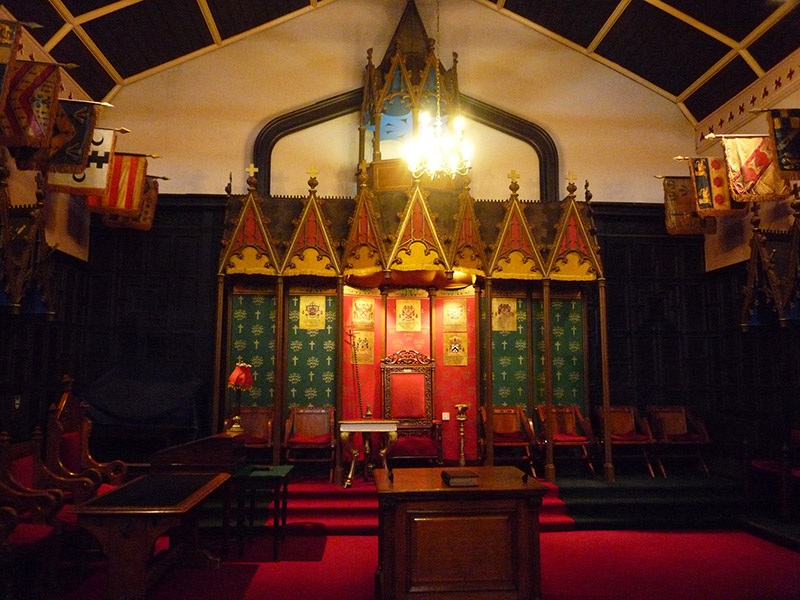
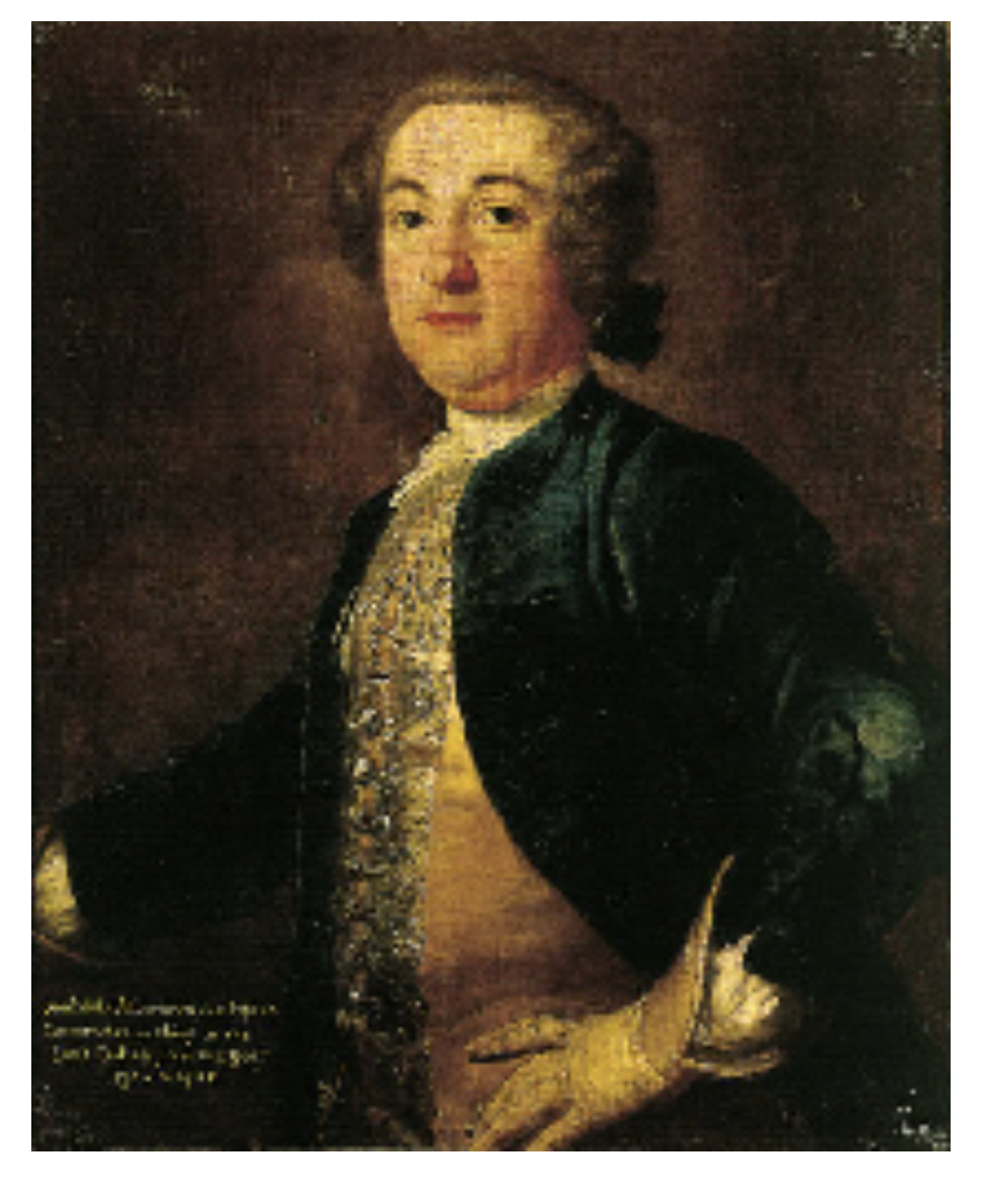

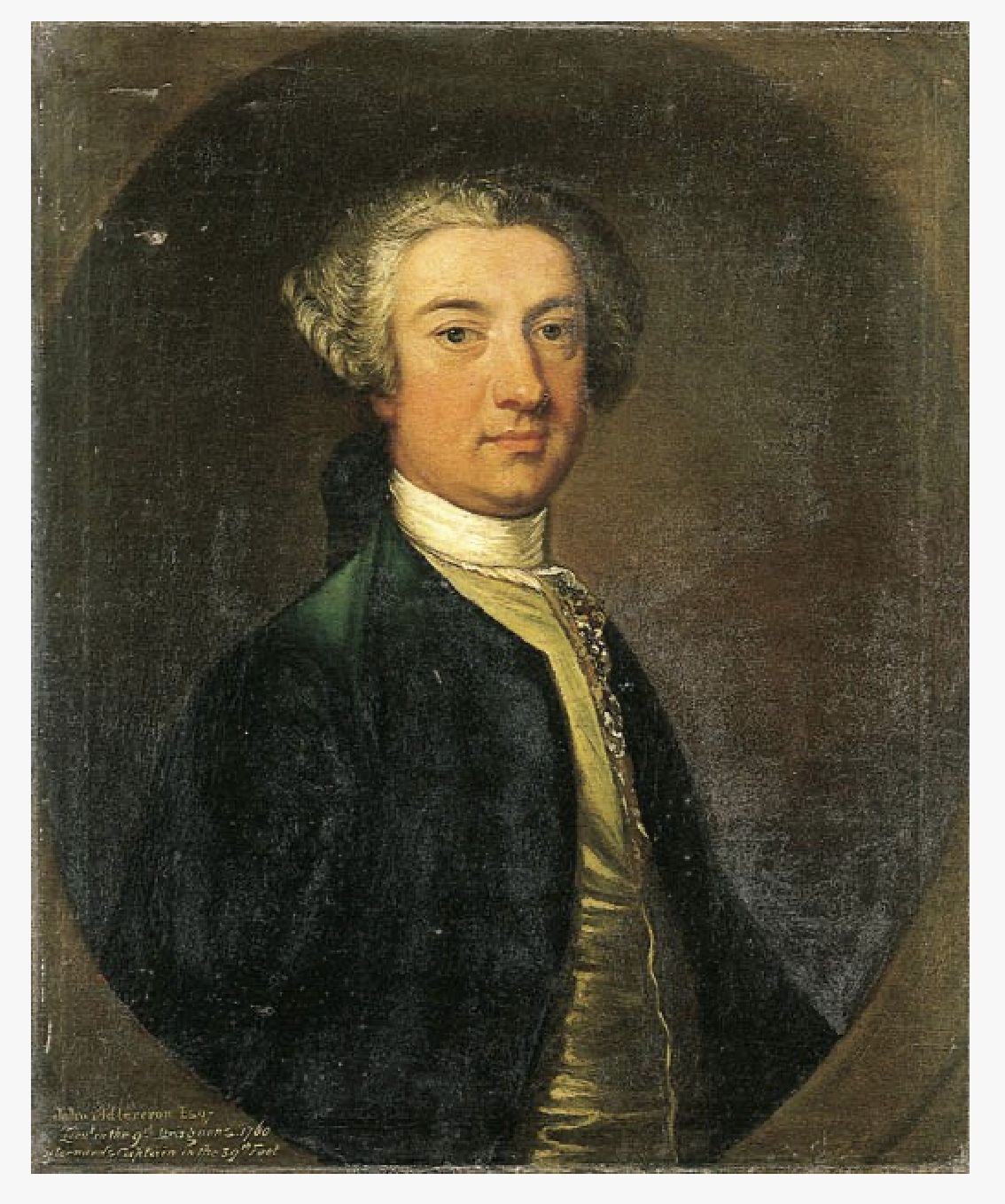
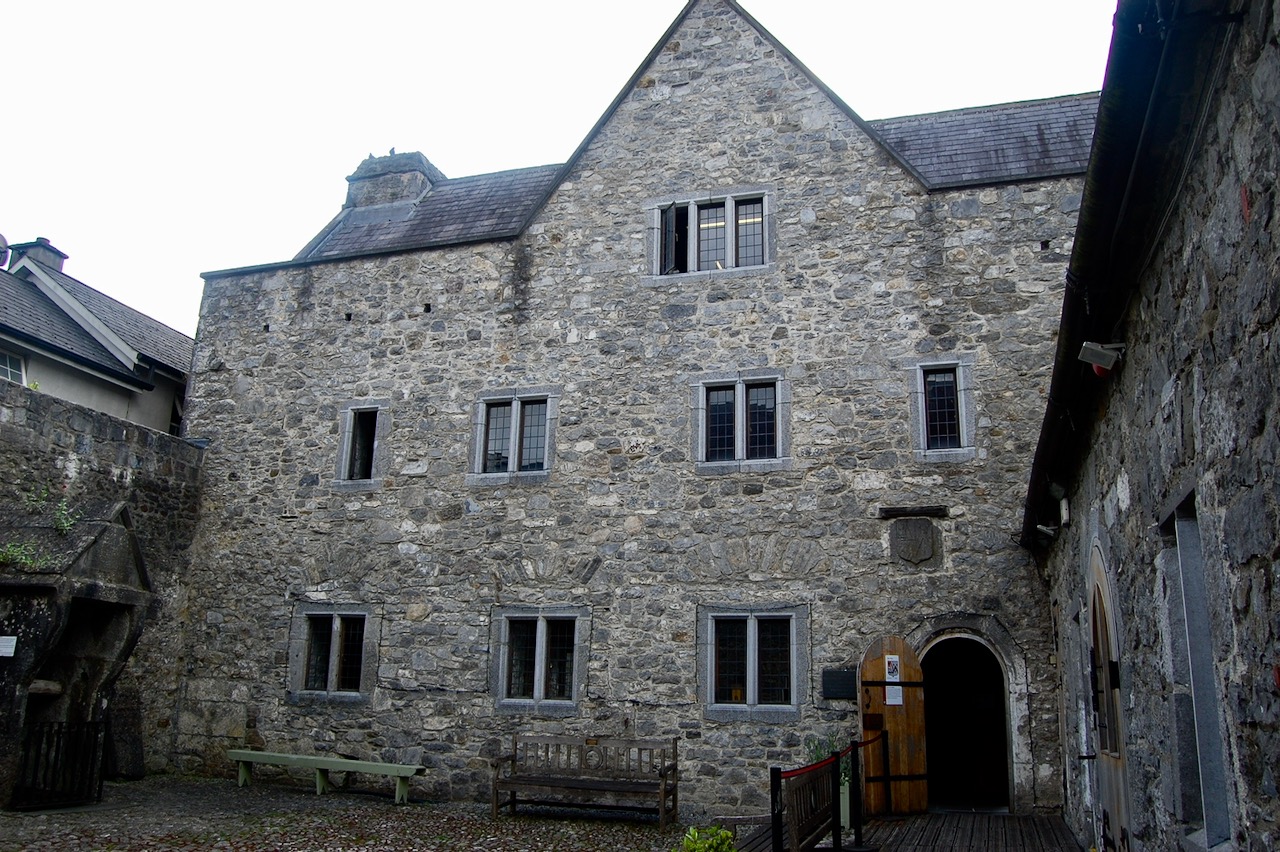

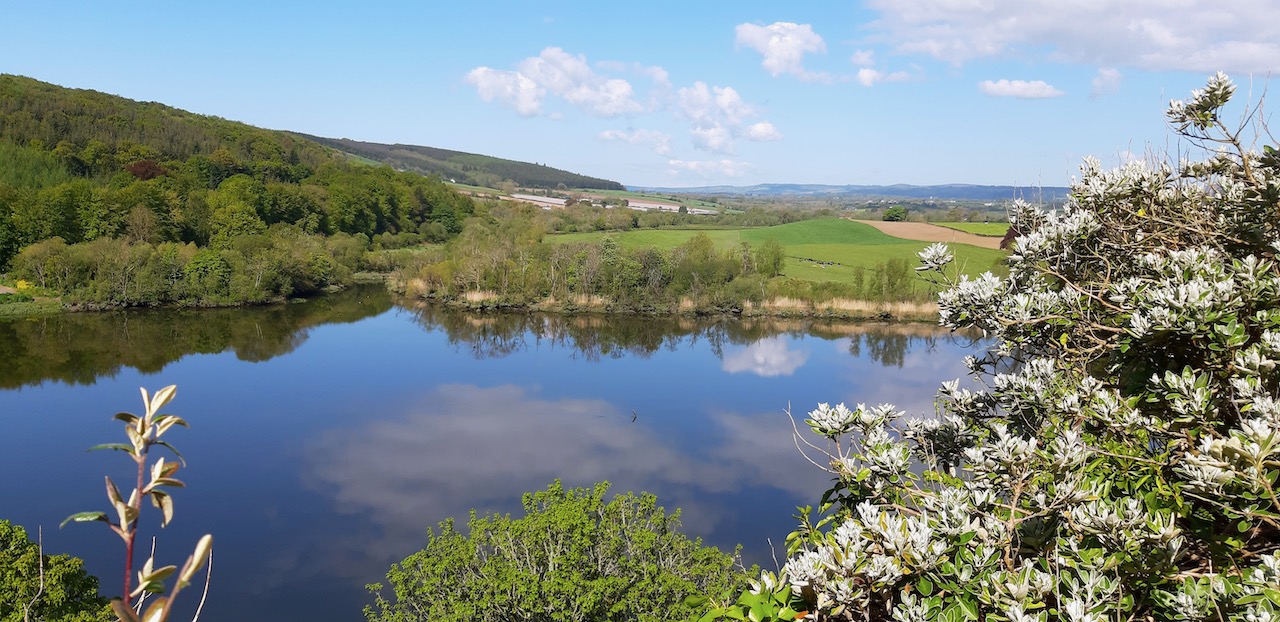
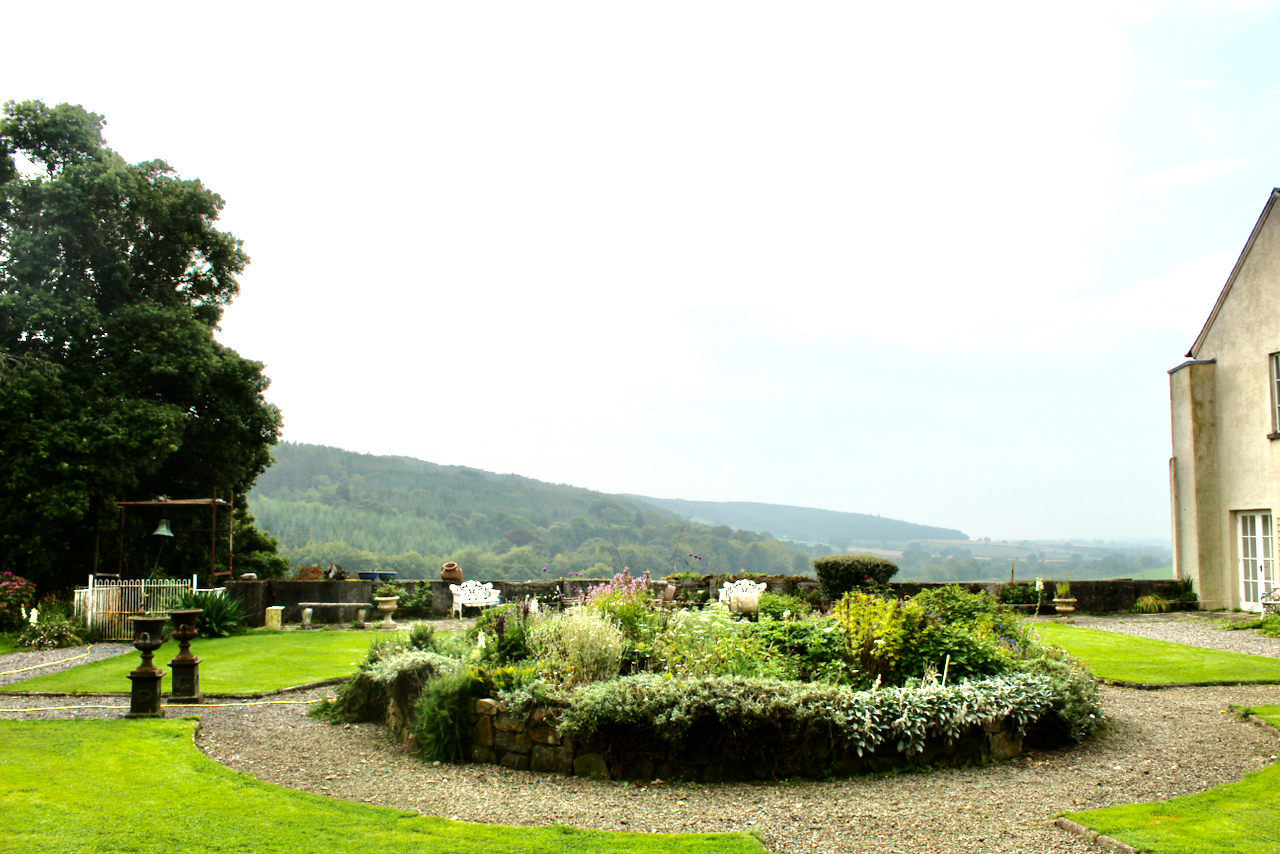
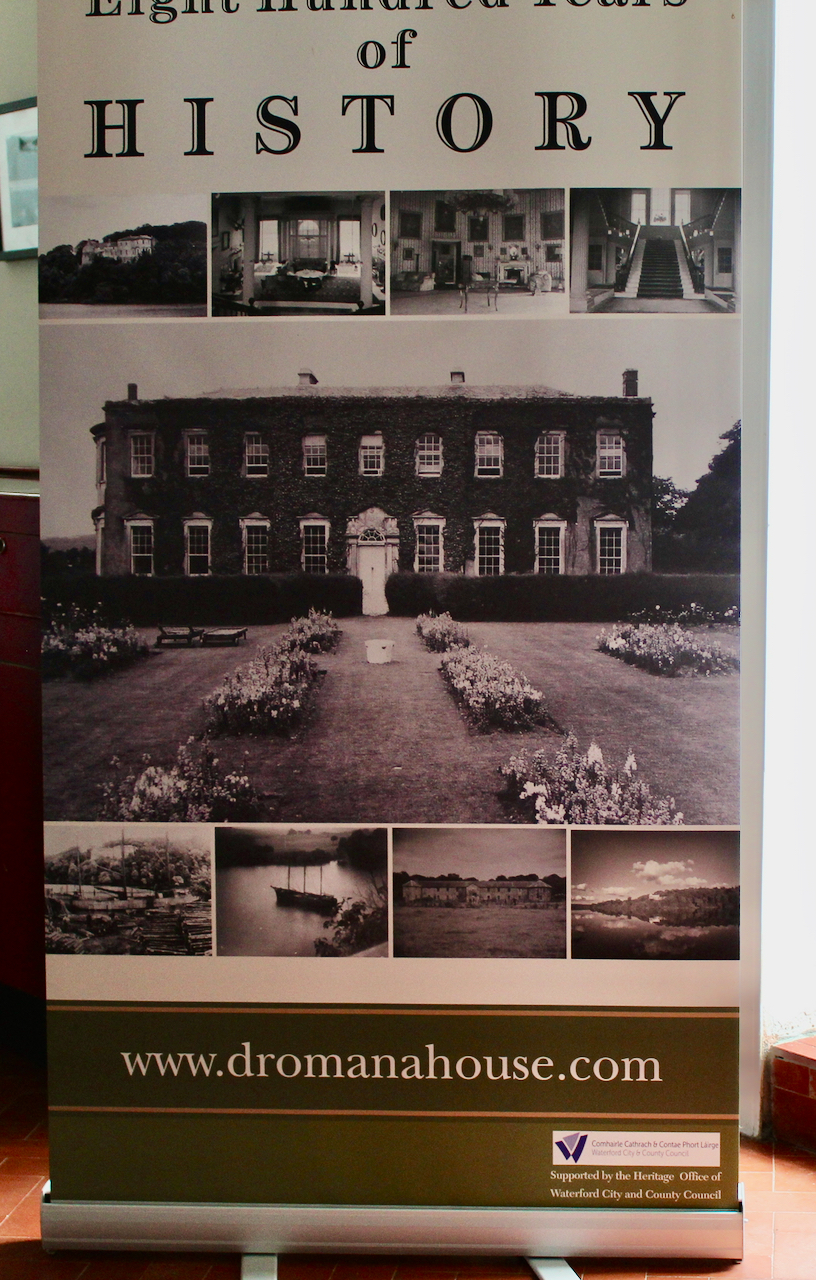


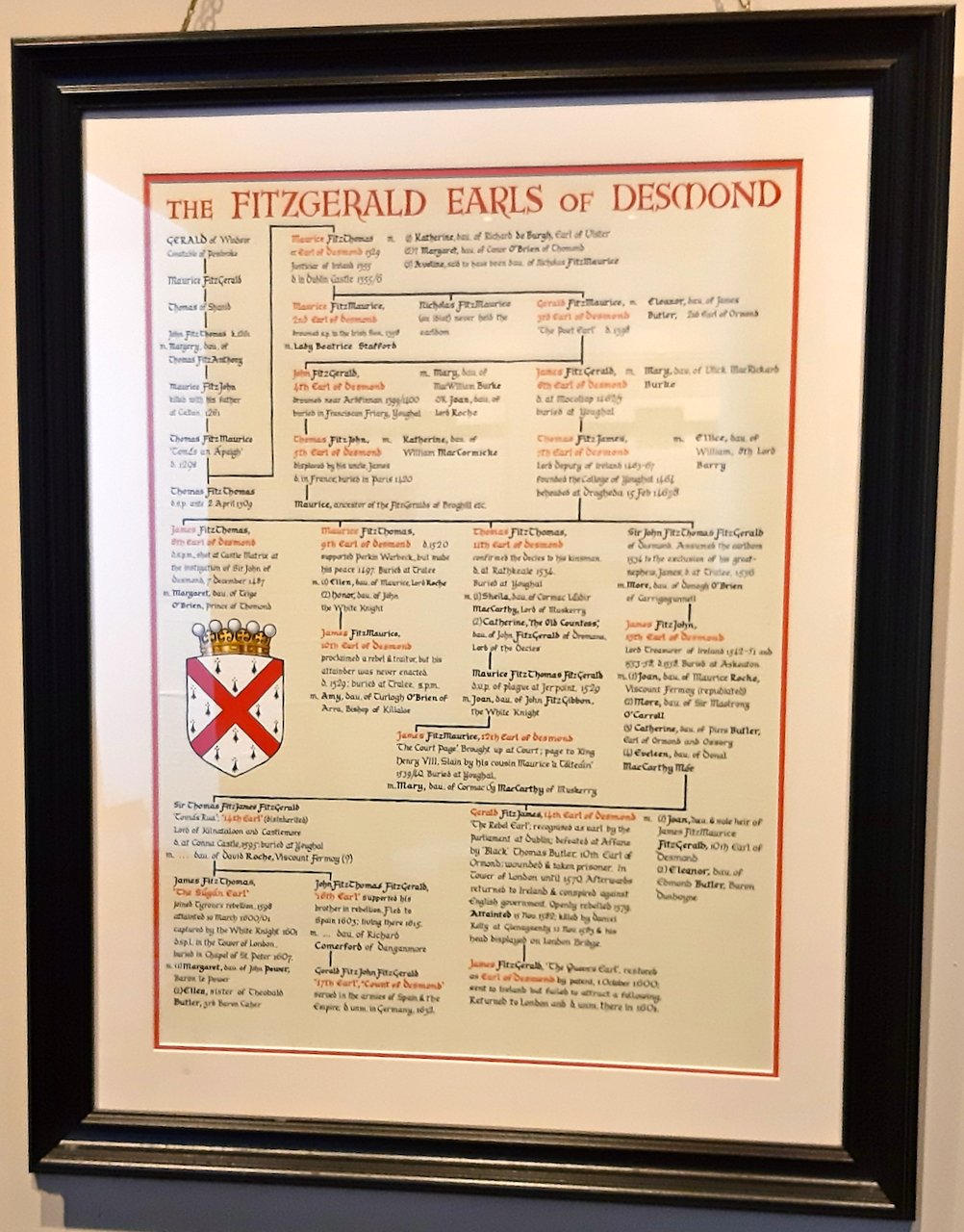
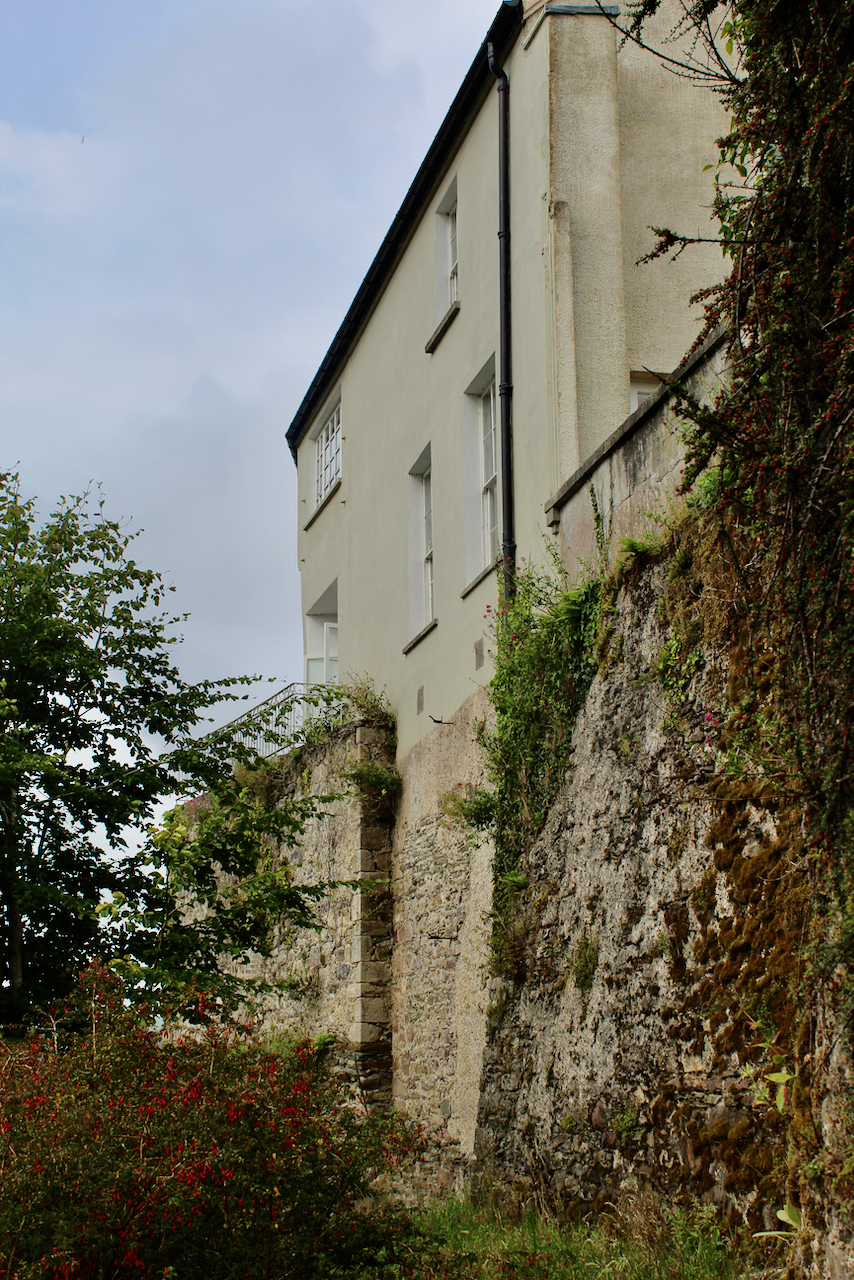

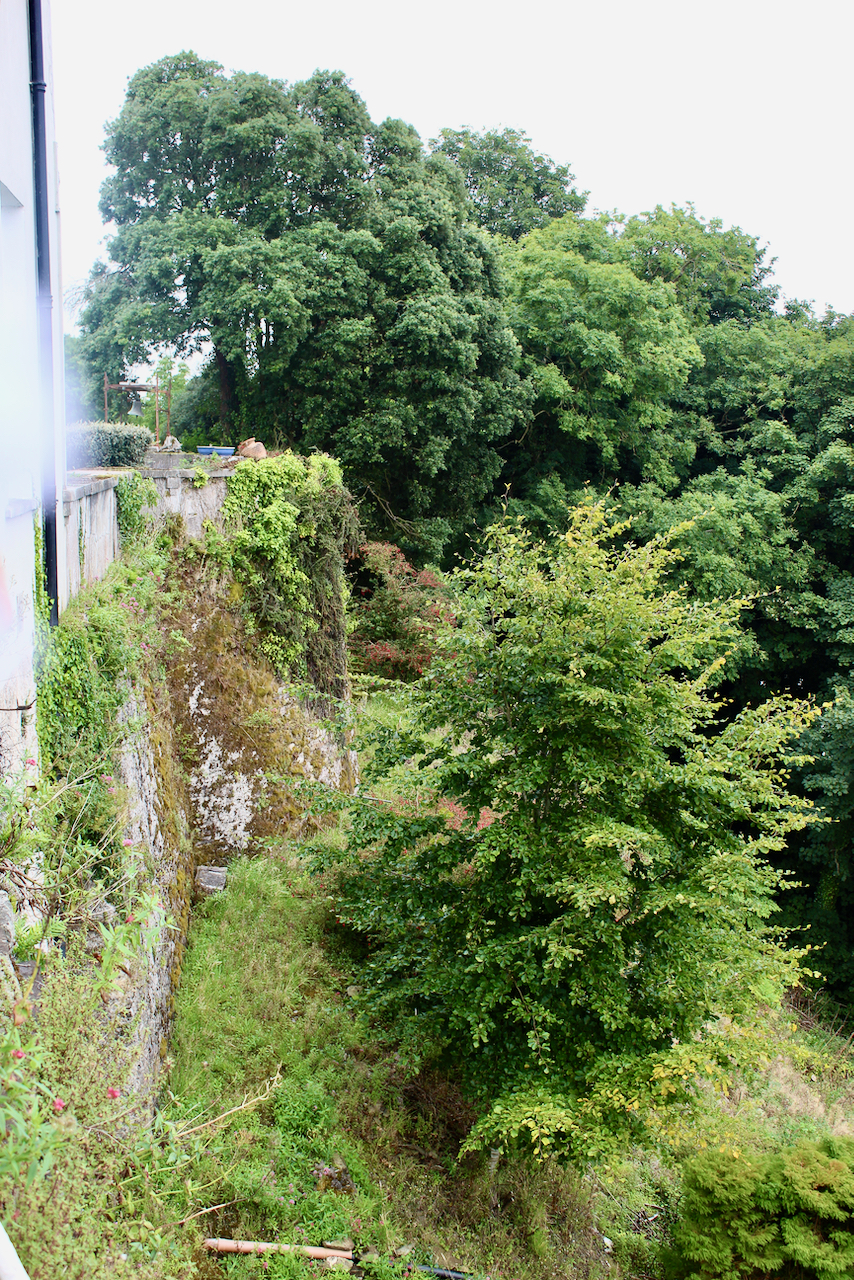
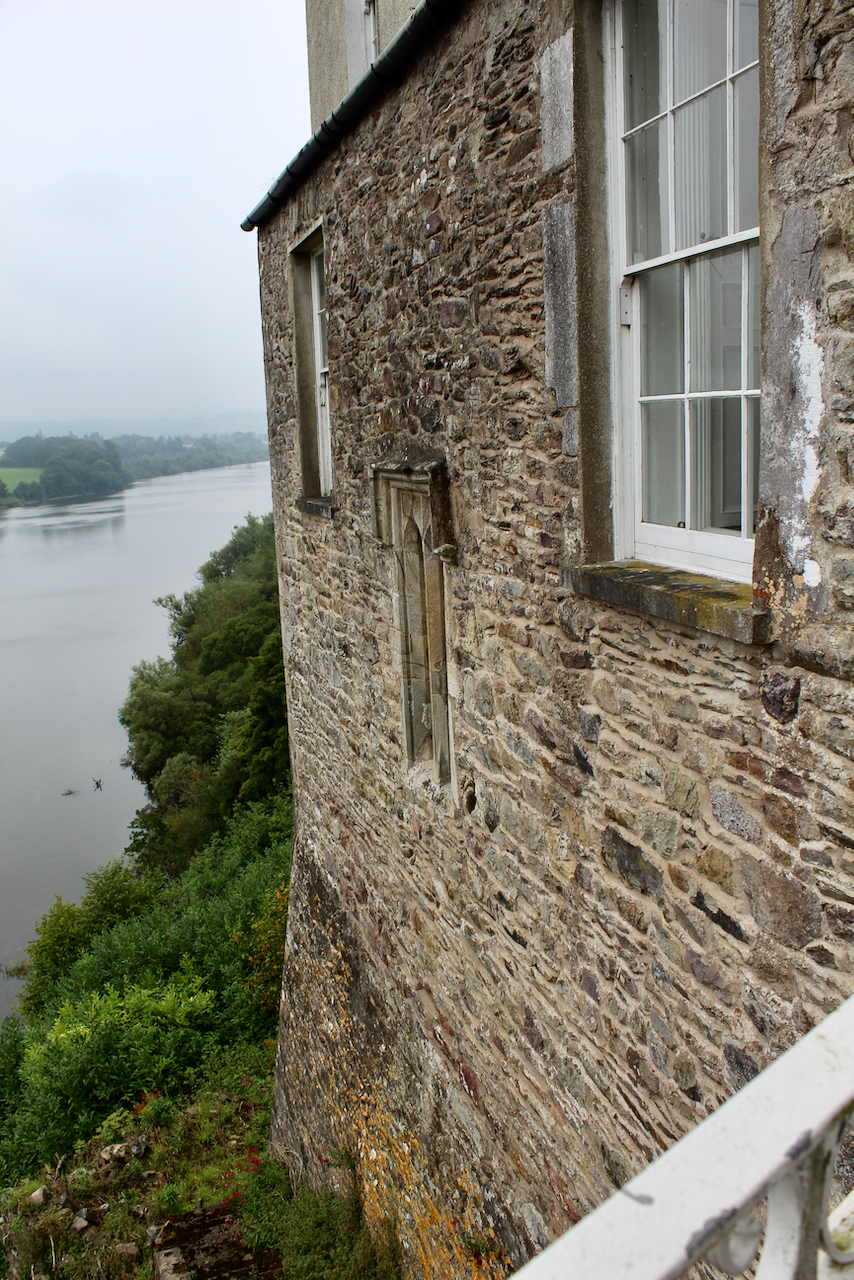

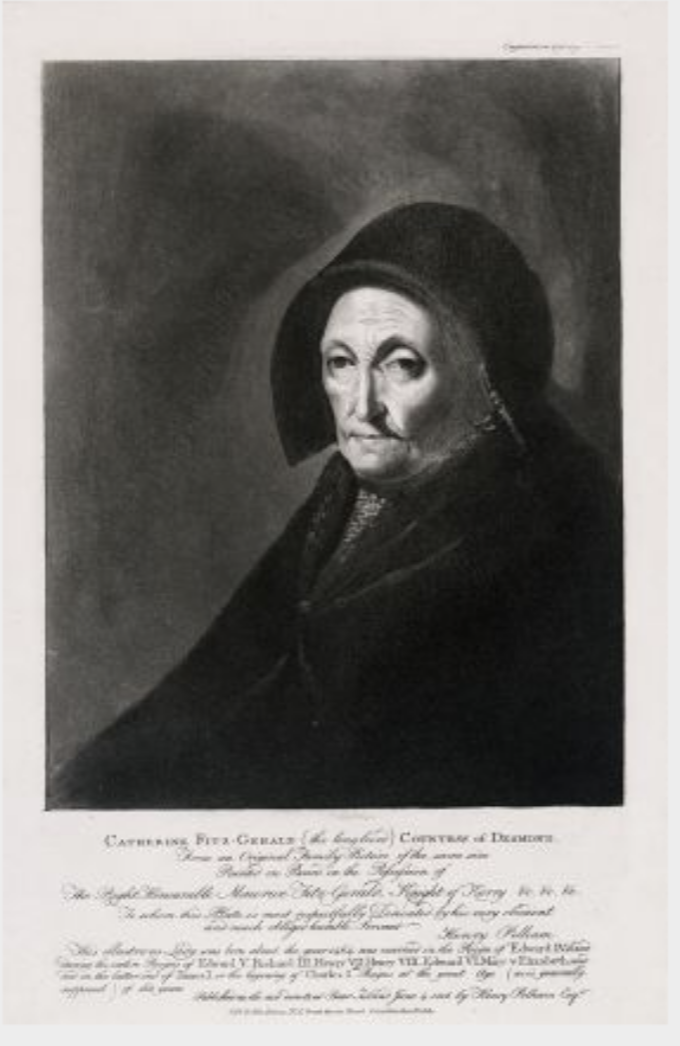
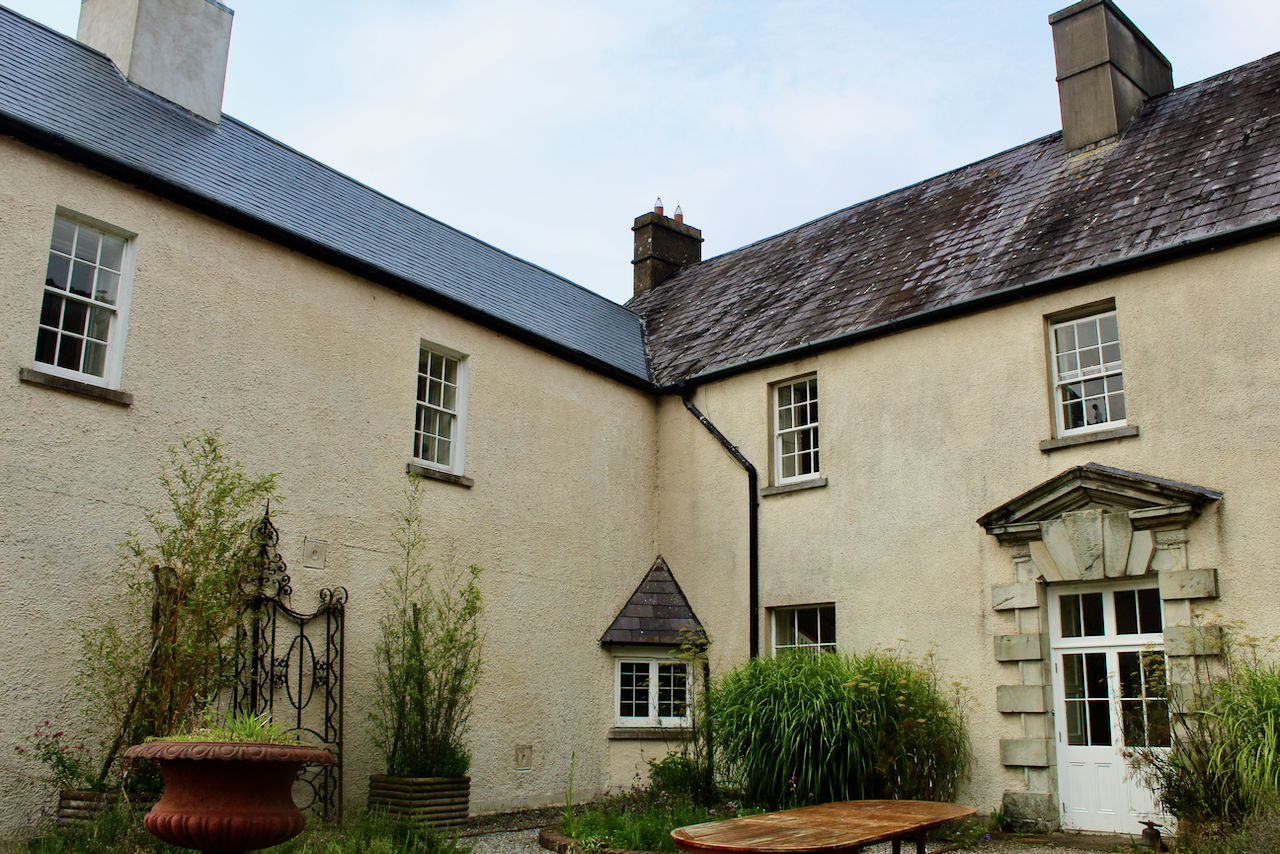
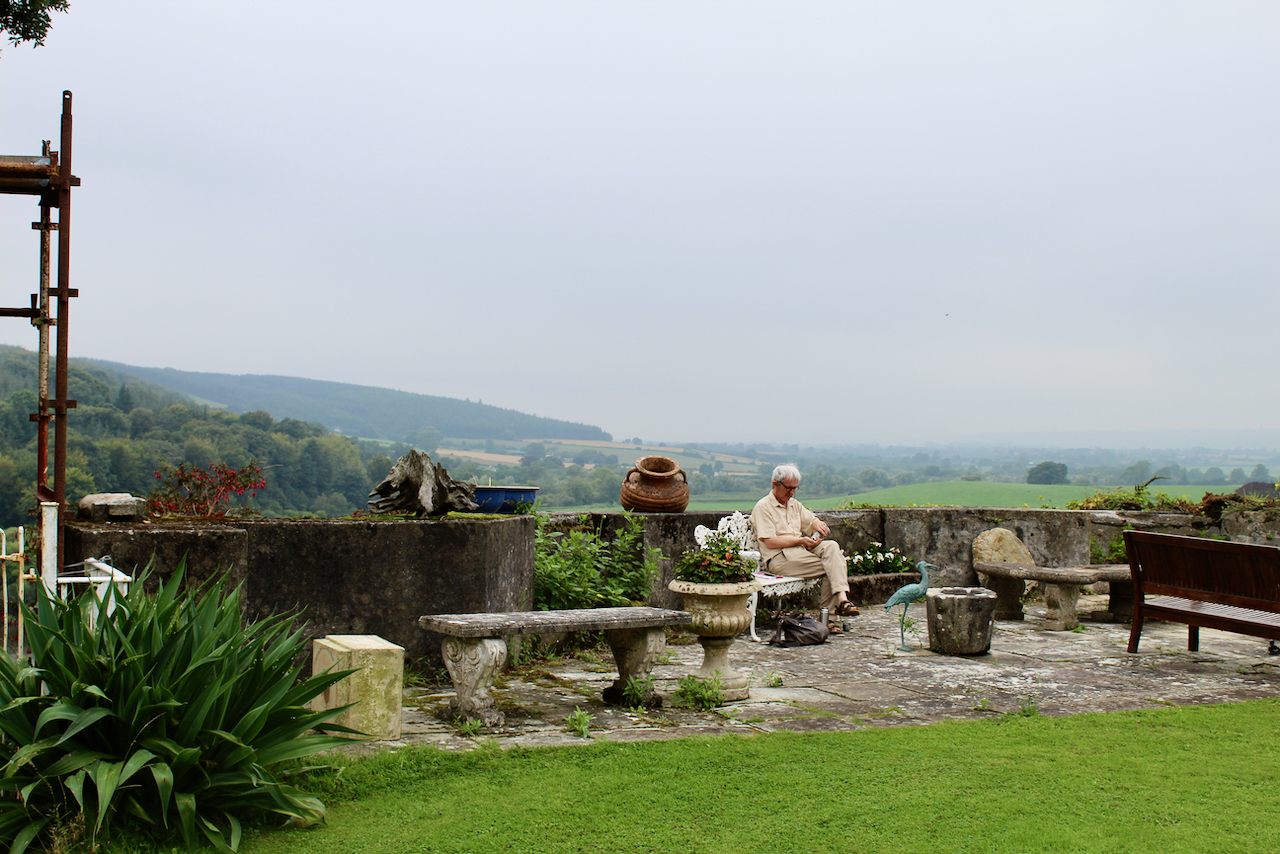
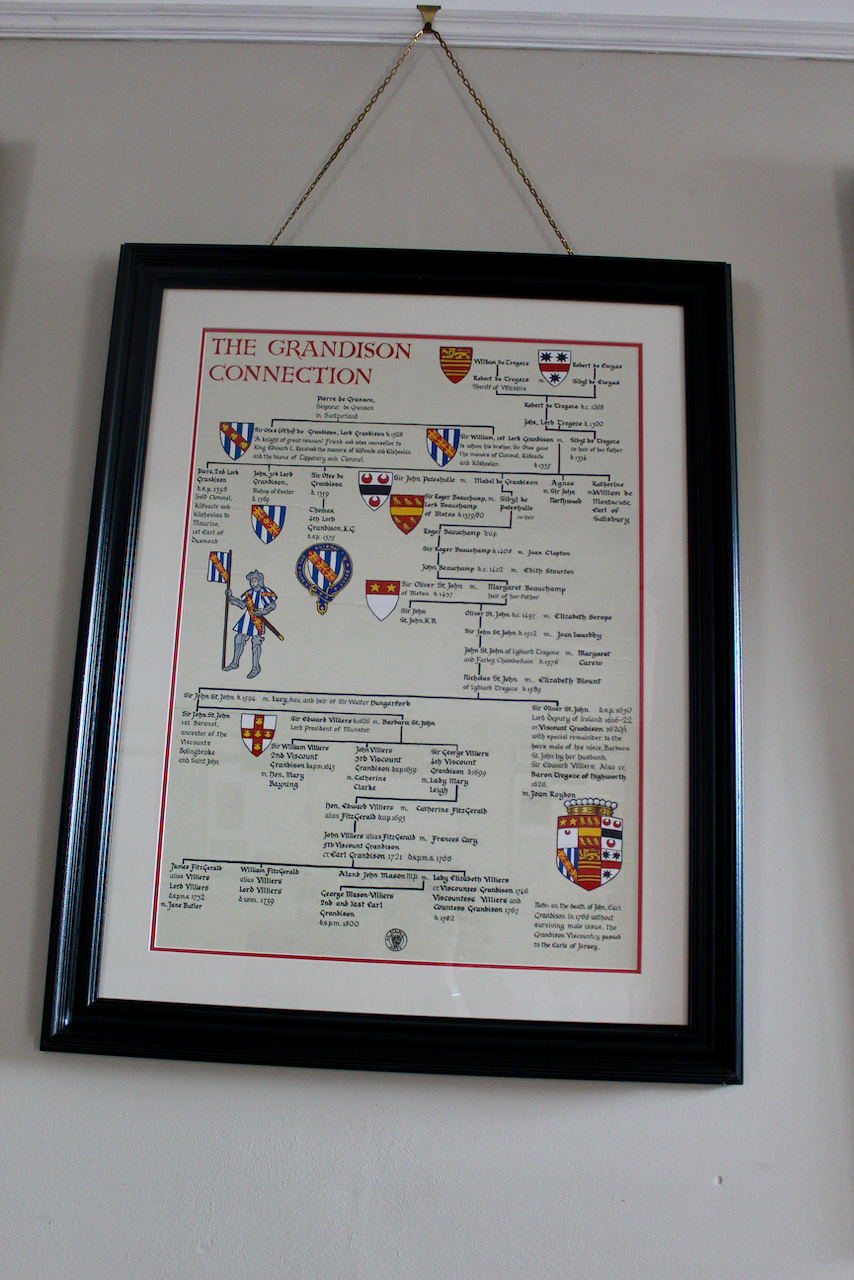
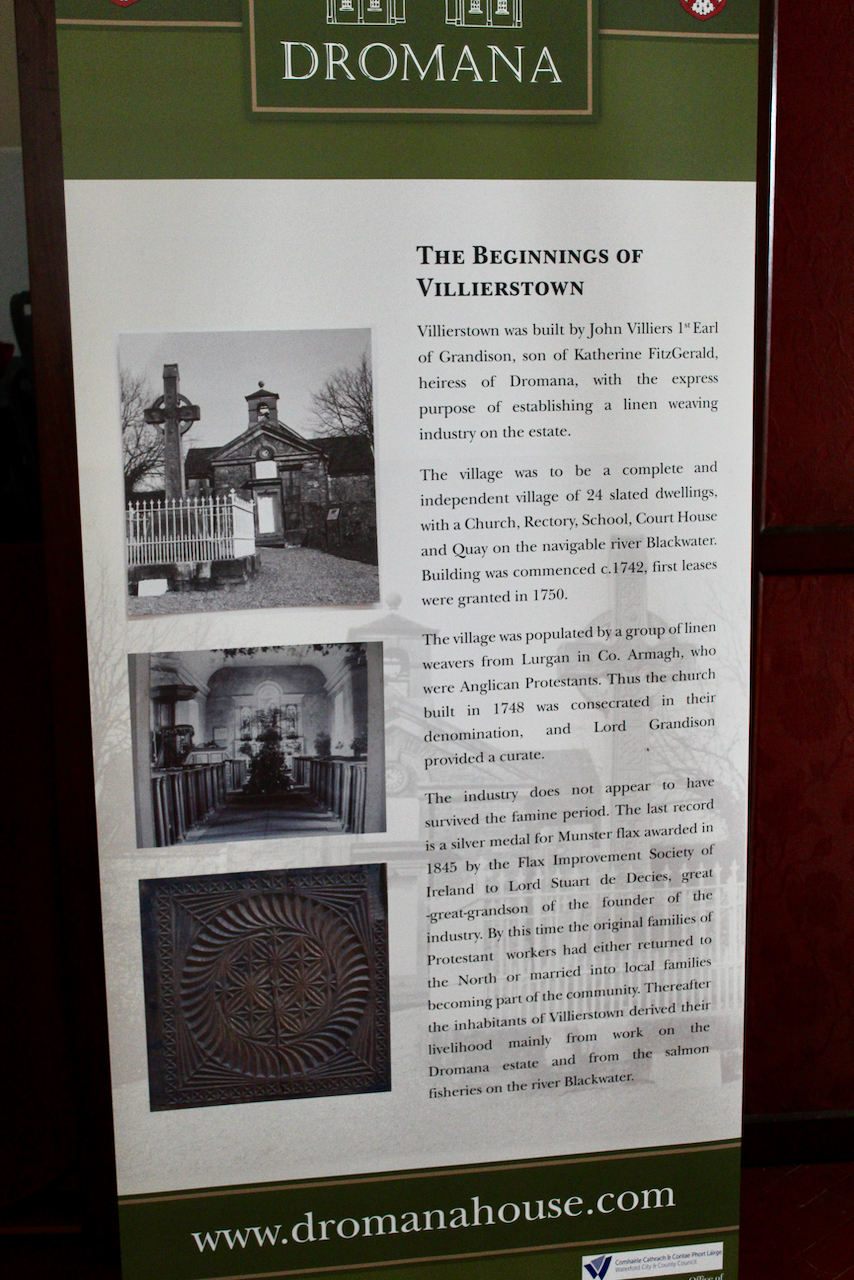
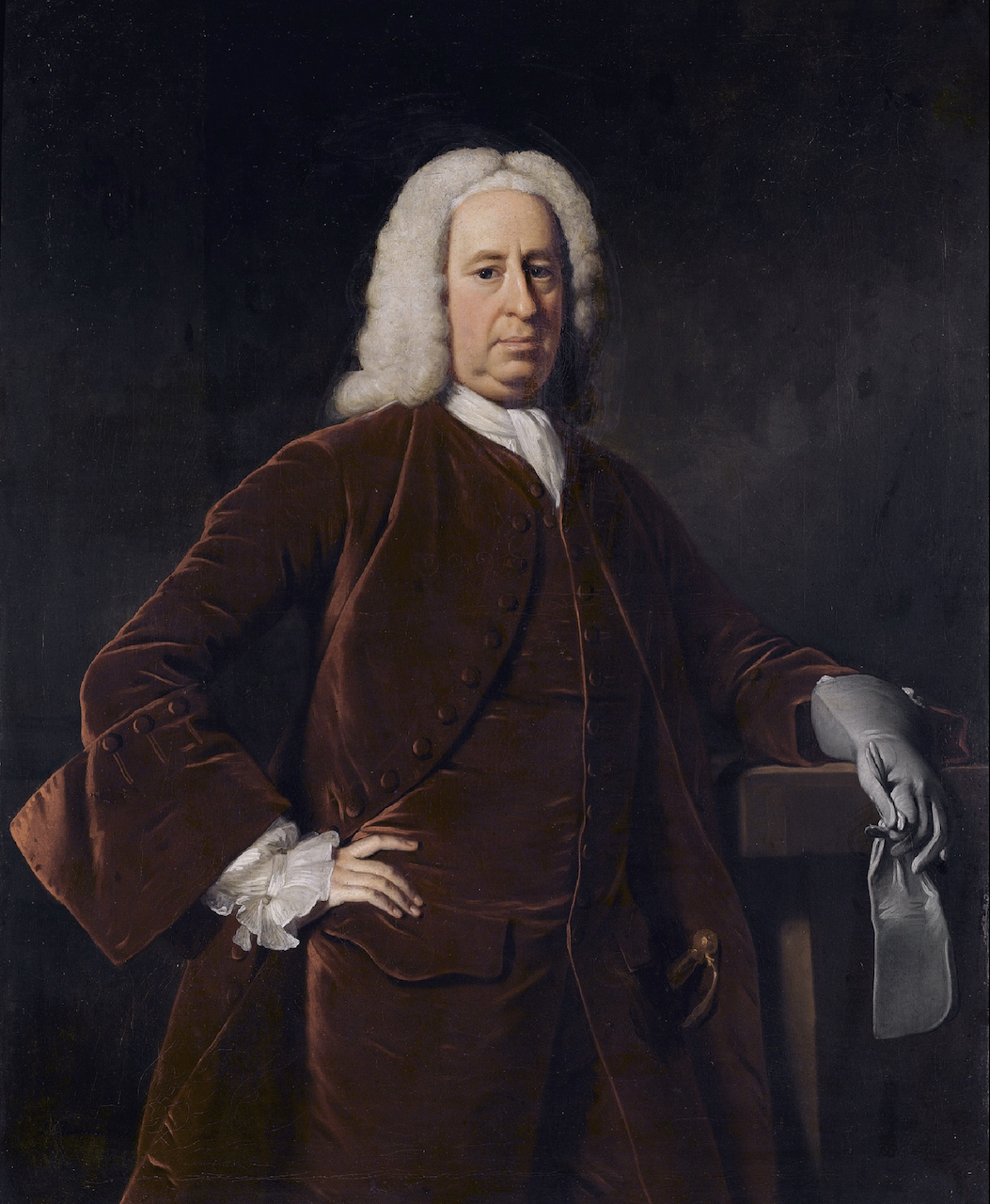
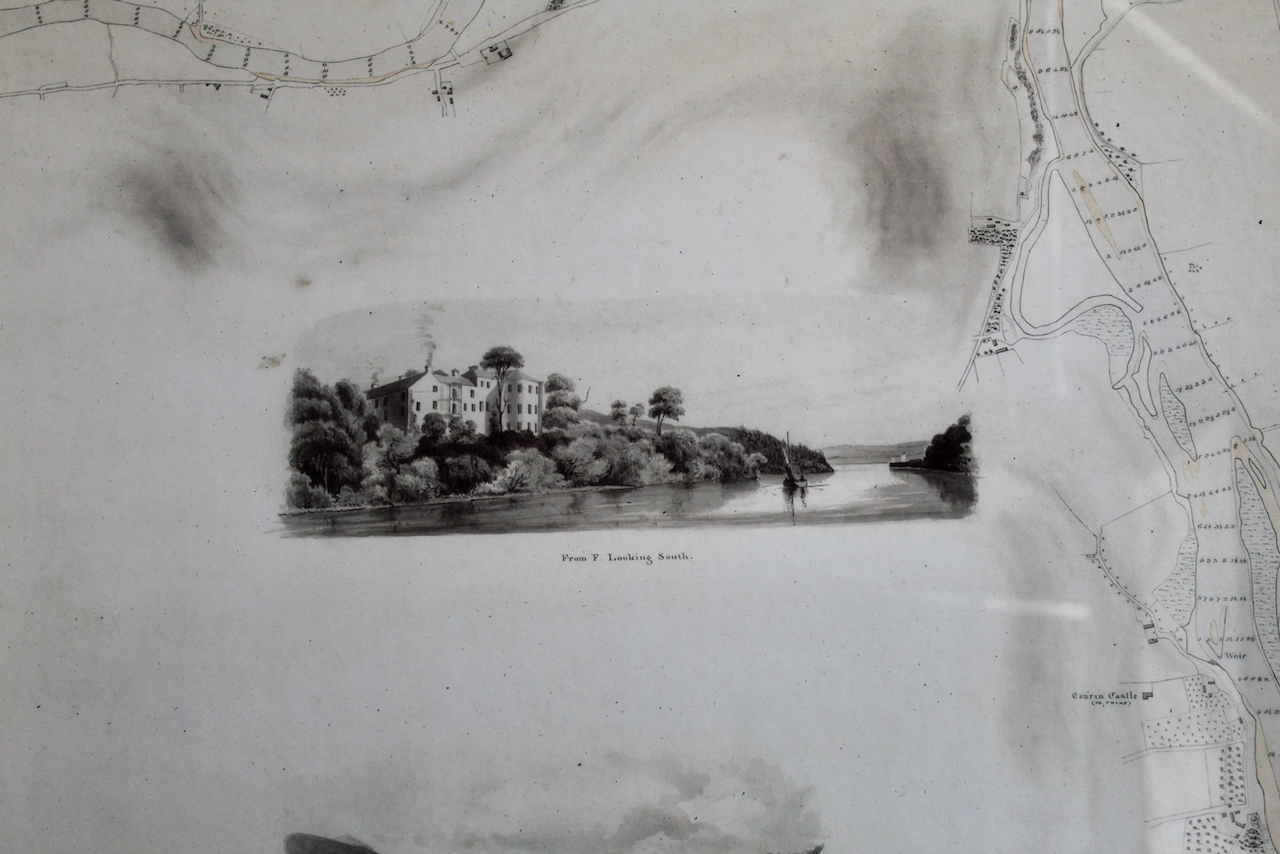

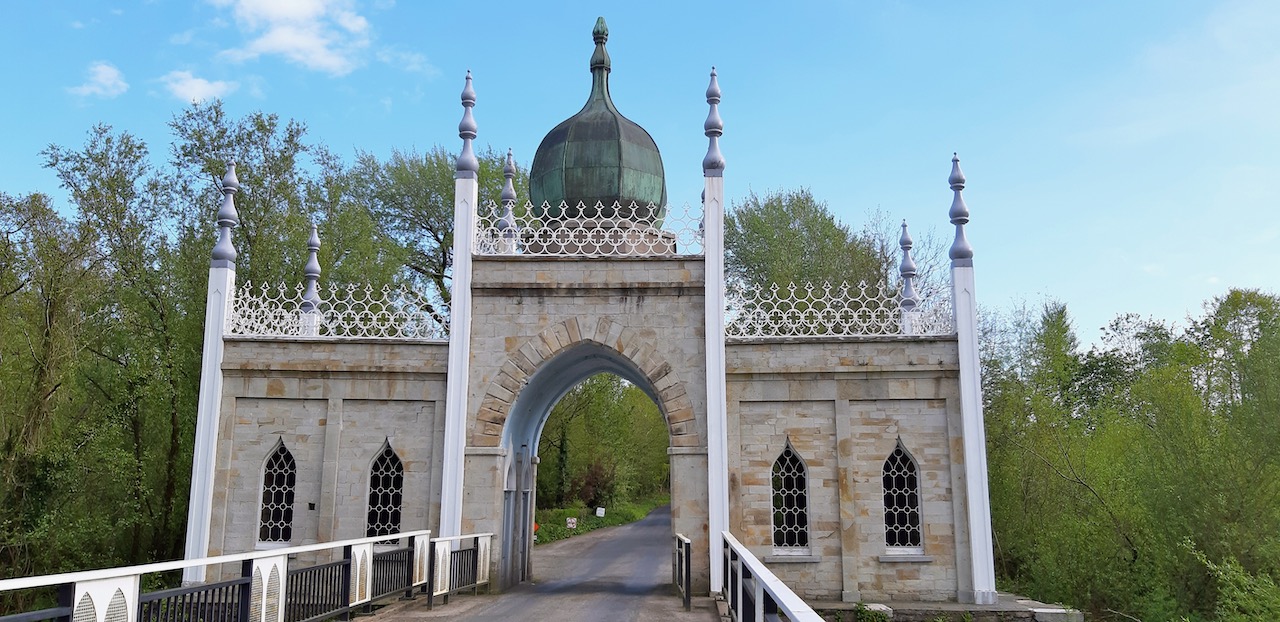
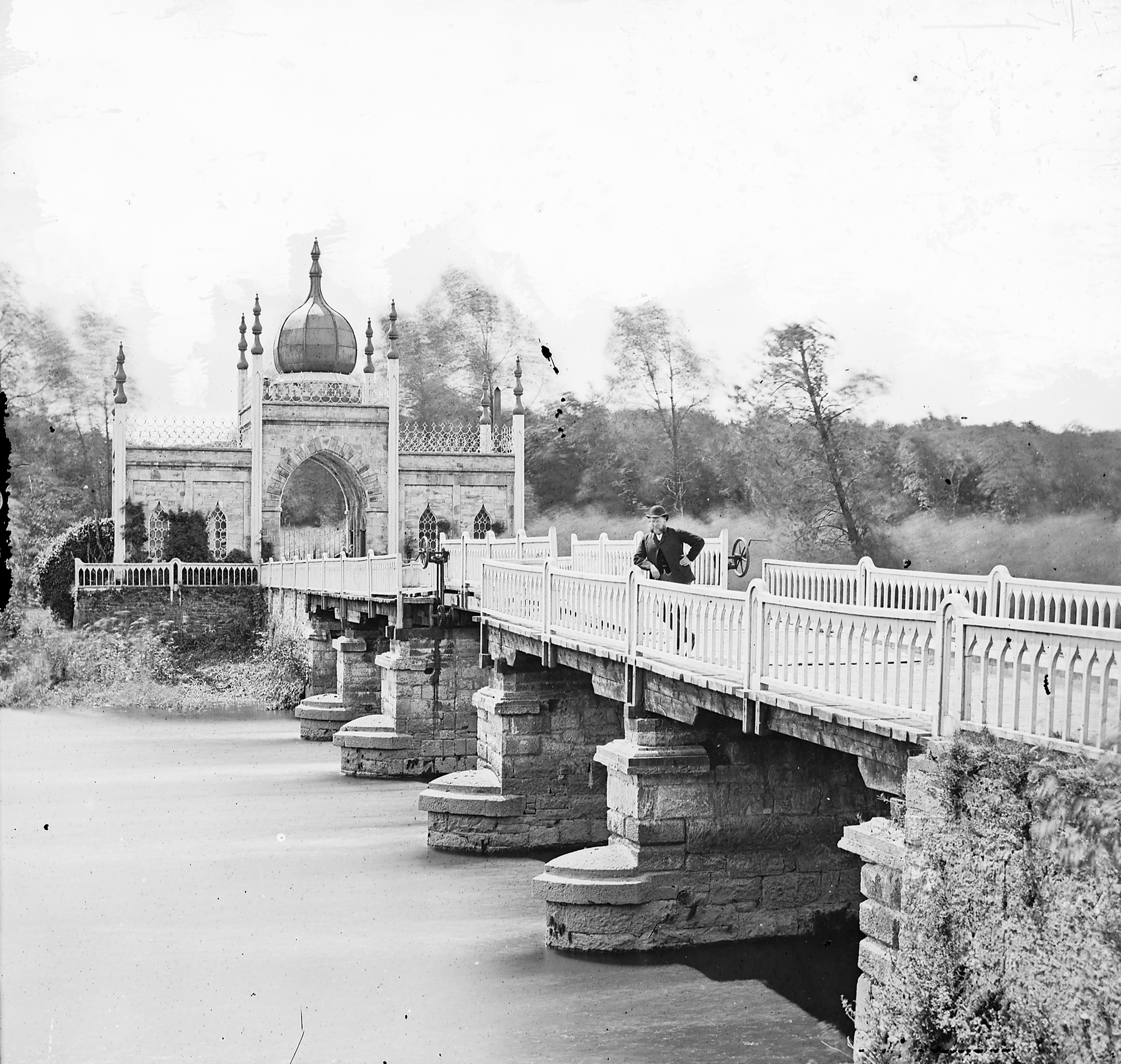
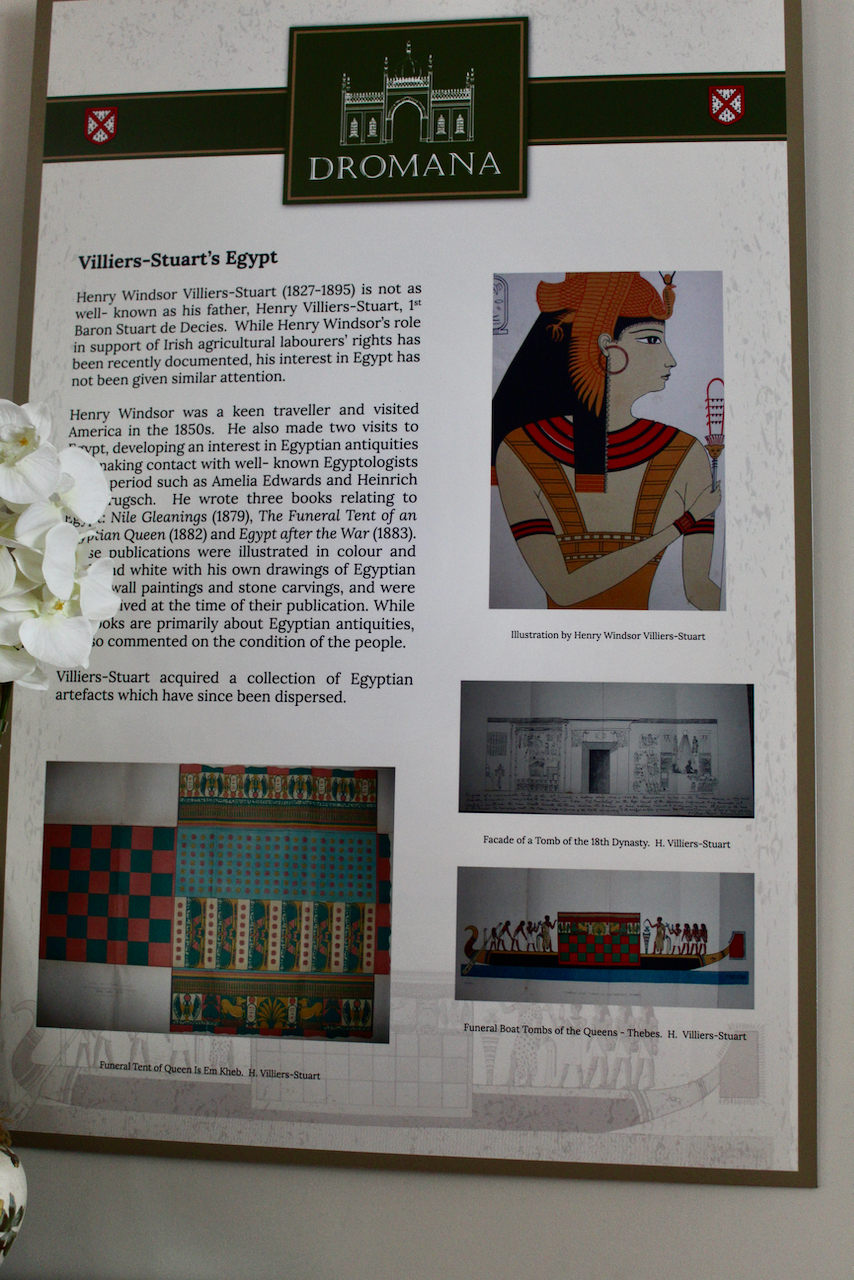
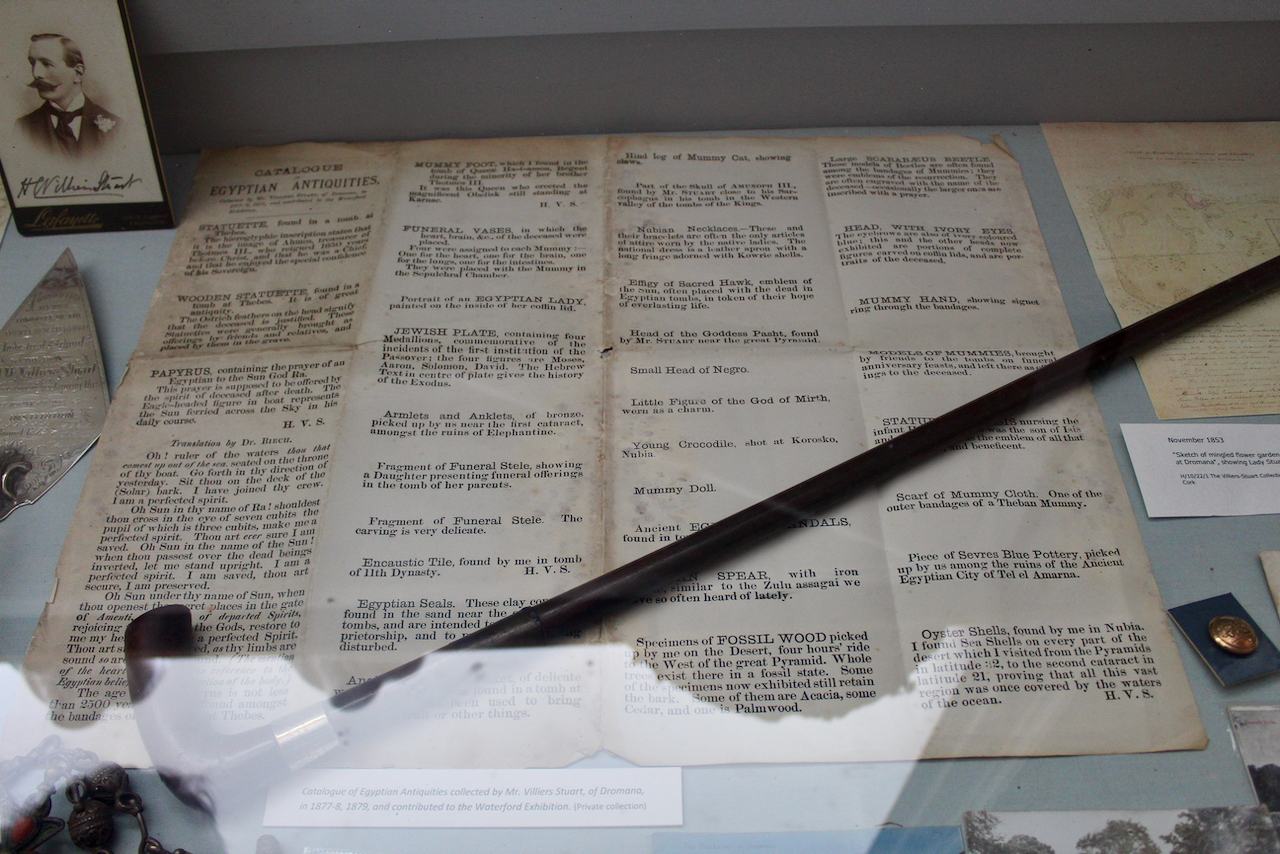
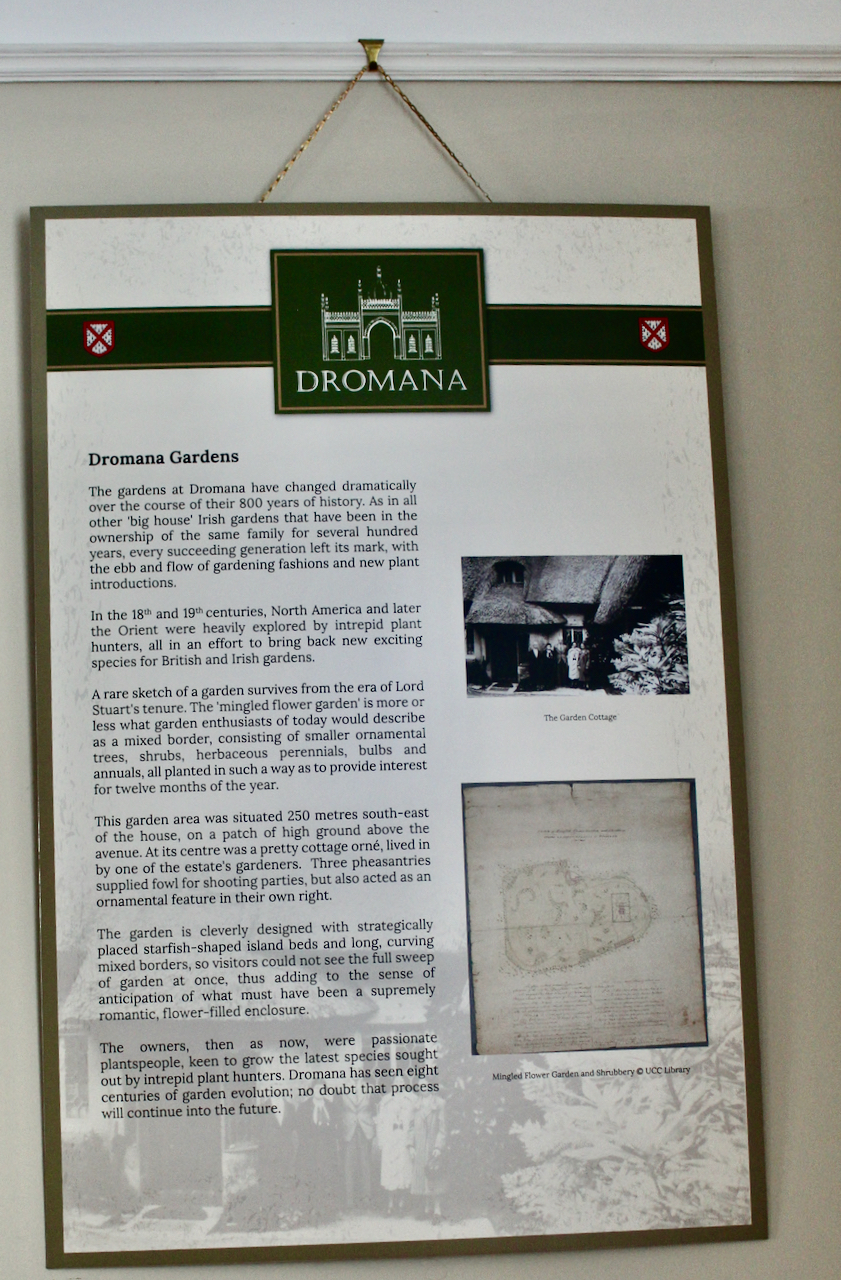
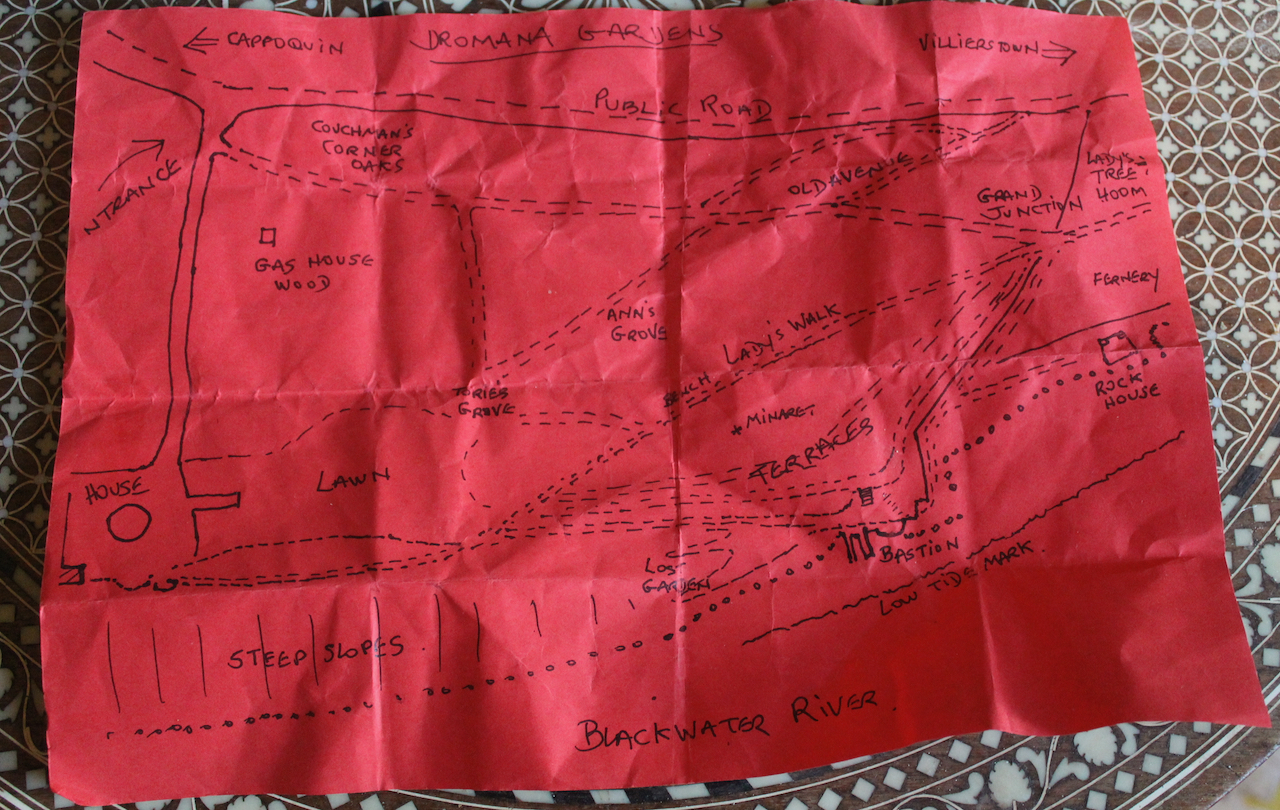
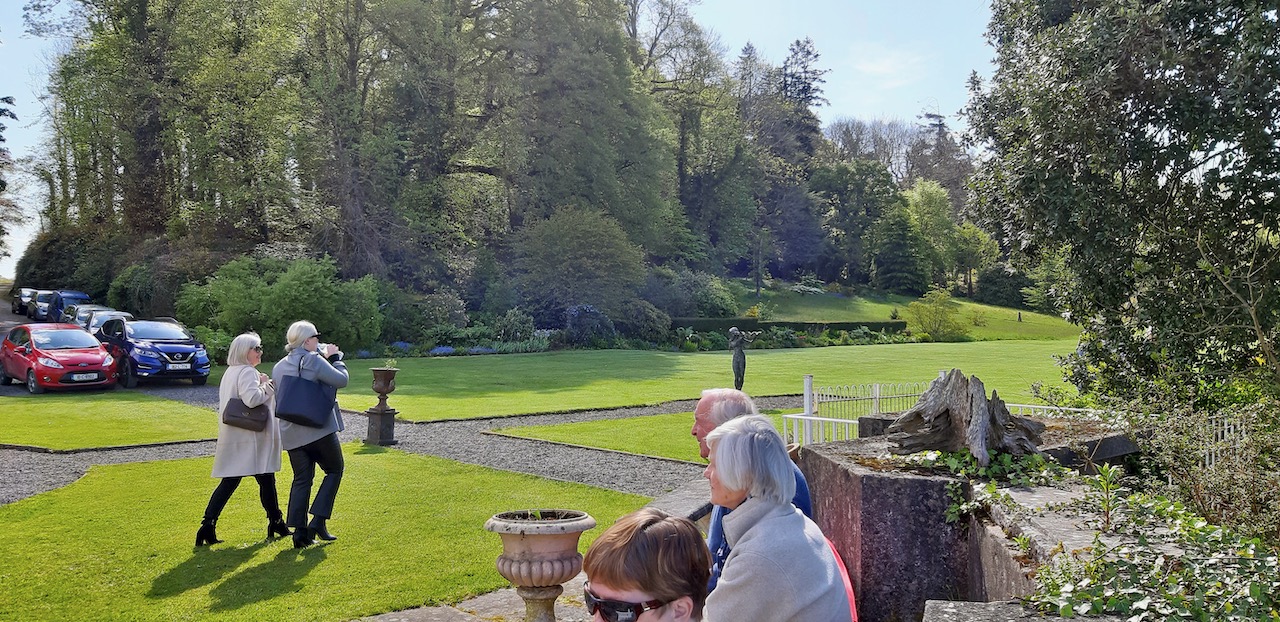
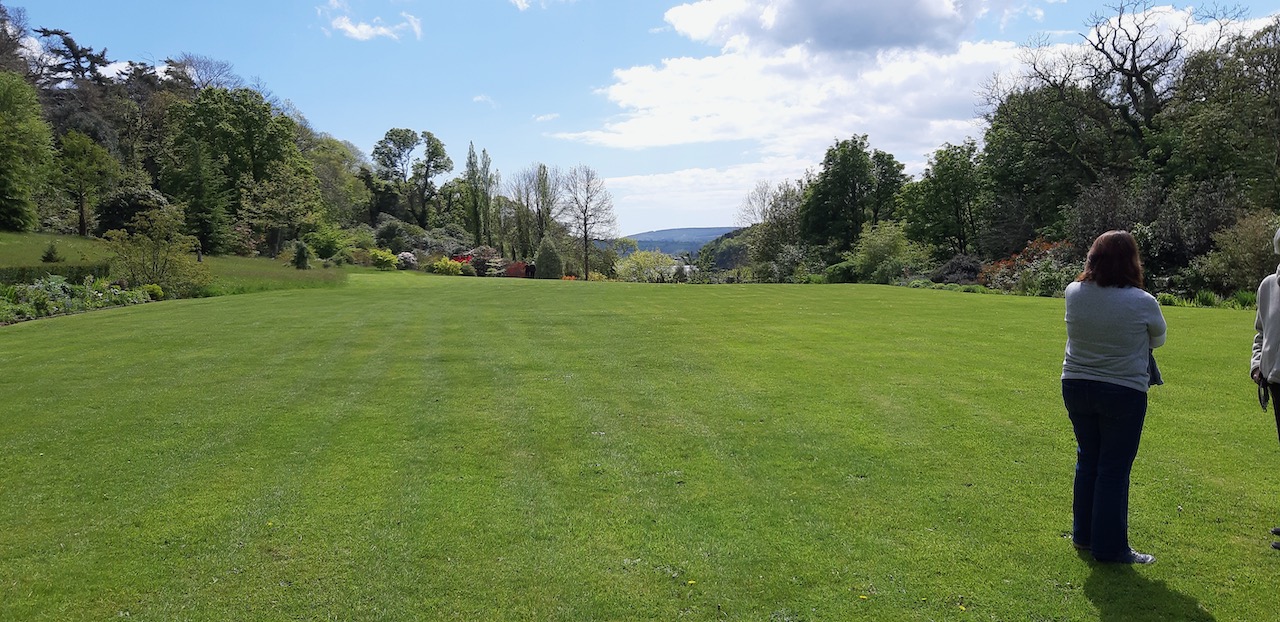
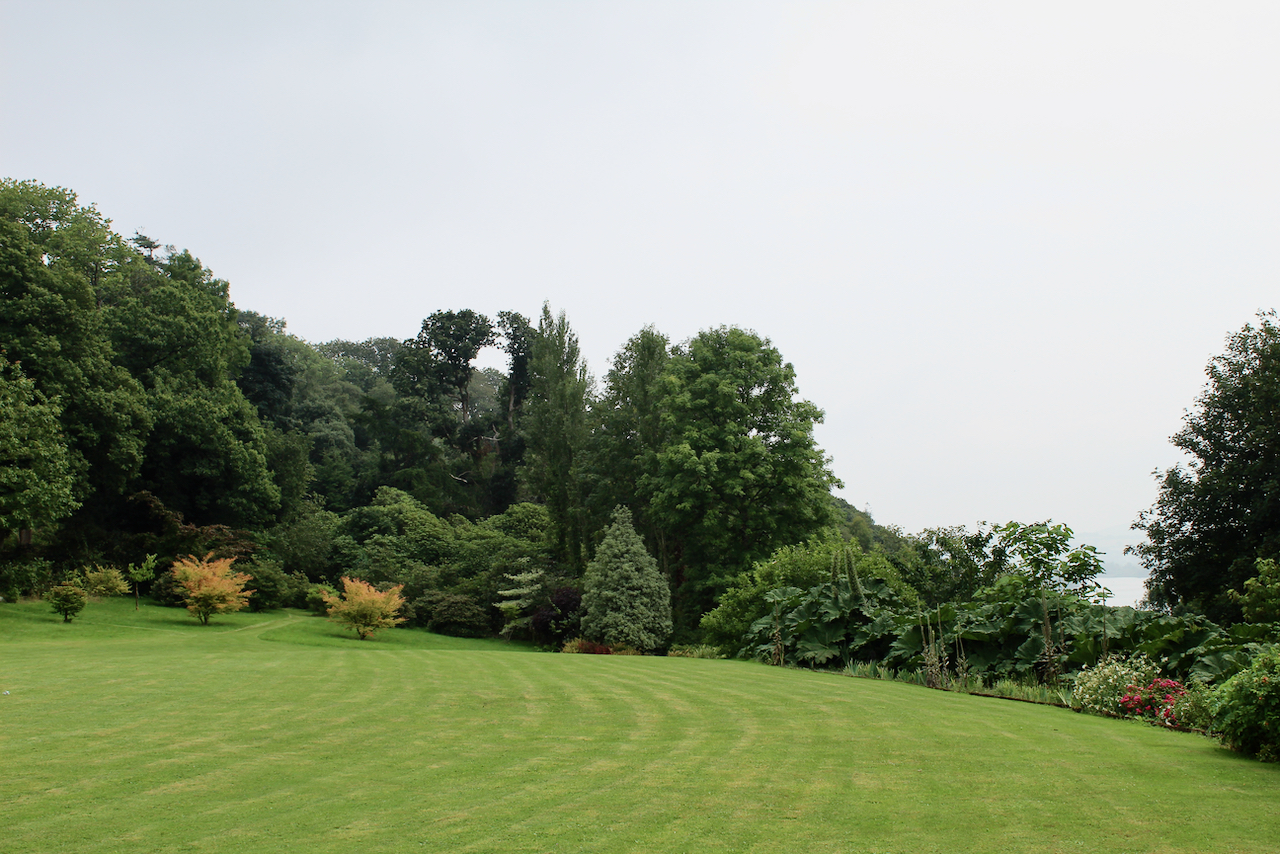
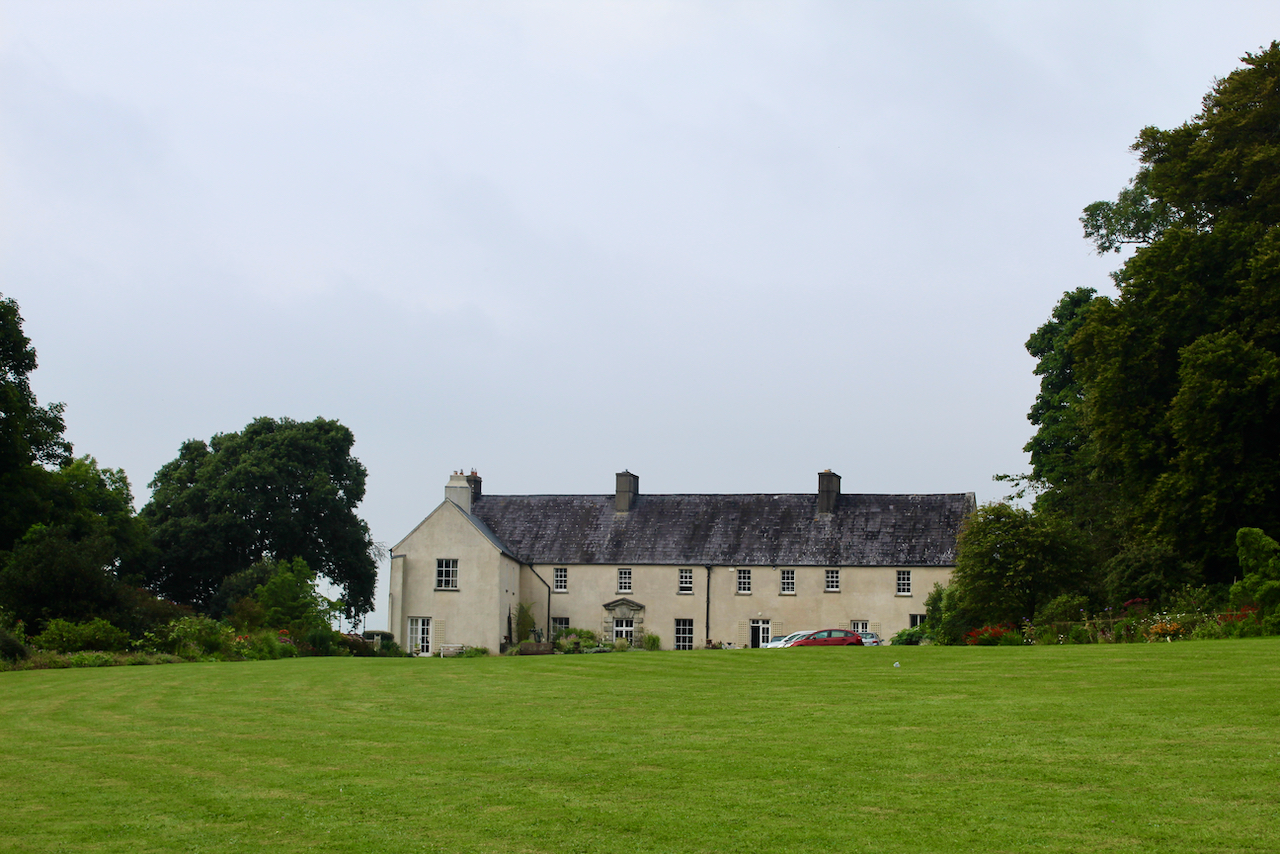

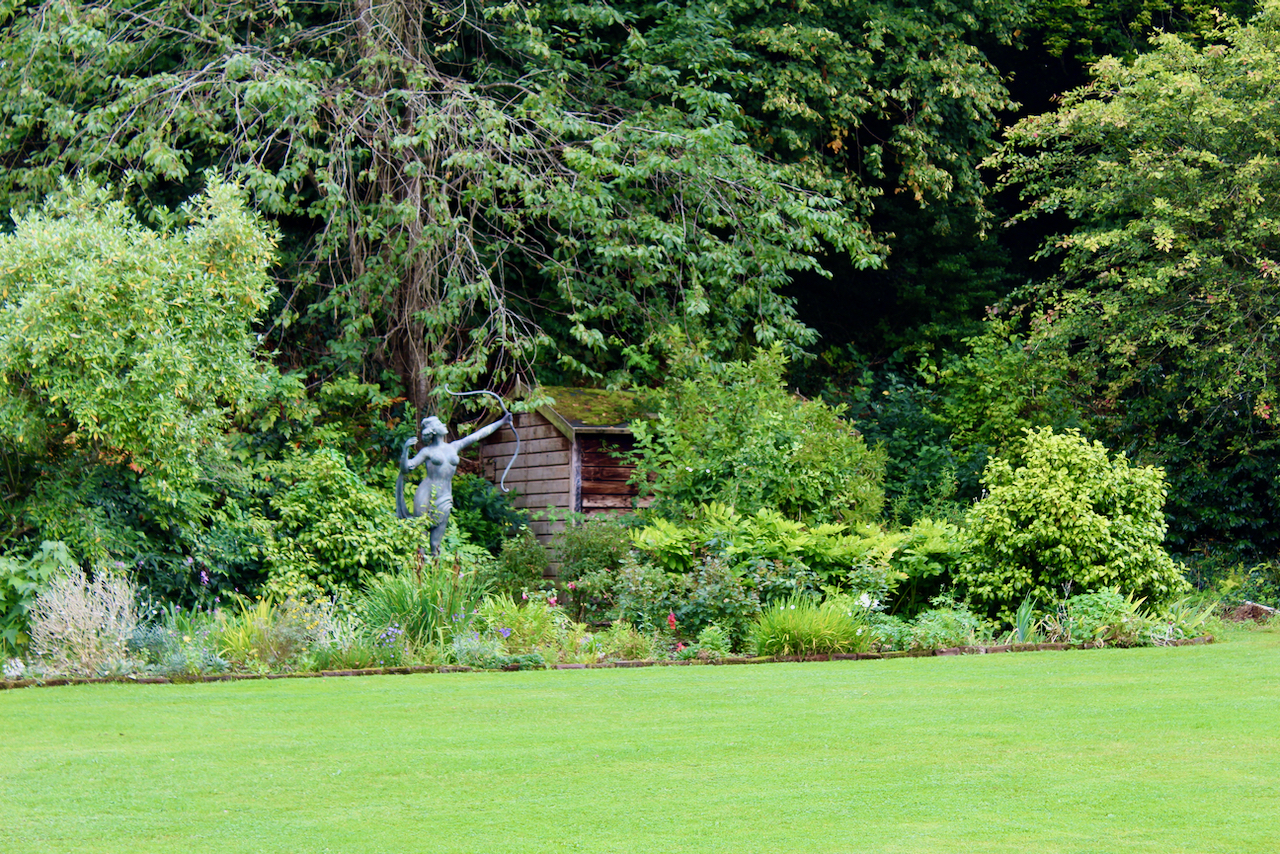
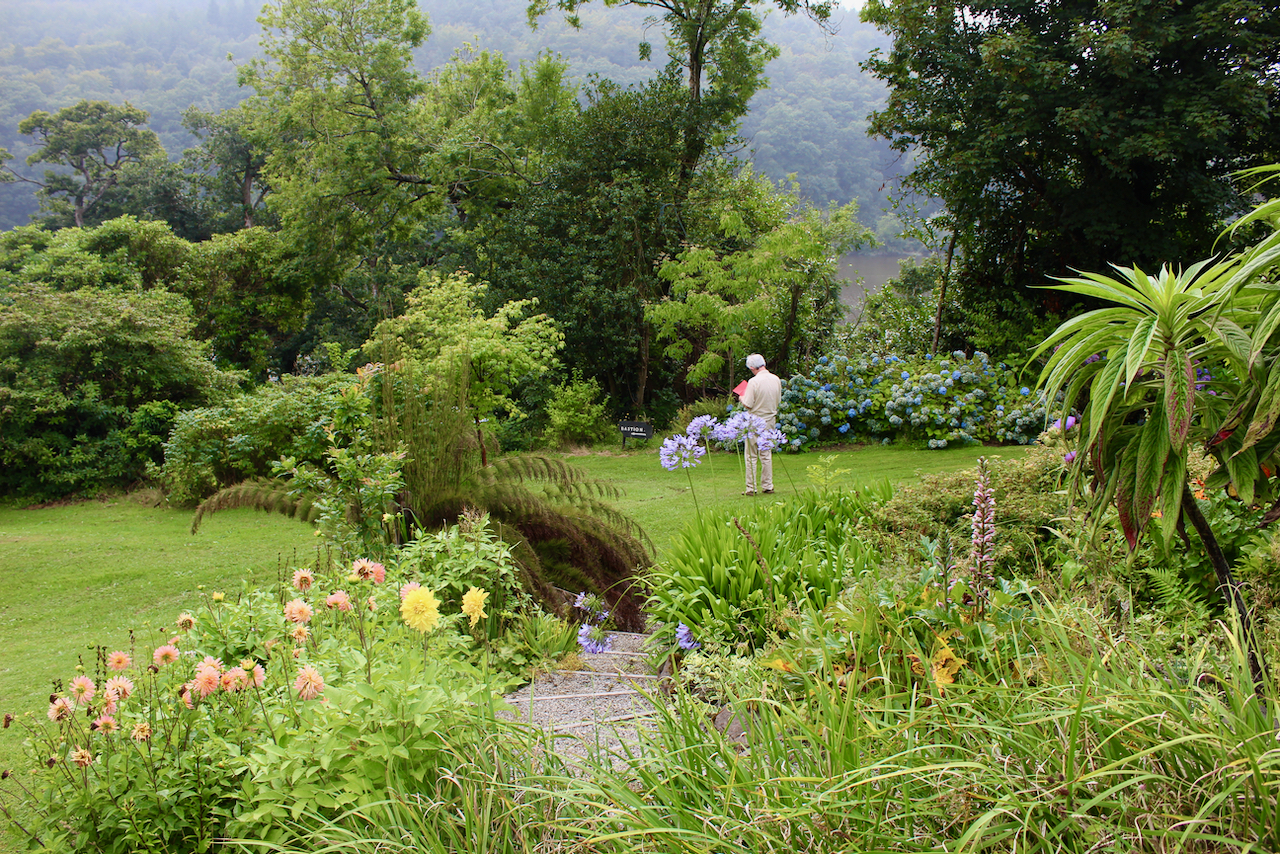
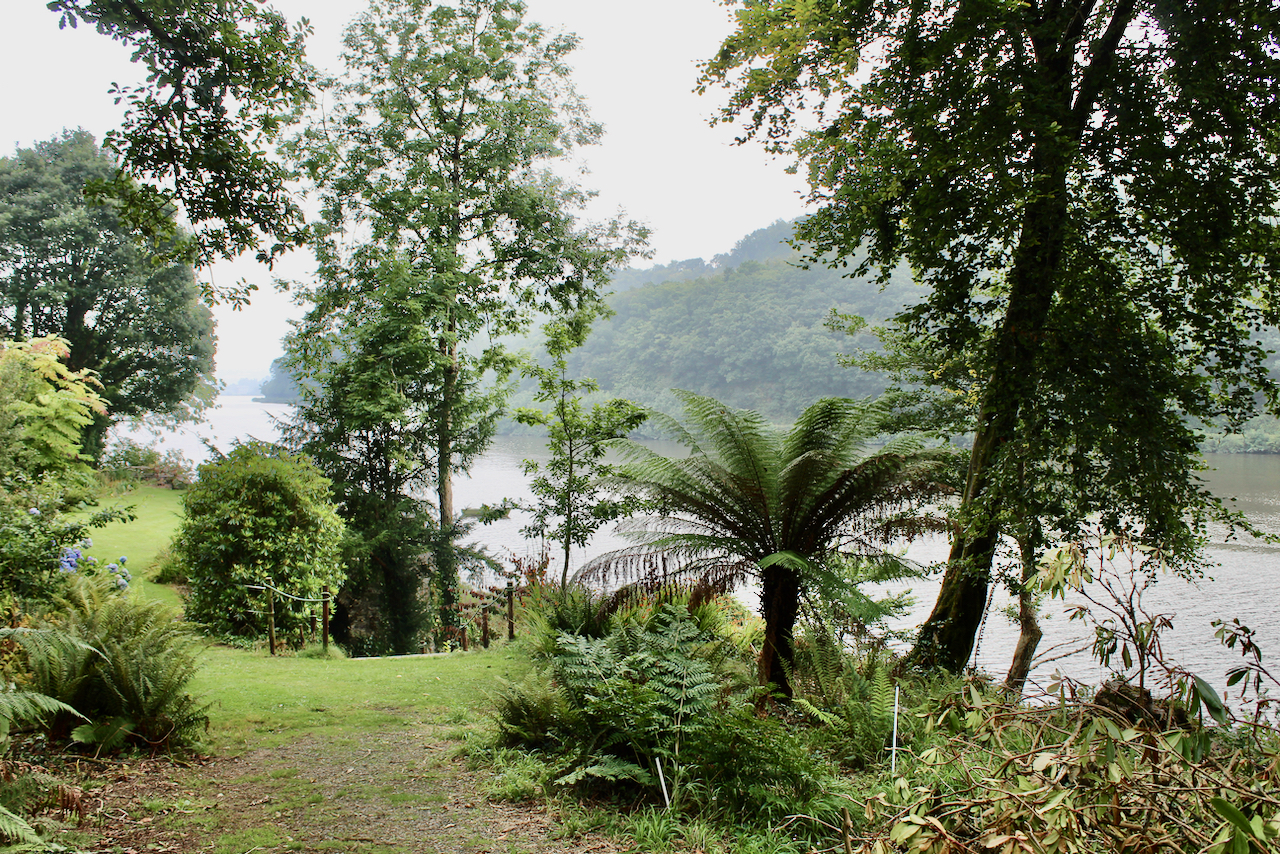
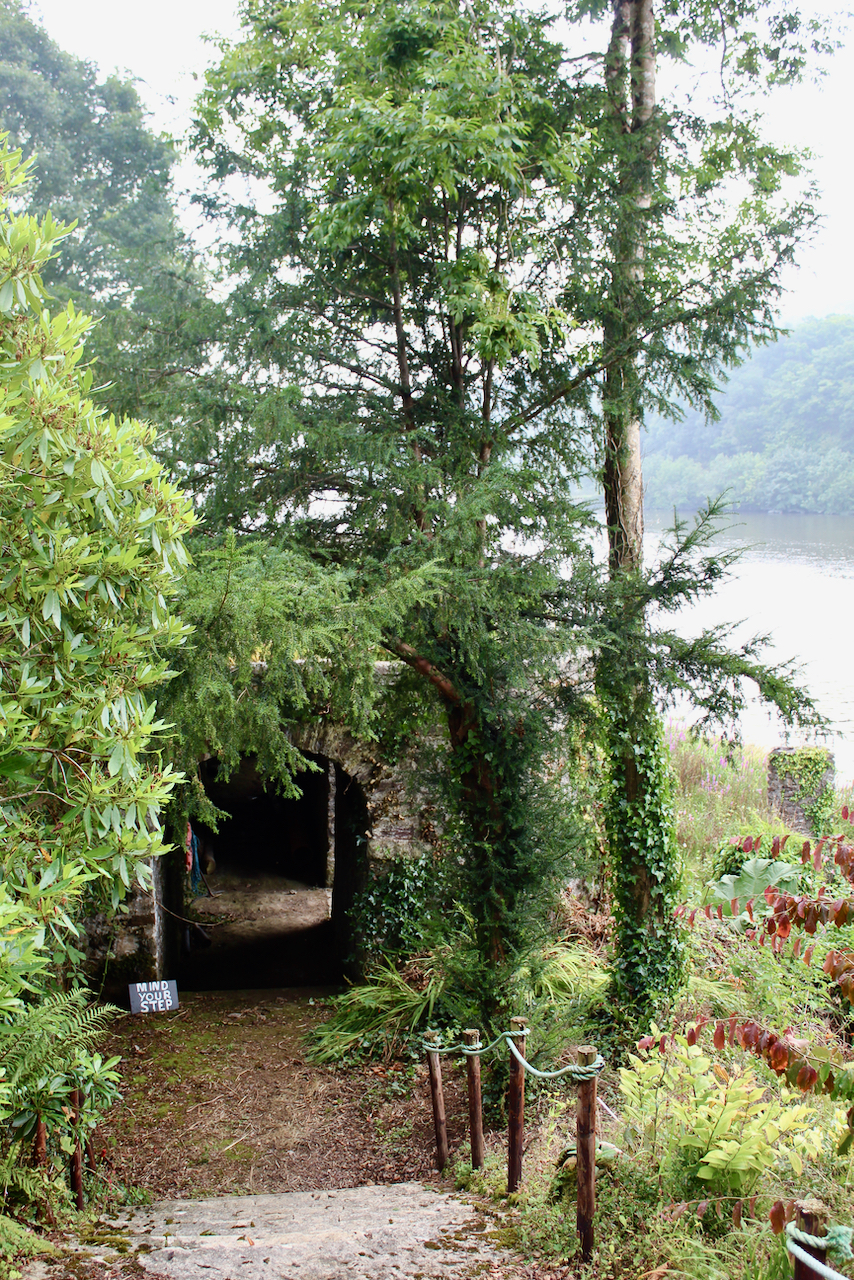
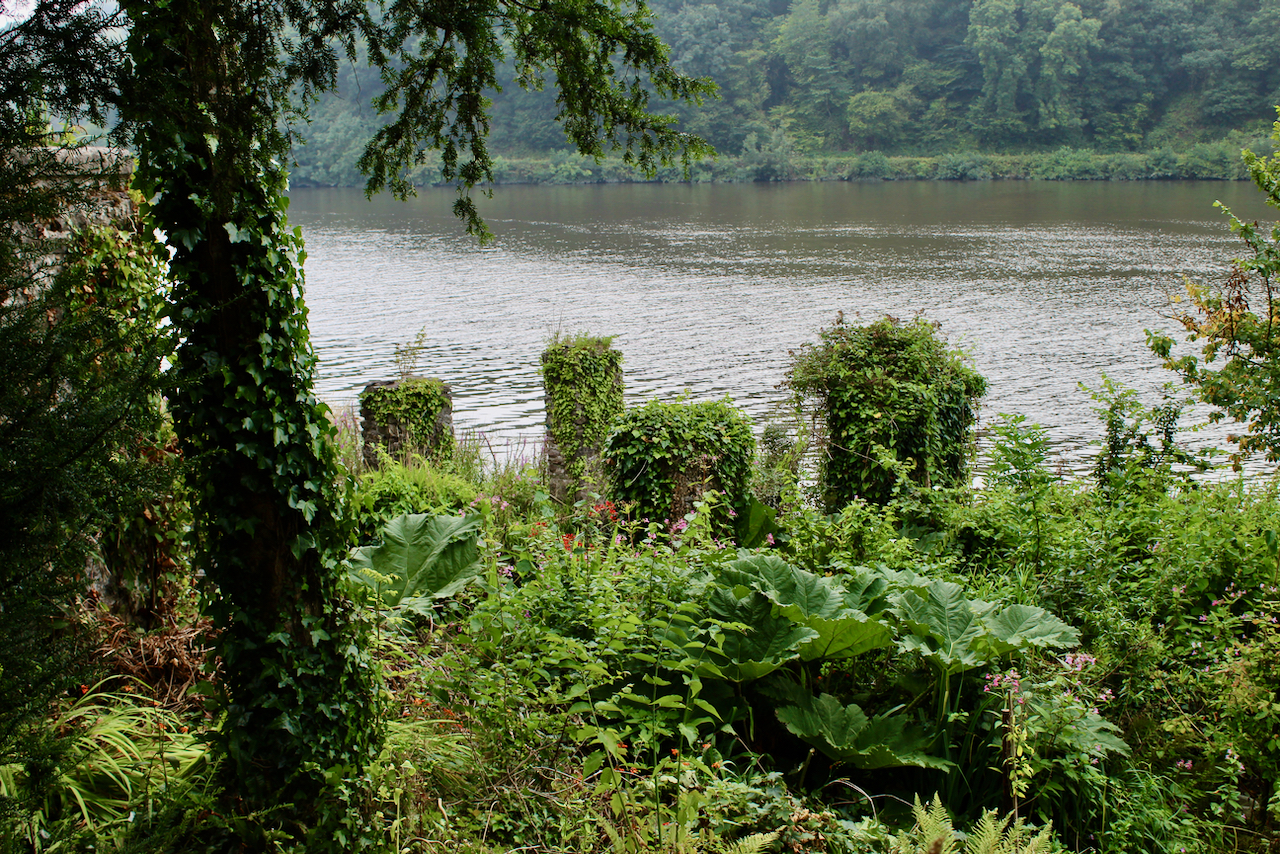
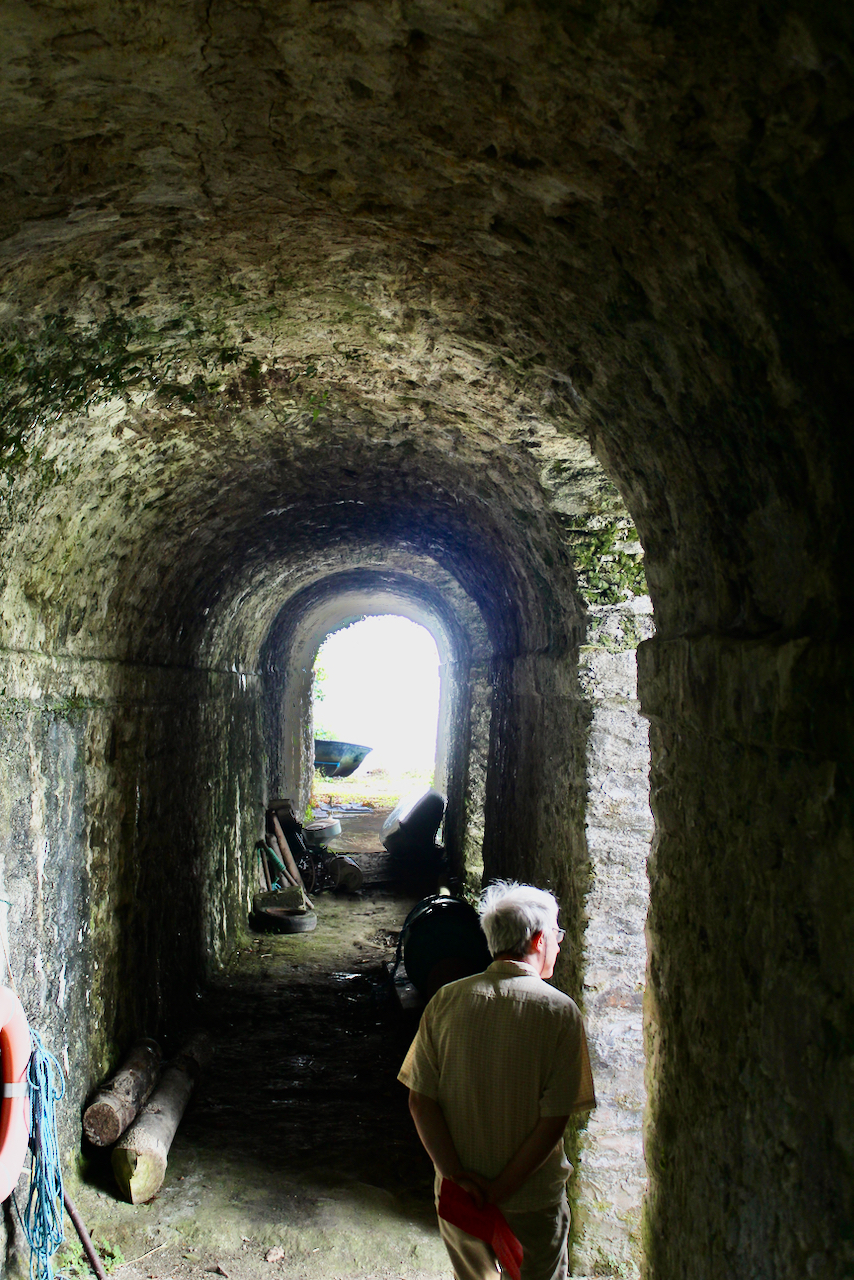
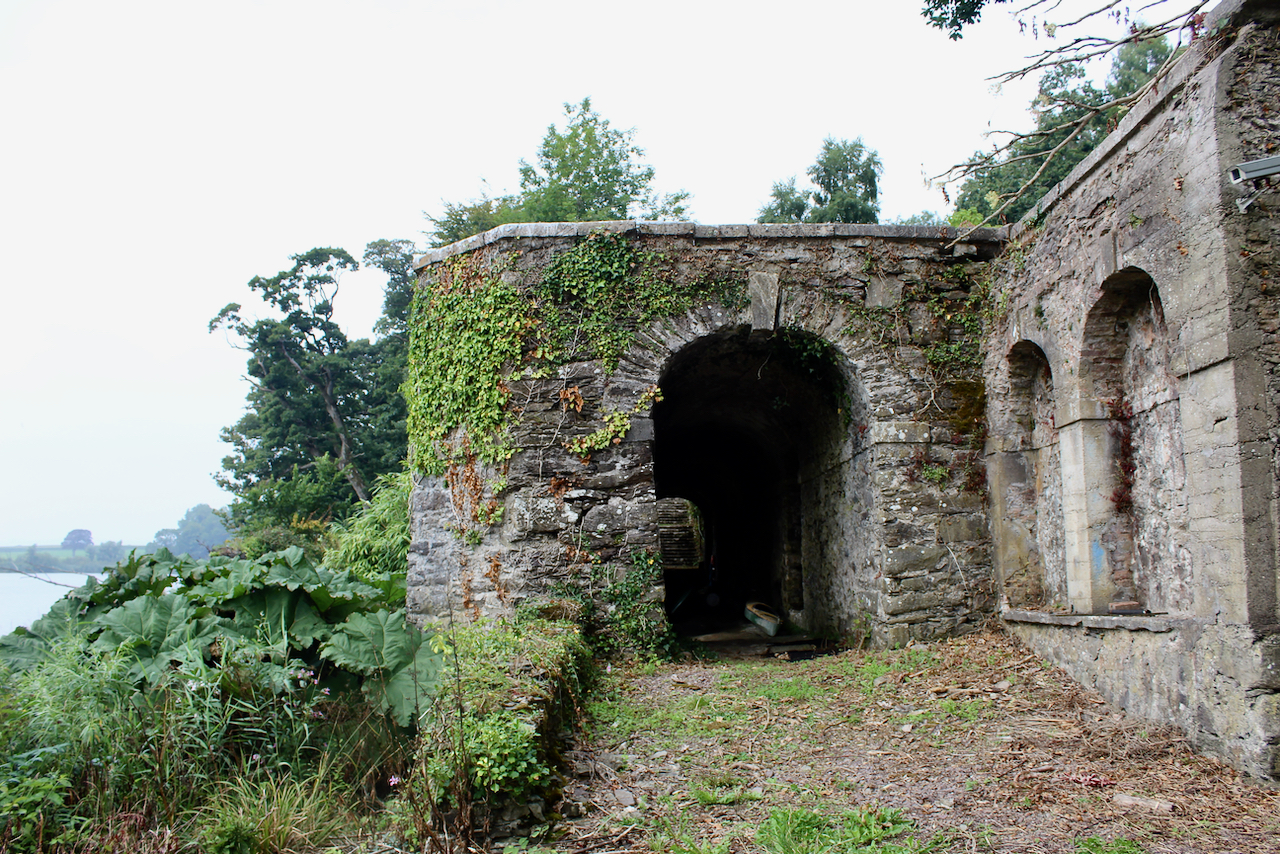


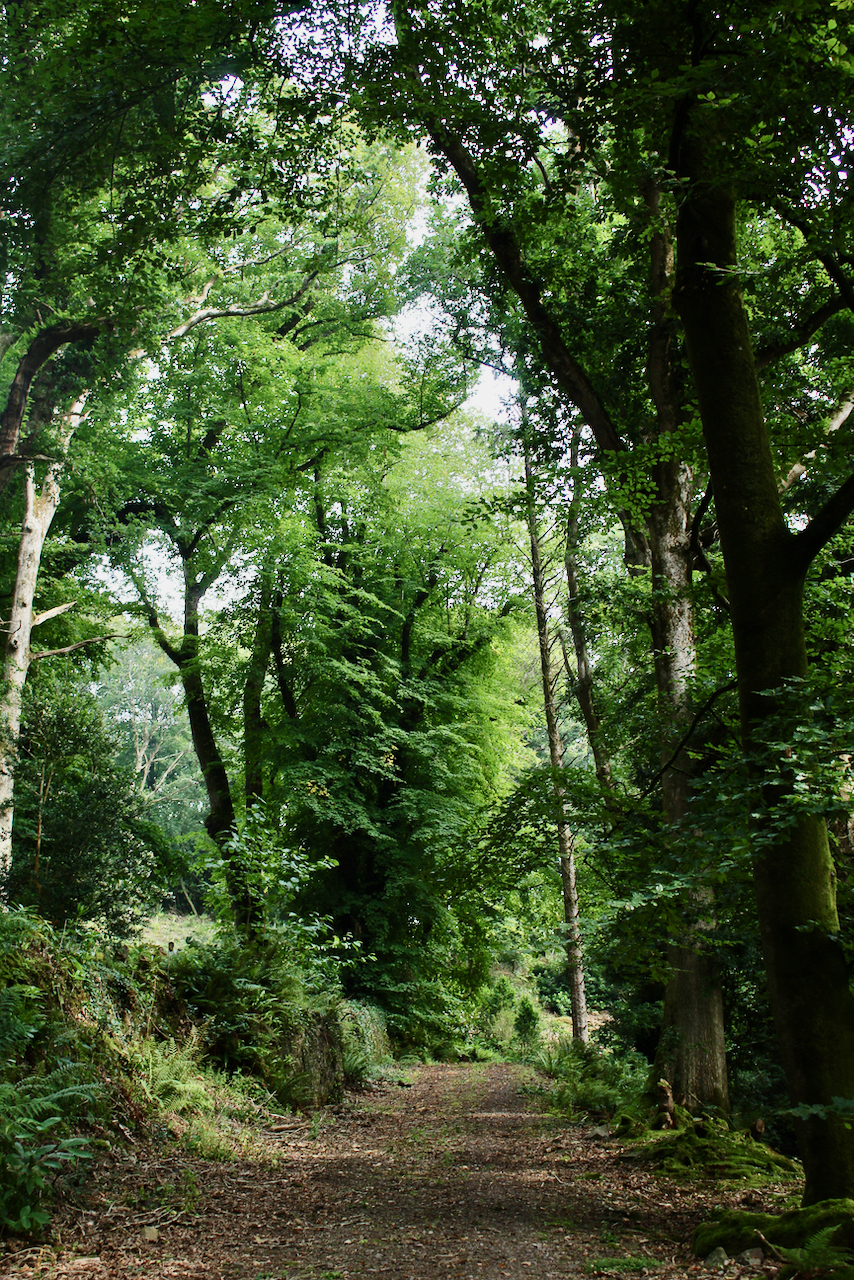
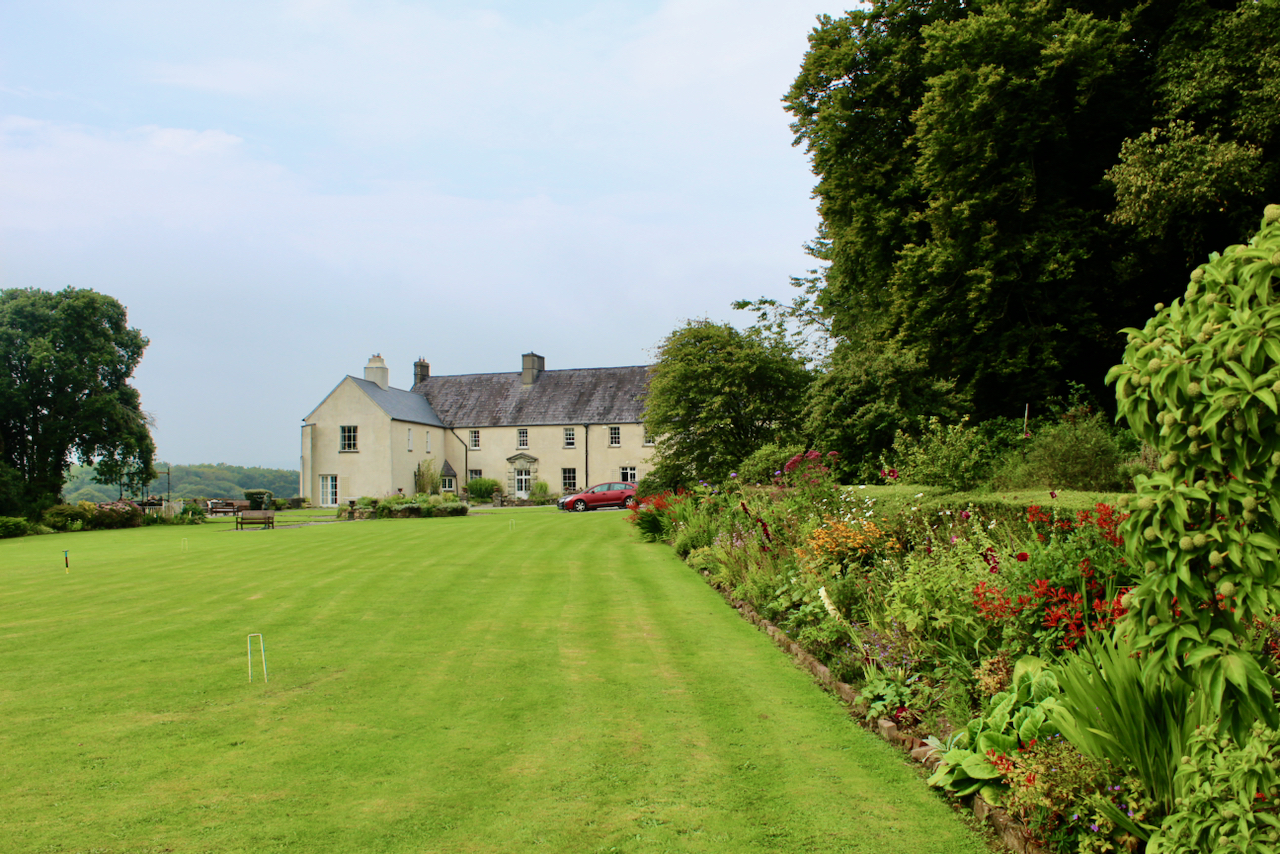
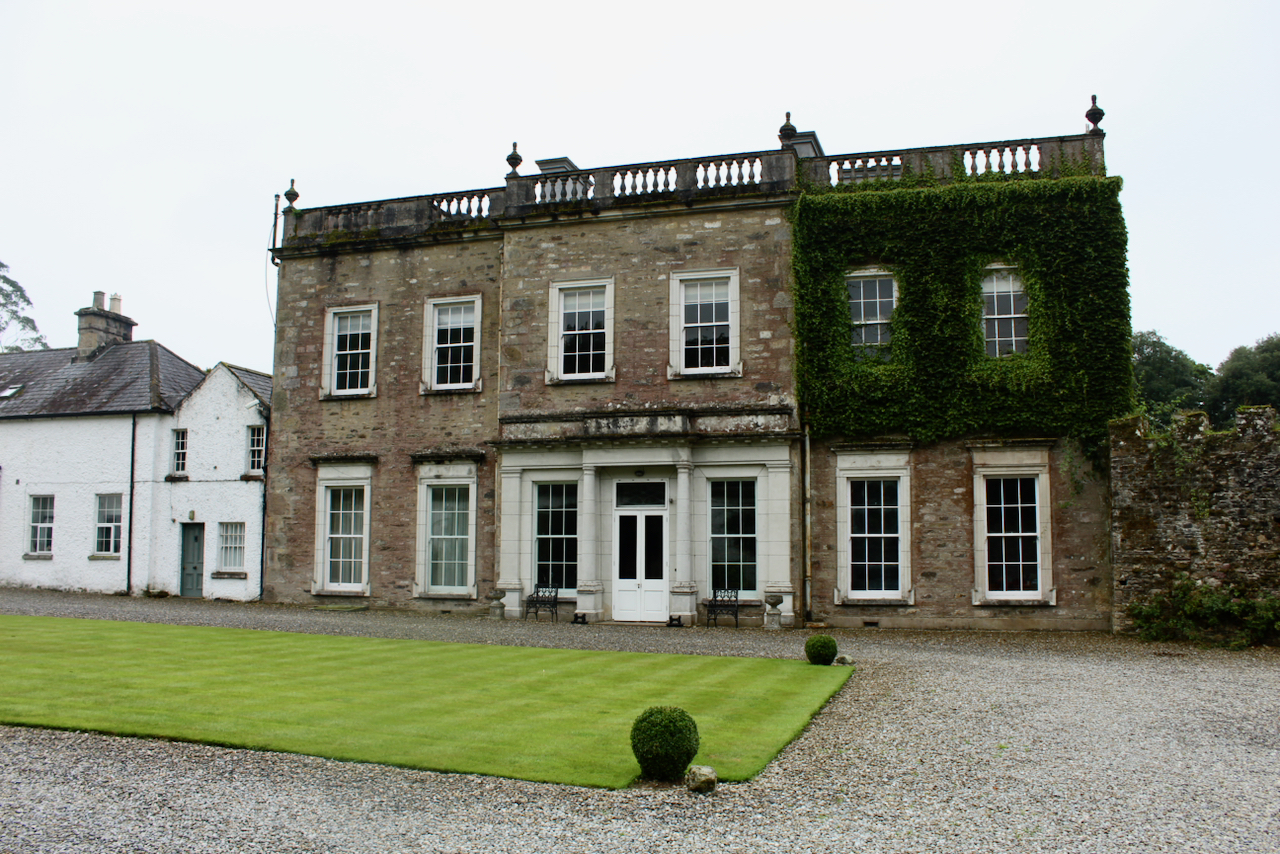


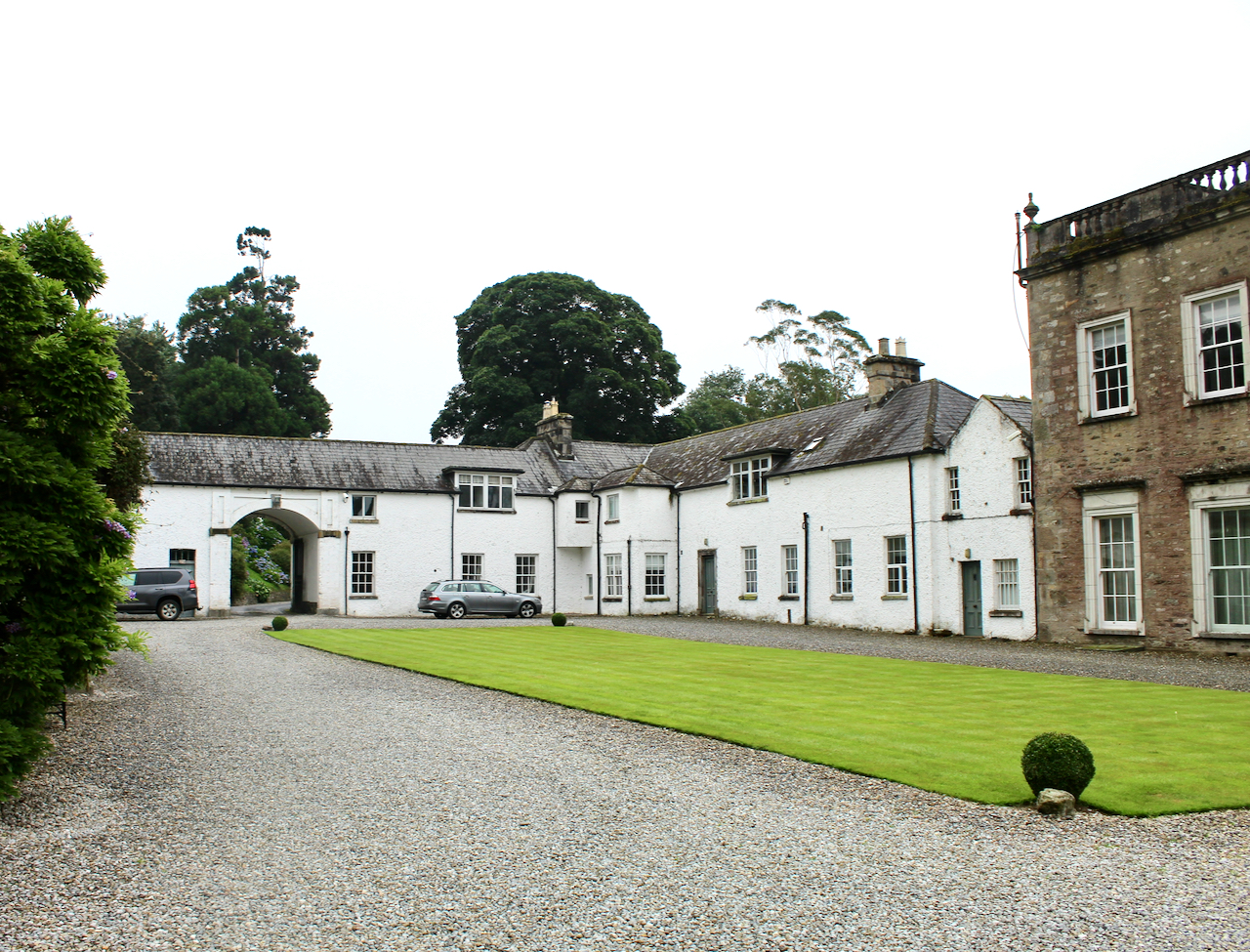


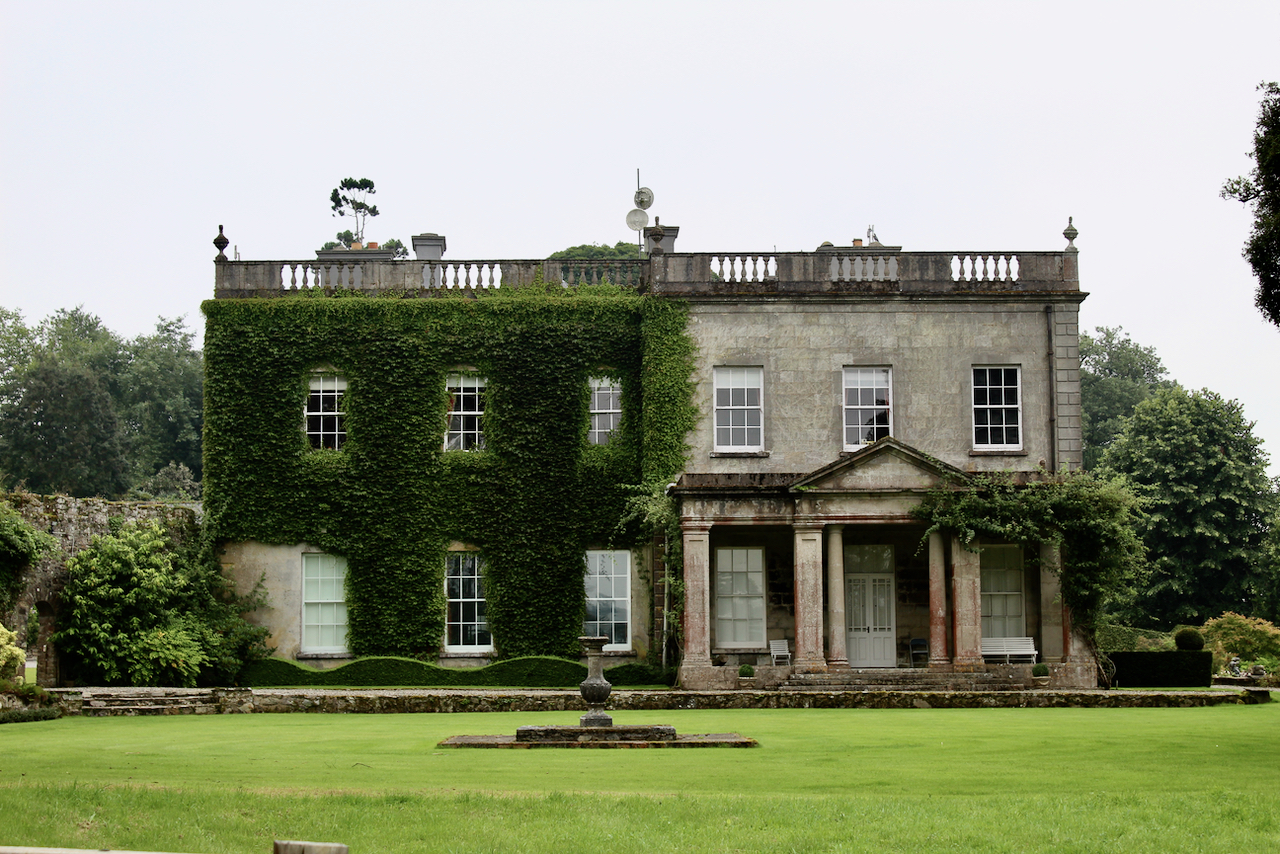
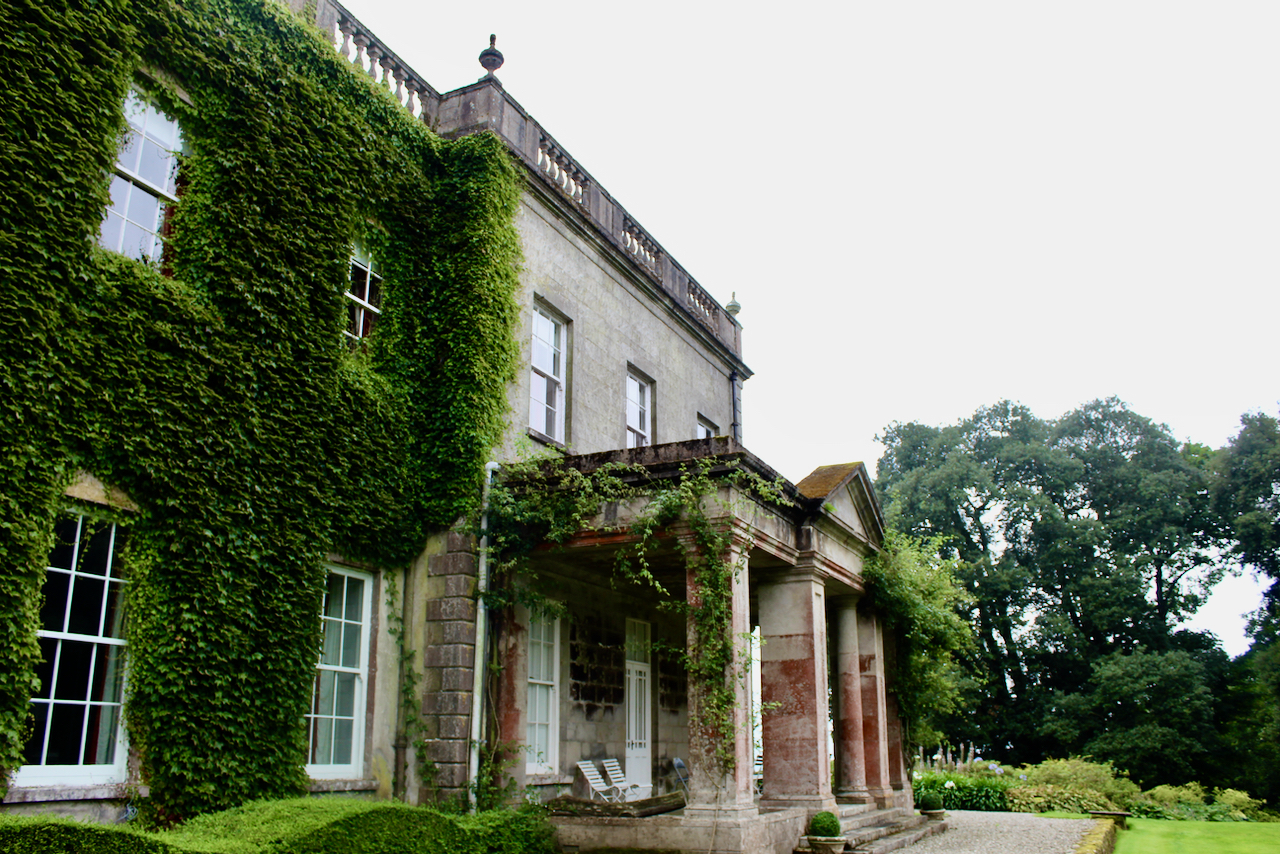
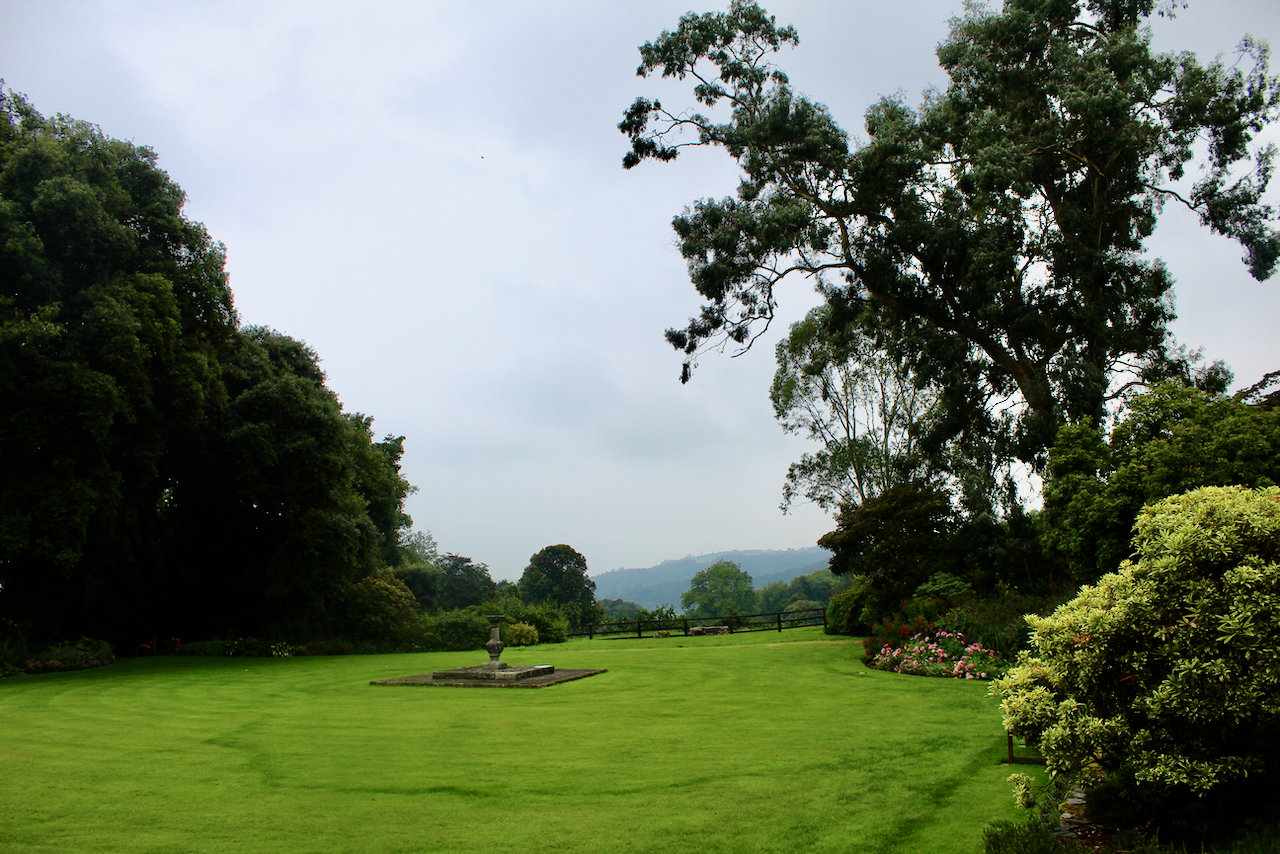
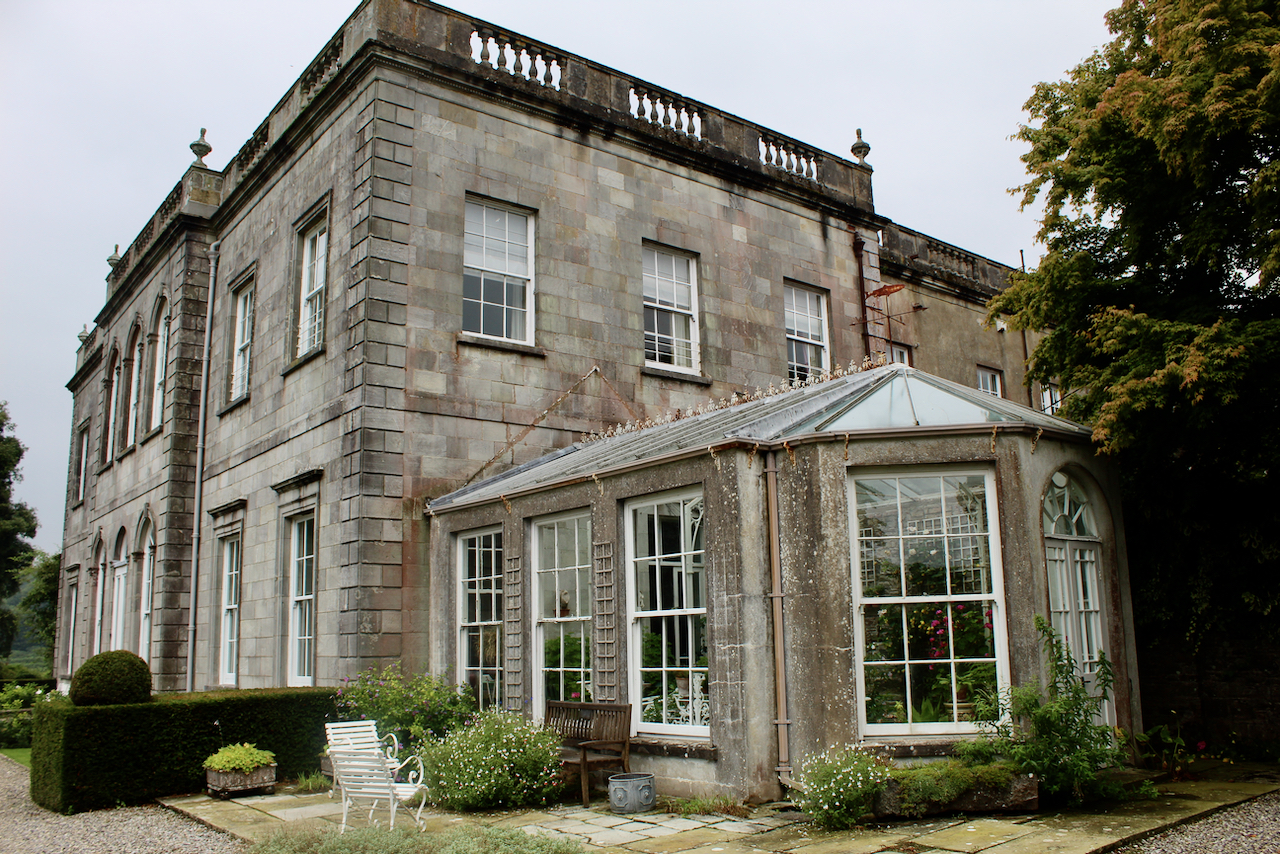

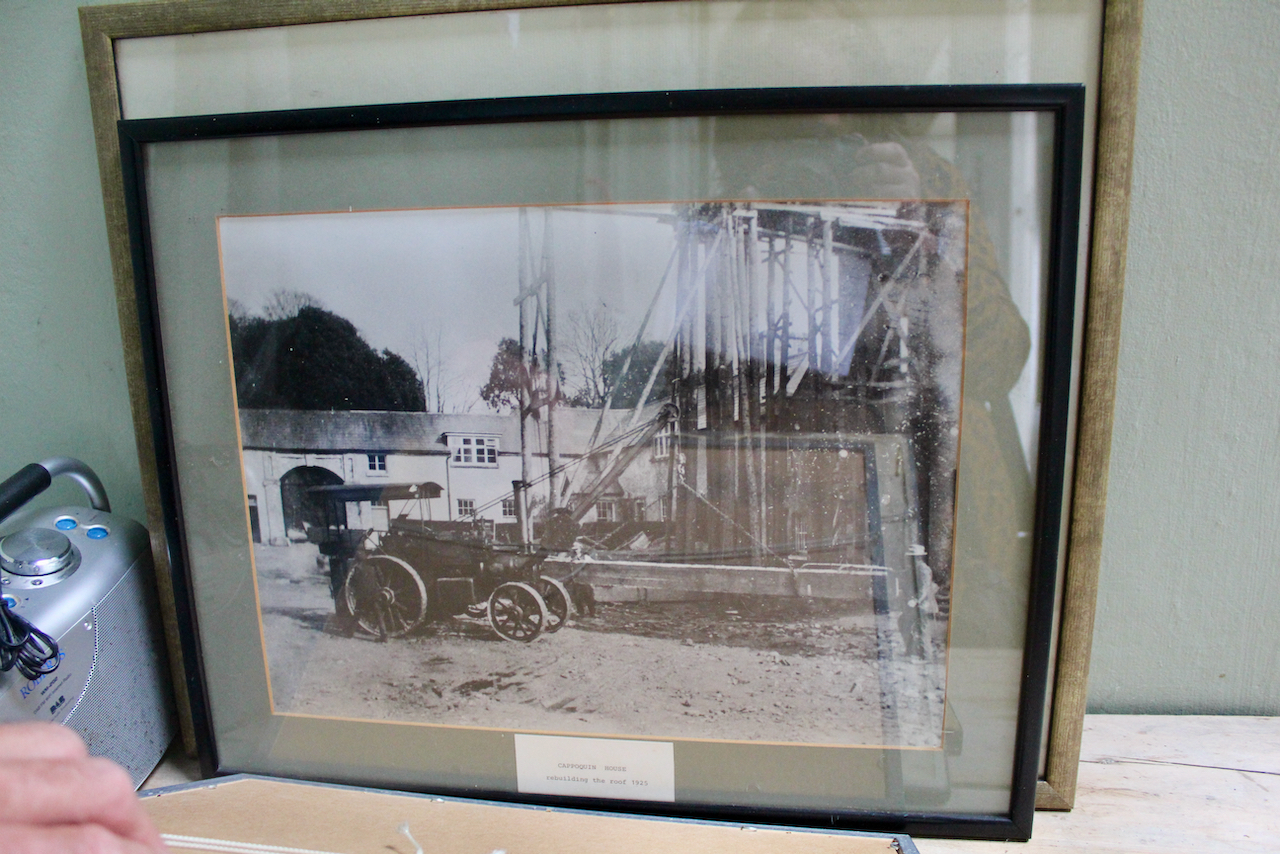
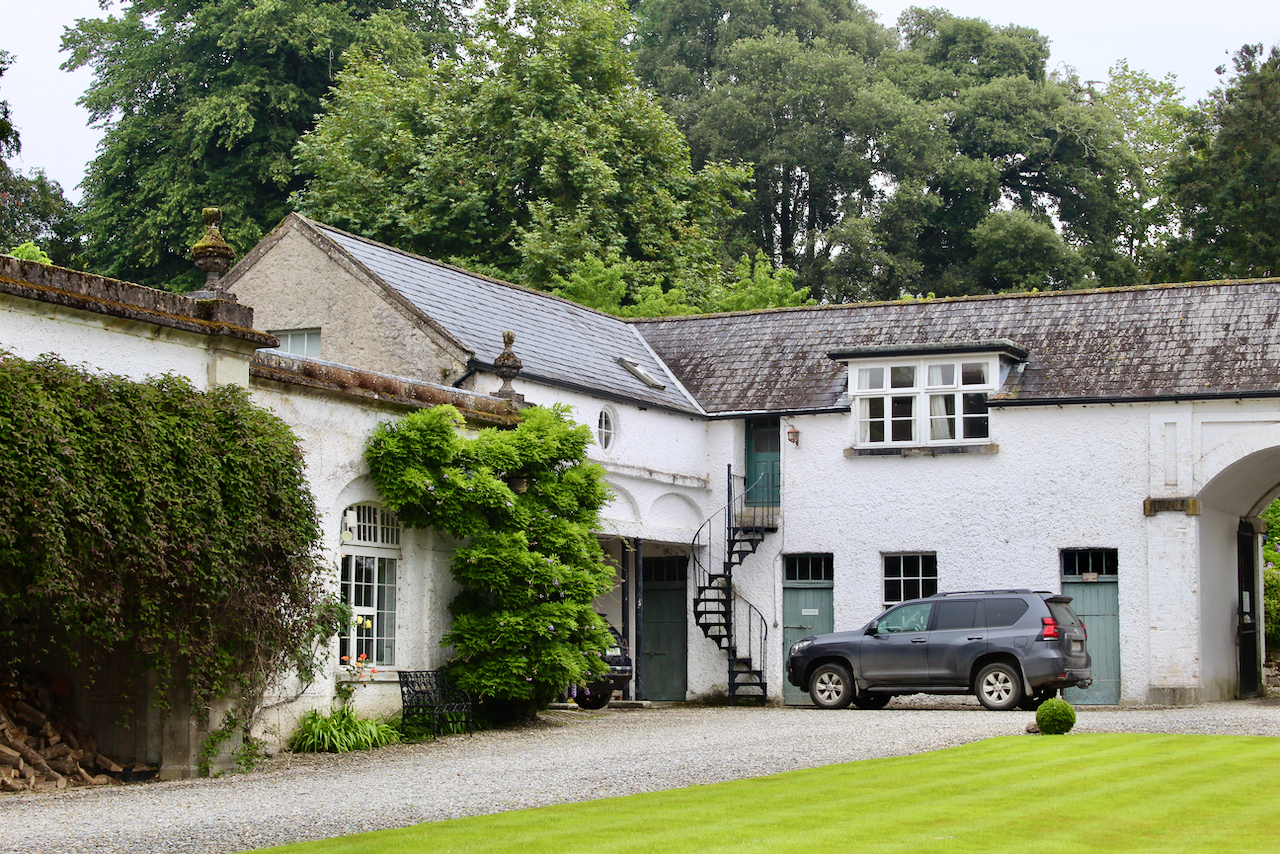
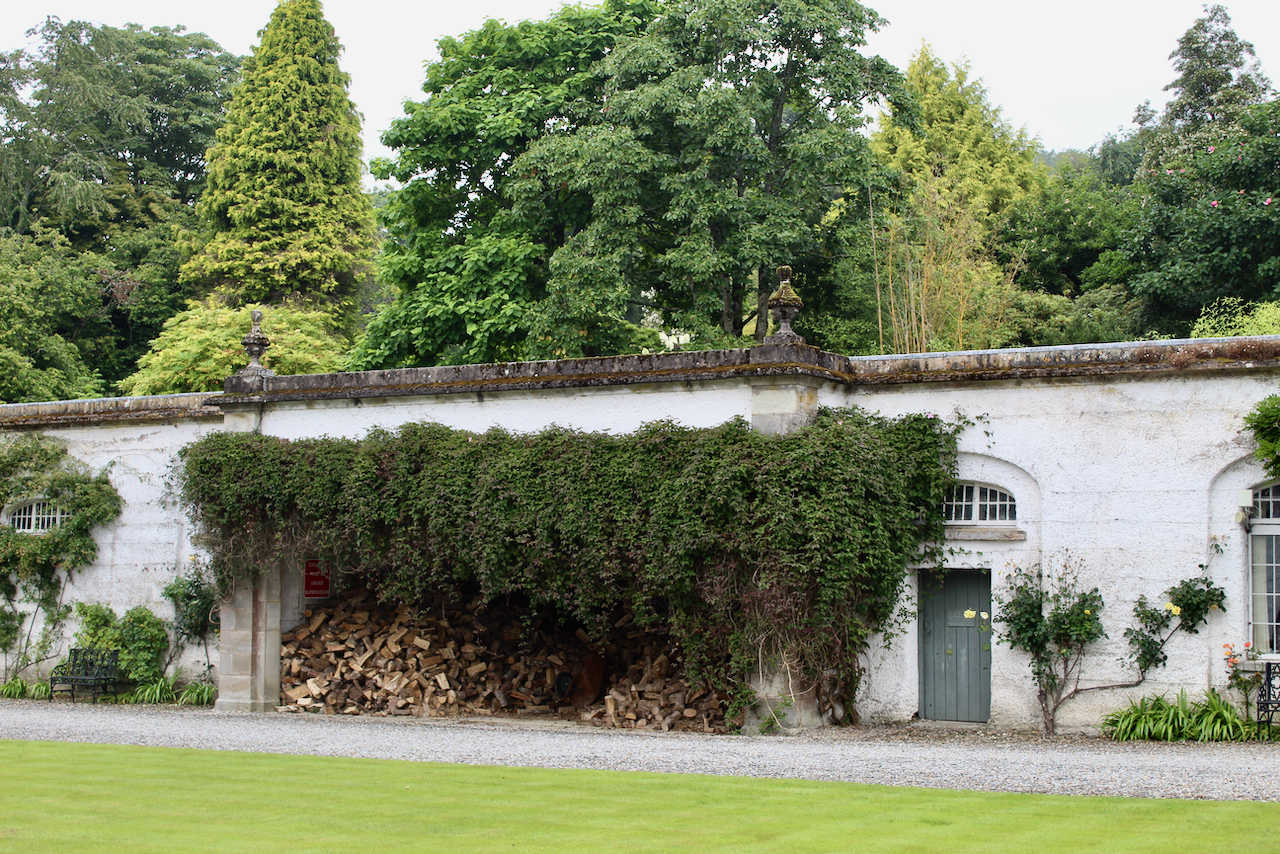
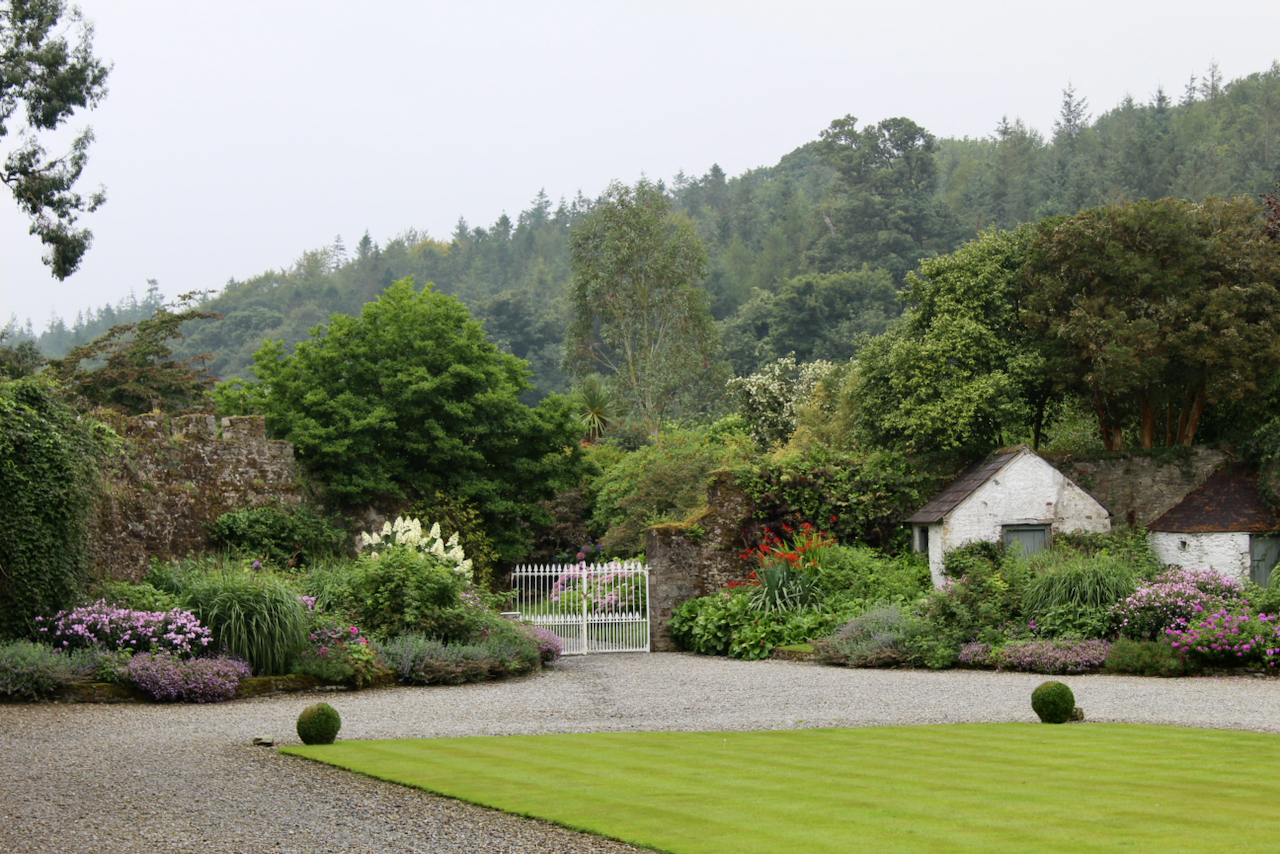
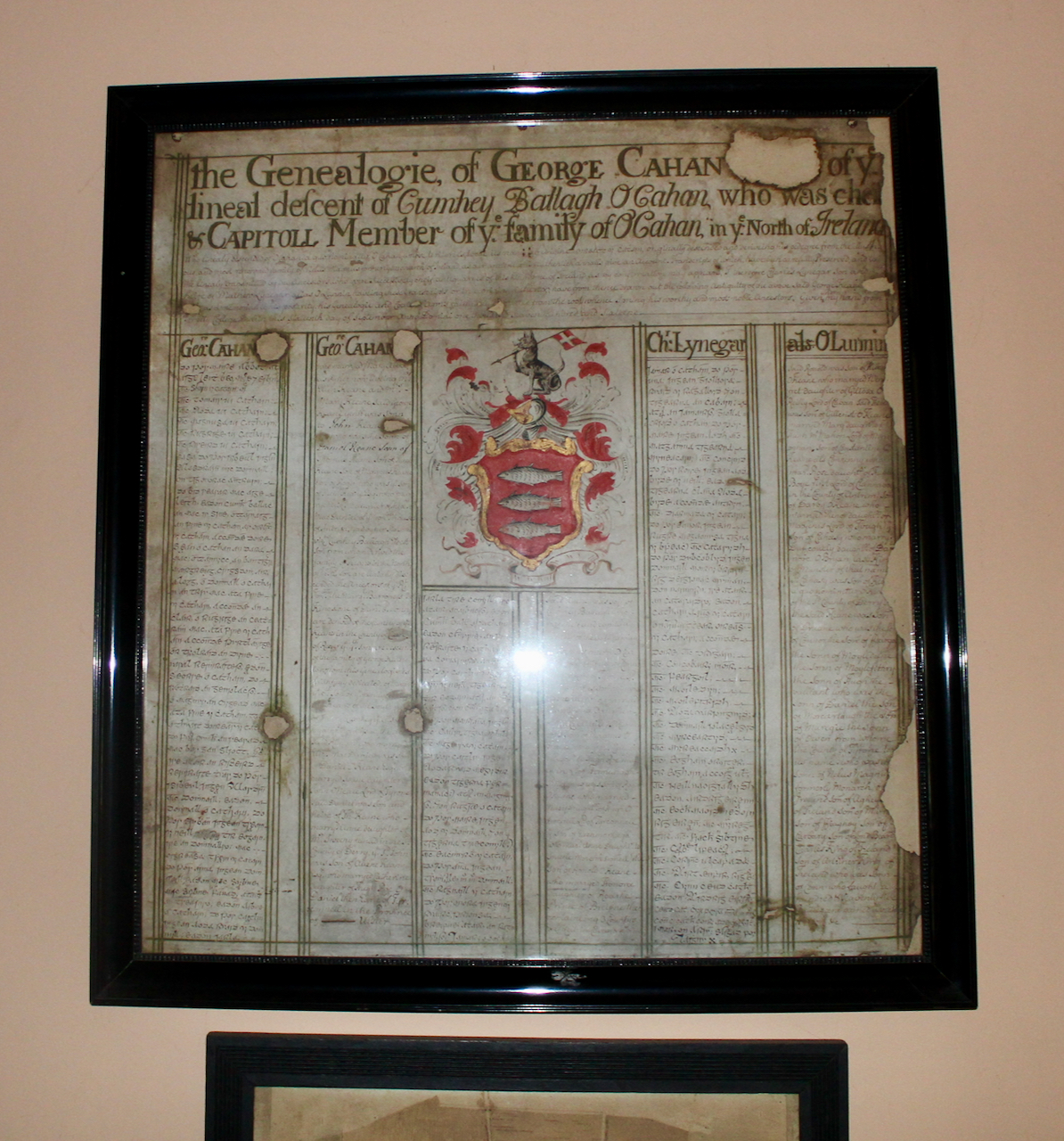
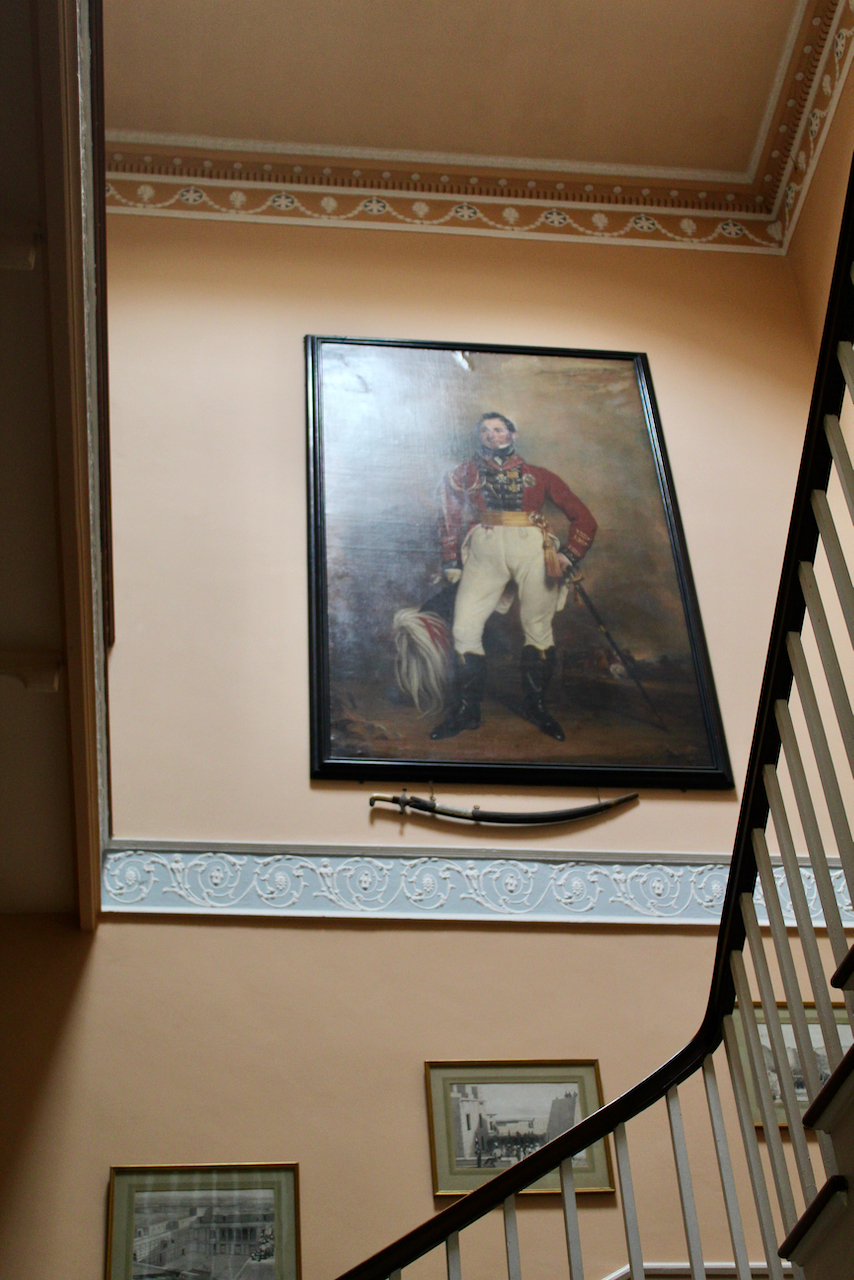

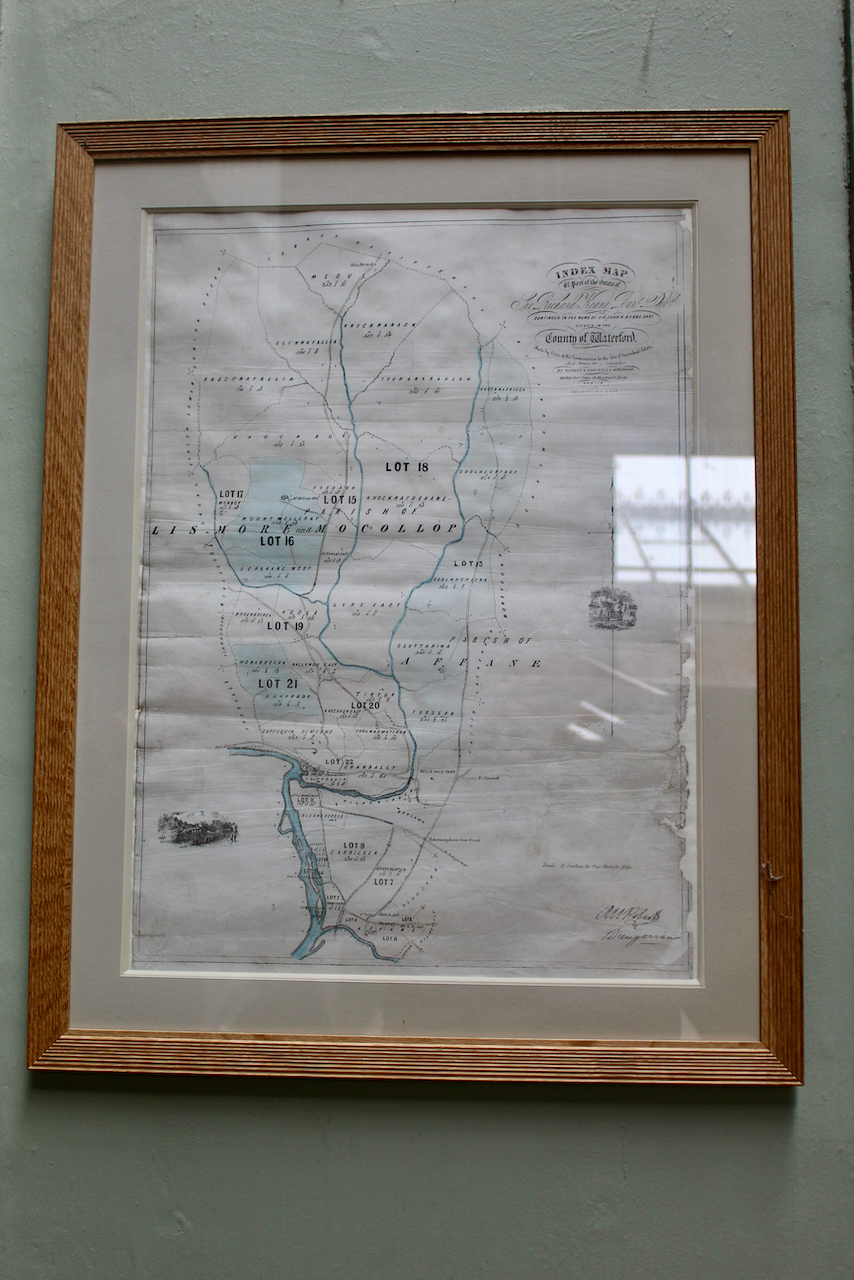
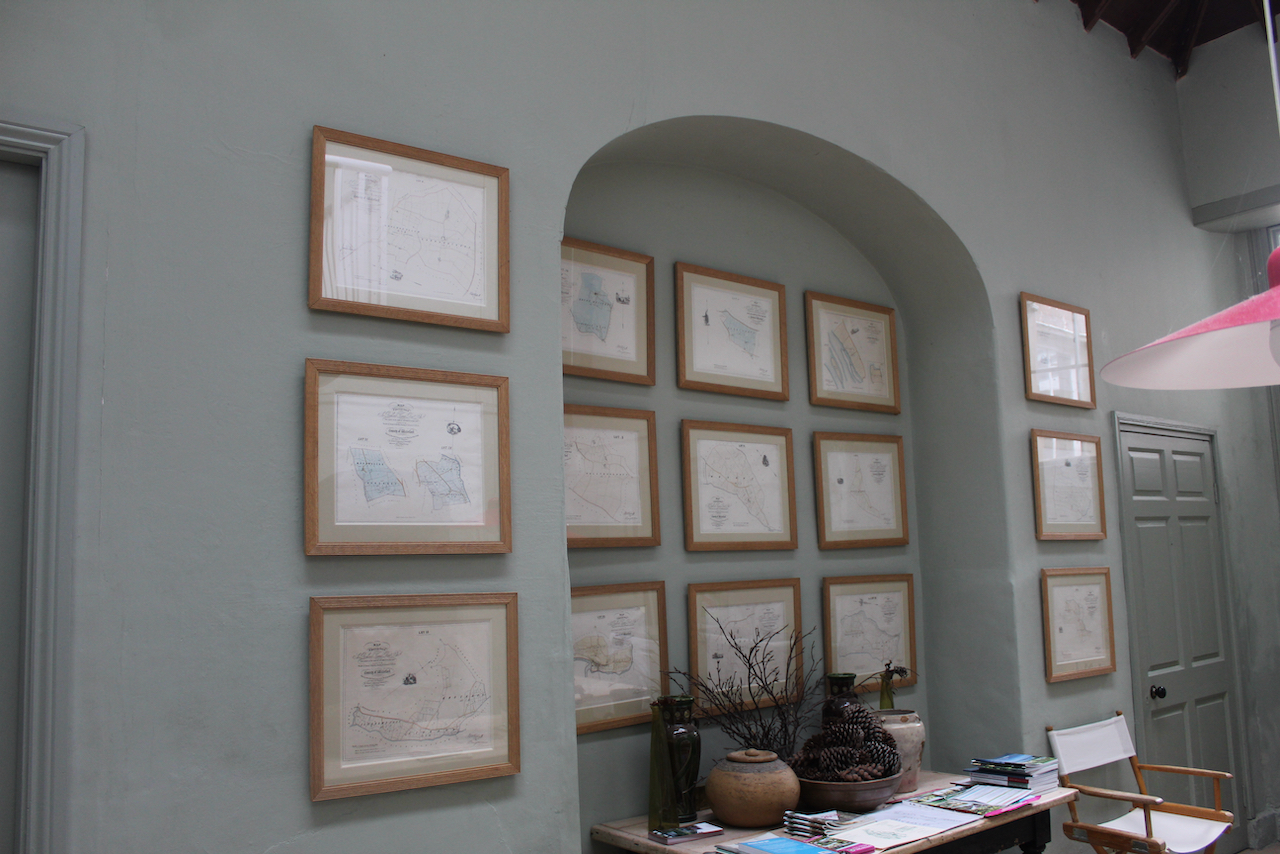
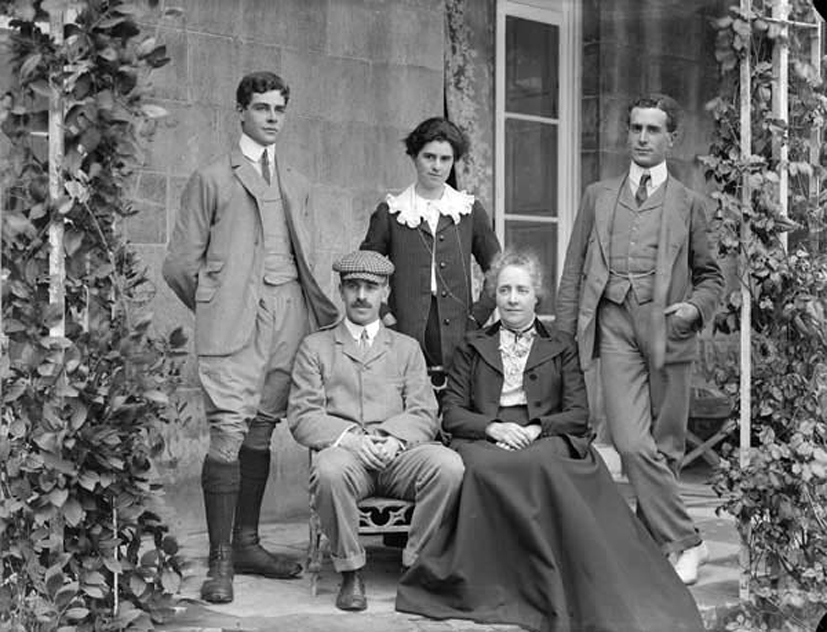
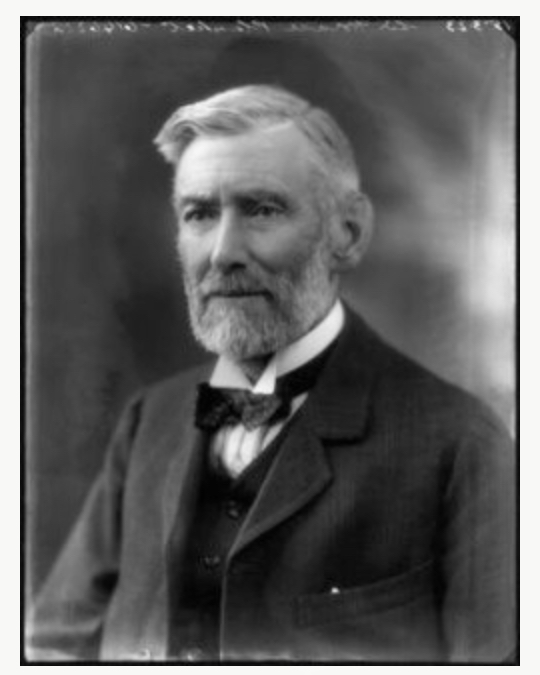

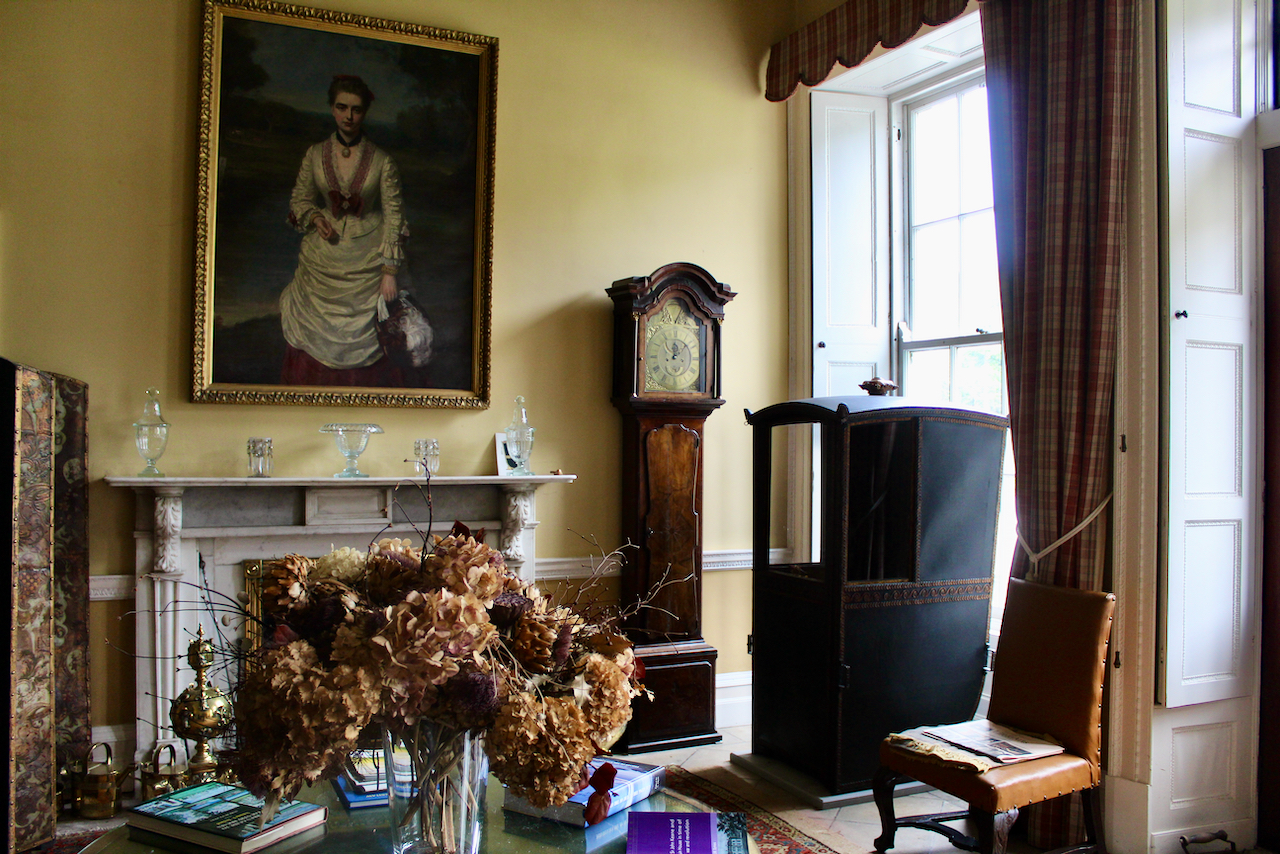
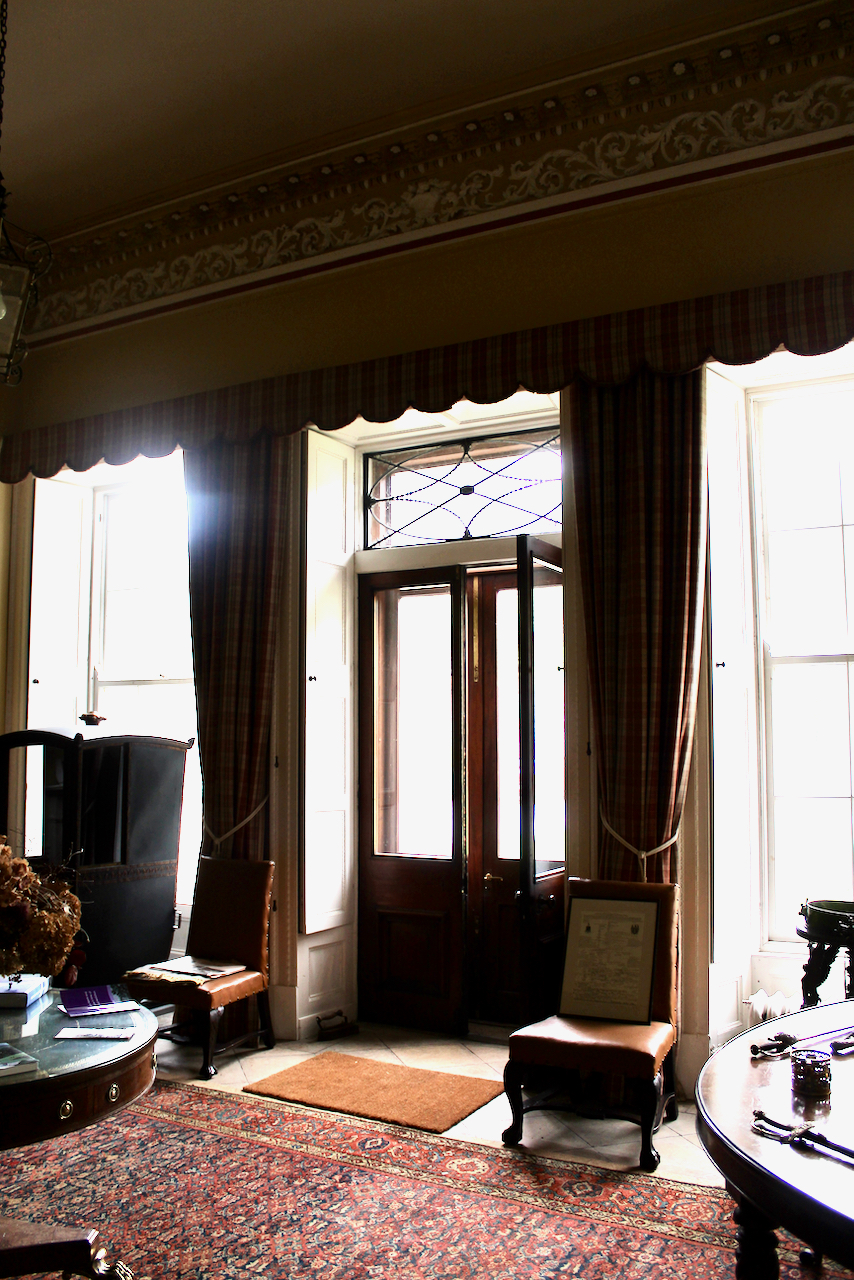


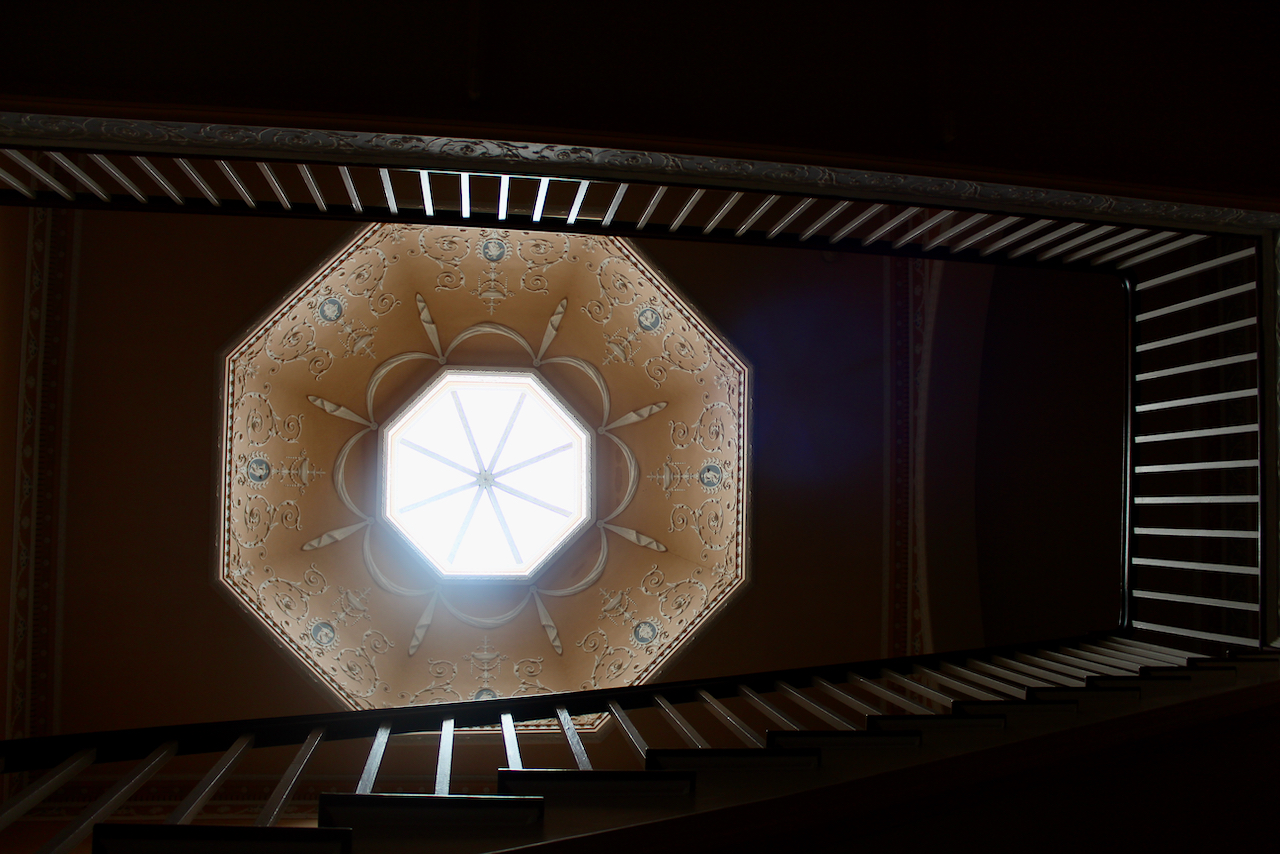
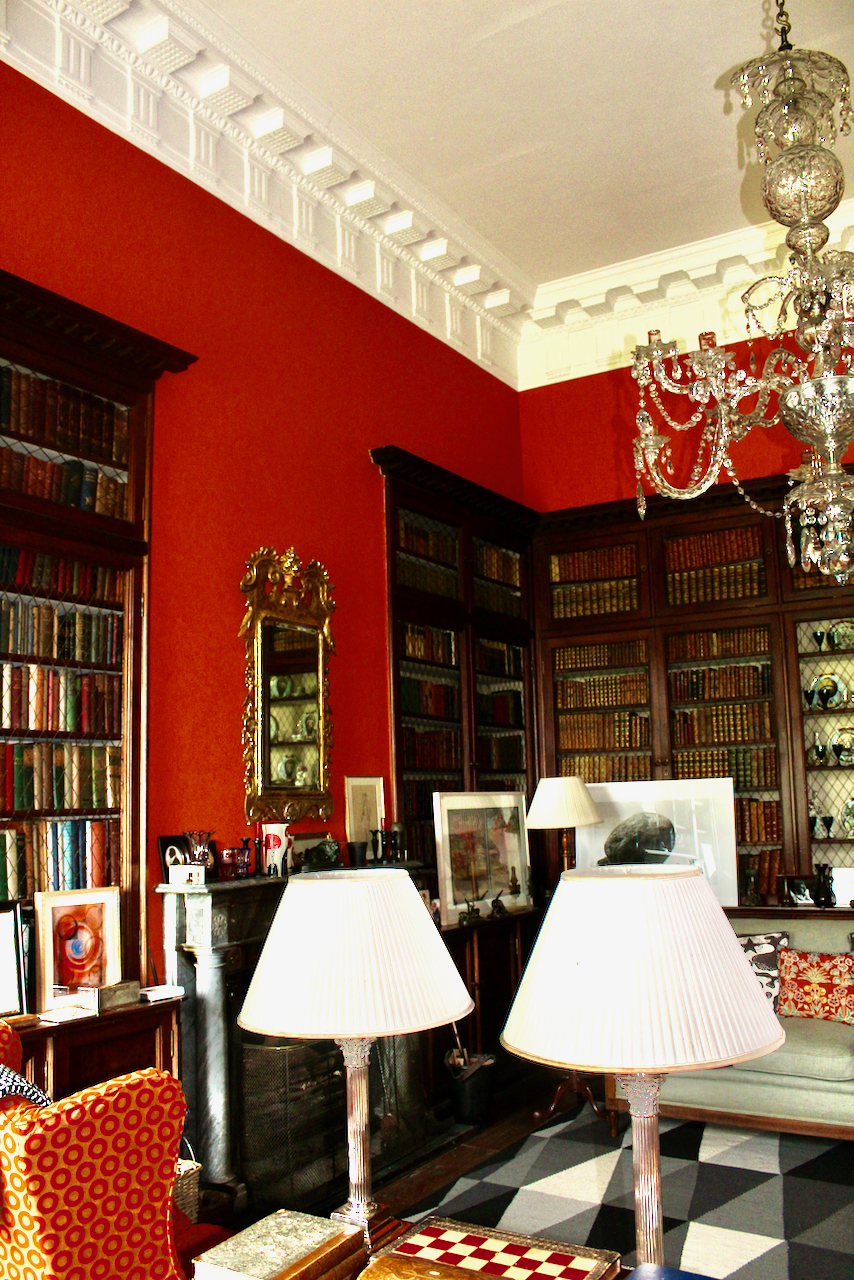

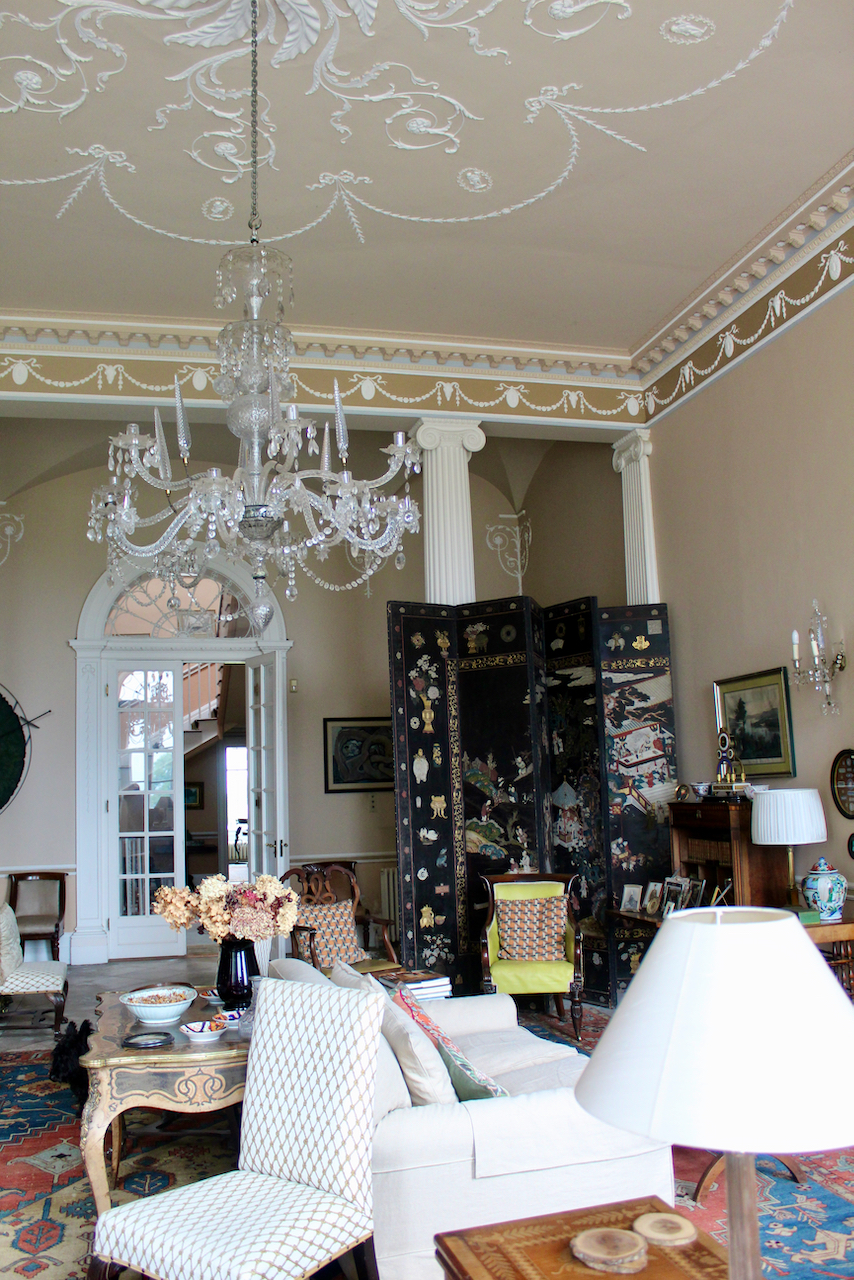
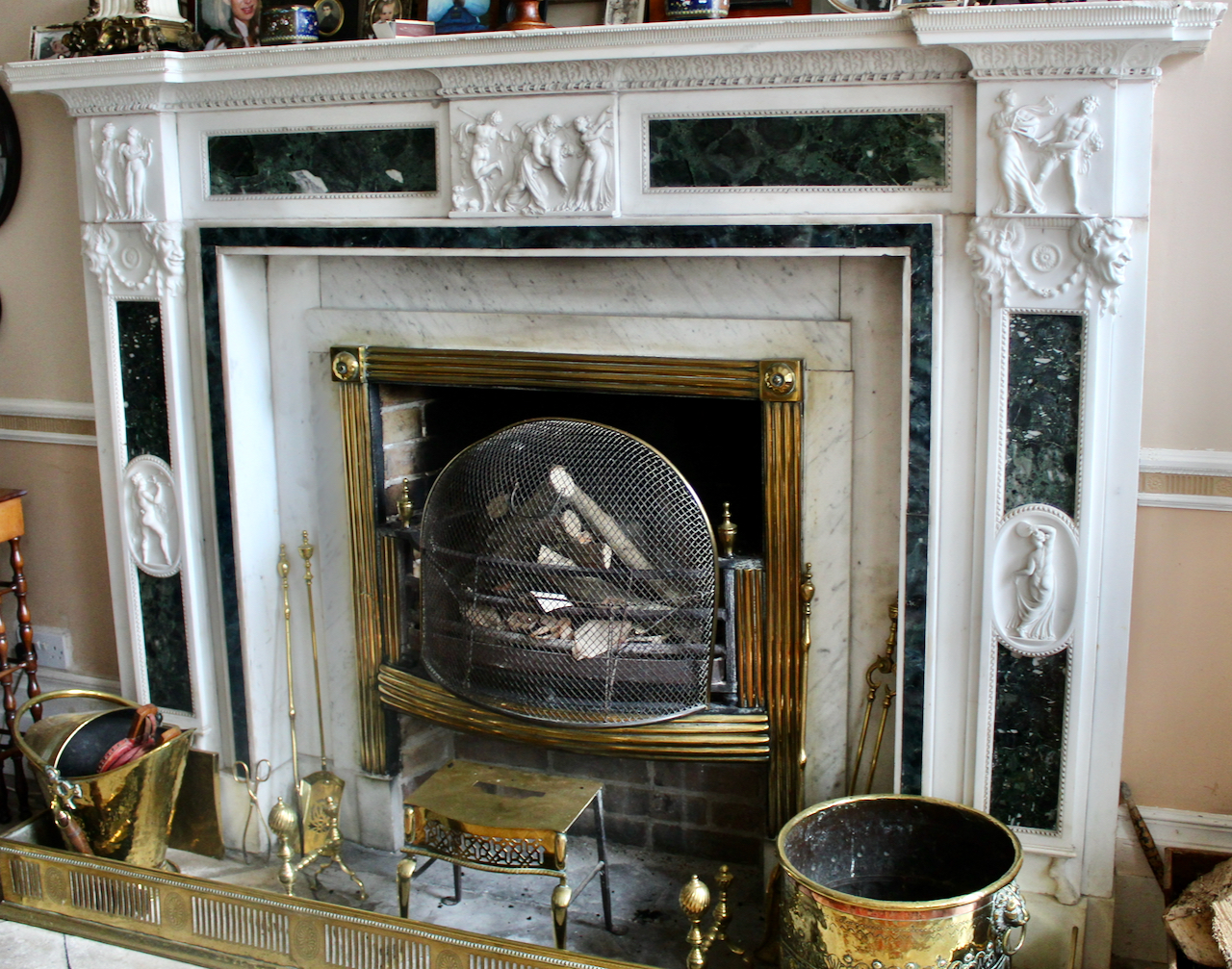

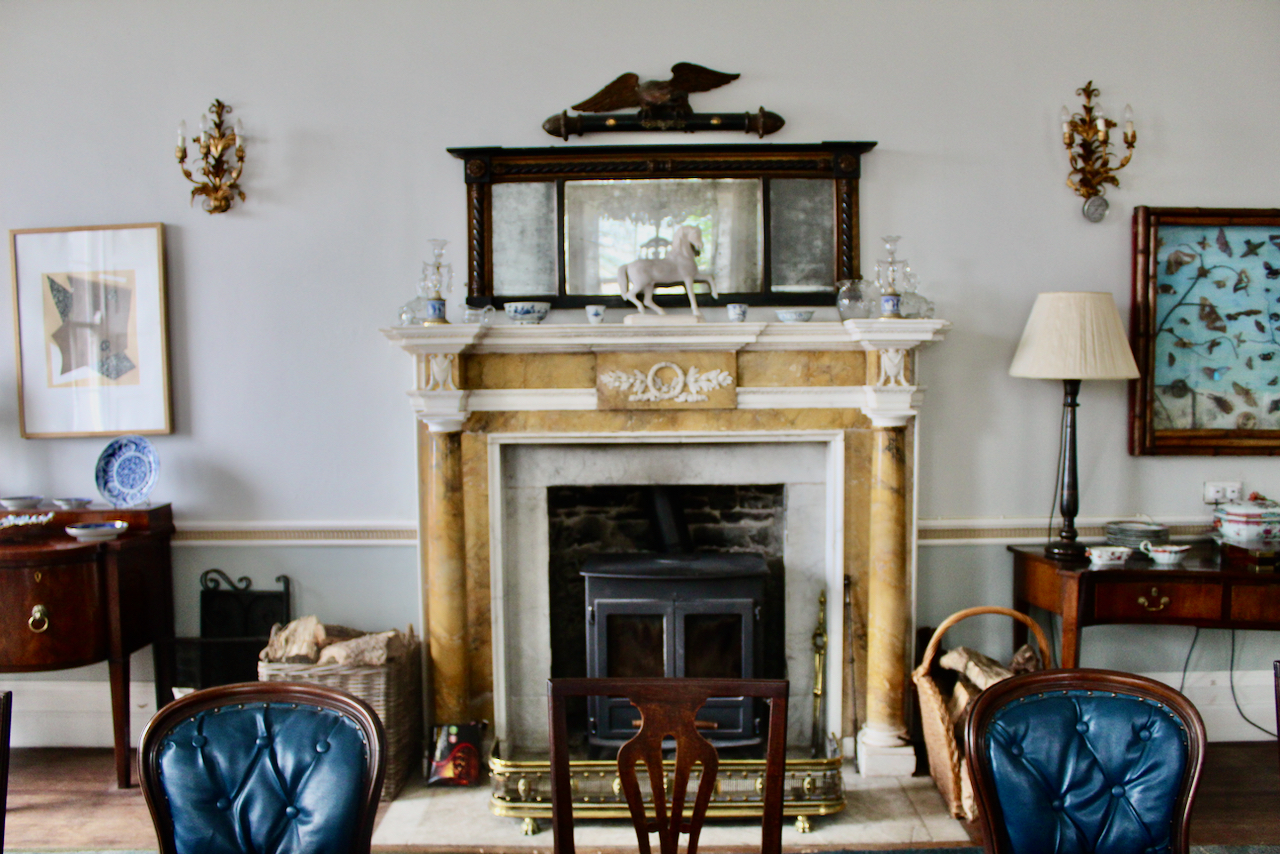

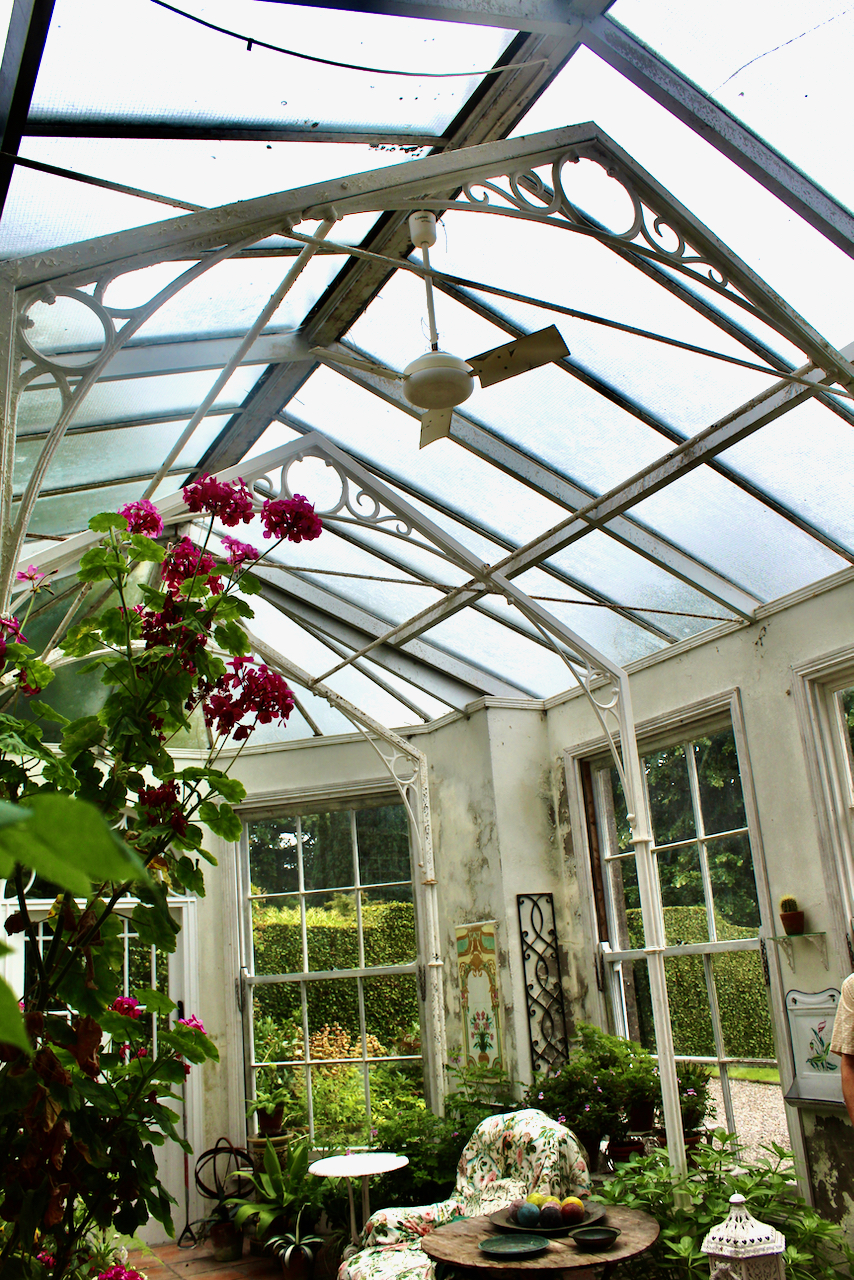
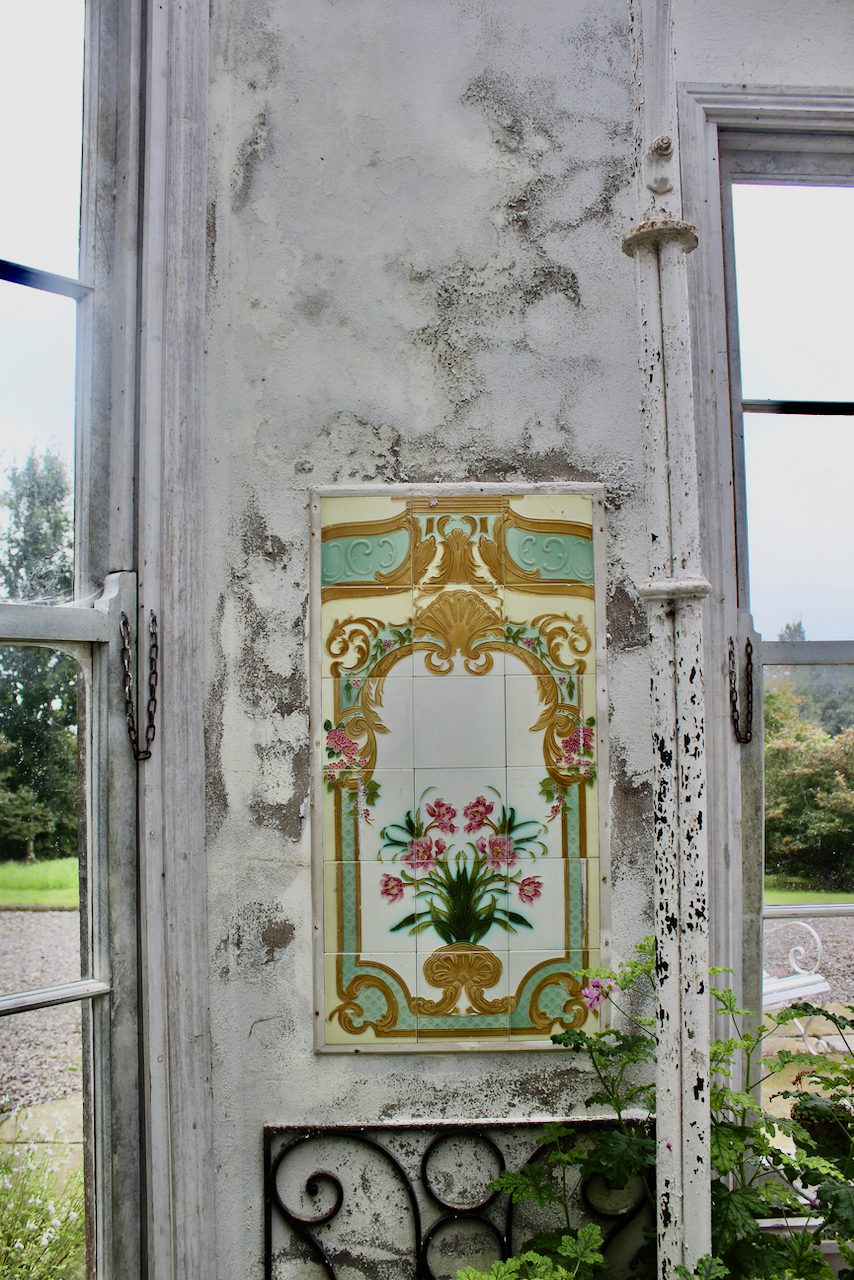
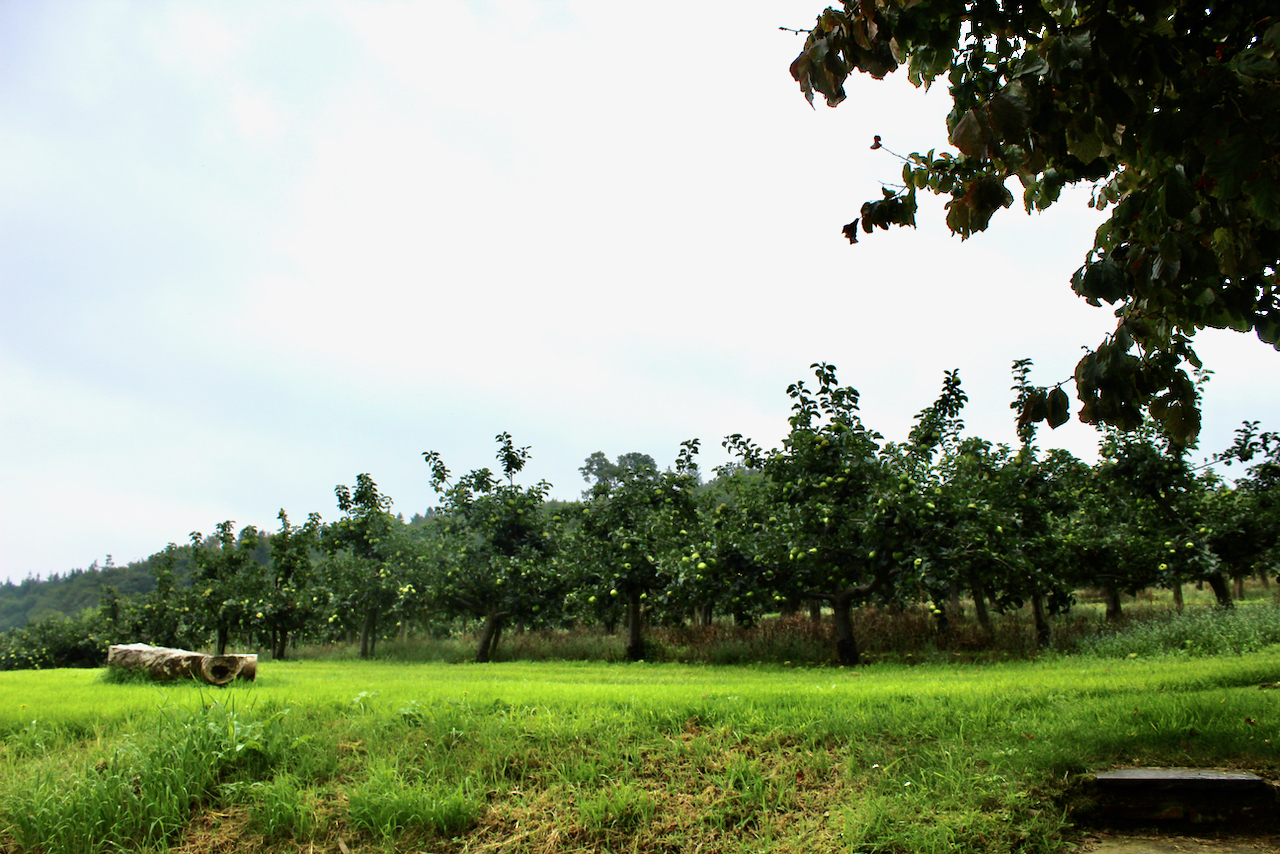


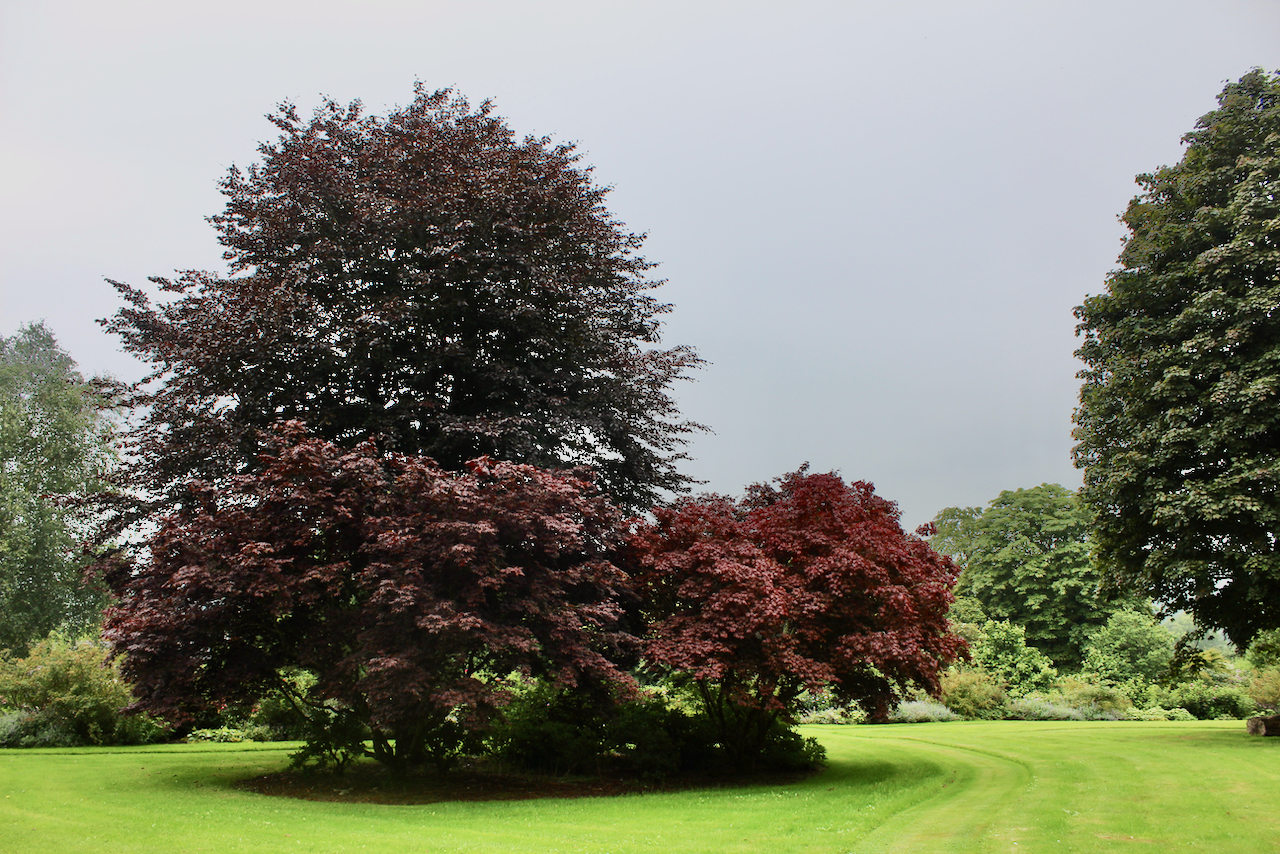
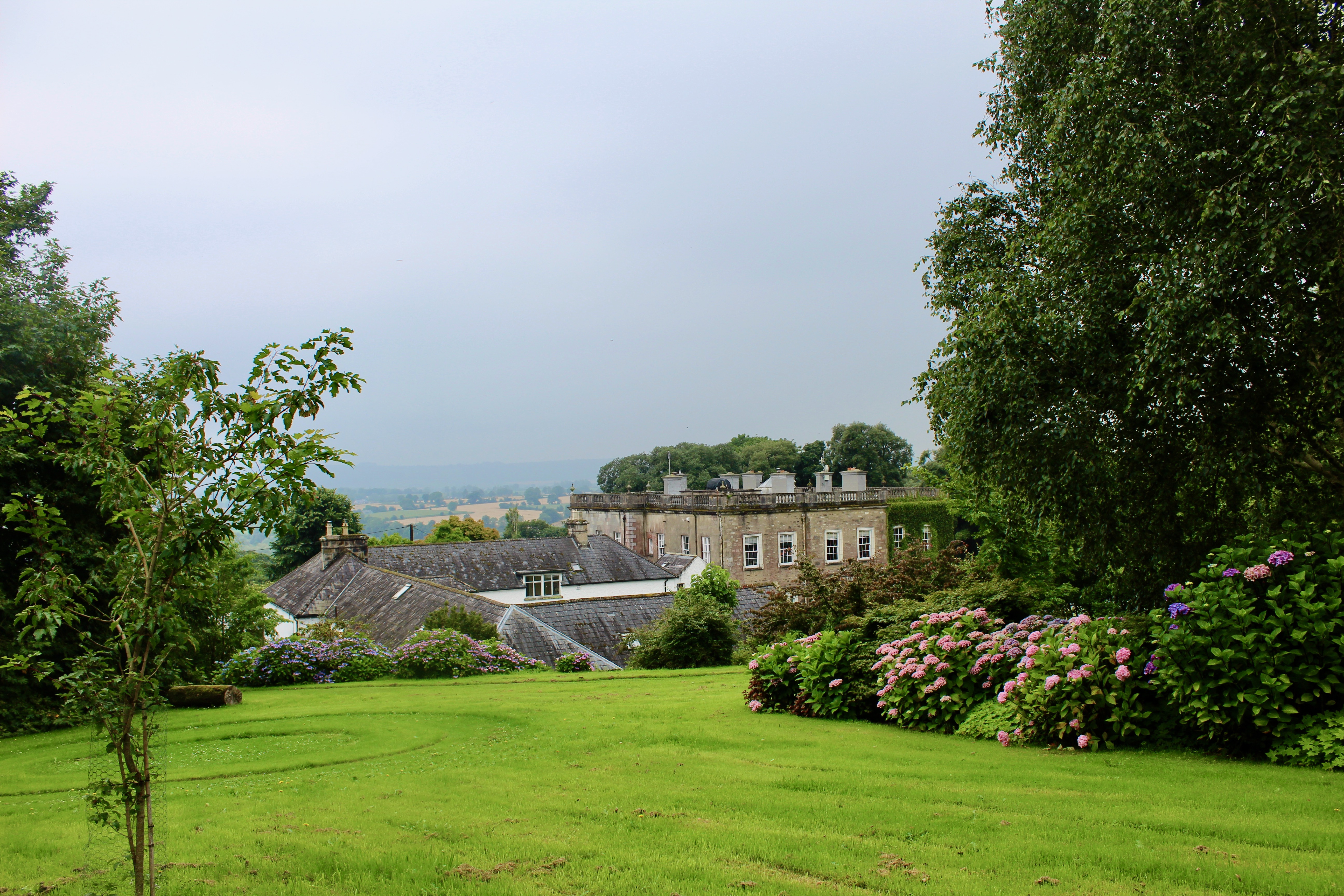
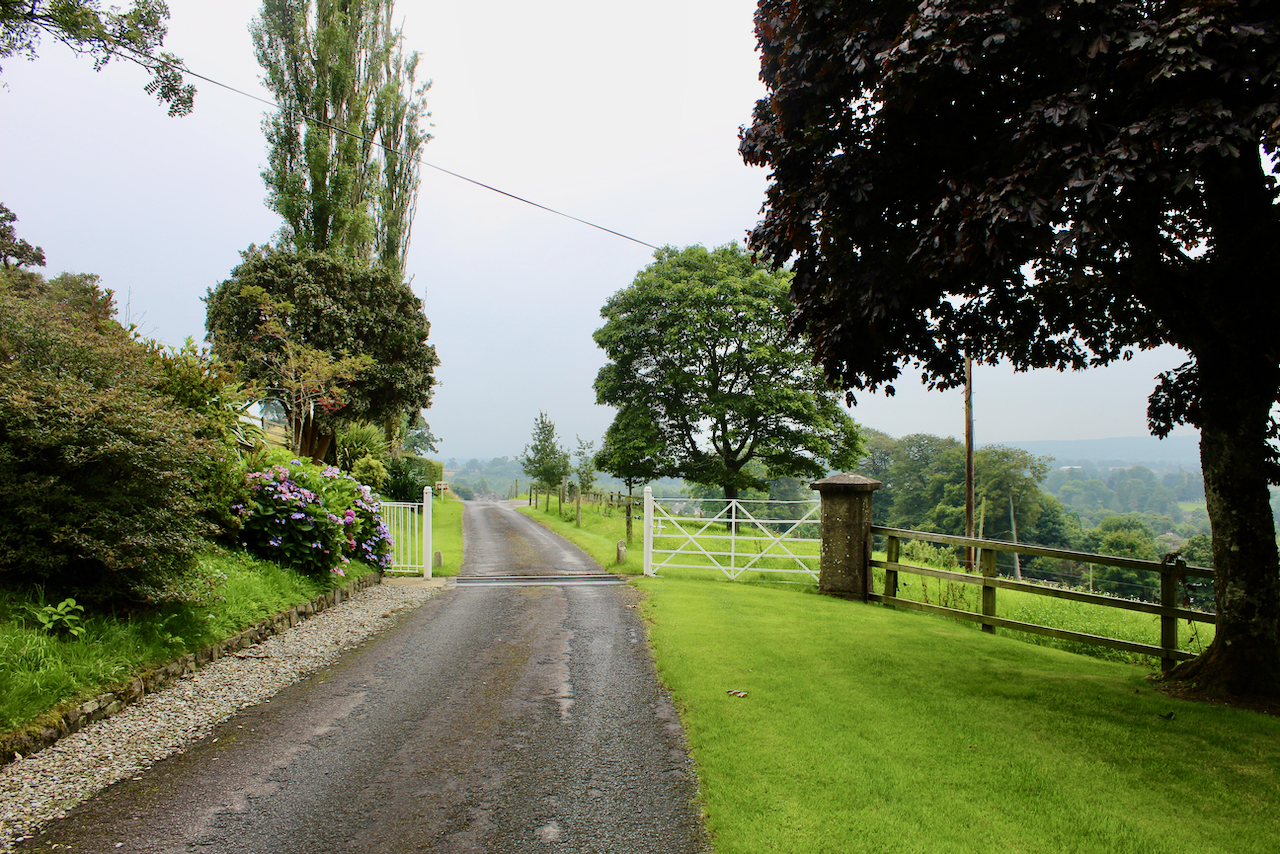

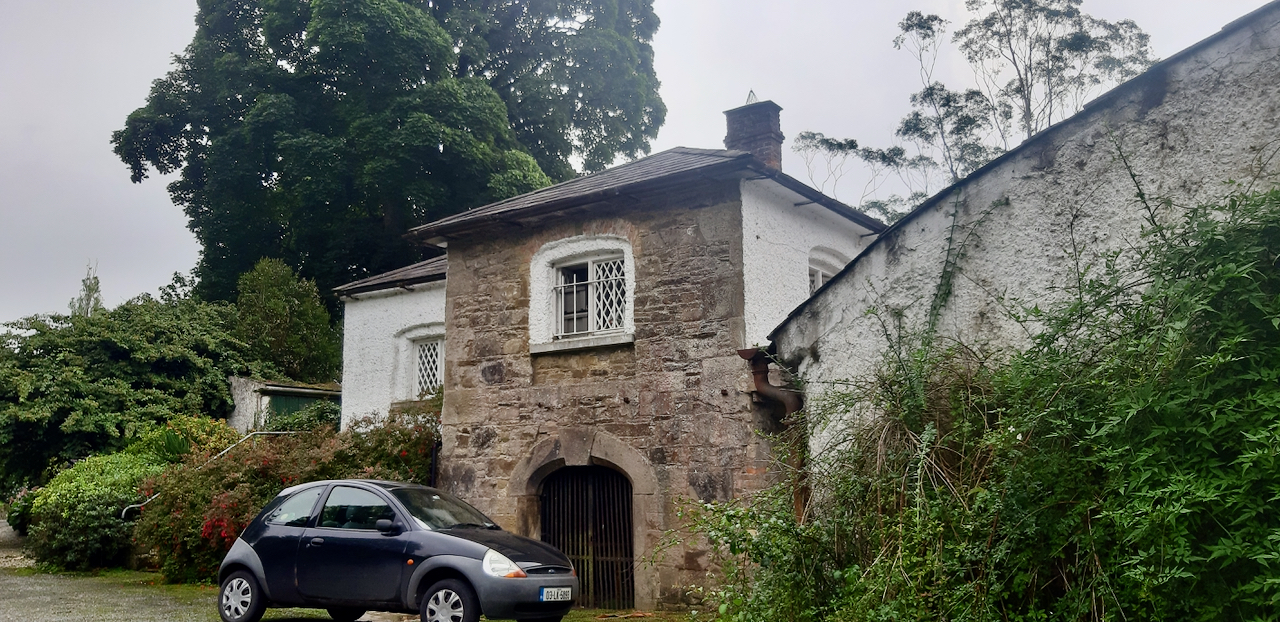
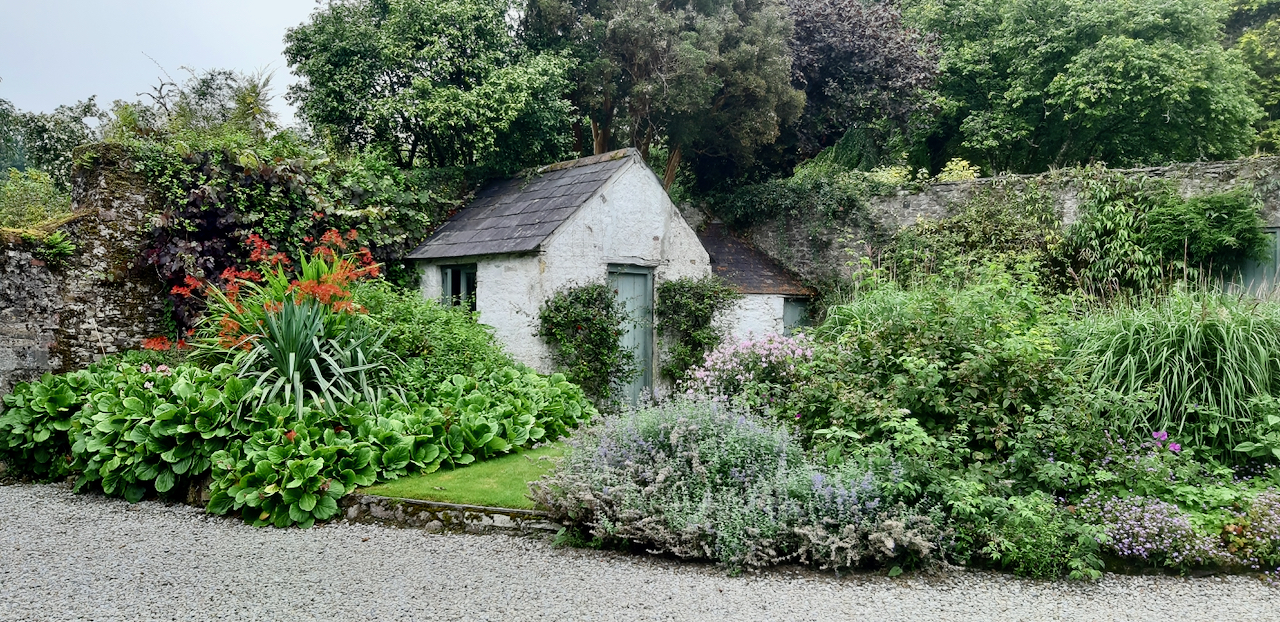
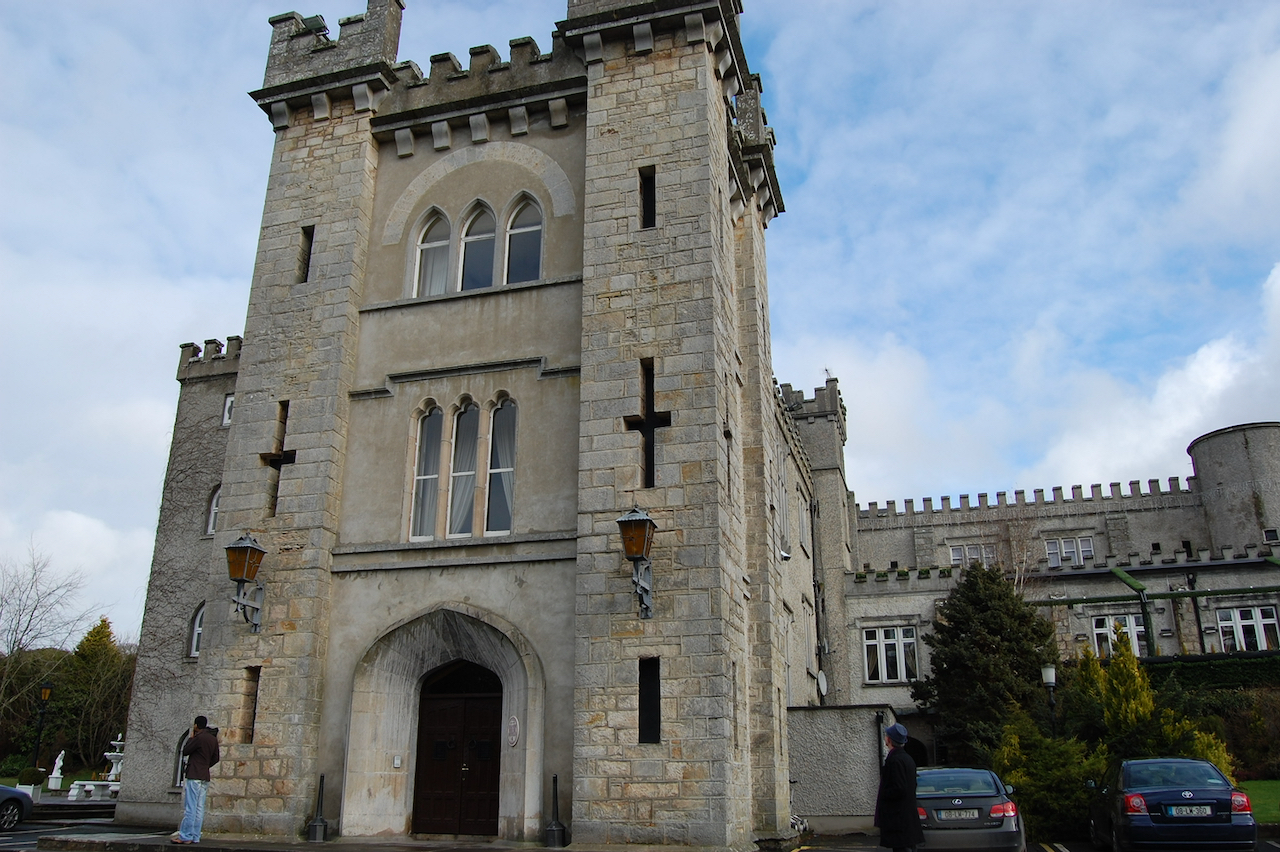


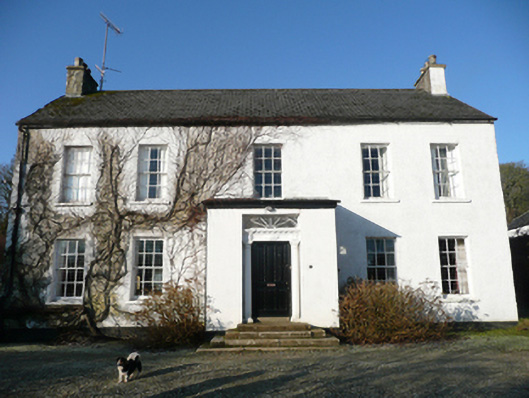


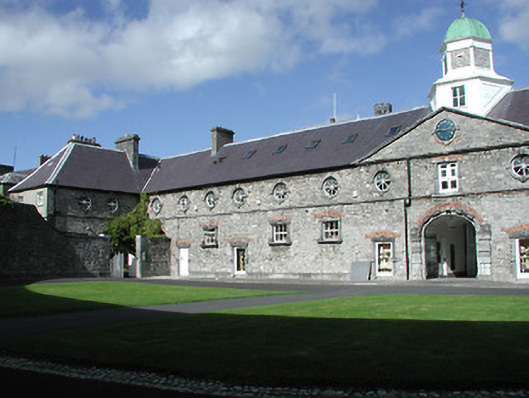
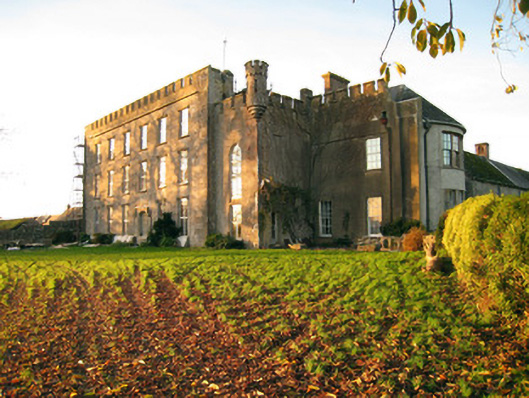


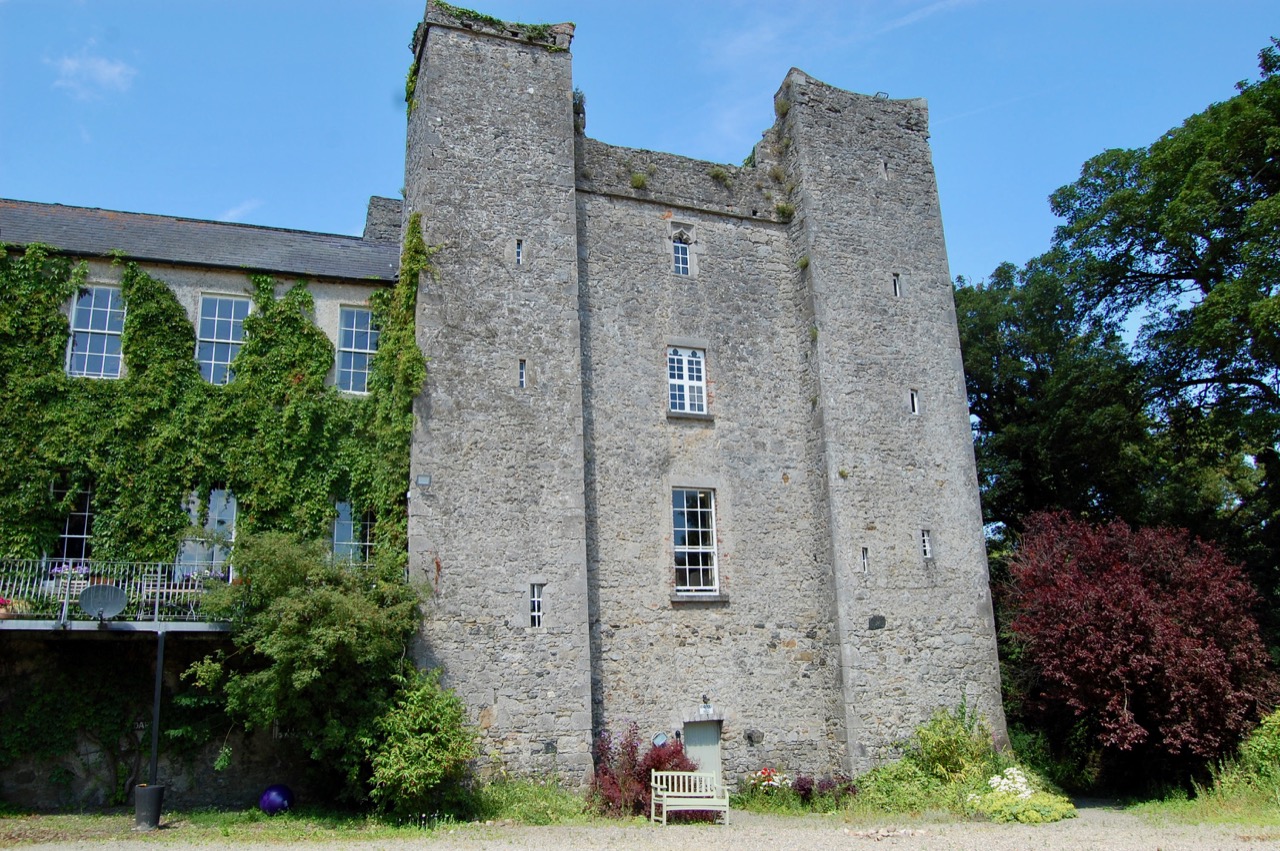
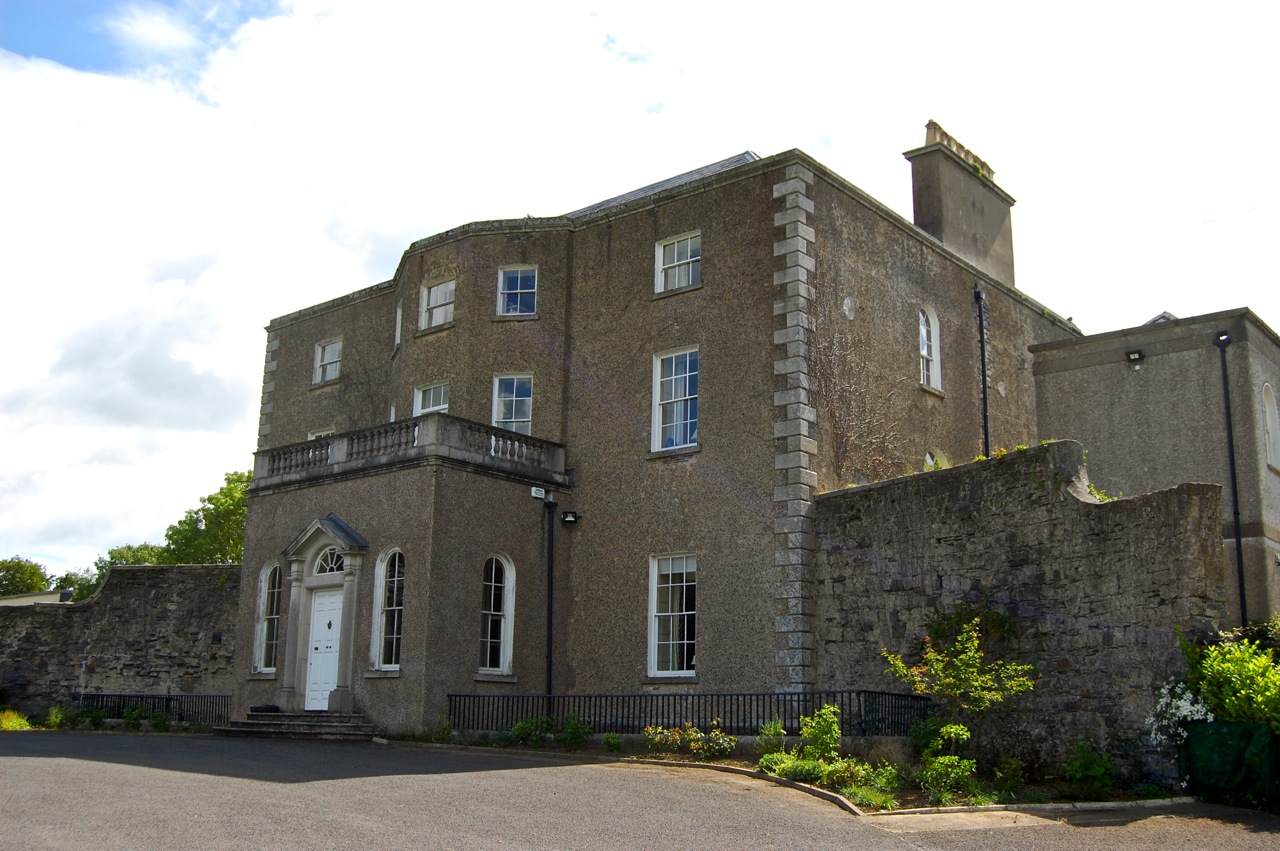


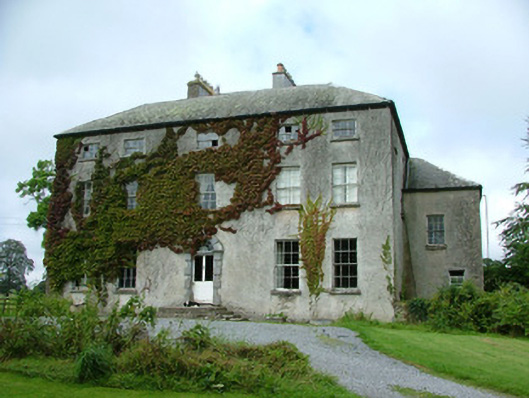


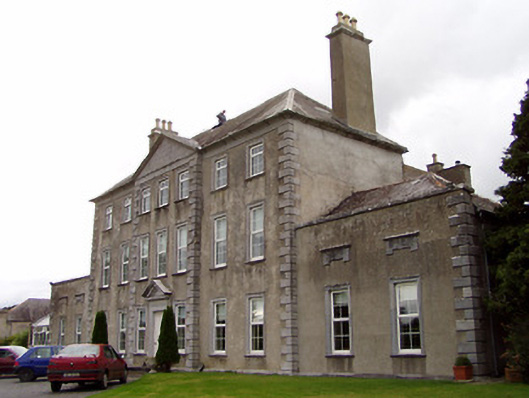
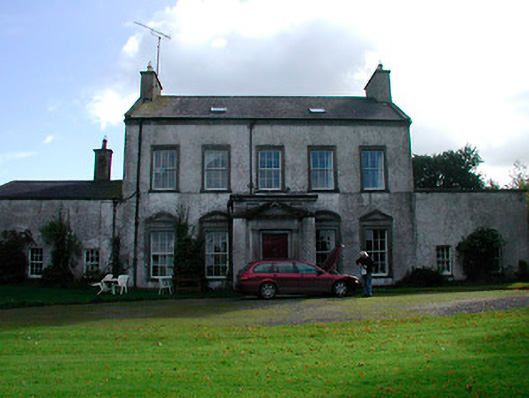


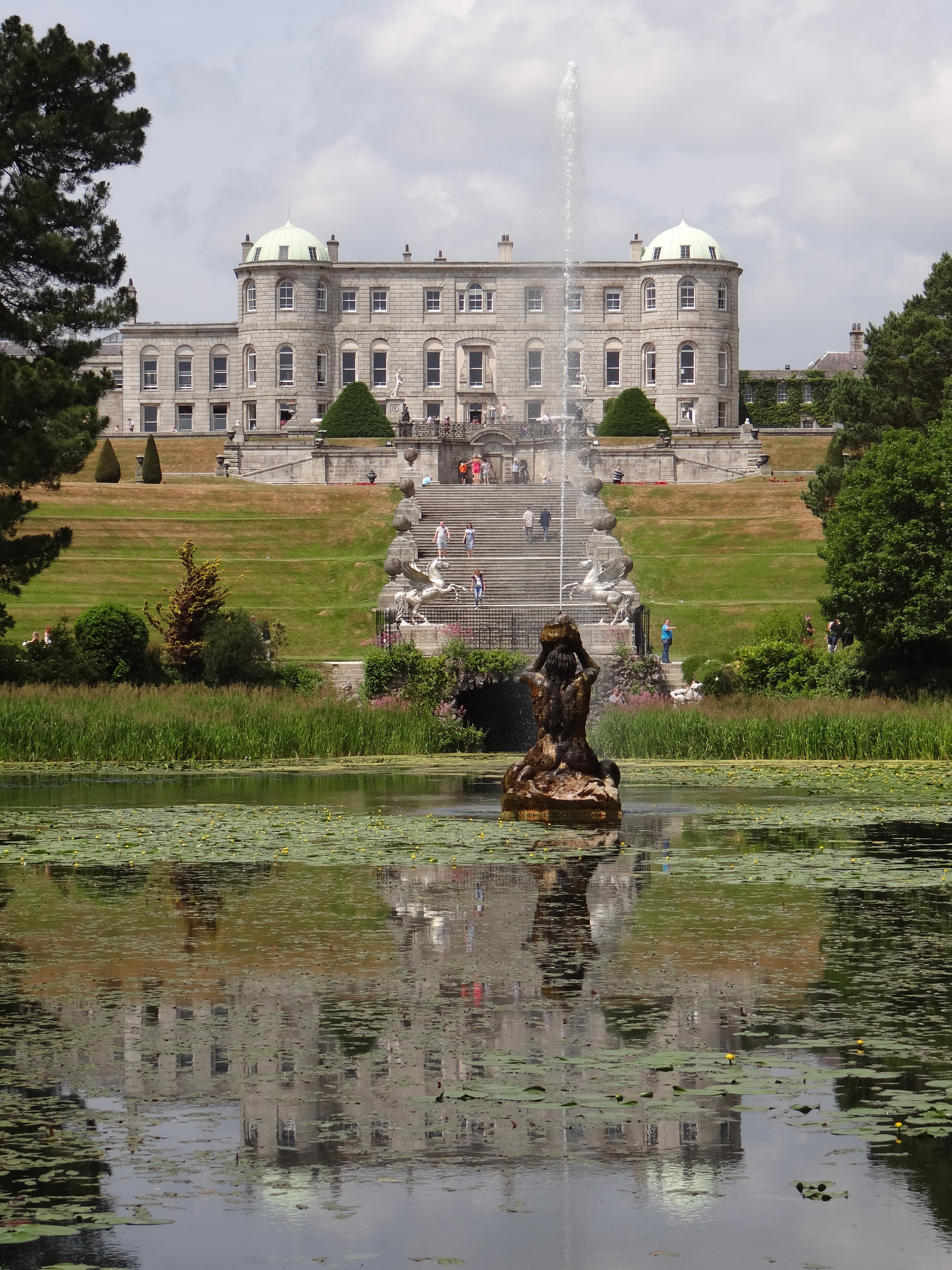


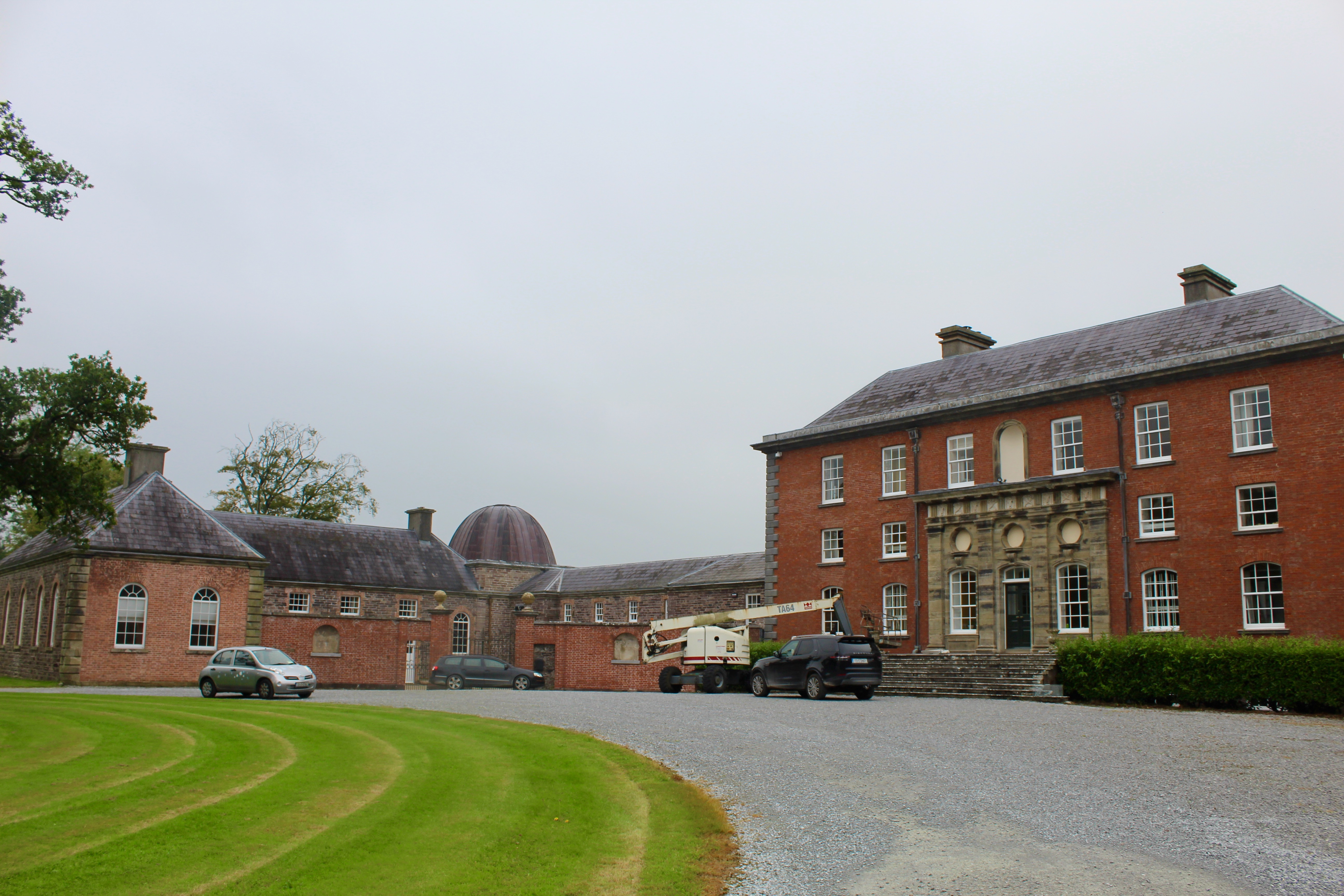
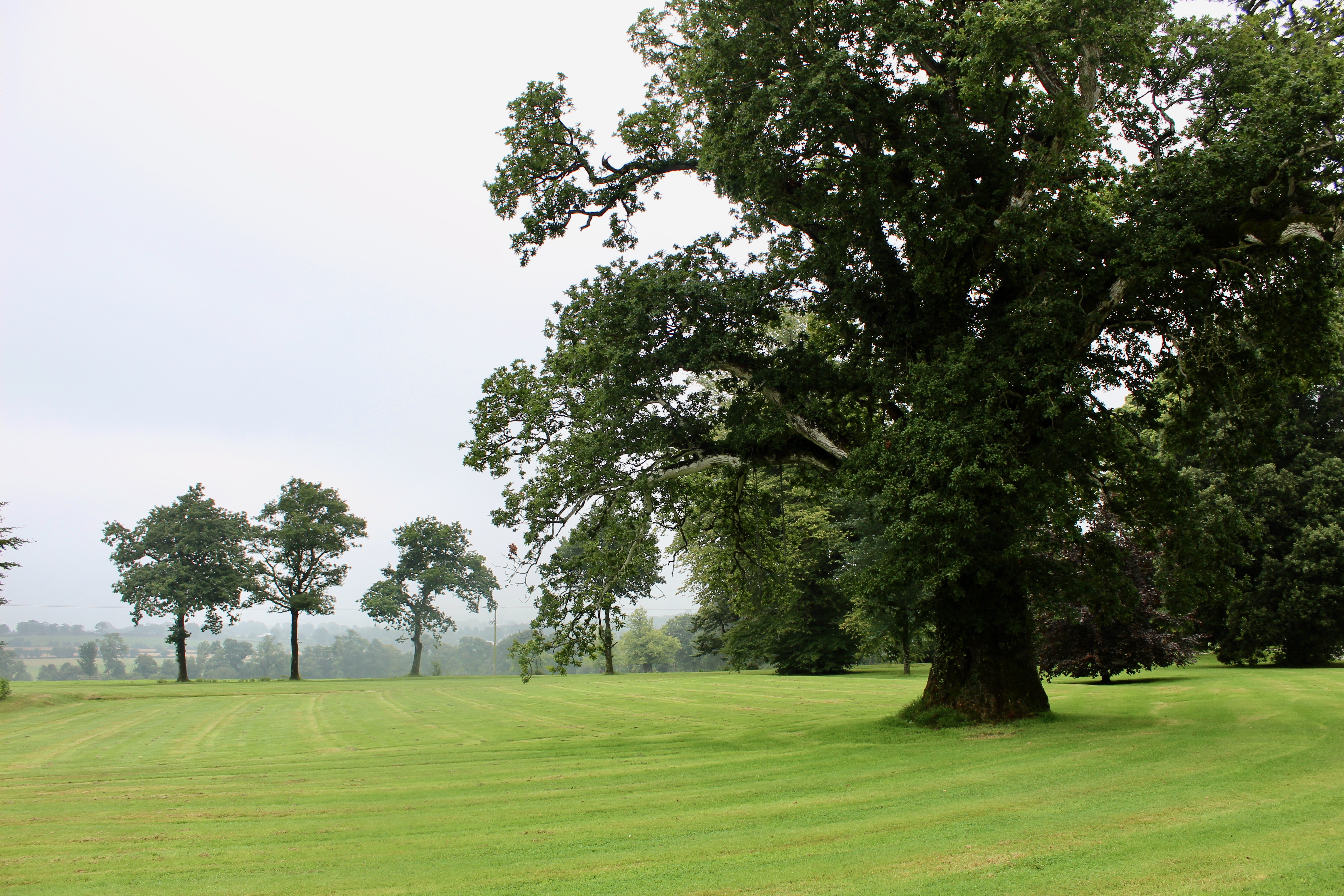

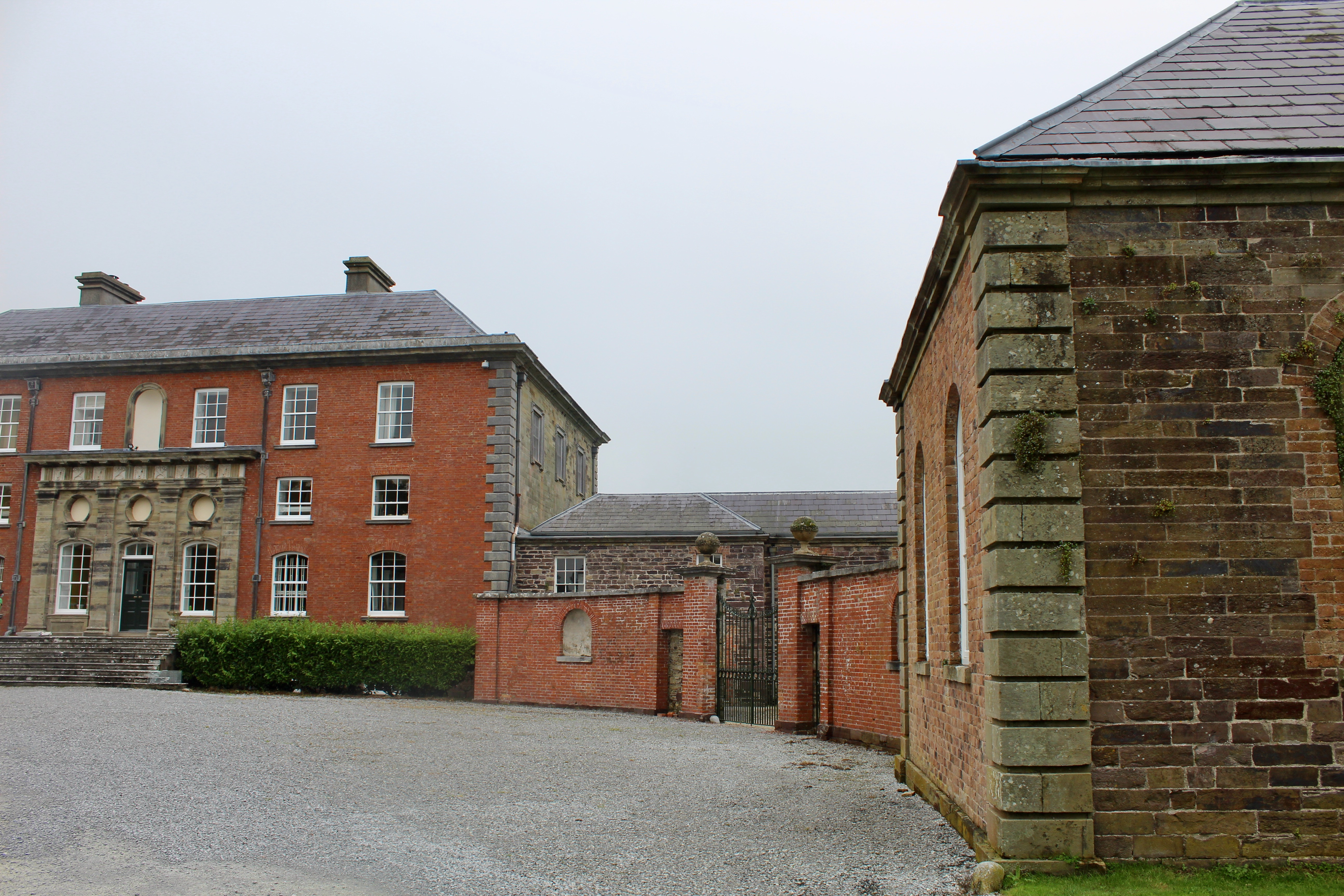
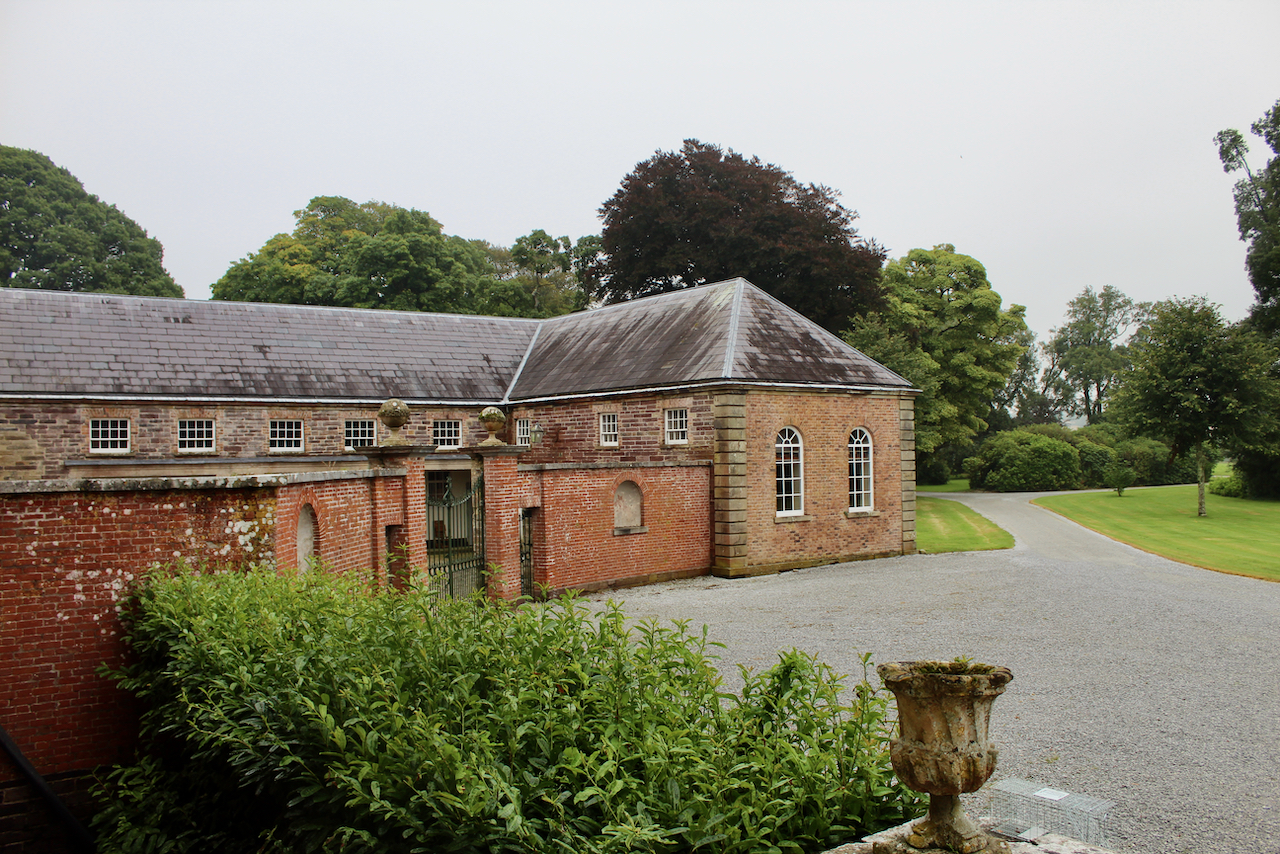
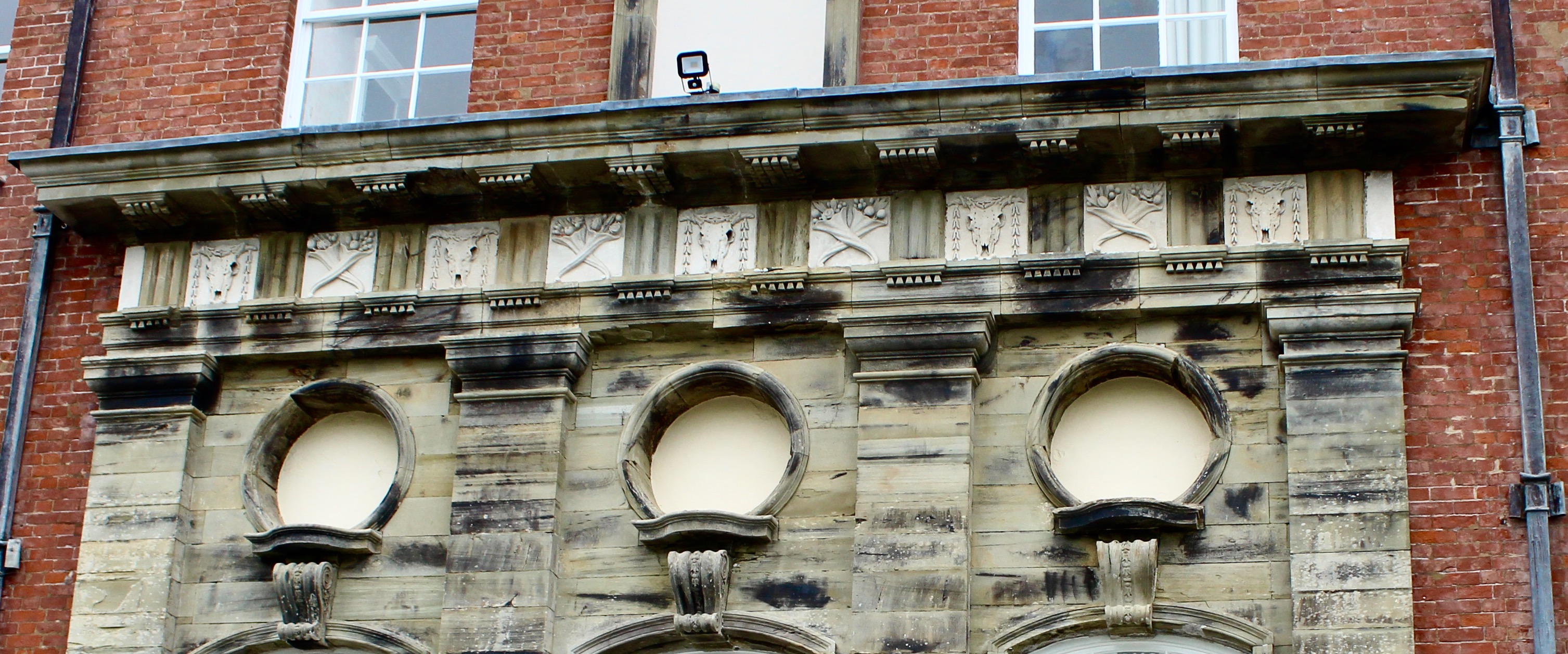
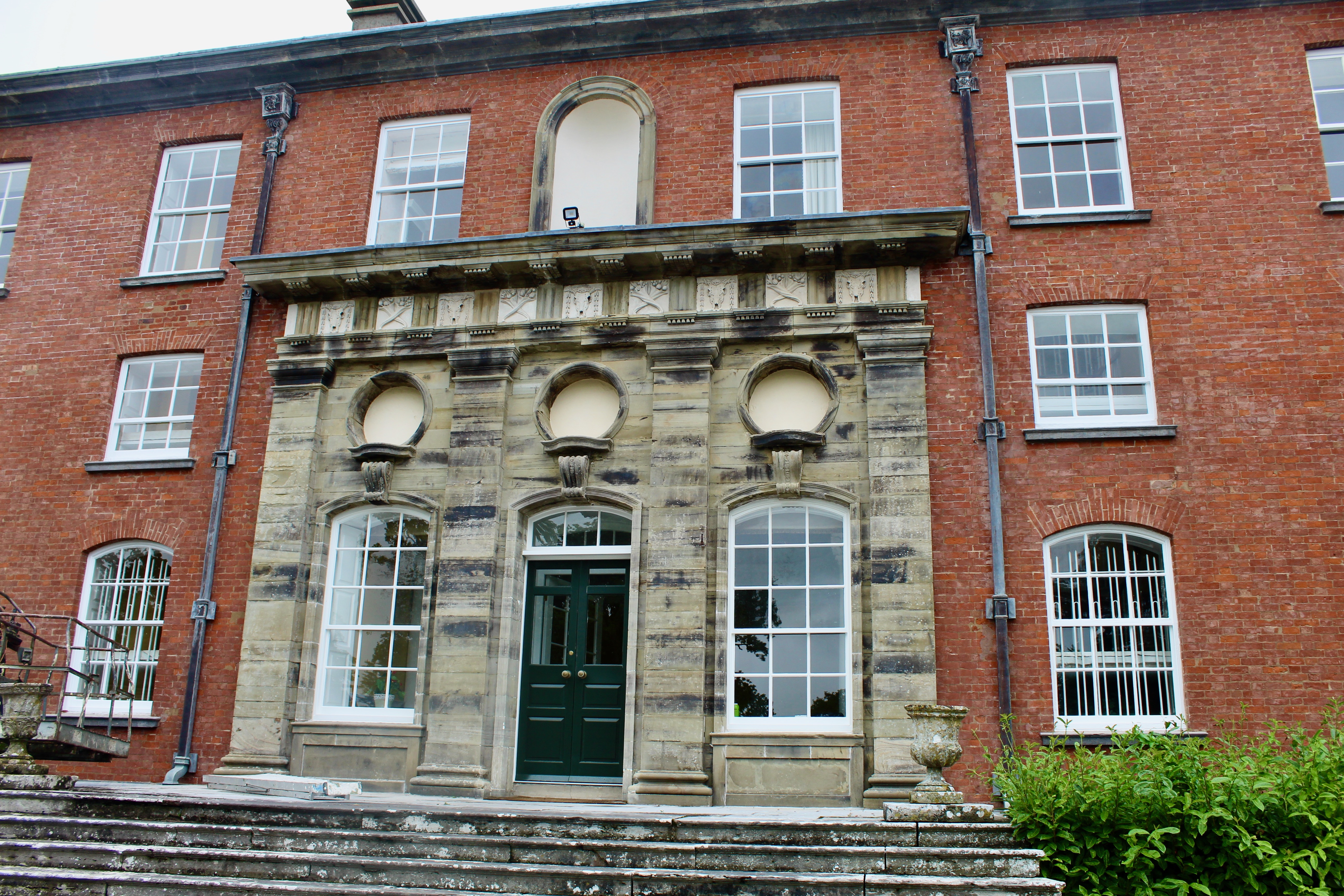
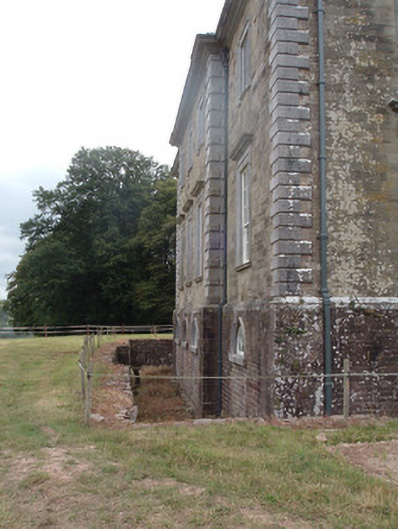
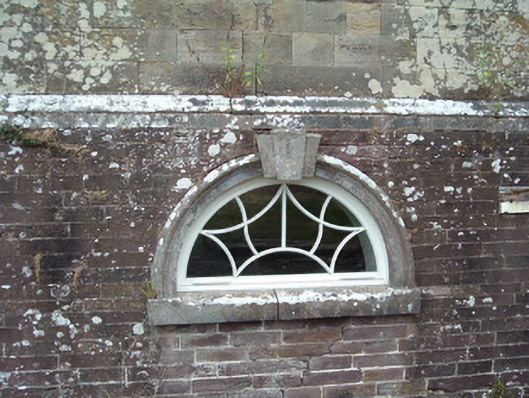

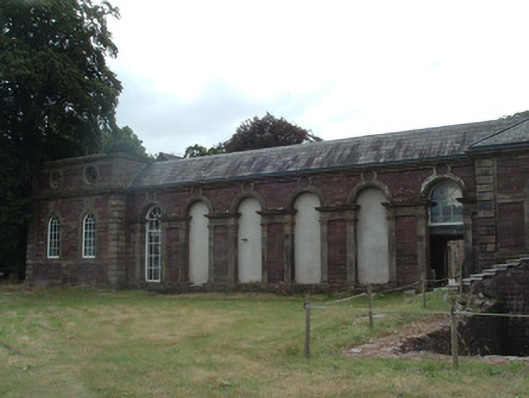
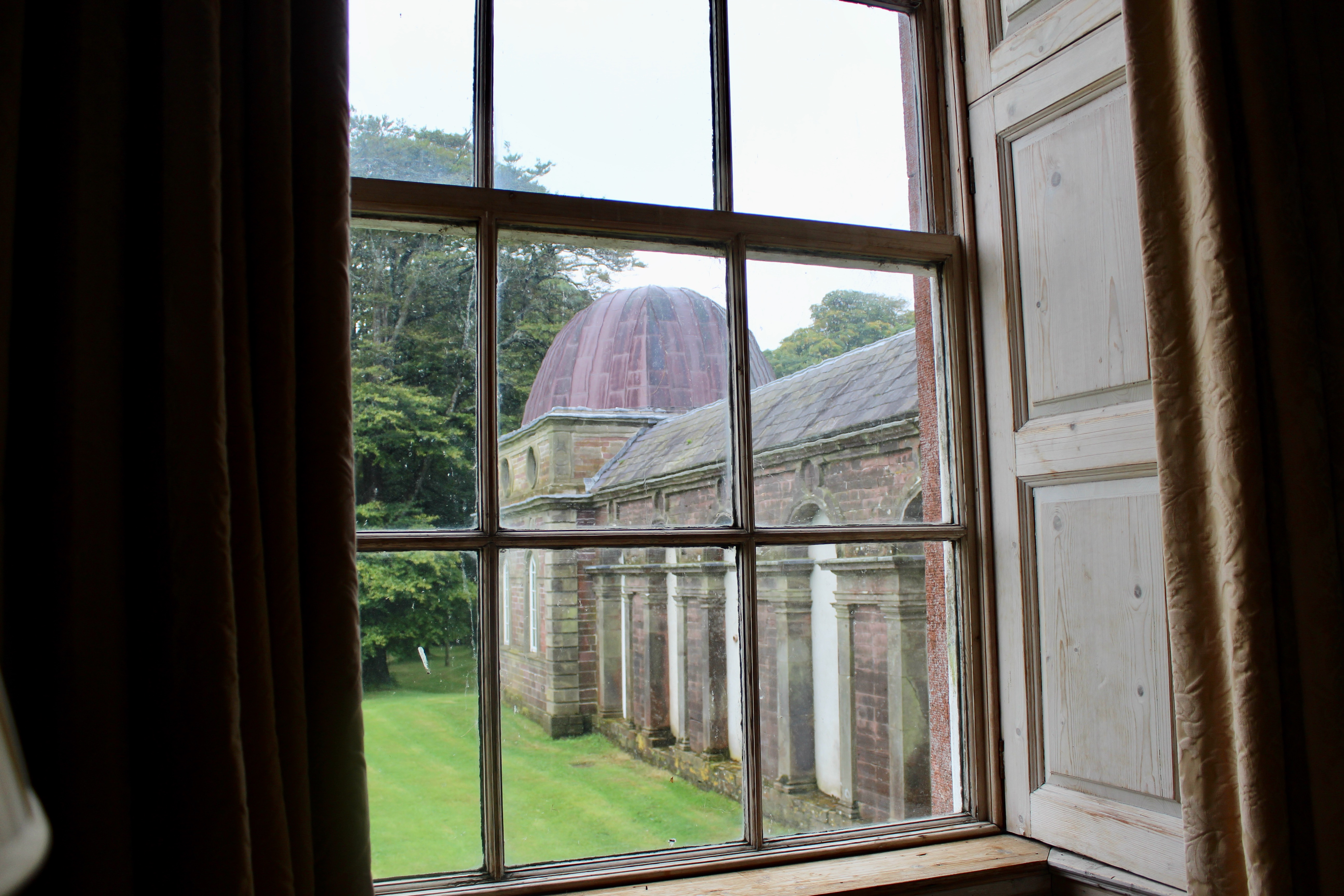
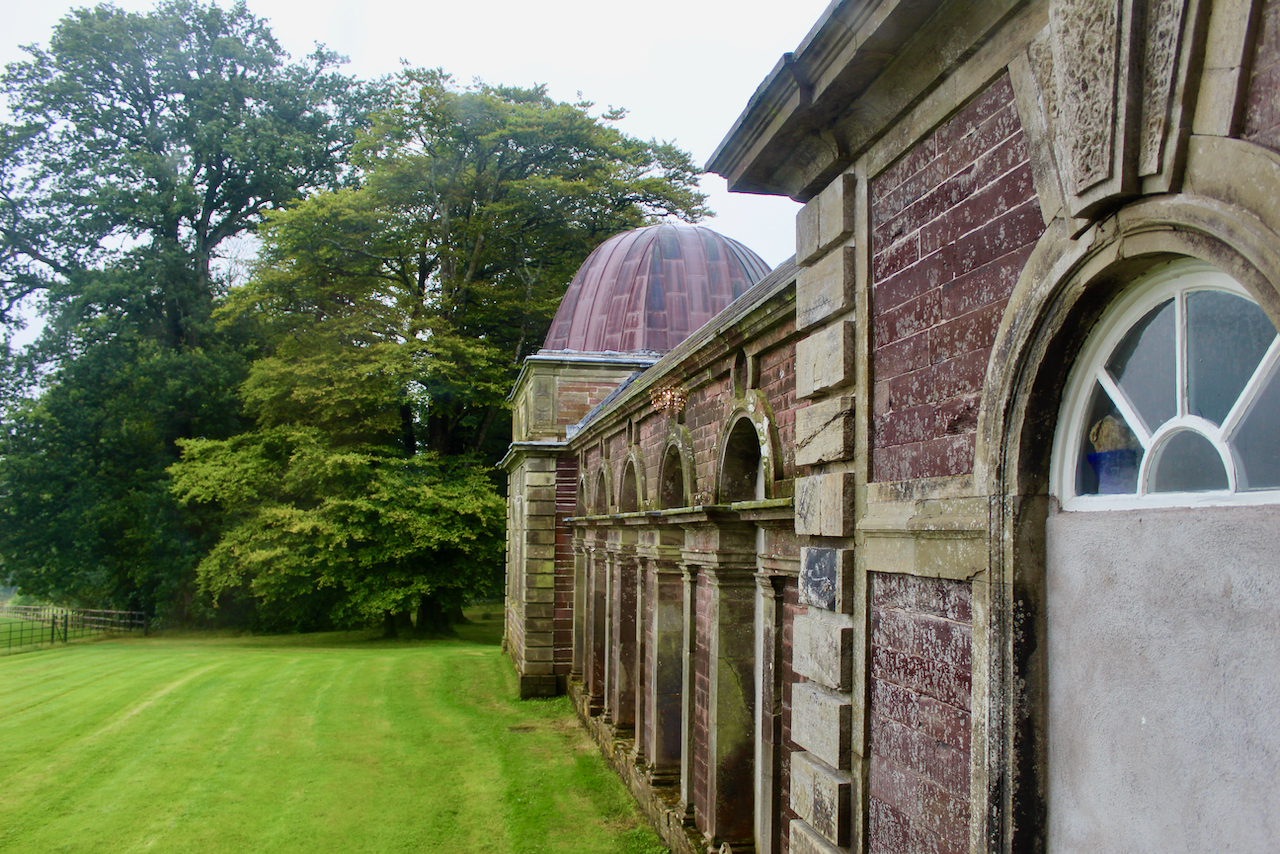
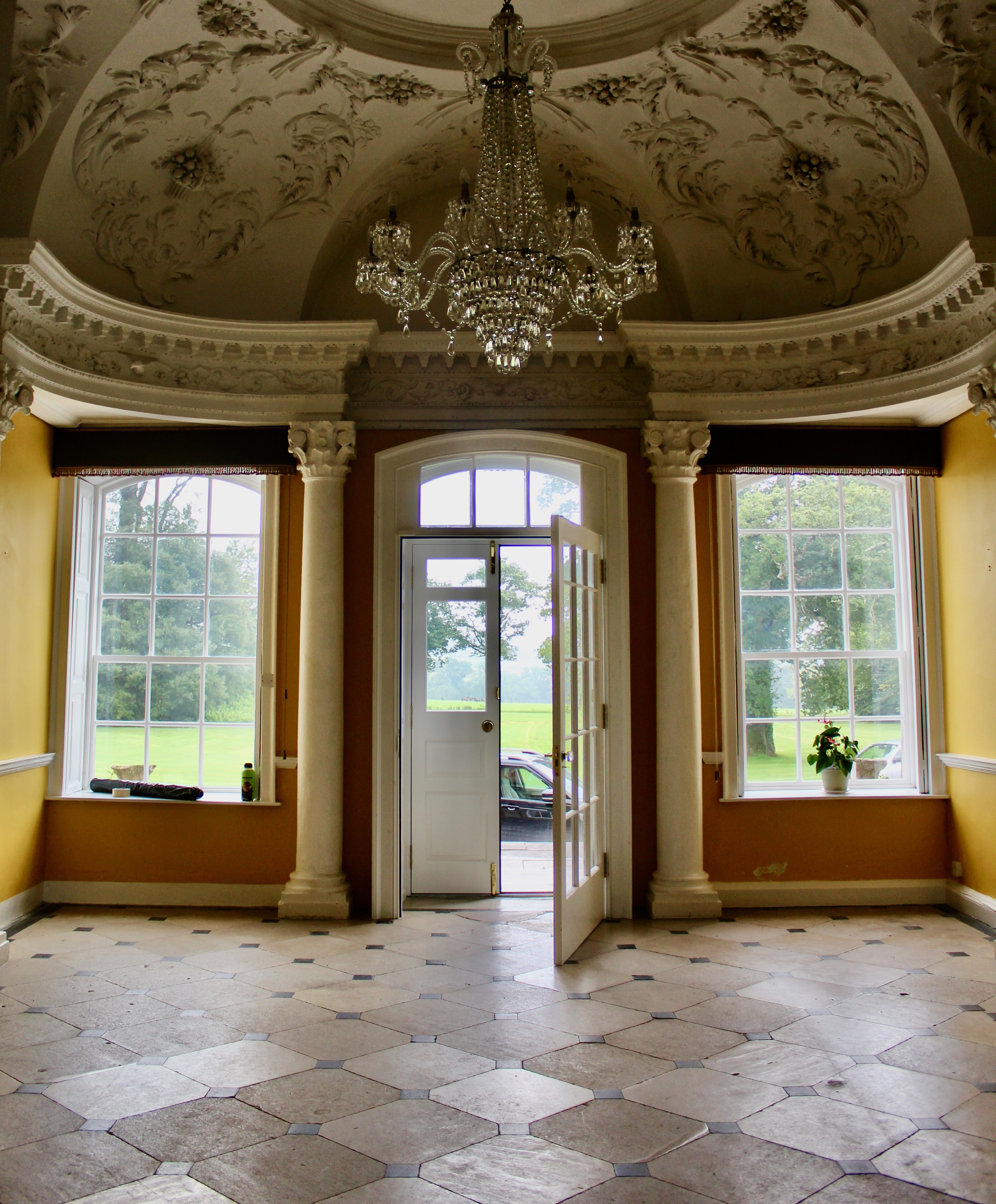

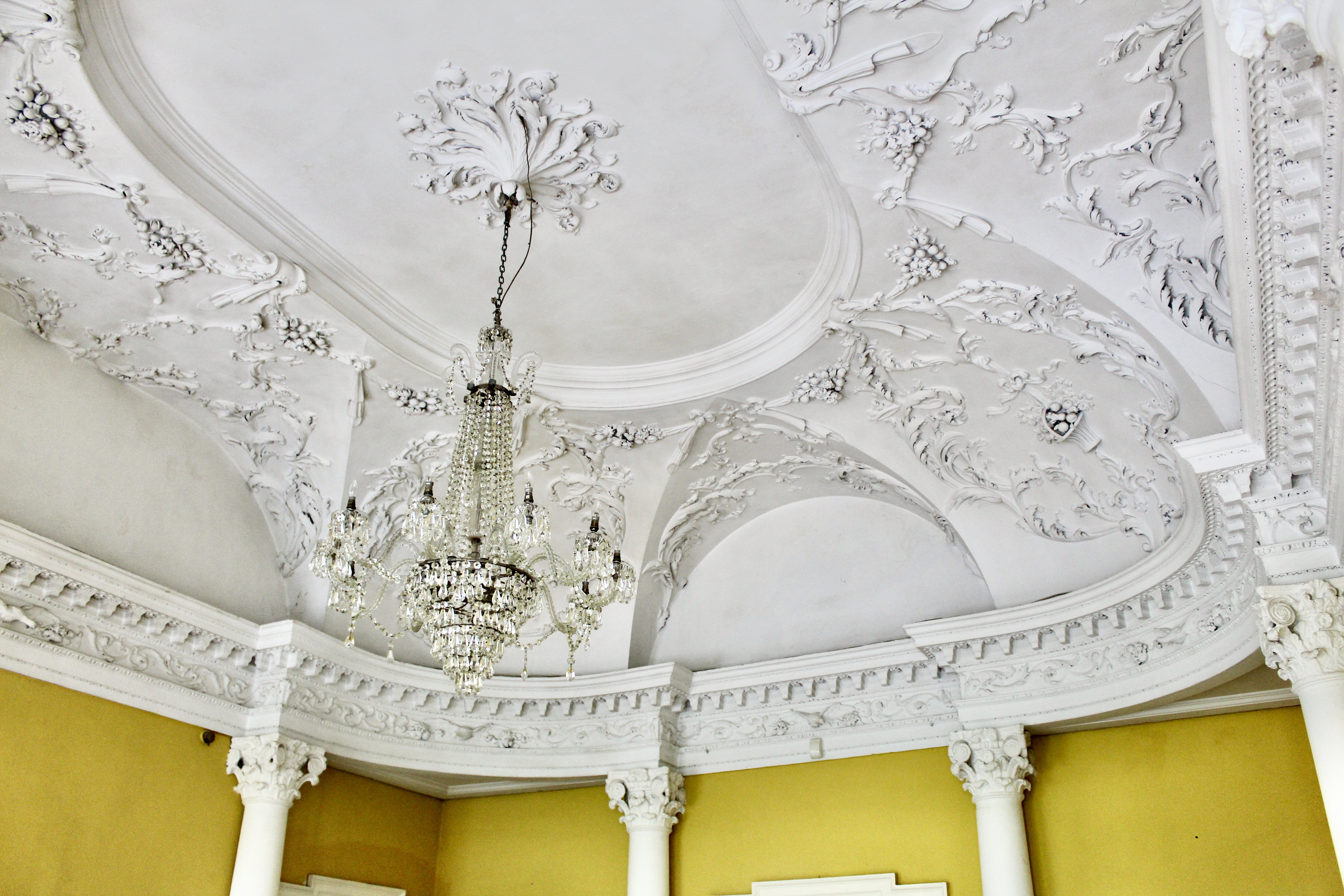
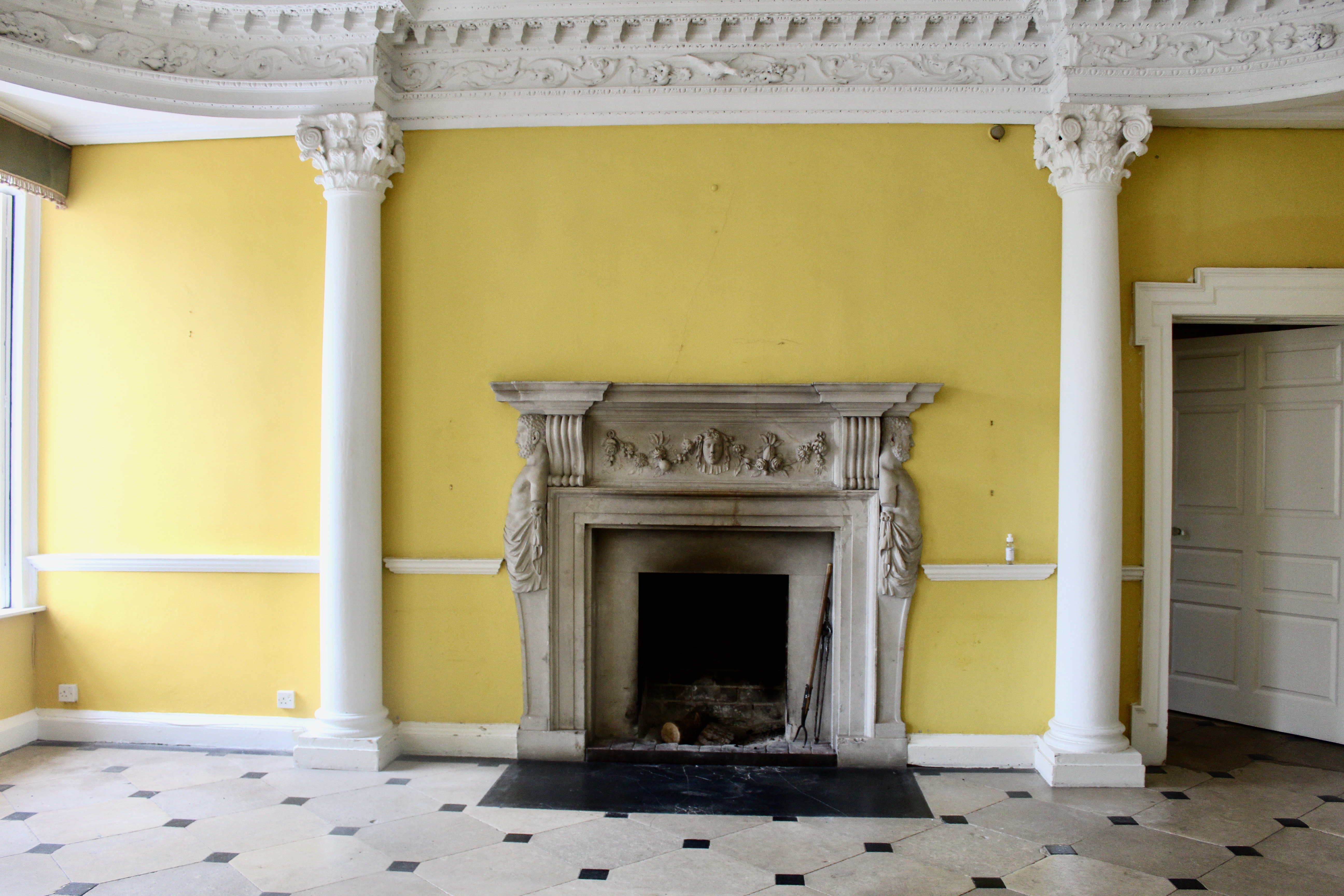

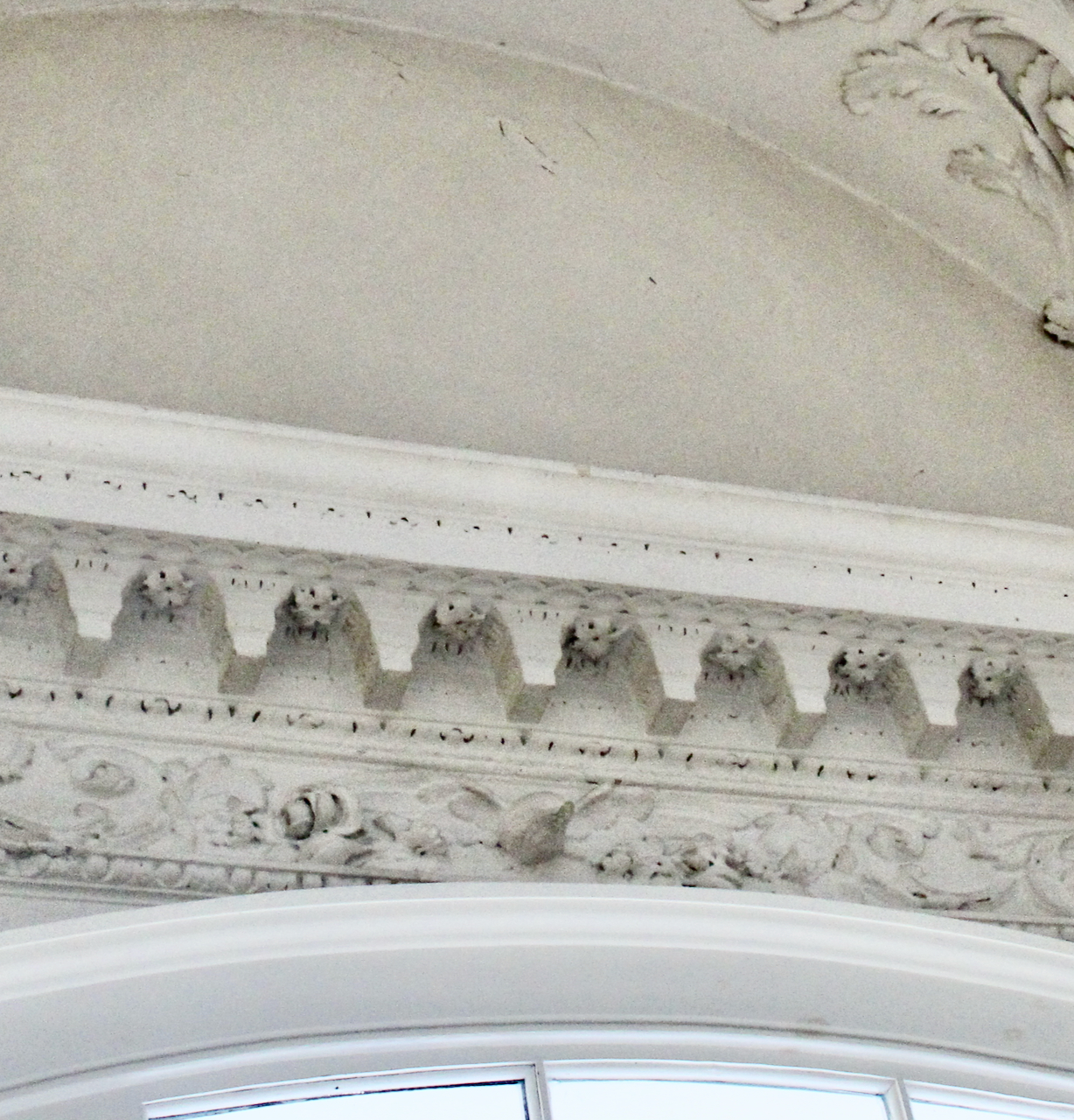


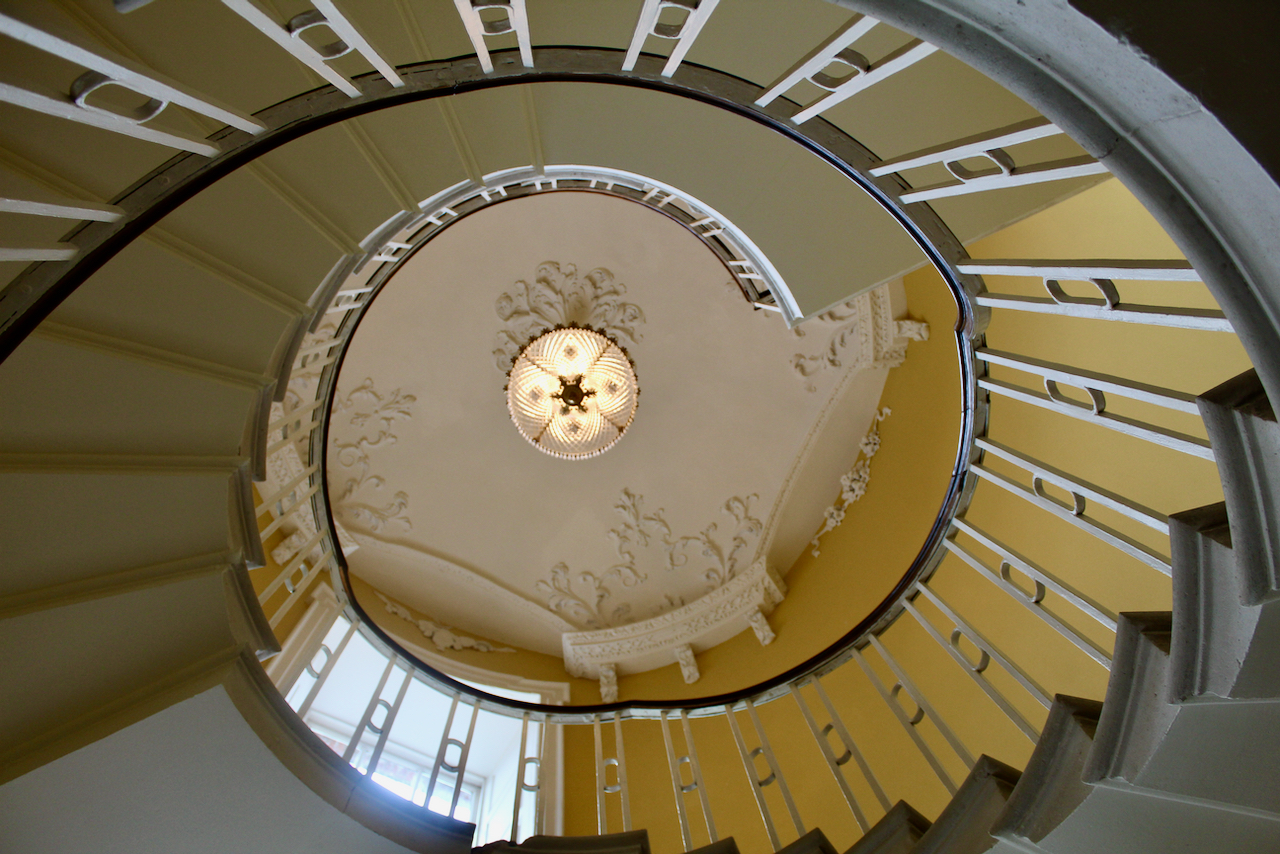
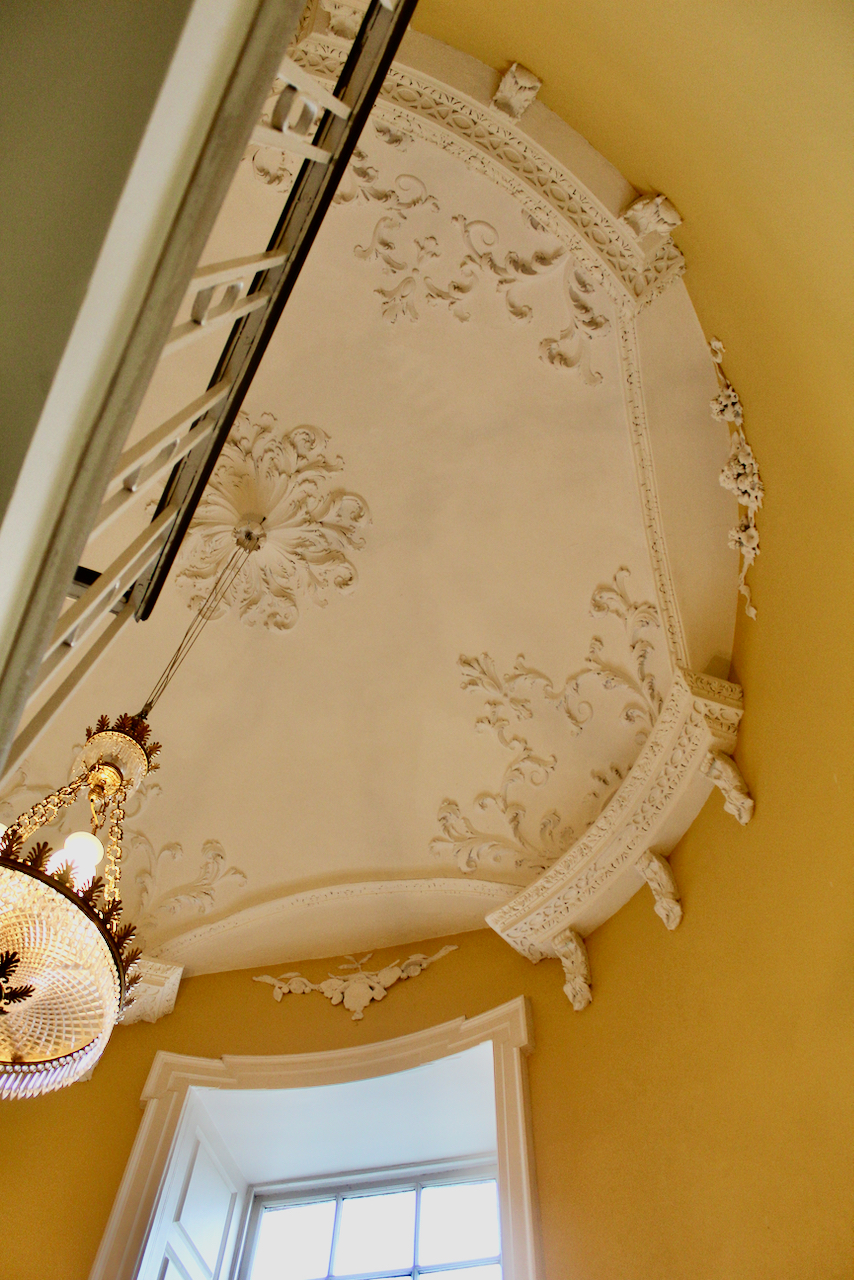
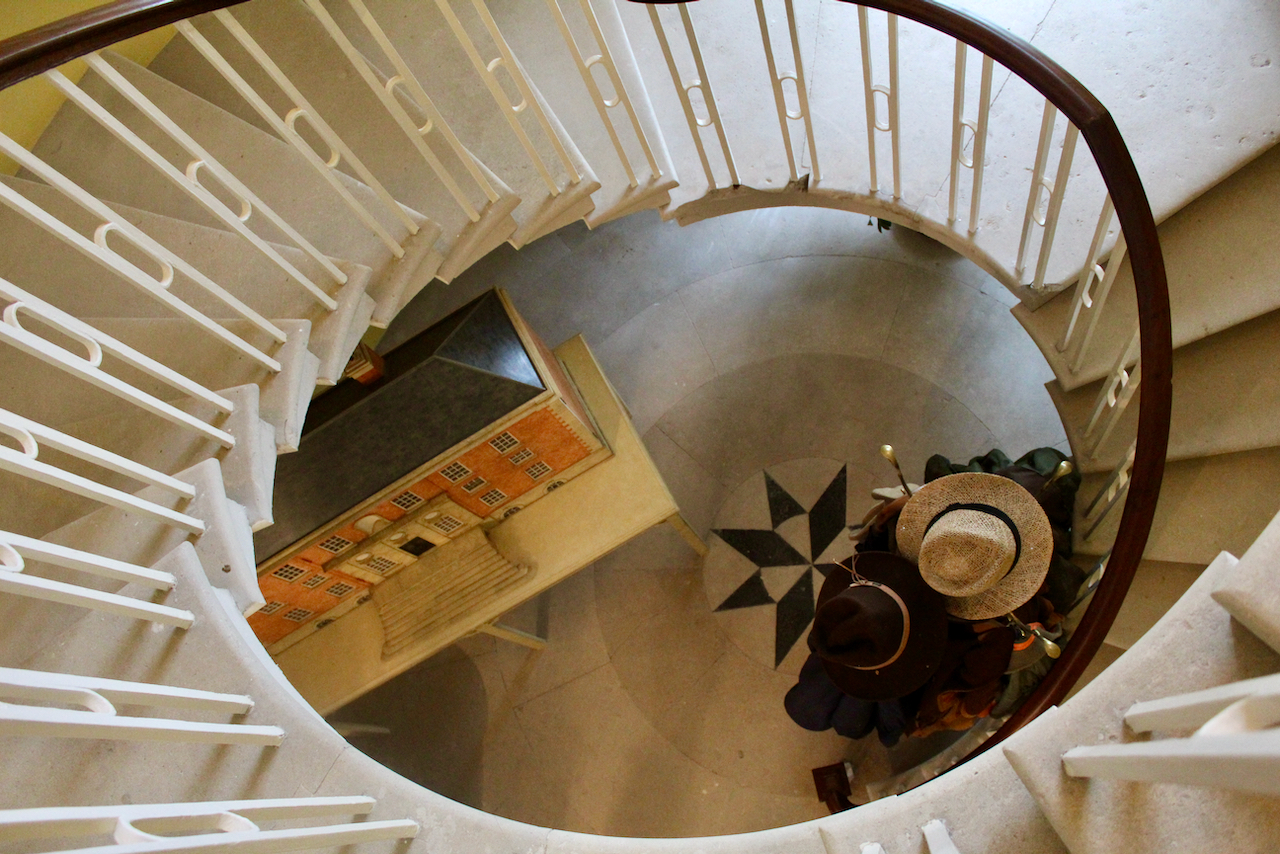
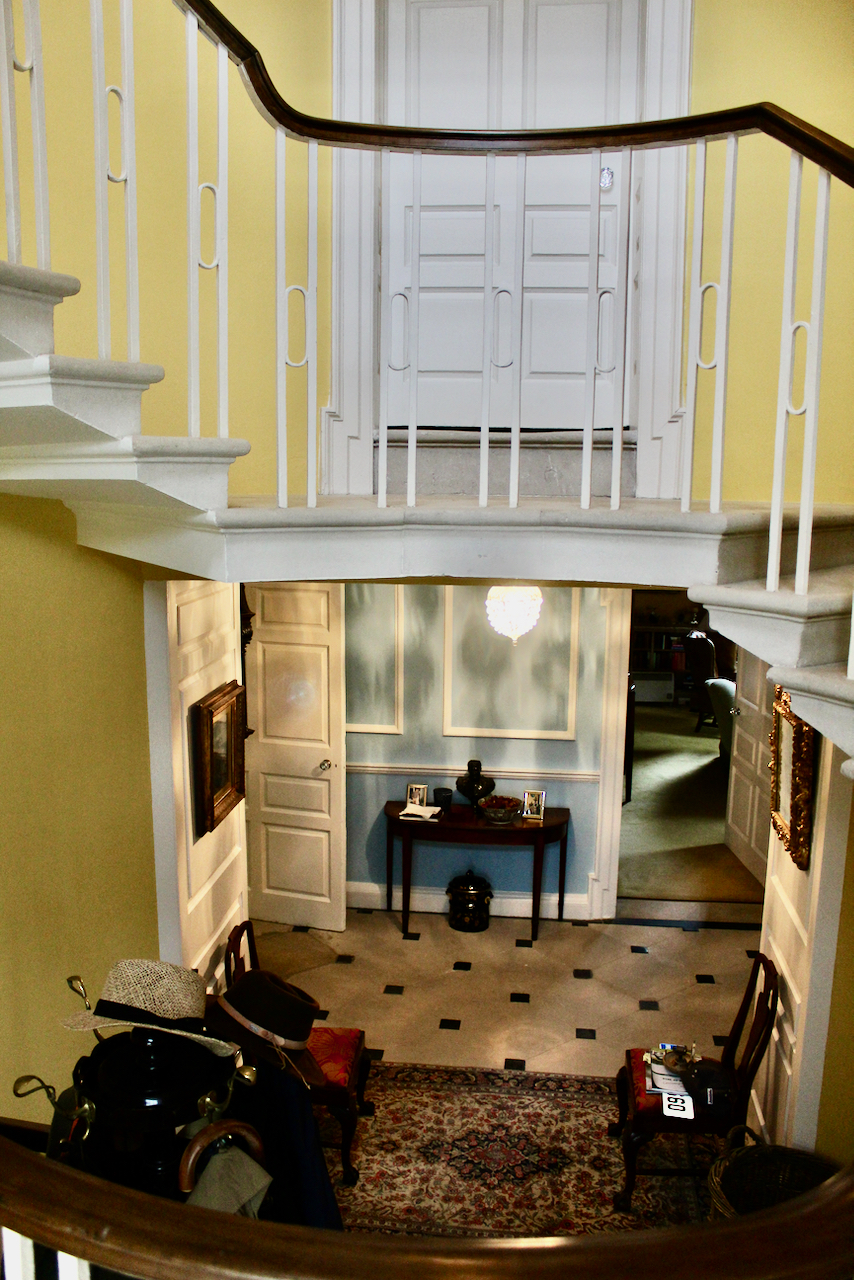
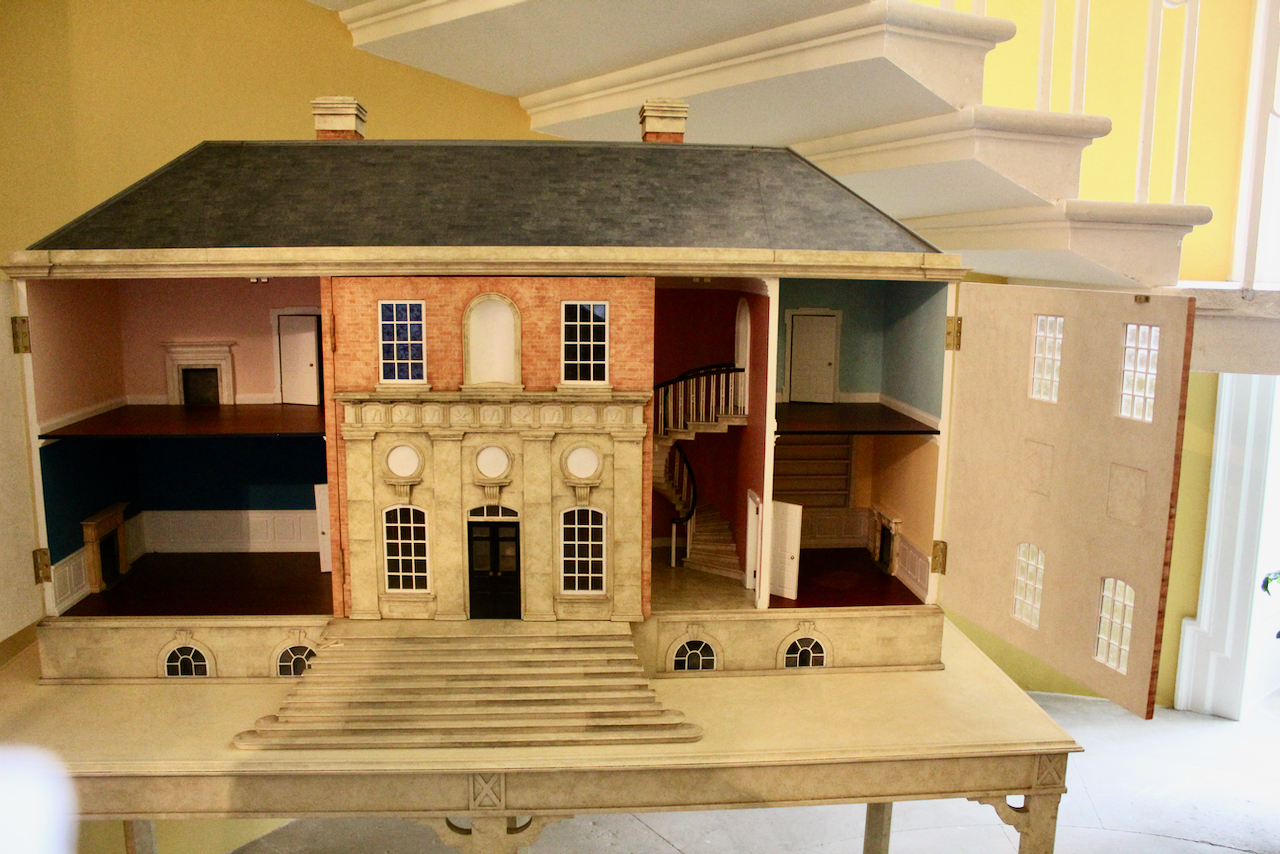
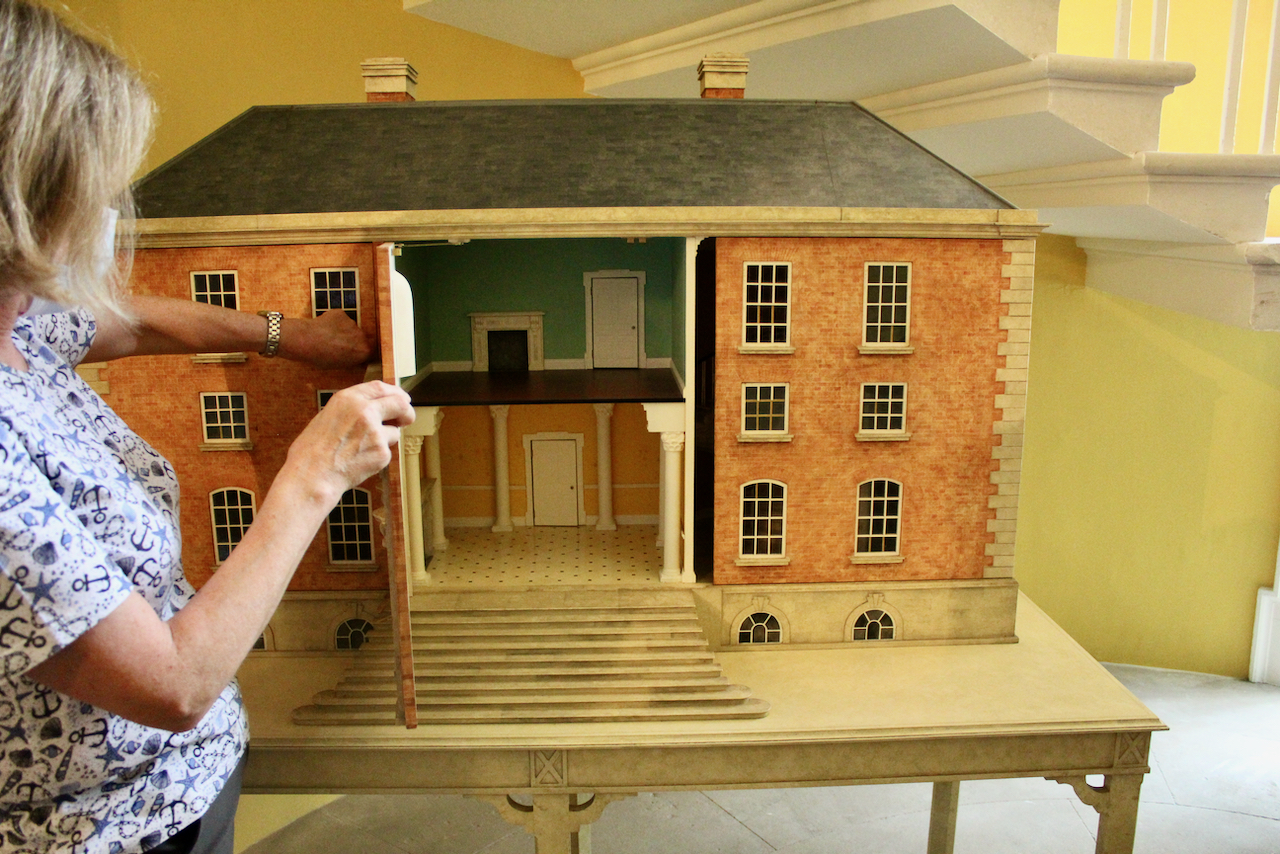
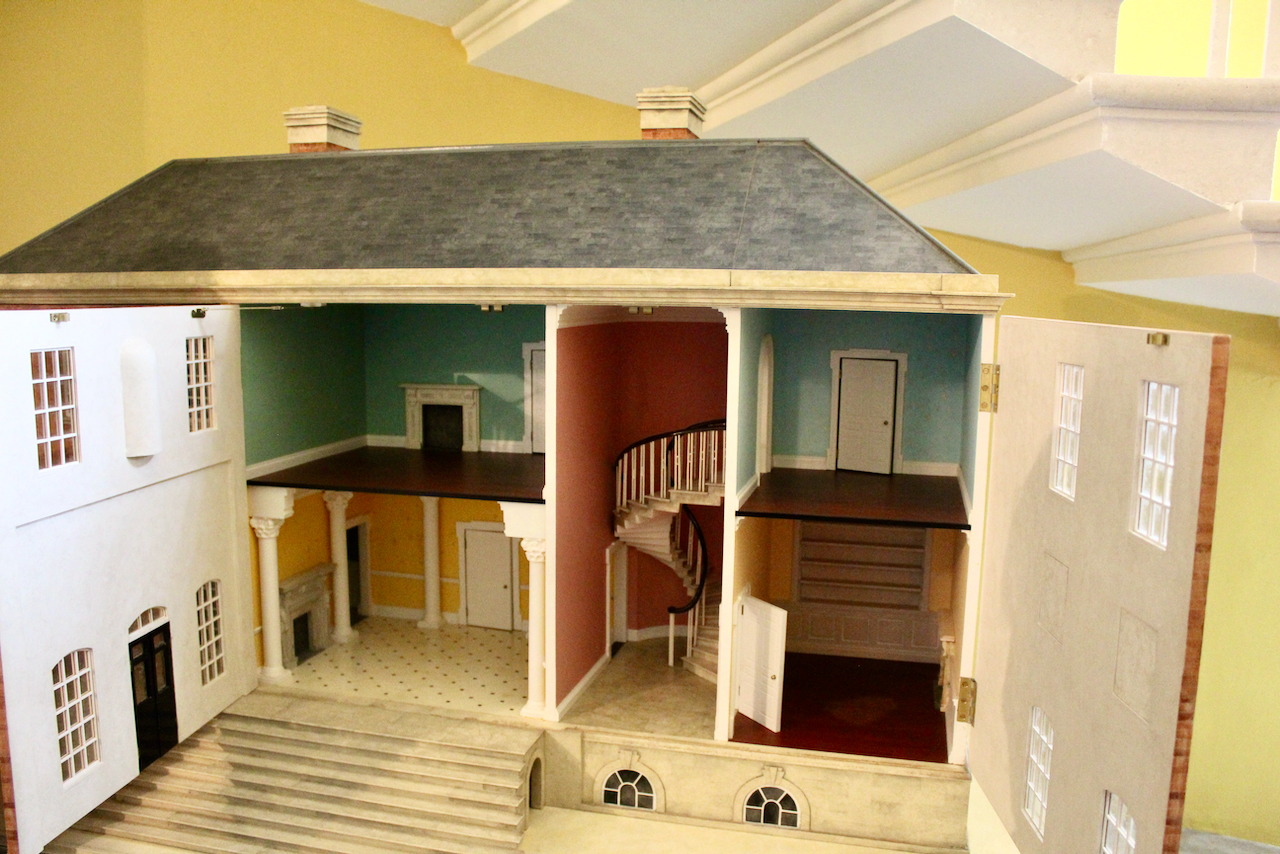
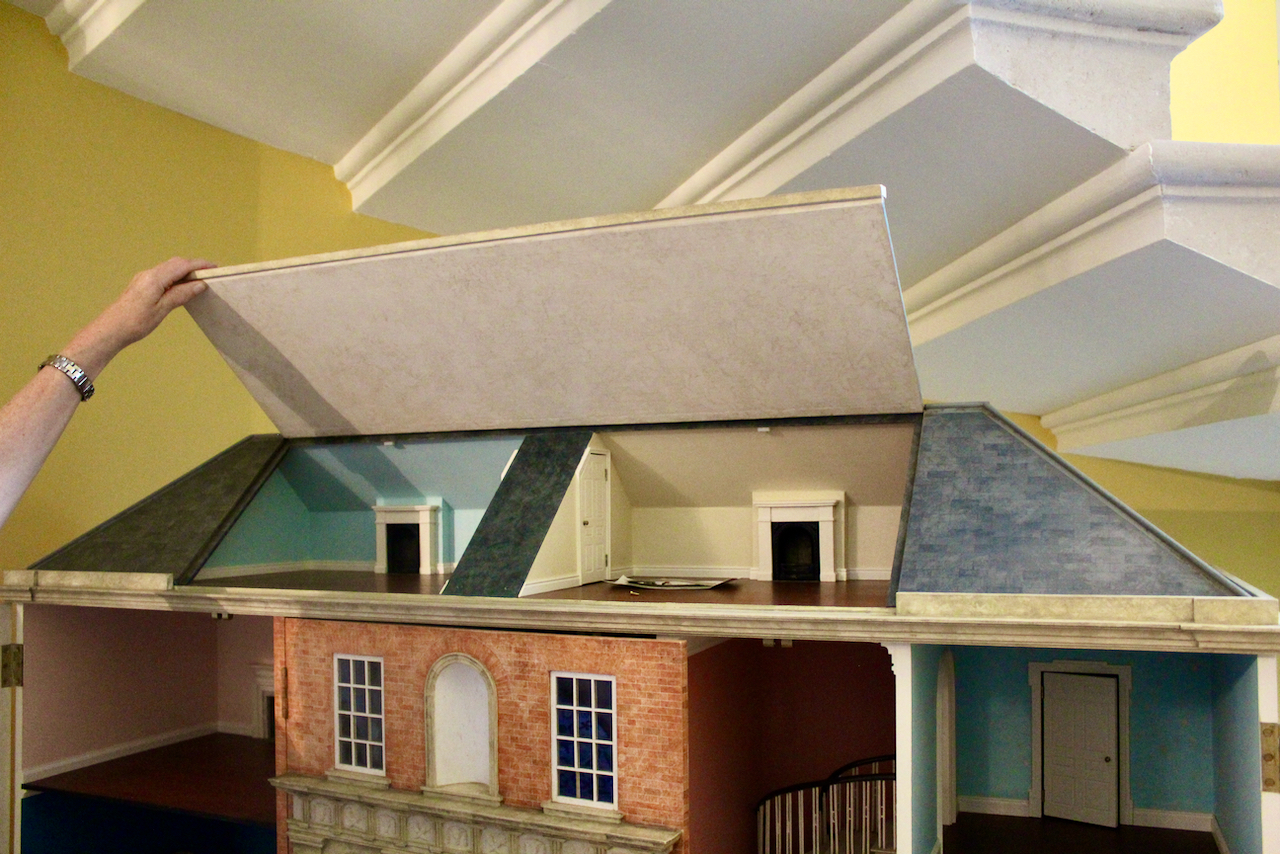

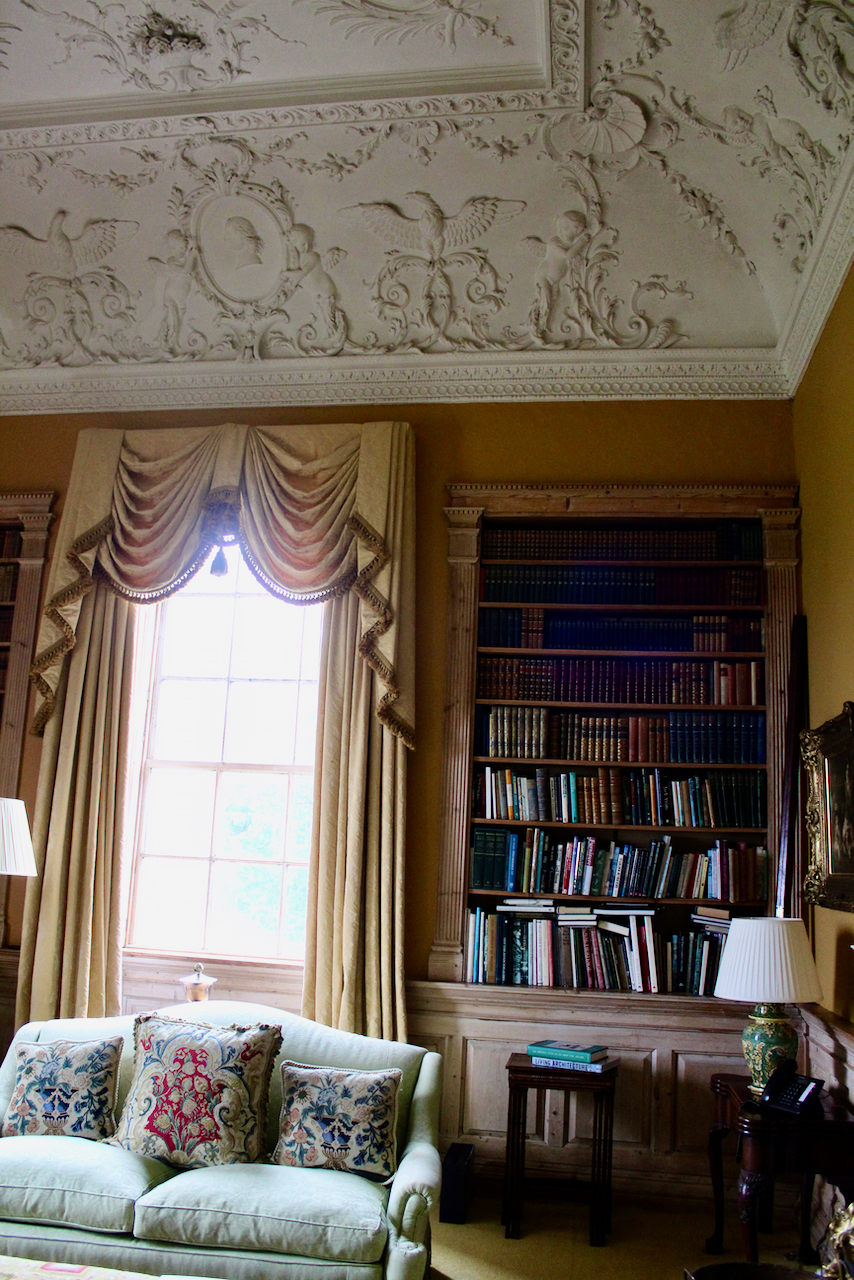


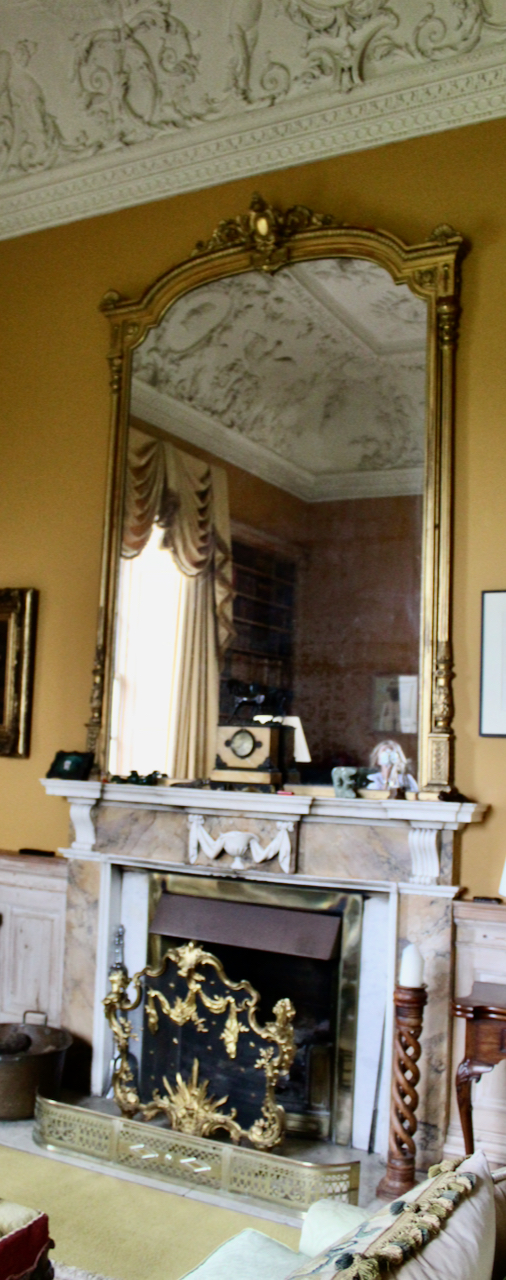

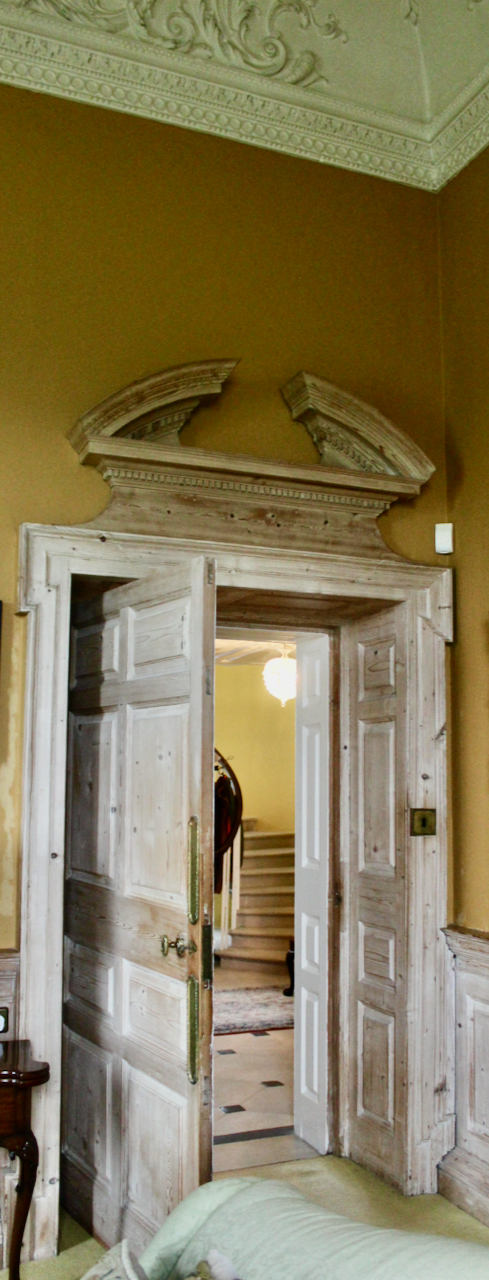
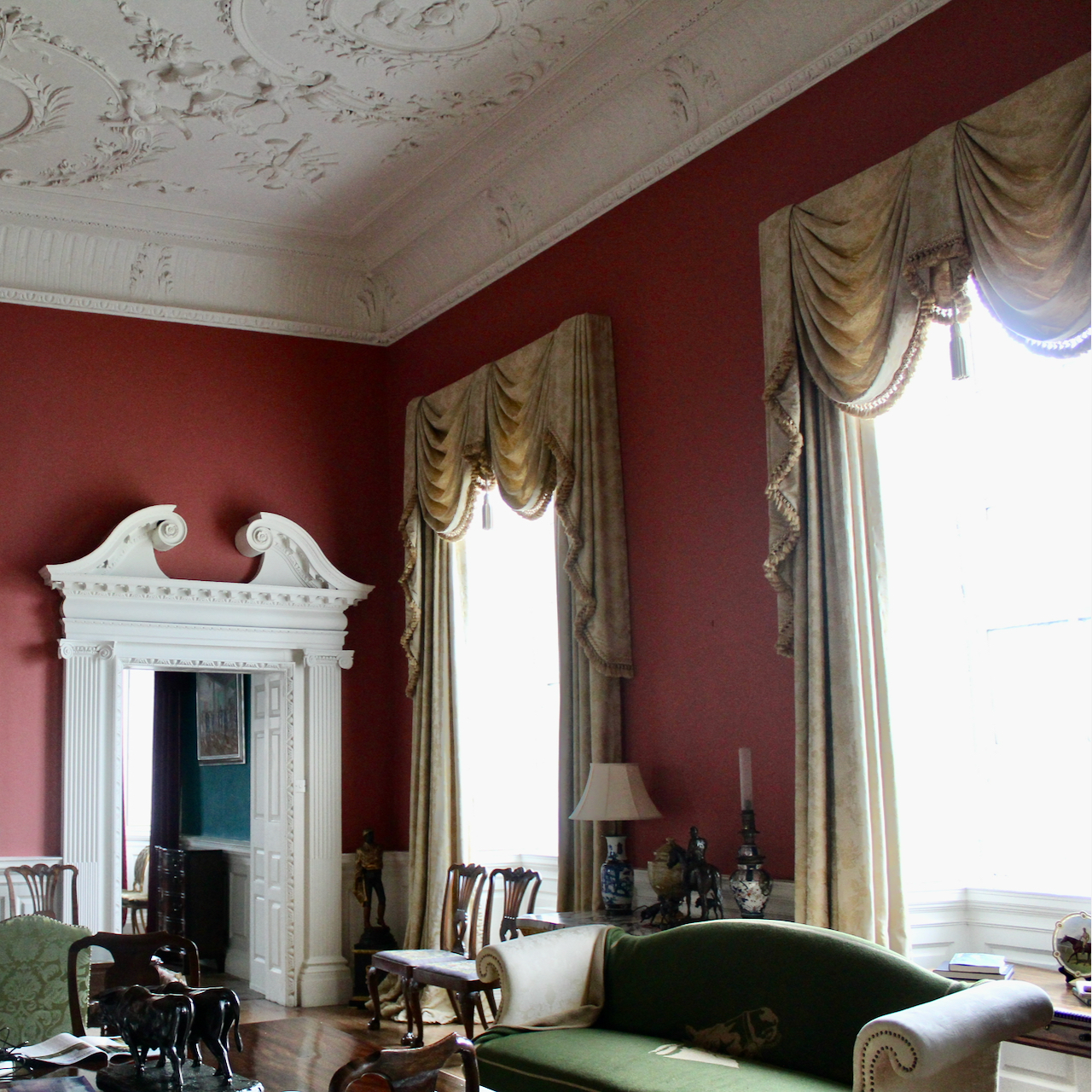


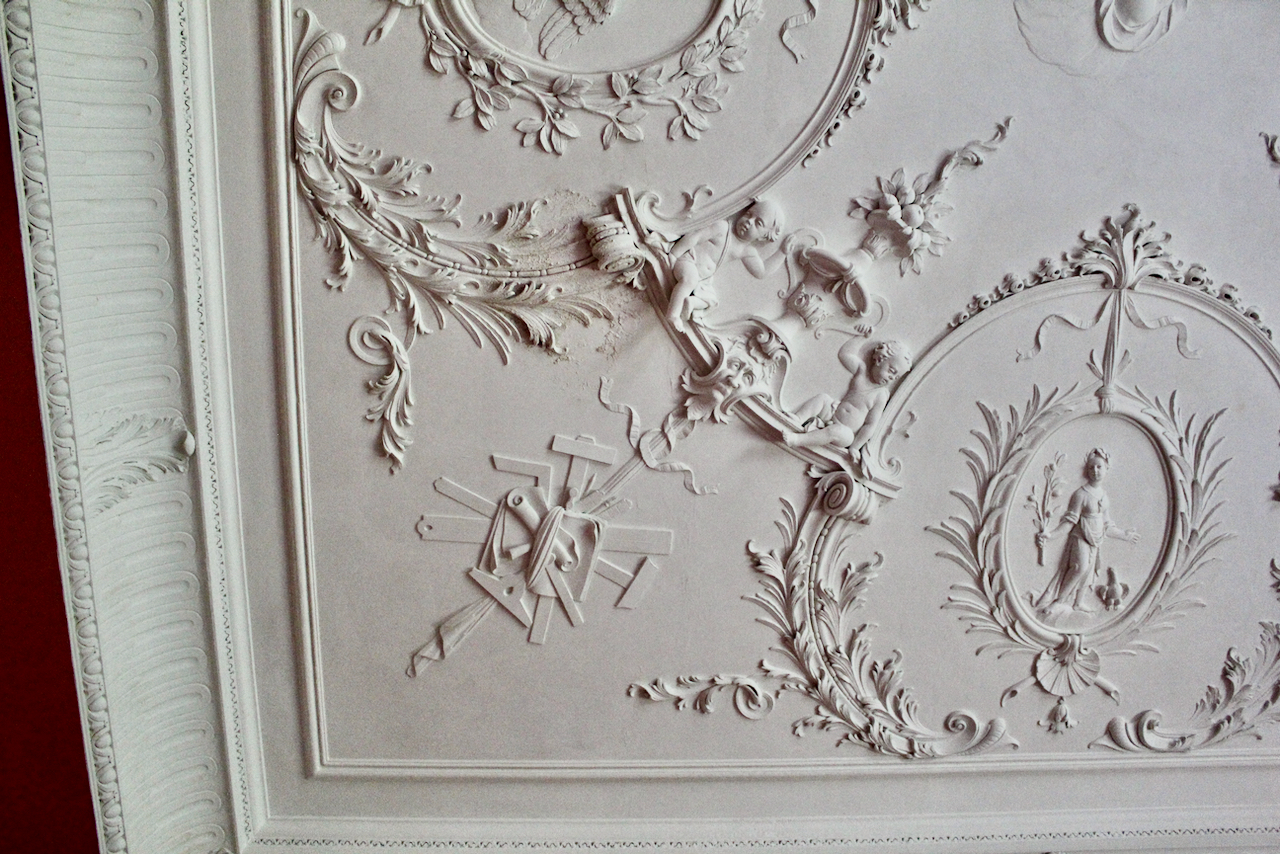
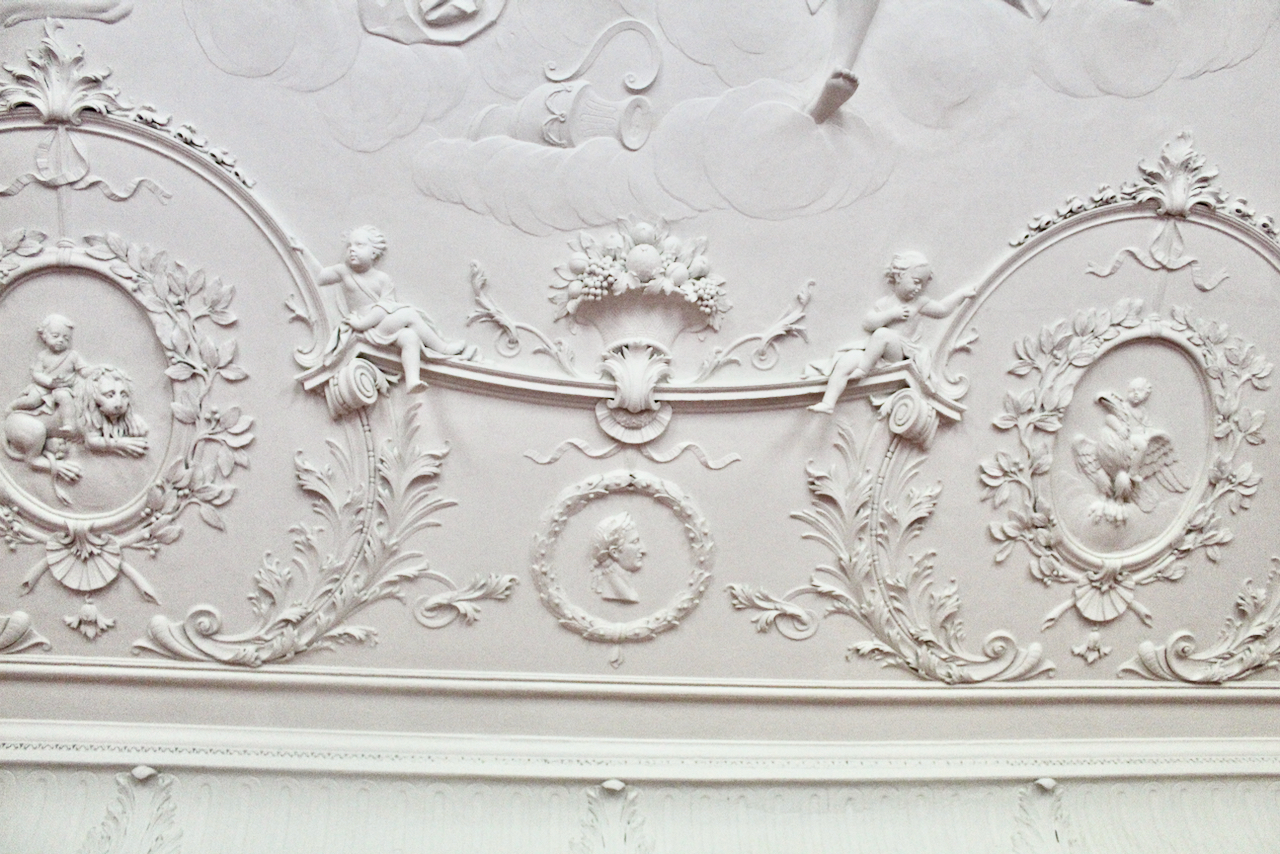


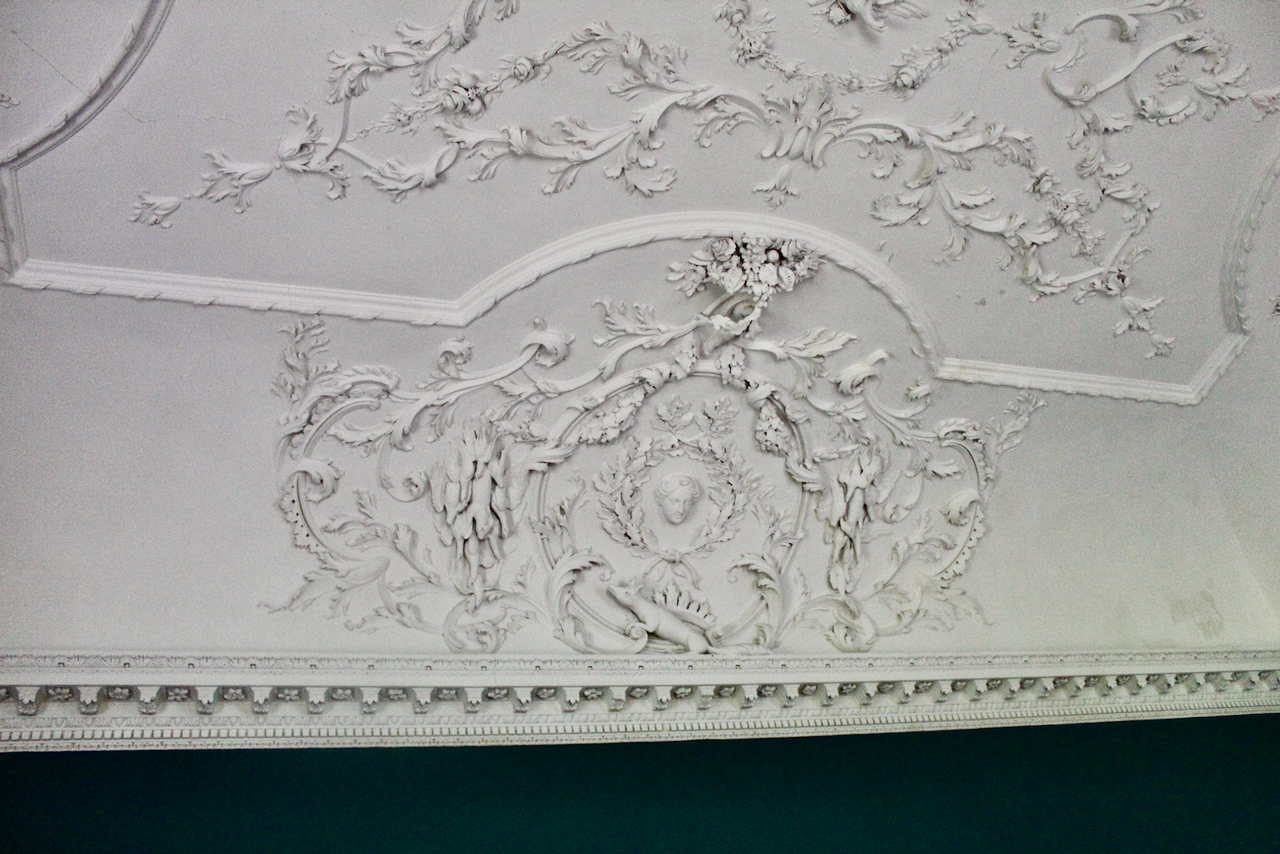
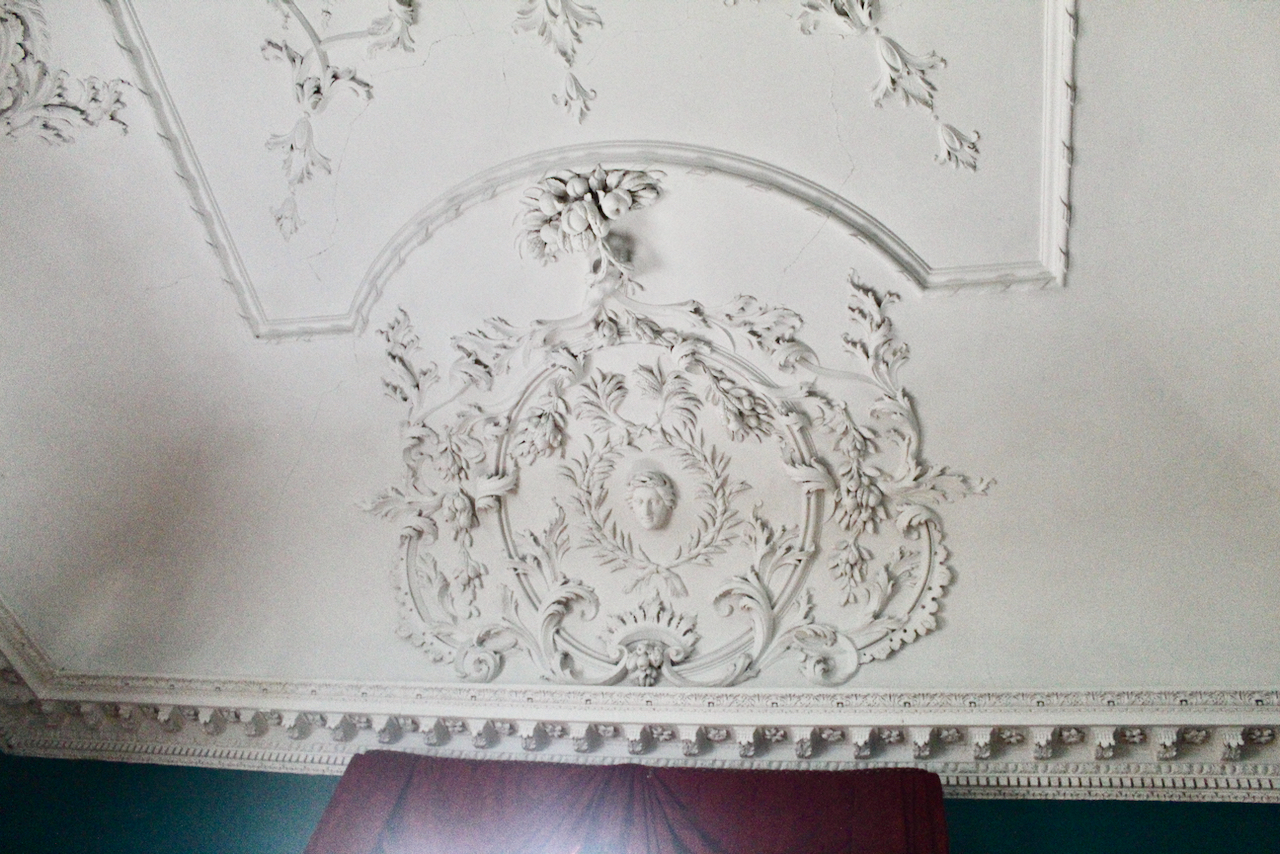
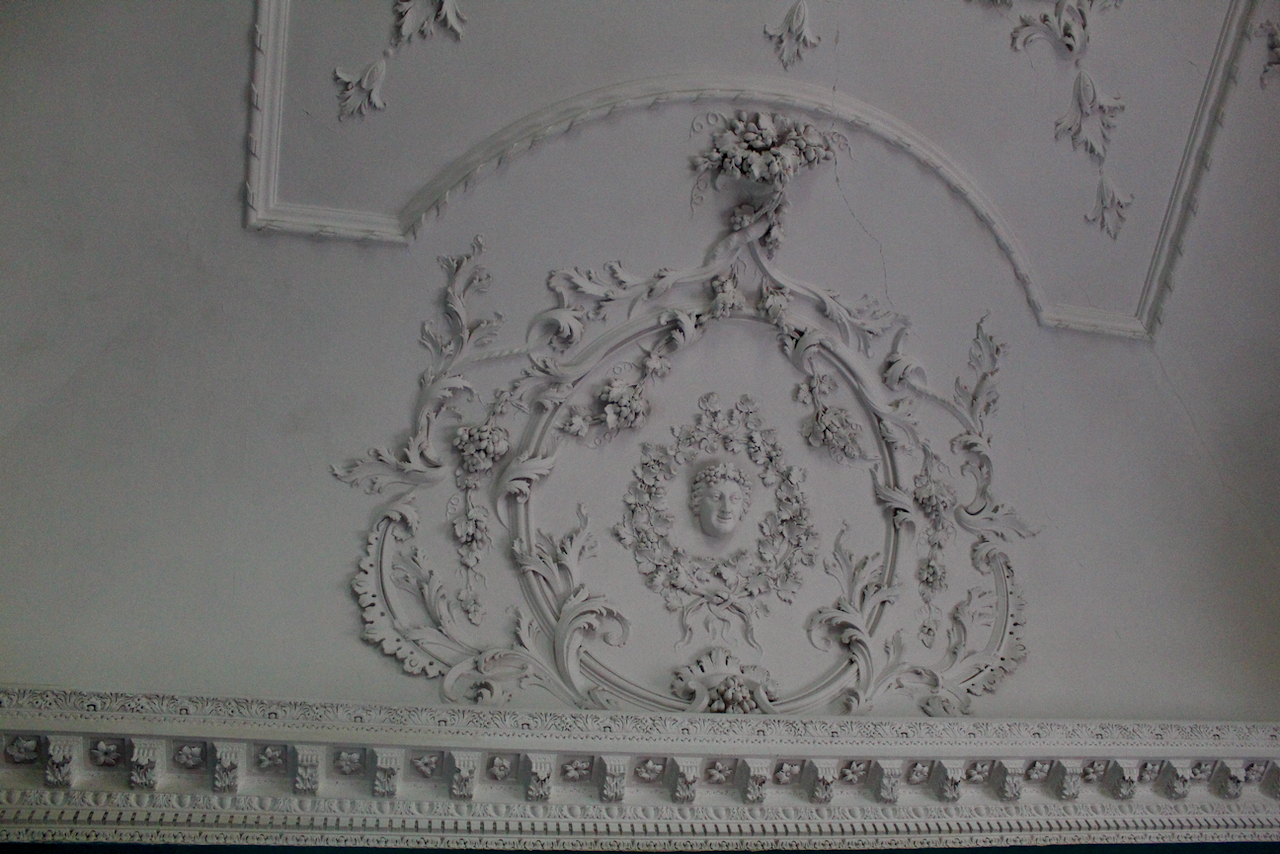

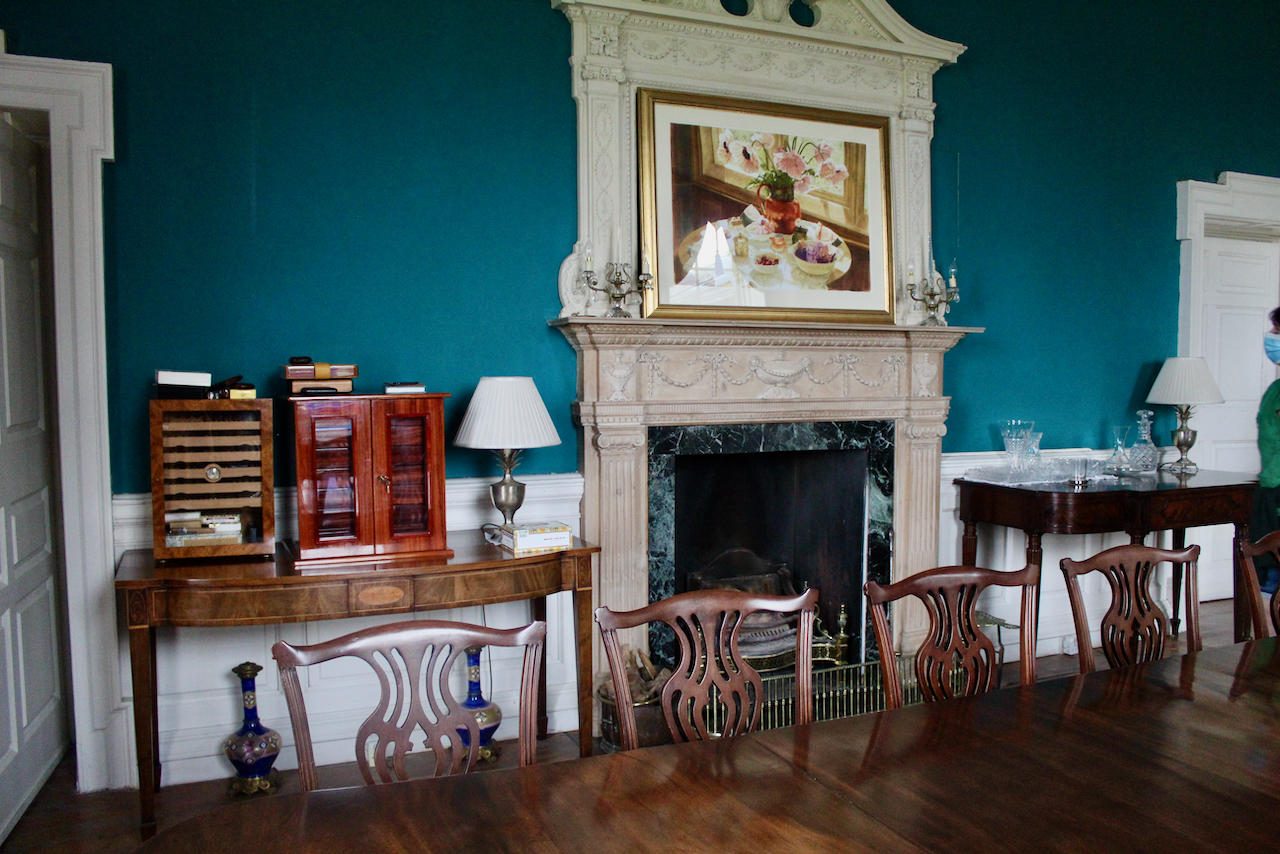
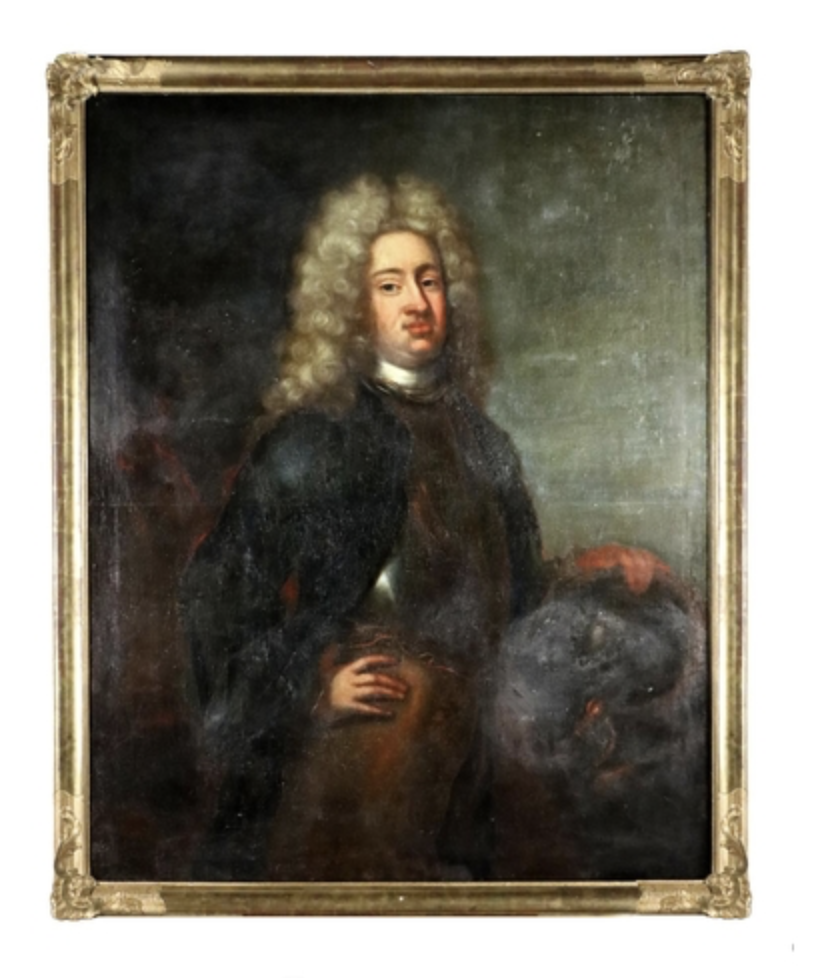
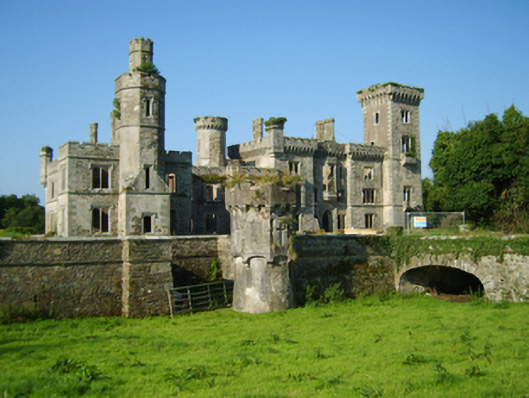
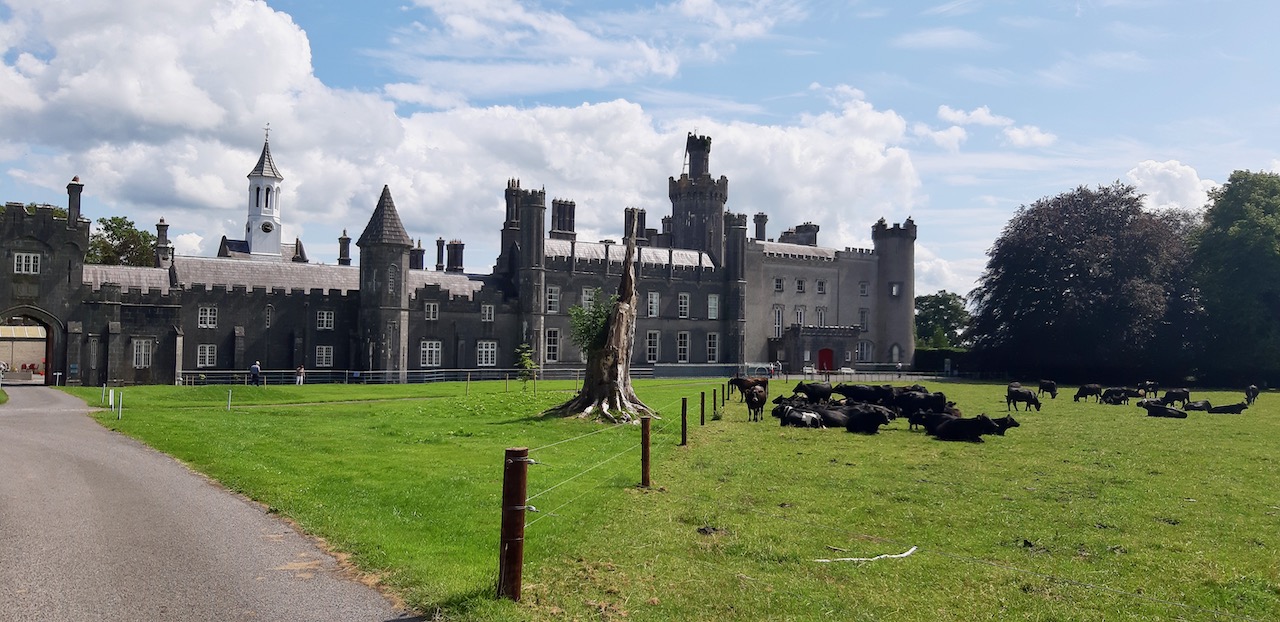
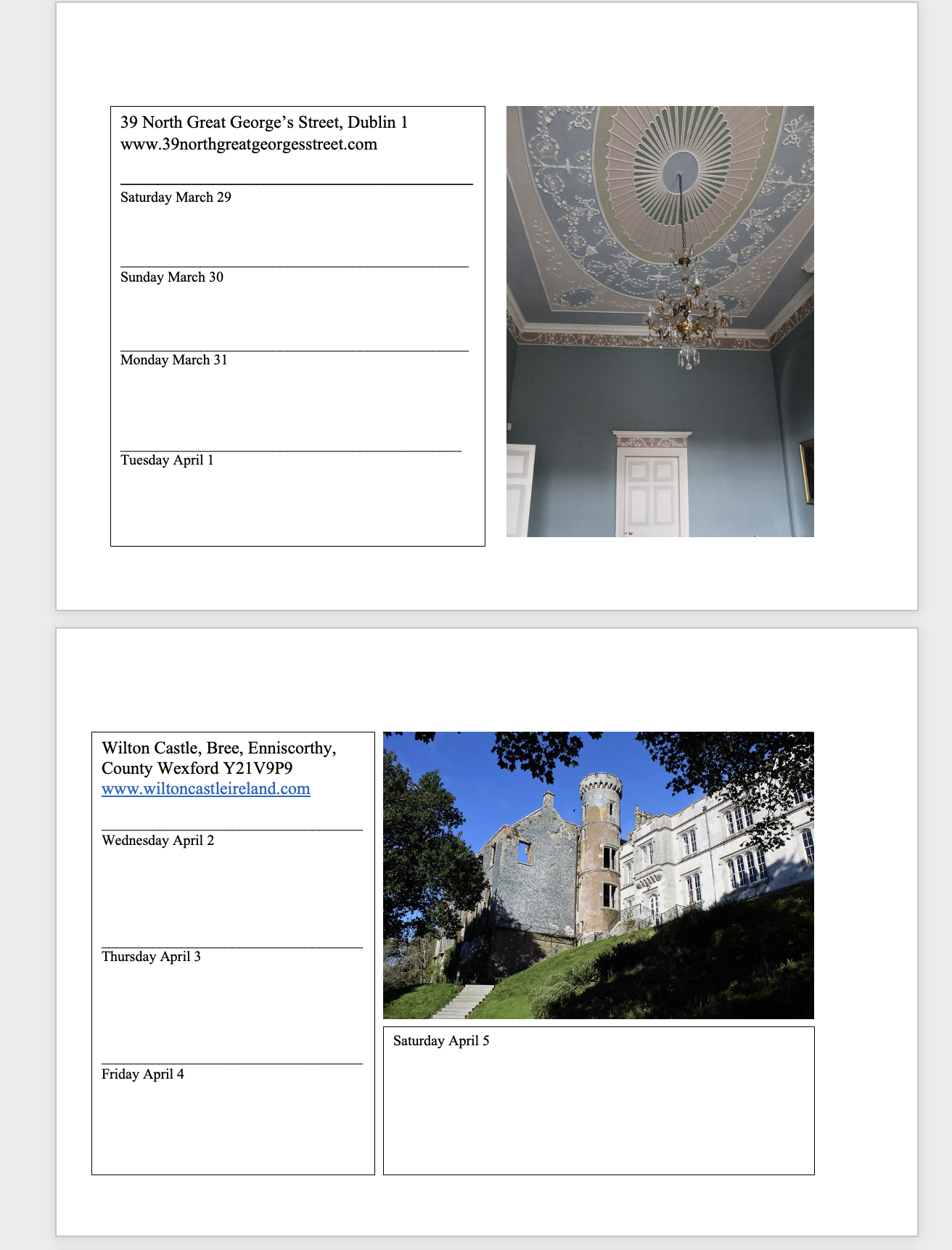
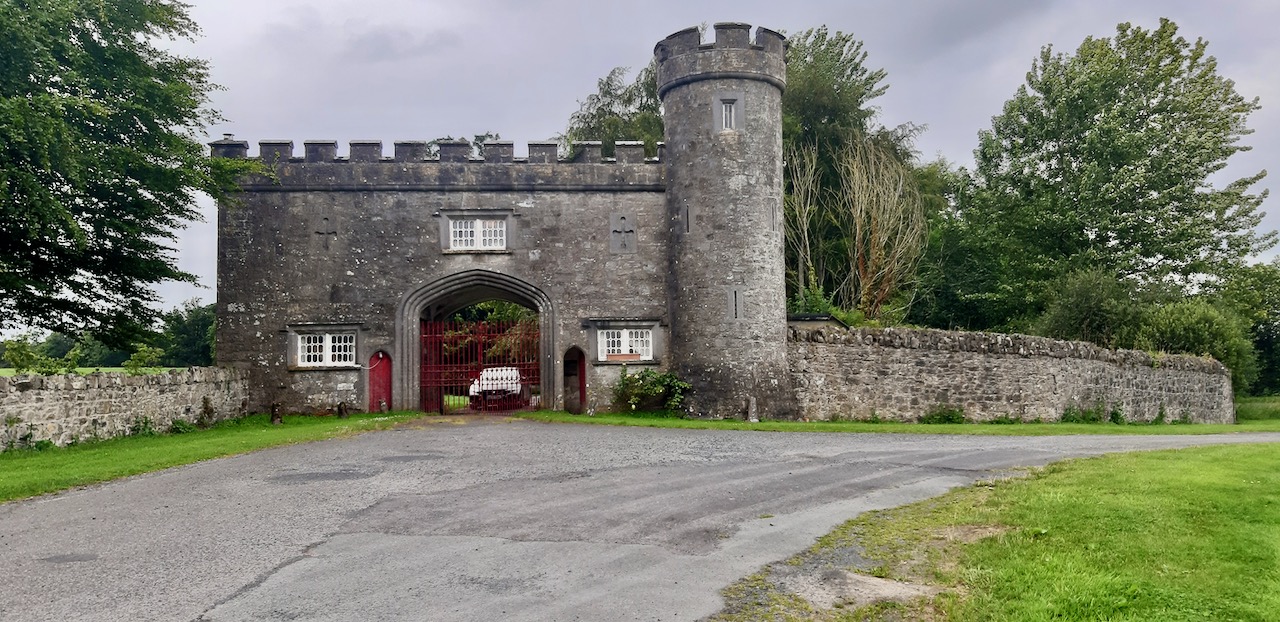


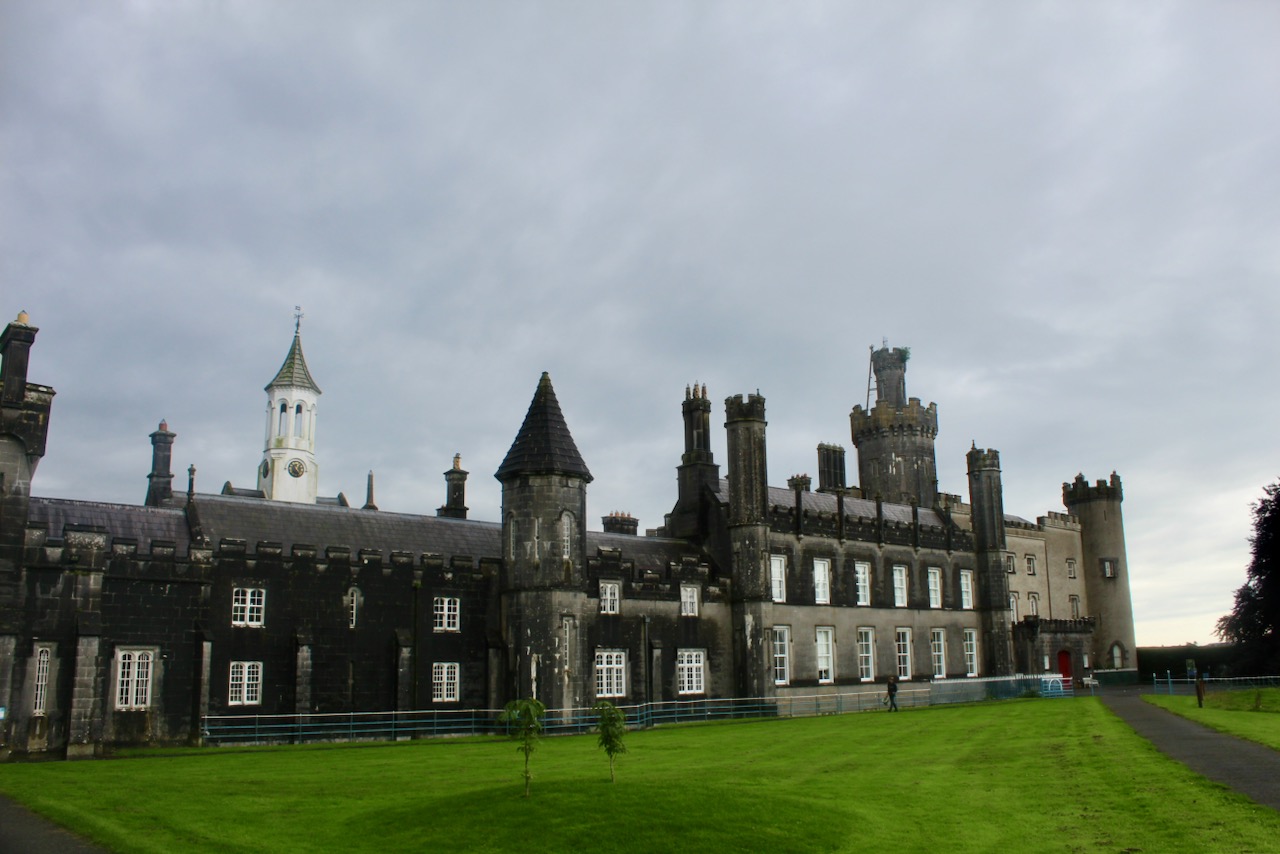

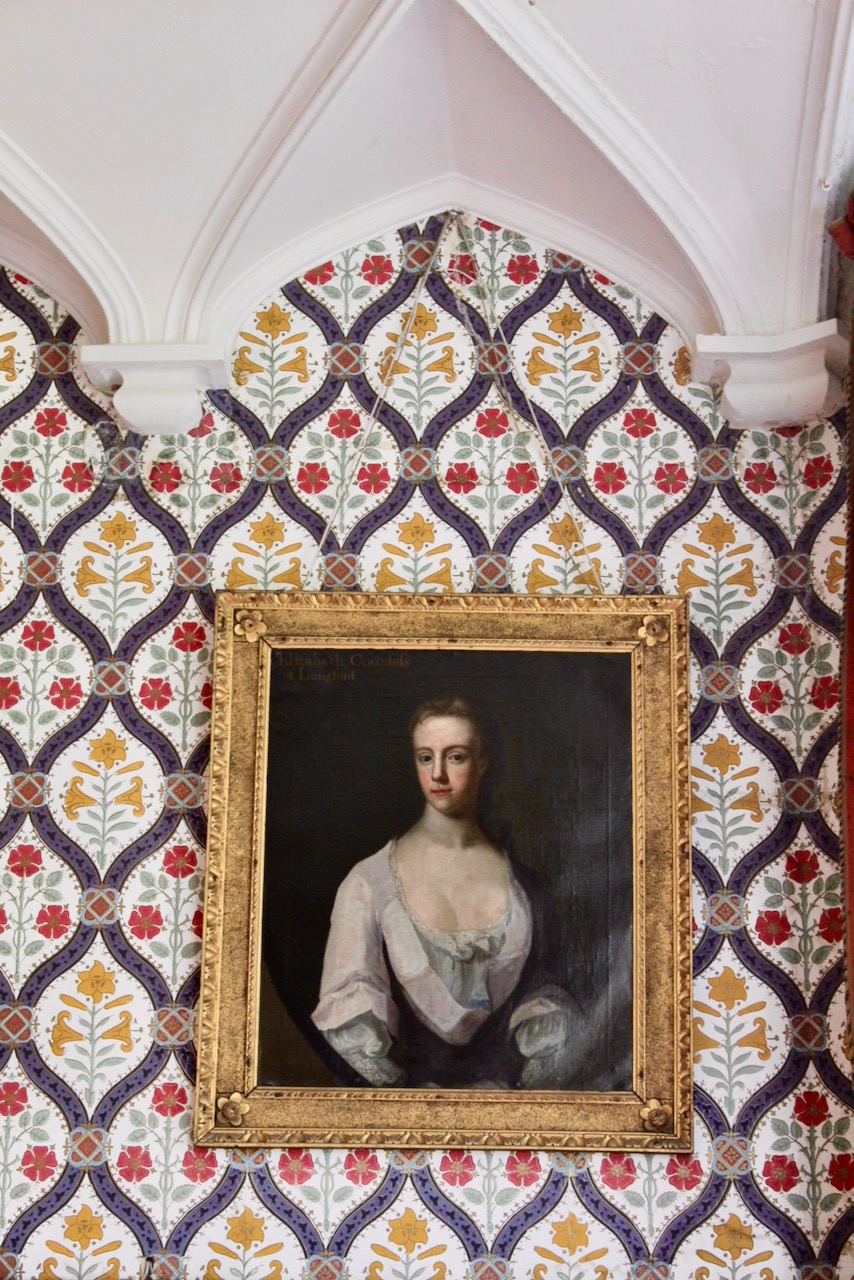


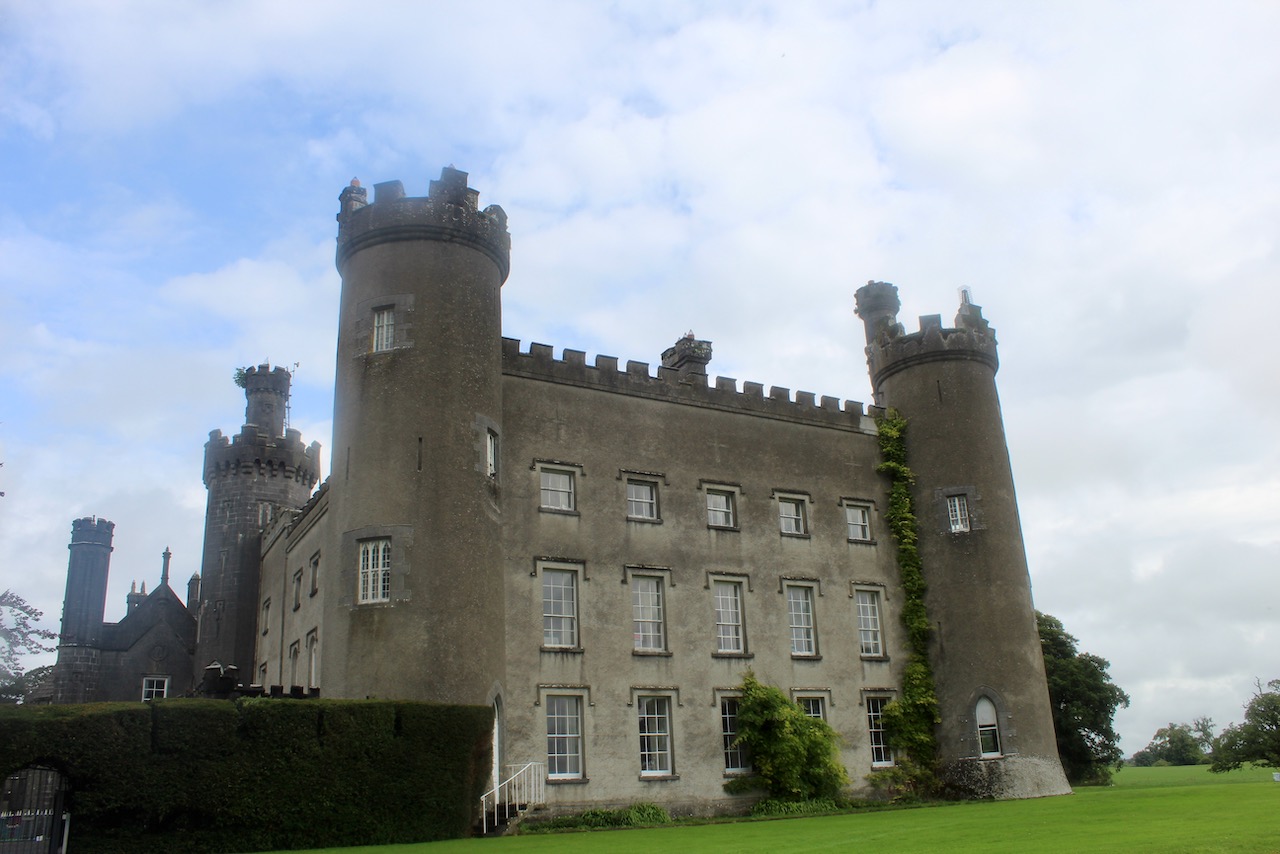
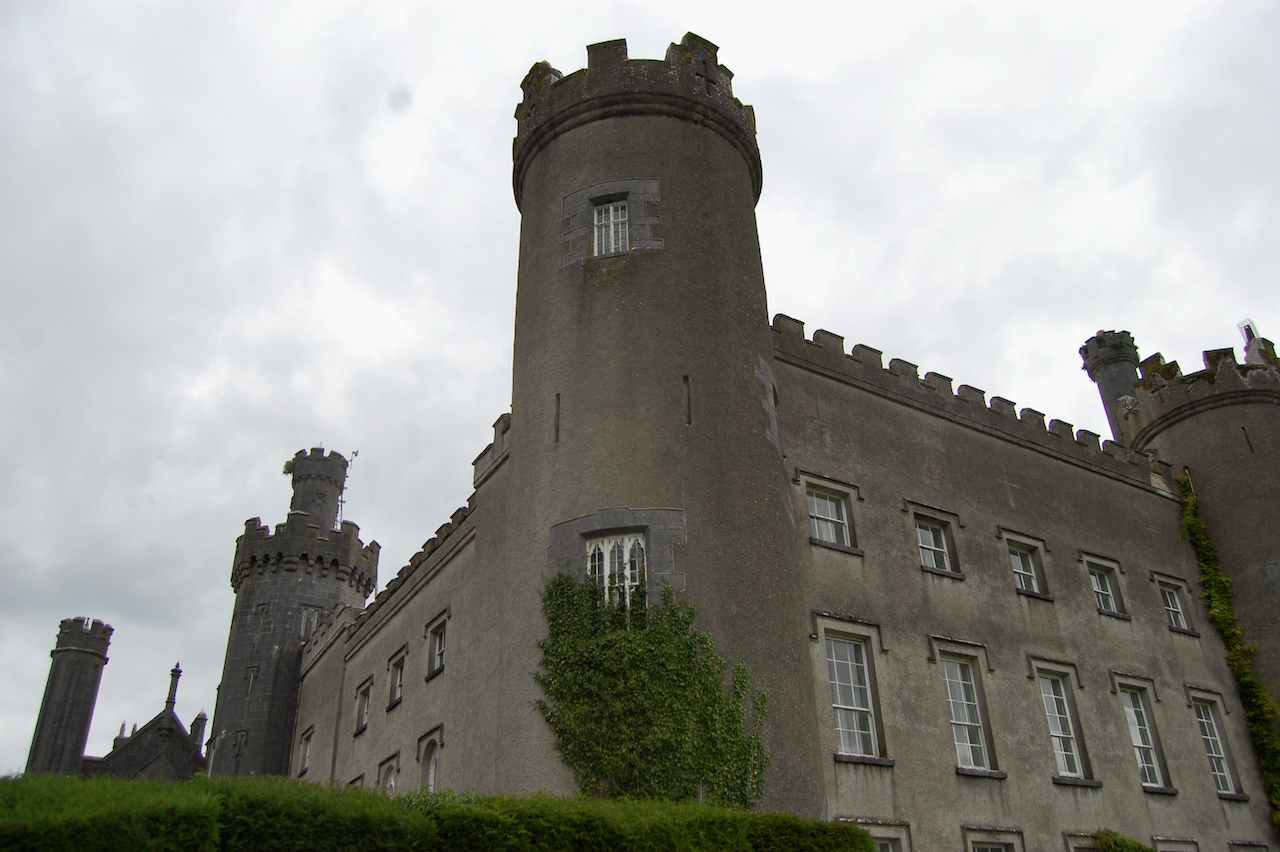


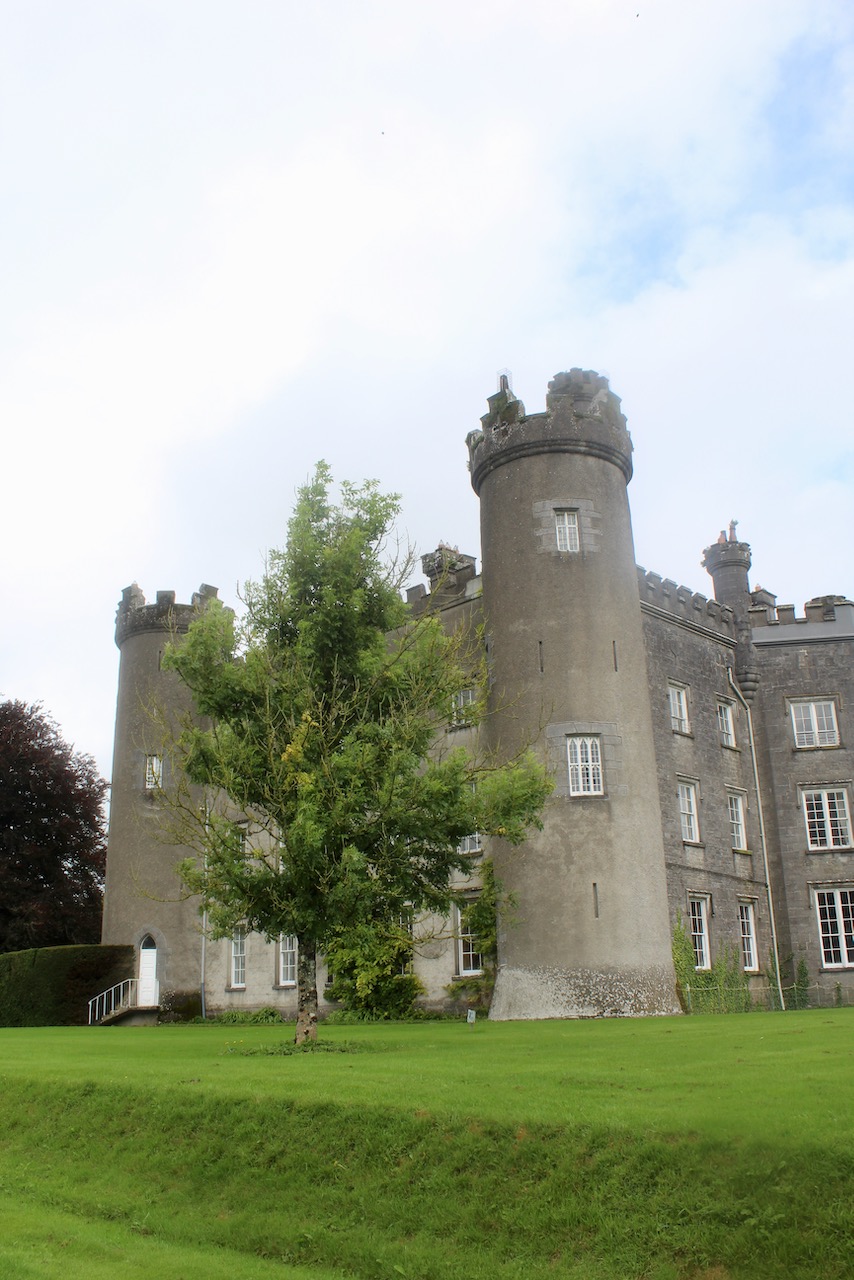
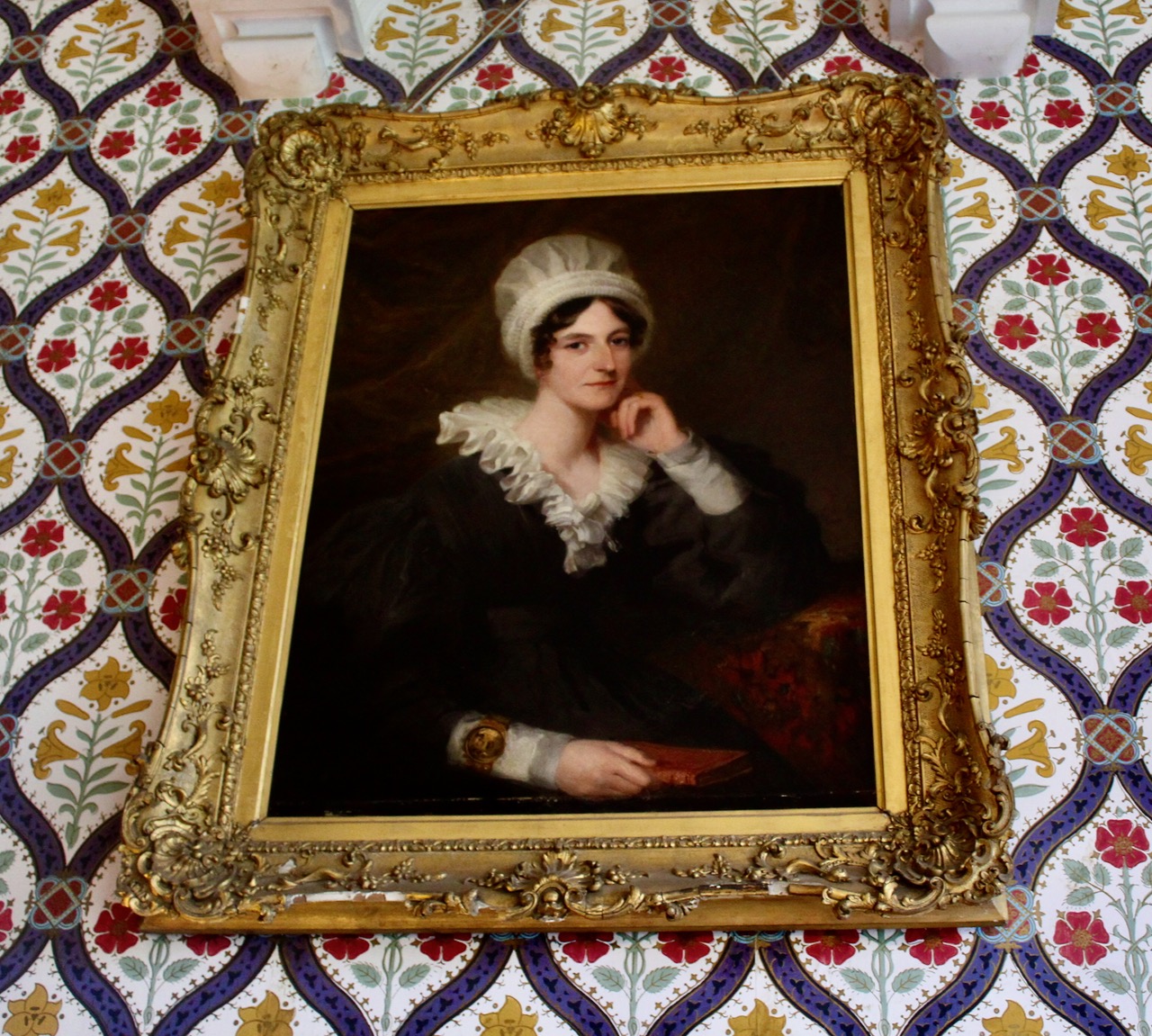
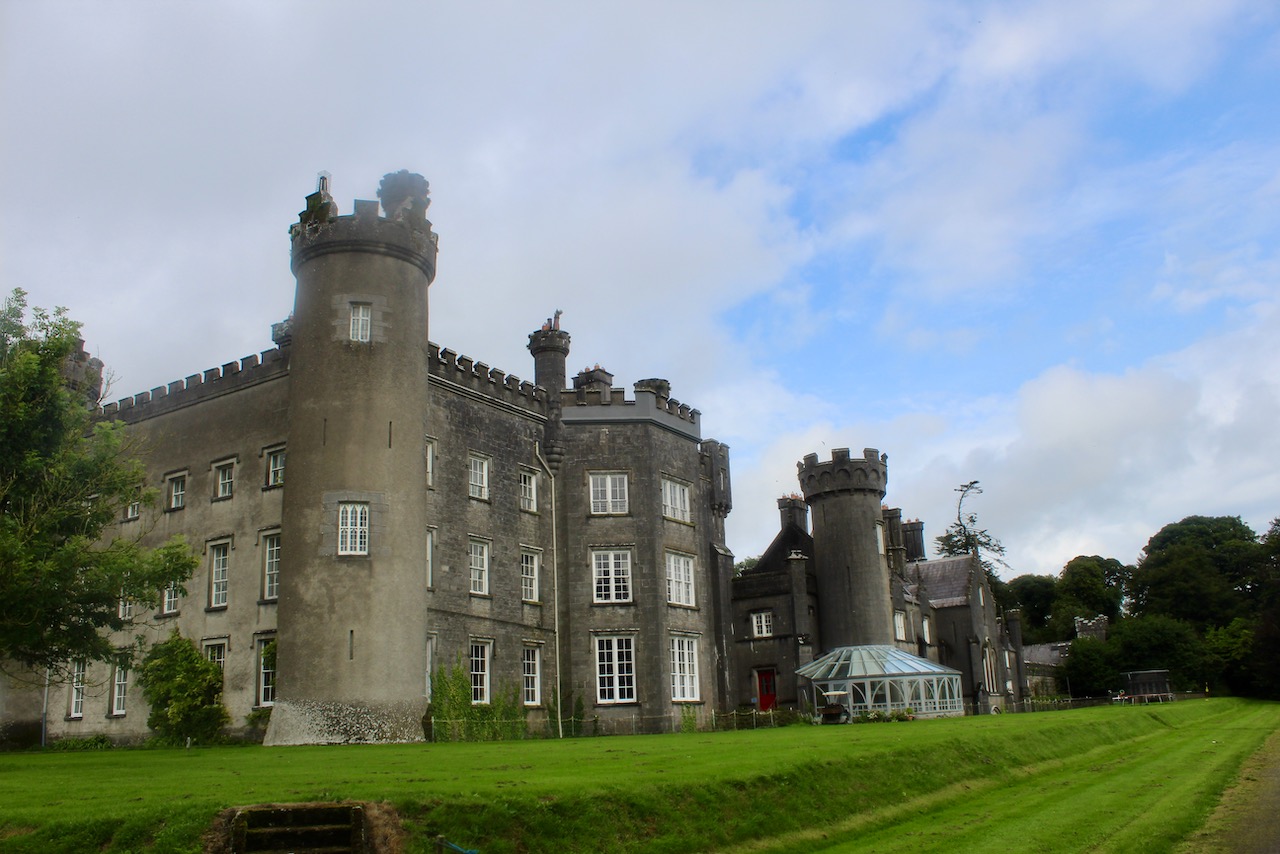
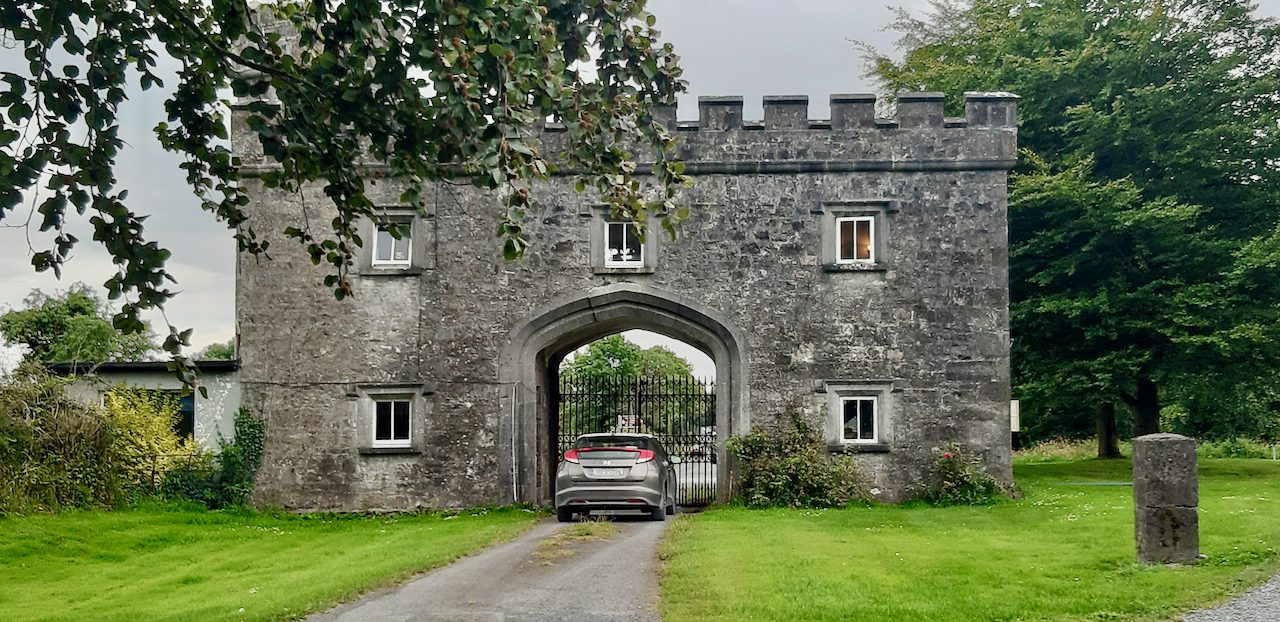
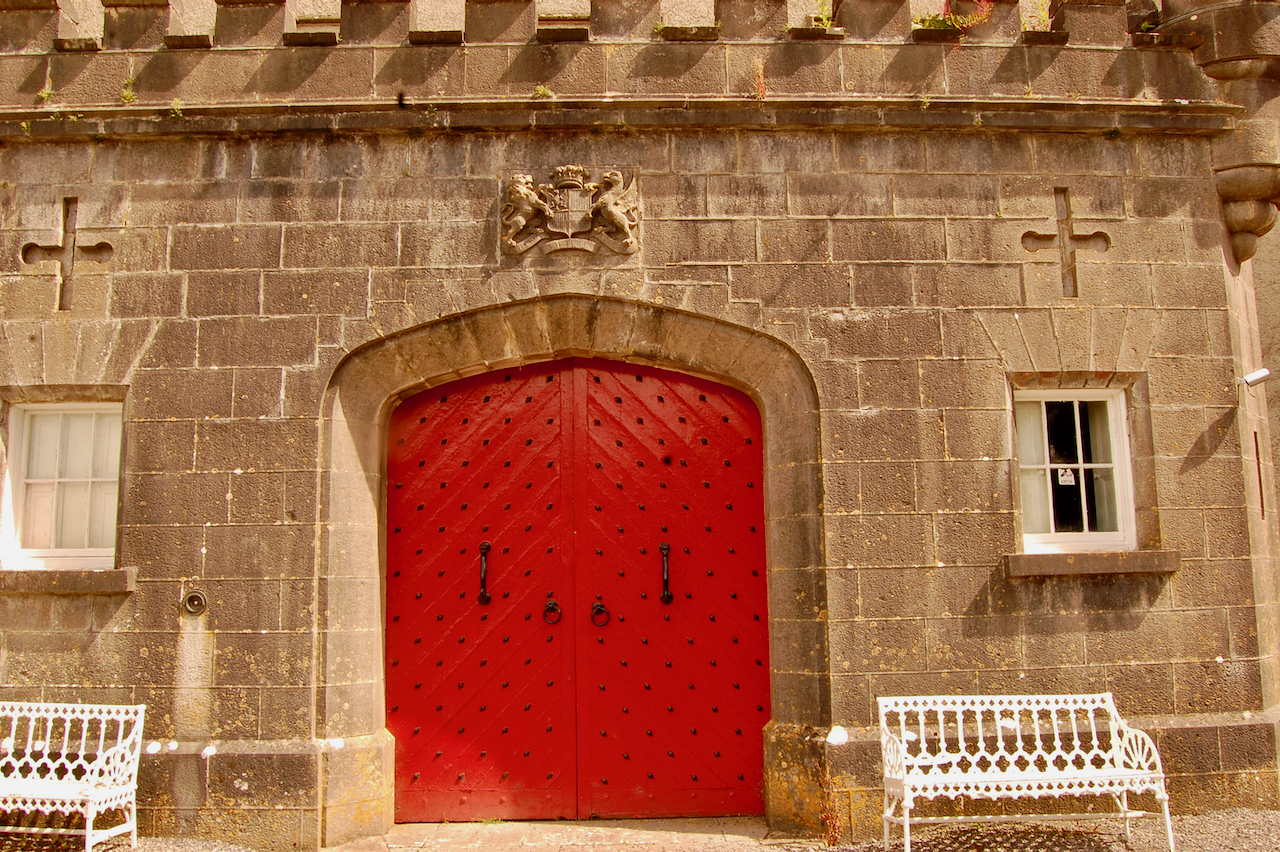
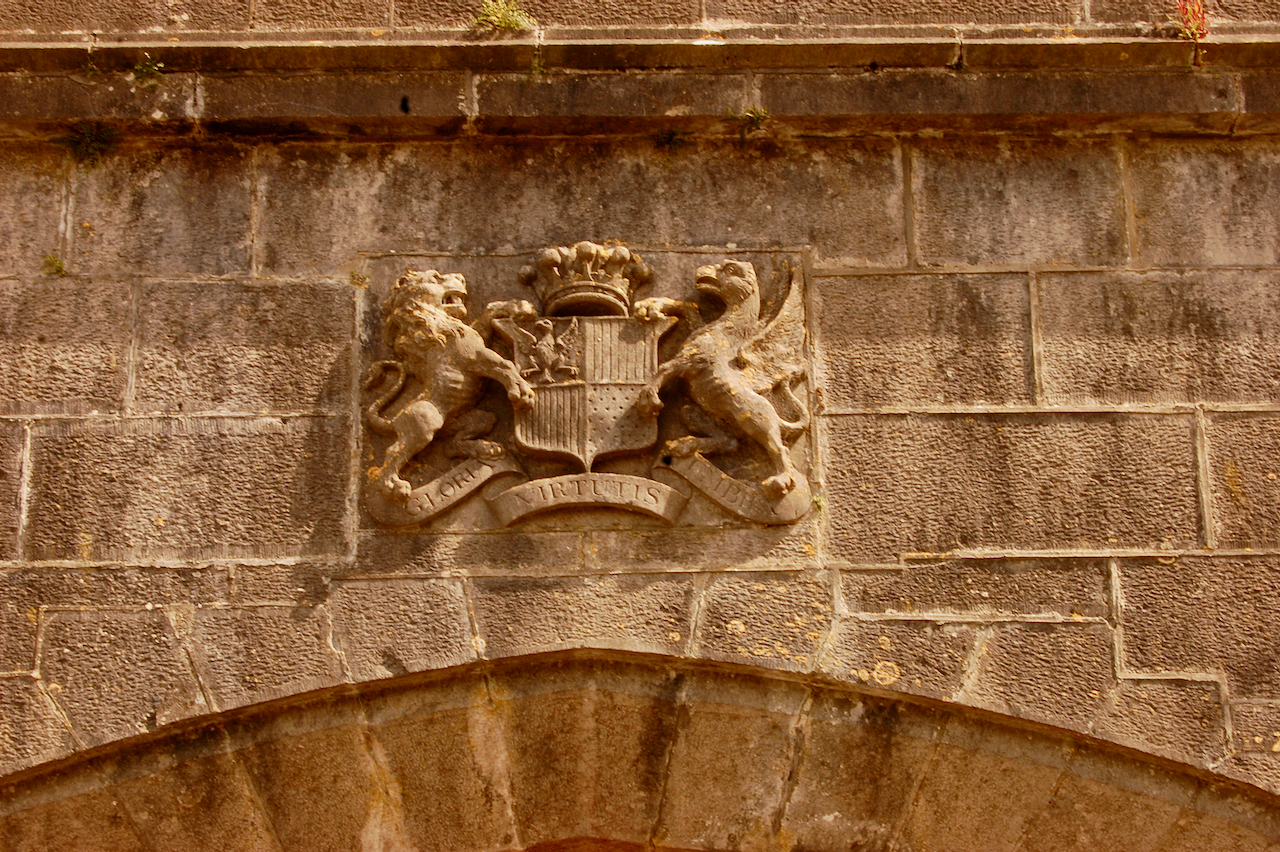

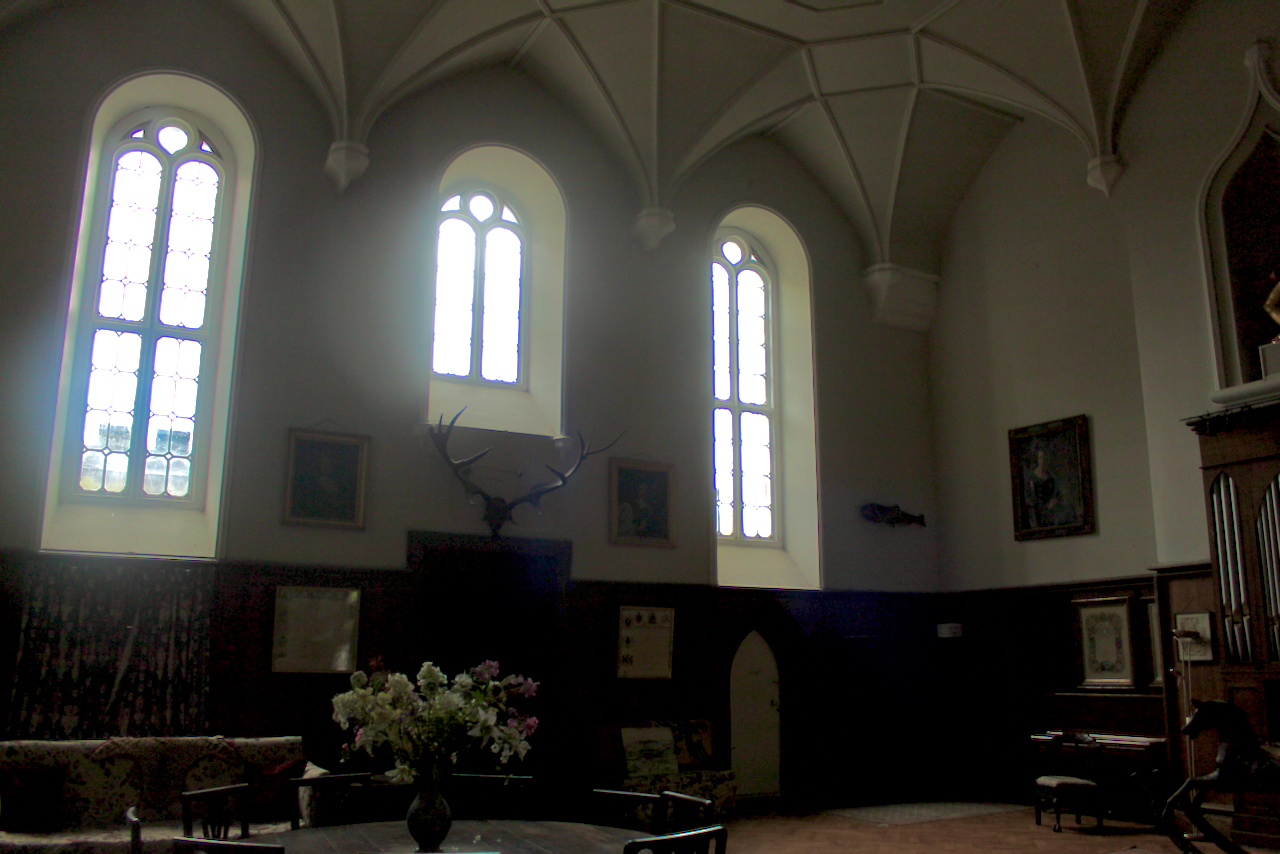
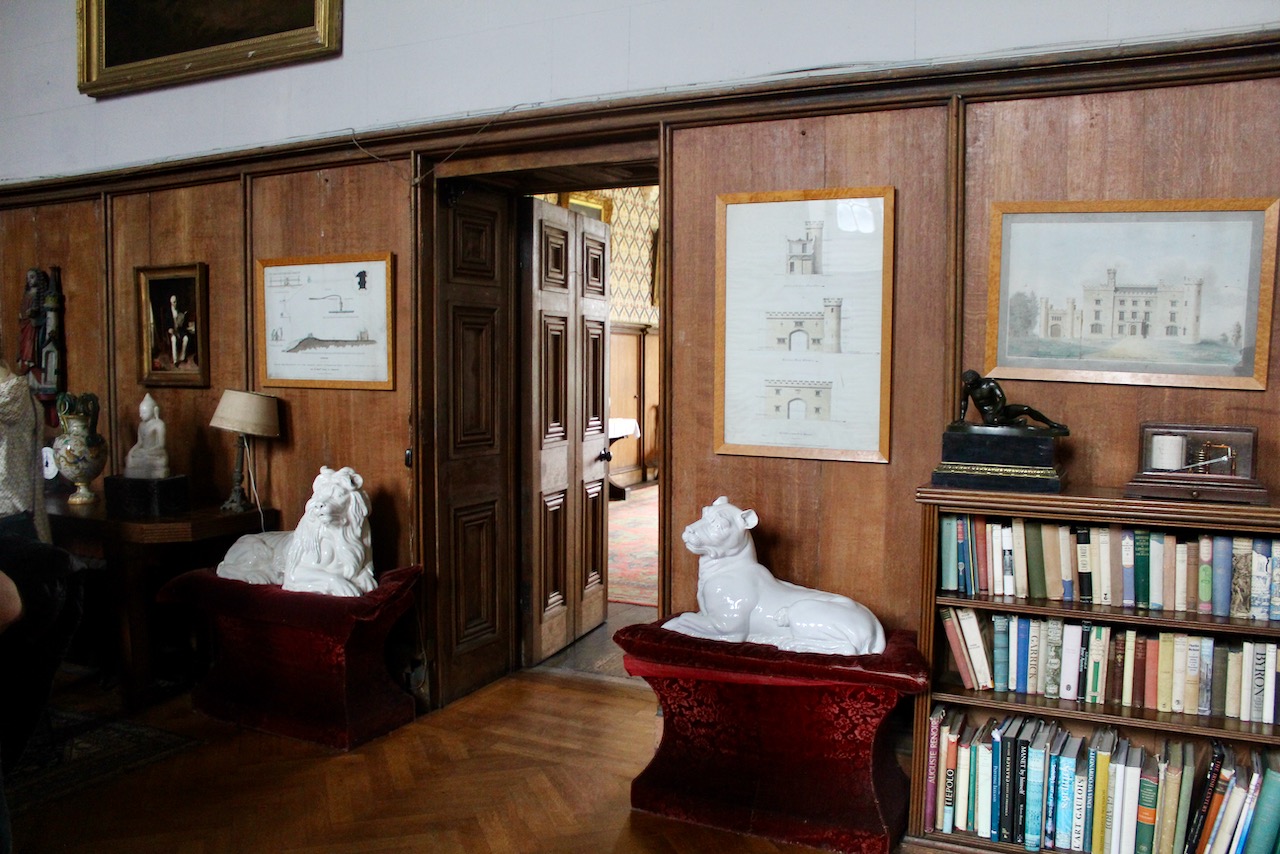
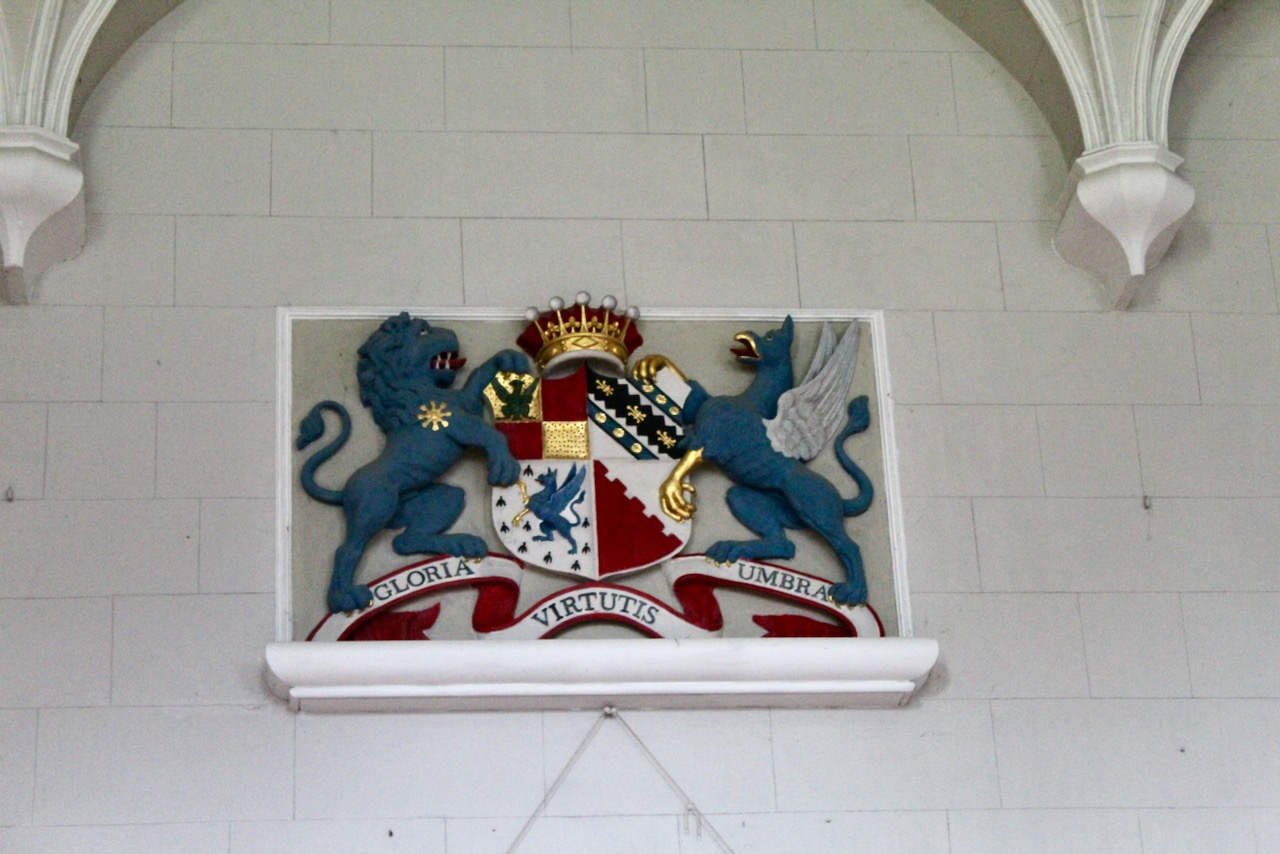
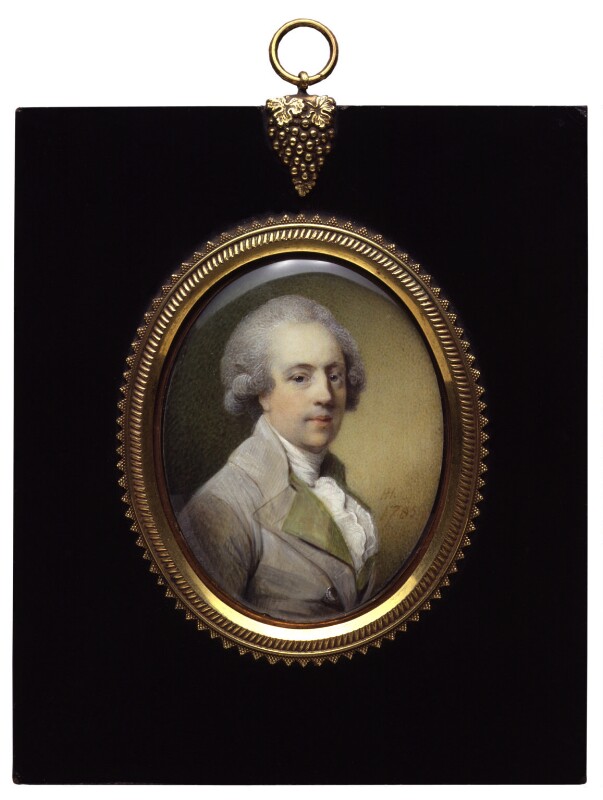

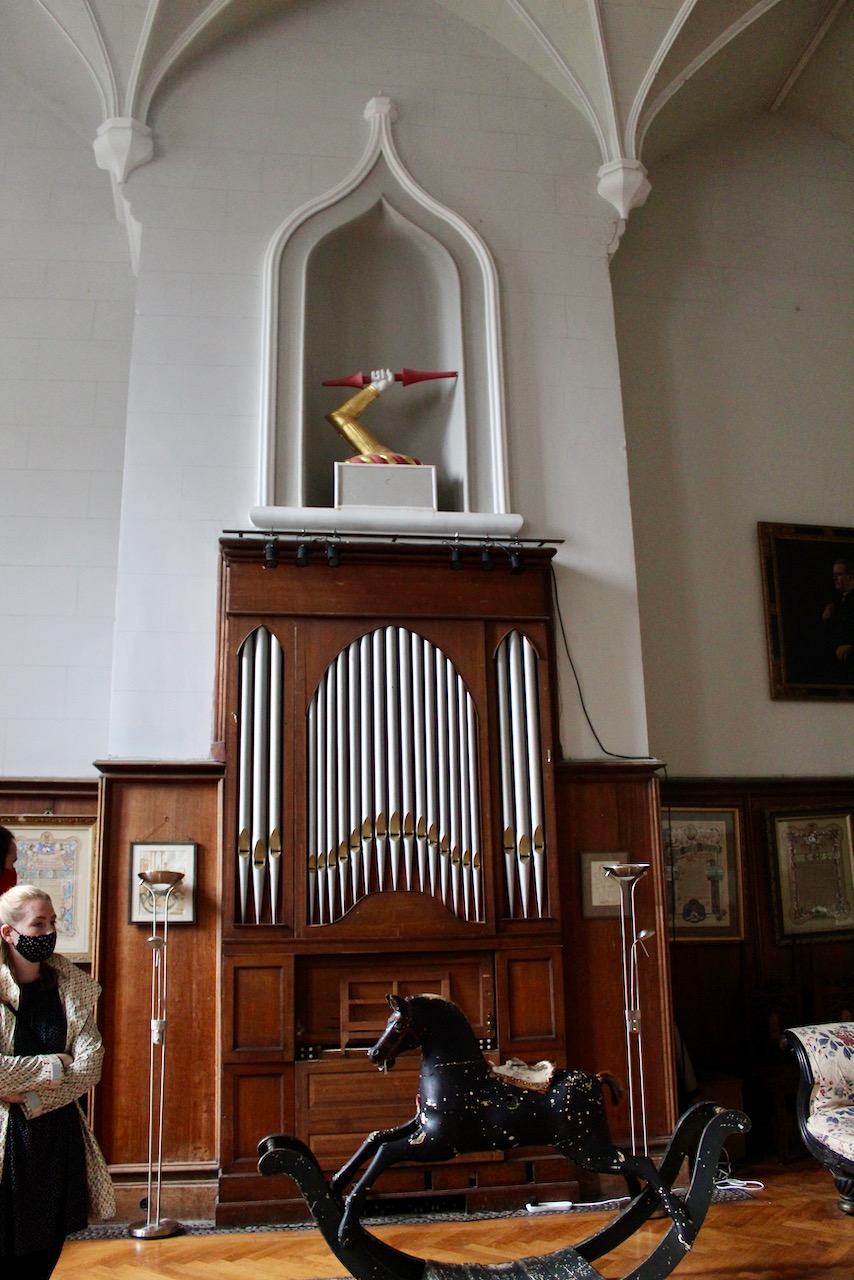

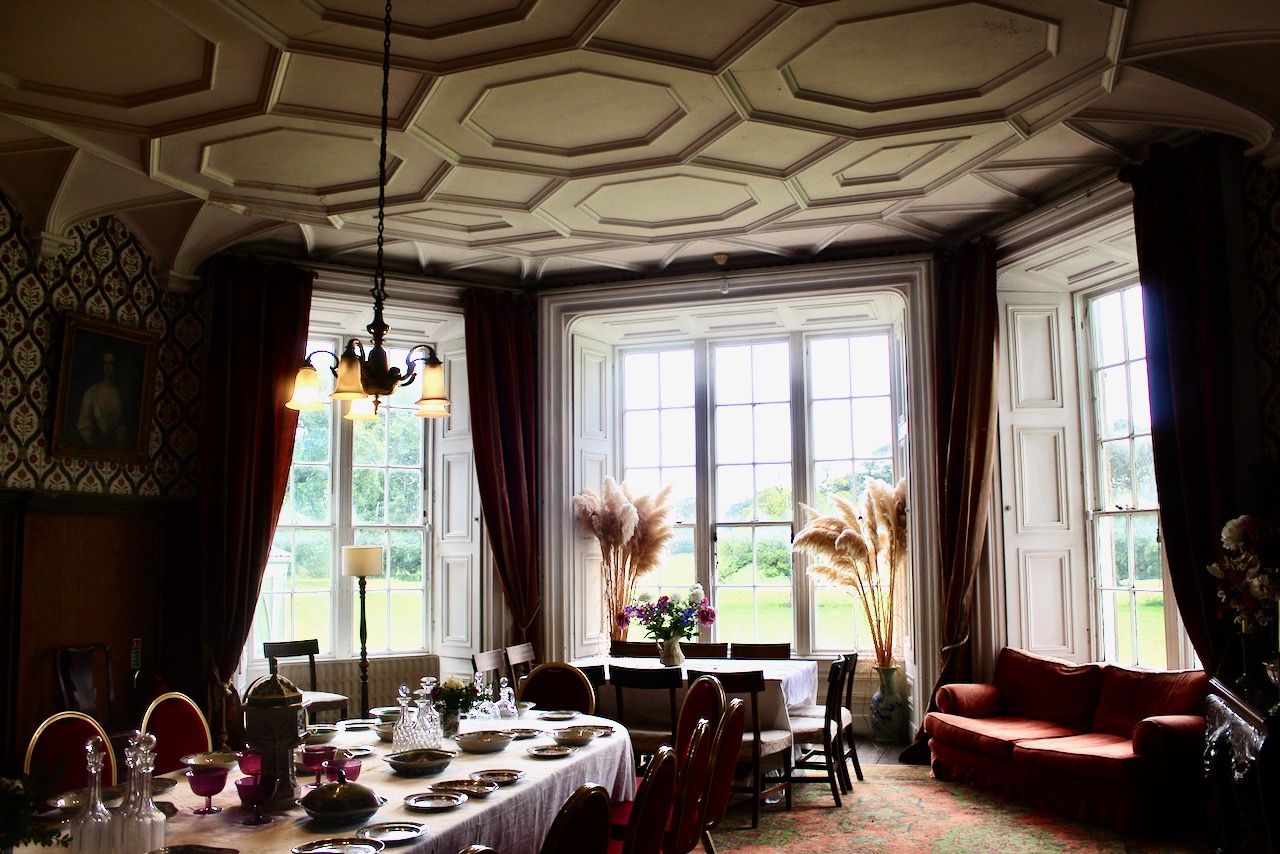
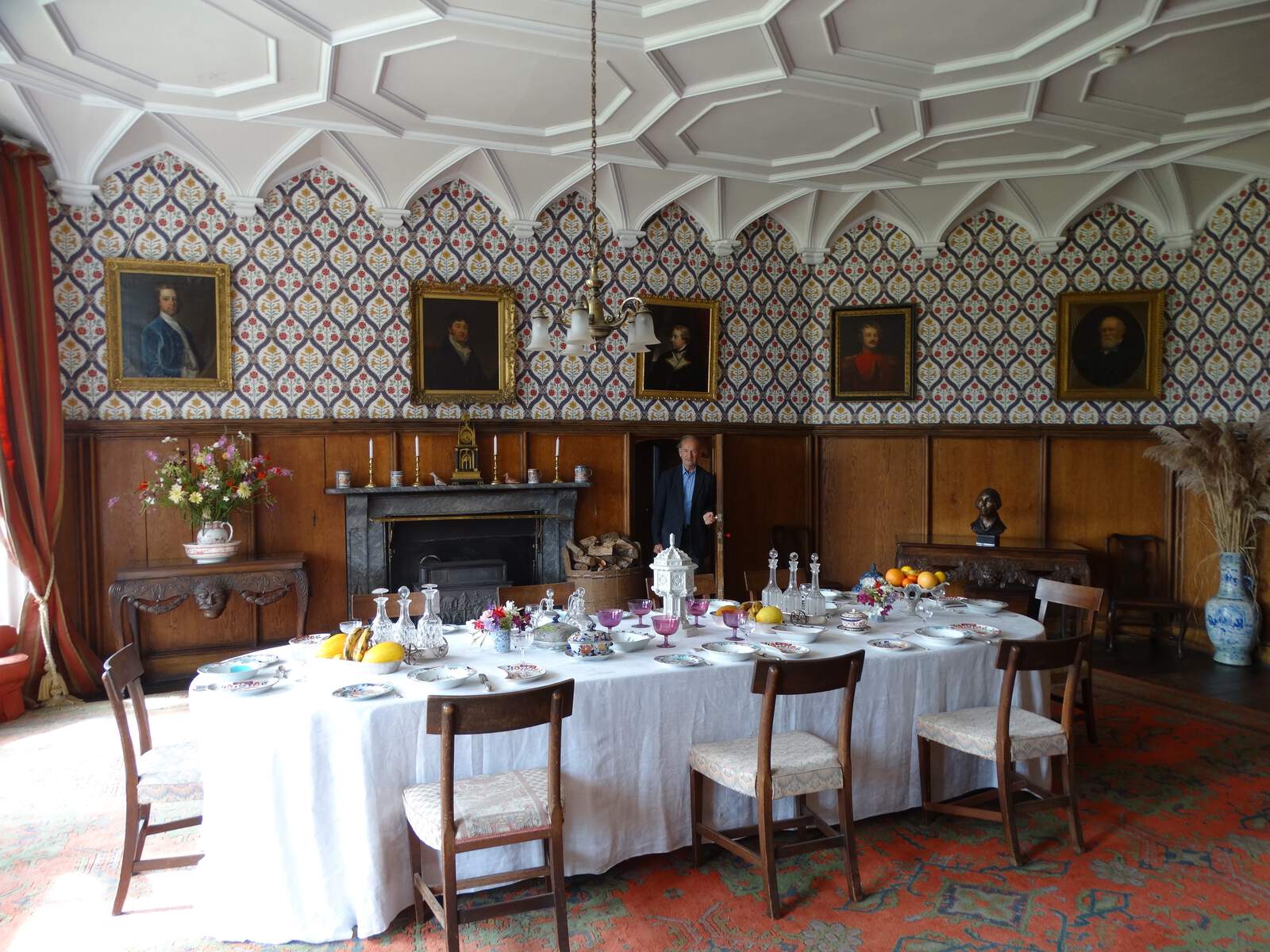
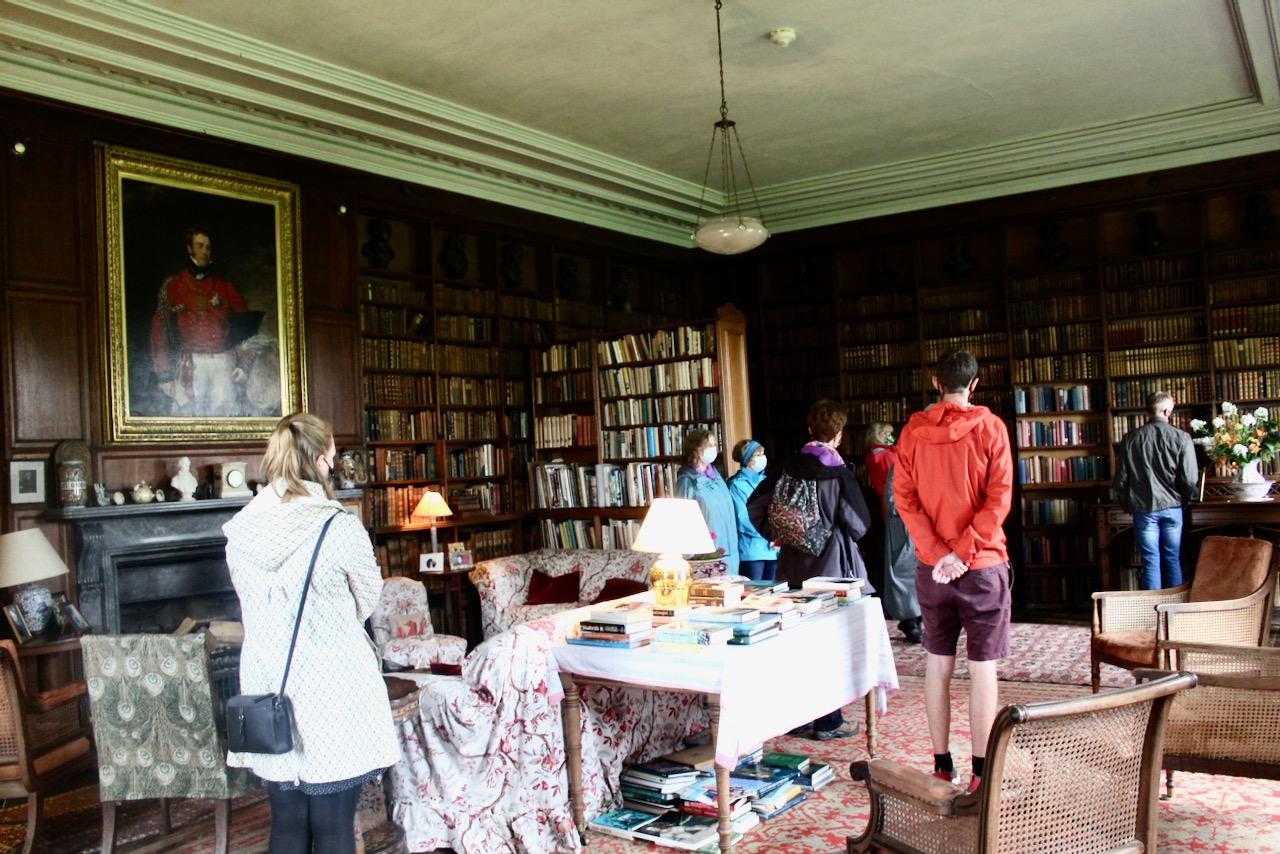
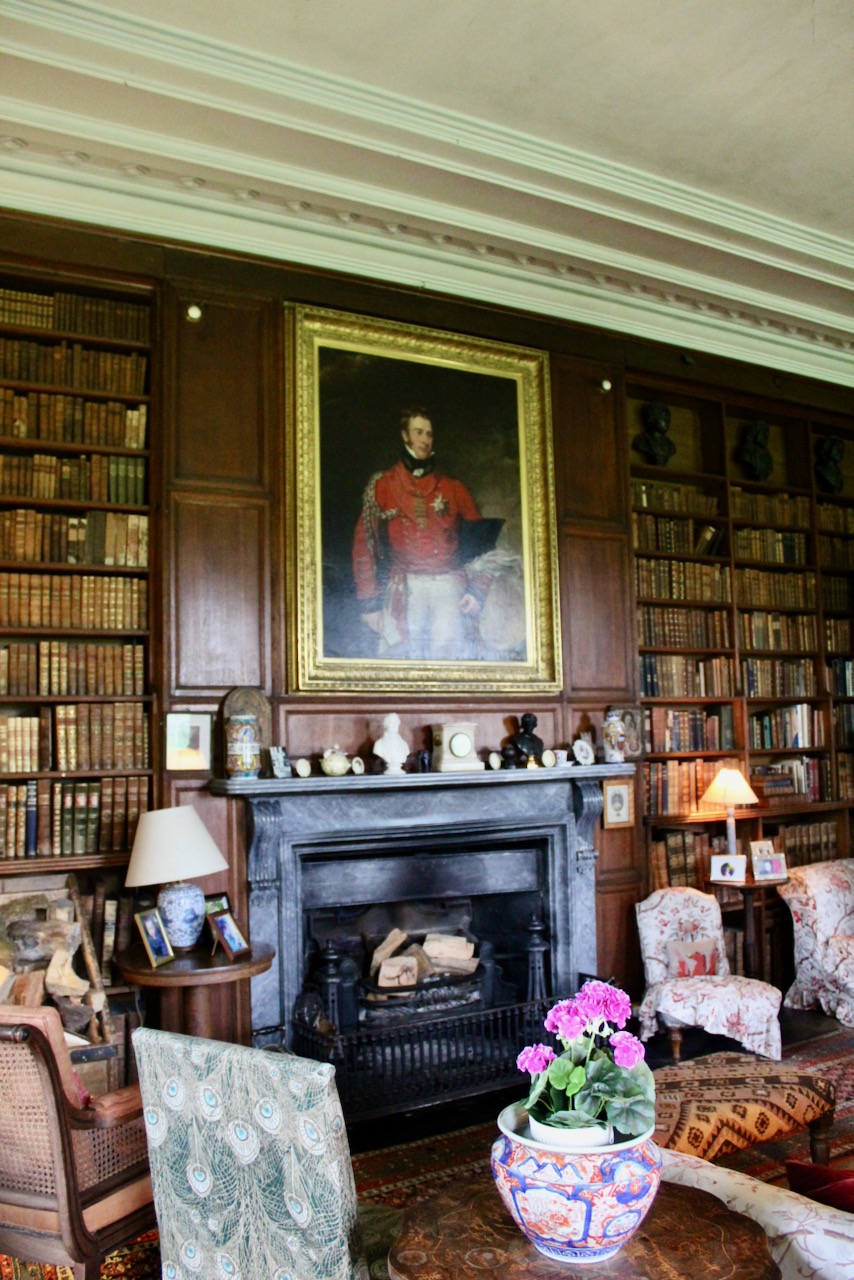
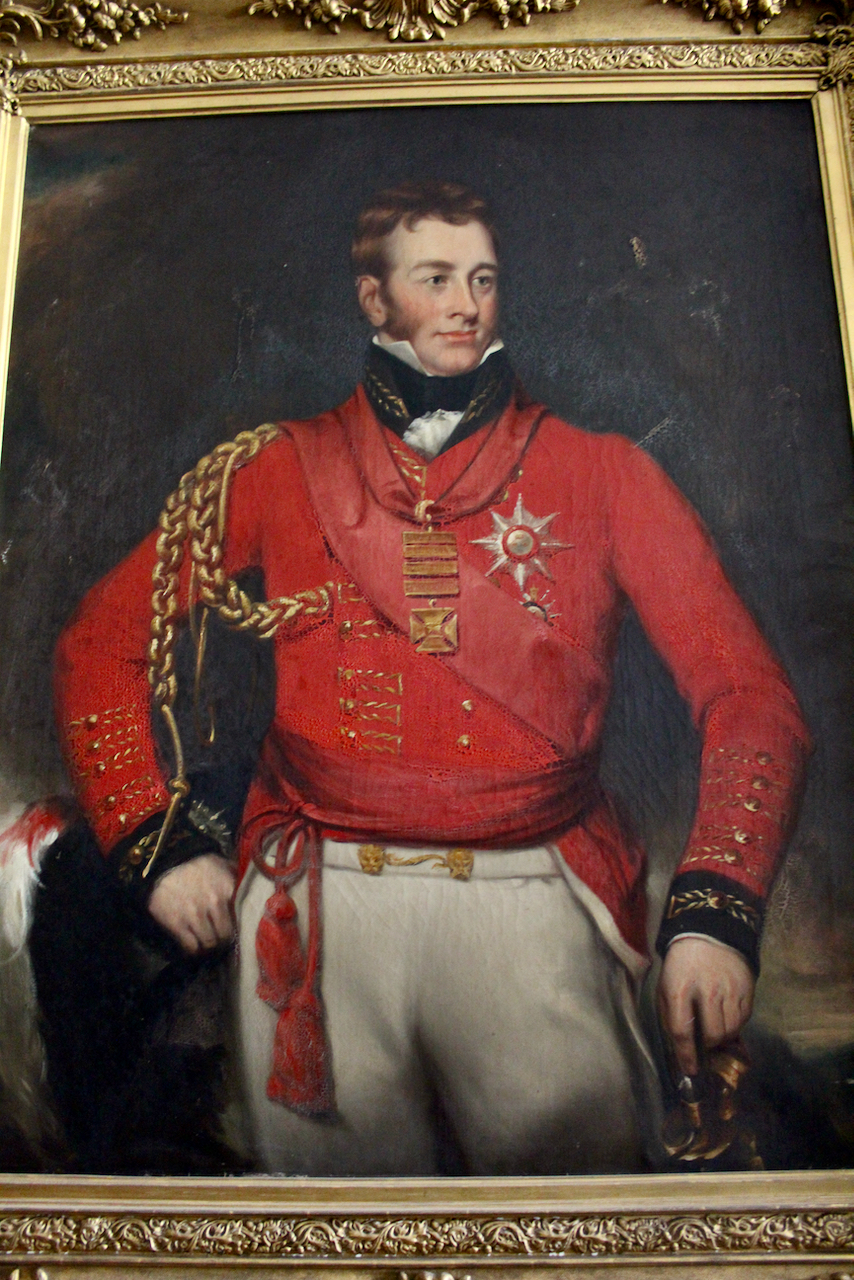


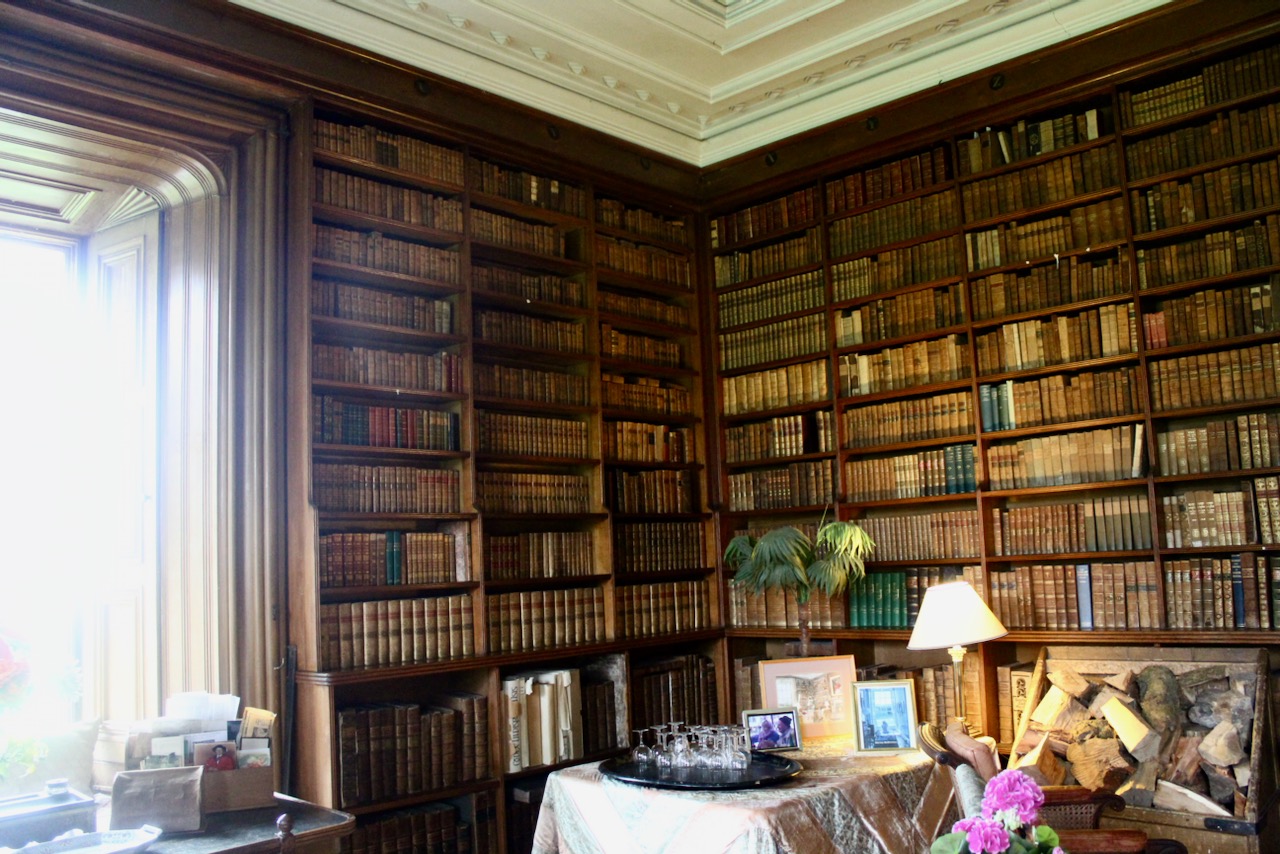
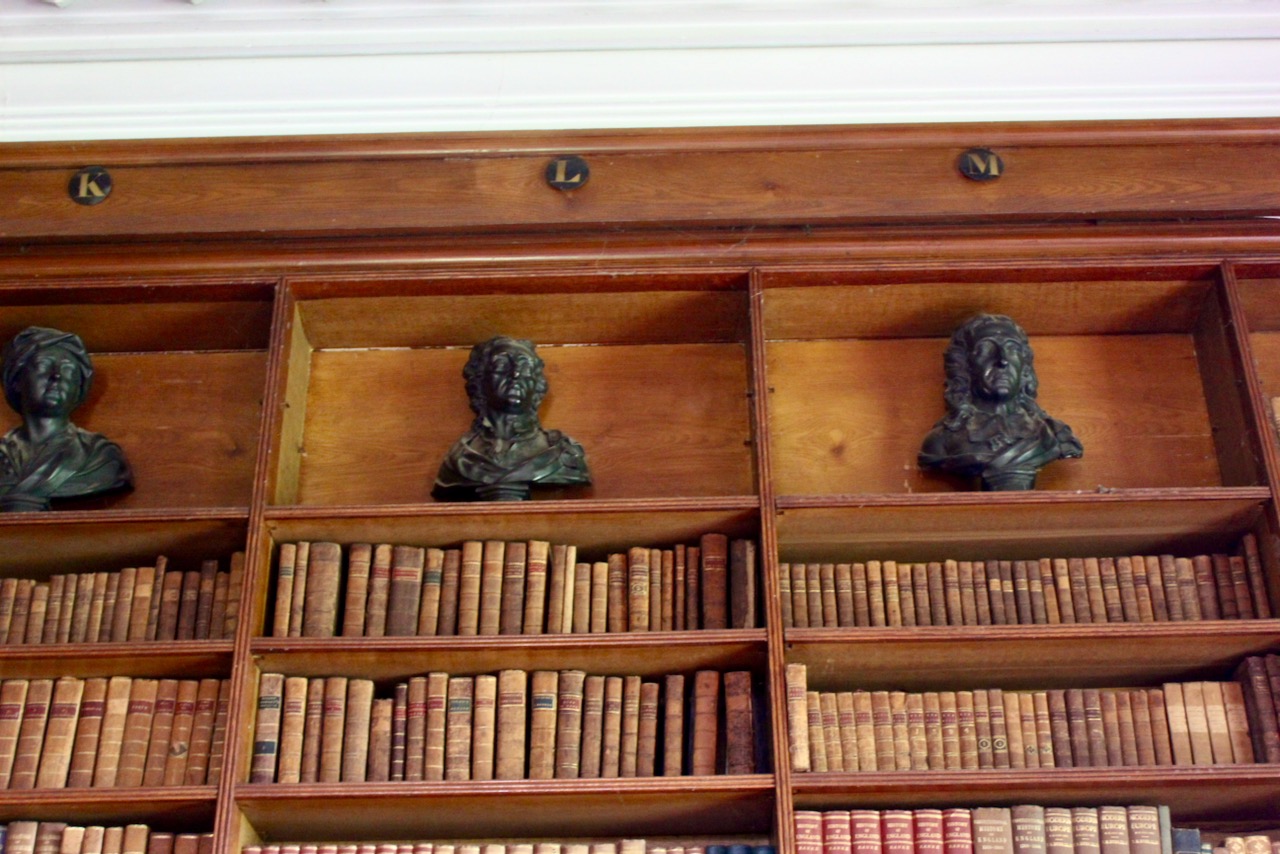

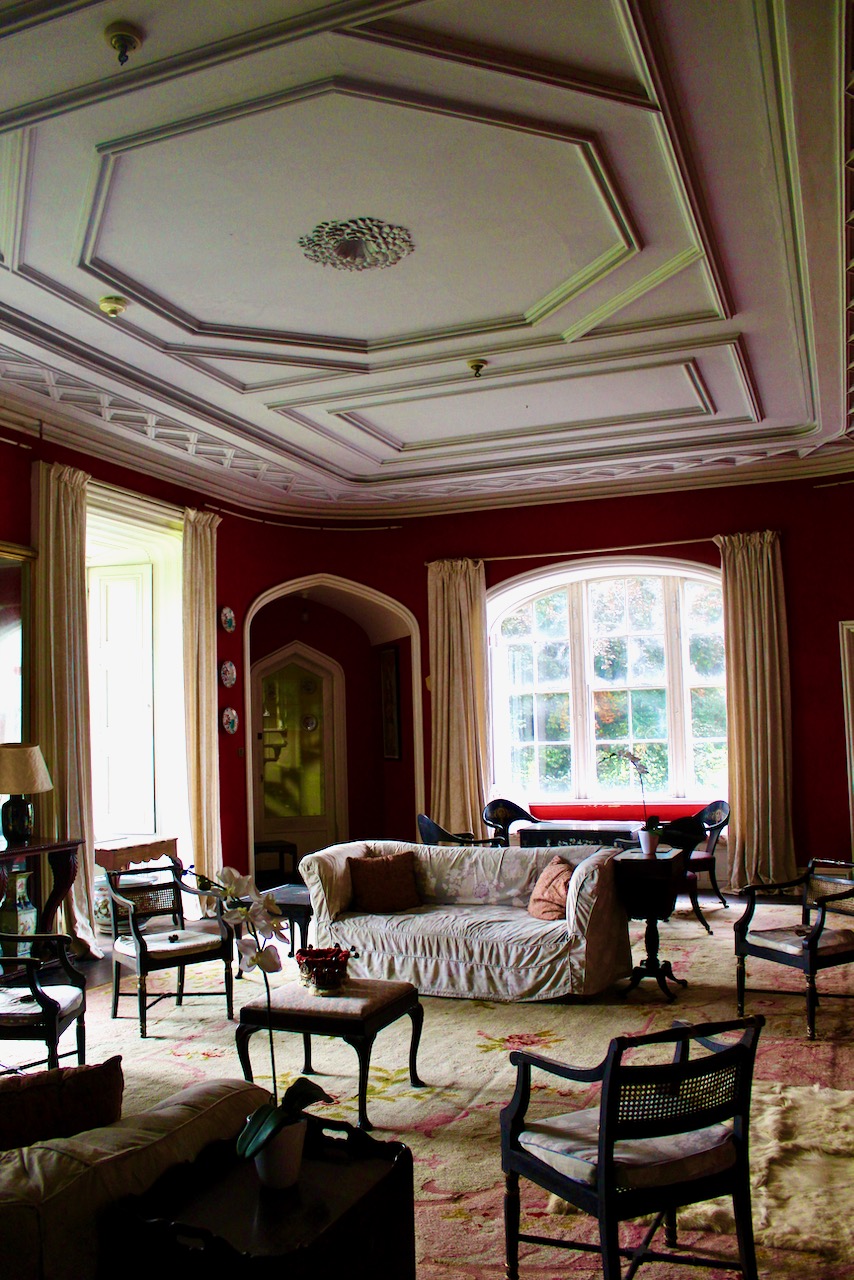
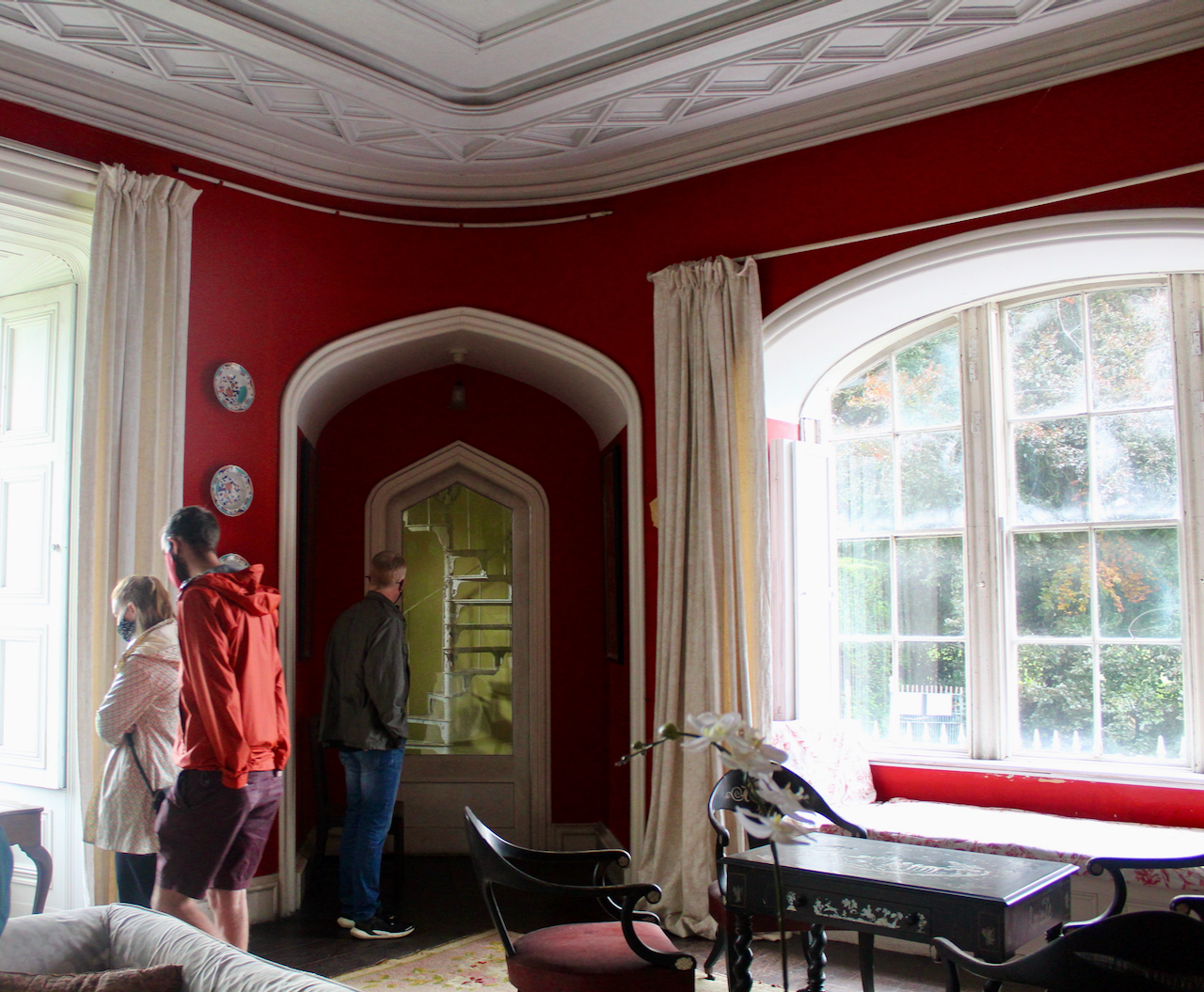
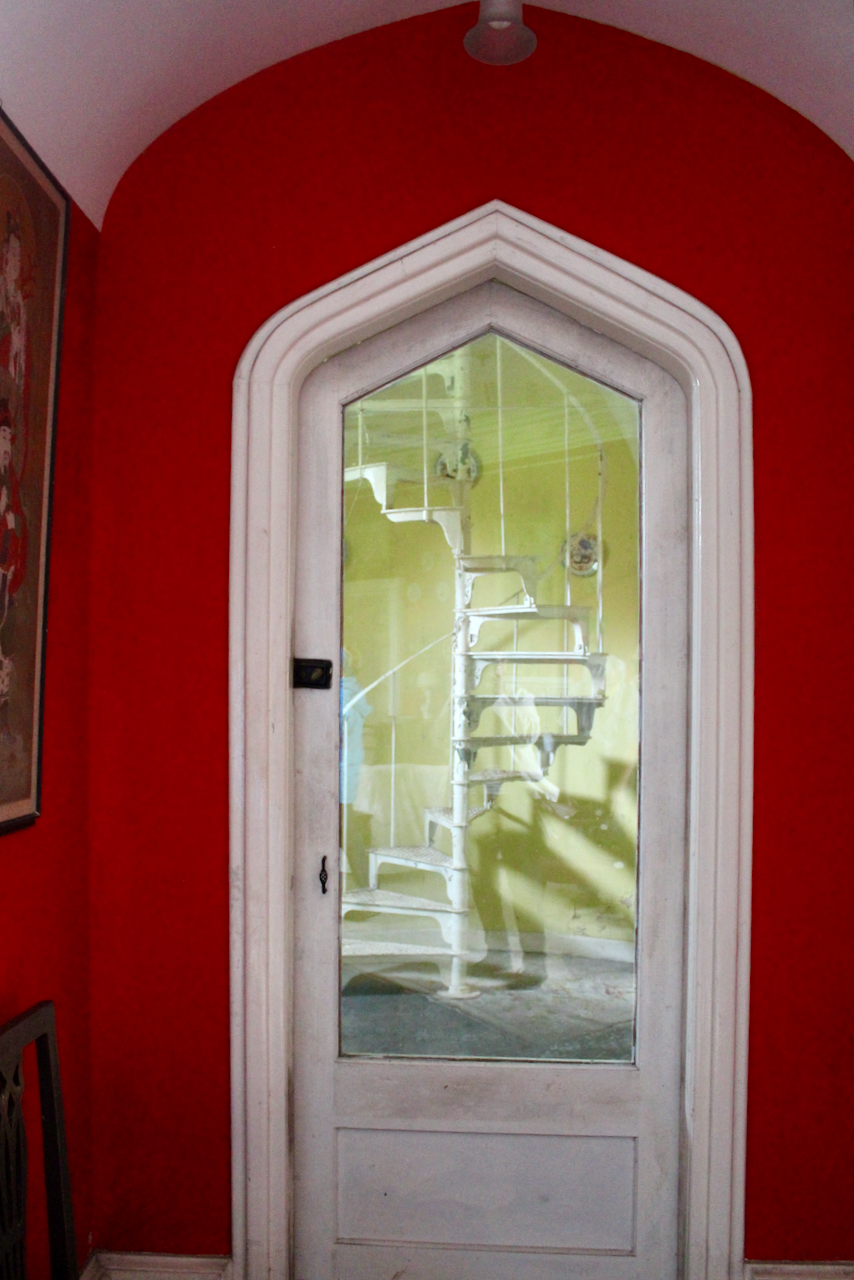
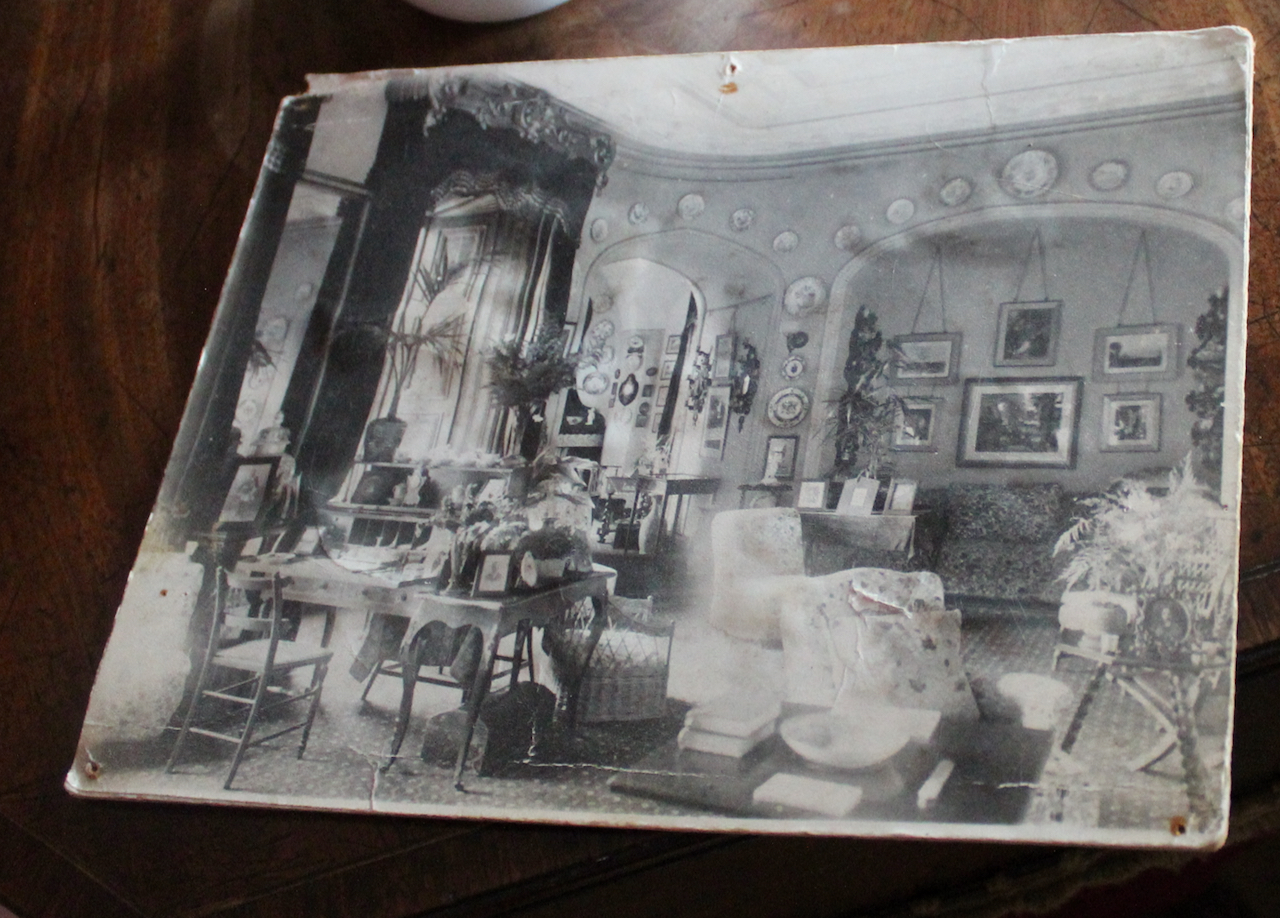
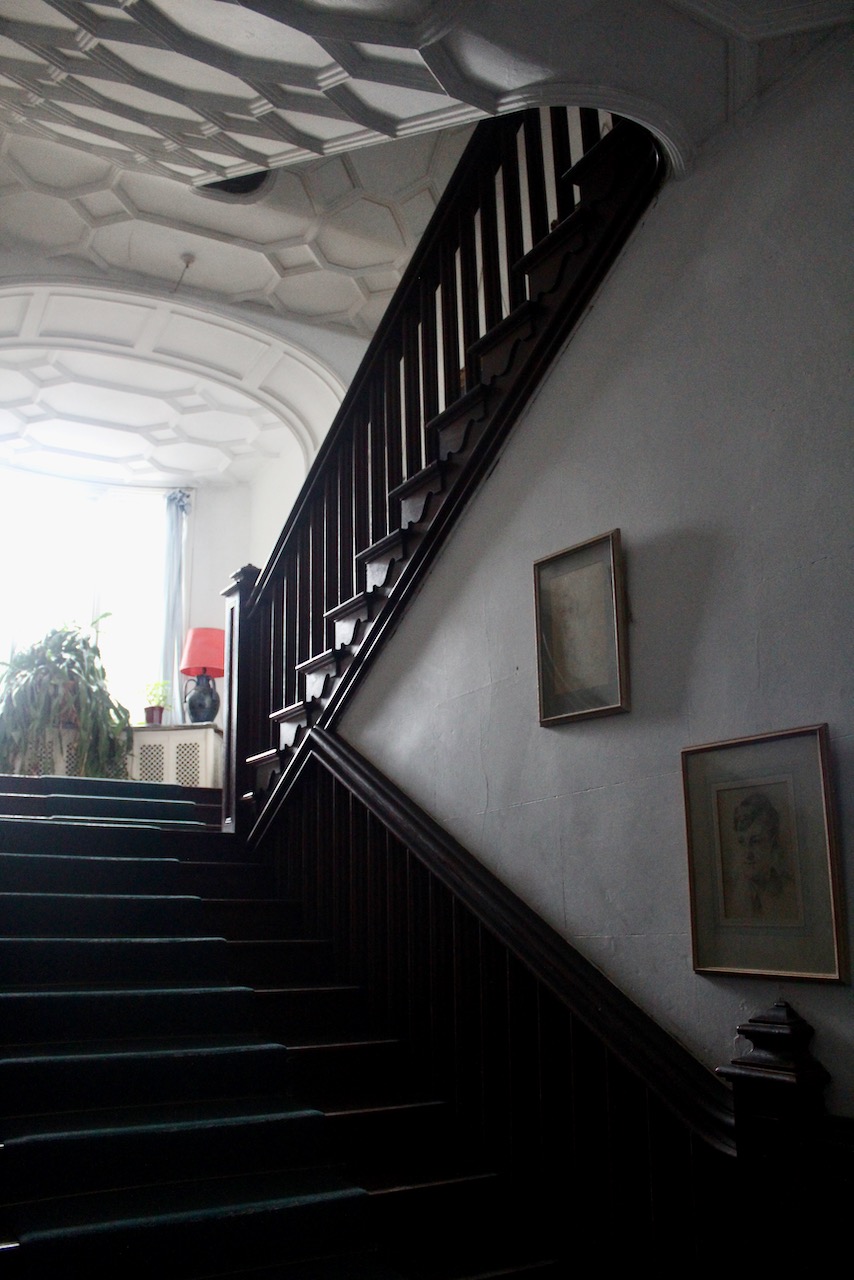
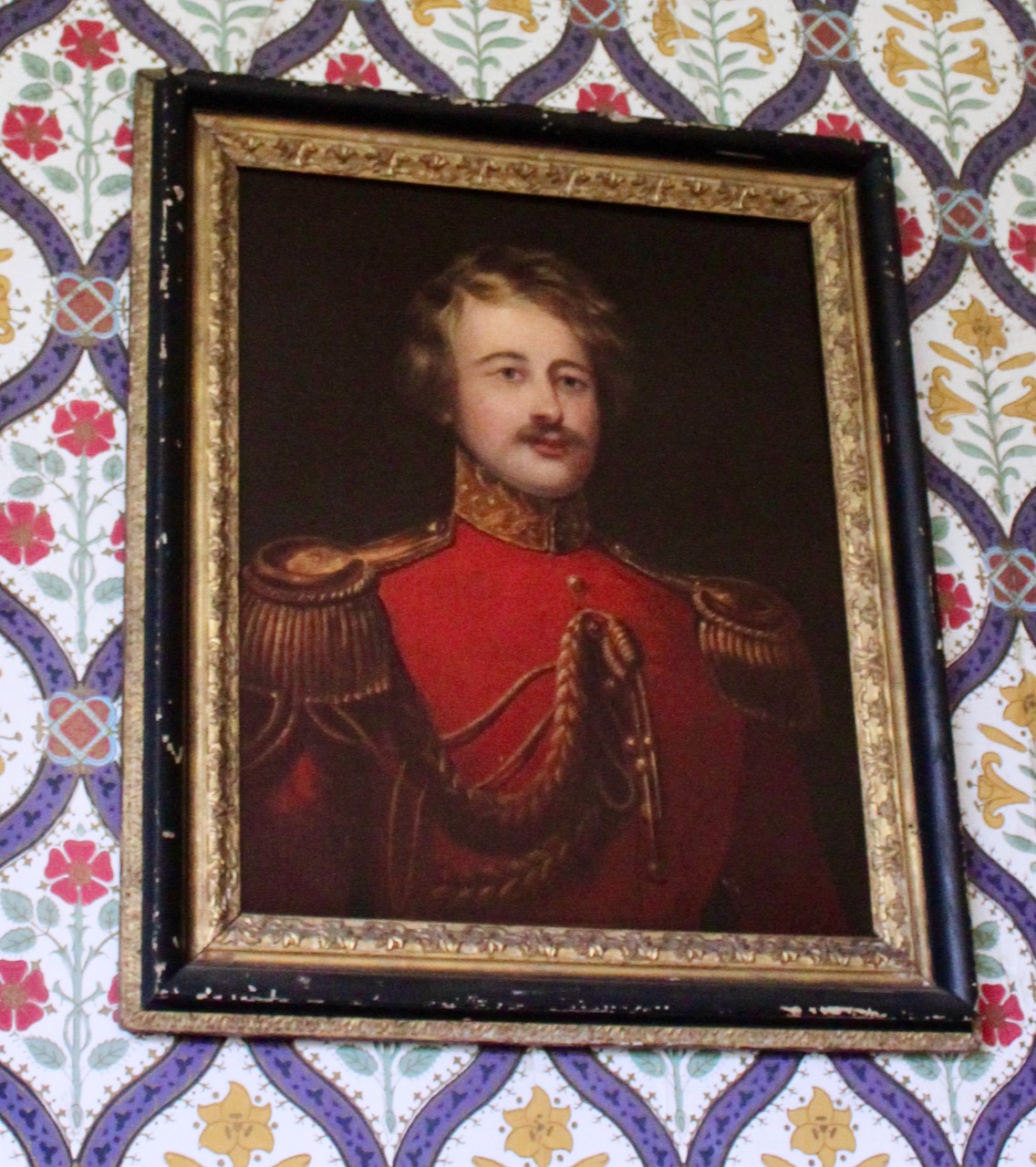


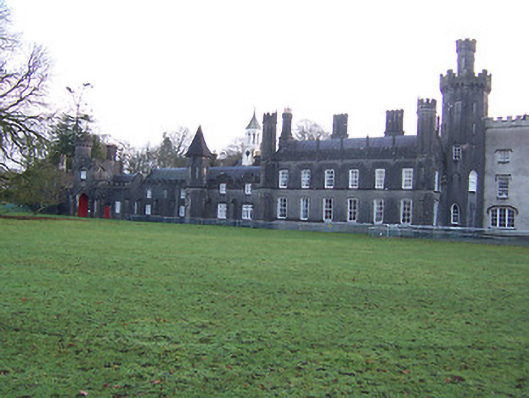
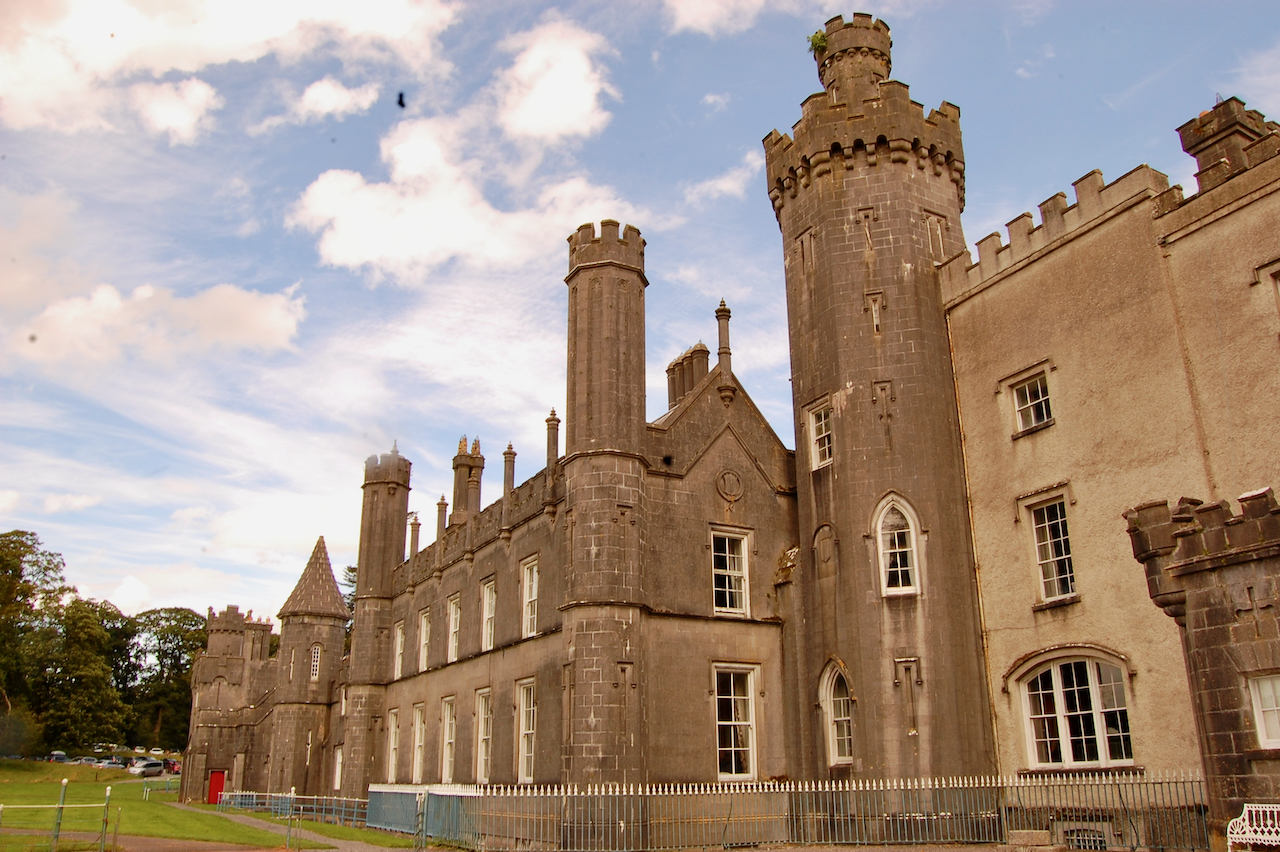
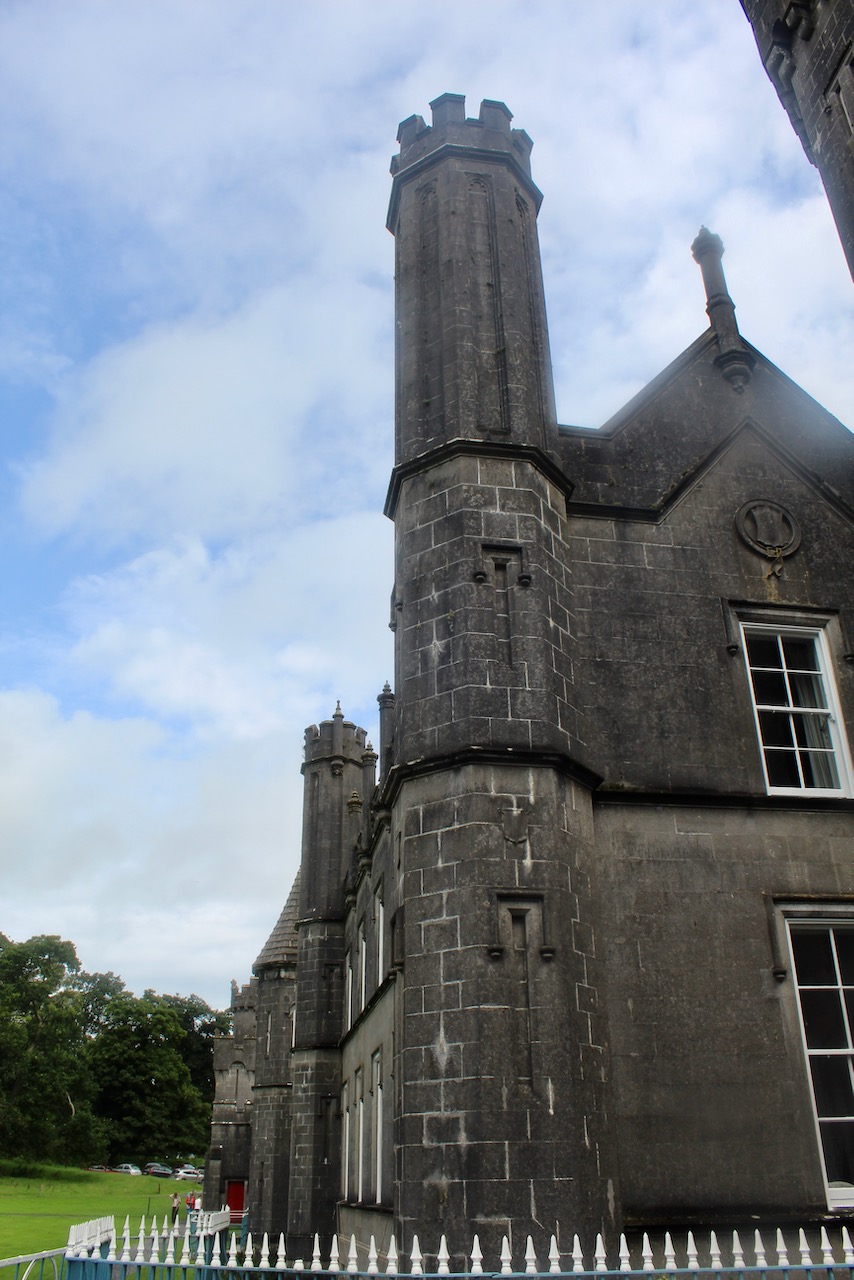

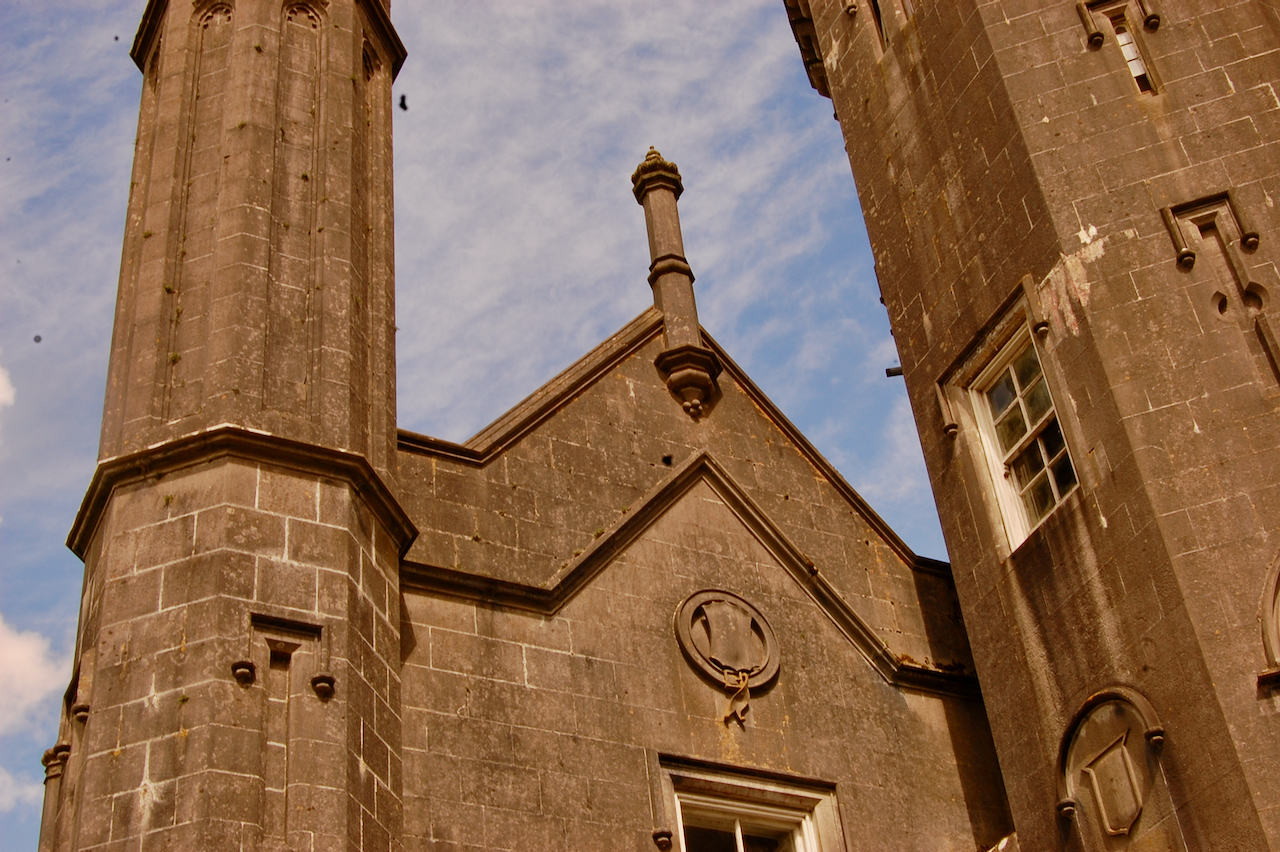
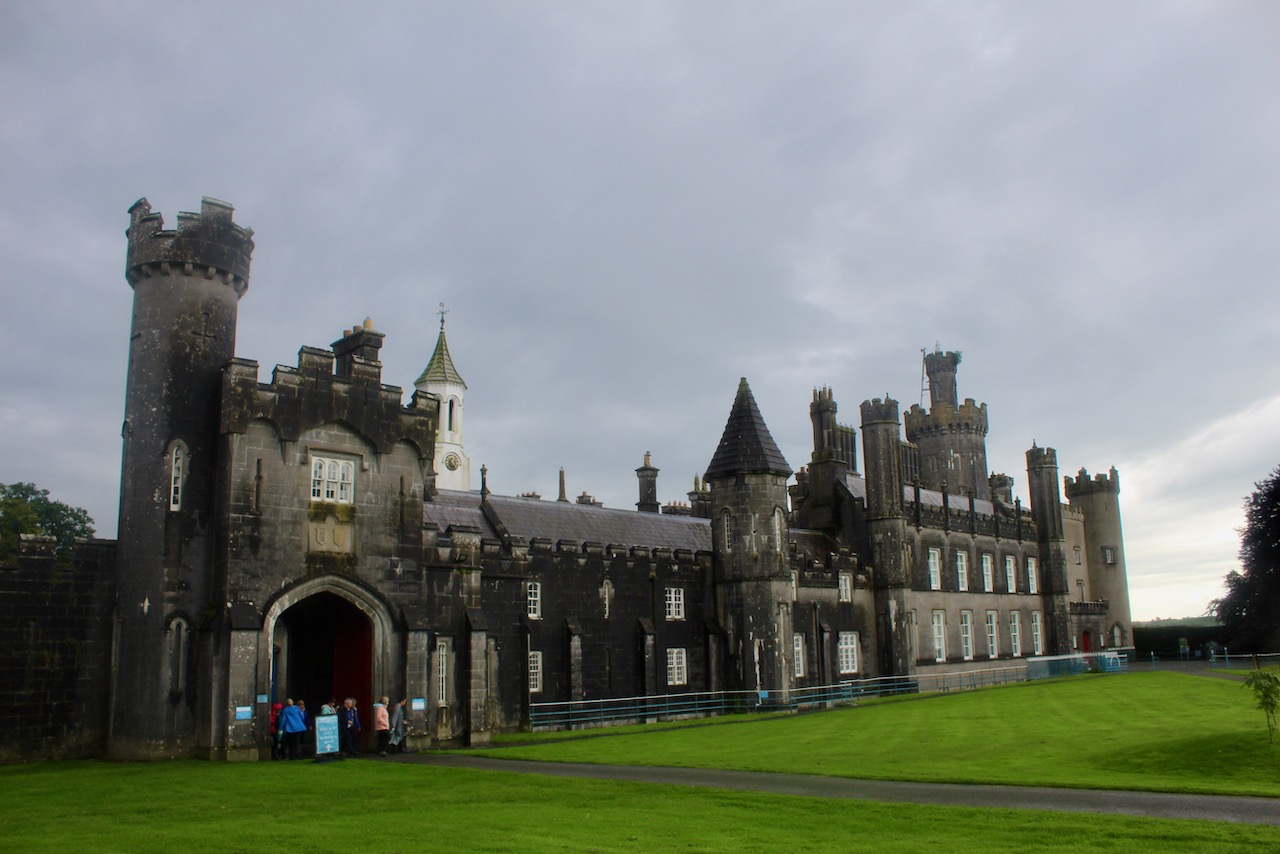
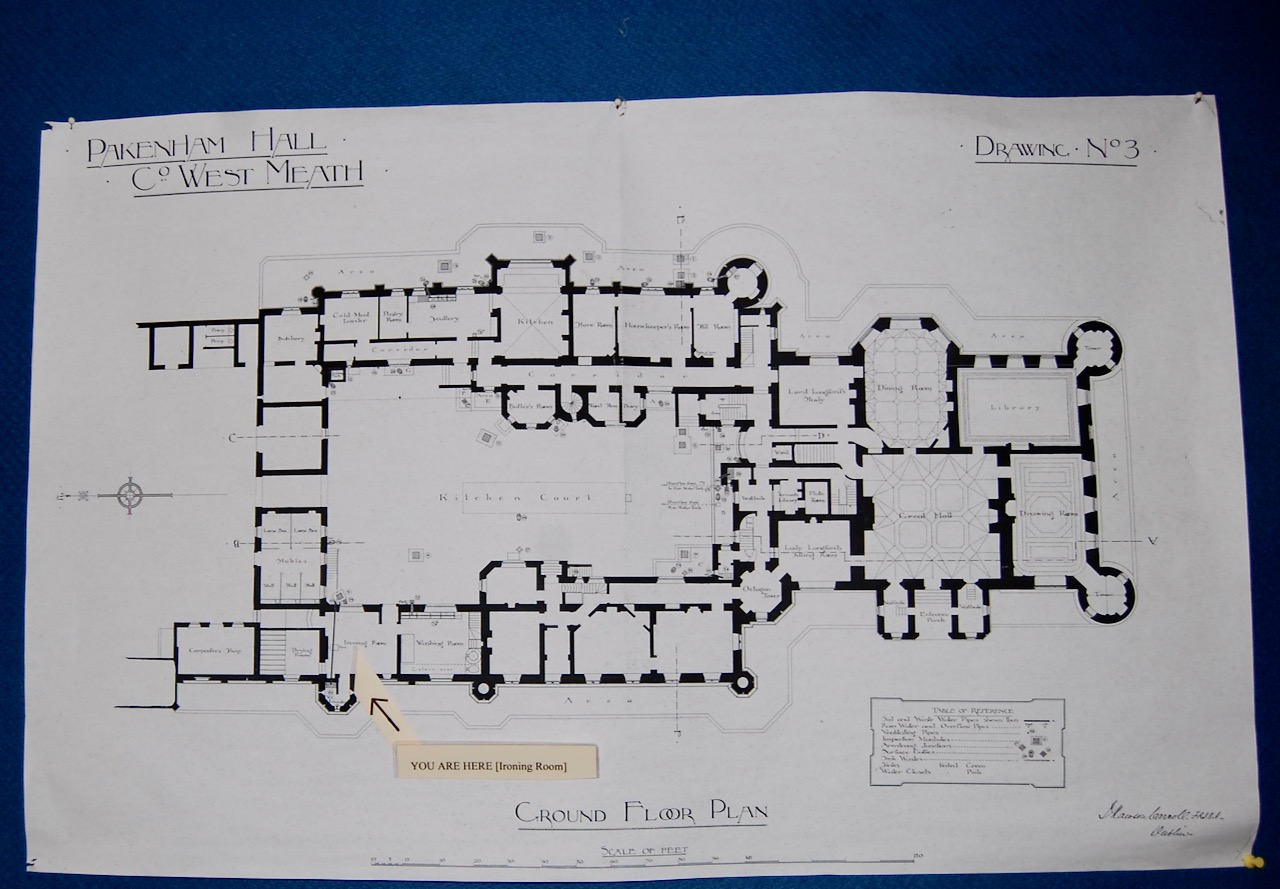

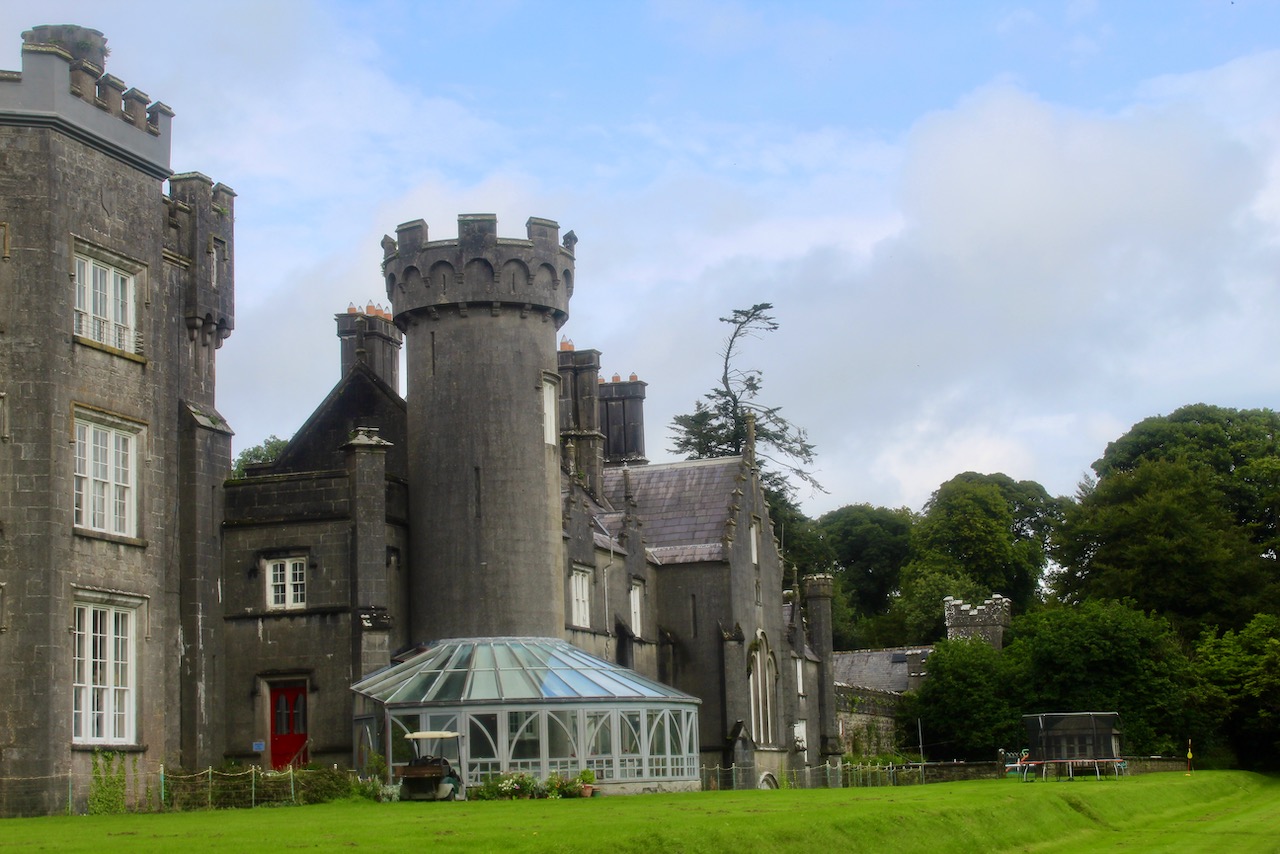
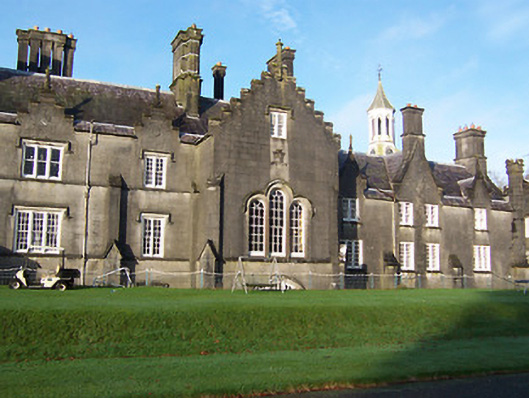
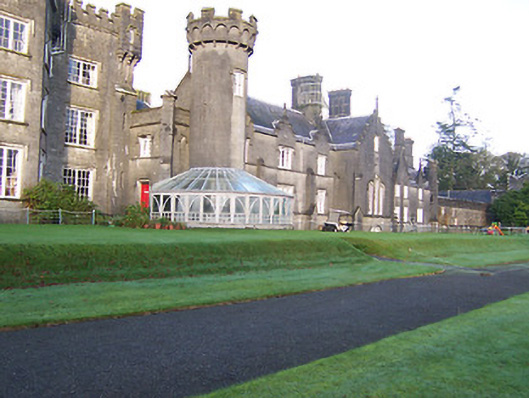

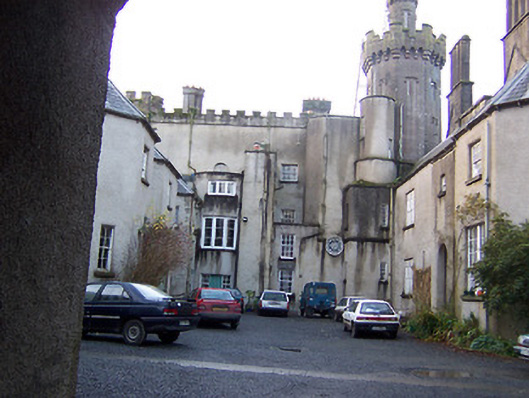


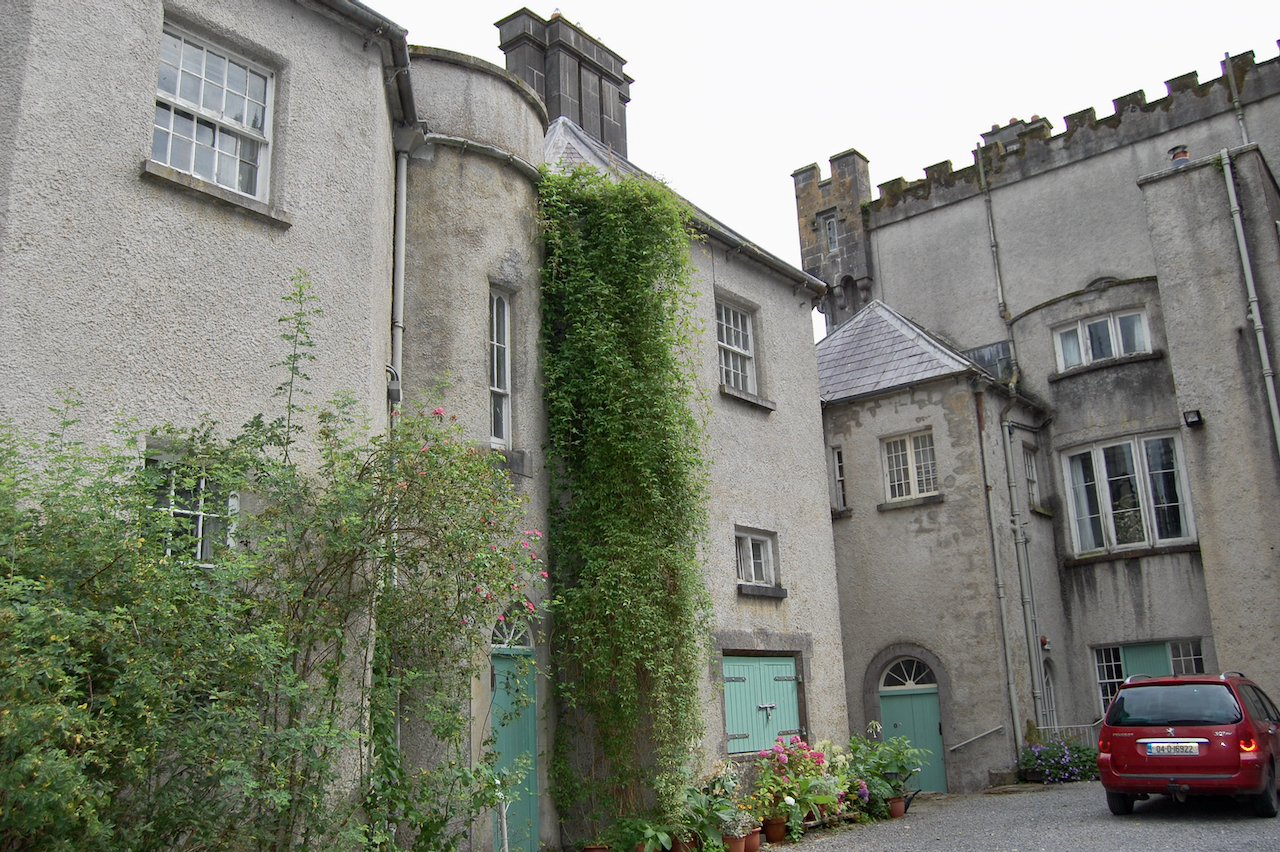
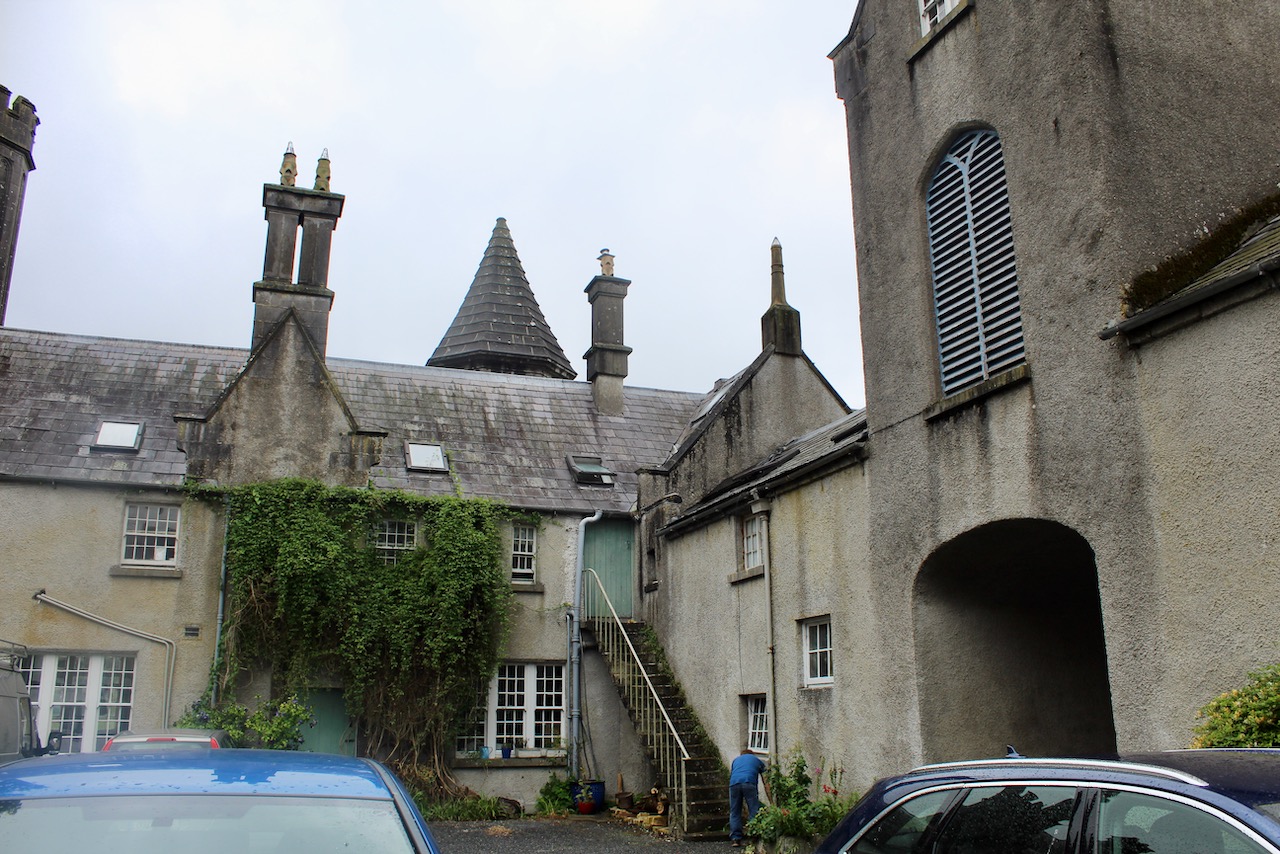
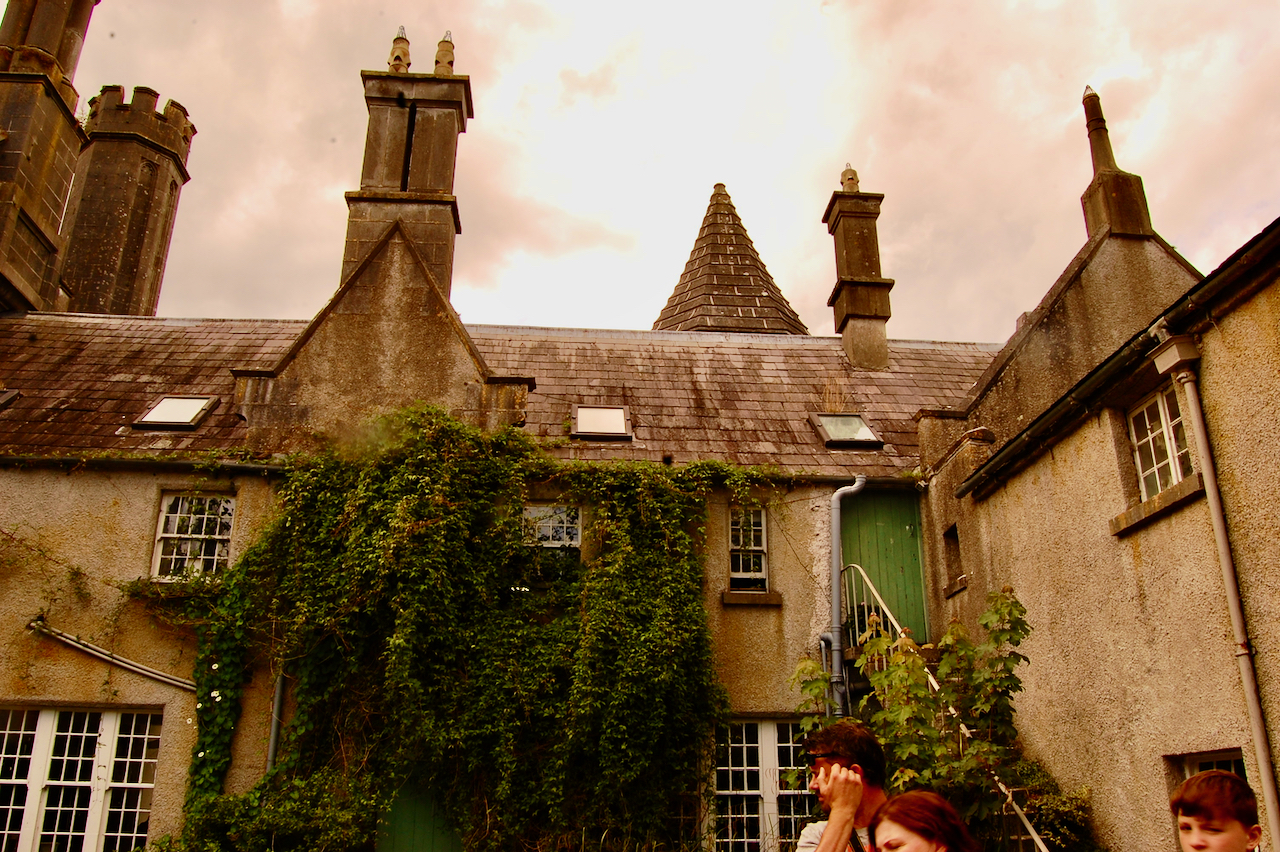
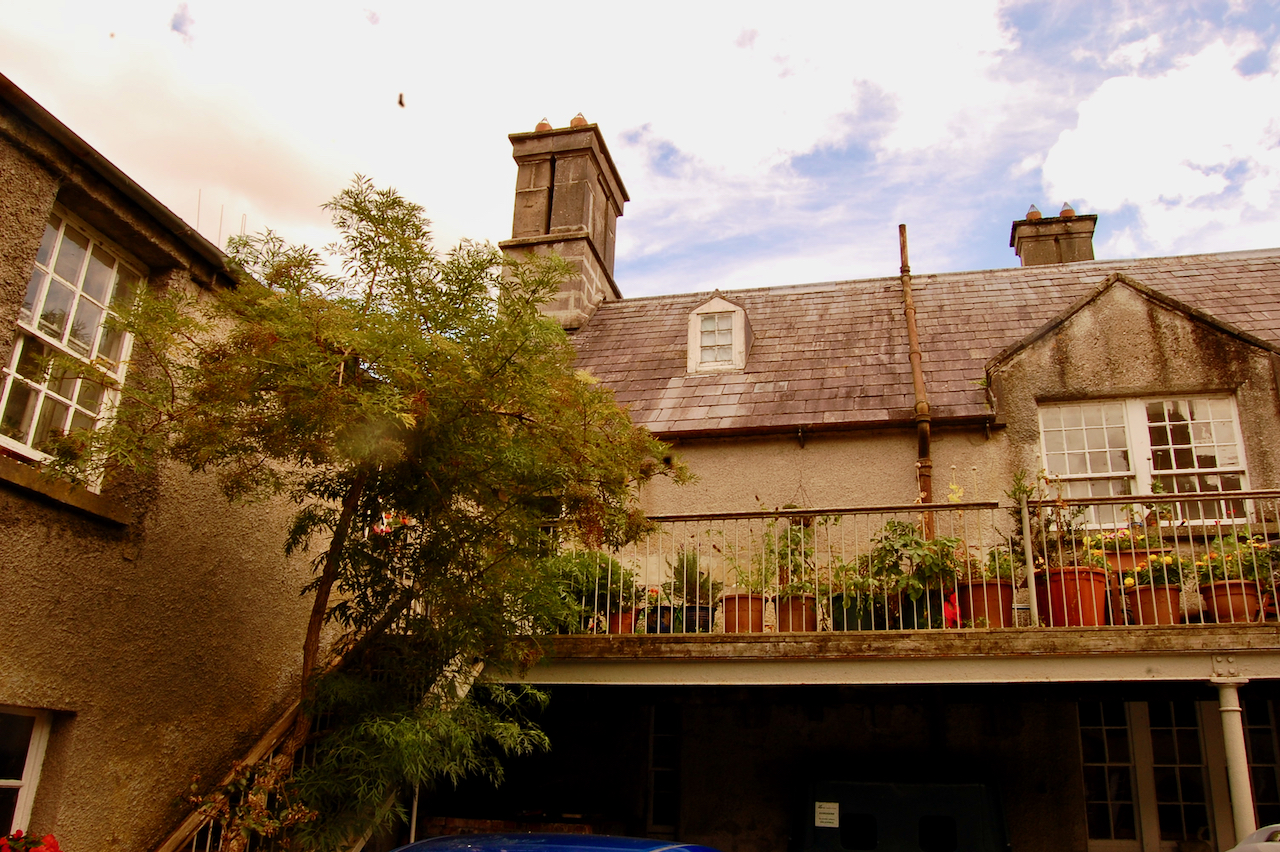
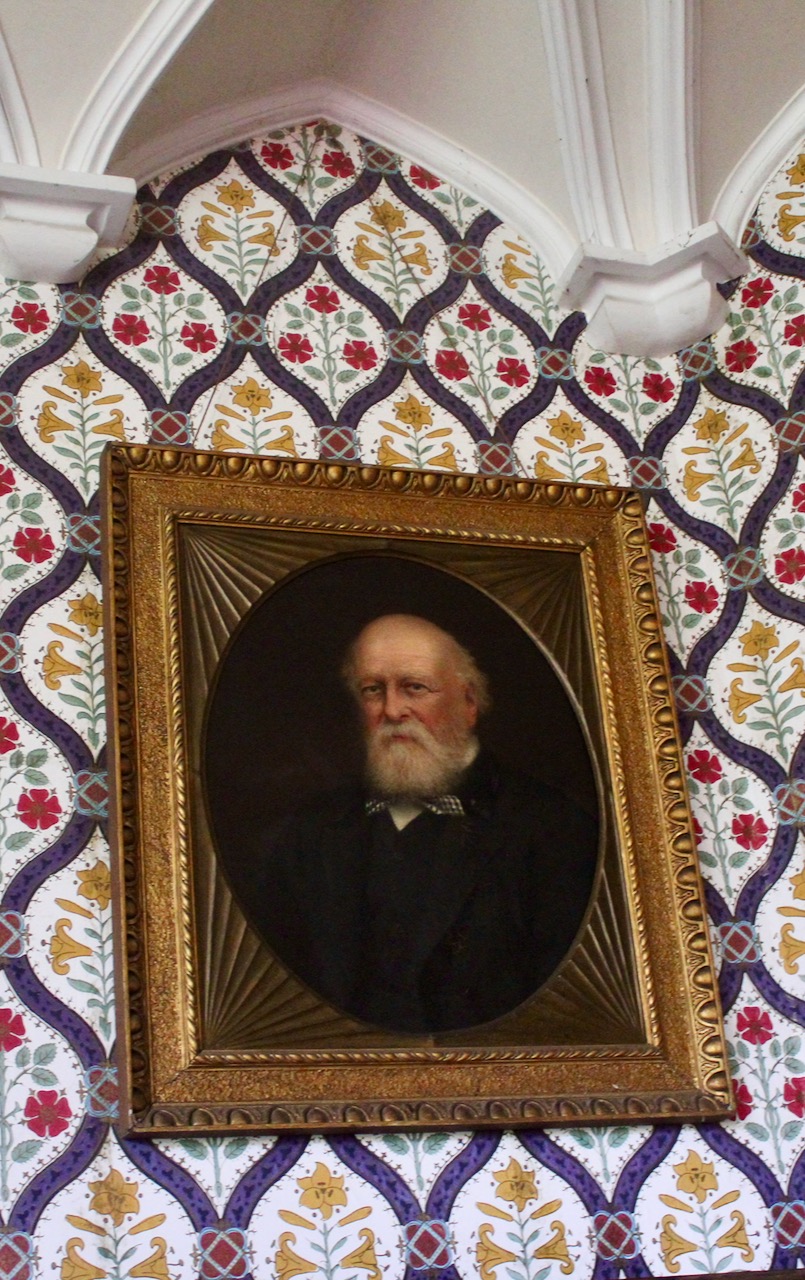

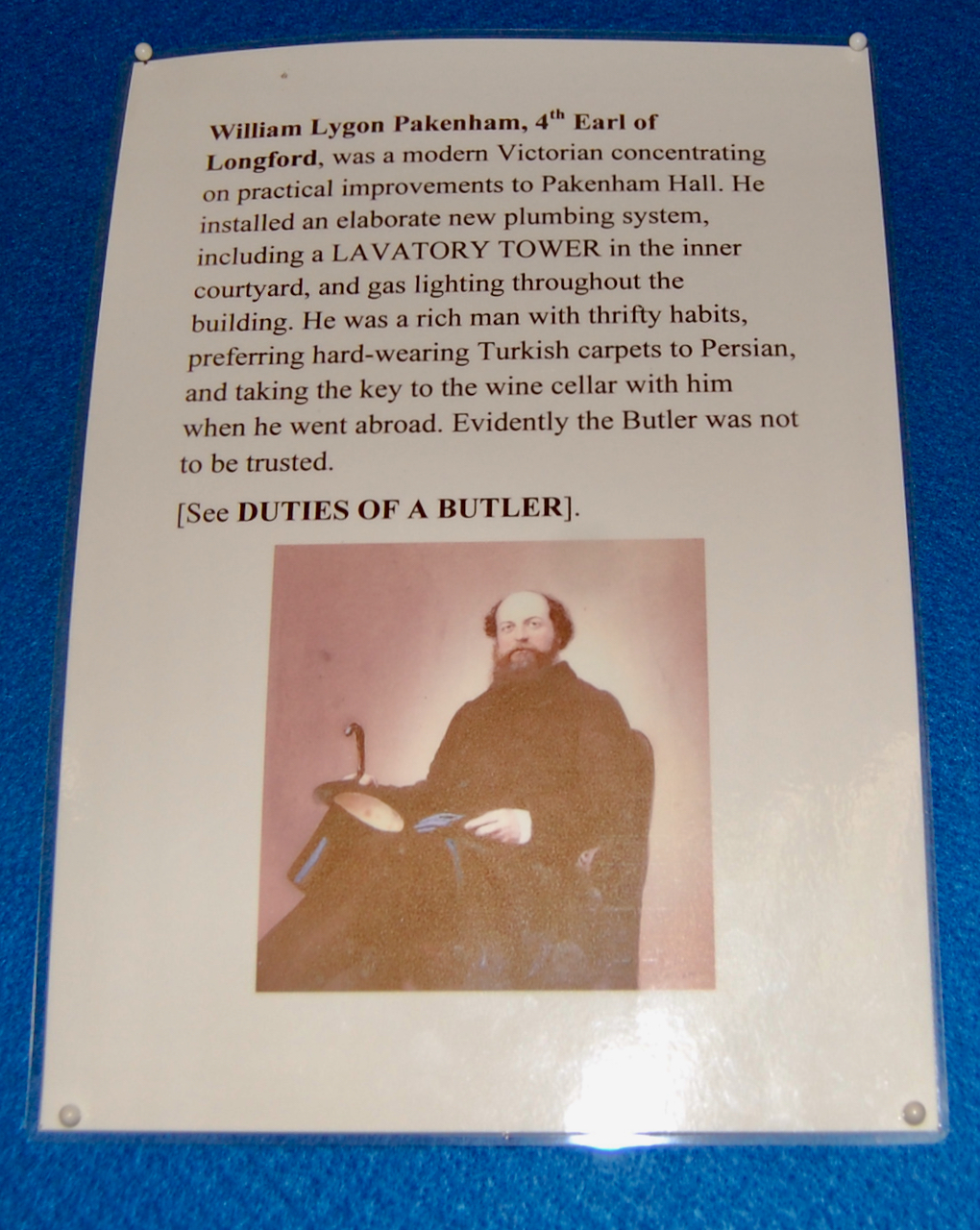


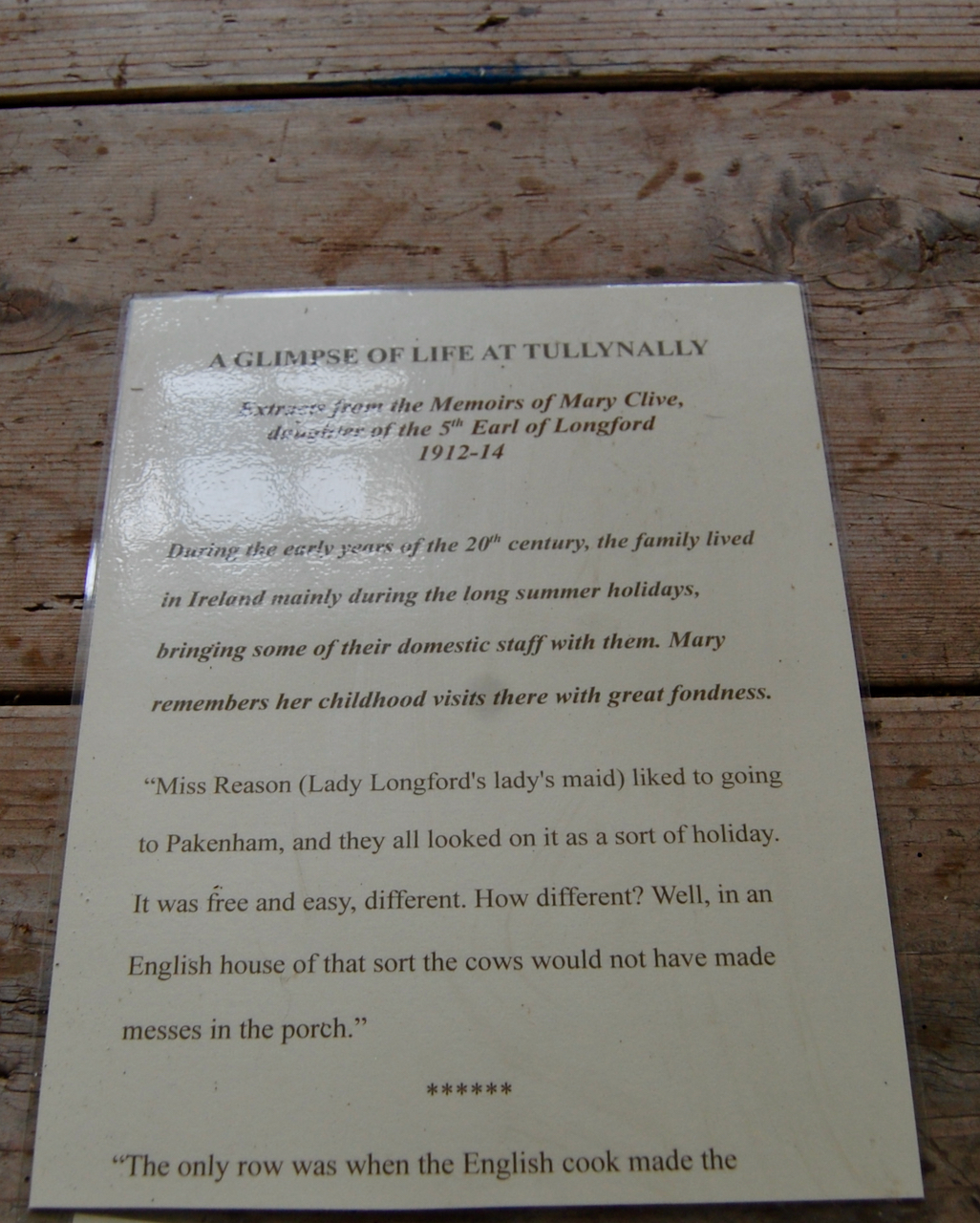
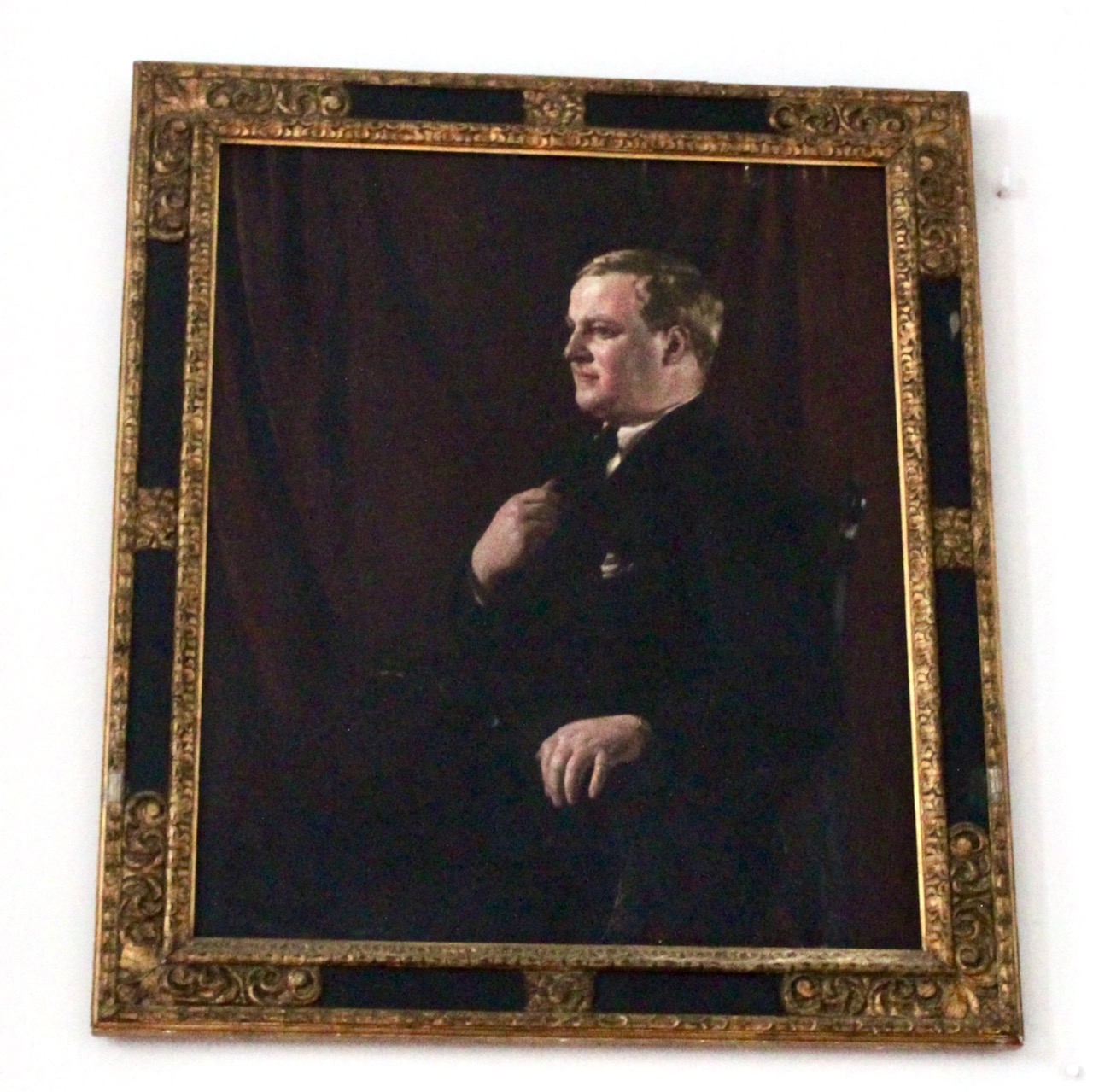
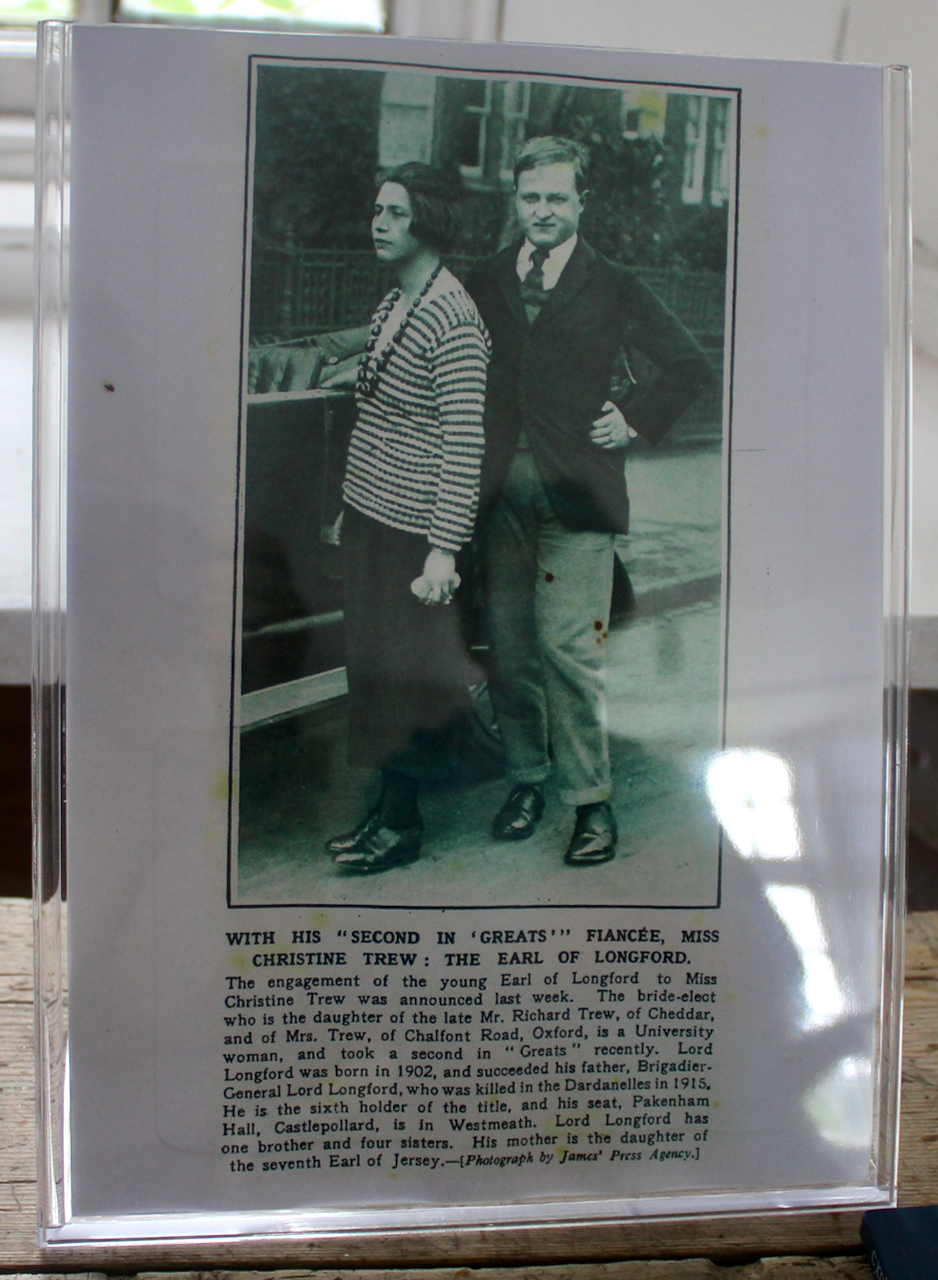


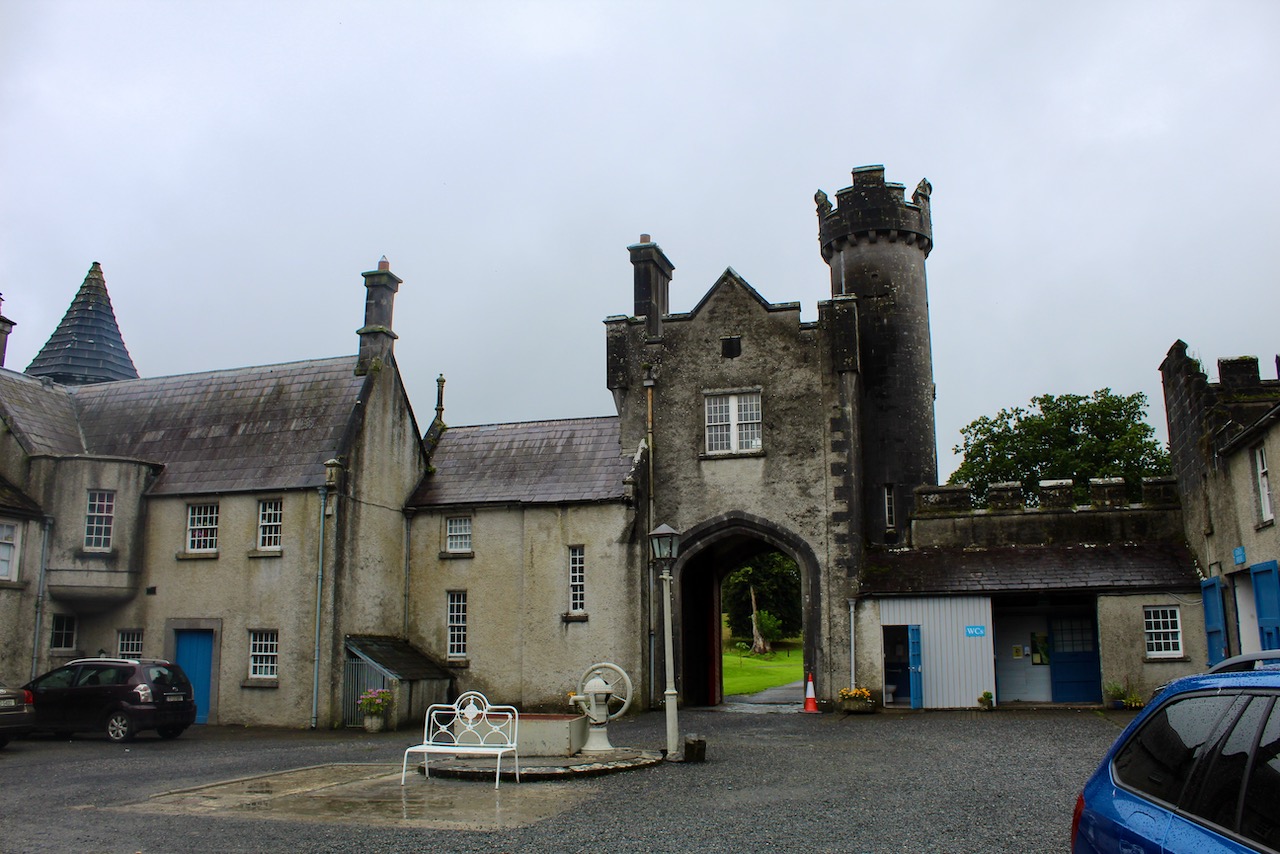
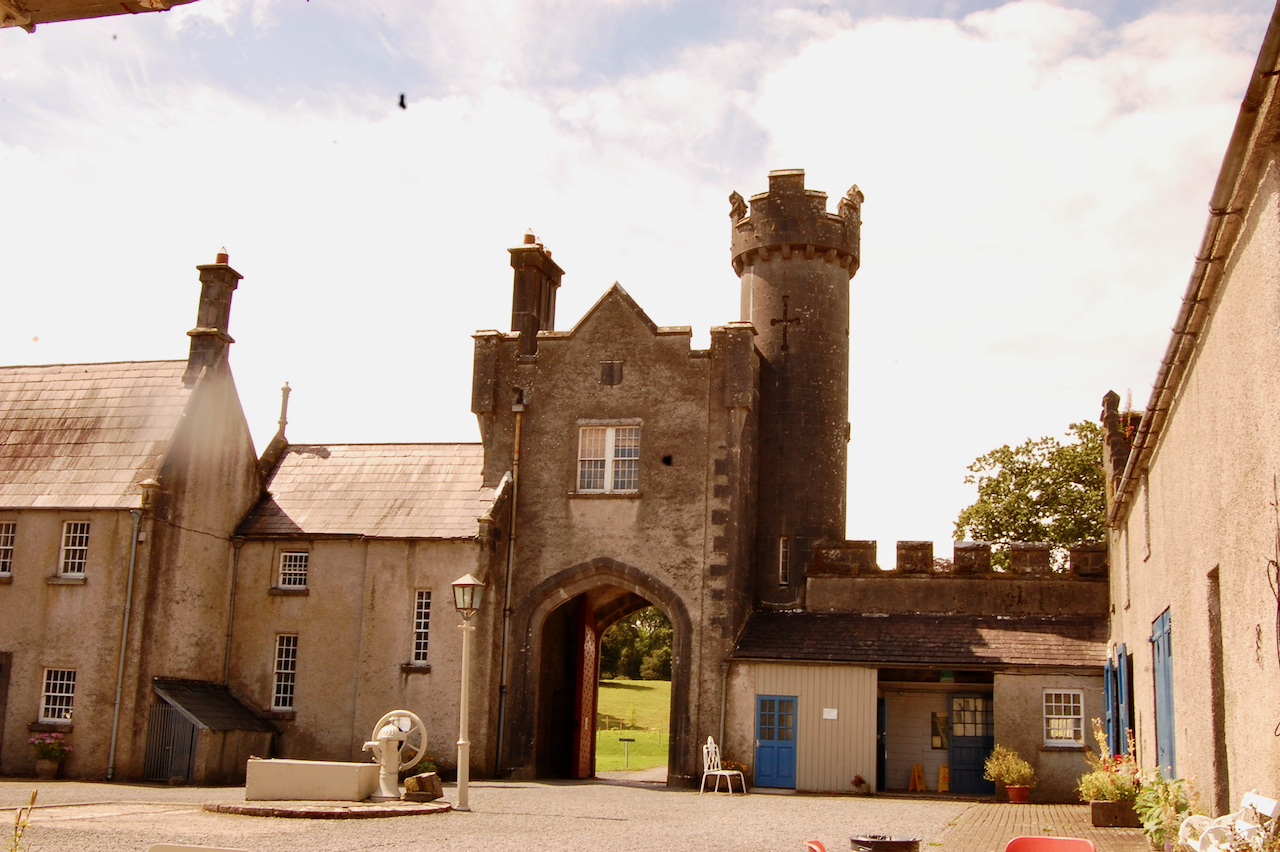

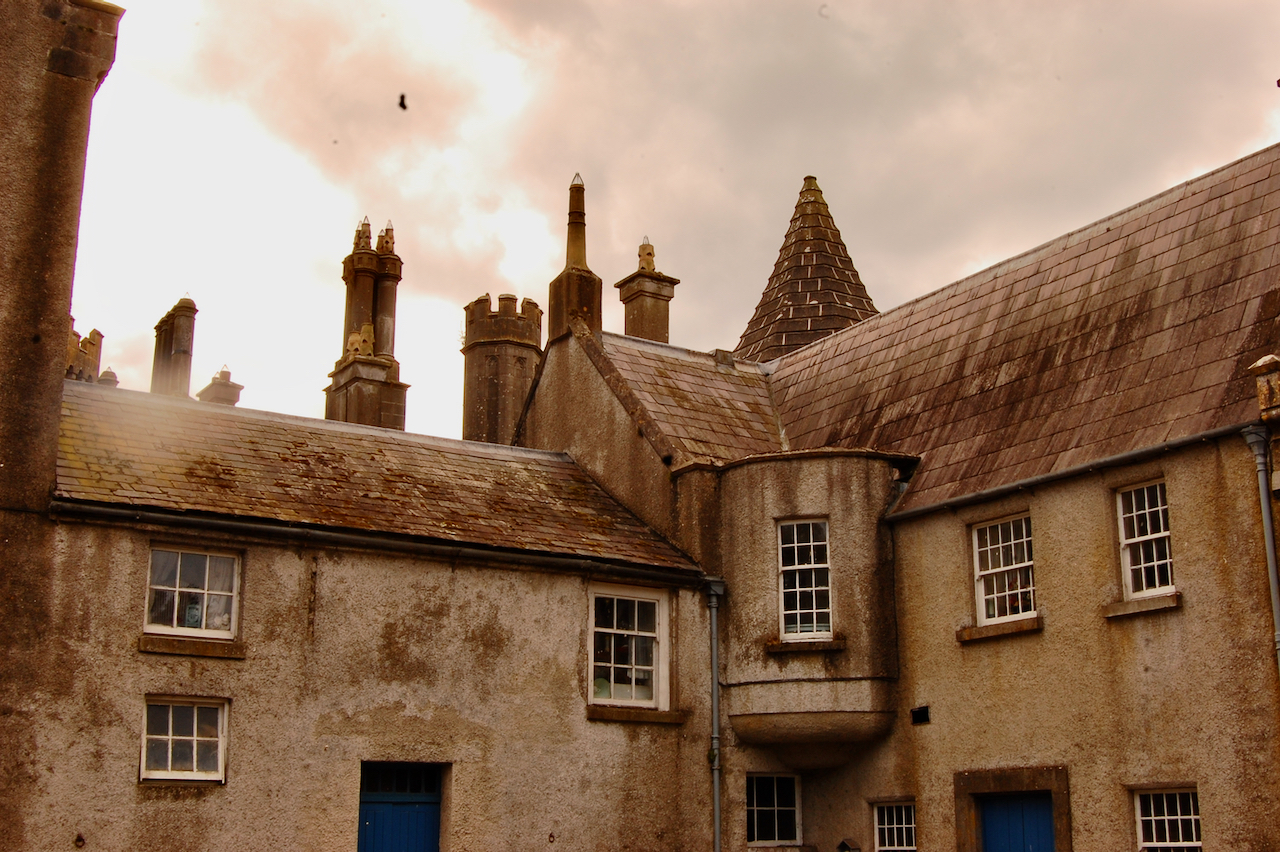
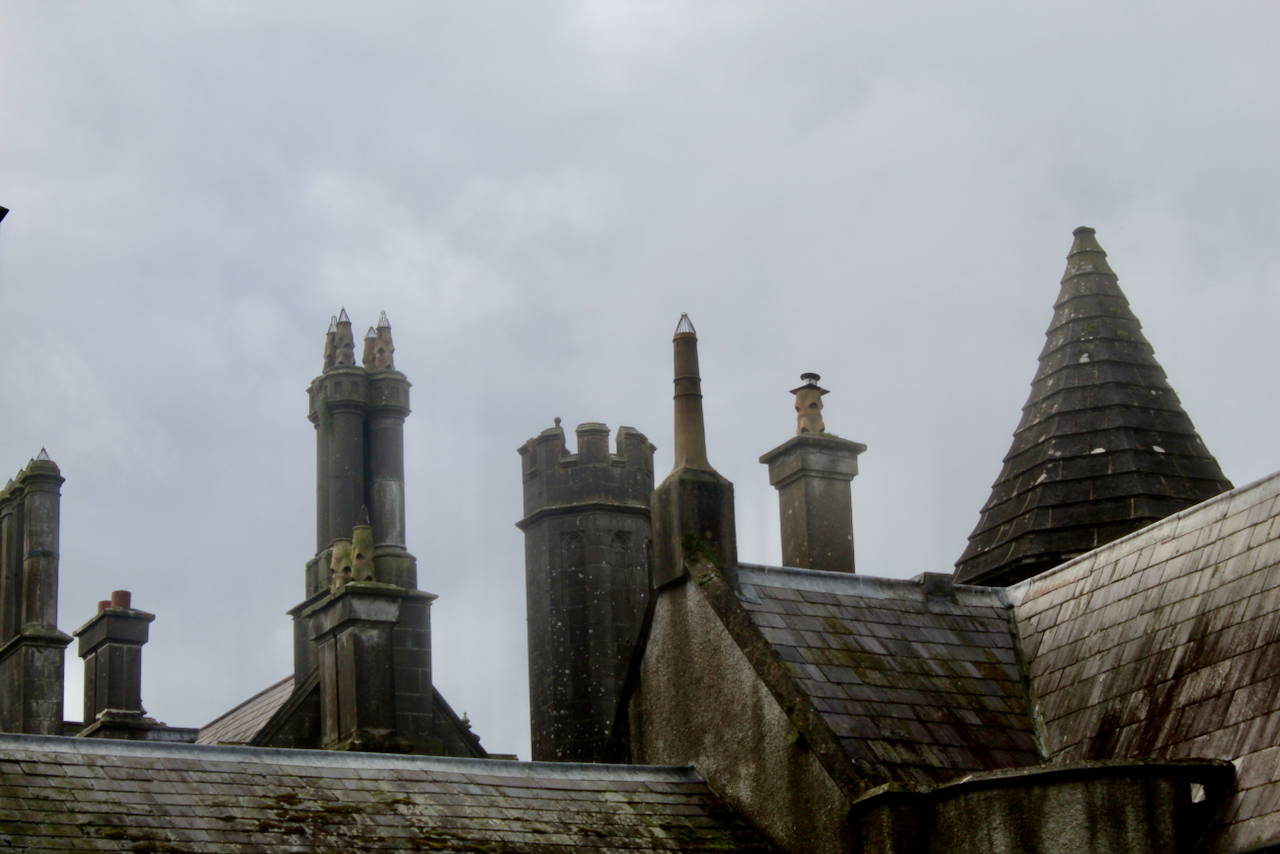

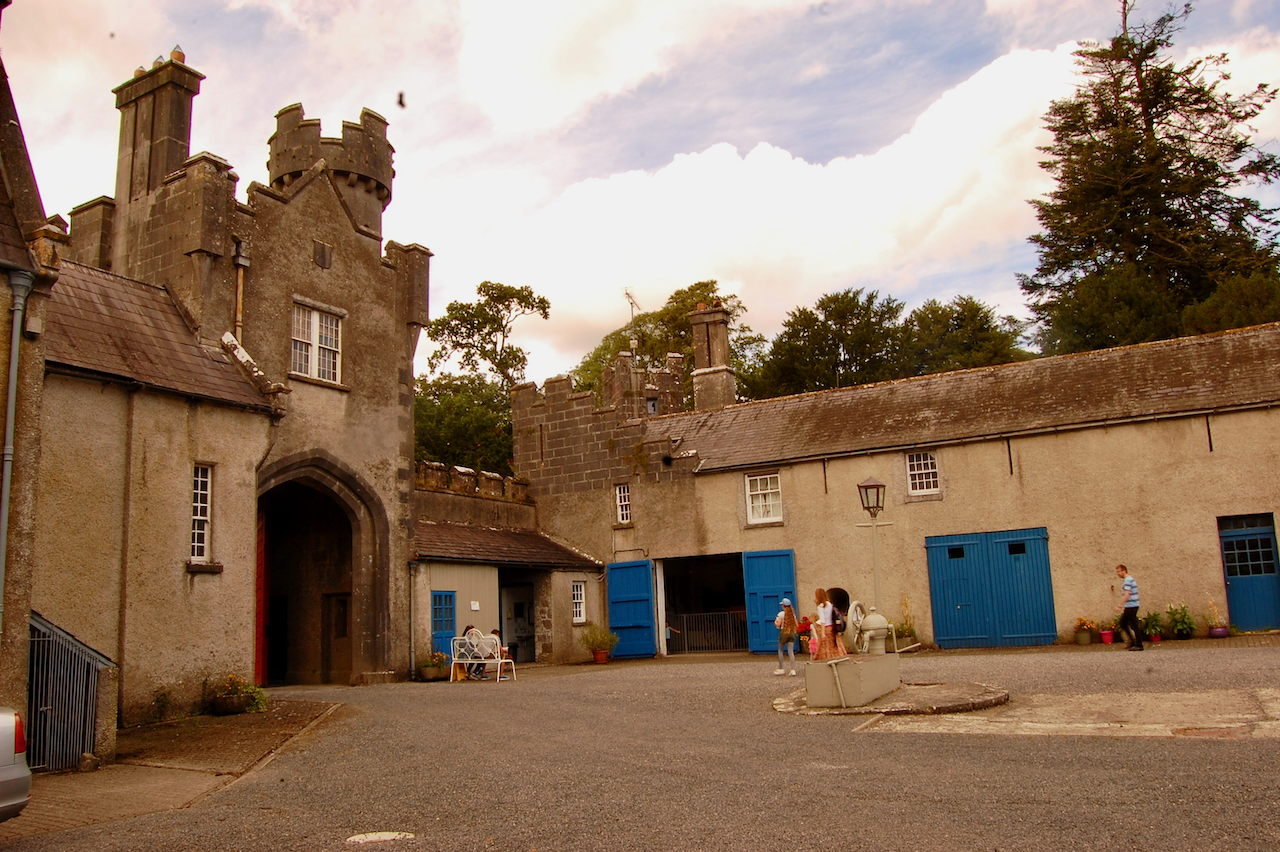


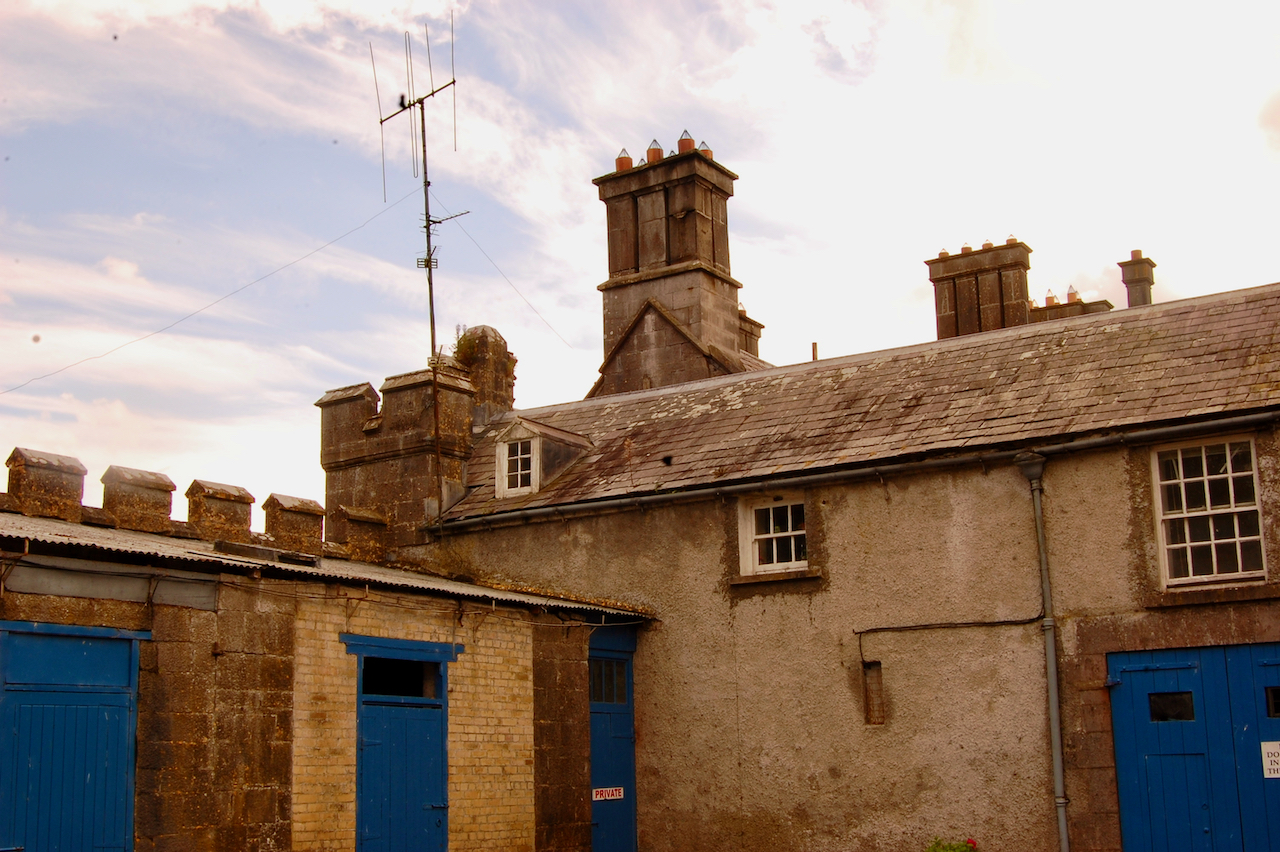
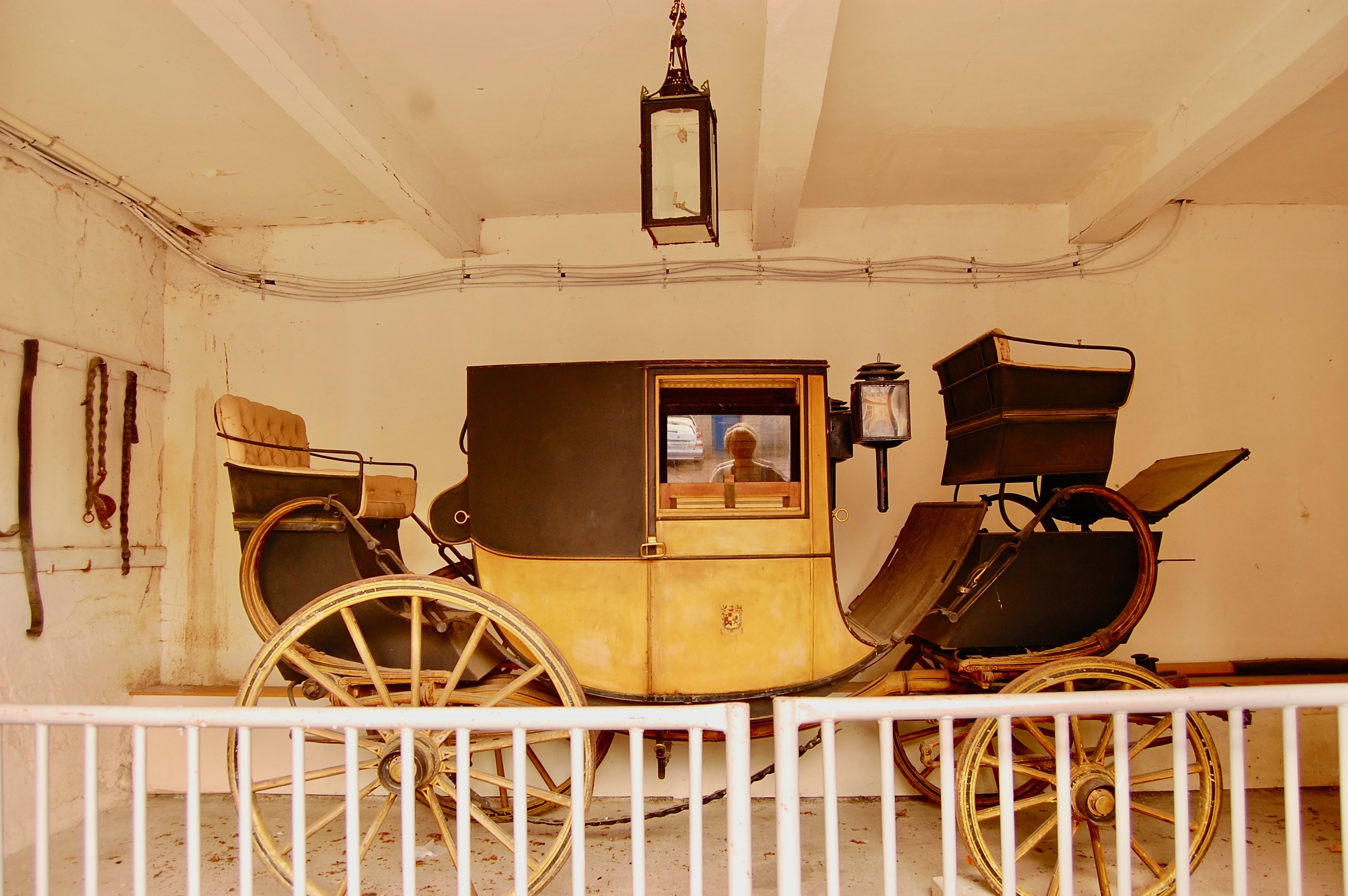
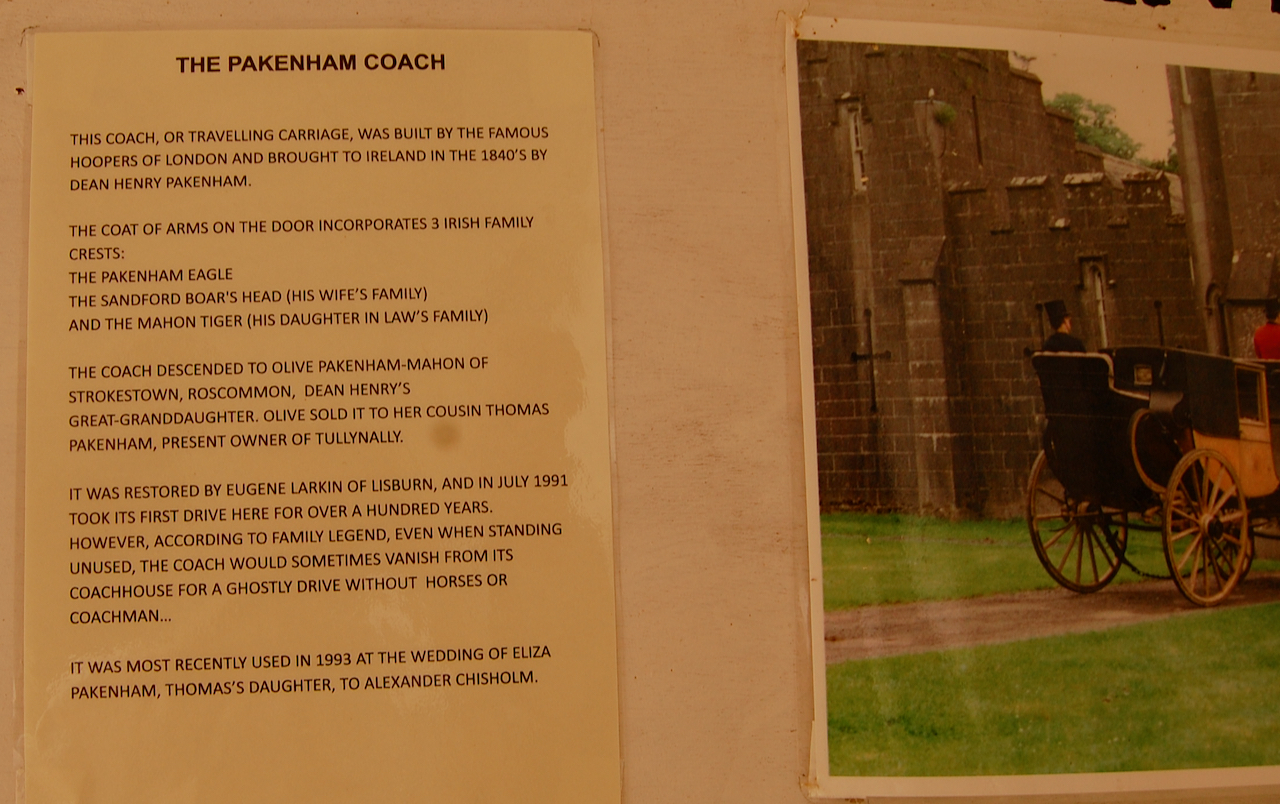
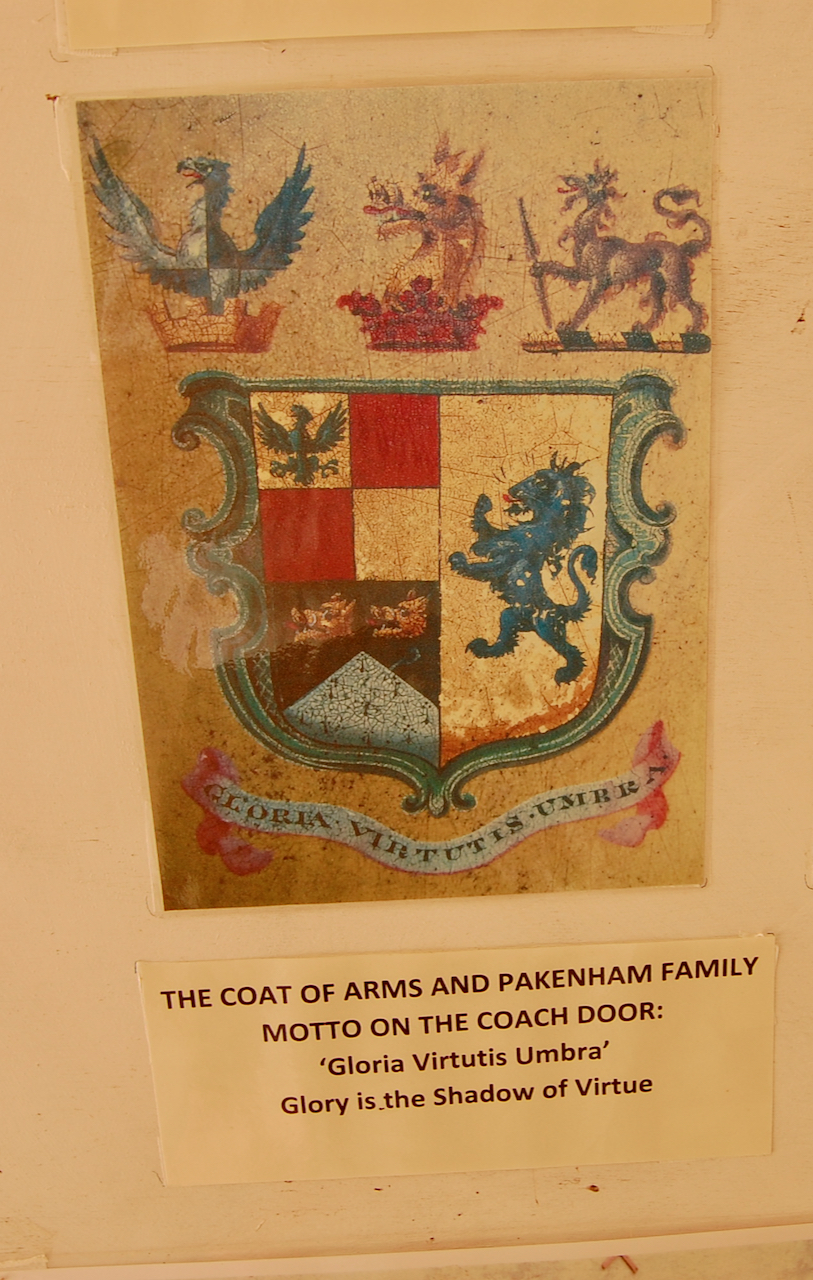

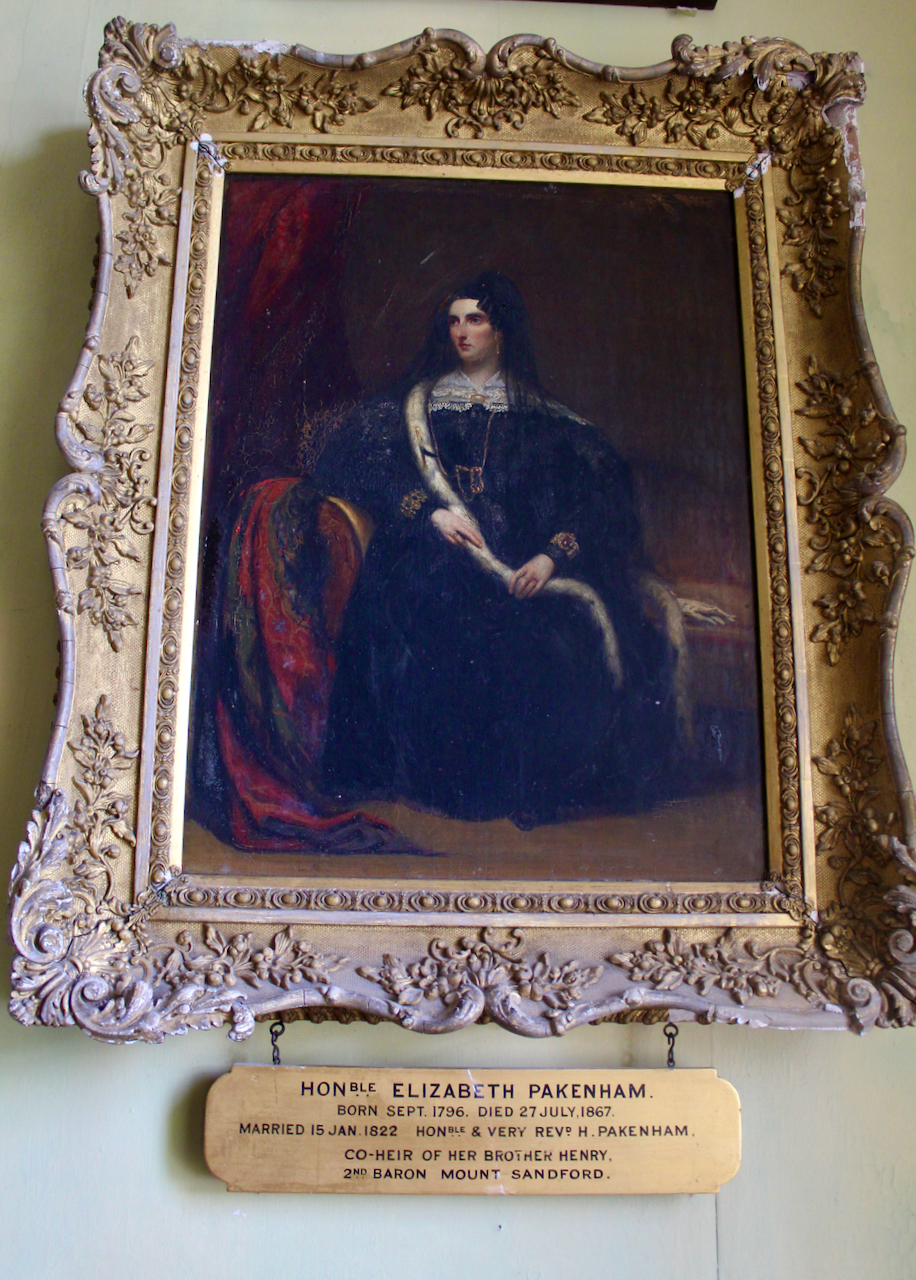
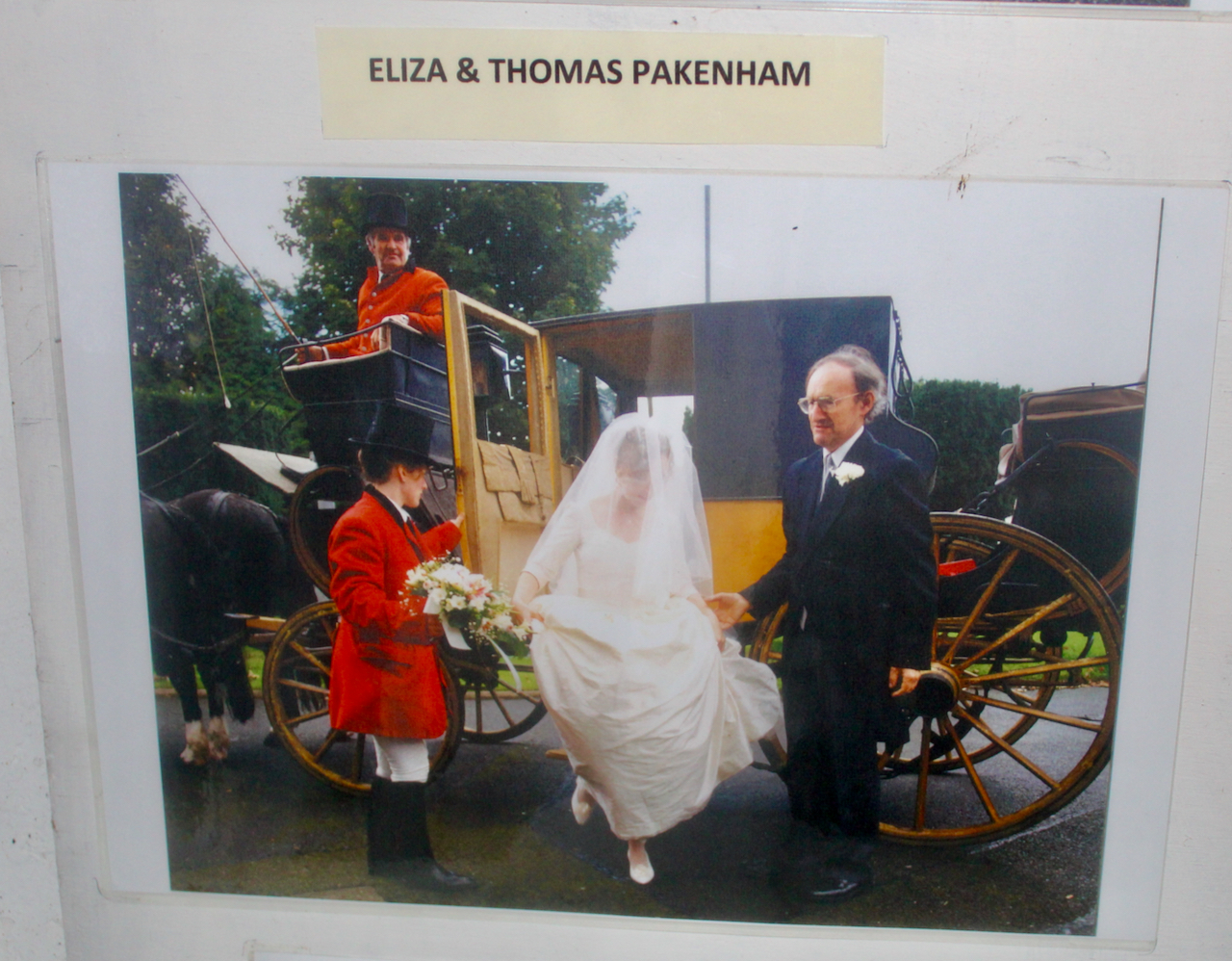
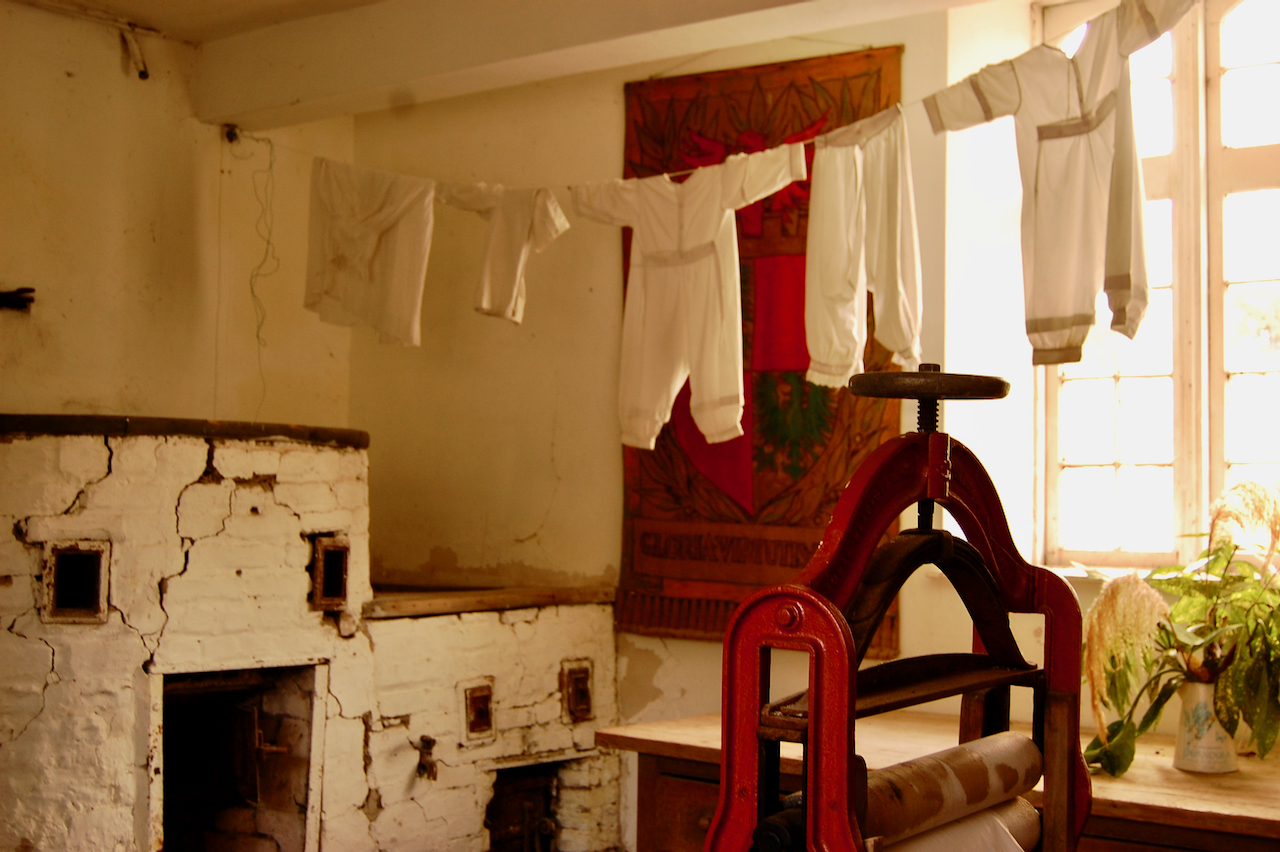
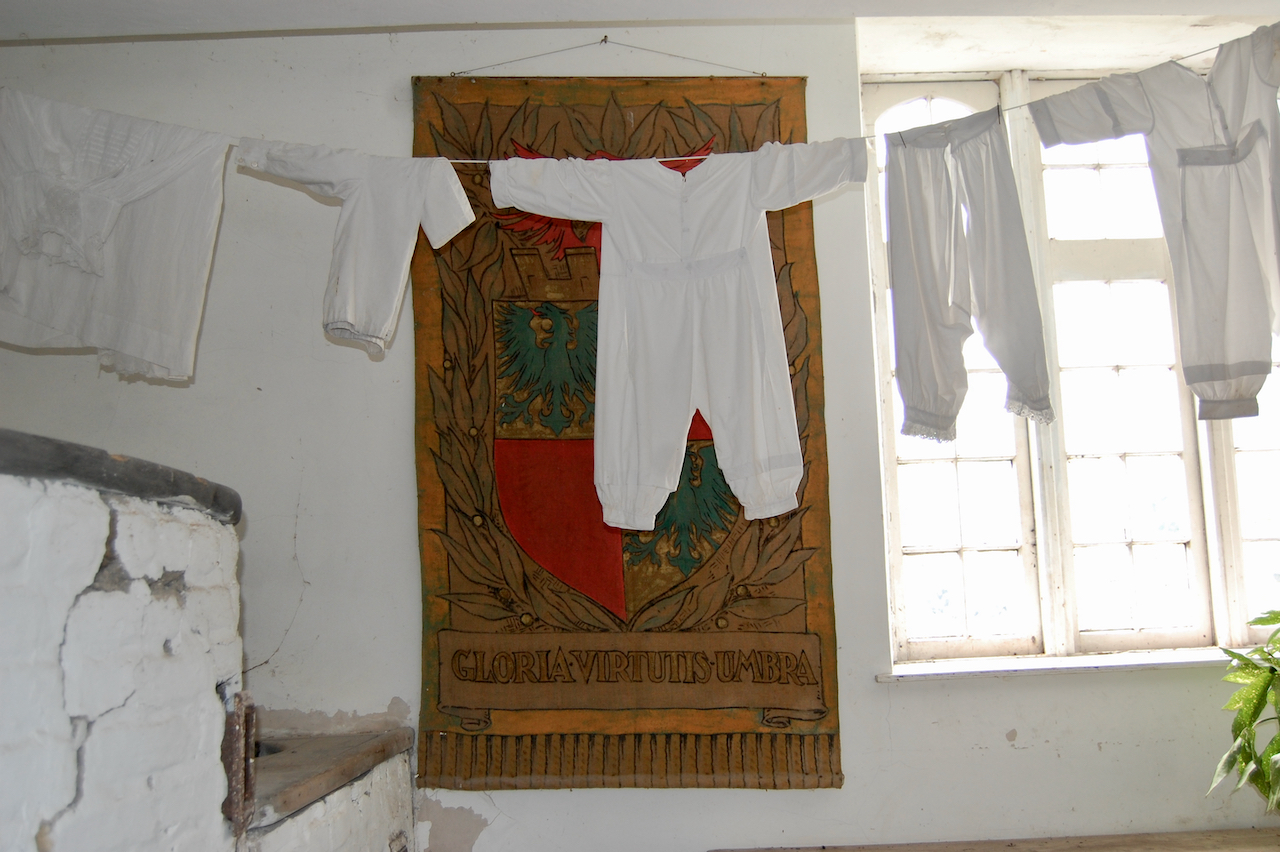


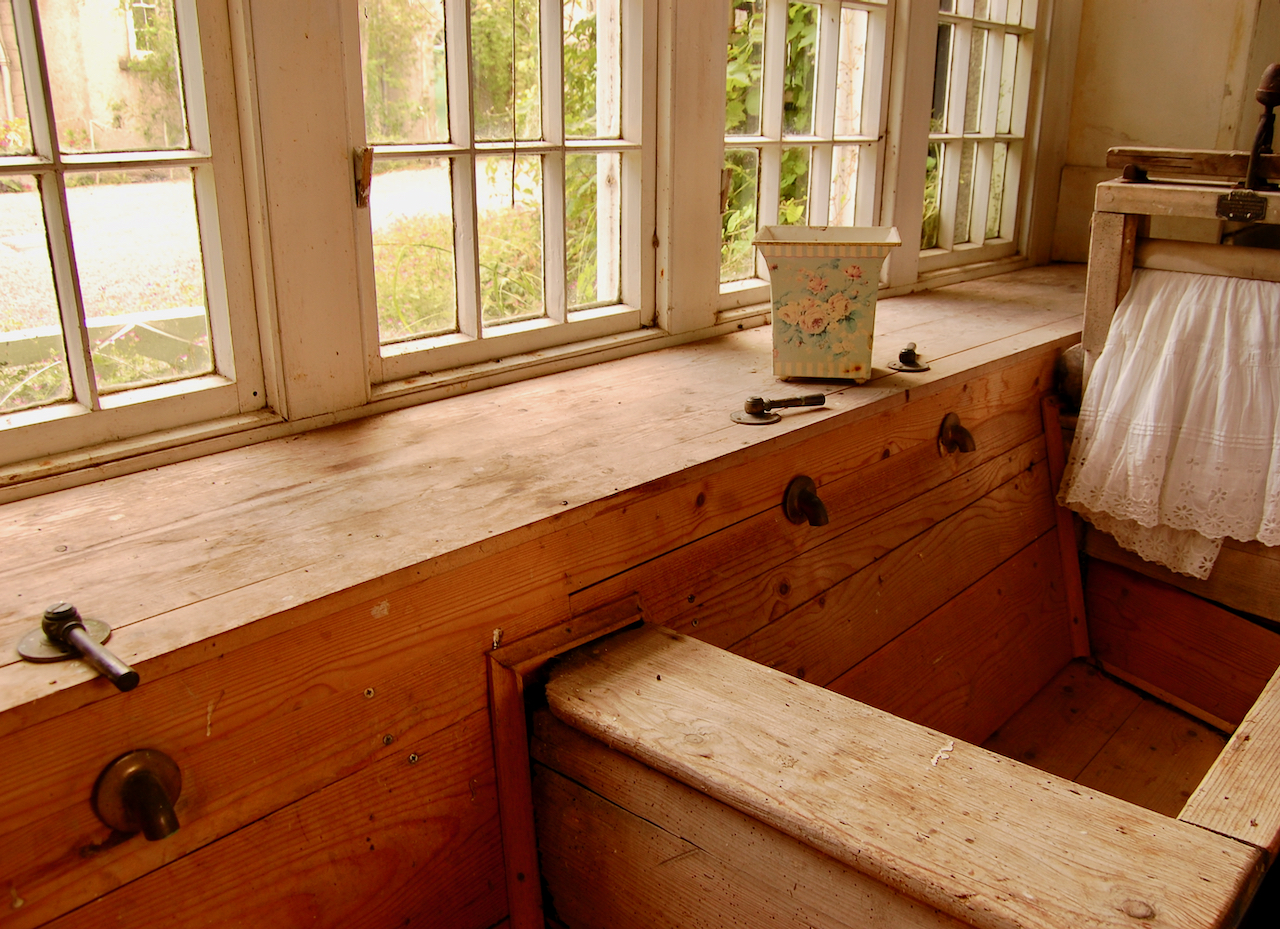
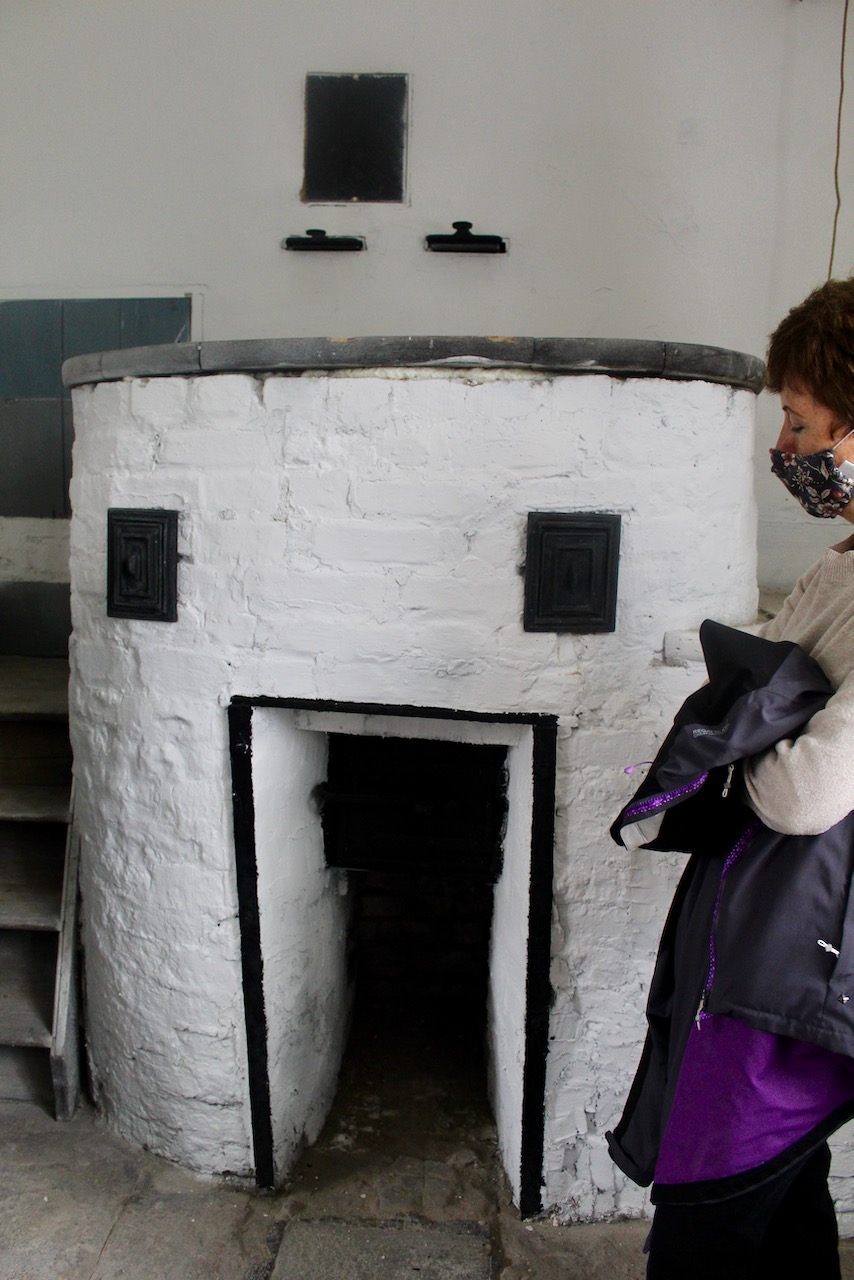


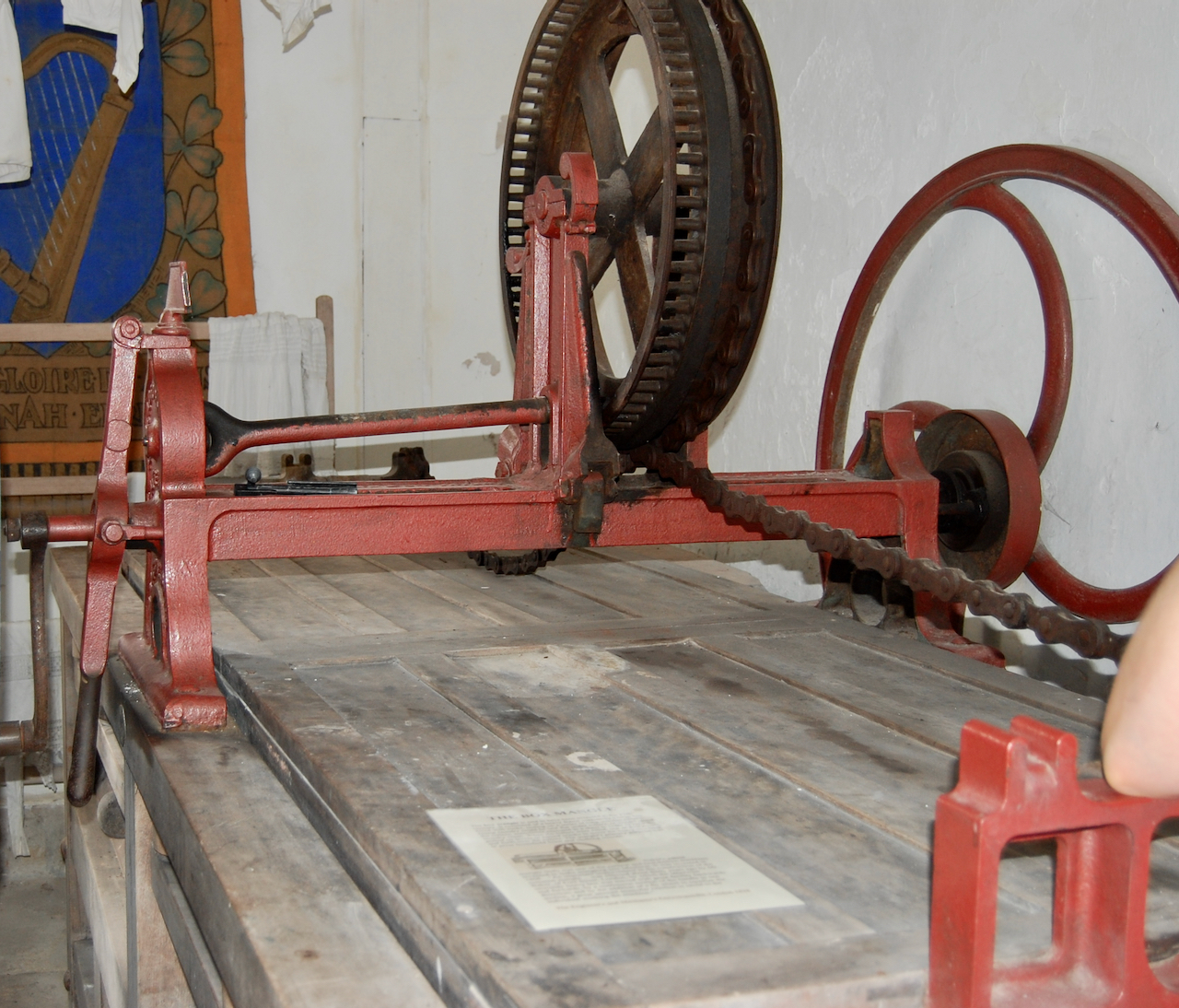
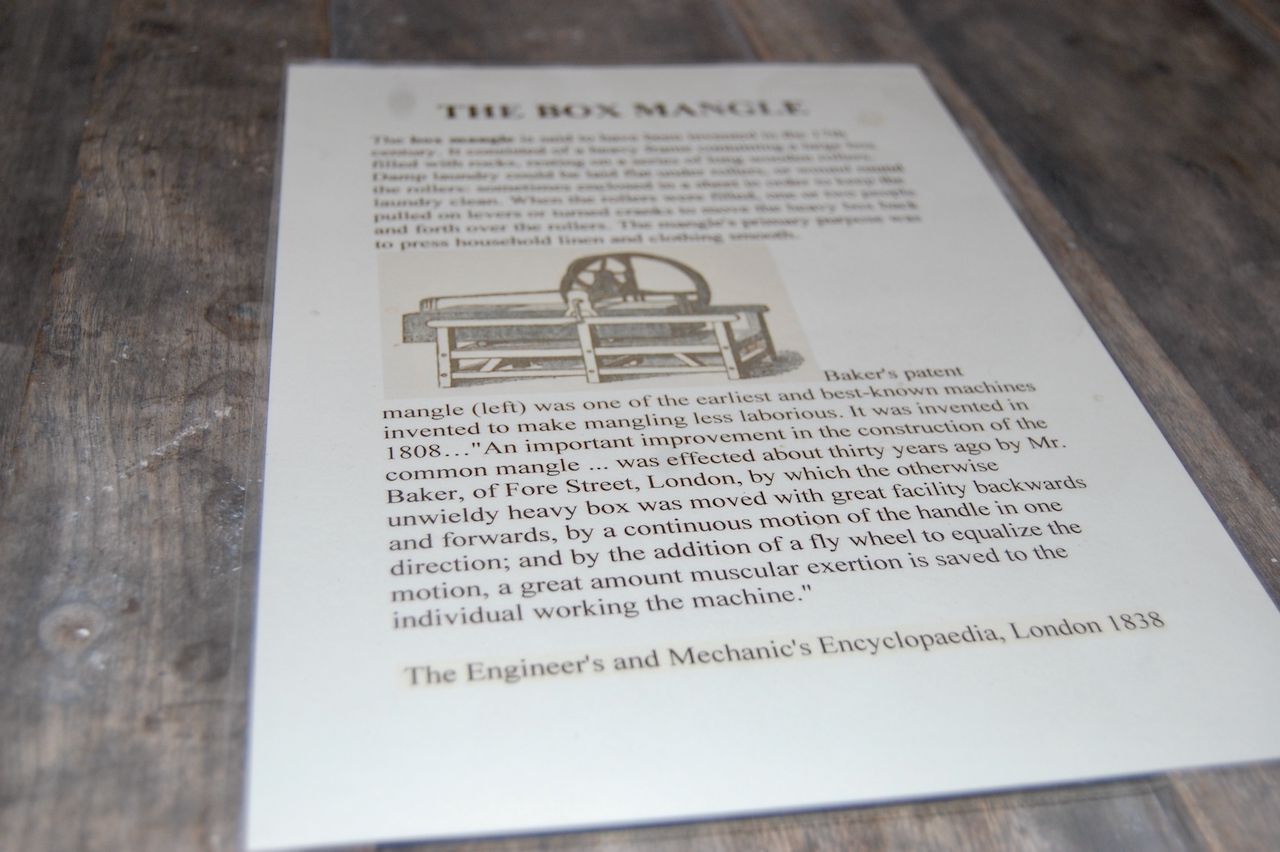
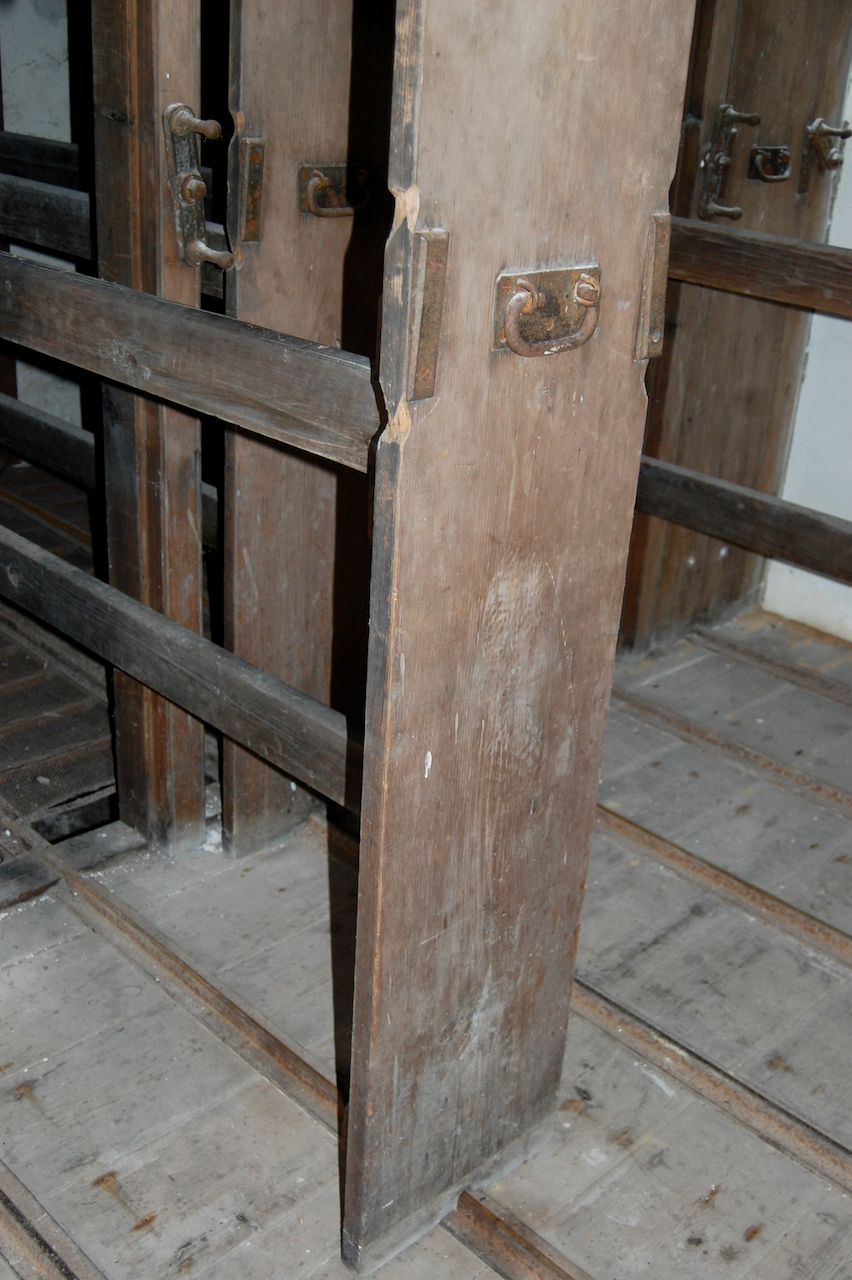
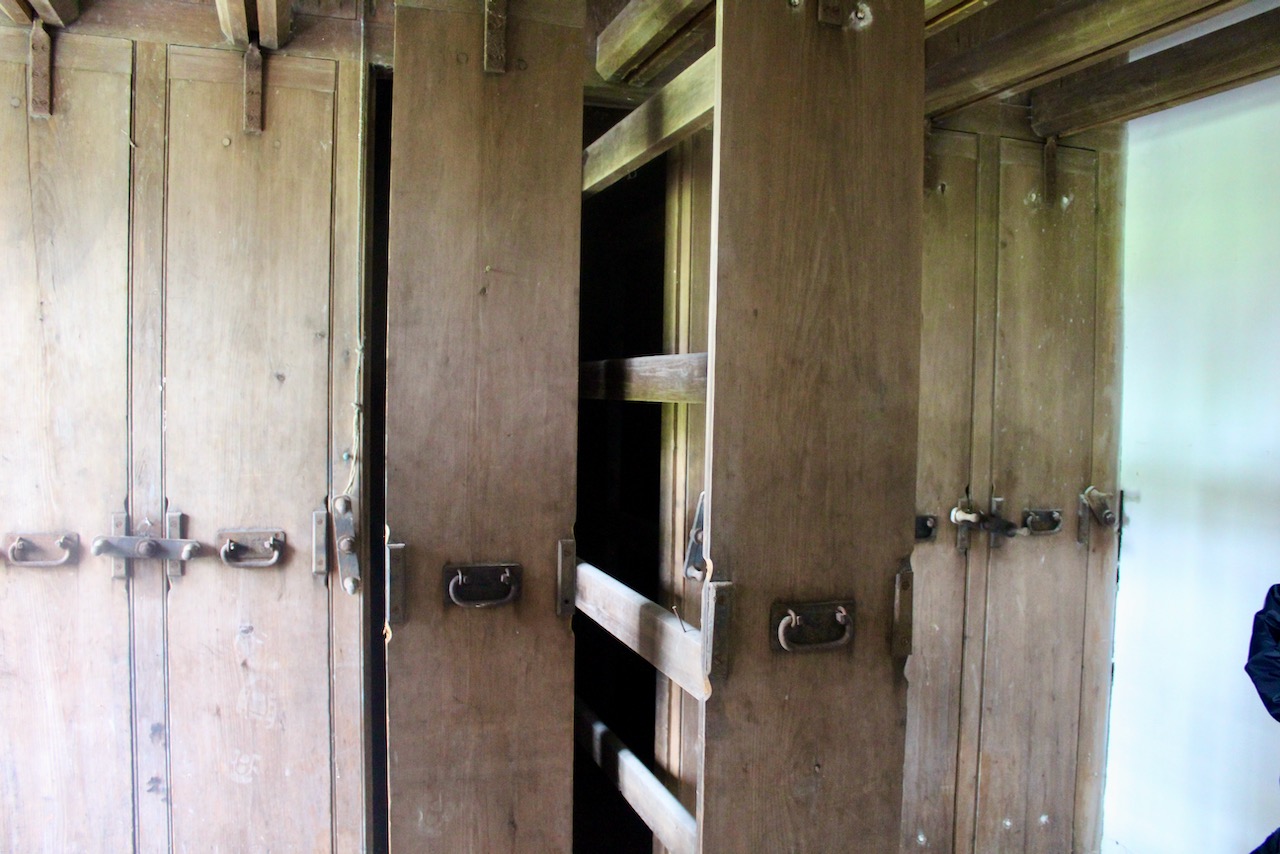
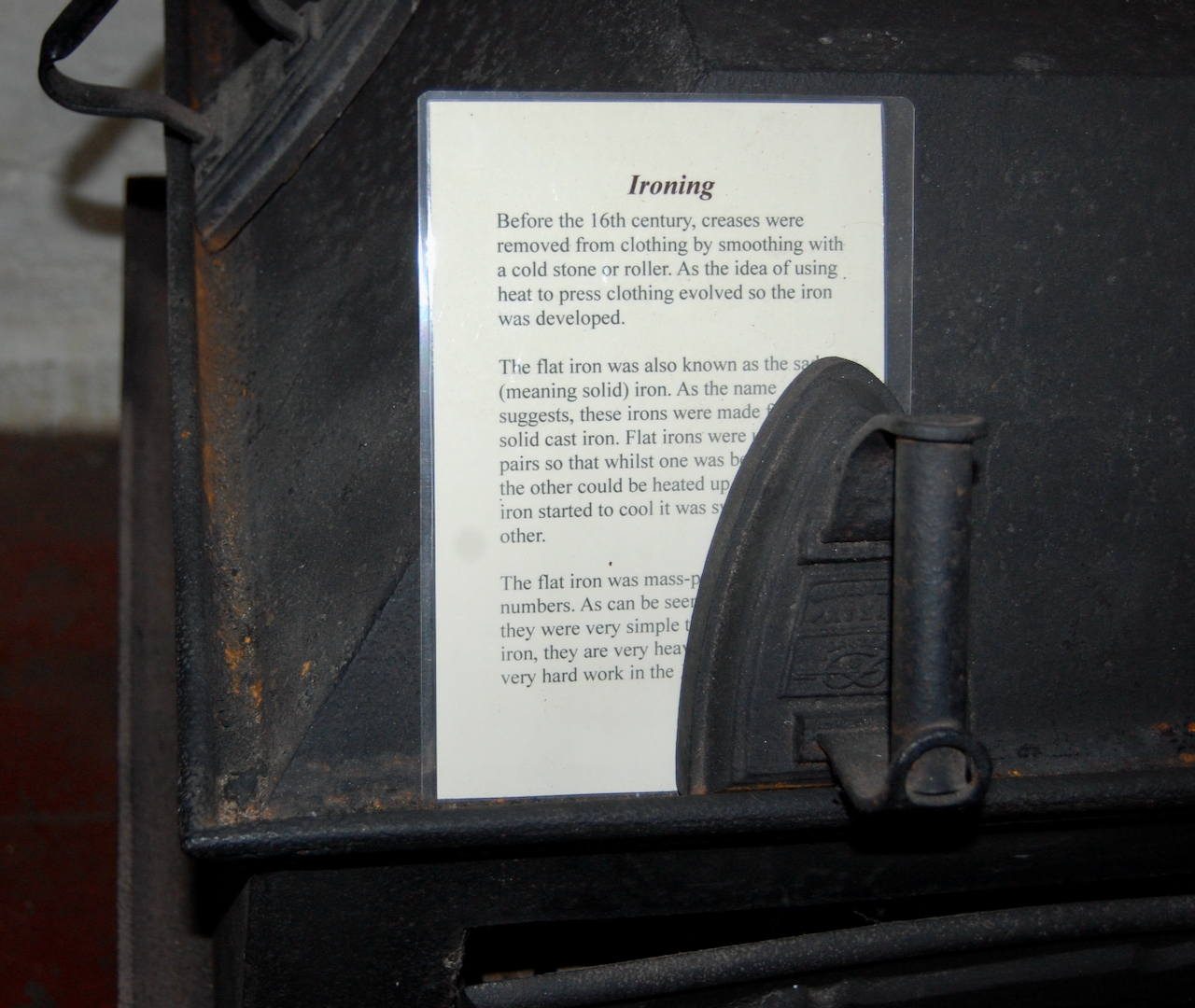
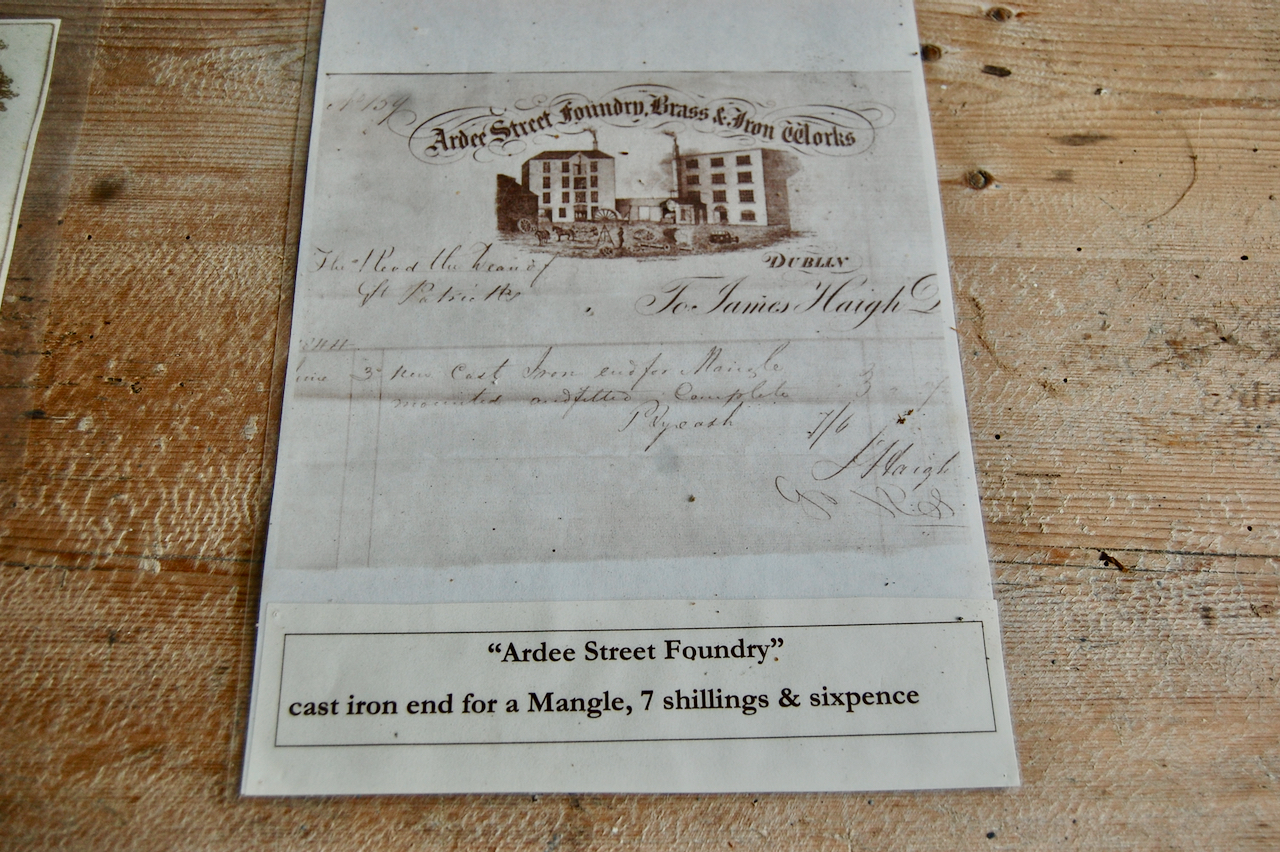
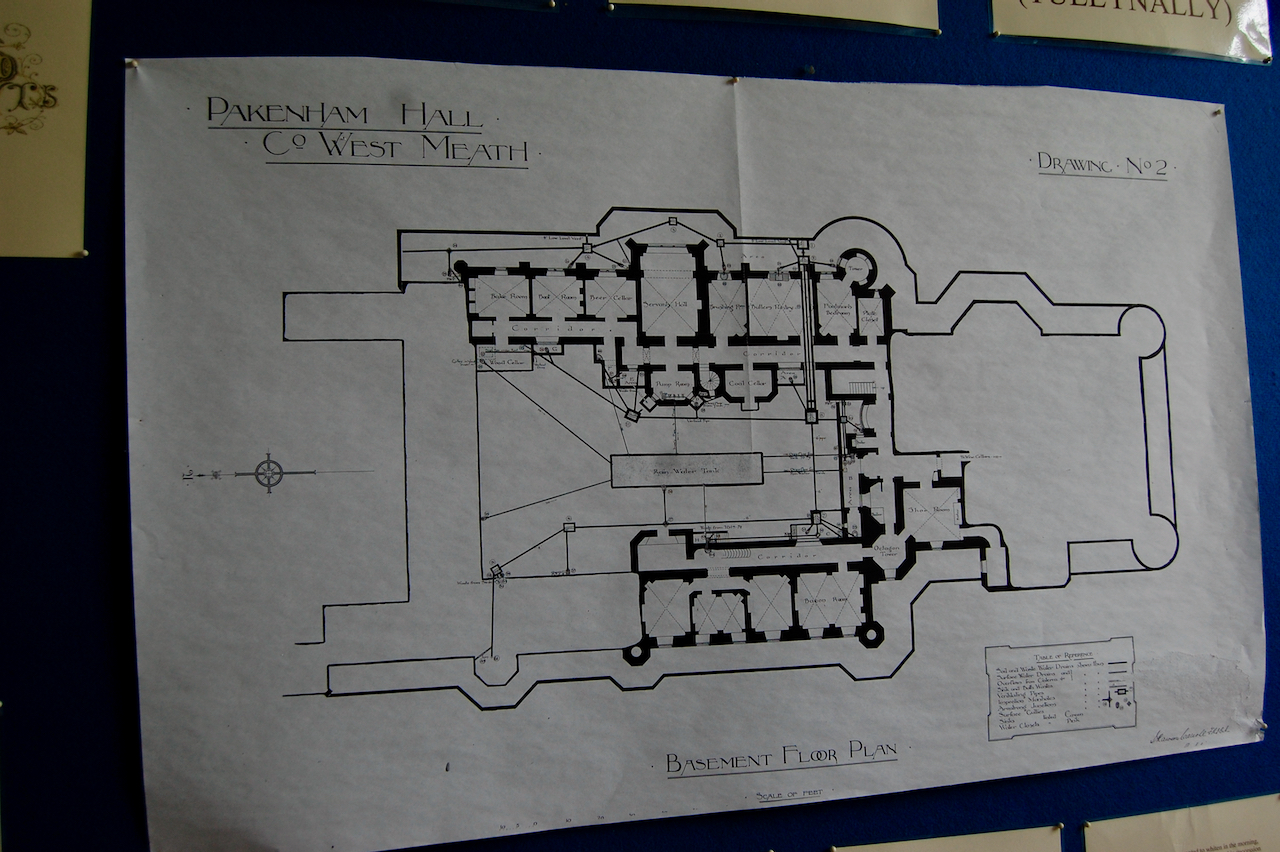
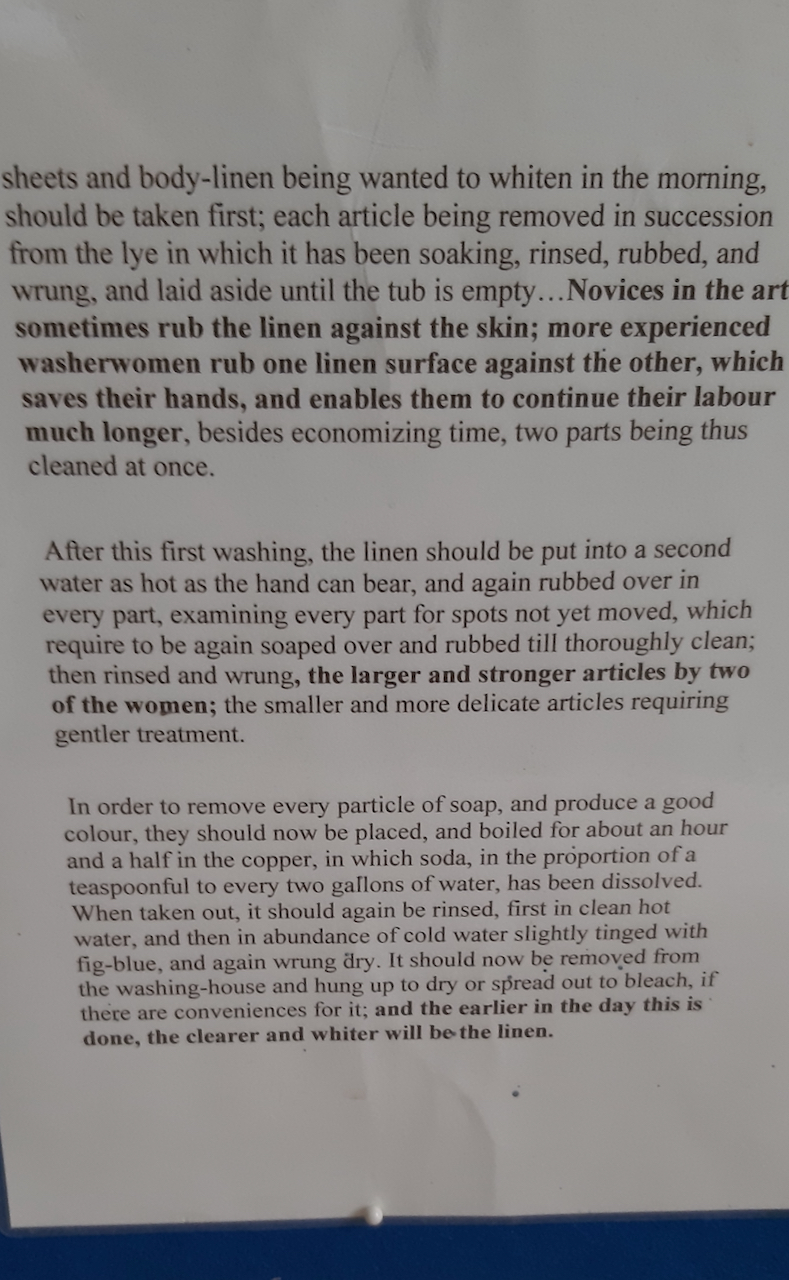
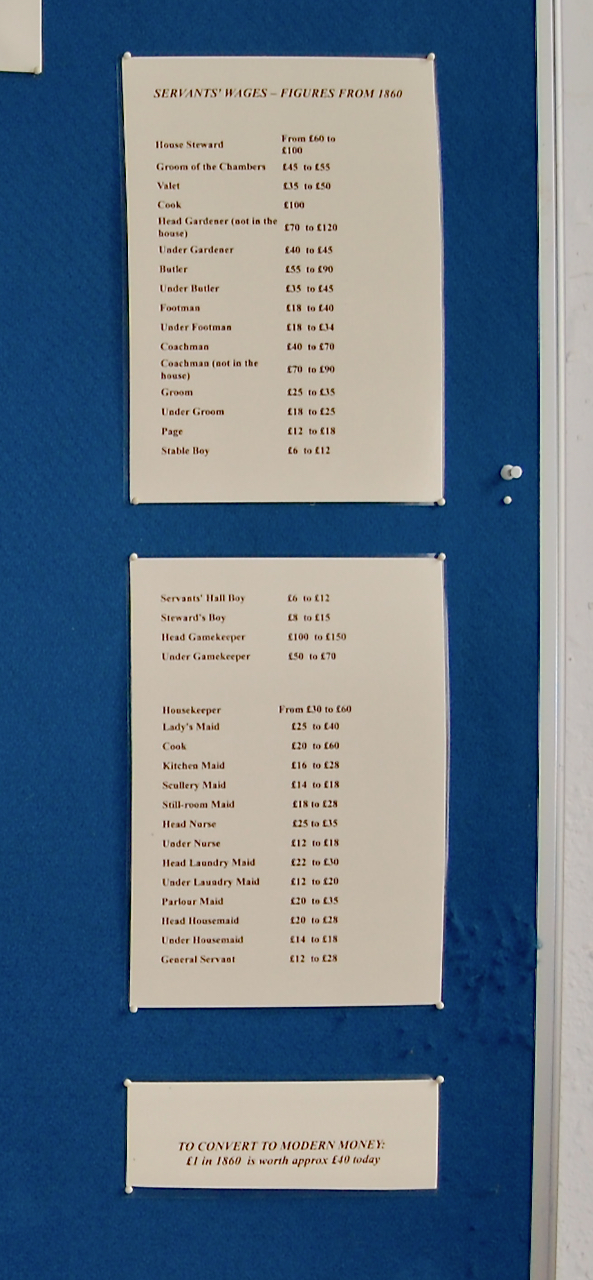
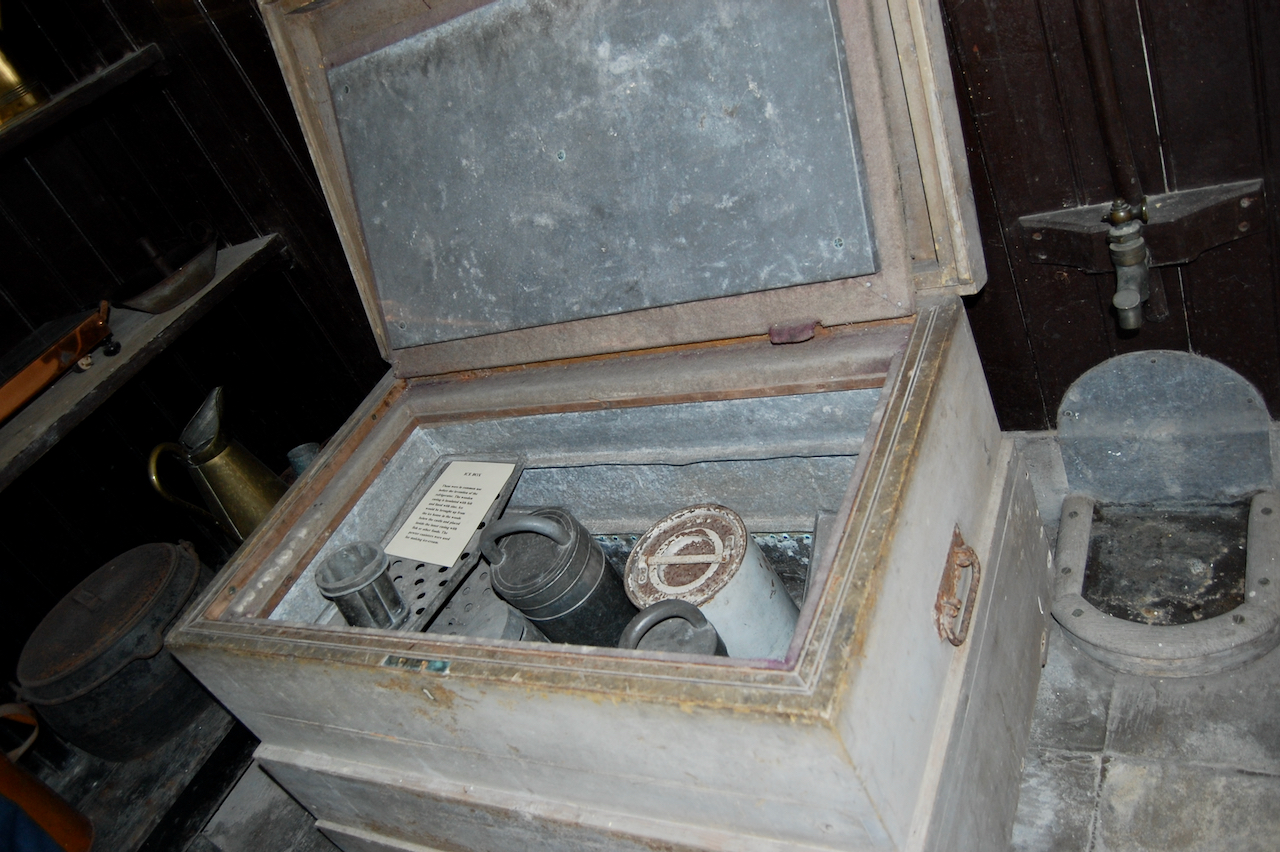


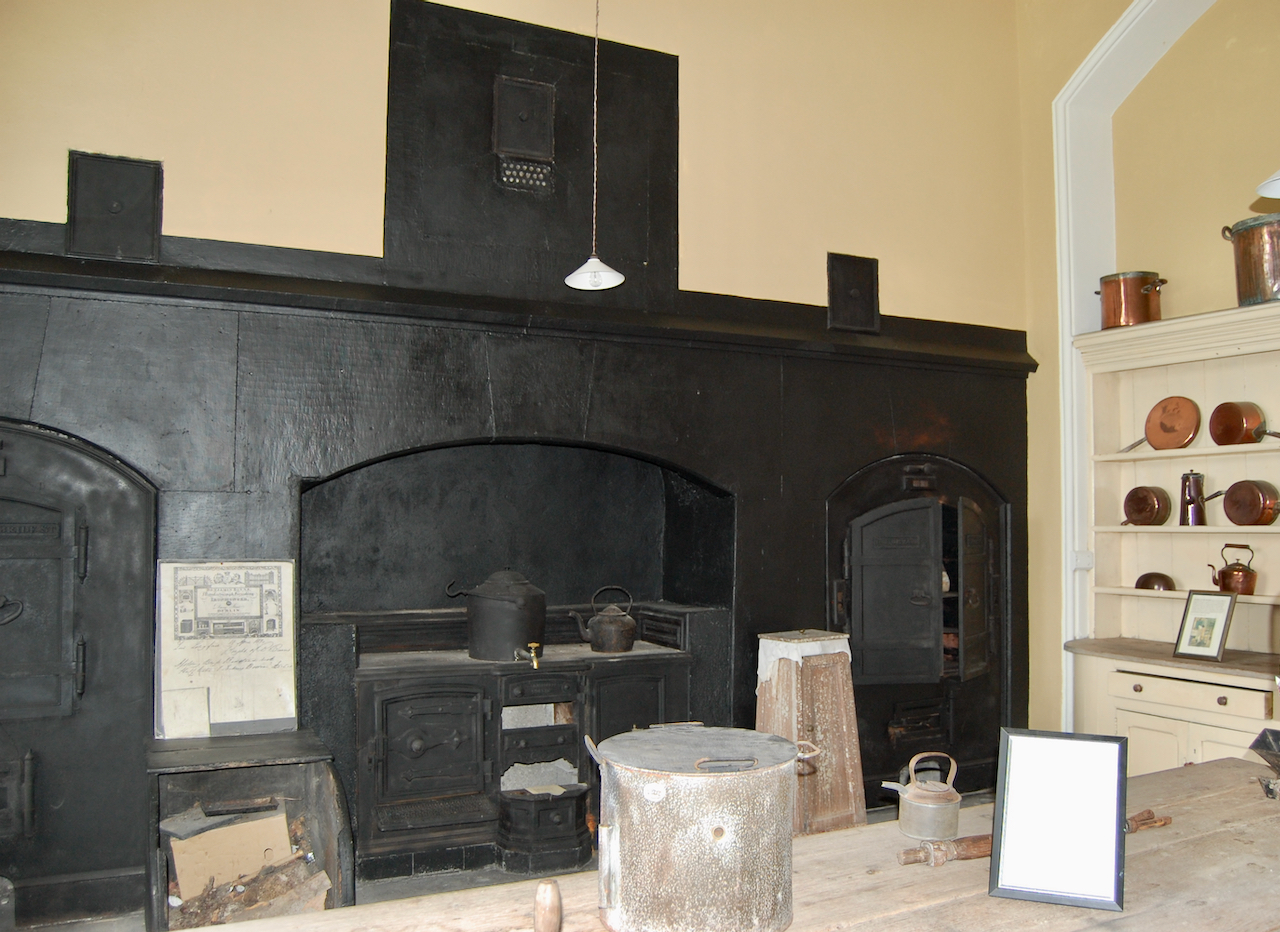
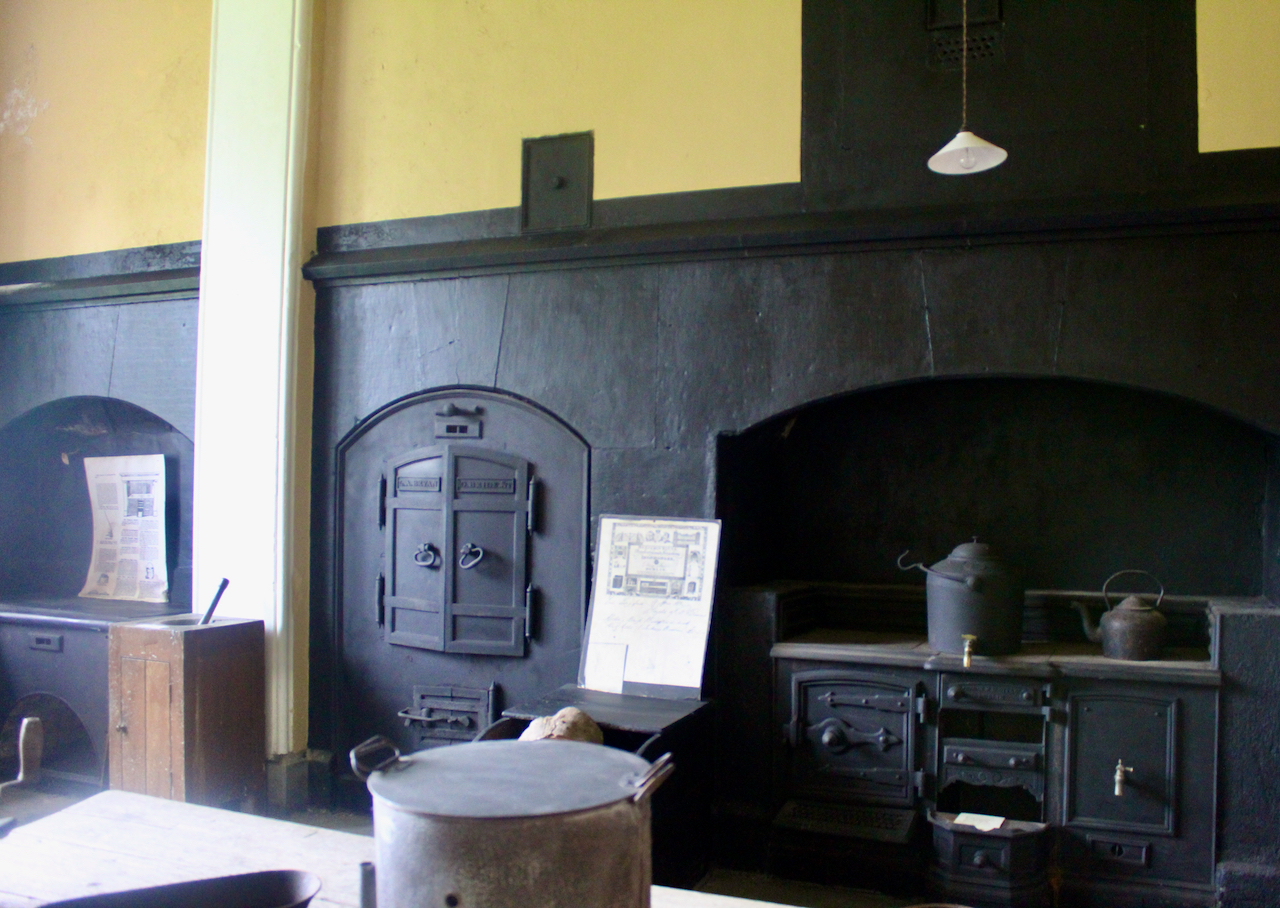
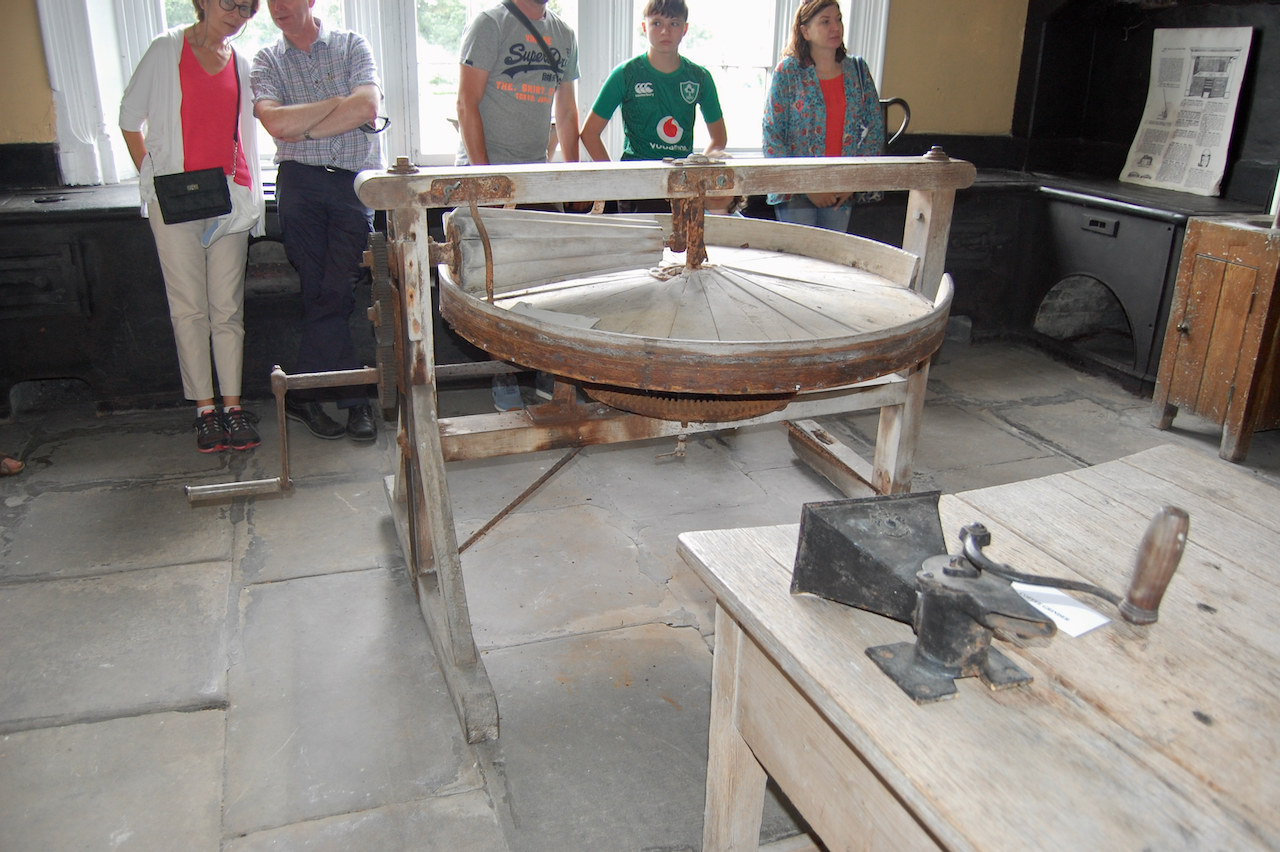
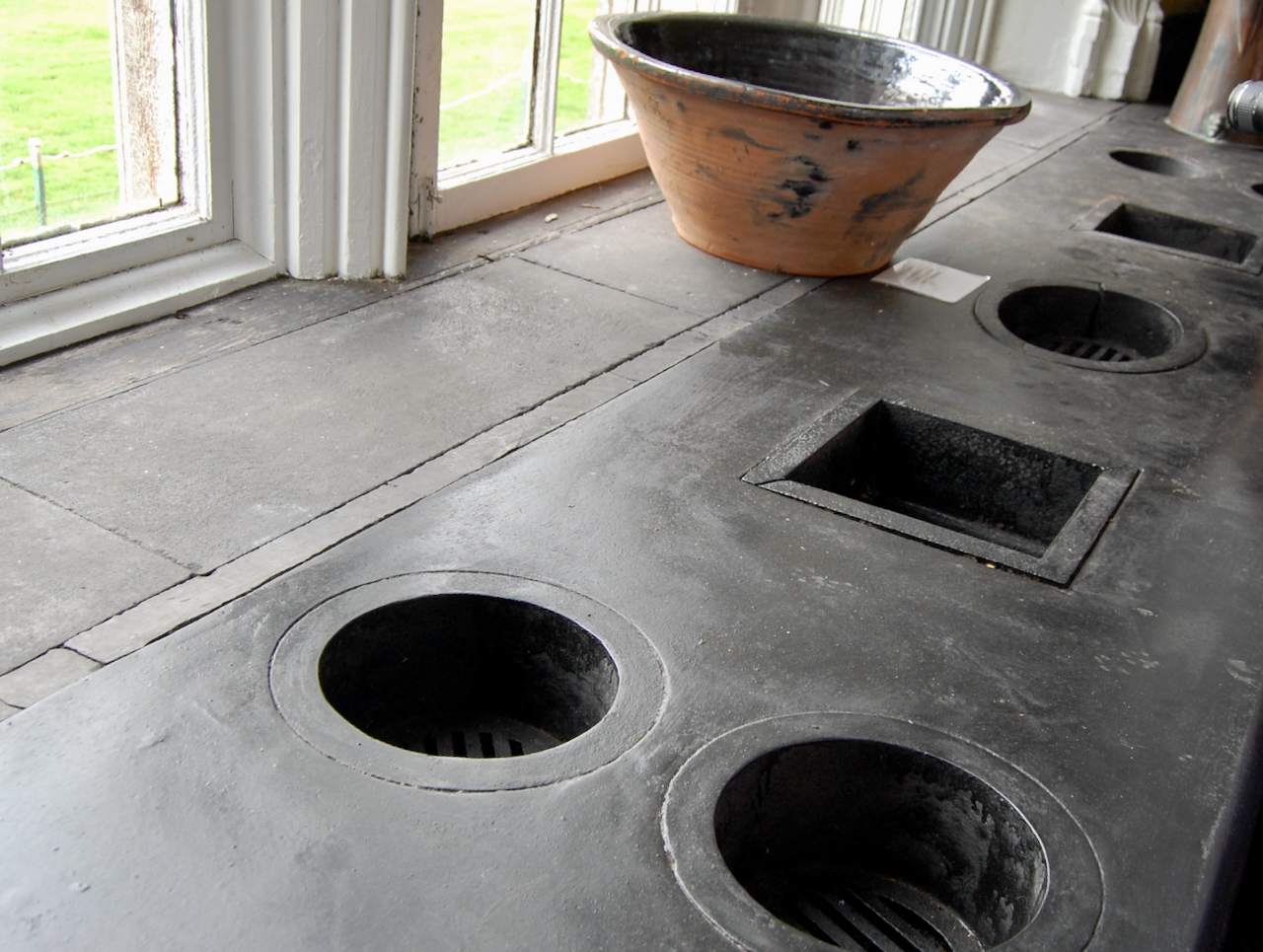

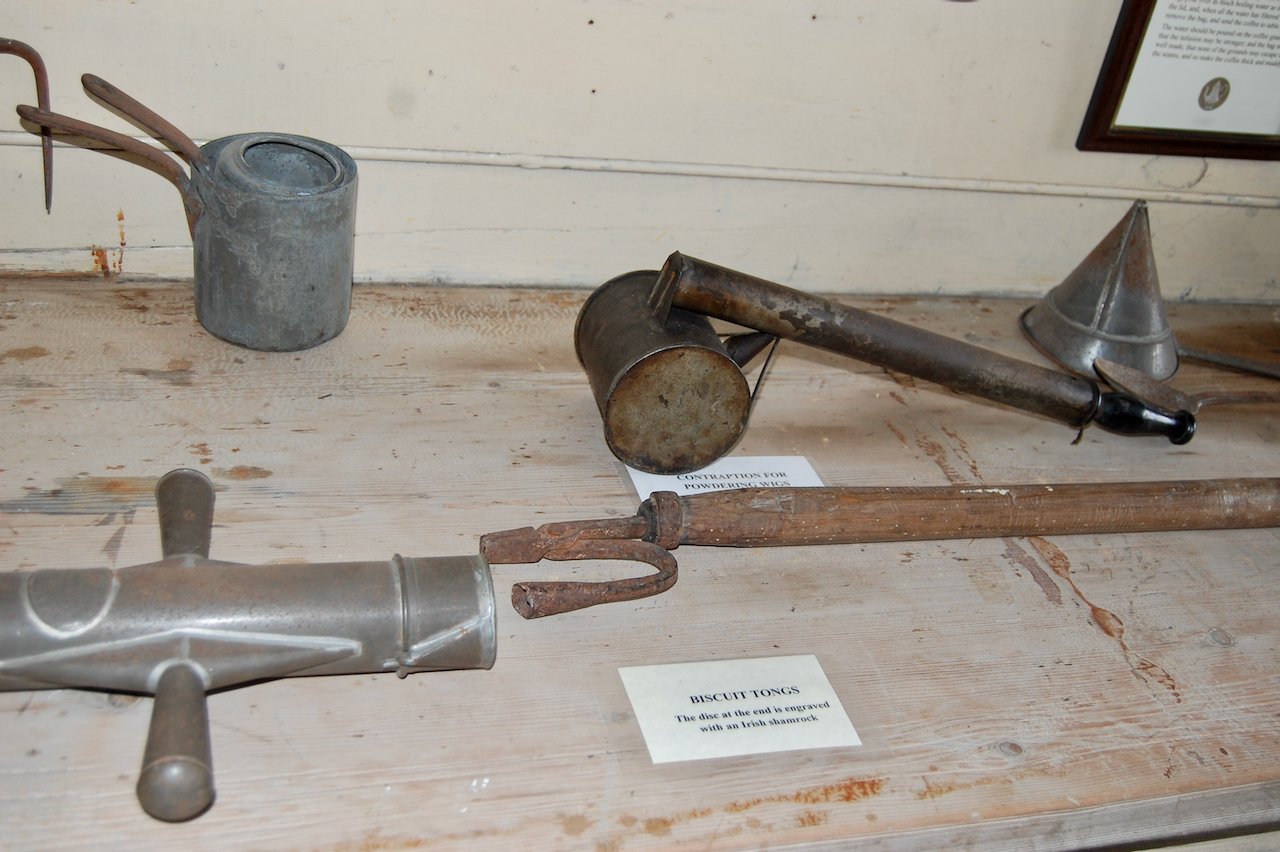


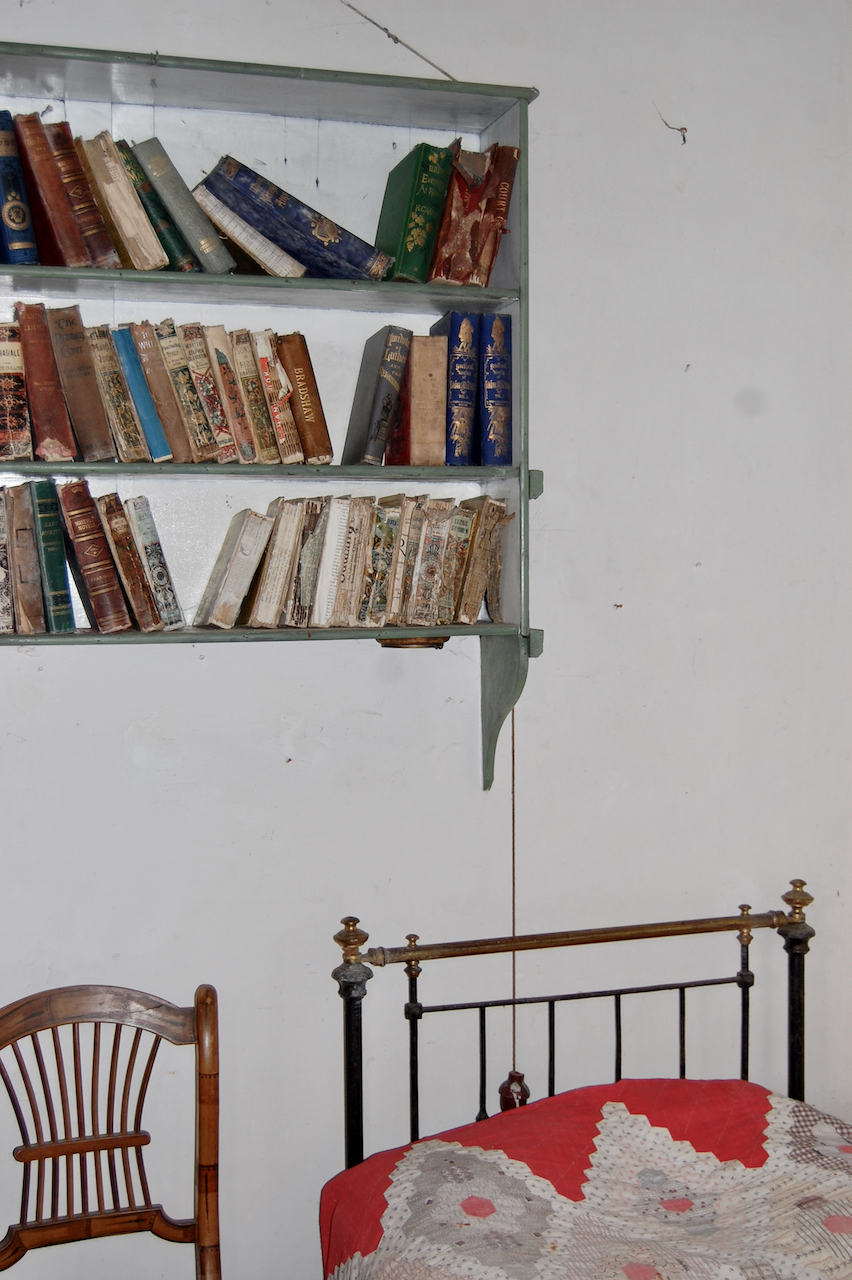
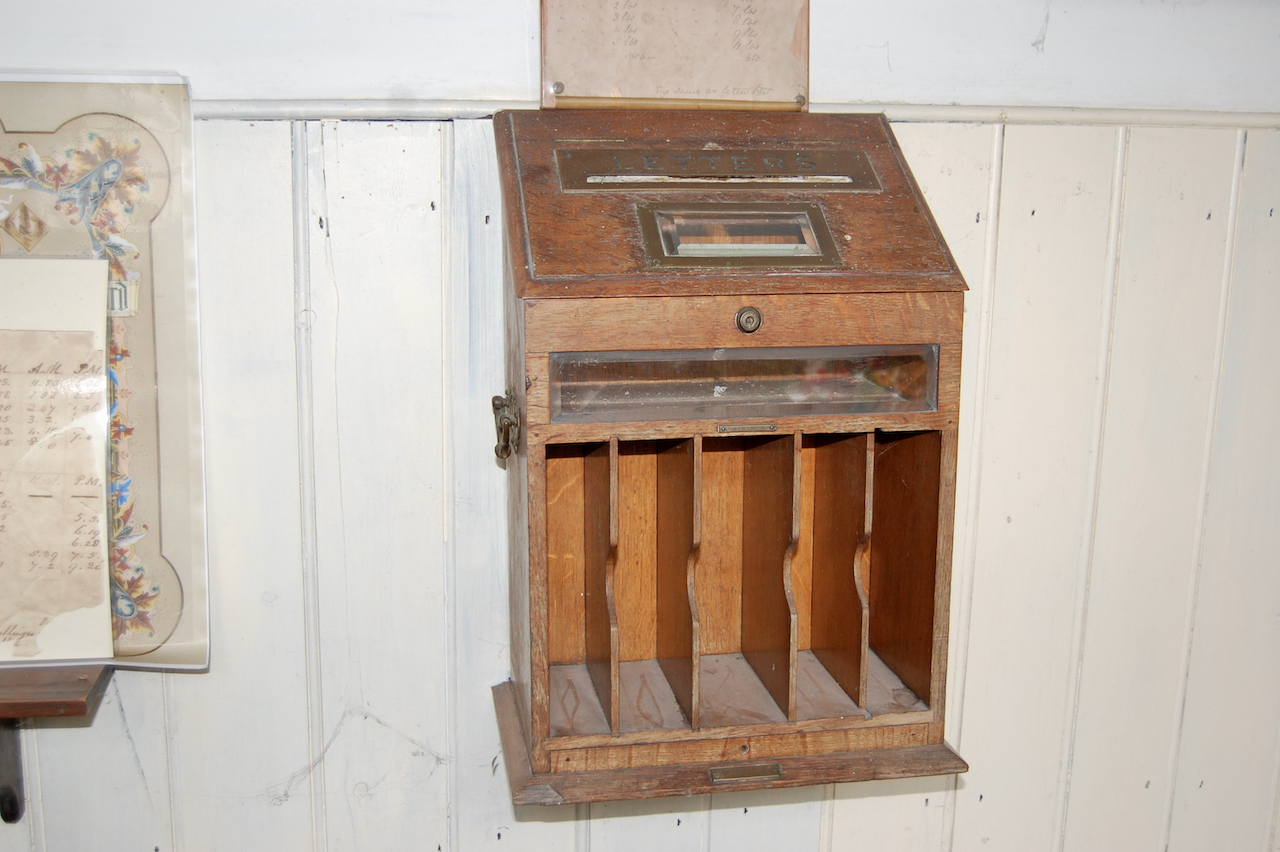


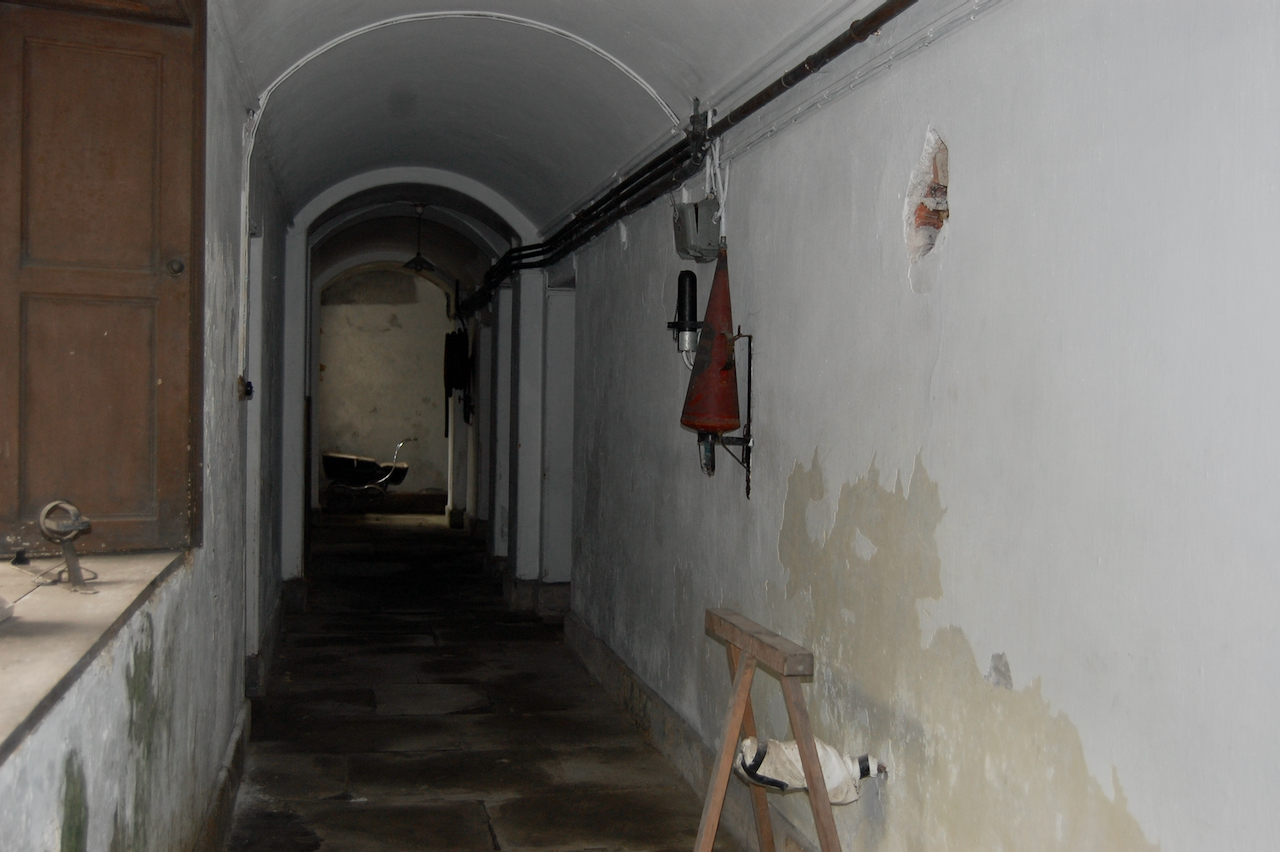


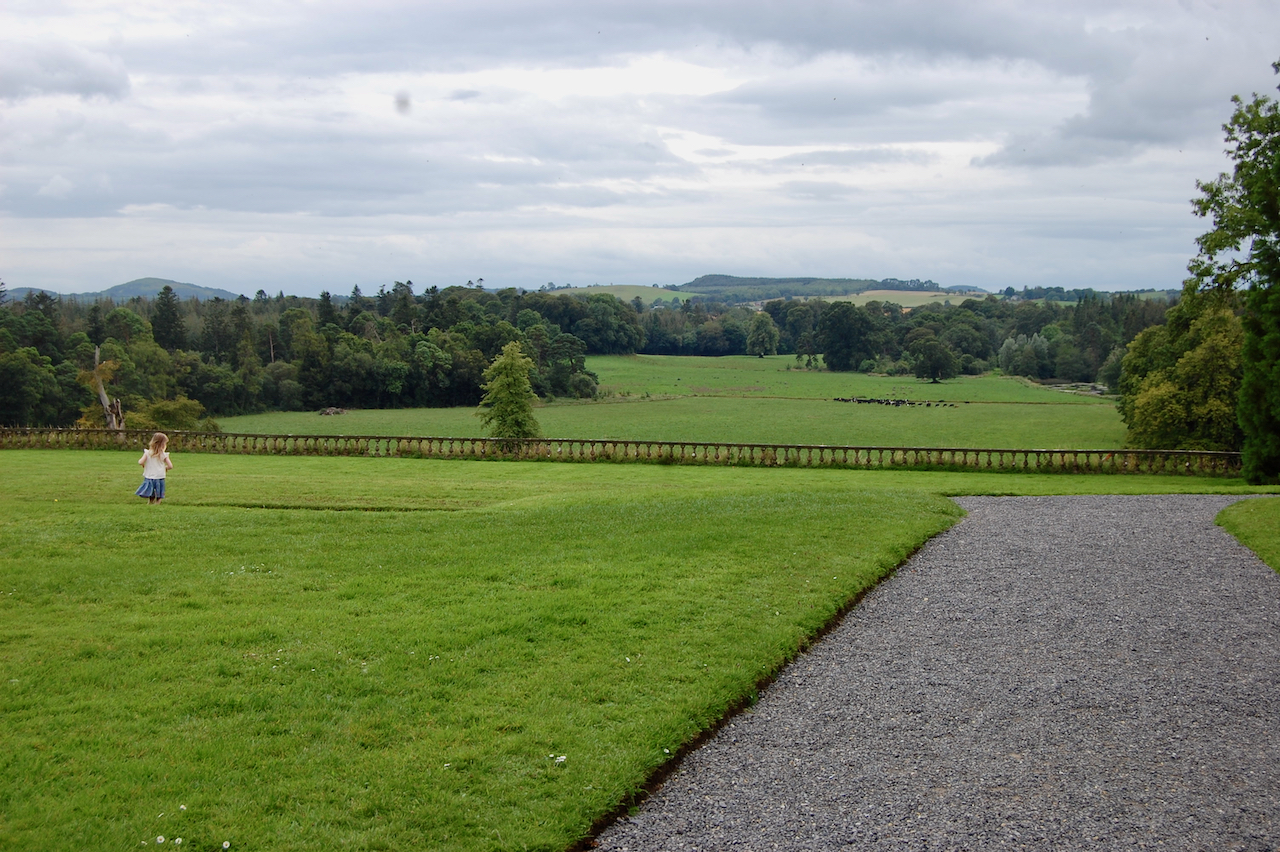
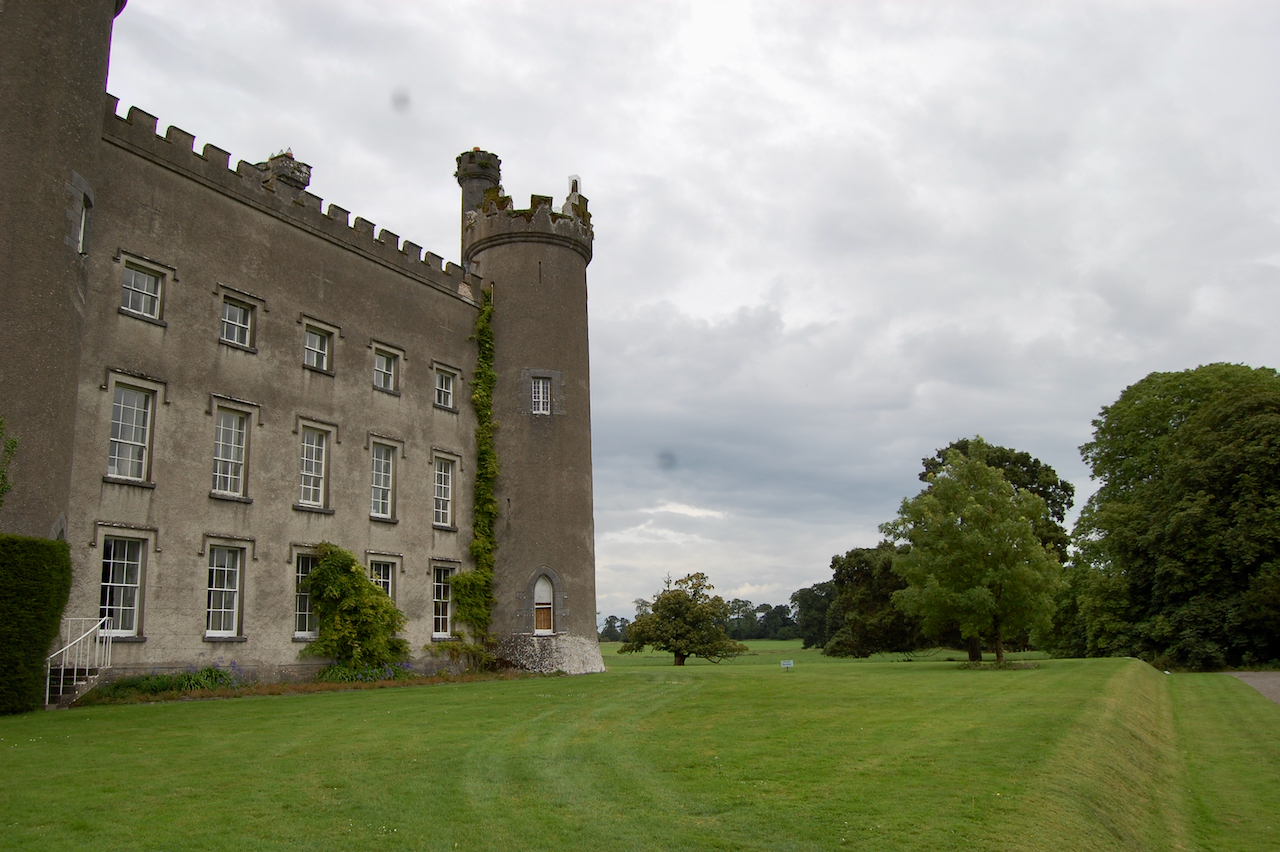

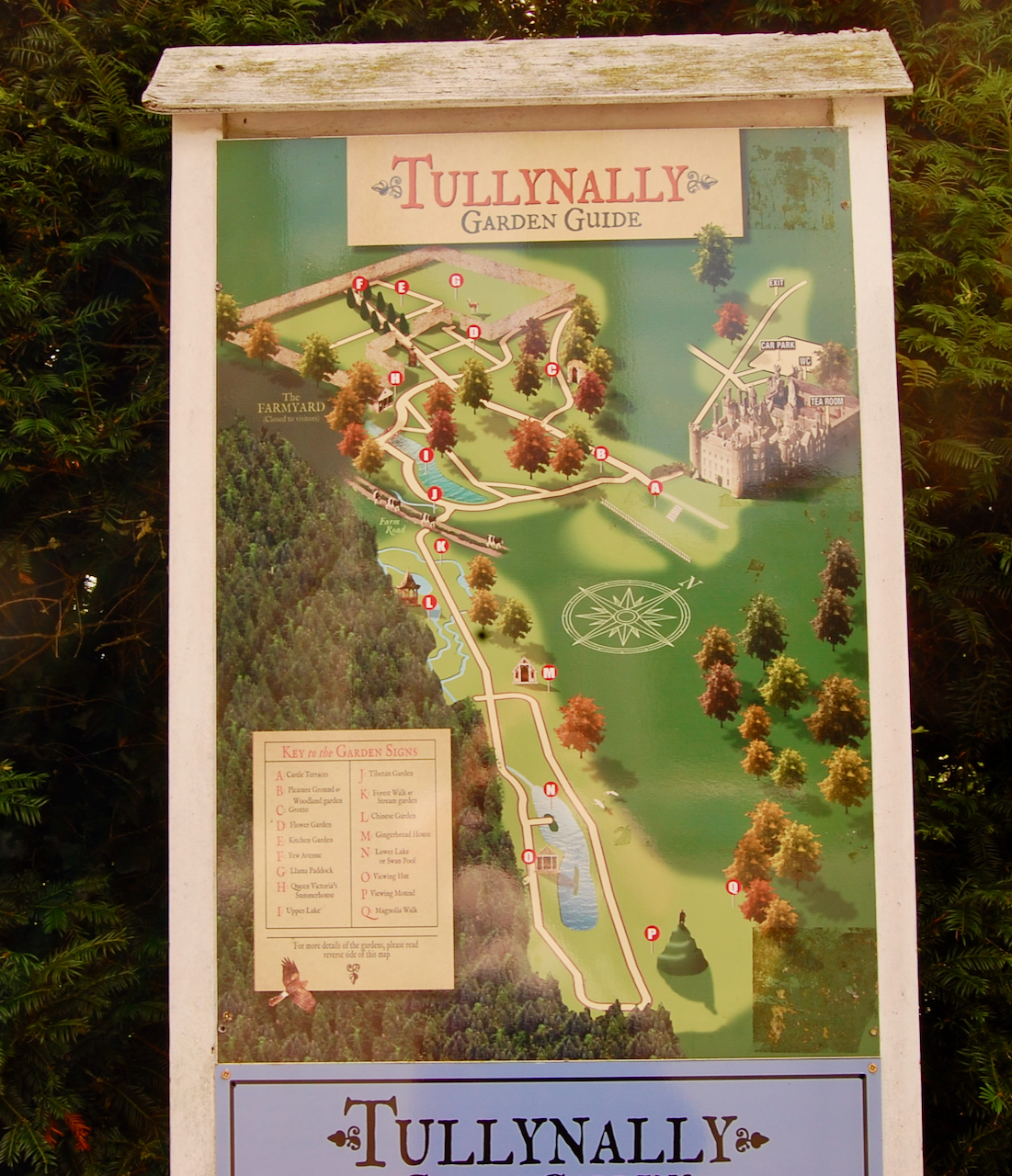


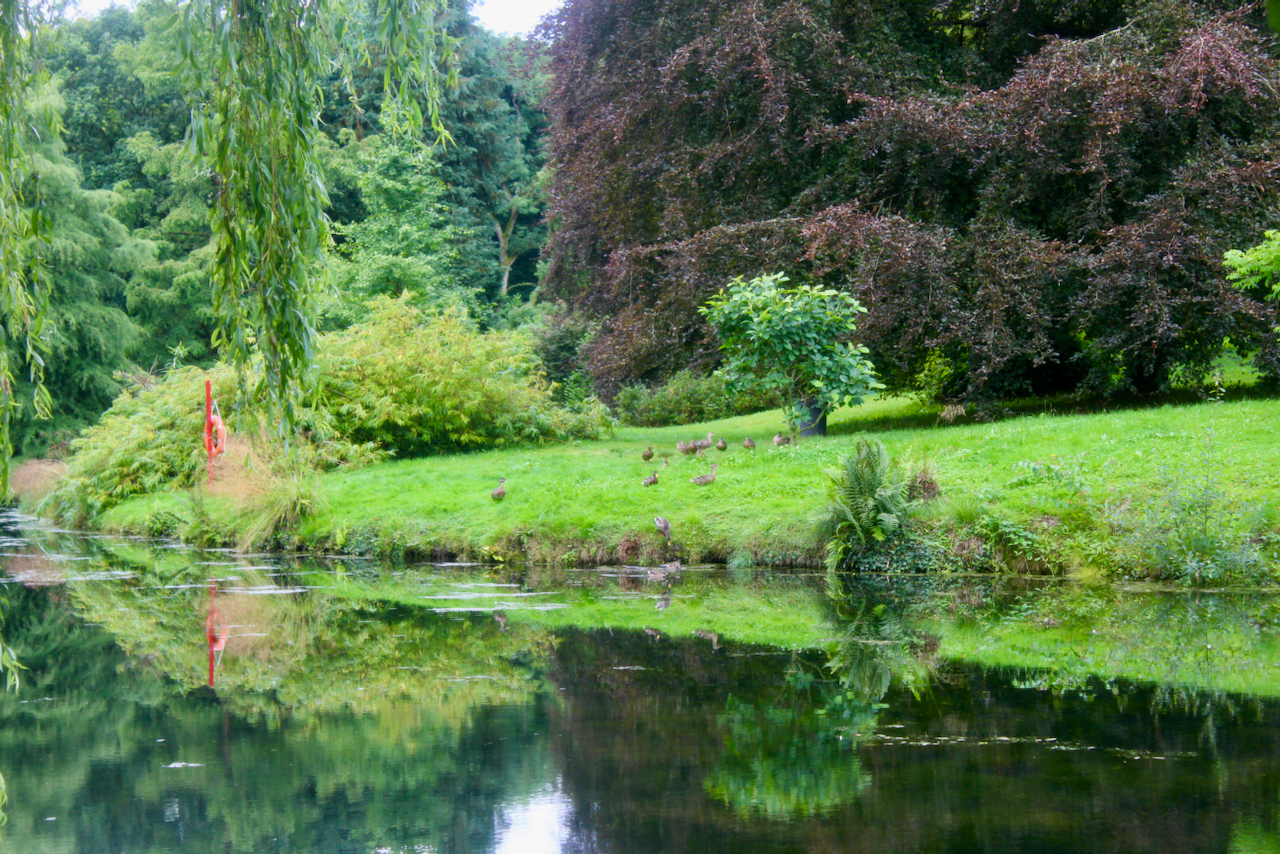
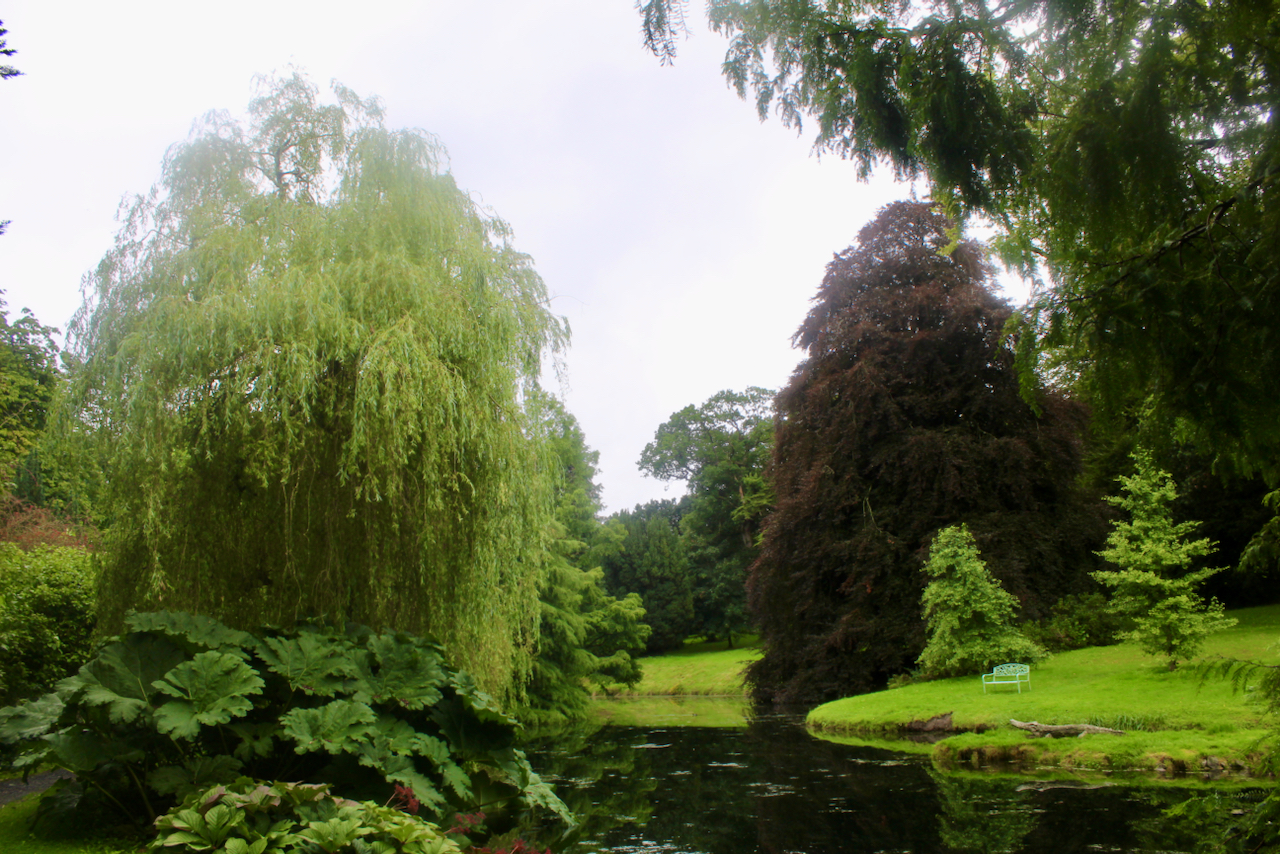

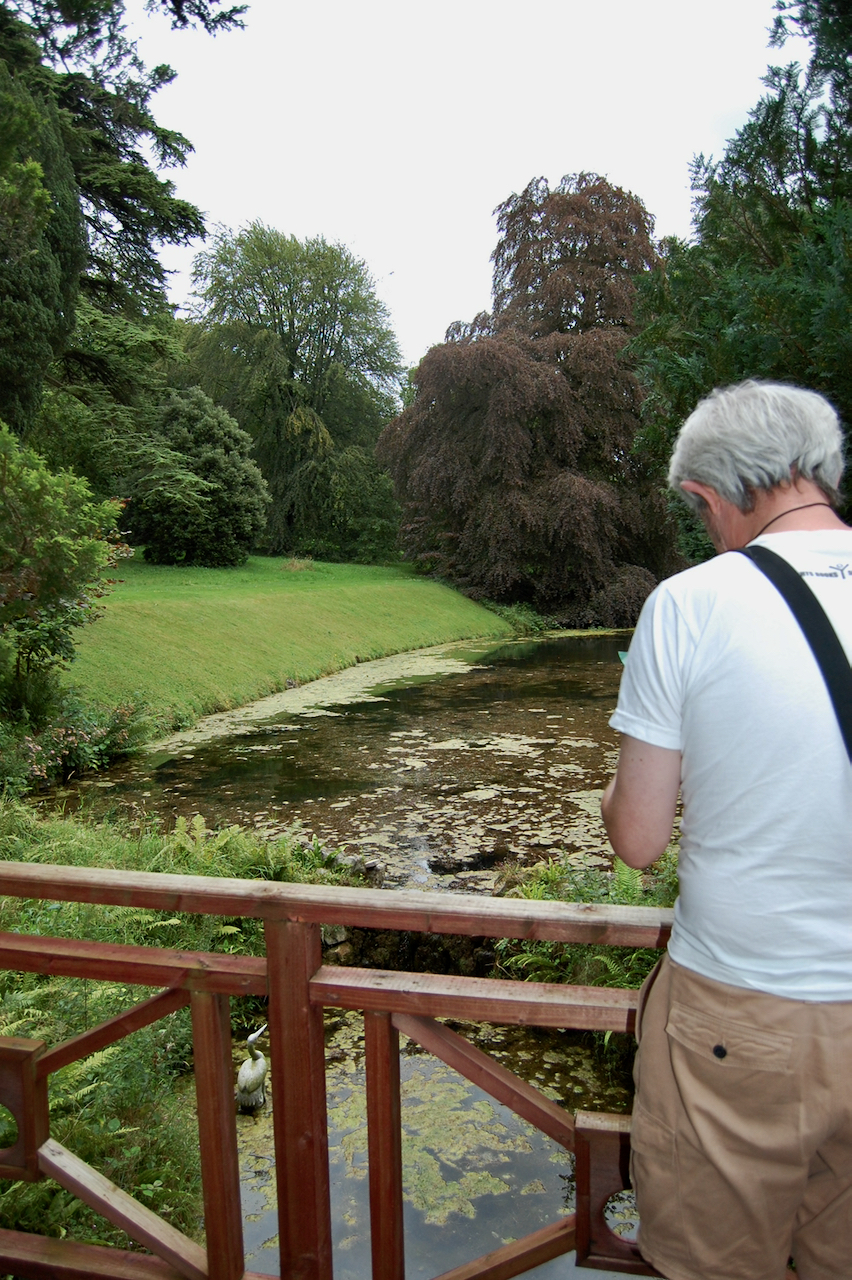

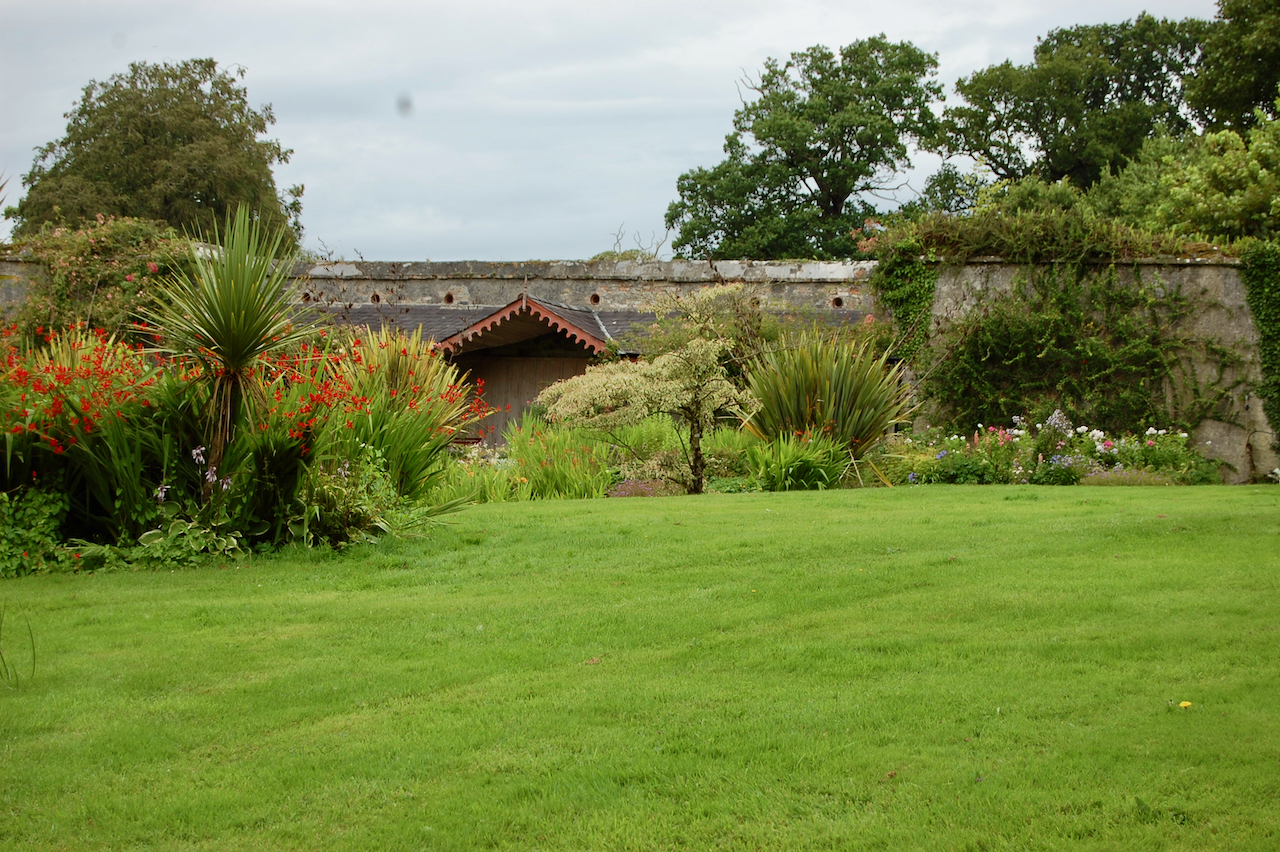

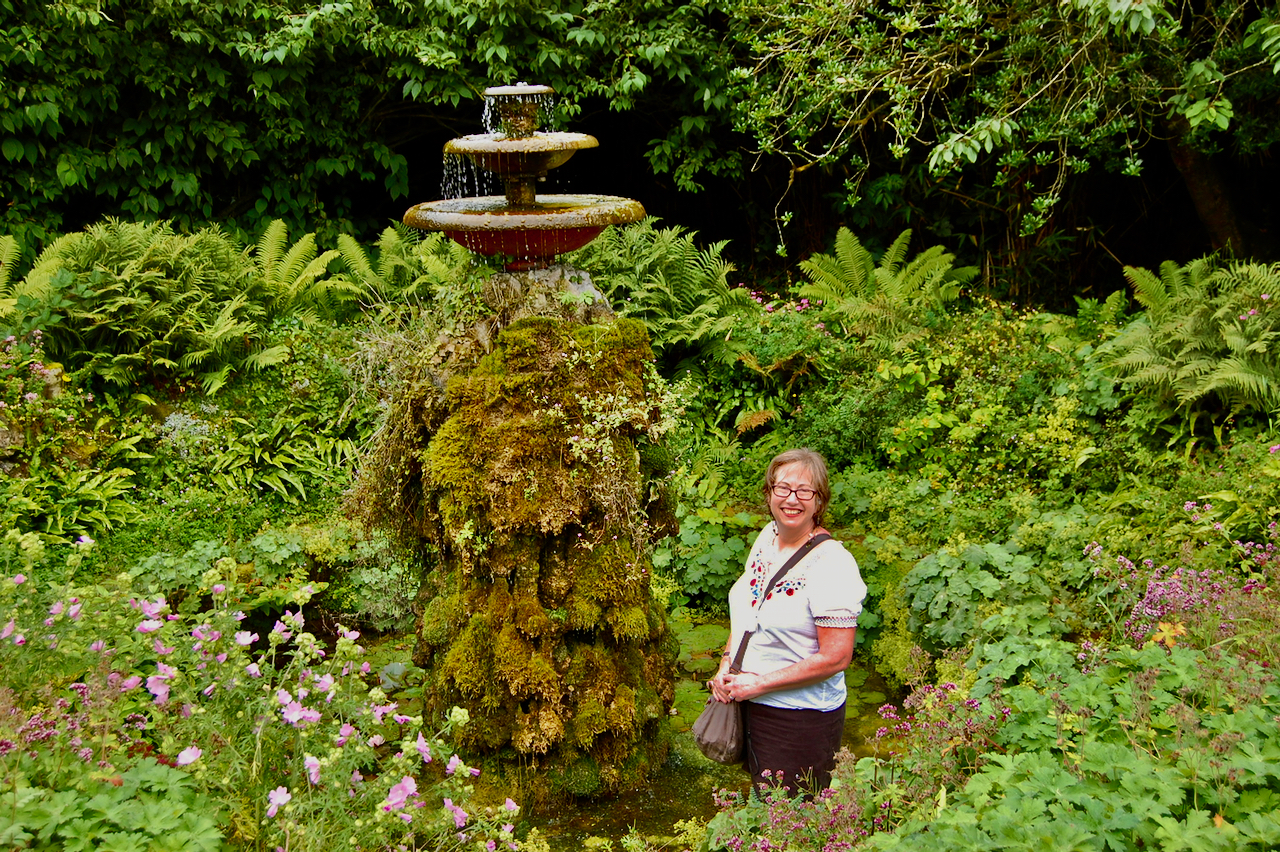
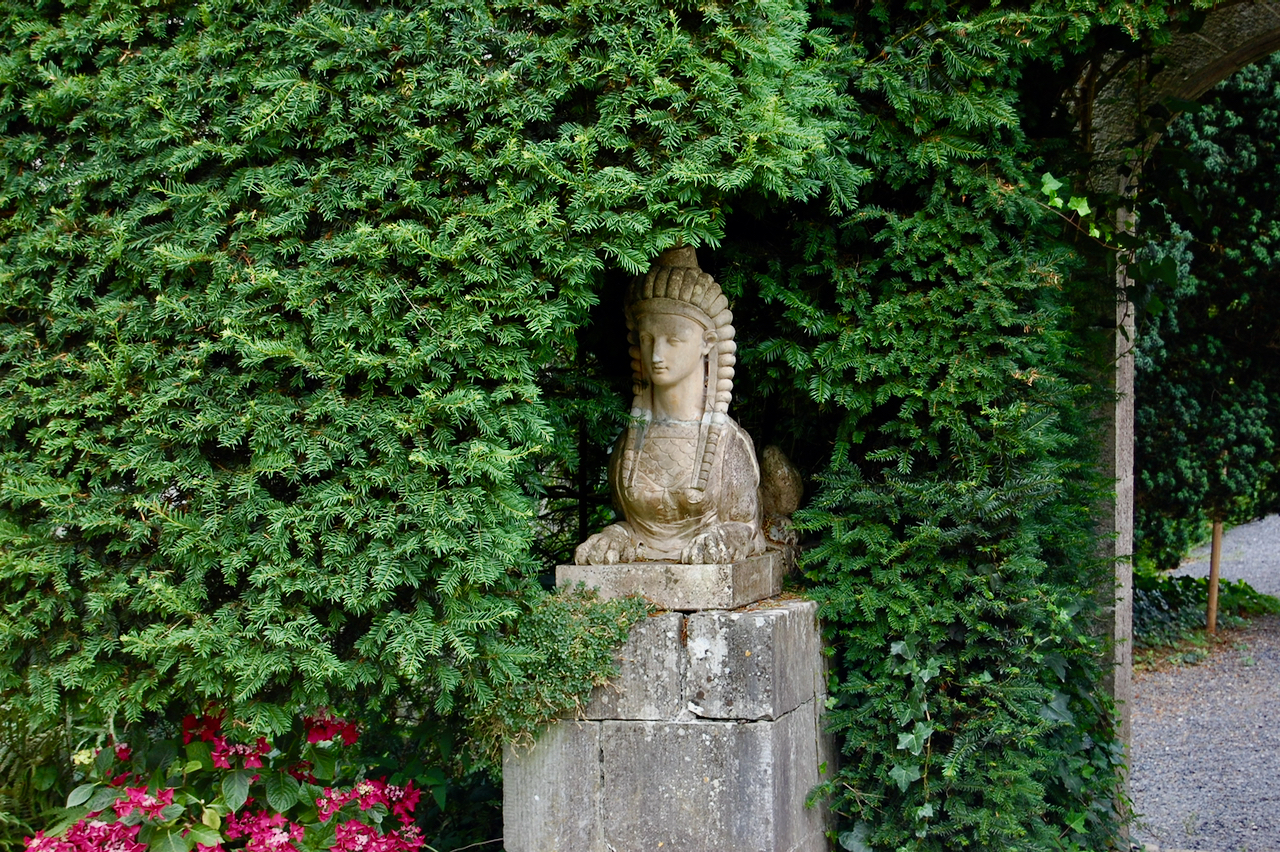
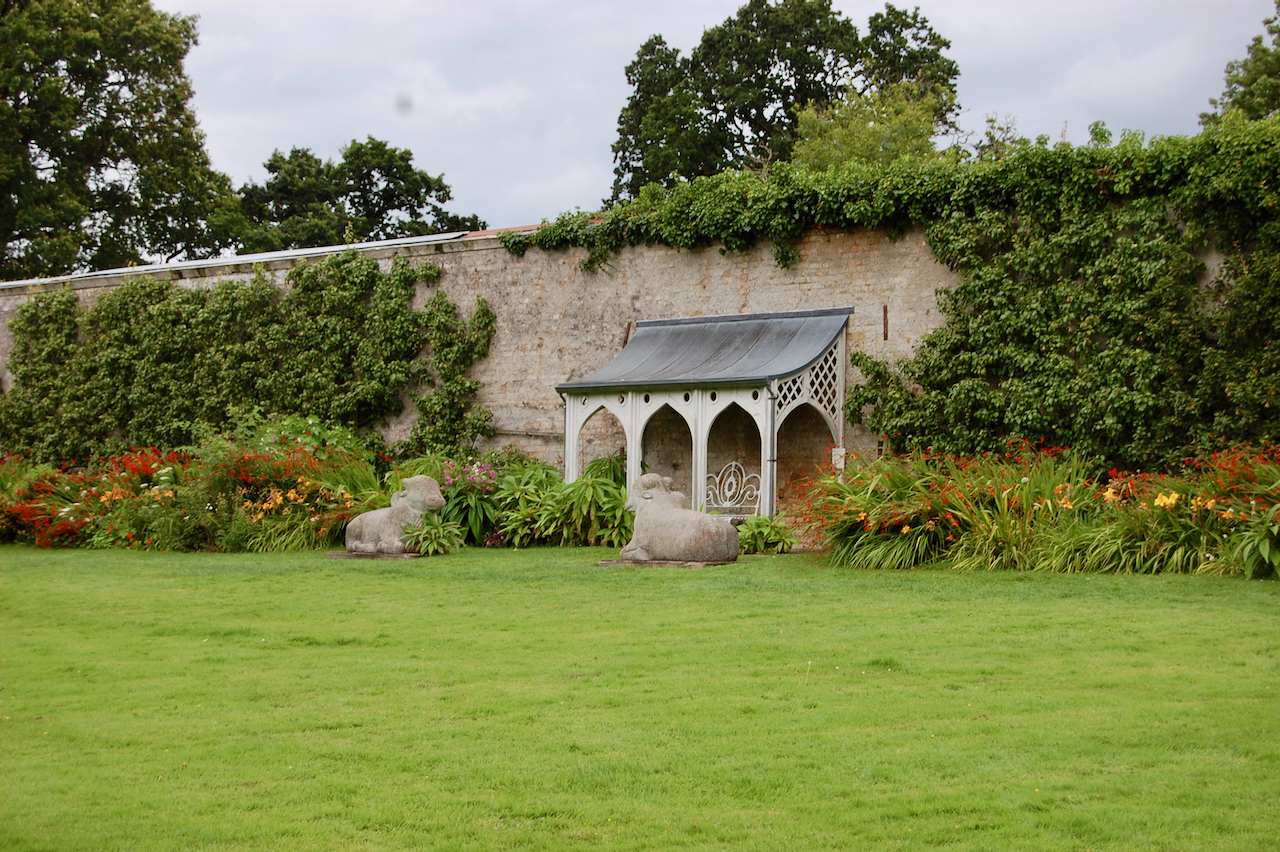
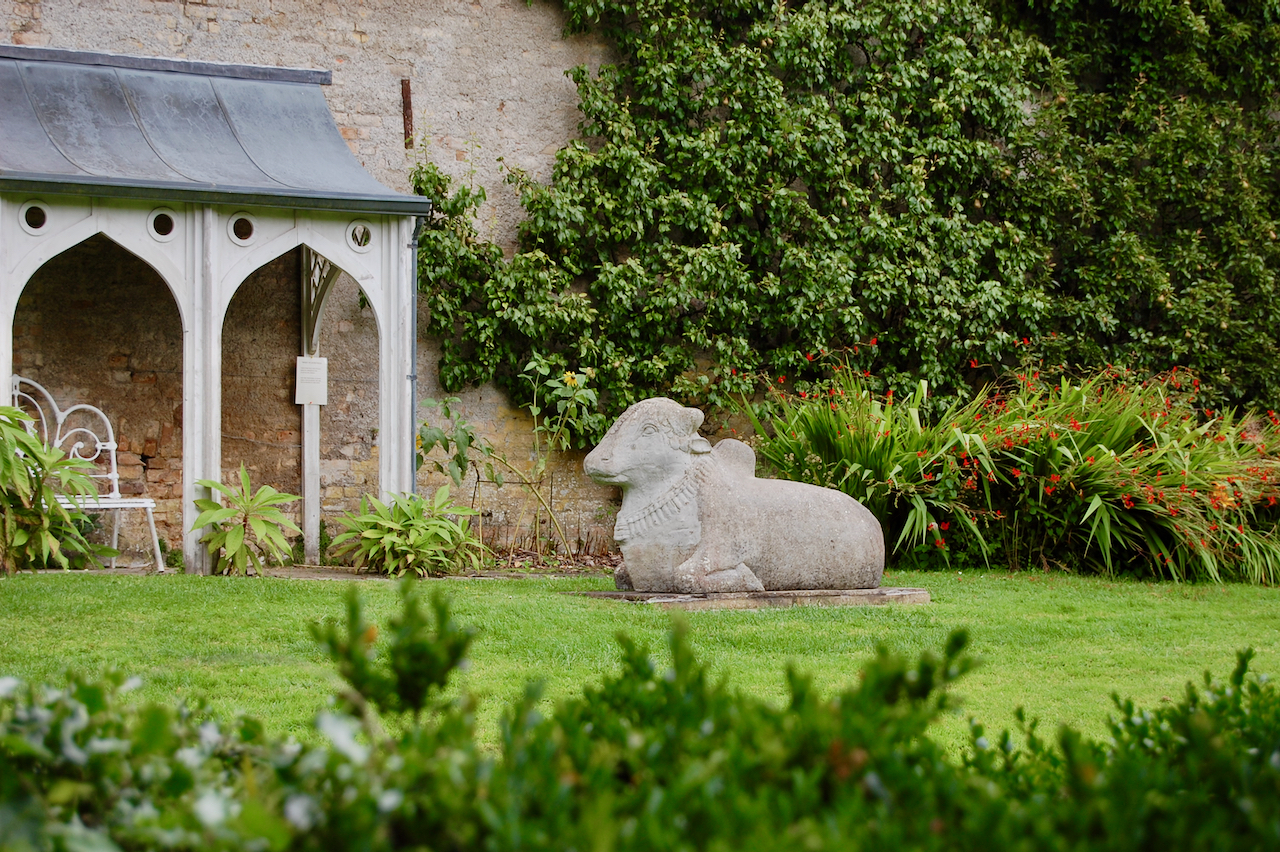


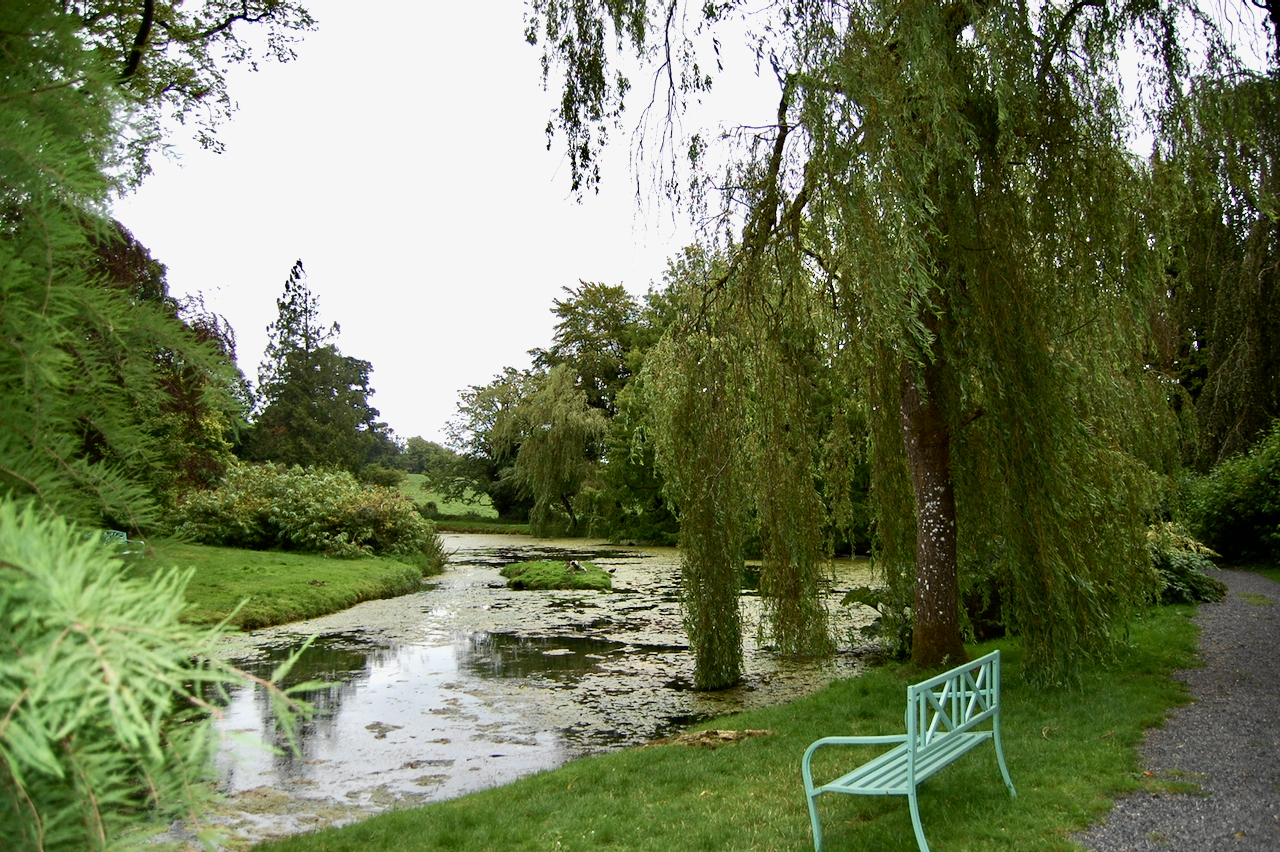


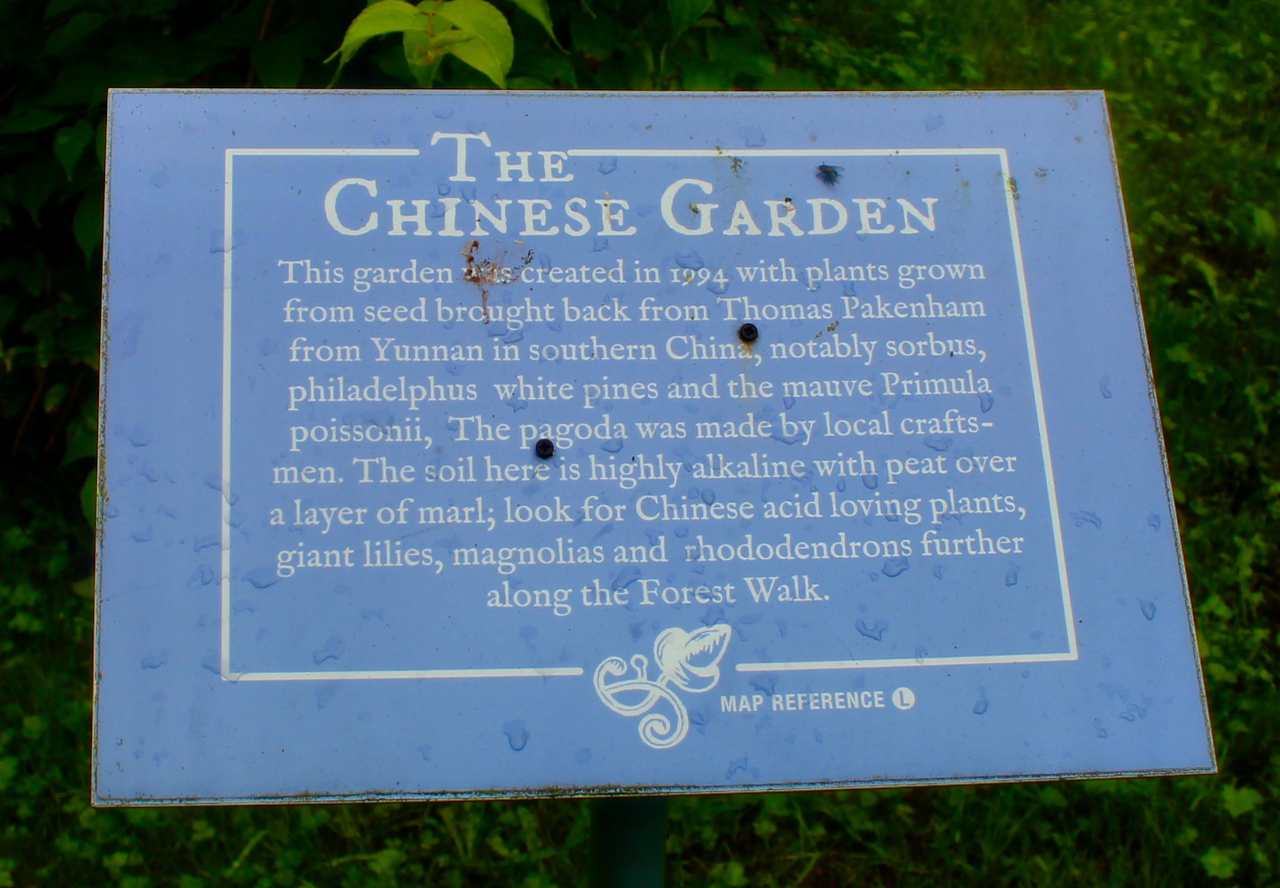


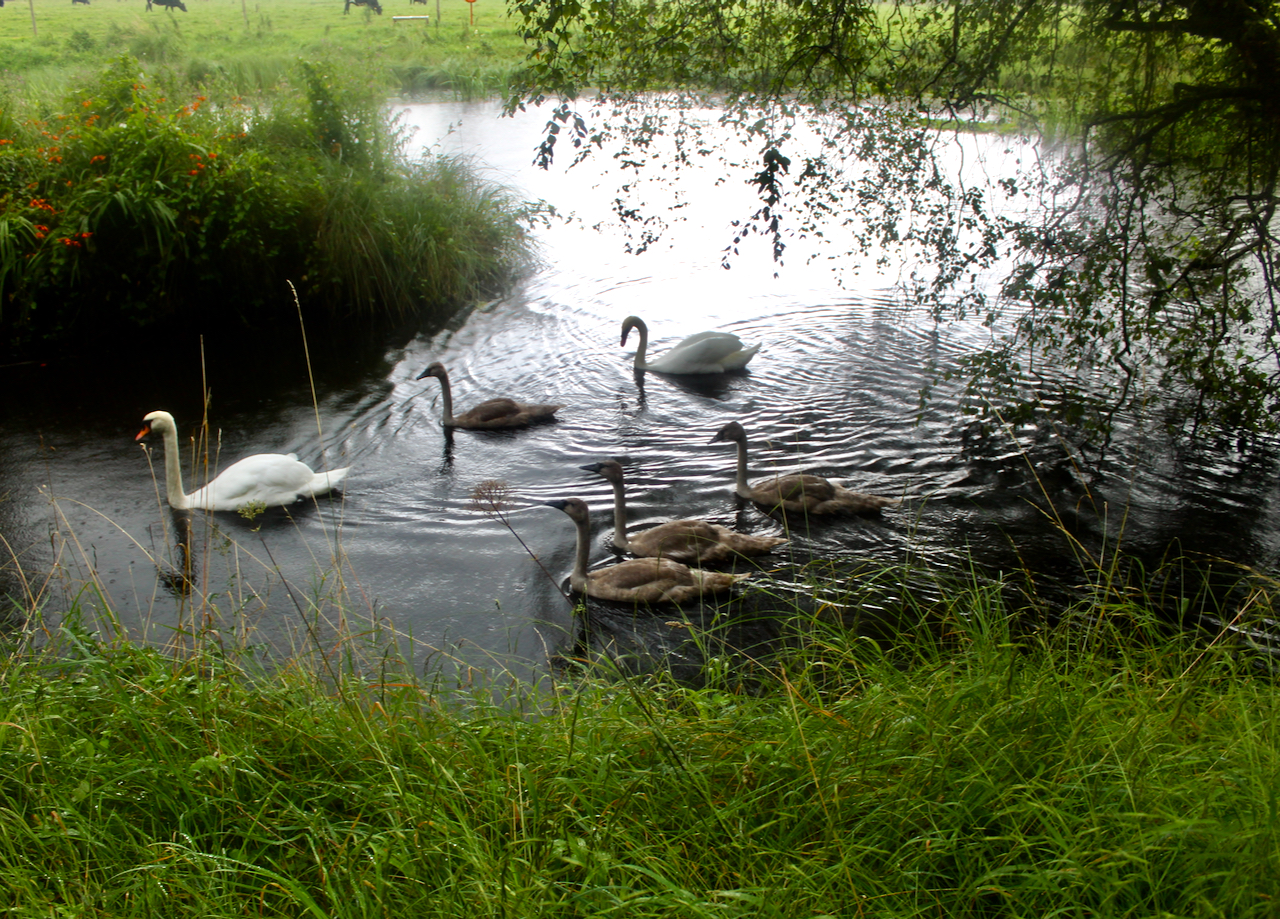
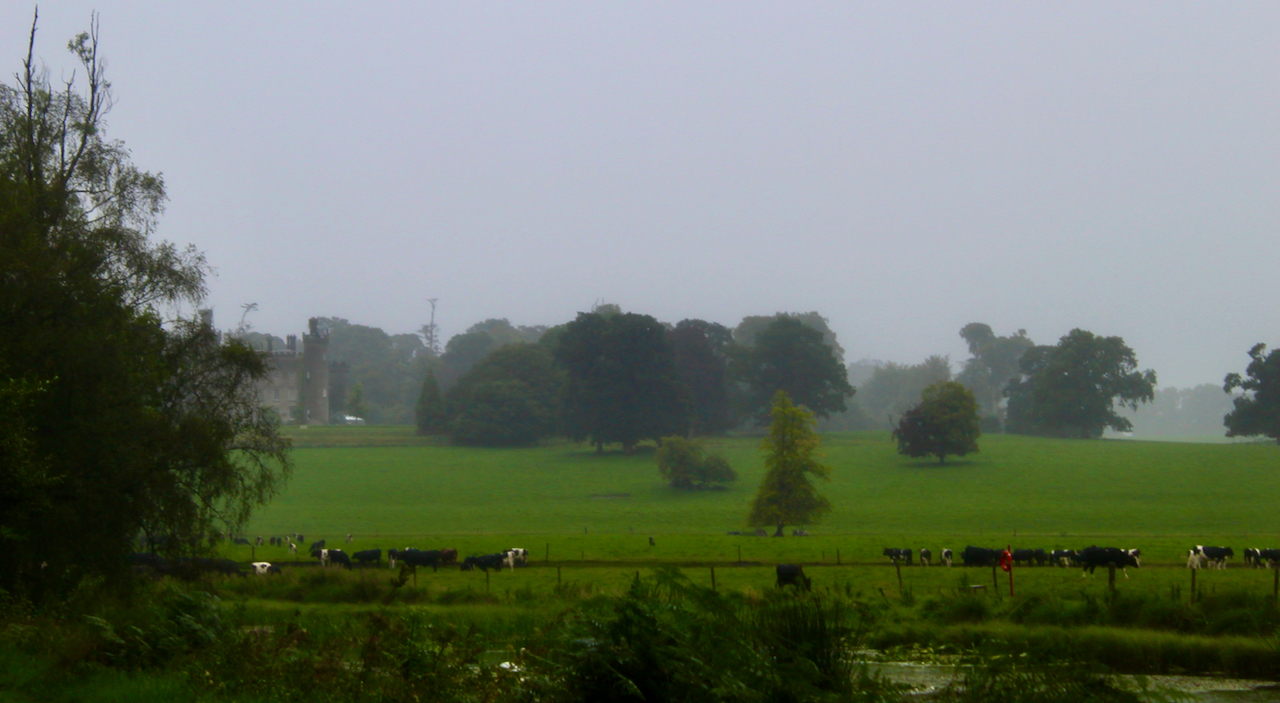
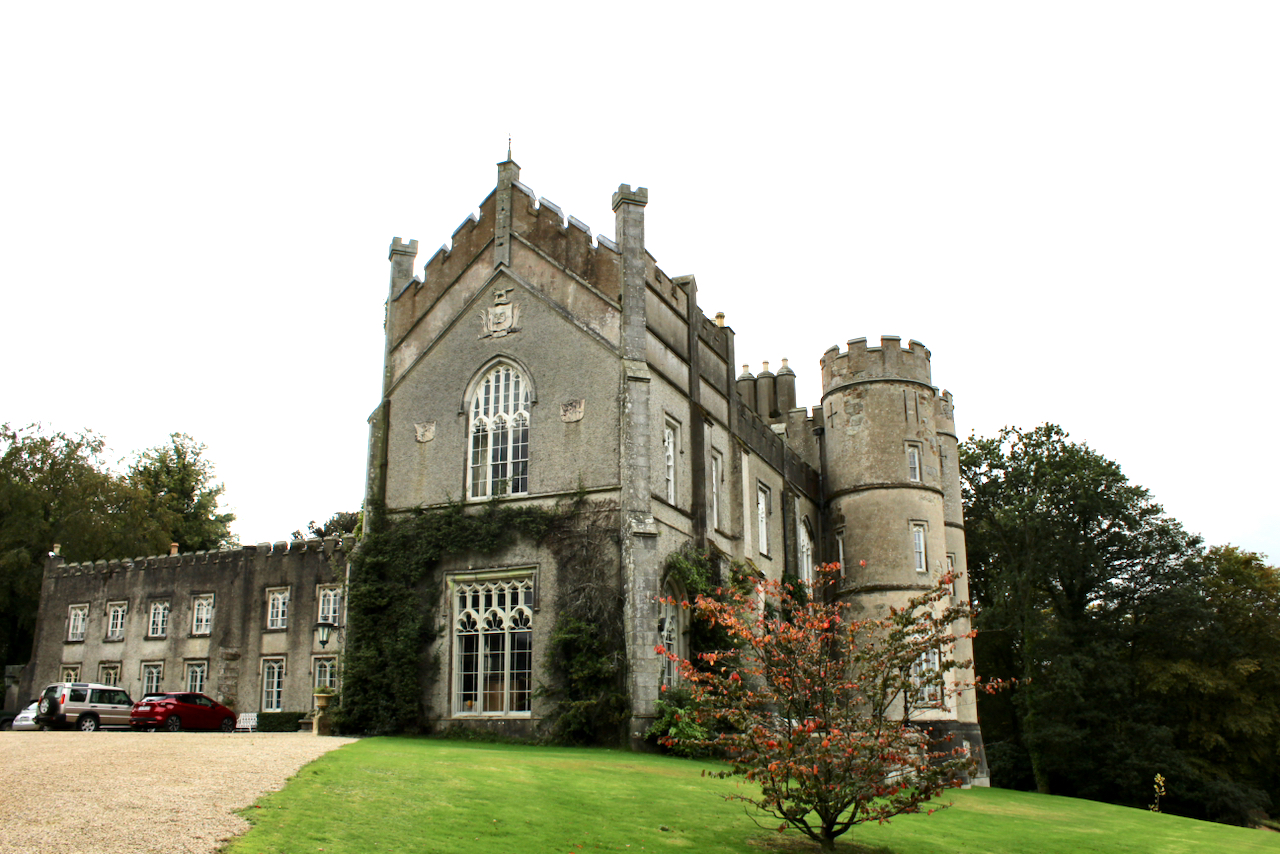


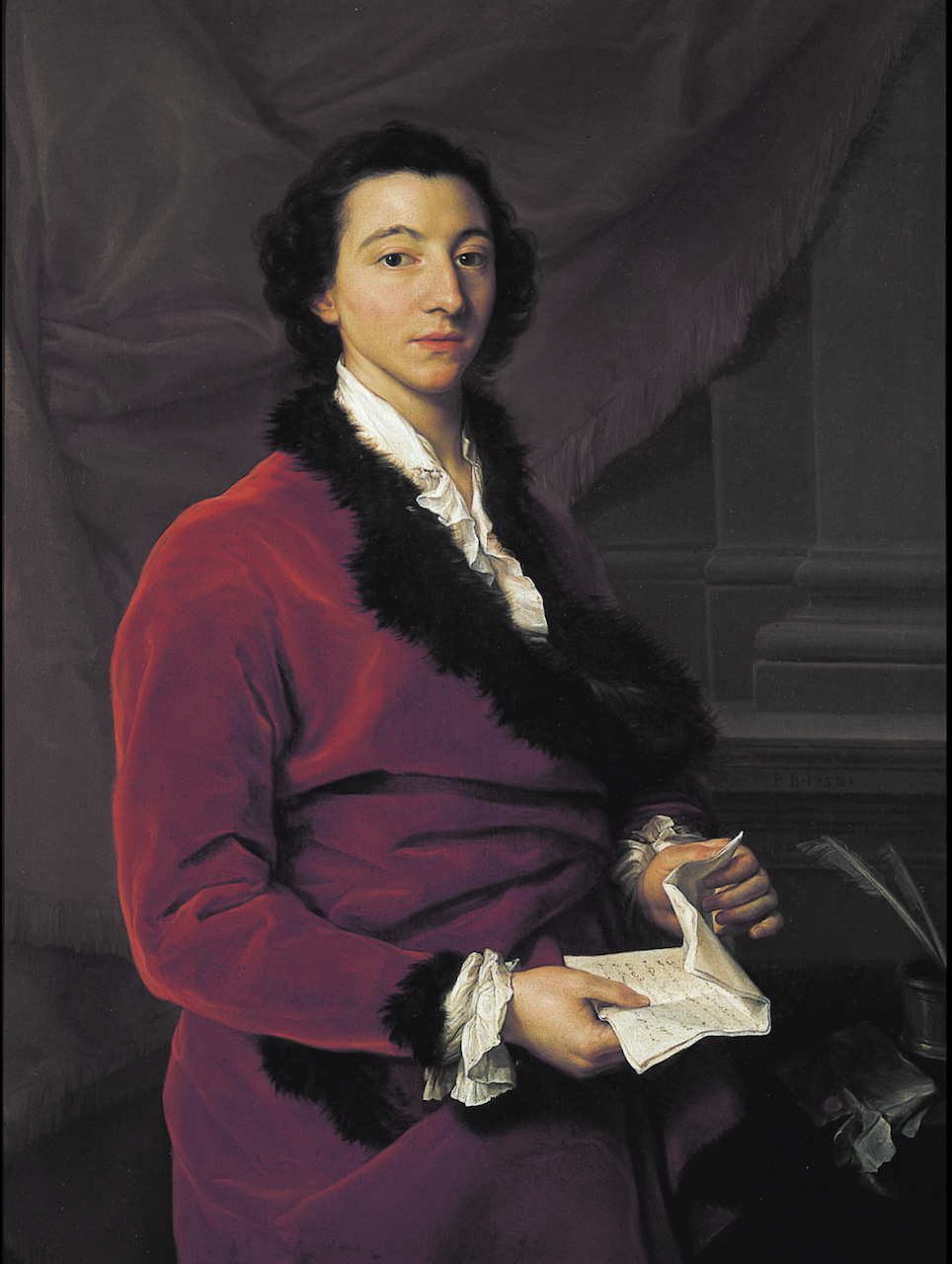


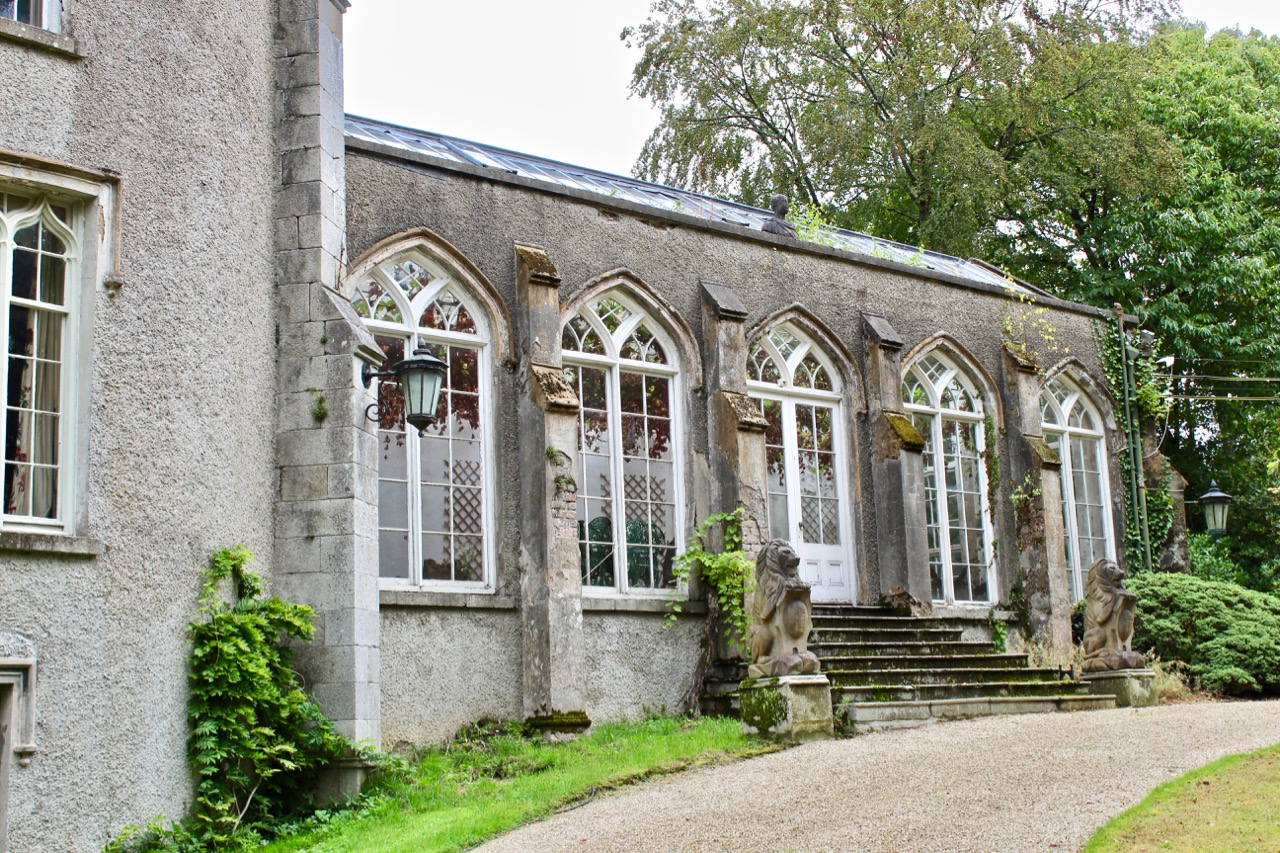
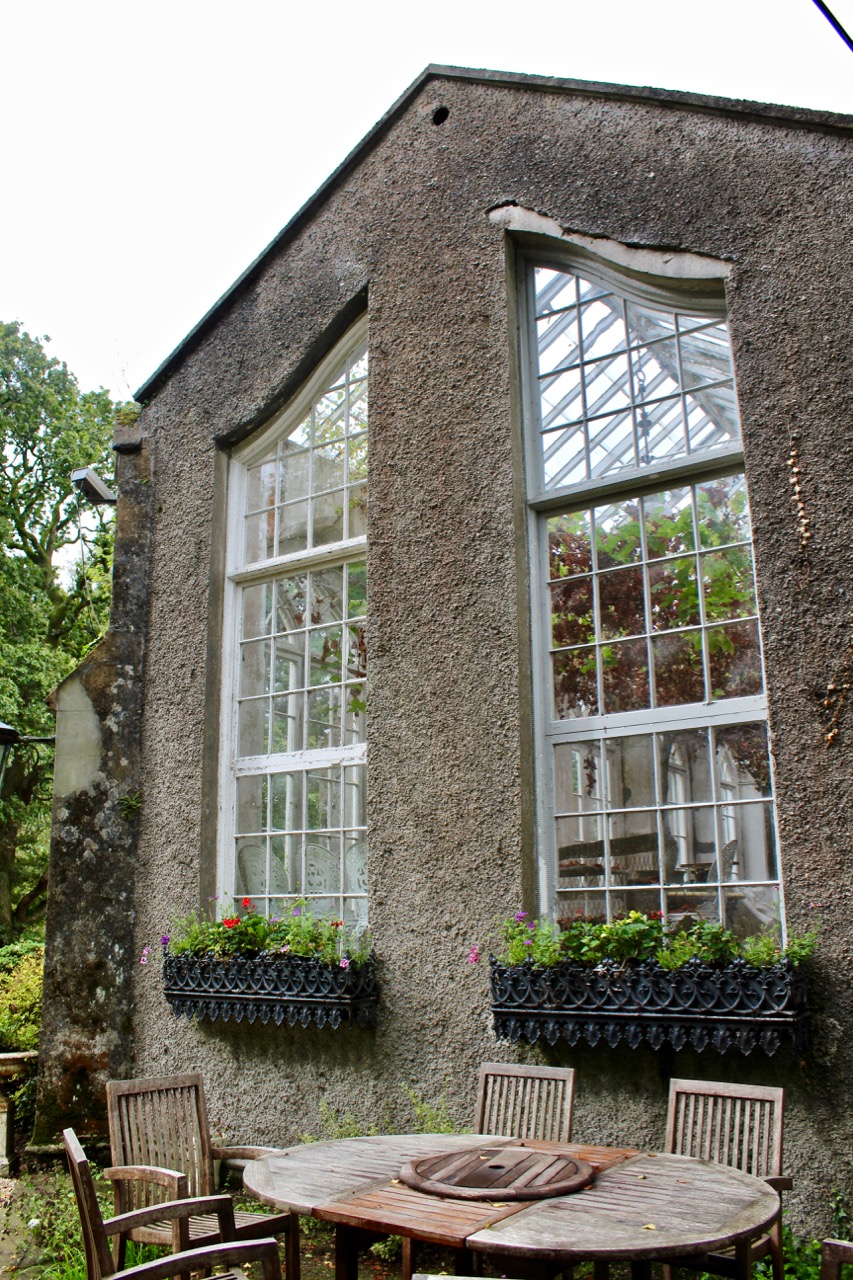


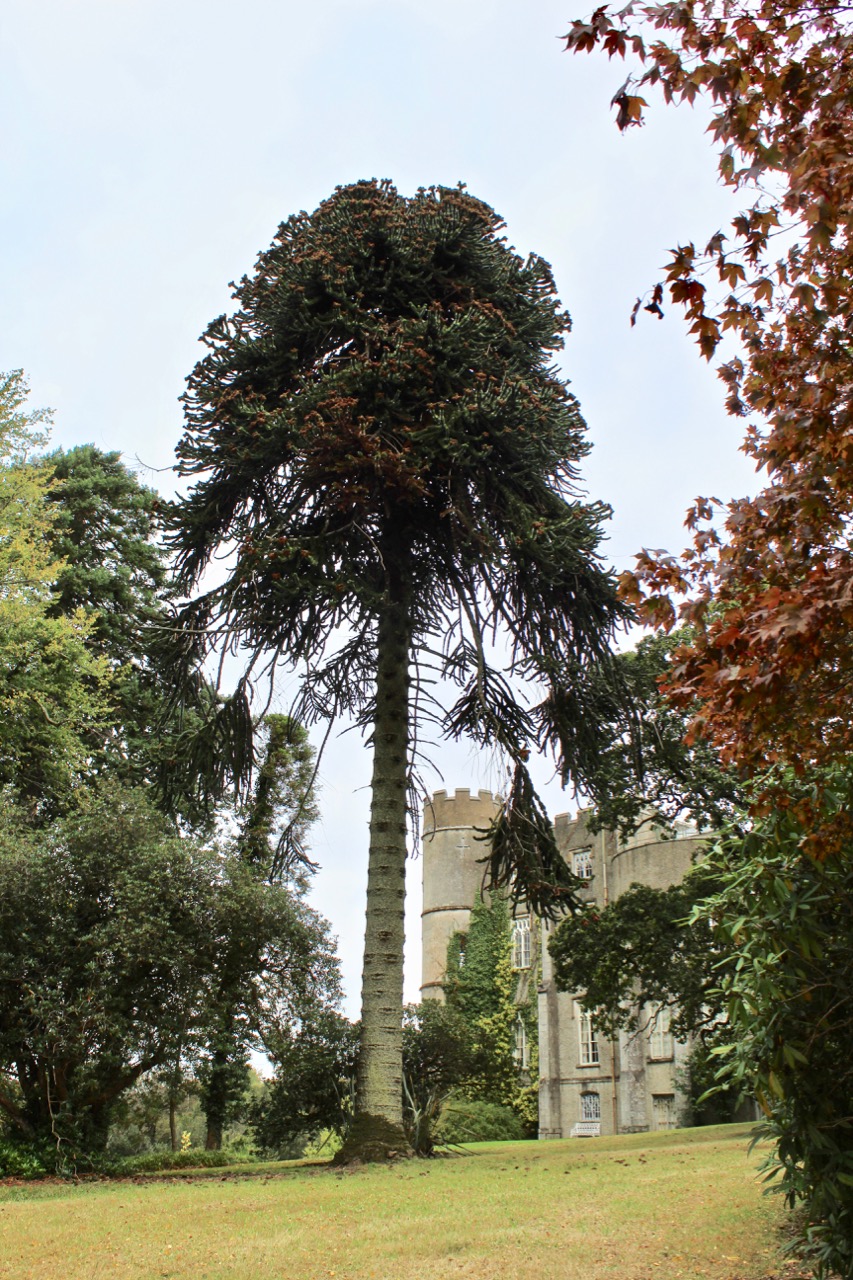


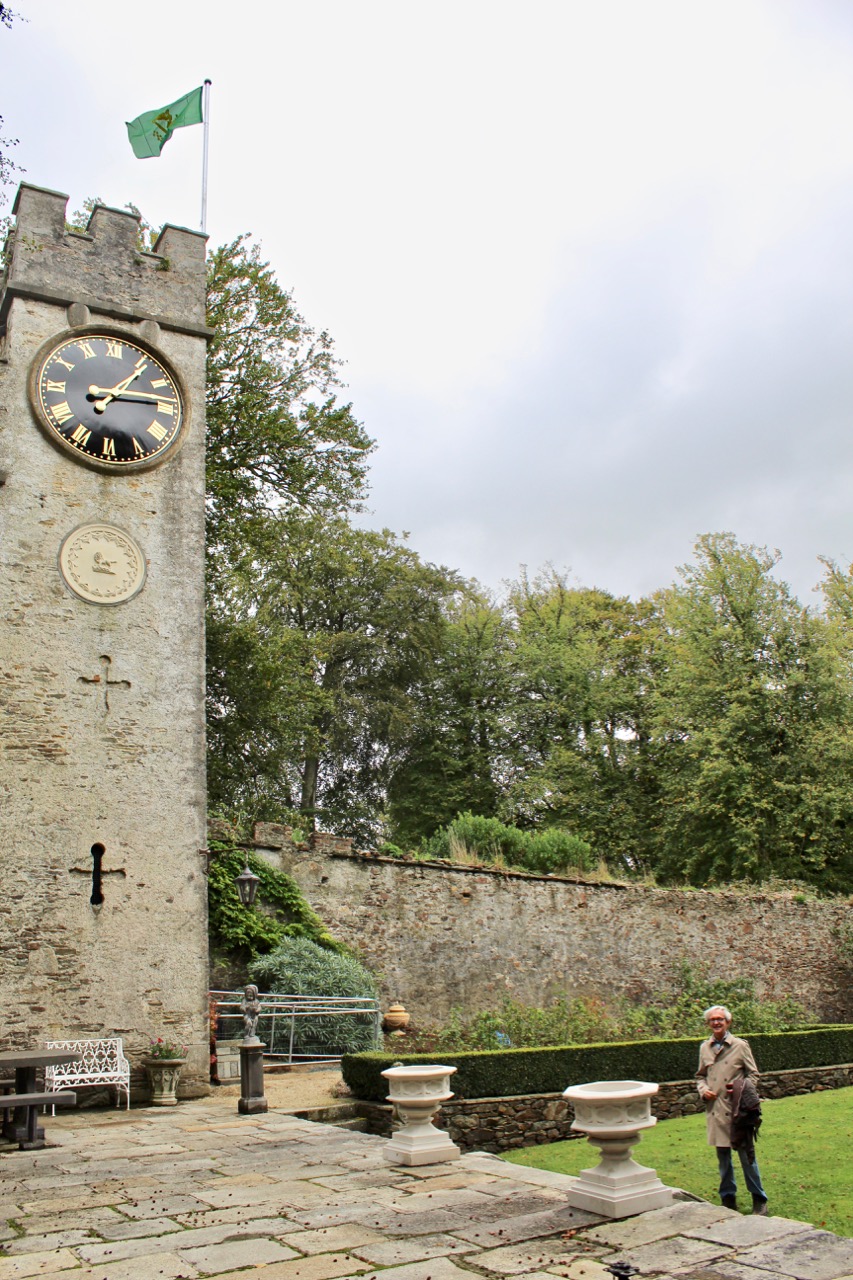


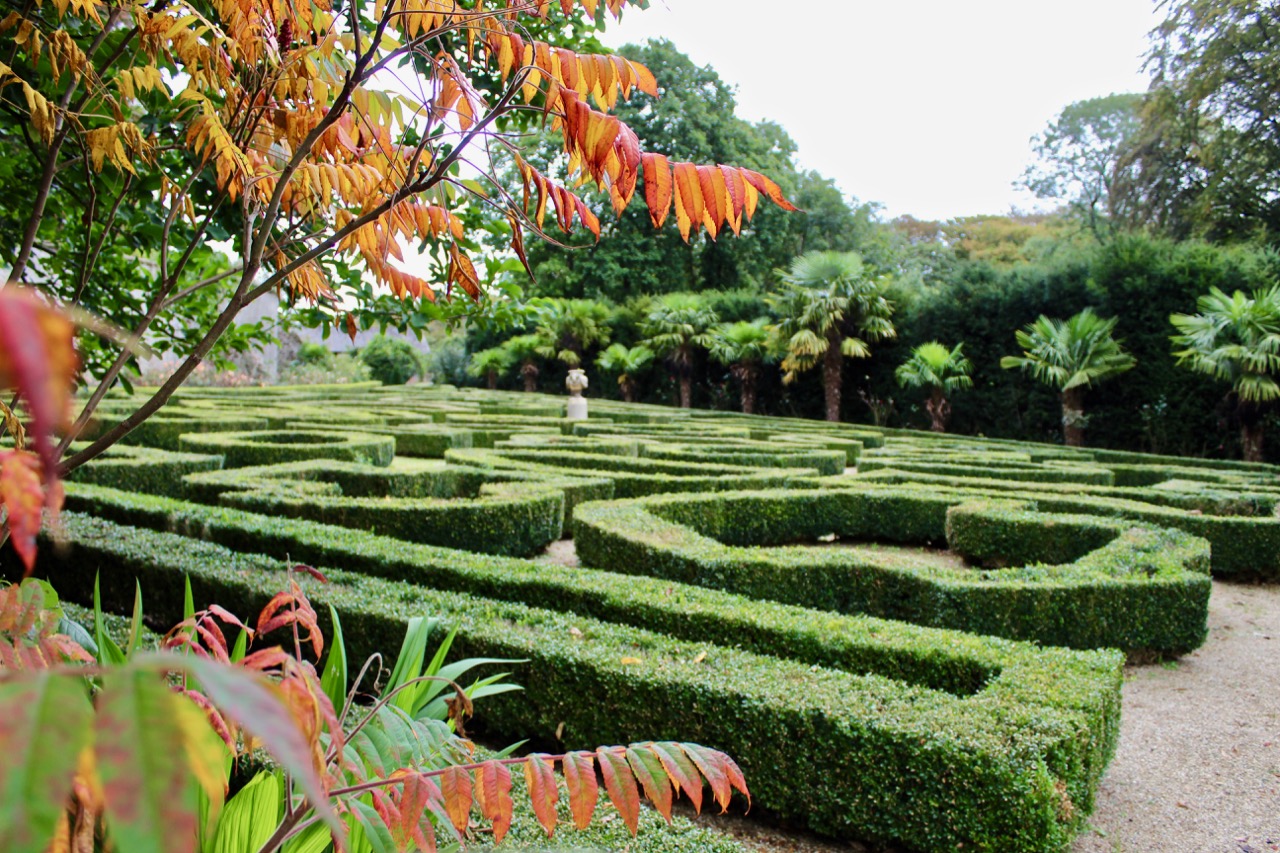


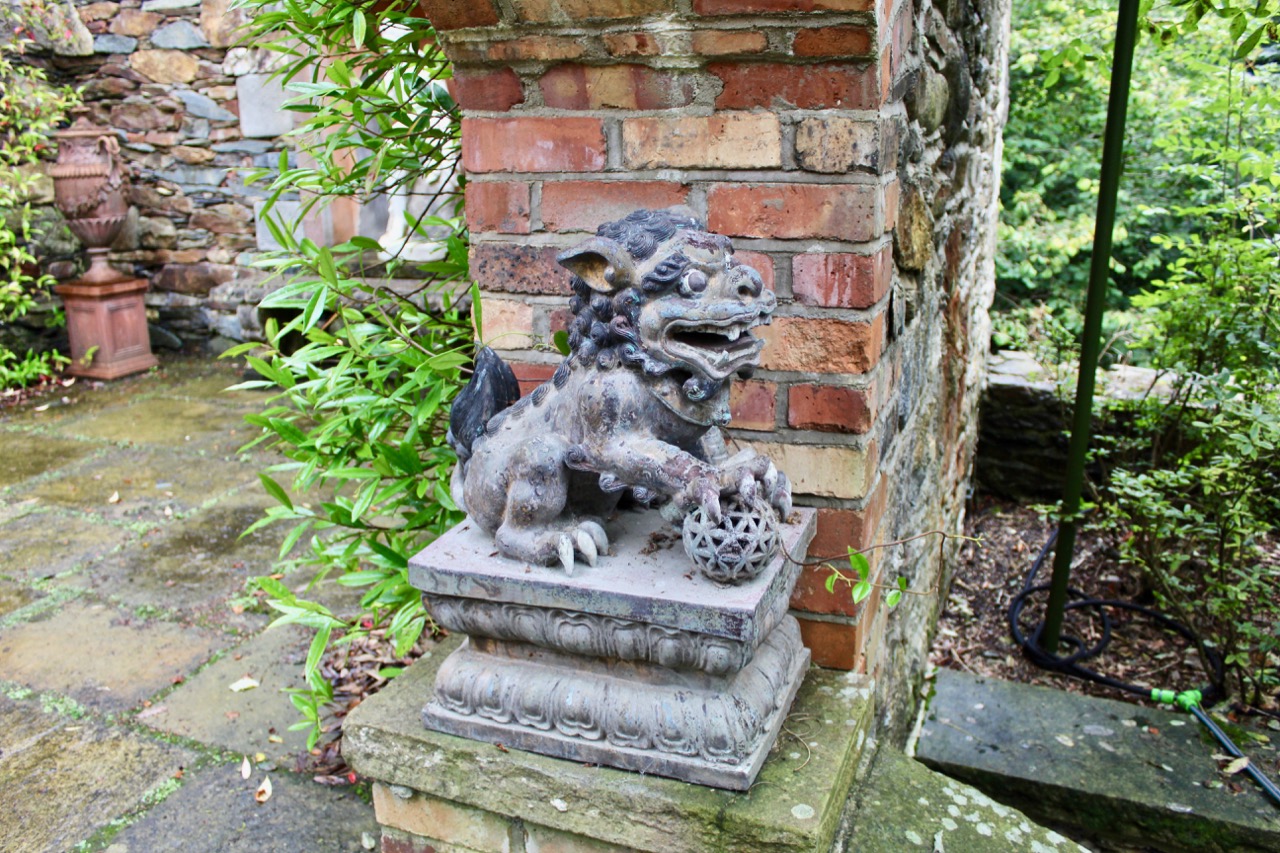


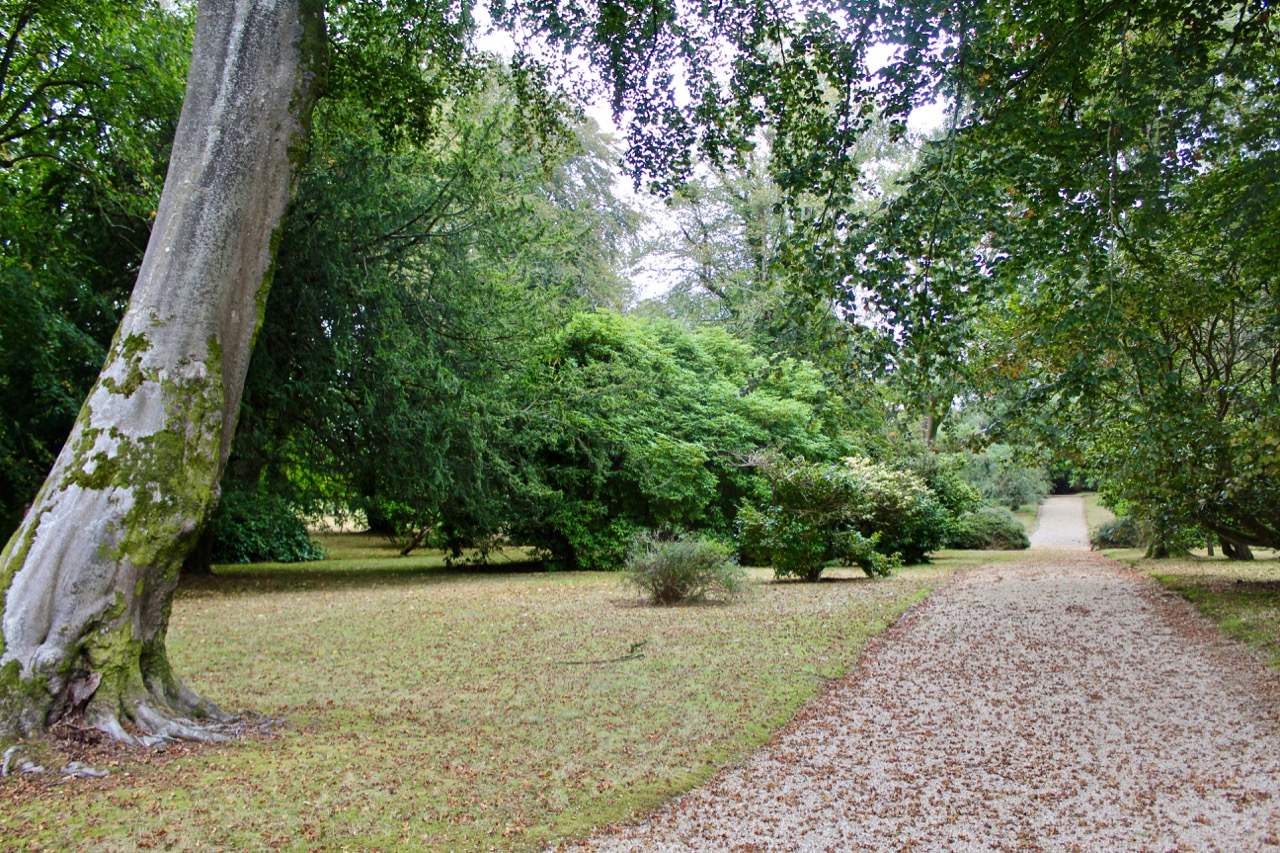

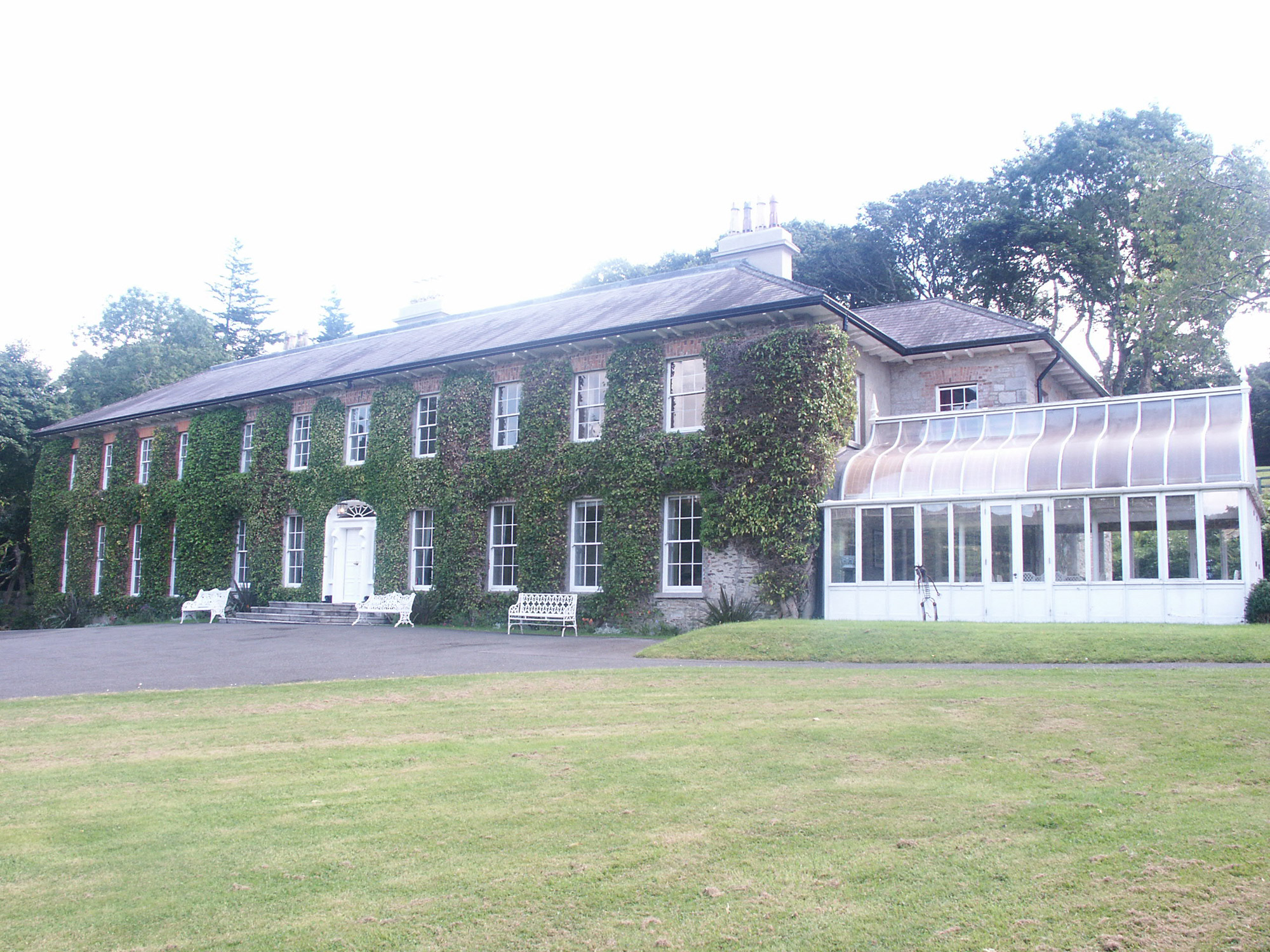
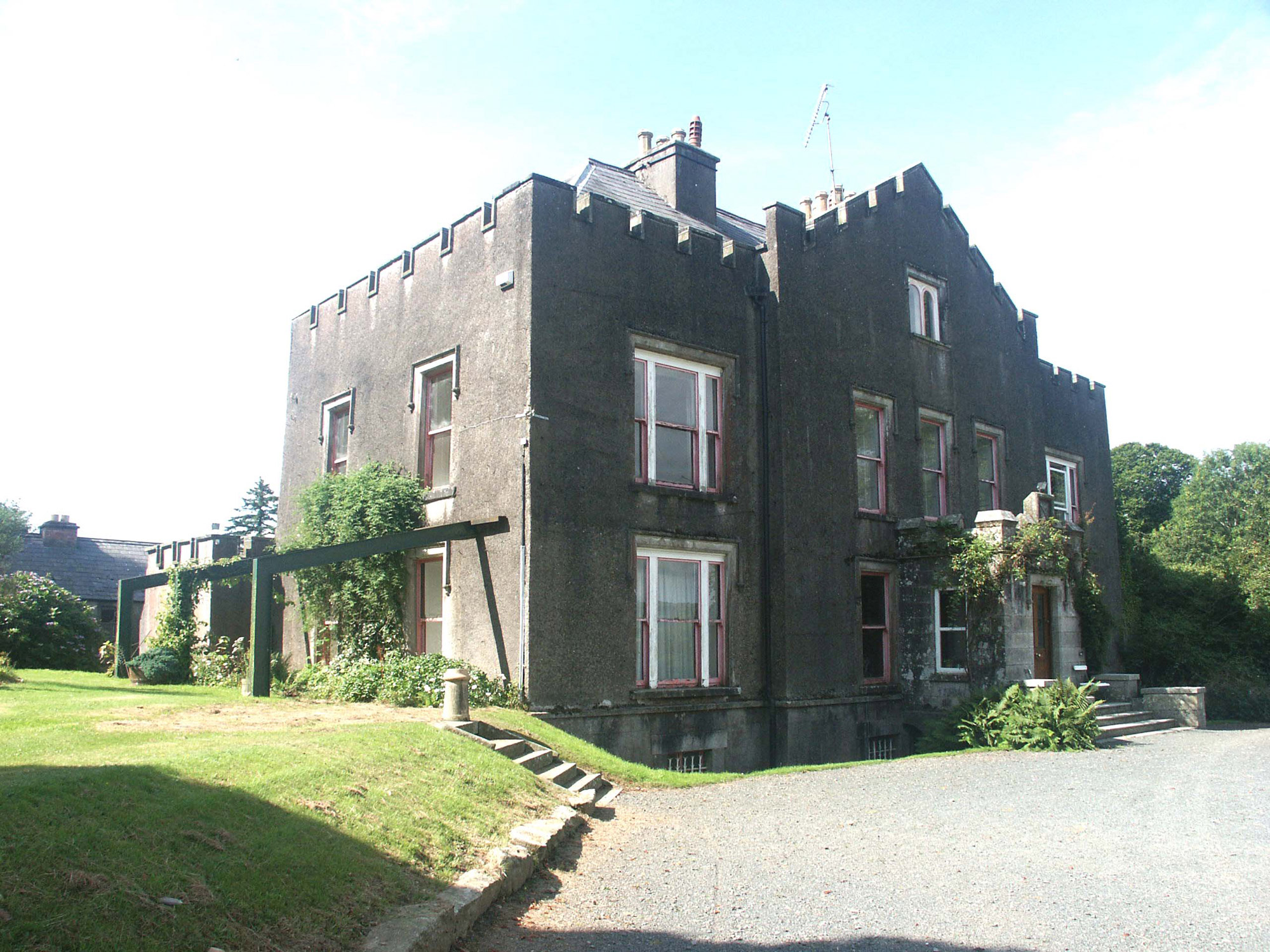


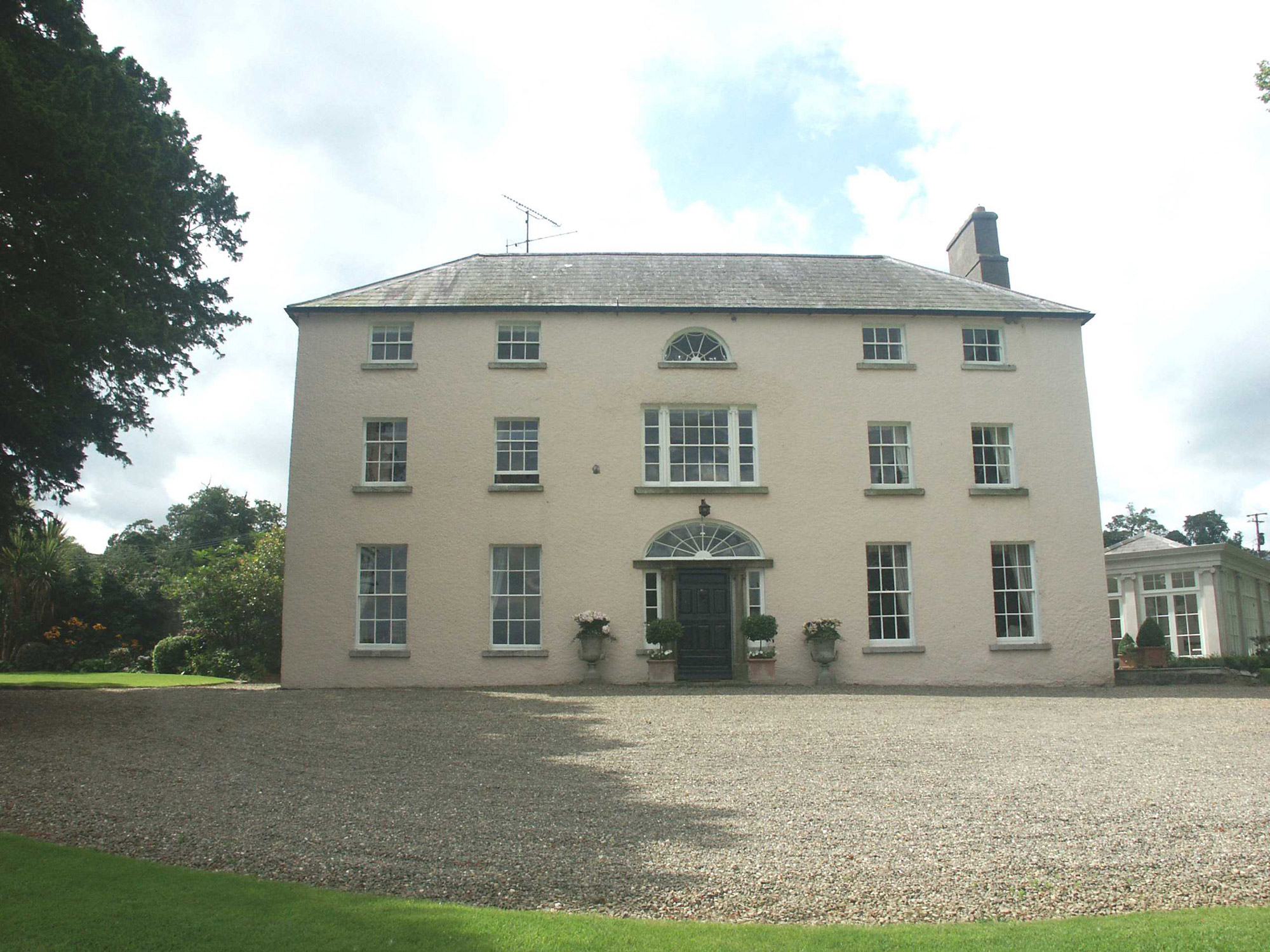


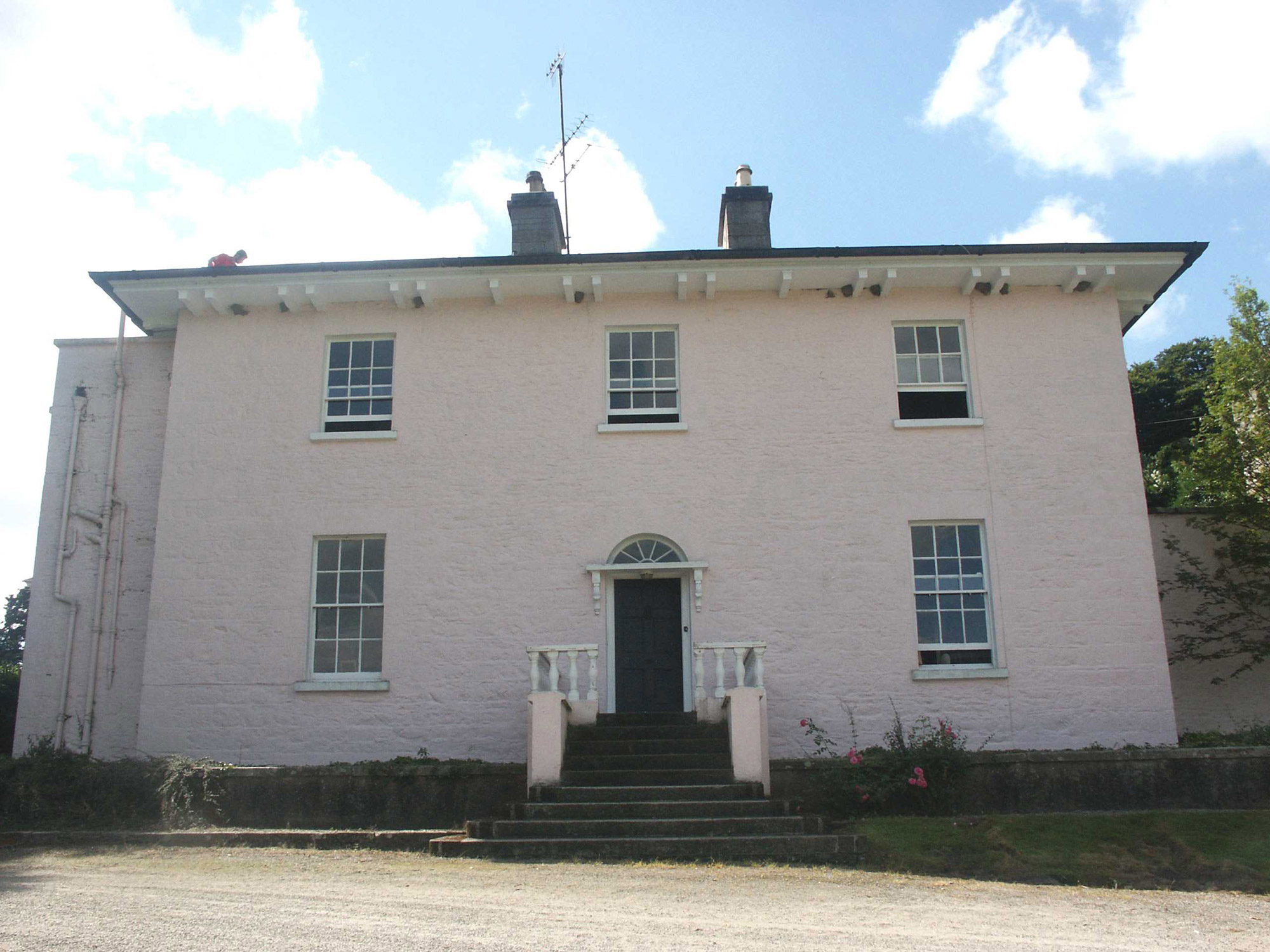
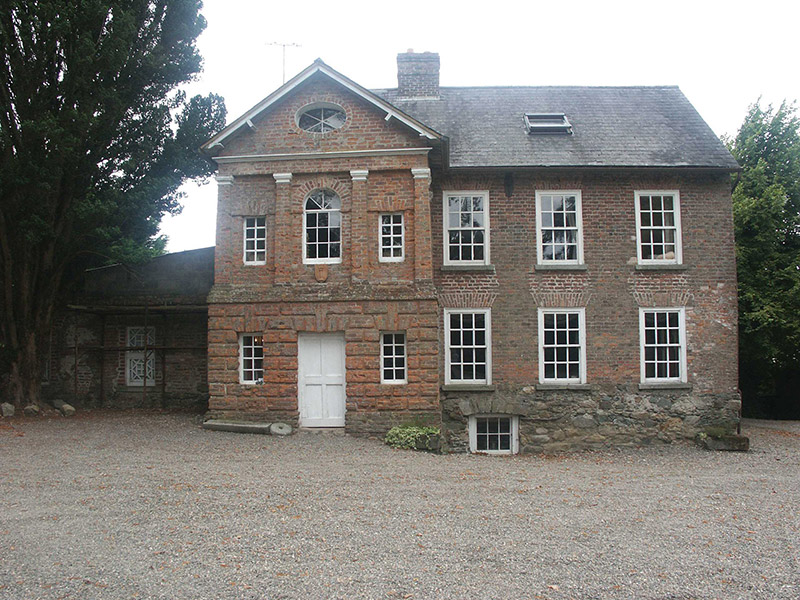
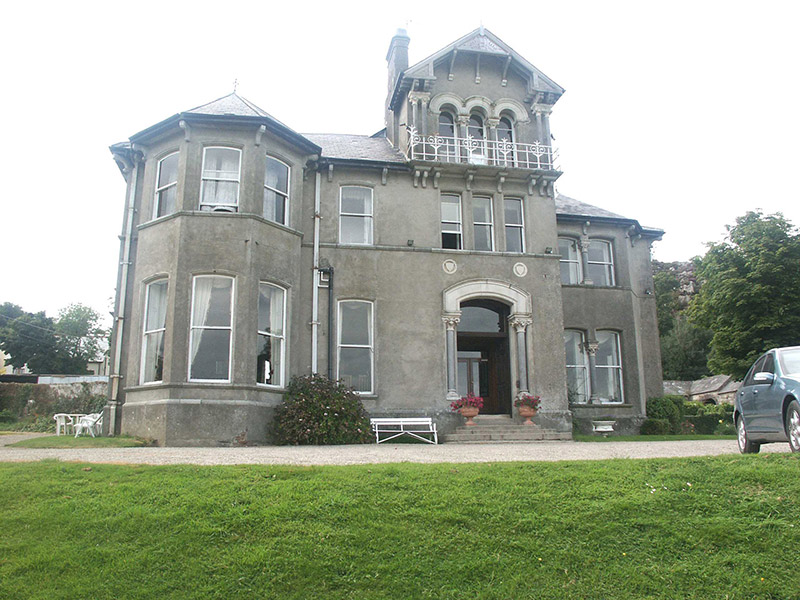
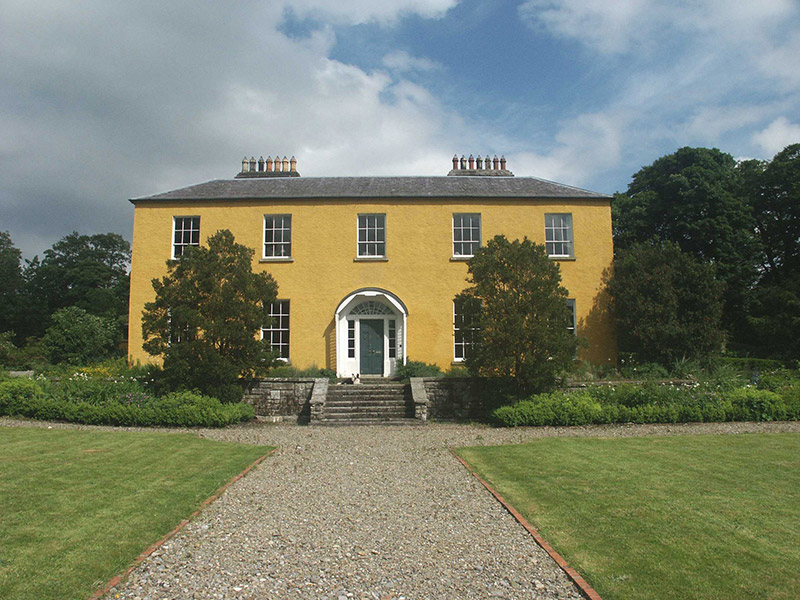
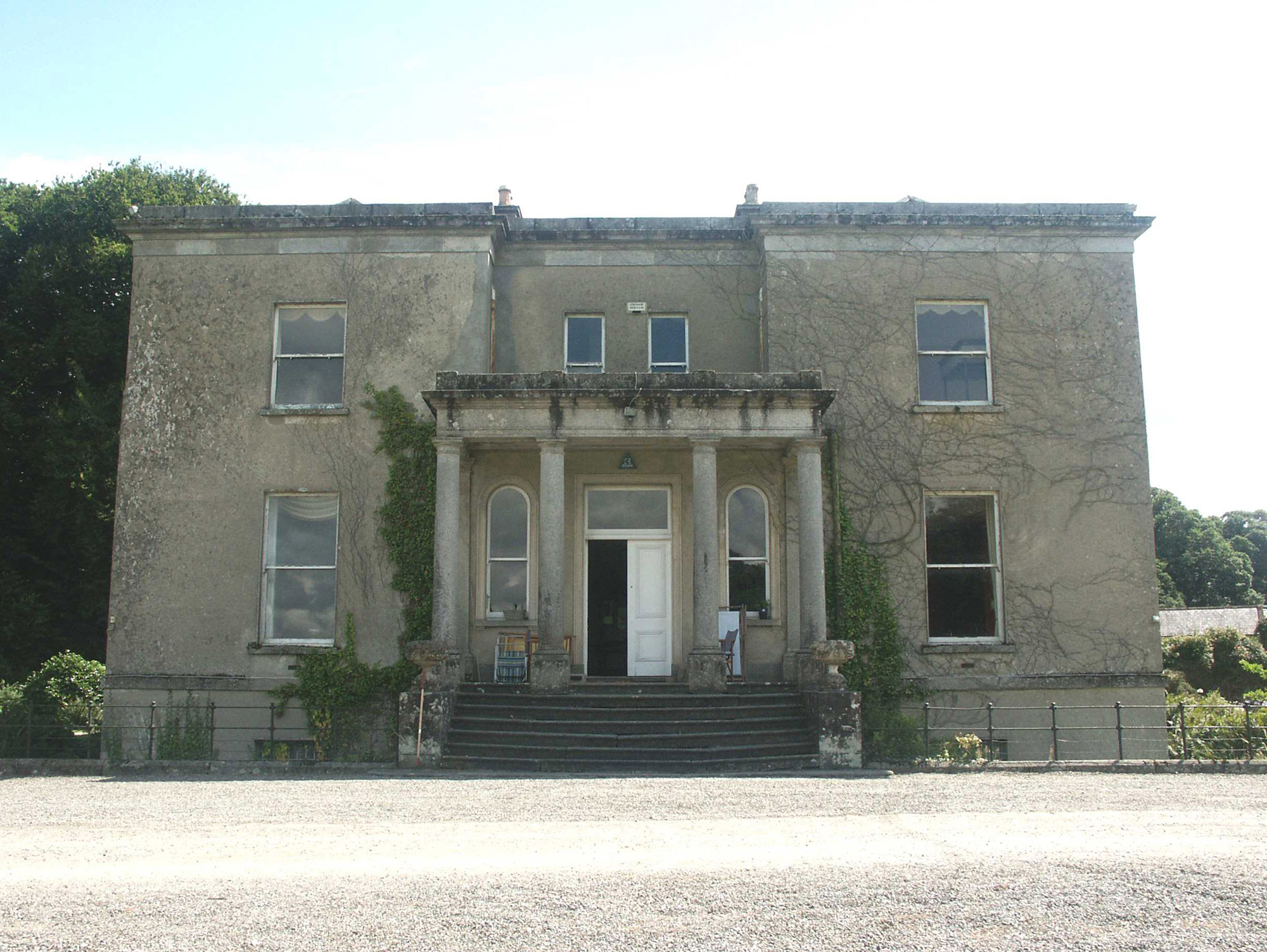
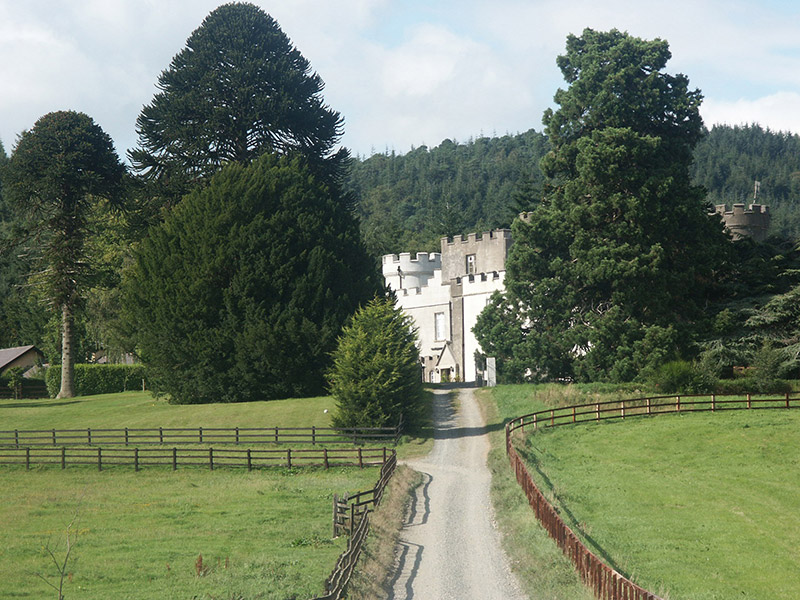
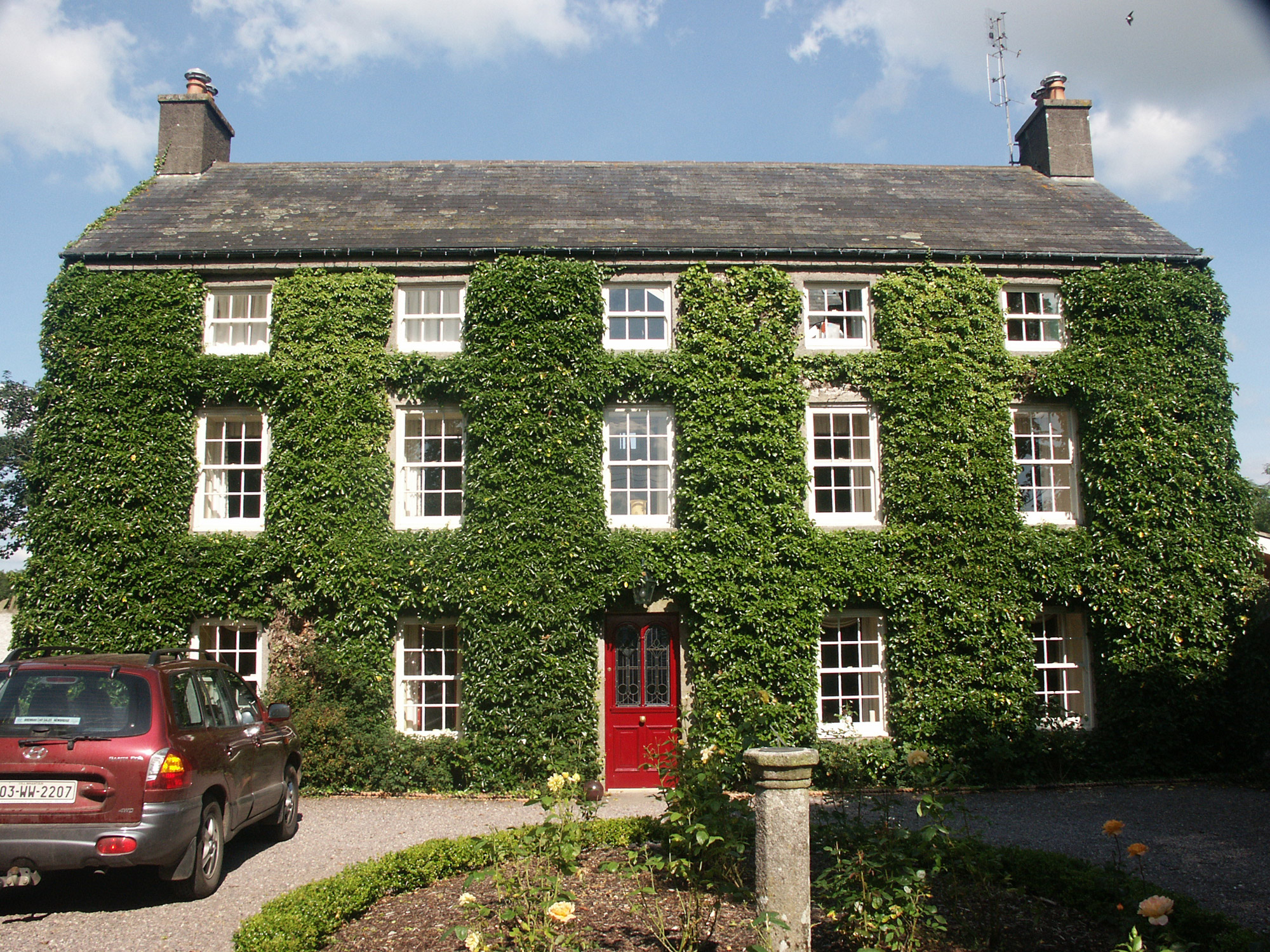
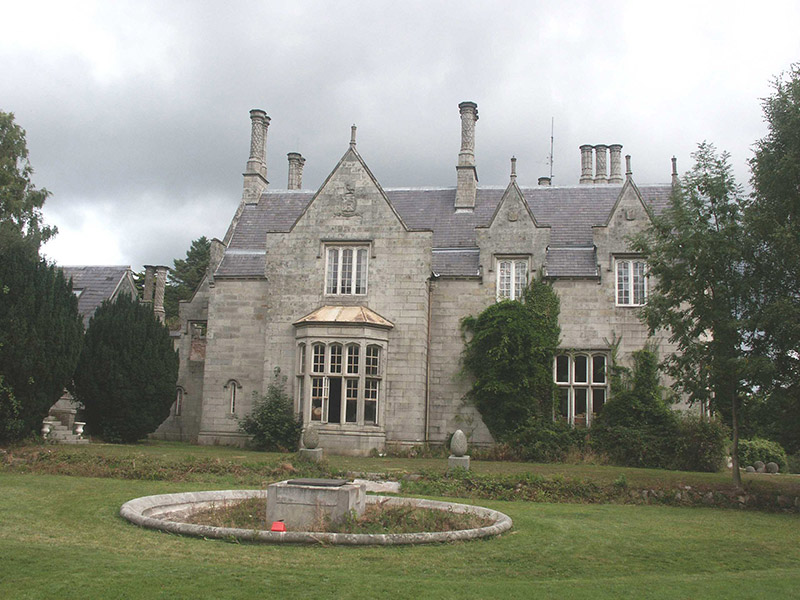
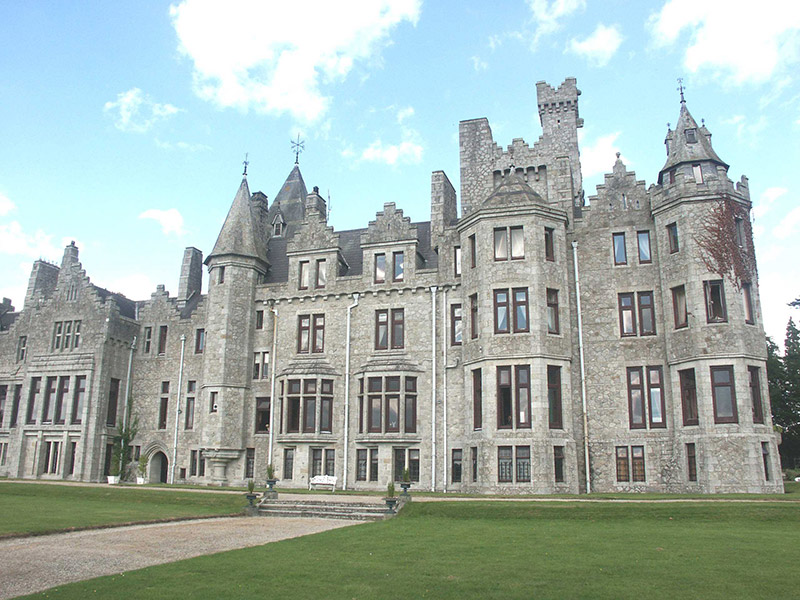
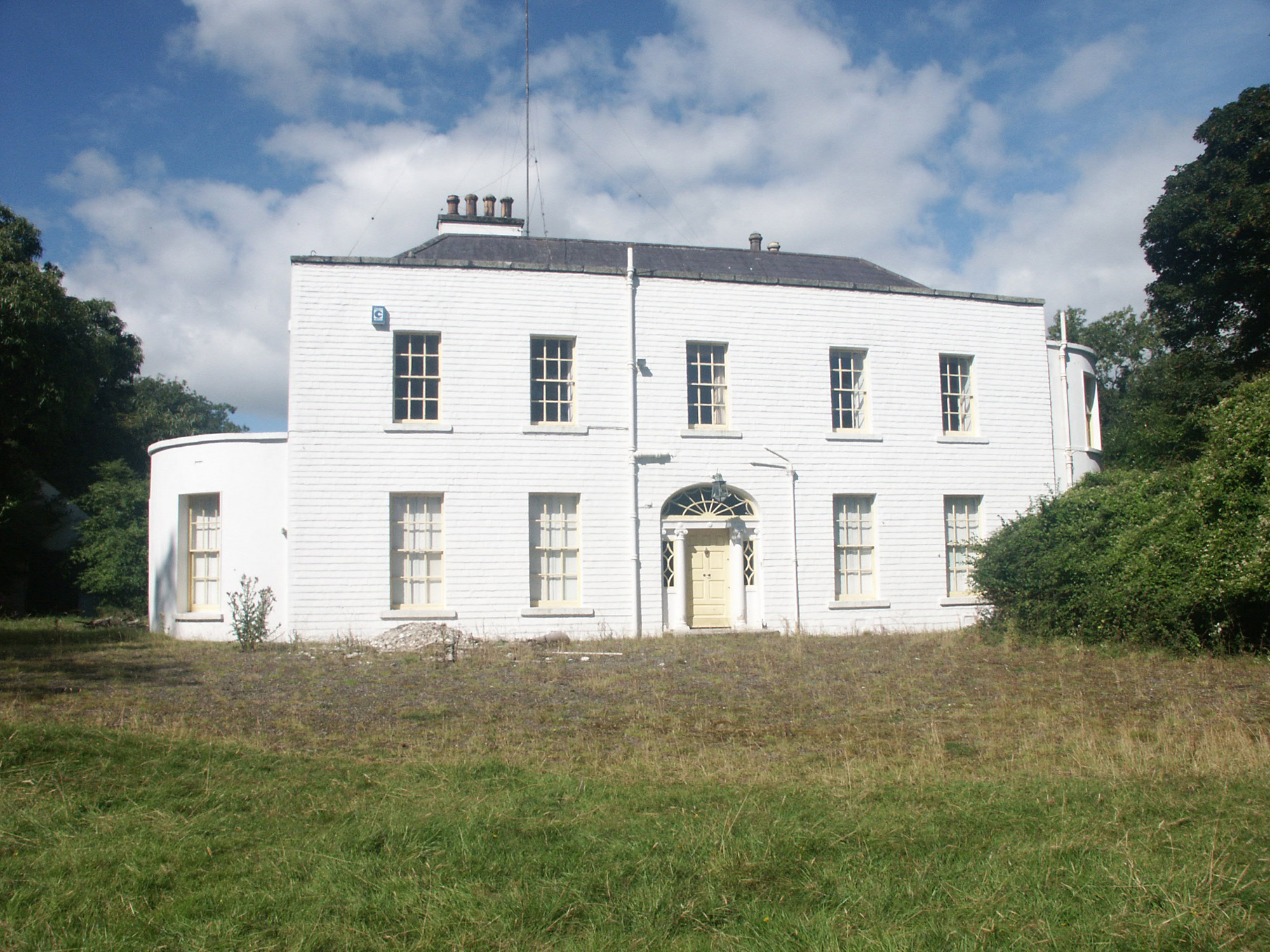
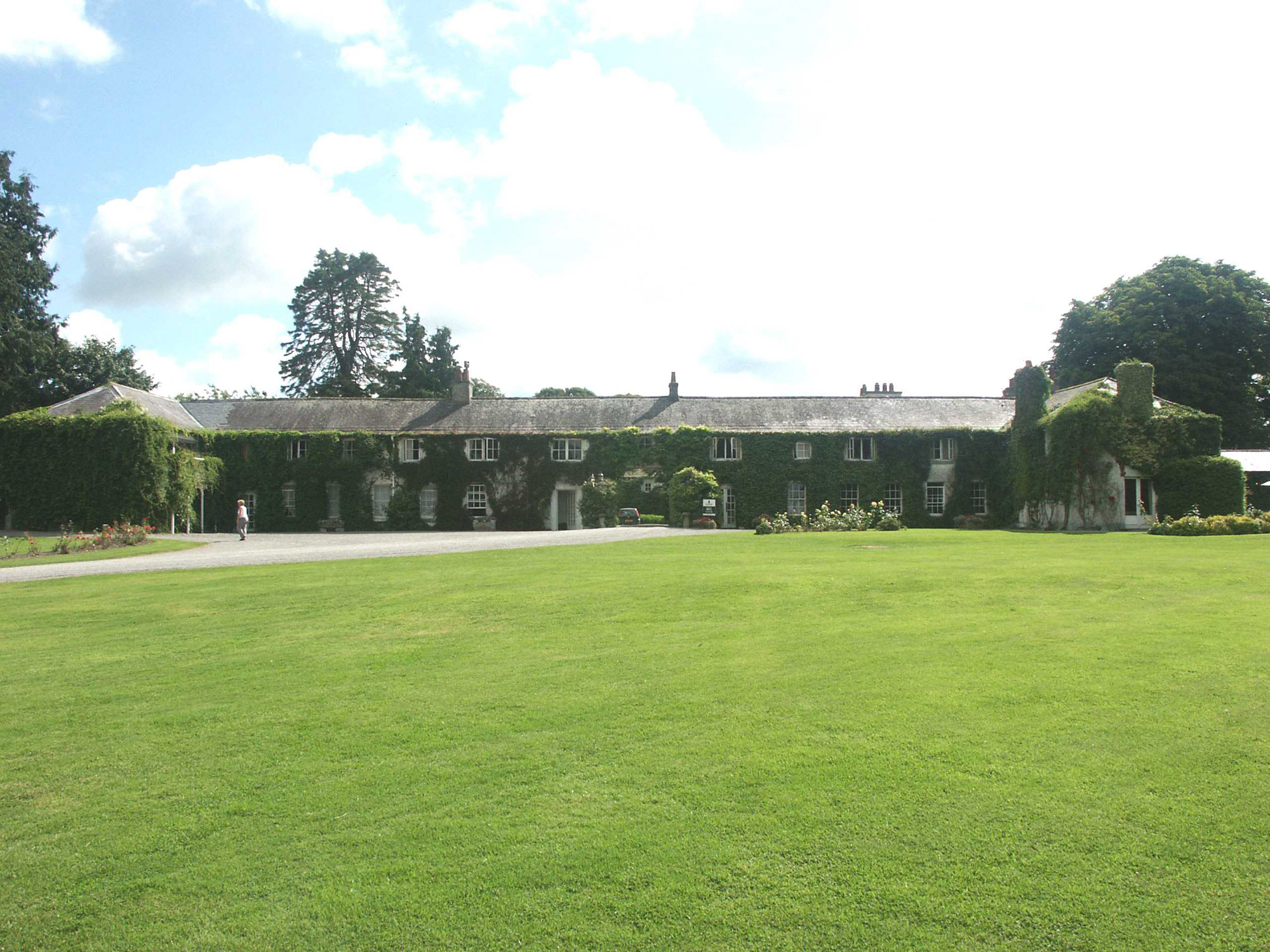


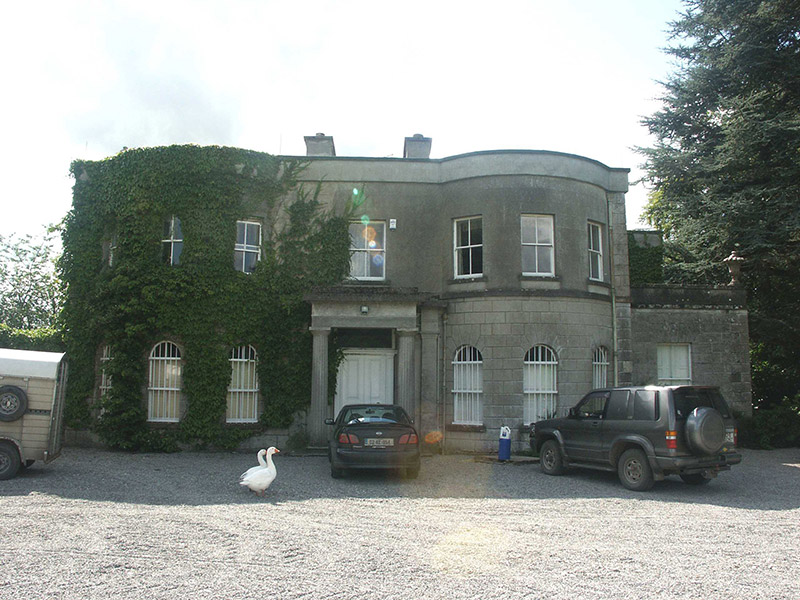
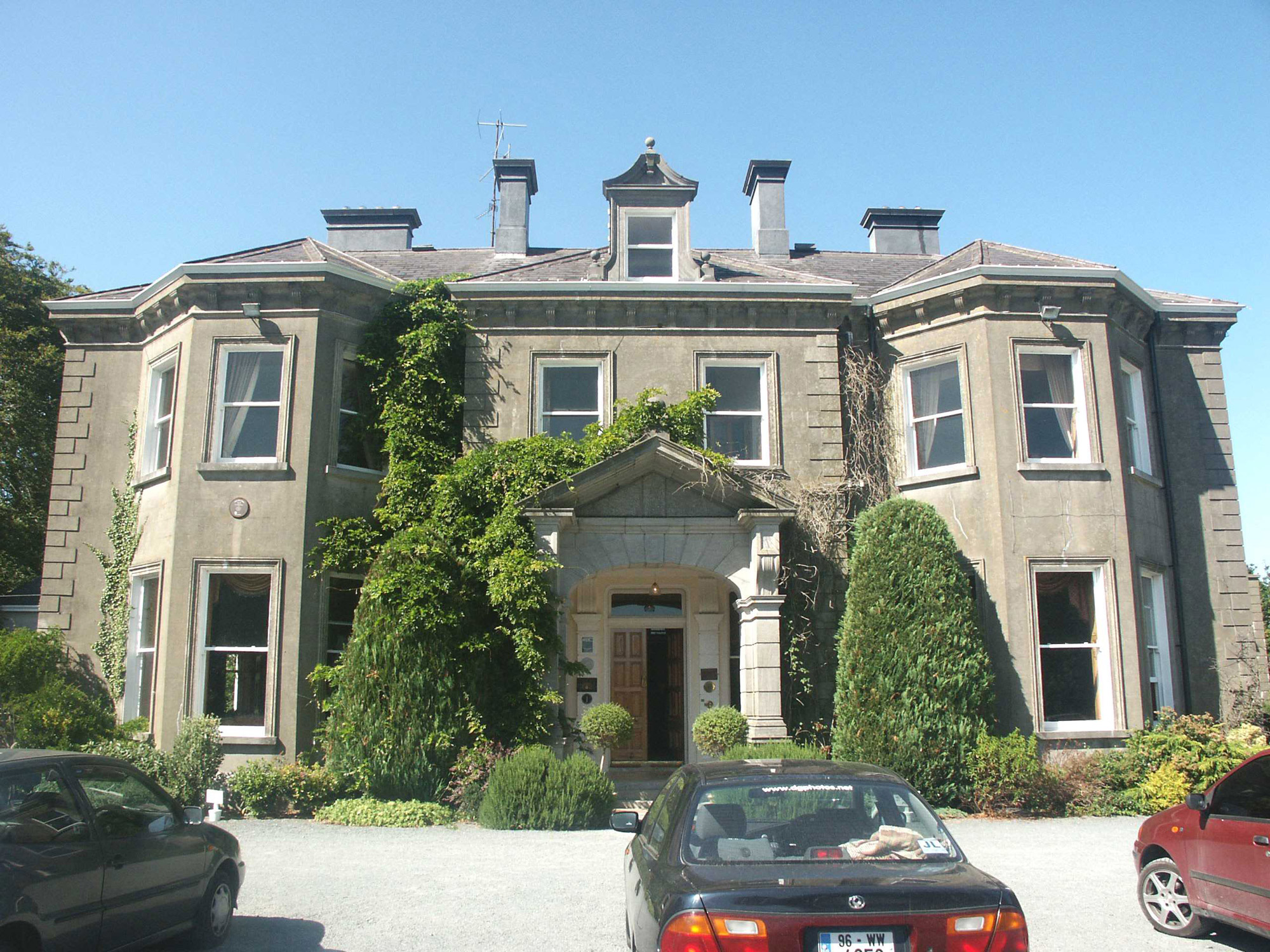
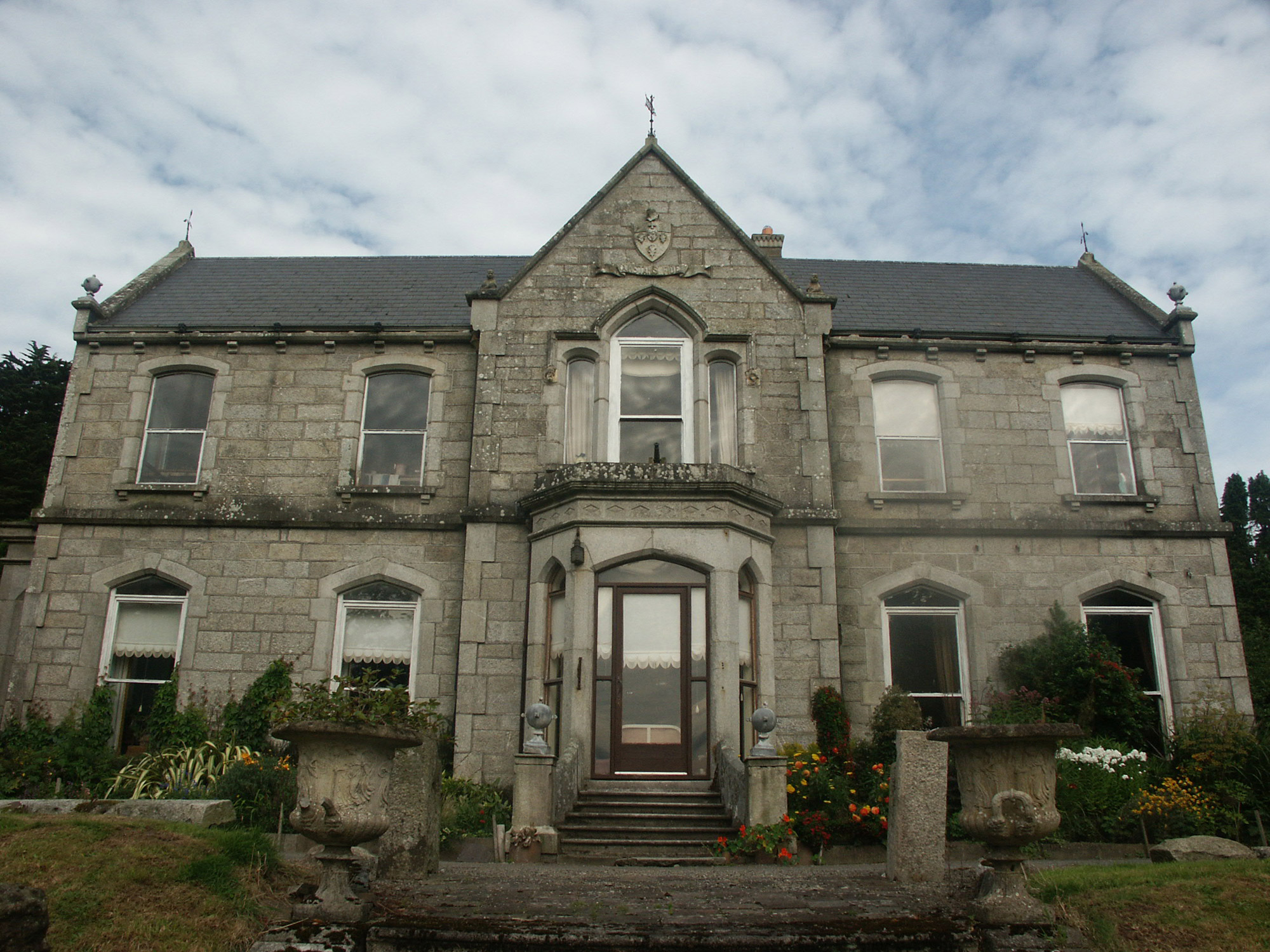
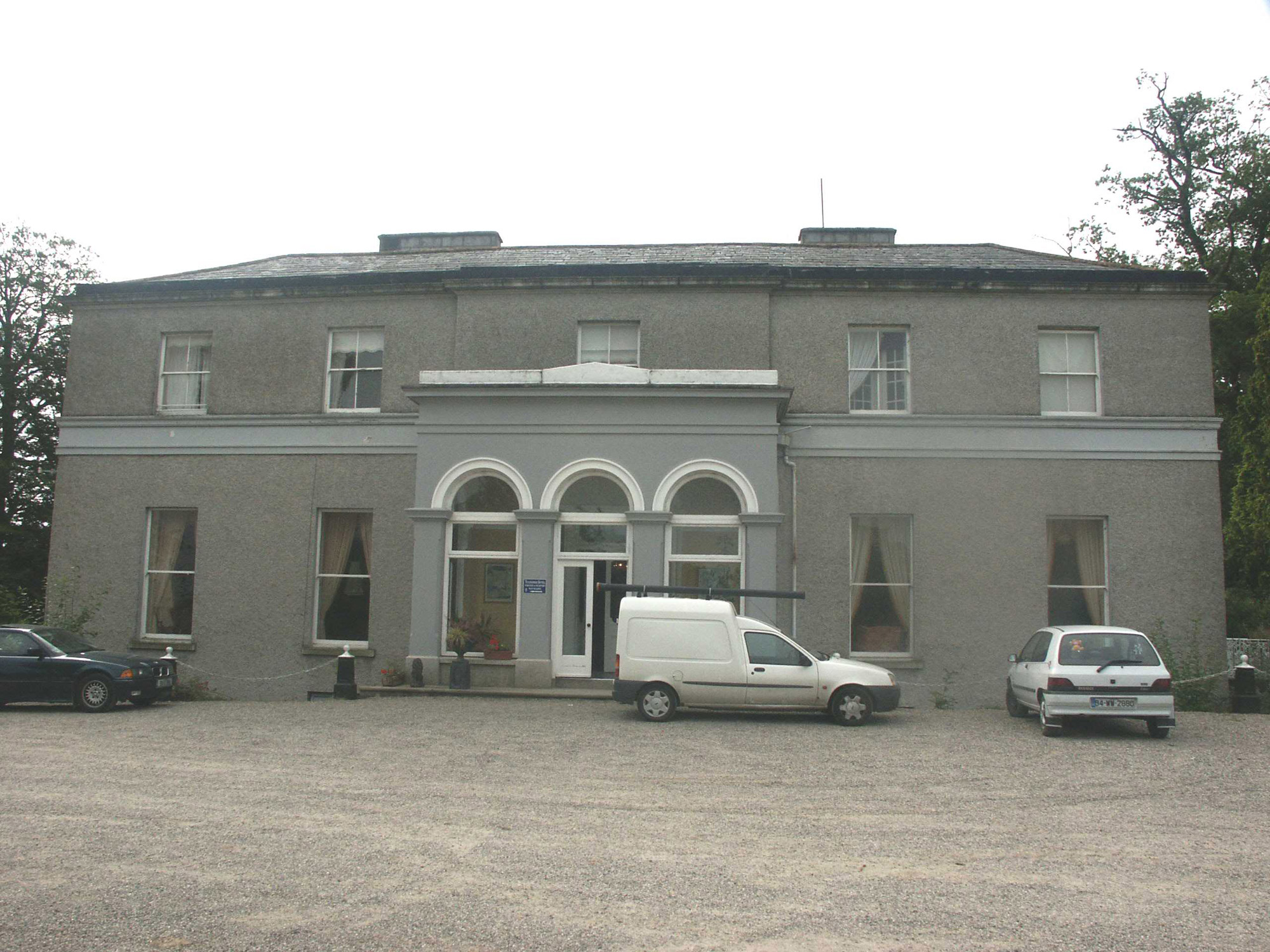
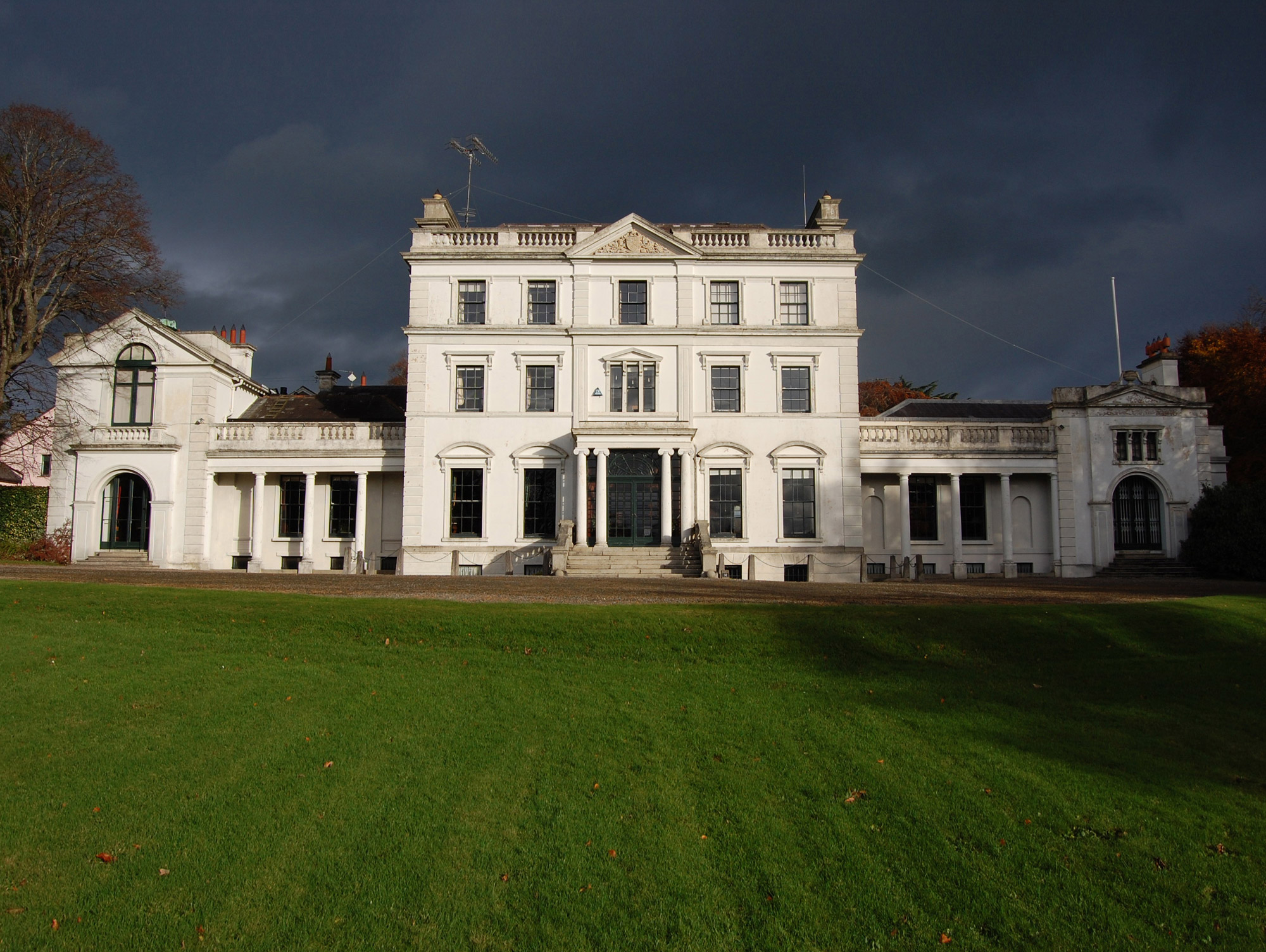
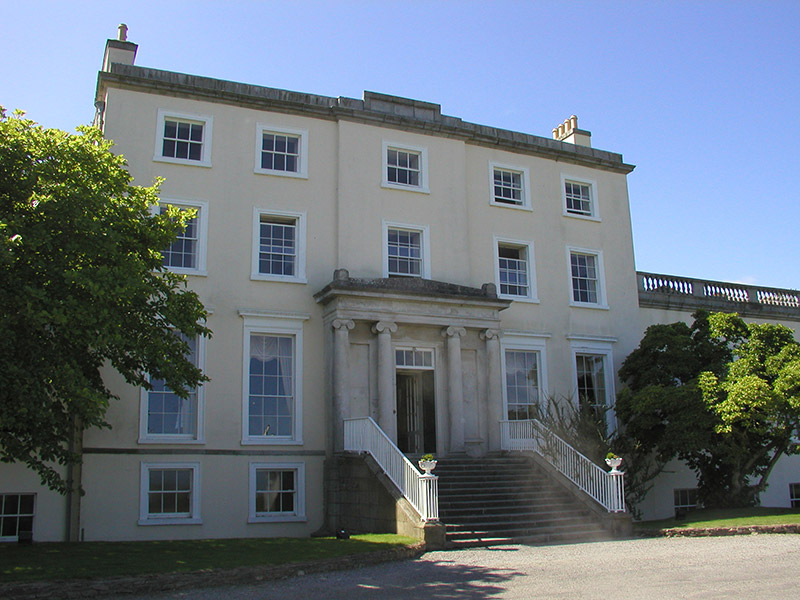
 Irish Historic Houses


