I am sad to see that Frybrook House in Boyle, County Roscommon, is once again advertised for sale, with Savills Estate Agent. We visited it recently during Heritage Week this year, 2025, and the owner, Joan, who showed us around gave no indication that she was planning to sell. It was previously sold in 2017, and since then, the owners spent time, effort, money and love renovating and decorating, preparing it for bed and breakfast accommodation. The thirty three windows took a year for a joiner to renovate, and the total renovation took about six years.
They decorated with flair, filling the house with cheeky art and historical elements, researching the history of the house.
The sign on the gate of Frybrook during Heritage Week 2025.
Frybrook is a three storey five bay house built around 1753. [1] A pretty oculus in the centre of top storey sits above a Venetian window, above a tripartite doorcase with a pediment extending over the door and flanking windows. [2] Due to the proximity to the river the house is unusual for a Georgian house in not having a basement.
Henry Fry (1701-1786) built the house for his family and established a weaving industry. The website for the house tells us that in 1743 Lord Kingston, who at that time was James King (1693 – 1761), 4th Baron Kingston, invited Henry Fry, a merchant from Edenderry in County Antrim, to establish the business in Boyle. [3] The Barons Kingston lived in the wonderful Mitchelstown Castle in County Cork and were related to the Kings of King House in Boyle and of Rockingham House, the Baronets of Boyle Abbey (see my entry about King House, https://irishhistorichouses.com/2023/02/02/king-house-main-street-boyle-co-roscommon/.
Henry Fry’s grandfather was from the Netherlands. Henry’s brother Thomas (1710–62) was an artist, recently featured in an exhibition at Dublin Castle.
The “Neglected Genius” Thomas Frye, featured in an exhibition in Dublin Castle.
The Dictionary of Irish Biography tells us that by 1736 Thomas Frye was in London and had become sufficiently established to be commissioned to paint the portrait of Frederick, Prince of Wales, on the occasion of his becoming “the perpetual master of the Company of Saddlers.” Thomas also co-founded a porcelain factory, one of the earliest in England, and he experimented with formulas and techniques for making porcelain, obtaining a patent for his work.
Thomas’s brother Henry Fry (1701-1786) married twice; first to Mary Fuller, with whom he had several children, then after her death in childbirth, to Catherine Mills, with whom he had more children.
Joan brought us inside. The house has its original beautiful plasterwork and joinery, and the tiles in the hall too and staircase are probably original to the house.
The house had been empty for about ten years before the owners bought it in 2018. Most of the fireplaces had disappeared and had to be replaced. There would have been a fine Adam chimneypiece at one time, which was sold by Richard Fry to a member of the Guinness family, our guide told us.
Upstairs are the bedrooms. One in particular is gorgeously decorated with sumptuous colours and fittings and has a carved chimneypiece and jewel-like en suite. The owner asked us not to post photographs as it is the guesthouse piéce de resistance. I do hope the new owners, if it is sold, will maintain it as a guest house as it would be a lovely place to stay! Although it would also make a fabulous home for some lucky family. It has seven en-suite bedrooms.
Robert O’Byrne tells us that “in 1835, Henry Fry of Frybrook and his relative, also called Henry Fry, of another house in the vicinity, Fairyhill, were founding members of the Boyle branch of the Agricultural and Commercial Bank (although this venture failed nationally after only a couple of years). Successive generations of Frys continued to live in the family home until the 1980s when, for the first time, it was offered for sale.” [4]
Another son of Henry Fry, Magistrate, (1701-1786) was Oliver (1773-1868), major of Royal Artillery, Freemason, Orangeman, and diarist. Our guide on the tour of the house read us an excerpt of his diary. The Dictionary of Irish Biography tells us that in 1793 Oliver had to leave Trinity college to go home to help his brother Henry defend his house from the “Defenders.” The Defenders were a Catholic Agrarian secret society that originated in County Armagh in response to the Protestant “Peep o’ Day Boys.” The Defenders formed Lodges, and in 1798 fought alongside the United Irishmen. In later years they formed the “Ribbonmen.” The Peep o’ Day Boys carried out raids on Catholic homes during the night, ostensibly to confiscate weapons which Catholics under the Penal Laws were not allowed to own. [5] The Defenders formed in response, and oddly, grew to follow the structure of the Freemasons, with Lodges, secrecy and an oath swearing obedience to King George III. The Peep o’ Day Boys became the Orange Order.
The Defenders carried out raids of Protestant homes to obtain weapons. When Britain went to war with France in 1793, small Irish farmers objected to a partial conscription as they needed their young men for labour, which increased membership in the Defenders.
The Dictionary tells us about Oliver Fry:
“He was a member of the force of Boyle Volunteers that defeated a large group of Defenders at Crossna and subsequently defended the residence of Lord Kingston (1726–97) at Rockingham. During this latter skirmish he captured the leader of the Defenders, and was later presented with a commission in the Roscommon militia by Lord Kingston.”
Oliver served in the Royal Irish Artillery. The Dictionary of Irish Biography entry about him tells us more:
“In 1822 Fry wrote a retrospective account of his early life, and thereafter kept a very detailed diary. While some of the accounts of his military service were somewhat exaggerated, his diary remains an invaluable source of information on the major events of the late eighteenth and early nineteenth centuries, including the agrarian disturbances of the 1820s–40s, the repeal movement, the cholera epidemic of 1831, and the Great Famine. Other more colourful events were also described, such as the visits of Queen Victoria, the Crystal Palace exhibition of 1851, and the Dublin earthquake of 1852. He died 28 April 1868 at his Dublin home, Pembroke House, Blackrock, Co. Dublin, and was buried at Mount Jerome cemetery.“
Despite the oppositional stance with Catholics, our guide told us that the family were generous in famine times, as evidenced by the Bakehouse, the remains of which are next to the driveway to the house. However, a bakehouse isn’t evidence that the family gave out the bread for free!
A sign next to the Bakehouse at Frybrook.
Further evidence of the Fry’s hospitality, Joan told us, are the “hospitality” stones on the piers at the entrance to the house.
The pier stones resemble worn pineapples. The only reference I can find to “hospitality stones” in a quick google search is that hospitality stones were like ancient admission tickets: stones with some marking on them given by someone to indicate that the bearer could produce the stone and receive hospitality in return. The stones on the entrance piers resemble worn pineapples. In the eighteenth century pineapples became a symbol of luxury, wealth and hospitality. A blog of the Smithsonian Museum tells us:
“The pineapple, indigenous to South America and domesticated and harvested there for centuries, was a late comer to Europe. The fruit followed in its cultivation behind the tomato, corn, potato, and other New World imports. Delicious but challenging and expensive to nurture in chilly climes and irresistible to artists and travelers for its curious structure, the pineapple came to represent many things. For Europeans, it was first a symbol of exoticism, power, and wealth, but it was also an emblem of colonialism, weighted with connections to plantation slavery...
“…the intriguing tropical fruit was able to be grown in cold climates with the development, at huge costs, of glass houses and their reliable heating systems to warm the air and soil continuously. The fruit needed a controlled environment, run by complex mechanisms and skilled care, to thrive in Europe. Pineapples, thus, became a class or status symbol, a luxury available only to royalty and aristocrats. The fruit appeared as a centerpiece on lavish tables, not to be eaten but admired, and was sometimes even rented for an evening.
“…The pineapple became fashionable in England after the arrival in 1688 of the Dutch King, William III and Queen Mary, daughter of James II, who were keen horticulturalists and, not incidentally, accompanied by skilled gardeners from the Netherlands. Pineapples were soon grown at Hampton Court. The hothouses in Great Britain became known as pineries. With its distinctive form, the cult of the pineapple extended to architecture and art. Carved representations sit atop the towers of St. Paul’s Cathedral in London and other prominent buildings, perhaps an adaptation or reference to the pinecones used on ancient Roman buildings.“
“…During the 18th century, the pineapple was established as a symbol of hospitality, with its prickly, tufted shape incorporated in gateposts, door entryways and finials and in silverware and ceramics.” [6]
The 37-foot-high Dunmore Pineapple, the north front, showing the entrance (photograph by Keith Salvesen from geograph.org.uk (via Wikimedia Commons) [6]
The lovely cafe in the gate lodge is situated on the river, next to the triple arch stone bridge over the River Boyle which was built in 1846 (or 1864, according to the National Inventory). [7]
“A bell was positioned on the roof of Frybrook house and it rang every day to invite the locals to dine in Frybrook, and when there was no room inside the house, tents were erected on the lawn.
“During the 1798 rising (‘Year of the French’) even the officers of the opposing French army were dining in the house.
“Frybrook House also supplied soup to the locals during the Great Famine (1845 to 1852), evidenced by a very large Famine Cauldron in the kitchen.“
I don’t know how it was that the Frys would host the French when Oliver was serving in the army fighting against the French! Perhaps this information is in Oliver’s diary. It would be a fascinating read. The Dictionary of Irish Biography gives a reference for his diary: William H. Phibbs Fry, Annals of the late Major Oliver Fry, R.A. (1909).
The bell may have been used to serve to tell the time for the weaving employees. The rope ran from the top of the house to the ground floor.
The weaving industry had 22 looms, our guide told us. Frybrook wasn’t a landed estate, and the owners did not make their money from having a large amount of land and tenants. The house had six acres. In later years the Fry family sold vegetables, and Lord Lorton established a market shambles for meat and vegetables.
Not all cauldrons were used to feed the public during the Famine. In the kitchen of the house there is a large cauldron that would have been used for washing clothes. The kitchen of Frybrook has many original features.
It has a Ben Franklin designed stove, which was invented to be a stove that was safe for children to be around.
The Famine in the 1840s hit Boyle hard. Information boards in King House tell us about Boyle in famine times. For the King family of Boyle, it was a time of trouble with tenants, as outlined in The Kings of King House by Anthony Lawrence King-Harmon.
This large portrait in the dining room of King House in Boyle is General Robert King (1773-1854), 1st Viscount Lorton, who was the second son of Robert King, 2nd Earl of Kingston.
Robert Edward King (1773-1854) joined the military and distinguished himself in the Caribbean. When he inherited Kingston Hall at Rockingham, Boyle, in 1797, he returned to Ireland and joined the Roscommon Militia and worked his way up to become a General. With Rockingham, however, came debt. In 1799 he married his first cousin, Frances Parsons Harman, daughter of his aunt Jane who had married Lawrence Parsons Harman (1749-1807), who owned the Newcastle Estate in County Longford. Robert worked hard to reduce the debt, and was a tough landlord, evicting many tenants.
In famine years, however, he lowered rents and provided work. The information boards in King House tell us that in the 1800s, Boyle residents suffered with poverty. One third of the population died of hunger and hundreds went to the workhouse. In the 1830s about 500 men, women and children were evicted from Lord Lorton’s estates around Boyle. Many were paid to emigrate to North America.
King House, 2022.King House, 2022.In King House.
The Fry family would have been in the centre of such poverty and hardship, and it must have been a dreadful time. They remained in the town and survived.
Joan told us that the Frys owned a mill, but the information board for the nearby mill does not mention Fry ownership. The current mill seems to have been built around 1810, according to the National Inventory, and the information board tells us that it was originally established by the Mulhall family and has been run by the Stewart family since 1885.
Thank you to Joan for the wonderful tour and for being so generous with her time. She and the owners deserve thanks for bringing Frybrook back so vibrantly to life.
Artwork in Boyle, home of the annual Boyle Arts Festival.
[2] Bence-Jones, Mark. A Guide to Irish Country Houses (originally published as Burke’s Guide to Country Houses volume 1 Ireland by Burke’s Peerage Ltd. 1978) Revised edition 1988 Constable and Company Ltd, London.
[5] Brendan McEvoy (1986). The Peep of Day Boys and Defenders in the County Armagh. Seanchas Ardmhacha: Journal of the Armagh Diocesan Historical Society.
Help me to pay the entrance fee to one of the houses on this website. This site is created purely out of love for the subject and I receive no payment so any donation is appreciated!
We visited Castlecoote in County Roscommon during Heritage Week 2025. The owner, Kevin, showed us around, and we were lucky enough to be accompanied on the tour by a previous owner, Tony Convoy, who lived here as a child after the 1920s and moved out in 1988 or 1989.
Castlecoote house is situated in the grounds of a 14th or 15th century fort of the Mageraghty clan built on the river Suck. The fort may have been taken over by Nicholas Malby, President of Connaught, in the 1580s. Four towers of the original fort are still standing. The National inventory tells us that the castle was erected in the Raphoe-Rathfarnham star fort plan type with two of the original flanking towers incorporated into the main house. [1] The house was largely destroyed in the 1640s but the flanking towers that now form the wings of the house remained, with their stone flagged floors and musket chambers. Stephen was particularly excited to hear that recently when a tree was blown down in a storm, a skeleton was found underneath, at the bottom of a tower!
Charles Coote (1581-1642), a British soldier who came to Ireland to fight in the Nine Years War, when the Irish tried to take Ireland back from British control, took Castlecoote as his base in 1616, and renamed the castle fort Castlecoote. He enlarged and fortified the castle. Kevin showed us a picture of the old house and the bridge. The house seems to have had more upper floors than today.
An early picture of Castlecoote.
Charles Coote fought in the Siege of Kinsale in 1601-2, a battle which ultimately led to rebel Hugh O’Neill’s defeat and the end of the Nine Years’ War. In 1605 Coote was appointed Provost-Marshal of Connaught and in 1613, General Collector and Receiver of the King’s composition money for Connaught.
Sir Charles Coote (1581-1642) 1st Baronet of Castle Cuffe, Queens County, photograph By David Keddie – Own work, Public Domain,https//:commons.wikimedia.org/w/index.php?curid=42005305.jpgHugh O’Neill (c. 1540-1616) 2nd Earl of Tyrone, courtesy of National Museums Northern Ireland. In Irish Portraits 1660-1860 by Anne Crookshank and the Knight of Glin, we are told that this was painted during his exile in Rome.
Charles Coote married Dorothea Cuffe in 1617, and in 1620 became Vice President of Connaught. Dorothea brought with her to the marriage land in Counties Cork and Laois. In 1621 Coote was created Baronet of Castle Cuffe in Queen’s County (Laois).
As commissioner to examine and contest Irish land titles, Coote acquired much property. He served as MP for Queens County in 1640.
In 1641, Coote was appointed governor of Dublin and told to raise a regiment to fight against the Catholic uprising. He helped to beat the Irish Confederates in the Battle of Kilrush but was killed by the opposition in 1642.
The castle was attacked by 1200 men during the 1641 rebellion. Coote’s son Charles (c.1609–1661) held the castle successfully, withstanding a siege of around ten days of attack.
The bridge was destroyed by the attack and was replaced only relatively recently by the current owner, who took great care to have the most suitable bridge designed and built – one with a curved arch that shows the house at its best, much like the original. Kevin told us that the arches from the original bridge were reused to make a new bridge further down the River Suck.
The Dictionary of Irish Biography gives an intriguing hint when it tells us that the son Charles Coote was elected to the Irish parliament for Co. Leitrim in 1640 and “appointed in the same year to a commission to examine those accused of bewitching Katherine, sometime duchess of Buckingham, latterly wife of the earl of Antrim.”
She was the widow of George Villiers, Duke of Buckingham, favourite of King James I. George Villiers and his mother were recently depicted in a tv series “Mary and George,” based on Benjamin Wooley’s book The King’s Assasin.
Katherine was heiress to her mother’s fortune and to extensive unentailed portions of the Manners estates in Northamptonshire and Yorkshire, together with estates in Buckinghamshire and Leicestershire. She renounced her Catholicism to marry George Villiers.
Dunluce, County Antrim, June 2023. Katherine née Manners was painted by Rubens.
Her so-called bewitching occurred before her marriage to George Villiers. The story of the bewitching takes place in 1613 when Katherine and several of her relatives fell ill at their home in Belvoir Castle, and her brother Henry died. It was said that the family were poisoned by some witches. The women accused of witchcraft were from a family who had fallen on hard times, who took work in the castle. They were dismissed, and it was said that in revenge, they poisoned the family. The former servants, Joan, Margaret and Philippa Flower, were known to be herbal healers. They were accused of having used witchcraft to to attack the family, and they became known as “the Belvoir Witches.”
Joan died on route to trial in Lincoln when she choked on a piece of bread: she allegedly requested the bread, saying that if she was guilty it would choke her. If bread blessed by a priest stuck in the woman’s throat, then her crime was an affront to God himself. Her death was taken as evidence of the crime and further incriminated the daughters, who confessed, probably under torture. These ‘witches’ were executed on 11 March 1618. [3]
In 2013, historian Tracy Borman suggested in Witches: A Tale of Sorcery, Scandal and Seduction (Cape, 2013) that the Flower women may have been framed by George Villiers, who may have poisoned Katherine’s brothers in order to inherit the title Duke of Rutland after he married Katherine, sole surviving heir.
George Villiers Duke of Buckingham was assassinated in 1628 and his wife Katherine and her sons inherited an enormous fortune as well as Buckingham’s London mansions – Wallingford House, Walsingham House, and York House – together with nineteen more modest properties on the Strand, a mansion in Chelsea, and another, New Hall, north of Chelmsford in Essex. She was therefore quite a catch for Randal McDonnell.
Randal MacDonnell 2nd Earl and 1st Marquess of Antrim.
After Buckingham’s death she reverted to Catholicism.
Let’s return to Castlecoote. In 1645 Charles Coote (c.1610 –1661) the son was made Lord President of Connaught.
Coote fought on the Cromwellian side in the Civil War but managed to win King Charles II’s favour after the restoration of the monarchy, and was created earl in 1661. After becoming earl, he was made one of the lord justices of Ireland.
Charles Coote 1st Earl of Mountrath (c.1610 –1661), 2nd Baronet, ca. 1642, before he was ennobled, Circle of William Dobson.
Charles chose Mountrath for his earldom because his father had led a very successful advance through the district of Mountrath during the 1641 uprising, riding over forty eight hours on horseback without losing a single man. (see the Dictionary of National Biography)
Charles’s brother Chidley Coote (d. 1668) lived at Mount Coote in County Limerick, later Ash Hill, which was a Section 482 property until 2025 and provides beautiful accommodation (see my entry https://irishhistorichouses.com/2023/04/06/ash-hill-kilmallock-co-limerick/. ) Another brother Thomas (d. 1671) lived in Cootehill, County Cavan, and Richard Coote (1620-1683) 1st Baron Coote of Coloony, County Sligo, married Mary St. George and had a son Richard (1636-1700) who became 1st Earl of Bellamont, or he of the splendid pink robe and feathers as I like to think of him.
Charles Coote, 1st Earl of Bellamont by Joshua Reynolds, courtesy of National Gallery of Ireland NGI 216.Ballyfin, County Laois: The staircase hall of Ballyfin, where hang portraits of many Cootes. The house came into the Coote family in 1813. Country Life 31/08/2011 vol. CCV. Photograph by Paul Barker.
The Historic Houses of Ireland website tells us that the fortified house was remodelled in the Palladian style in the eighteenth century to create the house as we see it today. [2] The National Inventory tells us that this work was carried out around 1770. The house is a three-bay two-storey house over raised basement, with single-bay flanking projecting wings from the fortified house of c.1630. It has full-height bows to the south and west elevations.
The next family to live in Castlecoote were the Gunning family. The Historic Houses of Ireland website tells us that the family are reputed to have won the estate through a game of cards. [2] Due to their beauty, John Gunning’s daughters Maria and Elizabeth were the toast of 1750s London.
Horace Walpole wrote: “There are two Irish girls, of no fortune, who make more noise than any of their predecessors since the days of Helen, and are declared the two handsomest women alive. I think there being two so handsome, and such perfect figures, is their chief excellence, for singly I have seen much handsomer women than either. However, they can’t walk in the park, or go to Vauxhall, but such mobs follow them that they themselves are driven away.”
Elizabeth Gunning was a famous Irish beauty who married the 6th Duke of Hamilton in 1752. She then married John Campbell, the future 5th Duke of Argyll.The portrait hangs in Malahide Castle and belongs to the National collection.
In an article in the Roscommon Champion newspaper on February 7th 1992, Angela Doyle writes that Bryan Gunning acquired land in Roscommon, including Castlecoote. Theobald Bourke, 6th Viscount Mayo, married Bryan Gunning’s daughter Margaret in 1731.
Bryan Gunning’s son John married Bridget Bourke, a daughter of the 6th Viscount of Mayo by his first wife, Mary Browne, a daughter of one of the drafters of the Treaty of Limerick (Colonel John Browne – d. 1712).
An extract from Notable Irishwomen tells us more about the Gunning family. It tells us that John Gunning, the second son, was a barrister of the Middle Temple in London. He settled at Hemingford Grey, in Huntingdonshire, and here his eldest daughter, Maria, afterwards Countess of Coventry, was born in 1733. Elizabeth, afterwards Duchess of Hamilton, followed the year afterwards, and there were three more daughters, two of whom died young, and then came a son, who subsequently entered the army, fought at Bunker’s Hill (during the American War of Independence), and attained the rank of General. [4]
“In 1740, by the death of his elder brother, Mr. Gunning succeeded to the property of Castle Coote. The little family now migrated from Hemingford Grey to Roscommon, a formidable journey in those days of stage coaches and sailing boats. Money was not plentiful at Castle Coote, and no wonder, with such numerous charges as there must have been on it. Mrs. Gunning was a clever, ambitious woman, and as she looked at the wonderful beauty of her daughters, fast growing to maturity, she thought that the girls must be taken out into the world to make their mark there. It would never do for them to be thrown away on country squires or struggling attorneys. So she brought them to Dublin, and took a house in Great Britain Street, at that time quite a fashionable locality, within easy reach of Dominick Street, then the head-quarters of high life. But debts soon accumulated. ..“
“It was said that Peg Woffington lent the Gunnings dresses from her theatrical wardrobe, in which they appeared at Dublin Castle. Whether this be true or not, it is certain that they were presented to the Lord Lieutenant at a birthright ball, and they made such a sensation there that Lord Harrington, then Viceroy, advised their mother to take them to London. This she was only too eager to do. By hook or by crook she got the money together… The year they went to London, the two girls had their portraits painted by Francis Cotes, R.A. They are represented in low-cut, long-waisted, grey satin gowns, with rows of pink rosettes down each side of the bodice, black hair curled at the back and fastened with a string of pearls. A small black patch, is, according to the fashion of the day, on one cheek.” [4]
Maria Gunning, Countess of Coventry (1733-1760) by Francis Cotes, circa 1751. Picture courtesy of National Gallery of Ireland.Elizabeth Gunning by Francis Cotes, pastel on blue paper laid down on canvas, courtesy of National Portrait Gallery London, NPG 4890.
“They were presented to the King (George II.) one Sunday afternoon, and another Sunday in the Park, such crowds assembled to gaze on them that Lord Clermont with some other gentlemen, had to draw their swords to protect them from the mob…” [4]
A Royal Trust Collection picture of Elizabeth tells us:
“Elizabeth Gunning was the second daughter of Col. John Gunning of Castle Coote, County Roscommon, Ireland and his wife, the Hon. Bridget Bourke, daughter of the 6th Viscount Mayo. Born in Hemingford Grey, Huntingdonshire, she was taken to Ireland at the age of three and lived there until 1750 when, with her elder sister Maria, she was brought back to England and presented in London society. Thanks to their beauty and unsophisticated charm the Gunning sisters ‘became the rage and the subject of conversation at every fashionable rout’. Elizabeth became the wife of James, 6th Duke of Hamilton in an extraordinary ceremony, performed with the ring of a bed-curtain at half past midnight on St. Valentine’s Day 1752 after a party at Bedford House at which the Duke had lost £1200 at cards. The Duke of Hamilton, by whom she had three children, died on 17 January 1758 and early in the following year she married John Campbell, Marquis of Lorne, who in 1771 succeeded as 5th Duke of Argyll. She was created Baroness Hamilton of Hambledon in her own right in 1776. Lady of the Bedchamber to Queen Charlotte from 1761 to 1784, she was appointed Mistress of the Robes in 1778 and died on 20 December 1790. She was one of the most portrayed women in Britain during the period 1750-70.“
Elizabeth, Duchess of Argyll and Hamilton by Catherine Read (1723-78).Royal Trust Collection. Even this super-frilly beribboned decking cannot hide her beauty.A copy of the portrait of Elizabeth Gunning by Joshua Reynolds hangs in Castlecoote.Elizabeth Gunning (Duchess of Hamilton and afterwards Duchess of Argyll), 1734‑1790.A portrait of Elizabeth, Duchess of Hamilton and Argyle, painted by Gavin Hamilton.This is my favourite portrait of a Gunning sister: Maria, as painted by Jean-Etienne Liotard.
Elizabeth held the office of Lady of the Bedchamber to Queen Consort Charlotte, wife of King George III, between 1761 and 1784.
Queen Charlotte, wife of King George III.This photograph was taken in Castletown House, County Kildare.
Maria, who married the Earl of Coventry, died aged 27, Robert O’Byrne tells us she most likely died from lead poisoning due to efforts to maintain her pale skin.
Castlecoote changed hands several times until its current owner. When Tony’s father Pat took over the property in the 1930s and farmed the land, he made sure that the house would have a future. However, a fire occurred soon after it was sold by the Convoys in 1989.
Article in the Roscommon Champion, February 7th 1992 by Angela Doyle.
Angela Doyle writes that the brother of the Gunning sisters, Colonel John, married and had a daughter Elizabeth who inherited the Coote good looks. When she forged a letter from a potential suitor, saying that he had changed his mind, her father was outraged and cast out his wife and daughter. He took a mistress and moved to Naples, where he died. His wife Susannah Gunning née Minifie inherited the heavily mortgaged estate at Castlecoote. She was a novelist who wrote romantic and Gothic tales. Her daughter Elizabeth, also a novelist, married Major James Plunkett of Kinnaird, County Roscommon. The literary historian Isobel Grundy tells us in the Oxford Dictionary of National Biography: “Elizabeth Gunning’s early novels are, like her mother’s, sentimental, with heavy-footed humour, trite moralizing, a self-consciously elaborate style, and intense class-consciousness. Each woman wrote more interestingly, with more criticism of society, later in life.” The estate passed out of Coote ownership.
In 1997, when bought by the present owner Kevin Finnerty, the Historic Houses of Ireland website tells us, Castlecoote was a cavernous ruin, without floors, stairs or windows, while the internal walls were crumbling away. The basement was enveloped by earth, the front doorsteps had collapsed, and the surroundings were badly overgrown.
The Historic Houses of Ireland entry tells us that Kevin began a lengthy period of restoration, which took five years to complete. Work included essential repairs to the structure, underpinning the foundations, consolidating the castle towers, re-roofing and more intricate work such as restoring the plaster ceilings, replacing the chimneypieces, the internal doors and other joinery, and completely redecorating the interior.
The result is beautiful. Kevin gave us a tour inside. Although the historic houses website mentions five years, Kevin says it took twelve years to make the house habitable.
Part of the castle has been let to tenants, so Kevin took us first to the basement to show us the renovations, including lime render on the walls and underfloor heating. There had been no stairs down to the basement and the ones installed are much as the original would have been, of limestone.
The fireplaces had to have sixteen new chimneypieces installed as the originals had disappeared while the castle was an empty ruin after the fire. Kevin pointed out that the older the chimneypiece, the narrower the mantle shelf. It was the Victorians, I believe, who instigated wide mantlepieces in order to display pieces. Before, the mantle was used to rest a mirror, which was often tilted upward to reflect light and often, a beautiful ceiling.
Kevin has done the Cootes and the Gunnings and all the former occupants of the house proud, by reinstating its formal splendour in the ceiling plasterwork. With careful attention to detail, he made sure that the windows have the narrow glazing bars of the Georgian period.
We ended the tour in the grand hall that houses the annual Percy French Summer School. I see that it features very interesting speakers – we must keep a watch for next year’s summer school! The Percy French Summer School began in the 1950s, I believe, and Kevin’s father was one of the founding members. It moved to Castlecoote house in 2009.
The website tells us that Larchfield extends to 600 acres and includes peaceful forest and woodland alongside picturesque river banks. Steeped in history, Larchfield’s heritage dates back to the 1600’s with many remarkable ups and downs throughout its 350-year history.
“The current owners (Gavin and Sarah Mackie) were married themselves at Larchfield in 2007, and moved back to take on the estate from Gavin’s parents. The estate was opened up for weddings and events around this time and in 2010, as part of its renovation, the Stables was re-built and re-roofed for hire for ceremonies and smaller functions downstairs.
In 2012, Rose Cottage was the first of the onsite accommodation to be restored, leading to the development of accommodation for up to 37 guests. Late 2019 saw the completion of the redevelopment of an 1800s railway style building facing the Larchfield Estate cottages. Harkening back to its history as a piggery, The Old Piggery was officially launched in 2020 as a new offering for experiences, dining, special celebrations and corporate retreats. This project was kindly supported by the Rural Development Programme.“
“The stunning Magheramorne Estate, conveniently located just 23 miles from Belfast, is one of the most exclusive venues available for private hire in Northern Ireland. From weddings, family parties, corporate meetings and events to occasion meals, this coastal estate offers a variety of unique indoor and outdoor spaces to fulfil your dreams.
Built as a grand family home around 1880, the house has recently enjoyed sympathetic and elegant restoration in keeping with its Grade B1 listed status.
The Allen family have made significant investments to ensure the house meets modern expectations while carefully retaining the welcoming warmth of genuine domestic comfort.
Designed circa 1878 by Samuel P Close, it was built by James Henry for Sir James Hogg to mark his rise to the peerage of Baron Magheramorne in 1880. It replaced Ballylig House, an earlier and more modest residence originally constructed in 1817.
“Elmfield Estate has been a family home for generations and of the Shaw family for the last 60 years. It has evolved through the years, from a modest dwelling house and stable yard in the 18c to an impressive Victorian Scottish baronial style house with turrets and ziggurat balustrades, built by the wealthy linen barons in the mid-1800s. The estate ran into disrepair after the second world war but was saved by the Shaws who have lovingly restored the house, farm, and gardens room by room lawn by lawn. Elmfield has certainly been a place of transformation and vision over the last 60 years. When Derek and Ann’s three children were little, they enjoyed the freedom and wildness that only a semi-derelict estate can offer. To turn that into what you see today is down to Derek’s vision.
“Killeavy Castle is a Grade A listed historical building originally designed in 1836 by architect George Papworth of Dublin. Formally known as Killeavy Lodge, the Foxall family had their home rebuilt in the style of the pre-Victorian Gosford Castle with towers, Tudor windows and a medieval-style door transforming the modest farmhouse into a home fit for a king.
Situated on the eastern base of Slieve Gullion, the original castle and surrounding grounds brought a new element to the beautiful landscape. The building contained a basement level with a kitchen, store rooms, servant’s quarters and an underground tunnel to allow servants to enter and exit the building unseen. Above was a parlour and wine cellar, with an adjoining drawing room, library and conservatory. On the top level were six bedrooms, four dressing rooms and bathrooms. There was a beautiful walled garden and an ornamental water wheel.
The Bell family took ownership of the property in 1881, but in recent years the building fell into disrepair. Fortunately, the facade remained intact and, surrounded by fir plantations and lush farmland, it has been returned to its former glory.
The Architect
George Papworth (1781-1855) was the younger brother of English architect John Buonarotti Papworth. He established himself in Ireland and designed many notable buildings including Sir Patrick Dun’s Hospital and the King’s Bridge in Dublin. His drawings of Killeavy were exhibited in the Royal Hibernian Academy in 1836.“
County Carlow venues:
1. Huntington Castle, County Carlow €
Huntington Castle and Gardens, by Daniel O’Connor 2021 for Tourism Ireland.
Lisnavagh, County Carlow, photograph taken October 2019.
Lisnavagh is a wedding venue, and there are buildings with accommodation, including the farm house, converted courtyard stables, the groom’s cottage, schoolhouse, farm and blacksmiths cottages and the bothy.
The National Inventory tells us that it was designed around 1847 by Daniel Robertson. It was built for William McClintock-Bunbury (1800-1866). Around 1953, it was truncated and reordered, to make it more liveable, and this was designed by Alan Hope.
The website tells us that Sandbrook is a handsome period country house, originally built in the early 1700s in Queen Anne style [the National Inventory says 1750], and sits in 25 acres of mature parkland on the Wicklow/Carlow border in the heart of the Irish Countryside with views toward Mount Leinster and the Wicklow Mountains. The National Inventory further describes it:
“five-bay two-storey over basement house with dormer attic, c. 1750, with pedimented central breakfront having granite lugged doorcase, granite dressings, two-bay lateral wings, Palladian style quadrant walls and pavilion blocks. Interior retains original features including timber panelled hall and timber staircase.“
The website tells us: “Barnabrow Country House: in idyllic East Cork is discreet – it is like a secret garden that beckons. Visitors may happen upon it nestled in the rolling hills of East Cork with distant but tantalising glimpses of Ballycotton Bay. At first glance it appears contained – its banqueting hall, high on the hill, is not obvious, the twenty-two bedrooms are tucked away in various courtyards and the cottages are not apparent.“
“A medieval Castle for rent in Ireland, the spectacular home of the former Viscount of Fermoy and Lords of the Barony of Fermoy, is a truly unique heritage site of international significance. Blackwater Castle, with a history extending back some 10,000 years to the Mesolithic period, is available to hire as a private Castle experience for exclusive Castle weddings, private parties, and family gatherings.
The Castle was first erected in the twelfth century on the site of the Bronze Age fortress of Dún Cruadha, an inland promontory fort which was established some 2,500 years ago or more on a rocky outcrop on the banks of the River Awbeg. Beautifully appointed suites, welcoming reception rooms, historical tours, and extensive activities from zip-lining to fly fishing are all on offer at one of Ireland’s more interesting and best preserved castles set on a 50 acre estate of mature native Irish trees with a private stretch of the River Awbeg.“
Nestled in beautiful parkland where you will find our grand Georgian Mansion House which is perfect for weddings, family get togethers, corporate events and much more.
“Steeped in history, the house was originally built in 1789 by Dr Knox of Lifford. The house and grounds have now been beautifully restored by the present owner and offer luxury accommodation as well as a unique, private location for a variety of functions including weddings and corporate events.
Drumhalla House offers superior 5 star accommodation and is a much sought after and unique wedding venue.
Panoramic views over Lough Swilly and the renowned Kinnegar beach provide the perfect backdrop for your wedding day. The beautifully maintained grounds and lawns at Drumhalla House make it perfect for your guests to enjoy and explore.
Allow our Country Manor House, complete with 5 star accommodation at Drumhalla to transform your wedding ideas into the fairytale you always dreamed of.
All of our bedrooms are individual and unique and everything one would expect in a much loved Manor House. The rooms are very comfortable and traditional in style and filled with carefully chosen furnishings. They are located on the 1st floor of the house and provide varied views over the gardens and beach.“
2. Dunmore, Carrigans, Co Donegal – accommodation and weddings
Narrow Water, photograph by Chris Hill 2005 for Tourism Ireland, Ireland’s Content Pool.
The website tells us:
“Narrow Water Castle is the private home of the Hall family who have lived at Narrow Water since 1670, originally in the Old Narrow Water Keep situated on the shoreline of Carlingford Lough which is now a national monument.
As a private home the castle is not open for public admission. It does however occasionally open its doors for weddings and exclusive events.
In 1816 construction began on the new Castle by Thomas Duff, a well-known Newry architect who also designed the Cathedrals in Newry, Armagh and Dundalk. The Elizabethan revival style castle is made from local granite and built next to the existing house, Mount Hall (1680). It was completed in 1836.
Event Venues Dublin
1. Luttrellstown Castle, (known for a period as Woodlands), Clonsilla, Co Dublin
Luttrellstown Castle Resort, photograph by Colm Kerr 2018, Ireland’s Content Pool. The National Inventory describes it: “Detached seven-bay two-storey castle, incorporating fabric of earlier castle. Extended and remodelled c.1810, with battlements and turrets. Two wings to rear, with several later additions. Farmyard quadrangle mostly dating to c.1840. Demesne with lake, cascades, ice-house, gate lodges, obelisk, tower, bridges, rustic pavilion, and Doric temple. Now in use as hotel.”
The castle dates from around 1420, according to Timothy William Ferrars.
Luttrellstown Castle, courtesy of Luttrellstown Castle Resort for Failte Ireland 2019, Ireland’s Content Pool.Luttrellstown Castle, courtesy of Luttrellstown Castle Resort for Failte Ireland 2019, Ireland’s Content Pool.Luttrellstown Castle, courtesy of Luttrellstown Castle Resort for Failte Ireland 2018, Ireland’s Content Pool.Gothic Hall, Luttrellstown Castle, courtesy of Luttrellstown Castle Resort for Failte Ireland 2018, Ireland’s Content Pool.The National inventory describes the interior: “Octagonal entrance hall; Gothic vaulting; ballroom with Adamesque plasterwork.”Inner Hall: the staircase hall with a painted ceiling by Thornhill,Luttrellstown Castle, courtesy of Luttrellstown Castle Resort for Failte Ireland 2018, Ireland’s Content Pool.Luttrellstown Castle Resort, Van Stry Ballroom, photograph by Colm Kerr 2018.Luttrellstown Castle Resort, The Kentian Room: “birds and swags and foliage of stucco in high relief on the walls, and a painted ceiling by de Wit. The room was designed by Mr Felix Harbord, who also designed an Adamesque drawing room decorated with grisaille paintings by Peter de Gree fro Oirel Temple, and transformed the staircase hall with a painted ceiling by Thornhill”, photograph by Colm Kerr, 2019, Ireland’s Content Pool.
“A Georgian mansion built by Dublin snuff merchant Lundy Foot back in 1790. Frequent visitors to the house included the Great Emancipator Daniel O’Connell, Eoin Mac Neill, Padraig Pearse and William Smith O’Brian, among many other famous figures from Anglo-Irish history.
A truly unique house set on 45 acres in the foothills of the Dublin Mountains, with spectacular views over Dublin City and stretching out as far as the Irish Sea. We are only 25 minutes from Dublin Airport and from Dublin city centre. The house has been lovingly and tastefully restored in recent years, with large drawing and reception rooms and open fires. Our beautiful dining room sits 20 people at our regency table. There is a large games room in the basement of the house with table tennis, pool table, and a full-sized snooker table.
There is lots to do in the immediate area including numerous hiking trails both on the estate and in proximity including the Dublin Way and the Wicklow Way. We have an equestrian centre next door with reduced rates for guests and some of Dublin’s most infamous pubs are within 10 minutes of the house, with great local food, traditional music, and Irish dancing.
The house really is one-of-a-kind.
WEDDINGS
Orlagh house is the perfect location for couples who want something different from the norm, a unique and truly personal day to remember. Exclusively yours for your wedding day with a second day optional, we also have 14 bedrooms to offer your guests.
We have an in-house catering team who can create your perfect menu, from sit down formal dining to a more laid-back BBQ’. Choose from our indoor ballroom or numerous outside garden areas. Our wedding team are there to help you with everything you may need.“
Whole House Accommodation and Weddings, County Galway:
1. Cloghan Castle, near Loughrea, County Galway – whole castle accommodation and weddings, €€€ for two.
“An air of historic grandeur and authenticity is the initial impression upon arrival at Cloughan Castle. Follow the long sweeping driveway surrounded with breath-taking countryside views, to the beautifully restored castle with its ornamental stonework & imposing four storey tower. Sitting within several acres of matured woodlands with striking panoramic countryside views, this lovingly restored 13th-century castle holds its historic past with a character that blends effortlessly with elegance and comfort.
Find yourself immersed in unrivalled castle comfort with the ultimate mix of homeliness & grandeur, the most appealing destination for those seeking exclusivity & privacy. A combination of seven magnificently appointed bedrooms, two versatile reception rooms, complete with an idyllic backdrop, ensures a truly memorable occasion to be long remembered. Cloughan Castle offers complete exclusivity for all occasions, from an intimate family getaway to a private party celebration, to a truly magical wedding location.“
Glenlo Abbey Hotel & Estate, Co Galway Kelvin Gillmor Photography 2020,for Tourism Ireland, Ireland’s Content Pool.Glenlo Abbey Hotel & Estate, Co Galway Courtesy Glenlo Abbey Hotel and Estate, Galway 2017, for Tourism Ireland, Ireland’s Content Pool.Glenlo Abbey Hotel 2020 Courtesy Glenlo Abbey Hotel and Estate, Galway, for Tourism Ireland, Ireland’s Content Pool.Palmer Bar, Glenlo Abbey Hotel & Estate, Courtesy Glenlo Abbey Hotel and Estate, Galway 2020, for Tourism Ireland, Ireland’s Content Pool.
“Nestled into the Northern corner of the courtyard, this beautifully appointed self catering cottage can sleep up to six guests – with private entrance and parking. Built during 1846 as part of a programme to provide famine relief during the Great Potato Famine of the time, it originally housed stabling for some of the many horses that were needed to run a large country estate such as Lough Cutra. In the 1920’s the Gough family, who were the then owners of the Estate, closed up the Castle and converted several areas of the courtyard including Cormorant into a large residence for themselves. They brought with them many original features from the Castle, such as wooden panelling and oak floorboards from the main Castle dining room and marble fireplaces from the bedrooms.
We have furnished and decorated the home to provide a luxuriously comfortable and private stay to our guests. Each unique courtyard home combines the history and heritage of the estate and buildings with modern conveniences.“
The website tells us: “Resting on the quiet shores of Ballinakill Bay, and beautifully secluded within 30 acres of its own private woodland, Rosleague Manor in Connemara is one of Ireland’s finest regency hotels.“
The National Inventory tells us: “Attached L-plan three-bay two-storey house, built c.1830, facing north-east and having gabled two-storey block to rear and multiple recent additions to rear built 1950-2000, now in use as hotel…This house is notable for its margined timber sash windows and timber porch. The various additions have been built in a sympathetic fashion with many features echoing the historic models present in the original house.”
“Beautifully situated on a private estate on the edge of Killarney National Park, our luxury four-star hotel is located just twenty minutes’ walk from Killarney town centre. The entrance to the hotel is framed by a tunnel of greenery which unfurls to reveal the beauty of this imposing manor house, constructed in 1877 and formerly home to the Herbert Family.
Cahernane House Hotel exudes a sense of relaxation and peacefulness where you can retreat from the hectic pace of life into a cocoon of calmness and serenity. The only sounds you may hear are the lambs bleating or the birds singing.
Cahernane House was built as the family residence of Henry Herbert in 1877 at a cost of £5,992. The work was carried out by Collen Brothers Contractors. The original plans by architect James Franklin Fuller, whose portfolio included Ballyseedy Castle, Dromquinna Manor and the Parknasilla Hotel, was for a mansion three times the present size.“
The website tells us: “If you are looking for the perfect hideaway which offers peace, tranquility, plus a wonderful restaurant on the lake, Carrig House on the Ring of Kerry and Wild Atlantic Way is the place for you. The beautifully appointed bedrooms, drawing rooms and The Lakeside Restaurant, overlooking Caragh Lake and surrounded by Kerry’s Reeks District mountains, rivers and lakes create the perfect getaway.
Carrig House was built originally circa 1850 as a hunting lodge, it was part of the Blennerhassett Estate. It has been mainly owned and used by British Aristocracy who came here to hunt and fish during the different seasons.
The house was purchased by Senator Arthur Rose Vincentin the early 20th. Century. Vincent moved here after he and his wealthy Californian father in law Mr. Bowers Bourne gave Muckross House & Estate in Killarney to the Irish Government for a wonderful National Park.
Bourne had originally purchased Muckross House from the Guinness family and gave it to his daughter Maud as a present on her marriage to Arthur Rose Vincent. However, Maud died at a young age prompting Bourne and Vincent to donate the estate to the Irish State.
Vincent remarried a French lady and lived at Carrig for about 6 years, they then moved to the France. The country house history doesn’t end there, Carrig has had many other illustrious owners, such as Lady Cuffe , Sir Aubrey Metcalfe, who retired as the British Viceroy in India and Lord Brocket Snr, whose main residence was Brocket Hall in England.
Frank & Mary Slattery, the current owners purchased the house in 1996. They are the first Irish owners of Carrig since it was originally built and have renovated and meticulously restored the Victorian residence to its former glory.
For over two decades Frank & Mary have operated a very successful Country House & Restaurant and have won many rewards for their hospitality and their Lakeside Restaurant. They are members of Ireland’s prestigious Blue Book.
Carrig House has 17 bedrooms, each individually decorated in period style with antique furniture. Each room enjoys spectacular views of Caragh Lake and the surrounding mountains. All rooms are en suite with bath and shower. Those who like to indulge can enjoy the sumptuous comfort of the Presidential Suite with its own separate panoramic sitting room, male and female dressing rooms and bathroom with Jacuzzi bath.
The restaurant is wonderfully situated overlooking the lake. The atmosphere is friendly, warm and one of total relaxation. The menu covers a wide range of the freshest Irish cuisine.
Irish trout and salmon from the lake and succulent Kerry lamb feature alongside organic vegetables. Interesting selections of old and new world wines are offered to compliment dinner whilst aperitifs and after-dinner drinks are served in the airy drawing room beside open peat fires.
Within the house, chess, cards and board games are available in the games room.“
It was constructed for Sir John Columb around 1889-90. The website tells us:
“There are many elements to Dromquinna Manor. Firstly it is a stunning waterside estate unlike anything else. Set on 40 acres of parkland planted in the 1800s, the Estate offers an abundance of activities and facilities.
The Manor, dating from the 1890s, is dedicated to catering for Weddings and events. The Oak Room is the heart of the Manor and is classical in every sense. Stylish beyond words with views of Kenmare Bay celebrations here are truly memorable. The Drawing Rooms and Terrace all make for a very special and memorable occasion for all. It is a real family and friends party as opposed to a hotel ballroom function.
The garden front of Carton House. The house was built in 1739 to designs by Richard Castle and remodelled in 1815 by Richard Morrison. Not Used Country Life archives, 18/02/2009. Photographer Paul Barker.Carton House 2014, for Failte Ireland.
Carton, Image for Country Life, byPaul Barker.The Gold Saloon at Carton House, which was originally known as the Eating Parlour. The organ case was designed by Lord Gerald FitzGerald in 1857. Not Used Country Life archives 18/02/2009, Photographer Paul Barker.
“The Village at Lyons, County Kildare is often described as a restoration but to be frank it is more a recreation. By the time the late Tony Ryan bought the estate in 1996, the buildings beside the Grand Canal, which had once included a forge, mill and dwelling houses, were in a state of almost total ruin. Therefore the work undertaken here in the years prior to his death in 2007 involved a great deal of architectural salvage, much of it brought from France, although some Irish elements were incorporated such as a mid-19th century conservatory designed by Richard Turner, originally constructed for Ballynegall, County Westmeath. Today the place primarily operates as a wedding venue, providing an alluring stage set for photographs but bearing little resemblance to what originally stood here.” [9]
The entrance front of Lyons House, designed by Oliver Grave for Nicholas Lawless, 1st baron Cloncurry circa 1786 and remodelled by his son Richard Morrison in 1802-05. Pub Orig Country Life 16/01/2003, vol. CXCVII by Photographer Paul Barker.
“Firmount House is a unique and stunning venue just outside Clane in County Kildare, only 40minutes from Dublin city centre. Lovingly restored by the owners, the house is known for flexibility and creativity and is now open for weddings, private parties, film shoots, yoga retreats and corporate events. Enjoy visiting the Firmount website and see for yourself the lifelong journey these restoration warriors have taken to provide you with the perfect location in a wonderful, natural setting.
This fabulous house consists of a sitting room, breakfast room and dining room downstairs reached from a large hallway, alongside a commercial kitchen and butlers pantry. The first floor consists of seven large and sumptuous bedrooms – five doubles and two twin rooms with plenty of room for two travel cots which are also provided. There are also six bathrooms. Heated by oil fired radiators, there are also two stoves in the main entertaining space.
The house that stood before the current Manor House was taller and was tenanted by the Earl of Lanesborough. Then in 1792, it was occupied by David La Touche, of the Huguenot banking family. It shortly thereafter burned to the ground and in around 1798 a new house, also called St Catherine’s Park, was built in the same townland to the design of Francis Johnston; it is now Leixlip Manor Hotel & Gardens.
8. Moyvalley (formerly Balyna), Co Kildare – weddings, accommodation
“Balyna House lies to the south of Moyvalley Bridge over the Grand Canal, about half way between Enfield and Kinnegad on the old Dublin — Galway road. The house lies in the centre of the estates 500 acres. Balyna Estate was granted in 1574 by Queen Elizabeth I to the O’Moore family because they had lost their land in Laois and were reinstated in Balyna.“
Balyna House consists of 10 luxurious ensuite bedrooms, 3 reception rooms to cater for up to 100 guests, Balyna Bar and Cellar Bar. The house is available exclusively for private events and weddings.“
“Ballyduff House is a classic Georgian country house with a 14th century castle, steeped in Irish history and full of the warmest of welcomes.
The River Nore sparkles as it runs along Ballyduff’s riverbank while sheep and cattle graze the pasture either side.
Open fires, the book lined library and the comfortable bedrooms furnished with Irish antiques capture an early 18th century experience tempered by discreet 21st century comfort.
This is real Ireland – calm, green and beautiful, set alongside the picturesque village of Inistioge with Dublin only an hour away.“
2. Butler House, Kilkenny, co Kilkenny– accommodation
Ballintubbert is a five-bay two-storey over basement rectory, c. 1835. It was previously owned by actor John Hurt, and poet Cecil Day-Lewis.
The Manor House has five double bedrooms and the Garden Wing has four additional double bedrooms. A beautiful country style kitchen, two stunning living rooms and a dining room that sits twenty. The house has six bathrooms.
4. Preston House, Abbeyleix, County Laois– whole house rental
“We are delighted that you have found our beautifully restored 18th Century Georgian House, with a private courtyard and wooded garden, located on the Main Street of the picturesque Heritage Town of Abbeyleix.“
Newcastle House (now a hotel), County Longford, photograph from the National Inventory of Architectural Heritage.
Newcastle House is a 300-year-old manor house, set on the banks of the River Inny near Ballymahon, in Co. Longford.
The website tells us; “Standing on 44 acres of mature parkland and surrounded by 900 acres of forest, Newcastle House is only one and half hour’s drive from Dublin, making it an excellent base to see, explore and enjoy the natural wonders of Ireland. So whether you are looking for a peaceful place to stay (to get away from it all) or perhaps need a location to hold an event, or that most important wedding, give us a call.”
Newcastle House (now a hotel), County Longford, photograph from the National Inventory of Architectural Heritage.
Ballymascanlon House, County Louth, photograph from National Inventory of Architectural Heritage.
The website tells us: “The Ballymascanlon House is set on 130 acres of beautiful parkland, this impressive Victorian House forms the heart of this Hotel. It is one of the most remarkable historical estates in Ireland dating back to 833 A.D. Steeped in history, Ballymascanlon estate is located in Ireland’s North East on the Cooley Peninsula in close proximity to the Irish Sea and Mourne Mountains. Less than 1 hour from Dublin and Belfast, and 20 minutes from the medieval town of Carlingford. We are delighted to welcome you to our beautiful luxurious venue, ideal for both Business and Leisure.”
“At Bellingham Castle, the welcome is warm, the facilities luxurious and the memories, eternal. Nestled in the medieval village of Castlebellingham in County Louth along Ireland’s Ancient East, Bellingham Castle is an elegant and spacious 17th Century authentic Irish Castle available for exclusive hire, to allow you become King or Queen of your very own castle for a truly memorable experience. The Castle opens for overnight stays on select dates throughout the year, but is predominantly a venue for spectacular Weddings, conferences or events.“
Castle Bellingham, County Louth, November 2022.Castle Bellingham, County Louth, November 2022.
The website tells us: “Unrivalled service, warm Irish hospitality and five-star luxury await at Ashford Castle, part of The Red Carnation Hotel Collection. Situated in a spectacular 350-acre estate, discover sumptuous rooms and suites, splendid interiors brimming with antique furniture, fine fabrics and unique features at every turn.“
It was built originally by the Norman De Burgo family around 1228.
Ashford Castle, photograph by Brian Morrison 2015 for Tourism Ireland, Ireland’s Content Pool.Afternoon tea, Ashford Castle, Co Mayo Courtesy Kelvin Gillmor 2014.Ashford Castle, photograph by Brian Morrison 2015 for Tourism Ireland, Ireland’s Content Pool.
2. Belleek Castle and Ballina House, originally Belleek Castle, Ballina, Mayo –€€
The website tells us: “Owned and run by Adrian & Geraldine Noonan, Knockranny House Hotel & Spa is one of Ireland’s finest 4 star hotels in Westport.
Set in secluded grounds on a hillside, this luxury hotel stands proudly overlooking the picturesque town of Westport and enjoys breathtaking views of Croagh Patrick and Clew Bay’s islands to the west and the Nephin Mountains to the north, one of the best Westport hotels locations.
The welcoming atmosphere at Knockranny House Hotel Westport begins with the open log fires in the reception hall, and is carried throughout the property with its antique furniture, excellent spa facilities, superb cuisine and friendly service, creating a genuine sense of relaxed warmth and hospitality. Previously voted as AA Irish hotel of the year. “
Mount Falcon Estate, Co Mayo_by Mount Falcon 2020 for Tourism Ireland, Ireland’s Content Pool.
The website tells us:
“Mount Falcon Estate is a luxury 32 bedroom 4-star deluxe hotel with 45 luxury lodges located on the west bank of the River Moy and is situated perfectly for exploring the 2500km of rugged Irish coastline called The Wild Atlantic Way. Mount Falcon hotel offers 100 acres of magical woodlands, between Foxford and Ballina, in North County Mayo, the most beautiful part of the West of Ireland. Situated in the heart of the Moy Valley (which encompasses Mayo North and Co. Sligo) this Victorian Gothic manor house (est. 1876) exudes understated elegance from a bygone era. Originally constructed as a wedding gift, Mount Falcon Estate has subsequently become known as the most romantic house in Ireland.“
Bellinter House, photograph for Tourism Ireland, Ireland’s Content Pool.
The website tells us:
“A magnificent 18th century Georgian house, located in the heart of the Boyne Valley, less than 5 minutes of the M3 and under 30 minutes from Dublin City centre and Dublin airport.
A property designed originally by Richard Castles for John Preston [1700-1755], this house was once used as a country retreat for the Preston Family, to abscond from the city for the summer months.
Following over 270 years of beautiful history the purpose of Bellinter House remains the same, a retreat from ones daily life.
On arriving, you will find yourself succumb to the peacefulness and serenity that is Bellinter House.“
“The original manor – or The Johnstown House as it was known – is as storied as many other large country house in Ireland. Luckily, the house itself has stood the test of time and is the beating heart of the hotel and all its facilities which together form The Johnstown Estate.
Built in 1761, The Johnstown House (as it was then known) was the country residence of Colonel Francis Forde [1717-1769], his wife Margaret [Bowerbank] and their five daughters. Colonel Forde was the 7th son of Matthew Forde, MP, of Coolgraney, Seaforde County Down, and the family seat is still in existence in the pretty village of Seaforde, hosting Seaforde Gardens.“
“Set in 38 acres of pretty gardens and parklands and just 35 minutes from Dublin, this stunning country house estate becomes your very own private residence for your special day.“
“Durhamstown Castle is 600 years old inhabited continuously since 1420. Its surrounded by meadows, dotted with mature trees. We take enormous pleasure in offering you our home and hospitality.“
“Built in 1766, The Millhouse and The Old Mill Slane, the weir and the millrace were once considered the largest and finest complex of its kind in Ireland. Originally a corn mill powered by two large water wheels, the harvest was hoisted into the upper floor granaries before being dried, sifted and ground.
Over time, the Old Mill became a specialised manufacturer of textiles turning raw cotton into luxury bed linen. Times have changed but this past remains part of our history, acknowledged and conserved.
In 2006, The Millhouse was creatively rejuvenated, transformed into a hotel and wedding venue of unique character – a nod to the early 1900’s when it briefly served as a hotel-stop for passengers on pleasure steamer boats.”
Kinnitty Castle Hotel, 2014, photographer unknown, for Tourism Ireland, Ireland’s Content Pool.
Mark Bence-Jones writes in his 1988 book of Kinnitty Castle, formerly named Castle Bernard: p. 62. [Castle Bernard]: “[Bernard 1912; De la Poer Beresford, Decies] A Tudor-Revival castle of 1833 by James and George Pain [built for T. Bernard]. Impressive entrance front with gables, oriels and tracery windows and an octagonal corner tower with battlements and crockets; all in smooth ashlar. Subsequently the home of 6th Lord Decies [Arthur George Marcus Douglas De La Poer Beresford (1915-1992)], by whom it was sold ca. 1950. Now a forestry centre.”
Kinnitty Castle Hotel, 2014, photographer unknown, for Tourism Ireland, Ireland’s Content Pool.
Amazingly, when this was photographed for the National Inventory, it was a ruin! It has now been completely renovated. https://www.kilronancastle.ie
The website tells us:
“Kilronan Castle Estate & Spa should be on your list of castles to stay at in Ireland. The luxury 4 star castle hotel is situated in County Roscommon in a secluded corner of the idyllic West of Ireland. Built in the 18th century, the Kilronan Castle resort welcomes its guests through a set of magnificent medieval gates at the top of a meandering driveway through an ancient forest which is surrounded by fifty acres of lush green estate and next to a beautiful lough making the castle look like something straight out of a fairytale.“
The website tells us: “Welcome to Castle Dargan Estate, a magnificent, rambling country estate on 170 rolling acres in W.B. Yeats’ beloved County Sligo. The great poet was inspired to write of its charms in The King of The Great Clock Tower and a hundred years later we invite you to be enchanted by a timeless elegance and unique atmosphere that will stay with you forever.
Accommodation at Castle Dargan Estate offers guests a diverse range of 4-star hotel accommodation including luxury suites in the 18th century Castle Dargan House, one and two bed Walled Garden Suites which are perfect for family breaks, and self-catering lodges available for holiday rentals. With a rich history brought in to 21st century, Castle Dargan Estate offers more to our guests than hospitality and fantastic settings, it offers classic grandeur that remains timeless.“
Ashley Park, County Tipperary, December 2016.Ashley Park, County Tipperary, December 2016.
The Hidden Ireland website tells us:
“Ashley Park House has a magical quality that is particularly appealing. The avenue winds along the shore, through deep woods of oak and beech, until–suddenly–you reach the Georgian house, surrounded by tall trees, with beautiful views over a private lake. Inside, the rooms are large, comfortable and well equipped so offering a truly relaxing break away from the busyness of modern life.
Ashley Park, County Tipperary, December 2016.Ashley Park, County Tipperary, December 2016.
The owners, Margaret & David McKenzie run their home in a relaxed and informal way in the style of the traditional Irish country house, ideal for family and friends taking a break to celebrate a special occasion. Guests like nothing more than losing themselves in the woods and gardens, or rowing around the lake and exploring the ruins of the ancient fort on the island.“
2. Cashel Palace Hotel, Cashel, County Tipperary – €€€
The website tells us it is: “A Palladian manor, in the heart of Ireland, Cashel Palace is a luxury hideaway, meticulously restored and exquisitely reimagined. Spectacularly located by the Rock of Cashel in picturesque Co. Tipperary, the hotel is enveloped in nature and overlooked by ancient history.“
Cashel Palace hotel, County Tipperary, photograph by Brian Morrison 2014 for Tourism Ireland, Ireland’s Content Pool.
The website tells us of the history:
“Built in 1732, as the home of Church of Ireland Archbishop Theophilus Bolton, Cashel Palace was designed by the eminent architect Sir Edward Lovett Pearce. Lovett Pearce was one of the most celebrated architects of the time, and would go on to design Dublin’s impressive Parliament House – now the Bank of Ireland in College Green.“
3. Clonacody House, County Tipperary – whole houseor B&B €
“Clonacody has six spacious bedrooms, all boasting genuine antique interiors. Expect the good-old fashioned hospitality of the bygone days, curious family history, artwork and photographs to pour over. Curl up on our squishy sofas with a good book while enjoying an open fire on our ground floor, or have a bath beside an open window taking in the glorious surrounding views of Co. Tipperary’s mountains for endless relaxation. All include quality bedlinen, towels and toiletries.“
“Lissanisky House is a listed Irish Georgian country house just outside Nenagh in Tipperary, Ireland. Built in approx. 1770 on the site of the 12th century O’Meara castle, it boasts a pedimented breakfront, five bays and three storeys over the basement. It is also renowned for its glorious cobweb fanlight above the front door. It was once a huge estate, but this was carved up by the land commission and now retains 10 acres of the original grounds, including the Victorian walled garden. The trees planted in the walled garden are still producing the tastiest apples, pears, quinces, plums and hazelnuts. If you’re around at the right time, you’ll get to enjoy one of our scrumptious homemade apple and toffee puddings with fresh cream. Delicious!
The house itself is full of history, with some interesting previous owners, like Dr Barry O’Meara, Napoleon’s doctor in St Helena and author of the definitive book on Napoleon, ‘Napoleon in Exile’; The Hon Otway Fortescue Graham-Toler, son of the second Earl of Norbury and relation of John Toler, the infamous ‘hanging judge’ and R Smithwick who is believed to be of the Kilkenny brewing family. We also recently discovered that former owners, the Cleeve family, were related to a member of the Guinness brewing family via the matriarch Heath Otway Waller of Priory Park.
THE FUTURE
We fell in love with Lissanisky House and made it our joint life goal to ensure that it would be restored to its full potential and secure it for future generations. By staying with us in our bed and breakfast or celebrating your wedding here, you are helping to fund all future restoration work to the house and outbuildings, making a huge contribution to the preservation of such an important building.“
7. Raheen House Hotel, Clonmel, County Tipperary €€
“Raheen House Hotel is one of the leading hotels in the vibrant town of Clonmel, County Tipperary. This captivating hotel, with a history dating back to the 17th century, offers visitors the opportunity to relax and luxuriate in exquisite surroundings.
The Hotel offers 15 elegant bedrooms within the tranquillity of its own 3.5 acre gardens. The refinement extends throughout the whole house; have a drink in front of the open fire in the bar, take afternoon tea in the sumptuous Drawing Room or enjoy a delicious formal dinner in our restaurant.”
8.Kilshane, Tipperary, Co Tipperary – whole house rental:
Kilshane, County Tipperary, photograph from the National Inventory of Architectural Heritage.
The National Inventory tells us this impressive country house was built by the architect C.F. Anderson for John Lowe.
Kilshane, County Tipperary: the impressive conservatory – see the website for a better picture, photograph from the National Inventory of Architectural Heritage.
The Faithlegg website tells us that the house was probably built by John Roberts (1714-1796): “a gifted Waterford architect who designed the Waterford’s two Cathedrals, City Hall, Chamber of Commerce and Infirmary. He leased land from Cornelius Bolton at Faithlegg here he built his own house which he called Roberts Mount. He built mansions for local gentry and was probably the builder of Faithlegg House in 1783.”
Waterford Castle Hotel, photo by Shane O’Neill 2010 for Tourism Ireland.
The Archiseek website tells us that Waterford Castle is: “A small Norman keep that was extended and “restored” in the late 19th century. An initial restoration took place in 1849, but it was English architect W.H. Romaine-Walker who extended it and was responsible for its current appearance today. The original keep is central to the composition with two wings added, and the keep redesigned to complete the composition.“
Waterford Castle Hotel and Golf Resort 2021 County Waterford, from Ireland’s Content Pool.Photograph Courtesy of Waterford Castle Hotel and Golf Resort, 2021, Ireland’s Content Pool.Waterford Castle Hotel, photo by Shane O’Neill 2016 for Tourism Ireland.
Middleton Park House featured in The Great House Revival on RTE, with presenter (and architect) Hugh Wallace. The website tells us:
“Carolyn and Michael McDonnell, together with Carolyn’s brother Henry, joined together to purchase this expansive property in Castletown Geoghegan. Built during the famine, the property was last in use as a hotel but it had deteriorated at a surprisingly fast rate over its three unoccupied years.
Designed by renowned architect George Papworth, featuring a Turner-designed conservatory, Middleton Park House stands at a palatial 35,000sq. ft. and is steeped in history. Its sheer scale makes it an ambitious restoration.
The trio’s aim is to create a family home, first and foremost, which can host Henry’s children at the weekends and extended family all year-round. Due to its recent commercial use, the three will need to figure out how to change industrial-style aspects to make it a welcoming home that is economical to run.
Henry will be putting his skills as a contractor and a qualified chippy to use, and Michael will be wearing his qualified engineer’s hat to figure out an effective heating system. Carolyn will be using her love of interiors to work out the aesthetic of the house, and how to furnish a property the size of 35 semi-detached houses in Dublin.“
The trio have now made the house available for accommodation and as a wedding venue.
Monart Spa Wexford Annica Jansson 2016, for Tourism Ireland, Ireland’s Content Pool.
Nestled in over 100 acres of lush countryside in County Wexford, Monart offers two types of accommodation, 68 deluxe bedrooms with lake or woodland views and two luxurious suites located in the 18th century Monart House.
“Horetown House is a private country house wedding venue in County Wexford in the South-East corner of Ireland. Situated among rolling hills in the heart of rural Wexford, Horetown House is the perfect venue for a stylish, laid back wedding. Our charming country house is yours exclusively for the duration of your stay with us.
Family owned and run, we can take care of everything from delicious food, bedrooms and Shepherds huts, to a fully licensed pub in the cellar. Horetown House is perfect for couples looking for something a little bit different, your very own country house to create your dream wedding.“
“Relax and unwind at The Wells Spa, a designated ‘resort spa’. Dine at The Strawberry Tree, Ireland’s first certified Wild and Organic Restaurant, or La Taverna Armento, a Southern Italian style bistro. We also host Actons Country Pub, The Orchard Café, an Organic Bakery, a Smokehouse and a Wild Food Pantry and much more. Macreddin Golf Course designed by European Ryder Cup Captain Paul McGinley is a short stroll from BrookLodge.
Macreddin Village has twice won AA Hotel of the Year, Ireland’s Culinary Hotel of the Year and Ireland’s Luxury Eco-Friendly Hotel. Other recent awards for The Strawberry Tree Restaurant include titles such as Best Restaurant and Best Organic Restaurant.“
2. Druid’s Glen hotel and golf club(formerly Woodstock), Newtownmountkennedy, Co Wicklow
It was built around 1750 as stables and converted in 1798. The range consists of four wings based around a large courtyard with the main wing to the front (west) having two-storey projections to its north and south ends.
The website tells us: “Rathsallagh House has been owned and run by the O’Flynn family for over 30 years, it has a happy and relaxed atmosphere with log and turf fires in the bar and drawing rooms. The food at Rathsallagh is country house cooking at its best, Game in season and fresh fish are specialities. Breakfast in Rathsallagh is an experience in itself and has won the National Breakfast Awards a record four times.
Rathsallagh also has conference and meeting rooms, Spa room, billiard room, and tennis court and is surrounded by the magnificant Rathsallagh Golf Club.“
The website tells us: “Summerhill House Hotel is where glamour and the countryside blend in one of Ireland’s prettiest villages. Our location in the cosy village of Enniskerry is a gloriously refreshing antidote to city living or stressful lives. Reconnect with family and friends and let the kids run free. Lose track of time as you breathe in clean air, stride for miles through nature walks on your doorstep, stargaze under big skies, and, most importantly – relax, with a dose of the finest Wicklow hospitality.“
5. Tinakilly House, Rathnew, Co Wicklow – country house hotel
“Set in 14 acres of mature landscaped gardens overlooking the Irish Sea Tinakilly offers peace and tranquillity yet is only 45 minutes from Dublin. This stunning award winning Country House Hotel in Wicklow is steeped in history and oozes charm and sophistication.“
The website tells us: “Tulfarris Hotel & Golf Resort is a luxury 4 star retreat situated in the garden of Ireland, County Wicklow. Perched on the banks of the Blessington Lakes against the backdrop of the Wicklow mountains, yet only 45 minutes drive from Dublin. Offering delicious food, relaxed bars and deluxe guest accommodation, the views are breathtaking and the golf course is immense. Step back in time as you enter the 18th century Manor House which stands imposingly at the heart of our 200 acre resort. Get married, get your colleagues together or get some rest and relaxation. Tulfarris Hotel in Wicklow is yours to enjoy.“
Open in 2026: Jan 12-Dec 22, Jan-Feb, Nov-Dec 10.30am-4pm, Mar-Apr, Sept-Oct, 10am-5pm, May-Aug, 10am-6pm
Fee: adult house €15, tour of house €19, child €7.50, tour of house €10.50, OAP/student €12.50, tour of house €15, family €31.50, tour of house €39.50
donation
Help me to pay the entrance fee to one of the houses on this website. This site is created purely out of love for the subject and I receive no payment so any donation is appreciated!
The Archiseek website describes Strokestown Park house as “a substantial house in the Palladian manner of a central block flanked by wings and curved sweeps. The centre block was completed in 1696 but extended around 1730 by Richard Cassels who added the substantial wings. The house was further altered in 1819 by J. Lynn.” [2]
Strokestown Park, County Roscommon.
We visited Strokestown Park in County Roscommon during Heritage Week 2022. It houses the excellent National Famine Museum and Archive, which is really worth visiting. It sounds grim, but it is a great exhibition and it tells us so much about people’s lives that it is not a grim museum at all. It also tells us about the Pakenham-Mahons, the family who lived in the impressive Strokestown Park. Strokestown Park was the home of the first landlord to be assassinated during the height of the Great Famine of Ireland the 1840s, and it is therefore ideal for the location of the Famine Museum.
In 1979 Nicholas Hales Pakenham Mahon sold the estate to Westward Garage, founded by Jim Callery. The new owners allowed the last of the Mahon family, Olive and her husband Wilfrid Stuart Hales Pakenham Mahon, to remain living in the house until she moved to a nursing home.
Despite no longer being in the hands of the original owners, the house contains the original furnishings and fittings. The house is unchanged from the time when the Mahons lived there.
Strokestown Park, County Roscommon, August 2022.
The Museum was created when Jim Callery, founder of the Westward Garage which purchased the property, found documents relating to the famine in the family archives. Jim Callery and the Westward Garage carried out a major restoration programme and opened the property to the public. Since 2015, Strokestown Park is cared for by the Irish Heritage Trust, an independent charity. Produce from the original working gardens are grown by volunteers and used in the Strokestown Park Café.
Strokestown Park, County Roscommon, August 2022.
The website tells us that the house is built on the site of the 16th-century castle, home of the O Conor-Roe Gaelic Chieftains. Before being called “Strokestown House” the property was called “Bawn,” in reference to the bawn of the O Conor-Roe castle.
Nicholas Mahon, a captain in King Charles I’s army, was granted Strokestown as a royal deer park in 1653. Later, after pledging allegiance to King Charles II, he received more land. He was High Sheriff of County Roscommon, 1664-76. [3] He received over 3000 acres in 1678. He started to build a house, which was completed after his death in 1680, in 1696. Terence Reeves-Smyth tells us in his book Irish Big Houses that there is a stone by the door which has 1696 carved into it – the stone is now inside the house.
Strokestown Park featured as Building of the Month in December 2015 on the National Inventory of Architectural Heritage, and it tells us about the 1696 house:
“Evidence of this house survives to the present day at basement level where a panelled still room, previously one of the principal reception rooms, retains a rosette-detailed Jacobean chimneypiece, an egg-and-dart-detailed plasterwork overmantle decorated with fruits and shells, and a compartmentalised ceiling with dentilated moulded plasterwork cornices. Some earlier remains of the castle are also found in the basement where sections of the walls measure almost three metres deep. Memories of the medieval past were carried through into the nineteenth century when the house was still officially called, and was referred to by Isaac Weld (1832) and Samuel Lewis (1837) as “Bawn”.” [4] [5]
Stephen and I were able to see part of the interior of the house, despite the house being closed for restoration work at the time, by joining a Heritage Week talk about a photographic dark room which had been created in the house by one of its residents. Unfortunately we did not get to see the basement or the galleried kitchen.
Captain Nicholas married Magdalena French, daughter of Arthur French of Movilla Castle, County Galway. [6] They had several children. Their son Reverend Peter (d. 1739) became Dean of Elphin and married Catherine, daughter of Paul Gore of Castle Gore, County Mayo (otherwise known as Deel Castle, now a ruin), who was son of Arthur, 1st Baronet Gore, of Newtown Gore, otherwise known as Parkes Castle in Leitrim (see my Office of Public Works in Connaught, Counties Leitrim, Mayo and Roscommon entry).
Another son, Nicholas (c. 1671-1781) married Eleanor Blayney, daughter of Henry Vincent, 5th Baron Blayney of Castle Blayney, County Monaghan.
A daughter, Margaret, married Edward Cooper of Markree Castle, County Sligo (another Section 482 property which we visited).
Strokestown passed via another son, John (d. 1708), who married Eleanor Butler (daughter of Thomas, 3rd Baronet Butler, of Cloughgrenan, Co. Carlow), to their son Thomas (1701-1782). It was Thomas who built on to the 1696 house, to create a residence designed by Richard Cassells, in about 1730.
Terence Reeves-Smyth tells us in his Irish Big Houses that the top storey and balustrade were added probably around 1740 when Richard Castle built the wings for Thomas Mahon. [7]
Richard Castle, or Cassells, (c.1690/95–1751) probably came to Ireland to work for Sir Gustavus Hume to design Castle Hume, Co. Fermanagh. [8] He then worked under Edward Lovett Pearce when Pearce worked on the Parliament Building in Dublin. Pearce died young and Castle succeeded to his practice. The Dictionary of Irish Biography tells us:
“He contributed significantly to the development of Dublin, designing the first imposing town houses in cut stone for the nobility, notably Tyrone House, Marlborough St. (1740–45), built for Marcus Beresford (1694–1793), later earl of Tyrone, and Leinster House, Kildare St. (1745–51), for James Fitzgerald, earl of Kildare, the grandest town house and since the 1920s the seat of Dáil Éireann. His commissions included 85 Stephen’s Green (c.1738), the first stone-fronted house on the Green, latterly part of Newman House; houses in Kildare St., notably Doneraile House (designed c.1743); and Sackville Place...Castle designed many country houses, including Belvedere, Co. Westmeath (designed 1740), which incorporated the ‘Venetian’ window, a common feature of his designs, and Ballyhaise, Co. Cavan (c.1733). By altering and enlarging many houses, he created grand country mansions (often with vaulted stables), notably Powerscourt, Co. Wicklow, with its magnificent Egyptian hall (built 1731×1740; damaged by fire 1974, and since partly restored), Westport House, Co. Mayo (1731–40), and Carton House, Co. Kildare (c.1739–45). Conolly’s Folly at Castletown estate, Co. Kildare (1740), a tall obelisk mounted on multiple arches, is attributed to him. He possibly collaborated with Francis Bindon on Belan House, Co. Kildare, complete with temple and three obelisks (1743), and Russborough, Co. Wicklow (c.1742–55).” [9]
The house has a seven-bay, three-storey over basement central block, with curved curtain walls linking it to flanking pavilions with four-bay principal façades. The centre block front facade has three bays in the centre with giant pilasters either side and two bays beyond on either side. The centre three bays have a central panel on the pediment and the two bays on either side of the pilasters have a balustraded pediment. The front door is set in a tooled stone doorcase with decorative brackets, with an ornate spoked fanlight, and is flanked by traceried sidelights.
The National Inventory of Architectural Heritage tells us that the pedimented archways to outer walls extending from pavilions give access to stable complex and kitchen yards. [10]
The flanking curtain walls have niches flanked by oculus windows on the upper part with tooled stone surrounds, and a Gibbsean doorcase with pediment over.
In 1735, Thomas married Jane Crosbie, daughter of Maurice, 1st Baron Branden, of Ardfert, County Kerry, MP for County Kerry. Thomas Mahon later became MP, first for the Borough of Roscommon in 1739-1763 then for County Roscommon 1763-82, when he was called the “Father of the House.” [11]
Thomas’s son Maurice (1738-1819), named after Jane’s father, married Catherine, daughter of Stephen Moore, 1st Viscount Mountcashell, in 1765. He inherited when his father died in 1782. He was granted a peerage for his support of the Act of Union, and created 1st Baron Hartland, of Strokestown, Co. Roscommon in 1800.
Terence Reeves-Smyth tells us:
“His son Maurice, who became Baron Hartland upon accepting a Union Peerage in 1800, made further additions and modifications to the house, including the inlaid mahogany doors, chimney-pieces and cornices as well as the library.”
Strokestown, image by Chris Hill, 2014, Tourism Ireland, from Ireland’s Content Pool. [1] Mark Bence-Jones writes that in a late-Georgian addition at the back of the house there is a splendid library with a coved ceiling and an original early nineteenth century wallpaper of great beauty, in yellow and brown, which gives the effect of faded gold. [12]
Maurice Mahon also had the main street of Strokestown laid out between 1810 and 1815, and had a tall Georgian Gothic arch erected at the entrance to Strokestown Park, at one end of the main street. At almost one hundred and fifty feet wide, the main thoroughfare, leading up to the gates of the estate, was said to be the widest in Ireland at the time. Apparently Baron Hartland wanted it to be wider than the Ringstrasse in Vienna. [see 12]
Maurice, 1st Baron Hartland had three sons. The first, Thomas (1766-1835) succeeded as 2nd Baron Hartland in 1819. His mother lived another fifteen years after her husband died in 1819, and the museum tells us that receipts for her extravagant spending are kept in the archive.
When Thomas inherited the property in 1819 he hired John Lynn who created the porch, among other renovations. Lynn had served as clerk of works for the building of Rockingham House in County Roscommon, erected in 1810 for Robert, 1st Viscount Lorton to designs by John Nash. We saw pictures of Rockingham House when we visited King House, see my entry. Rockingham House no longer exists. Soon after working in Strokestown, Lynn moved up to Downpatrick, County Down. [13]
Terence Reeves-Smyth continues in Irish Big Houses: “In 1819 Lieutenant General Thomas Mahon, second Lord Hartland, employed the architect J[ohn] Lynn to carry out some more improvements, such as the addition of the porch and giant pilasters to the front. Except for the gardens, few changes were later carried out at Strokestown and it remained the centre of a vast 30,000 acre estate until the present century.”
Thomas the second baron was educated at the Royal School in Armagh, Trinity College Dublin and St. John’s College, Cambridge. He joined the military and became Major in the 24th Light Dragoons. In 1798 he was in command of a garrison in Carlow, where he trapped and killed many rebels. [14] In 1811 he married Catherine Topping, but they did not have any children. He later fought in the Napoleonic wars and in Argentina.
Terence Reeves-Smyth continues:
“In contrast to the exterior, the interior is quite intimate, with surprisingly small rooms – a product of the early date of much of the building. Early 18th century wood panelling survives in parts of the house including the main staircase hall, but many rooms were redecorated in regency times, such as the dining room which still has its early 19th century furniture, including a bath-sized turf bucket and pinkish-red damask wallpaper.“
Terence Reeves-Smyth continues: “Regency additions incorporated the study, which also retains its original furnishings, and the smoking room, which was converted into a laboratory and photography darkroom by Henry Pakenham-Mahon, an amateur scientist, in the 1890’s. The finest regency addition is the library at the back, originally built as a ballroom with a bowed wall at one end to accommodate musicians. This contains Chippendale bookcases and beautiful brown and gold wallpaper, made especially for the walls in the early 19th century.“
Reeves-Smyth continues, describing the kitchen which we did not see: “The old kitchen in the left wing of the house is approached from the dining room along a curved corridor, past store rooms for kitchen utensils and sporting equipment. Fitted with spits and ovens for baking, roasting and smoking, this kitchen has its original balustraded gallery which crosses the high ceilinged room lengthwise, the only example of its kind to survive in Ireland, especially in houses designed by Richard Castle. These galleries allowed the housekeeper to supervise the affairs below – one tradition has it that menus were dropped from the balcony on Monday mornings with instructions to the cook for the week’s meals.
“The wing to the right of the central block contains magnificent vaulted stables carried on Tuscan columns, similar to stables built by Castle for Carton (1739) and Russborough (1741). An underground passage links these stables to the yard on the north side of the house. The estate office was also in this wing, which meant the tenantry had to come here rather than to an office in the village to pay their rent.“
A photograph of the vaulted stables, by Henry Pakenham Mahon (1851-1922).
Maurice Craig tells us in his Irish Country Houses of the Middle Size: p. 21. “The practice of connecting the house with outlying offices by a tunnel seems to be peculiar to Ireland…Strokestown, Bellamont, Castle Coole and Lucan are amongst the Irish examples. In the nature of things, this is a feature of the grander houses, though it has been reported in connection with some of modest size.”
Thomas 2nd Baron married but had no children and his brother Maurice (1772-1845) succeeded as 3rd Baron Hartland when Thomas died in 1835. Maurice had joined the clergy, and was awarded a prebendary (an administrative role) in Tuam Cathedral in 1804.
In 1813 the 3rd Baron Hartland married Jane Isabella Hume of Humewood, County Wicklow, but also had no children and the title became extinct. He had another brother, Stephen, but he predeceased his brothers and had no children. The museum tells us that the 3rd Baron suffered with mental illness, though it does not give us specifics. He was declared insane just a year after he inherited the property in 1835.
The 3rd Baron Hartland married Jane Isabella Hume of Humewood, County Wicklow. Humewood, County Wicklow photograph courtesy of National Library of Ireland, photographer Robert French, Lawrence Collection Circa 1865 – 1914 NLI Ref. L_IMP_3853.
The Dictionary of Irish Biography tells us that it was Denis Mahon who brought a motion against Maurice claiming that he was mentally ill and incapable of caring for the estate. Maurice had allowed the lease to lapse for a portion of the estate and stopped collecting rent from the town of Ballykilcline and its surrounding area. This led to an official declaration stating Maurice was a “lunatic.” Denis was named executor of the estate as well as being named Maurice’s legal guardian.
The museum tells us that when he was declared insane in 1836, two cousins battled in the courts to inherit the property: Denis Mahon (1787-1847) and Marcus McCausland.
Marcus McCausland owned the property of Drenagh, Limavady in County Derry (now a wedding venue). His mother was Theodosia Mahon, a sister of the 1st Baron Hartland, who had married Conolly McCausland-Gage. The nine year court case decided in favour of Denis Mahon. As well as the now poorly managed property, he inherited debts.
Denis was the son of a brother of 1st Baron Hartland, Reverend Thomas Mahon (1740-1811). Reverend Thomas married Honoria Kelly, daughter of Denis Kelly of Castle Kelly, County Galway (also called Aughrane Castle, it has been demolished. It was purchased by Bagots in 1910, I’m haven’t found an ancestral link to these Bagots).
Strokestown Park, County Roscommon, August 2022.
It was Denis Mahon who was then murdered during the Famine. The story is told in detail in the Famine Museum. The estate was badly run and tenants let and sublet their parcels of land, hence owned smaller and smaller portions of land to grow their crops.
Reeves-Smyth tells us: “Major Denis Mahon, who succeeded to Strokestown on the death of the third and last Lord Hartland in 1845 was so unpopular a landlord during the famine years that he was shot whilst returning from a meeting of the Roscommon Relief Committee in 1848, apparently on suspicion of chartering unseaworthy ships to transport emigrants from his estate to America. His successors were much better regarded and his great-granddaughter and last owner, Mrs. Olive Hales-Packenham-Mahon, was a much loved figure in this part of Ireland. She died in 1981, leaving a house filled with the trappings of three centuries of unbroken family occupation.“
Strokestown Park, County Roscommon, August 2022.
Captain Denis Mahon chose to help his tenants to leave Ireland. He wanted to reduce his number of tenants. The 1838 Poor Law made a local tax for poor rates. In 1843 the act was amended and introduced new rates, charging landlords a tax for each tenant who had holdings of less than a value of £4. Landlords therefore tried to reduce the number of tenants.
The Famine Museum is introduced by a beautifully handwritten letter by tenants asking not for money or food, but work. The eloquent letter humanises those who were experiencing the poverty of the famine in the 1840s.
Strokestown Park, County Roscommon, August 2022.Strokestown Park, County Roscommon, August 2022.
Arthur Young writes in his A Tour in Ireland in 1799 that “the poor live on potatoes and milk, it is their regular diet, very little oat bread being used and no flesh meat at all except on Easter Sunday and Christmas day.”
Strokestown Park, County Roscommon, August 2022.Strokestown Park, County Roscommon, August 2022.Strokestown Park, County Roscommon, August 2022.
Denis Mahon tried to make the estate pay for itself, to pay off the debts he had inherited. He also tried to take care of his tenants. He had two agents, John Ross Mahon and Thomas Conry. He began relief efforts for his tenants in March 1846. 4000 people were provided with corn on a weekly basis at low or no cost, and after a harsh winter, he distributed free seed to his most needy tenants. He also had a soup kitchen set up.
John Ross Mahon wrote to him that the poor rates would exceed receipts of rent. By 1847 the conditions were worse and there was unrest amongst the tenants. Mahon began to evict tenants and to encourage others to emigrate. The Freeman’s Journal in 1848 states that “The evictions on the estate since Major Mahon had taken over amounted to 3006 people, including the 1,490 who were selected to emigrate.” Fewer than half of those who emigrated survived the trek to Dublin and the journey on the ship.
The building of the month entry in the National Inventory summarises: “Major Mahon, an improving landlord, sought to alleviate the situation by judicious depopulation and in 1847 organised the voluntary emigration of almost one thousand of his tenants to North America. However, a far greater number refused to move and were the subject of evictions involving almost 600 families and 3000 individuals. Returning from an evening meeting in Roscommon, where he had urged the Board of Guardians to keep the workhouse open for needy paupers, Major Mahon was fatally shot on the 2nd of November 1847. Three men were hanged for the murder and two were transported, but the true identity of the assassin or assassins has been debated ever since.”
Strokestown Park, County Roscommon, August 2022.
The Famine Museum tells us that there were secret societies who sought to improve the conditions of the poor. A local one in Roscommon was called the “Molly Maguires.”
Strokestown Park, County Roscommon, August 2022.Strokestown Park, County Roscommon, August 2022.
The man suspected to be the mastermind of the murder, Andrew Connor, probably escaped to Canada. Police followed to Canada to try to capture him but to no avail. A man named Patrick Hasty was hanged for the murder, along with two others.
Strokestown Park, County Roscommon, August 2022.
Denis’s son Thomas predeceased him, childless, and the house passed to his daughter, Grace Catherine. Earlier in 1847, Grace had married Henry Sandford Pakenham (1823-1893), son of Reverend Henry Pakenham, Dean of St. Patrick’s Cathedral in Dublin, who was from Pakenham Hall in County Westmeath, now called Tullynally (see my entry, it is another Section 482 property which can be visited).
Henry Sandford Pakenham held the office of High Sheriff of County Roscommon in 1830. He was heir to the vast Pakenham and Sandford estates in counties Longford, Westmeath and Roscommon. He legally changed his name to Henry Sandford Pakenham Mahon by Royal Licence in 1847.
After Denis Mahon was killed his devastated daughter Grace moved to the Isle of Wight with her husband, who continued to manage the estate with the help of his agent.
He and Grace Catherine had several daughters, and a son, Henry Pakenham-Mahon (1851-1922).
Henry moved back to live in Strokestown. He was High Sheriff, Justice of the Peace and Deputy Lieutenant of County Roscommon, following in the footsteps of his father. He married Mary Burrard and Olive, as mentioned by Reeves-Smyth, was their daughter.
Henry Pakenham-Mahon was a keen horticulturalist and his main contribution to the estate was the development of the gardens. The family lived part-time in Strokestown Park and part-time in England. He developed a Pleasure Garden in the walled garden.
Strokestown Park, County Roscommon, August 2022.
He also had an interest in photography, and he built a darkroom in Strokestown House.
His daughter Olive, born in 1894, first married Captain Edward Charles Stafford-King-Harman, from Rockingham House, County Roscommon, whom we came across in King House. Tragically, he died in the first world war in 1914. They had one daughter, Lettice. If Lettice had been a boy she would have inherited Rockingham. Olive and Lettice returned to live in Strokestown Park.
Olive married again, this time to Wilfrid Stuart Atherstone Hales, who also fought in the first world war, and later, in the second. A British garrison was set up in Strokestown House during the War of Independence. After an ambush nearby, Wilfrid Stuart Hales was sent to investigate, and he and Olive fell in love. On 18 April 1923 his name was legally changed to Wilfrid Stuart Atherstone Hales Pakenham Mahon by Deed Poll. He married Olive in 1921 and he changed his name after the death of her father in 1922. They went on to have several children. It was her son who sold the estate.
Olive Hales Pakenham Mahon dressed for a visit to Buckingham Palace in the 1930s.Strokestown Park, County Roscommon, August 2022.
The Pakenham Mahons did not spent much time in Strokestown due to Stuart Hales Pakenham Mahon’s military career, until they returned to live there in the 1950s.
Stuart Hales Pakenham Mahon was interested in finding water and mineral deposits by “dousing,” and the photography display we saw in the house also had information on this topic.
The property has a six acre walled garden and woodlands.
Westward Garage Ltd approached the Pakenham Mahons to buy their land, and terms were agreed. At first the garage only wanted to keep some land and they planned to sell the house, but then Jim Callery found the documents relating to the famine, and had the idea of setting up a famine museum. The company let Olive and her husband remain in the house. Jim Callery employed his cousin Luke Dodd to oversee restoration of the house. [15] In 1987 the house opened to the public, and the Famine Museum opened in 1994. The walled garden opened in 1997, and the herbaceous border is said to be the longest in either Ireland or the UK.
The following day there was a talk about the mausoleum at Strokestown, but we had to move on with our Heritage Week plans. The mausoleum was constructed within an earlier 17th century church and contains a crypt in which members of the Mahon Family were buried. Following years of careful and professional conservation and sympathetic landscaping, this ruin is again accessible and visible to visitors to Strokestown Park.
[6] Bernard, Sir Burke, editor, Burke’s genealogical and heraldic history of the landed gentry of Ireland, 4th ed. (London, U.K.: Burkes Peerage Ltd, 1958), page 471. I’m not sure if “Movilla” mentioned here refers to Moyveela townland.
[7] Reeves-Smyth, Terence. Irish Big Houses. Appletree Press Ltd (22 April 2009)
[12] Bence-Jones, Mark. A Guide to Irish Country Houses (originally published as Burke’s Guide to Country Houses volume 1 Ireland by Burke’s Peerage Ltd. 1978); Revised edition 1988, Constable and Company Ltd, London. Note that Mark Bence-Jones claims that it was the 2nd Baron Hartland who laid out the main street of Strokestown and had the entrance built, but the National Inventory tells us that it was Maurice, 1st Baron Hartland.
Open dates in 2026: Apr 3-5, 7-12, 14-19, 21-26, 28-30, May 1-3, 5-10, 12-17, 19-24, 26-31, June 1-30, July 1-31, Aug 1-31, Sept 1-30, Oct 1-31, Mon-Sat 11am-5pm, Sun 11am-4pm
Help me to pay the entrance fee to one of the houses on this website. This site is created purely out of love for the subject and I receive no payment so any donation is appreciated!
Stephen and I visited King House during Heritage Week 2022. It is open to the public and is no longer a private home.
King House was built in 1720 for Henry King, 3rd Baronet. There was a house previously on the site built for his grandfather, Robert. It was used as a military barracks in later years. Now it is a museum that tells the story of the King family, the history of the military unit which occupied the building, and it also houses a collection of contemporary art, the Boyle Civic Art Collection and the McAleese Collection. You can take a “virtual tour” on their website.
John King arrived in Ireland from Staffordshire, England, in the time of Queen Elizabeth I, Anthony Lawrence King-Harmon tells us in his book, The Kings of King House. His family originally came from Feathercock Hall in Yorkshire.
The land had been previously controlled by the MacDermott clan. A room in King House tells us a few stories about the MacDermott clan. They had a rare victory over Queen Elizabeth I’s forces in the pass in the Curlew Mountains, near Boyle.
John King fought along with Sir Richard Bingham in Connaught during the Nine Years War. [1] In 1603 John King (1560-1636) was given, along with John Bingley, the lease of Boyle Abbey and its surrounding lands, in recognition for services rendered to the Crown. The Abbey had been used as a military barracks since the dissolution of the monasteries by King Henry VIII.
John married Catherine Drury, grand-niece of Sir William Drury, Lord Deputy of Ireland. They were the parents of Edward King, who was memorialised in John Milton’s poem, Lycidas, after he drowned in the Irish Sea. The King’s townhouse is now the home of the Society of Irish Pipers, Na Píobairí Uilleann, 15 Henrietta Street. A ceiling in the house features a bust of Milton, commemorating his poem to Edward King.
King House, 2022.King House, 2022.
The King House website tells us that John King’s main residence was in Dublin, in Baggotrath near what is now Baggot Street, but he built a “great castle” in 1607 in Boyle. By 1618 he had obtained an outright grant to the Abbey and and its 4127 acres. King-Harmon tells us that an “apocryphal” story claims that the title “Lay Abbot” gave the right to have more than one wife! He adds that this was not a privilege of which John King availed.
He was made “Muster General” of Ireland responsible for calling up personnel to assist with maintaining law and order in Ireland. At the time that he built his castle in Boyle, the population of Boyle was around 300, of whom thirty were English workmen or traders. Sir John was buried in Boyle Abbey.
As Muster Master, John King was in charge of weapons such as those above: a pike, musket, lance and sword.
Unfortunately we did not have time to visit Boyle Abbey this time, though we stopped to take a few photographs from the road – we will have to visit Boyle again.
Sir John’s daughters married well – Mary married William Caulfeild, 2nd Baron Caulfeild of Charlemont, County Armagh, who became the Master-General of the Ordnance for Ireland. Her sister Dorothy married Arthur Moore, son of Garret, 1st Viscount Moore of Drogheda.
John’s eldest son, Robert (d. 1657) was a supporter of Oliver Cromwell, and offered his services to the Parliamentarians. He fought in battles and has been credited with victory in the battle of Ballintubber. He was MP in the Cromwellian parliament in England, representing Roscommon, Sligo and Leitrim. He lived mostly in his home in Baggotrath in Dublin but built a house on the site of the present King House in Boyle. He died the year before Cromwell died, and the Kings immediately switched sides to support King Charles II.
King House, August 2022.
Robert King married twice (although not at the same time, so didn’t avail of the Lay Abbot’s rights!): first to Frances Folliott, daughter of Henry Folliott, 1st Lord Folliott, Baron of Ballyshannon (her sister married Richard Wingfield and was mother of 1st Viscount Powerscourt). Secondly, he married the widow of Edward Cecil, 1st Viscount Wimbledon, Sophia Zouche. Edward Cecil was the grandson of Queen Elizabeth I’s right hand man, William Cecil, 1st Baron Burghley.
Robert’s eldest son, John (1638-1676) first fought with the Cromwellians but then became a supporter of King Charles II. He married Catherine Fenton of Mitchelstown, County Cork. Her brothers predeceased her and she was heir to vast estates. John was created 1st Baron Kingston, of Kingston, County Dublin, in 1660, when he was also appointed as Privy Counsellor in Dublin.
Mitchelstown, County Cork, photograph courtesy of the National Library of Ireland.An older castle was demolished and it was rebuilt, as we see in this photograph, in the 1770s by Caroline Fitzgerald and her husband Robert King, 2nd Earl of Kingston.Mitchelstown, County Cork, photograph courtesy of the National Library of Ireland.
The land of Mitchelstown in County Cork passed into the hands of Maurice Fitzgibbon, the first White Knight, in the early part of the 14th century. The title of White Knight was an Anglo-Norman hereditary title in Ireland, one of three, the others being the Black Knight, or Knight of Glin, and Green Knight, or Knight of Kerry.
In 1608 Edmond Fitzgibbon the 9th White Knight died, as did his son Maurice, and it is said that they were poisoned. The inheritance of Mitchelstown passed to Edmond’s youngest granddaughter Margaret, who married Sir William Fenton. The castle then passed to Catherine Fenton, who brought the estate into the King family.
It was the descendants of John’s second son, Robert (abt. 1640-1707), who lived in County Roscommon, since descendants of the eldest son John 1st Baron Kingston lived in Mitchelstown Castle. John gave his younger brother Robert considerable lands in what was to become Rockingham, outside Boyle. John predeceased his brother Robert, dying in 1676, leaving two sons, who became 2nd and 3rd Barons Kingston.
In King House.Rockingham, County Roscommon entrance gate, photograph by Robert French, Lawrence Photograph Collection, National Library of Ireland.Robert King (1657–1693), 2nd Baron Kingston by John Michael Wright courtesy of Ulster Museum.
Robert (abt. 1640-1707) of County Roscommon held the office of Member of Parliament (M.P.) for Ballyshannon between 1661 and 1666. He built a sumptuous house at Rockingham in 1673, after he married Frances Gore, daughter of Lt.-Col. Henry Gore, around 1670. She had been previously married to Robert Choppyn of Newcastle, County Longford.
Robert King, (d. 1707) 1st Baronet of Boyle Abbey, County Roscommon from the circle of John Closterman, courtesy of “mutualart.com”
Robert was created 1st Baronet King, of Boyle Abbey, Co. Roscommon [Ireland] on 27 September 1682. He held the office of Member of Parliament (M.P.) for County Roscommon between 1692 and 1699. He was also appointed Privy Counsellor in Ireland, and he held the office of Member of Parliament (M.P.) for Boyle between 1703 and 1707.
Robert’s brothers’ sons, the 2nd and 3rd Barons Kingston, still owned the property in Boyle. Robert King, 2nd Baron Kingston, and his uncle Robert 1st Baronet King of Boyle Abbey both supported William III, whereas most English families in Counties Sligo and Roscommon supported King James II. Both Robert Kings became heavily involved in military operations. Robert 1st Baronet King played a major role in the Battle of Aughrim. Anthony Lawrence King-Harman tells us that it was during this battle that Robert saved the life of the head of the MacDermot family, the original owner of Rockingham.
To add to complications of the time, Robert 1st Baronet of Boyle Abbey’s son John (1673-1720) supported King James II. He sat in King James’s parliament in Dublin. Fortunately he later escaped retribution from William III when William was made King, and his father must have forgiven him also as he was his father’s heir. John became 2nd Baronet King of Boyle Abbey.
The brother of Robert 2nd Baron Kingston, John (abt. 1664-1727/28), or Jack as he was known, eloped with a servant girl from King House named Peggy O’Cahan (or Kane). They moved to France and married, and he joined court of “The Pretender,” son of James II, also known as James III. Jack converted to Catholicism. His brother did not have children so Jack would have been his brother’s heir. However, due to his Catholicism, his family took legal action to disinherit him. Robert 2nd Baron Kingston instead changed his will so that his uncle Robert, 1st Baronet King of Boyle Abbey, would inherit the Mitchelstown estates and the estate in Boyle. Jack, however, disputed this. King-Harmon tells us in The Kings of King House that Jack, with the support of James II and Catholic circles in London, launched a legal action to show that the actions of his family were in contravention of the marriage settlements of his father, and before that of William Fenton, his mother’s father. He was successful and he obtained possession of Mitchelstown in 1699, but not the estate lands. Jack, who had become 3rd Baron Kingston after his brother’s death, also achieved a Royal pardon from William III for his previous support of King James II and his son.
Margaret O’Cahan (c. 1662-1721), standing in a black habit, and holding a string of rosary beads, Attributed to Garret Morphy (c.1655-1715), courtesy Adam’s 6 Oct 2009 she married James King 3rd Baron Kingston.
Jack’s actions threatened the Baronets of Boyle Abbey and their ownership of Rockingham. However, they managed to hold on to their estate and the threat receded somewhat with the accession of William and Mary to the throne. Jack, with an eye to their future, raised his children as Protestants in Mitchelstown.
Robert 1st Baronet of Boyle Abbey’s daughter Mary married Chidley Coote of Cootehall, County Roscommon, son of Richard Coote 1st Lord Coote, Baron of Colloony, County Sligo. His son John, who became 2nd Baronet of Boyle Abbey upon his father’s death, married Elizabeth Sankey, but he had no children. Elizabeth went on to marry secondly, John Moore, 1st Baron Moore of Tullamore and thirdly, Brabazon Ponsonby, 1st Earl of Bessborough. Her mother, Eleanor Morgan, was from Cottlestown, County Sligo, a property added in 2022 to the Section 482 list, which we have yet to visit.
The 2nd Baronet moved from Rockingham back to the house in Boyle, which by this time may have been known as King House. He died in March 1720 and his brother Henry (1681-1739) became 3rd Baronet King of Boyle Abbey.
It was Henry 3rd Baronet who built the King House that we see today. Rockingham burnt down, probably sometime shortly after the death of the 1st Baronet. King House in Boyle was destroyed by fire in 1720, so Henry immediately started to rebuild. King-Harman tells us he hired either Edward Lovett Pearce, or William Halfpenny, an assistant to Edward Lovett Pearce, as architect. The newer house may incorporate walls of the earlier house. A pleasure garden was created across the river, and it is now a public park. It contains a plinth that used to hold a statue of King William III but that statue disappeared!
Henry (1681-1739) 3rd Baronet King of Boyle Abbey, by Robert Hunter.When the portrait was advertised for sale by Adam’s auctioneers, 6 Oct 2009, it was identified as being by Charles Jervas (1675-1739).The museum in King House is less certain as to who designed it, suggesting it could have been Edward Lovett Pearce, Richard Cassel (or Castle), or William Halfpenny.In King House.
Mark Bence-Jones points out in his A Guide to Irish Country Houses (1988) that King House is not situated in a demesne but in the centre of a town. It is surrounded by thick walls. He describes it as a large “u” shaped mansion of two storeys over basement with a partly gabled attic. [2]
The photograph from the National Inventory shows the eleven bay garden front which faces the river, with its three bay pedimented breakfront and large central Venetian window in the upper storey.
The side facades have three Venetian windows, one on top of another, the top being within a gable.
Bence-Jones points out that: “As at Ballyhaise, County Cavan and King’s Fort, County Meath, there is vaulting in other storeys than just the basement; in fact, all four storeys are vaulted over. This was, according to Rev Daniel Beaufort, a fire precaution, Sir Henry King having naturally been fire-conscious after the fire in the earlier house.“
Two wings project from the main centre block of the house, and are each two bays wide. The centre block is three bays wide with a centre triangular gable. Bence-Jones describes the deep cornice over the wings, and the round-headed ground floor windows with keystones and blocking.
On the front facade Bence-Jones describes a “plain massive doorway.” I find the entire centre front surprisingly plain with few windows, except the large arched ones either side of the doorway and the fanlight over the door, and two dormer windows in the roofline. Inside the museum, in a description of the building it is suggested that the front facade was not completed.
The National Inventory adds that there is “a seven-bay three-storey extension to south-west with pitched slated roof with piecrust cornice and red brick chimneystacks. Single-storey roughcast-rendered outbuildings to front. Site bounded by rubble stone wall with carved stone gate piers and cast-iron gates.“
Inside the front door is a long and narrow hall or gallery with lovely flagstone floor, which is original to the house. You can see also the vaulted ceiling, and wood panelling on the walls.
Sir Henry King, 3rd Baronet of Boyle Abbey, served as MP for either Boyle or County Roscommon for thirty three years. He married Isabella Wingfield, daughter of Edward Wingfield of Powerscourt, County Wicklow (her brother was the 1st Viscount of Powerscourt). Henry died in 1739 and was succeeded by his son Robert (1724-1755), 4th Baronet of Boyle Abbey.
Robert 4th Baronet became MP for Boyle also and was created Baron Kingsborough in 1748. It was he who bought the house in Henrietta Street in Dublin. He became Grand Master of the Freemasons in Ireland. He died unmarried. On his death, the Barony of Kingsborough became extinct.
On his death the entailed parts of the estate went to his younger brother Edward (1726-1797), who became 5th Baronet of Boyle Abbey. Edward was also a Grand Master for the Freemasons and MP for County Roscommon, and Privy Counsellor in Ireland. He inherited King House and large parts of the Sligo and Roscommon estates. However, a later will of his brother was found after his brother’s death, and all the unentailed land was left to their younger brother Henry. Henry did not marry but the dispute over inheritance led to lawsuits and caused family rifts, King-Harmon’s book The Kings of King House tells us.
Edward King (1726-1797), 5th Baronet of Boyle Abbey and eventually, 1st Earl of Kingston.
Edward the 5th Baronet married Jane Caulfeild, daughter of Thomas Caulfeild of Donamon Castle, County Roscommon (still standing, it now belongs to the Divine Word Missionaries). Edward was ambitious and when his cousin James King 4th Baron Kingston died in 1761 with no sons, he applied for a peerage and was granted it, becoming the 1st Baron Kingston of the second creation. He built a second mansion in Rockingham, which he called Kingston Hall.
Edward King, later 1st Earl Kingston courtesy Adam’s 6 Oct 2009 by Robert Hunter (c.1715/20-c.1803).
He arranged with 4th Baron Kingston that his son would marry the heir to Mitchelstown, Caroline Fitzgerald. The 4th Baron Kingston’s son William predeceased him in 1755, dying childless. The 4th Baron’s daughter Margaret married Richard Fitzgerald, son of the 19th Earl of Kildare. Their only child was a daughter, Caroline (1754-1823).
Robert Fitzgerald (1675-1744) 19th Earl of Kildare, after Frederick Graves, courtesy of Adam’s auction 15th Oct 2019.
By marrying into the family of the Barons of Kingston, Mitchelstown came into the family of the Baronets of Boyle Abbey. Caroline and Edward’s son Robert were to marry when just 15 and 16 years old.
King House, 2022.In King House.
Meanwhile Edward, after intense lobbying, had become Viscount Kingsborough in 1767 and Earl of Kingston in 1768.
King House, 2022.King House, 2022.King House, 2022.King House, 2022.In King House.
Edward, now Earl of Kingston, and his family moved into Kingston Hall in 1771, and King House was kept as a second residence, but following a fire in 1778, Edward decided to dispose of it. It was bought by the British army in 1795, and became the depot of the Connaught Rangers until taken over by the Irish army in 1922. It was abandoned and in ruins by 1987 when bought by Roscommon County Council, and it was restored and opened to the public in 1995.
King House, 2022.Information in King House about Boyle in the 1700s.King House, 2022.King House, 2022.In King House.
Edward Earl of Kingston’s daughter Jane married Laurence Harman Parsons (1749-1807), son of Laurence Parsons, 3rd Baronet, who was later created 1st Earl of Rosse, and Anne Harman. Lawrence Harman Parsons changed his surname to Harman.
In King House.
The 1st Earl of Kingston’s daughter Frances married Thomas Tenison, and their son Lt.-Col Edward King-Tenison lived in Kilronan Castle in County Roscommon and his wife, Lady Louisa Mary Anne Anson, was the origin of the use of the word “loo” for toilet! (according to The Peerage website). I’m not sure why! (Kilronan Castle is now also a hotel, https://www.kilronancastle.ie/ )
Edward’s heir, Robert (1754-1799) became the 2nd Earl of Kingston and married his cousin Caroline Fitzgerald of Mitchelstown when he was just 15.
Robert King, 2nd Earl of Kingston by Hugh Douglas Hamilton.Caroline, née Fitzgerald, Countess of Kingston, wife of Robert King 2nd Earl of Kingston, by Hugh Douglas Hamilton.
They had nine children but later separated. When young, they lived in London, and toured the world, until they took up residence at Mitchelstown Castle. Mary Wollstonecraft, who later died after giving birth to Mary Shelley née Godwin who wrote Frankenstein, was tutor to the 2nd Earl of Kingston’s children. Mary Wollstonecraft later became a writer, intellecutal and radical, spending time in Paris during the French Revolution, and wrote A Vindication of the Rights of Women, as well as several novels. She remained friendly with King’s daughters, who imbibed Mary’s feminism. Caroline, unhappy in her life with Robert, moved to England, and Robert took a lover, Elinor Hallenan, who bore him two more children.
Jeremiah Barrett (d.1770) A conversation portrait of the Children, William, Elizabeth and Margaret King, of James 4th (last) Baron Kingston of Mitchelstown with a pet doe and dog courtesy of Adam’s 6 Oct 2009. The surviving daughter Margaret, daughter of Elizabeth Meade (Clanwilliam), inherited the vast Mitchellstown Estate of the White Knights. She married Richard Fitzgerald of Mount Ophanlis, and their only daughter Caroline married, as arranged, the 2nd Earl of Kingston thus uniting the two branches of the King family. Life at Mitchellstown was recorded by two famous employees of the Kings, Arthur Young the agriculturalist and Mary Wollstonecruft who probably sketched out the basis of Vindication of the Rights of Women whilst governess to the King children. It was not without excitement, in 1799 Lord Kingston shot dead Colonel Fitzgerald, his wife’s illegitimate half-brother in the hotel in Mitchellstown for abducting his 17 year old daughter Mary Elizabeth and his eldest daughter Margaret having married the 2nd Earl of Mount Cashell left him to befriend Shelley in Italy and is The Lady in ‘The Sensitive Plant’. Provenance: Rockingham House.
On 18 May 1798 Robert 2nd Earl of Kingston was tried by his peers in the Irish House of Lords for the murder of Colonel Henry Gerald Fitzgerald, who had seduced the Earl’s daughter. He was acquitted as no witnesses came forward – a benefit of being in the House of Lords was that one was not tried in a general court, but tried in a court consisting of the other members of the House of Lords.
Colonel Henry Gerald Fitzgerald was the illegitimate son of Caroline’s half-brother. Her father had remarried after her mother died. Caroline raised Henry Gerald along with her own family. Caroline brought her daughter Mary with her when she separated her husband and moved to England. It was Mary who was seduced by her cousin, despite him having a wife. As Mary Wollstonecraft later had lovers, perhaps young Mary King was influenced by her governess’s romantic nature. Colonel Fitzgerald regularly visited Caroline and Mary in their new home in London. One day, Mary disappeared, and was found installed in a lodging house, regularly visited by her lover, Colonel Fitzgerald. King-Harman tells the story in The Kings of King House. Her father shot and killed Colonel Fitzgerald.
Another daughter, Margaret, married Stephen Moore, 2nd Earl Mountcashell. Also influenced by Mary Wollstonecraft’s radicalism, she supported the United Irishmen and Anthony Lawrence King-Harman writes that she may have been with Edward Fitzgerald when he was mortally wounded in Dublin. She left her husband for George Tighe (1776-1837) of Rossana, County Wicklow, an Irishman living in Rome, and became close friends with Wollstonecraft’s daughter Mary Shelley. She wrote children’s books and treatises on pre- and post-natal care.
Robert’s son George (1770-1839) became the 3rd Earl of Kingston upon his father’s death in 1797. Robert left the Boyle properties to his second son, Robert Edward (1773-1854), who later became Viscount Lorton, the name chosen from a local place-name.
Brothers George, 3rd Earl of Kingston, Robert, 1st Viscount Lorton, and Admiral James William King, by Hugh Douglas Hamilton.This large portrait in the dining room is General Robert King (1773-1854), 1st Viscount Lorton, who was the son of Robert King, 2nd Earl of Kingston.
Robert Edward King (1773-1854) inherited Kingston Hall at Rockingham. He joined the military and distinguished himself in the Caribbean. When he inherited in 1797, he returned to Ireland and joined the Roscommon Militia and worked his way up to become a General. With Rockingham, however, came debt. In 1799 he married his first cousin, Frances Parsons Harman, daughter of his aunt Jane who had married Lawrence Parsons Harman (1749-1807), who owned the Newcastle Estate in County Longford. Robert worked hard to reduce the debt, and was a tough landlord, evicting many tenants.
In the centre, Frances née Parsons Harman (1775-1841) who married Robert Edward King (1773-1854). She is flanked by their daughter Jane King, who married Anthony Lefroy, and Frances King, who married Right Reverend Charles Leslie of Corravahan.
Robert Edward was created Baron Erris of Boyle, County Roscommon in 1800 and in 1806, Viscount Lorton of Boyle, County Roscommon. His support of the Act of Union in 1800 would have helped in his rise within the Peerage.
Viscount Lorton decided to build a new house on the Rockingham estate, which is a few kilometers from Boyle. Robert O’Byrne tells us that the previous house, Kingston Hall, remained in use and became known as the Steward’s House. [4] The new house was designed by John Nash and was ready by 1810. Lorton also modernised the estate. Landscaper Humphrey Repton helped with the design of the outbuildings, gate houses and demesne. The house no longer exists, and the demesne is now part of Lough Key Park. An impressive gate lodge remains, and a chapel built by Lord Lorton in 1833 on the site of a 17th century church also built by the Kings. An icehouse, gazebo called the Temple and a tunnel which ran from the mansion to the lake and was used by tradesmen is open for visitors.
Rockingham House.Rockingham.Rockingham.Rockingham.Rockingham.Rockingham.Rockingham.Model of Rockingham House created by Leaving Certificate studentsof Ballinamore Vocational School Fergal Conefrey, Conor Lee and Declan Sammonwith construction teacher Mr. Tommy Flynn.The interior of Rockingham.The interior of Rockingham.Looking out from Rockingham.
It was a time of trouble with tenants, as outlined in The Kings of King House. Robert evicted Catholic tenants due to uprisings. In famine years, however, he lowered rents and provided work.
King House, 2022.King House, 2022.In King House.
Viscount Lorton’s daughters married well. Jane married Anthony Lefroy of Carriglass Manor, County Longford. Jane Austen had been in love with his father, Thomas Lefroy, and Mr. Darcy in Pride and Prejudice may have been based upon him. Caroline married Robert Gore-Booth, 4th Baronet, of Lissadell, County Sligo (another section 482 property). Frances married Right Reverend Charles Leslie, who we came across when we visited Corravahan, another Section 482 property, in County Cavan.
Viscount Lorton’s heir was Robert (1804-1869). He had an unhappy marriage, and his wife, Anne Gore-Booth, daughter of Robert Newcomen Gore-Booth, 3rd Baronet of Lissadell, had an affair which produced a son. Robert and his father sought to make sure that this son would not inherit the King estates.
The Kings of Rockingham were a “cadet branch” of the family of the Kings of Mitchelstown, County Cork. Viscount Lorton’s older brother inherited the Mitchelstown estate and the title of 3rd Earl of Kingston. Let’s make a diversion and look at what was happening at the Mitchelstown estate.
After her husband Robert 2nd Earl of Kingston’s death, Mitchelstown remained in the hands of Caroline (née Fitzgerald), and she returned to run the estate for a further twenty-five years. She kept her son George at arm’s length, King-Harman tells us.
George King (1779-1839), later 3rd Earl of Kingston, painting by Romney.
George did not inherit Mitchelstown until he was 53 years old. He was godson of King George III and was a friend of the Prince Regent who later became King George IV. He had several illegitimate children with a lover when he was in his twenties, with whom he lived in the Bahamas. He went on to marry Helena Moore, daughter of Stephen, 1st Earl of Mountcashell, County Tipperary. Before his father died, he was titled Viscount Kingsborough between 1797 and 1799, and he held the office of Member of Parliament (M.P.) for County Roscommon between 1797 and 1799. He became Colonel of the local Militia, the Mitchelstown Light Dragoons, part of the North Cork Militia.
When his father died, he succeeded as the 3rd Baron Kingston of Rockingham, Co. Roscommon, the 3rd Viscount Kingston of Kingsborough, Co. Sligo, 3rd Earl of Kingston, and 7th Baronet King, of Boyle Abbey, Co. Roscommon.
George 3rd Earl of Kingston’s eldest son, Edward, predeceased him. Edward, who was Viscount Kingsborough, became interested in Mexico while in Oxford and devoted his life and finances to the production of a monumental work, The Antiquities of Mexico. He fell into debt, partly because his father did not allow him enough to run Mitchelstown, and was imprisoned in Ireland, where he developed typhus and died in 1837. In his lifetime he presented a number of antiquities to Trinity College Dublin.
It was therefore George’s second son, Robert Henry (1796-1857) who became 4th Earl of Kingston in 1839. By 1844 the Mitchelstown estate had been taken over by the Encumbered Estaes Court. Outstanding debts went back to James 4th Baron, King-Harman tells us. Despite this, Robert Henry’s life continued at Mitchelstown in rather high style, also despite the famine. Sadly, parts of the estate were sold off bit by bit and eventually Robert Henry had a mental breakdown and ended up in an asylum in England. [for more about the 4th Earl of Kingston see the Irish Aesthete’s blog. [5]
His younger brother James became the 5th Earl of Kingston, but died two years later without issue, and with him the Barony of Kingston of Mitchelstown became extinct. He married Anna Brinkley from Parstonstown (Birr), who was thirty years his junior, and King-Harman tells us that she “was destined to play a major role in the affairs of Castle [of Mitchelstown] right through to the present century.” They had no children, so the estate would have gone to the Viscounts Lorton of Boyle.
James King (1800-1869), 5th Earl of Kingston, who married Anna Brinkley.Anna née Brinkley, wife of the 5th Earl of Kingston, who lived in Mitchelstown.
Robert, who was to become 2nd Viscount Lorton, and his wife Anne née Gore-Booth, had a son, Robert (1831-1871), and a daughter, Frances. Anne then had a son, Henry Ernest, with her lover, Vicomte Ernest Satgé St Jean. 1st Viscount Lorton tried to take action to ensure that Henry Ernest would not inherit.
In order to avoid Henry Ernest from inheriting Mitchelstown, they had to break the entail on Mitchelstown and James the 5th Earl of Kingston promised money from the Mitchelstown estate to the 3rd Viscount Lorton, for signing away the entail. Instead, Mitchelstown was left to his wife. The money promised to 3rd Viscount Lorton formed a debt, falling to Anna Brinkley, which gave her much difficulty later.
Before continuing, I must mention the youngest son of 1st Viscount Lorton, Laurence Harman King (1816-1875). He married Mary Cecilia Johnstone of Alva, Scotland. His father drew up a settlement which in the event that the 2nd Viscount’s legitimate son did not have an heir, Rockingham would go to his younger son, Laurence Harman, who in 1838 had legally changed his name to Laurence Harman King-Harman.
Laurence Harman King-Harman also inherited the estate of Newcastle in County Longford. He was chosen for the inheritance in preference to his dissipated brother. Lawrence’s mother, recall, was Frances Parsons, daughter of Laurence Harman Parsons and and Jane King (daughter of 1st Earl of Kingston). Laurence Harman Parsons’s father was Laurence Parsons, 3rd Baronet of Birr Castle, County Offaly, and his mother was Anne Harman, whose family owned Newcastle, County Longford.
The property of Newcastle had belonged to the Chappoyne family. A daughter of that family married Anthony Sheppard, and the property passed into the ownership of the Sheppard family. It then passed via a daughter, Frances Sheppard, who married Wentworth Harman (c. 1635-1714). On Frances’s death in 1766 the property passed to her son Reverend Cutts Harman (1706-1784), Dean of Waterford. He had no children, so he left the property to his nephew, Laurence Parsons, who had married Jane King. In return, Laurence Parsons added the name Harman to his surname in 1792 to become Laurence Harman Parsons-Harman.
Laurence Harman Parsons was created 1st Baron Oxmantown, Co. Wexford in 1792, and 1st Earl of Rosse in 1806.
Laurence and Jane had a daughter, Frances, and no son. Frances married Robert Edward King, 1st Viscount Lorton in 1799. Laurence left all of his property to his wife Jane, which included Newcastle and two houses in St. Stephen’s Green in Dublin. Upon the birth of Frances and Robert Edward’s second son, whom they named Laurence Harman King, Lady Rosse decided to leave Newcastle to him. In 1838 when Lady Rosse died, just a year after Laurence Harman King’s marriage, he inherited Newcastle. At that time he also added Harman to his surname to become Laurence Harman King-Harman. [6]
Let us go back, however, to his brother Robert, who was upon his father’s death to become 2nd Viscount Lorton. The reason that 1st Viscount Lorton was worried about the second, illegitimate grandson inheriting, is that the first grandson, Robert Edward, had suffered a serious illness and had only one child, a daughter.
The 1st Viscount Lorton died in 1854 and was buried in the family vault in Boyle Abbey.
Obituary for 1st Viscount Lorton.King House, 2022.King House, 2022.In King House.
The 1st Viscount Lorton’s son Robert had been a long time waiting to come into his inheritance and had meanwhile spent his time dissipating the family’s money and by the time of his marriage, according to The Kings of King House, had a reputation for drinking too much alcohol. In the same year that she was proven to have an affair, Robert became semi-paralysed, perhaps after severe attack of delirium tremens from his drinking.
Robert and his wife Anne moved to Frankfurt in 1840 and his health improved somewhat. However it was here that his wife met Vicomte Ernest de Satgé St Jean. He too was married. He and Anne accumulated debts at the gaming tables which Robert had to pay, and when his wife left him, Ernest de Satgé St Jean moved into the home of the Kings in Frankfurt!
When 1st Viscount Lorton heard of the shenanigans, he sent an old friend to bring his son and his son’s wife back to Ireland. He did not succeed, and the story of Robert’s wife’s debts reminds me of “Buck” Whaley’s, with the Vicomte entering in convoluted schemes in order to try to gain money to pay off his debts, as described in The Kings of King House.
When the 1st then 2nd Viscounts Lorton died, the 2nd Viscount’s legitimate son Robert Edward (1731-1771) came into ownership of Rockingham, and became 3rd Viscount Lorton and 7th Earl of Kingston. He died two years later, after felling large quantities of timber at Rockingham to pay off his debts.
In King House.
In the meantime, the younger son, Henry Ernest Newcomen King (named Ernest after his birth father) had not been legally recognised as illegitimate. Therefore when his brother died, he became 8th Earl of Kingston, although he did not inherit as much land as he could have, since the entail on Mitchelstown had been broken, and his uncle Laurence Harman inherited Newcastle and Rockingham. He joined the Connaught Rangers, which were housed in the old King home, and he gained the rank of Lieutenant-Colonel, and was a representative Irish peer in the House of Lords. He married Florence, daughter and co-heir of Colonel Edward King-Tenison of Kilronan Castle in County Roscommon. He changed his name to surname King-Tenison in 1883. He held the office of Lord-Lieutenant of County Roscommon between 1888 and 1896.
The Coronation Robe and Crown in the dining room of King House belong to his son the 9th Earl of Kingston’s wife, Ethel Lisette, made to be worn at the coronation of King Edward VIII in 1936, which did not happen since he abdicated the throne.
On the death of the 7th Earl of Kingston, the 1st Viscount Lorton’s youngest son, Harman King-Harman, inherited Rockingham and the Boyle estates as life tenant. He remained living in Newcastle, County Longford. He had six sons and his eldest Edward King-Harman (1838-1888) would inherit Rockingham and Newcastle.
To continue with the story of Mitchelstown, in 1873 Anna née Brinkley, wife of James 5th Earl of Kingston, remarried, to William Webber. King-Harman writes that Webber allowed his relationship to the tenants to deteriorate. Meanwhile, the old debts were paid off by selling off tenanted lands under the Wyndham Land Acts. Anna, the Countess of Kingston, expressed a wish that upon her husband’s death, Mitchelstown should revert to the King family, in the person of Lt Colonel Alec King-Harman of Newcastle, great grandson of the 1st Lord Lorton. However, the castle was burnt by the IRA during the Civil War in 1922, and Alec sold off the estate.
The 2nd Earl of Kingston laid out much of the town of Mitchelstown. King Square includes Georgian houses of Kingston College and its Protestant chapel and family vault built by James, 4th Baron Kingston, and the square also includes the building where James founded the first Grand Lodge of Freemasons in Ireland. The 3rd Earl erected a drinking fountain in the square. The inn at Kilworth where Colonel Fitzgerald was shot is now a private residence. [The Kings of King House]
Edward Robert King-Harman (1838-1888), son of Laurence Harman King-Harman, inherited Newcastle in County Longford and Rockingham in Roscommon. He joined the military and fought in the siege of Dehli during the Indian Mutiny, then returned to Ireland in 1859 and became Honorary Colonel of the 5th Battalion of the Connaught Rangers whose depot was now in King House. He developed an interest in politics and the cause of Home Rule and was returned to the House of Commons in Ireland as a Conservative Home Ruler for County Sligo. He moved from Newcastle into Rockingham. He managed to leave Rockingham to his daughter, Fay, although her brothers contested this. She managed to keep Rockingham, however, along with her husband, Dr. Thomas Stafford, who was a Catholic. Fay’s son took the name Edward Stafford King-Harman.
Meanwhile Edward’s younger brother Wentworth (1840-1919) inherited Newcastle from his brother. He joined the military in Britain. When he inherited, he immersed himself in running Newcastle. It was his son Alec who inherited Mitchelstown. Alec also joined the military. He left Newcastle to a cousin Douglas King-Harman, and by that time the estate was reduced to just 50 acres, and he sold it in 1951. Before leaving Newcastle, Douglas set aside most of the family records and took them to England with him and published a book in 1959, Kings Earls of Kingston.
Edward Stafford King-Harman died in WWI. His father was raised to the British peerage as 1st Baronet Stafford in 1914. Edward married Olive Pakenham Mahon from Strokestown in Roscommon – I will be writing about it soon as it is also a Section 482 property.
King House, 2022.In King House.
It was his second son, Cecil Stafford King-Harman, who inherited Rockingham and became 2nd Baronet Stafford. Having taken a degree in Agriculture in New Zealand, Cecil was able to bring the estate back into good working order. Unfortunately, Rockingham was destroyed by fire in 1957 and although most of the furniture and pictures were saved, Cecil decided to sell. The house was demolished, and half the estate became Lough Key Forest Park. On Cecil’s death the baronetcy became extinct.
When used as a Barracks, the military erected a mezzanine level in the Main Salon. After Independence, in the 1940s the Irish army used the room for dances every Wednesday.
King House is now home to the Connaught Rangers museum as well as the Boyle Civic Art Collection, and the house also plays host to musical, dramatic and cultural events.
The barracks in King House served as a recruitment centre. We can see some of the posters that encouraged Irish men to join the British Army during the wars.
King House, 2022.King House, 2022.In King House.
As home to the Connaught Rangers, Robert O’Byrne tells us that the house was able to accommodate 12 officers and 260 non-commissioned officers and private foot soldiers, as well as a 30-bed hospital and stabling for horses. [7]
In King House.
During the War of Independence, the Barracks was strongly garrisoned and the Royal Irish Constabulary and the Black and Tans were stationed outside the barracks near the main gate. Many arrests of Irishmen fighting for Independence were made, and prisoners were held in the barracks. Two prisoners managed to escape, James Molloy and Michael Dockery.
Sadly, reflecting the turbulent times in Ireland, Michael Dockery was later killed by anti-Treaty forces during the Irish Civil War that took place after Ireland gained Independence (the Civil War occurred because many did not agree with the Treaty signed to give Ireland independence since the British kept six counties in Ulster, leading to the division of the island of Ireland). When the new Republic of Ireland continued to use King House as a barracks it was called Dockery Barracks after Michael Dockery.
A couple of rooms in King House now contain the gifts which were given to President Mary McAleese, which is a lovely collection of the crafts of various nations.
King House, 2022.King House, 2022.King House, 2022.King House, 2022.King House, 2022.King House, 2022.King House, 2022.In King House.
Based in the courtyard, Úna Bhán Tourism Co-operative runs a traditional craft shop showcasing locally produced crafts as well as operating an accommodation booking service and at weekends there is a farmers market in the courtyard.
[1] Connolly, Paul. The Landed Estates of County Roscommon. Published by Paul Connolly, 2018.
[2] Bence-Jones, Mark. A Guide to Irish Country Houses (originally published as Burke’s Guide to Country Houses volume 1 Ireland by Burke’s Peerage Ltd. 1978), Revised edition 1988, Constable and Company Ltd, London.
My entry for all of the OPW sites in Connaught was too long, so since it is mainly about Portumna Castle in Galway, I have separated my Galway OPW entry from the other counties in Connaught.
Leitrim:
1. Parke’s Castle, County Leitrim
2. Sean MacDiarmada Cottage, County Leitrim
Mayo:
3. Ceide Fields, County Mayo
Roscommon:
4. Boyle Abbey, County Roscommon
5. Rathcroghan, County Roscommon
Sligo:
6. Ballymote Castle, County Sligo
7. Carrowmore Megalithic Cemetery, County Sligo
8. Sligo Abbey, County Sligo
donation
Help me to pay the entrance fee to one of the houses on this website. This site is created purely out of love for the subject and I receive no payment so any donation is appreciated!
“Parke’s Castle occupies a striking setting on the northern shores of Lough Gill in County Leitrim.
A restored castle of the early seventeenth century, it was once the home of English planter Robert Parke. There is evidence of an earlier structure on the site, a tower house once owned by Sir Brian O’Rourke, lord of West Breifne [The Kingdom of Breifne, or Breffny, was what is now Leitrim and parts of Cavan and other neighbouring counties]. O’Rourke, whom one English governor described as ‘the proudest man this day living on the earth’, resisted crown rule and fled Ireland, but ended up in the hands of Queen Elizabeth’s forces. He was thrown into the Tower of London, tried and finally hanged at Tyburn.“
By the 11th century Breifne was ruled by the O’Rourke or Ua Rairc dynasty. Brian O’Rourke assumed the leadership of Breifne after assassinating his older brothers, apparently! His daughter Mary married The O’Conor Don, Hugh O’Conor (1540-1627) – for more on the O’Conor Don, see my entry about Clonalis, County Roscommon. Sir Brian O’Rourke was indicted in 1591 for sheltering Francisco de Cueller, an officer of the shipwrecked Armada in 1588, who later wrote about his time in Ireland.
The land was then given to Robert or Roger Parke. It passed to his son Robert (1585-1671).
The OPW website continues: “Tragedy struck in 1677, when two of Parke’s children drowned on the lake. The castle then fell into disrepair. Only in the late twentieth century was it restored, using traditional Irish oak and craftsmanship.”
Robert Parke’s daughter Anne married Francis Gore of Ardtarmon, County Sligo, a brother of Arthur Gore, ancestor to the Earls of Arran.
Unfortunately although we visited during Heritage Week in 2021, the castle was closed due to Covid restrictions. We were able to enter the courtyard and courtyard buildings, and to wander around the castle, but did not get to go inside, which is normally open to the public.
The last member of the Parke family left the castle in 1691.
“The homestead of the 1916 leader Seán Mac Diarmada in Kiltyclogher, County Leitrim is the jewel in the county’s historic crown.
The cottage is the only original existing homeplace of any of the seven signatories of the Proclamation of the Irish Republic. It offers an unparalleled insight into the origins of a key figure in one of the most explosive episodes of Irish history. It is also an authentic traditional Irish cottage and as such gives us a glimpse of what life was like for ordinary people a hundred years ago.
The cottage has been maintained in its original condition for decades. Regular tours allow visitors to experience the authentic atmosphere of this incredible historical resource.“
Mayo:
3. Ceide Fields, Glenurla, Ballycastle, County Mayo:
Ceide Fields, photograph by Alison Crummy, 2015, for Tourism Ireland, Ireland’s Content Pool. [1]
General Information: 096 43325, ceidefields@opw.ie
“Beneath the wild boglands of north Mayo lies a system of fields, dwelling areas and megalithic tombs which together make up the most extensive Stone Age monument in the world.
The stone-walled fields, extending over hundreds of hectares, are the oldest known globally, dating back almost 6,000 years. They are covered by a natural blanket bog with its own unique vegetation and wildlife.
The award-winning visitor centre is set against some of the most dramatic rock formations in Ireland. A viewing platform on the edge of the 110-metre-high cliff will help you make the most of the breathtaking scenery. Come prepared with protective clothing and sturdy footwear, though. The terrain – and the weather – can be challenging.“
Day break over the Visitors centre overlooking the Ceide Fields and the Atlantic Coast County Mayo Ireland, photo from Ireland’s Content Pool by Failte Ireland. [see 1]
“This Cistercian monastery was founded in the twelfth century by monks from Mellifont Abbey under the patronage of the local ruling family, the MacDermotts. It was one of the most powerful of the early Cistercian foundations in Ireland and among the foremost in Connacht.
Cromwellian forces wreaked devastation when they occupied the abbey in 1659. It was further mutilated during the following centuries, when it was used to accommodate a military garrison. Despite all the violence it has suffered over the centuries, Boyle Abbey is well preserved and retains its ability to impress.
A sixteenth/seventeenth-century gatehouse has been restored and turned into an interpretive centre, where you can learn more about the abbey’s gripping history.“
“Tightly packed into a few square kilometres of the Roscommon landscape at Rathcroghan lie over 240 archaeological sites. These include Stone Age tombs and royal burial mounds, great ringforts and places of ceremonial inauguration. The legendary Oweynagat (Cave of the Cats), for example, is regarded as the origin-place of the festival of Samhain. Fearful Christian scribes described Oweynagat as Ireland’s Gate to Hell.
A two-metre standing stone, meanwhile, is said to mark the grave of King Dathi, the last pagan king of Ireland, who died when he was struck by lightning in the Alps.
Perhaps most impressively, the great warrior Queen Medb ruled all of Connacht from her home at Rathcroghan. Experience Rathcroghan’s rich archaeology, mythology and history through our interpretive rooms and expertly guided tours. The Rathcroghan Visitor Centre, the home of our museum, is located in the medieval village of Tulsk, Co. Roscommon. (This is a Communities Involvement Initiative Project, supported by the OPW.)“
We went to the Visitor Centre when in County Roscommon during Heritage week 2022, but did not go to the actual site.
I found the timeline in the Visitor’s Centre very helpful for seeing the age of various archaeological sites. Rathcroghan is mainly a bronze age site, and so is from around 1000BCE. Newgrange is Neothilic and therefore over 2000 years before the Bronze Age, created around 3200BCE.
It’s really interesting to see other events on the timeline in relation to archaeological sites in Ireland. Newgrange is older than the pyramids of Egypt which were built in the Chalcolithic age, and both pre-date the Bronze Age and Iron Age.Before the Iron Age was the Bronze Age, which is where we can chronologically place much of Rathcroghan.The Visitor Centre in Rathcroghan has some Bronze Age artefacts on loan from the National Museum of Ireland. We can even see a tiny arrow head older than the Bronze Age items, which is from the Neolithic period.I find it incredible that this Bronze Age bowl, which could be as old as 4500 years, is still intact.
After the Bronze age came the Iron Age, which was around the year zero. The visitor centre has a model dressed in Iron age clothing:
He wears a yellow linen shirt, or leine dyed with saffron. Over this he wears a red tunic or ionar. The cape or brat is trimmed with fur.These Irish items of dress were worn for centuries. This man would have been a warrior of high rank. The sword would have been made of bronze in Ireland but imitates the steel sword of a type made in Grundlingen in Germany. The shield would be made of wood covered in leather with a metal handgrip.
The rath gives the place its name, while the area is called in Irish Cruachan Ai.
The OPW information board at the site tells us that Ballymote, taken from an Irish word meaning “town of the mound,” was built by the Norman Richard de Burgo, the “Red Earl” of Ulster in around 1300. It was probably the strongest castle in Connacht, but was captured by the O’Connor family in 1317 and from then on it changed hands many times. In 1598 it was sold for £400 and 300 cows to Red Hugh O’Donnell (1572-1602) and it was from here that he assembled his army for the Battle of Kinsale (1601). He was beaten in this battle by Charles Blount, 8th Baron Mountjoy (who served as Lord Deputy of Ireland under Queen Elizabeth I and Lord Lieutenant of Ireland under James I), and he left for Spain to seek support from King Philip III, but died abroad in 1602.
Charles Blount (1563-1606), 8th Baron Mountjoy, photograph courtesy of National Gallery of Ireland.
Nearly 100 years later it was surrendered to Lord Granard after an artillery attack, and fell into ruin. The information board also tells us that the Book of Ballymote was partly compiled at the caste in around 1400. It is a manuscript including sections on the invasions of Ireland, the creation of the world and a study of the old Irish Ogham style of writing.
“Carrowmore – the largest cemetery of megalithic tombs in Ireland. It lies just south-west of Sligo town, right at the heart of the Cúil Írra Peninsula, an area alive with prehistoric significance.
Packed together at Carrowmore are more than 30 stone tombs, many of which are still visible. Most are passage tombs and boulder circles. There are various forts and standing stones in the area too. The origins of these monuments reach far into prehistory – the most ancient among them is close to 6,000 years old.
A restored cottage houses an exciting new exhibition that will satisfy the curiosity of even the most demanding visitors. Come prepared for a hike across rugged terrain.“
“This Dominican friary has dominated Sligo town centre since the mid-thirteenth century, when it was created by Maurice FitzGerald, the founder of the town itself. Some of the building from that period has survived the next nine centuries of turmoil.
The abbey was partially destroyed by burning in 1414, when it fell foul of an unattended candle, and suffered further mutilation following the Rebellion of 1641. According to legend, worshippers salvaged the abbey’s silver bell at that time and threw it into Lough Gill. You can hear it peal even now – provided, that is, that you are wholly free from sin.
Despite the ravages of history, the abbey contains a great wealth of carvings, including Gothic and Renaissance tomb sculpture, a well-preserved cloister and a sculptured fifteenth-century high altar – the only such altar to survive in an Irish monastic church.“
orange: “whole house rental” i.e. those properties that are only for large group accommodations or weddings, e.g. 10 or more people.
green: gardens to visit
grey: ruins
donation
Help me to pay the entrance fee to one of the houses on this website. This site is created purely out of love for the subject and I receive no payment so any donation is appreciated!
Open dates in 2026: Apr 3-5, 7-12, 14-19, 21-26, 28-30, May 1-3, 5-10, 12-17, 19-24, 26-31, June 1-30, July 1-31, Aug 1-31, Sept 1-30, Oct 1-31, Mon-Sat 11am-5pm, Sun 11am-4pm
We visited in 2022 during Heritage Week but unfortunately the house was being renovated and was not open to the public yet. We did manage to get inside, to see a few rooms, as we attended a talk about the darkroom that had been installed in Strokestown by a previous owner, Henry Pakenham Mahon (1851-1922). We also toured the excellent famine museum, which manages to be fascinating rather than depressing, especially due to the final act, as it were, where the steward for the Pakenham Mahons was shot by one of the disgruntled tenants. And we need to make another visit to see the rest of the interior of Strokestown House.
Places to stay, County Roscommon:
1. Abbey Hotel, Abbeytown, Ballypheasan, Roscommon, Co Roscommon
The website tells us: “The 4* Abbey Hotel located in the heart of the Irish Midlands town of Roscommon is considered by many as one of Ireland’s last few remaining authentic family-run hotels.“
The National Inventory tells us it is a five-bay two-storey house, built c. 1800, now in use as a hotel, with advanced two-bay tower with entrance and with recessed two-bay gable-fronted block to south end of façade and modern single-storey extensions to east and south.
“This Georgian House was remodelled as a miniature Gothic castle possibly by Richard Richards. Though the form of this building has been altered with many extensions added to facilitate its new function as a hotel, it still maintains many original materials. The elaborate entranceway, turrets and castellated parapet combine to make this a very striking building. The landscaped grounds with castellated turrets offset the ruins of the medieval Abbey located to the south of the hotel.“
2. Castlecoote, County Roscommon (also Section 482) – whole house rental
The Bishop’s Palace (aka Edmondstown House) was built in 1864 by Captain Arthur Robert Costello. The house was designed by John McCurdy, who also remodelled the Shelbourne Hotel in Dublin. It is built in the High Victorian Gothic style.
For 100 years the house was the residence of the Bishop of Achonry.
A historically interesting building with beautiful grounds (and a full Irish breakfast!)
The National Inventory tells us:
“Edmondstown House, otherwise known as Saint Nathy’s, is a rare example of High Victorian Gothic in County Roscommon. The construction of such an architecturally expressive structure was an ambitious project for the original owner, Captain Arthur Costello. Edmondstown House exhibits many features typical of High Victorian architecture, famously employed by architect such as Deane and Woodward, and J.S. Mulvany. These architectural elements include the octagonal tower and the string courses of red brick framing the pointed-arch window openings, and the decorative cast-iron roof finials.“
5. Frybrook House, Boyle, County Roscommon – B&B accommodation
A member of the Historic Houses of Ireland assocation, the website tells us:
“The imposing five bay, three-storey Georgian Frybrook House is without a doubt one of the most impressive buildings in Boyle, Co. Roscommon. Henry Fry, an Edenderry merchant invited to establish a weaving business in Boyle by Lord Kingston in 1742, built Frybrook as his family home in 1753. “The imposing five bay, three-storey Georgian Frybrook House is without a doubt one of the most impressive buildings in Boyle, Co. Roscommon. Henry Fry, an Edenderry merchant invited to establish a weaving business in Boyle by Lord Kingston in 1742, built Frybrook as his family home in 1753.
Topped by a hipped slate roof with cut-stone chimneystacks, Frybrook lies at the end of a sweeping avenue and is surrounded by three acres of charming grounds. It retains many original Georgian features, not least its high ceilings, delicate cornicing, timber flooring, an imposing staircase, marble fireplaces, cast iron radiators, roll top baths, sash windows and window shutters. Its beautifully classical proportions and sober design centre around simple Palladian motifs, including a pedimented doorcase and a tooled limestone Palladian window in the central bay of the façade and its distinguishing oculus window on the second floor. Unusually for a house of its size and date, Frybrook has no basement, due to its proximity to the Boyle river.
After lying empty for a number of years, the house was purchased in 2018 by the current passionate owners who have renovated it meticulously in the intervening years, and see themselves as custodians to preserve Frybrook and its history for future generations.
In 2024, Frybrook will open its doors to the public as a small elegant Guesthouse, and also offer function space for the local community and beyond.“
6. Kilronan Castle (formerly Castle Tenison), Ballyfarnan, County Roscommon – hotel
Amazingly, when this was photographed for the National Inventory, it was a ruin! It has now been completely renovated. https://www.kilronancastle.ie
Kilronan Castle courtesy of National Inventory of Architectural Heritage, photograph taken before it was renovated to become a hotel!Kilronan Castle today, from the hotel website.
The website tells us:
“Kilronan Castle Estate & Spa should be on your list of castles to stay at in Ireland. The luxury 4 star castle hotel is situated in County Roscommon in a secluded corner of the idyllic West of Ireland. Built in the 18th century, the Kilronan Castle resort welcomes its guests through a set of magnificent medieval gates at the top of a meandering driveway through an ancient forest which is surrounded by fifty acres of lush green estate and next to a beautiful lough making the castle look like something straight out of a fairytale.
“Kilronan Castle Estate is also a site that is full of history as it was lovingly transformed from the ancestral home of a royal family into a luxurious Irish castle hotel with a spa. The castle hotel seamlessly mixes the elegance, sophistication and tradition of the past with the luxury and comfort of the modern era. This makes Kilronan Castle Estate & Spa one of the most luxurious castle hotels in Ireland to stay in. Kilronan Castle’s location and surroundings include breathtaking views as well as peace and quiet which makes a break at Kilronan Castle feel like time is standing still.
“The name Kilronan comes from the Gaelic ‘Cill Ronain’, meaning Ronan’s Abbey. According to tradition, St. Ronan and his daughter St. Lasair established a church here on the banks of Lough Meelagh in the 6th century. However, it is the building of a home for a famous land-owning family, that has made this part of Roscommon famous the world over. That said, it wasn’t always known as Kilronan Castle.
“During the era of Edward I in the late 13th century, there was a family known as the Tenisons. Although they originated from Oxfordshire, their descendents eventually settled in the north of Ireland in the mid-17th century. Down through the ages, they would fight with the Irish Brigade in France, Spain and Portugal and then serve as members of The Irish Guards during the Boer Wars. Although valiant soldiers, generation after generation of Tenison heirs would famously squander their inheritances, only to reimburse themselves by marrying wealthy heiresses.
Marrying into majesty
“One such advocate of this technique was Thomas Tenison. Initially an MP for Boyle in 1792, he later became a lieutenant colonel in the Roscommon Militia. In 1803, he married the Lady Frances Anne King, daughter of Edward, 1st Earl of Kingston. As a result, this branch of the family became known as the King-Tenisons. At this stage the King-Tenisons held extensive estates, with over 17, 726 acres to their name in Roscommon alone. Within the year, Colonel King-Tenison and his new bride would demolish their humble house and build a residence fit for a family of their great stature – Castle Tenison.
“At the end of a short tree-lined avenue, on the banks of the beautiful Lough Meelagh, their new home consisted of a magnificent three storeys, with three bay-symmetrical castellated blocks and slender corner turrets. The well-proportioned rooms and delicate fan-vaulting plaster work on the stairs and landing made it a spacious and costly modern-built edifice and one worthy of their name.
From extension to destruction
“In 1876, Lieutenant-Colonel Edward King-Tenison, the 12th Earl of Kingston, and his wife Lady Louisa, extended the castle to five storeys. They also added a magnificent over-basement baronial tower and battlements. The Earl and Countess of Kingston enjoyed the estate immensely and the quality of the shooting available on their grounds drew people from across Ireland to share in their incredible home.
“Unfortunately, the political and social change that was happening in Ireland at that time ensured their stays in their home became less and less frequent. Although fully furnished, the castle was seldom occupied and was eventually closed and sold along with many other great country estates in Ireland at that time. While religious orders and, at one time the Free State Military, ensured the castle remained unoccupied, the contents of the castle were sold by auction in 1939 and the roof was even removed in the 1950s in an attempt to mitigate taxation.
A labour of unrivalled love
“By 2004, all that remained was the perimeter walls and a huge challenge for the new owners, the Hanly Group. In 2006, Irish Father & Son Albert and Alan Hanly undertook a significant restoration project to rejuvenate Kilronan Castle into the luxury castle estate and spa. Combined with the painstaking sourcing and procurement of many antique fixtures and fittings, original paintings of some of the extended members of the Tenison family were also acquired. What’s more, historians and curators were also commissioned to ensure faithful attention to detail including the sensitive selection of interior design and materials from a bygone era. A secluded location, standard-setting craftsmanship, breathtaking views and the perfect blend of old-world elegance and new-world luxury, has turned Kilronan Castle from a forgotten ruin into a truly magical destination once again.“
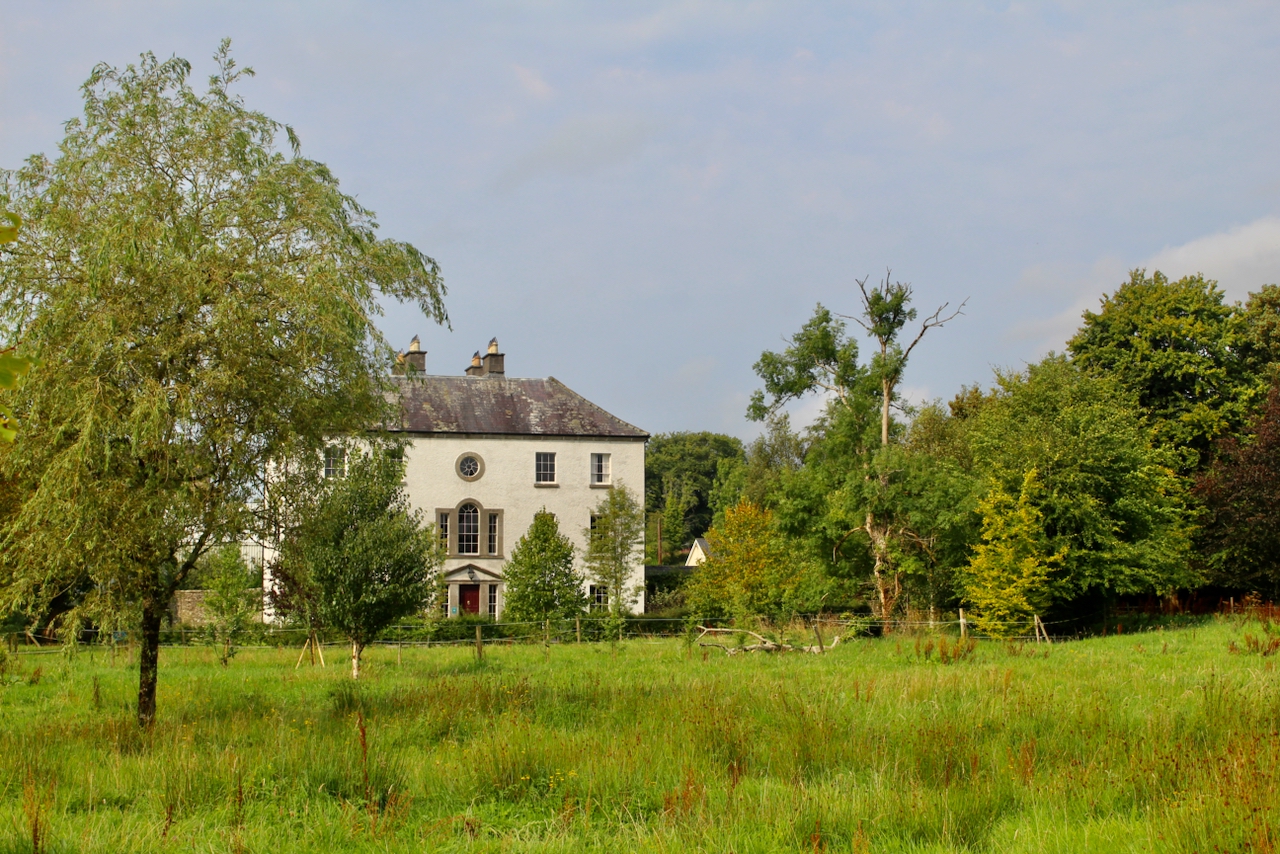
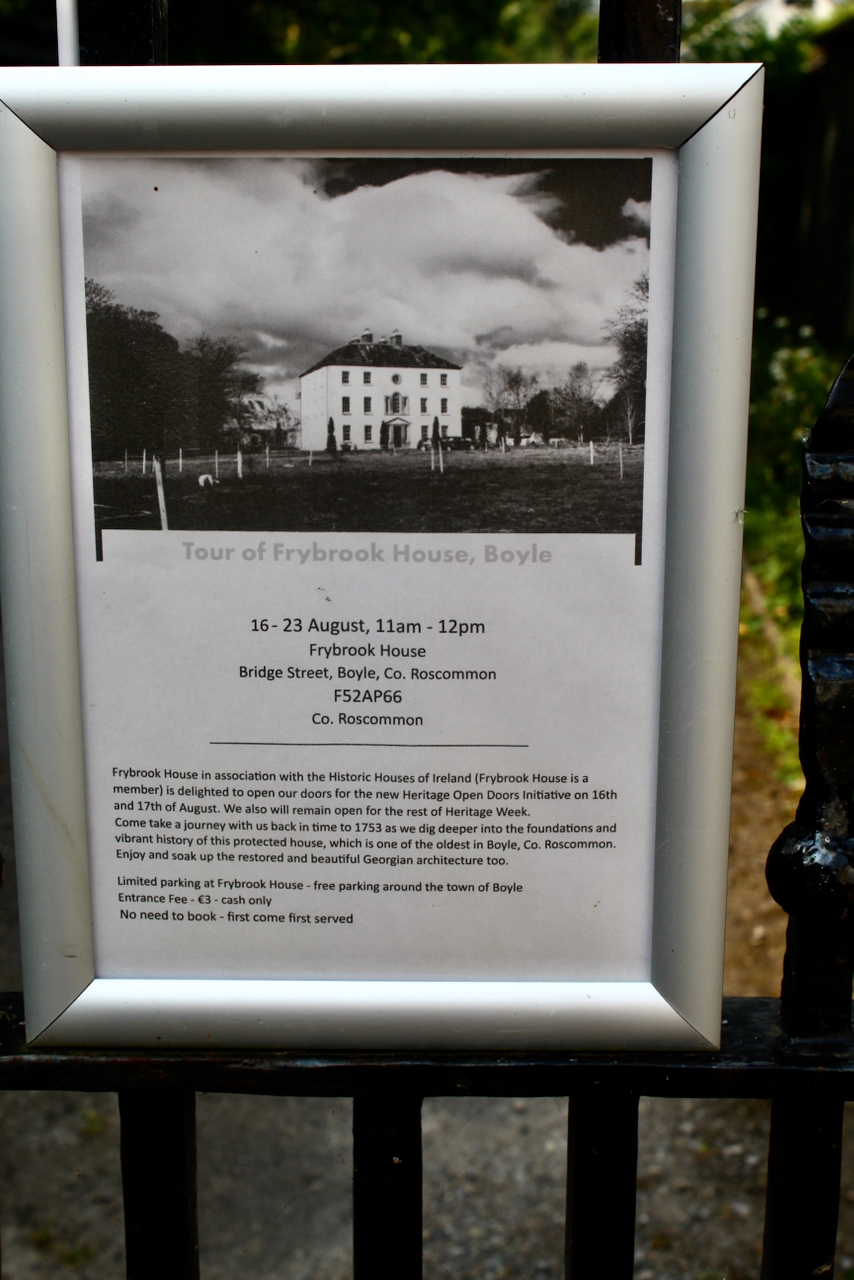
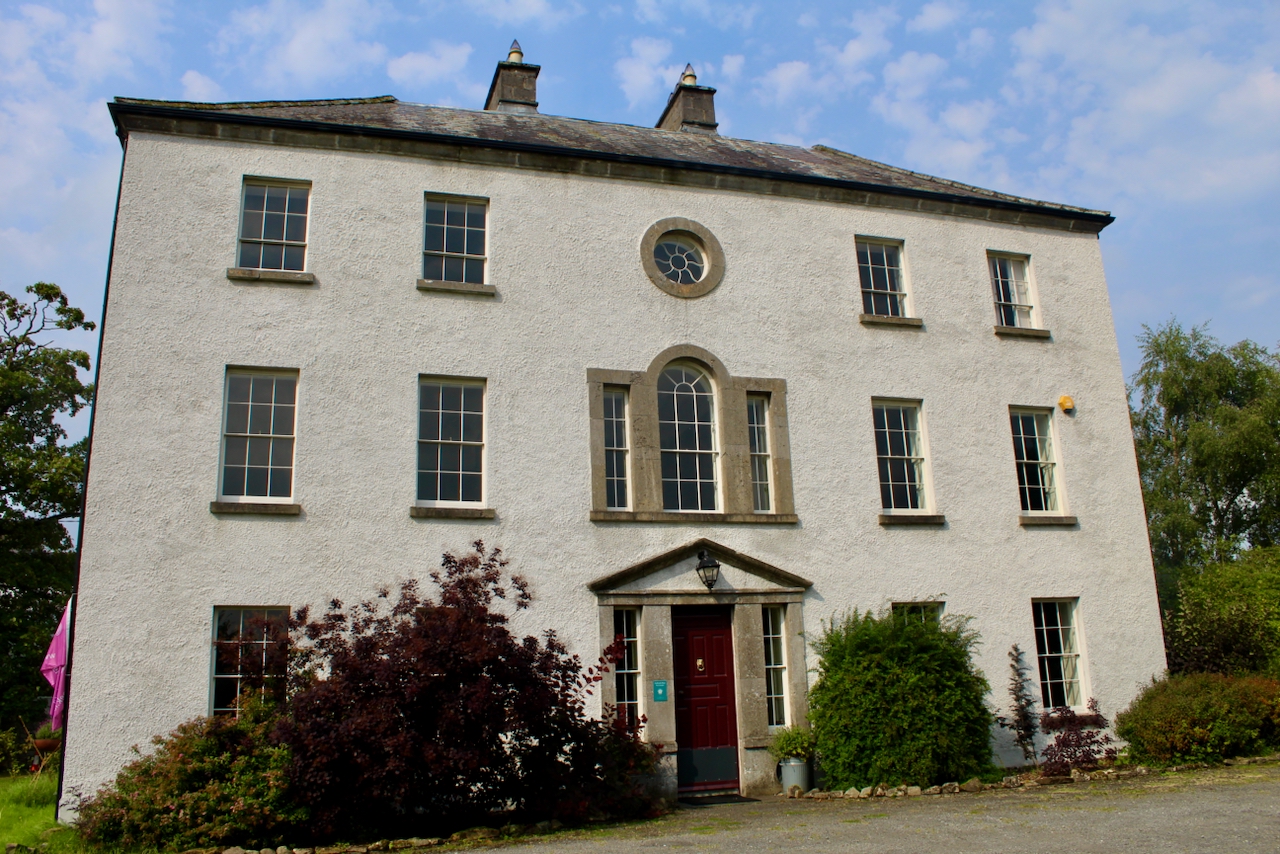
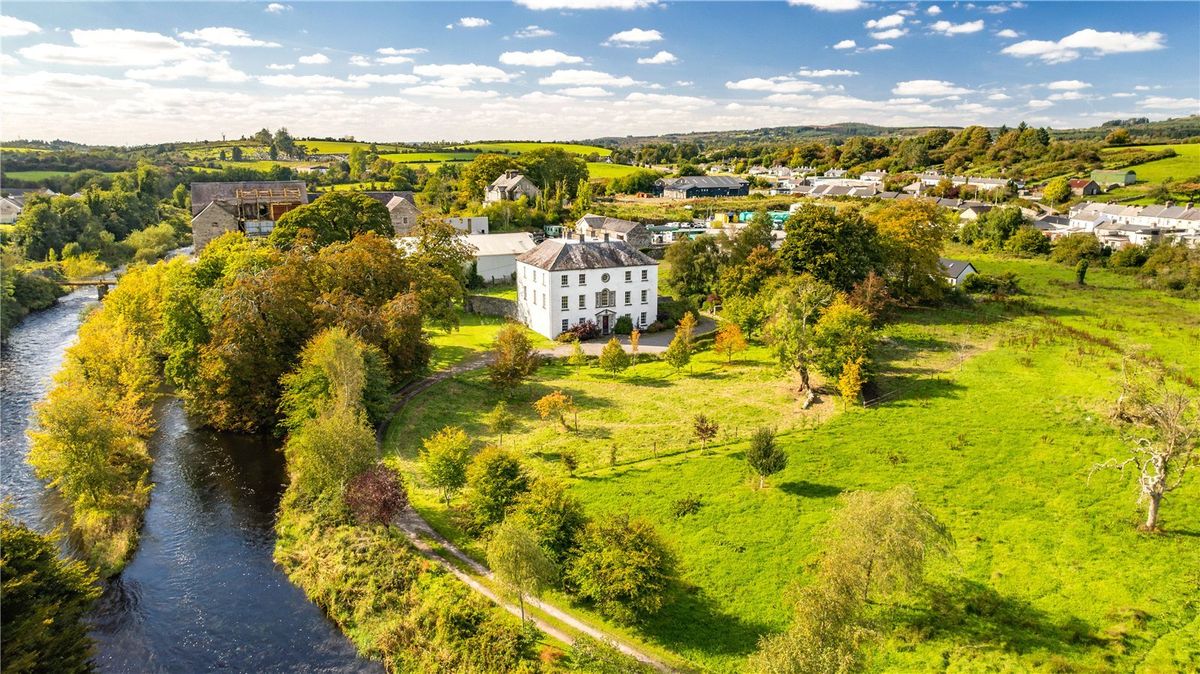
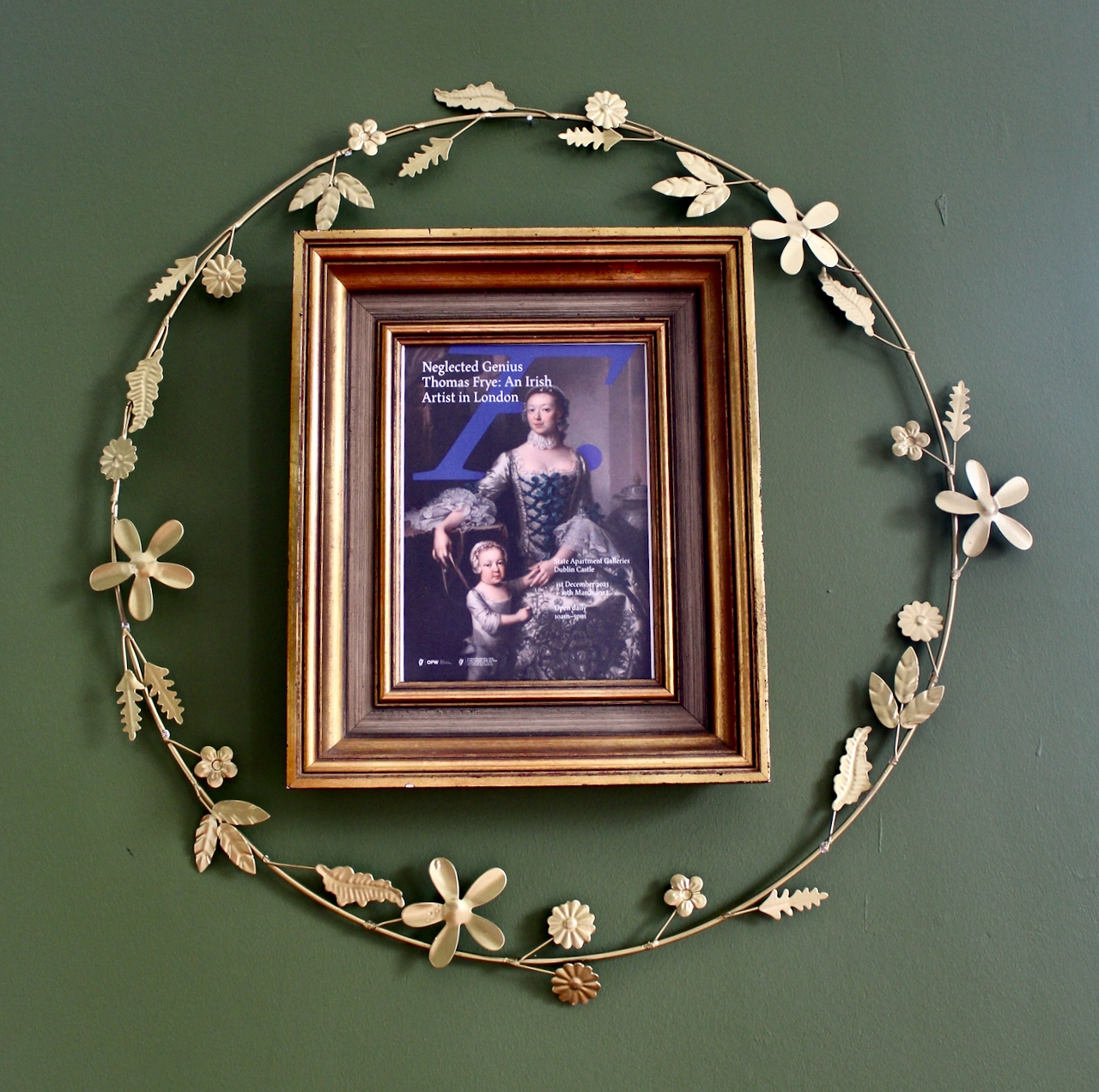
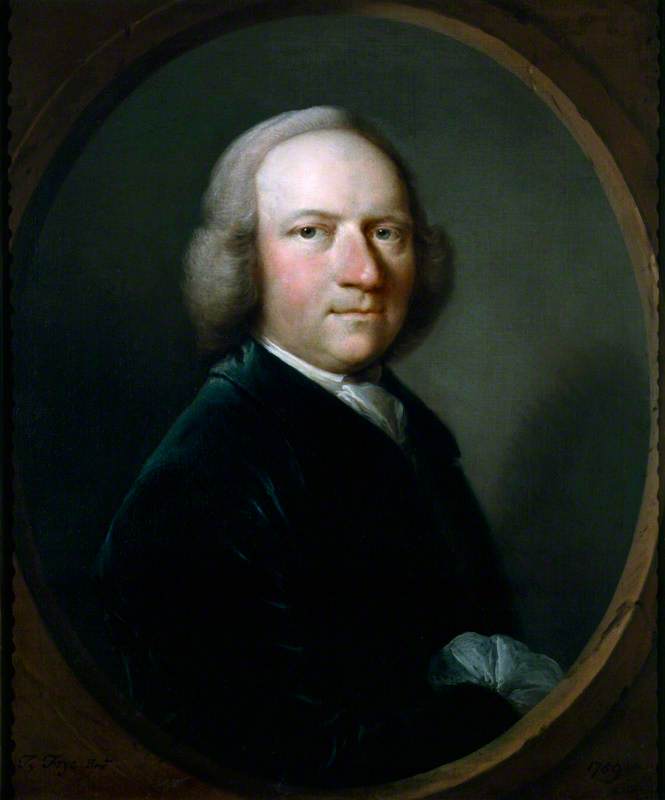
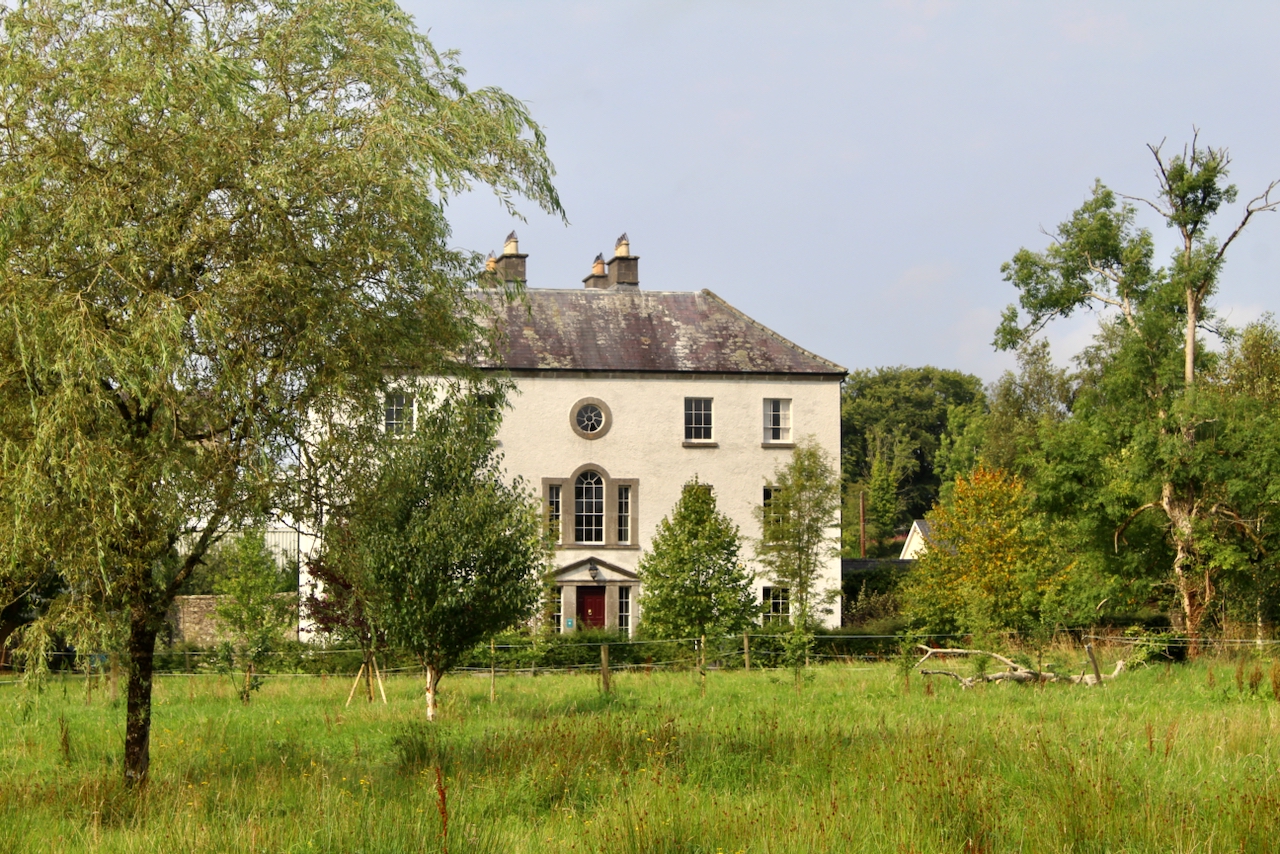
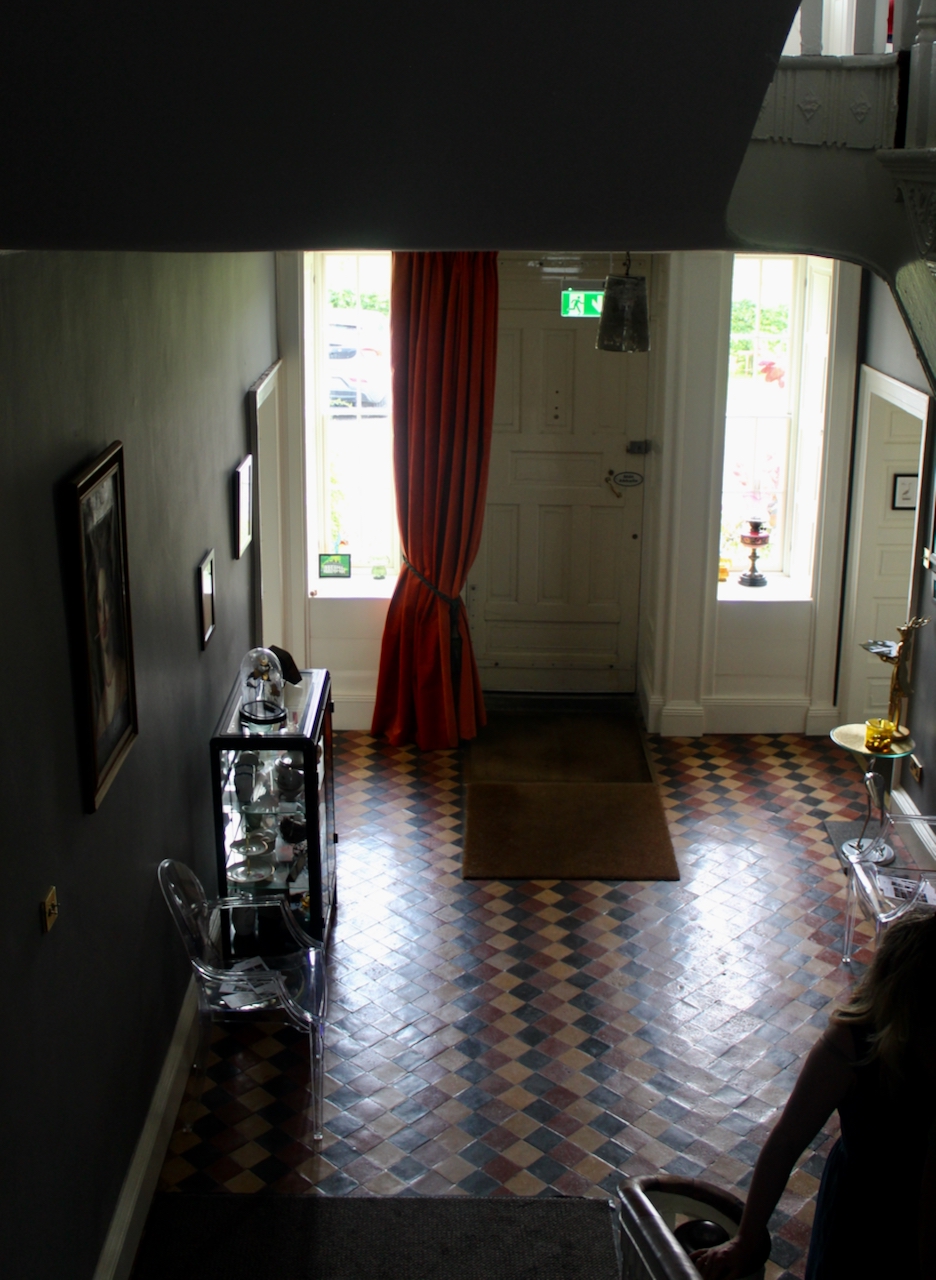
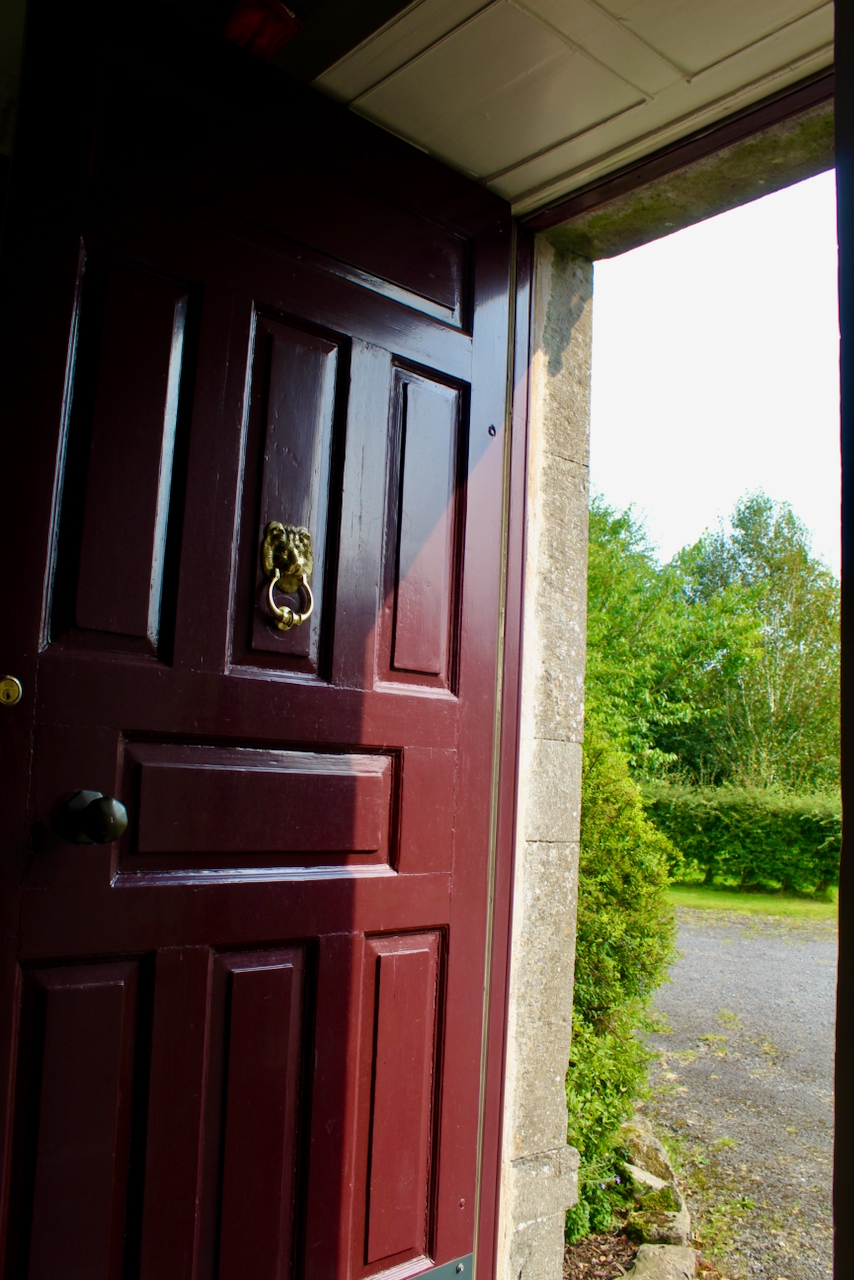
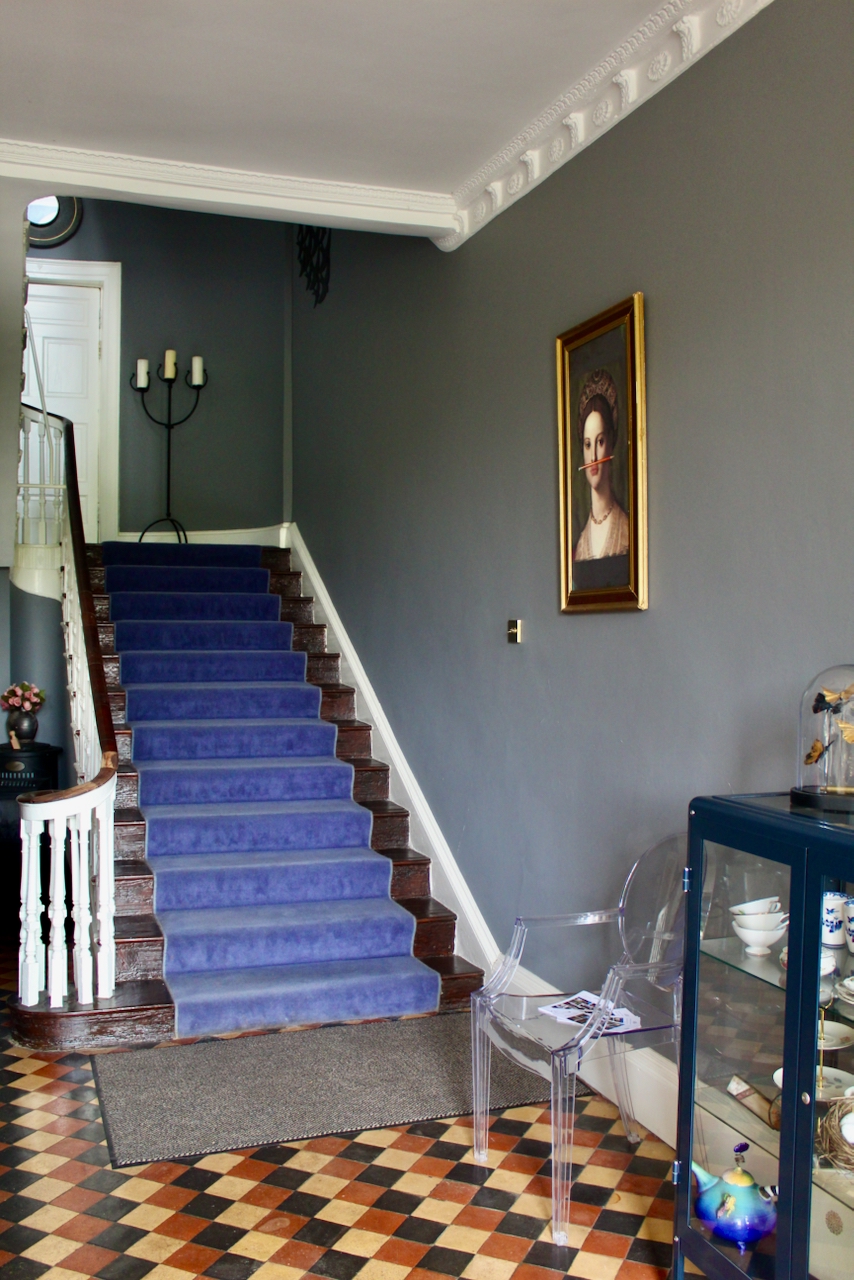
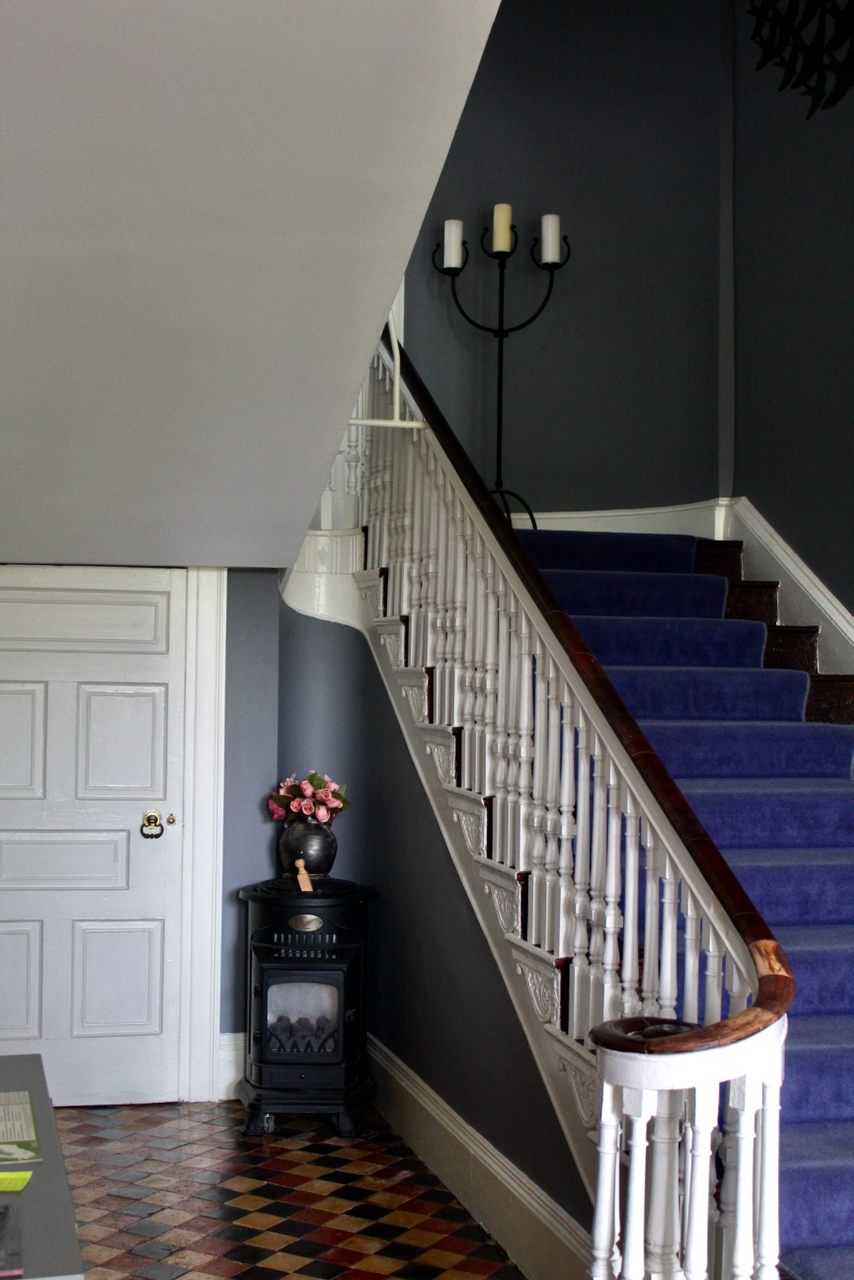
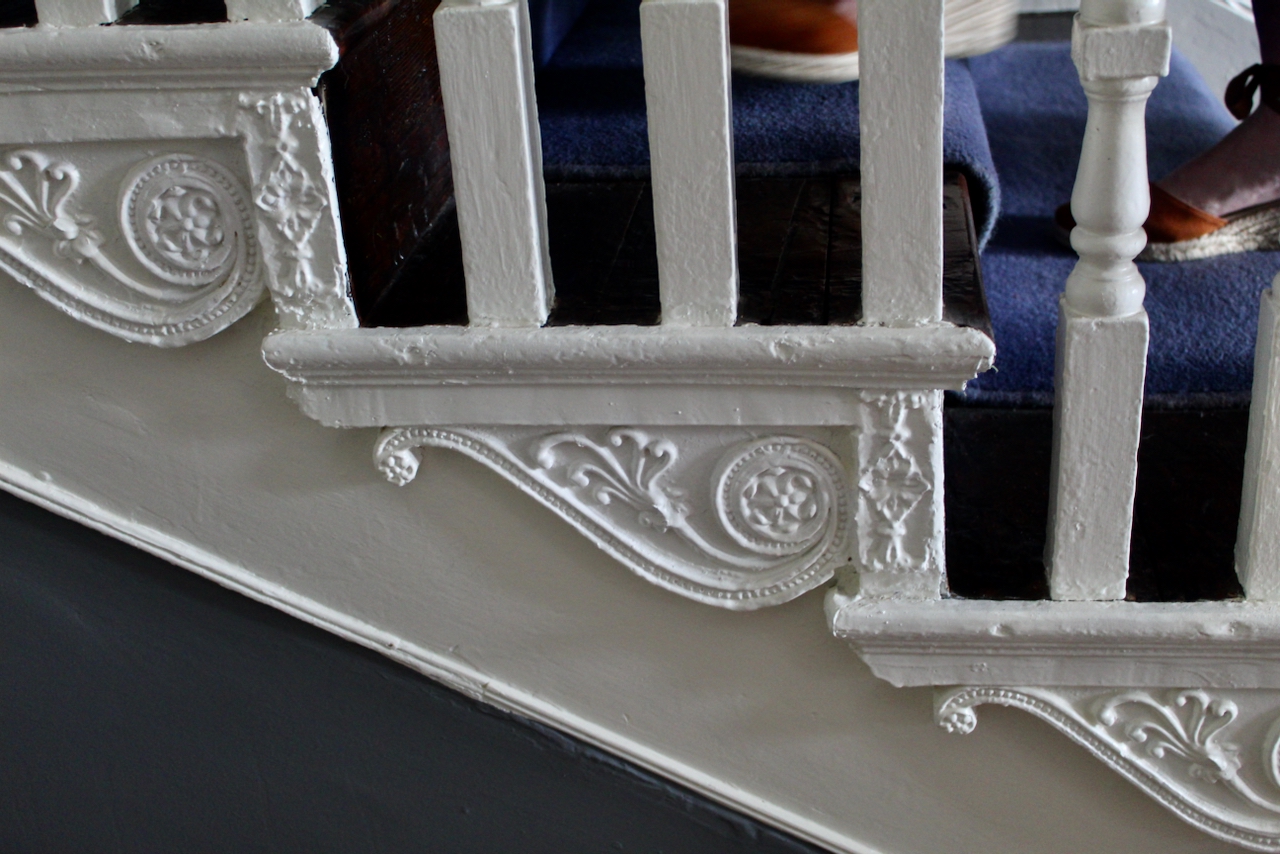
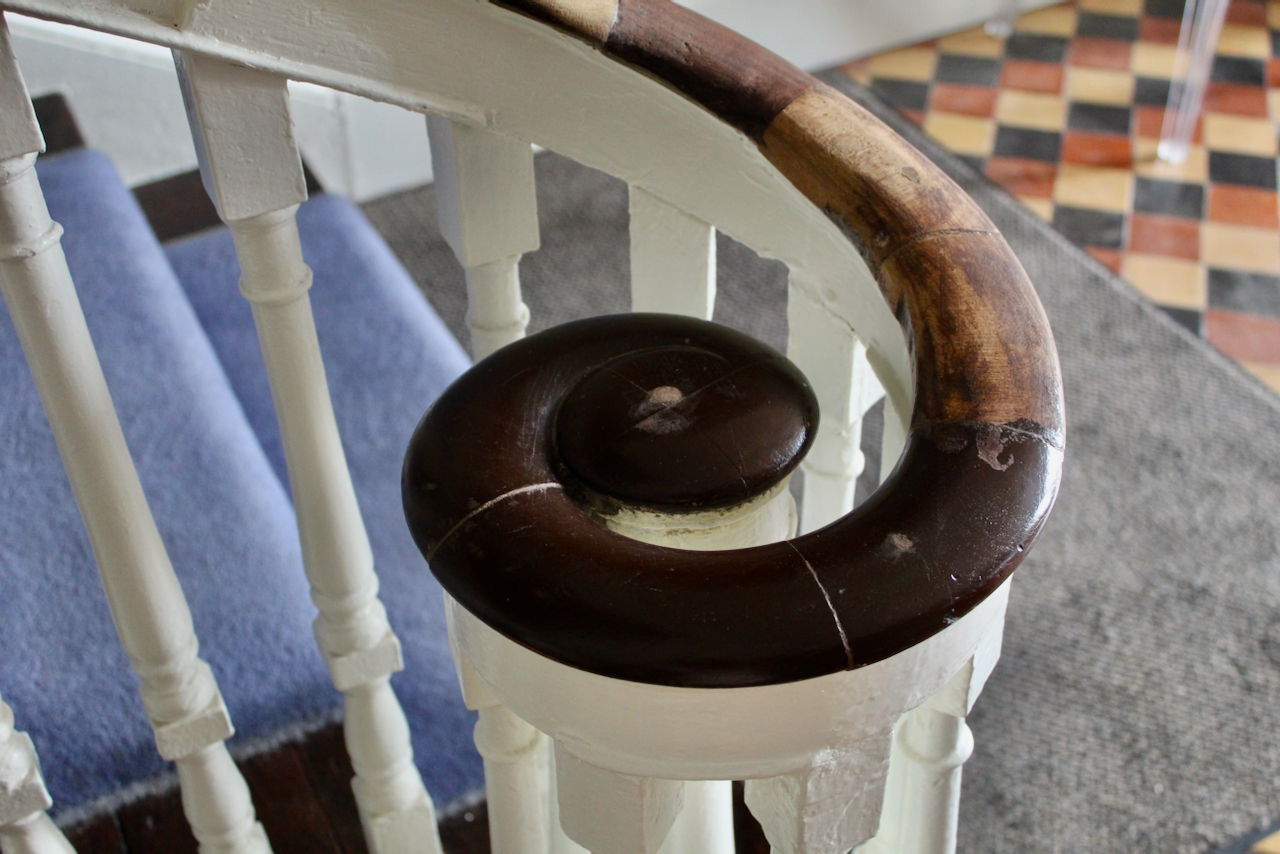
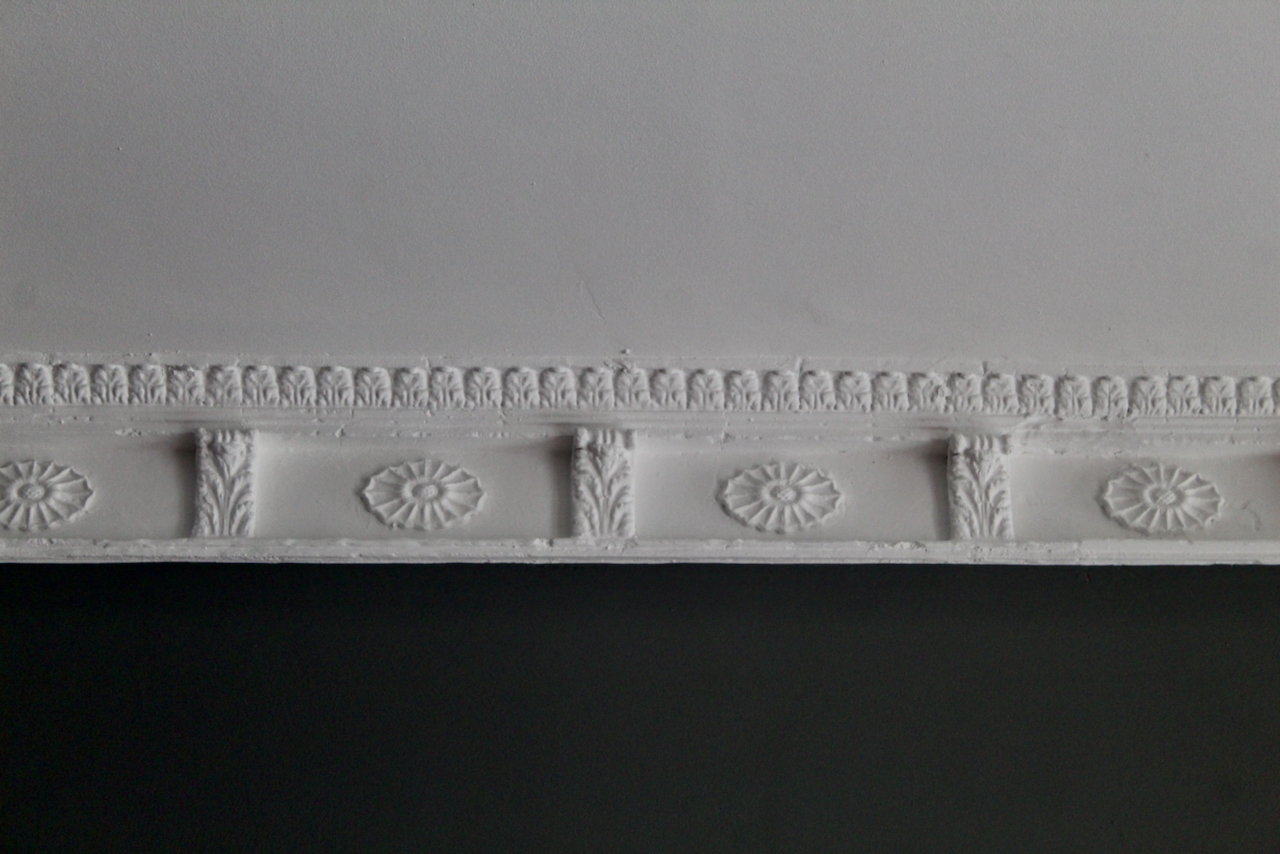
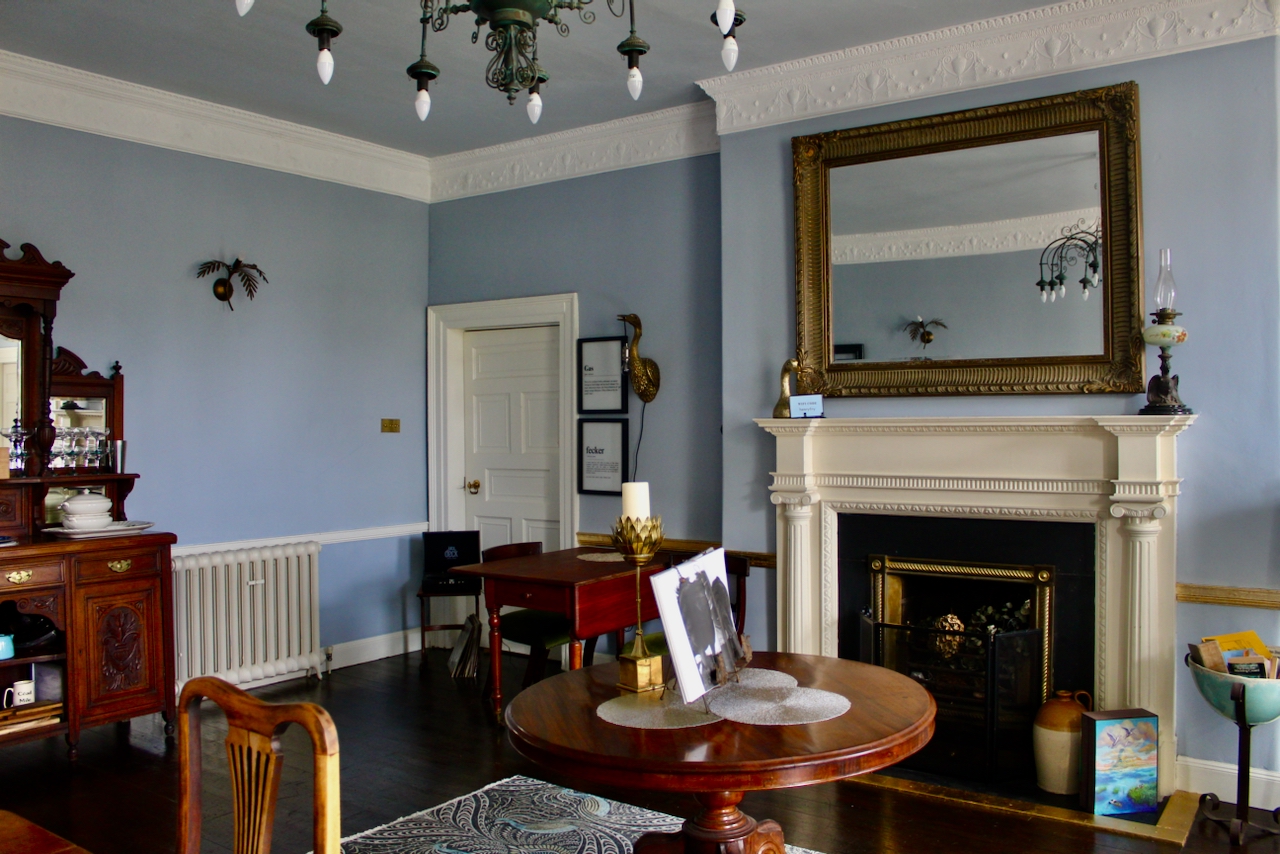
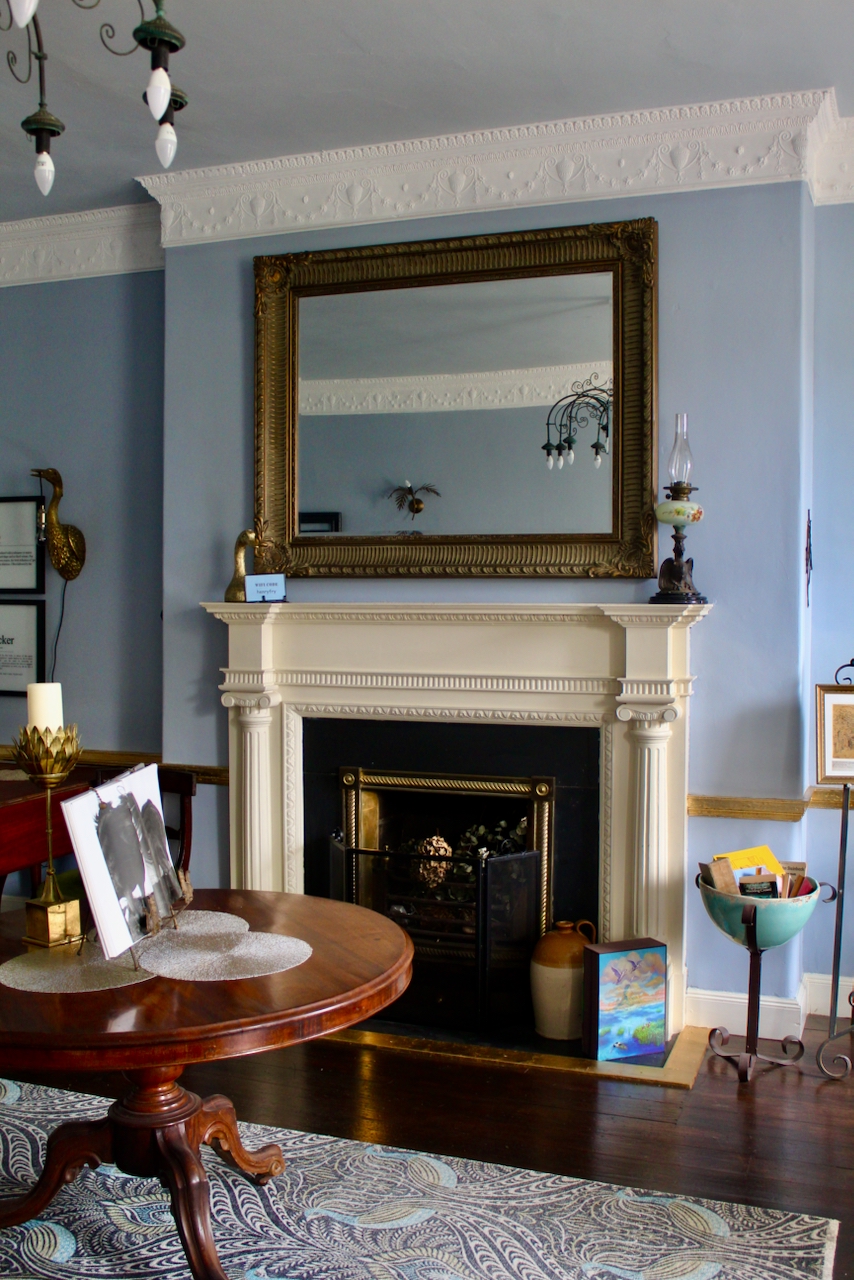
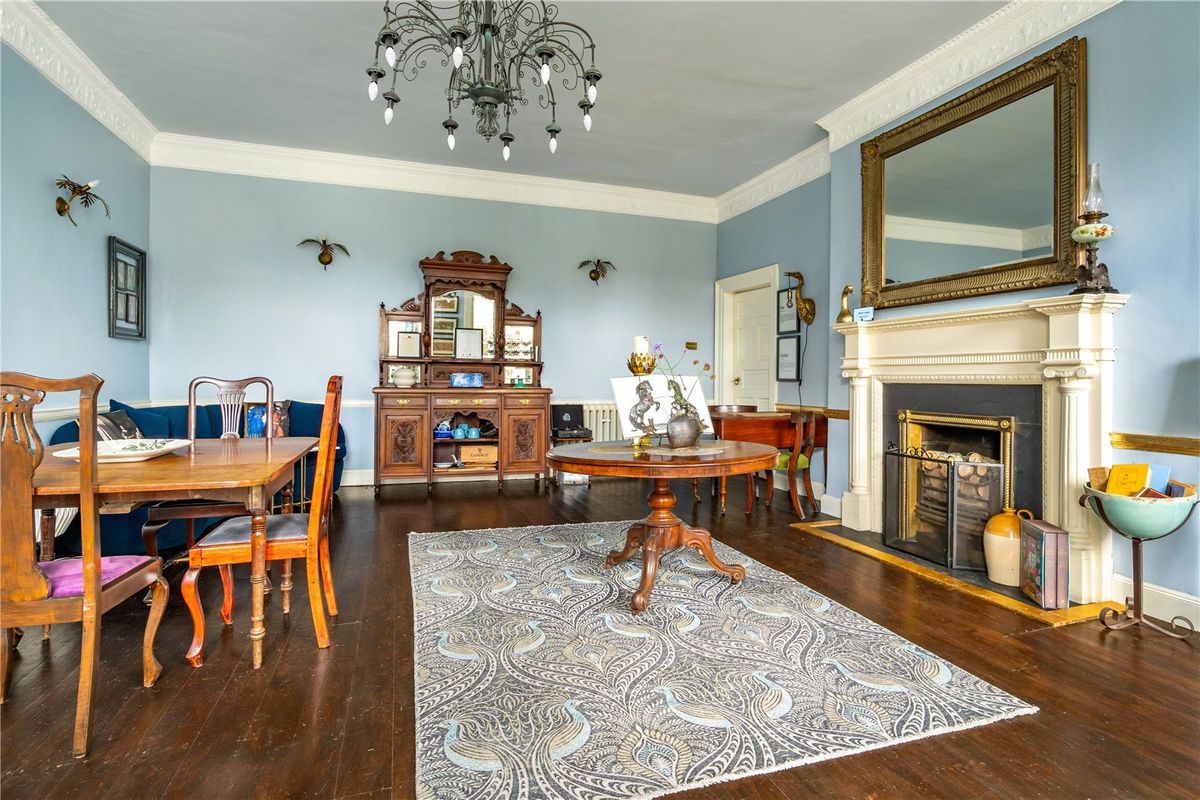
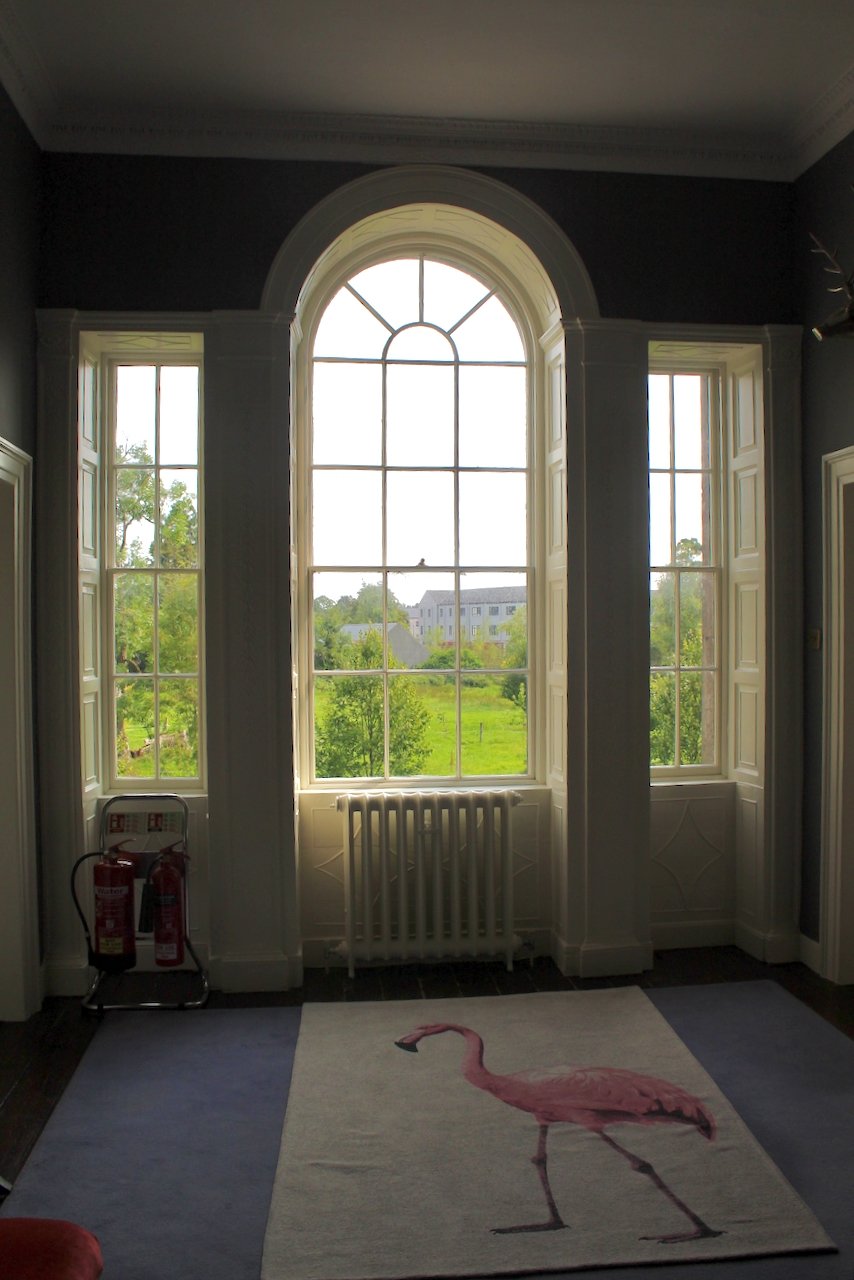
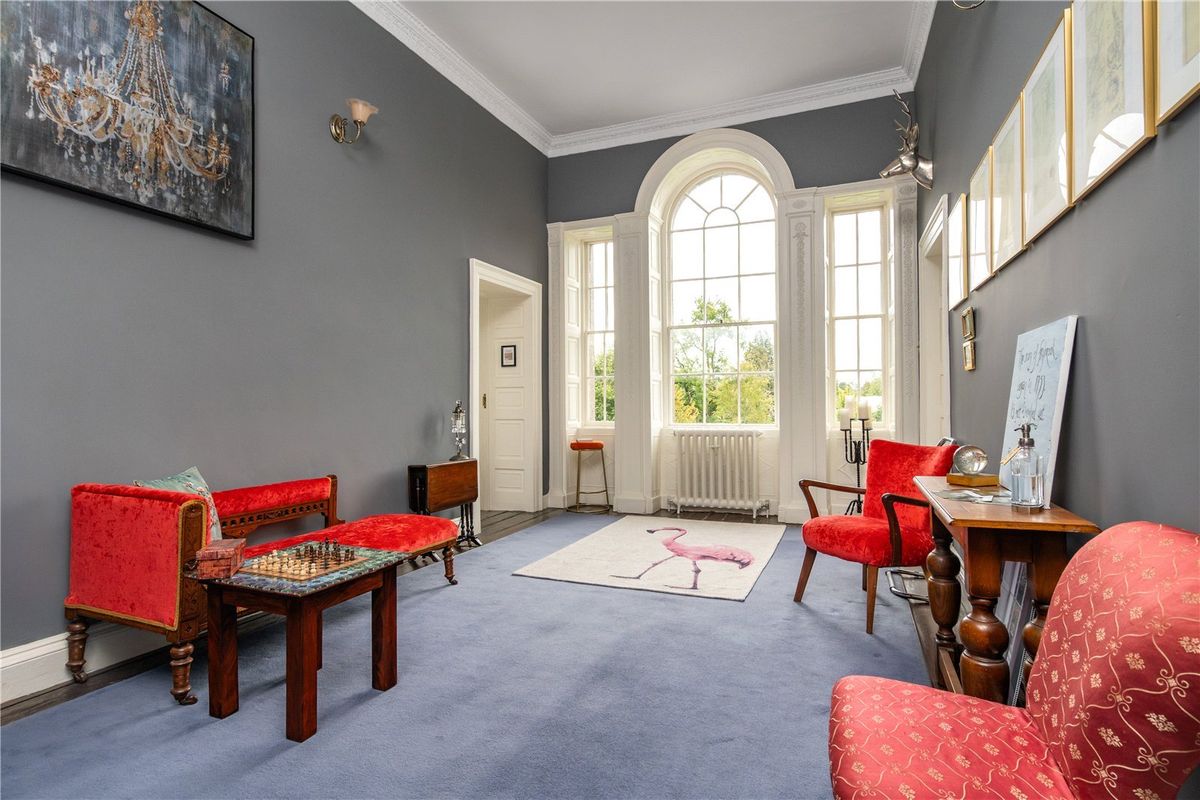
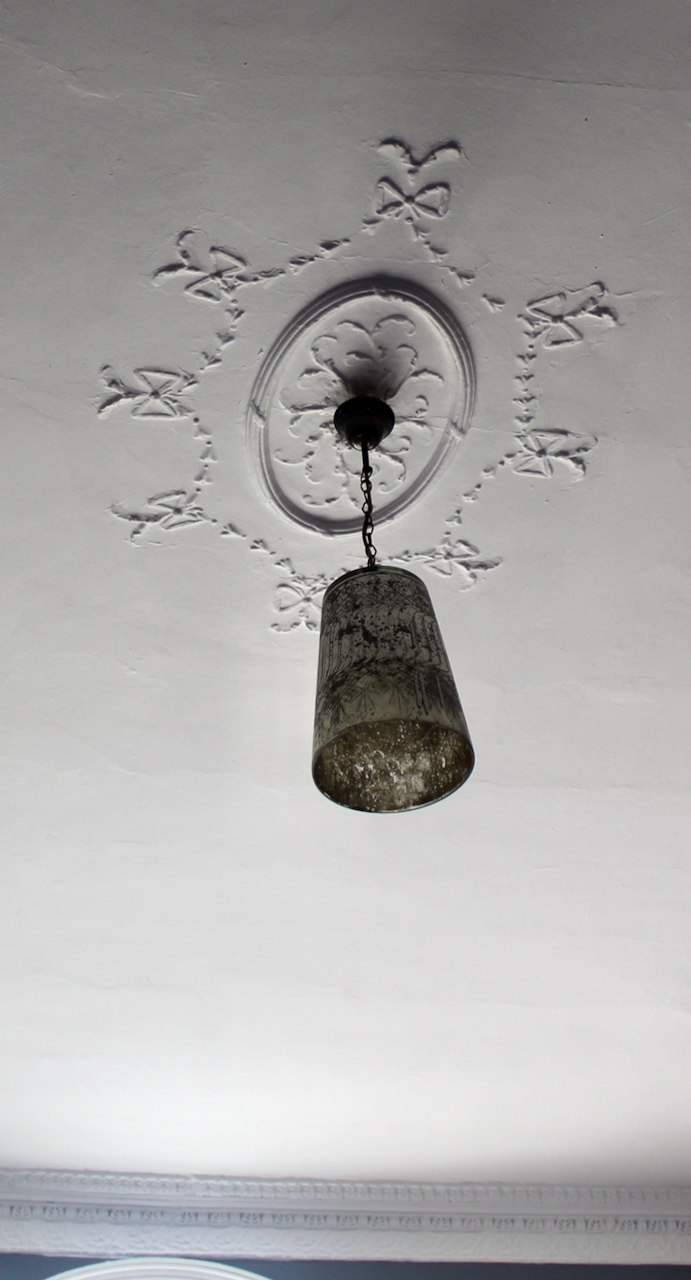
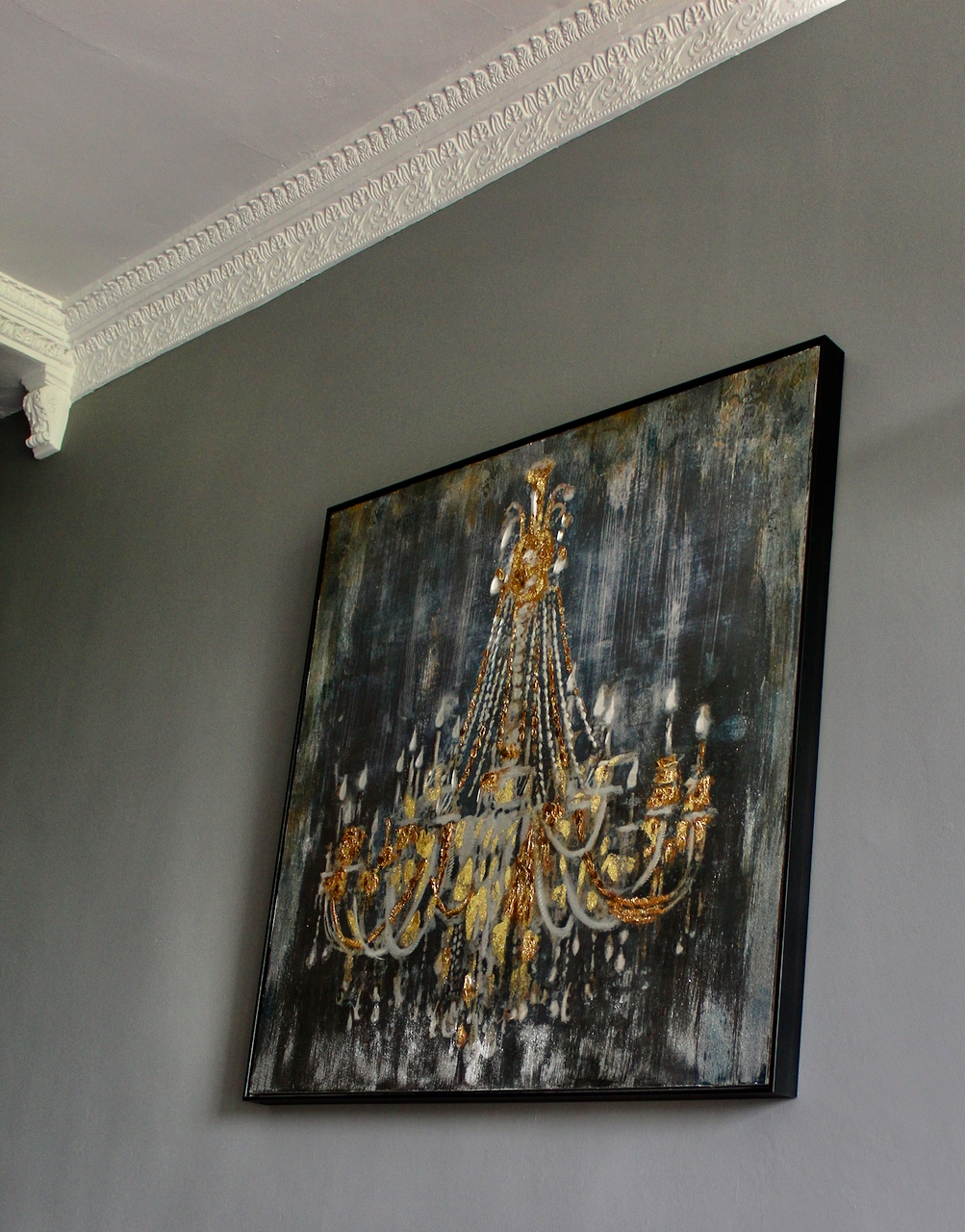
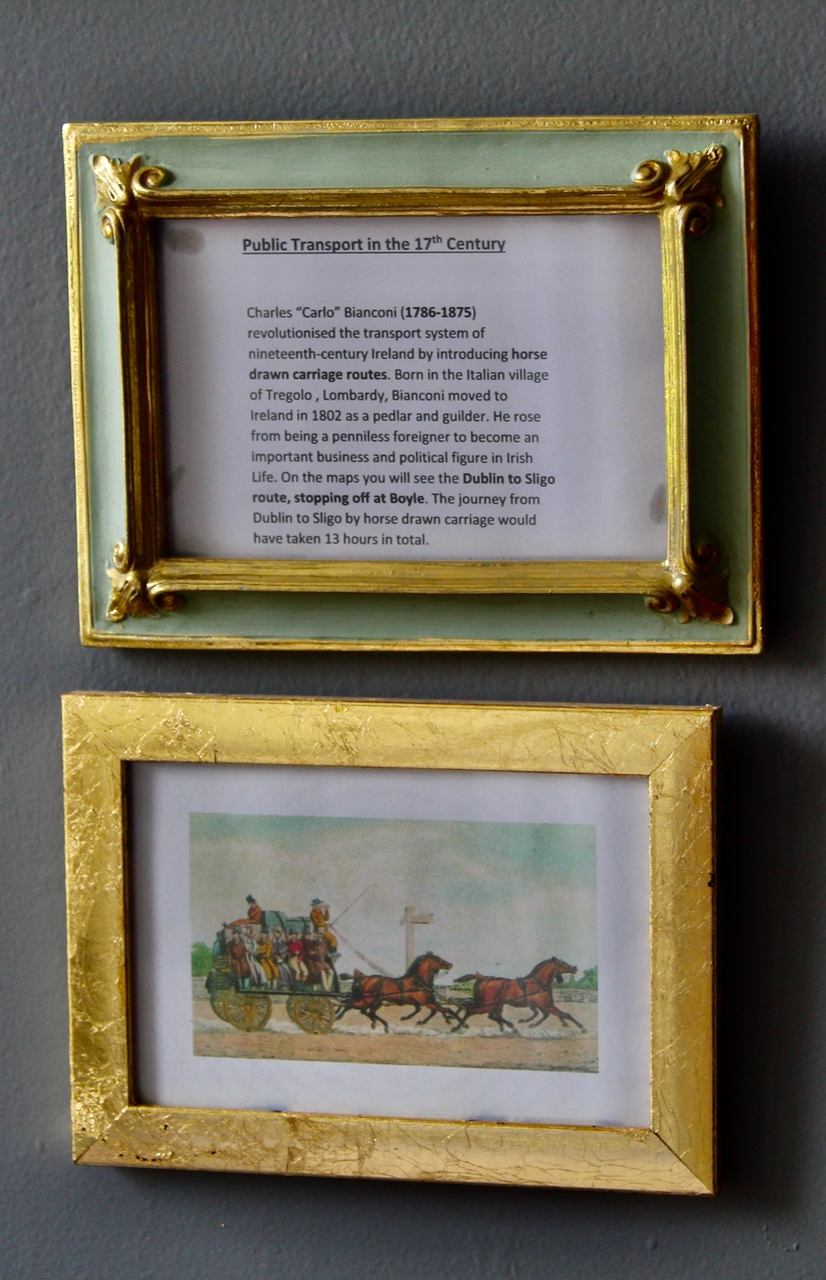
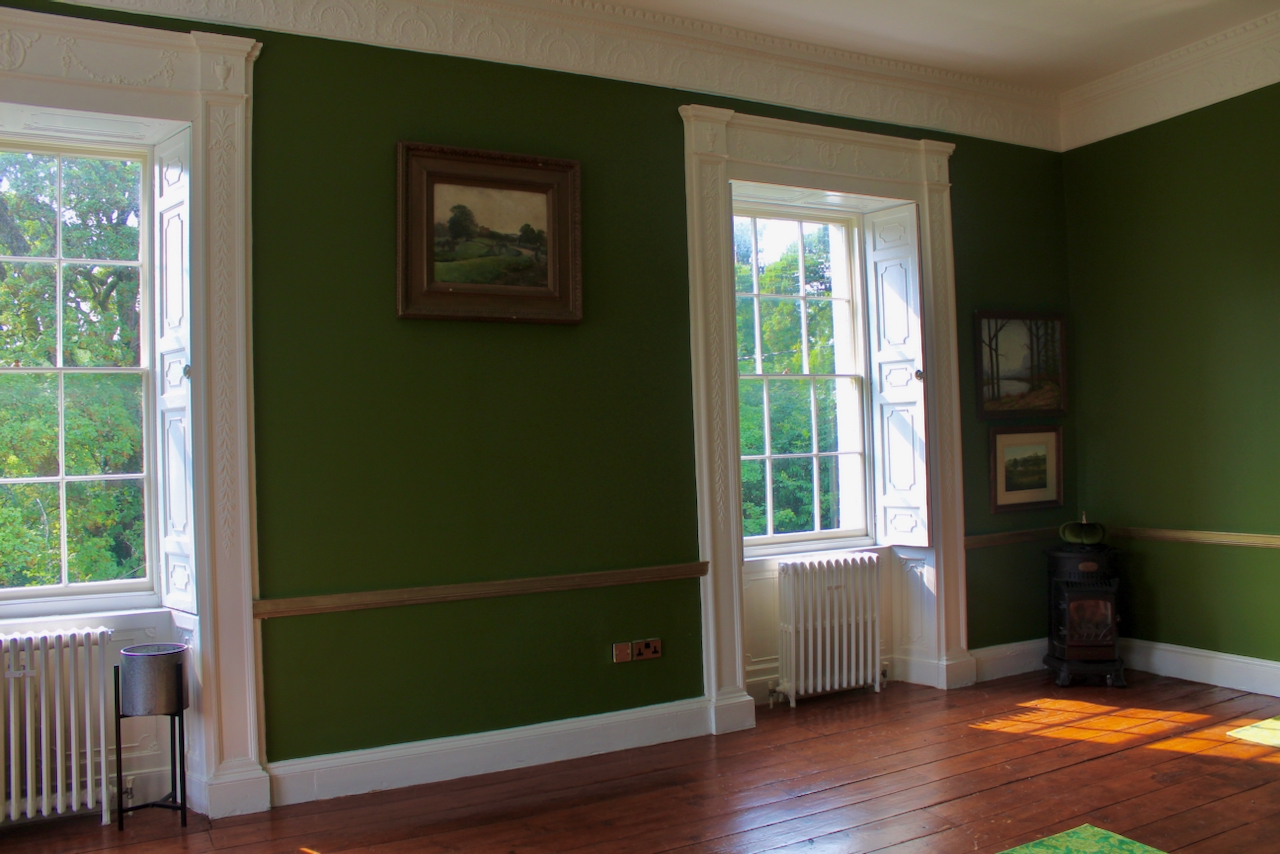
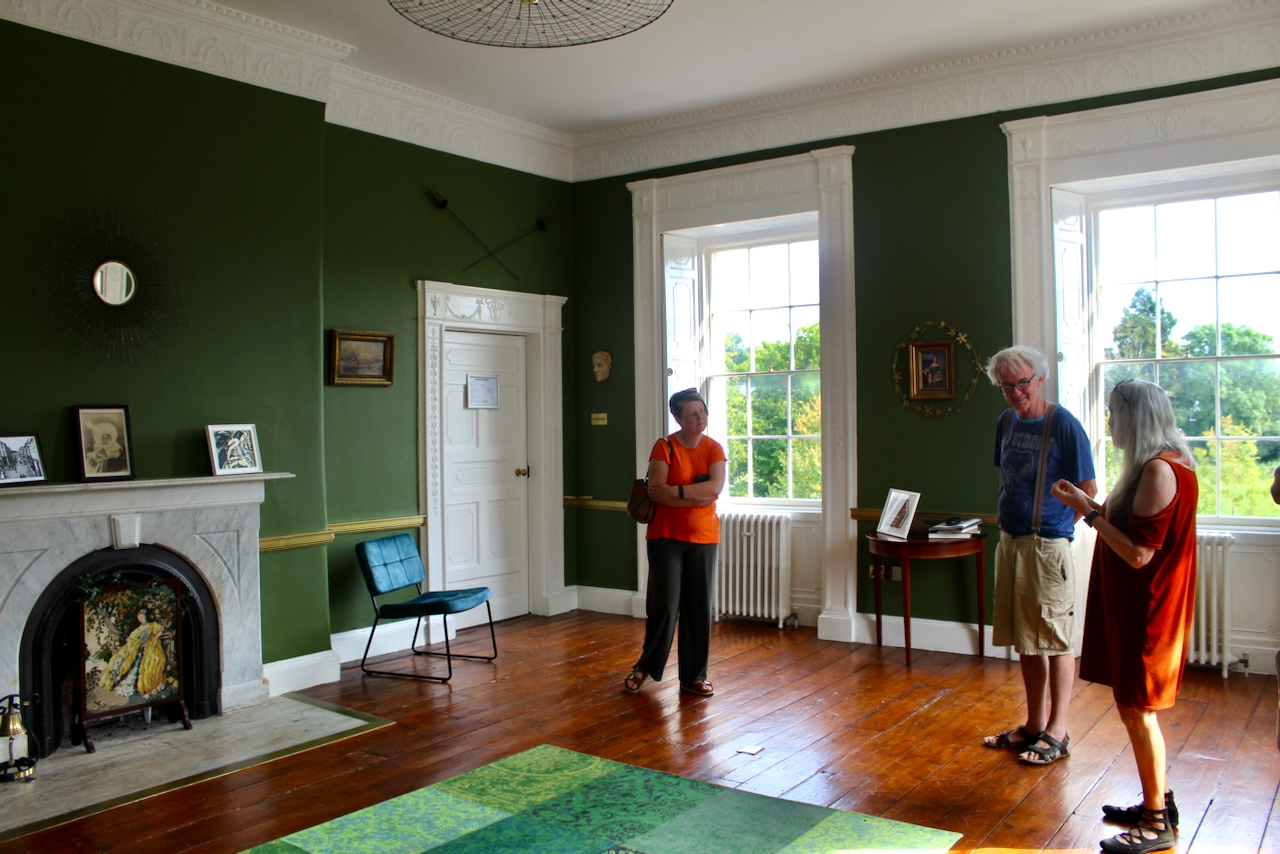
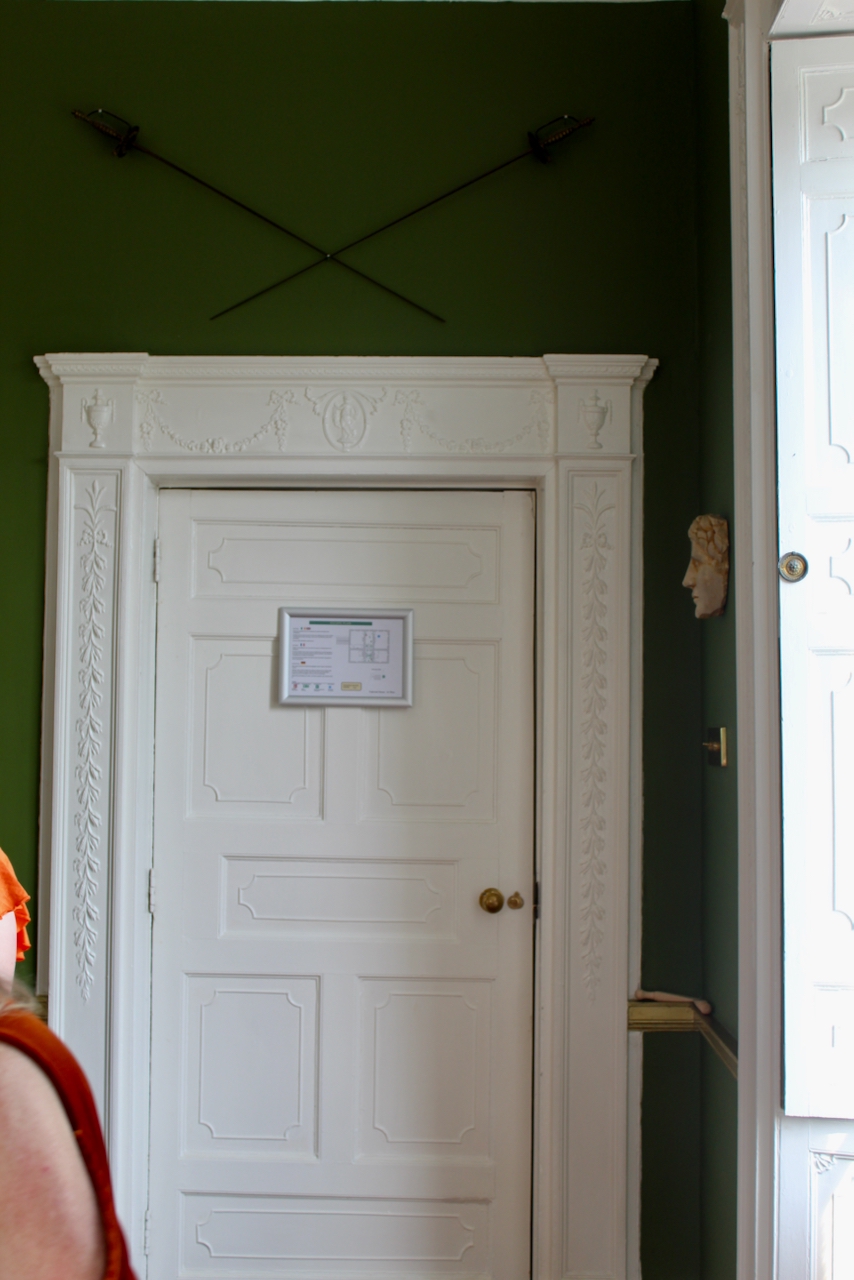
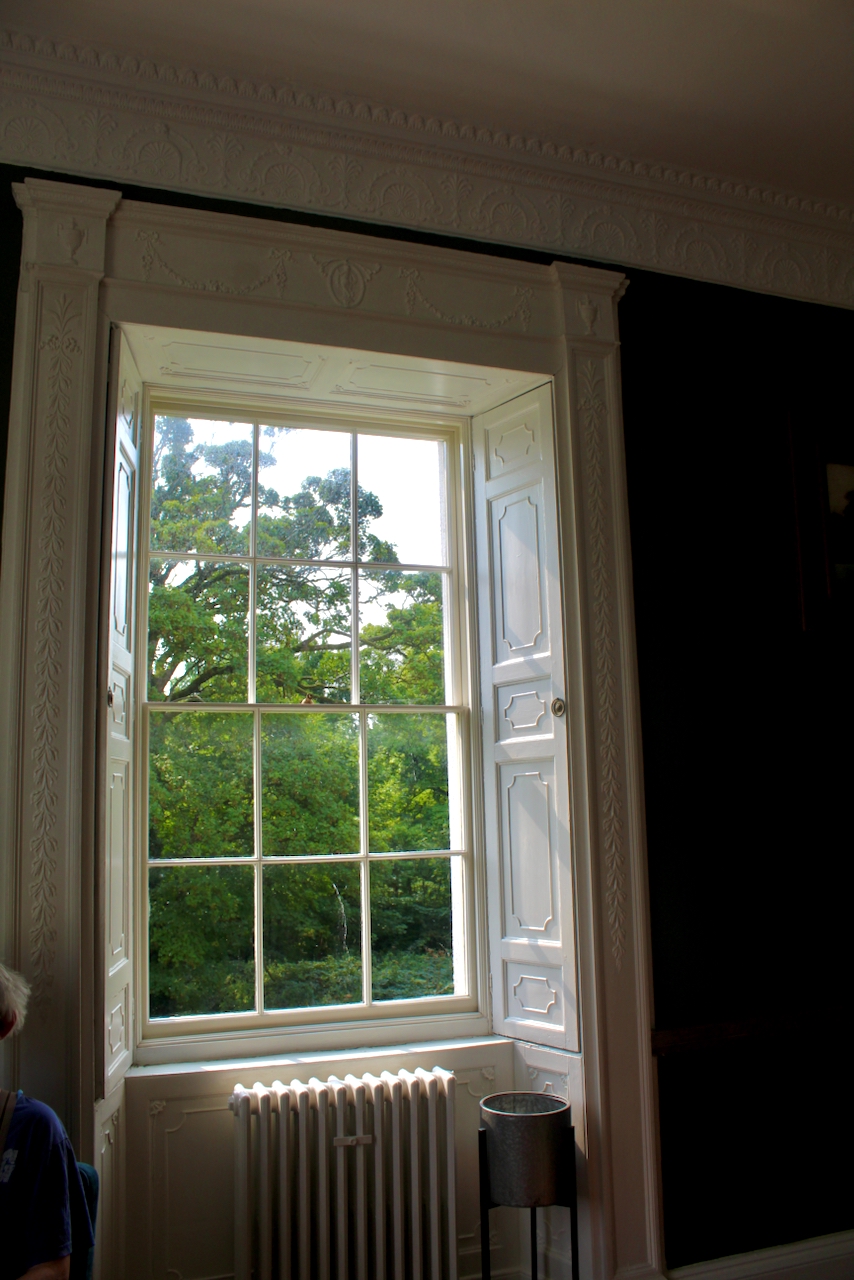
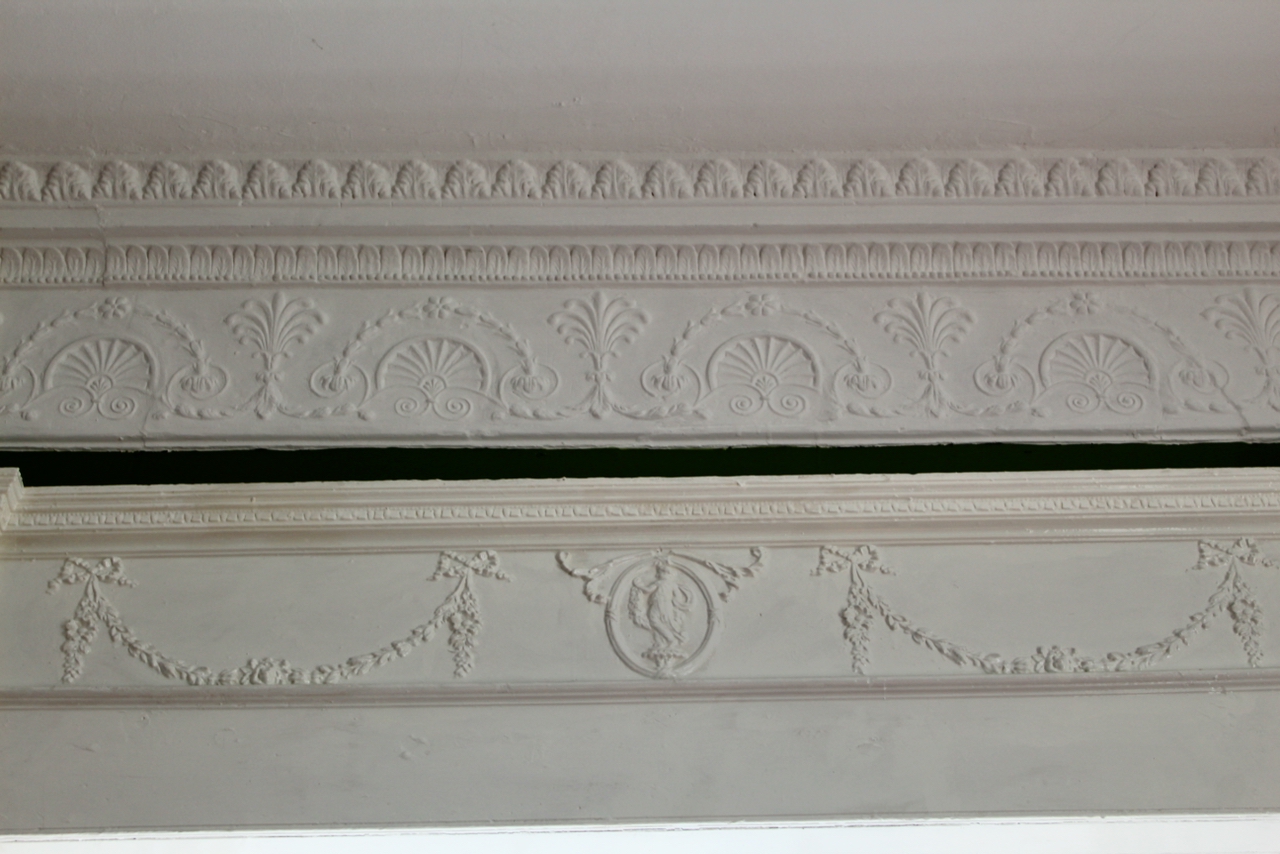
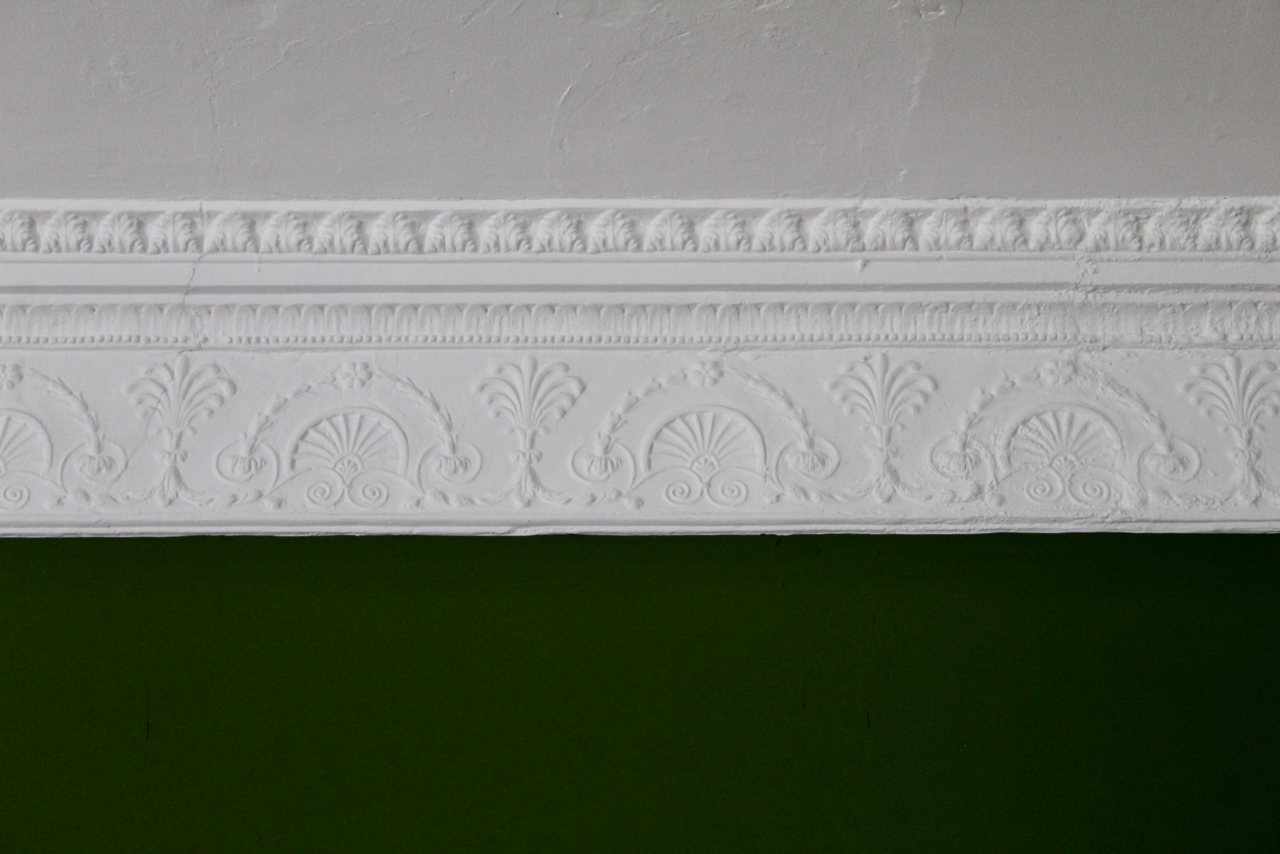
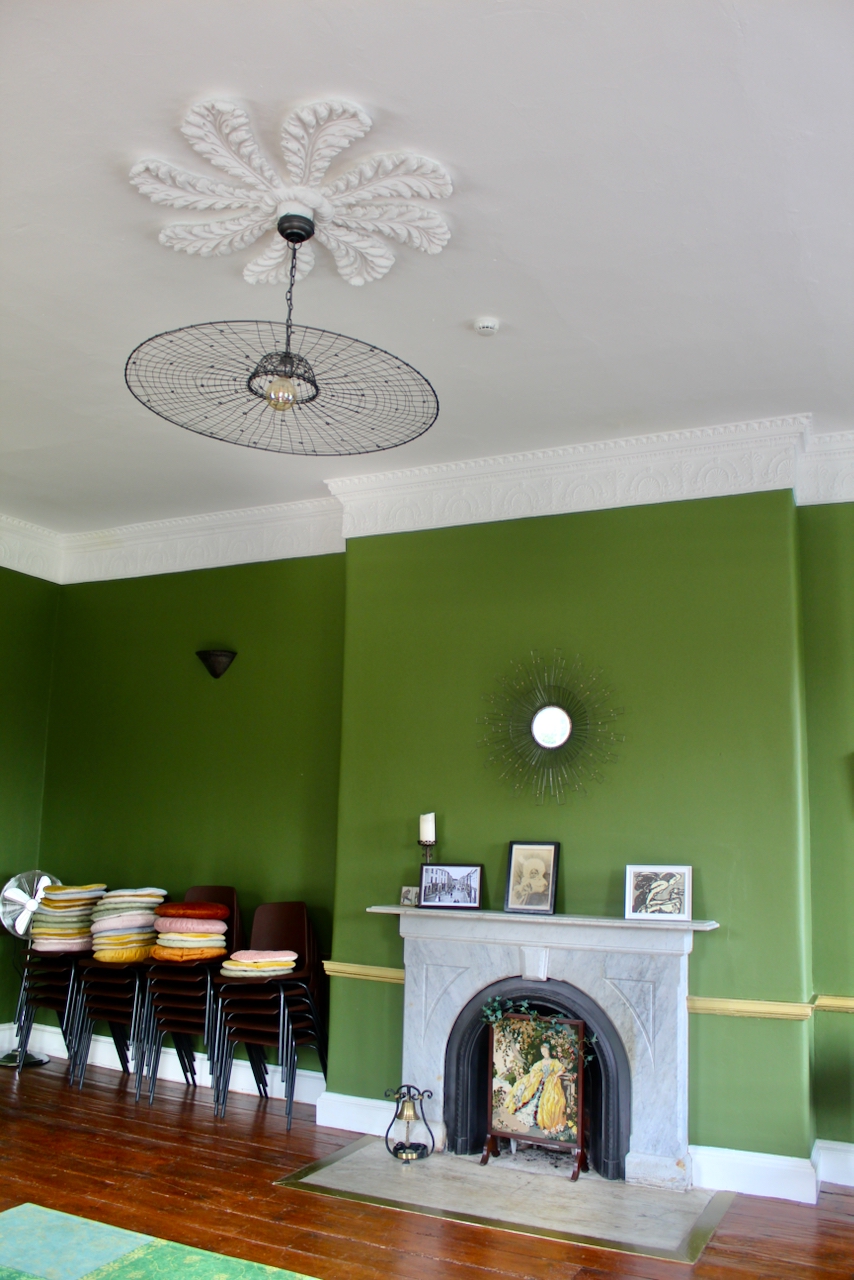
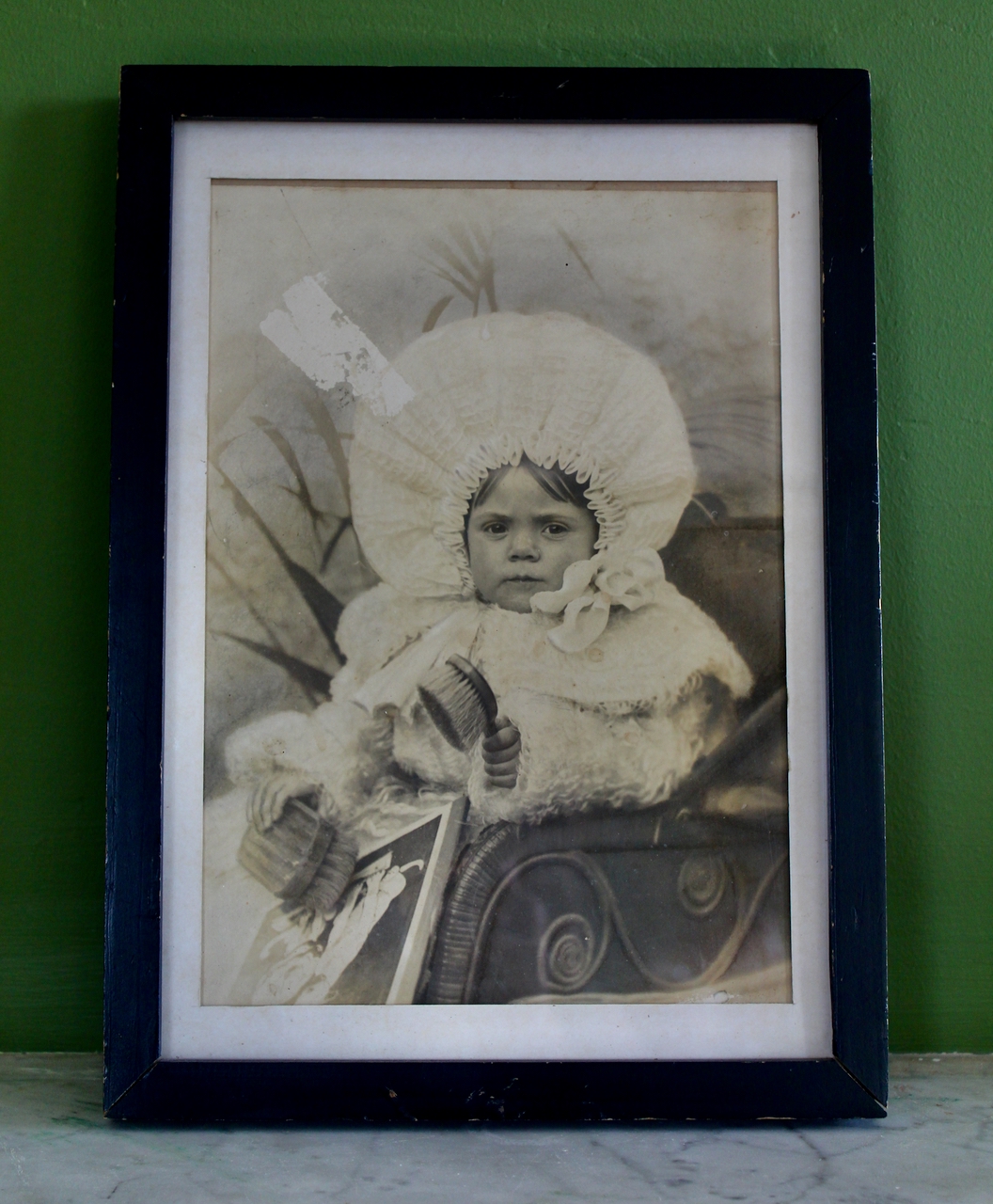
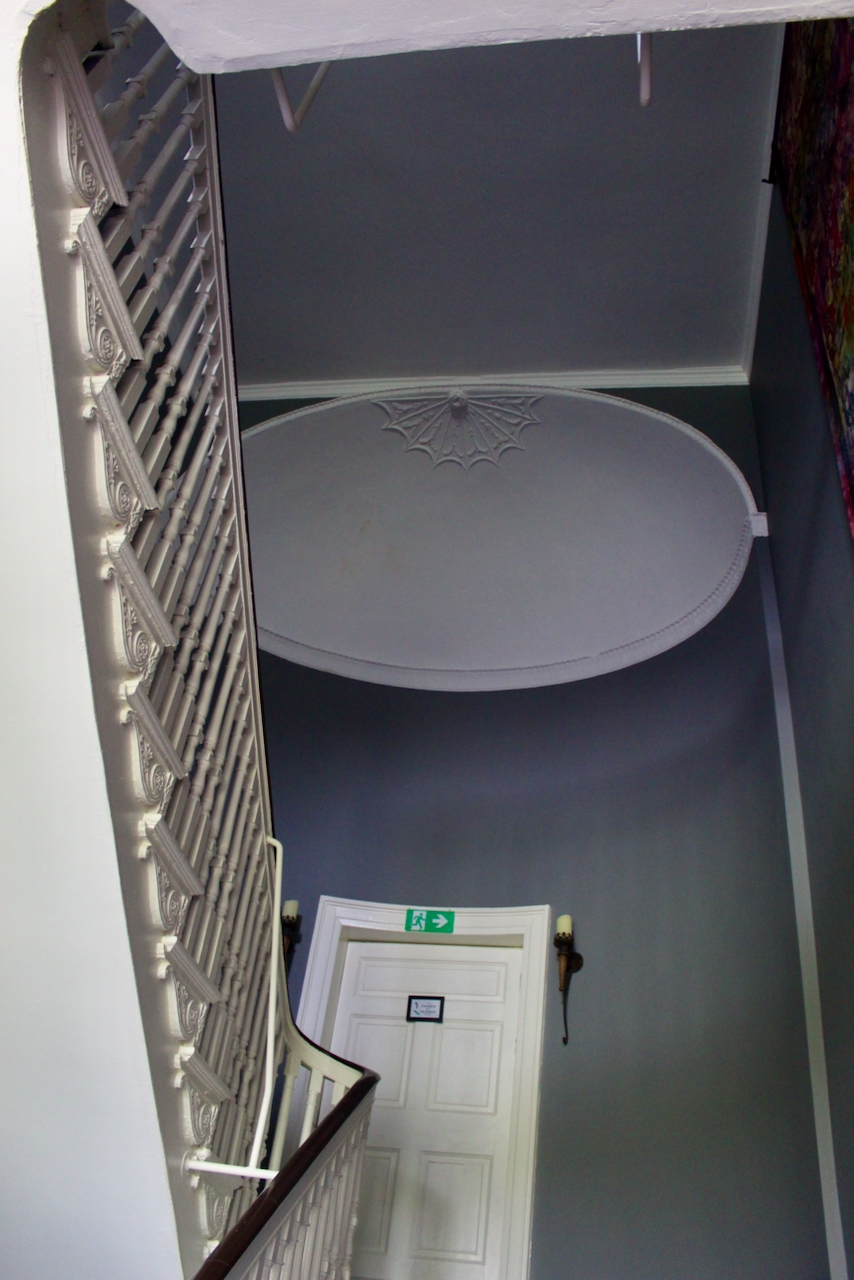
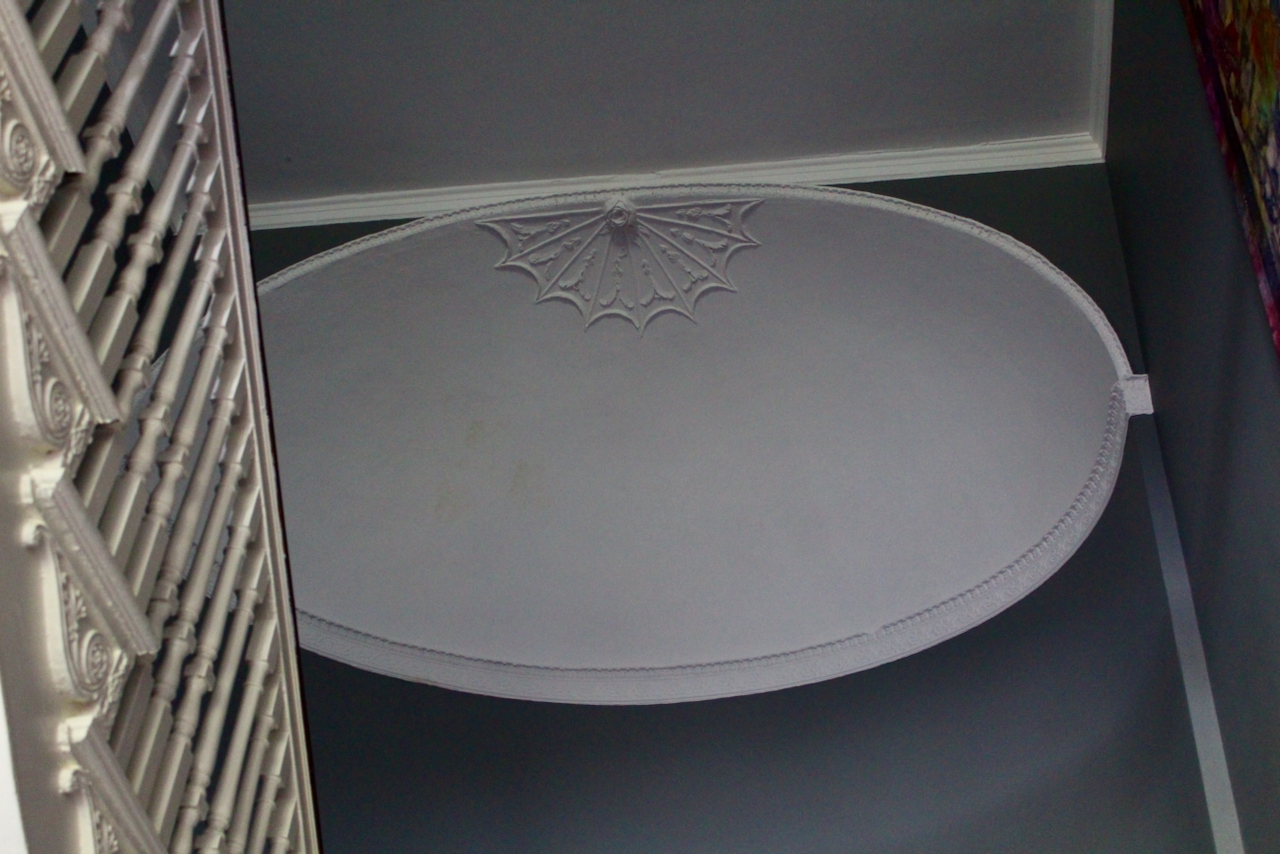
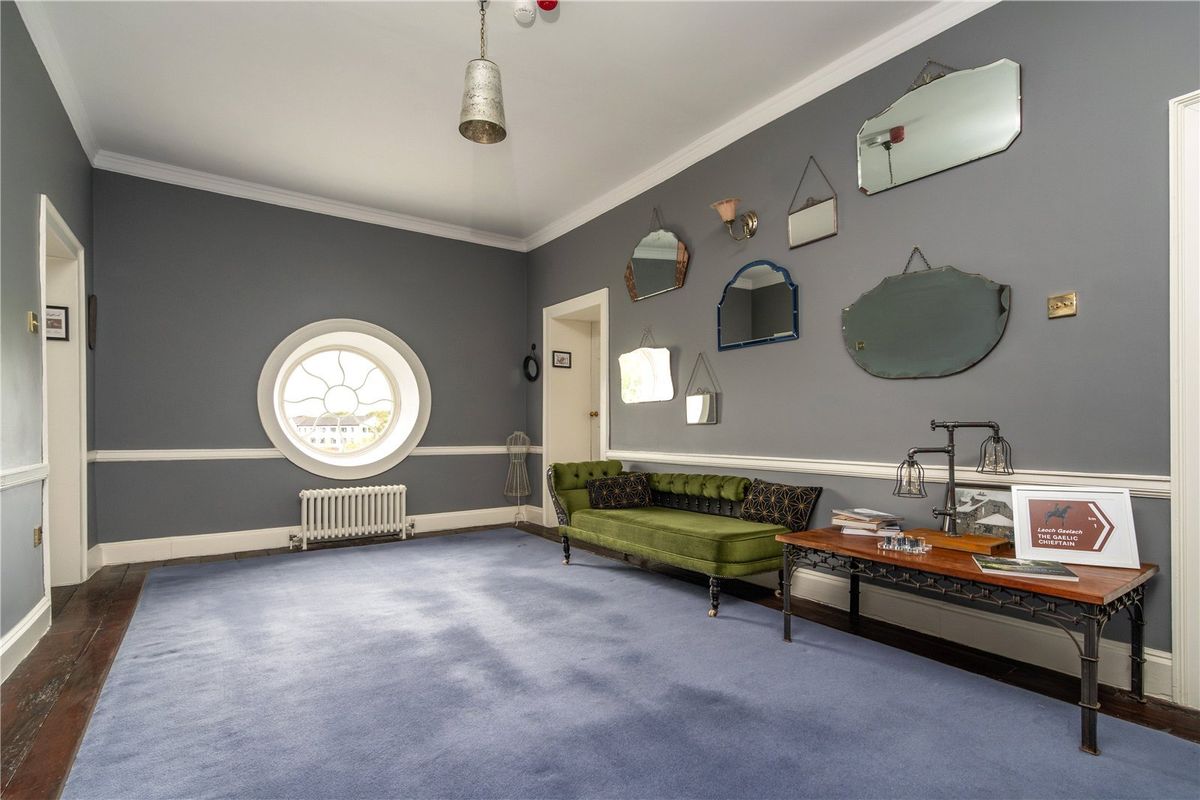

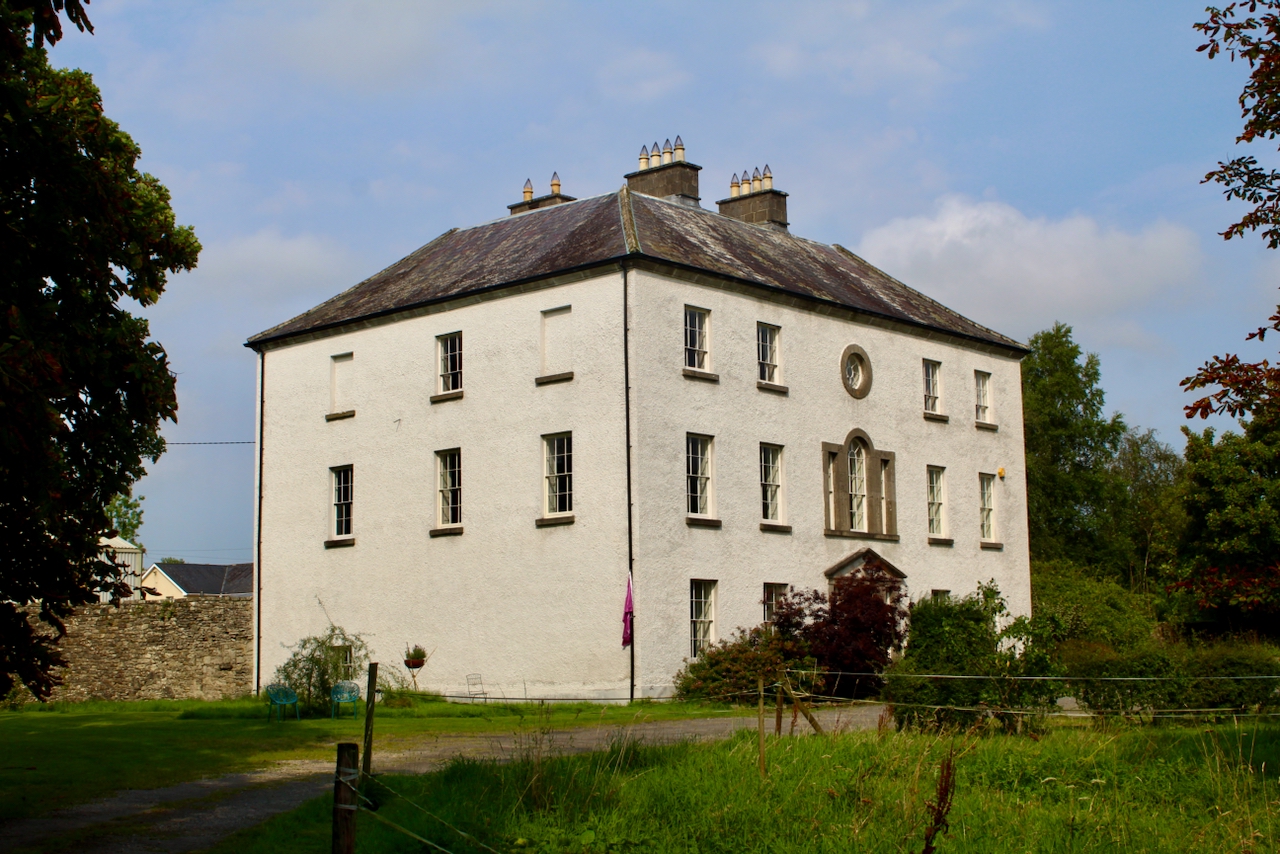
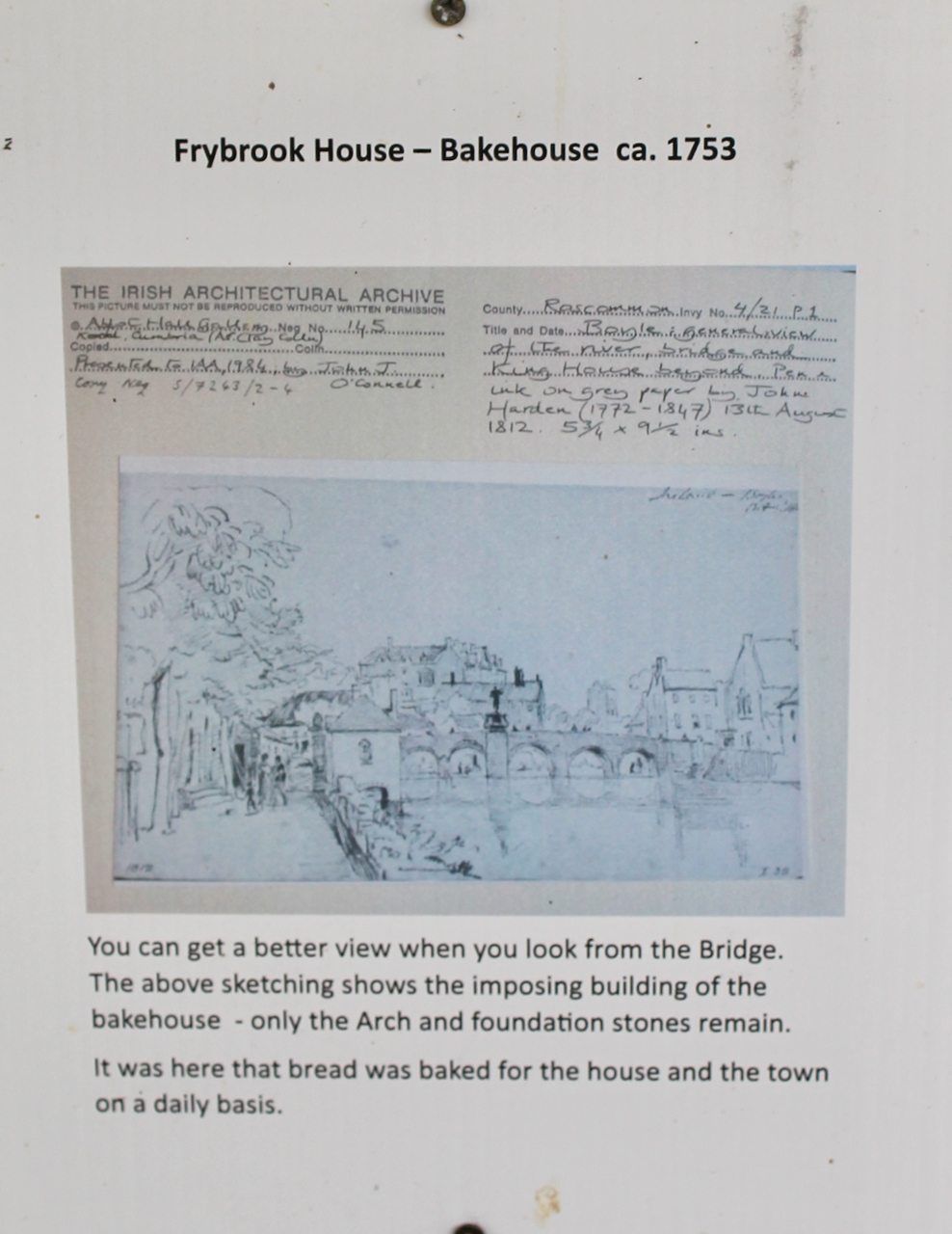
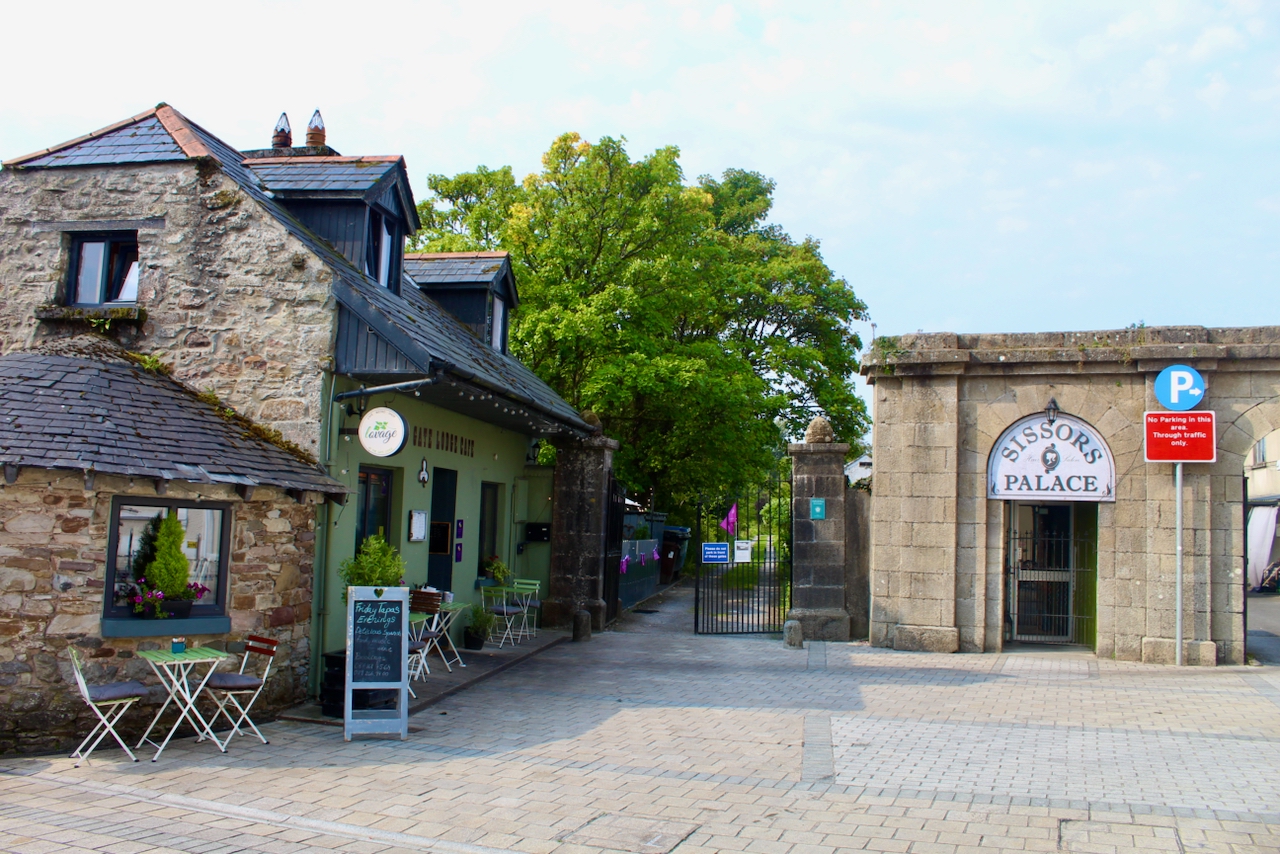
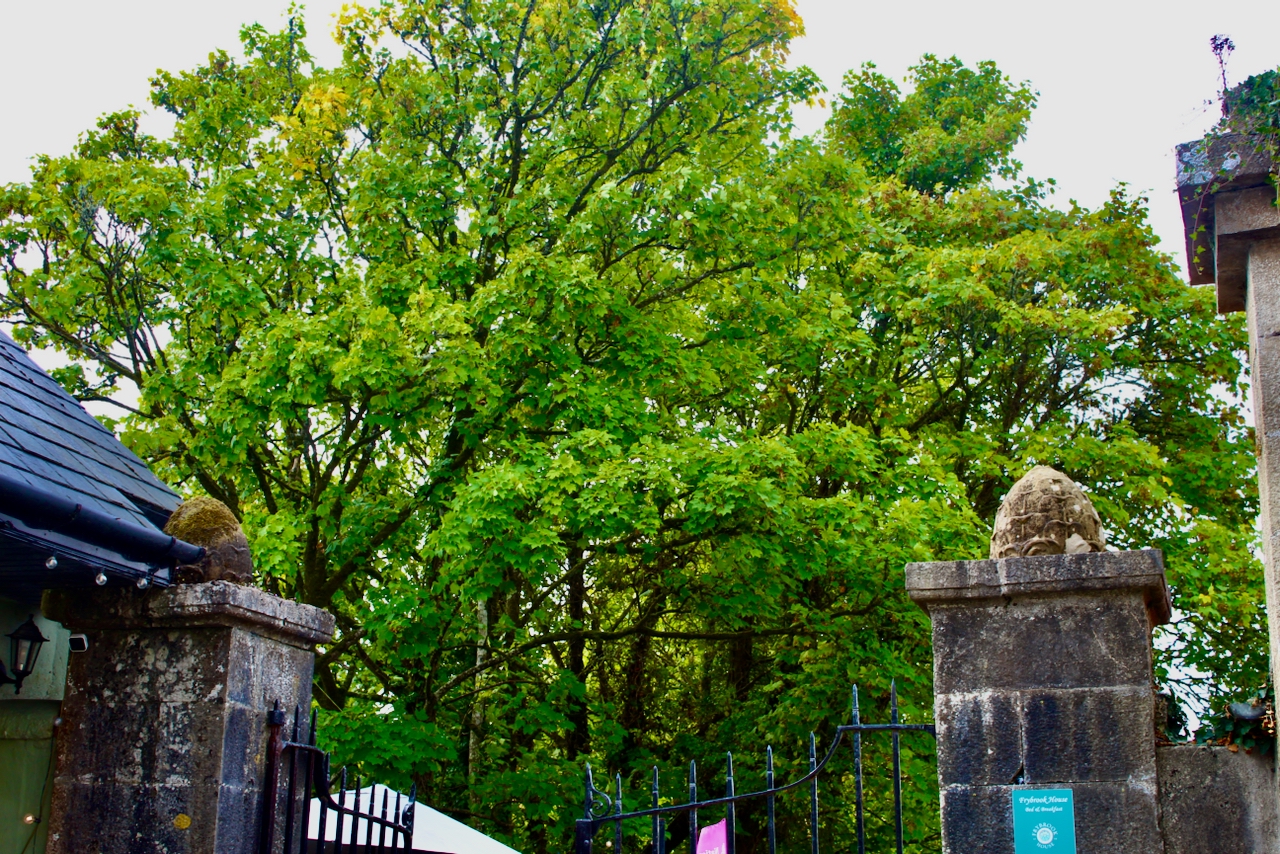

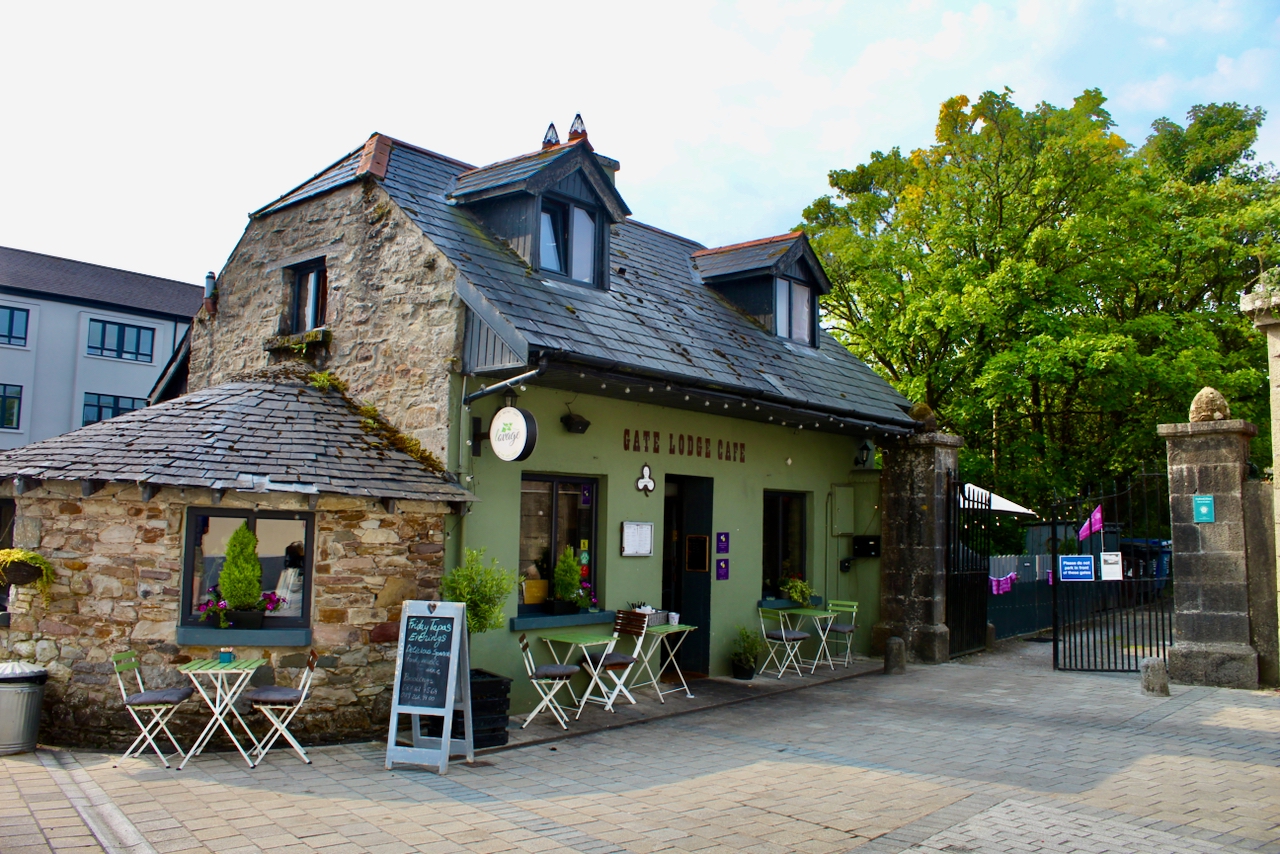
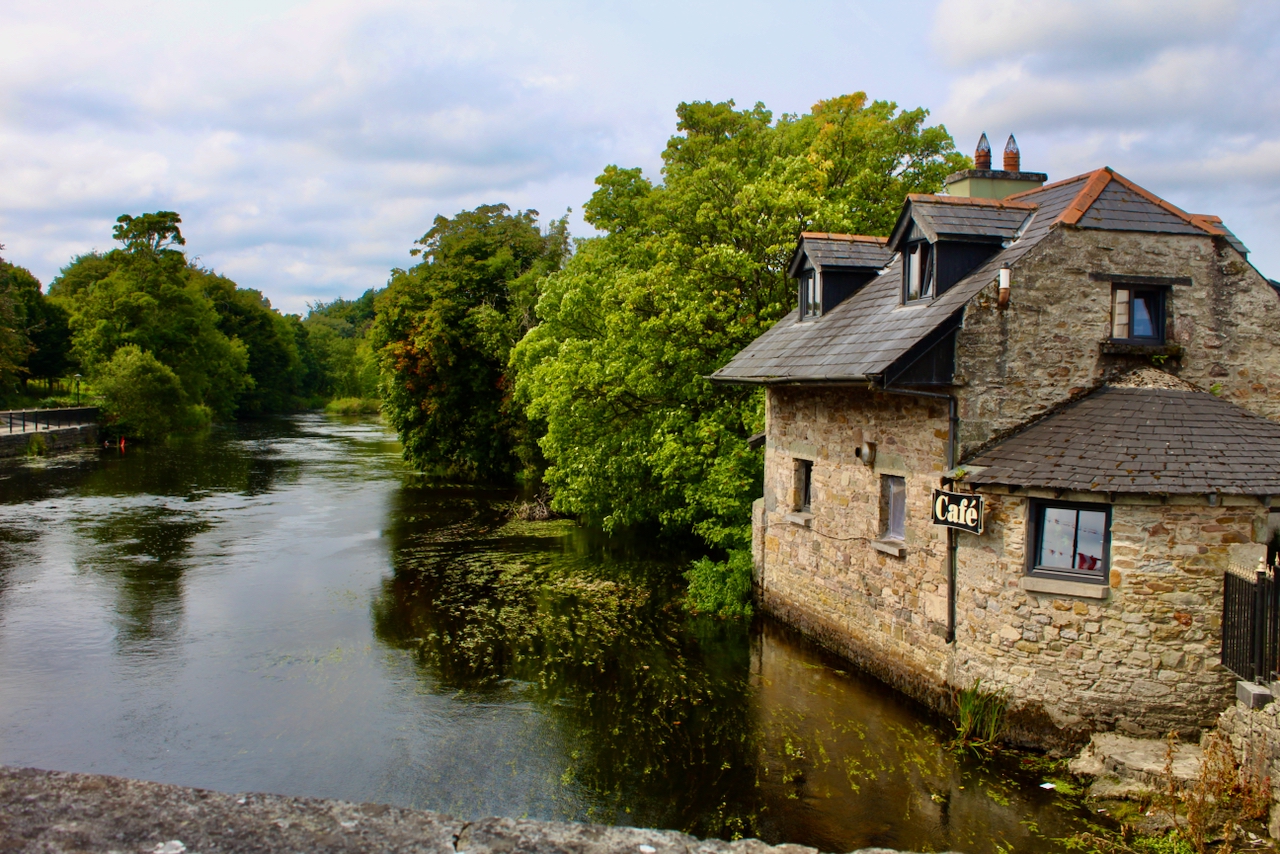
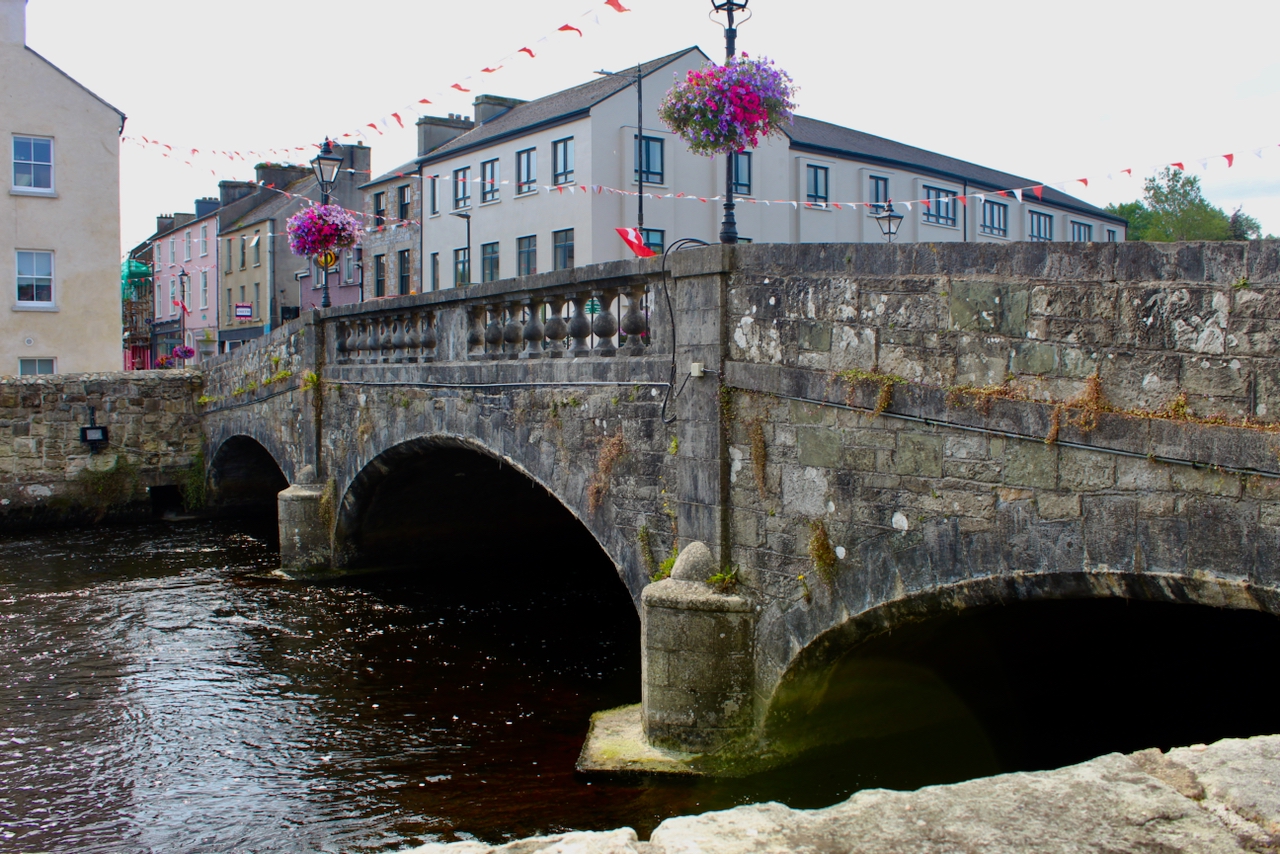
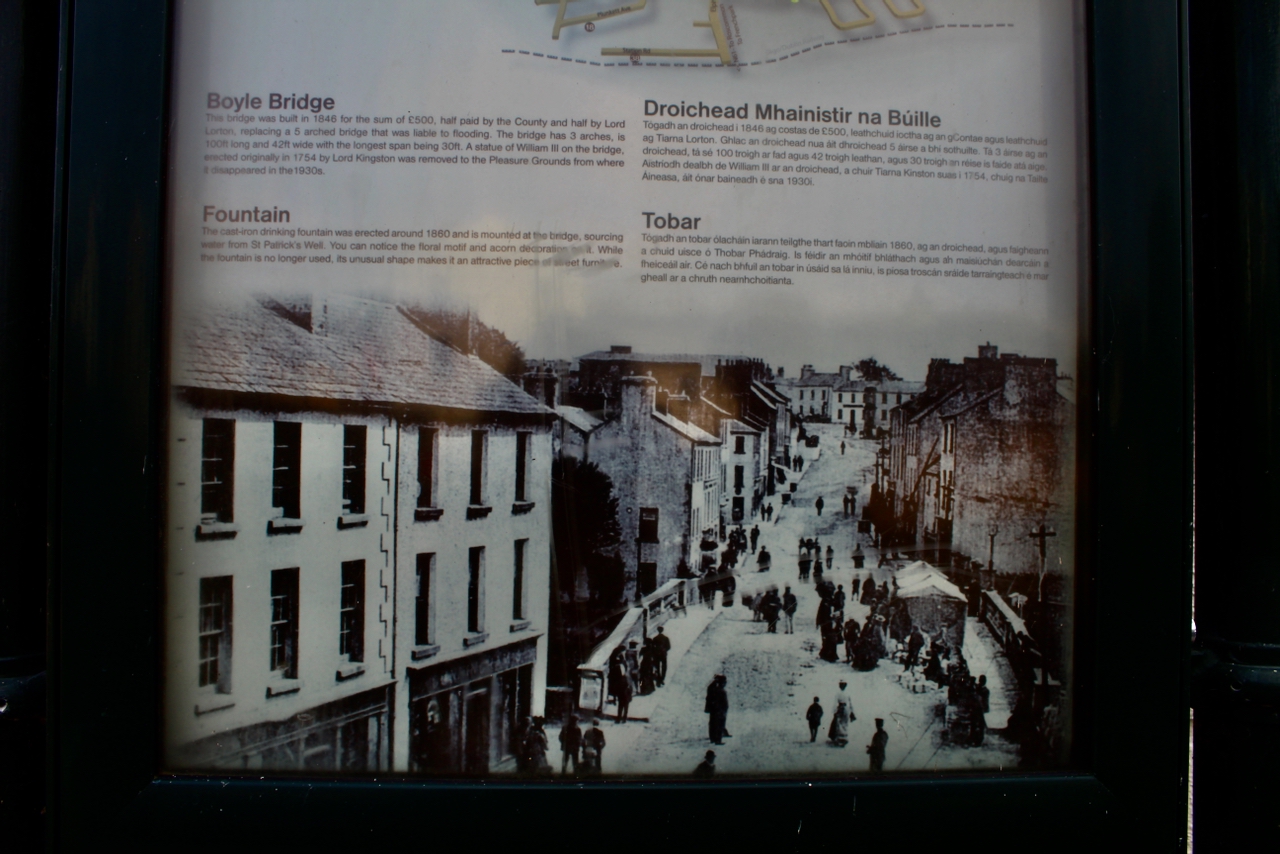
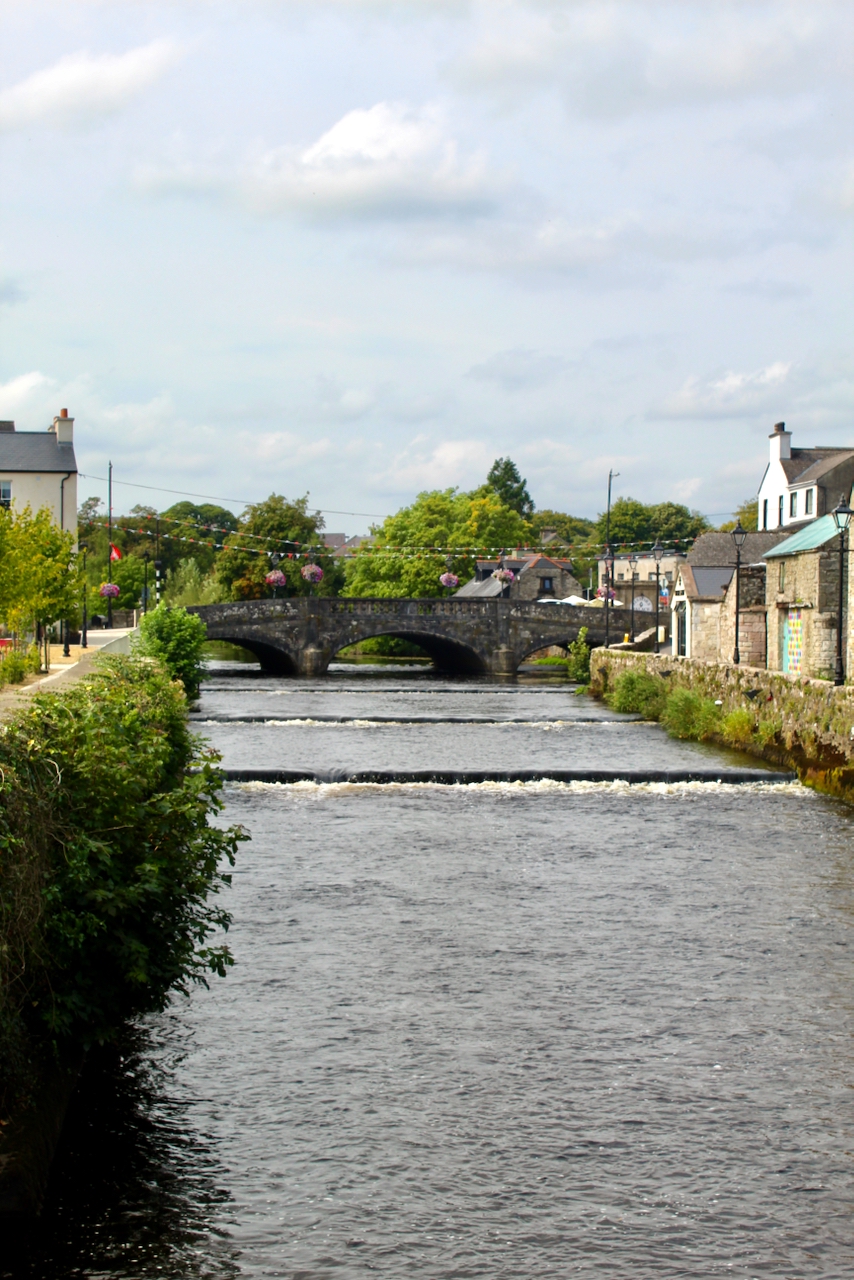
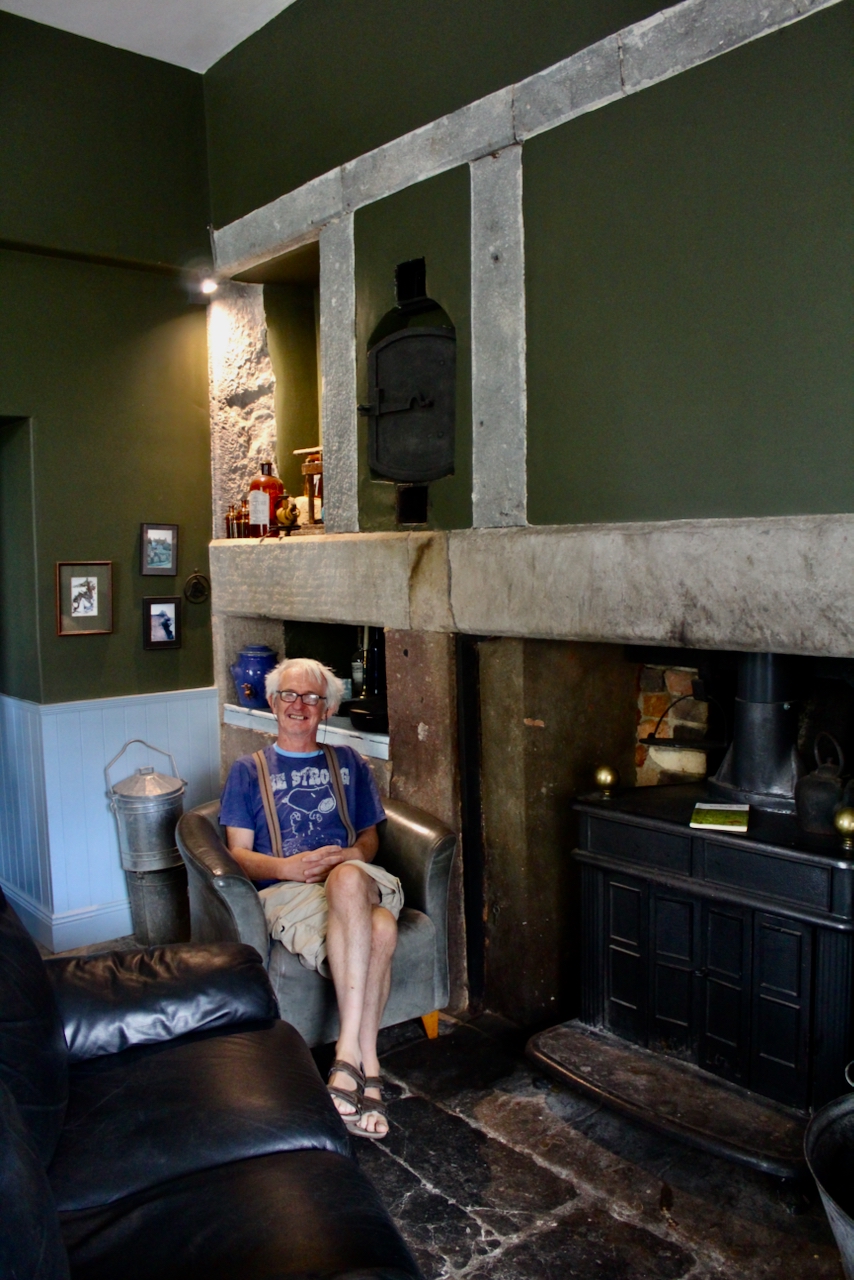
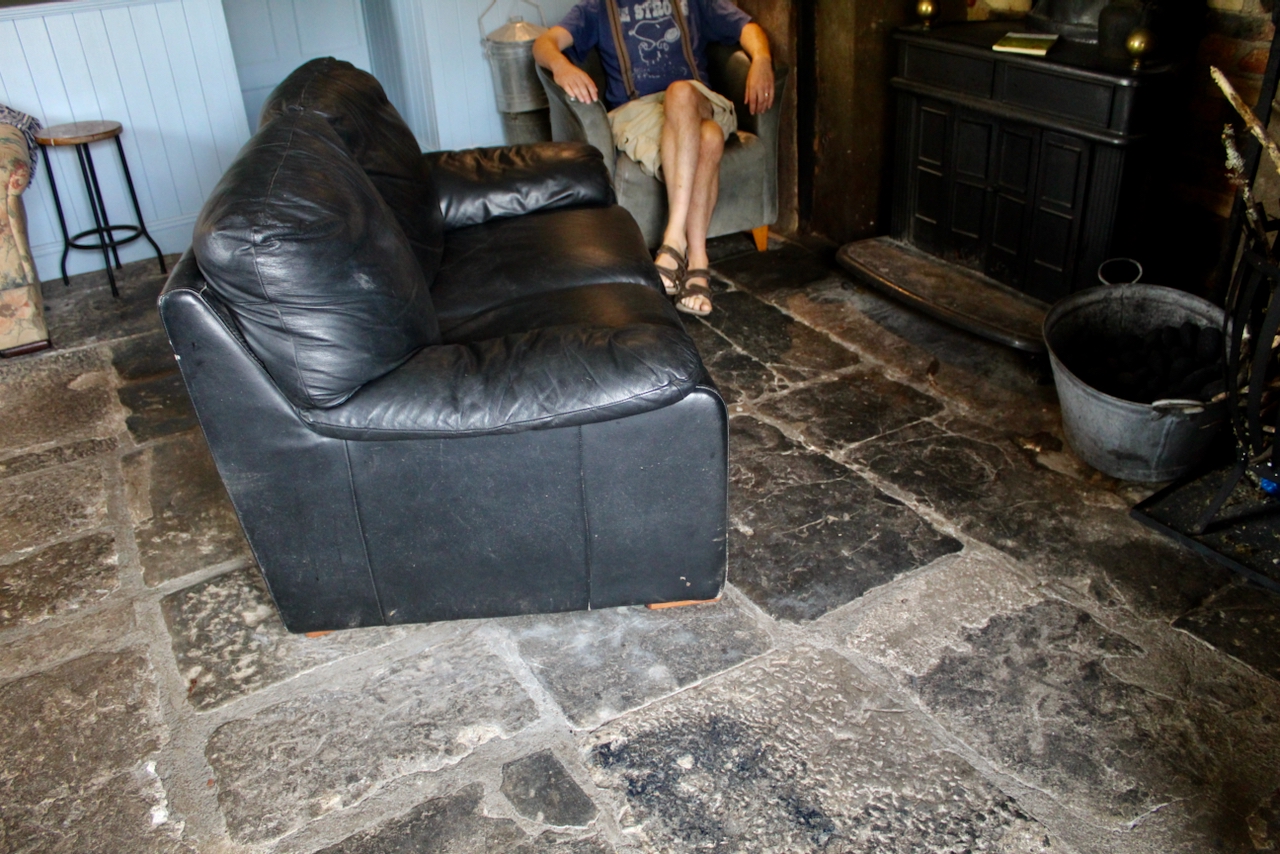
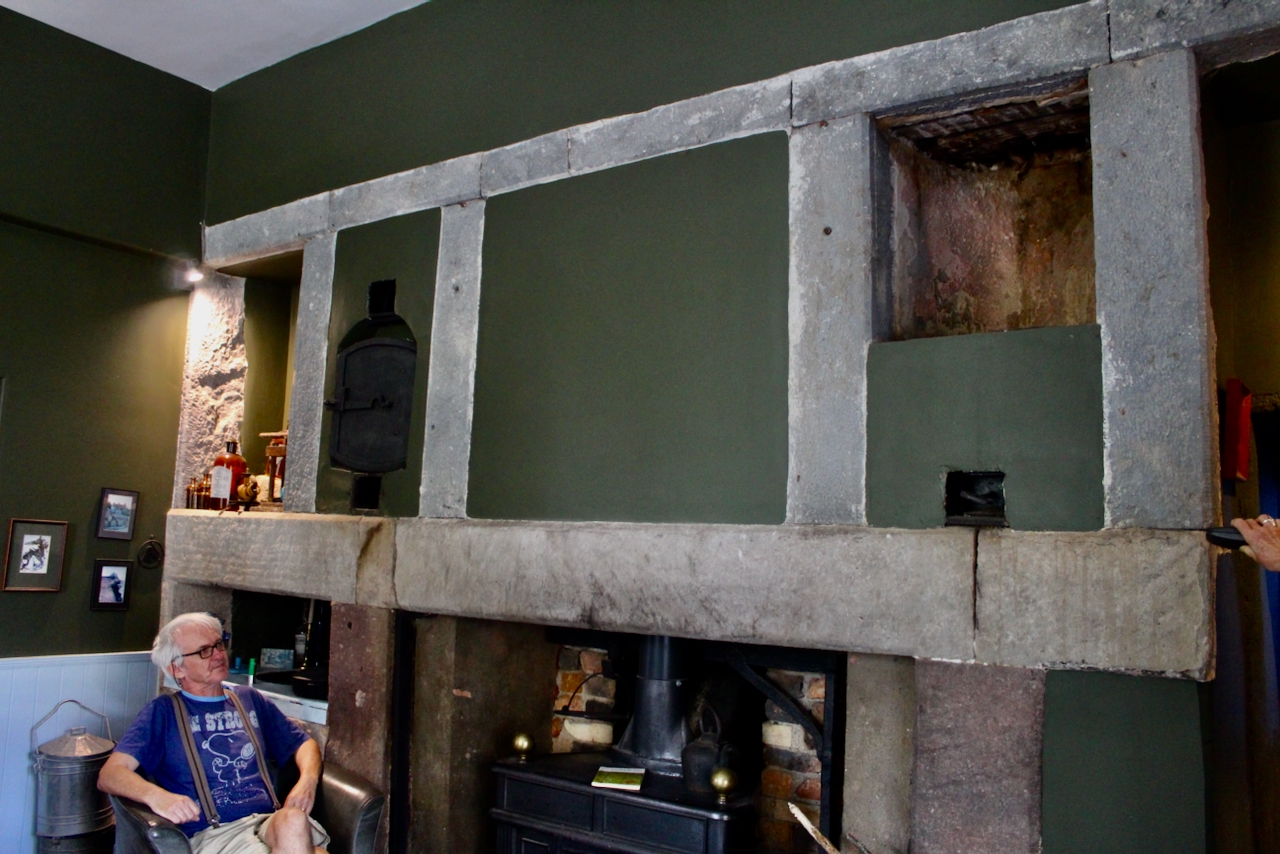
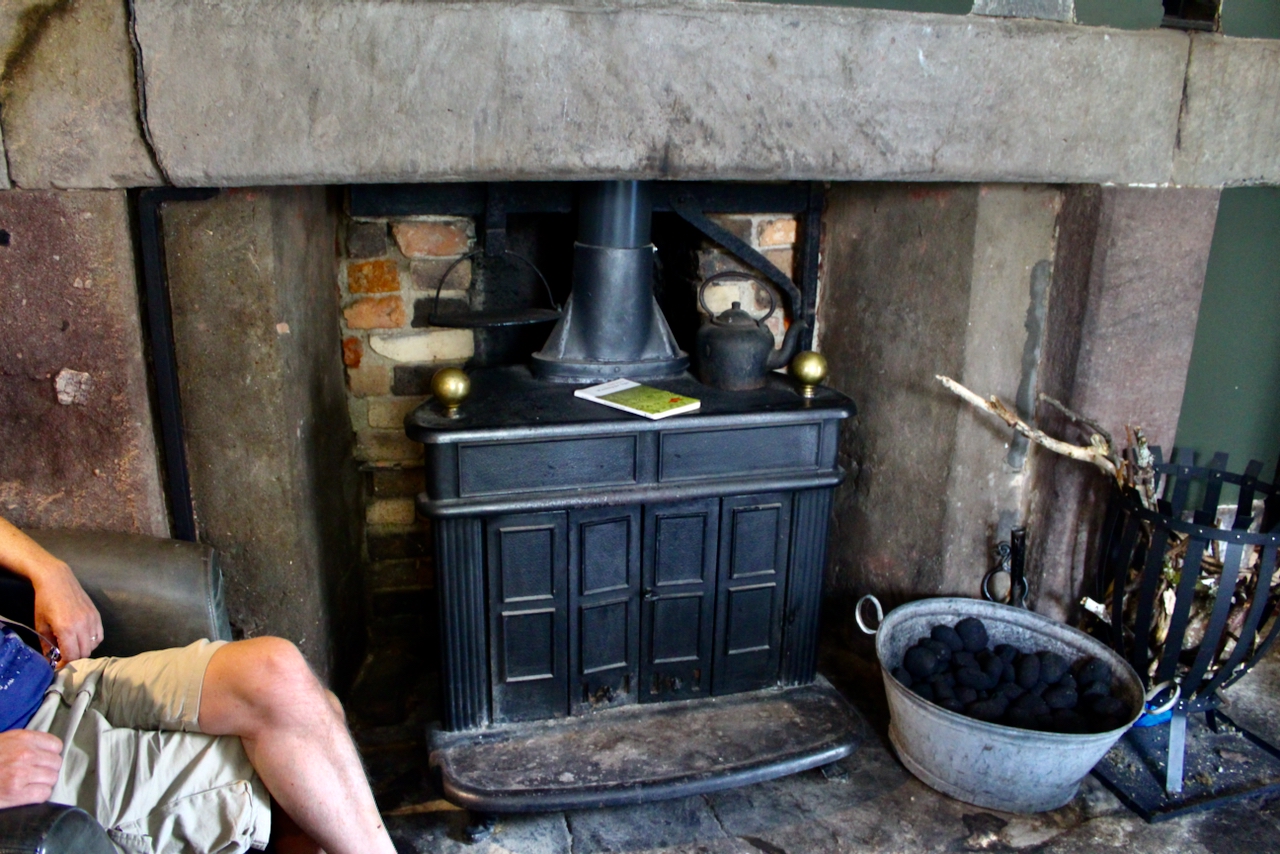
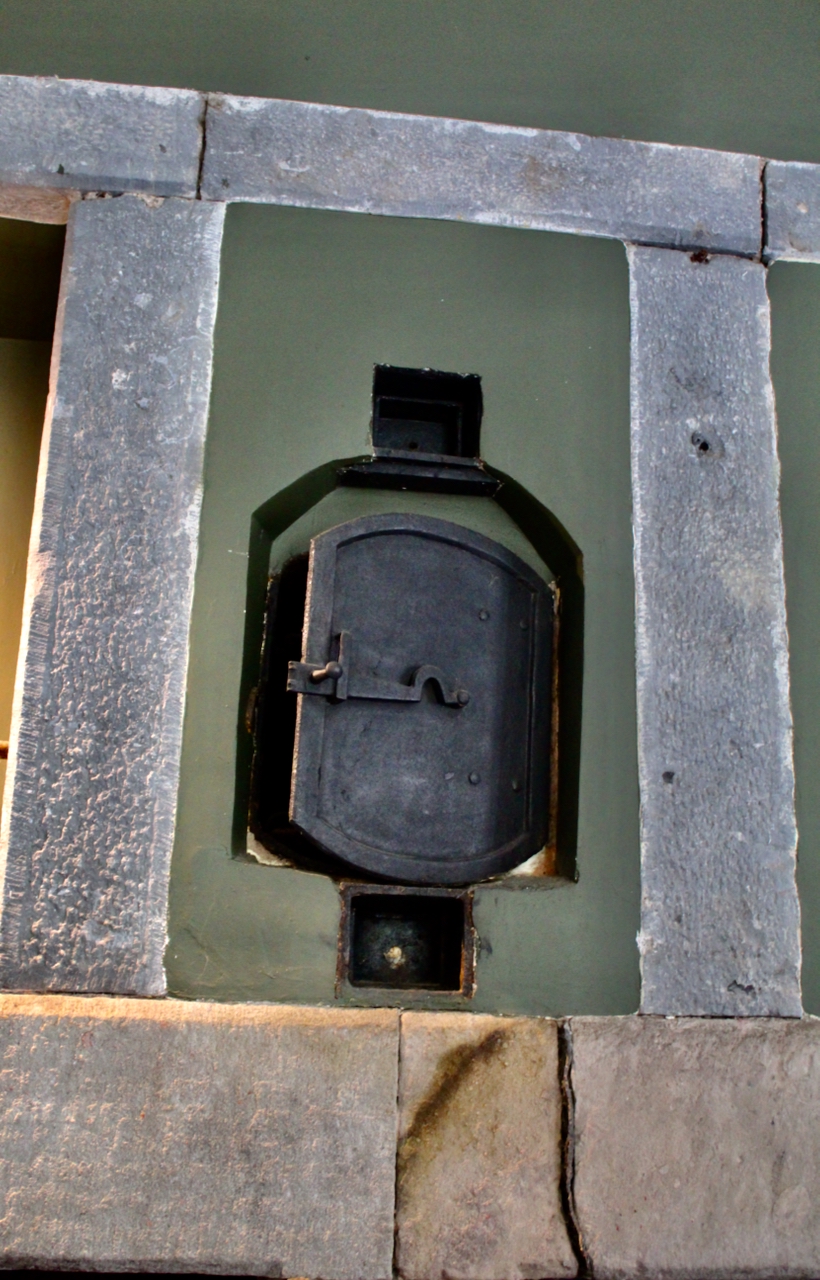
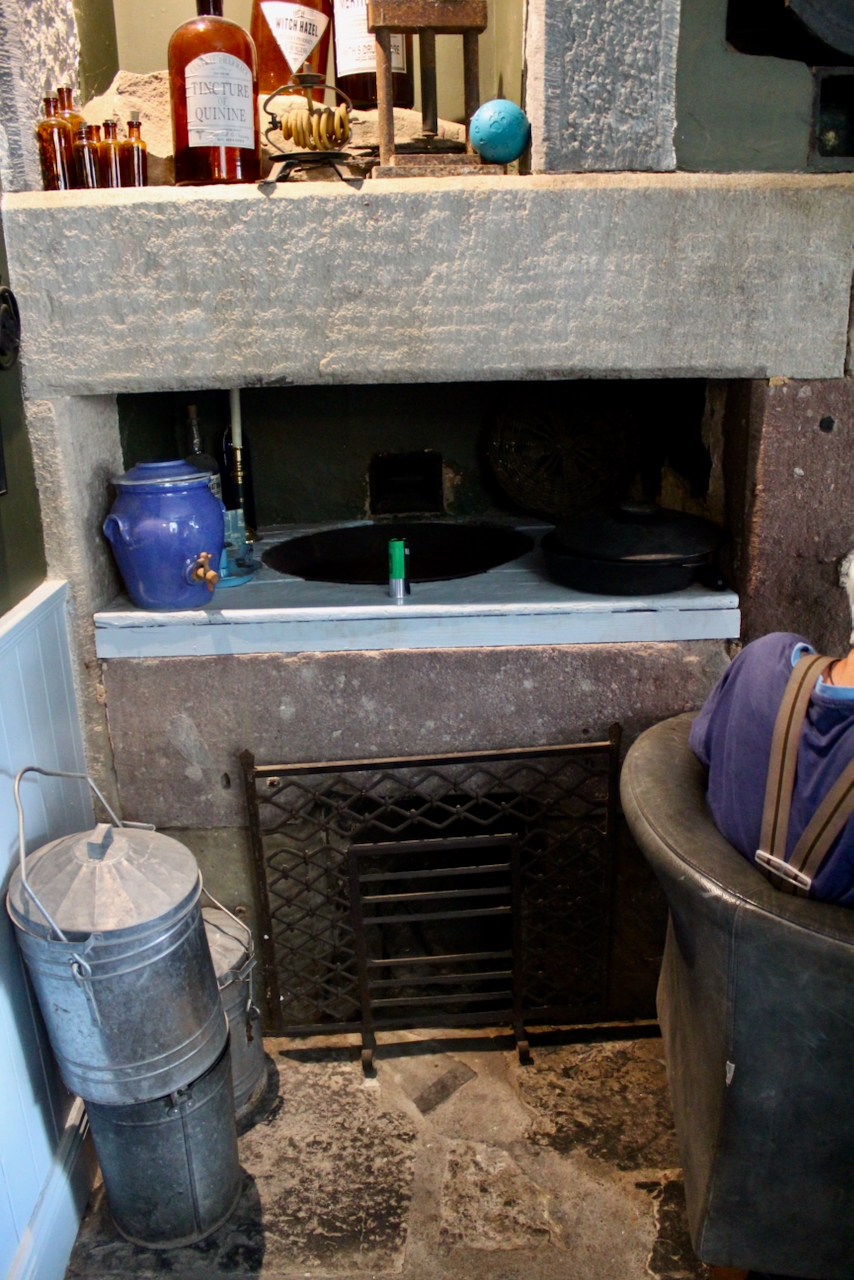
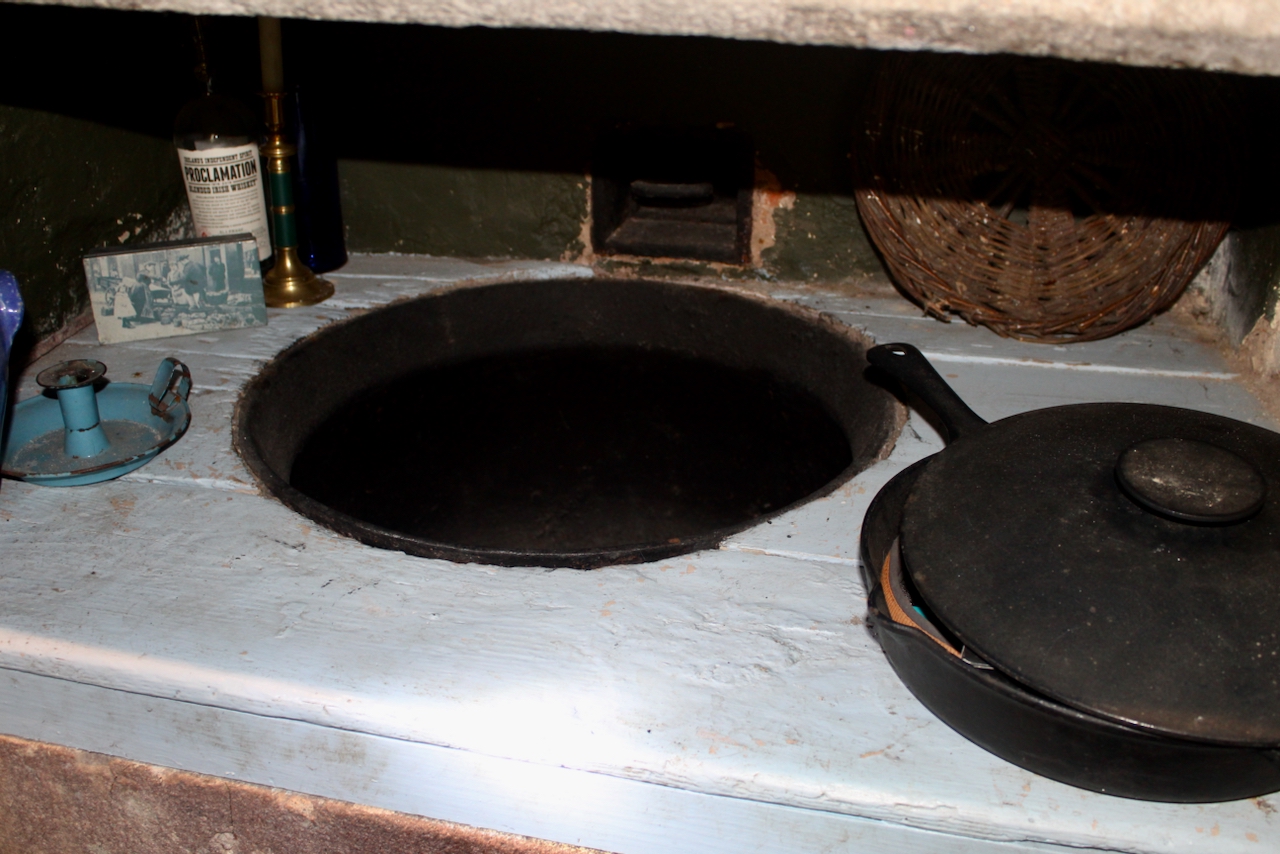

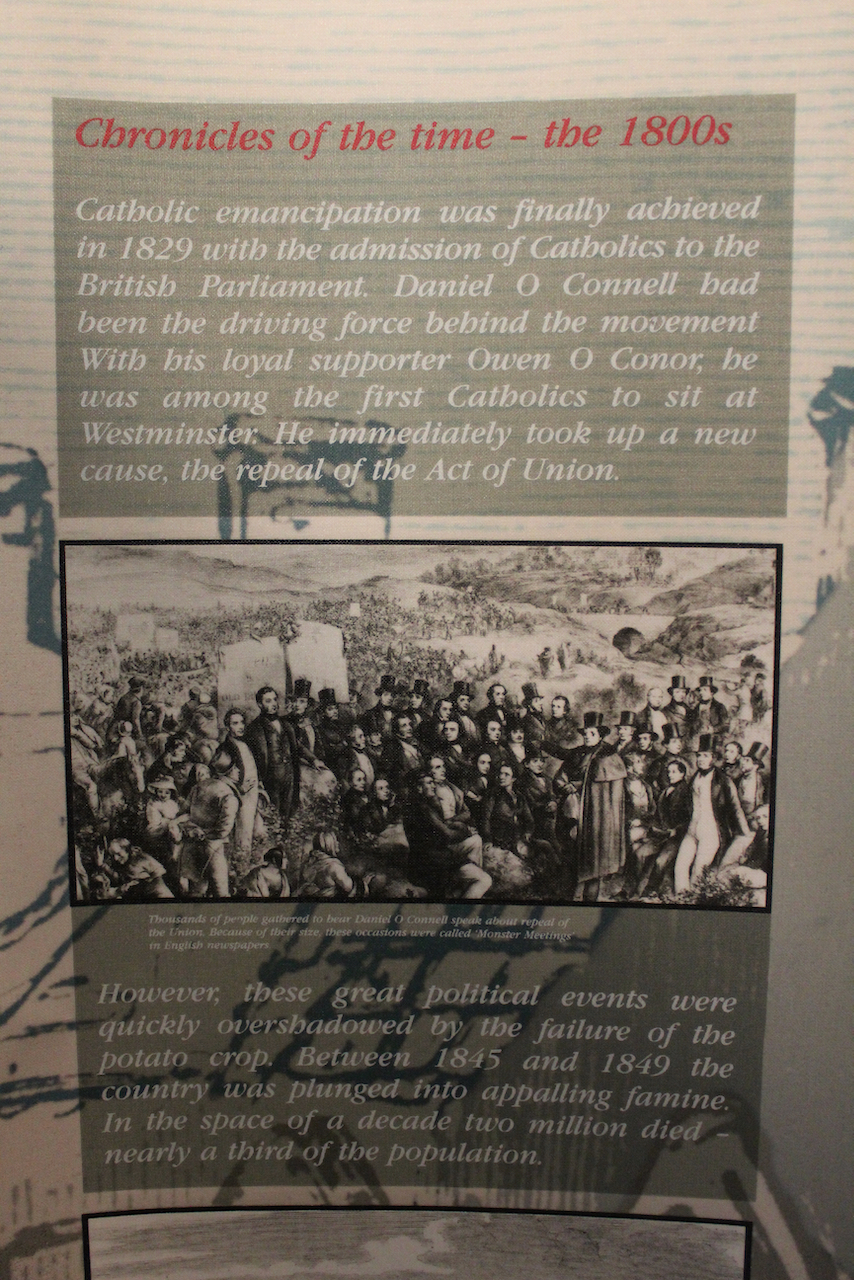


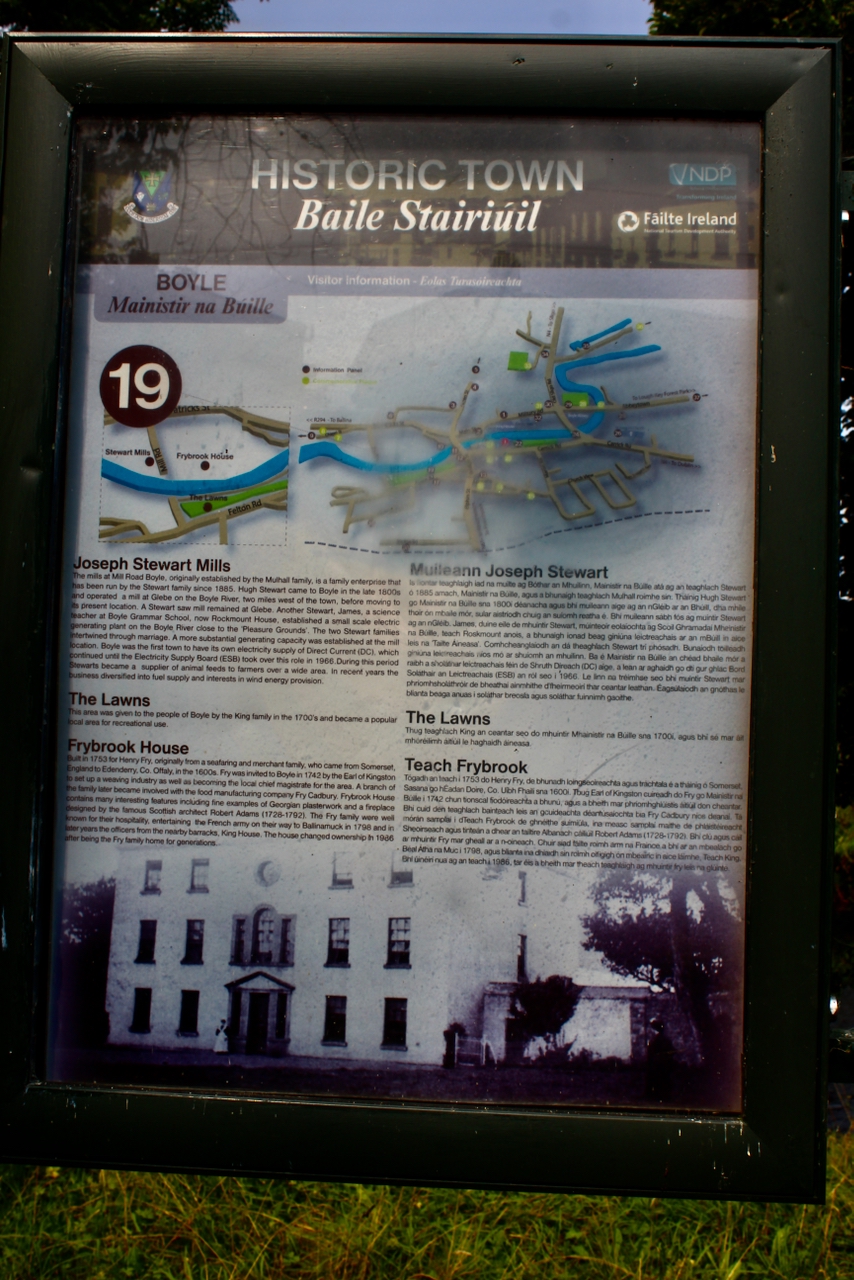
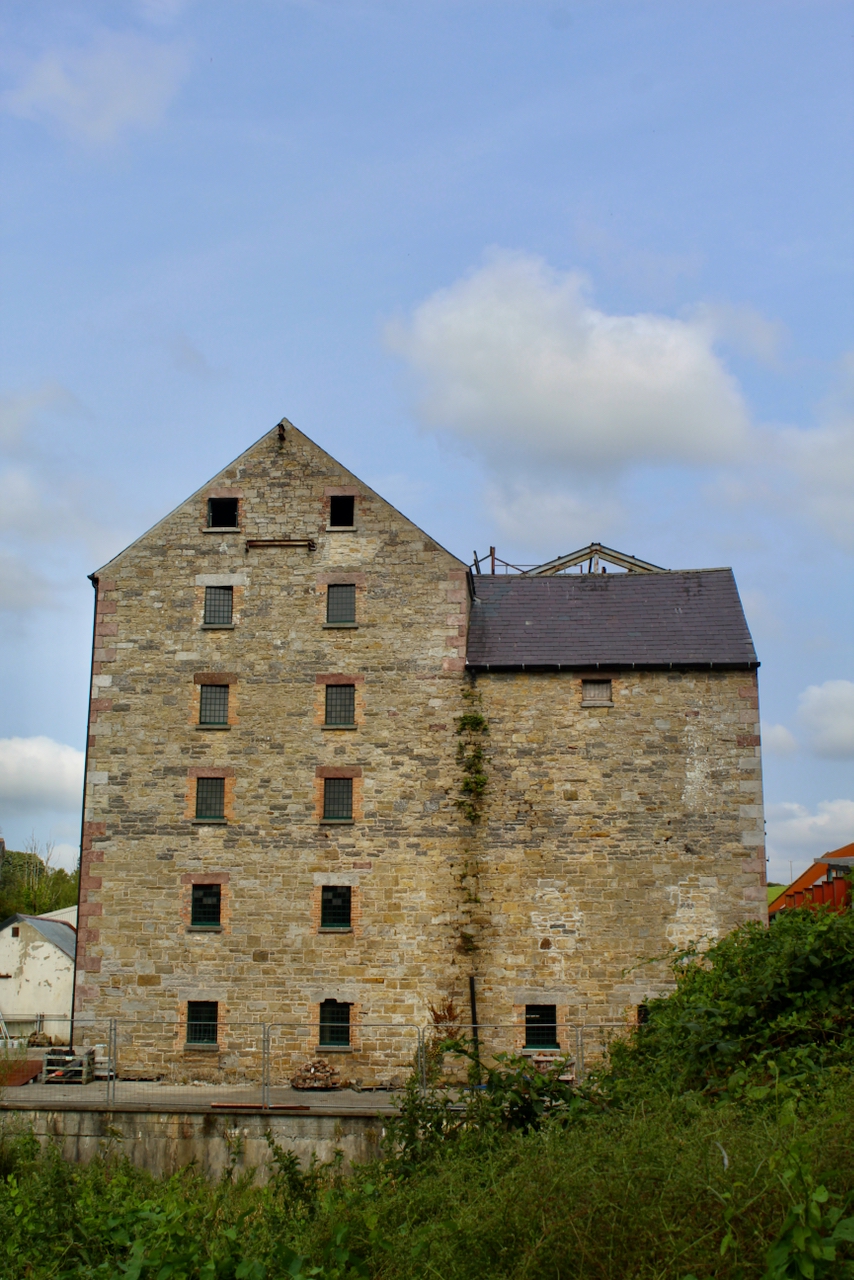


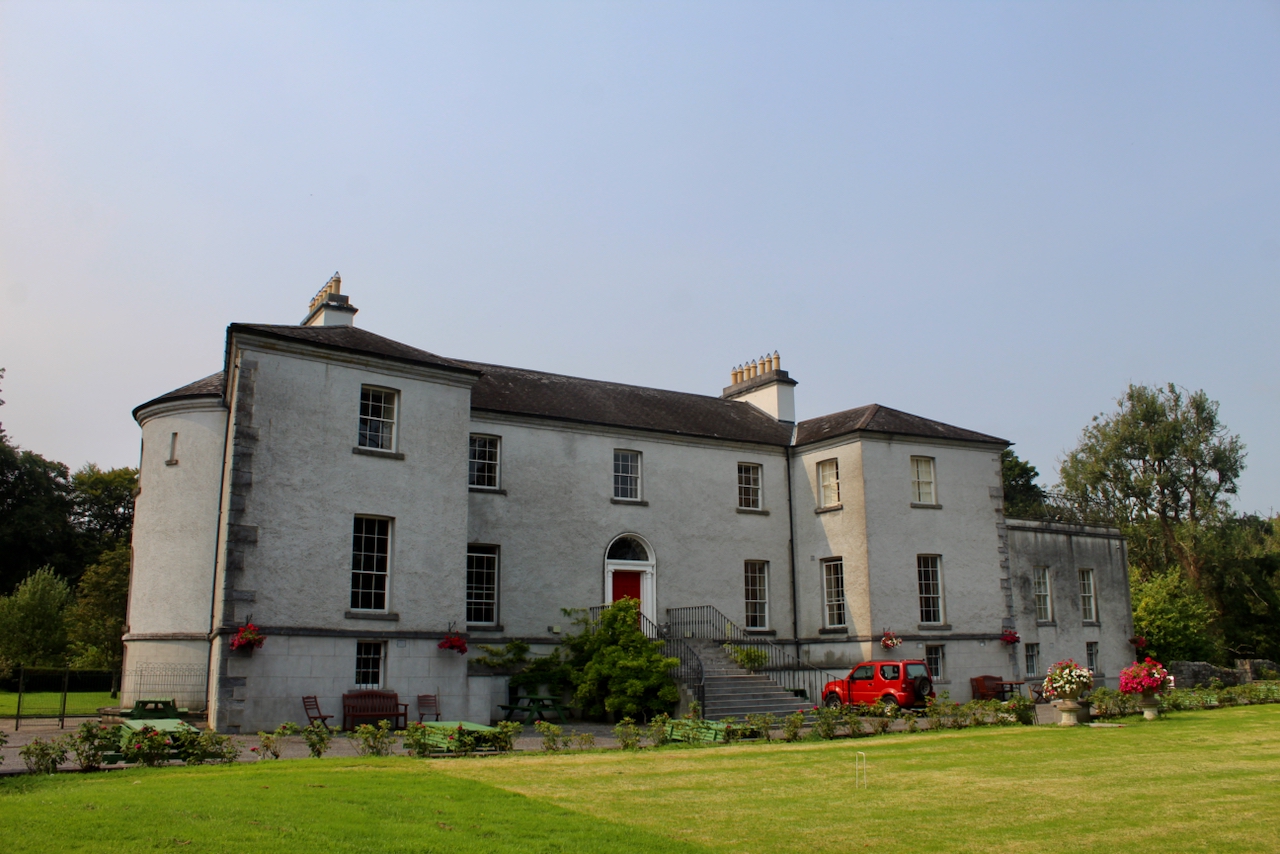
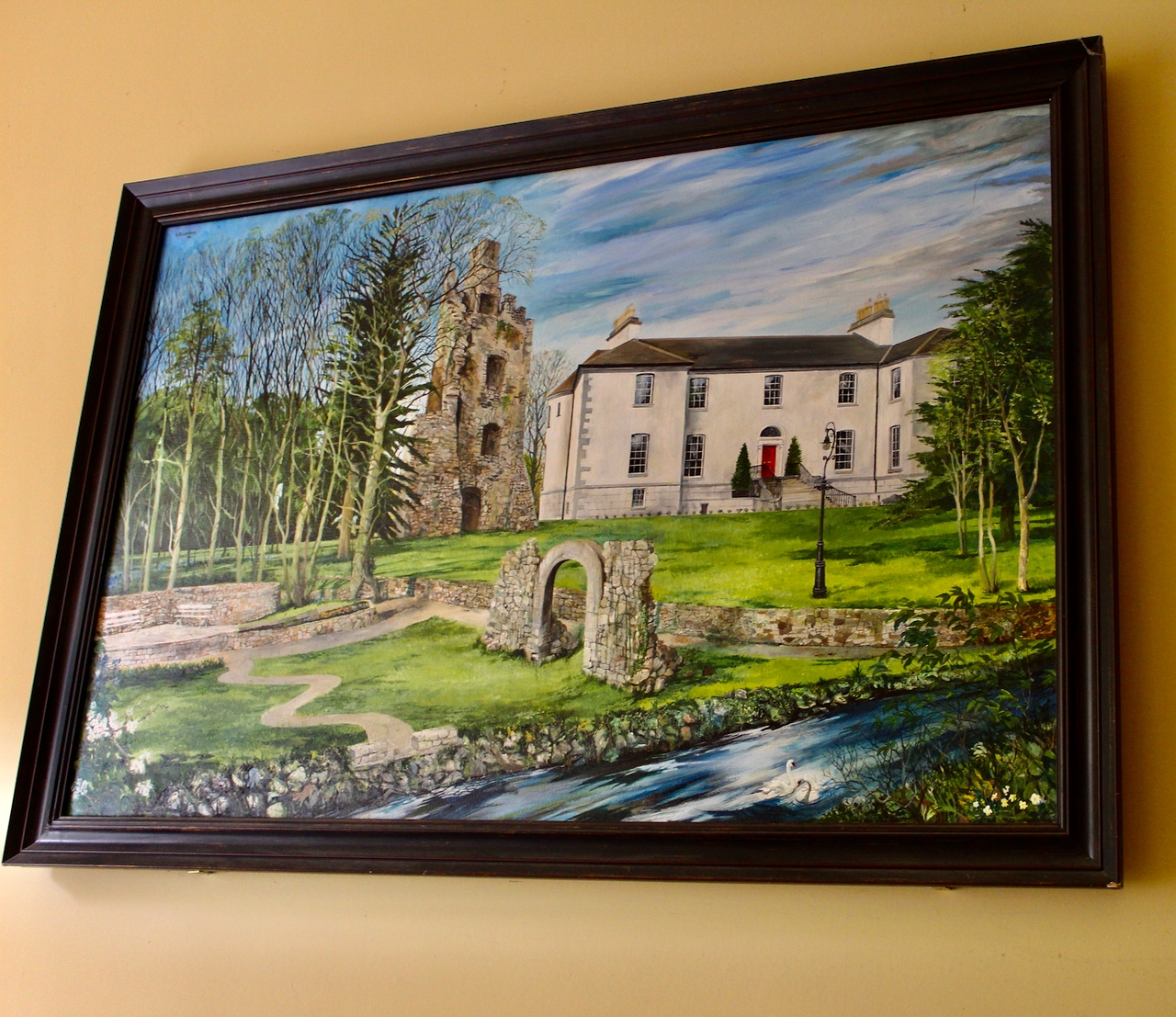
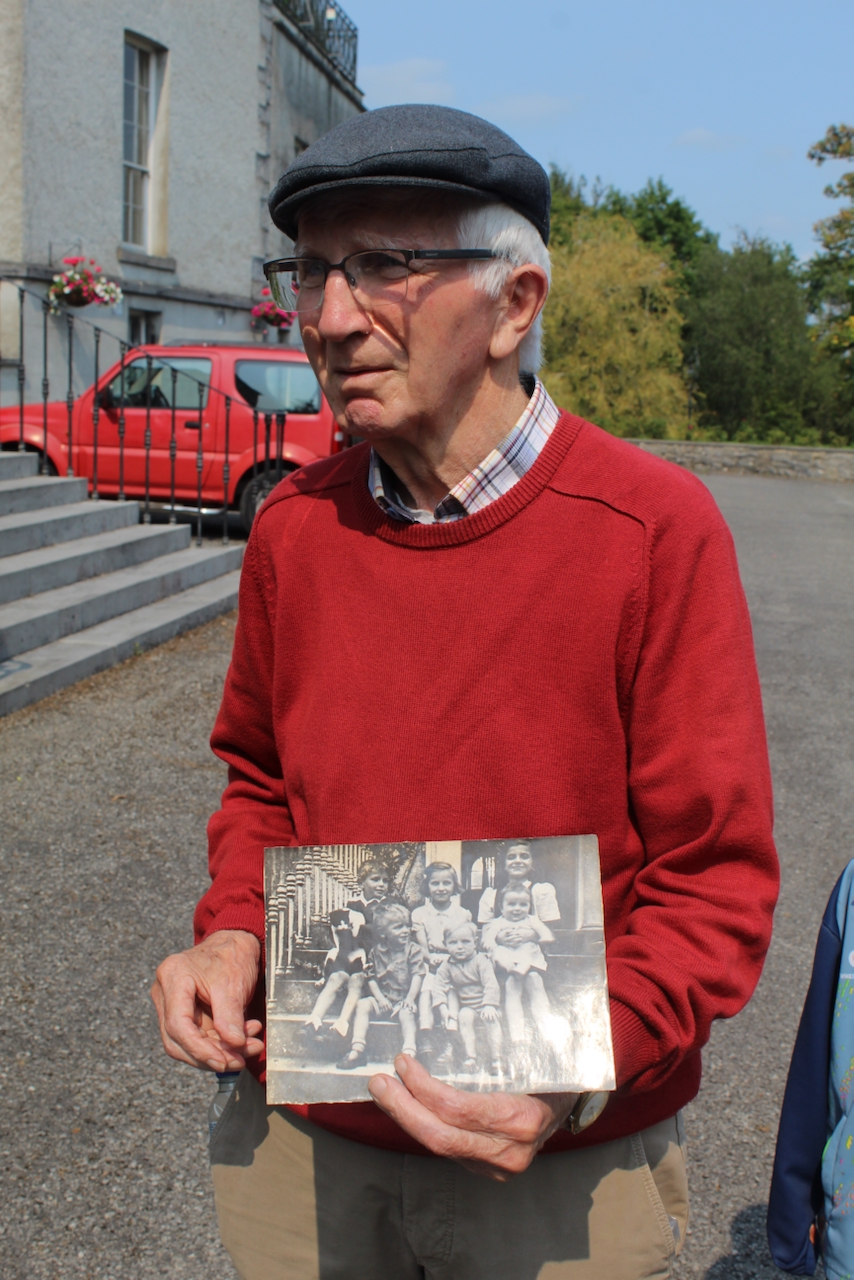
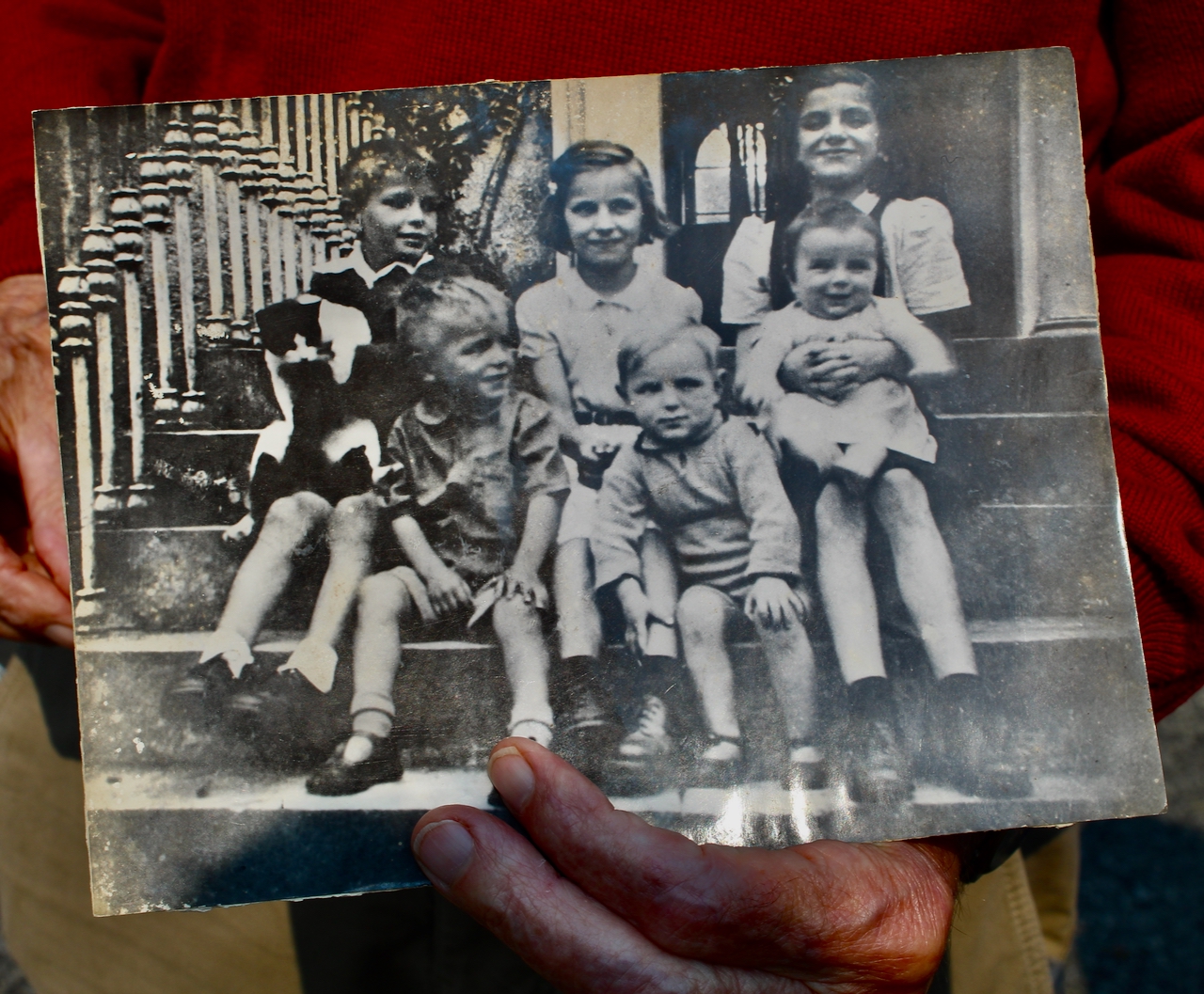
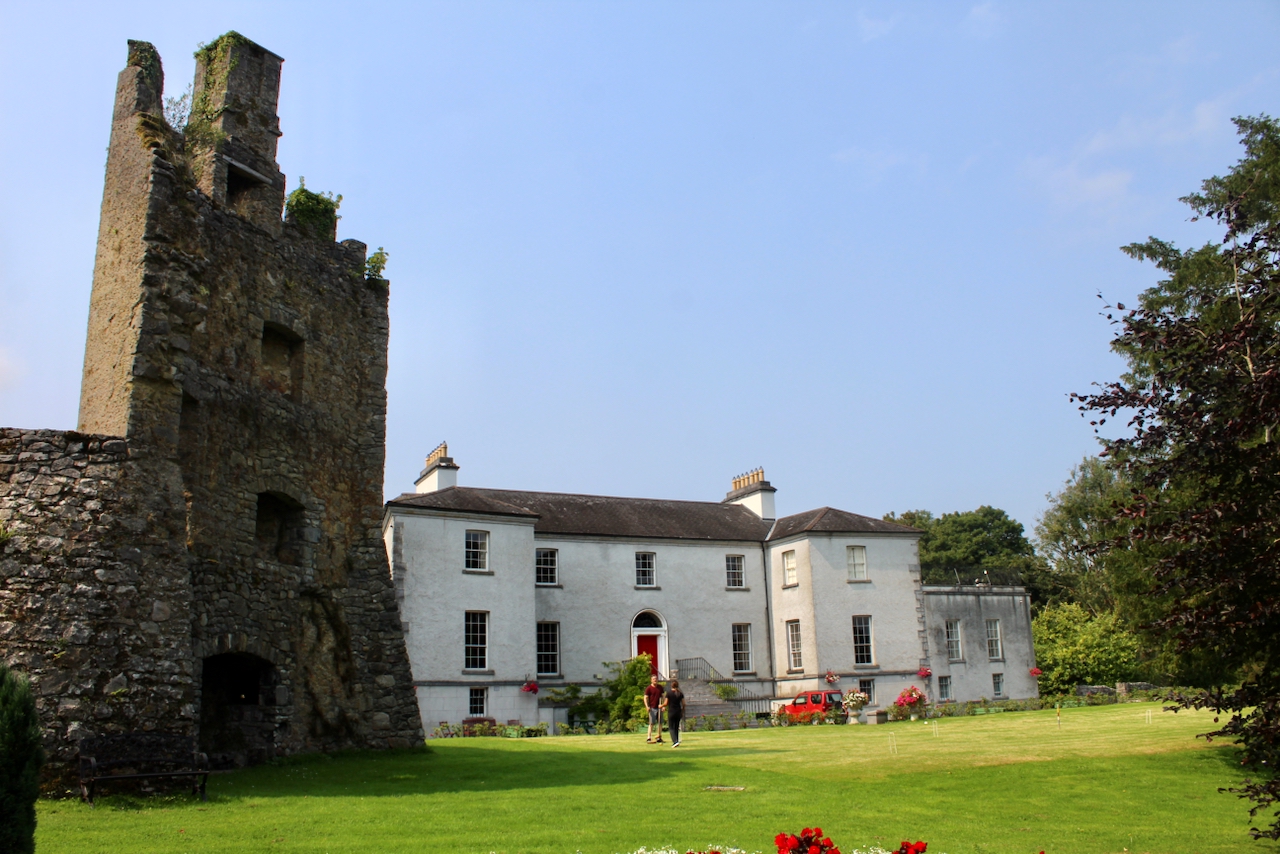
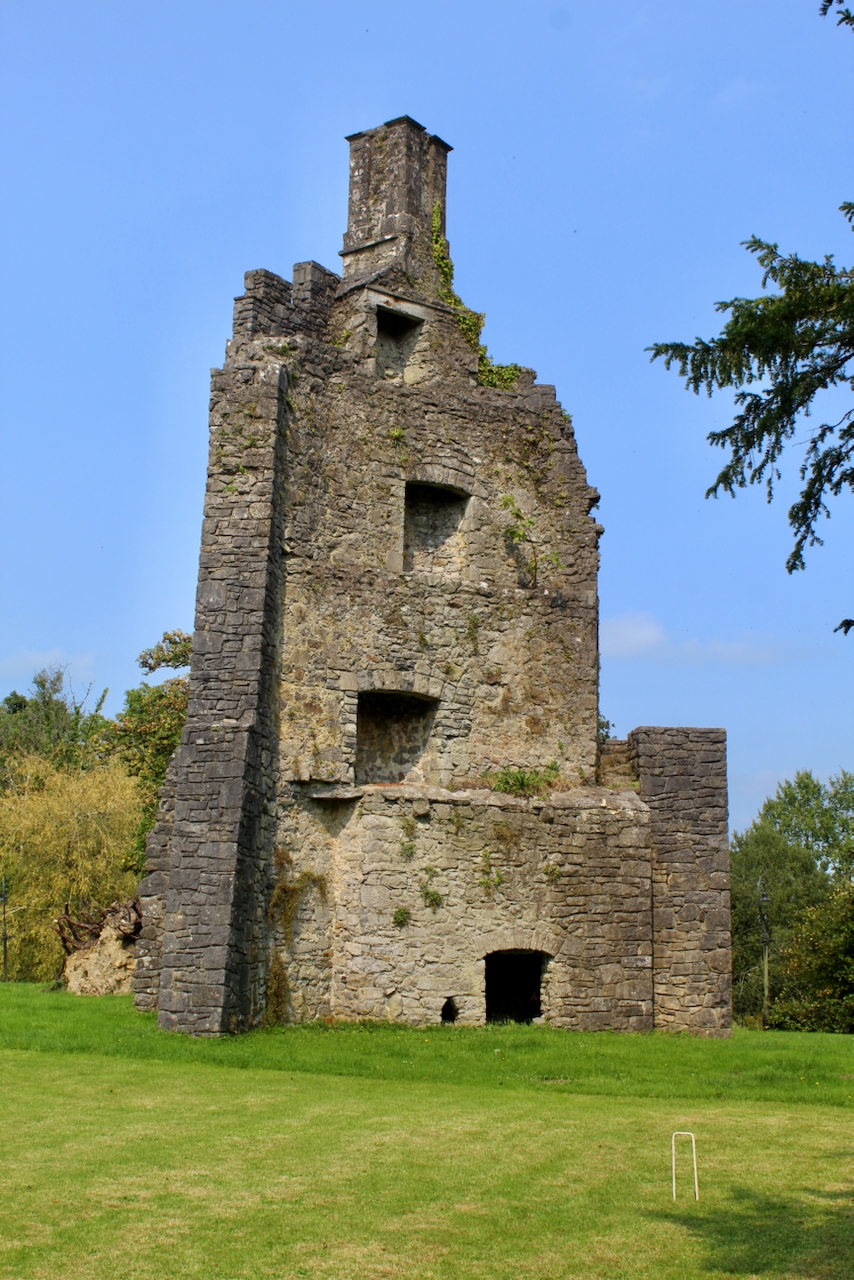
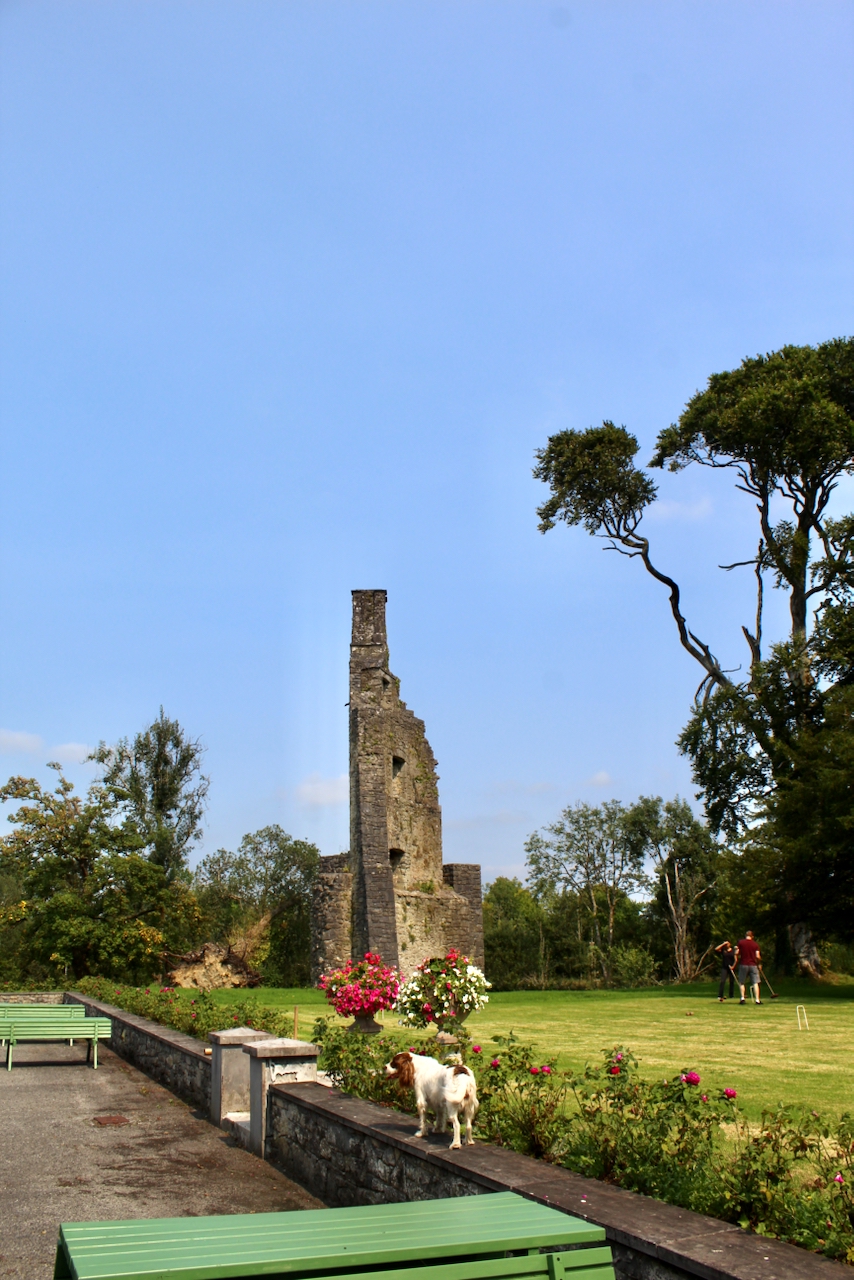
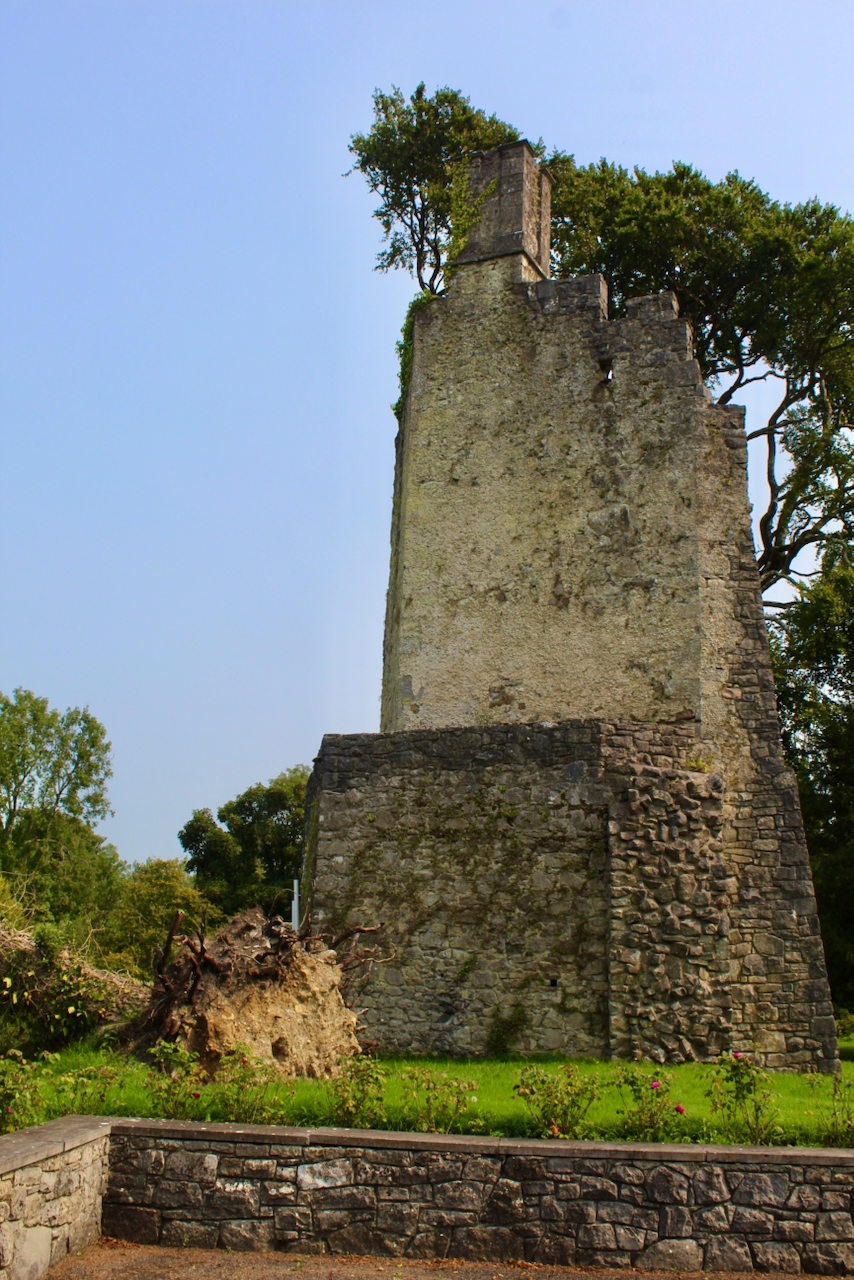
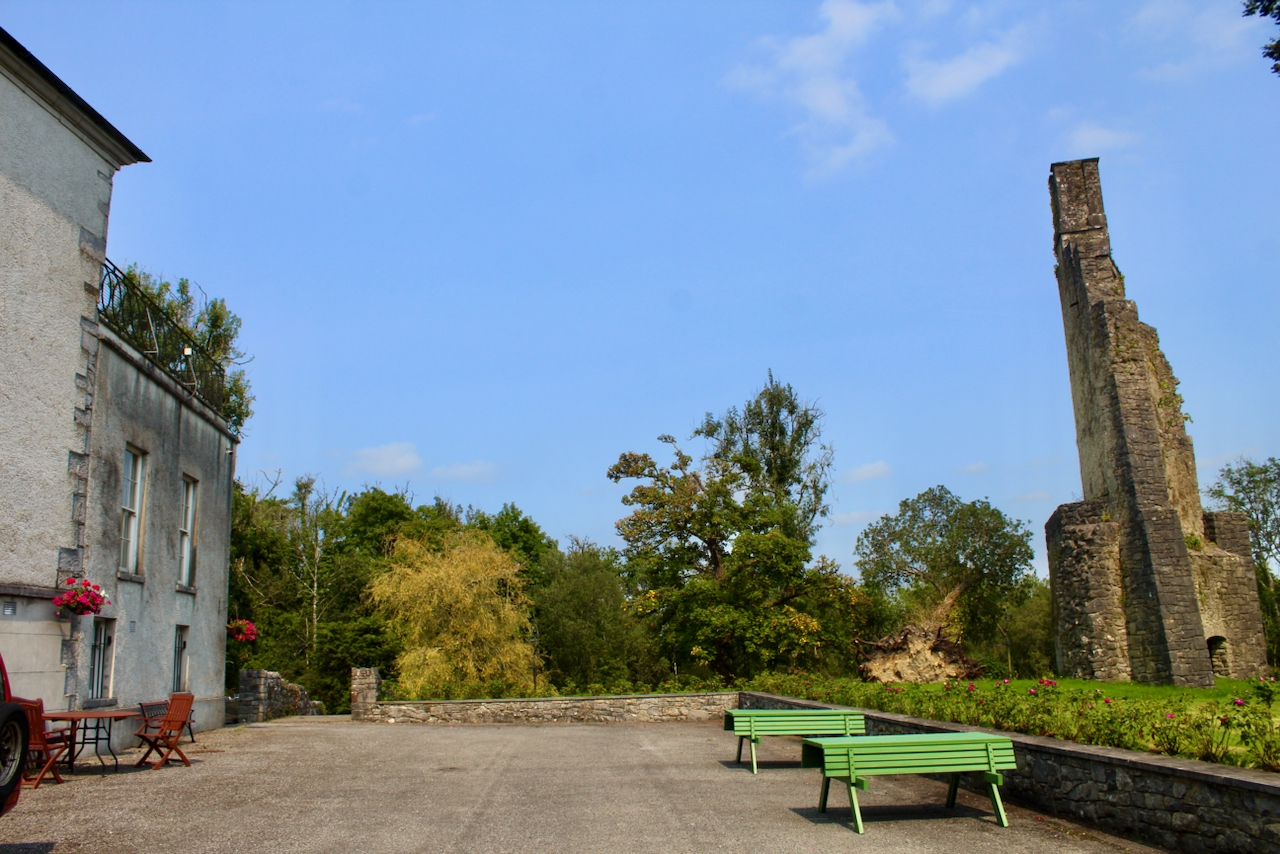
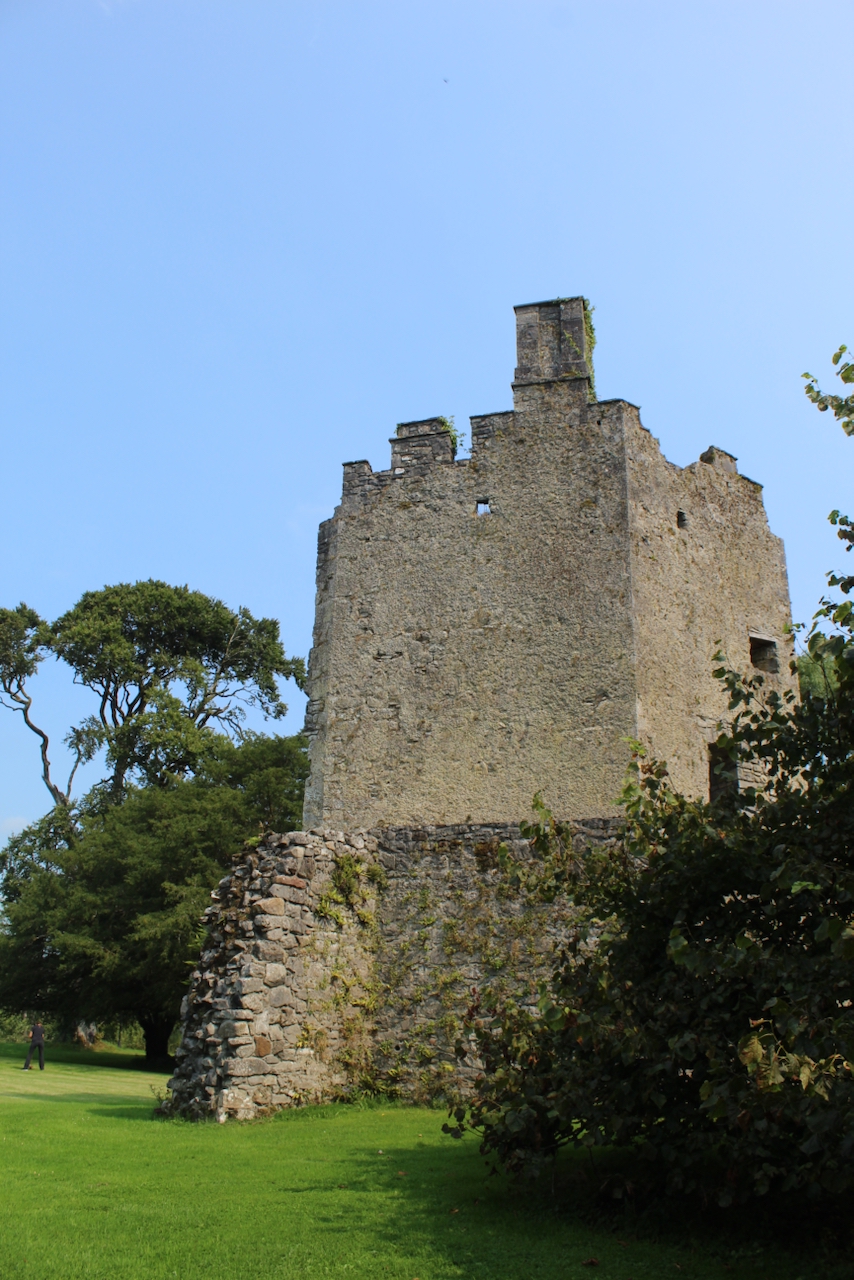
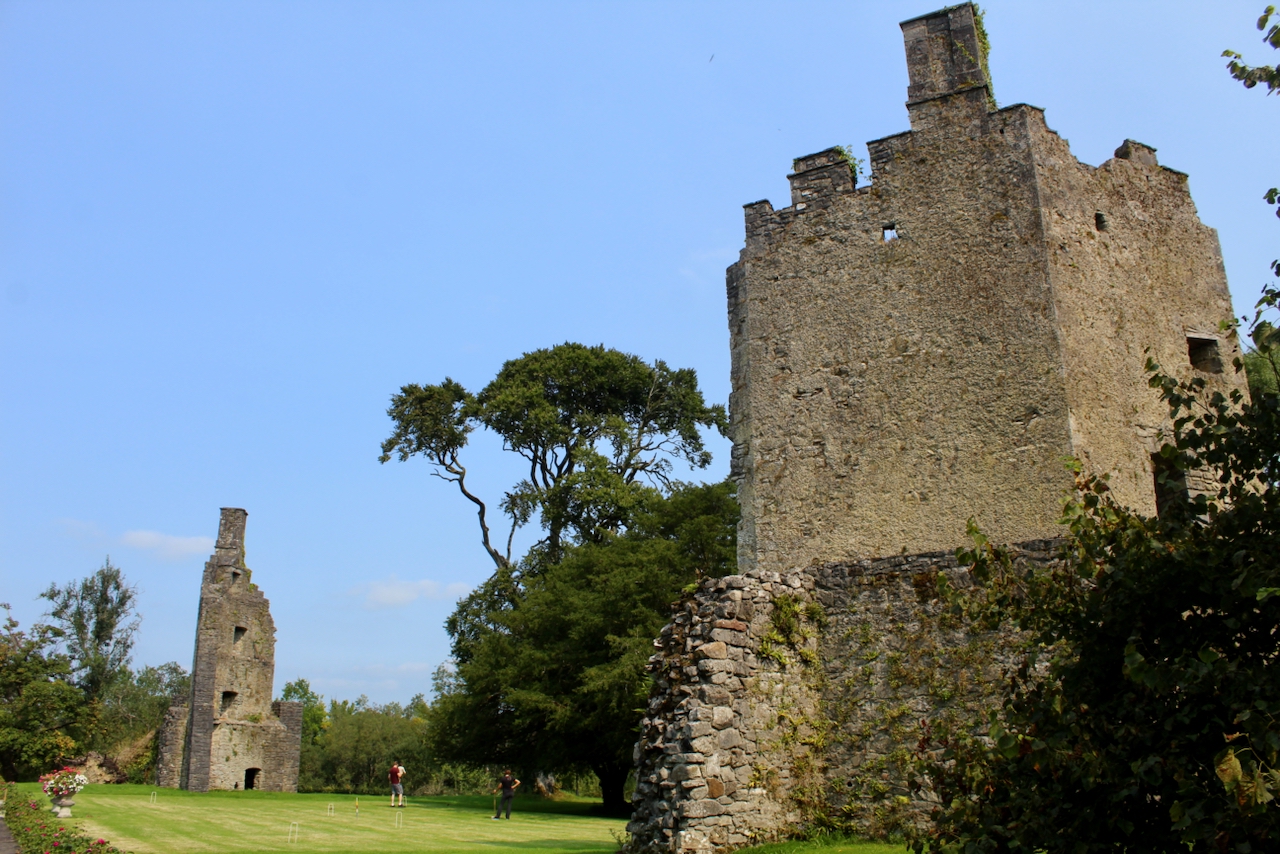
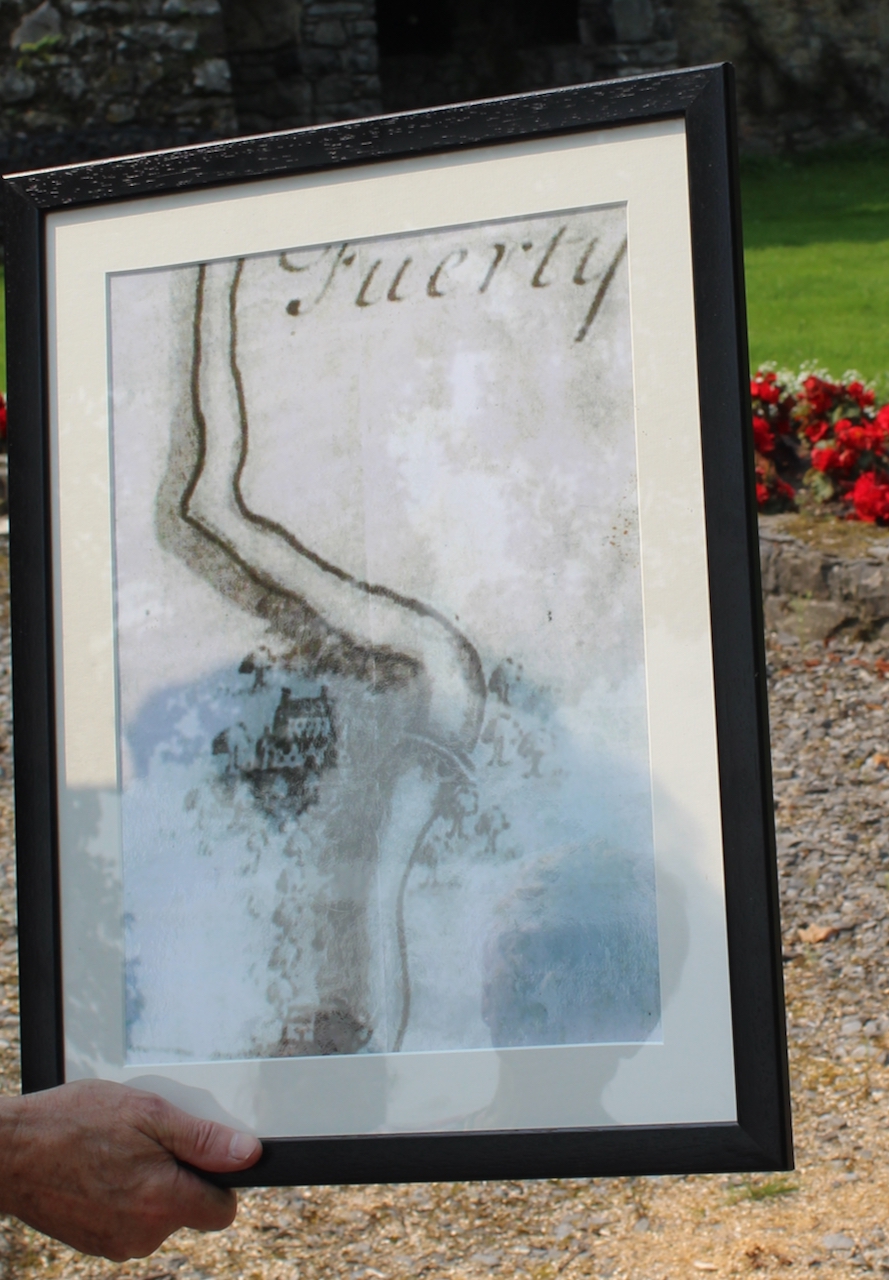

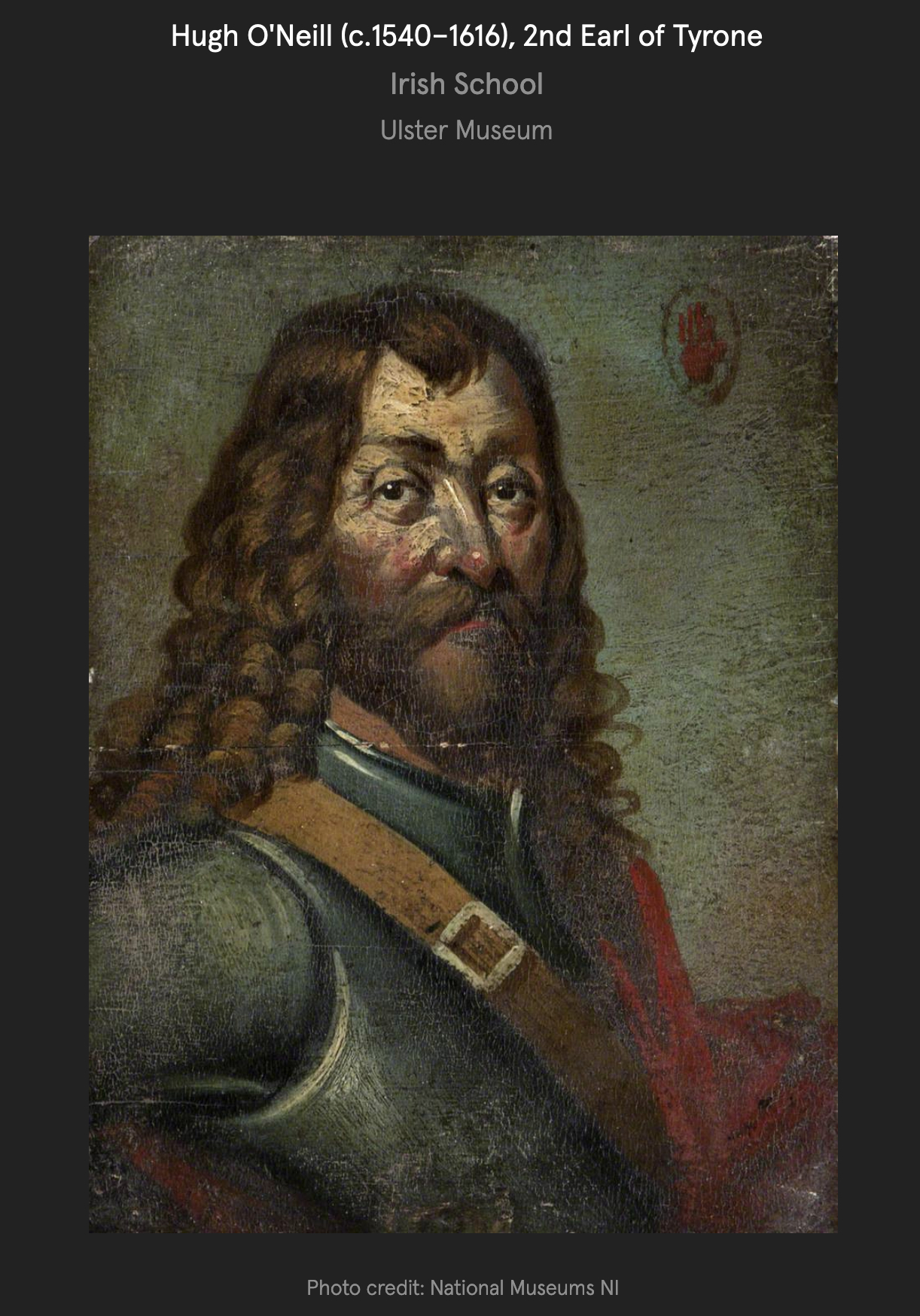
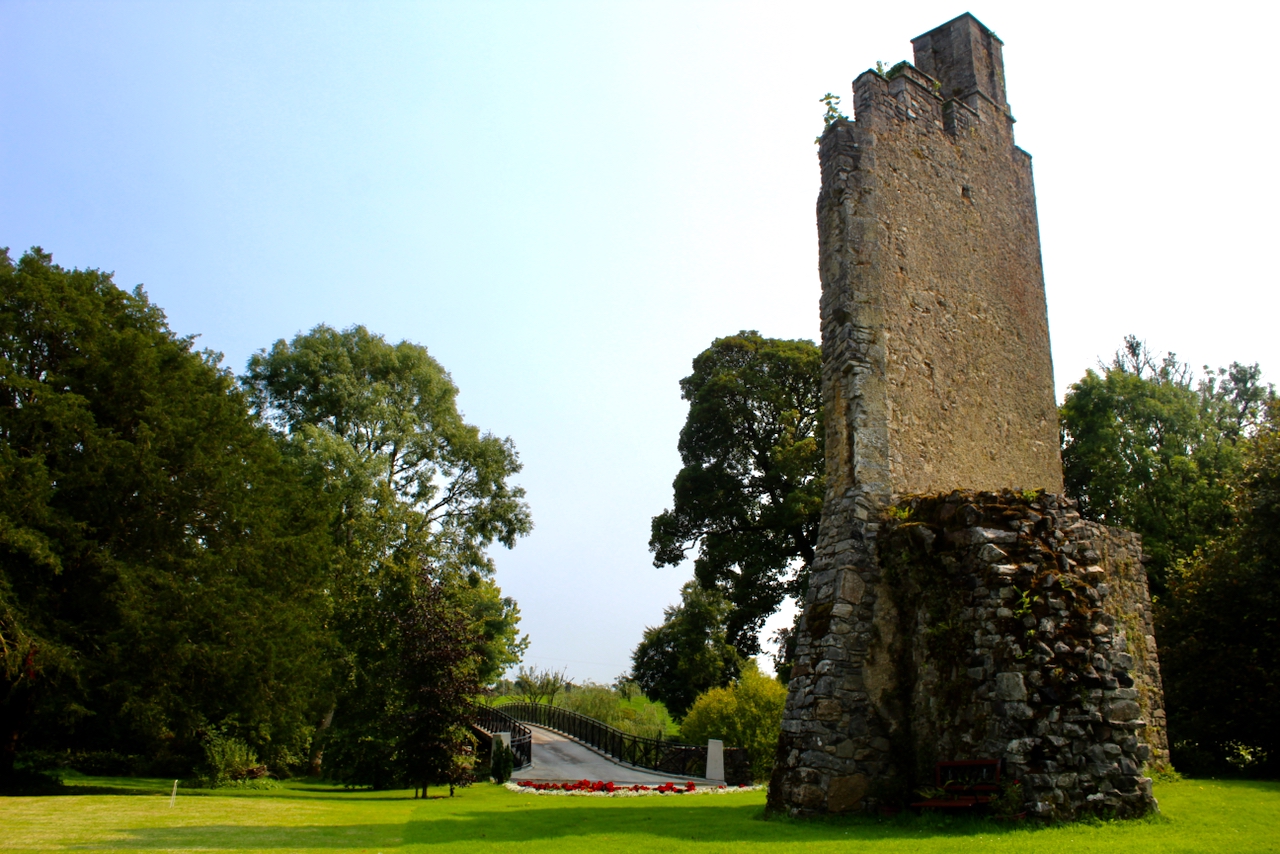
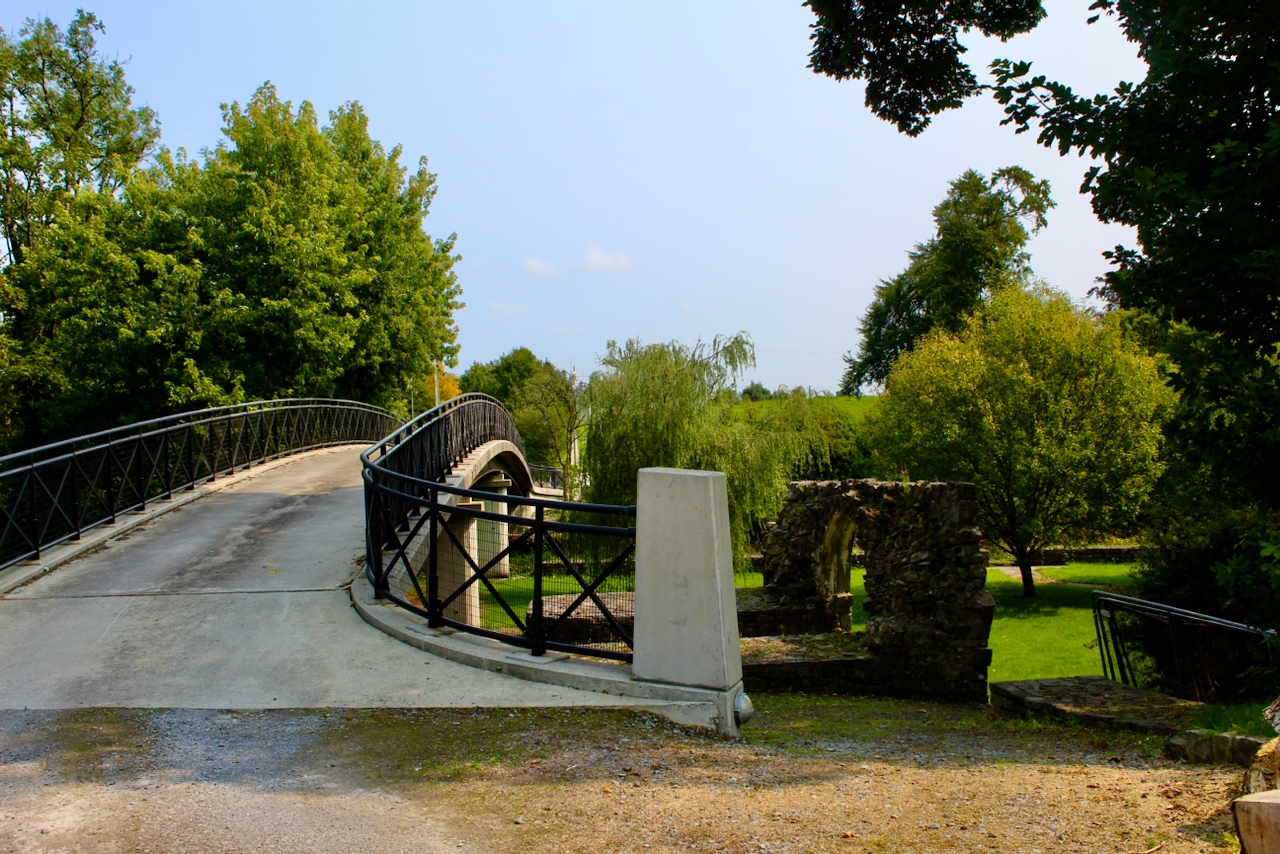
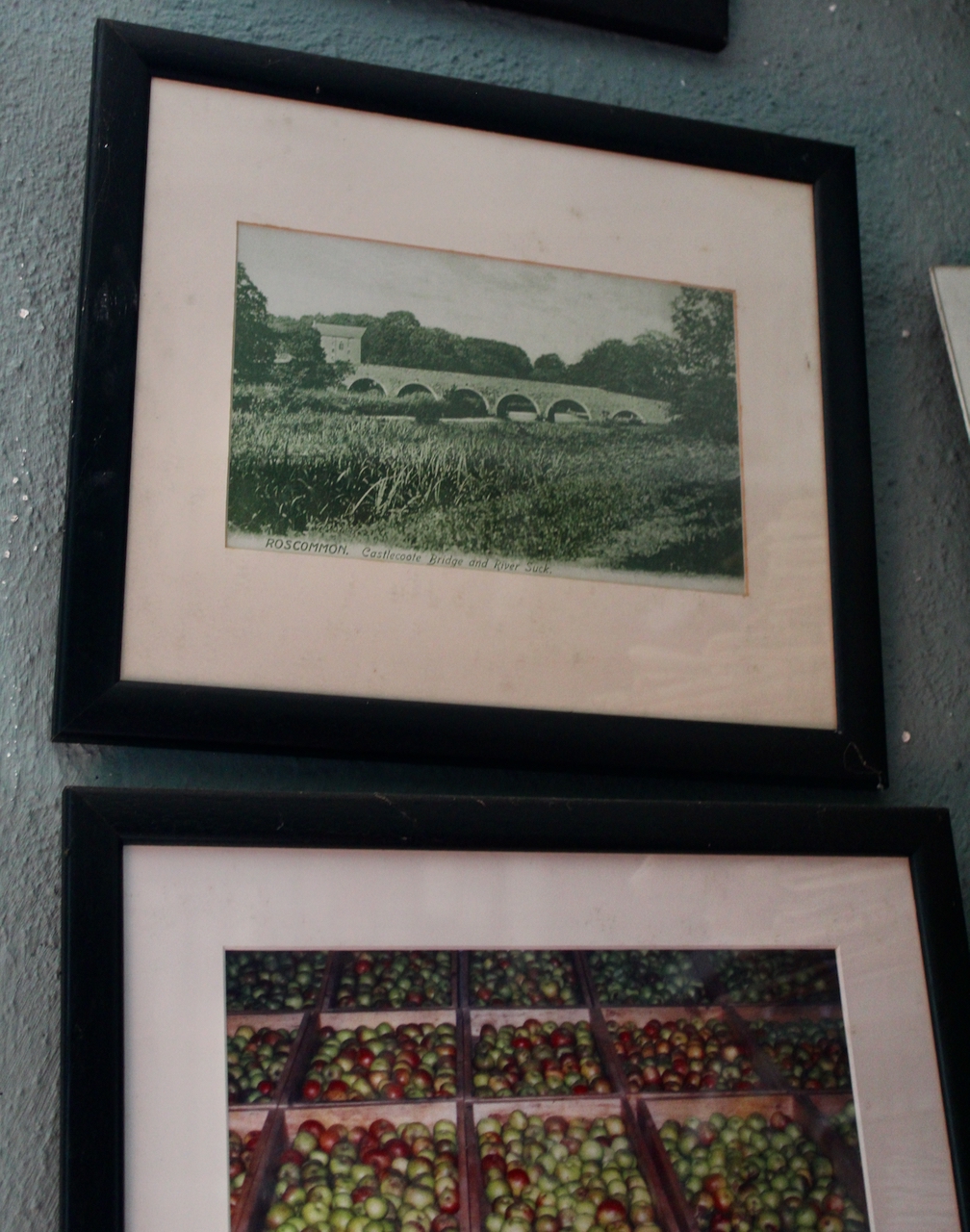
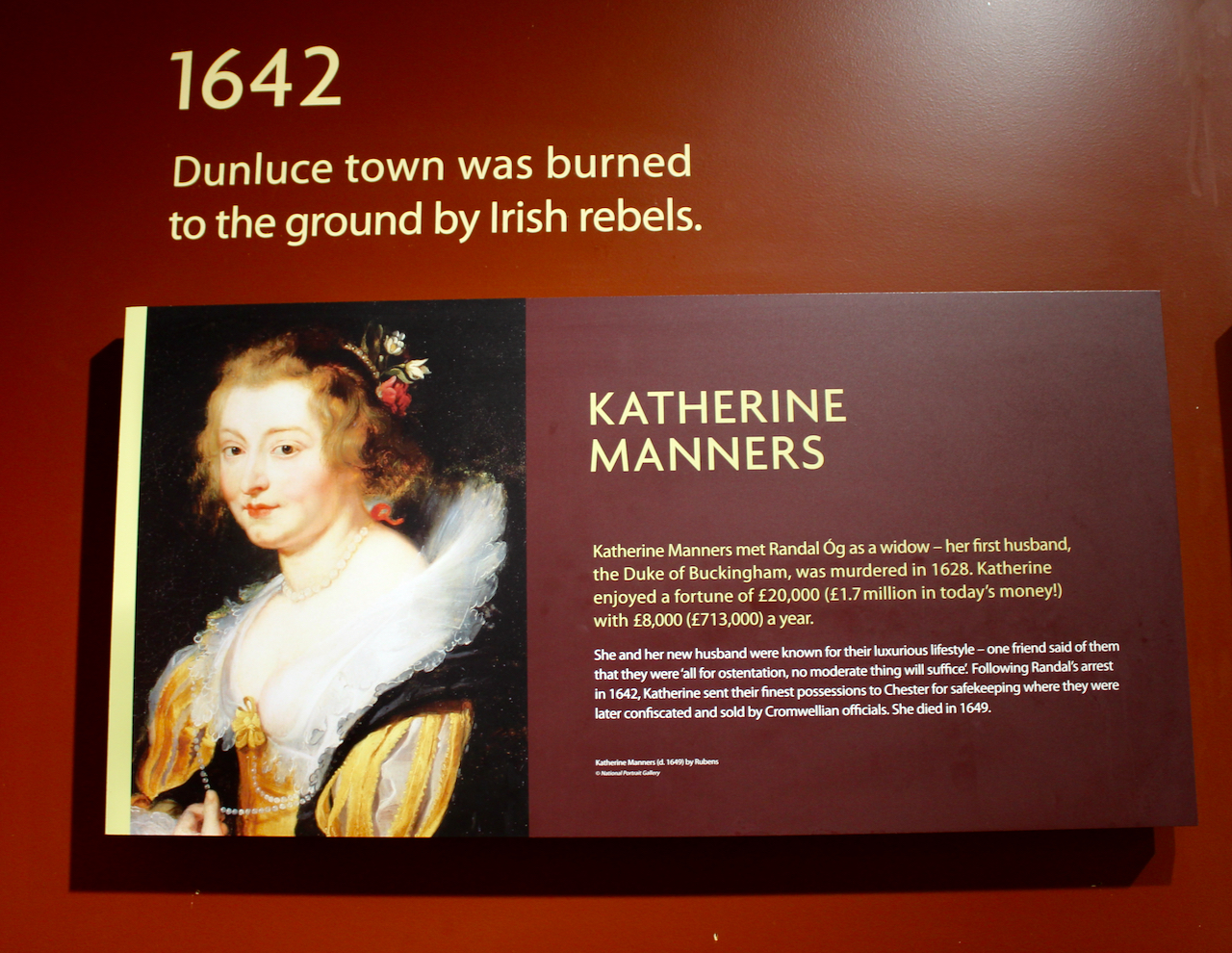
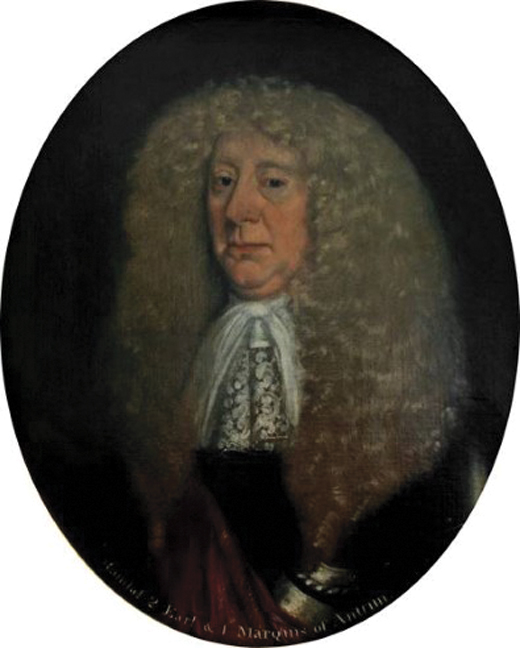

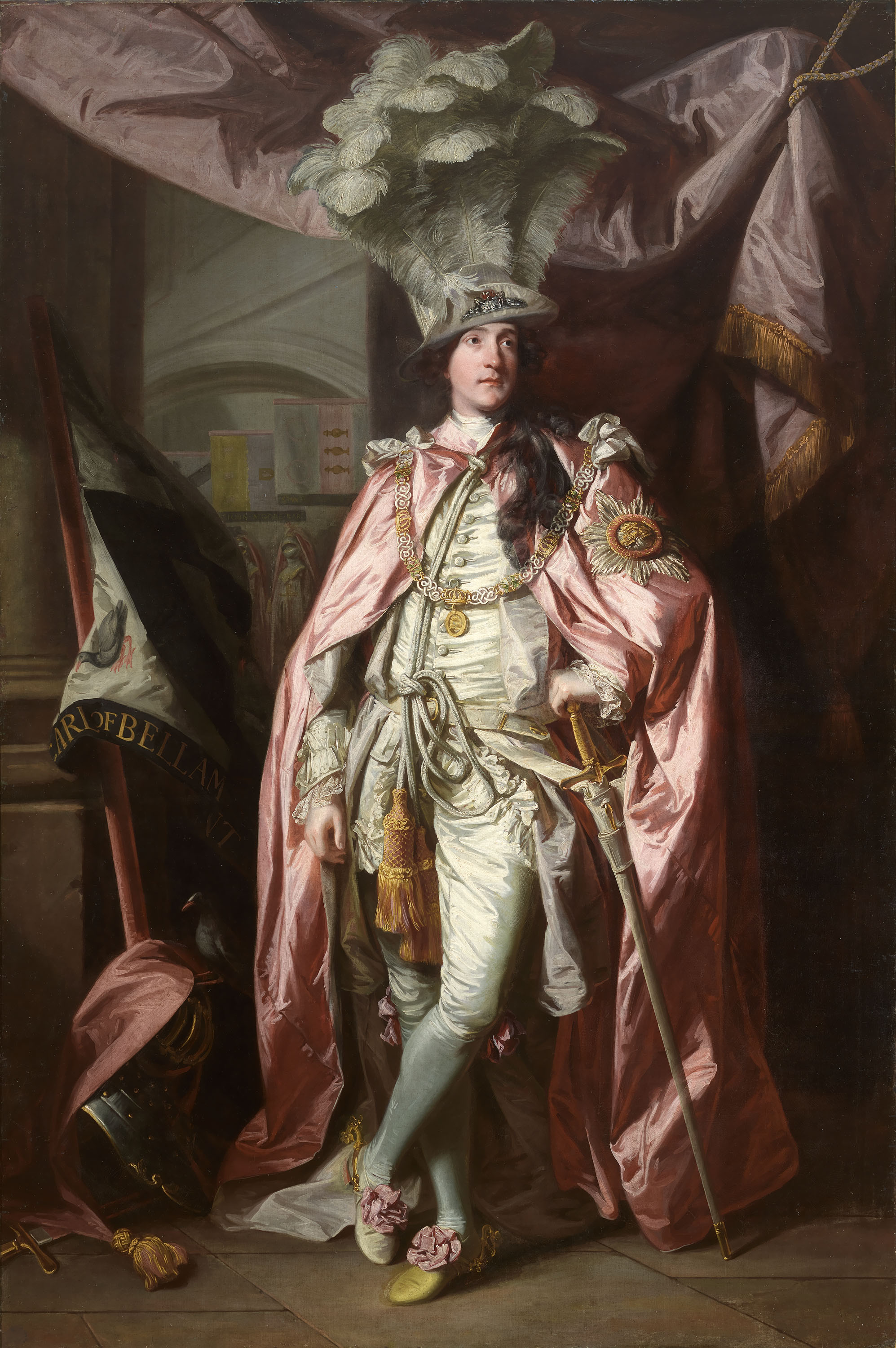

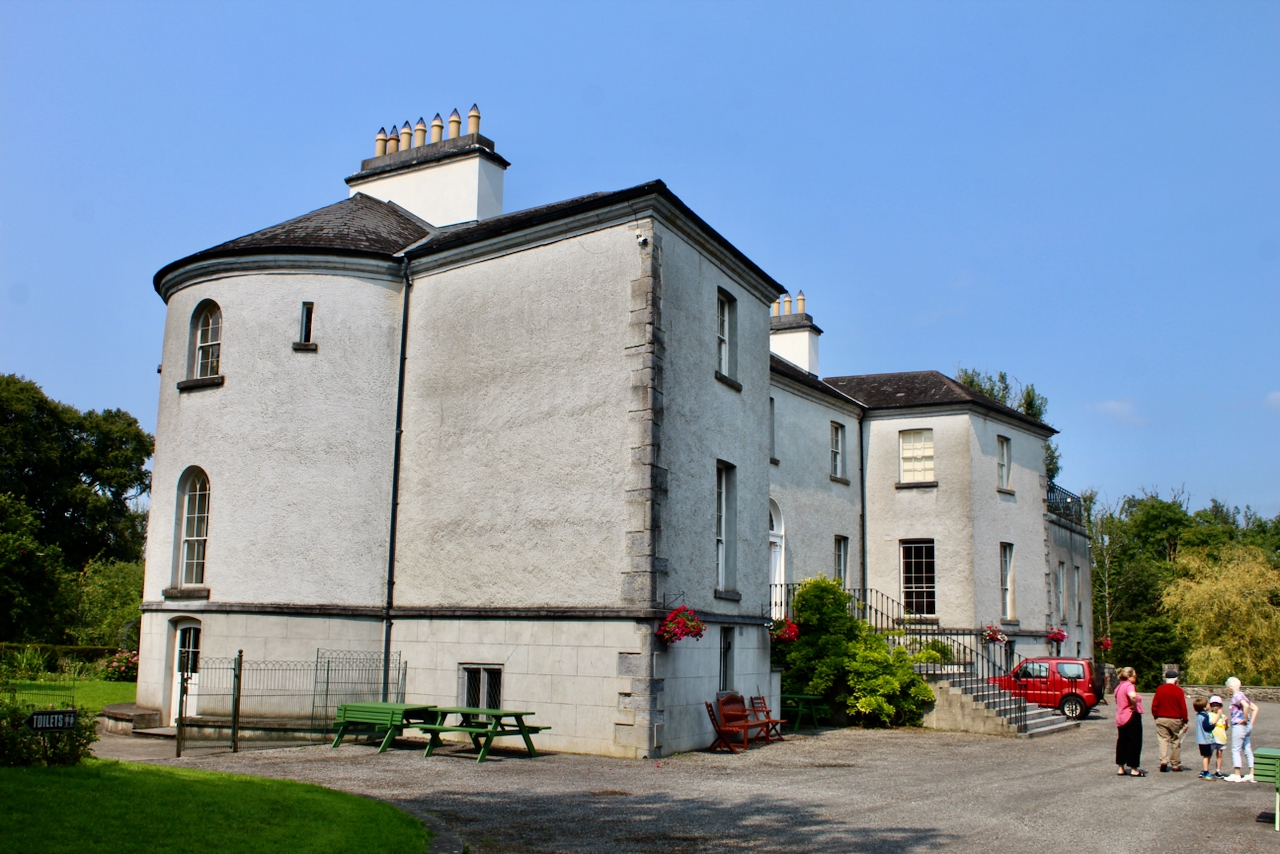
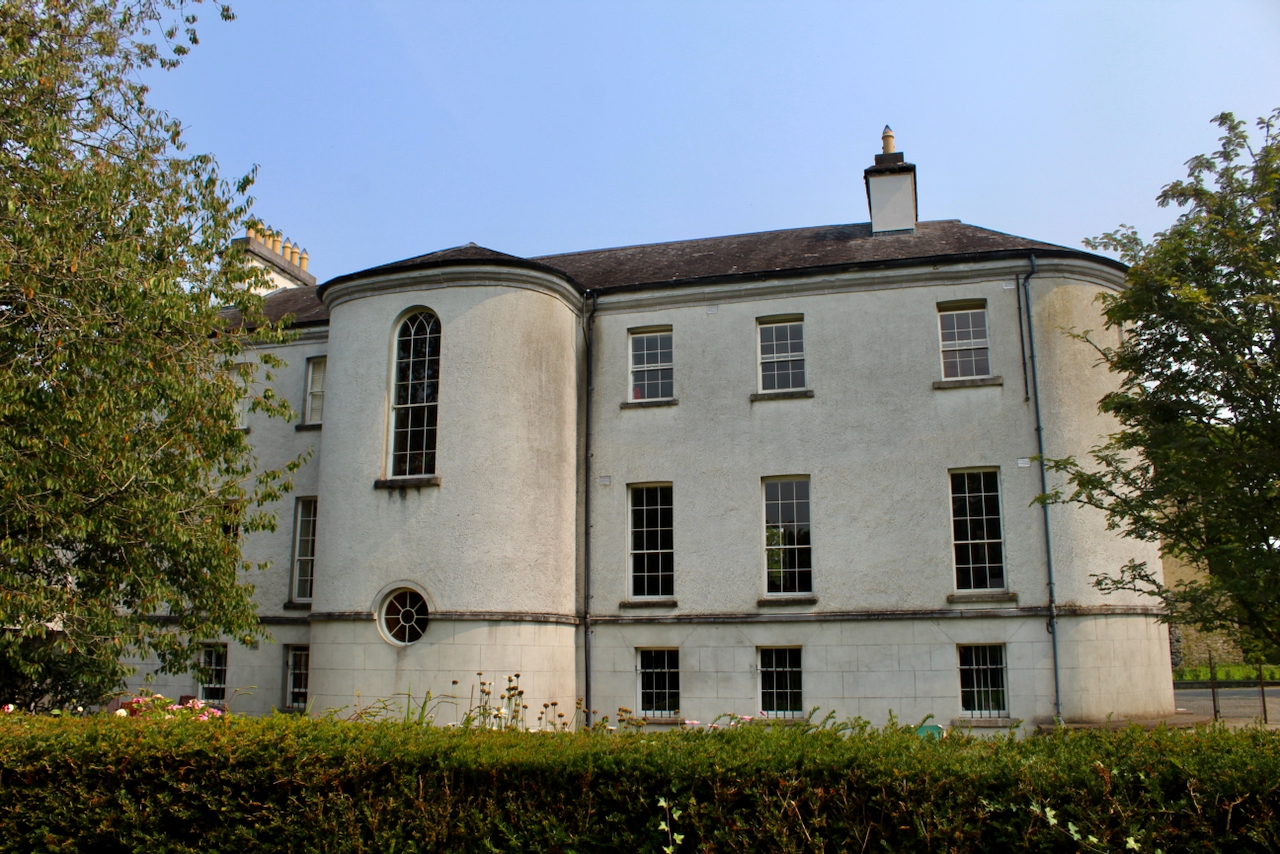
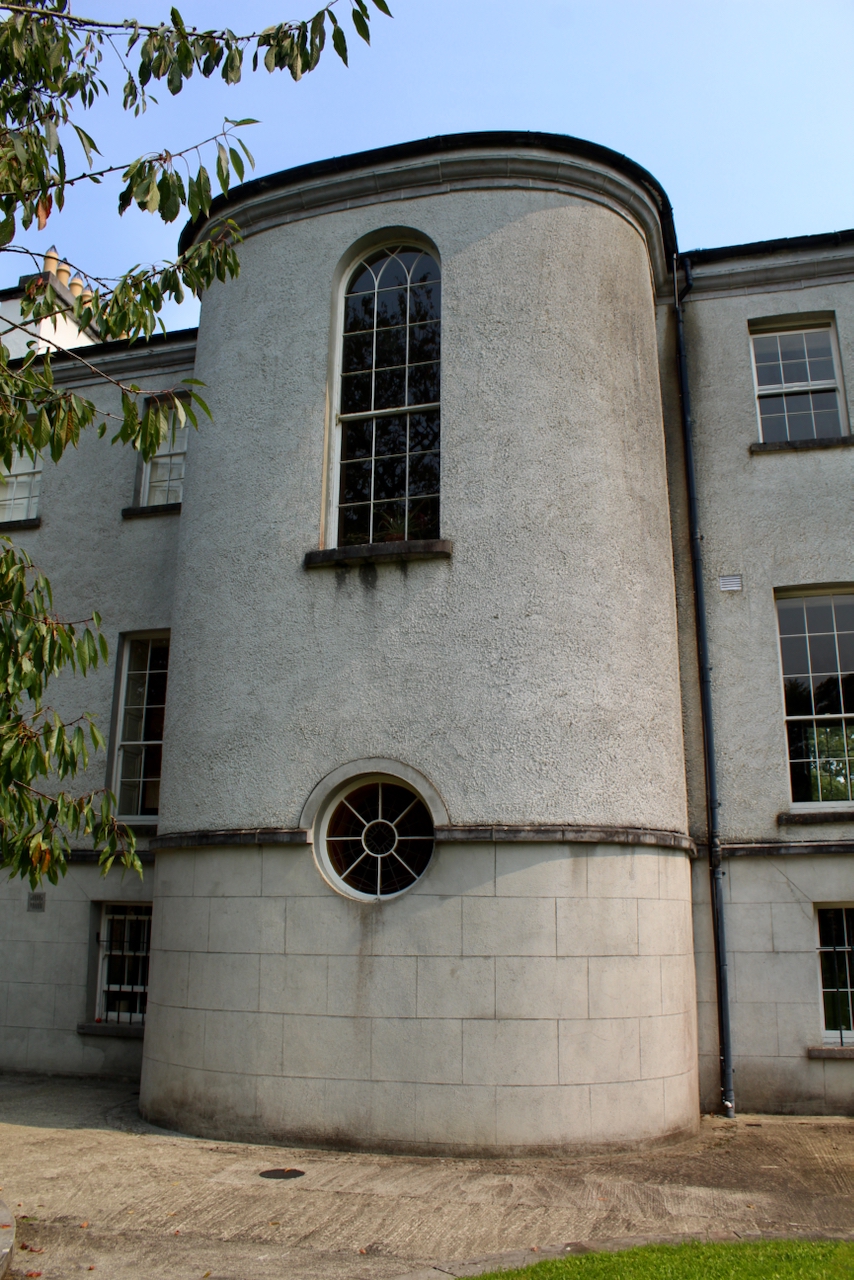
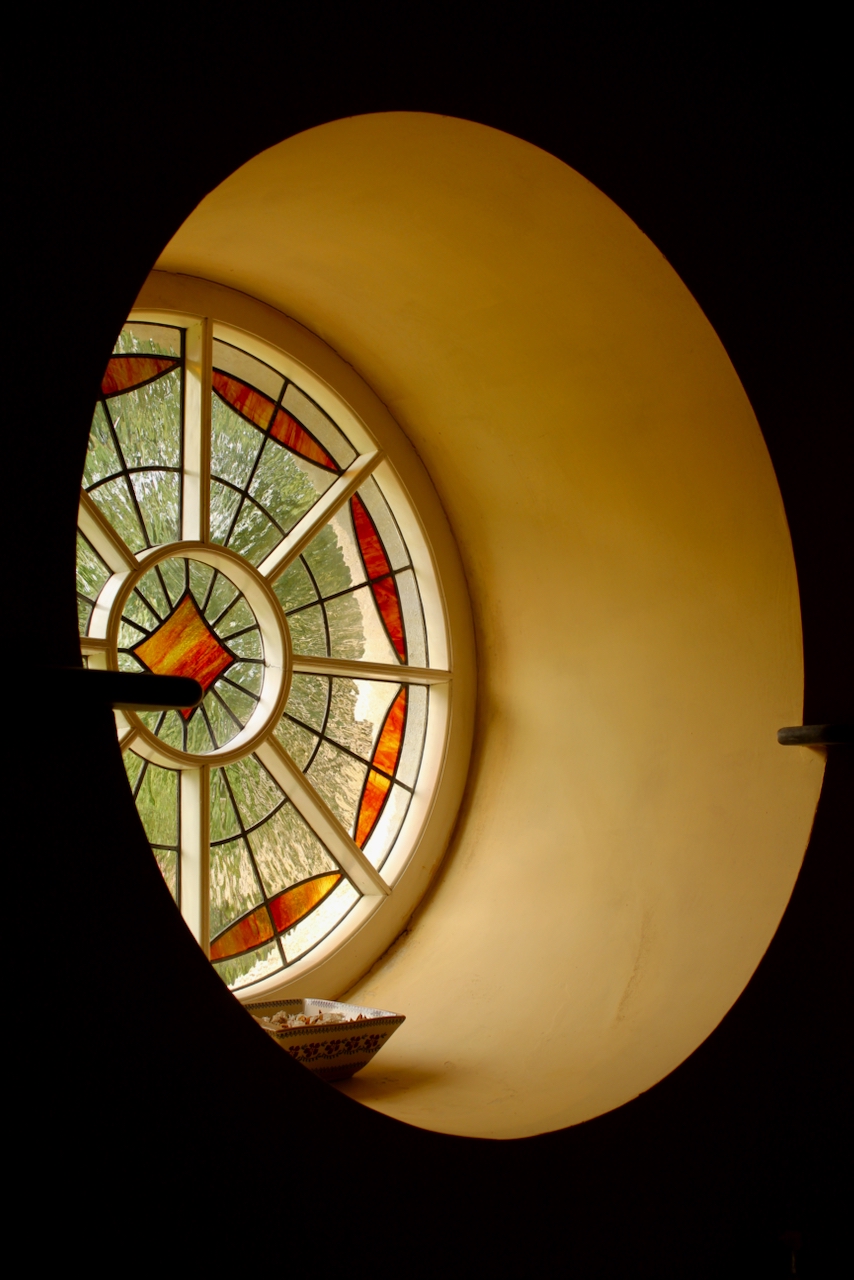
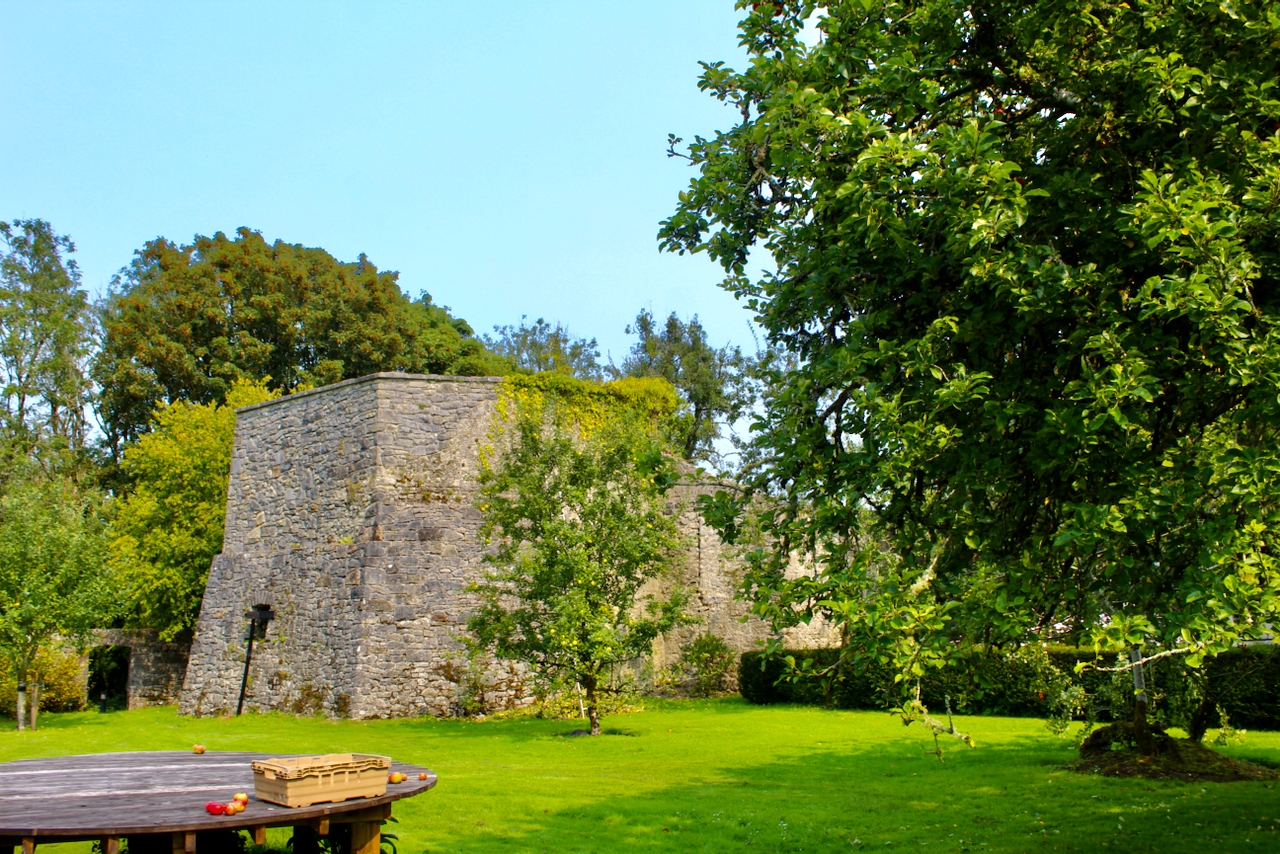
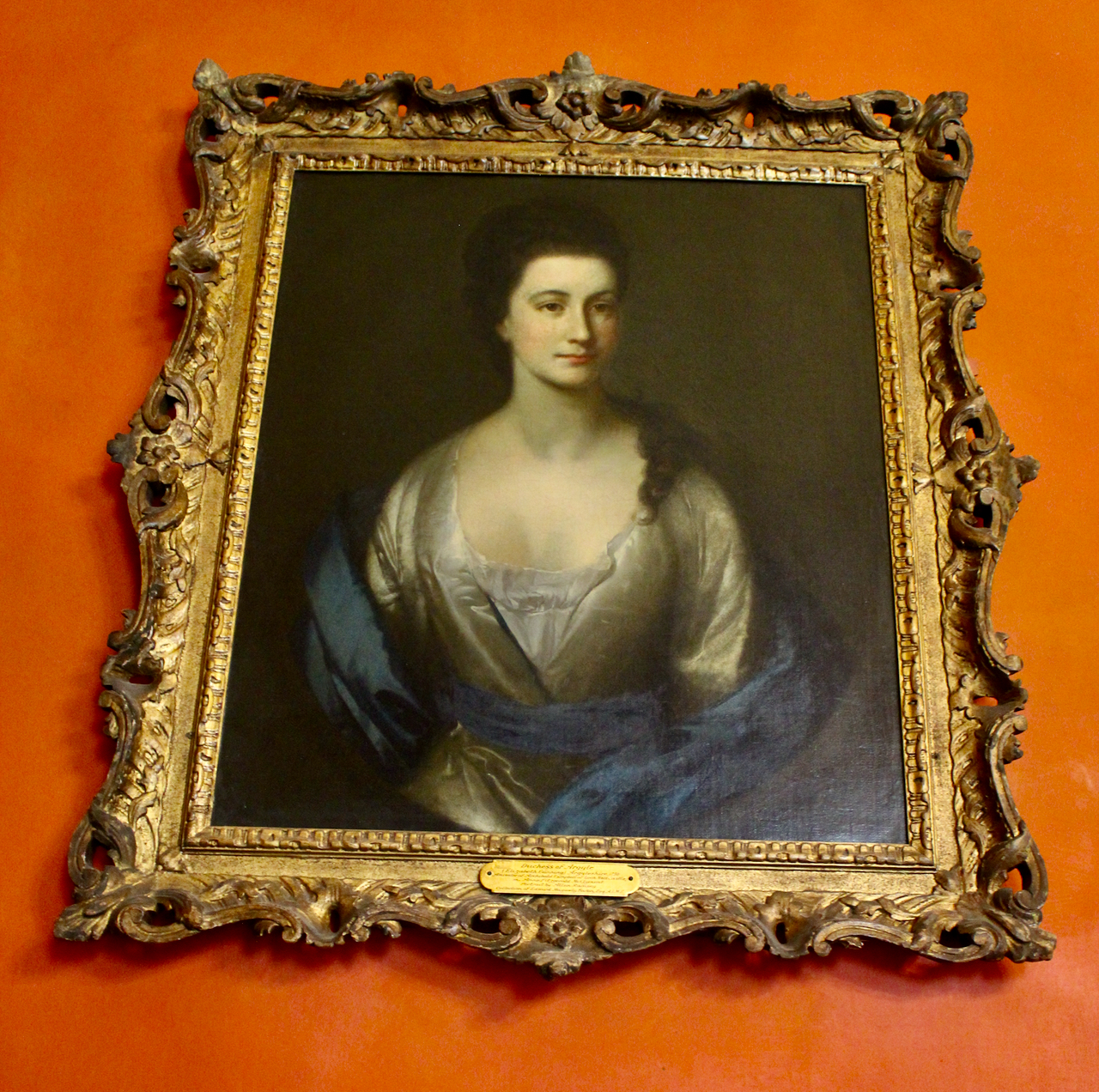
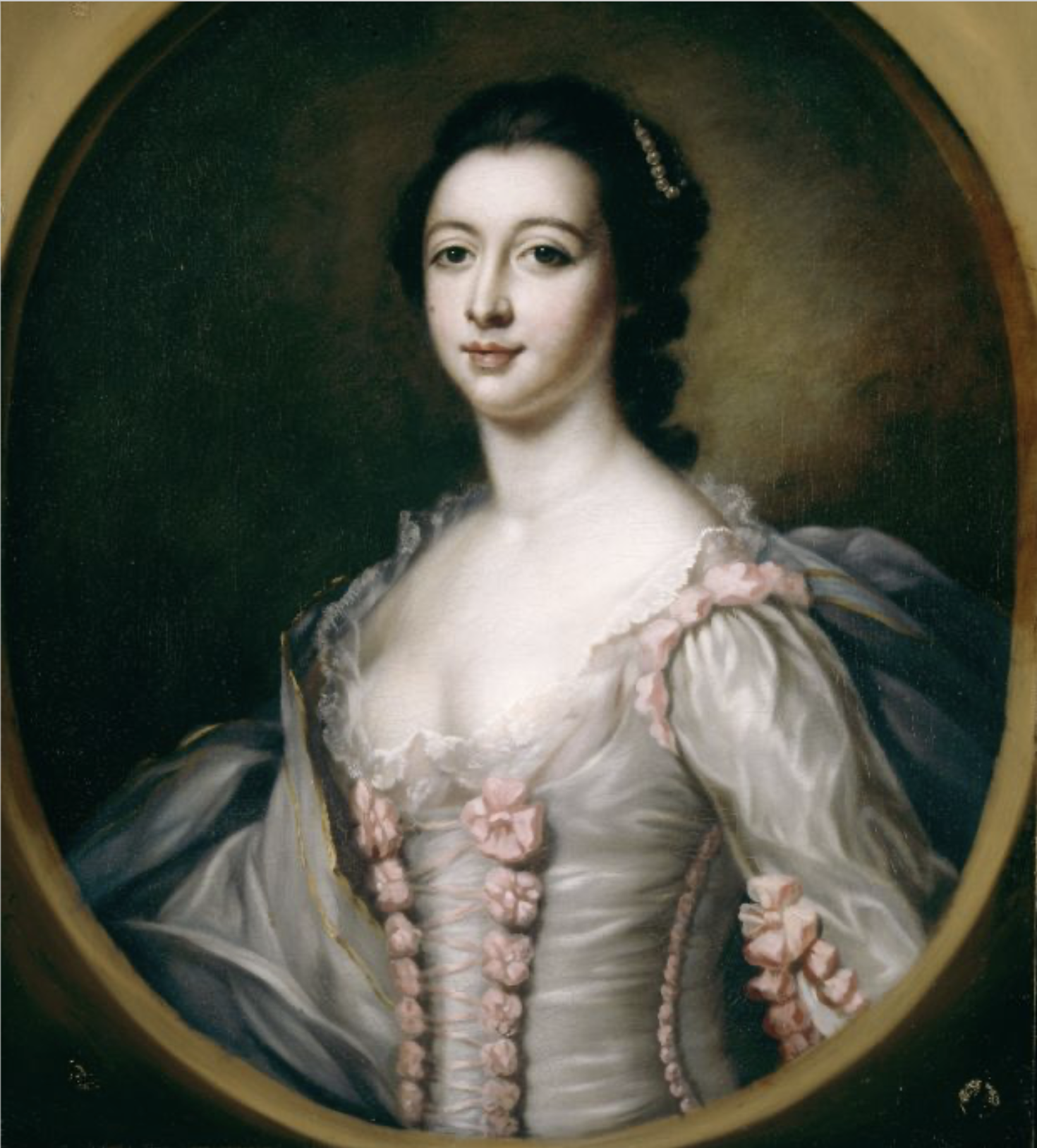
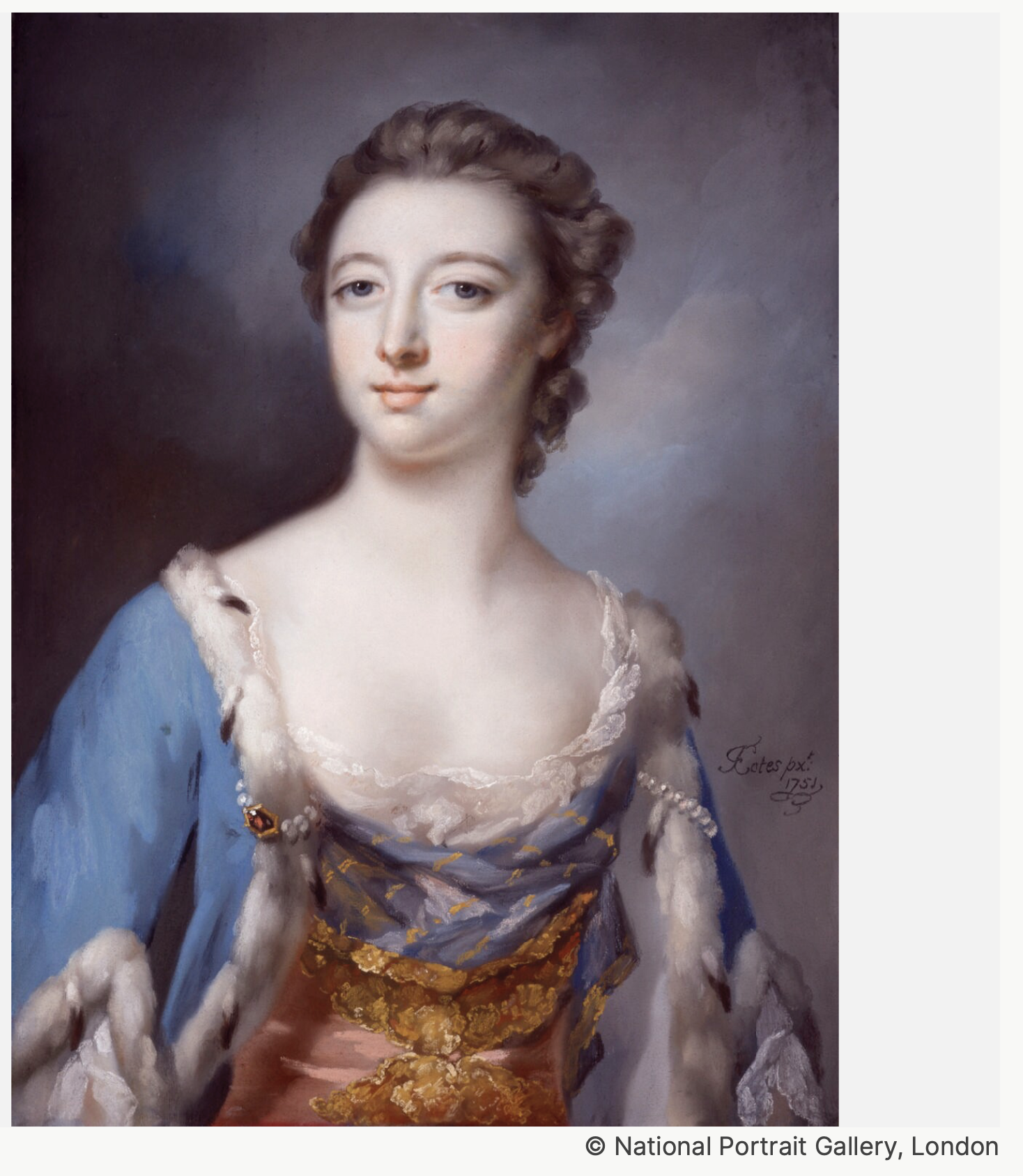
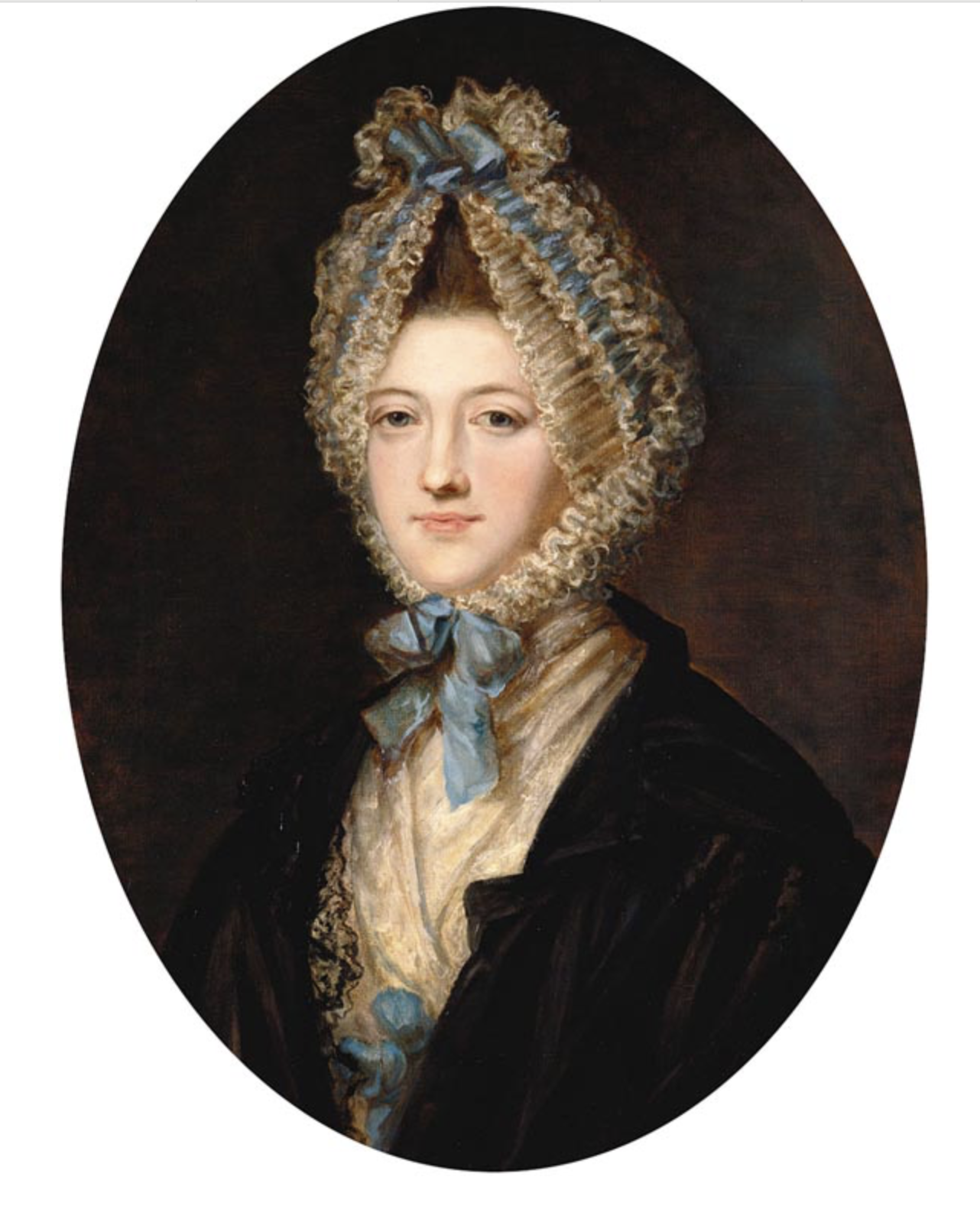
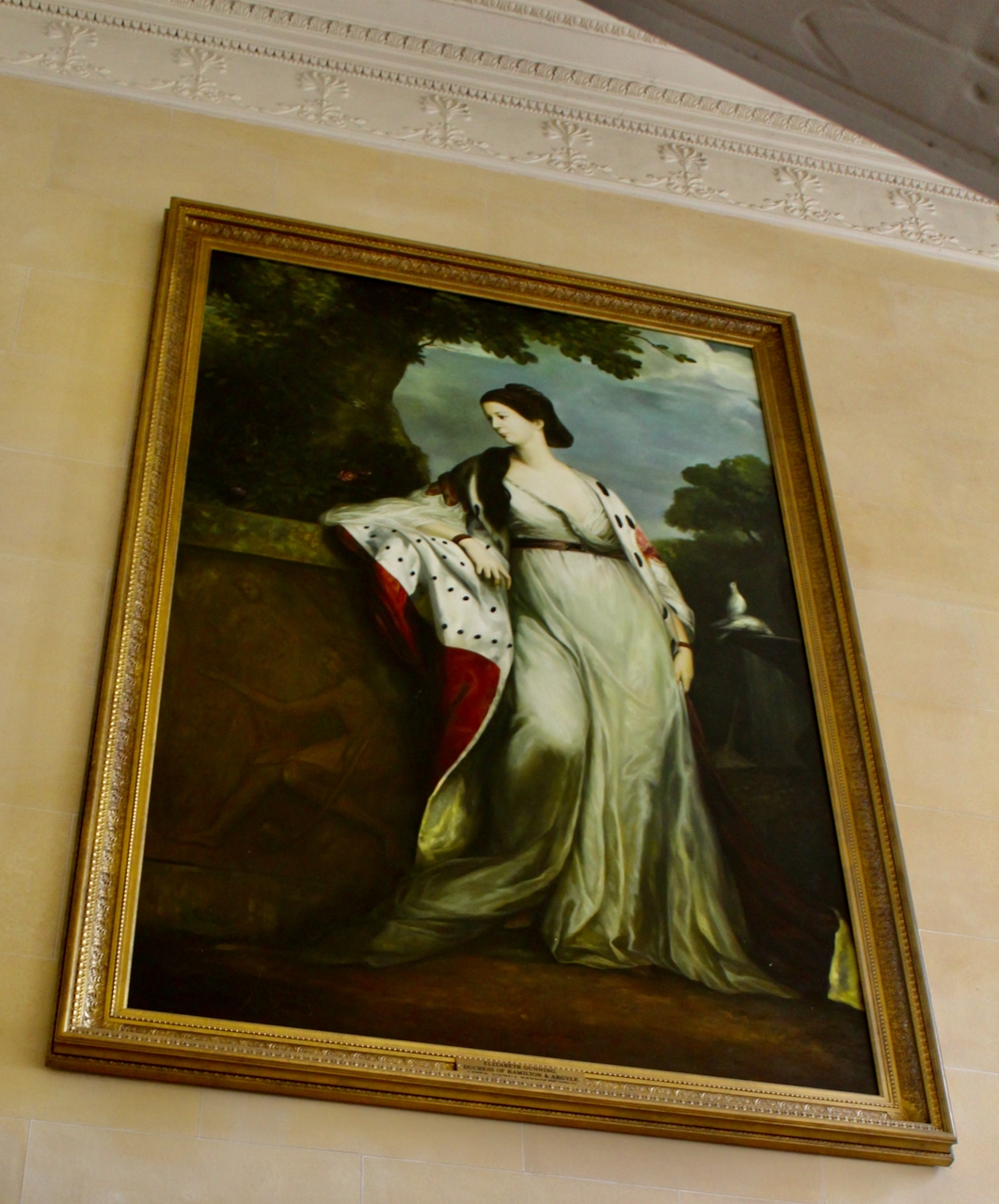
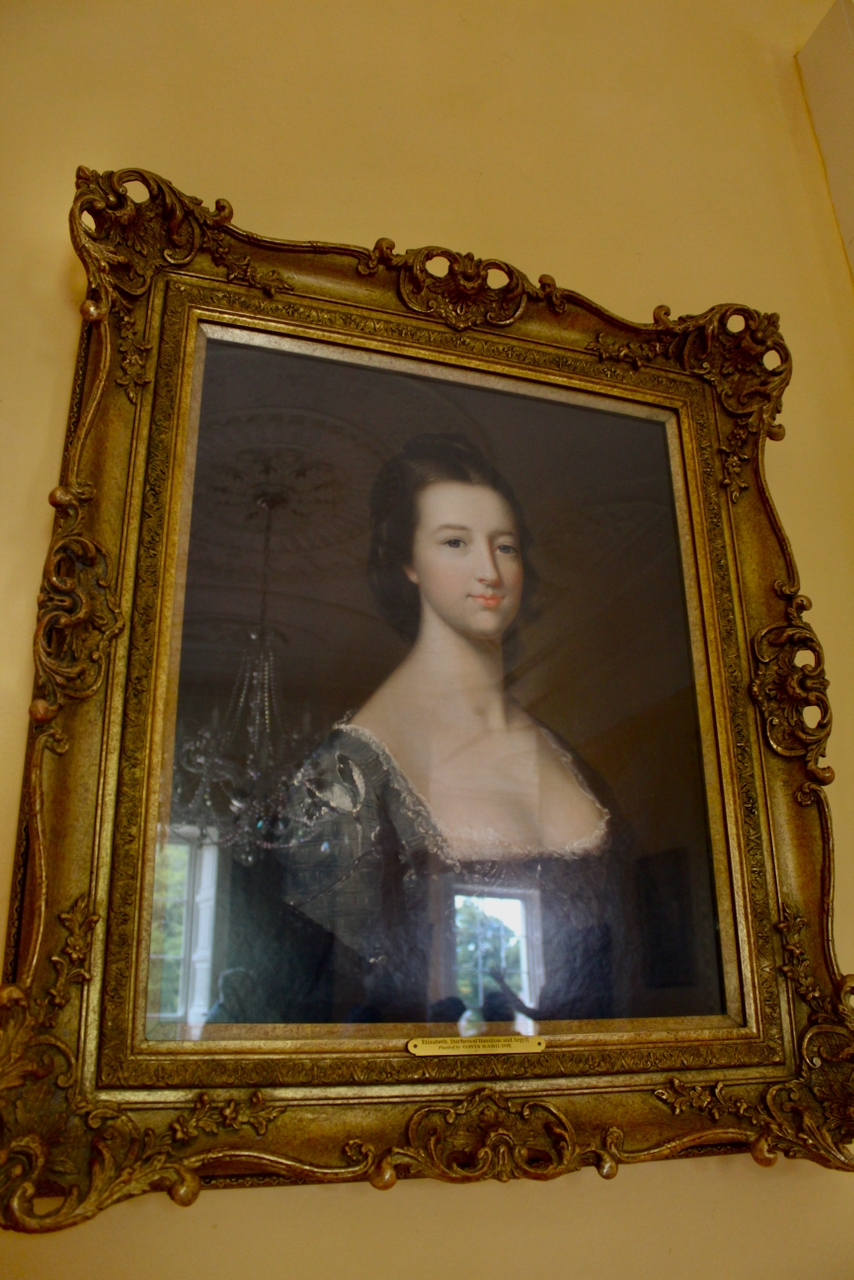
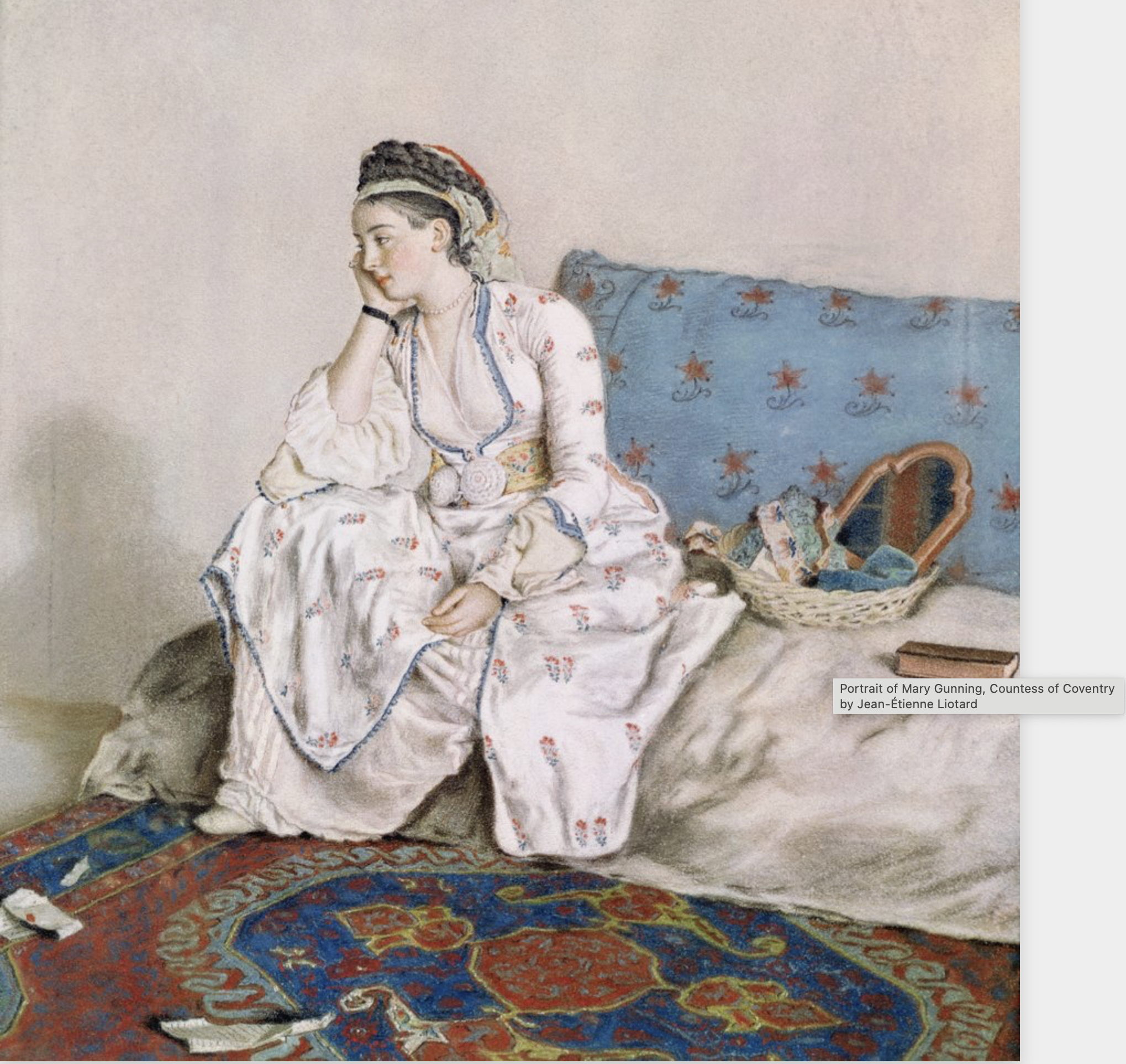
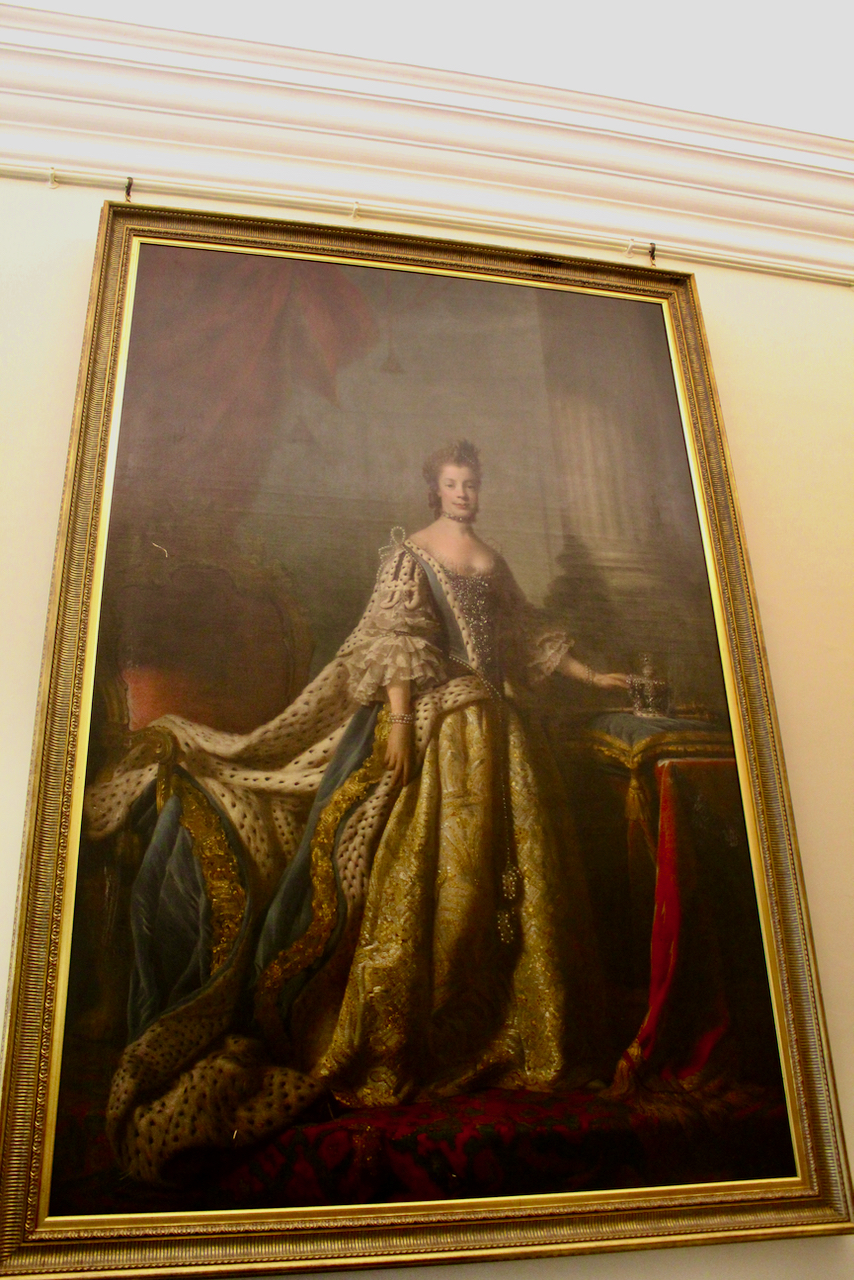
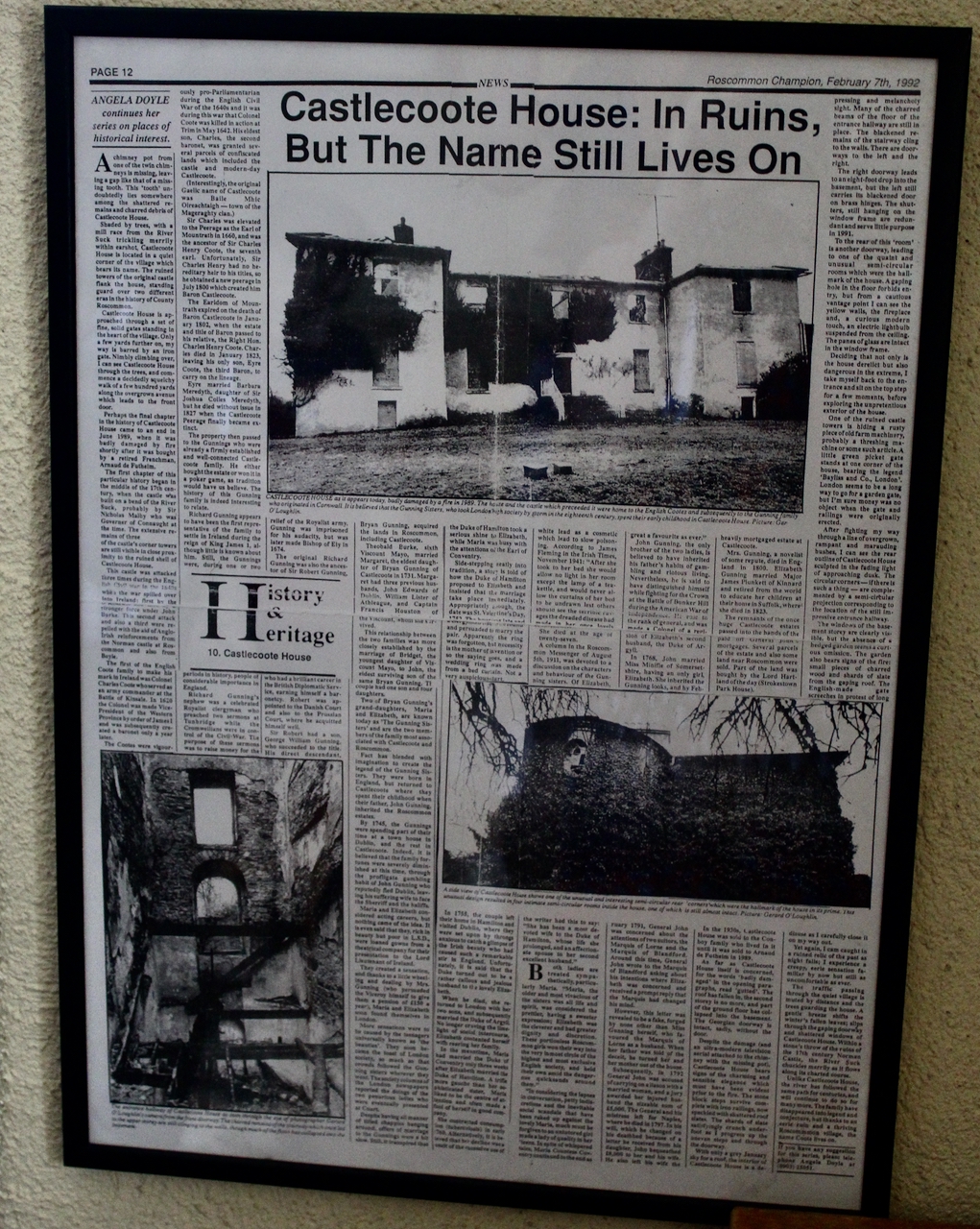
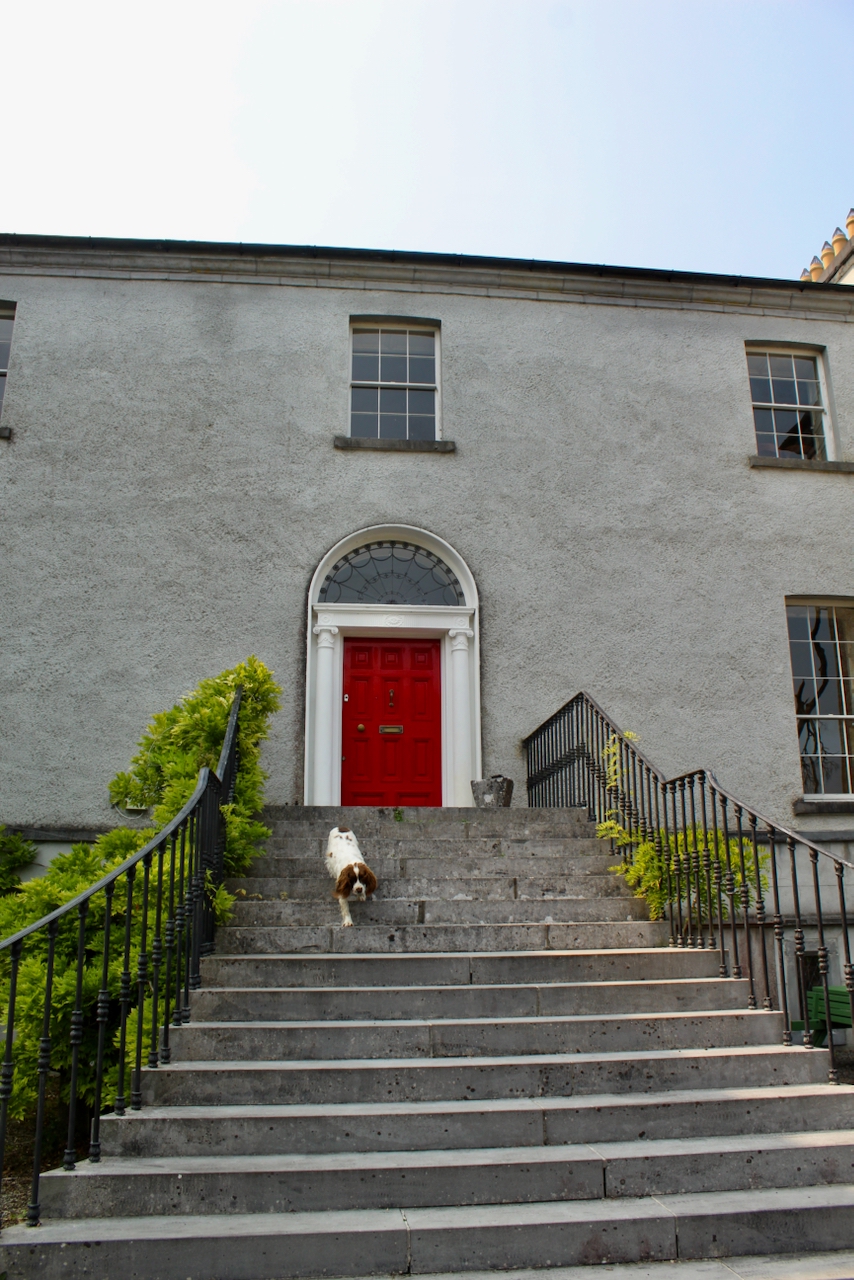
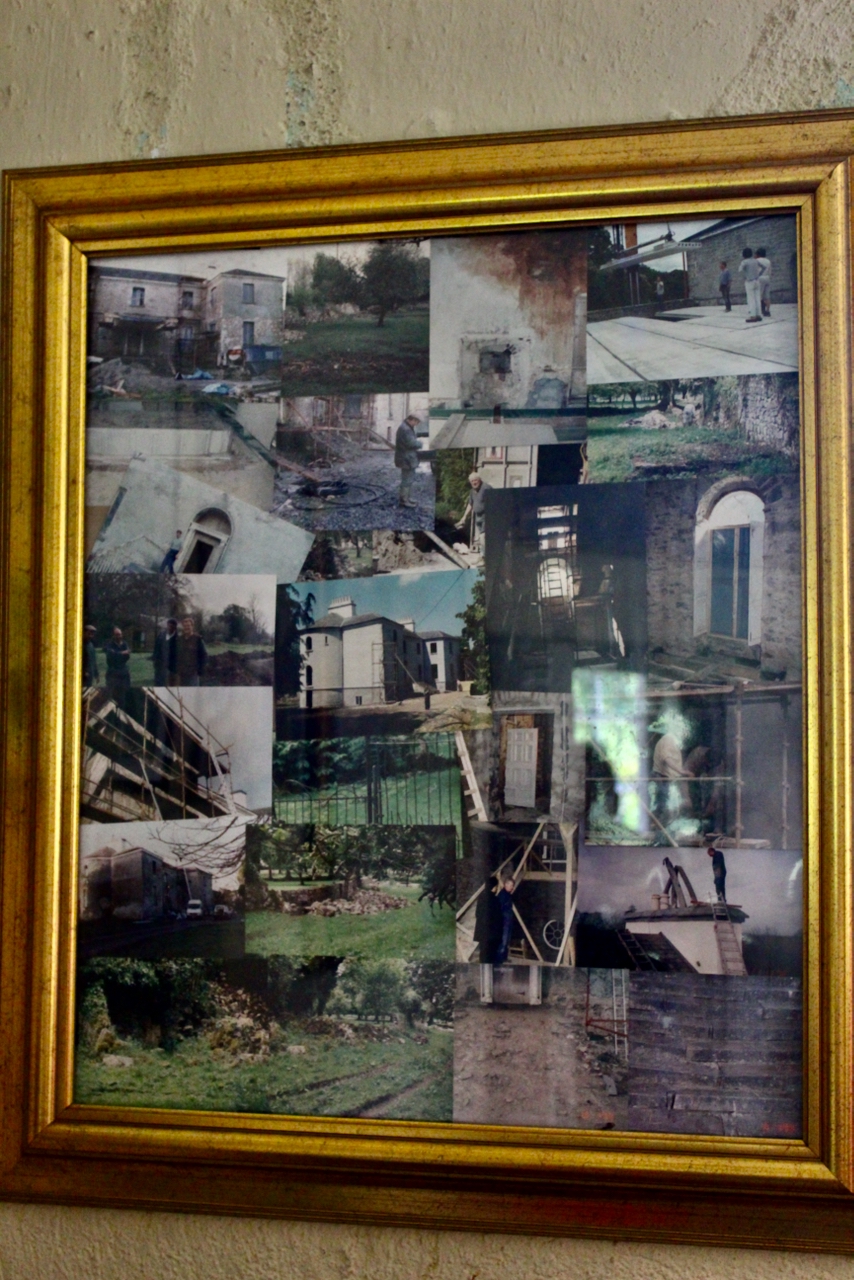
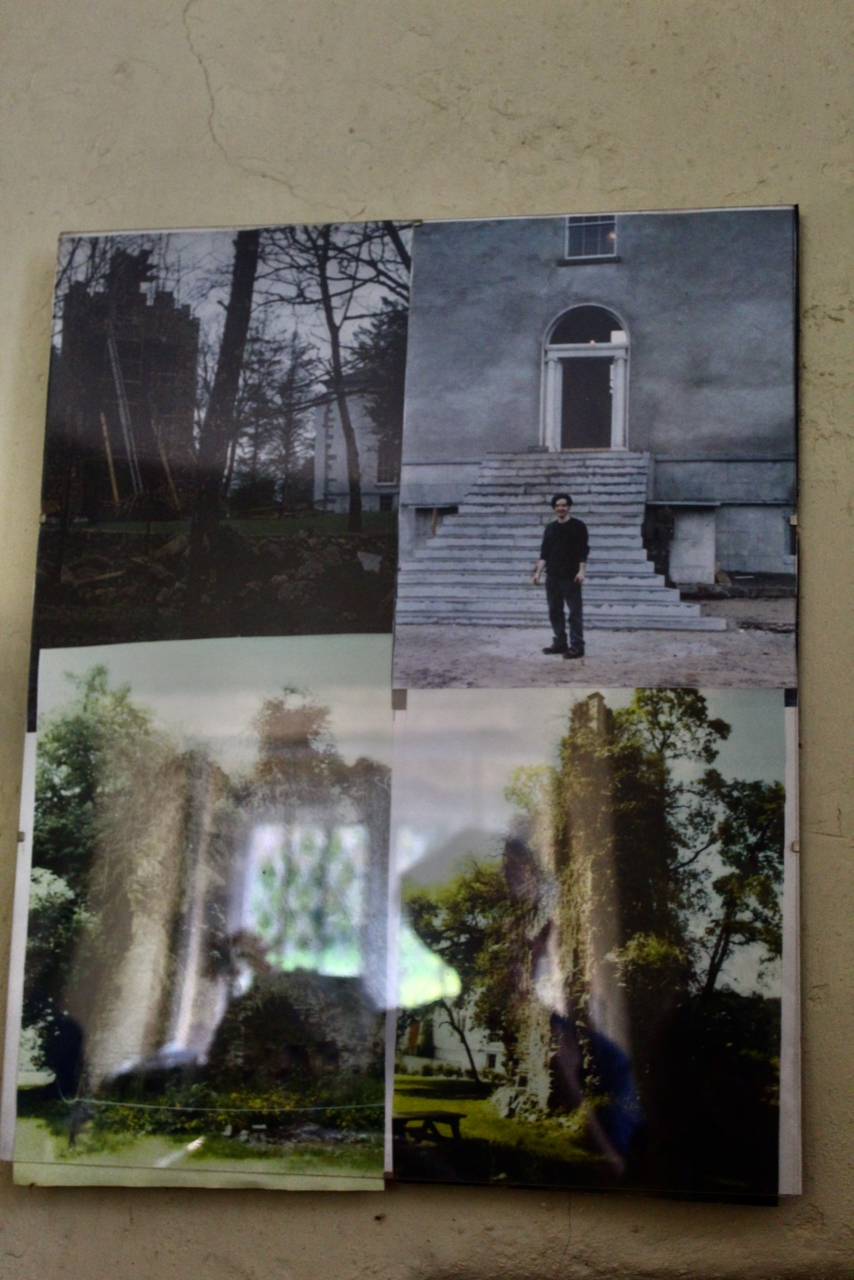
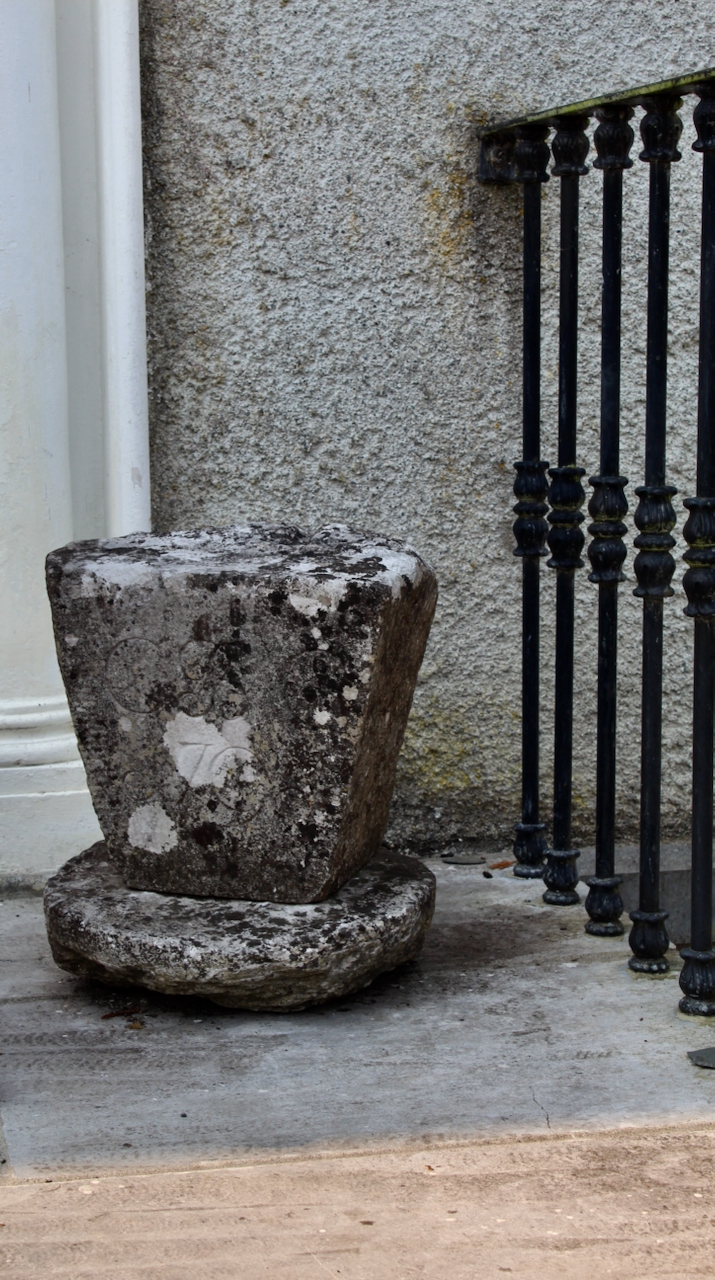
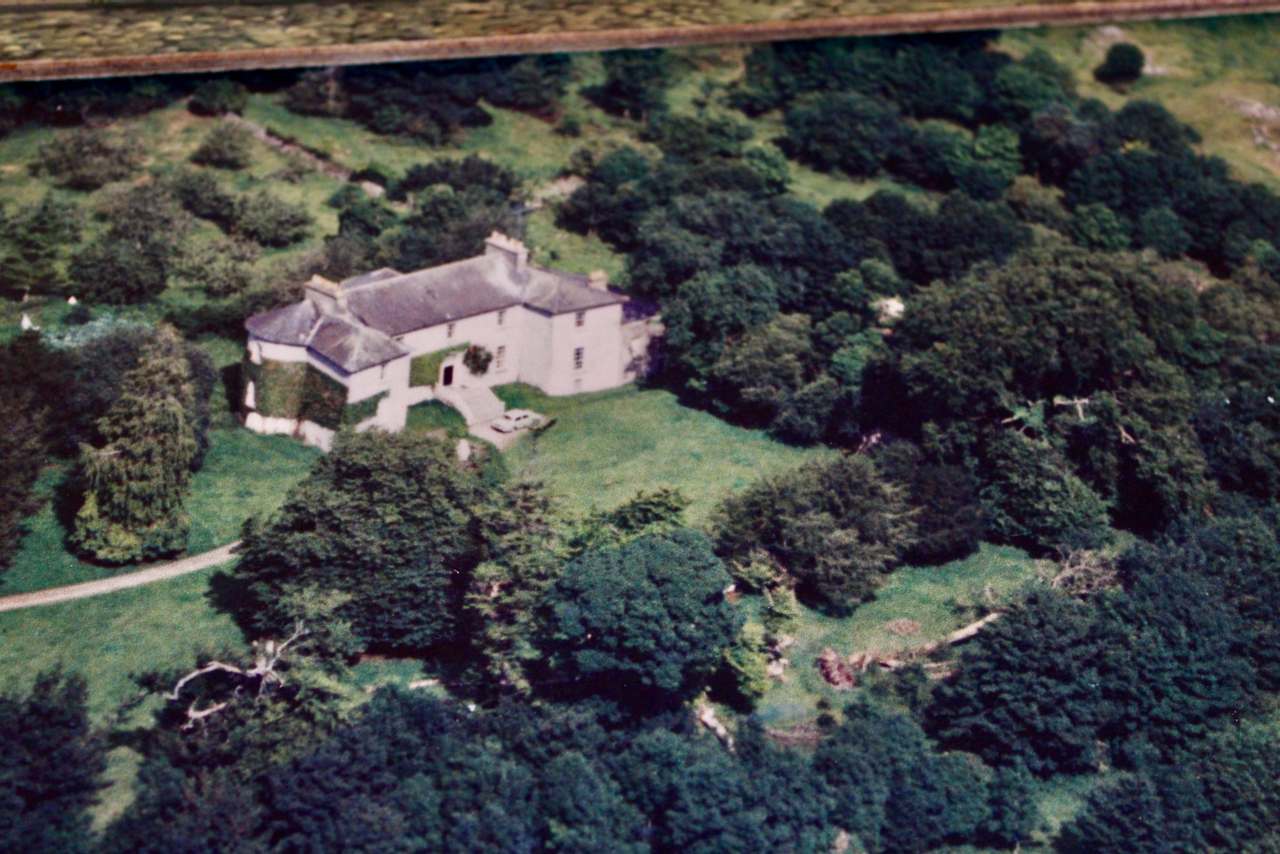
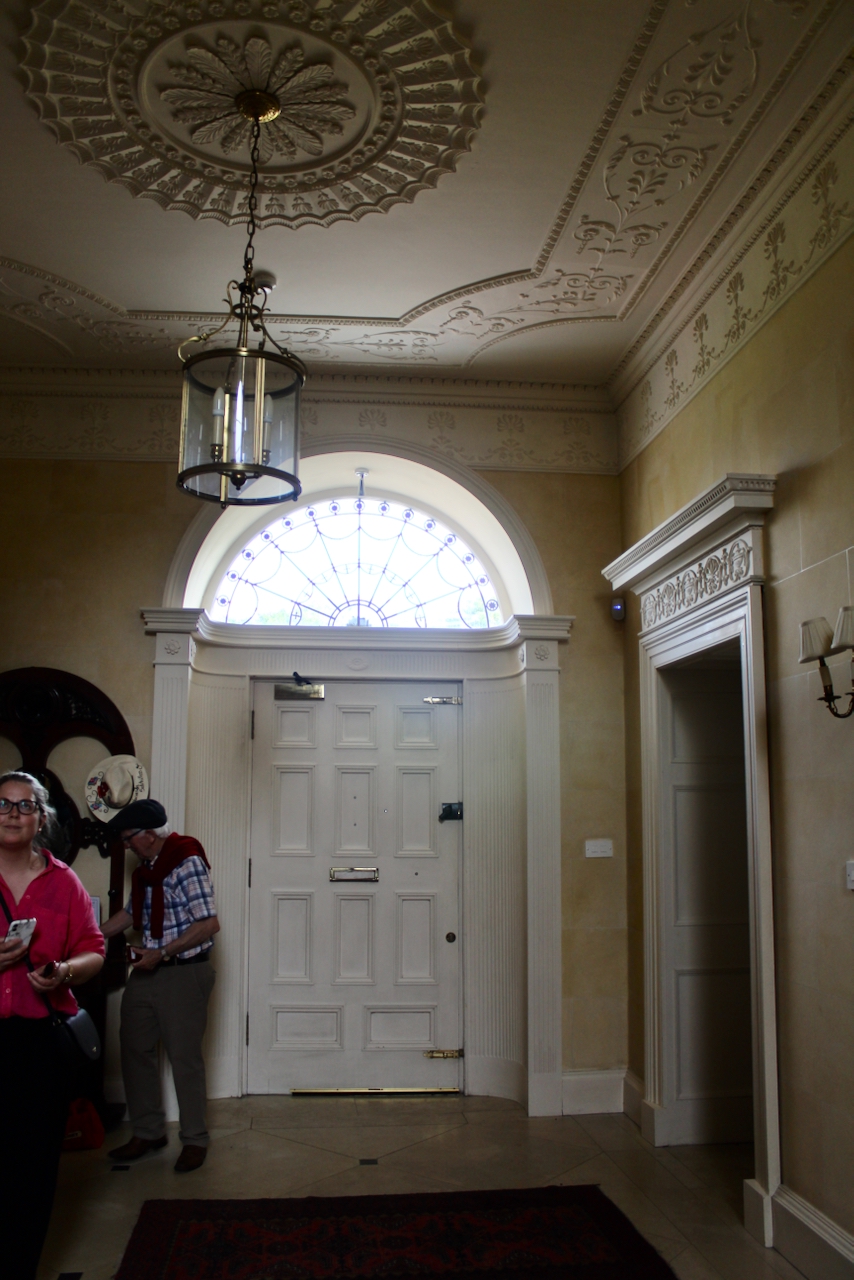
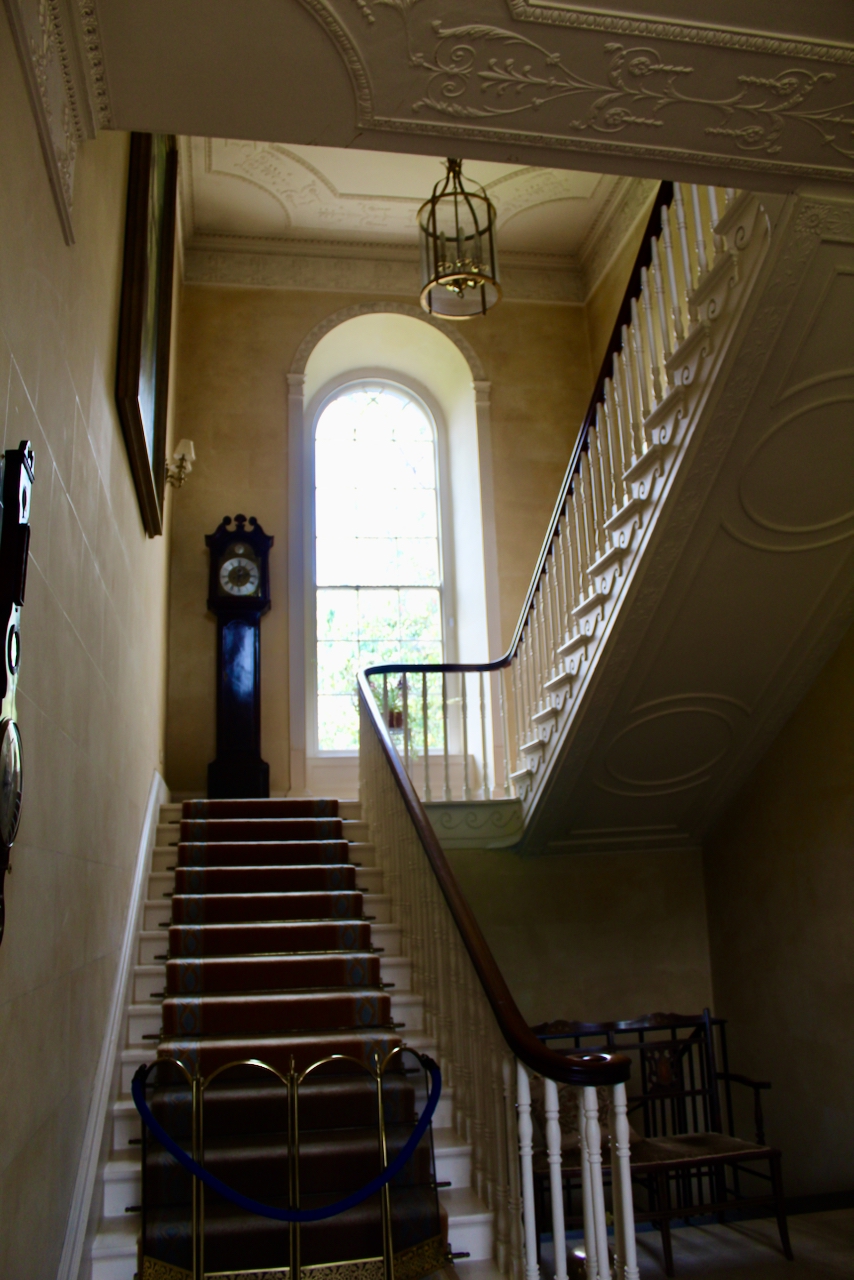
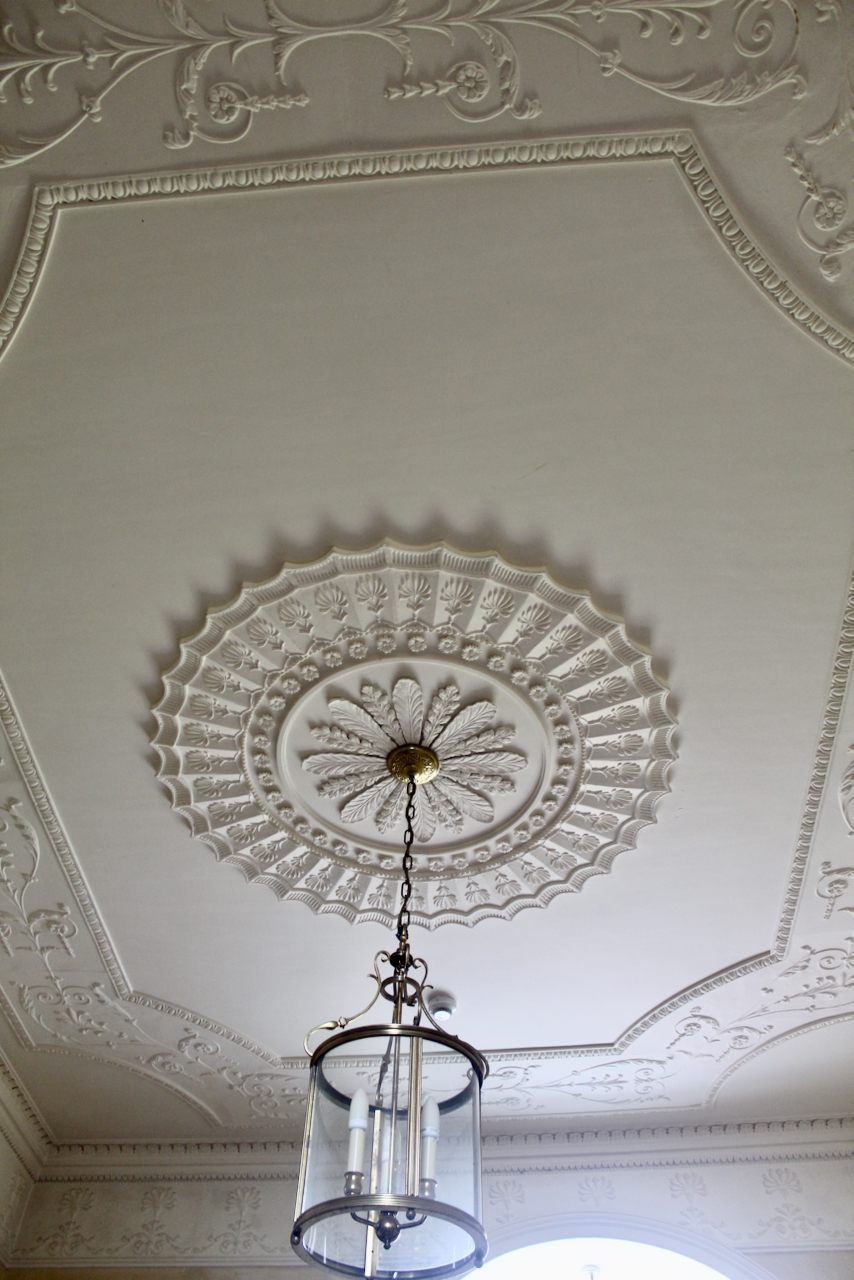
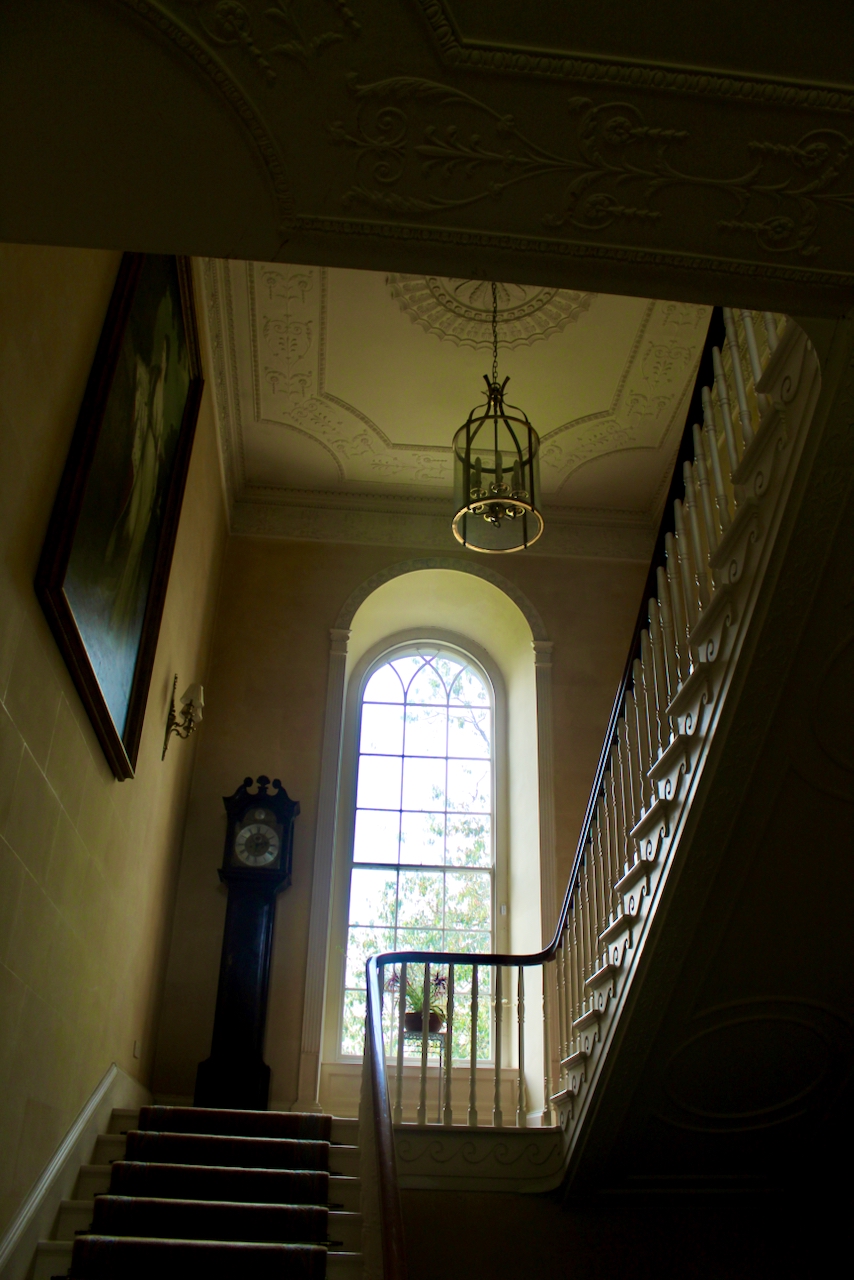
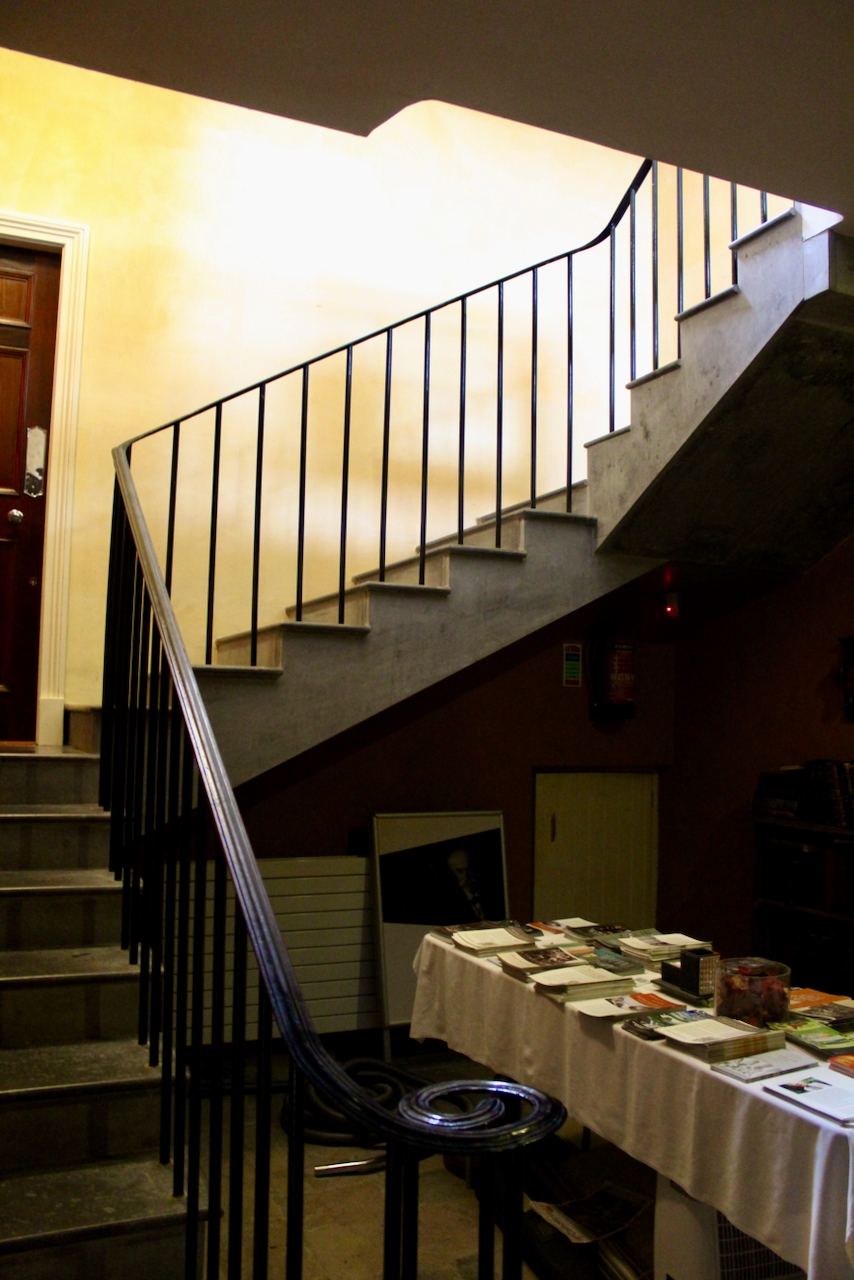
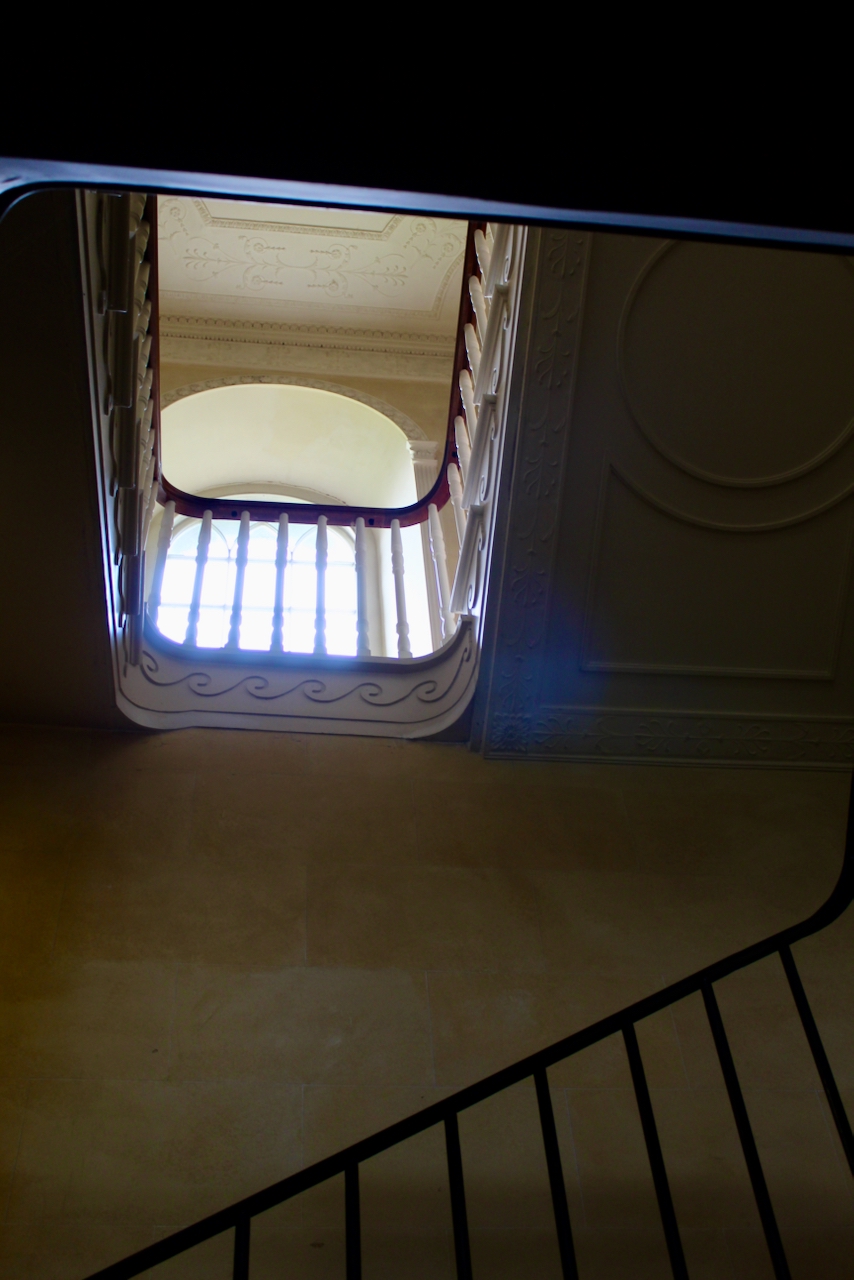
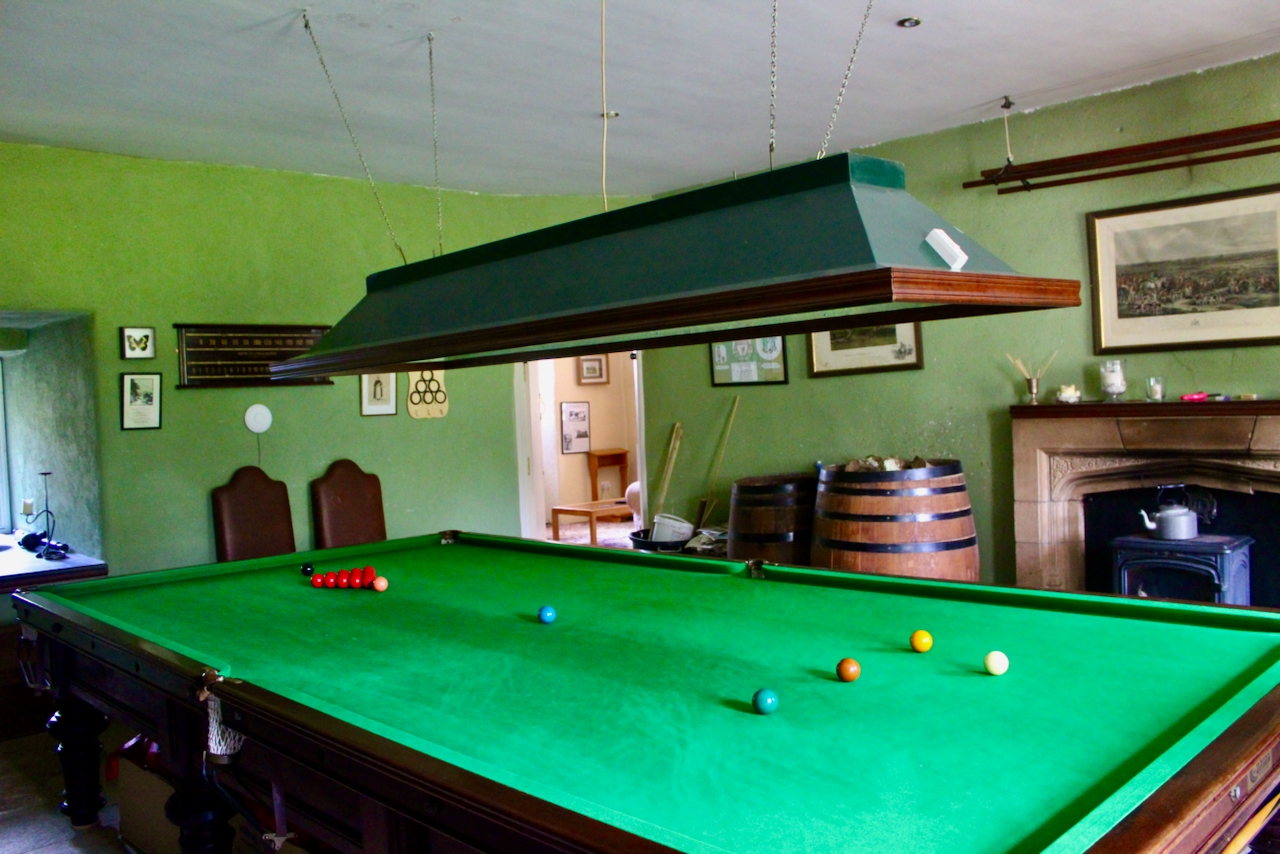
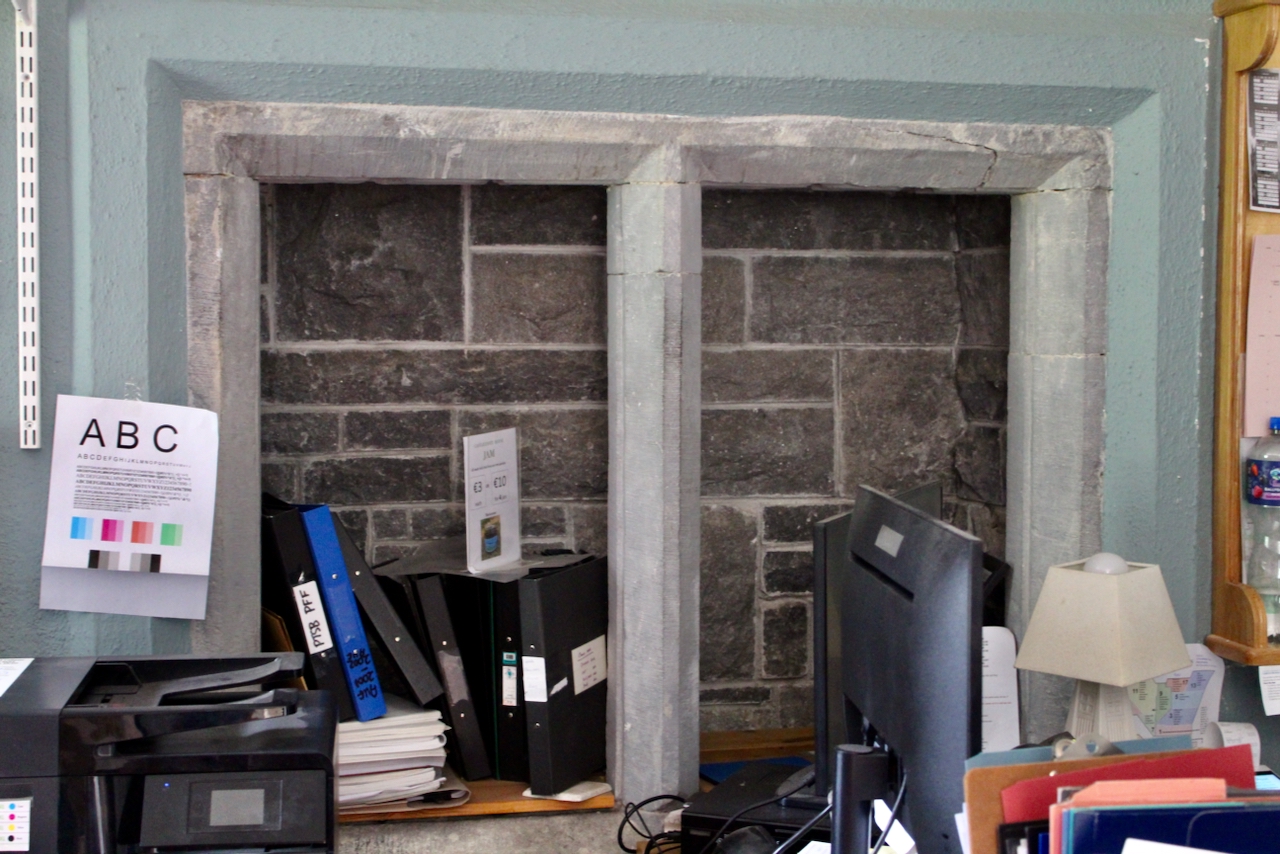
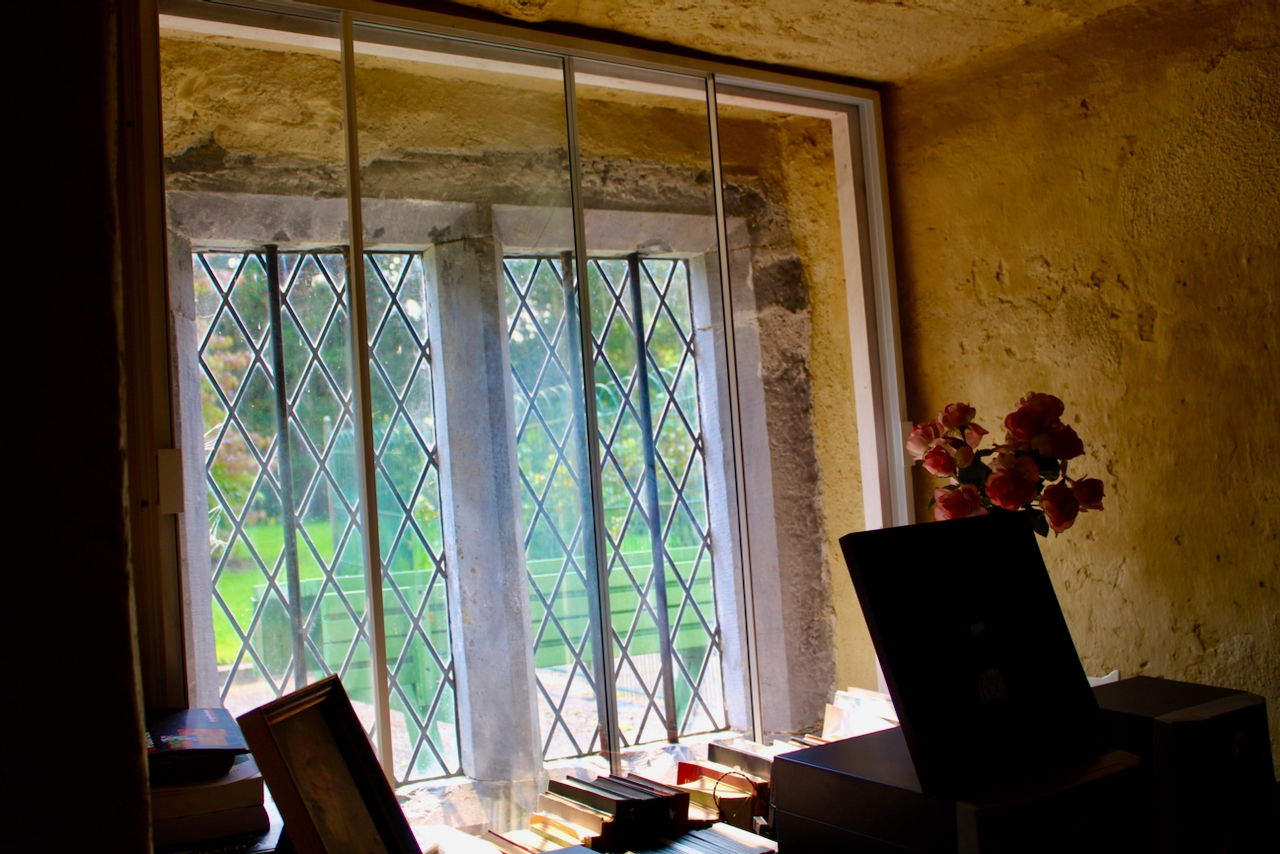
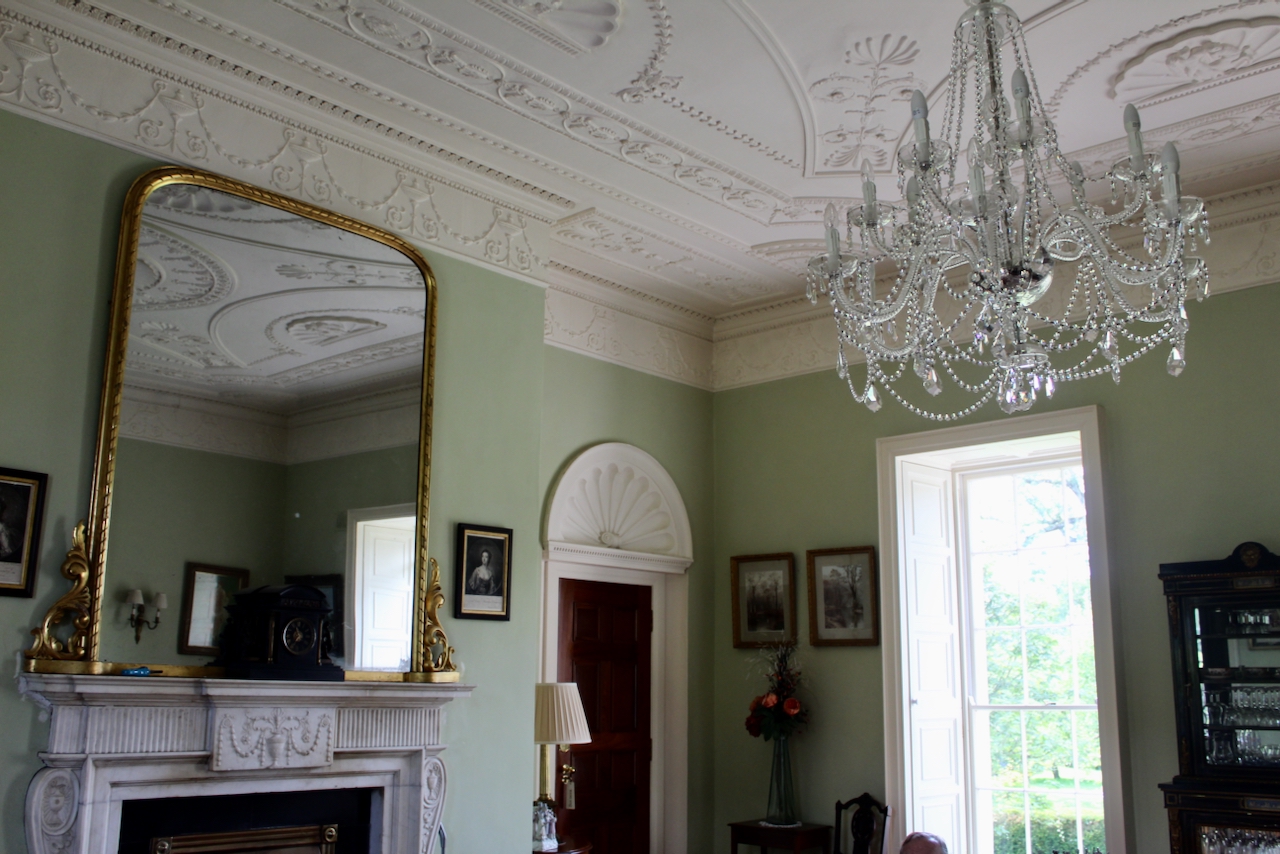
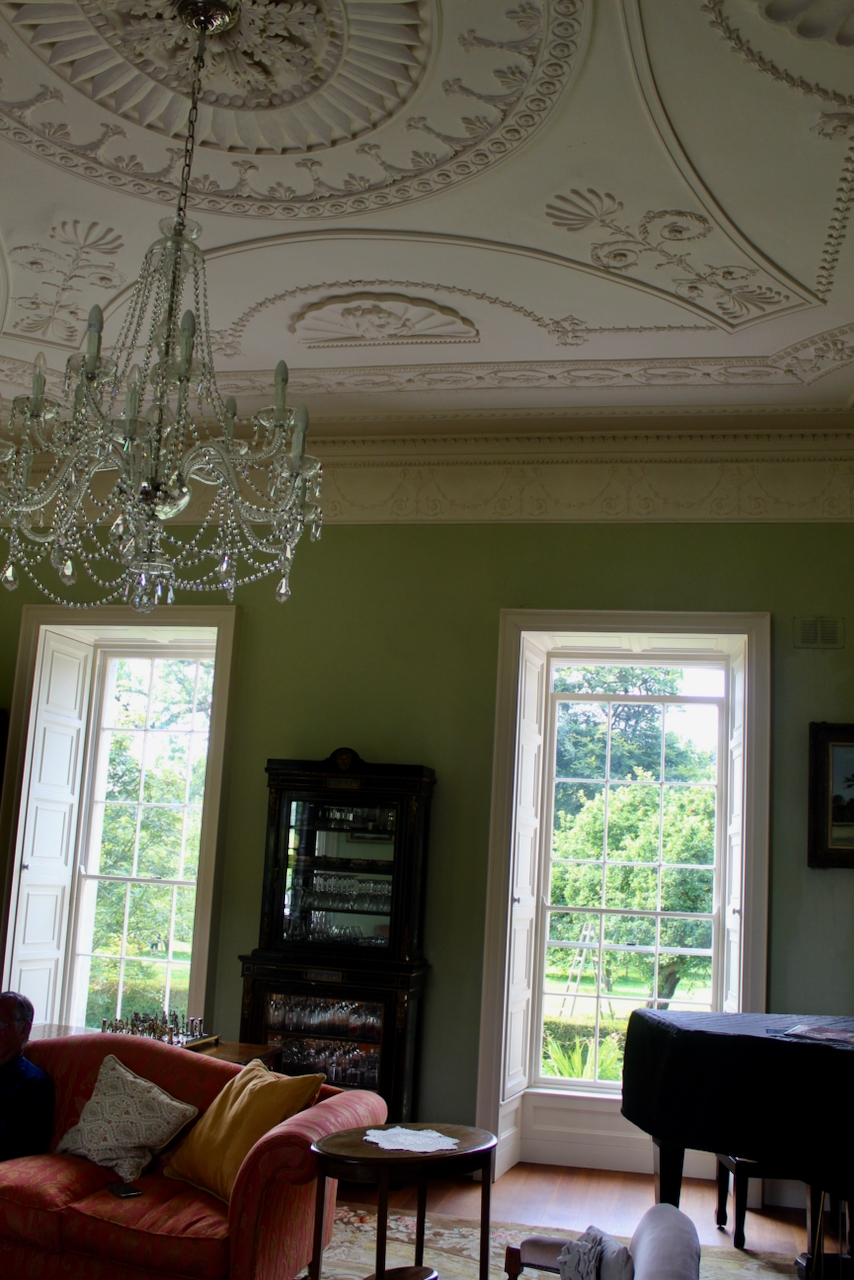
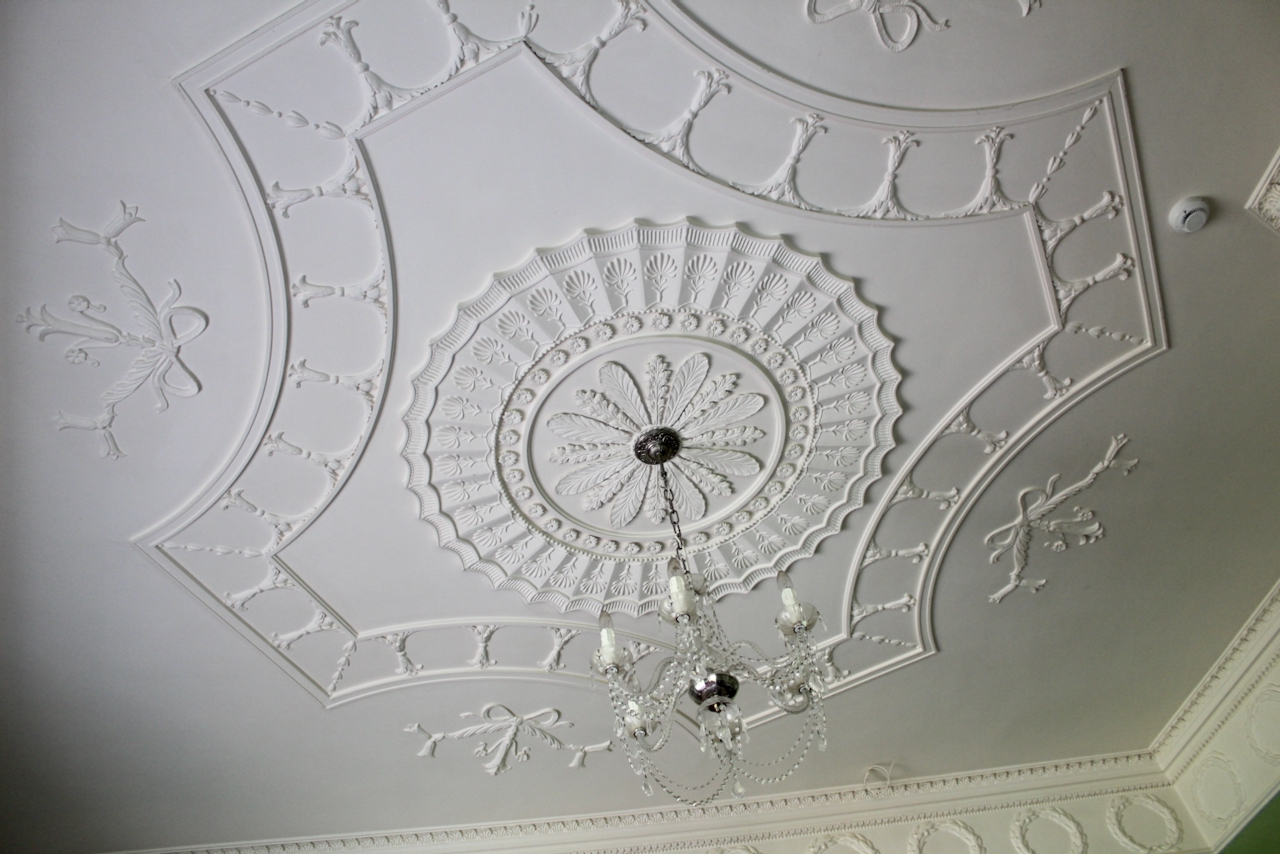
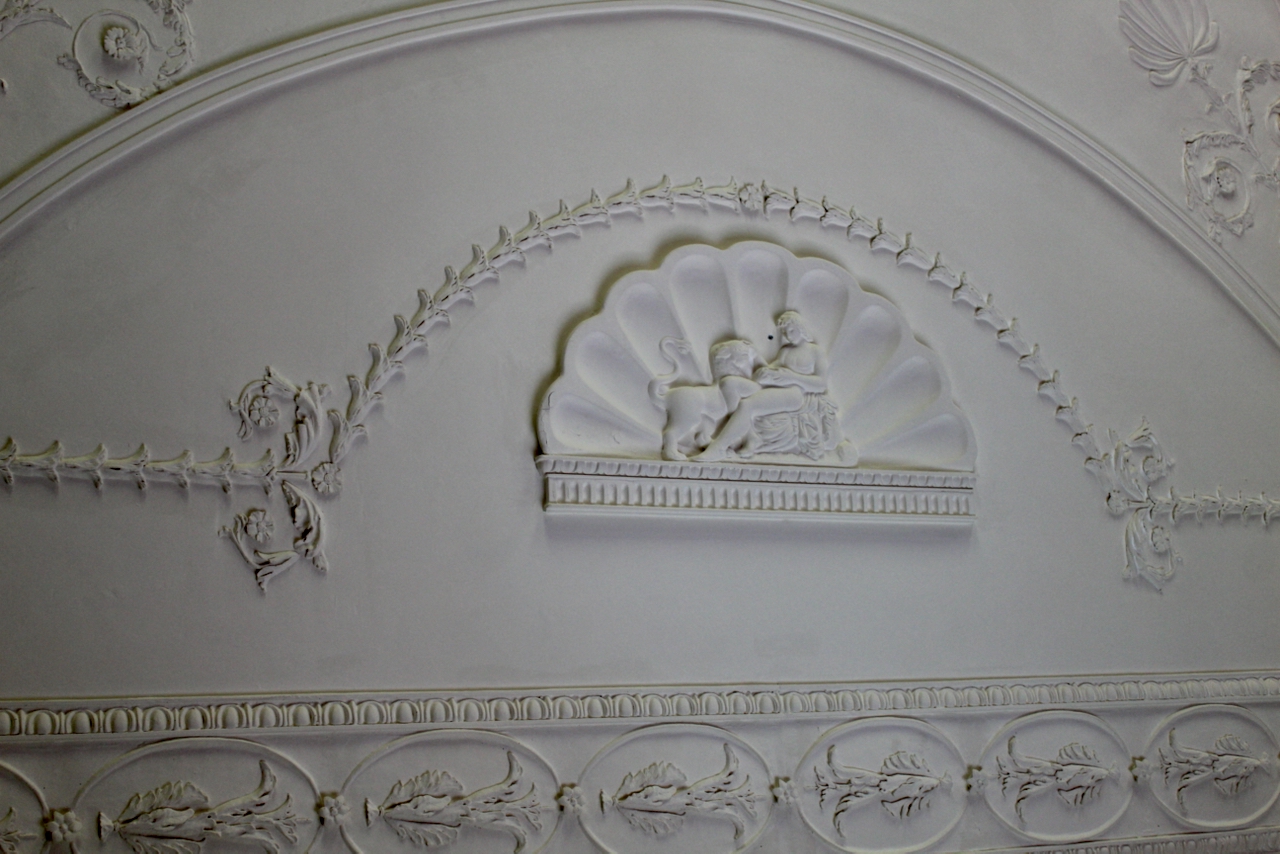
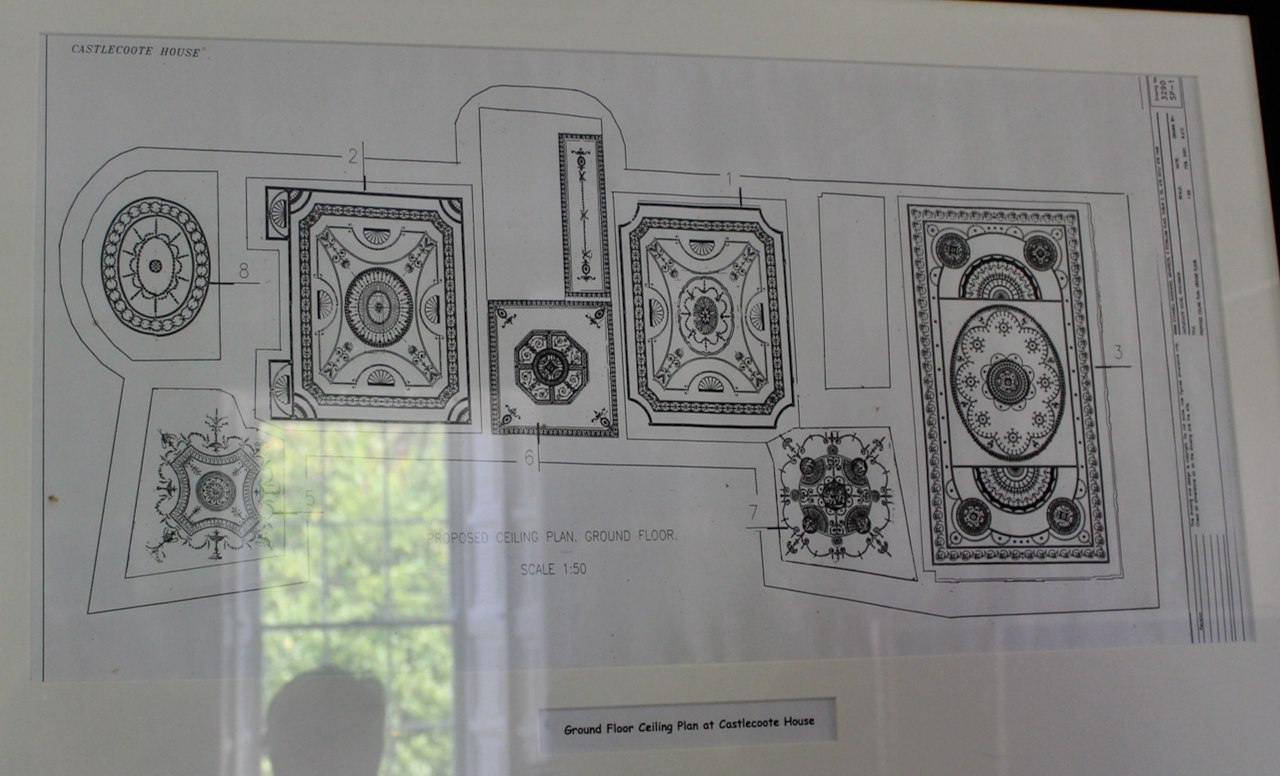
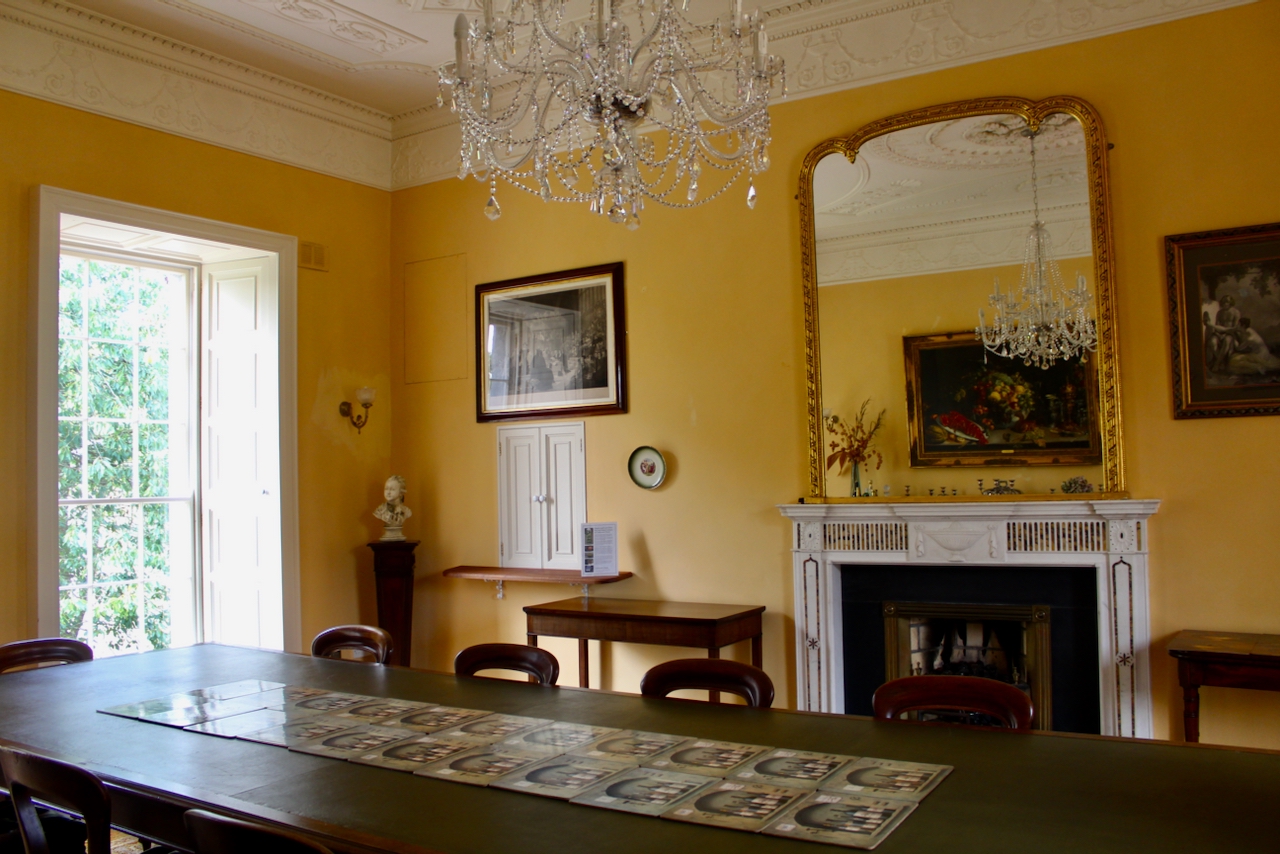
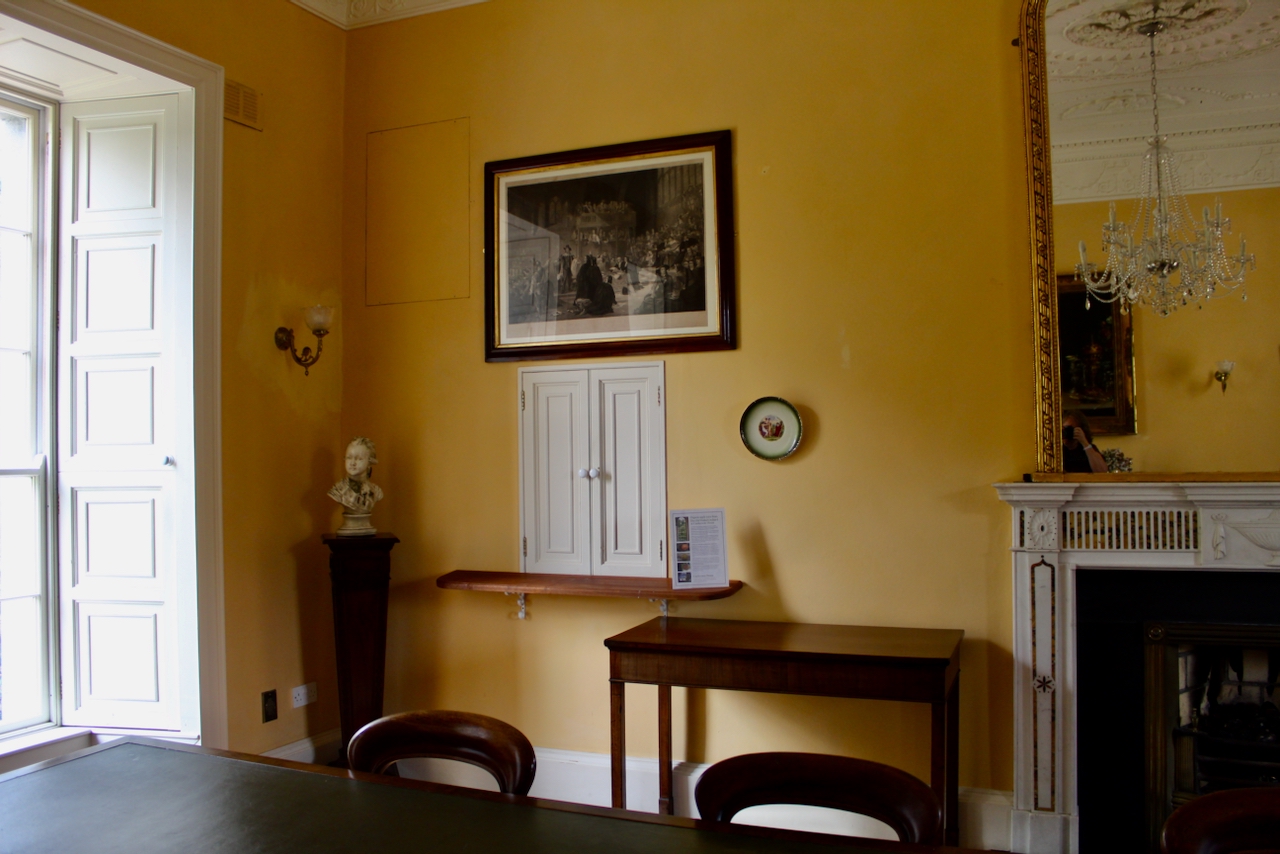
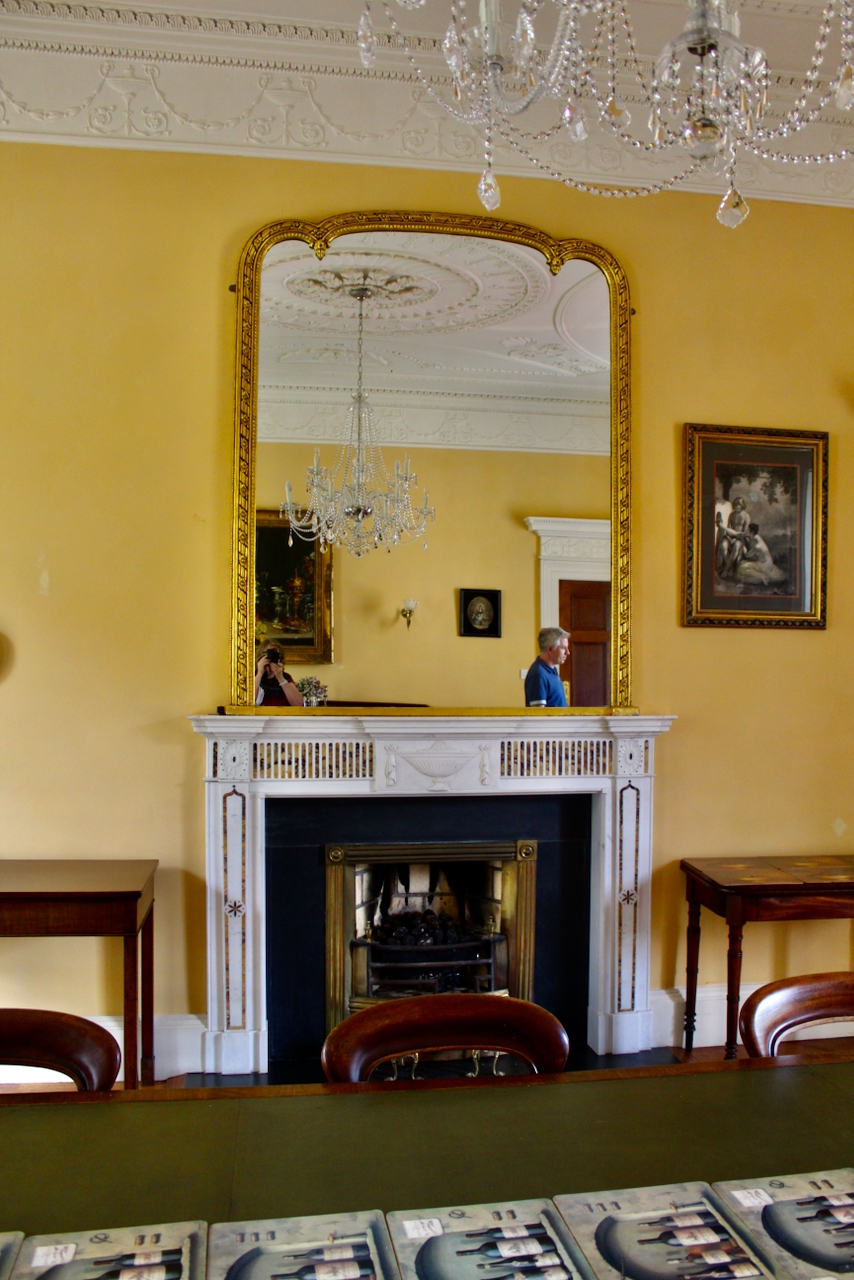
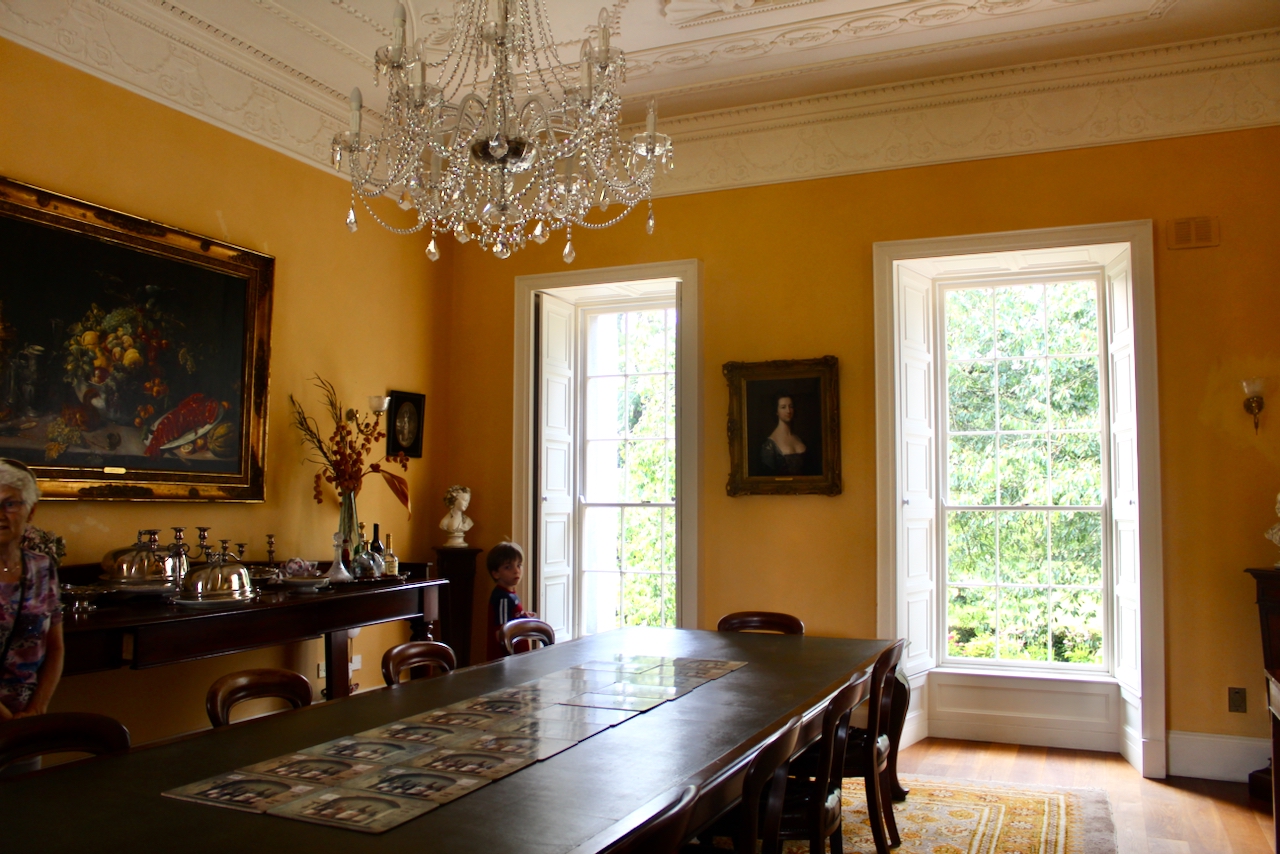
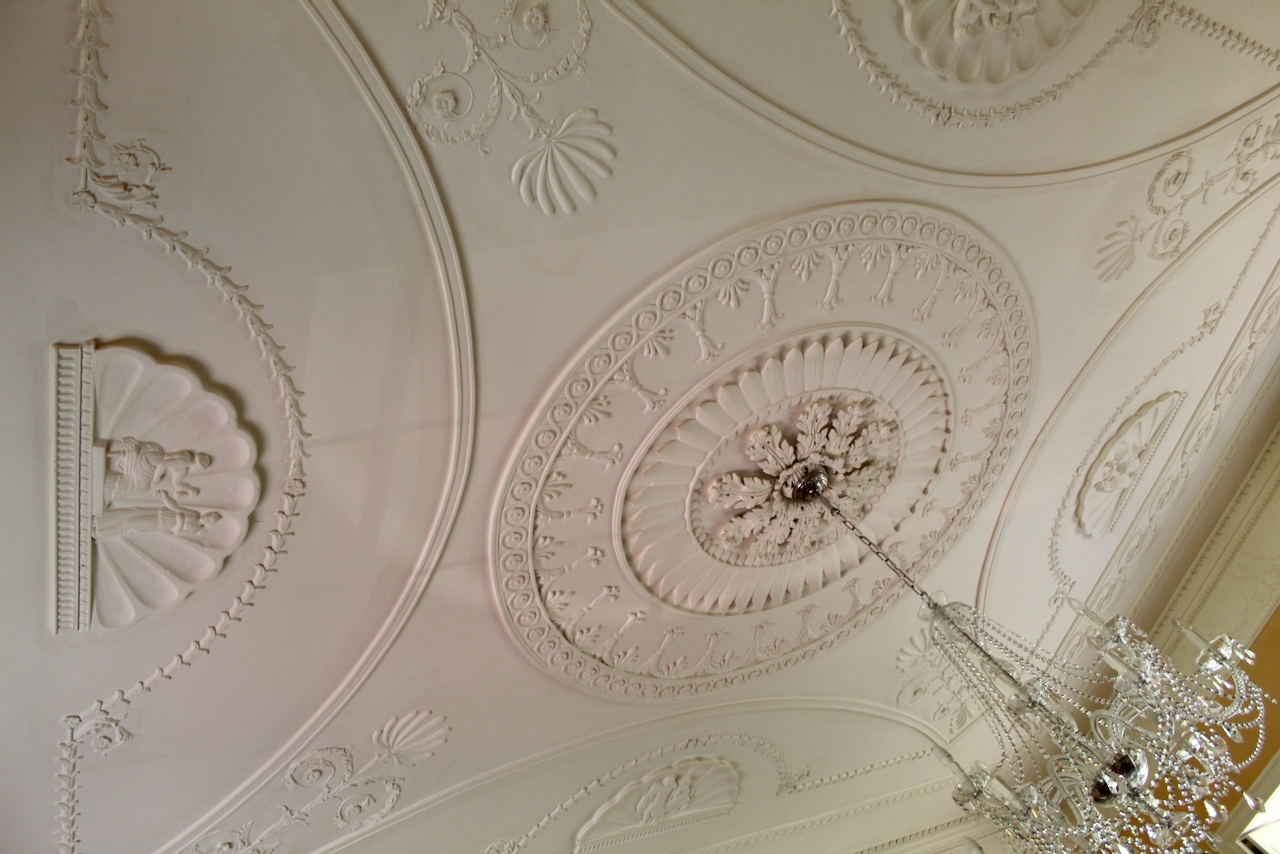
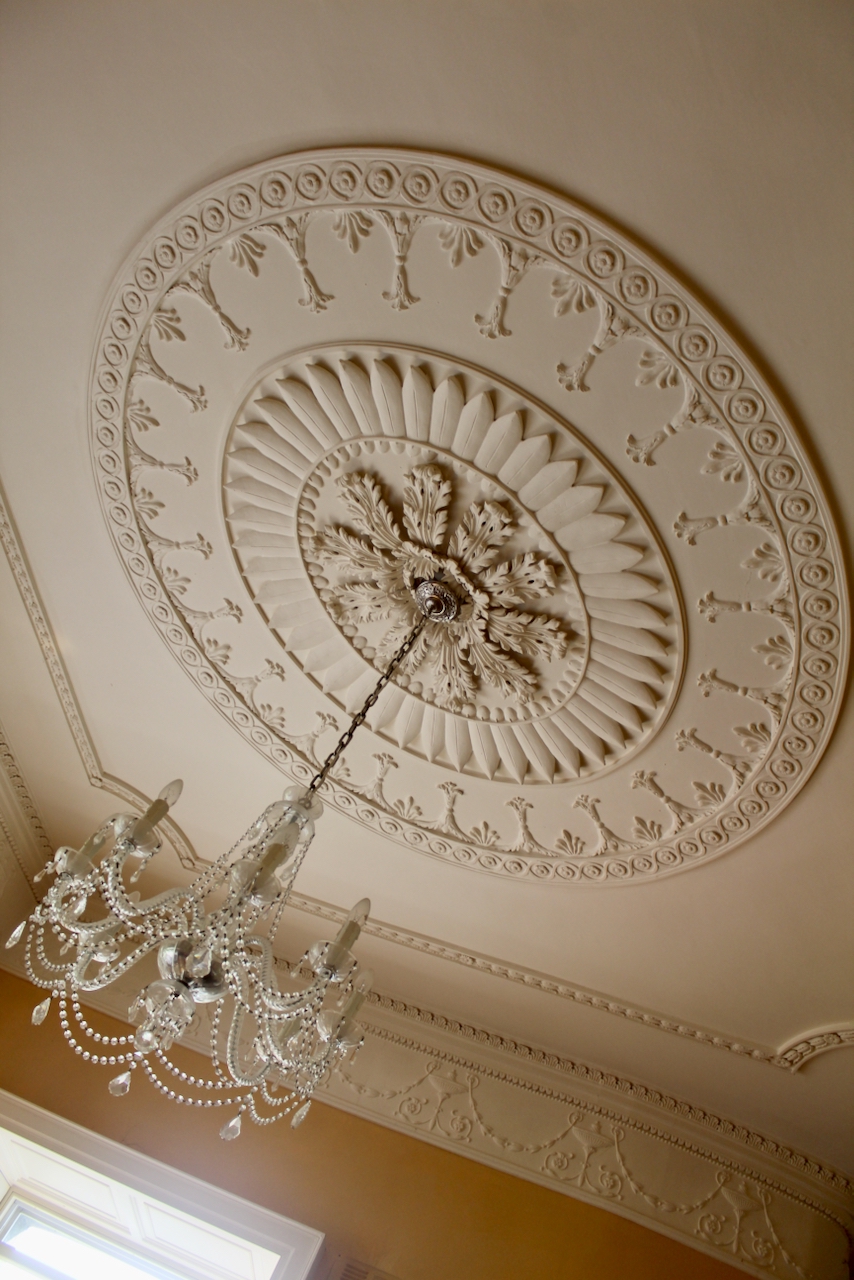
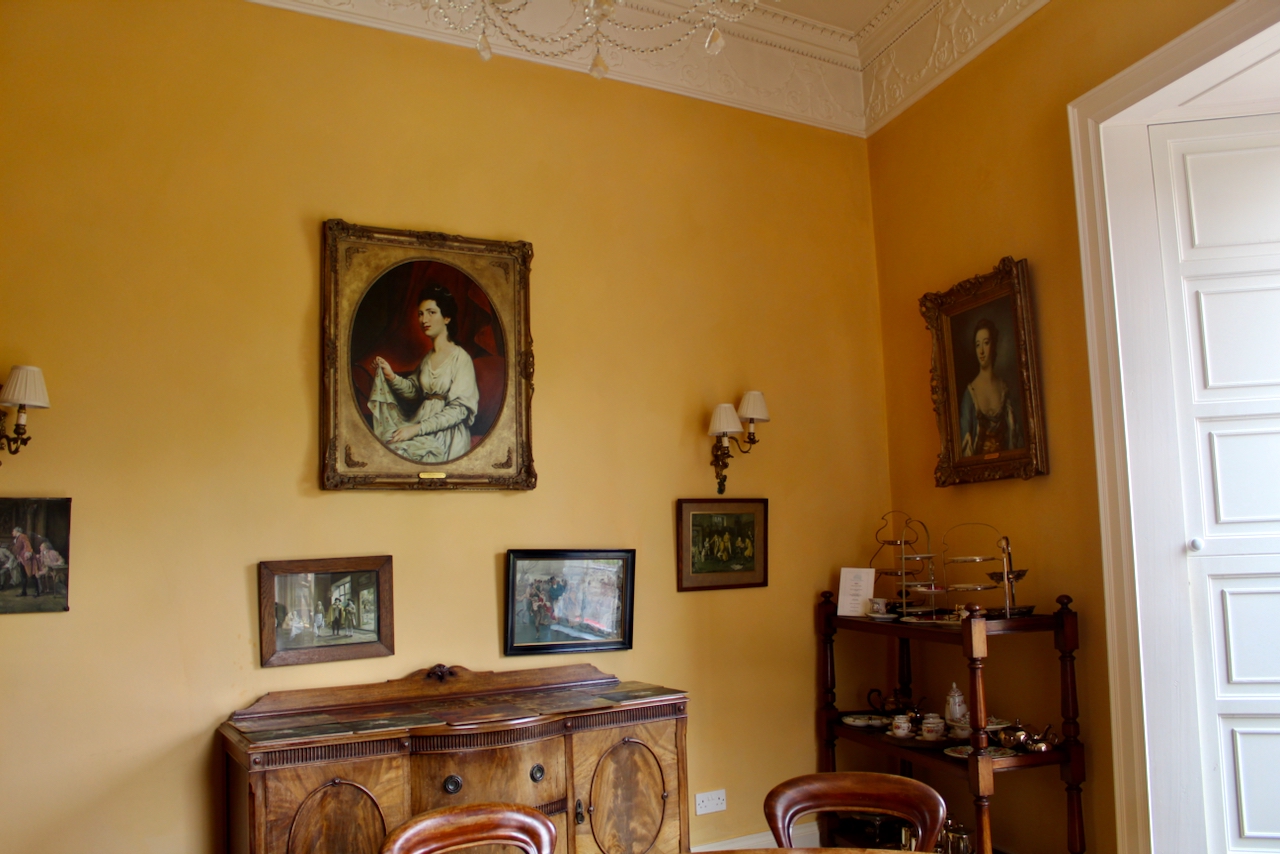
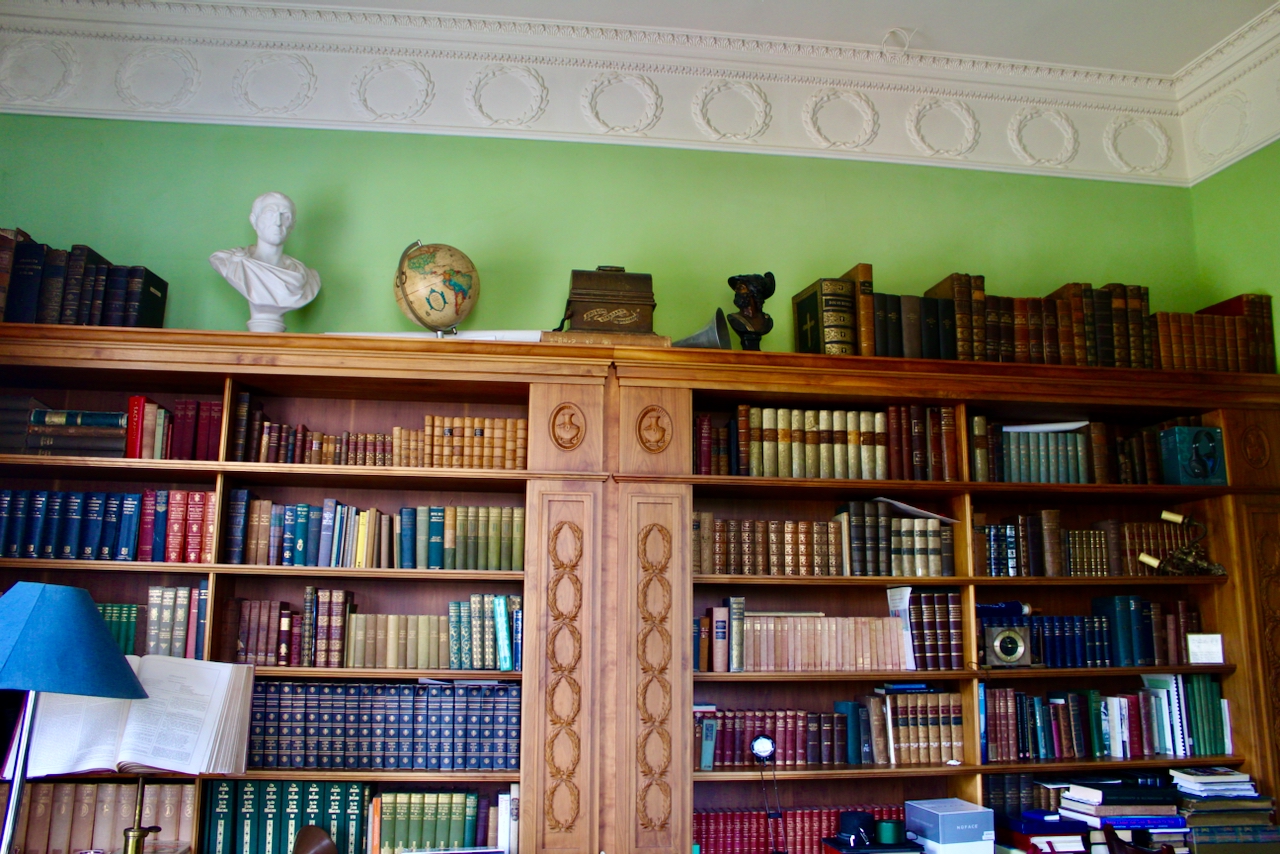
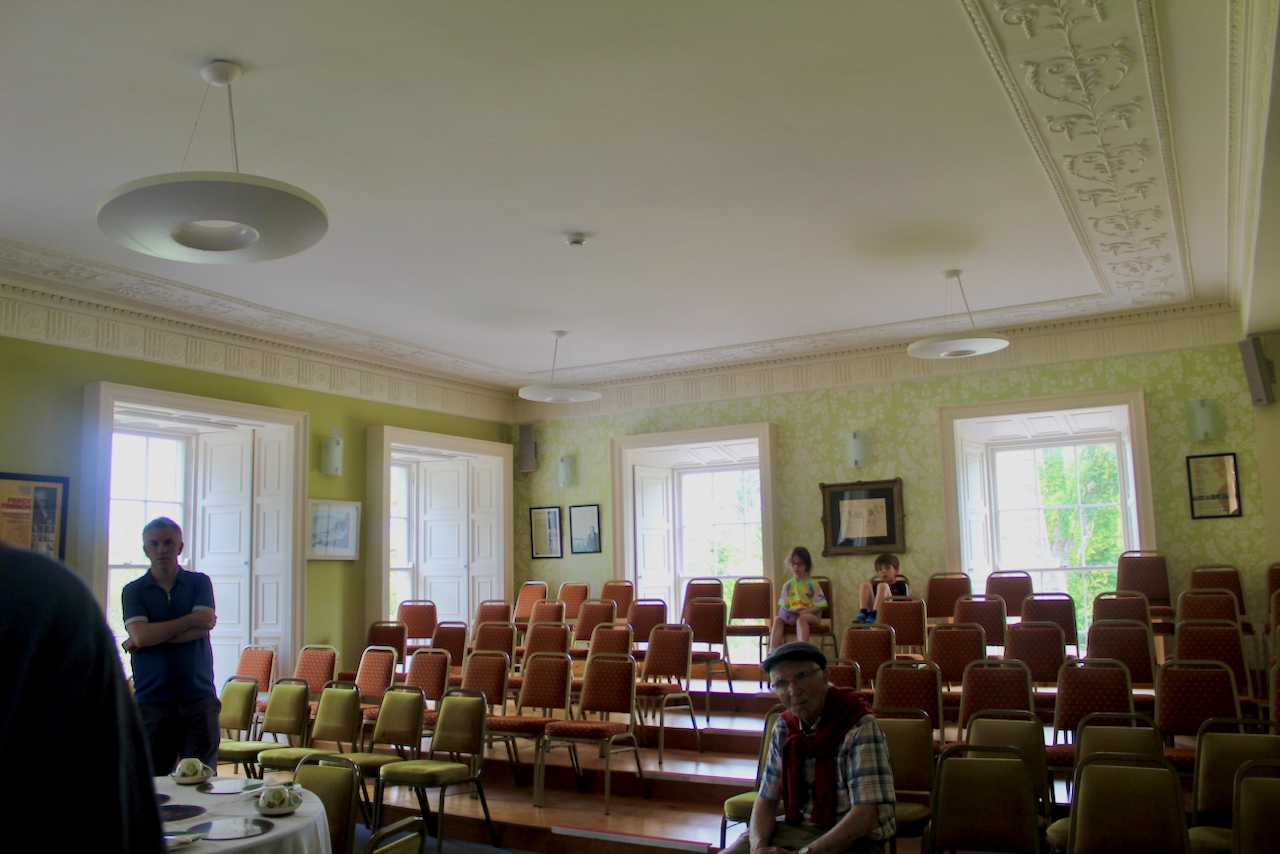
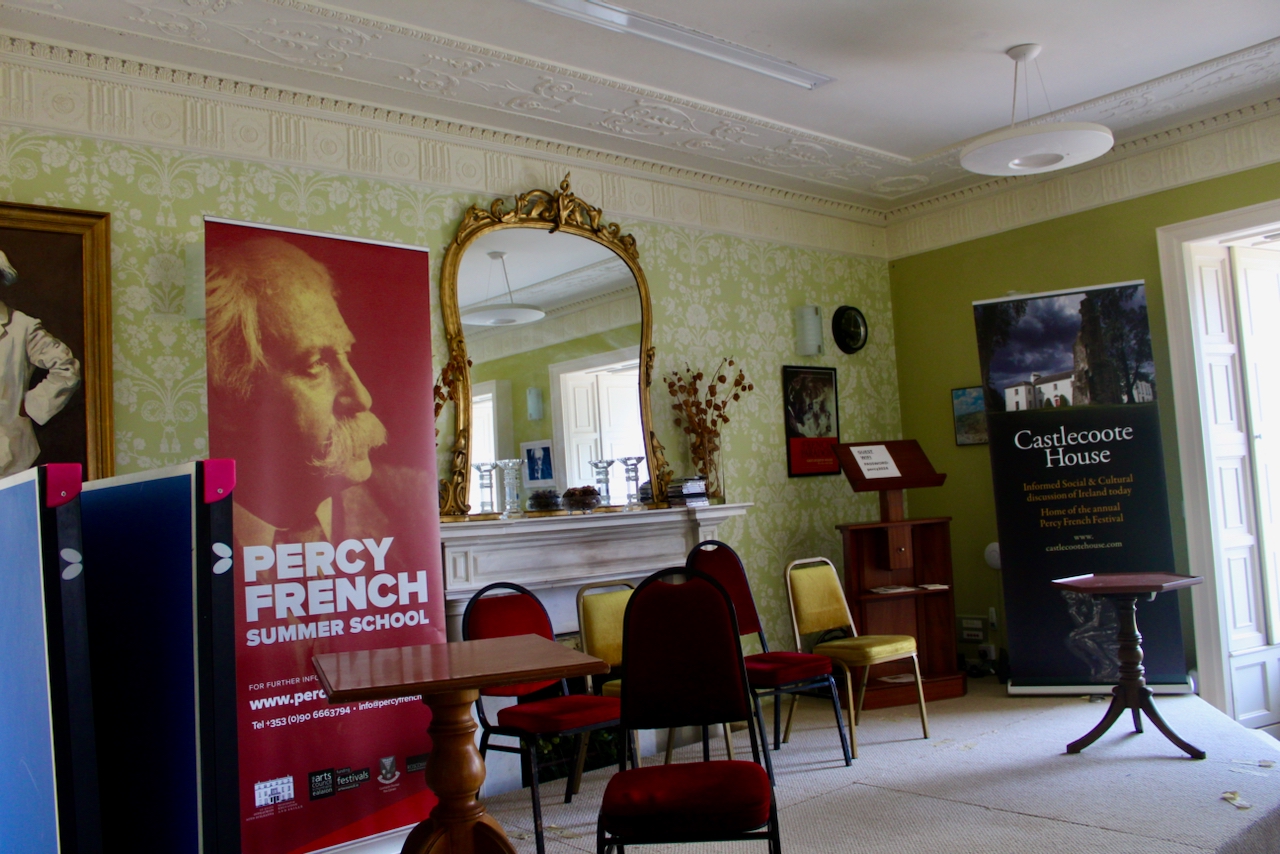
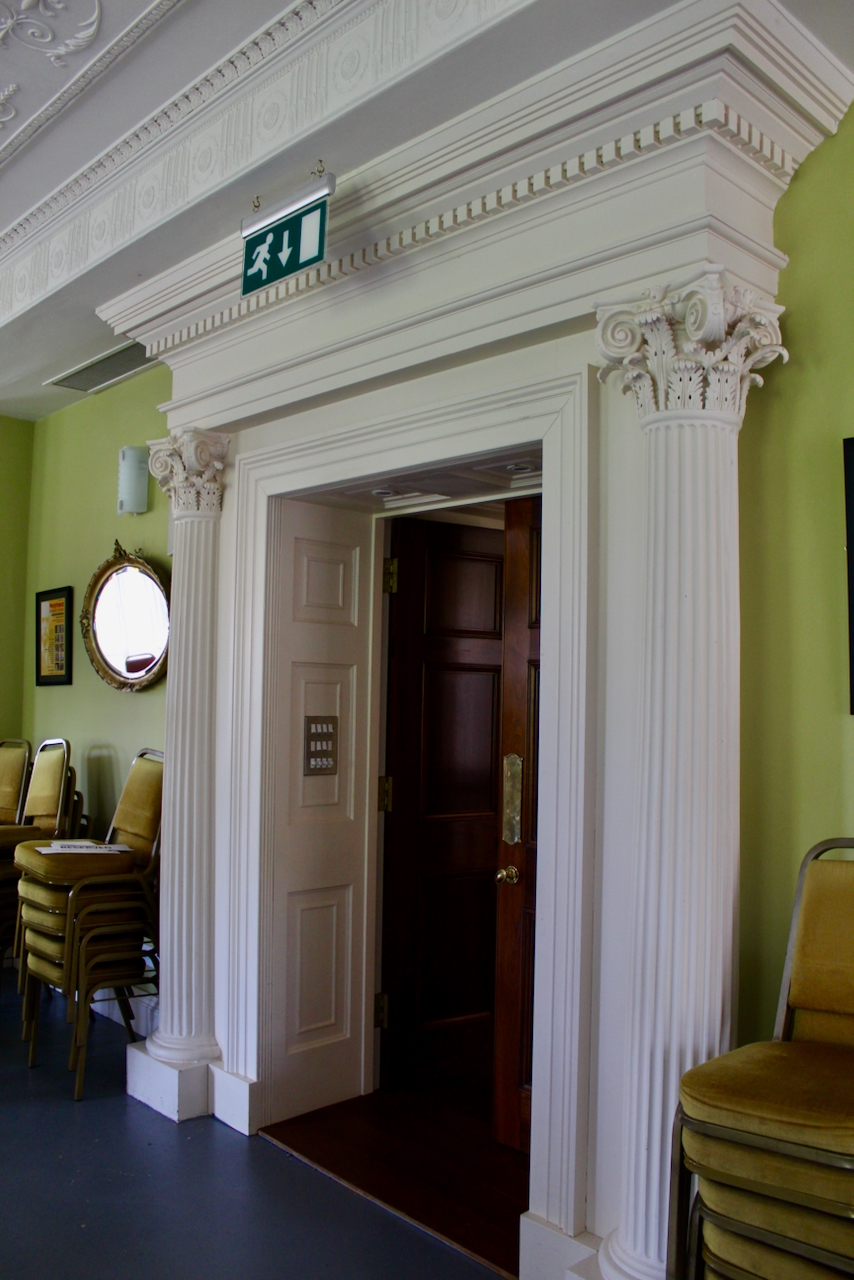
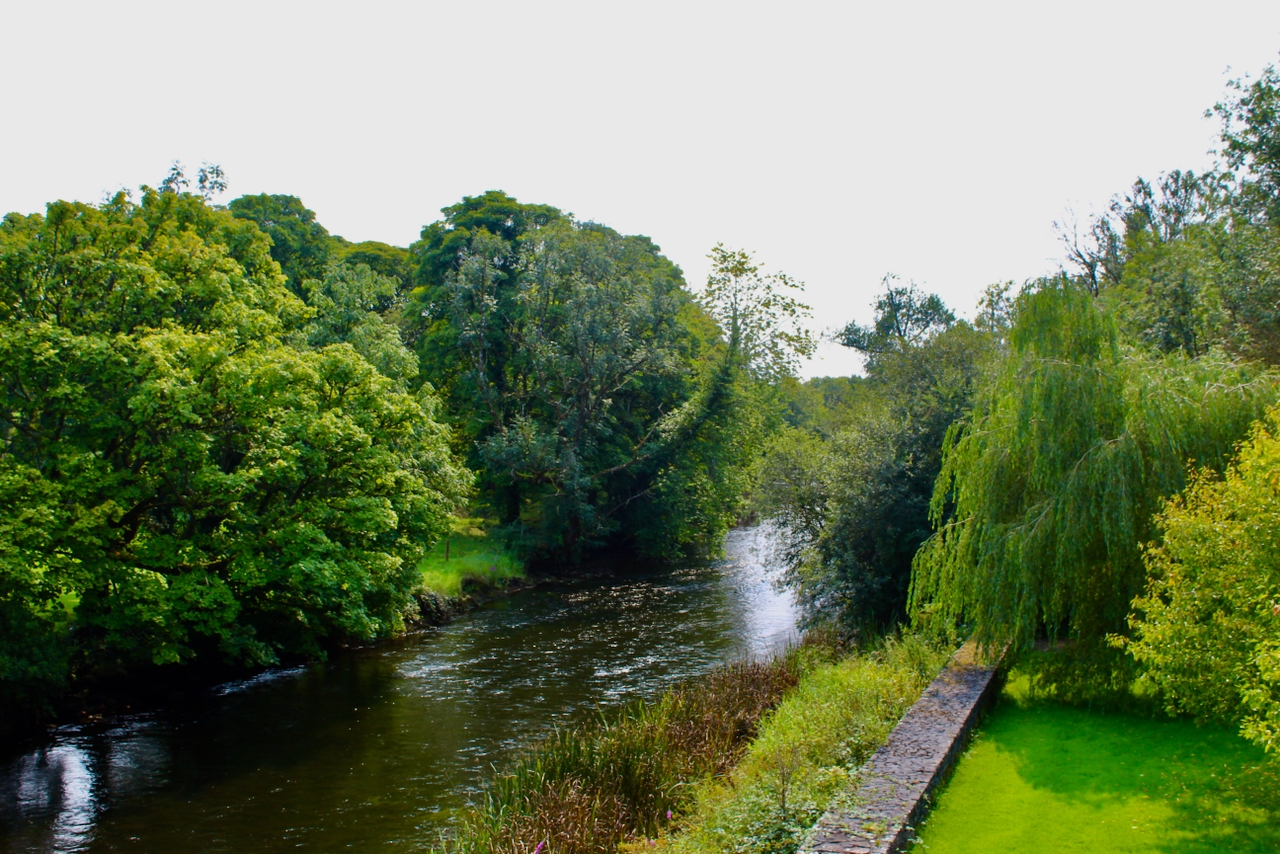
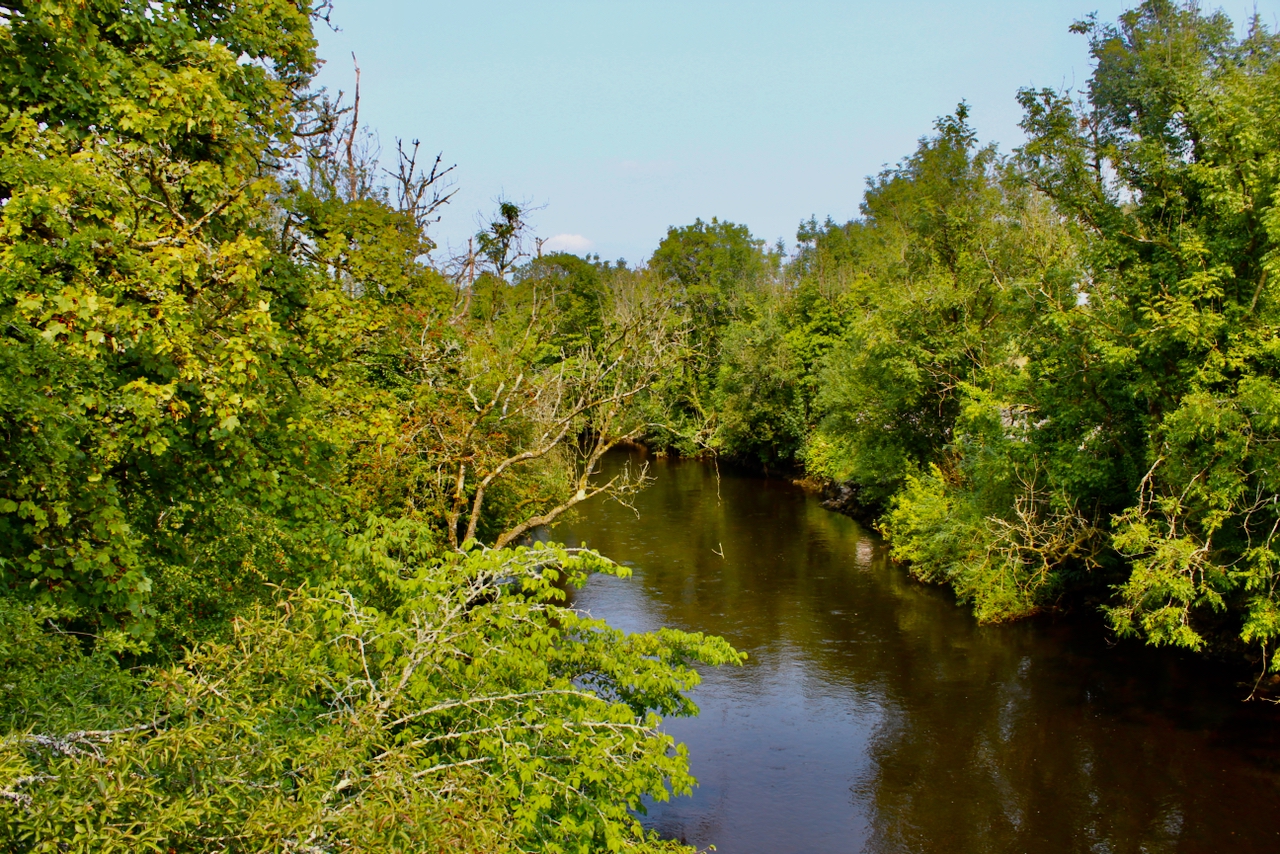
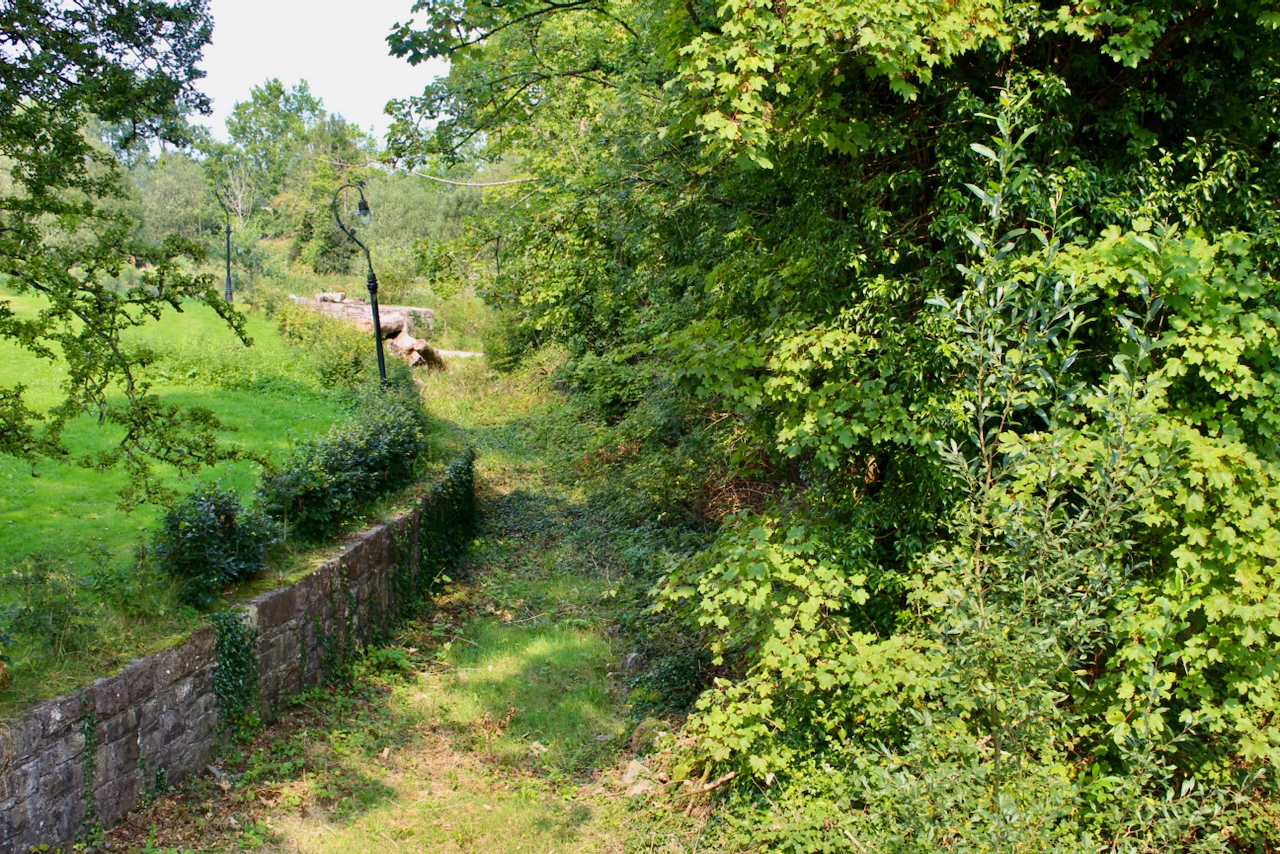
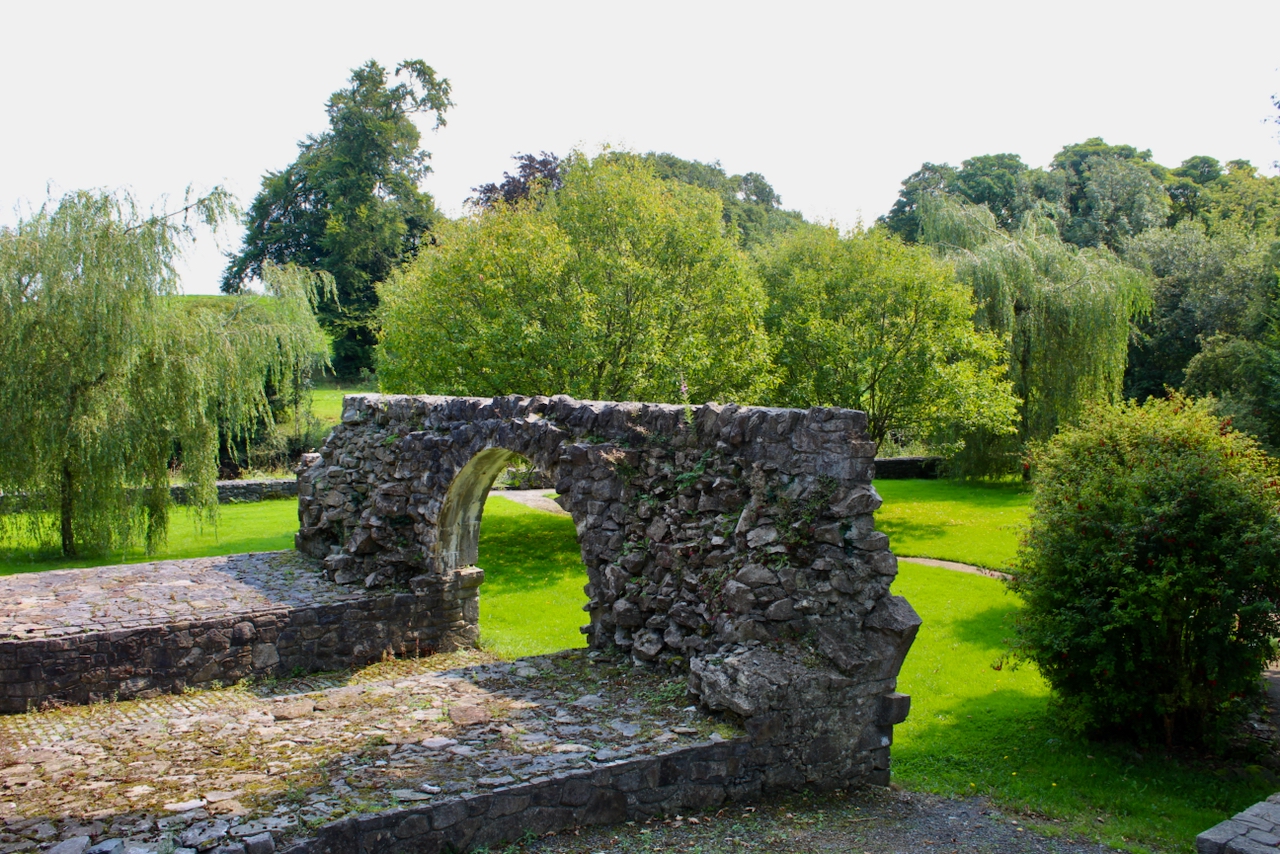
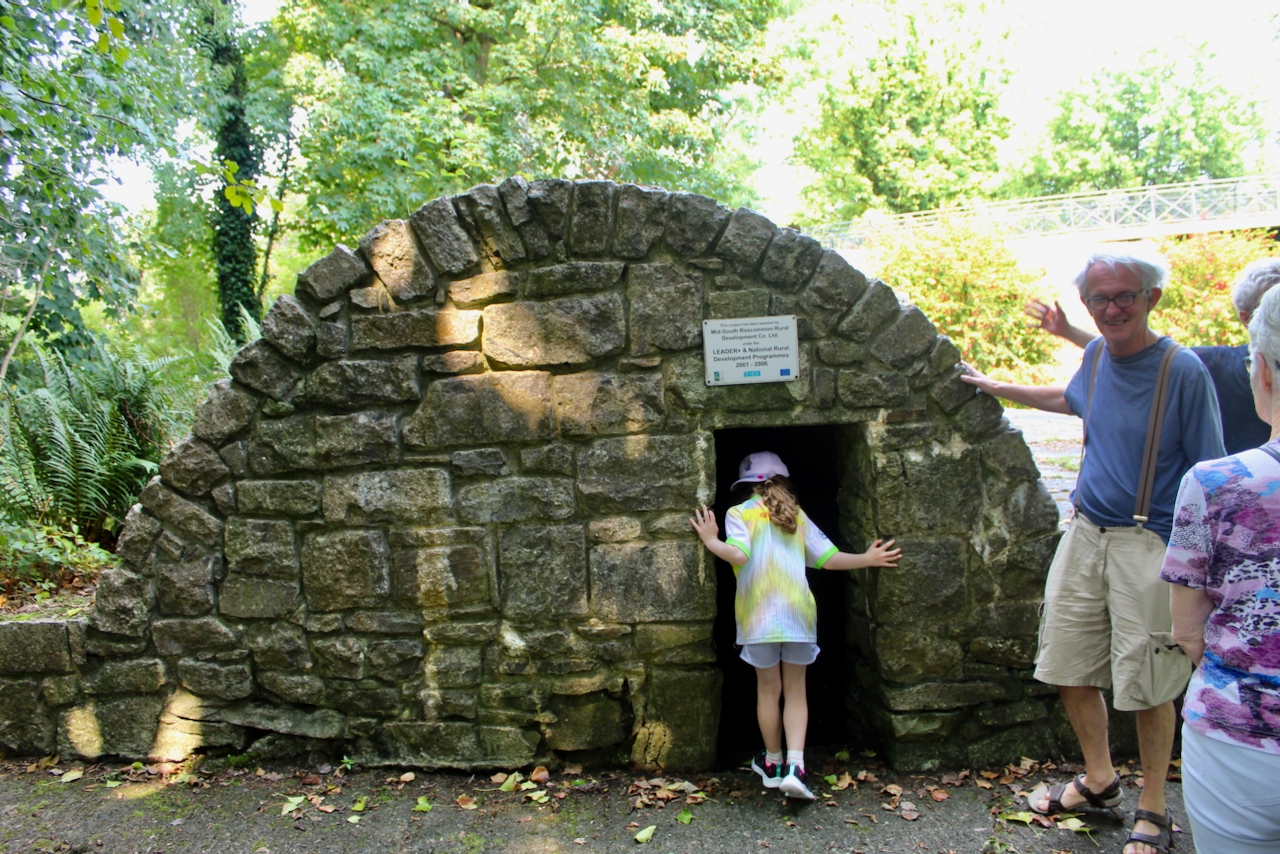
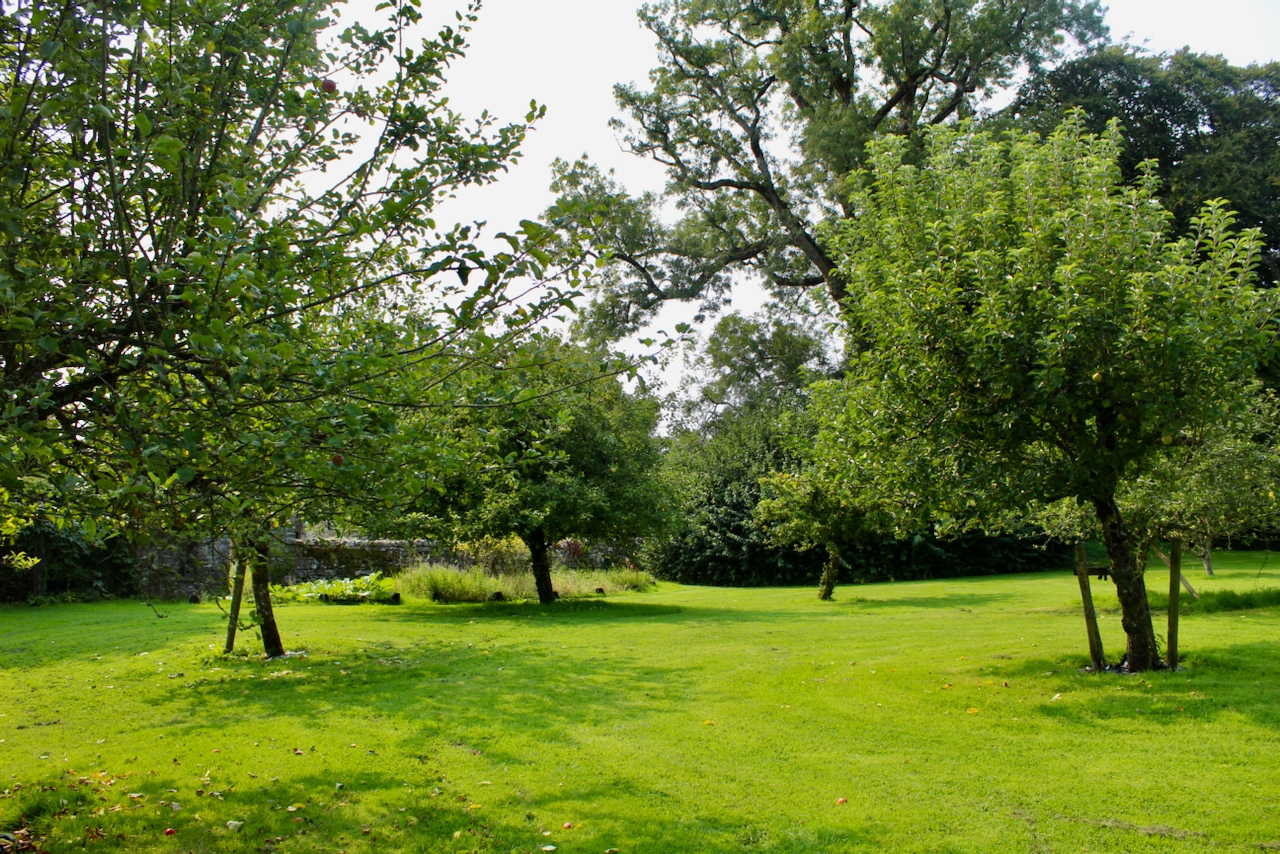
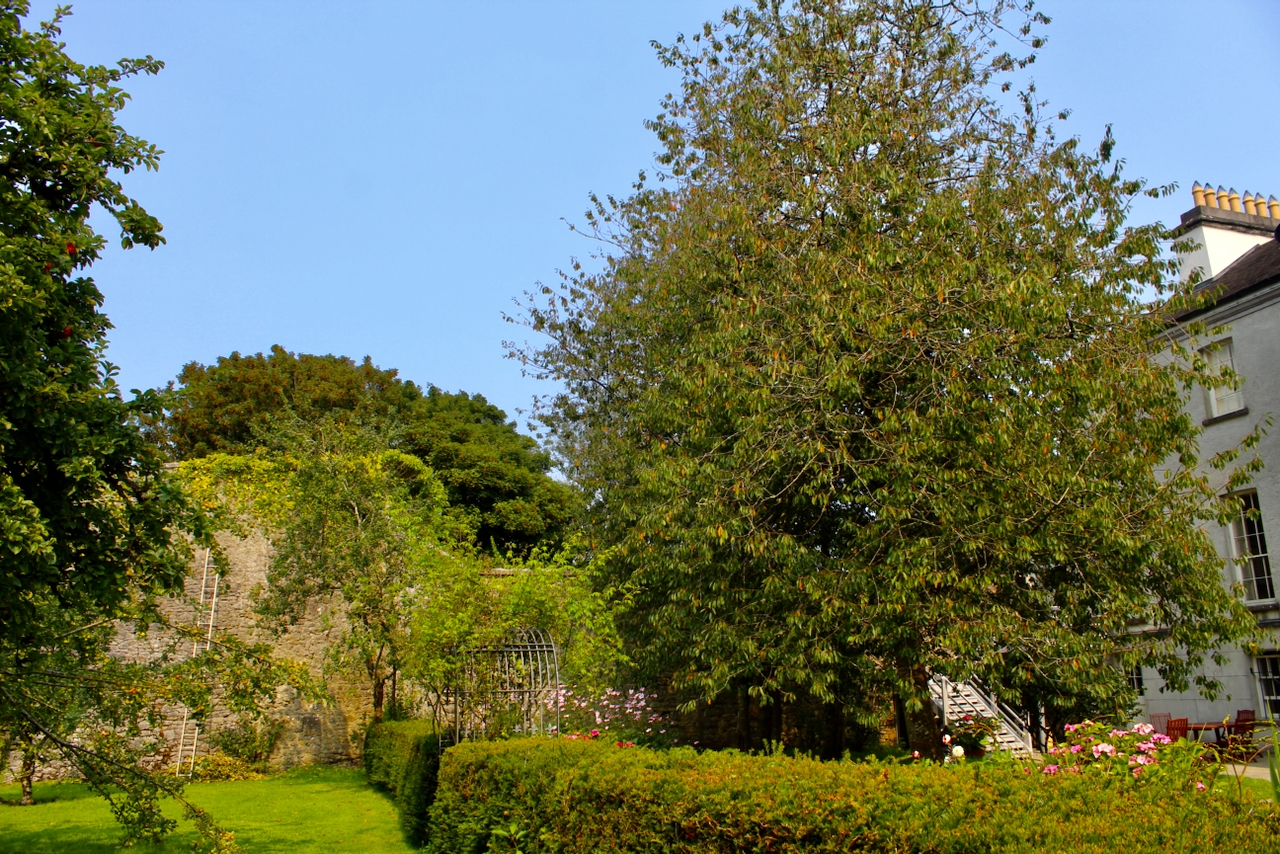
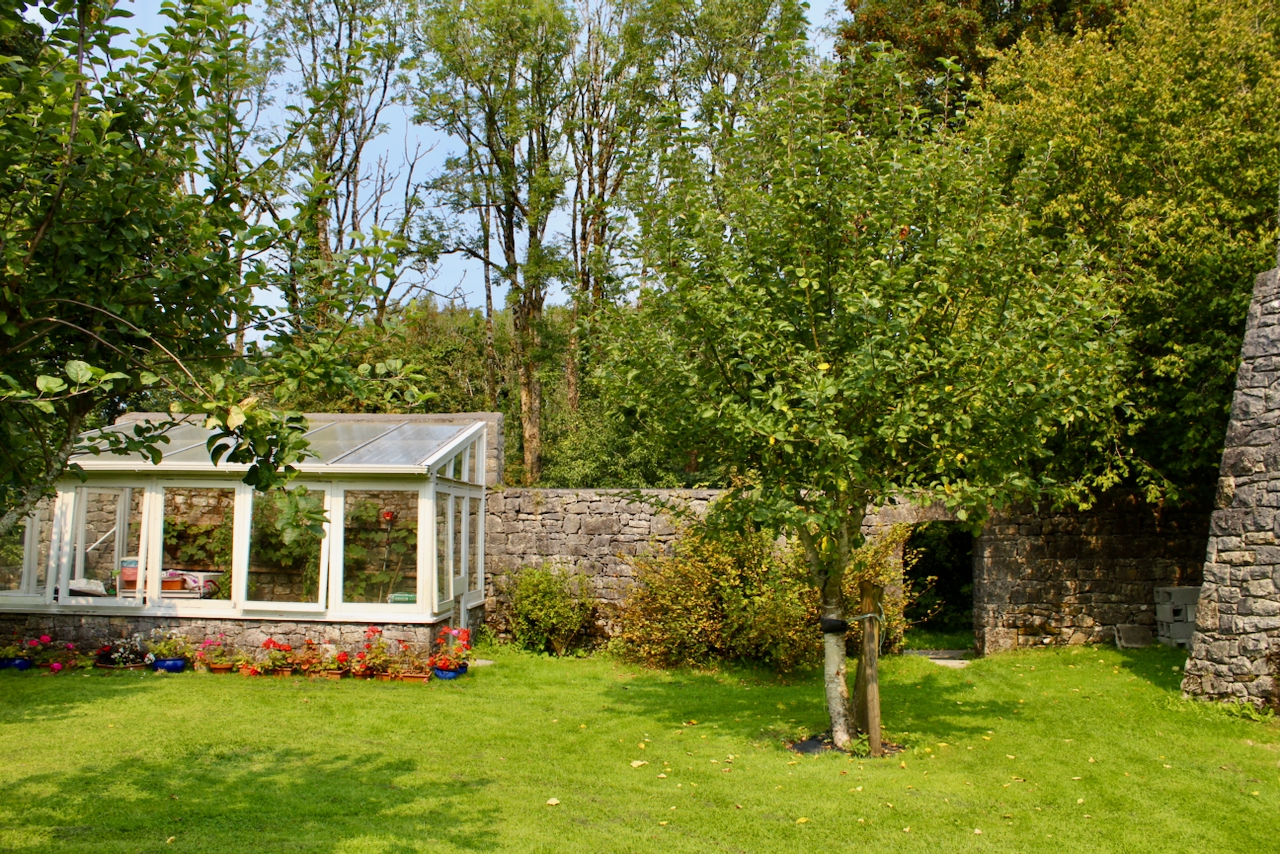
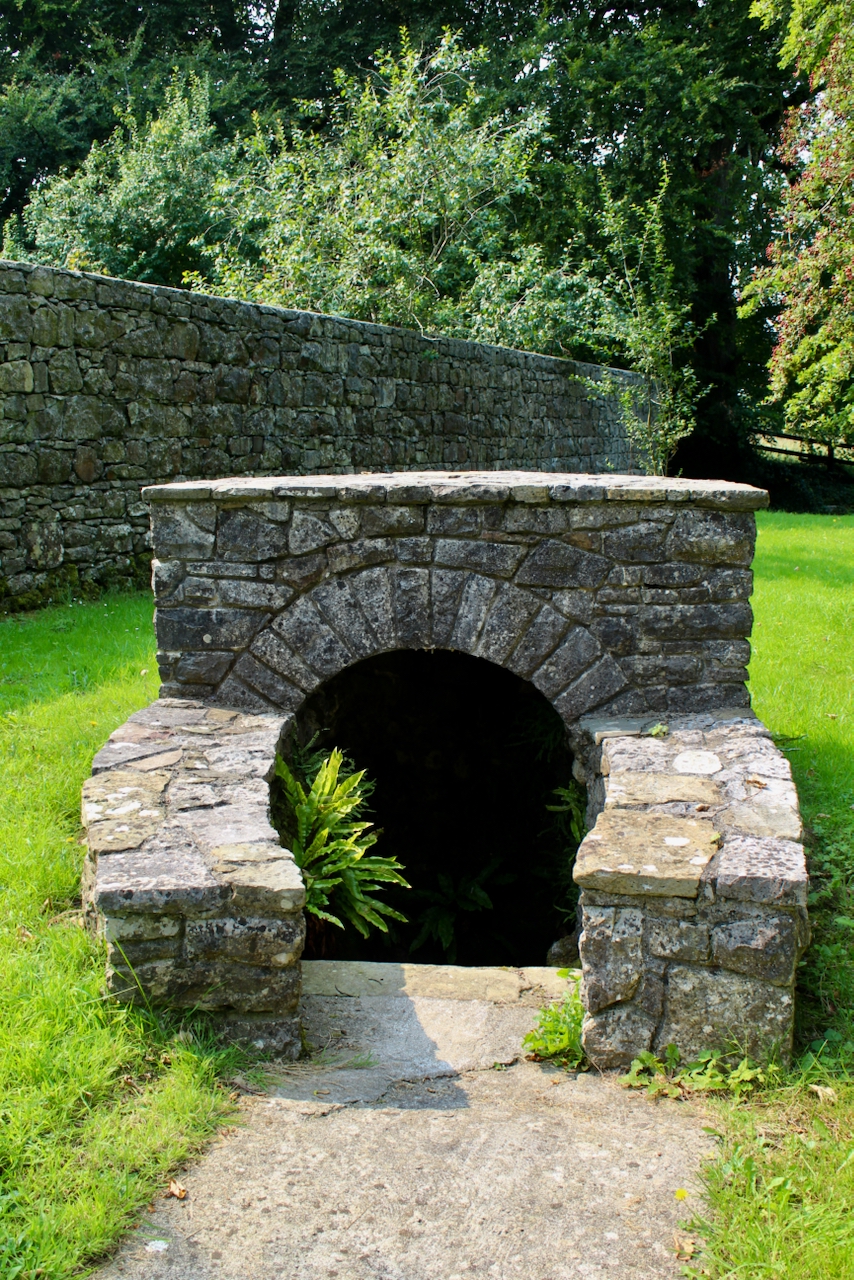


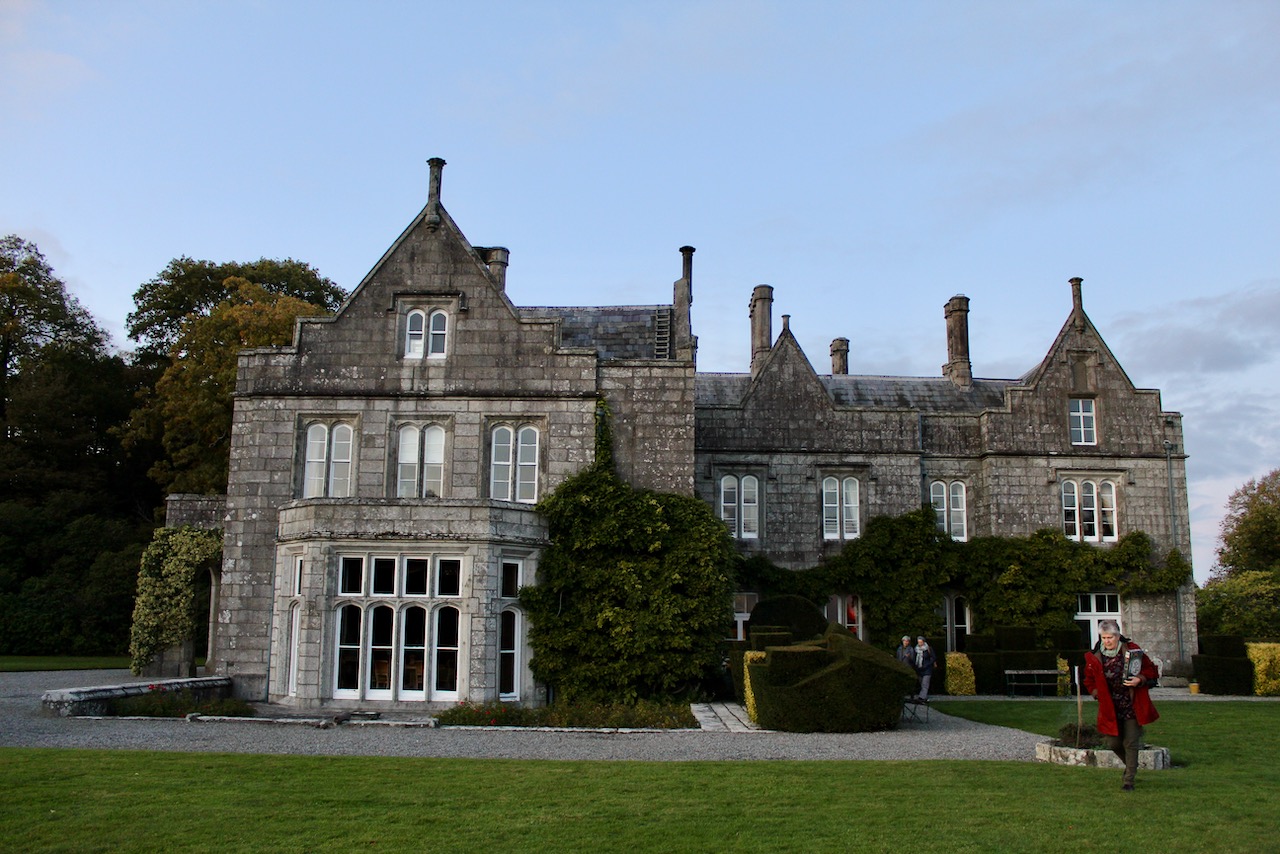
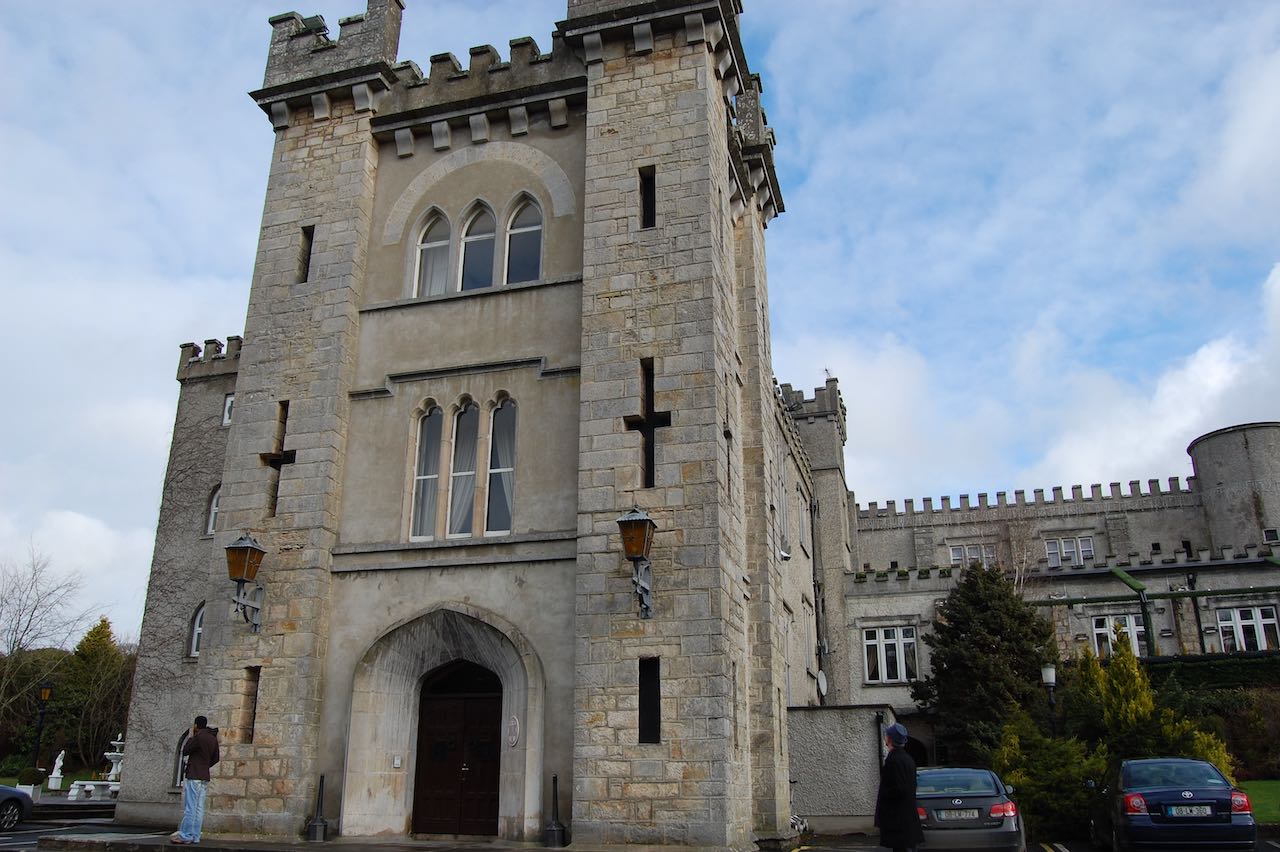
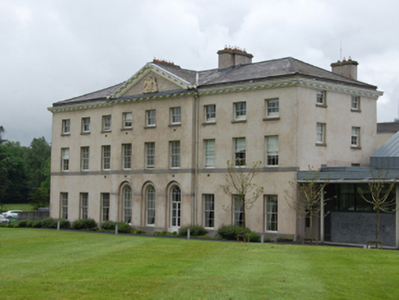


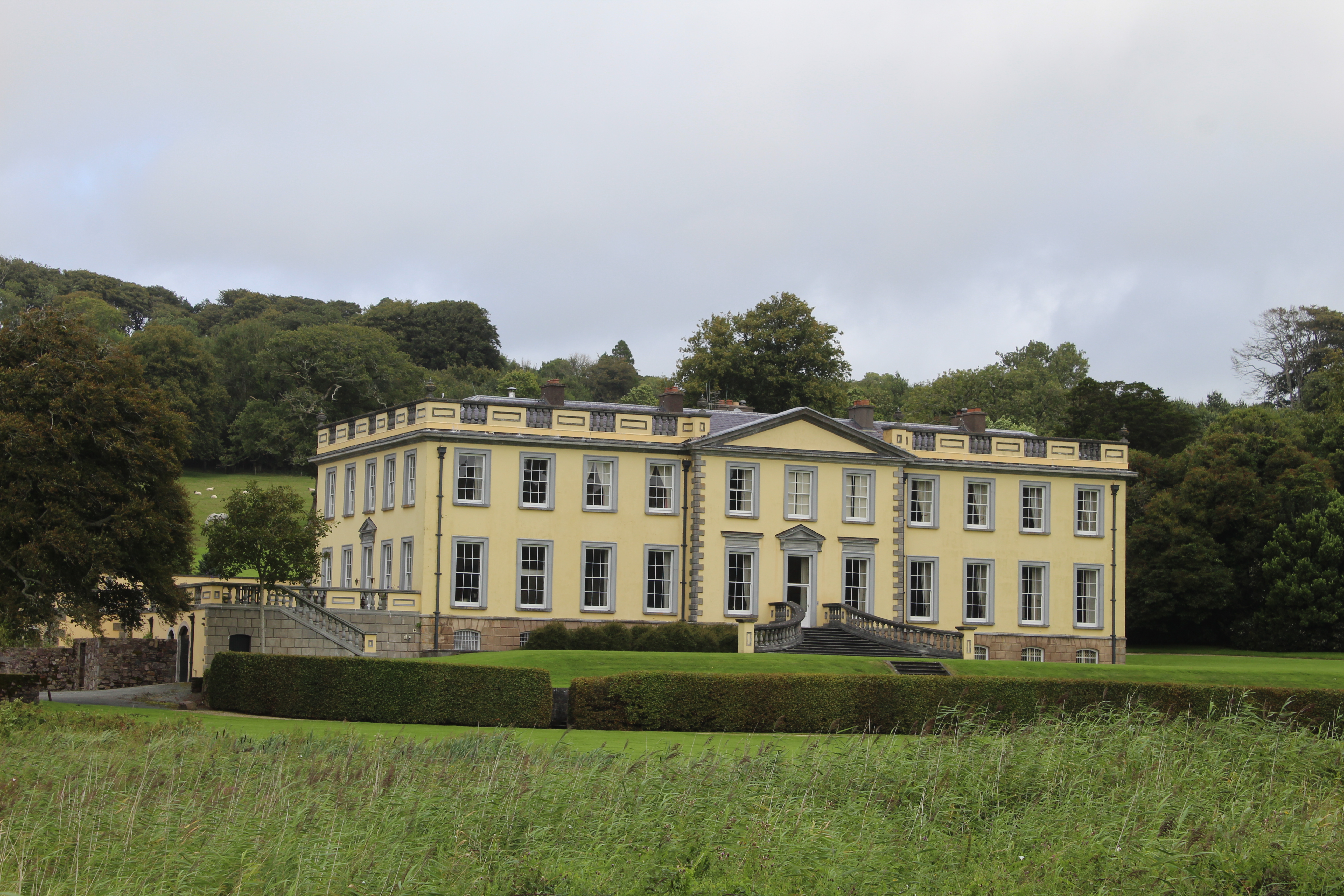
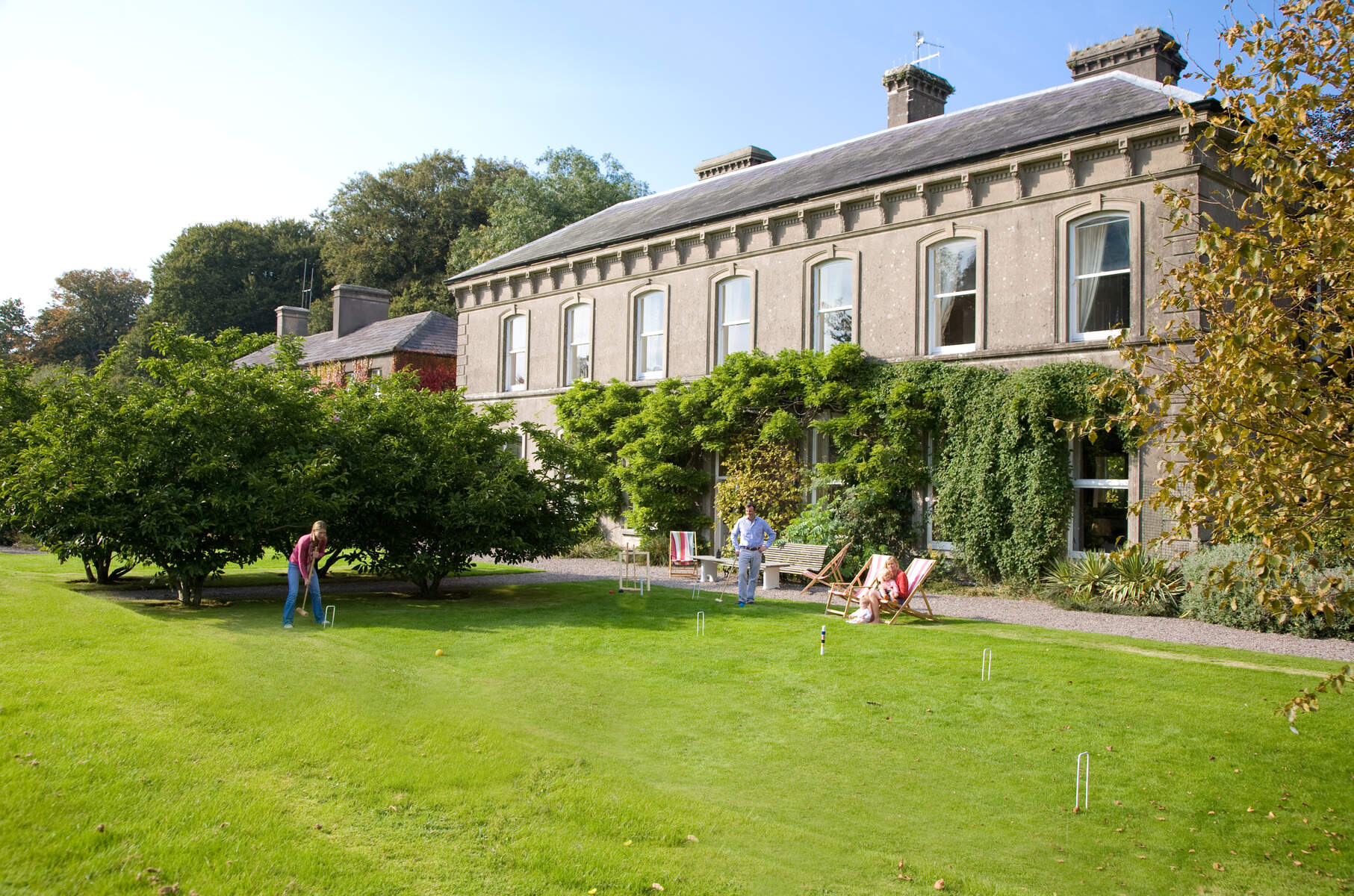
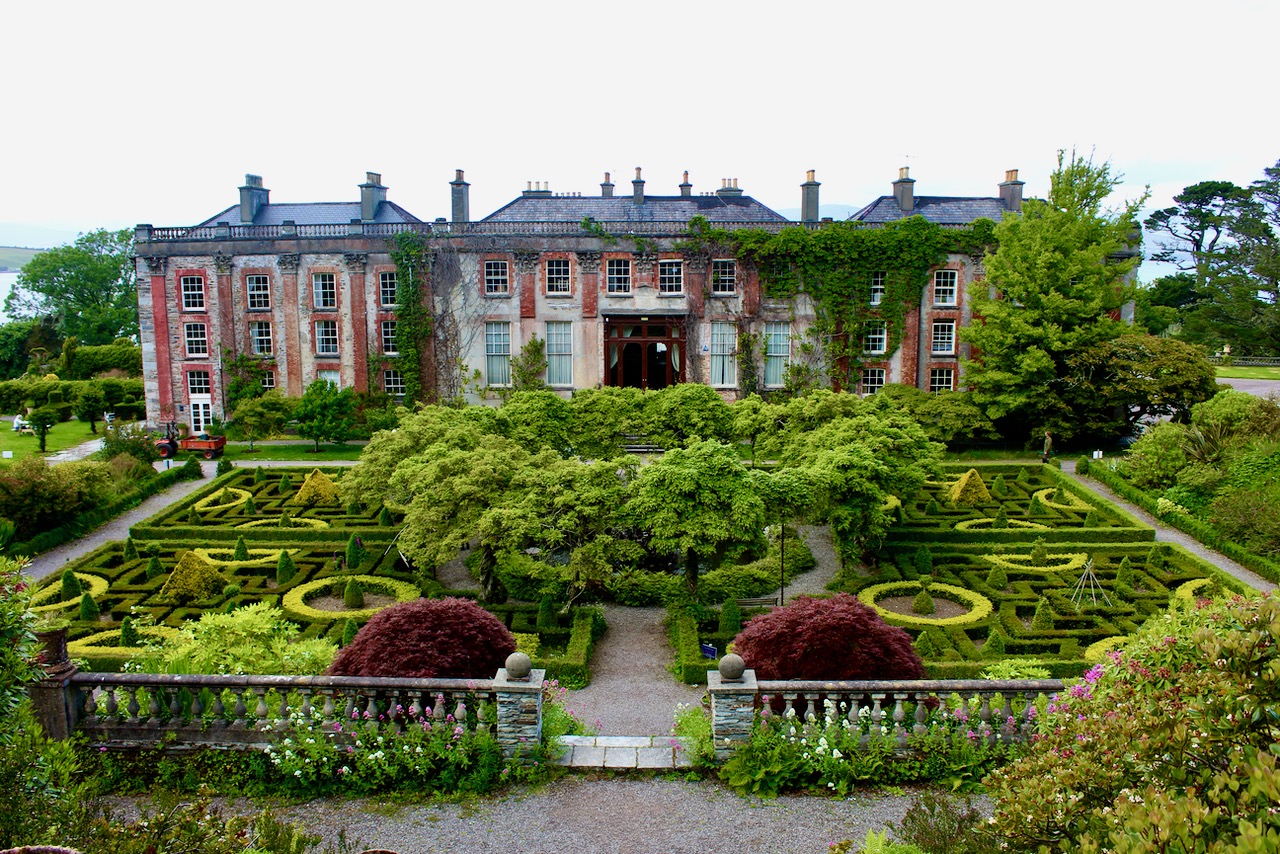


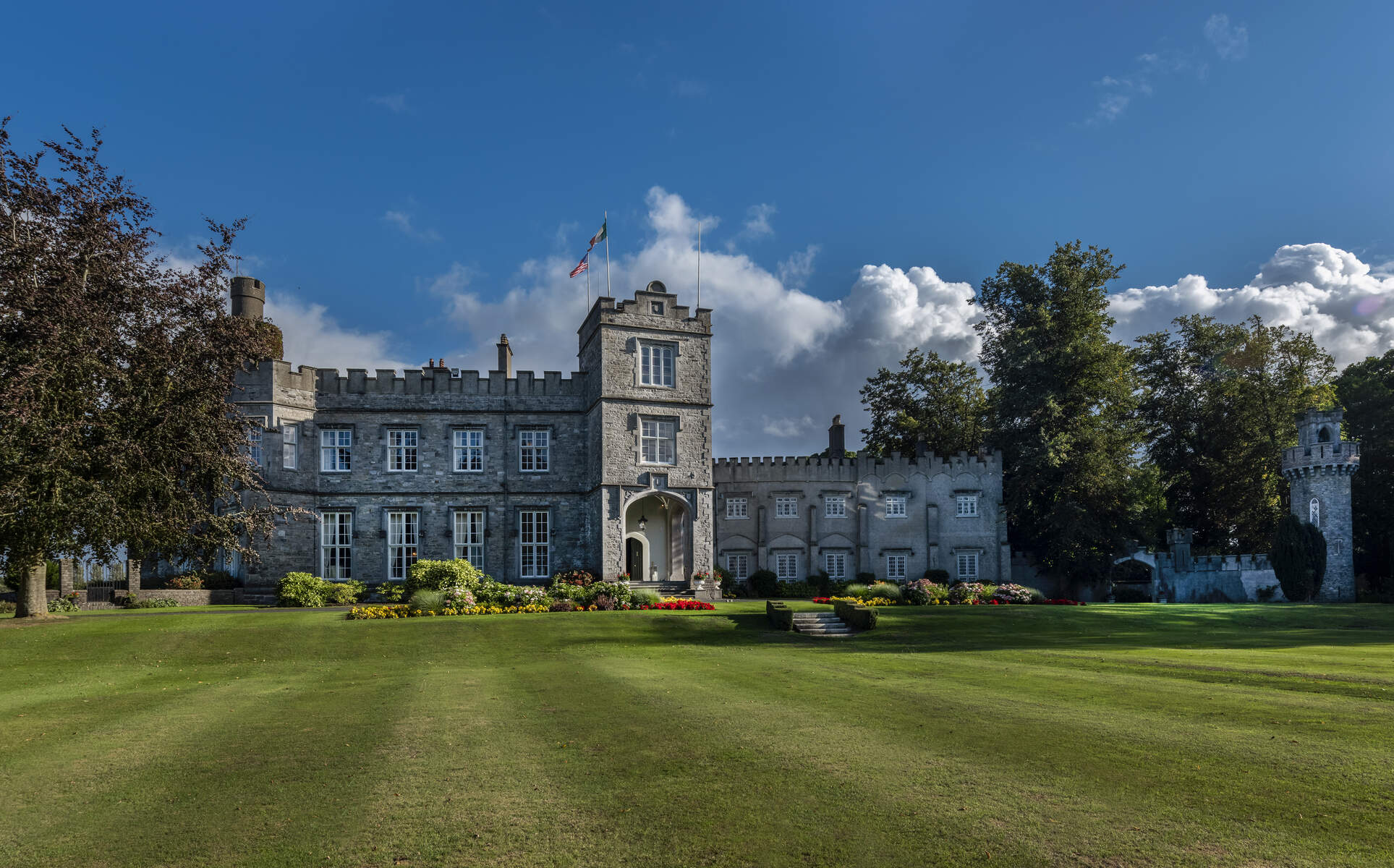


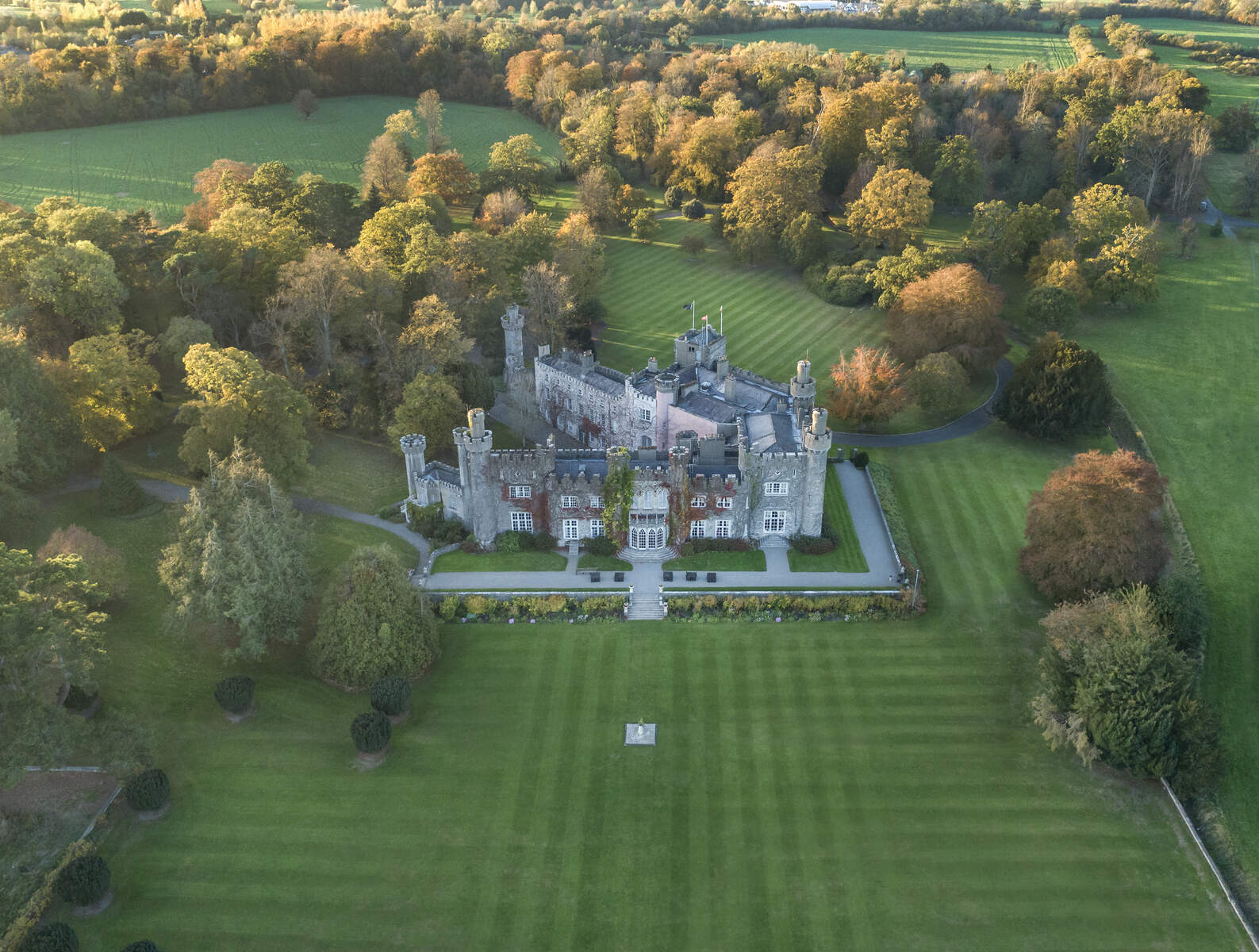
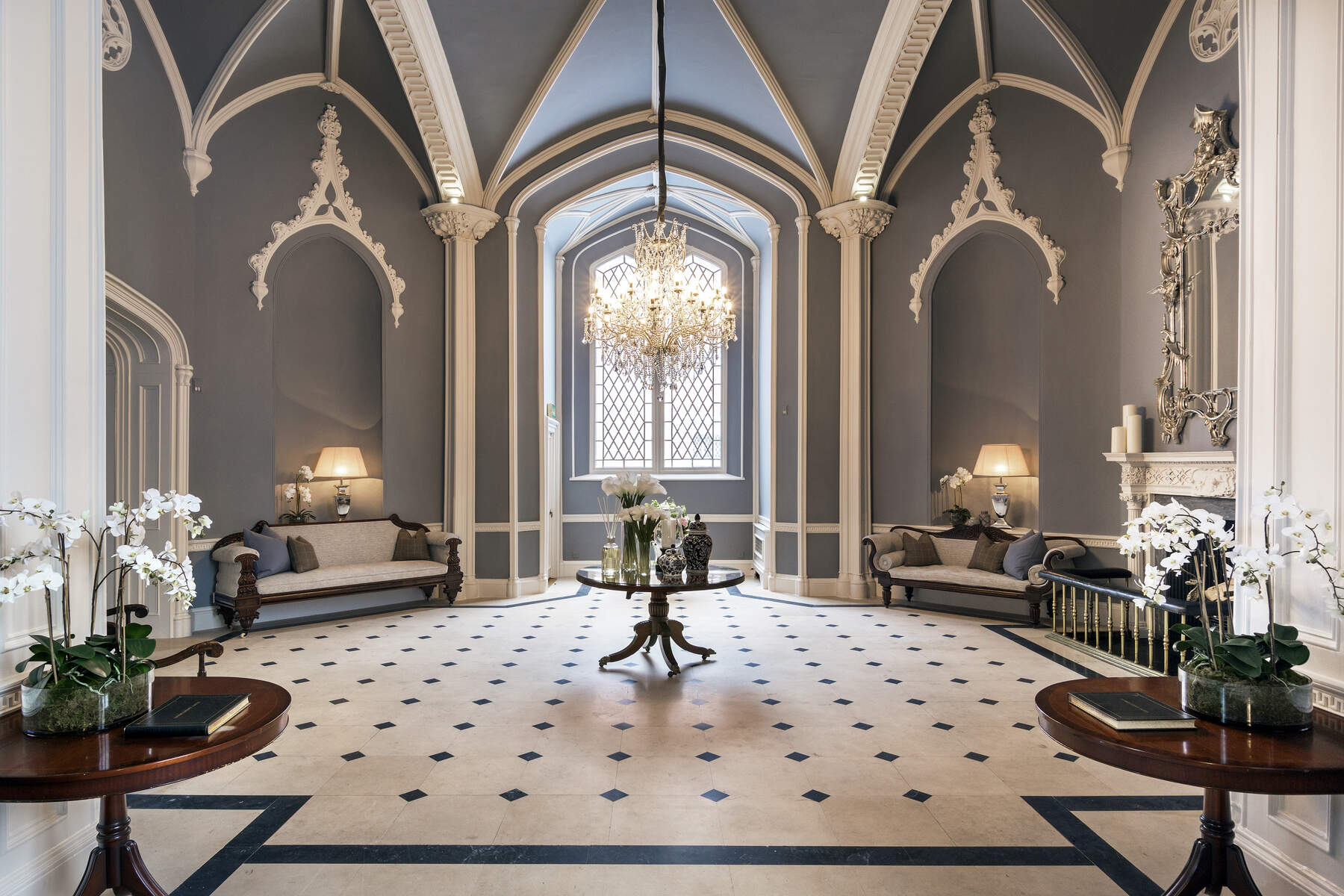


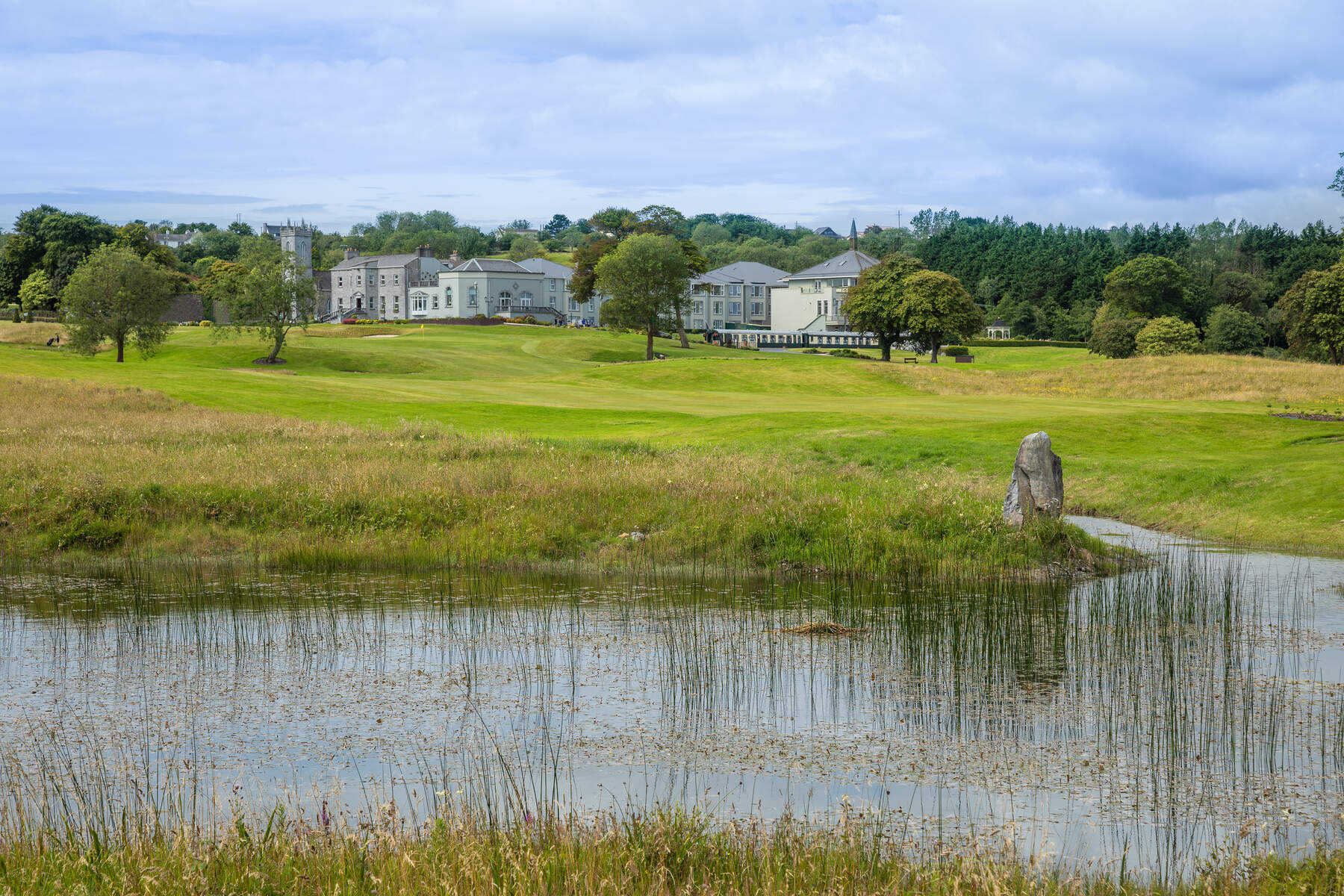


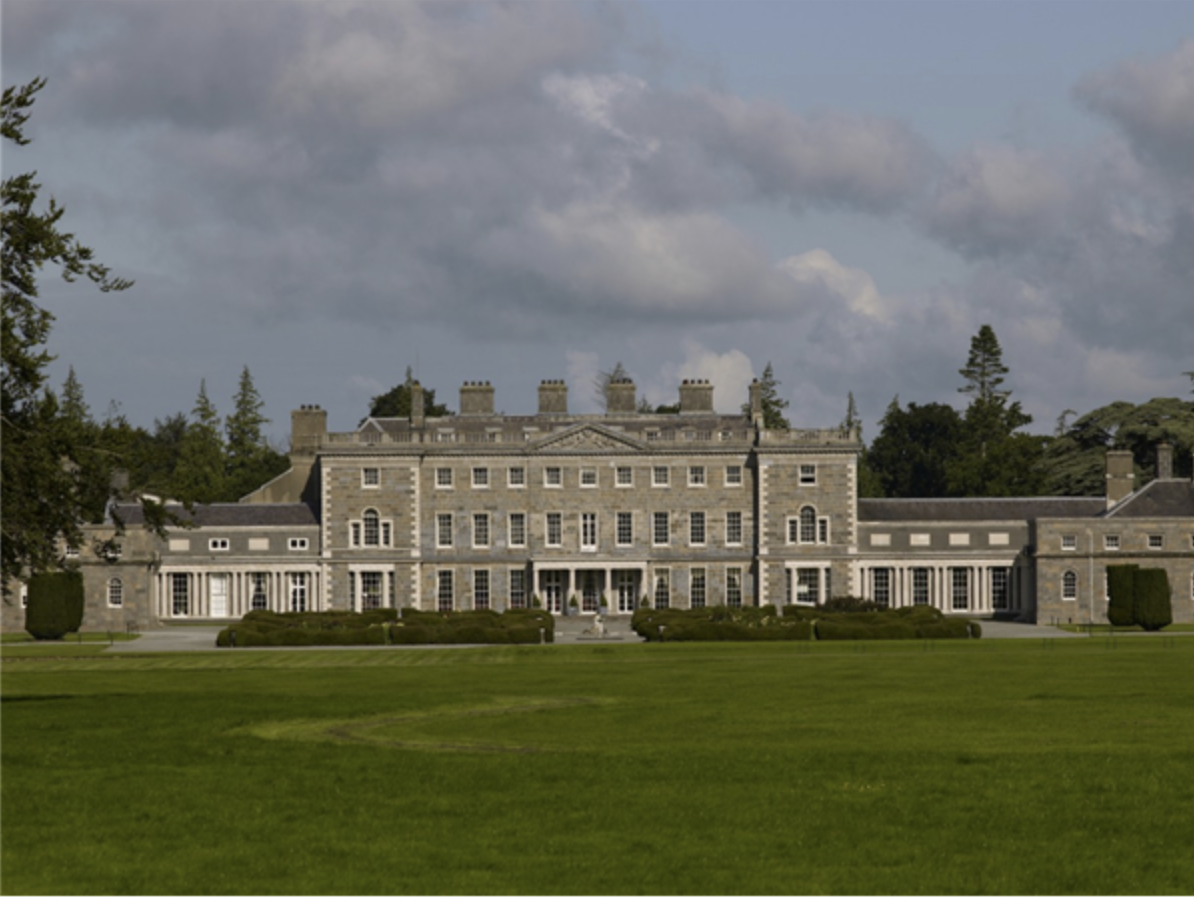
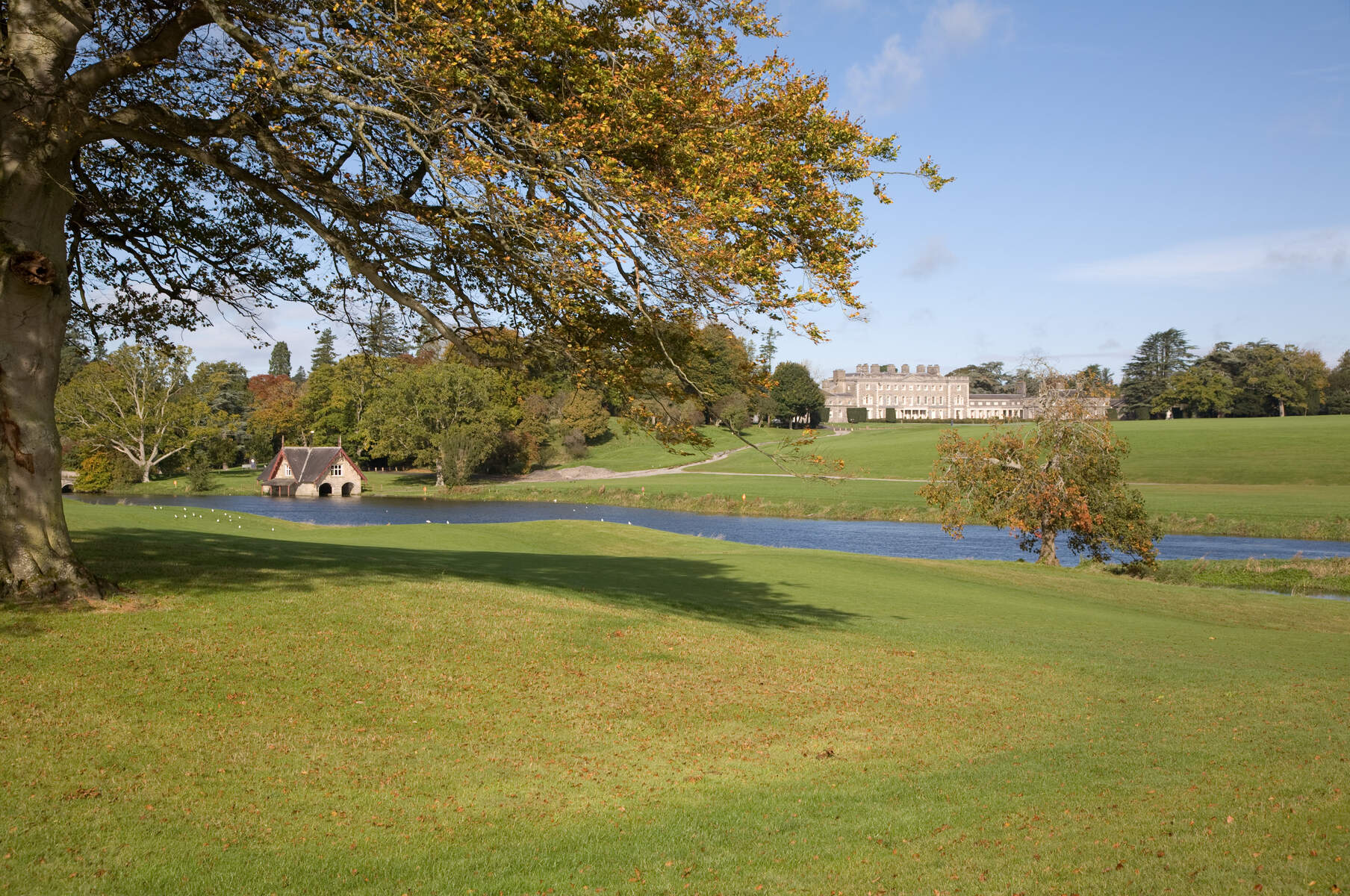

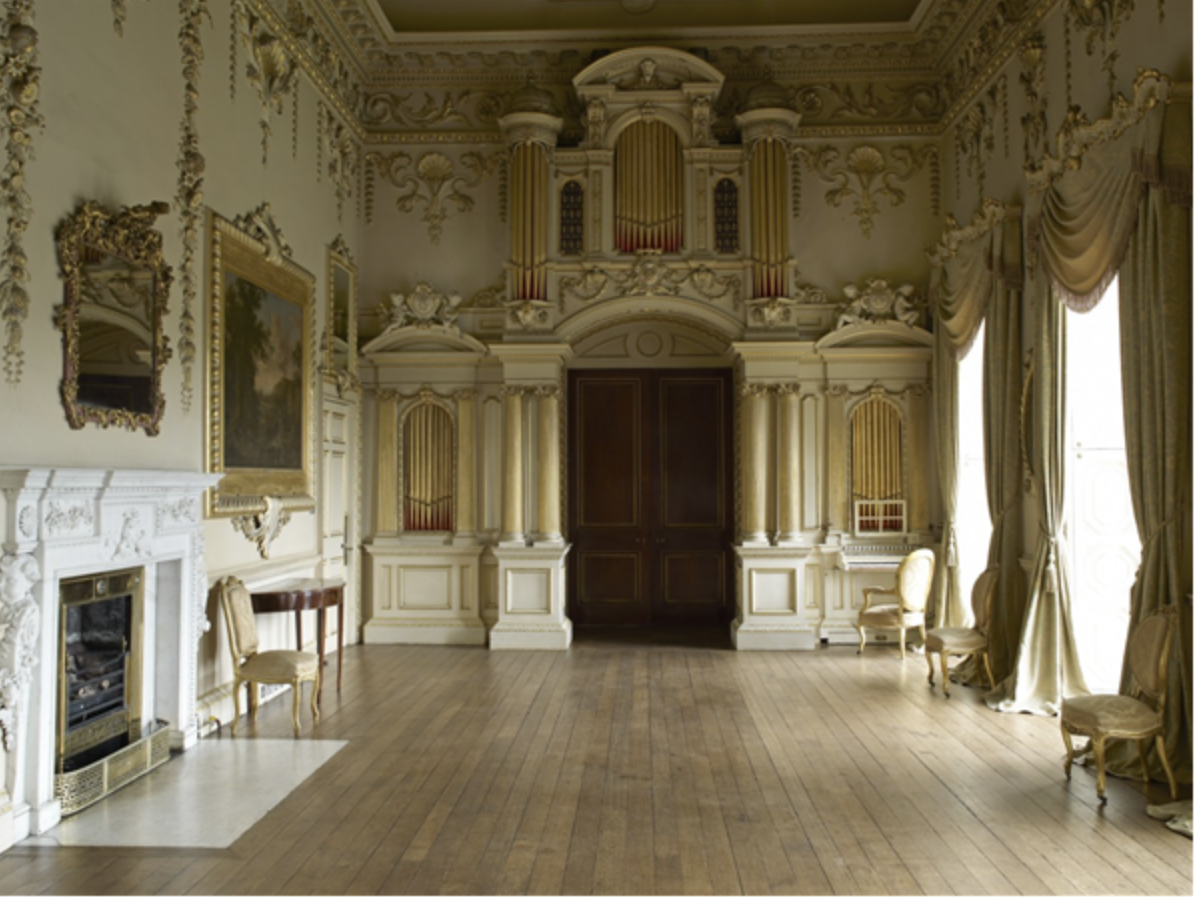
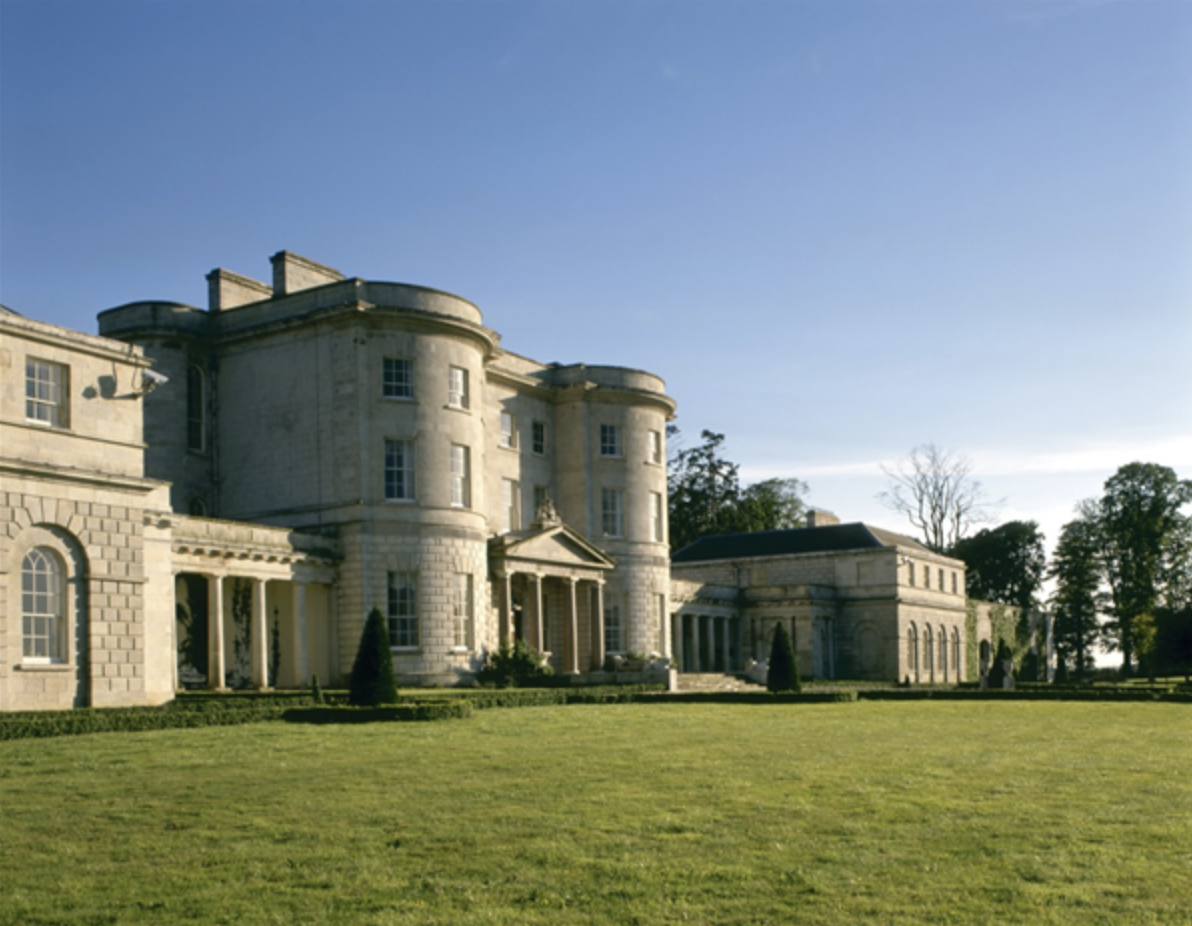

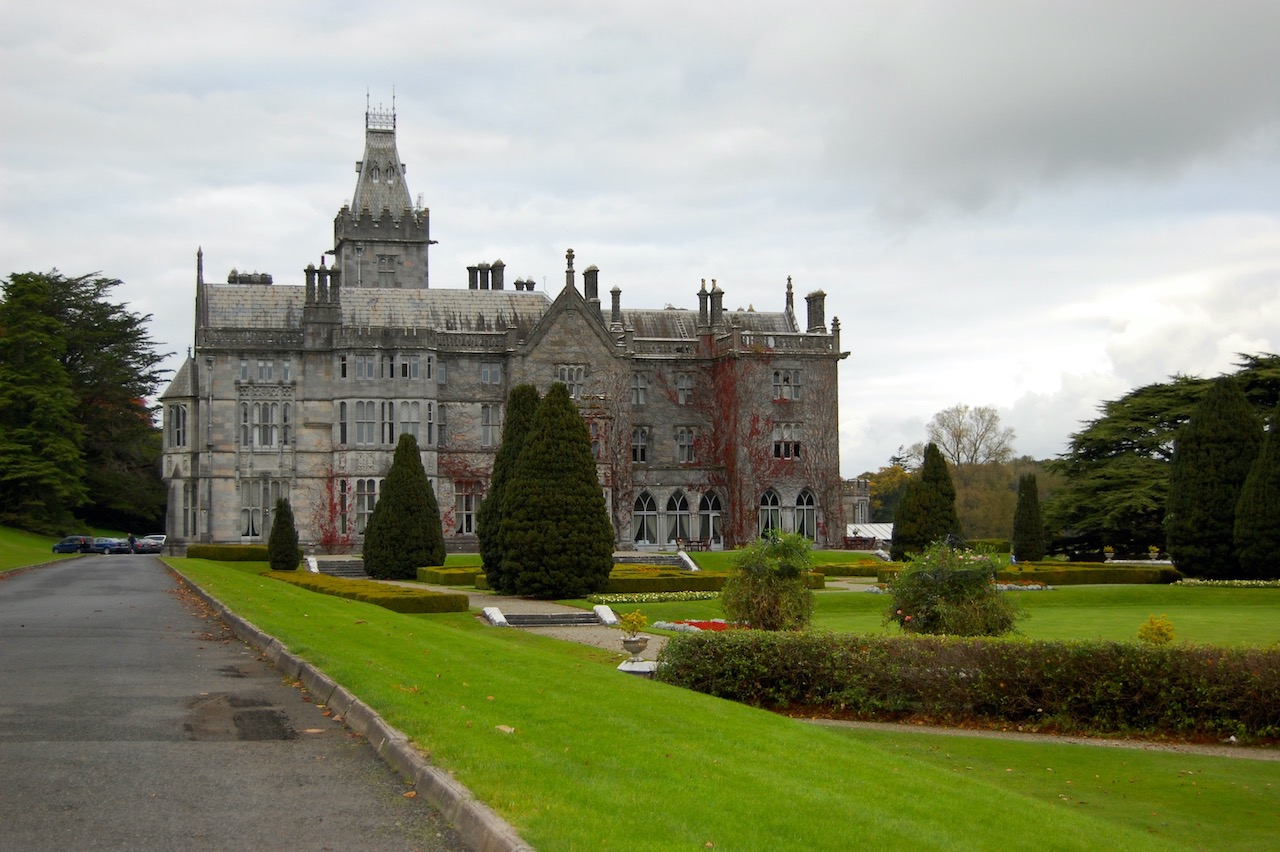



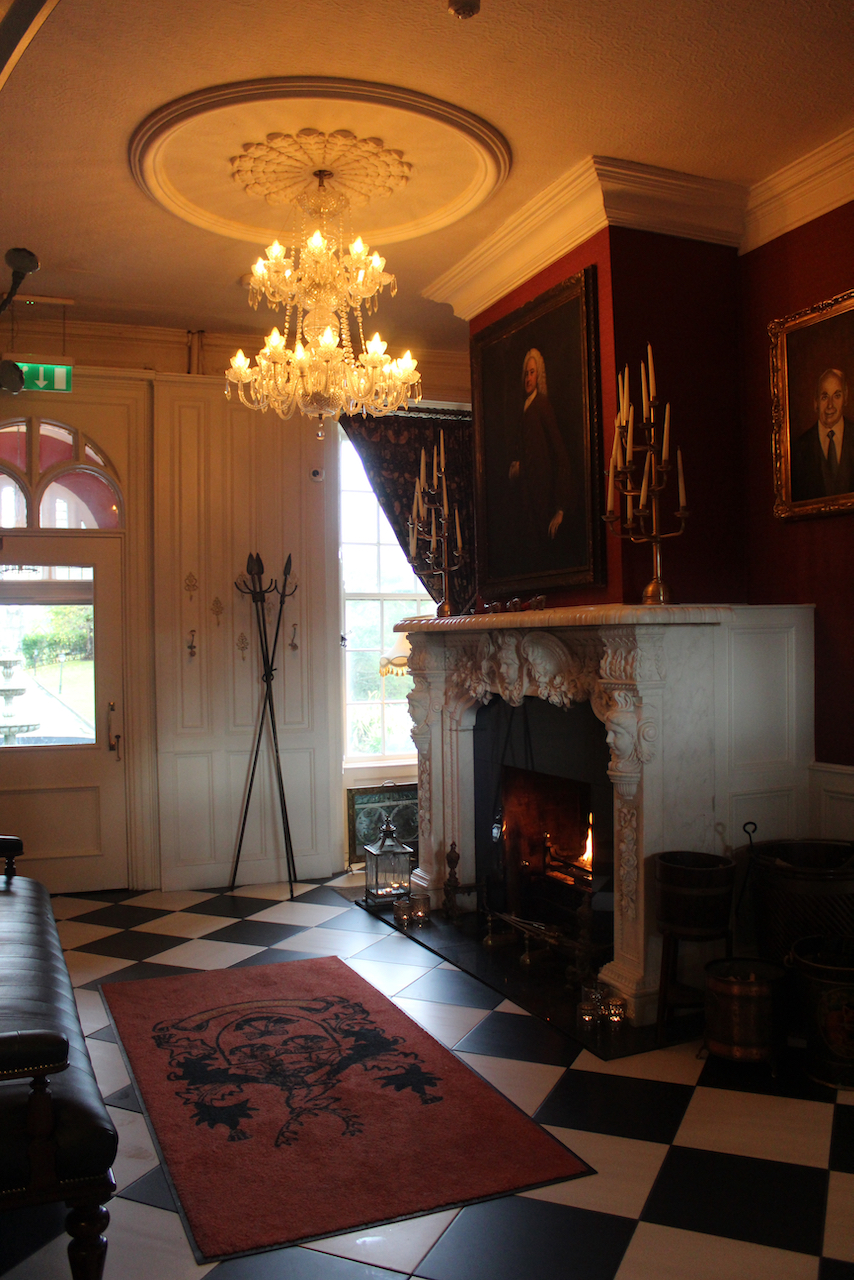


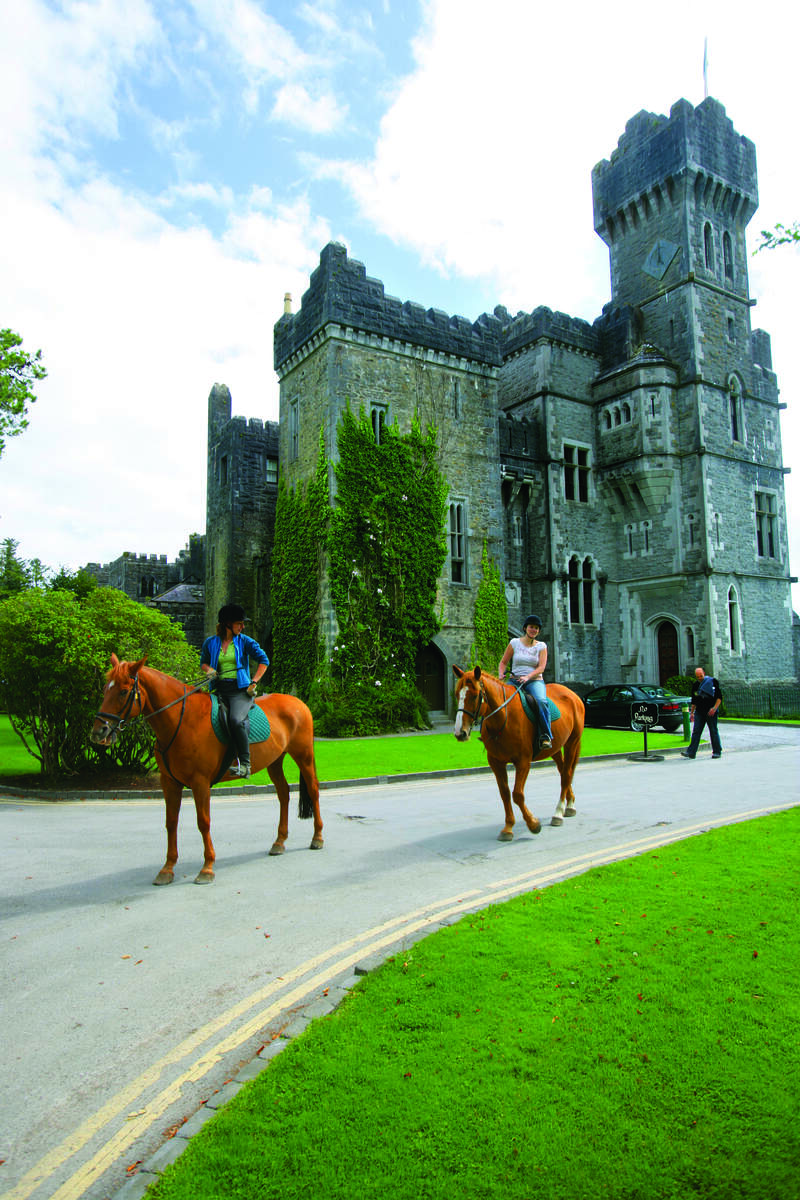
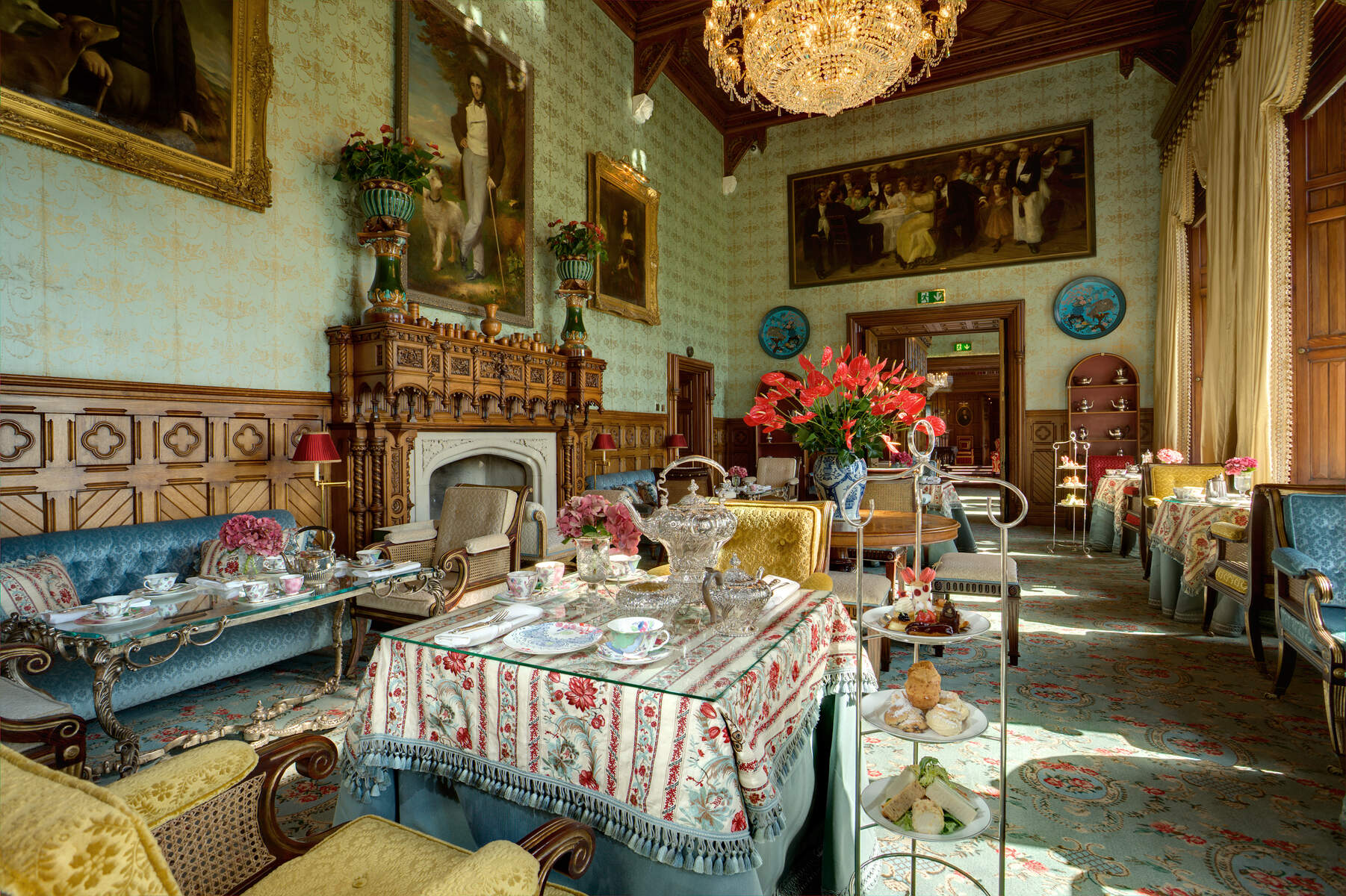

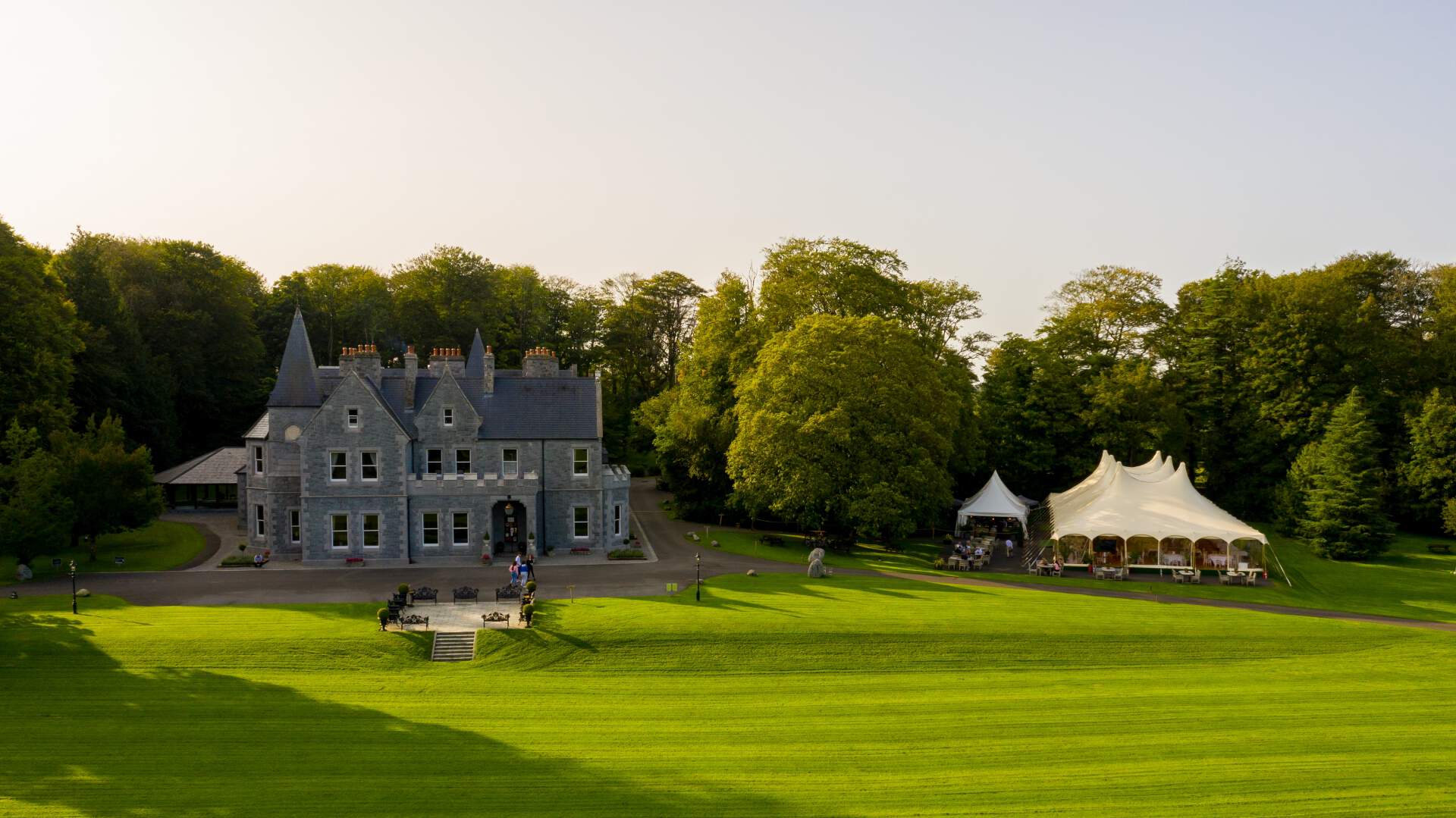
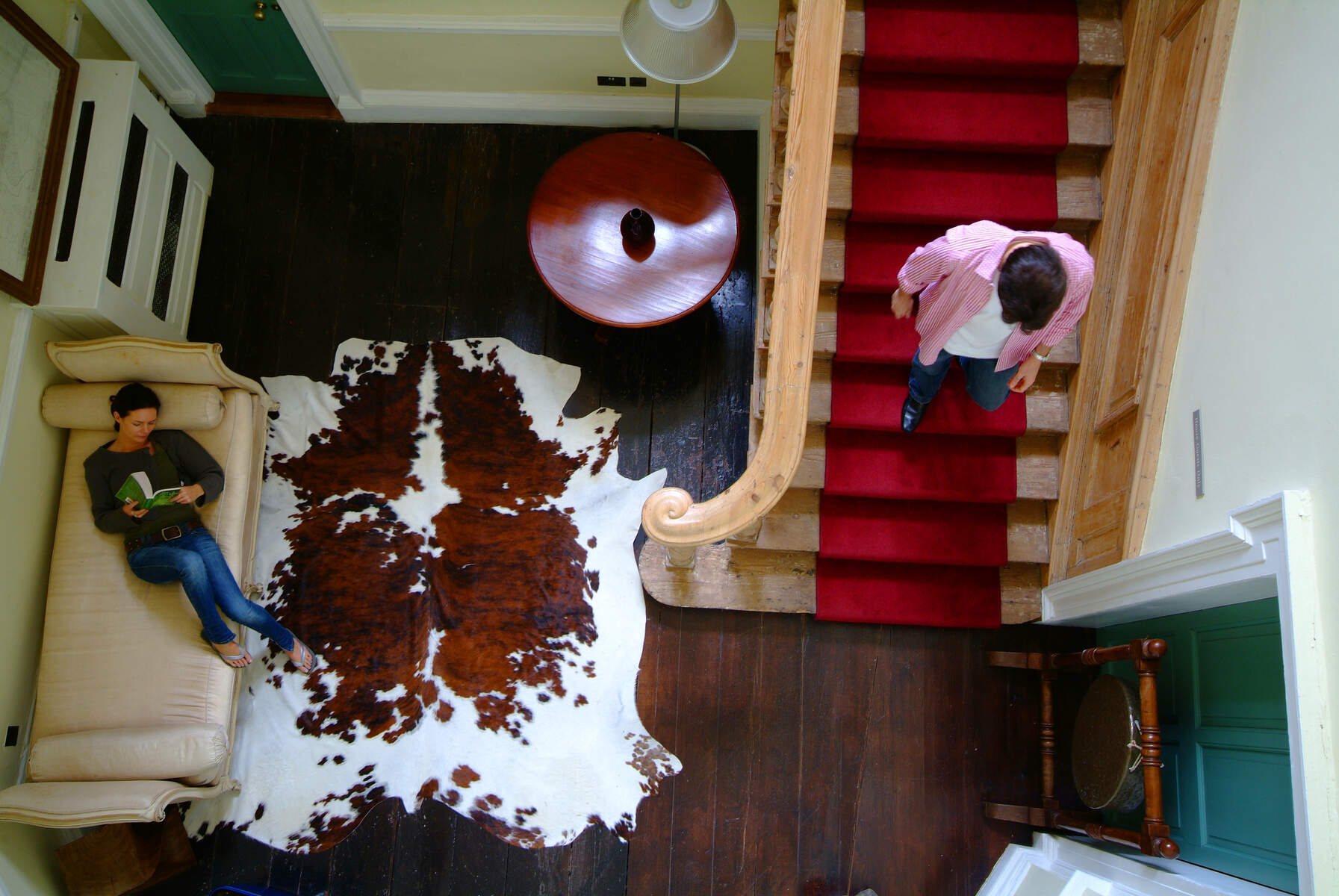
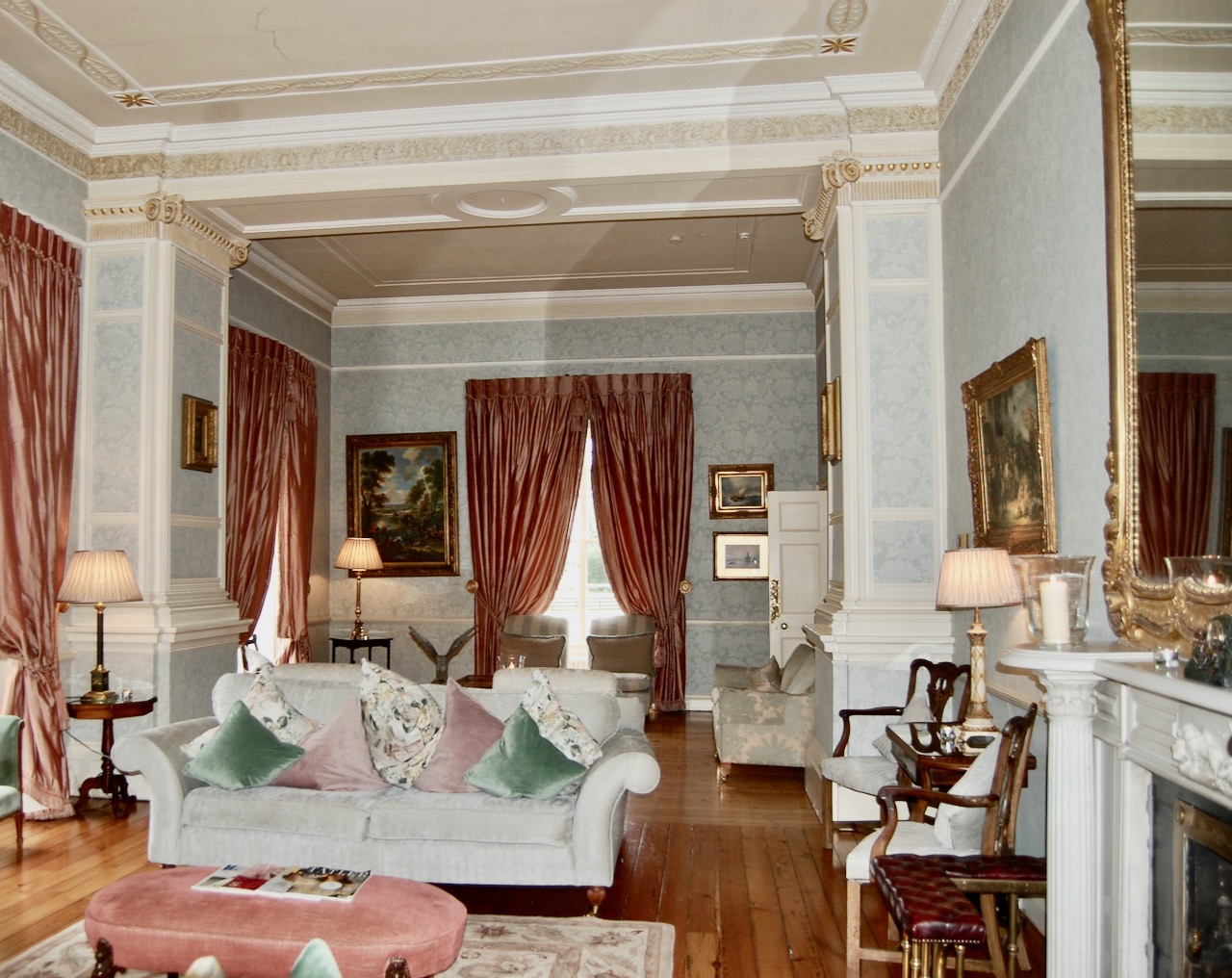
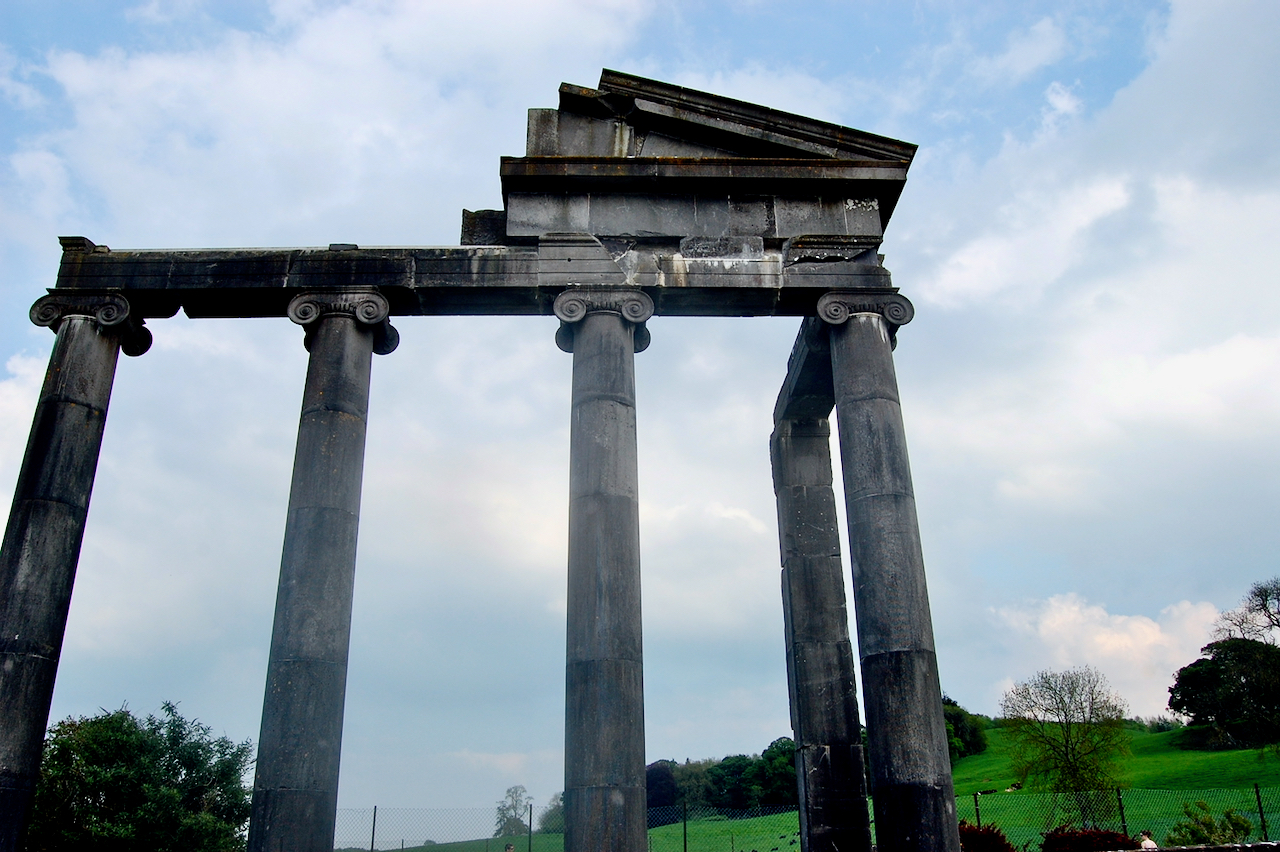


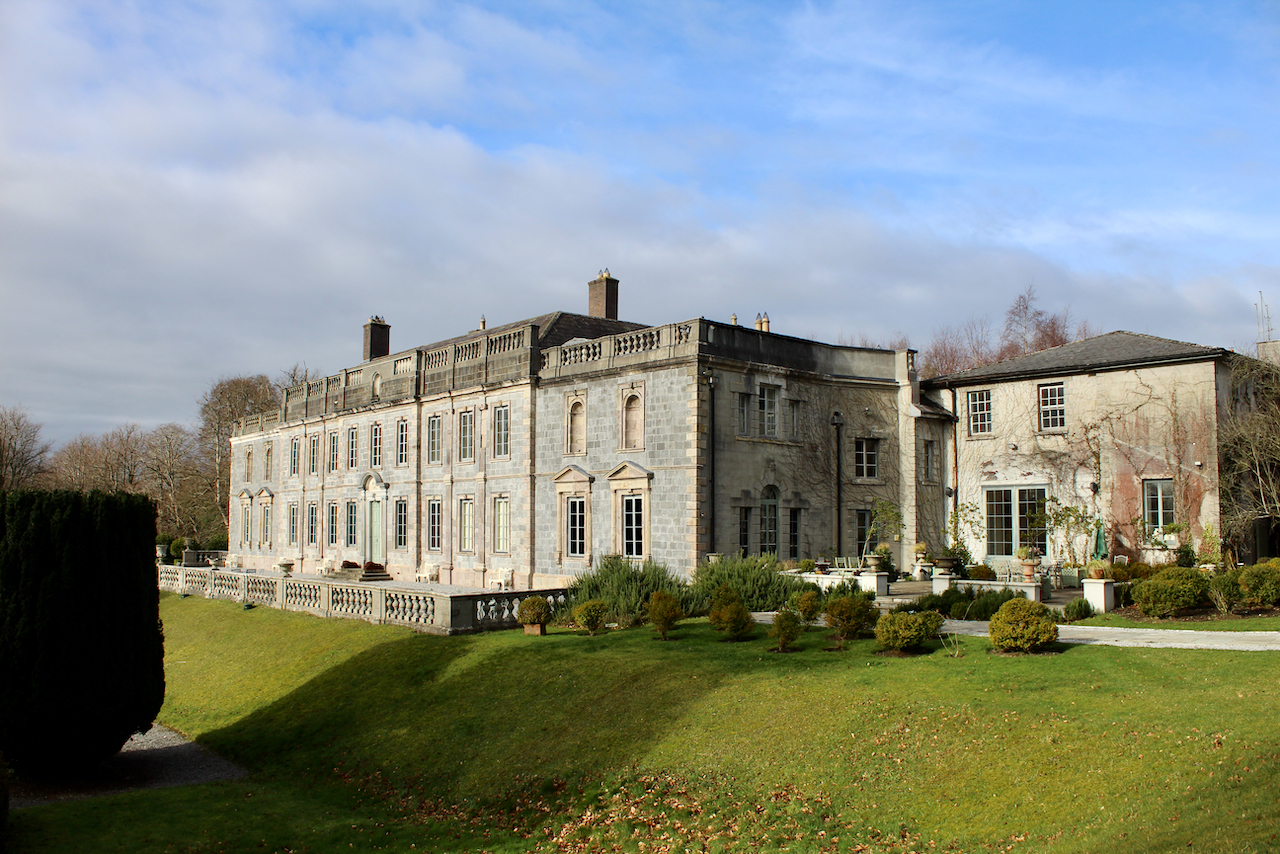


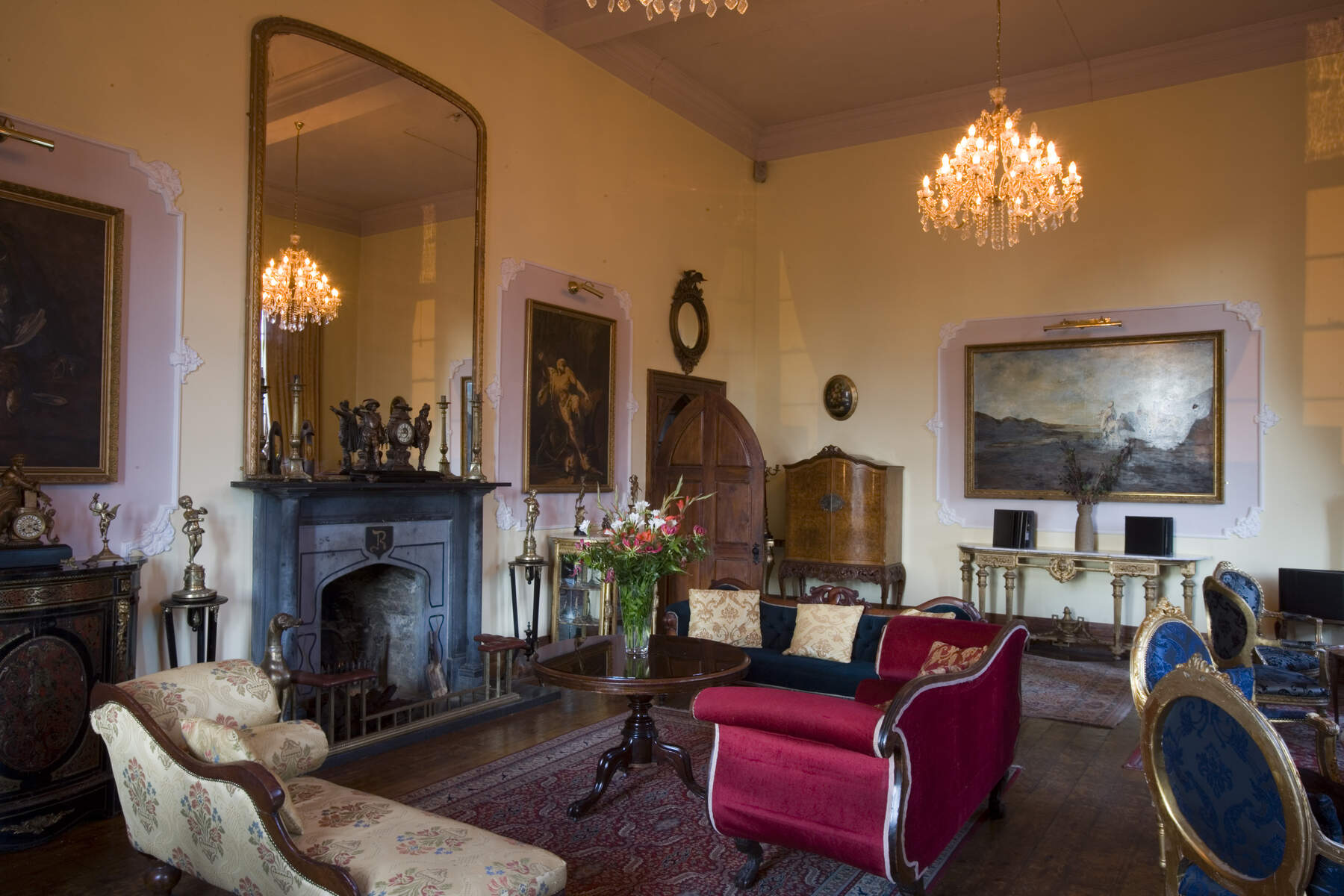
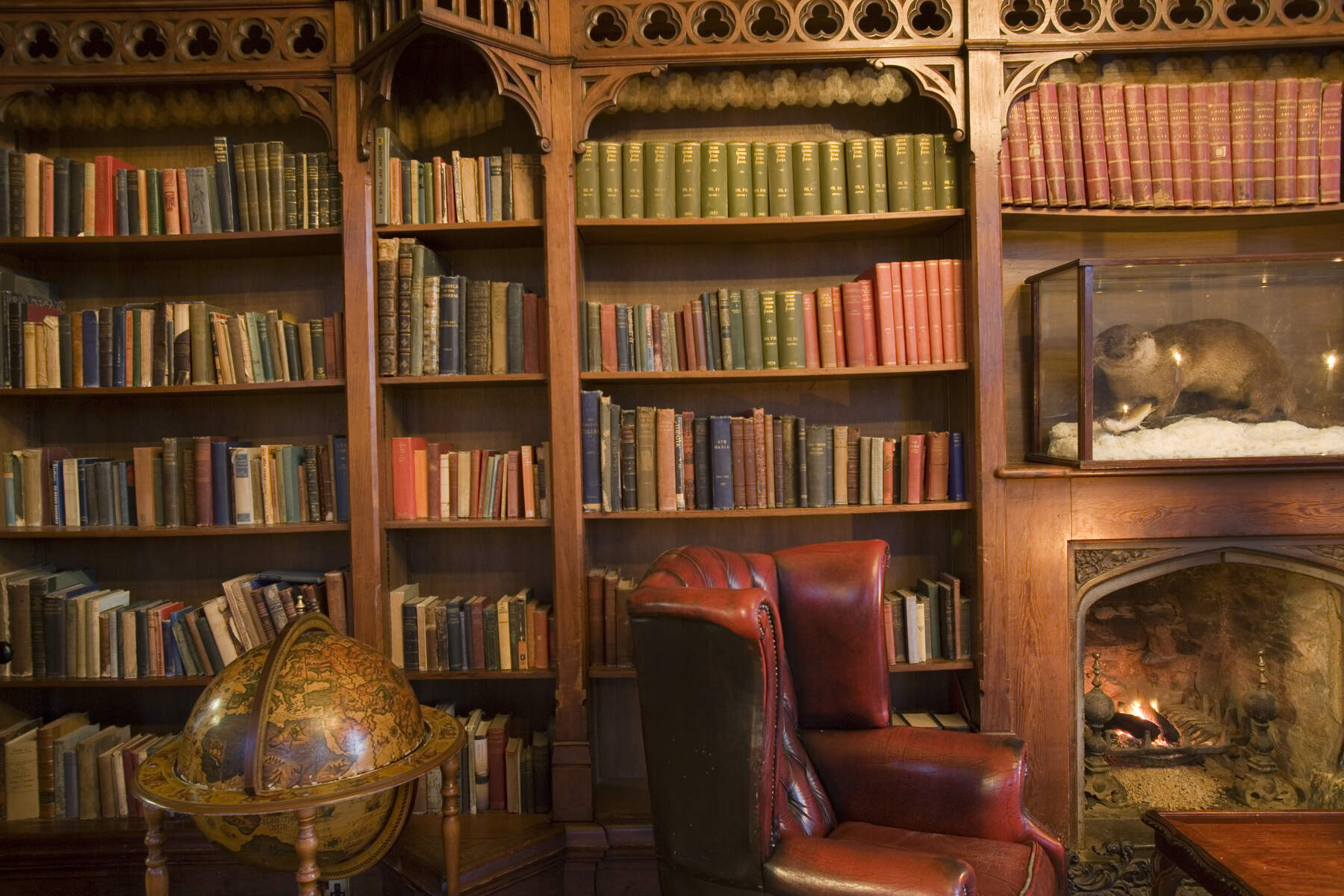
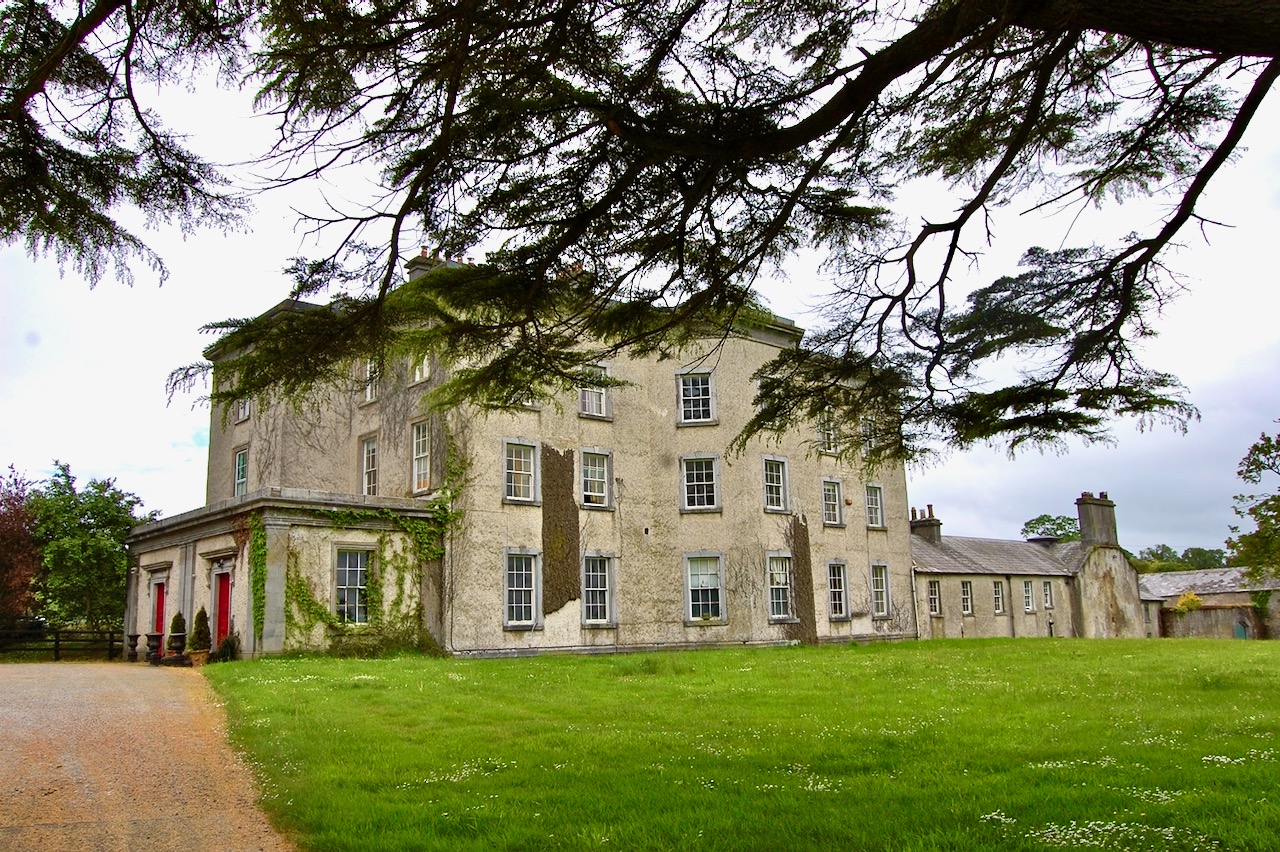
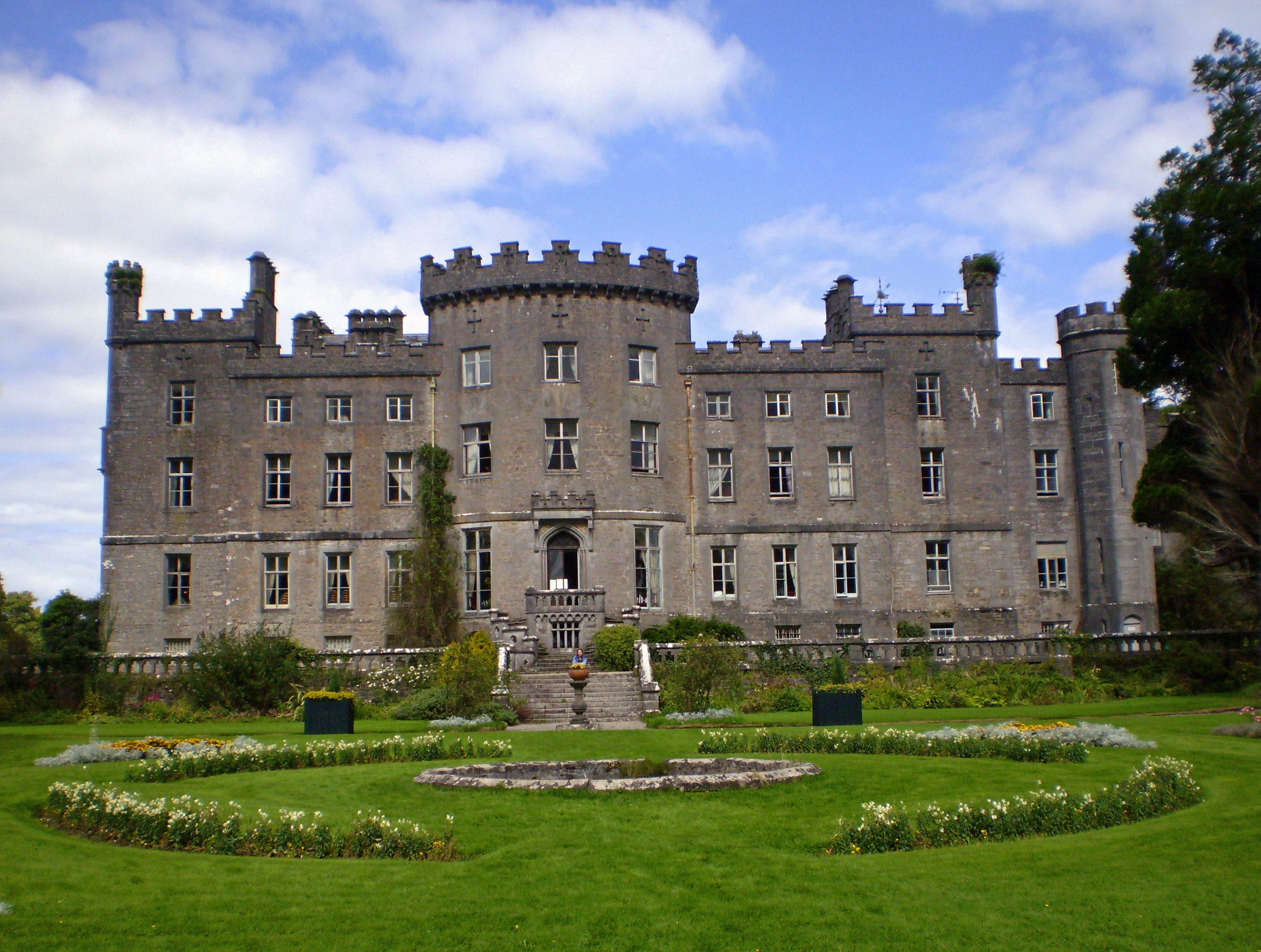


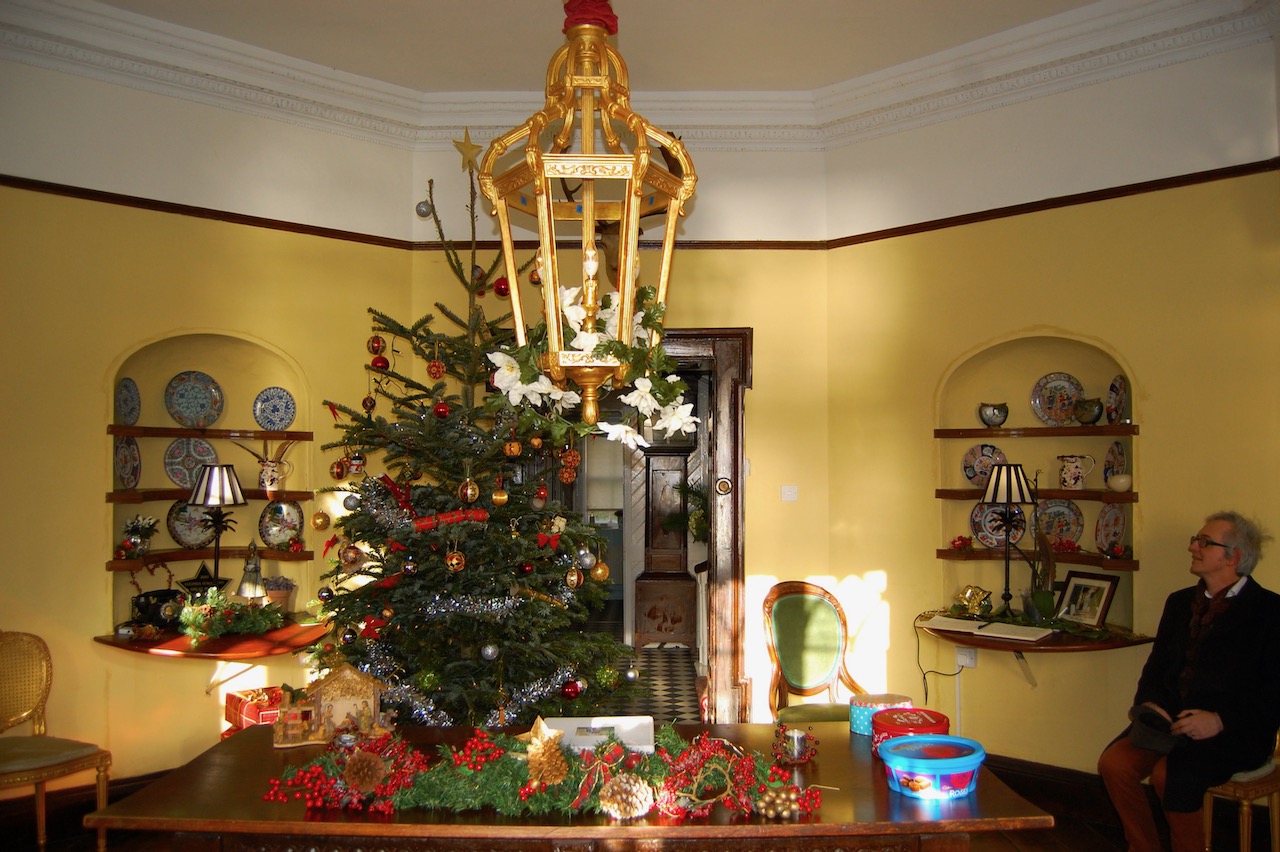
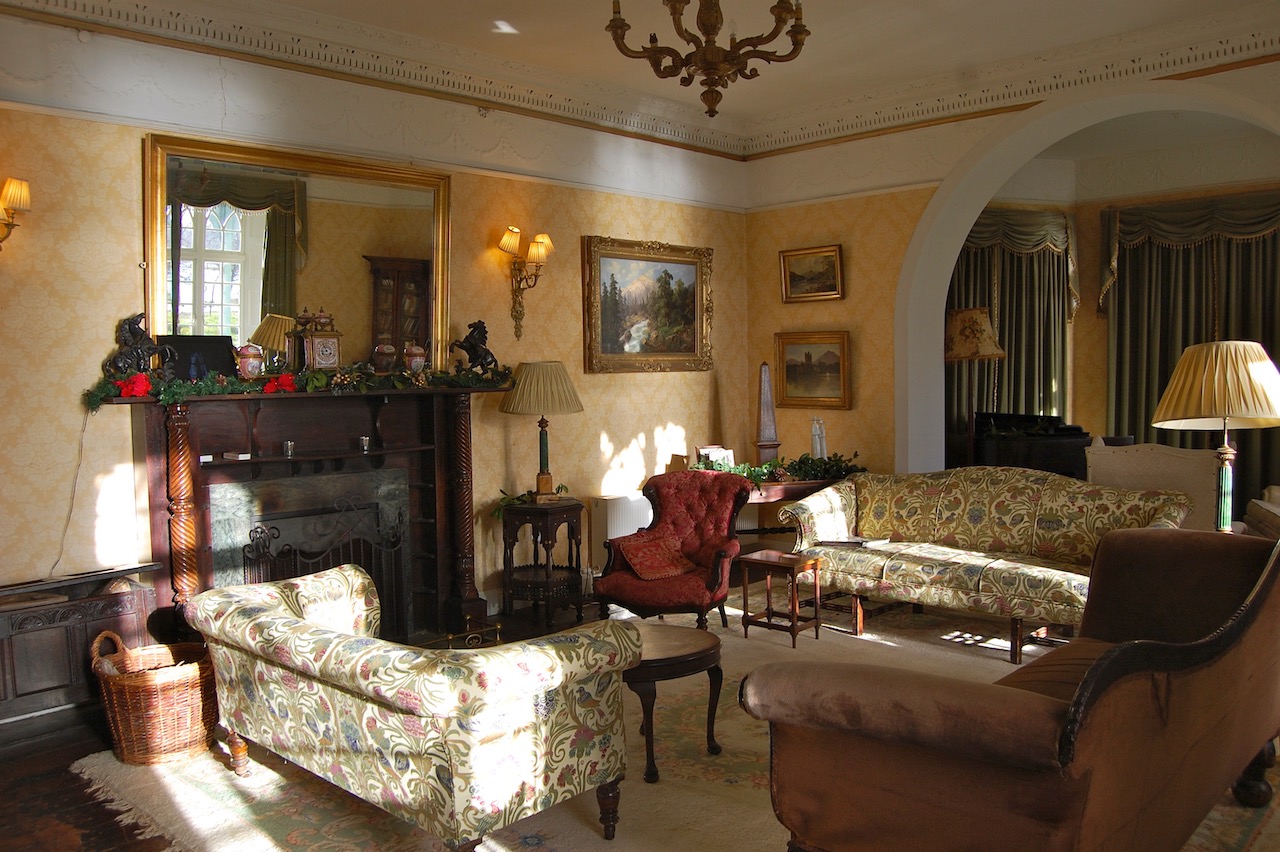
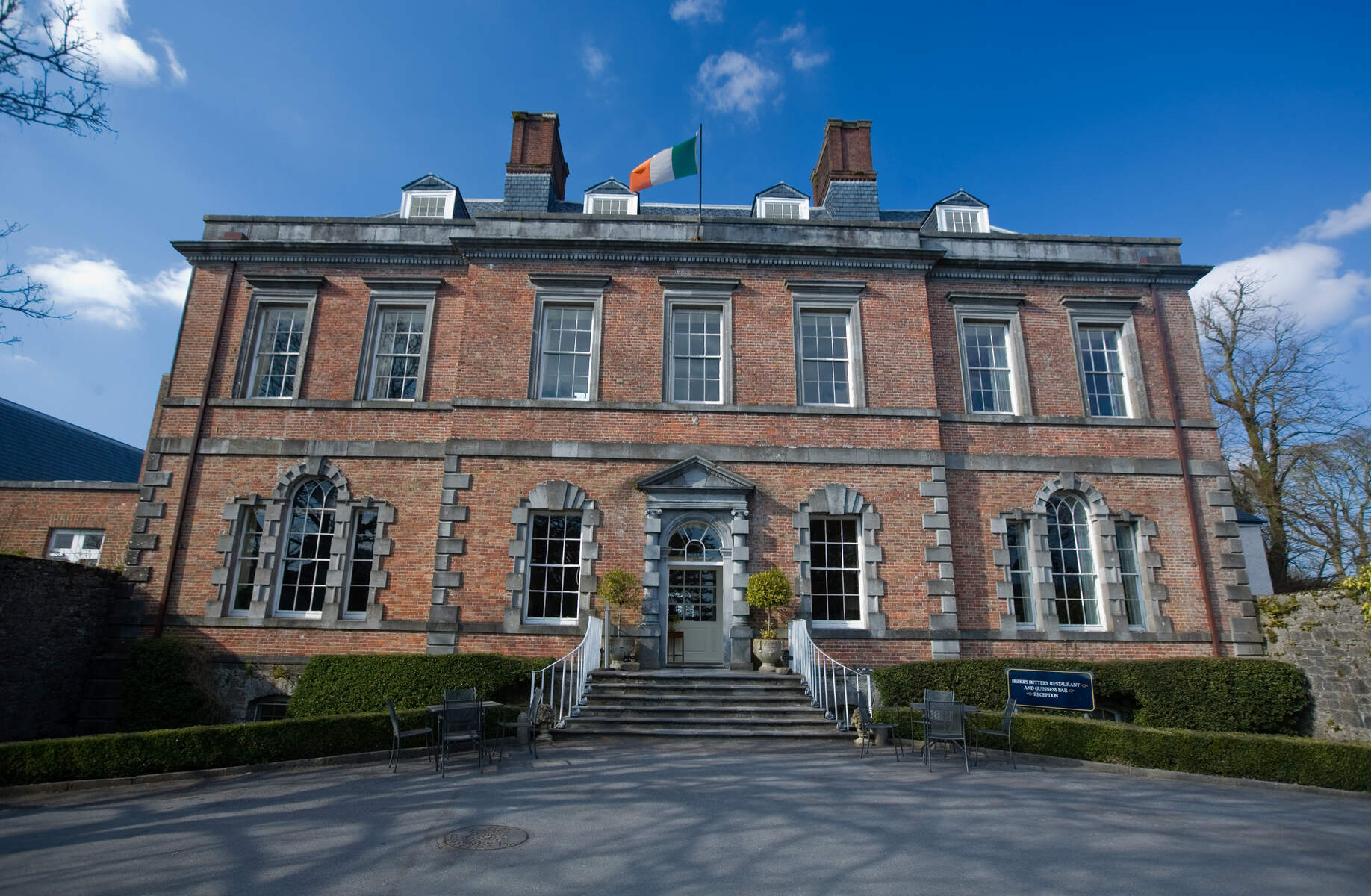
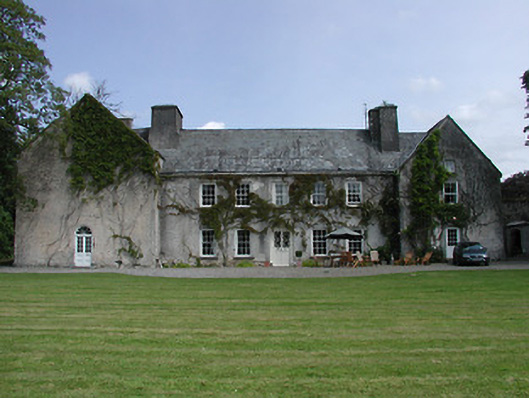
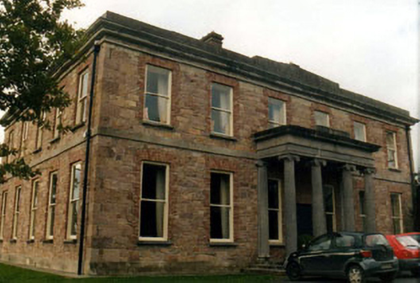

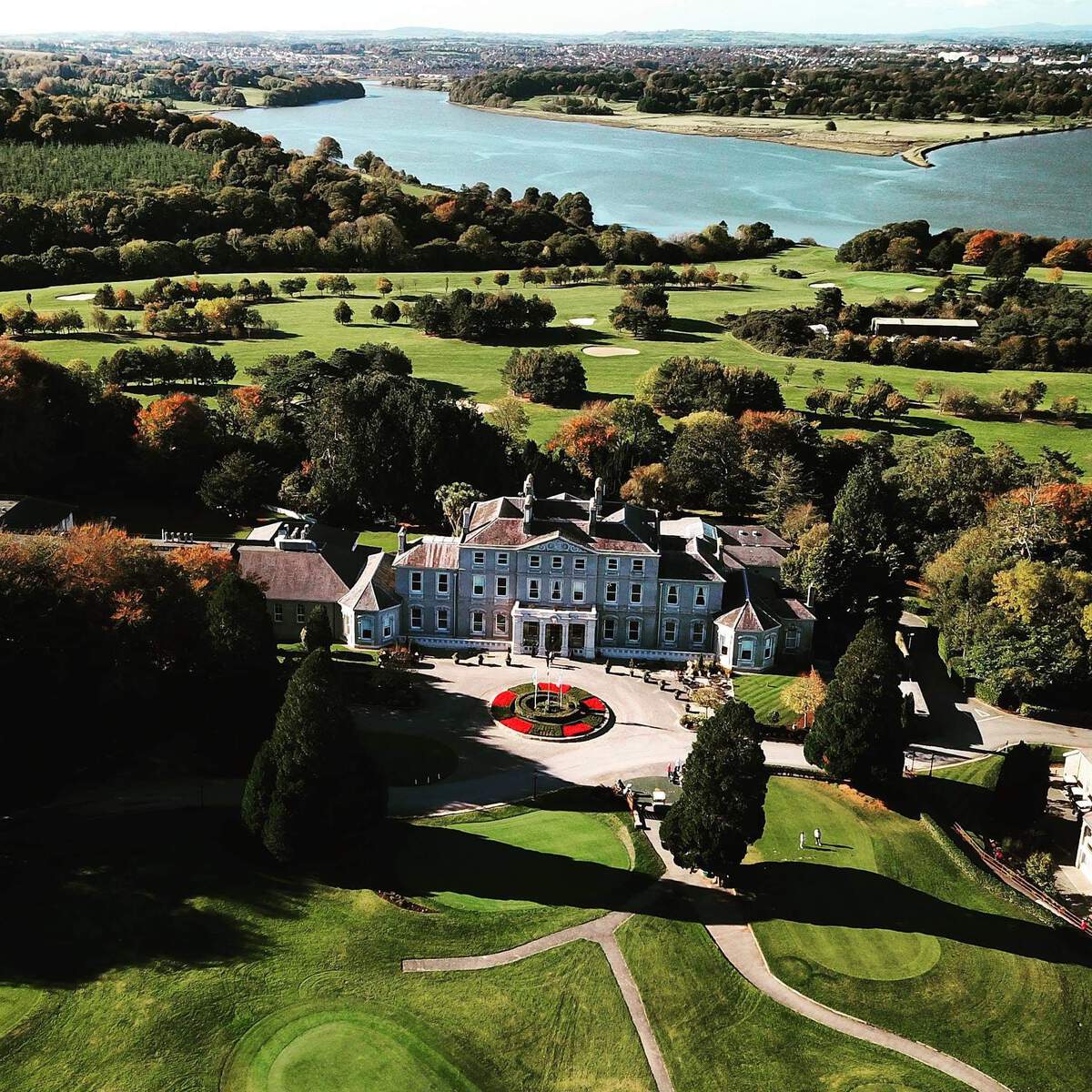

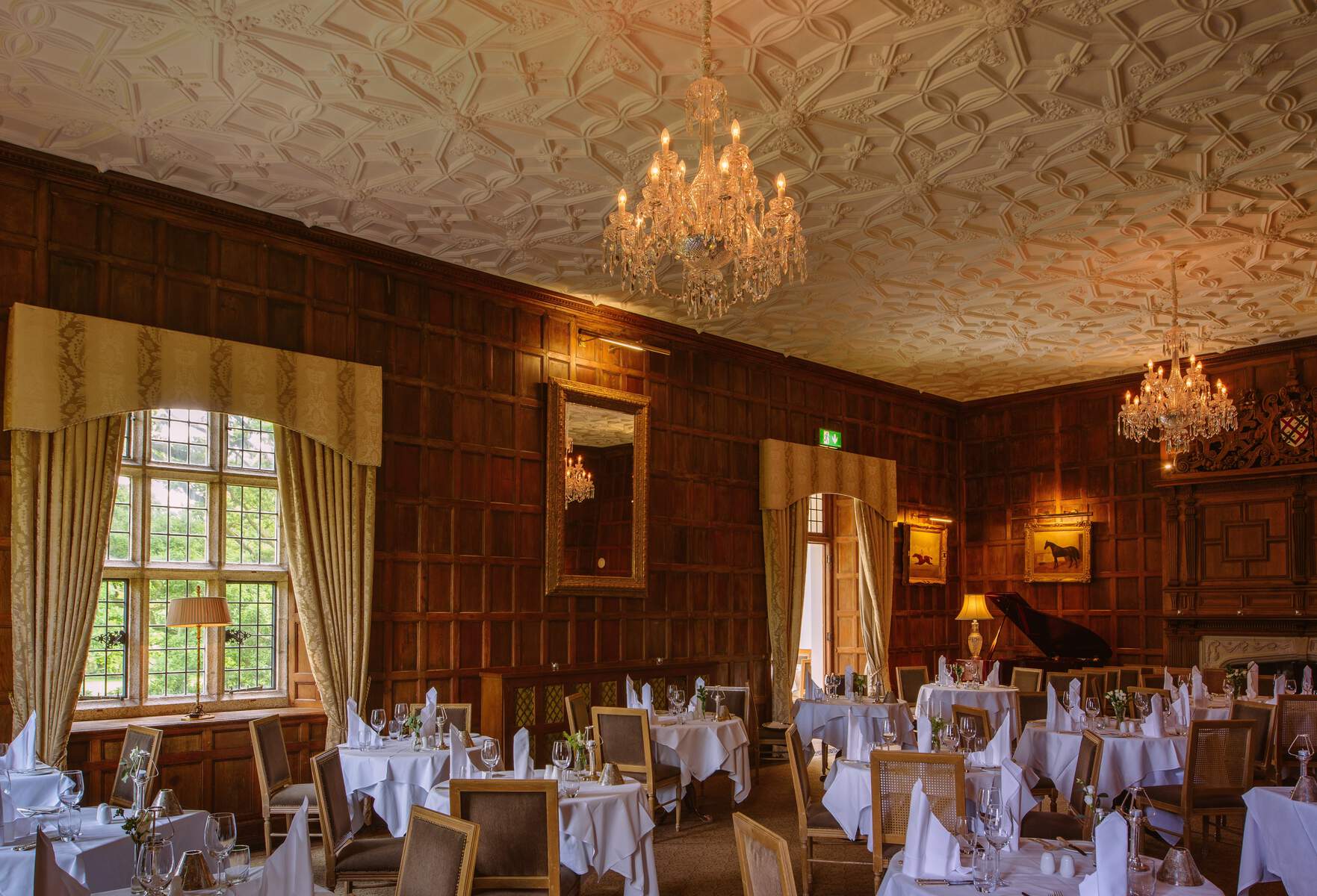

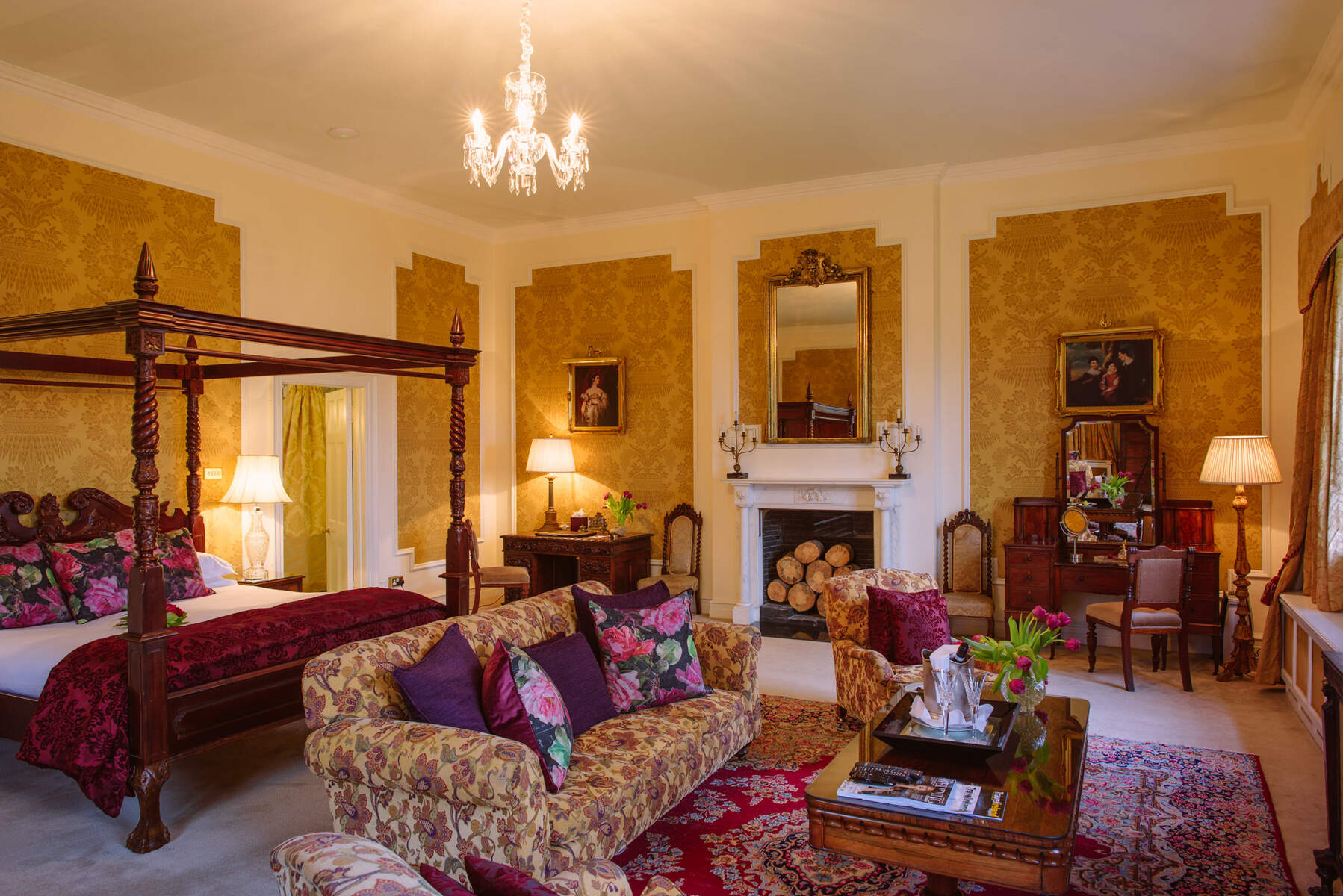
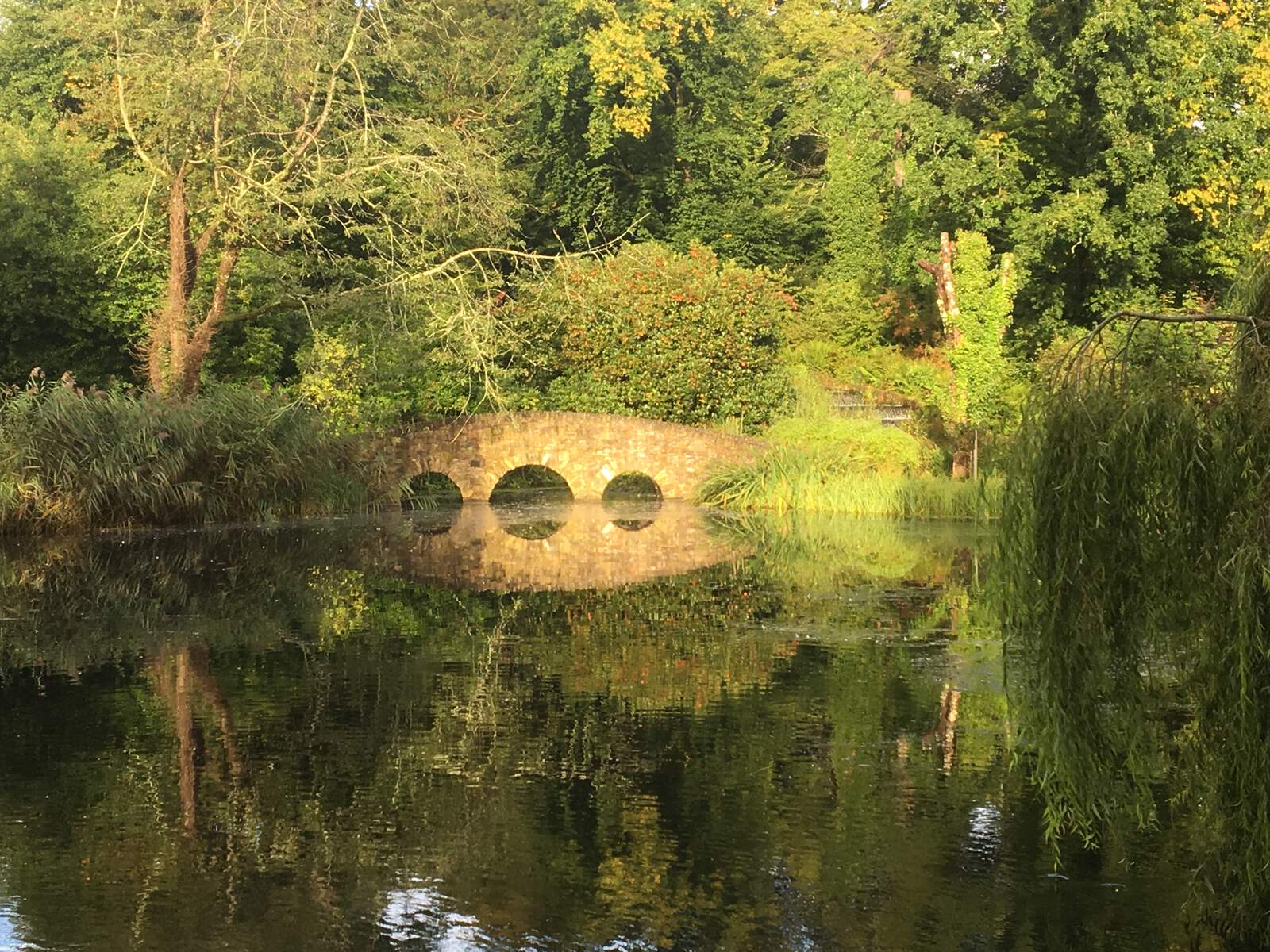

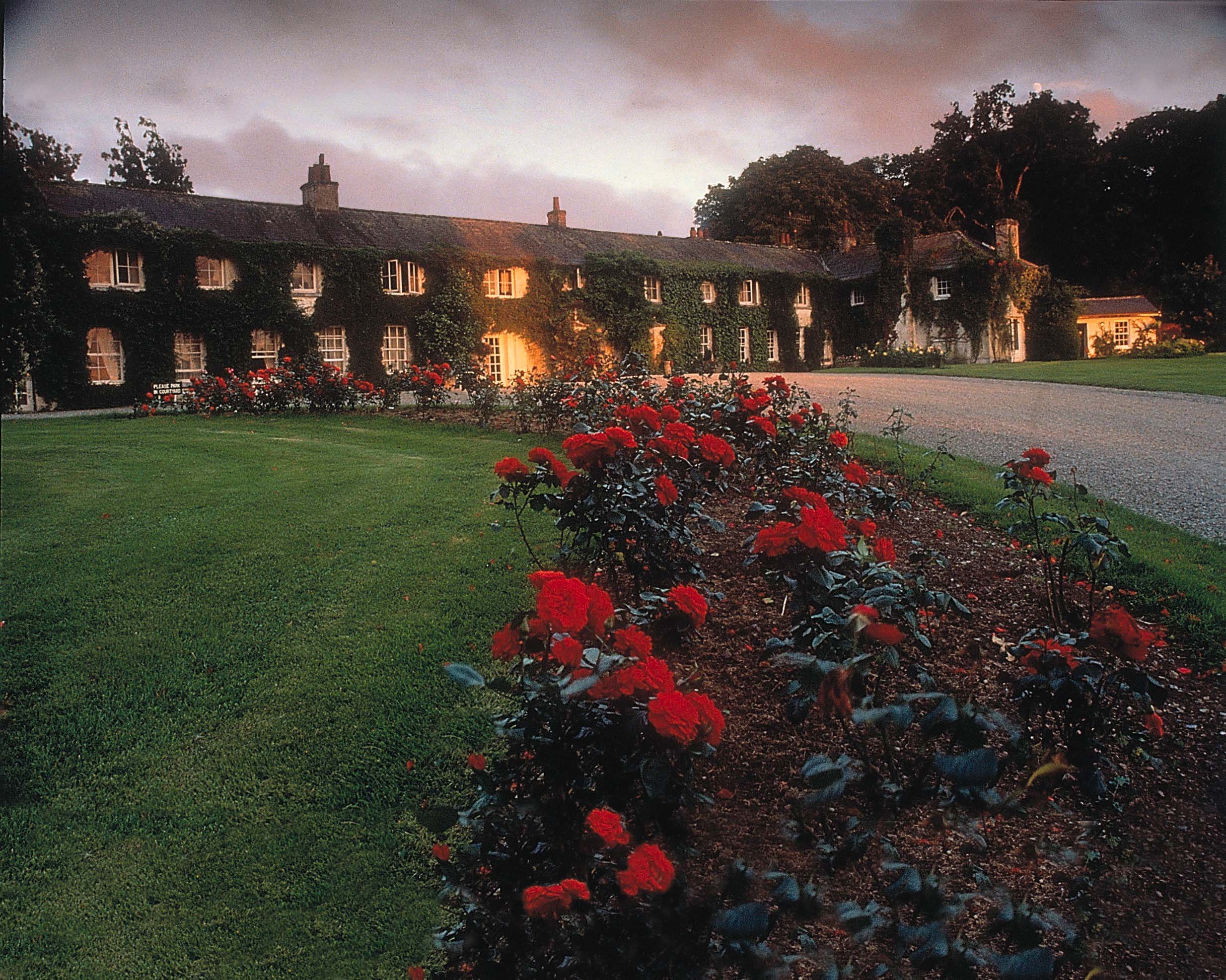

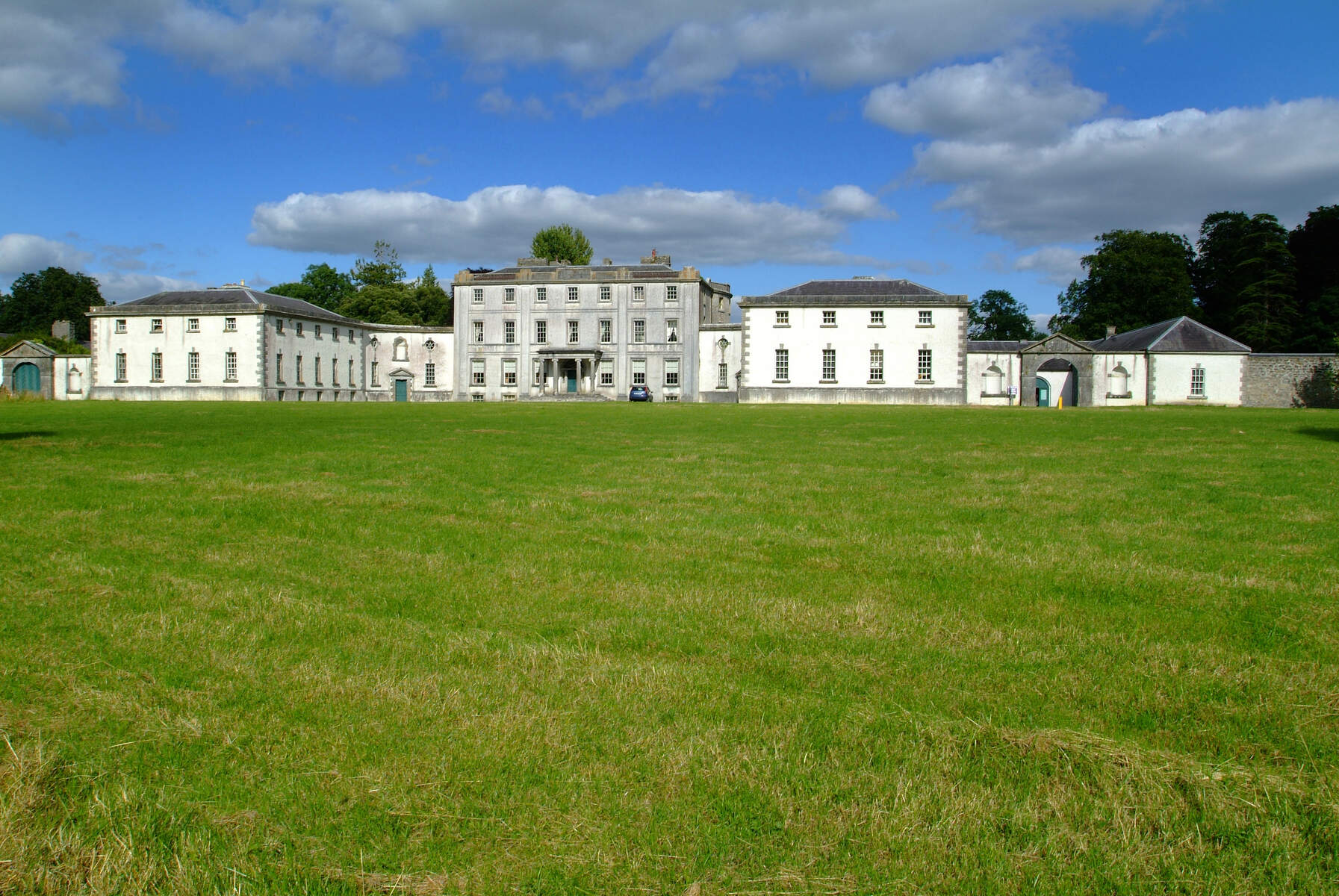
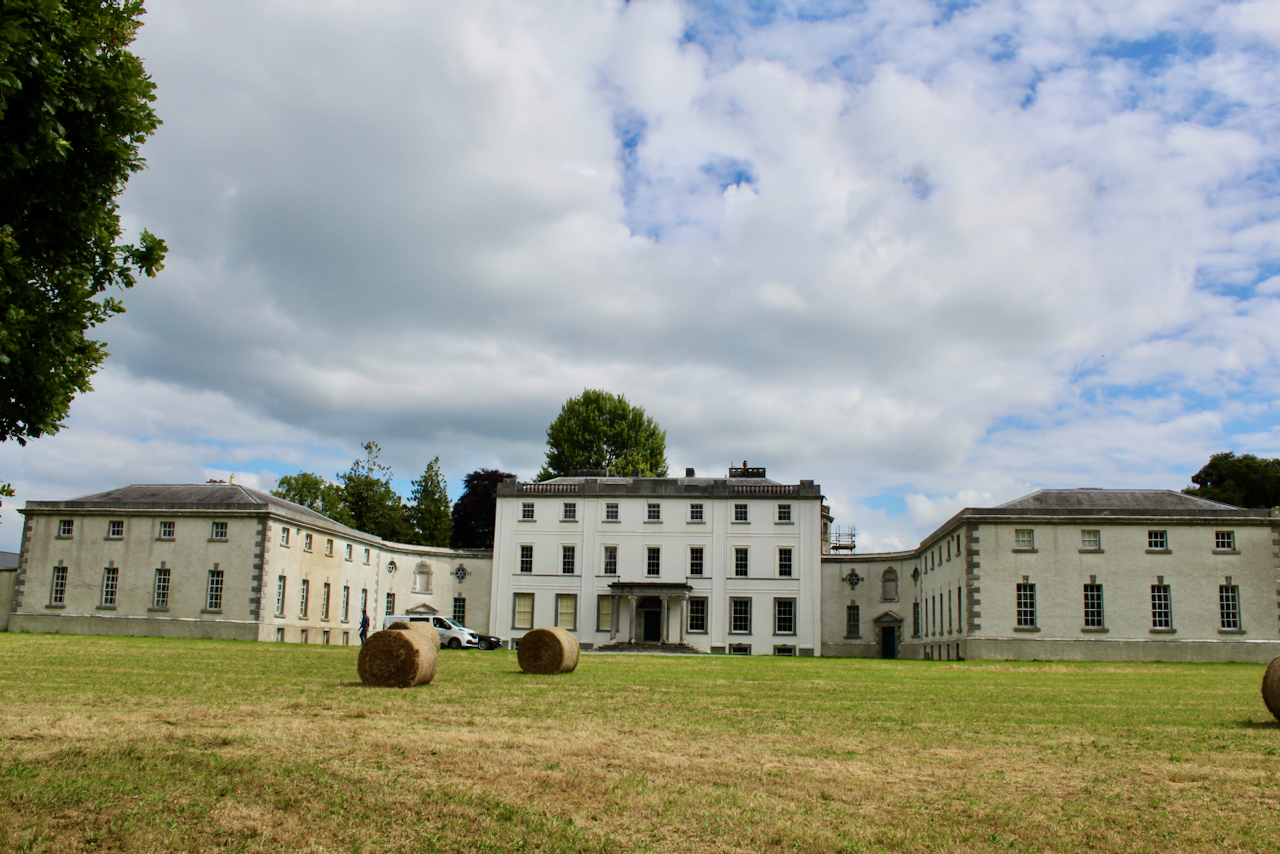
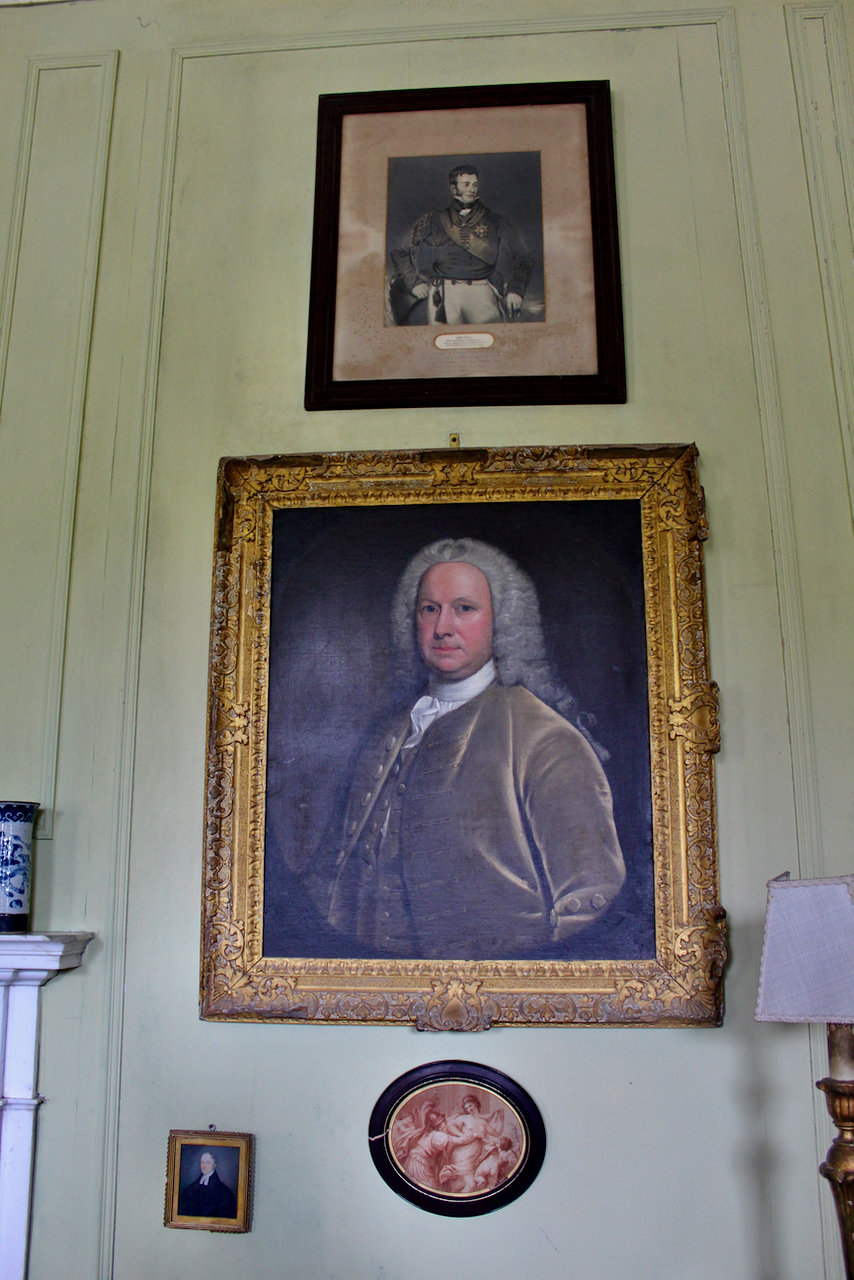
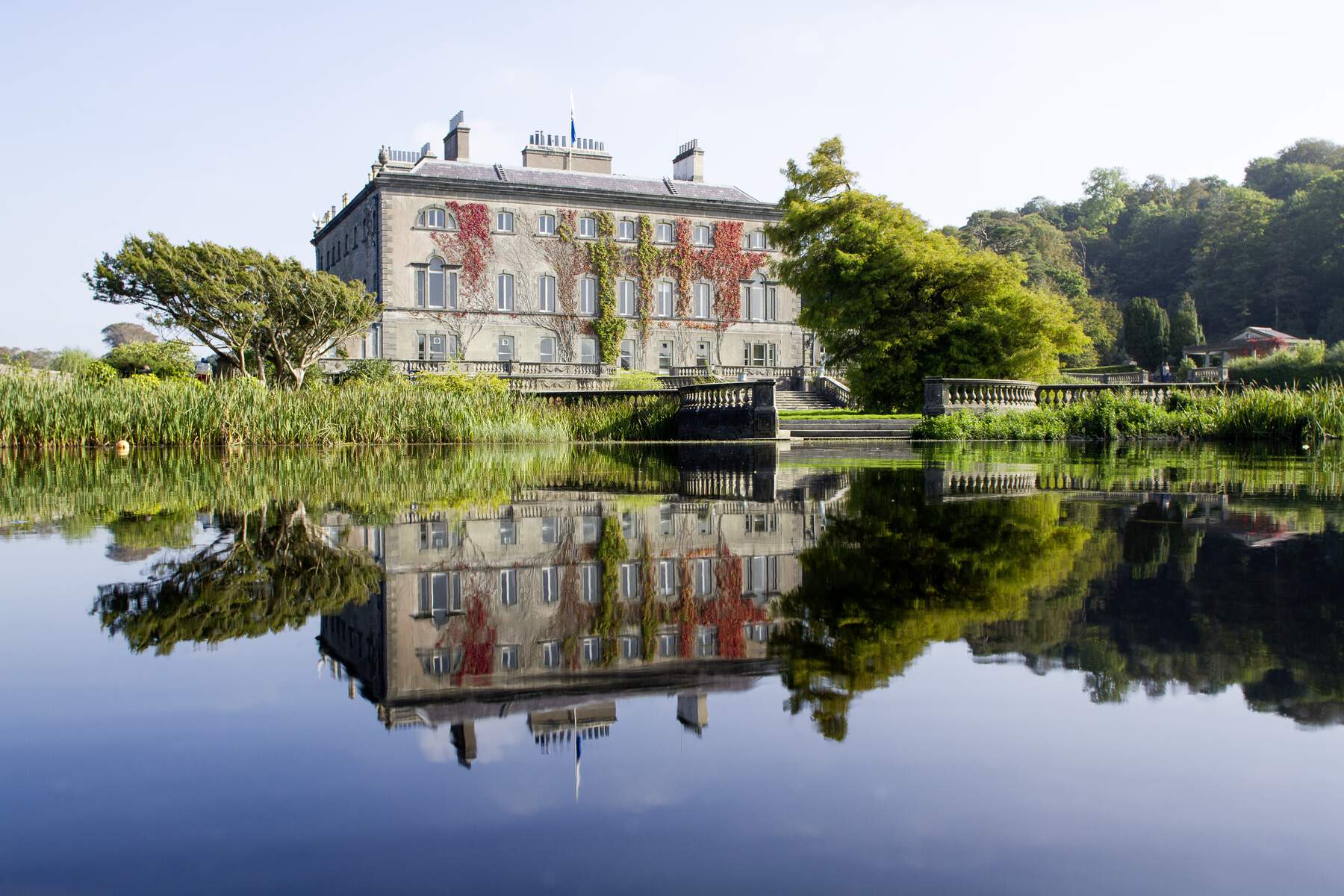
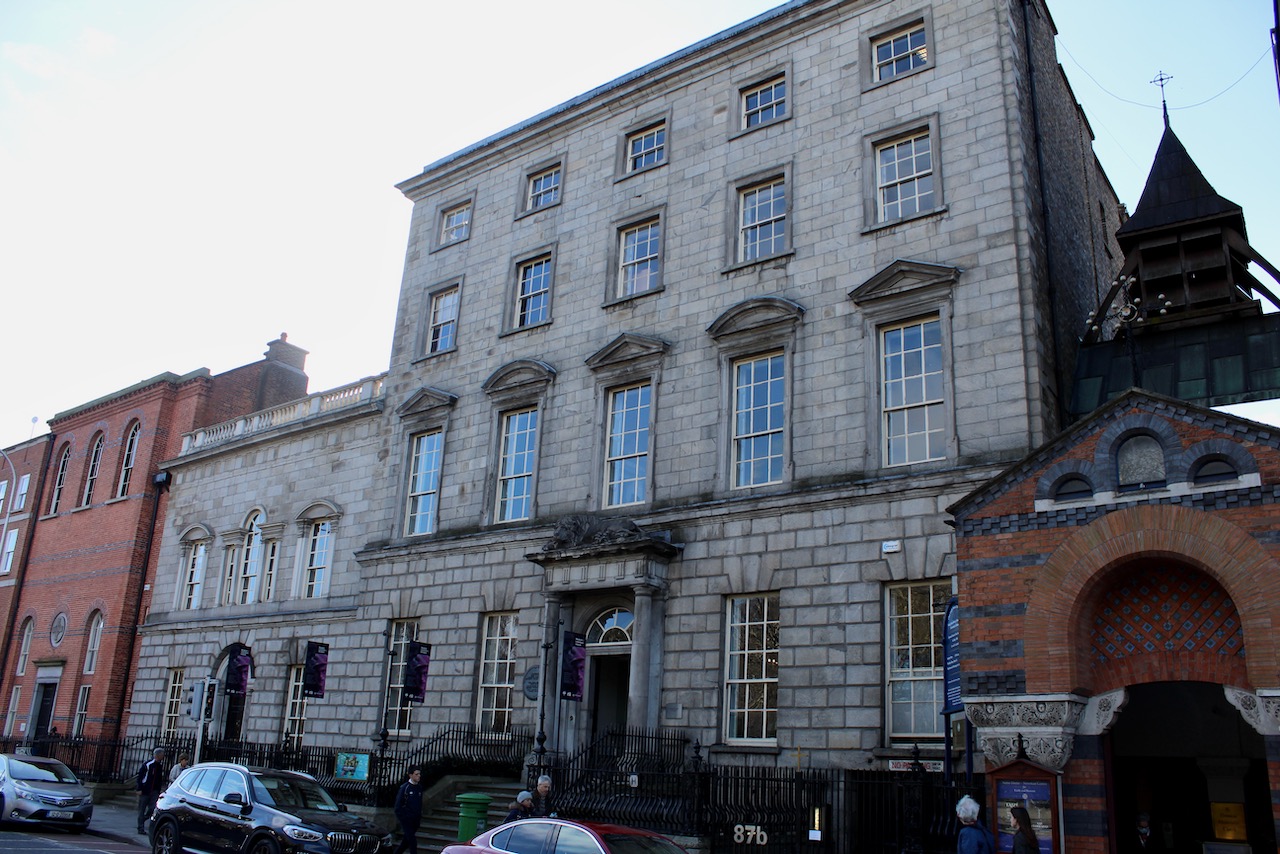
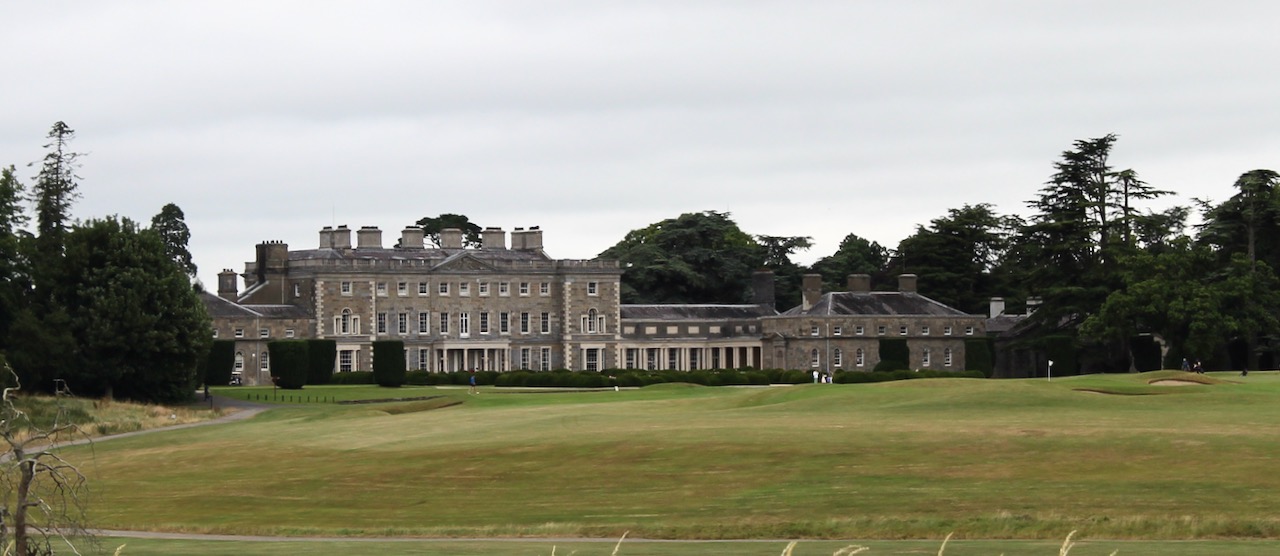
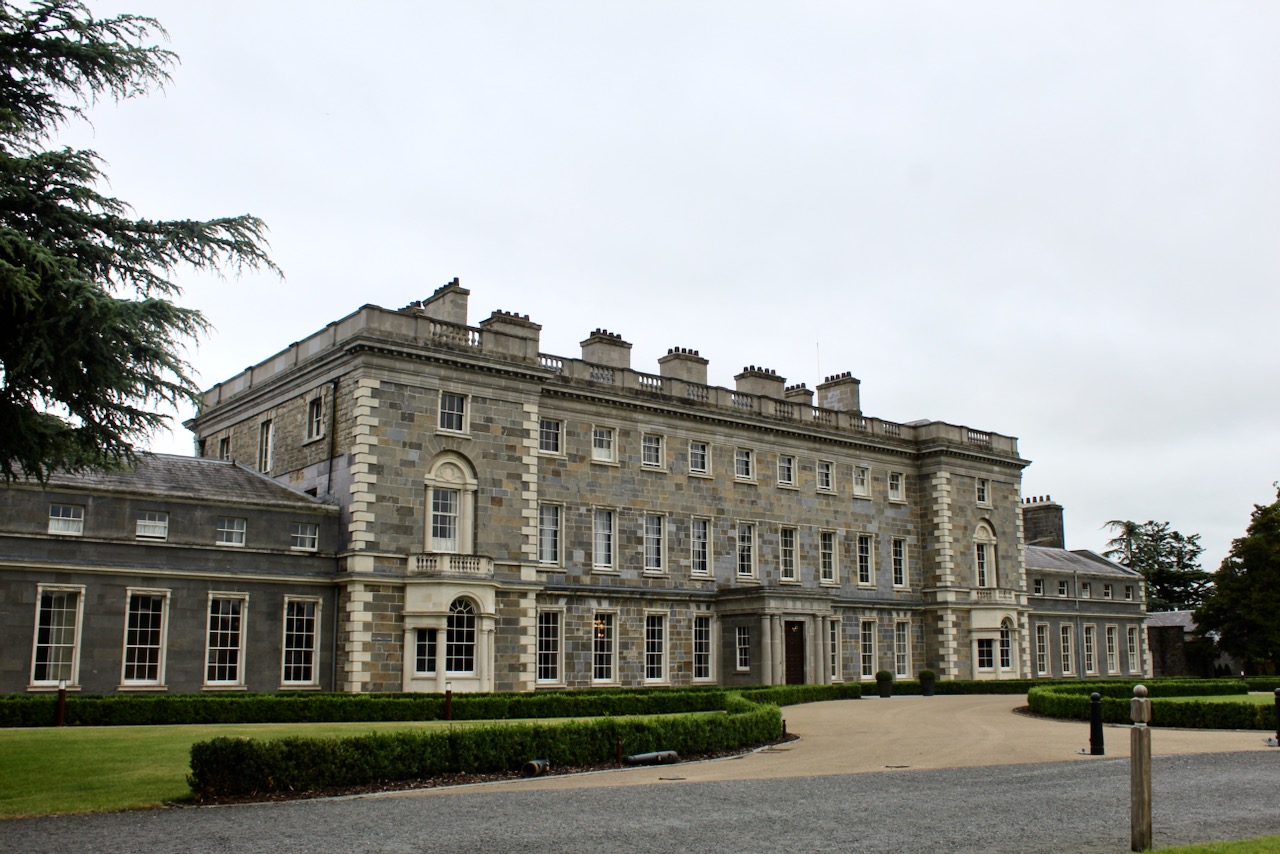
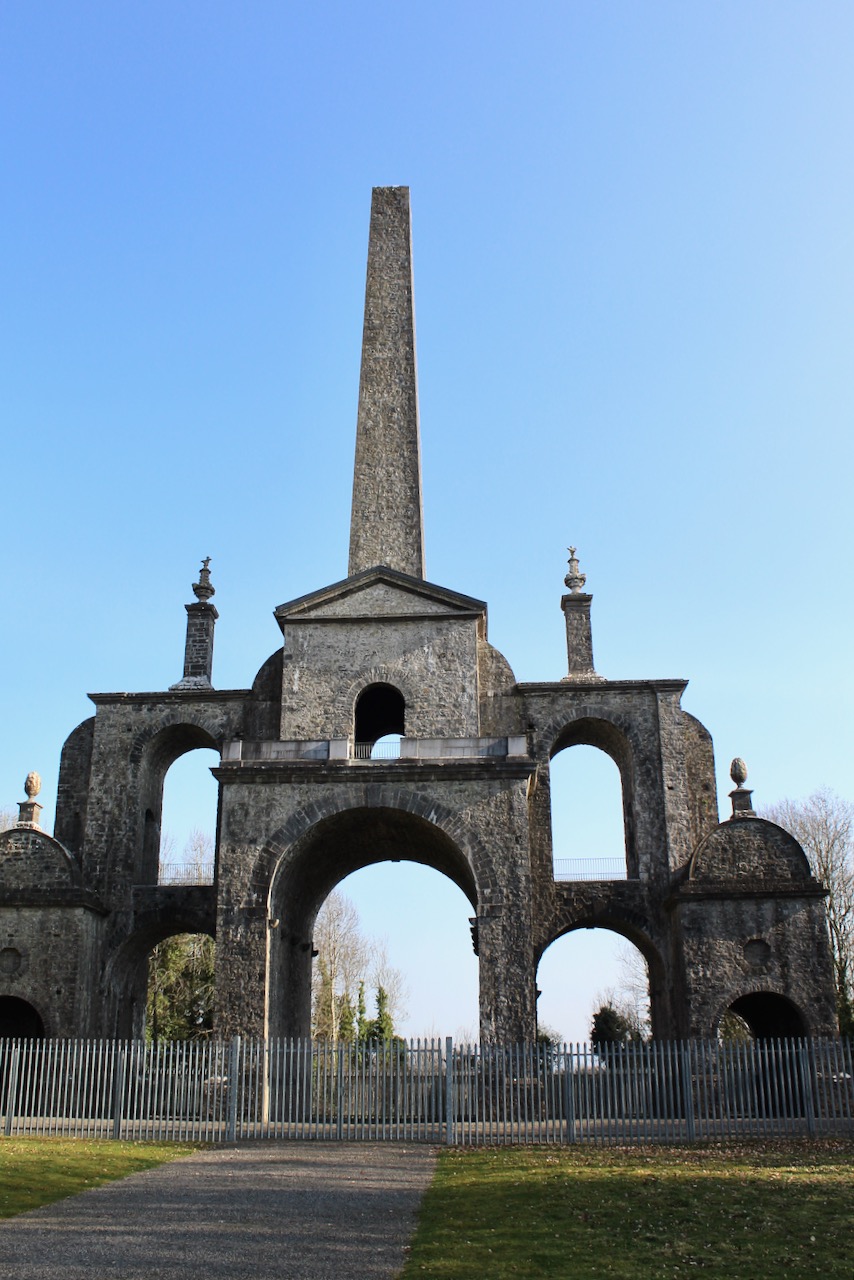
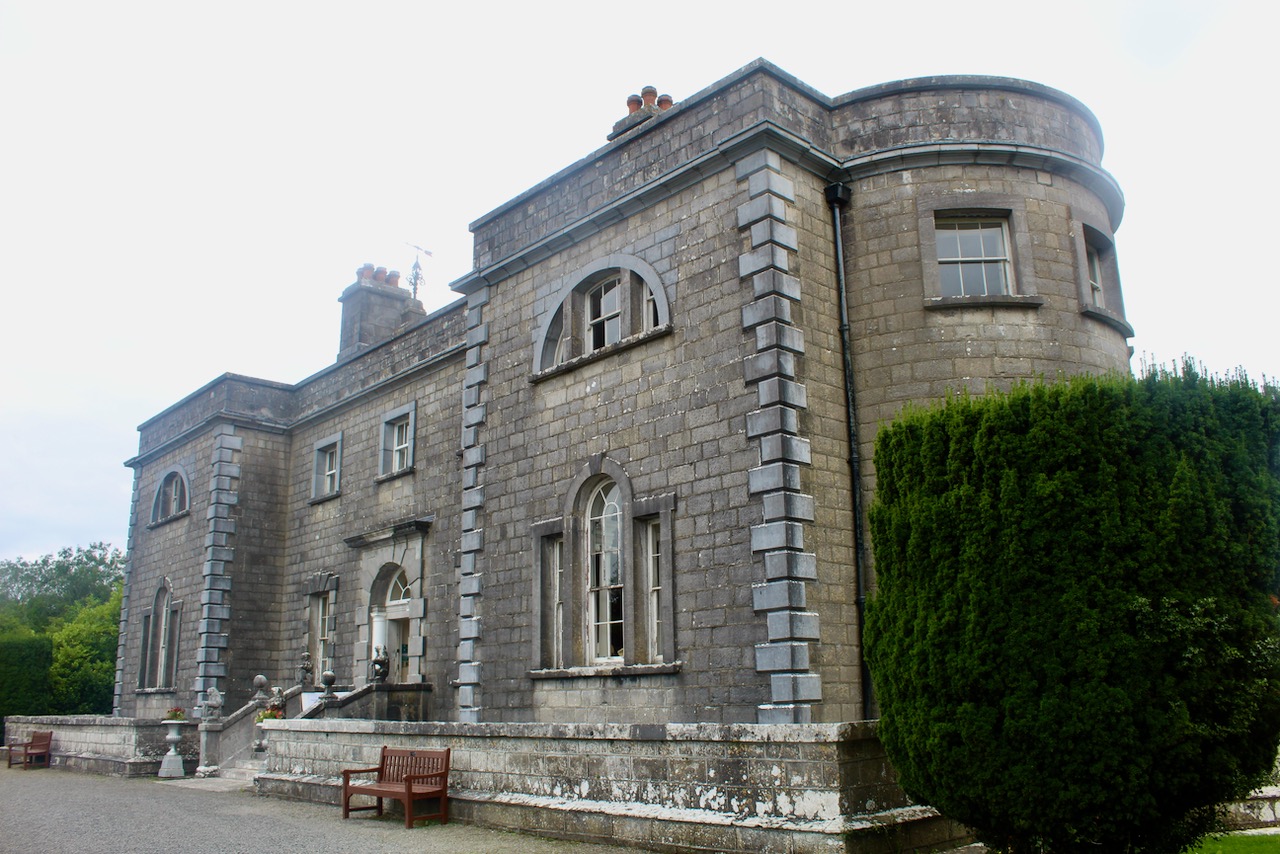
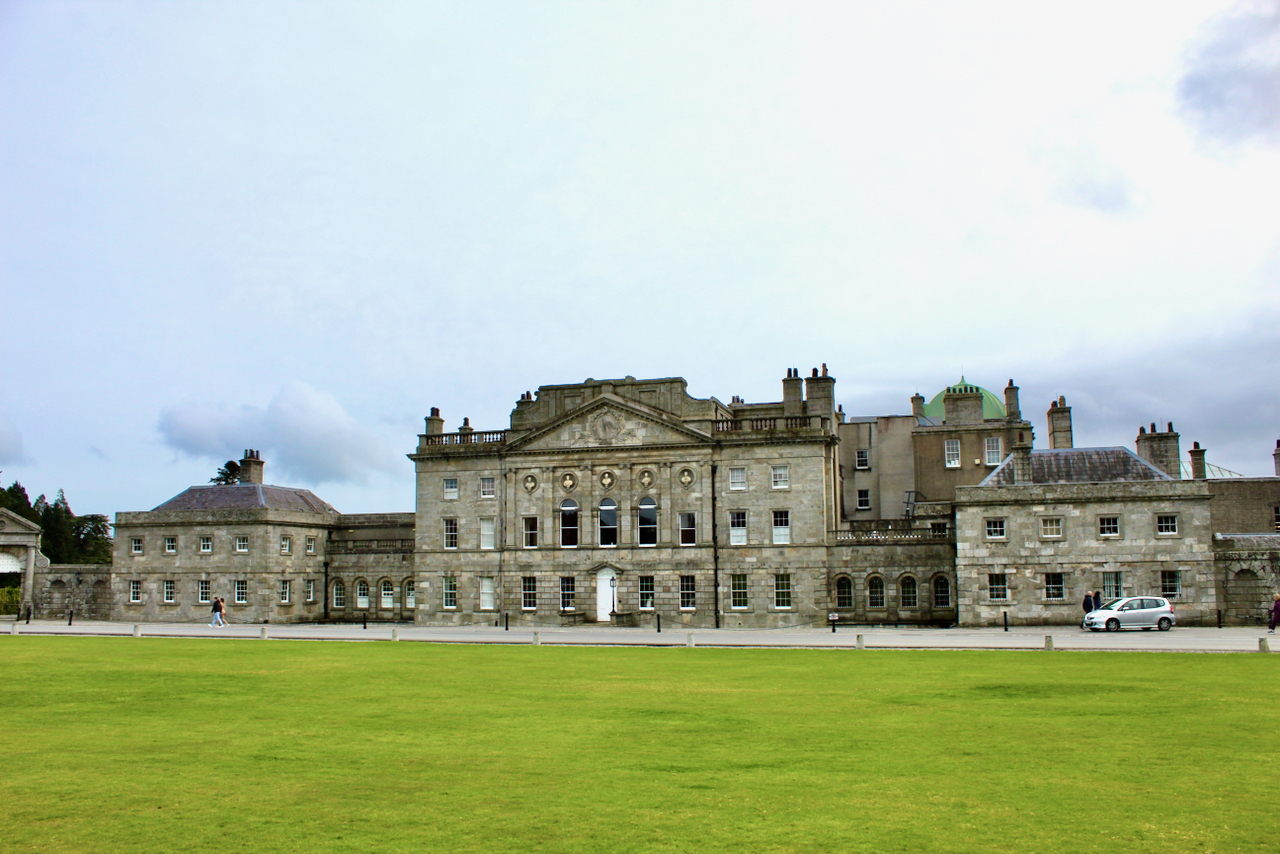
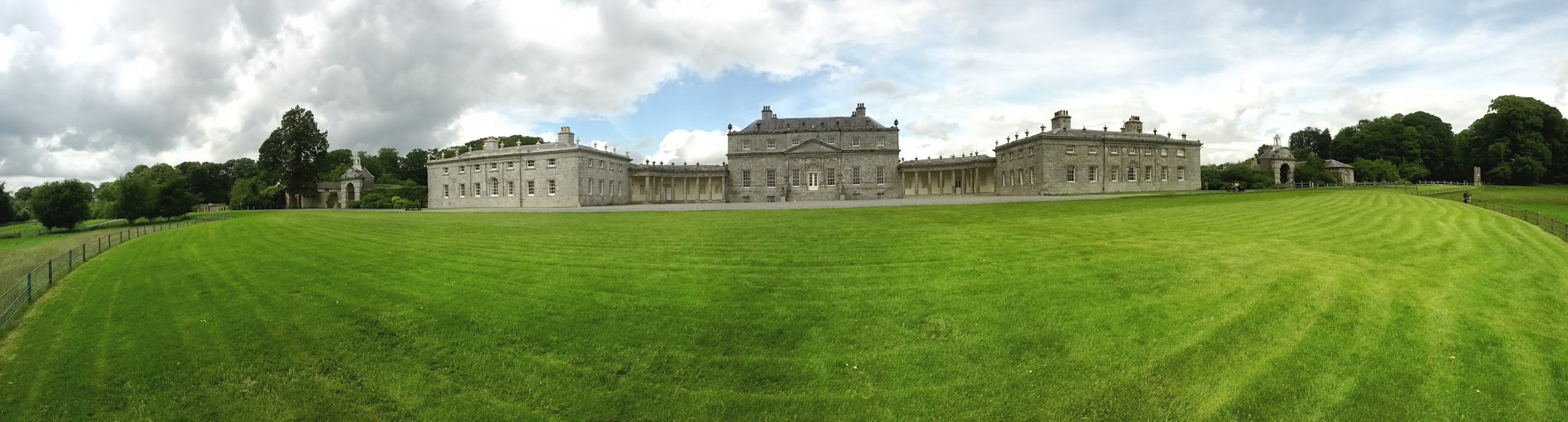
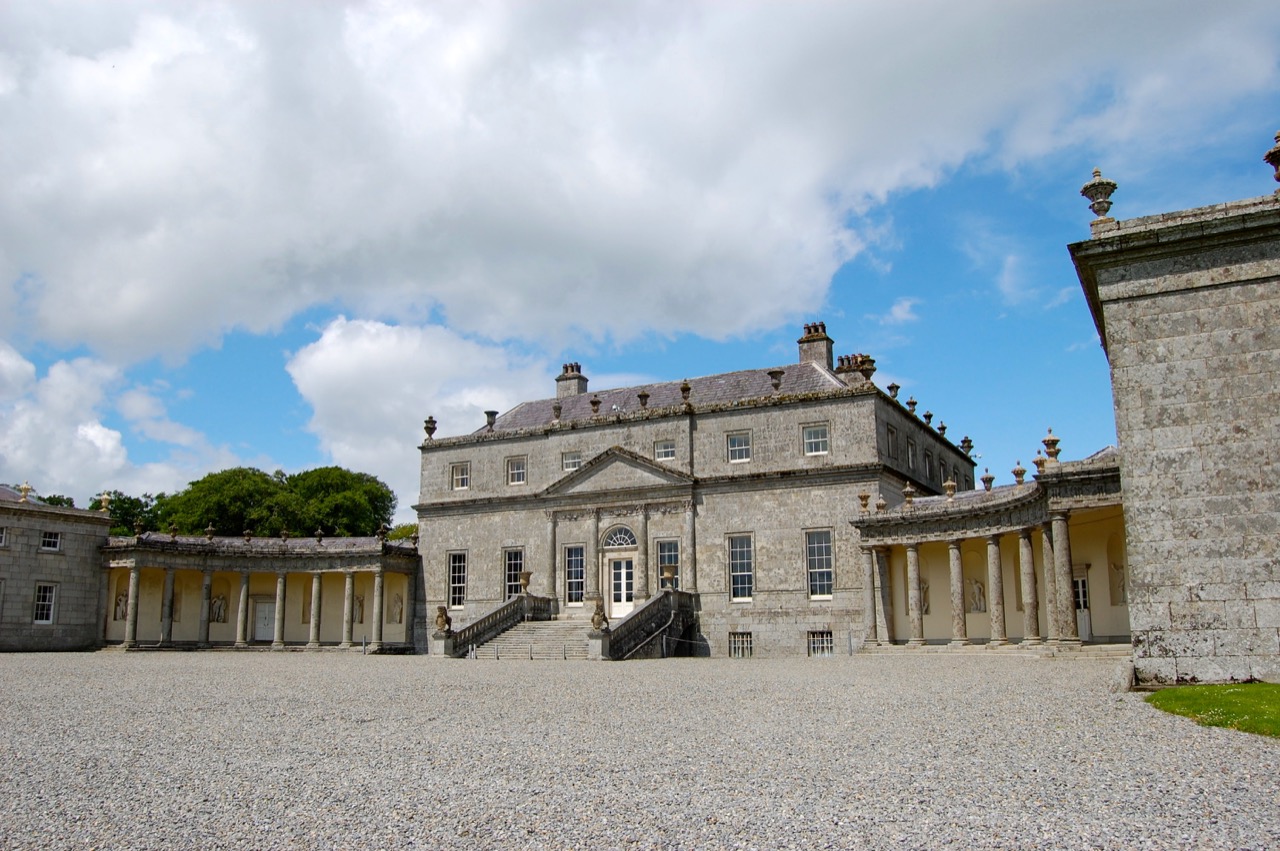
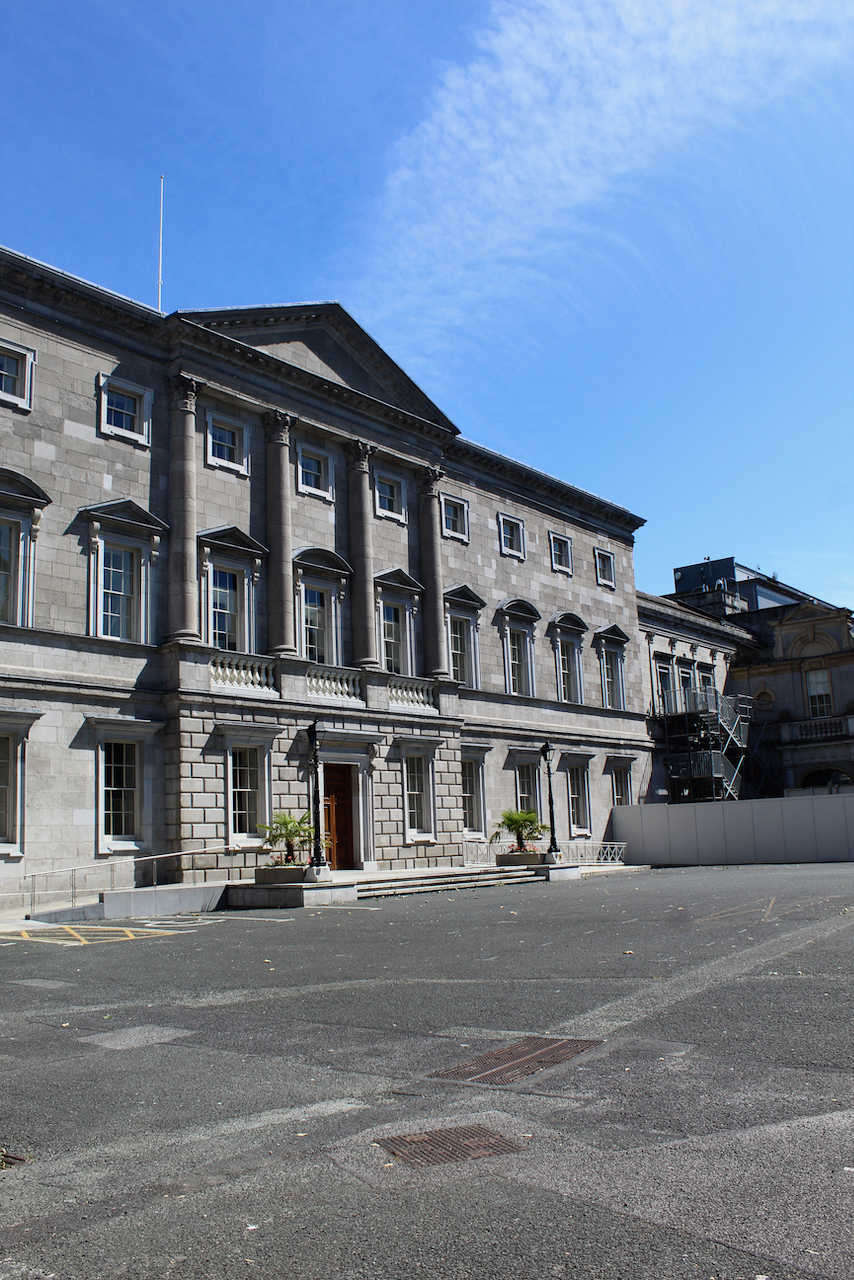
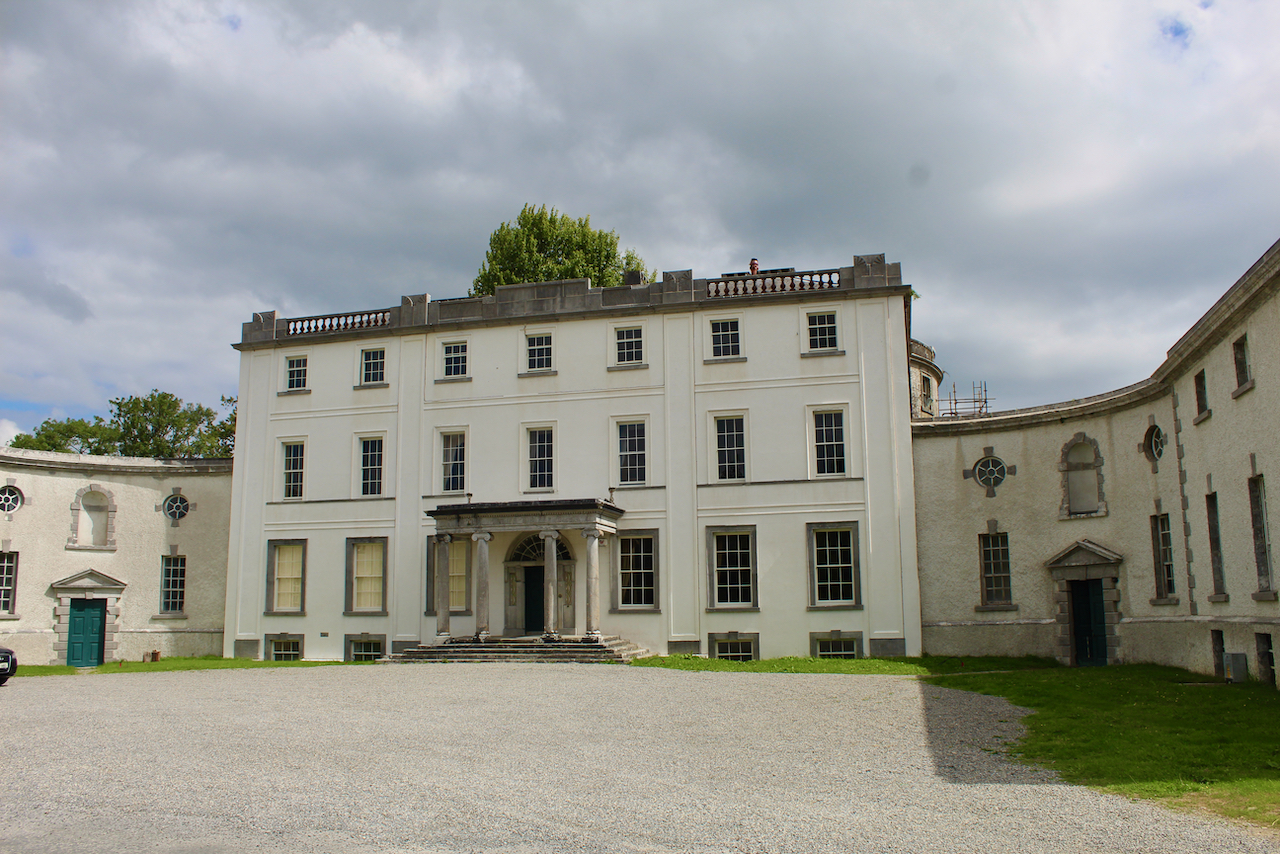
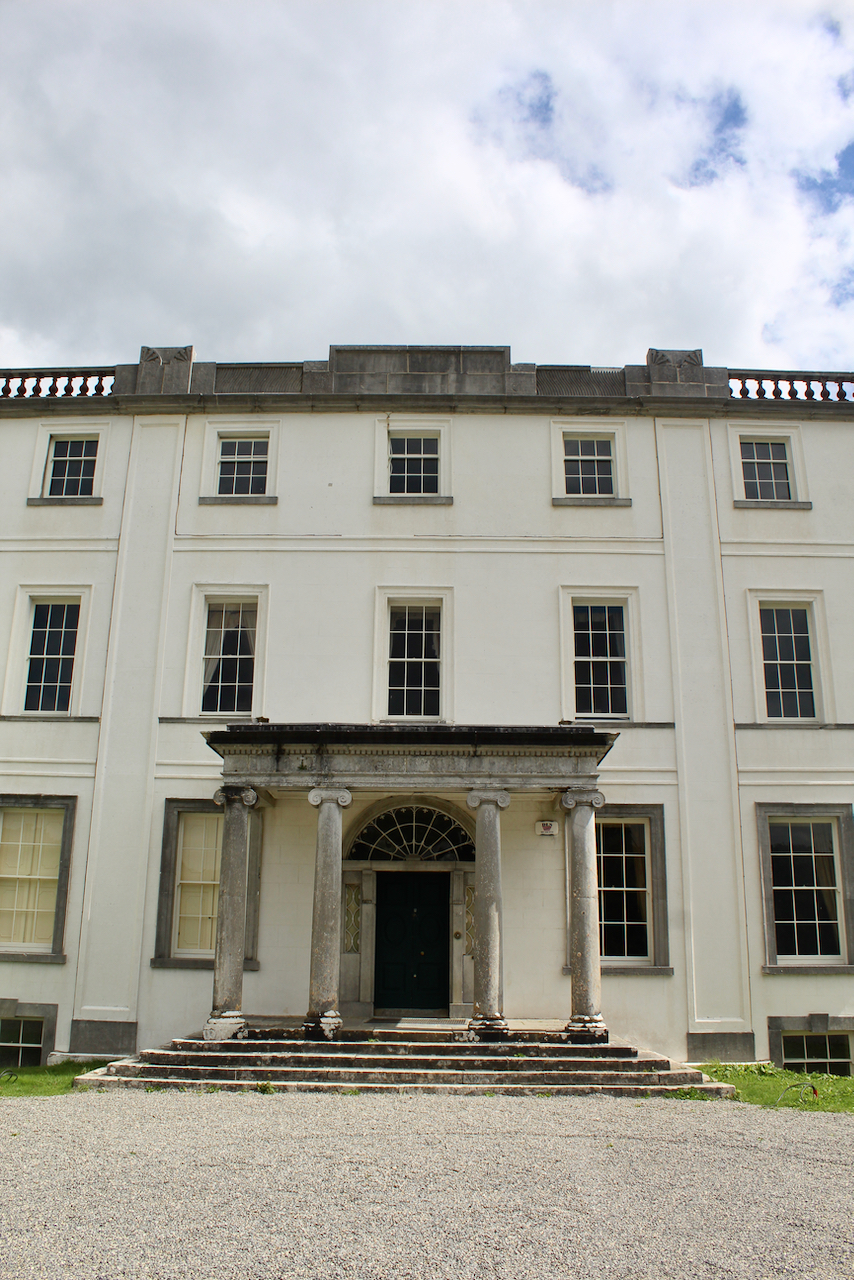
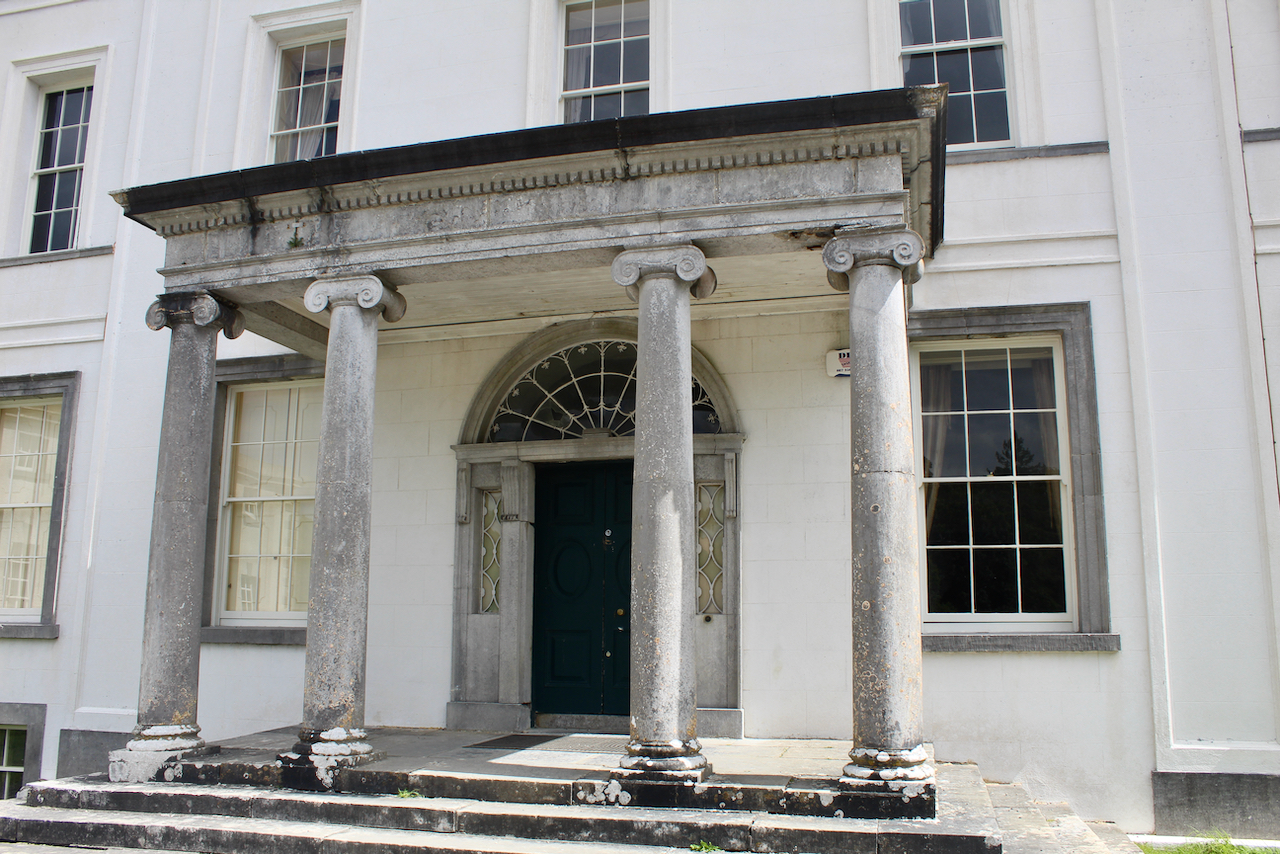
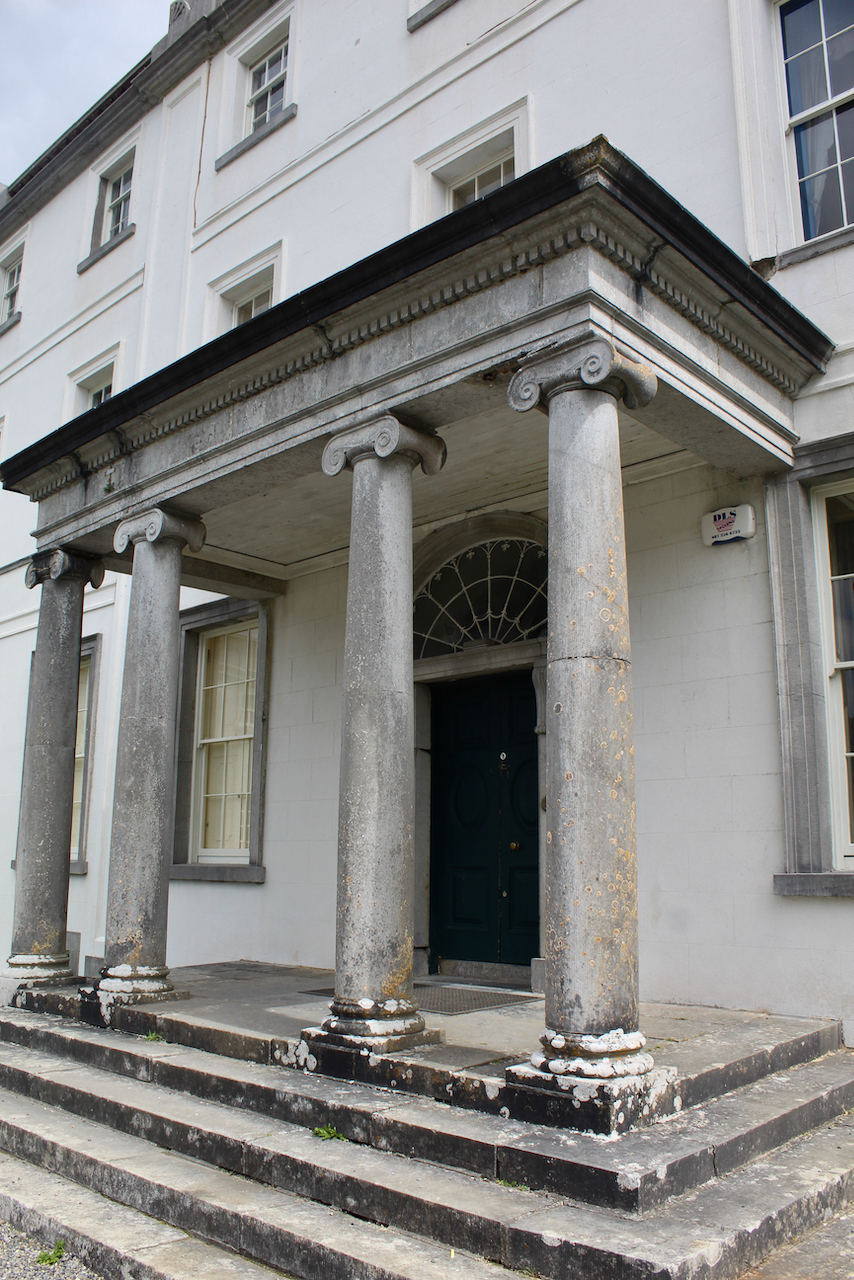
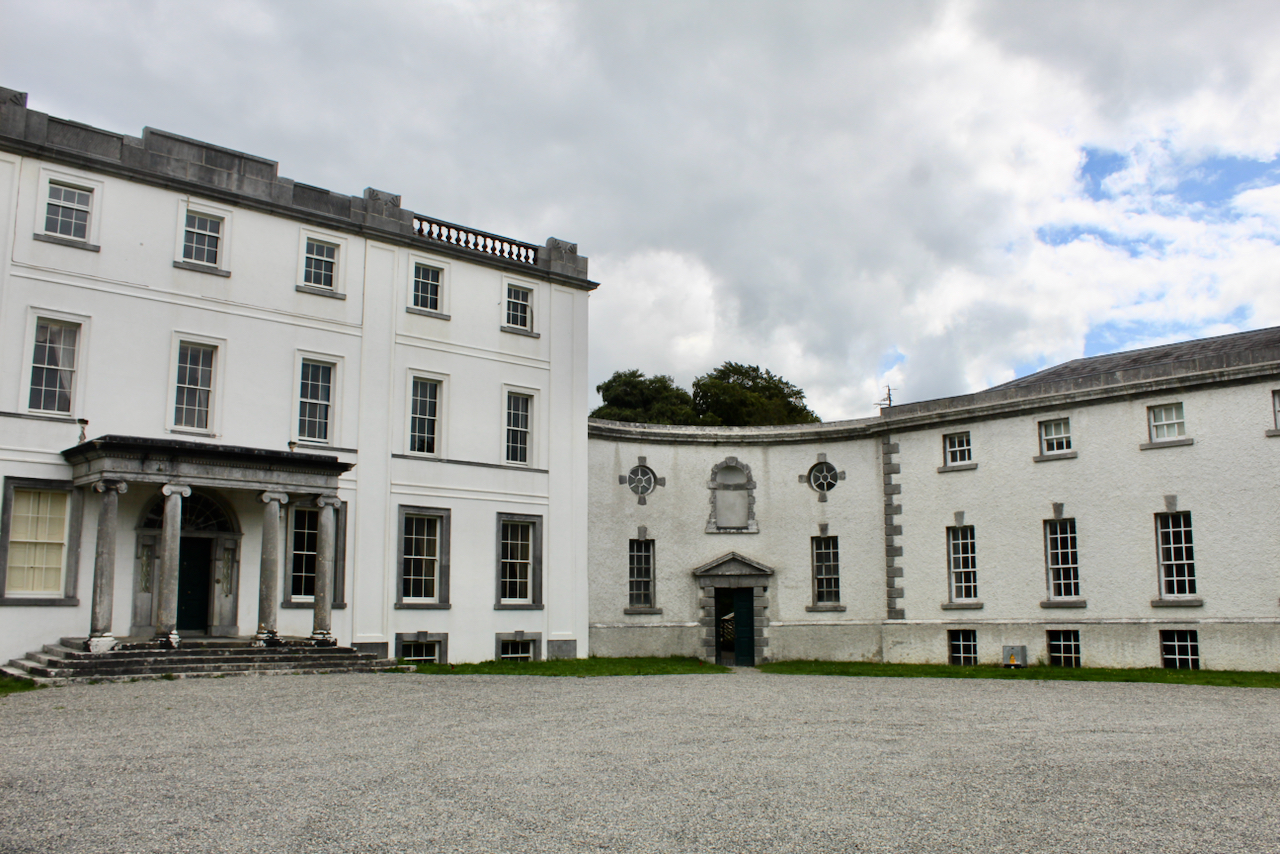
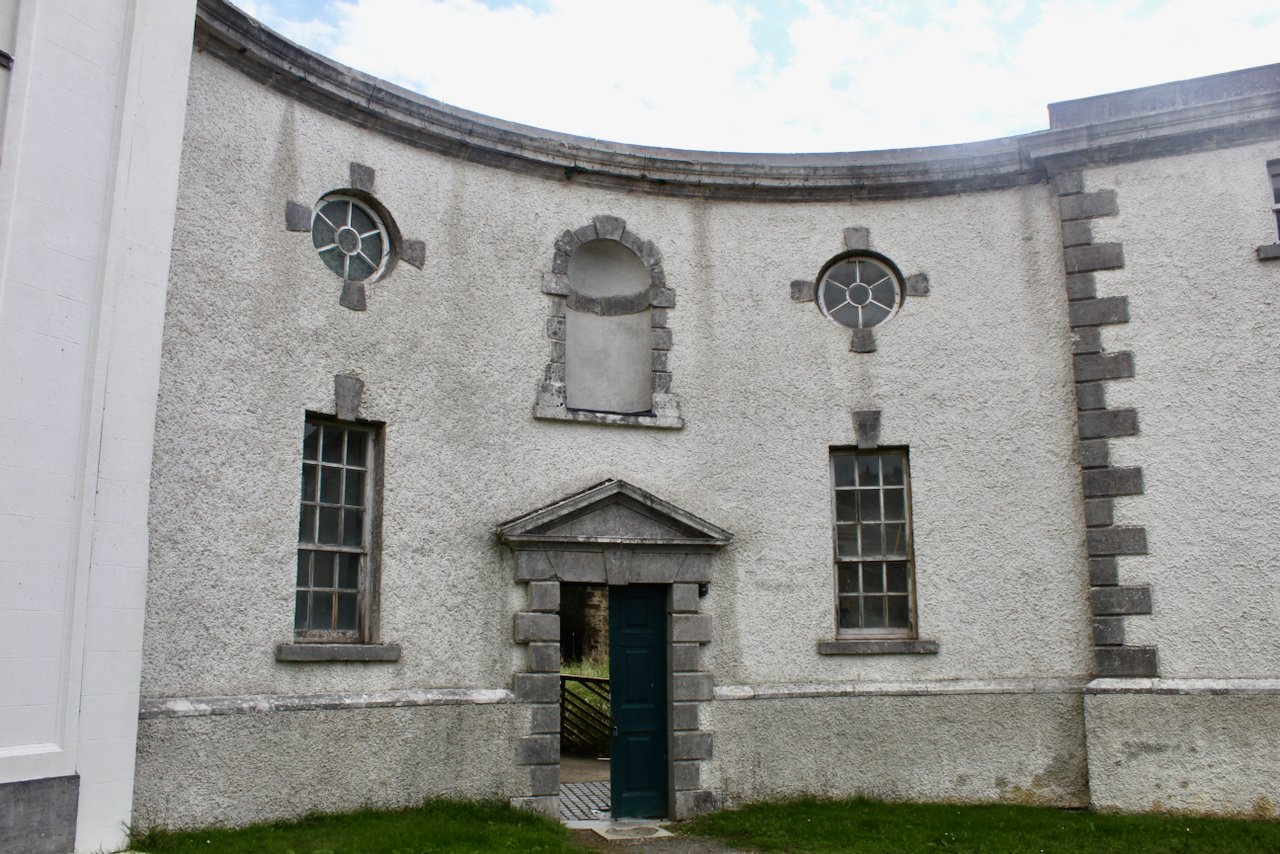
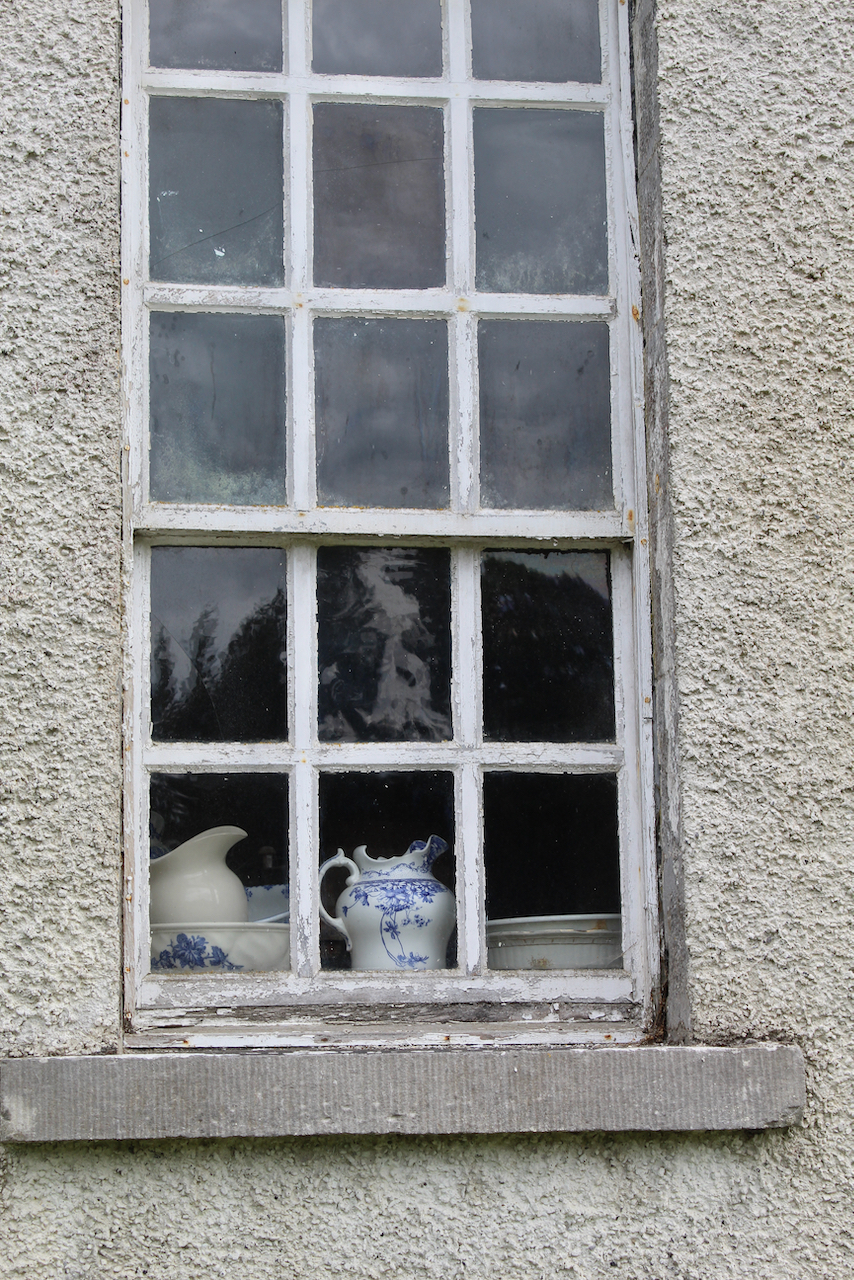
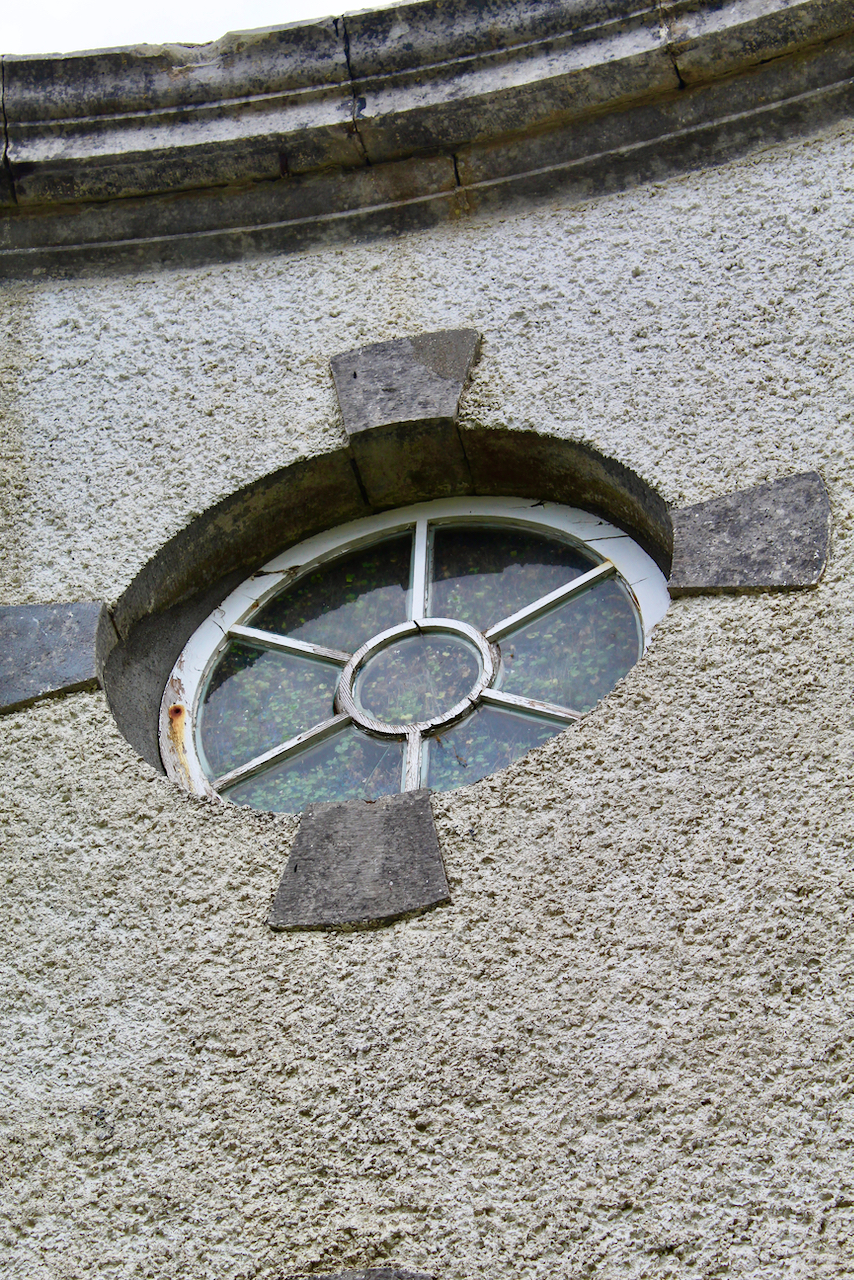
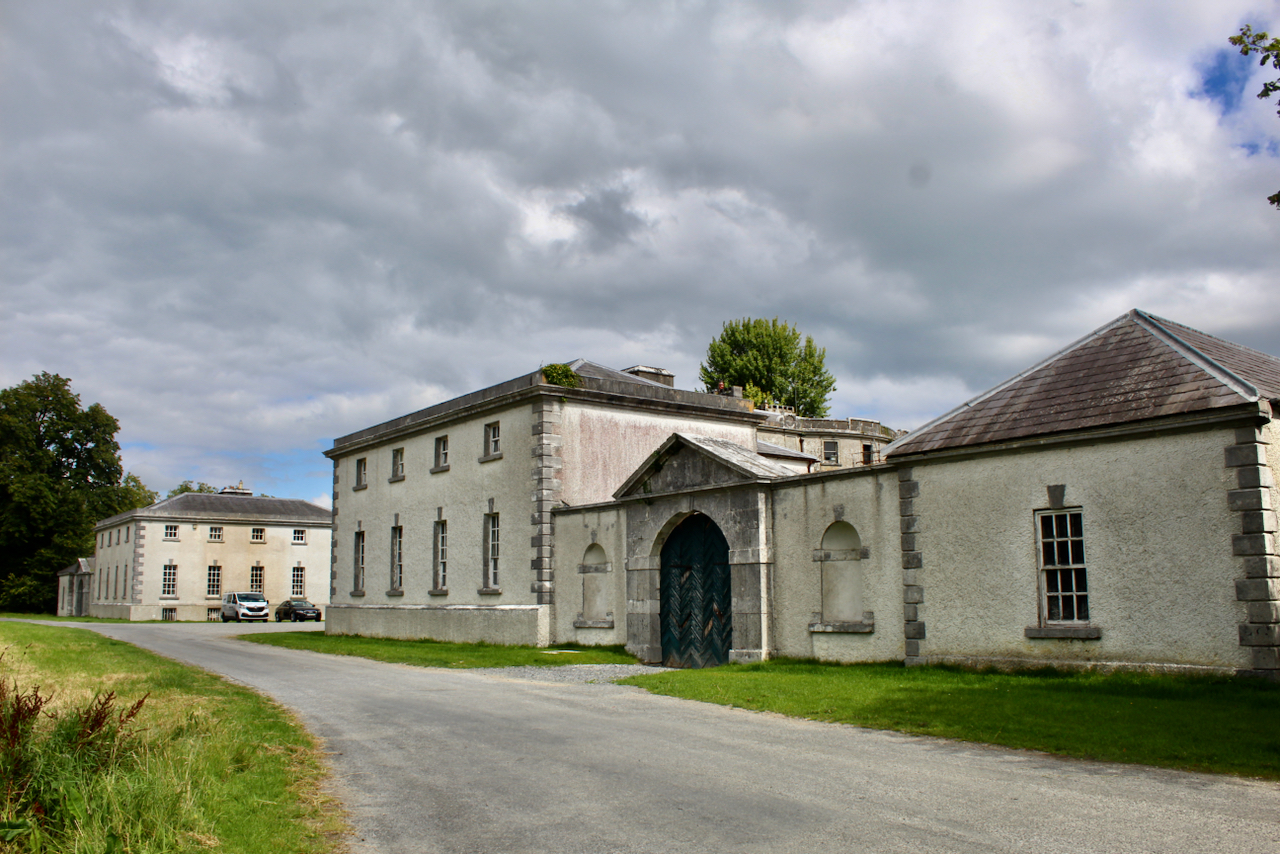
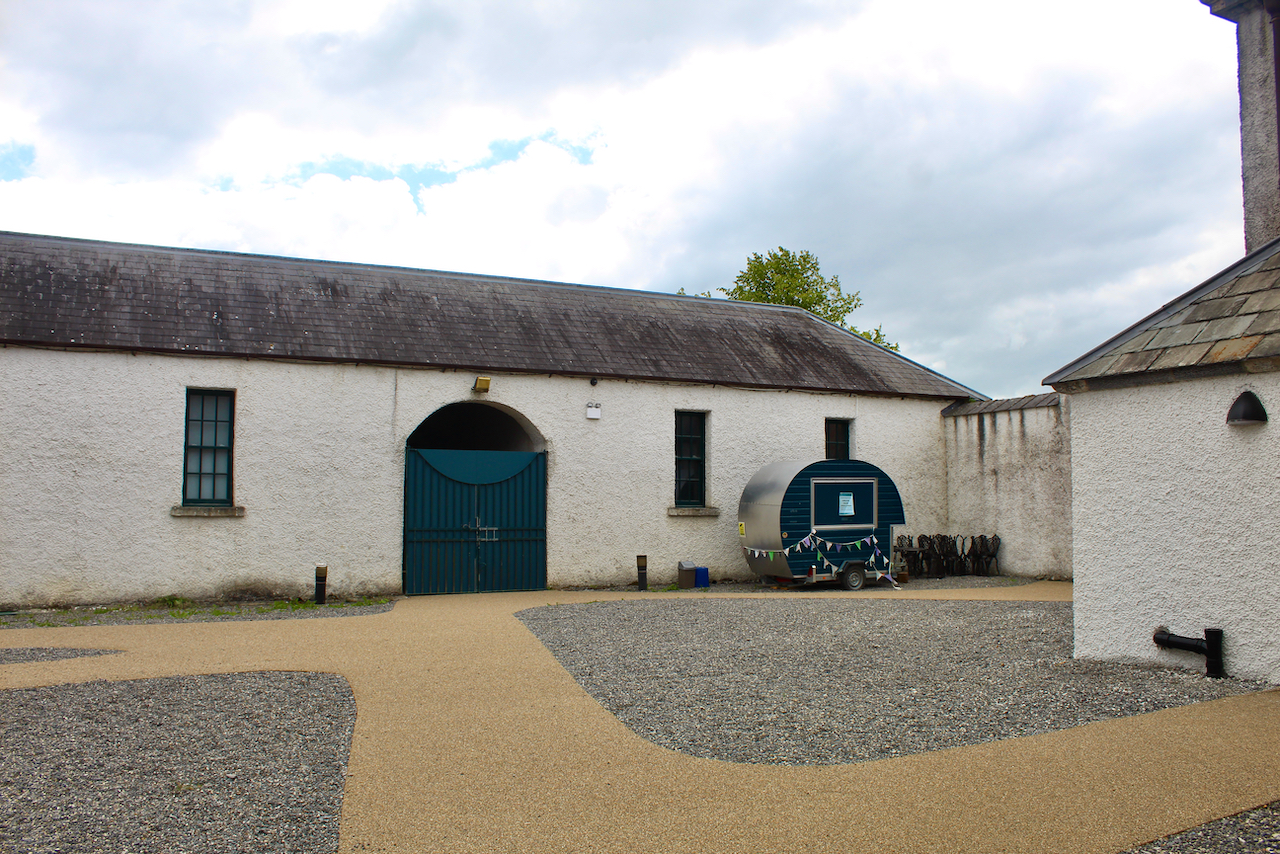
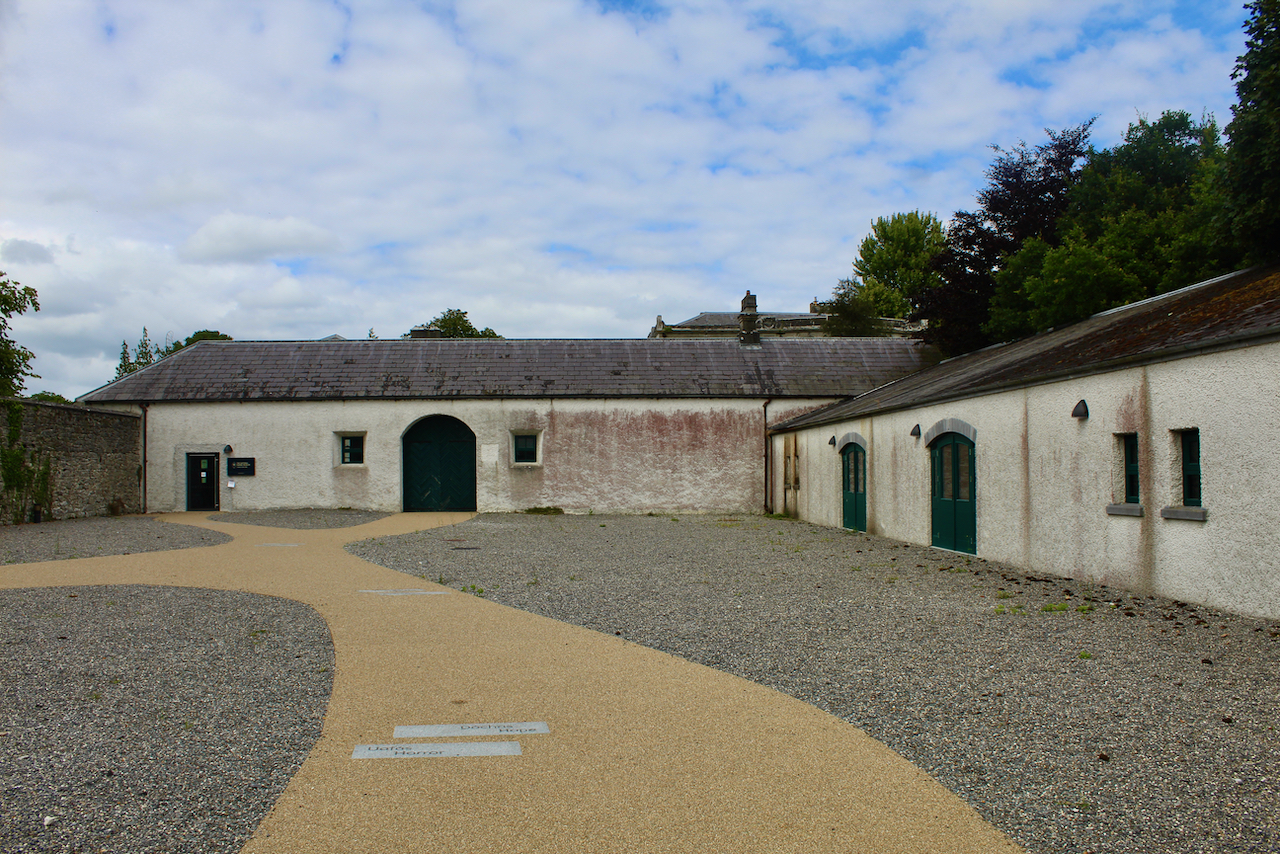
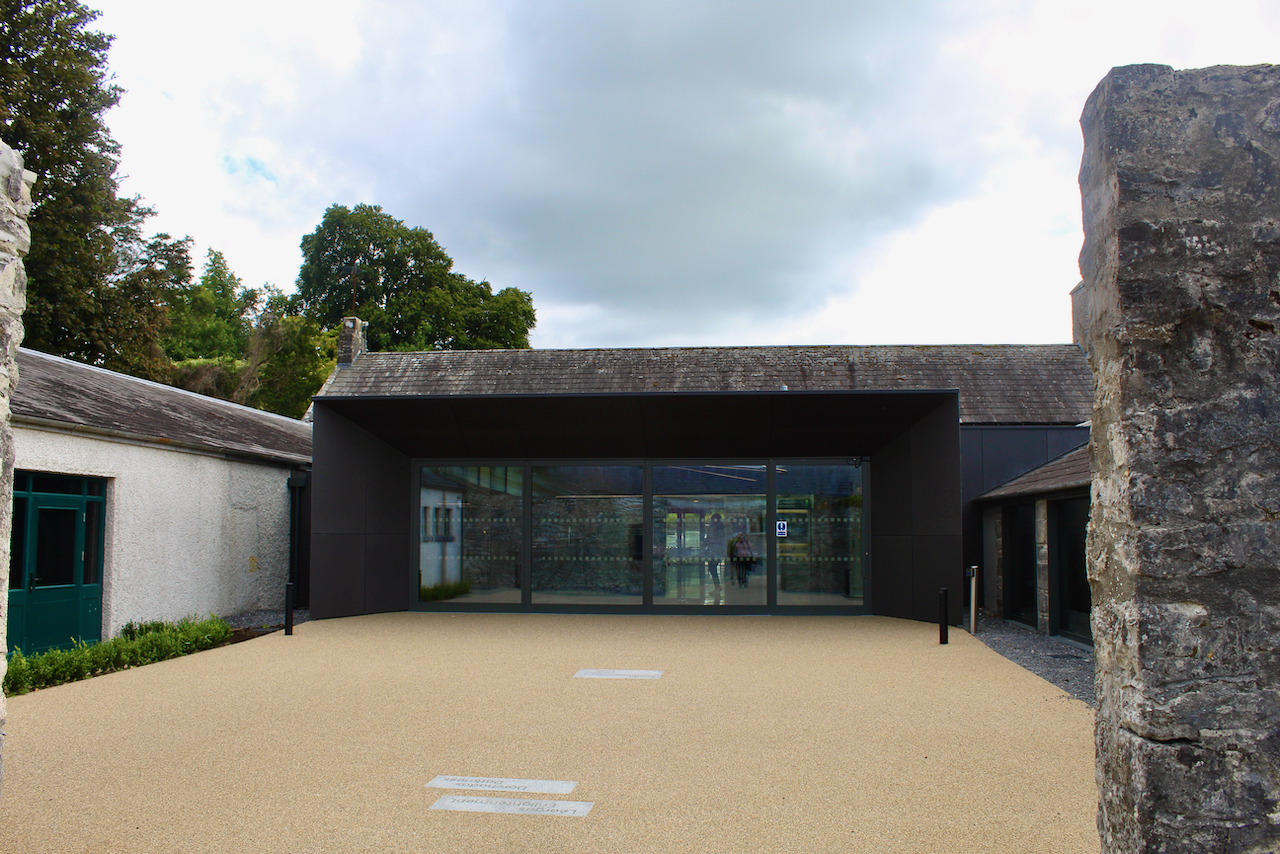
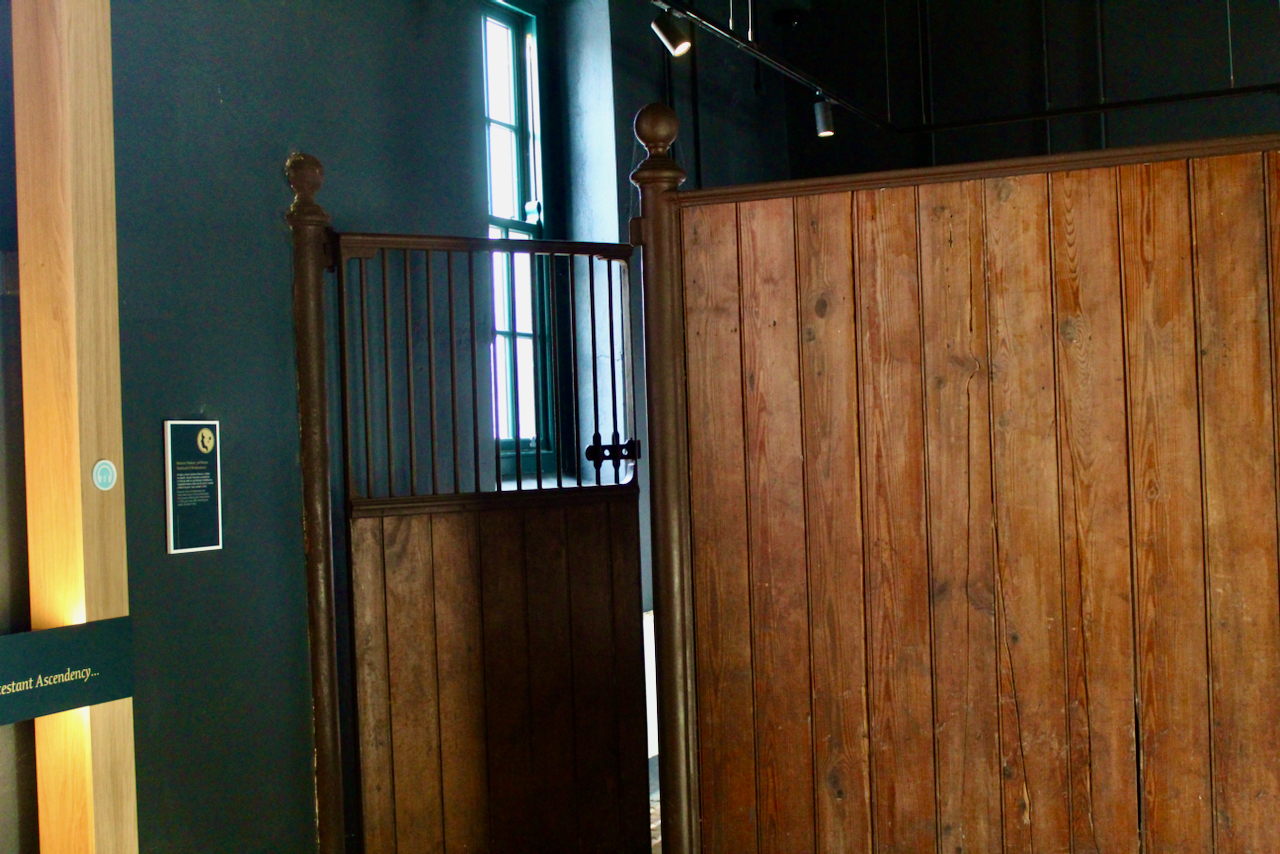
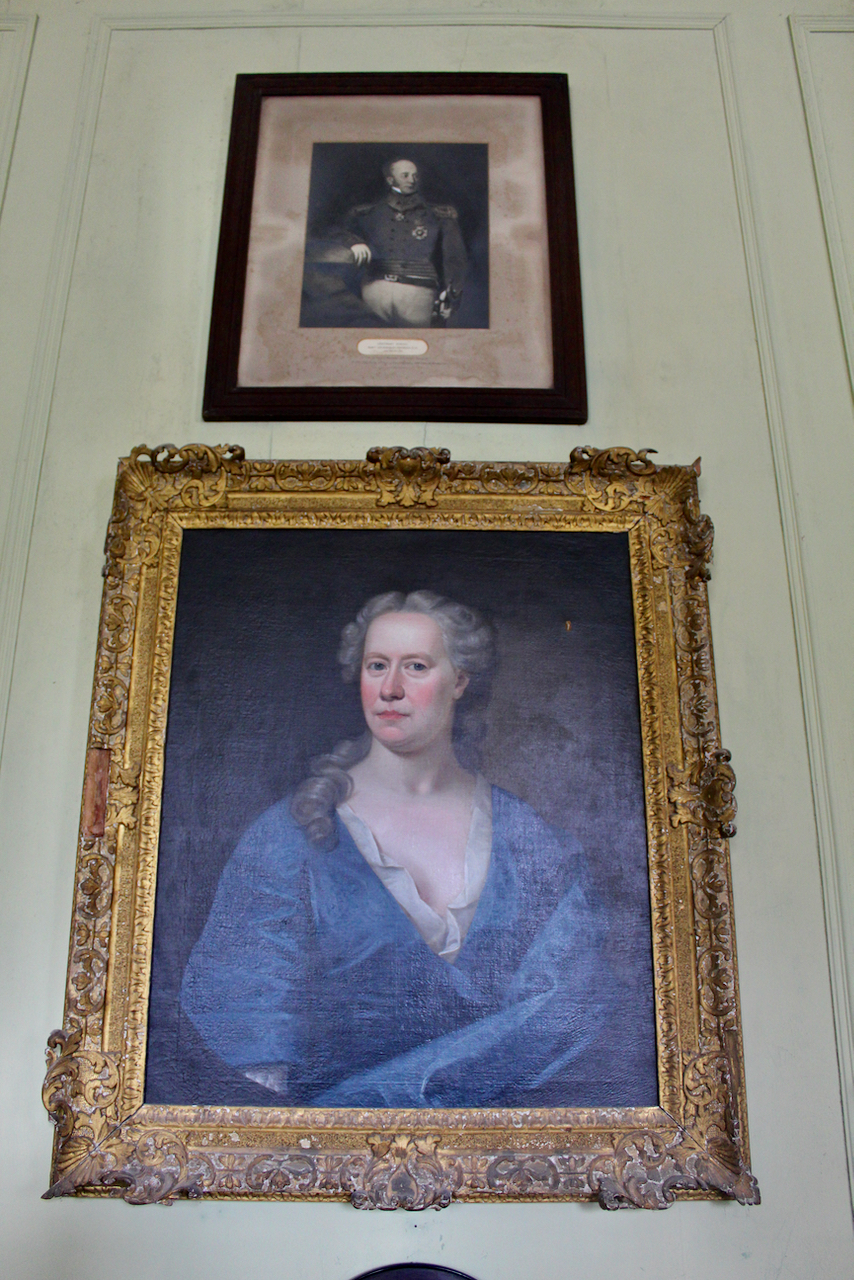
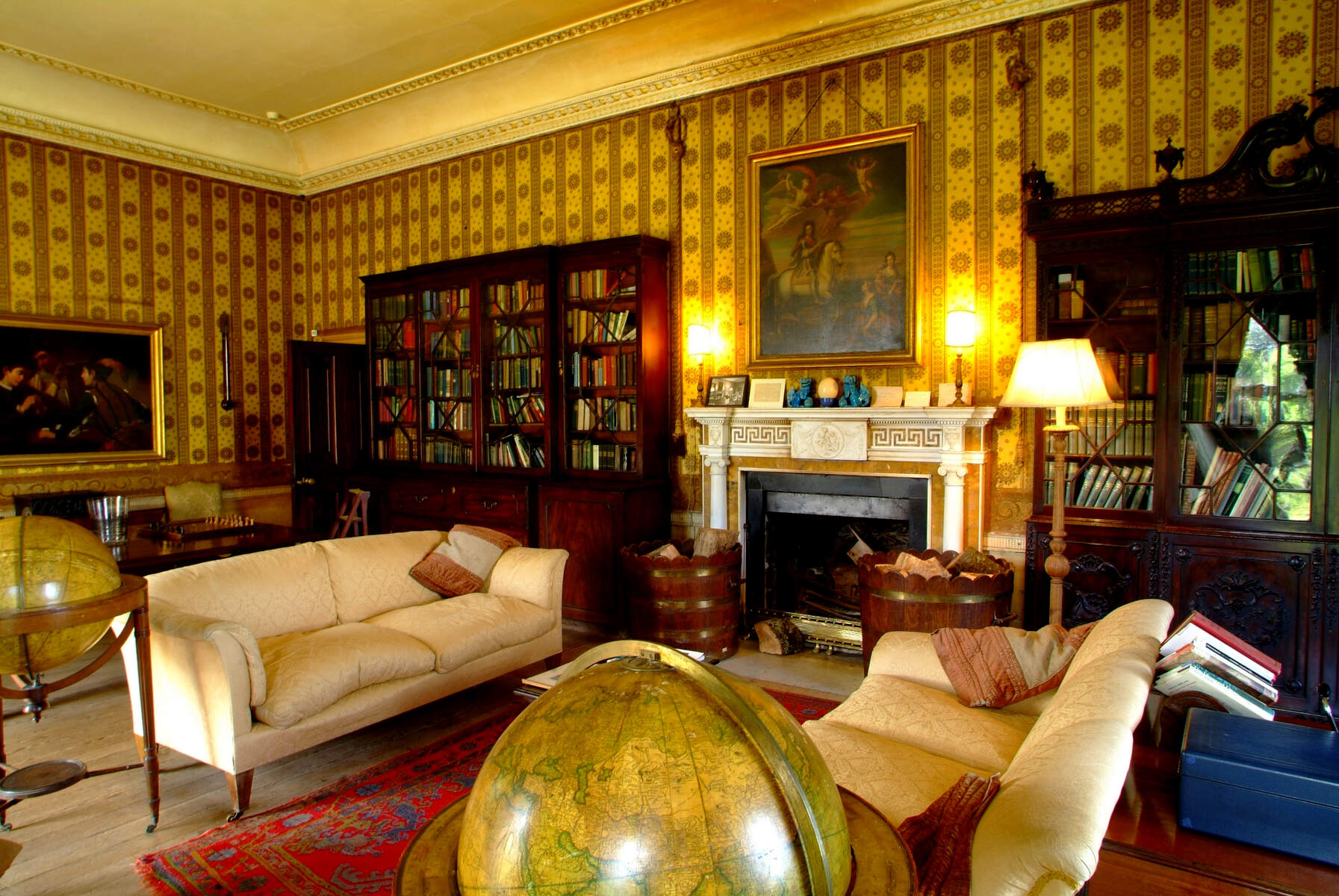
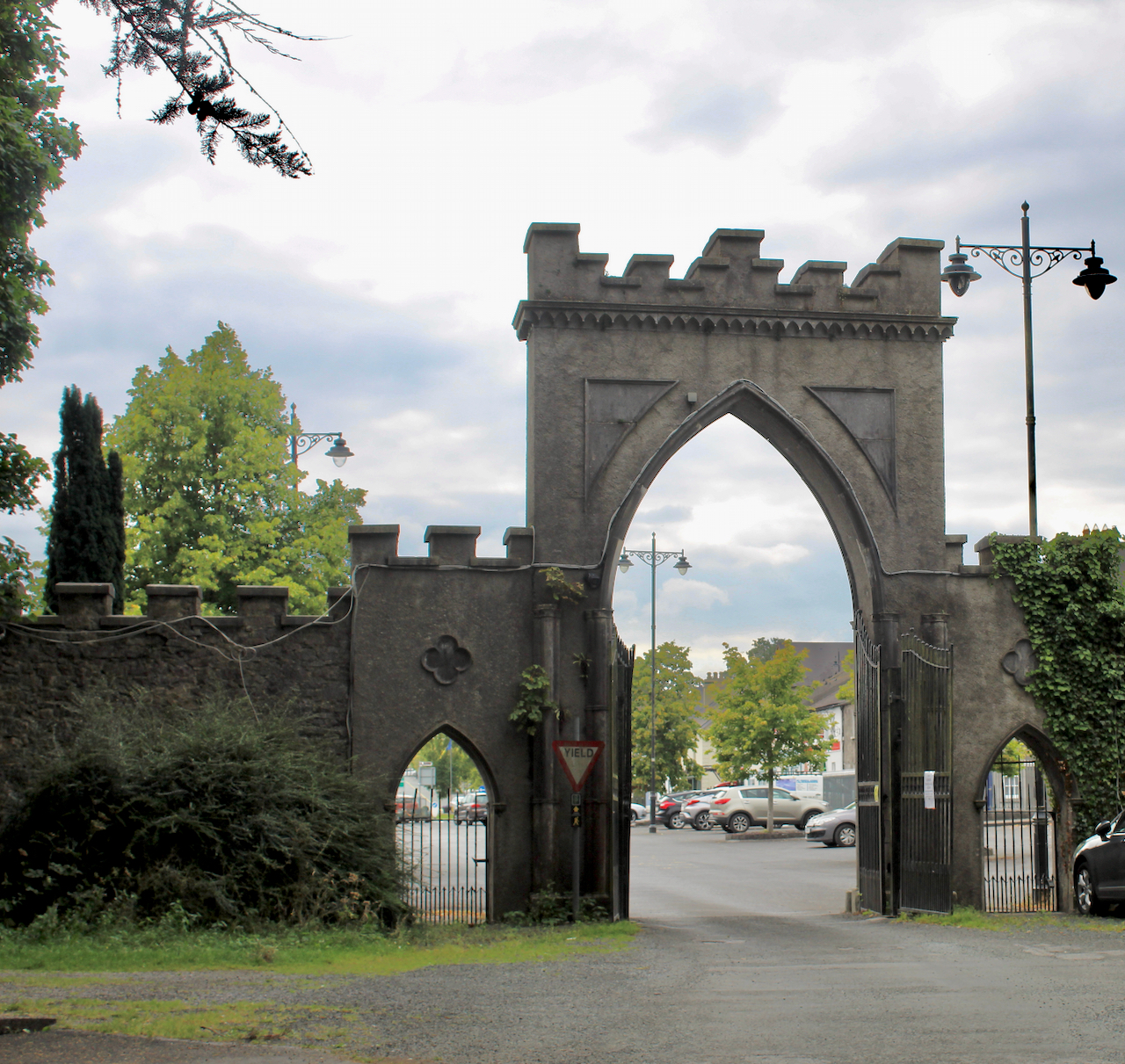
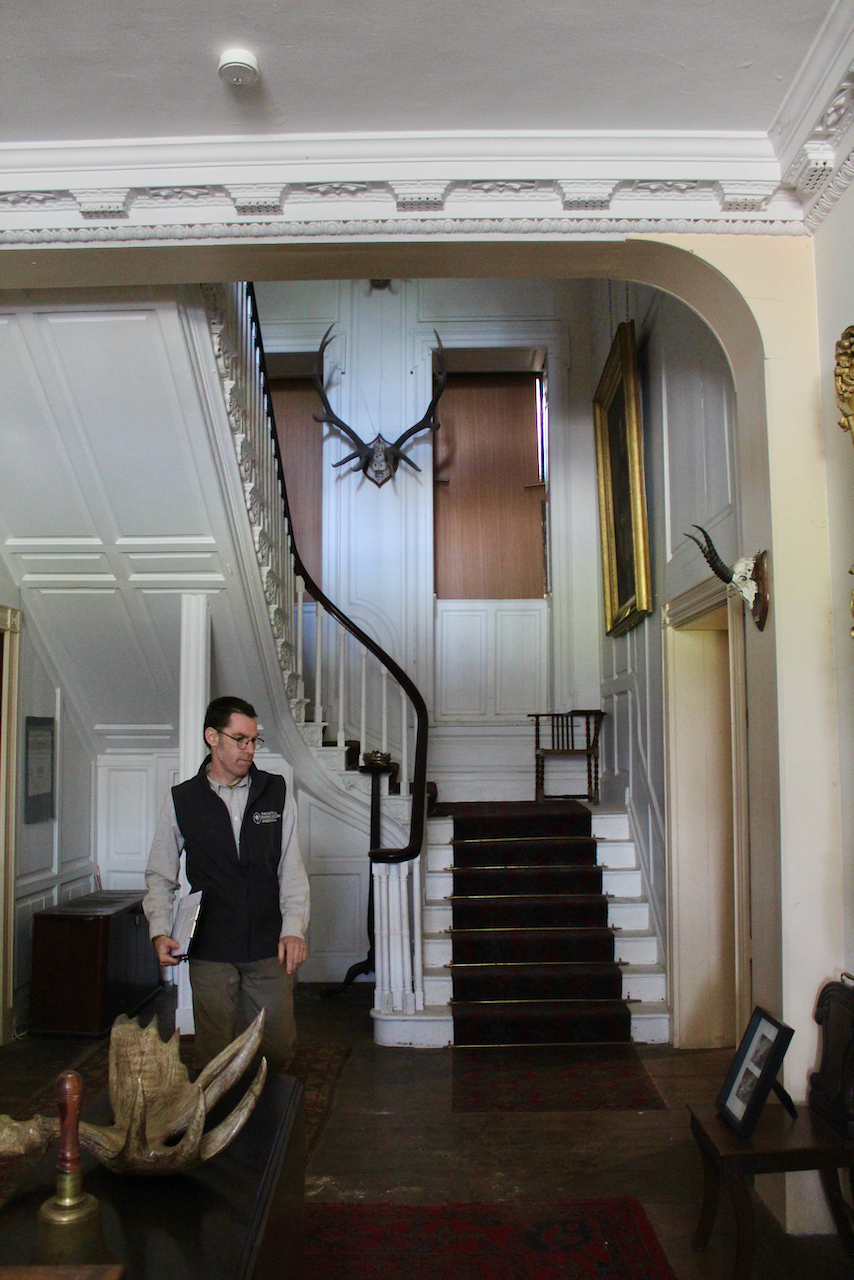
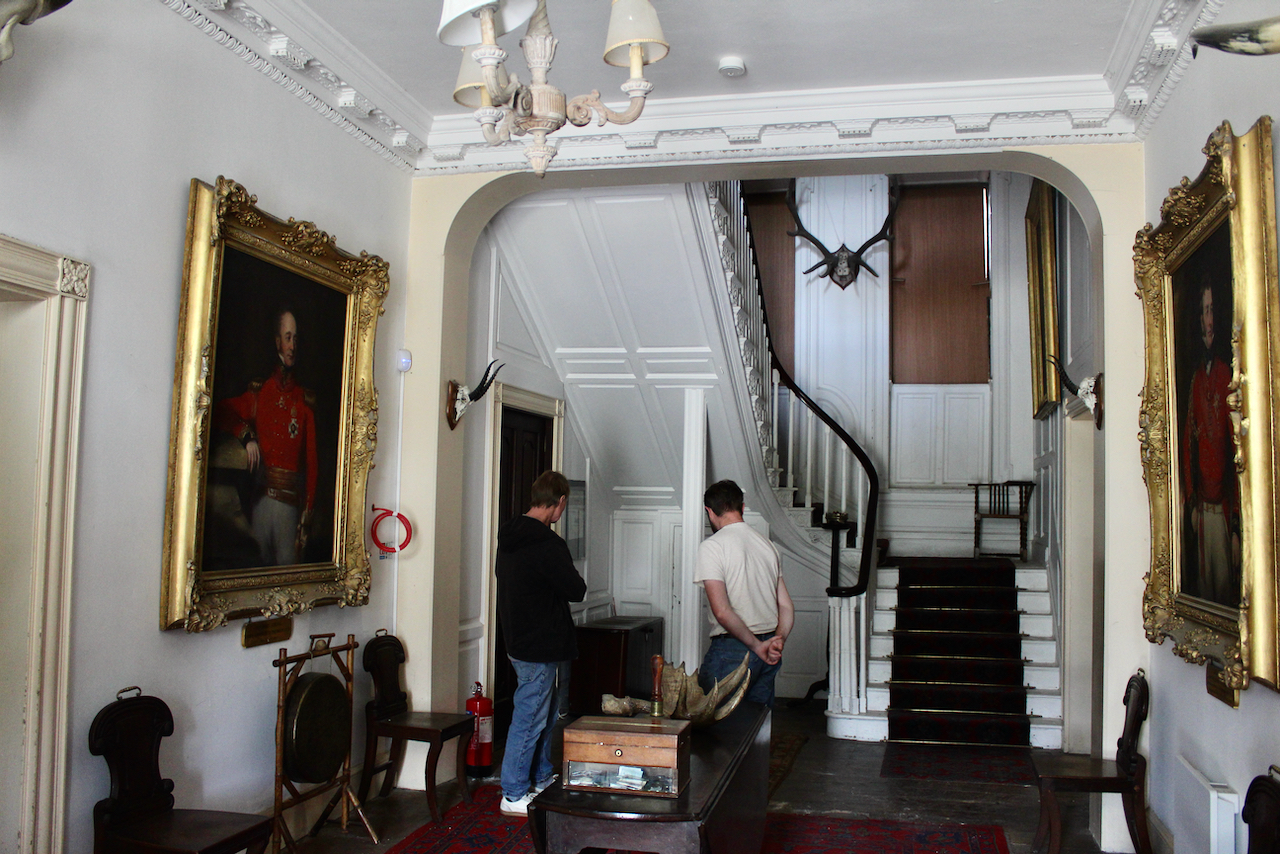
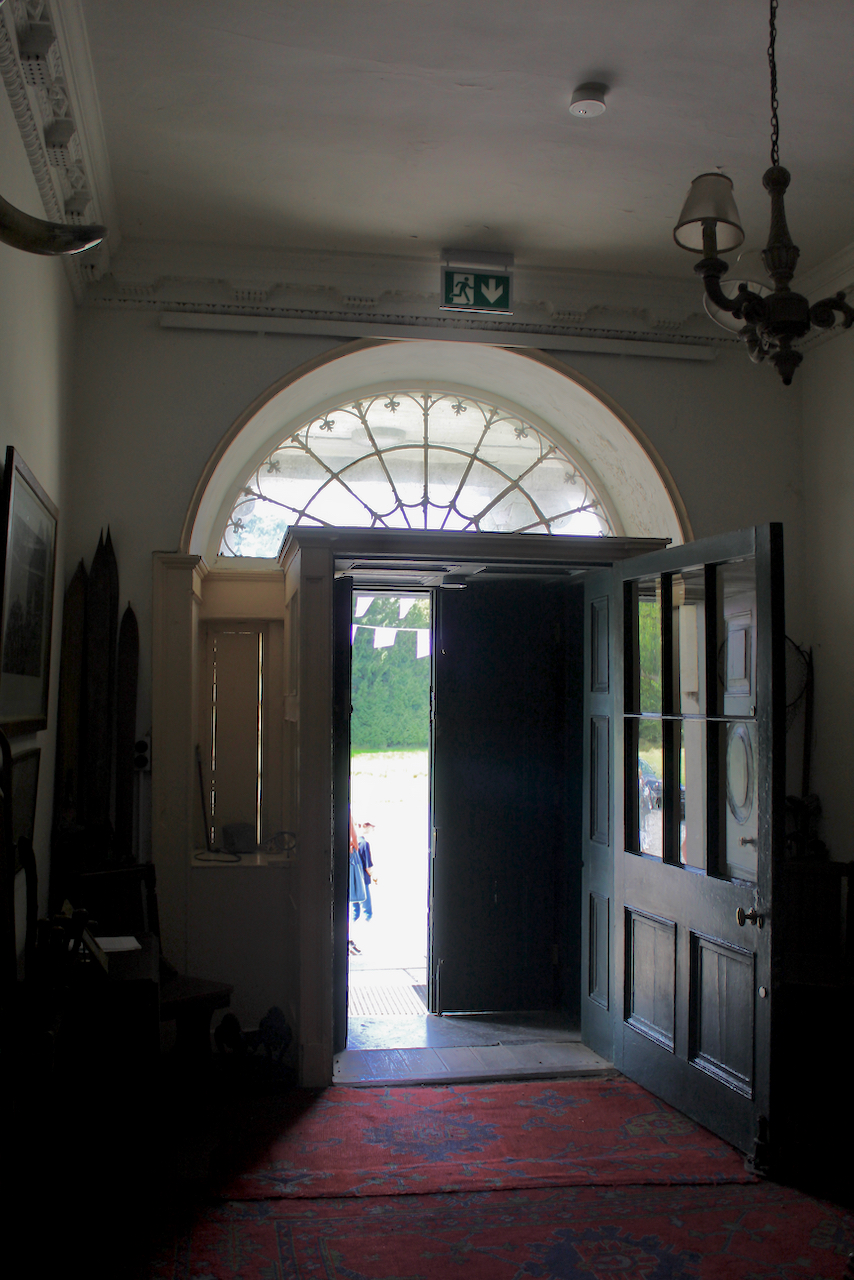
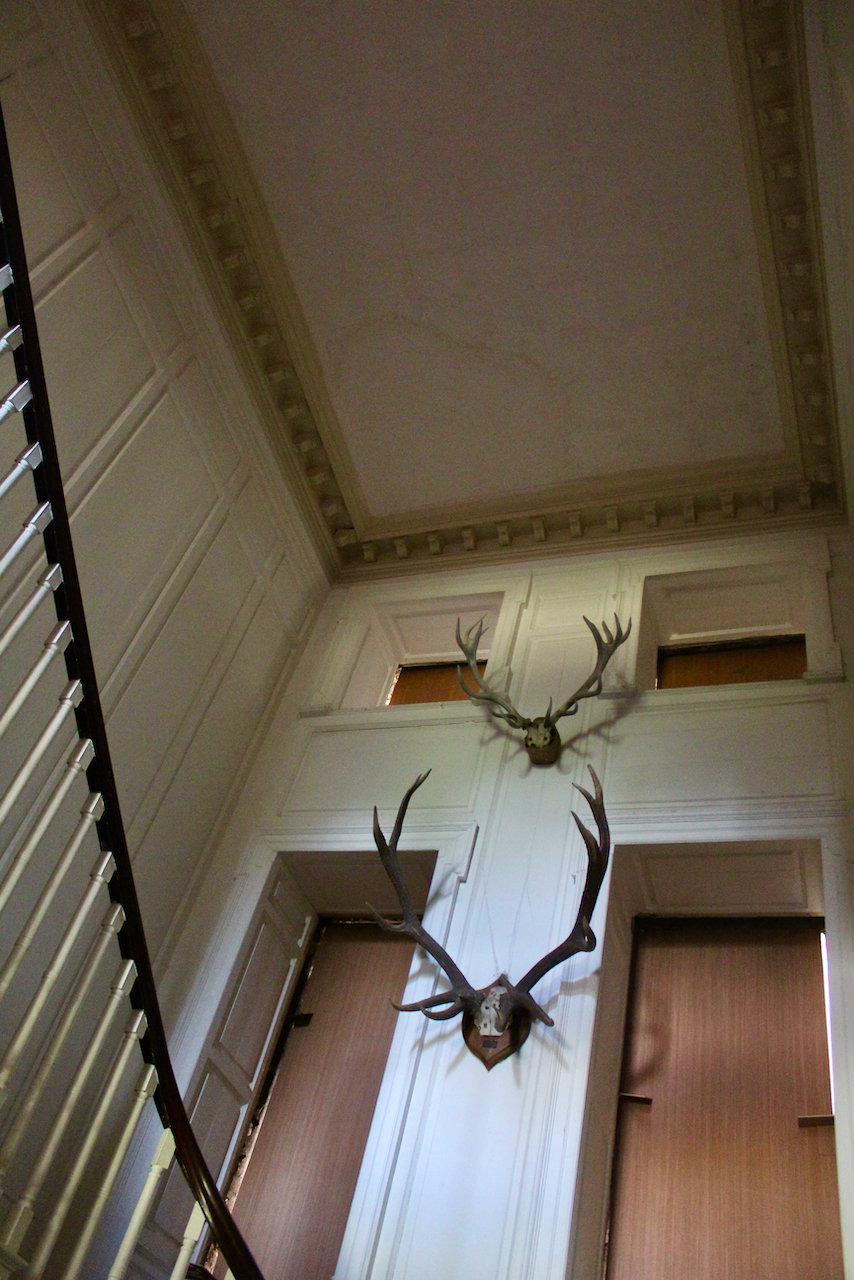
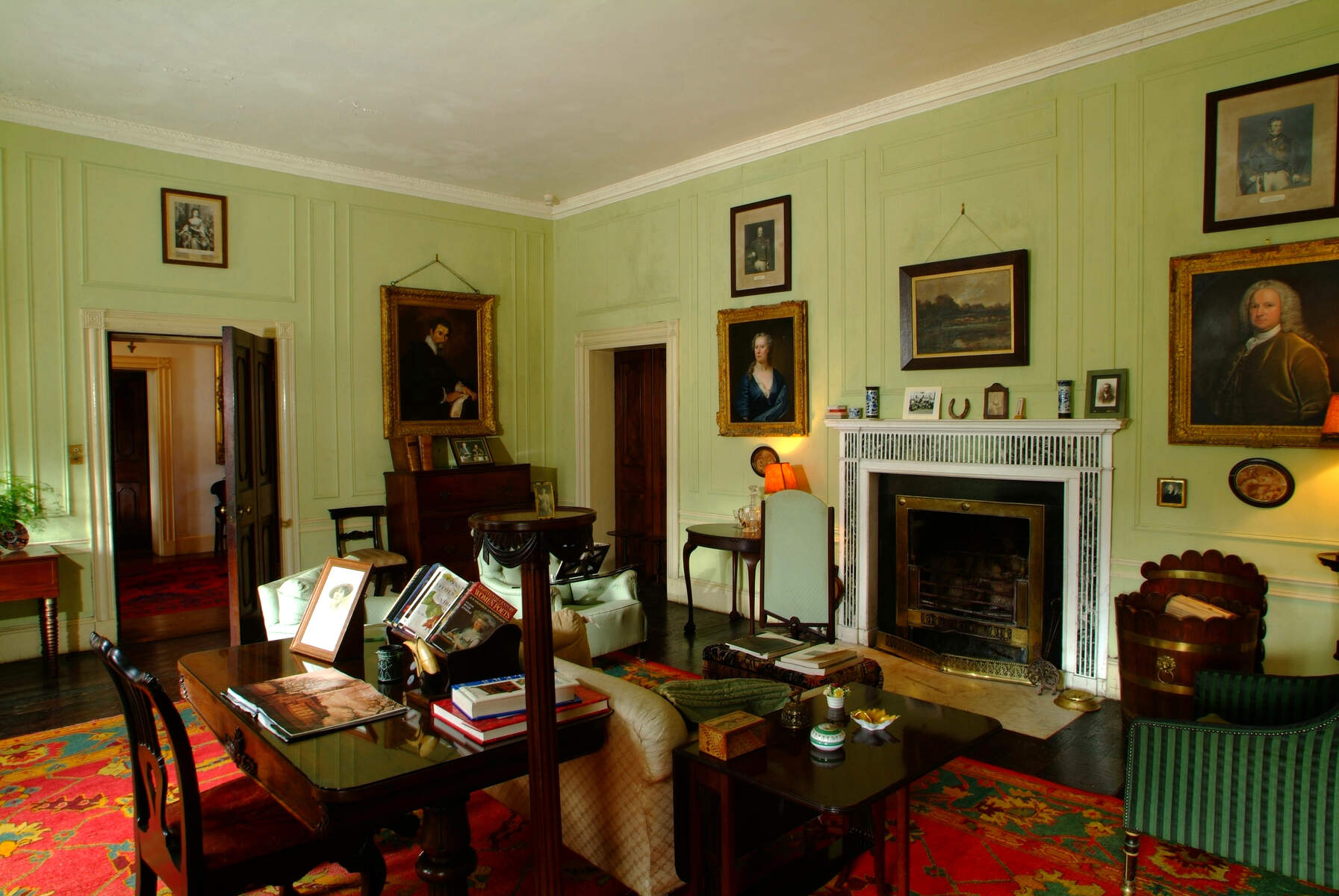
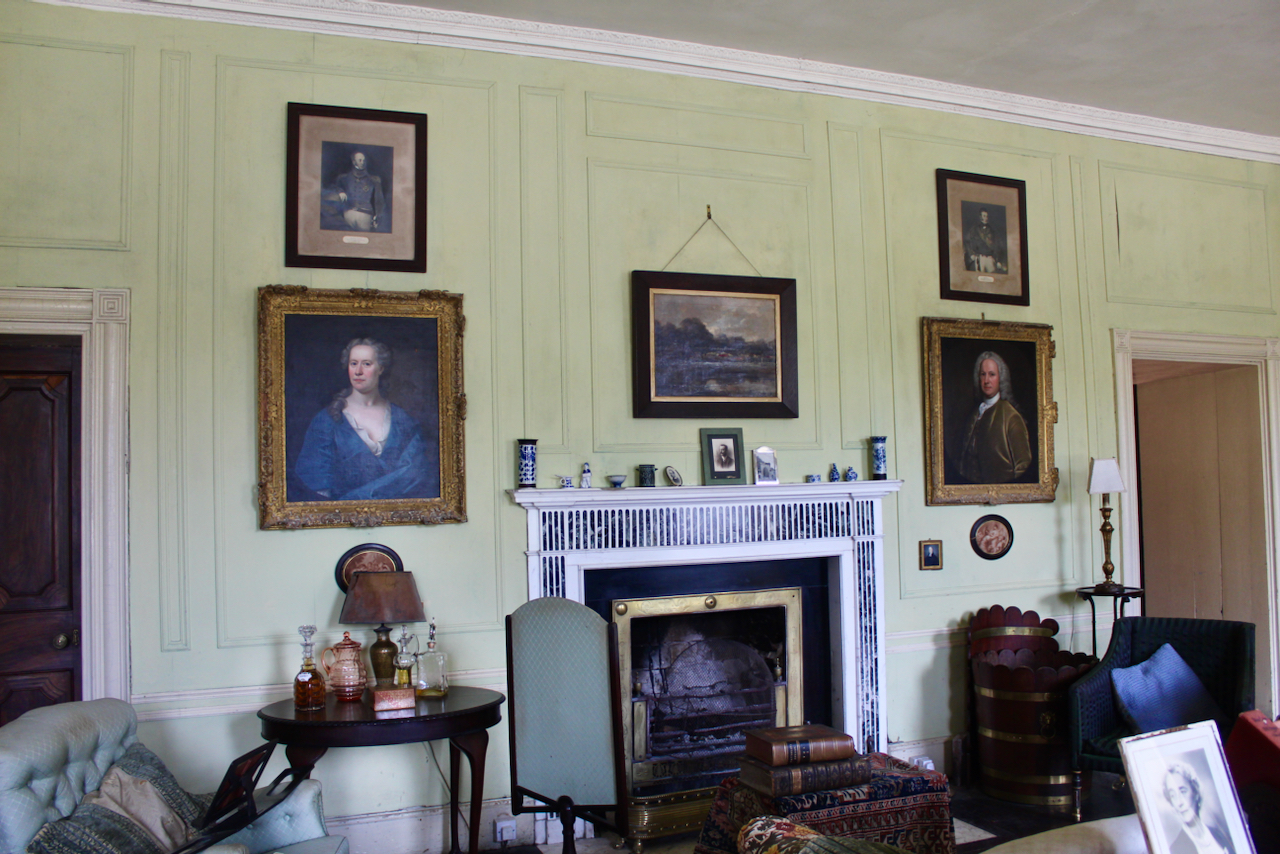
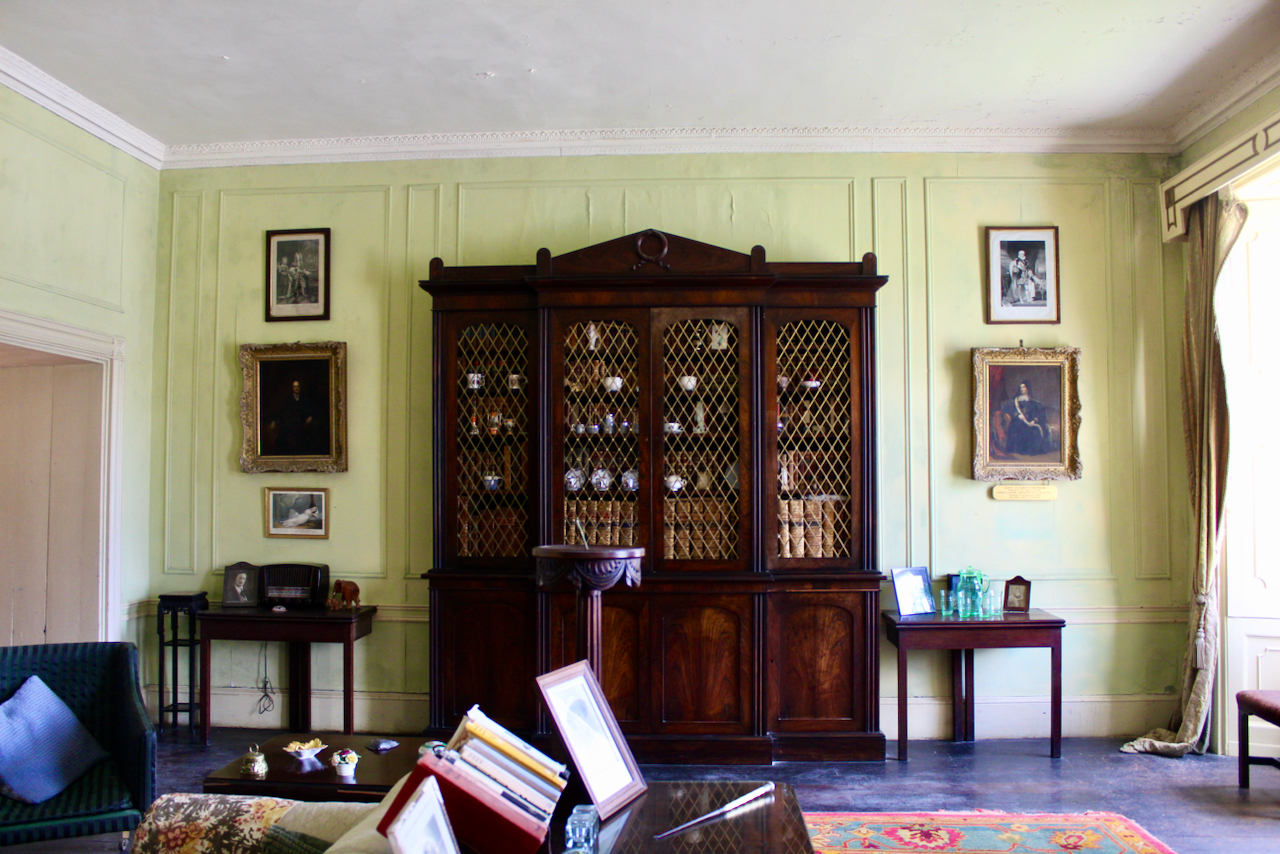
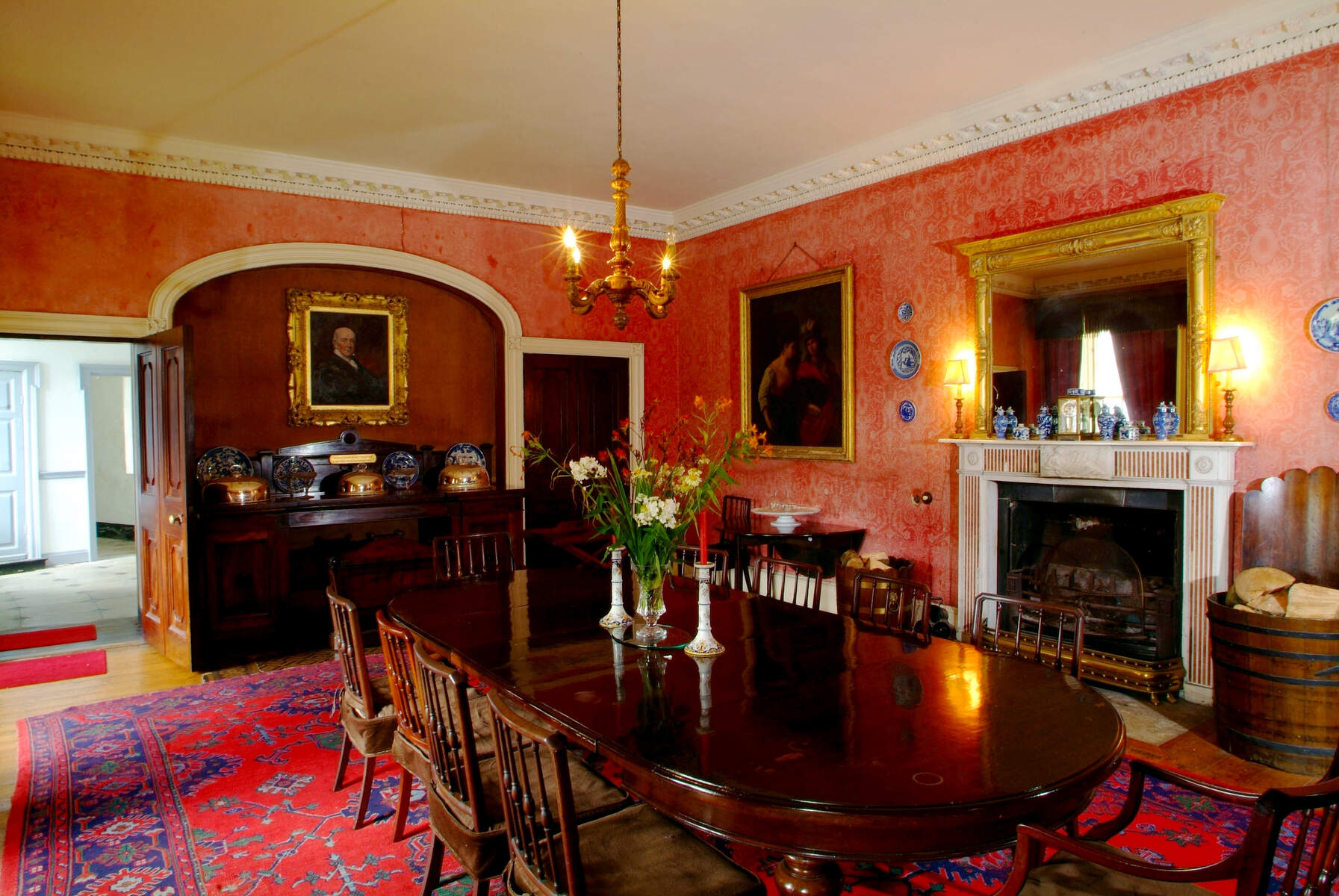
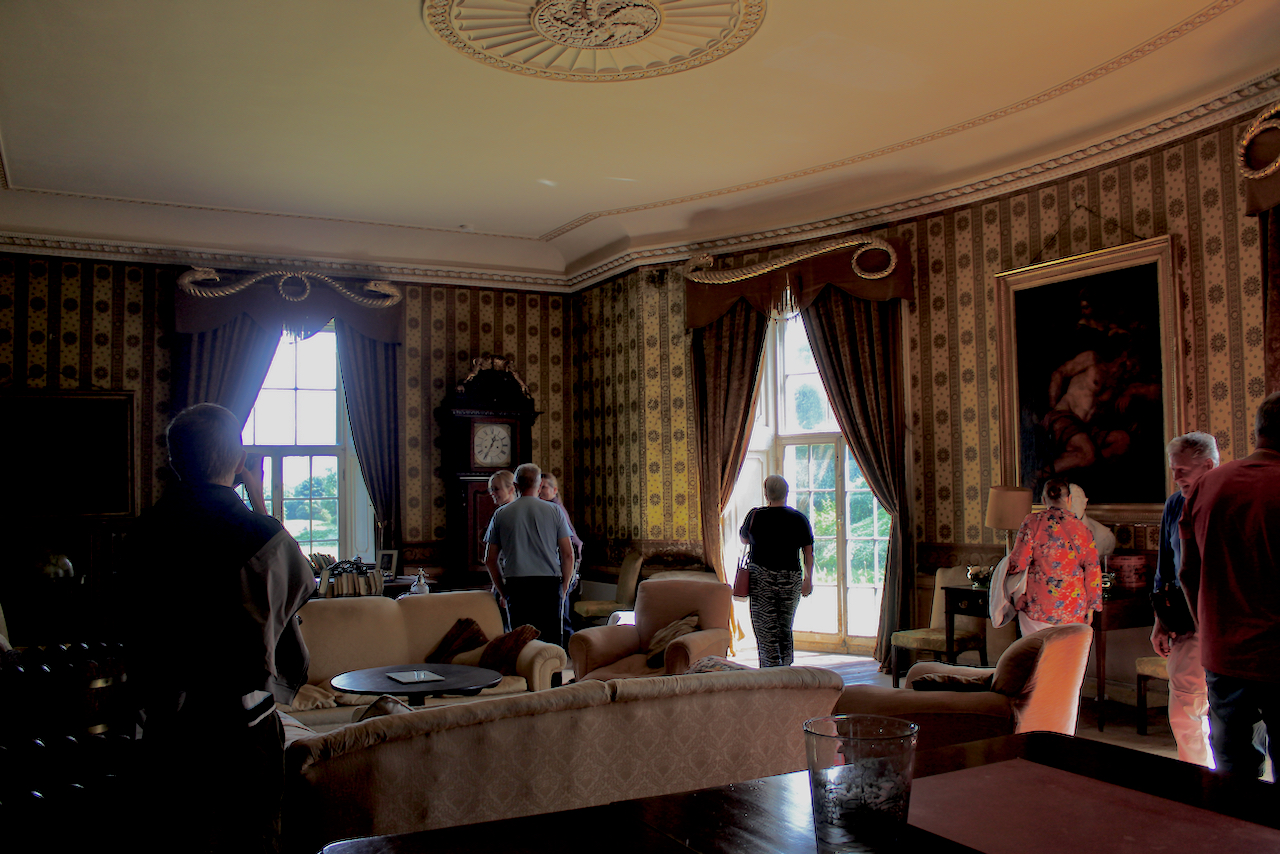
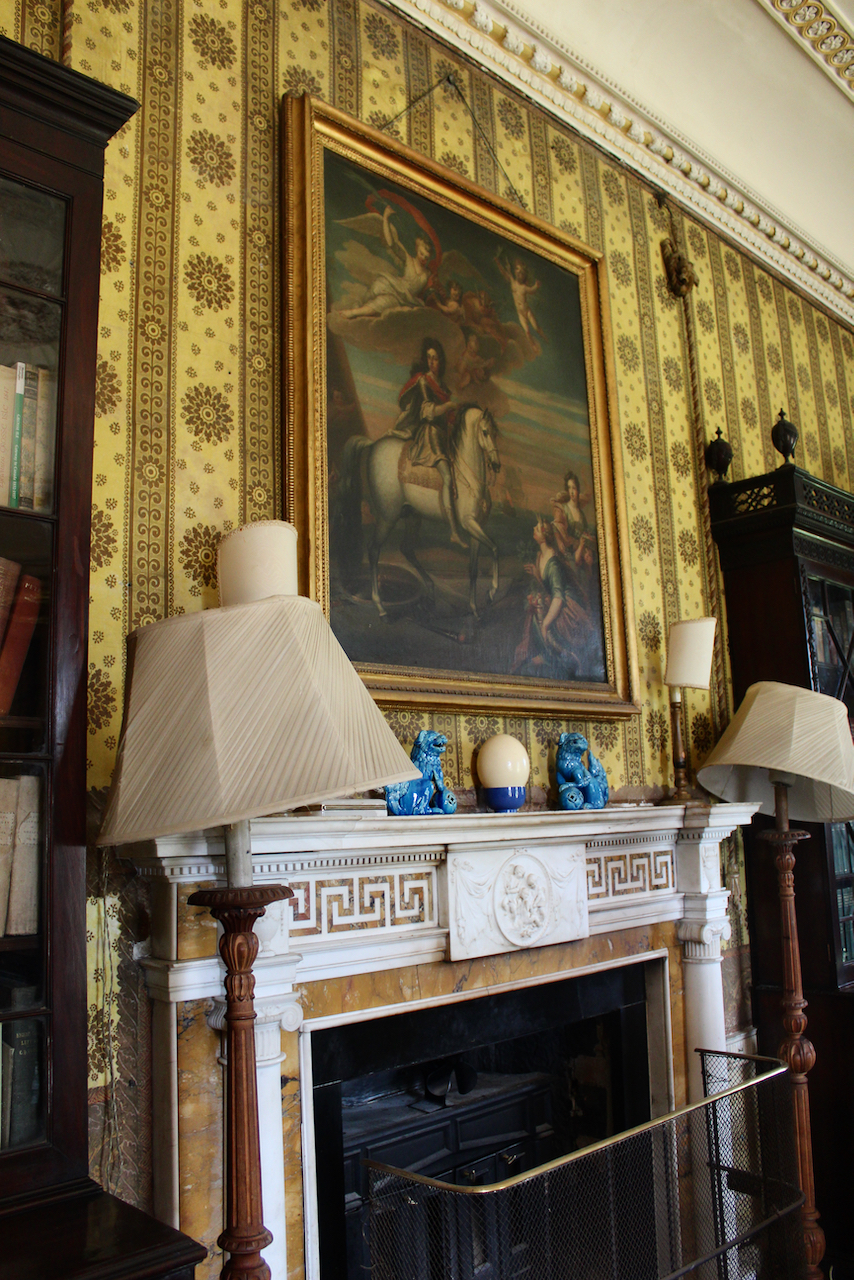
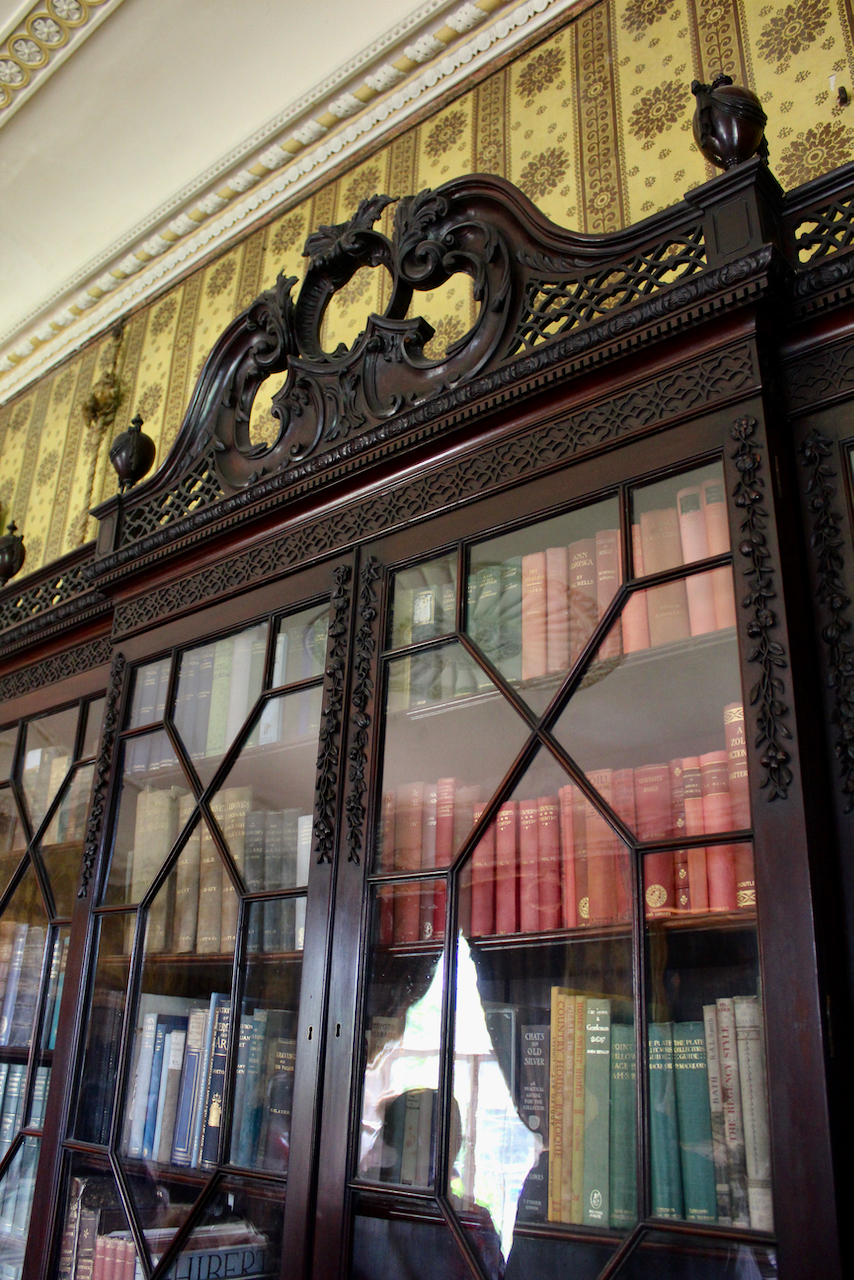
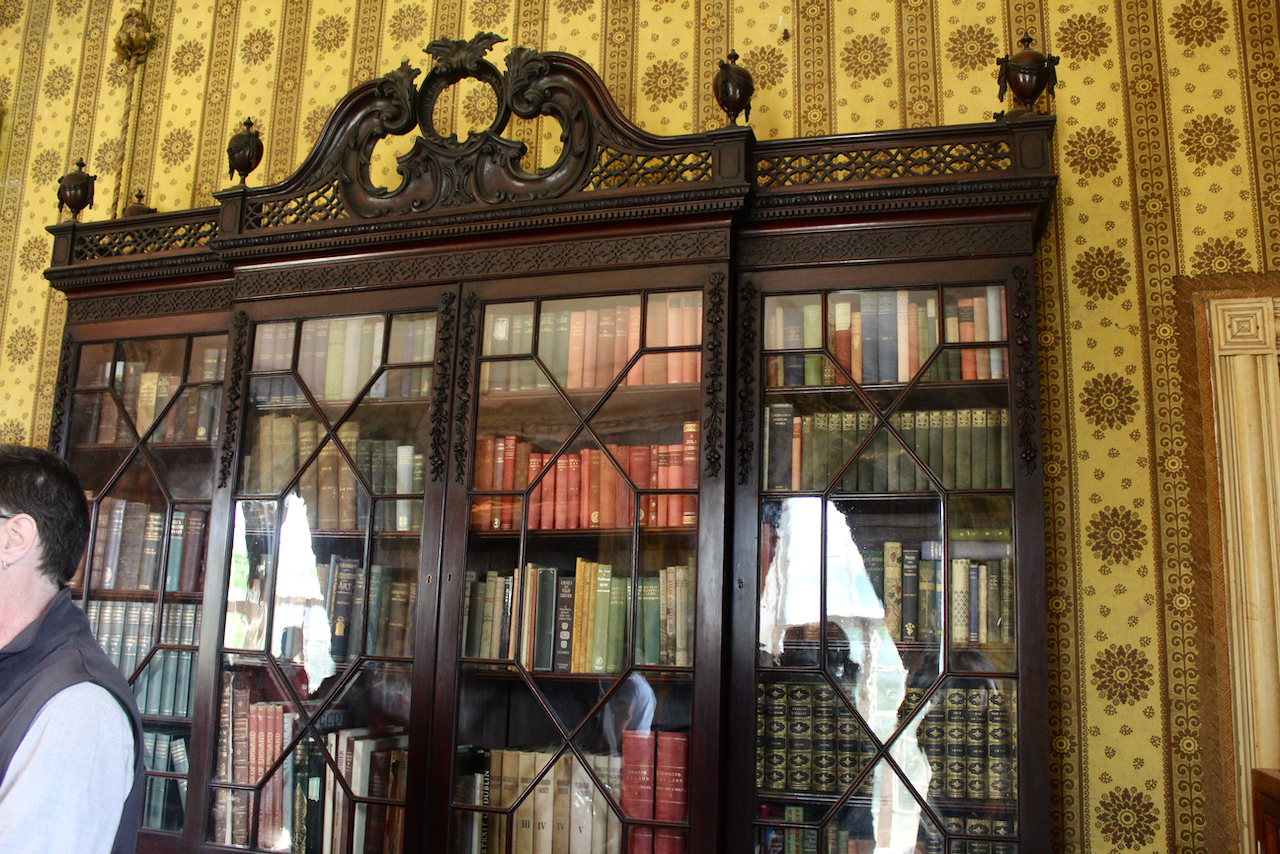
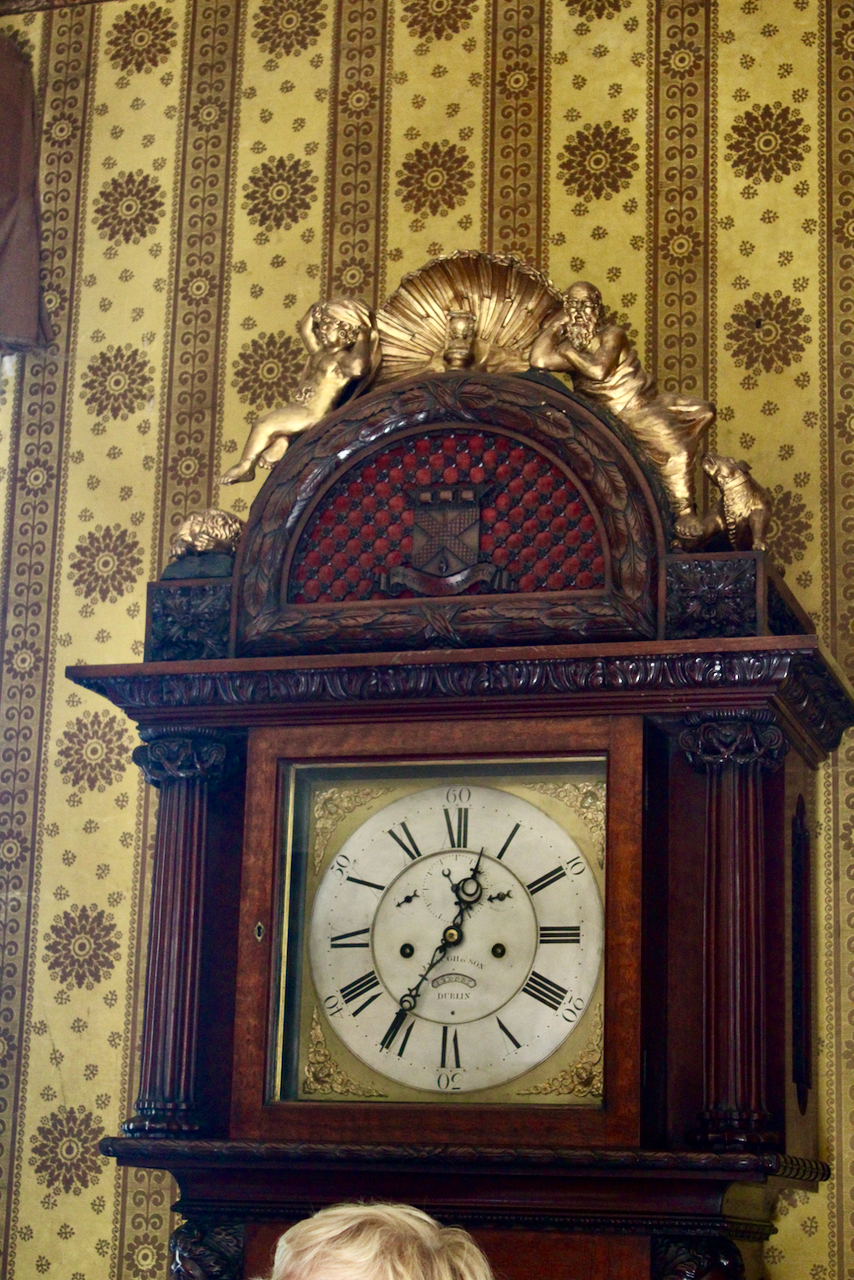
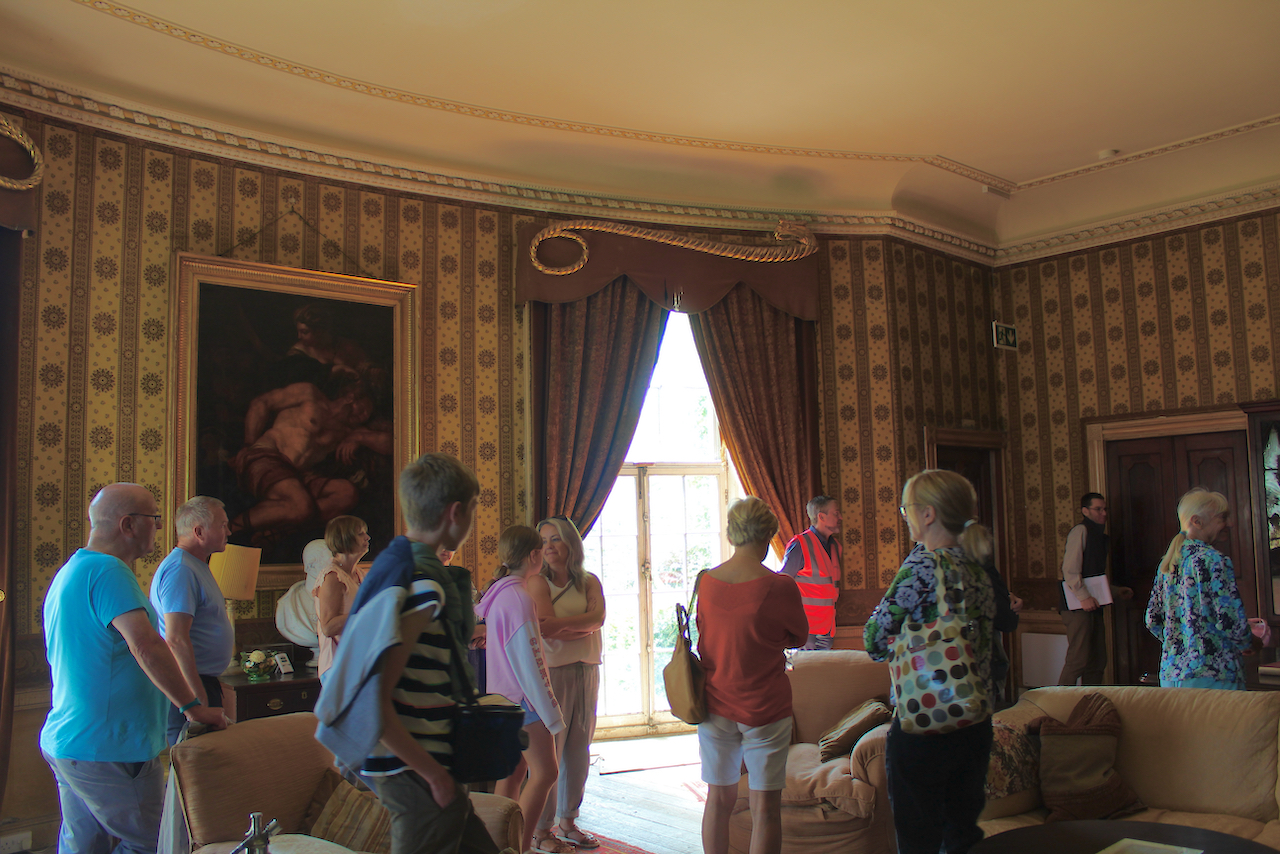
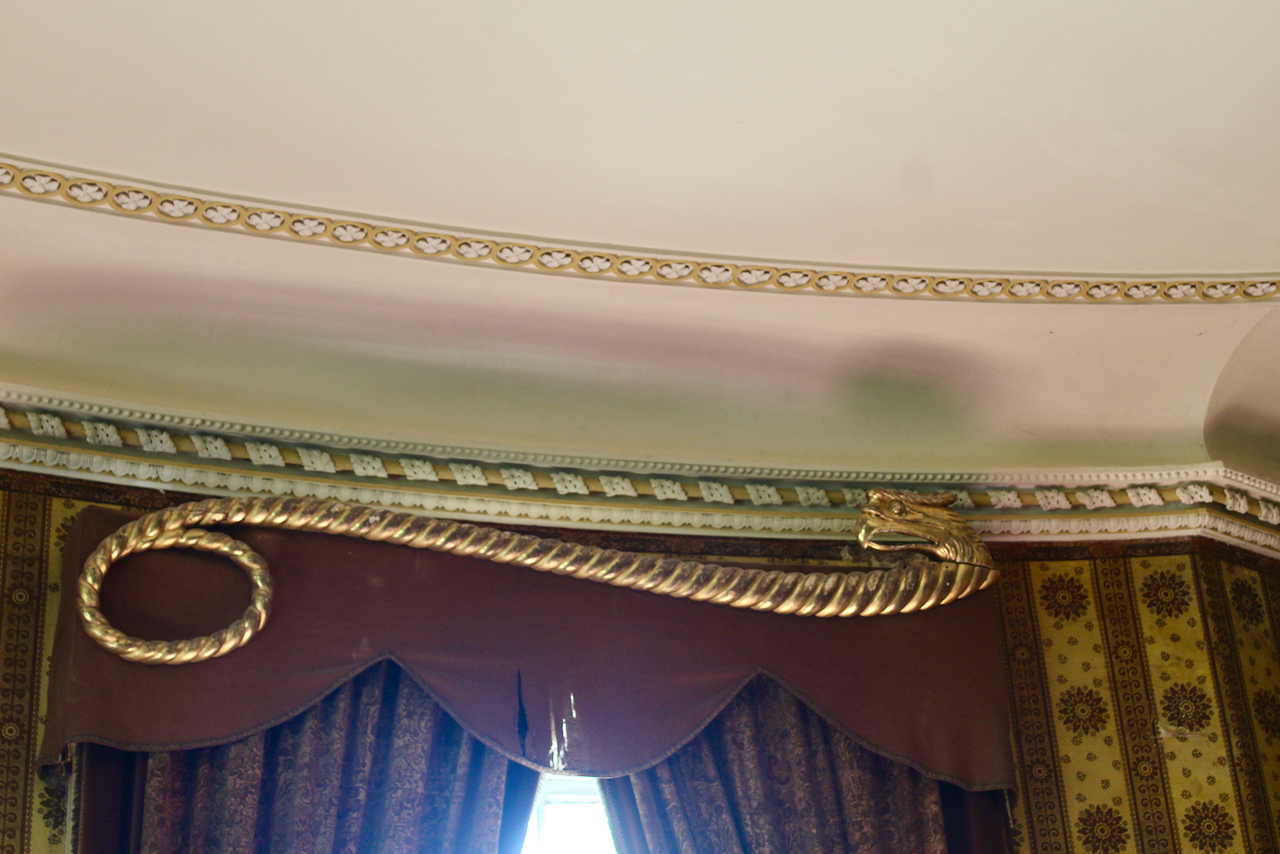
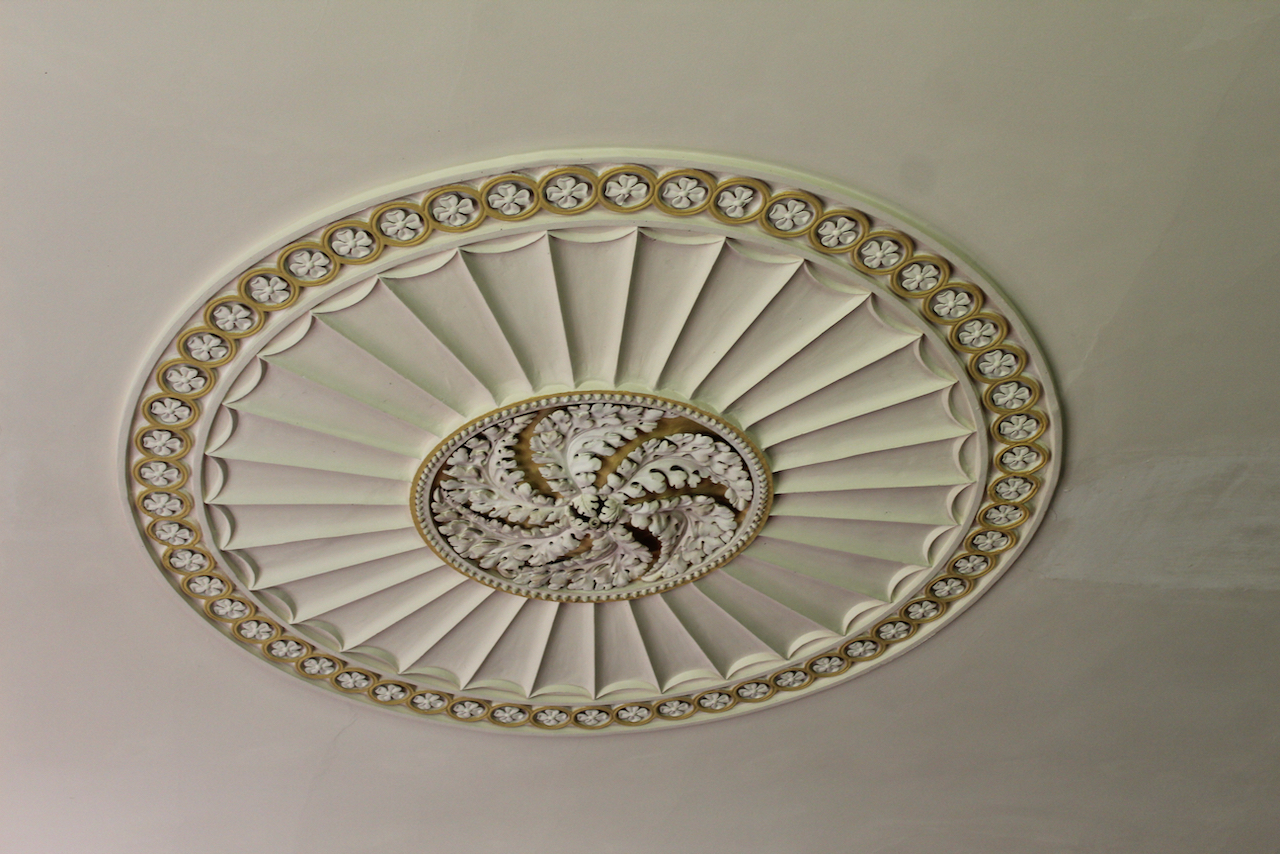
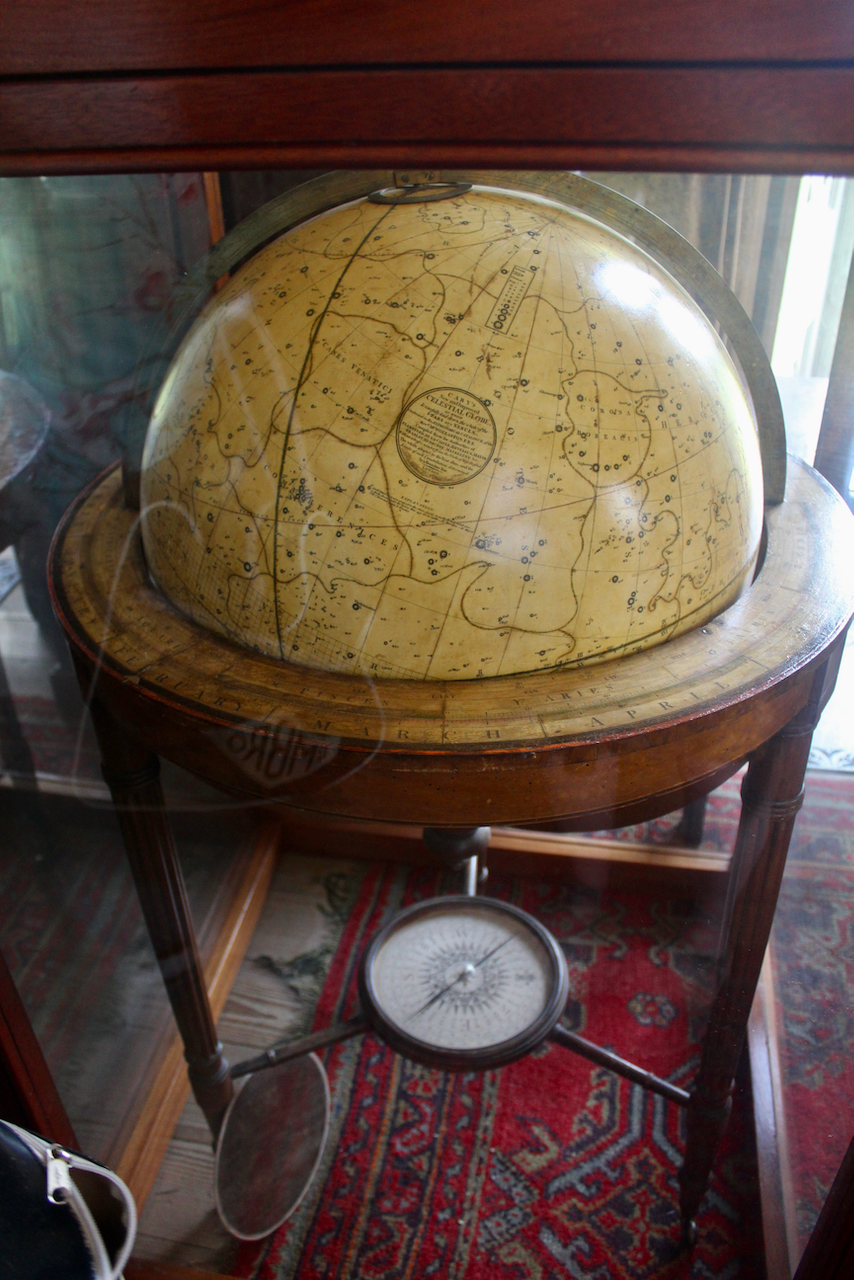
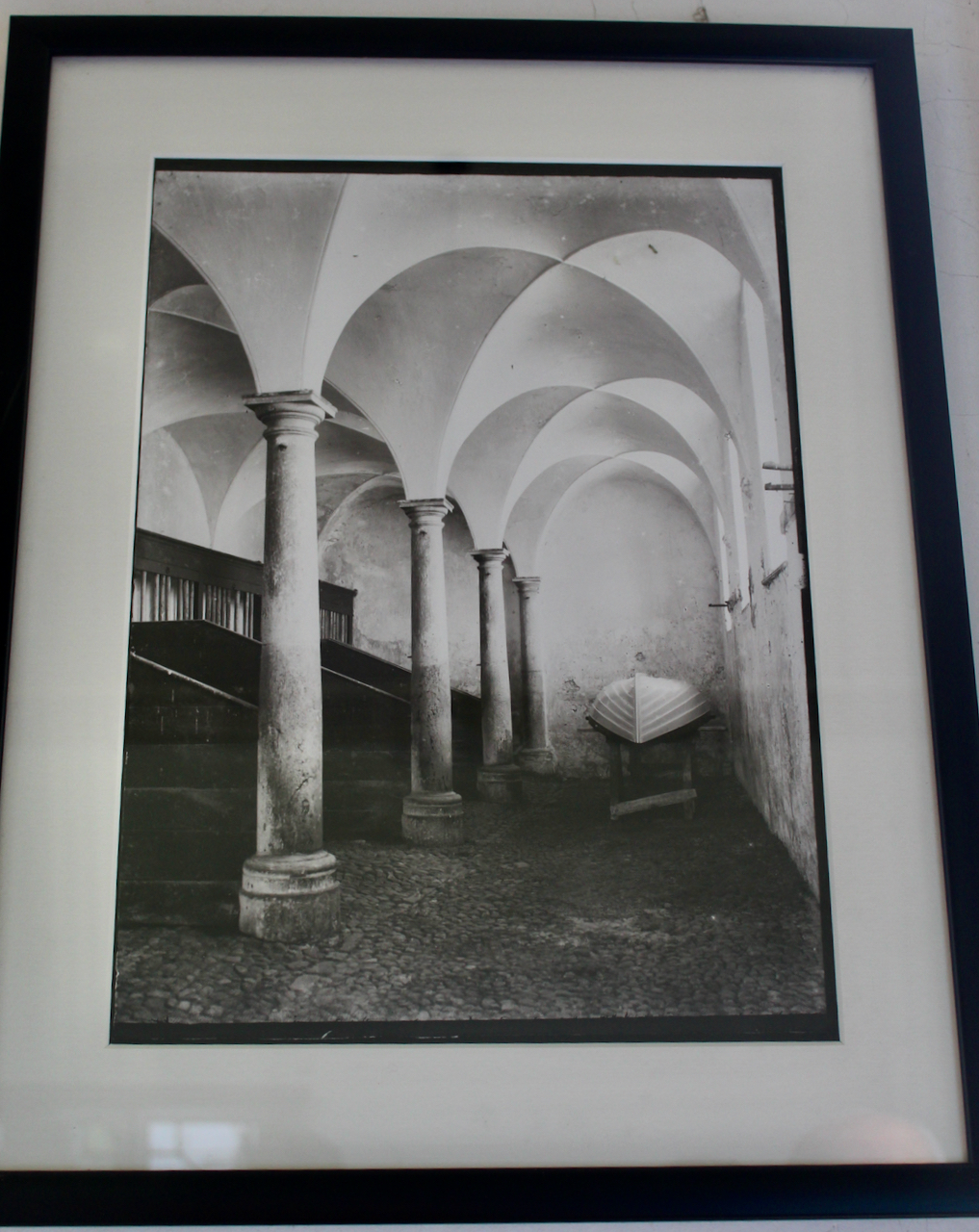
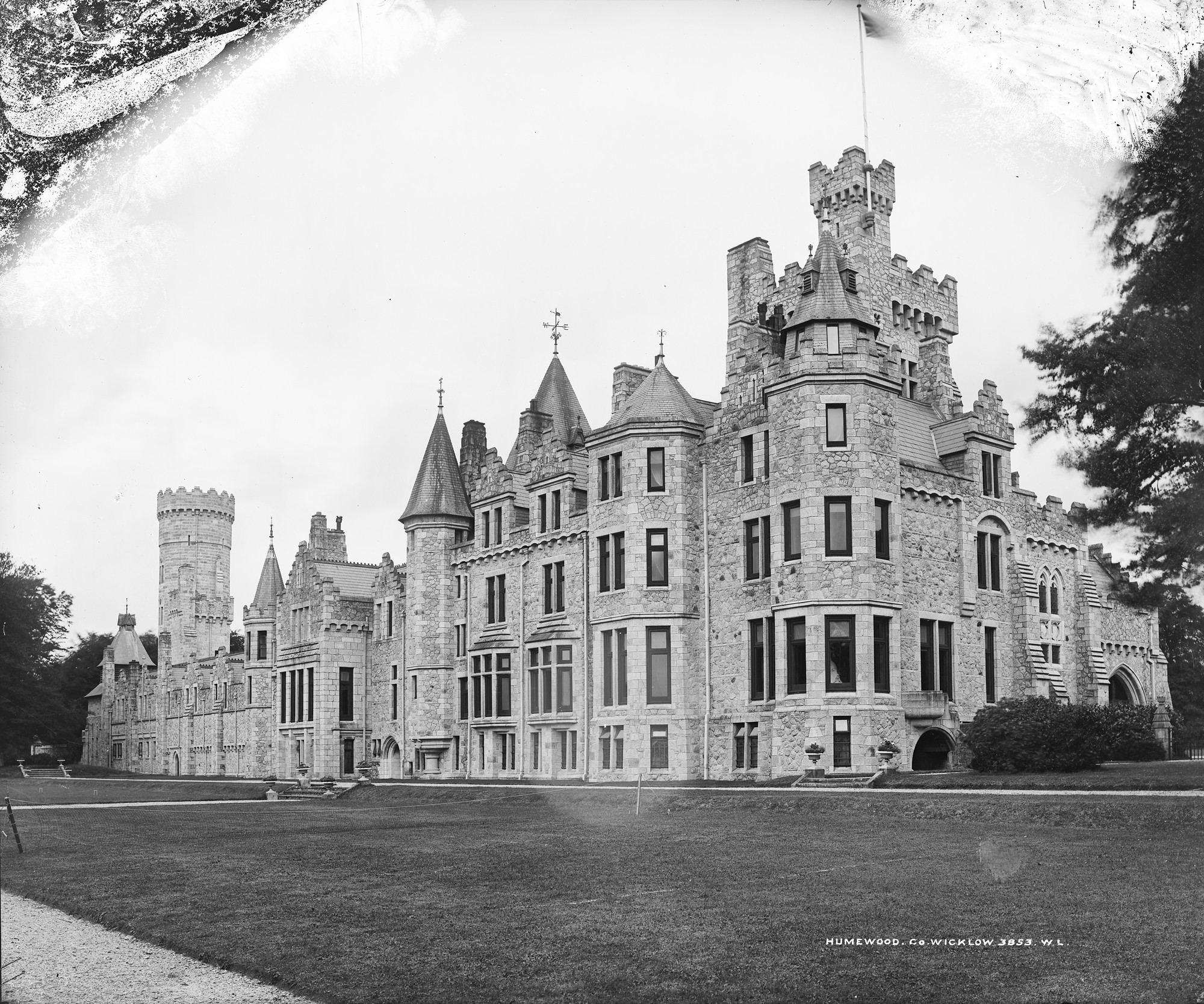
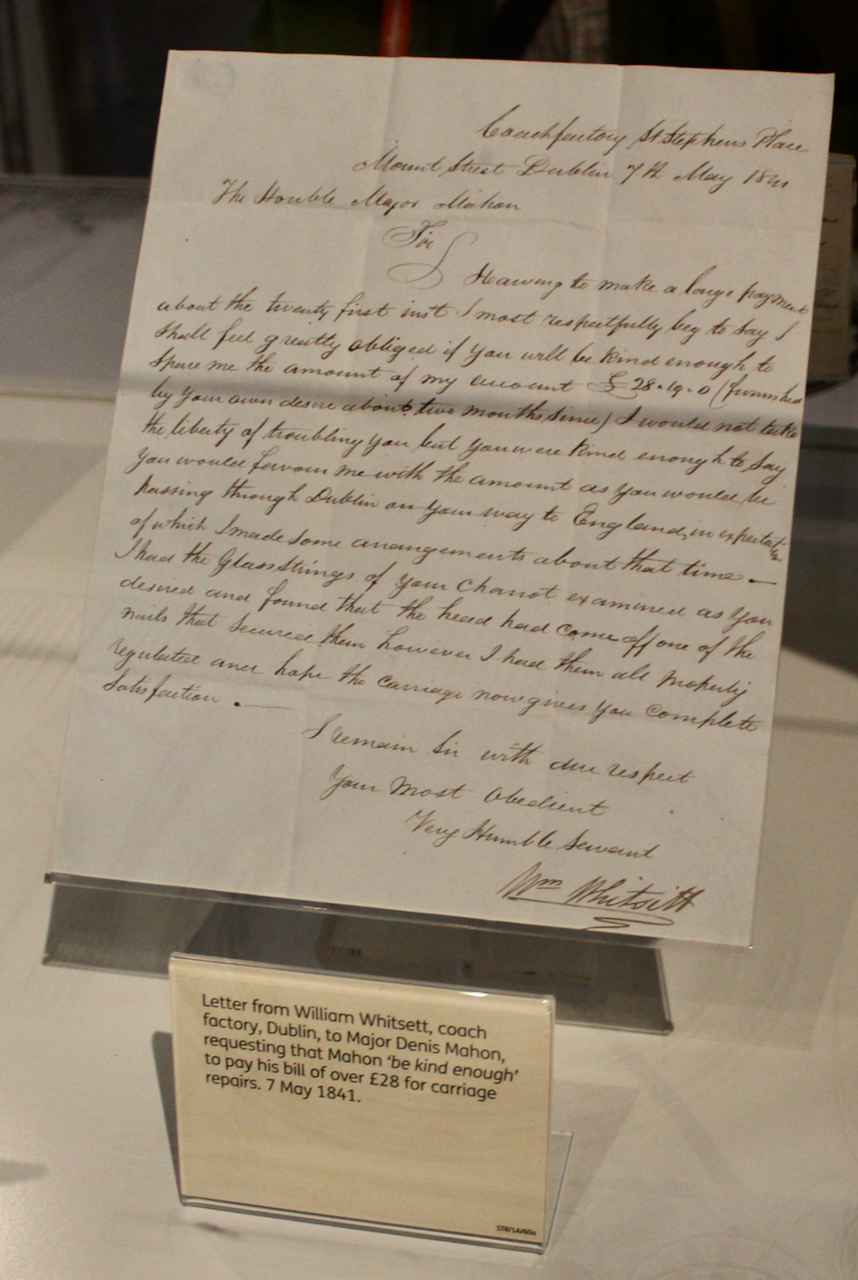
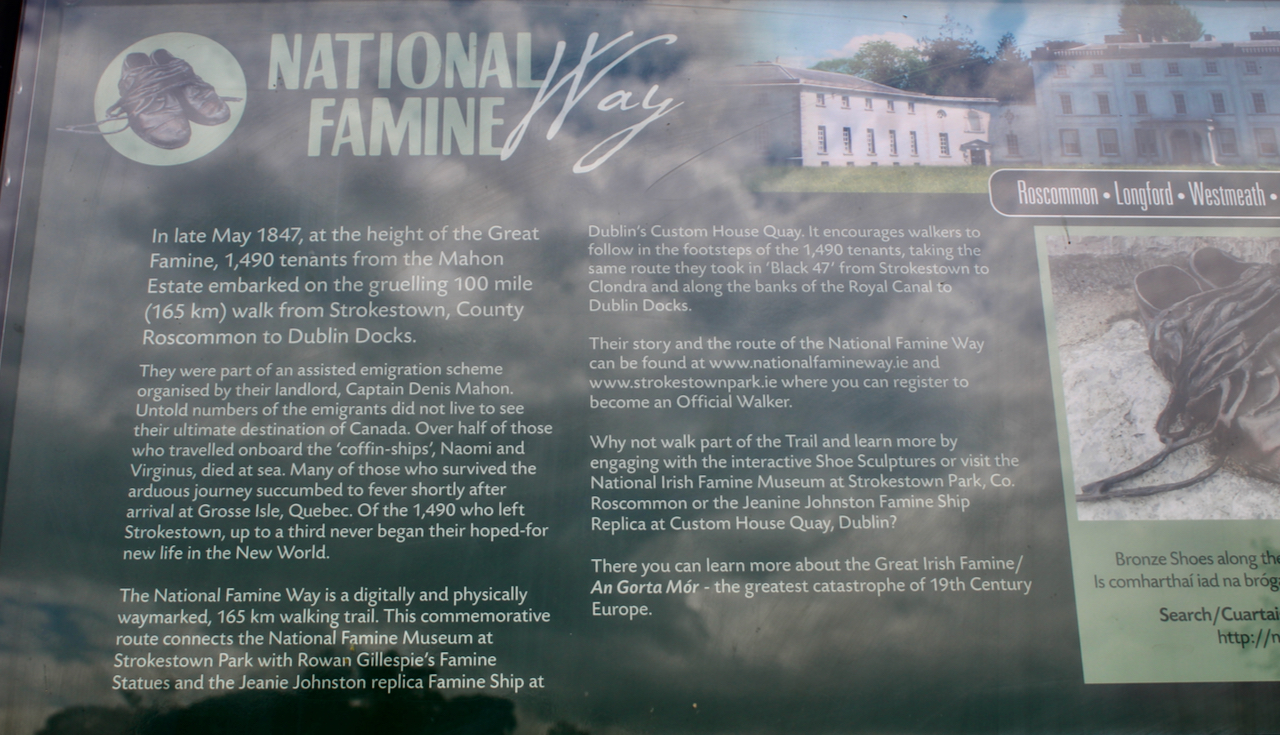
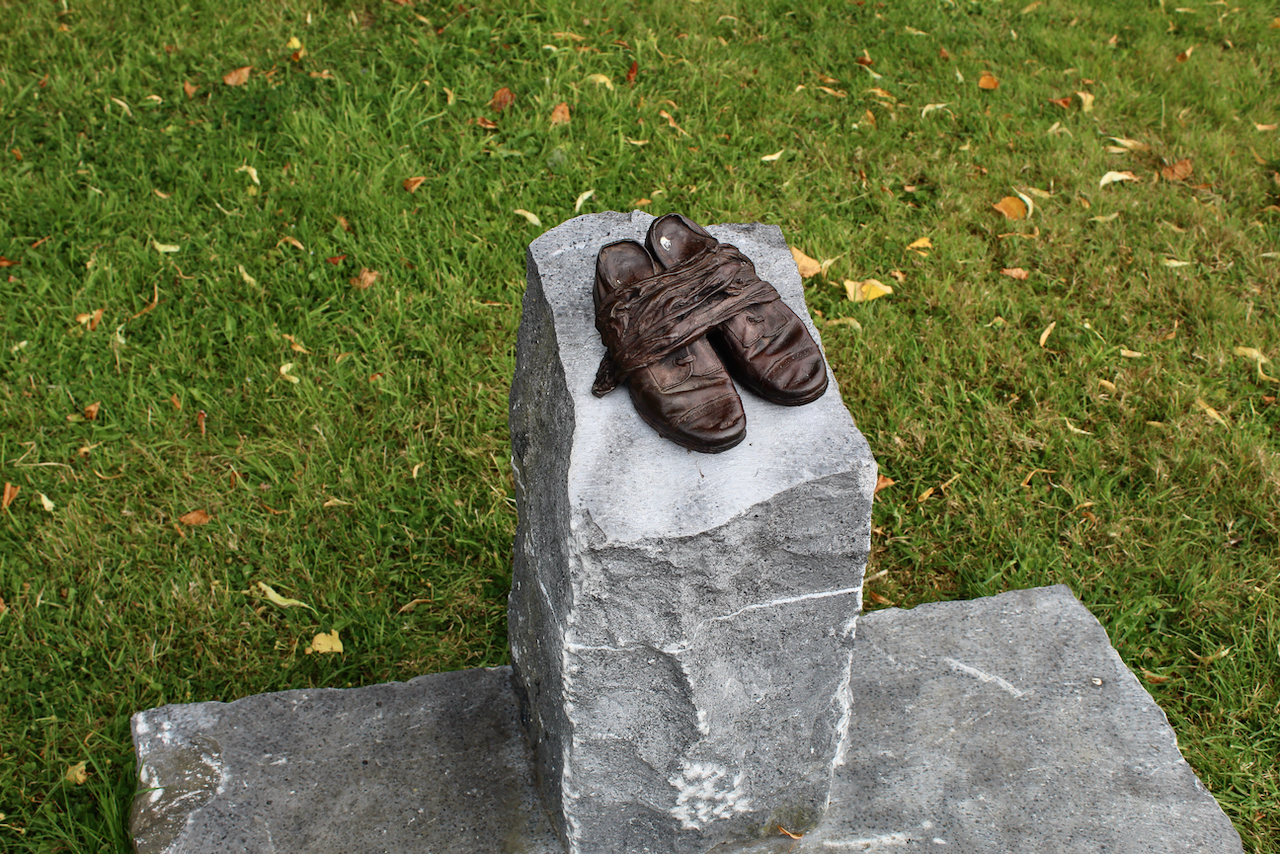
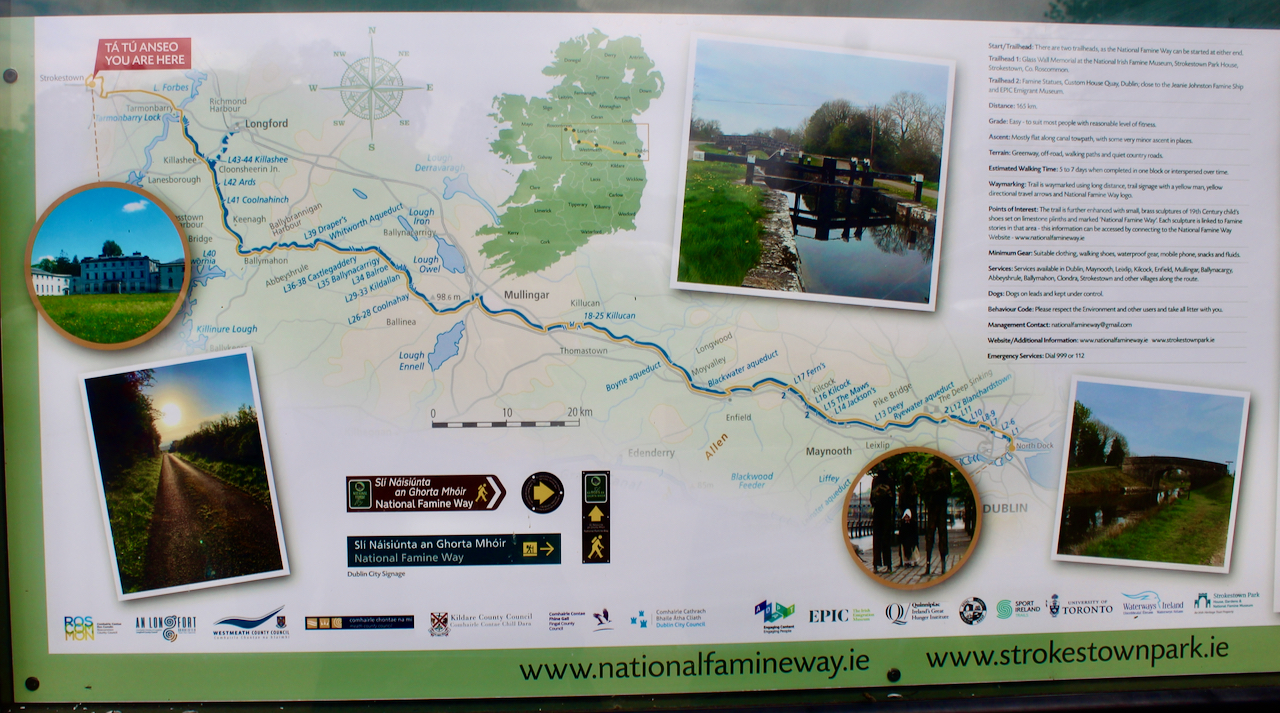
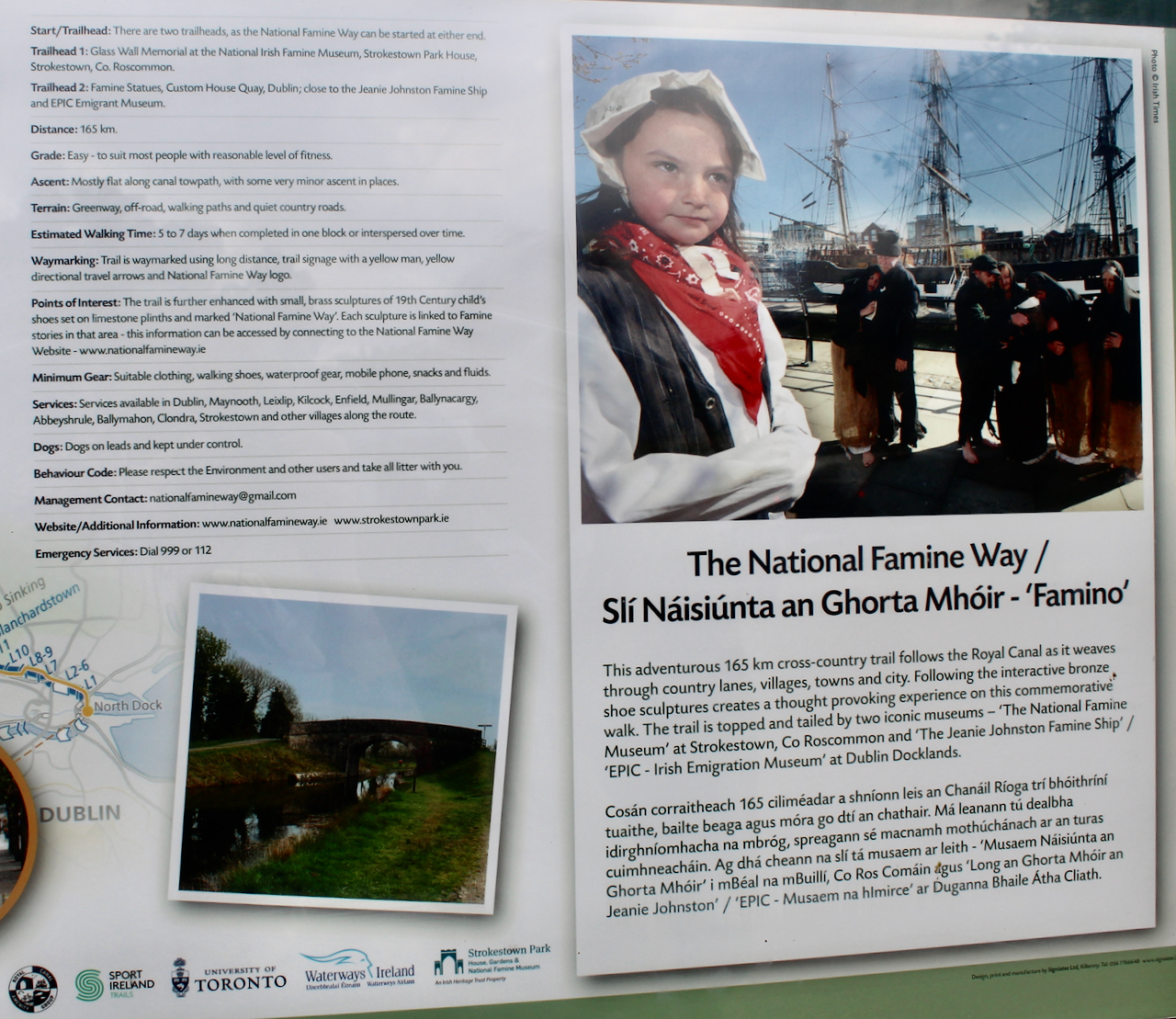
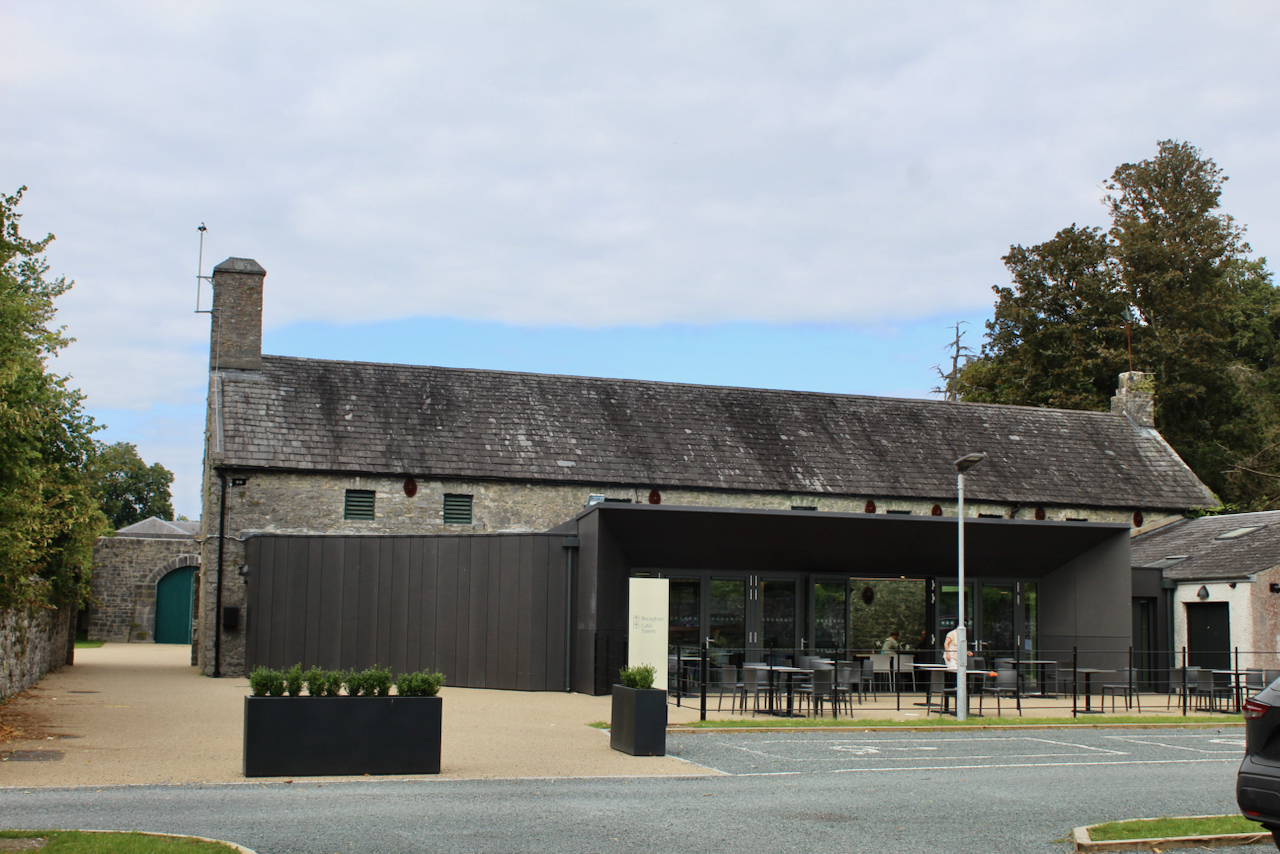
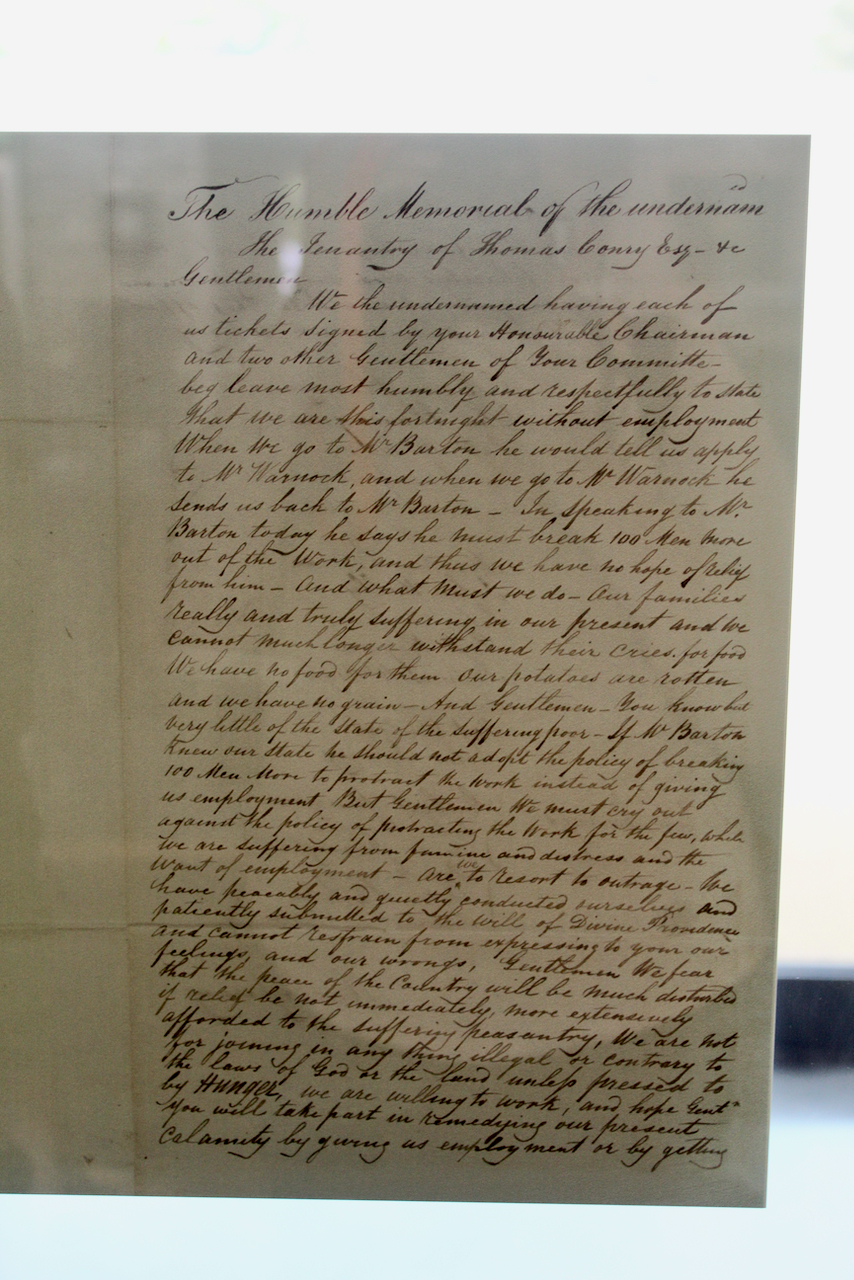
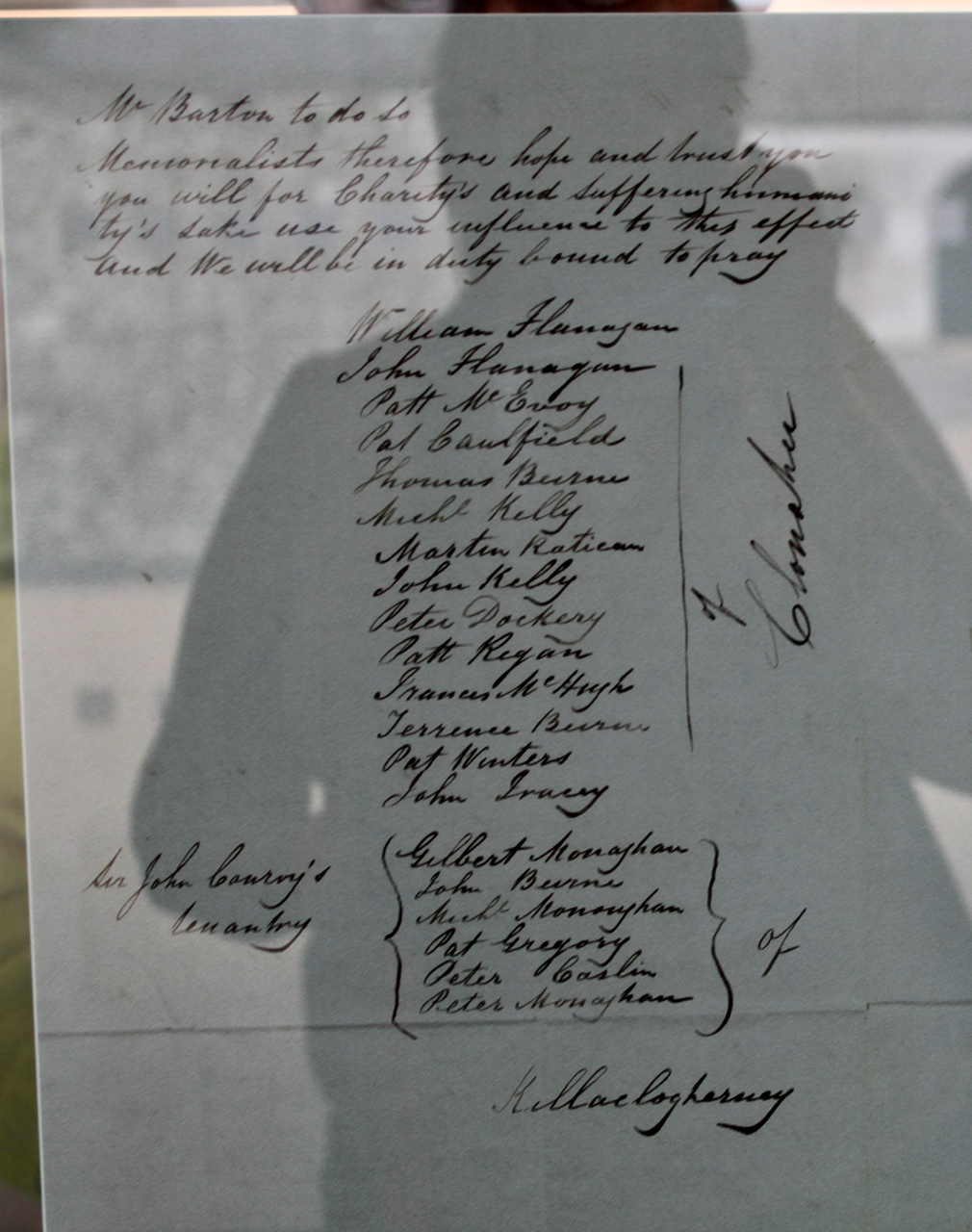

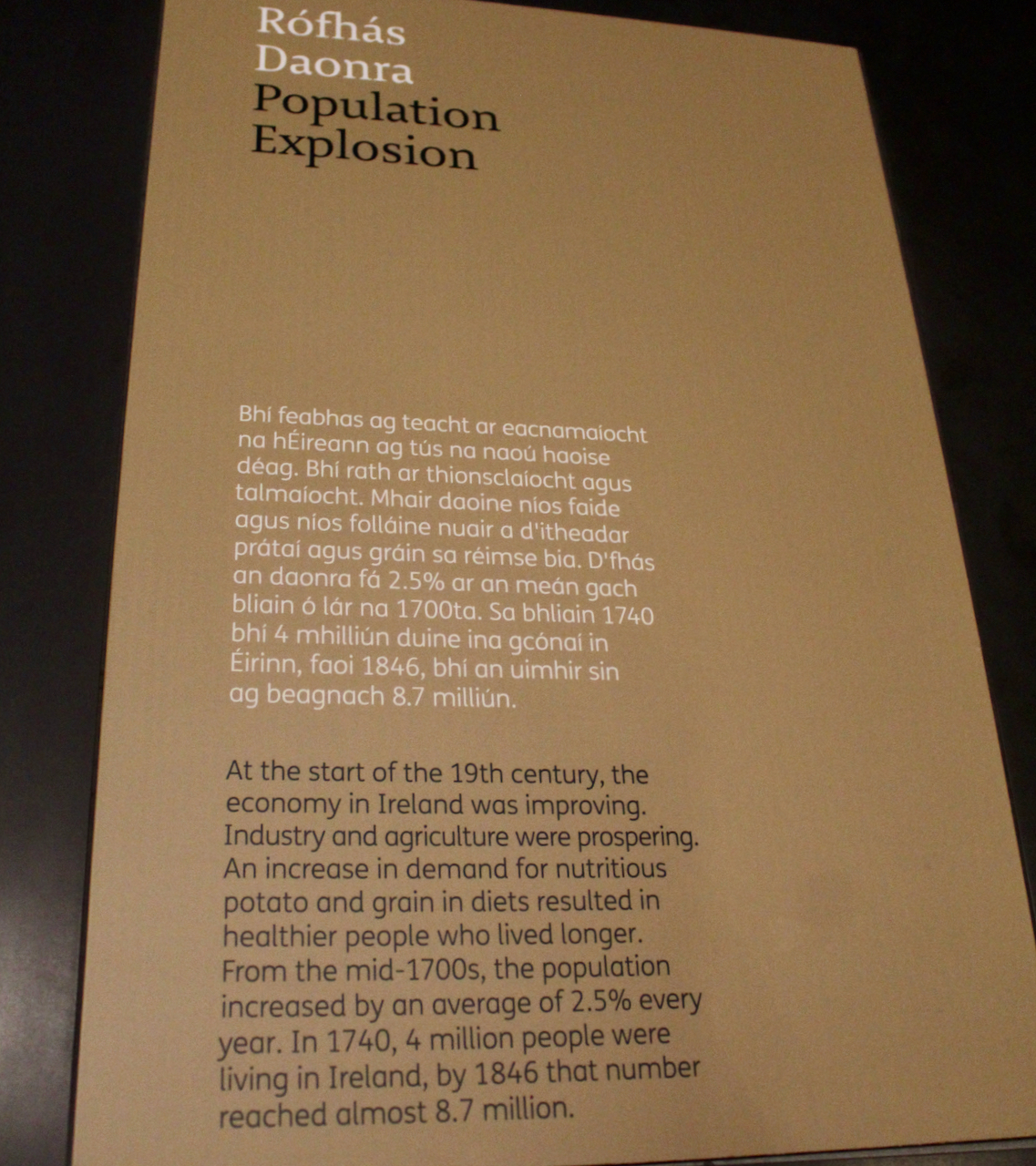
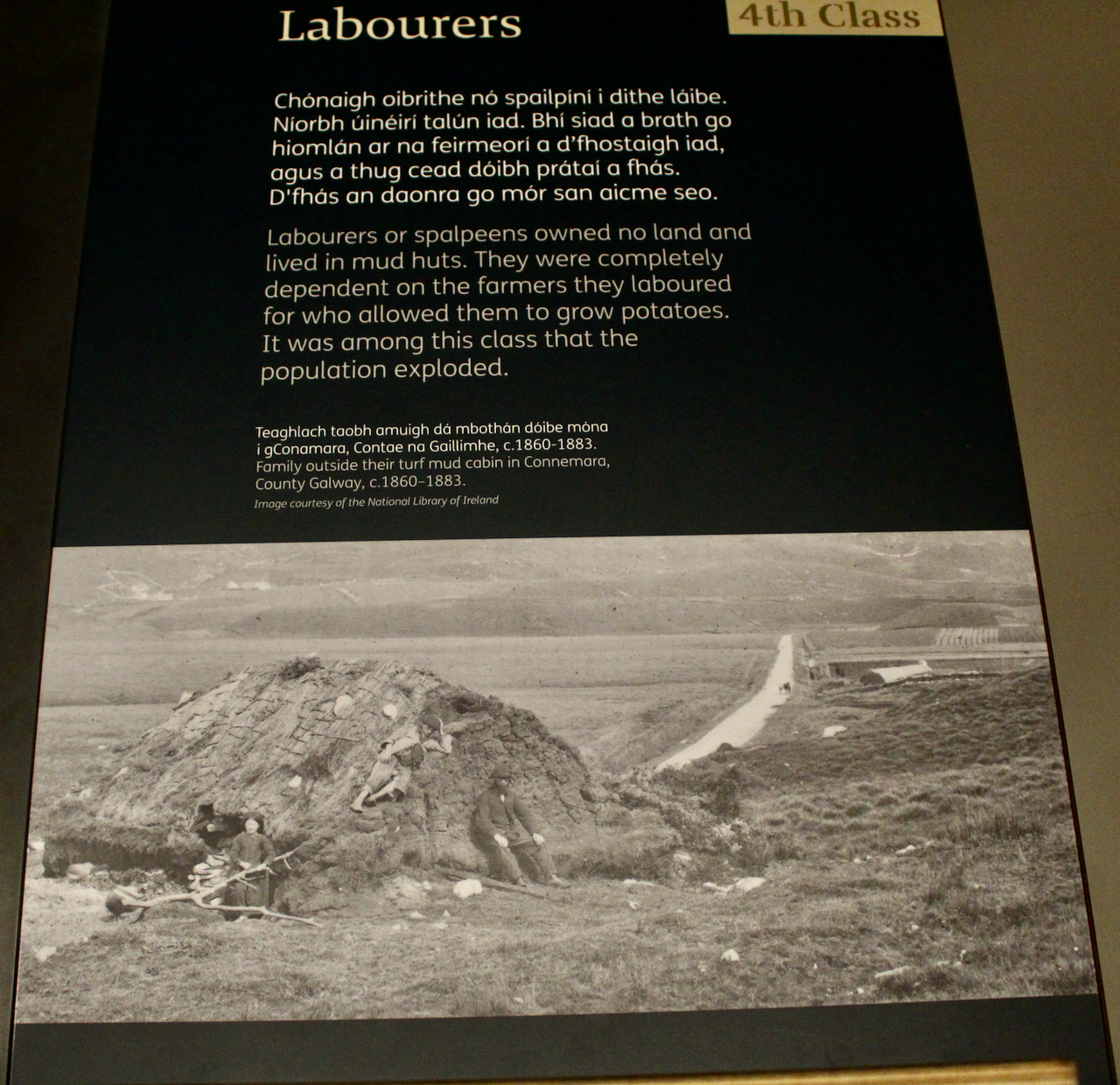
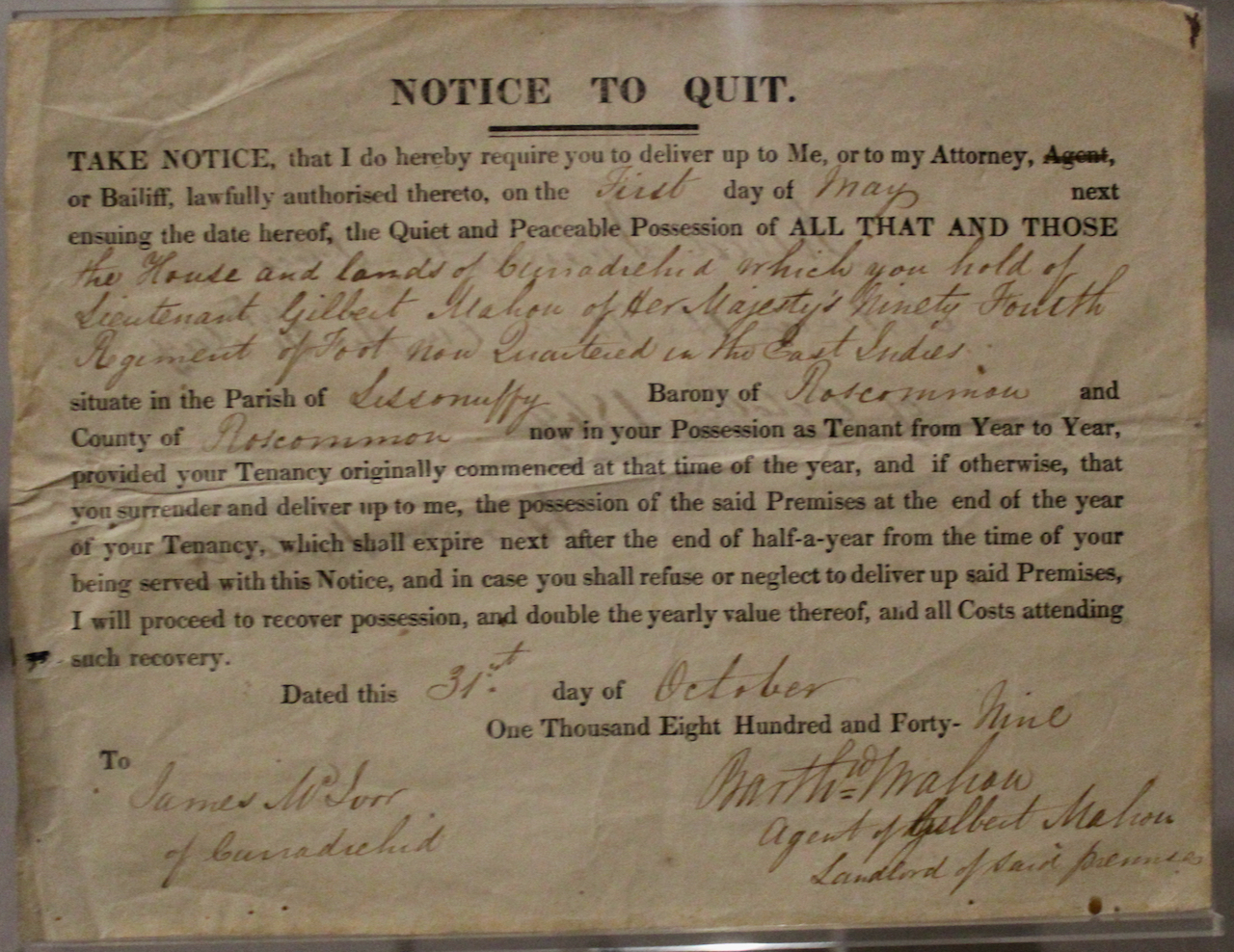
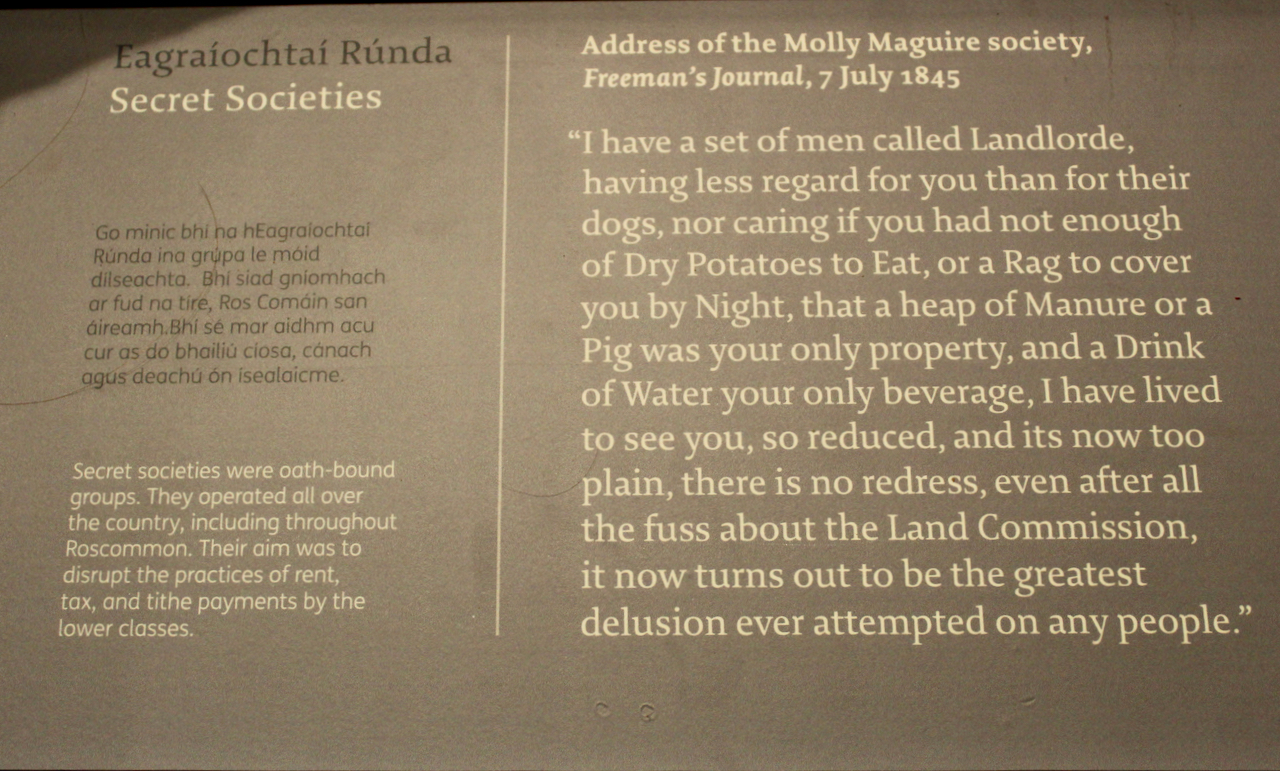
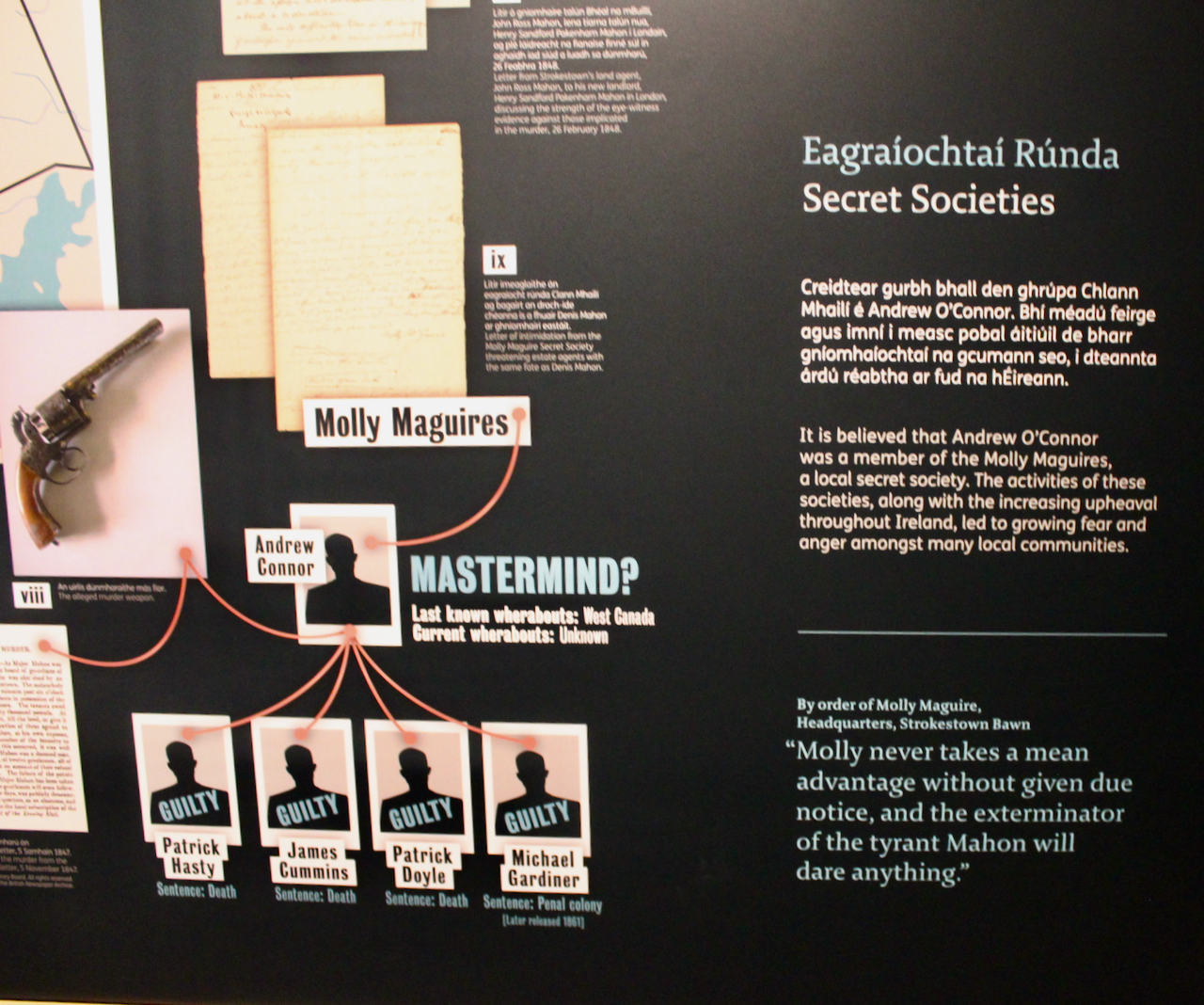
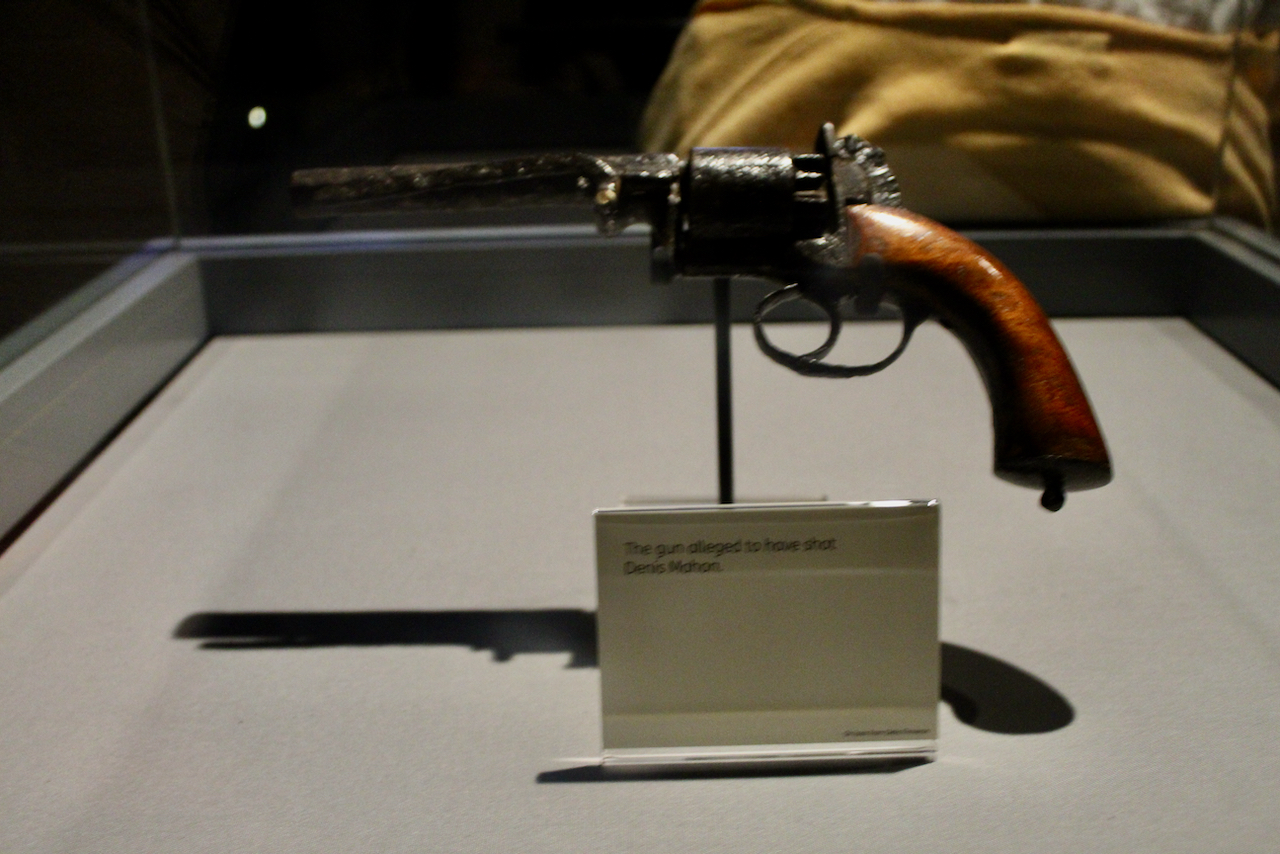
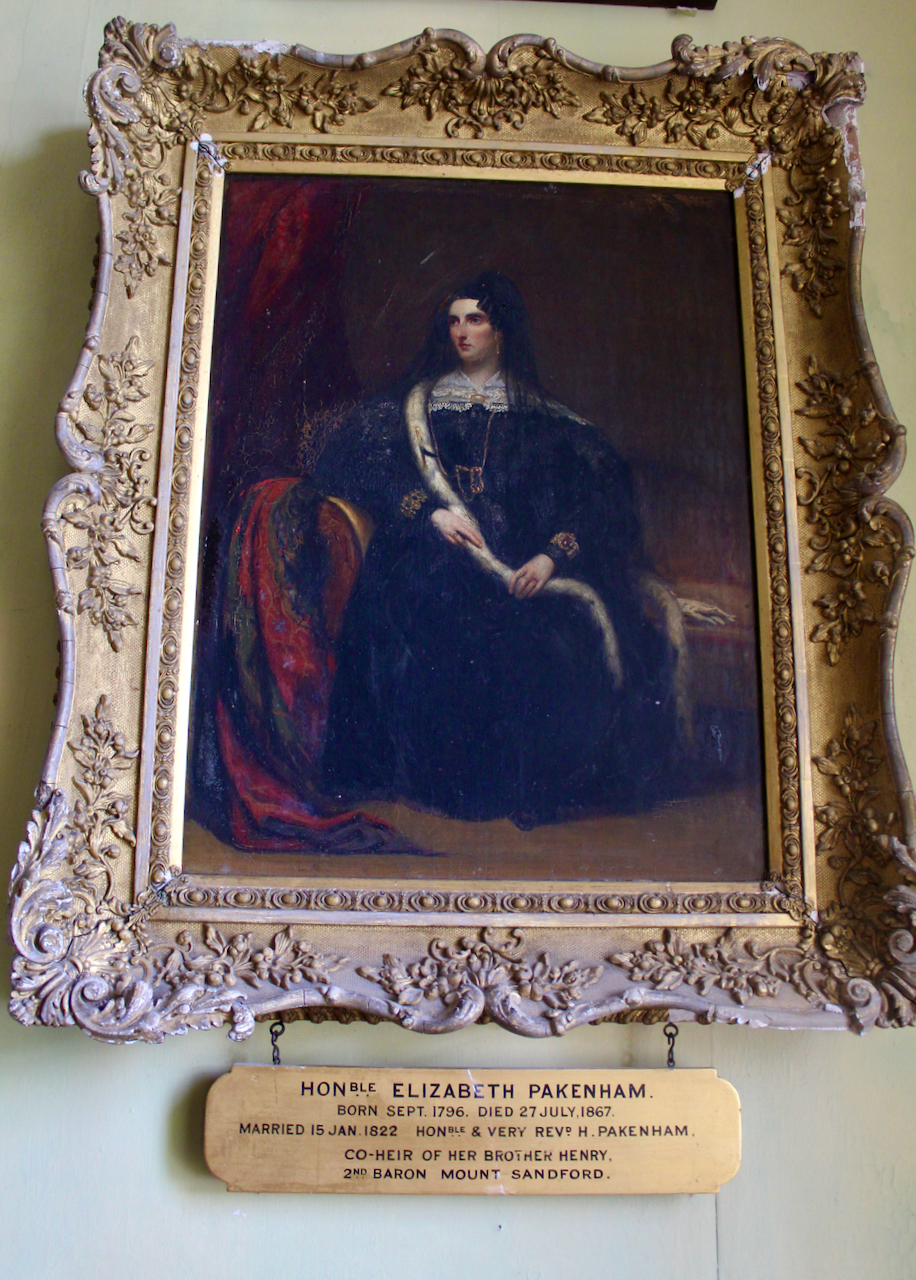

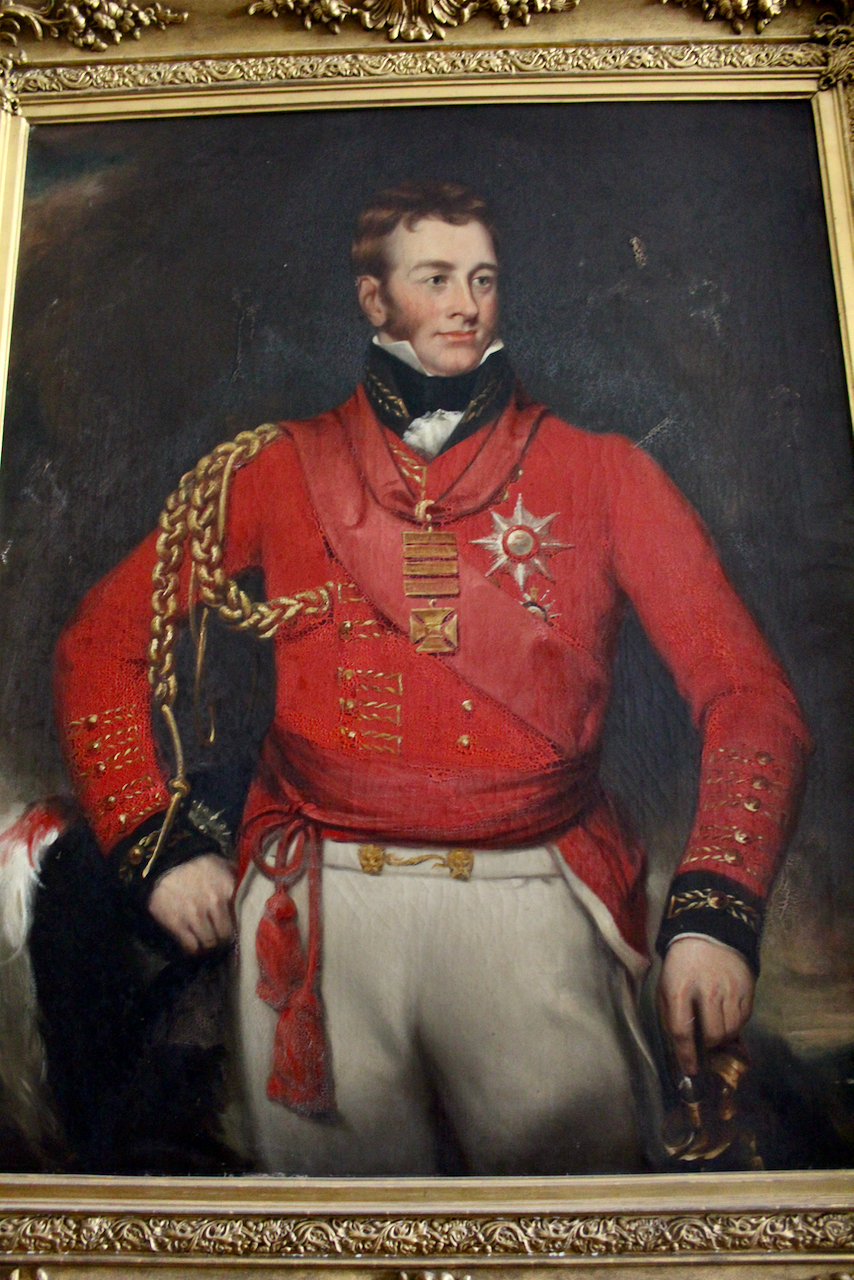
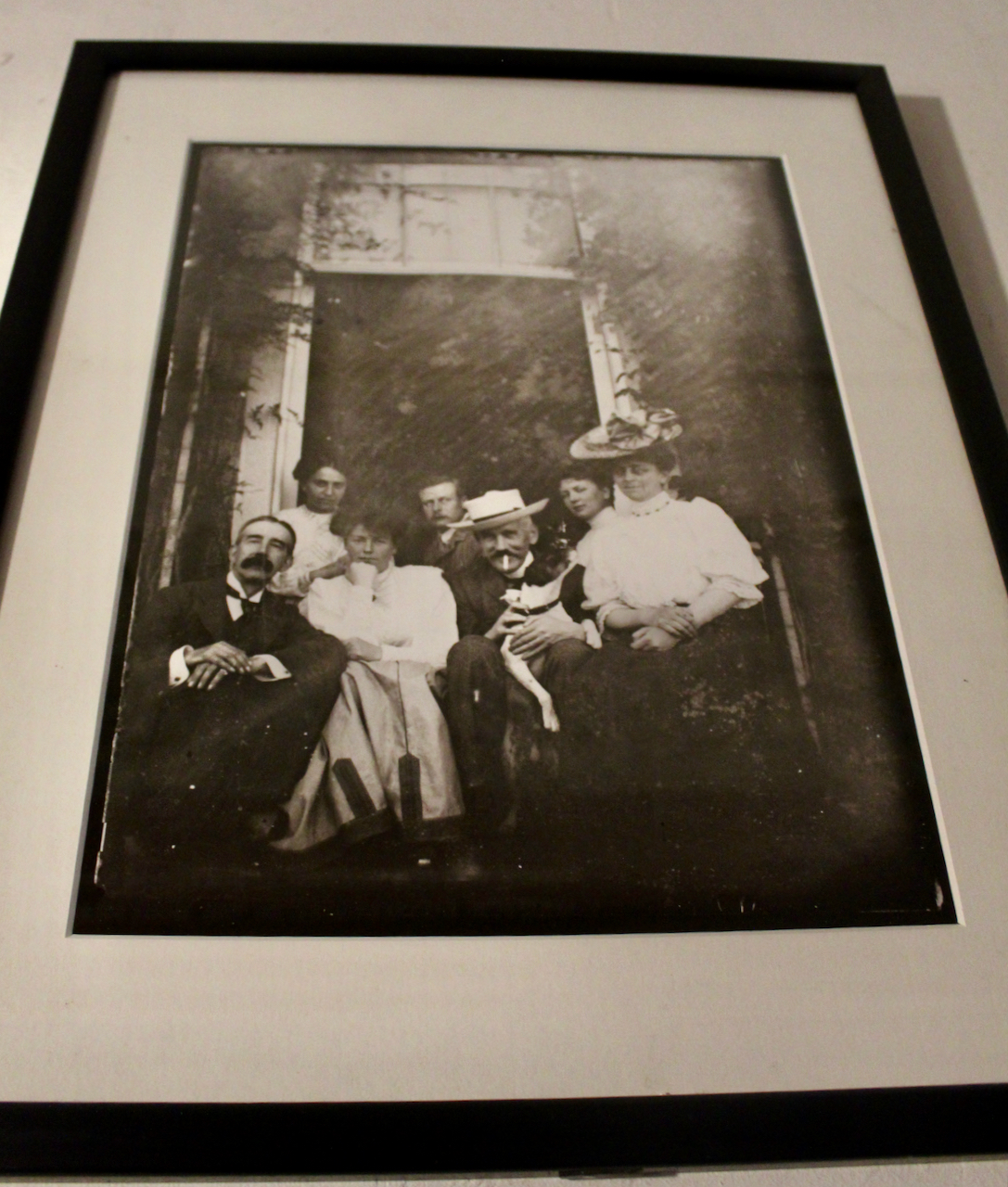
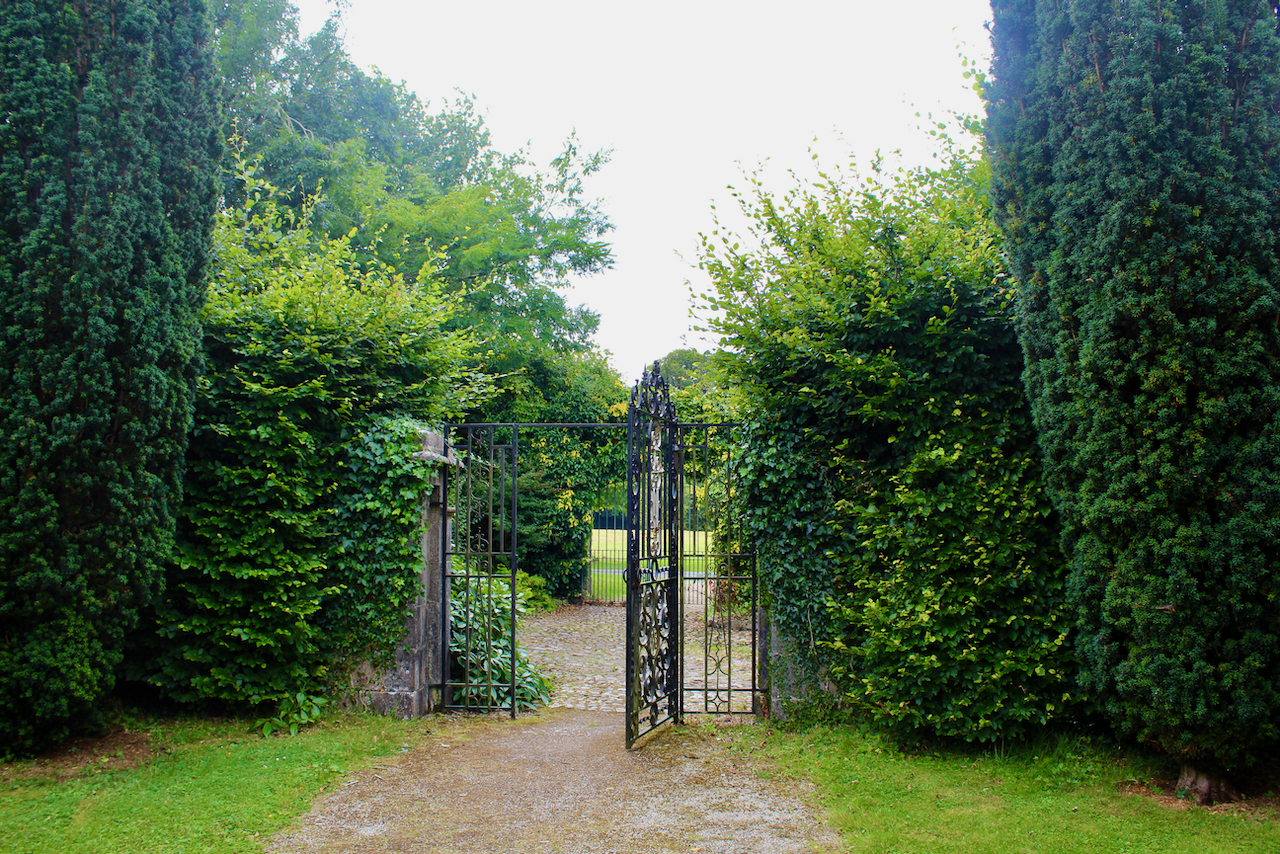
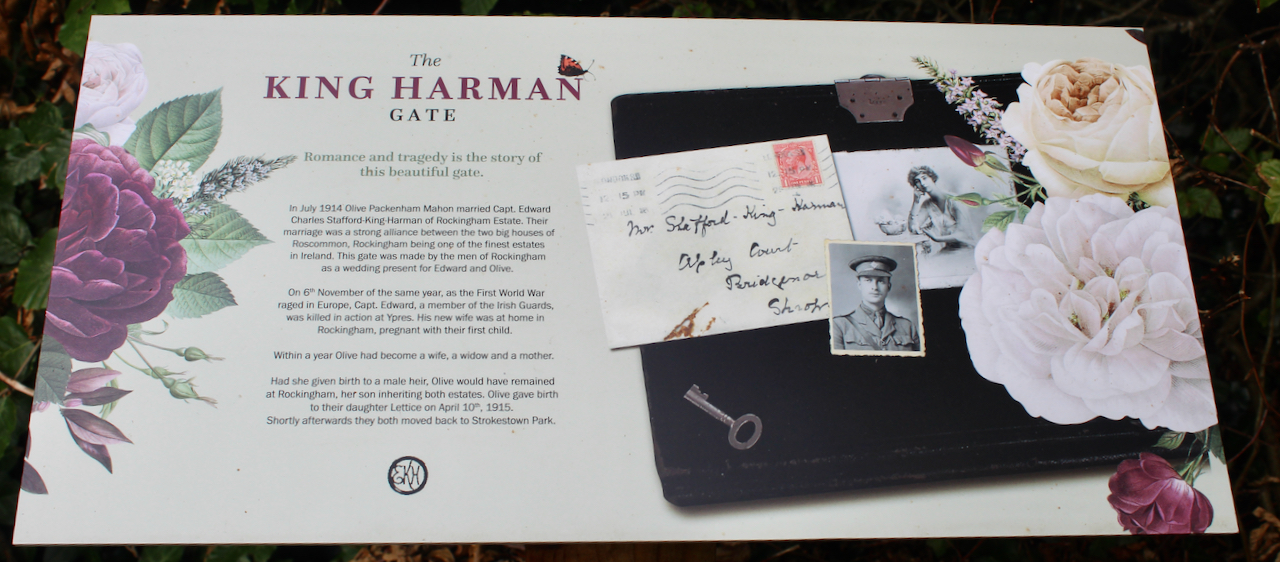
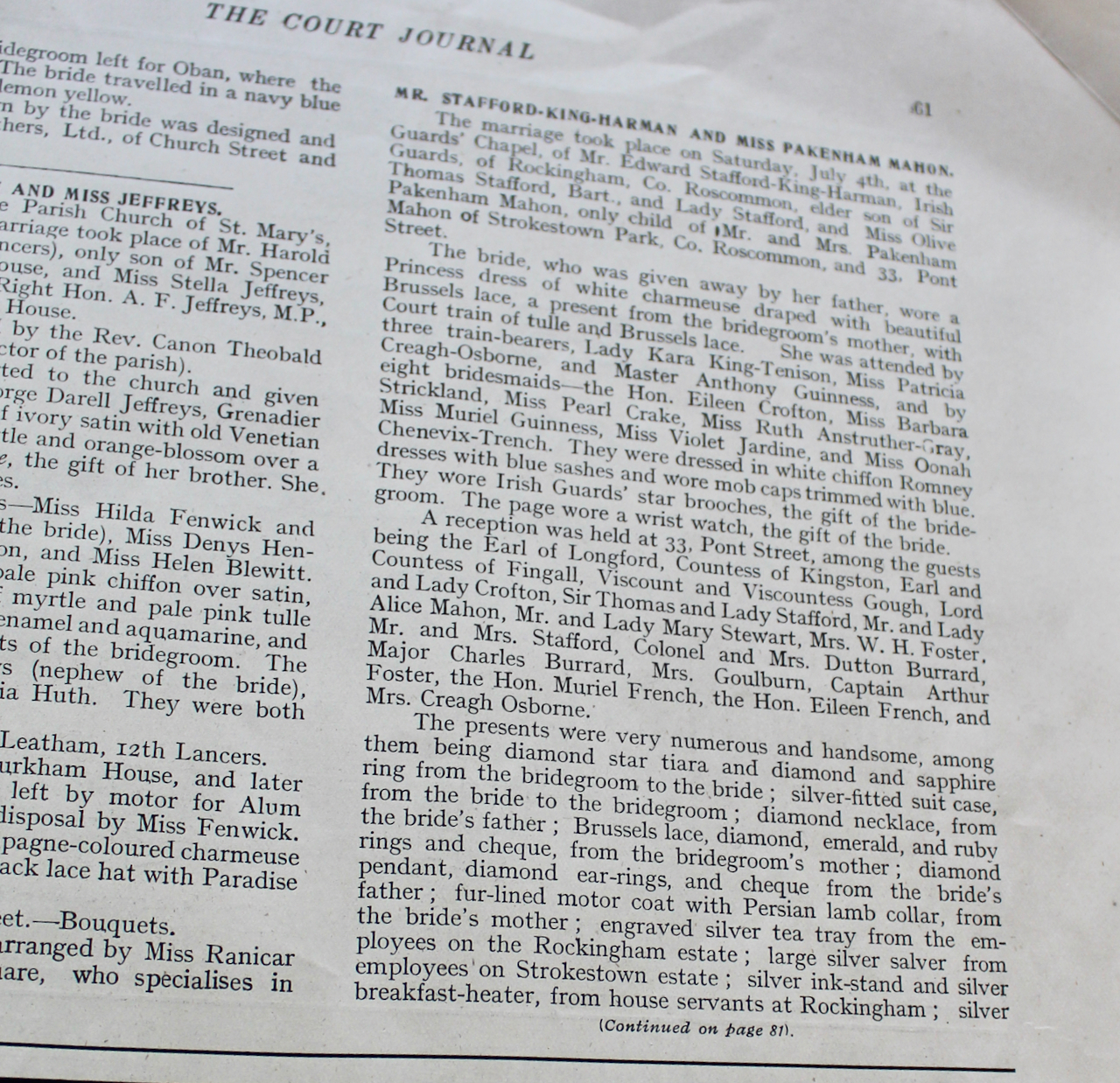
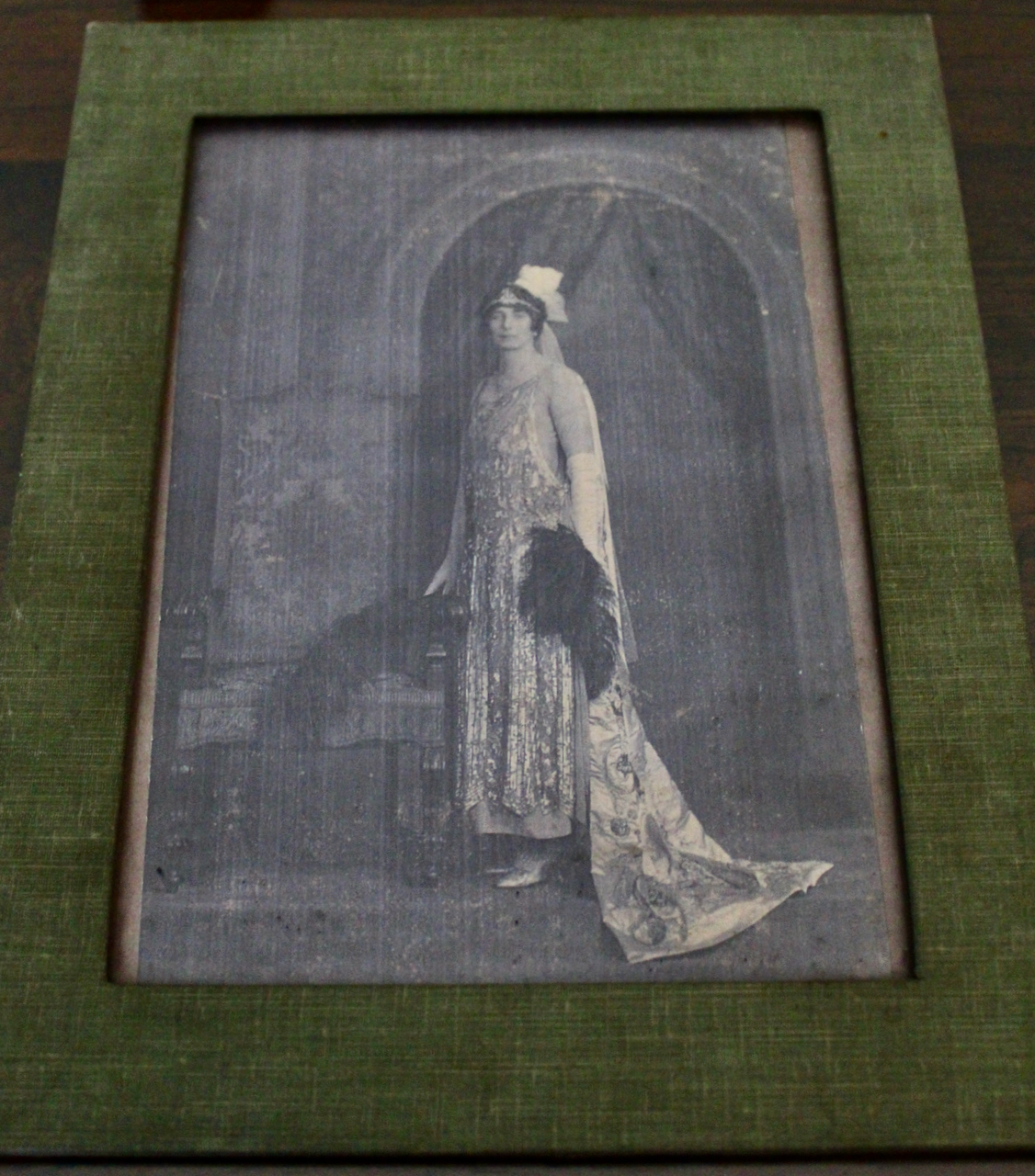

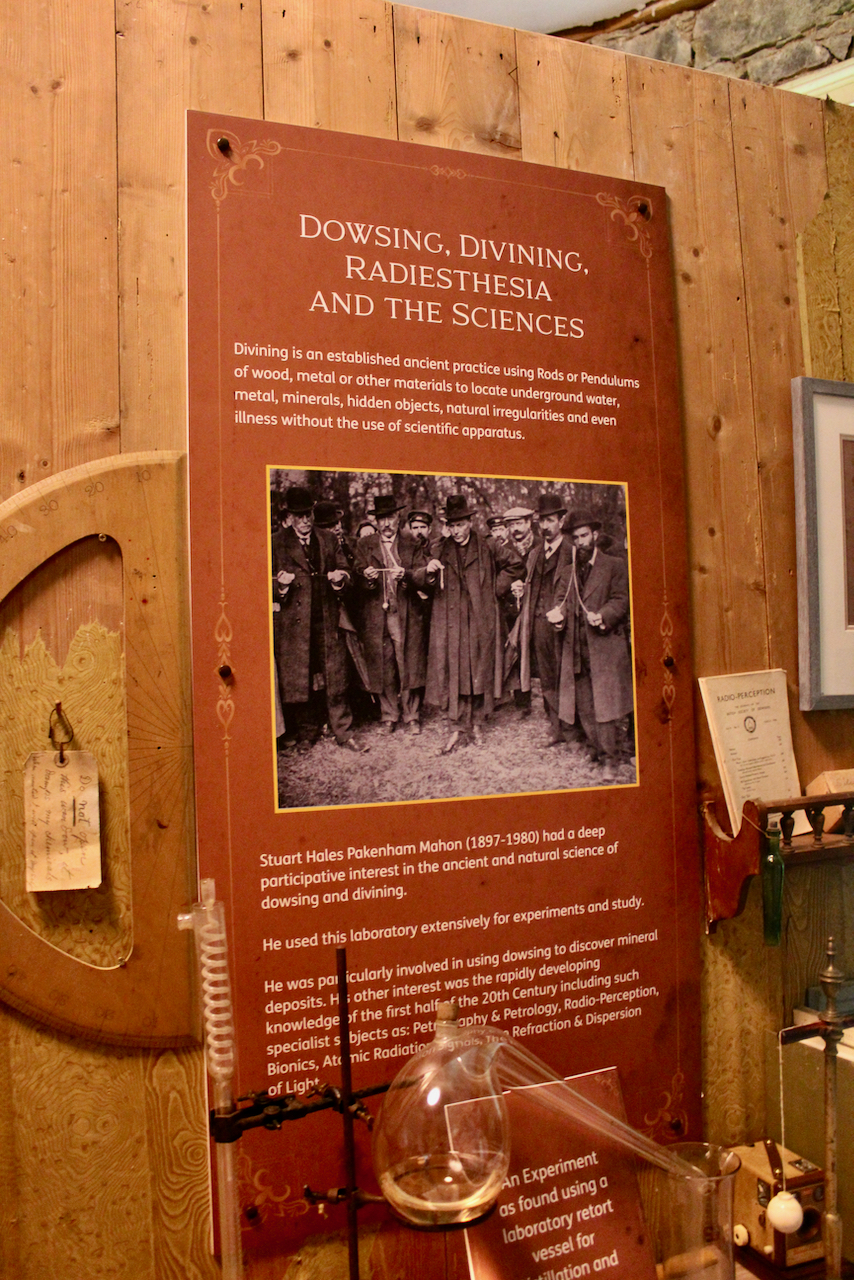
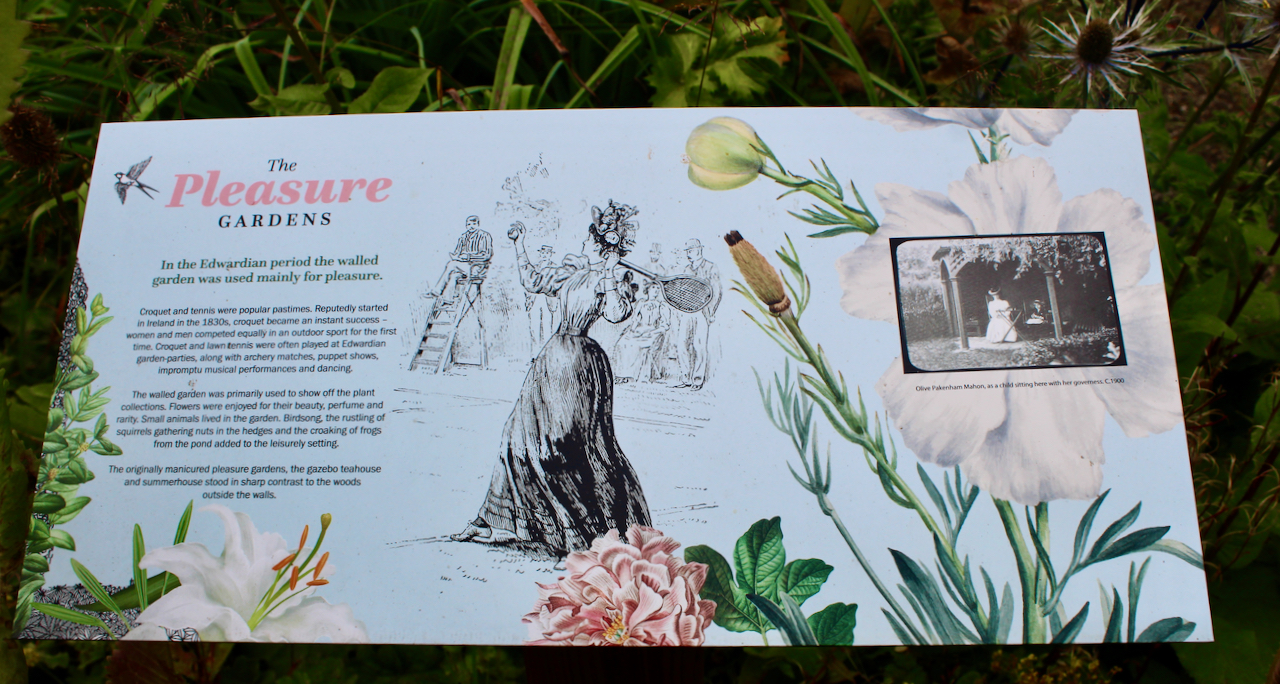
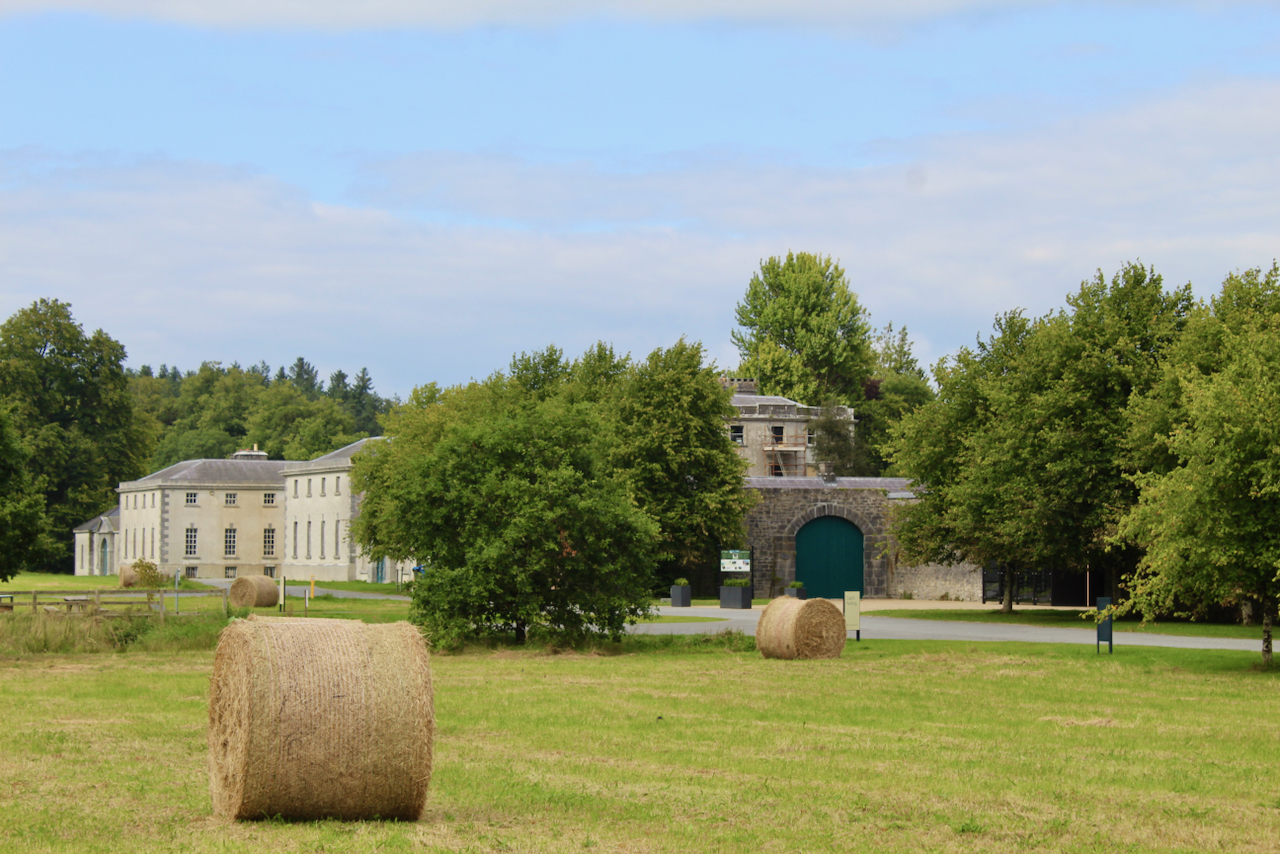
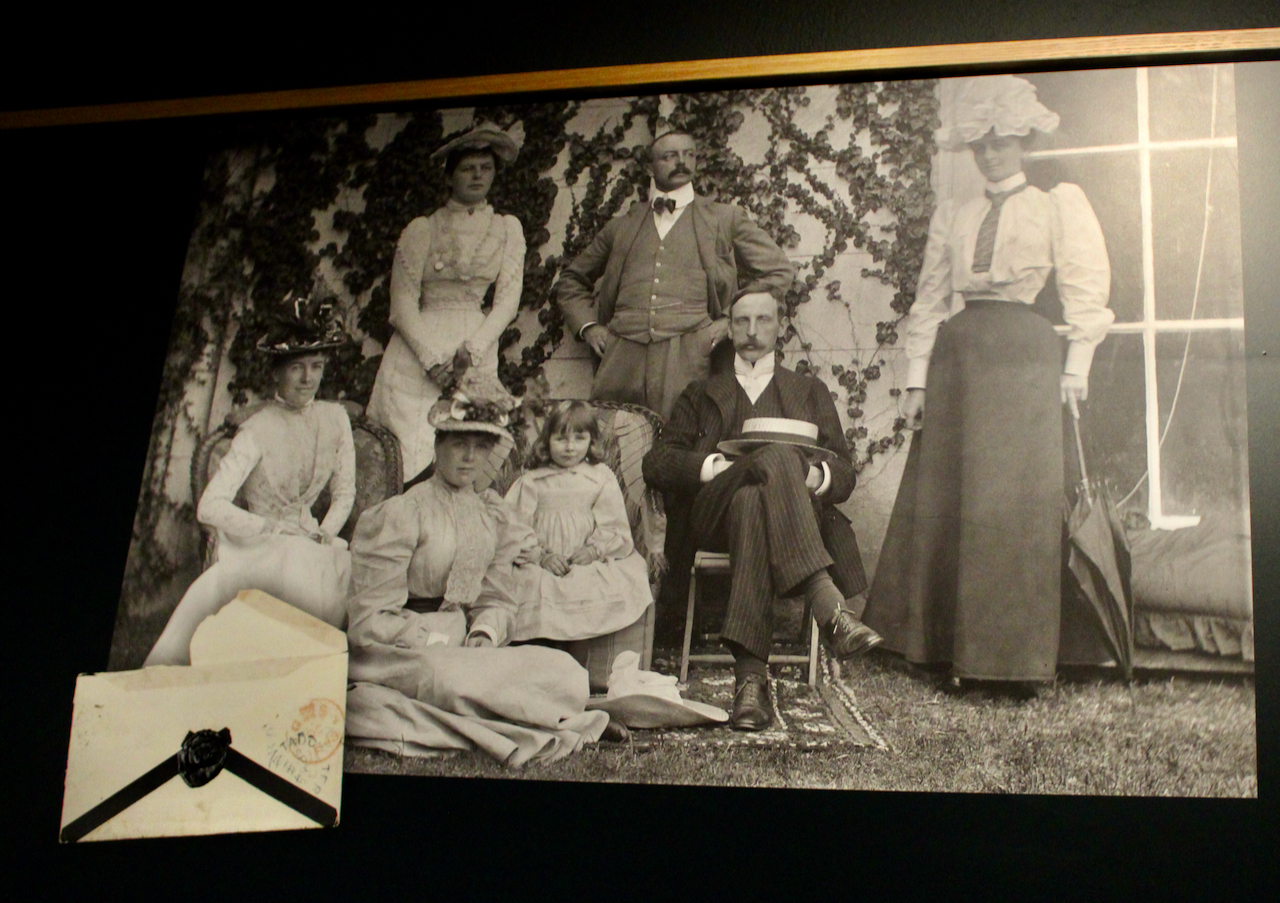
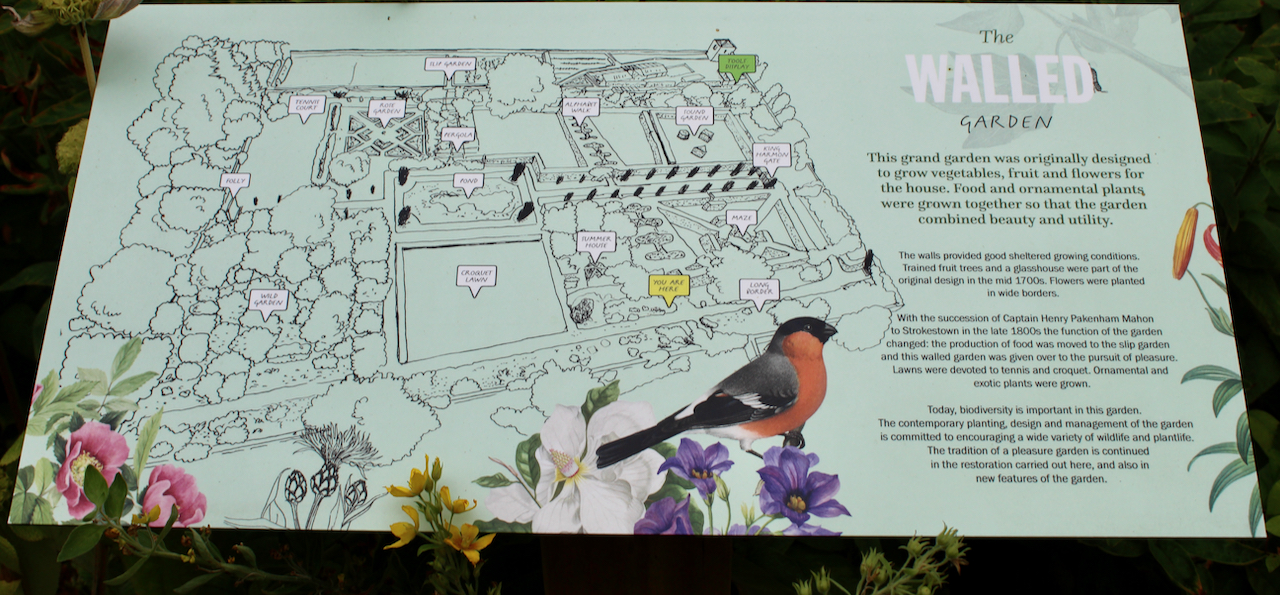
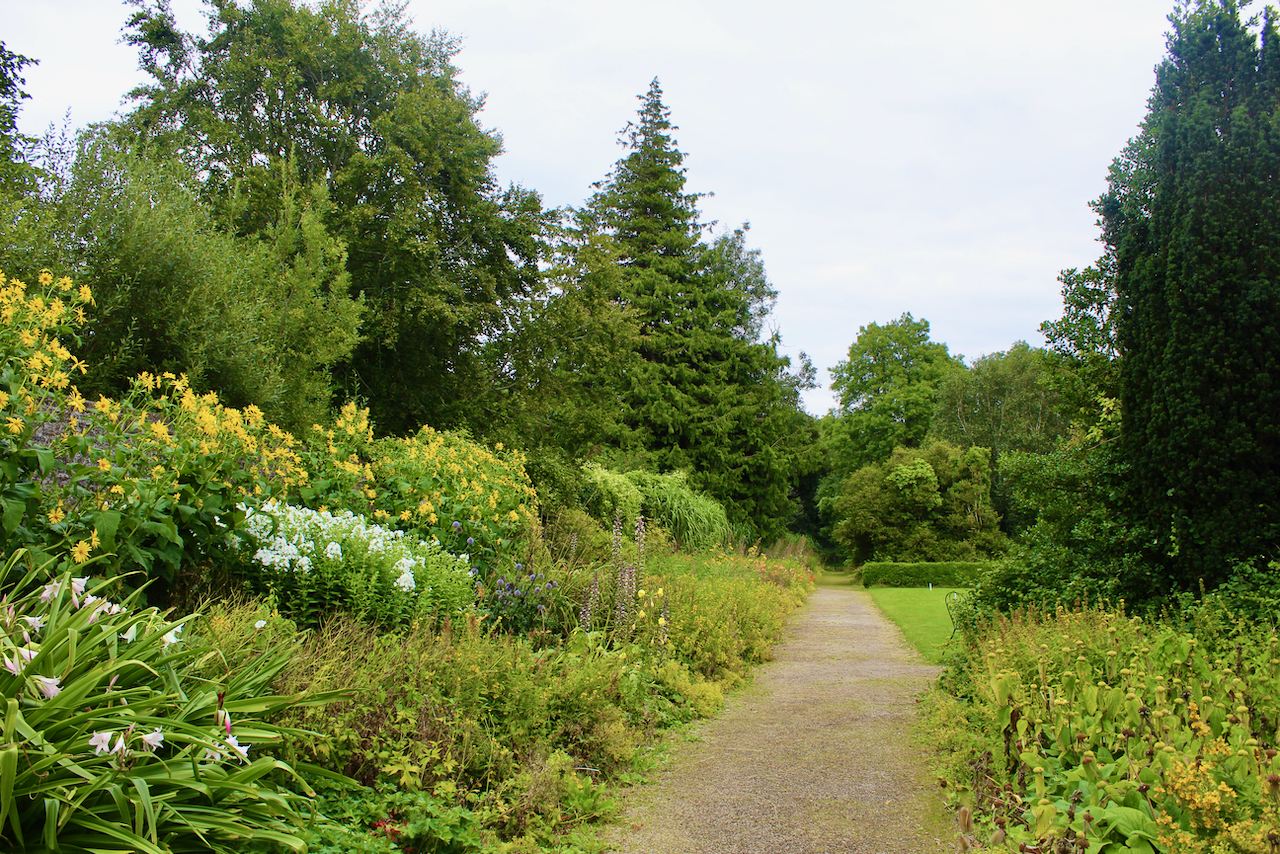
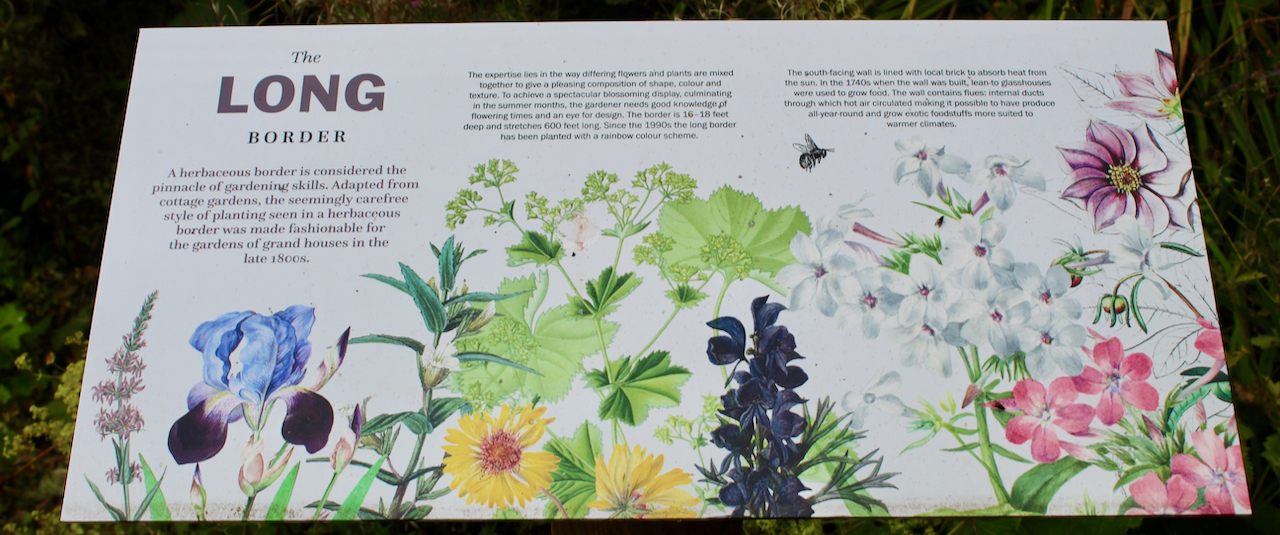
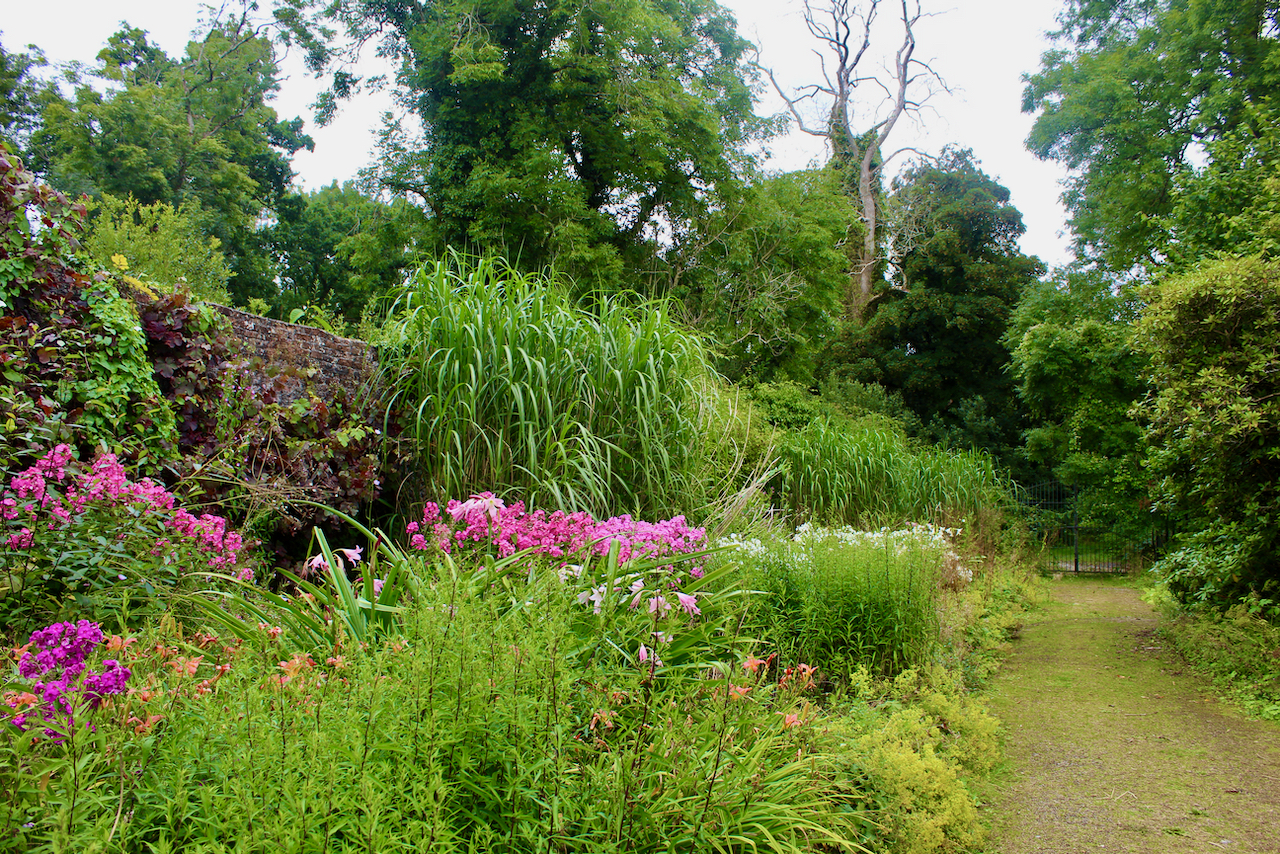
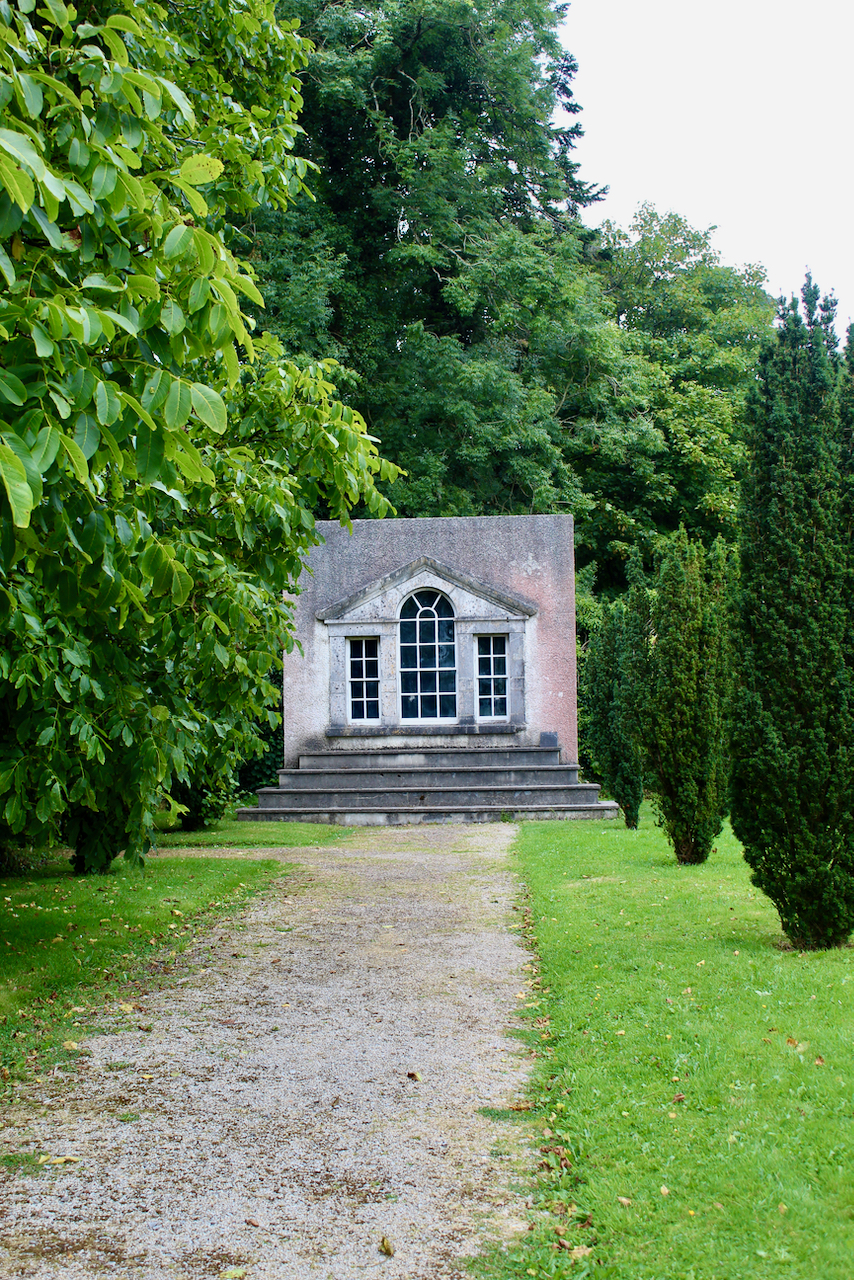
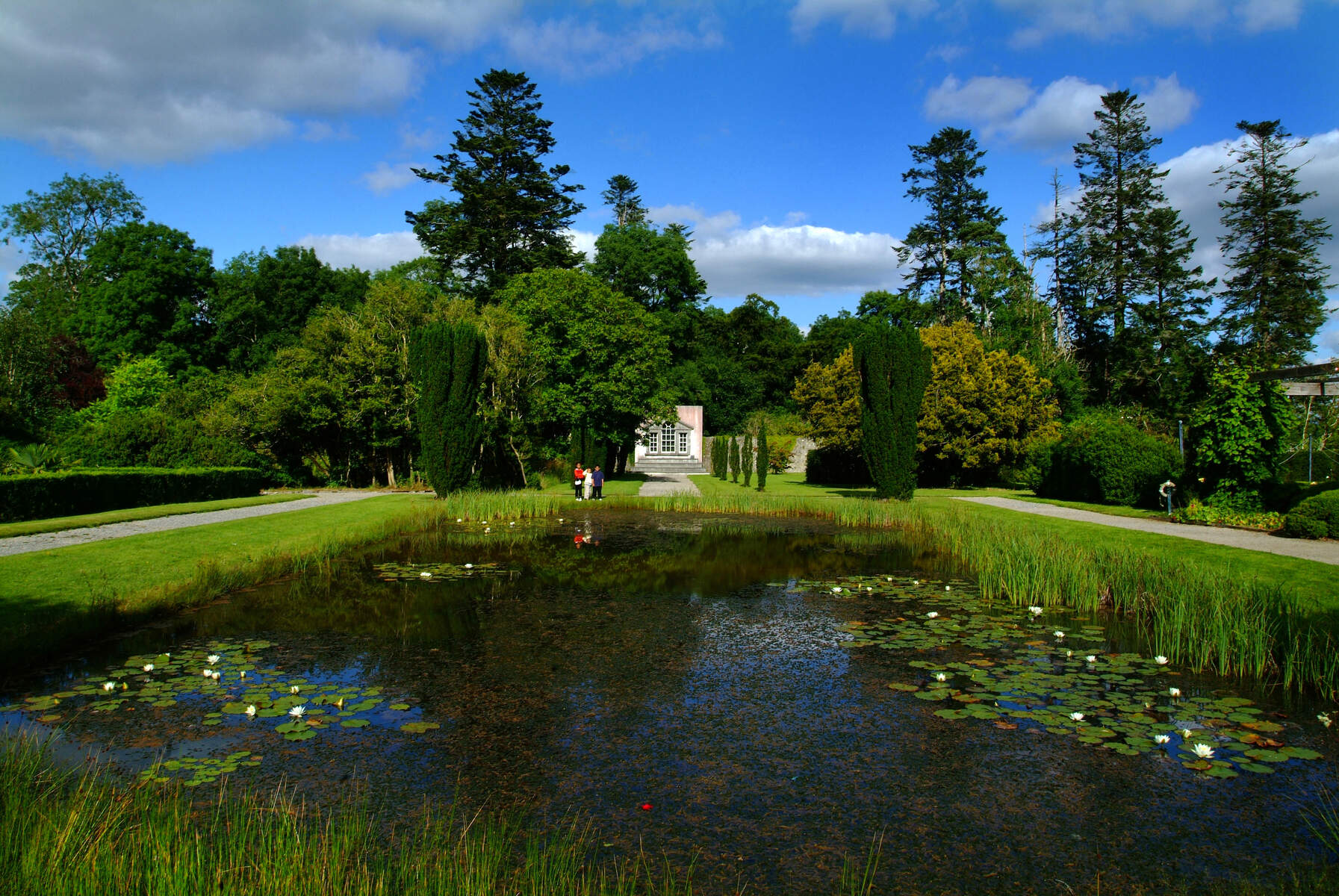
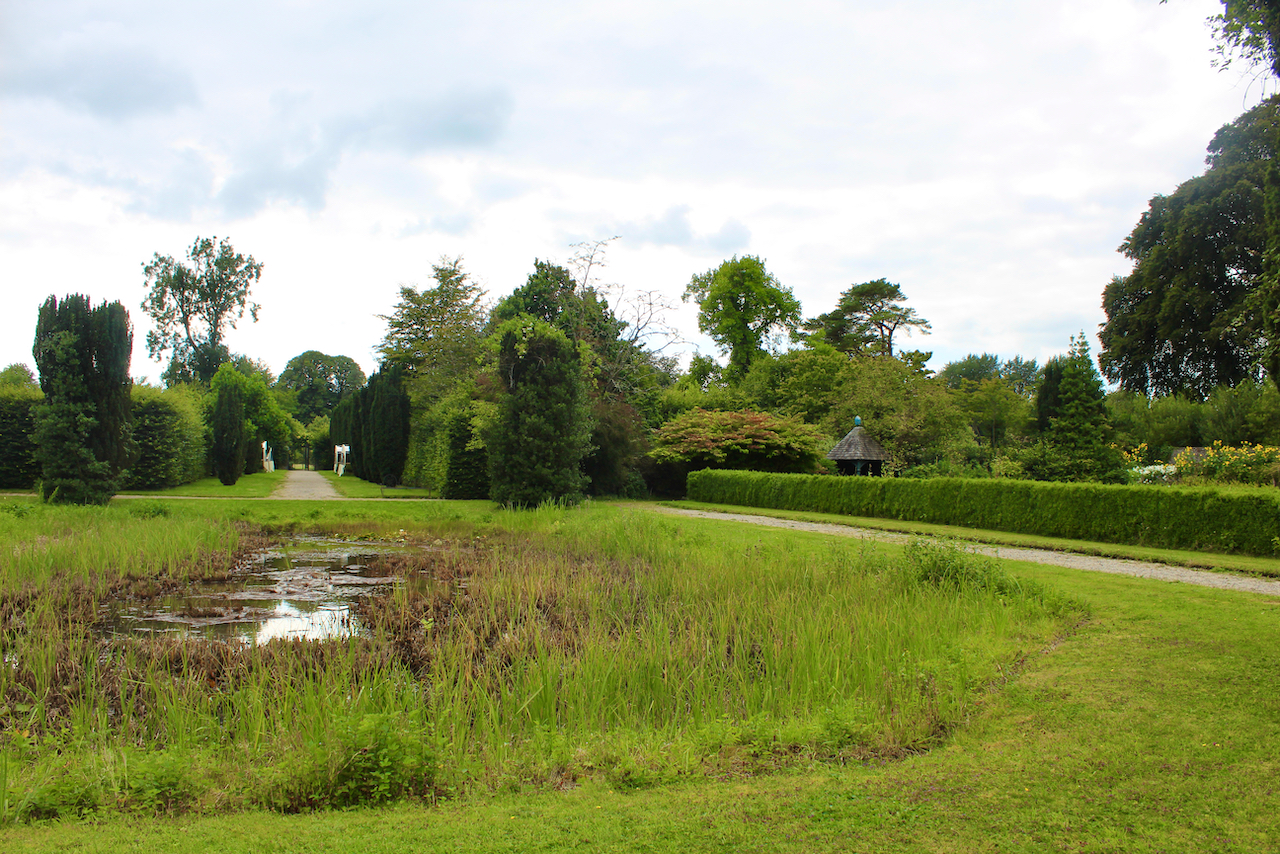
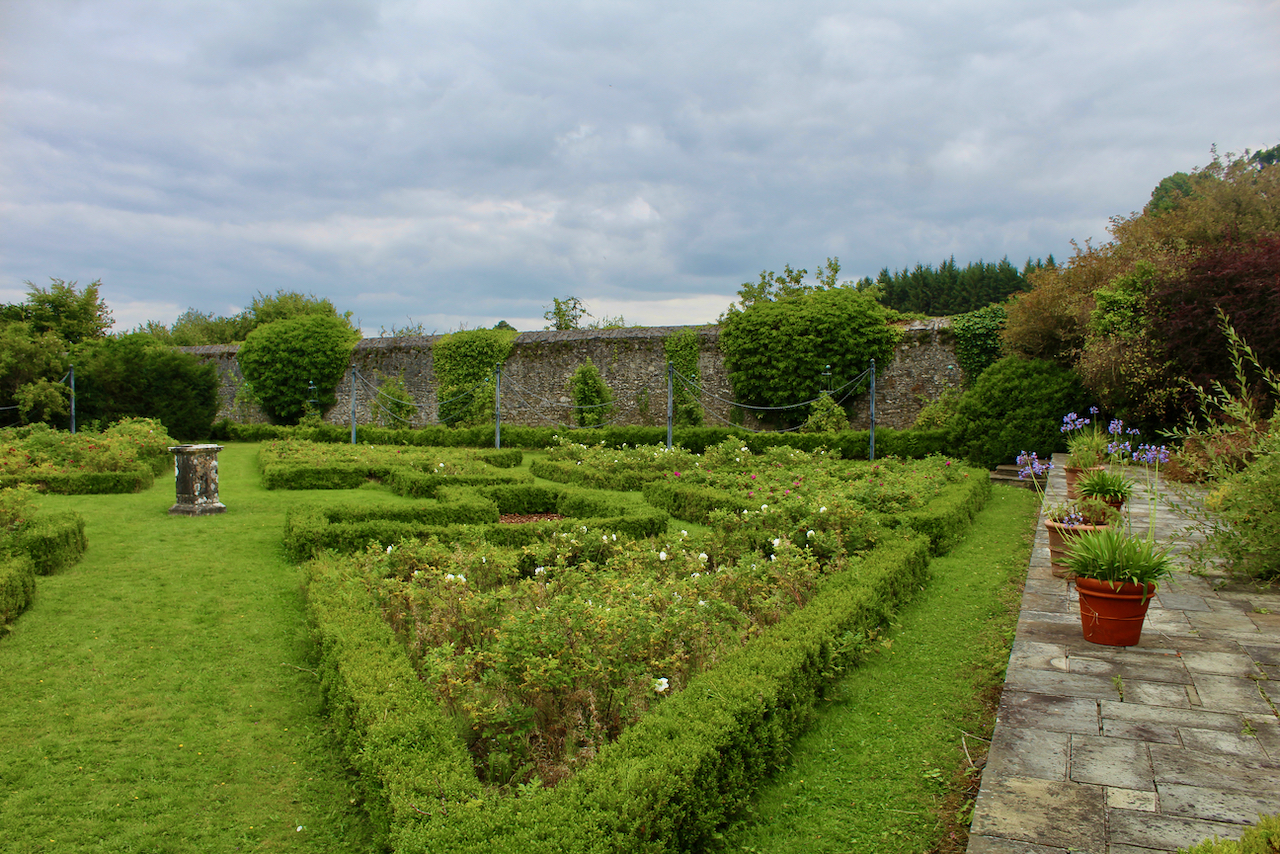
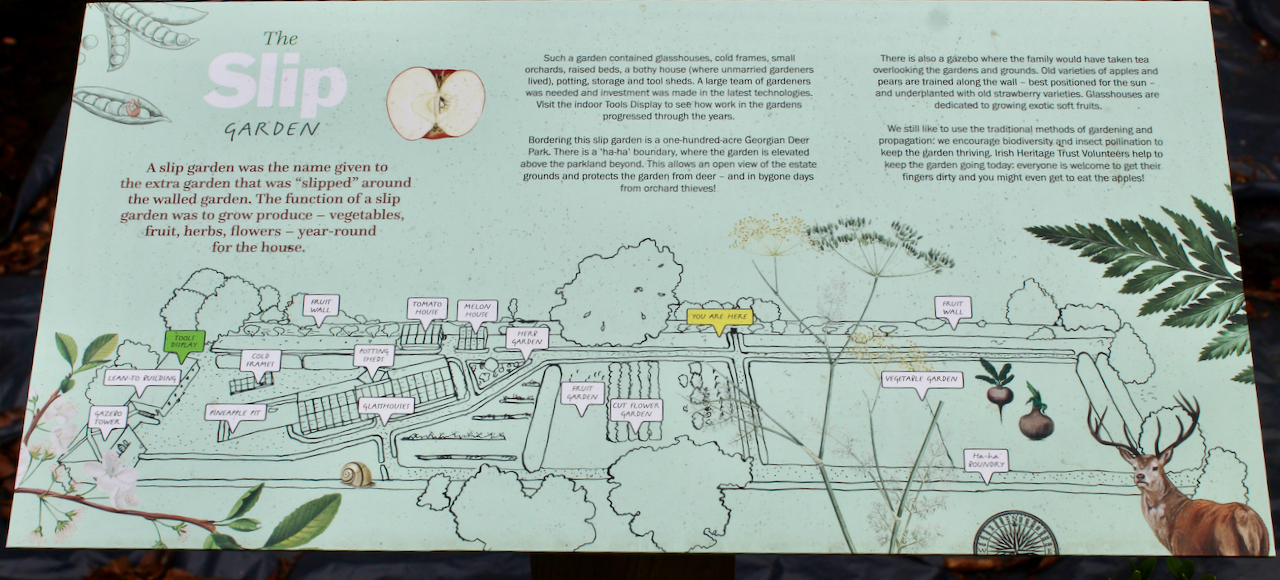
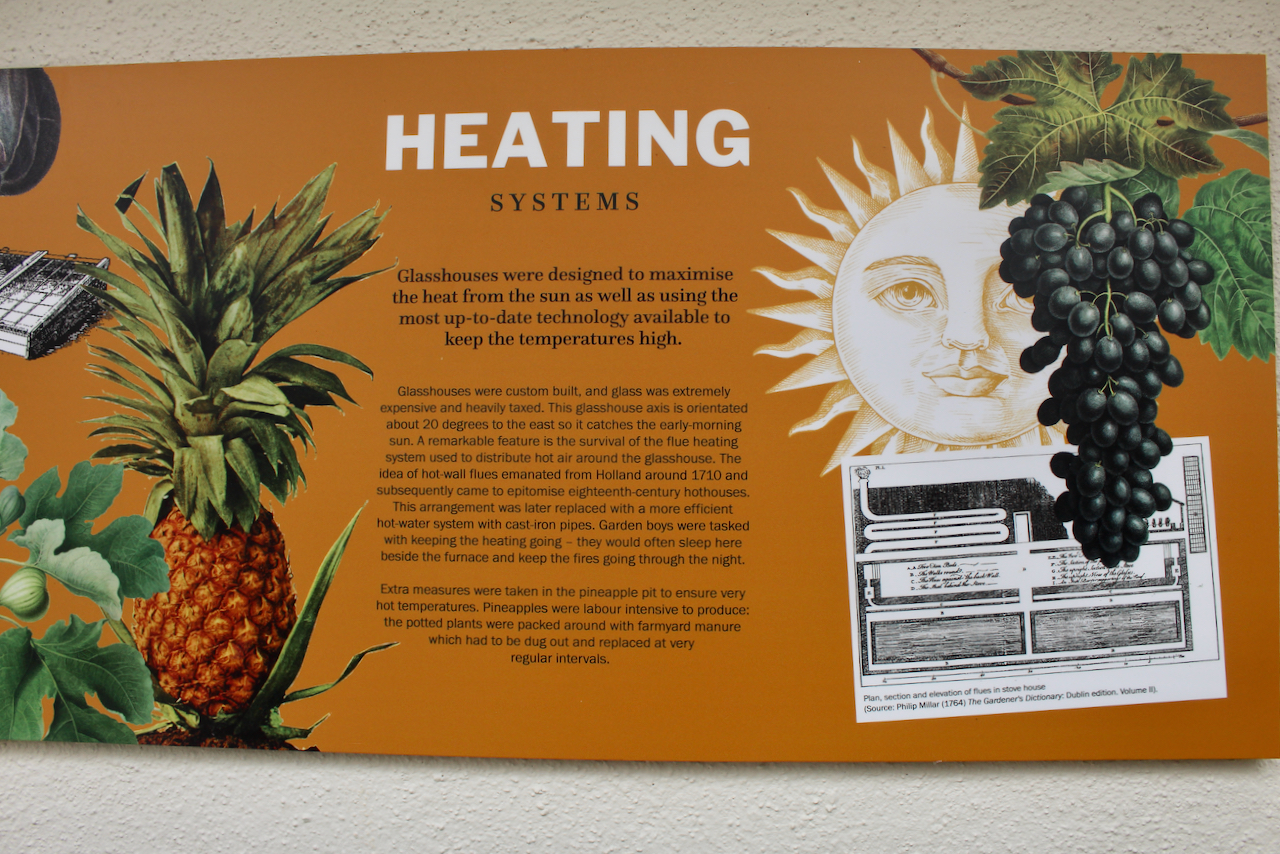
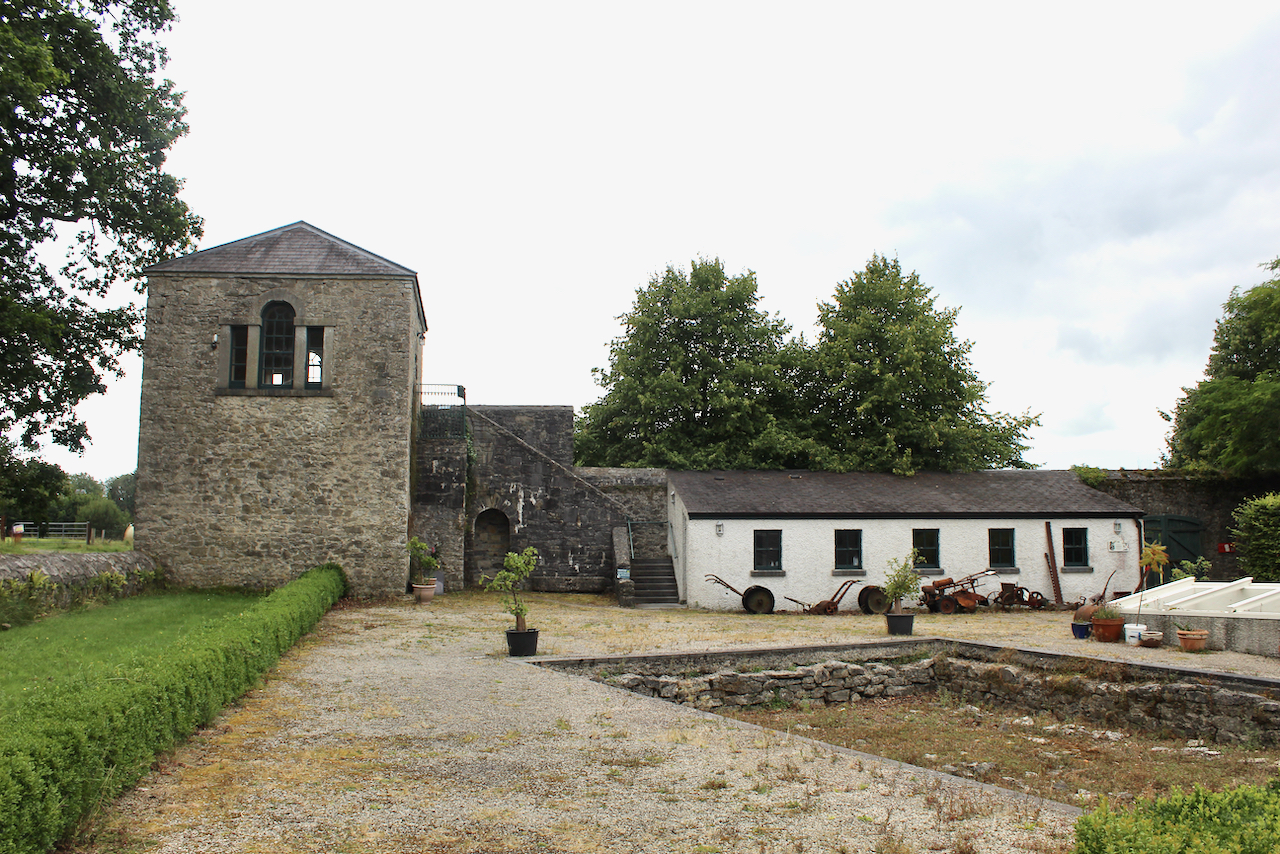
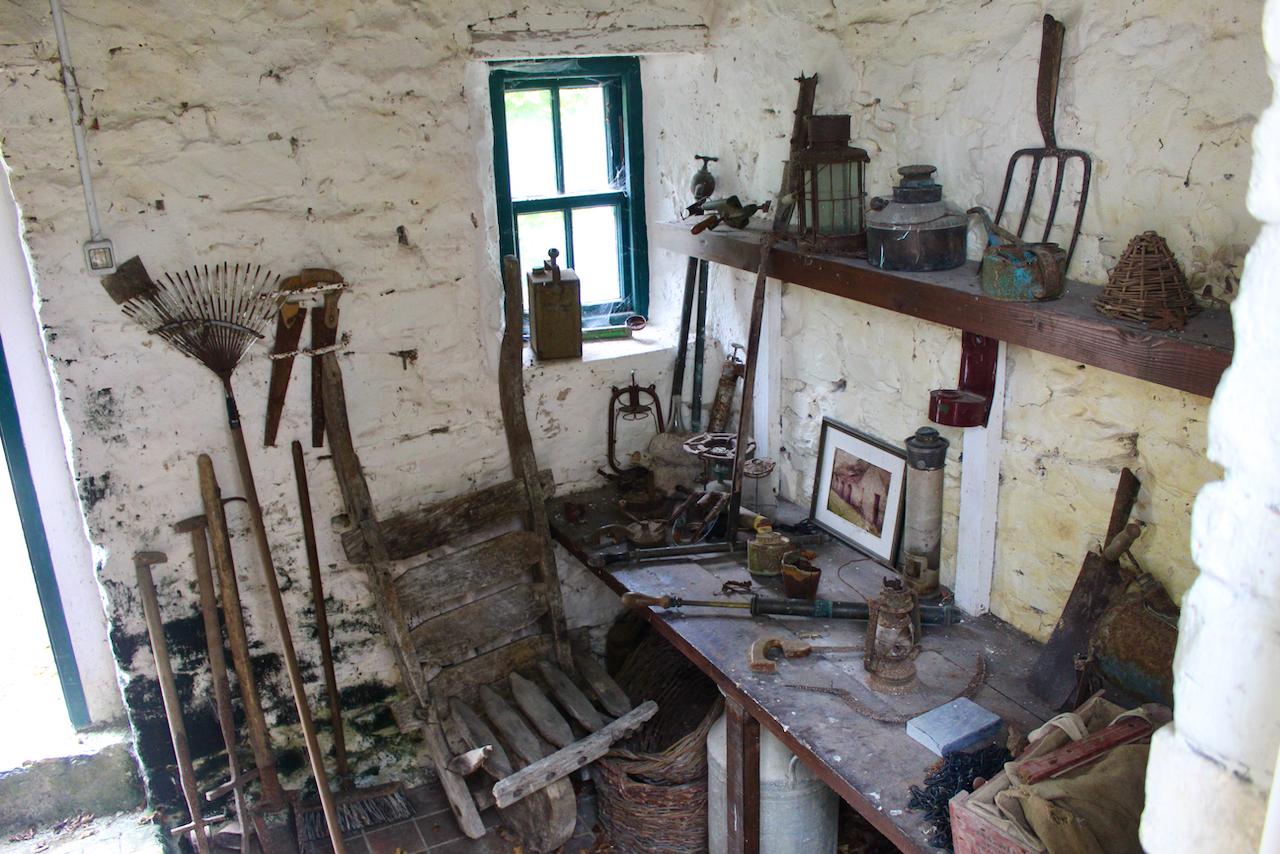
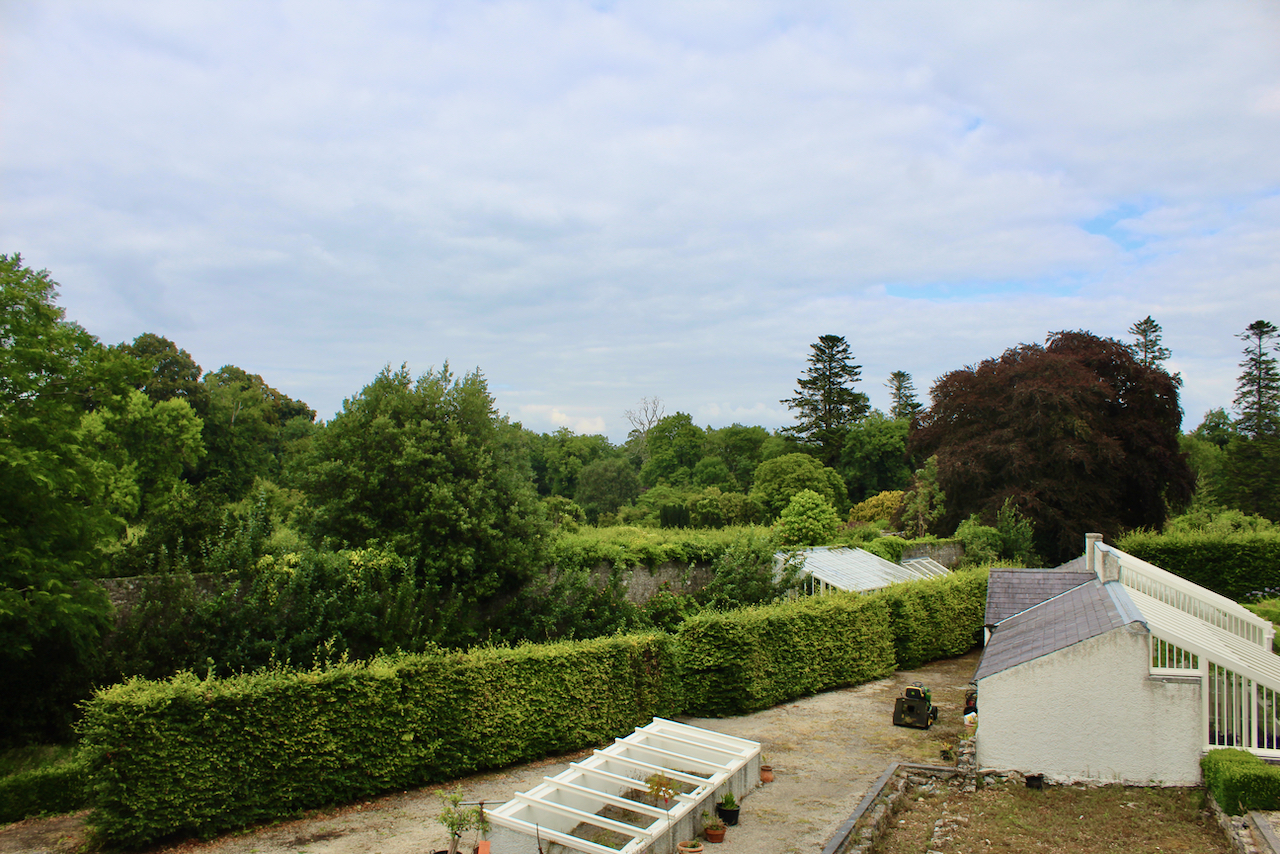
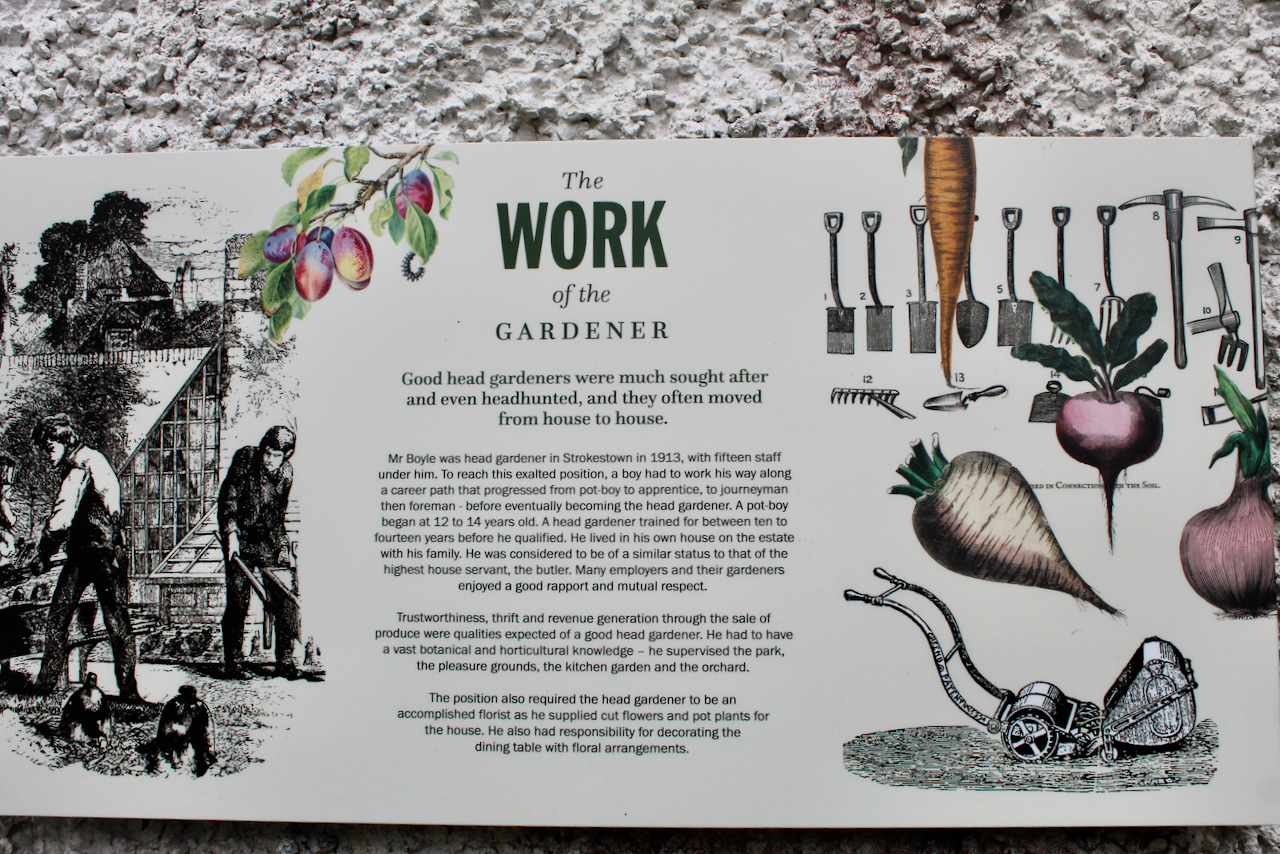
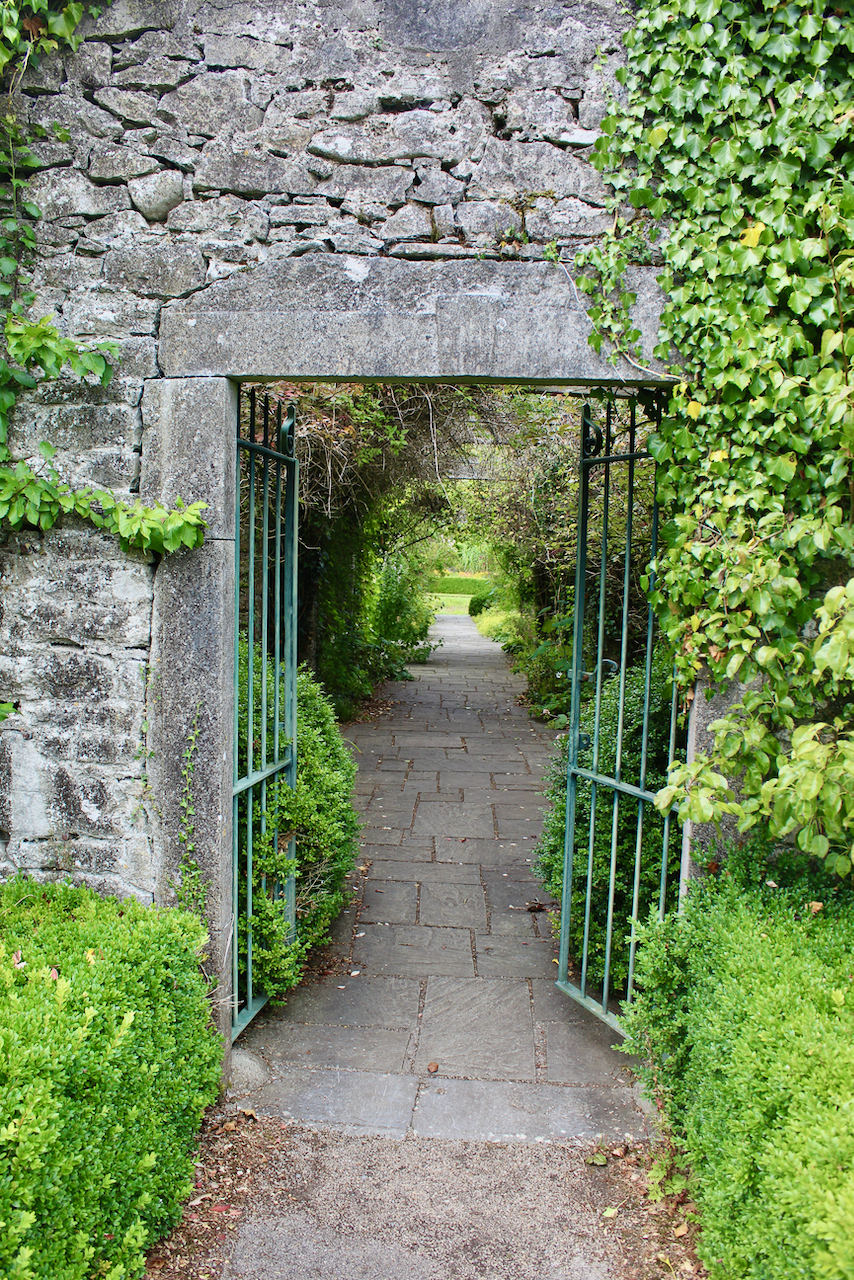
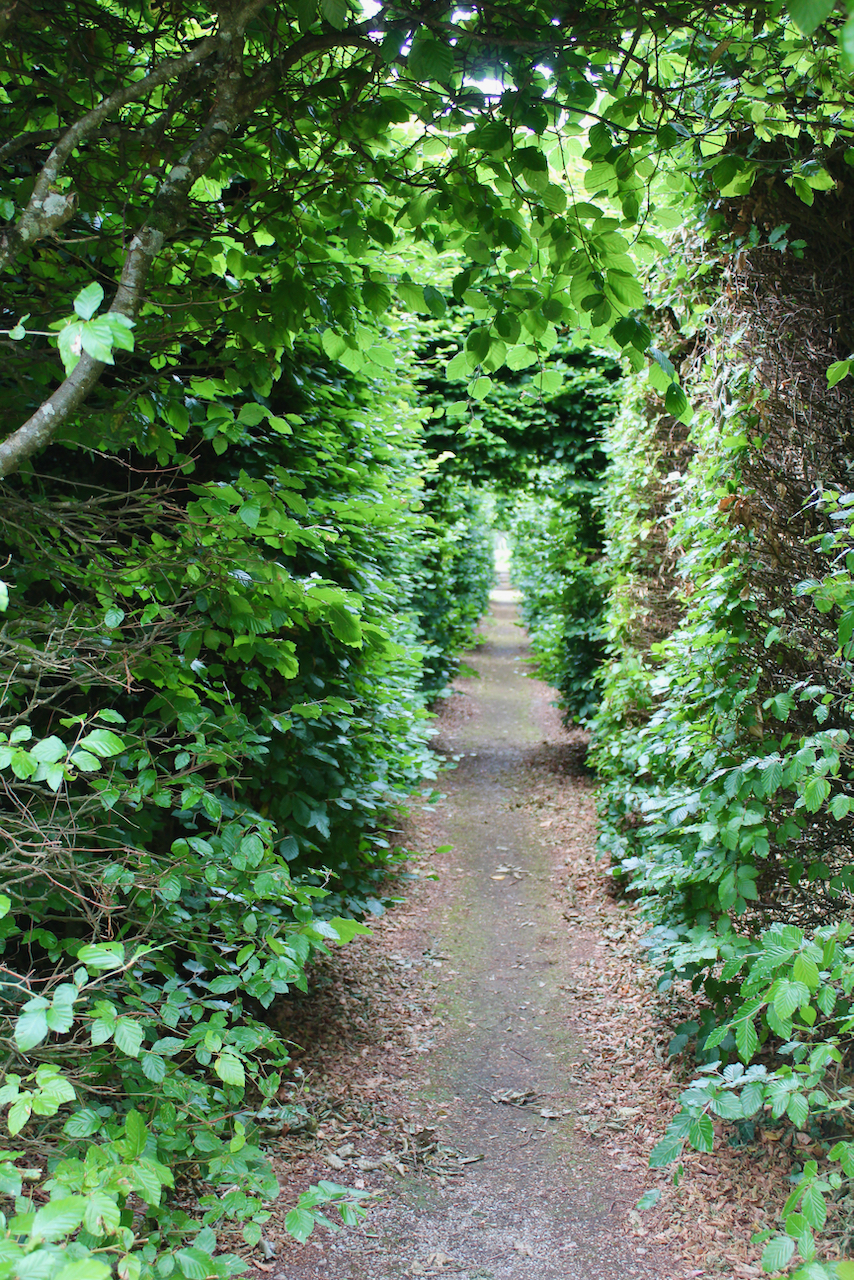
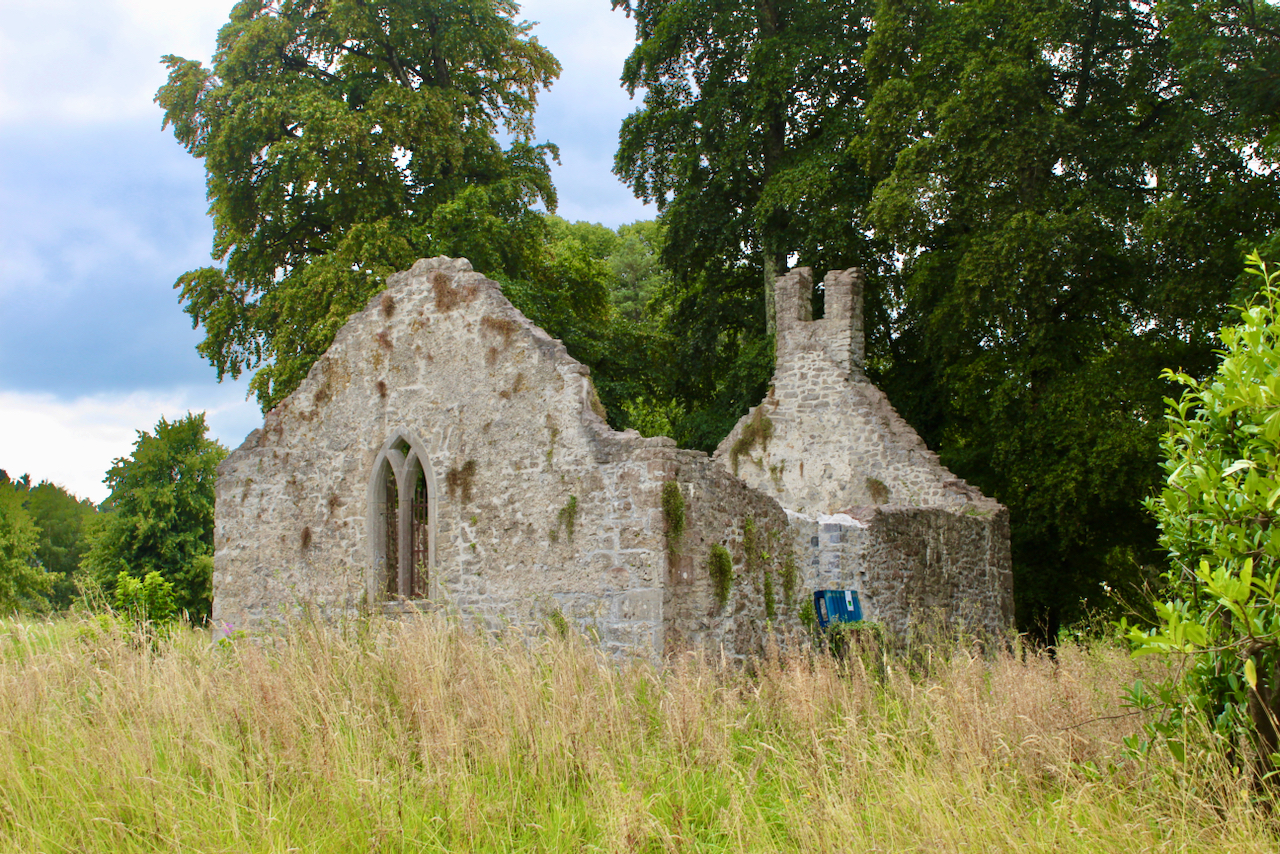
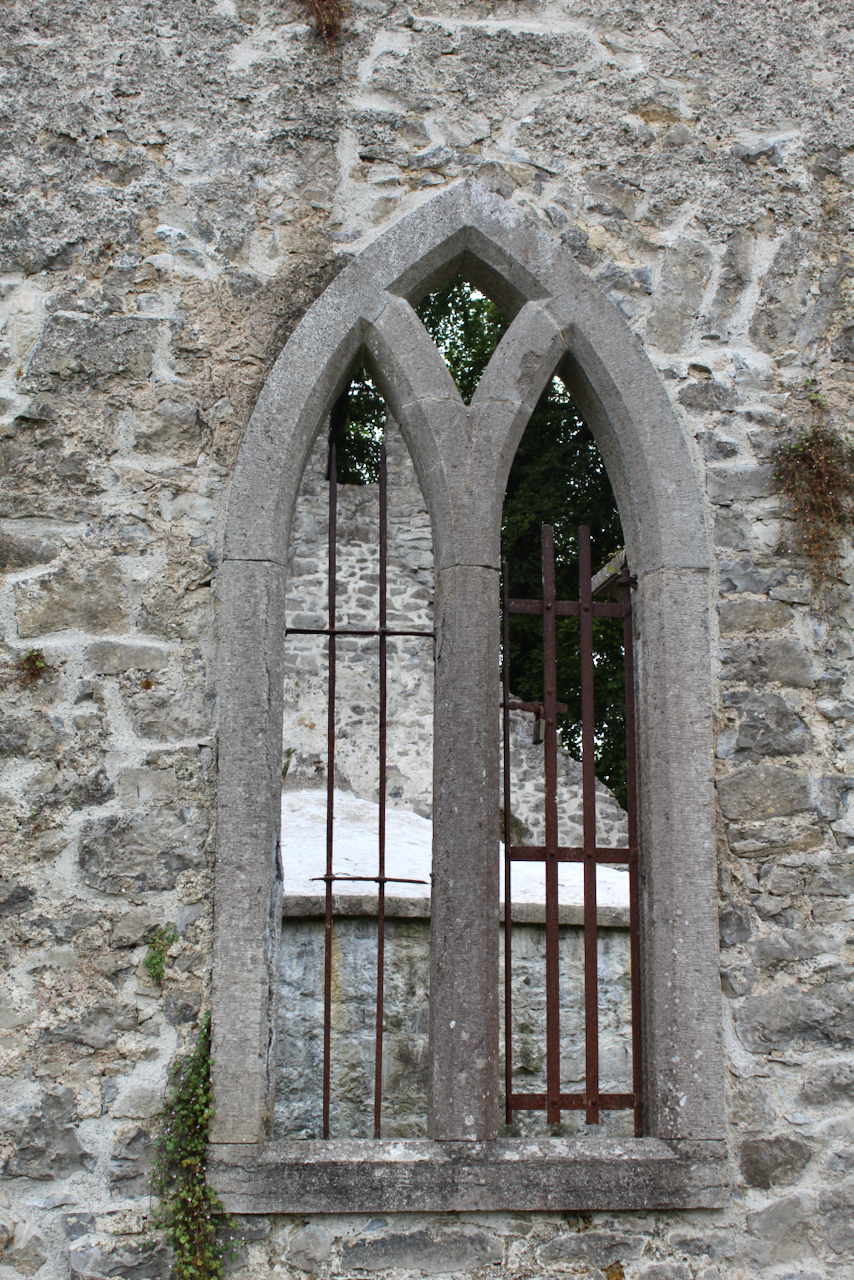
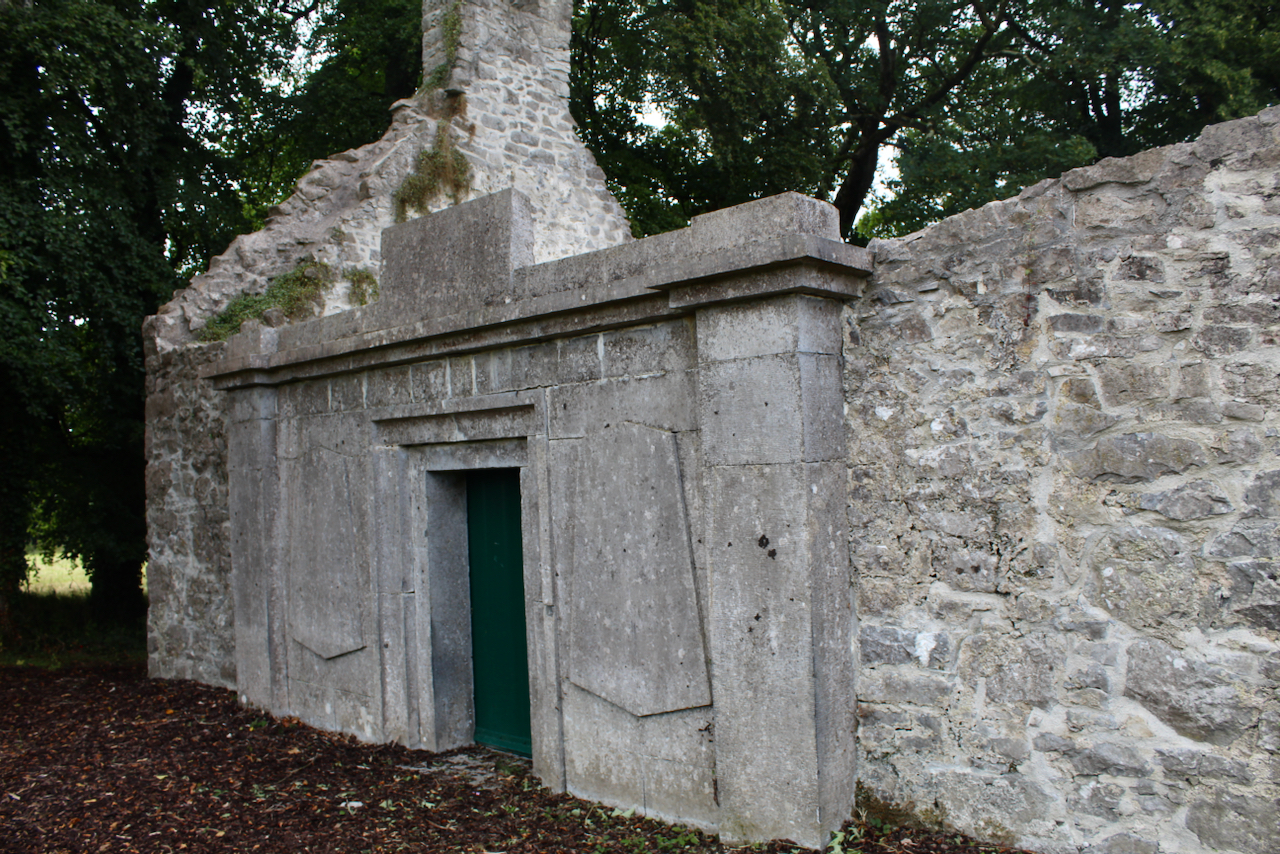
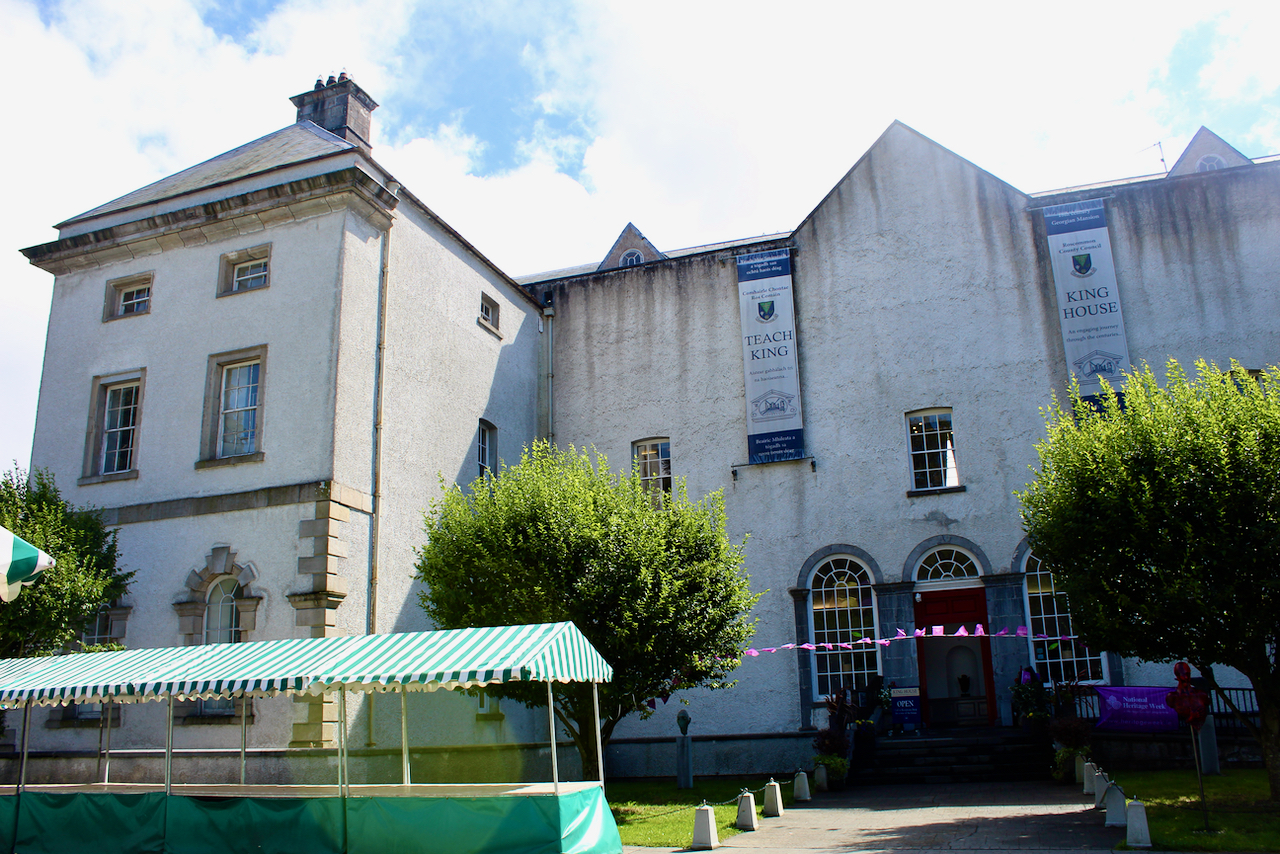
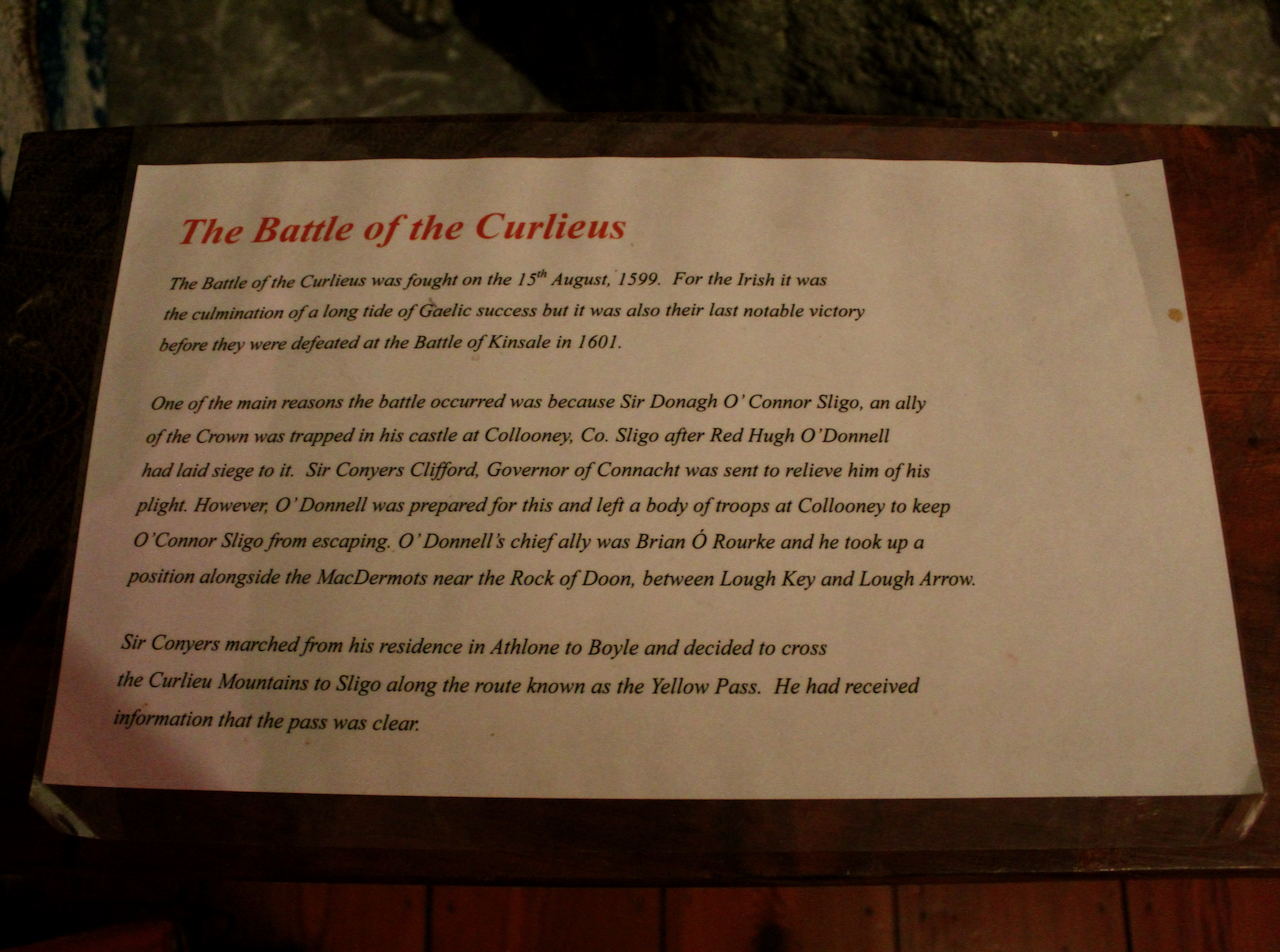
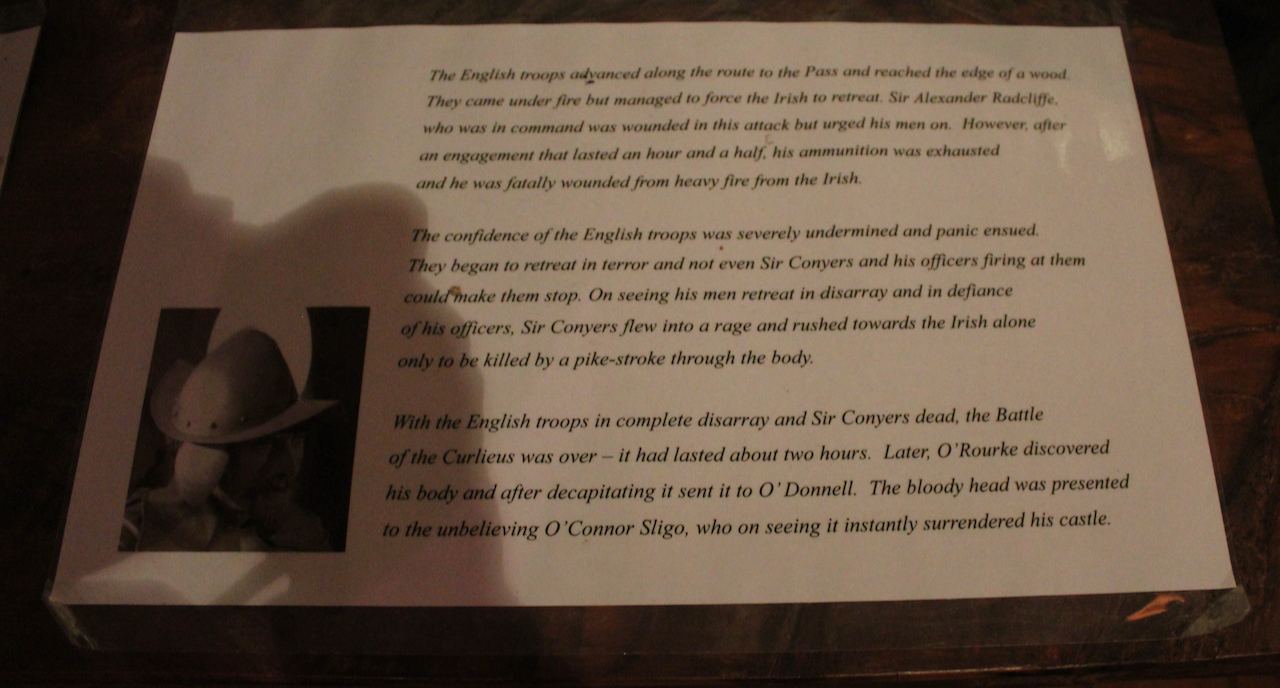
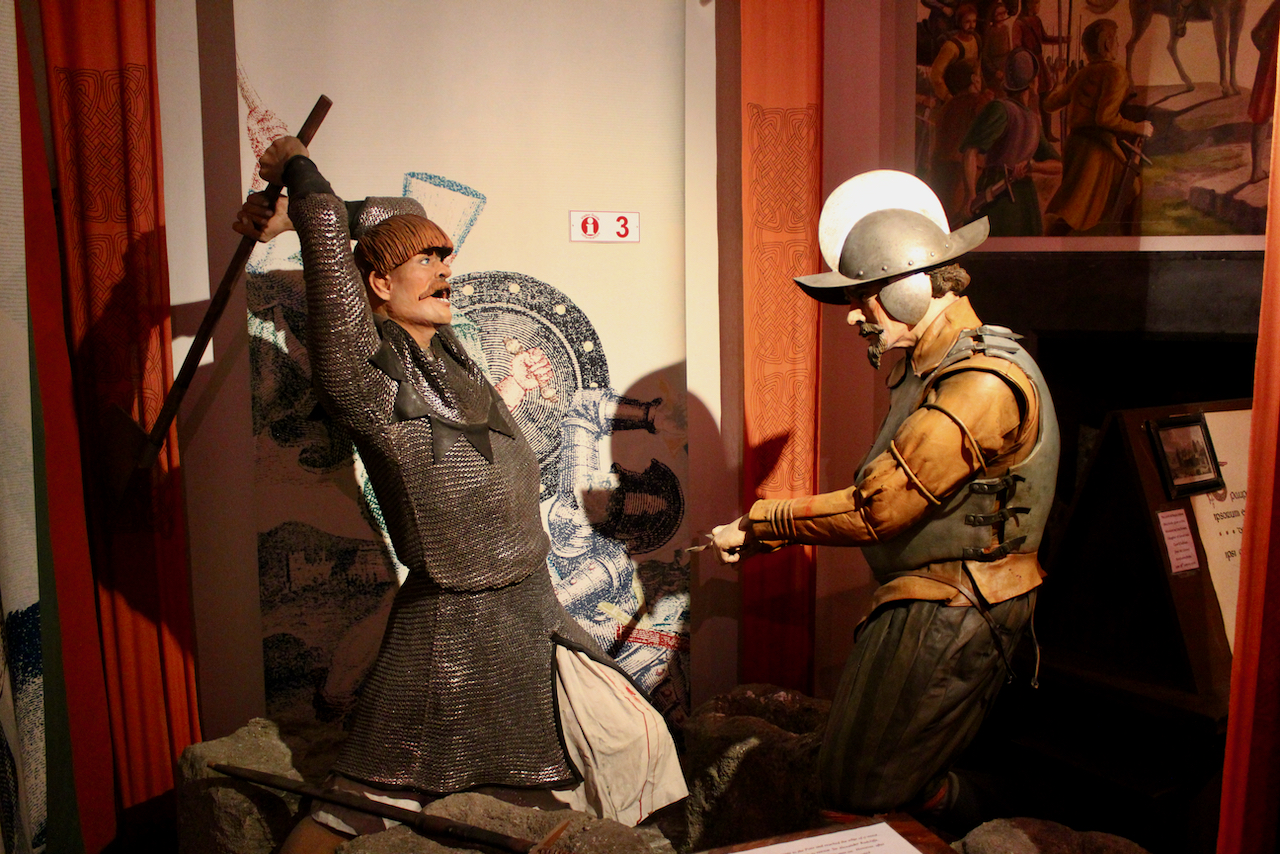
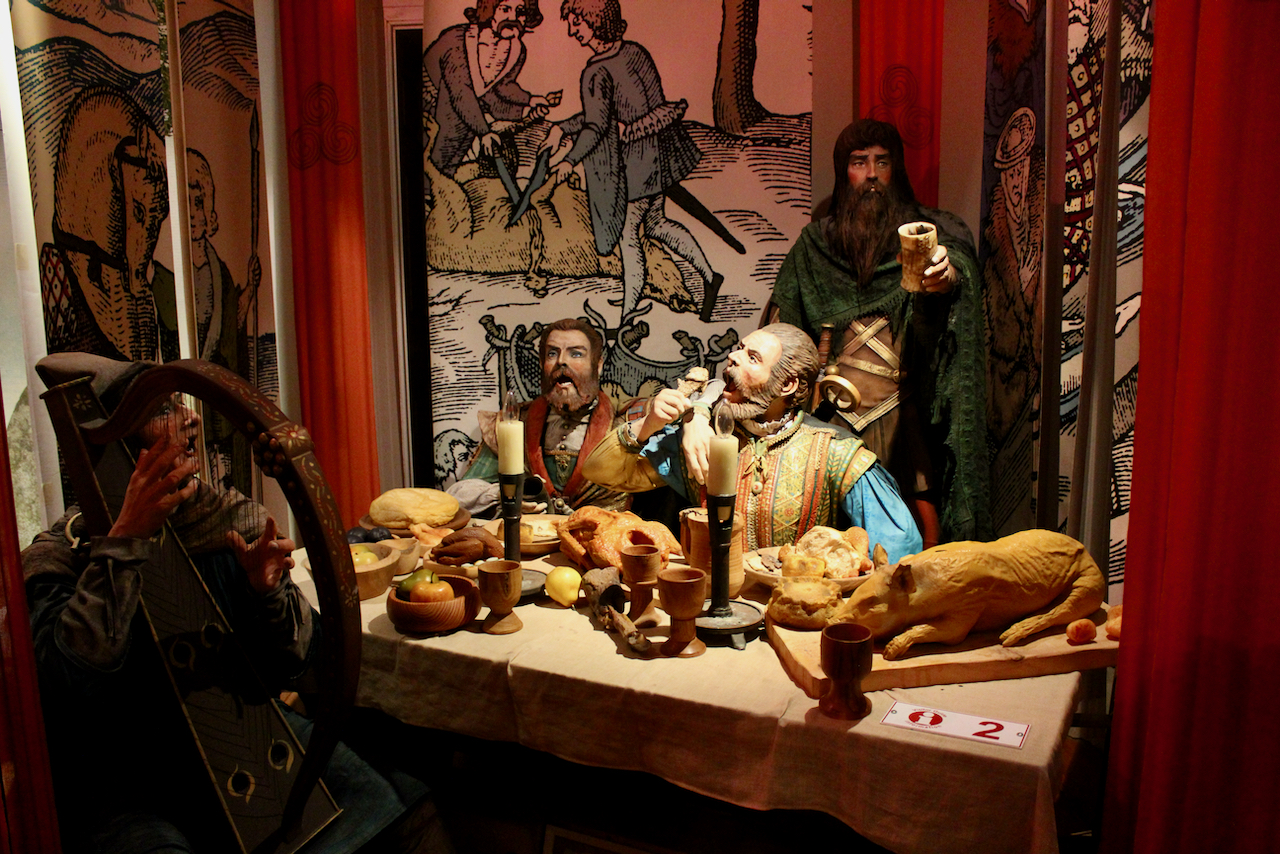
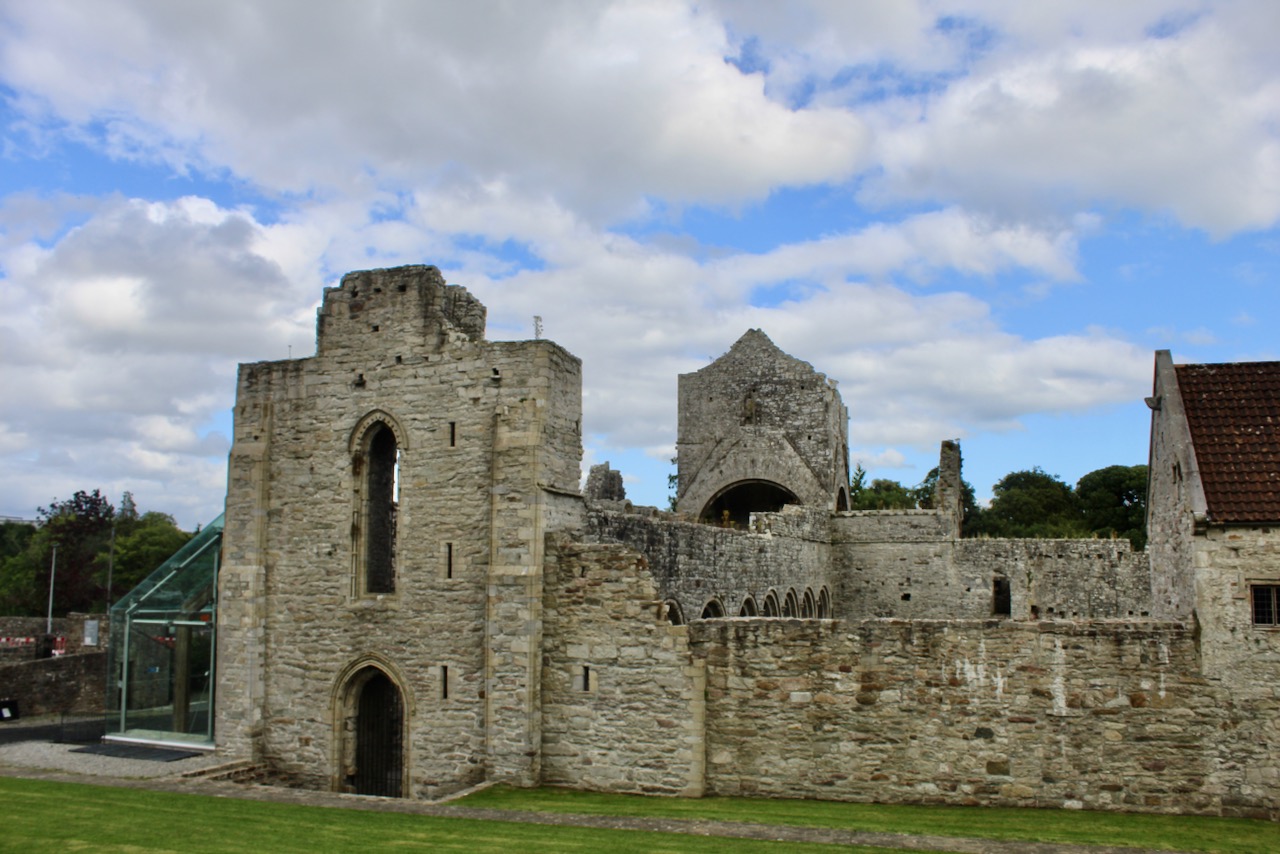

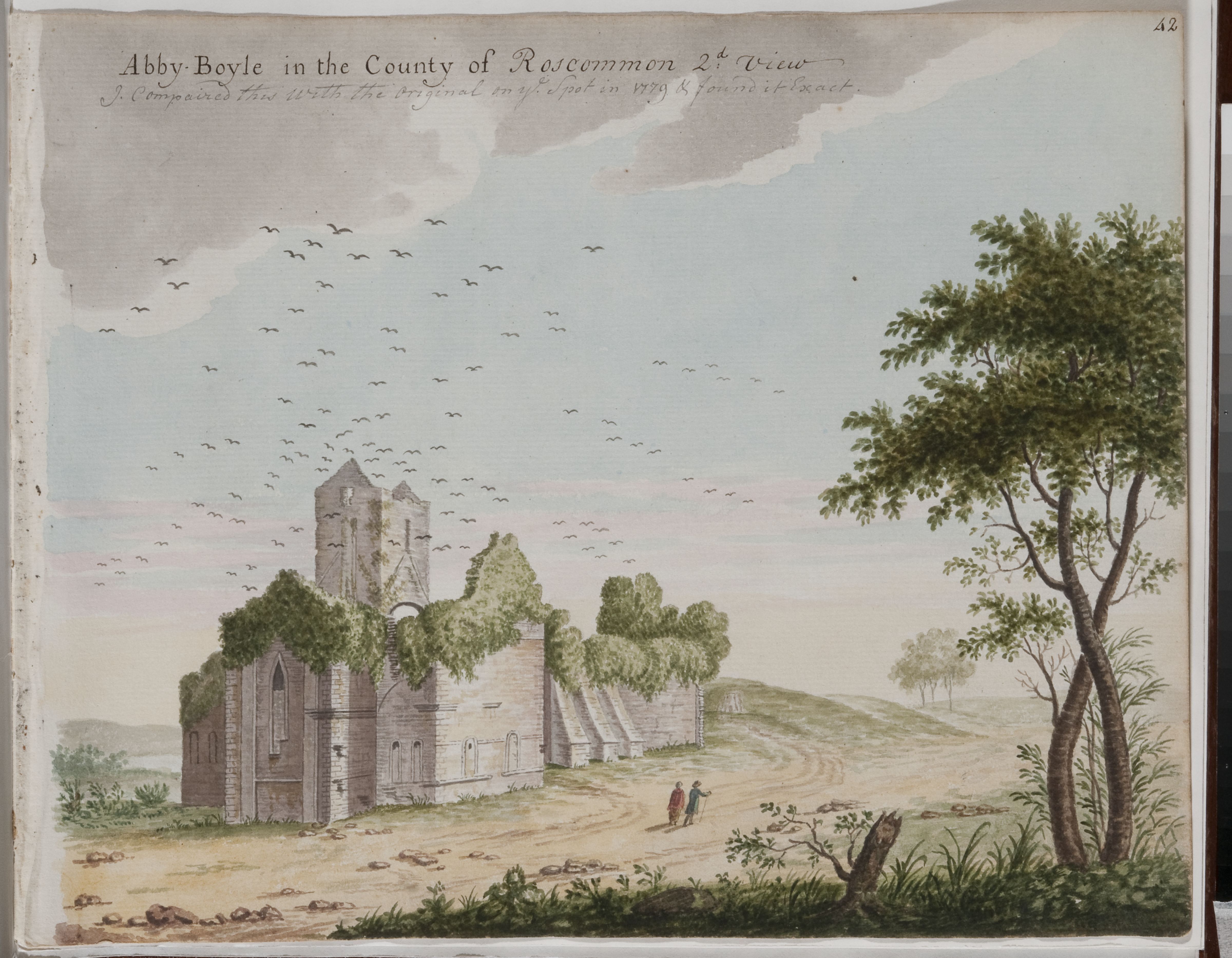

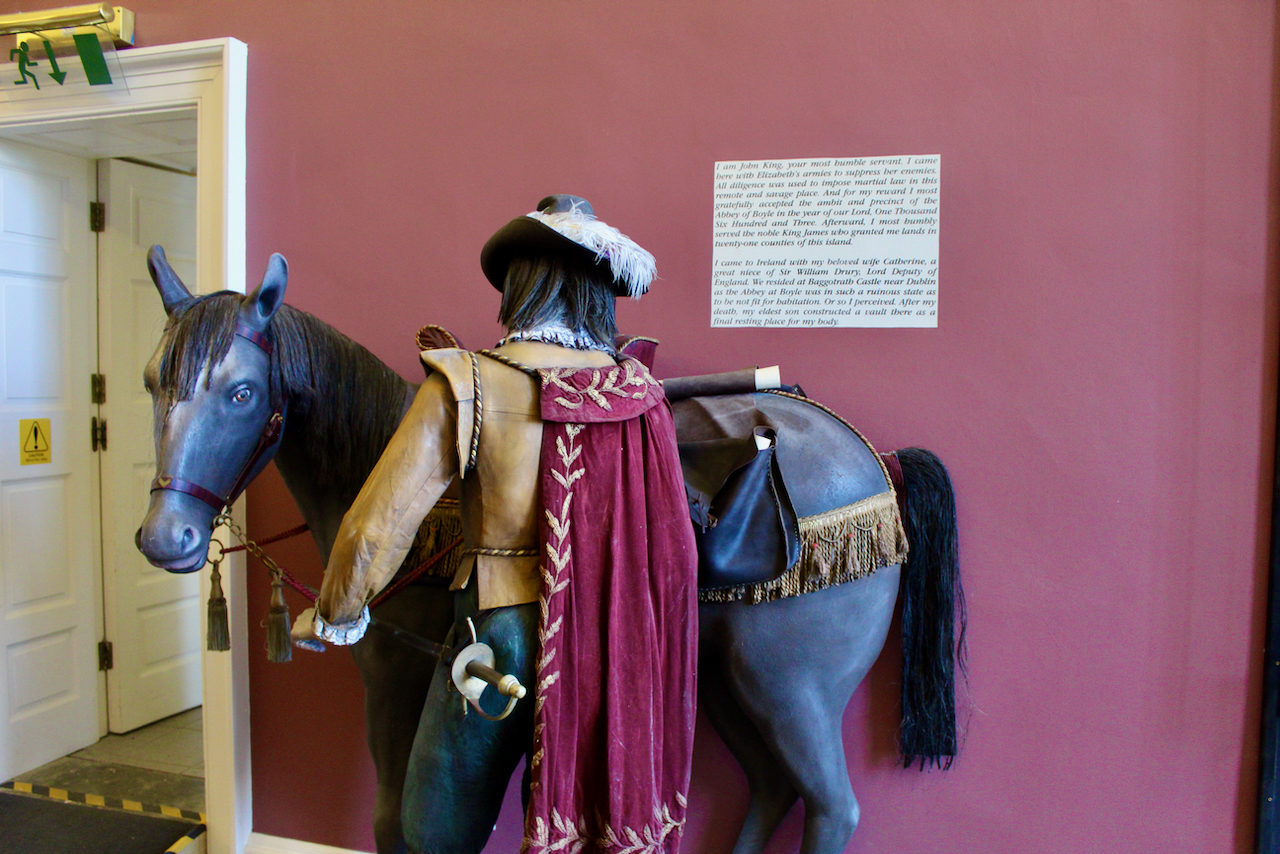
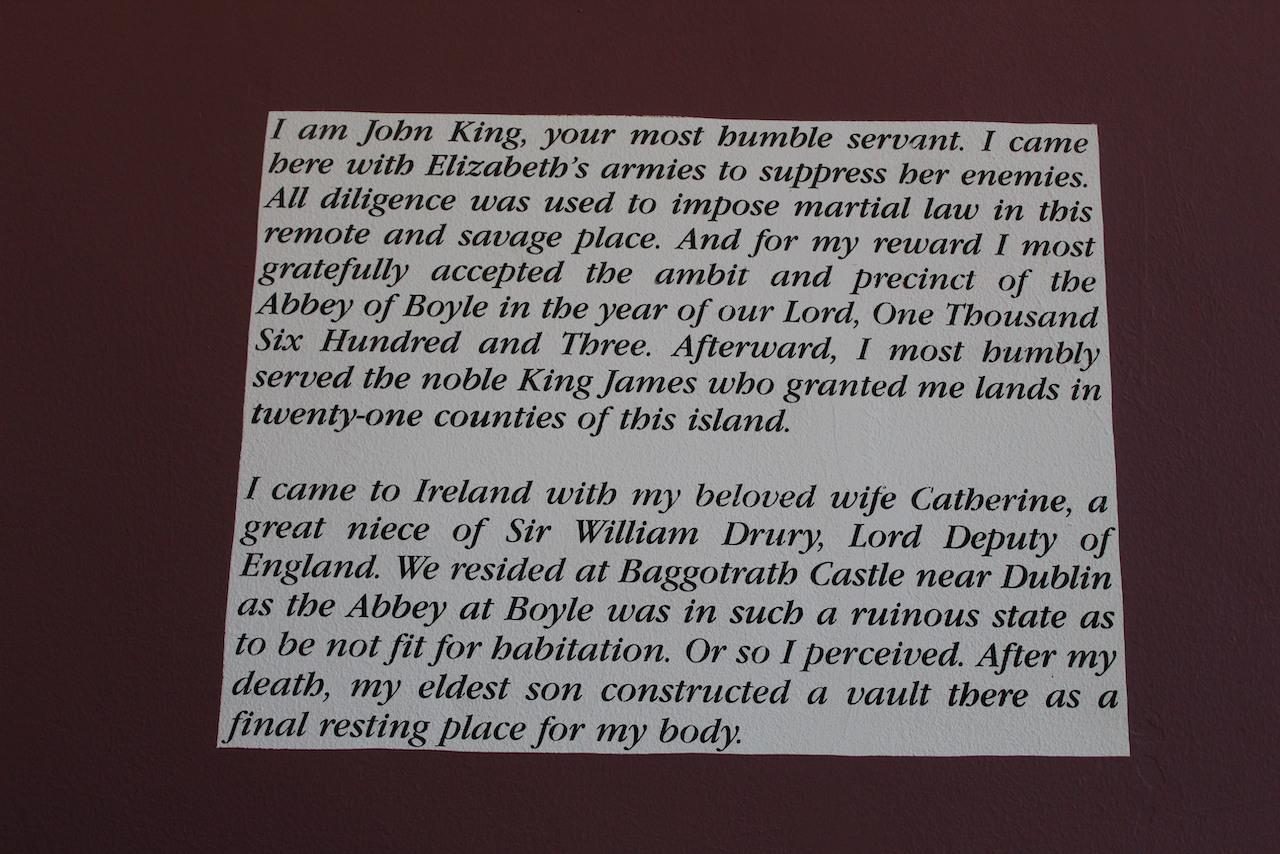
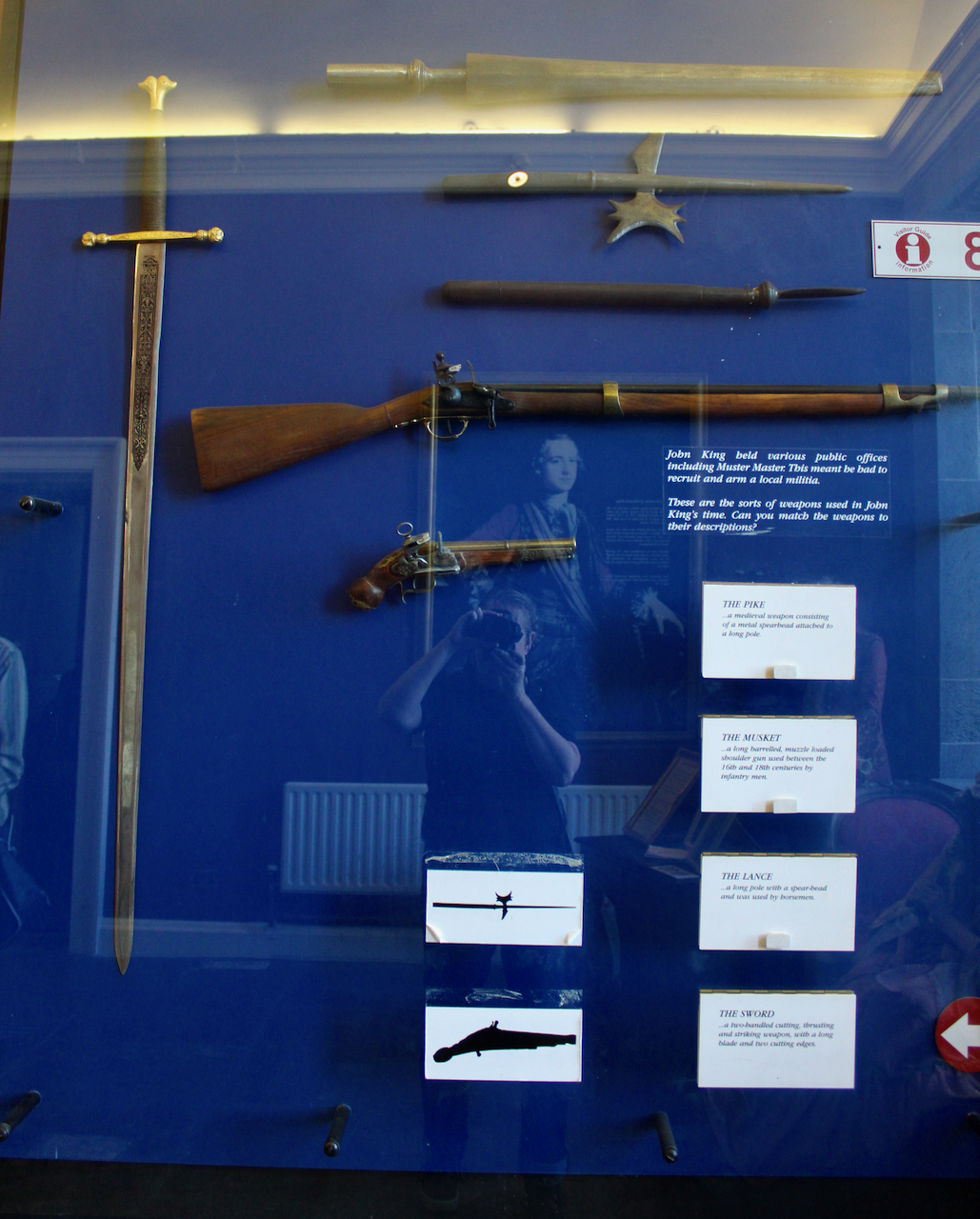
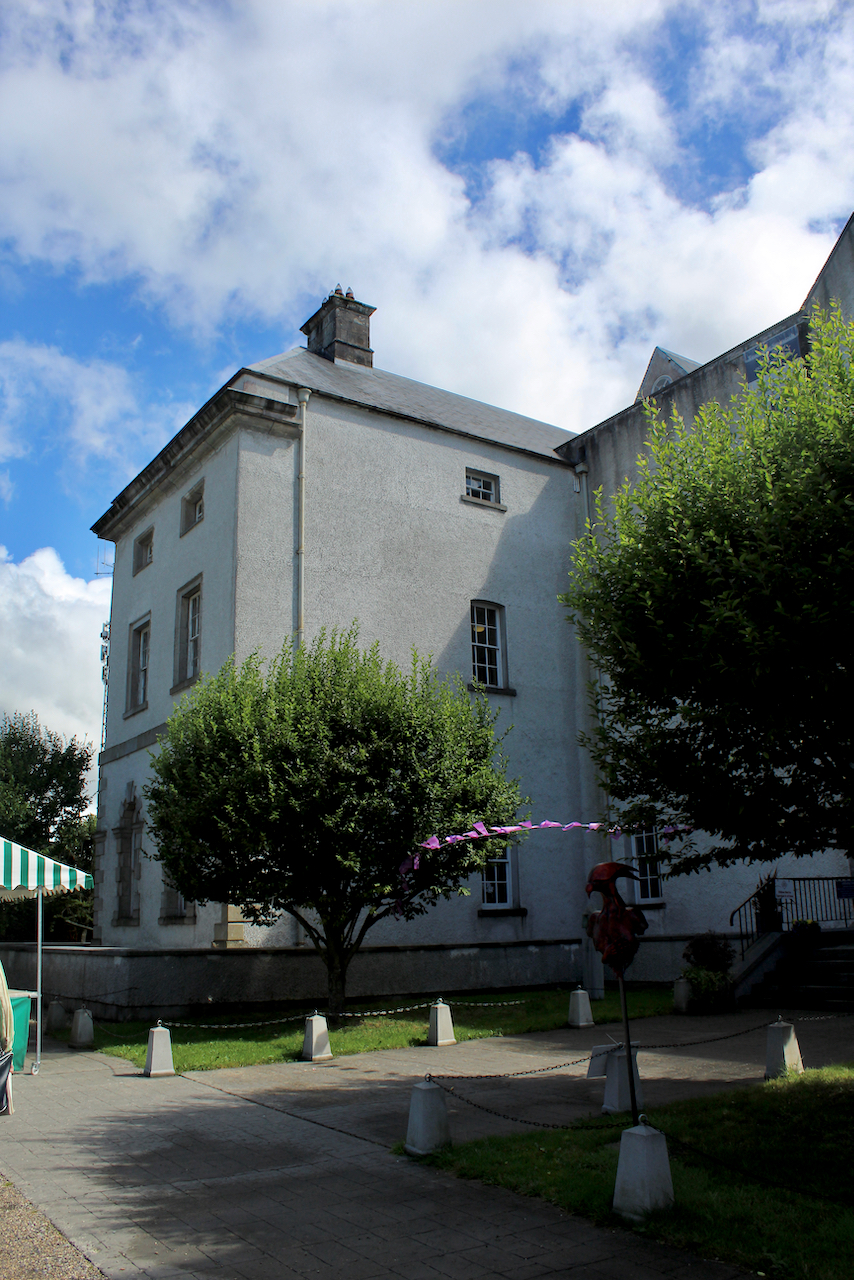

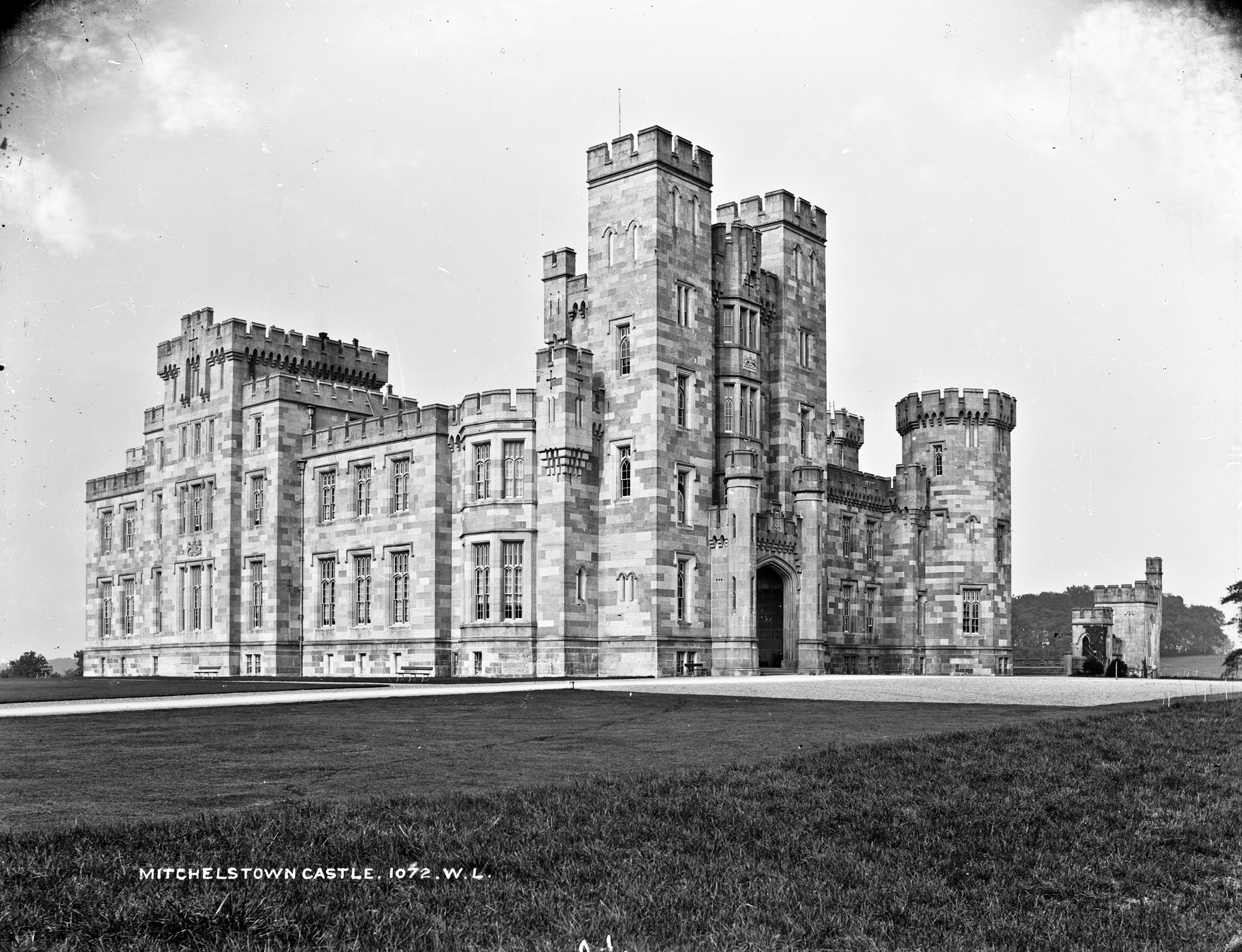
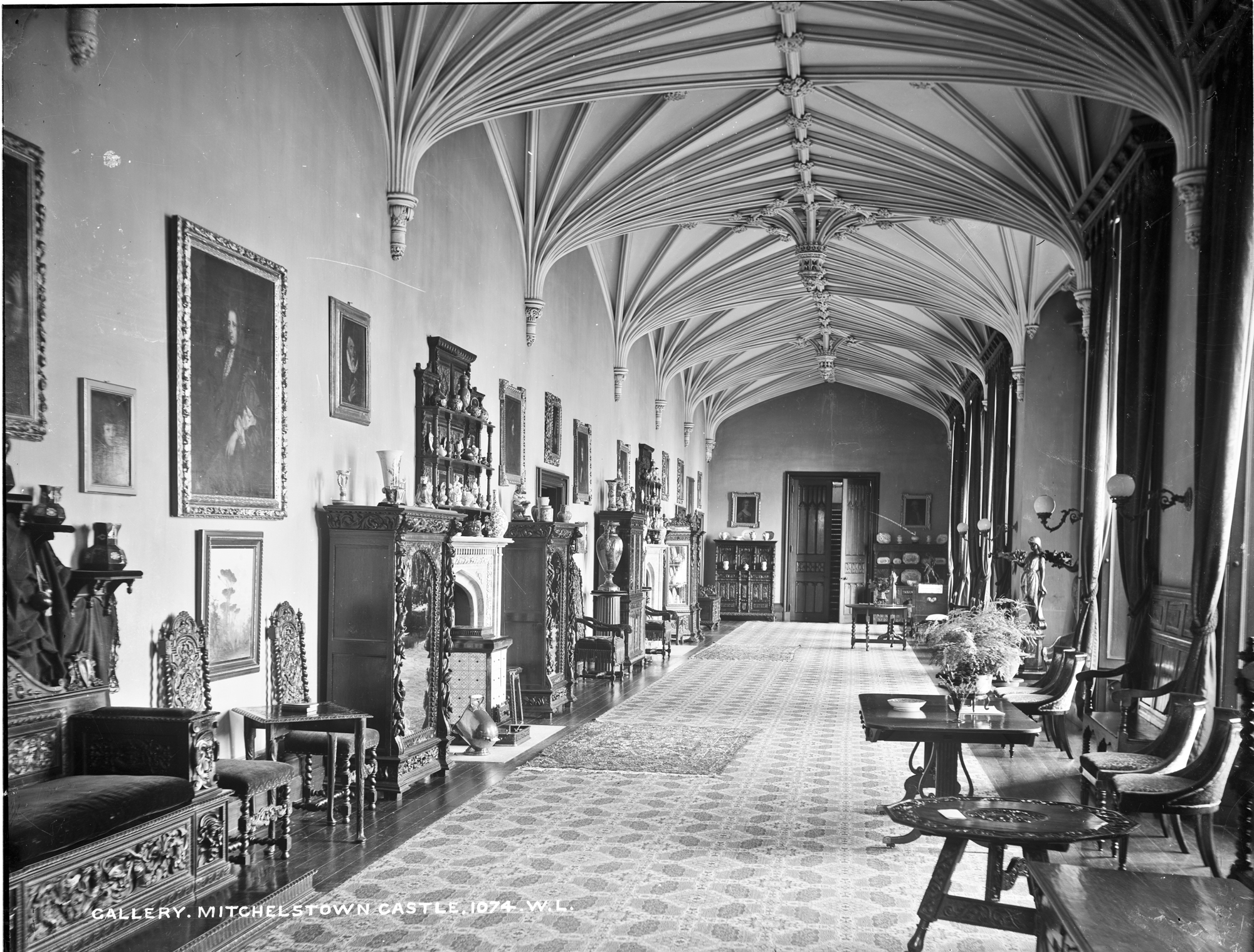
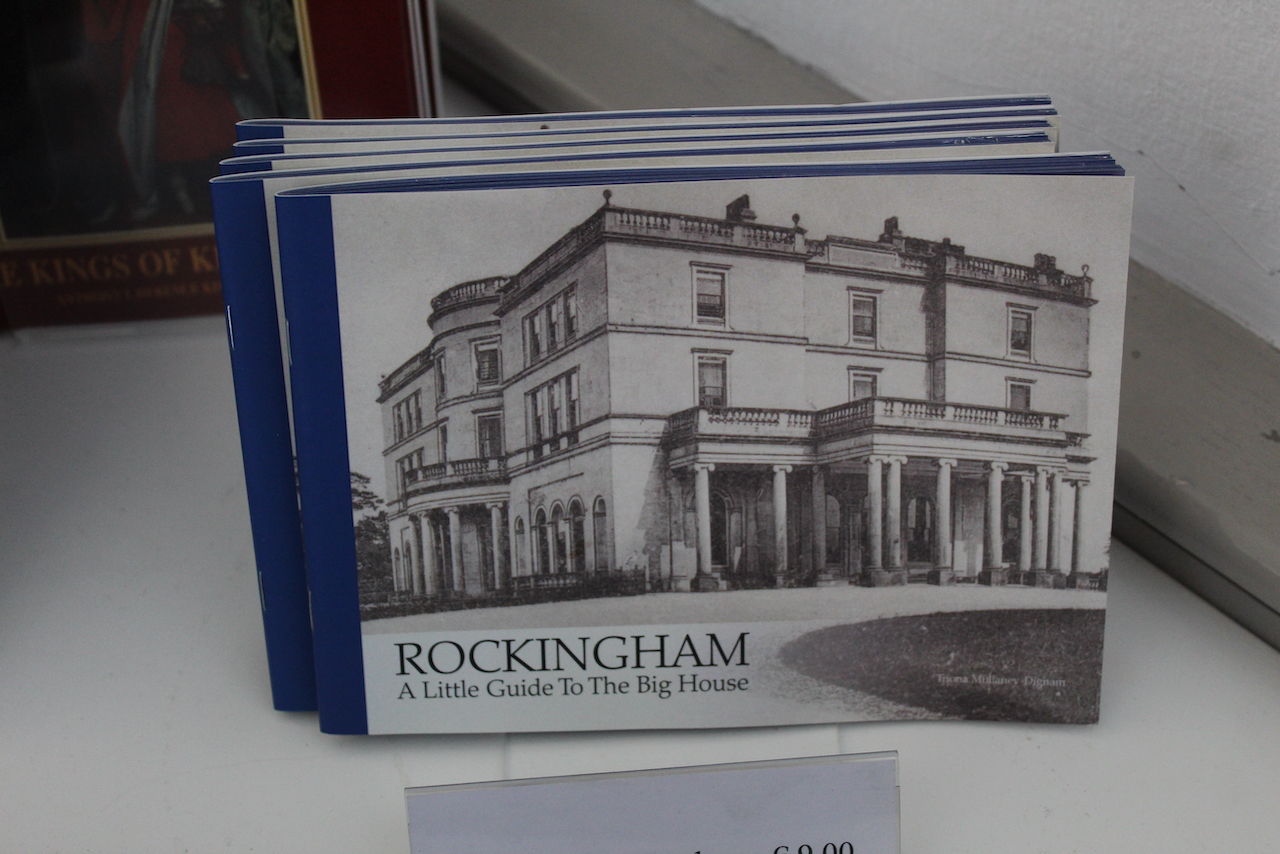
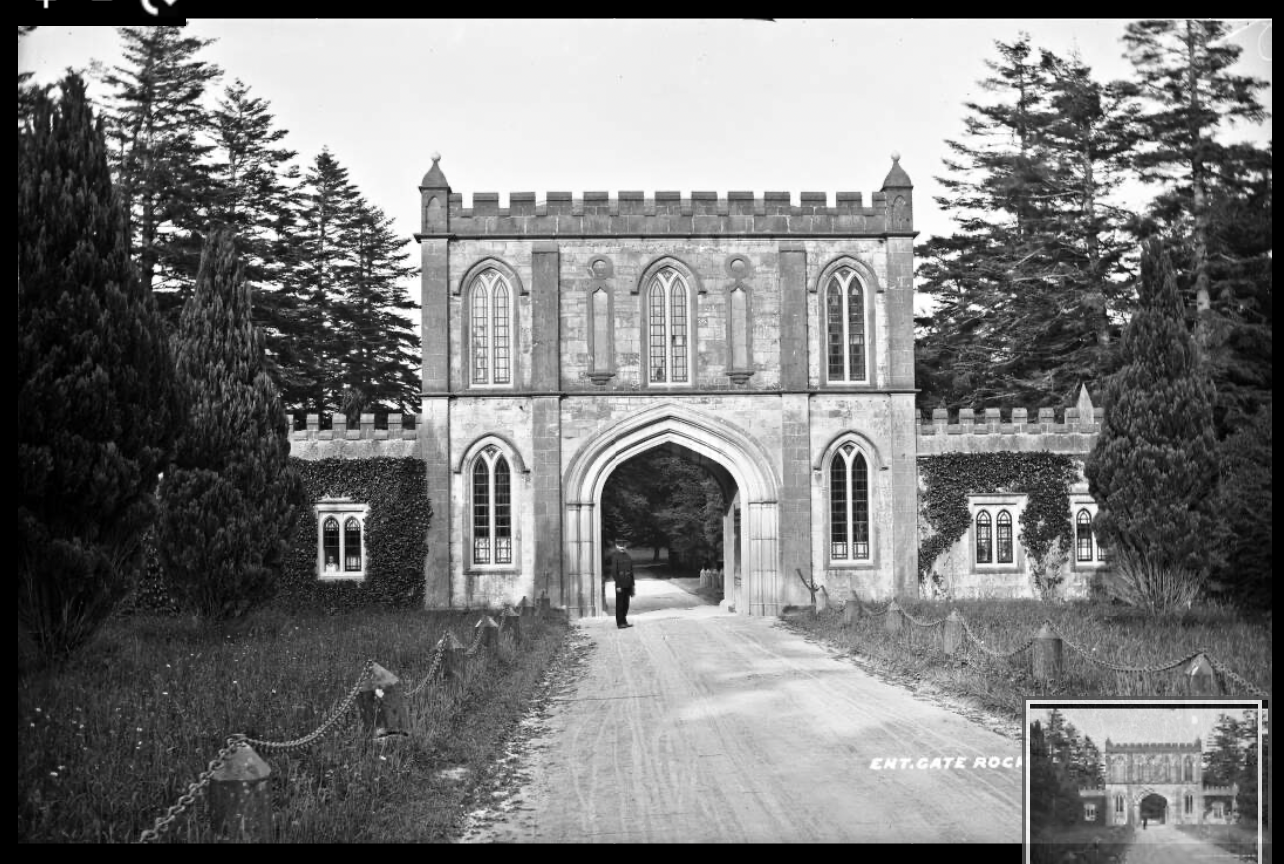
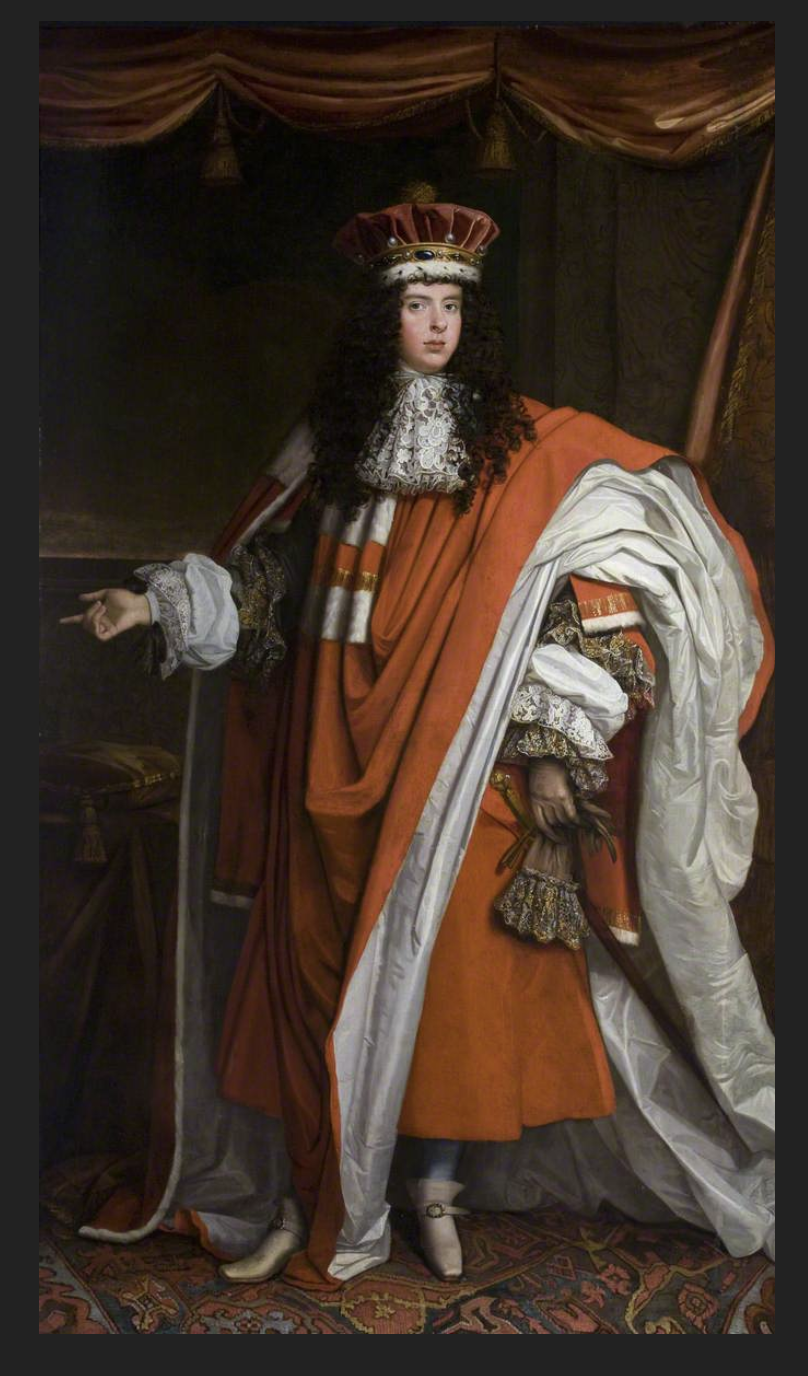

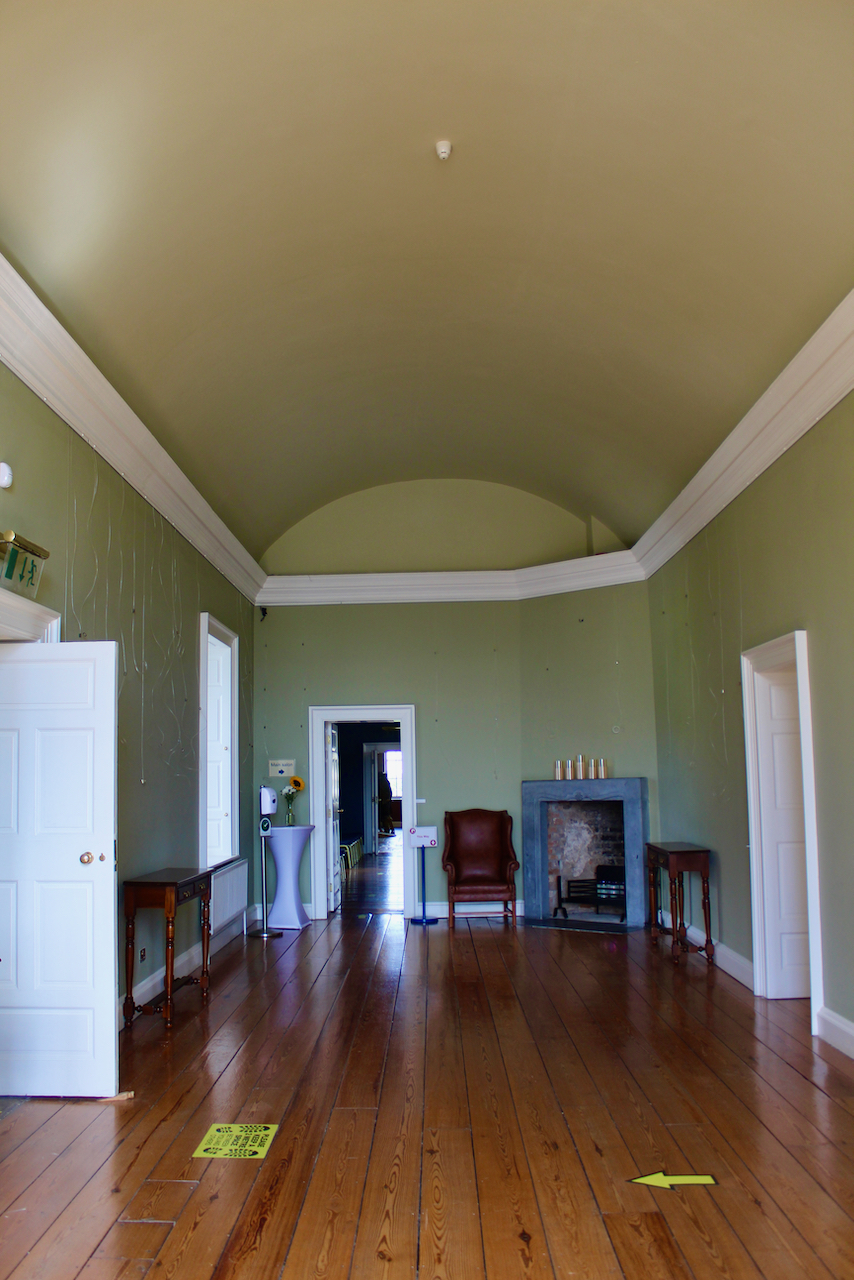
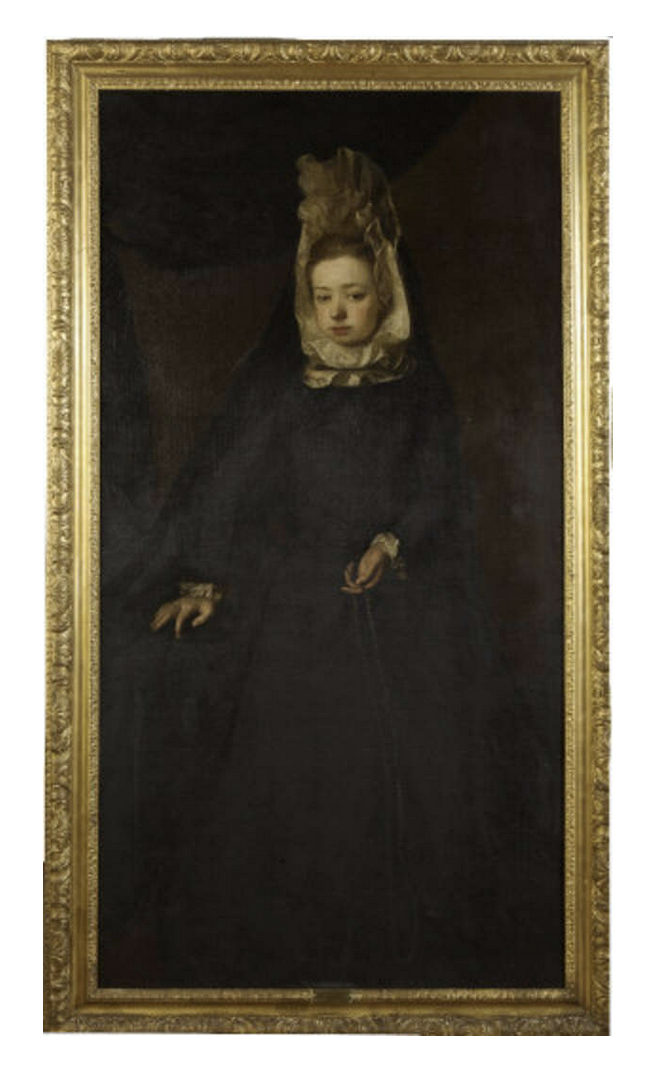
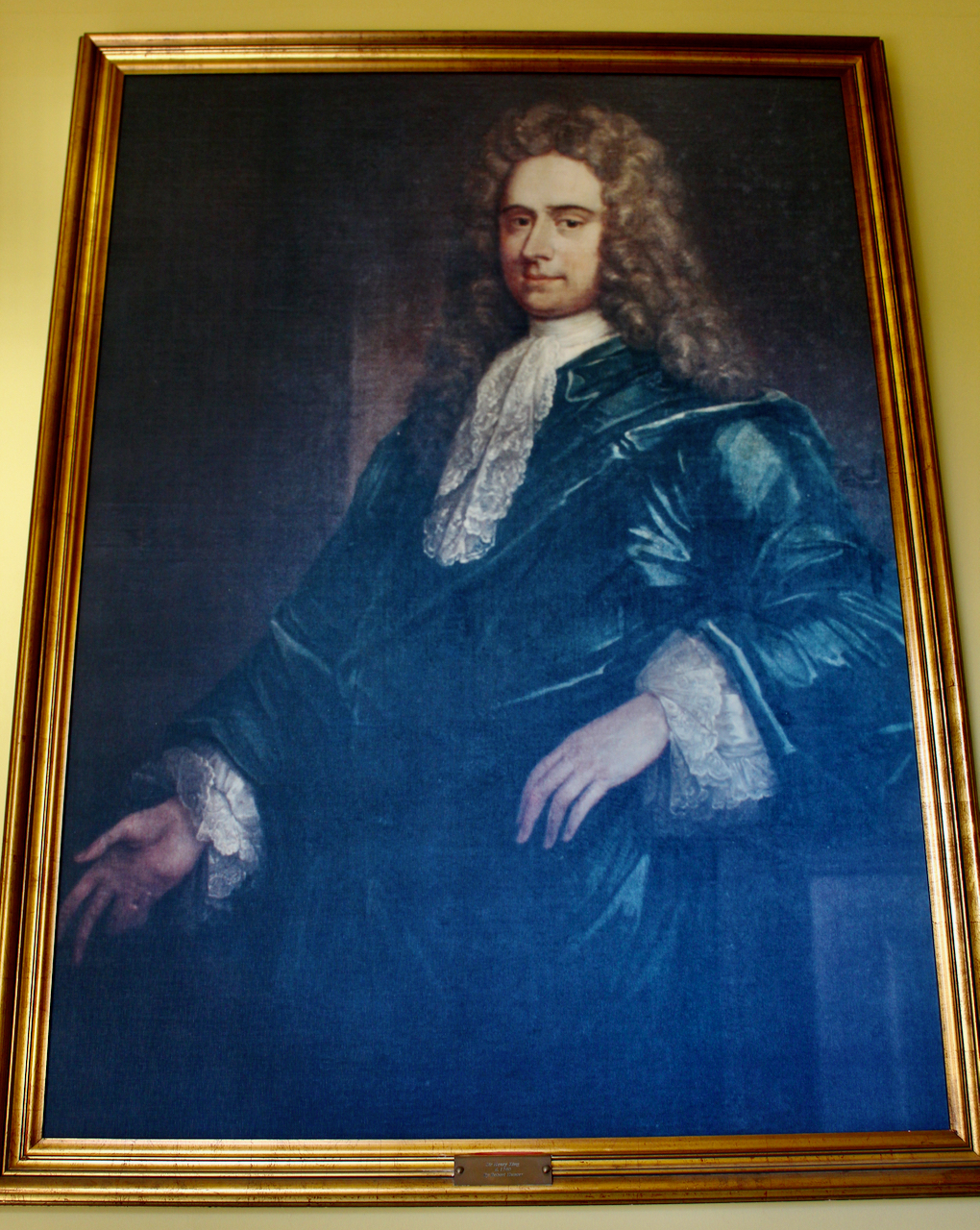
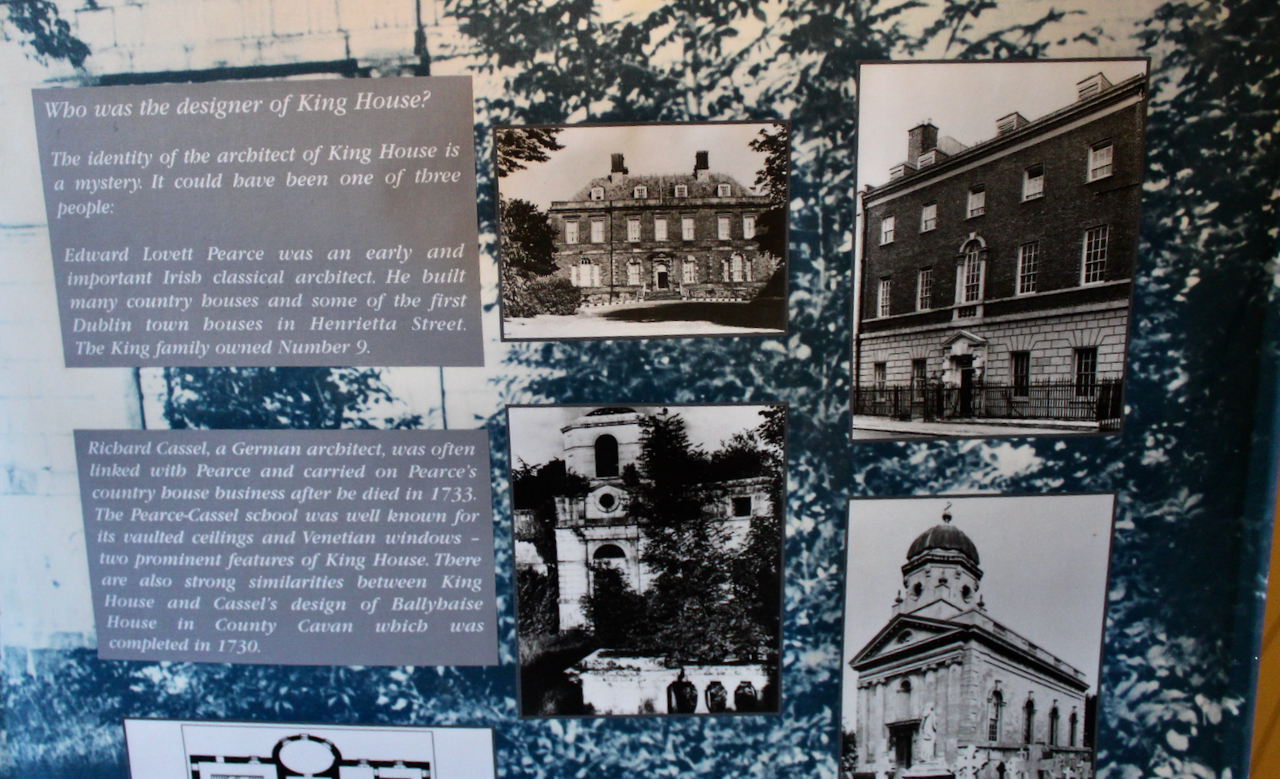

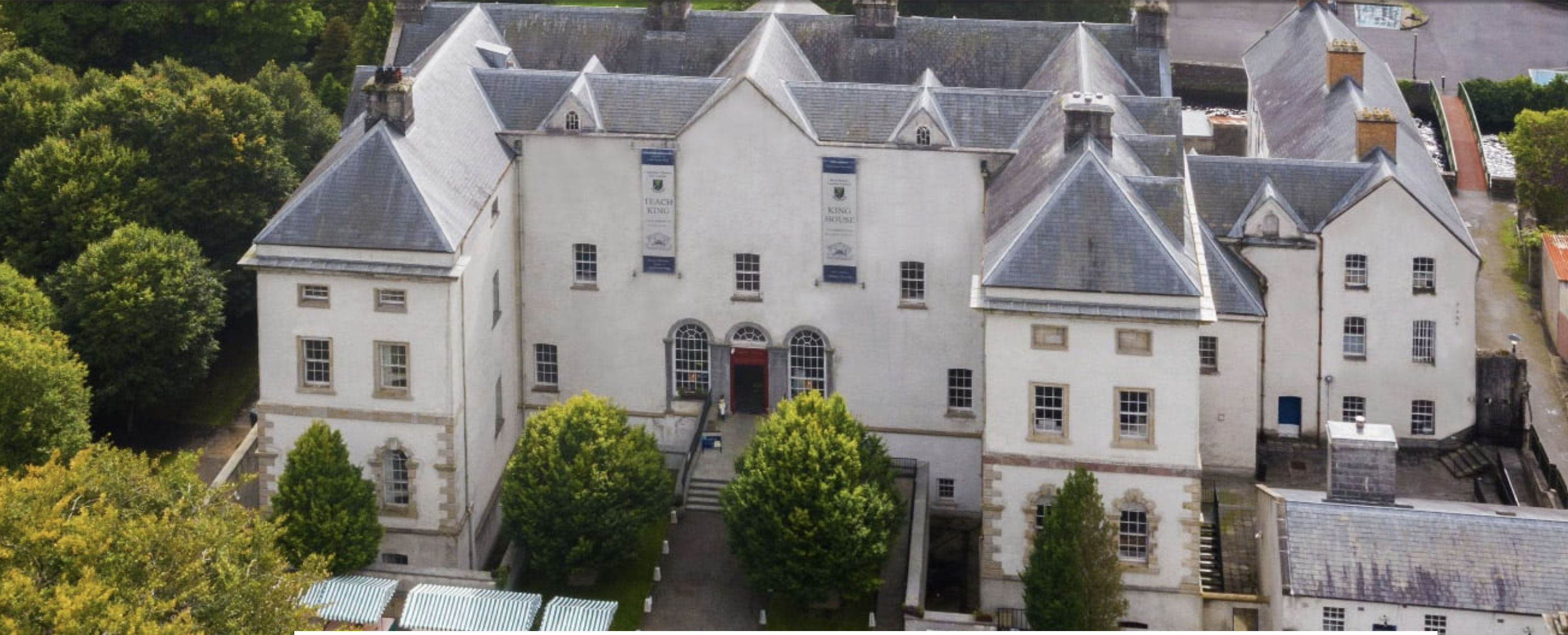
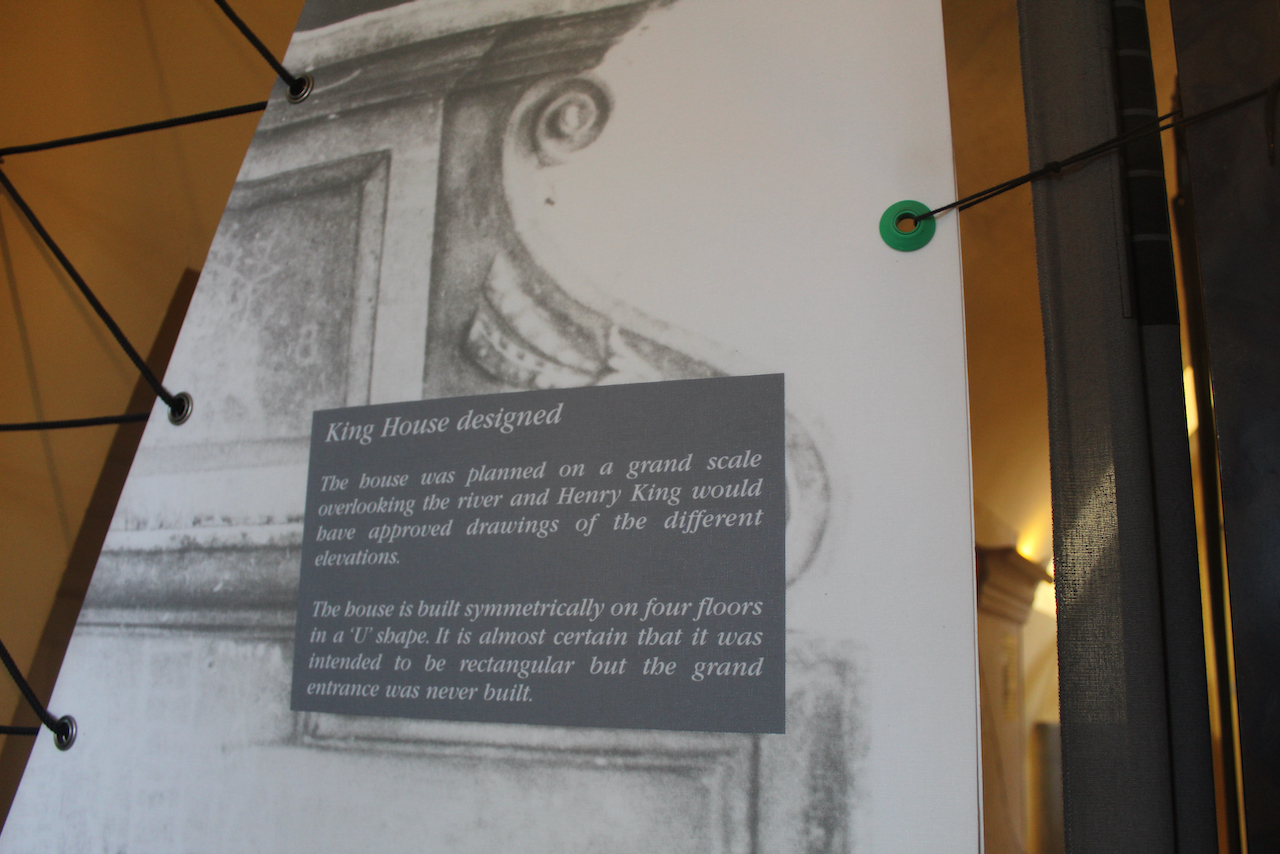


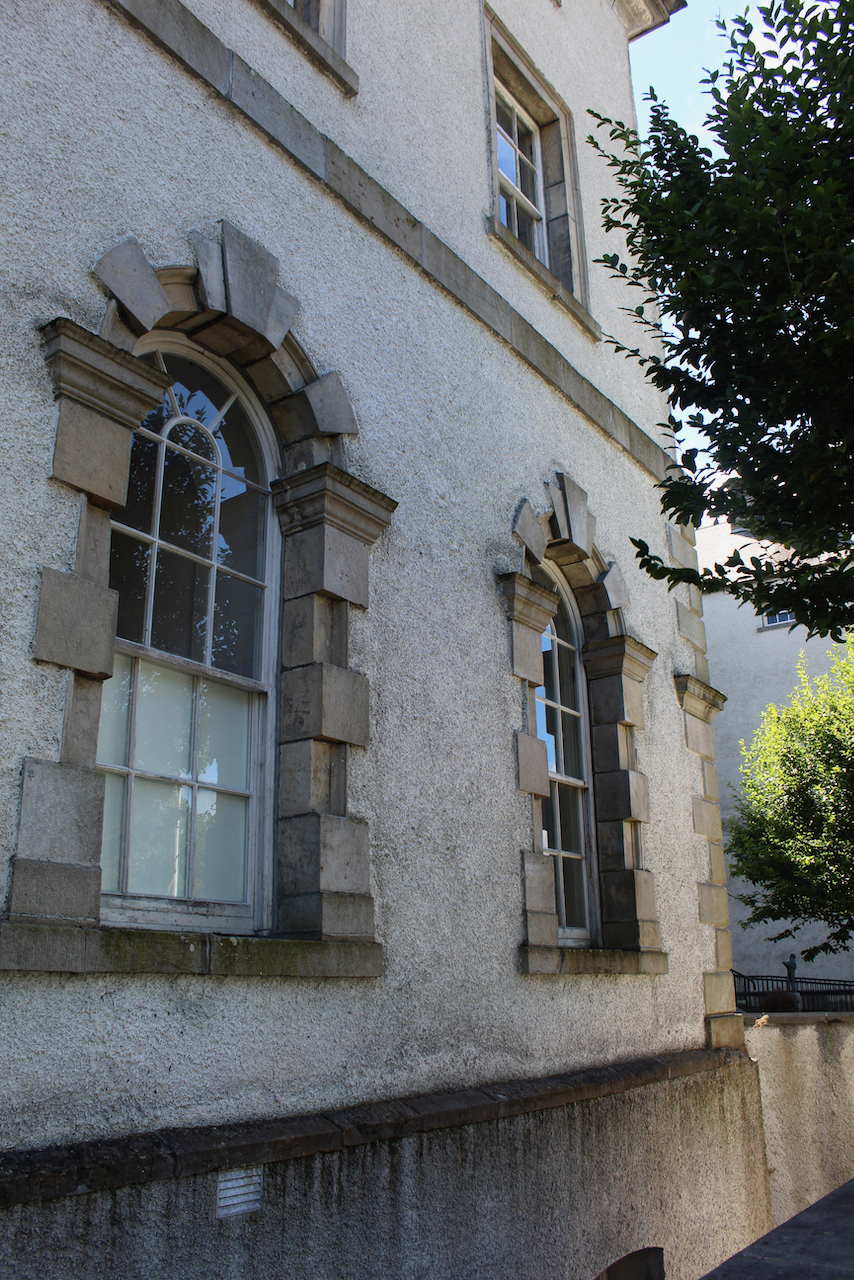
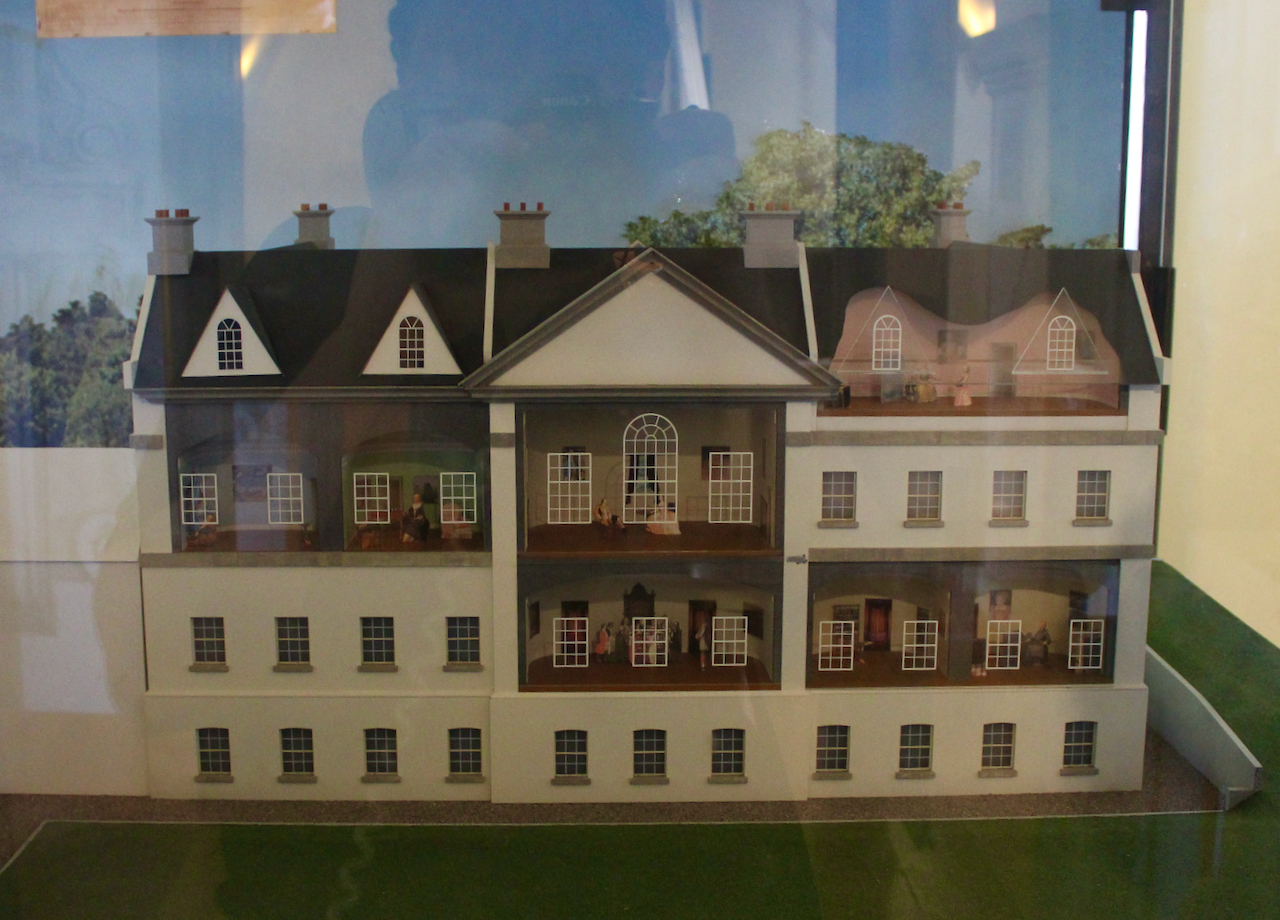
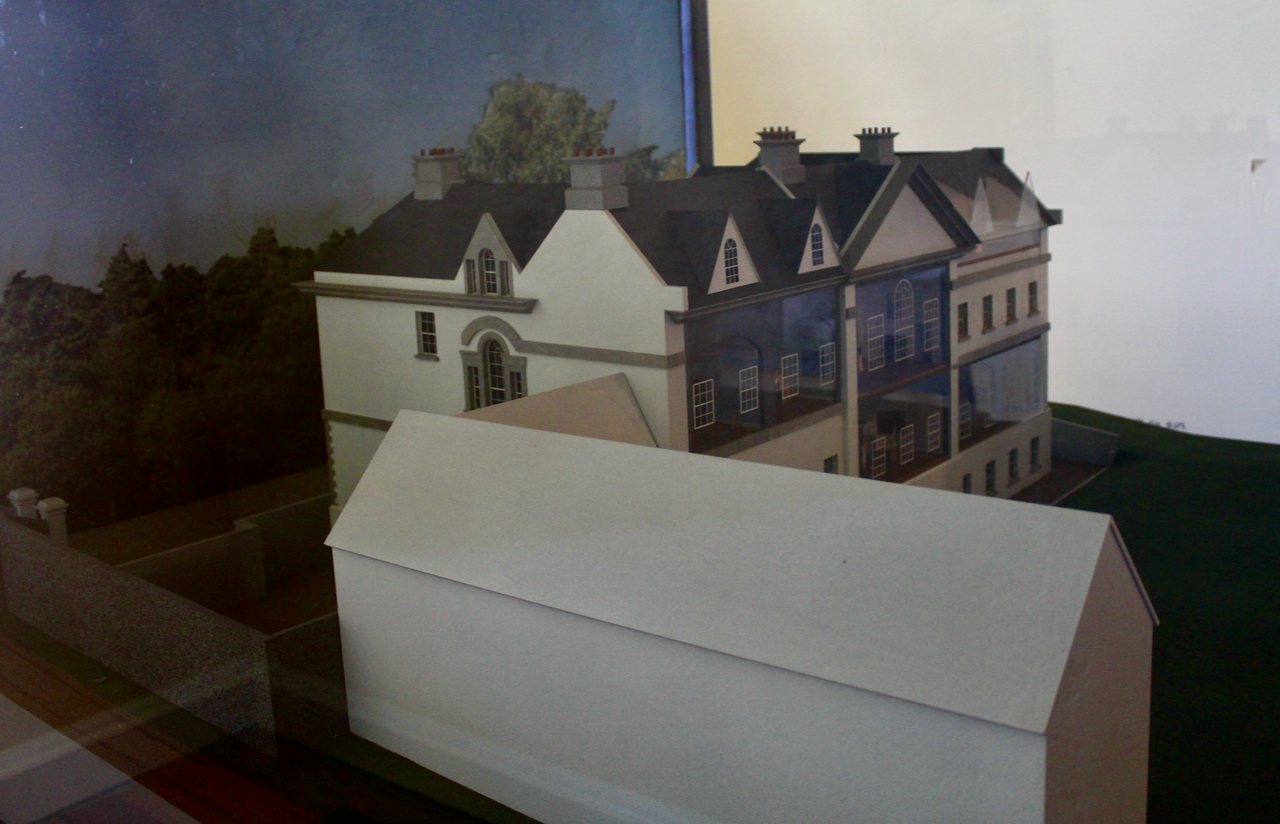
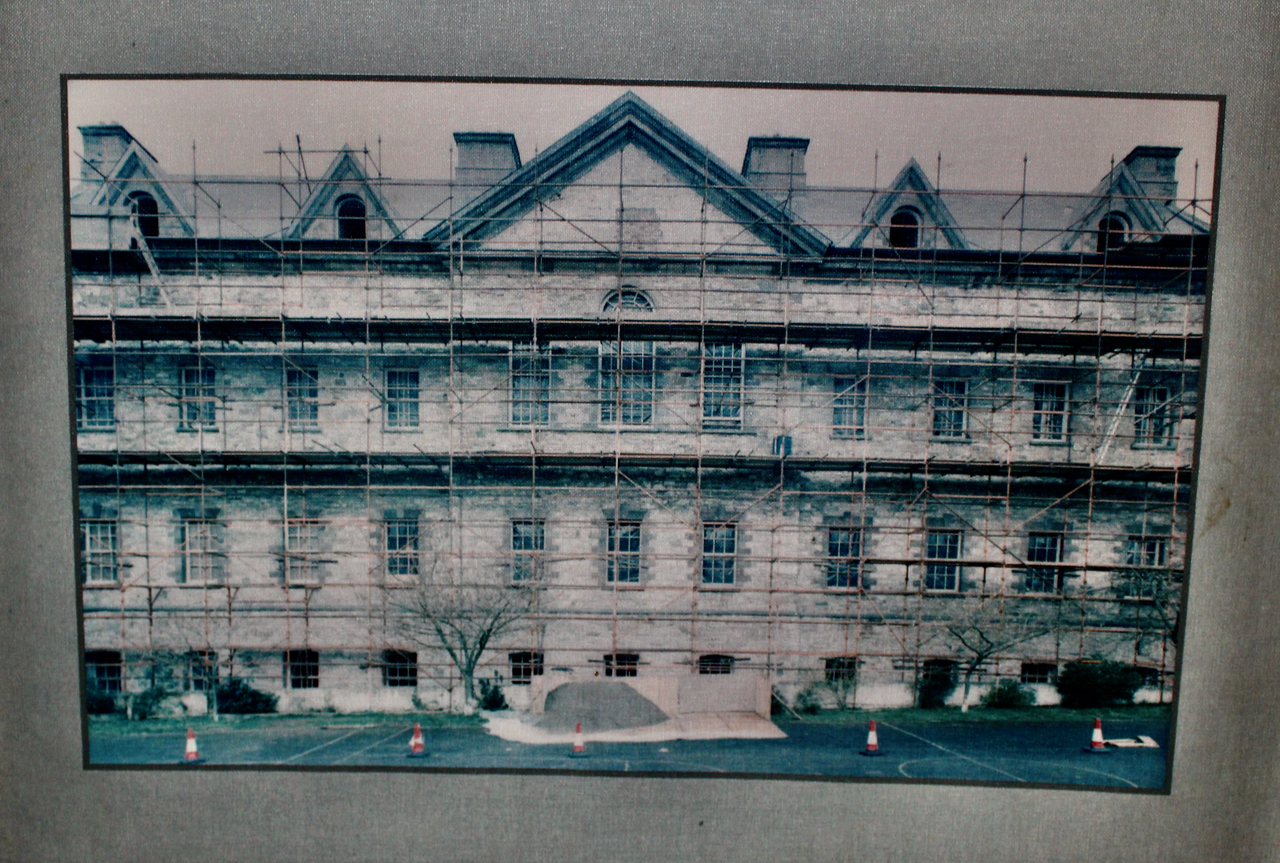


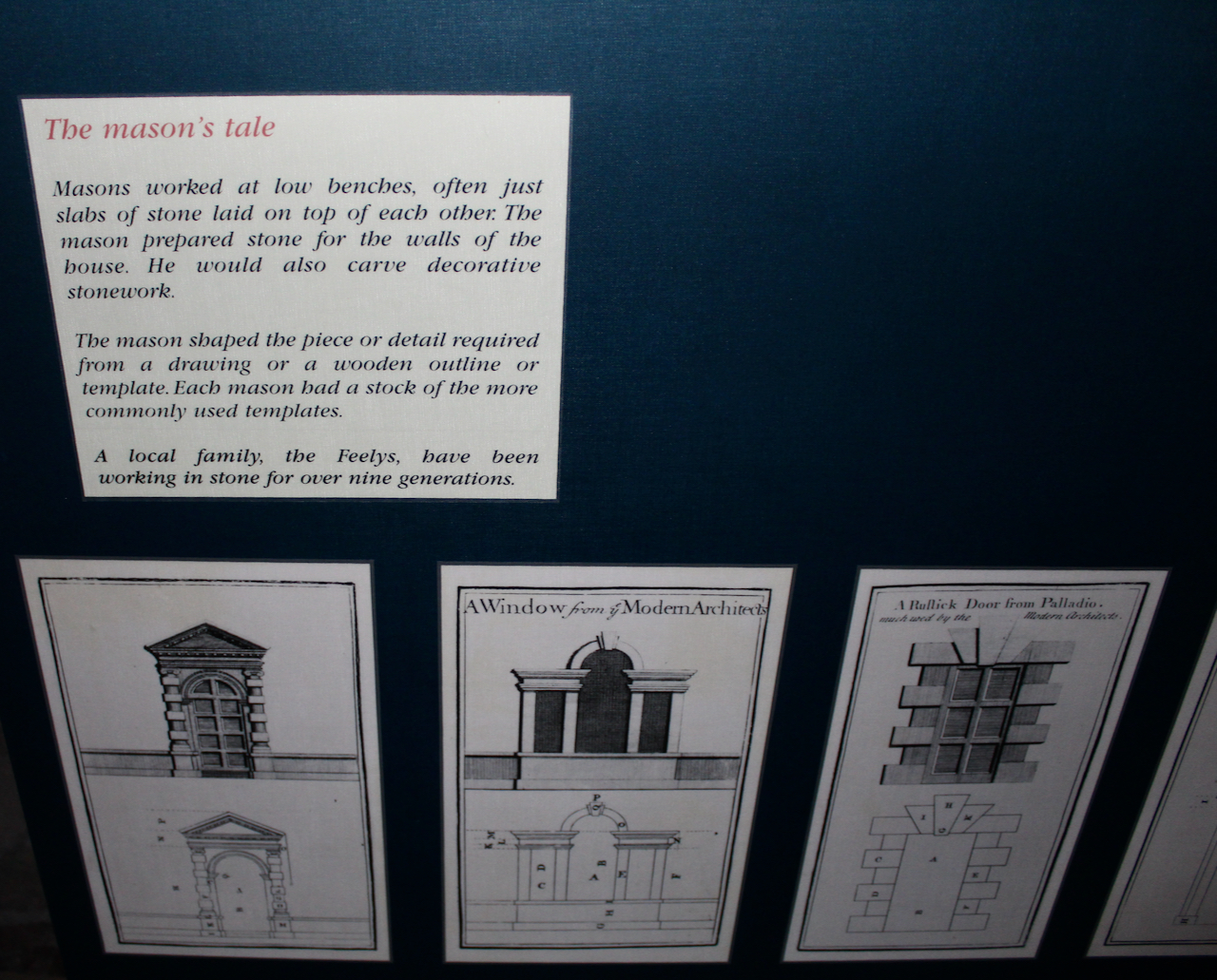
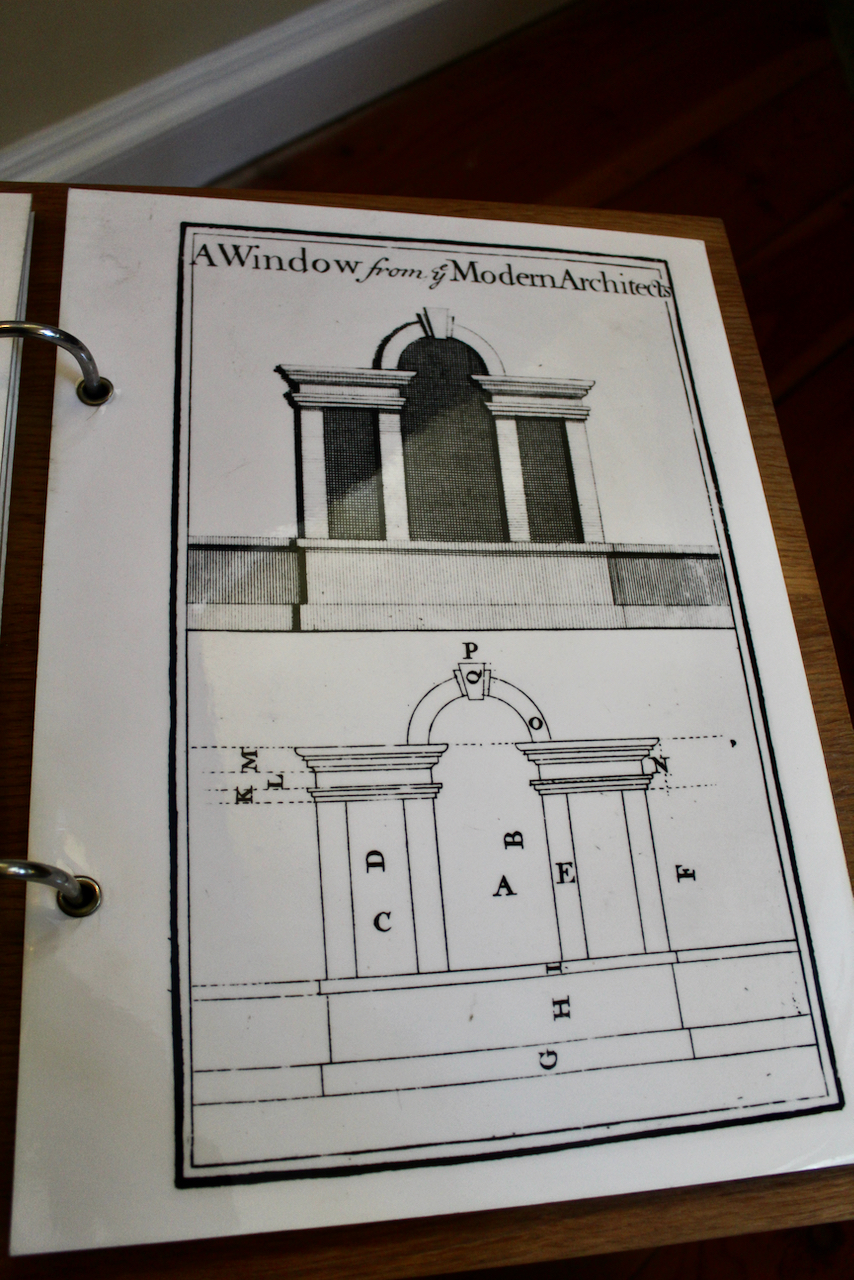

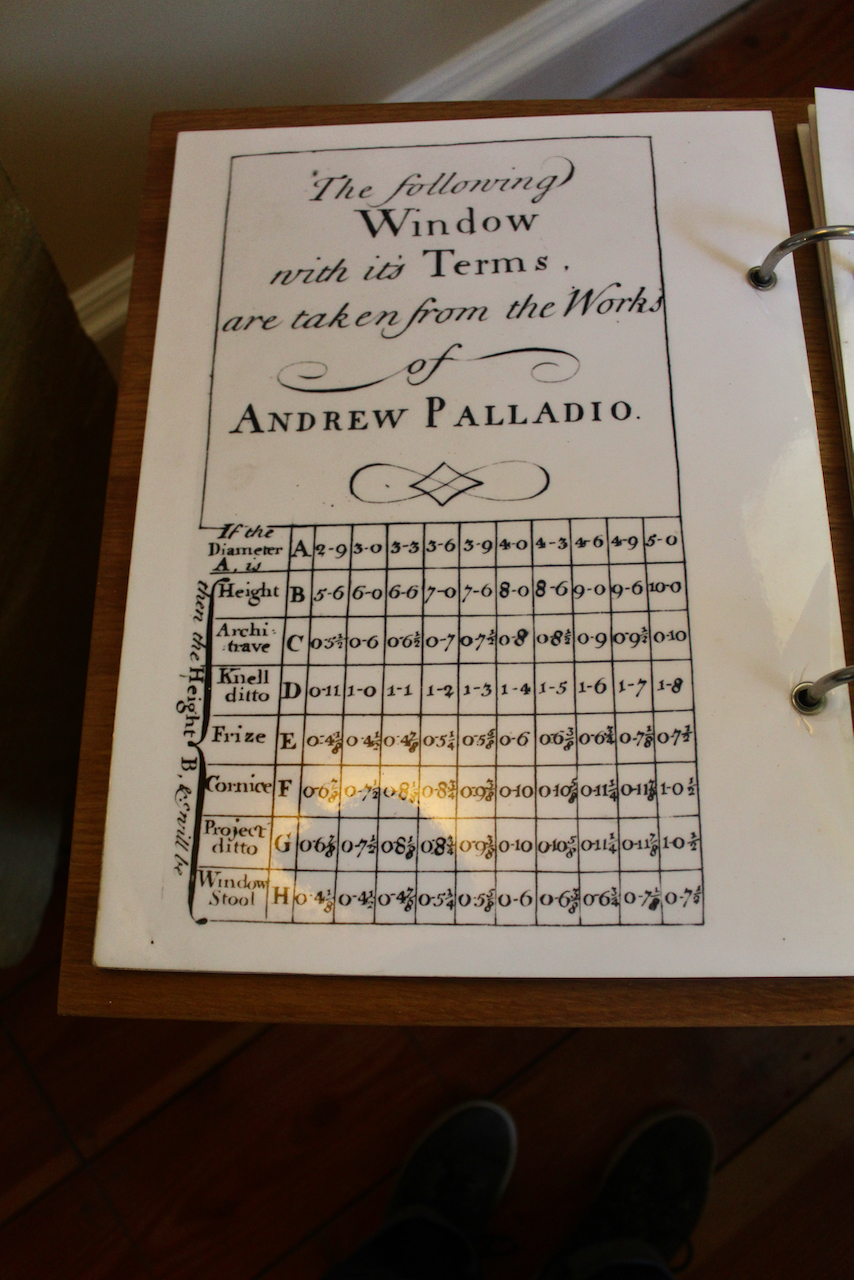
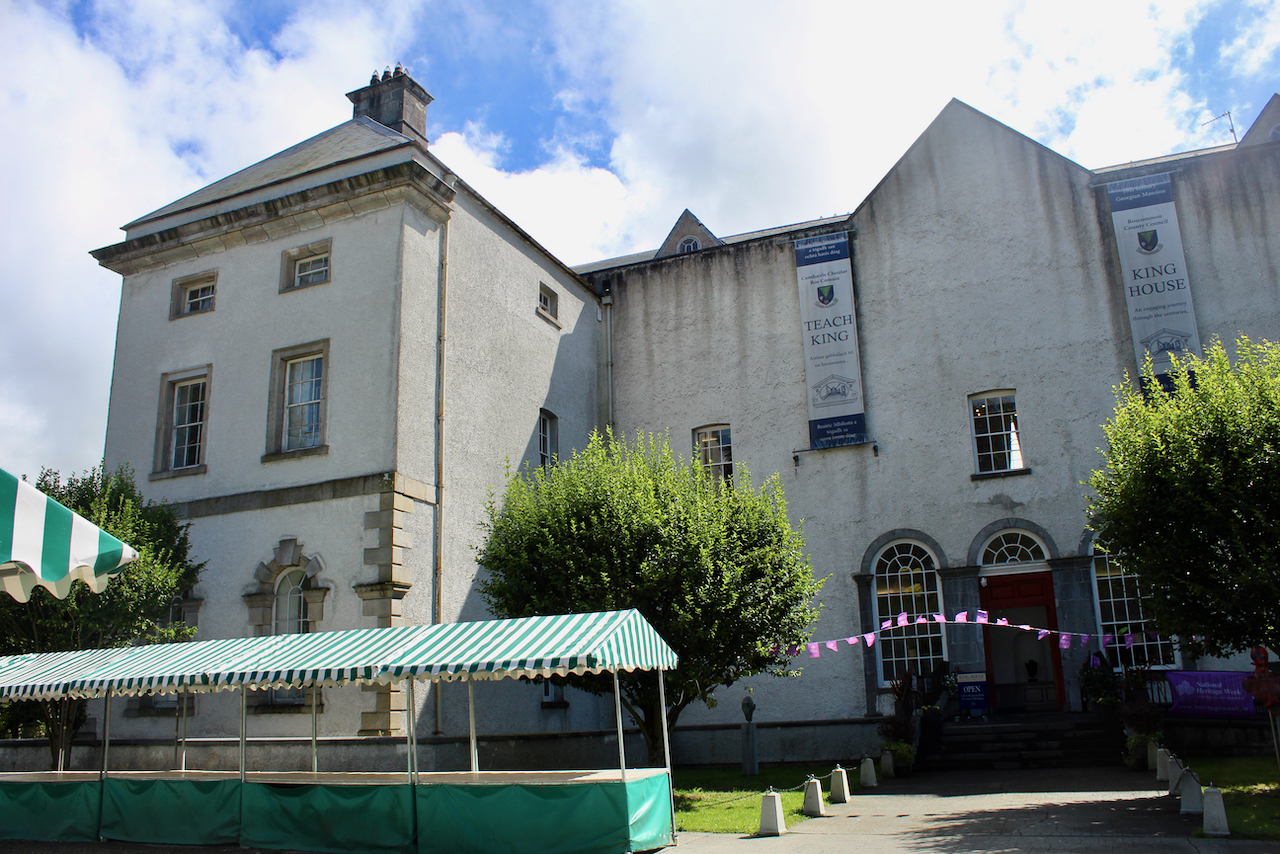
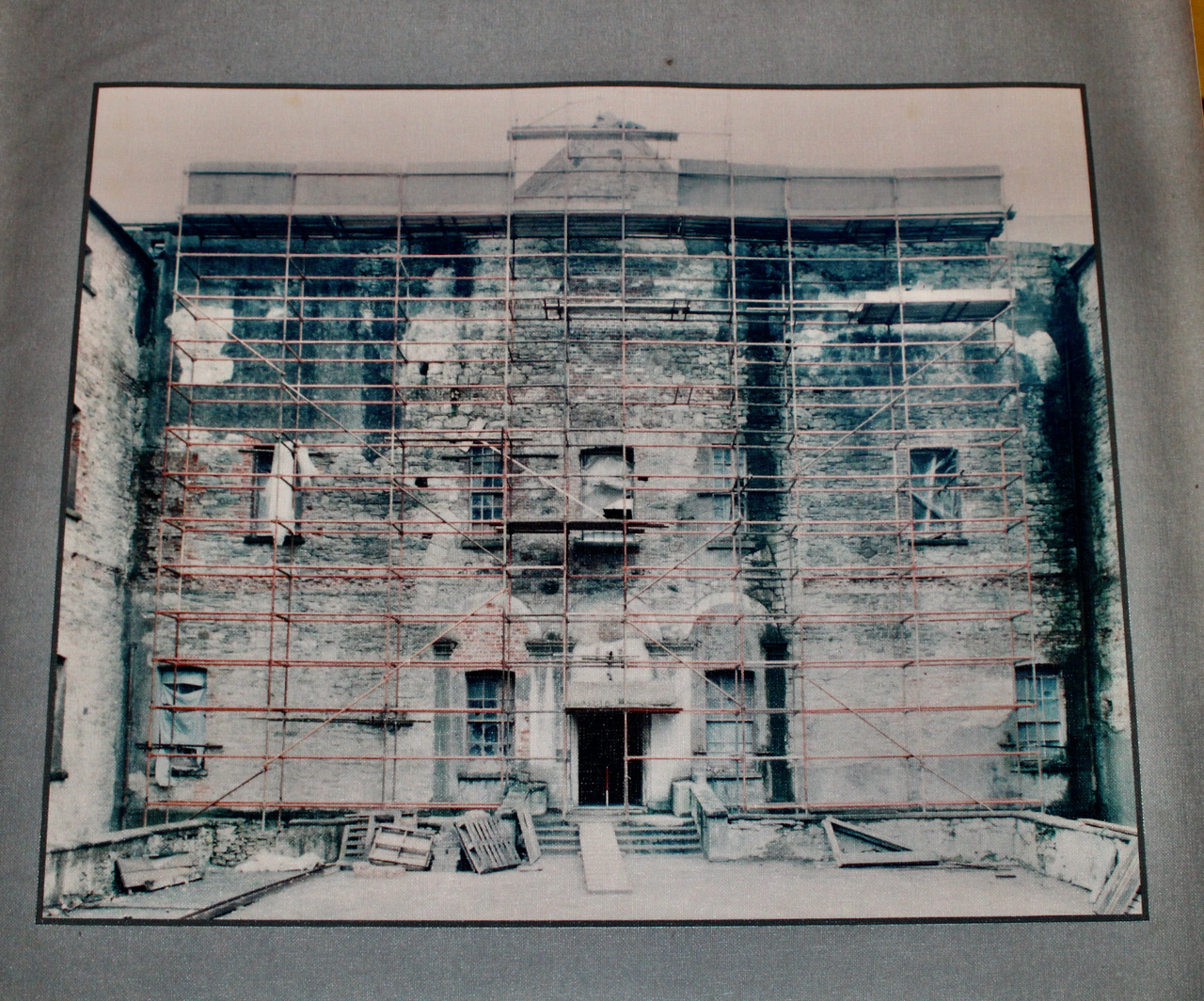

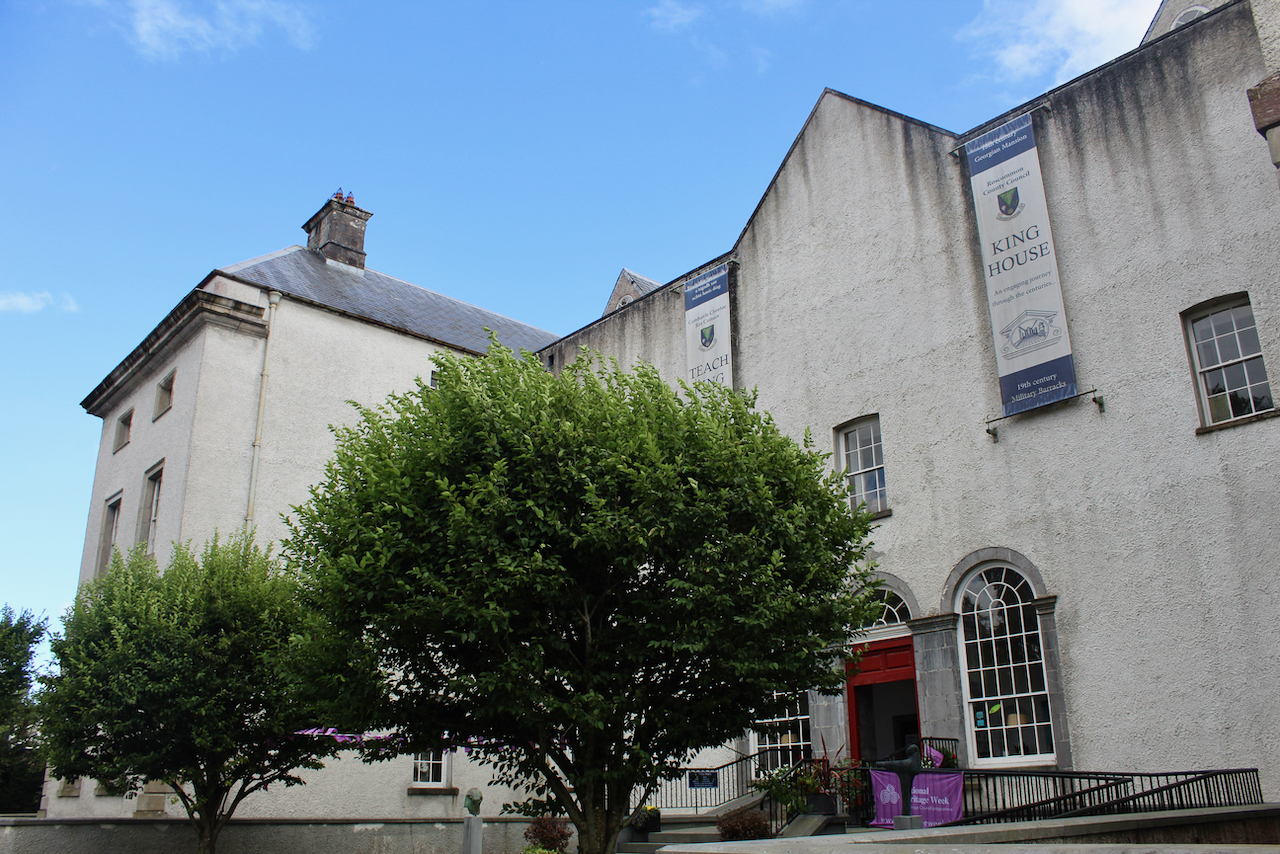
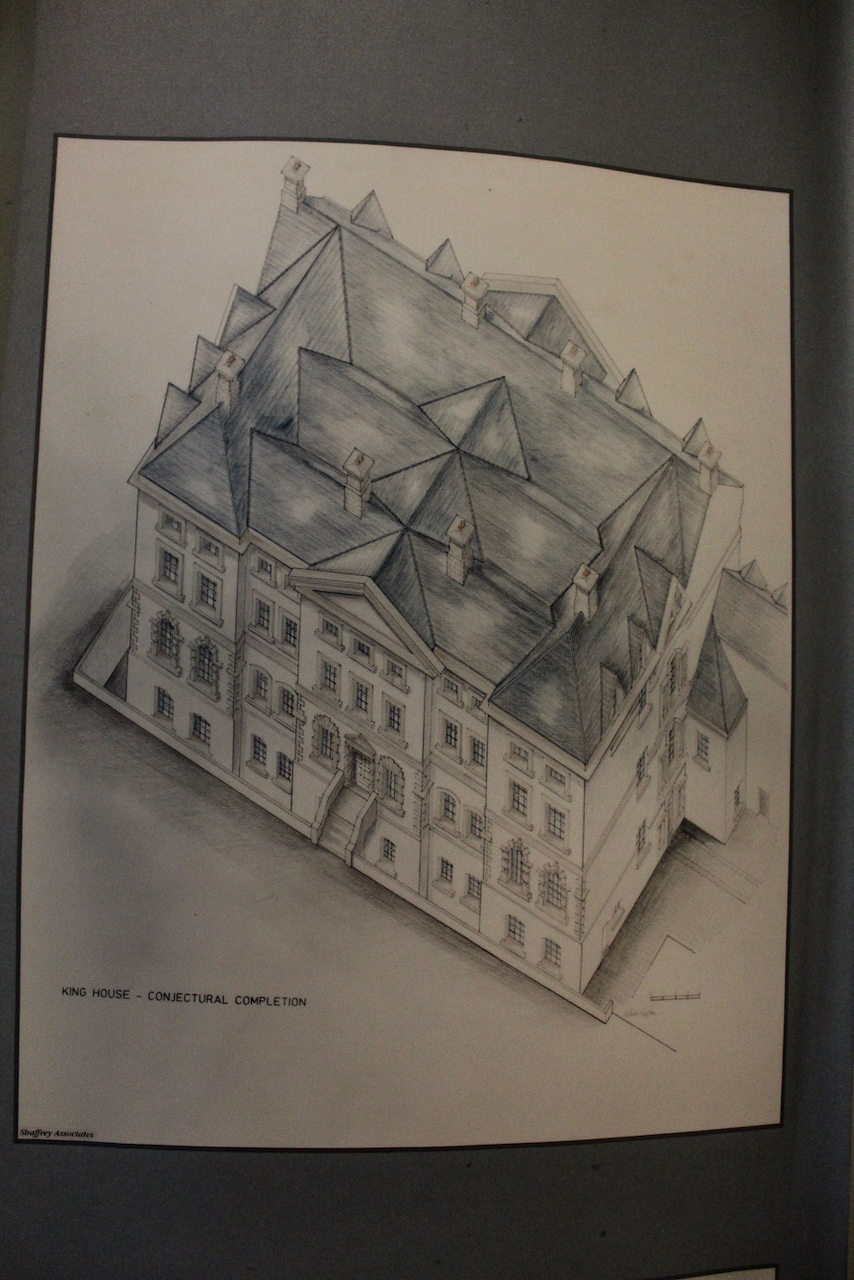
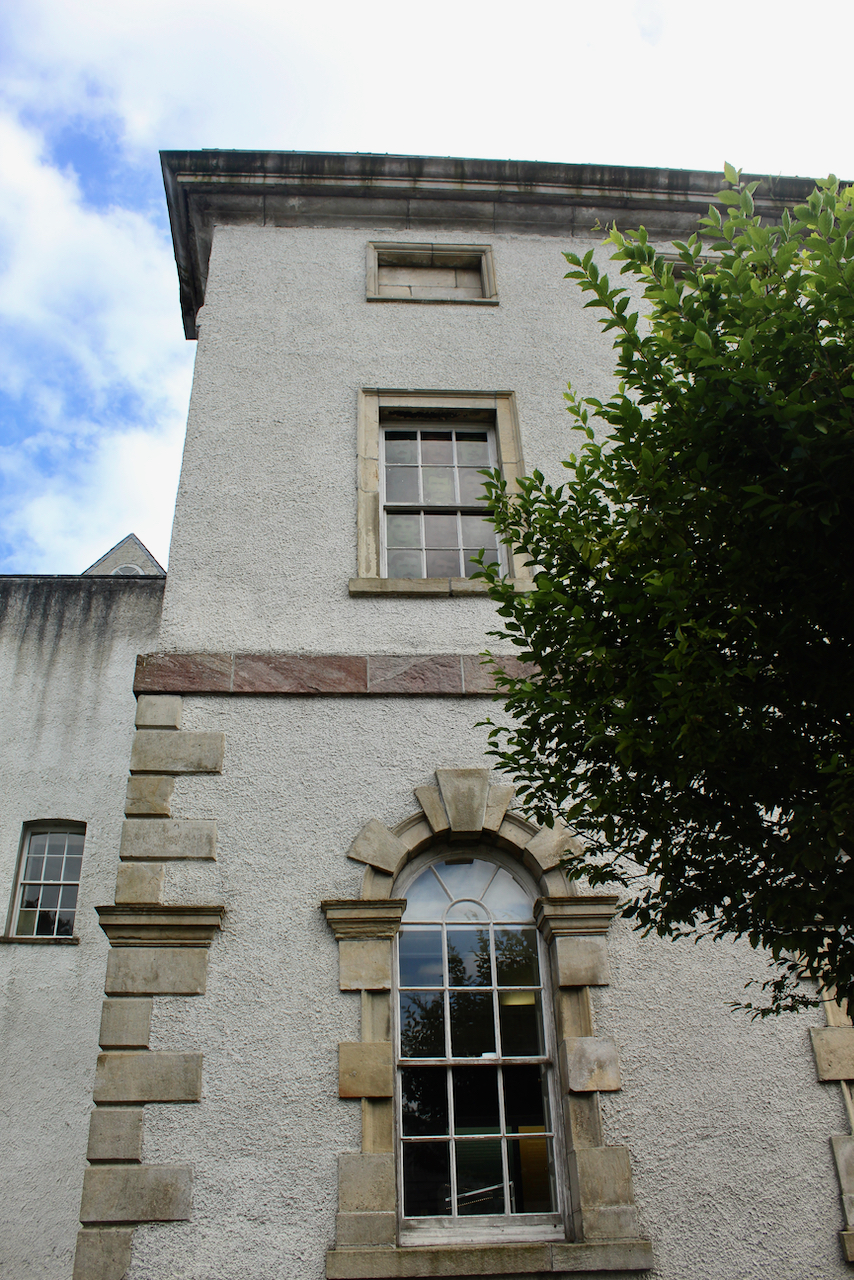

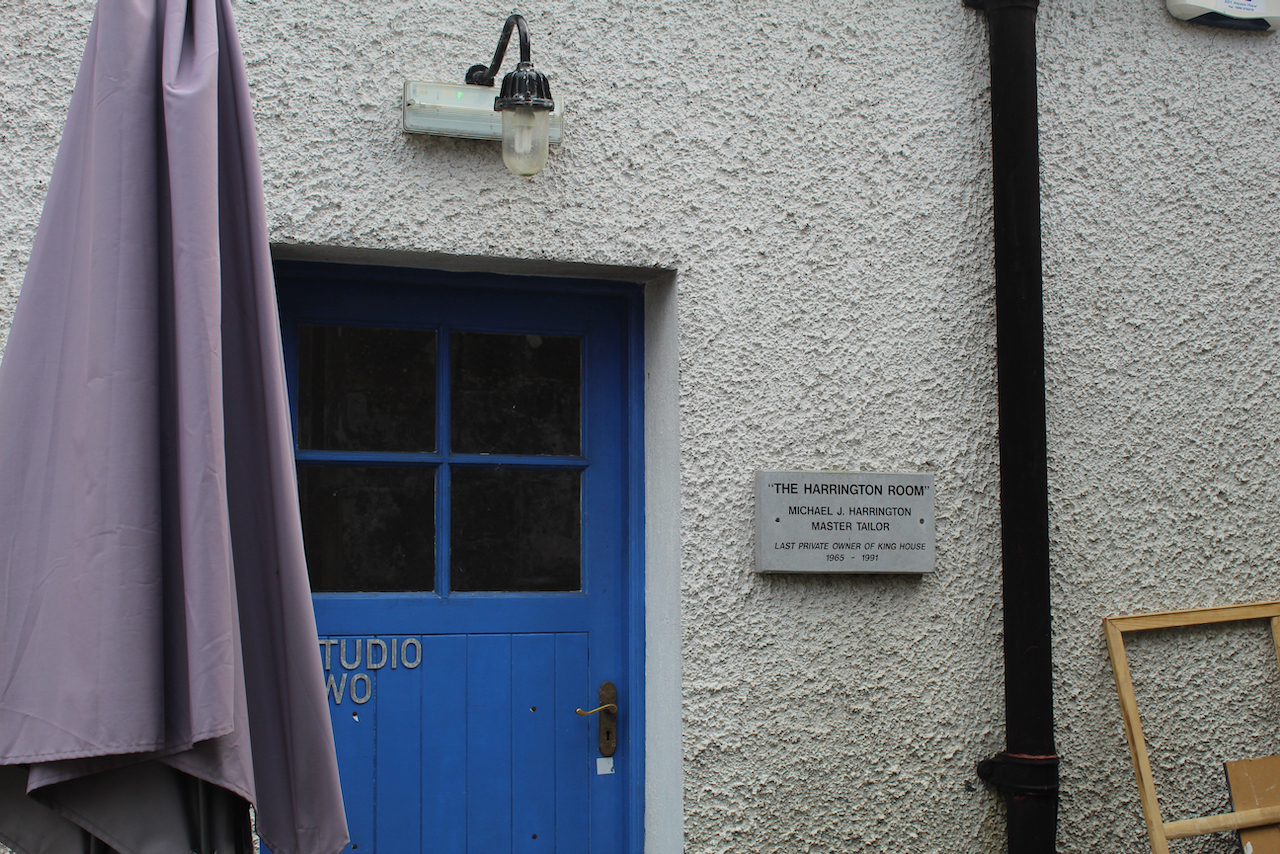



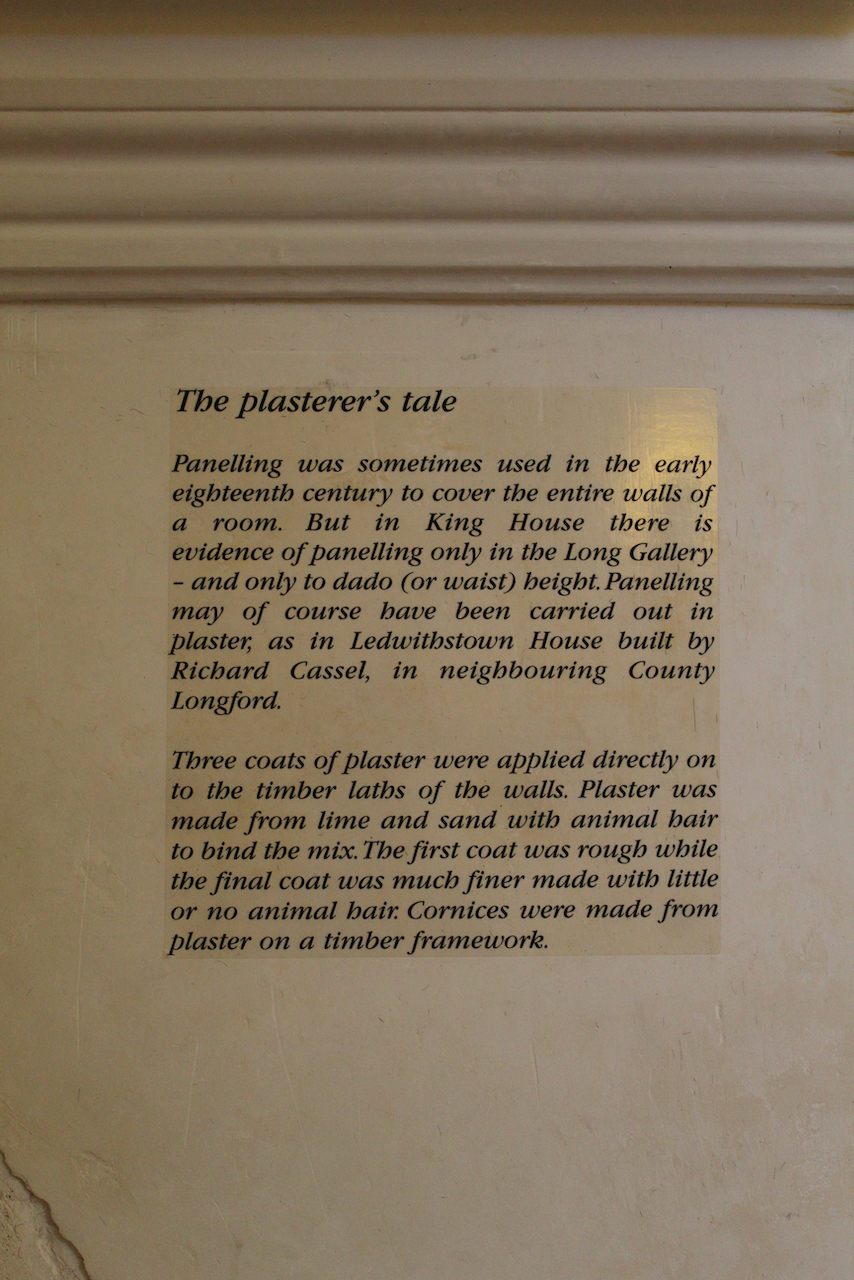

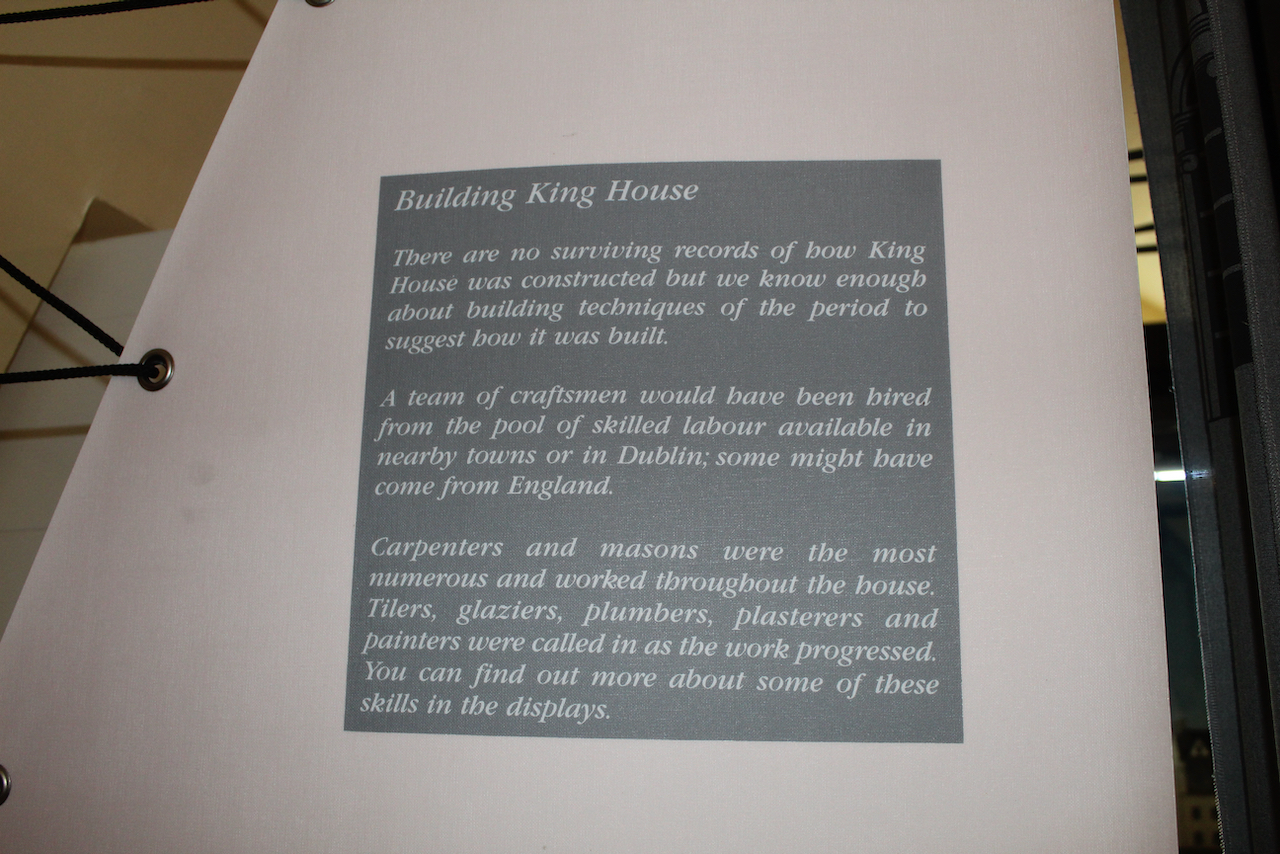
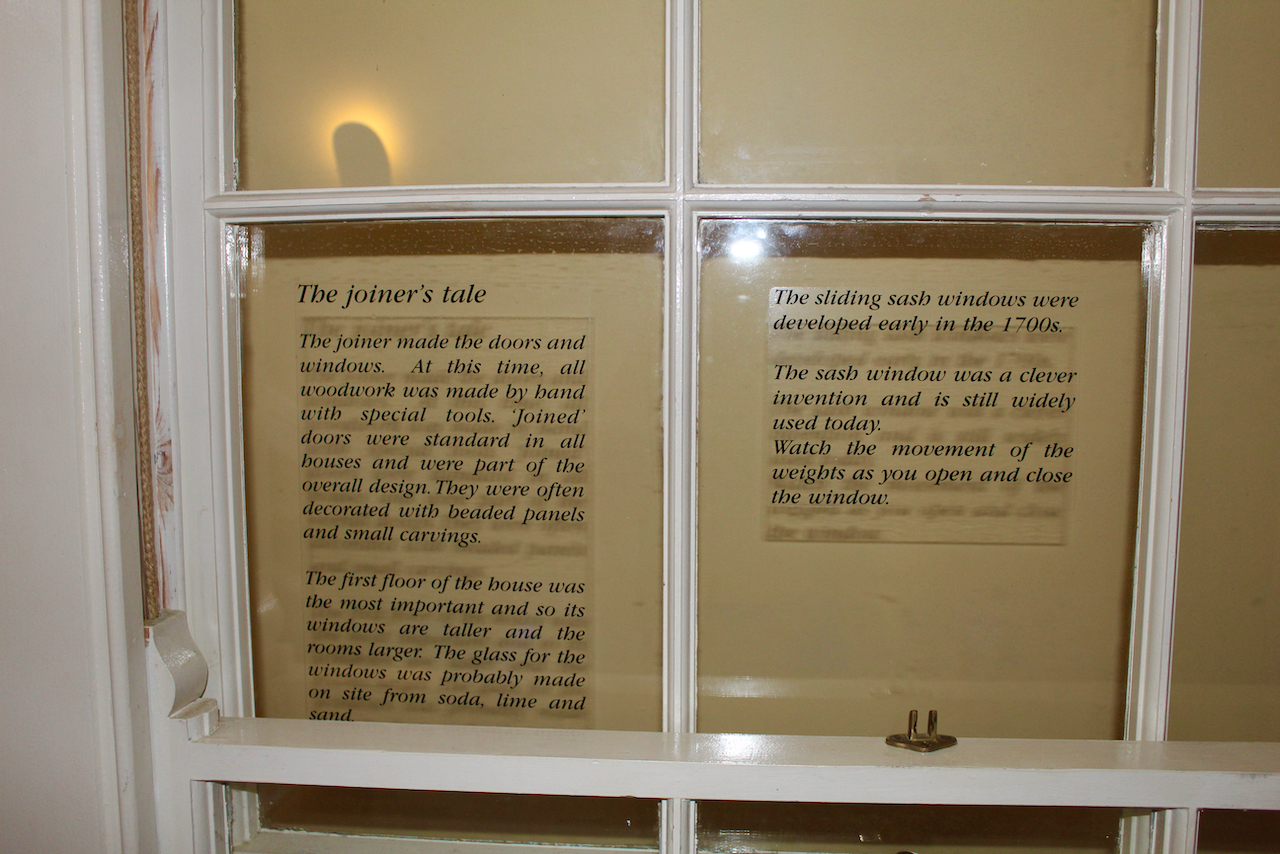

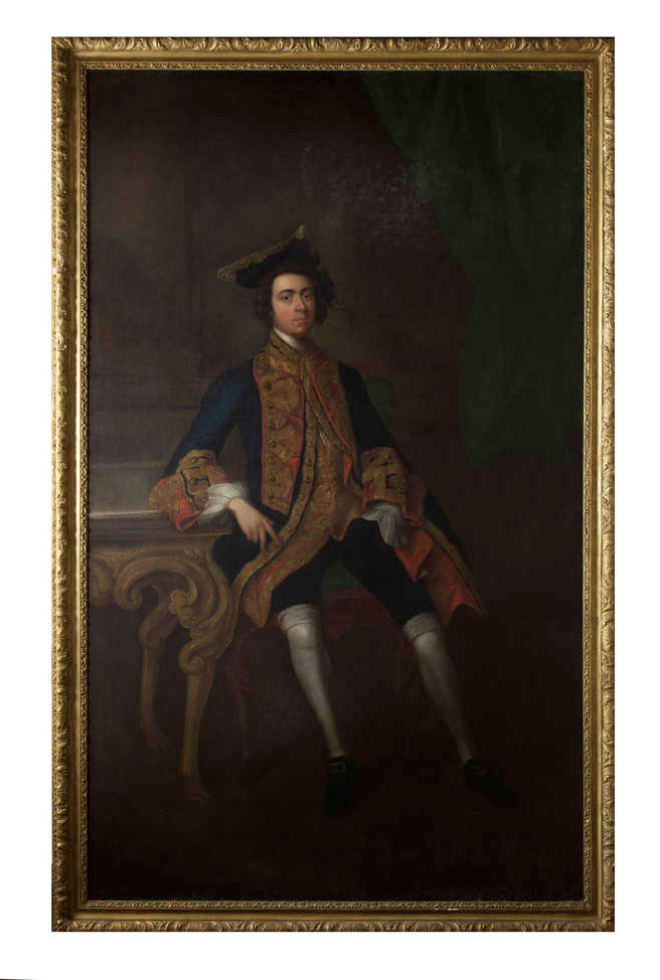
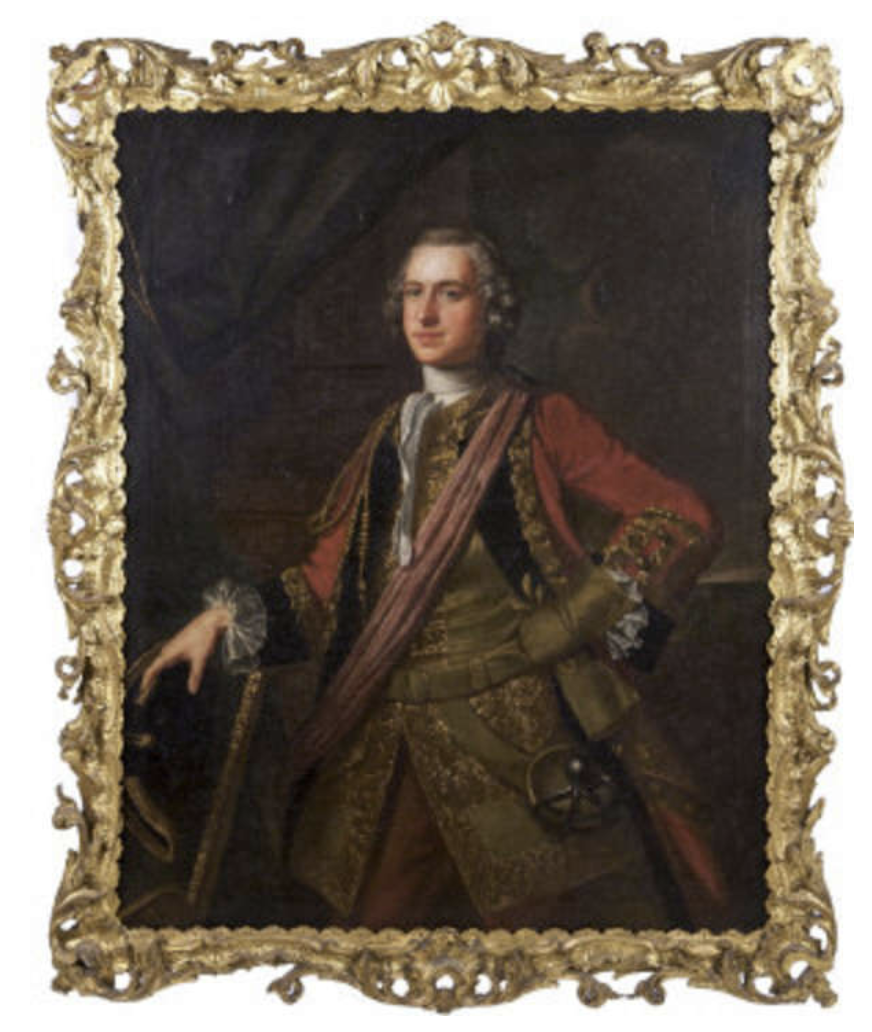
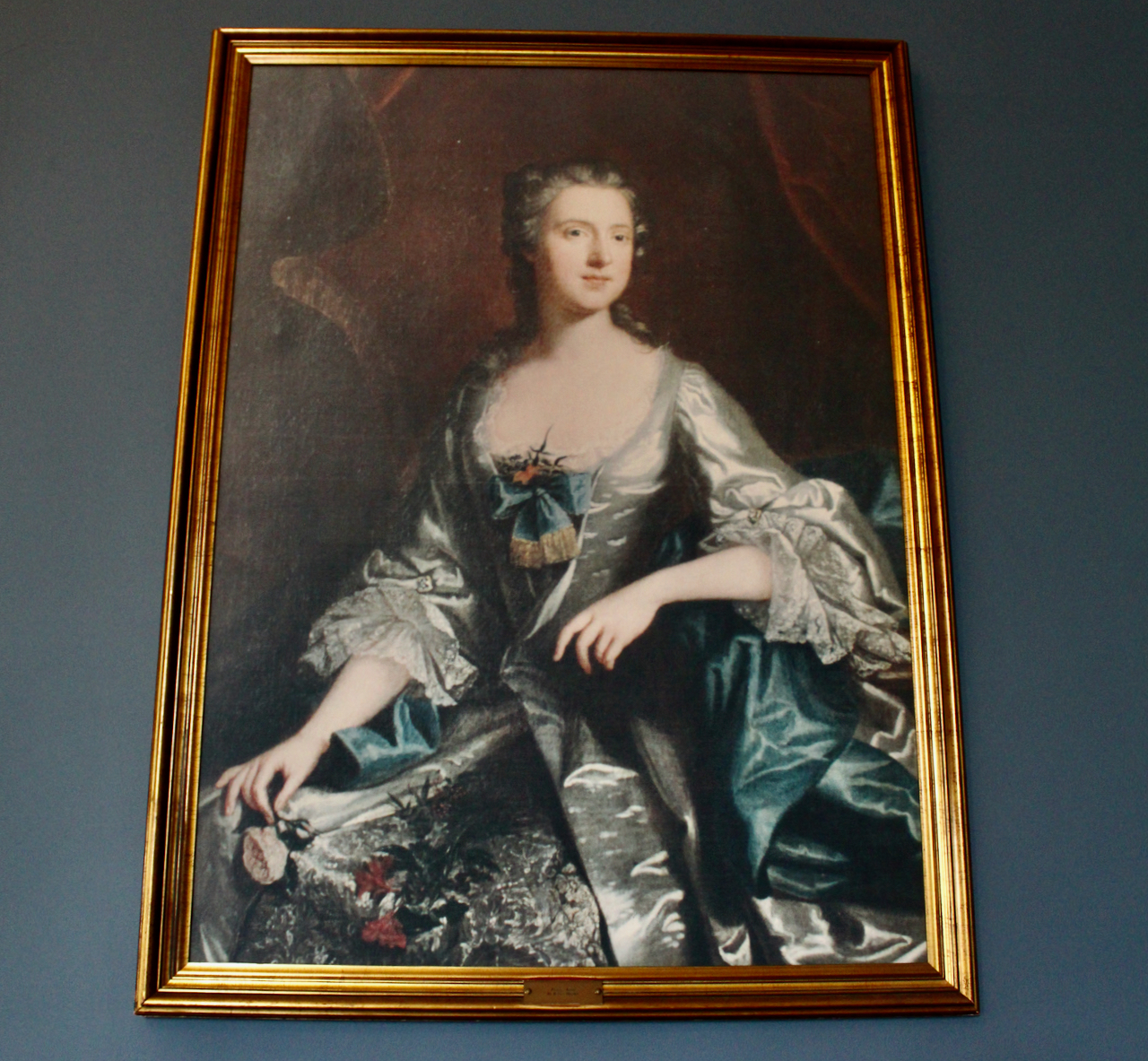
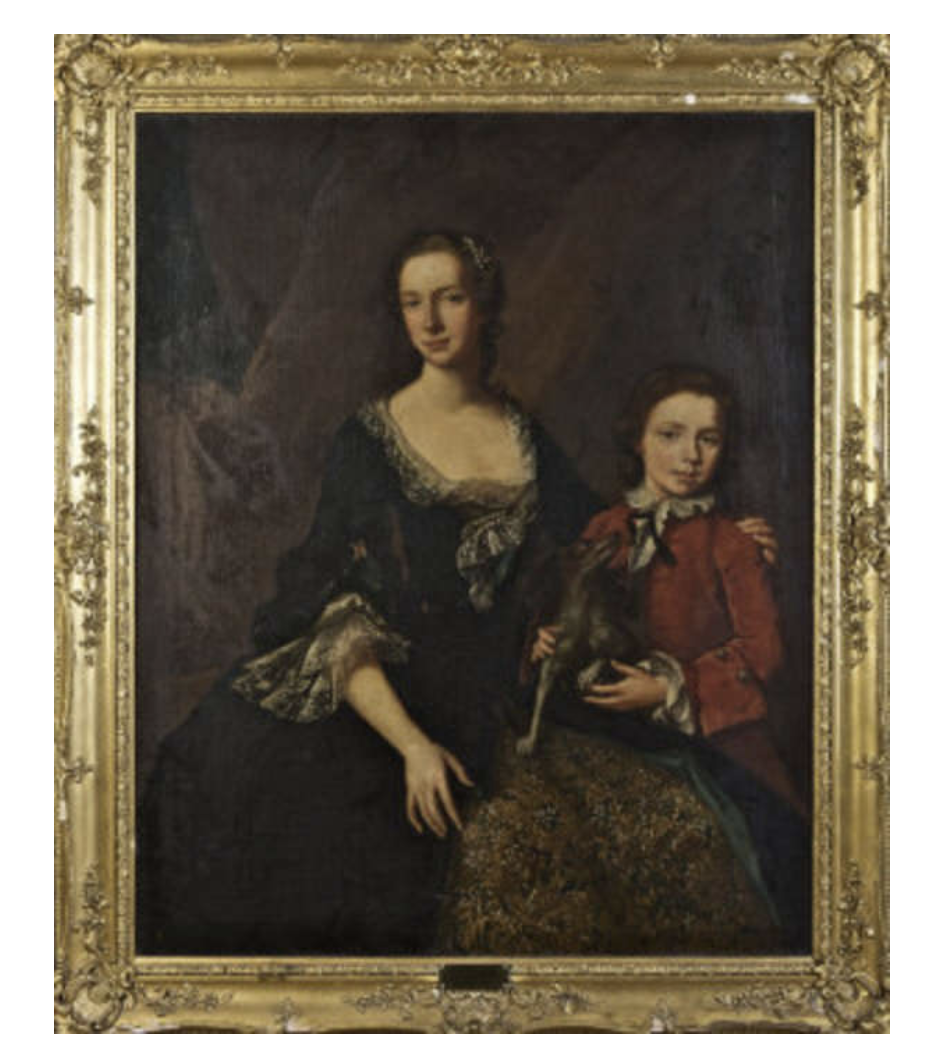
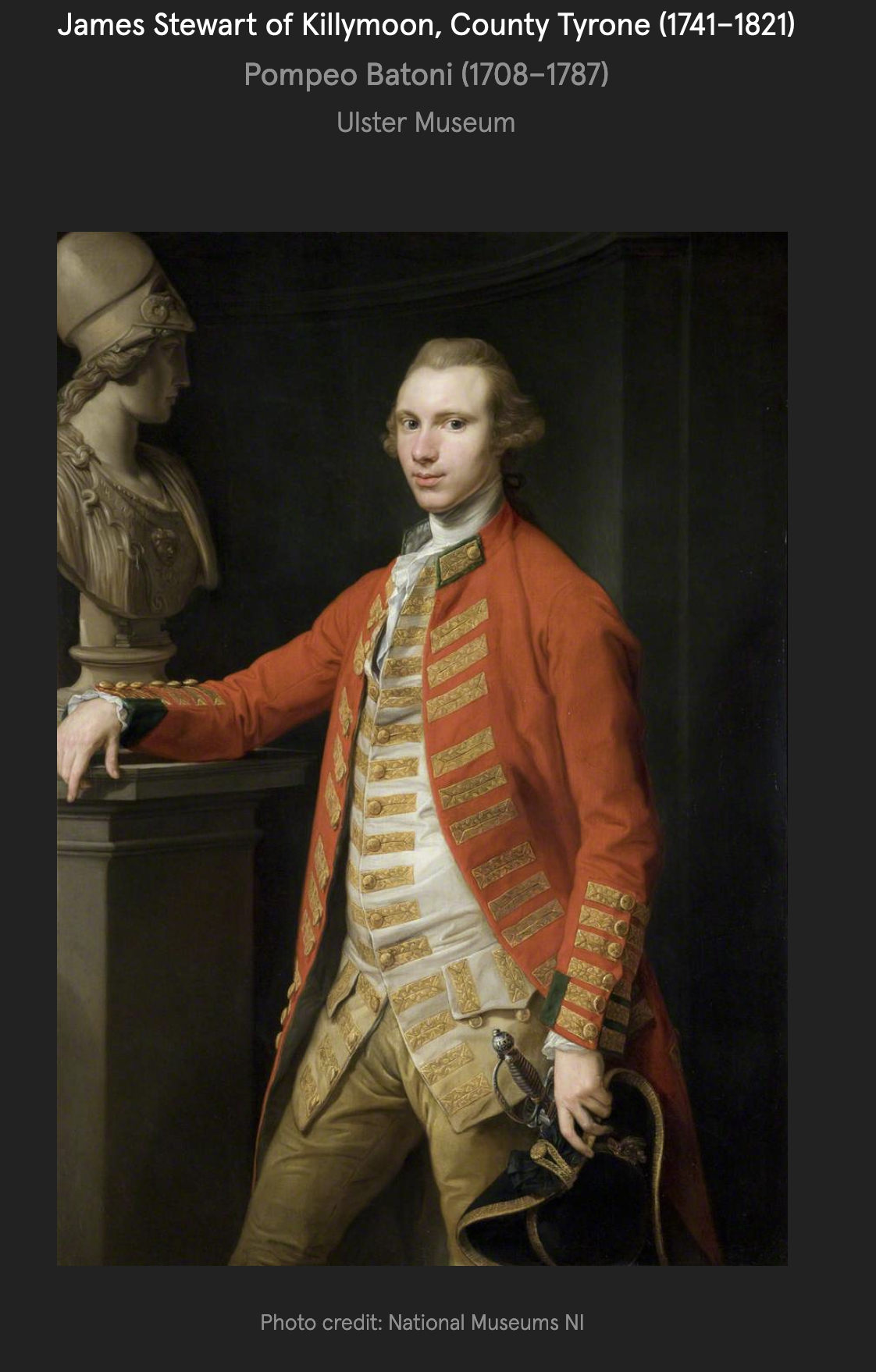


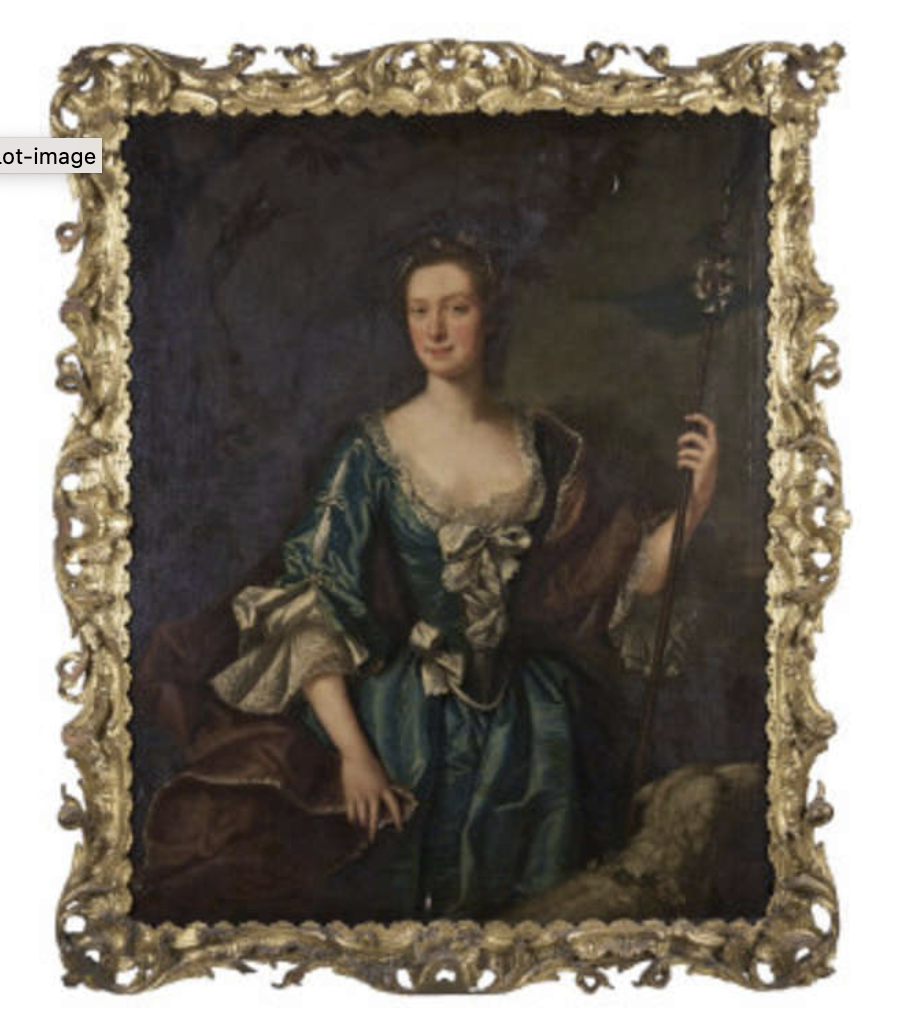

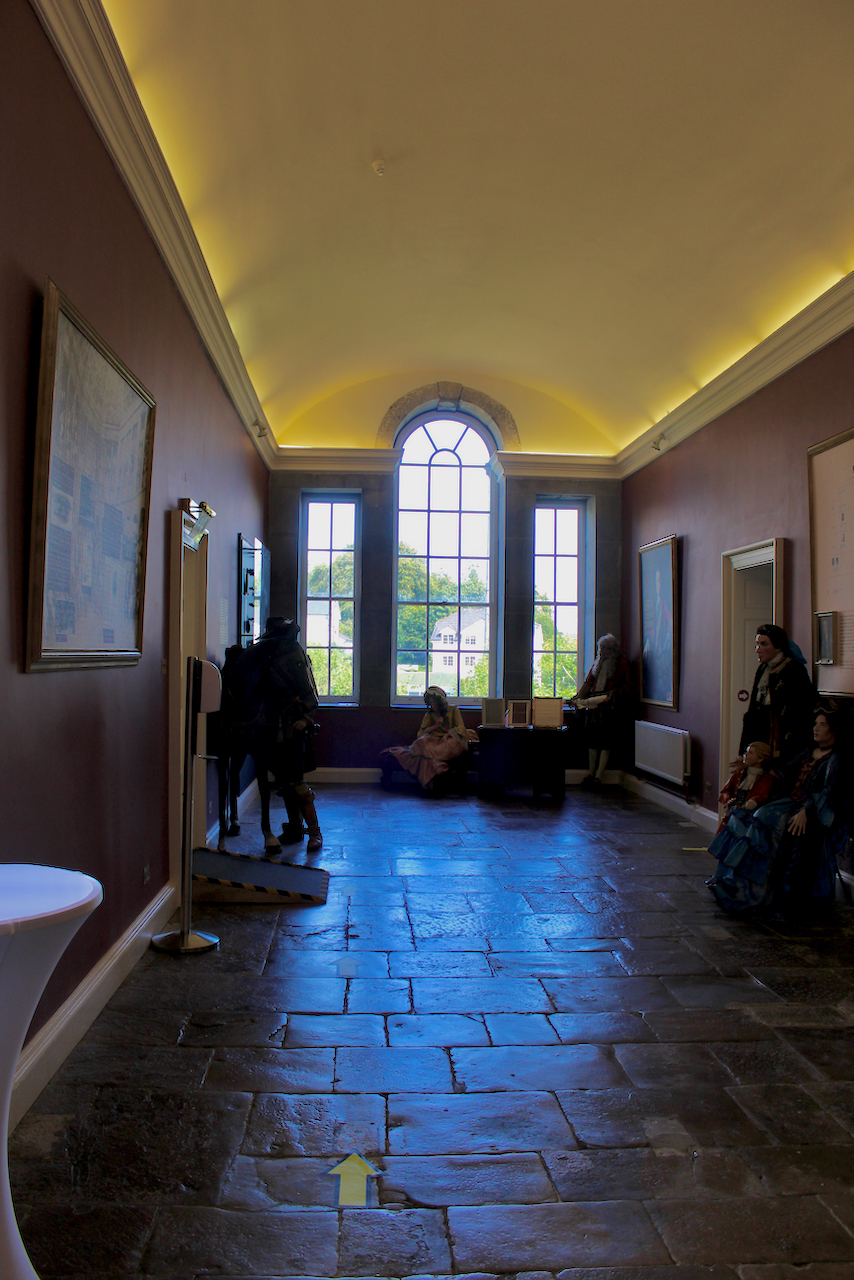
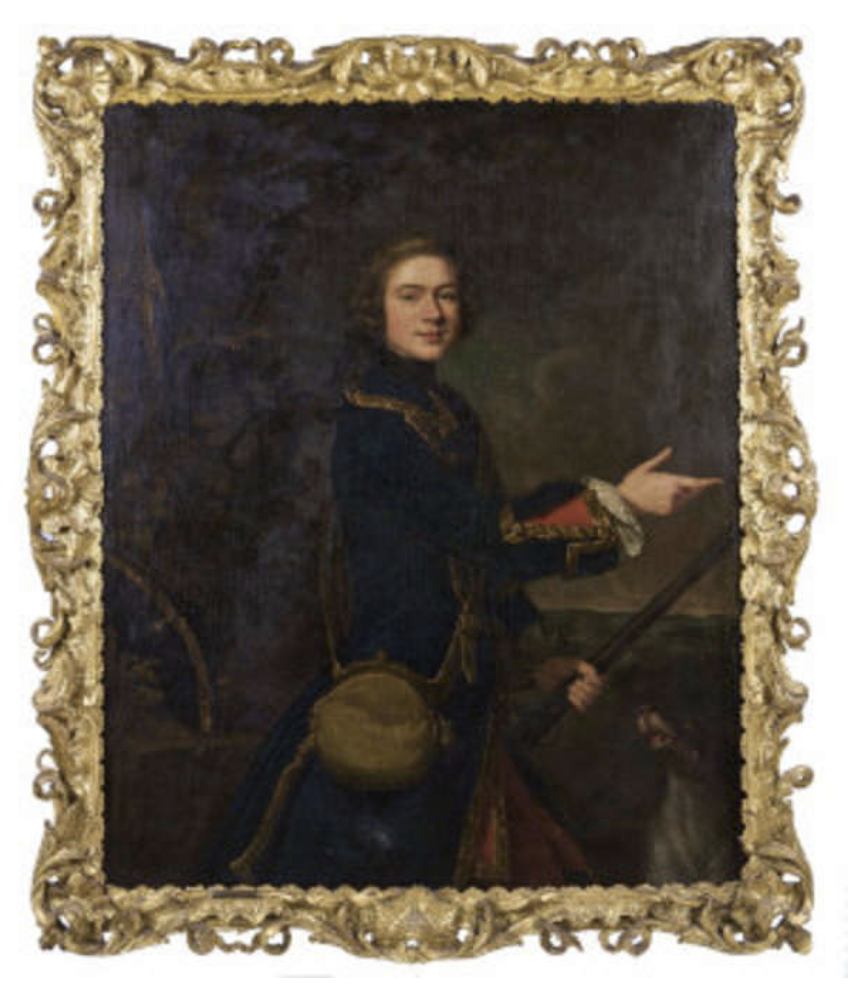


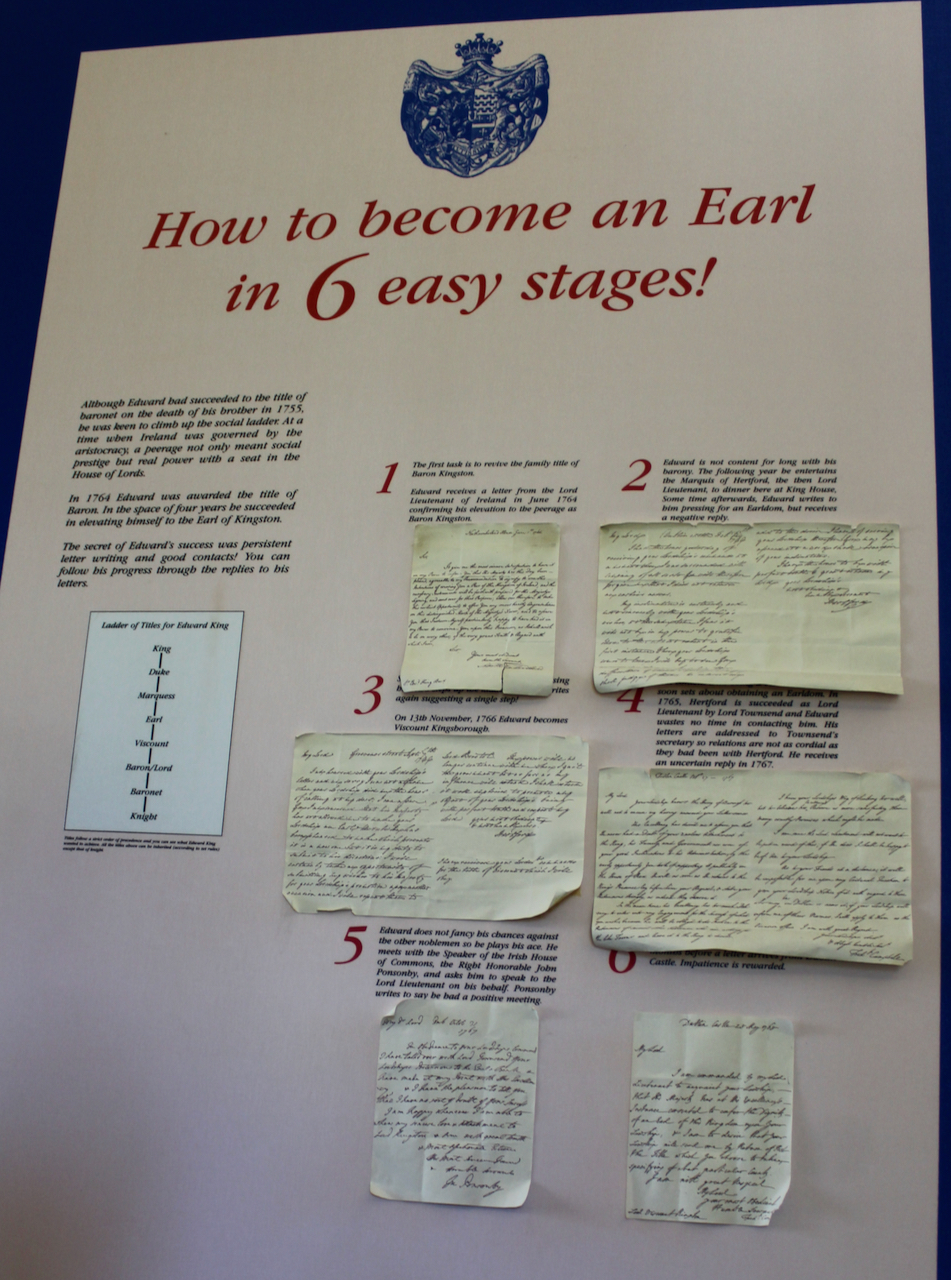
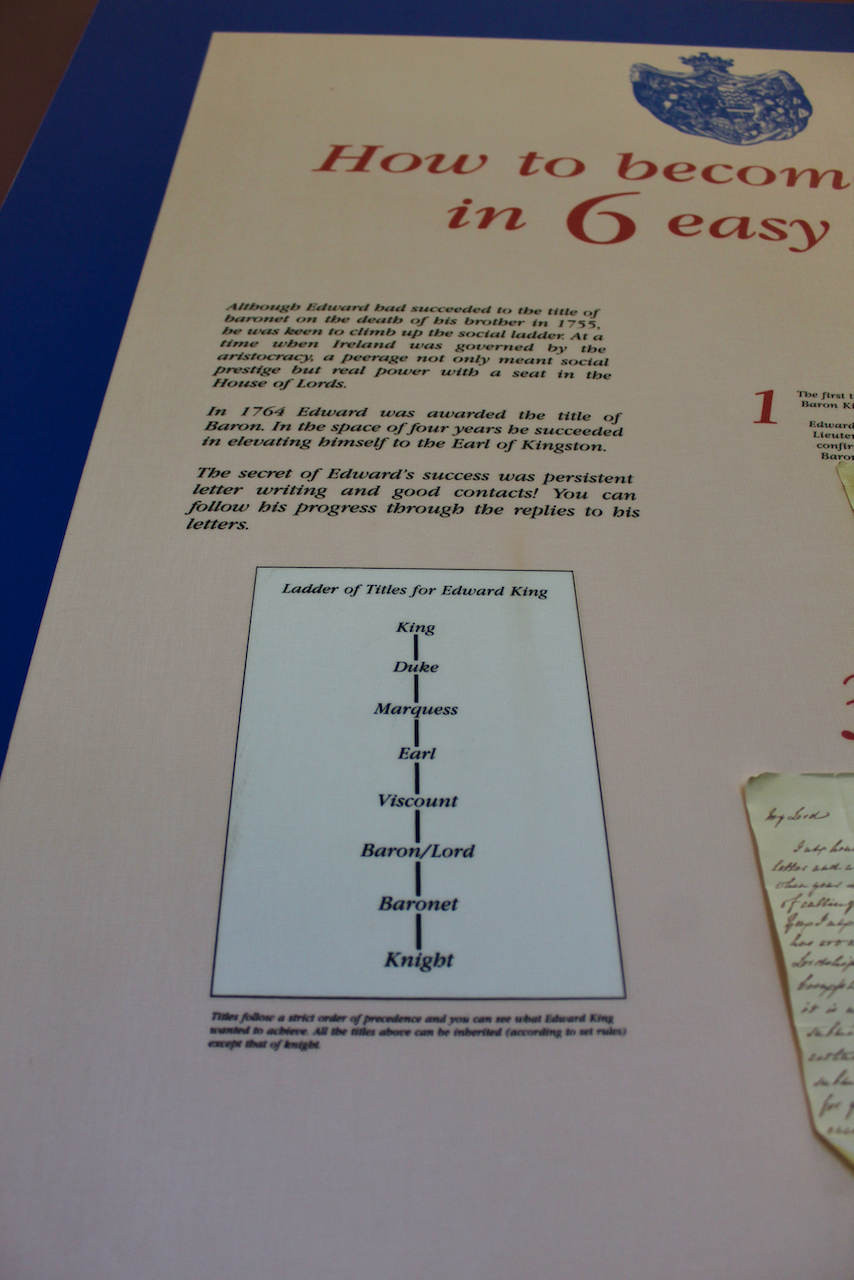
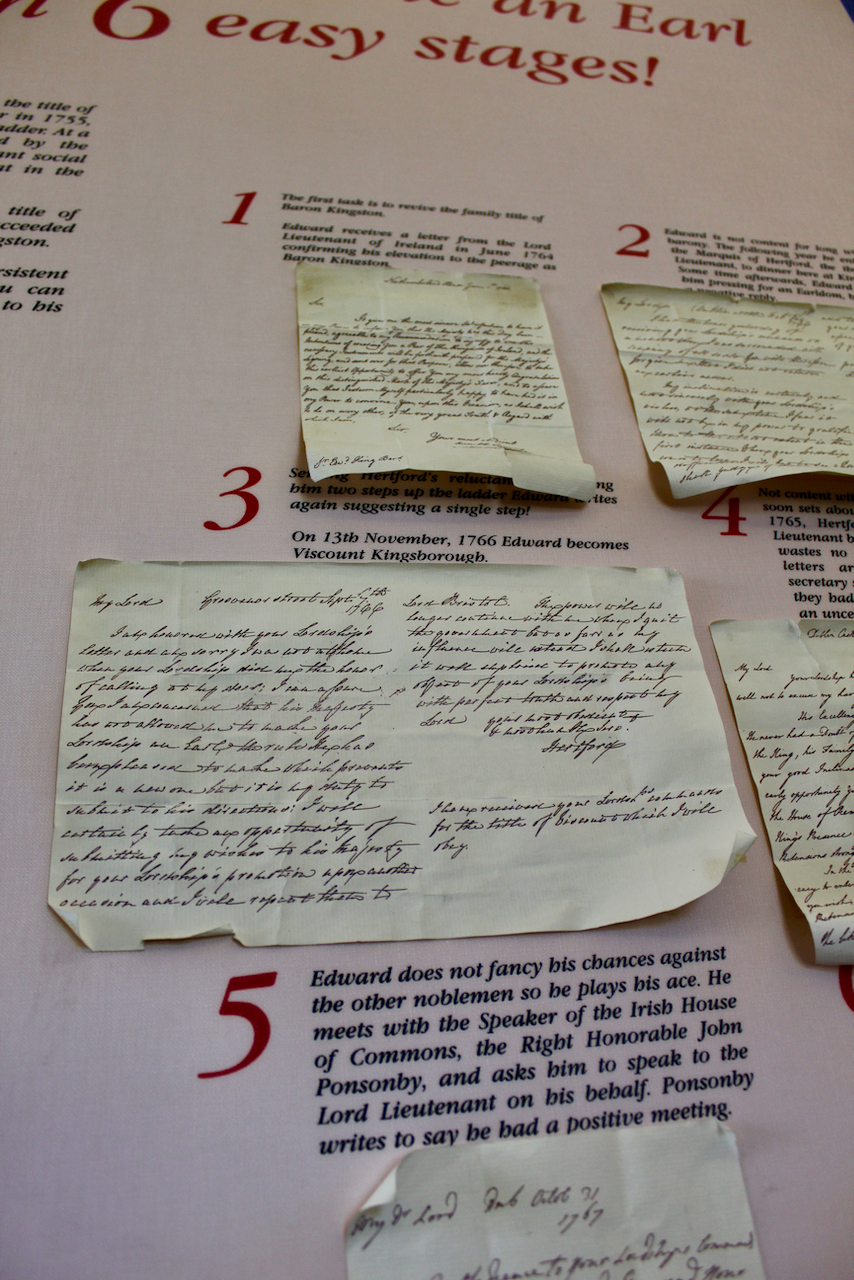

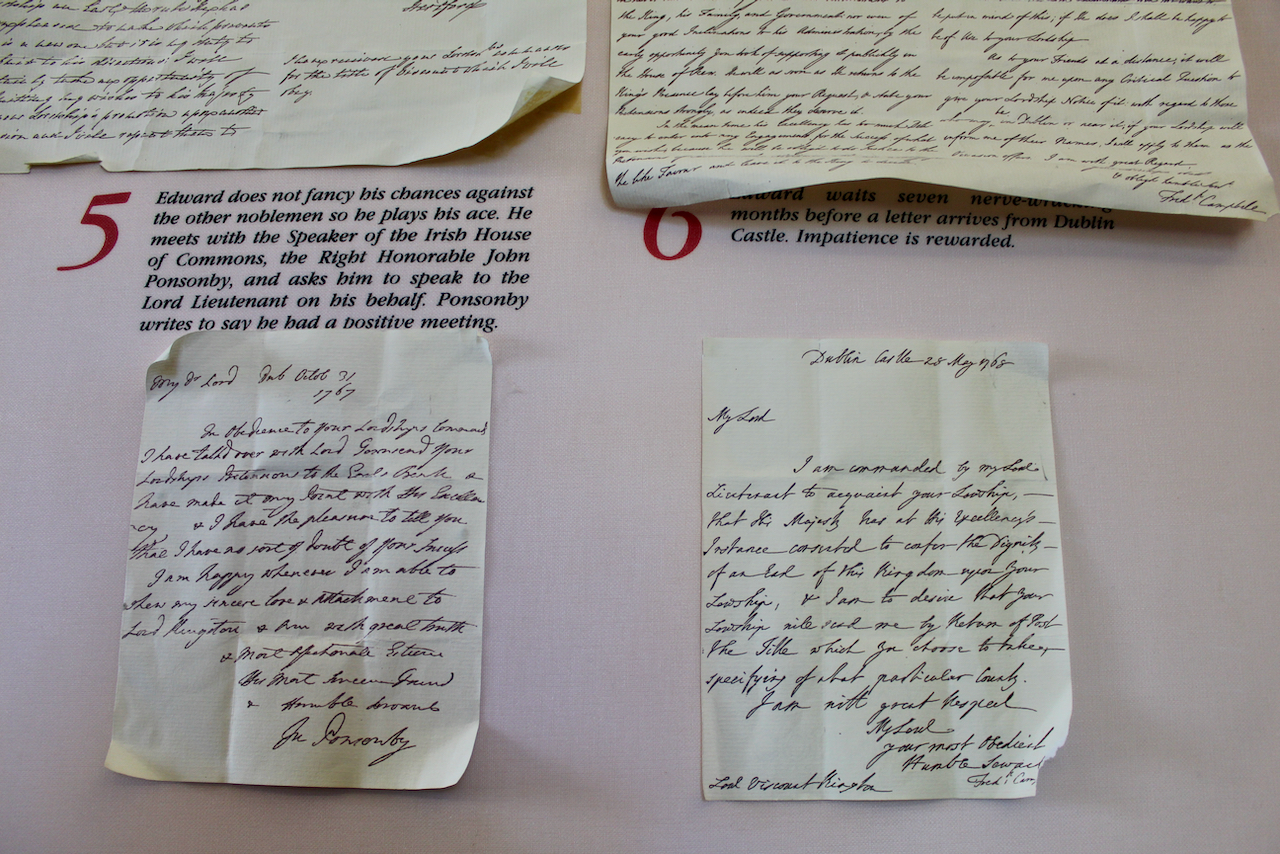
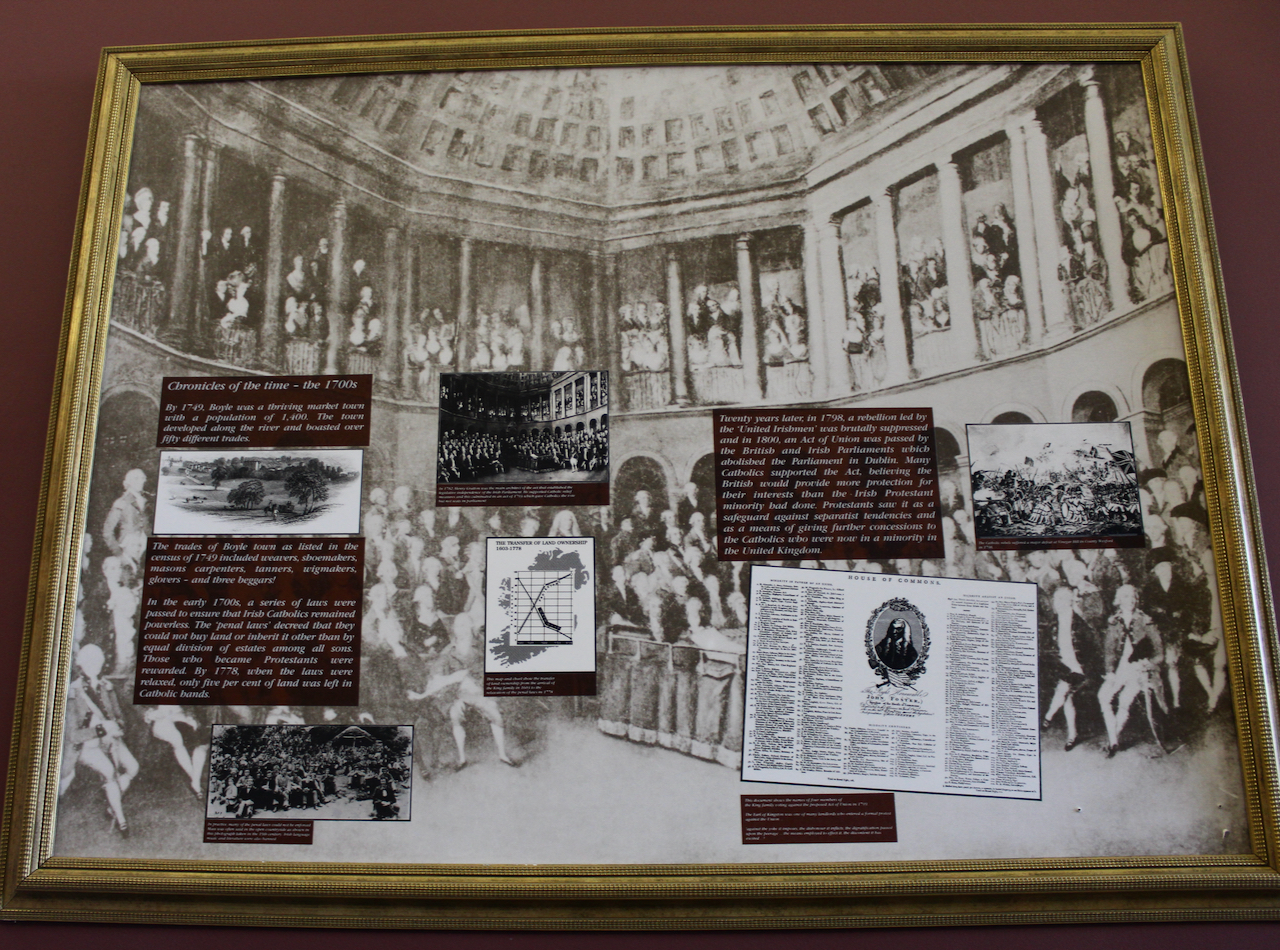
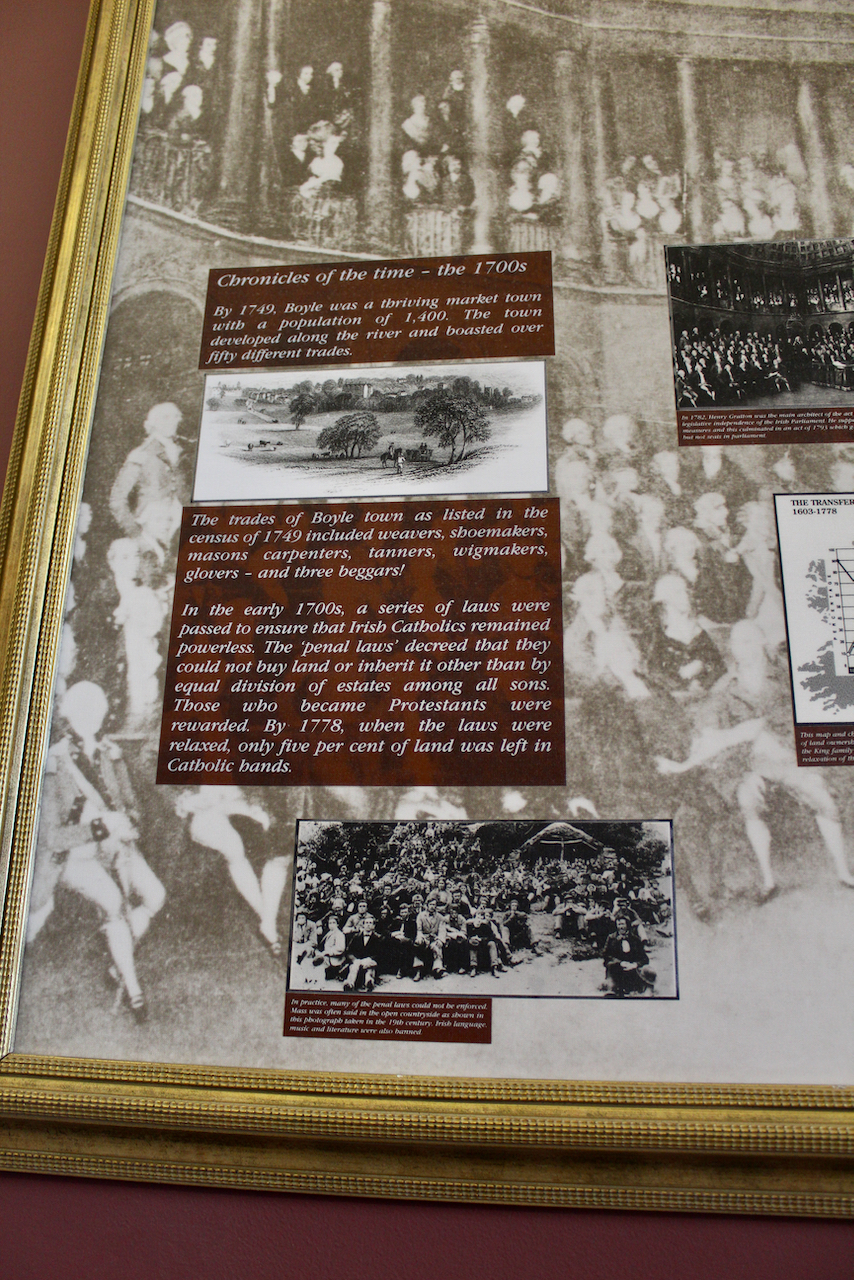
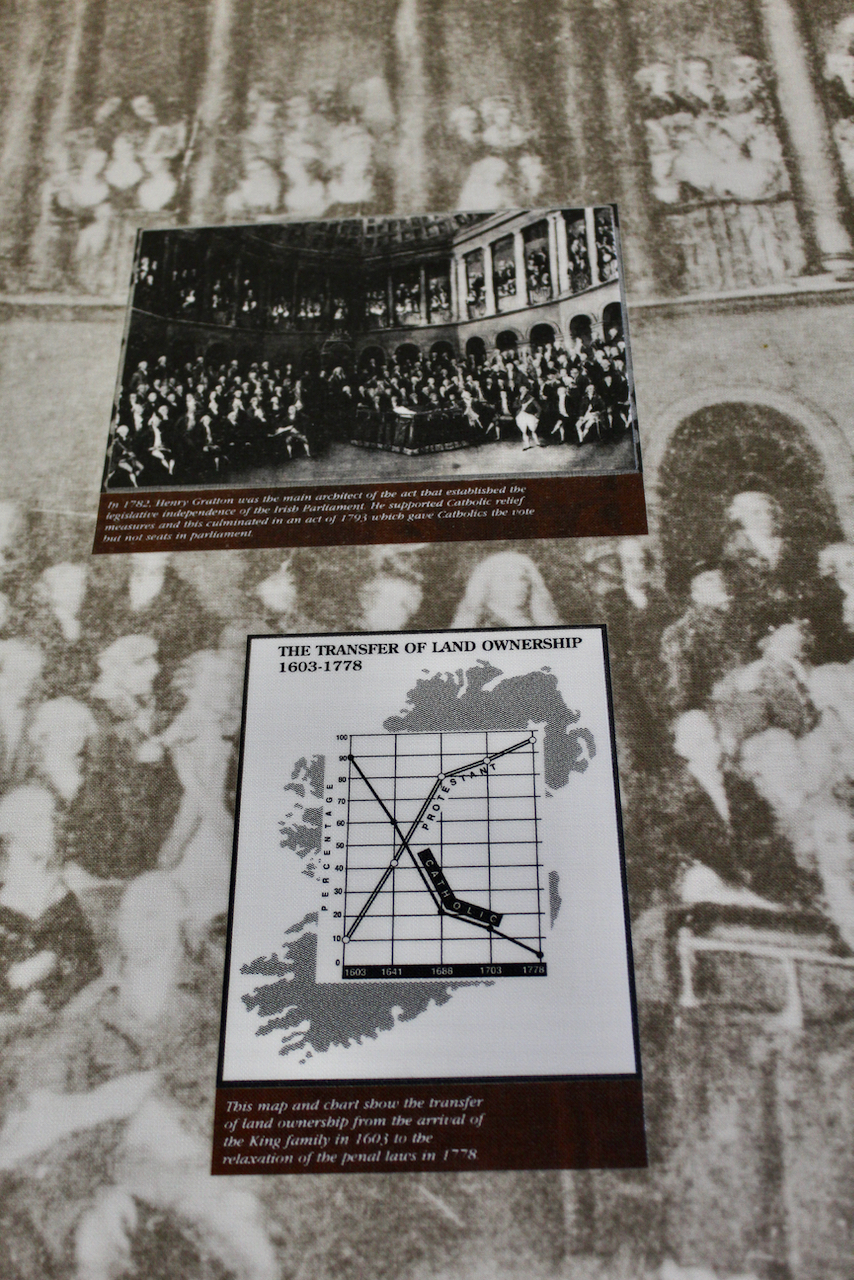
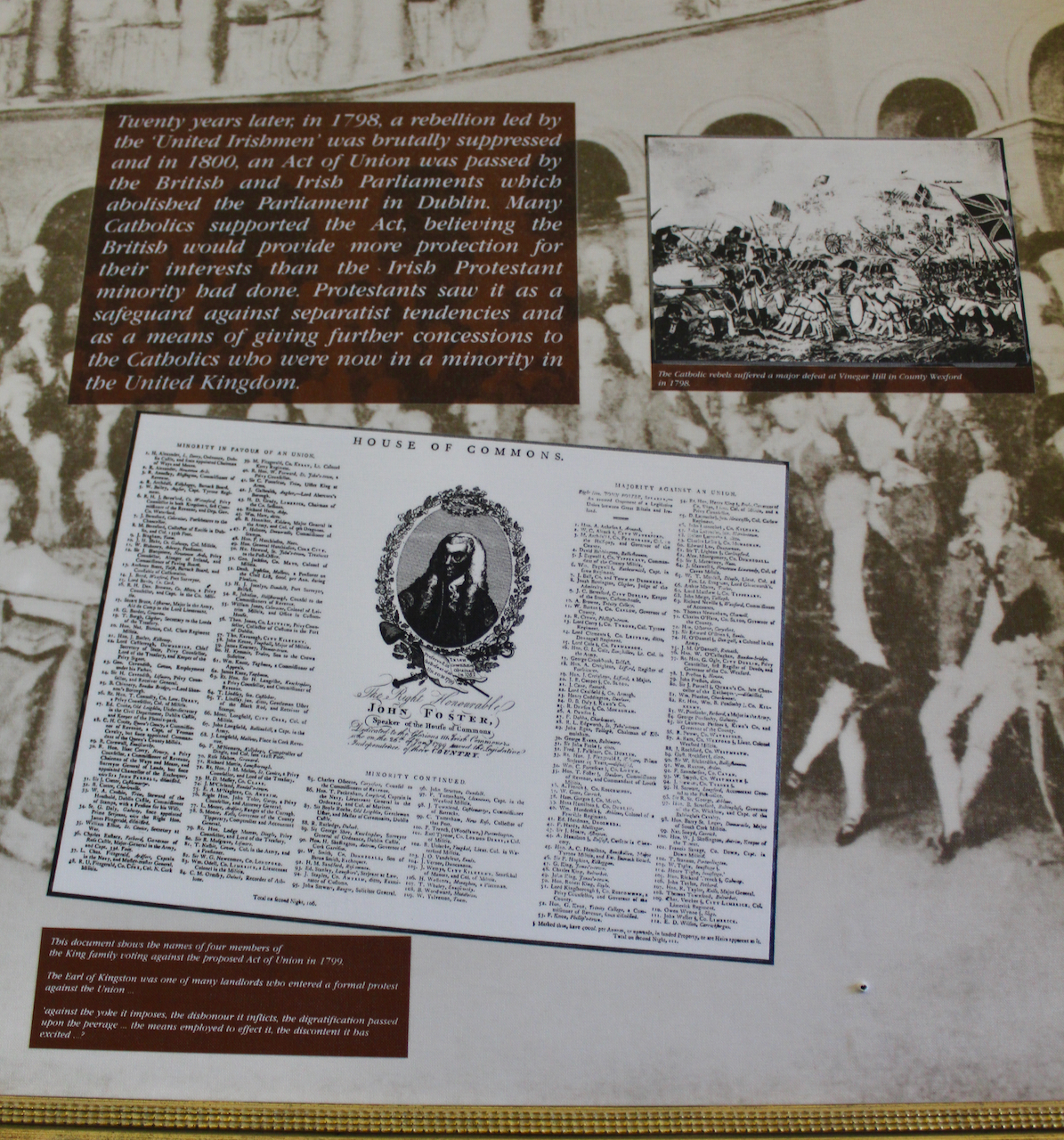
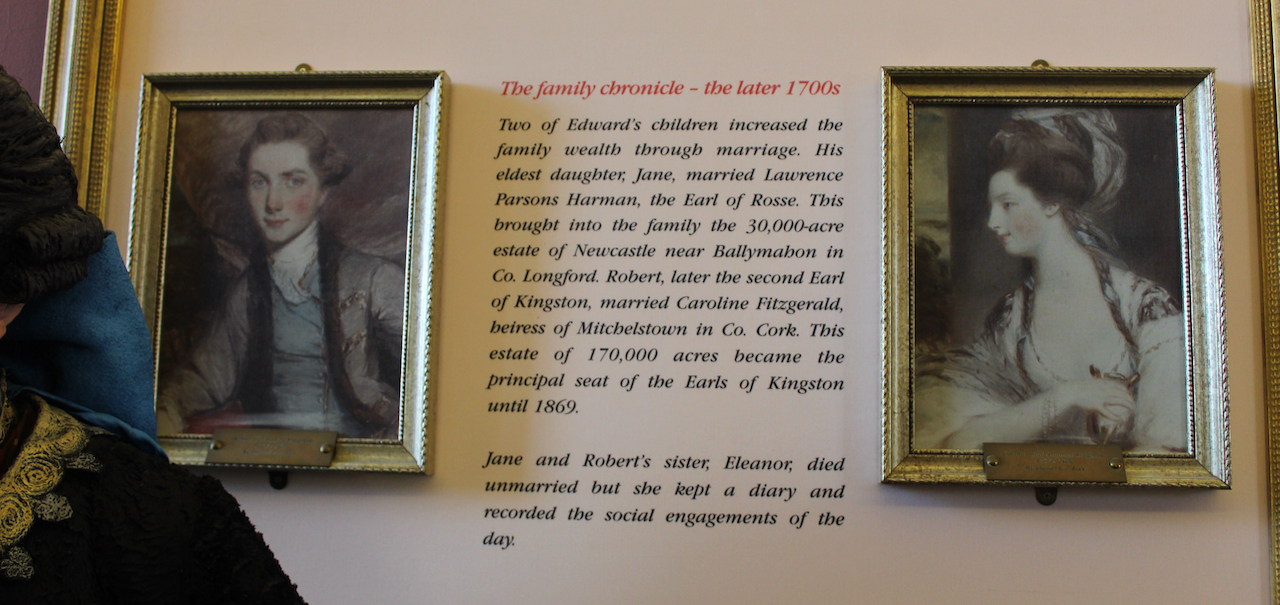
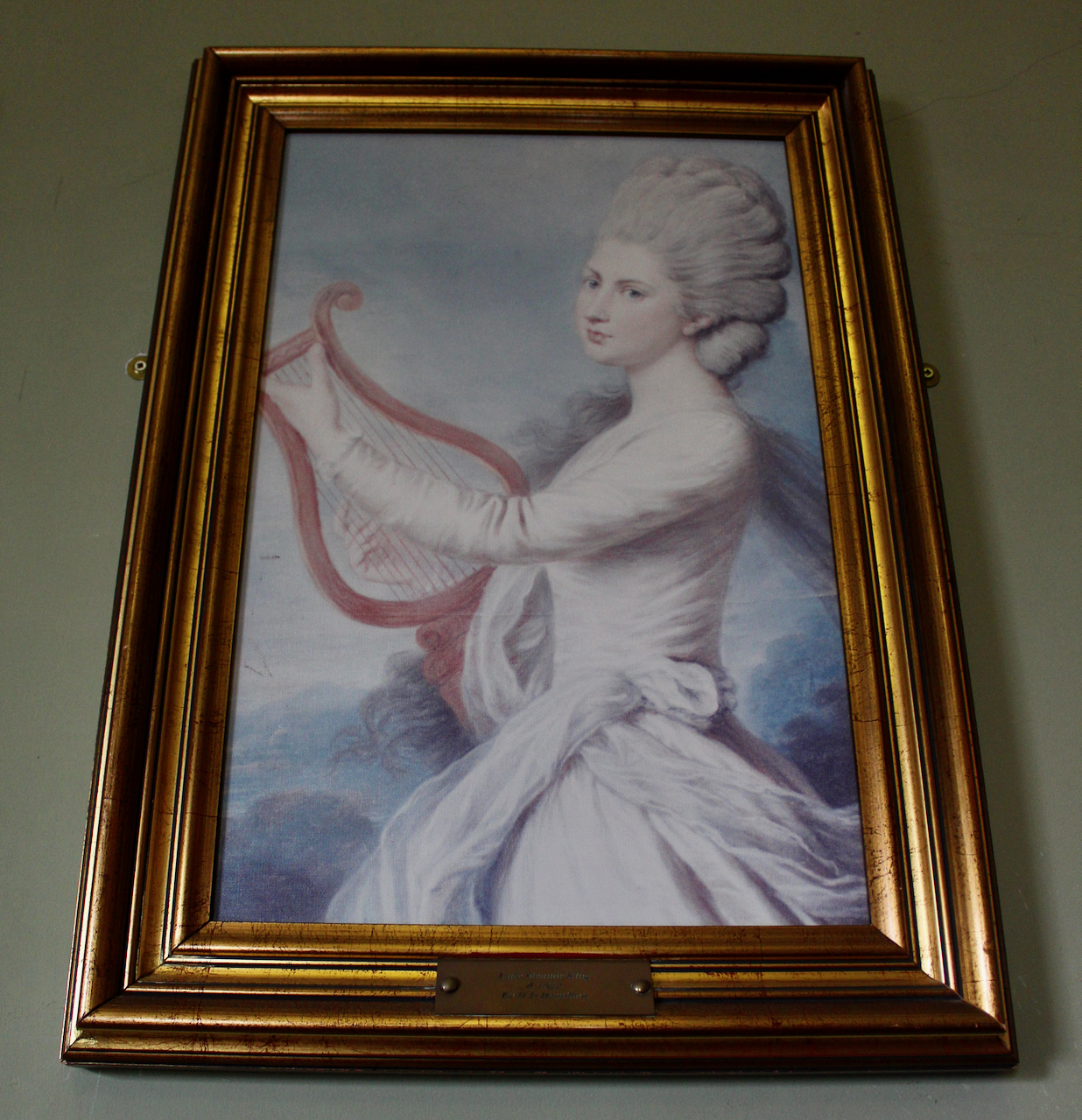

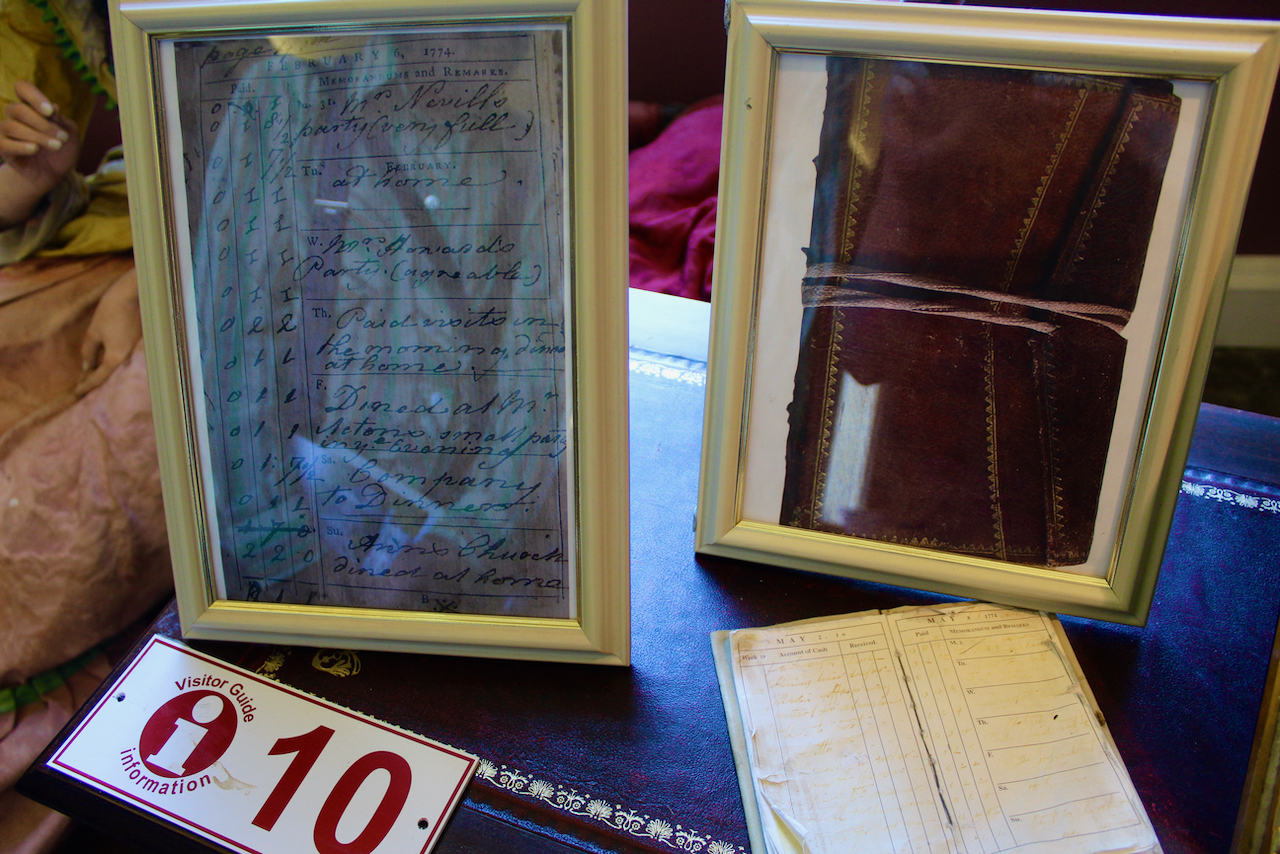



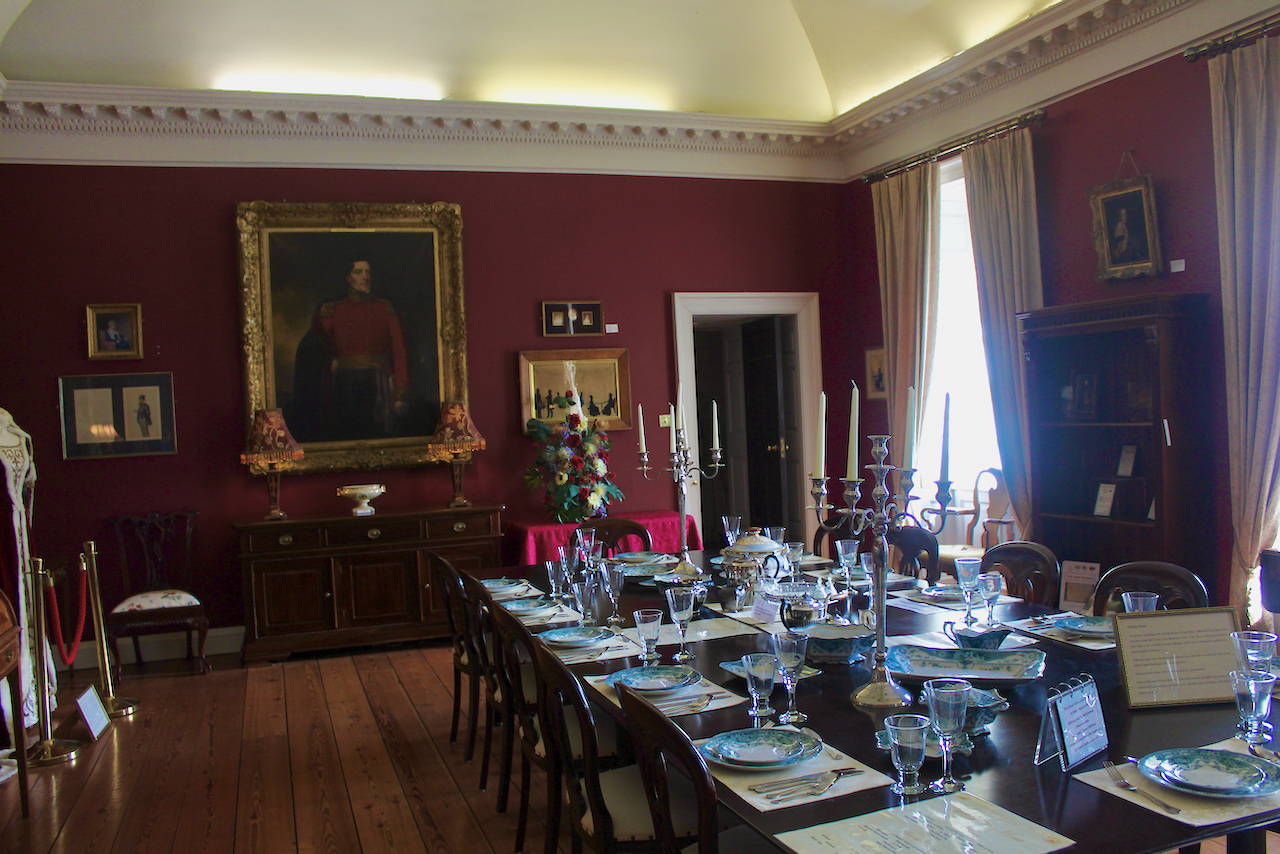
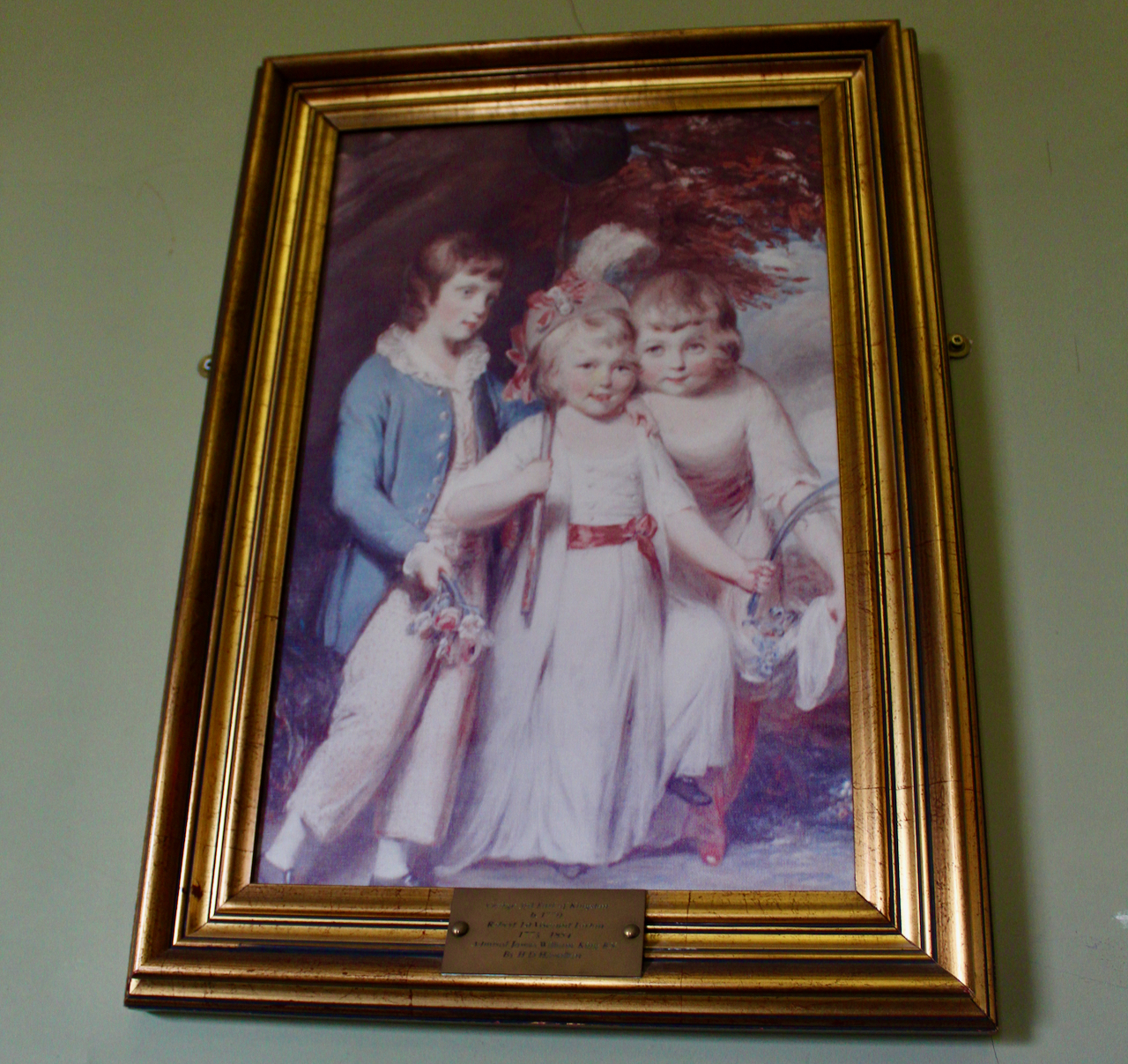

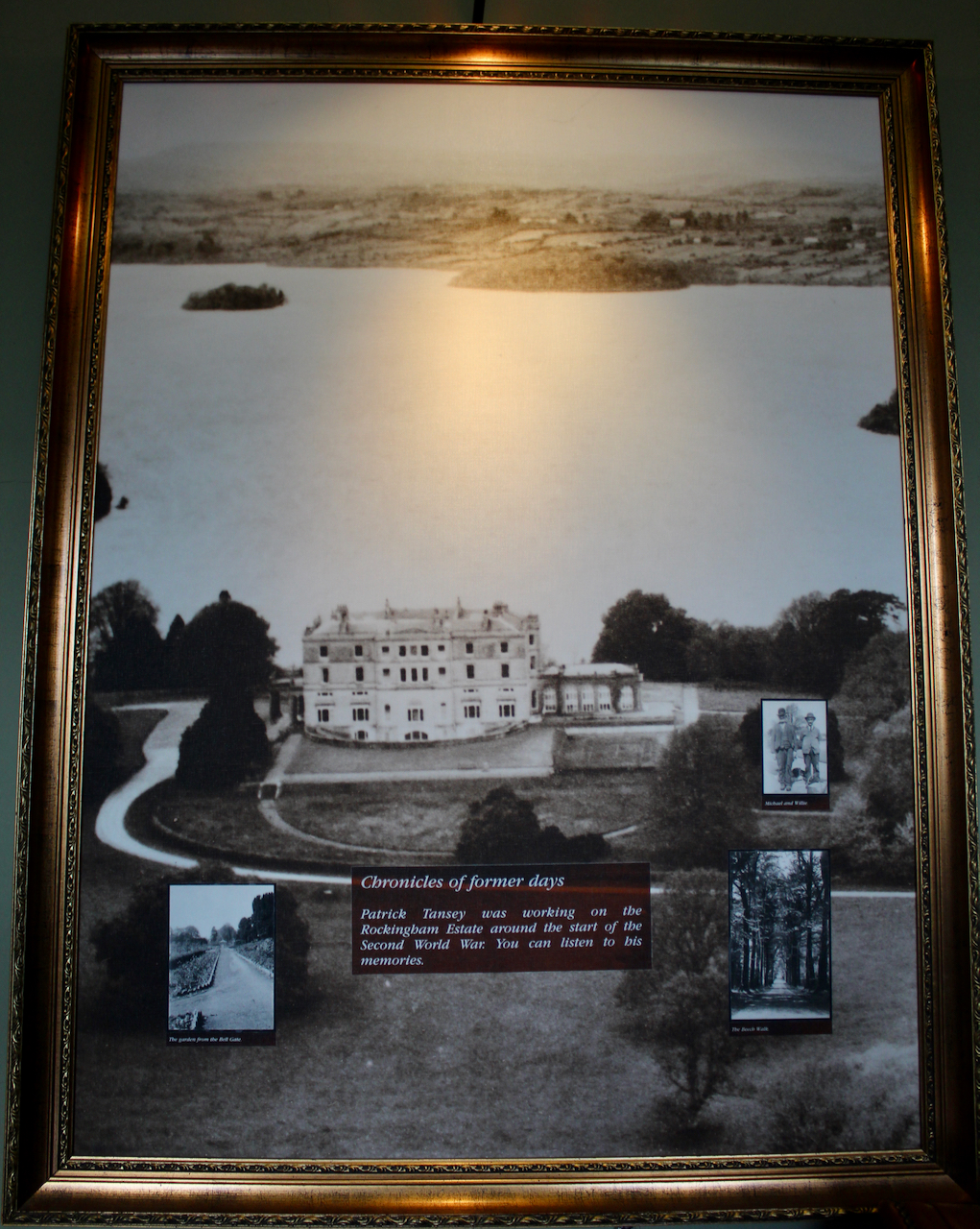
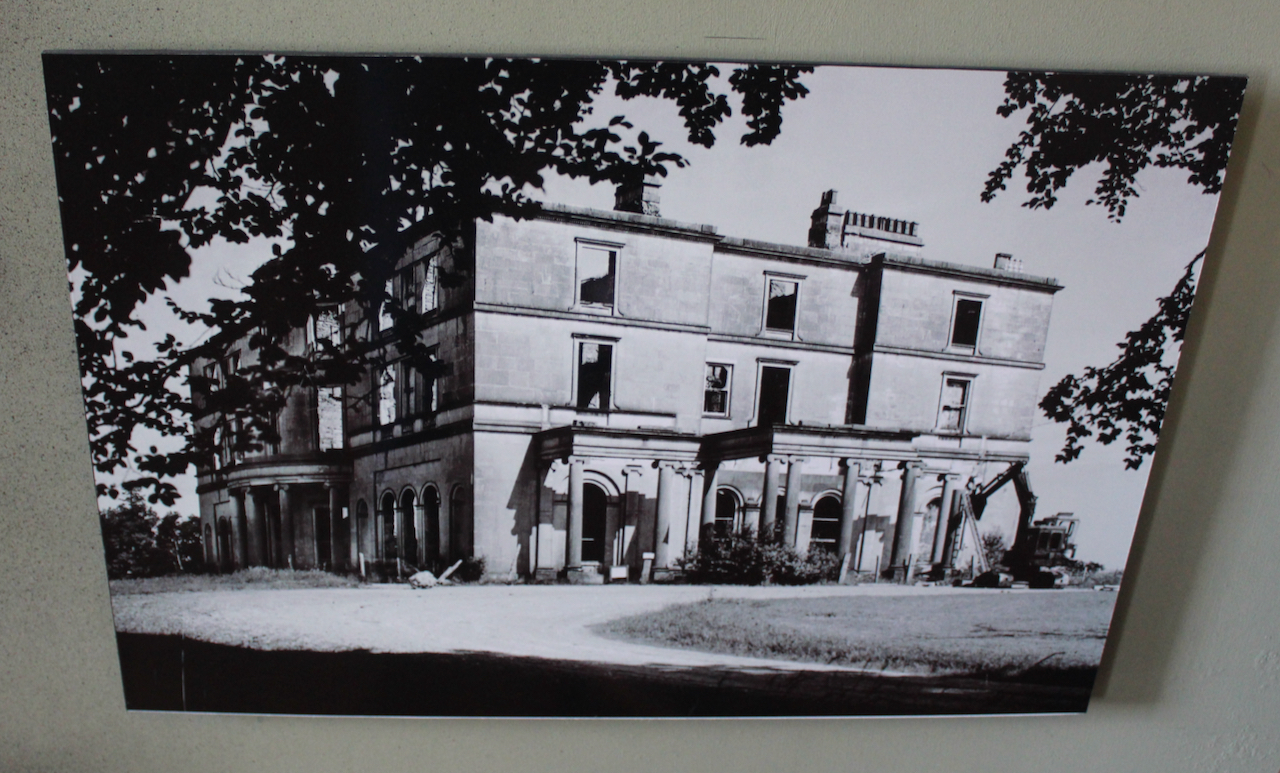
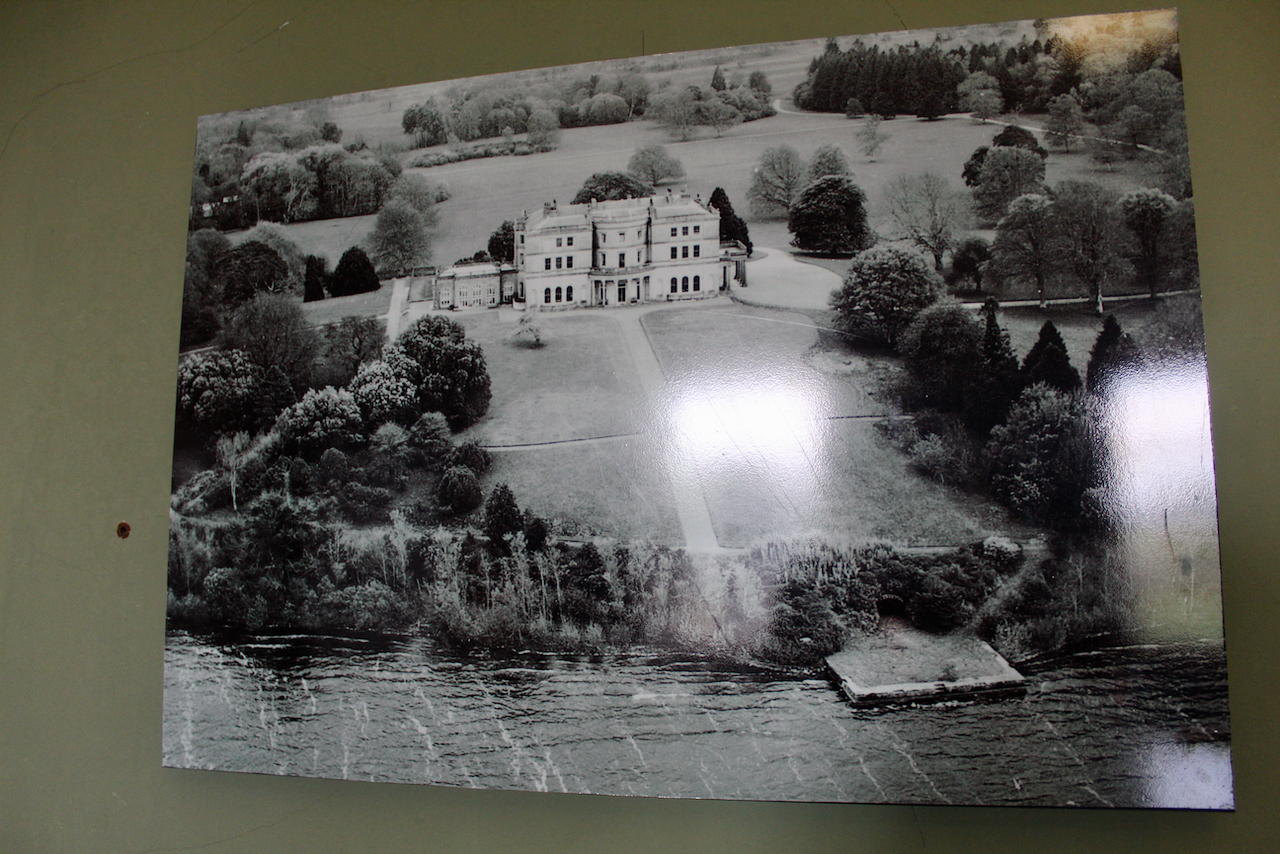
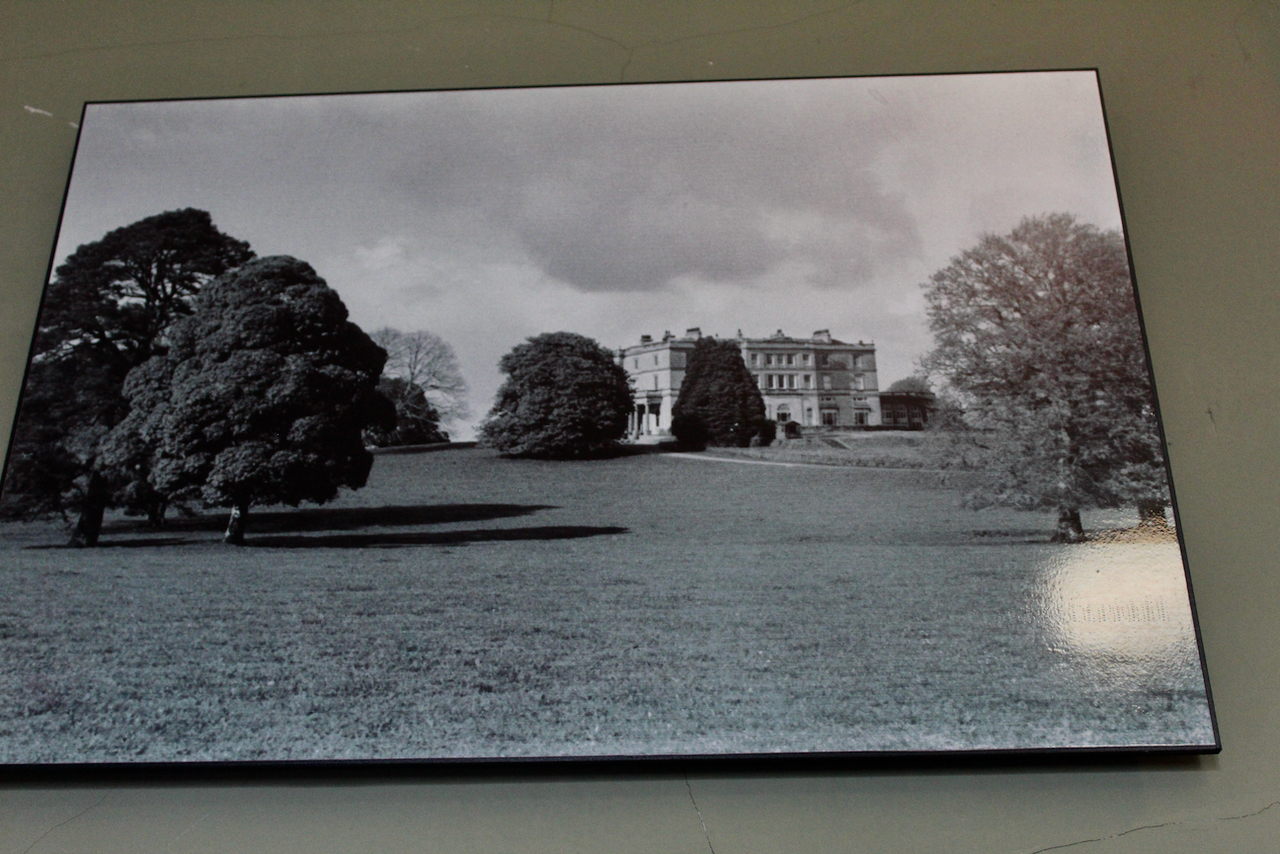
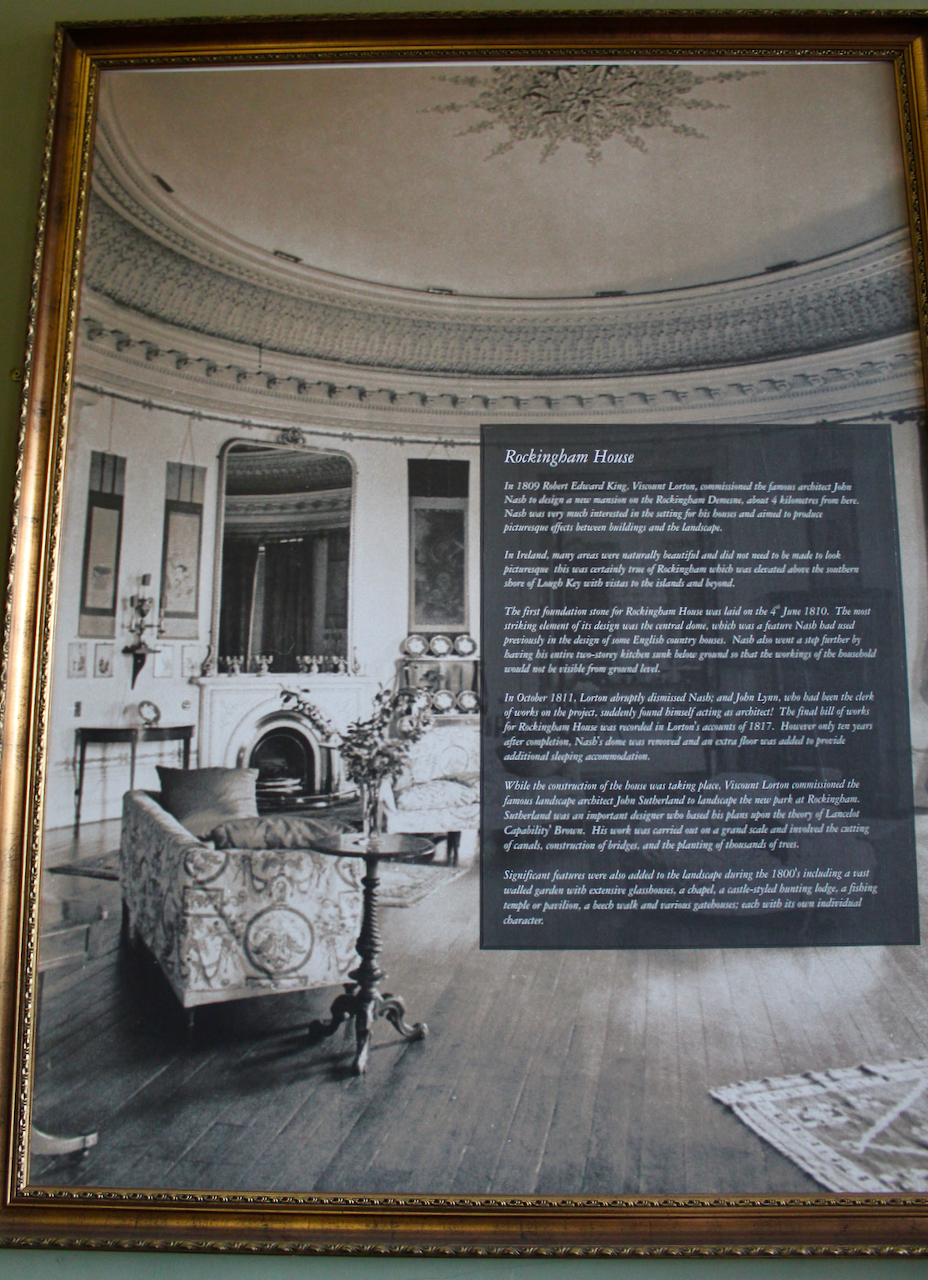
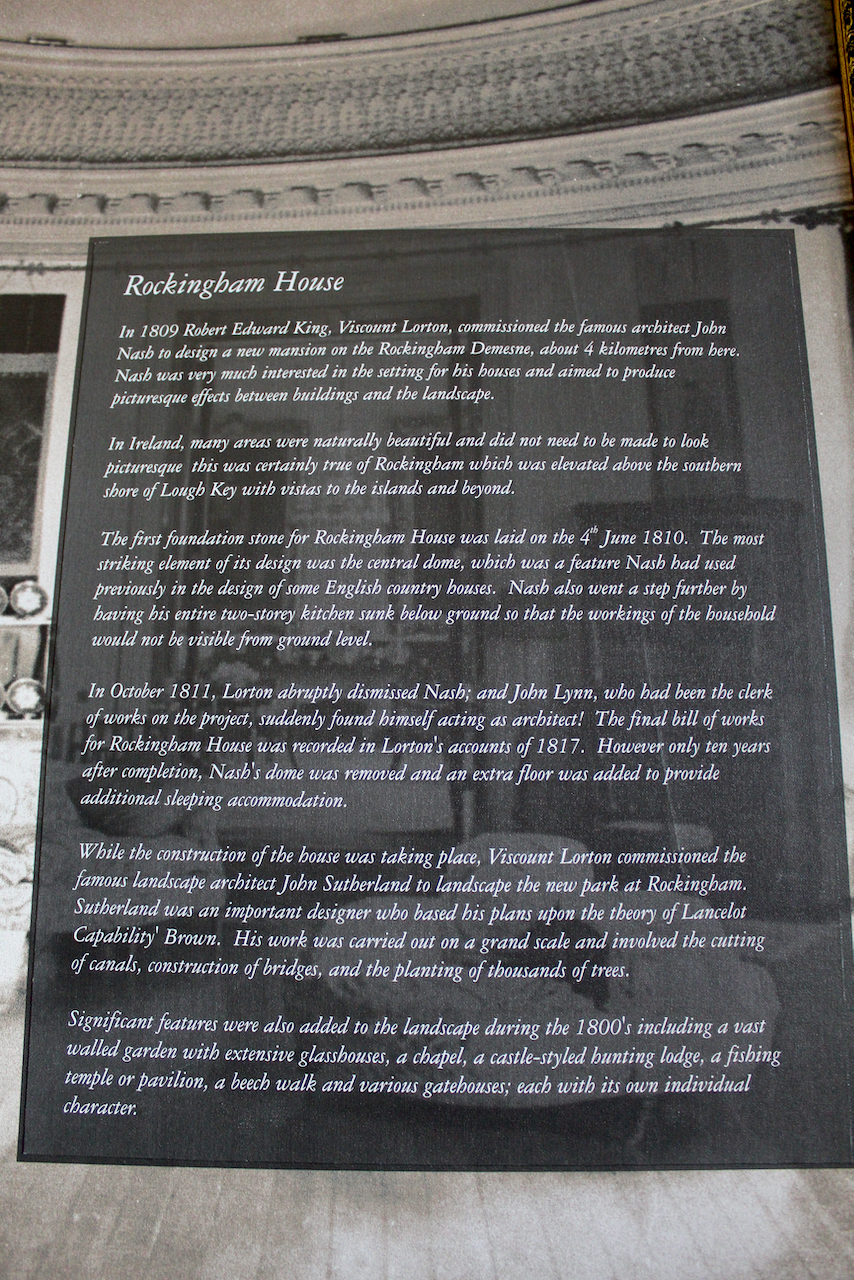
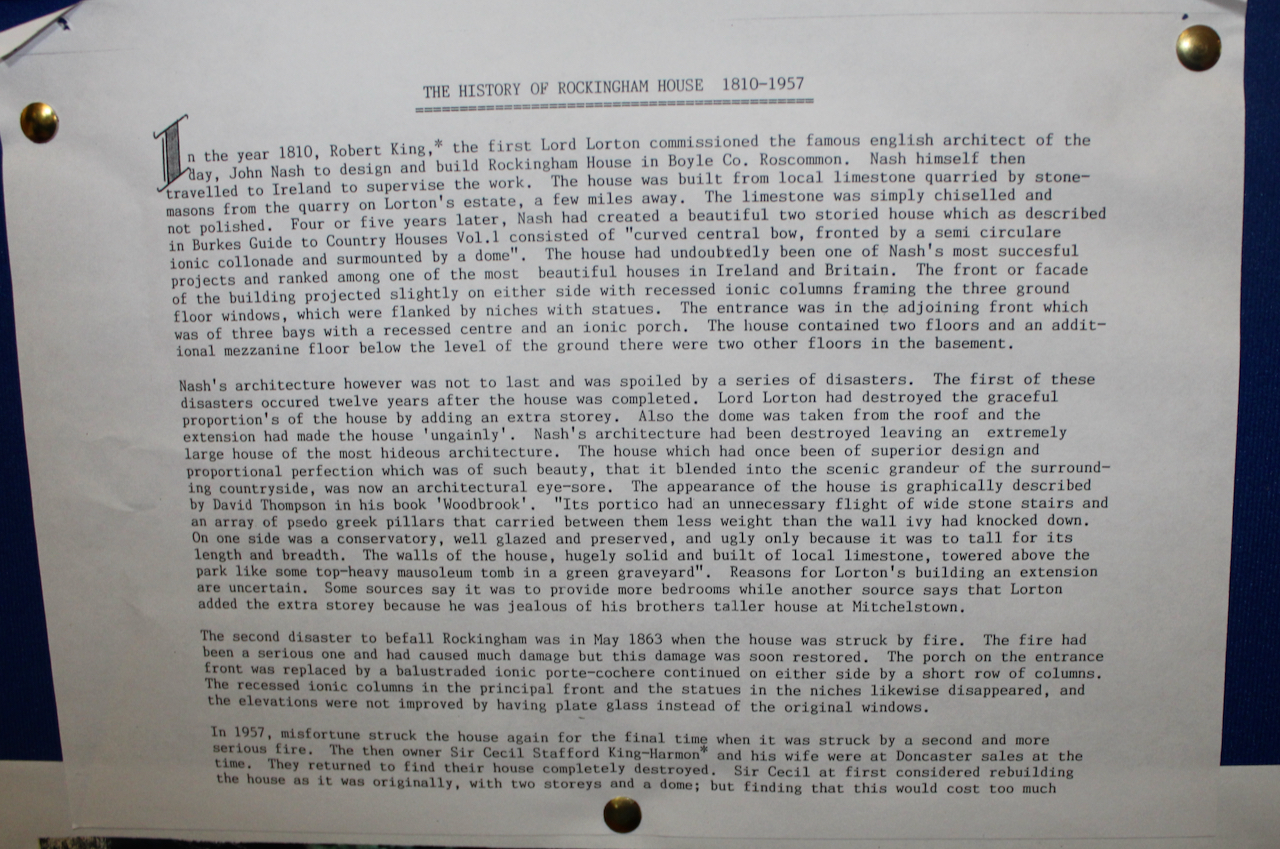

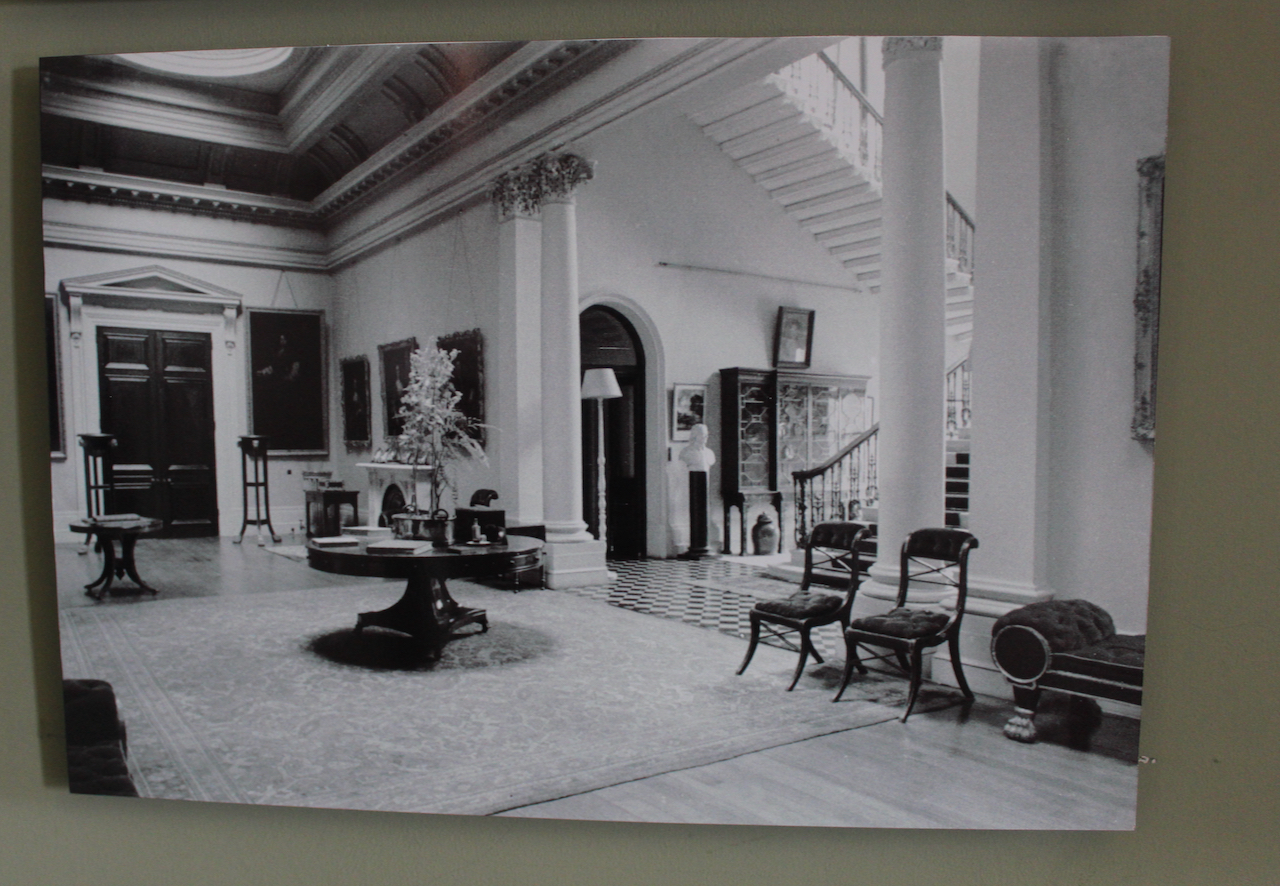
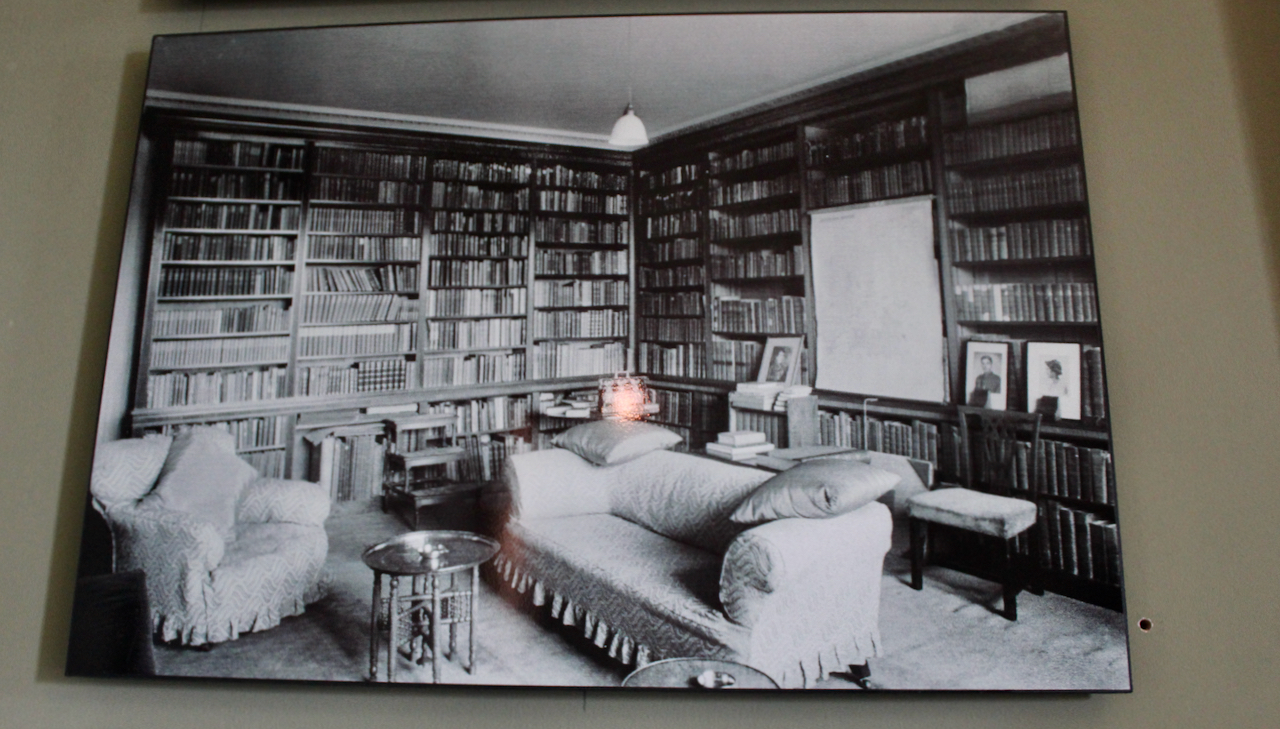
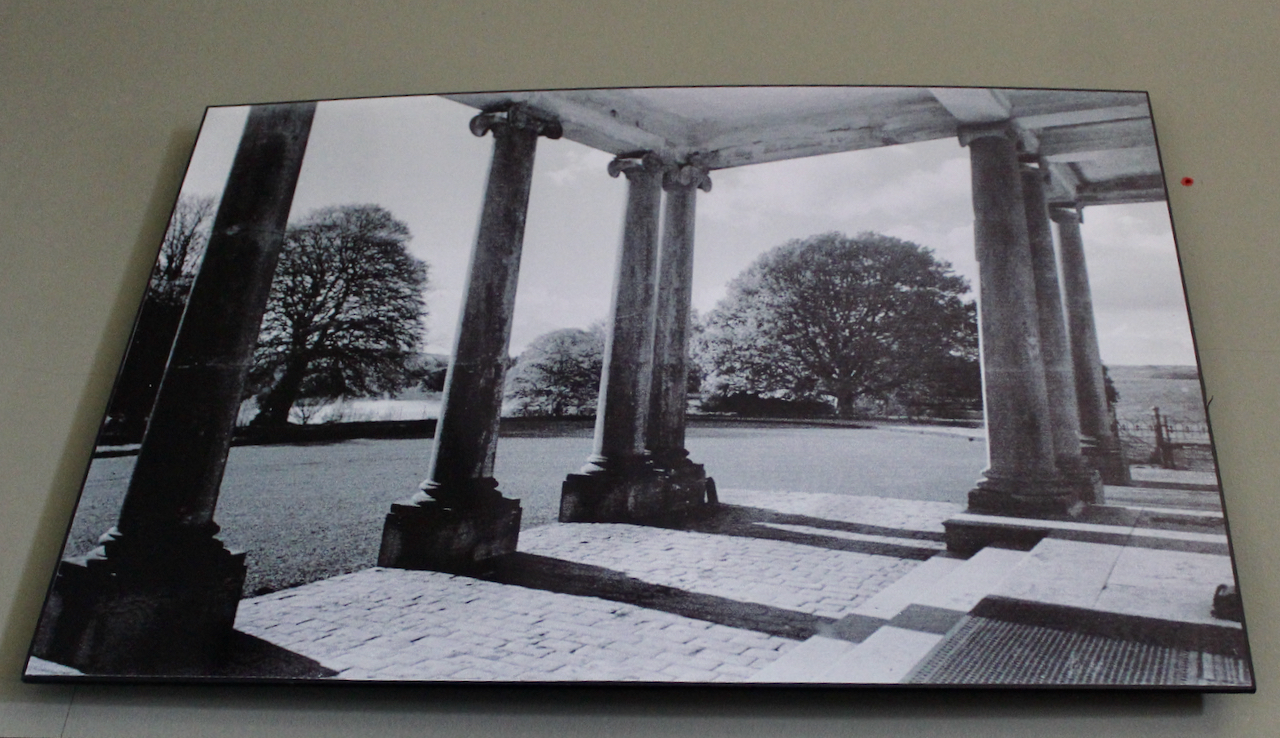

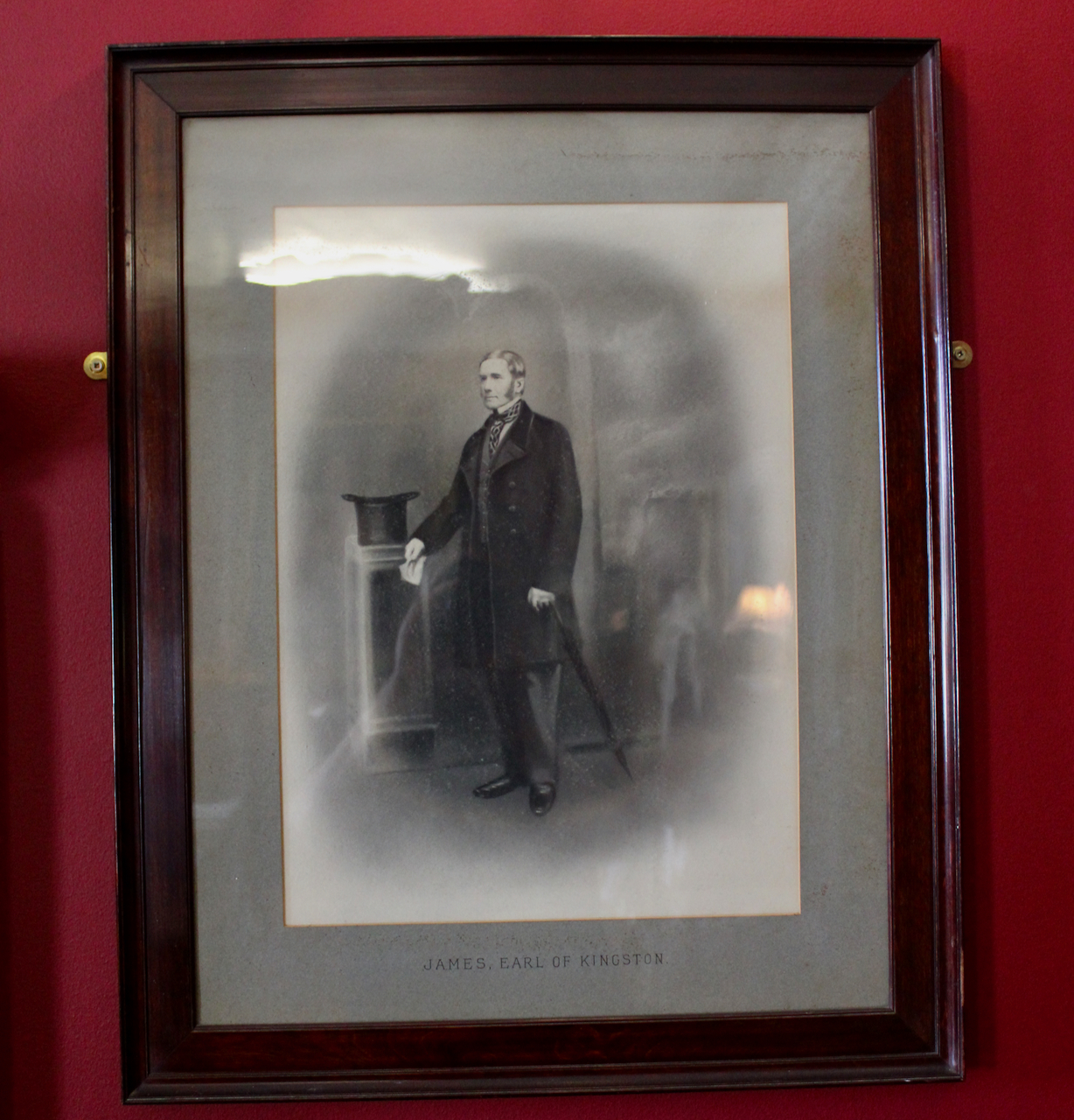
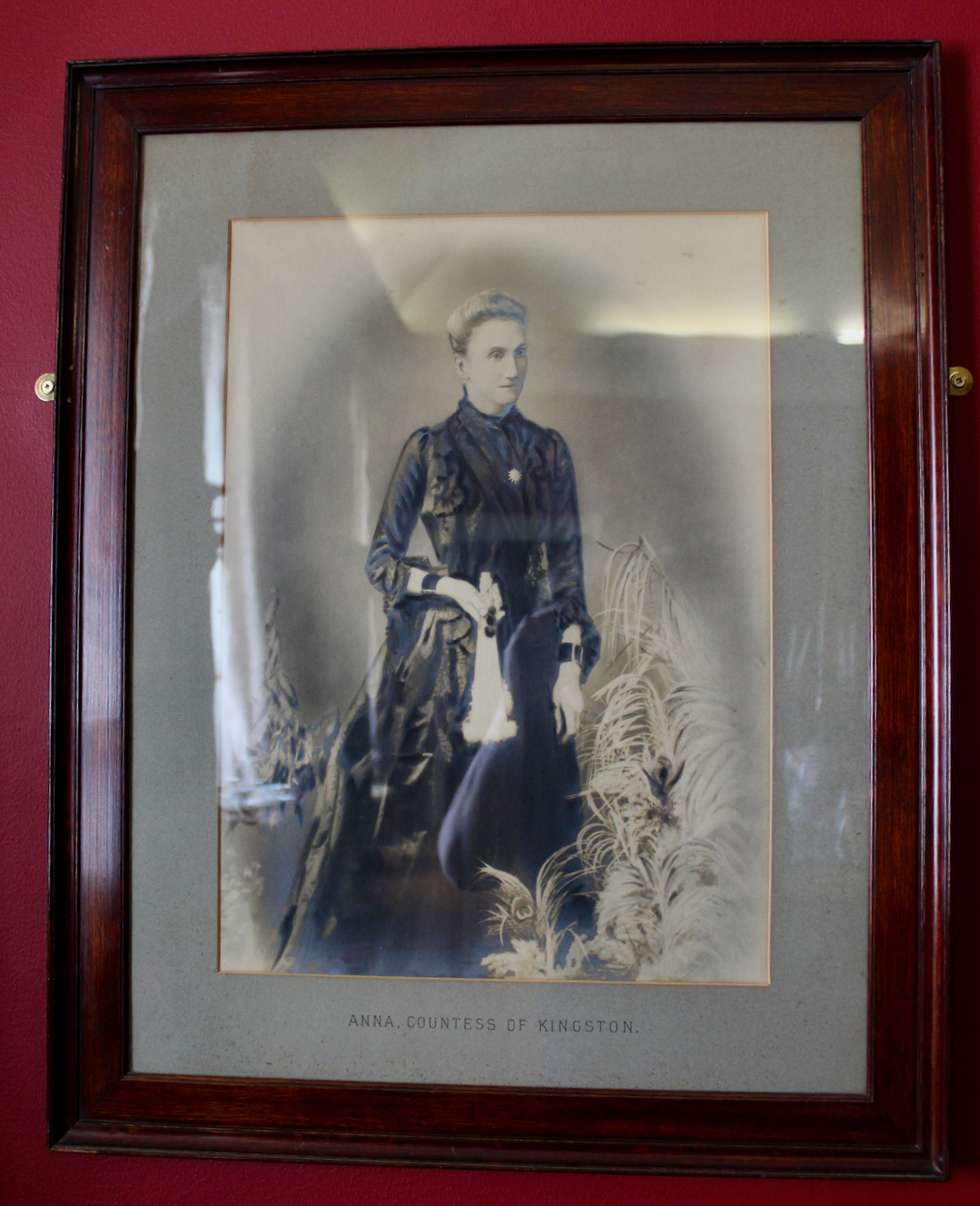


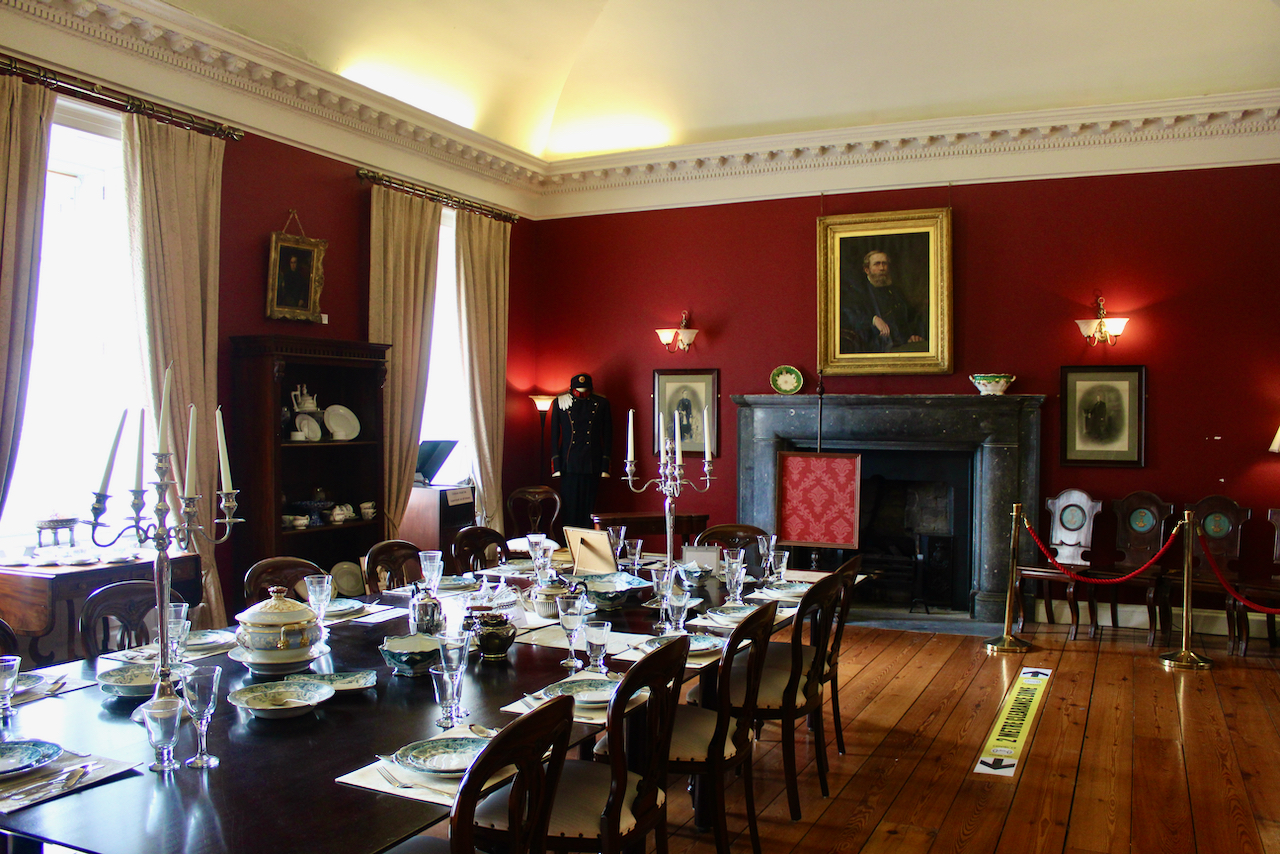
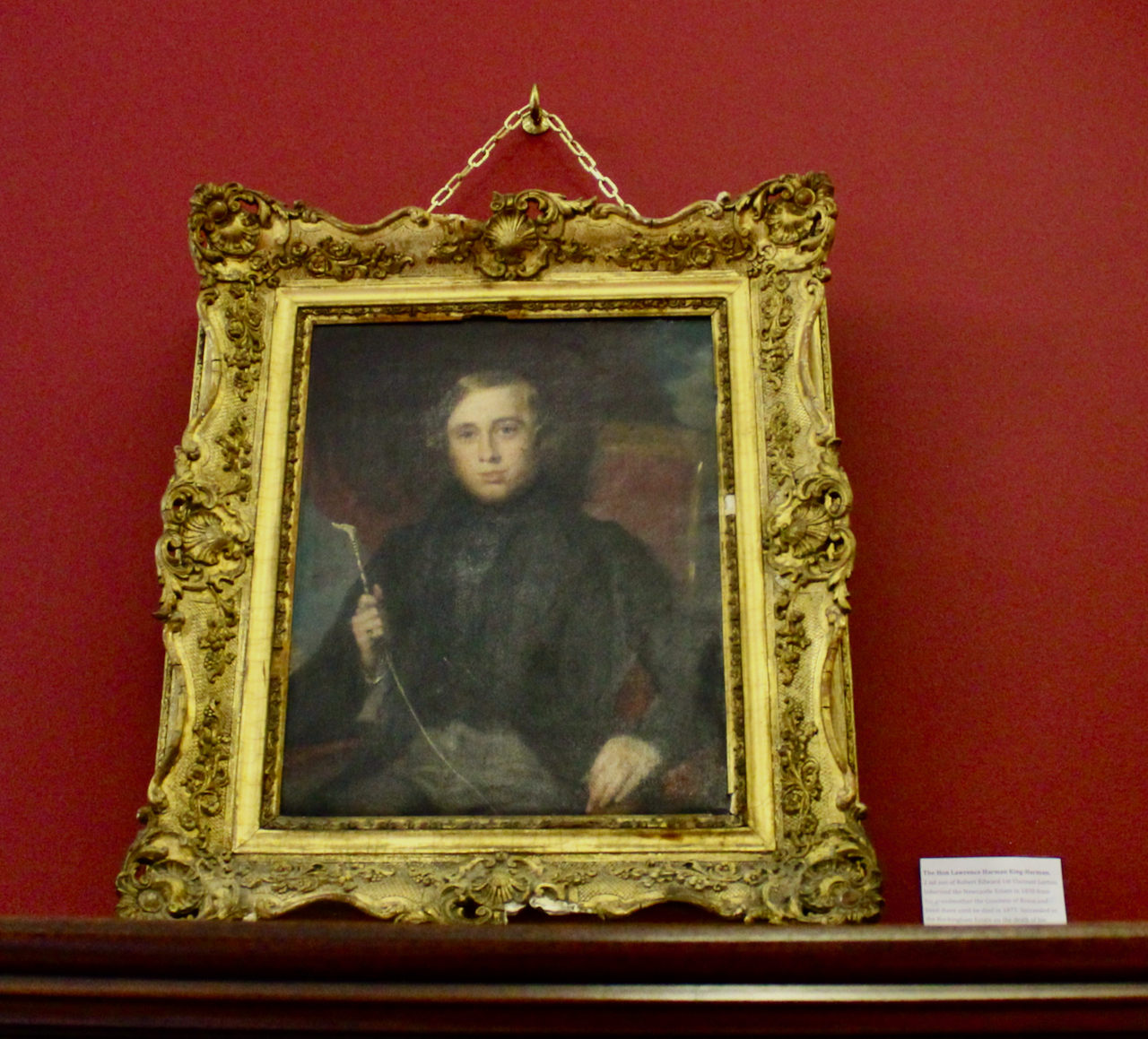
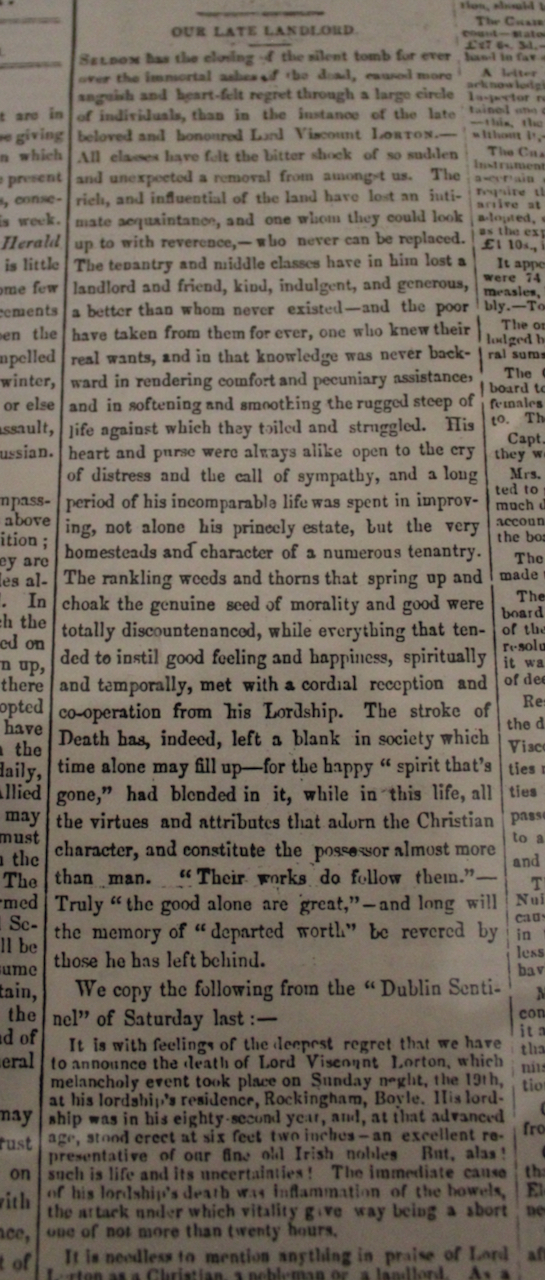


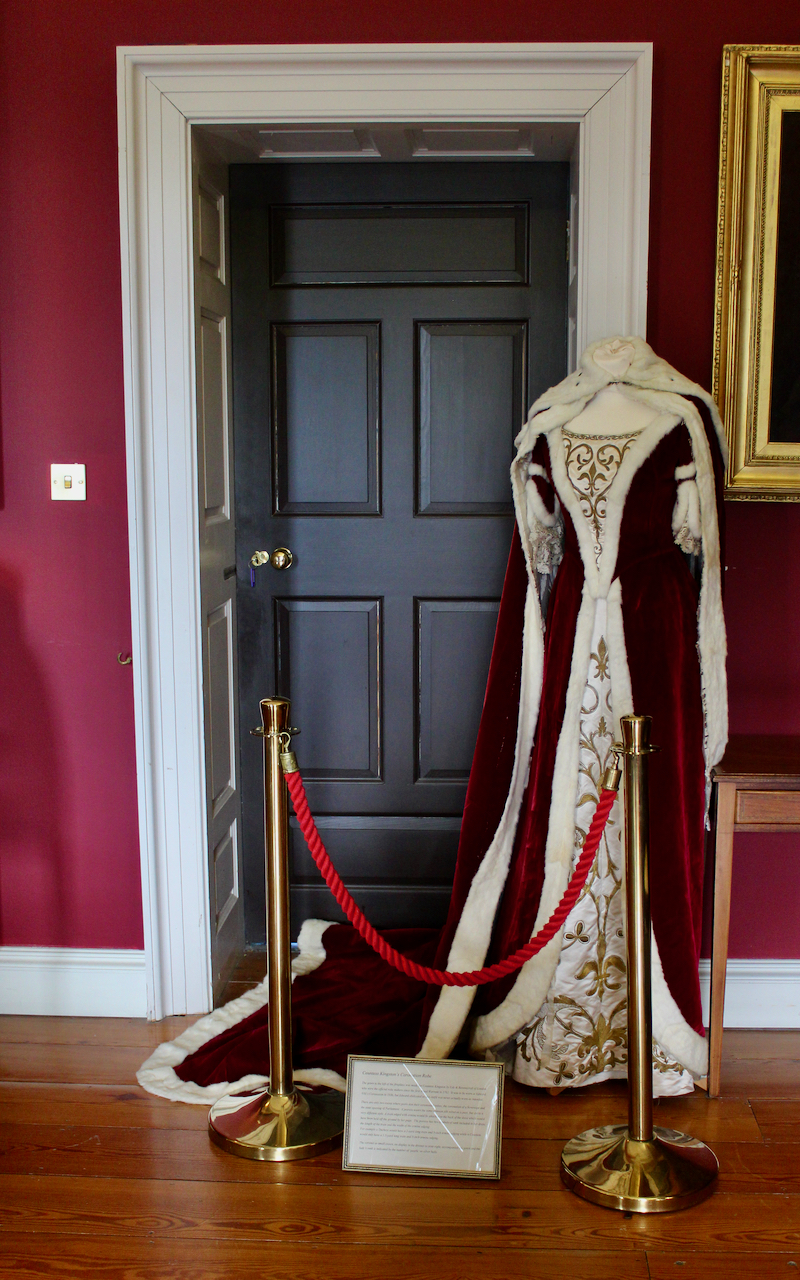
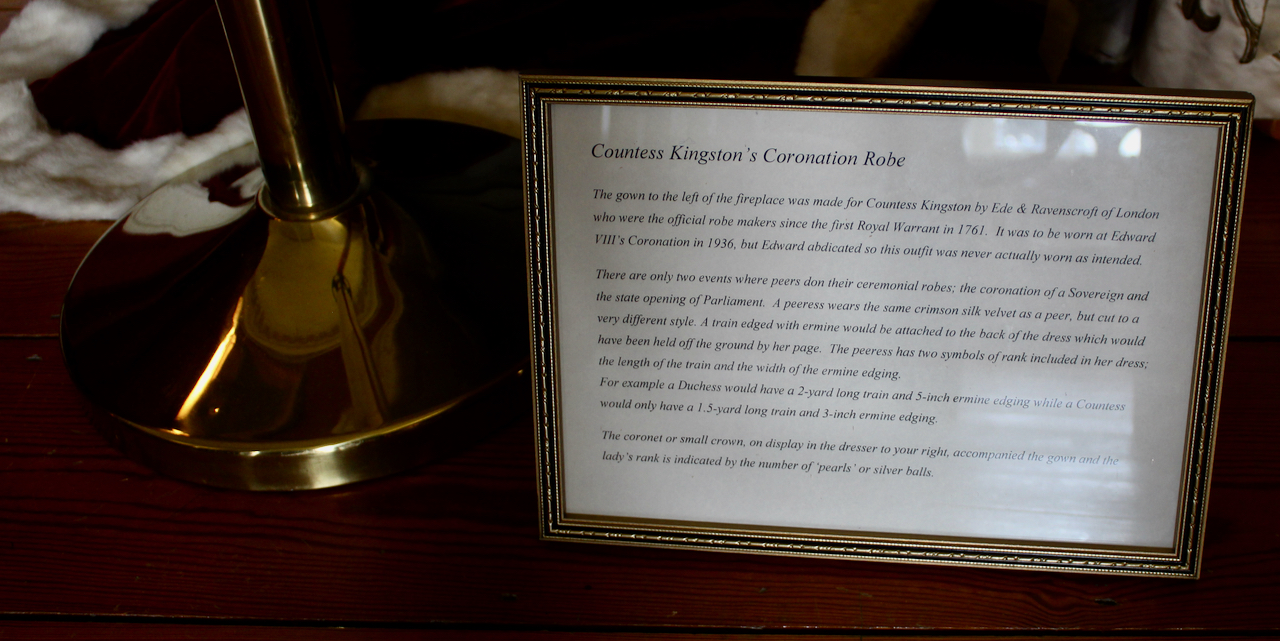
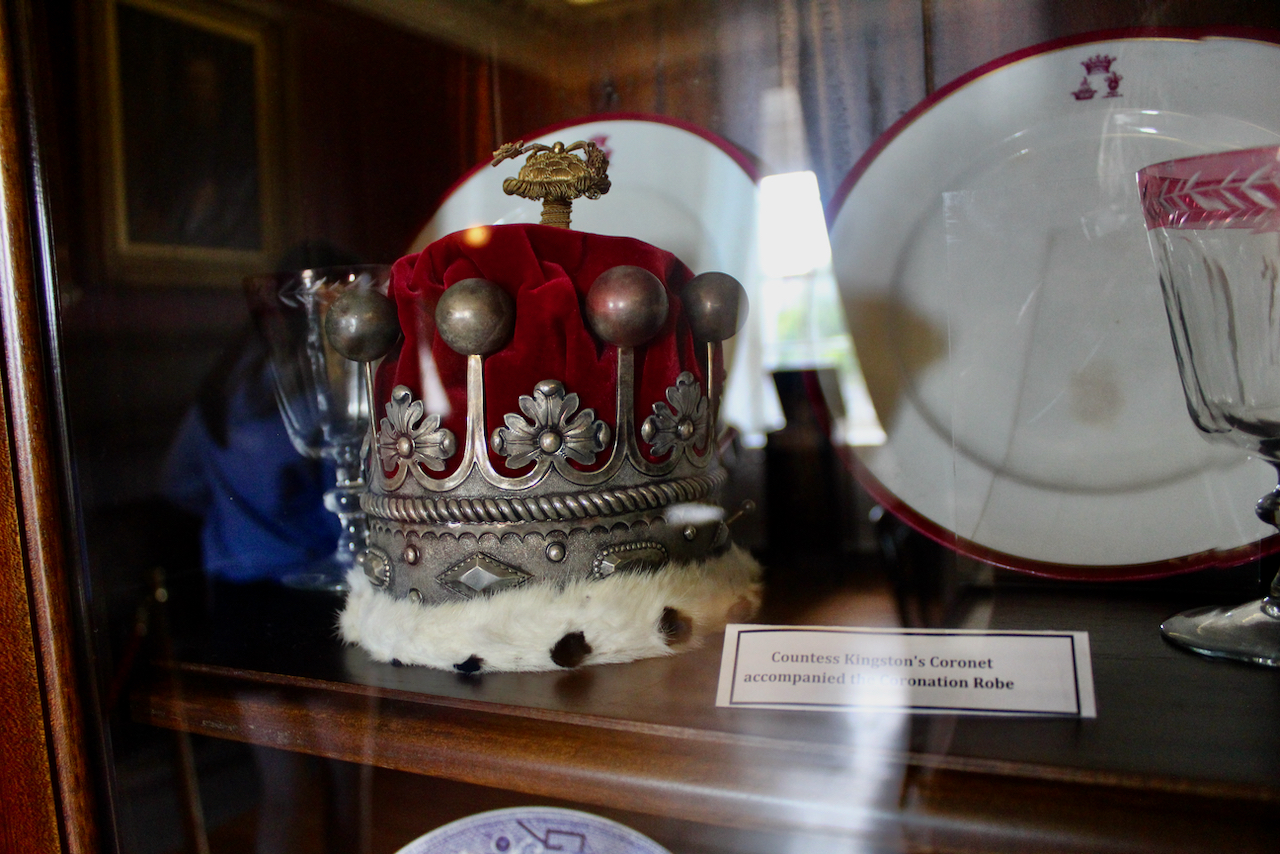

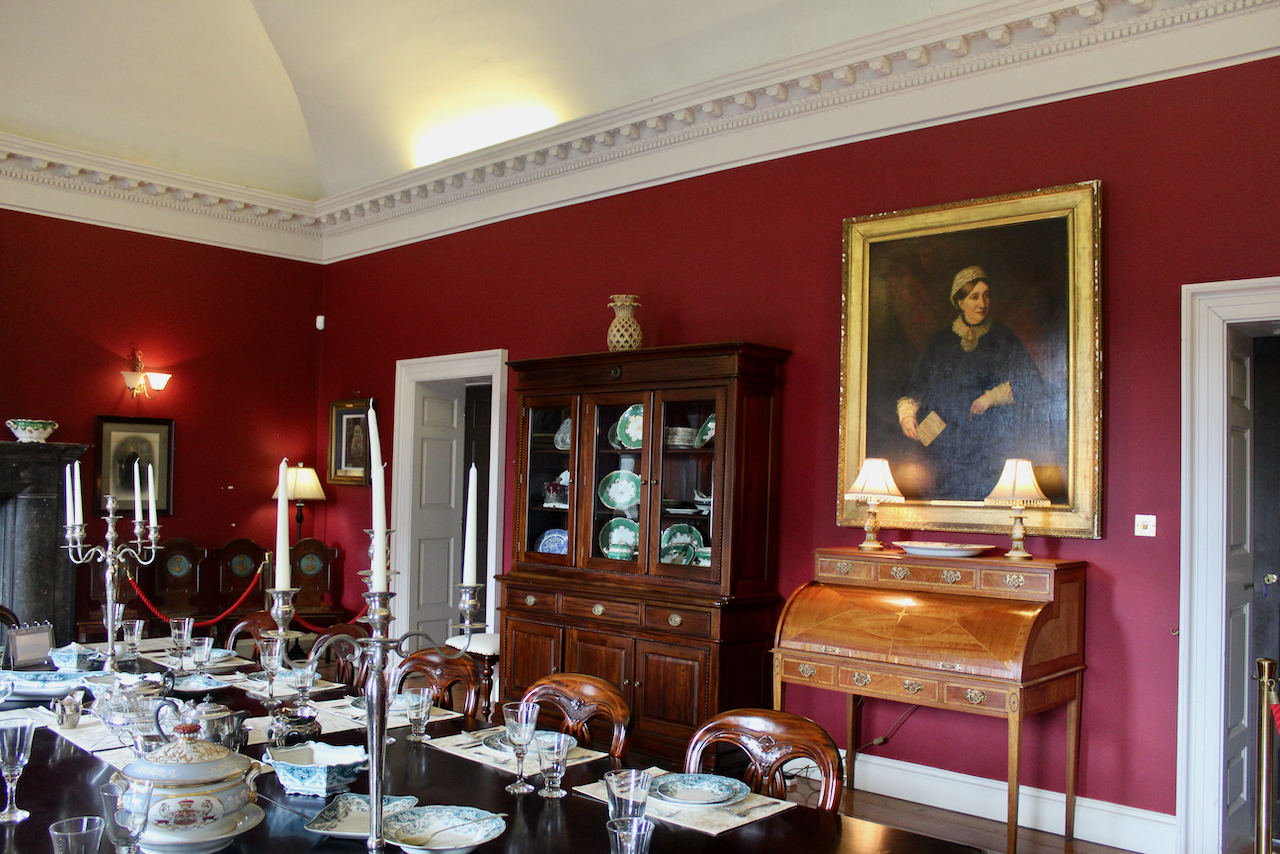
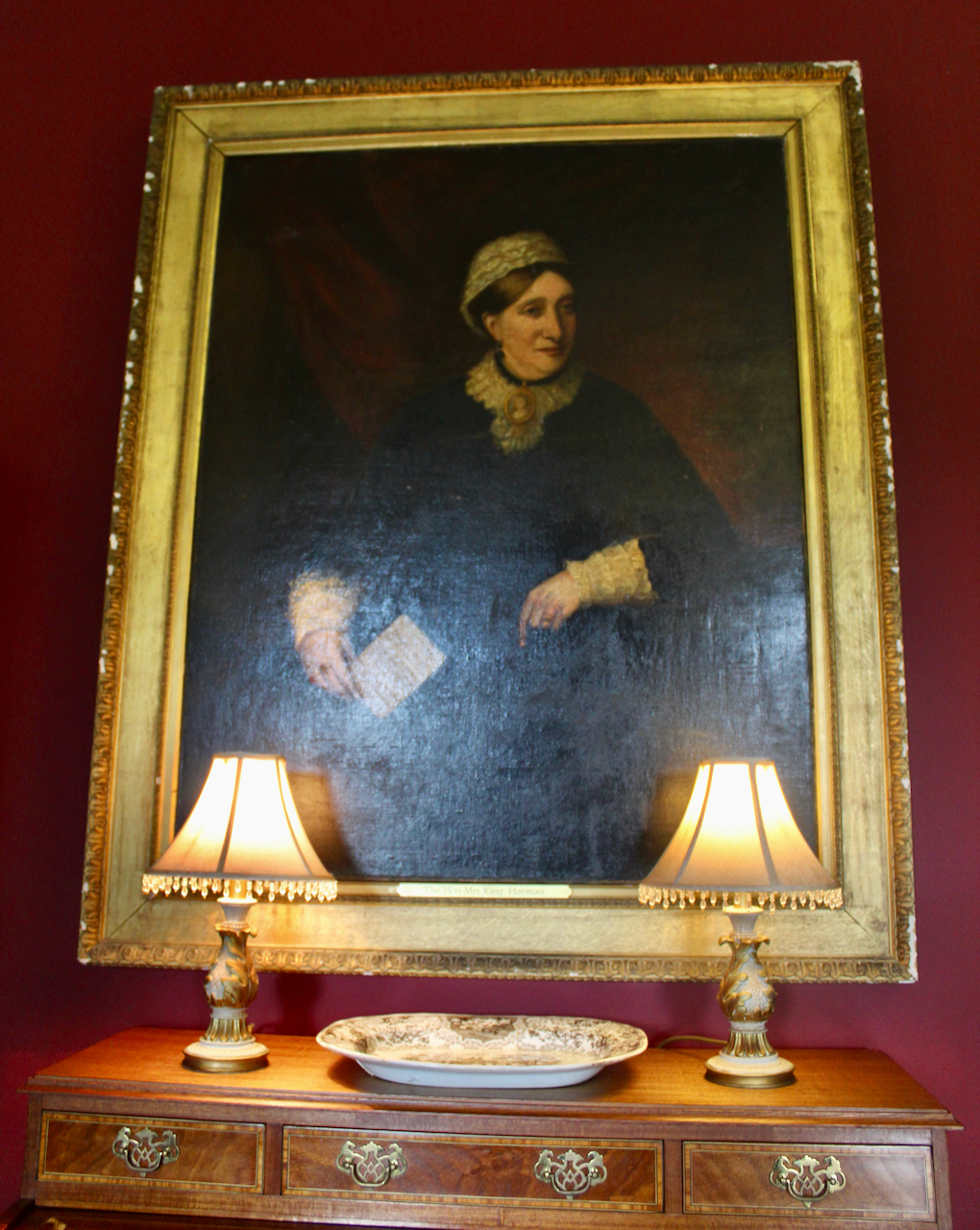

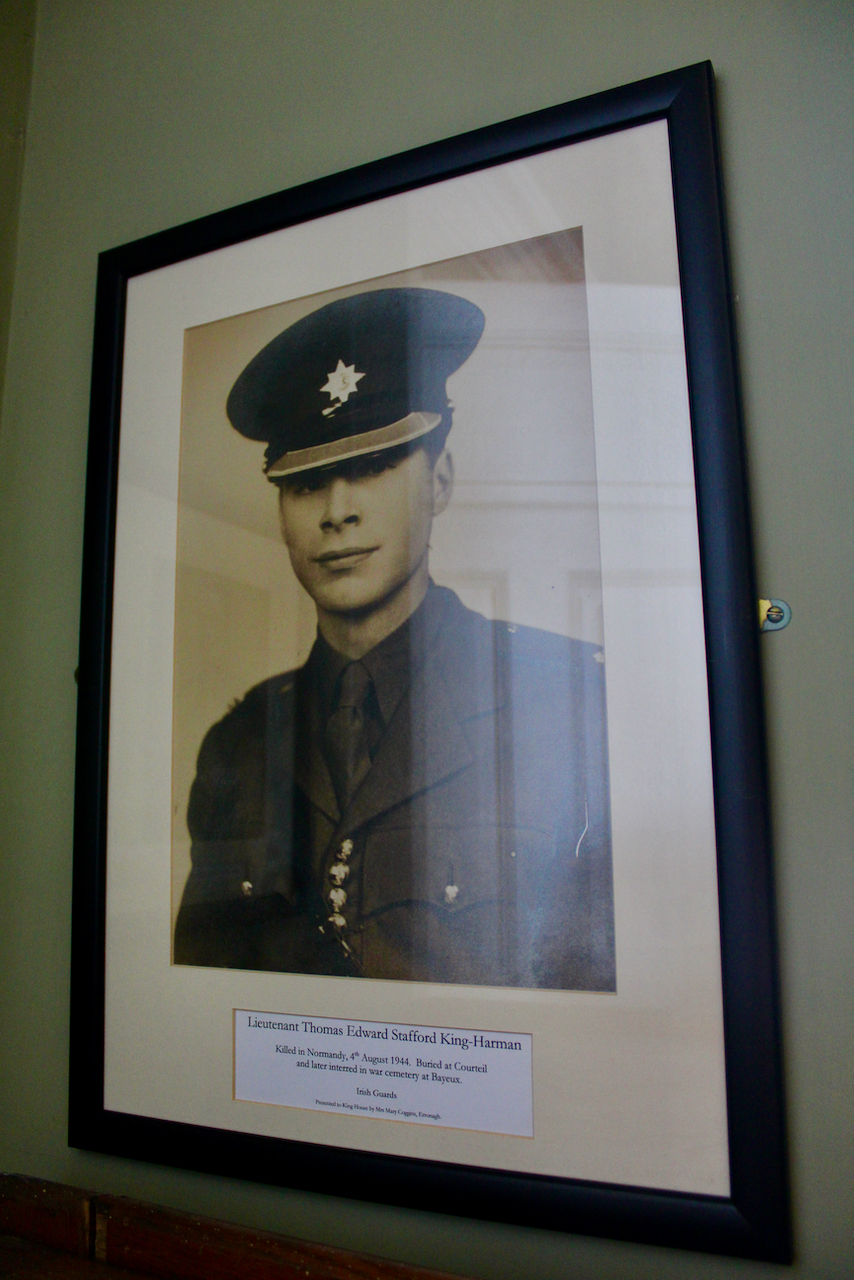
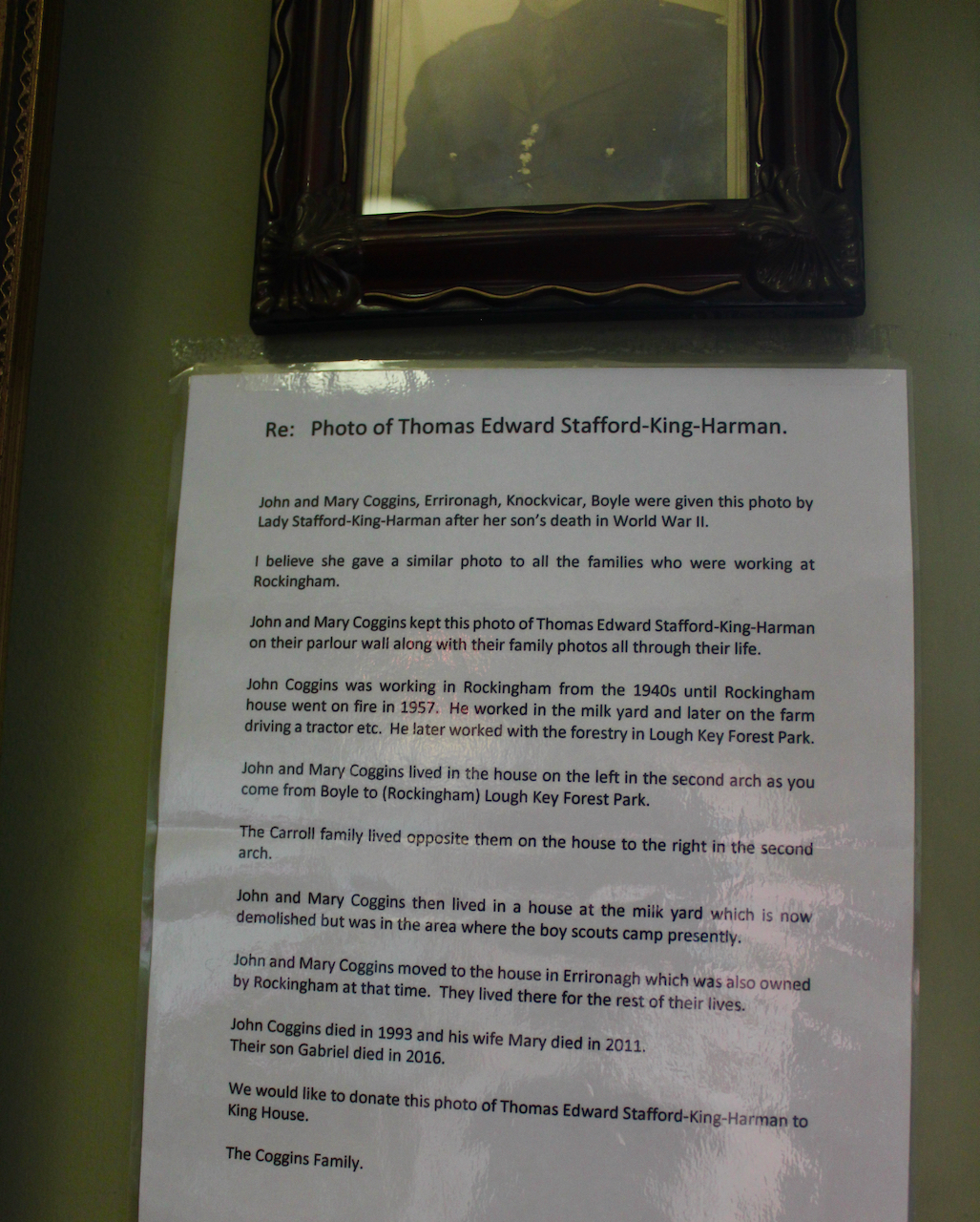

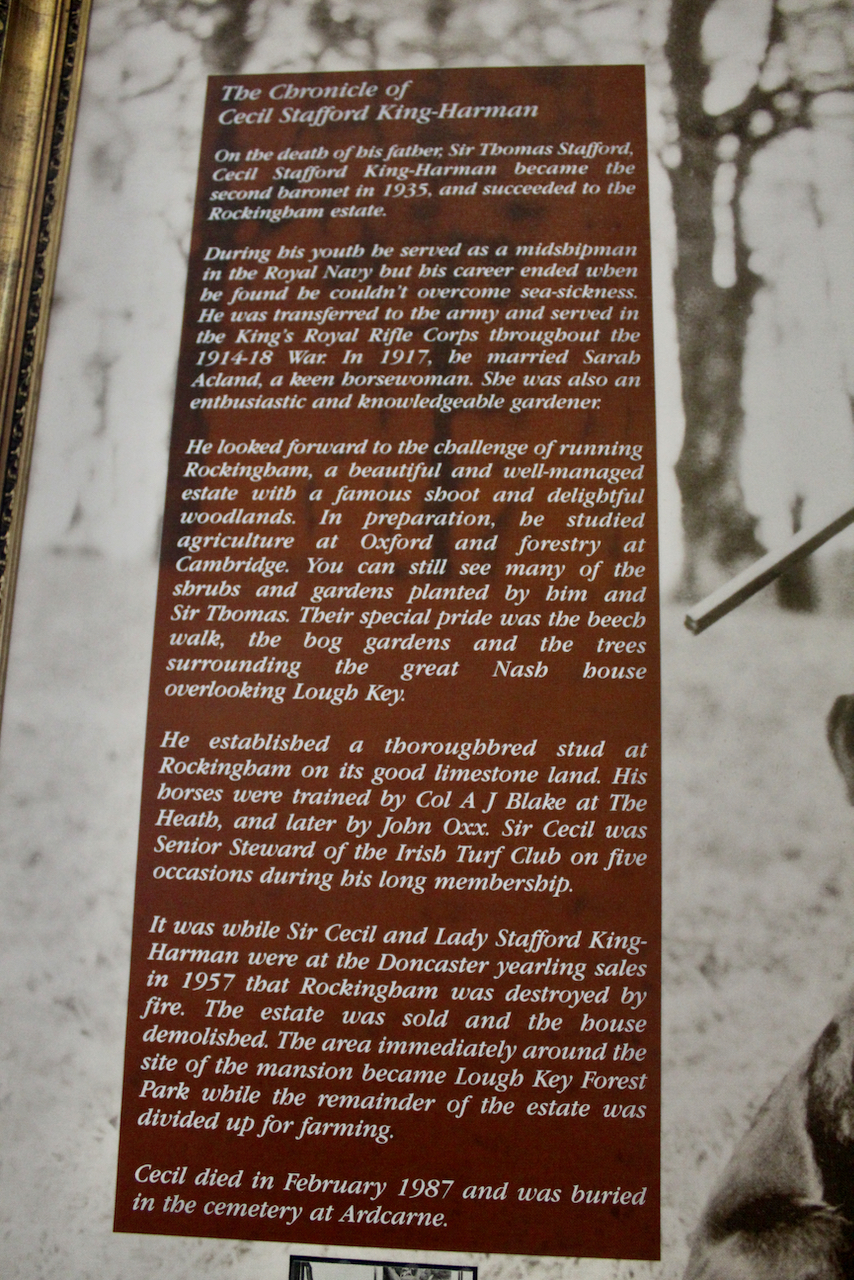

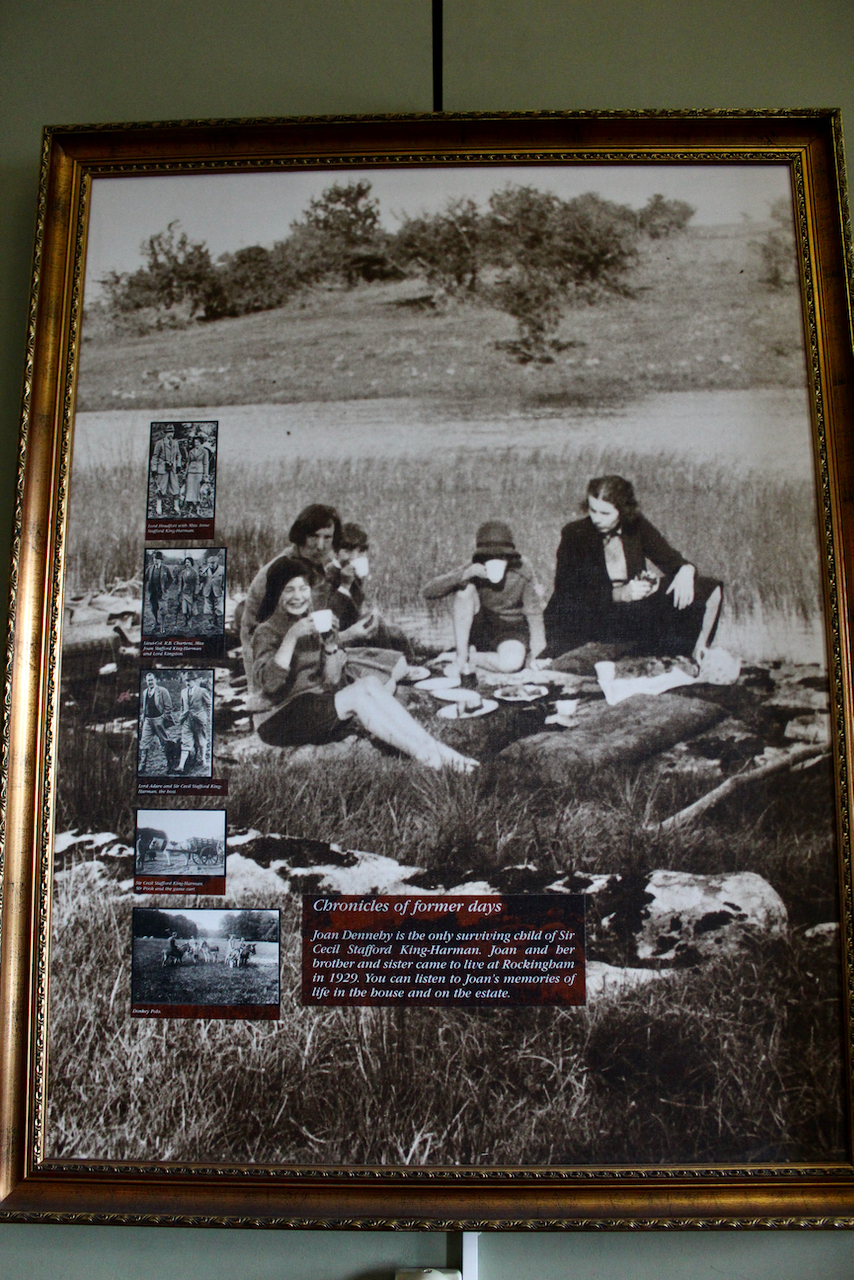
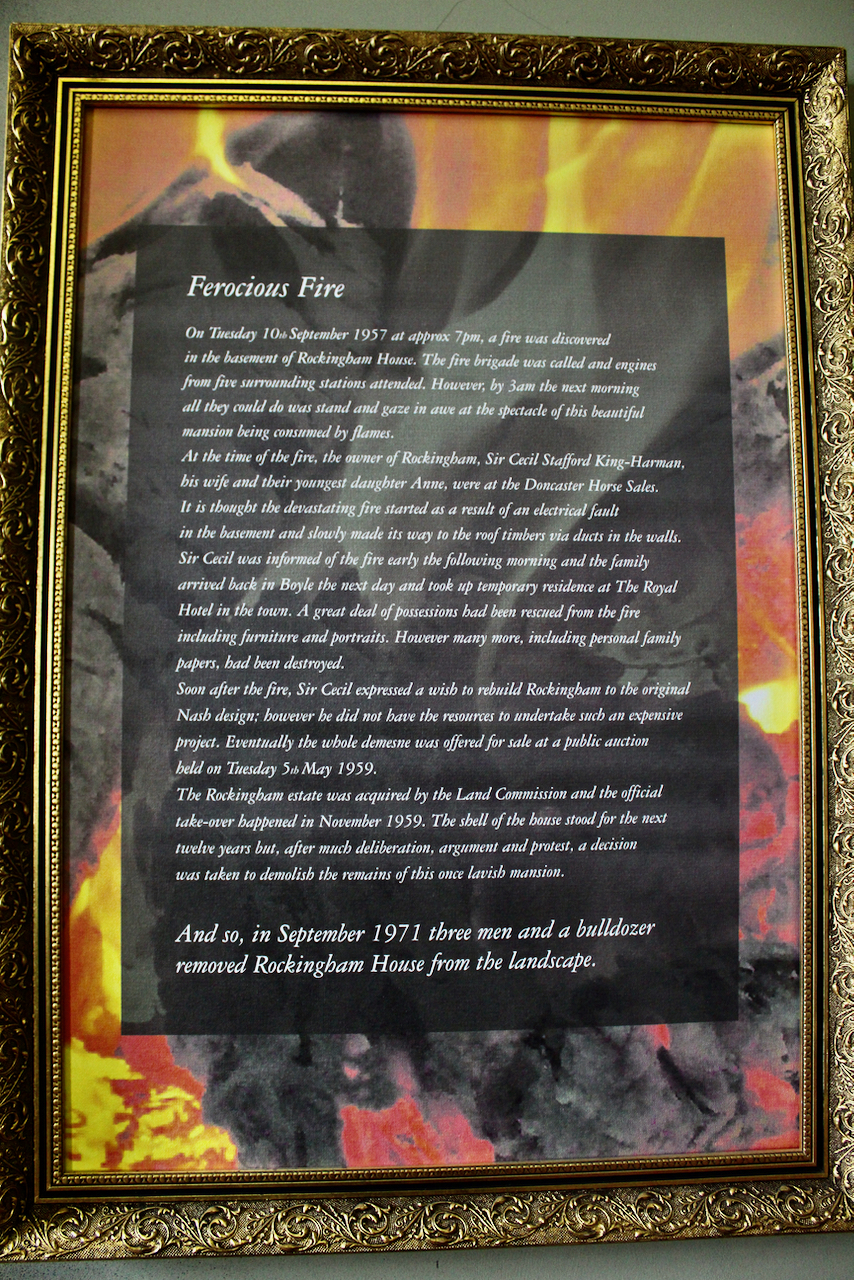
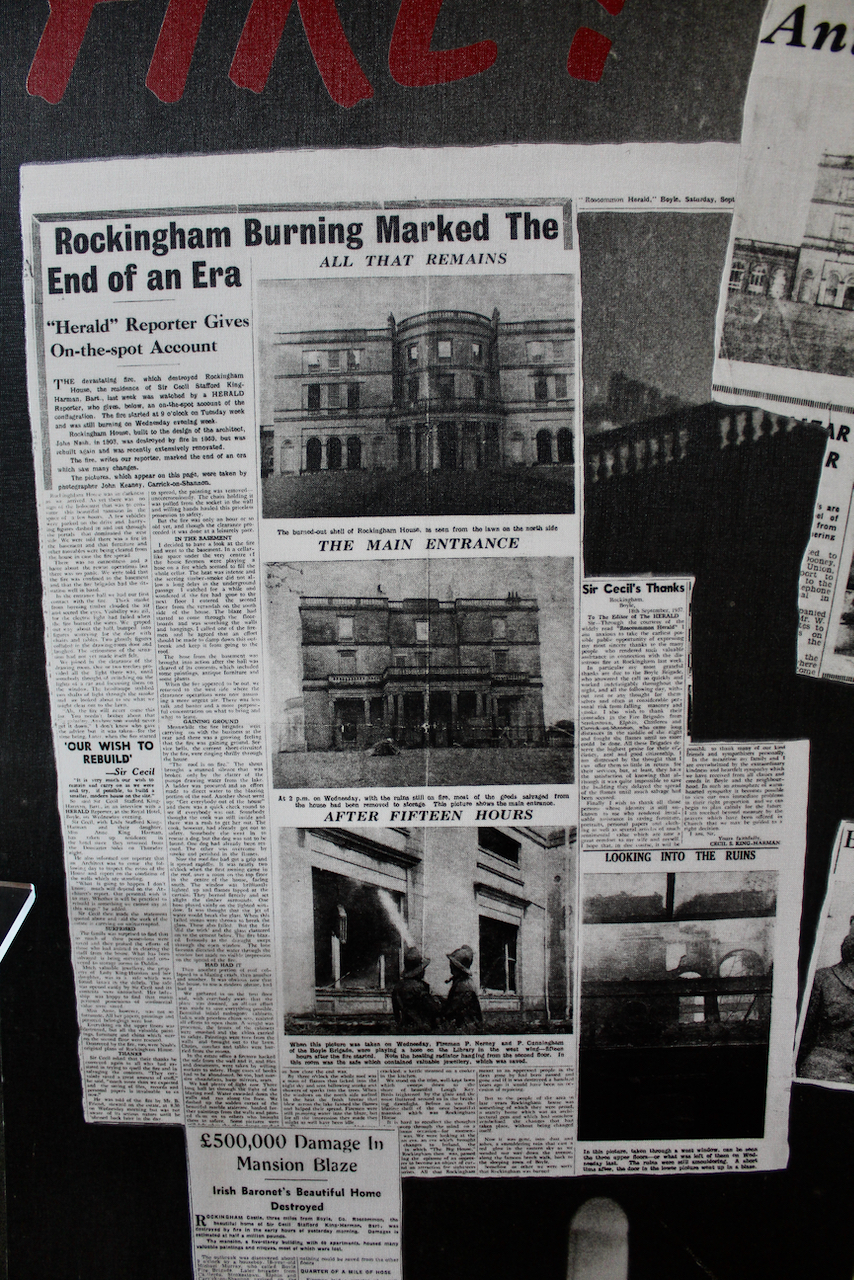
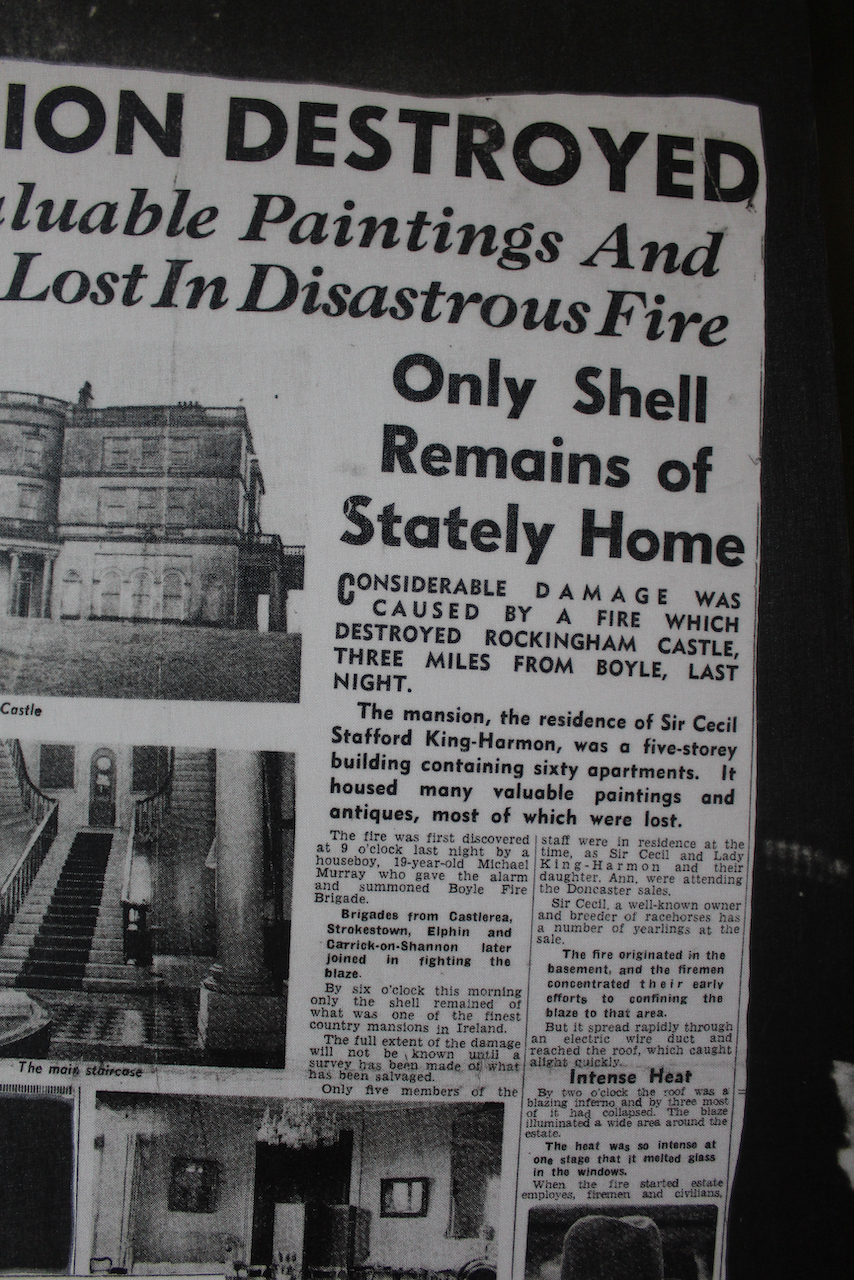

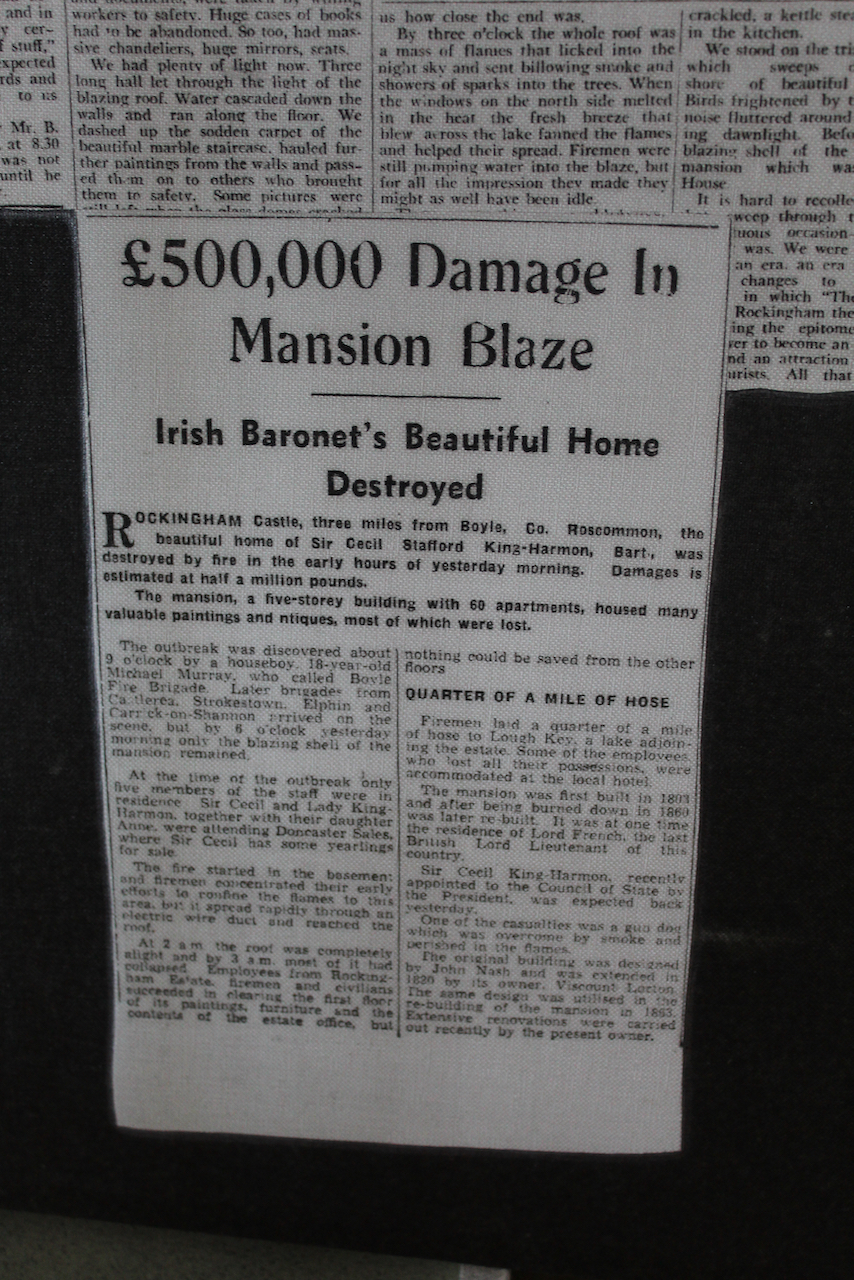

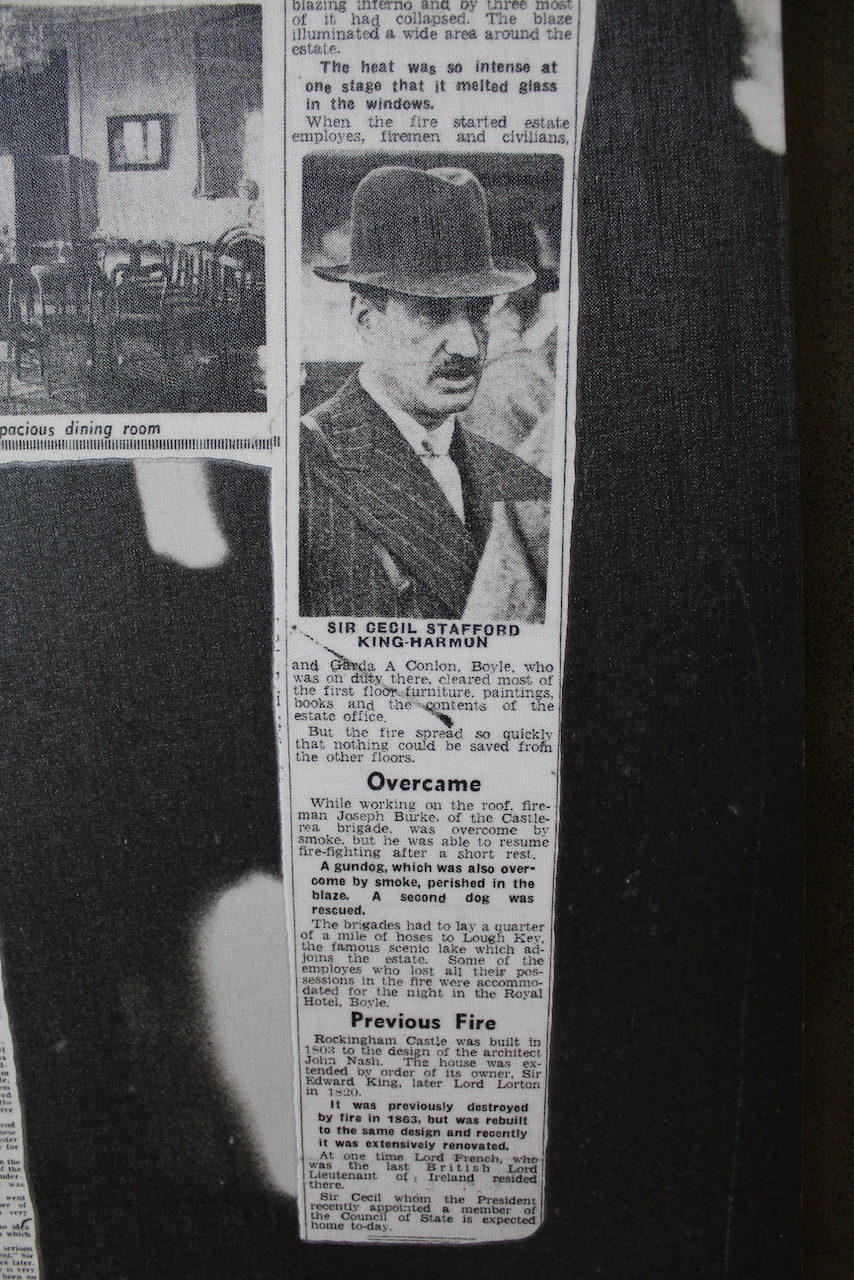

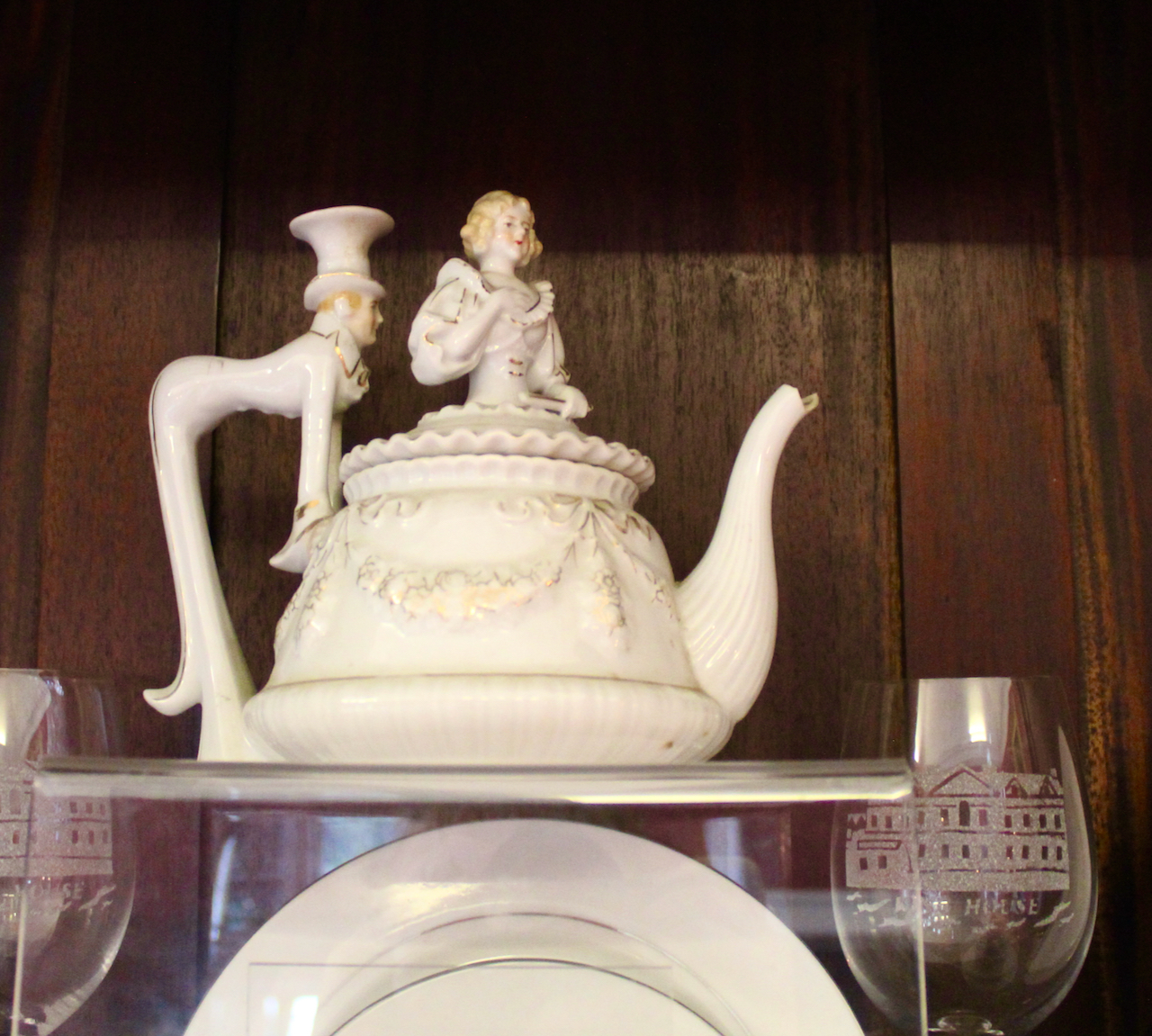
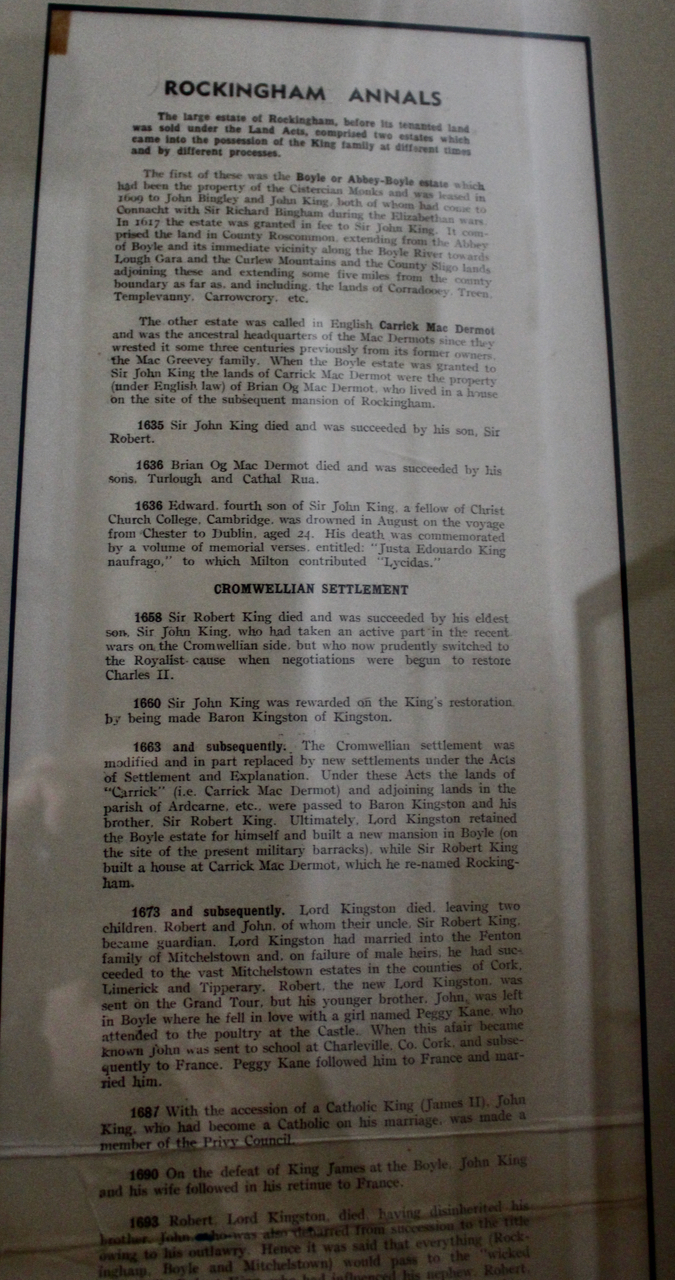
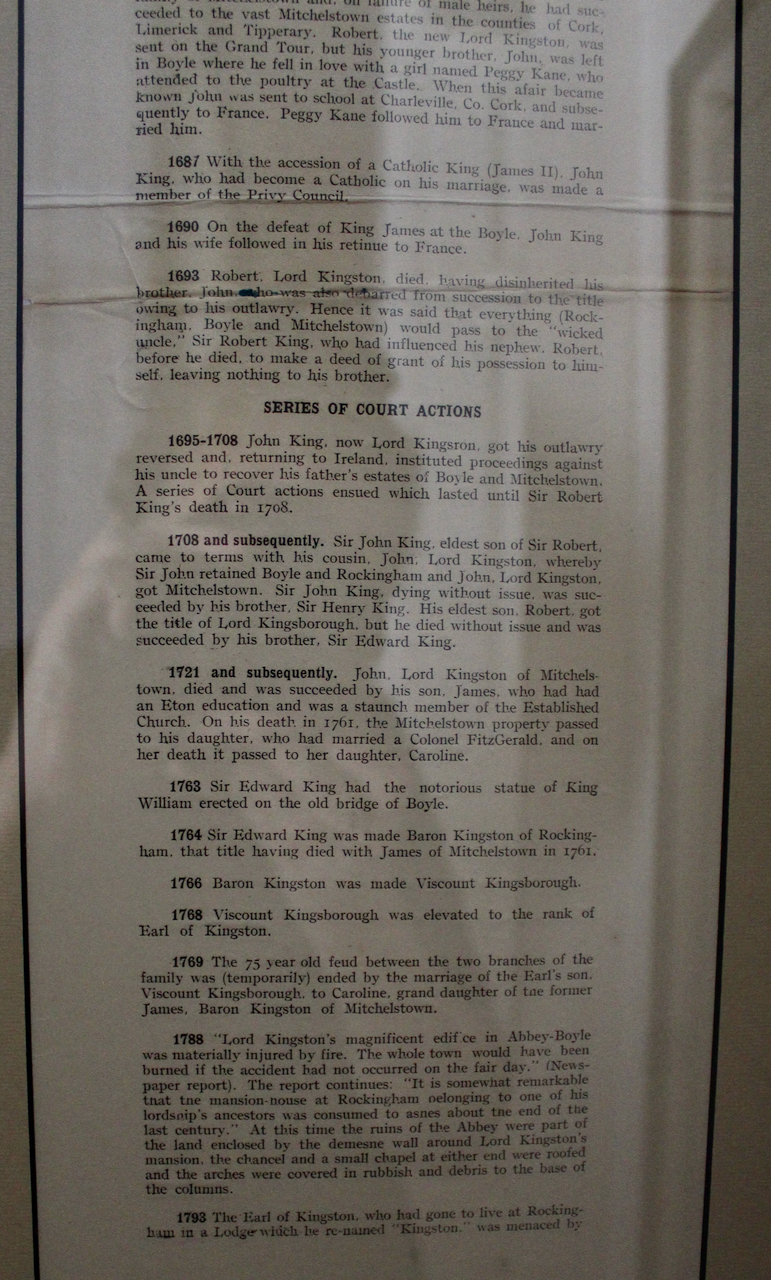

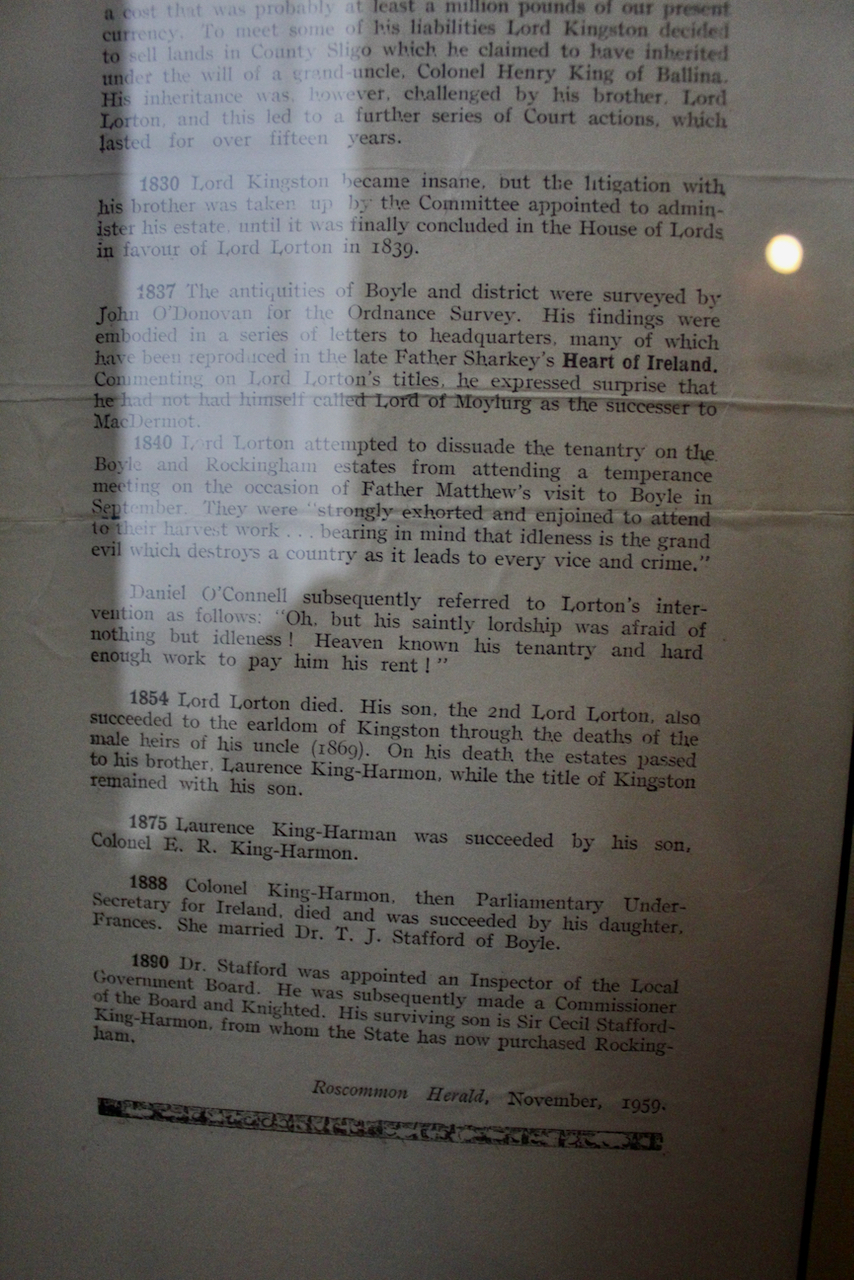




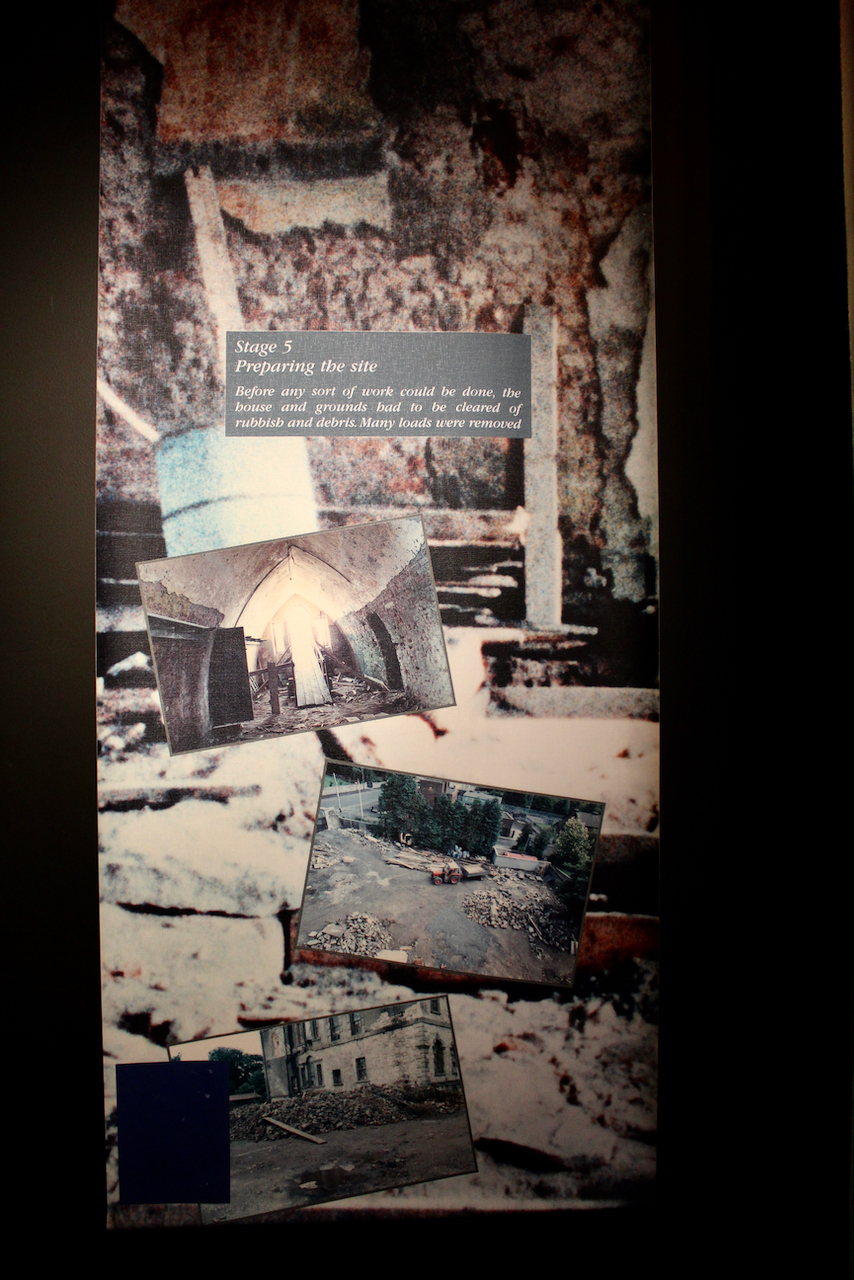
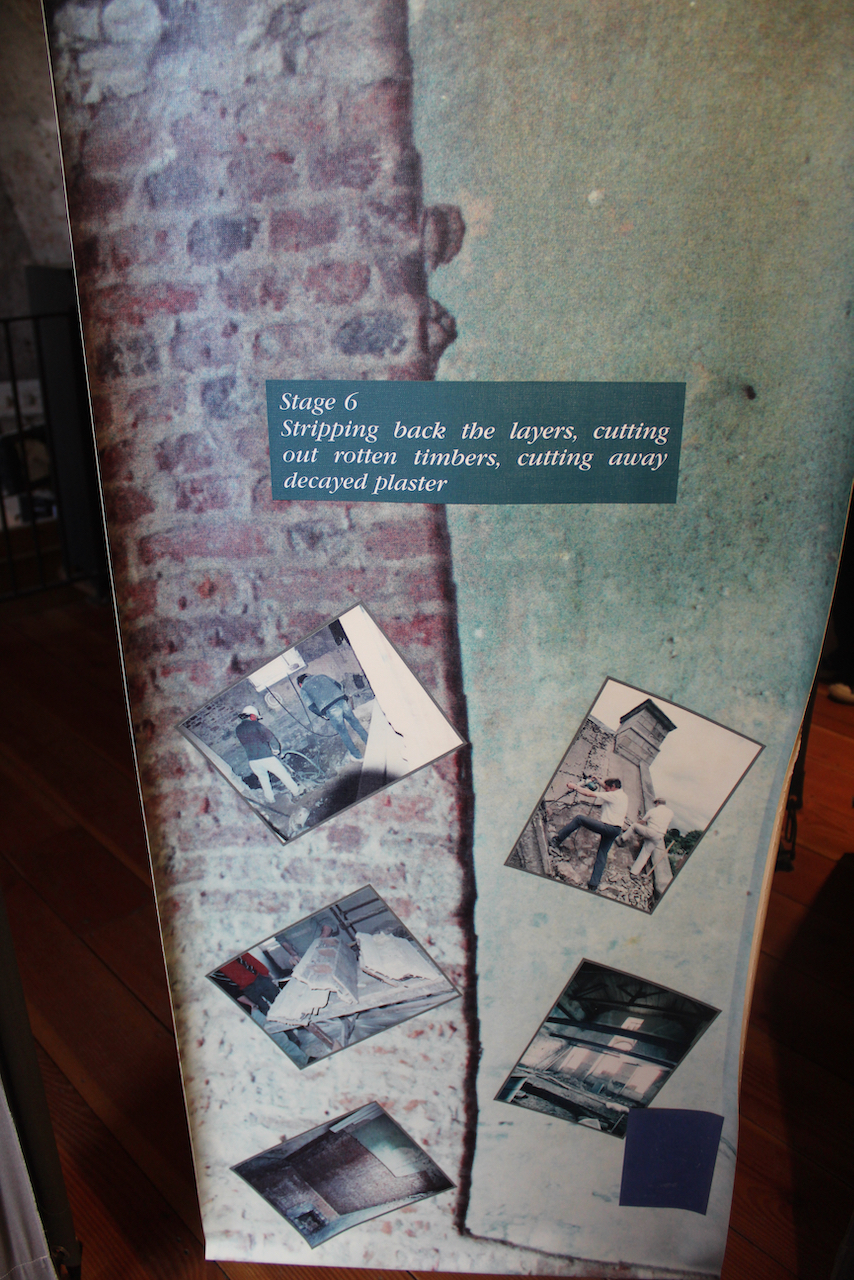



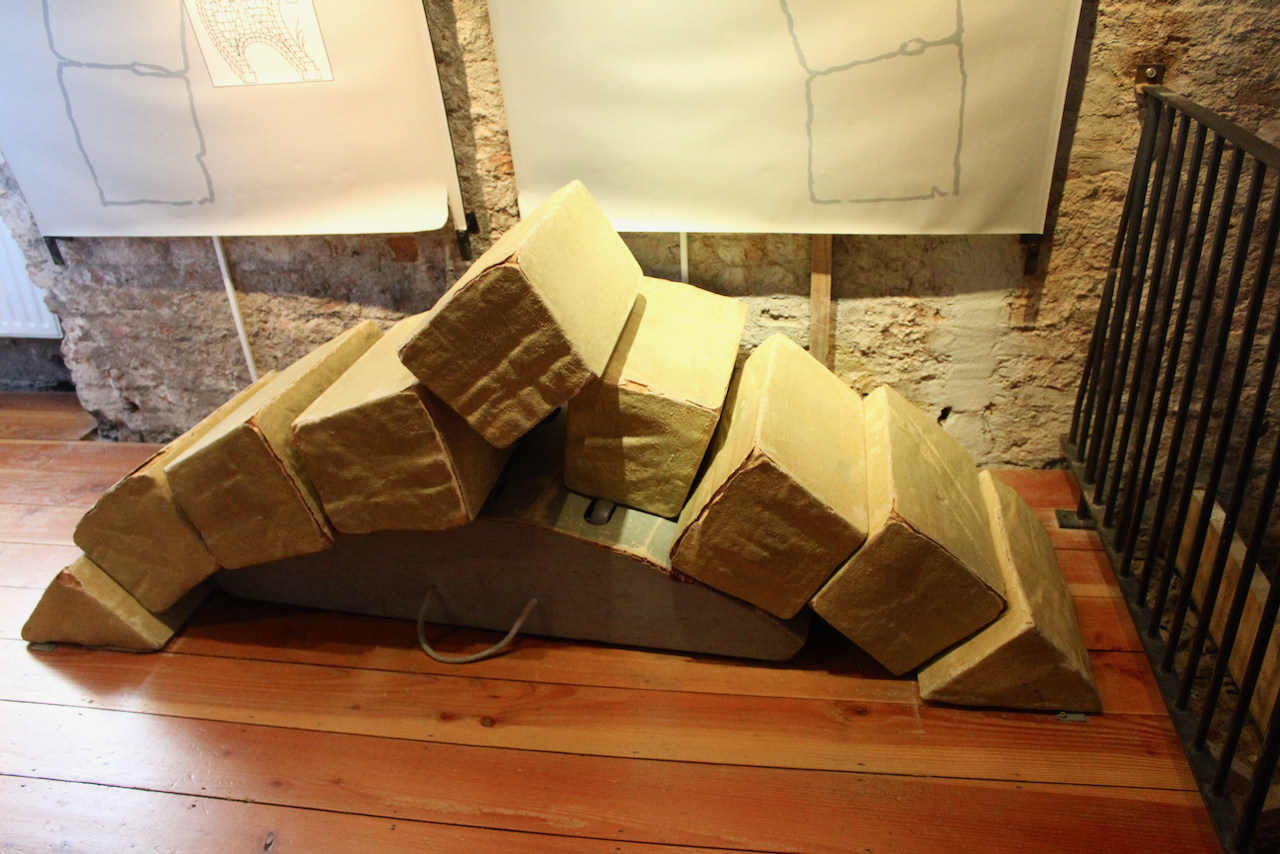


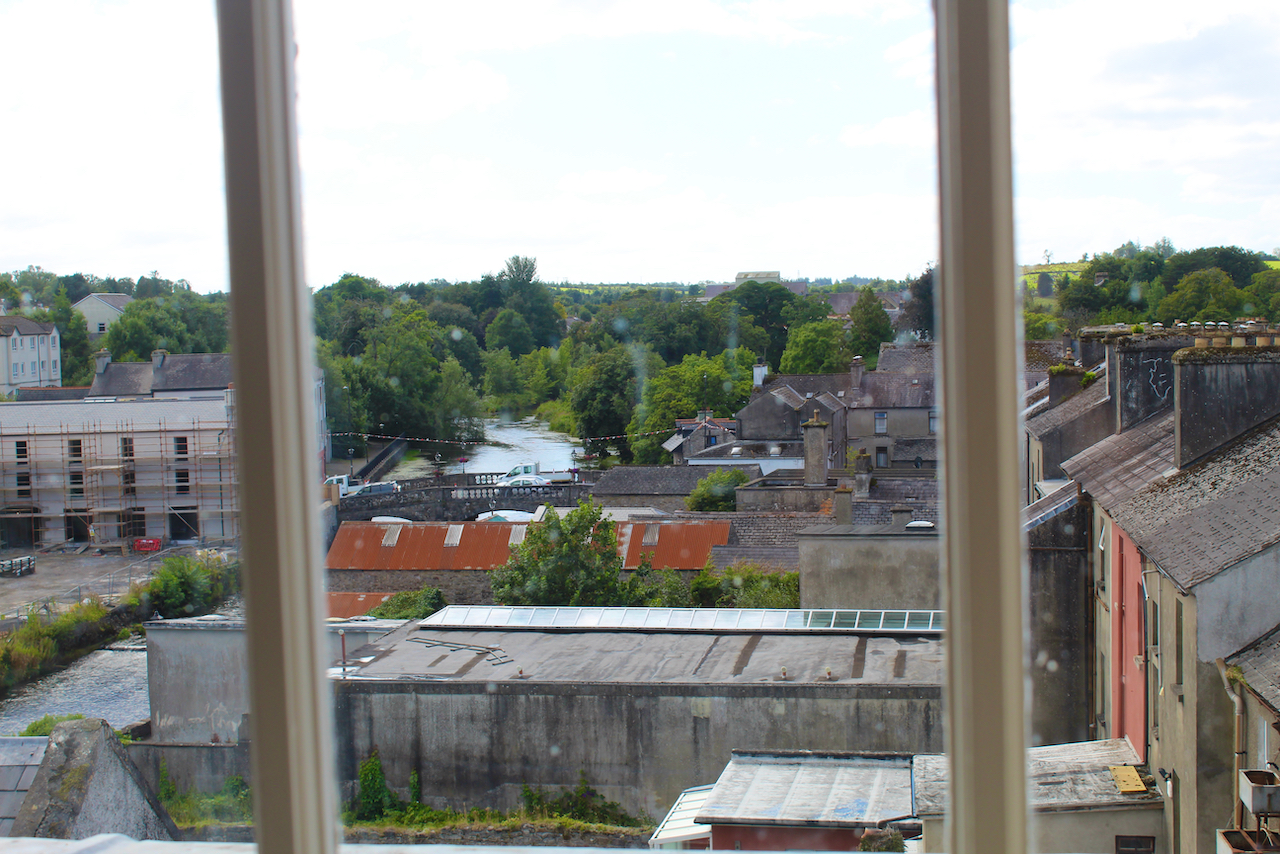
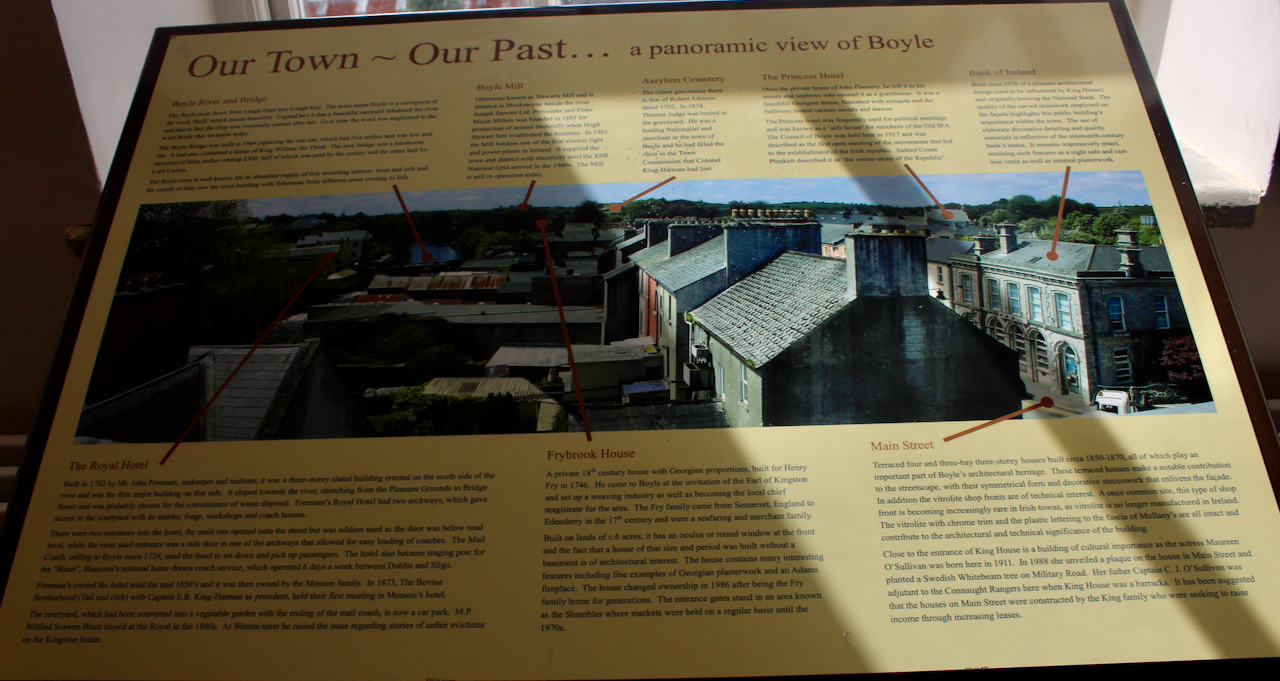


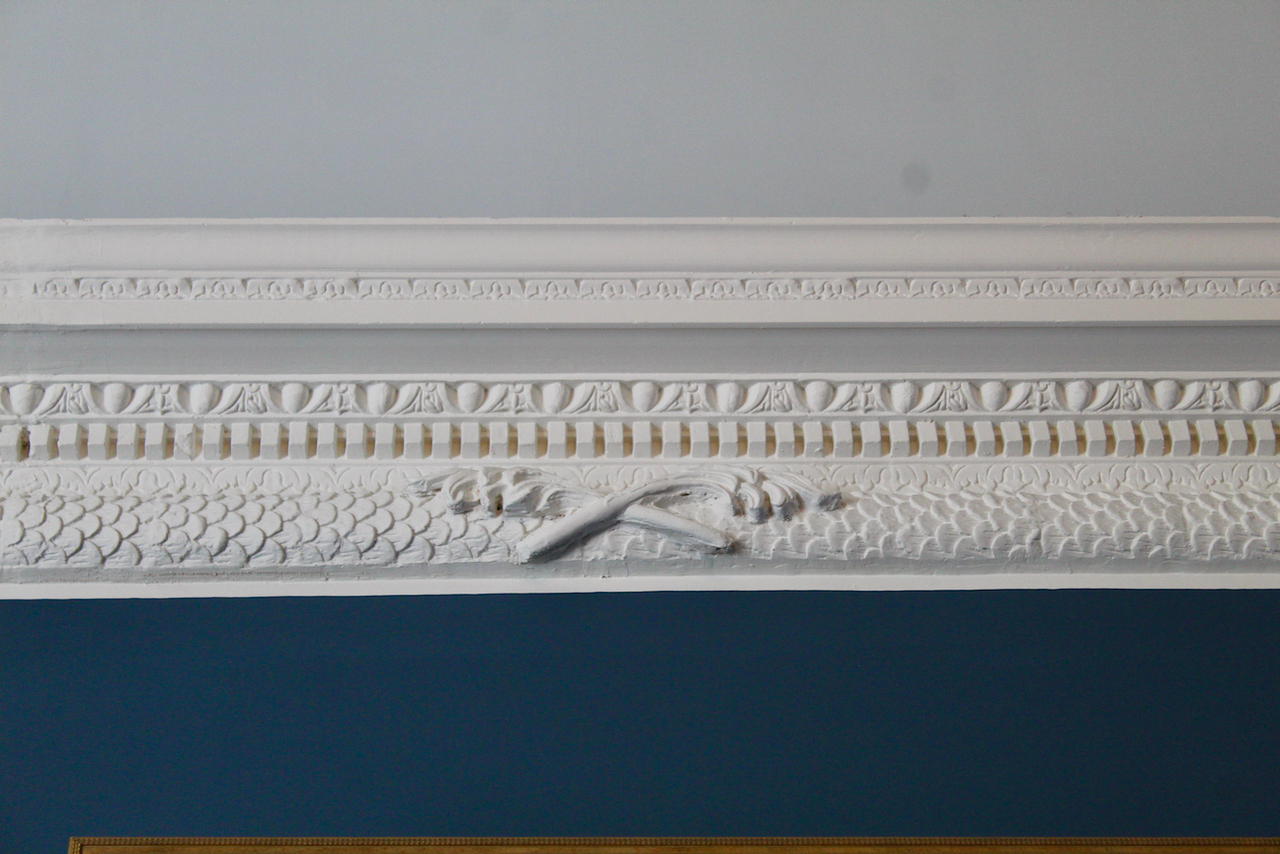





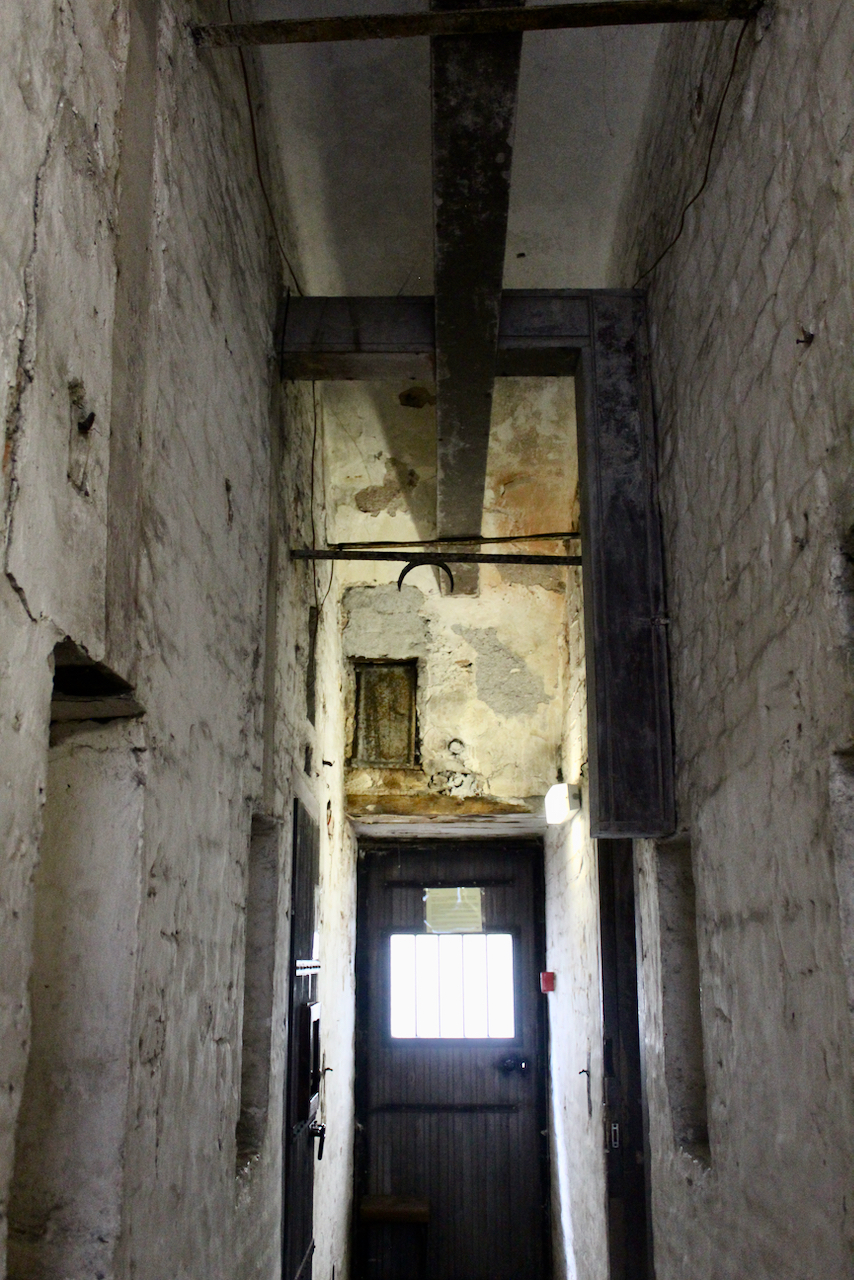
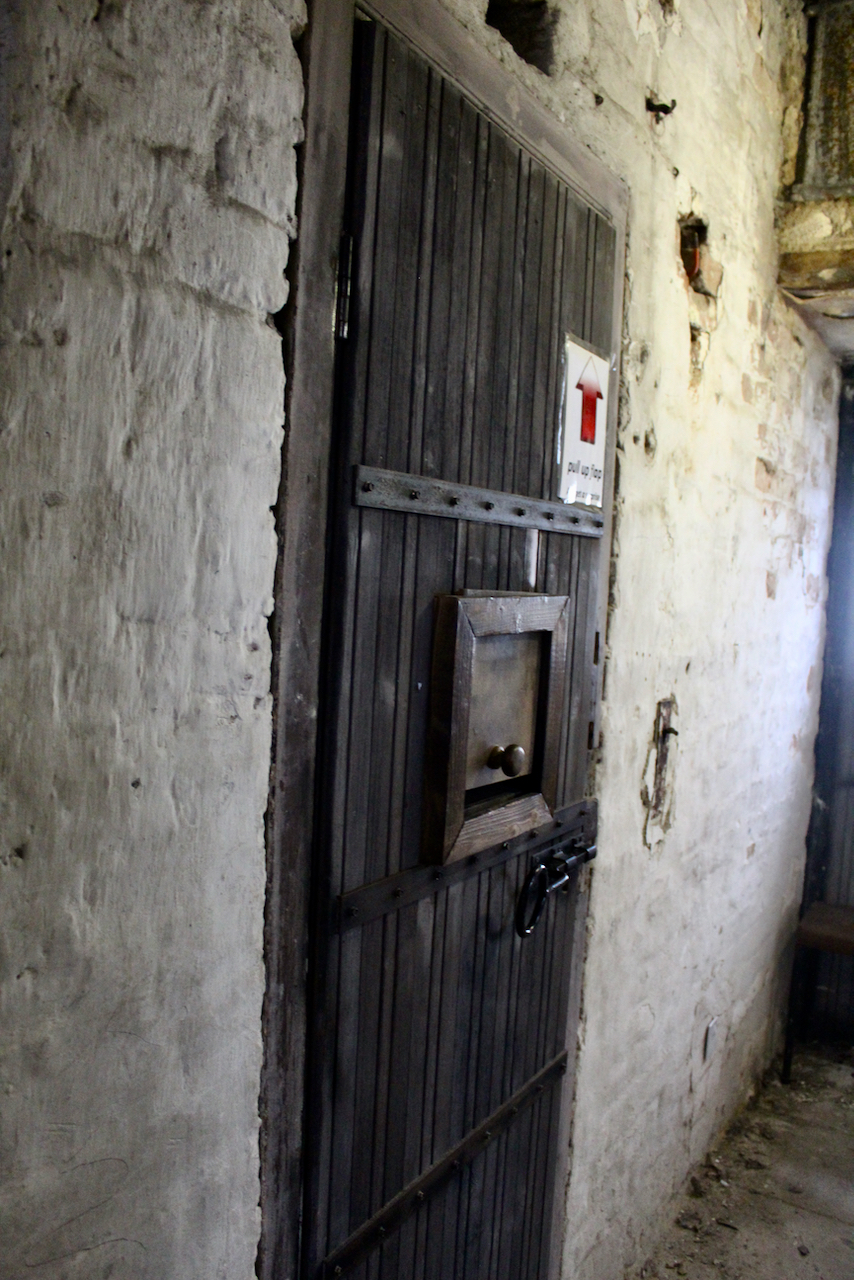





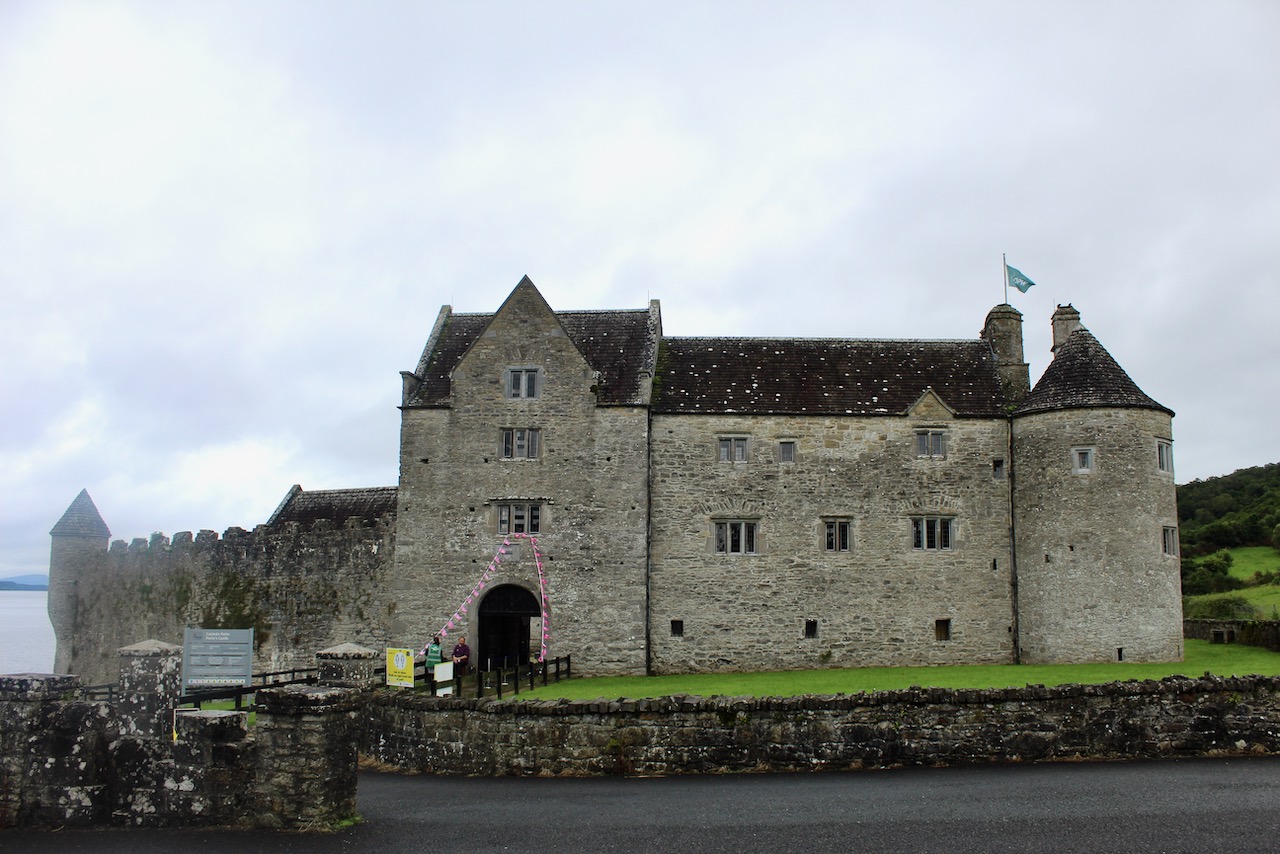
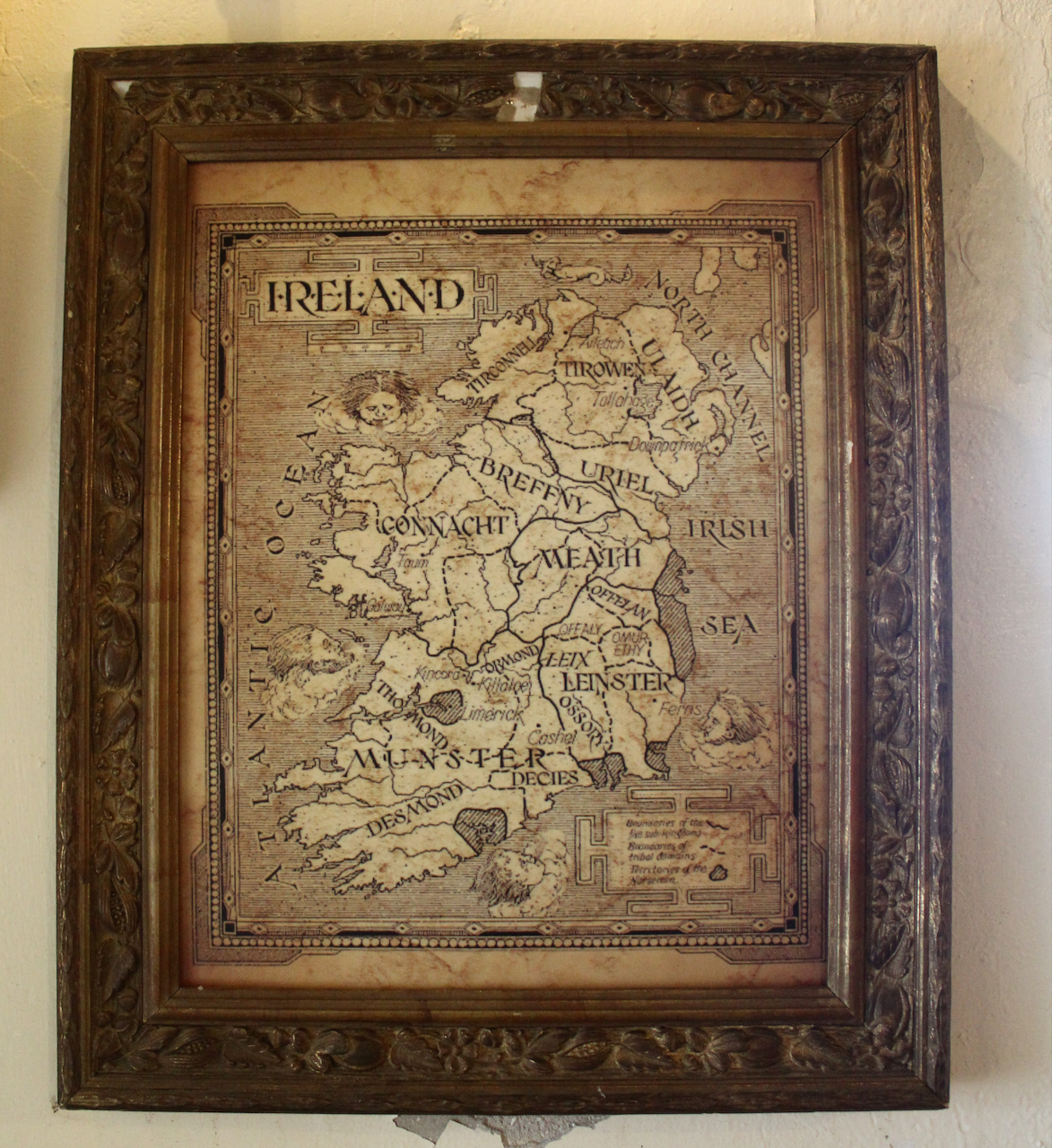
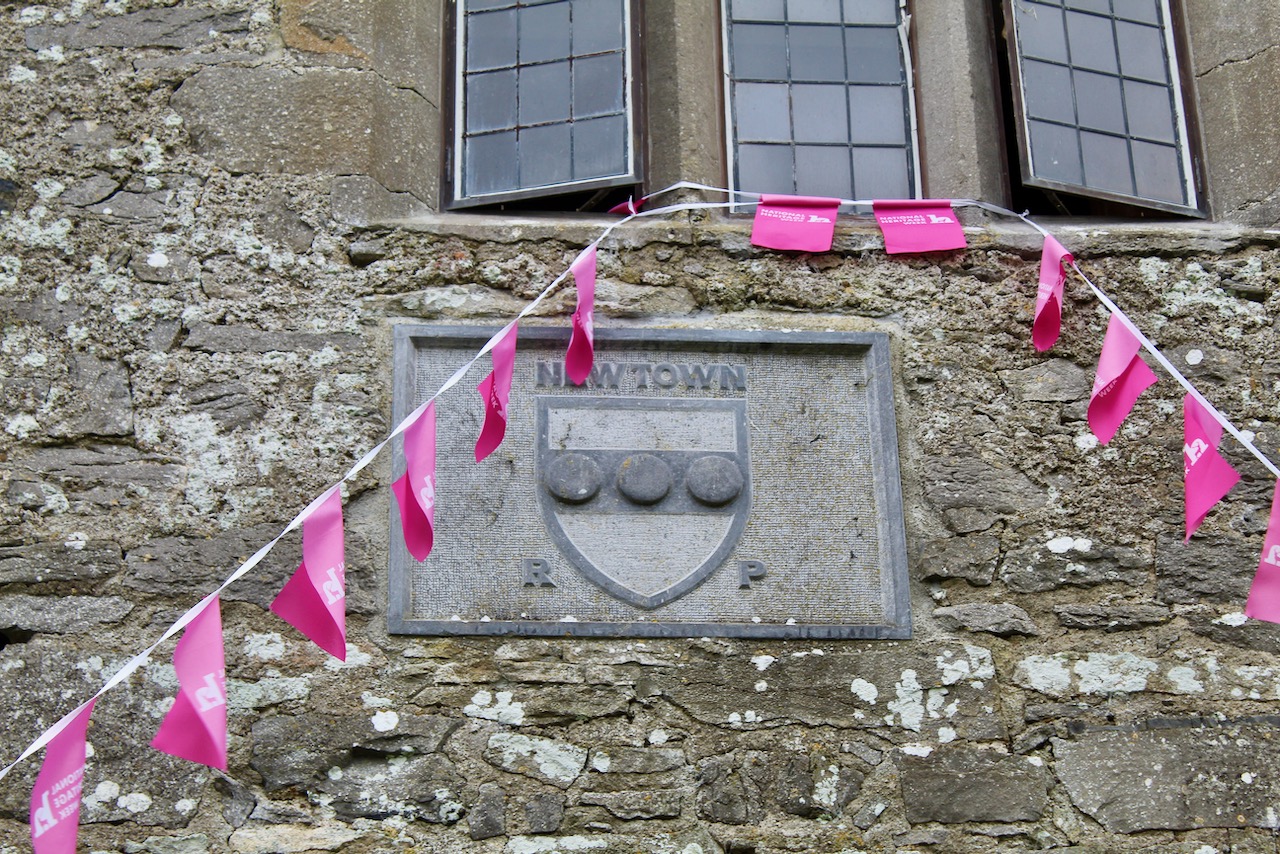
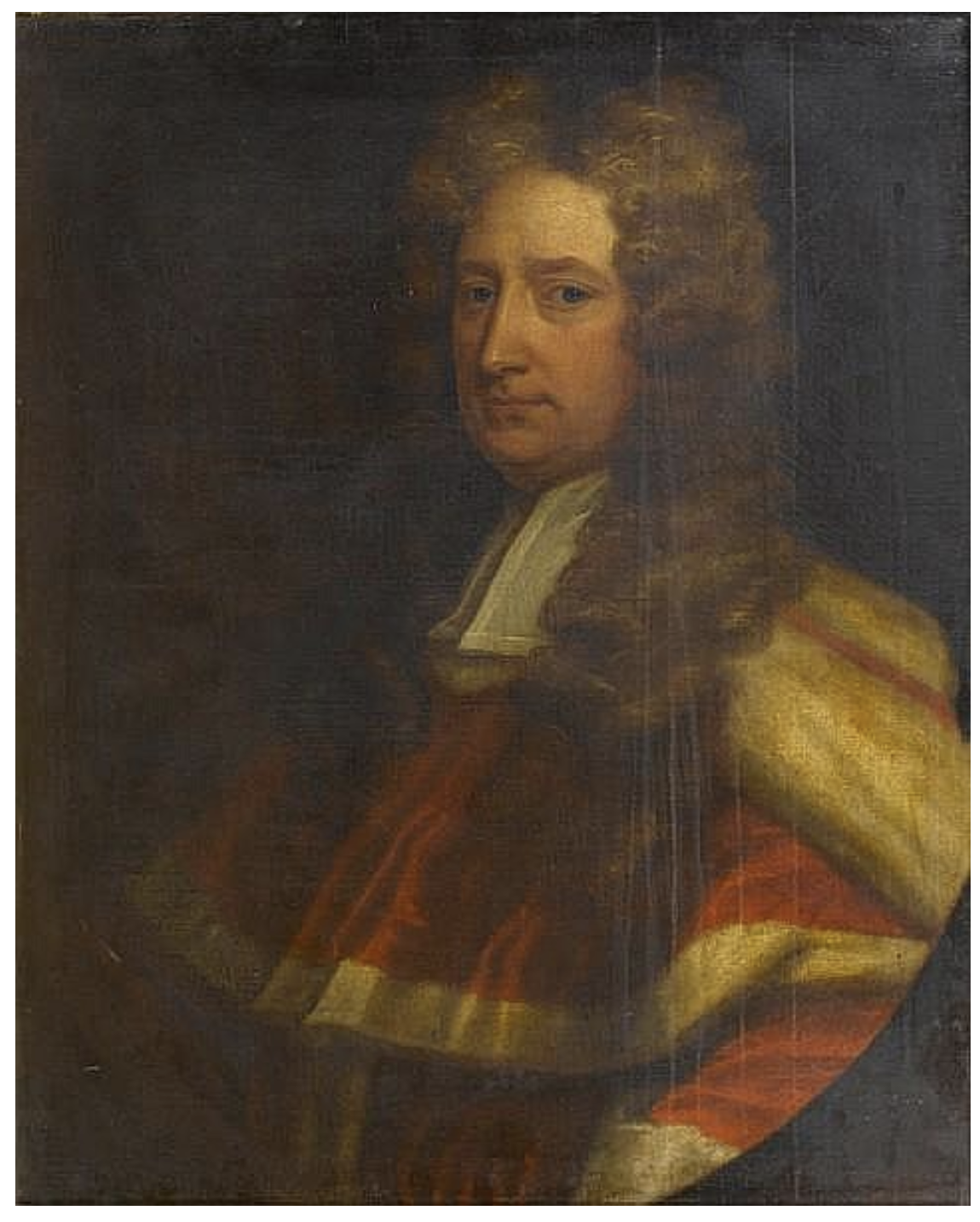
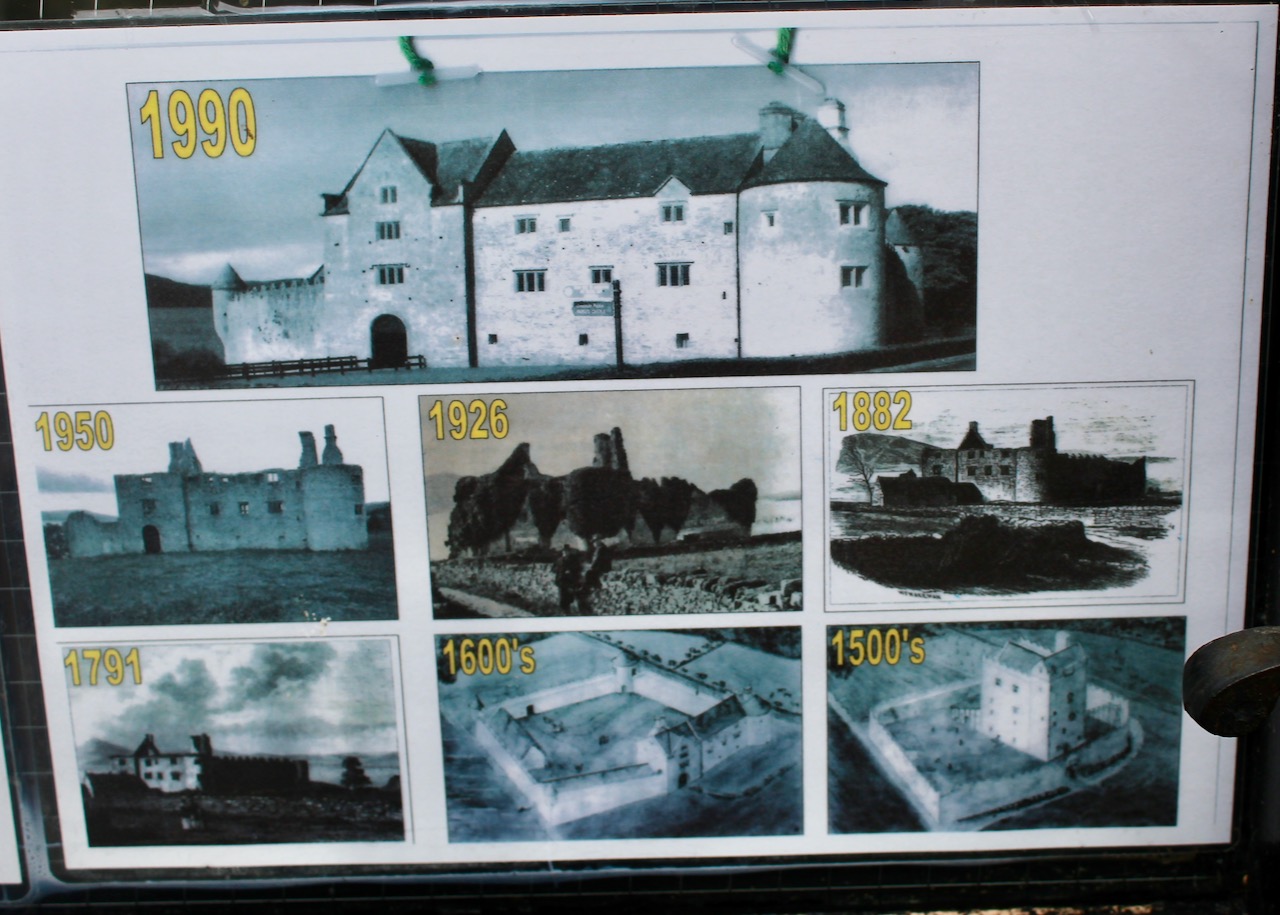
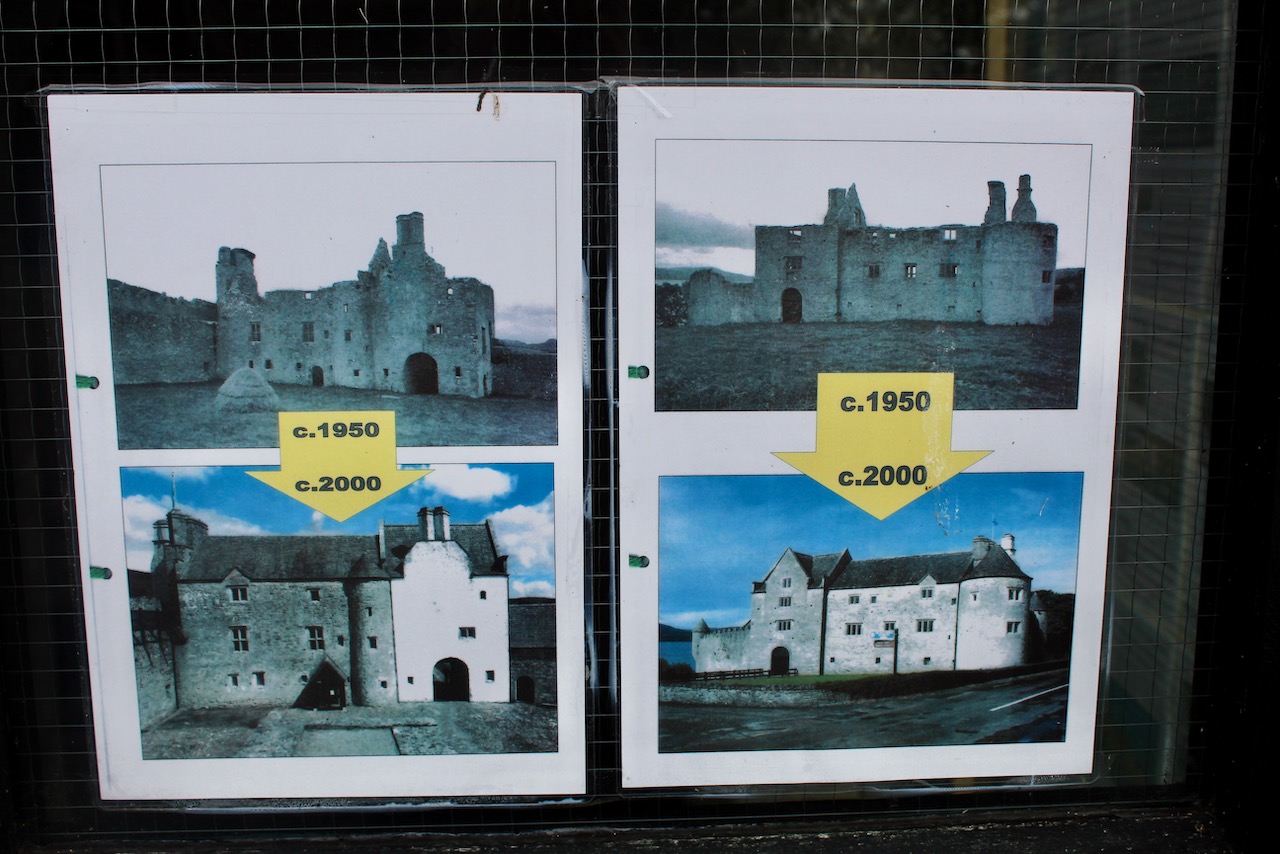
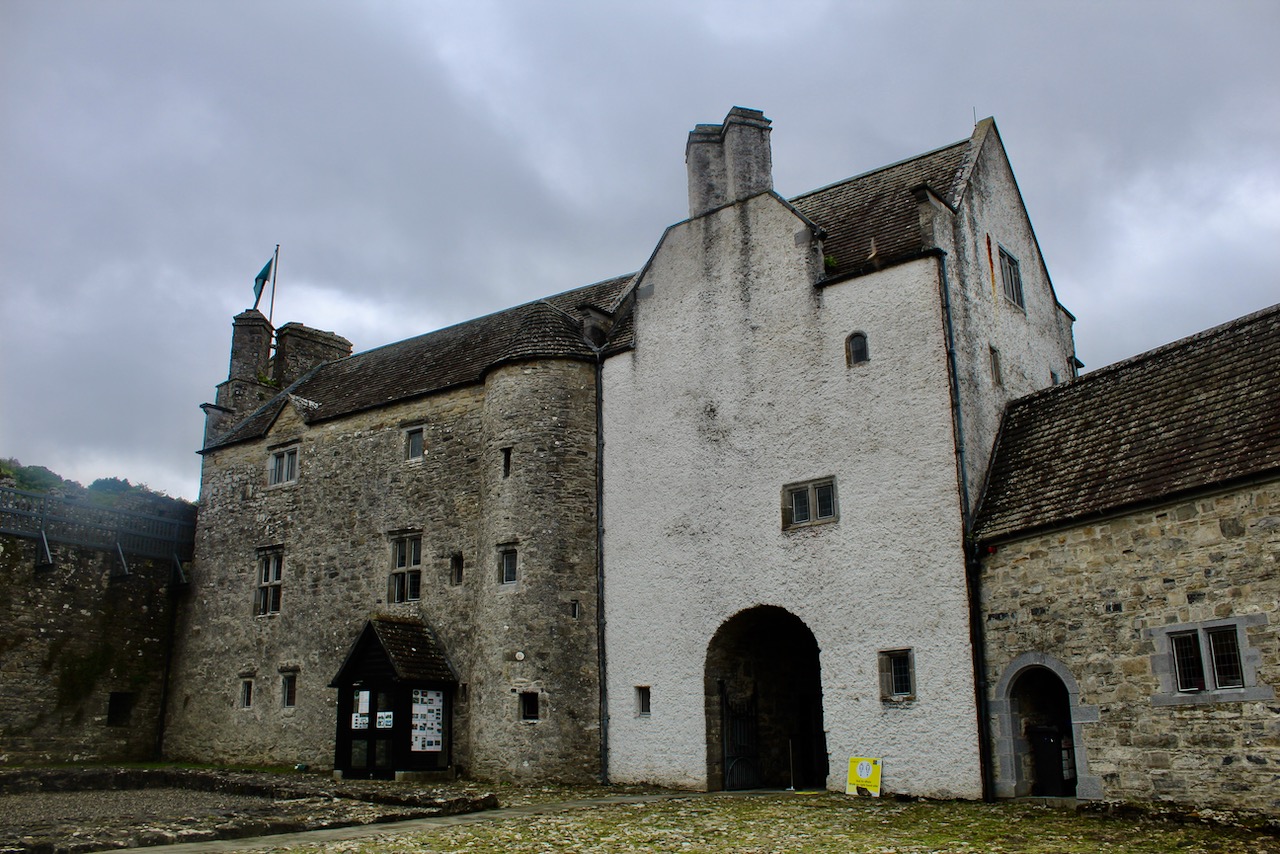
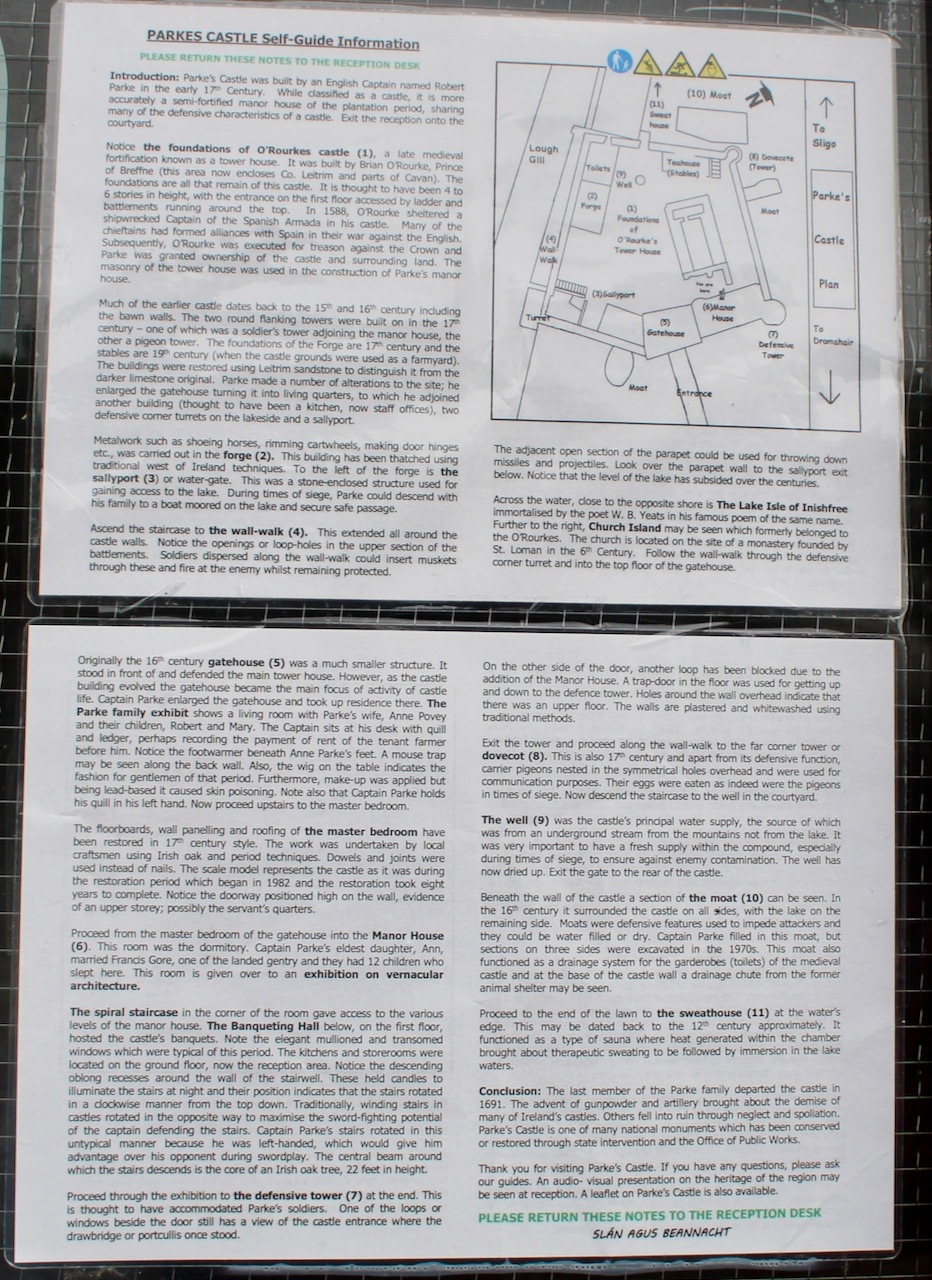
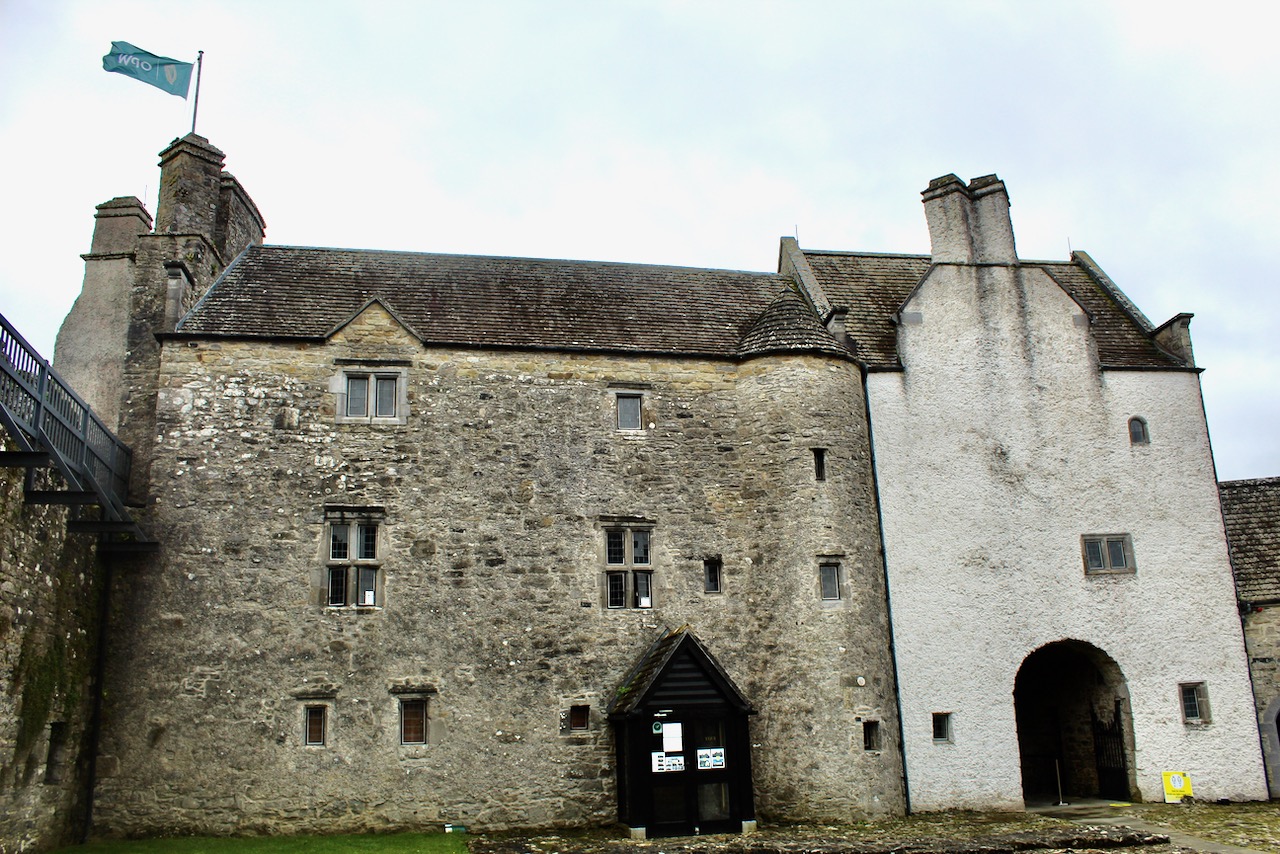
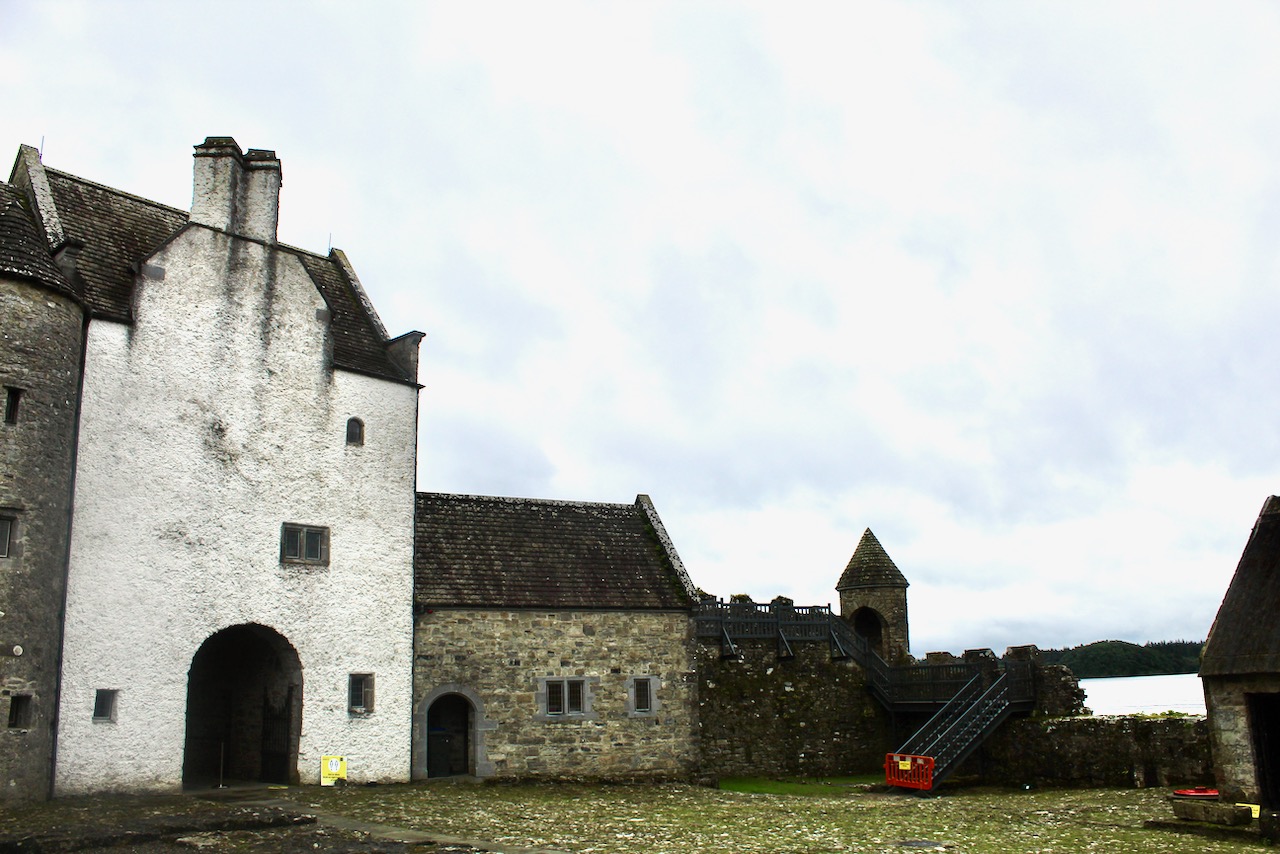
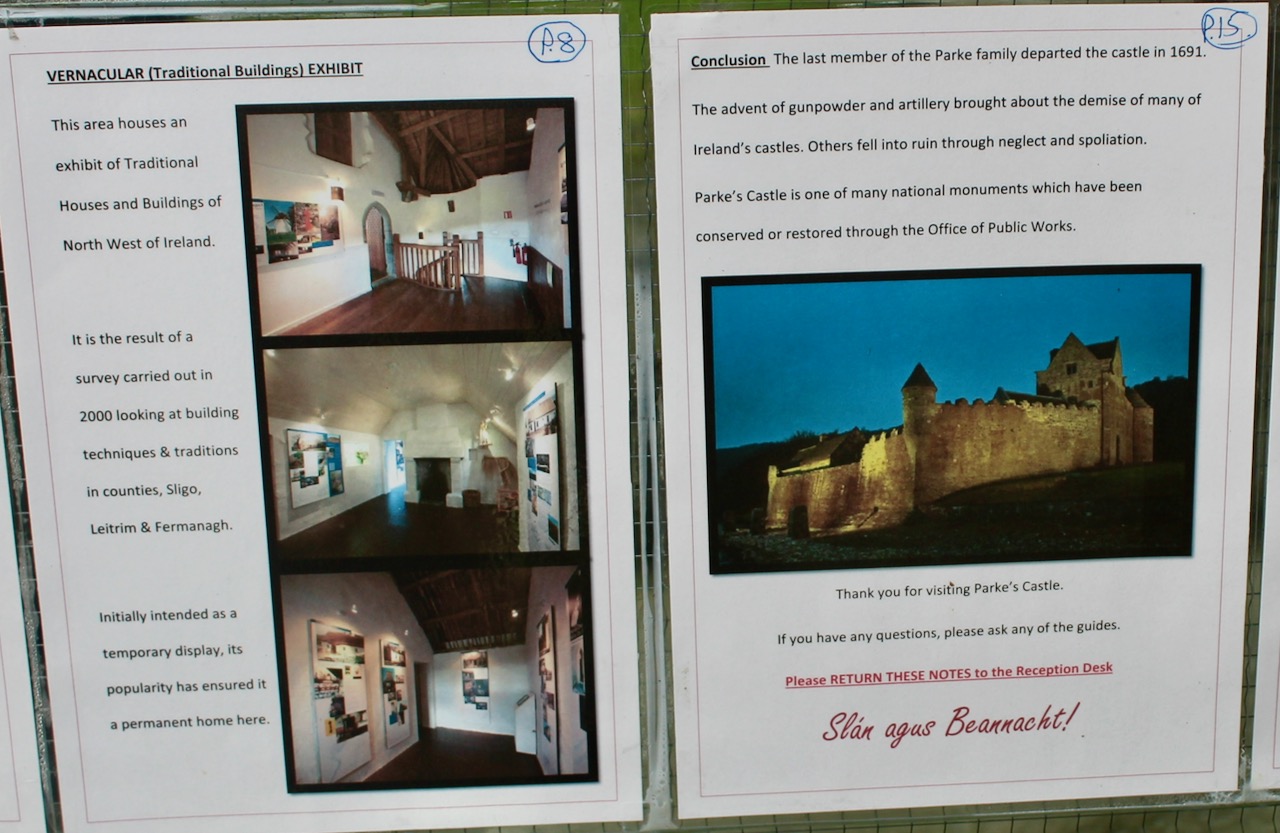
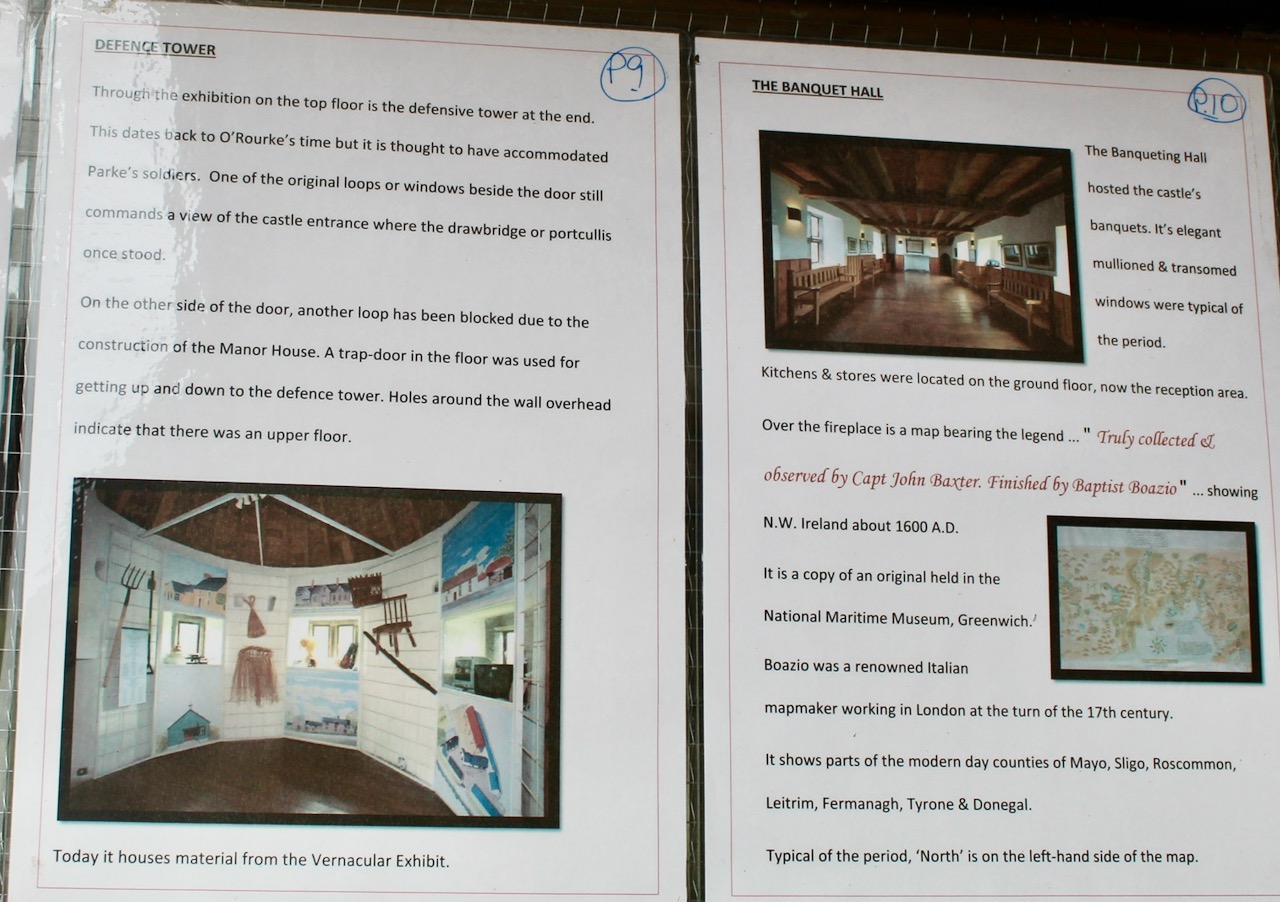
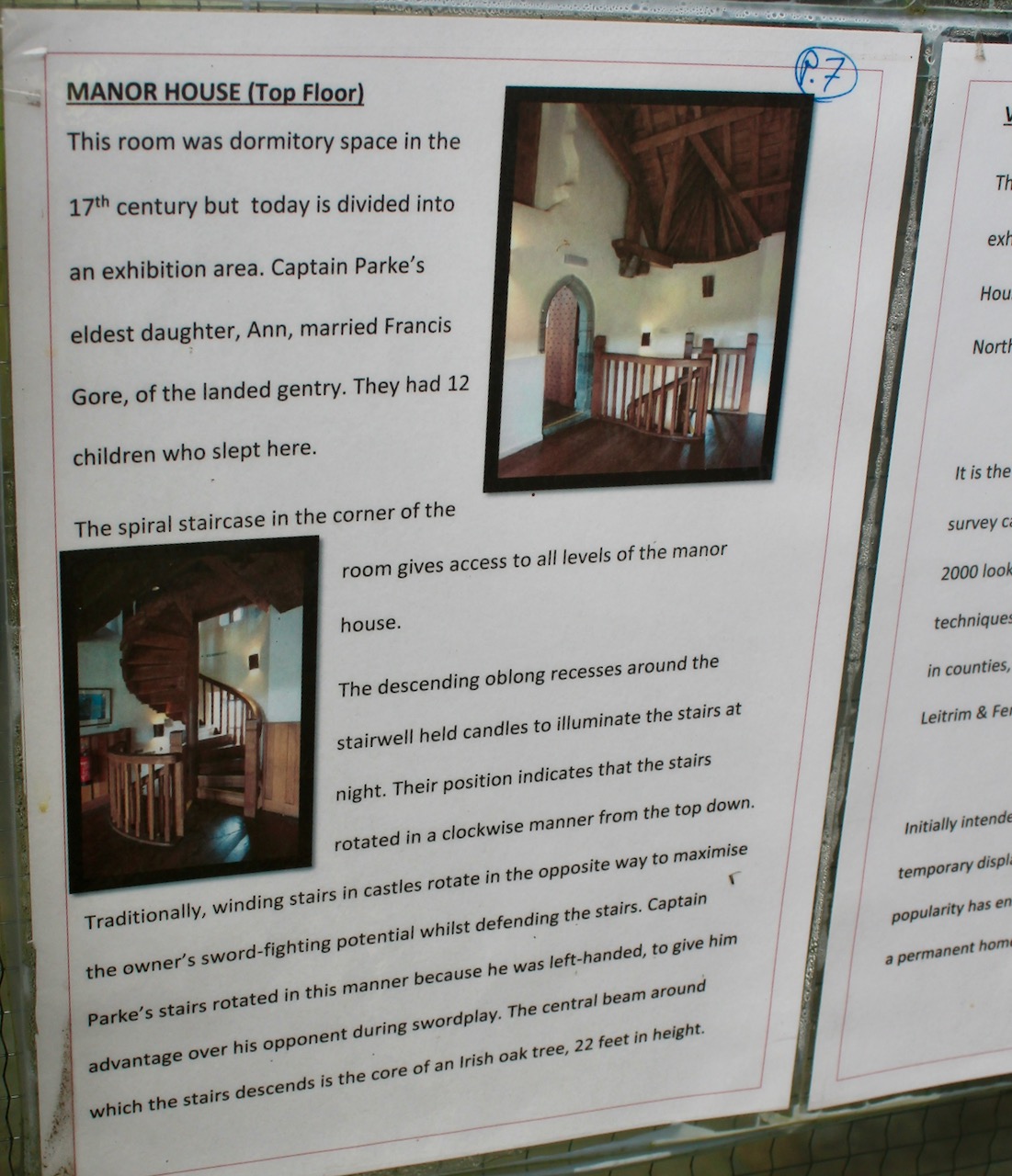
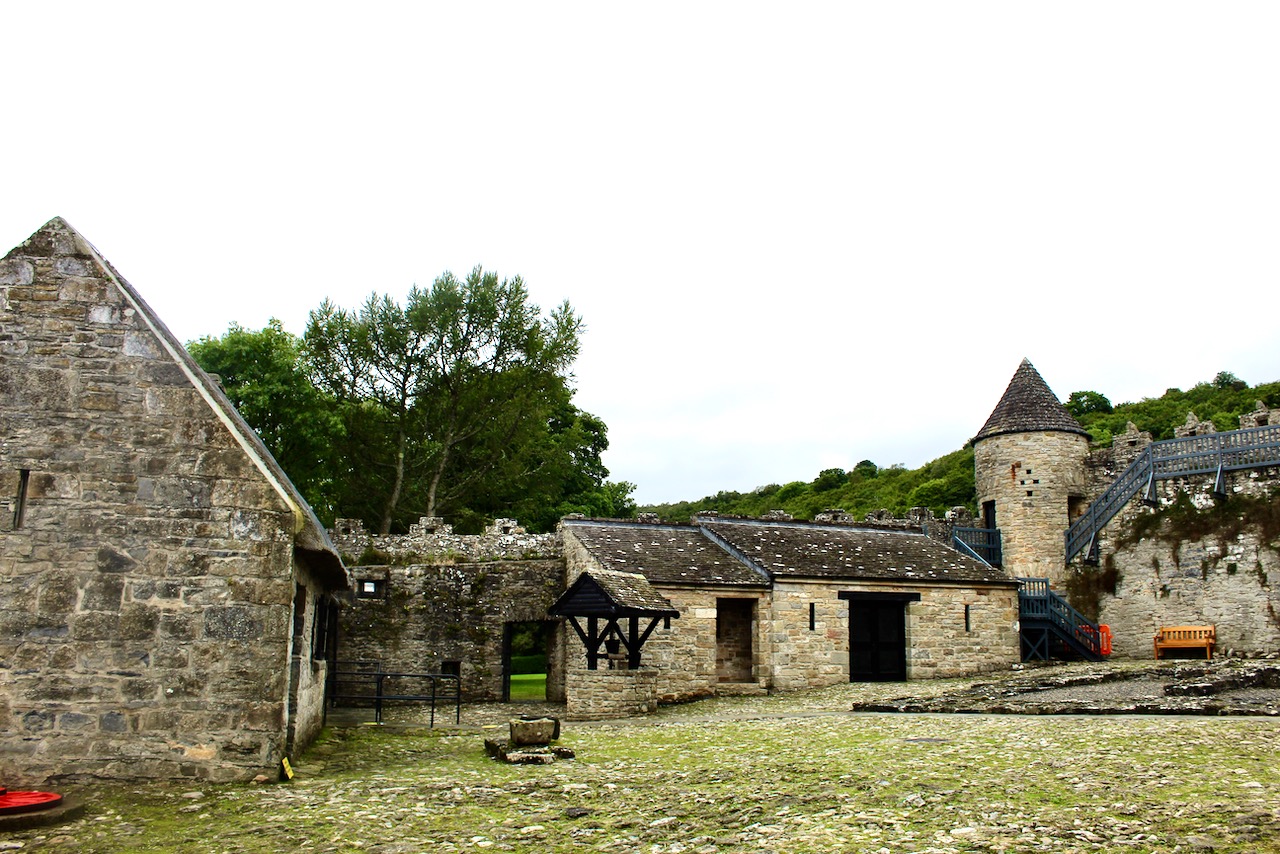
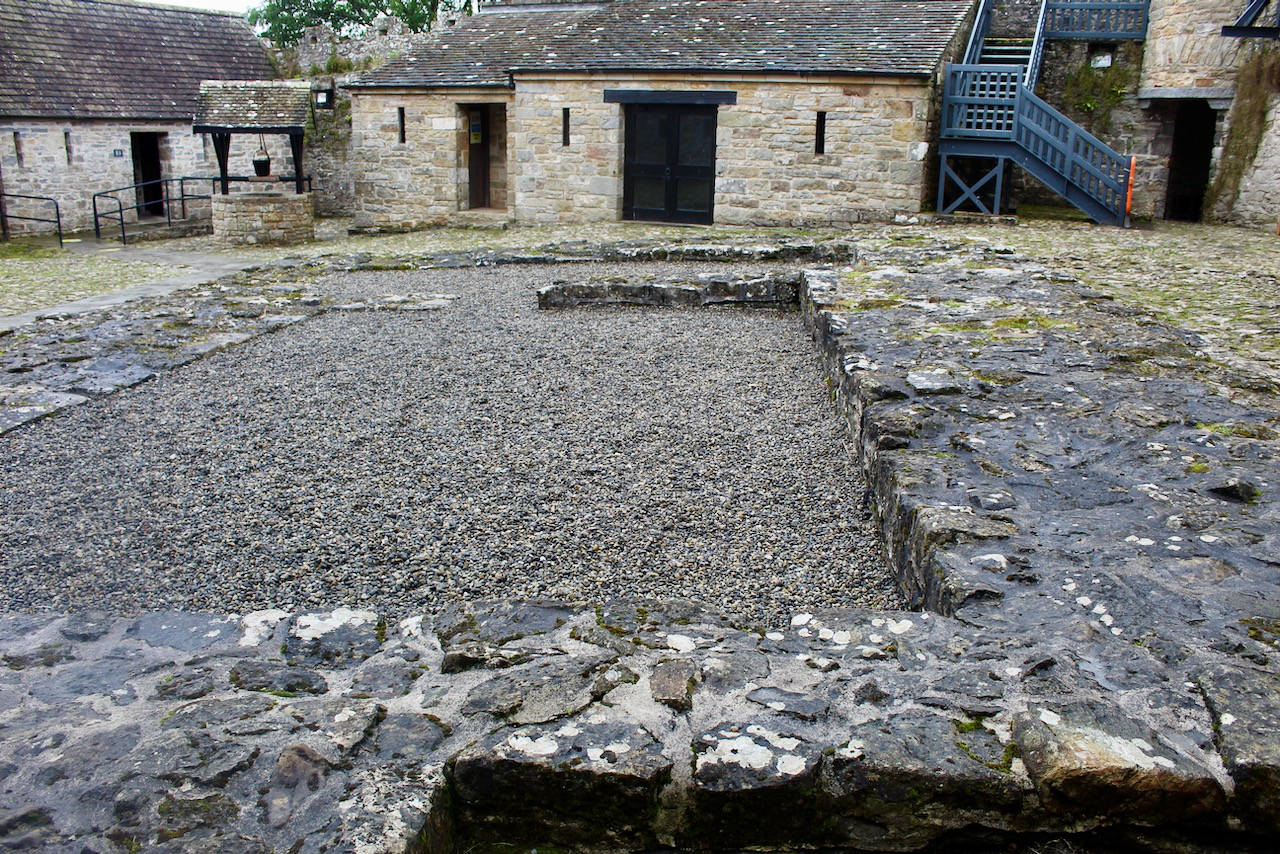
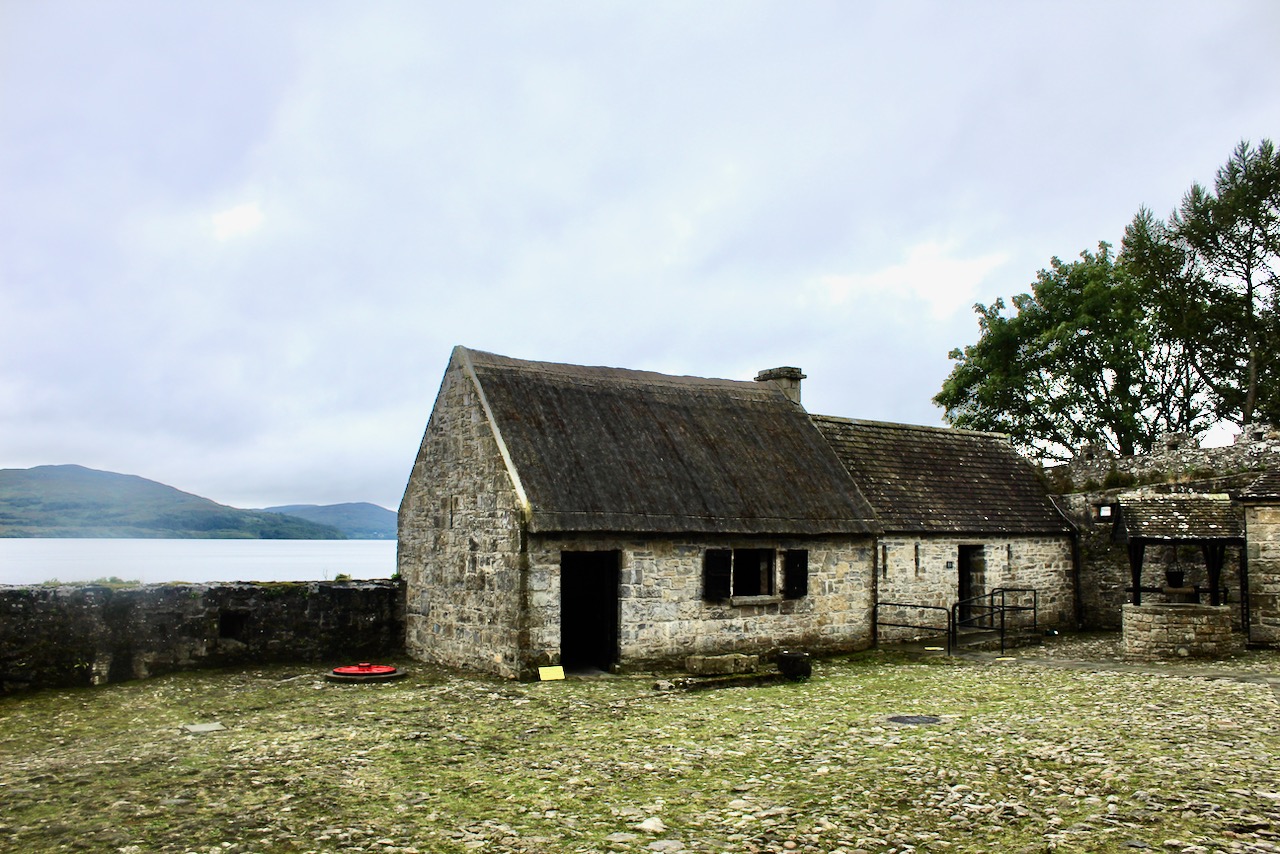
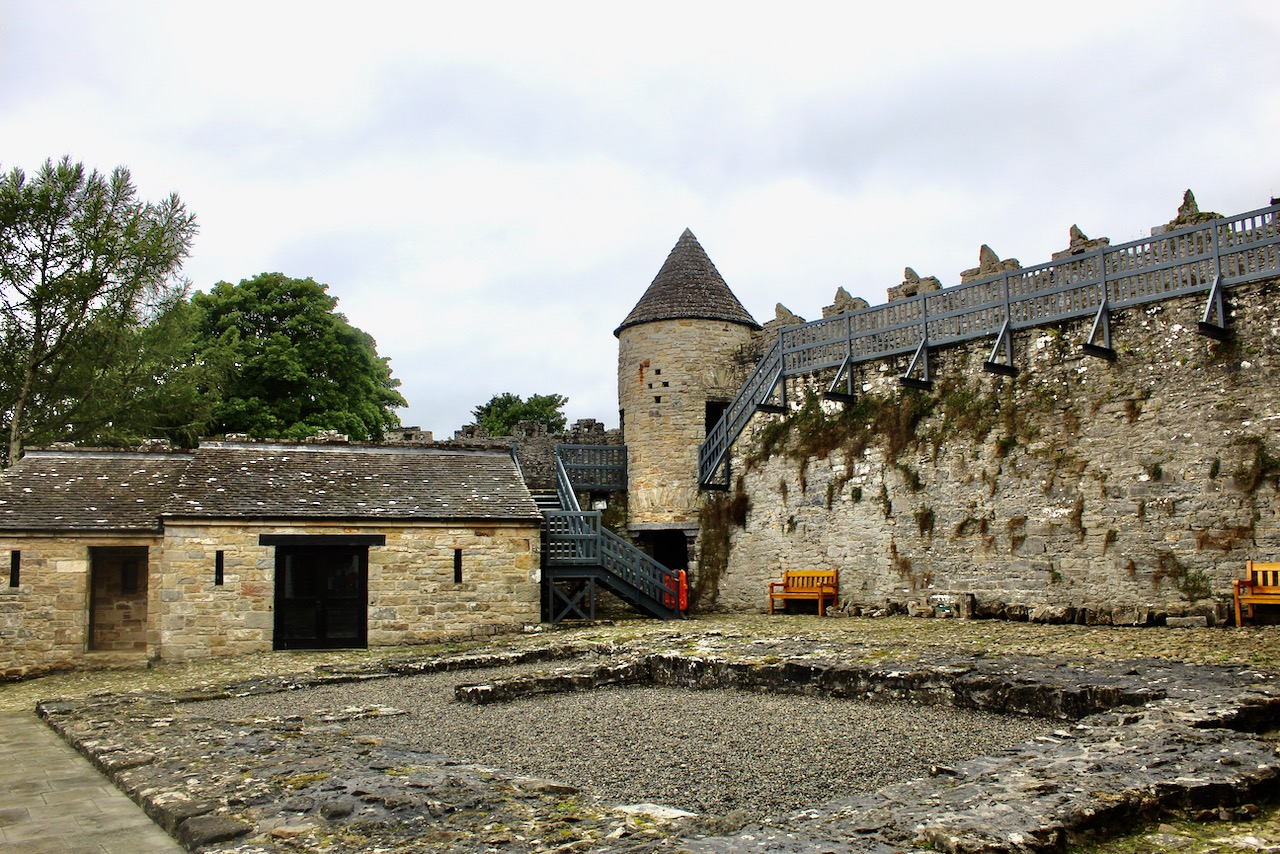
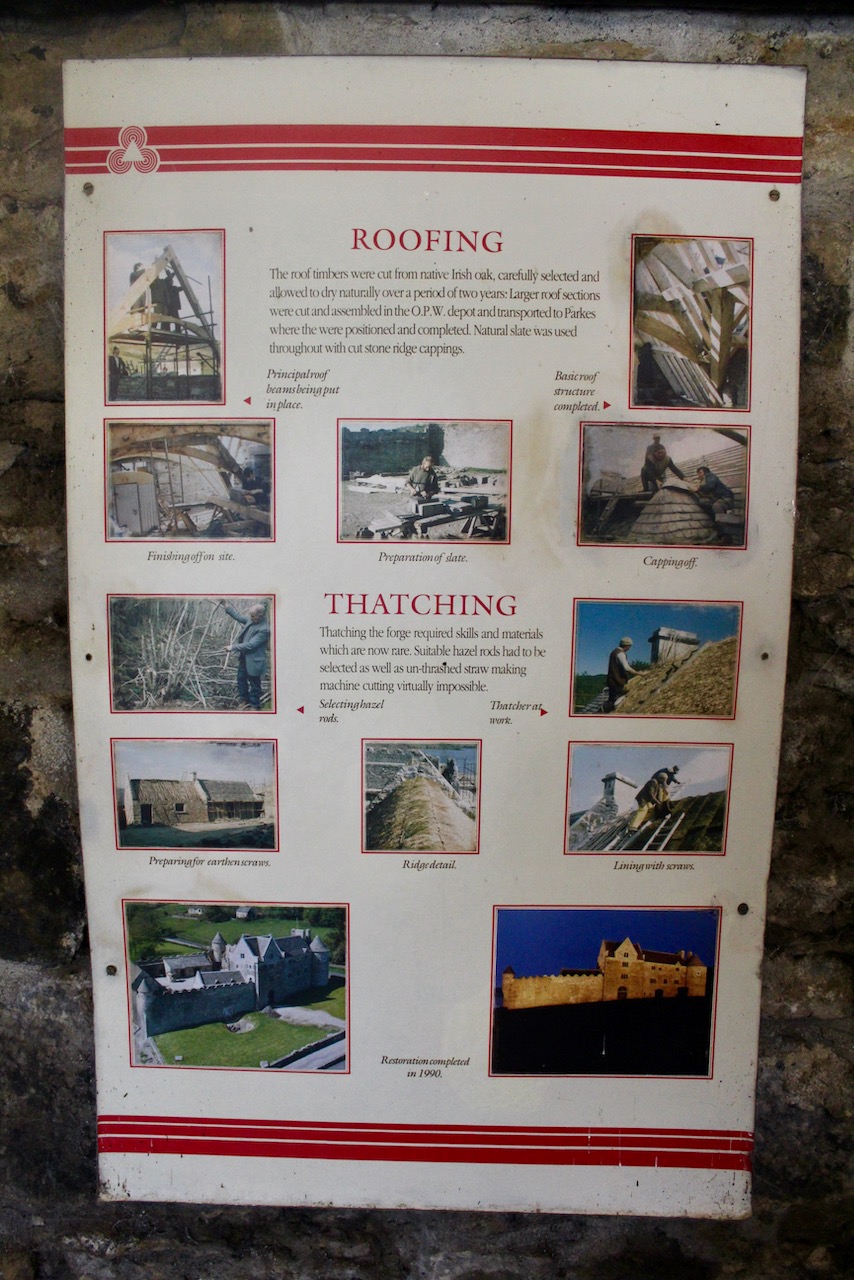
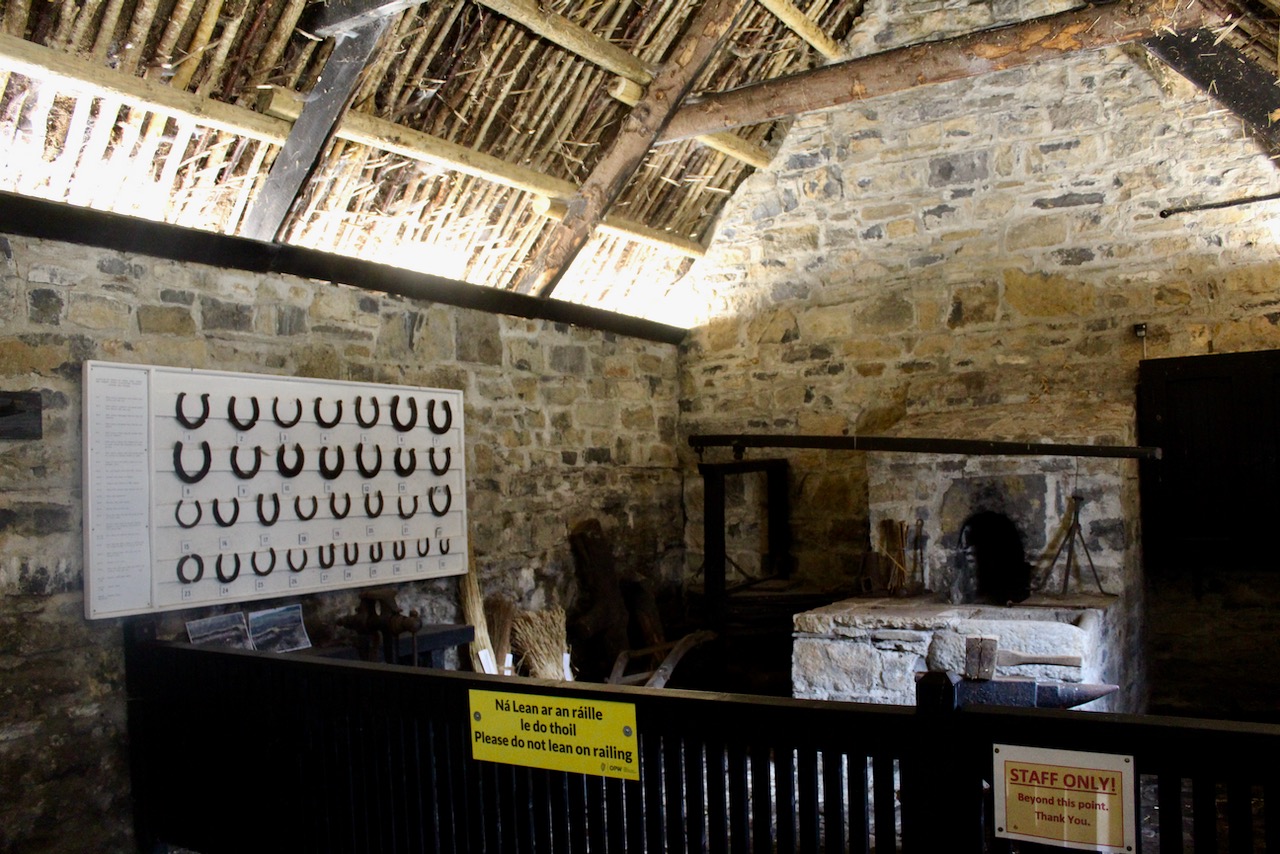
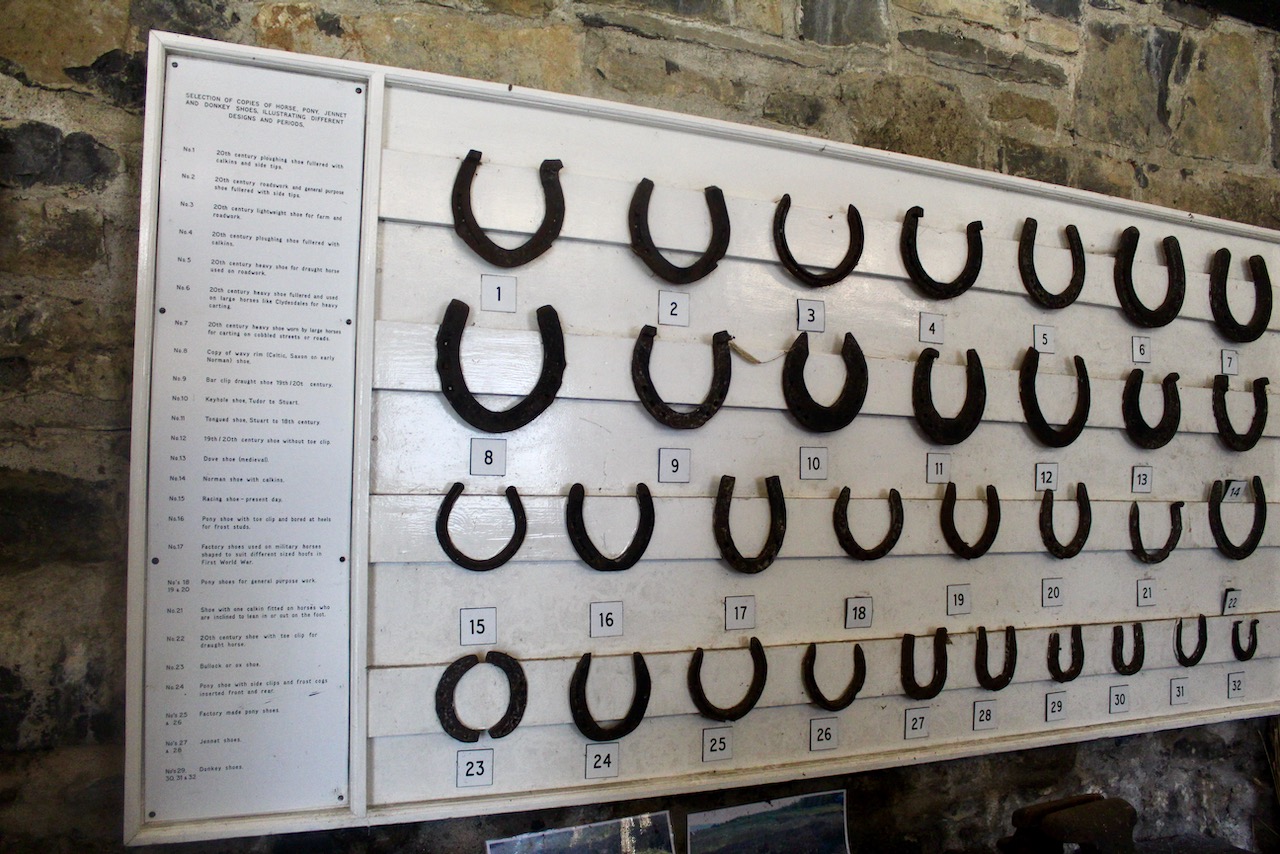
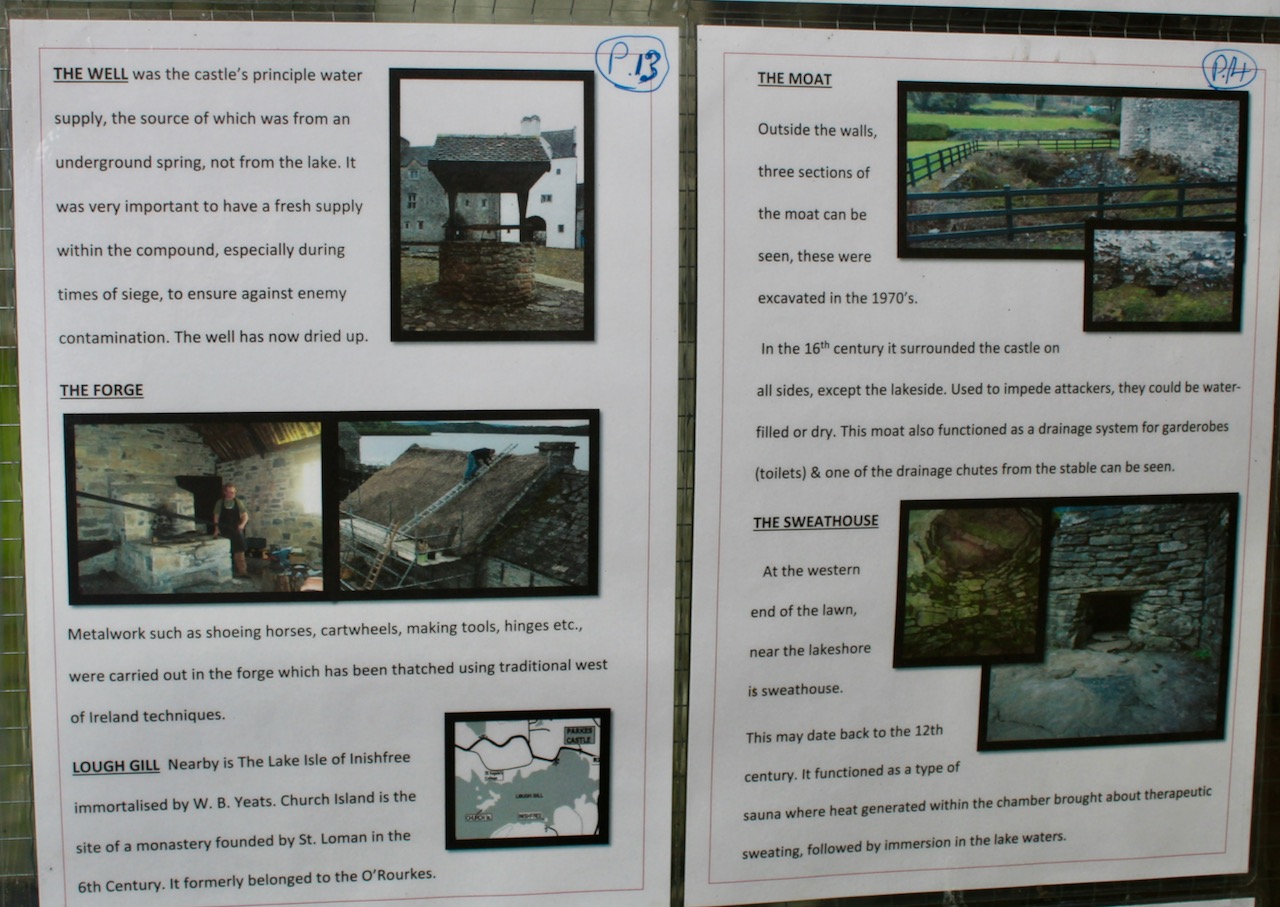

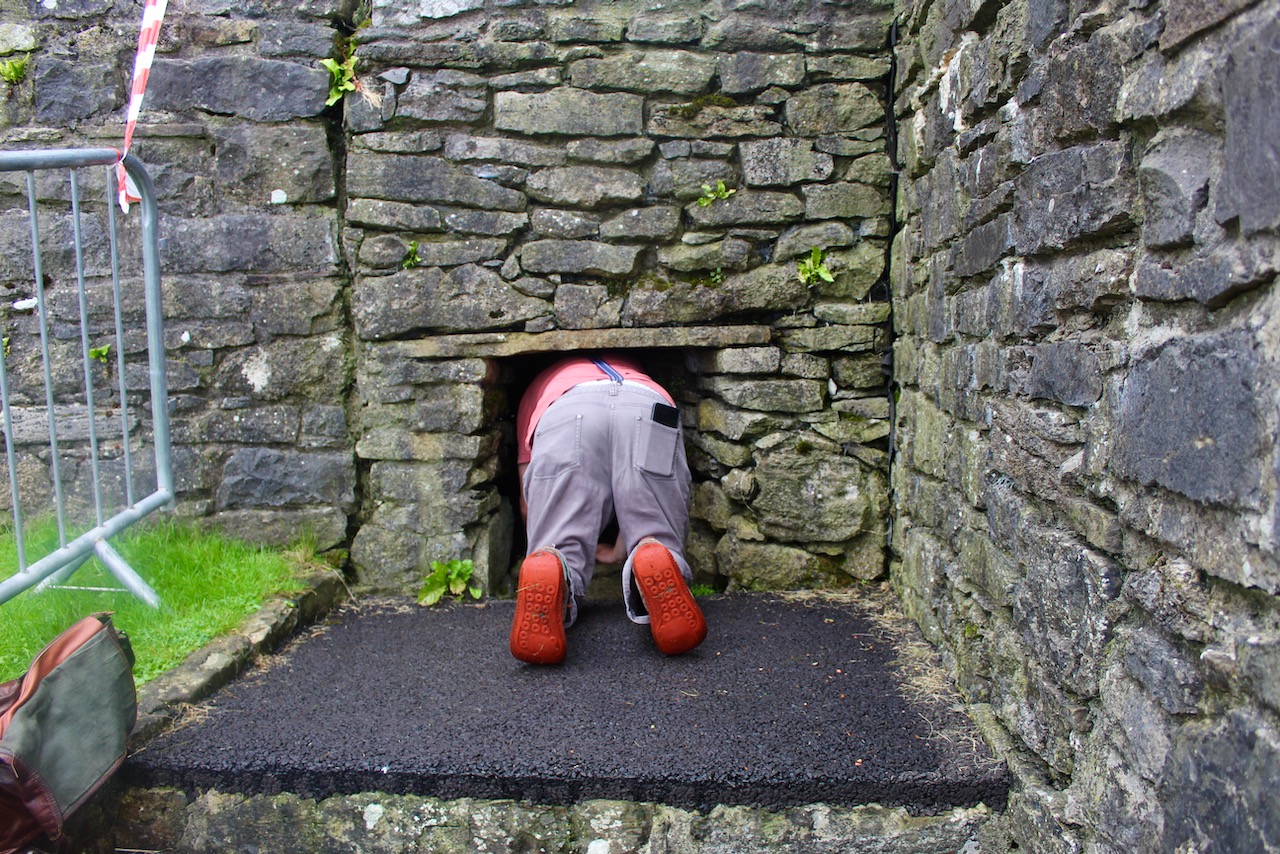
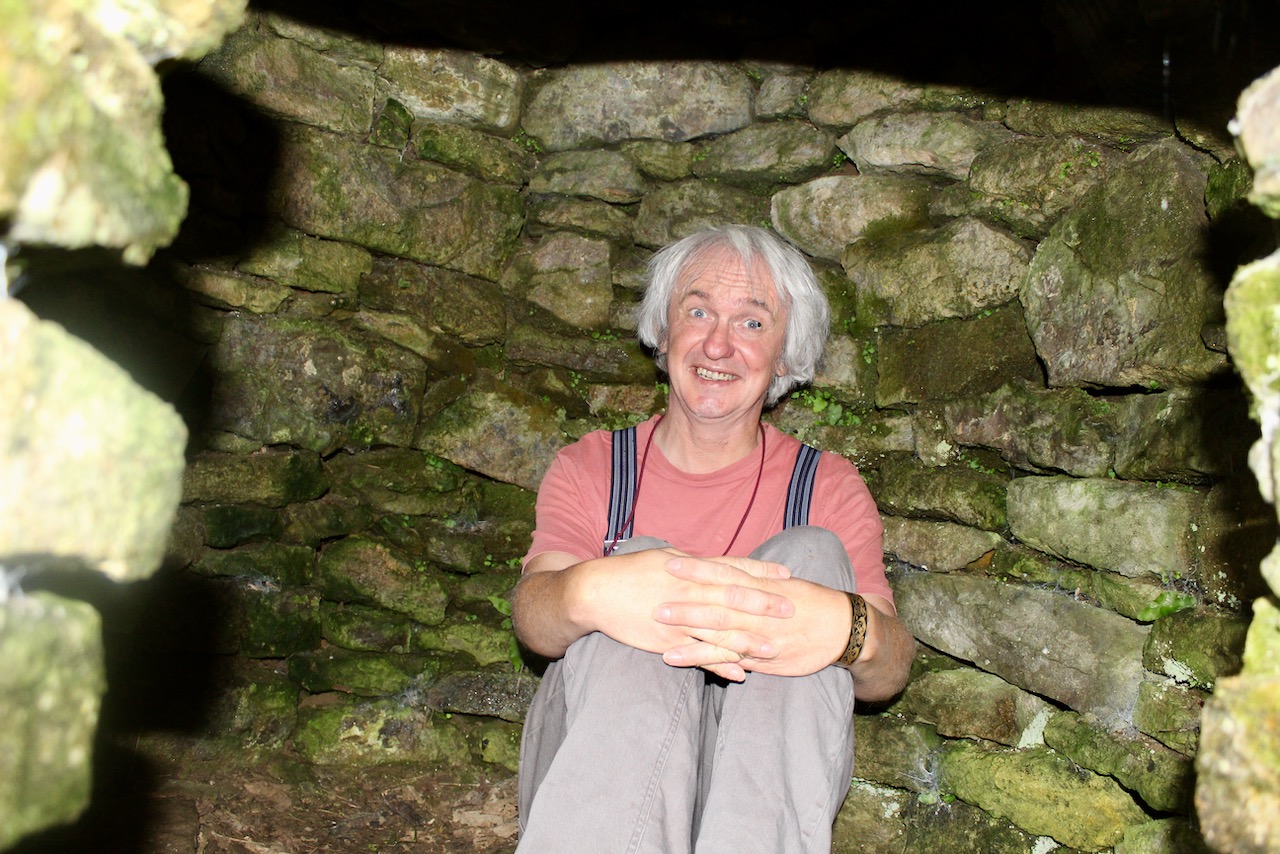
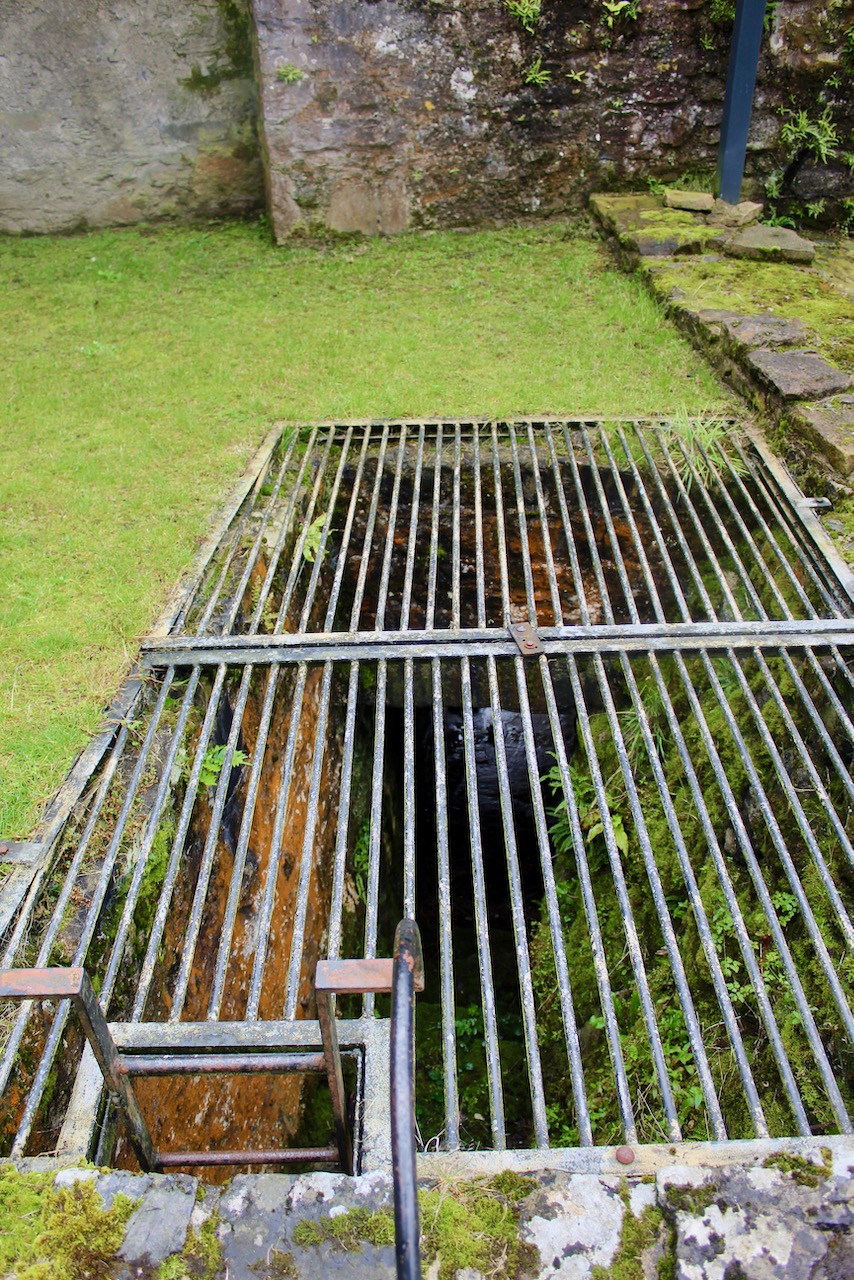
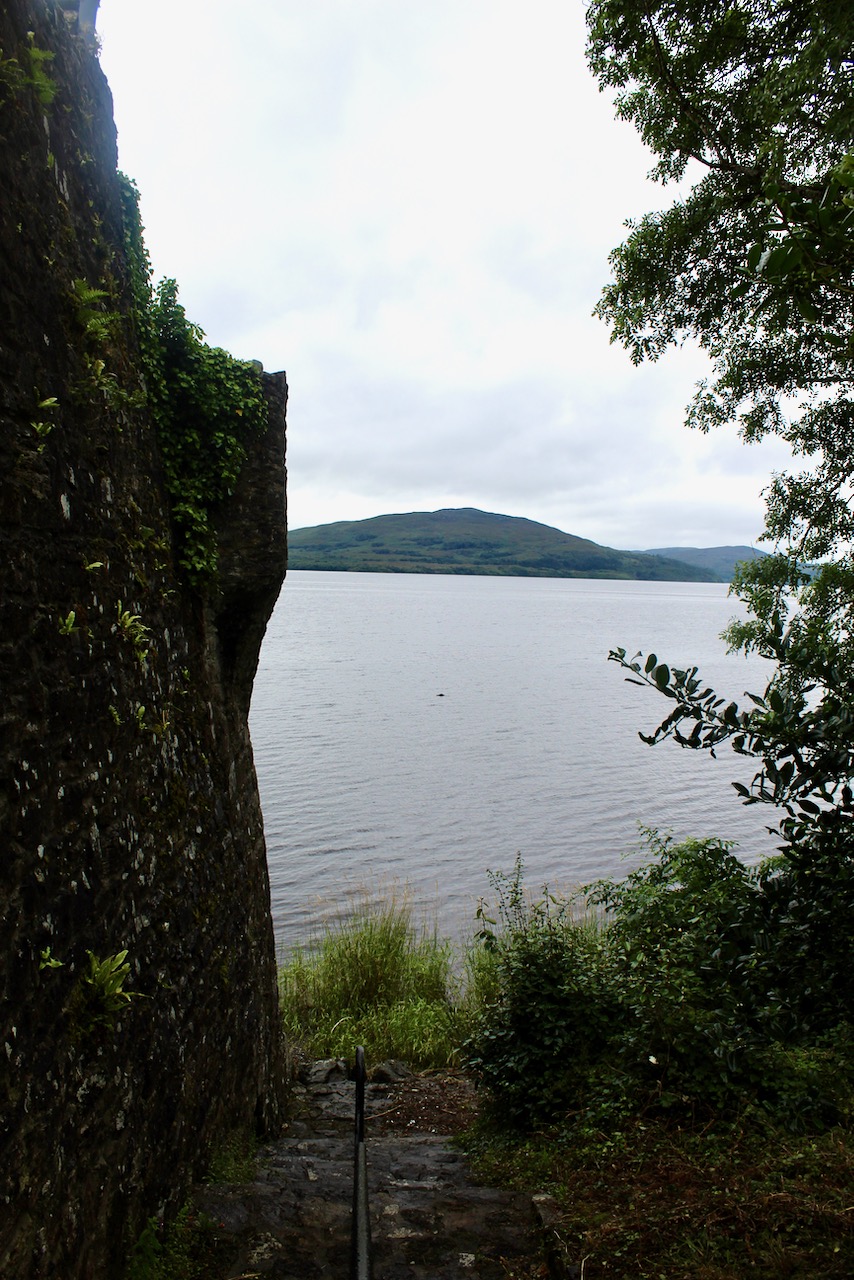
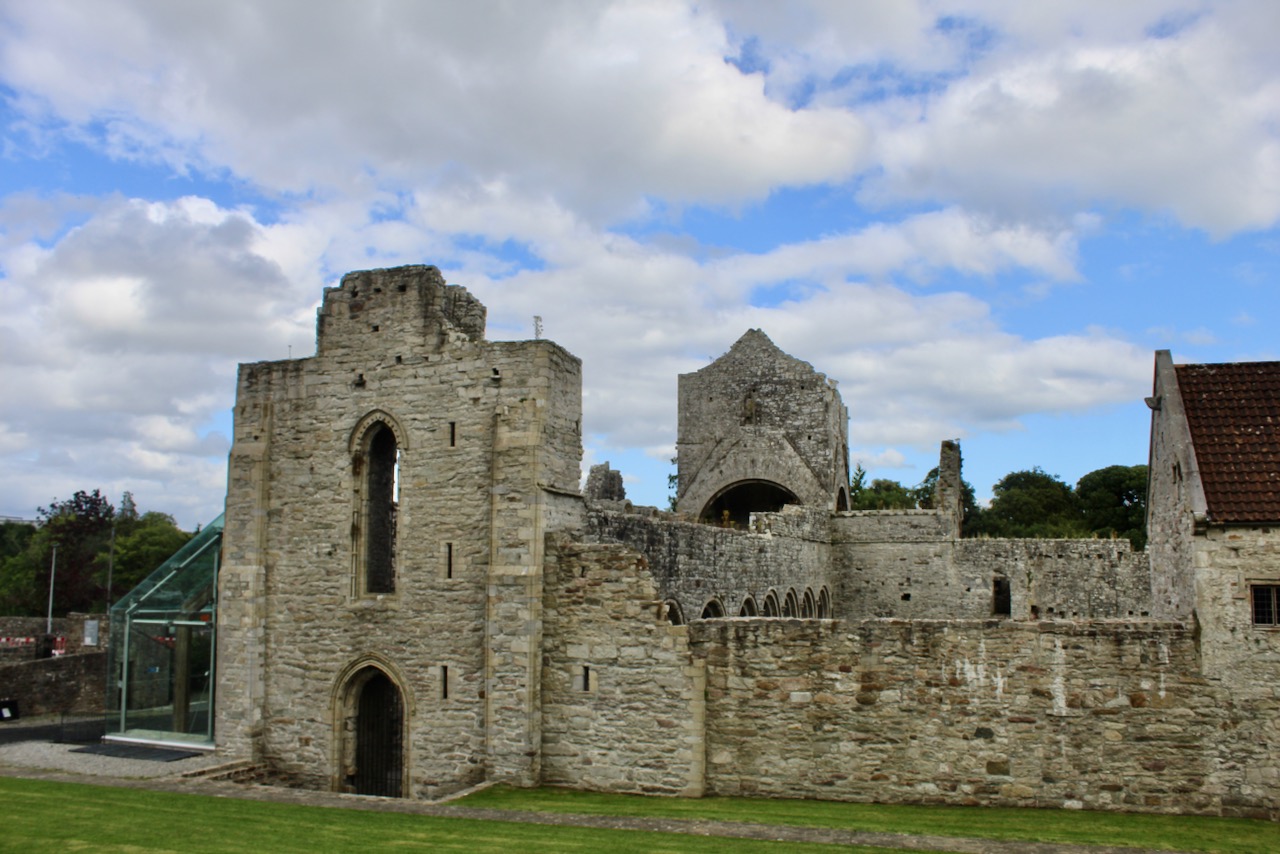
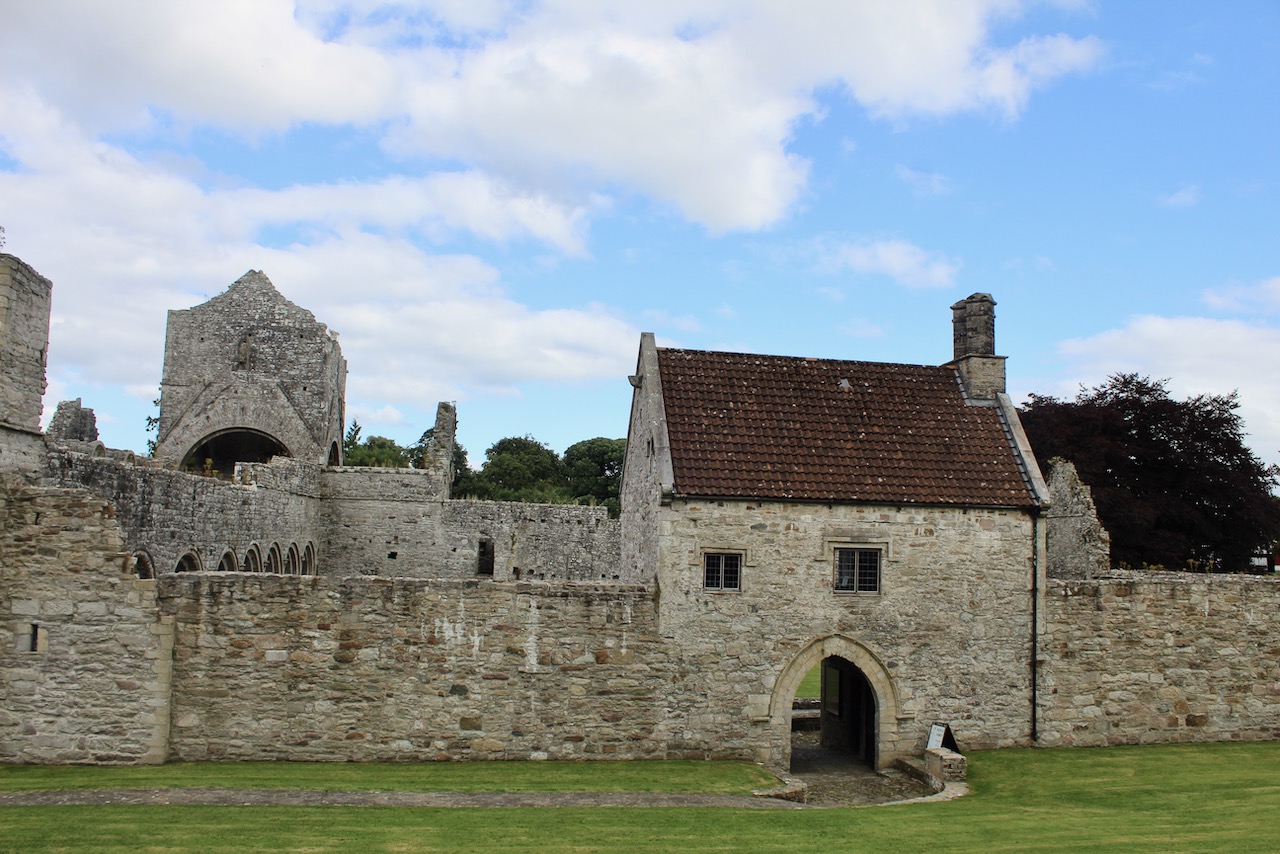
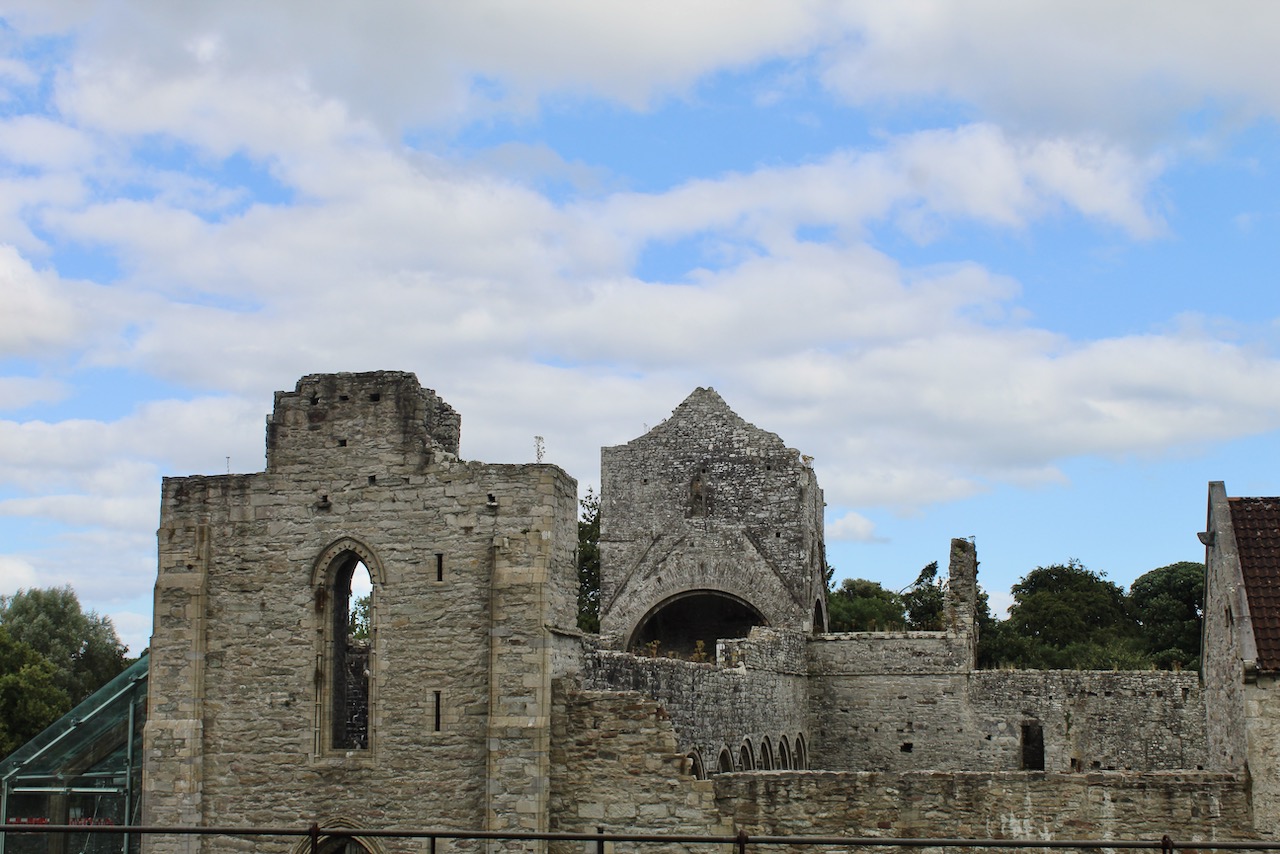
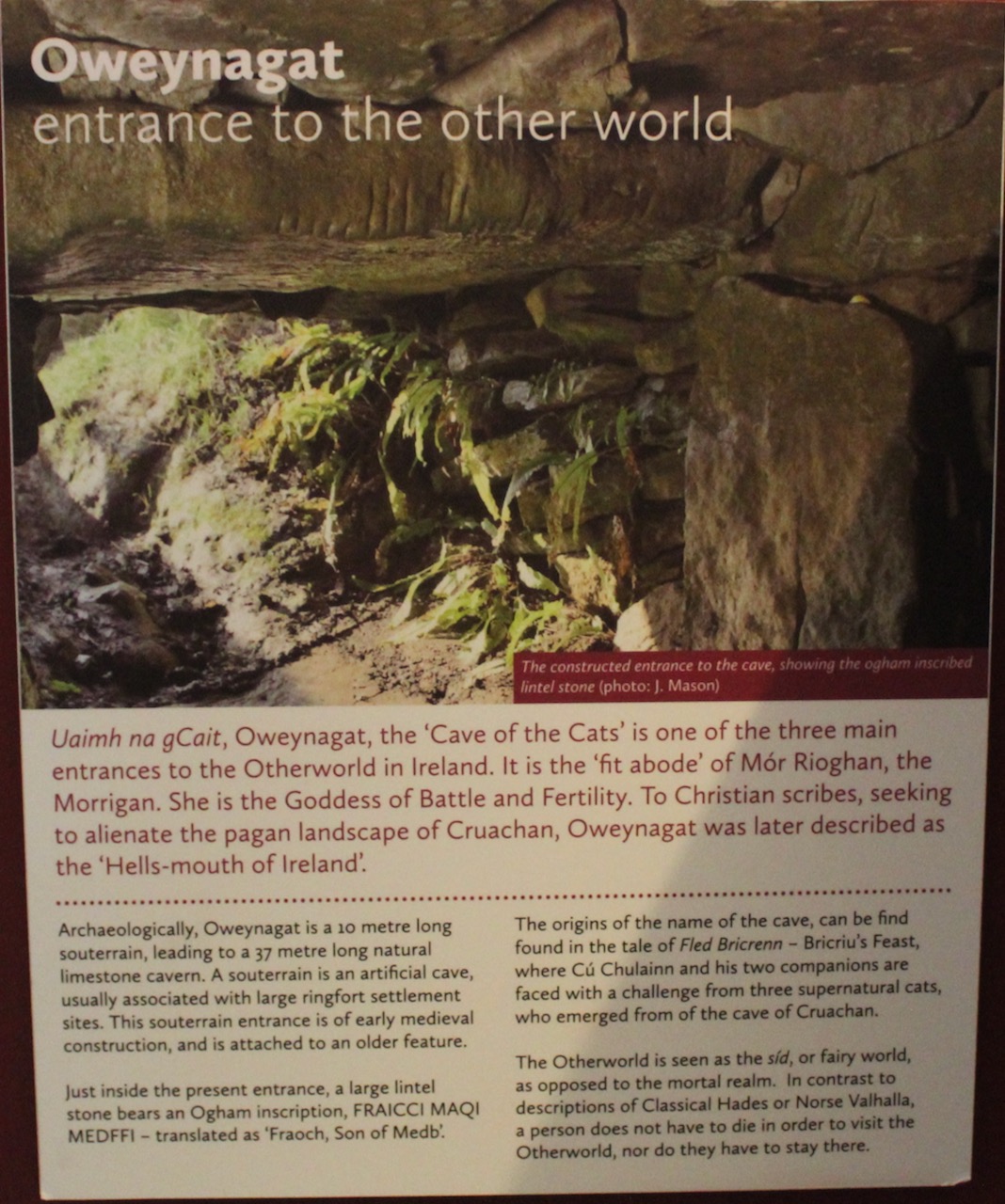
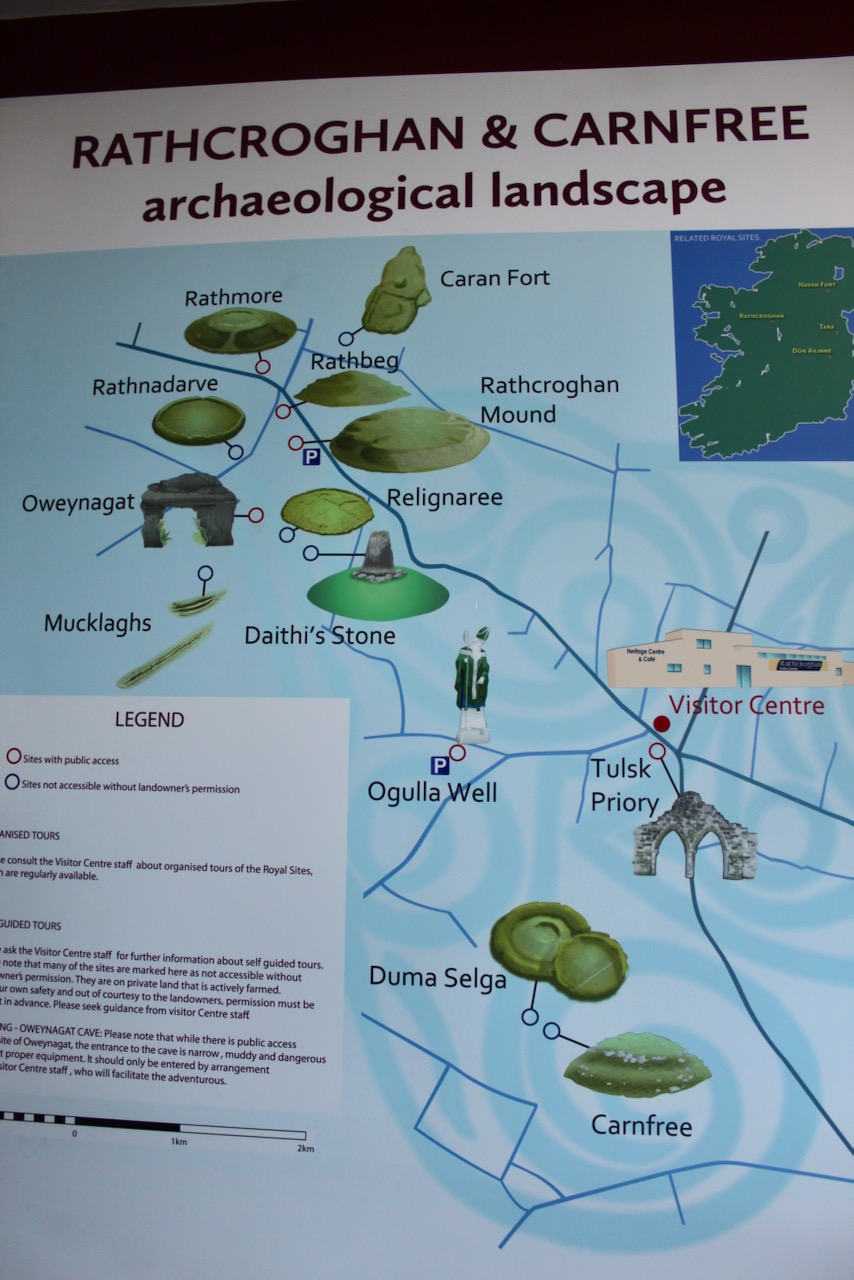
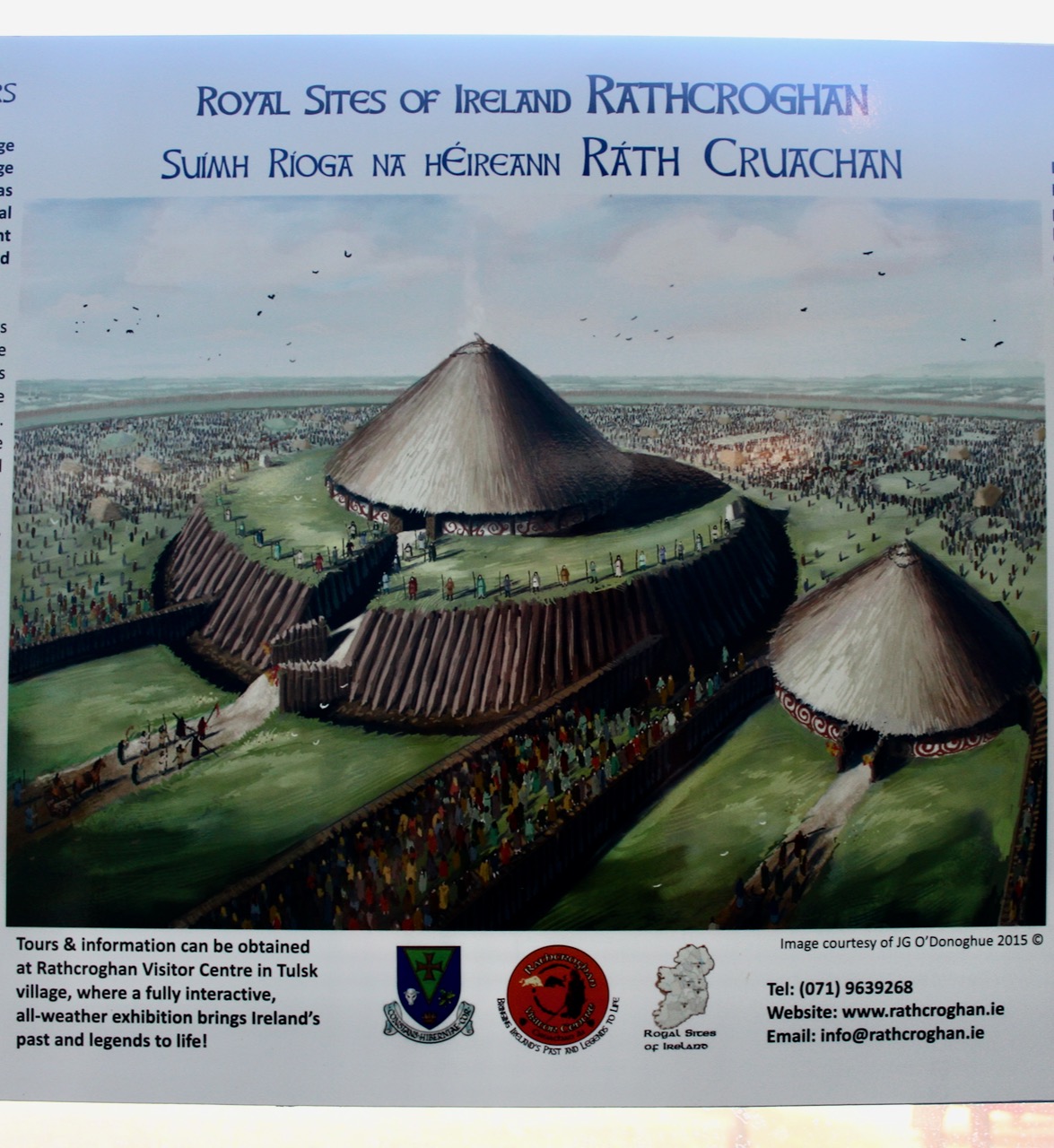
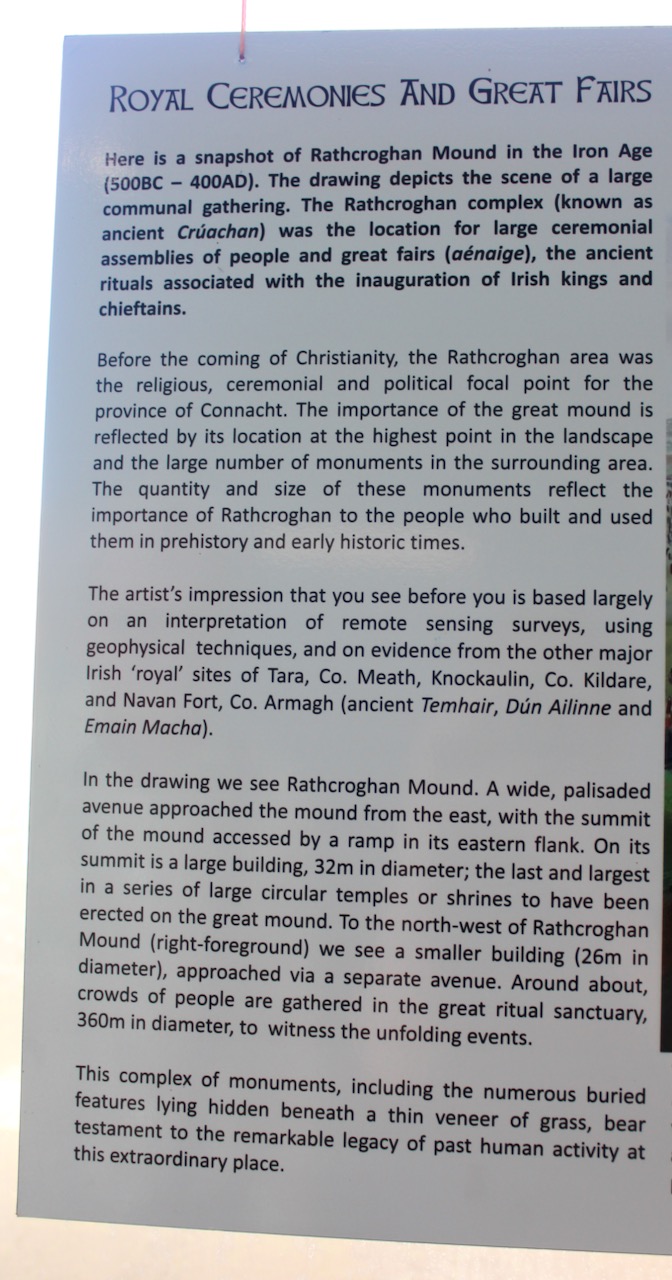
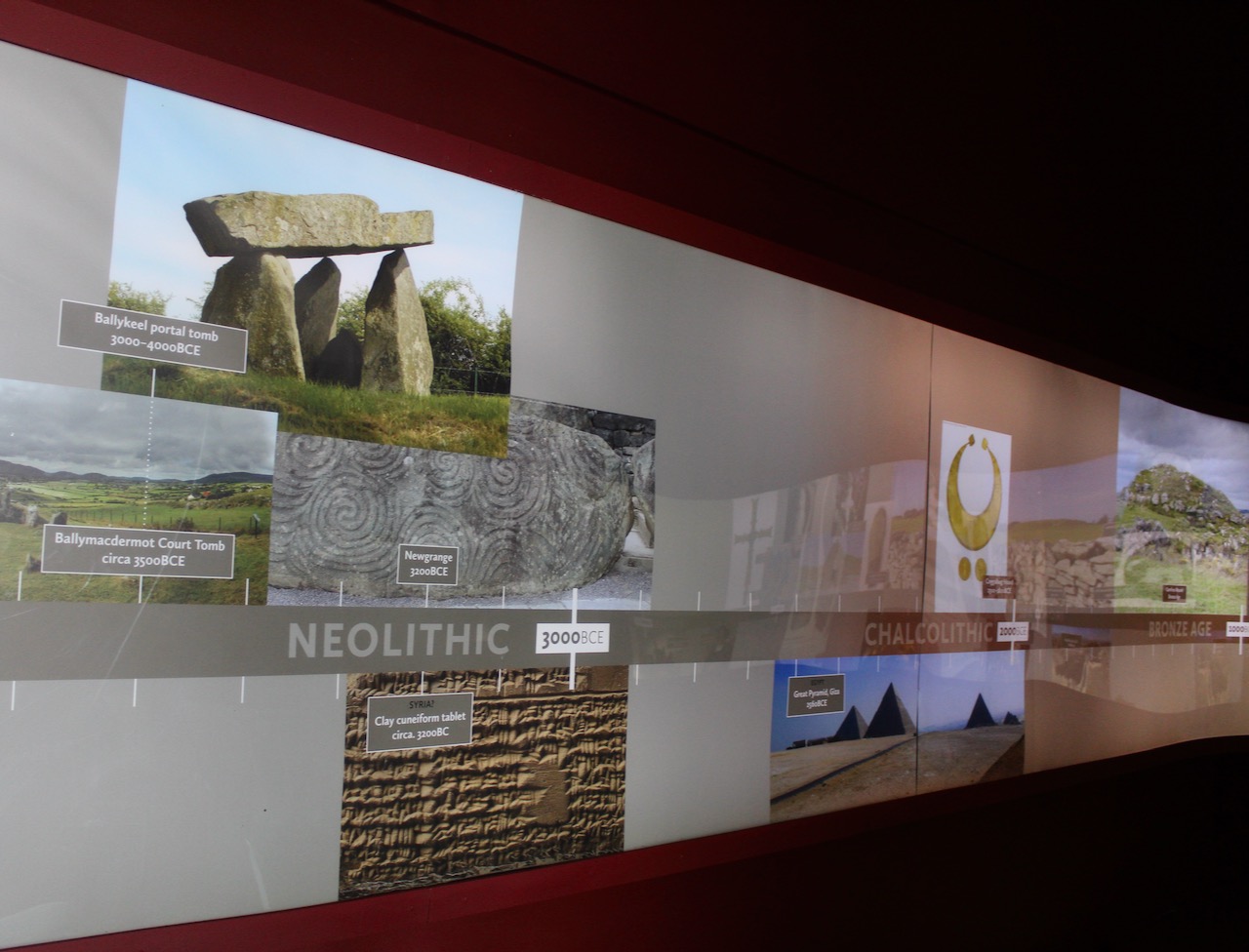
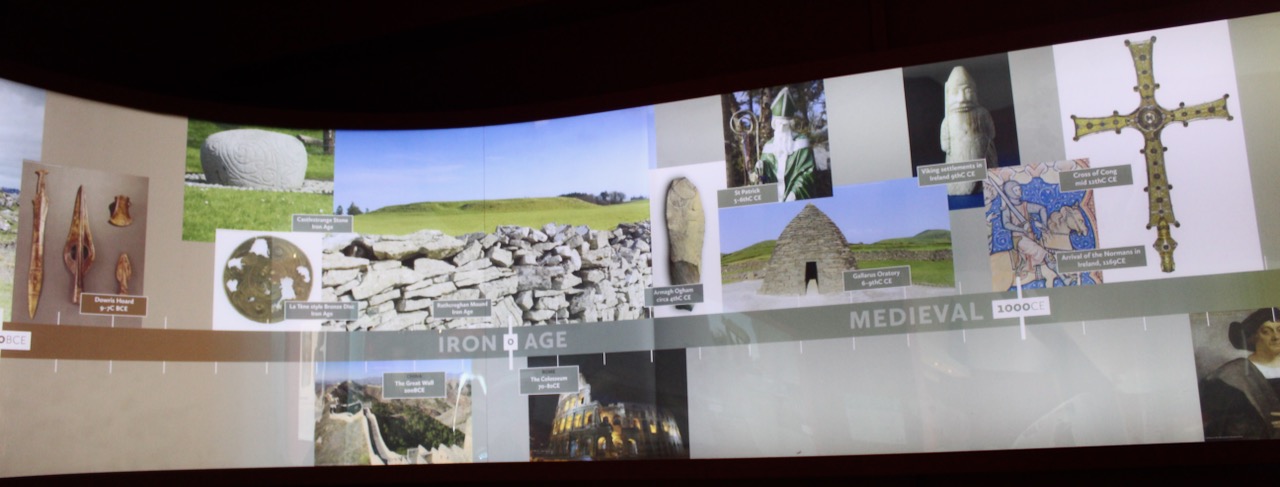
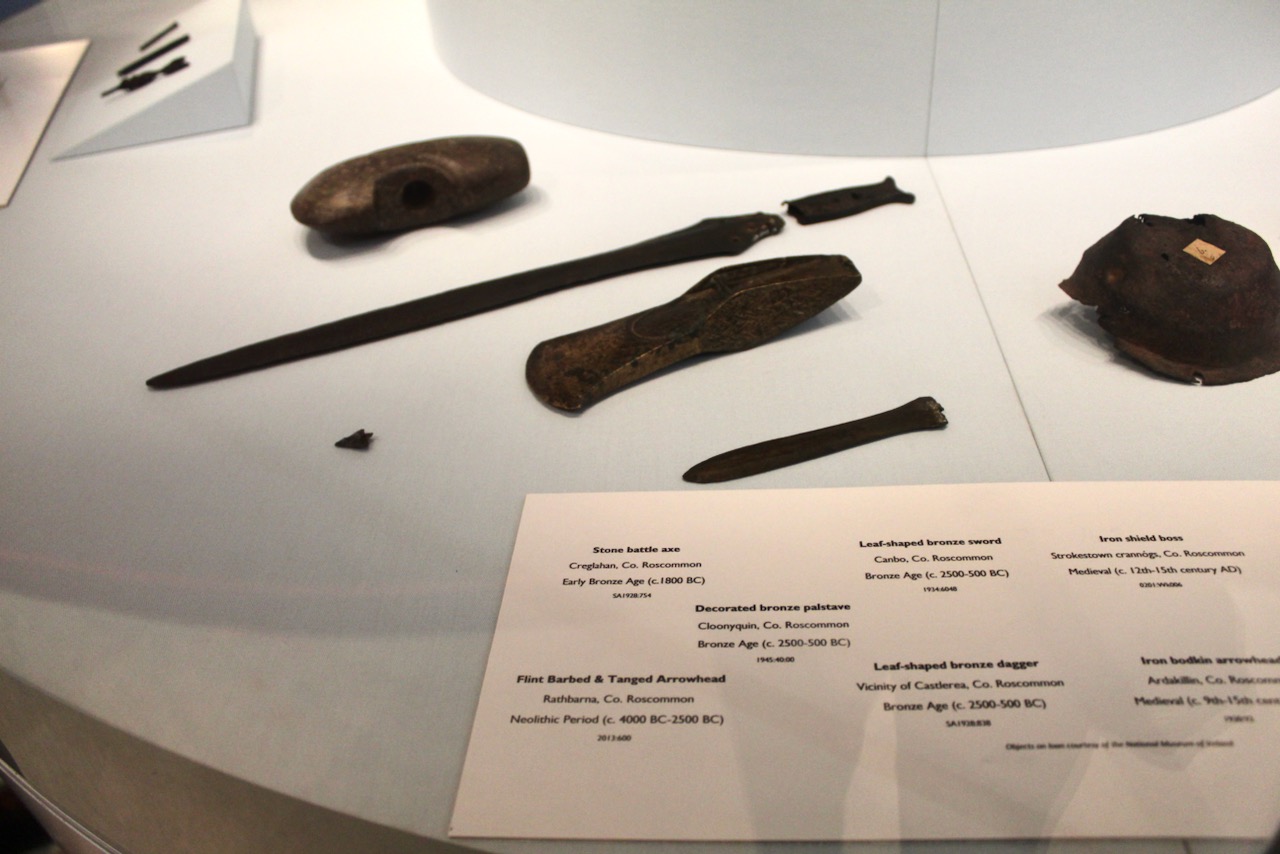
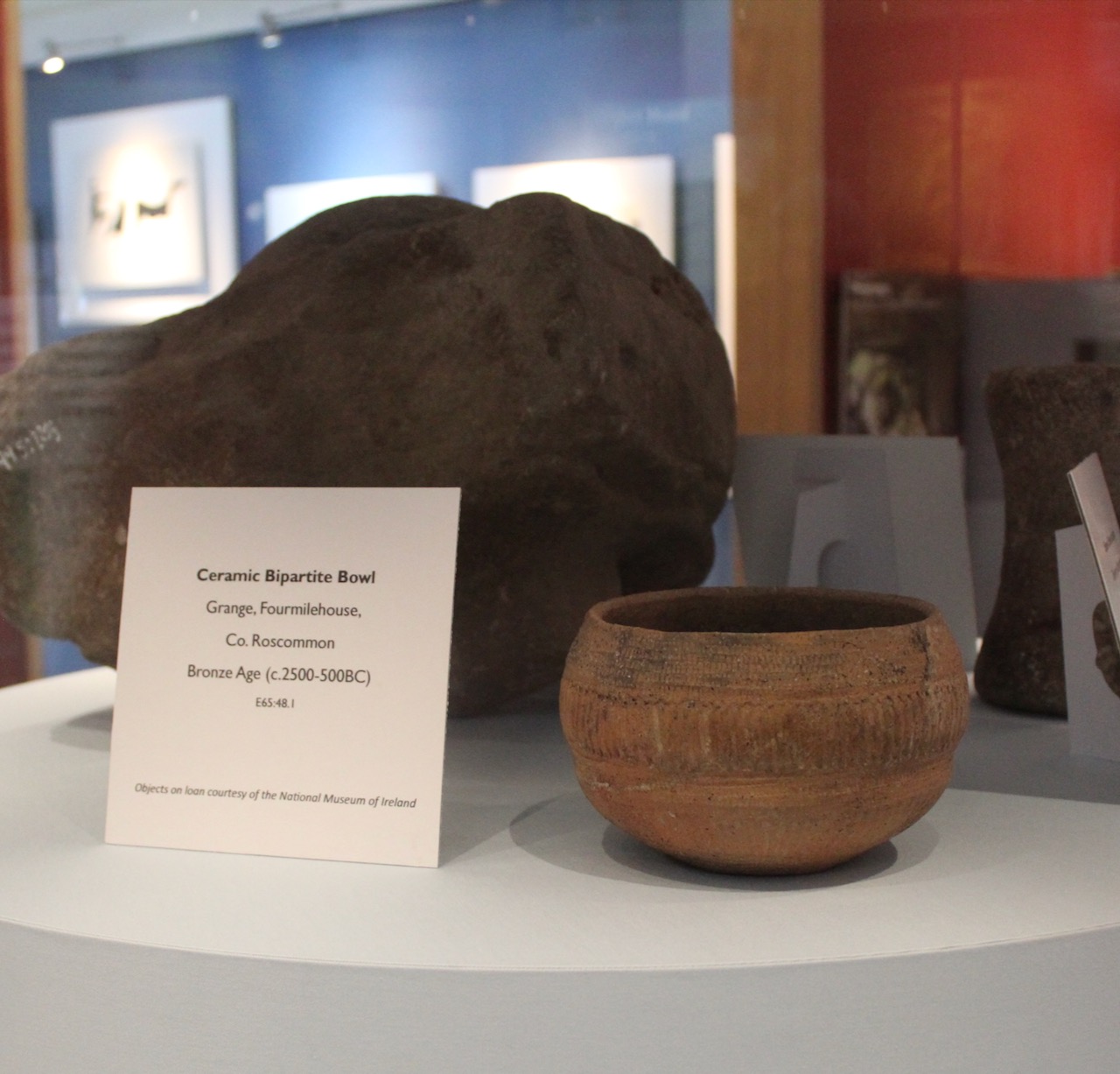
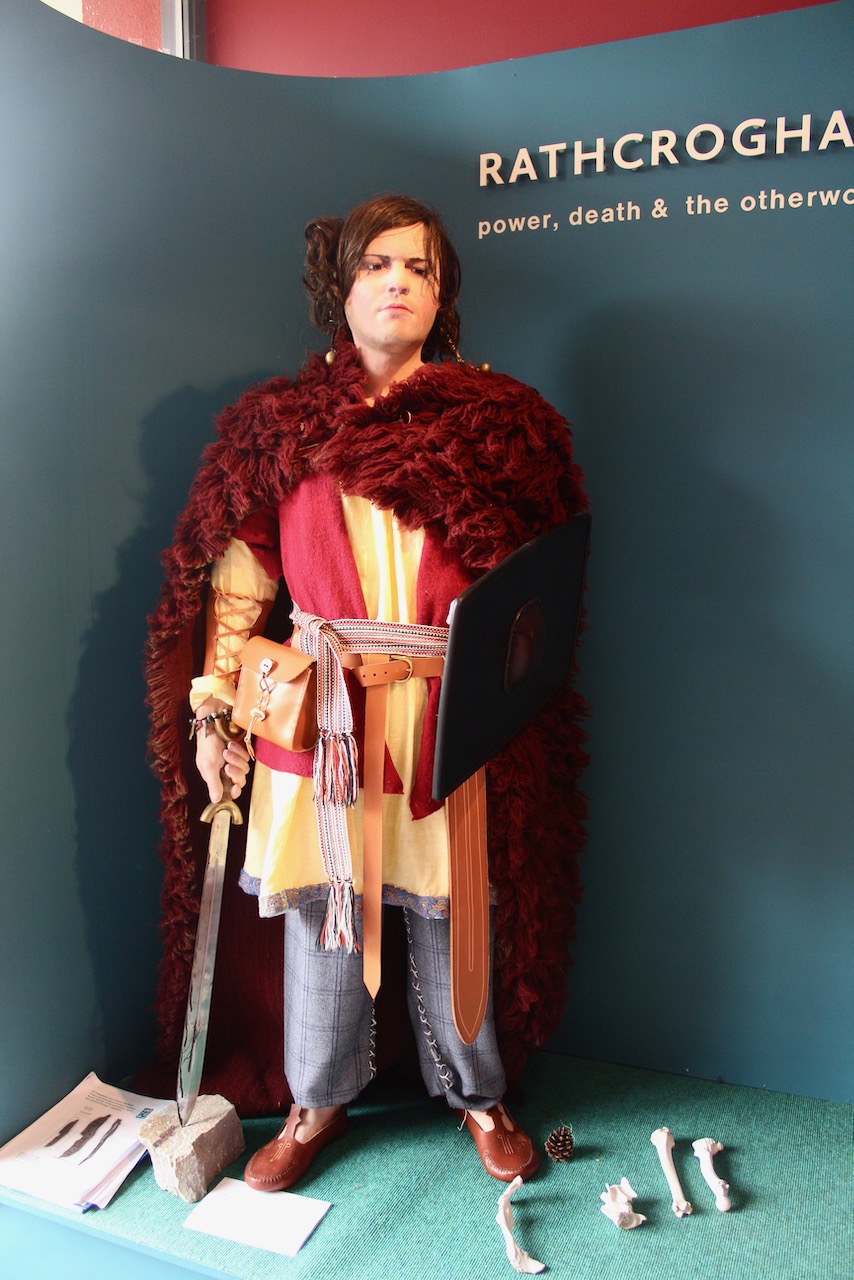
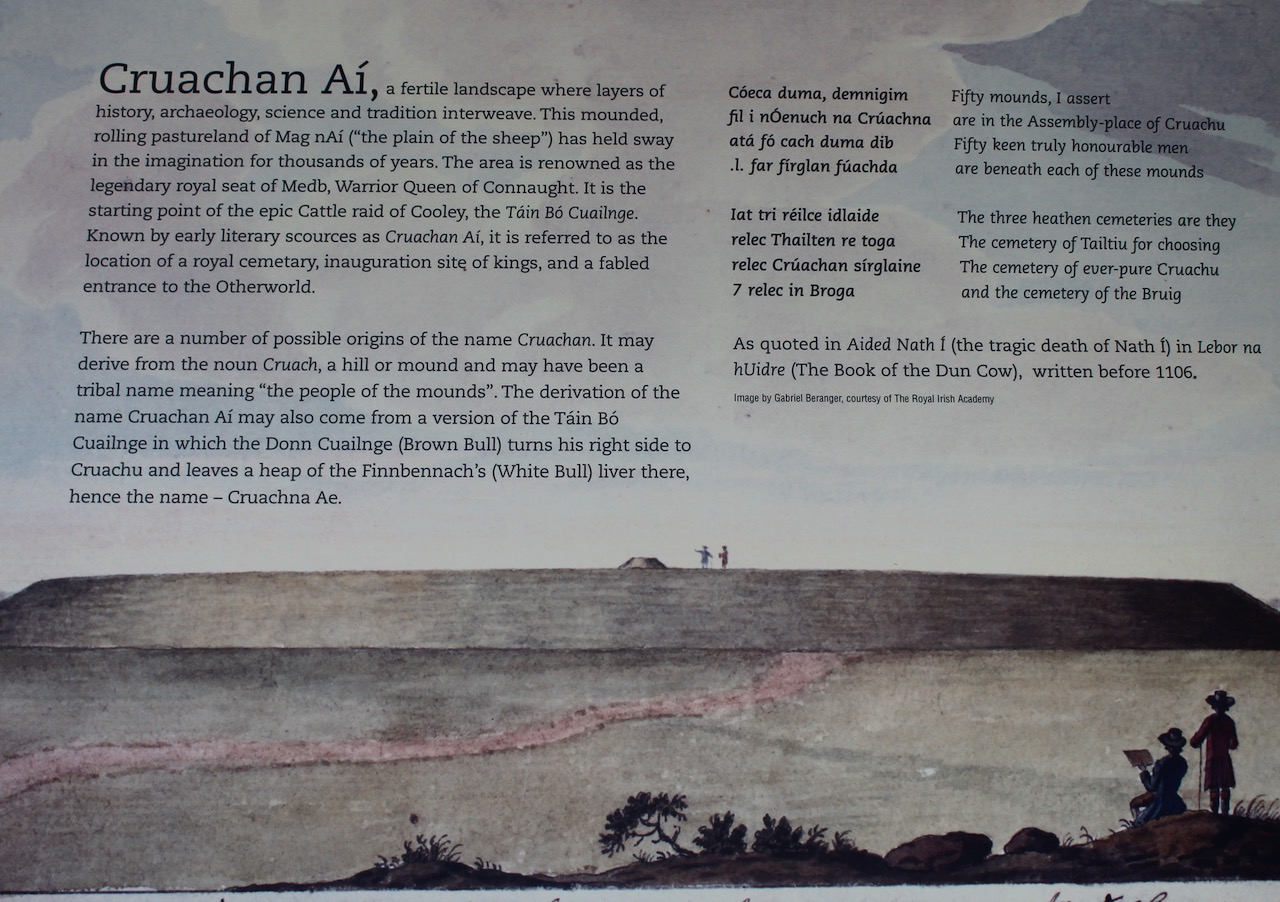
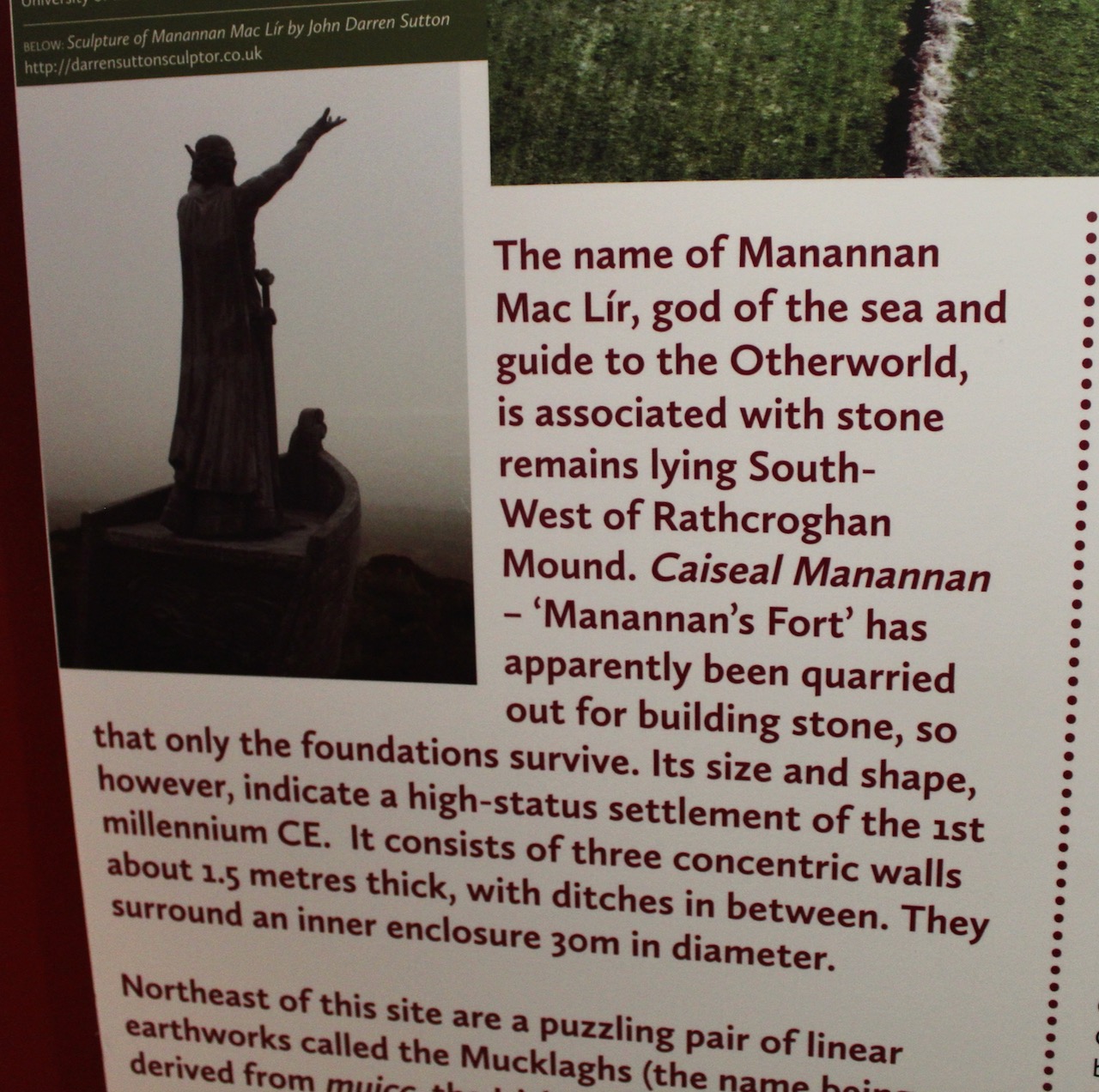
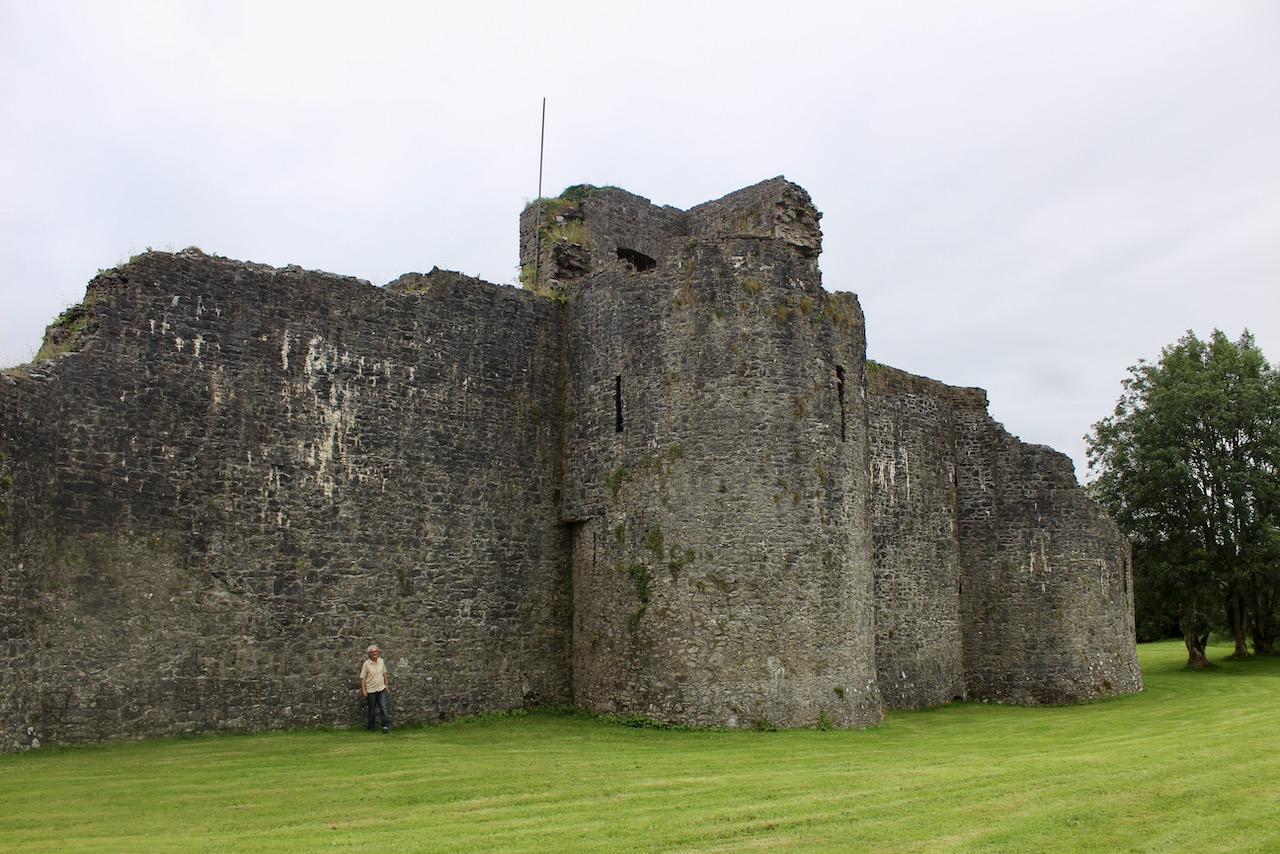
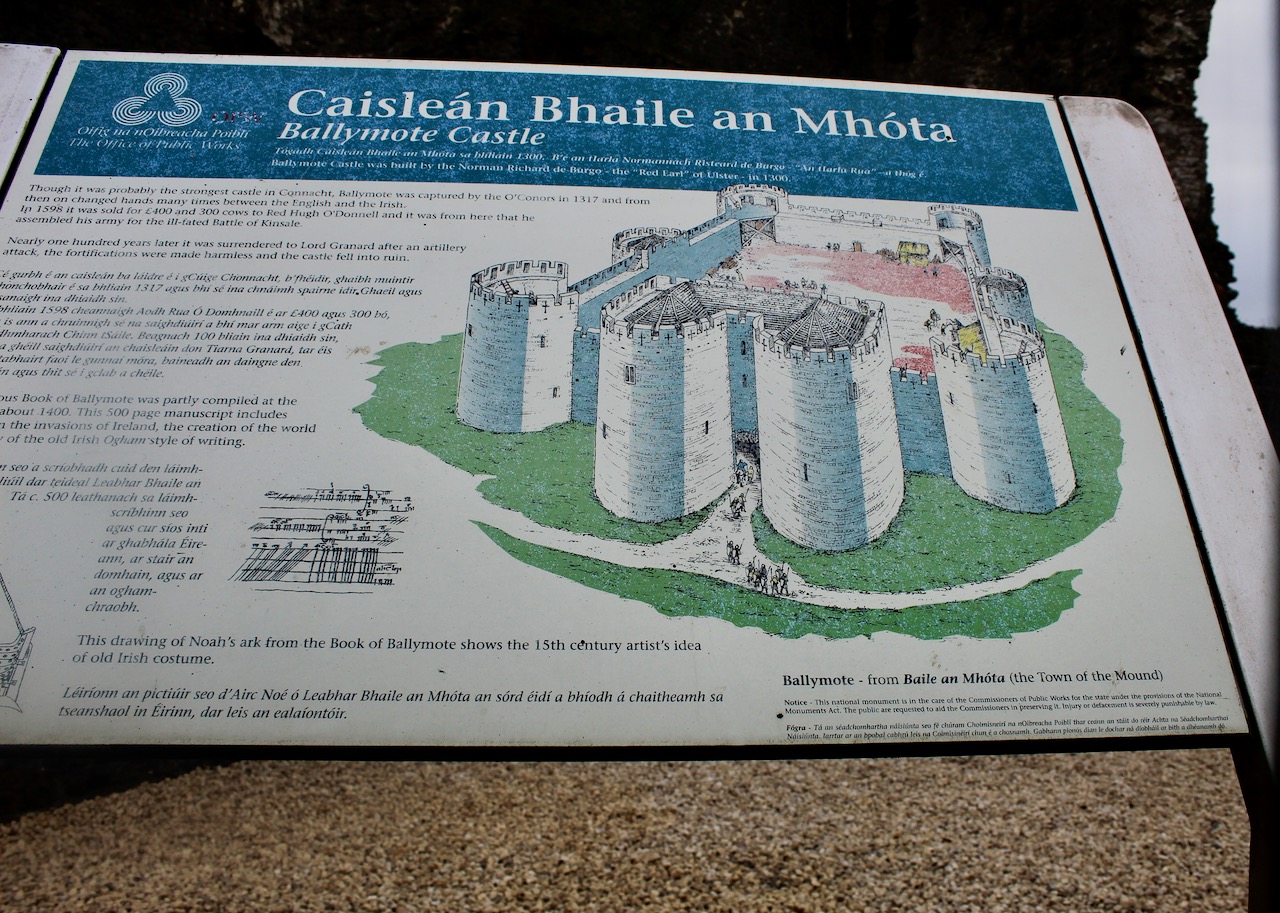
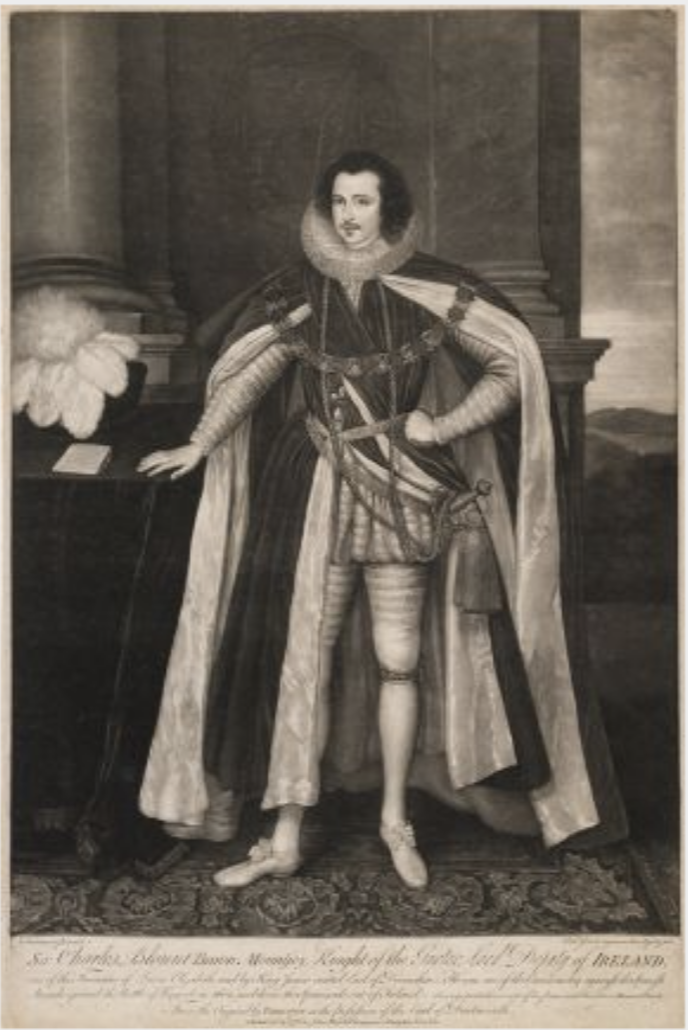
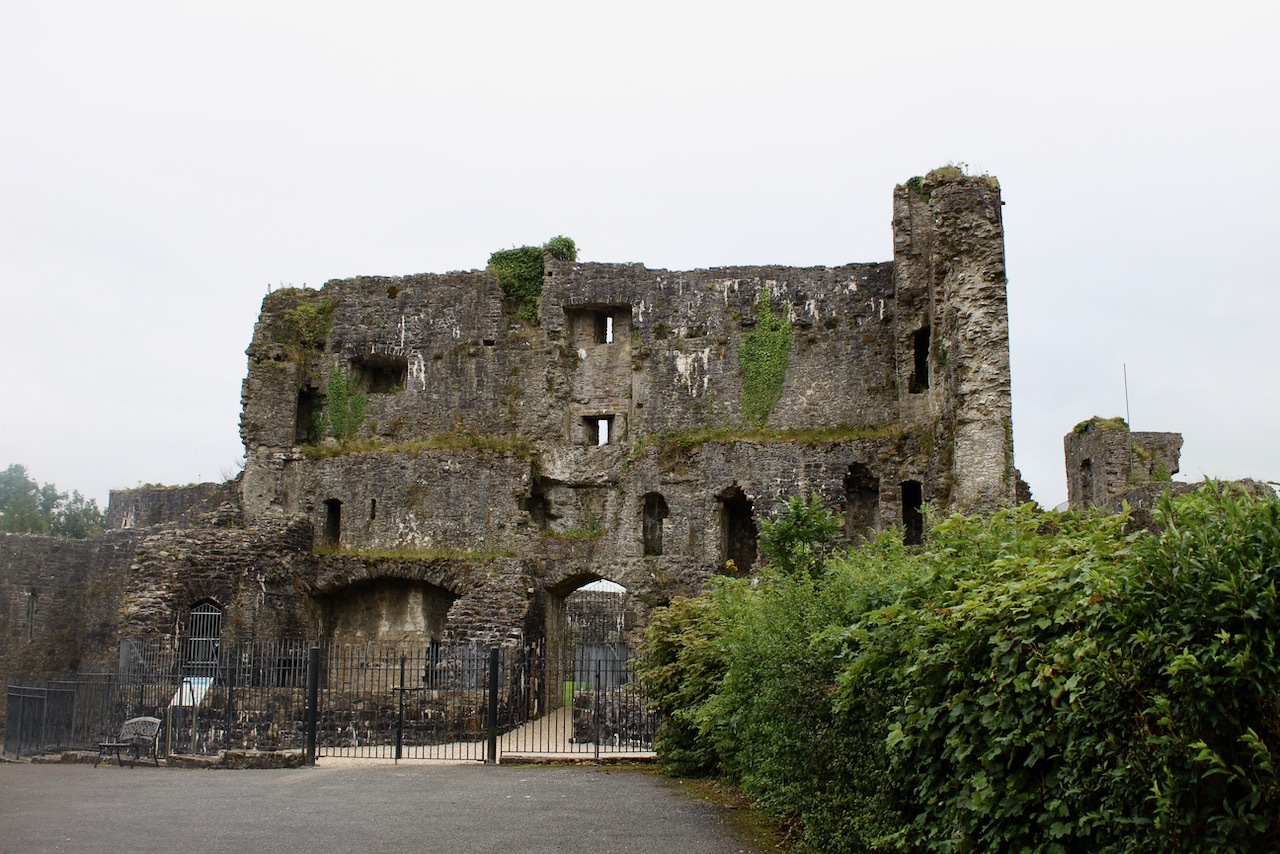
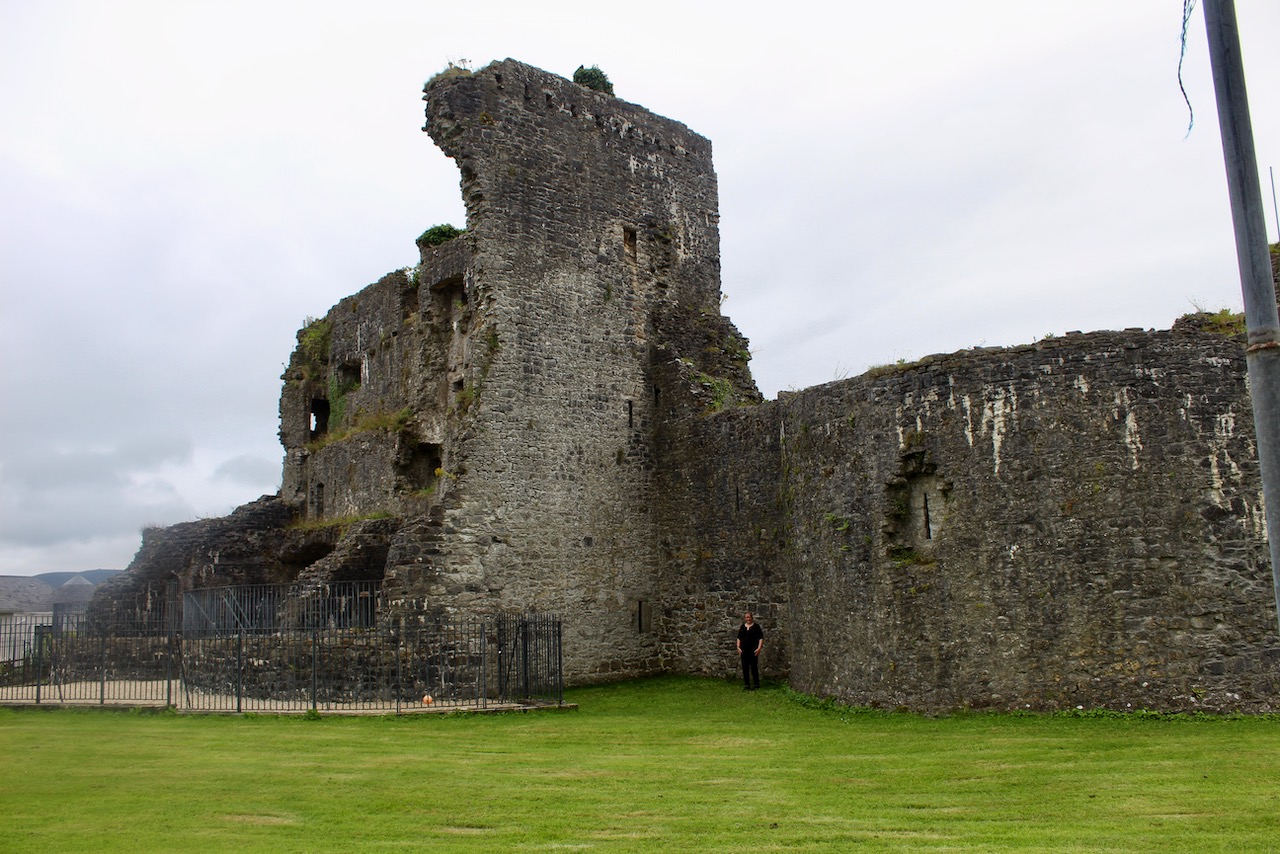
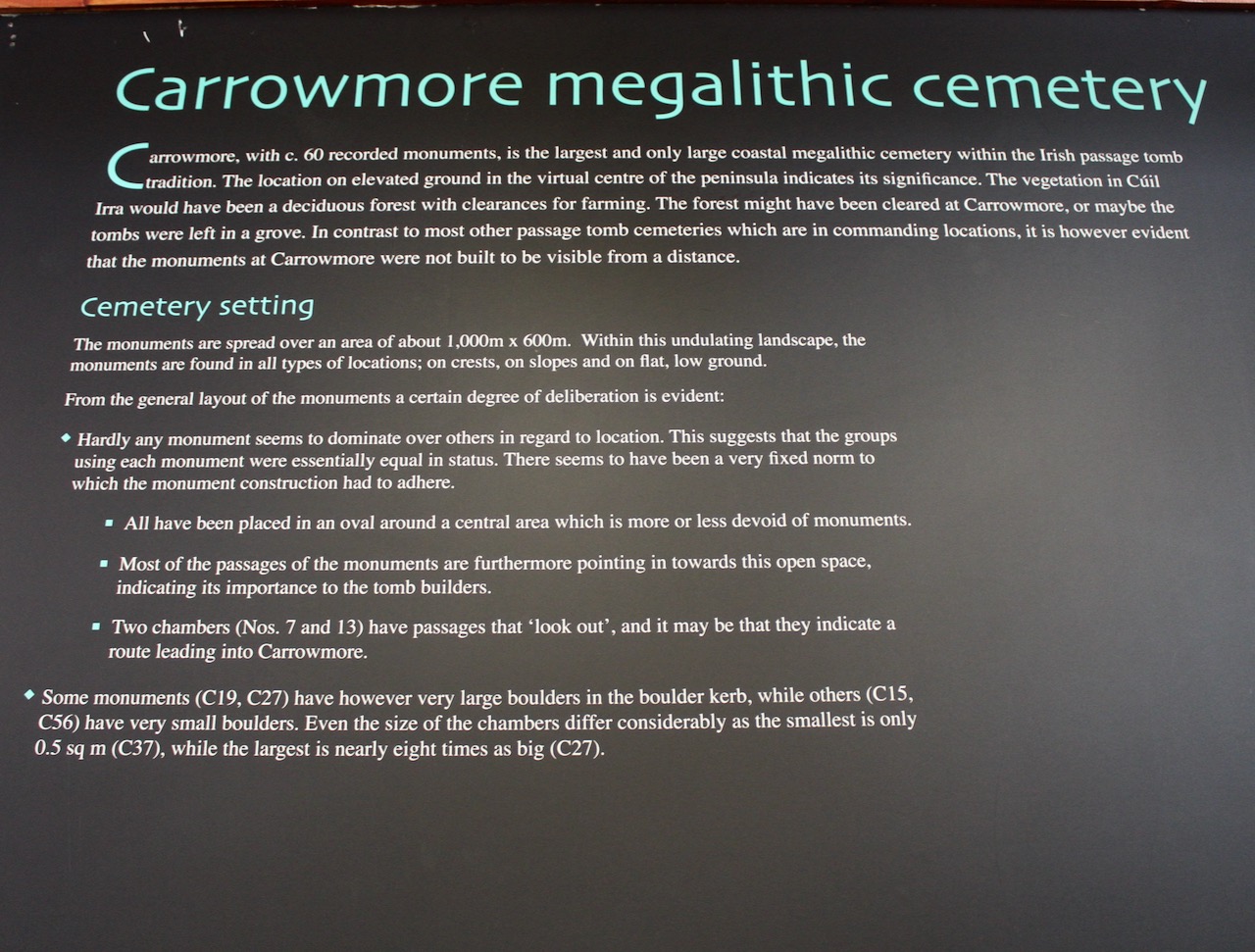
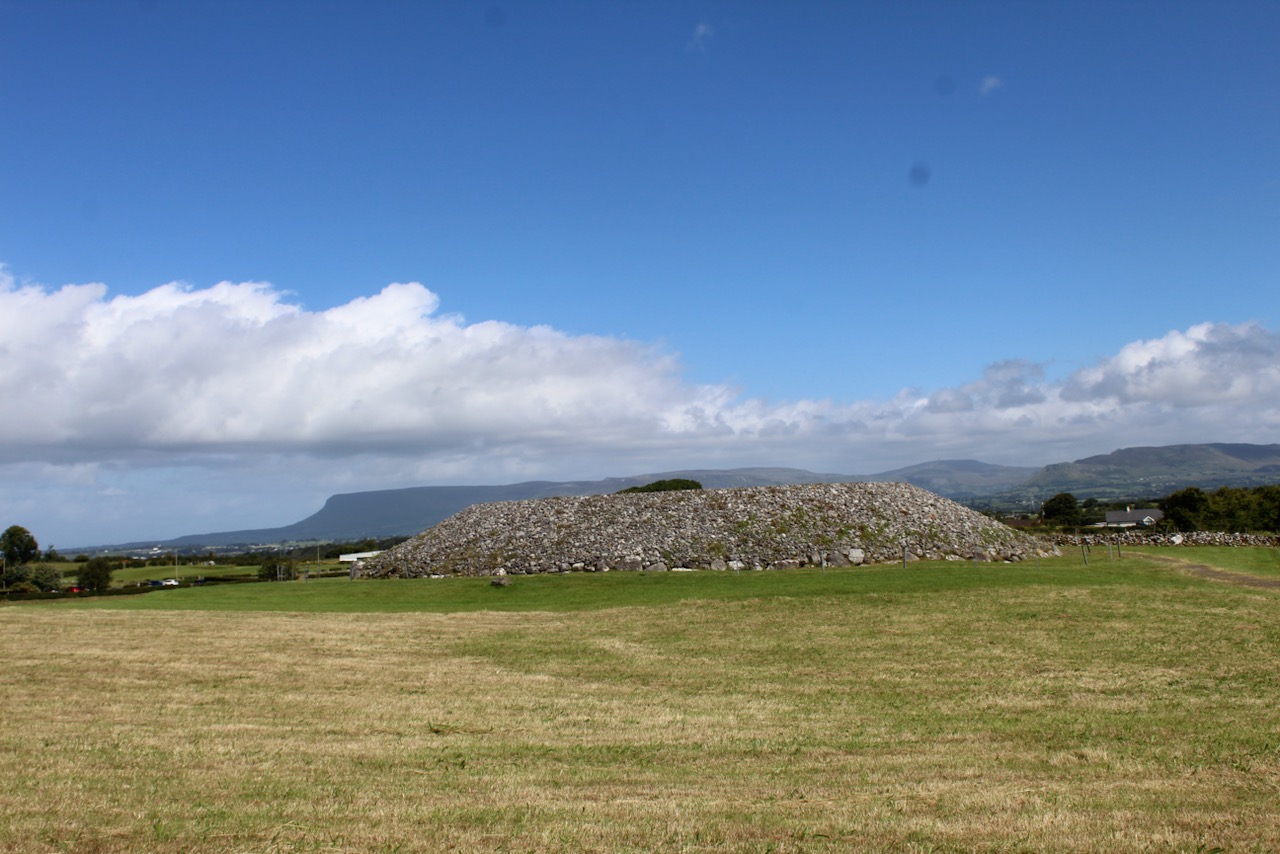
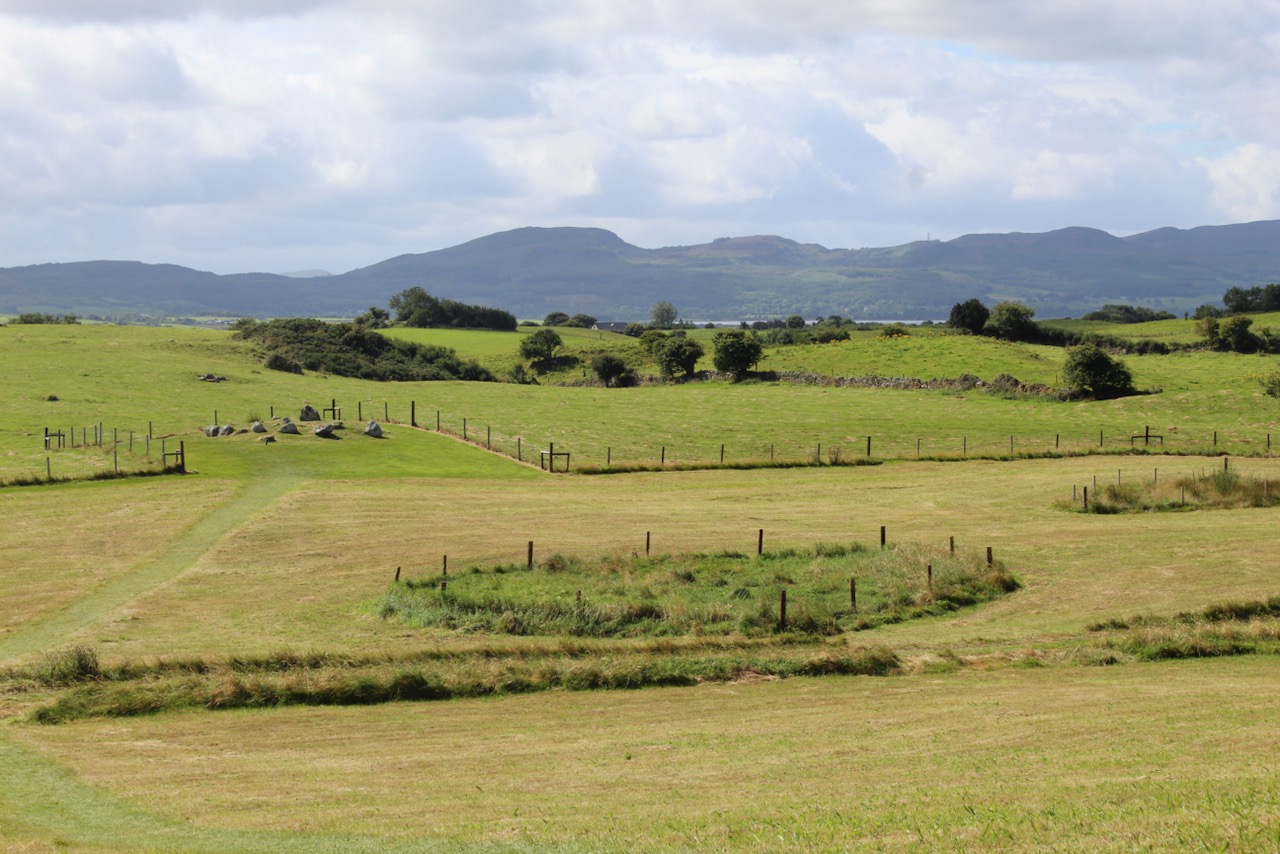
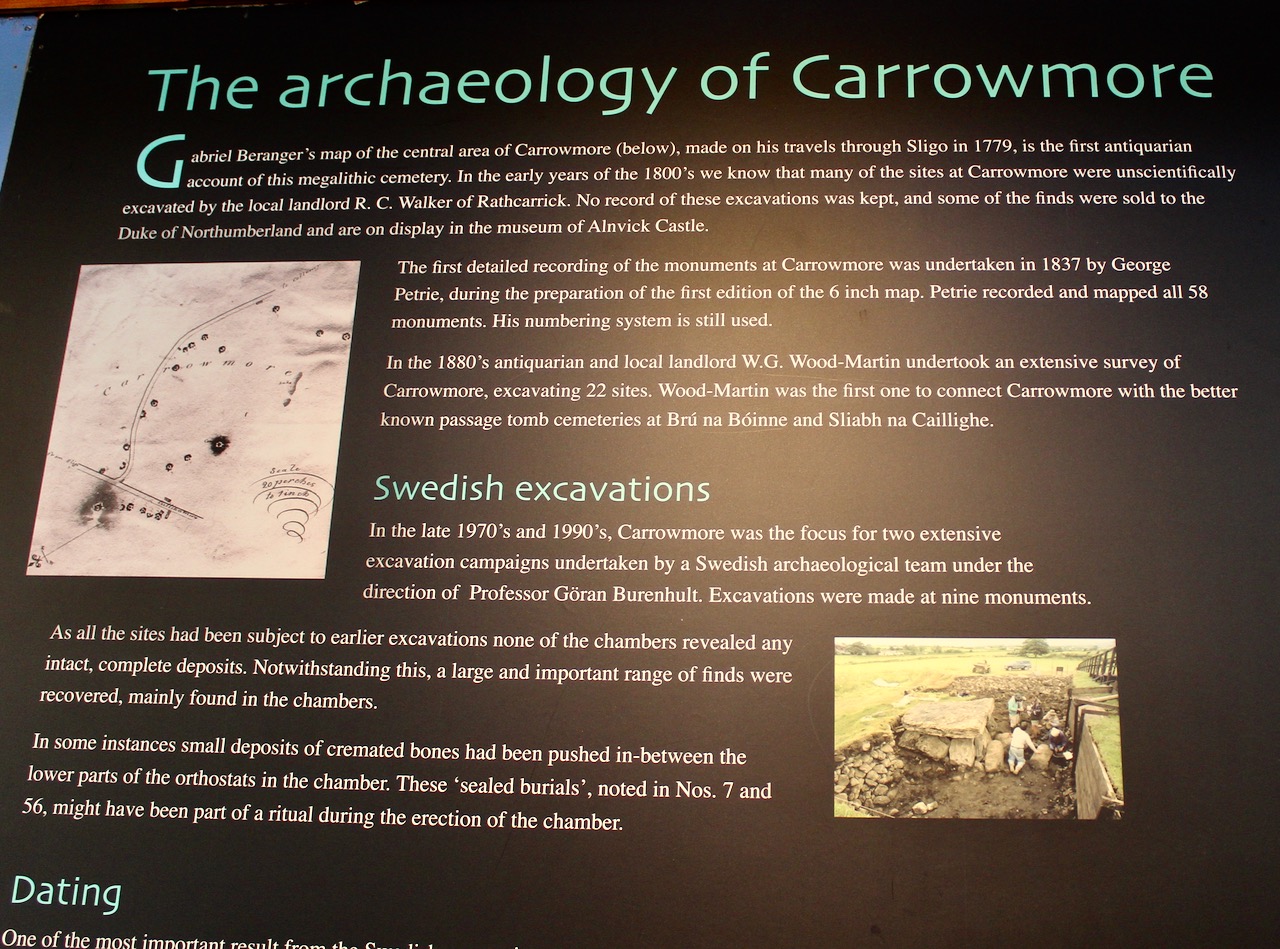
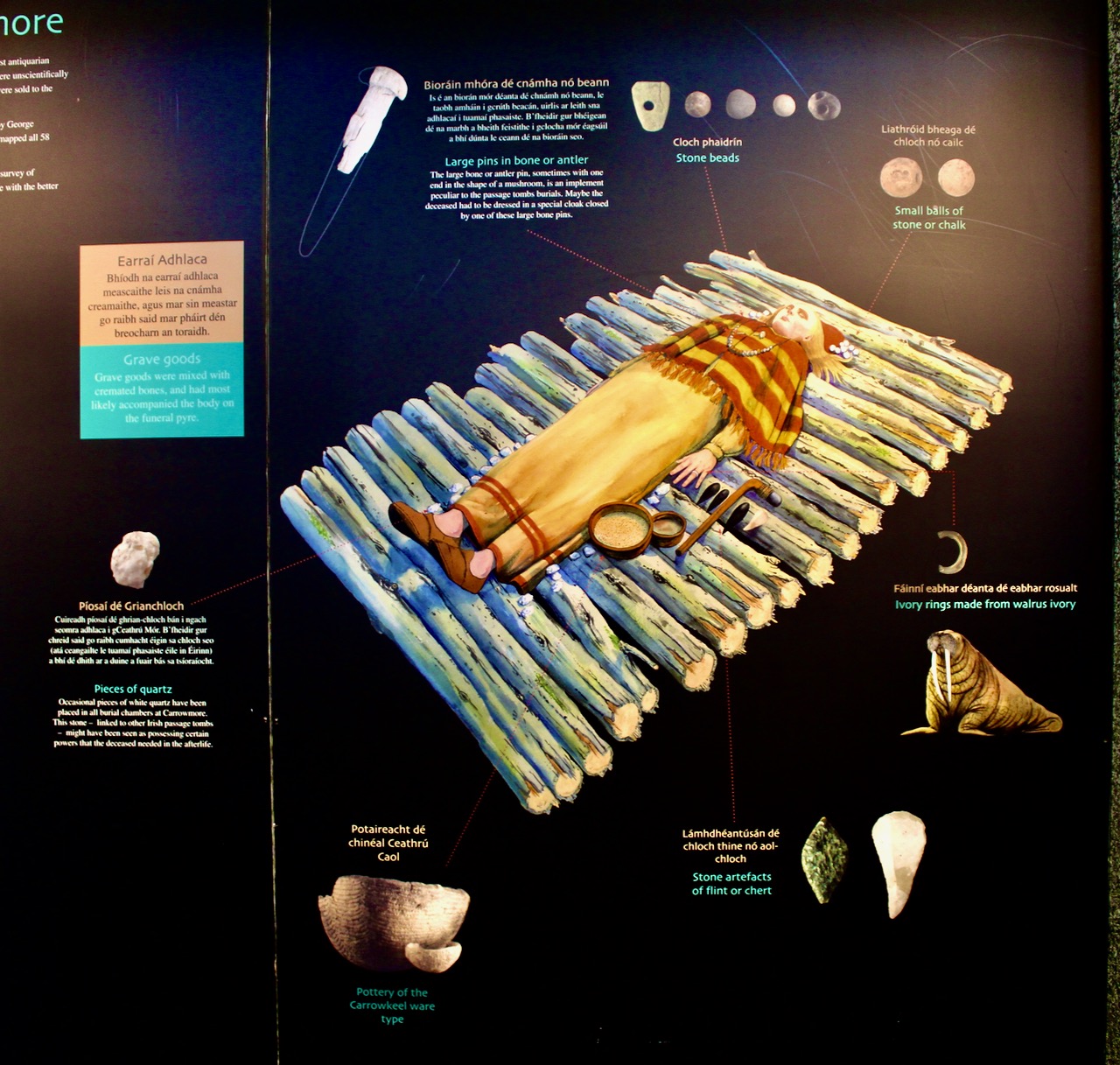
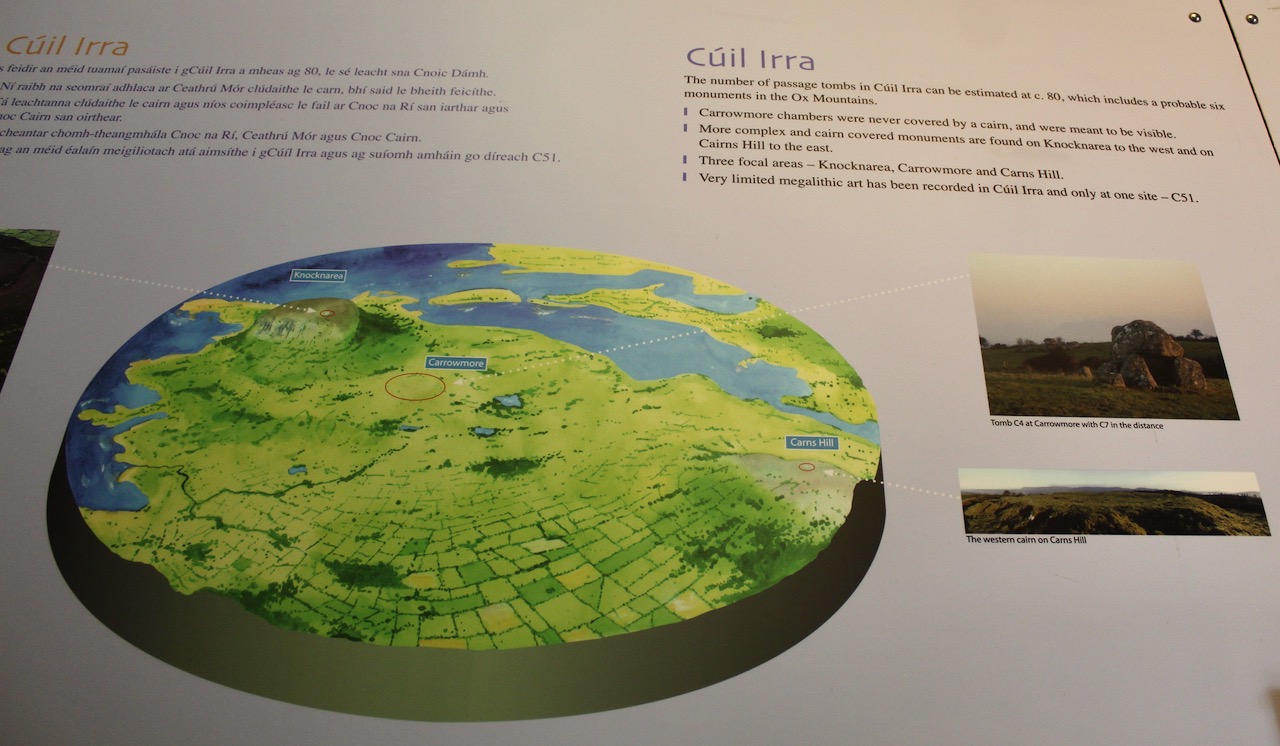
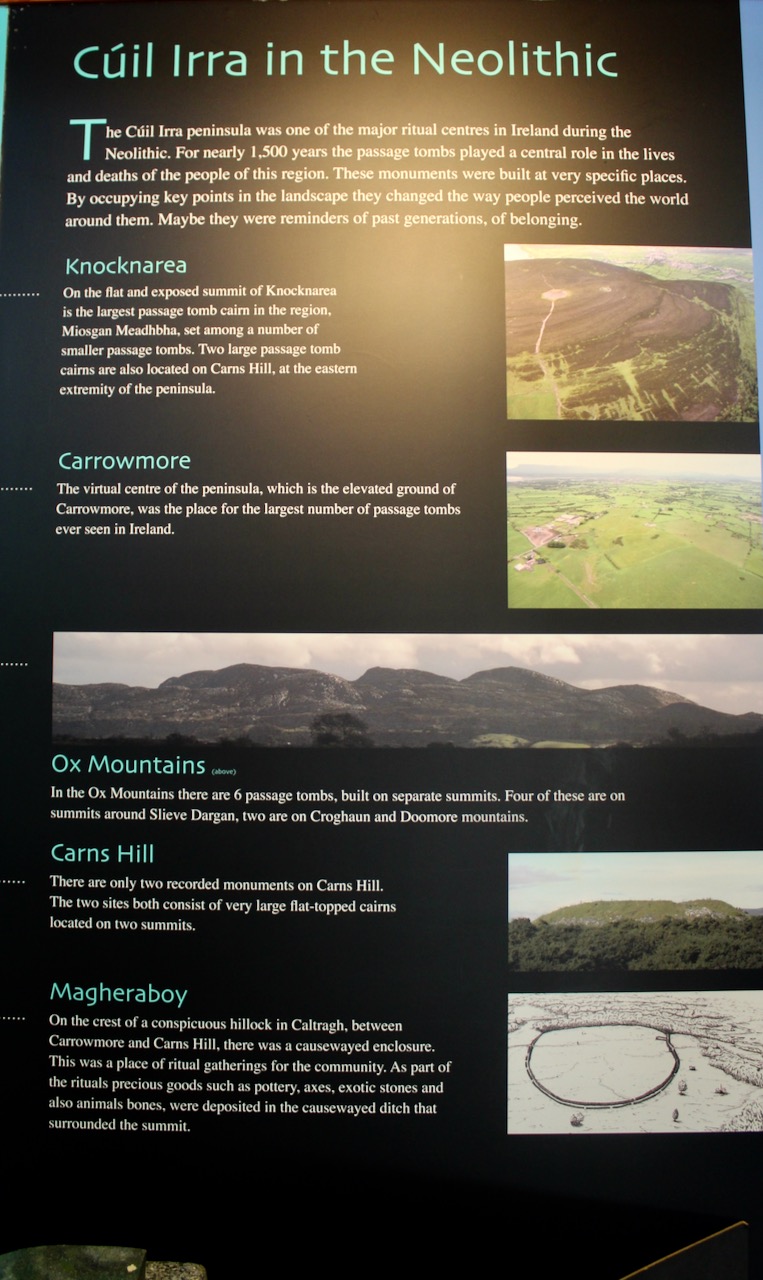
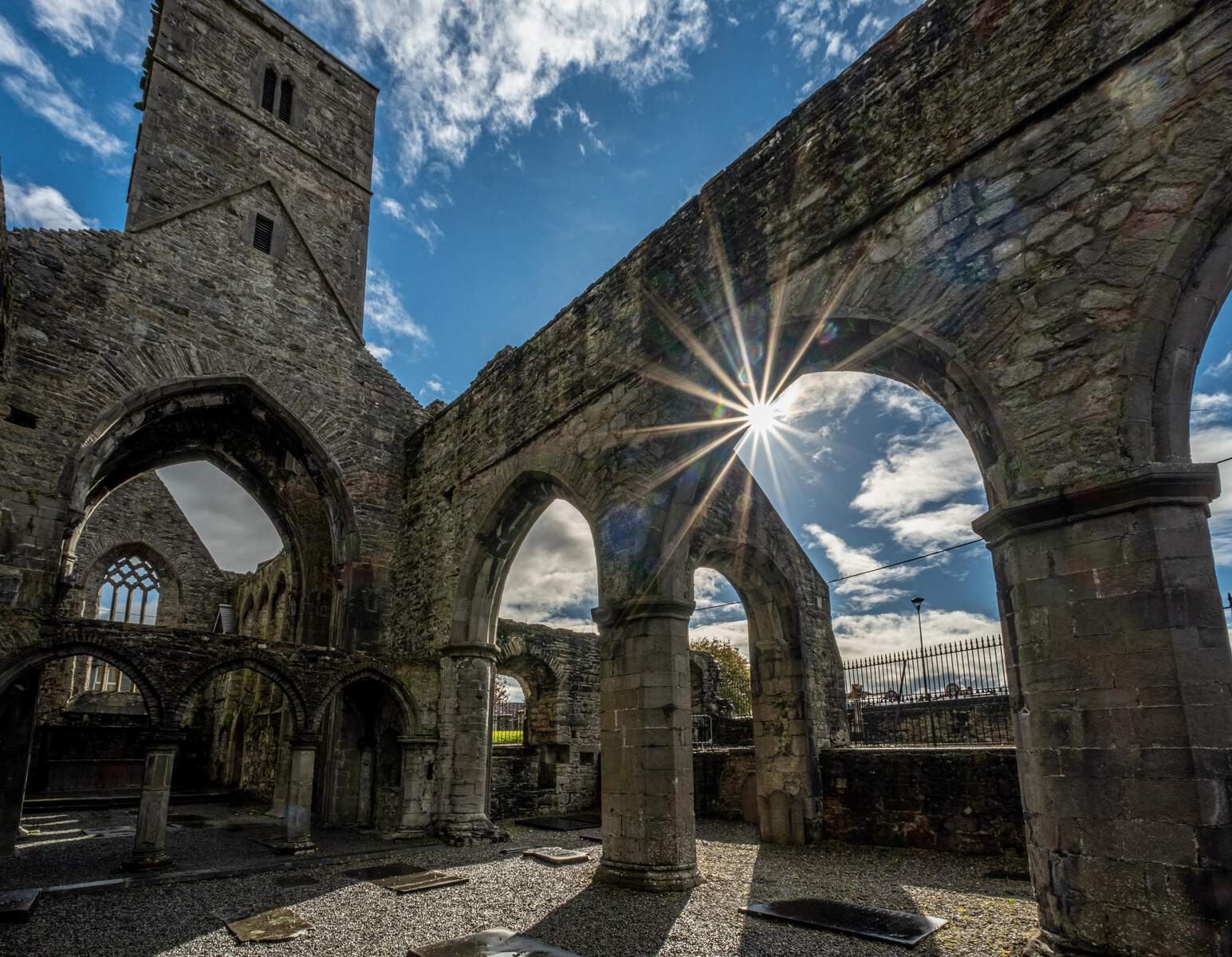
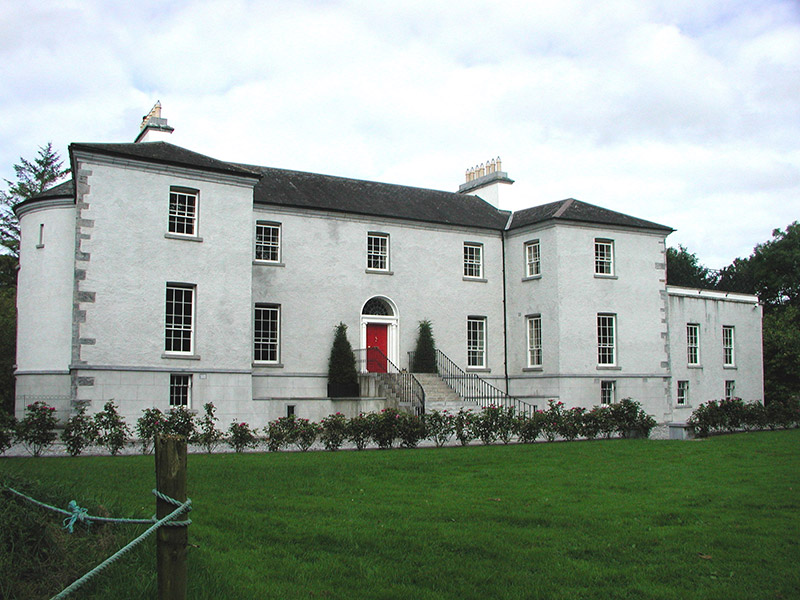
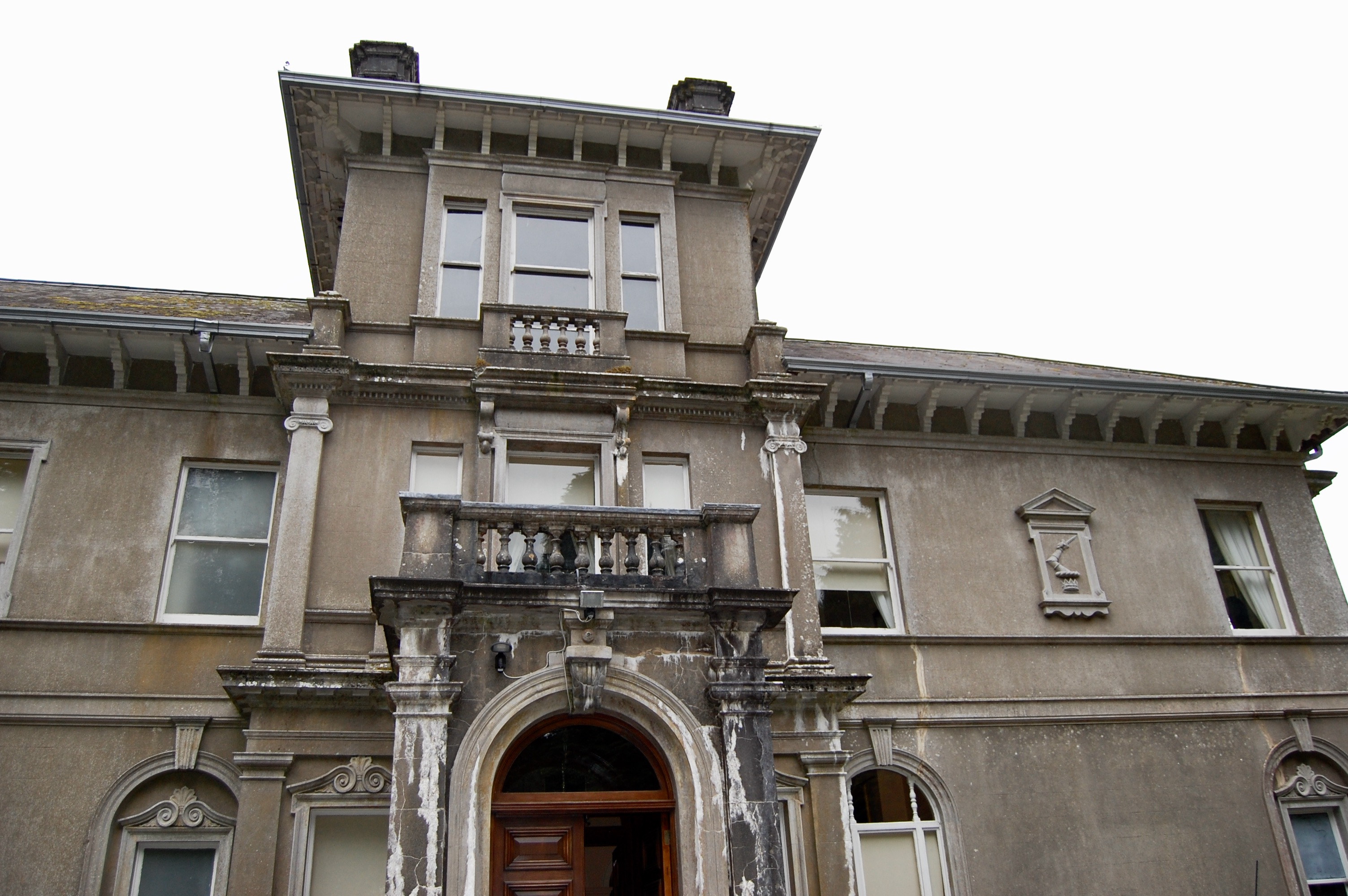
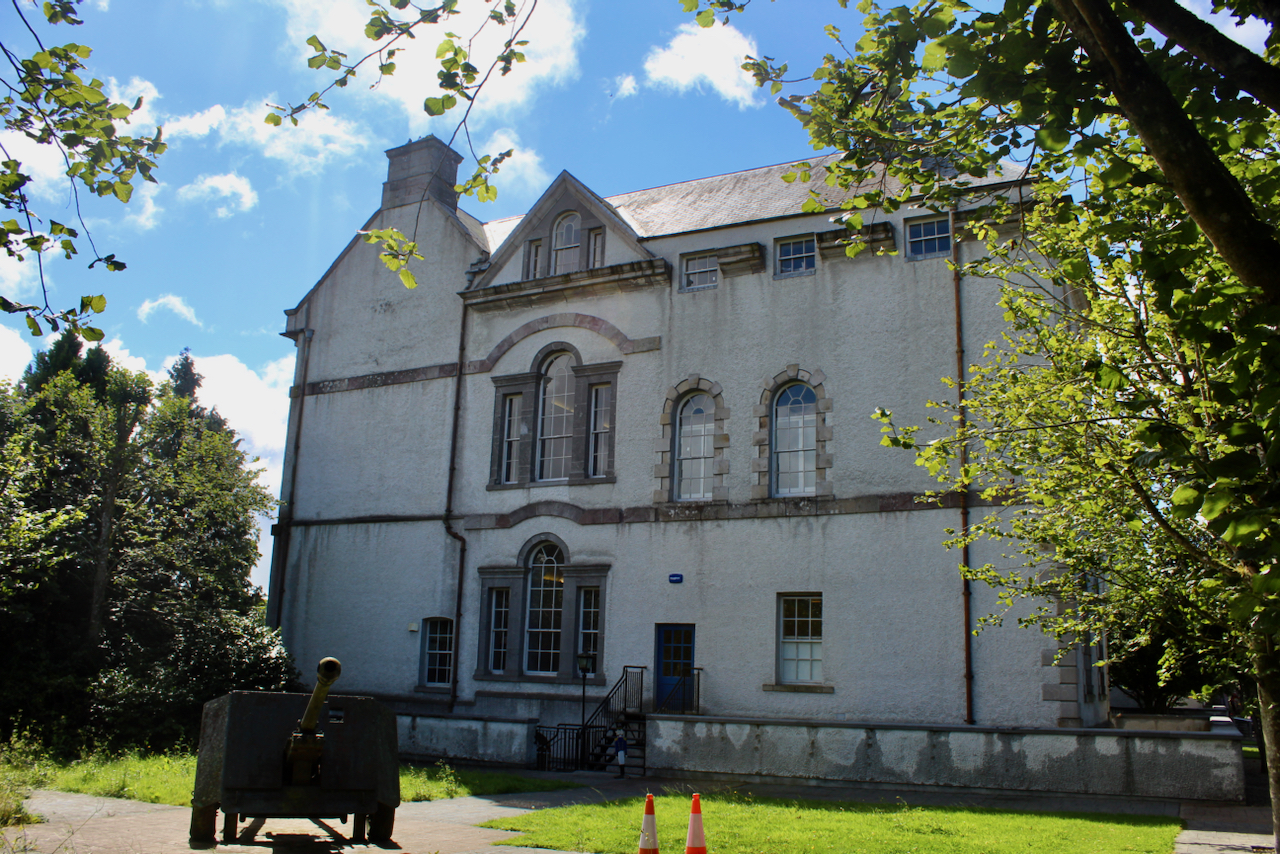
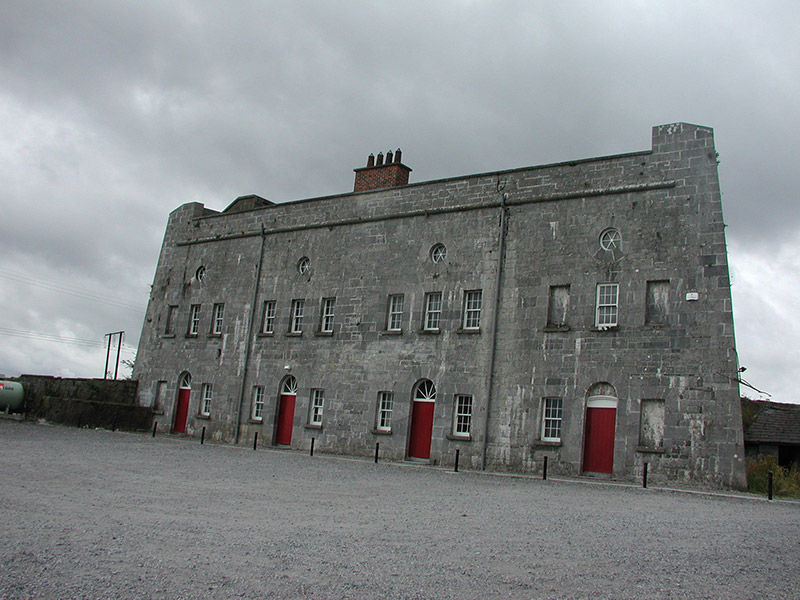
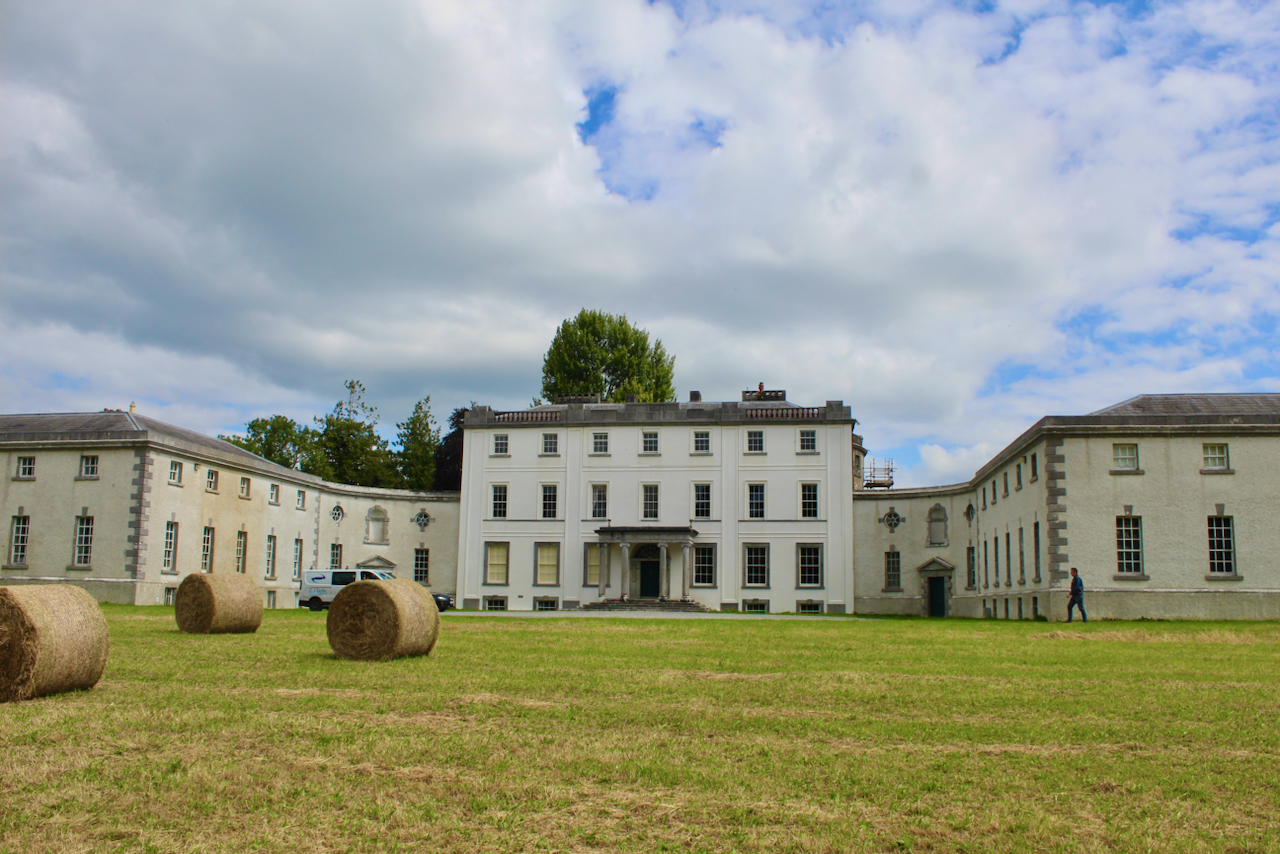
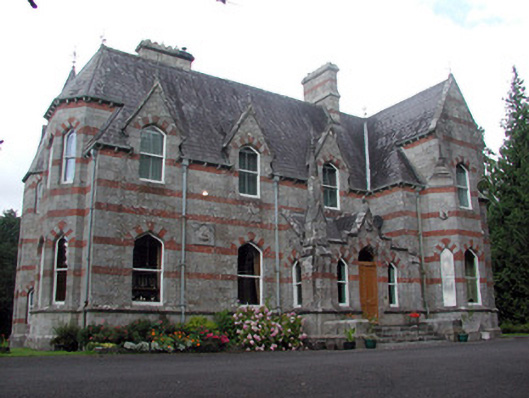
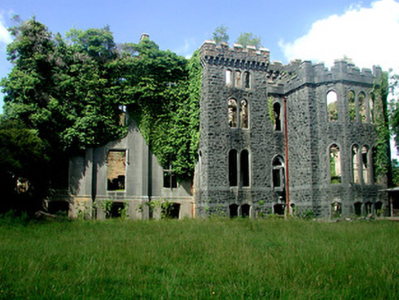
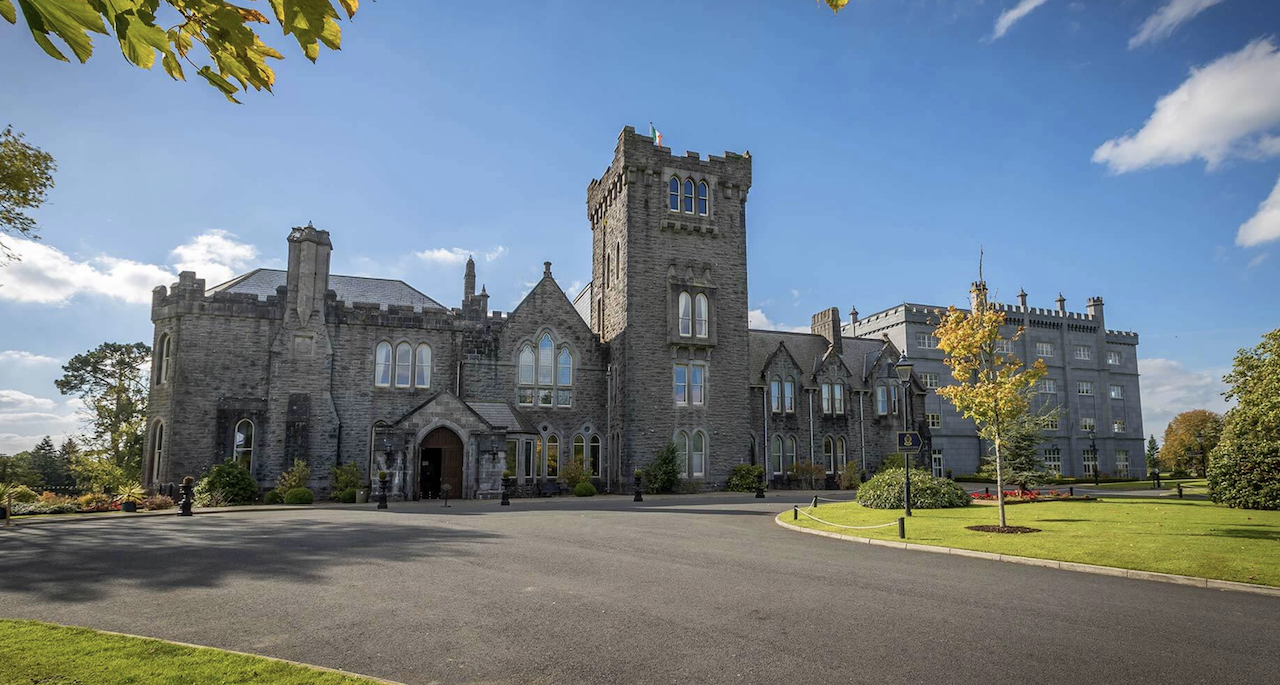
 Irish Historic Houses
