Help me to fund my creation and update of this website. It is my “full time job” and created purely out of love for the subject and I receive no payment so any donation is appreciated! My costs include travelling to our destinations from Dublin, accommodation if we need to stay somewhere nearby, and entrance fees. Your donation could also help with the cost of the occasional book I buy for research (though I mostly use the library – thank you Kevin Street library!). Your donation could also help with my Irish Georgian Society membership or attendance for talks and lectures, or the Historic Houses of Ireland annual conference in Maynooth.
€15.00
2026 Diary of Irish Historic Houses (section 482 properties)
To purchase an A5 size 2026 Diary of Historic Houses send your postal address to jennifer.baggot@gmail.com along with €20 via this payment button. The calendar of 84 pages includes space for writing your appointments as well as photographs of the historic houses. The price includes postage within Ireland. Postage to U.S. is a further €11 for the A5 size, so I would appreciate a donation toward the postage – you can click on the donation link.
€20.00
Donation towards accommodation
I receive no funding nor aid to create and maintain this website, it is a labour of love. I travel all over Ireland to visit Section 482 properties and sometimes this entails an overnight stay. A donation would help to fund my accommodation.
Wells House, although not a Section 482 property, is open to the public for house tours and has 450 acres of woodland and garden to explore. It is one of Wexford’s most popular tourist destinations with some 100,000 visitors each year. Stephen and I visited in May 2025.
The original house was built in the 1600s for John Warren, a Cromwellian soldier who was granted 6000 acres. The house at the time was a simple square manor. The name “Wells” comes from the fact that the land holds several natural springs. In the 1830s Daniel Robertson enlarged and remodelled the house in Tudor-Gothic style.
According to the house’s website, John Warren’s wife predeceased him and he had no children. In his last will and testament, he left his estate, which was then earning him £400 a year, to a cousin, Hugh Warren, on the condition that Hugh pay Samuel Jackson, the executor, £5000, to be divided among John’s other relatives. Alternatively, if Hugh preferred, Wells would be sold, and he would instead be given £500.
Hugh was at Wells in 1693 when John Warren died. He immediately collected up all the valuables in the house, including £1200. He then opted for the £500 legacy rather than having to pay £5000 to inherit the house.
The executor of the will, Samuel Jackson, must have realised that Warren had taken things from the house, so took Hugh to court in England, which resulted in Hugh being imprisoned in 1699.
The House of Lords was asked to delibrate on the case, and two years later Hugh was released from primson but he was ordered to sell the house. [1]
The estate was purchased in 1703 by Robert Doyne (1651-1733). At the time, Robert Doyne was Lord Chief Justice of the Court of Common Pleas in Ireland, having studied in Trinity College Dublin.
Robert Doyne (1651-1733), who purchased Wells property in 1703.
The tour guide, Aileen, told us that Robert Doyne was from an old Irish family from County Laois. He never lived in the seventeenth century house, and nor did his son and heir, Philip (1685-1753). Robert married Jane, widow of Joseph Saunders of Saunders Court in County Wexford and daughter of the wealthy lawyer and politician Henry Whitfield. They had a house in Dublin at Ormond Quay, where he died, and he is buried in St. Nicholas Within in Dublin. [2]
Philip Doyne (1685-1753), courtesy of Wells House.
The son Philip, who served on the Privy Council, married three times. His first wife, Mary, was daughter of Benjamin Burton (1662-1758), MP for Dublin and Lord Mayor of Dublin, who purchased Burton Hall in County Carlow. Mary gave birth to Philip’s heir, Robert (1705-1754) but she died in childbirth.
Philip went on to marry Frances South, with whom he had several children. Their son Charles (d. 1777) held the office of Dean of Leighlin. Frances died in 1712, and Philip married his third wife, Elizabeth, daughter of James Stopford, MP for County Wexford. Elizabeth’s brother was James, 1st Earl of Courtown, County Wexford.
The tour guide told us that it was Robert Doyne’s great grandson who inherited the property when he was just nine years old, another Robert Doyne, who had Wells House rebuilt, designed by Daniel Robertson.
To backtrack to look at the family tree, Philip Doyne and Mary Burton’s son Robert (1705-1754) inherited the estate and old house at Wells. He served as MP for County Wexford and also High Sheriff. He married Deborah Annesley.
Their son Robert (1738-1791) also served as High Sheriff for County Wexford. His elder brother Philip married Joanna, daughter of Arthur Gore 1st Earl of Arran, but he died young and they had no children. Robert married Mary Ram from Ramsfort in County Wexford, whose father Humphreys was also an MP.
Wells House was spared from attack in the 1798 Rebellion thanks to protection by a local man, Thomas Murphy, who claimed to have risked his life to save the house. Tour Guide Aileen showed us a copy of the letter in which he makes this claim, when he sought to be exonerated from his part in the 1798 Rebellion.
1798 letter by Thomas Murphy.
Wells House became a barracks for the troops that were stationed in the area after the fighting of 1798. The house’s website blog tells us:
“They occupied it for three years. Once the army left, the house and 393 acres around it were let, on long-term lease, to a man named Charles Craven for £393 a year. Craven carried out repairs to the house, and set about improving the land, but in 1811 Robert Doyne, who had by this time left school in Dublin, moved to England, married and decided he would return to Wells to live. To compensate Charles Craven for the work he had done, he agreed to pay the Cravens £80 a year for as long as Charles or his son should live.“
Robert and Mary Ram’s son Robert (1782-1850) married Annette Constantia Beresford in 1805. Before that he’d lived a life of adventure, travelling in Europe with famous dandy Beau Brummell, sailing on a raft down the Rhine. We came across Annette Constantia Beresford when we visited Woodhouse in County Waterford. She had been married to Colonel Robert Uniacke (1756-1802) of Woodhouse, County Waterford (see my entry https://irishhistorichouses.com/2025/03/29/woodhouse-county-waterford-private-house-tourist-accommodation-in-gate-lodge-and-cottages/ ).
Annette Constantia Beresford-Uniacke-Doyne (1768-1836), courtesy of Woodhouse, County Waterford.
It was Robert (1782-1850), probably with wealth from his wife’s first marriage, who commissioned Daniel Robertson to design the Wells House which we see today, building on to the original square residence.
Wells House and Gardens, Ballyedmond, Gorey, Co Wexford_Courtesy Sonder Visuals 2017for Tourism Ireland, Ireland’s Content Pool.A portrait of Daniel Robertson that our guide showed us.
Mark Bence-Jones writes (1988):
“(Doyne/IFR) A Tudor-Gothic house of ca 1840 by Daniel Robertson of Kilkenny; built for Robert Doyne, replacing an earlier house which, for nearly three years after the Rebellion of 1798, was used as a military barracks. Gabled front, symmetrical except that there is a three sided oriel at one end of the façade and not at the other, facing along straight avenue of trees to entrance gate. Sold ca 1964.” [3]
The house is of red brick with granite dressings, and has finial topped gables on the roofline. A crenellated Tudor style entrance porch with arched entrance surrounds the studded timber door. Windows have arched tops, Gothic tracery and hood moulding. The oriel window has crenellation on top.
Robertson, our guide told us, was born in America. When living in England he was thrown into debtors prison. He then moved to Ireland, and Wells was one of his first Irish commissions. He lived in Wells House while working on Johnstown Castle nearby (see my entry about Johnstown Castle https://irishhistorichouses.com/2023/09/30/a-heritage-trust-property-johnstown-castle-county-wexford/). He worked for the Doyne family on and off for fourteen years and he designed everything from the house, gardens, window sills down to such detail as the picture frames.
The Dictionary of Irish Architects tells us more about Daniel Robertson:
“From the early 1830s he did no further work in Britain but received a series of commissions in Ireland, mainly for country house work in the south eastern counties. Most of these houses or additions were in the Tudor style, which, he asserted in a letter to a client, Henry Faulkner, of Castletown, Co. Carlow, was ‘still so new and so little understood in Ireland’. For some of them he used Martin Day as his executant architect.” [4]
Ballydarton House, County Carlow, also designed by Daniel Robertson, in 1830.Photograph from the National Inventory of Architectural Heritage.Dunleckney Manor, County Carlow, by Daniel Robertson, 1835.Photograph from the National Inventory of Architectural Heritage.
Daniel Robertson introduced a dramatic entrance avenue of oaks in the 1840s, retaining the original U shape directly in front of the house. Some of the original oak trees remain, which are over two hundred years old. Lady Frances planted fifty species of daffodil on the avenue.
Wells House, County Wexford, courtesy DNG Properties 2019.
The avenue is 550 meters in length from the front door to the entrance at the road and this central axis continues through the house and finishes at a lake that is situated in the woodland at the far side of the house.
Along the avenue on the left-hand side, the website tells us, are 25 mature Oak trees, 3 Sycamore, 2 Lime, and one beech tree. Amongst them we have a Champion Oak tree. A champion tree is the largest tree of a species. [5]
Robertson also designed the surrounding garden including the parterre at the back of the house. From the French word meaning ‘on the ground’, a parterre is a formal garden laid out on a level area and made up of enclosed beds, separated by gravel. Parterres often include box hedging surrounding colourful flower beds.
The parterre was first developed in France by garden designer Claude Mollet around 1595 when he introduced compartment-patterned parterres to royal gardens at Saint-Germain-en-Laye and Fontainebleau. The style soon became popular in France and all over Europe. [6]
Robert O’Byrne tells us that Daniel Robertson was one of the most influential garden designers to work in Ireland in the second quarter of the 19th century.
Powerscourt County Wicklow, photograph by Jeremy Hylton.Powerscourt County Wicklow, photograph by Jeremy Hylton.Powerscourt County Wicklow, photograph by Jeremy Hylton.Powerscourt, County Wicklow, photograph by Jeremy Hylton.Powerscourt County Wicklow, photograph by Jeremy Hylton.
The Dictionary of Irish Architects continues in the entry about Robertson: “In spite of his success in attracting commissions, when he was working at Powerscourt in the early 1840s he was, in the words of Lord Powerscourt, ‘always in debt and…used to hide in the domes of the roof of the house’ to escape the Sheriff’s officers who pursued him. By then he was crippled with gout and in an advanced state of alcoholism; at Powerscourt he ‘used to be wheeled out on the terrace in a wheelbarrow with a bottle of sherry, and as long as that lasted he was able to design and direct the workmen, but when the sherry was finished he collapsed and was incapable of working till the drunken fit had evaporated.’ In at least two instances – at Powerscourt and at Lisnavagh – he lived on the premises while work was in progress, and it seems that from the 1830s until the year of his death his wife and family never settled for any time in Ireland… Robertson was overseeing the completion of Lisnavagh, Co. Carlow, where he had been living intermittently since the start of building in 1846, when he fell seriously ill in the spring of 1849” and died in September of that year. [see 4]
Our guide brought us through the impressive double door into the entrance hall. The vestibule retains its original encaustic tile floor, and carved timber Classical-style surrounds to door openings and windows with their shutters. [7]
Daniel Robertson imported Italian oak for the panelling in the entrance hall. The hall retains its carved timber Classical-style corner chimneypiece, and dentilated cornice to the compartmentalised ceiling.
The ceiling of the entrance hall has the carved coat of arms of the Doynes, with an eagle representing strength and courage, and the family motto Mullac a boo, “Victory from the hills.”
Robert and Annette Constantia’s son Robert Stephen Doyne (1806-1870) lived at Wells House. He served as High Sheriff of County Wexford and later of County Carlow, and was Deputy Lieutenant and Justice of the Peace. He married Sarah Emily Tynte Pratt (1814-1871), daughter of Joseph Pratt (1775-1863) of Cabra Castle.
Robert Stephen Doyne (1806-1870) of Wells House.I think this is Robert Stephen Doyne’s wife, Sarah Emily Tynte Pratt (1814-1871).
Robert Stephen Doyne’s son Charles Mervyn Doyne (1839-1924) was heir to the estate. He attended university in Magdalene College in Cambridge, then served, like his father, as High Sheriff of Counties Wexford and Carlow, Justice of the Peace and Deputy Lieutenant.
In Cambridge he met the sons of William Thomas Spencer Wentworth-Fitzwilliam, 6th Earl Fitzwilliam of the grand house Wentworth Woodhouse in England. The family was one of the richest in England, and made their money from mining coal on their 20,000-acre estate near Sheffield in Yorkshire. They also owned Coollattin in County Wicklow, and the 6th Earl served as M.P. for Wicklow between 1847 and 1857.
Charles Mervyn stayed with the family at Coollattin, playing cricket, shooting and fishing, and there met his friends’ sister, his wife-to-be, Lady Frances. He and Lady Frances announced their engagement in September 1867 and married two months later at Wentworth Woodhouse. [8]
Charles Mervyn Doyne (1839-1924) and his wife Frances.
Our tour mostly focussed on the lives of Charles Mervyn and his wife, because they lived in and clearly loved Wells House. They were good landlords and had twelve servants, all of whom could read and write. Interestingly, they gave their daughters rather Irish names: Kathleen, Eveleen and Bridget.
Frances Mary née FitzWilliam.
We passed through a stair hall next to the large entrance hall, which contains the original staircase of the seventeenth century house.
The Drawing Room is the piéce de resistance of the house with its Versailles style. The room has a cut white marble corner Classic-style chimneypiece with large mirror over, and decorative wall panelling.
An impressive gilt acanthus leaf ceiling rose with surrounding leaf decoration support a chandelier, and the room has a modillion cornice and a border with acanthus detail.
A musical decoration indicates that the room was probably used for musical events. The female face in the panel shows that this was the Ladies Drawing Room, with romantic Cupid’s sheaf of arrows.
The timber panelled door has carved surround matching shutters and window surrounds, and matching pelmets. The door decoration is repeated in the wall panels.
Aileen showed us the two surprising places where food entered the room – through a trap door in the floor and through a grate in the fireplace! There is a room you can see through the grate where food preparation took place.
The study has jib doors hidden within the bookcases, disguised by false books. It has a carved timber Gothic-style corner chimneypiece, and carved timber cornice to the geometric ceiling centred on Gothic-style ceiling rose.
Robert, Charles’s son, started a lending library based on his book collection. Some of the original books that belonged to the Doynes remain in the collection.
The study, or Fossil Room as it was called, is the cabinet of curiosities of items collected by the family on their travels. The room has another corner marble fireplace and timber cornice with geometric decorative ceiling with armourial shields.
Lady Frances painted the pictures that hang on the walls of the fossil room. She died of scarlet fever in 1903, and her husband lived another 21 years but never remarried.
The stair hall introduced in the Robertson renovation has more Gothic timber wainscoting, and cast iron balusters support a carved timber banister which terminates in octagonal newels. The half-landing has the oriel window with stained glass detail and carved shutters. The groin vaulted ceiling has moulded plasterwork ribs centred on octagonal boss. I found it hard to capture the grandeur in one photograph!
We visited two bedrooms upstairs. Our guide explained that the beds were made shorter in those days, because a sleeper slept sitting up in order to breathe better. The fireplace in the room would have absorbed oxygen from the air so it was easier to breathe in an upright position.
When the Butler was ill, Charles Doyle sent for his own doctor. The doctor advised that the Butler take some time off work. When the Butler died just one day after he went home to his family, Charles was heartbroken, our guide told us. The family were good to their servants and tenants. They ran a soup kitchen during the Famine.
Frances enjoyed horseriding, and the house still has her riding habit.
Charles and Frances’s son Robert married Mary Diana Lascelles, daughter of Henry Thynne Lascelles, 4th Earl of Harwood. He chose to sell the house. His sister Kathleen, who never married, bought it!
When Kathleen died in 1938, her brother Dermot inherited, and gave the house to his son Charles Hastings Doyne. Charles Hastings sold the house to a German family, who renovated it. It was opened to the public in 2012.
It was for sale again in 2019 and purchased in 2022 by a local man. He renovated the outbuildings for tourist accommodation.
Wells House, County Wexford, courtesy DNG Properties 2019.
The property has a café, playground, woodland walk, a glorious walled garden and small menagerie of animals, and is a working farm.
[2] F. Elrington Ball, The Judges in Ireland 1221-1921 published by John Murray, London, 1926.
[3] p. 283, Bence-Jones, Mark. A Guide to Irish Country Houses (originally published as Burke’s Guide to Country Houses volume 1 Ireland by Burke’s Peerage Ltd. 1978); Revised edition 1988 Constable and Company Ltd, London.
OPENING TIMES: Check website for booking details of annual events programme. Group booking available at other times of the year.
Open dates in 2026: Feb 7-8, 14-15, 21-22, 28, Mar 1, Apr 3-5, 10-12, 17-19, 24-26, May 1-3, 8-10, 15-17, 22-24, 29-31, June 5-7, 12-14, 19-21, 26-28, July 3-5, 10-12, 17-19, 24-26, 29, 31, Aug 1-2, 7-9, 14-23, 28-30, Sept 4-6, 11-13, 18-20, 25-27, Oct 2-4, 9-11, 16-18, 23-25, 30-31, 11am-5pm
Fee: adult €14 house & garden, €6 garden, OAP/student €10 house & garden, €4 garden, child house & garden €6, €3 garden
2026 Diary of Irish Historic Houses (section 482 properties)
To purchase an A5 size 2026 Diary of Historic Houses (opening times and days are not listed so the calendar is for use for recording appointments and not as a reference for opening times) send your postal address to jennifer.baggot@gmail.com along with €20 via this payment button. The calendar of 84 pages includes space for writing your appointments as well as photographs of the historic houses. The price includes postage within Ireland. Postage to U.S. is a further €10 for the A5 size calendar, so I would appreciate a donation toward the postage – you can click on the donation link.
€20.00
donation
Help me to pay the entrance fee to one of the houses on this website. This site is created purely out of love for the subject and I receive no payment so any donation is appreciated!
Shankill Castle is now a family home for the Cope family, since 1991. It was first built as a Butler tower house beside the ruins of a pre-reformation church – you can still see the ruins of the church in the grounds. The Copes give tours of their home and there are lovely gardens to wander and a café
The website tells us that “Elizabeth, a painter, and Geoffrey, a historian, have hosted many creative people in their home over the last twenty-five years. They have shared with them their unique and beautiful setting in Ireland’s Ancient East and have dedicated Shankill Castle to the arts and culture.“
In 1708 the Castle was rebuilt and in the nineteenth century it was enlarged and castellated, adding a stable yard and the castellated entrance to the demesne. The stableyard and the castellated entrance to the demesne are attributed to Daniel Robertson. Other additions to the house include a Gothic porch bearing the Aylward crest and a conservatory.
In the garden there are remnants of an eighteenth century lime walk, nineteenth century laurel lawns and some trees that were favourites in the Victorian age such as giant Sequoias.
Shankill Castle County Kilkenny 3rd June 2023.
The website tells us that “In 1708, it was rebuilt by Peter Aylward who bought the land from his wife’s family. The new Shankill Castle was constructed as a Queen Anne house, set in a formal landscape, vista to the front and canal to the rear.“
Peter Aylward was a Roman Catholic who fought in the Jacobite army in 1688-90. For this he was was outlawed, but he later conformed to the established Protestant church. [1]
The house has battlemented full-height corner piers having slit-style blind apertures. The windows have hood mouldings. The house is delightfully higgeldy piggeldy with its enlargements and additions.
Elizabeth Butler’s family owned Paulstown Castle, which was rebuilt in 1828 but is now a ruin.
Paulstown Castle, County Kilkenny, courtesy of National Inventory.
Peter Aylward and Elizabeth Butler had a son, Nicholas (d. 1756). He held the office of Member of Parliament (M.P.) for Thomastown and Sheriff of County Kilkenny in 1742. A website about landed families tells us that he was brought up Catholic but conformed to the established church in 1711. [see 1]. In August 1719 he married Catherine, second daughter of Maurice Keating of Narraghmore, Co. Kildare.
Their son, also named Nicholas (d. 1772), inherited Shankill Castle in 1756. That year, he married Mary Kearney, daughter of Benjamin Kearney of Blanchville (Co. Kilkenny). He held the office of High Sheriff in 1757. He died while his children were still young, and their mother had died in 1767, so the children were made wards of the Irish Court of Chancery, which in 1772 appointed their grandfather, Benjamin Kearney (d. 1784), as their guardian.
After Mary née Kearney died, Nicholas married Susanna (d. 1775), widow of Edmund Waring. Susanna married a third time after Nicholas’s death, in October 1772, Rev. Henry Candler, and she died 4 August 1775.
Nicholas and Mary née Kearney’s eldest son, Peter (1758-92), came of age in 1779. It is said that he was “of weak mind” and that his Guardian exercised a large influence over him. In 1780 he married Anne Kearney of New Ross (Co. Waterford). They had a son, Nicholas John Patrick Aylward (1787-1832).
This son was only five years old when his father died and he inherited Shankill Castle. He was educated at Kilkenny and Trinity College, Dublin (admitted 1804). [see 1] In 1805 at the age of just 18 he married Elizabeth (d. 1851), eldest daughter of James Kearney of Blanchville (Co. Kilkenny). This James was son of Benjamin Kearney (d. 1784), the guardian of Nicholas John Patrick’s father, so this was probably an influencing factor. He came of age three years later in 1808. He was High Sheriff of Co. Kilkenny, 1816-17. In the 1820s, he remodelled Shankill Castle, hiring William Robertson.
A watercolour probably dating from the 1820s attributed to William Robertson shows a design proposal for alterations. For this reason, the changes to the house which were made for Nicholas Aylward (d. 1832) in the 1820s are attributed to William Robertson, although the proposal in the watercolour were not executed exactly as pictured. The end bays were crenellated and linked by a Gothic porch, and one was raised to look like a tower. A new dining room running from the front of the house to the back was added on the left, and a castellated office wing on the right, effectively breaking up the symmetry of the original design. The back of the house, which is more irregular, is treated in much the same way, and adorned with a Gothic conservatory on the level of the half-landing of the stairs, carried on a stone arcade. [1]
The National Inventory describes it:
“An impressive large-scale house built c. 1825 to designs prepared by William Robertson (1770-1850) for the Aylward family forming a picturesque landmark of Romantic quality in the landscape. The complex form and massing of the composition attests to the evolution of the site over a number of centuries with the present house incorporating the fabric of an early eighteenth-century range together with a medieval tower house, thereby representing the continuation of a long-standing presence on site.” [2]
The architect William Robertson was born in Kilkenny in 1770. The Dictionary of Irish Architects tells us he was probably a son or close connection of the nurseryman, William Robertson, who traded as ‘William Robertson and Son’ in Kilkenny. [3] The Dictionary adds that identifying his works is complicated by the fact that the names ‘Robertson’ and ‘Robinson’ are often confused, but it is possible that he may already have received at least one architectural commission as early as 1794, for stables at Woodstock, Co. Kilkenny. He seems to have worked in London for a time then moved back to Kilkenny.
The Dictionary of Irish Architects tells us of William Robertson:
“Robertson was back in Kilkenny by 1801, when he was entrusted with the design of the new county gaol. In Kilkenny he developed a busy architectural practice. It appears that he may have had the Earl of Ormonde as a client as early as 1802 and that he was working with a partner named Wylie for a time circa 1804. Joseph Bourke, Dean of Ossory, suggesting to William Gregory in 1813 that Robertson might be employed to enlarge the barracks at Kilkenny, describes him, perhaps with some exaggeration, as ‘a very eminent architect in this part of the world, who has had the building of most of the public Edifices in the South, &c.’. In the same year Robertson reported to the Dean and Chapter of St Canice’s Cathedral on the fabric of the cathedral.
William Robertson died at Rosehill, the house which he had built for himself on the Callan road, in May 1850.” [4]
The history of Shankill Castle and Blanchville were further linked in the next generation. Nicholas John Patrick Aylward and Elizabeth née Kearney had a son, James Kearney Aylward (later Kearney-Aylward) (1811-84). He assumed the additional name of Kearney in 1876, on succeeding to a part of the estates of his cousin James Charles Kearney of Blanchville.
Blanchville, County Kilkenny, courtesy National Inventory.
Blanchville still stands and it has notable Tudor Revival stable building, built 1834, in the style of Daniel Robertson, which are now available for accommodation (see https://blanchville.ie/ ). Daniel Robertson built a memorial for Captain James Kearney, sometime between 1834-47, according to the National Inventory.
Single-bay four-stage Tudor Gothic-style bell and clock tower, built 1834/47, on a square plan, set back from road in grounds shared with Blanchville House, County Kilkenny. Built for Captain James Kearney, to designs prepared by Daniel Robertson, reputedly citing Sir Christopher Wren’s (1632-1723) Saint Mary’s Church (1670), Aldermanbury. Courtesy National Inventory.
The Heritage Council provided a grant to restore the tower in 2004.
Tudor Gothic-style bell and clock tower, built 1834/47, on a square plan, set back from road in grounds shared with Blanchville House, County Kilkenny. Built for Captain James Kearney, to designs prepared by Daniel Robertson. Photograph courtesy National Inventory.Tudor Gothic-style bell and clock tower, built 1834/47, on a square plan, set back from road in grounds shared with Blanchville House, County Kilkenny. Built for Captain James Kearney, to designs prepared by Daniel Robertson. Photograph courtesy National Inventory.Tudor Gothic-style bell and clock tower, built 1834/47, on a square plan, set back from road in grounds shared with Blanchville House, County Kilkenny. Built for Captain James Kearney, to designs prepared by Daniel Robertson. Photograph courtesy National Inventory.Tudor Gothic-style bell and clock tower, built 1834/47, on a square plan, set back from road in grounds shared with Blanchville House, County Kilkenny. Built for Captain James Kearney, to designs prepared by Daniel Robertson. Photograph courtesy National Inventory.
James Kearney Aylward held roles as Sheriff, Deputy Lieutenant and Justice of the Peace. In 1853 he married Isabella Forbes. She was the widow of Beauchamp Bartholomew Newton (1798-1850) of Rathwade, County Carlow (a house attributed to Daniel Robertson). However, she did not have children by either of her marriages.
Rathwade, County Carlow, attributed to Daniel Robertson, courtesy of Colliers estate agents and myhome.ie
Therefore when James Kearney-Aylward died in 1884, Shankill Castle passed to his nephew, Hector James Charles Toler (1839-1918, later Toler-Aylward). [see 1] Hector was the son of James Kearney-Aylward’s sister Mary (d. 1880) who had married Reverend Peter Toler (d. 1883) of Bloomfield, County Roscommon.
Before James Kearney-Aylward died, he undertook further renovations of Shankill Castle, under the direction of William Deane Butler. The Archiseek website tells us that William Deane Butler (1793-1857) studied at the Dublin Society Schools and was a founding member of the Royal Institute of Architects in Ireland as well as the Society of Irish Artists, and he was also an engineer. Among his most important works are Amiens Street Station (now called Conolly Station) in Dublin, Kilkenny’s Catholic Cathedral, and Sligo Asylum. [5]
A conservatory attributed to Richard Turner or Joseph Paxton was added, but this has been removed.
An old postcard of Shankill Castle, with the original conservatory, which was removed.
The National Inventory continues: “Meanwhile the traces of renovation works carried out under the direction of William Deane Butler (c.1794-1857) together with accounts of a conservatory (post-1859; dismantled, post-1902) attributable to Richard Turner (1798-1881) indicate the continued development of the house well into the latter half of the nineteenth century. A riot of advanced and recessed bays, battlements, crow-stepped gables, and so on are carefully orchestrated to disguise the earlier disparate ranges in a cohesive architectural skin while supplementary fine details further embellish the architectural design value of the composition. Having been well maintained the house presents an early aspect with most of the historic fabric surviving in place both to the exterior and to the interior where it is believed that an original decorative scheme of artistic significance survives largely intact.” [2]
The front porch was in place when the original conservatory was still at the side of the house, as in the old postcard.
Mark Bence-Jones writes in his A Guide to Irish Country Houses (1988):
“(Toler-Aylward/IFR) ….This early C18 house appears to have had a recessed centre and projecting end bays. Some time ante 1828, the end bays were crenelated, one of them being raised to look like a tower; and they were joined by a Gothic porch. The front was extended by one bay to the left, so as to provide a new drawing room running from the front of the house to the back; and by a castellated office wing to the right. The back of the house, which is more irregular, is treated in much the same way, and adorned with a delightful Gothic conservatory on the level of the half-landing of the stairs, carried on a stone arcade.” [6]
The early conservatory was removed but one was later added to the back of the house.
Hector James Charles Toler (1839-1918) who inherited Shankill Castle in 1884 from his uncle, then assumed the additional surname of Aylward to become Toler-Aylward. He served as High Sheriff, Deputy Lieutenant and Justice of the Peace of County Kilkenny. He married Emily Mary Eliza Butler (1853-1934), daughter of James Butler of Verona, Monkstown, County Dublin. Hector undertook further redecoration at Shankill in 1894.
They had a son, Hector James Toler-Aylward (1895-1974). He inherited the Shankill Castle estate from his father in 1918. He married Zinna Ethel Knox from Greenwood Park, Crossmolina, County Mayo (now a ruin). They had three daughters. At his death Shankill Castle passed to his widow, and on her death in 1980 to his elder daughter, who sold it in 1991.
The interior of the house retains much of its early 18th century character. The central hall on the entrance front has wood panelling and a handsome black Kilkenny marble chimneypiece. The house is full of the art work of Elizabeth Cope.
The hall is flanked by smaller rooms with corner fireplaces, which were the original dining and drawing rooms and are part of the old towerhouse.
William Deane Butler refitted the hall with floor-to-ceiling timber panelling while the room beyond, previously a saloon, became the new dining room and was given a large Tudor-headed buffet niche and a new Gothic bay window. Surviving plans show that the room to the north of the hall was intended as a billiard room while a study was provided in the new wing. [see 1]
Mark Bence-Jones describes the interior in his Guide to Irish County Houses (1988): “Late-Georgian staircase hall with graceful wooden stairs and walls marbled Siena 1894. Dining room with Gothic plasterwork in ceiling and Gothic pelmet. The drawing room is charmingly Victorian, with flowered paper and curtains of faded gold dating from 1894 and an Italian white marble chimneypiece brought back from Milan ca. 1860 by James Aylward. It formerly opened into a conservatory built 1861 to the design of Sir Joseph Paxton, but this was removed 1961. The entrance front faces along an avenue of trees to a Claire-voie [“clear view”] with rusticated stone piers which was part of C18 layout.”
William Deane Butler transformed the dining room into a Victorian drawing room featuring an impressively-carved white marble chimneypiece which James Kearney-Aylward purchased in Milan in 1860.
The Landed family website further describes the interior:
“The principal and secondary staircases occupy the space behind the original tower, and while the main staircase was renewed in the late 18th century, the secondary stair remains largely in its original form. Beyond the hall a saloon overlooked the grounds to the rear of the house. On the first floor, a transverse corridor down the middle of the house gives access to the principal bedrooms.” [see 1]
The website adds: “Steeped in such culture and heritage, Shankill Castle and Gardens has been a place of inspiration for artists for the past twenty-five years. The Cope family have dedicated themselves to the preservation and restoration of this historic house while celebrating the unique and eclectic character of the building. Consisting of three artists, one historian, and one archaeologist, the combined talents and passions of the Cope family are reflected in the inventive and lively activities offered at the castle. Exhibitions are frequently hosted in the castle and farmyard, which are also used as artists’ studios, attracting visitors not just locally, but from the whole of Ireland and internationally.“
The gardens are beautiful and the Copes are so generous to share them with visitors. They run an organic farm. Our visit from Dublin was a lovely day outing.
“In 1796, 1797 and 1798 he was in England, possibly working in the office of a London architect. His diary-cum-notebook in the National Library of Ireland records excursions from London in August 1796 and April and September 1797. Places which he visited included Painshill, Woburn Park (Surrey), Oatlands, Wanstead, Wotton House, Blenheim and Tintern. The notebook shows clearly that his main interests were architecture and gardening. He had a London address when he exhibited two views of Kilkenny and a design for the garden front of a villa at the Royal Academy in 1797 and 1798 respectively. He is almost certainly the ‘W. Robertson’ who was the author of two works published by Ackermann in London at about this time: A Collection of Various Forms of Stoves, Used for forcing Pine Plants, Fruit Trees, And Preserving Tender Exotics (1798)and Designs in Architecture, For Garden Chairs, Small Gates for Villas, Park Entrances, Aviarys, Temples, Boat Houses, Mausoleums, and Bridges (1800).
“…His large library – ‘the result of Fifty Years’ collecting’ – was sold at auction in Dublin over a number of days the following April. For many years he had been keenly interested in local history and topography. In about 1808 he had ‘employed two talented Artists to make drawings of every object remarkable for its antiquity or picturesque beauty, then to be found in the County of Kilkenny, with the intention of publishing a Topographical Work‘. Some of these he had had engraved. After building up a large collection of material, he had never found time to produce the proposed book. This task fell to James George Robertson, a Scottish-born relative, who, in about 1828, when he was a boy of about twelve, had joined William Robertson and had presumably become his pupil and assistant. James George Robertson published a selection of the material with some additional notes of his own in a rather haphazard series of parts from 1851-53 under the title The Antiquities and Scenery of the County of Kilkenny. In 1853 James George Robertson presented the Kilkenny Archaeological Society with the manuscript report on the fabric of St Canice’s Cathedral, Kilkenny, which William Robertson had prepared in 1813.
“…The Irish Architectural Archive holds presentation elevations by Robertson for the enlargement and Gothicization of Kilkenny Castle, 1826 (Acc. 80/35) and sketch designs for Powerstown glebe house, Co. Kilkenny, with a related letter from Robertson to the Rev. Thomas Mercer Vigors, dated William Street, 5 April 1818 (Acc.78/36.B4,4a). It also holds a letter from Robertson, written from Kilkenny on 7 November 1813 to the London bookseller Joseph Taylor (Acc. 2006/112) in which he discusses Sir James Hall’s Essay on the Origin, History and Principles of Gothic Architecture (1813).“
[6] Mark Bence-Jones A Guide to Irish Country Houses (originally published as Burke’s Guide to Country Houses volume 1 Ireland by Burke’s Peerage Ltd. 1978); Revised edition 1988, Constable and Company Ltd, London.
orange: “whole house rental” i.e. those properties that are only for large group accommodations or weddings, e.g. 10 or more people.
green: gardens to visit
grey: ruins
2026 Diary of Irish Historic Houses (section 482 properties)
To purchase an A5 size 2026 Diary of Historic Houses (opening times and days are not listed so the calendar is for use for recording appointments and not as a reference for opening times) send your postal address to jennifer.baggot@gmail.com along with €20 via this payment button. The calendar of 84 pages includes space for writing your appointments as well as photographs of the historic houses. The price includes postage within Ireland. Postage to U.S. is a further €10 for the A5 size calendar, so I would appreciate a donation toward the postage – you can click on the donation link.
€20.00
donation
Help me to pay the entrance fee to one of the houses on this website. This site is created purely out of love for the subject and I receive no payment so any donation is appreciated!
€15.00
Wexford:
1. Ballyhack Castle, Co. Wexford – open to publicOPW
“Ballymore is an old family property located away from main routes in a particularly scenic part of North Wexford. It retains many features which have survived from past periods of occupation in an attractive setting of mature trees, ordered landscape and views of the surrounding countryside.“
It is a country house erected by Richard Donovan (1697-1763). The National Inventory tells us it is:
“an estate having long-standing connections with the Donovan family including Richard Donovan (1752-1816); Richard Donovan (1781-1849) ‘of Ballymore’ (cf. 15612001); Richard Donovan (1819-84) ‘late of Ballymore Camolin County Wexford’ (Calendars of Wills and Administrations 1885, 217); Richard Donovan JP DL (1858-1916), ‘Gentleman late of Ballymore County Wexford’ (Calendars of Wills and Administrations 1916, 172); Richard Charlie Donovan (1898-1952); and Richard Alexander Donovan (1927-2005).“
Ballymore, photograph courtesy of National Inventory of Architectural Heritage.The house itself is not open to the public.The house was built in 1721.
“A large scale map indicates the route visitors are requested to follow. This route allows a leisurely ramble around several interesting features including the tea room, the museum, art gallery and display of old farming equipment in part of the farmyard. The residence itself is private and not open to the public.
“In the surrounding grounds you will find the church and ancient graveyard, holy well, former site of a 1798 rebel camp and the 14th century Norman castle ruins, which now is a simple labyrinth.
“The present church was built in 1869 on the site of a medieval building, of which nothing now survives except a carved wooden door lintel which can be seen at the museum.
“The holy well is covered completely by a large boulder. This was done some centuries ago to discourage its continued use for prayer and devotion.“
Ballymore, photograph courtesy of National Inventory of Architectural Heritage.
“The castle mound is all that remains of the 14th century motte built by Norman settlers. The ruins of the stone-built tower were pulled down in the 19th century.
“The large reconstructed greenhouse is the setting for the tea room. Its design copies the original greenhouse built around 1820, along with the walled garden behind it.
“The museum and display area open out from the small courtyard. The museum itself is in a large converted hayloft in a period farmyard building. The contents of the museum are from the family home and farmyard. They illustrate many different aspects of earlier occupation and activity. Another feature is the old water wheel now on display in the same farm building.
“The old dairy room will take you back in time. It adjoins the 1798 Room, containing a display of items from this period and from the house and family records. The further display area includes pieces of older farm equipment and hand tools used when the horse was the only source of motive power.“
Ballymore, photograph courtesy of National Inventory of Architectural Heritage – the house is not open to the public.
“The art gallery is located below the museum in what was the farm stables. It displays a selection of paintings and drawings of local scenes and activities by the much admired artist Phoebe Donovan.
“Take one of our exclusive tours, which encompasses many features including the museum of local and family history spanning over 300 years, dairy and farming display, 1798 memorabilia room and the Phoebe Donovan art gallery.
“Venture out into the surrounding grounds and you will find the ruins of a Norman castle dating back to the 14th century, Ballymore Church and graveyard (1869), and a former 1798 rebel camp site. You may even spot a buzzard or some of the other varied wildlife in the area.
“Finally, relax and enjoy a beverage in our greenhouse tea room.Ballymore Historic Features is also part of the Wexford Heritage Trail.”
Berkeley Forest House, photograph courtesy of the house’s website.
This website tells us:
“Berkeley Forest is unusual as a period house as it has a bright and uncluttered look with a strong Scandinavian flavour -painted floors, hand stencilled wallpaper and bedcoverings designed by artist Ann Griffin-Bernstorff who lives and works here during part of the year.
“The house offers a beguiling experience. With a beautiful faded brick walled garden with a terrace, summer house and an outdoor fireplace, it is a delight throughout the day.
“In easy reach of the Wexford beaches to the South and East and the picturesque villages of Inistioge, Thomastown and Graiguenamanagh, the cities of Kilkenny (Medieval) and Waterford (Viking) are also nearby. Just off the N30, less than 2 hours from Dublin Airport, 45 mins from Kilkenny, 20 mins from Wexford or Waterford, the house is perfectly situated to visit a host of interesting historical, cultural or sporting amenities, or to hide away in complete peace and quiet.
“The house was once the home of the family of 18th century philosopher George Berkeley. It also houses a 19th Costume museum which was created by Ann Griffin-Bernstorff and is available to costume and fashion students on request (her original 18th century Costume Collection is now to be seen at Rathfarnham Castle in Dublin) She is also the designer of the internationally acclaimed Ros Tapestry.“
Berkeley Forest House, photograph courtesy of the house’s website.Berkeley Forest House, photograph courtesy of the house’s website.
“The property consists of the main house, lawns and gardens; beyond that are pasture and woodland, some mature, some more recently planted; as well as original farm buildings. All of which ideal for exploring and wandering. There is a beautifully proportioned upper drawing room (28ftx18ft) which is suitable for music rehearsal, fine dining and specialist conferences.”
Berkeley Forest House, photograph courtesy of the house’s website.George Berkeley (1685-1753), Philosopher; Bishop of Cloyne, by John Smibert 1730 courtesy of National Portrait Gallery NPG 653.
Enniscorthy castle, Co Wexford_Courtesy Patrick Brown 2014, for Tourism Ireland, Ireland’s Content Pool. [1]
The website tells us:
“Enniscorthy Castle, in the heart of Enniscorthy town, was originally built in the 13th century, and has been ‘home’ to Norman knights, English armies, Irish rebels and prisoners, and local merchant families. Why not visit our dungeon to see the rare medieval wall art –The Swordsman, or our battlements at the top of the castle to marvel at the amazing views of Vinegar Hill Battlefield, Enniscorthy town, and the sights, flora and fauna of the surrounding countryside. Enniscorthy Castle explores the development of the Castle and town from its earliest Anglo-Norman origins, with a special focus on the Castle as a family home. Visitors can also view the ‘Enniscorthy Industries ‘exhibition on the ground floor from the early 1600’s onwards when Enniscorthy began to grow and prosper as a market town. Visitors can explore the work of the renowned Irish furniture designer and architect Eileen Gray (born in 1878 just outside the town). The roof of the castle is also accessible, with spectacular views of the surrounding buildings, Vinegar Hill, and countryside. Note that access to the roof is only possible when accompanied by a staff member. Tours of the Castle are self guided. Last admission is 30 minutes before closing. Our facilities include: craft and gift shop, toilets and baby changing area, wheelchair access to all floors (including roof) , and visitor information point (tourist office for town). We look forward to welcoming you to our town’s most public ‘home’.“
Enniscorthy castle, Co Wexford_Courtesy Patrick Brown 2014, for Tourism Ireland, Ireland’s Content Pool. [1]
Mark Bence-Jones writes in his A Guide to Irish Country Houses (1988):
p. 121. “(Wallop, Portsmouth, E/IFR) A C13 four-towered keep, like the ruined castles at Carlow and Ferns, restored at various dates and rising above the surrounding rooftops of the town of Enniscorthy like a French chateau-fort, with its near row of tourelles. Once the home of Edmund Spenser, the poet. Now a museum.” [2]
The National Inventory of Architectural Heritage tells us that it is a two-bay three-stage over basement castle, built 1588, on a rectangular plan with single-bay full-height engaged drum towers to corners on circular plans. [3]
Enniscorthy, Co Wexford_Courtesy Celtic Routes 2019, for Tourism Ireland, Ireland’s Content Pool. (see [1])Enniscorthy, Co Wexford_Courtesy Celtic Routes 2020, for Tourism Ireland, Ireland’s Content Pool. (see [1])
The website tells us more about the history of the castle:
“Maud de Quency (granddaughter of the famous Strongbow) marries Philip de Prendergast (son of Anglo-Norman Knight Maurice de Prendergast) and they reside at Enniscorthy Castle from 1190 to his death in 1229. From then until the 1370’s, their descendants, and other Anglo-Norman families rule the Duffry and reside in Enniscorthy Castle.
“In 1375: The fief (a defined area of land or territory) of the Duffry and Enniscorthy Castle are forcefully retaken by Art MacMurrough Kavanagh who regains his ancestral lands. This marks a time of Gaelic Irish revival. The MacMurrough Kavanagh dynasty rule until they eventually surrender the Castle and lands to Lord Leonard Grey in 1536. At this time Enniscorthy Castle is reported be in a ruined condition.
Enniscorthy, Co Wexford_Courtesy Celtic Routes 2020, for Tourism Ireland, Ireland’s Content Pool. (see [1])
“In 1569, The Butlers of Kilkenny and the Earl of Kildare lead a raid on Enniscorthy town on a fair day, killing numerous civilians and burning the castle.In 1581, The poet Edmund Spenser leases the Castle but never lives in it. Historians speculate that this was because Spenser feared the MacMurrough Kavanaghs.
“In 1585, Henry Wallop receives ownership of the Duffry by Royal Appointment. He exploits the dense forests (the Duffry, An Dubh Tír in Irish, meaning “The Black Country”) surrounding Enniscorthy which brings considerable wealth to the town, and funds the rebuilding of Enniscorthy Castle which we see standing today. Enniscorthy begins to rapidly develop as a plantation town.
“1649: Oliver Cromwell arrives in Co. Wexford. Enniscorthy Castle is beseiged by his forces; its defenders surrender, leaving it intact. In December of the same year the Castle once again fell to the Irish (under Captain Daniel Farrell), but two months later Colonel Cooke, the Governor of Wexford, reoccupied the castle.
“1898: The Castle is leased by Patrick J. Roche from the Earl of Portsmouth. P.J. Roche restores and extends the Castle making it into a residence for his son Henry J. Roche.
“1951: Roche family leaves.
“1962: Castle opens as Wexford County Museum.“
Enniscorthy, Co Wexford_Courtesy Celtic Routes 2020, for Tourism Ireland, Ireland’s Content Pool. (see [1])
Open dates in 2026: Feb 4-5, 8-11, Mar 11-12, 16-19, May 10-11, 22-31, July 4-5, 13-14, Aug 3-30, Dec 19-22 12 noon-4pm
Fee: adult €10, student/OAP €5, child free
9. Kilmokea Country Manor & Gardens, Great Island, Campile, New Ross, Co. WexfordY34 TH58– section 482, gardens open to public
The main lawn at the rear of the house at Kilmokea – surrounded by perenniel borders – and some fine topiary, photograph 2014 by George Munday/Tourism Ireland. (see [1])
Newtownbarry House, County Wexford, photograph from National Inventory of Architectural Heritage.Newtownbarry House, County Wexford, photograph from National Inventory of Architectural Heritage.
Contact: Clody and Alice Norton
Tel: +353 (0) 53 937 6383
Email: clodynorton@gmail.com
Mark Bence-Jones writes (1988): p. 225. “(Barry/IFR; Maxwell, Farnham, B/PB; Hall-Dare;IFR) The estate of Newtownbarry originally belonged to a branch of the Barrys; passed to the Farnhams with the marriage of Judith Barry to John Maxwell, afterwards 1st Lord Farnham, 1719. Subsequently acquired by the Hall-Dare family, who built the present house 1860s, to the design of Sir Charles Lanyon. It is in a rather restrained Classical style, of rough ashlar; the windows have surrounds of smooth ashlar, with blocking. Two storey; asymmetrical entrance front, with two bays projecting at one end; against this projection is set a balustraded open porch. Lower two storey service wing. Eaved roof on plain cornice. Impressive staircase.”
Newtownbarry House, County Wexford, photograph from National Inventory of Architectural Heritage.
The National Inventory tells us that it is a five-bay (five-bay deep) two-storey country house, built 1863-9, on an L-shaped plan off-centred on single-bay single-storey flat-roofed projecting porch to ground floor abutting two-bay two-storey projecting end bay; eight-bay two-storey rear (south) elevation. It continues:
Newtownbarry House, County Wexford, photograph from National Inventory of Architectural Heritage.Newtownbarry House, County Wexford, photograph from National Inventory of Architectural Heritage.
“A country house erected for Robert Westley Hall-Dare JP DL (1840-76) to a design by Lanyon, Lynn and Lanyon (formed 1860) of Belfast and Dublin (Dublin Builder 1864, 66) representing an important component of the mid nineteenth-century domestic built heritage of County Wexford with the architectural value of the composition, one succeeding the eighteenth-century ‘Woodfield…[a] mansion of long standing and of cottage-like character in the Grecian style of architecture’ (Lacy 1863, 485), confirmed by such attributes as the deliberate alignment maximising on panoramic vistas overlooking the meandering River Slaney with its mountainous backdrop in the near distance; the asymmetrical footprint off-centred on an Italianate porch; the construction in a rough cut granite offset by silver-grey dressings not only demonstrating good quality workmanship, but also providing an interplay of light and shade in an otherwise monochrome palette; and the slight diminishing in scale of the openings on each floor producing a feint graduated visual impression. Having been well maintained, the elementary form and massing survive intact together with substantial quantities of the original fabric, both to the exterior and to the interior arranged around a top-lit staircase hall recalling the Lanyon, Lynn and Lanyon-designed Stradbally Hall (1866-7), County Laois, where contemporary joinery; Classical-style chimneypieces; and plasterwork enrichments, all highlight the considerable artistic potential of the composition. Furthermore, adjacent outbuildings; walled gardens; all continue to contribute positively to the group and setting values of an estate having historic connections with the Hall-Dare family including Captain Robert Westley Hall-Dare JP DL (1866-1939), one-time High Sheriff of County Wexford (fl. 1891); and Robert Westley Hall-Dare (1899-1972).”
Open dates in 2026: Mar 13-15, 20-22, 27-29, April 3-6, 10-12, 24-26, May 1-4, 8-10, 15-17, 22-24, June 4-7, 11-14, 25-28, July 2-5, 9-12, 16-19, 23-28, Aug 1-3, 6-9, 13-23, 27-30, Sept 4-6, 11-13, 18-20, 25-27, 12noon-5pm
Fee: adult €12, child/OAP/student €10, groups of 6 or more €10 per person
“Wells House has a stunning Victorian Terrace garden, parterre garden and arboretum designed by the renowned architect and landscape designer, Daniel Robertson.
“The terraced gardens which have been restored to their former glory sit beautifully into the large setting of his vast parkland design which spans for acres in the stunning Co. Wexford landscape.
“With two woodland walks, a craft courtyard, adventure playground, restaurant and a busy calendar of events this is a perfect day out for all the family. “
and “Discover the 400-year-old history of Wells House & Gardens by taking a guided exploration of the house. Our living house tour and expert guide in Victorian dress will bring you back to a time. To a time when the magnificent ground floor and bedrooms witnessed the stories of Cromwell, Rebellions and the Famine. Uncover the everyday lives of the wealthy, powerful families who lived in the estate and their famed architect Daniel Robertson. All giving you a unique insight into the life of previous generations all the way up until the current owners of Wells House.“
Places to Stay, County Wexford
1. Artramon House, Castlebridge, Co Wexford – B&B
Artramon House, County Wexford, photograph from National Inventory of Architectural Heritage.Artramon House, County Wexford, photograph from Artramon website.
Mark Bence-Jones writes: p. 12. “(Le Hunte/LGI 1912; Neave, Bt/Pb) A late C18 house, remodelled after being burnt 1923. 2 storey; entrance front with pediment of which the peak is level with the coping of the parapet, and the base is well below the level of the main cornice. In the breakfront central feature below the pediment are two windows and a tripartite Venetian doorway; two bays on either side of the central feature.”
Artramon – by Ulrike von Walderdorff in Wexford / Ireland
The National Inventory tells us it is a five-bay two-storey country house, rebuilt 1928-32, on an L-shaped plan centred on single-bay two-storey pedimented breakfront; seven-bay two-storey side (west) elevation… “A country house erected for Richard “Dick” Richards (Wexford County Council 17th June 1927) to a design by Patrick Joseph Brady (d. 1936) of Ballyhaise, County Cavan (Irish Builder 1928, 602), representing an important component of the domestic built heritage of County Wexford with the architectural value of the composition, one retaining at least the footings of an eighteenth-century house destroyed (1923) during “The Troubles” (1919-23), confirmed by such attributes as the deliberate alignment maximising on scenic vistas overlooking gently rolling grounds with ‘fine views of the estuary, harbour and town of Wexford’ as a backdrop (Fraser 1844, 118); the symmetrical frontage centred on a curiously compressed breakfront; the diminishing in scale of the openings on each floor producing a graduated visual impression; and the monolithic parapeted roofline. Having been well maintained, the elementary form and massing survive intact together with substantial quantities of the original fabric, both to the exterior and to the interior where contemporary joinery; reclaimed Classical-style chimneypieces; and sleek plasterwork refinements, all highlight the artistic potential of the composition. Furthermore, adjacent outbuildings (extant 1840); and a substantial walled garden (extant 1840), all continue to contribute positively to the group and setting values of an estate having historic connections with the Le Hunte family including Captain George Le Hunte (d. 1799); William Augustus Le Hunte (1774-1820), one-time High Sheriff of County Wexford (fl. 1817); George Le Hunte (1814-91), ‘late of Artramont [sic] County Waterford [sic]’ (Calendars of Wills and Administrations (1892, 481); and the largely absentee Sir George Ruthven Le Hunte KCMG (1852-1925), one-time Governor and Commander-in-Chief of Trinidad and Tobago (fl. 1908-15); and Major Sir Arundell Thomas Clifton Neave (1916-92), sixth Baronet.“
2. Ballytrent House, Broadway, Co Wexford– one wing rental.
p. 28. “Redmond/Hughes. A two storey Georgian house, 5 bays, projecting ends, each with a Wyatt window in both storeys. Adamesque plasterwork. Home of John Redmond MP, leader of Irish Parliamentary Party.”
The website tells us:
“Welcome to the Ballytrent website. Visitors to Wexford seeking a quiet, secluded location,could not choose a better location than Ballytrent. Ballytrent is a magnificent 18th century heritage house set in extensive grounds overlooking the sea towards Tuskar Rock Lighthouse.
“In the grounds of the house is located a Ráth or earthen mound dating back to prechristian times and, measuring 650 yards in circumference, is reputed to be the largest in Europe. The grounds also contain a large flag pole that was once the tallest mast in the British Isles. The Rath garden is a haven for songbirds & a visit, either early morning or late evening, is pure magic!
“Ballytrent is tranquil and secluded. The garden & lawns cover three acres and include some rare plants. Our farm is a mix of cattle, cereals and root crops. We extend a warm welcome to those interested in visiting the farm. We are fortunate in having the best weather in Ireland – the annual rainfall is approximately 35 inches and each year the Weather Station at Rosslare records the highest mean sunshine hours. We are indeed the Sunny South East!
“Situated in St Helen’s E.D., Ballytrent, with its double ringed ráth, is an 18th century home set in extensive ground. The history of Ballytrent is a collection of works and illustrations put together after several years of research by Mary Stratton Ryan, wife of the present owner, James Power Ryan.
“A brief look at this work could keep the most avid historian content for quite a while. It is from this book that the following list of names and facts are taken, all having connections to Ballytrent.
Aymer De Valance; Earl of Pembroke, buried in Westminster Abbey, London.
Robert Fitzstephens; Ballytrent bestowed on him by Strongbow.
John le Boteller (Butler); Constable of the Kings Castle at Ballytrent.
John Sinnot; Listed as a Juror of the Inquisition at Wexford (c1420).
Patrick Synnot; In a 1656 Curl Survey of Ireland shown as owner of 96 acres 24 perches at Ballytrent.
Abraham Deane; Given Ballytrent by Cromwell.
Sarah Hughes; Daughter of Abraham Deane.
Walter Redmond; Purchased Ballytrent from Henry Hughes.
William Archer Redmond MP; Father of John and William – both also MP’s.
John Redmond (1856-1918) by Harry Jones Thaddeus, 1901, National Gallery of Ireland NGI889.
John Edward Redmond MP; Represented North Wexford, succeeded Parnell as leader of the Nationalist Party.
William Hoey Kearney Redmond MP; MP for Wexford and Fermanagh.
John H. Talbot (the younger); Inherited Ballytrent from his sister Matilda Seagrave.
William Ryan; Grandson of Sir James Power. Purchased Ballytrent from Emily Talbot (nee Considine).
James Edward Power Ryan; Present owner and grandson of William Ryan.
“This clearly illustrates the influence and power that is part of the documented history of Ballytrent, without even considering the possibilities of the time when the ráth was in its prime.”
3. Bellfry at Old Boley, County Wexford – self catering
The website tells us: “Clonganny House is a fine country Georgian residence originally erected for Hawtry White (1758-1837) and sympathetically restored in the late twentieth century. Retaining many original features, Clonganny is a fine example of late Georgian architecture. Set in eight acres embracing gently rolling lawns, serene woodland, and a stunning walled garden, Clonganny House is only a short drive to a beautiful, award winning coastline and miles of golden sandy beaches.“
6. Dunbrody Park, Arthurstown, County Wexford – accommodation
Mark Bence-Jones writes (1988): p. 114. “(Chichester, Templemore, B/PB; and Donegall, M/PB) A pleasant, comfortable unassuming house of ca 1860 which from its appearance might be a C20 house of vaguely Queen Anne flavour. Two storey, five bay centre, with middle bay breaking forward and three-sided single-storey central bow; two bay projecting ends. Moderately high roof on bracket cornice; windows with cambered heads and astragals. Wyatt windows in side elevation.”
Dunbrody House, courtesy of their website.Dunbrody House, courtesy of their website.
The National Inventory tells us:
“nine-bay two-storey country house with dormer attic, extant 1819, on an E-shaped plan with two-bay two-storey advanced end bays centred on single-bay two-storey breakfront originally single-bay three-storey on a rectangular plan. “Improved”, 1909-10, producing present composition…A country house erected by Lord Spencer Stanley Chichester (1775-1819) representing an integral component of the domestic built heritage of south County Wexford with the architectural value of the composition, one sometimes known as “Dunbrody Park” (Lacy 1863, 516) or “Harriet’s Lodge” after Lady Anne Harriet Chichester (née Stewart) (c.1770-1850), suggested by such attributes as the deliberate alignment maximising on scenic vistas overlooking gently rolling grounds with Waterford Harbour as a backdrop; the near-symmetrical frontage centred on a truncated breakfront; the diminishing in scale of the openings on each floor producing a graduated visual impression; and the decorative timber work embellishing the roofline: meanwhile, a photograph (30th August 1910) by A.H. Poole of Waterford captures recent “improvements” to the country house with those works ‘[presenting the] appearance [of] a twentieth-century house of vaguely “Queen Anne” flavour’ (Bence-Jones 1978, 114). Having been well maintained, the elementary form and massing survive intact together with substantial quantities of the original or sympathetically replicated fabric, both to the exterior and to the interior where contemporary joinery; Classical-style chimneypieces; and sleek plasterwork refinements, all highlight the artistic potential of the composition. Furthermore, adjacent outbuildings (extant 1840); a private burial ground; and distant gate lodges, all continue to contribute positively to the group and setting values of an estate having historic connections with the Barons Templemore including Henry “Harry” Spencer Chichester (1821-1906), second Baron Templemore ‘late of Great Cumberland-place Middlesex’ (Calendars of Wills and Administrations 1907, 508); Arthur Henry Chichester (1854-1924), third Baron Templemore; Arthur Claud Spencer Chichester (1880-1953), fourth Baron Templemore; and Dermot Richard Claud Chichester (1916-2007), fifth Baron Templemore.“
7. Fruit Hill Cottages, Fruit Hill House, Campile, New Ross, County Wexford
“Set in the landscaped grounds of 18th Century Fruit Hill House, these traditional self-catering farm cottages make an ideal base for touring South-East Ireland.“
“The Crosbies take special care of people and justifiably garnered much praise in various publications and tour guides for the splendour and comfort of its rooms, and the hospitality of its proprietors, Tom and Ann. Glendine House was presented with Georgina Campbell’s Irish Farmhouse/Guesthouse of The Year award for 2006. This much-coveted accolade confirms Glendine’s status as the establishment par excellence. Glendine Country House has also been featured in the Irish Times, Sunday Independent, Food and Wine Magazine and several other publications.
Glendine Country House is a family run period house set on its own grounds and overlooking the Barrow Estuary on the Hook Peninsula. The 18th Century former Dower House of the Marquis of Donegal was built in 1830. It was first occupied by the Chichester family and later by land agents. Home to the Crosbie family for over 70 years, Glendine retains many of its original 1830 features and is full of old world charm. The House is set high up over the village of Arthurstown and all of the rooms are stylishly beautiful and have magnificent sea views.“
9. Killiane Castle, County Wexford– B&B and self-catering
The website tells us: “The castle history is a remarkable tale of survival. Killiane Castle, a landmark in this cornerstone of Ireland’s Ancient East, has been in the Mernagh family for over one hundred years. However, its origins date back to medieval times to the Norman conquests and possibly even further to the early Irish settlers 500 years ago.
“The name ‘Killiane’ derives from ‘Cill Liadhaine’ in Gaelic, meaning the church of St Leonard which lies within the grounds of the Castle. “
Killiane Castle, courtesy of their website.
Medieval Times
“Pre-dating the castle history, it is likely that there was some form of native Irish settlement here before the Normans. However, the first recorded owner of the lands wasRichard de Hayin the 13th century. Richard de Hay came over with Fitzstephen in the first Norman invasion.
“The Norman tower house is approximately 50ft high and measures 39ft x 27ft externally. The walls are between 4ft and 9ft in thick. The Normans built the tower around 1470. It is most likely one of the “£10 castles”. King Henry VIII awarded a grant of £10 for the building of fortresses in his kingdom that became known as the “£10 castles”. In recent years, an Australian visitor brought us a photo of the original deeds for Killiane Castle signed by King Henry VIII no less!
“Thomas Hay, a descendant of Richard, probably built the tower in the late 15th century c.1470. The present castle and surrounding walls bear testimony to the building genius of the Normans, over 500 years old and quite sound! Built in a prominent position, the tower most likely overlooked a harbour. However, in the intervening years, reclaimed land replaced the harbour. The surrounding lands feature a canal, slob lands and slightly further down the coast, Rosslare strand.
Local Legend…
“Legend has it that below the ground floor underneath the stair way is a dungeon leading to a passageway to a doorway that no longer exists.
“In the early 16th century c.1520, Killiane passed to the Cheevers family by marriage. They continued to fortify the site. By 1543 one Howard Cheevers held Killiane, 2000 acres of land and the office of Mayor of Wexford. The ‘Laughing Cheevers’, as they were then known, held prominence in Wexford for another 100 years until the great rebellion. They built the house sometime in the early 17th century.
“The 17th century was a tumultuous part of the castle history. George Cheevers took part in the Irish Rebellion of 1641. He played a role in both the Siege of Duncannon, and the Confederation of Kilkenny. Following the Sacking of Wexford, Cromwell dispossessed him for his part in these rebellions. Georges son, Didicus, was a blind Franciscan monk. Infamously, several clergy were murdered in Wexford town’s Bullring at this time. Didicus was one of them. Sent to Connaught by Cromwell, the Cheevers family left Killiane. Just a few remained as tenants. The last of the them, an old man, who died in 1849.
“Nearby stands the ruins of the small medieval church of Saint Helen which was in ruins by 1835. Enclosed by a wall is the adjoining cemetery. It is reputed to be the burial place of the Cheevers family.”
Killiane Castle, courtesy of their website.Killiane Castle, courtesy of their website.
Cromwell’s Rule
“In 1656 the property, along with 1500 acres, was granted to one of Cromwell’s soldiers, a Colonel Bunbury. He sold it on to his friends, the Harveys of Lyme Regis. The first of these, Francis Harvey, became MP for Clonmines and Mayor of Wexford, positions his son John also held. A famous beauty known as the Rose of Killiane, a daughter of the Harveys, married the Dean of Dublin in 1809.
Victorian Times
“As time went by, the Harveys increasingly became absentee landlords. They leased the land to their tenants. Both the condition of the castle and the size of the estate materially diminished during this dark time in the castle hsitory.
“Throughout the 19th century there are references to tenants ‘Aylward’, ‘Elard’ and ‘Ellard’, possibly all the one family. By this time, the Harveys overwintered in their townhouse in Wexford at 38 Selskar Street. The family considered Killiane Castle too damp to stay at in winter.
“In 1908 Crown Solicitor, Kennan Cooper, bought the property for £1515. Cooper, a renowned character, kept racehorses and the 1911 census shows Killiane occupied by his tenant, George Grant and family. The census records Grant’s occupation as a ‘Horse trainer/jockey’.
“In 1920John Mernagh, father of Jack the present owner, bought Killiane with 230 acres for £2000. At that time there was no roof on the tower-house. Ivy covered it. John re-roofed it and used it to store grain and potatoes. Today the castle is home to Jack & Kathleen Mernagh who run the property along with their son Paul & his wife Patrycja and their family.
The Structure of the Building
Original Norman Features
“The castle still contains one original window that dates from the 15th century. The original window is an ogee style window featuring two lights. Over the years, incumbents replaced the other windows. The main entrance to the castle was originally on the east side. It provided an adjoining door to the house at one time. The original door is bricked-up. On the south side of the tower a new door has been opened.
Murder Holes!
“Looking at the front of the castle. There are murder holes over each of the doors on the ground floor. Perfectly located to pour hot tar over any unwelcome visitors! This practice, we assure you, is not in place today!
“The third floor contains a fine granite fireplace. Small smooth stones from the beach line the chimney rising on the outer wall. Also in evidence on this floor, is a cupboard recess.
“Corrugated iron replaced the original slate roof. The parapet consists of large sloping slabs. The battlements are of the steeply stepped type. There is a square turret on each corner. On the outside of the southern turret is a carved head.
“The large bawn has a round tower on the south east corner and a square tower on the south west corner, castle occupying the north west corner. The north east tower has been removed. In order to accommodate the facade of the house, the northern apron wall was taken down.
Original 17th Century House
“The original 17th century house consisted of two storeys with a garret on top. The incumbents raised the roof at a date unknown to us. This action incorporated the original dormer windows of the garrets,converting it into a third storey. Furthermore, they also reduced the great slant on the original 17th-century roof. The staircase of the house is of a simple very wide design, typical of the 17th century. “
9. Kilmokea Country Manor & Gardens, Kilmokea, Great Island, Campile, New Ross, Co. Wexford – accommodation
The main lawn at the rear of the house at Kilmokea – surrounded by perenniel borders – and some fine topiary, photograph 2014 by George Munday/Tourism Ireland. (see [1])
Marlfield House, photograph courtesy of the website.
The website tells us:
“Marlfield House is renowned for its hospitality and service, welcoming guests for over 40 years, and is recognised as one of the most luxurious boutique hotels in Wexford, Ireland with the focus on environmentally sustainable practices. All rooms and suites at Marlfield House luxury hotel in County Wexford, Ireland are styled to provide you with elegant, comfortable interiors, furnished with antiques and paintings. Set in 36 acres of woodland, ornamental lake, rose, vegetable and herb gardens, it is a haven of tranquillity, with peacocks, hens, dogs and ponies waiting to greet you on your garden walk.“
Marlfield House, photograph courtesy of the website.Marlfield House, photograph courtesy of the website.Marlfield House, photograph courtesy of the website.
“The house is set in 40 acres of manicured gardens, encompassing a large kitchen garden, woodland walks, lake and fowl reserve, lawns and herbaceous borders. The interior bears all the signs of a much loved house filled with fresh flowers, gleaming antiques and mirrors, blazing fires and period paintings.“
Marlfield House, photograph courtesy of the website.
Mark Bence-Jones writes of Marlfield (1988):
Supplement
P. 299. (Stopford, Courtown, E/PB) “A three storey Regency house of random stone with brick facings; four bay front with two bay breakfront centre, eaved roof on bracket cornice, massive chimneystacks. Originally the dower house of the [Stopford] Earls of Courtown, it eventually replaced Courtown House as their Irish seat. Sold in 1979 to Mary Bowe, who has opened it as an hotel. As an extension to the dining room, a veranda and an elegant curvilinear conservatory were added to the front of the house 1983; the architects of this addition being Messrs Cochrane, Flynn-Rogers and Williams.”
Marlfield House, photograph courtesy of the website.Marlfield House, photograph courtesy of the website.
The National Inventory tells us it is a four-bay (two-bay deep) three-storey land agent’s house, built 1852, on a T-shaped plan; four-bay three-storey rear (south) elevation centred on two-bay full-height breakfront. Occupied, 1901; 1911. In occasional use, 1916-75. Vacated, 1975. Sold, 1977. Modified, 1989, producing present composition to accommodate continued alternative use… “A land agent’s house erected by James Thomas Stopford (1794-1858), fourth Earl of Courtown (Walsh 1996, 68), representing an important component of the mid nineteenth-century domestic built heritage of the outskirts of Gorey with the architectural value of the composition, one succeeding an adjacent house occupied by Reverend James Bentley Gordon (1750-1819), author of “History of the Rebellion in Ireland in the Year 1798” (1803), confirmed by such attributes as the compact plan form centred on a much-modified doorcase; the construction in an ochre-coloured fieldstone offset by vibrant red brick dressings producing a mild polychromatic palette; the diminishing in scale of the openings on each floor producing a graduated visual impression; and the monolithic timber work embellishing the roofline. Having been well maintained, the elementary form and massing survive intact together with substantial quantities of the original fabric, both to the exterior and to the interior, including some crown or cylinder glazing panels in hornless sash frames: meanwhile, contemporary joinery; Classical-style chimneypieces; and the decorative plasterwork enrichments, all highlight the artistic potential of the composition. Furthermore, adjacent outbuildings (extant 1904); a walled garden (extant 1904); and a nearby gate lodge (see 15700718), all continue to contribute positively to the group and setting values of a self-contained estate having historic connections with Colonel Robert Owen (1784-1867) and Charlotte Owen (1796-1853) ‘late of Marlfield County Wexford’ (Calendars of Wills and Administrations 1870, 447); and the Stopford family following the sale (1947) and demolition (1948-9) of Courtown House (see 15701216) including James Walter Milles Stopford (1853-1933), sixth Earl of Courtown; Major James Richard Neville Stopford DL OBE (1877-1957), seventh Earl of Courtown; and Brevet Colonel James Montagu Burgoyne Stopford OBE (1908-75), eighth Earl of Courtown.“
Marlfield House, photograph courtesy of the website.Marlfield House, photograph courtesy of the website.Marlfield House, photograph courtesy of the website.Marlfield House, photograph courtesy of the website.Marlfield House, photograph courtesy of the website.
Monart Spa Wexford Annica Jansson 2016, for Tourism Ireland, Ireland’s Content Pool.
Nestled in over 100 acres of lush countryside in County Wexford, Monart offers two types of accommodation, 68 deluxe bedrooms with lake or woodland views and two luxurious suites located in the 18th century Monart House.
Mark Bence-Jones writes (1988): p. 208. “Cookman/IFR) A three storey mid-C18 house of sandstone and limestone dressings Five bay front with breakfront centre; Venetian windows in centre of middle storey, with Diocletian windows over it; modified Gibbsian doorcase. Later additions.”
The National Inventory tells us:
“A country house erected by Edward Cookman JP (d. 1774), one-time High Sheriff of County Wexford (fl. 1763), representing an important component of the eighteenth-century domestic built heritage of County Wexford with the architectural value of the composition, ‘a handsome mansion pleasantly situated on a gentle eminence above the Urrin [River] in a highly improved and richly wooded demesne’ (Lewis 1837 II, 385), confirmed by such attributes as the neo-Palladian plan form centred on a Classically-detailed breakfront; the construction in an ochre-coloured fieldstone offset by silver-grey granite dressings not only demonstrating good quality workmanship, but also producing a mild polychromatic palette; the diminishing in scale of the openings on each floor producing a graduated visual impression; and the parapeted roofline. Having been sympathetically restored following a prolonged period of unoccupancy in the later twentieth century, the elementary form and massing survive intact together with substantial quantities of the original fabric, both to the exterior and to the interior, including crown or cylinder glazing panels in hornless sash frames: meanwhile, contemporary joinery; Classical-style chimneypieces; and “bas-relief” plasterwork enrichments, all highlight the artistic potential of a country house having historic connections with the Cookman family including Nathaniel Cookman (—-); Edward Rogers Cookman JP (1788-1865) ‘late of Monart House in the County of Wexford’ (Calendars of Wills and Administrations 1865, 70); Nathaniel Narcissus Cookman JP DL (1827-1908), ‘Country Gentleman late of Monart House Enniscorthy County Wexford’ (Calendars of Wills and Administrations 1908, 96; cf. 15701922); and Captain Nathaniel Edward Rogers Cookman JP DL (1894-1983); and a succession of tenants including Lowry Cliffe Tottenham (1858-1937), ‘Gentleman [and] District Inspector of Royal Irish Constabulary’ (NA 1911).”
“Located in the heart of the lush Waterford countryside, on the grounds of the historic 18th-century Mount Congreve estate, this tastefully restored gate lodge is the perfect choice if you’re looking for a luxury self-catering stay in Ireland.
“Originally built in 1775, the newly renovated Gate Lodge at Mount Congreve is home to a fully fitted galley kitchen with marble countertops, a living room with a 19th-century French walnut fold-out day bed, two mustard wingback armchairs, Smart TV, an antique bio-ethanol stove, and a bathroom complete with a walk-in shower.”Originally built in 1775, the newly renovated Gate Lodge at Mount Congreve is home to a fully fitted galley kitchen with marble countertops, a living room with a 19th-century French walnut fold-out day bed, two mustard wingback armchairs, Smart TV, an antique bio-ethanol stove, and a bathroom complete with a walk-in shower.
“With two cosy double bedrooms (sleeping up to four adults*), the Gate Lodge is the perfect choice if you’re looking for a luxury self-catering stay in Ireland.“
13. Rathaspeck Manor “doll’s house” gate lodge, County Wexfordand the Manor B&B
“Rathaspeck Manor Georgian House Wexford was built between 1680-1720 by the Codd Family who came to Ireland circa 1169. William Codd’s son Sir Osborne Codd settled at Rathaspeck and erected a castle there in 1351.
“A descendant Loftus Codd was succeeded by daughters, one of whom, Jane Codd, married Thomas Richards. The Richards Family came to Ireland in 1570 approx. It was this marriage which placed Rathaspeck in the Richards Family.
“Jane and Thomas had 6 sons and 2 daughters. The eldest son Thomas, born 1722 had a Family of two daughters, the oldest Martha married Count Willimsdorf from the Kingdom of Hannover in 1802. This couple had one son, Thomas William Fredrick Von Preberton Willimsdorf who died in 1834 unmarried. There were also three daughters, one of whom Elizabeth, born in 1778, died in 1863 in Holland.
“Elizabeth married Count Von Leinburg Slirrin on April 15th 1802 and they proceeded to have a Family of ten children born between 1803 and 1820 . It is believed that sometime after this the family moved to Holland. Rathaspeck was in the hands of an English Family called Moody after this until the early 1900’s. The Moody built the present gate lodge – or “Doll’s House” in 1900.
“The Meyler Family came to Rathaspeck in 1911 when it was offered for sale and it was from the Meyler Family that the Manor passed to the Cuddihy Family.
“The site of the original Castle is unknown, but it is considered that the present Rathaspeck Manor Georgian Country Home, Ireland is built on the site.
“Rath” means Fort , so the name of Rathaspeck stems from the Gaelic Ratheasbuig , meaning “Fort of the Bishop”. “
14. Riverbank House Hotel, The Bridge, Wexford, Ireland Y35 AH33
“Rosegarland Estate offers visitors a unique opportunity to stay on an extremely old and unspoilt country estate. It allows you to step back in time when you walk along the avenues, woodland paths and old bridle paths which pass through the ancient woodlands and beside the River Corach.
“Relax and unwind in one of our luxury self-catering cottages in Rosegarland Estate. Our four cottages are registered with Failte Ireland (the Irish Tourist Board) and have been awarded a 4 star rating. Old world charm has been combined with modern day luxury in the cottages which are set in a picturesque courtyard. A welcome basket of home baked goodies will greet you when you arrive.
“All the cottages have complimentary WiFi and satellite television channels which can be enjoyed in front of a Waterford Stanley wood burning stove.“
Rosegarland Estate, courtesy of website.Rosegarland Estate, courtesy of website.
Mark Bence-Jones writes (1988):
p. 245. “(Synnott/IFR; Leigh/IFR) An early C18 house of two storeys over a high basement was built by Leigh family, close to an old tower house of the Synnotts, the original owners of the estate. Later in C18, a larger two storey gable-ended range was added at right angles to the earlier building, giving the house a new seven bay front, with a very elegant columned and fanlighted doorway, in which the delicately leaded fanlight extends over the door and the sidelights. There is resemblance between this doorway and that of William Morris’s town house in Waterford (now the Chamber of Commerce) which is attributed to the Waterford architect, John Roberts; the fact is that it is also possible to see a resemblance between the gracefully curving and cantilevered top-lit staircase at Rosegarland – which is separated from the entrance hall by a doorway with an internal fanlight – and the staircase of the Morris house, would suggest that the newer range at Rosegarland and the Morris house are by the same architect. At the back of the house, the two ranges form a corner of a large and impressive office courtyard, one side of which has a pediment and a Venetian window. In another corner of the courtyard stands the old Synnott tower house, which, in C19, was decorated with little battlemented turrets and a tall and slender turret like a folly tower, with battlements and rectangular and pointed openings; this fantasy rises above the front of the house. The early C18 range contains a contemporary stair of good joinery, with panelling curved to reflect the curve of the handrail. The drawing room, in the later range, has a cornice of early C19 plasterowrk and an elaborately carved chimneypiece of white marble. The dining room, also in this range, was redecorated ca 1874, and given a timber ceiling and a carved oak chimneypiece.”
Rosegarland House, courtesy of National Inventory of Architectural Heritage.
The National Inventory tells us:
“A country house erected by Robert Leigh MP (1729-1803) representing an important component of the eighteenth-century domestic built heritage of south County Wexford with the architectural value of the composition, one attributable with near certainty to John Roberts (1712-96) of Waterford, confirmed by such attributes as the deliberate alignment maximising on scenic vistas overlooking gently rolling grounds and the meandering Corock River; the symmetrical footprint centred on a Classically-detailed doorcase not only demonstrating good quality workmanship, but also showing a pretty fanlight; and the diminishing in scale of the openings on each floor producing a graduated visual impression. A prolonged period of unoccupancy notwithstanding, the elementary form and massing survive intact together with substantial quantities of the original fabric, both to the exterior and to the interior including not only crown or cylinder glazing panels in hornless sash frames, but also a partial slate hung surface finish widely regarded as an increasingly endangered hallmark of the architectural heritage of County Wexford: meanwhile, contemporary joinery; ‘elaborately carved chimneypieces of white marble’ (Bence-Jones 1978, 246); plasterwork enrichments; and a top-lit staircase recalling the Roberts-designed Morris House [Chamber of Commerce] in neighbouring Waterford (Craig and Garner 1975, 68), all highlight the considerable artistic potential of the composition. Furthermore, an adjacent stable complex (see 15704041); a walled garden (see 15704042); a nearby farmyard complex (extant 1902; coordinates 685132,615236); and a distant gate lodge (extant 1840; coordinates 685381,616928), all continue to contribute positively to the group and setting values of an estate having long-standing connections with the Leigh family including Francis Robert Leigh MP (1758-1839); Francis Augustine Leigh (1822-1900), ‘late of Rosegarland County Wexford’ (Calendars of Wills and Administrations 1900, 277); Francis Robert Leigh DL (1853-1916), ‘late of Rosegarland Wellington Bridge County Wexford’ (Calendars of Wills and Administrations 1916, 371); Francis Edward Leigh (1907-2003); and Robert Edward Francis Leigh (1937-2005).“
16. Wells House, County Wexford – self-catering cottage accommodation, see above
Woodbrook, County Wexford, courtesy Hidden Ireland.
The Historic Houses of Ireland website tells us:
“Nestling beneath the Backstairs Mountains near Enniscorthy in County Wexford, Woodbrook, which was first built in the 1770s, was occupied by a group of local rebels during the 1798 rebellion. Allegedly the leader was John Kelly, the ‘giant with the gold curling hair’ in the well known song ‘The Boy from Killanne’. It is said that Kelly made a will leaving Woodbrook to his sons but he was hanged on Wexford bridge, along with many others after the rebels defeat at Vinegar Hill. He was later given an imposing monument in nearby Killanne cemetery.
“Arthur Jacob, who originally came from Enniscorthy and became Archdeacon of Armagh, built Woodbrook for his daughter Susan, who had married Captain William Blacker, a younger son of the family at Carrigblacker near Portadown. The house was badly knocked about by the rebels and substantially rebuilt in about 1820 as a regular three storey Regency pile with overhanging eaves, a correct Ionic porch surmounted by a balcony and three bays of unusually large Wyatt windows on each floor of the facade.“
Woodbrook House, photograph courtesy of Woodbrook website.Woodbrook House, photograph courtesy of Woodbrook website.
“Woodbrook lay empty for some years after E. C. Blacker’s death in 1932. The house was occupied by the Irish army during the Second World War and was then extensively modernised when his nephew Robert moved back to County Wexford with his wife and family after the sale of Carrickblacker in the 1950s. Eventually sold in the mid 1990s, Woodbrook and the remains of a once substantial estate was bought by Giles and Alexandra FitzHerbert in 1998. They continue to live in the house with their family today.” https://www.ihh.ie/index.cfm/houses/house/name/Woodbrook
19. Woodlands Country House, Killinierin, County WexfordB&B
“Relax in comfortable old world charm in the heart of the Wexford Countryside at Woodlands Country House, a magnificently well preserved Georgian House with beautiful antiques. It is a charming and intimate place to relax, where fine food and furnishings are matched by warm and impeccable service that says you are special.
“Woodlands Country House Bed & Breakfast is ideally situated near the market town of Gorey and the picturesque seaside resort of Courtown Harbour on the Wexford/Wicklow border in South East Ireland. The Country House B&B is only 1 hour from Dublin off the M11 making it an ideal location for touring the South East of Ireland.“
Whole House rental County Wexford:
1. Ballinkeele, whole house rental(sleeps up to 19 people)
Ballinkeele House, photograph courtesy of website.Ballinkeele House, photograph courtesy of website.
The website says:
“Make yourselves comfortable in your grand home from home. This Irish country house was built to entertain and is perfect for gathering family & friends together for a holiday, a special birthday or anniversary. With 7 bedrooms and dining table for 19 guests – there’s space for everyone. You’ll be the hero for booking Ballinkeele!
“Built in the 1840s by your host’s family, it’s a the perfect blend of modern and antique with a bespoke modern kitchen, WiFi and (Joy of Joys!) a modern heating system!”
Ballinkeele House, photograph courtesy of website.
The Historic Houses of Ireland website tells us:
“In the first quarter of the 19th century the Maher family, who were famous for their hunting and racing exploits in County Tipperary, moved to County Wexford. They purchased Ballinkeele, near Enniscorthy, from the Hay family, one of whose members had been hanged for rebellion on Wexford bridge in 1798. John Maher, MP for County Wexford, began work on a new house in 1840 and Ballinkeele is one of Daniel Robertson’s few houses in the classical taste. The other was Lord Carew’s magnificent Castleboro, on the opposite side of the River Slaney, sadly burnt by the IRA in 1922 and now a spectacular ruin.
“The house is comprised of a ground floor and a single upper storey, with a long, slightly lower, service wing to one side in lieu of a basement. The facades are rendered with cut-granite decoration, including a grandiose central porch, supported by six Tuscan columns and surmounted by an elaborate balustrade, which projects to form a porte cochère.”
Ballinkeele House, photograph courtesy of website.
“The garden front has a central breakfront with a shallow bow, flanked by wide piers of rusticated granite. These are repeated at each corner as coigns.
“The interior is classical, with baroque overtones, and is largely unaltered with most of its original contents. The hall runs from left to right and is consequently lit from one side, with a screen of scagliola Corinthian columns at one end and an elaborate cast-iron stove at the other.
“The library and drawing room both have splendid chimneypieces of inlaid marble in the manner of Pietro Bossi, while the fine suite of interconnecting rooms on the garden front open onto a raised terrace.”
Ballinkeele House, photograph courtesy of website.
“The staircase hall has a spectacularly cantilevered stone staircase, with decorative metal balusters. As it approaches the ground floor the swooping mahogany handrail wraps itself around a Tuscan column supporting a bronze statue of Mercury, in a style that anticipates Art Nouveau by more than forty years.
“Outside, two avenues approach the house, one which provides a glimpse of a ruined keep reflected in an artificial lake, while both entrances were built to Robertson’s designs.
The present owners are Valentine and Laura Maher who live at Ballinkeele with their children.”
“Horetown House is a private country house wedding venue in County Wexford in the South-East corner of Ireland. Situated among rolling hills in the heart of rural Wexford, Horetown House is the perfect venue for a stylish, laid back wedding. Our charming country house is yours exclusively for the duration of your stay with us.
“Family owned and run, we can take care of everything from delicious food, bedrooms and Shepherds huts, to a fully licensed pub in the cellar. Horetown House is perfect for couples looking for something a little bit different, your very own country house to create your dream wedding.“
Mark Bence-Jones writes (1988): p. 155. “(Davis-Goff, Bt/PB) A three storey Georgian house. Front with two bays on either side of a recessed centre. Triple windows in centre and pillared portico joining the two projections.”
The National Inventory tells us it is:
“A country house erected to designs signed (1843) by Martin Day (d. 1861) of Gallagh (DIA; NLI) representing an important component of the mid nineteenth-century domestic built heritage of County Wexford with the architectural value of the composition, one succeeding a seventeenth-century house (1693) annotated as “Hoarstown [of] Goff Esquire” by Taylor and Skinner (1778 pl. 149), confirmed by such attributes as the deliberate alignment maximising on panoramic vistas overlooking gently rolling grounds; the symmetrical frontage centred on a pillared portico demonstrating good quality workmanship in a silver-grey granite; the diminishing in scale of the openings on each floor producing a graduated visual impression; and the parapeted roofline. Having been well maintained, the elementary form and massing survive intact together with substantial quantities of the original fabric, both to the exterior and to the interior where contemporary joinery; restrained chimneypieces; and decorative plasterwork enrichments, all highlight the artistic potential of the composition. Furthermore, a nearby quadrangle erected (1846) by ‘S.D. Goff Esq Architect [and] Johnson Builder’ continues to contribute positively to the group and setting values of an estate having historic connections with the Goff family including Strangman Davis Goff (né Davis) (1810-83) ‘late of Horetown House County Wexford’ (Calendars of Wills and Administration 1883, 318); and Sir William Goff Davis Goff (1838-1918) of Glenville, County Waterford; a succession of tenants including Joseph Russell Morris (NA 1901) and Edward Naim Townsend (NA 1911); and Major Michael Lawrence Lakin DSO (1881-1960) and Kathleen Lakin (née FitzGerald) (1892-30) of Johnstown Castle.”
“A stunning period house set on its own 16 acres of gardens and woodland on the outskirts of Wexford Town and within 2 hours from Dublin.
“Newbay House has been lovingly restored to blend its historic past with a dash of contemporary elegance. Once through the doors, it shares its elegant character and friendly hospitable atmosphere that combines informality with quality.
“In addition to boasting the most intimate of atmospheres and dedication to traditional hospitality and service, this cherished period house is sure to capture your heart.“
History:
“According to Hore’s History of Wexford there was a township called ‘Newbane’ consisting of a castle and 60 acres of land in the tenure of Patrick Roche and belonging to the Prioy of Selskar situated at what we now call Newbay. Around 1641 198 acreas of land at Newbane was owned by John Roche but ended up forfeited to Cromwell and was given to one of his officers Colonel Thomas Scott who still had possession up to 1674. In 1715 Henry Hatton, a former Mayor of Wexford, owned Newbay and it remained in the Hatton family for the next century.
“Newbay House as it is now was the product of Architect John Meason whom worked on the house for Henry Hatton between June 29th 1822 and November 13th 1824. Notable additions during this time were the present front avenue and gatelodge. However by 1853 it was now owned by the Dowager Countess of Donoghmore and consisted of 138 acres leased to four tenants with Henry Lyster residing in the big house. The Countess herself lived at Belmont.
“Thomas Jefferies of Carne House purchased the house, offices and land at Newbay on Friday 16th July 1869 when he paid £1030 for it at a public auction in the Landed Estates Court in Dublin. He officially gained ownership on November 1st 1869. Jeffries added a wing to the house circa 1886. Jefferies daughter Annie Elizabeth married George Arthur French in 1899 and it was via this matrimony that the house and lands now passed to the French family.
“Circa 1952 the porch was taken down and the door was replaced by the existing front facing window. The present porch was built from the doors and windows of the old one and the same granite steps.
“Also around this time mains electricity was brought to the house and it was in 1955 that drinking water was provided from a well dug in the garden. (Prior to this it had been brought by pony and cart to Newbay from Clonard Hill).
“In 1959 a flat was made for Mrs French who was the first member of the French family to be born in Newbay – on March 11th 1870. She died September 3rd 1963.
“Mrs French was the last surviving member of the family of seven. Mrs French was described as “one of the most beautiful women in County Wexford in the last century and she retained her lovely looks right up to the end of her long and very Christian life” in her obituary in The Free Press (September 6th 1963). Mrs French’s last surviving son, Lieutenant-Colonel George French died at Newbay in 1979. Four years later his two son’s Dominic and Arthur sold the house to Paul Drumm from Dublin. Drumm opened the house and began accommodating guests and tourists.
“In 1996 Jane Coyle purchased and refurbished Newbay House, reopening its doors as a country house hotel in 1999.“
donation
Help me to pay the entrance fee to one of the houses on this website. This site is created purely out of love for the subject and I receive no payment so any donation is appreciated!
[2] Bence-Jones, Mark. A Guide to Irish Country Houses (originally published as Burke’s Guide to Country Houses volume 1 Ireland by Burke’s Peerage Ltd. 1978); Revised edition 1988 Constable and Company Ltd, London.
An information board in the museum tells us that Geoffrey and Maurice Esmonde were the estate’s first owners, who arrived as part of the Anglo-Norman invasion in 1169. Geoffrey Esmonde built the original Johnstown Castle, which was a plain and modest tower house. His son Maurice built a second tower house at Rathlannon Castle, the remains of which are on the grounds to this day.
Information board at Johnstown Castle.
Our guide Mary told us that the Esmondes tower house used to stand in front of the current Johnstown Castle, but it was taken down. See below an old photograph – the old tower is the part covered in ivy in the photo.
The Esmondes lived here for 500 years until they lost their lands during the invasion of Oliver Cromwell, as they were Catholics. Our guide Mary told us that Cromwell slaughtered over 3000 people in Wexford.
There is a chapter on the Esmonds of Ballynastragh in The Wexford Gentry by Art Kavanagh and Rory Murphy. They tell us that it is believed that Geoffrey de Estmont was one of the thirty knights who accompanied Robert FitzStephen to Ireland in 1169 when the latter lead the advance force that landed at Bannow in county Wexford. Geoffrey built a motte and baily at Lymbrick in the Barony of Forth in Wexford, and his son Maurice built a castle on the same site. After Maurice’s death in 1225 the castle was abandoned and his son John built a castle on a new site which was called Johnstown Castle. John died in 1261. [2]
James Esmonde, an early Esmonde living at Johnstown Castle, married Isabel Rosseter, daughter of Thomas Rosseter who owned Rathmacknee Castle in County Wexford – this is a tower house that still stands and is a National Monument. It remained occupied until 1760s and in the nineteenth century it was restored by Hamilton Knox Grogan-Morgan who also owned Johnstown Castle.
James’s grandson, Walter or William, married Margaret Furlong, daughter of Michael of Horetown, County Wexford. They had several children. Their younger son Patrick held the office of Sheriff of Carlow in 1627. He married Katherine Gough and their son Laurence (about 1570-1645) was created 1st Lord Esmonde, Baron of Lymbrick, Co. Wexford, for his services to the crown.
It was an elder son of Walter or William Esmonde and Margaret Furlong, Robert, who inherited the Johnstown estate, which then passed to Robert’s son William. William was MP for Wexford in 1634. However, in the following decades the Esmondes lost the estate.
Lieutenant Colonel John Overstreet was granted Johnstown Castle estate in 1652 in lieu of payment for fighting in Cromwell’s army. When Overstreet died, his wife married another Cromwellian, Edward Withers, who took over the ownership of the castle as Overstreet had no offspring. Withers and his new wife also had no children. Withers and his wife sold the castle to John Reynolds, who had married a niece of John Overstreet, Elizabeth Lacy.
John Reynolds and his wife had three daughters, who were co-heirs to the Johnstown estate. Their daughter Mary married John Grogan (1653-1720), and this is how the property passed into Grogan ownership in 1692. [3]
John Grogan was the son of Cornelius Grogan, a yeoman who brought some property in the town of Wexford. [see 3]
The Grogan family and their descendants lived at Johnstown Castle until 1945 when it was handed over to the state. Our guide told us that it was given in lieu of death duties. Nearly all of the furniture was sold, but fortunately some has been recovered.
John Grogan (1653-1720) and Mary Reynolds had a son Cornelius (1687-1724). Cornelius’s son John (1717-1783) married an heiress, Catherine Knox of Rathmacknee, County Wexford. Catherine’s father was Andrew Knox, and her mother was Mary Grogan, daughter of John Grogan (1653-1720) who had acquired Johnstown Castle by his wife, Mary Reynolds. Mary Grogan was John’s daughter by his second wife, Anne Livingston.
After Mary’s husband Andrew Knox died, she married a second and third time. Her second husband was William Hore (1680-1745) of Wexford, whose first wife had been Dorothy Ponsonby, daughter of William, 1st Viscount Duncannon. After William Hore died, Mary née Grogan married Charles Tottenham (1685-1758, Tottenham “in his boots” as he was called for once wearing his boots into parliament, since he was running late).
Charles Tottenham “in his Boots”, 1731 by James Latham, National Gallery of Ireland 411. He married Mary née Grogan after her previous husband died.In 1731 a proposal that an Irish tax surplus be given to the British treasury caused consternation, and Tottenham, though ill, rode up to Dublin from County Wexford as he was MP for New Ross and he was anxious to vote on the proposal. A serjeant-at-arms tried to stop Tottenham from entering the Parliament house in his muddy boots but Tottenham strode inside, ever after being given the nickname “Tottenham in his boots.”
Another daughter of John and Anne née Livingston was Sarah (1699-1777). She married William Morgan, Mayor of Waterford. They had a son, Samuel, who left a fortune to a later occupant of Johnstown Castle, as we shall see later.
John Grogan (1717-1783) and Catherine Knox had a son Cornelius (1738-1798) who succeeded to the family estates and served as high sheriff of County Wexford and from 1783-1790, MP for Enniscorthy in the Irish parliament.
Cornelius had a bridge built, Wexford bridge, and charged a toll from those crossing. During the rebellion of 1798 Cornelius joined the insurgents, the United Irishmen and he was beheaded for his treason in 1798 and his head was hung on Wexford bridge, along with two other landlords turned rebels, John Henry Colclough and Bagenal Beauchamp Harvey.
The Johnstown estate was restored to his younger brother, John Knox Grogan (1760-1814), on payment of a heavy fine.
Information board at Johnstown Castle.
The information board tells us that the younger brother John Knox Grogan (1760-1814) set about rebuilding and enlarging the castle, and laying out the ornamental gardens. According to the National Inventory, he hired James Pain (1779-1877) of Limerick and work was carried out from 1810-1814.
Second, John Knox Grogan (1760-1814) married Elizabeth Fitzgerald, daughter of James Stephen Fitzgerald of Ballythomas, County Laois.
Following John Knox Grogan’s death, his son Hamilton Knox Grogan (1808-54) continued the building works. He hired Daniel Robertson, who created the castle as we see it today.
In 1827 Hamilton Knox Grogan inherited more land from a cousin of his father, Samuel Morgan (1737-1827) of Ardcandrisk, County Wexford (see above; the house has been demolished). He added Morgan to his surname then, to become Hamilton Knox Grogan-Morgan, becoming the largest landowner without a title in Ireland.
Mark Bence-Jones tells us about Johnstown Castle (1988):
p. 161. “(Esmonde, bt/PB; Grogan-Morgan; LG1863; Forbes, Granard, E/PB; FitzGerald, sub Leinster, D/PB) An old tower house of the Esmondes, engulfed in an impressively turreted, battlemented and machicolated castle of gleaming silver-grey ashlar built ca 1840 for Hamilton Knox Grogan Morgan [1808-54], MP, to the design of Daniel Robertson [d. 1849], of Kilkenny. The entrance front is dominated by a single frowning tower with a porte-cochere projecting at the end of an entrance corridor and a Gothic conservatory at one end.”
“Detached three-bay three-storey over basement country house, built 1836-72, on an asymmetrical plan centred on single-bay full-height breakfront with single-bay (four-bay deep) single-storey projecting porch-cum-“porte cochère” to ground floor; five-bay three-storey Garden Front (south) with single-bay four-stage turrets on circular plans centred on single-bay full-height bow on an engaged half-octagonal plan…A country house … enveloping a seventeenth-century house remodelled (1810-4) by James Pain (1779-1877) of Limerick (DIA), confirmed by such attributes as the asymmetrical plan form centred on ‘a splendid porch…formed by beautiful Gothic arches with neat light groinings’ (Lacy 1852, 259); the construction in a blue-green rubble stone offset by glimmering Mount Leinster granite dressings not only demonstrating good quality workmanship, but also producing a sober two-tone palette; the diminishing in scale of the multipartite openings on each floor producing a graduated visual impression with the principal “apartments” defined by a polygonal bow; and the battlemented turrets producing an eye-catching silhouette: meanwhile, aspects of the composition clearly illustrate the continued development or “improvement” of the country house ‘under the munificent and highly-gifted Lady Esmonde who never tires of affording employment to the skilful artisans whom she herself has trained’.”
Hamilton Knox Grogan Morgan married Sophia Maria Rowe (1805-1867), daughter of Ebenezer Radford Rowe of Ballyharty, County Wexford.
Hamilton Knox Grogan Morgan’s daughter Jane inherited the estate. Sophia and Hamilton were not happily married, our guide told us. They had no sons, just two daughters. After Hamilton died his wife remarried in 1856, this time to Thomas Esmonde (1786-1868) 9th Baronet of Ballynastragh, County Wexford.
Sophia Maria Knox Grogan Morgan née Rowe (1805-1867) and her second husband, Thomas Esmonde (1786-1868) 9th Baronet.
Sophia was allowed to remain living in the house, and her husband moved in with her.
There is a story that in order to inherit the estate, the daughters were made to run a race to see who would win, and thus inherit! Jane won the race.
The other daughter of Hamilton Knox Grogan Morgan, Elizabeth Geraldine, married Robert Tilson FitzMaurice Deane (1826-1857), son of Matthew Fitzmaurice Deane, 3rd Baron Muskerry of County Cork. In 1854 his name was legally changed to Robert Tilson FitzMaurice Deane-Morgan by Royal Licence.
Jane married George Arthur Forbes (1833-1889), 7th Earl of Granard, County Longford. Jane did not get along well with her mother. Her mother was a Protestant, and Jane and her husband converted to Catholicism. They built a church in Newtown Forbes in Longford. Jane’s mother tried to disinherit her but her new will was signed with an “x” and the judge said it didn’t stand up in court.
Jane Colclough Grogan-Morgan (1834-1872), and next to her picture is George Arthur Forbes (1833-1889) 7th Earl of Granard.
Jane was charitable and on her death there was a headline announcing “death of princess,” our guide told us. The Earl of Granard married a second time after Jane died, and had several more children. He lived in Castle Forbes in County Longford. He married Frances Mary Petre, daughter of William Bernard Petre, 12th Baron Petre of Writtle, Co. Essex in England.
Jane and George Arthur had two daughters, Sophia Maria Elizabeth and Adelaide Jane Frances. Sophia married Henry Christopher Grattan-Bellew, 3rd Baronet Bellew, of Mount Bellew, Co. Galway. Adelaide married Maurice Fitzgerald (1852-1901), son of the 4th Duke of Leinster, of Carton House in County Kildare. They inherited the estate at Johnstown Castle.
Maurice Fitzgerald (1852-1901)and his wife, Adelaide.Henry Grattan Bellew, 3rd Baronet, b.1860, married Sophia Forbes, daughter of the Earl of Granard, by Dermod O’Brien, courtesy of Adam’s auction 10 Oct 2017. He represented one of the few Catholic aristocratic families who survived Cromwellian deportation to Connaught. Mount Bellow was an architecturally significant house with a fine library of books; the former destroyed, the latter dispersed.Information board at Johnstown Castle.
Adelaide (1860-1942) converted to Protestantism to marry the Maurice Fitzgerald (1852-1901). Like her mother, she undertook much charity work. She brought the first motorised ambulance to County Wexford.
Adelaide and Maurice had four children: Geraldine (1881-1954), Gerald Hugh (1886-1914), Kathleen (1892-1930) and Marjorie (1896-1899).
Geraldine married Gerald More O’Ferrall (d. 1951) of Lissard House, County Longford (now demolished). Adelaide and Maurice’s son Gerald died in WWI in France. He had married Dorothy Violet Charrington from England. After his death, she remarried, to Thomas William Jefferies of Wexford.
A daughter of Maurice Fitzgerald and Adelaide Jane, Geraldine, married Gerald More O’Ferrall.
Kathleen married Major Michael Lakin (1881-1960) of Horetown House, County Wexford, and it was their son Maurice Victor Lakin (d. 1919) who inherited the estate. His brother Gerald fought in World War II and died in Africa in 1943. Kathleen died tragically in a horse riding accident when she was just 37 years old.
Wedding photograph of Michael Lakin (1881-1960) of Horetown House who married Kathleen Fitzgerald (1892-1930) in 1914. He is next to Inez Charlotte Grace Casberd-Boteler, I presume as she is listed as Lady Henry Fitzgerald, and Henry was another son of Charles William Fitzgerald, 4th Duke of Leinster. She is next to the wife of Maurice Fitzgerald, Adelaide Jane Frances née Forbes, who is next to Captain Gerald Fitzgerald (1851-1893), 5th Duke of Leinster. Is the centre is Captain Michael Lakin’s father, also Michael, 1st Baronet Lakin, of The Cliff, Co. Warwick. He is next to Bell Irvine, best man, who is next to Miss C. Paget (bridesmaid), and Miss. D Charrington. The page is Andrew Horsburgh Porter, and Kathleen the bride is seated.Horetown House, County Wexford, photograph courtesy of Horetown website.
Maurice Victor Lakin, pictured below, was the last man to privately own the castle and estate before handing it over to the state.
Johnstown Castle, County Wexford.
Maurice Victor Lakin gifted it to the state in 1945.
The Grogan-Morgan family tree.Explanation of the handover to the state and Department of Agriculture.
After walking through the entrance corridor a room is reached called the “Apostles’ Hall” due to the wooden carvings. The National Inventory continues:
“A prolonged period of unoccupancy notwithstanding, the elementary form and massing survive intact together with substantial quantities of the original fabric, both to the exterior and to the interior where encaustic tile work; the so-called “Apostles Hall” with ‘oak panelling and carving of the most costly description’ (Lacy 1852, 268); contemporary joinery ‘by poor Mooney who may be said to have lived and died in the employment of the munificent proprietor [and who was] succeeded by another native genius [named] Sinnott’ (ibid., 269); restrained chimneypieces in contrasting neo-Classical or Egyptian Revival styles; and geometric ceilings recalling the Robertson-designed Wells House (1836-45), all highlight the considerable artistic significance of the composition.“
From the Apostles Hall you enter a top-lit three storey galleried space. Our guide told us that this used to be a music room. The National Inventory of Architectural Heritage describes it: “top-lit triple-height “Grand Hall” on a square plan retaining tessellated “Asphaltum” tiled floor, clustered colonette-detailed carved timber surrounds to door openings framing Gothic-style timber panelled doors, arcaded galleries (upper floors) with carved timber hand rails, and fan vaulted plasterwork ceiling centred on replacement glass block-filled mass concrete dome.” [4]
As well as hosting musical events in this space, tenants would be given Christmas dinner here. Mary told us that the owners were good to their tenants.
The next room is the: “bow-ended dining room (south) retaining clustered colonette-detailed carved timber surround to door opening framing timber panelled door with clustered colonette-detailed carved timber surrounds to opposing window openings framing Gothic-style timber panelled shutters on Gothic-style timber panelled risers.”
The National Inventory tells us that Armorial panels over the glazed-in carriageway and on the dining room chimneypiece show a coat of arms combining three bears heads couped and muzzled [Forbes] centred on a griffin sergeant [Morgan] representing the marriage of George Arthur Hastings Forbes (1833-89), seventh Earl of Granard, and Jane Colclough Morgan (1840-72) with Order of Saint Patrick motto “QUIS SEPARABIT MDCCLXXXIII [Who Will Separate Us 1783]” recognising the earl’s investment as a Knight of the Order of Saint Patrick (K.P.) in 1857.
After giving the property to the state, the Lackin family moved to France. They retained the hunting, fishing and burial rights to the property. Recently Victor Lackin’s grandson visited, and he fished in the lake, and had his photograph taken by his ancestor’s portrait. He is very like Hamilton Knox Grogan-Morgan!
The castle hosted students from the Botanic Gardens from 1949-56. Our guide told us about Tom Walsh, I jotted down a note that he was the first agricultural student in Ireland, who sent students to America. They returned and took soil samples, and now we have the best quality beef and dairy industry in the world, due to the work done with soil. It was another Tom Walsh who started the Wexford Opera Festival.
Information board at Johnstown Castle.Information board at Johnstown Castle.
After learning about the agricultural work carried out in Johnstown Castle we went to the basement to see the kitchen and servants areas.
We left the castle through the servants and goods entrance, a tunnel from the basement that is 85 metres long! It is the longest such tunnel in Ireland.
The National Inventory continues: “Furthermore, a “Terrace Garden”; a stable complex; folly-like towers and turrets overlooking an artificial lake ; a walled garden; and nearby gate lodges, all continue to contribute positively to the group and setting values of a largely intact estate.“
orange: “whole house rental” i.e. those properties that are only for large group accommodations or weddings, e.g. 10 or more people.
green: gardens to visit
grey: ruins
donation
Help me to pay the entrance fee to one of the houses on this website. This site is created purely out of love for the subject and I receive no payment so any donation is appreciated!
€15.00
Places to visit in County Kilkenny:
1. Aylwardstown, Glenmore, Co Kilkenny– section 482
2. Kilfane Glen & Waterfall Garden, Thomastown, County Kilkenny– 482 – garden only
3. Kilkenny Castle, Kilkenny – OPW
4. Kilrush House, County Kilkenny, ihh member, by appt.
5. Rothe House, Kilkenny, County Kilkenny– open to the public
4. Kilrush House, County Kilkenny, ihh member, by appt.
Kilrush House, photograph courtesy of National Inventory of Architectural HeritageKilrush House, photograph courtesy of National Inventory of Architectural Heritage.
The Historic Houses of Ireland website tells us:
“William Robertson (1777 – 1850) was a native of Kilkenny where the patronage of Lord Ormonde stood him in good stead, since most of his work can be found in Kilkenny and the neighbouring counties of Laois, Tipperary and Waterford. When Richard St. George wished to move from his medieval castle at Kilrush near Freshford in 1820, Robertson was the obvious choice. His work is less exuberant than that of his namesake Daniel but he was a talented architect and produced an interesting early nineteenth century reinterpretation of the typical late-Georgian country house.
“The St Georges are a Norman family who ‘came over to England with the Conqueror’ and arrived in Ireland in the sixteenth century. They quickly became established here, with several branches in County Kilkenny and others in Galway, Leitrim and Roscommon.
“The St Georges of Kilrush were active in political and cultural circles in the seventeenth and eighteenth centuries. Richard St George was an M.P. in the Irish Parliament, with a town house at No. 8 Henrietta Street, while his cousin St George Ashe was the Provost of Trinity College and a close friend of Dean Swift. St. George was also a founding member of the Dublin Philosophical Society, which encouraged his numerous publications of scientific and national interest.
“Richard considered moving out of his tower-house at Kilrush in the middle of the eighteenth century but this decision was left to his heirs, who built the existing house in the early nineteenth century. Kilrush has a three bay façade, a five bay garden front, a hipped roof with widely overhanging eaves, a single very large, central chimney-stack into which all the flues are diverted, and an interesting ground plan.
“The cut-stone door case is a handsome arrangement of Doric half-columns and pilasters, supporting a deep entablature with swags beneath a semi-circular leaded fanlight. The ground floor windows to either side are set in shallow recesses with elliptical heads; otherwise the elevations are quite plain.
“The most interesting internal space is the landing, a perfect Doric rotunda supporting a delicately glazed dome. This partly lights the inner hall below through a circular well in the floor. The dining and drawing rooms are both finely proportioned apartments, with many original fittings and furnishings, and their original wallpaper.
“Kilrush looks out over mature parkland to a large mill, almost half a mile off. The gardens contain a stupendous collection of snowdrops, there is a tower house, the former residence of the family in the attached yard, while an interesting early garden layout with connected canals has recently been identified and is currently in the course of restoration.” [1]
5. Rothe House, Kilkenny, County Kilkenny
Rothe House, Kilkenny, photograph by Brian Morrison 2015 for Tourism Ireland [2]
Rothe House is a treasure, older than any house in Dublin! It was built around 1594-1610, by John Rothe FitzPiers (1560-1620) for his wife Rose Archer, and is the last merchant’s townhouse in Kilkenny surviving from the early post-medieval period. [3] The house, purchased by Kilkenny Archaeological Society in 1962, is open to the public as a museum displaying a selection of the historic artefacts collected by the Society since its founding in 1947. The artefacts relate to Kilkenny heritage throughout the ages and some date from prehistoric times. The adjoining garden has since 2008 been open to the public and is a faithful reconstruction of an early seventeenth-century urban garden.
“Terraced five-bay two-storey over basement house with dormer attic on a U-shaped plan about a stone cobbled (east) courtyard with two-bay two-storey gabled central bay having jettied box oriel window to first floor, series of five round-headed openings to ground floor forming arcade, single-bay three-storey linking range to north-west, and three-bay three-storey parallel range to west (completing U-shaped plan about a courtyard) originally three-bay two-storey having round-headed carriageway to right ground floor. In use as school, c.1750. Restored, 1898, to accommodate use as Gaelic League house. Converted to use as museum, 1963-5. Restored, 1983. Restored, 1999, to accommodate use as offices.”
“In 1594 a wealthy merchant called John Rothe built this magnificent Tudor mansion. Second and third generation houses were built around the cobelled courtyards and a well dating to 1604. The façade houses shops, one of them was John Rothe’s own. During the Confederation of Kilkenny, many dignitaries were entertained here by John Rothe and his cousin, the Bishop of Ossory. The building has been restored magnificently and is now home to Kilkenny Archaeological Society.” [4]
Woodstock Gardens, photograph from Lawrence Photograph Collections, National Library of Ireland, photograph from “In Harmony with Nature” exhibition at the Irish Georgian Society curated by Robert O’Byrne.
Mark Bence-Jones writes about Woodstock (1988):
p. 286. “(Fownes, Bt/EDB; Tighe/IFR) A house by Francis Bindon [for William Fownes, 2nd Baronet], probably dating from 1740s, which is unusual in being built round a small inner court, or light-shaft. Three storeys; handsomely rusticated entrance front of six bays with a central niche and statue above the entrance doorway…In 1770s Sarah Ponsonby lived here with her cousins, Sir William and Betty Fownes [born Elizabeth Ponsonby]; her friend, Eleanor Butler, having escaped from Borris, co Carlow, where she was being kept in disgrace, was let into Woodstock through a window, hiding herself in Sarah’s room for 24 hours before being discovered; shortly afterwards, the two friends left for Wales, where they subsequently became famous as the “Ladies of Llangollen.” Woodstock passed to the Tighes with the marriage of the daughter and heiress of Sir William Fownes to William Tighe, whose daughter-in-law was Mary Tighe, the poet, author of Psyche; she died at Woodstock 1810 aged 37, and Flaxman’s monument to her is in a small neo-Classical mausoleum behind the Protestant church in the village of Inistioge, at the gates of the demesne. There was also a statue of her in one of the rooms in the house. Woodstock was burnt ca 1920, and is now a ruin, but the demesne, with its magnificent beechwoods, still belongs to the Tighes.” [6]
The formal parterres were created in the 1860s by a Scotsman, Charles McDonald, for Colonel William Tighe (1794-1878) and his wifeLady Louisa née Lennox (1803-1900, daughter of Charles, 4th Duke of Richmond – she is not to be confused with Louisa Lennox (1743-1817) daughter of Charles 2nd Duke of Richmond, who married Thomas Conolly of Castletown, County Kildare). The parterre incorporates a shamrock motif. Robert O’Byrne tells us in his exhibition “In Harmony with Nature” at the Irish Georgian Society July 2022 that creating the parterres involved removing 200,000 cubic yards of earth and retention by a wall of cut granite quarried on the estate and ornamented by local craftsmen with stone finials, balls and vases.
Woodstock Gardens, photograph from Lawrence Photograph Collections, National Library of Ireland, photograph from “In Harmony with Nature” exhibition at the Irish Georgian Society July 2022 curated by Robert O’Byrne.
The estate passed to the daughter, Sarah, of William Fownes and Elizabeth Ponsonby, and Sarah married William Tighe (1738-1872) of Rossana, County Wicklow.
Ballyduff House, courtesy of National Inventory of Architectural Heritage.
The website tells us:
“Ballyduff House is a classic Georgian country house with a 14th century castle, steeped in Irish history and full of the warmest of welcomes.
“The River Nore sparkles as it runs along Ballyduff’s riverbank while sheep and cattle graze the pasture either side.
“Open fires, the book lined library and the comfortable bedrooms furnished with Irish antiques capture an early 18th century experience tempered by discreet 21st century comfort.
“This is real Ireland – calm, green and beautiful, set alongside the picturesque village of Inistioge with Dublin only an hour away.“
The National Inventory tells us:
“A country house representing an important component of the mid eighteenth-century domestic built heritage of County Kilkenny with the architectural value of the composition, one abutting a “roofed down” tower house, confirmed by such attributes as the deliberate alignment maximising on panoramic vistas overlooking broad parkland and the wooded River Nore; the compact rectilinear plan form centred on a restrained doorcase showing a simple radial fanlight; the diminishing in scale of the openings on each floor producing a graduated visual impression with the principal “apartments” or reception rooms defined by Wyatt-style tripartite glazing patterns; and the slightly oversailing roofline. Having been well maintained, the elementary form and massing survive intact together with substantial quantities of the original fabric, both to the exterior and to the interior, including crown or cylinder glazing panels in hornless sash frames: meanwhile, contemporary joinery; restrained chimneypieces; and sleek plasterwork refinements, all highlight the artistic potential of the composition. Furthermore, an adjacent farmyard complex ; and a walled garden (extant 1839), all continue to contribute positively to the group and setting values of a self-contained estate having historic connections with the Coghill family including Sir Josiah Coghill (1773-1850), third Baronet (Lewis 1837 II, 18); the Connellans of nearby Coolmore House (see 12403210); and Lieutenant-Colonel Frederick William John Shore (1844-1916), fourth Baron Teignmouth (NA 1901; NA 1911). NOTE: Given as the birthplace of Sir John Joscelyn Coghill (1826-1905) of Glen Barrahane in Castletownshend, County Cork (Dod’s Peerage Baronetage and Knightage 1865, 186); and George Leopold Bryan (1828-80) of Jenkinstown (Dod’s Parliamentary Companion 1875, 174).“
2. Blanchville Coachyard, Dunbell, County Kilkenny – coachyard accommodation
Blanchville Coachyard, Dunbell, County Kilkenny, photograph from websitehttps://blanchville.ie/
“The Coach Houses & Gardener’s Cottage are, as the name suggests, part of the beautiful old stone building that was originally the Coach House at Blanchville. The building has been sensitively and extensively refurbished and now offers guests comfortable and inviting Self-Catering Accommodation in three self-contained Holiday Homes.
“These Heritage Holiday Lets feature a cosy woodburning stove or open fire, fully fitted modern kitchen and relaxing bedrooms – the perfect requisite for an enjoyable weekend break or holiday in Kilkenny.“
3. Butler House, Kilkenny, co Kilkenny– accommodation
View to Butler House and Garden, Kilkenny Leo Byrne Photography 2015. (see [2])
The National Inventory tells us about Butler house: “Semi-detached three-bay three-storey over basement house, built 1786, with pair of three-bay full-height bowed bays to rear (east) elevation. Extended, 1832, comprising two-bay three-storey perpendicular block to right. Renovated, 1972. Now in use as hotel. One of a pair…An elegantly-composed Classically-proportioned substantial house built either by Walter Butler (1713-83), sixteenth Earl of Ormonde or John Butler (1740-95), seventeenth Earl of Ormonde as one of a pair of dower houses…Distinctive attributes including the elegant bowed bays to the Garden (east) Front contribute positively to the architectural design value of the composition while carved limestone dressings with particular emphasis on the well-executed doorcase displaying high quality stone masonry further enliven the external expression of the house in the streetscape.”
The house was home to Lady Eleanor Butler who lived here after the death of her husband Walter in 1783. Lady Eleanor Butler was the mother of John, the 17th Earl of Ormonde and her daughter, also Eleanor, was one of the famous “Ladies of Langollen”.
James, Earl of Ormonde (1777-1838, and 1st Marquess) resided in the house while the Castle was under reconstruction in 1831. A soup kitchen was run from here during the cholera epidemic of 1832.
The Royal Historical and Archaeological Association of Ireland held their meetings in Butler House in 1870. Kilkenny Design, the state design agency, restored Butler House in 1972. The decor and furnishings reflect a certain 1970s Art Deco style, which because of the muted colours and natural fabrics used, proved sympathetic to the original features of the house. In 1989, the Kilkenny Civic Trust acquired both Butler House and the Castle Stables.
4. Clomantagh Castle, Co Kilkenny – tower house accommodation
Clomantagh Castle, courtesy of National Inventory of Architectural Heritage.
The National Inventory tells us it is a farmhouse erected by John Shortal (d. 1857) or Patrick Shortal (d. 1858) representing an integral component of the mid nineteenth-century domestic built heritage of County Kilkenny with the architectural value of the composition, one occupying the site of a hall adjoining the fifteenth-century Clomantagh Castle.
Clomantagh Castle - was home to the [8th] Earl of Ormond, Pierce Ruadh (1467-1539). When he died in 1539 the castle along with other properties was passed to his son Richard Butler, first Viscount Mountgarret (1500-1571). The castle and its estate stayed in the Butler family until it was forfeited during the war with Cromwell to Lieutenant Arthur St. George [ancestor of the Kilrush family]. After the war the castle changed hands twice more and a farmhouse was added by the Shortall family, the owners in the 1800’s, before its last owner Willie White a local vet. The property is now owned by a non profit making charity called the Landmark Trust who preserve historic buildings.
The Landmark site tells us:
“The name Clomantagh comes from the Irish “cloch mantaigh”, meaning missing tooth or gappy smile. Locals gave this name to the castle as the irregular castellation reminded them of someone smiling with missing teeth.
“It has been established that the tower and bawn were built in the 15th century (c.1430). The tower house has been modified and extended over the centuries, and in the early 19th century a farmhouse was added providing accommodation with comfort, rather than defence, in mind. In recent times, the bawn walls have sheltered the buildings of a 20th century working farm. It also has a rare clochán (small dome-roomed structure) knit into the bawn walls. Five other tower houses can be seen from the roof of Clomantagh Castle, and they were all strategically aligned for defence purposes.
“Clomantagh followed mainstream castle design, emerging as an almost square building, six storeys high, with massive walls built from local limestone, and a corner staircase. Inserted high on the south wall is a Sheela-na-Gig. This pagan symbol was adopted by medieval builders and incorporated as the building was erected. High up the remains of the stepped battlement walls, the merlons can be seen – a specifically Irish feature whose inspiration is considered to be Venetian. Inside the battlements a wide walkway gave access to all sides of the building. In the north east corner, a high watchtower has been built. This is knows as Moll Gearailt’s Chair, after the particularly ferocious original mistress of the house, Maighréad nhee Gearóid, who used to sit watching over her fields to ensure that her labourers were not slacking at their work. The walkway, or Alure, was sloped outward to allow run off water through drainage holes and stone spouts. Generally, battlement walls have not survived well, their thinner construction and unstable sloping bases have contributed to their disappearance from tower houses.” [6]
5. Cullintra House, The Rower, Inistioge, County Kilkenny– accommodation
The website tells us: “A countryside retreat in the heart of Co Kilkenny, Ireland – surrounded by acres of woodland, farmland and secret places to explore, Cullintra House offers guests a unique accommodation experience.
“The house is furnished with your host Patricia Cantlon’s artistic style to the fore – each room has unique pieces of furniture or bespoke decorative touches that make Cullintra House a special find in Co Kilkenny.“
6. Lyrath House, near Kilkenny, County Kilkenny– hotel
Lyrath Estate by Colin Whittaker 2009, flickr creative commons.
p. 184. “(Wheeler-Cuffe, Bt/PB1934; Tupper/LGI1958) Originally a Tobin castle, acquired by the Wheeler family C17. By 1826, the house here consisted of a simple two storey five bay pedimented front facing west, with two wings running back from it to enclose a small three sided office court; the entrance door being on the south side; under a Regency veranda. In 1861, Sir Charles Wheeler-Cuffe, 2nd Bt, married Pauline Villiers-Stuart, daughter of Lord Stuart de Decies [of Dromana House, County Waterford – see my entry], whose parents did not regard this house as grand enough for her; so in that same year he rebuilt the main western block on a larger scale and in a rich Italianate style, while leaving the two storey wings more of less as they were.; his architect being John McCurdy. The entrance was moved from the south side to the new west front, which is pedimented and of five bays like its predecessor, but not entirely symmetrical; having a pair of windows on the ground floor to the left of centre, but a single window on the right. Entrance door framed by Ionic columns carrying a balustrade, above which is a Venetian window framed by an aedicule with a segmental pediment. All the ground floor windows have semi-circular heads, while the heads of the windows of the upper storey – apart from the central Venetian windows – are cambered. The garden front to the north has two single-storey balustraded curved bows, the windows of which are treated as arcades supported by Romanesque columns of sandstone. There is another Romanesque column separated the pair of windows in the centre of the front. The windows in the bow are glazed with curved glass. The roof is carried on a deep bracket cornice and there are prominent string courses, which give the elevations a High Victorian character. Hall with imposing imperial staircase, the centre ramp of which rises between two fluted Corinthian columns. There is a similarity between the staircase here and that at Dromana, Co Waterford, Pauline Lady Wheeler-Cuffe’s old home; except that the Dromana staircase was of stone, whereas that at Leyrath is of wood, with ornate cast-iron balustrades. On the centre ramp of the staircase there is still a chair with its back legs cut down to fit the steps; this was put there in 1880s for Pauline when she became infirm. Hall has a ceiling cornice of typical C19 plasterwork in a design of foliage, and door with entablatures which still have their original walnut graining. To the left of the hall, in the garden front, are the drawing room, ante-room and dining room, opening into each other with large double doors’ they have ceiling cornices similar to that in the hall, and good C19 white chimneypieces, enriched with carving; the drawing room and ante-room keep their original white and gold wallpaper. In the south wing there are smaller and lower rooms surviving from before the rebuilding; while first floor rooms in this wing have barrel ceilings throughout and contain some C18 chimneypieces of black marble.”
The website tells us more about the history:
“The name Lyrath is thought to date back to Norman times when “Strongbow” settled in Ireland during the Norman invasion. The area was originally called Le Rar or Le Rath by the French speaking De Ponte family who during the 12th century lived in the Monastery which was once located within the grounds. There is also a mention of a castle which was once said to have been situated within the grounds.
“Prior to 1653 the lands were owned by the Shortall family, who then rented the ‘old castle in repair’ and land to Thomas Tobin, Constable of the Barony of Gowran. In 1664, a gentleman named Thomas Mances, paid a sum of 4s ‘hearth money’ for the old castle.
“Later in the Seventeenth Century the property was acquired by Richard Wheeler through his kinship to Jonah Wheeler the Bishop of Ossary. By then the original ‘Tobin’ castle had been demolished.
“Richard Wheeler’s son, Jonah Wheeler, married Elisabeth Denny-Cuffe, a descendant of the Desart-Cuffe family who had extensive landed property in the Counties of Carlow and Kilkenny, on his marriage Jonah decided to adopt the name Cuffe.
“In 1814 the grandson of Jonah, also named Jonah, was living in the house with his with Elisabeth Browne, from Brownes Hill in neighbouring Carlow. Sir Jonah died in 1853 and his elder son, Sir Charles Denny Wheeler-Cuffe succeeded him.
“To redesign the house Sir Charles engaged the services of John McCurdy, a Dublin born Architect, whose other commissions with his partner, William Mitchell, include Kilkenny’s Knocktopher Abbey, Dublin’s famous ‘Shelbourne Hotel’ and the South City Markets.
“The current house is one of the most important surviving country houses built by John McCurdy.
“Sir Charles and Pauline had no children, so on the death of Sir Charles, his nephew Sir Ottway Fortesque Luke Wheeler-Cuffe inherited the baronetcy and demesne of Lyrath and became the primary resident. Sir Ottaway married Charlotte Isabel Williams in 1897. Lady Charlotte was the earliest known botanical explorer to reach the remote areas Burma and it was during these trips that she discovered several plants including two new species of Rhododendrons, Burmanicum, and Cuffianum (named after her). Cuffianum, the white rhododendron is extremely rare and has not been collected by any botanist since Lady Wheeler-Cuffe found in 1911.
“Sir Ottway and Lady Charlotte stayed in Burma until Sir Ottway’s retirement in August 1921 when they finally returned to live at Lyrath. On her return to Lyrath, Lady Charlotte redesigned the gardens. The Conservatory adjacent to Tupper’s Bar in the new Hotel overlooks the Victorian garden designer by her which has been carefully restored to her original design (based on family records and drawings), they are also home to the ancient yew trees which are now protected by a preservation order.
“Lady Charlotte lived in the house until her death in 1966 in her 100th year.
“Following the death of Lady Charlotte, in 1967 the property was inherited by Lieutenant-Colonel G.W. Tupper whose grandfather had married Sir Charles’ sister in 1846. Reginald’s great nephew, Captain Anthony Tupper and his wife moved into the house and ran it as a traditional estate farm with a herd of Jersey cows, hens, and geese in the yard, calves in the haggard field and a big old-fashioned kitchen with dogs and cats which rambled in and out at will.
“The Tuppers remained in the house until 1997.
“When the Tuppers left, there was an auction at the house of all the furniture and the bits and pieces accumulated over several lifetimes laid out and labelled for sale. Fortunately, Xavier McAuliffe managed to obtain many of the items on auction that day, these items are now on display in the house and include to original large portraits hanging in the hallway and other paintings on display.
“Xavier purchased the Estate in 2003 and developed the house into Lyrath Estate Hotel and Convention Centre, which opened its doors to the public in 2006.“
7. Mount Juliet, Thomastown, County Kilkenny– hotel
Mount Juliet Gardens, Thomastown, Co Kilkenny, photograph by Finn Richards 2015 for Tourism Ireland, Ireland’s Content Pool. (see [2])Drawing room of Mount Juliet, County Kilkenny, Date 2 November 1920 courtesy of National Library of Ireland NLI Ref. P_WP_2886.
p. 214. “(Butler, Carrick, E/PB; McCalmont/IFR) A mid to late C18 house built by the 1st Earl of Carrick [Somerset Hamilton Butler, 8th Viscount Ikerrin and 1st Earl of Carrick (1719-1774)] across the River Nore from the former family seat, Ballylinch Castle on an estate which he had bought ca 1750 from Rev Thomas Bushe [1727-1795], of Kilmurry; traditionally named by him after his wife [Juliana Boyle, daugher of the 1st Earl of Shannon]. Of three storeys over basement, front of seven bays between two shallow curved bows, each having three windows. One bay central breakfront, with Venetian windows in the two upper storeys above tripartite pedimented and fanlighted doorway. Centre window in two lower storeys of bows roundheaded. Perron and double steps in front of entrance door, with iron railings. High pitched roof and massive stacks. Sold 1914 by 6th Earl of Carrick to the McCalmonts who had leased the house for some years. Major Dermot McCalmont made a new entrance in what had formerly been the back of the house, where the main block is flanked by two storey wings, extending at right angles from it to form a shallow three sided court, and joined to it by curved sweeps. The interior of the house was richly decorated by 2nd Earl of Carrick 1780s with plasterwork in the manner of Michael Stapleton. The hall, which is long and narrow, is divided by an arcade carried on fluted Ionic columns, beyond which rises a bifurcating staircase with a balustrade of plain slender uprights; the present entrance being by way of a porch built out at the back of the staircase. The rooms on either side of the hall in what was formerly the entrance front and is now the garden front have plasterwork ceilings; one with a centre medallion of a hunting scene, another with a medallion of a man shooting. One of these rooms, the dining room, also has plasterwork on the walls, incorporating medallions with Classical reliefs. One of the wings flanking the present entrance front contains a ballroom made by Major Dermot McCalmont 1920s, with a frieze of late C18 style plasterwork; it is reached by way of a curving corridor. The demesne of Mount Juliet is one of the finest in Ireland, with magnificent hardwoods above the River Nore ; it includes the Ballylinch demesne across the river. There is a series of large walled gardens near the house Mount Juliet is famous for its stud, founded by Major Dermot McCalmont 1915. Sold 1987.”
Reverend Thomas McCalmont, 2nd Son of Hugh McCalmont, of Abbey Lands, Belfast. Born 1809, Died 1872, courtesy Sheppard’s Nov 7 2023.
8. Tybroughney Castle, Piltown, Co Kilkenny E32 NV 32 – section 482 and castle accommodation
Tybroughney, photograph courtesy of National Inventory of Architectural Heritage.
“Tubbrid Castle is a unique 15th-century tower house, uninhabited for the last century and now restored to its former glory. We’ve highlighted original features to let you step back in time and added luxury touches so you can indulge your inner prince or princess.
Heritage
“Tubbrid Castle stands at an important point on the borders of the ancient kingdoms of Laighean and Mumhan. Built as a defensive structure to protect the territory of the Butlers of Ormond, the tower house was home to generations of families allied to the Butlers of Kilkenny Castle. The architectural significance of Tubbrid Castle is denoted by its designation as a National Monument and a Protected Structure.
“In 942 AD, Muircheartach, King of modern-day Ulster, marched his army of 1000 Leather Cloaks south to avenge his allies, who had been attacked by Callaghan, King of Cashel. Muircheartach’s bard, Colmanach, recorded the journey in an epic poem, Circuit of Ireland, in which he praised the beauty of Osraí (now Kilkenny), and the hospitality of its people. At the edge of enemy territory and on the cusp of battle, Muircheartach’s army set up camp in Tubbrid, on a plain that a millennium later is still called Bán an Champa (the Field of the Encampment). The King himself is thought to have slept at the fort where Tubbrid Castle now stands. A thousand years later, the people of Kilkenny still pride ourselves on our warm hospitality and from the top floor bedroom of Tubbrid Castle you can survey Bán an Champa and enjoy lodgings befitting a king.“
The website tells us that Margeret Fitzgerald, 8th Countess of Ormond, is supposed to have had the castle built. When the Countess visited Tubbrid, she is said to have slept at the castle’s highest point, to keep her safe from enemy attackers. She is buried with her husband Piers Butler (8th Earl of Ormond) under elaborate effigies at St Canice’s Cathedral, in Kilkenny City.
“A detailed written description of the castle comes from James Mease in 1851, writing for the Transactions of the Kilkenny Archaeological Society. Mease claims that, according to locals at the time, there were three ditches surrounding the castle, which had been dug away for manure. Supposedly a cannon ball was found during these works. No trace of these outer fortifications survives today. Mease believed that the castle may have been built on an ancient mound or rath, and perhaps at an old habitation site that might have been the location where the King of Aileach, mentioned in the poem of 971 camped. The ground and second floor were wicker-vaulted and at the time this paper was written, some of the wicker was still in place. We know from the Griffith Valuation that this castle was owned at the time by Arthur St. George, Esq. and leased to Catherine Campion.
“Around the turn of the 19th century, the roof was removed from Tubbrid Castle, leaving it open to the elements and accelerating structural decay. By the turn of the millenium, the corners were crumbling and floors were sagging.
“John Campion Snr began working on the tower house, aiming at first simply to prevent its collapse. Over several years he repointed the facade and applied a traditional lime mortar, known as harling. The tower house was re-roofed in green oak, in the same style as the original, with no nails or screws.
“In 2016, John Campion Jnr took over the restoration of Tubbrid Castle. Following archaeological impact reports, and with input from the National Monuments Office, John completed the restoration and fit-out of the tower house, turning it into a three-bedroom home.”
9. Waterside Guest House, Graiguenamanagh, County Kilkenny
“Annamult County House Estate is a lovely Grade I listed ancient Manor House in the heart of the countryside in Kilkenny with parts dating back to the 16th century. But unlike other grand old homes, Annamult Country House Estate is warm, friendly and welcoming with unlimited hot water, central heating and log fires throughout with beautiful antiques. A uniquely beautiful Country Estate. It’s light, bright and airy. And the moment you step through the door it feels like home.“
The website describes the accommodation as 7 Bedrooms, 1 on the lower ground floor, 1 wheelchair accessible bedroom on the ground floor and 4 very large formal bedrooms upstairs and our Japanese Bedroom at the heart of the house . 4 Bedrooms are ensuite with the Bed 1 and 2 sharing a Bathroom nestled between them
Annamult House, courtesy of Annamult website.
The National Inventory describes Annamult: “Detached four-bay two-storey double gable-fronted Tudor-style country house, c.1825, incorporating fabric of earlier house, pre-1771, with three-bay single-storey flat-roofed projecting open porch to centre ground floor, three-bay two-storey side elevations, and five-bay three-storey lower wing to left having single-bay (two-bay deep) two-storey connecting return to east...Forming a picturesque landmark rising above a mature wooded setting on a bank at the confluence of the Kings River and the River Nore a large-scale country house exhibiting a robust Tudor theme represents an important element of the architectural heritage of County Kilkenny. Having origins in an eighteenth-century range the architectural design value of the composition is identified by elegant attributes including the porch displaying high quality stone masonry reminiscent of a similar treatment at the contemporary (c.1825) Shankill Castle (12306002/KK-16-06-02), the Classically-inspired Wyatt-style tripartite openings, the enriched parapet, and so on: the wing incorporating minimal surface detailing is comparatively demure in quality. Having been carefully maintained to present an early aspect the house makes a significant contribution to the character of the locality. The house remains of additional importance for the associations with the Prim, the Nevill (Neville), and the Bayley families.“
Annamult House, courtesy of Annamult website.Annamult House, courtesy of Annamult website.Annamult House, courtesy of Annamult website.
“You can dine inside or outside in luxury you can picnic on the island , the riverside or in the woods . You can relax or play on the lawns . Climb trees Boules on the lawns Croquet on the lawns You can swim in the river You can fish in the river You can walk in the woods You can relax in the silence You can star gaze at the firepit You can play loud music Great exploration for kids you can birdwatch and spot some fab wildlife like our buzzards and hawks . You may come across the deer in the woods Watch out for badgers … Its ok they are nocturnal only . Various local suppliers will run group activities on the grounds from yoga to tag archery.”
Annamult House, courtesy of Annamult website.Annamult House, courtesy of Annamult website.
2. Castle Blunden, County Kilkenny– whole house rental
Castle Blunden courtesy of National Inventory of Architectural Heritage.
The Historic Houses of Ireland website tells us:
“A few miles from the cathedral city of Kilkenny, Castle Blunden stands on an elevated site in the midst of mature parkland. Dating from the 1750s, and still owned by the Blunden family, this pretty seven-bay building is typical of County Kilkenny houses from the mid-Georgian period. The house is rendered, with a profusion of cut limestone decoration and details, and a handsome sprocketed roof, while the later Doric porch compliments the symmetry of the facade. The basement is concealed by a ramped gravel approach, which makes the house appear both lower and wider than is actually the case, while the small lakes to either side add to the overall air of enchantment.” [7]
The National Inventory tells us:
“Representing an important element of the mid eighteenth-century architectural legacy of County Kilkenny a Classically-composed substantial country house built to designs attributed to Francis Bindon (c.1698-1765) in a manner reminiscent of the contemporary (1737) Bonnettstown Hall (12401909/KK-19-09) nearby has been very well maintained to present an early aspect with the original composition attributes surviving in place together with most of the historic fabric both to the exterior and to the interior. Sparsely-detailed the external expression of the house is enlivened by limestone dressings including a somewhat squat portico displaying high quality stone masonry. Forming the centrepiece of a large-scale estate the resulting ensemble having long-standing connections with the Blunden family makes a pleasant contribution to the visual appeal of the local landscape.”
[5] Bence-Jones, Mark. A Guide to Irish Country Houses (originally published as Burke’s Guide to Country Houses volume 1 Ireland by Burke’s Peerage Ltd. 1978); Revised edition 1988 Constable and Company Ltd, London.
We treated ourselves to a stay in Wilton Castle in November in 2021. Having been gutted in a fire in 1923, it stood as a dramatic ruin until the Windsors purchased and began to refurbish it into luxurious accommodation. The current restoration was completed in 2014. So far just half of it has been rebuilt, the rest has been stabilised but remains empty and without a roof. The work which has been done by the Windsors is incredible – it seems to have been rebuilt to a very high standard. I’m not sure if they intend to continue to rebuild the rest of the castle.
Wilton Castle was designed for Harry Alcock (1792-1840) by Daniel Robertson (d. 1849) in 1836-38, subsuming parts of an earlier castle and house.
The area was previously known as Clogh na Kayer (The Castle of the Sheep). Herbert Hore writes in History of the Town and County of Wexford that an ancient Castle of Cloghnakayer was built in the fourteenth century. The De Dene family owned the land until 1354, when an only daughter married Philip Furlong whose descendant, Sir Fulke Furlong, knight, of Horetown, built a castle around 1410.
The land then passed to the Butlers of Mountgarret. Edward Butler, Baron of Kayer (eldest son of Pierce, second son of Richard 1st Viscount Mountgarret) rebuilt and restored the ancient Castle, and added a mansion house to it in 1599. [1]
Edward Butler’s son, Pierce, inherited. Pierce Butler was a Catholic and a supporter of the monarchy and his land was confiscated by the Cromwellian parliament in 1655 and granted to a Cromwellian soldier, Captain Robert Thornhill. Captain Robert’s son sold the estate in 1695 to William Alcock (d. 1705) of Downpatrick, County Down. [2]
Miss Jane Alcock (1674-1764), daughter of William Alcock (d. 1705) of Wilton Castle in County Wexford, she married Pat Lattin (1668-1732), she died aged 90, courtesy Fonsie Mealy July 2018.
Herbert Hore tells us that William Alcock rebuilt the castle, and called it Wilton. It was this castle that was subsumed in Daniel Robertson’s design for Harry Alcock. Herbert Hore writes that “the late Colonel Alcock [Harry, (1821-93)] told me that some of the walls of the ancient Castle of the Butlers are incorporated in the present building.”
Robert O’Byrne writes: “William Alcock built a new residence for himself on the site of an old castle, and this was occupied by his descendants for several generations. A handsome classical doorcase of granite with segmental pediment above fluted pilasters survives on the façade of the former steward’s house at Wilton to indicate the appearance of the original Alcock house, dismissed by Martin Doyle in his 1868 book on the county as being ‘in the dull style of William and Mary.’ ” [3]
A daughter of William and his wife Jane nee Bamber of Bamber Hall of Lancaster, England, married Patrick Lattin and was the mother of the famous Jack Lattin of Morristown Lattin, County Kildare, who danced himself to death!
The estate passed to William Alcock’s son, another William Alcock (1681-1739), then to his son, Col. William Alcock (d. 1779) (Colonel in the Waterford Militia). He married Mary Loftus of Loftus Hall, County Wexford, daughter of Nicholas Loftus, 1st Viscount Loftus of Ely and his wife Anne Ponsonby, daughter of William Ponsonby, 1st Viscount Duncannon.
Loftus Hall, the home of Mary Loftus, wife of William Alcock (d. 1779). Photograph from the National Inventory of Architectural Heritage.
Wilton then passed to his son, Henry Alcock (d. 1811). Henry Alcock married Elizabeth Katherine Ussher, daughter of Beverly Ussher of Kilmeadon, County Waterford, who was a long term MP for County Waterford. Henry Alcock also served as an MP for Waterford. Elizabeth Katherine’s sister Mary also married an MP, John Congreve of Mount Congreve in Waterford (which has beautiful gardens open to the public, although temporarily closed – I wonder if the house is to be opened also?).
The estate then passed to his son, William Congreve Alcock (1771-1812). William competed in the general election of 1807 against John Colclough of Tintern Abbey (son of Vesey Colclough, MP for County Wexford). Unfortunately they decided to settle a dispute by a duel, and William shot and killed John. John had been engaged to a sister of William’s. William was tried for murder but acquitted. He never got over the incident however and it affected his mental health and he died five years later. [4] Thus Wilton Castle passed to his brother, Harry Alcock (1792-1840).
In 1818 Harry Alcock married Margaret Elinor Savage, daughter of James Savage of Kilgibbon, County Wexford (this house is now a ruin). He then engaged Daniel Robertson in 1837 to renovate Wilton House, which became Wilton Castle. The newer house was built in front of the older Wilton House.
The details of Daniel Robertson’s training are not known. He struggled with bankruptcy for a large part of his life and moved from working in Oxford in England to Ireland, at the urging of his father-in-law. The Dictionary of Irish Architects tells us:
“From the early 1830s he did no further work in Britain but received a series of commissions in Ireland, mainly for country house work in the south eastern counties. Most of these houses or additions were in the Tudor style, which, he asserted in a letter to a client, Henry Faulkner, of Castletown, Co. Carlow, was ‘still so new and so little understood in Ireland’. For some of them he used Martin Day as his executant architect. In spite of his success in attracting commissions, when he was working at Powerscourt in the early 1840s he was, in the words of Lord Powerscourt, ‘always in debt and…used to hide in the domes of the roof of the house’ to escape the Sheriff’s officers who pursued him. By then he was crippled with gout and in an advanced state of alcoholism; at Powerscourt he ‘used to be wheeled out on the terrace in a wheelbarrow with a bottle of sherry, and as long as that lasted he was able to design and direct the workmen, but when the sherry was finished he collapsed and was incapable of working till the drunken fit had evaporated.’ In at least two instances – at Powerscourt and at Lisnavagh – he lived on the premises while work was in progress, and it seems that from the 1830s until the year of his death his wife and family never settled for any time in Ireland… Robertson was overseeing the completion of Lisnavagh, Co. Carlow, where he had been living intermittently since the start of building in 1846, when he fell seriously ill in the spring of 1849” and died in September of that year. [5]
Ballydarton House, County Carlow, also designed by Daniel Robertson, in 1830.Photograph from the National Inventory of Architectural Heritage.Dunleckney Manor, County Carlow, by Daniel Robertson, 1835.Photograph from the National Inventory of Architectural Heritage.
Daniel Robertson also designed the nearby Johnstown Castle in County Wexford. We visited Johnstown Castle also but unfortunately it was closed the only day we were in Wexford, as they were taking down Hallowe’en decorations from a special event! Such a pity we weren’t able to see the inside of the castle yet, but we shall certainly visit again.
Johnstown Castle is described in the National Inventory of Architectural Heritage: “the construction in a blue-green rubble stone offset by glimmering Mount Leinster granite dressings not only demonstrating good quality workmanship, but also producing a sober two-tone palette.” [6] Wilton Castle also has Mount Leinster granite dressings. It was covered however in white lime plaster – which has been reinstated on the renovated part of the castle.
Harry’s daughter Henrietta married William Russell Farmar who also had a house built by Daniel Robertson: Bloomfield in County Wexford.
Bloomfield, a country house erected for William Russell Farmar JP (1802-71) to a design by Daniel Robertson. Photograph from National Inventory of Architectural Heritage.
Another daughter, Sarah, married Thomas John Fetherston, 5th Baronet, of Ardagh, County Longford (the house is now in use as training college, St. Brigid’s Training College, by the Sisters of Mercy).
Harry’s son, another Harry Alcock (1821-93), inherited Wilton Castle and the estate. He served as High Sheriff of Wexford in 1846 and was Lt-Col. of the Wexford Militia. He continued the building work, which finished in 1844, adding the large square four storey tower with its elaborate balconies. He also improved the surrounding estate. He increased the plantation of trees and implemented a programme of road construction, fence building and draining of land which was carried out as Famine relief work. [8]
Wilton Castle, when designed by Daniel Robertson, consisted of a three-storey main block and two-storey wing, all dominated by a tall square tower at one end and a tall polygonal tower and turret at the other, and it is heavily machicolated and battlemented. It is the two storey wing which has been renovated for accommodation.
Harry Alcock died unmarried in 1893 and the estate (some 7,000 acres in the 1870s) passed to his nephew, Philip Clayton Alcock (1861-1949), son of Harry’s brother Philip Savage Alcock (1828-86) of Park House on the Wilton estate and his wife Katherine Annette Browne-Clayton of Carrickbyrne Lodge in County Wexford. Philip Clayton Alcock was a Captain in the Gloucestershire Regiment, and in 1900 High Sheriff of Wexford, but by 1922 he felt it was too dangerous to remain at Wilton and moved to England. In 1923 his fears about his Irish property were justified when Wilton Castle was burned by arsonists. [9]
A contemporary account in the Irish Times, 7 March 1923 tells us about the burning: “Wilton Castle, the residence of Captain P.C. Alcock, about three miles from Enniscorthy, was burned by armed men on Monday night. Nothing remains of the beautiful building but smoke-begrimed, roofless walls, broken windows, and a heap of smouldering debris. The Castle was occupied by a caretaker – Mr. James Stynes – the owner, with his wife and family, having gone to England about a year ago. Shortly after 9 o’clock on Monday night the caretaker was at the Steward’s residence…when he was approached by armed men, who demanded the keys to the Castle. When he asked why they wanted the keys, one of the armed men said: “We have come to burn the place. We are sorry”. The raiders told the caretaker that he could remove his personal belongings from the part of the Castle that he occupied, but they would not allow him to remove the furniture. Fearing that the Castle might be burned, however, Captain Alcock had removed the most valuable portion of his furniture some weeks ago, but a good many rooms were left furnished. When the caretaker had removed his property he was ordered back to the Steward’s house. Soon the noise of breaking glass was heard. It appears that the armed men broke all the windows on the ground floor, and having sprinkled the floors with petrol, set them alight. They did not hurry over their work of destruction, and they did not leave the Castle until near 12 o’clock, when the building was enveloped in flames. About thirty men took part in the raid. After the raiders left, the caretaker and Steward, with what help they could procure, tried to extinguish the flames, but their effort was hopeless”. [10]
In the three storey section of the castle, there is a beautiful carved doorcase, and an oriel window over it with delicate stone tracery and crenellations on top of the windowframe. Mark Bence-Jones defines an oriel window as “a large projecting window in Gothic, Tudor, Gothic-Revival and Tudor-Revival architecture; sometimes rising through two or more storeys, sometimes in an upper storey only and carried on corbelling.” [12] There is a similar oriel window at Johnstown Castle, which is only one storey high.
I was most excited to discover that we could explore the ruined part of the castle as it has been stabilised securely. It was wonderful to explore the detail.
We kept discovering more. Pictures from the front of the castle do not do it justice. The land drops down behind the castle to the River Boro, to reveal beautiful pastoral views from the back windows of the castle.
One can walk down to the river and more of the detail of the castle is revealed from behind. We found a warren of tunnels to one side on a level below the castle.
The tunnels provided quick access for servants to different parts of the castle, stable yard and grounds. There were cellars for wine and storage areas for food. Cast iron grilles let natural light and air into the tunnels. [13]
After the fire, the Alcocks were unable to rebuild as the house had not been insured. The lands were redistributed by the Irish Lands Commission, and the castle and land was purchased by local farmer, Sean Windsor.
When we arrived we were welcomed and brought inside the renovated section of the castle. It opens into a nicely tiled hallway.
The accommodation consists of four suites, one of which has a large entertaining space. Two suites are upstairs and two downstairs, with the large one being downstairs. Our accommodation was upstairs.
Our accommodation was a suite, with sitting room, fully stocked kitchen, bathroom with walk-in shower, and bedroom. The sitting room and bedroom have beautiful wallpaper.
Our host showed us the larger suite downstairs that has room for a party. The double doors in the room open up to the view of the river below, onto a fine sweep of steps.
The accommodation is more pricey than we can usually afford but for a romantic getaway it is hard to beat! It’s very quiet. There seemed to be one other suite occupied when we were there, but we never saw or heard the inhabitants. The Windsors live in a house next door. We chose to have breakfast provided, which was brought to us on a tray in the morning. We used the kitchen facilities one evening to make our dinner, and the next night, ordered a delivery from nearby Enniscorthy, which was delivered to the castle!
donation
Help me to pay the entrance fee to one of the houses on this website. This site is created purely out of love for the subject and I receive no payment so any donation is appreciated!
[4] For more on this, see the chapter in The Wexford Gentry by Art Kavanagh and Rory Murphy. Published by Irish Family Names, Bunclody, Co Wexford, Ireland, 1994.
[12] Bence-Jones, Mark. A Guide to Irish Country Houses (originally published as Burke’s Guide to Country Houses volume 1 Ireland by Burke’s Peerage Ltd. 1978); Revised edition 1988, Constable and Company Ltd, London.
[13] p. 130, Hicks, David. Irish Country Houses: A Chronicle of Change. The Collins Press, Cork, 2012.
Here are more photographs from our visit to Johnstown Castle, also designed by Daniel Robertson.
I haven’t written a blog entry this week, but have booked a little holiday for myself and Stephen next year, for a stay in a section 482 property. Wilton Castle, Enniscorthy, County Wexford.
I haven’t revisited Powerscourt Estate this year but I have been there many times, and as the lockdown continues for Covid 19, I will write another entry from previous visits and research. I want to write about Powerscourt in continuation of our Wingfield run!
It used to be that one went to the estate to see the 47 acres of landscaped gardens, since the house was gutted by fire in November, 1974, and remained closed for many years. The fire was probably due to a chimney fire that ignited. Since then, it has been gradually renovated. The Slazenger family, living in the house at the time of the fire, moved into a section of the wing that was not destroyed by the fire. Nowadays inside is a shopping mecca and lovely Avoca cafe, with a growing exhibition about Powerscourt estate itself. My family has been visiting Powerscourt estate since I was a child. The ultimate in romantic, with terraces, groves of trees, stone sculptures, nooks, the mossy labyrinth in the Japanese gardens, the “secret” boat house with its view onto the surface of the lake, and the Versailles-like Neptune fountain, the memory of its purple and grey dampness was an aesthetic touchstone for me when I lived in hot, dry, bright Perth and California.
In 1974, David Hicks tells us in his Irish Country Houses, a Chronicle of Change, only months before the fire, Stanley Kubrick filmed Barry Lyndon in the house, and the film shows the interiors of the house before they were destroyed.
Powerscourt by George Barret the Elder, courtesy of Yale Centre for British Art.
The estate is named after previous owners of the land, the Powers, or Le Poers. The site was a strategic military position for the Anglo-Normans in the 12th century, and by 1300 the Le Poers had built a castle there. In 1609 the land was granted to Richard Wingfield, Marshall of Ireland.
Richard (1697-1751) 1st Viscount Powerscourt (of 3rd creation) built Powerscourt, designed by Richard Castle (or Cassells) in 1728.
Powerscourt, Hall, County Wicklow, photograph by Robert French, Lawrence Photograph Collection, National Library of Ireland.Isabella Wingfield by John Verelst, 1722, daughter of Edward Wingfield (1630-1728), sister of Richard 1st Viscount Powerscourt, wife of Henry King 3rd Baronetof Boyle Abbey.
In 1961 the estate was sold by the 9th Viscount, Mervyn Patrick Wingfield, to Mr. Ralph Slazenger, and the Slazenger family still own it. [1] The same family owned Durrow Abbey near Tullamore in County Offaly (which they purchased in 1950, but it now belongs to the OPW). [2][3]
According to the Dictionary of Irish Biography, Richard Wingfield (1551?–1634) 1st Viscount Powerscourt, a soldier, was eldest son of Sir Richard Wingfield, governor of Portsmouth, and his wife Christian Fitzwilliam of Milton. He was born into a family with a strong martial tradition: his brothers and uncles bore arms for the crown in the Low Countries, France, and Ireland. He came to Ireland c.1573 to serve as a soldier under his uncle Sir William Fitzwilliam (1526-1599) who was twice Lord Deputy of Ireland. Richard then returned to fight overseas but returned to Ireland, where he fought with the rebel forces of Hugh O’Neill, Earl of Tyrone.
On 27 January 1600 he was made marshal of the Irish army and was a member of the Irish privy council by 24 March. He played a key role in organising the royal army during the latter part of the Nine Years War.
He played a prominent role in both the siege and battle of Kinsale in late 1601. He was granted the lands of Rebane, Queen’s County, in March 1602. After the final suppression of the rebellion, he was granted in October 1603 a 21-year lease of the district of Ferncullen (formerly held by the O’Tooles) in north Co. Wicklow. He established his residence there at Powerscourt castle. [4]
Richard Wingfield appealed to James I for the land in order to secure the district from the incursions of native Irish lords and the families who had previously occupied the land, such as the O’Tooles. [5] In 1609 the King granted him full ownership.
Information board.Detail of an order given by King Henry VIII granting deed and title of Ferncullen, which is the land of Powerscourt, to the O’Tooles in around 1535. This chronology is on a board in the whiskey distillery, shop and cafe in the Millhouse on the grounds of Powerscourt.
He also received 1,000 acres at Ballnabarney as part of the Wexford plantation in November 1613. He sat as MP for Downpatrick in the 1613–15 parliament after being rejected by the largely Scottish electorate of Co. Down, acting as one of the chief government spokesmen in the house of commons. On 1 February 1619 he was created Viscount Powerscourt, having paid £2,000. He died on 9 September 1634. [see (4)]
He had no children so his cousin Edward Wingfield (d. 1638) succeeded him. Although they are both Wingfields they were actually cousins through the Cromwell line. Richard had married Frances Rugge, widow of 3rd Baron Cromwell. Edward Wingfield (d. 1638) married Anne Cromwell, daughter of the 3rd Baron Cromwell and Frances Rugge.
Edward Wingfield and Anne Cromwell had two sons: Lewis and Richard (d. 1644).
Richard (d. 1644), married Elizabeth Folliott daughter of Henry, 1st Lord Folliott, Baron of Ballyshannon, and they had a son Folliott Wingfield (1642-1717) who was created 1st Viscount Powerscourt in 1664/65. Folliott married Elizabeth, daughter of Roger Boyle, 1st Earl of Orrery. On his death, his title became extinct as they had no children.
The other son of Edward Wingfield and Anne Cromwell, Lewis, had a son Edward (d. 7 January 1728). Edward lived at Powerscourt, and was MP for County Wicklow. I suspect he moved to Powerscourt when Folliott Wingfield died. He married Eleanor Gore, daughter of Arthur, 1st Baronet Gore, of Newtown Gore, Co. Mayo. Their son Richard (1697-1751) was created 1st Viscount Powerscourt, of Powerscourt, Co. Wicklow in 1733/34. Their daughter Isabella married Henry King, 3rd Baronet of Boyle Abbey, County Roscommon [we will come across the King family when I write about King House in County Roscommon, a section 482 property.] Their daughter Sidney married Acheson Moore of County Tyrone. [6]
Richard (1697-1751) 1st Viscount Powerscourt was MP for Boyle, County Roscommon between 1727 and 1744, and was created a Privy Counsellor in 1746. He married twice. His first wife was Dorothy Ussher, daughter of William Ussher of Ussher’s Quay in Dublin. She died childless in 1723, and then he married Dorothy Rowley, daughter of Hercules Rowley of Summerhill, County Meath.
Richard Wingfield (1697-1751) 1st Viscount Powerscourt by Anthony Lee courtesy of Christie’s sale catalogue.
It was Richard 1st Viscount Powerscourt who built the Powerscourt house we see today. He incorporated some of the old building into a new residence he had built in 1728. According to Sean O’Reilly in Irish Houses and Gardens. From the Archives of Country Life, the 1974 fire exposed the fabric of the history of the house. He writes:
“The original structure consisted of a low range incorporated in the two bays to the left of the entrance. This appears to have been a long, two-storey, rectangular block, raised to a third storey in later development, and retaining, in one corner, a cross-shaped angle-loop. The vaulted room on the ground floor in this range survived into later remodellings. This earliest block, which dates from no later than the fifteenth century, was extended by a connecting block now incorporated in the garden front and, finally, by a third rectangular range fronted by the two bays on the right of the entrance, creating a U-plan.” [2]
The Wicklow house built for Richard Wingfield was designed by Richard Castle (or Cassels), who had worked with Edward Lovett Pearce. Both Lovett Pearce and Cassels favoured the Palladian style, and Cassels took over all of Lovett Pearce’s commissions after his untimely death aged just 34. Cassels worked on Carton, designed Russborough House(another section 482 house https://irishhistorichouses.com/2020/11/08/russborough-house-blessington-county-wicklow/ ) and Leinster House.
Powerscourt consists of a three storey centre block (see photograph above) joined by single-storey links to two storey wings, in the Palladian style. Borrowing from Mark Bence Jones’s description in his Irish Country Houses, the centre block has nine bays and the entrance front is made of granite. [6] There is a five bay breakfront in the centre of the middle block front facade, with a pediment of six Ionic pilasters (Ionic pillars have scrolls) standing on the bottom storey, which is, according to Bence-Jones, treated as a basement, and rusticated (rustication is the use of stone blocks with recessed joints and often with rough or specially treated faces, which is generally confined to the basement or lower part of a building). (see [6]) The pediment contains the arms of Richard Wingfield and his wife Dorothy Rowley.
Between the pilasters on the breakfront are rondels containing busts of Roman emperors, and a female in the centre rondel. The 7th Viscount called the bust in the middle “Empress Julia” after his wife. He purchased the busts of Caesar in London. They came from Maidenhead, Buckinghamshire, and once belonged to the Duke of Sussex.
The four bay links as well as the central block have balustraded parapets. The wings have four bays, and the facade is prolonged beyond them by quadrant walls, each interrupted by a pedimented Doric arch and ending in an obelisk carrying an eagle, the Wingfield crest. [8]
The garden front, pictured above, has seven bays between two bows on either end, and the bows are topped with copper domes. One side has a two storey wing. The garden slopes down to a lake in a magnificent series of terraces. Powerscourt was built with sixty-eight rooms!
Richard and Dorothy had two sons. The first, Edward, 2nd Viscount Powercourt, died childless, so his brother, Richard (1730-1788), became 3rd Viscount Powerscourt.
Portrait of a gentleman, traditionally identified as Edward 2nd Viscount Powerscourt, in a brown coat by circle of Francis Cotes, Hugh Douglas Hamilton.Richard Wingfield (1730-1788) 3rd Viscount Powerscourt.
I wrote about the history of the Wingfield family briefly in my entry for Powerscourt Townhouse. [9] Seven years after inheriting the title, Richard 3rd Viscount began the building of Powerscourt Townhouse, so that he had a grand Palladian home in Dublin for residing and entertaining, when not living in his estate in Wicklow. He married Amelia Stratford, daughter of John Stratford, the 1st Earl of Aldborough. For the rest of the Wingfield successors, see [10] and also the Powerscourt website and see my entry about Powerscourt Townhouse https://irishhistorichouses.com/2020/04/02/powerscourt-townhouse-59-south-william-street-dublin-2/
Powerscourt House front hall, County Wicklow, photograph by Robert French, Lawrence Photograph Collection, National Library of Ireland.
Richard and Amelia’s son Richard 4th Viscount Powerscourt was brave enough to vote against the Act of Union in 1800, upsetting his neighbours. He married, firstly, Lady Catherine Meade, daughter of John Meade, 1st Earl of Clanwilliam County Tipperary, who gave birth to the heir and “two spares.” Catherine’s sister married the 10th Earl of Meath. After her death, he married Isabella Brownlow, daughter of William, MP for Armagh, and they several more children.
His son Richard (1790-1823) became the 5th Viscount and Richard’s son Richard (1815-1844), the 6th Viscount. The 5th Viscount married Frances Theodosia Jocelyn, daughter of the 2nd Earl of Roden, and the 6th Viscount married Elizabeth Frances Charlotte Jocelyn, daughter of the 3rd Earl of Roden.
Richard Wingfield (1815-1844) 6th Viscount Powerscourt, portrait on display at the Irish Georgian Society.Richard Wingfield, 6th Viscount Powerscourt (1815-1844), photograph courtesy of National Gallery of Ireland.Elizabeth Jocelyn (1813-1884), Marchioness of Londonderry, formerly Viscountess Powerscourt, by James Rannie Swinton, courtesy of Mount Stewart National Trust. She was married to the 6th Viscount Powerscourt.She was the daughter of Robert Jocelyn 3rd Earl of Roden.After her husband’s death she married Frederick William Robert Stewart, 4th Marquess of Londonderry, of Mount Stewart, County Down(see my entry about Places to visit and stay in County Down https://irishhistorichouses.com/2023/10/06/places-to-visit-and-stay-in-county-down-northern-ireland/)
From 1842 onwards, the 6th Viscount of Powerscourt employed Daniel Robertson of Kilkenny to improve the gardens. Robertson created Italian gardens on the terraces, with broad steps and inlaid pavement, balustrades and statues. In the fountain below the “perron” of the main terrace, Mark Bence-Jones tells us, there is a pair of bronze figures of Eolus, “which came from the Palais Royale in Paris, having been sold by Prince Napolean 1872 to the 7th Viscount [Mervyn Edward Wingfield], who completed the garden.”
The garden work was continued by F.C. Penrose when Daniel Robertson died in 1849 while working on the gardens at Lisnavagh, County Carlow. Apparently Robertson was often the worse for wear during his work, as he was fond of the sherry. He took to directing from a wheelbarrow, as he had gout and difficulty walking – maybe not just due to the gout!
Quote above from “In Harmony with Nature, The Irish Country House Garden 1600-1900” in the Irish Georgian Society, July 2022, curated by Robert O’Byrne.See below also.
Robert O’Byrne tells us that Daniel Robertson was born in America, and that he was one of the most influential garden designers to work in Ireland in the second quarter of the 19th century.
From “In Harmony with Nature, The Irish Country House Garden 1600-1900” in the Irish Georgian Society, July 2022, curated by Robert O’Byrne.From “In Harmony with Nature, The Irish Country House Garden 1600-1900” in the Irish Georgian Society, July 2022, curated by Robert O’Byrne.
Mervyn Wingfield, 7th Viscount Powerscourt sought to create gardens similar to those he had seen in the Schonbrunn Palace in Vienna and at the Palace of Versailles. His task took twenty years, completed in 1880. He enlisted the help of Alexander Robertson.
There are many more elements of the garden to explore, such as the Japanese gardens, the pet cemetery, the pepperpot tower, and the walled gardens. I only recently discovered the pepperpot tower! When I visited the gardens with my parents, we must have always been too tired as a family, after exploring the rest, to walk up from the Japanese gardens to the pepperpot tower!
The dolphin pond, with fountain brought from Paris by the 7th Viscount (photograph by Jane Flanagan)The Pepper Pot Tower. Photograph from Tourism Ireland, photographer unknown. [9]The walled garden (photograph by Jane Flanagan)
I have always loved the Japanese gardens, which remind me of the Japanese tea gardens in San Francisco’s Golden Gate Park. I have a lovely memory of having a cup of tea and a fortune cookie in San Francisco’s Japanese gardens, and the cookie contained the fortune I’d seen photographed earlier that day in a large photograph on display in a museum: “You will have many interesting and artistic people to your home.” It seemed too much to me at the time to be a coincidence – and it would be, I thought, at the age of about twenty, a dream come true. I sellotaped the fortune onto a small bookshelf on my desk, hoping it would come true. And indeed it has!
Bence-Jones writes of an incident about Powerscourt Waterfall, which is further out on the estate:
“the waterfall, the highest in the British Isles, which, when George IV came to Powerscourt 1821, was dammed up in order that the monarch might have an even more exciting spectacle; the idea being to open the sluice while the Royal party watched from a specially-constructed bridge. The King took too long over his dinner and never got to the waterfall, which was fortunate; for when eventually the water was released, the bridge was swept away.“
The collection of statues, and the wrought iron gates, are beautiful.
Bamberg Gate in the Walled Garden, with its “vista” view of columns. Photograph by John Slazenger, 2014, from Tourism Ireland. [9]
The Irish Aesthete tells us that the Bamberg Gate:
“was originally constructed in Vienna in 1770 and installed in Bamberg Cathedral, Northern Bavaria. Probably in the late 1820s, when all Baroque additions were stripped from the building, the gate was removed and sold: around 1870 Mervyn Wingfield, 7th Viscount Powerscourt bought it from a London dealer and placed it in the present position. On the opposite side of the walled garden is the so-called Chorus Gate, the design supposedly based on a 17th century original (although this has not been found) and likewise purchased in London. Its intricate ironwork features myriad winged seraphim blowing trumpets. Both gates have recently been cleaned and re-gilded.” [10]
The National Inventory has two good pictures of the interior of the house, which is gradually being restored since the 1974 fire:
I cannot recall seeing this room. Is it because the house is now so full with everything going on, that I didn’t notice the decorative pillars and ceilng? That is quite possible! The columns and arches lead me to believe that this was the saloon, comparing it to archival photographs from before the fire, as seen in Sean O’Reilly’s book.Photograph from the National Inventory of Architectural Heritage, Buildings of Ireland.
The interior of Powerscourt before the fire was magnificently sumptuous and slightly crazy! Fortunately photographs exist, and some are in the National Library archives:
The entrance hall of Powerscourt before the fire. Photograph from the National Library archives, on flickr commons.
I have never seen shells on a ceiling decoration such as these, although I know the famous letter writer Mary Delaney made similar decoration on a fireplace as well as filling an outdoor shell house, similar to the one at Curraghmore [see my entry about Curraghmore]. The Wingfields must have prided themselves on their military connection, with their display of armour and guns, and their hunting prowess, with all the deer head and antler trophies and the skin rugs. There is even an antler chandelier, which Sean O’Reilly tells us is called an Austrian “Lusterweiblen.” Some of the antlers were made of papier-mache! O’Reilly published other old photographs of the interior in Irish Houses and Gardens, including of the saloon, which he explains is more in the Roman Renaissance than Palladian style, which is reflected somewhat in the rest of the house. (see [1])
The house was occupied by the Slazenger family in 1974 when the fire broke out on the top floor, leaving the main building completely destroyed. They had purchased the house complete with all of its contents. Fortunately, nobody was injured. The house was left abandoned for twenty years, but they opened the gardens to the public. In 1996 the family started the renovation process with a new roof and restoration of the windows. [13] (Surely not) coincidentally, Ralph Slazenger’s daughter Wendy (Ann Pauline) Slazenger married Mervyn Niall Wingfield, the 10th Viscount Powerscourt, in 1962. They divorced, however, the same year as the fire, in 1974.
Christies held a sale of the rescued contents of Powerscourt in 1984. Many of the belongings were purchased by Ken Rohan, owner of nearby Charleville House. When I visited Charleville, another section 482 house, the tour guide pointed out the grand decorative curtain pelments purchased in the Powerscourt sale. [see my entry on Charleville House https://irishhistorichouses.com/2020/09/18/charleville-county-wicklow/
Finally, there is a Bagot connection to the Wingfields, albeit indirectly, and I haven’t found any connection (yet!) of my family with this Irish Bagot family. Christopher Neville Bagot (1821-1877) married Alice Emily Verner. When Christopher died, he left a large estate. His son was born less than nine months after he married, and his brother contested the will, claiming that the son, William Hugh Neville Bagot (1875-1960) was not really Christopher Bagot’s son. Alice Emily and her son won the trial to the extent that her son inherited Christopher’s money, but Christopher’s brother inherited the land. Alice Emily came from a well-connected family. Her mother was a Pakenham. Her grandmother was Harriet Wingfield (1801-1877), a daughter of Edward Wingfield (1772-1859), who was the son of Richard Wingfield, 3rd Viscount Powerscourt – the one who built Powerscourt Townhouse!
Donation
Help me to fund my creation and update of this website. It is created purely out of love for the subject and I receive no payment so any donation is appreciated! For this entry I paid for petrol and entrance fee for myself and Stephen.
[2] A Bagot married into the Herbert family, who owned Durrow Abbey before the Slazenger family. John Bagot married Mary Herbert, daughter of the 2nd Baronet of Durrow Abbey in 1728.
[8] Mark Bence-Jones. A Guide to Irish Country Houses.[originally published as Burke’s Guide to Country Houses volume 1 Ireland by Burke’s Peerage Ltd. 1978]; Revised edition 1988 Constable and Company Ltd, London.
[10] For the continuation of the Wingfield line who lived in Powerscourt, I refer to Burke’s Peerage, and to the website of Timothy William Ferres, otherwise known as Lord Belmont:
The Wingfields married well. The 3rd Viscount’s son inherited the title and estate: Richard Wingfield, 4th Viscount (1762-1809).
He married firstly, in 1789, Catherine, second daughter of John Meade, 1st Earl of Clanwilliam, by whom he had his successor, Richard.
RICHARD, 5th Viscount (1790-1823), married Frances Theodosia, eldest daughter of Robert Jocelyn, 2nd Earl of Roden, and their son, Richard, became his successor.
RICHARD, 6th Viscount (1815-44), who married, in 1836, his cousin, the Lady Elizabeth Frances Charlotte Jocelyn, daughter of Robert Jocelyn, 3rd Earl of Roden. He was succeeded by his son, Mervyn Edward Wingfield.
MERVYN EDWARD, 7th Viscount (1836-1904), KP, Privy Counsellor, who wedded, in 1864, the Lady Julia Coke, daughter of Thomas William Coke, 2nd Earl of Leicester (of the seventh creation!). According to Turtle Bunbury [14], Mervyn published two books: “Wingfield Memorials” (1894) and “A History of Powerscourt” (1903). He was elected president of the Royal Dublin Society and was also a member of the Royal Irish Academy of Science. He was made a Knight of the Order of St. Patrick in 1871. He was later appointed to the Privy Council of Ireland, acting as one of the Lord Justices of Ireland in 1902.
Mervyn Edward and Julia’s son, Mervyn Wingfield (1880-1947), become the 8th Viscount and succeeded to Powerscourt. The 8th Viscount was the last Lord-Lieutenant of County Wicklow, from 1910 until 1922. After Irish Independence, he was elected by W.T. Cosgrave to serve as a Senator in 1921. His son, Mervyn Patrick Wingfield (1905–73) became the 9th Viscount.
The 9th Viscount followed in the family’s military tradition and served in WWII and was captured and became a prisoner of war. According to wikipedia [15], he suffered from shell shock. His wife and children moved to Bermuda during the war and returned to Powerscourt afterwards but their marriage fell apart, and Mervyn Patrick sold Powerscourt.
According to Turtle Bunbury, Richard Wingfield 1st Viscount had a daughter, Isabella, who in 1722 married Sir Henry King, MP for Boyle and Roscommon, who built King House in County Roscommon, another section 482 property.
Turtle Bunbury also tells us that the 6th Viscount Powerscourt purchased Luggala, also in County Wicklow, in 1840, from the “financially challenged” La Touche family. We will come across the La Touch family when I write about Harristown, another Section 482 property.
Open dates in 2026: Mar 29-31, Apr 1-12, 14-19, 21-26, 28-30, May 1-10, 12-17, 19-24, 26-31, June 1-7, 9-14, 16-21, 23-28, 30, July 1-5, 7-12, 14-19, 21-26, 28-31, Aug 1-2, 3-9, 11-23, 25-30, Sept 1-6, 8-13, 15-20, 22-27, 29-30, Oct 1-4, 6-11, 13-18, 20-31, Nov 1, Mar, Apr, Oct, Nov, 9.30- 5pm, May-Sept 9.30am-6pm
Fee: adult house and garden tour €17.50, garden €10.50, OAP/student house and garden tour €15, garden €9.50, child 4-12 years house and garden €4, concession- youth 12-18 years house and garden €15, garden €9.50
donation
Help me to pay the entrance fee to one of the houses on this website. This site is created purely out of love for the subject and I receive no payment so any donation is appreciated!
€15.00
2026 Diary of Irish Historic Houses (section 482 properties)
To purchase an A5 size 2026 Diary of Historic Houses (opening times and days are not listed so the calendar is for use for recording appointments and not as a reference for opening times) send your postal address to jennifer.baggot@gmail.com along with €20 via this payment button. The calendar of 84 pages includes space for writing your appointments as well as photographs of the historic houses. The price includes postage within Ireland. Postage to U.S. is a further €10 for the A5 size calendar, so I would appreciate a donation toward the postage – you can click on the donation link.
€20.00
We have been to this estate several times, but were lucky enough to have a tour of the house when we went with IDFAS, Irish Decorating and Fine Art Society in June 2015. This was before tours were regularly held for visitors, as they are now. I returned in May 2023 for a second tour. The house is still occupied by the family who built it, and three generations occupy it: the current Lord Meath, who is a forester by trade, and his son Anthony who runs the farm and income generating businesses such as the café, markets, and events.
Killruddery House and Gardens, Bray, Co Wicklow, photograph by Sonder Visuals 2014 for Fáilte Ireland [1]Killruddery House and Gardens, Bray, Co Wicklow, photograph by Sonder Visuals 2014 for Fáilte Ireland
The website describes Killruddery: “Killruddery is a living, working House, Gardens and Farm. It has been home to sixteen generations of the Brabazon family and over the centuries many other families have joined this special place as a home and in employment.”
“In 1534, Henry VIII sent Sir William Brabazon of Leicester to Ireland to serve as Vice-Treasurer. Later in 1539, Sir William secured ownership of the Abbey of St. Thomas, which stood between present day Thomas Street and the River Liffey in Dublin. Conflicting reports state that Killruddery was not granted to the Brabazon family until 1618 but it is surely of relevance that the monastic lands of St. Thomas’s included the lands of Kilrotheri (or Killruddery), being the Little Sugar Loaf, Bray Head and the valley running between them. “
Killruddery has a special place in my heart since we live in the Liberty of the Earl of Meath in Dublin, near the former location of the Abbey of St. Thomas. It is called a “liberty” as it lay outside the walls of the city of Dublin and had its own laws – initially, the laws were those of the abbeys and monasteries that owned the land. In 1538, King Henry VIII dissolved the monasteries, including the Abbey of St. Thomas in Dublin. At that time the abbey owned property also in Counties Meath, Louth, Wicklow and Kildare. The property was divided between William Brabazon and the Lord Deputy, Richard St. Leger. The property in County Wicklow, on which the monks had built a retreat, farm and burial ground, came with a small castle and its outbuildings. [2]
Sir William’s son Edward (d. 1625) was appointed Privy Counsellor of Ireland in 1584. He held the office of Member of Parliament for County Wicklow in 1585. In 1598 he purchased the estate of Nether Whitacre, Warwickshire, and he was High Sheriff of County Stafford from 1606 to 1607. This property was sold by the family in 1630. He was M.P. for Bangor between 1613 and 1615. He was created 1st Lord Brabazon, Baron of Ardee, County Louth in 1616.
His children married very well. His daughter Susannah married Lucas Plunkett, 1st Earl of Fingall, 10th Baron of Killeen. Ursula married James Hamilton, 1st Viscount Claneboy of County Down, and Elizabeth married three times, having a daughter by the Bishop of Meath George Montgomery, who married Nicholas St. Lawrence, 10th Baron Howth. Edward’s son Anthony lived in Tallanstown, County Louth, and his son William (d. 1651) was forty-five years old when he succeeded as 2nd Baron of Ardee. He was created 1st Earl of Meath in 1627, with a special remainder to his brother Anthony. When he was made Earl of Meath, henceforth the Liberty of St Thomas and Donore was called the Earl of Meath Liberties.
The Earl was sent to the Tower of London in 1644, as he fought against Cromwell’s Parliamentary forces. [3] He was exchanged seven months later for another prisoner.
His house in County Wicklow was burned down by Cromwell’s troops. He died in 1651 and his son Edward (1609-1675) became the 2nd Earl of Meath.
The Killruddery website tells us that:
“The 2nd Earl of Meath built a house at Killruddery to replace one burned six years earlier. An illustration from about 1680 shows a building of five bays facing east. In 1666, the 2nd Earl increased the estate with the addition of “the section of Great Bray between Main Street and the sea and between the river and Main Street.”
He held the office of Member of Parliament (M.P.) for Athlone from 1634 to 1635. He had married Mary Chambré in 1632. She was from Carnew Castle in County Wicklow. He fought in the English Civil War as a Royalist, like his father. He was rewarded by King Charles II when the throne was restored to the Stuart family, and was appointed Privy Counsellor in Ireland between 1660 and 1669.
He died in 1675 as a passenger on the HMV ‘Mary’ which was shipwrecked off Beaumaurice in Anglesey during a voyage to England. His son, Edward, was rescued from the wreck.
His son William succeeded as 4th Lord Brabazon, Baron of Ardee, Co. Louth during his father’s lifetime in 1665 when he was about thirty years old. In 1671 he killed a man in a duel but was pardoned. He succeeded as the 3rd Earl of Meath when his father died in 1675. He had two daughters: Elizabeth married Philips Coote of “Mount Coote” County Limerick, which is now Ash Hill, another section 482 property, where we stayed during Heritage week in 2022, see my entry. She married a second time to the son of the Earl of Lindsay of England.
Elizabeth Brabazon née Lennard, Countess of Meath (1650-1701), Wife of the 3rd Earl of Meath, photograph courtesy of National Gallery of Ireland.
Since the 3rd Earl of Meath had no sons when he died in 1685, the title passed to his brother Edward. Edward (1635-1707) 4th Earl joined King William’s forces and commanded the garrison at Carrickfergus against James II. He fought in the Siege of Limerick and the Battle of the Boyne in 1690. He complained that that the “Glorious Revolution” had cost him £10,000 and, as a result, he sold a 35 year lease on the property at Killruddery to John Lovett, the uncle of Sir Edward Lovett Pearce. In 1702, the Earl took a house on the north side of St. Stephen’s Green in Dublin, where the family lived during the 18th century. [4] This house is now a school – before that, it was St. Vincent’s Hospital, set up by the nun Sister Aikenhead.
He married twice but had no children. He served as M.P. for County Wicklow in 1666 and Ranger of Phoenix Park in 1675. When he died, the title passed to another brother, Chambré.
It was Edward 4th Earl of Meath who is responsible for the gardens at Killruddery. He built a modest house on the grounds as a summer house, and he lived in the house at St. Thomas’s Abbey in Dublin. The gardens are one of the few remaining 17th century gardens in Ireland or the U.K. The Killruddery website tells us that the gardens were used for the entertainment of a large number of guests and therefore the scale is comparable to that of a park. Edward employed Monsieur Bonet, a French Landscape architect, a pupil of Le Notre, in 1682. André Le Nôtre (12 March 1613 – 15 September 1700) was a French landscape architect and the principal gardener of King Louis XIV. Most notably he designed the park of the Palace of Versailles. Monsieur Bonet created the surviving French-Baroque gardens, comprising the Angles (a patte d’oie), the Long Ponds, the Sylvan Theatre, Lime Walks and the Beech Hedge Pond. He had already worked in Ireland for twelve years for Sir William Petty before he moved to Killruddery.
In the gardens, The Angles are the middle section of the garden. They consist of a series of walks flanked by the hornbeam, lime or beech hedges which meet at two centre points. The design of the Angles, as seen from The Long Ponds are known as “patte d’oie” or goose feet.
The 4th Earl married twice but had no children, and when he died title and lands passed to his brother Chambré (c. 1645-1715). The 5th Earl of Meath served as a Privy Councillor in Ireland in 1710. He developed the Pleasure Garden and the Cherry Garden. He married Juliana Chaworth, daughter of Patrick Chaworth, 3rd Viscount Chaworth of Armagh. Their son, whom they named Chaworth, succeeded as 6th Earl, and served as MP for County Dublin and Lord Lieutenant for County Wicklow and for County Dublin. The Killruddery website tells us that the 6th Earl was a patron of the Meath Hospital, which was founded by four surgeons to care for the sick and poor of ‘the Liberties’ in Dublin. It was the 6th Earl of Meath who developed the garden “wilderness.” He married twice but had no children and when he died in 1763 he was succeeded by his brother Edward (1691-1772) who became the 7th Earl of Meath.
Opposite the Angles on the far side of the Long Ponds is a wooded area known as the Wilderness.
Killruddery House, May 2013Killruddery House, May 2013Edward Brabazon 7th Earl of Meath (1691-1772)
Edward the 7th Earl of Meath served as MP for County Dublin between 1715 and 1760. He too was a Patron for a hospital: originally called, “The Meath Hospital and County Dublin Infirmary,” it was renamed the Coombe Women’s Hospital in 1993. The story of the foundation of the Coombe is written on the remaining entrance portico to the hospital on the road called The Coombe in Dublin.
“Towards the end of the year 1825 two women, whilst making a vain attempt to reach the Rotunda hospital [which was founded originally by Dr. Mosse, whose wife had died in childbirth], perished, together with their new born babies, in the snow. When this became known, a number of benevolent and well-disposed persons founded “The Coombe Lying-In Hospital” in the year 1826, for the relief of poor lying-in women. Leading this committee was a Mrs Margaret Boyle of Upper Baggot Street, Dublin. The portico surrounding this plaque formed the entrance until the year 1967 when the hospital moved to its new location in Dolphin’s Barn.“
He died in 1772 and was succeeded by his son Anthony as 8th Earl of Meath.
Anthony the 8th Earl served as MP for Wicklow from 1745-1760 and for Dublin in 1761-62. He married Grace Leigh from Rosegarland, County Wexford, in 1758.
Anthony Brabazon 8th Earl of Meath b. 1721
William 9th Earl of Meath died in a fatal duel with Captain Robert Gore of the Mount Kennedy Corps in 1797. He also had served as MP for County Dublin. His brother. John Chambré (1772-1851) succeeded him as the 10th Earl. He held the office of Lord-Lieutenant of County Dublin between 1831 and 1851. He was raised to the Peerage of the UK in 1831 as 1st Baron Chaworth of Eaton Hall, Co. Hereford. He was appointed Privy Councillor of Ireland in 1833. He married Melosina Adelaide Meade, daughter of the 1st Earl of Clanwilliam, County Tipperary.
John Chambé Brabazon 10th Earl of Meath (1772-1851)Melosina Adelaide Meade 1780-1866, wife of 10th Earl.
In 1816-17 the 10th Earl and his wife took the Grand Tour and in Italy ordered marbles and chimneypieces, mostly with the help of Gaspare Gabrielli, a painter who had worked in Ireland decorating the drawing room of Lyons, County Kildare. When they returned to Ireland, the 10th Earl of Meath hired Richard Morrison to redesign the house. Sadly, their eldest son, Jacques, died while on tour, of diphtheria, and is buried in Naples.
William Vitruvius Morrison and his father Richard were Irish architectsin the early 1800s. They also designed Baronscourt in County Tyrone, Ballyfin in County Laois and Fota in Cork. William also designed Clontarf Castle in Dublin, Hollybrooke House in Bray and Mount Stewart in County Down. Montgomery-Massingberd and Sykes write that building work went on for nine years around the resident Lord and Lady Meath, and they moved from one part of the house to another to accommodate the construction.
The Morrisons rebuilt the house in Neo-Tudor style. It has multiple gables, balustrades, pepper-pot chimneys and crenellations.
The website tells us: “The 10th Earl carried out an extensive reconstruction of Killruddery House between 1820 and 1830. Architects Richard and William Vitruvius Morrison were instructed to build a Tudor Revival mansion, incorporating the original low-level 17th mansion. The new house took on the shape of an irregular quadrangle, enclosing a central courtyard. The interior still includes elaborate chimney-pieces by Giacinto Micali, crimson silk damask from Spitalfields, stained glass by John Milner, a domed ceiling by Henry Popje and the wonderful drawing room ceiling by Simon Gilligan who worked for Popje. Popje had received an apprenticeship in Stucco work from the Lafranchini brothers.”
In 1852 the 10th Earl added the Conservatory, or Orangerie, to the design of William Burn. According to the website, the Orangerie was designed and built by William Burn after the fashion of the Crystal Palace in England. The design for the parapet is said to have been based on a tiara belonging to Lady Meath. The original glass dome was the work of Richard Turner who designed the curvilinear range at the National Botanic Gardens in Dublin and at Kew Gardens in London, and also the glass house conservatory which we saw in Rokeby Hall in Louth (another Section 482 property, see my entry). This glass dome has now been replaced as it became unsafe. The Orangery houses a collection of marble statues gathered in Italy in the 1830 – 1850 period by the 10th Earl of Meath. Classical sculptures include Ganymede giving water to Zeus disguised as an eagle; Cyparissus with his dying deer (it is because of Cyparissus who so famously mourned his deer that cypress trees are associated with graveyards); Cupid with Pysche and Venus. Other prominent busts include Homer, Socrates, Napoleon, William Pitt and Wellington. The floor of the Orangerie is made of Italian, Carrera and Connemara marble, and has a Celtic Cross decoration inlay. Decorative iron grillwork around the edges of the floor let in warm steam for hothouse plants.
The 10th Earl hired Daniel Robertson to restore the gardens, and to create the parterre, in 1846. A neighbour, George Hodson, designed the ornamental dairy, in the fashionable picturesque style as popularised by Humphrey Repton. The dairy has marble for coolness and stained glass windows to protect from the hot sun.
The 10th Earl’s son William (1803-1887) succeeded as 11th Earl in 1851. He married Harriot Brooke, daughter of 6th Baronet Brooke, of Norton Priory, Co. Chester, England. Her portrait, with two of her children, hangs in the Main Staircase Hall of Killruddery, next to a large portrait of her husband. The 11th Earl held the office of Aide-de-Camp to HM Queen Victoria, and he gained the rank of Honorary Colonel in the 5th Battalion, Royal Dublin Fusiliers.
William, 11th Earl of Meath (1803-1887).
His son Reginald (1841-1929) became the 12th Earl of Meath. He served abroad in the British Foreign Office until he retired in 1877. The Dictionary of Irish Biography tells us that in addition to the Wicklow estate, which encompassed 14,717 acres in 1876, he owned 36 acres in the “dilapidated” Coombe district of Dublin city, as well as residences in London (83 Lancaster Gate), Surrey (Chaworth House, Ottershaw, Chertsey), and Co. Wicklow (The Coppice, Rathdrum). By 1921, however, Kilruddery’s expenses exceeded its owner’s entire Irish income and he was on the verge of bankruptcy. [5]
A committed unionist and leading member of the Irish Land Conference, Lord Meath sat in the house of lords as Baron Chaworth (UK). He was largely responsible for the construction in 1907 of the Boer War memorial arch in St Stephen’s Green. The Dictionary of Irish Biography tells us:
“A staunch imperialist, Meath was chairman of the duty and discipline movement, which had more than 4,000 members in 1917. The objectives of the movement were to combat softness, slackness, indifference, and indiscipline in young people, and to give reasonable support to all legitimate authority. Meath’s encouragement of discipline and physical education meant that he was also a strong supporter of national service and Baden-Powell’s scout movement.…Meath was the first president of the Dublin Philanthropic Reform Association, through which he initiated the police-aided clothing scheme to clothe the ‘ragged youth’ of Dublin, and was a founding member and honorary secretary of the Dublin Hospital Sunday movement, a hospital fund which raised about £200,000 between 1874 and 1922. He also founded the Hospital Saturday Fund in 1873 to help working people meet the real expenses of medical care.…From 1898 he served as lieutenant for the county and city of Dublin, JP for the counties of Dublin and Wicklow, DL for the county of Wicklow, and honorary colonel of the 5th battalion, Royal Dublin Fusiliers.…Meath wrote two volumes of reminiscences, Memories of the nineteenth century (1923) and Memories of the twentieth century (1924), as well as several works related to his social and philanthropic work. In 1868 he married Lady Mary Jane Maitland, with whom he had six children. More than half of his income was derived from his wife. He died in London after a week’s illness on 11 October 1929, and was succeeded as 13th earl by his eldest son, Reginald Le Normand Brabazon.“
Due to his philanthropy, several streets in the Liberties in Dublin are named in of the 12th Earl: Reginald Street, Reginald Square and Brabazon Square. He set up a children’s playground in Pimlico, our guide told us, and it is thanks (or no thanks, in my case!) to him that physical education is now part of the school curriculum.
His wife Mary Jane Maitland was also a dedicated philanthropist, and she financed a number of initiatives including Dublin Artisans’ Dwellings. She also set up a trust for those who suffered epilepsy, because at that time, people who suffered epilepsy were often put into psychiatric asylums. This trust continues today, the Brabazon Trust.
Normand Brabazon 13th Earl of Meath (1869-1949)
The 13th Earl fought in the Boer War and in World War I. He married Aileen May Wyndham-Quin of Adare Manor in County Limerick. He studied the art of clocks, and created the water-run clock in the clock tower, which was originally the carriage entrance, and the clock that hangs in the staircase hall, charmingly created from a copper bedwarming pan, a copper lid from a ktichen dish, and bicycle chains. The face of the clock is an old table.
The 14th Earl of Meath, John Anthony Brabazon (b. 1941), joined the Grenadier Guards. It was in his time that the house was found to be full of dry rot, and he and his wife made the difficult decision to demolish part of the house, under the guidance of the architect Claude Phillimore. A third of the house was demolished and a new formal entrance was constructed. The same materials were used in the reconstruction – the material was numbered before demolition! Although in the 1950s the house was reduced in size, a great deal of Morrisons’ design remains.
Mark Bence-Jones describes the house reduction in more detail: “…by demolishing the entrance front and all of the adjoining front except for one of the gabled projections. A new and simplified entrance was built on the same axis as its predecessor, but standing further back; the entrance being by way of a vestibule with a curving stone stair directly into the staircase hall, where one of the upper ramps of the staircase was replaced by a gallery providing communication between 1st floor rooms on either side. The library, in the surviving projection of the adjoining front, which has handsome C18 bookcases recessed in alcoves, was given a new ceiling of Caroline style plasterwork. The smaller drawing room became the dining room, the original dining room, along with the entrance hall and great hall, being among the rooms demolished.” [6]
Here is Mark Bence-Jones’s description of Killruddery:
p. 171. “The most successful Elizabethan-Revival mansion in Ireland, and also one of the earliest, having been started 1820; built for 10th Earlof Meath to the design of Sir Richard Morrison; incorporating a C17 house with plain C18 additions. Three principal fronts, with pointed and curvilinear gables, pinnacles and oriels. Symmetrical entrance front with central polygonal battlemented tower; forecourt with wrought-iron gates, flanked by gabled office range...”
Next Bence-Jones discusses the interior: “Entrance hall with segmental-pointed plaster barrel-vaulted ceiling; straight flight of oak stairs up to level of principal rooms.“
The Killruddery website tells us that inside the door on the right hand wall is the coat of arms of Sir Edward Brabazon, dated 1586. Above the door is the coat of arms of the 4th Earl of Meath. This has a five point tiara, which symbolises the status of an Earl, and shamrocks indicate that it is an Irish title. The motto is Vota Vita Mea, meaning “My Life is Service.” The stairs lead to a small domed lobby, which has niches for the china that one of the daughters of the house, Kathleen (1850-1930), who never married, collected, and a huge decorative Roman candle sconce and gilded Viennese ceiling lamp. From there, one enters the impressive staircase hall. Originall the china was held in a specially designed China Room, but this was one of the demolished rooms.
The domed ceiling over the stairs, hall and gallery was designed by Henry Popje, a Bray craftsman. Popje received an apprenticeship in Stucco work from the Lafranchini brothers. In the centre of the white dome is a golden hawk, symbol of the Brabazons. The Killruddery Wyverns stand at the end of the stairs, holding the original Brabazon shield. A wyvern is half serpent, half dragon, and in Heraldry it symbolises bravery and loyalty.
Photograph courtesy of Killruddery website.The Drum is a Grenadier Guard Drum.The Killruddery Wyverns stand at the end of the stairs, holding the original Brabazon shield. Photograph courtesy of Killruddery website.The martlet birds on the shield are said to never rest, so they symbolise tireless service.The domed ceiling over the stairs, hall and gallery was designed by Henry Popje, a Bray craftsman. In the centre of the white dome is a golden hawk, symbol of the Brabazons.Photograph courtesy of Killruddery website.
Mark Bence-Jones continues: “Great hall 40 feet high with arches opening into corridor in upper storey; ceiling of carved beams and braces carried on corbels decorated with the Meath falcon, the spaces between the beams being filled with ornate plasterwork. Staircase hall, lit by stained glass window, with massive bifurcating staircase of oak.”
Photograph courtesy of Killruddery website.The window is a picture of the Battle of Hastings, 1066, and is by Henry Victor Milner, who also made the window in Yorkminster Cathedral.
The large stained glass window is by Henry Victor Milner and dates from 1853 and depicts William the Conquerer accepting surrender from the Saxons after his victory at Hastings in 1066. Jacques de Brabancon is on his right as standard-bearer. As a result of his loyalty, de Brabacon was given lands at Bletchley Castle and Leicestershire, our guide told us.
The staircase hall contains several portraits. One of Reginald, the 12th Earl of Meath, is a reproduction as the original is by William Orpen and hangs in the Portrait Gallery in London. In the portrait he wears his robes of the Order of St. Patrick, an order created by King George III, our guide told us.
Two enormous Himalayan bugles stand on either side of the hall door into the drawing room. These, our guide told us, are meant to sound like singing elephants. and the elephants are supposed to sing you into the air and into the womb.
Mark Bence-Jones continues his description: ” Large and small dining rooms en suite, forming enfilade with Statue Gallery; both drawing rooms having Classical decoration. Large drawing room with ceiling of elaborated coved and coffered plasterwork, grey scagliola Ionic columns and panels on walls framed by scalloped gilt mouldings. Small drawing room with shallow domed ceiling of more delicate plasterwork in a pattern of foliage, flowers and trophies; plaster draperies in lunettes.“
The library is the oldest room in the house, the website tells us. It overlooks the long ponds, the “mirrors of the sky.” The room has a fireplace carved in the manner of Grinling Gibbon, with a hawk on top. A painting of the current Earl’s mother, Elizabeth, hangs by the fireplace. She was called the “DIY woman” as she was very practical. There are also portraits of King James II and Charles II. The room was fire damaged during the making of a film, and when it was repaired, the Chippendale bookshelves were recessed into the walls.
Photograph courtesy of Killruddery website.The library, in the surviving projection of the front has handsome C18 bookcases recessed in alcoves and in 1950s was given a new ceiling of Caroline [ie. in the style of the era of King Charles II] style plasterwork.
Bence-Jones describes the entrance gates as similar to those at Ballyfin, Co Laois and Fota, Co Cork.
[2] p. 137, MacDonnell, Randal. The Lost Houses of Ireland. A chronicle of great houses and the families who lived in them. Weidenfeld and Nicolson. London, 2002
[3] Great Houses of Ireland by Hugh Montgomery-Massingberd and Christopher Simon Sykes. Laurence King Publishing, 1999.
[4] MacDonnell, Randal. The Lost Houses of Ireland: A chronicle of great houses and the families who lived in them. Weidenfeld and Nicolson, 2002.
[6] Mark Bence-Jones. A Guide to Irish Country Houses (originally published as Burke’s Guide to Country Houses volume 1 Ireland by Burke’s Peerage Ltd. 1978); Revised edition 1988 Constable and Company Ltd, London.


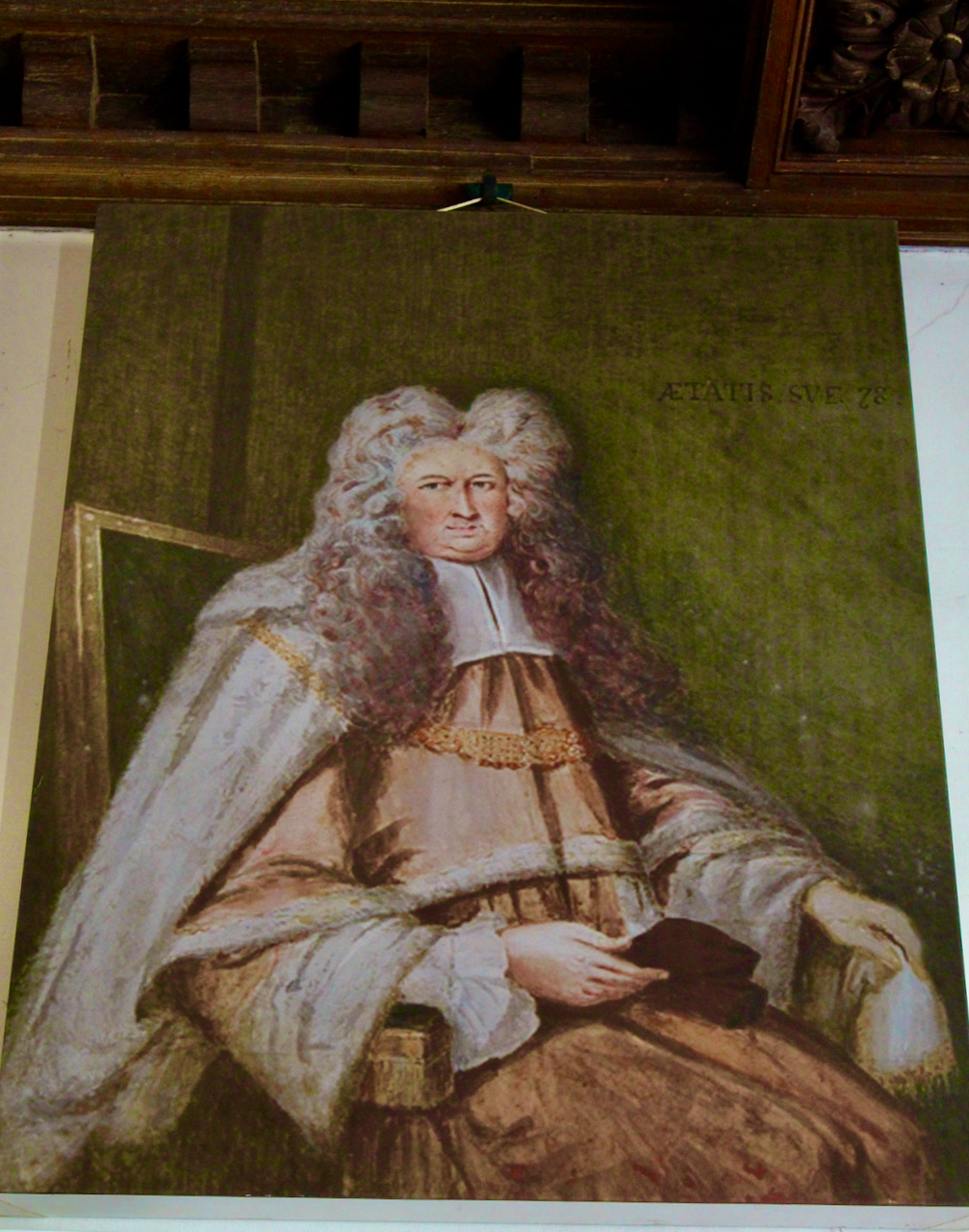
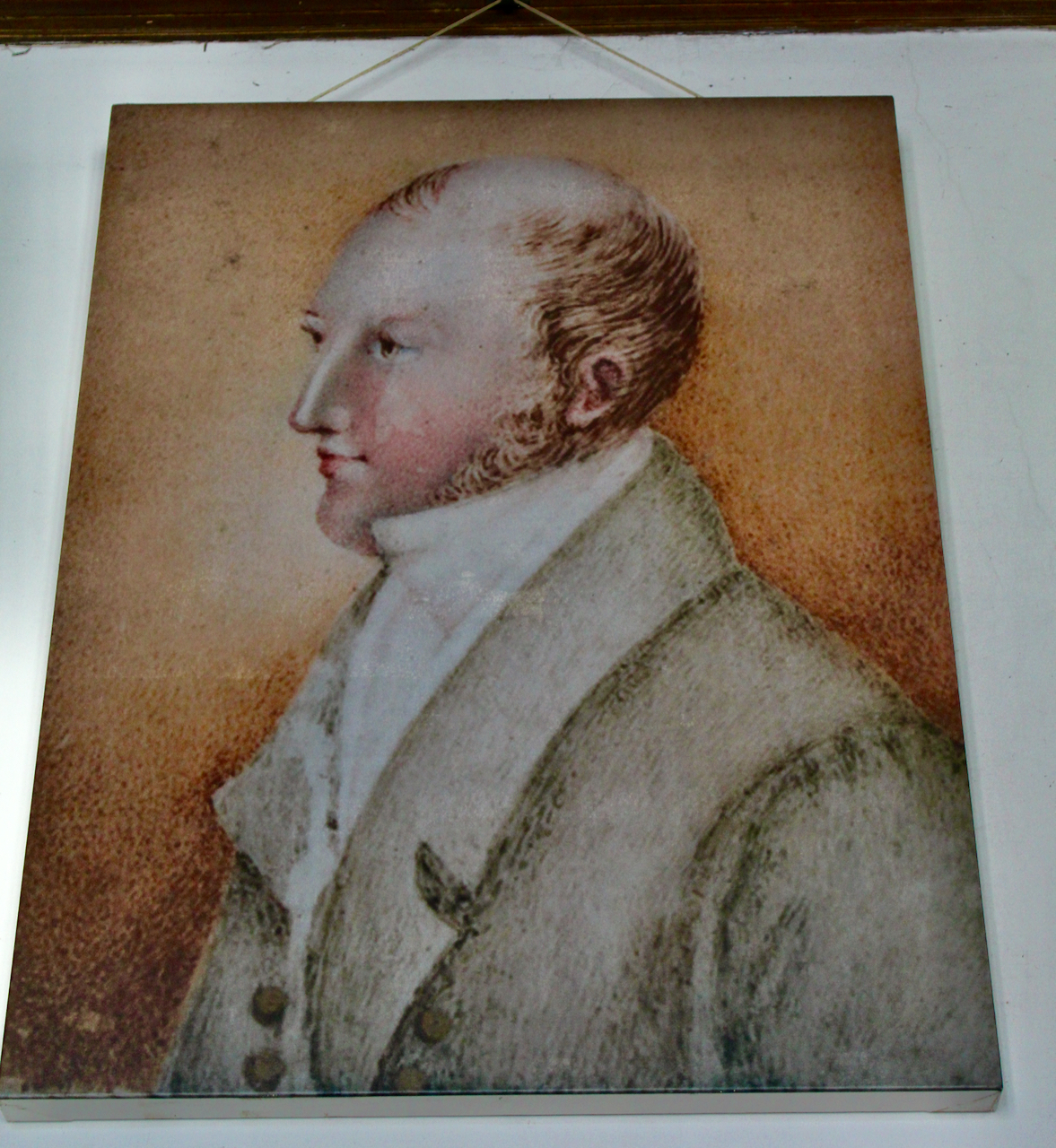
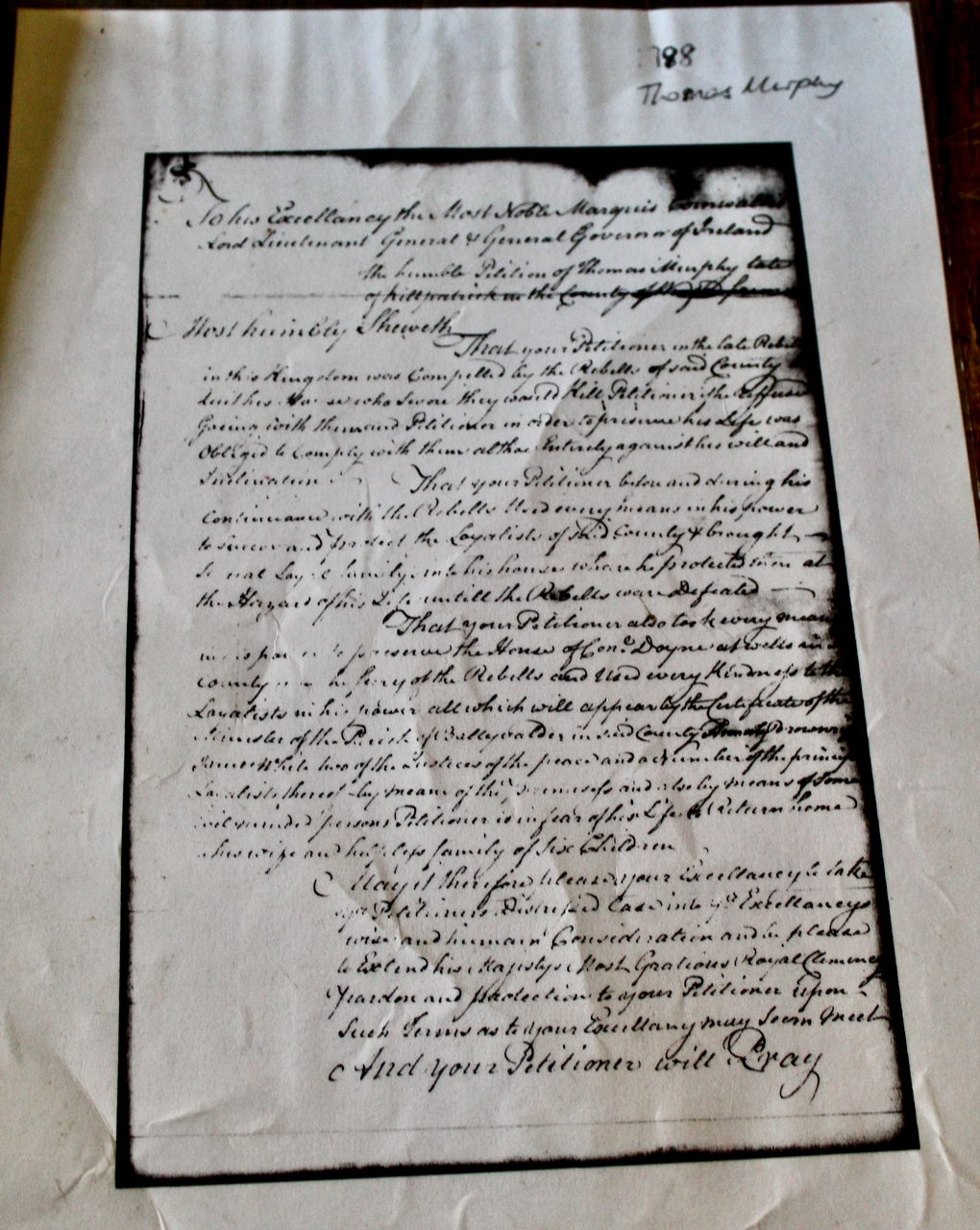
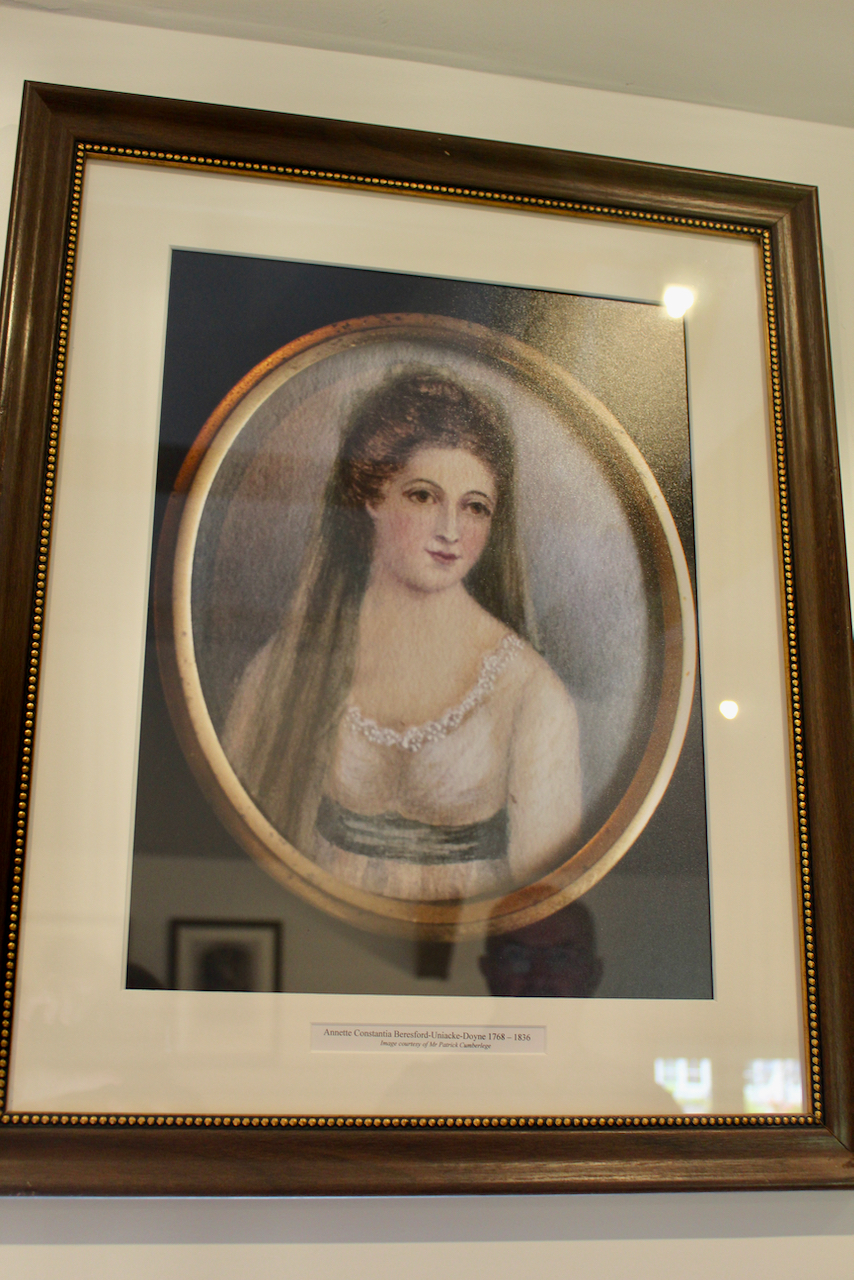
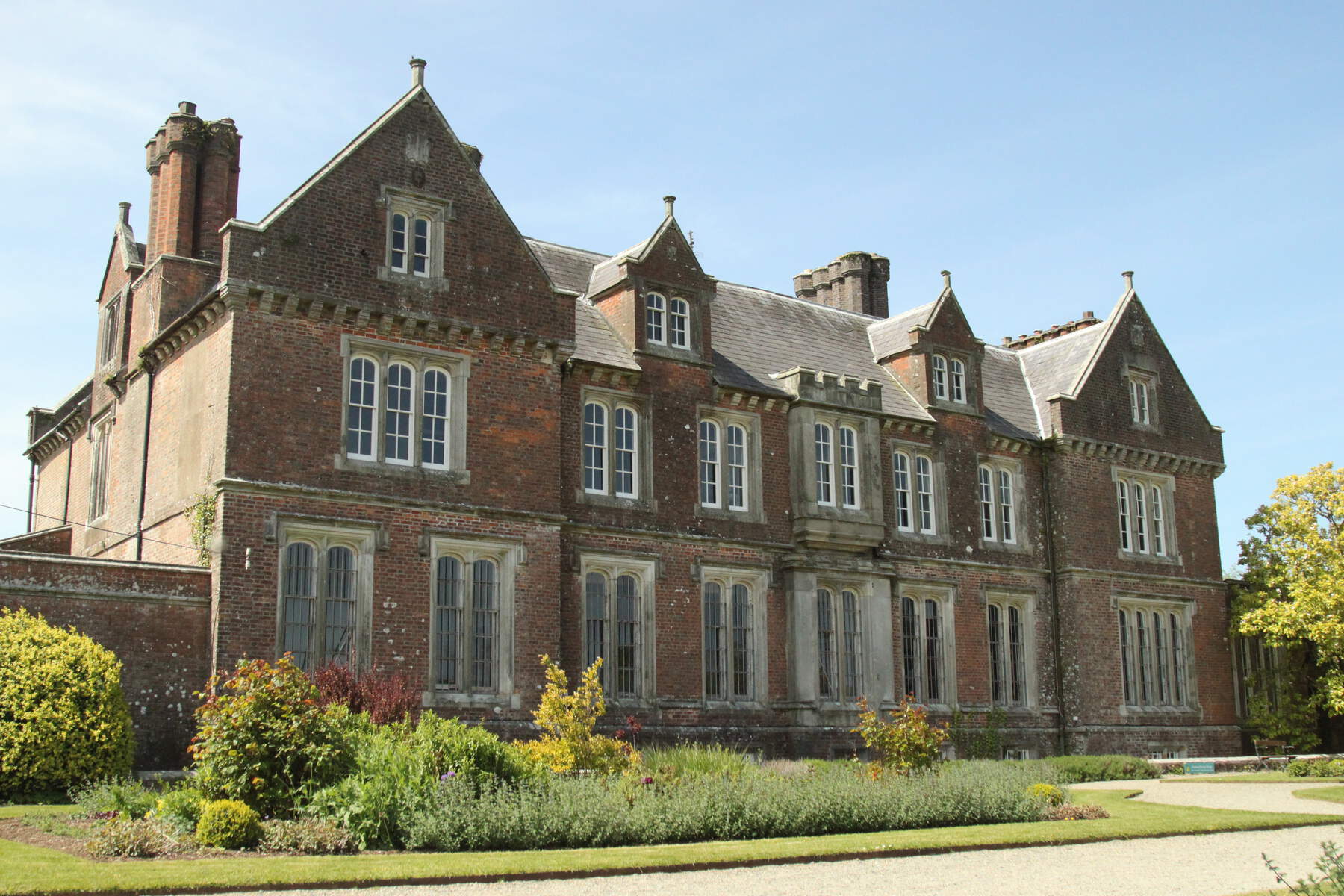
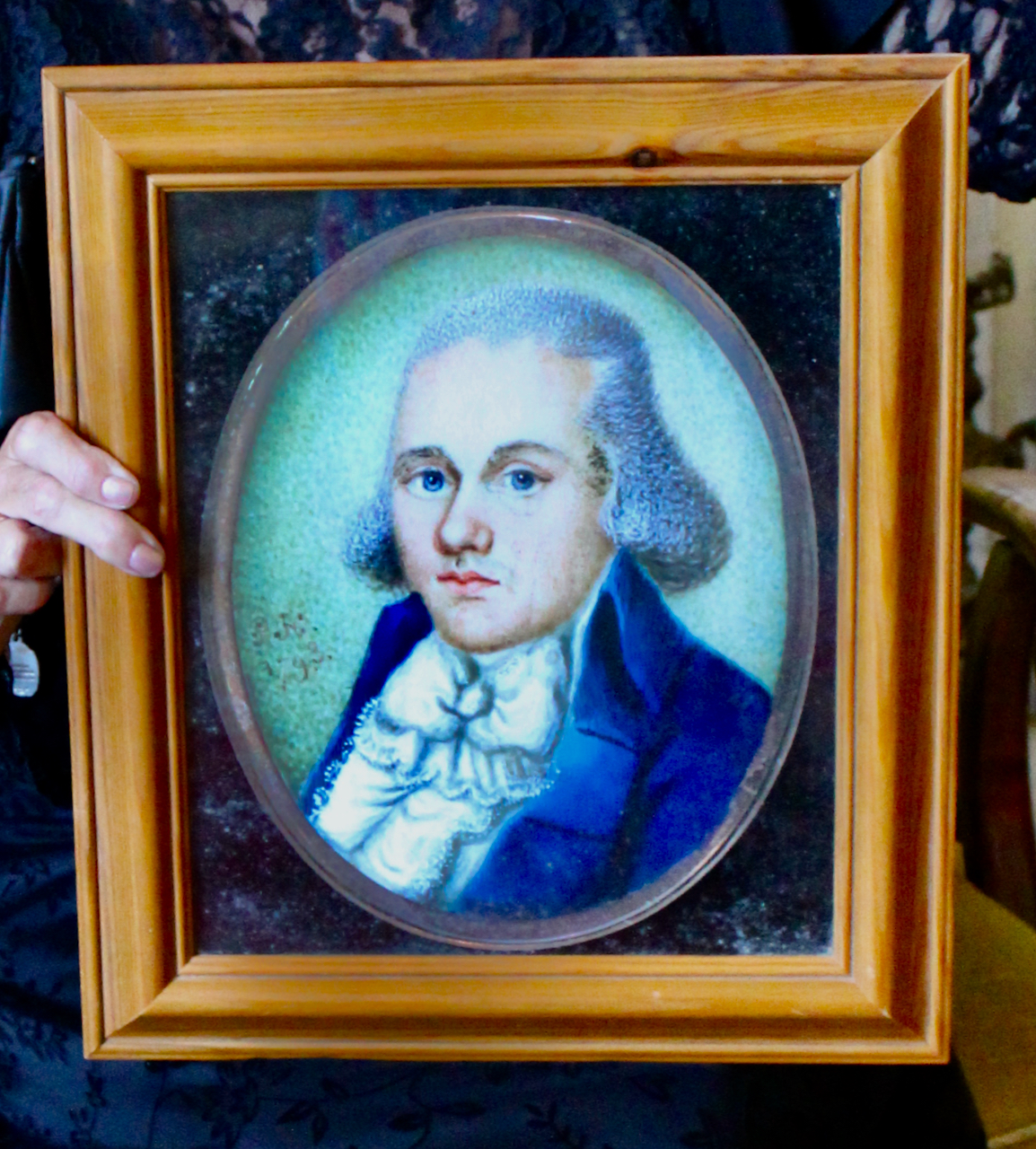

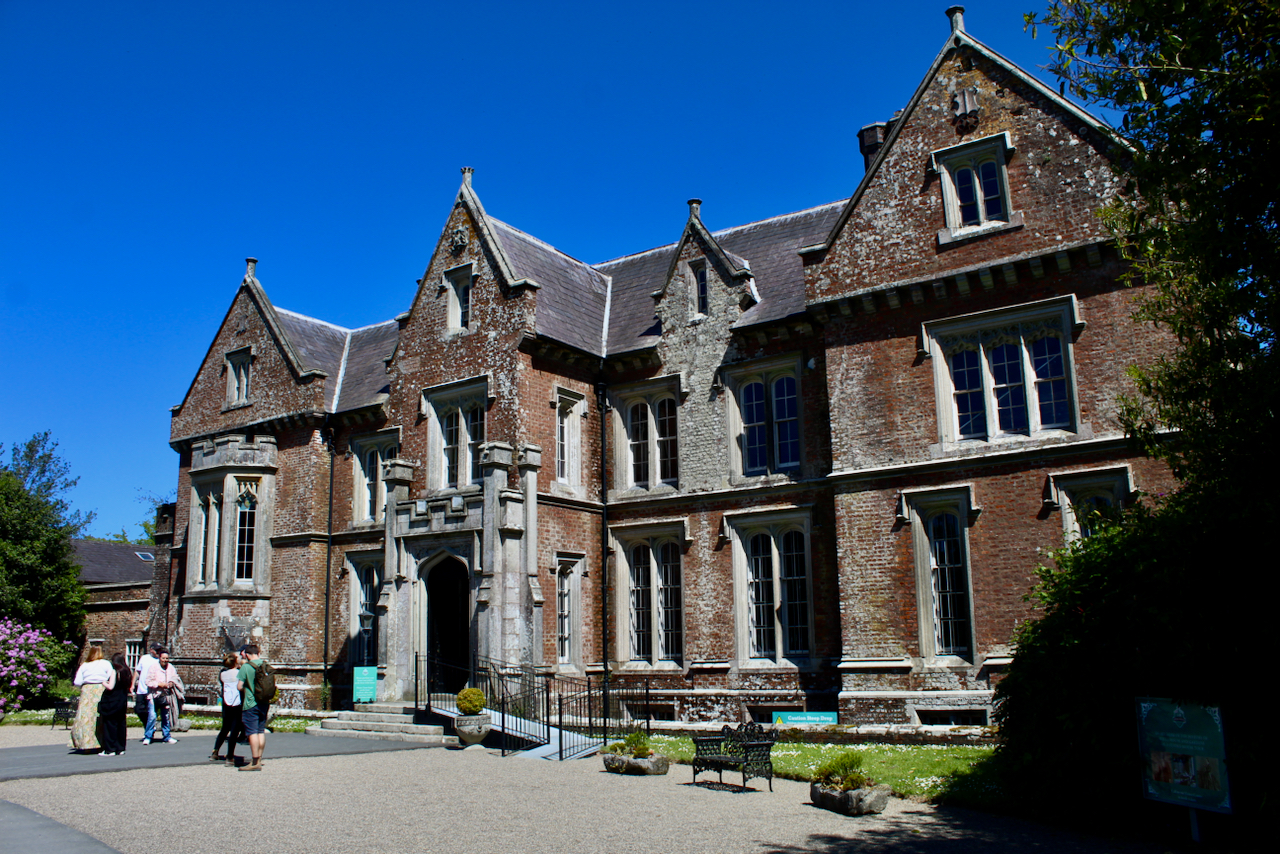
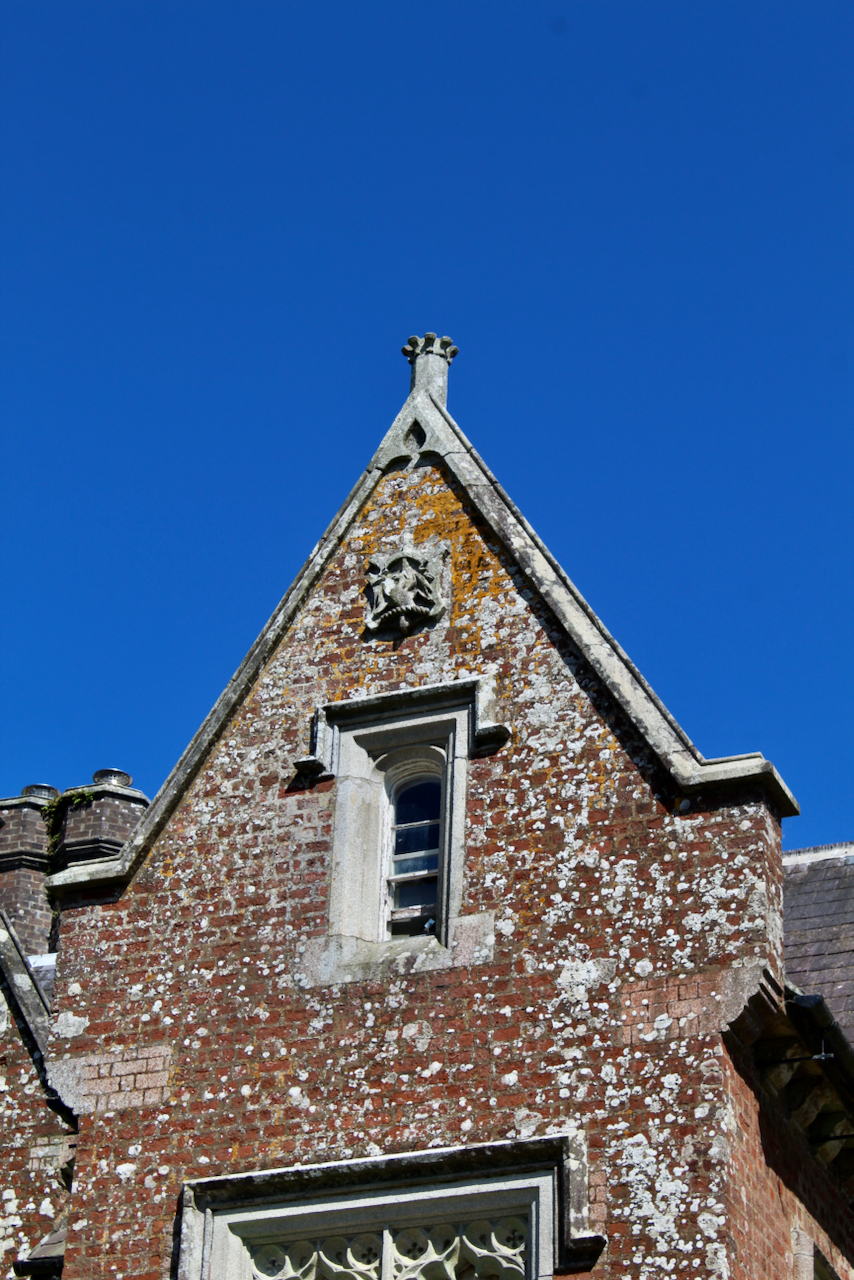
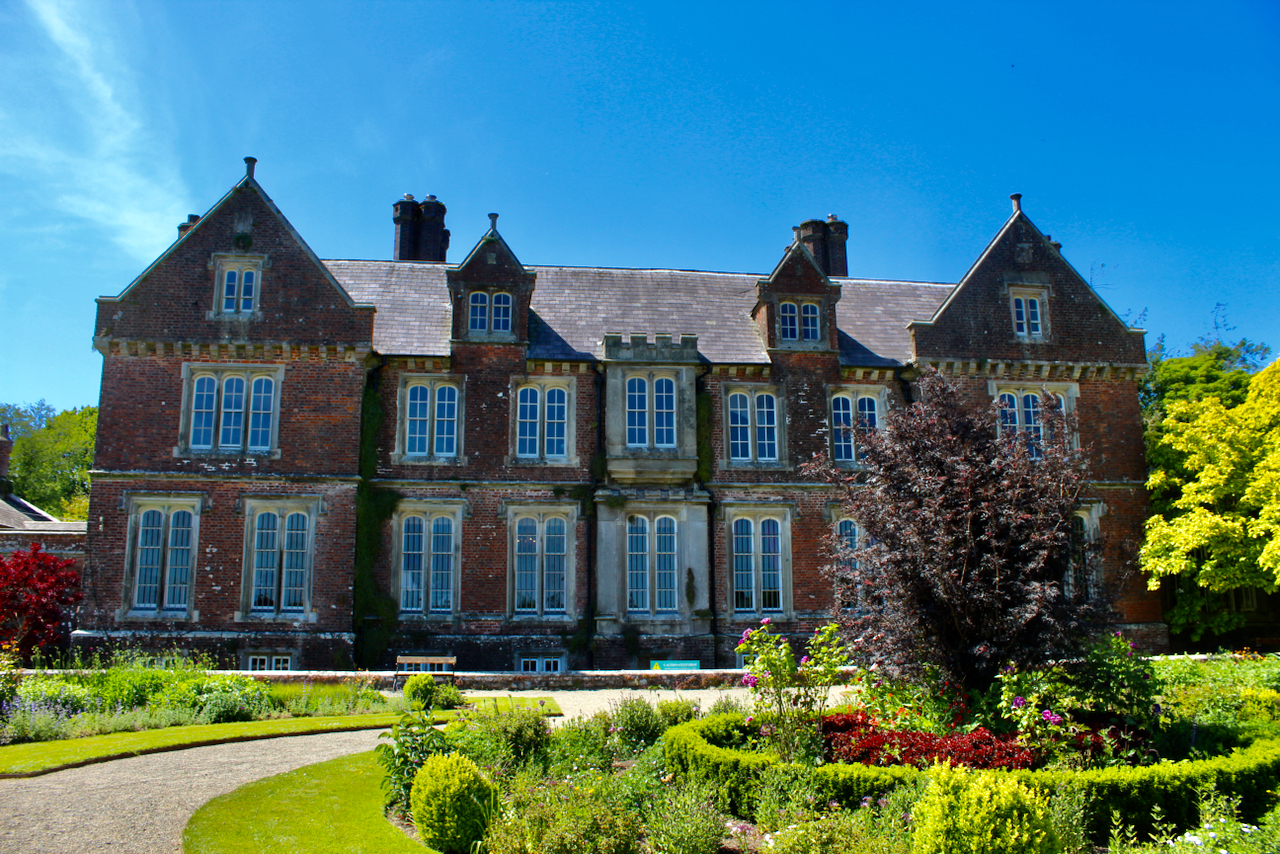


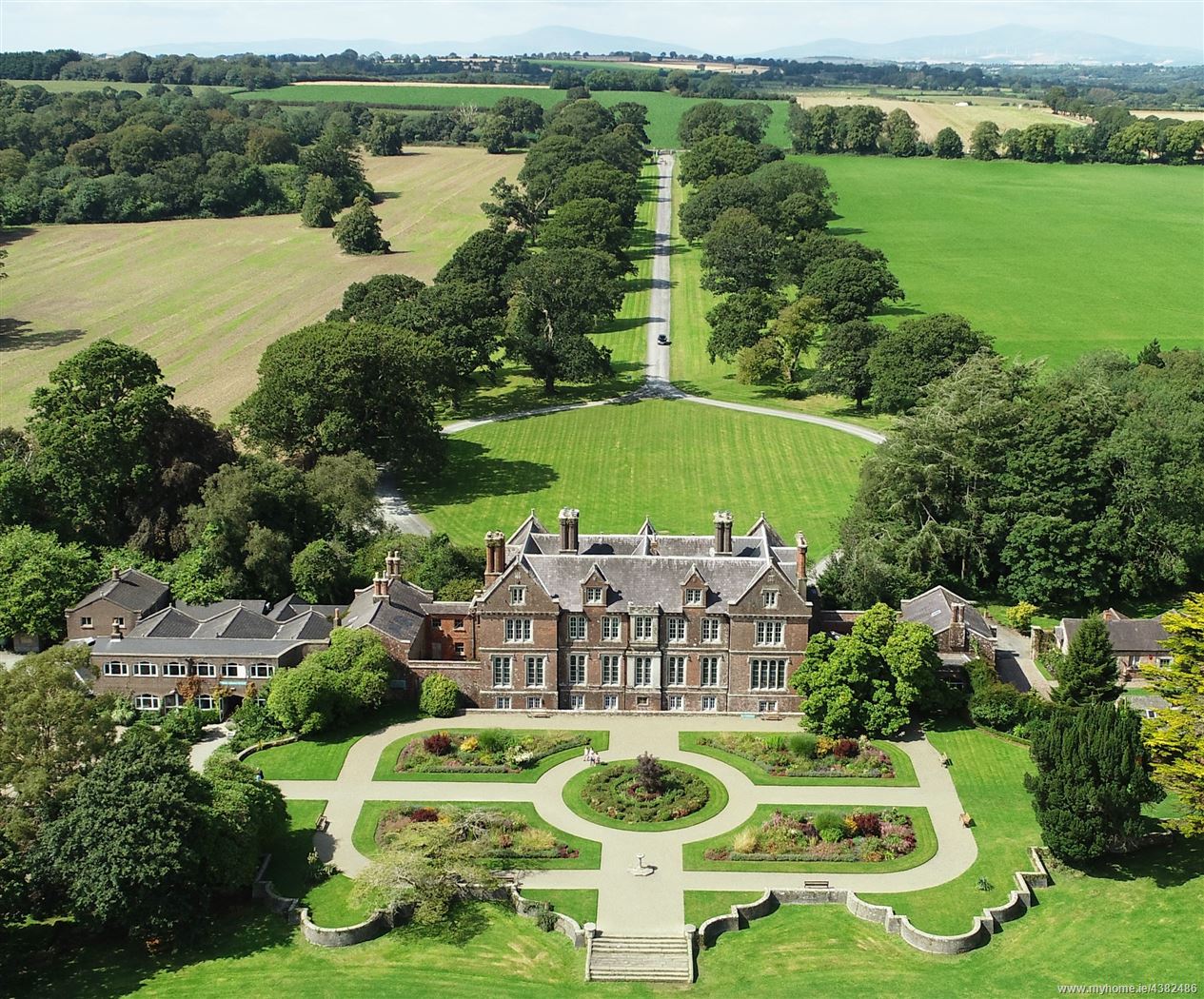
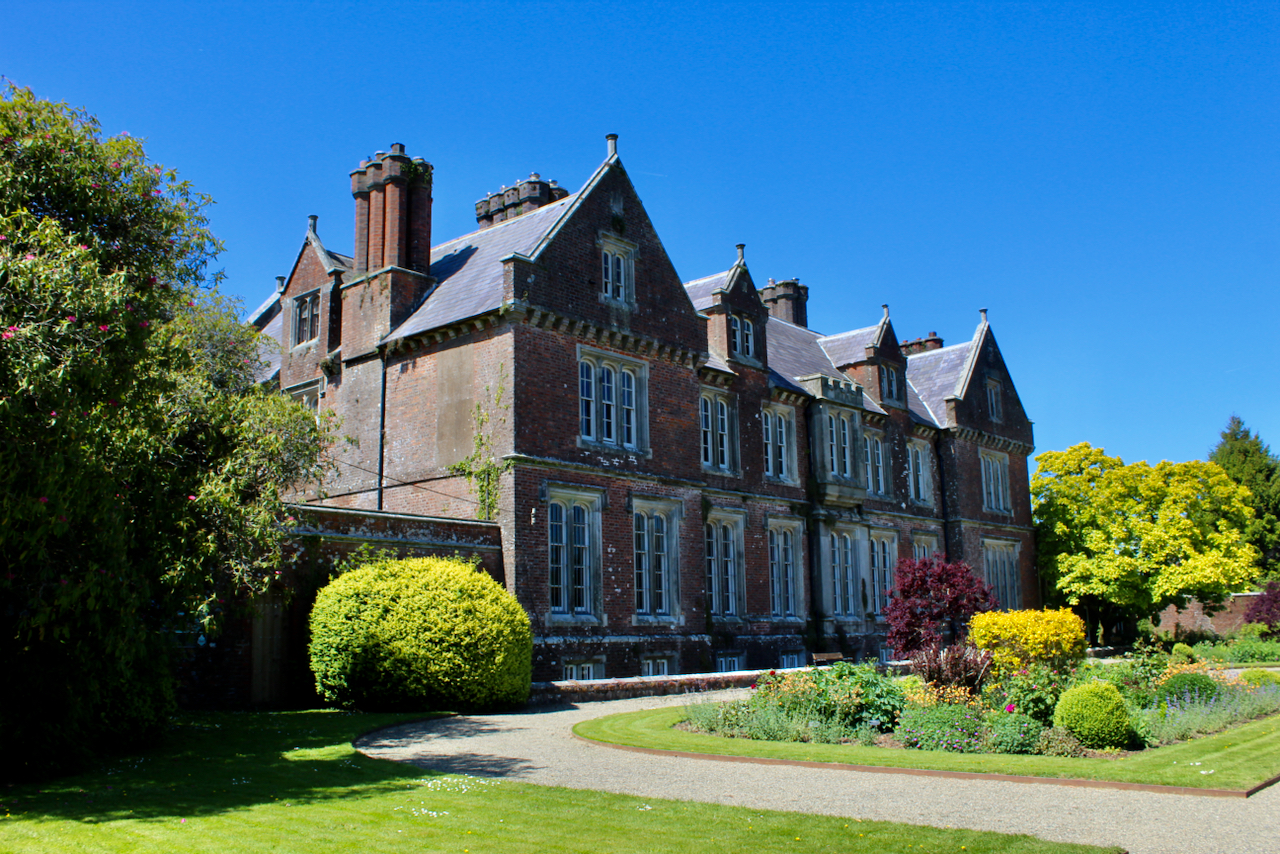
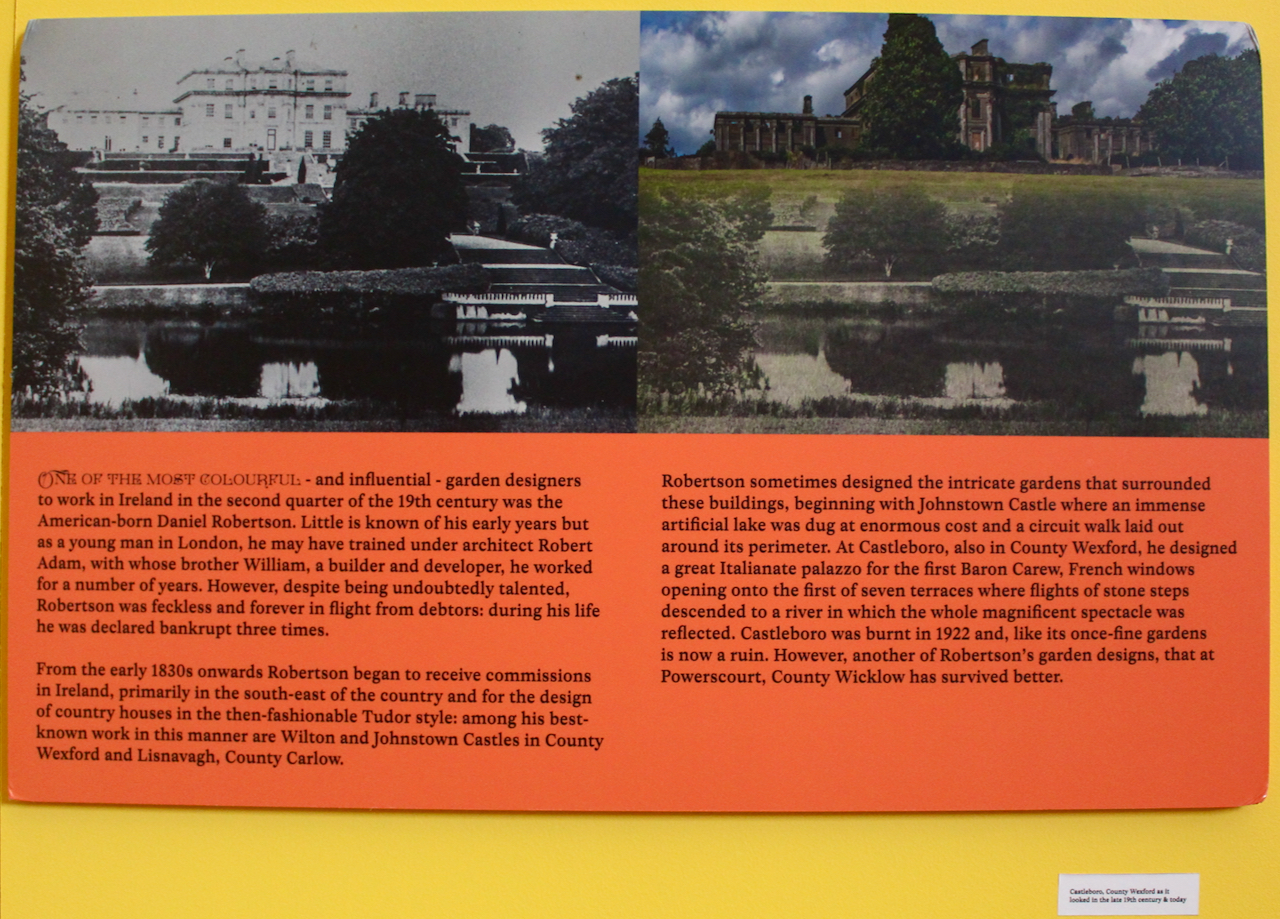
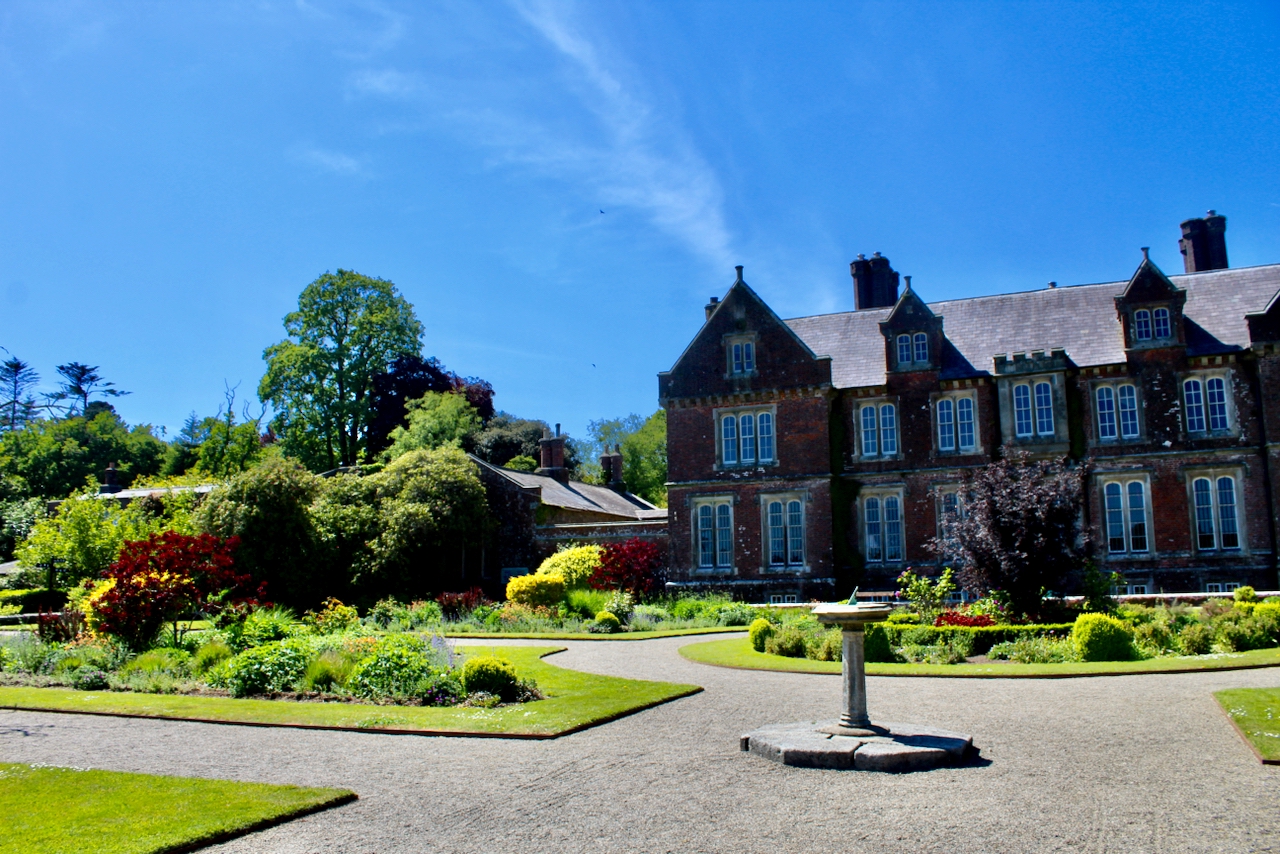
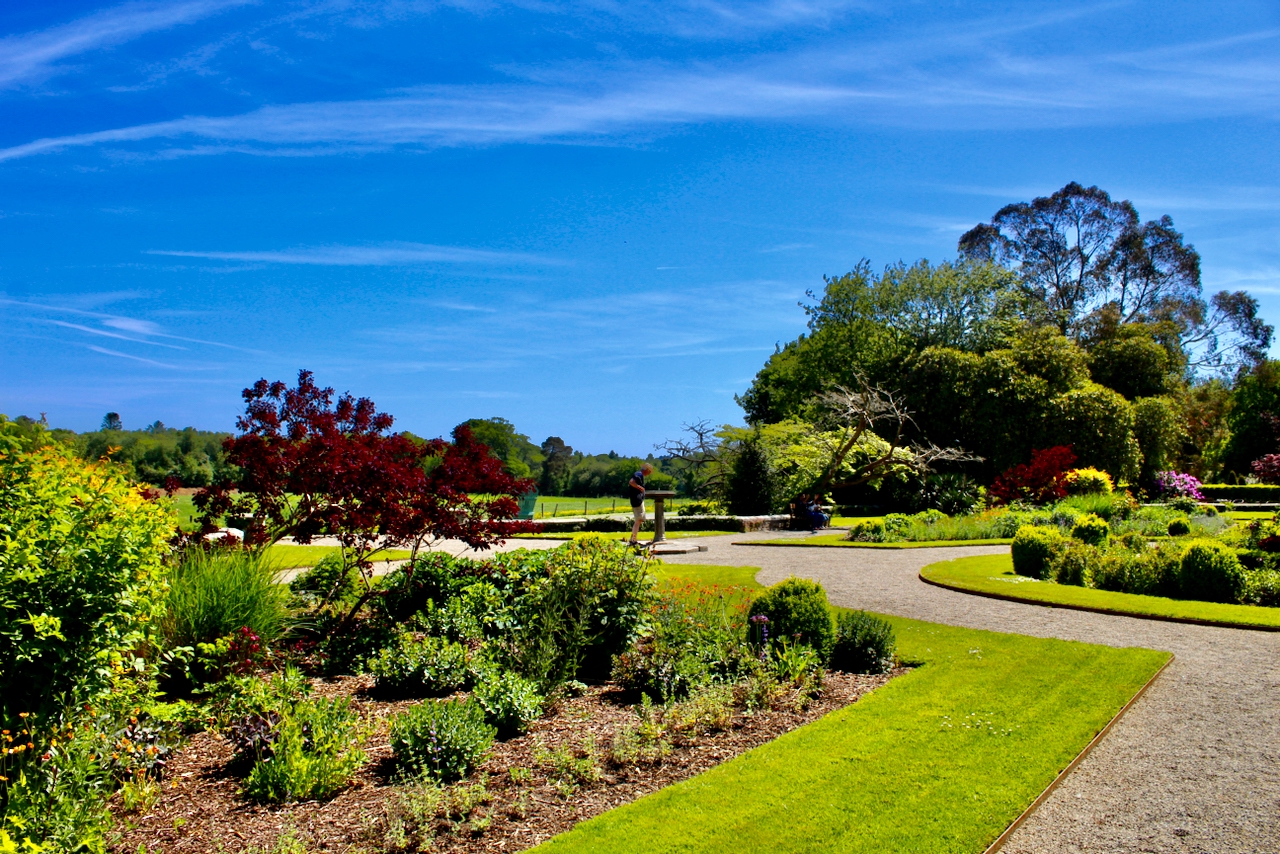
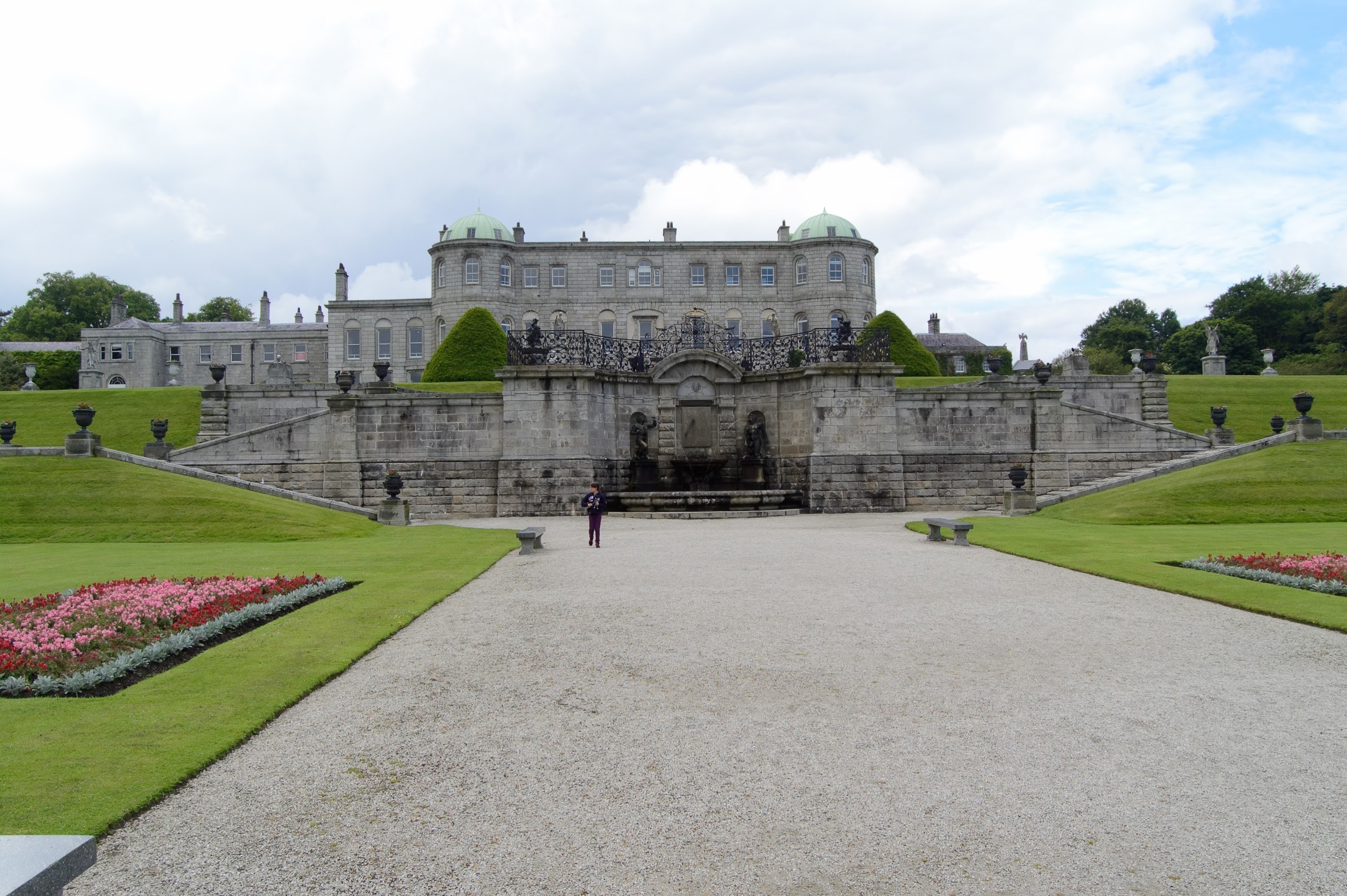
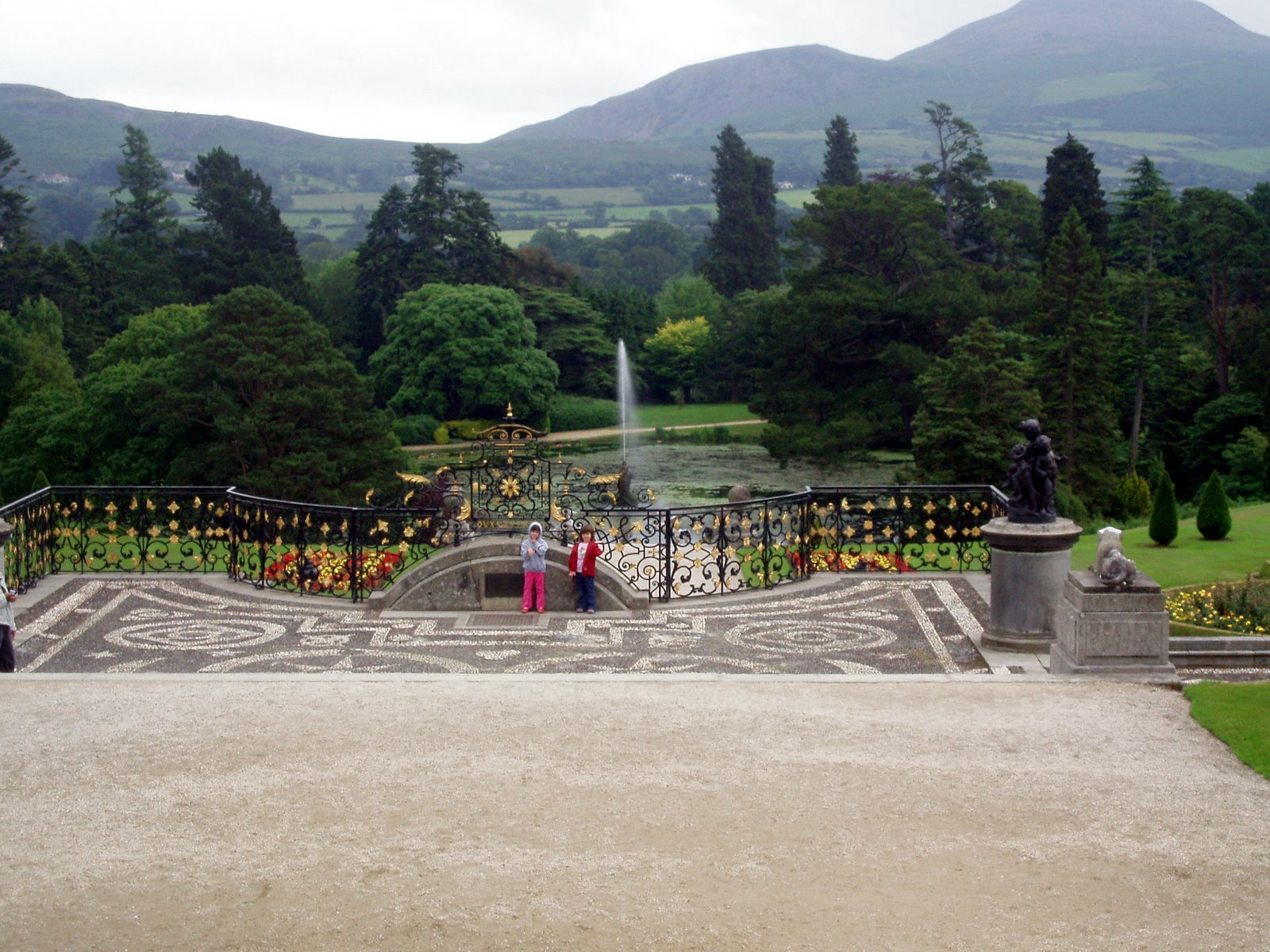
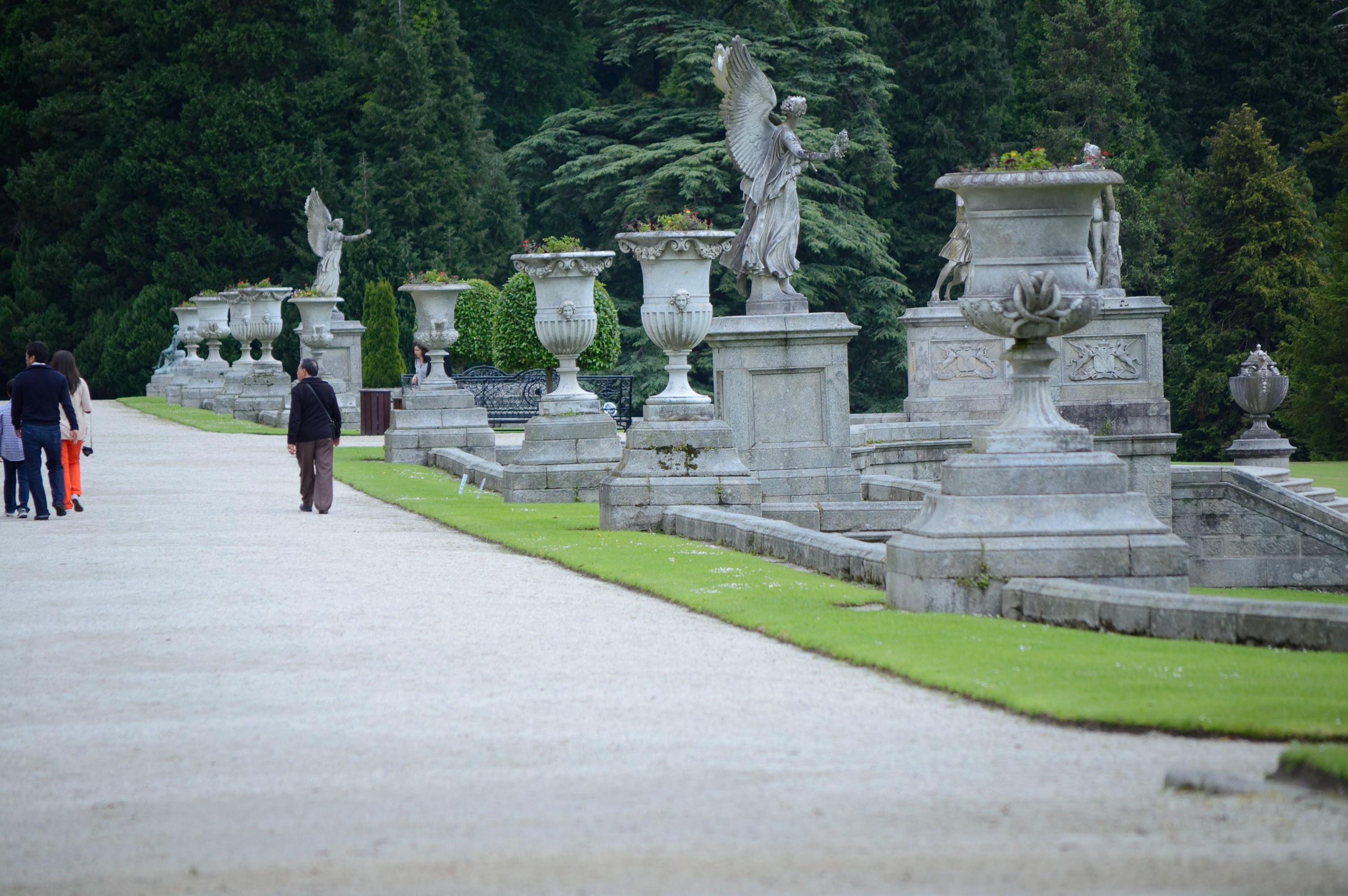
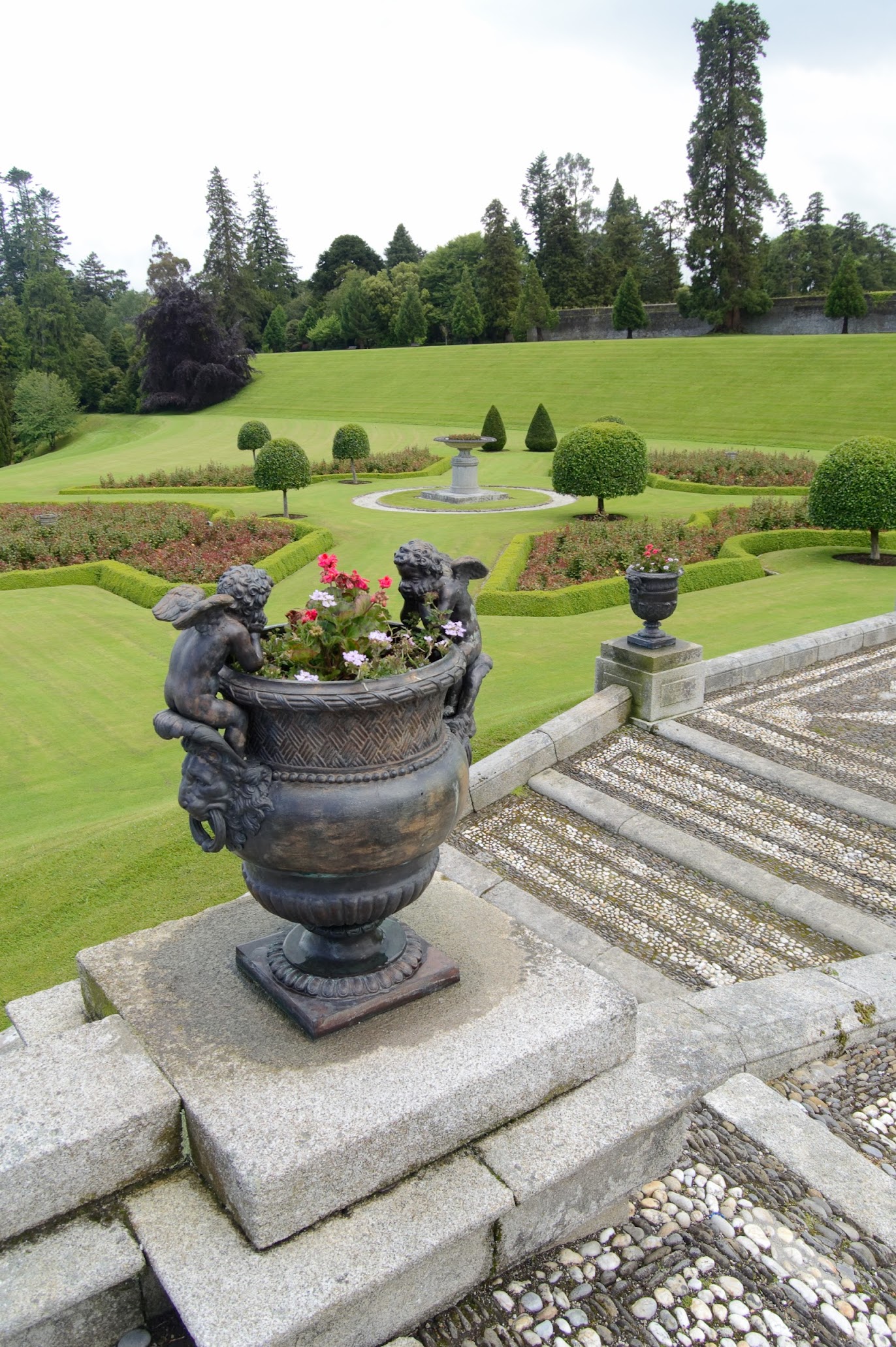
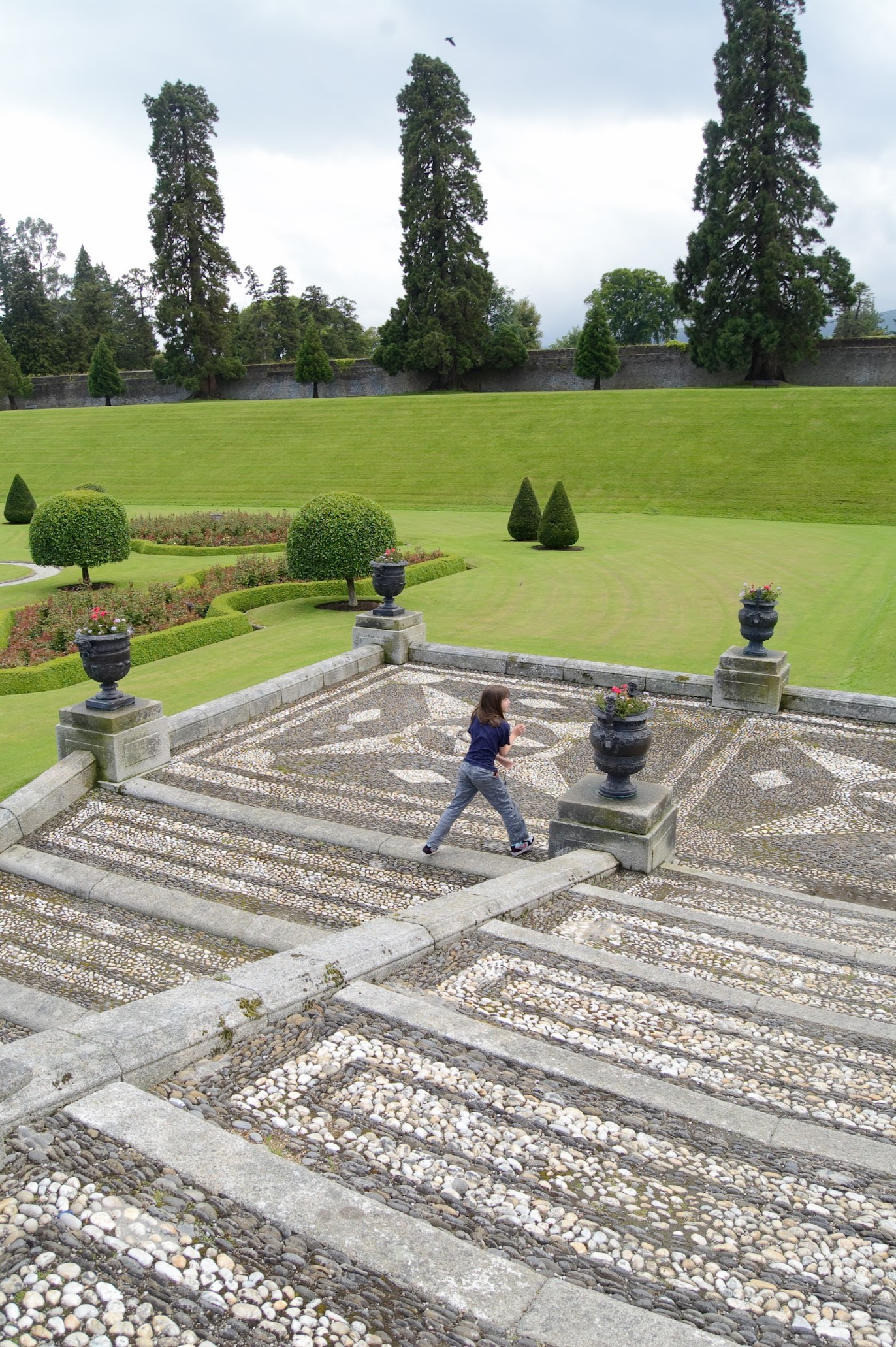
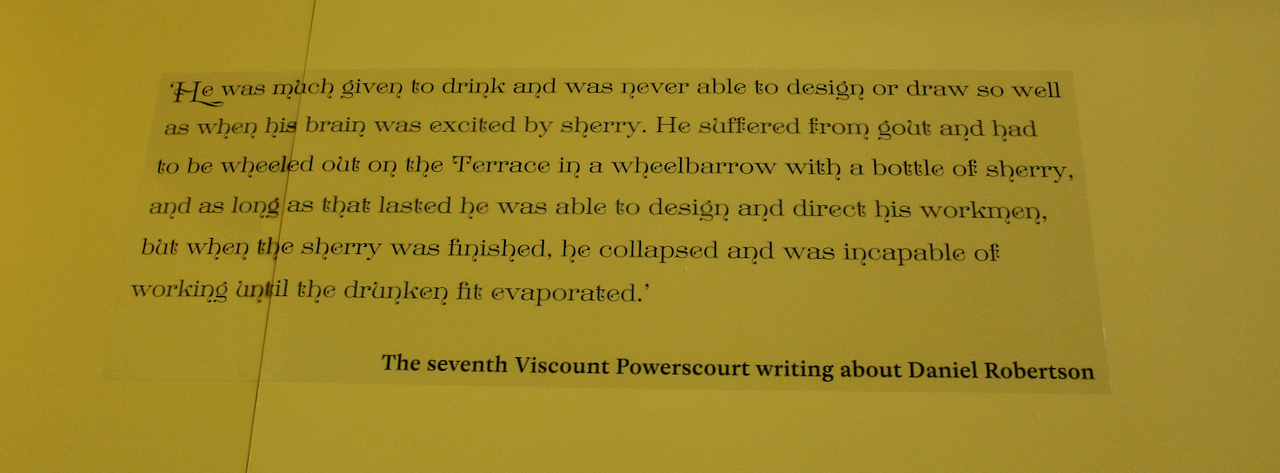
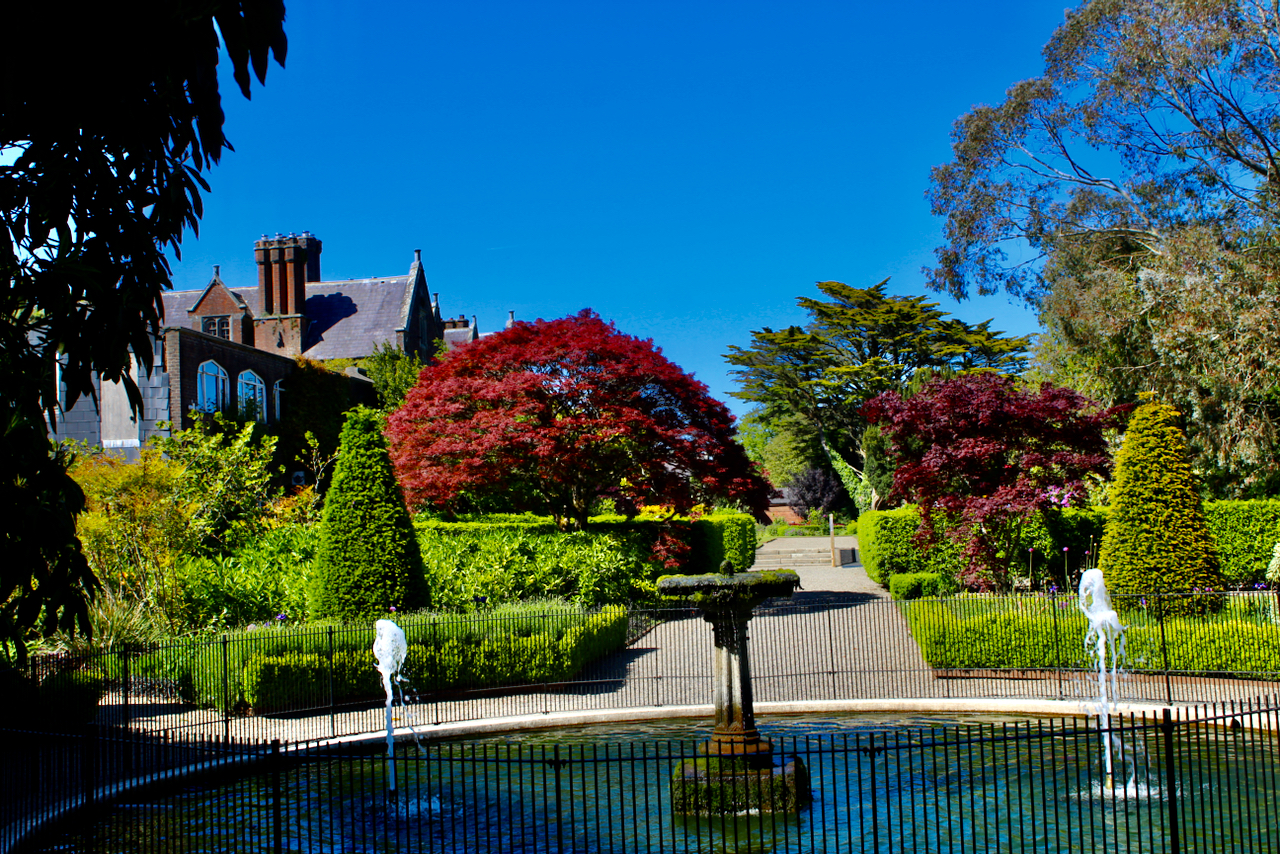
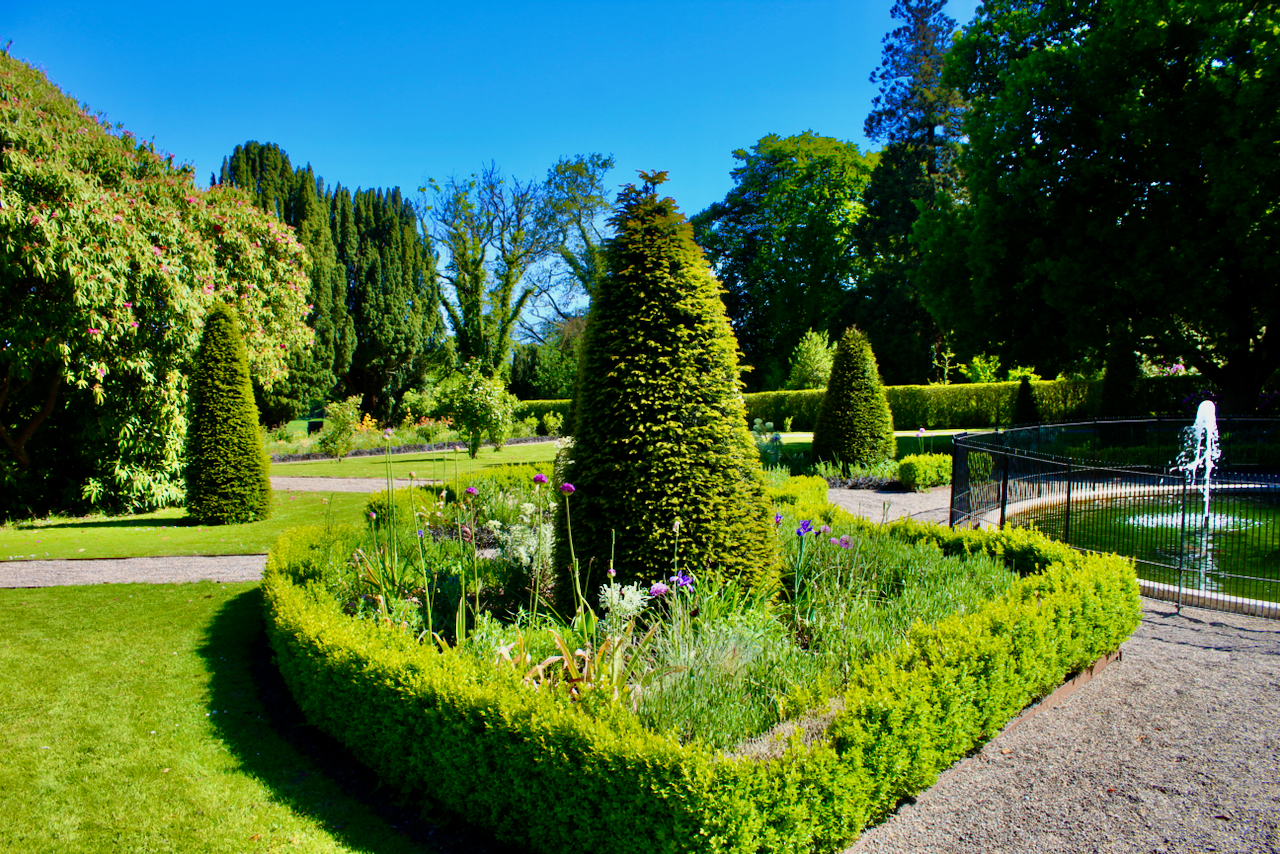
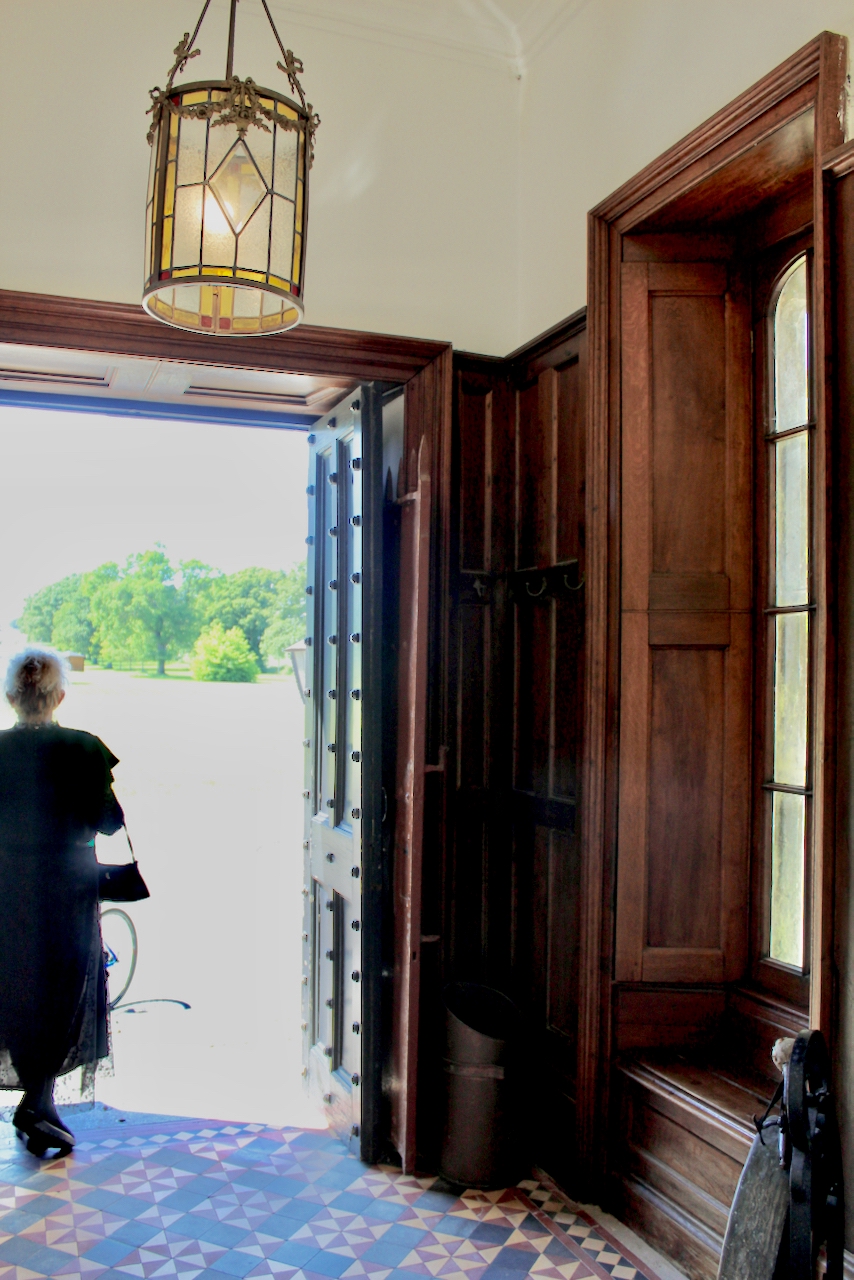
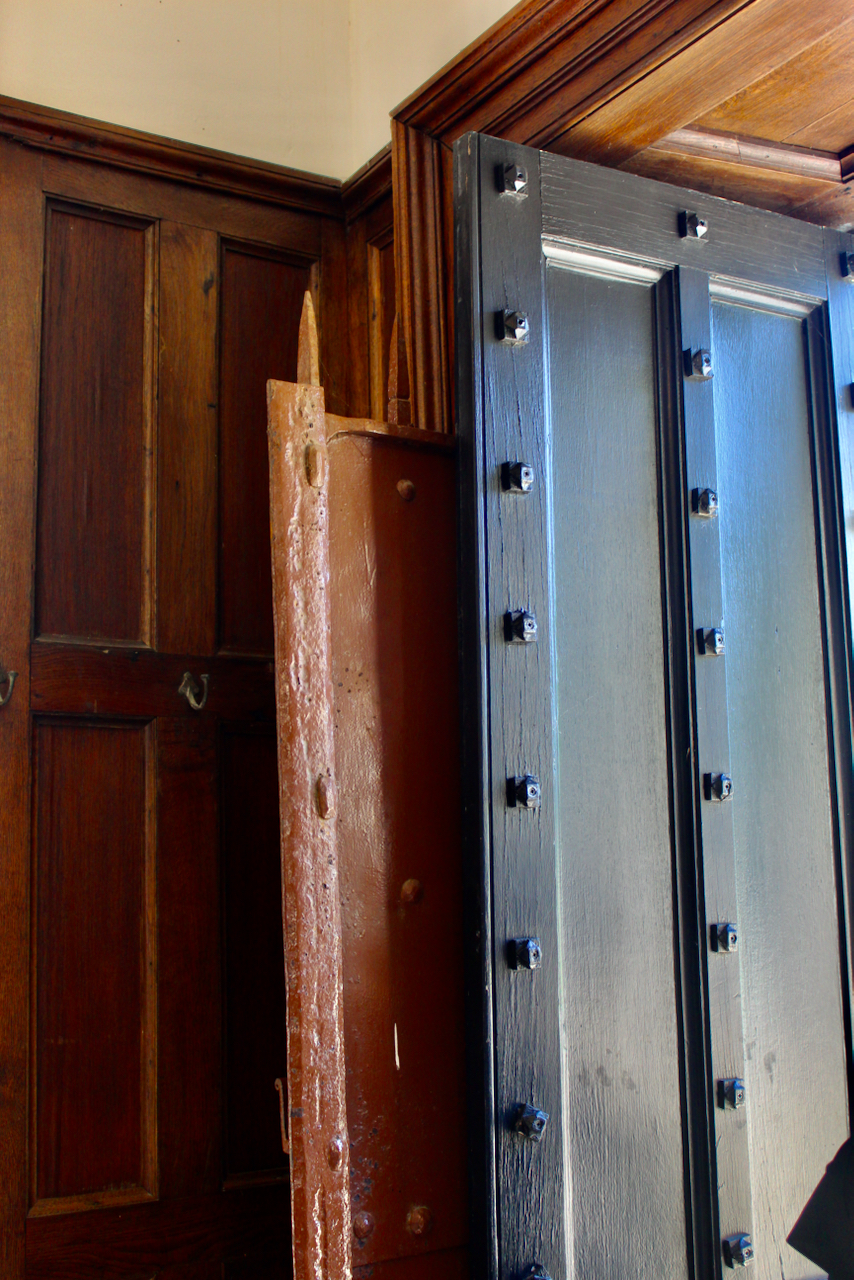
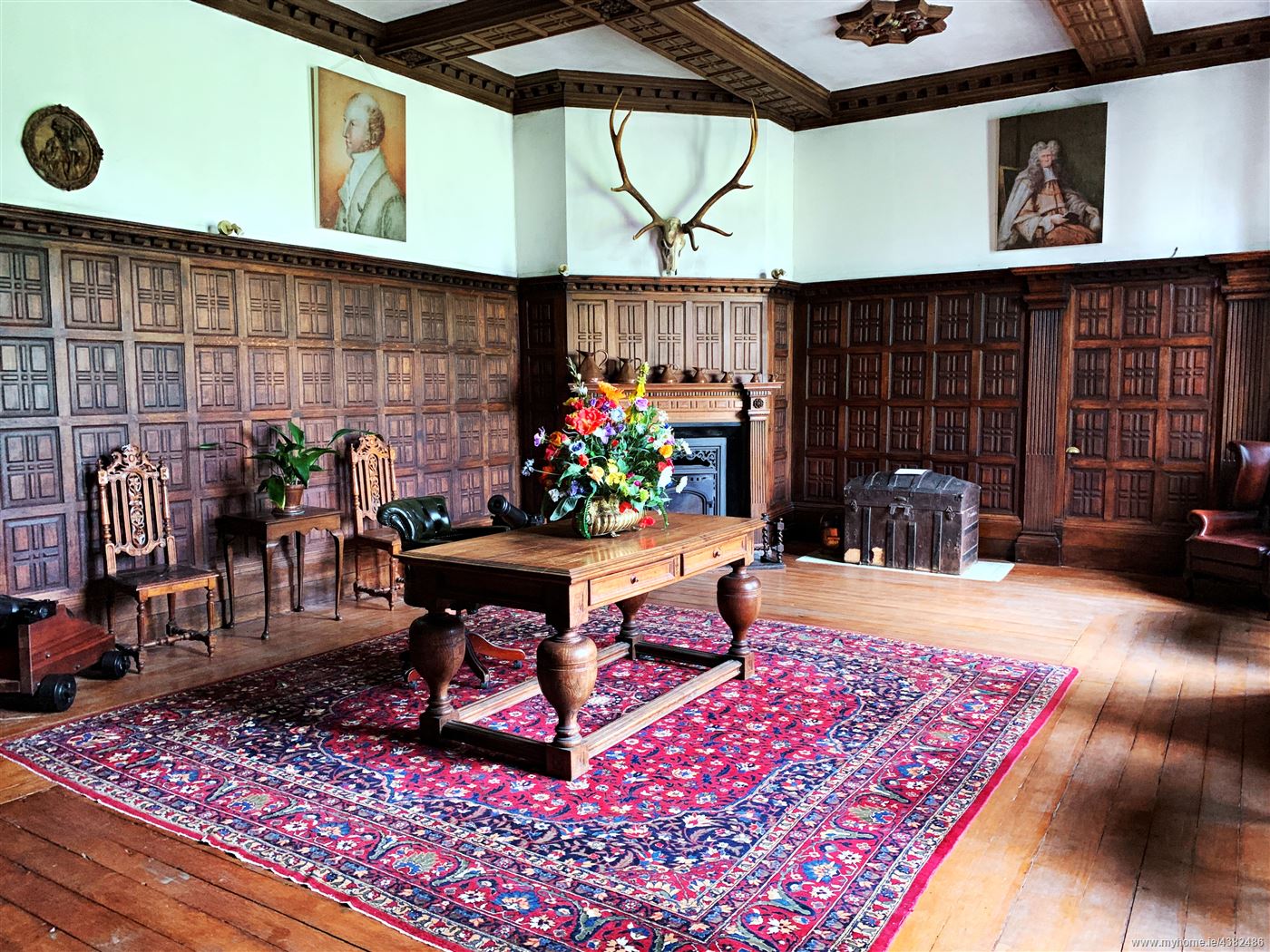
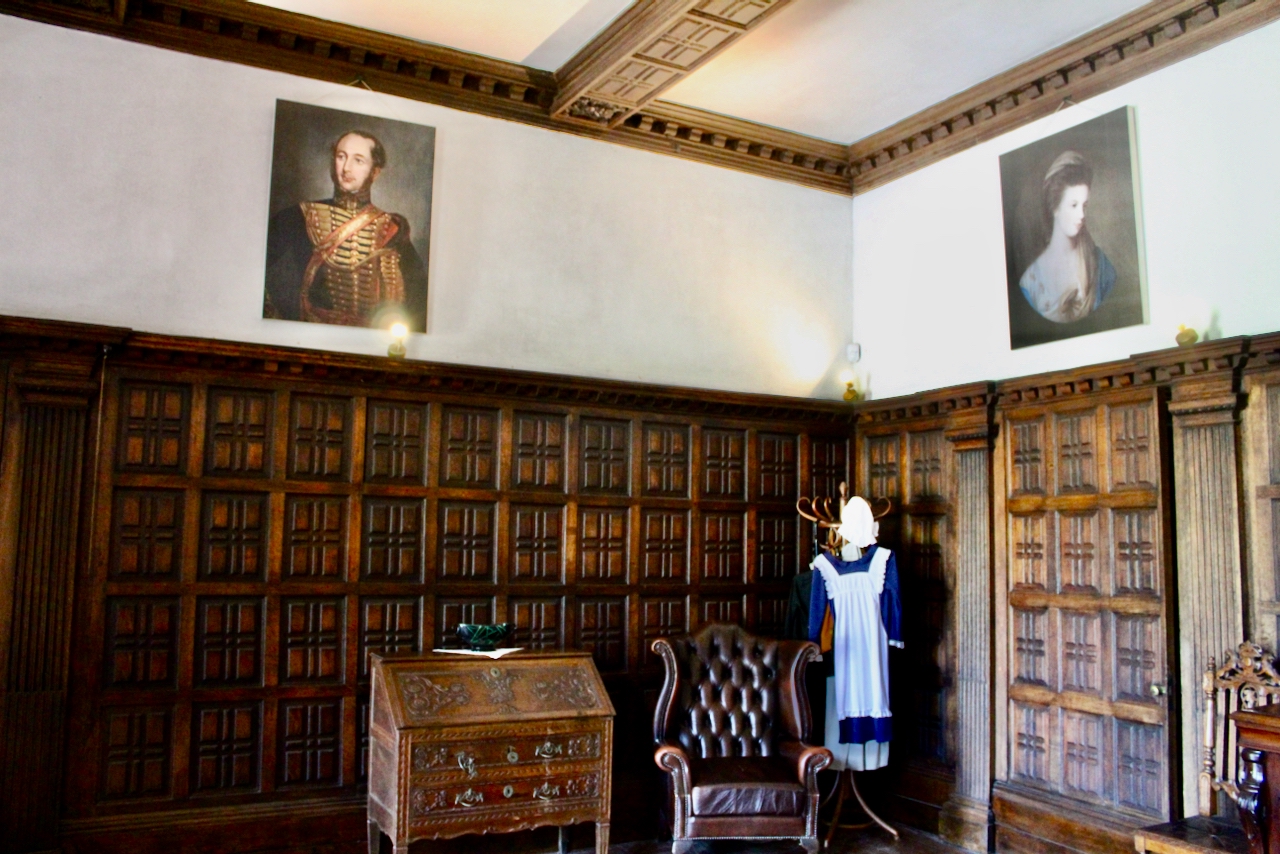
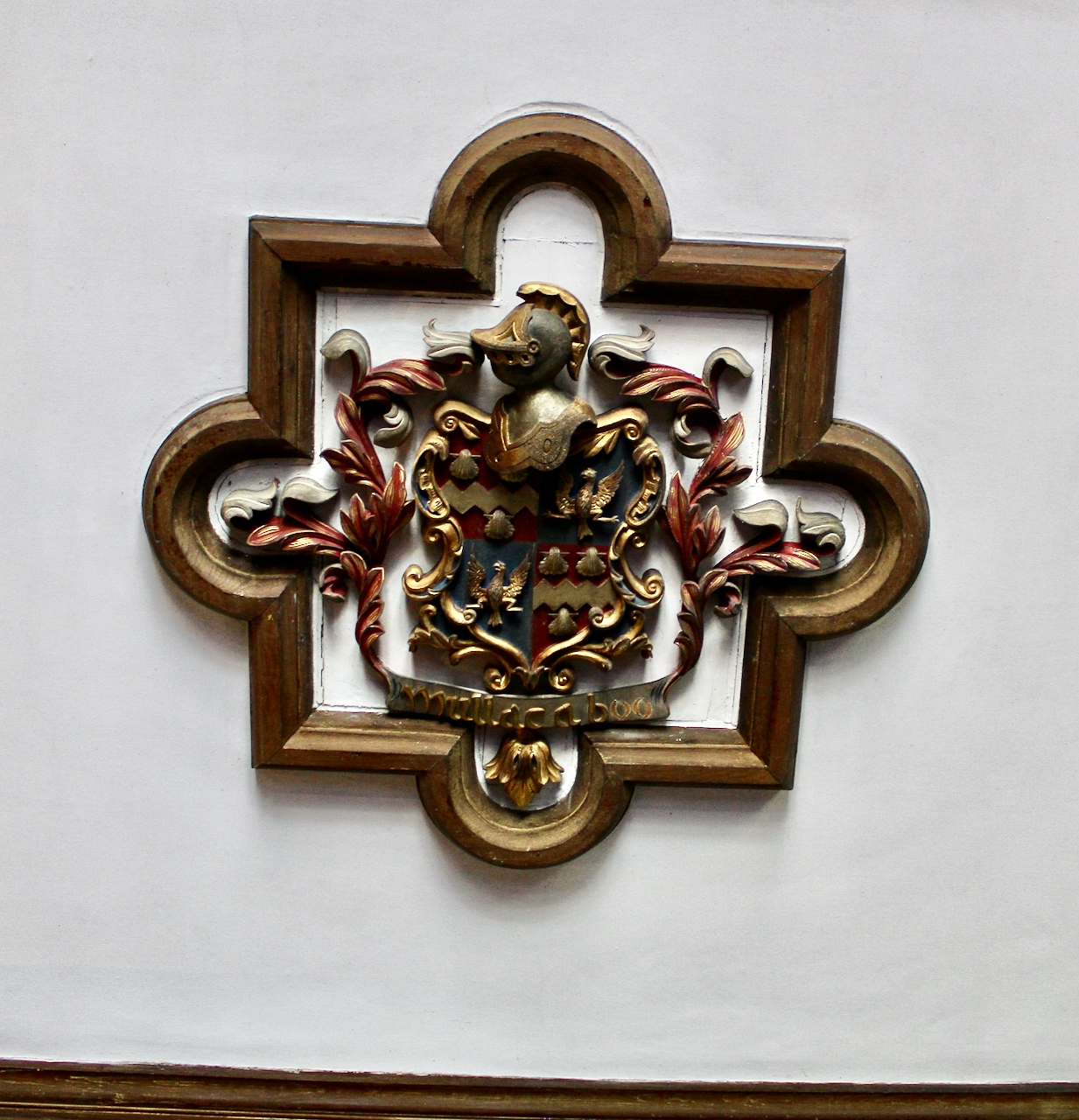
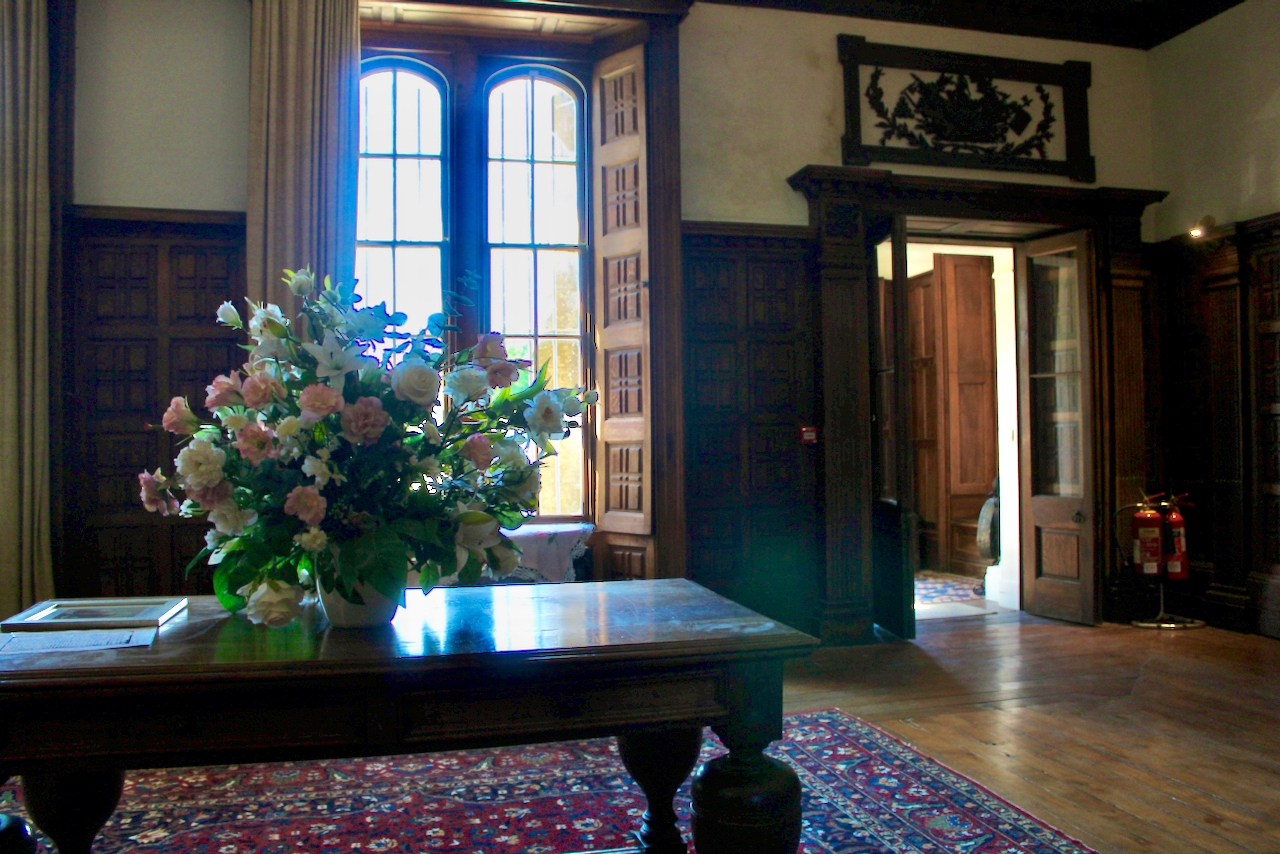
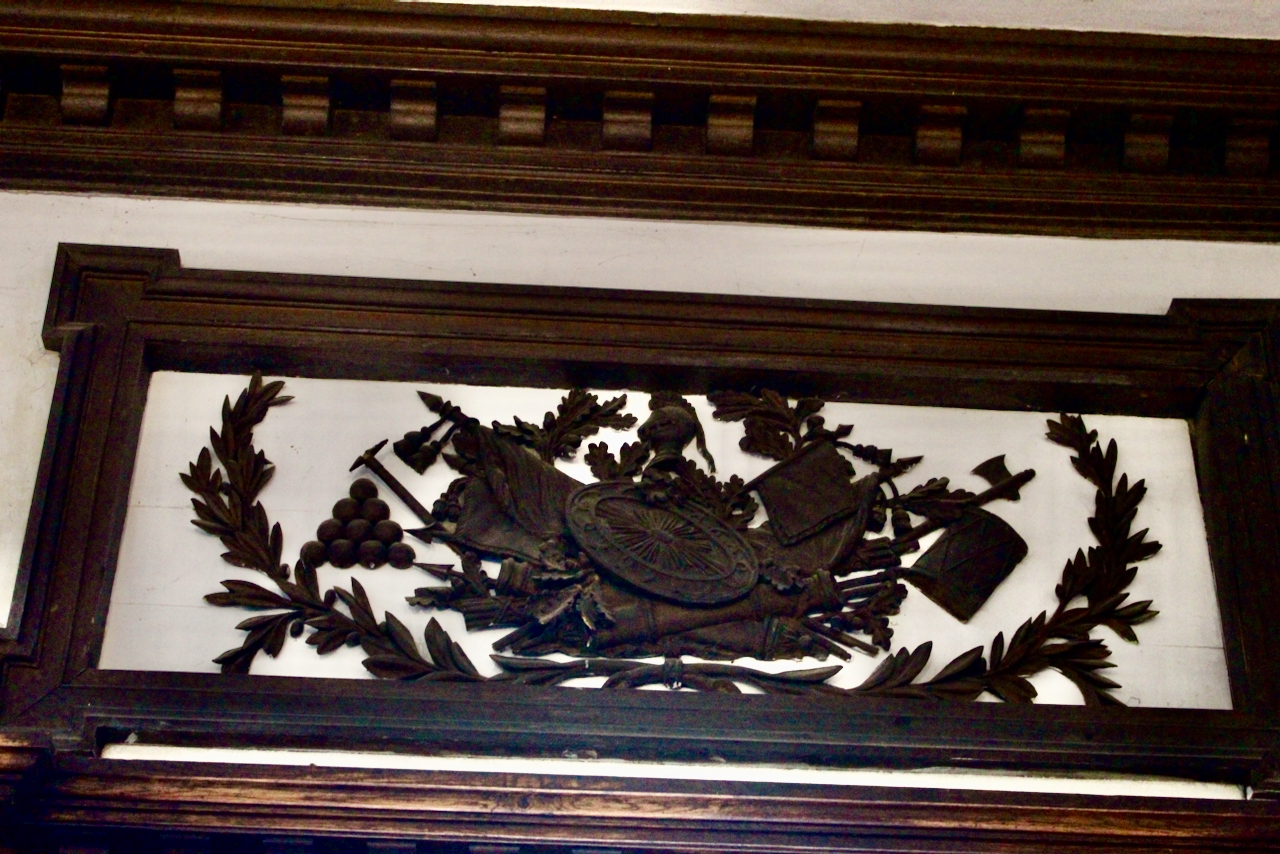
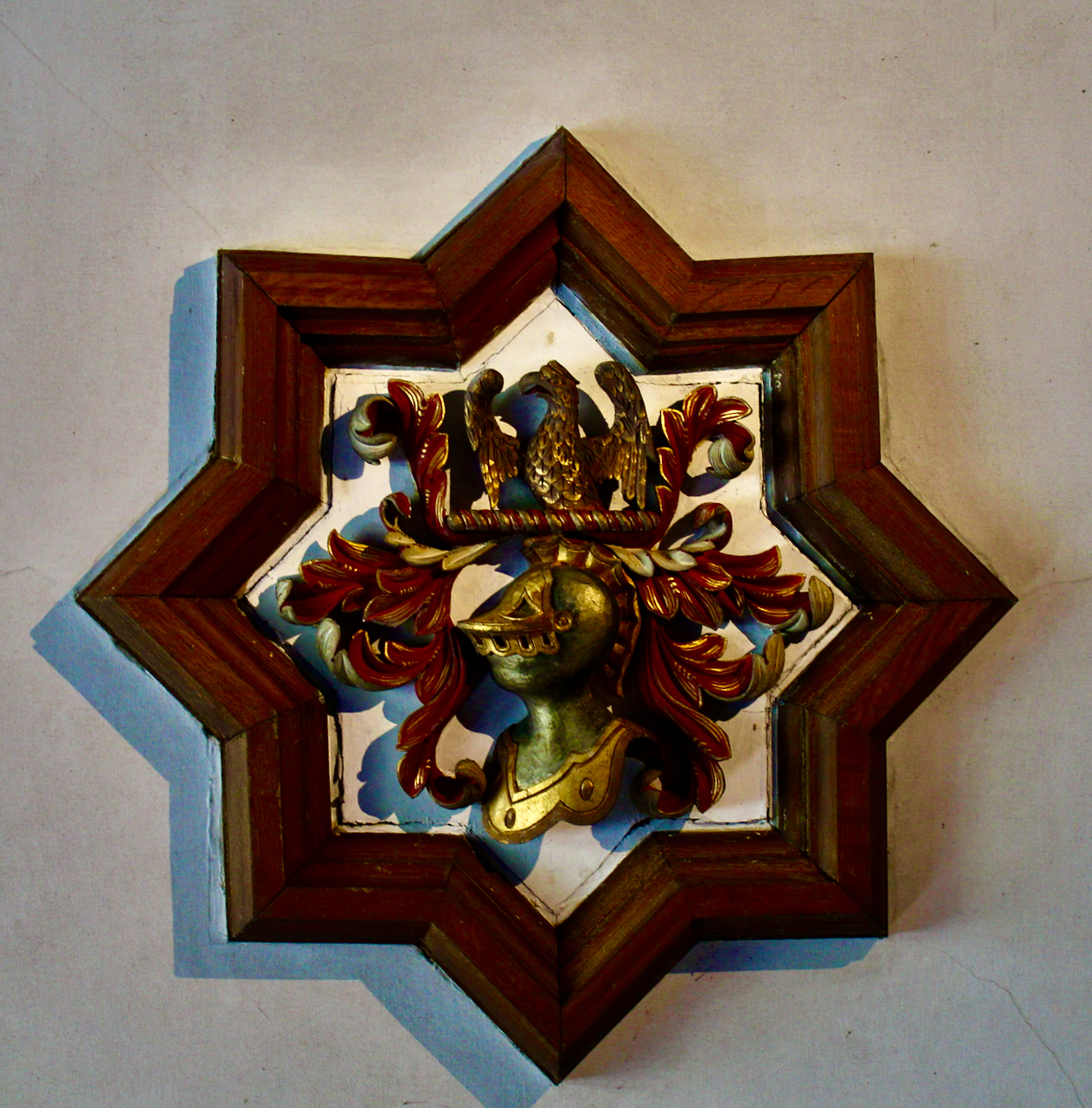
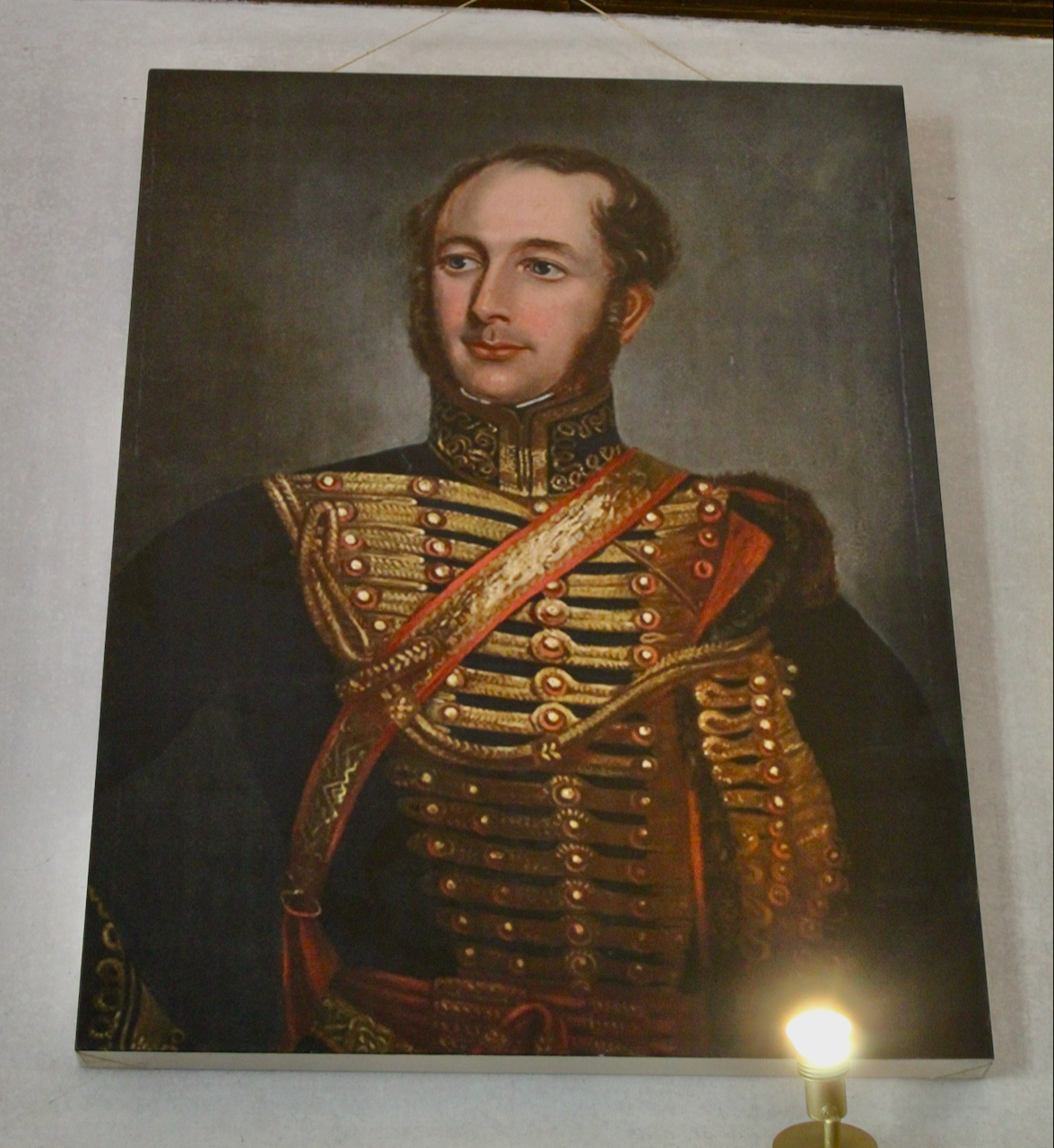
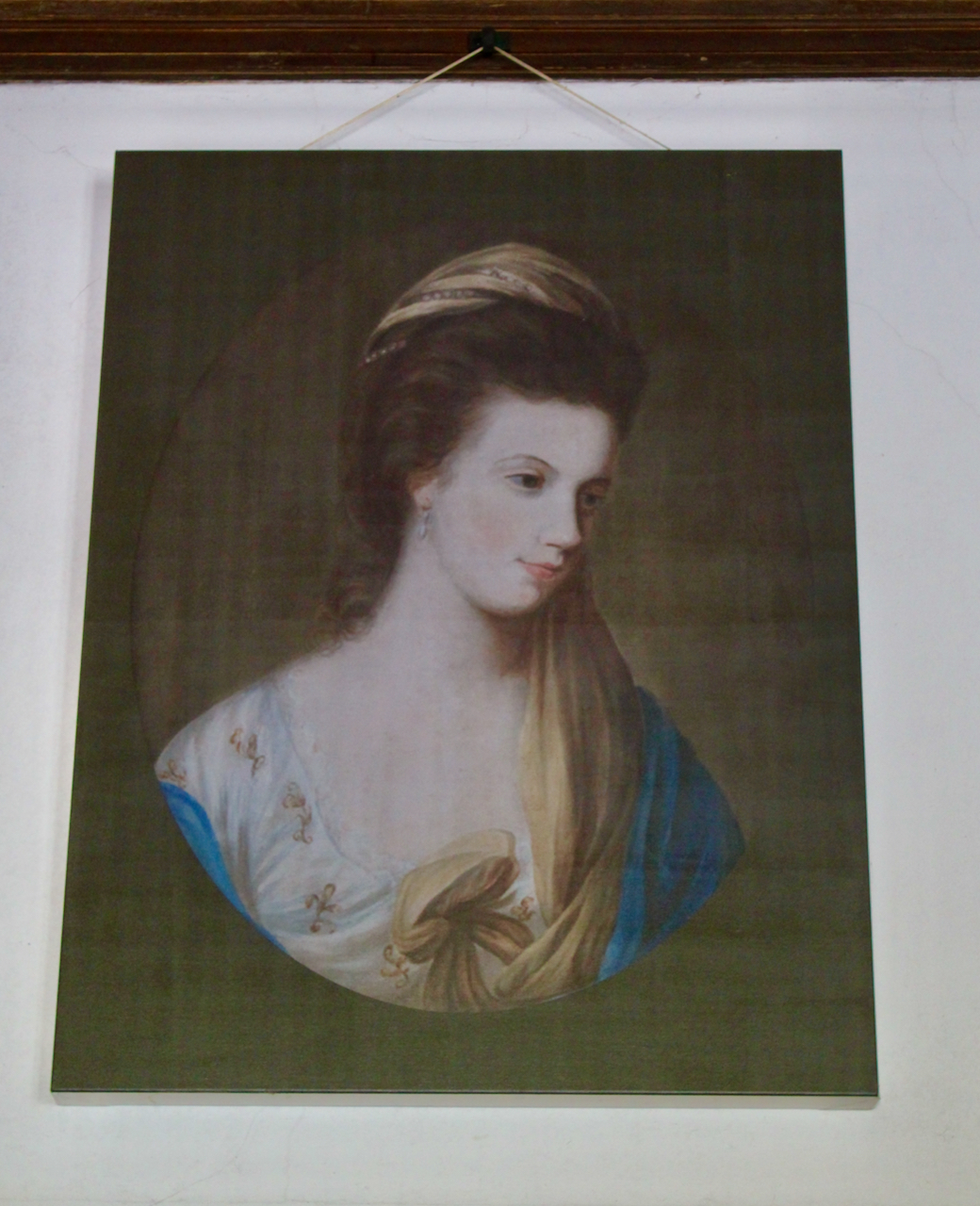
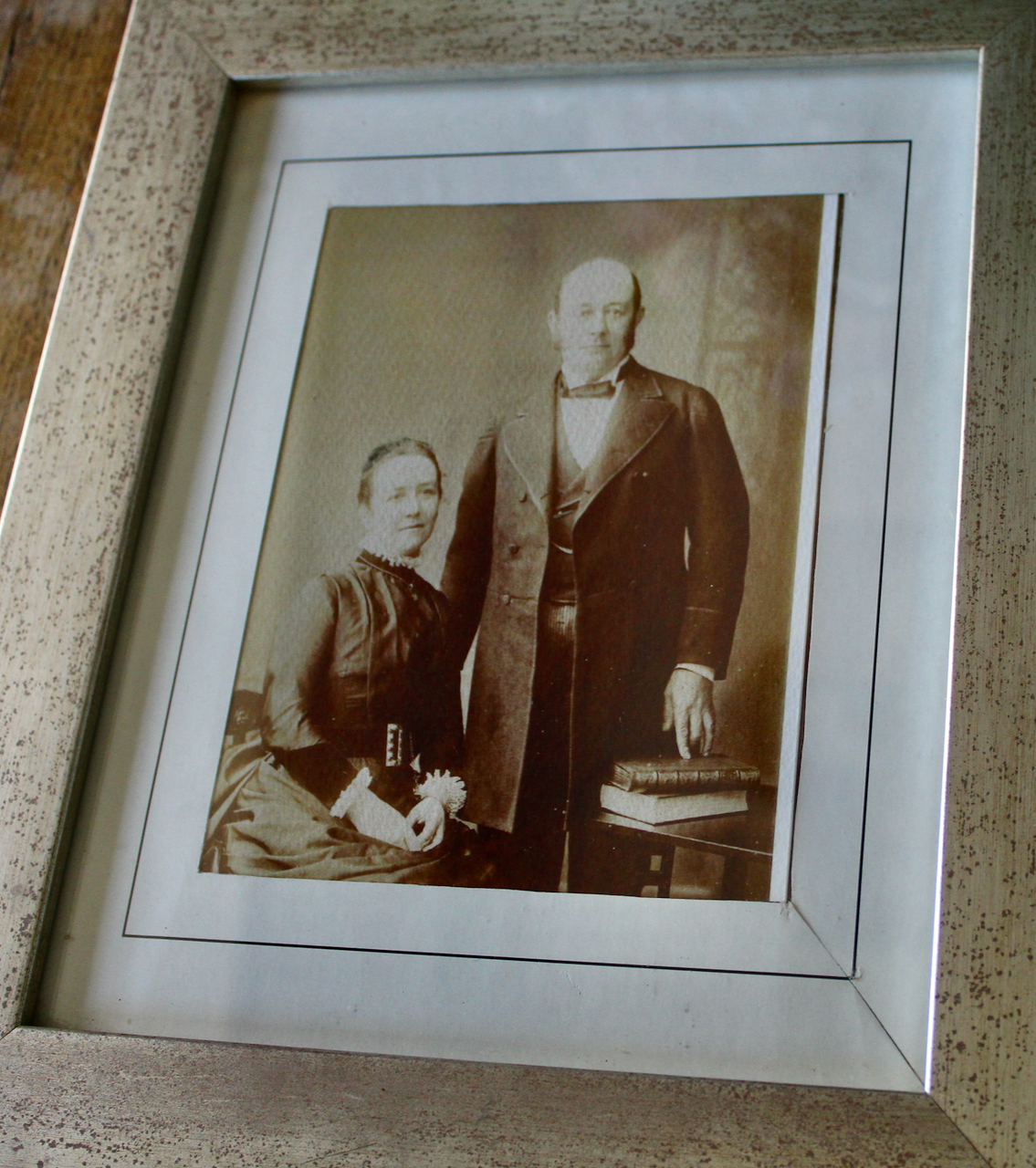
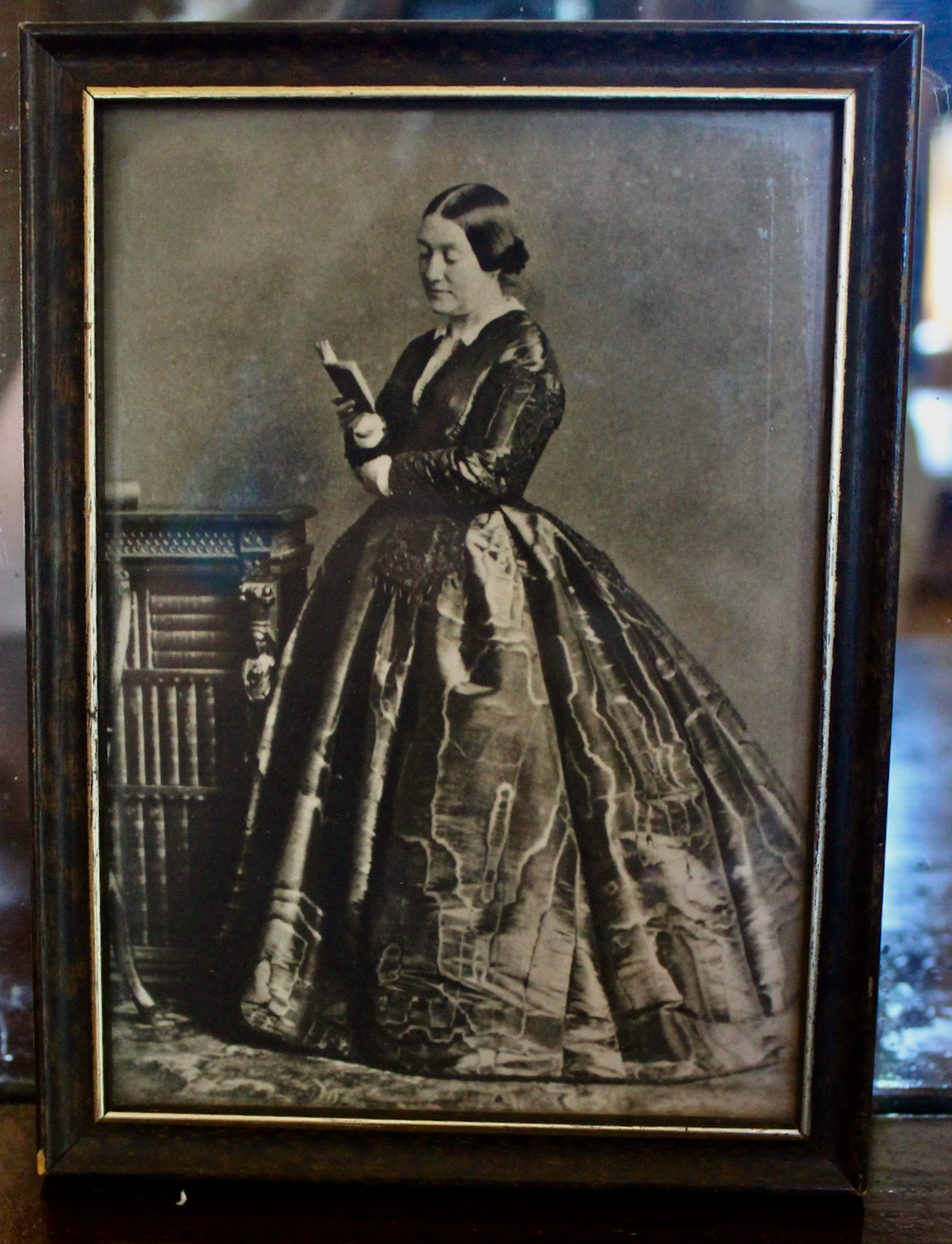
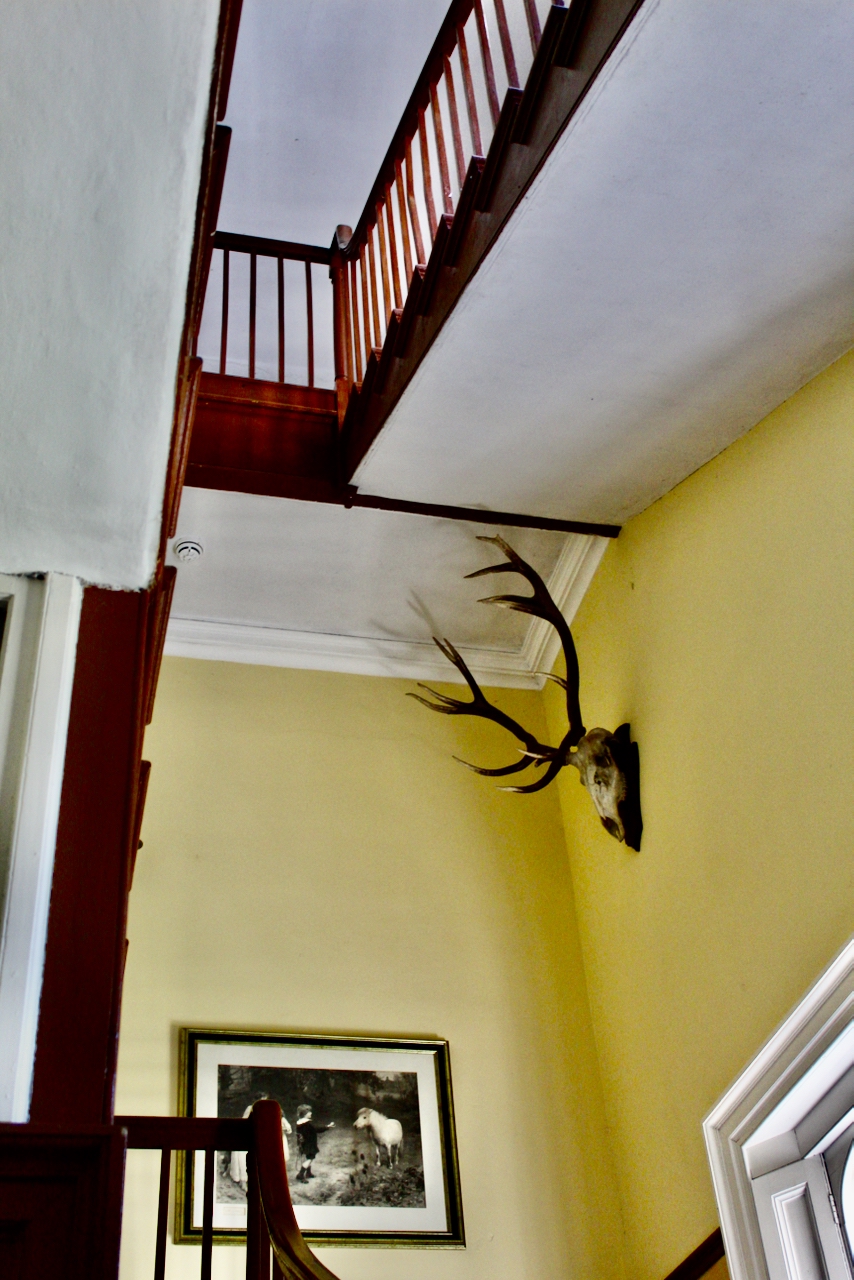
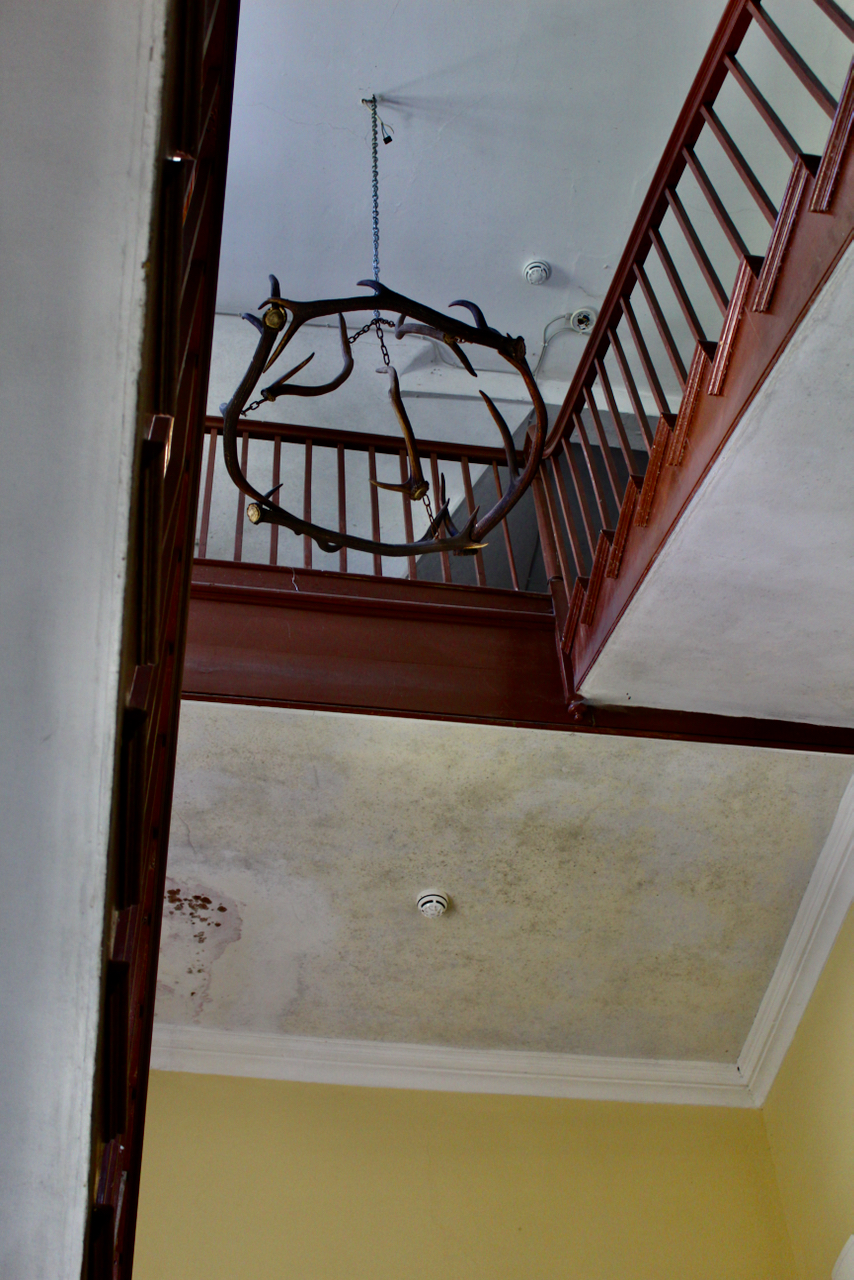
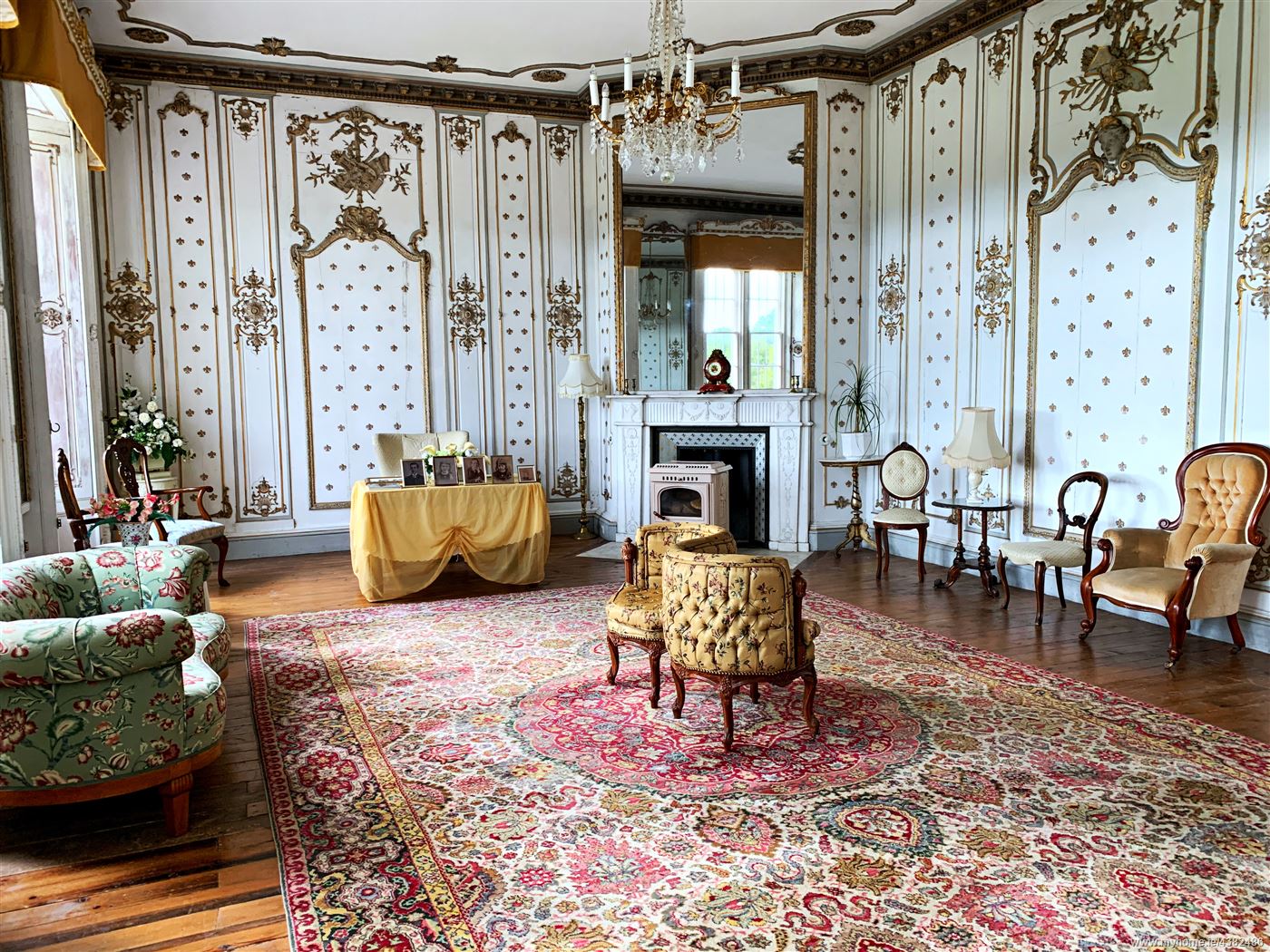
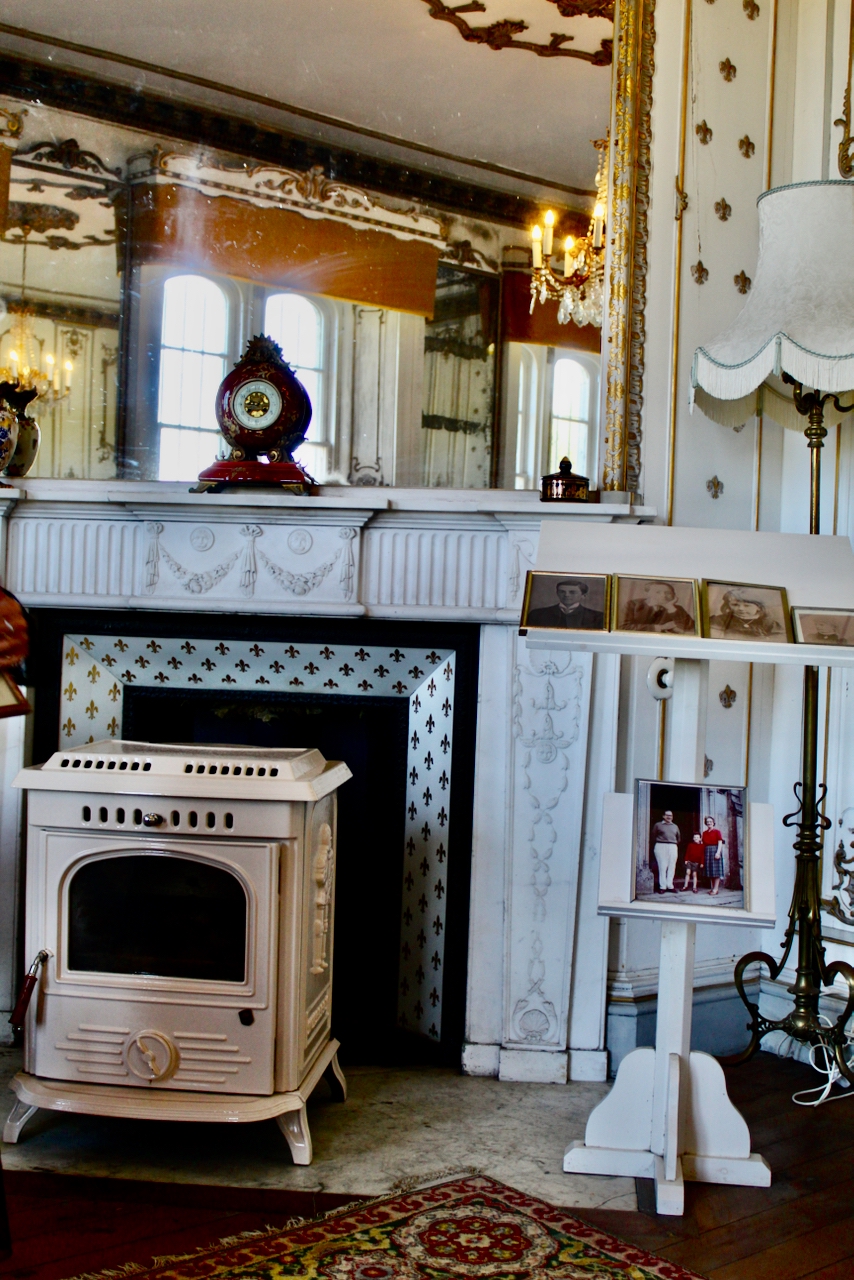
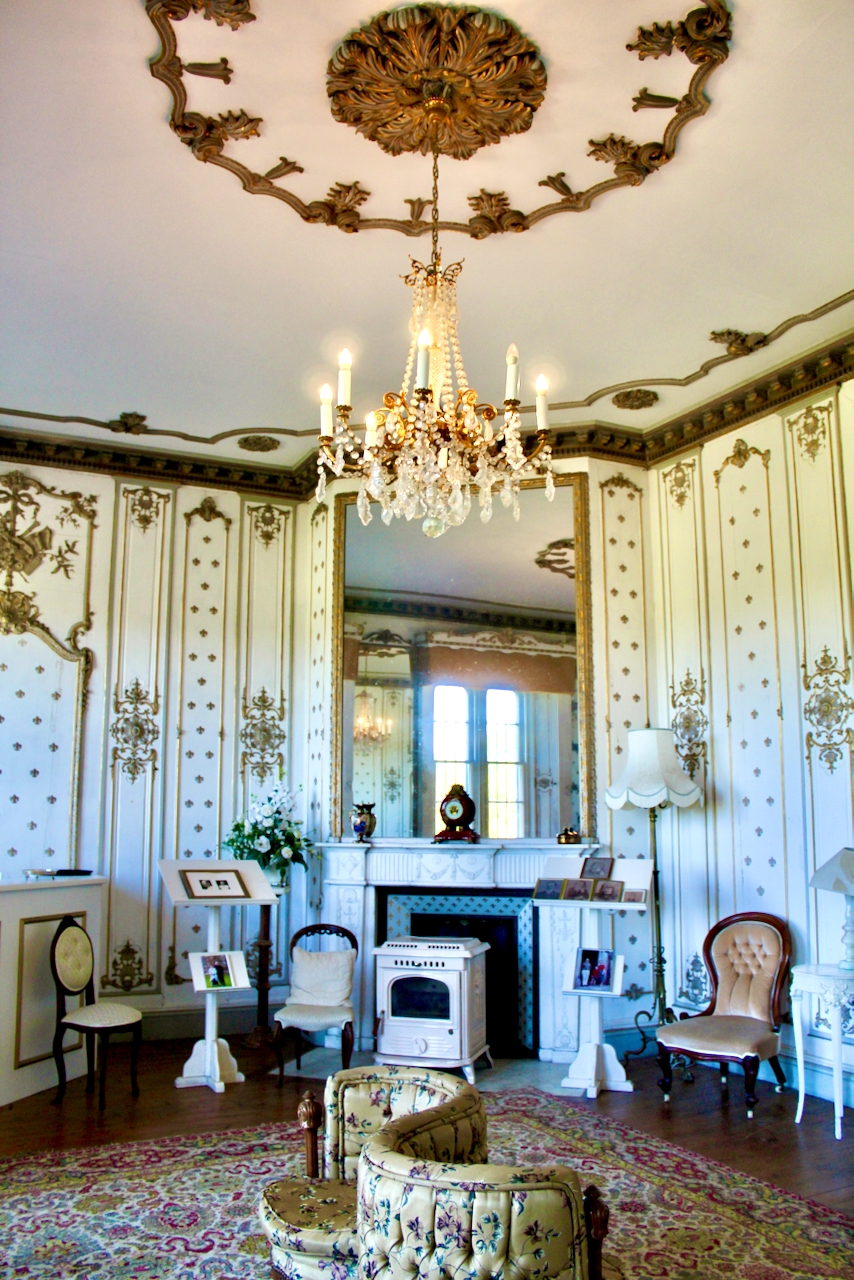
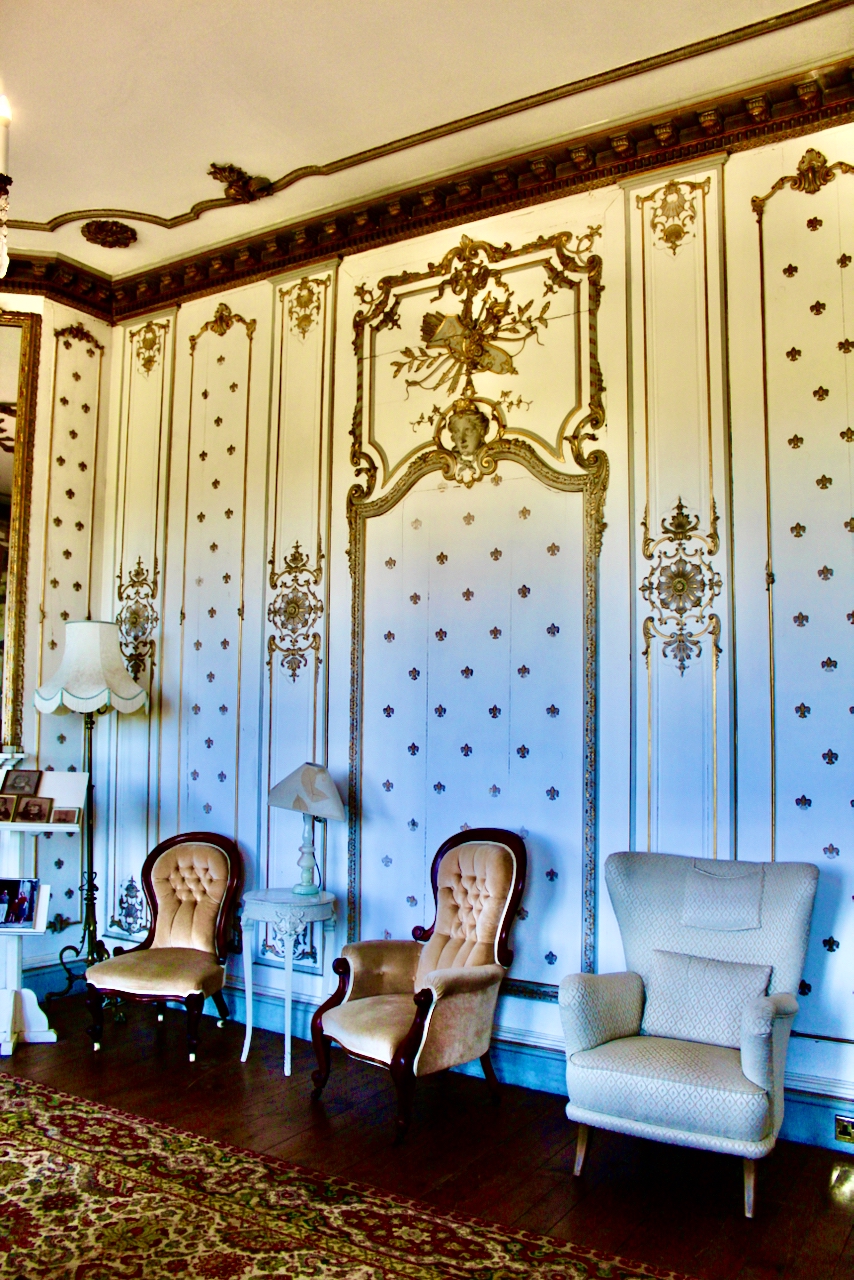
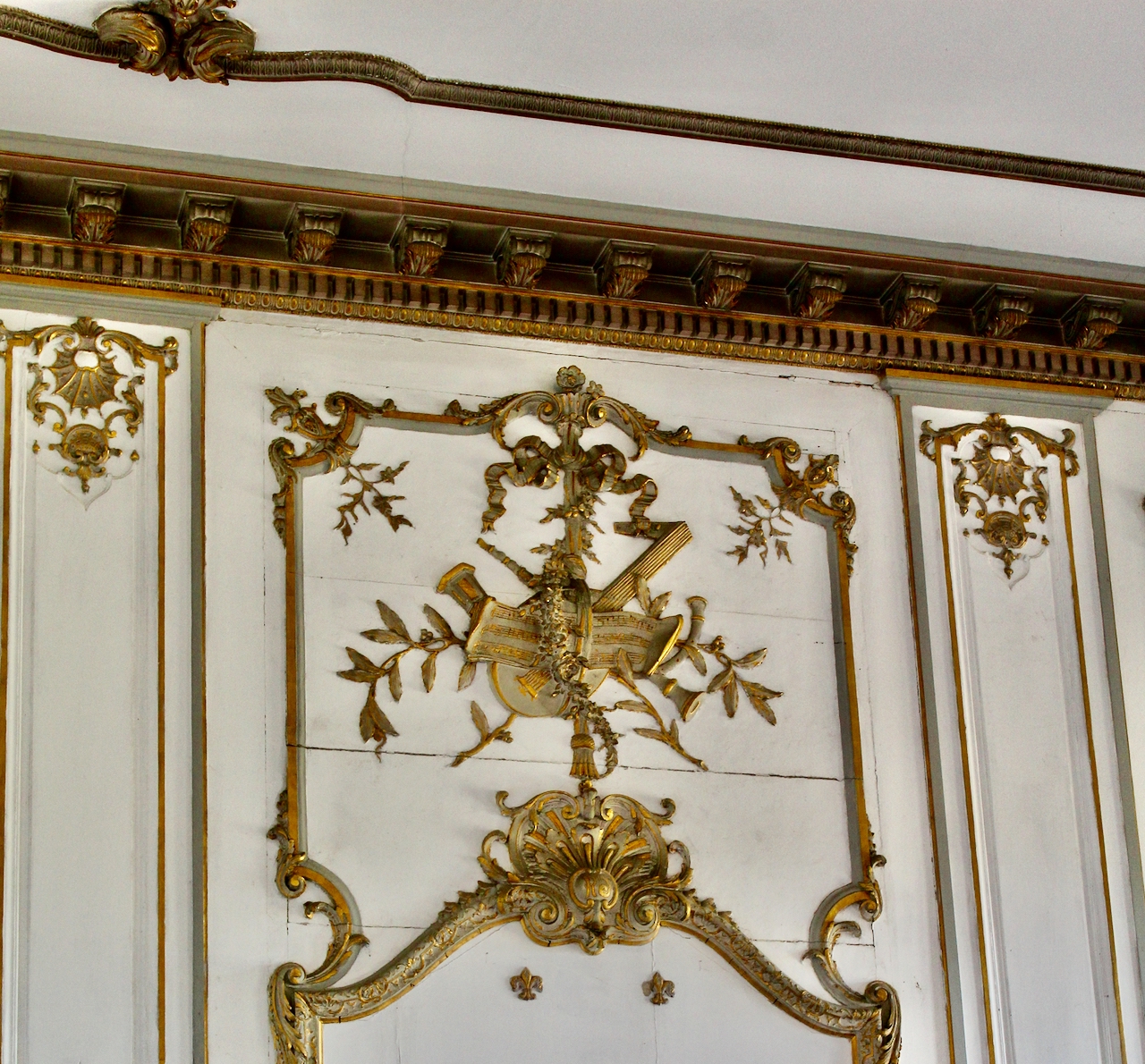
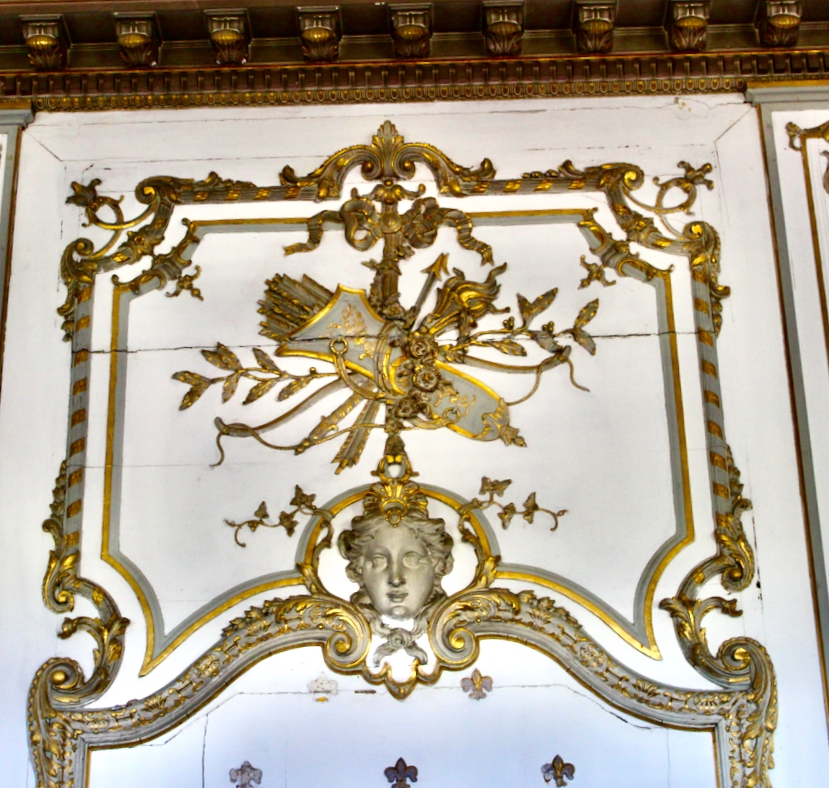
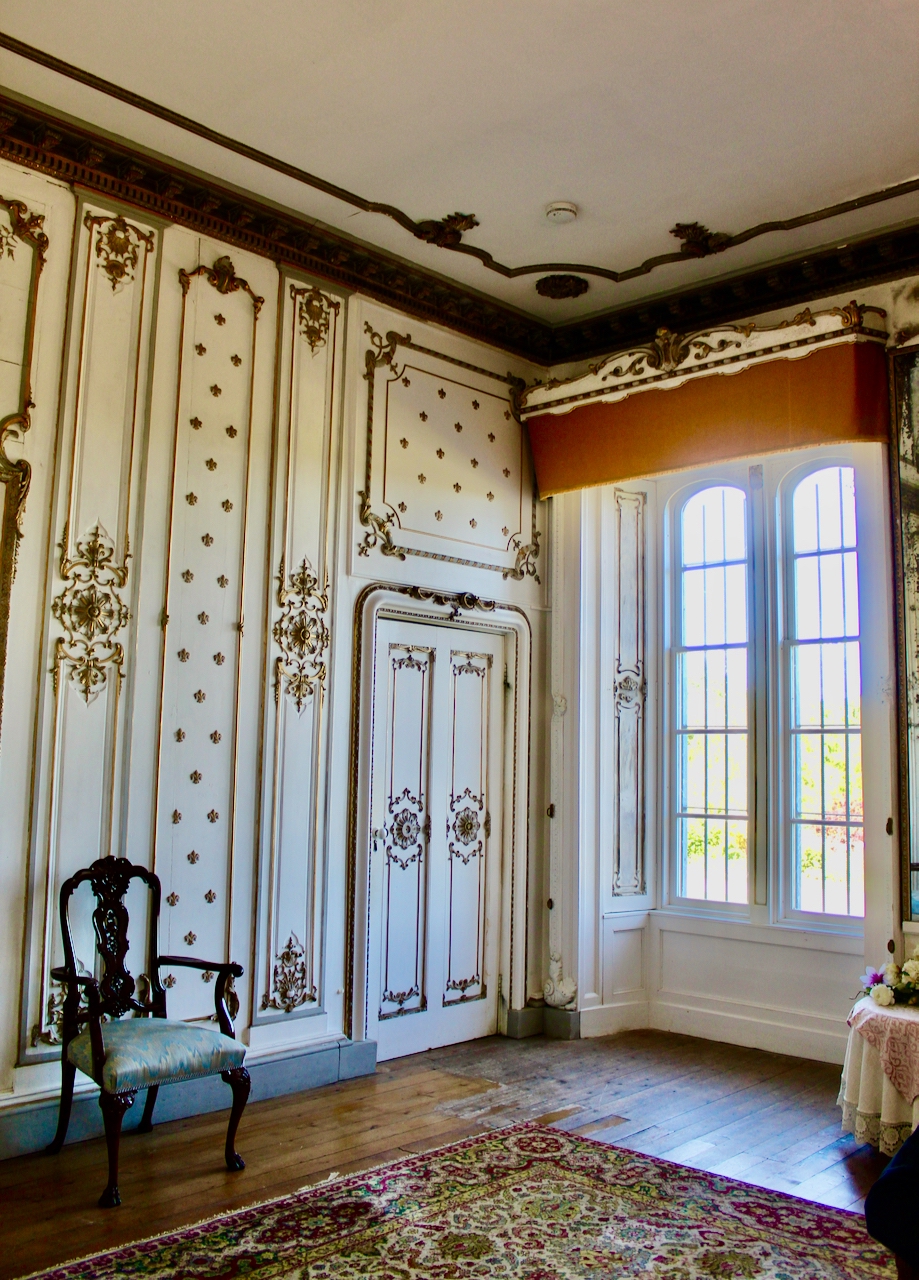
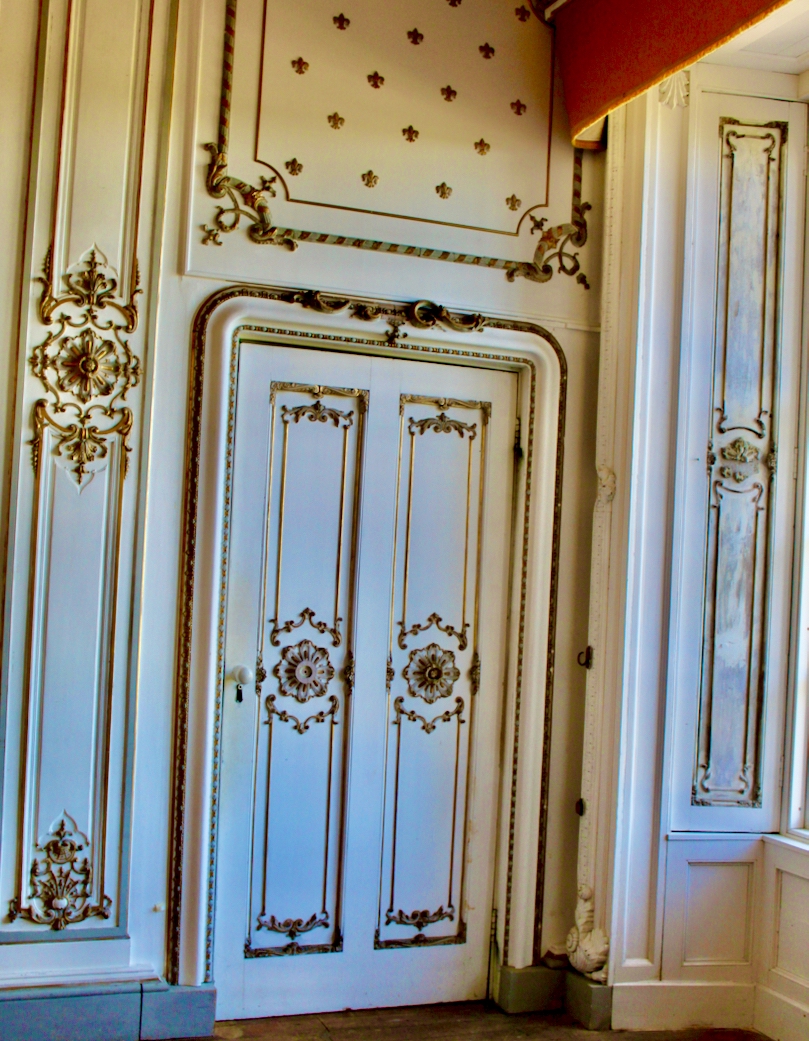
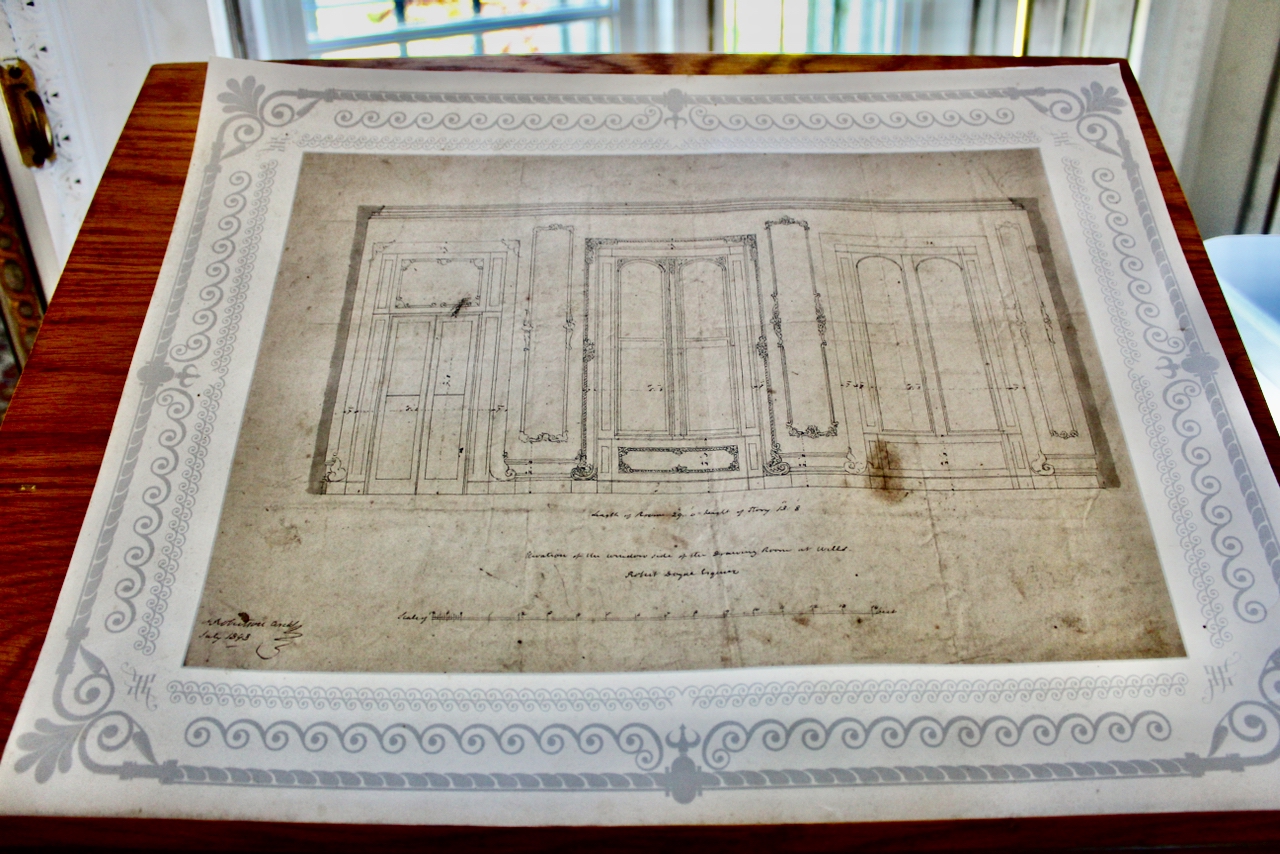
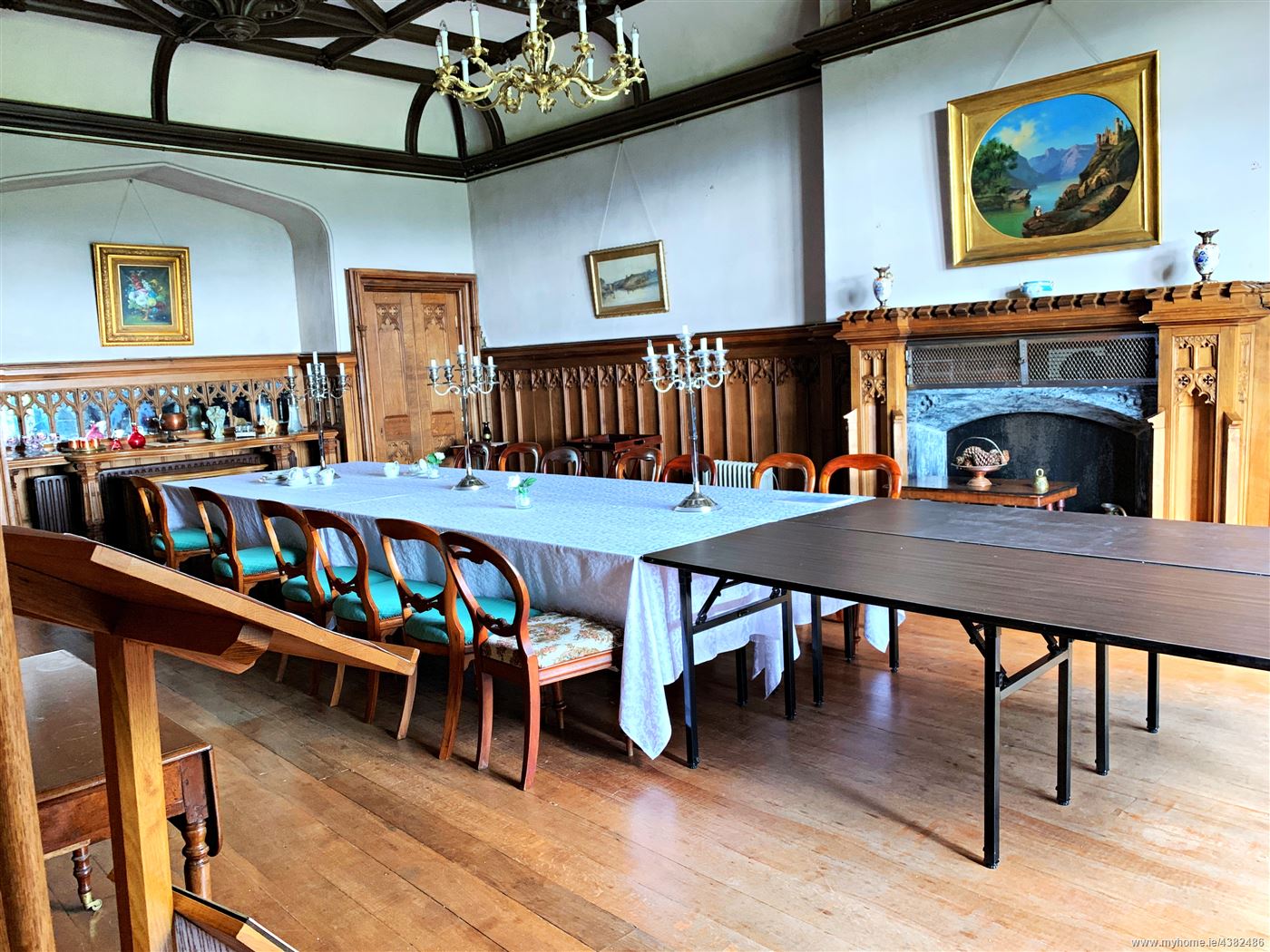
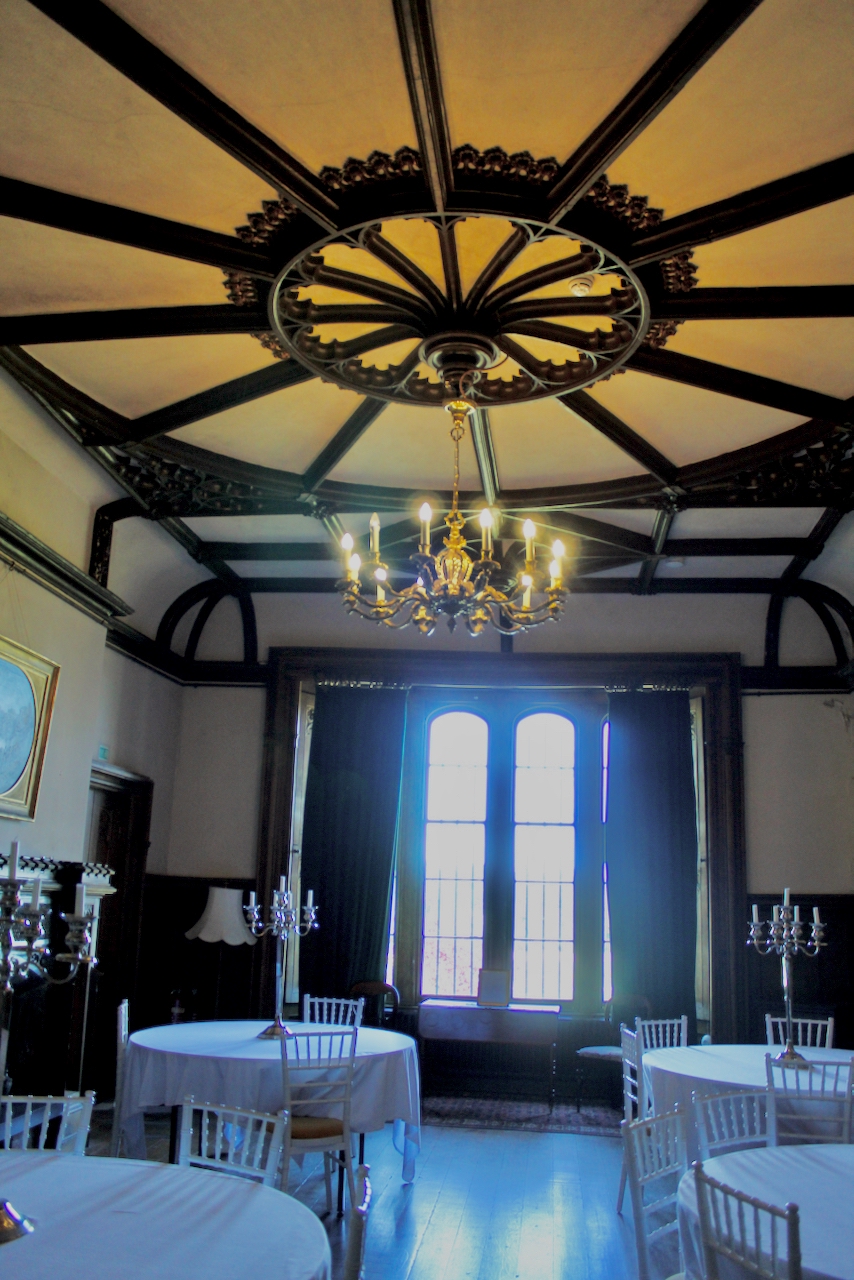
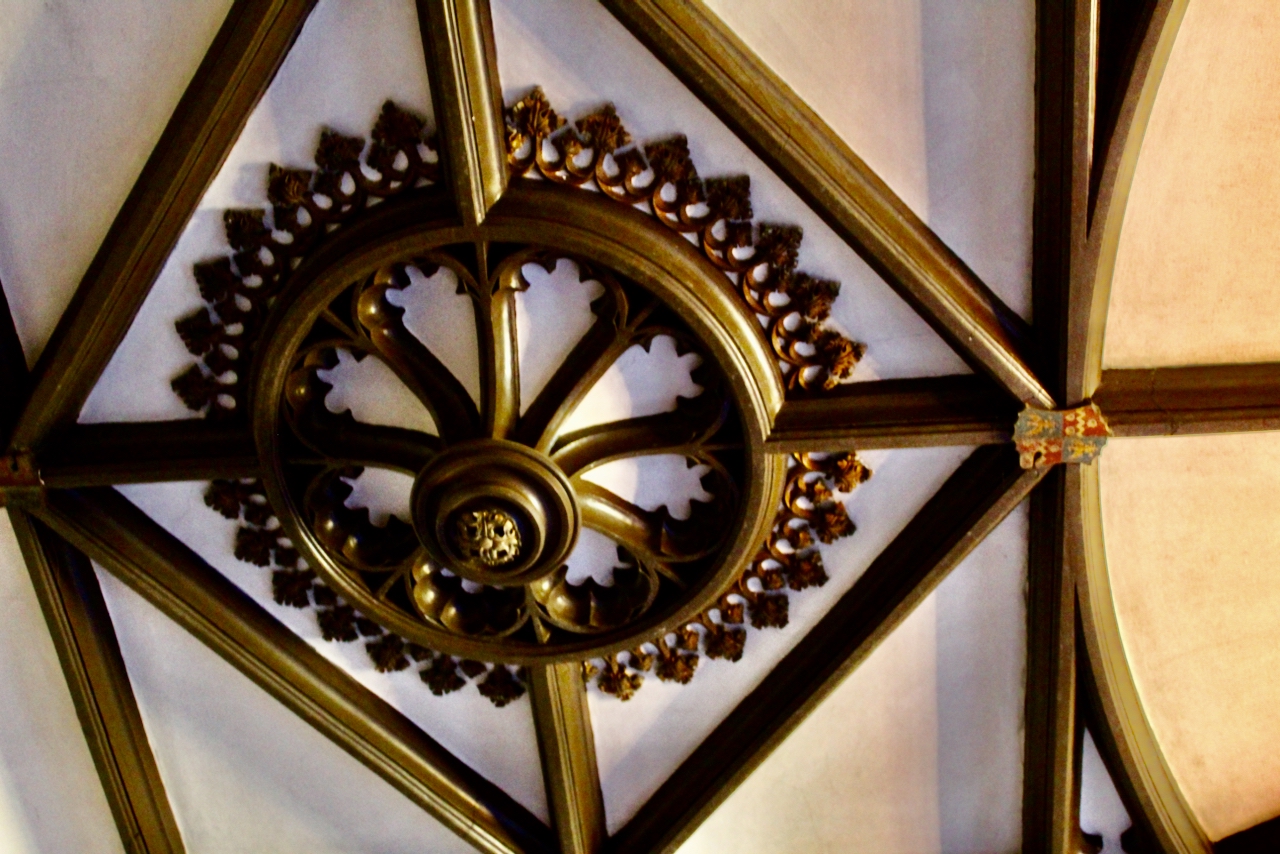
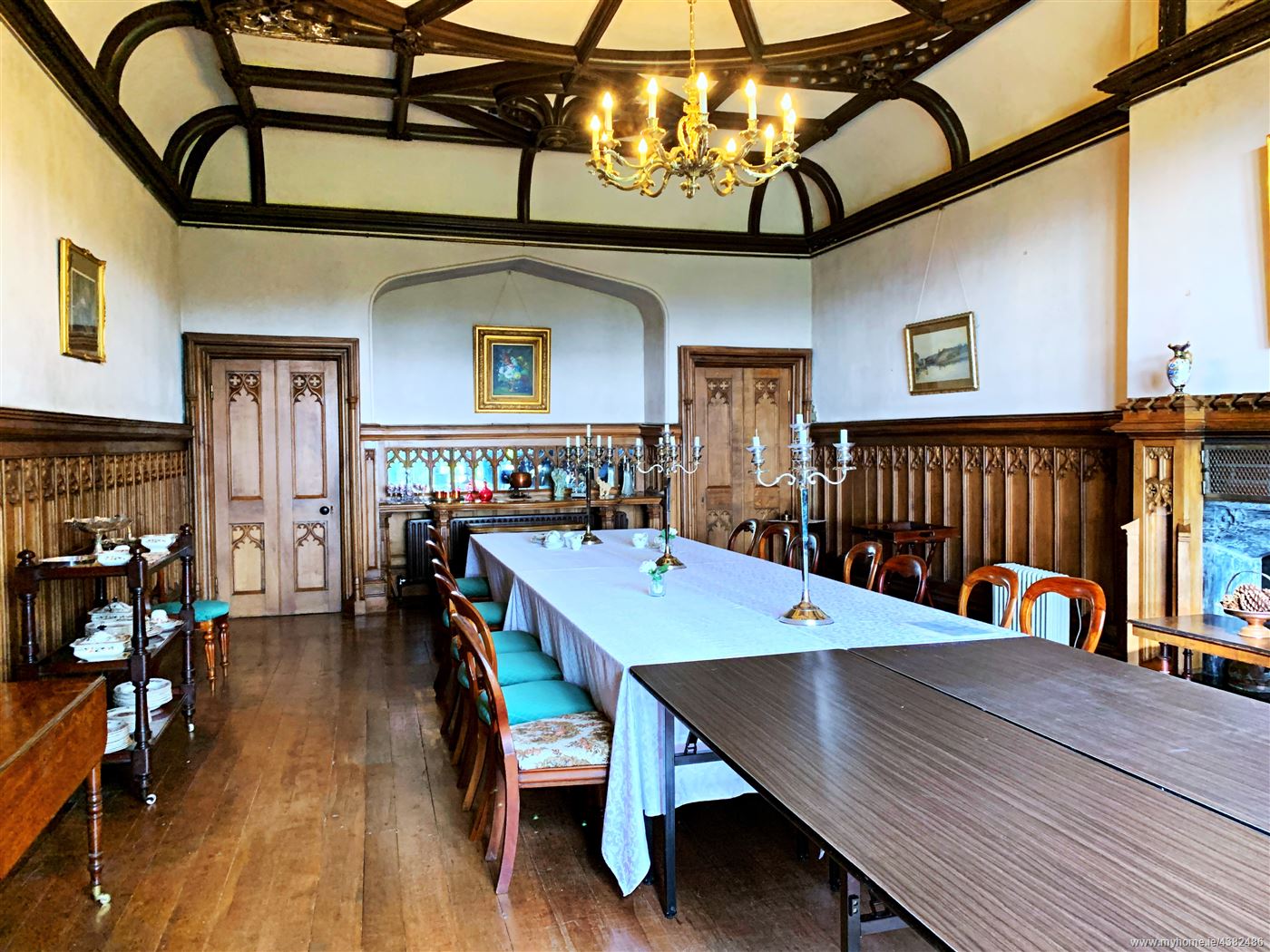
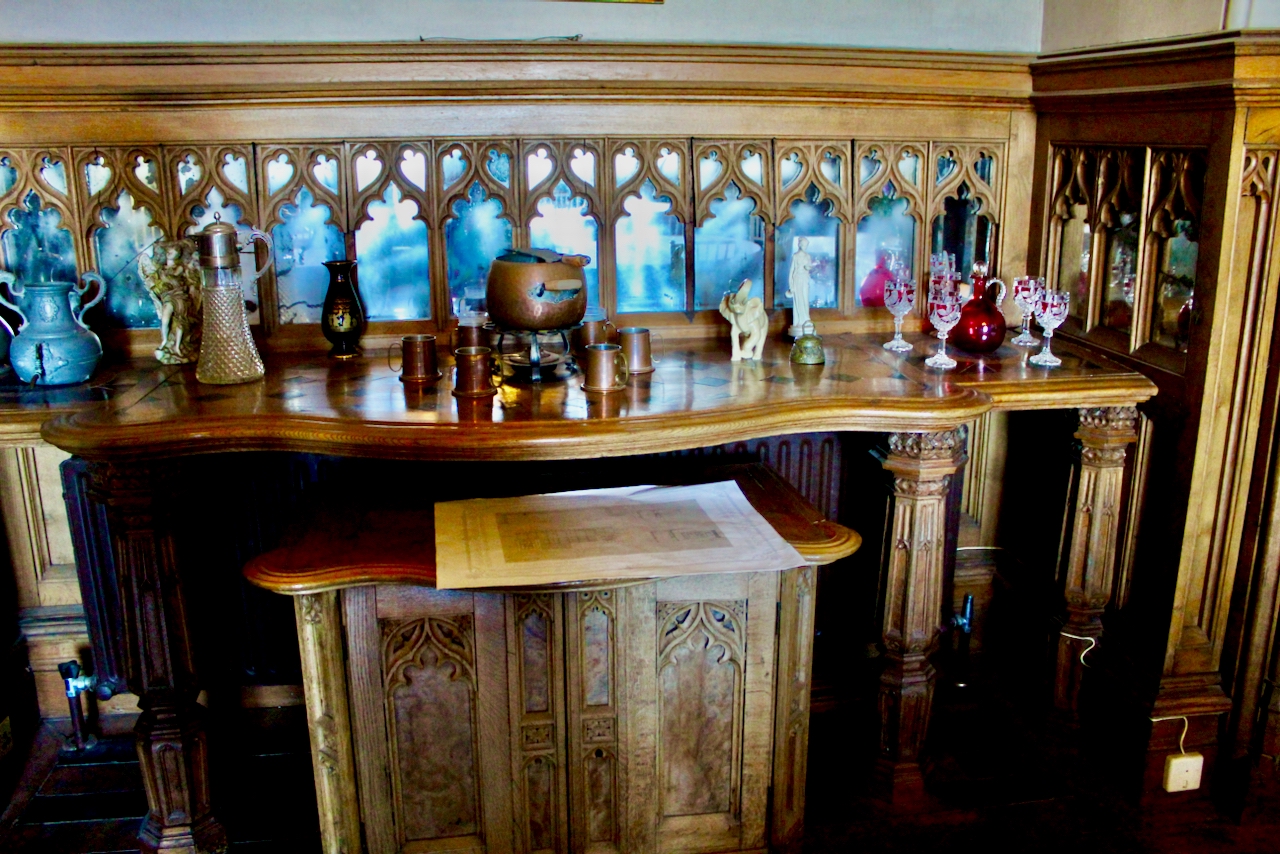
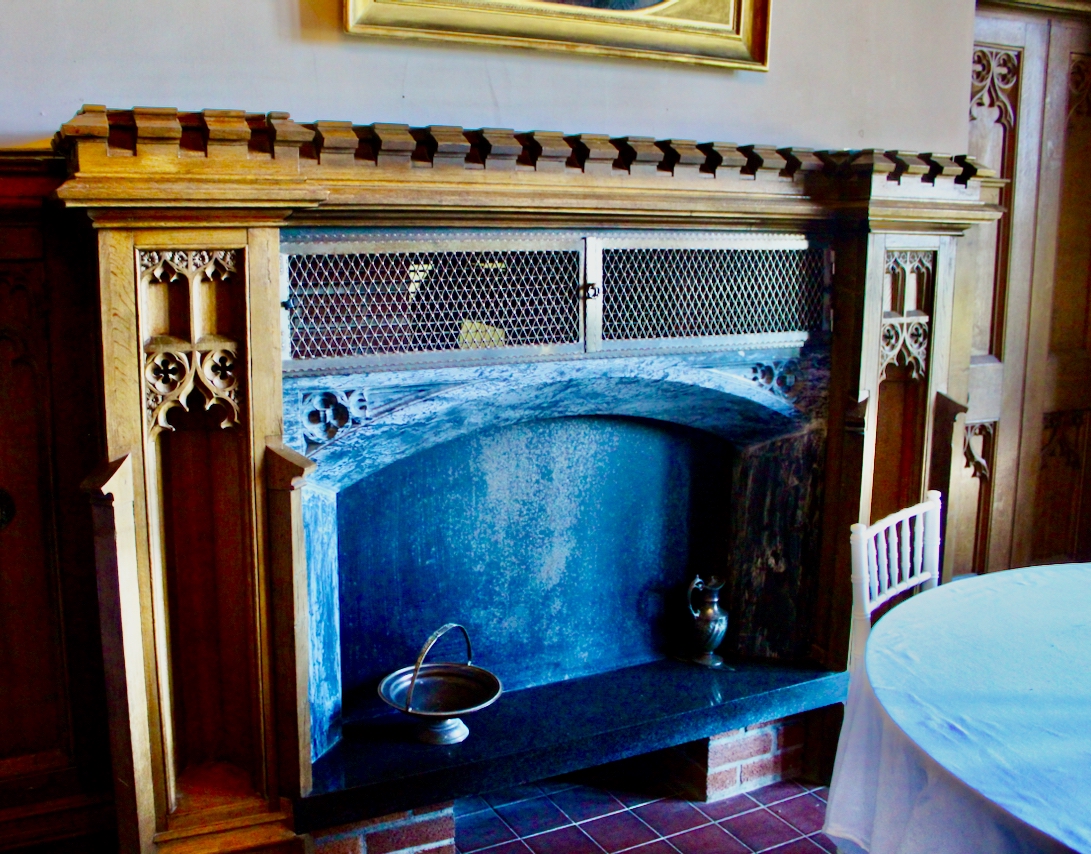
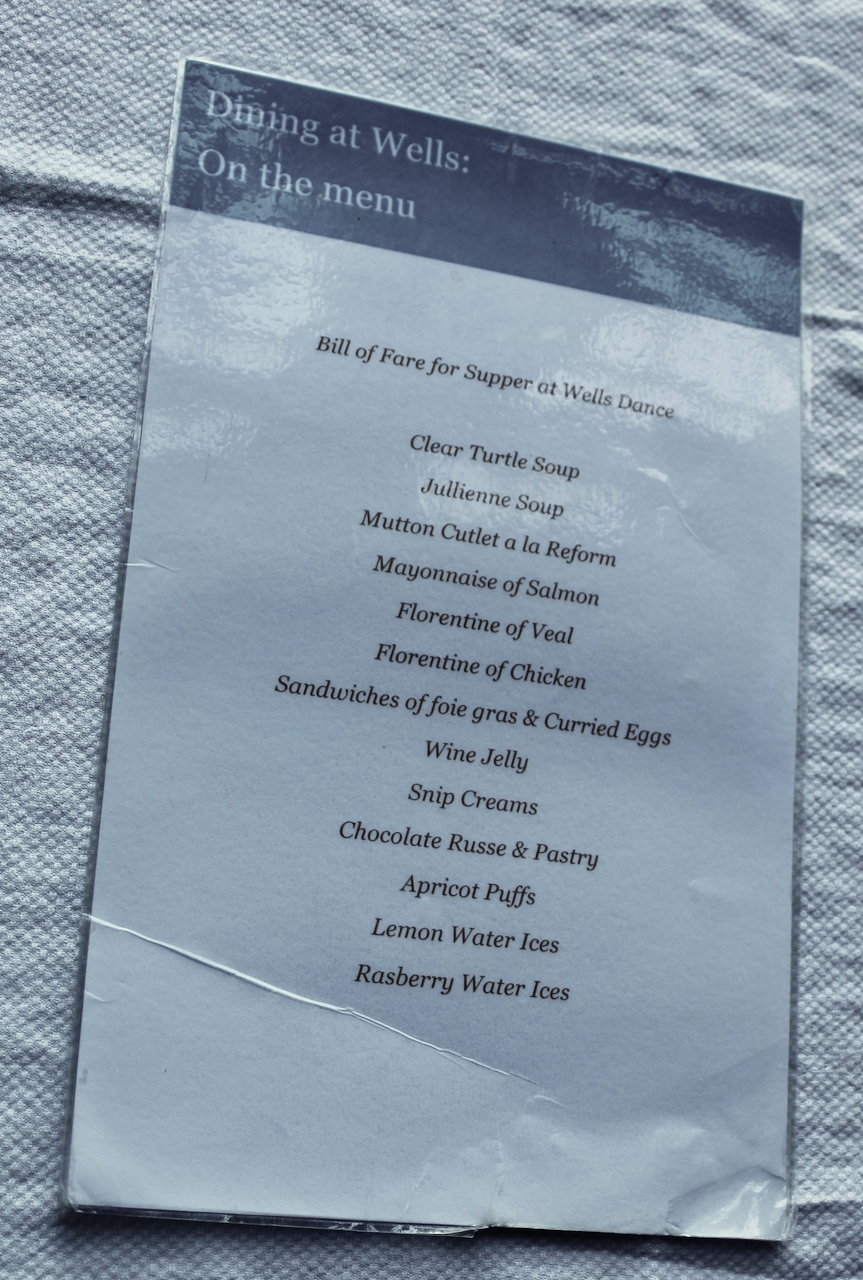

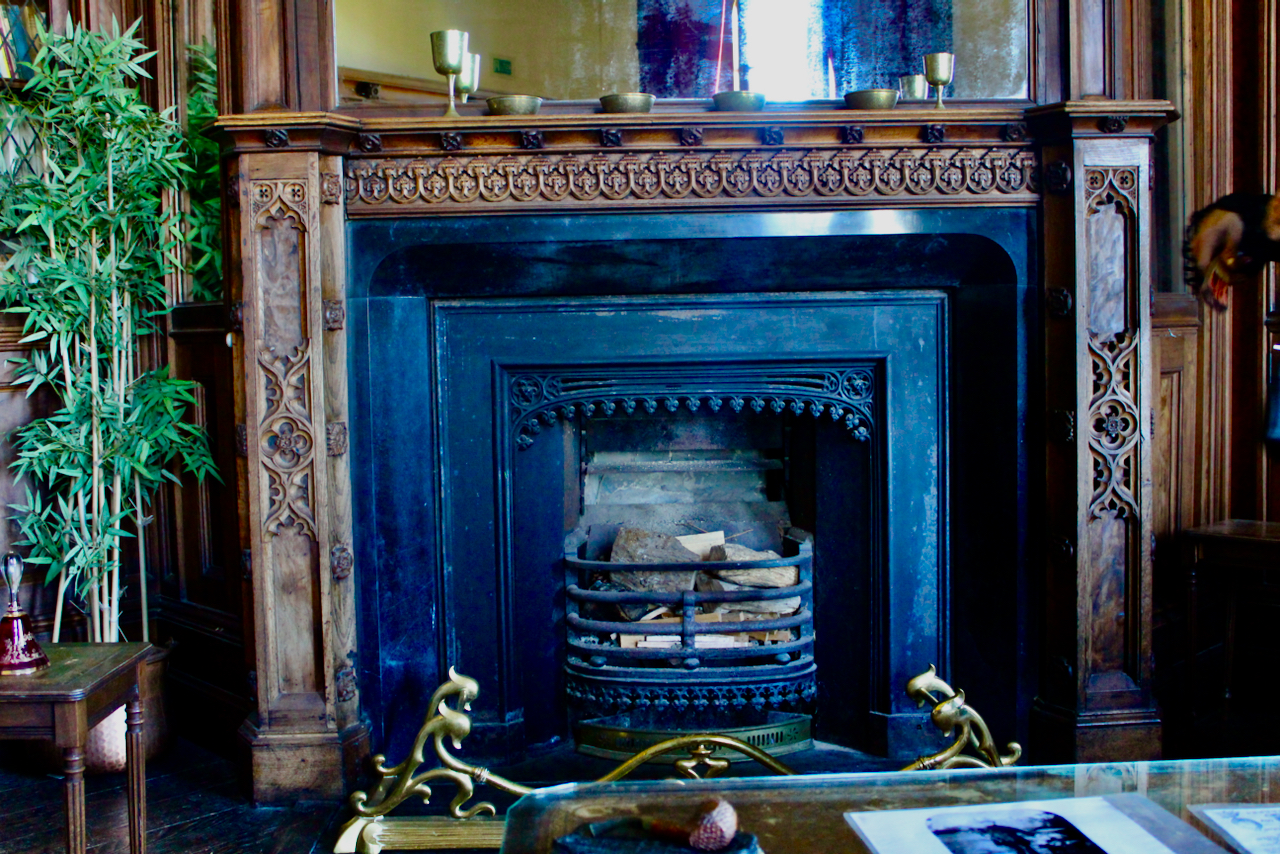
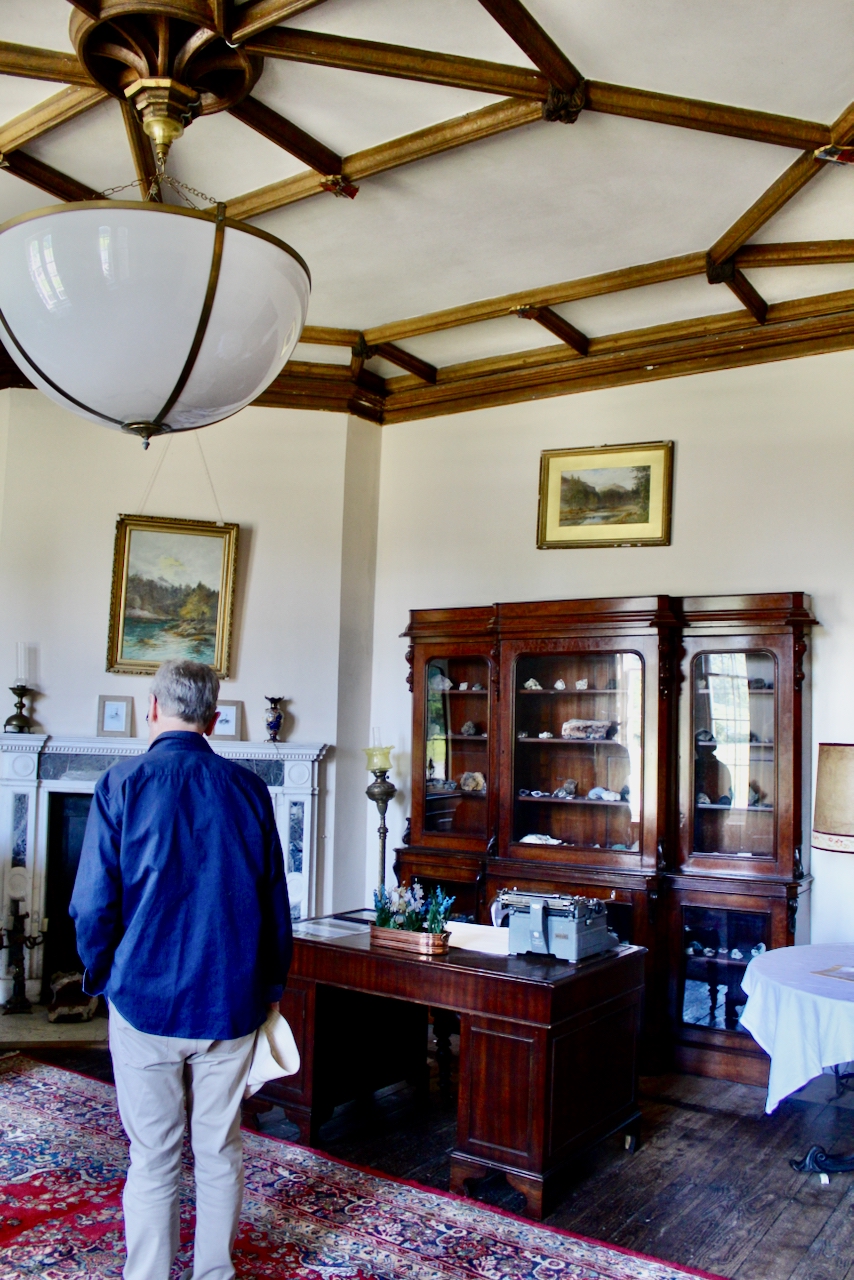
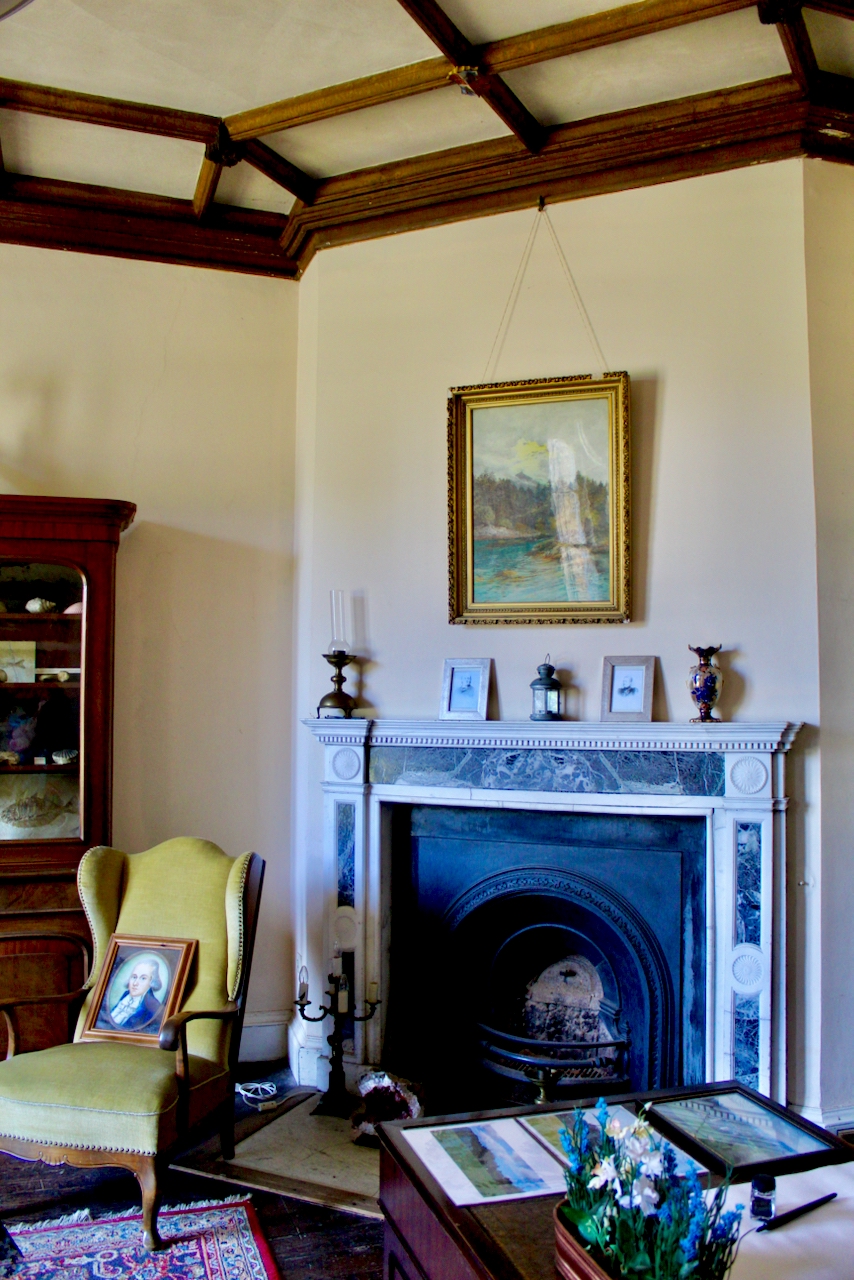
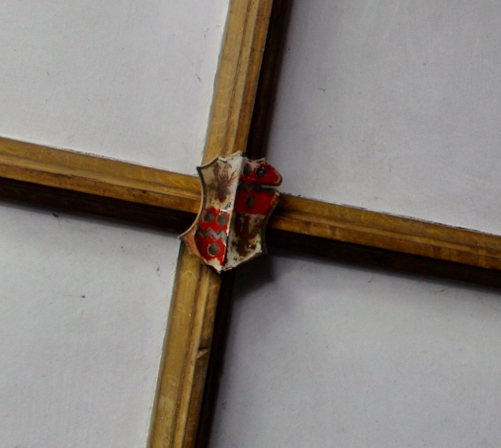
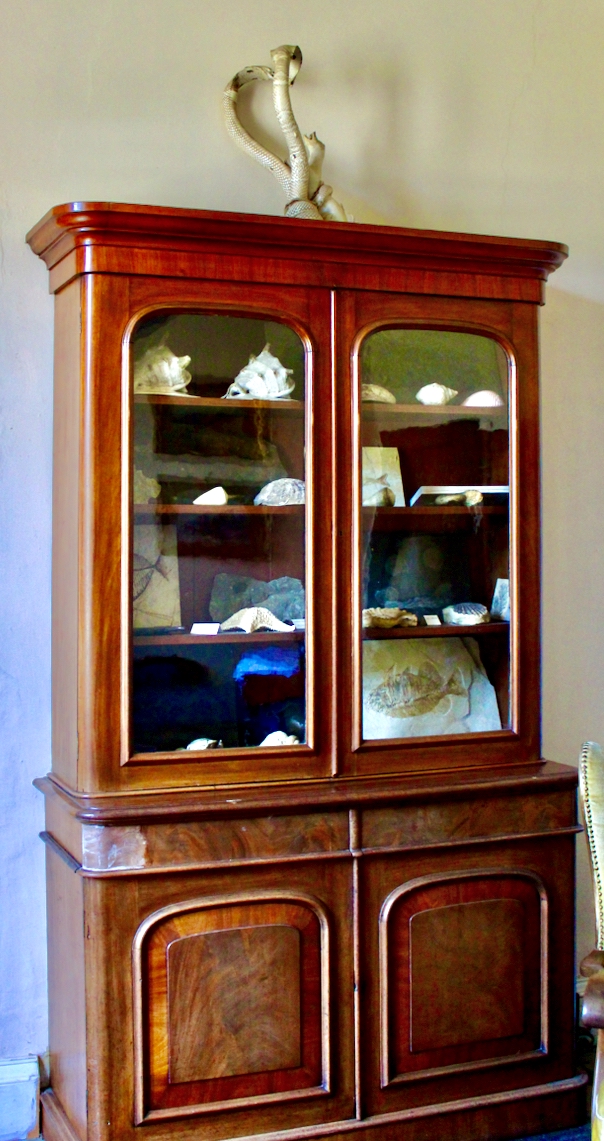
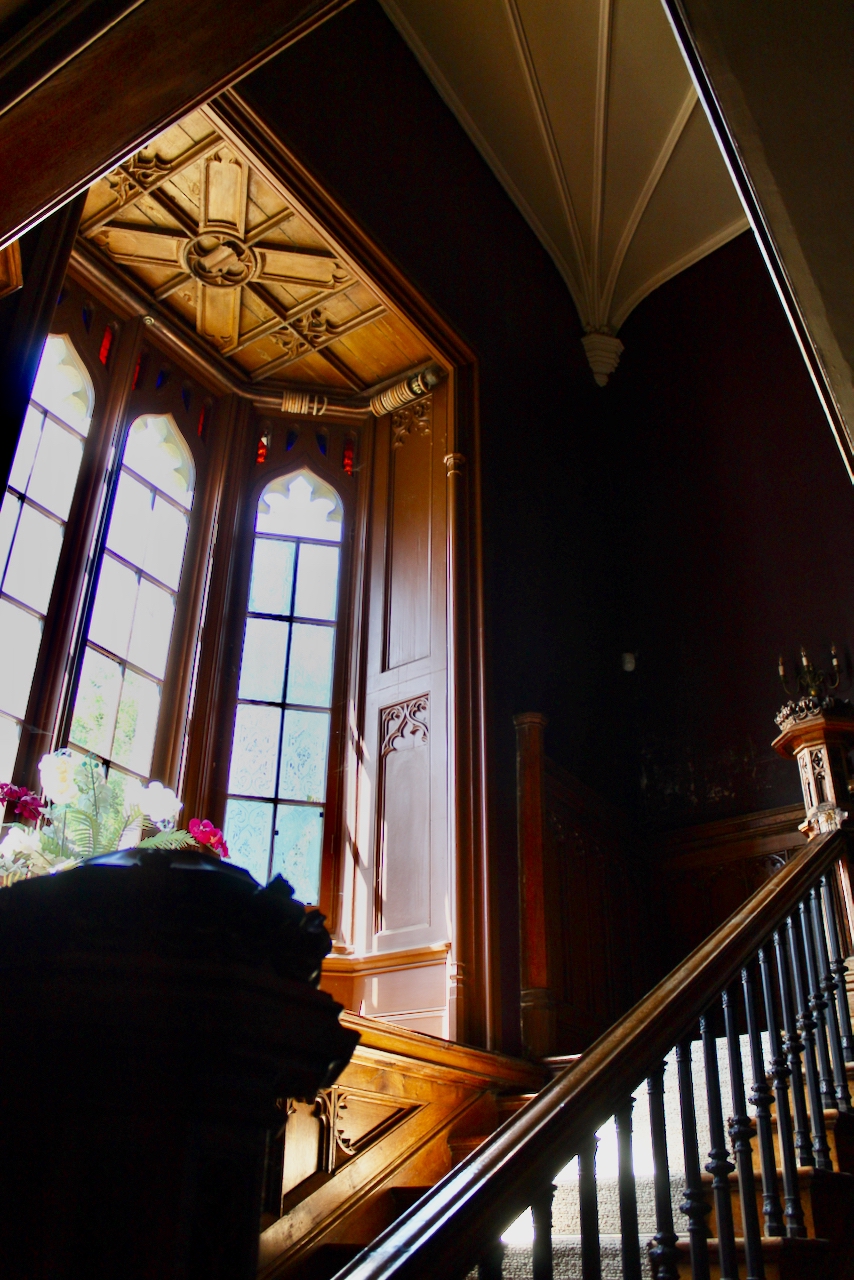
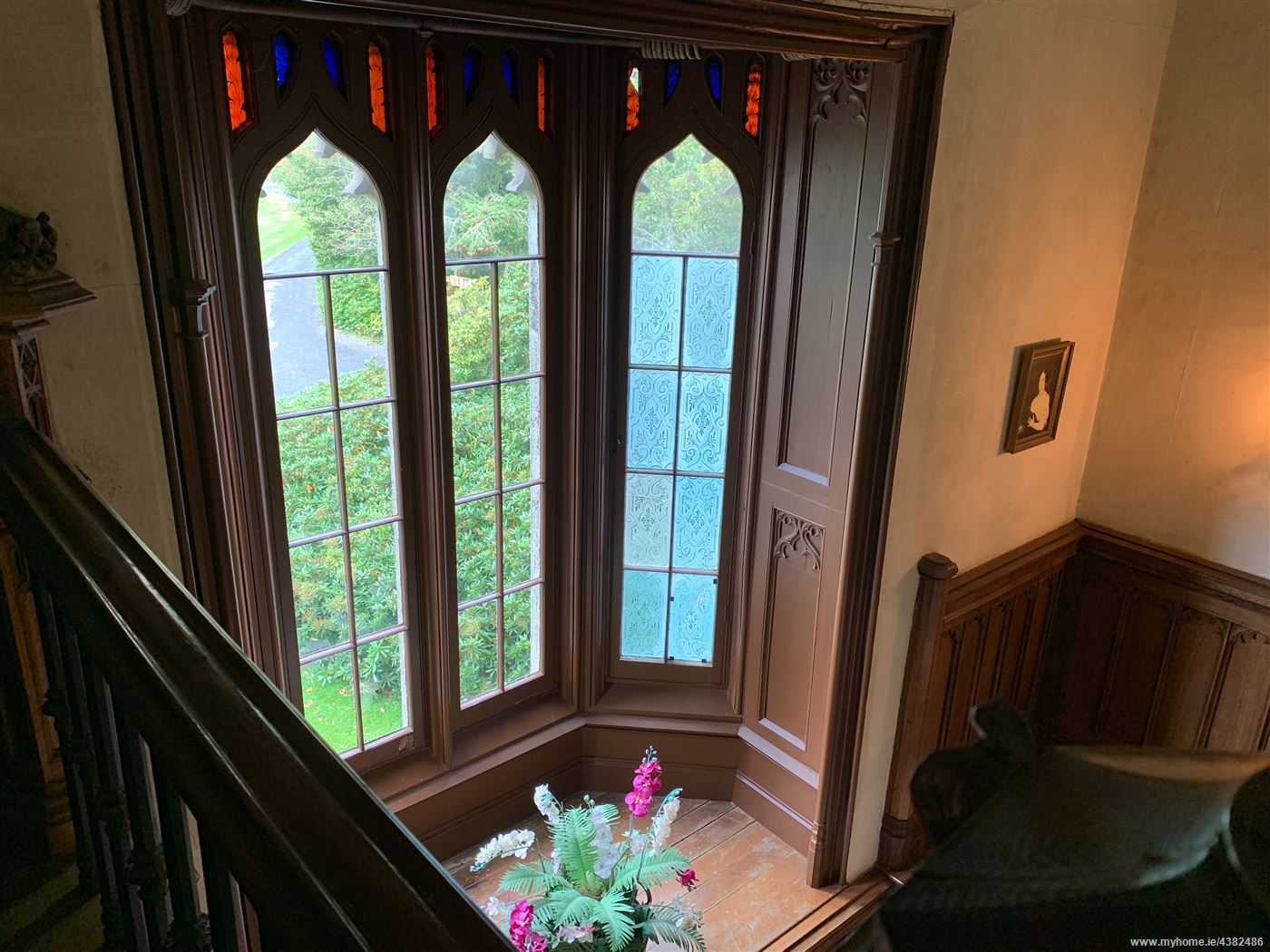
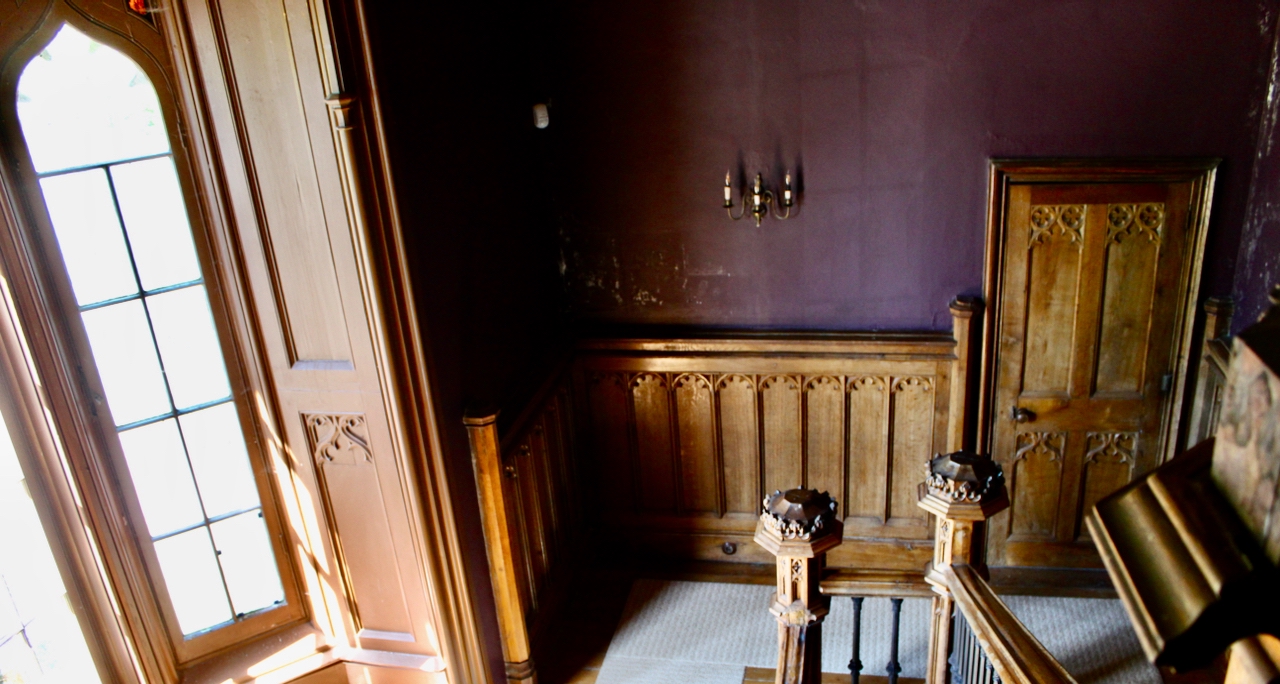
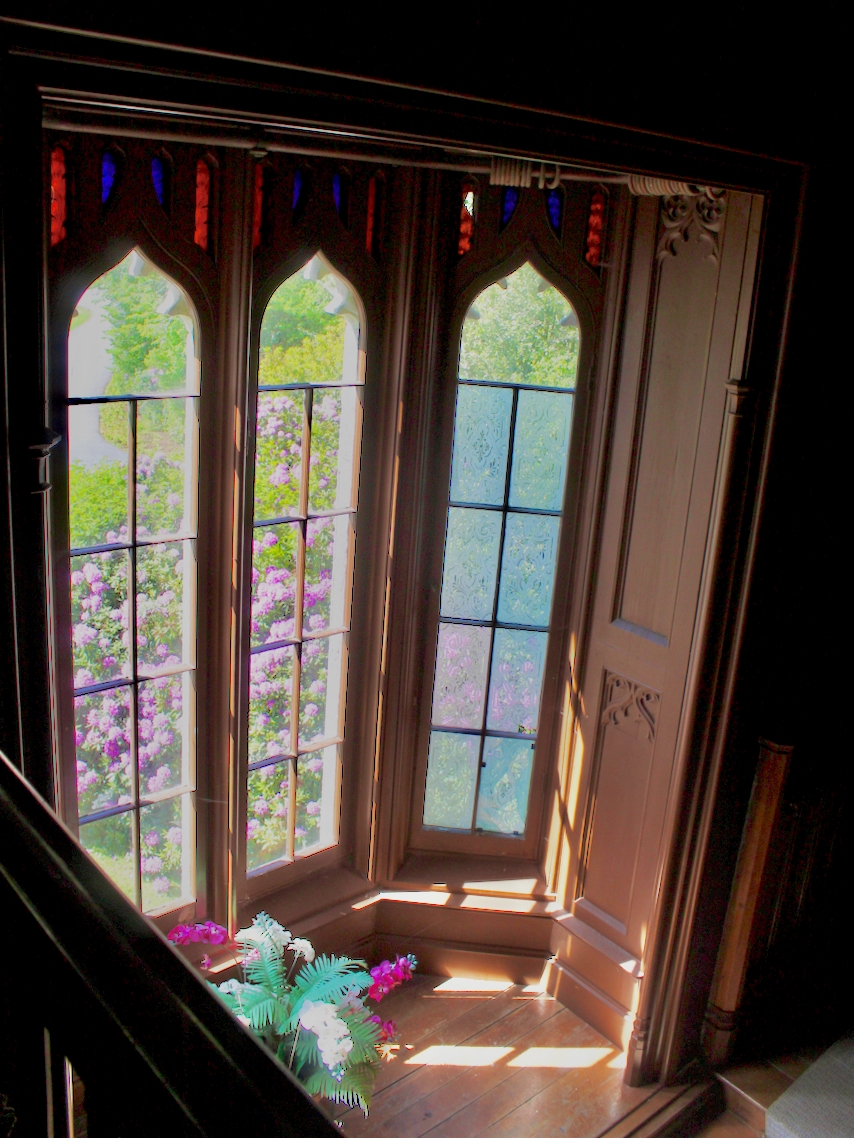
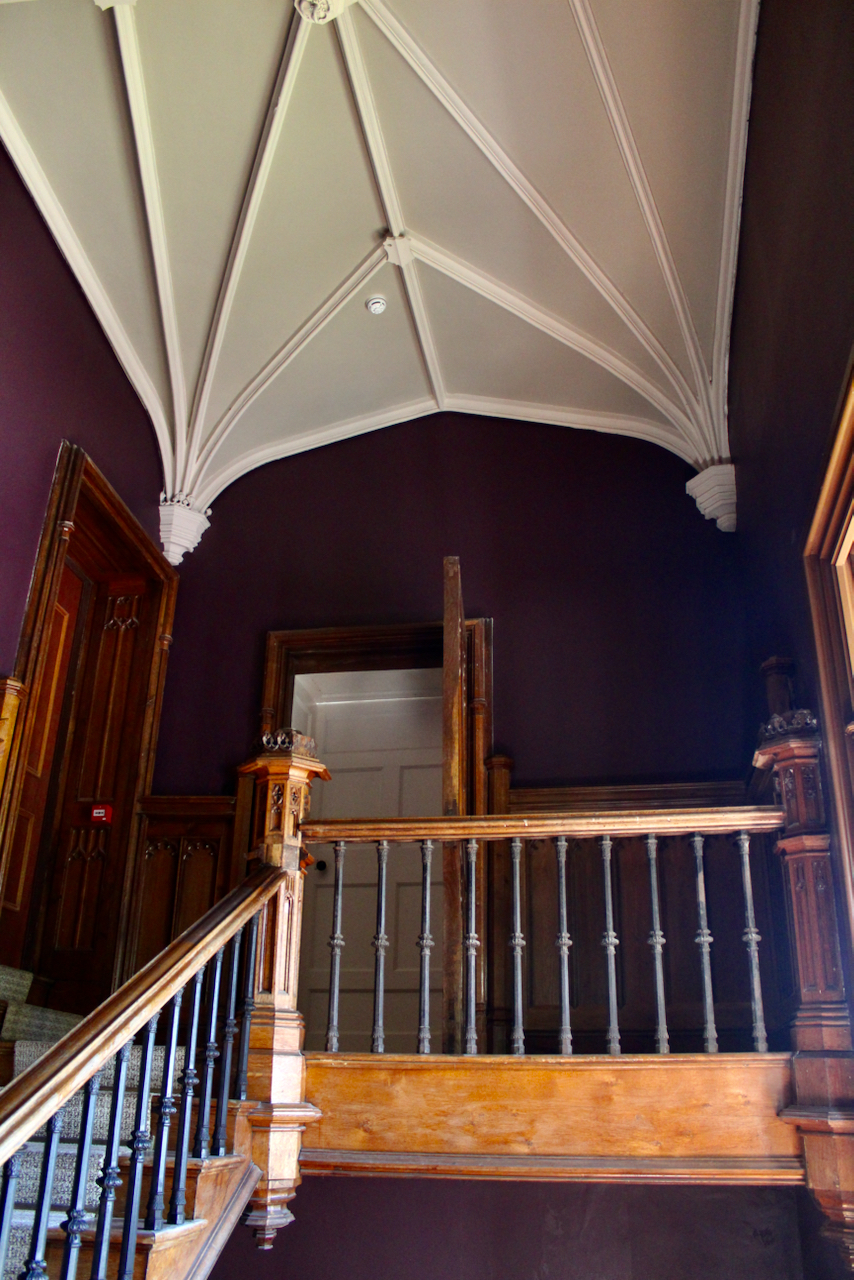
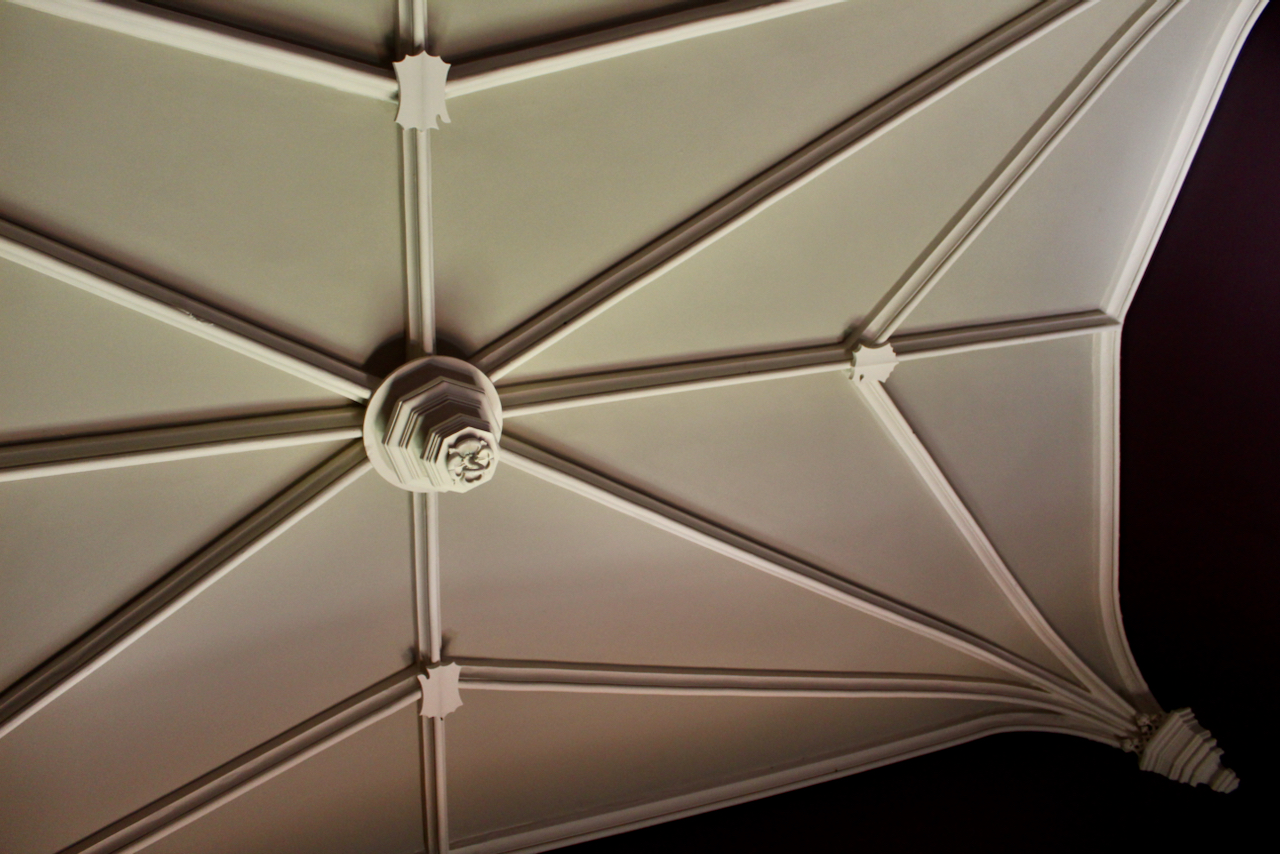
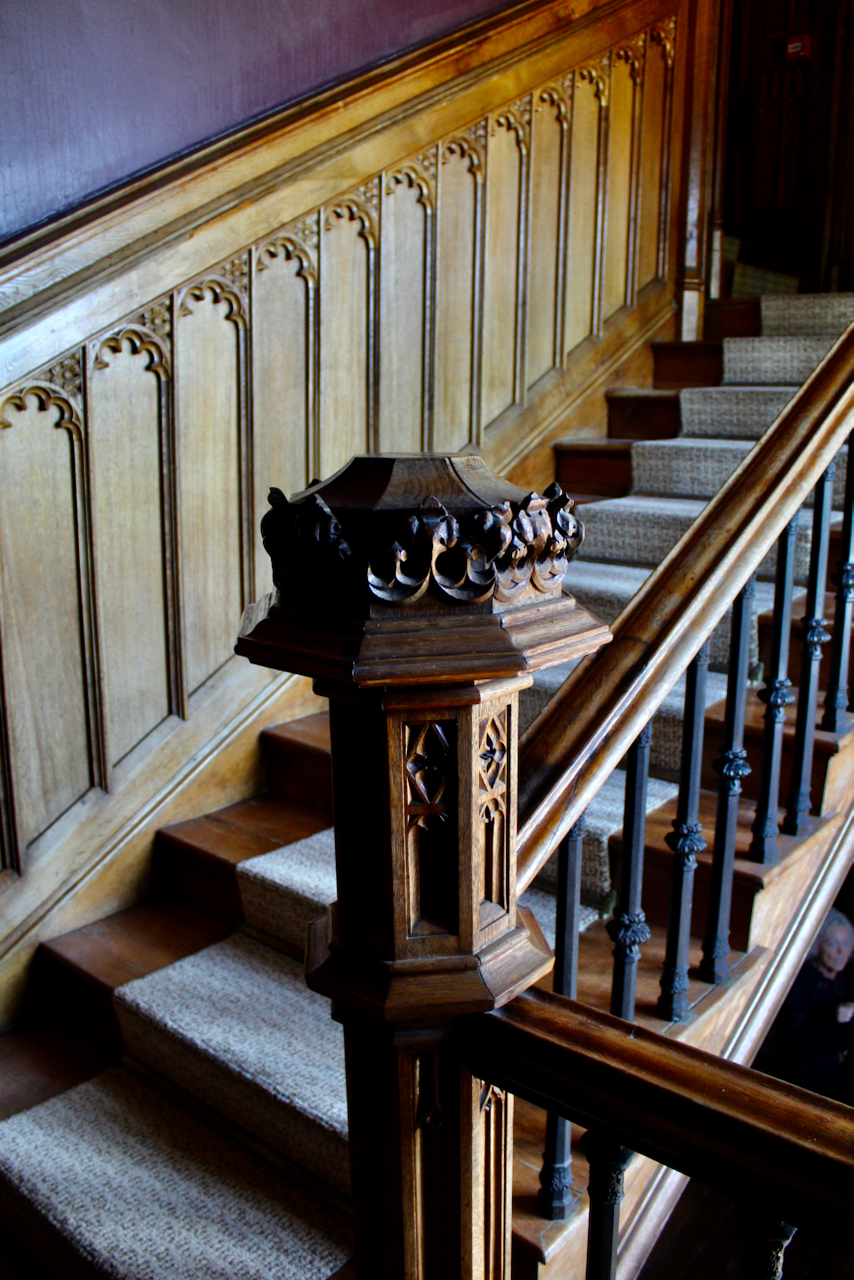
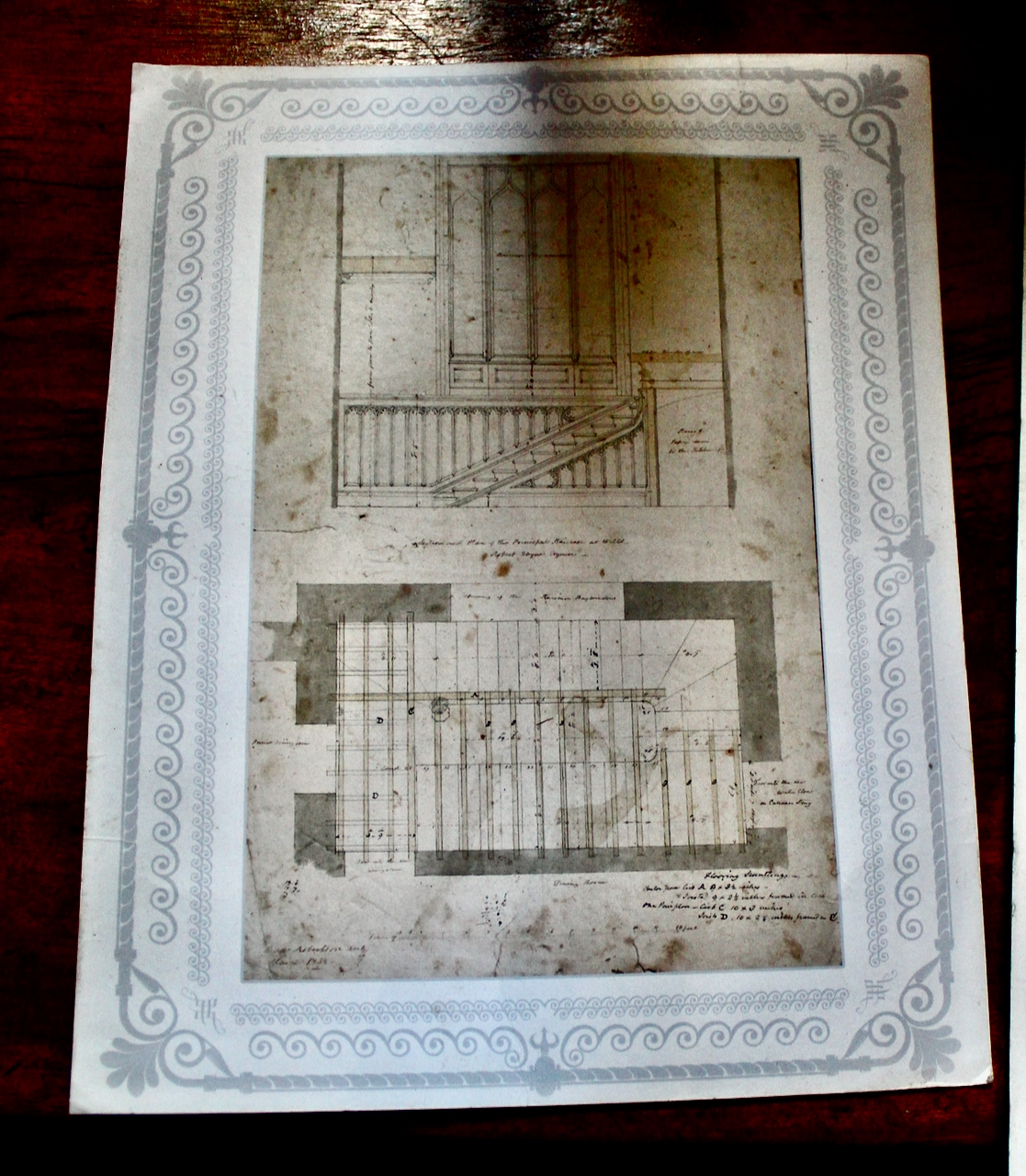
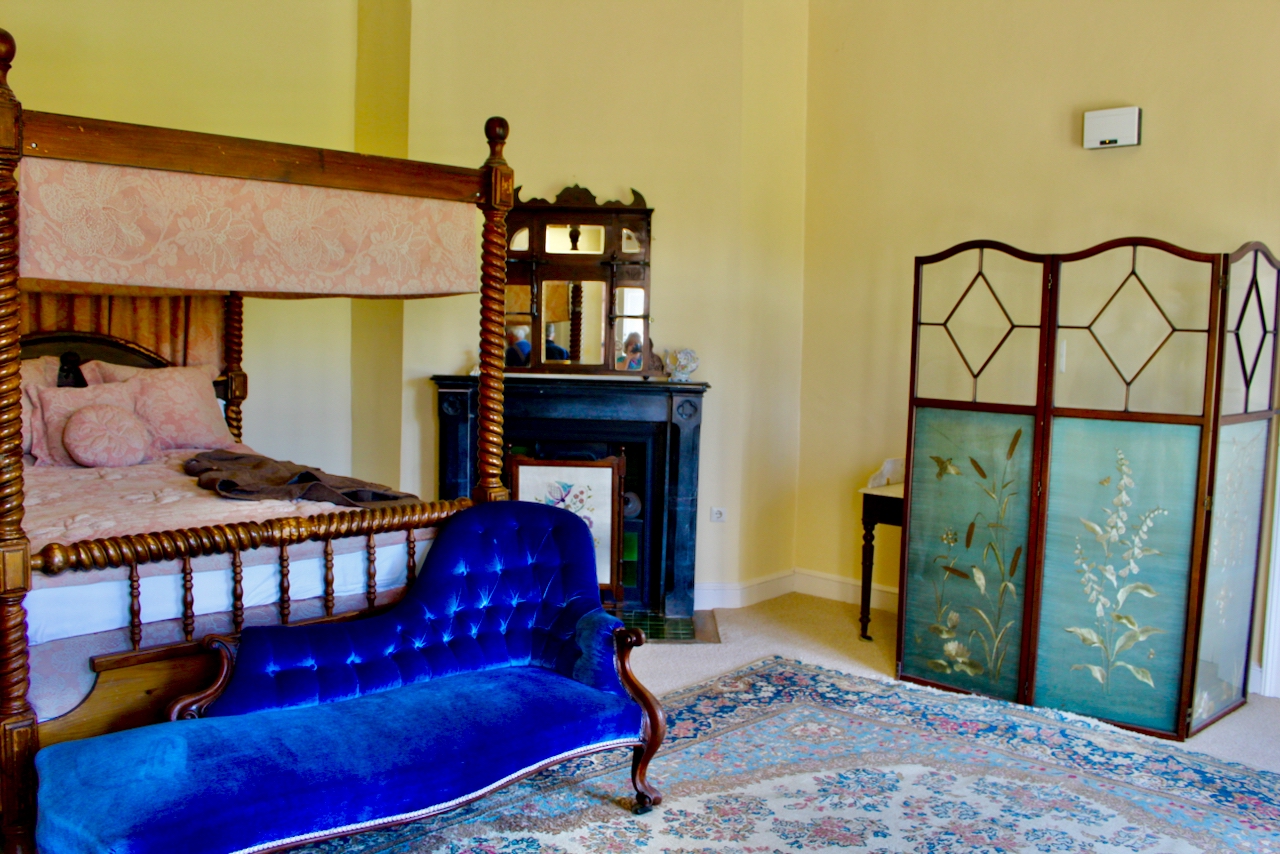
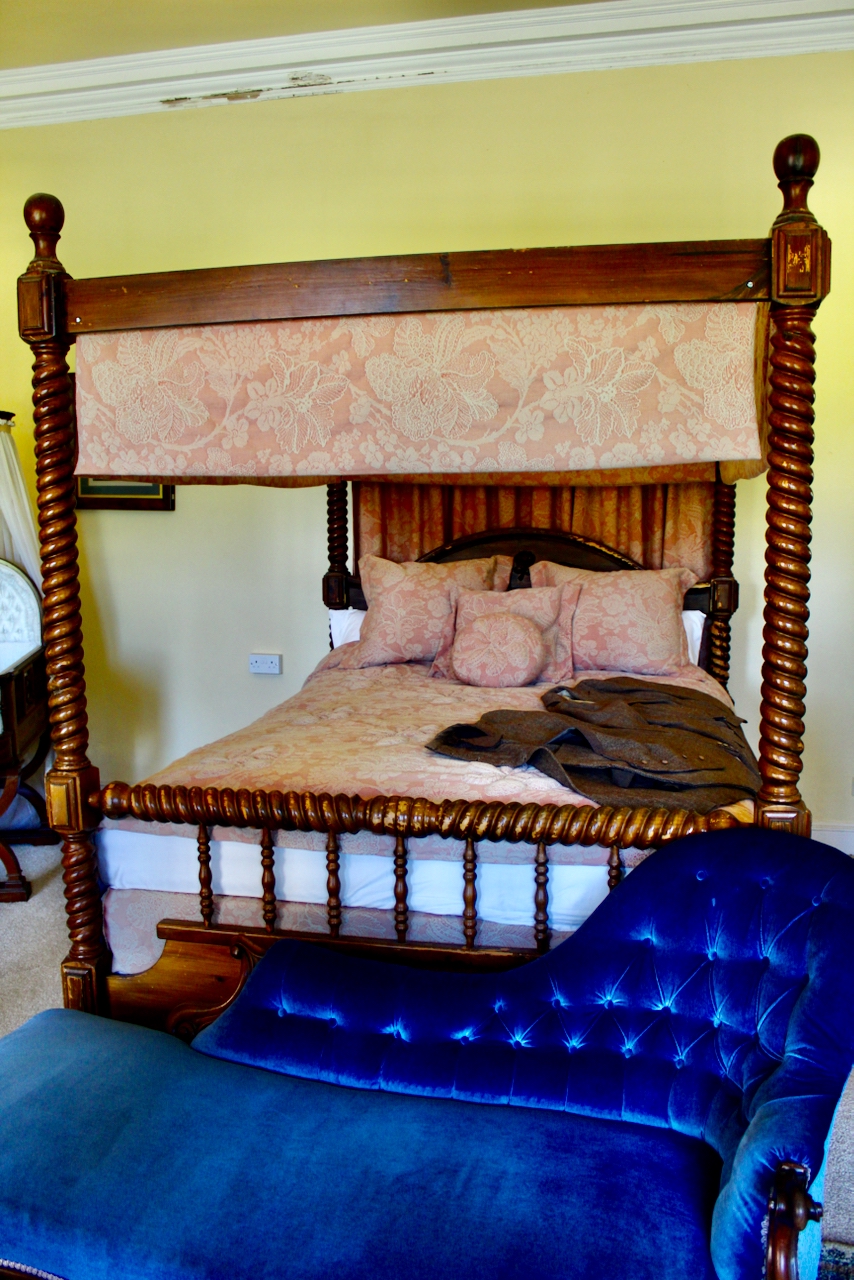
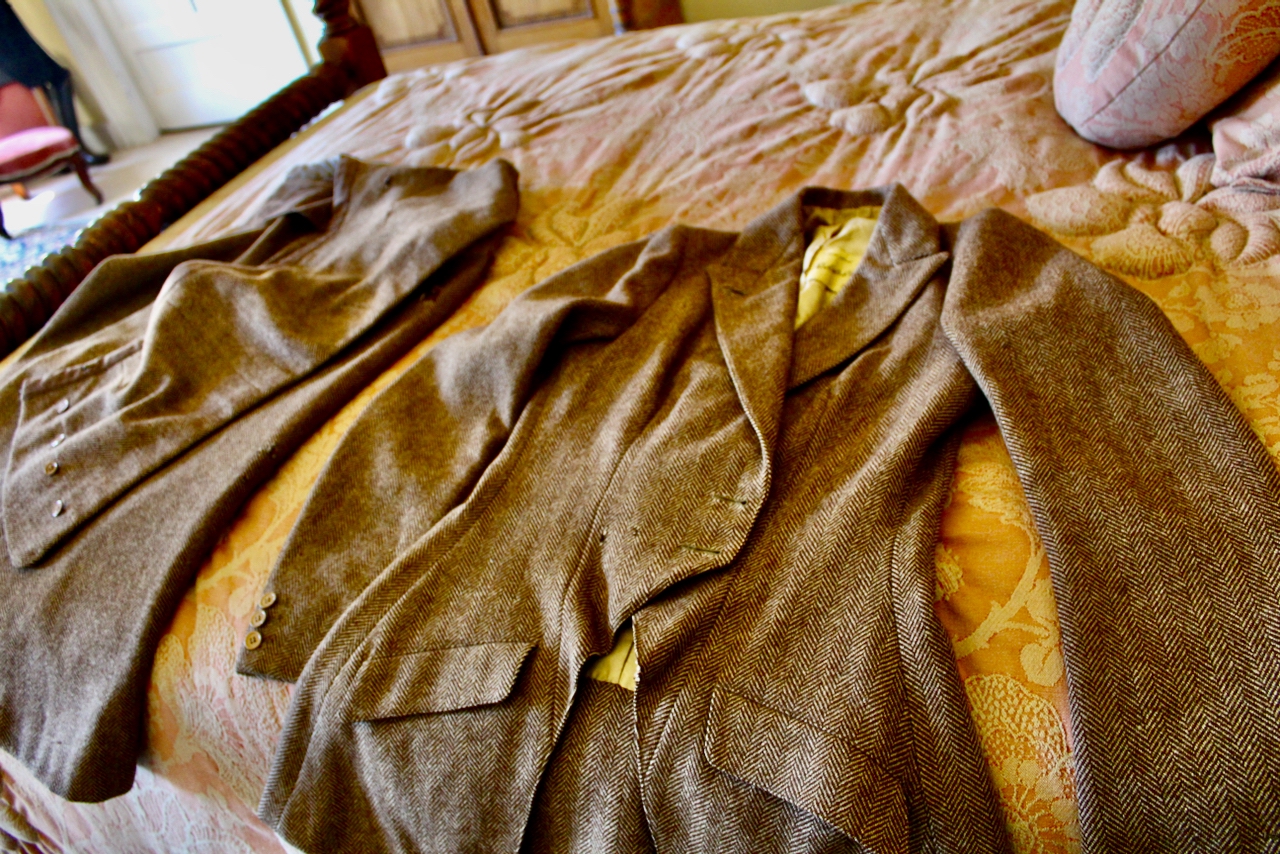
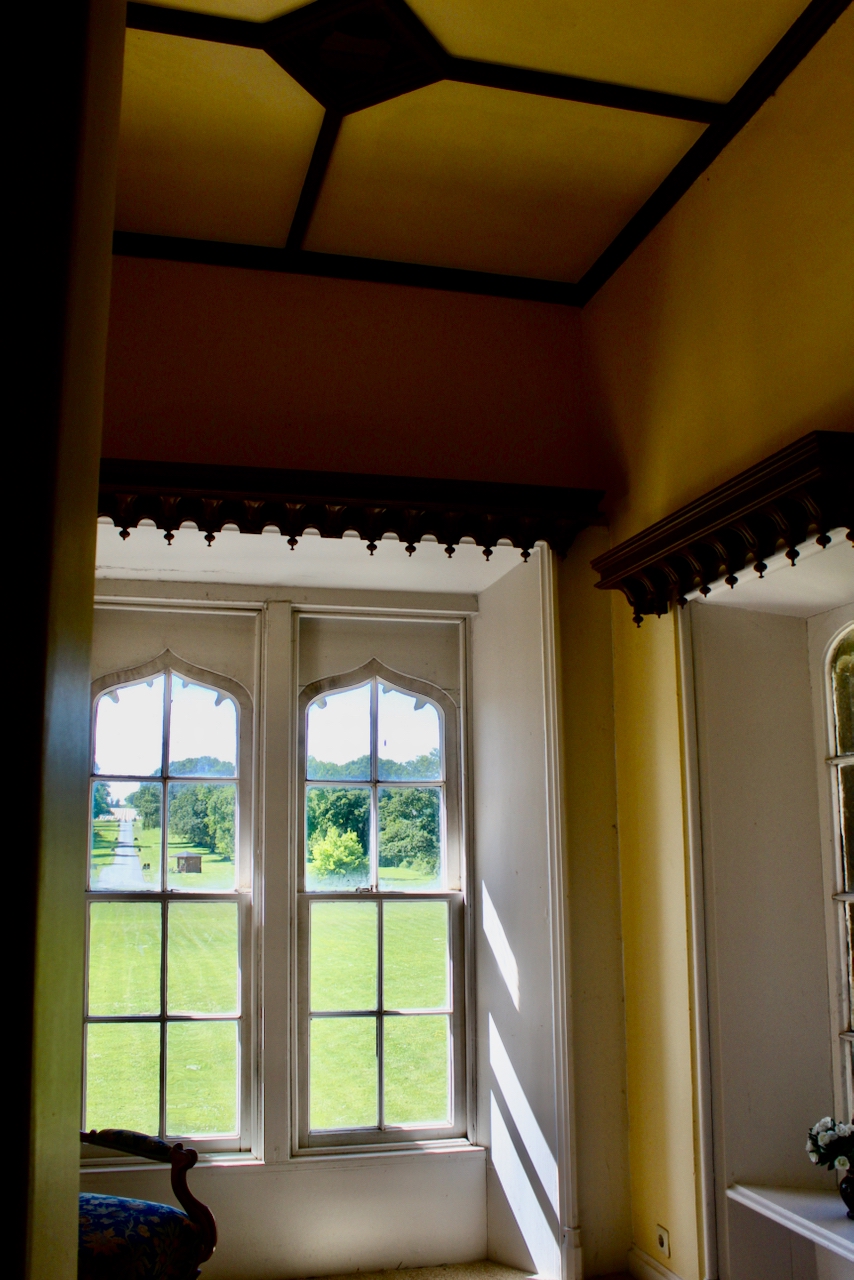

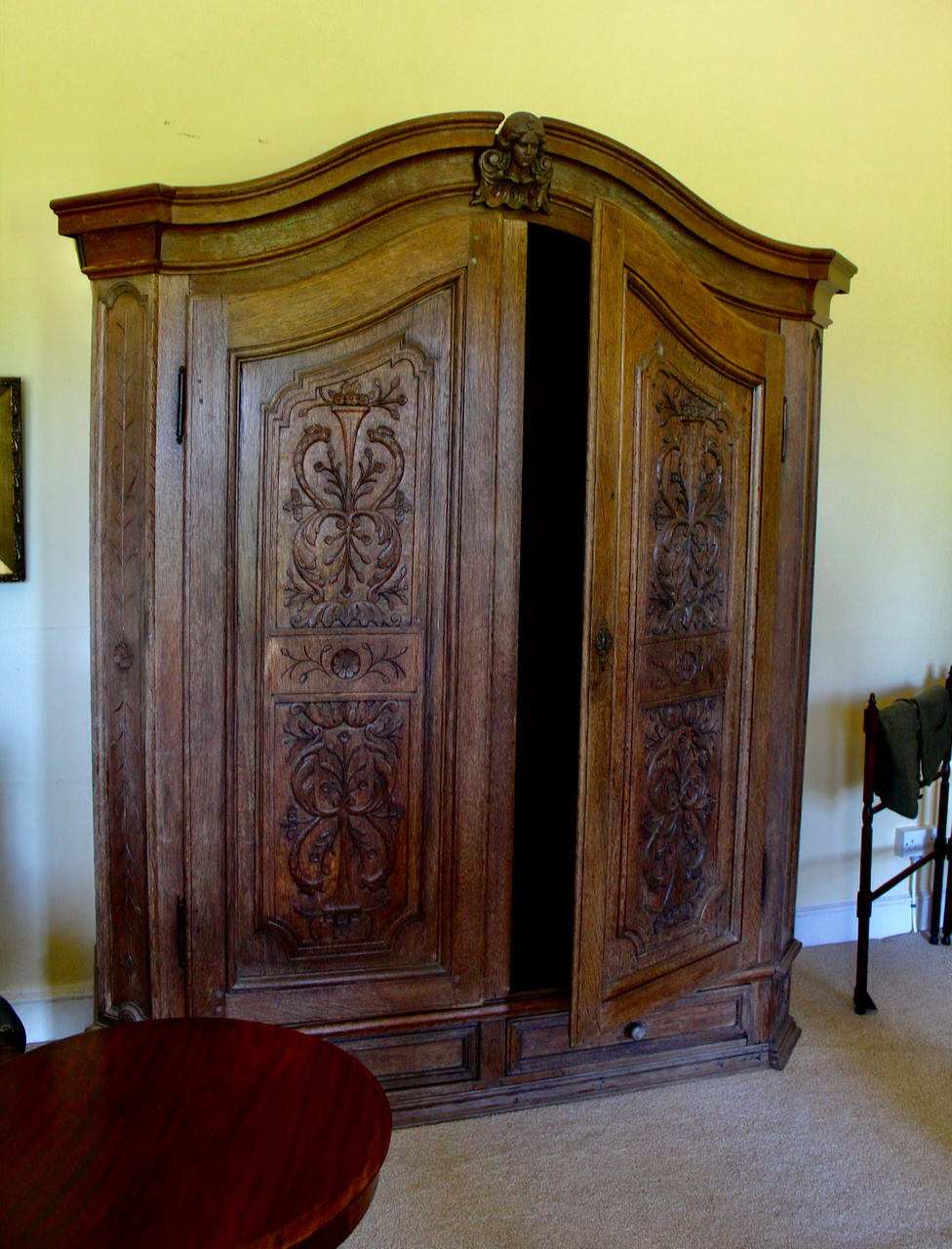

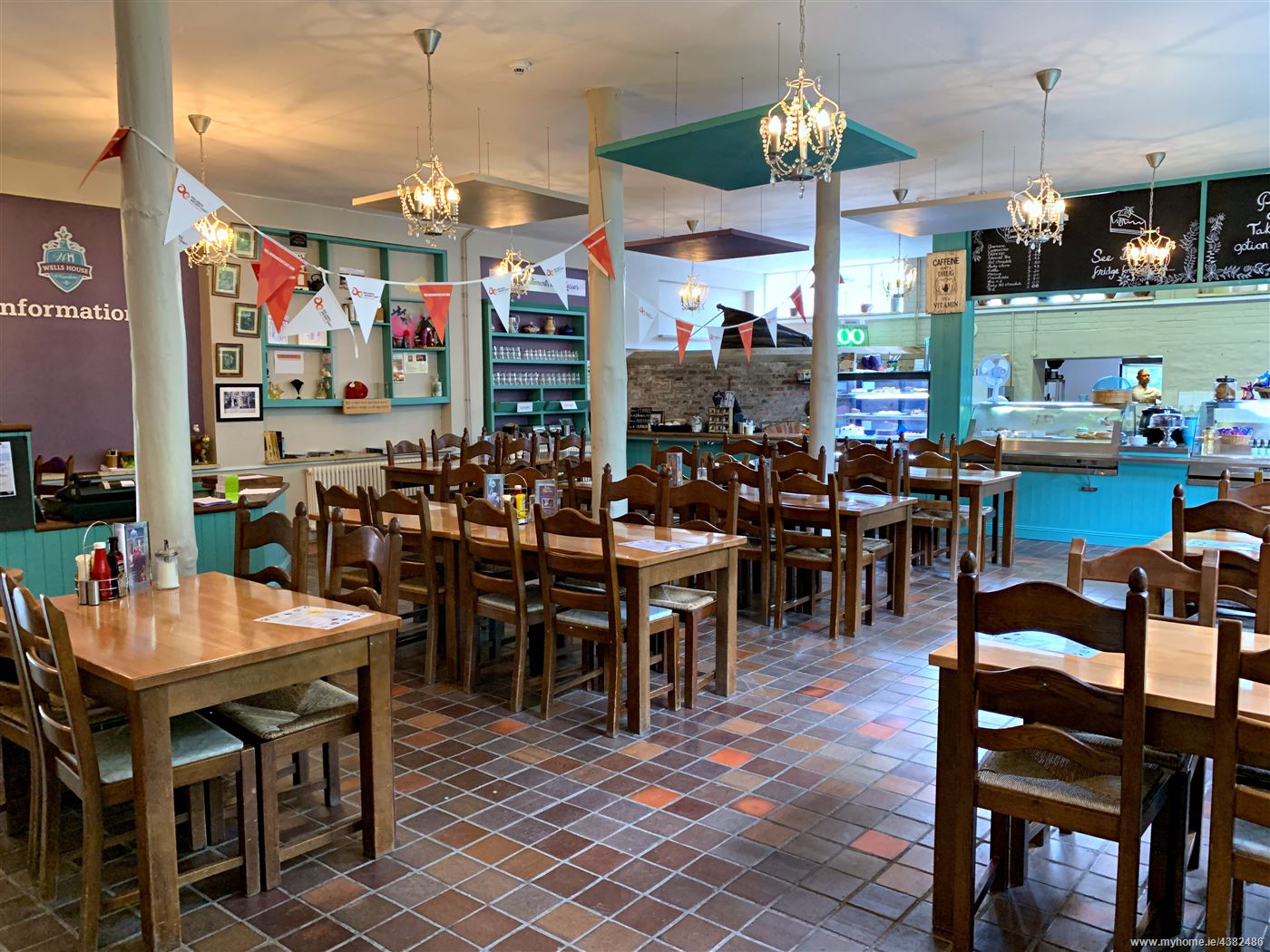
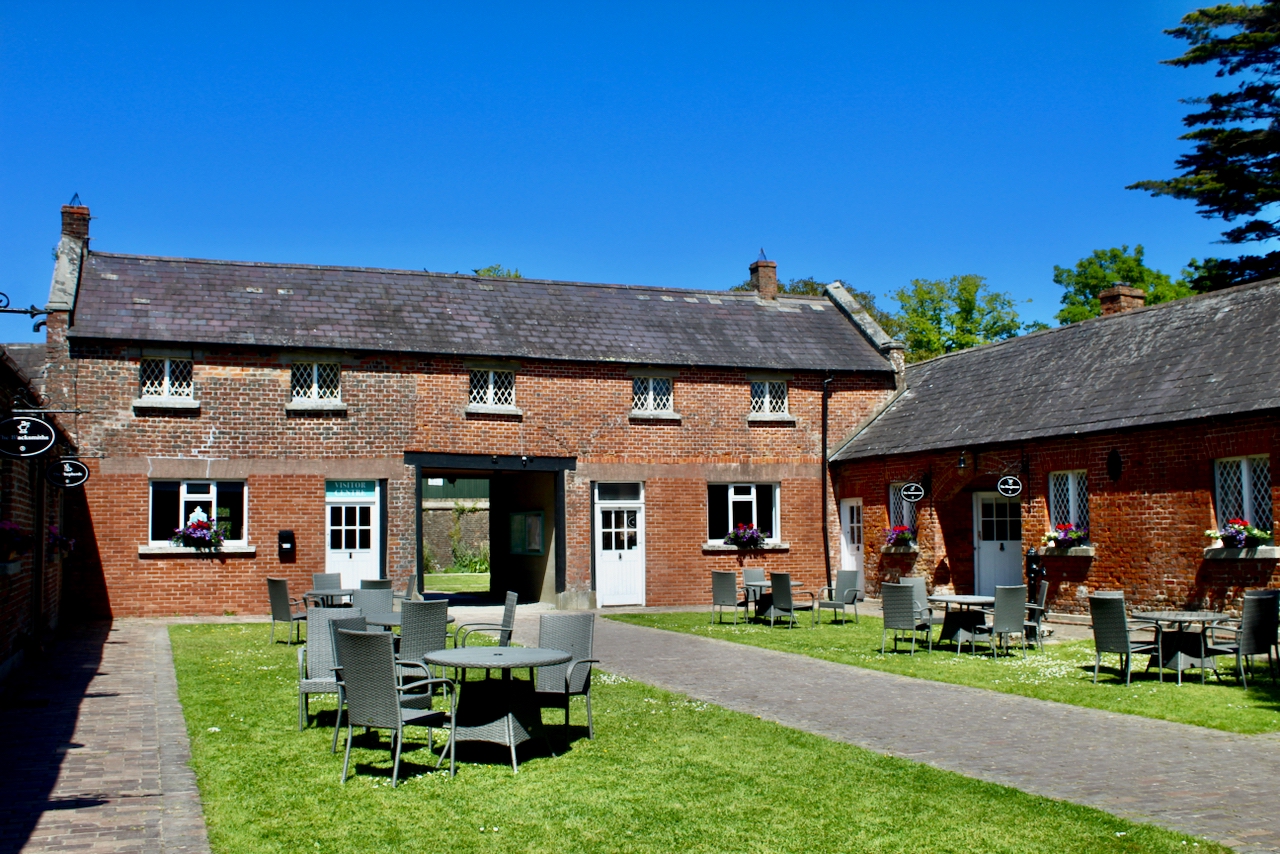
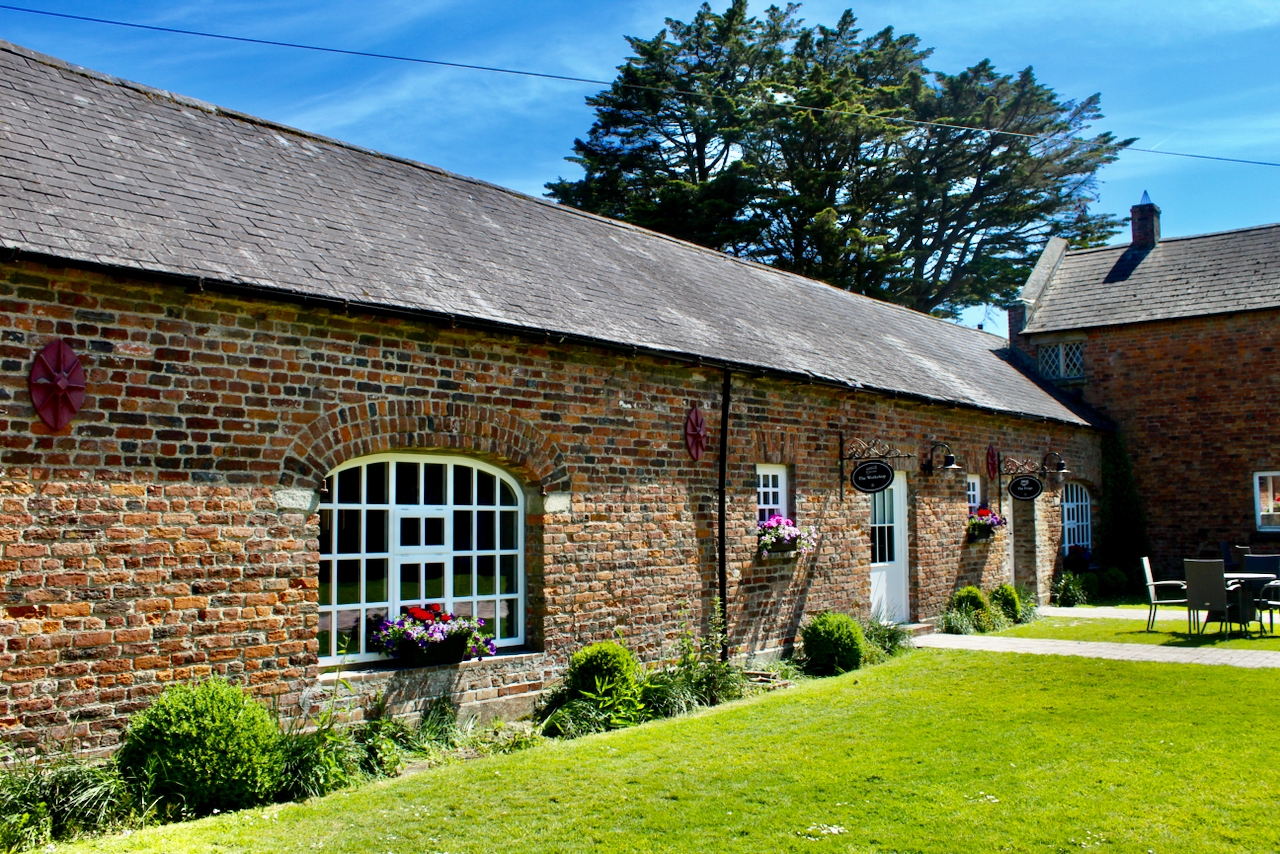
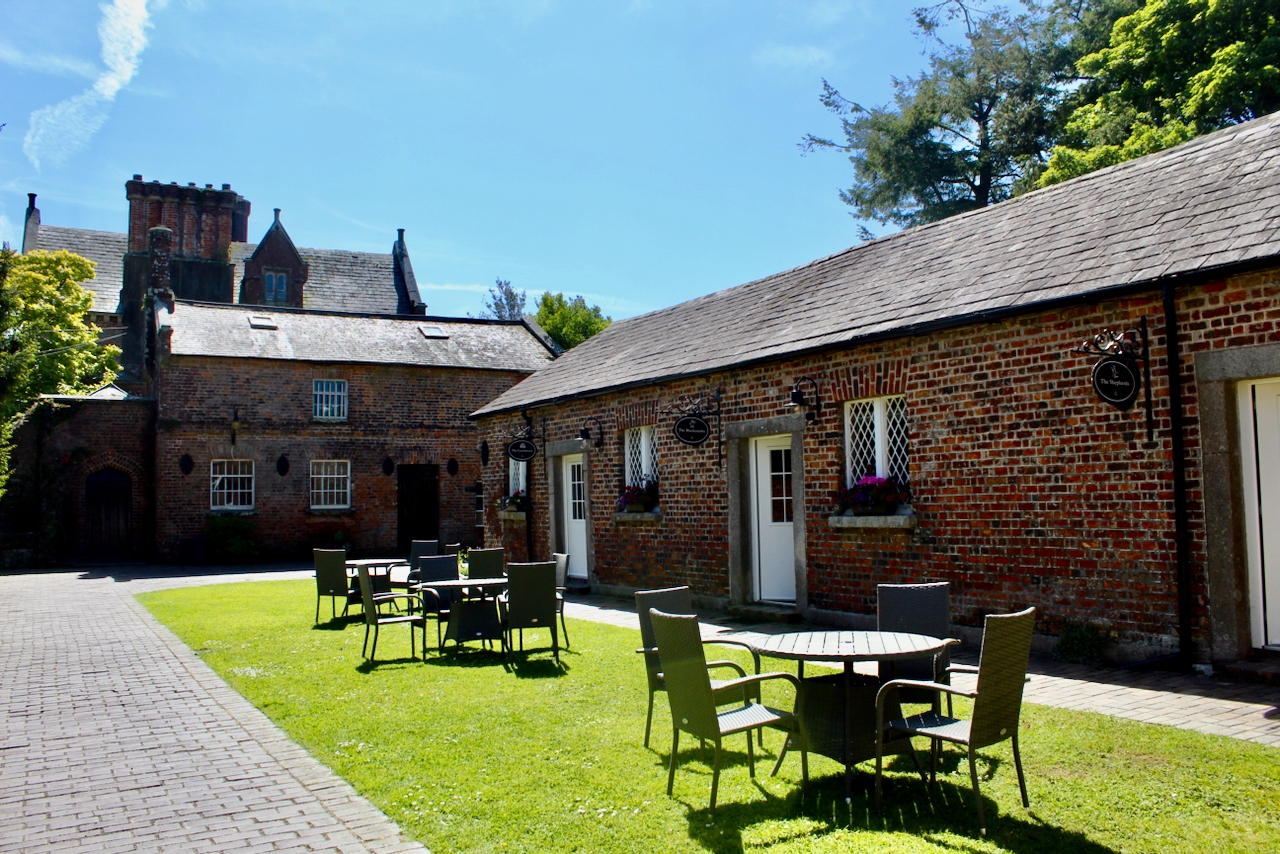
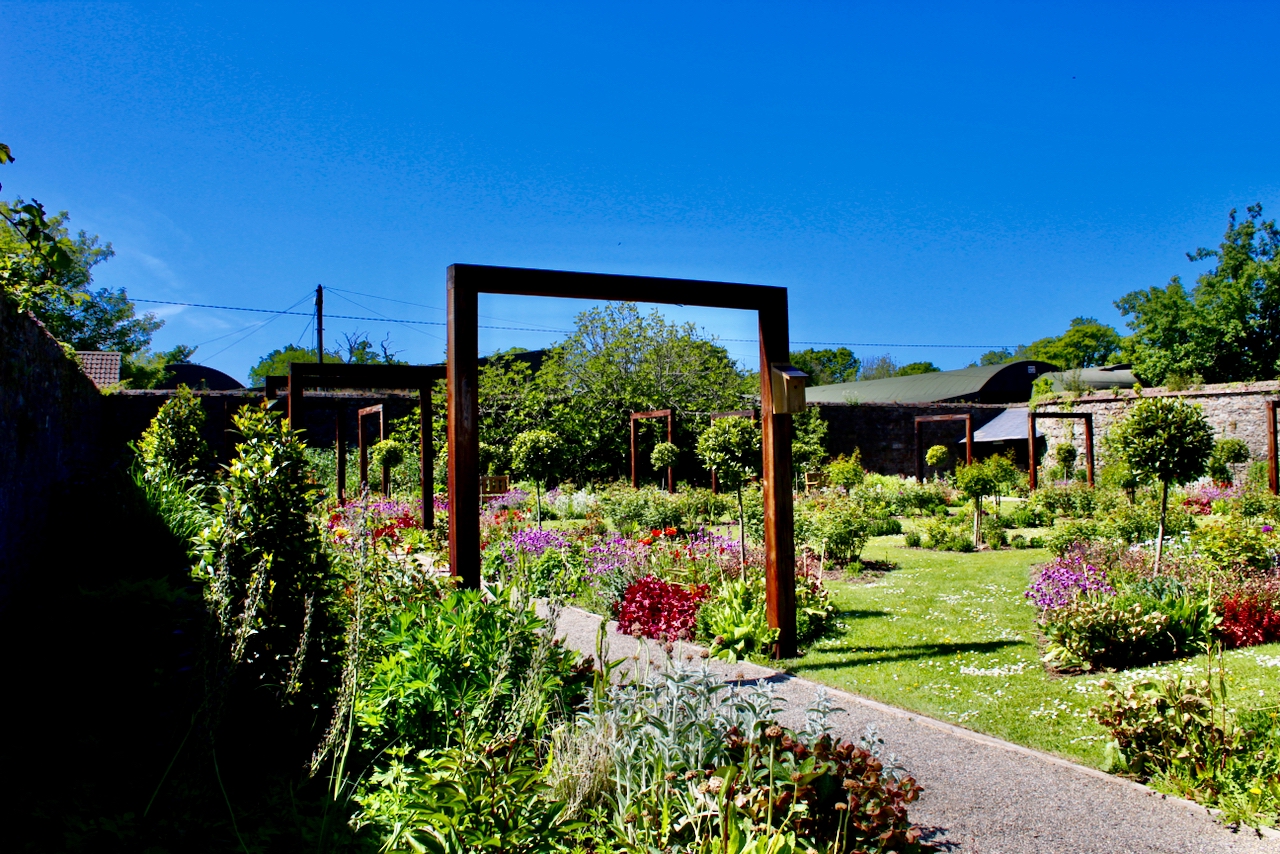
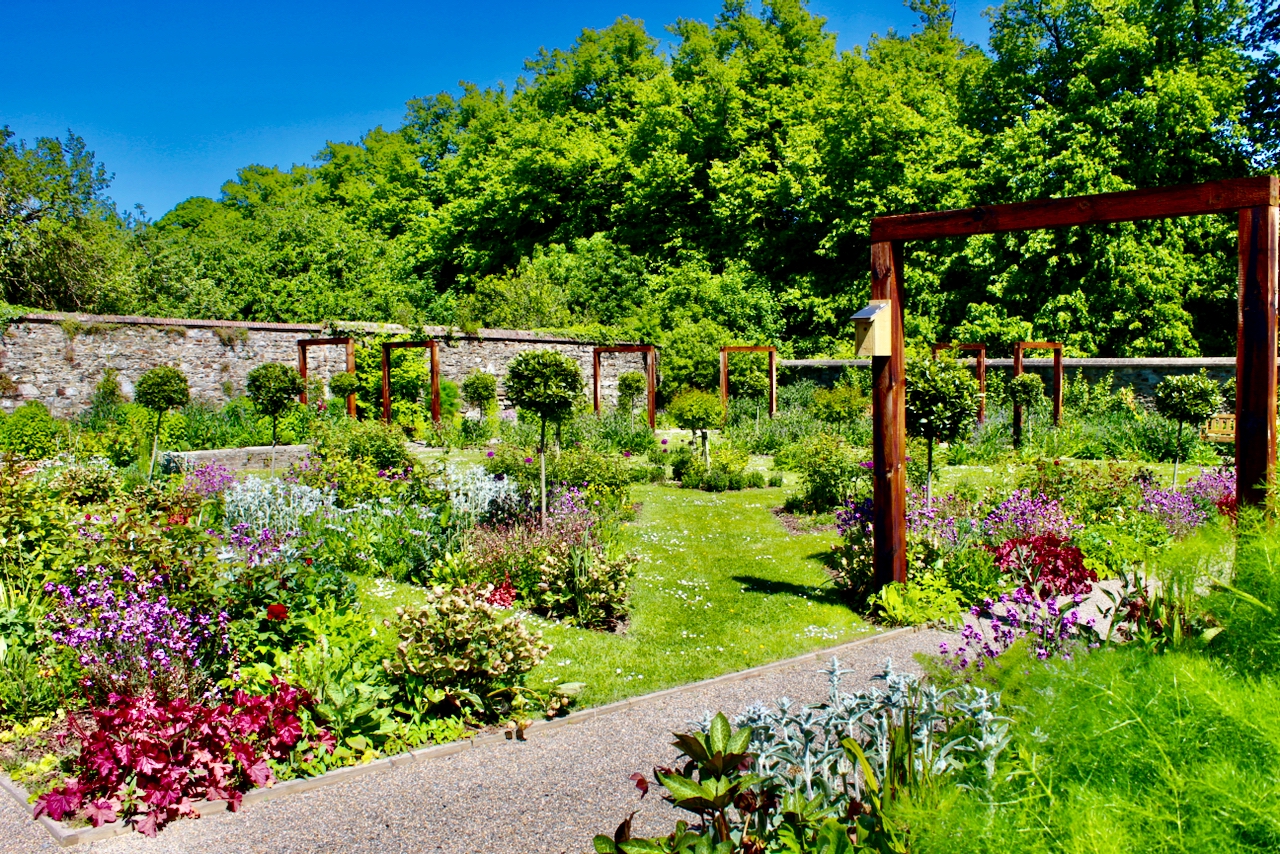
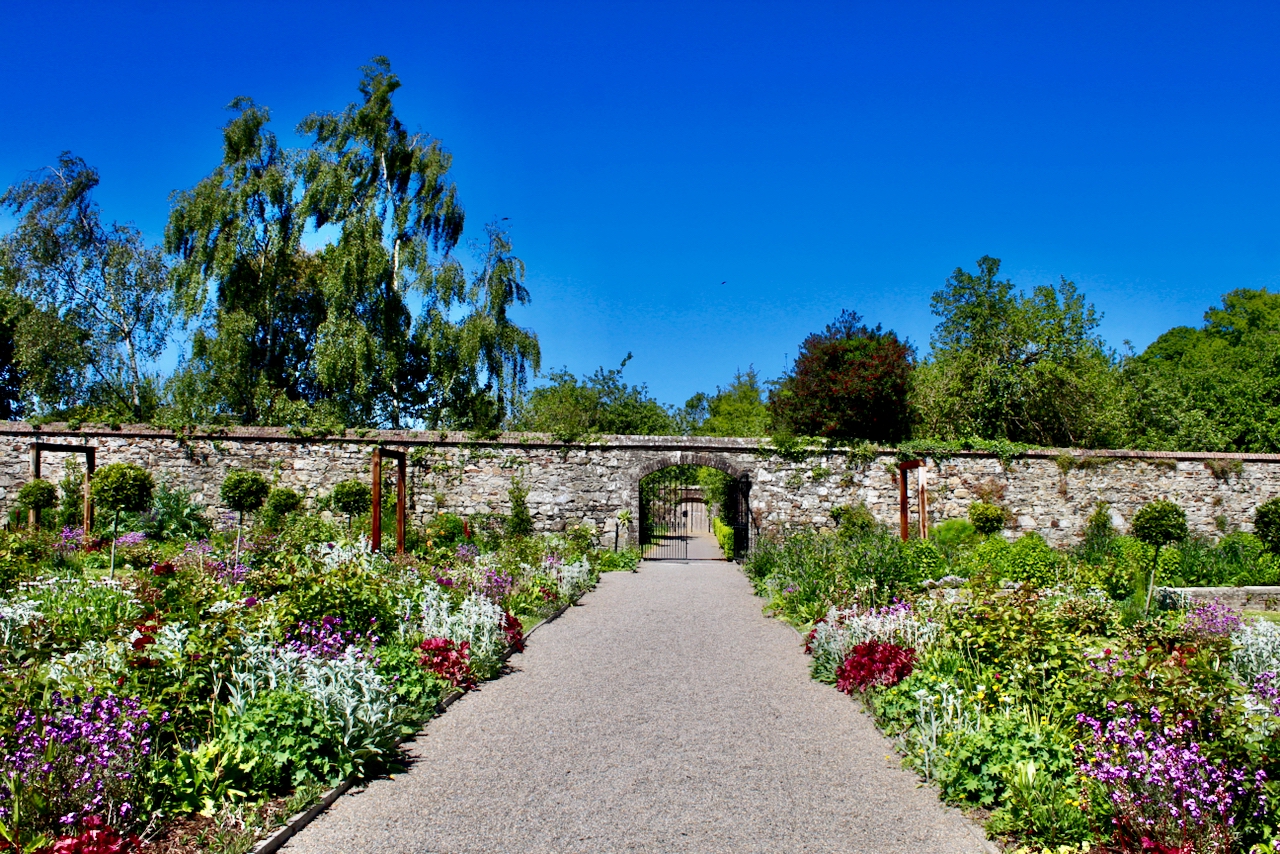
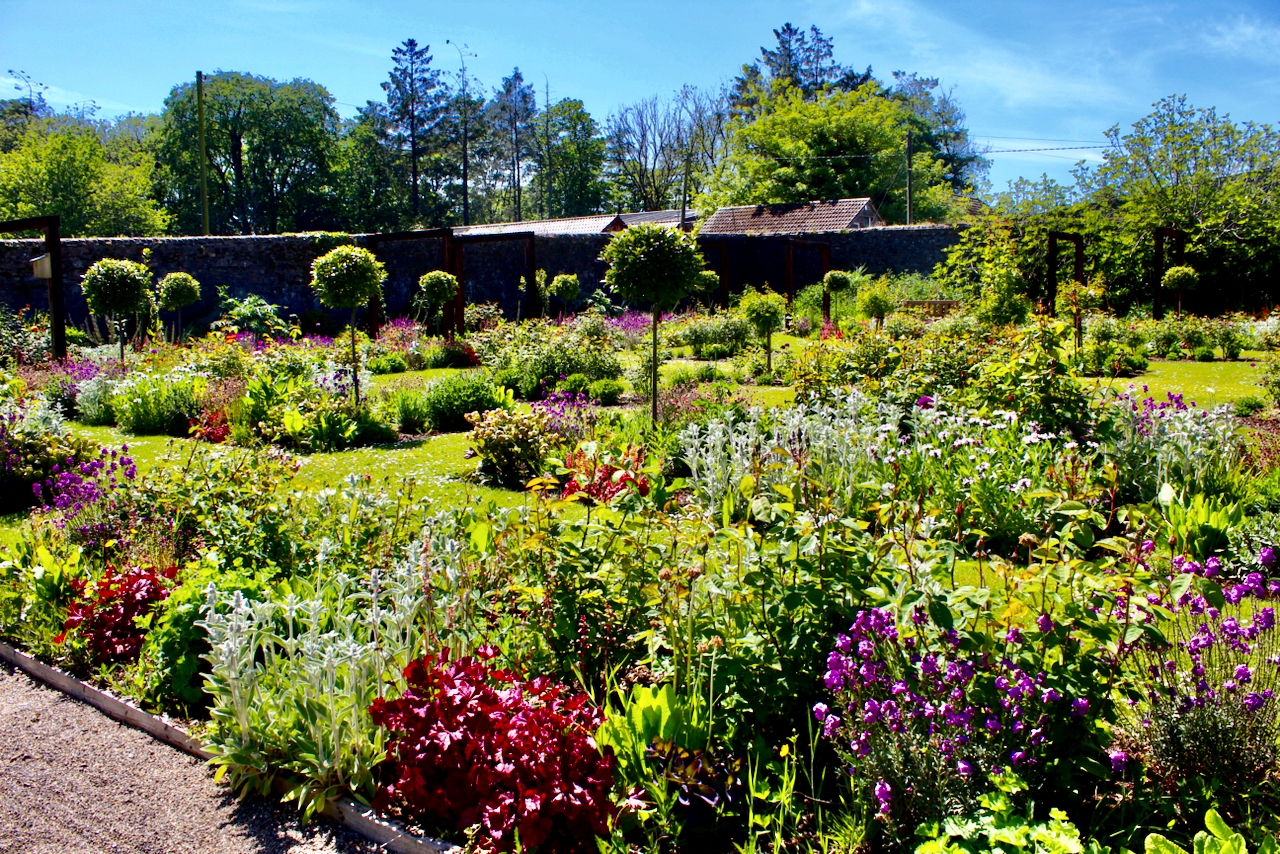
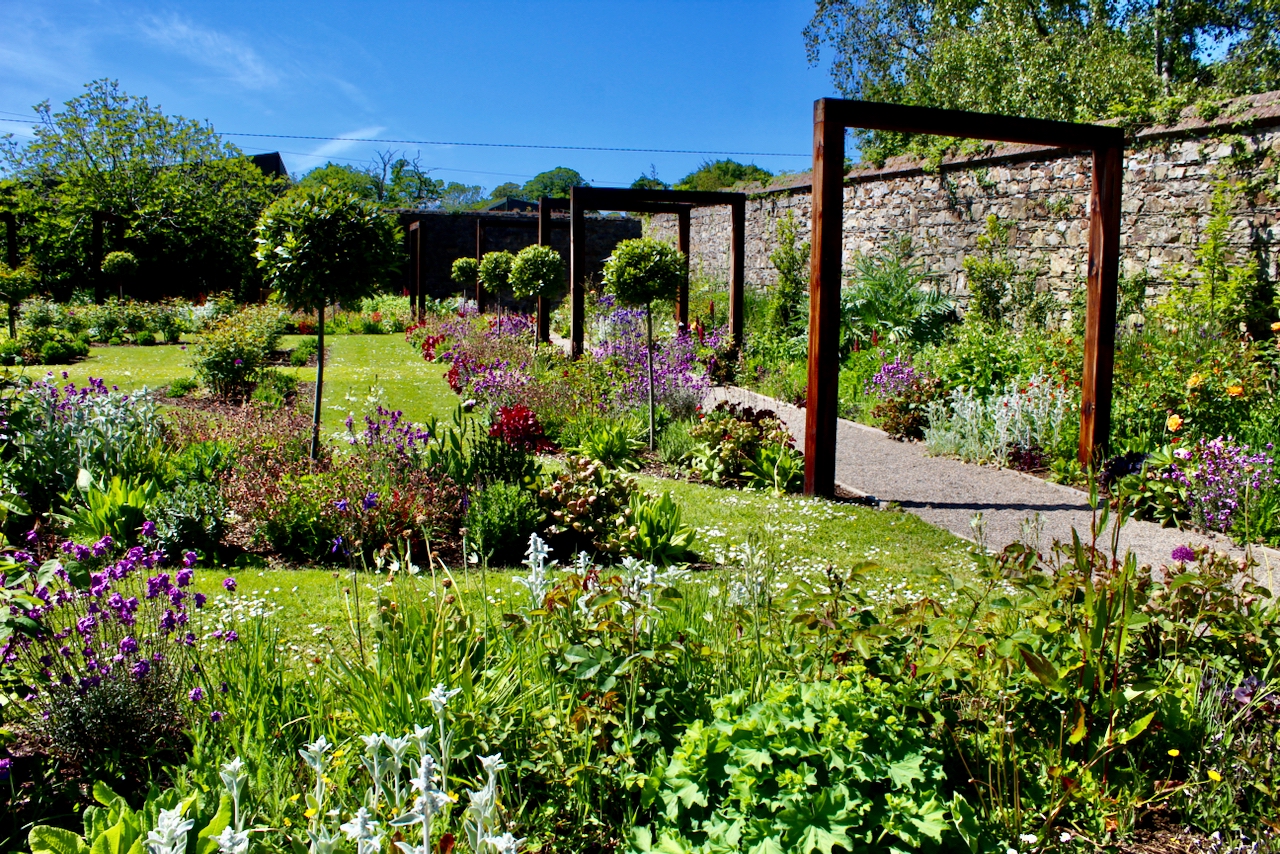
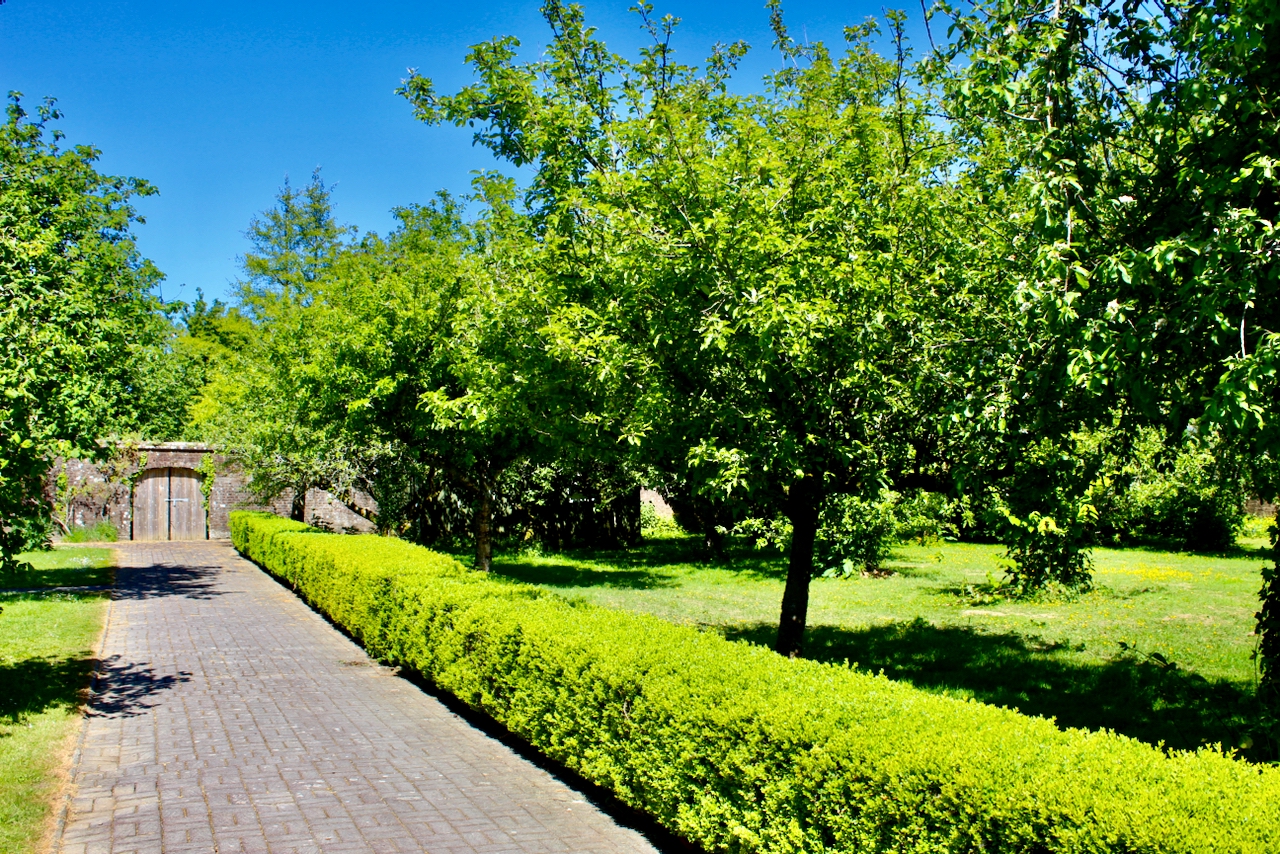
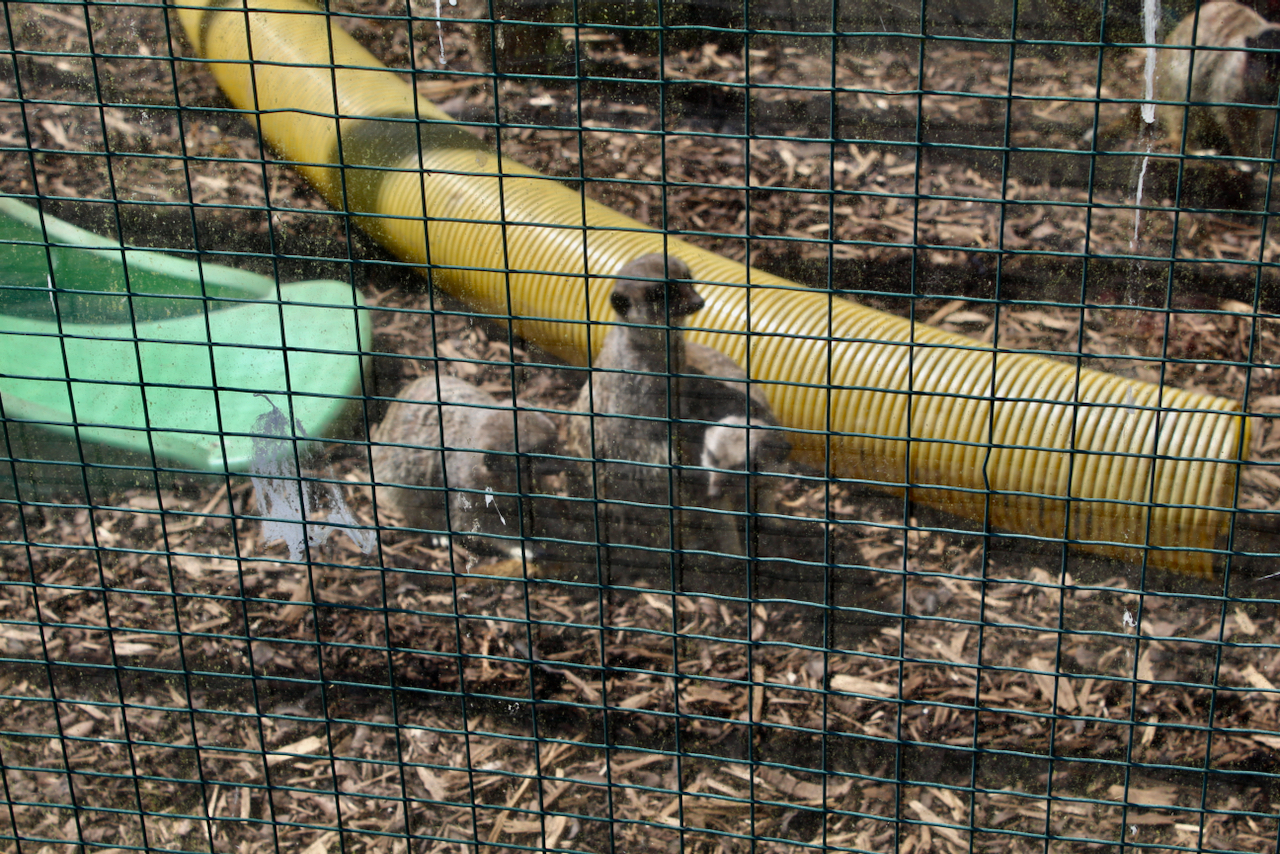
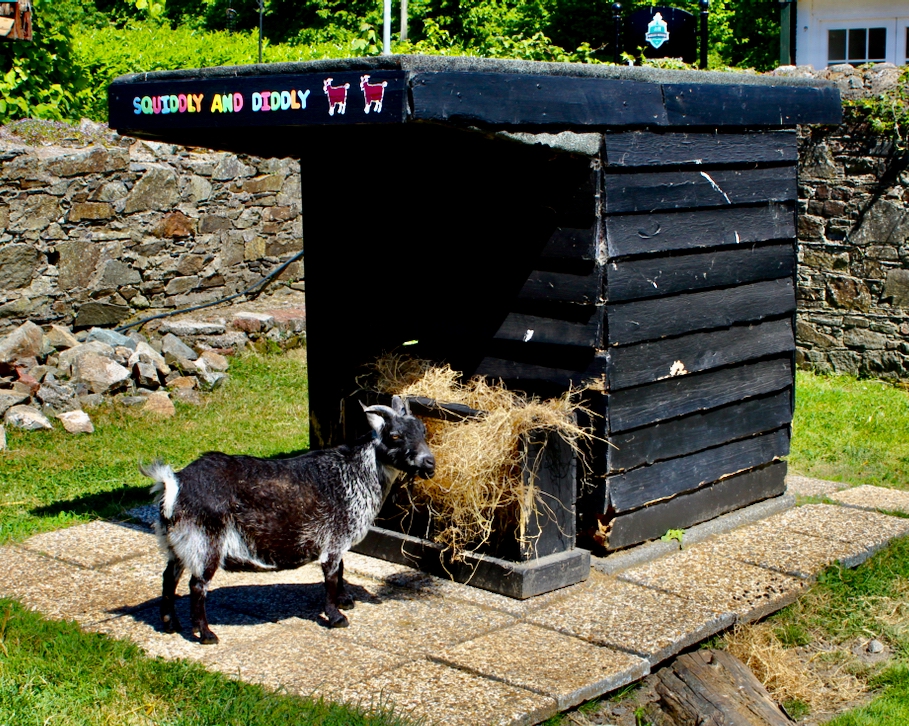
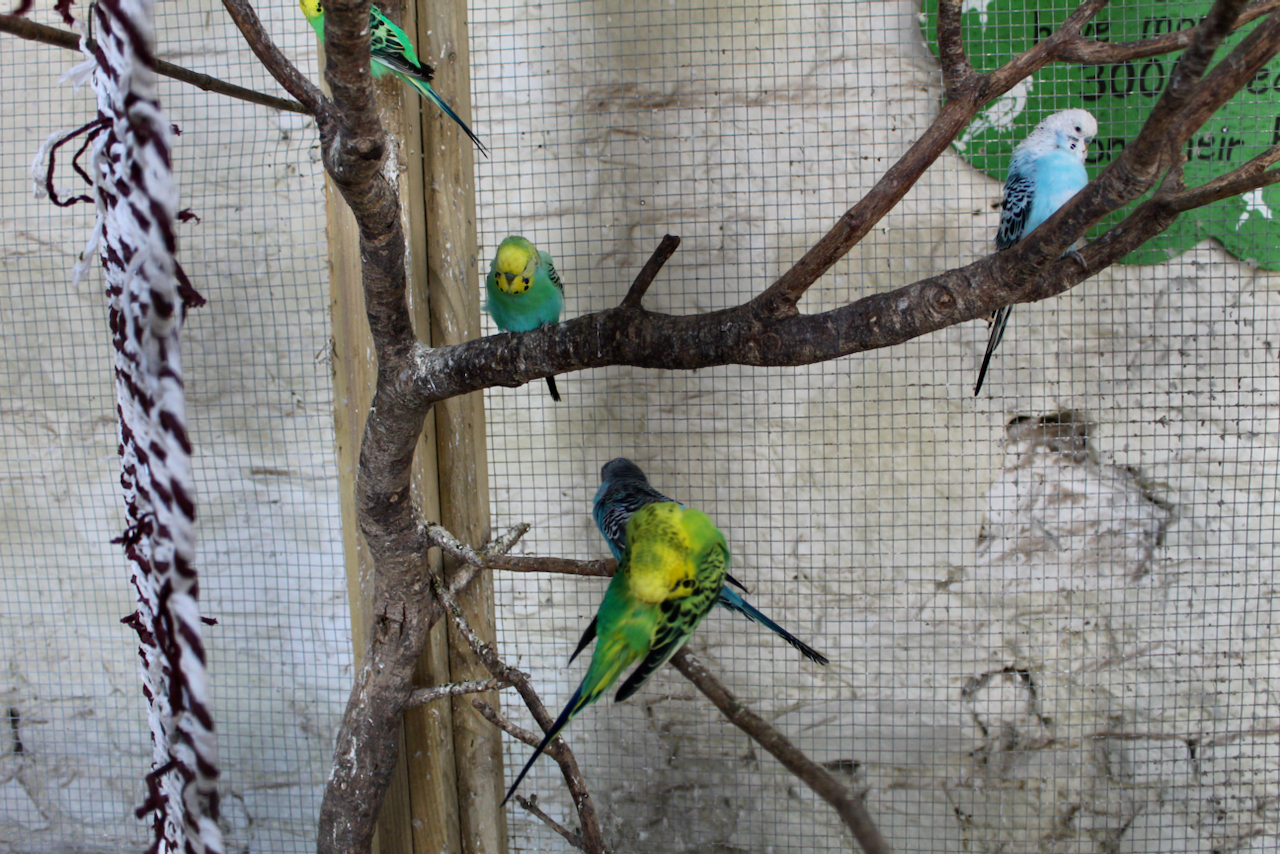


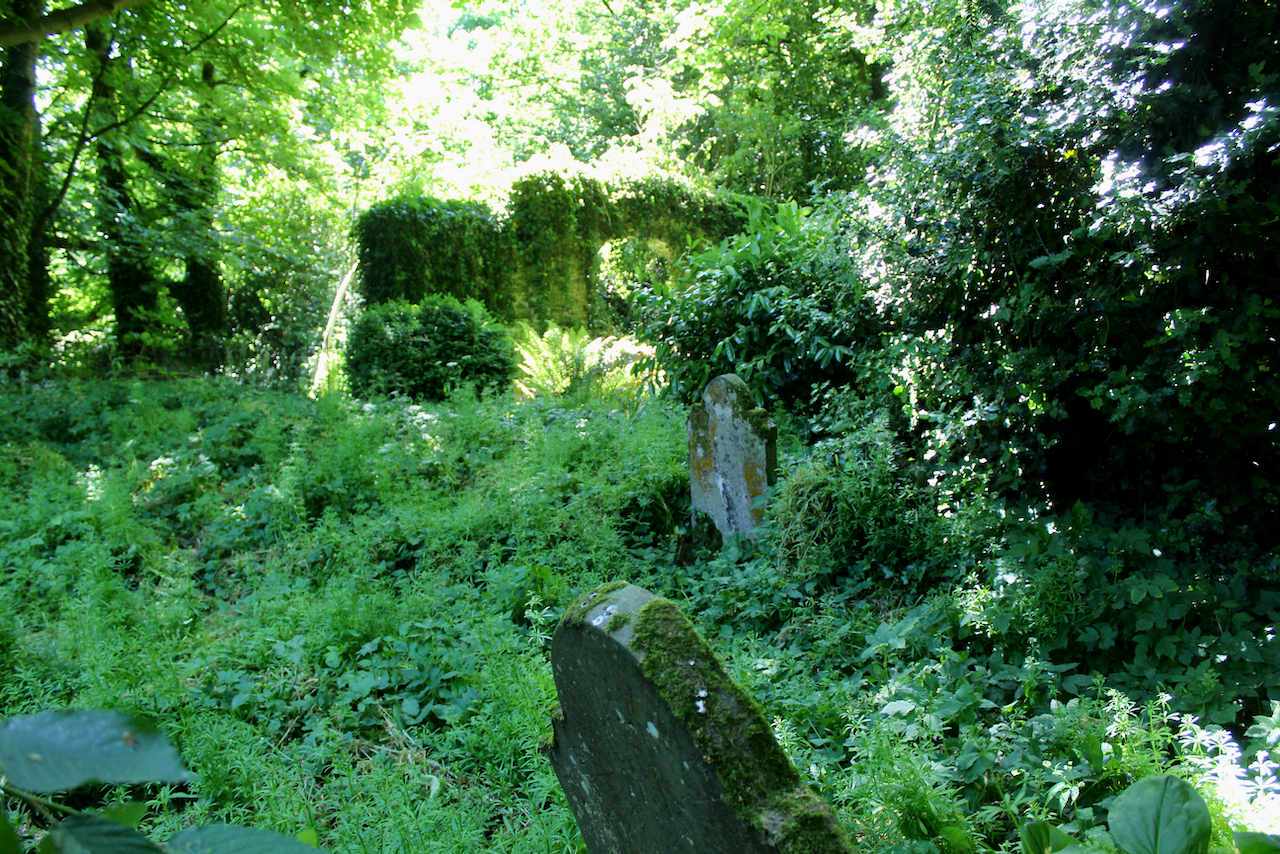
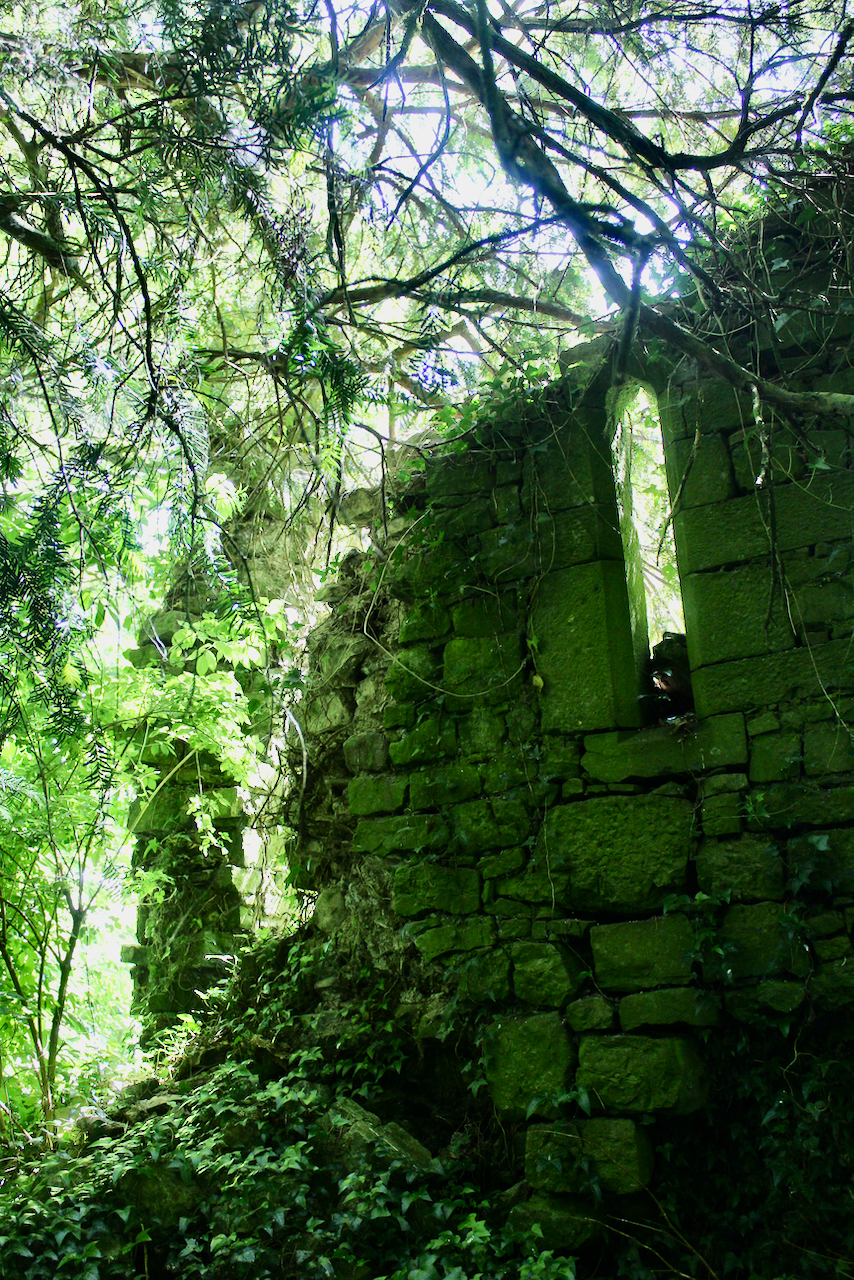
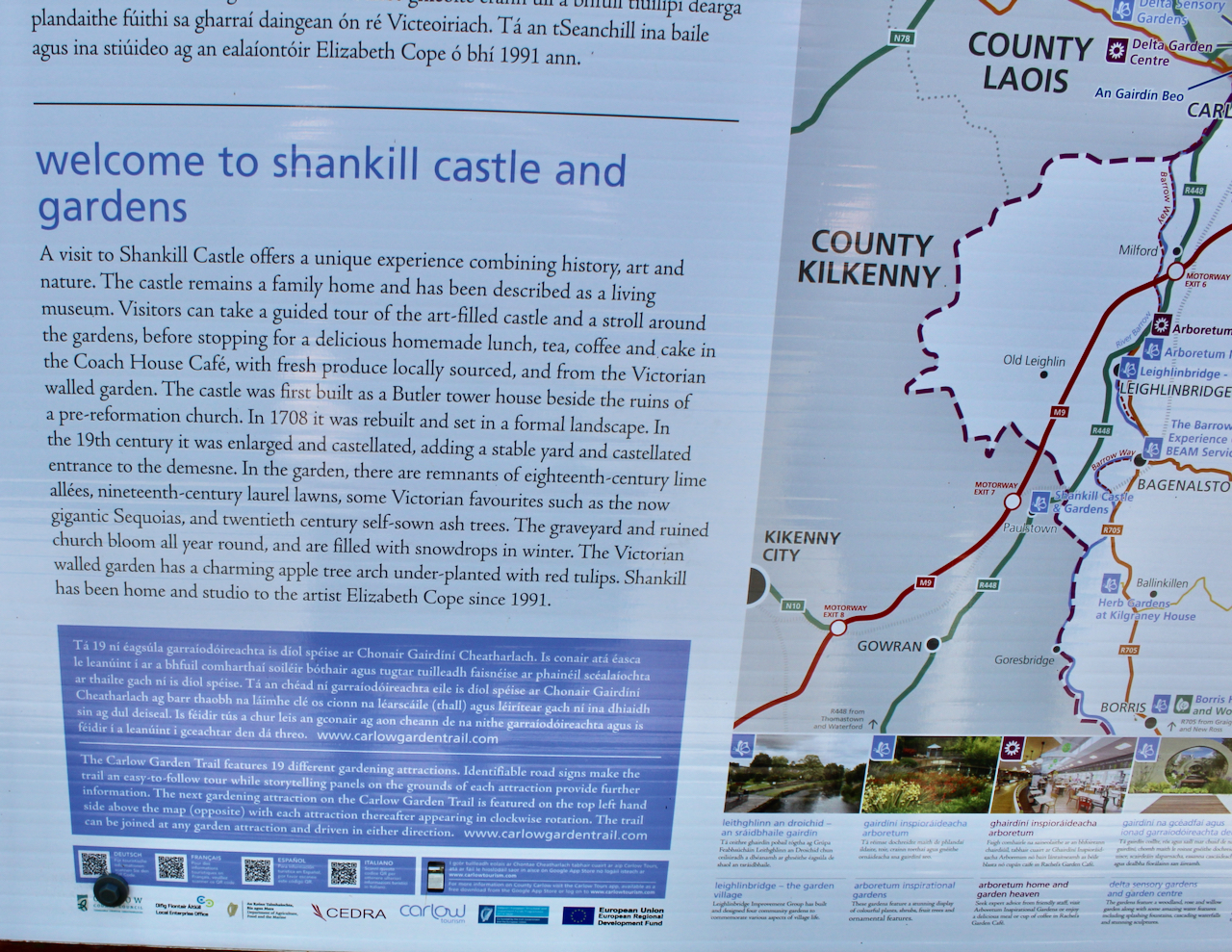
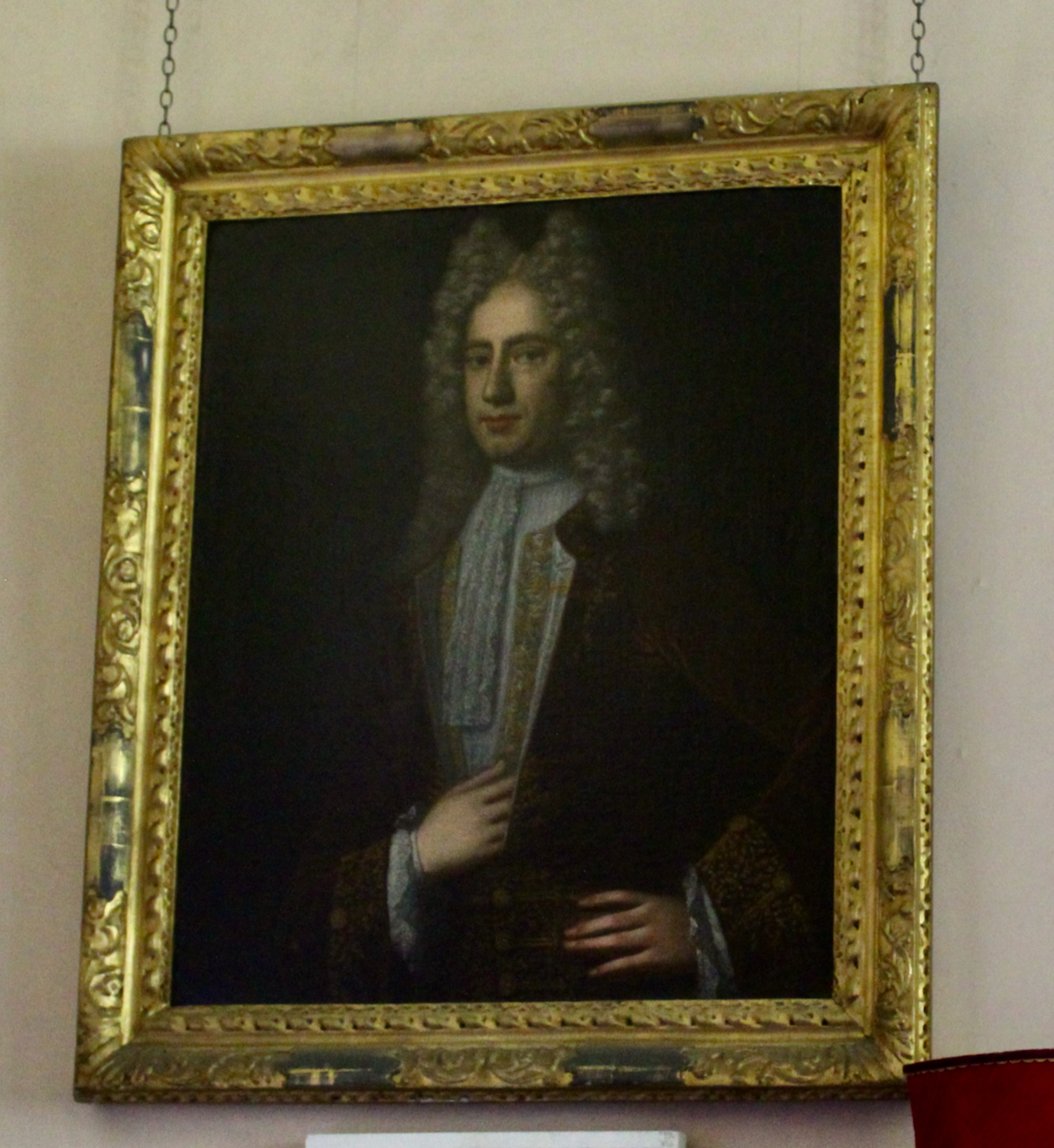
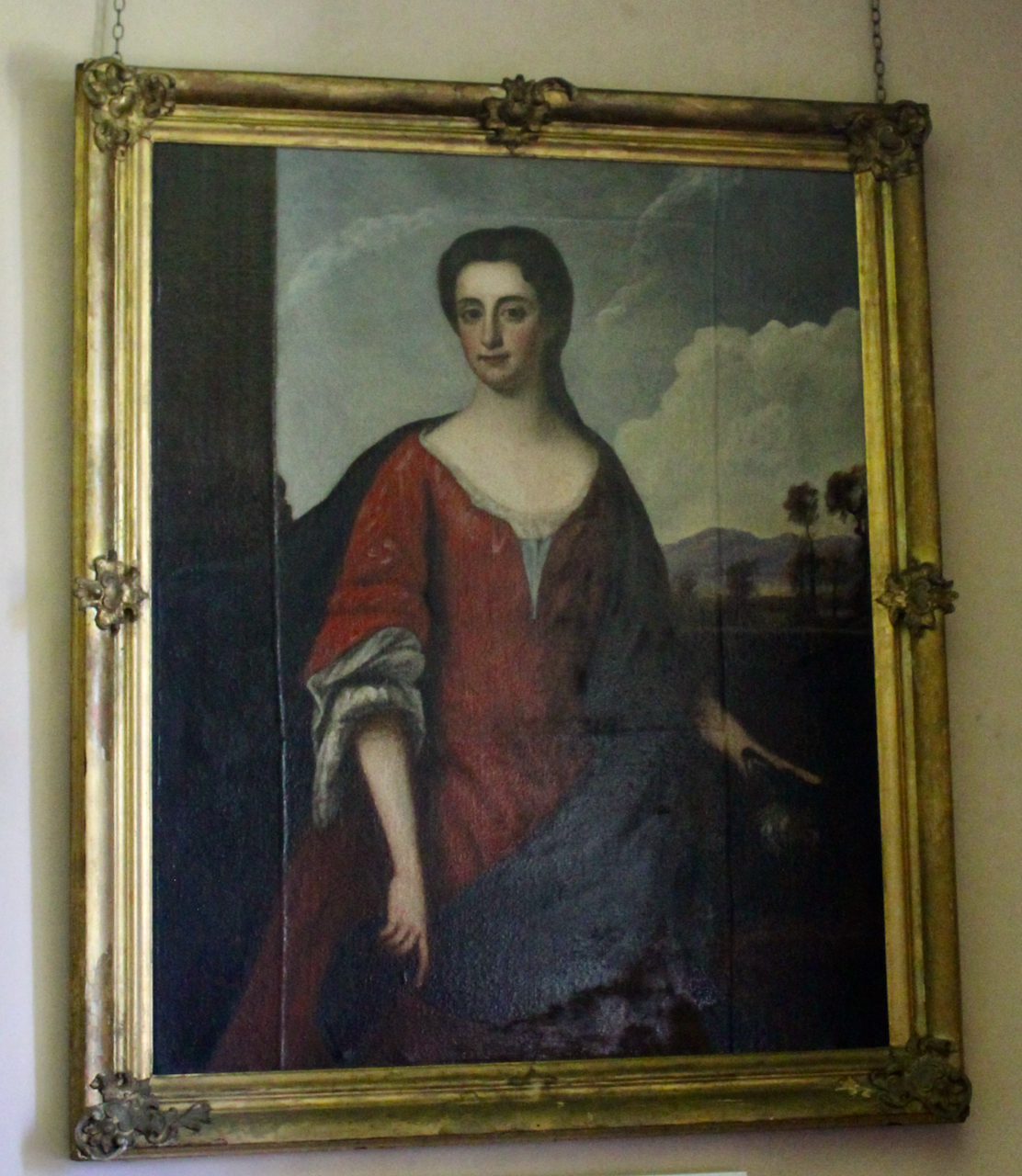
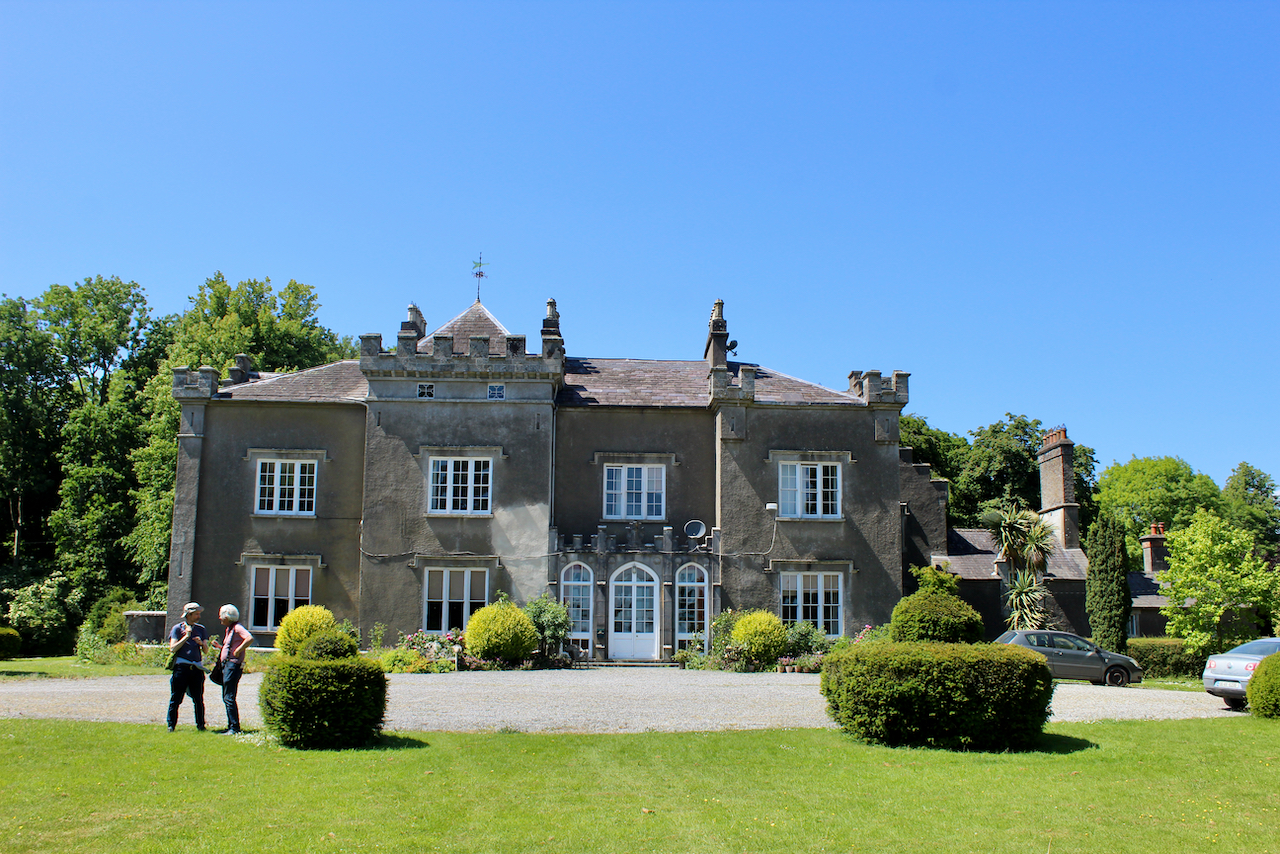
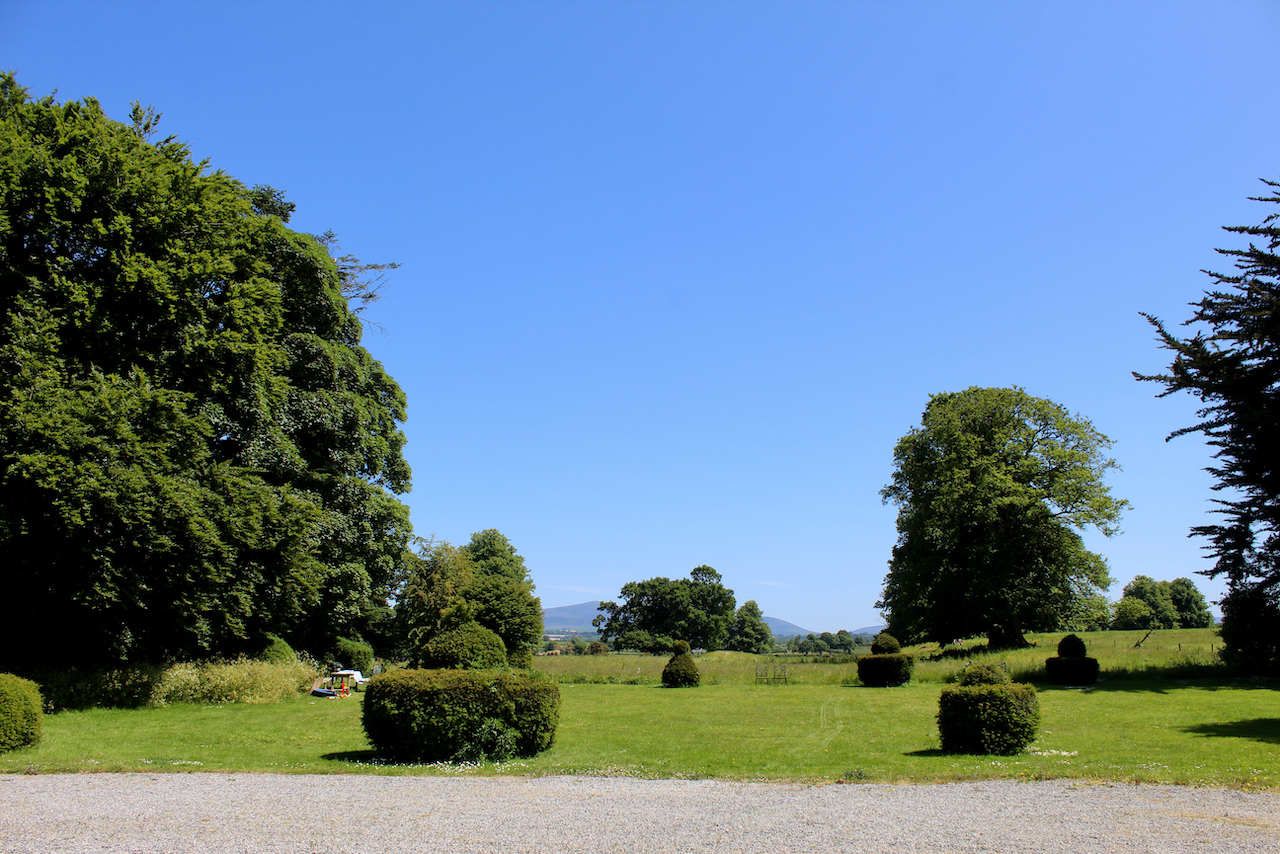
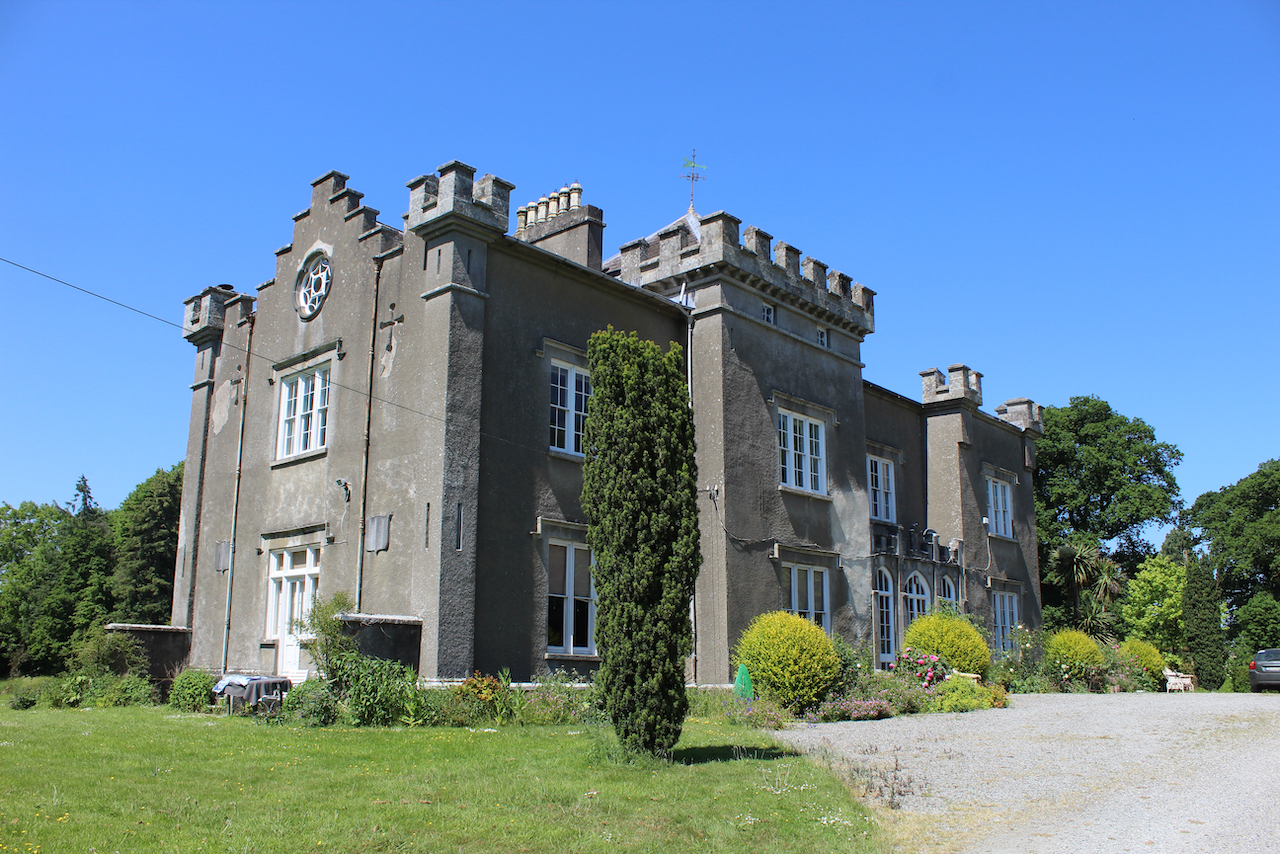


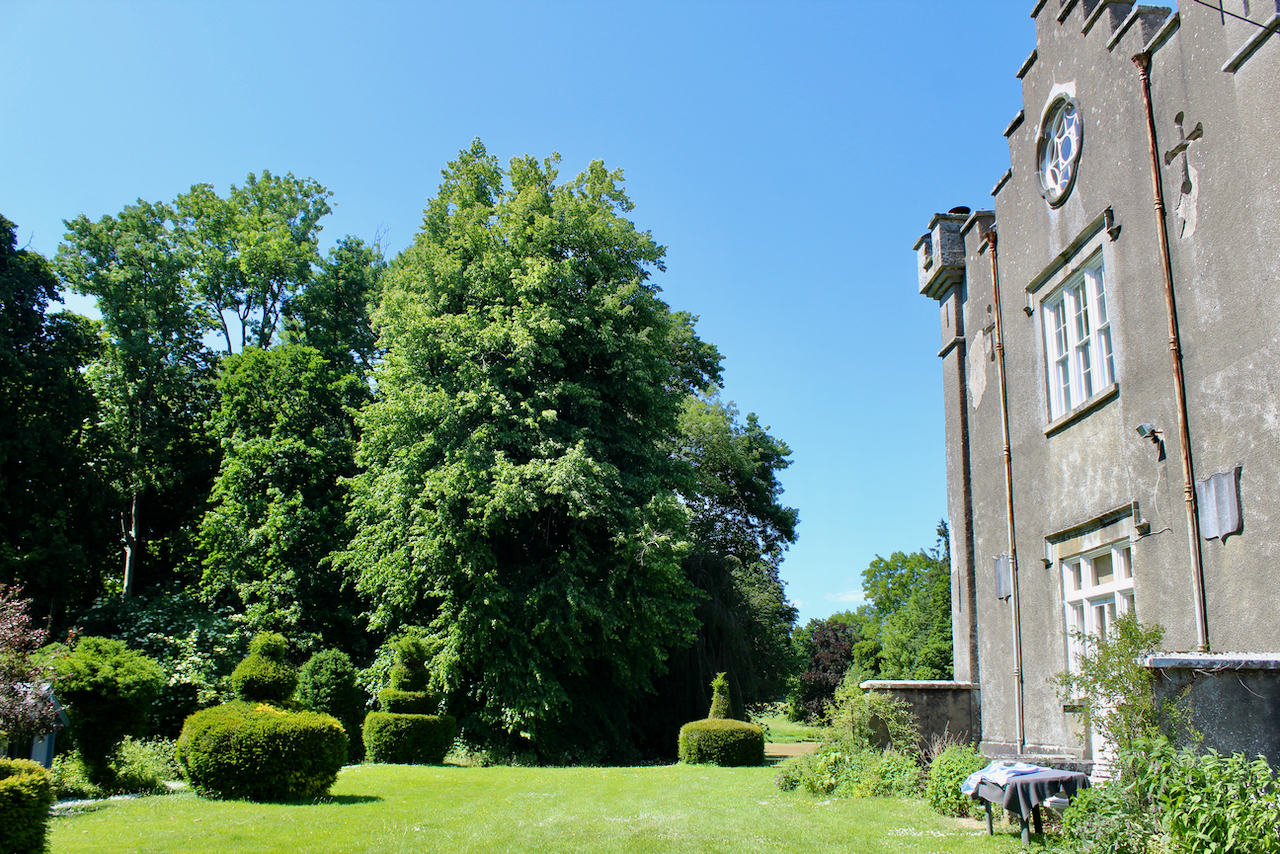
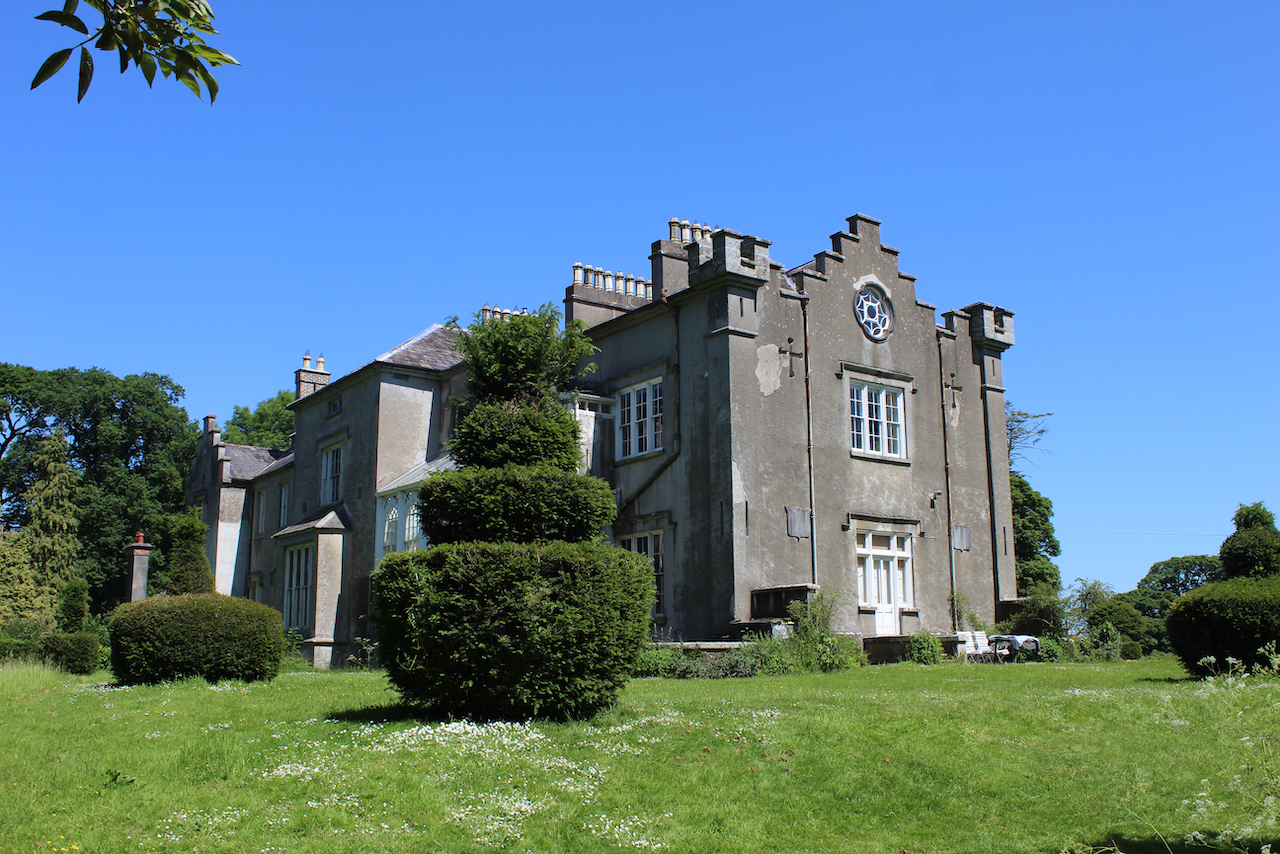
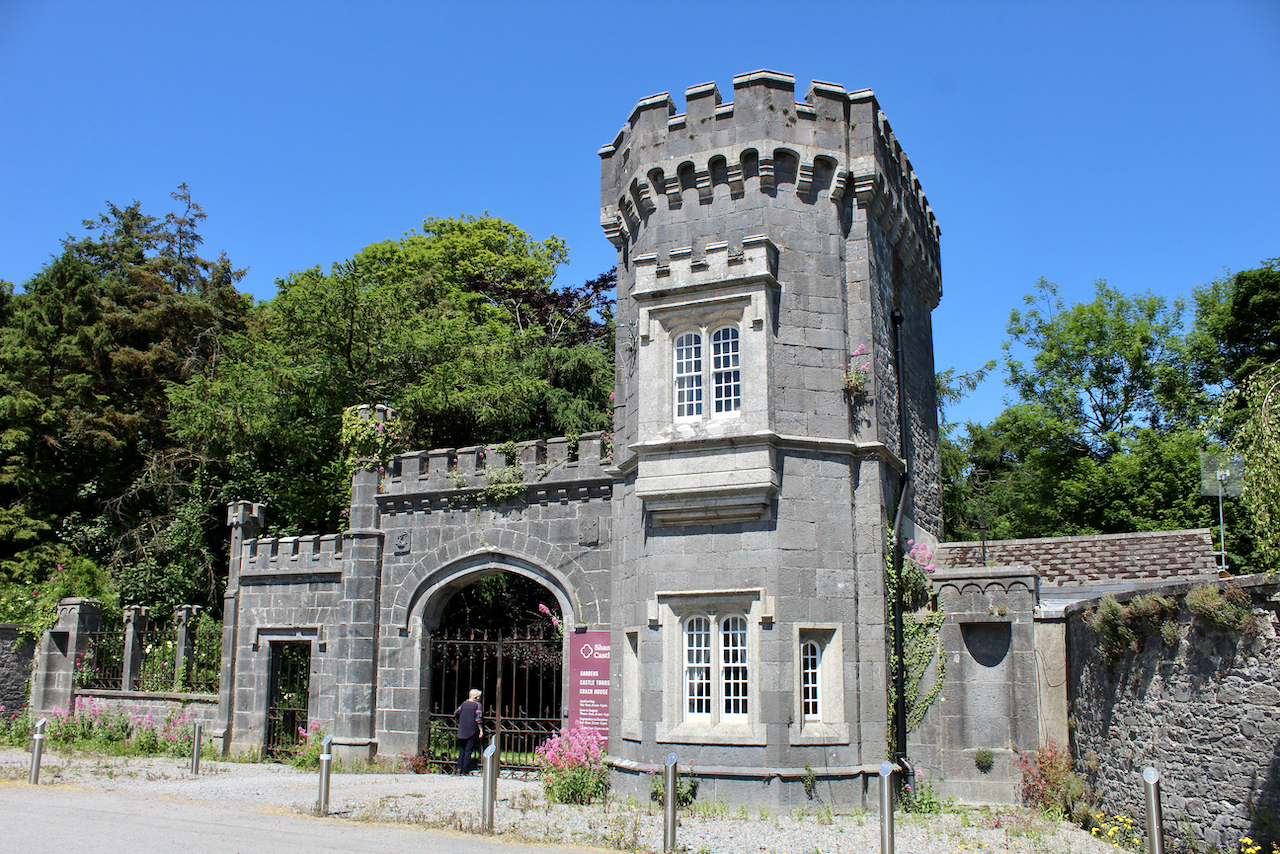


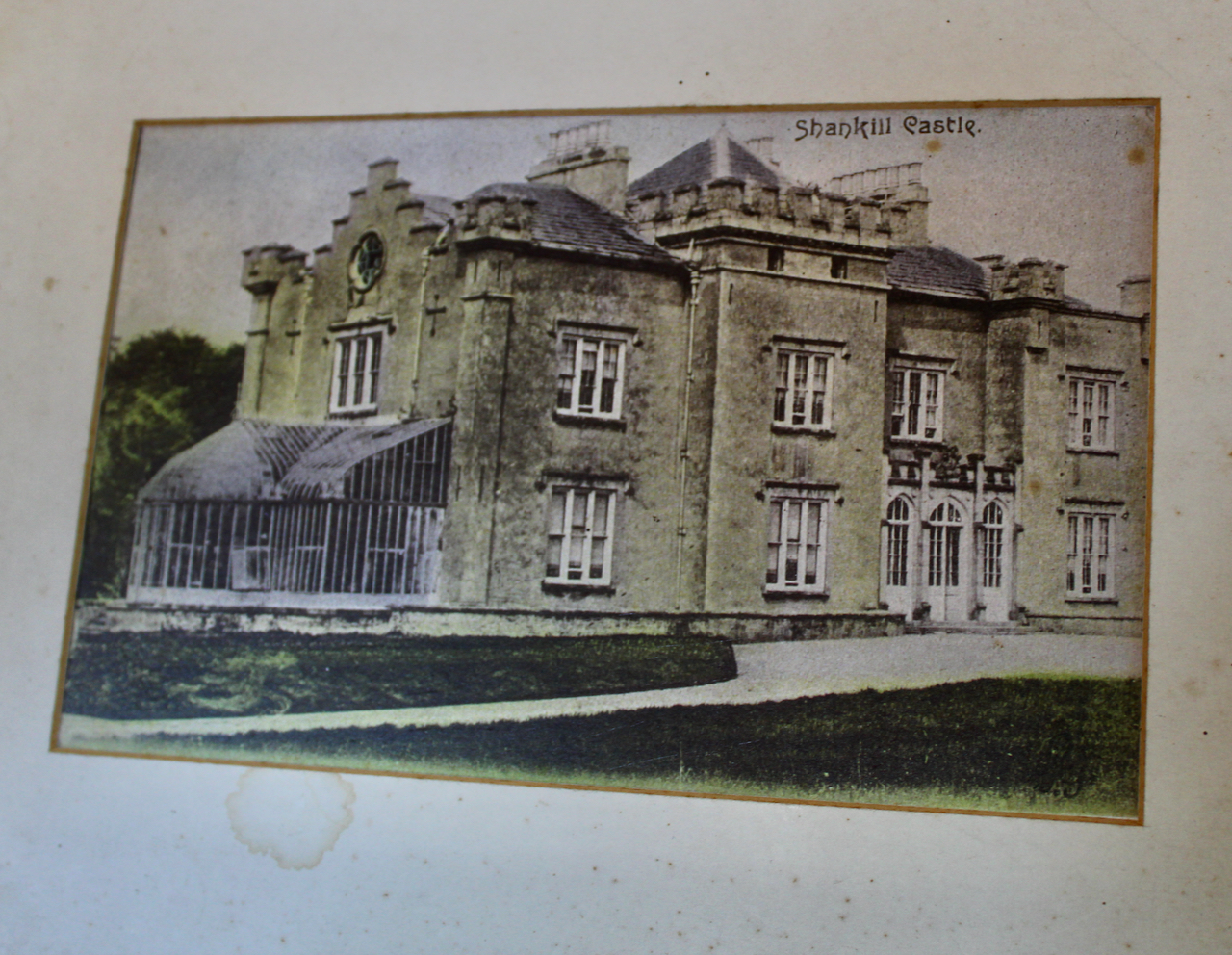
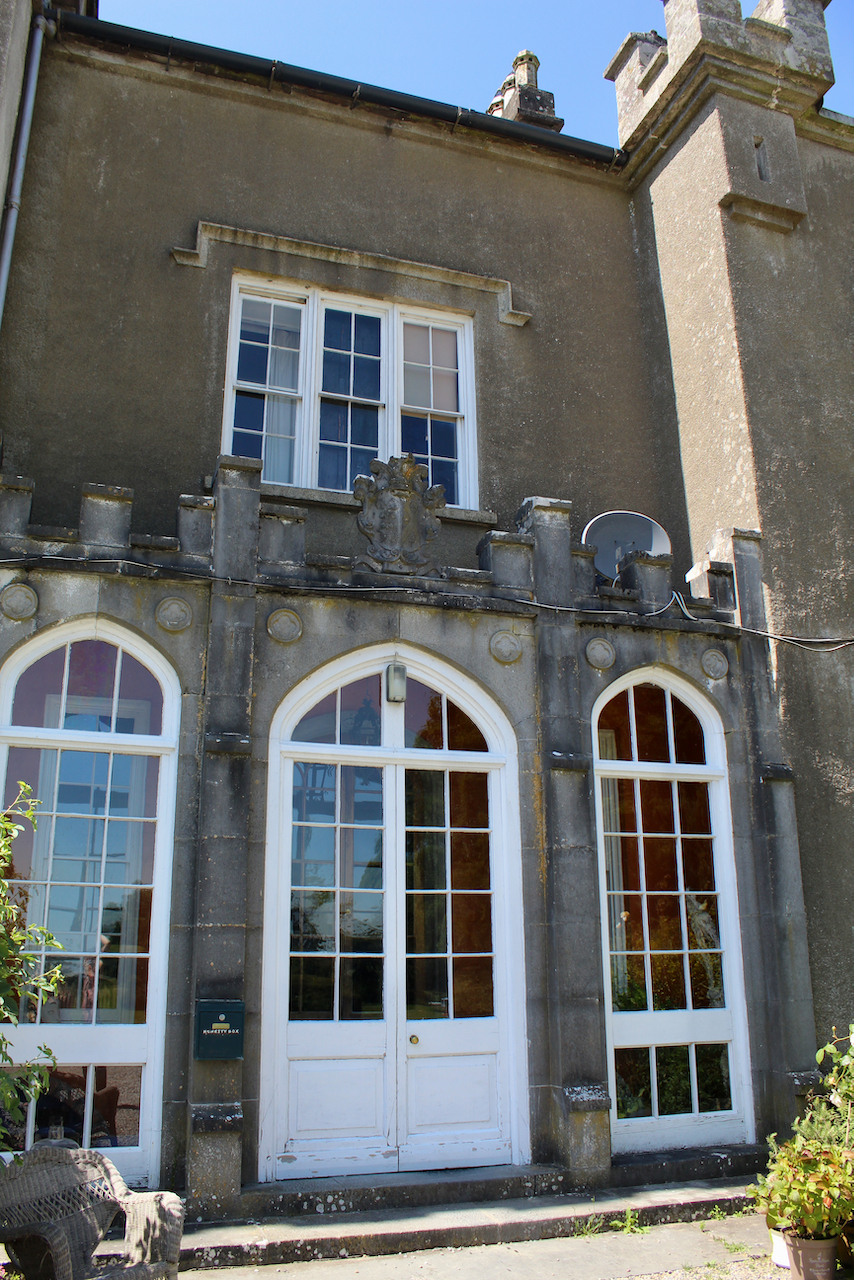
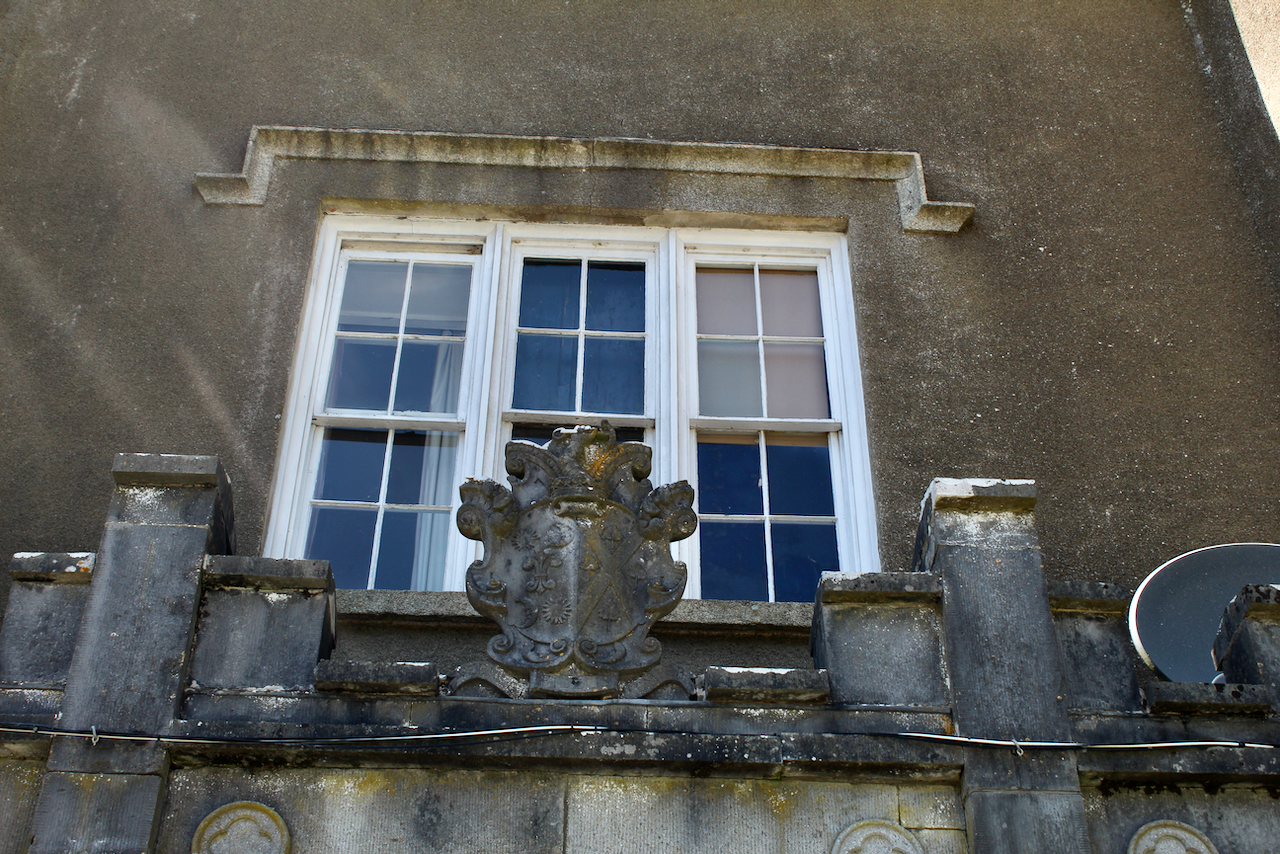
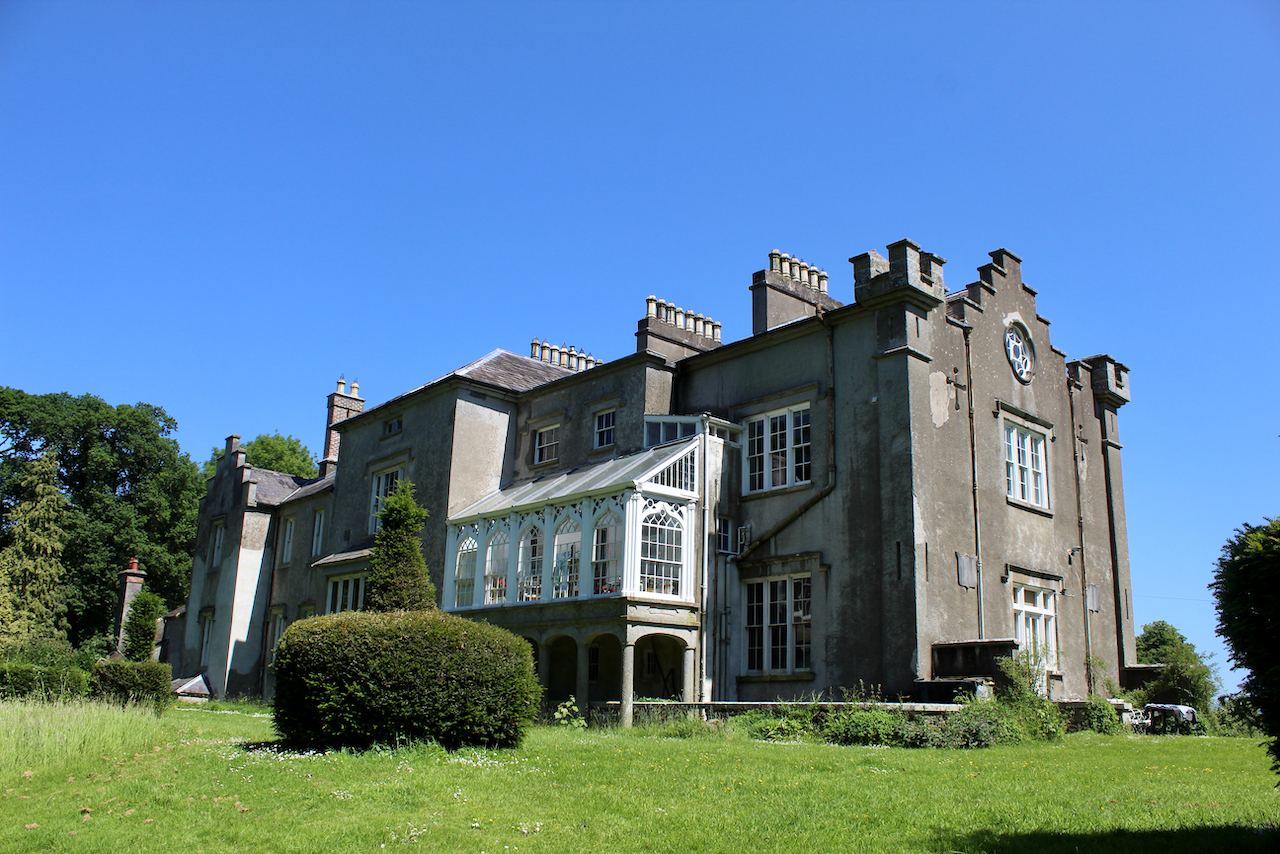

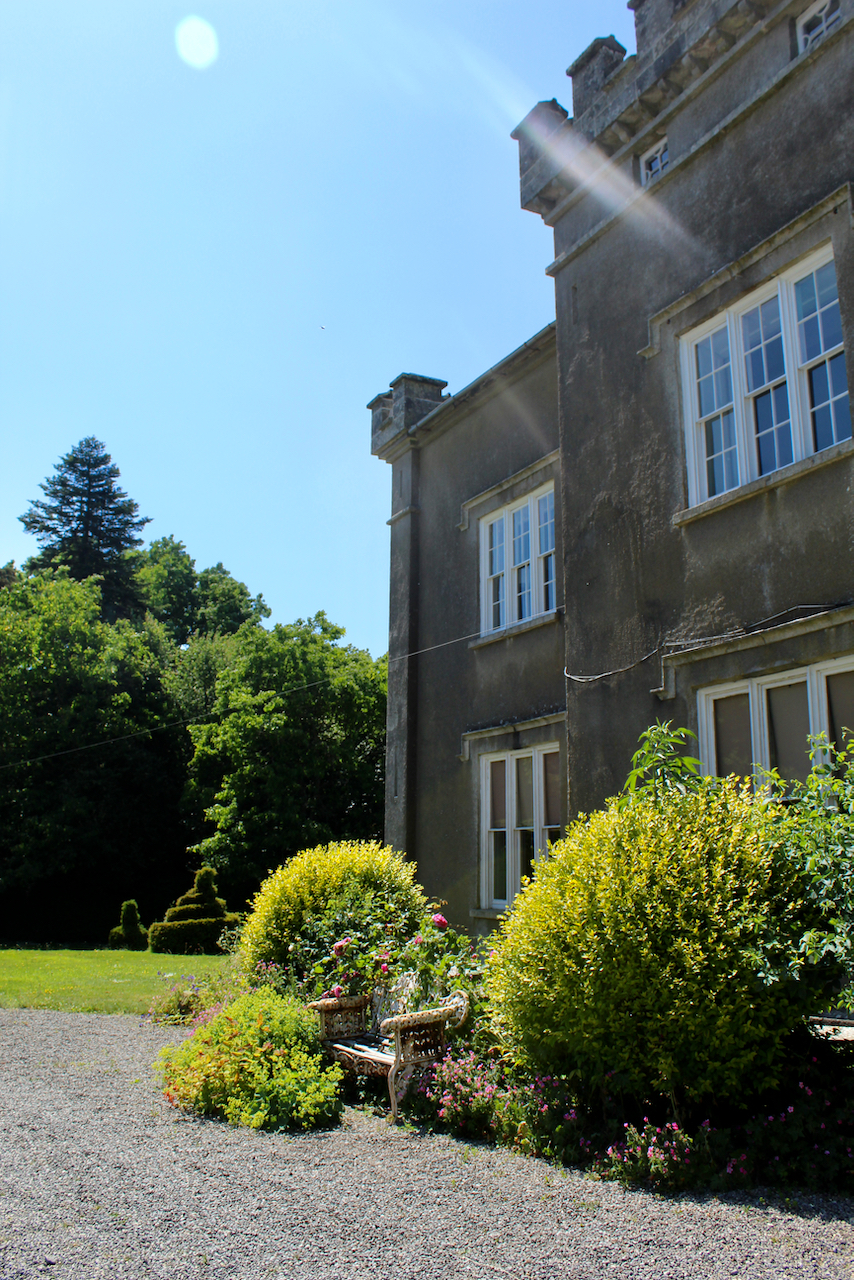


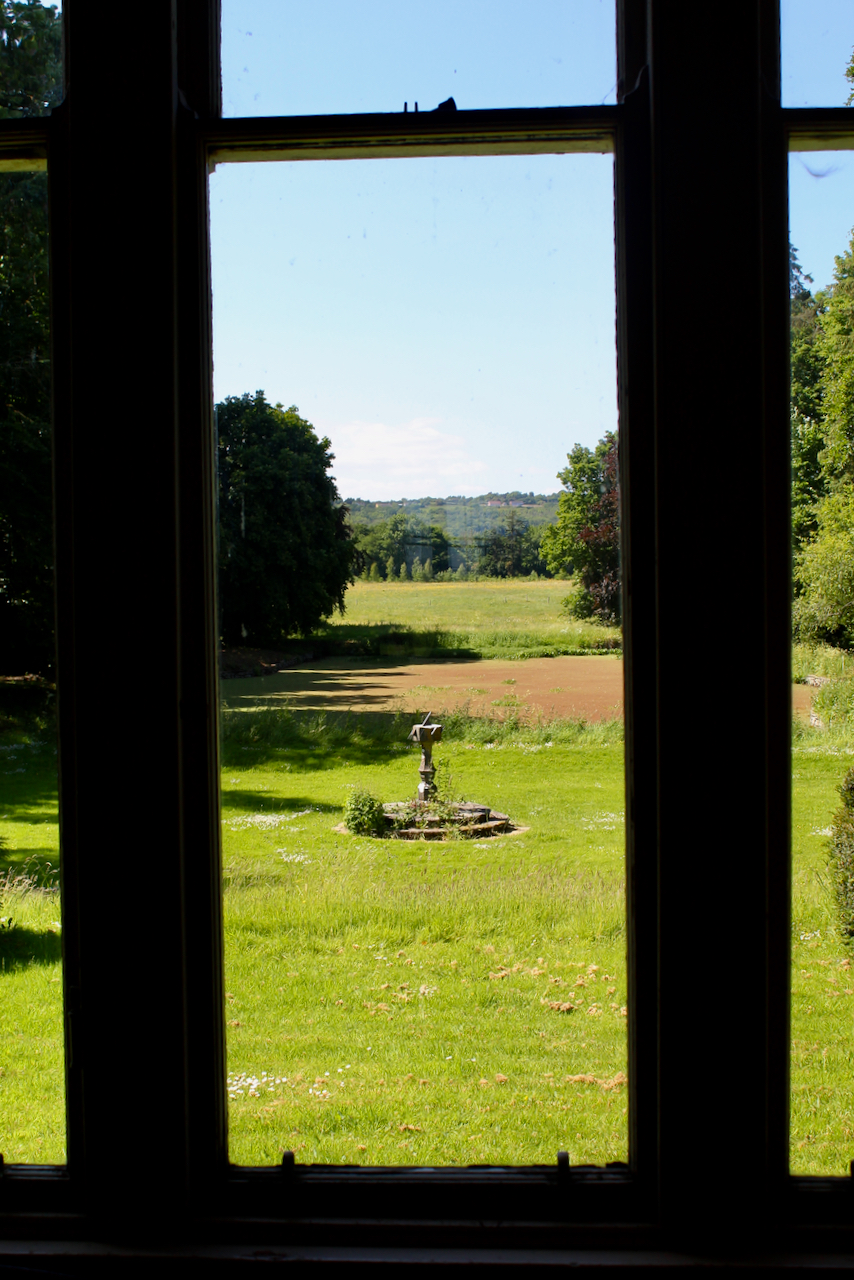
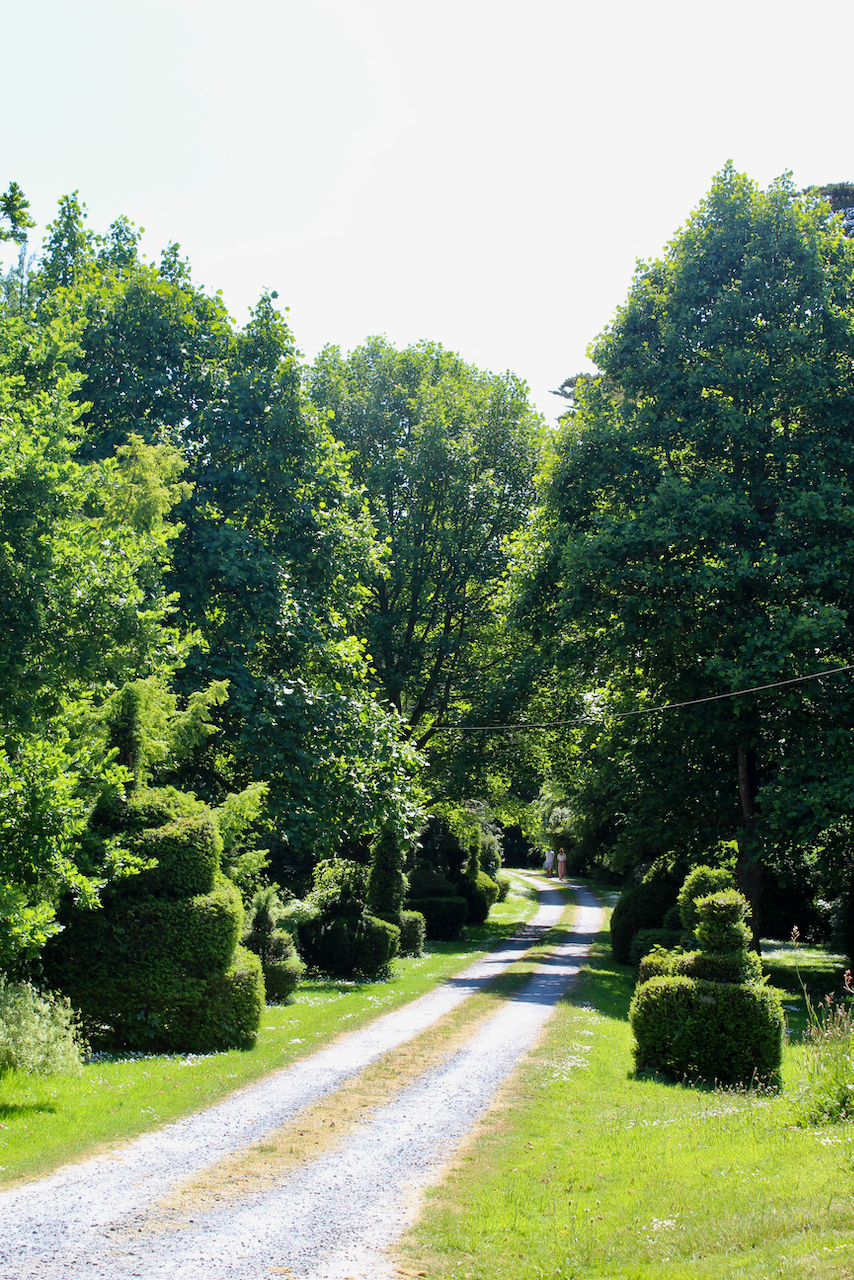


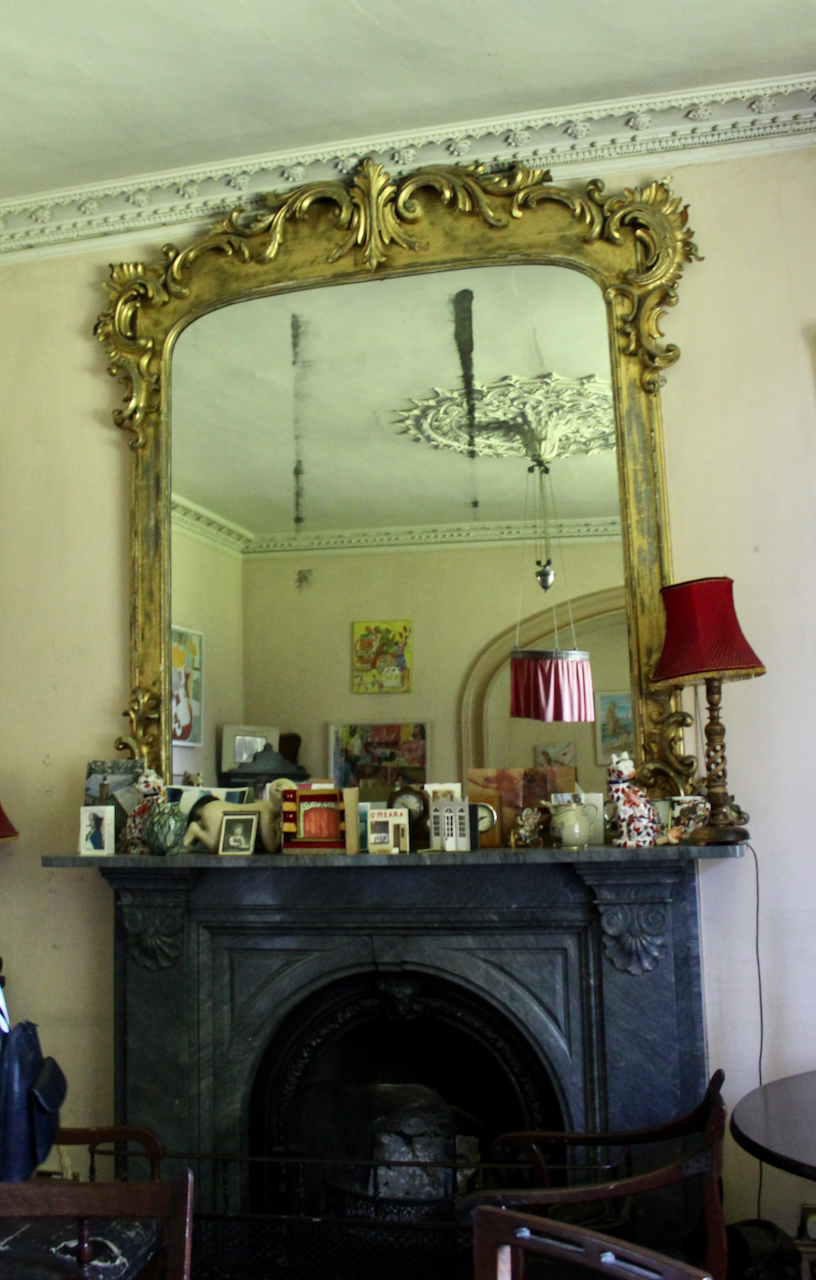


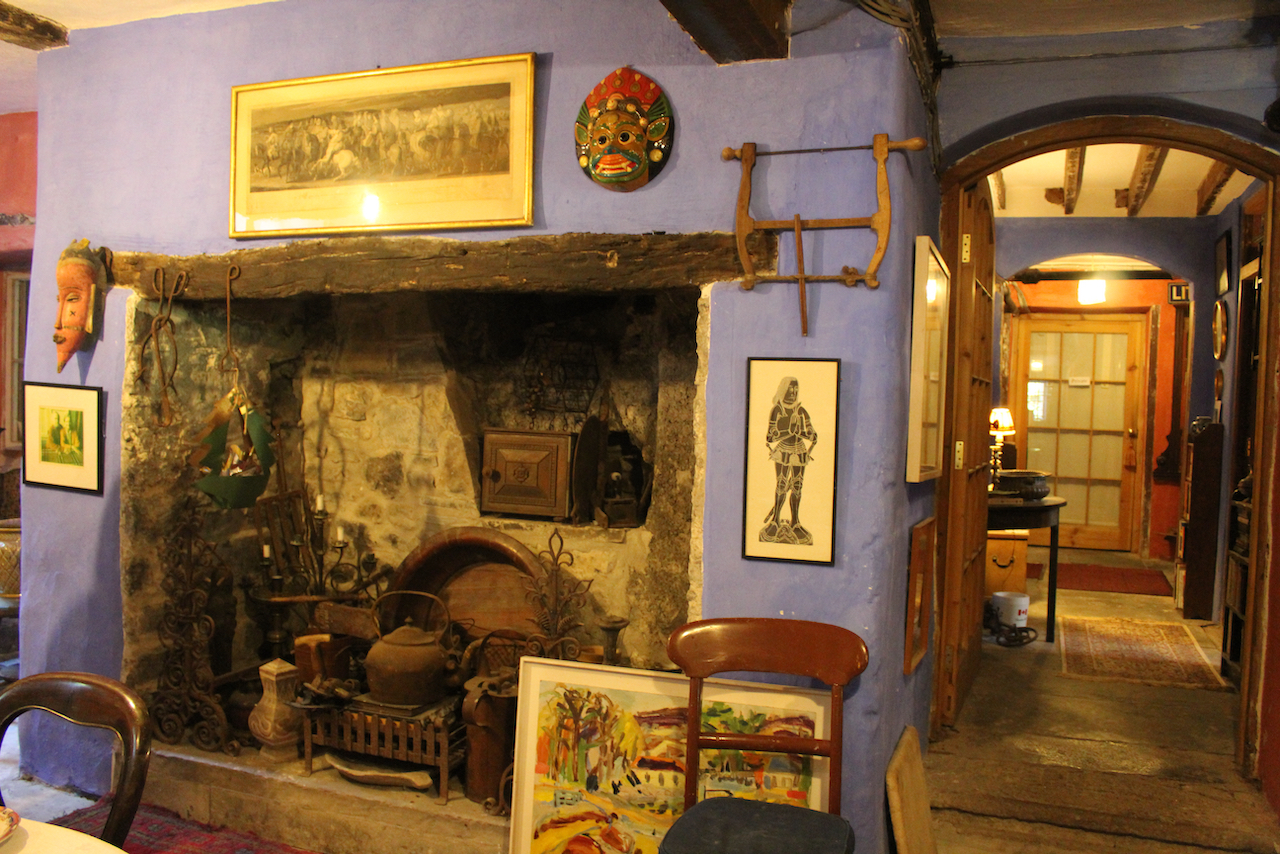
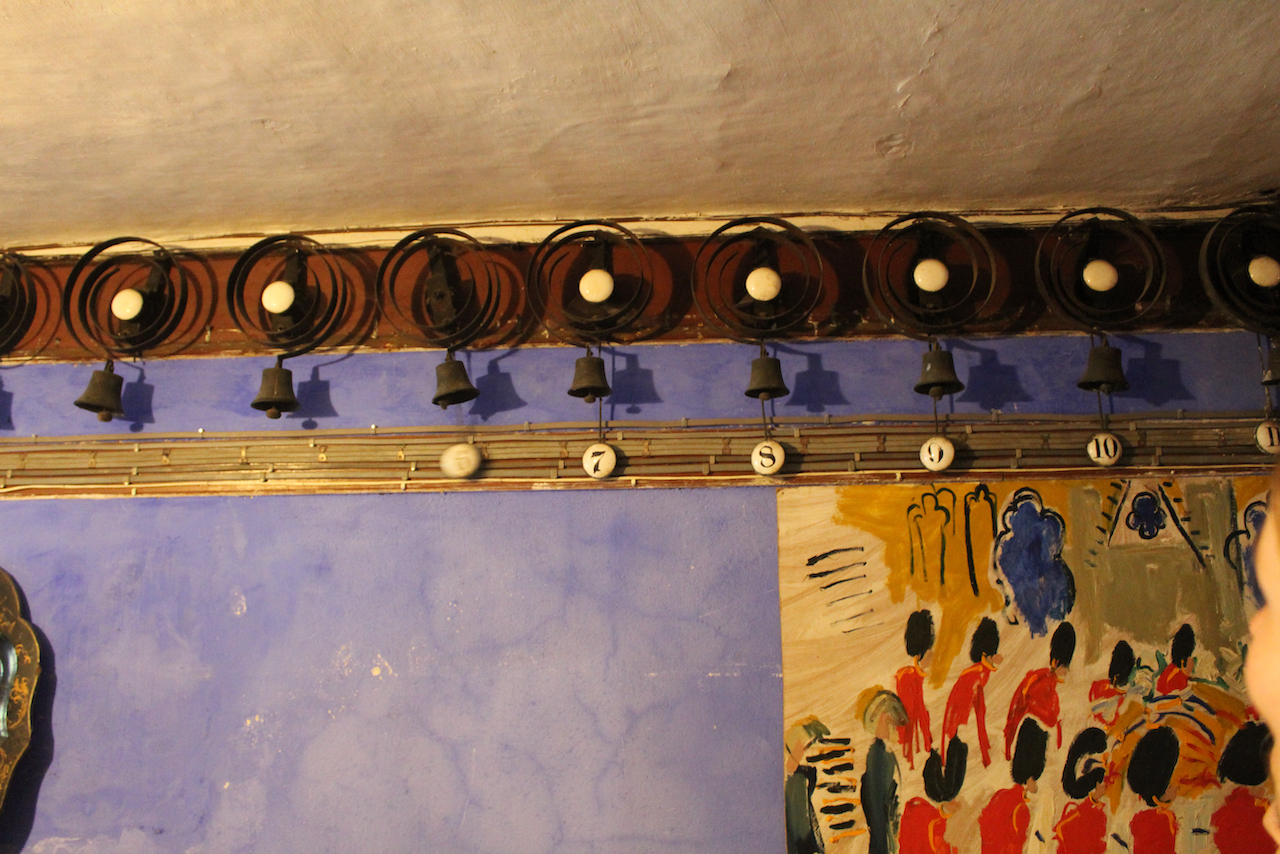
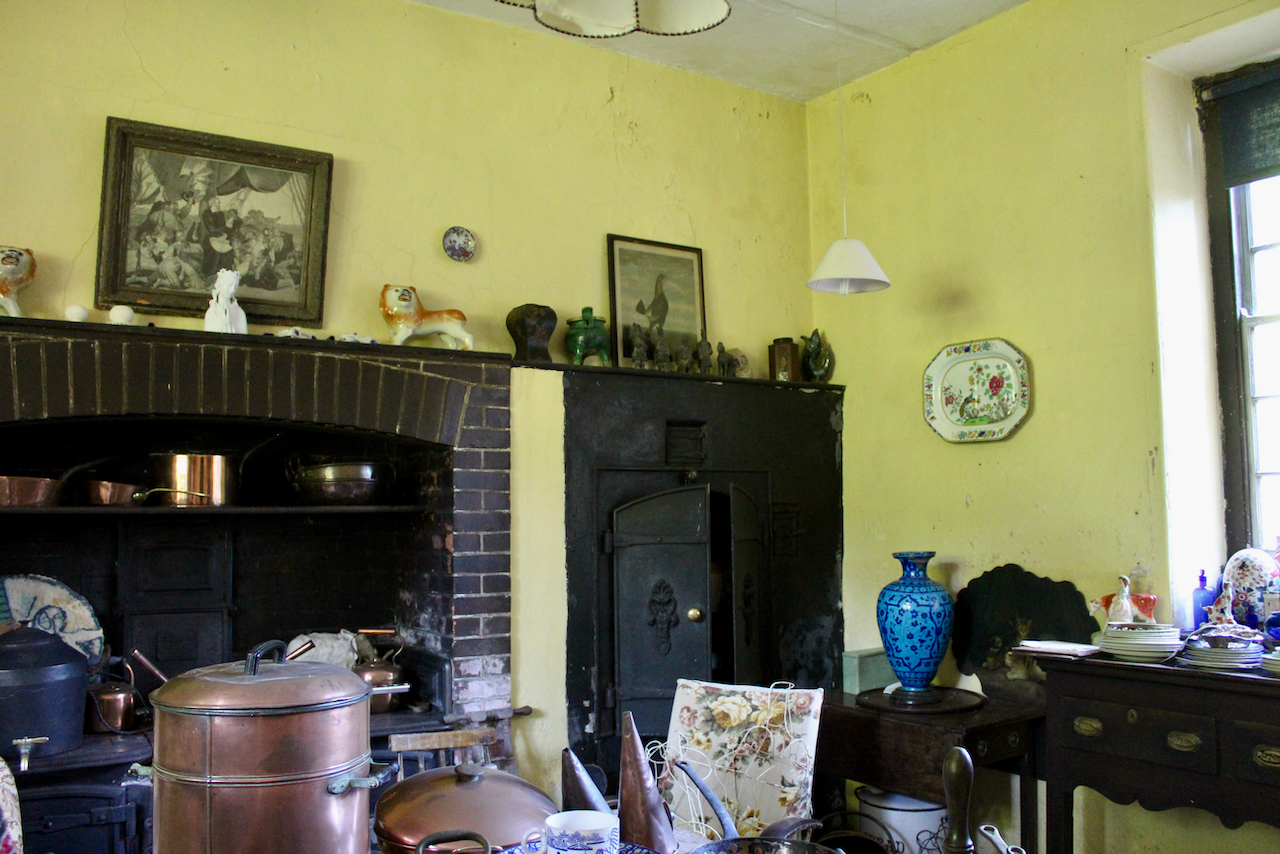


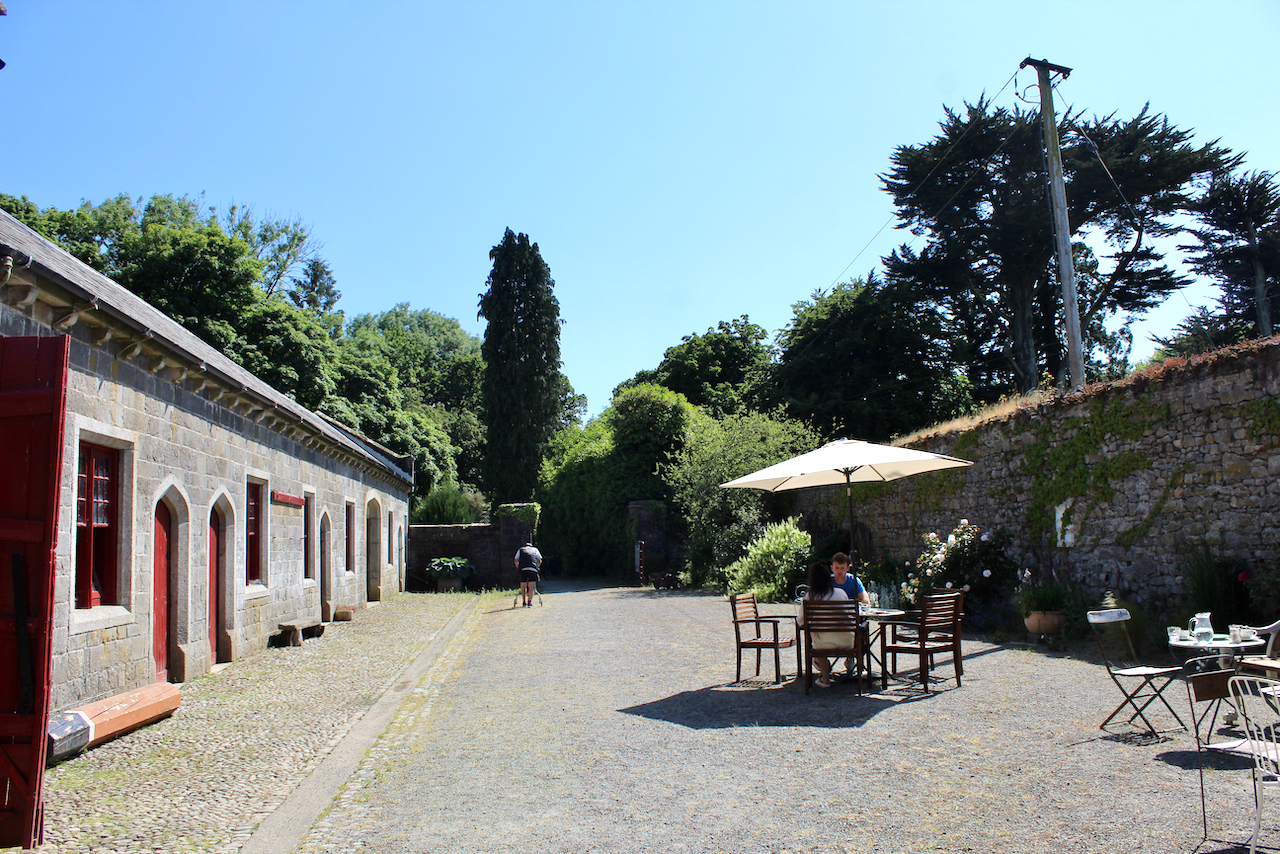


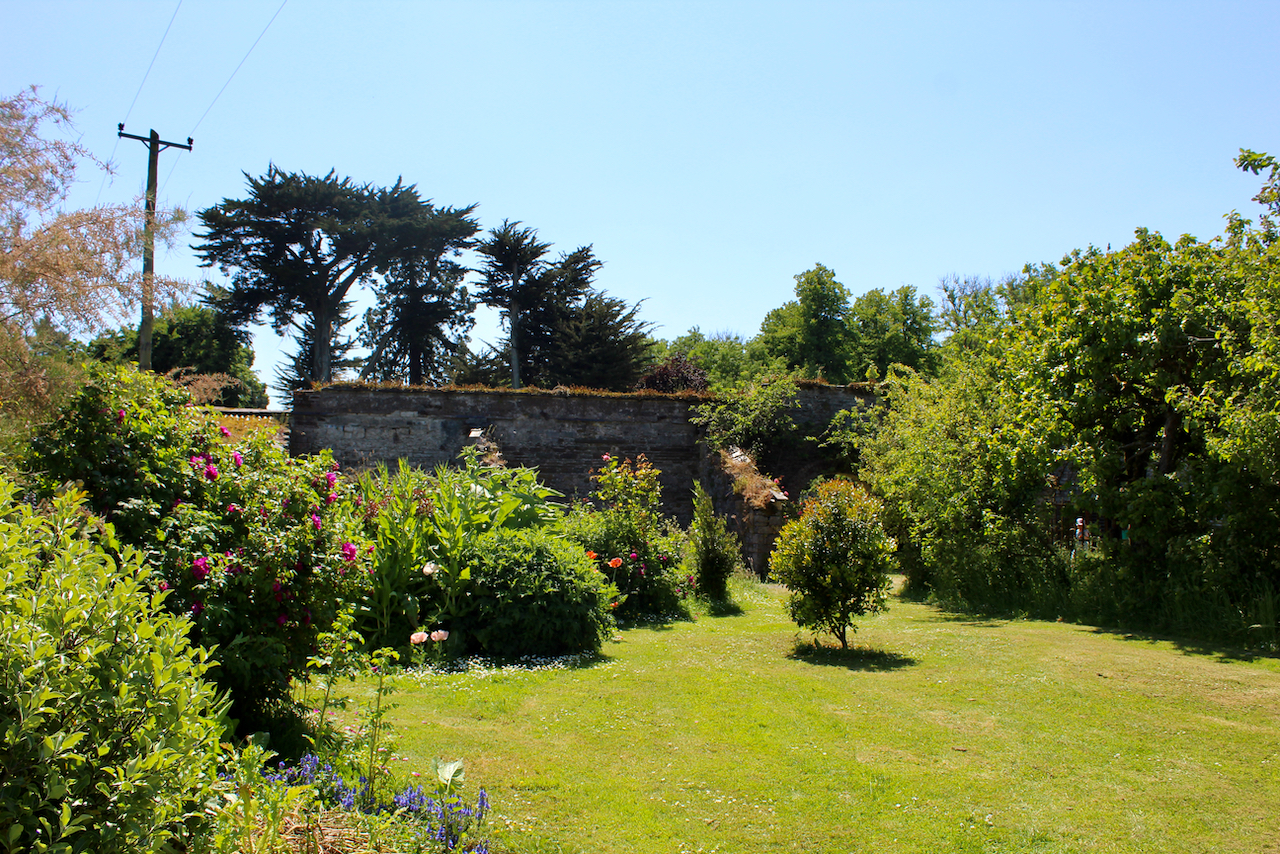
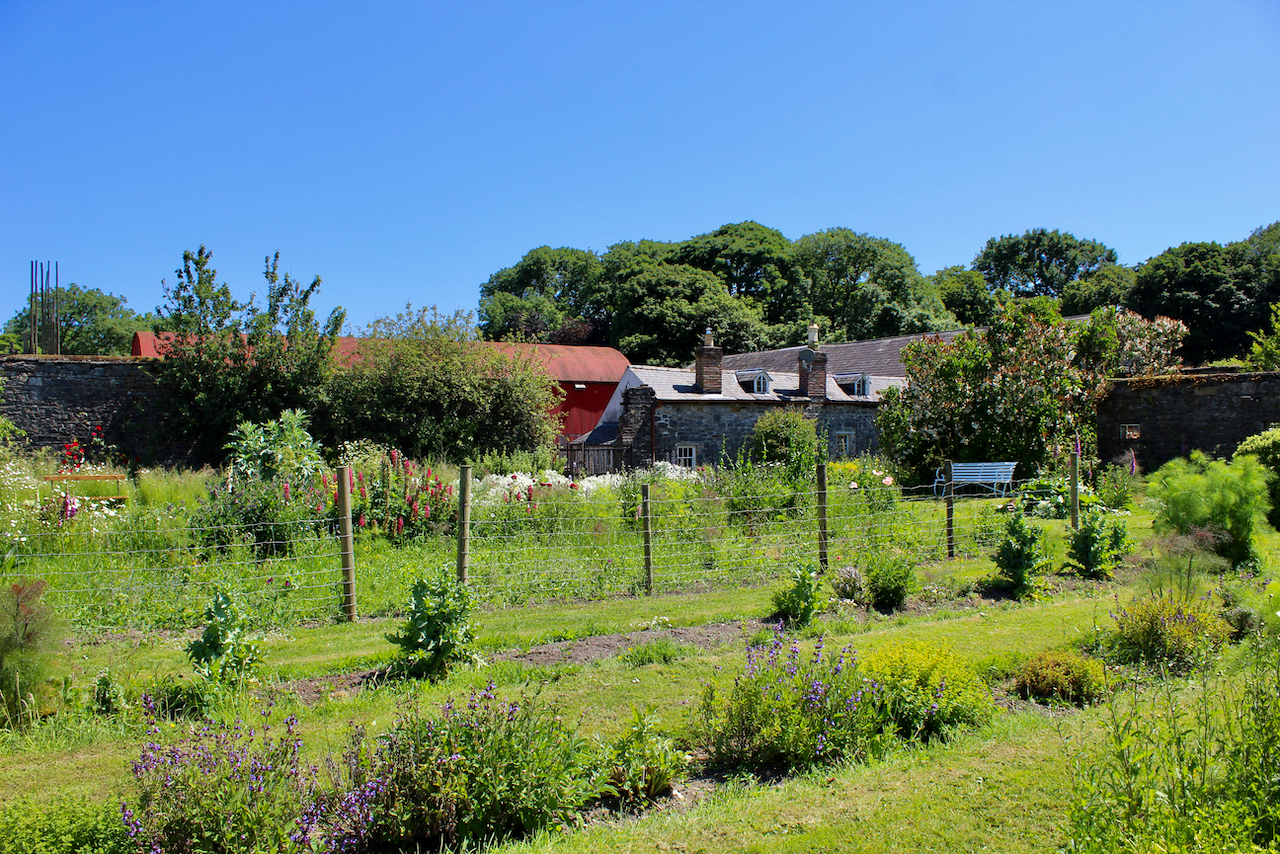

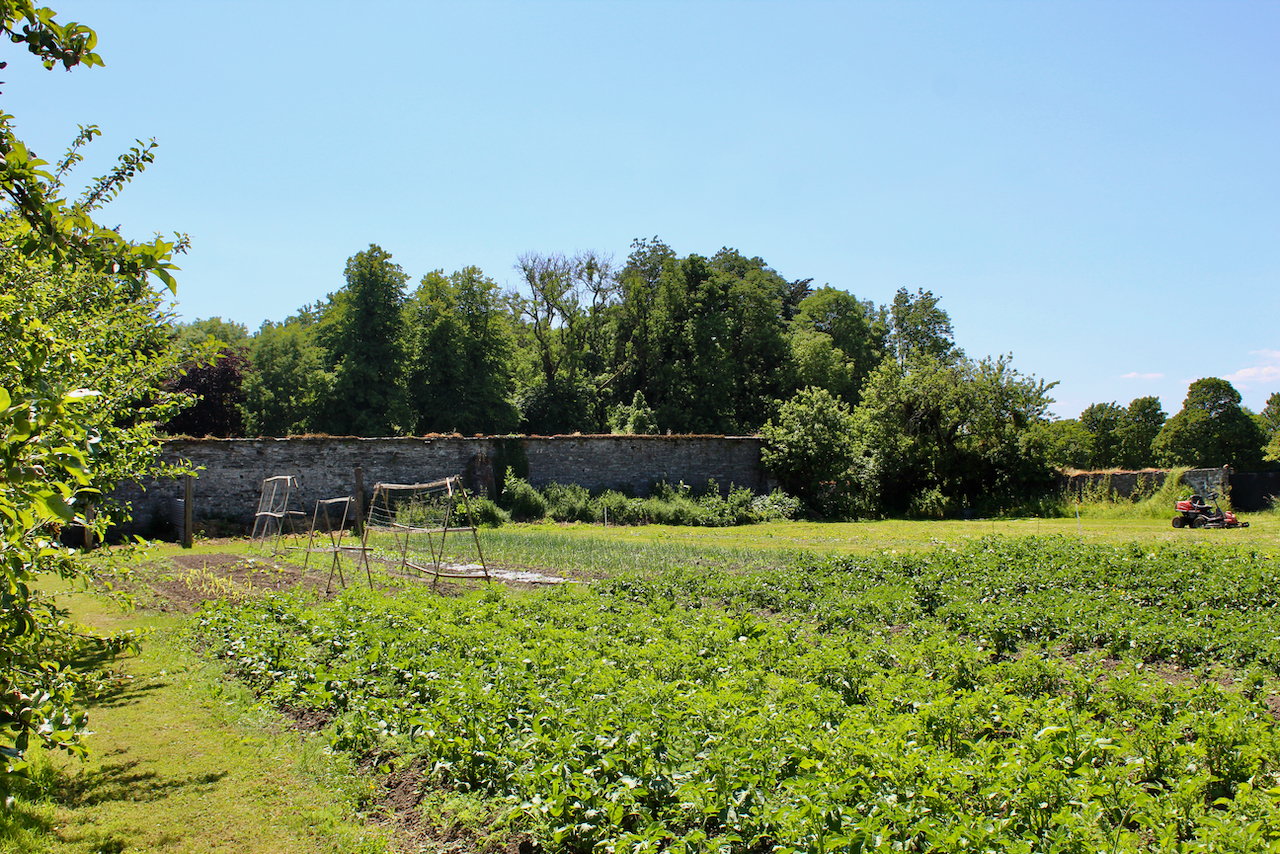
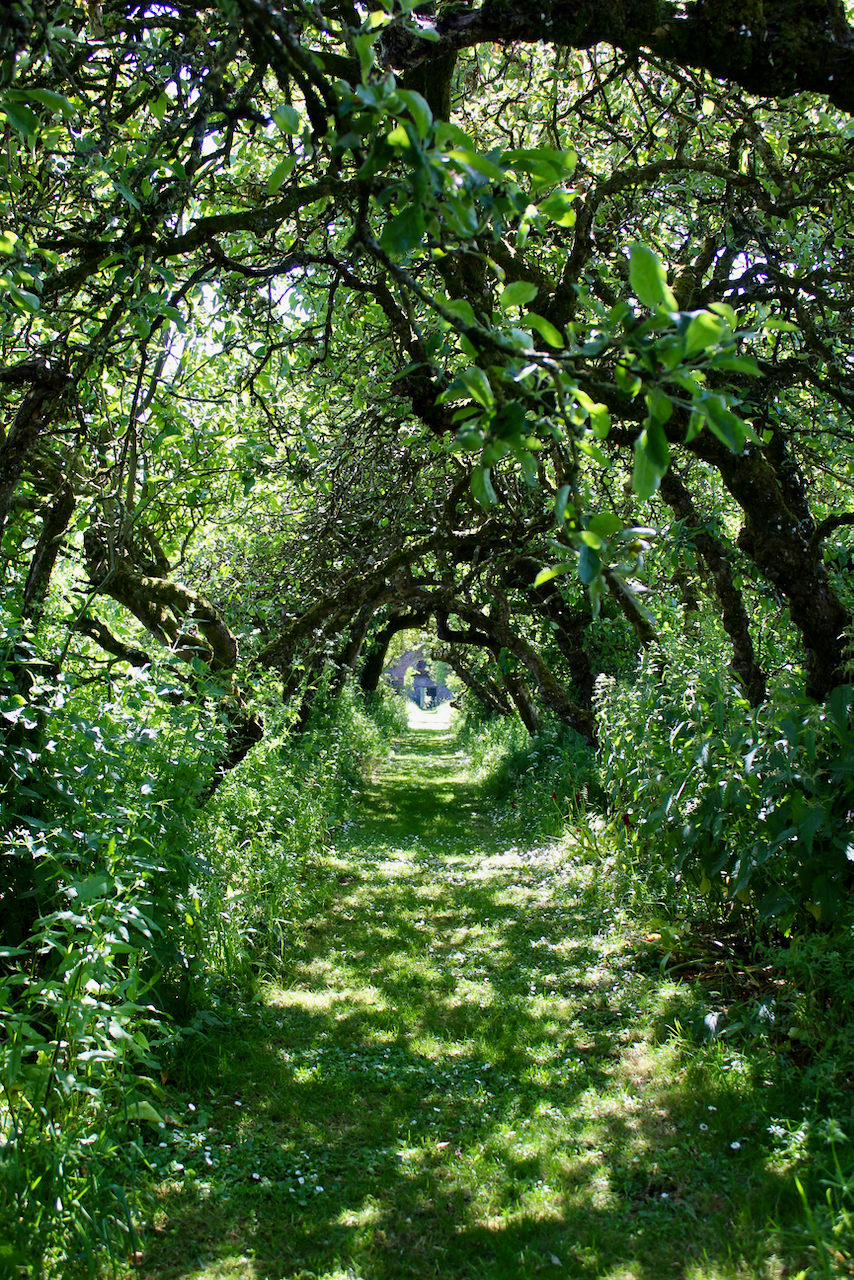

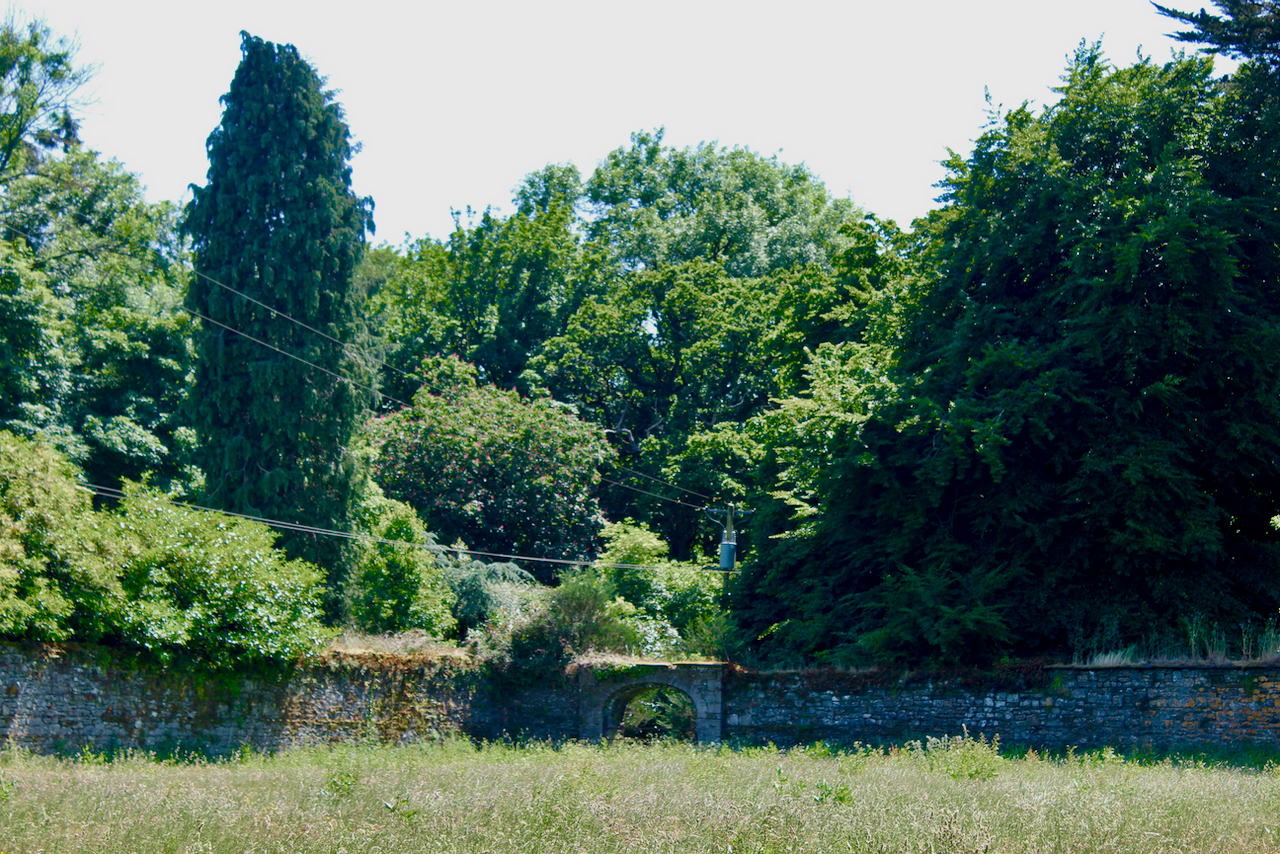

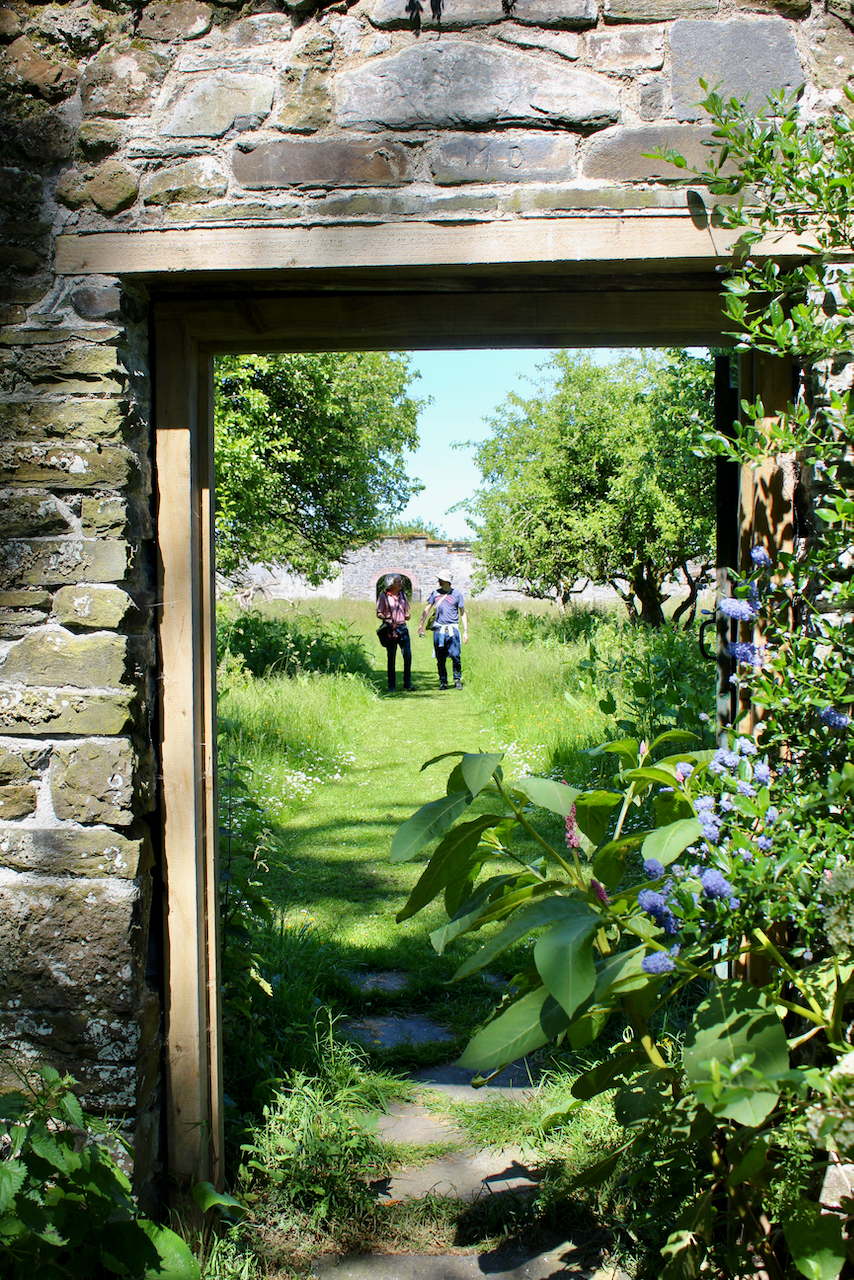
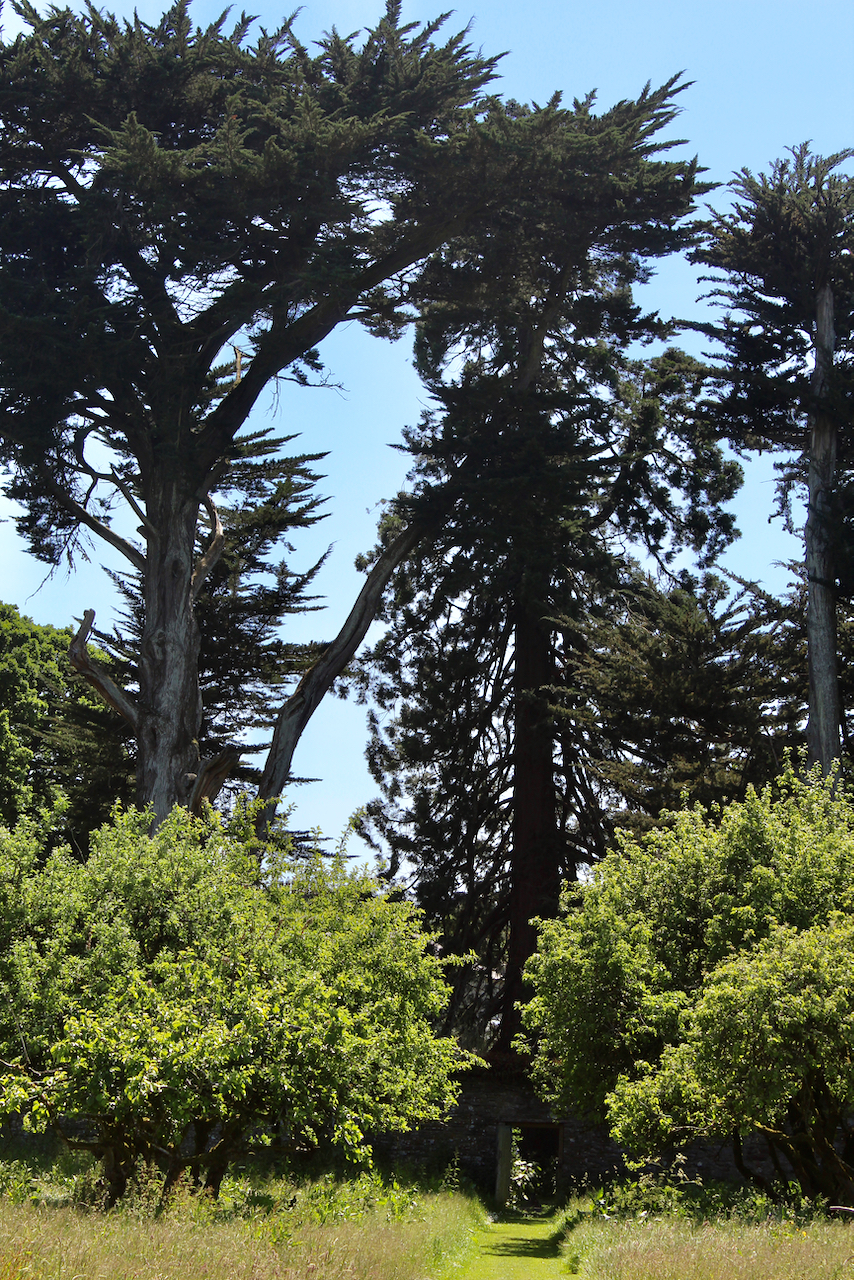


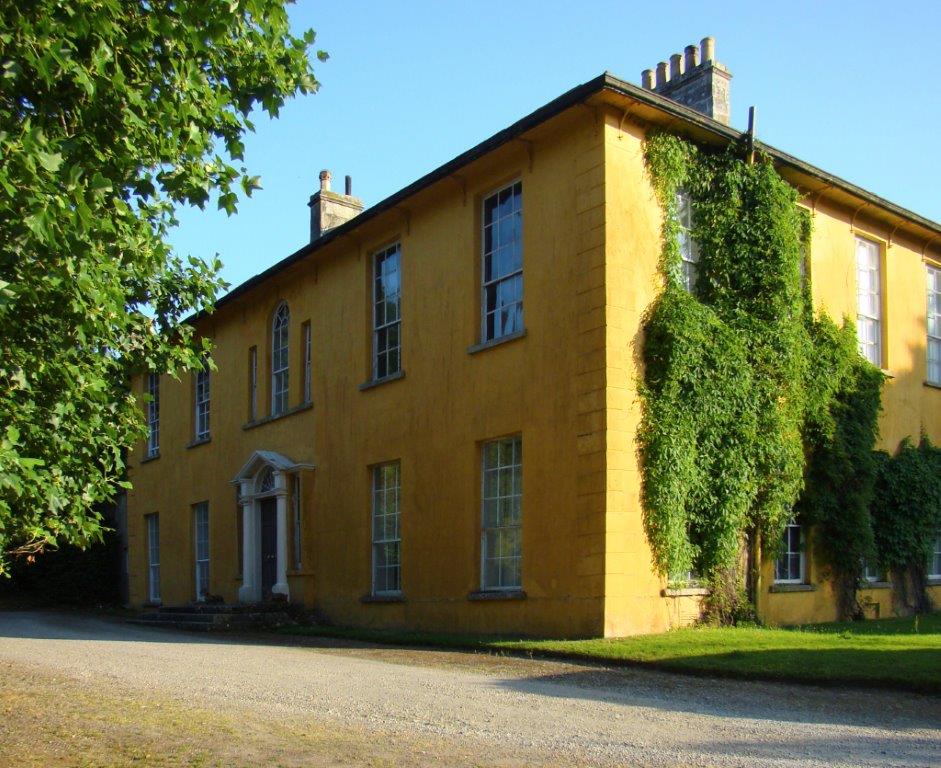
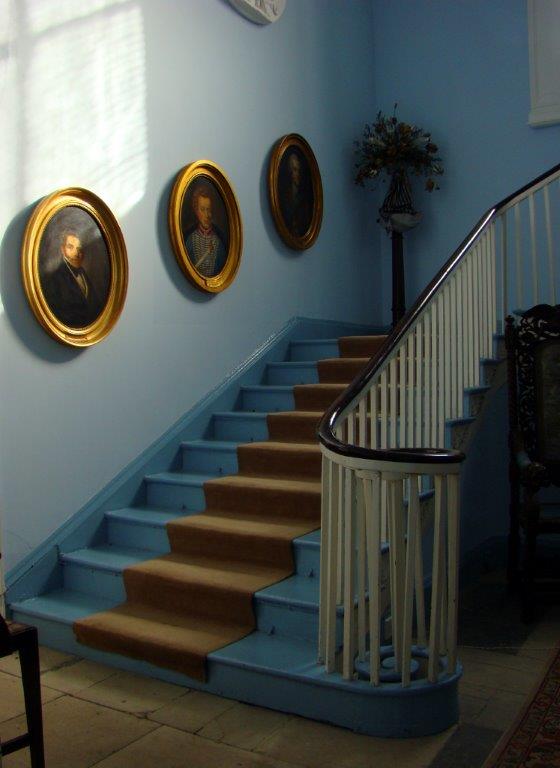


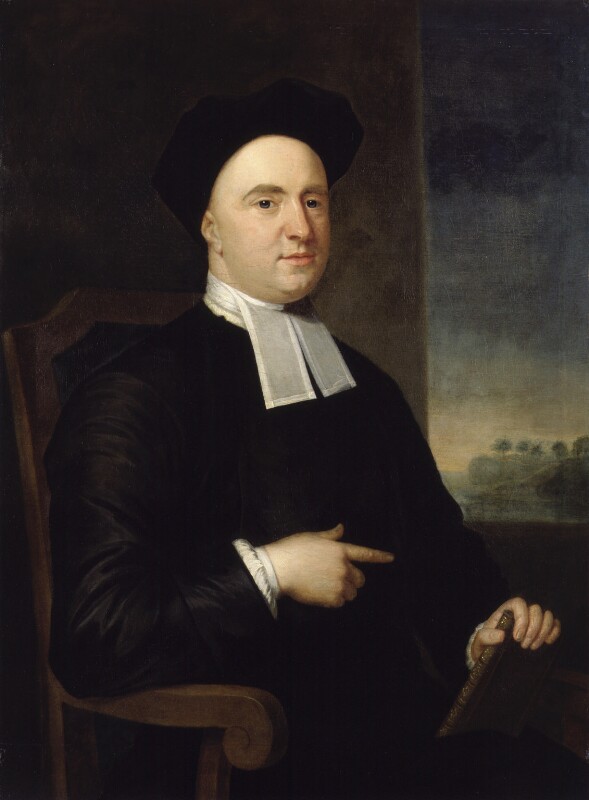
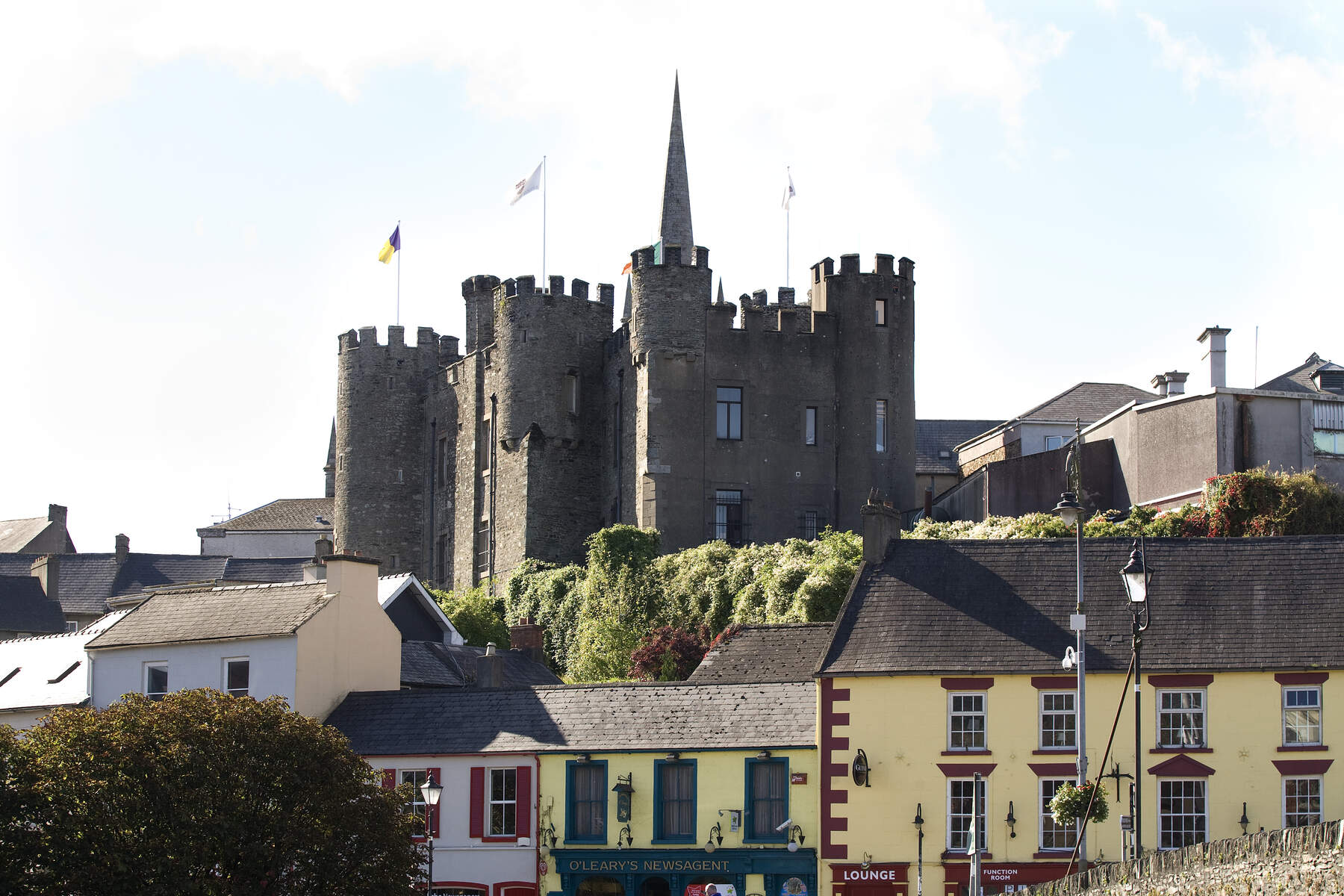


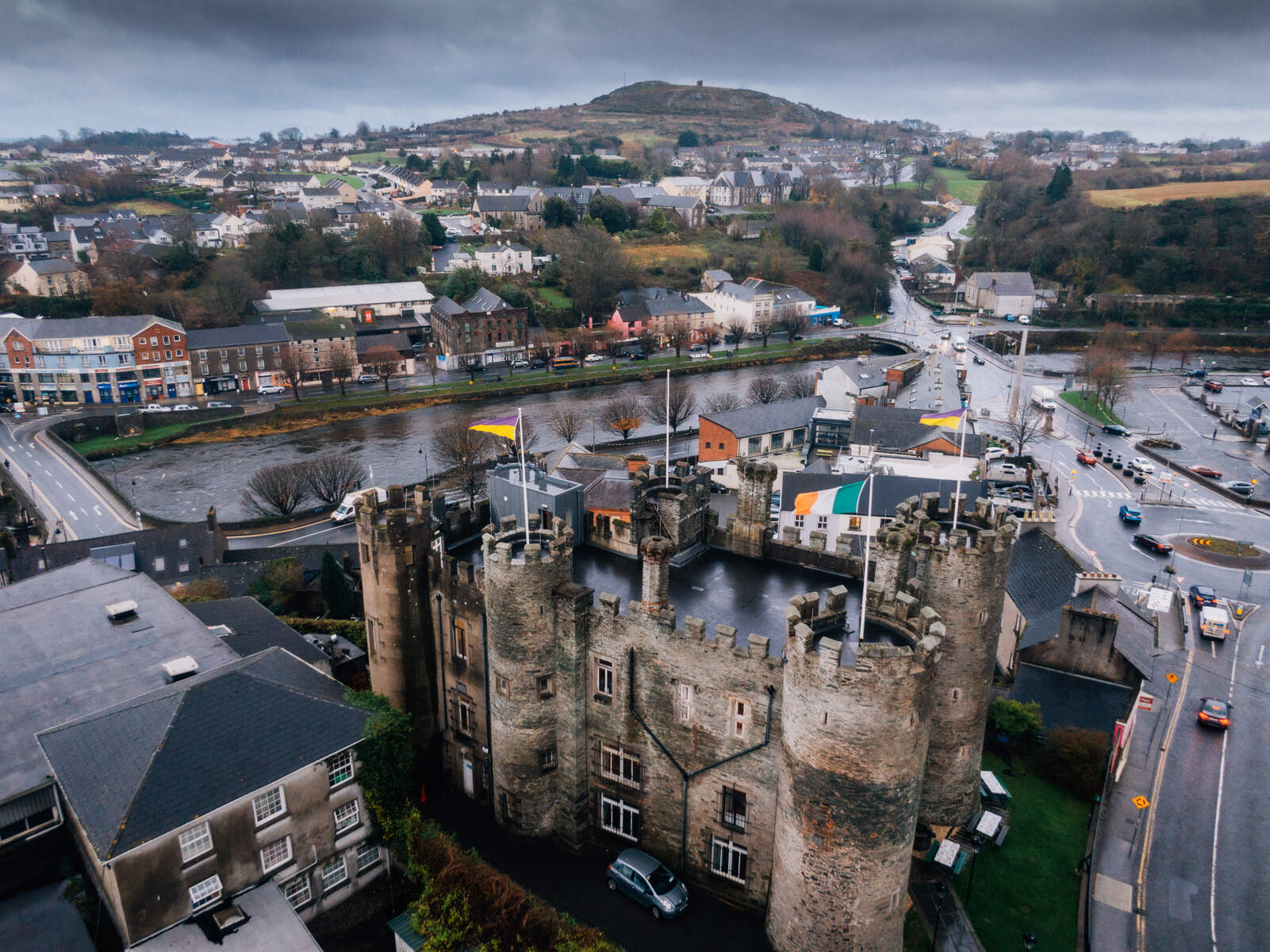

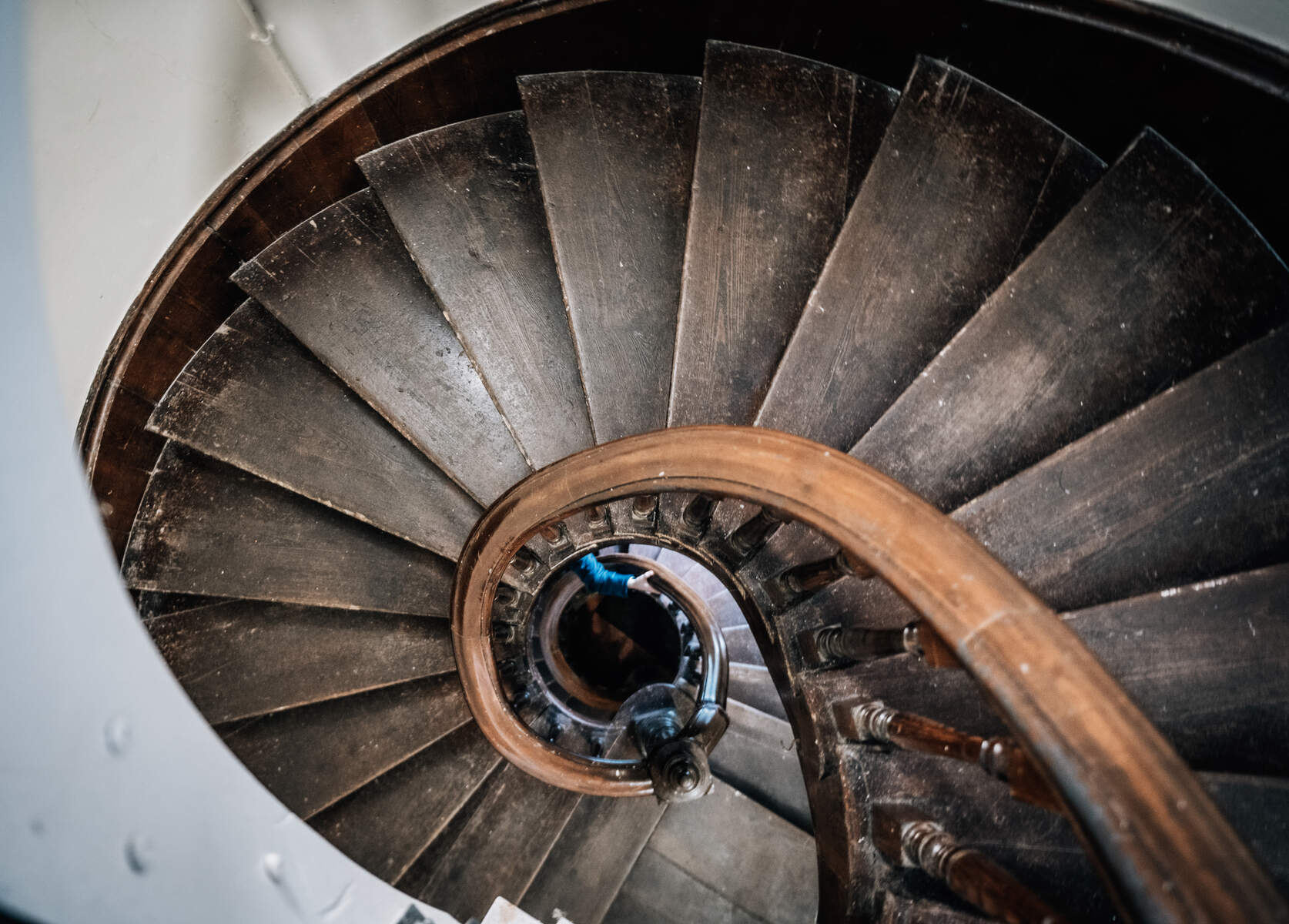
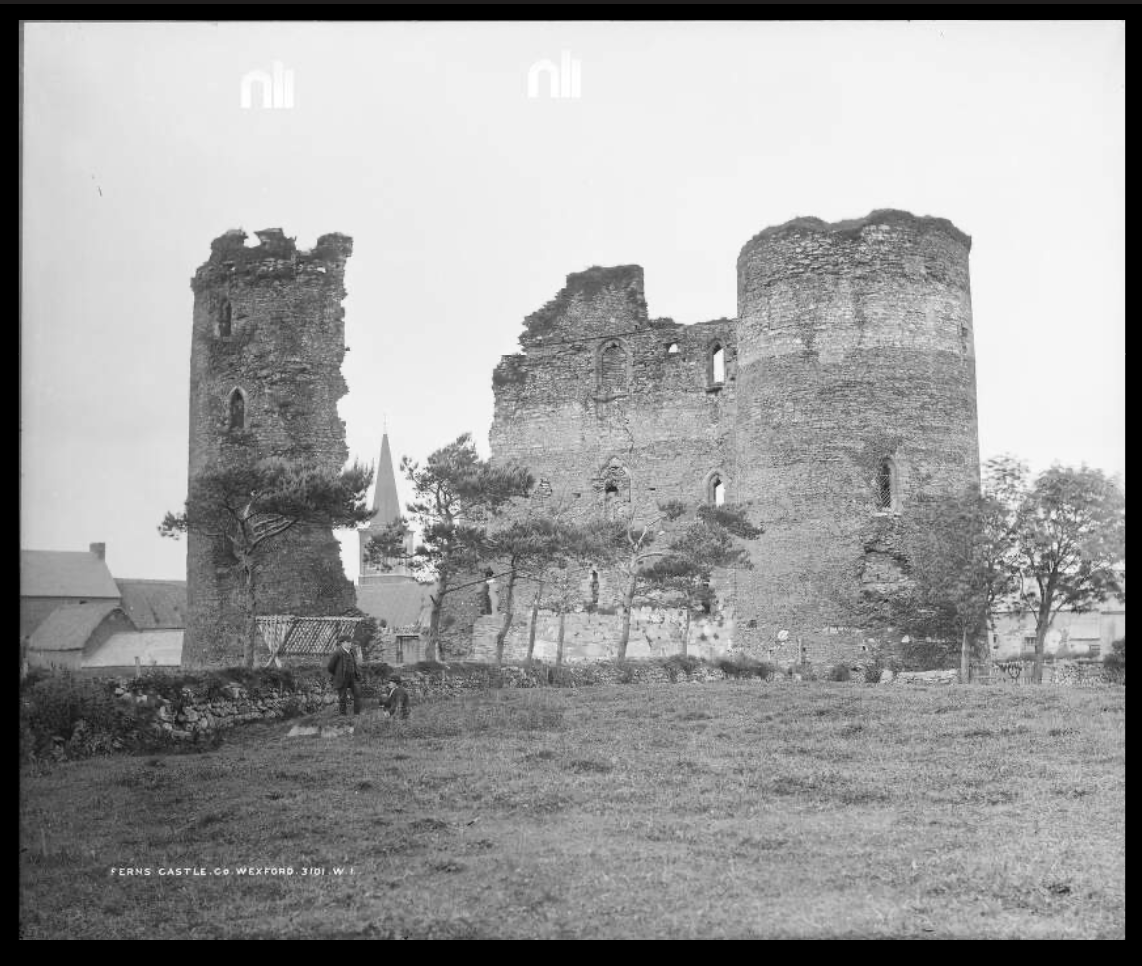
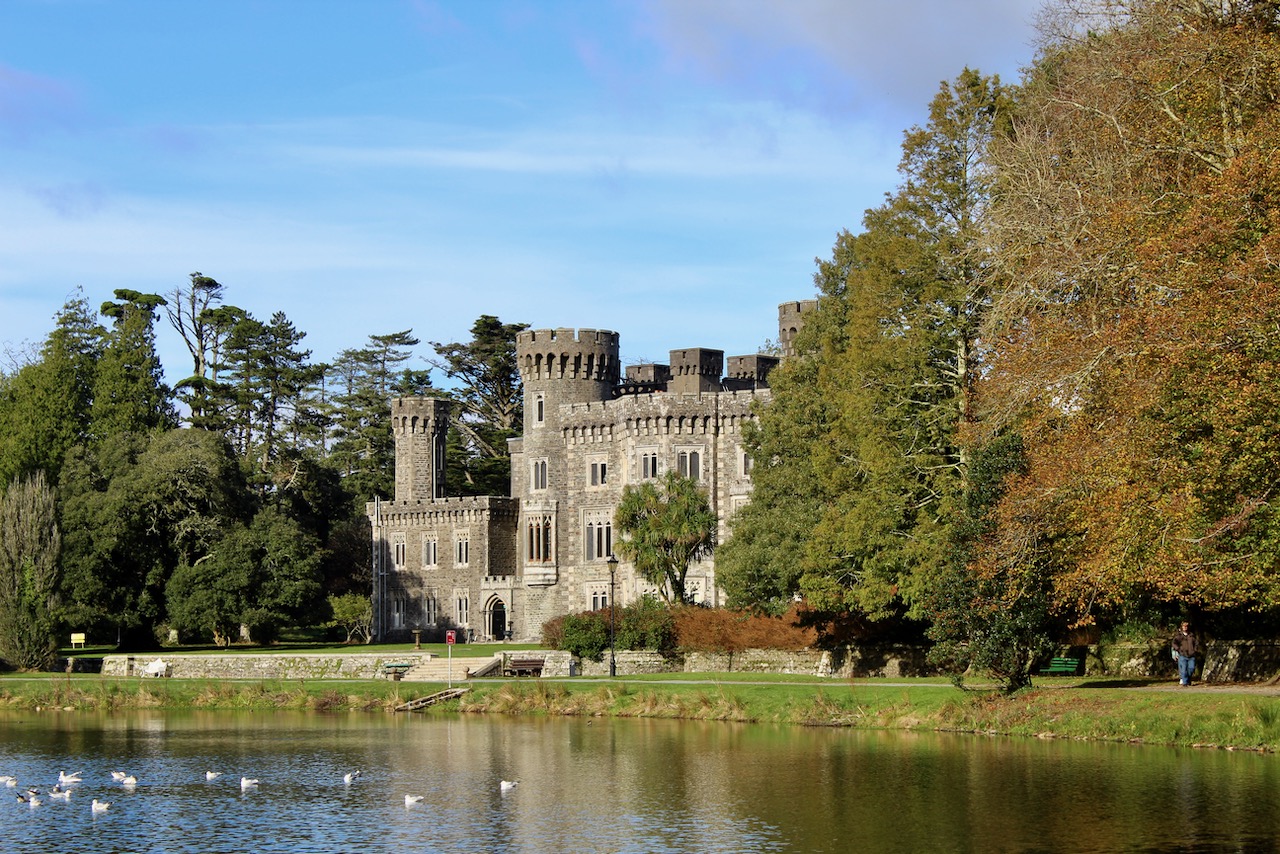
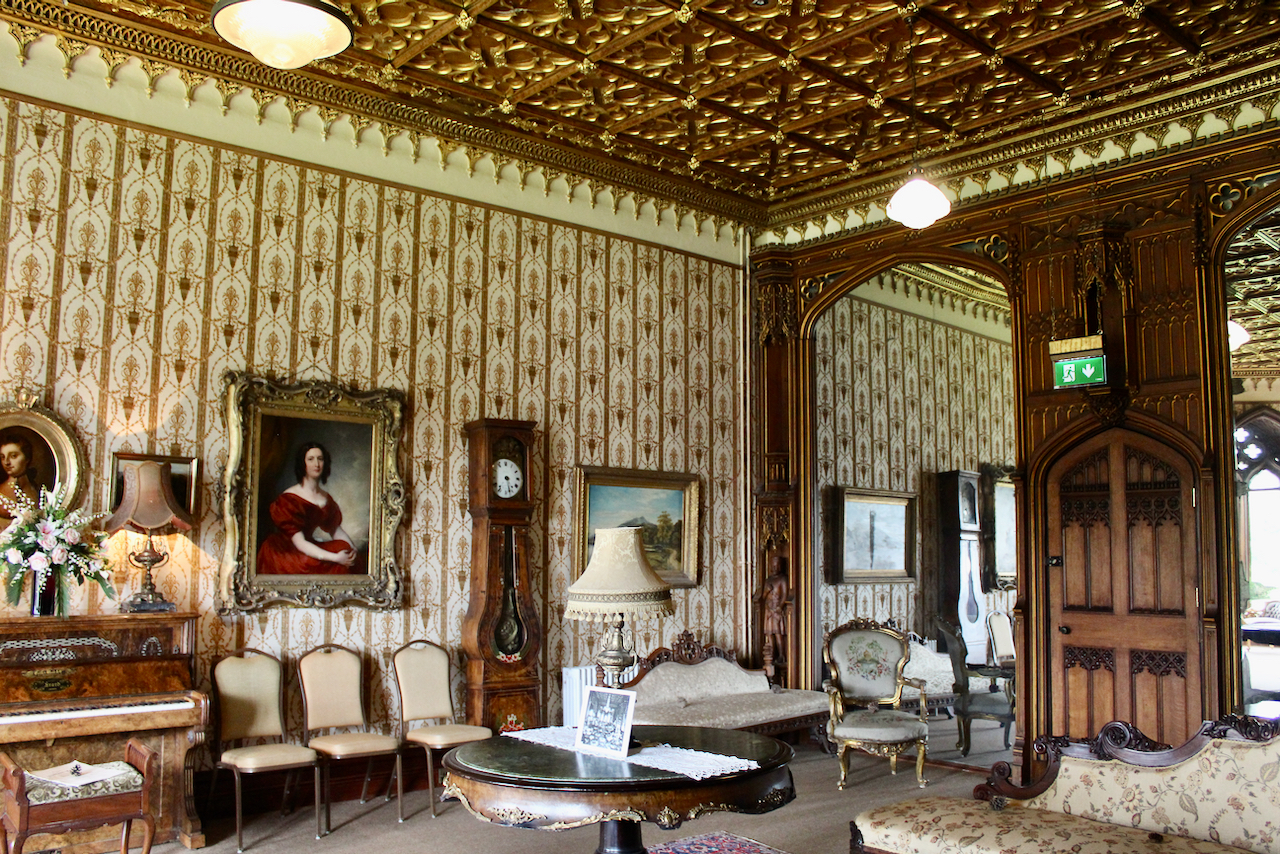
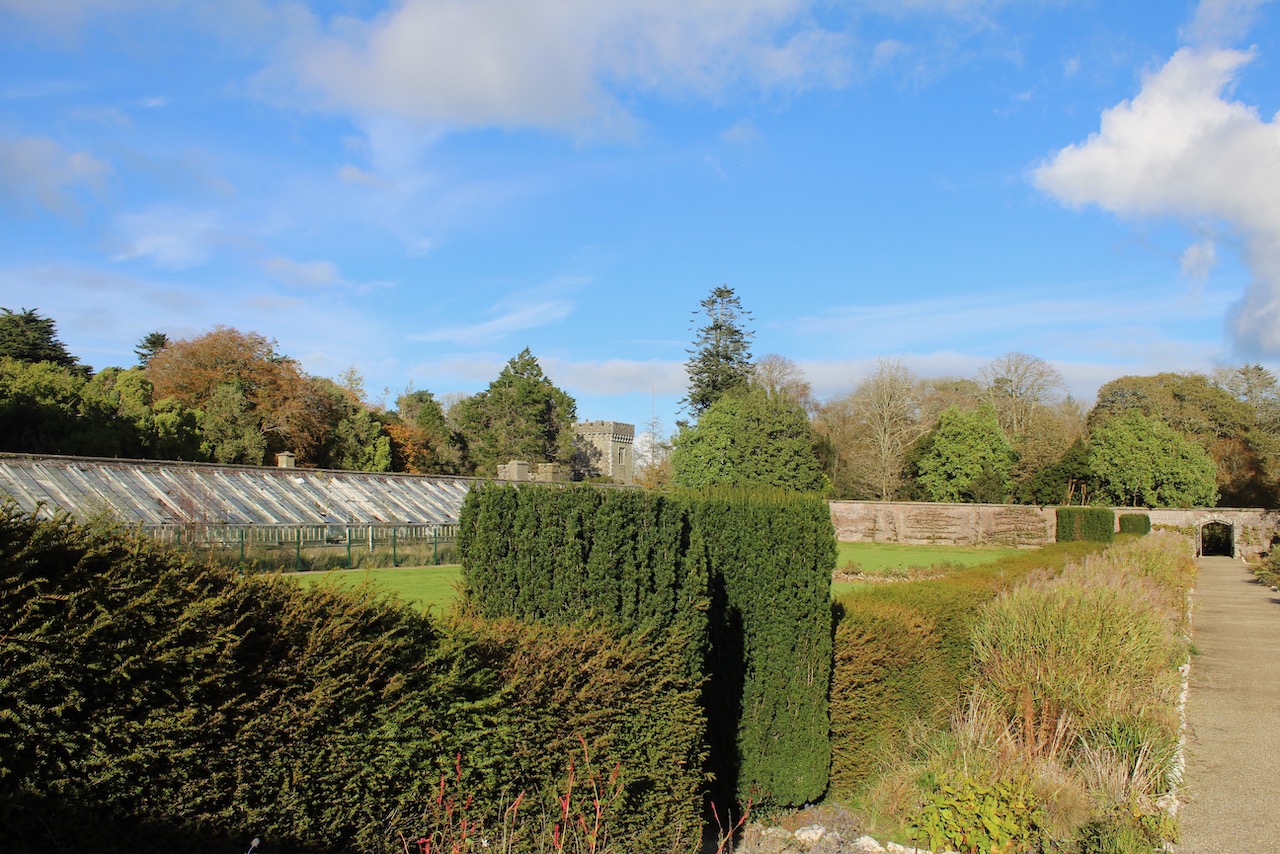

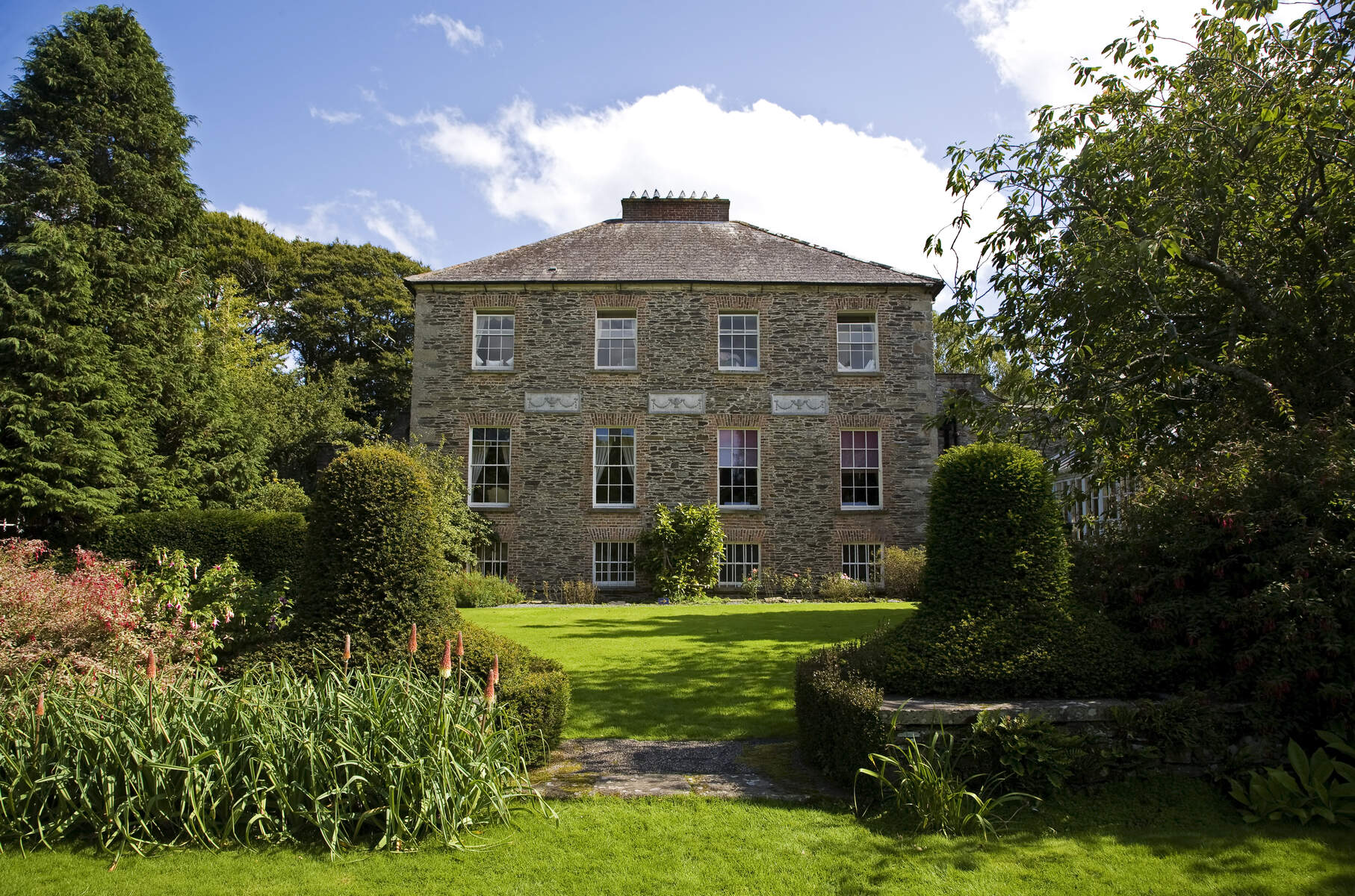
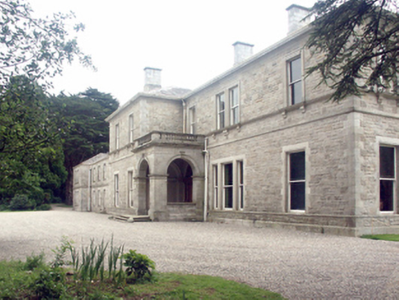


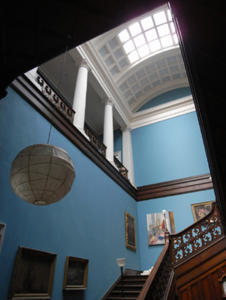
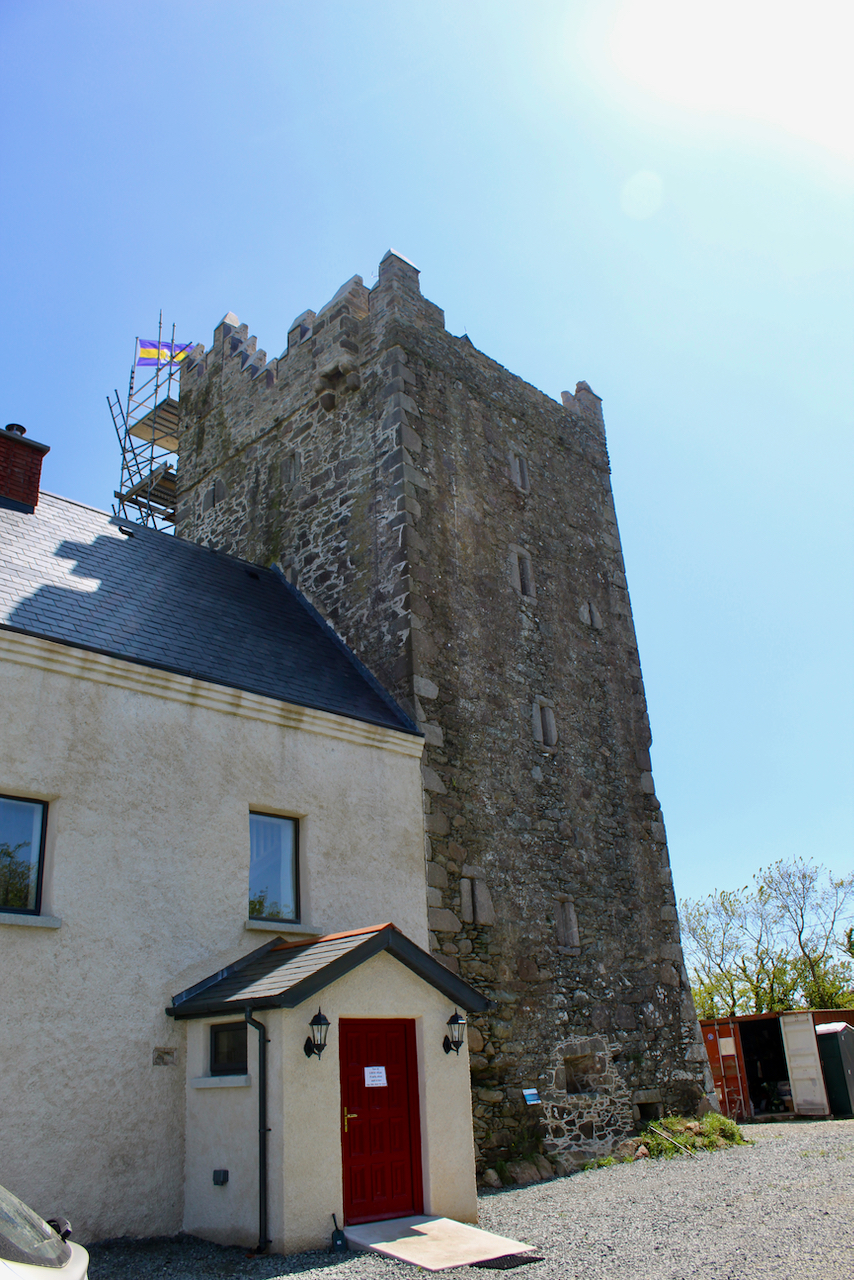

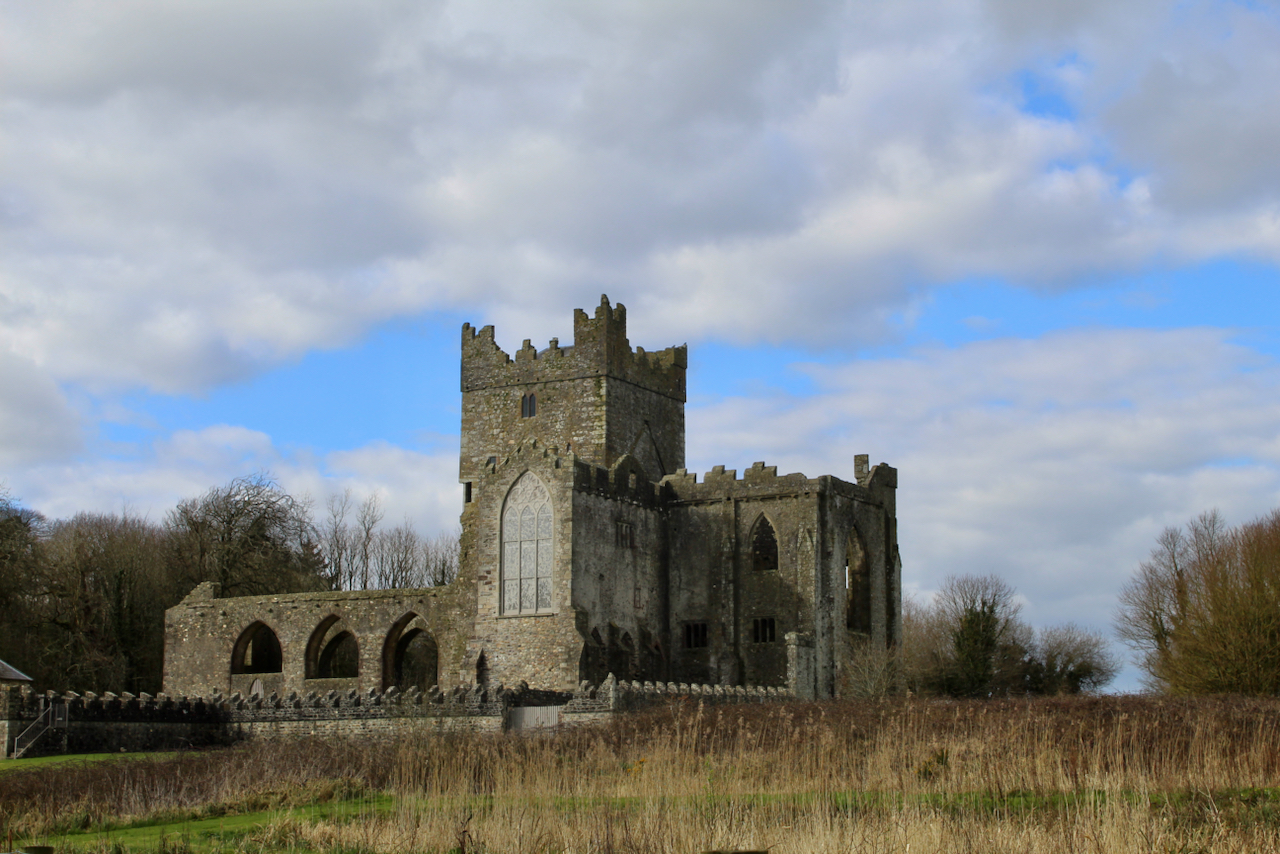
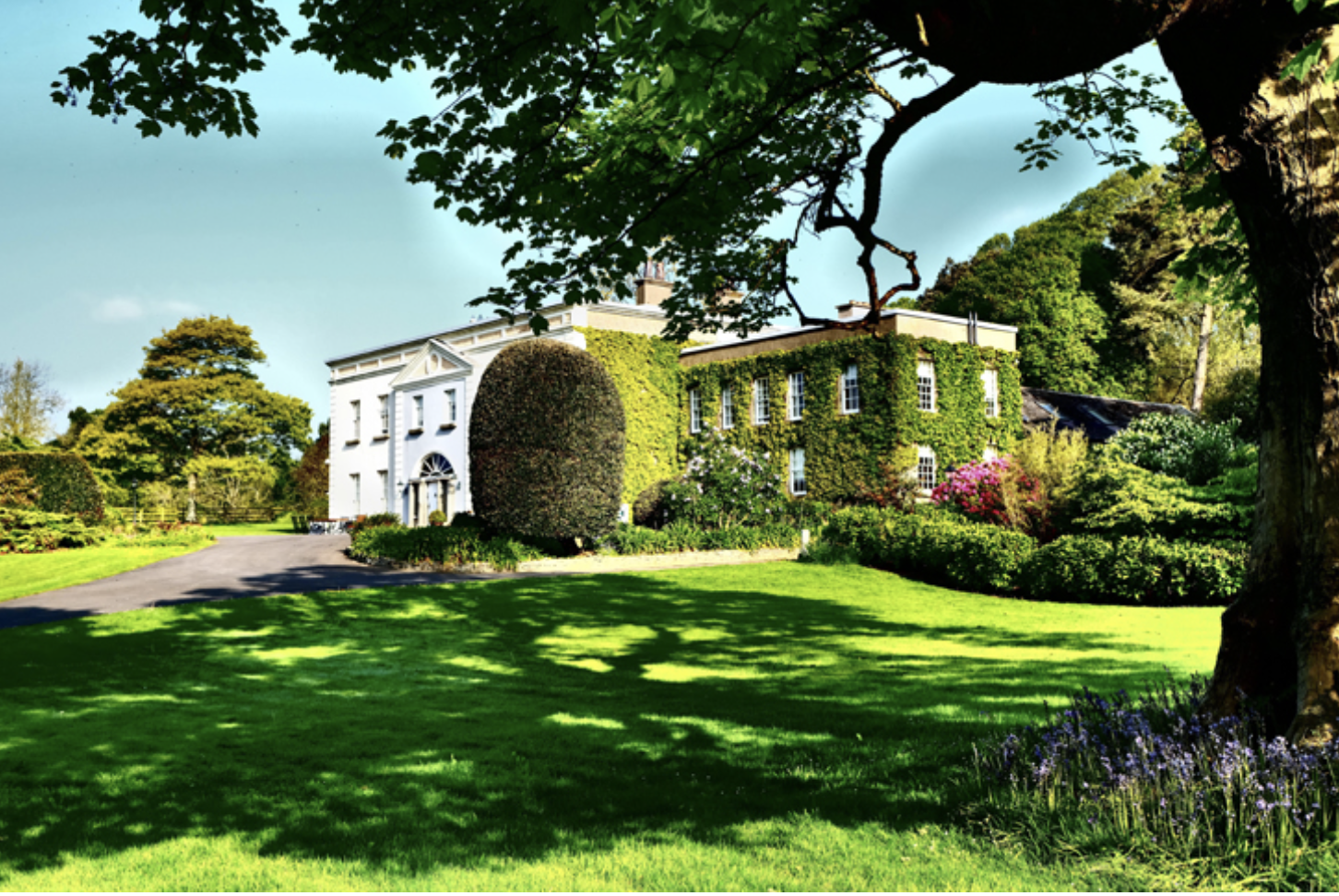

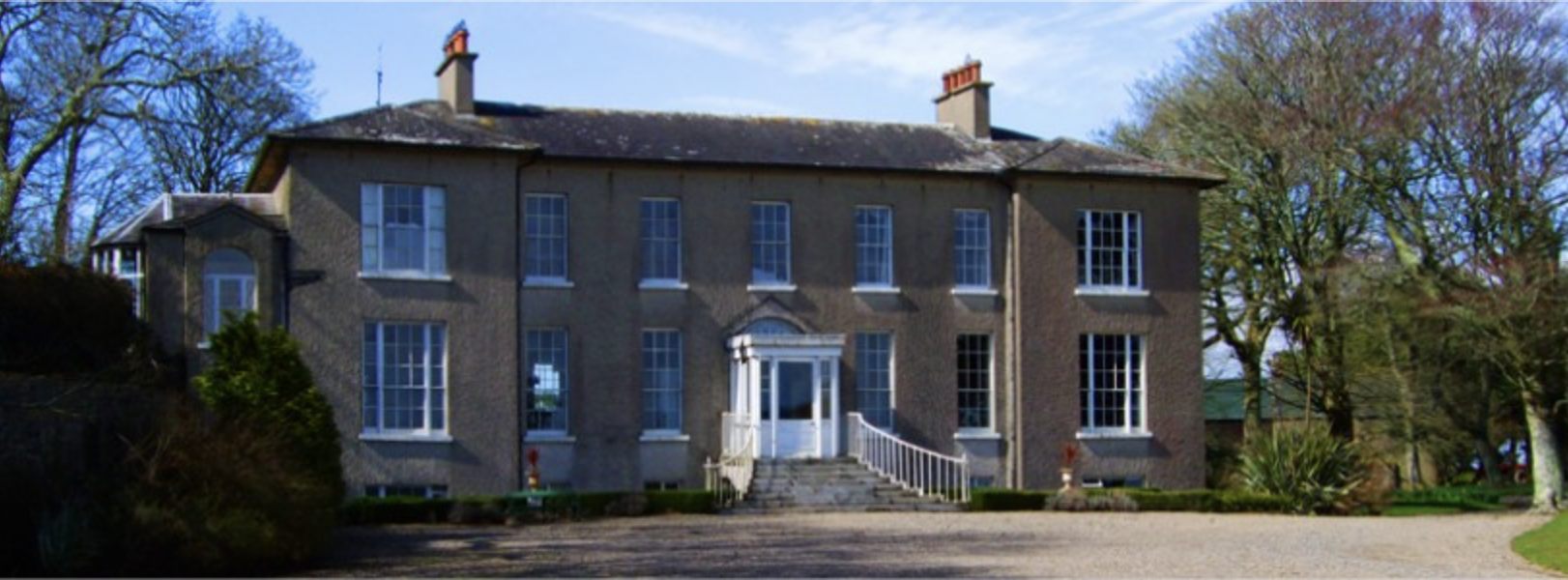

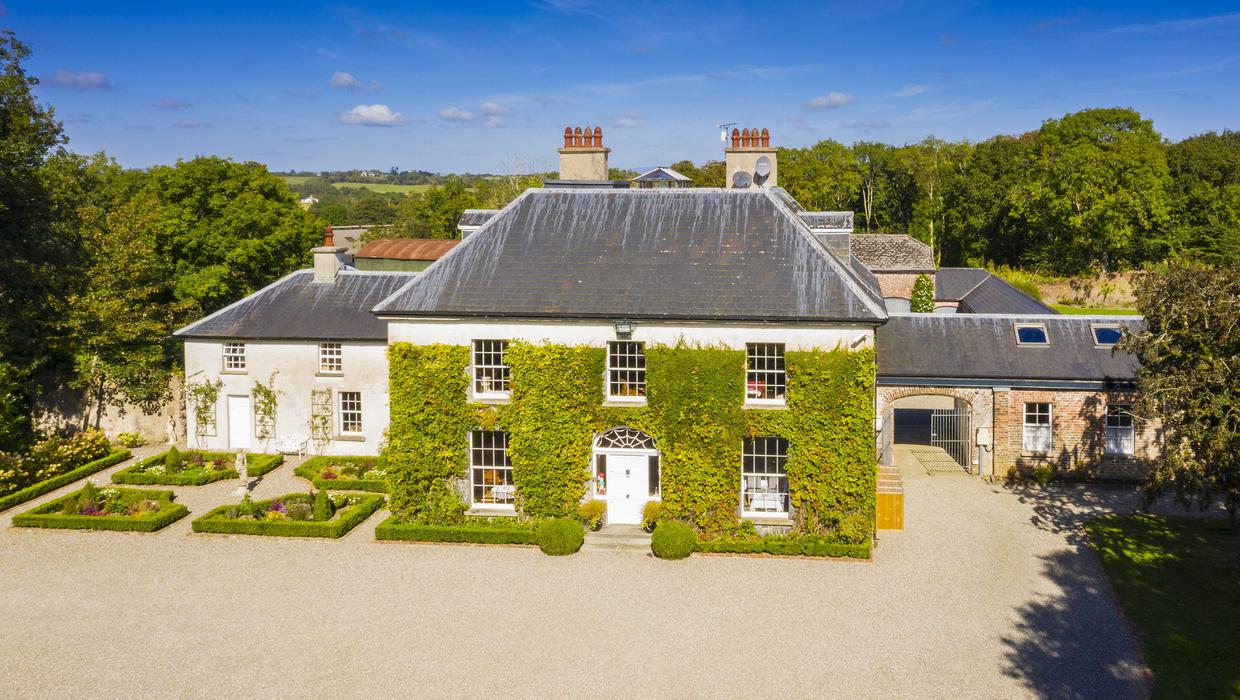

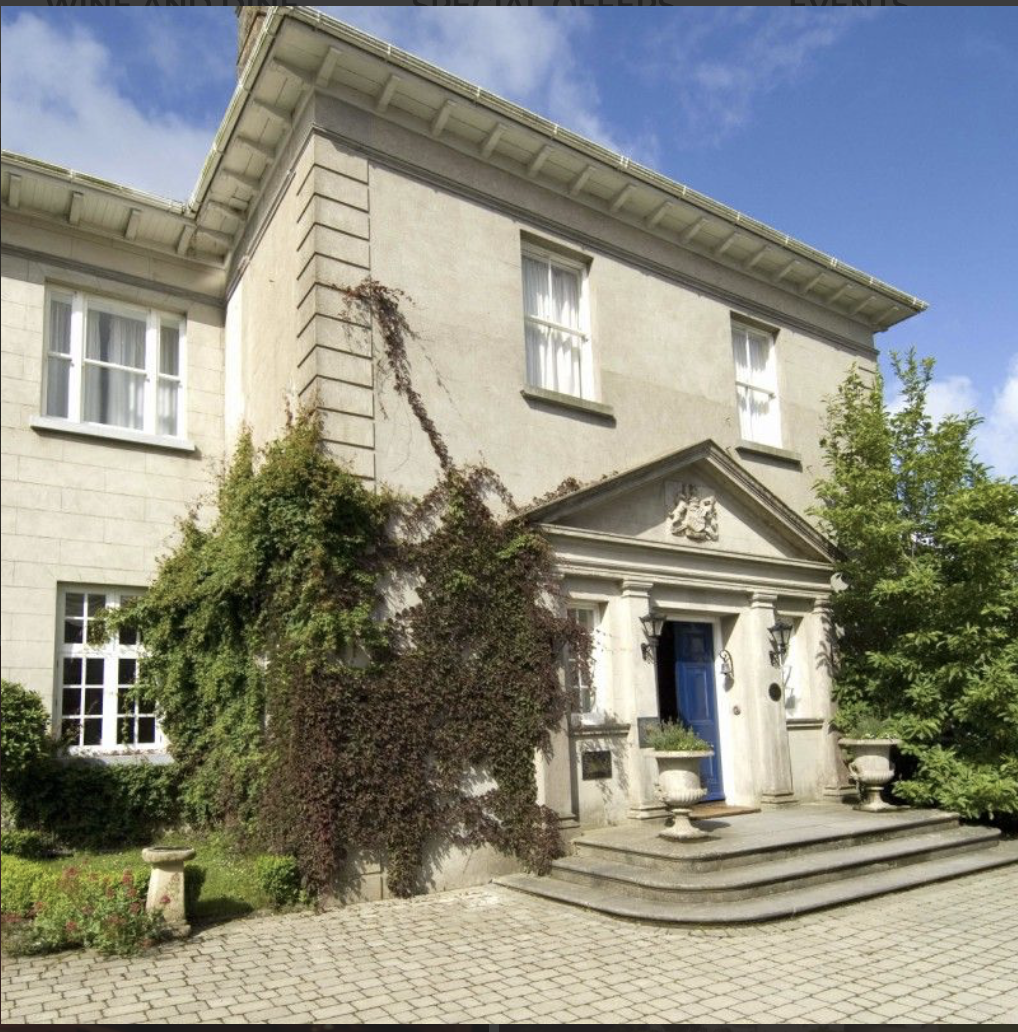

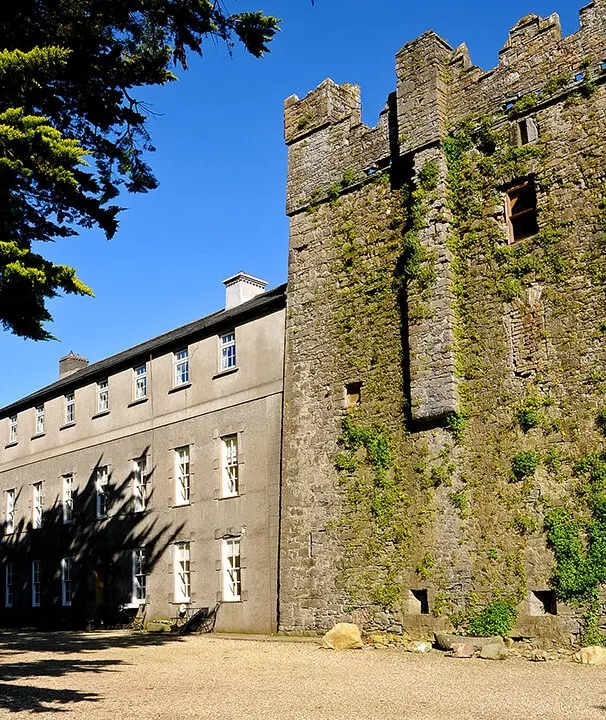

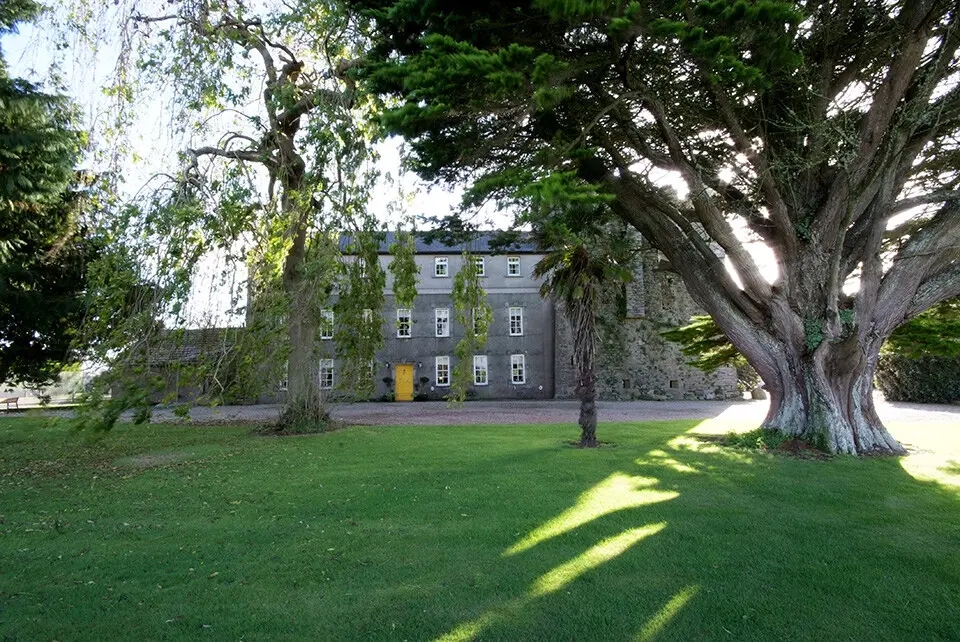
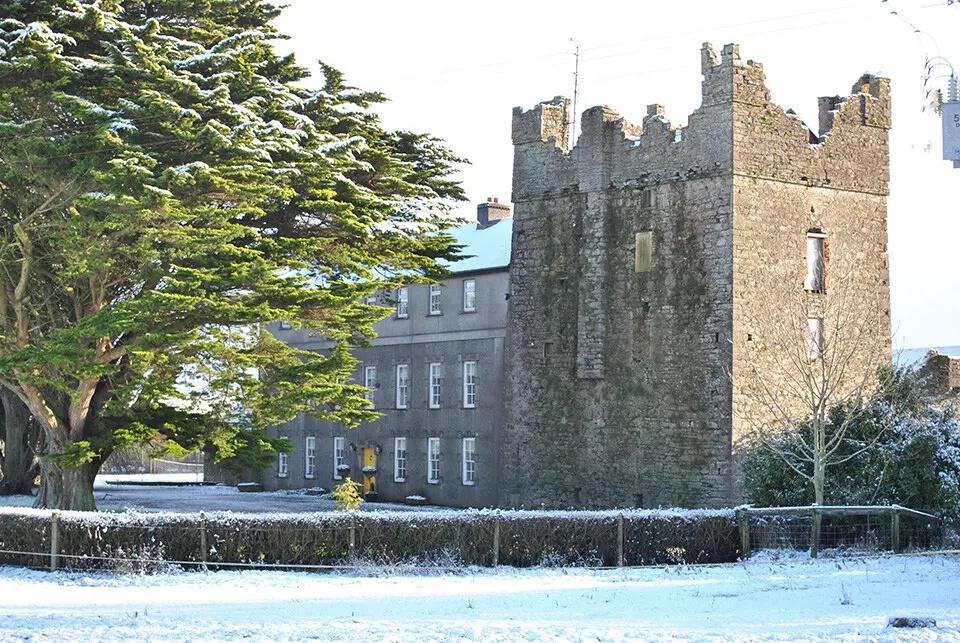
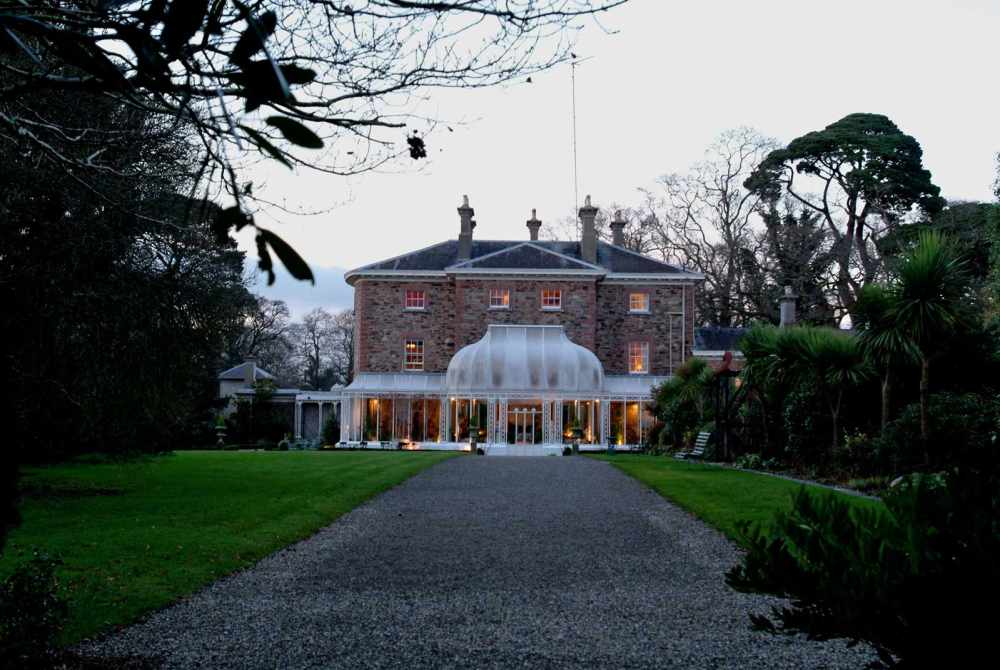


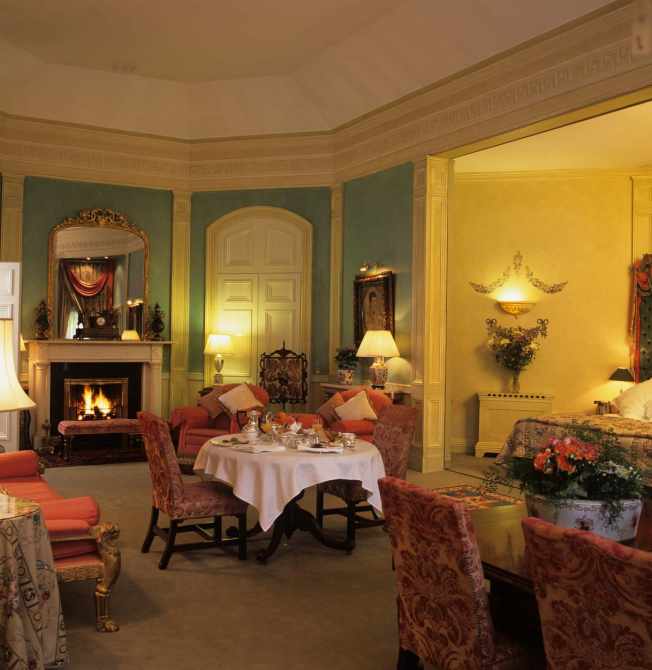

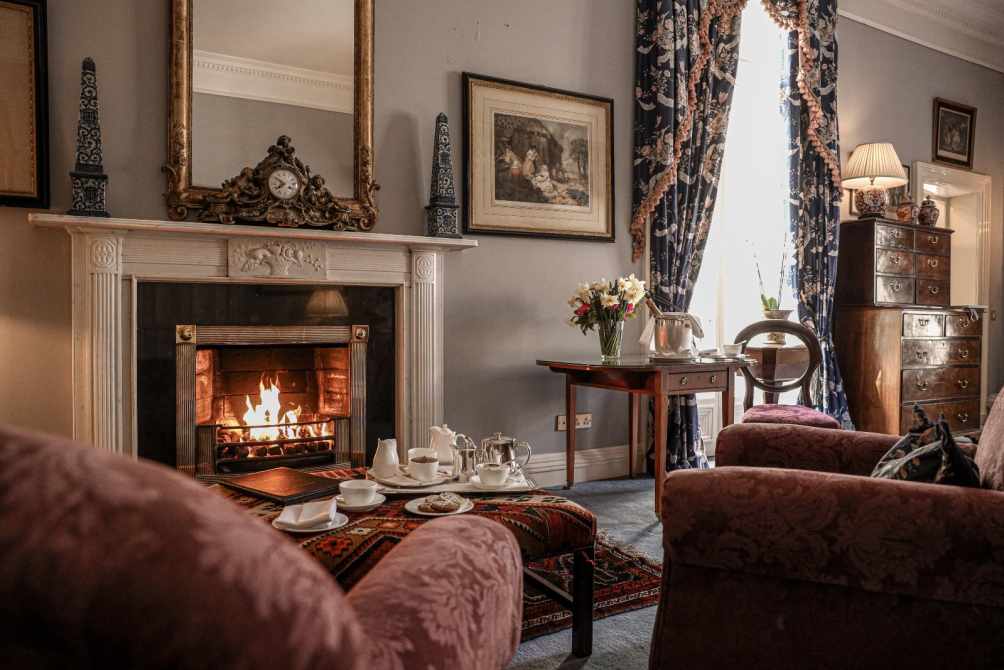
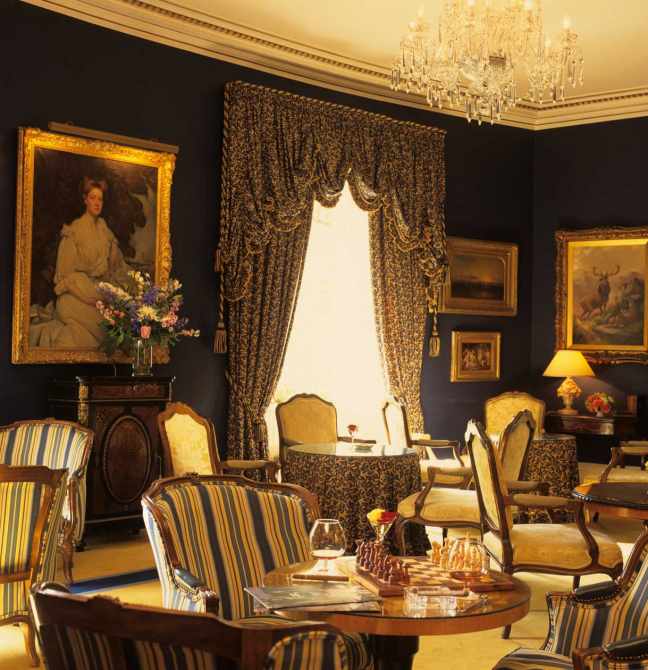
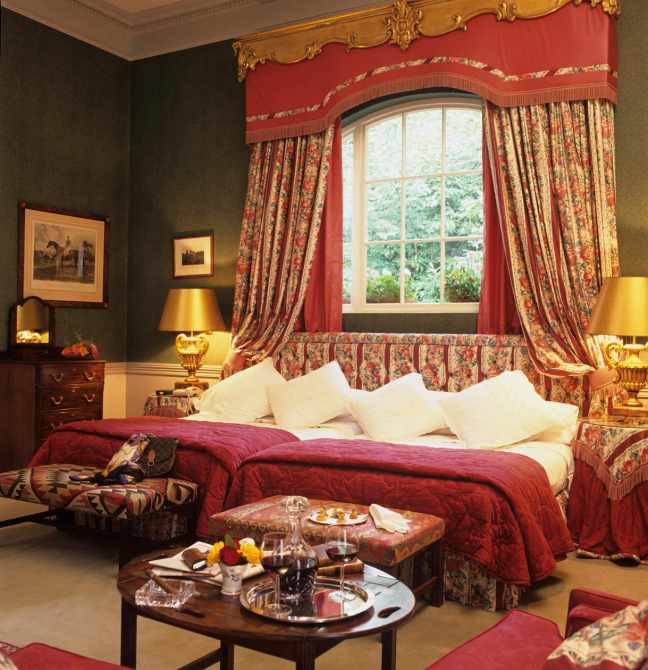
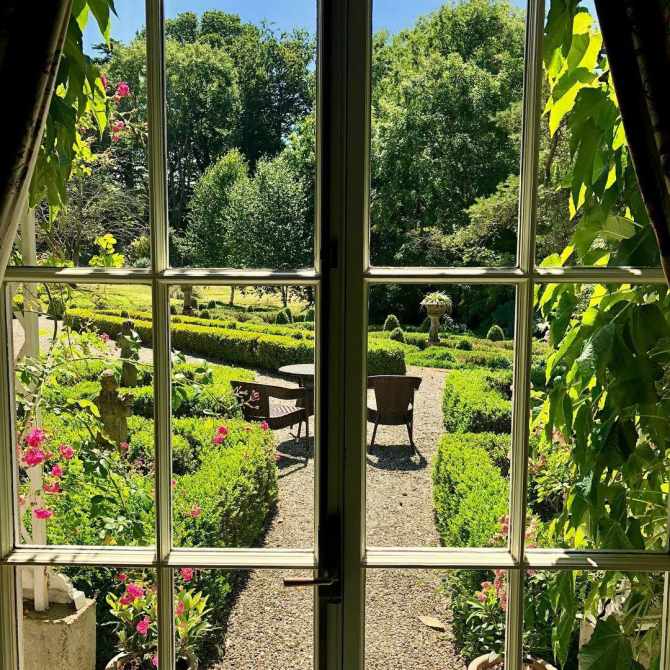
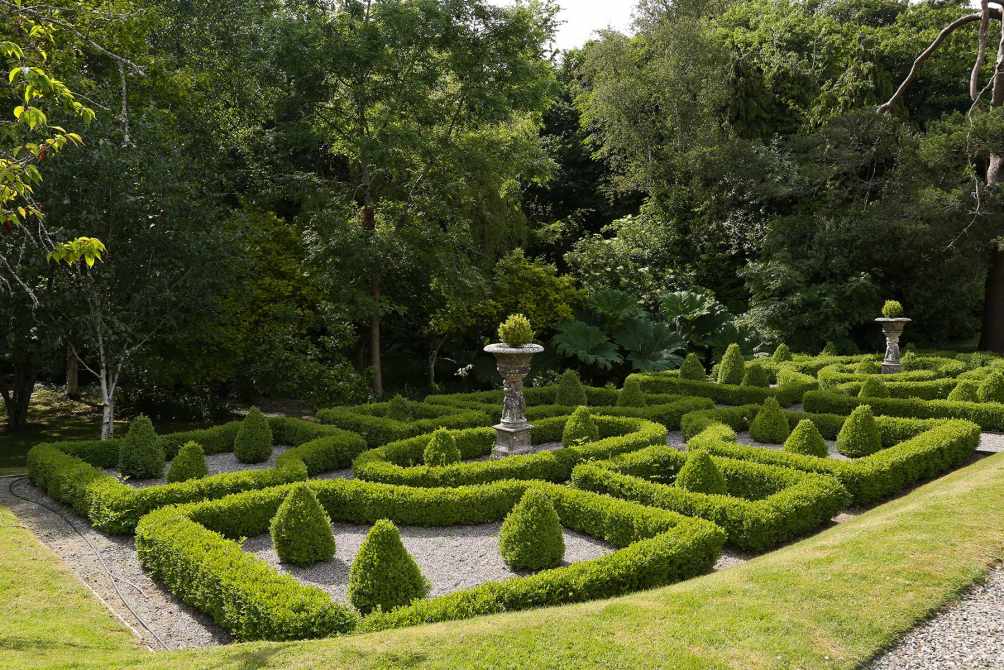

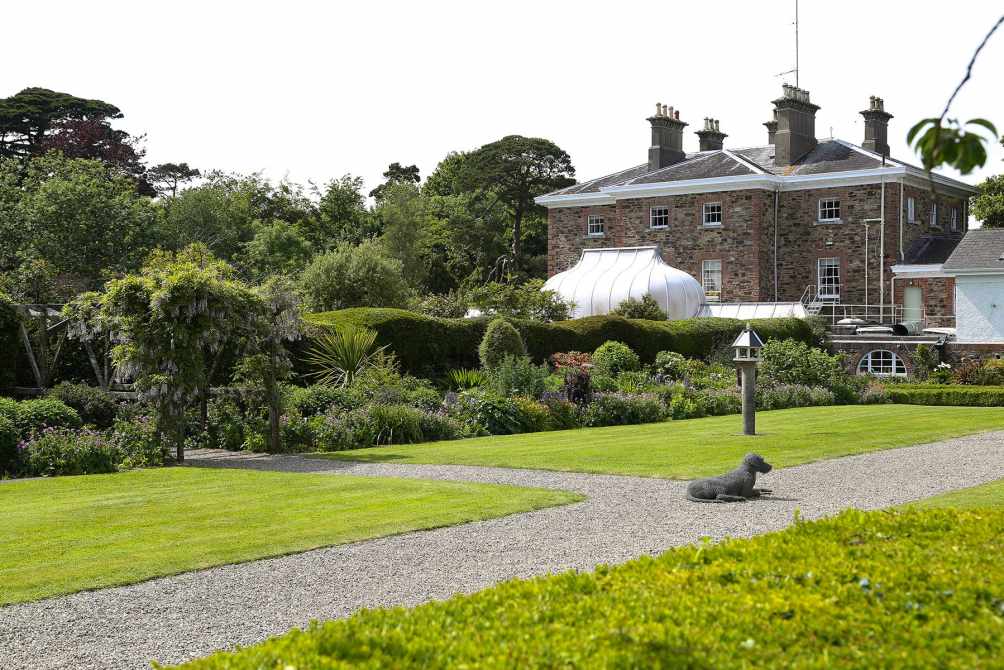
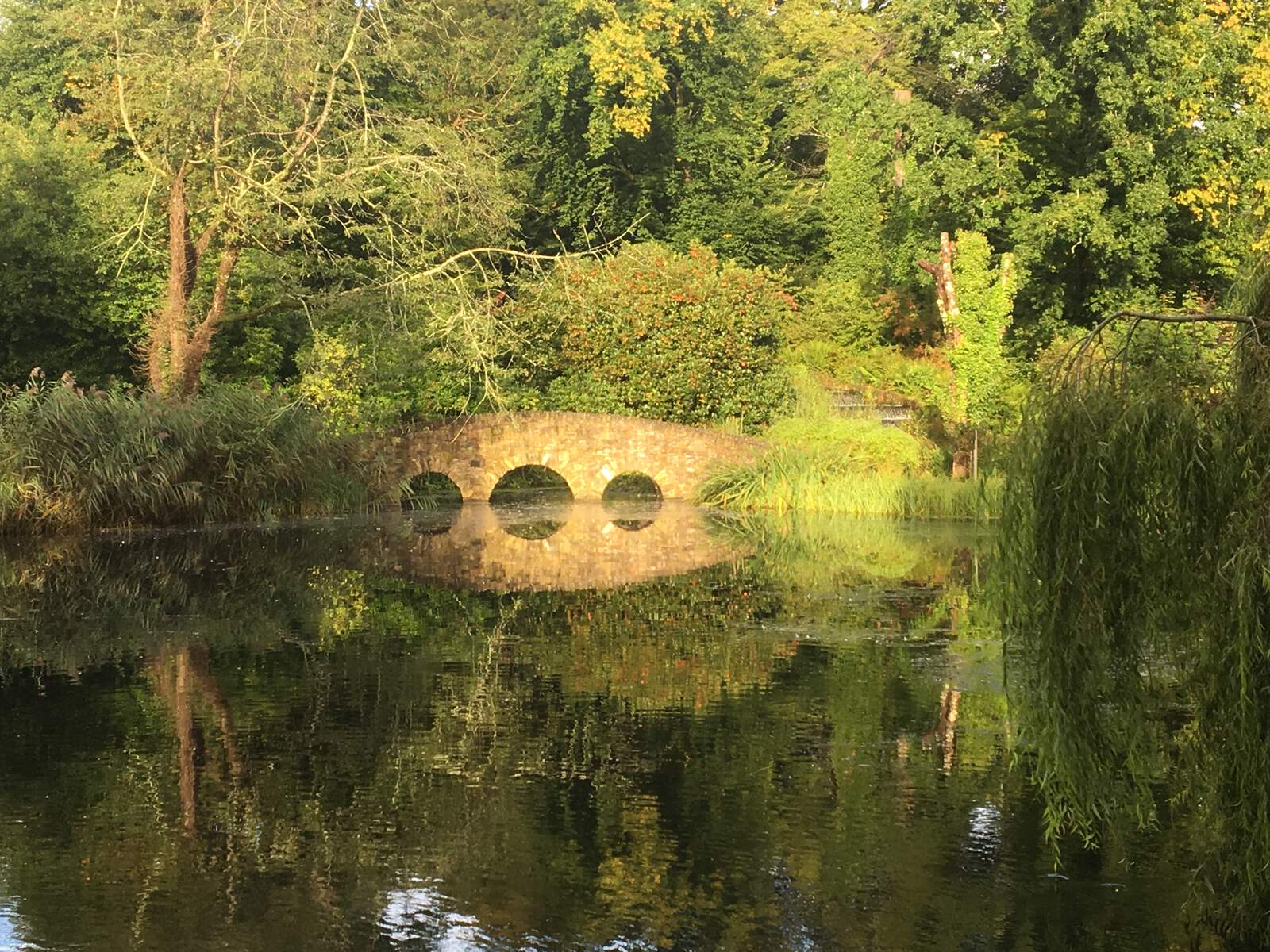


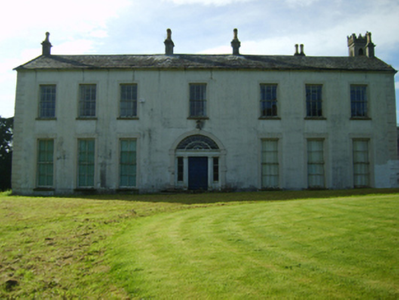
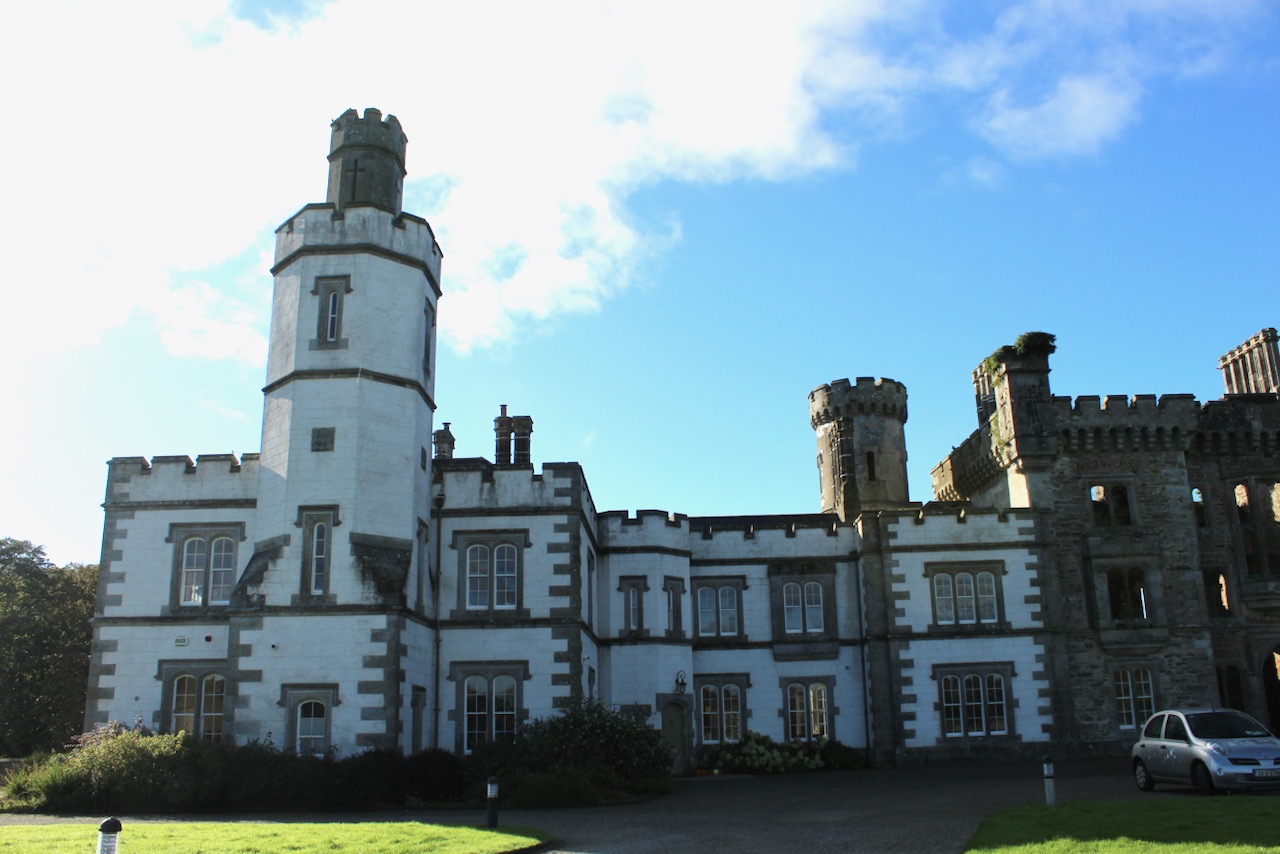
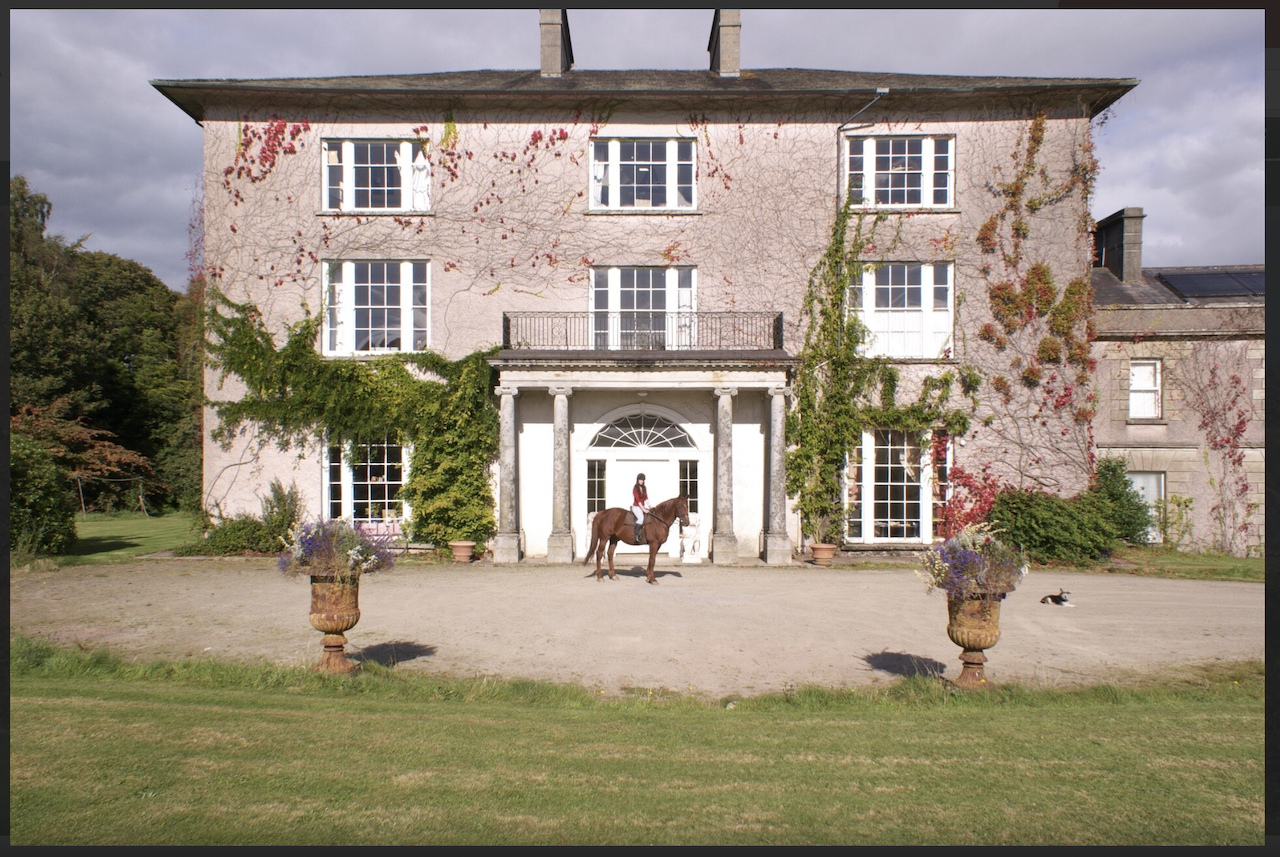
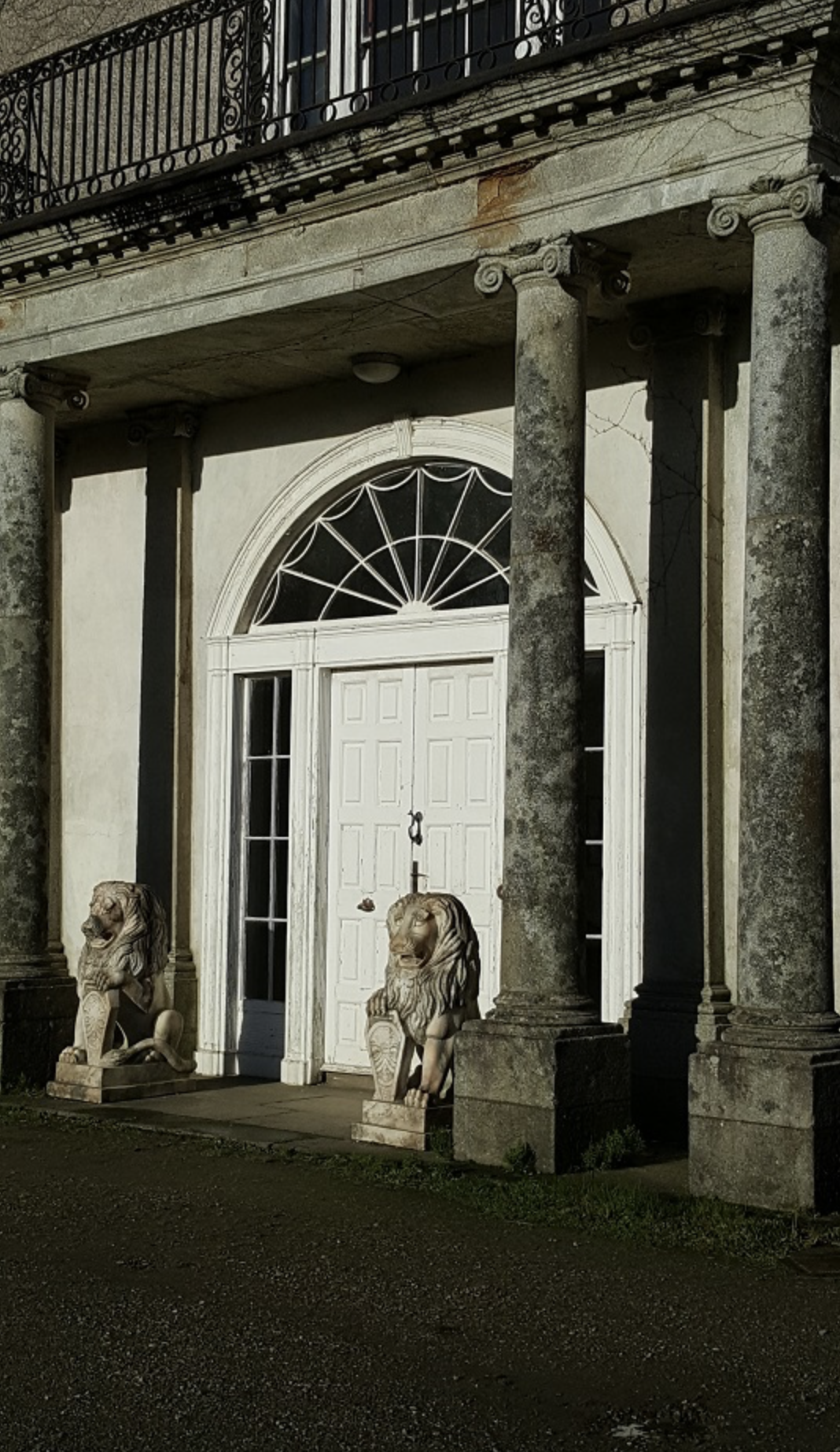


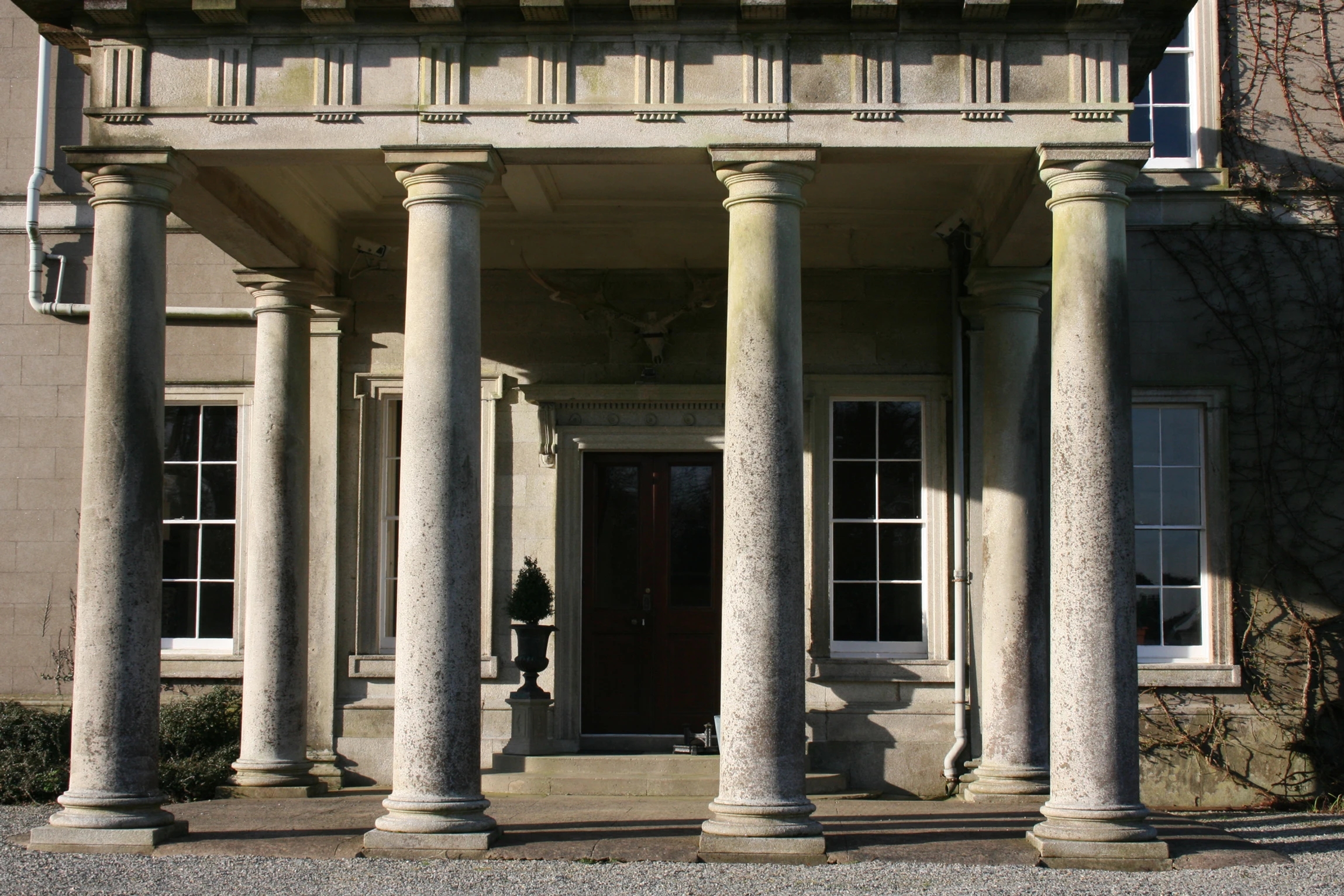


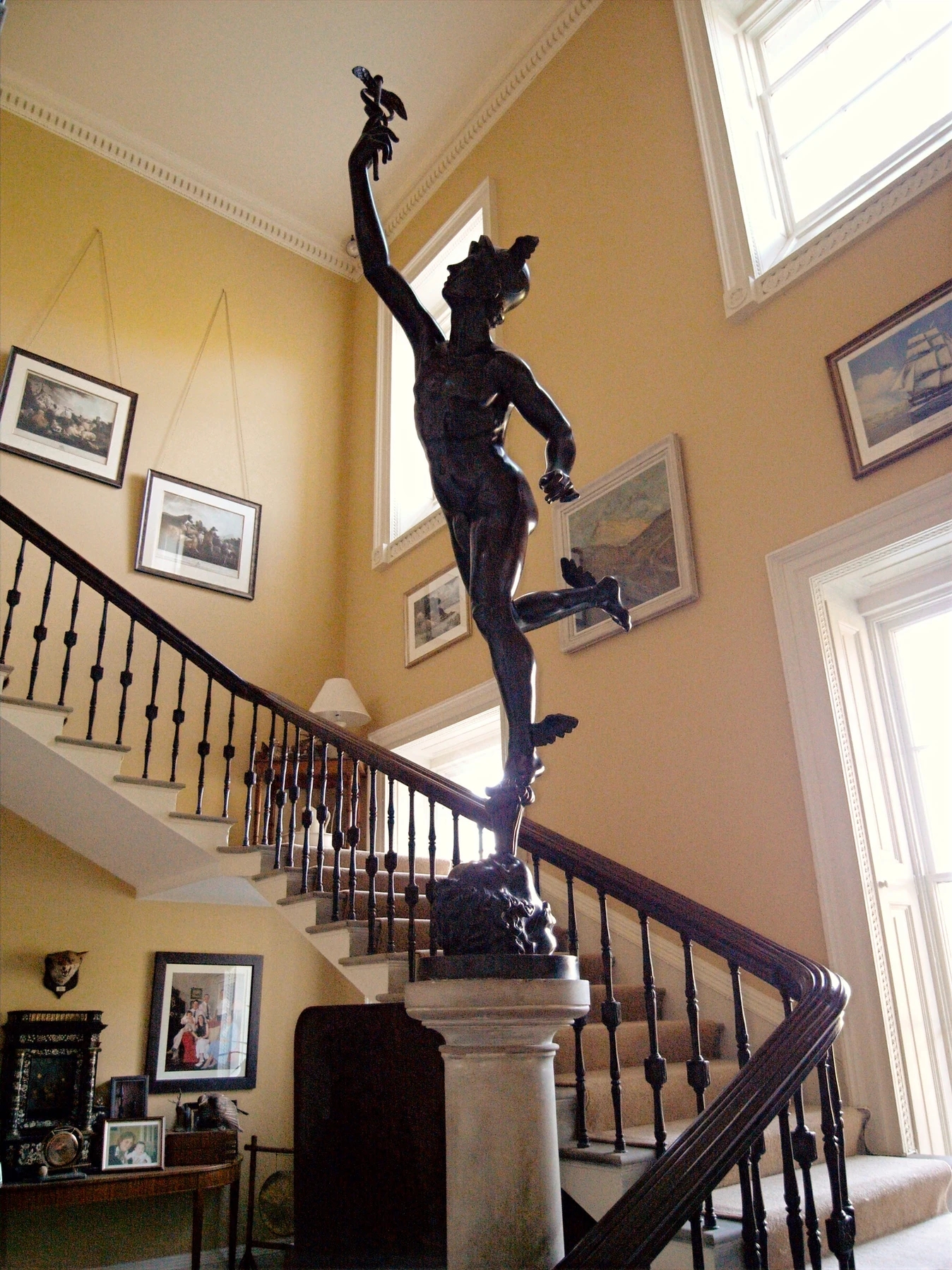

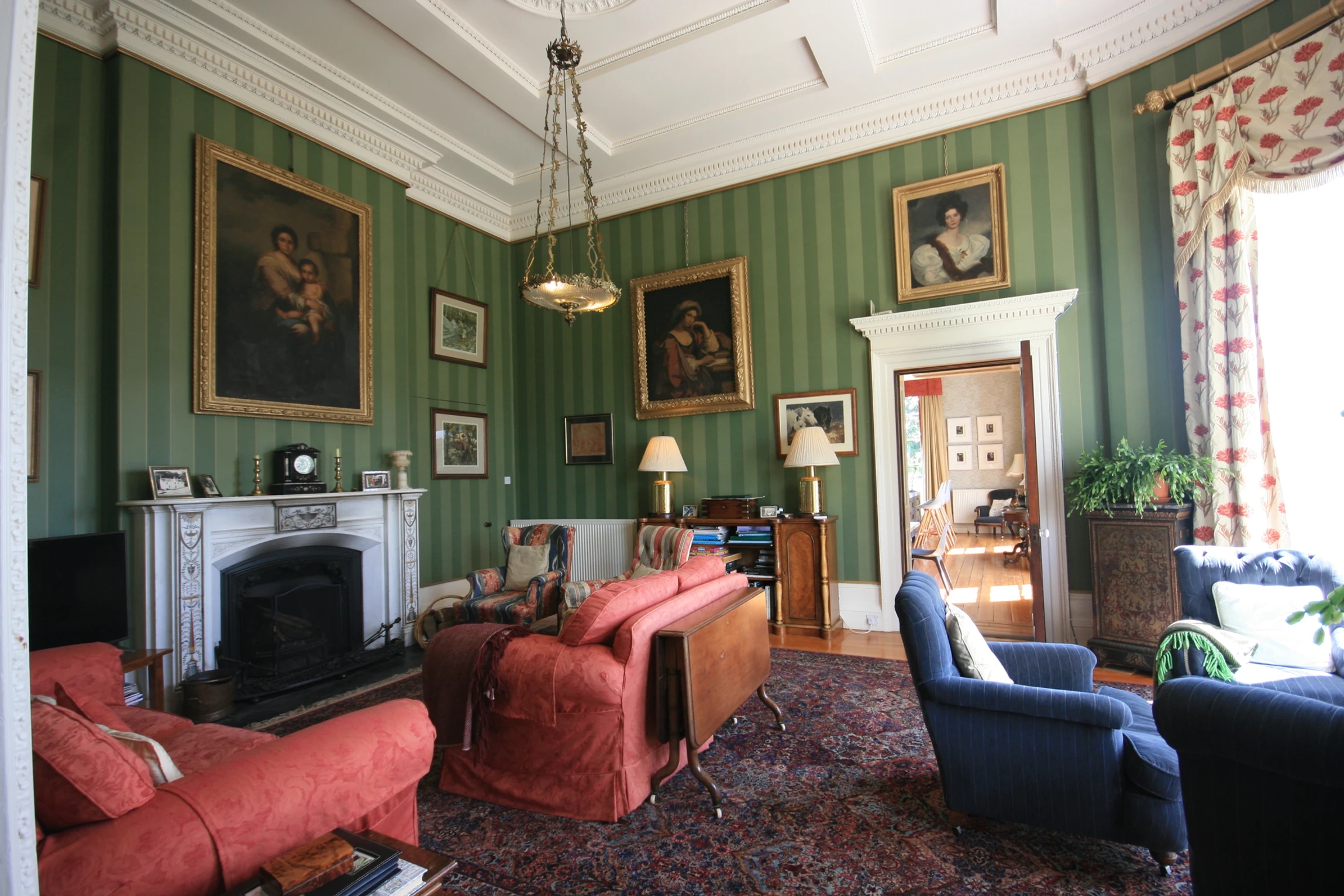
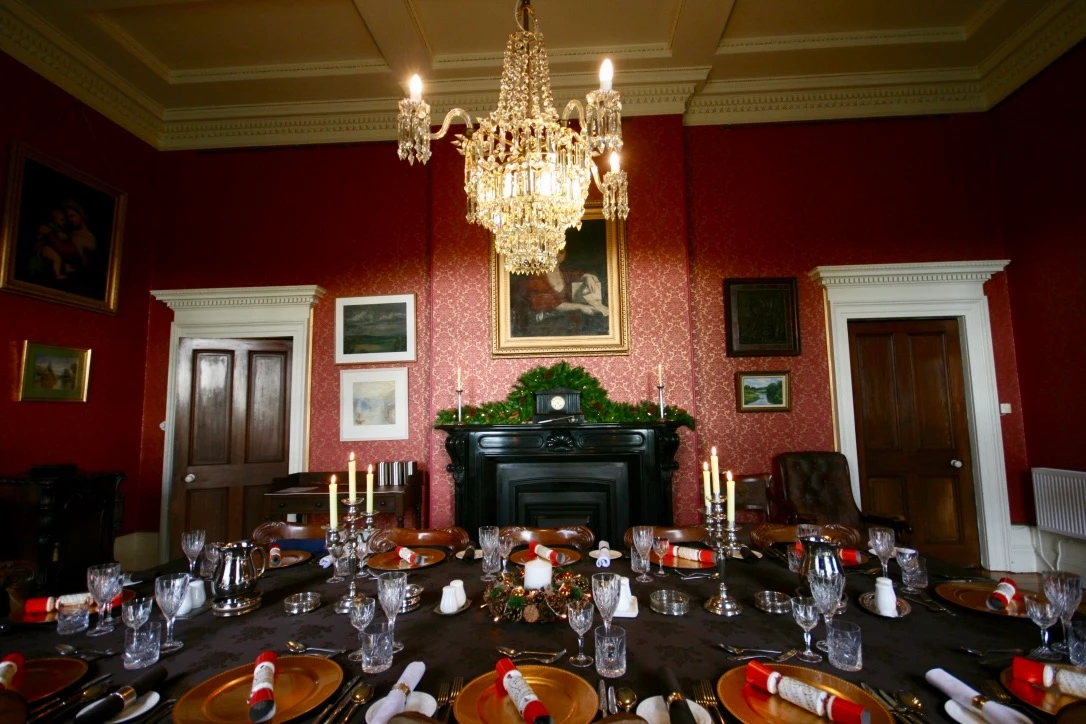
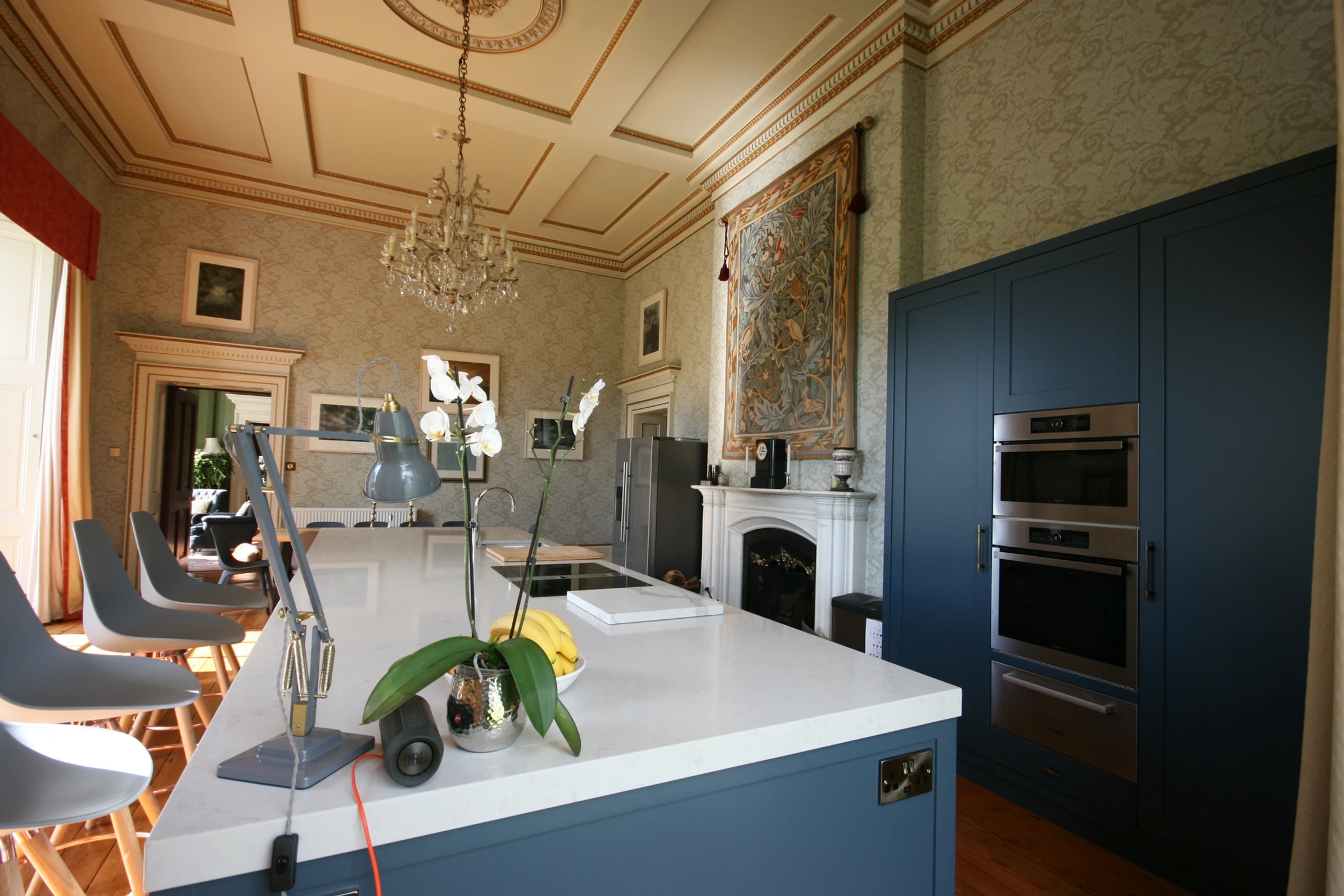
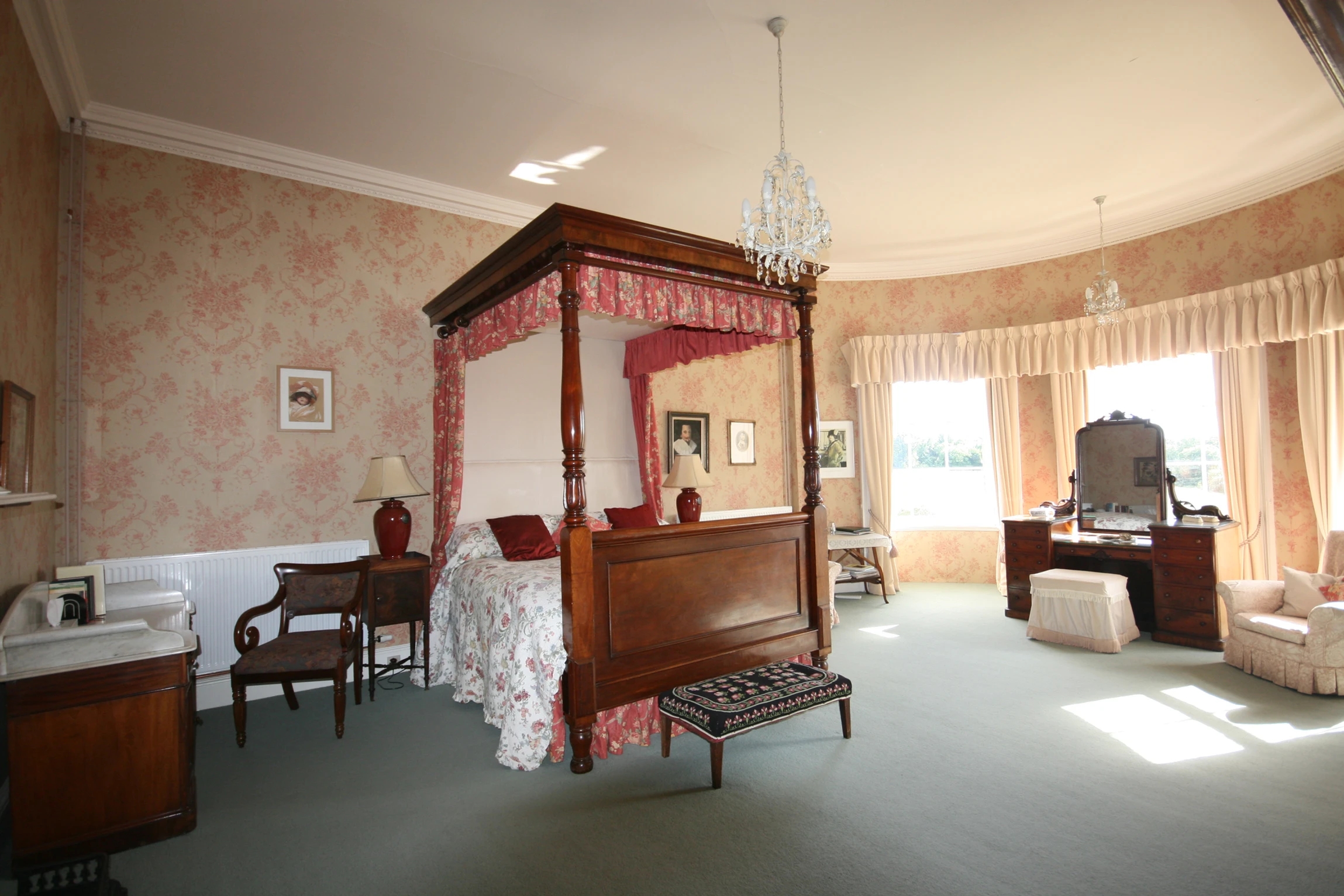
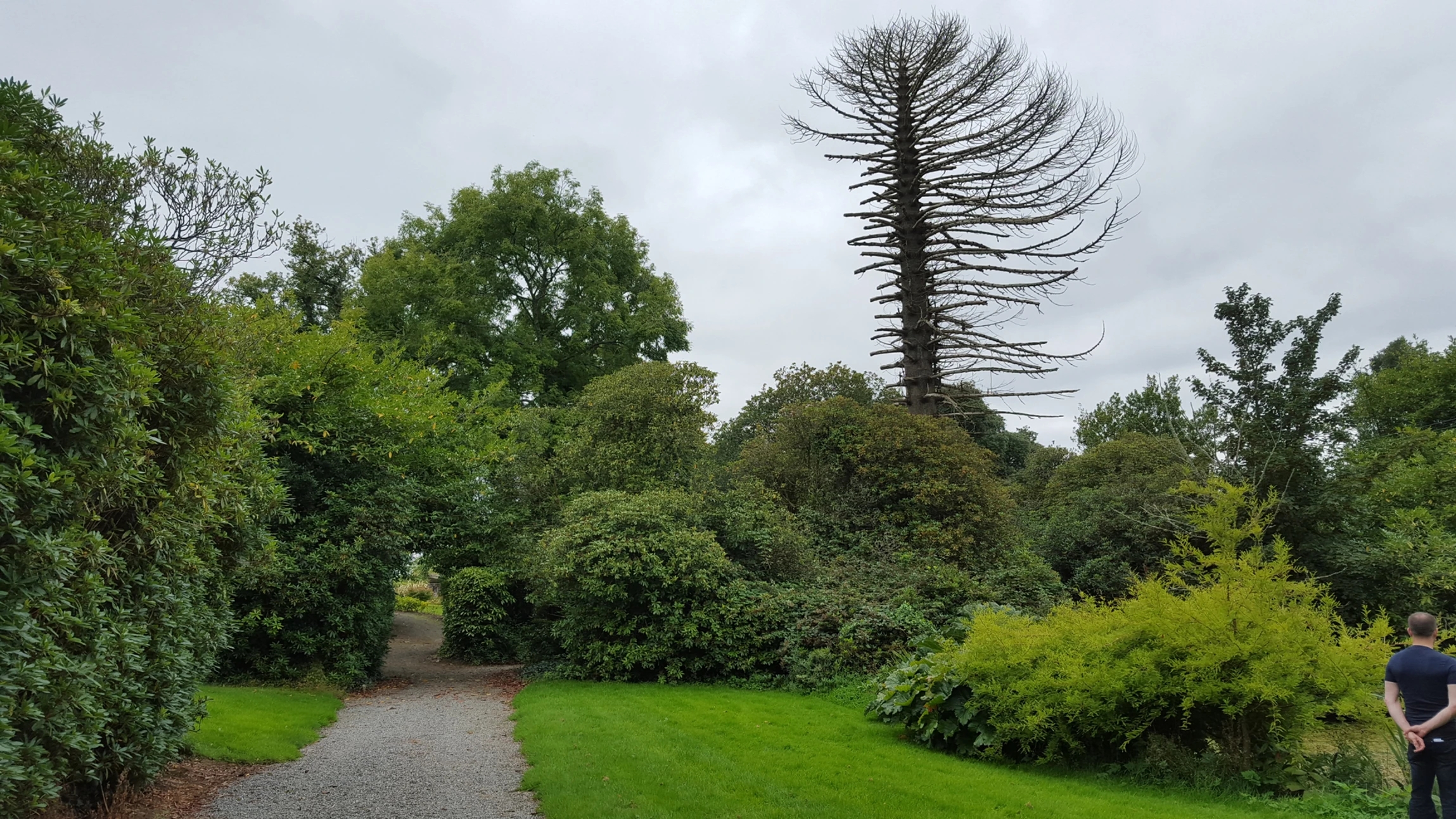
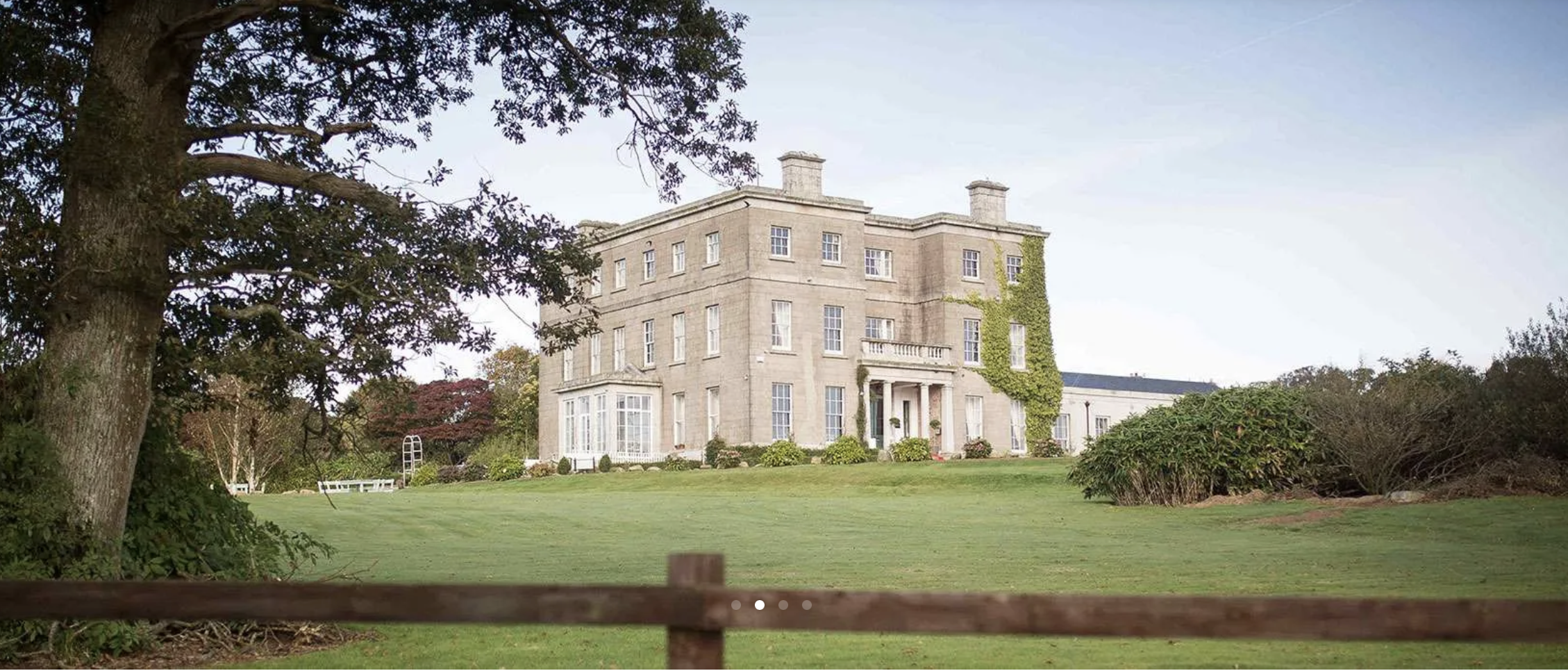

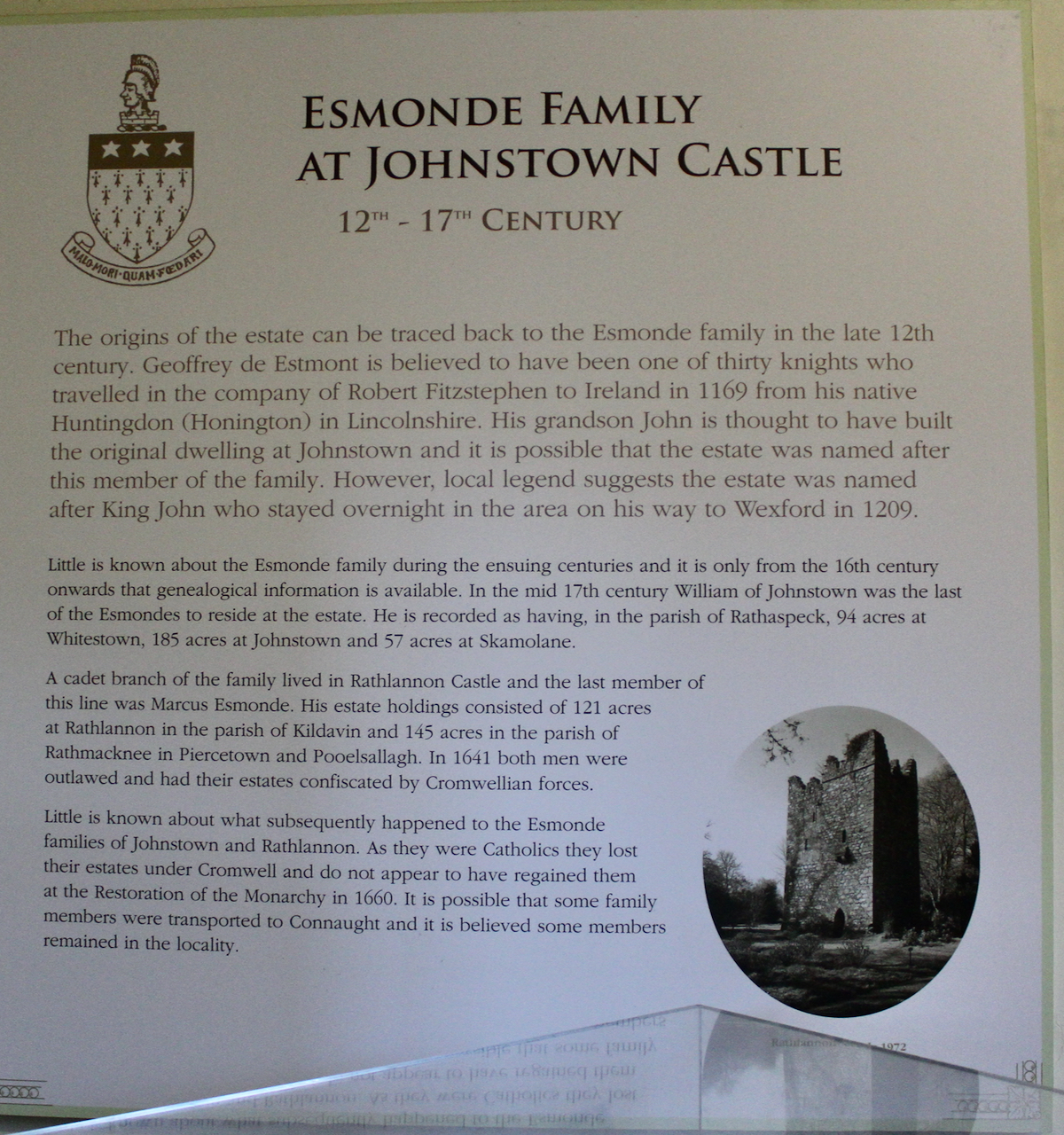
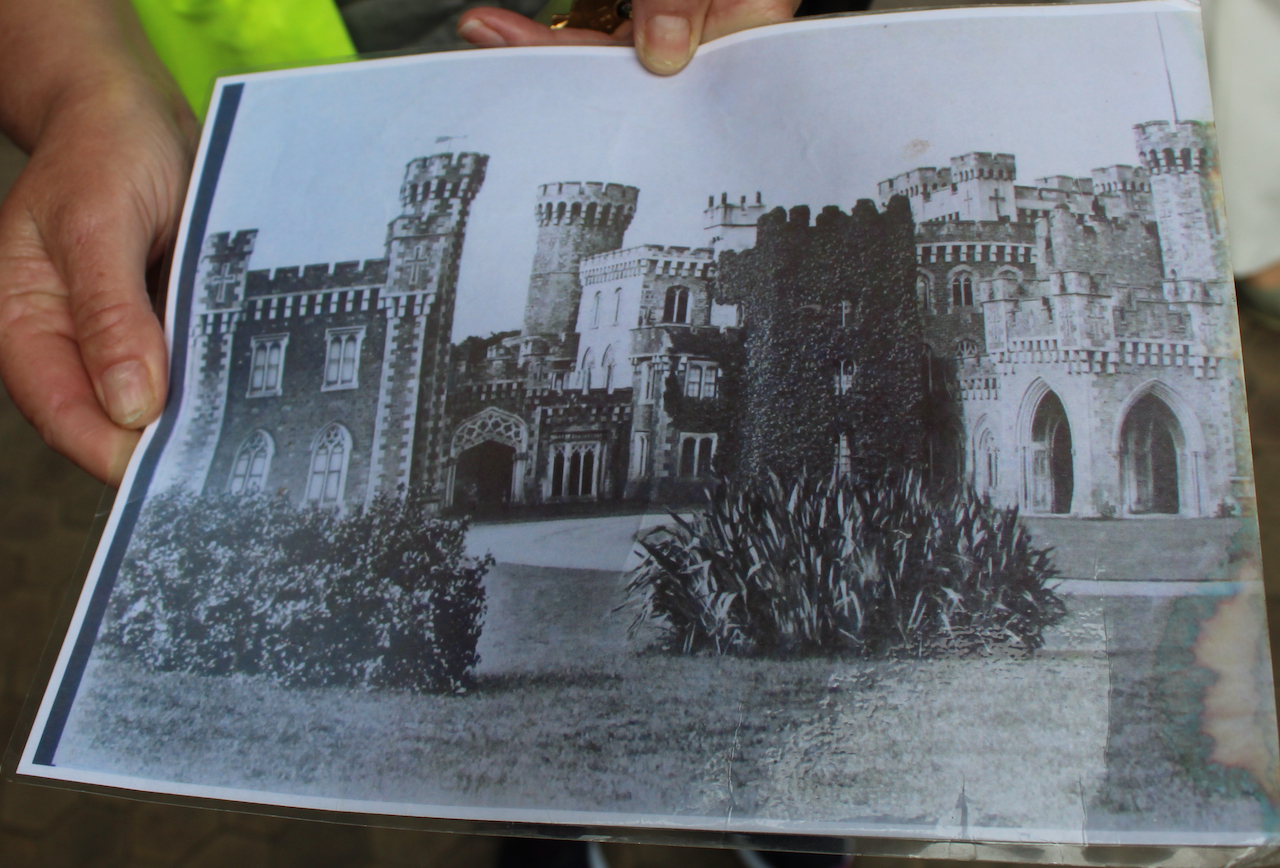


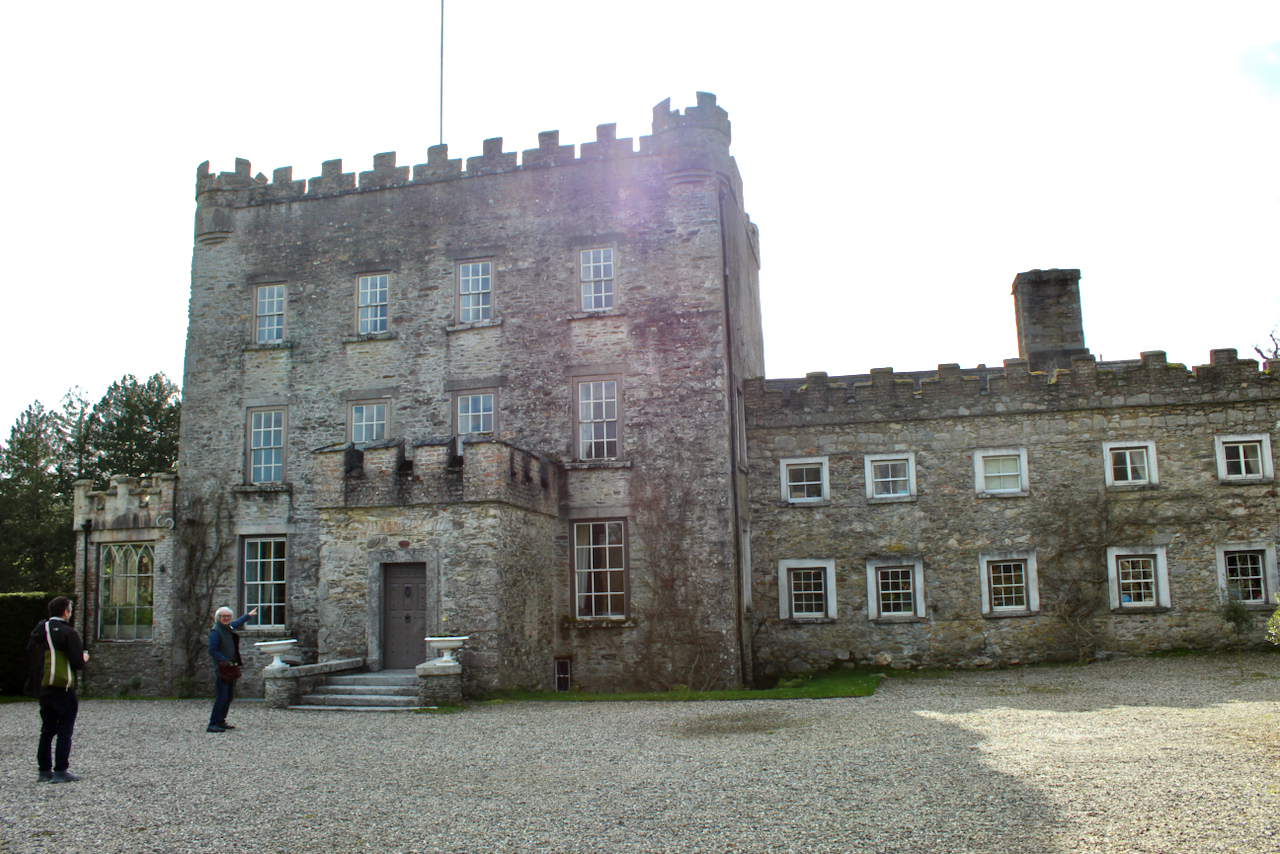
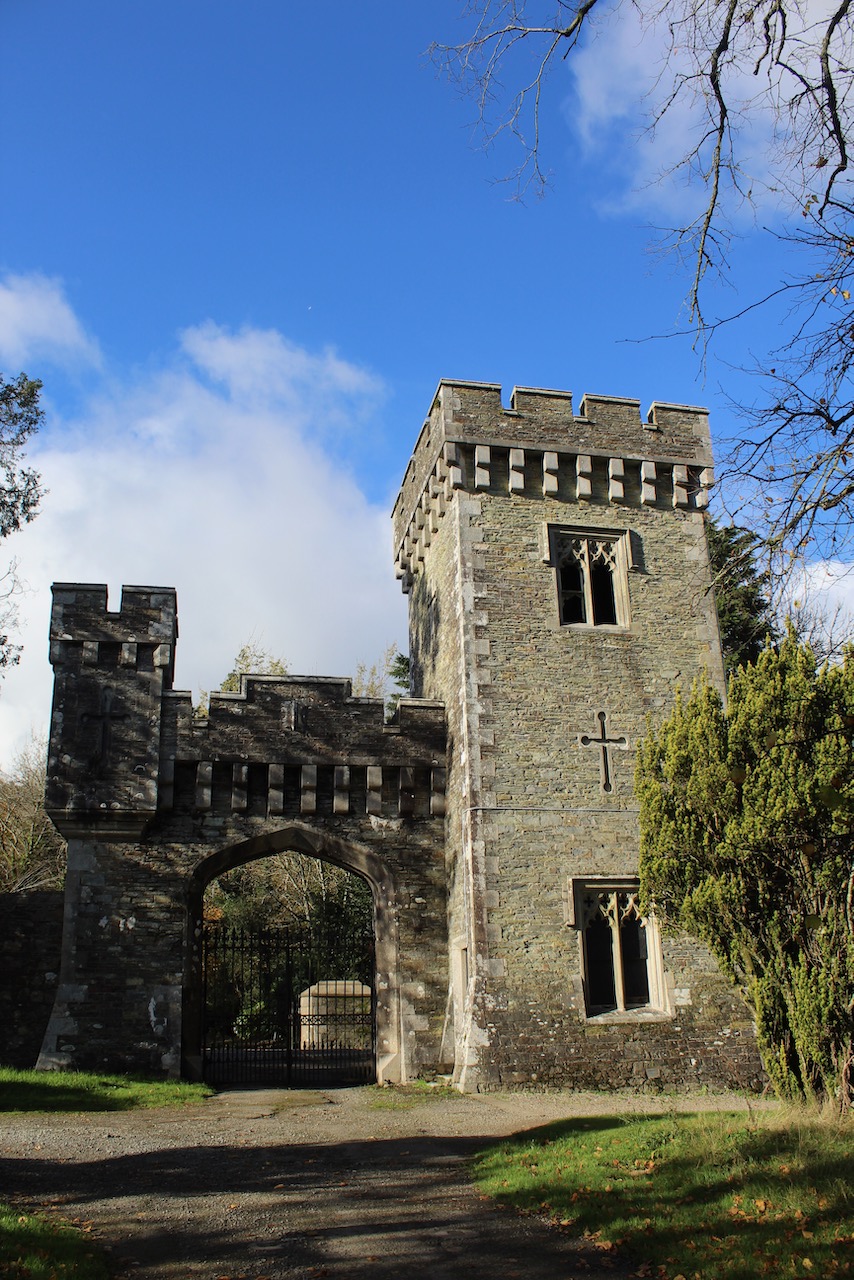

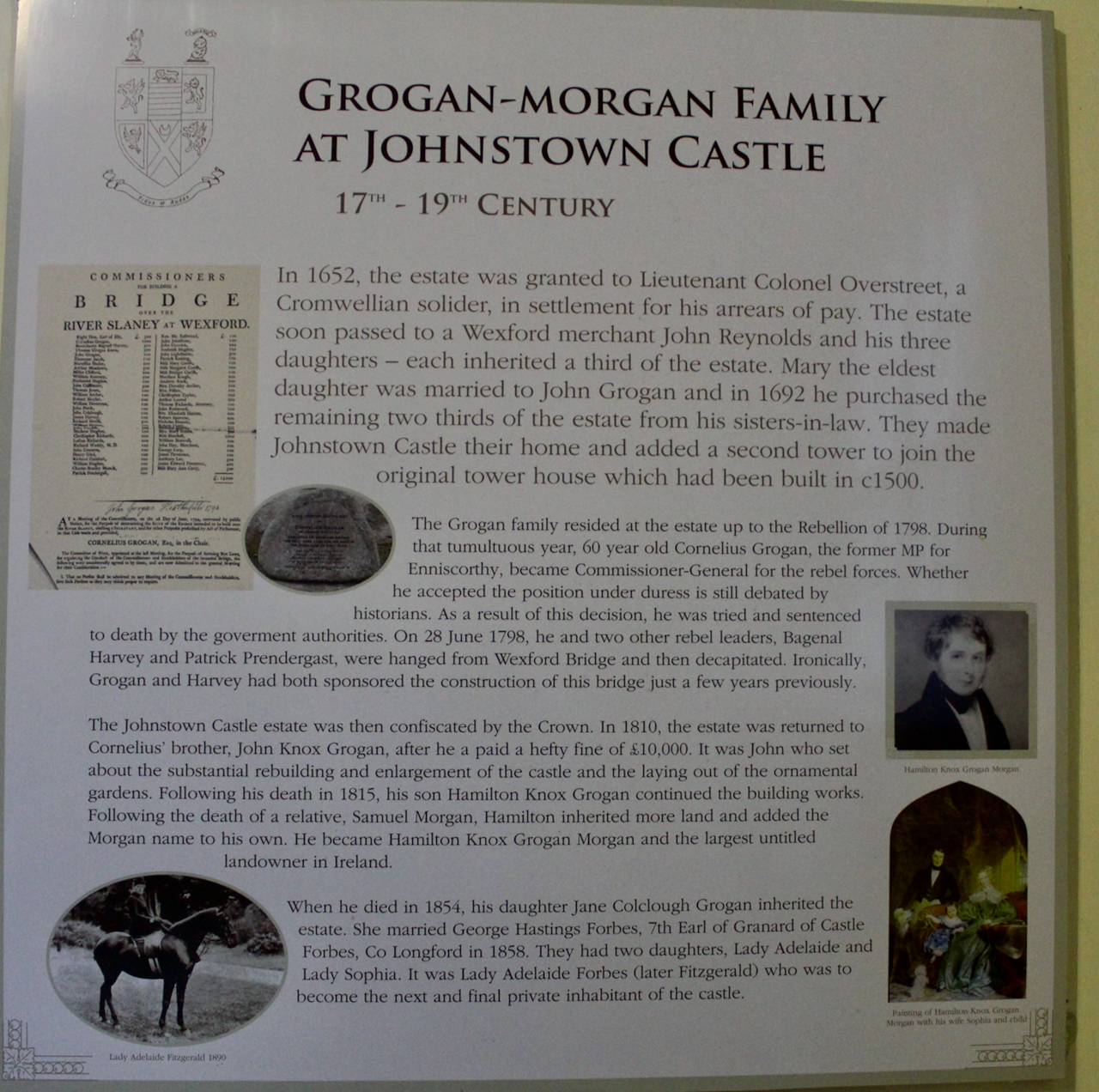


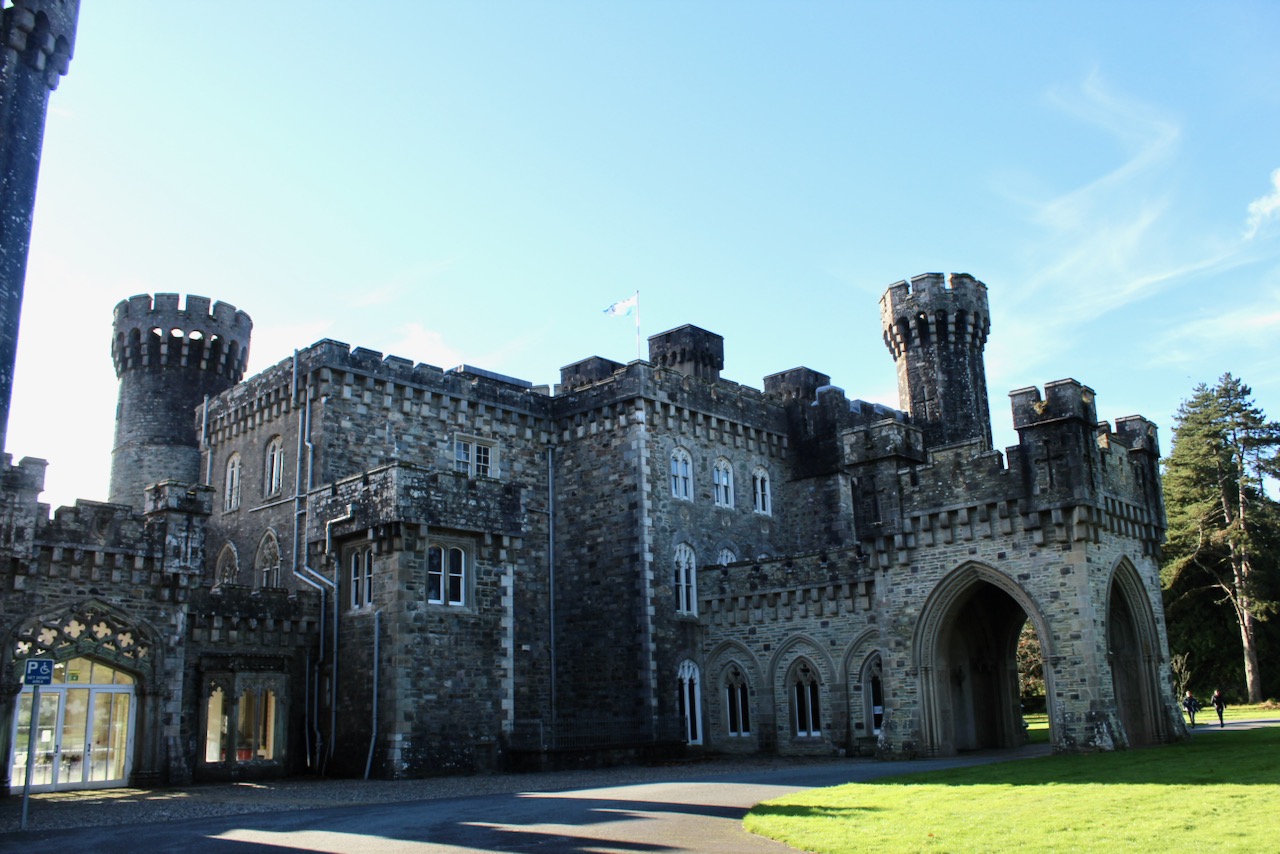
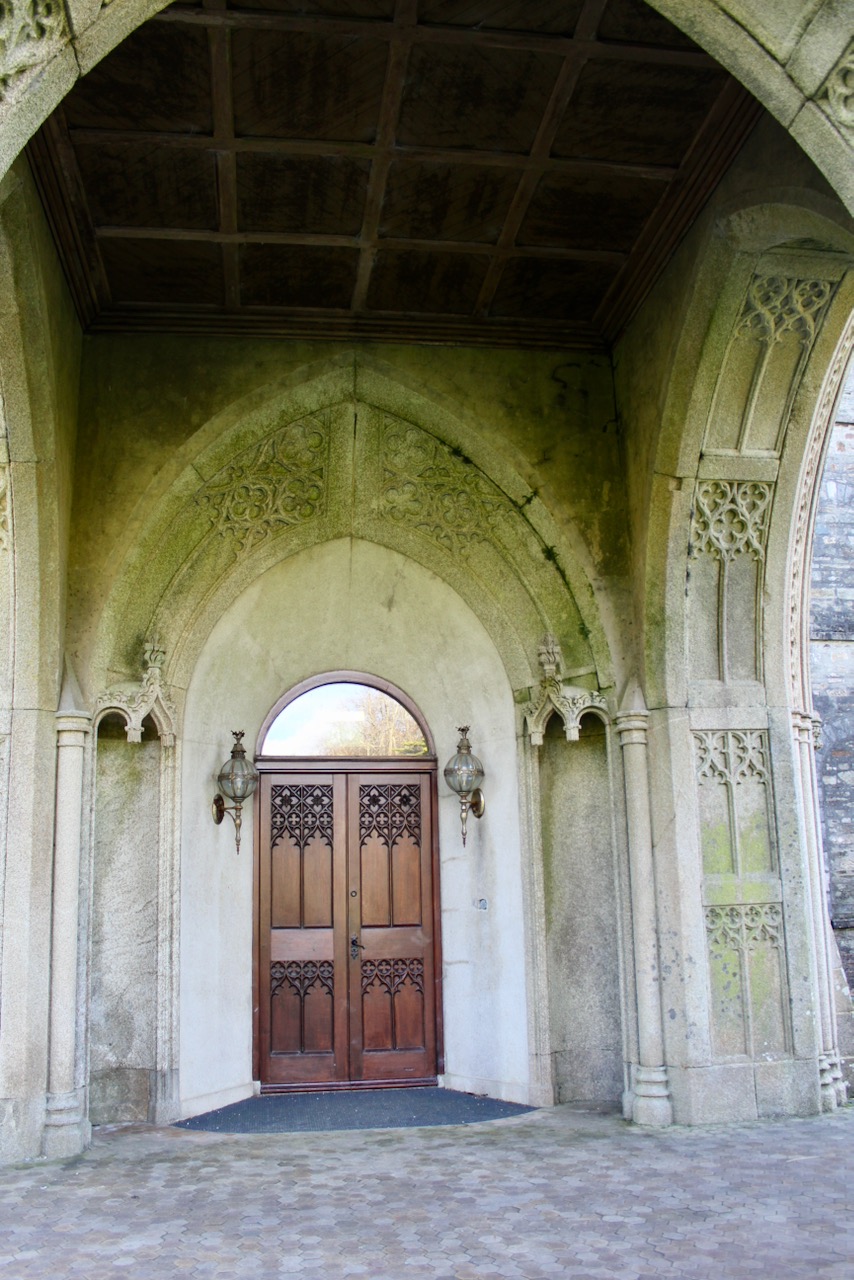
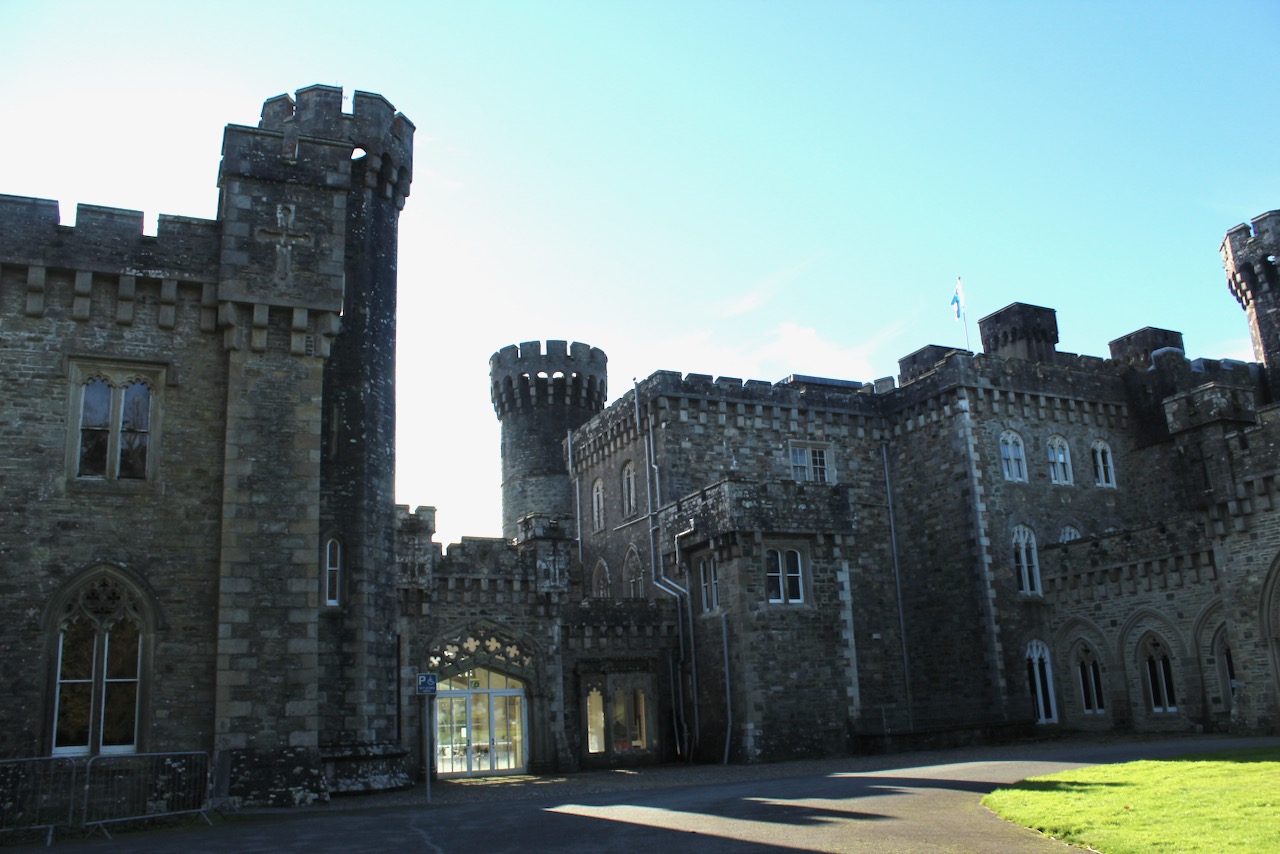

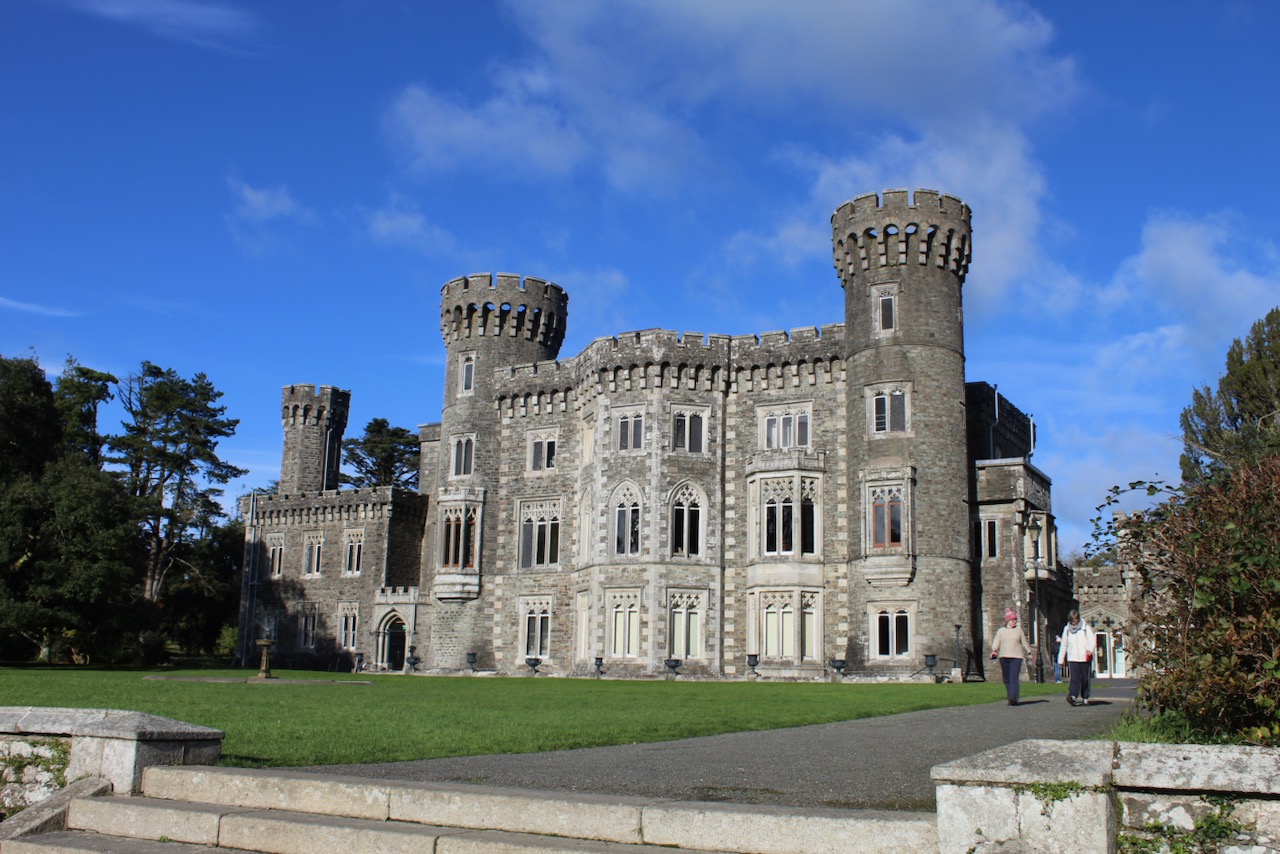
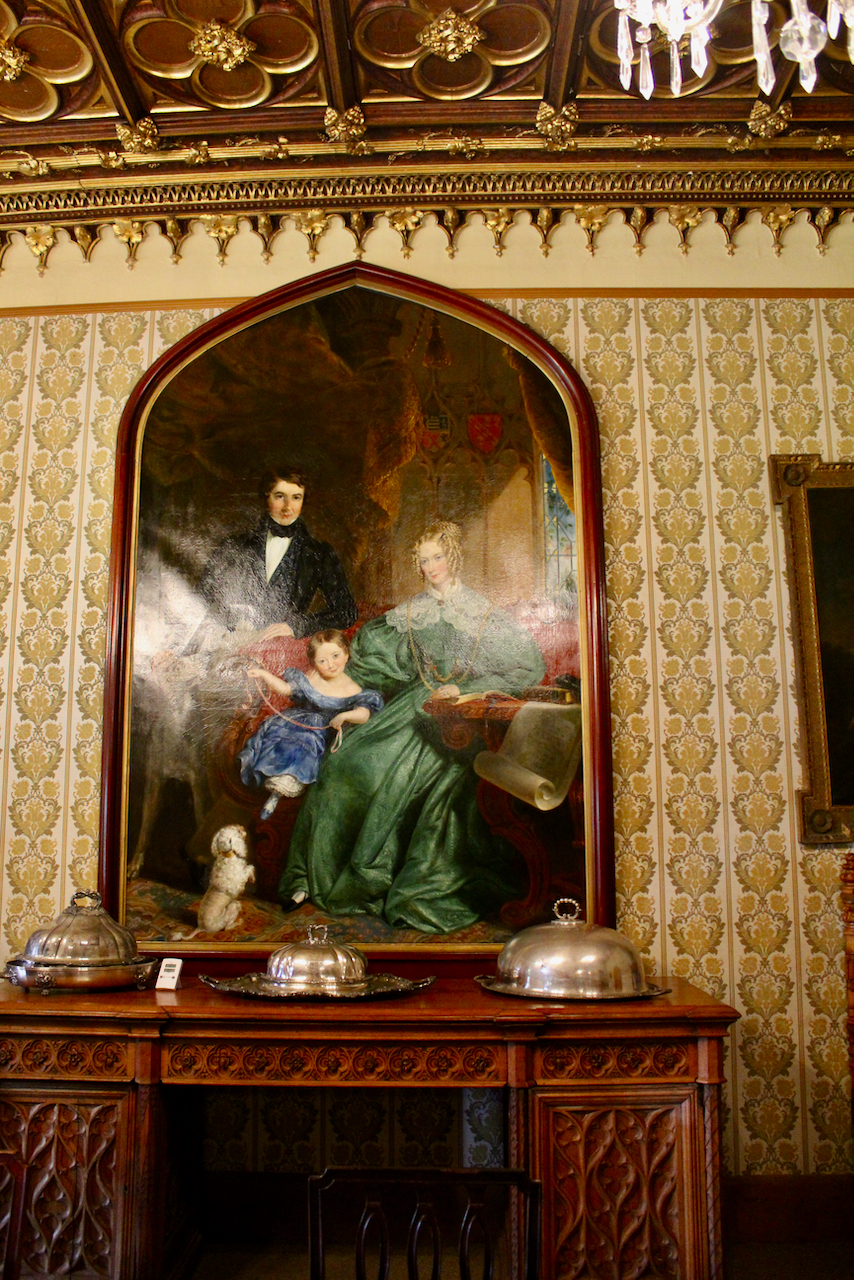
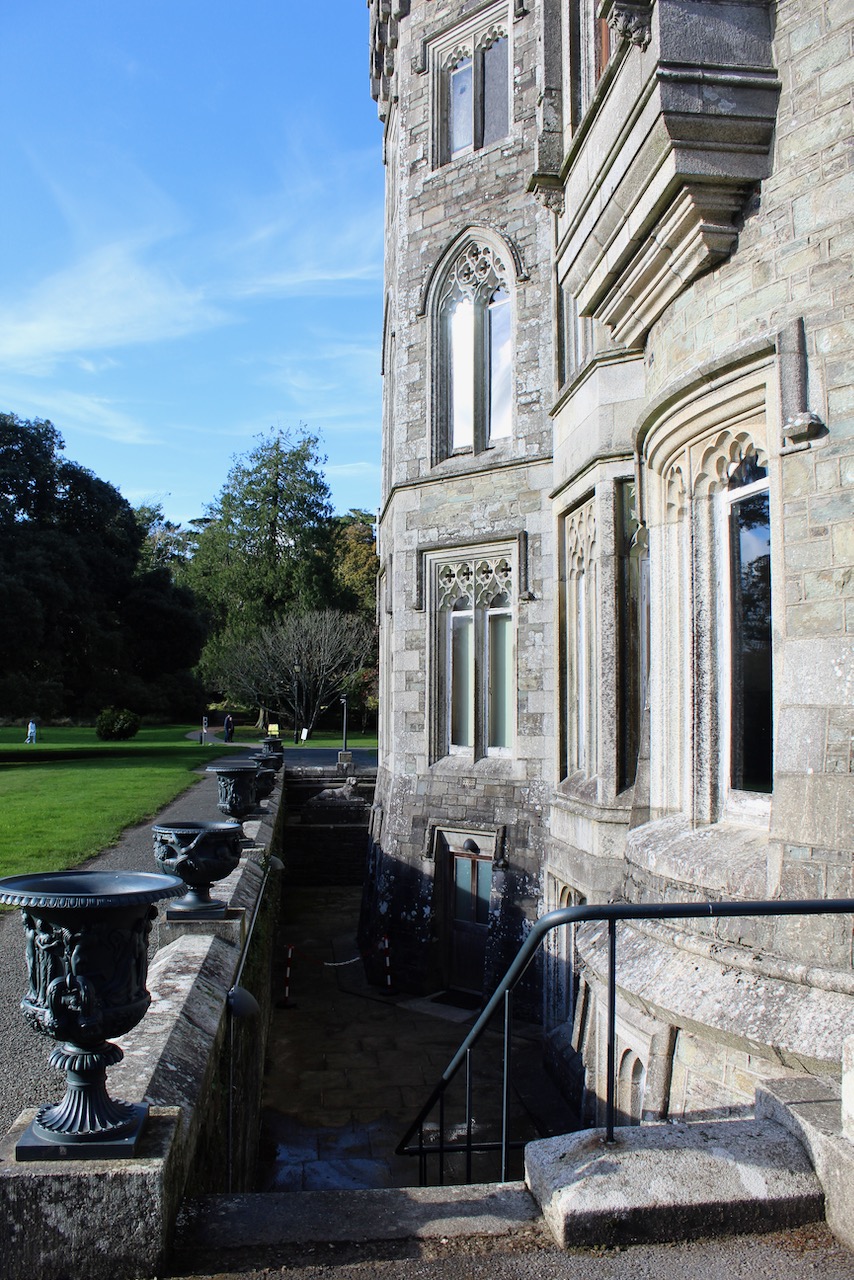
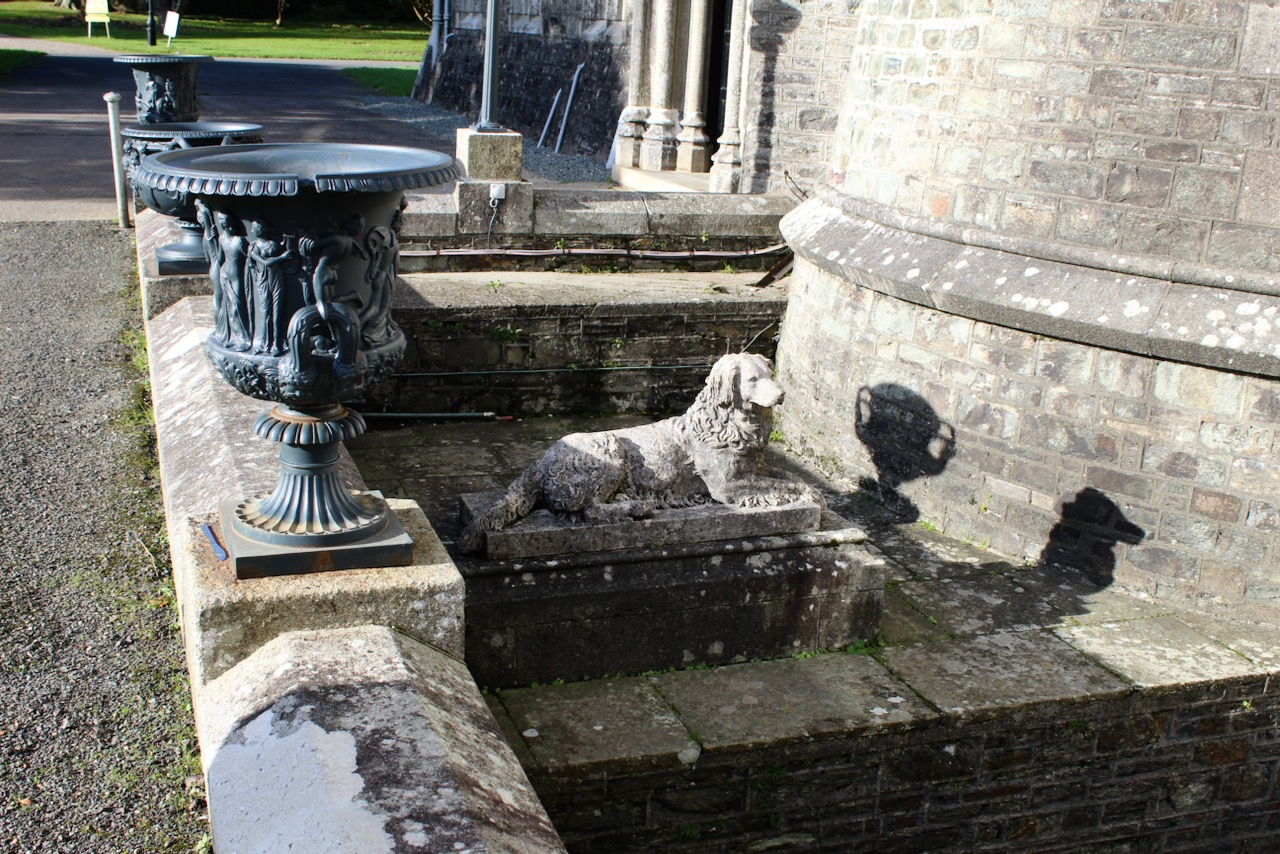
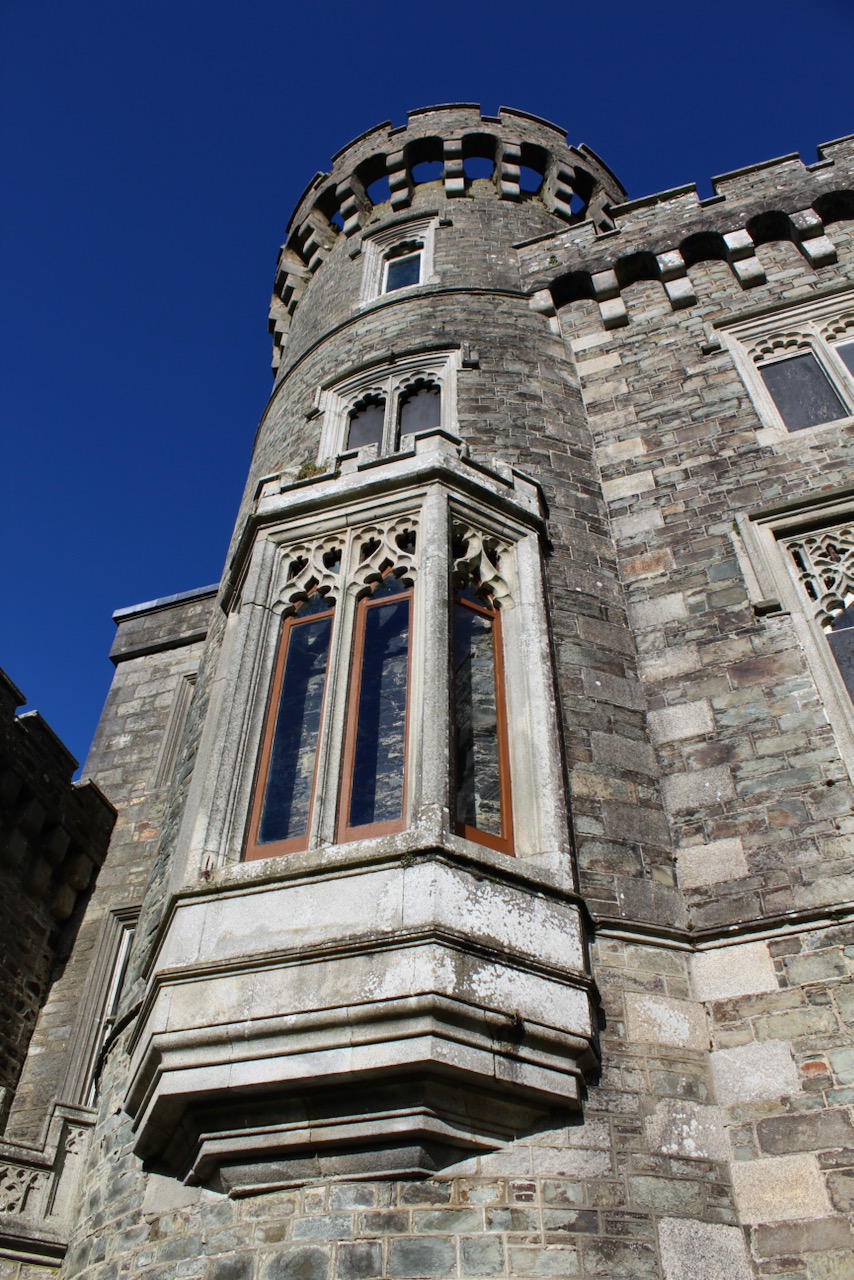
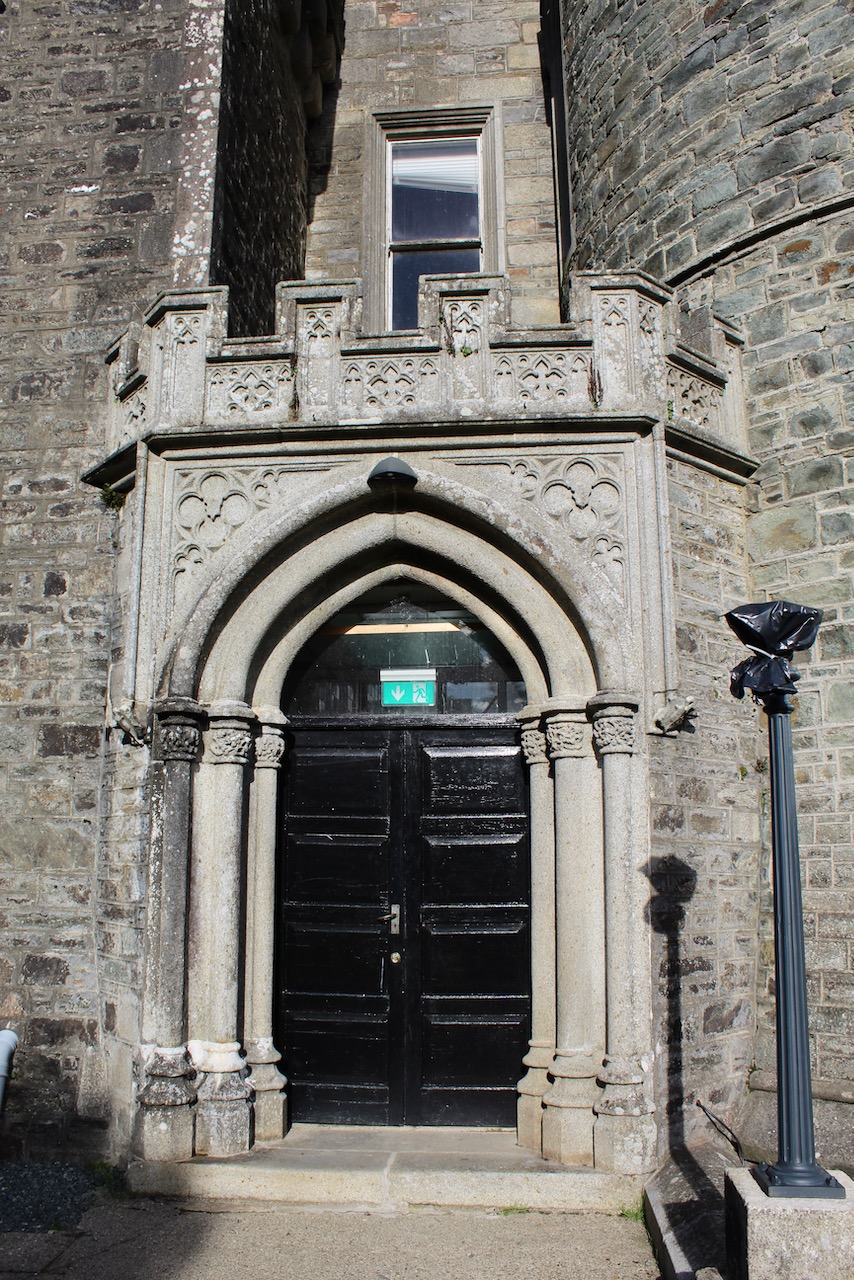
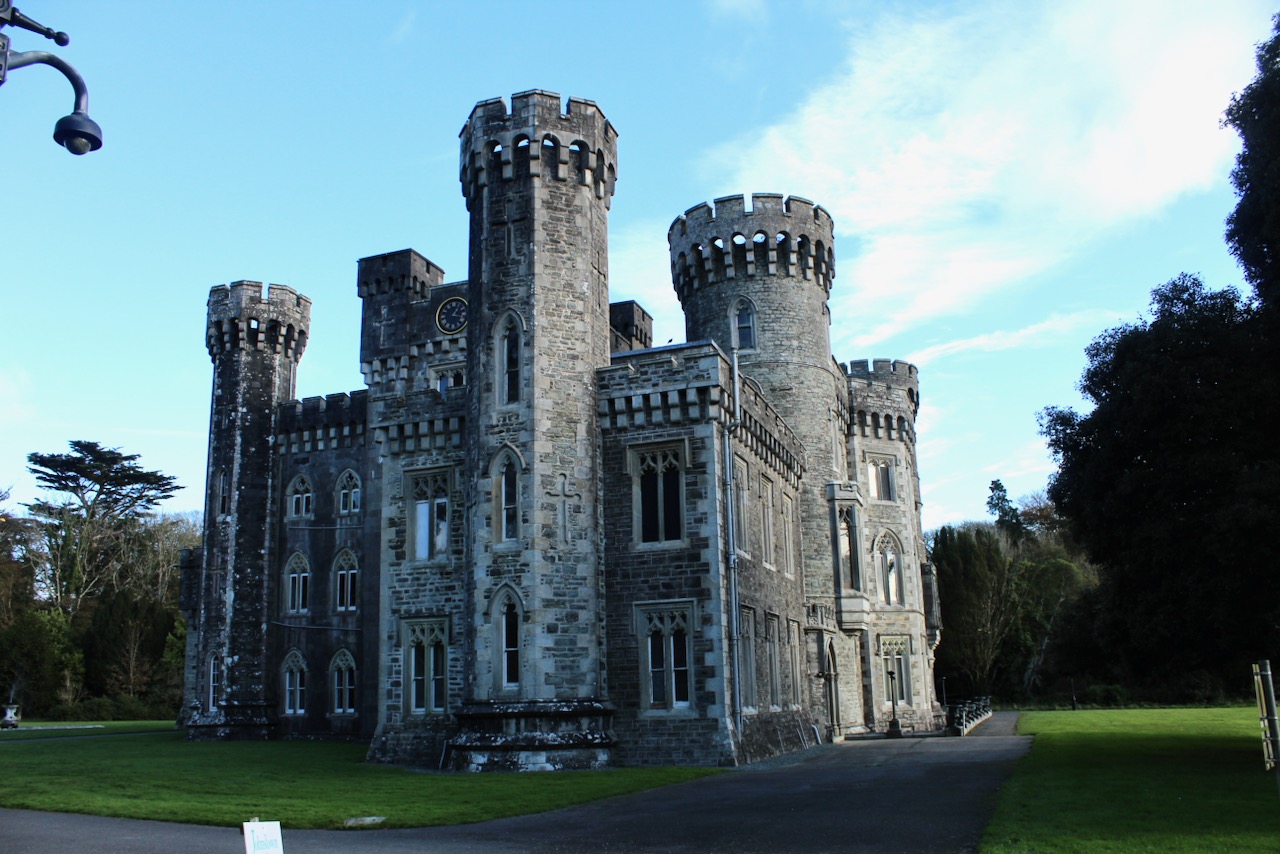

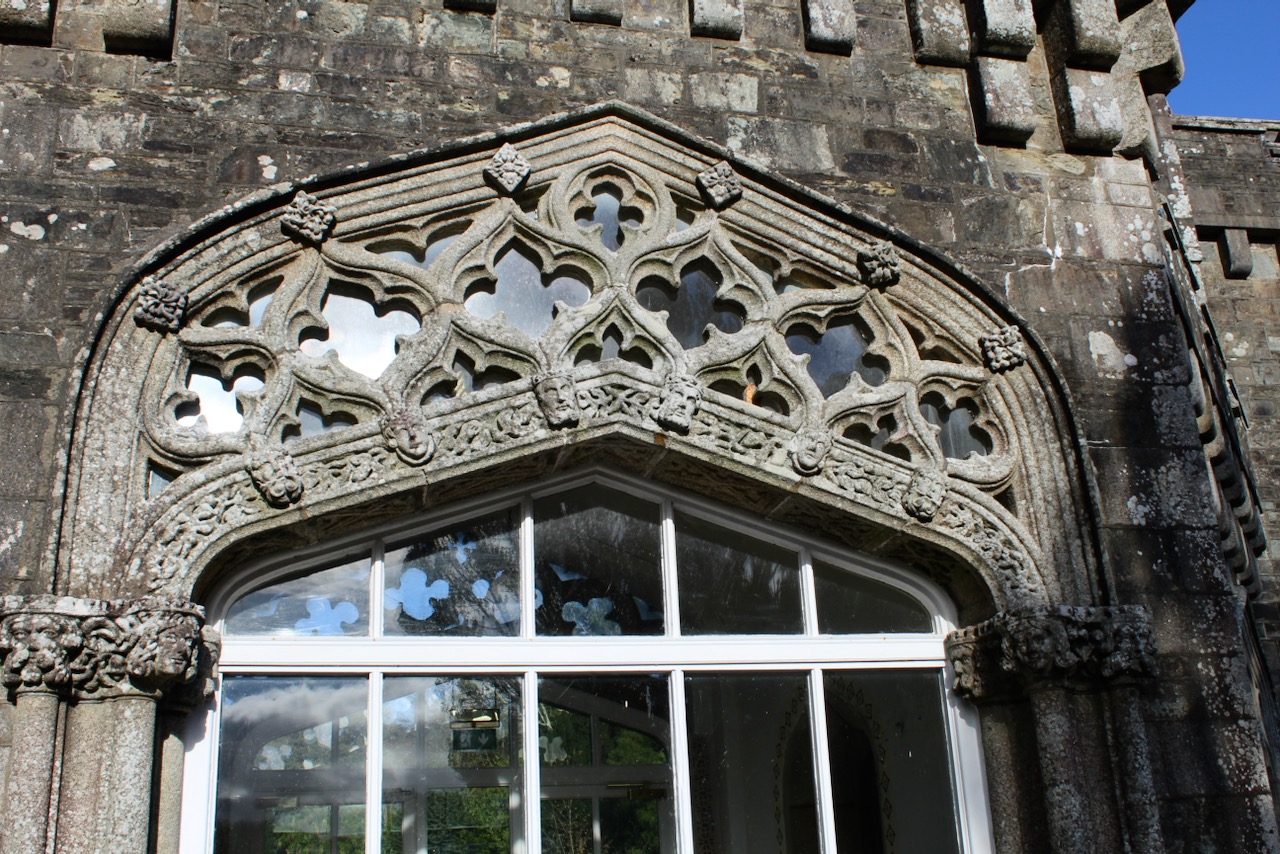


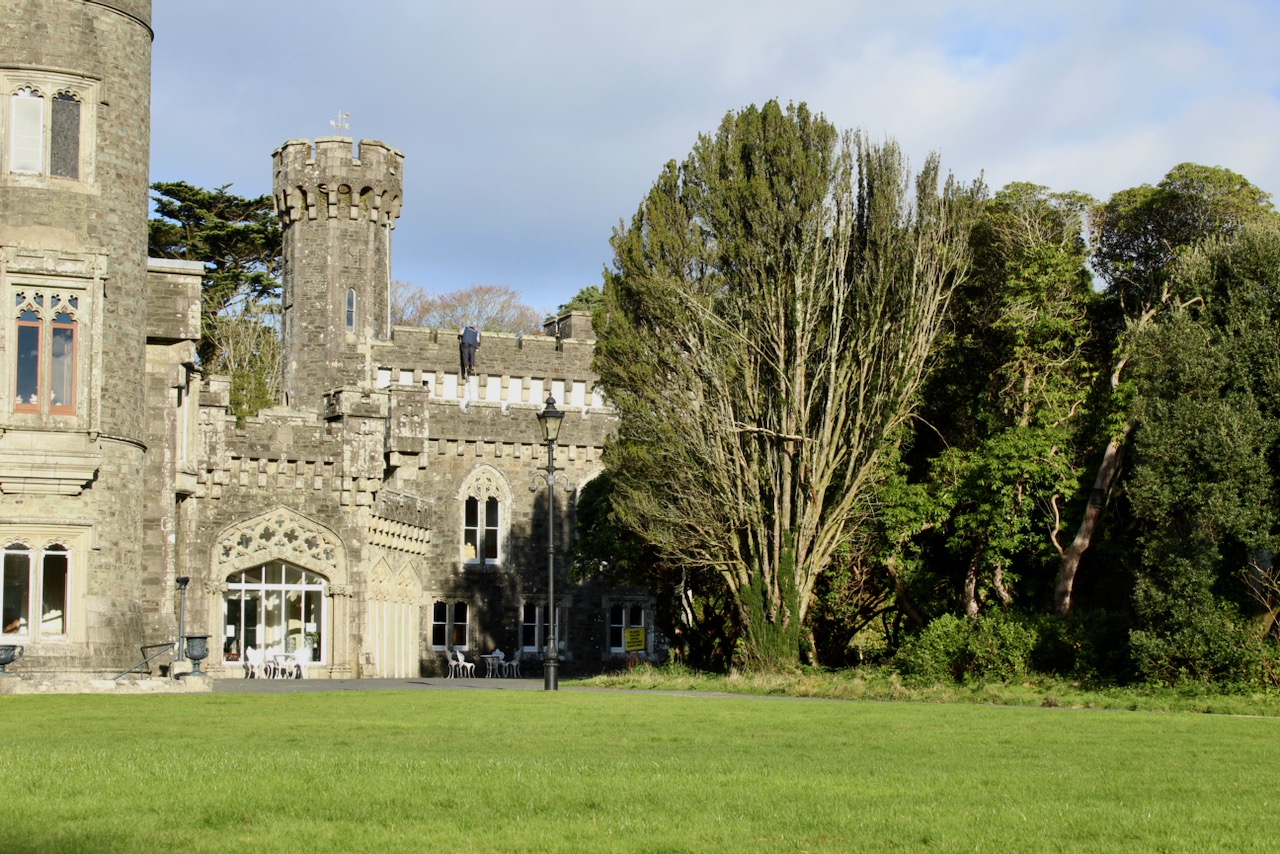

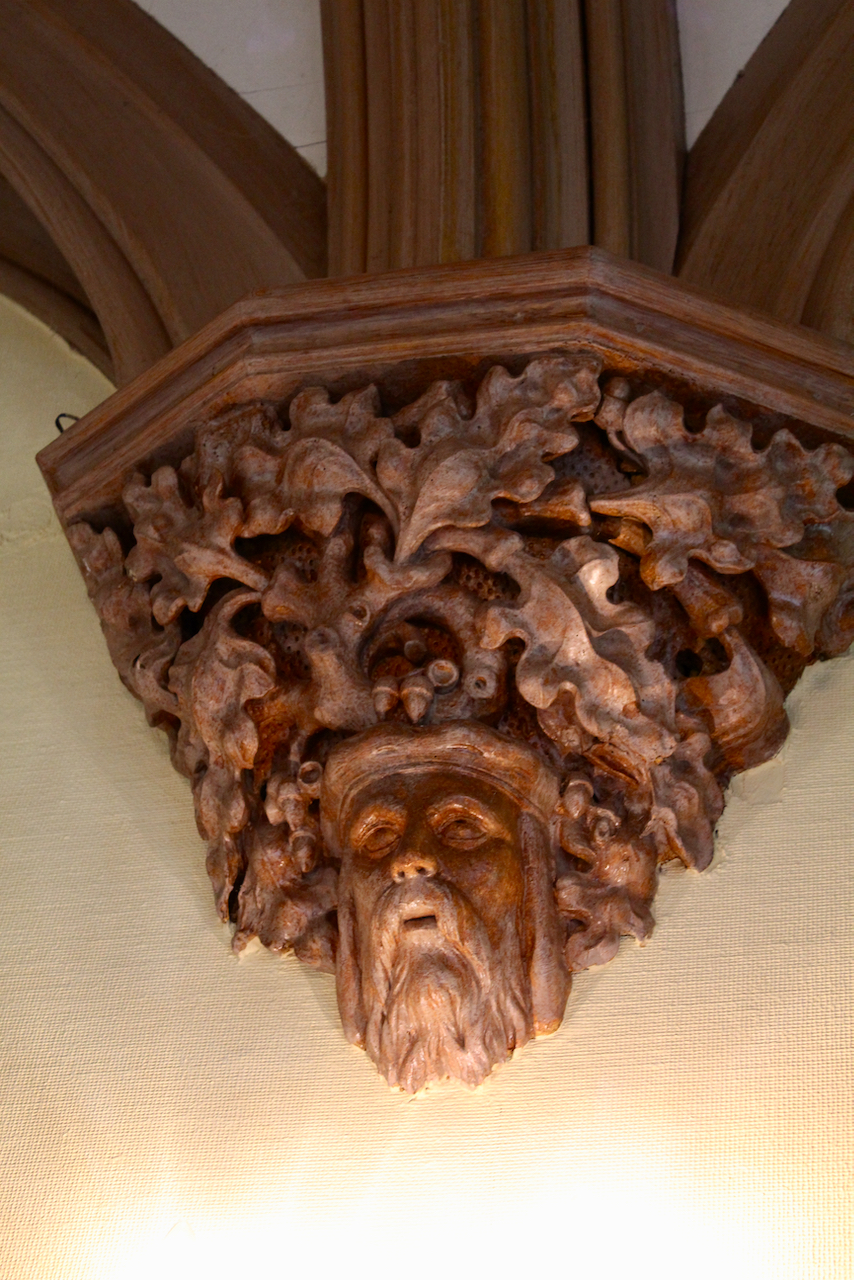
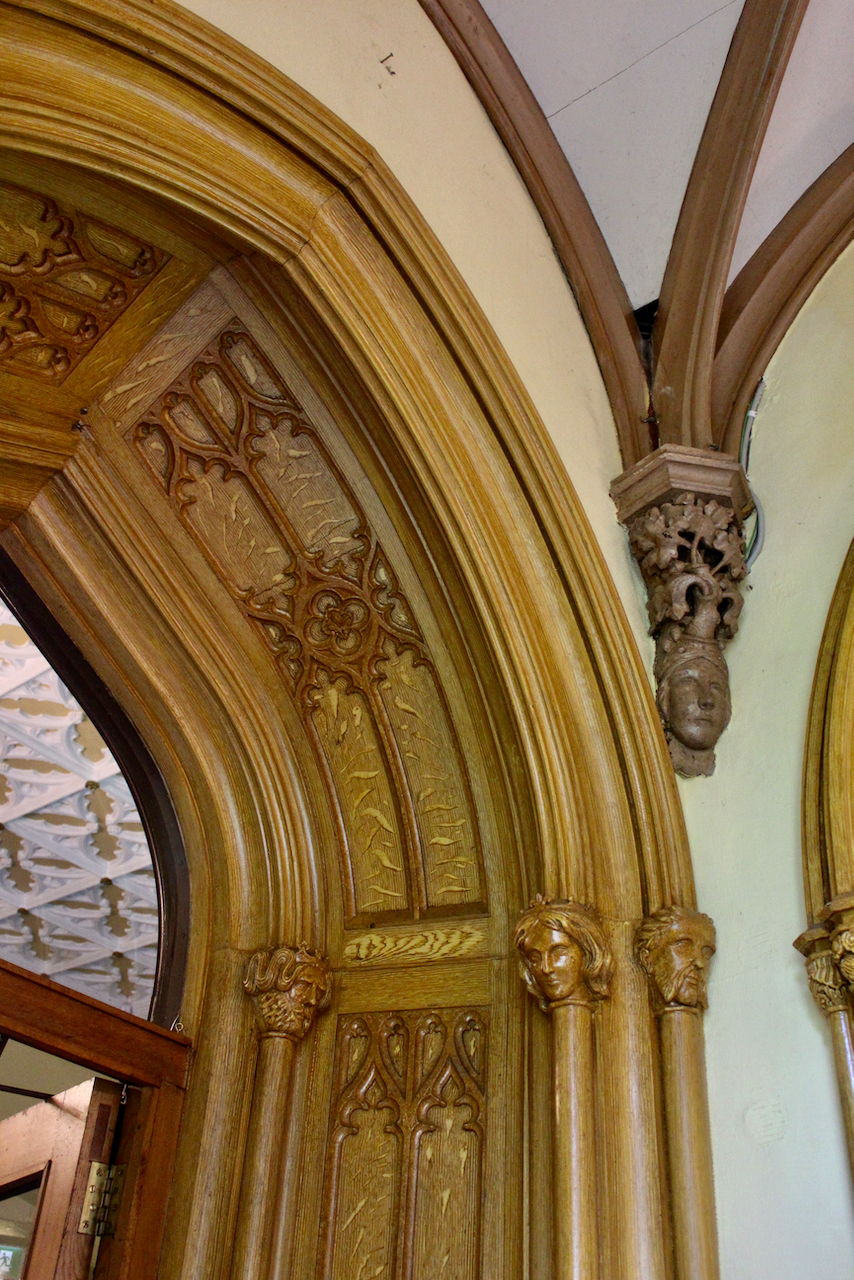


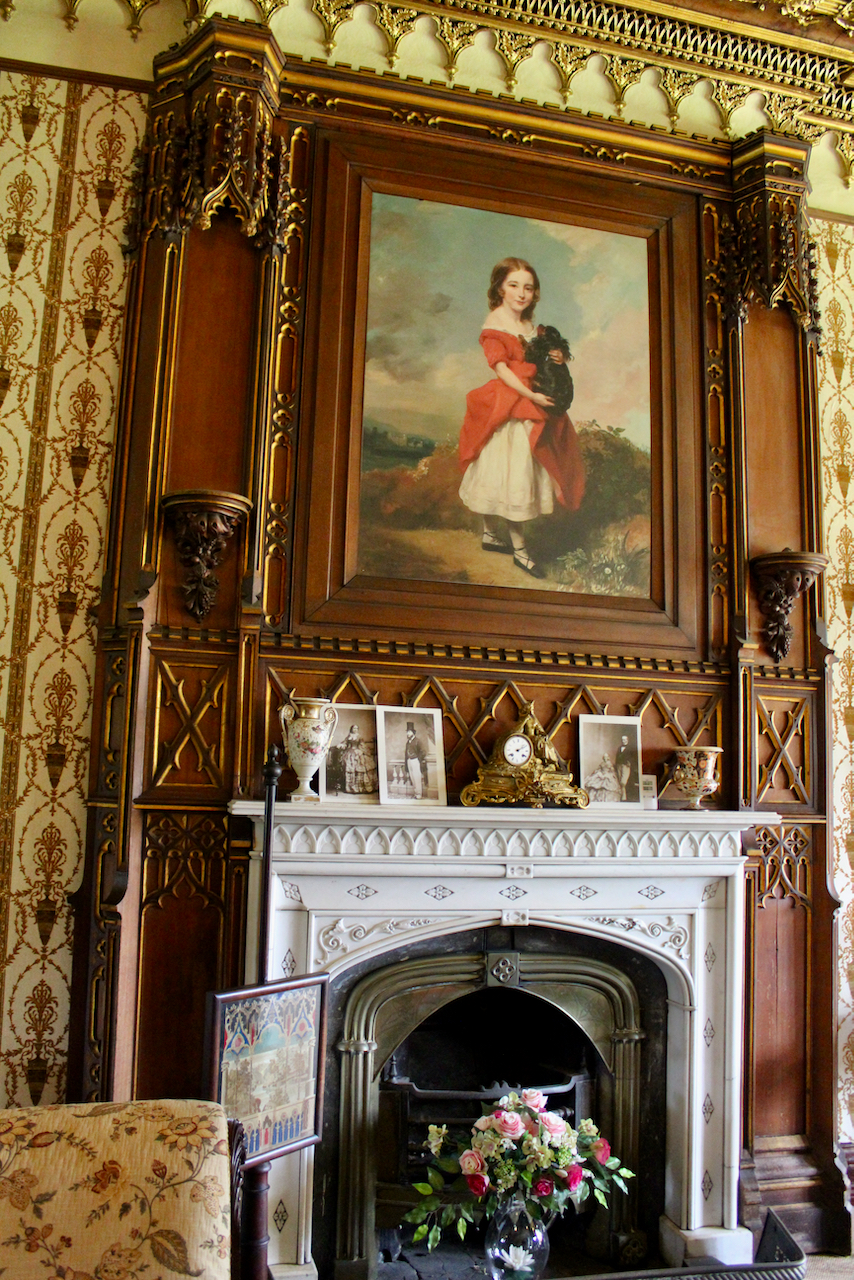
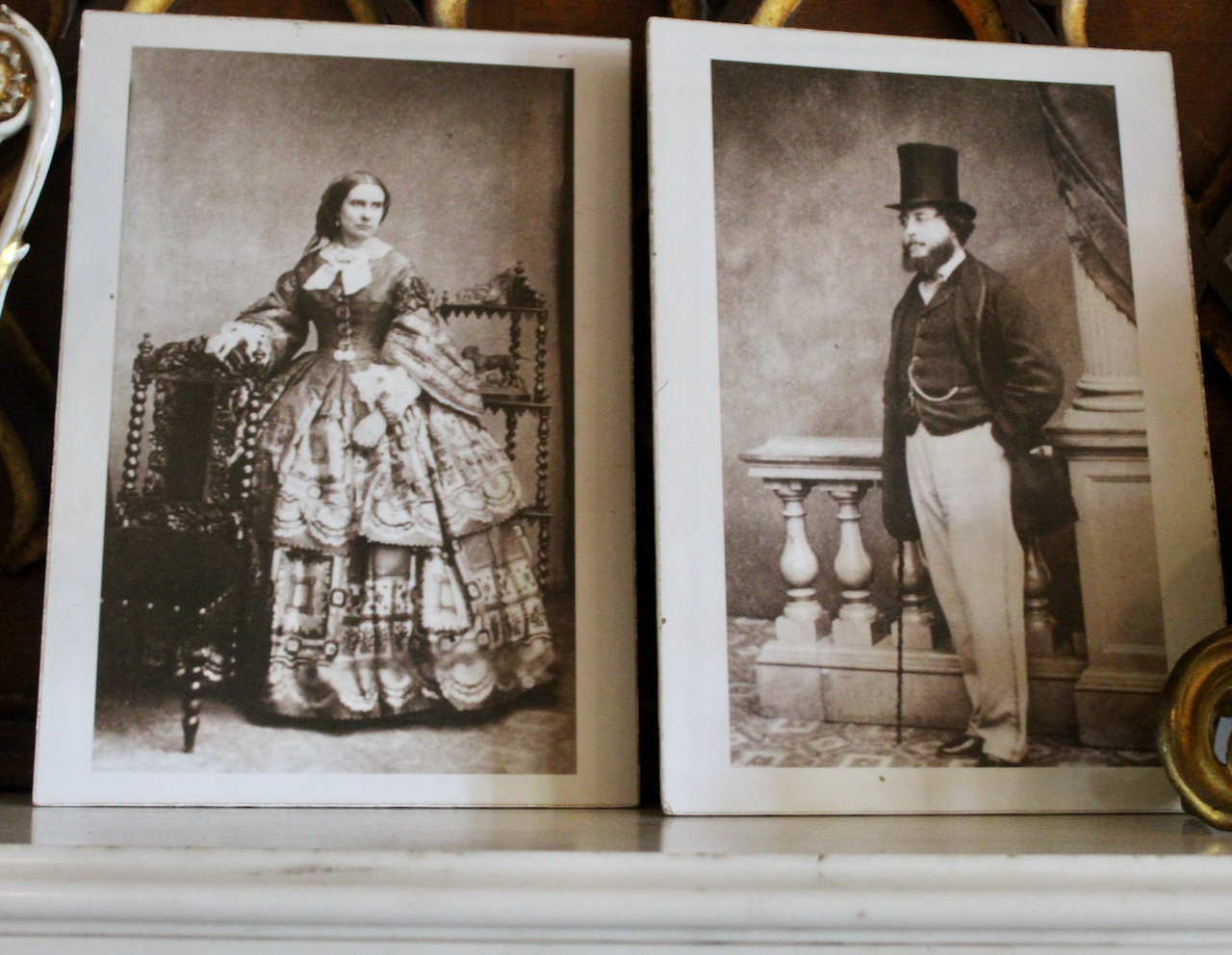
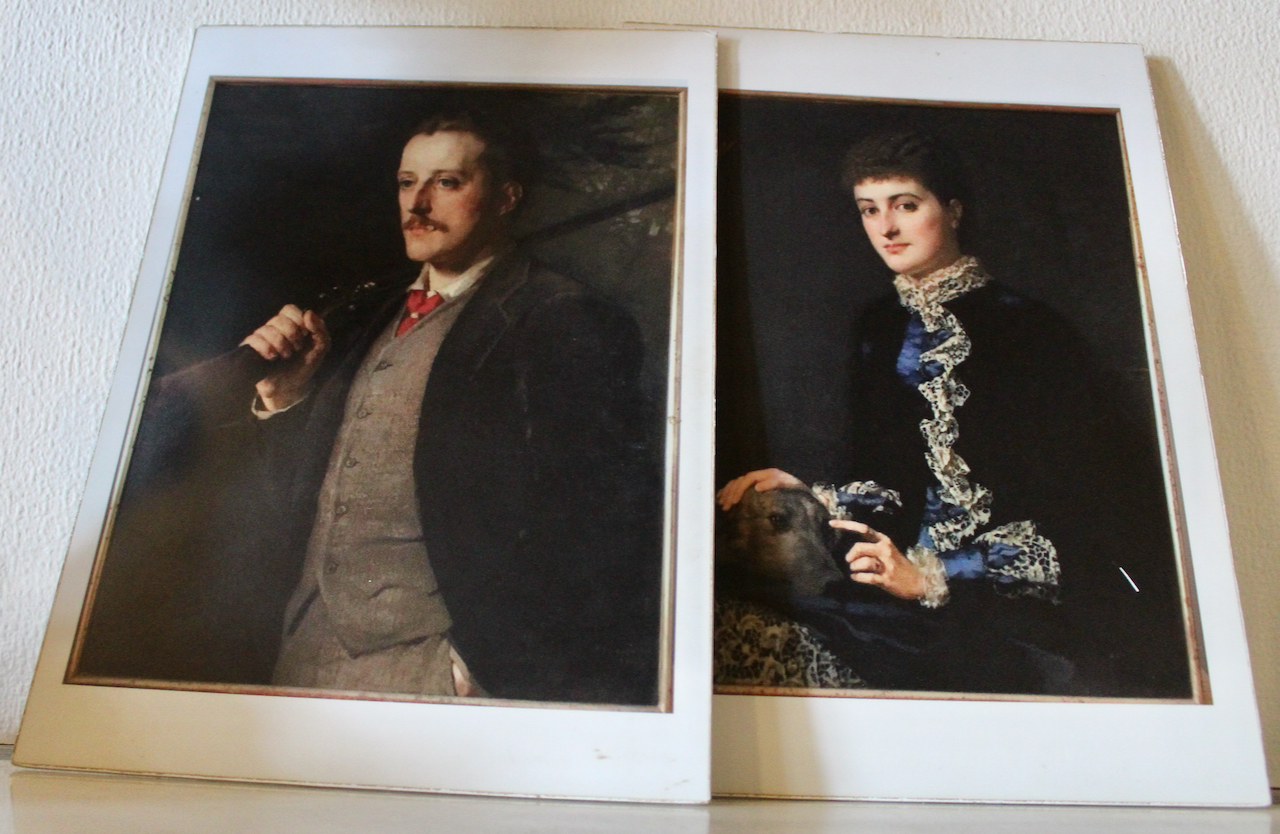

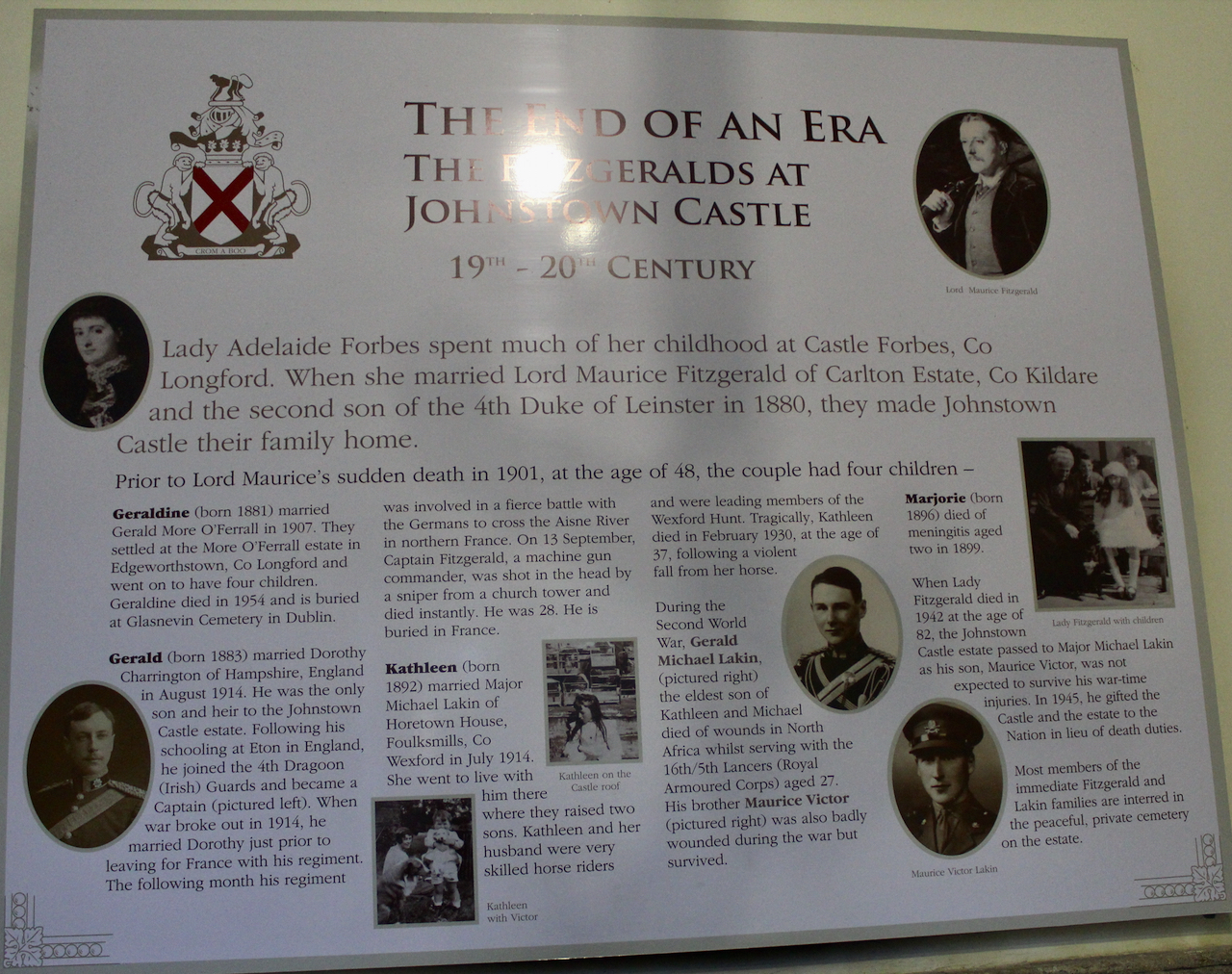
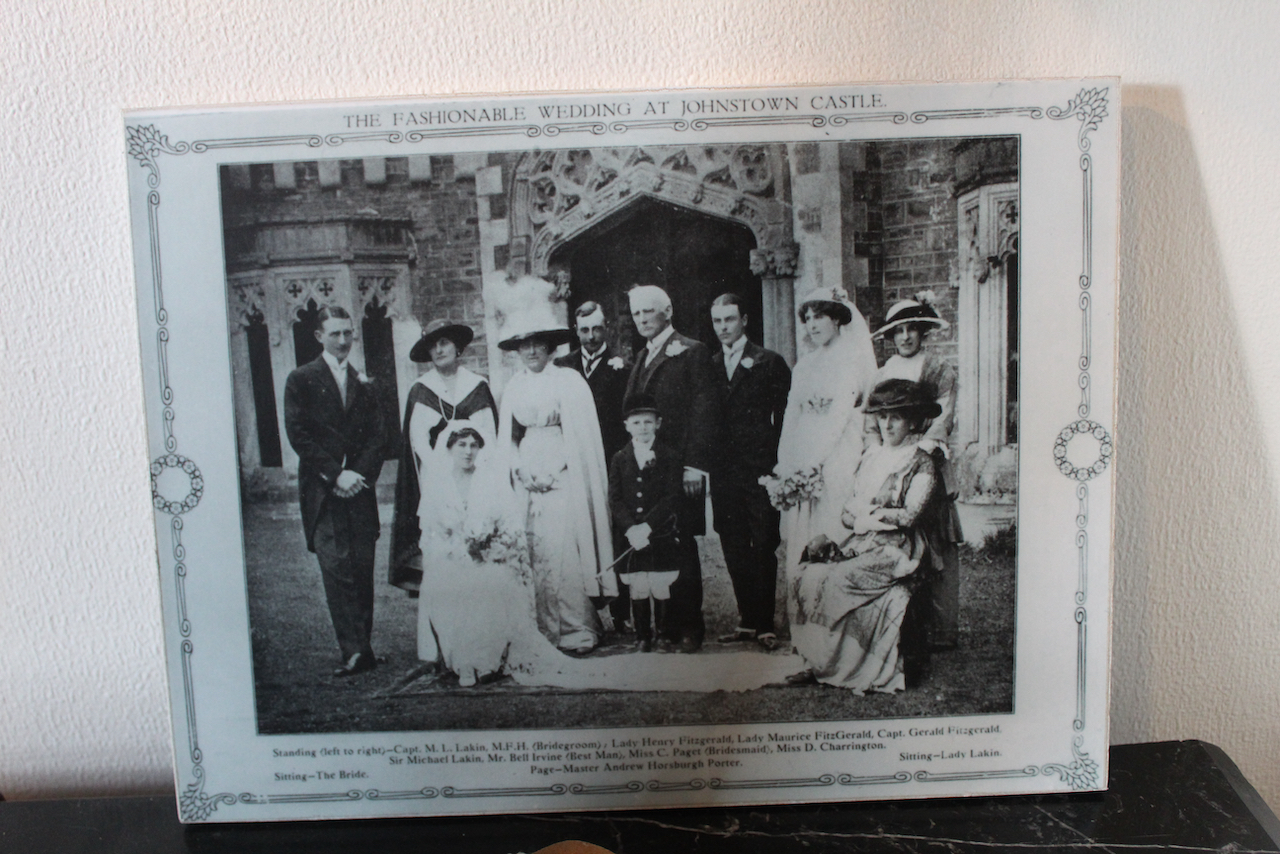




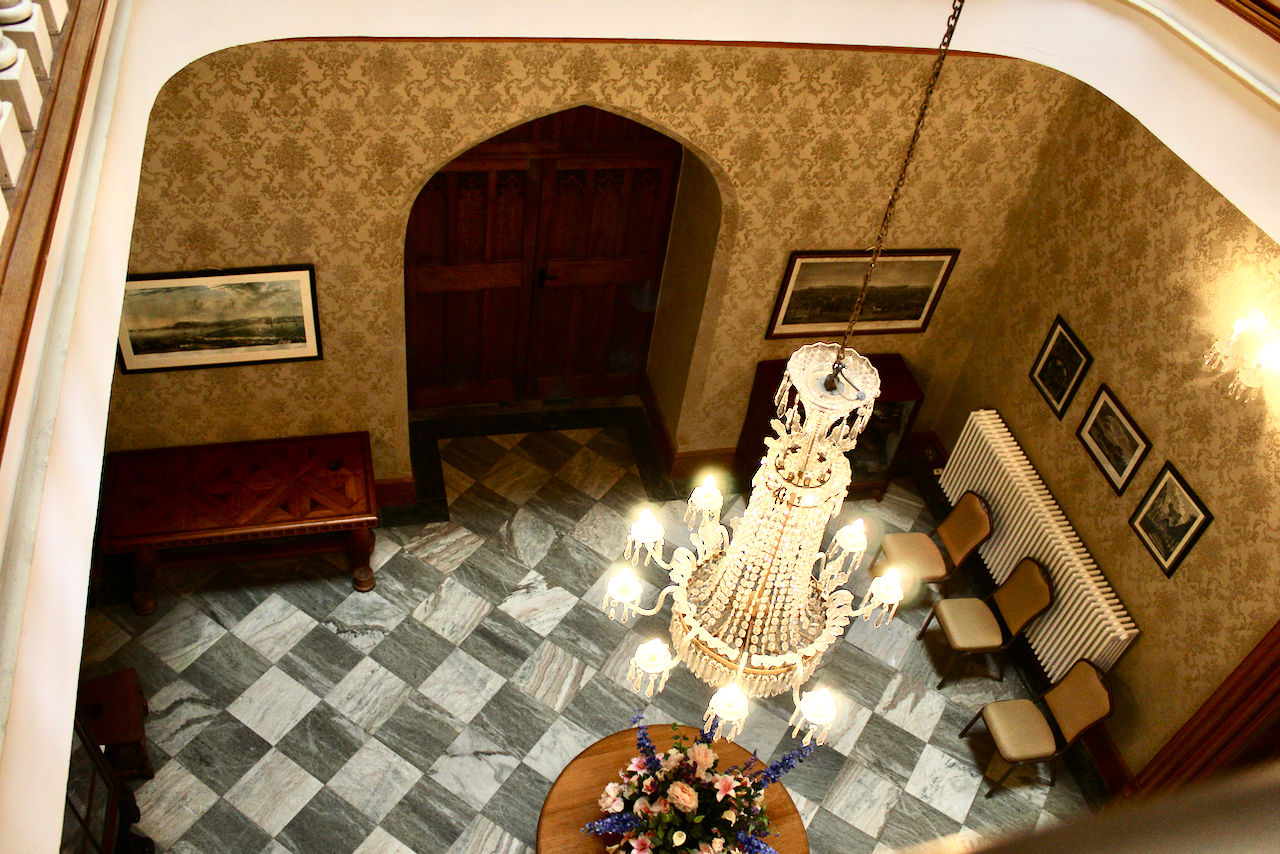

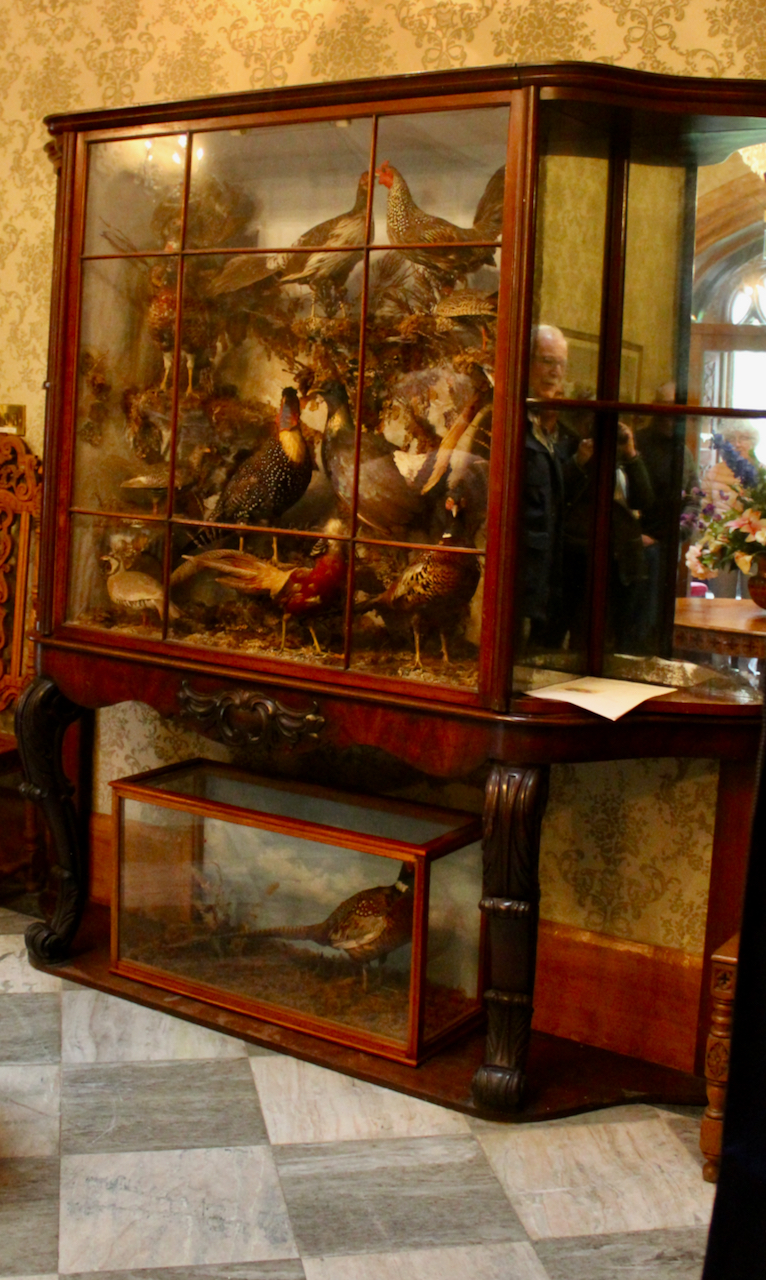
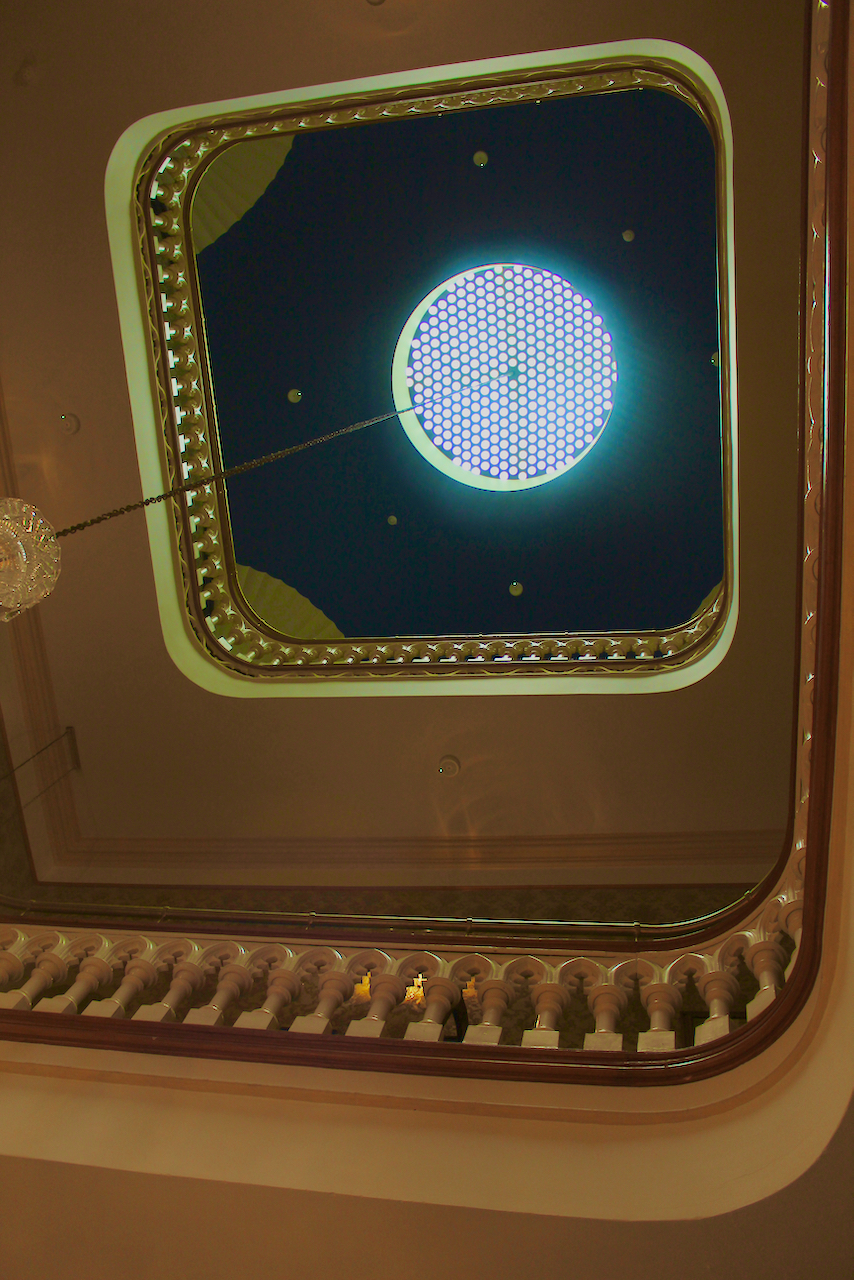


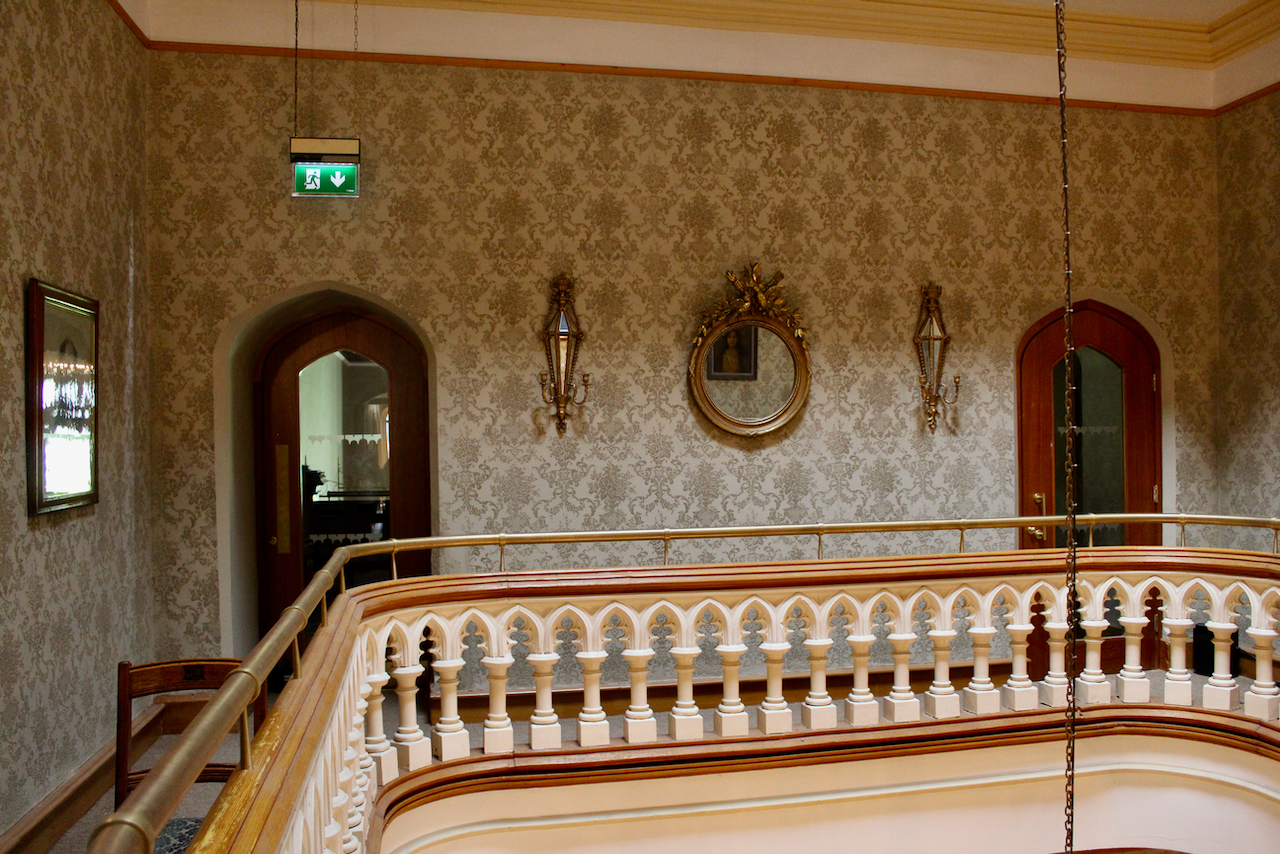
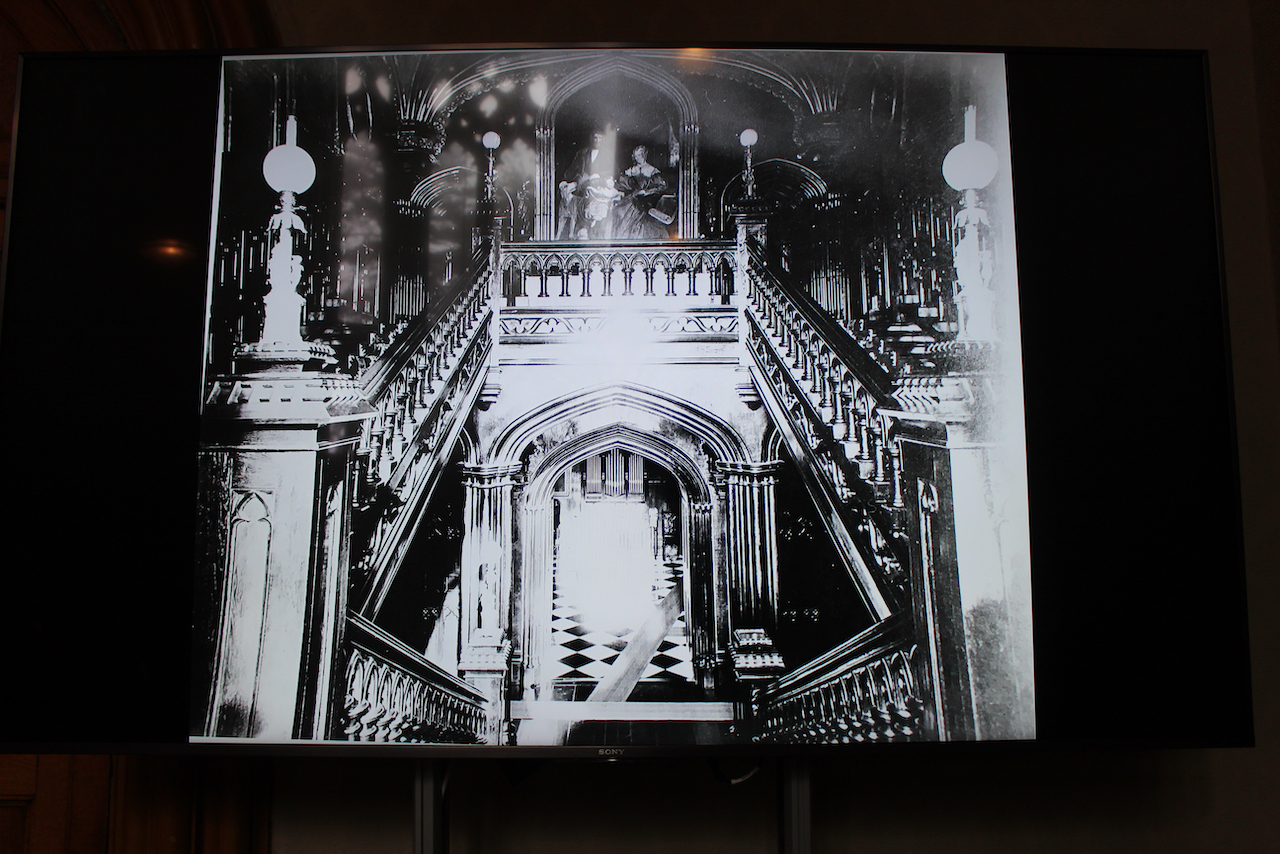


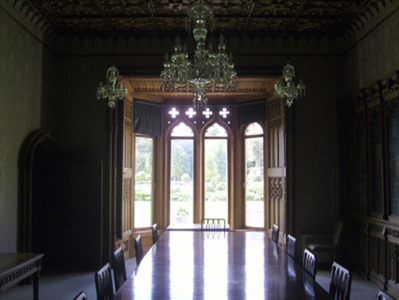
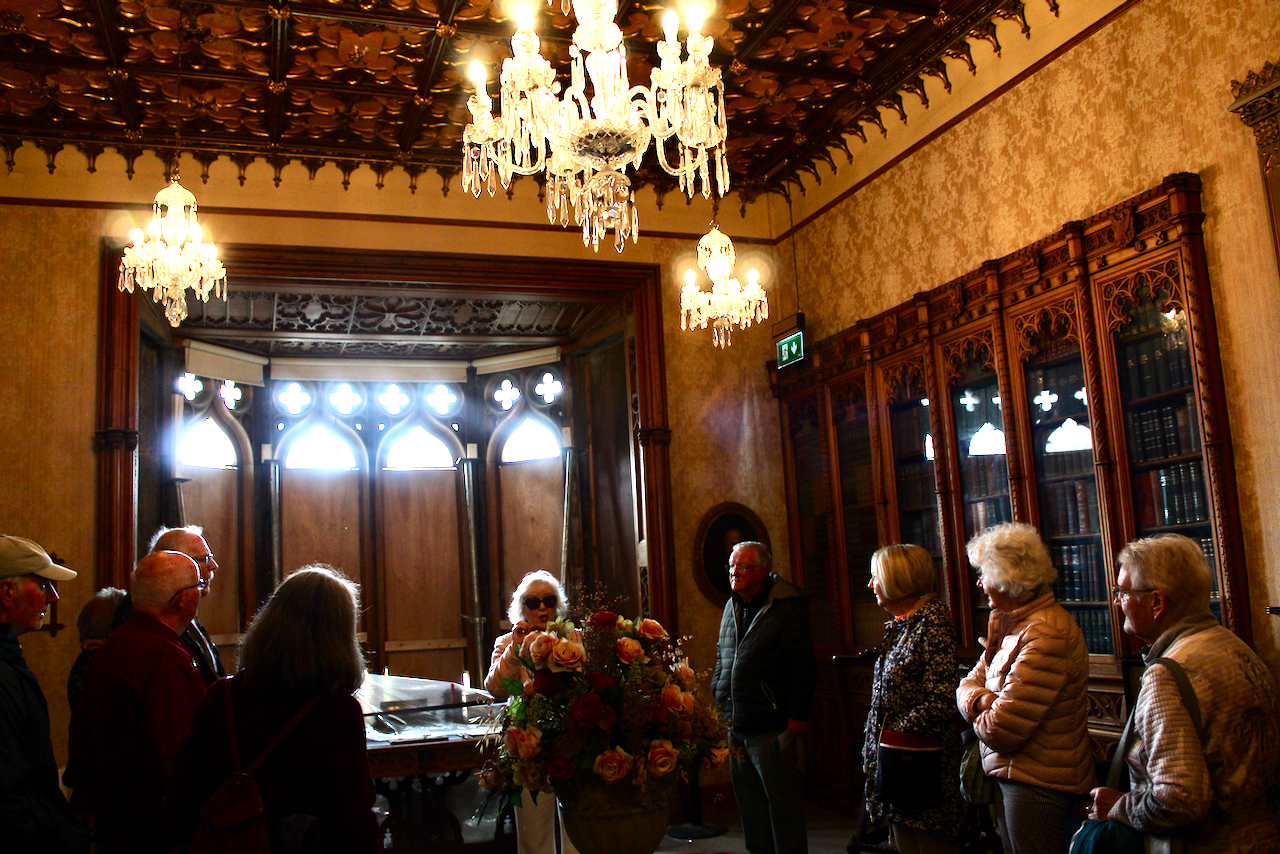
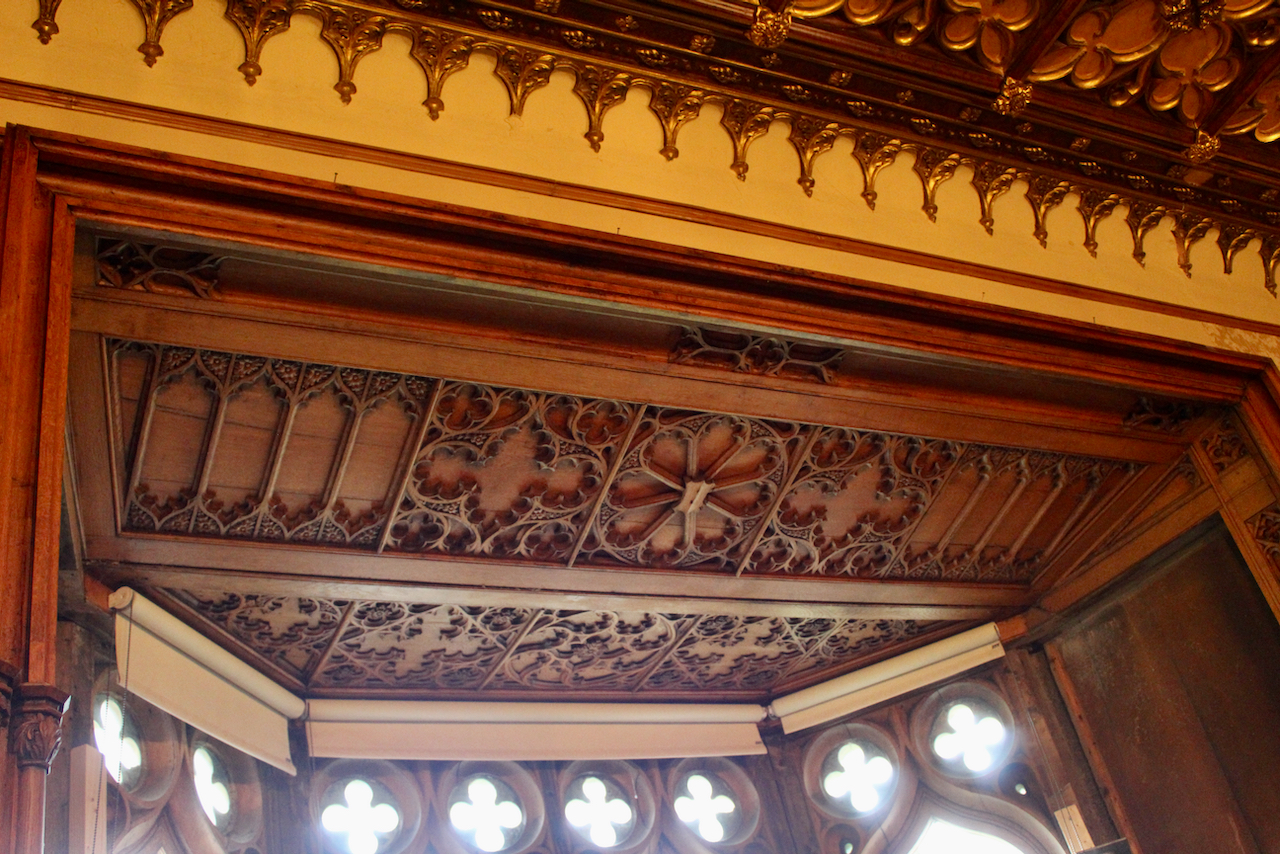
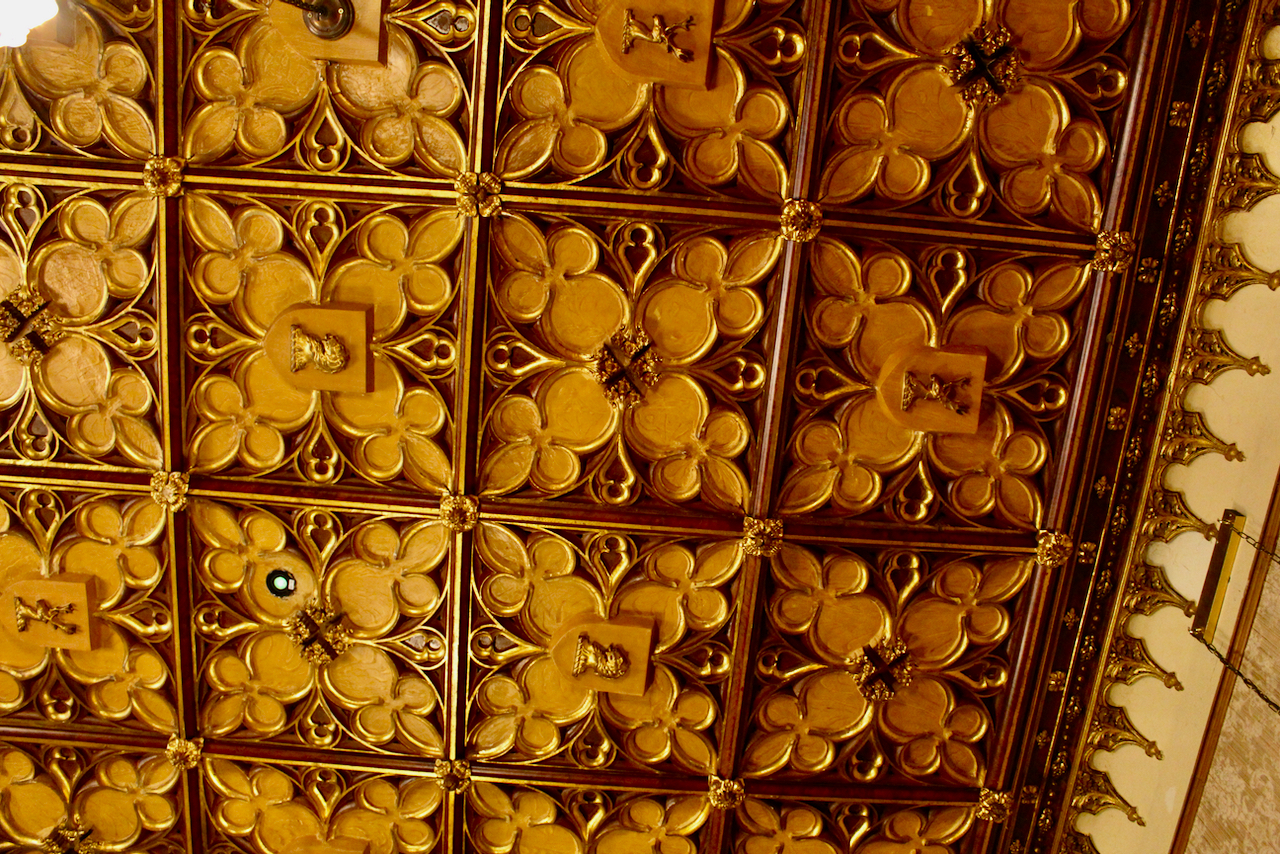

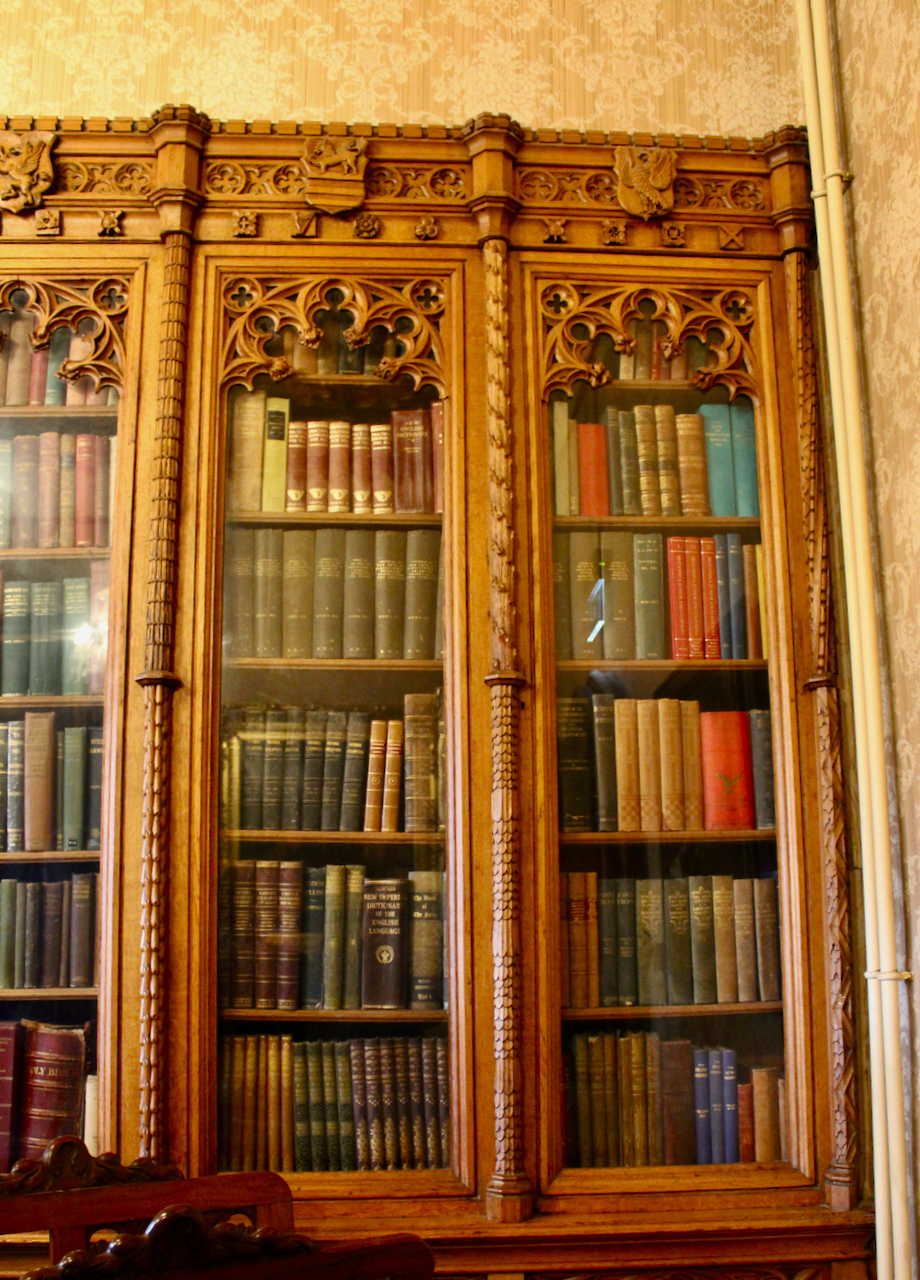
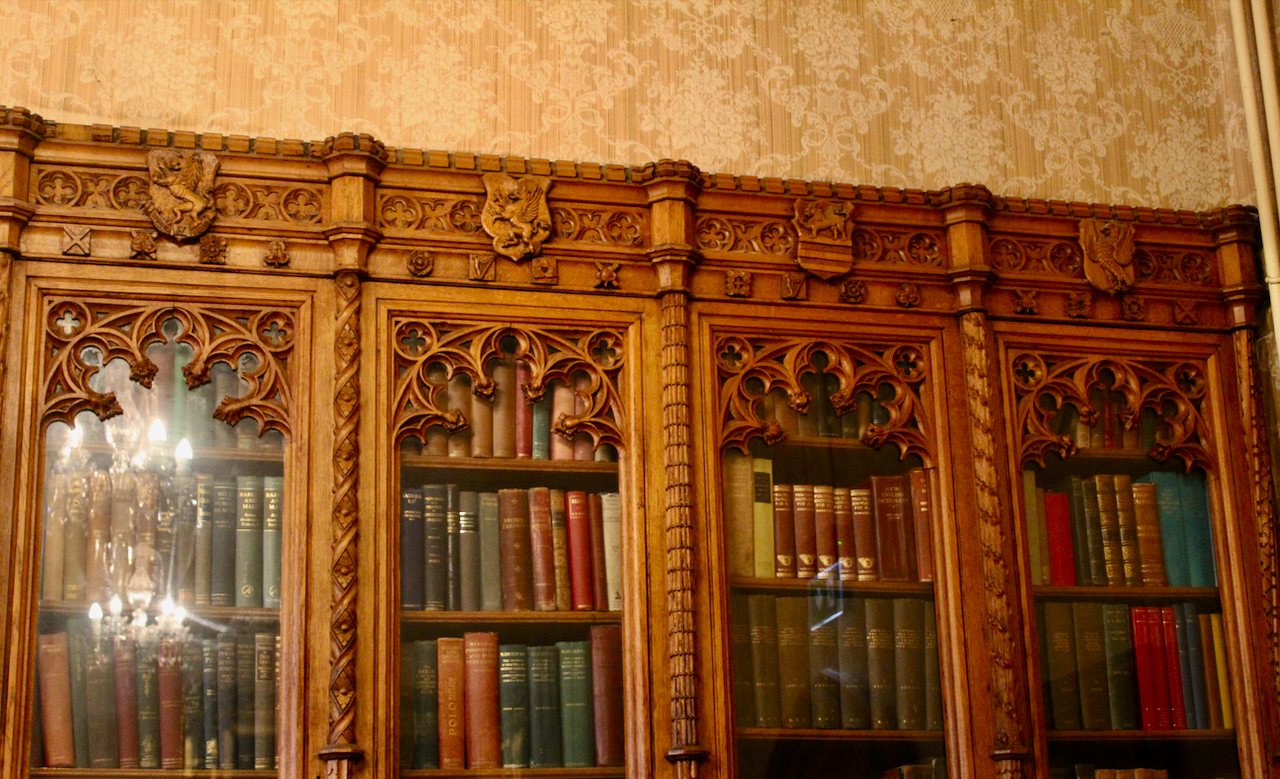
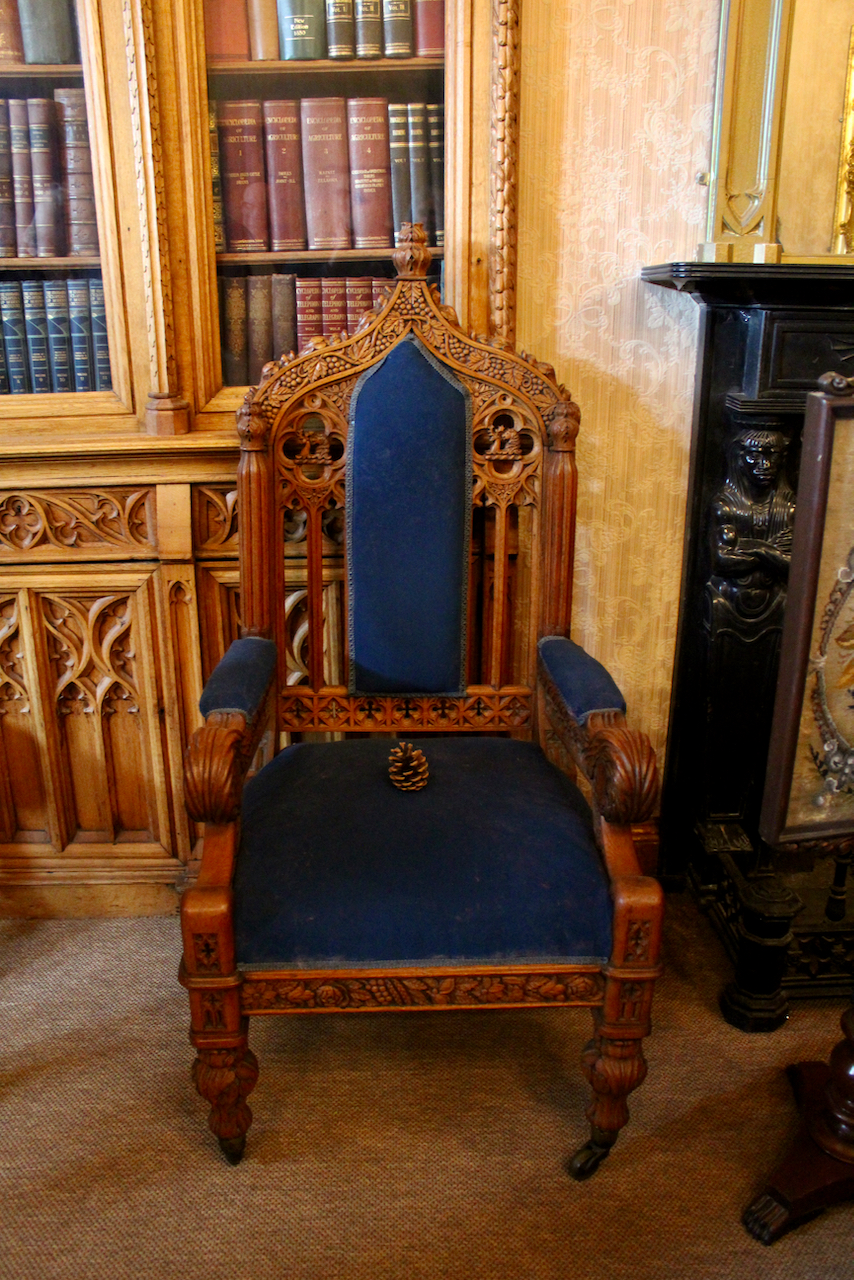
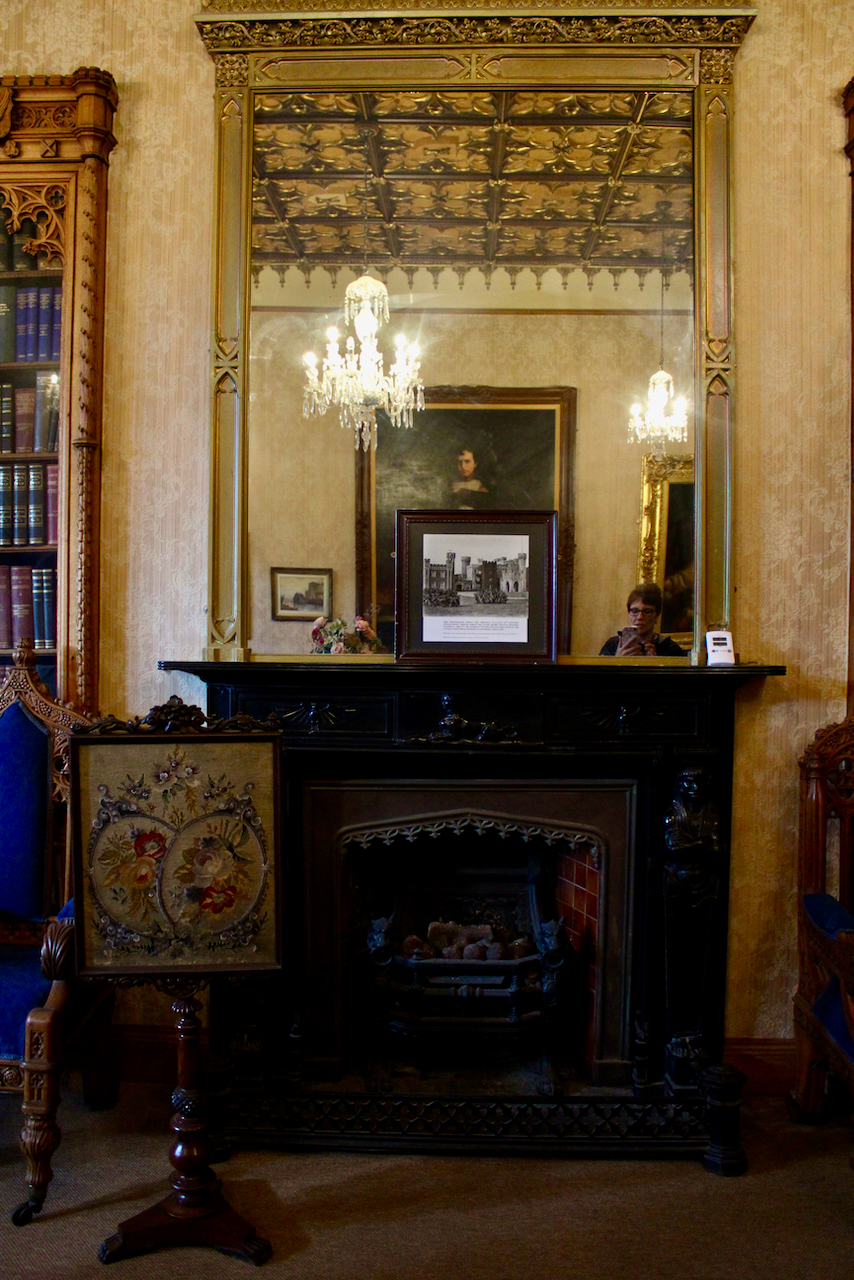
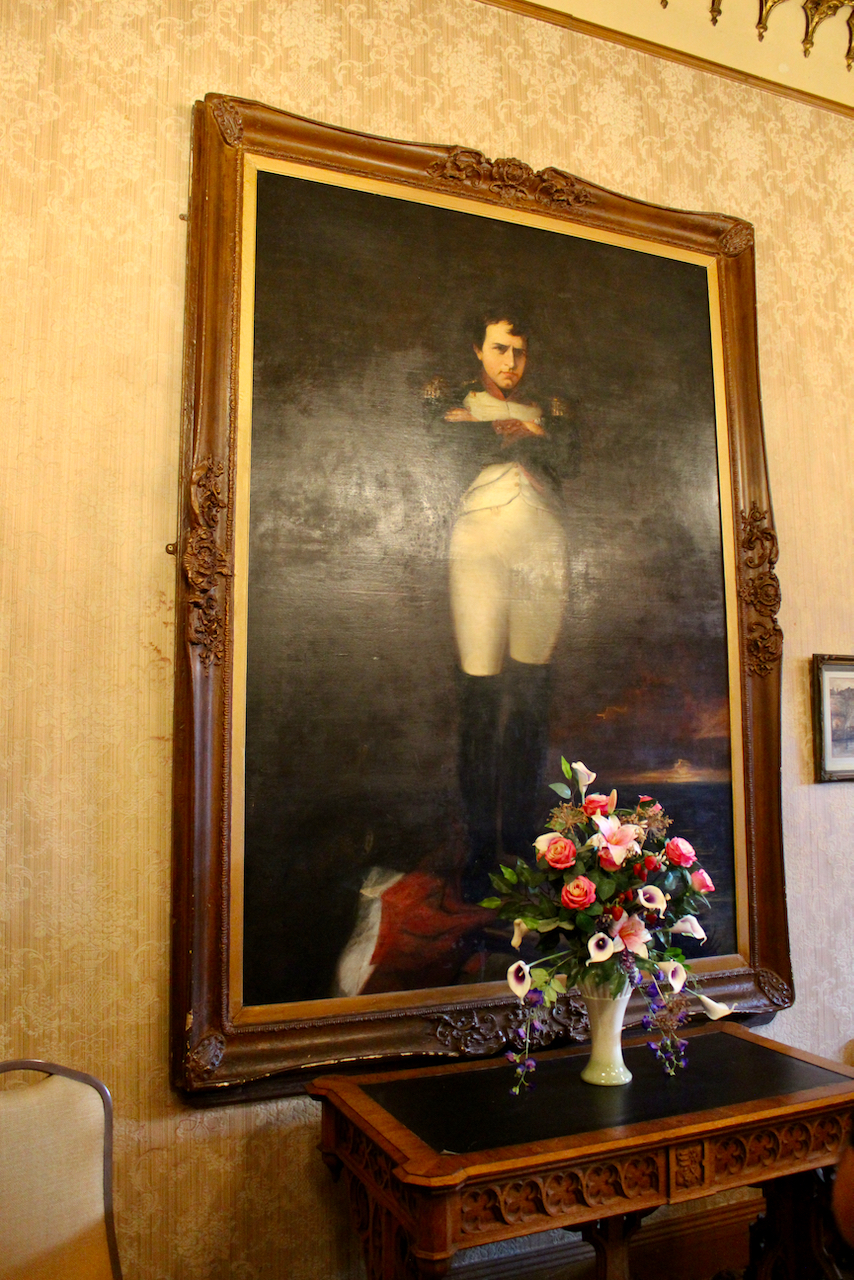

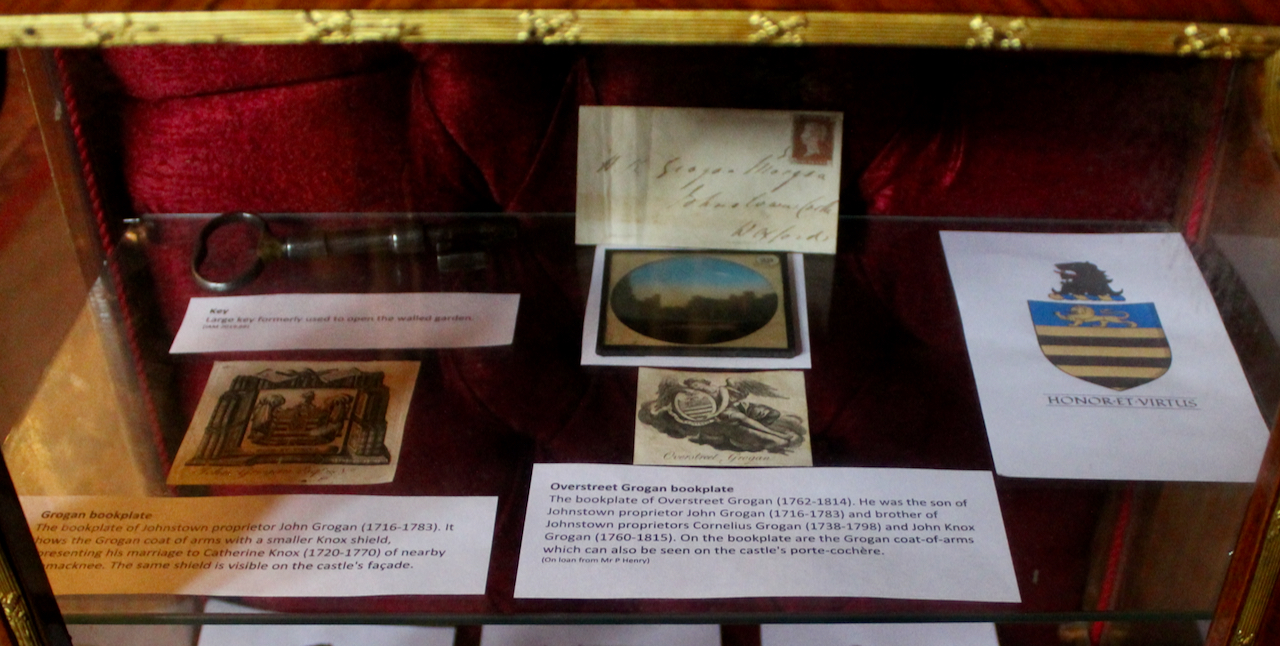


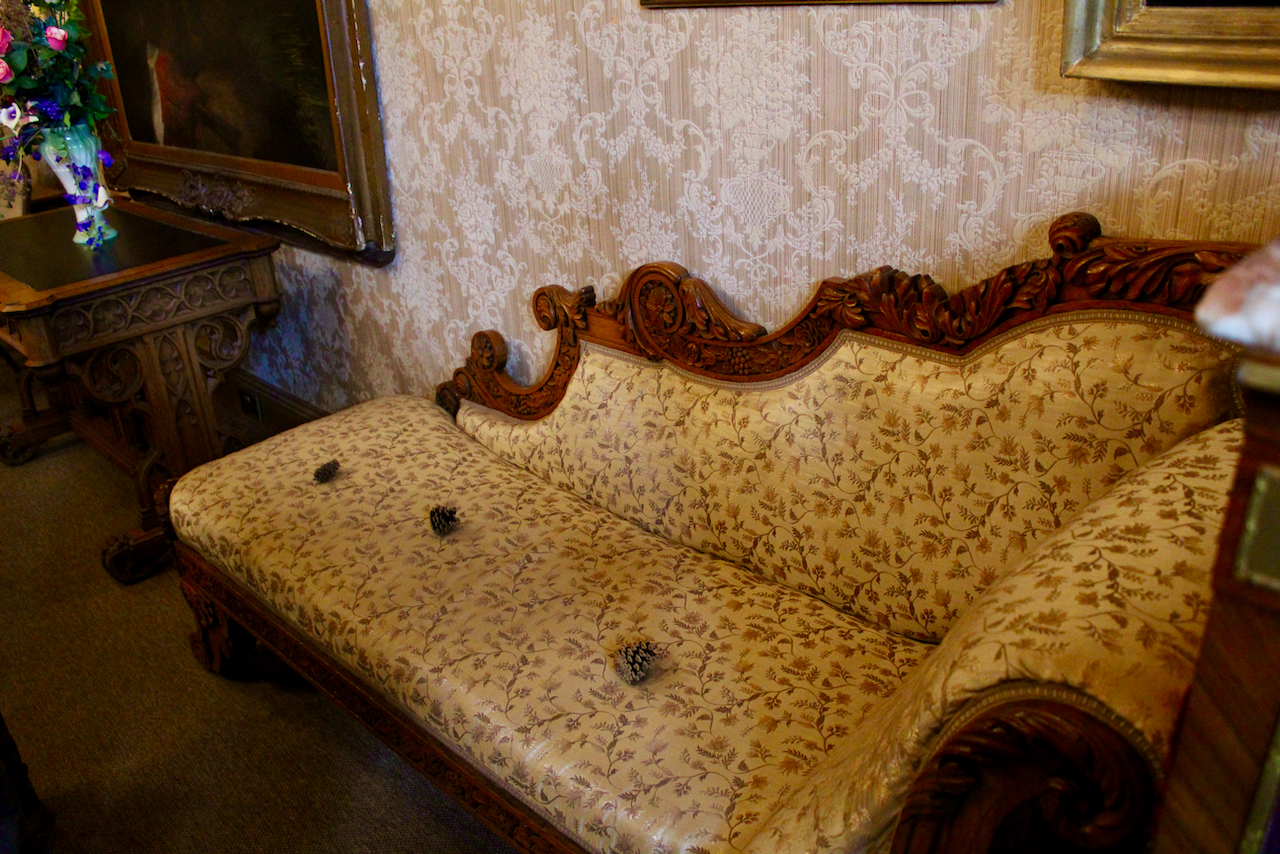
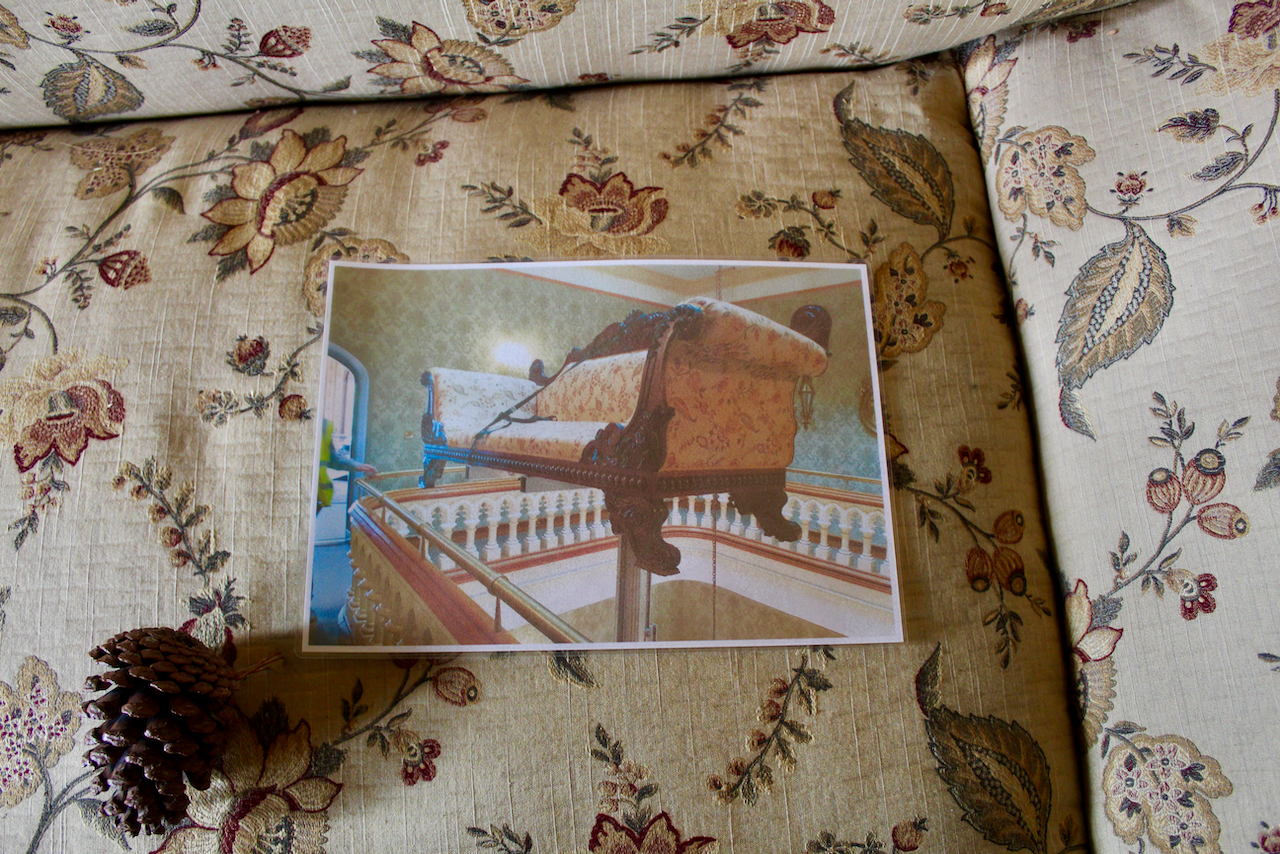
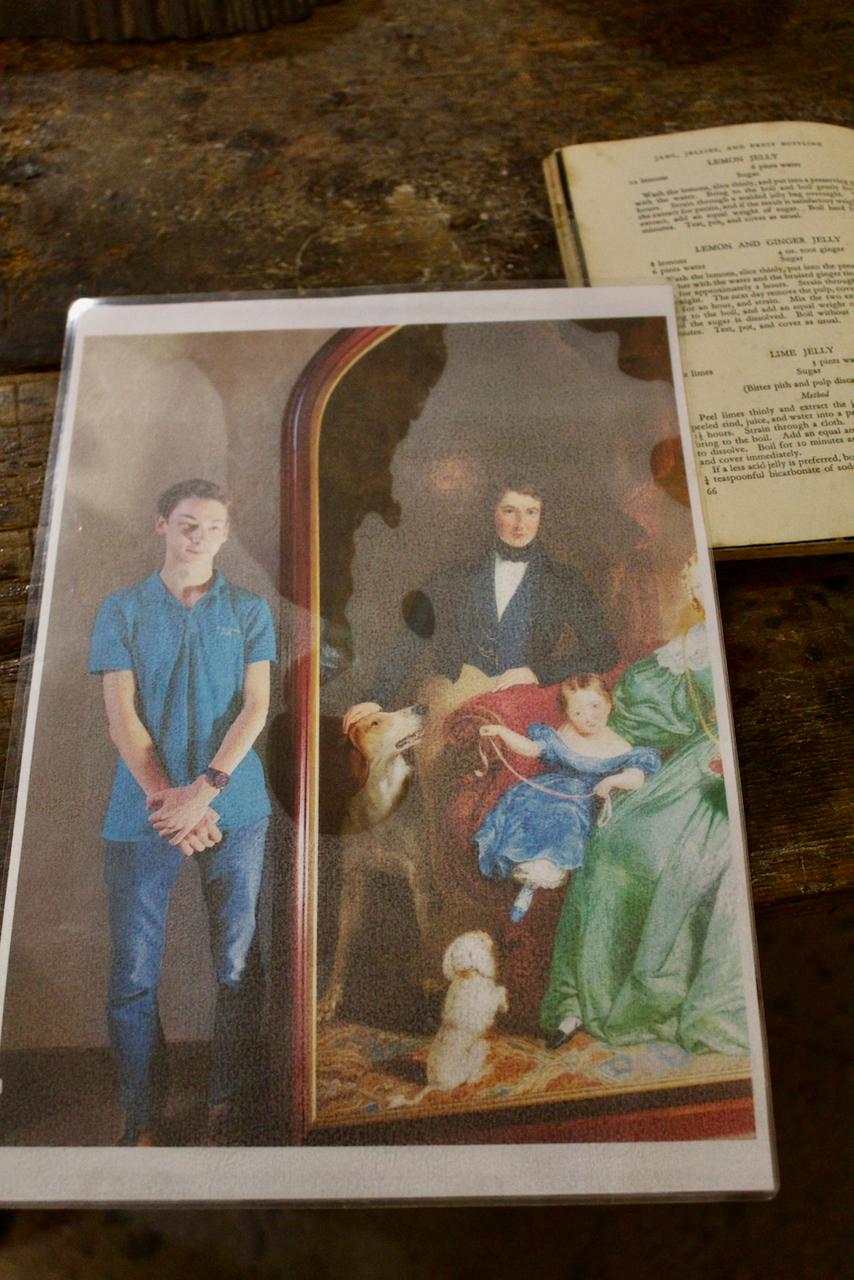

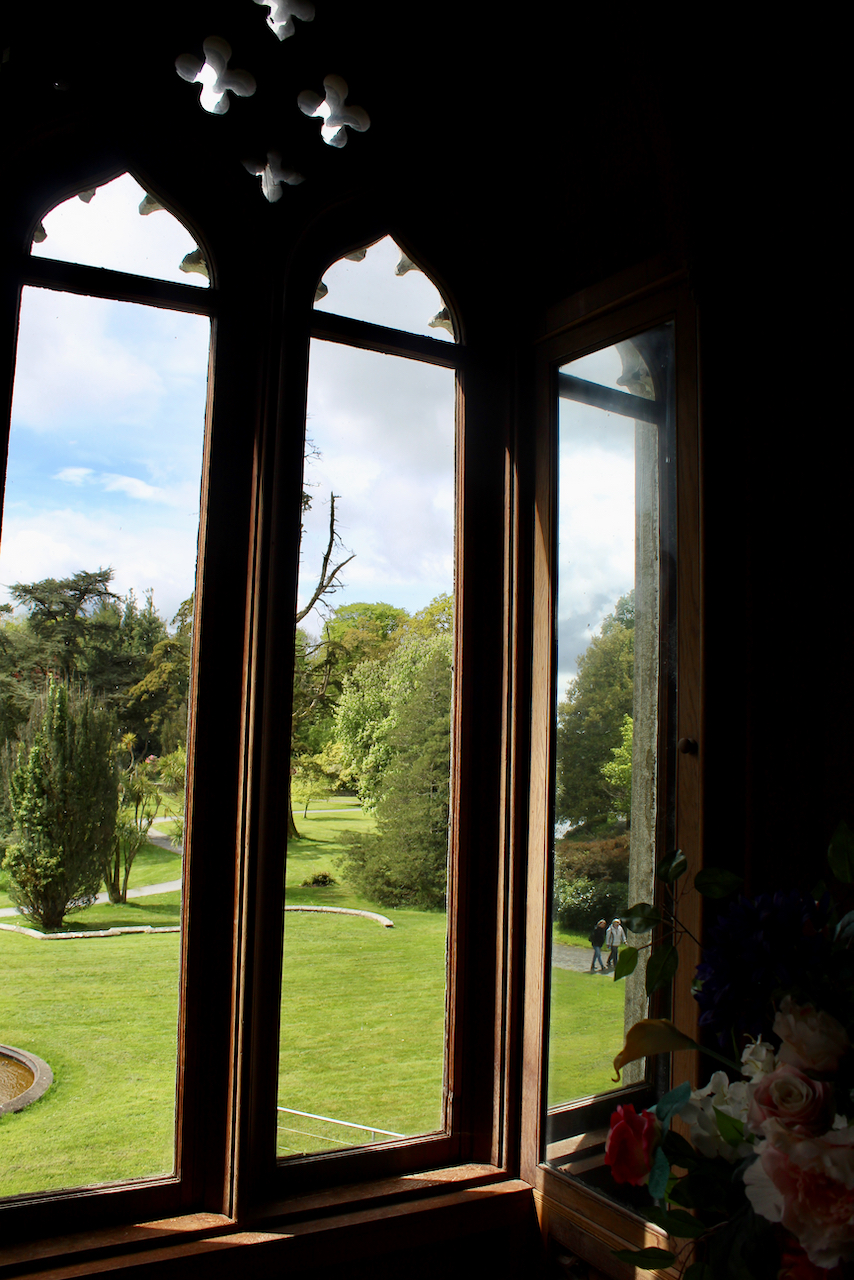
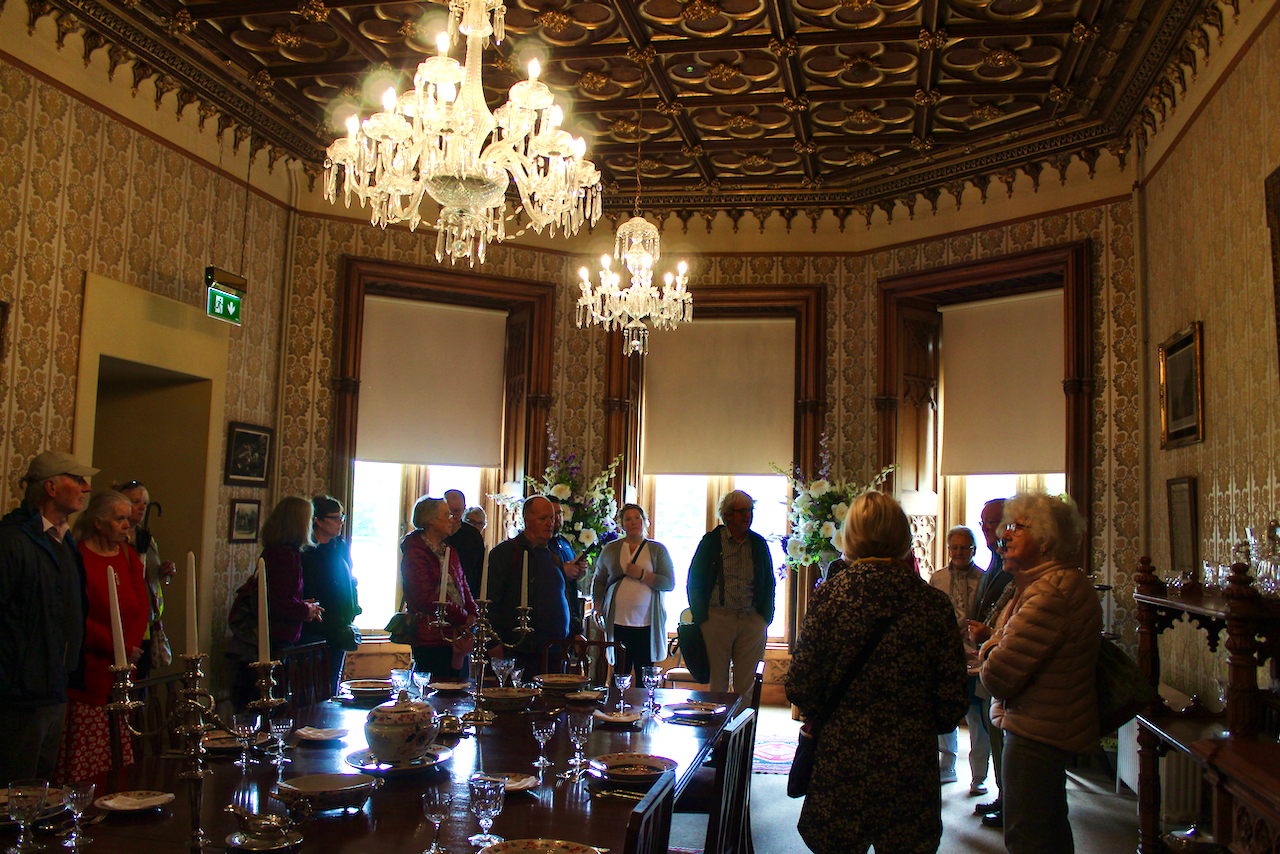
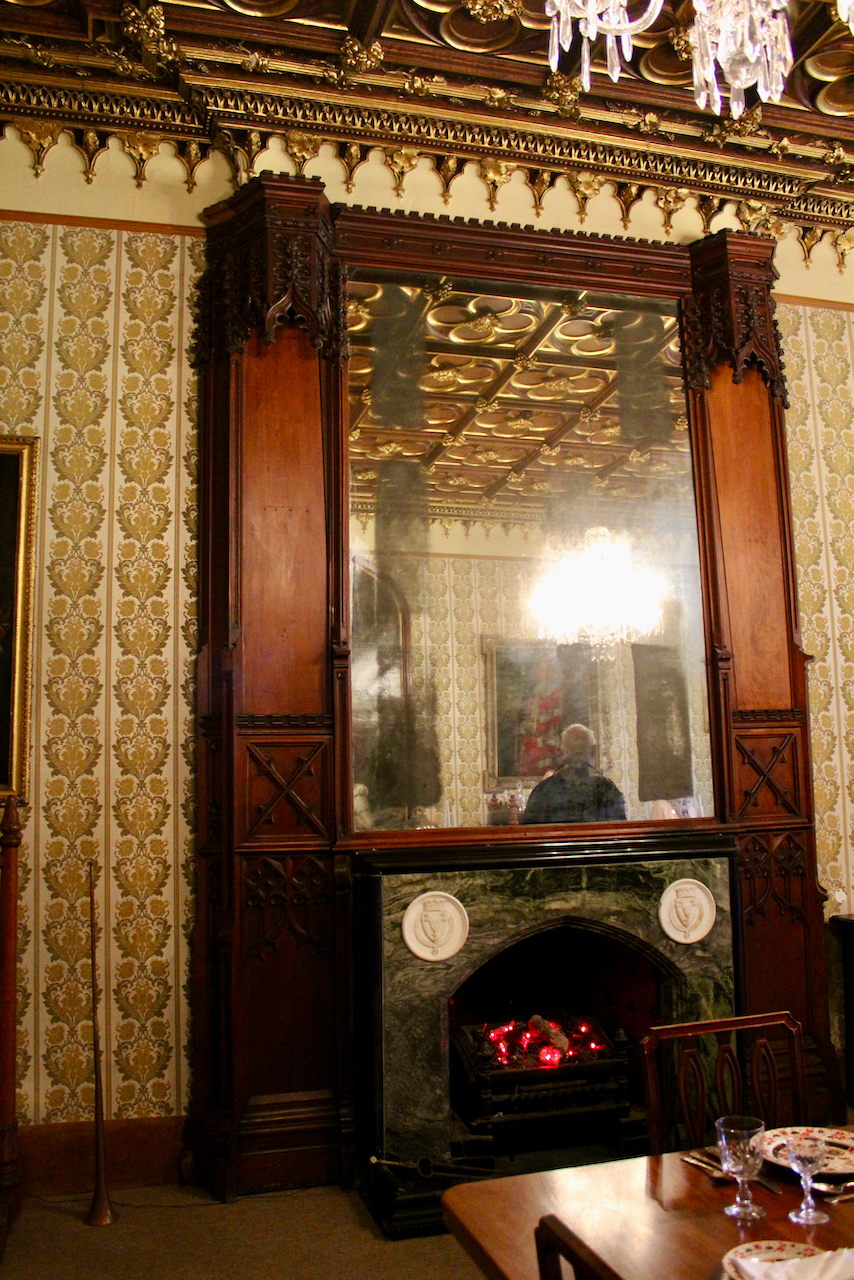
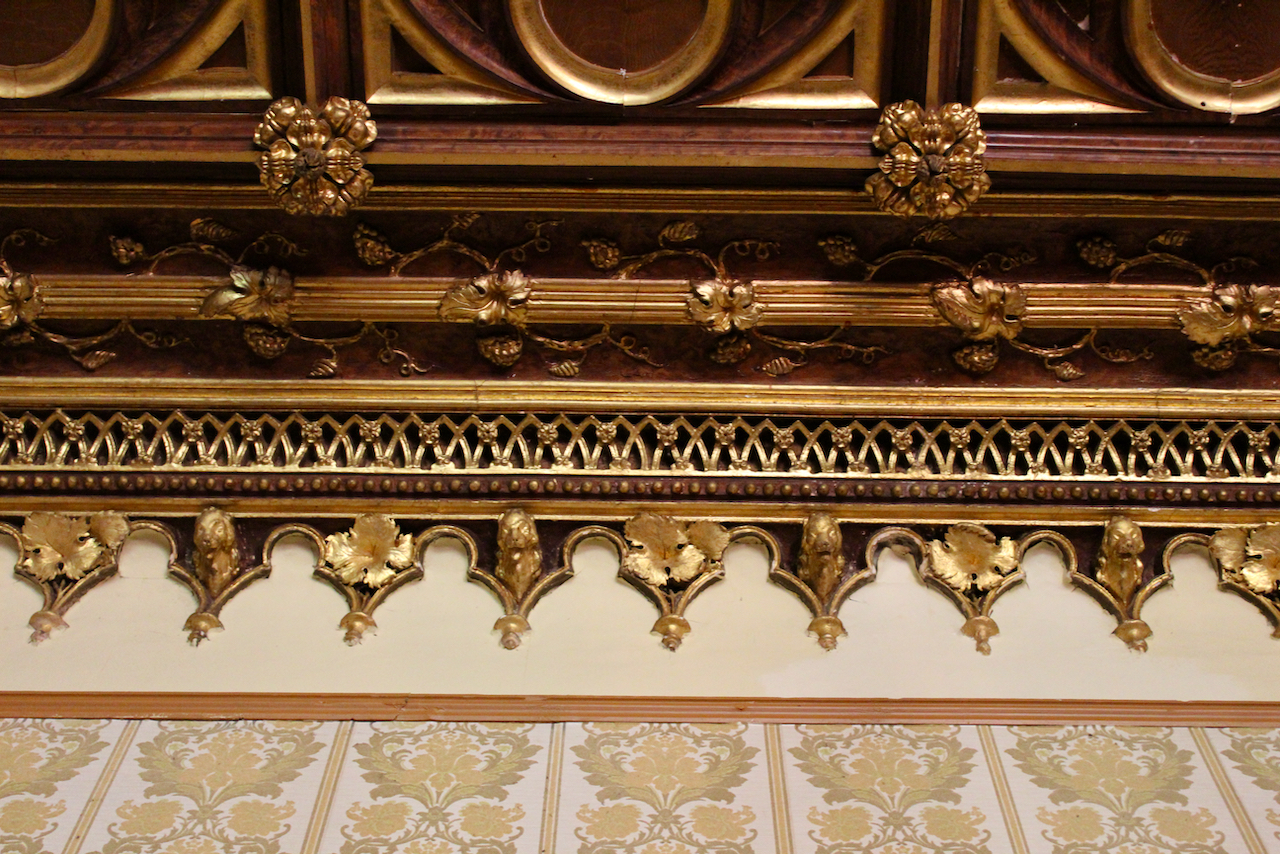
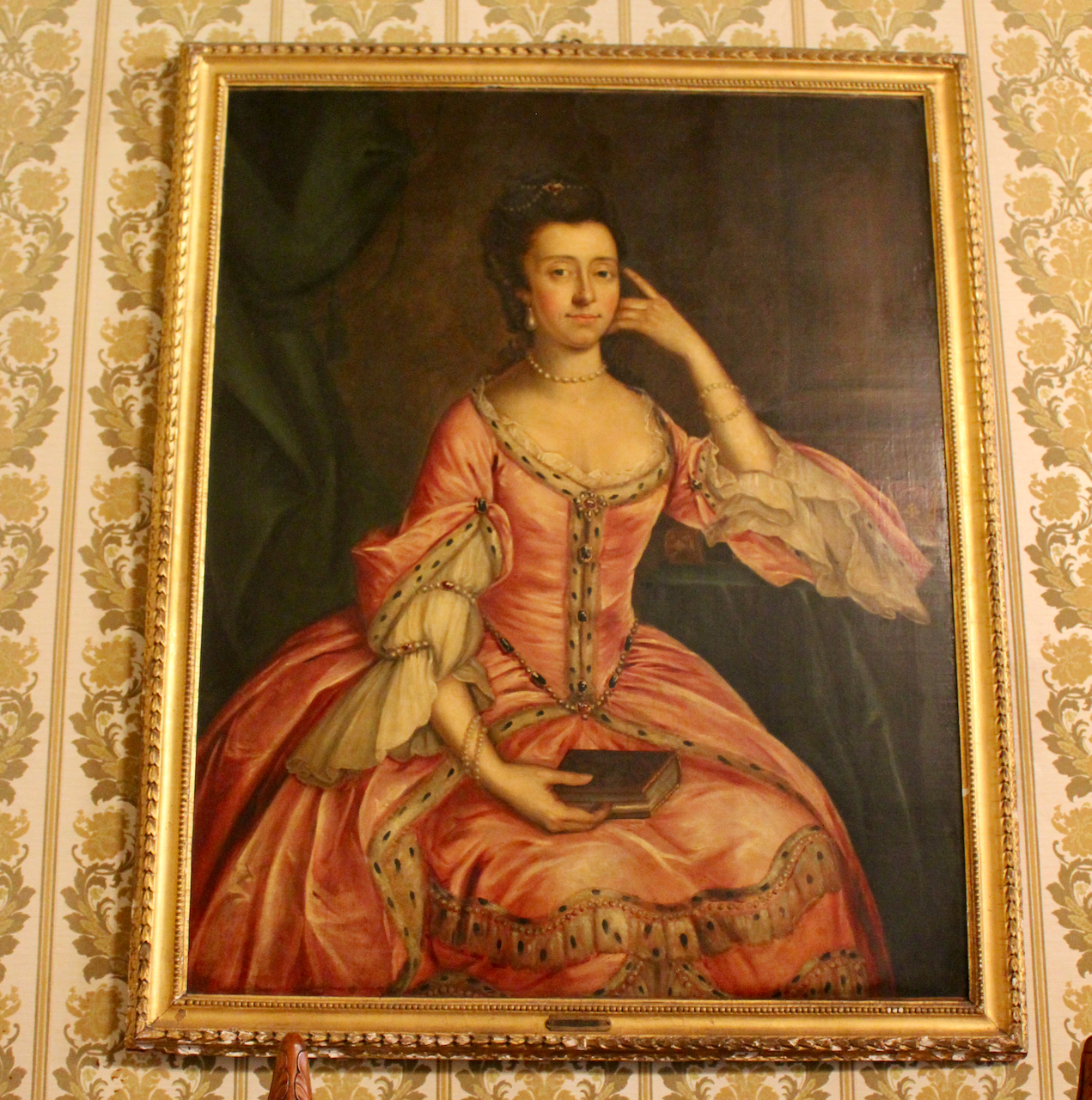


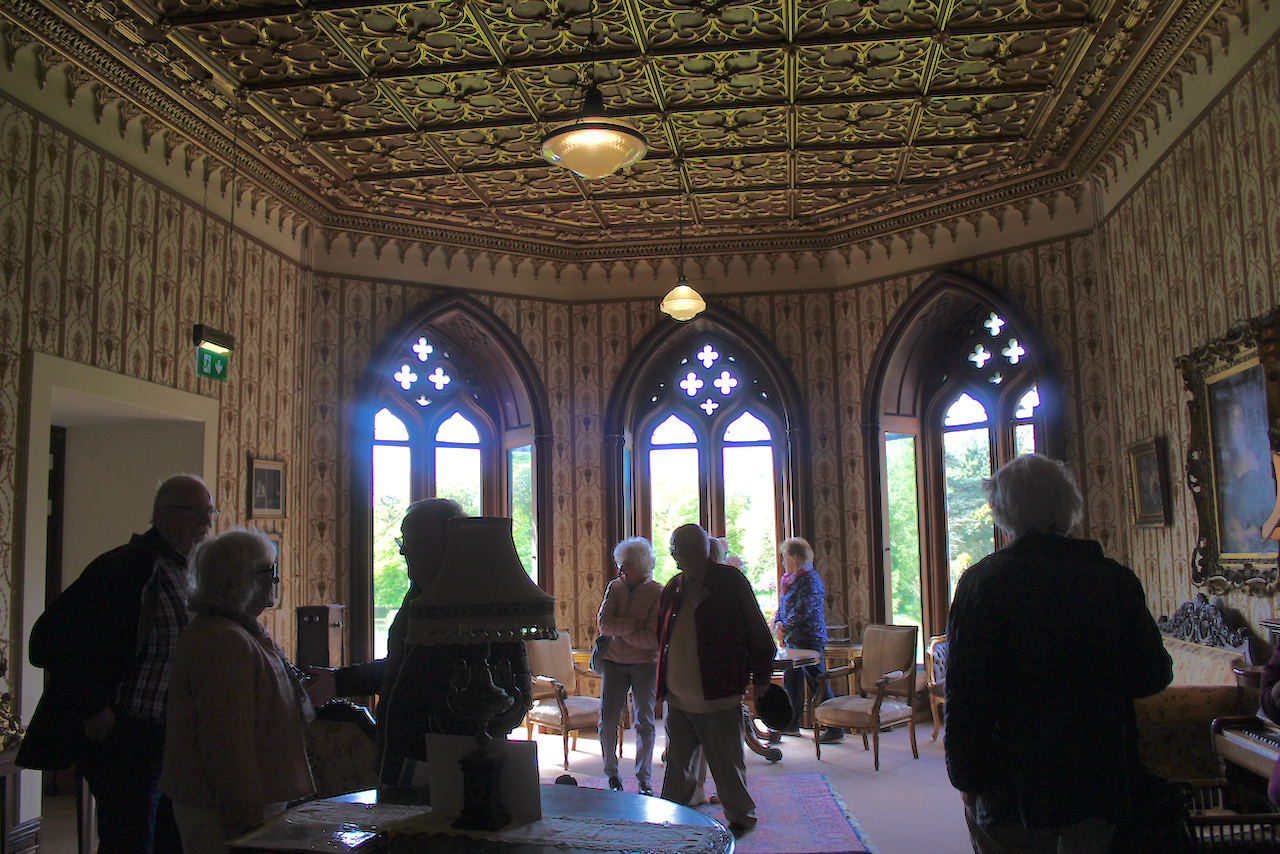


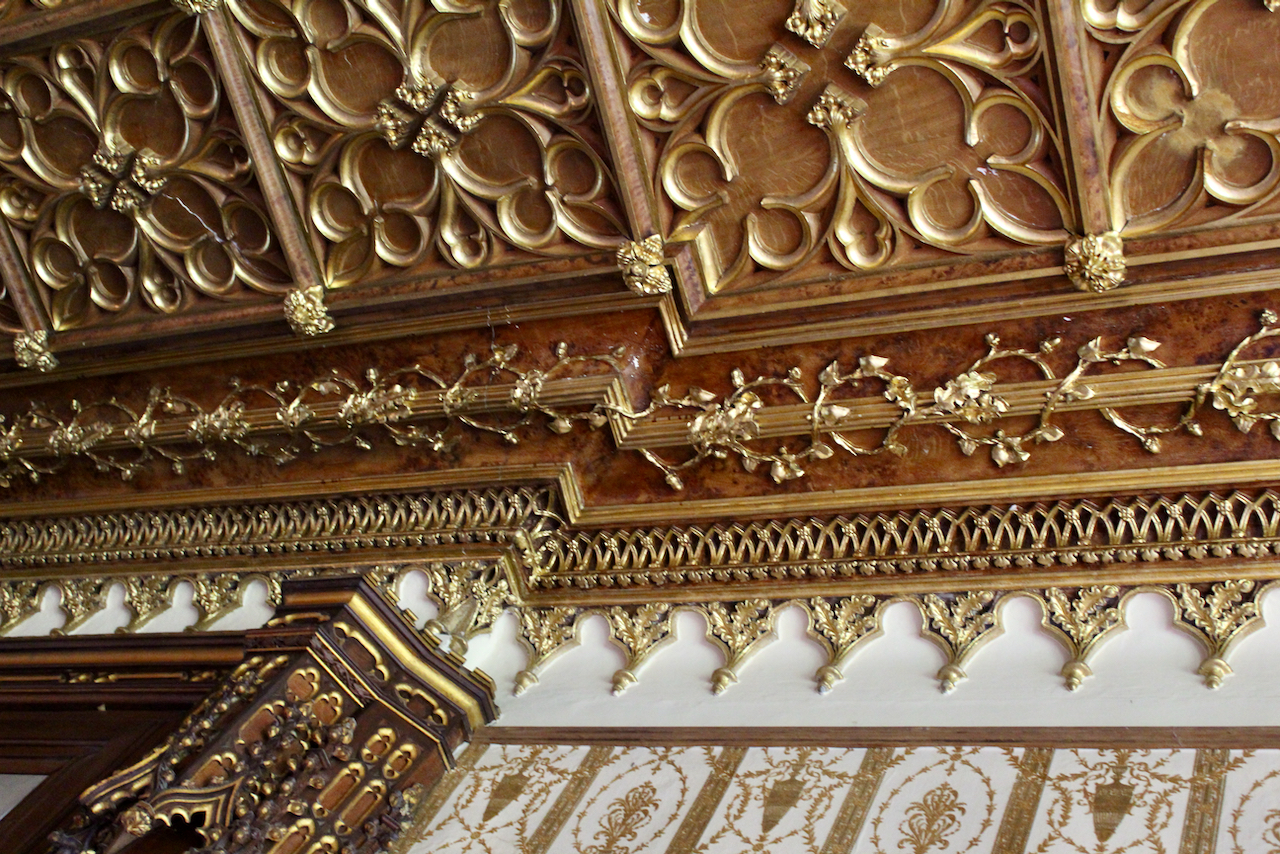
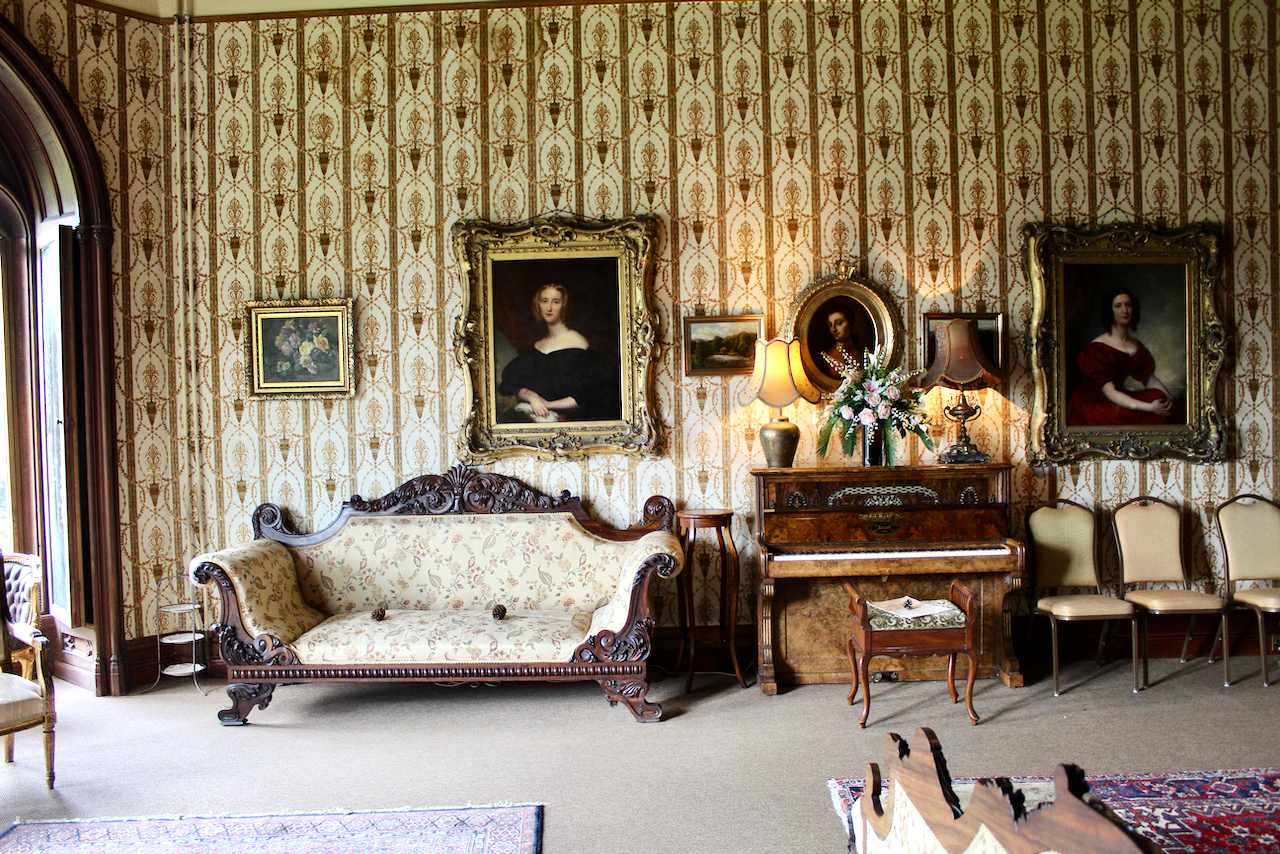
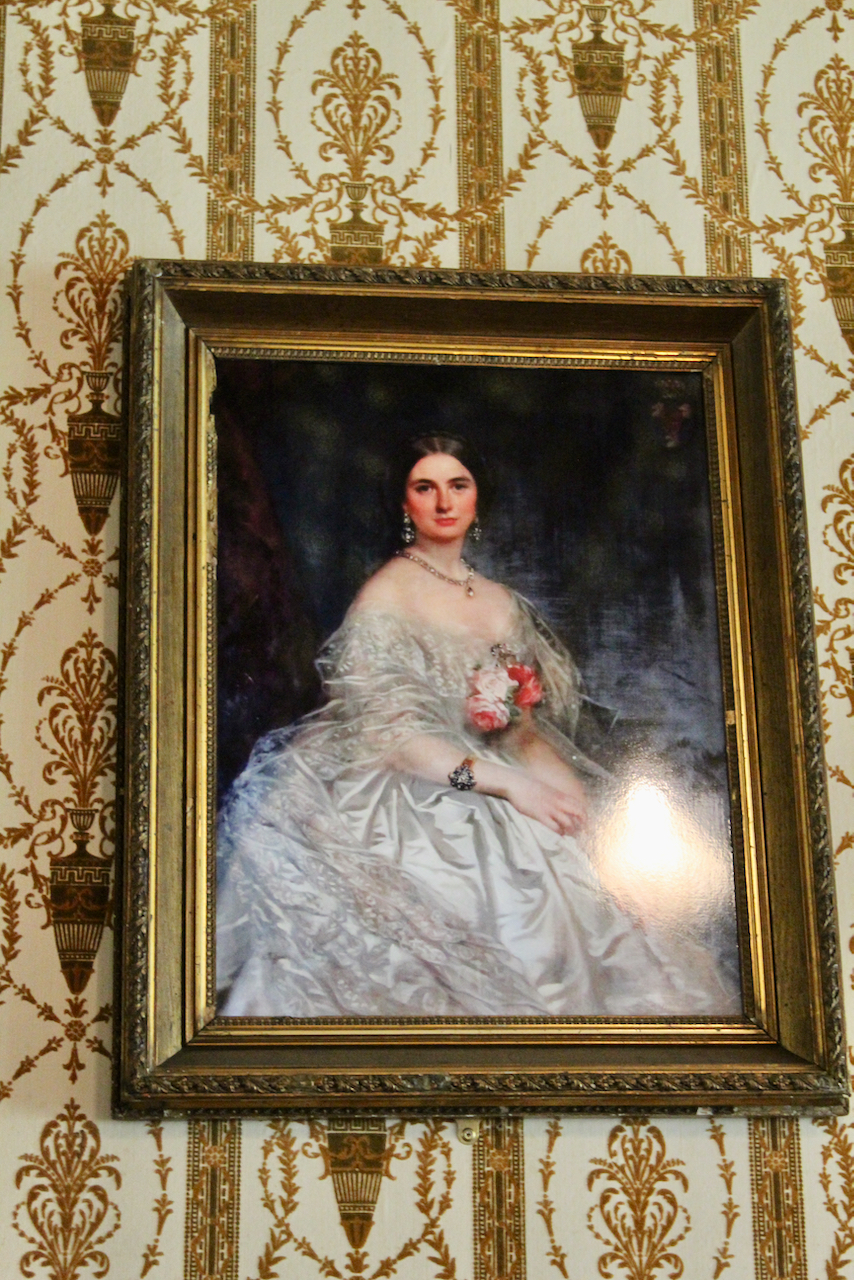
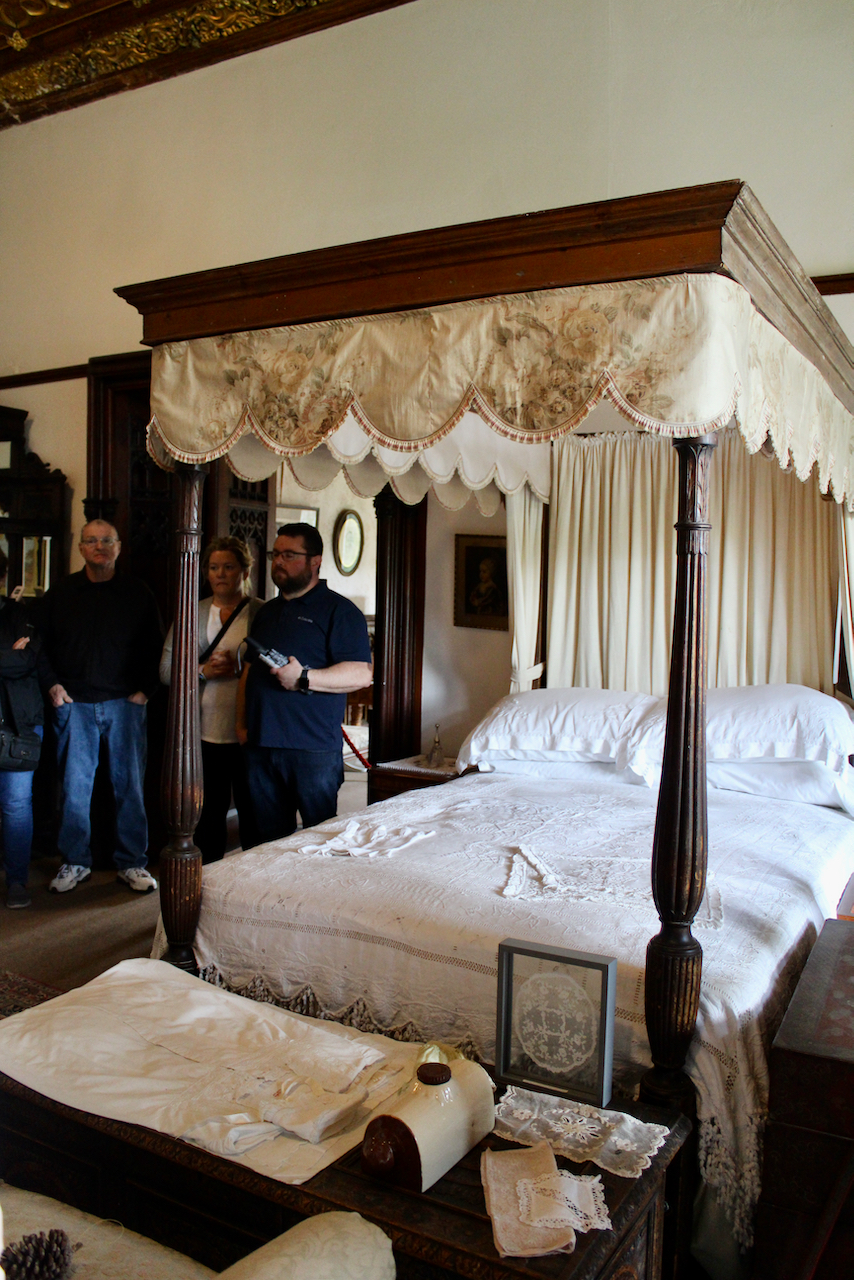


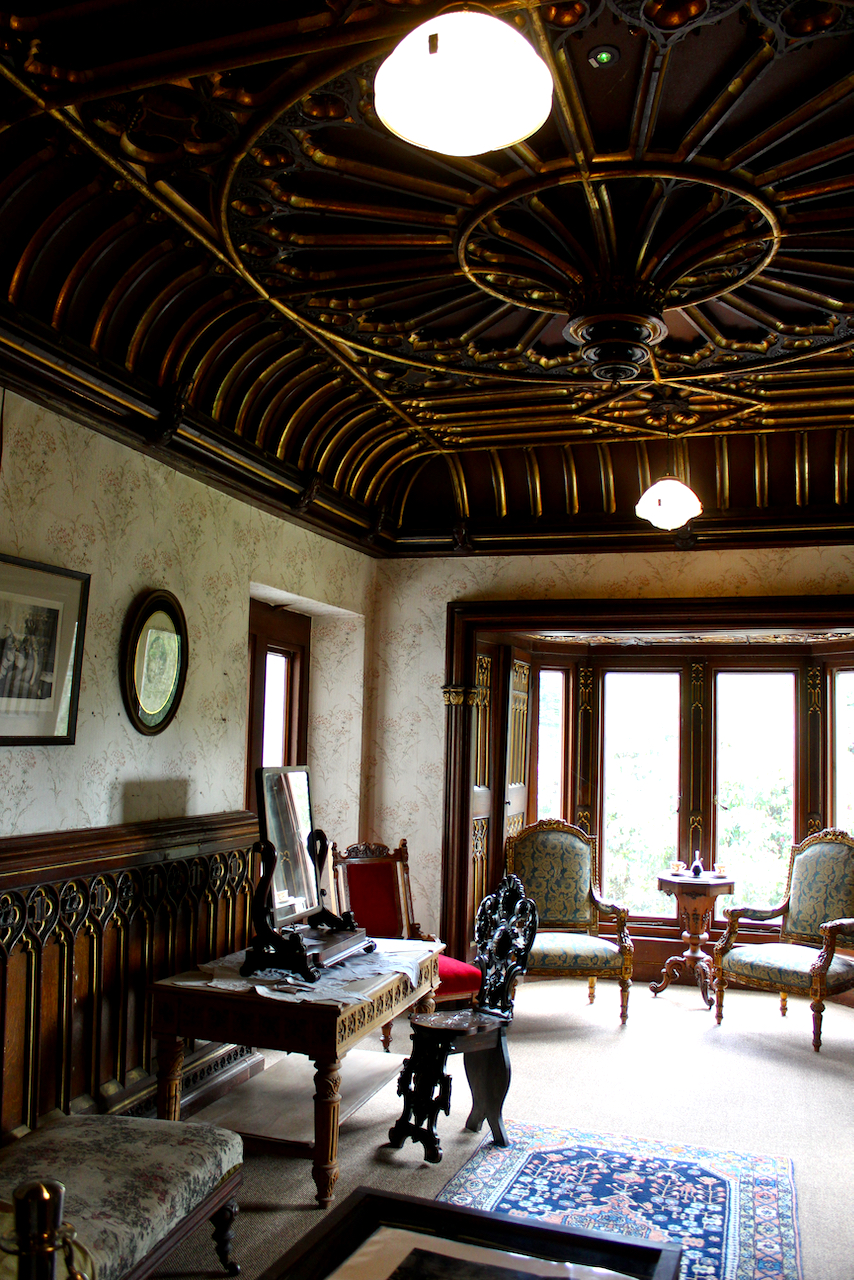
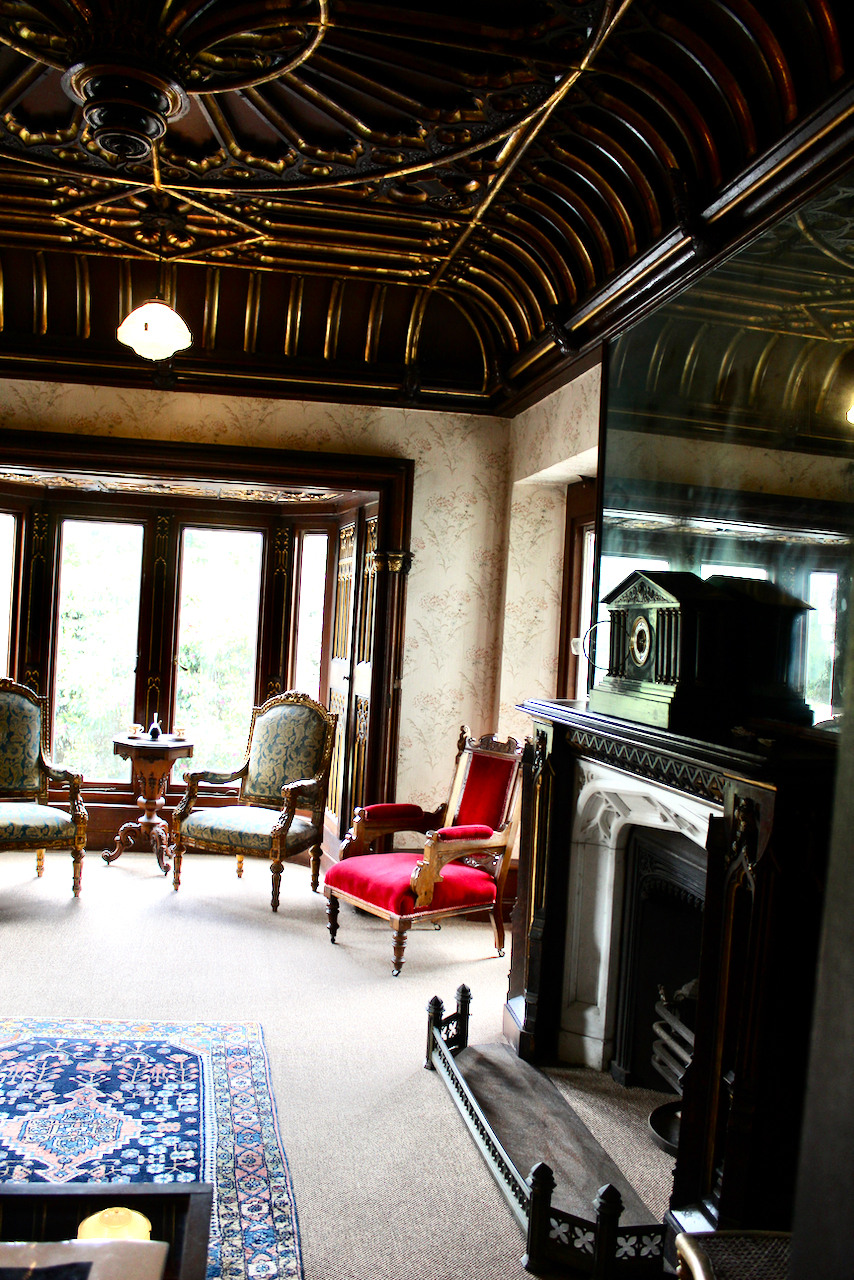

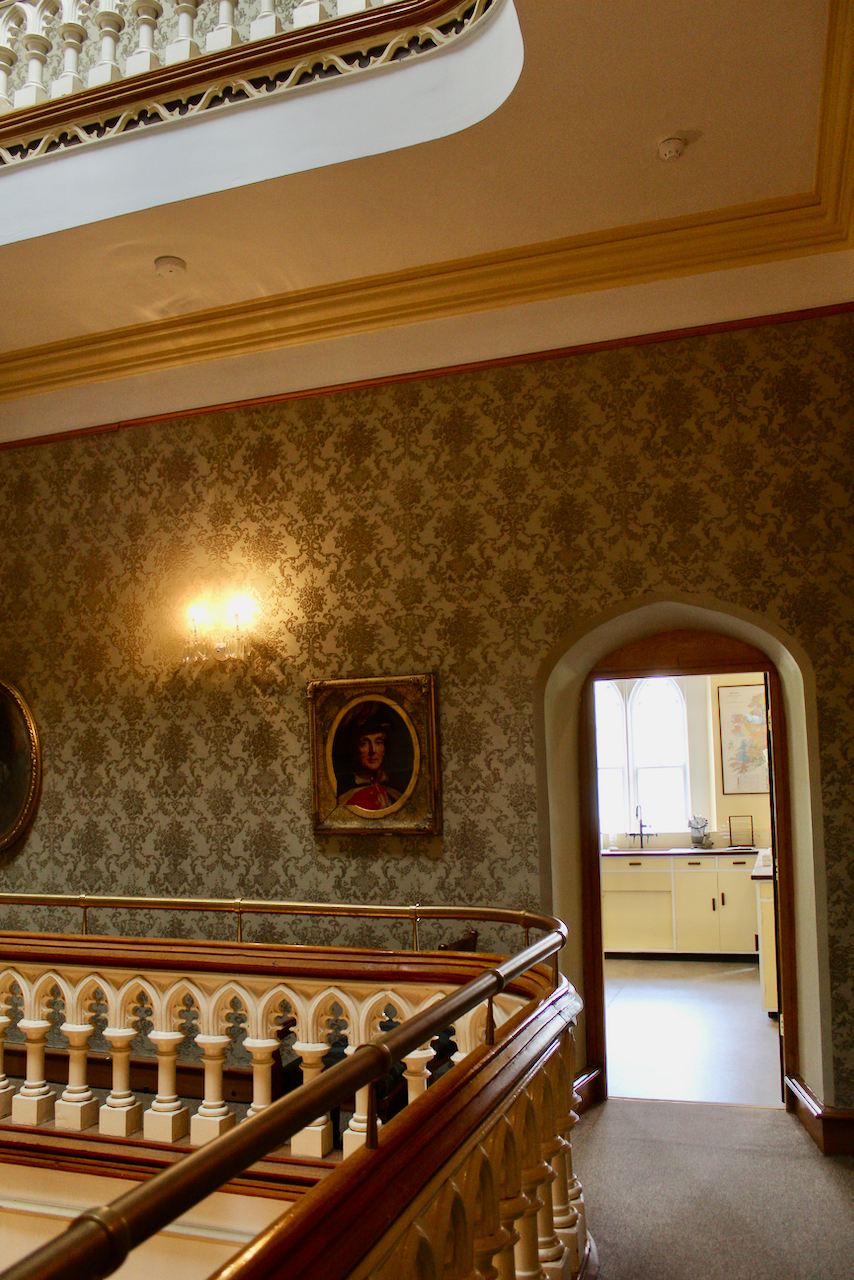

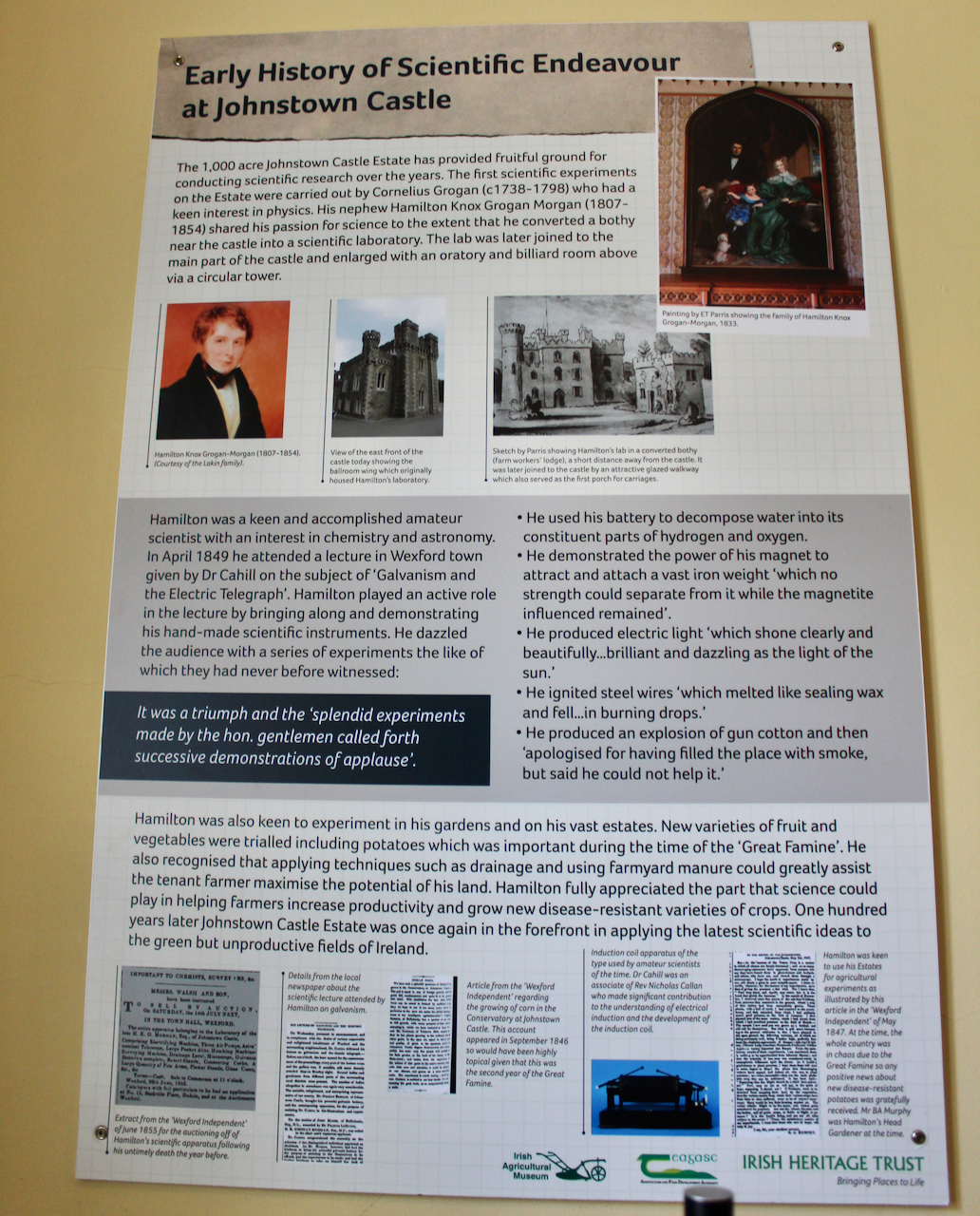
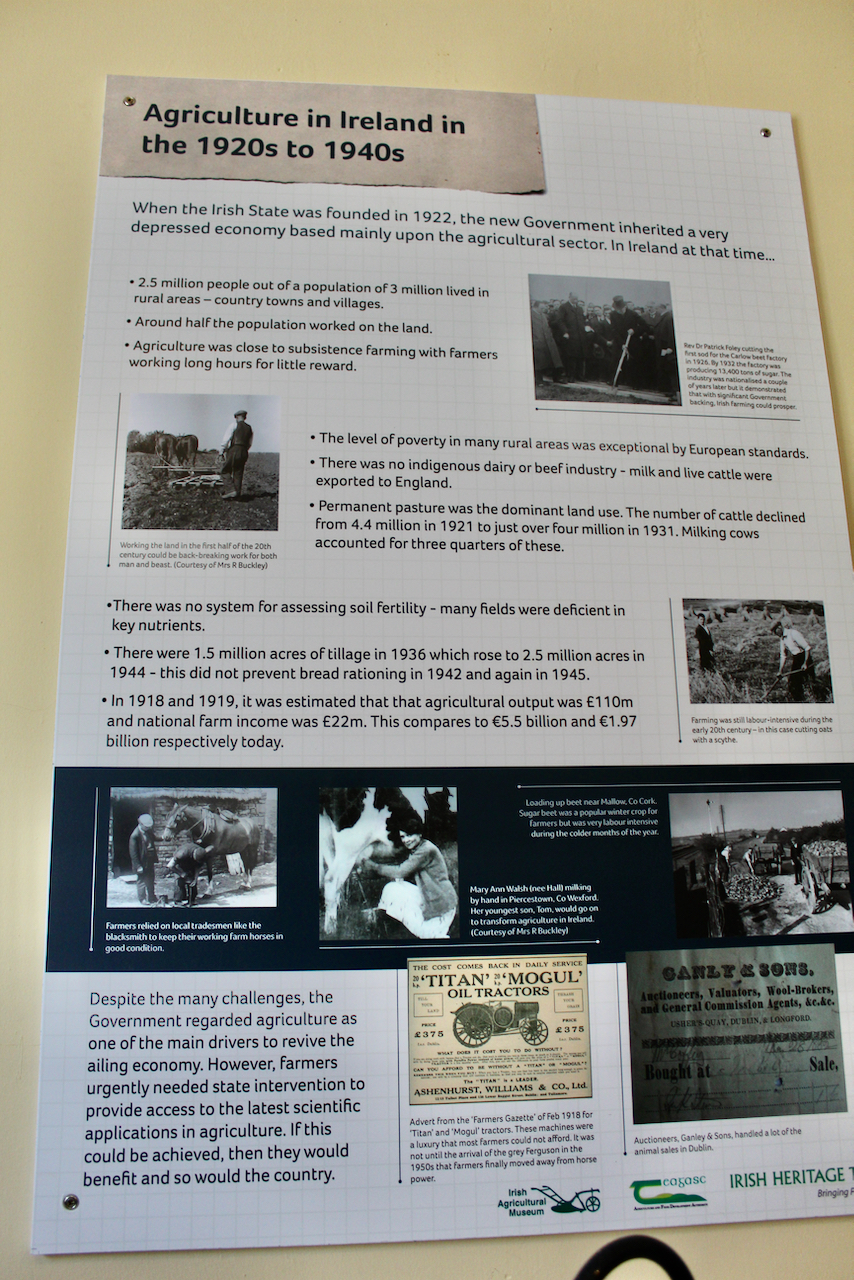
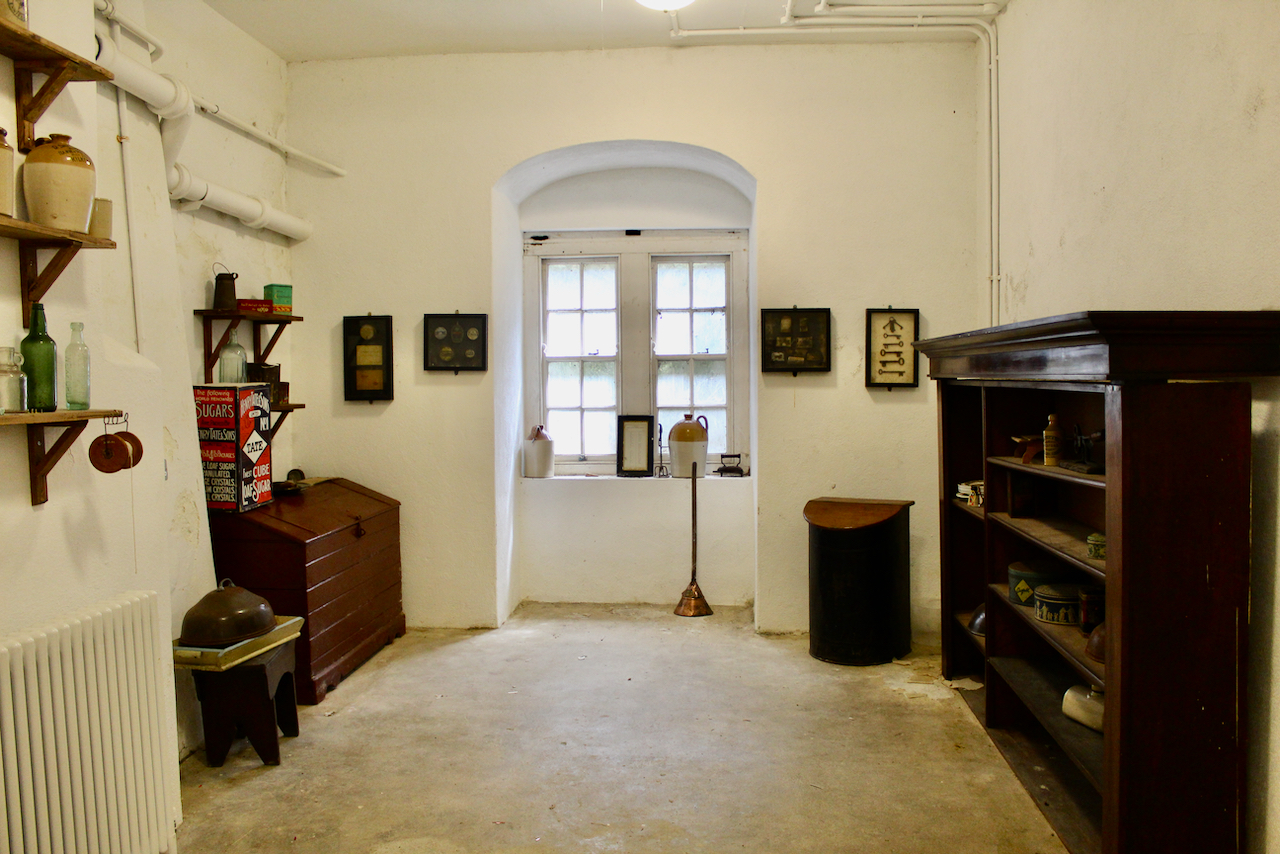
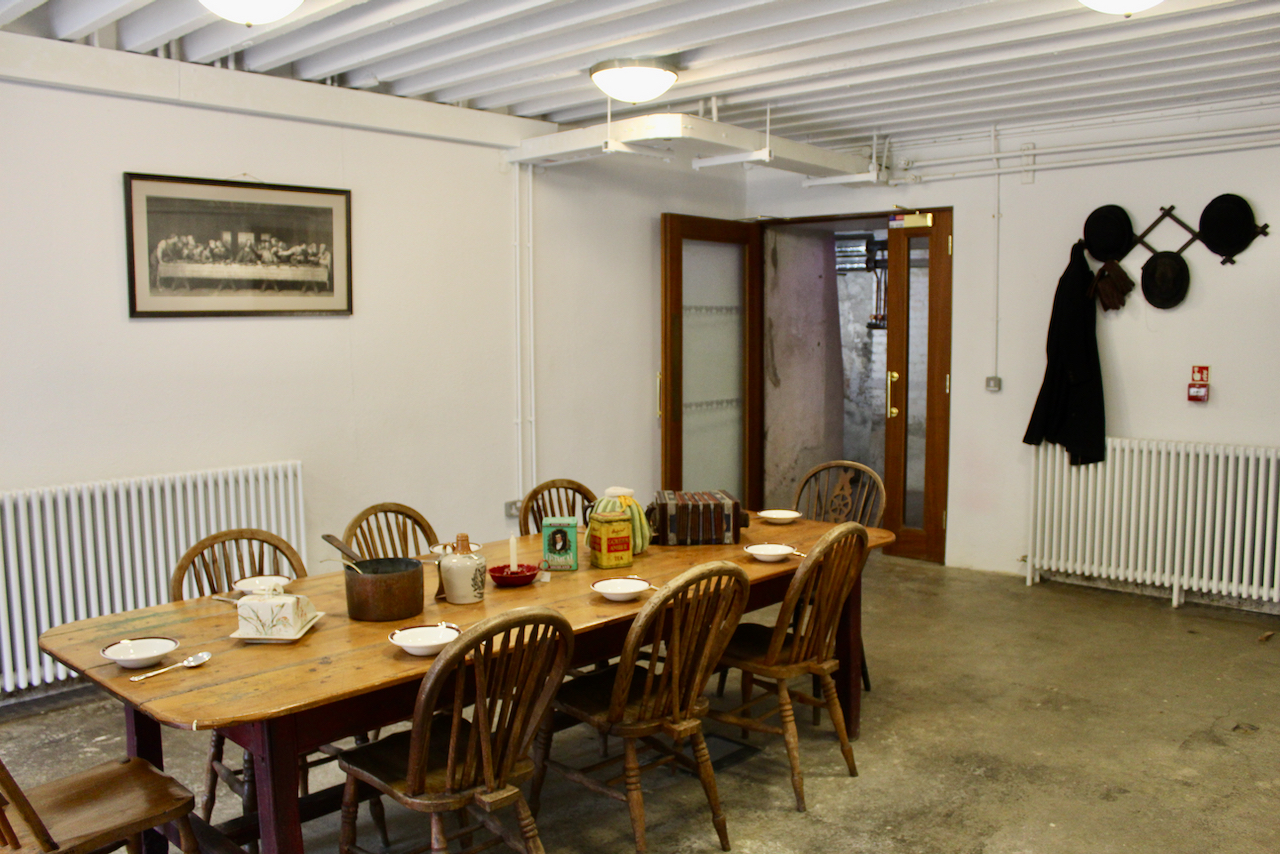
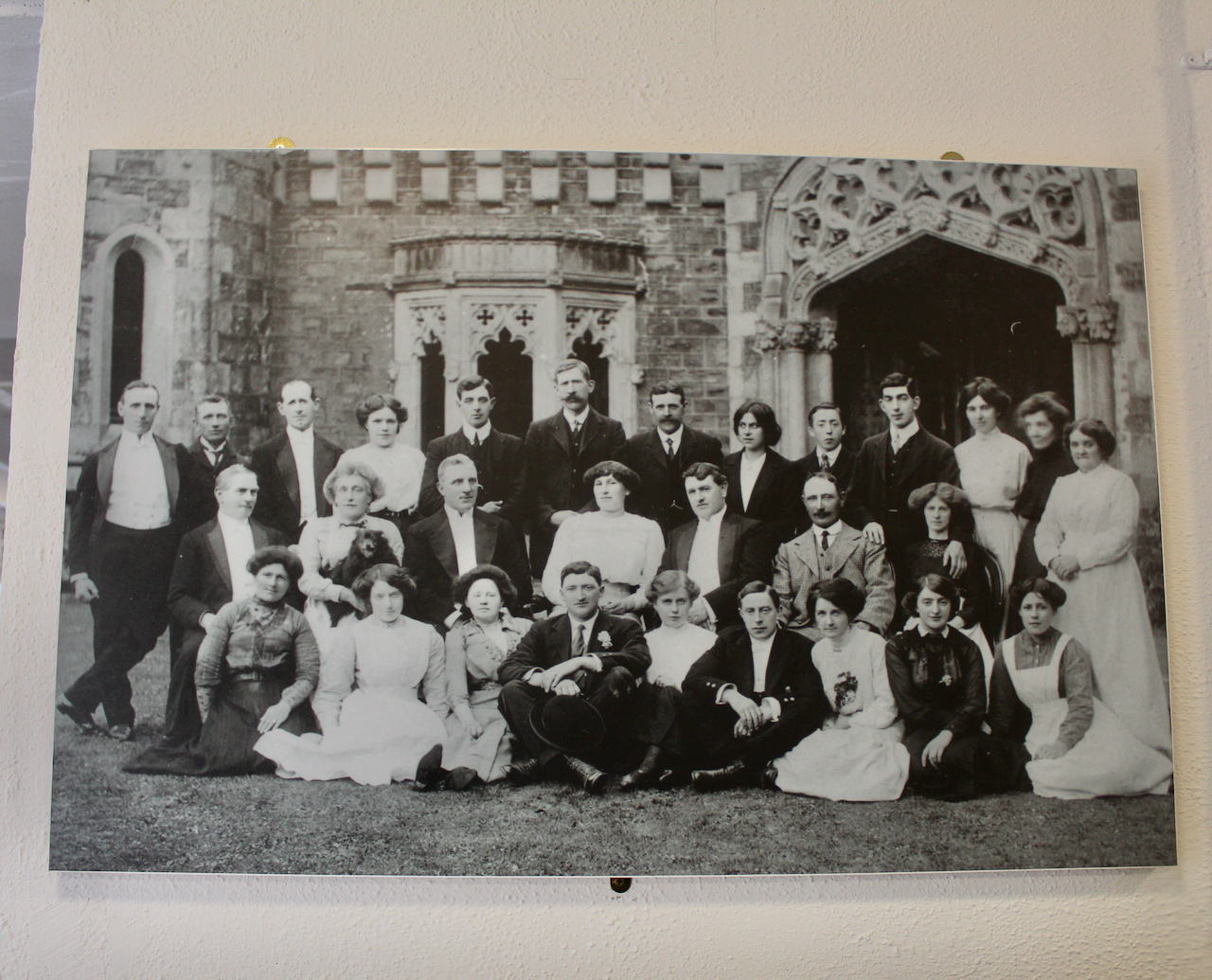

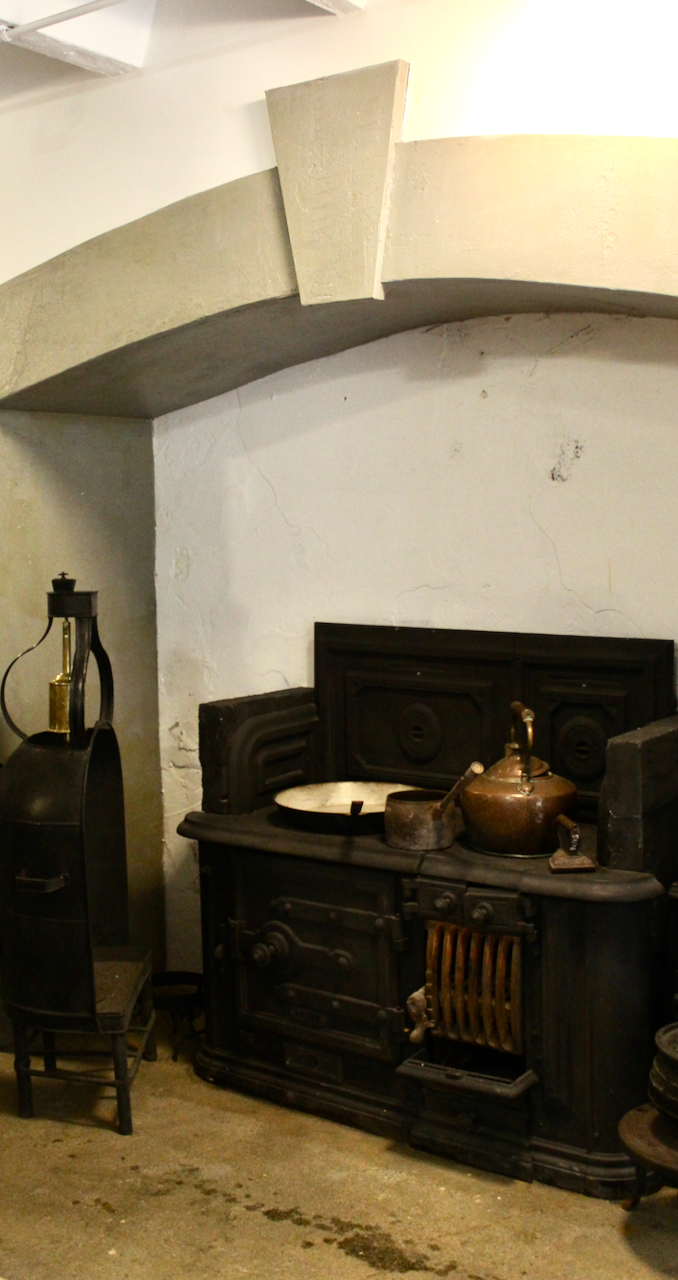
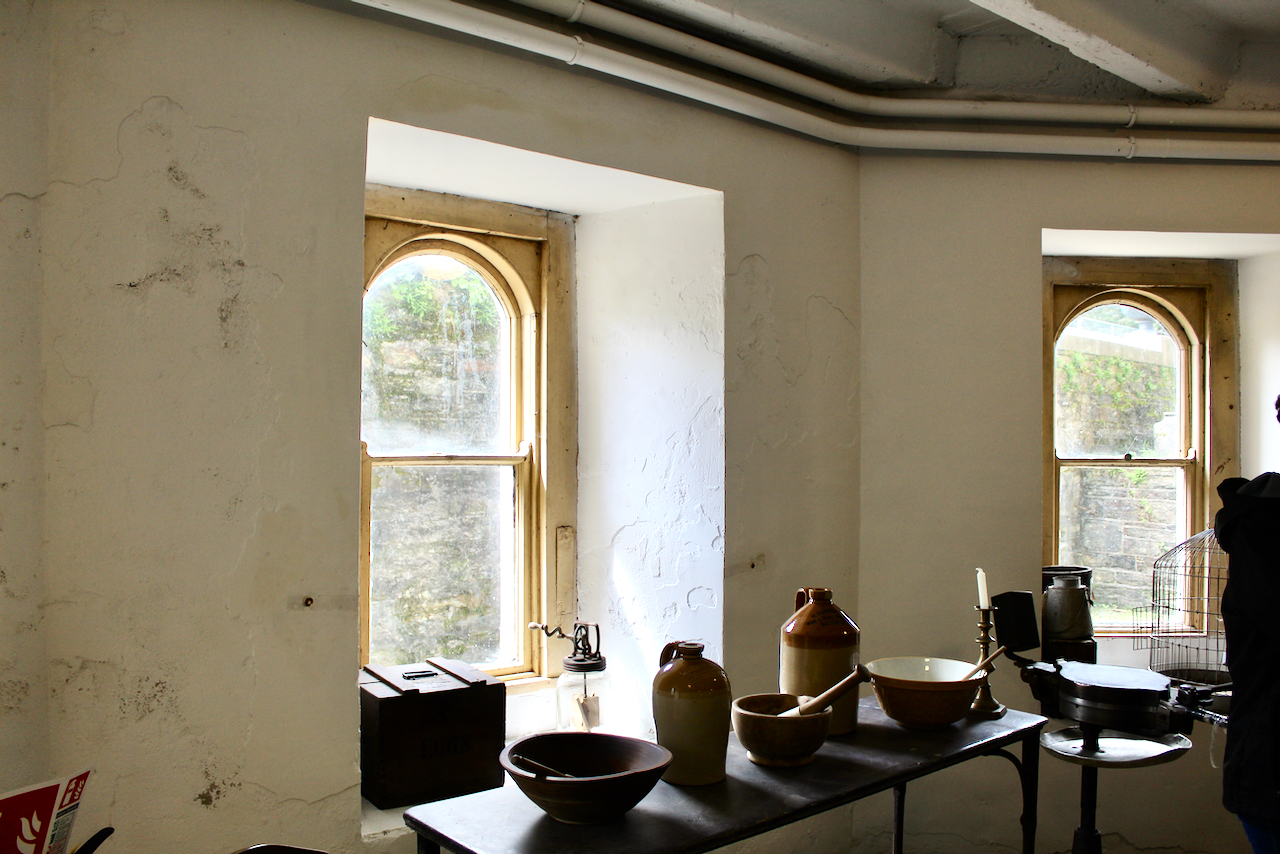

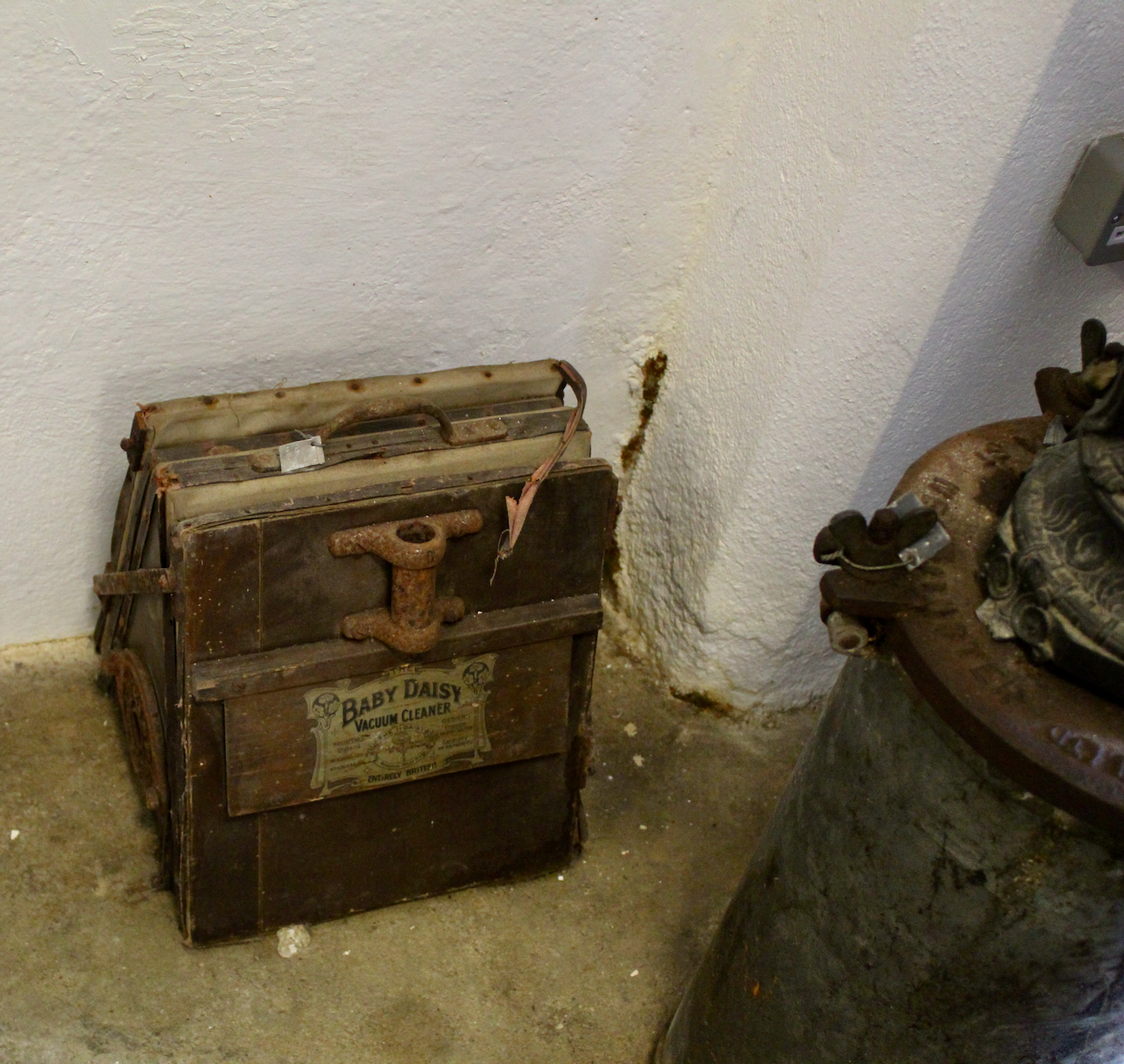


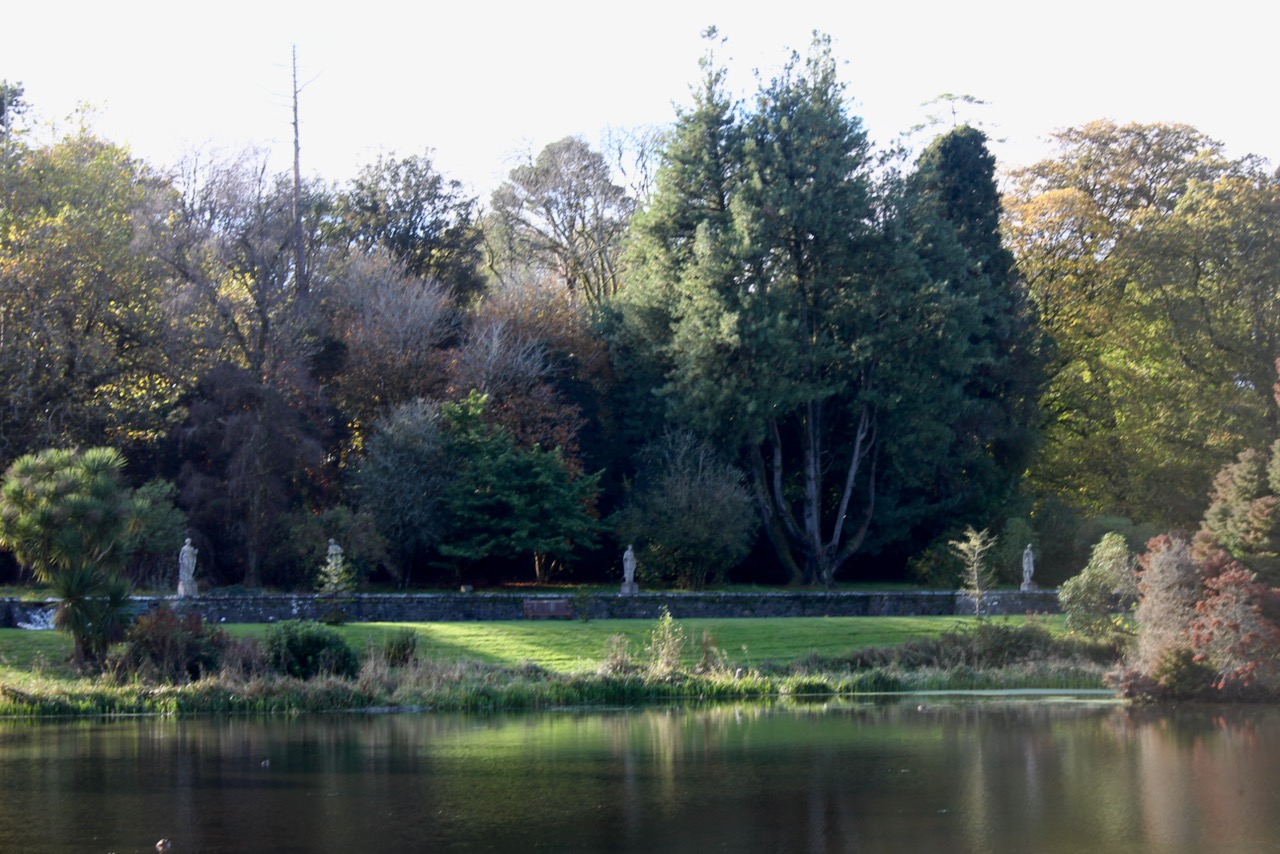
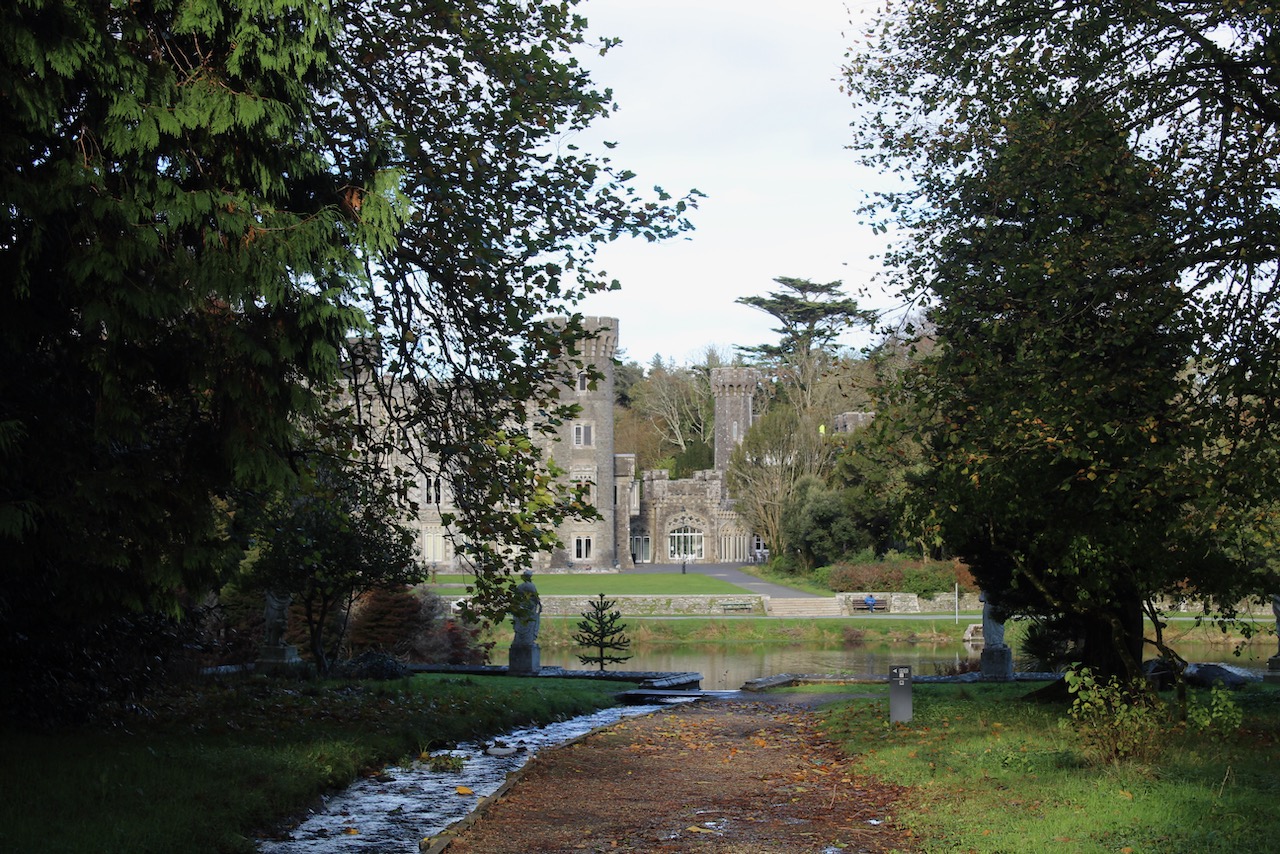
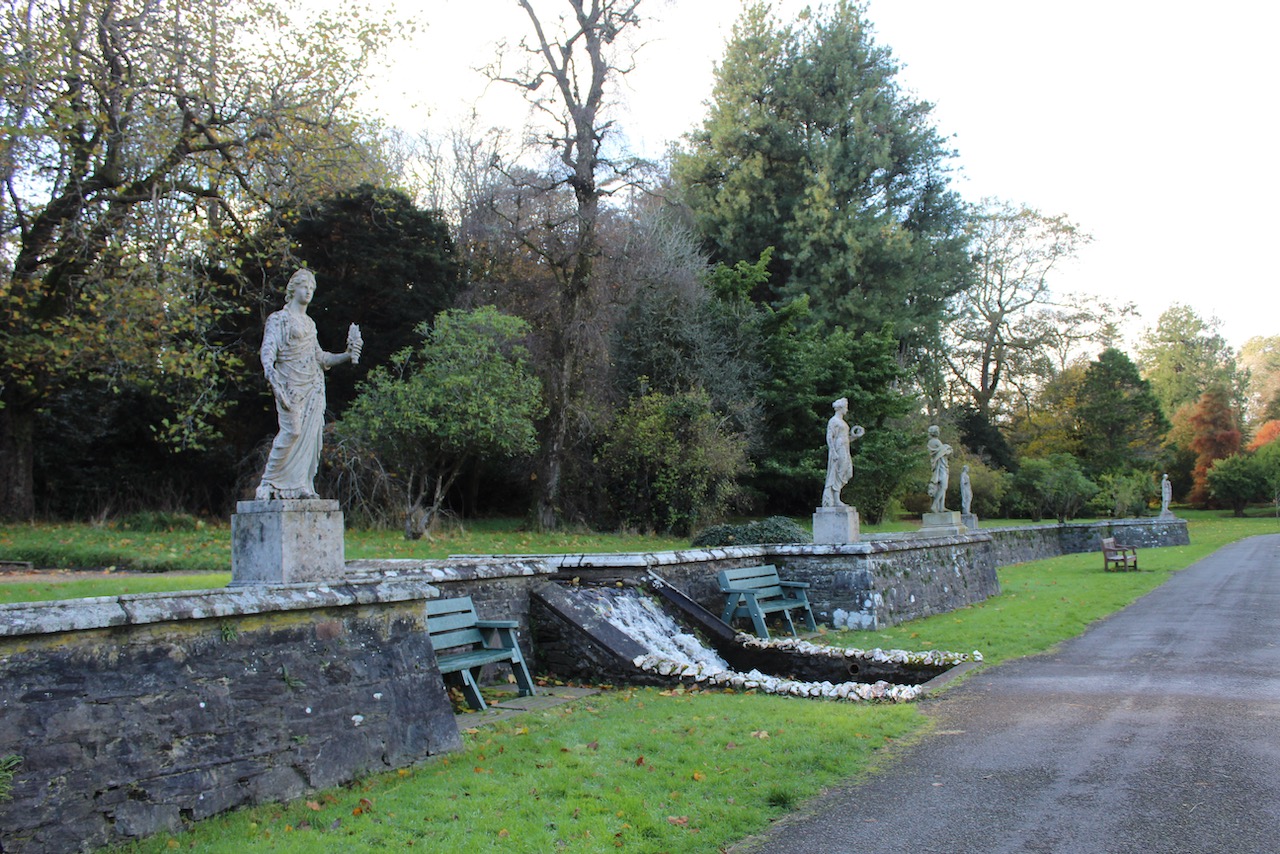
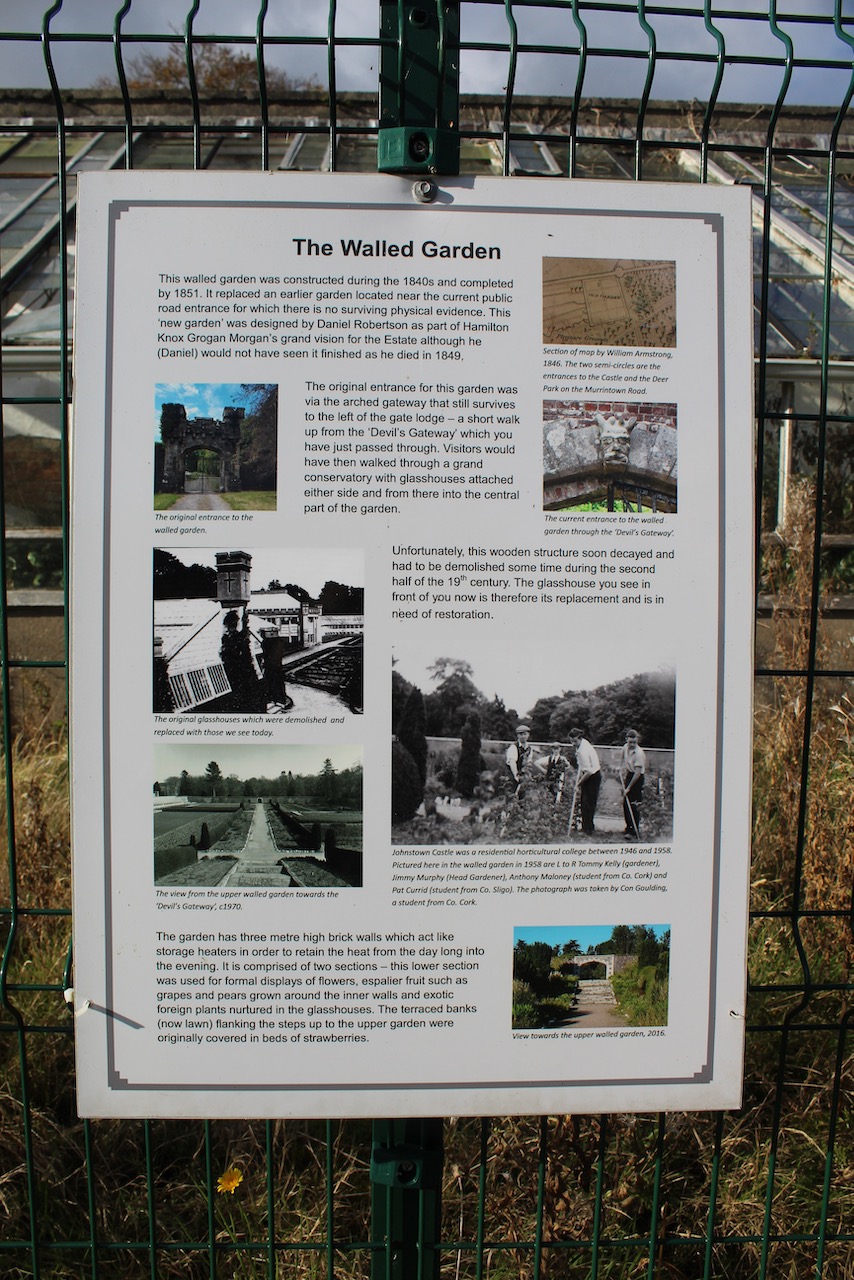

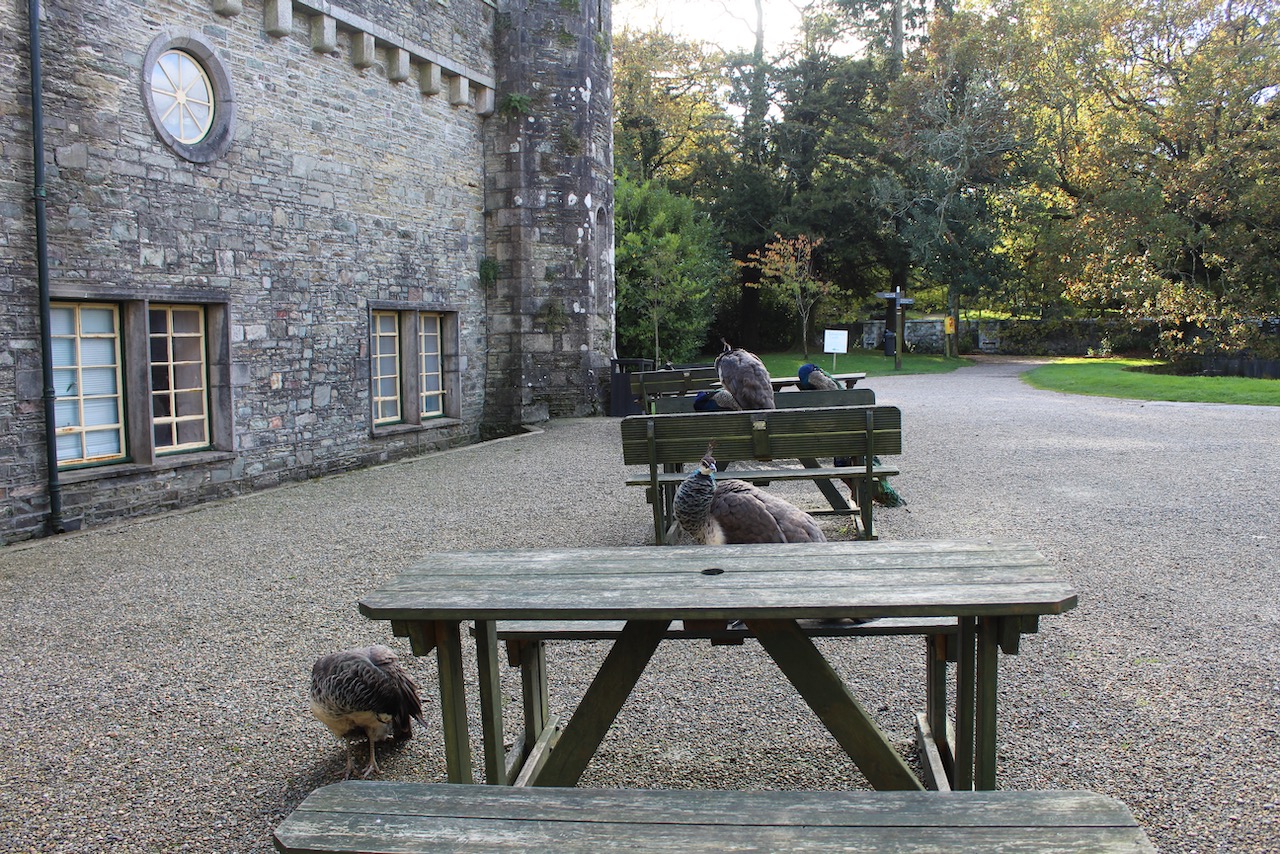
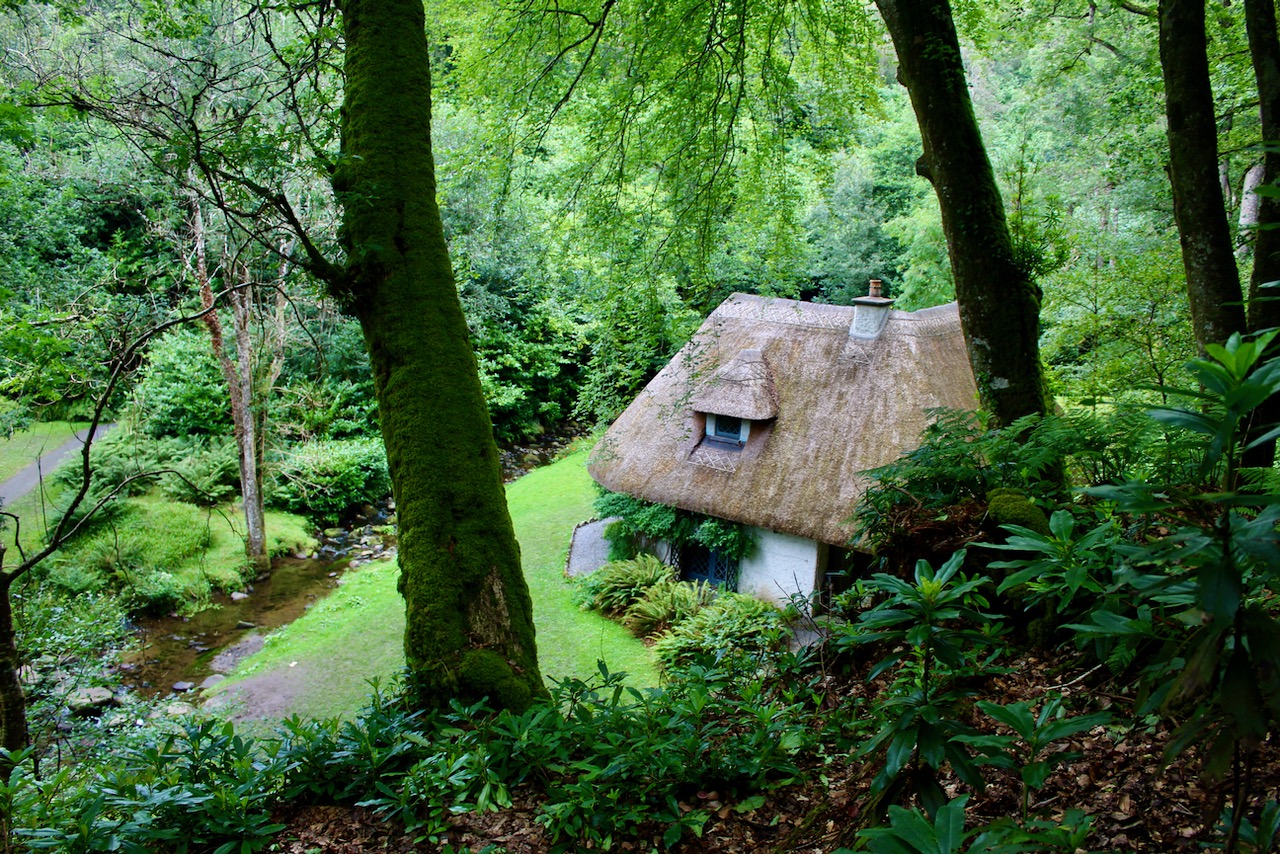
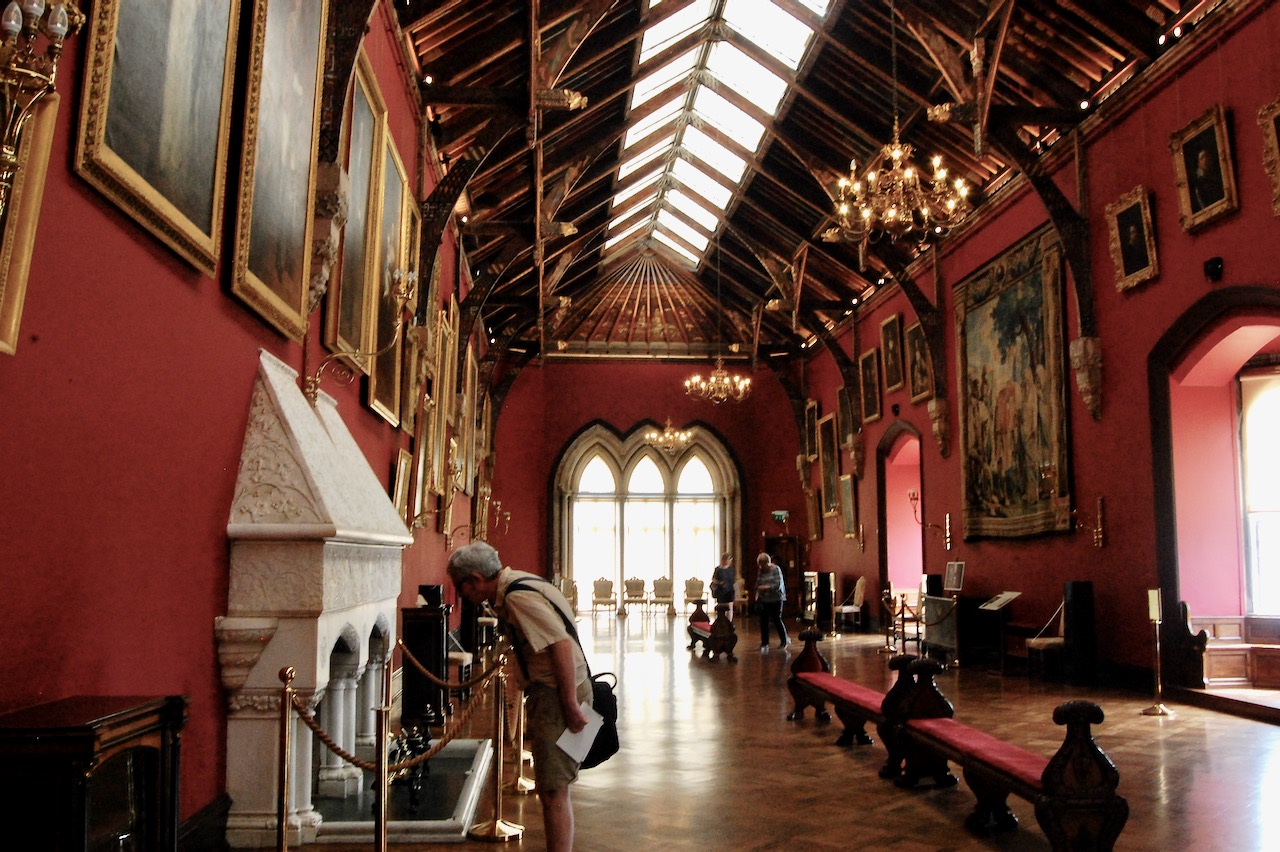
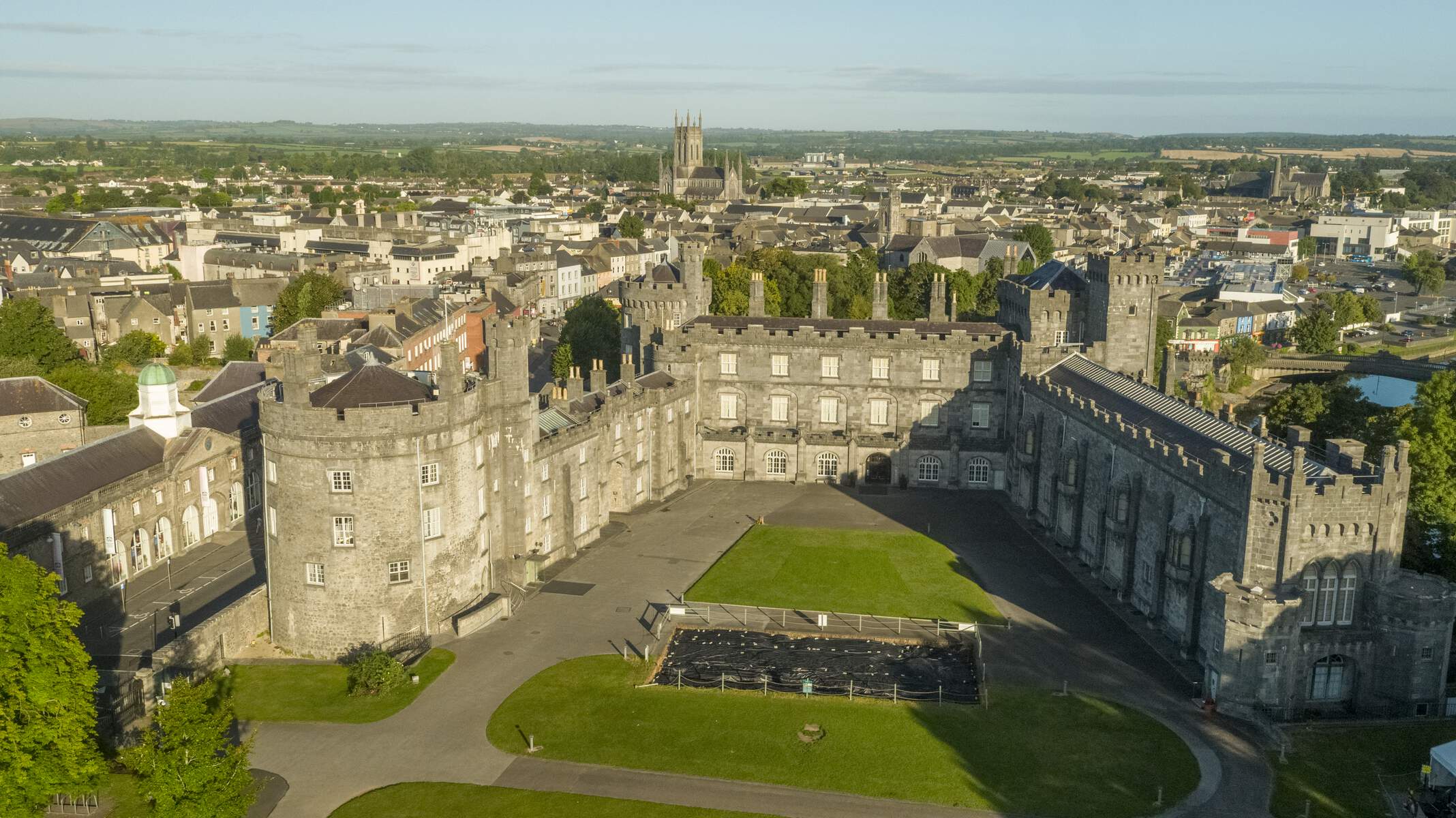
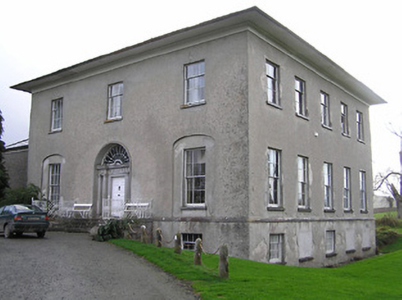

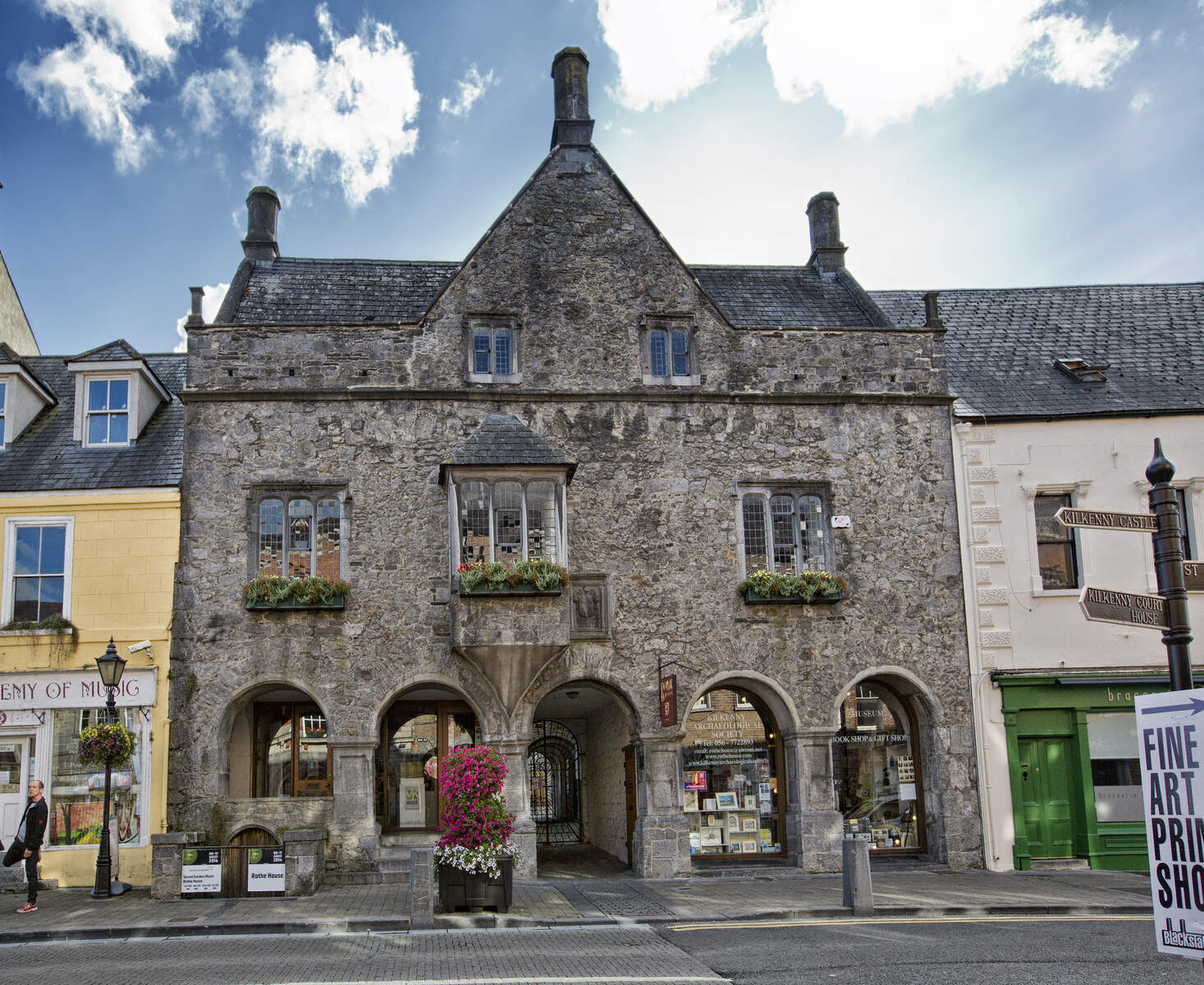
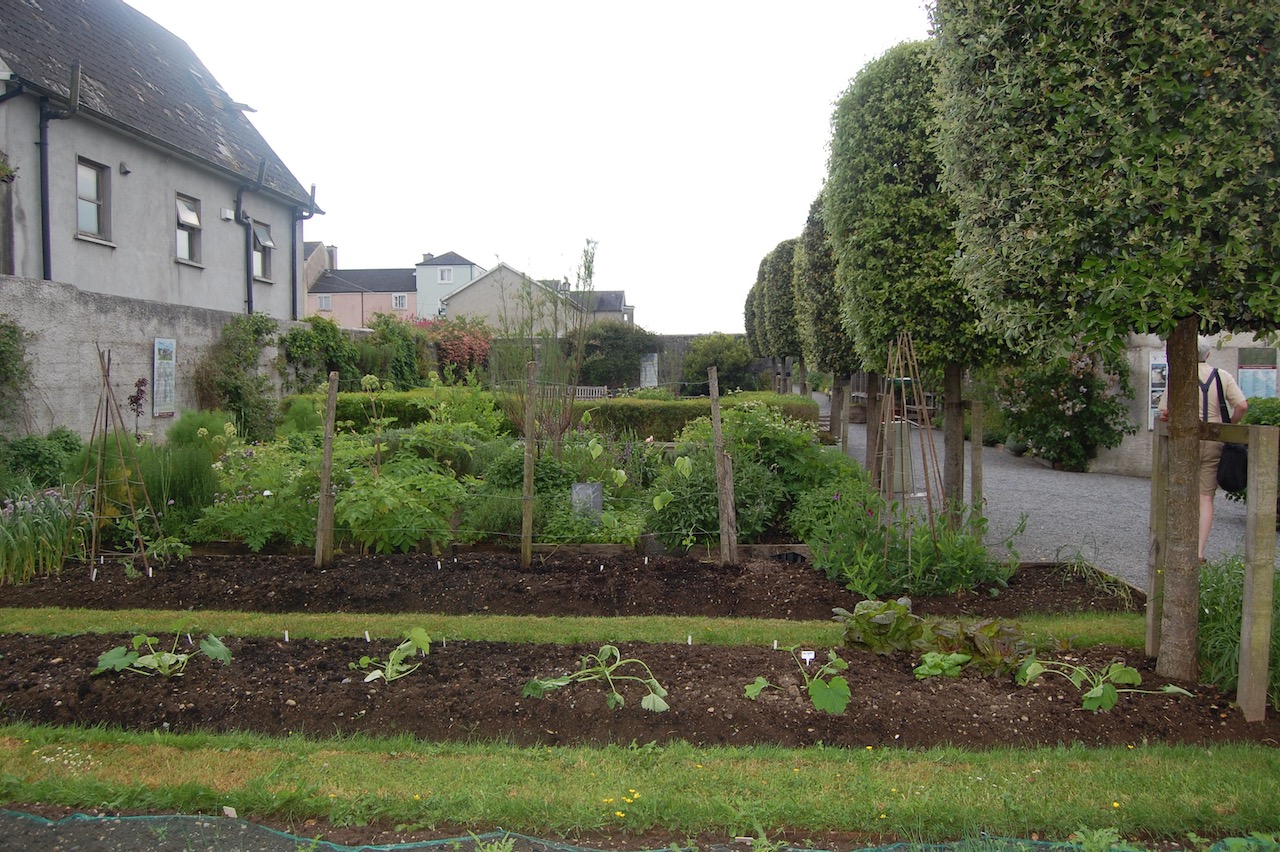


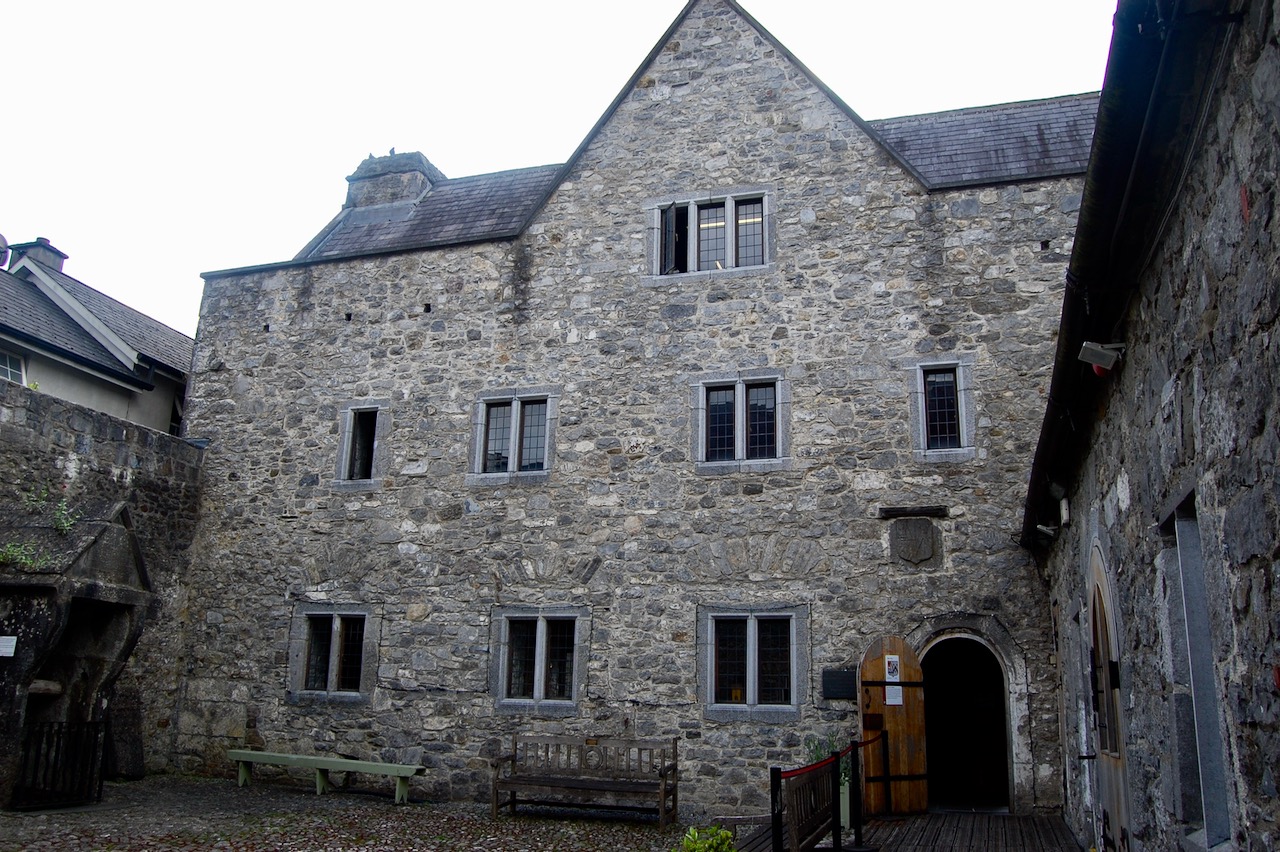


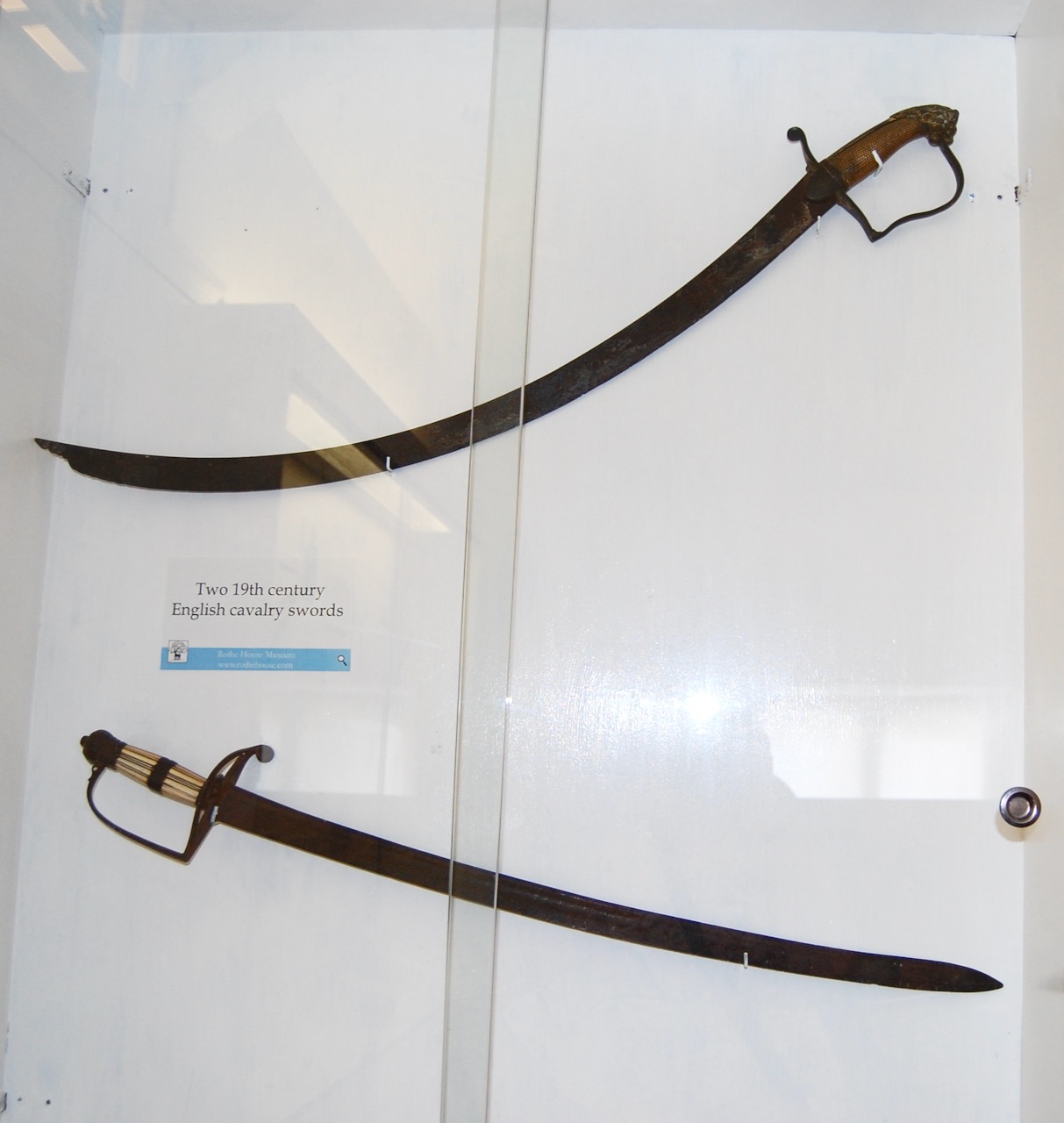


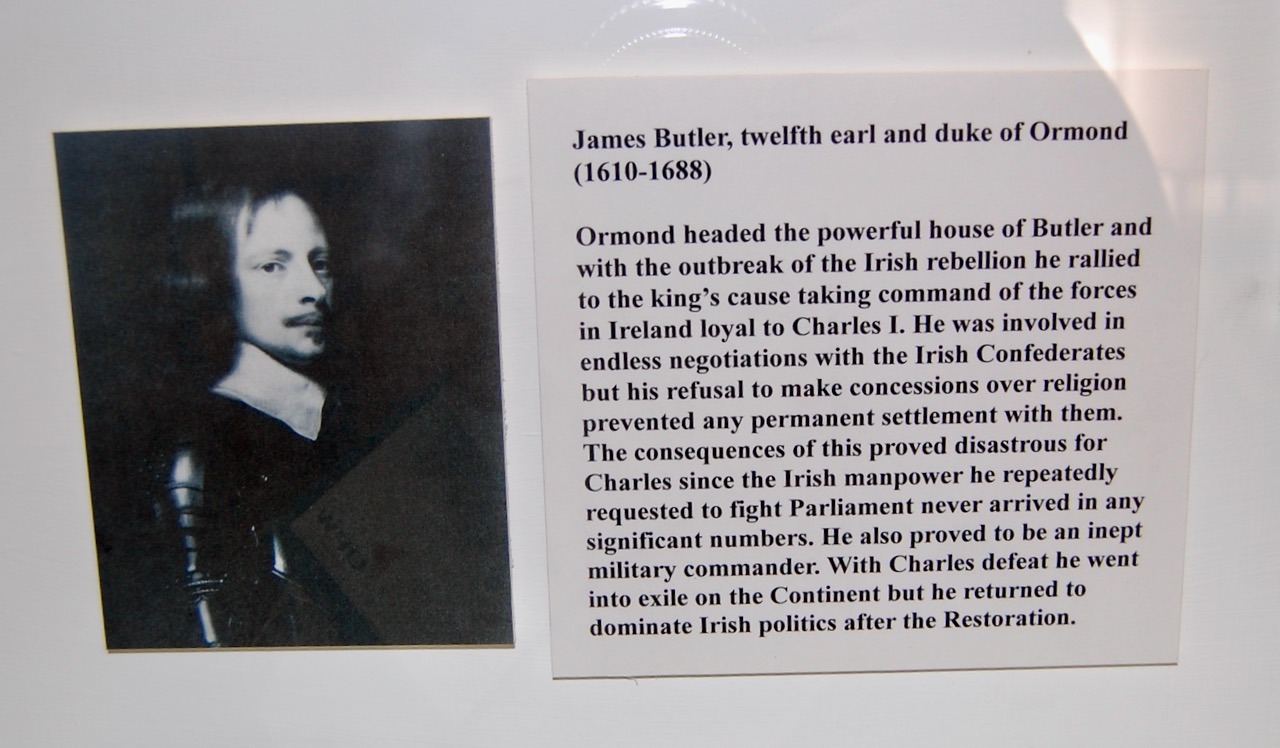
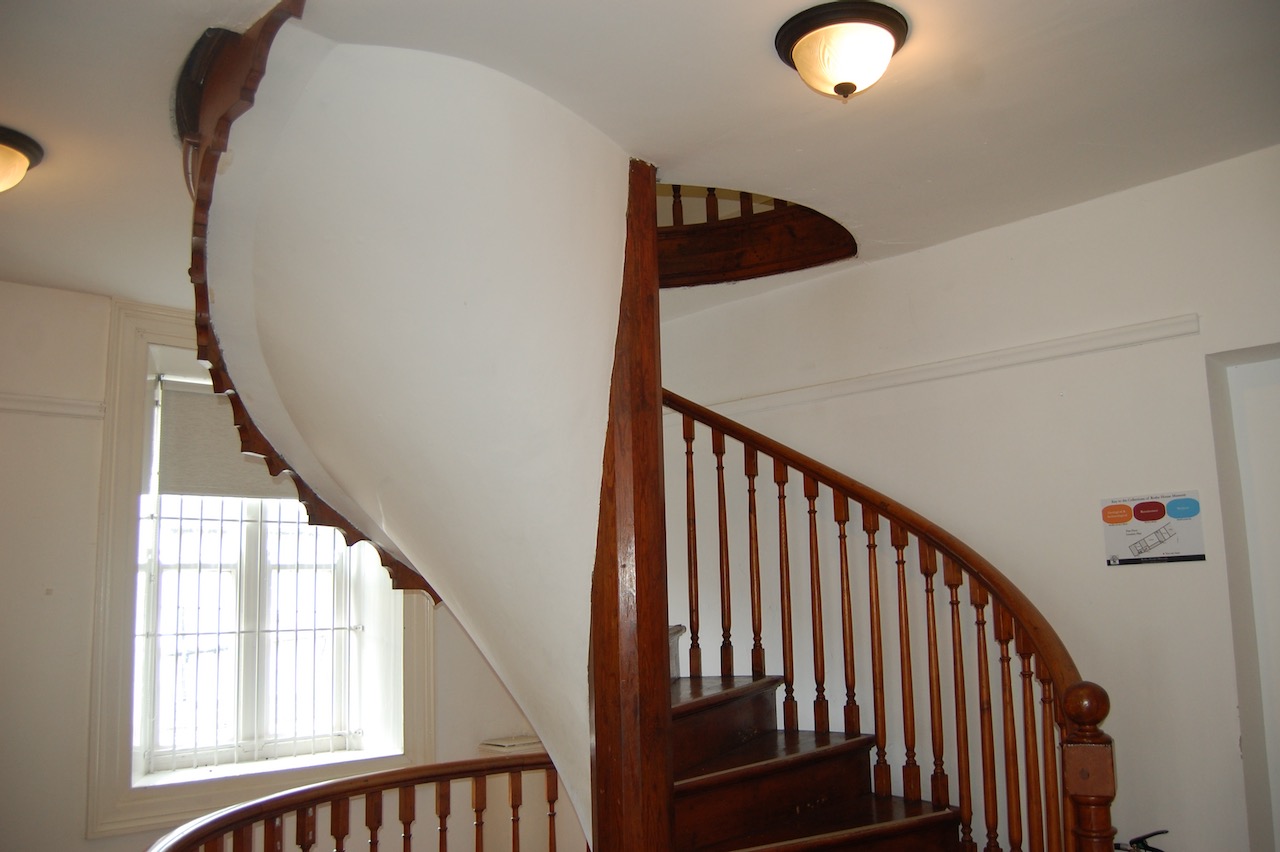
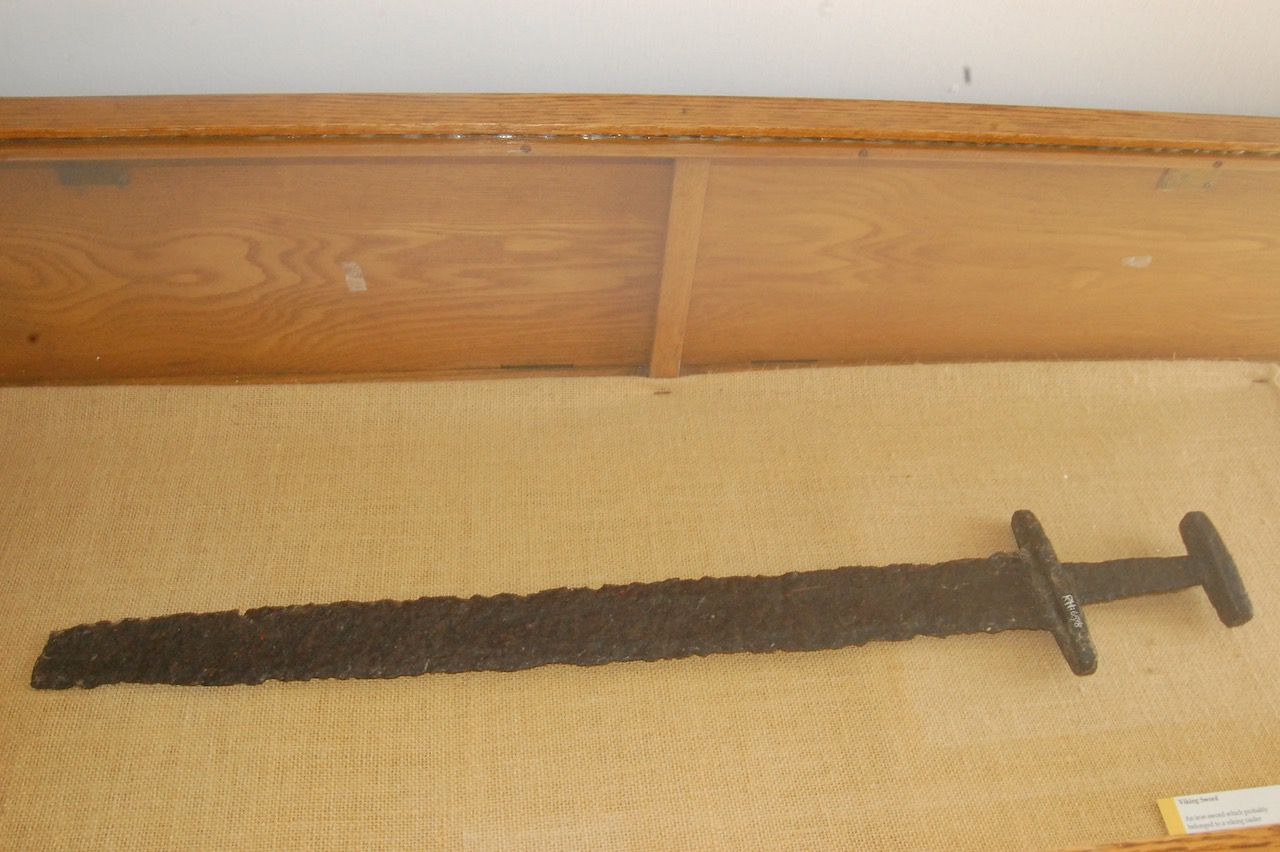
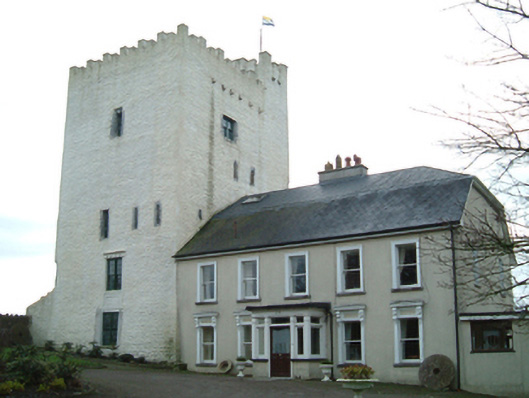


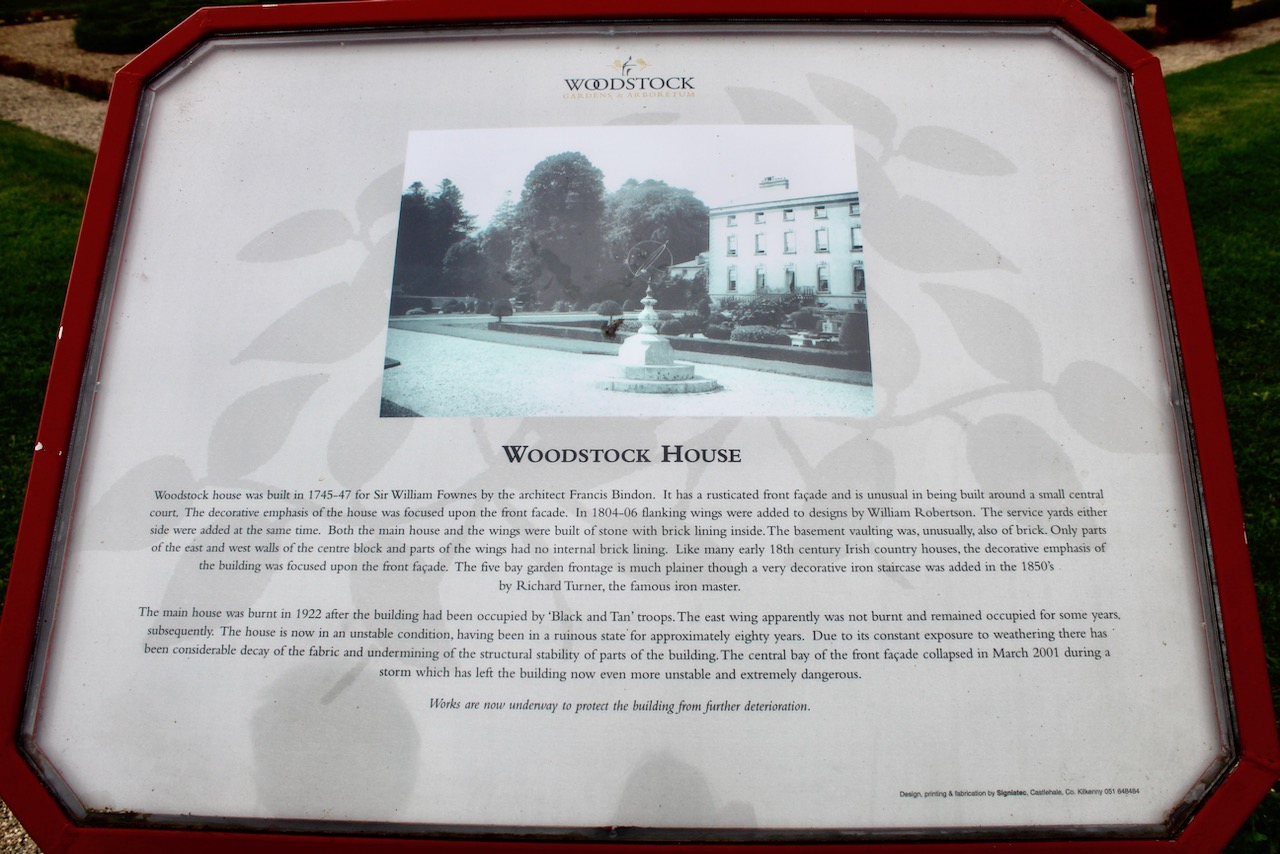
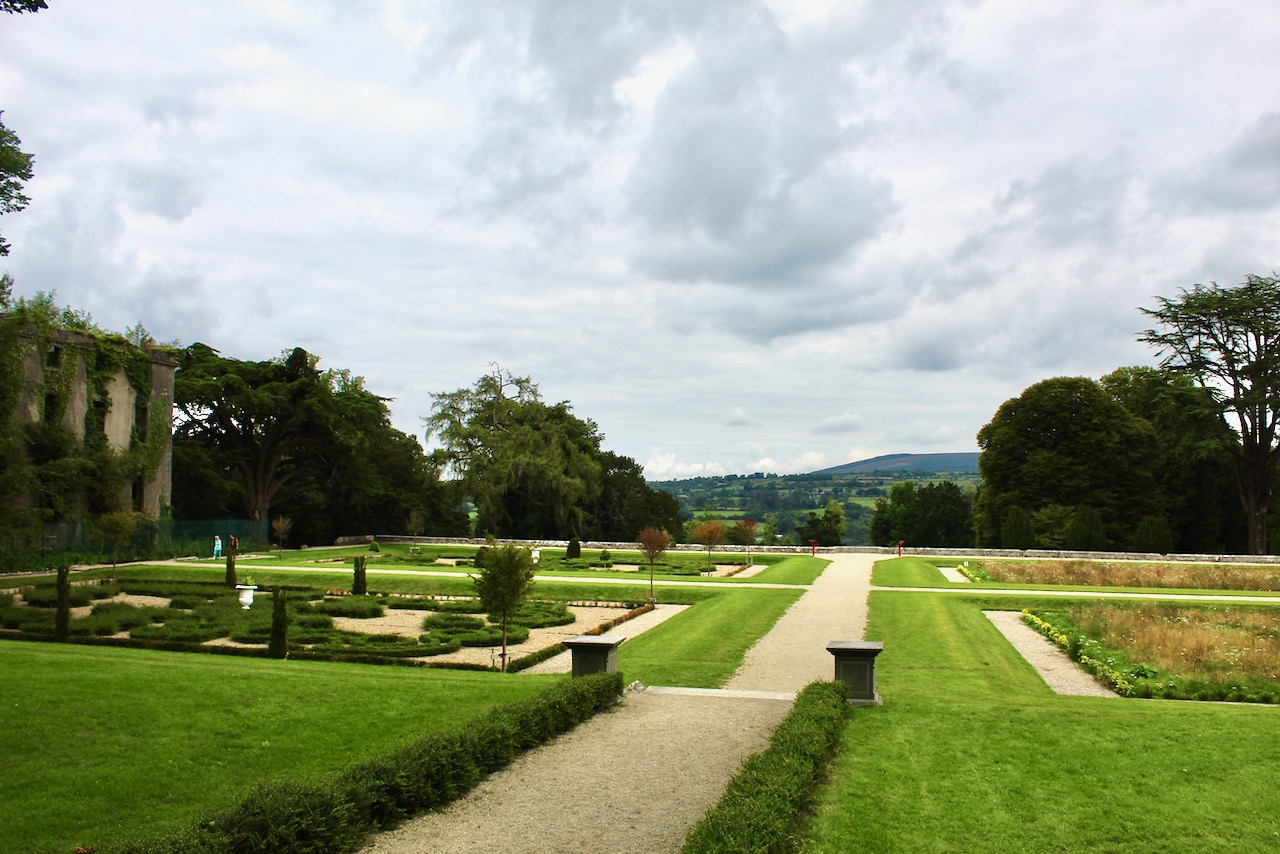

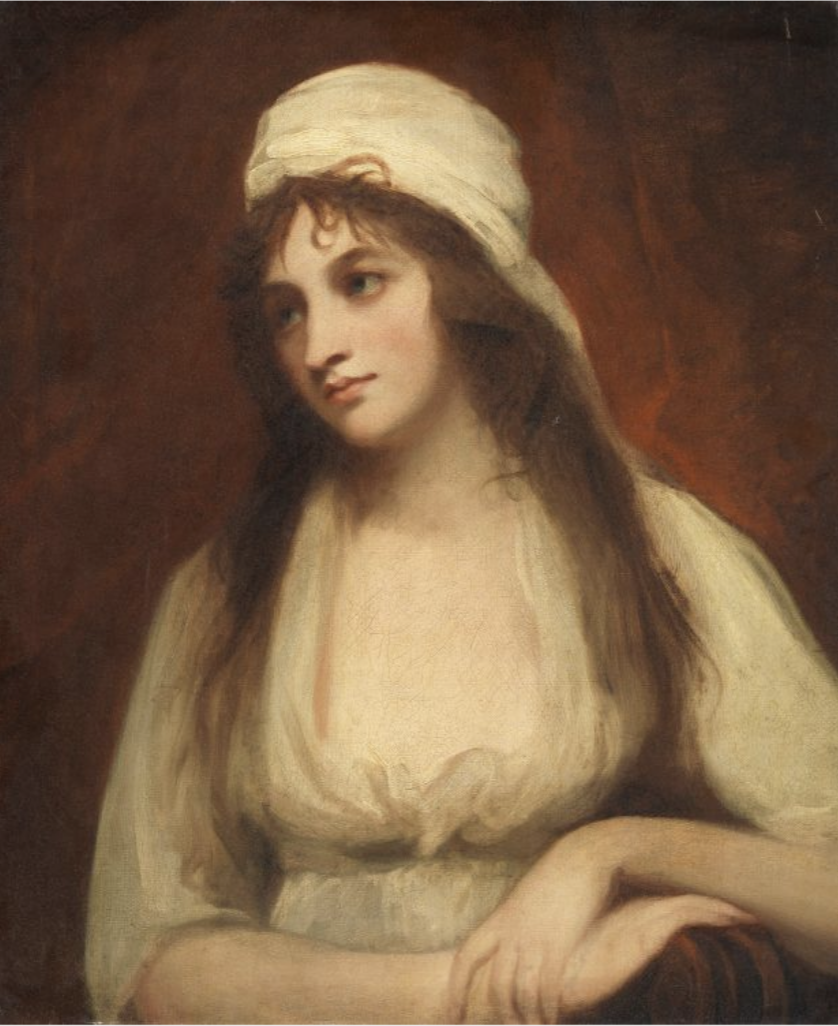
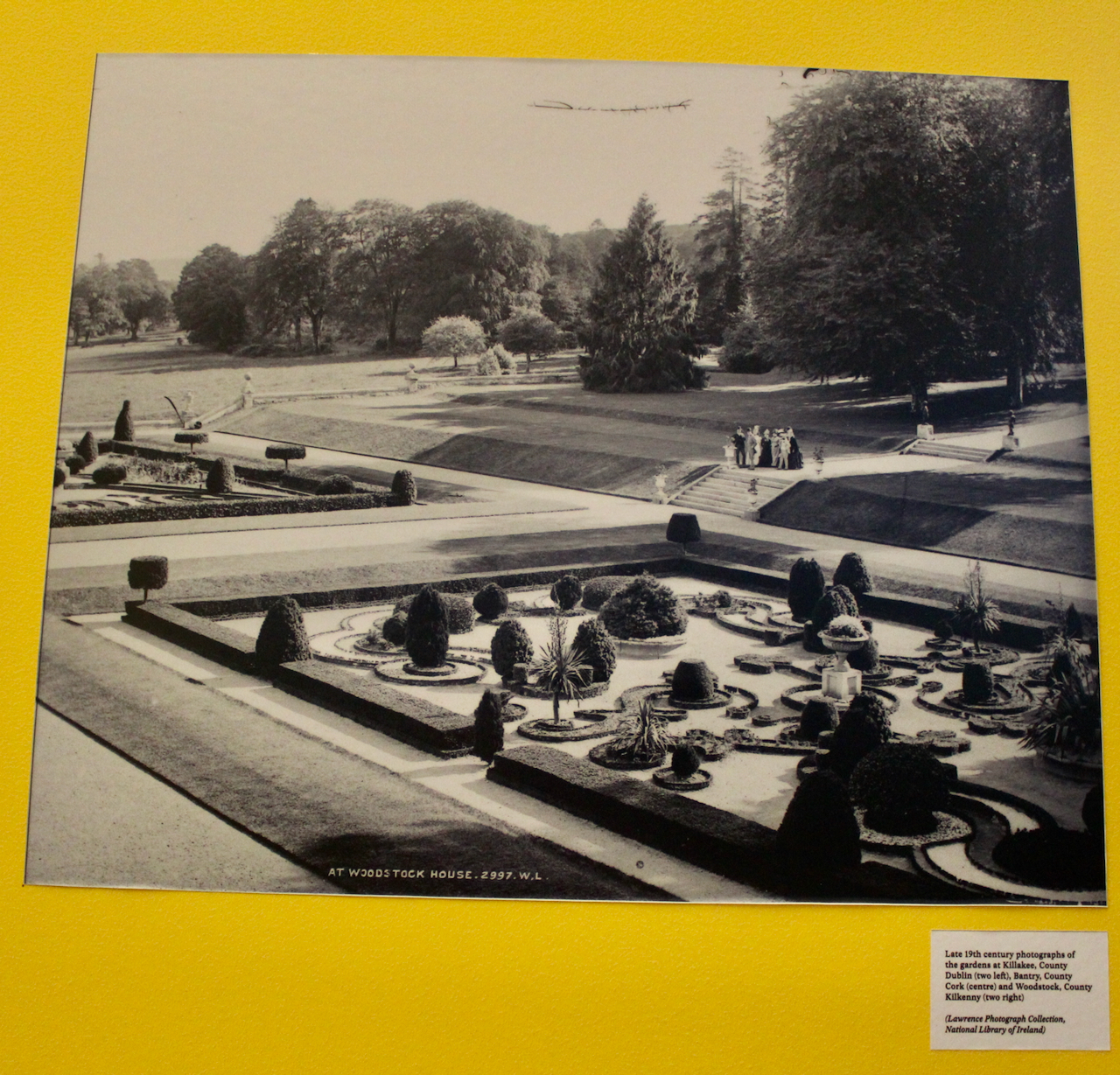

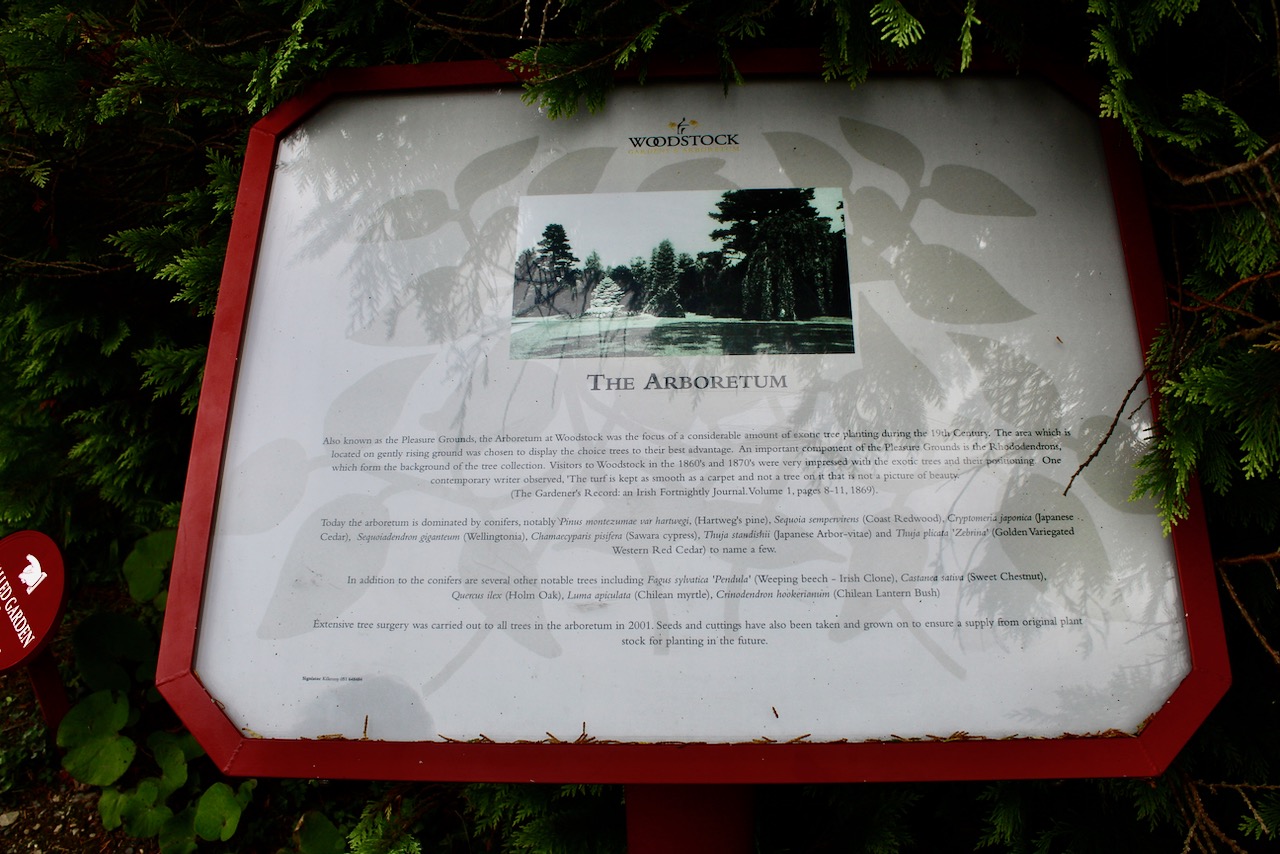
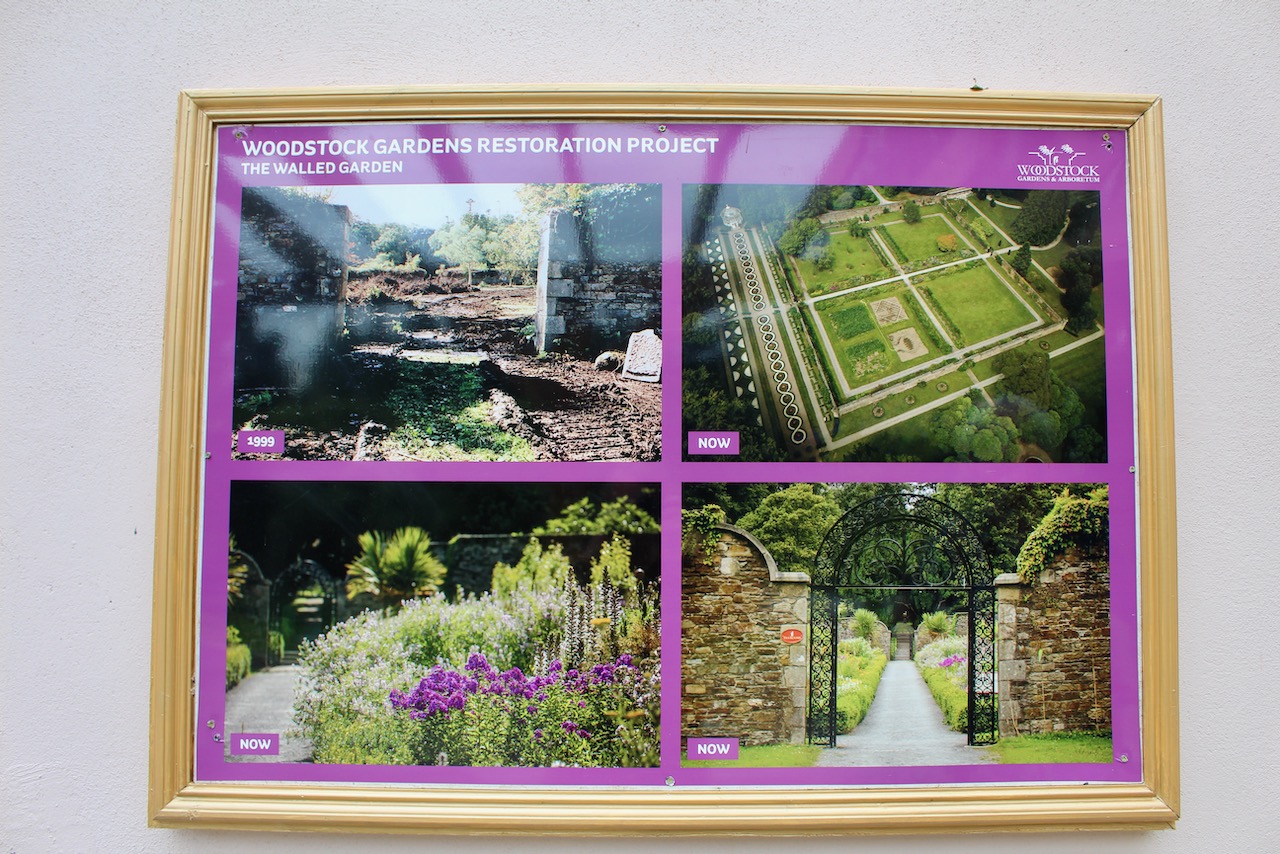


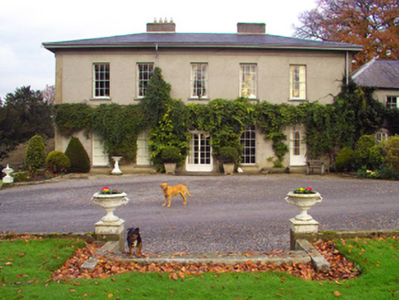


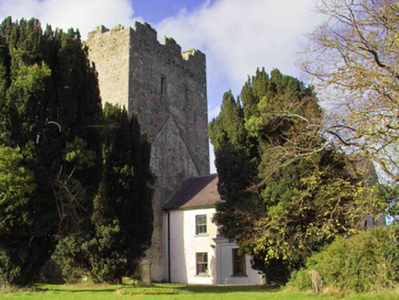

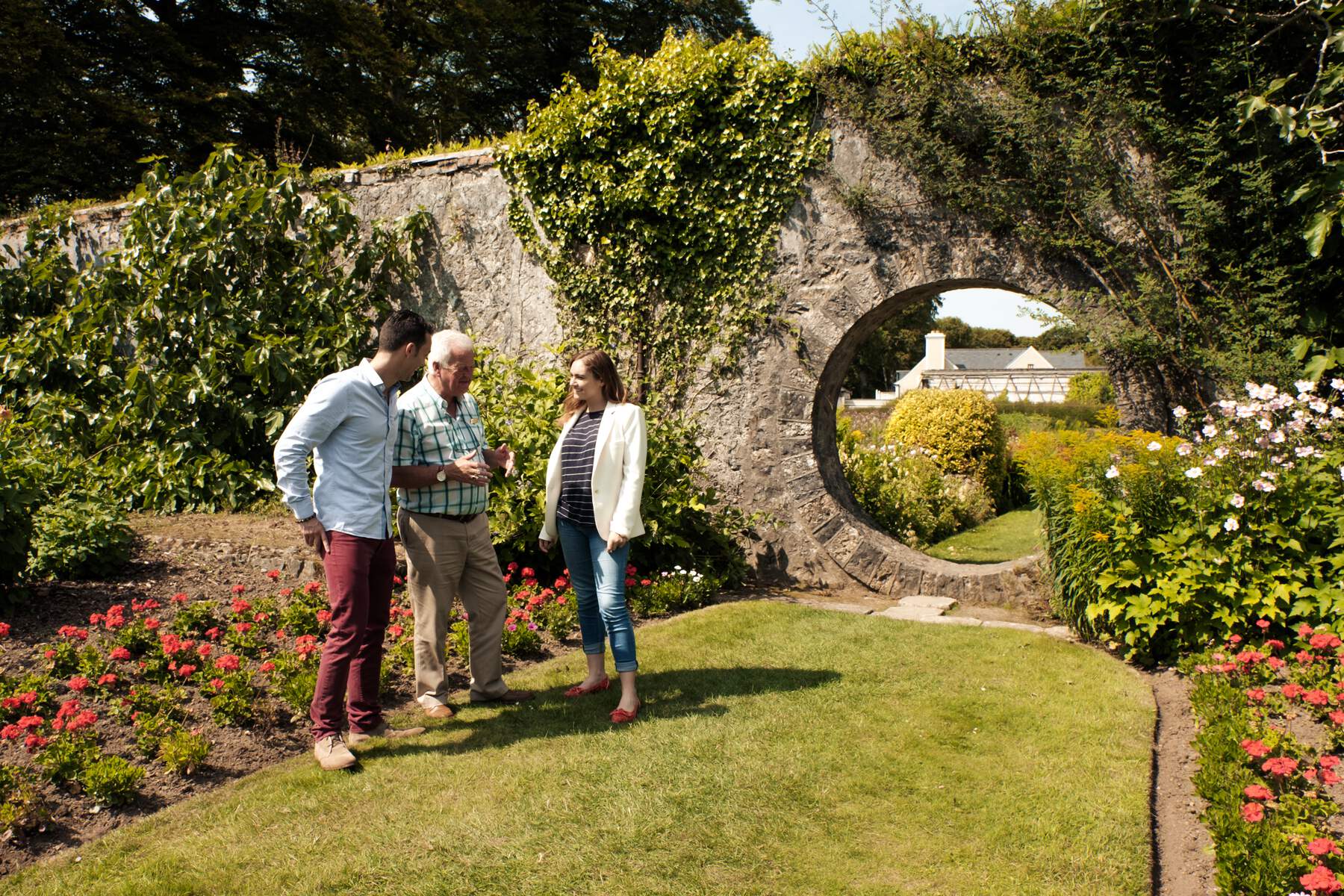


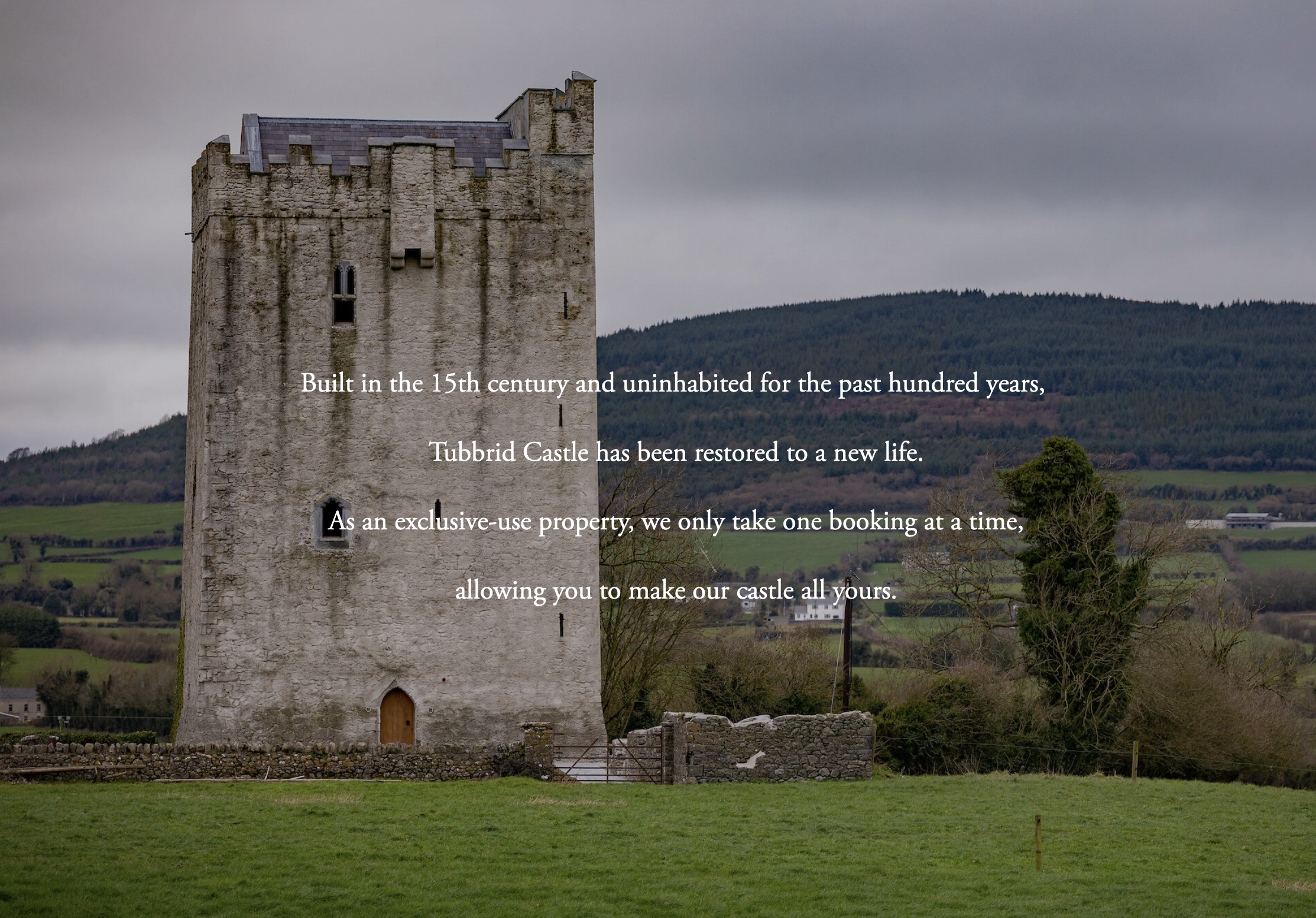
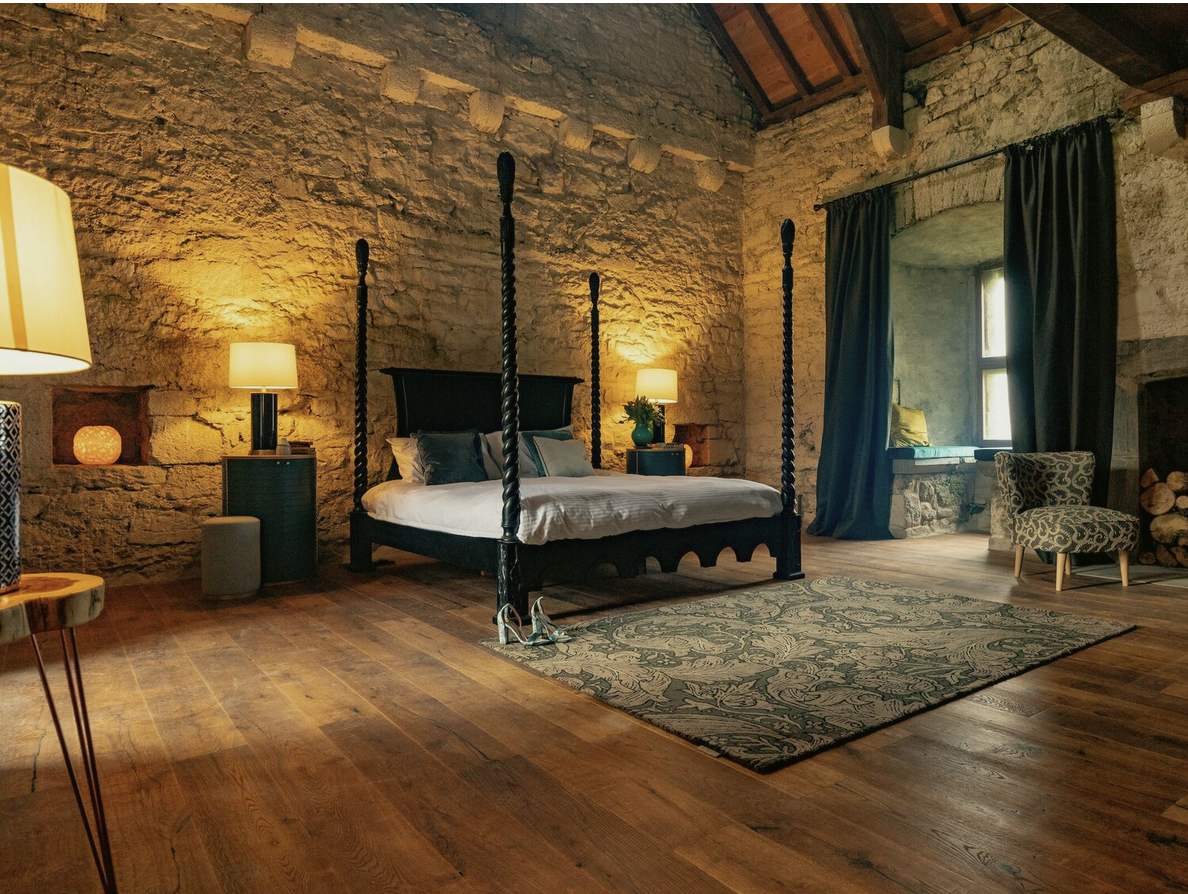
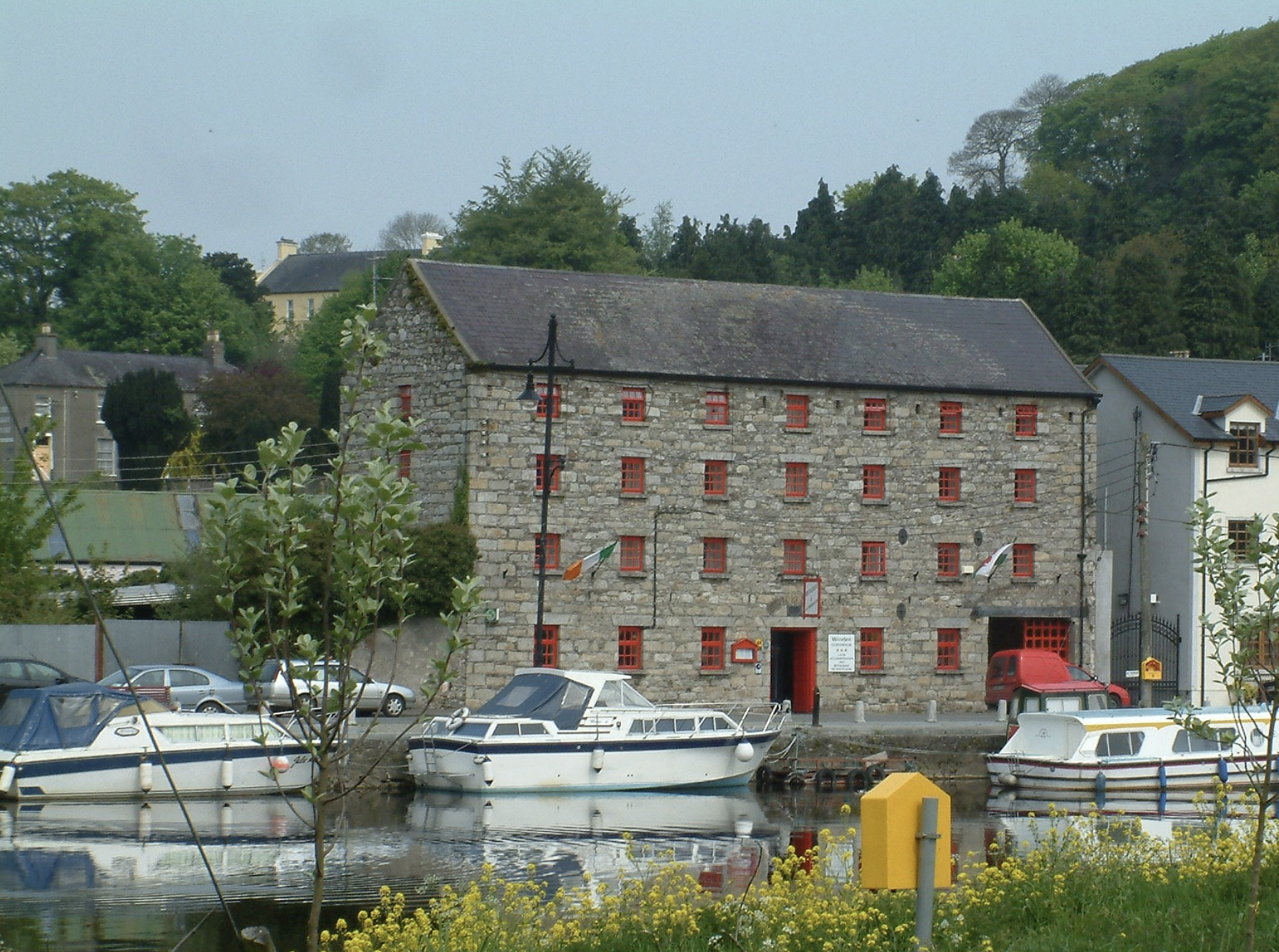
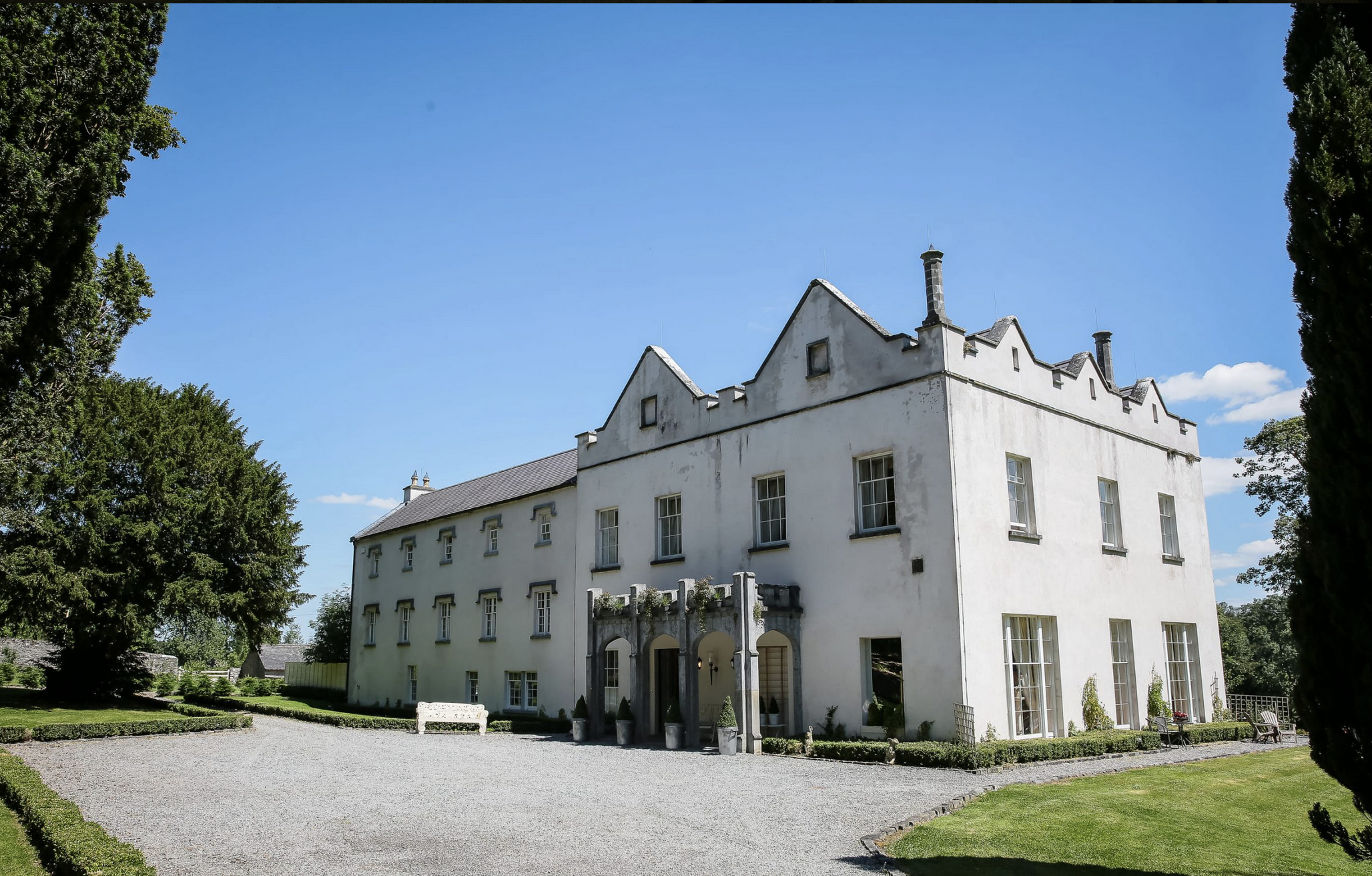


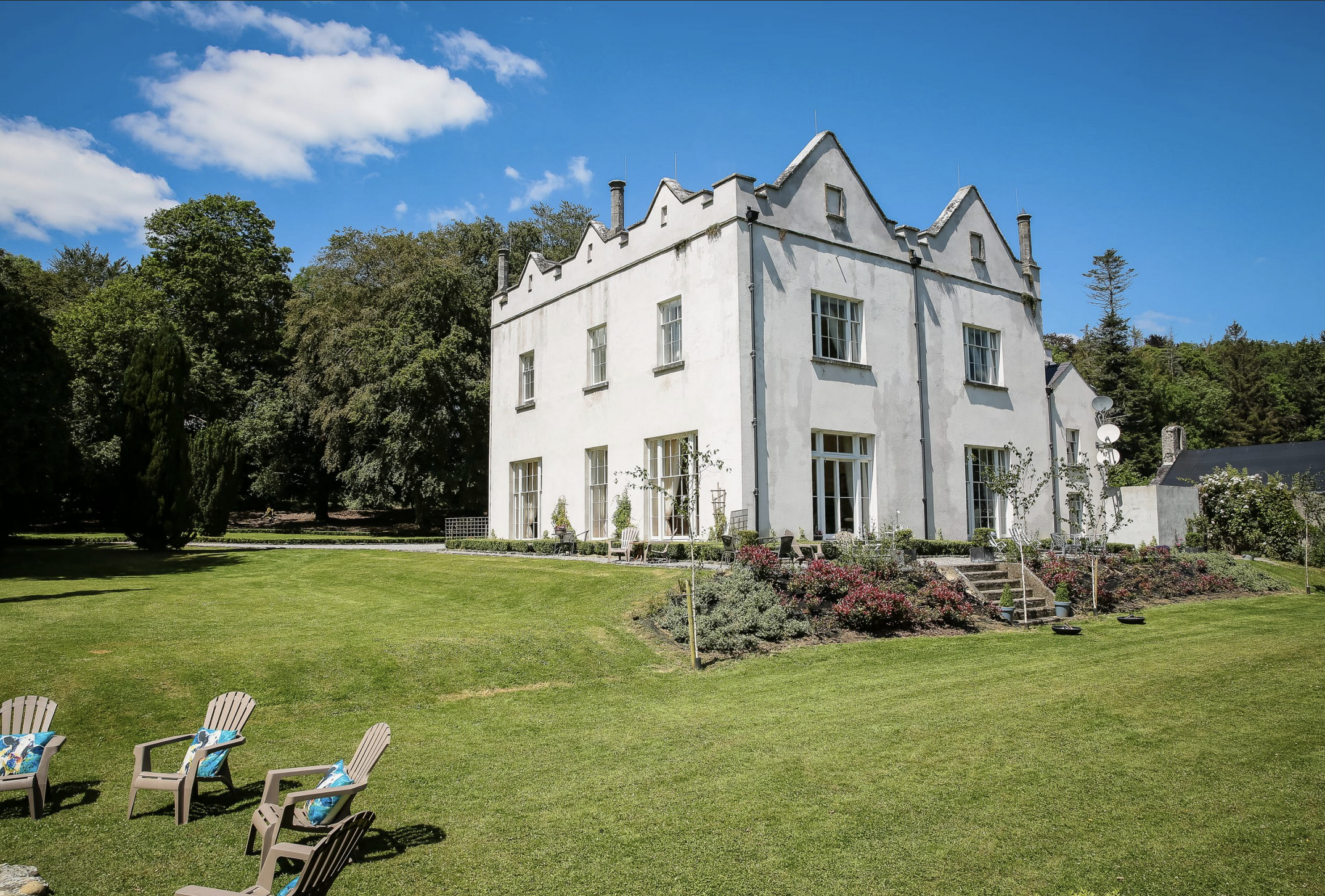

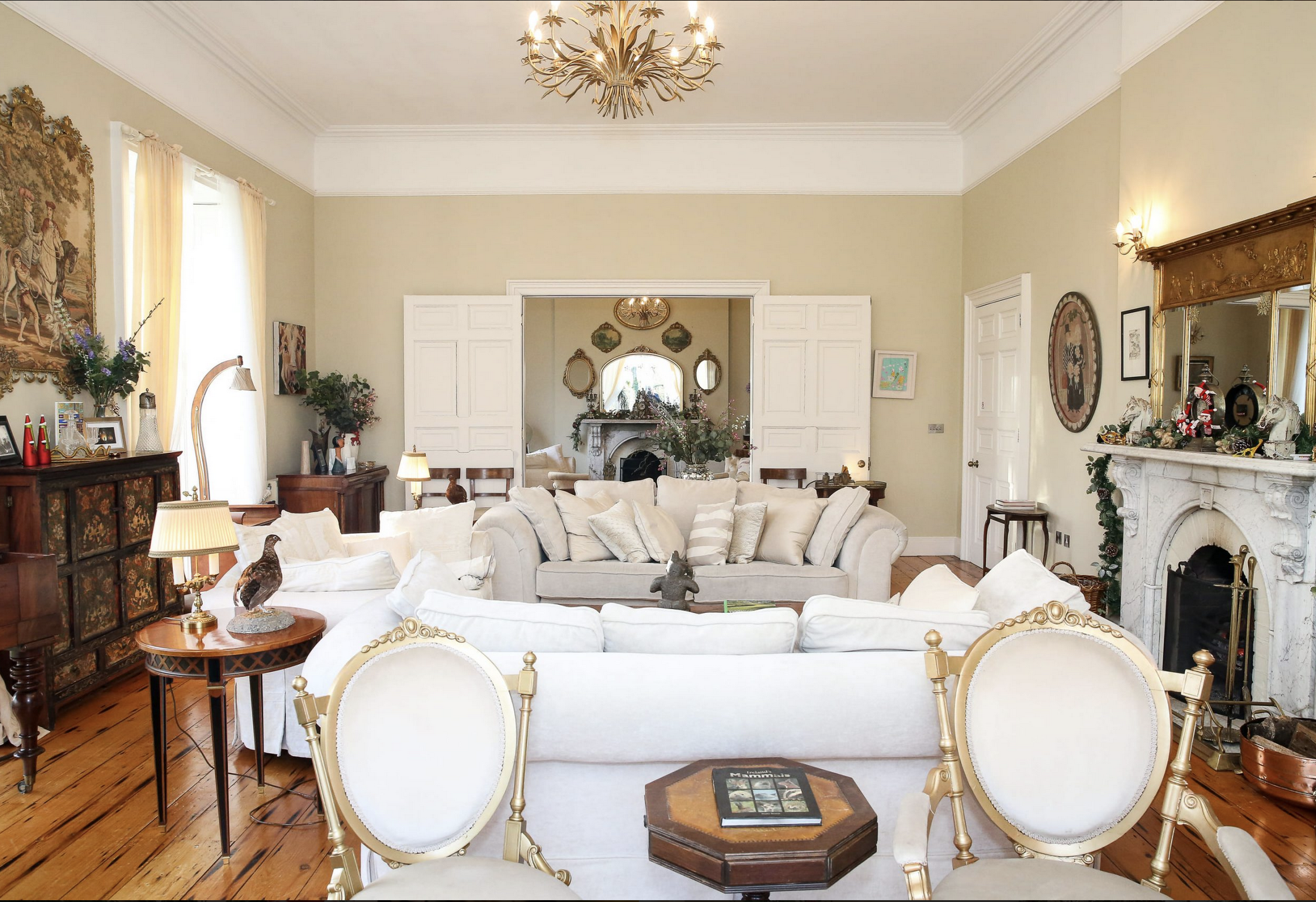

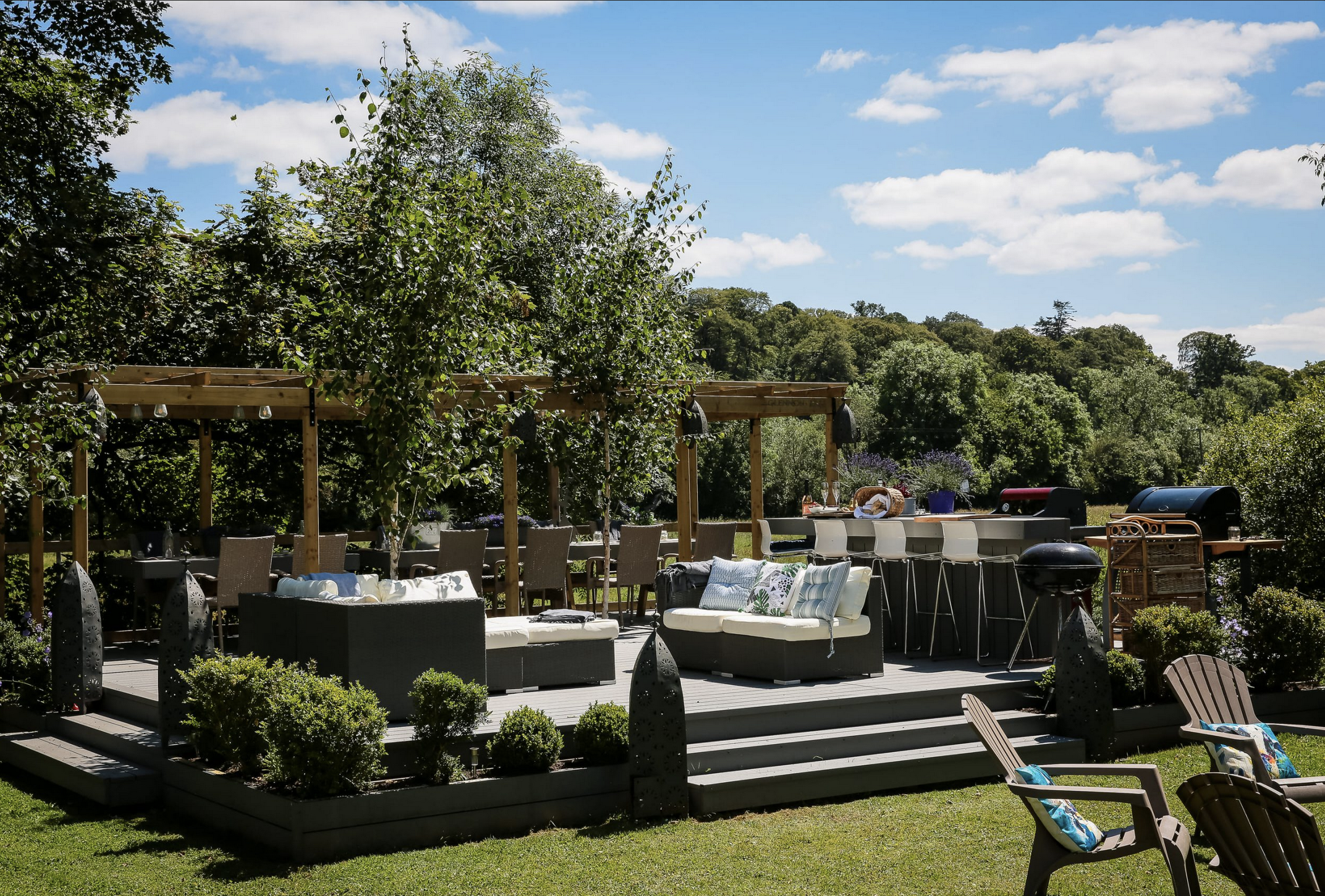

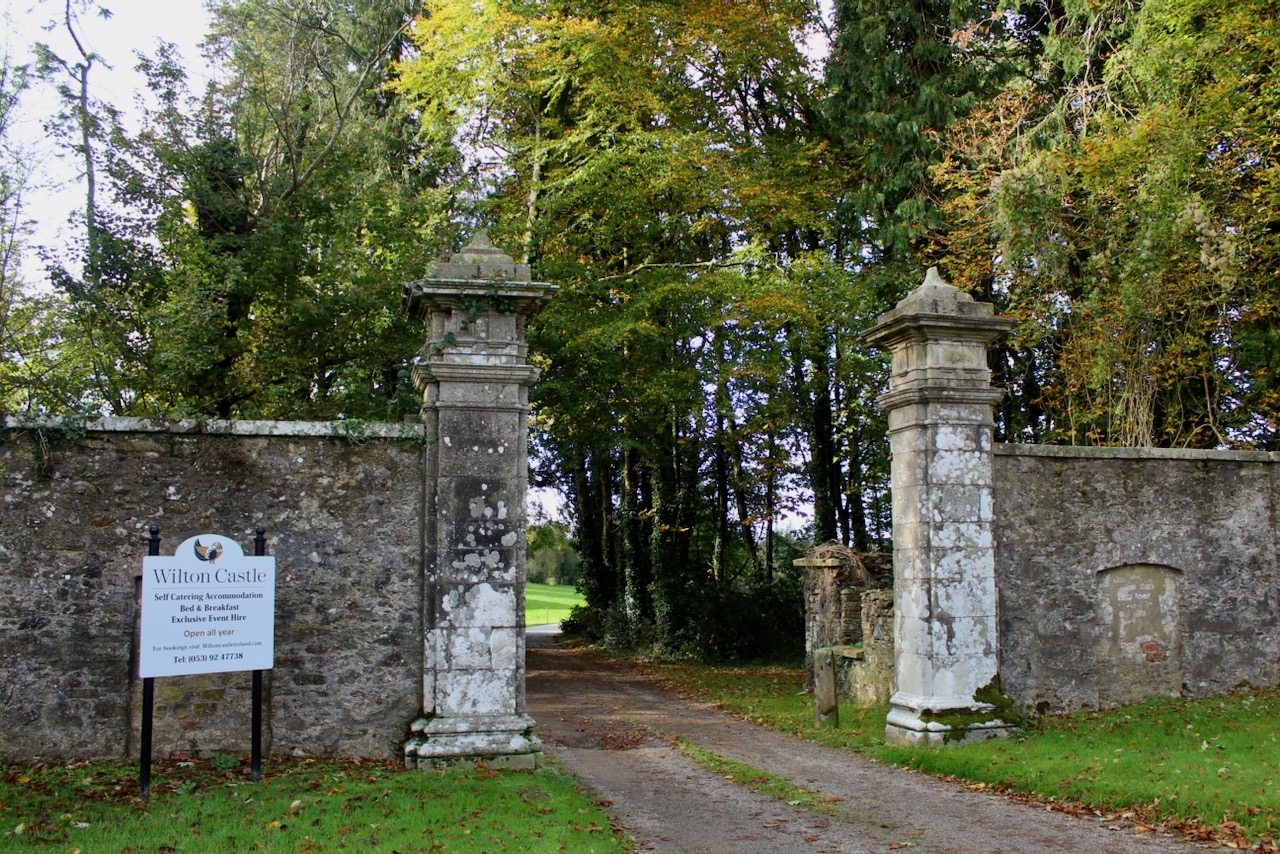

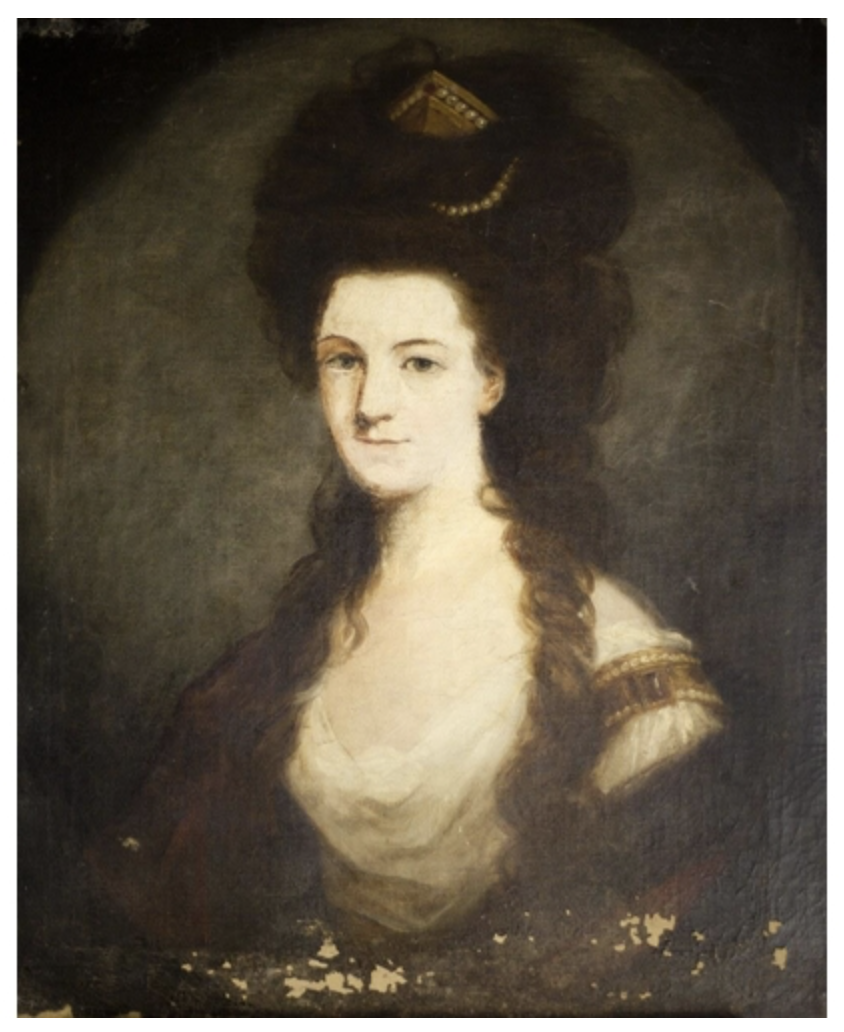




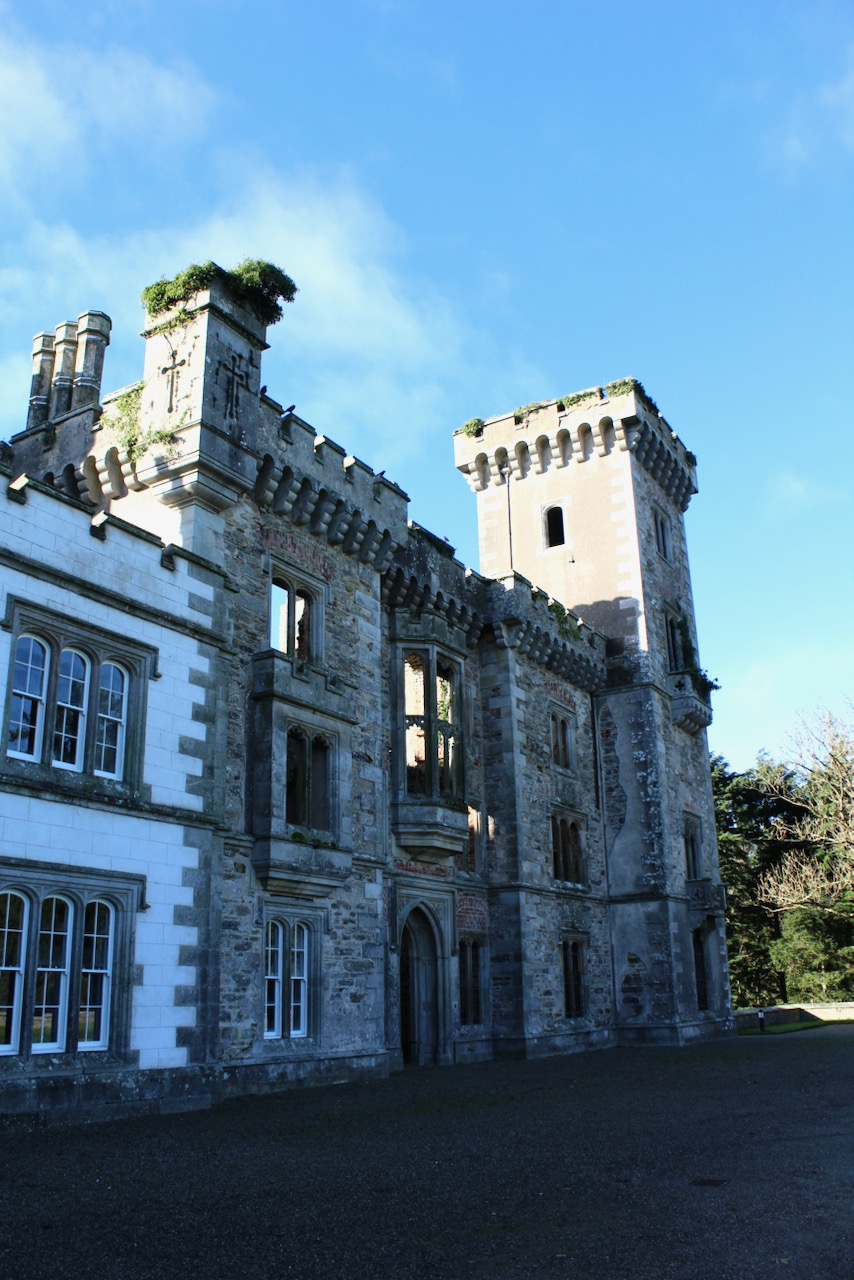
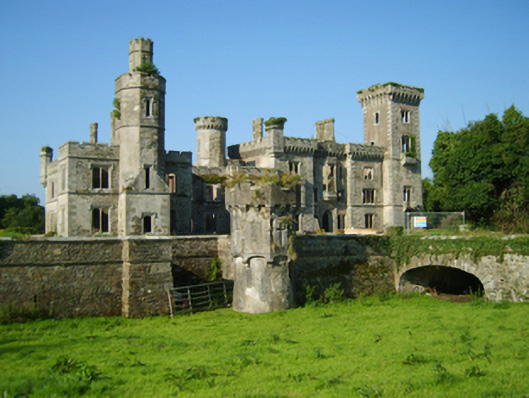




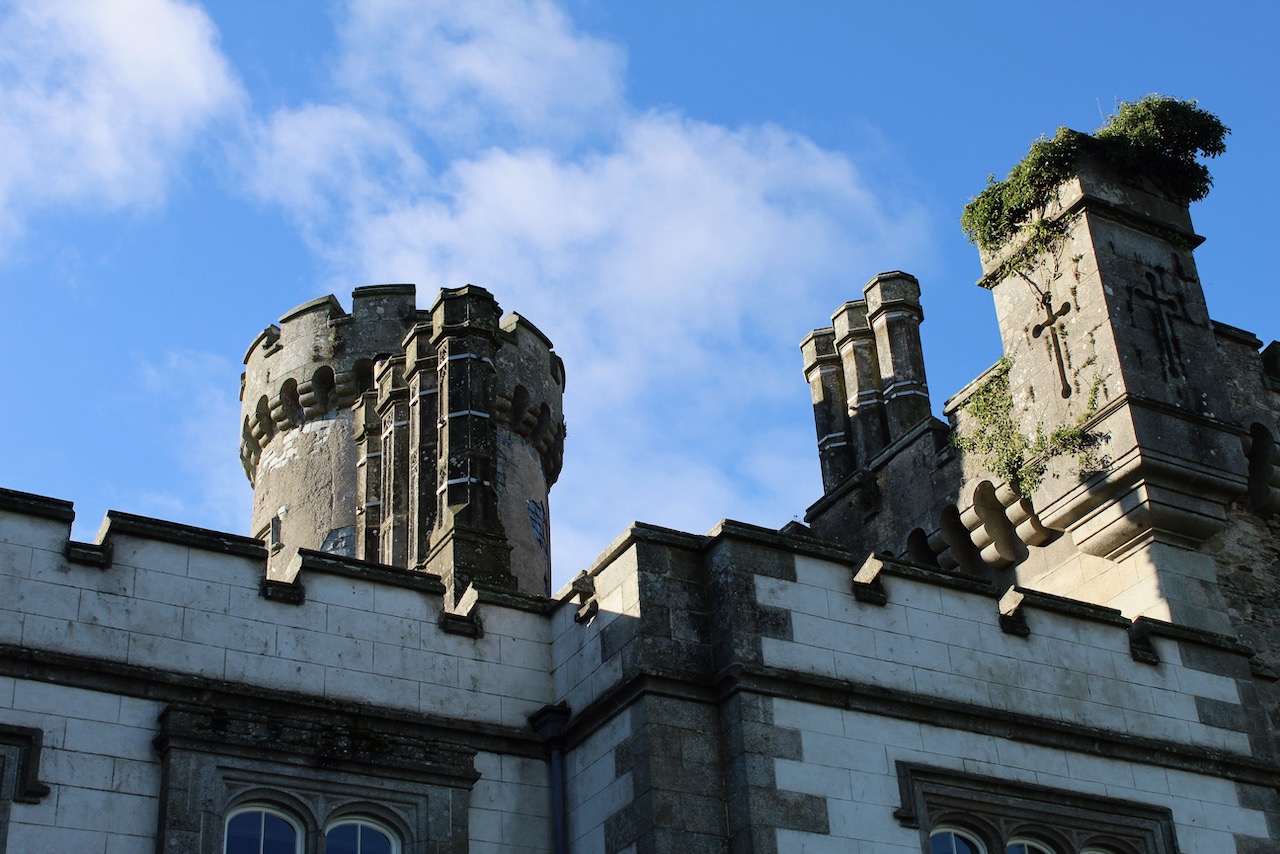
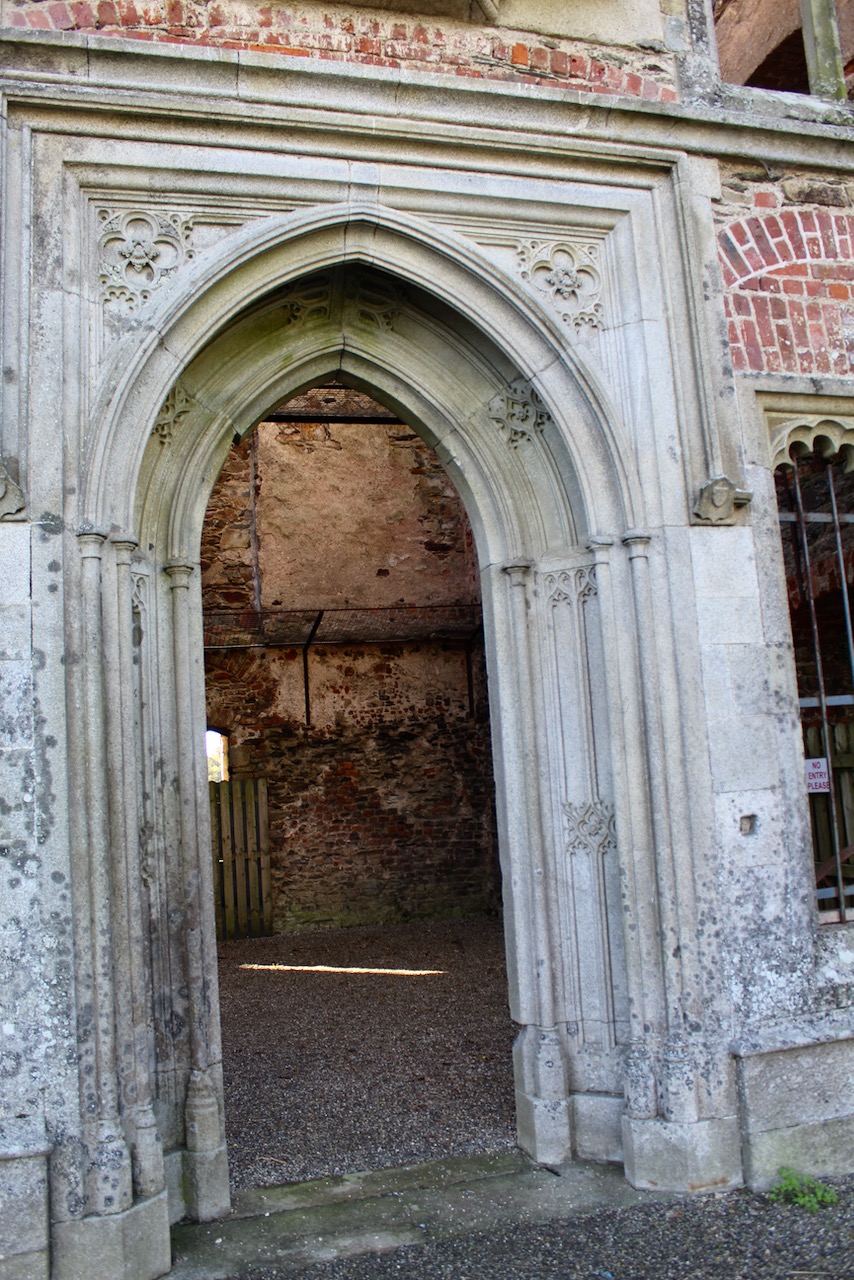

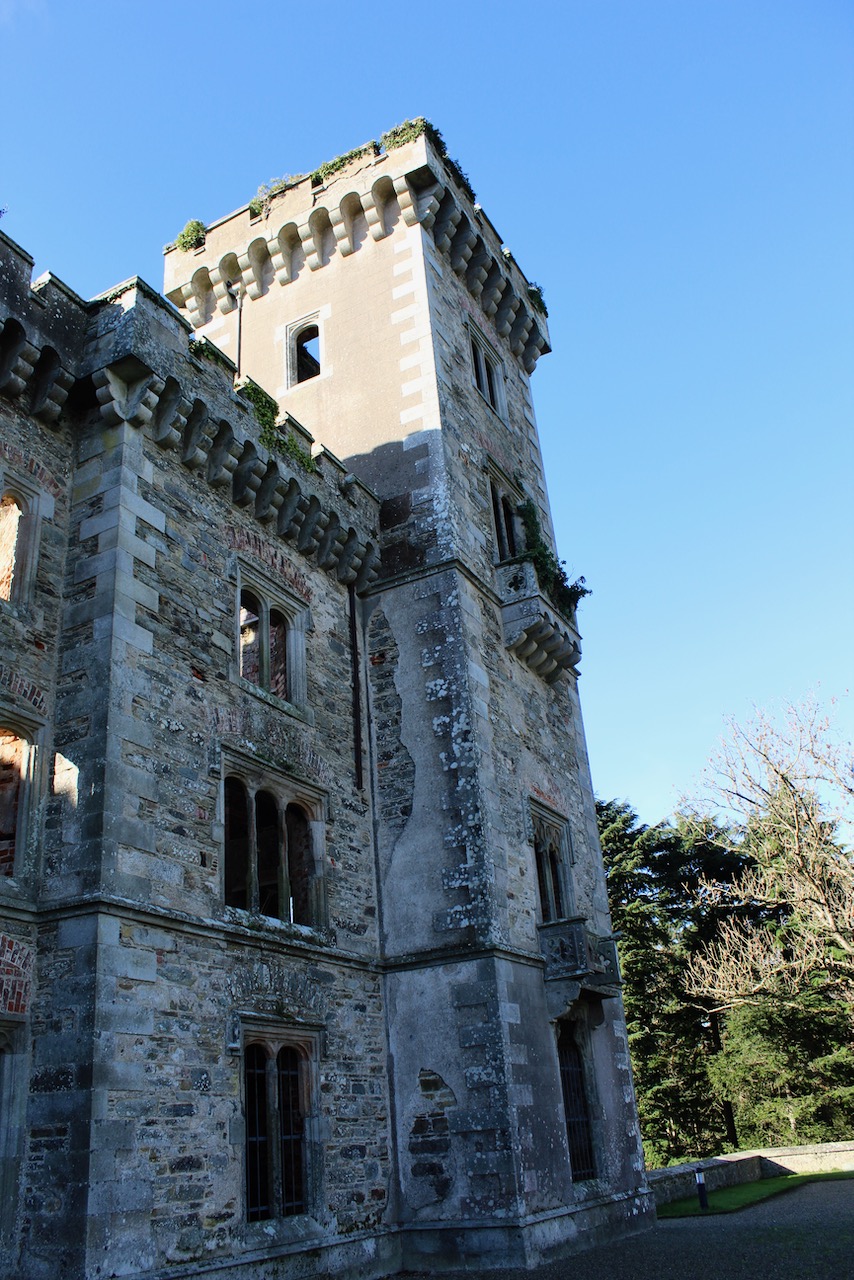


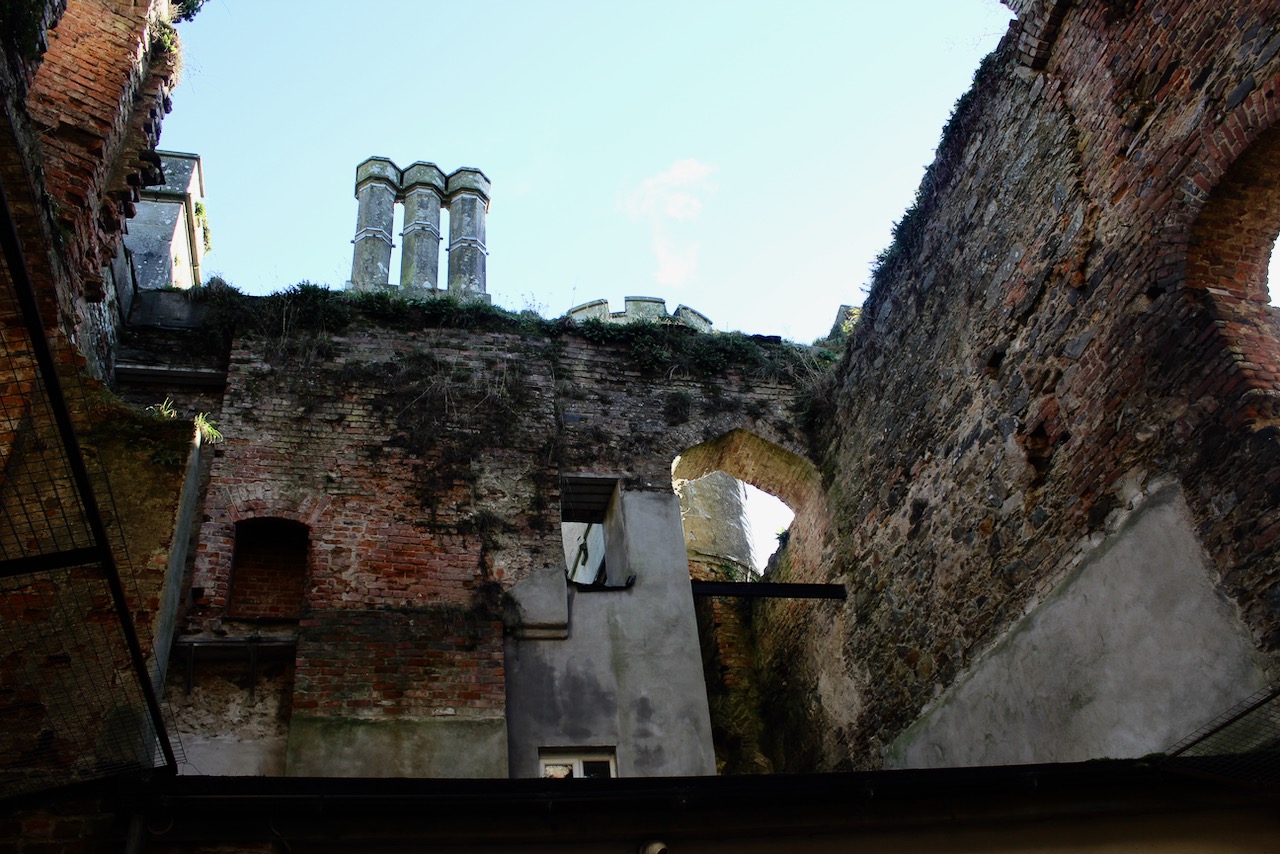


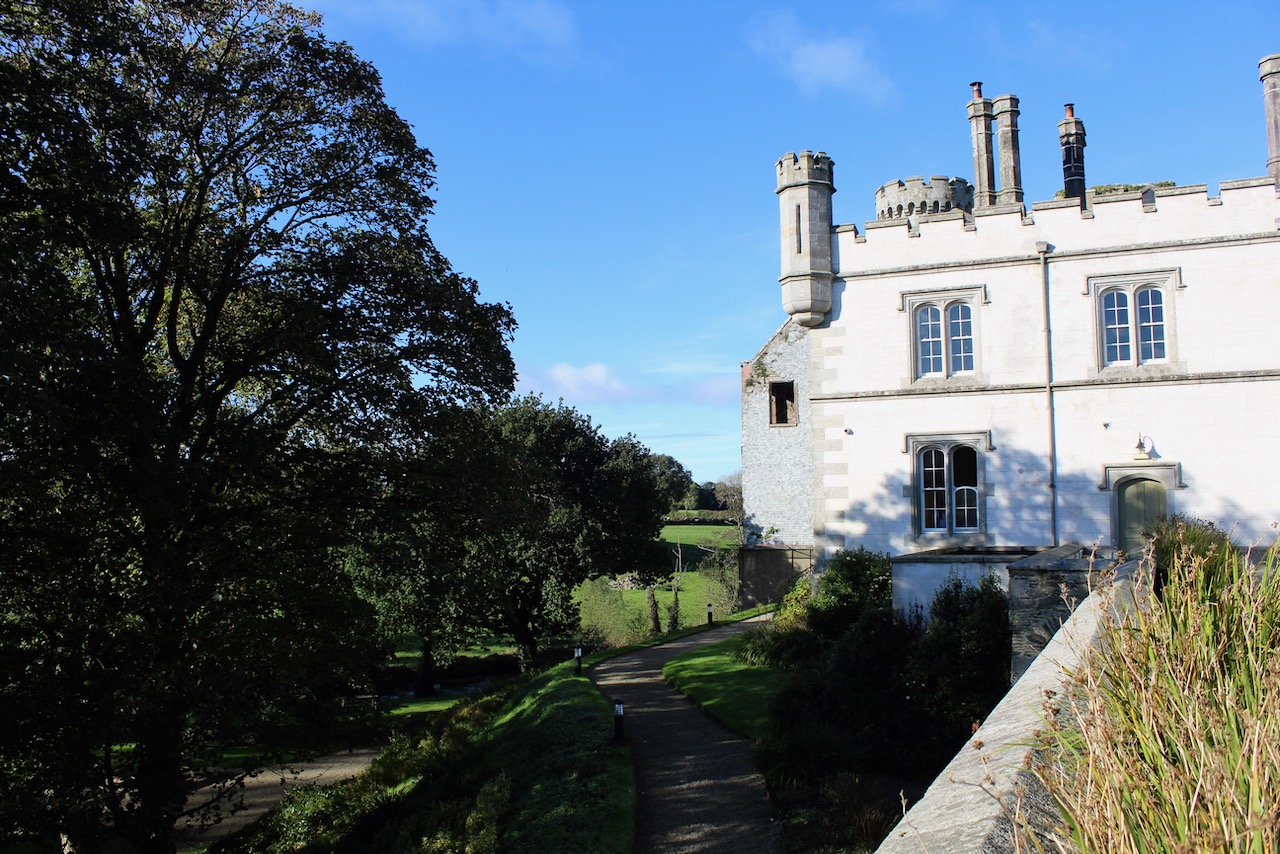
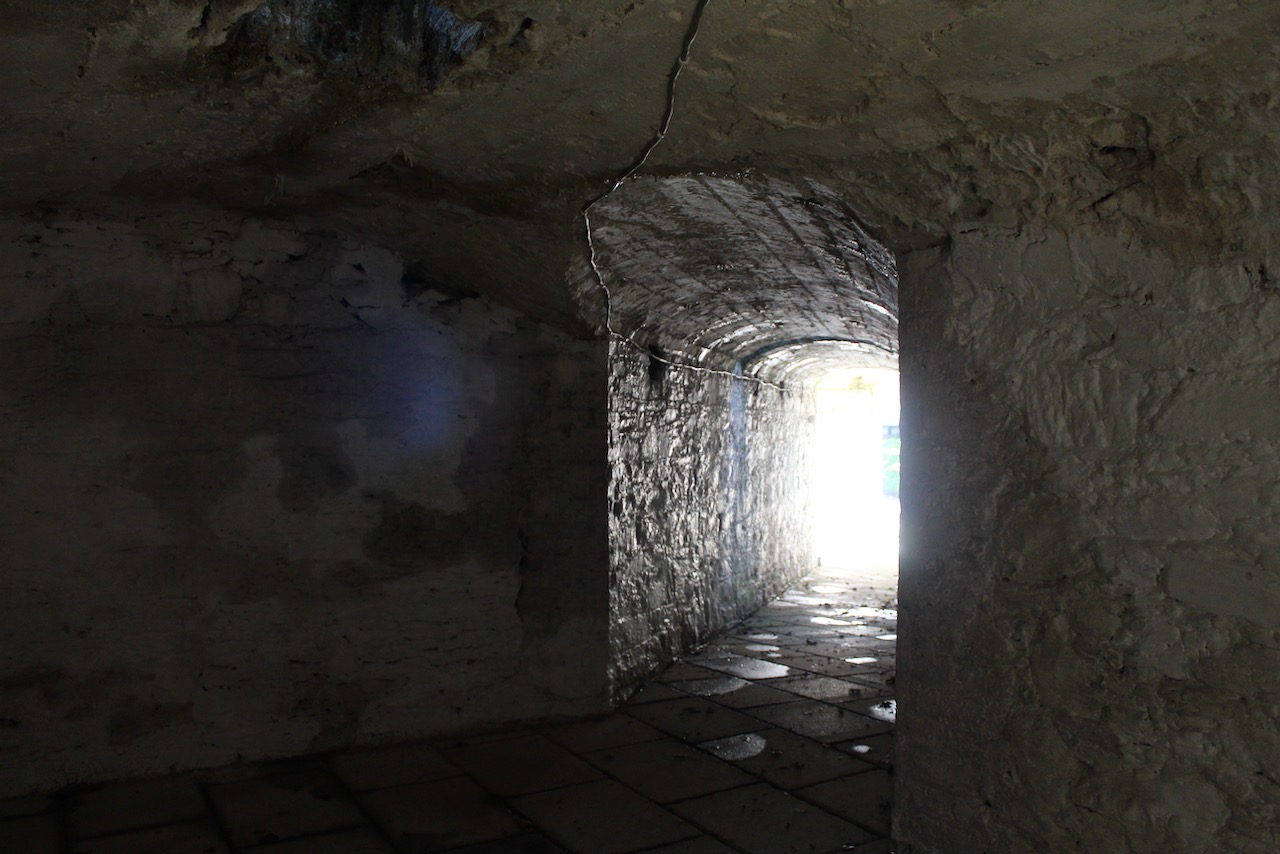

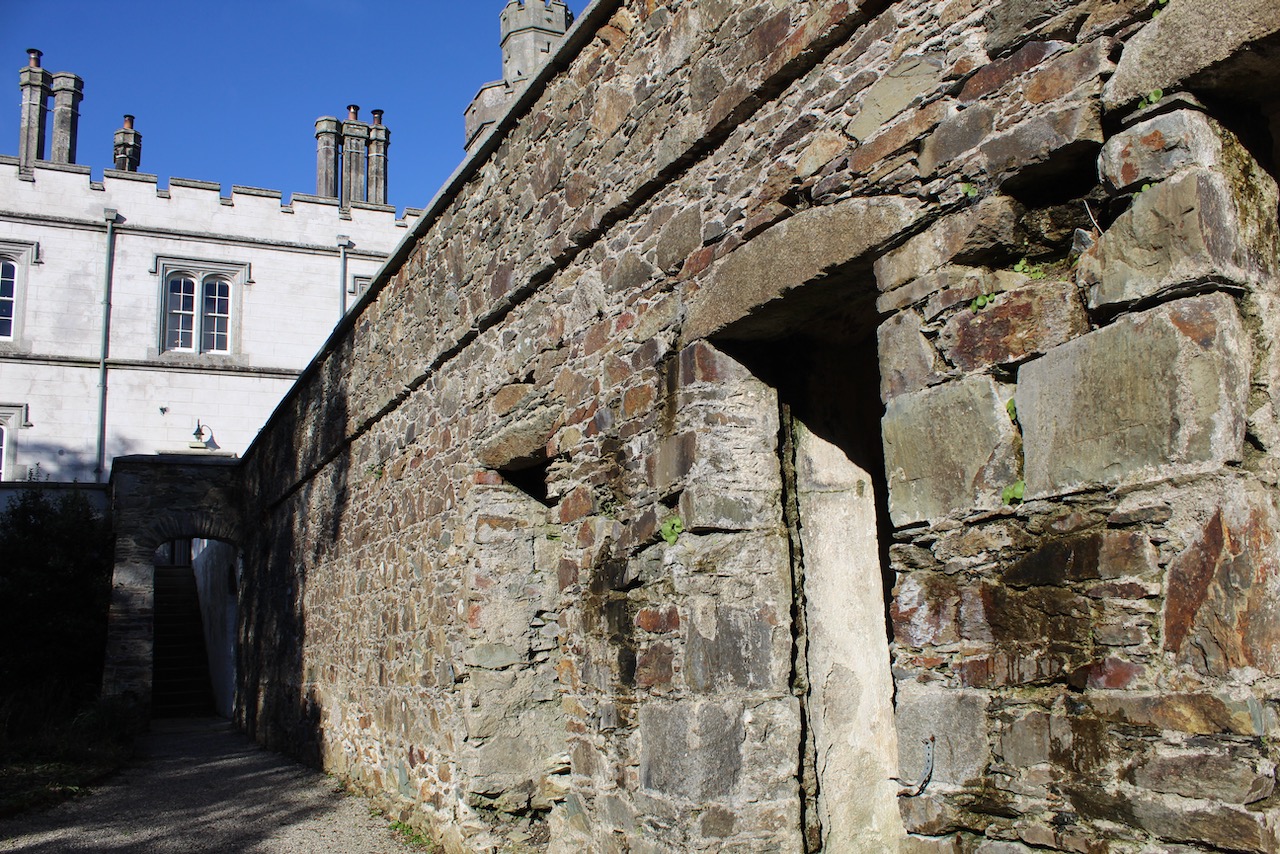
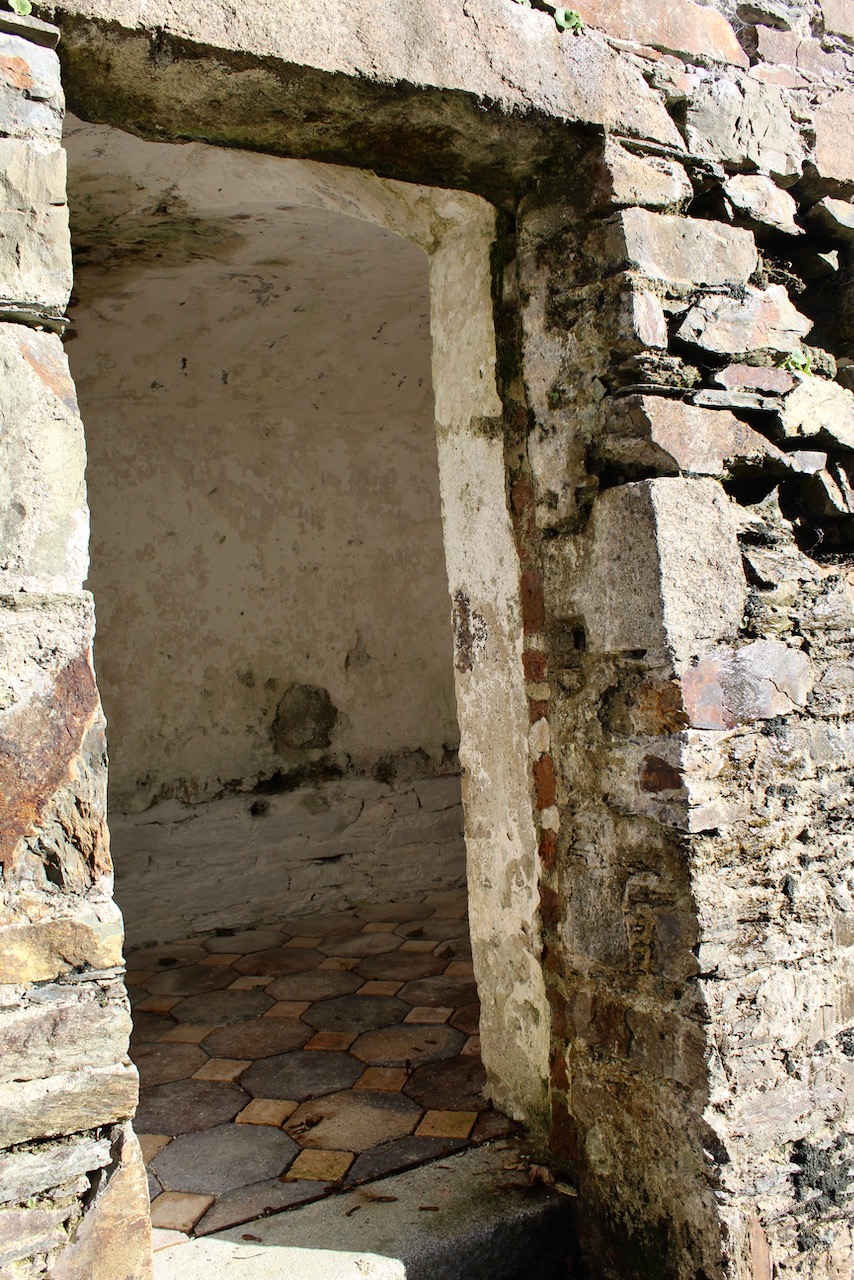


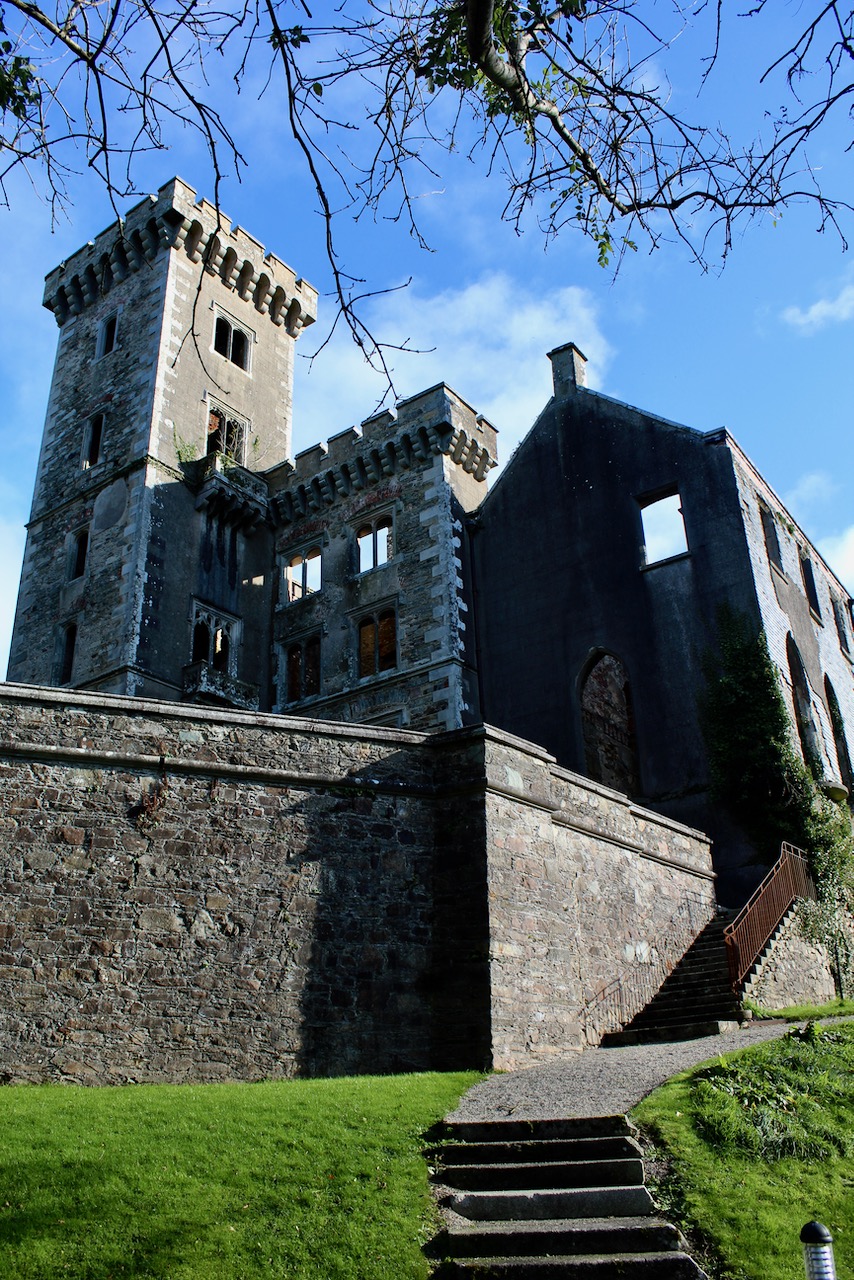

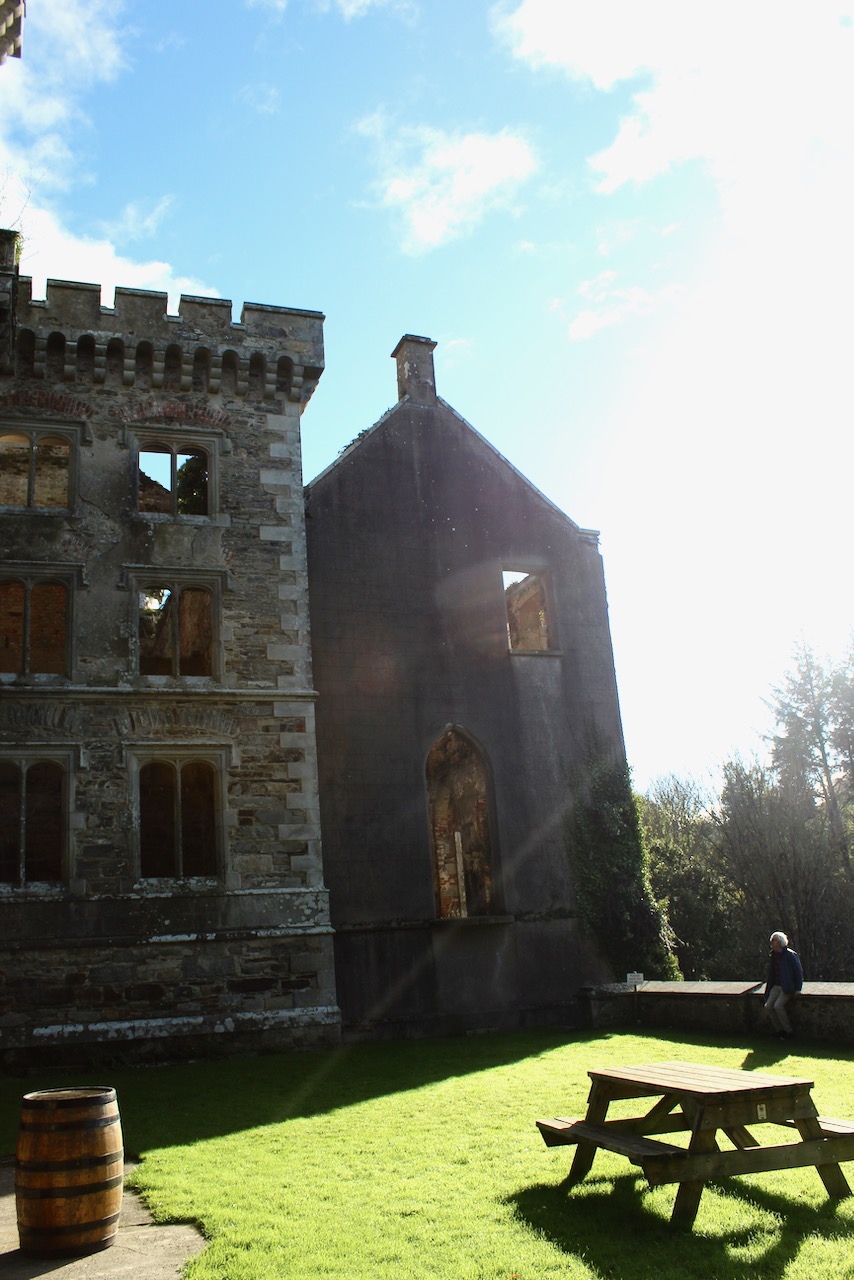
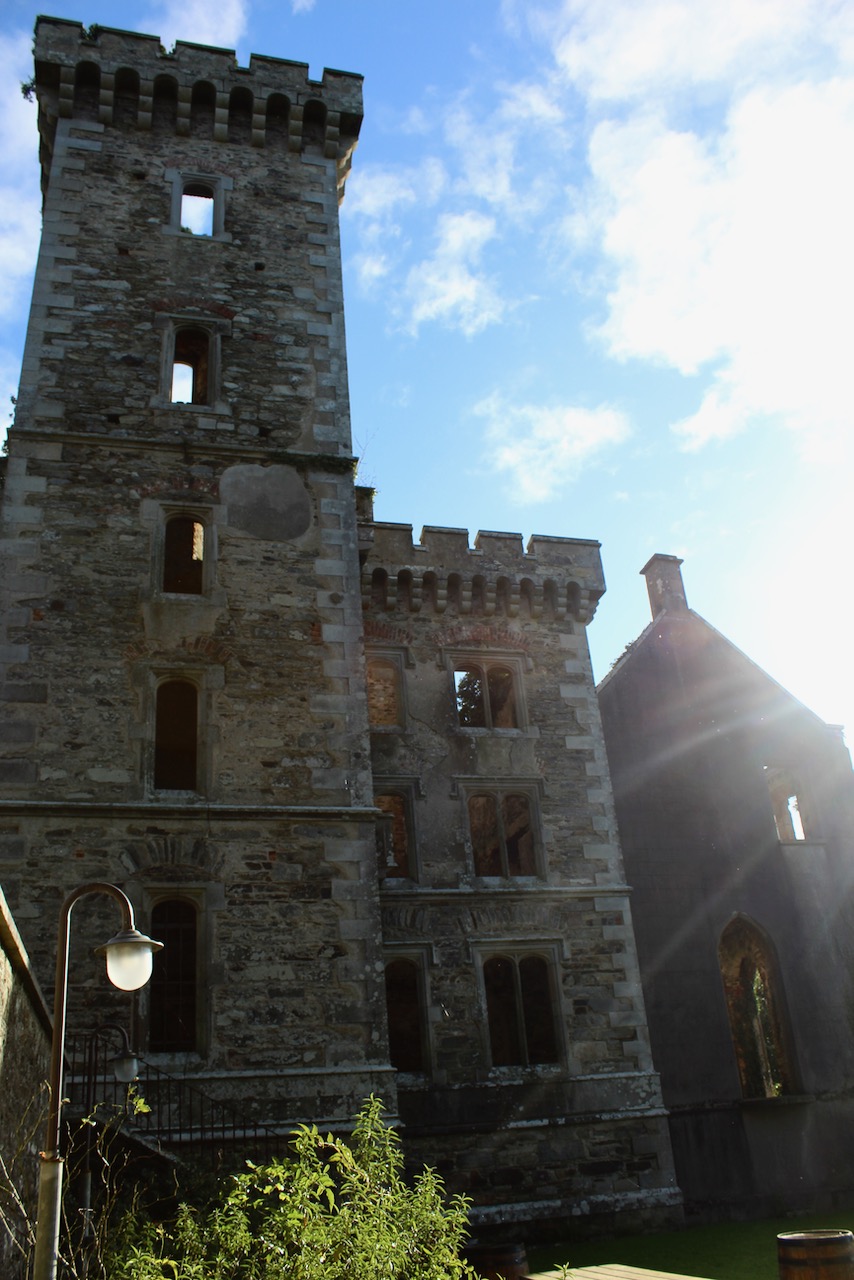
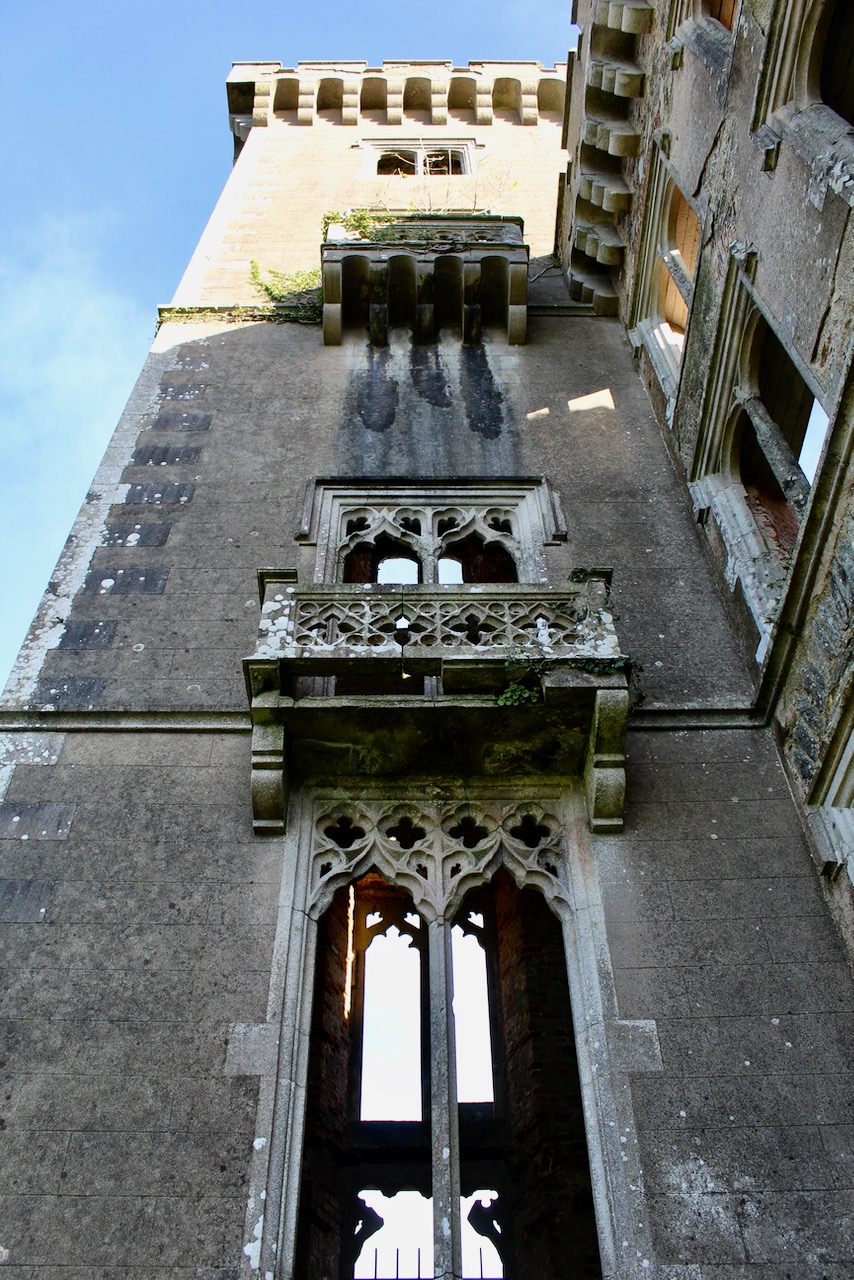
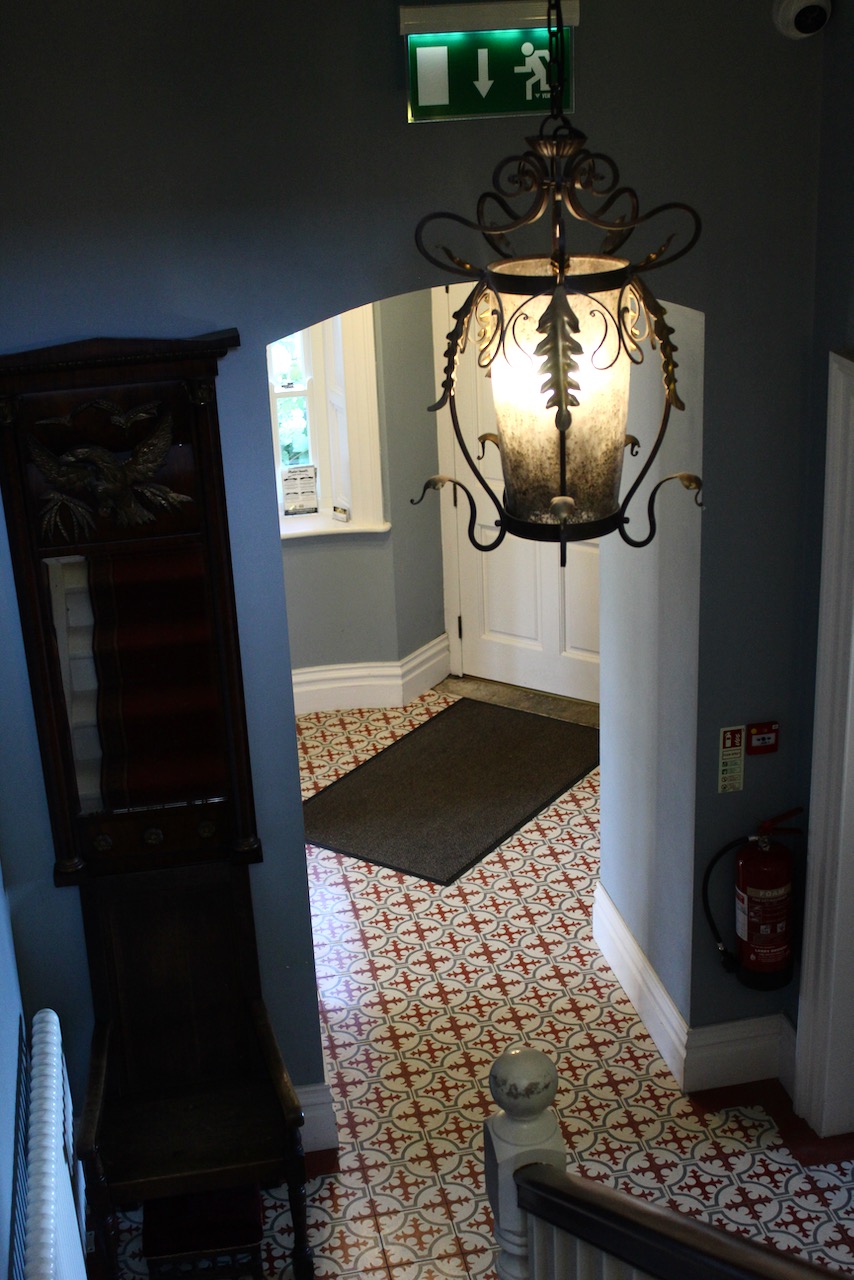
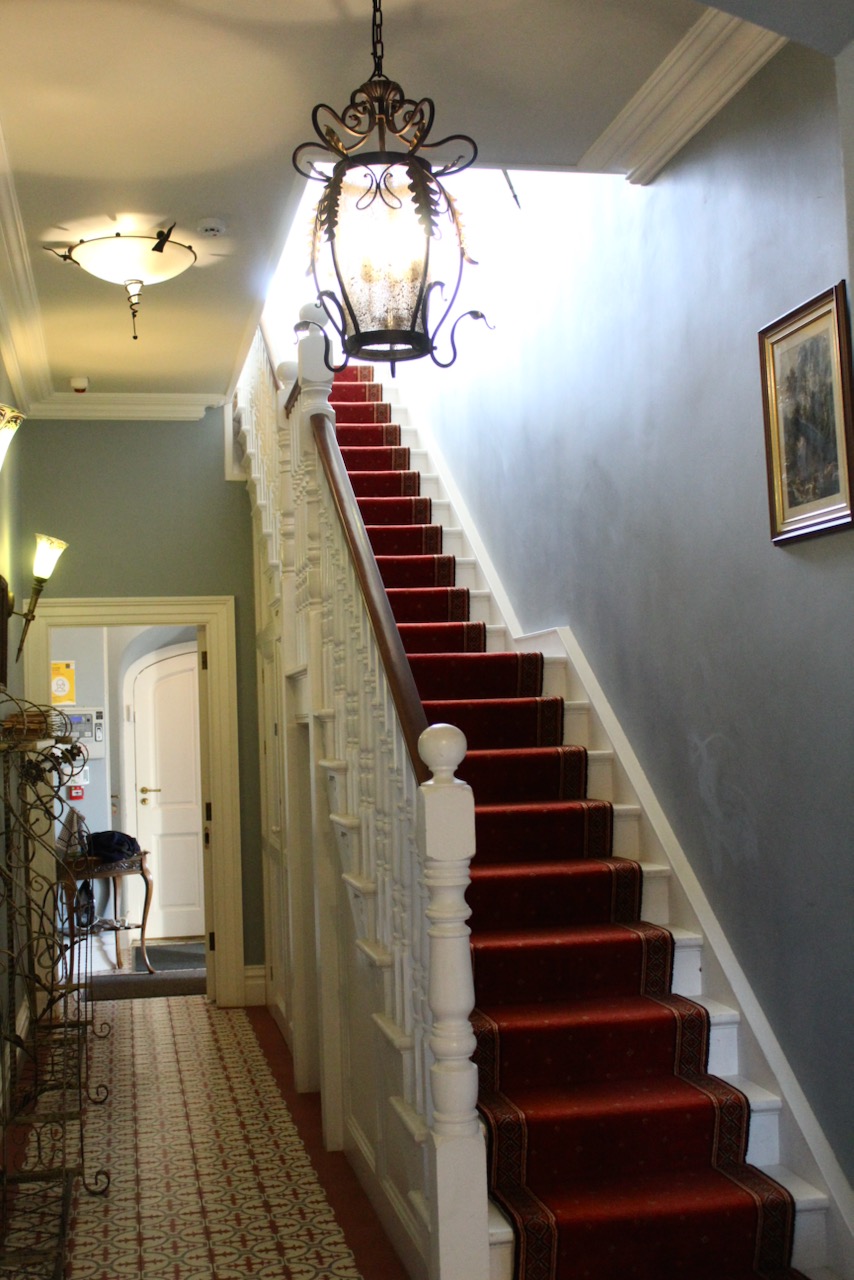


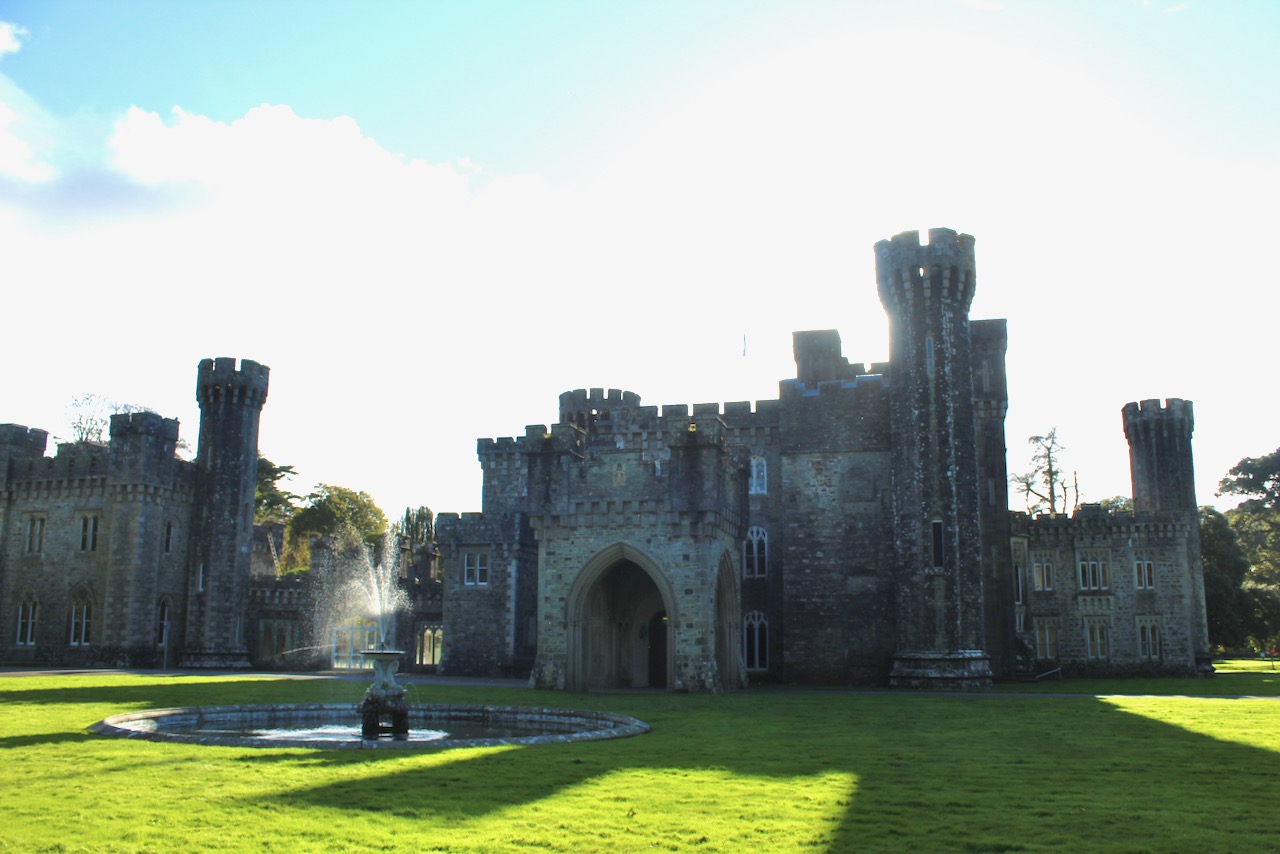
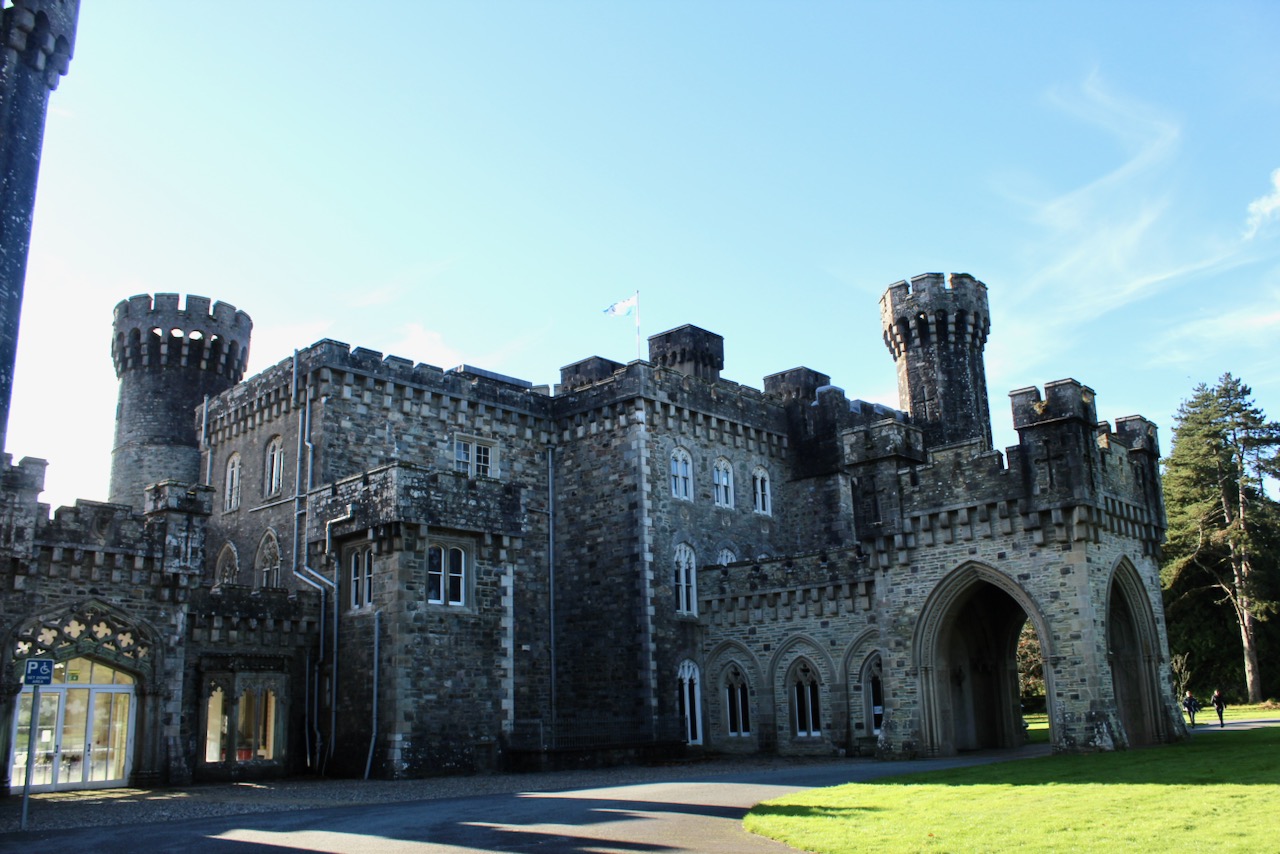
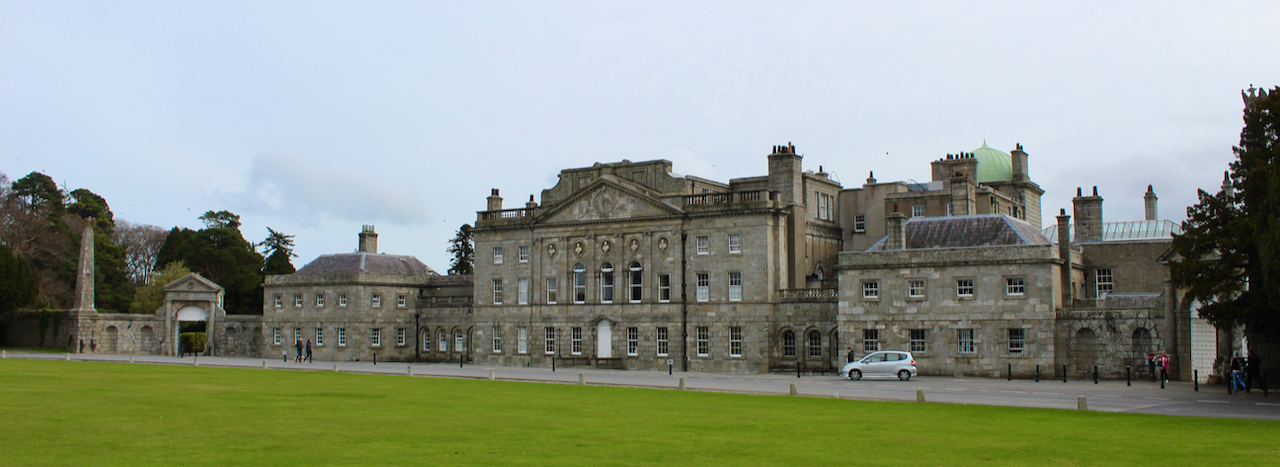


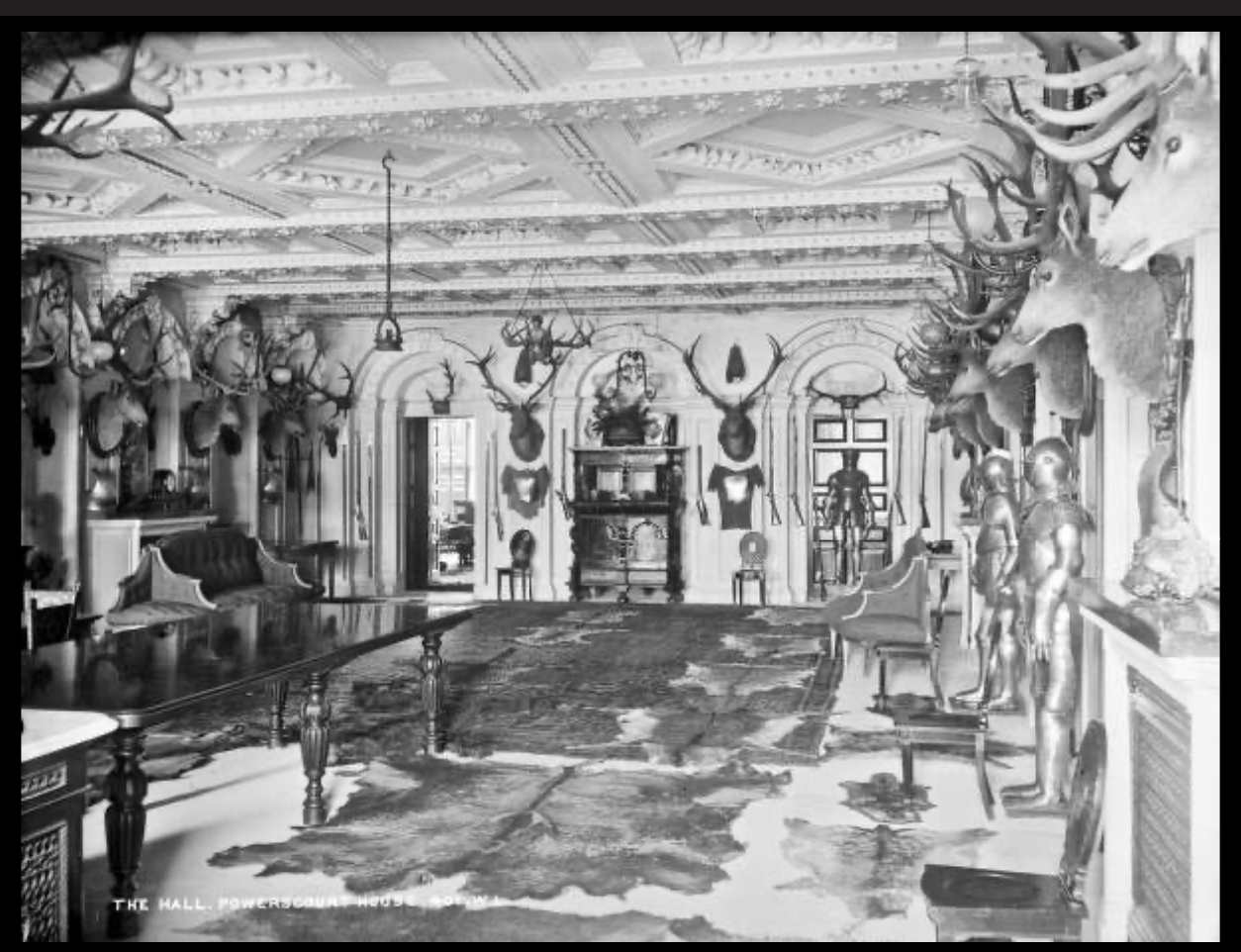

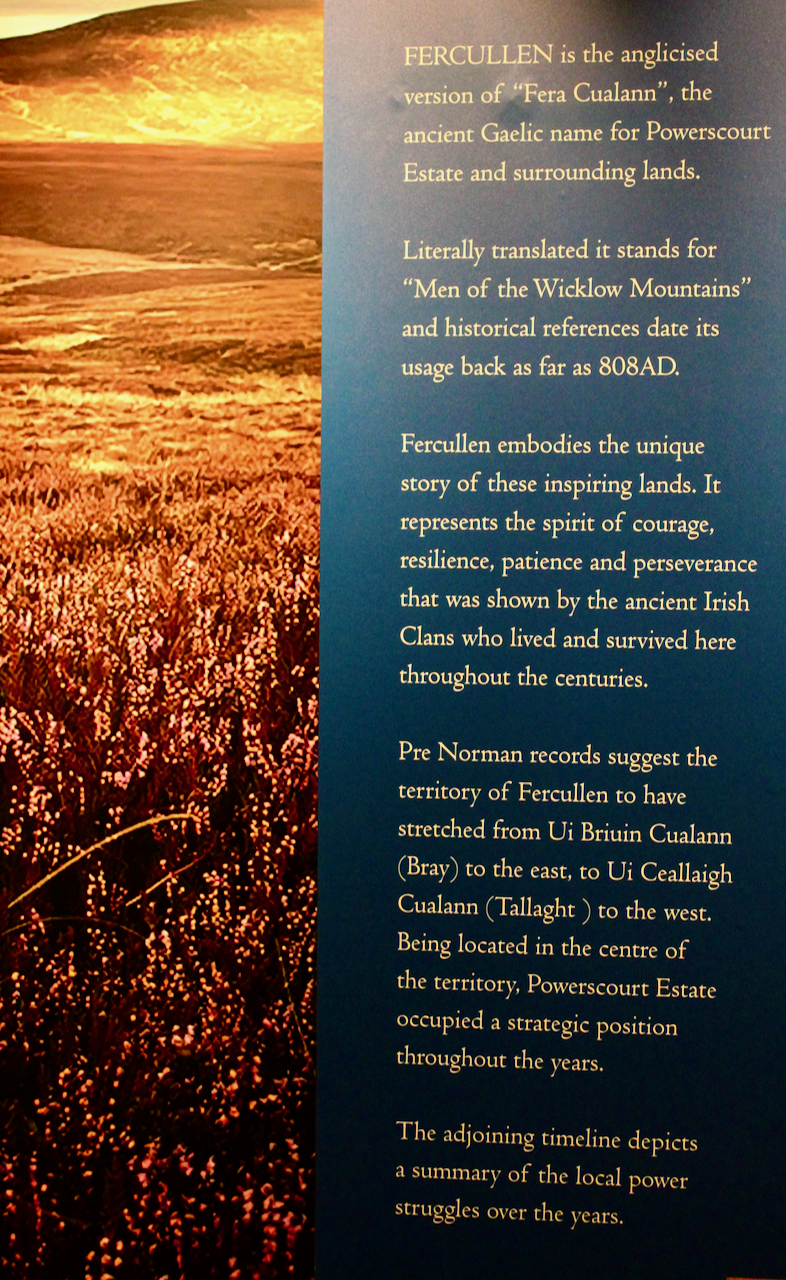
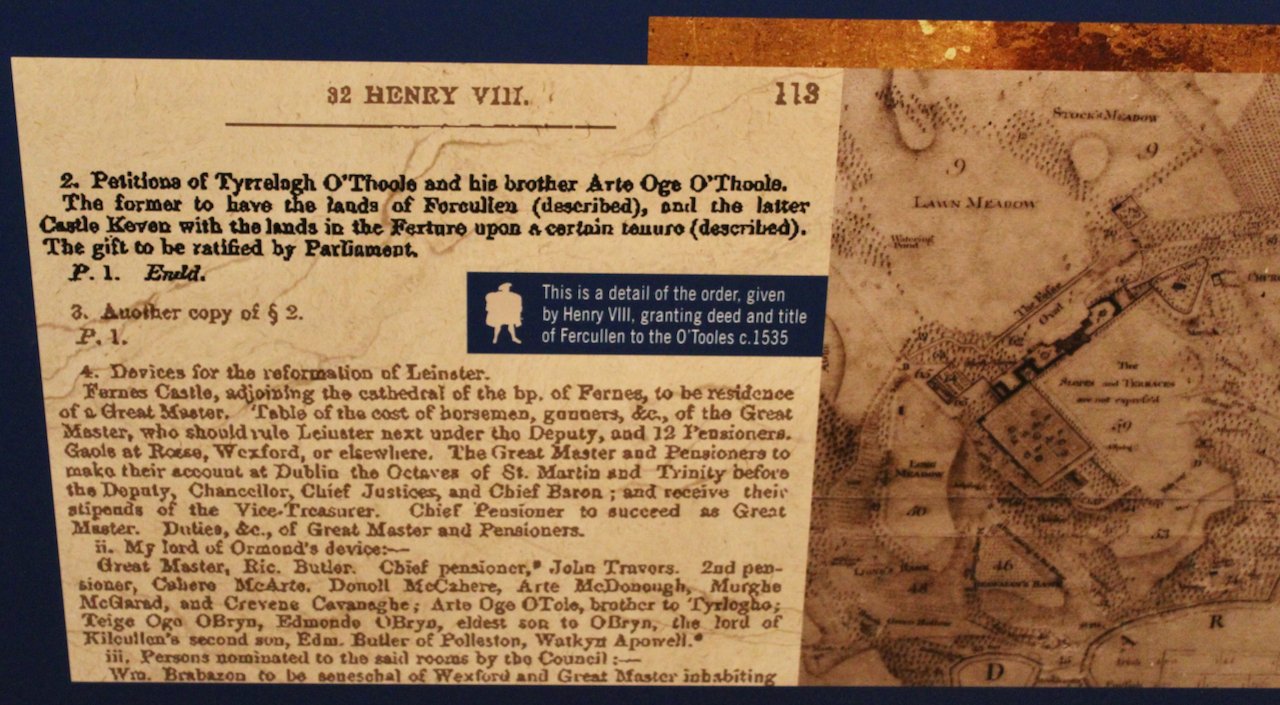


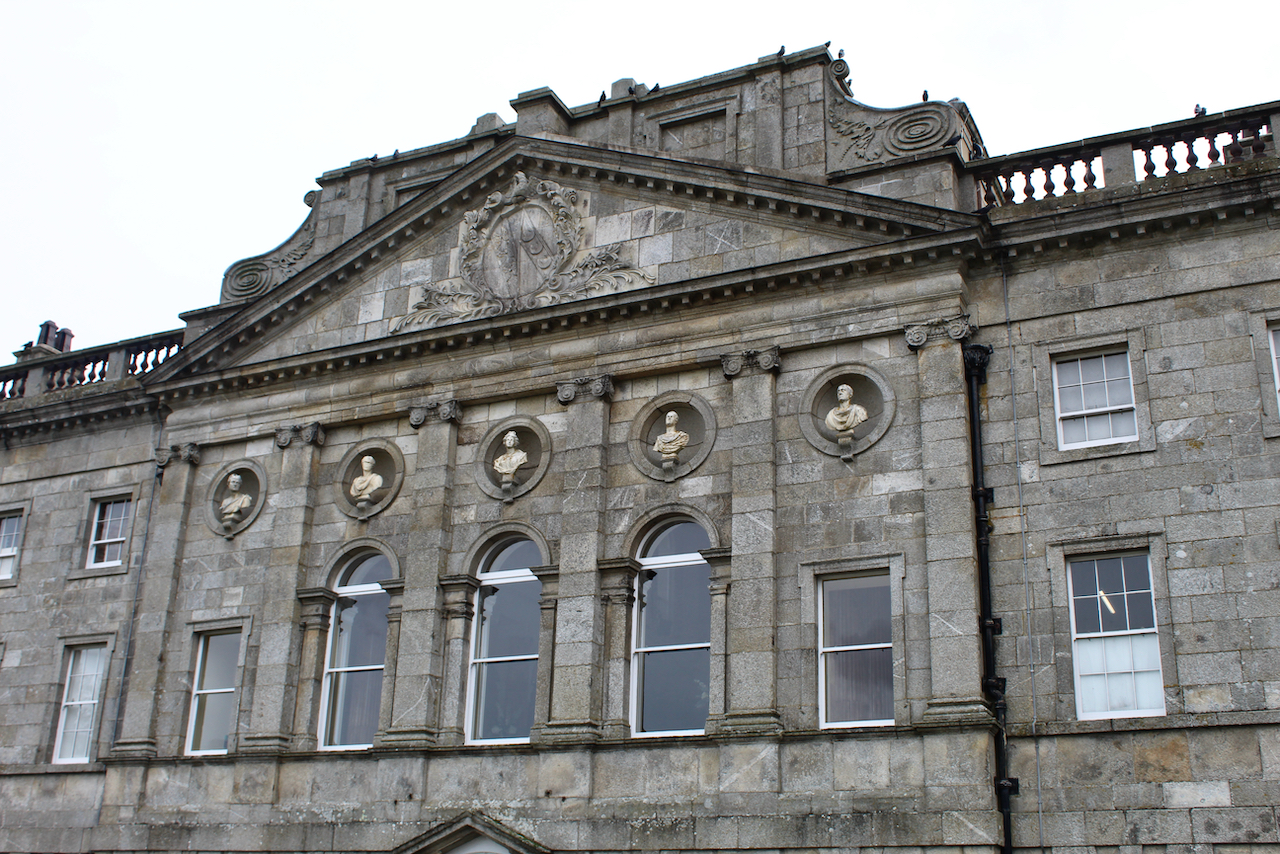
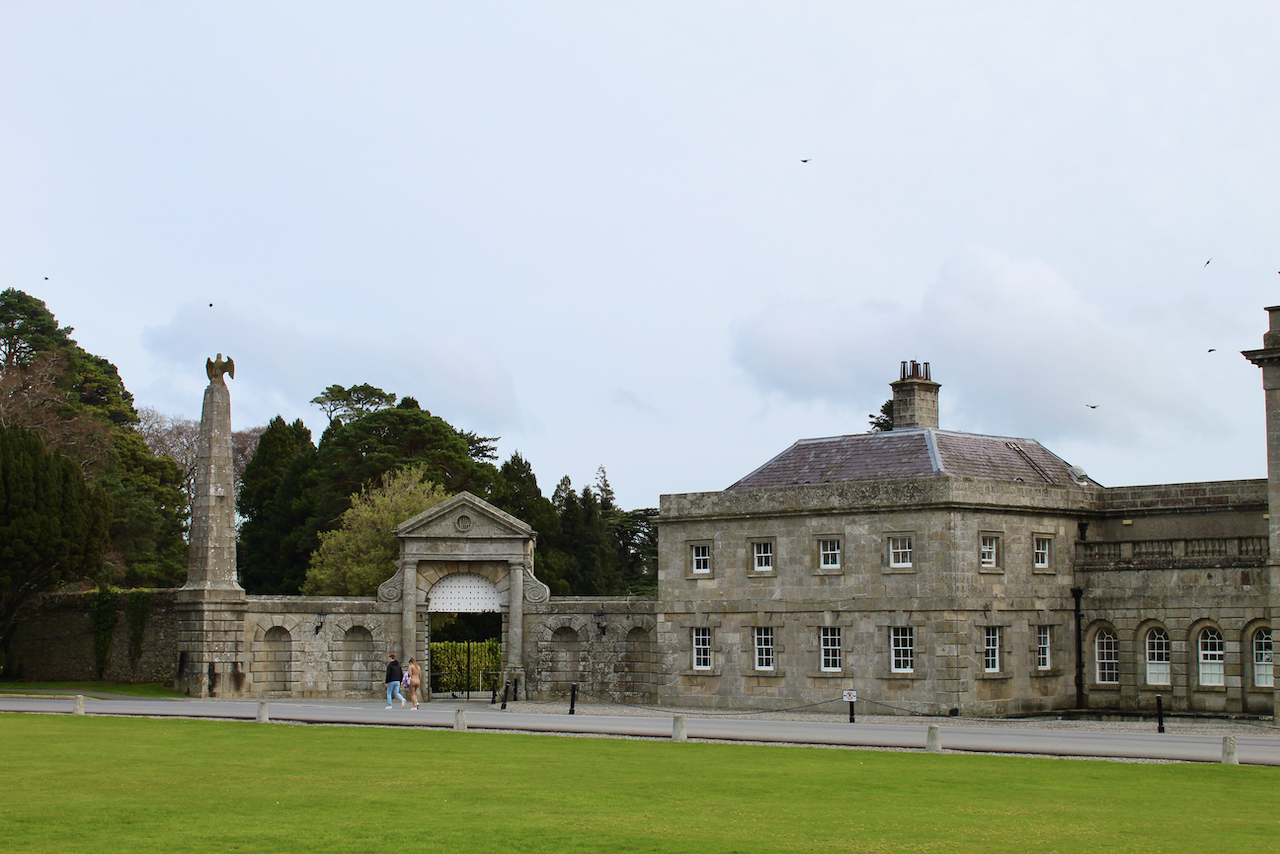
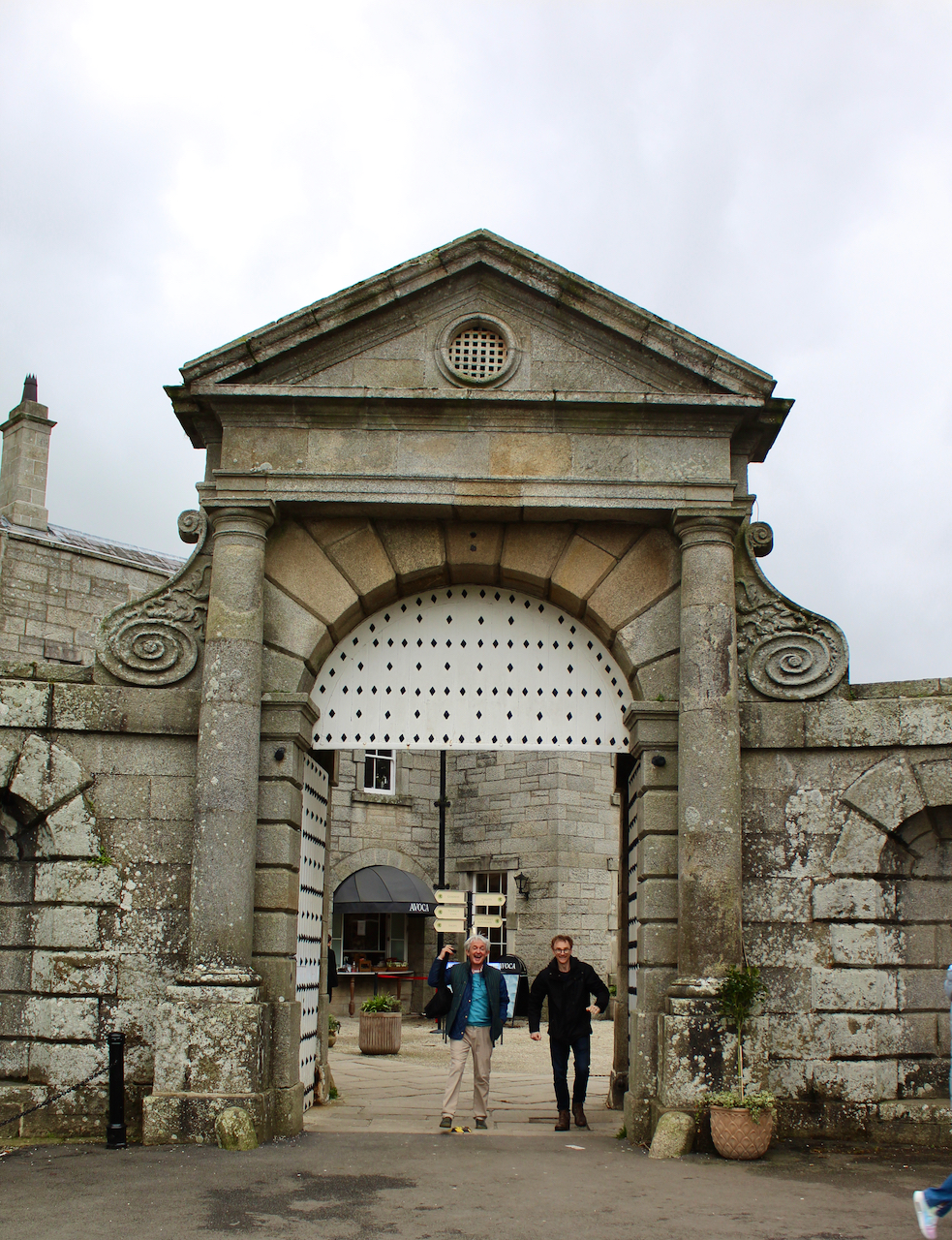
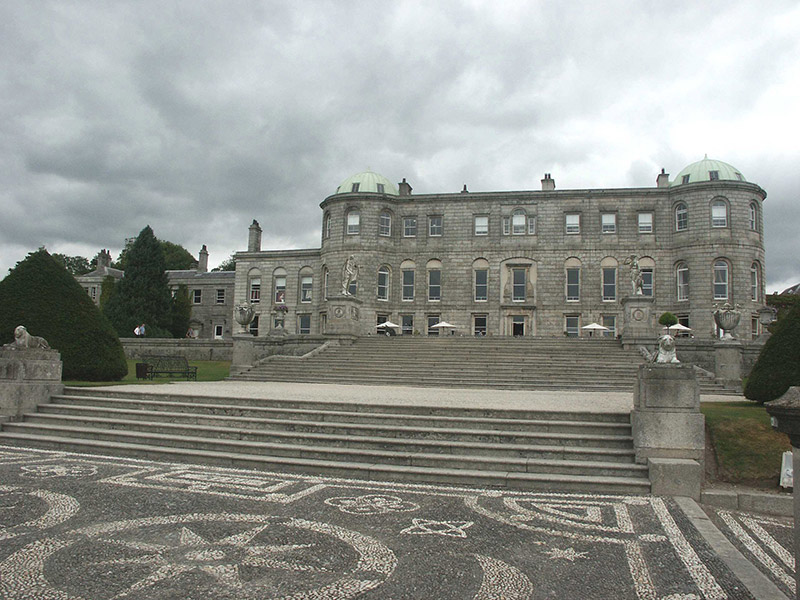
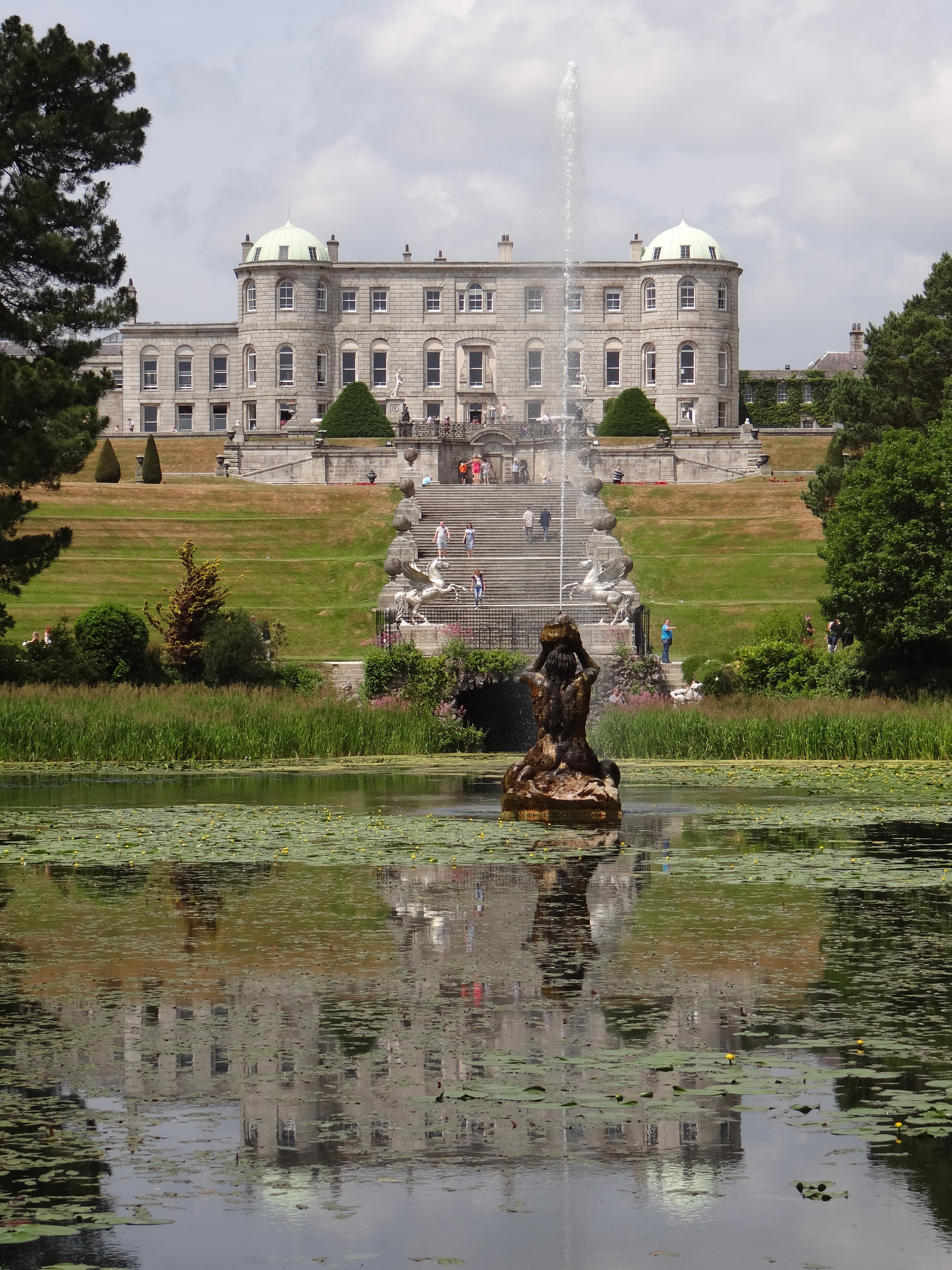
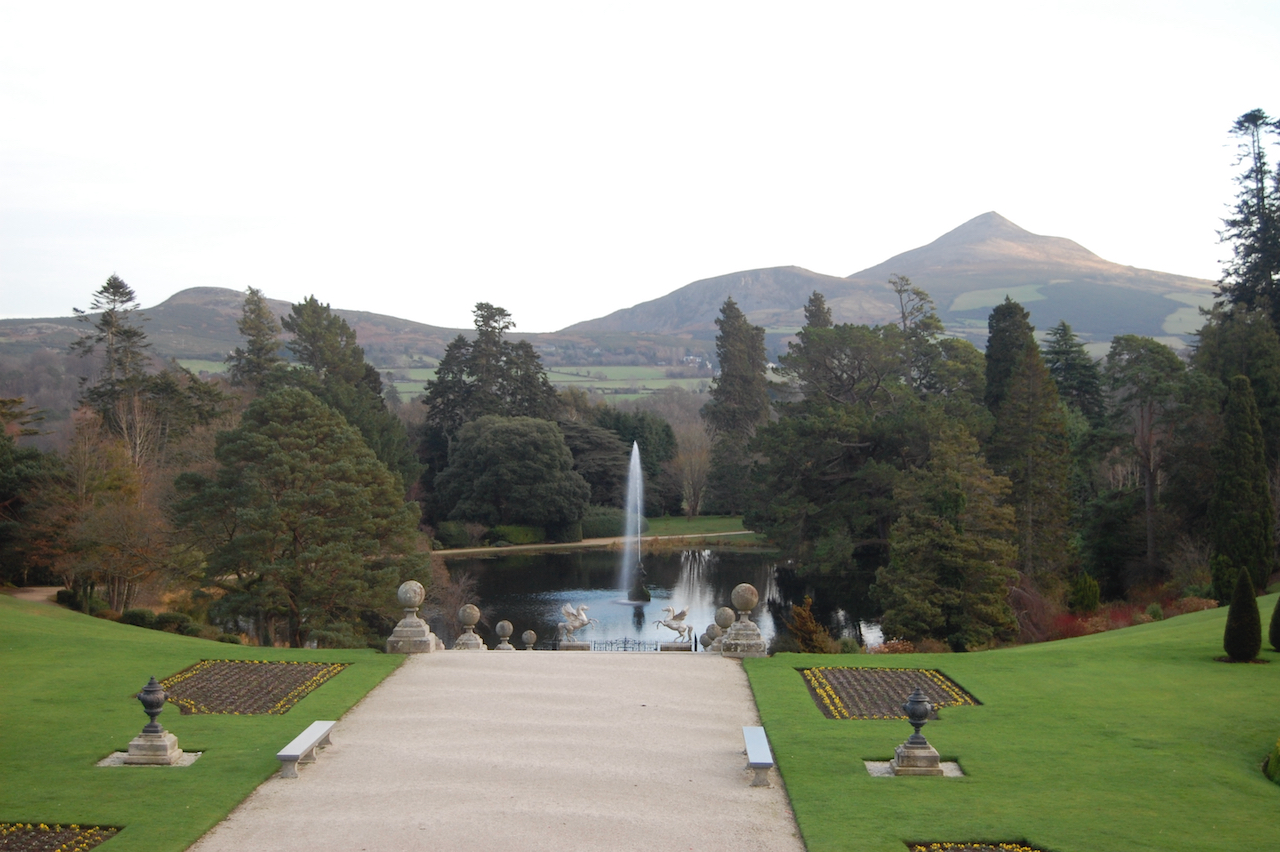

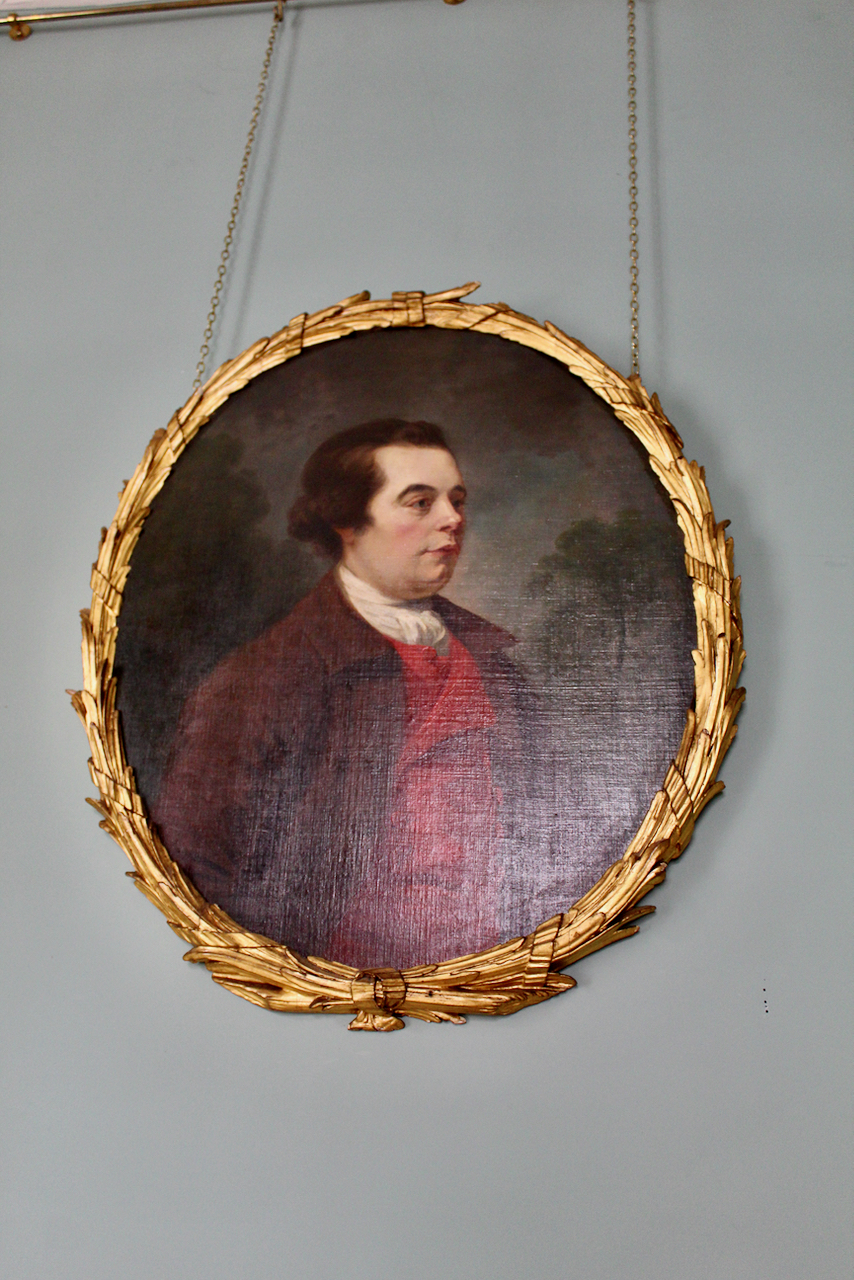
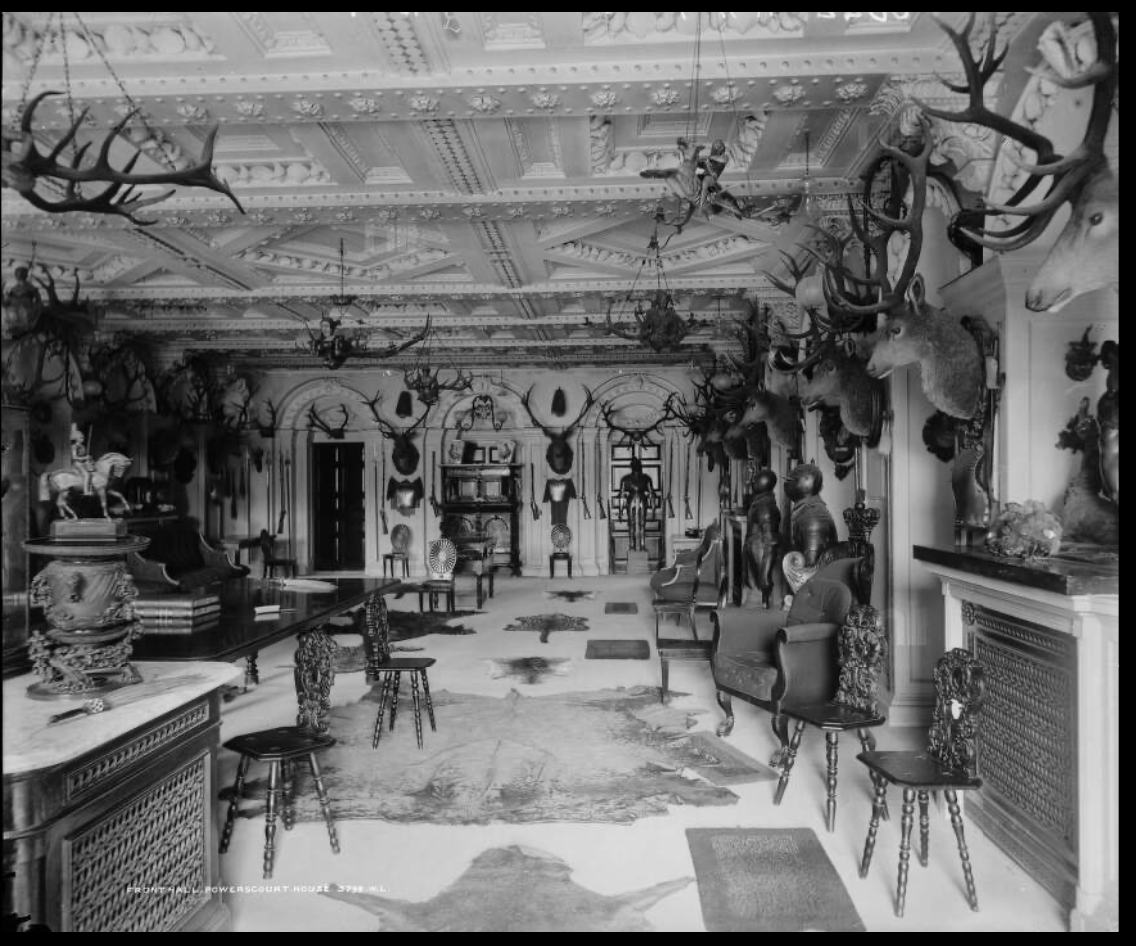


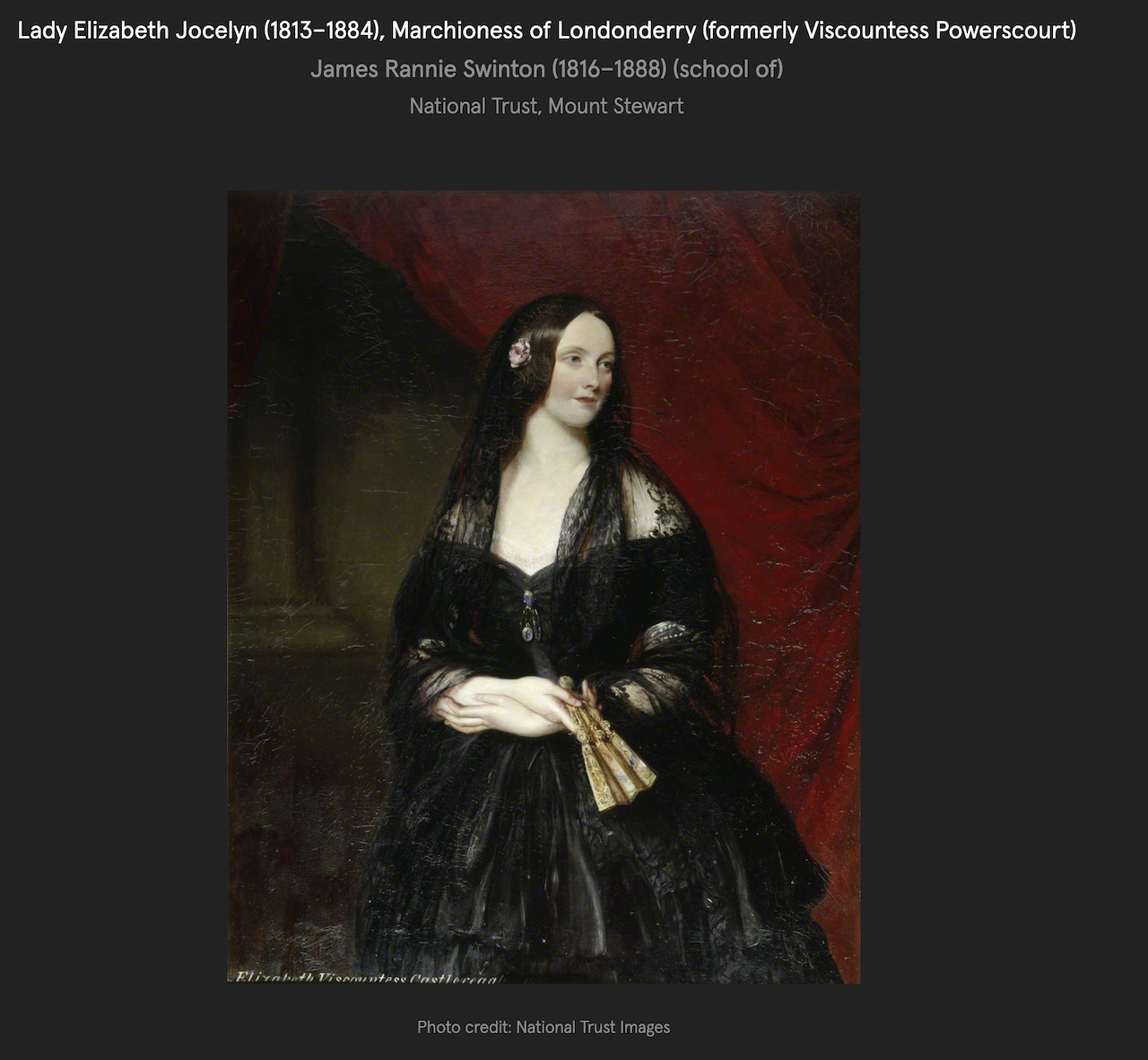
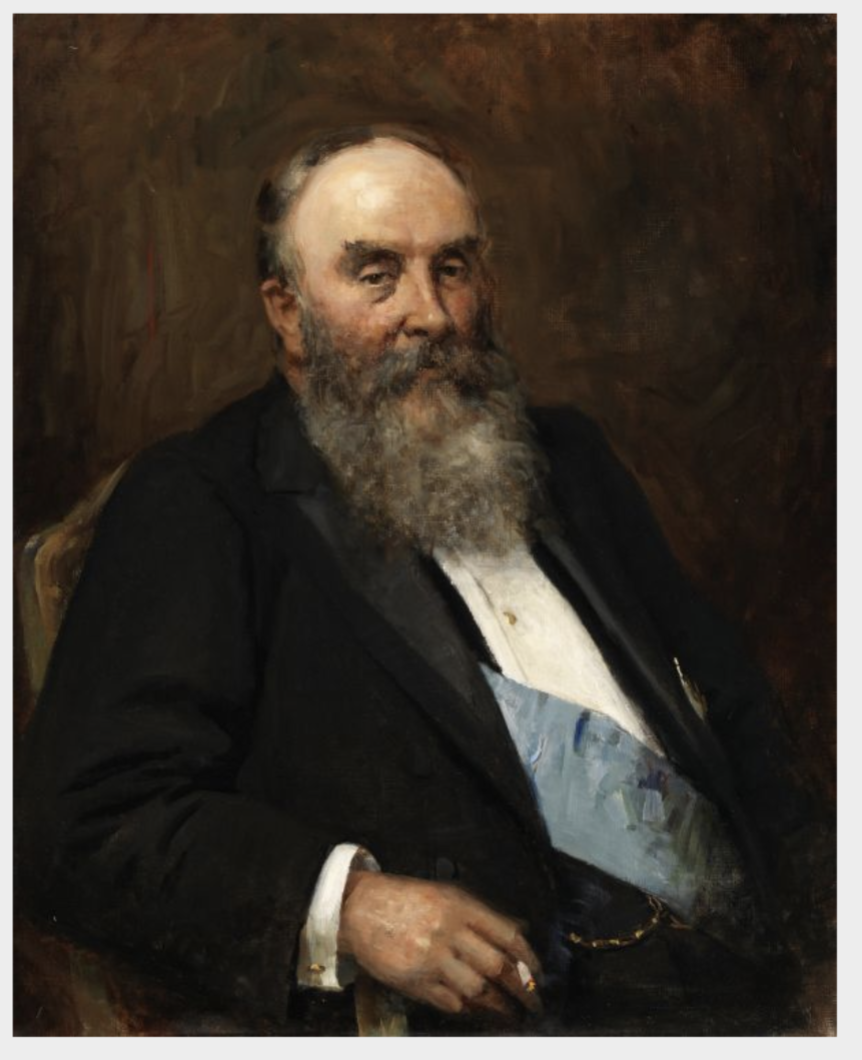
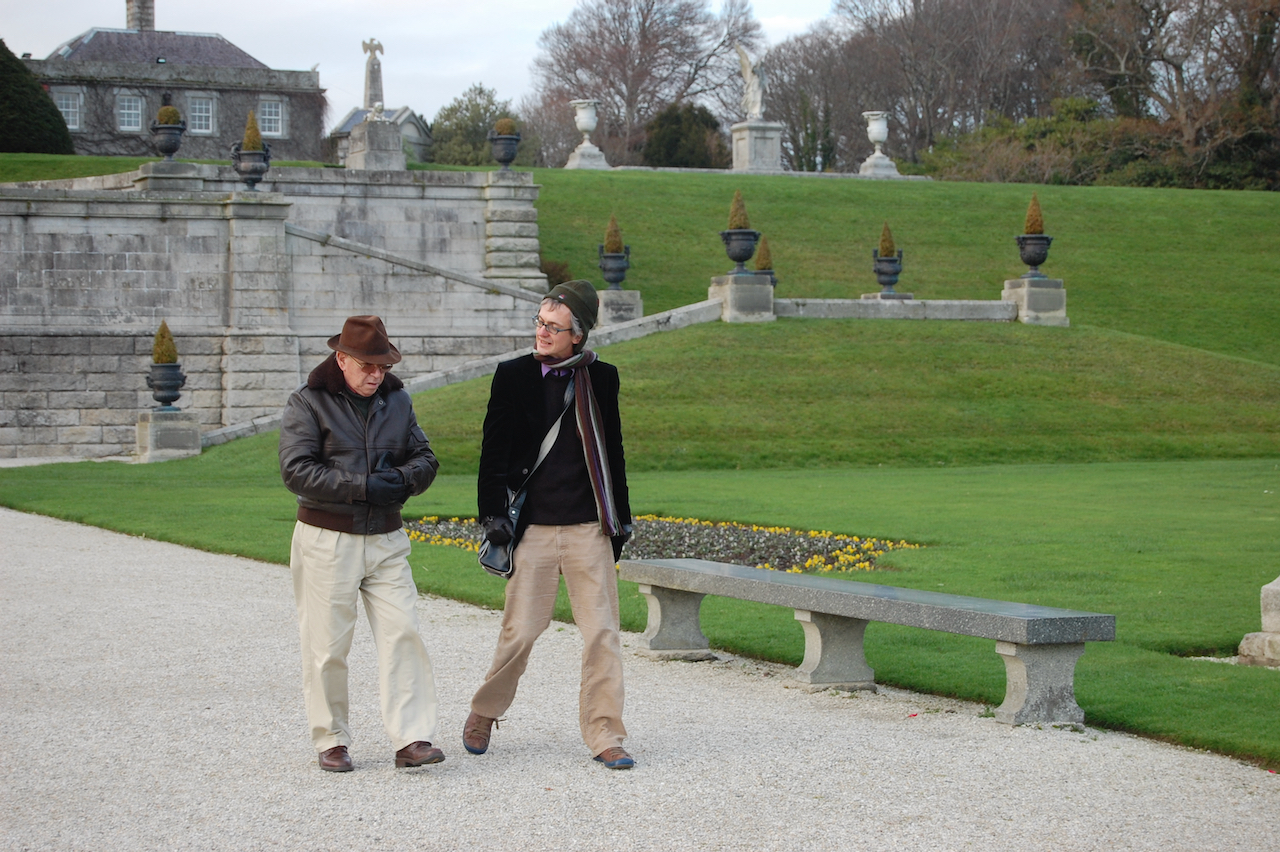

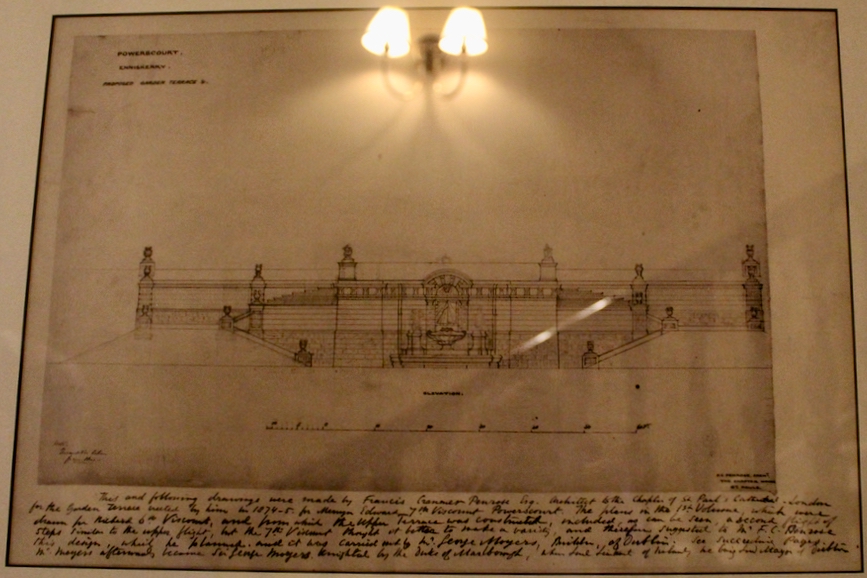
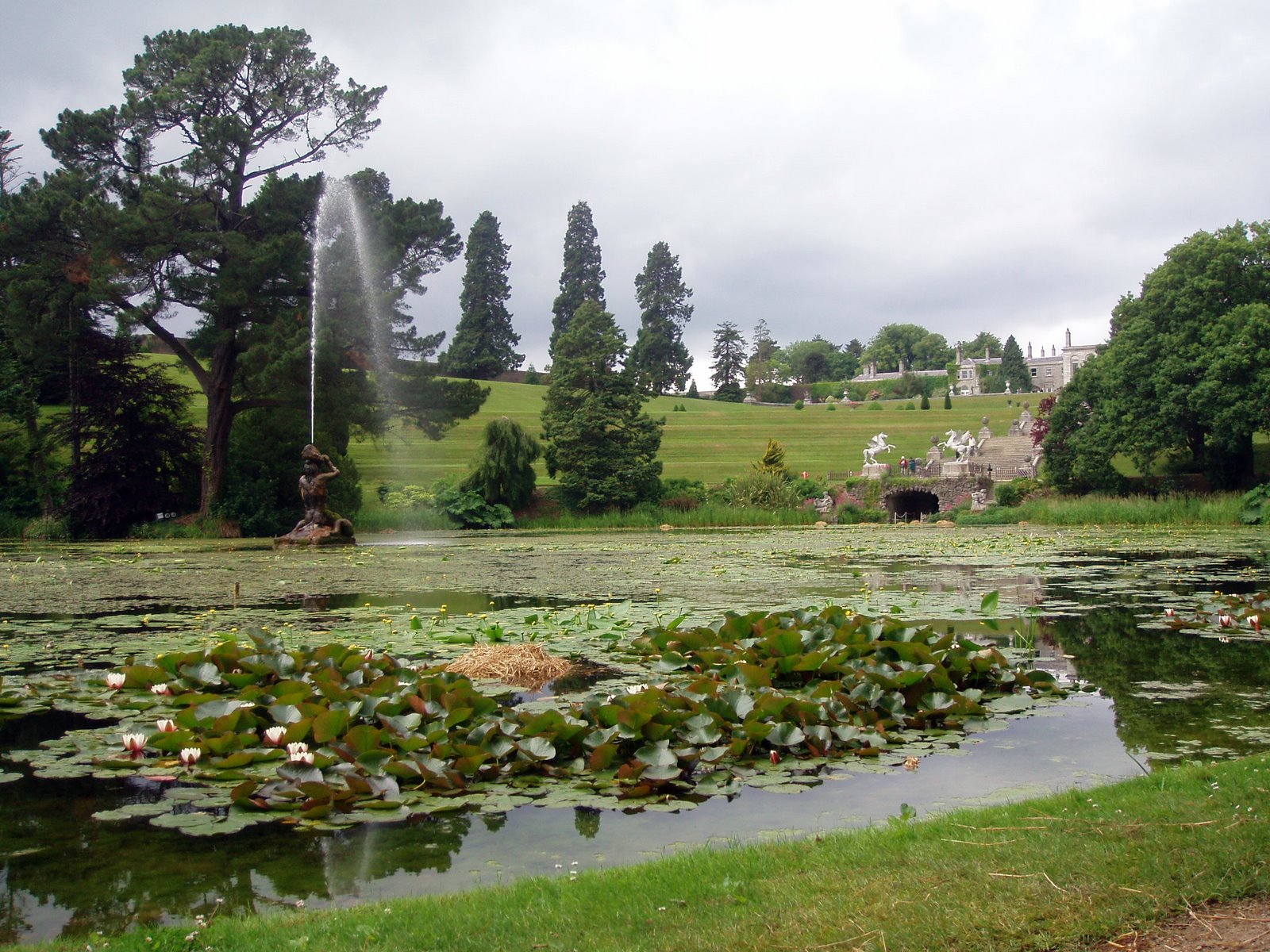
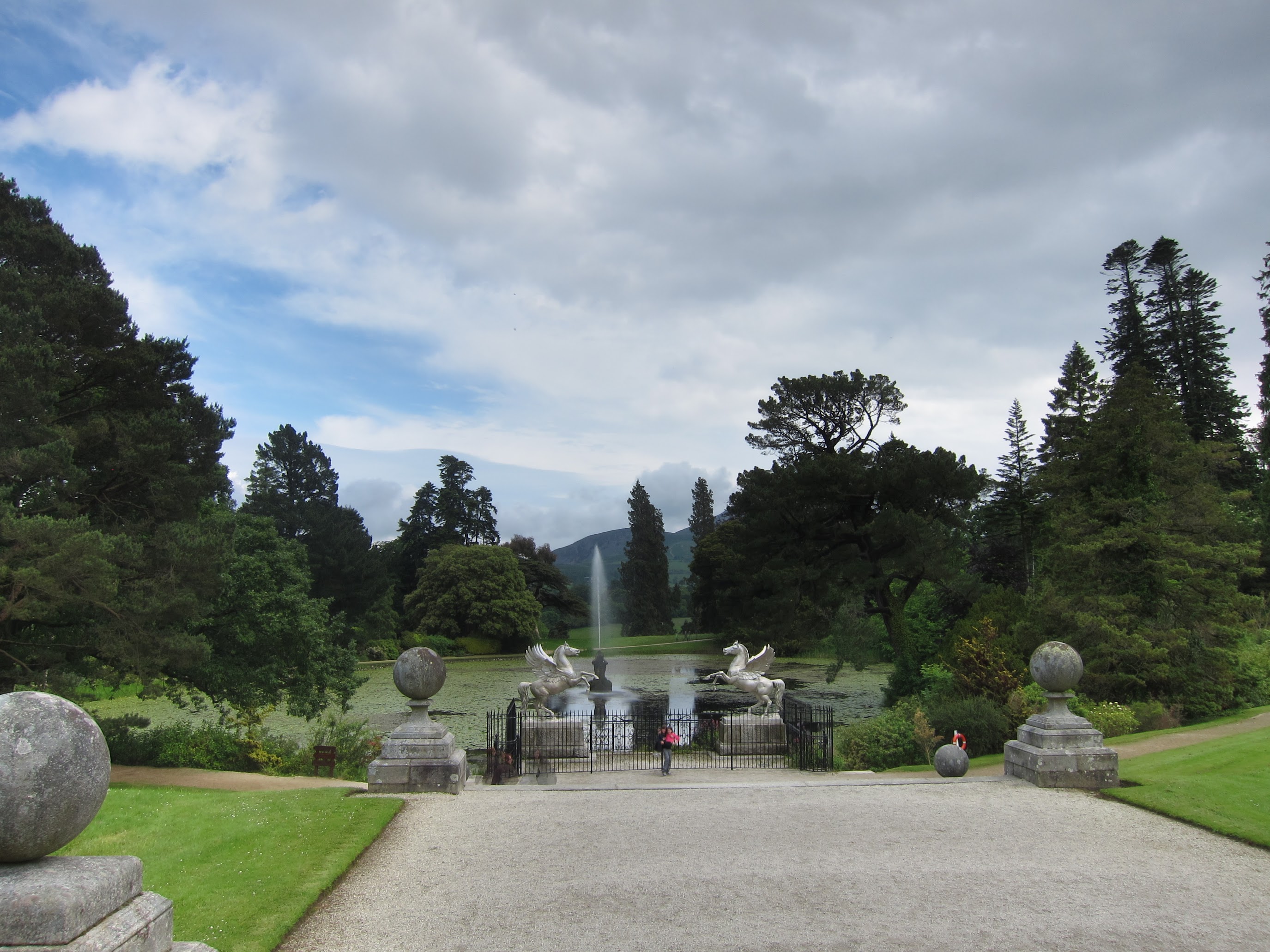
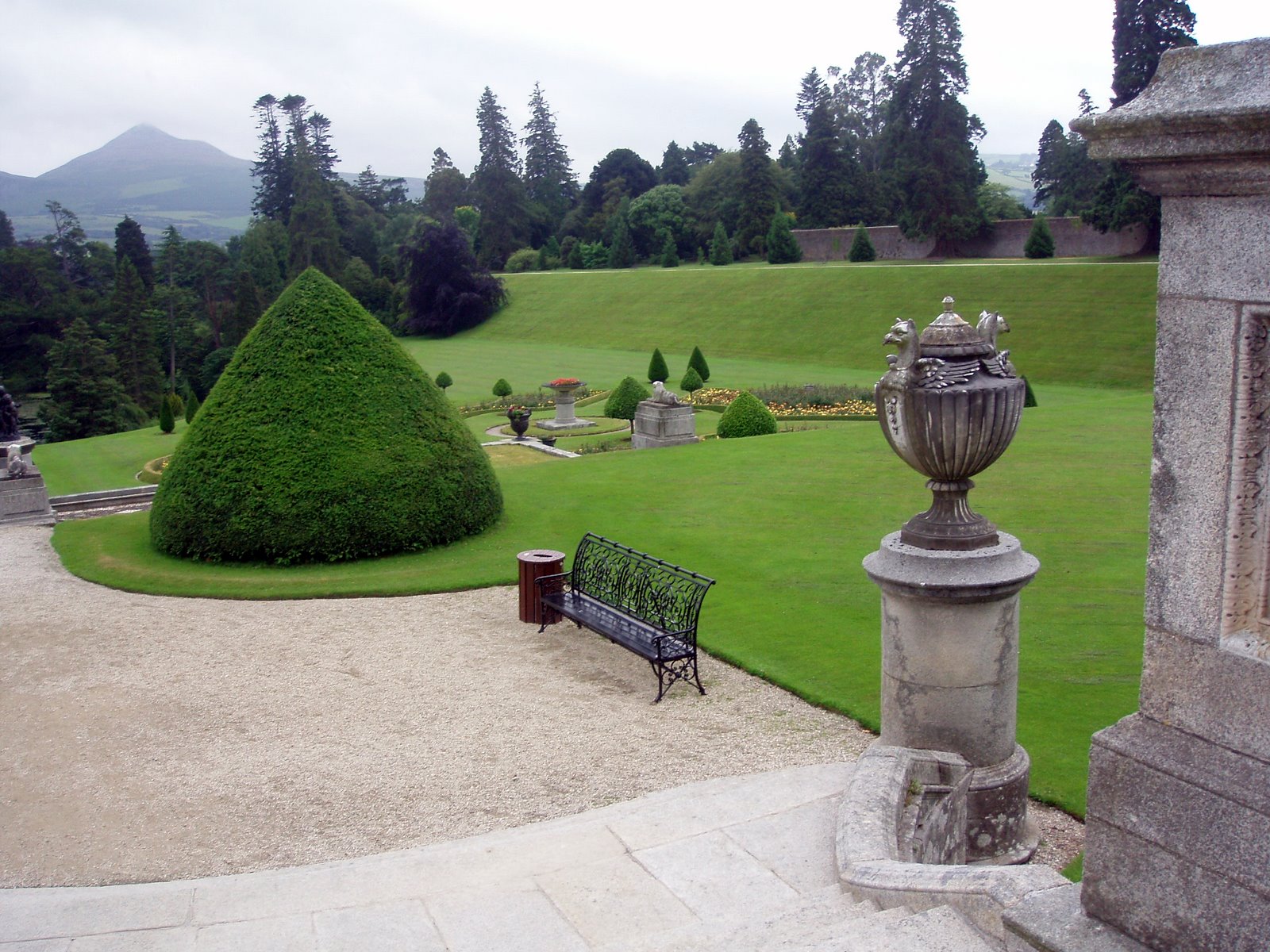


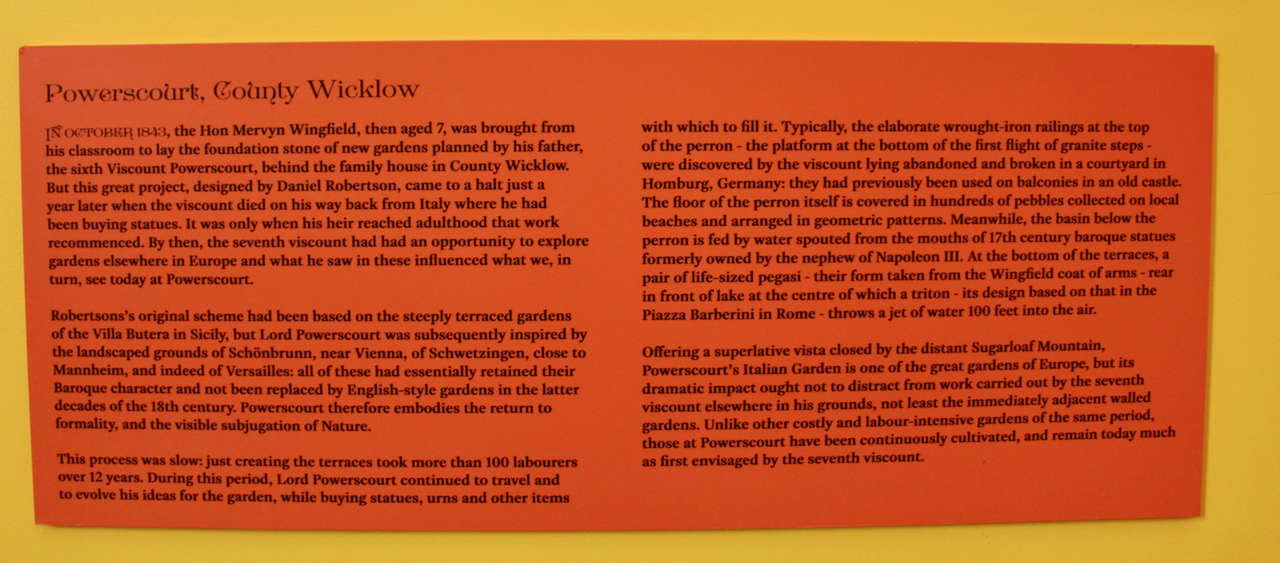
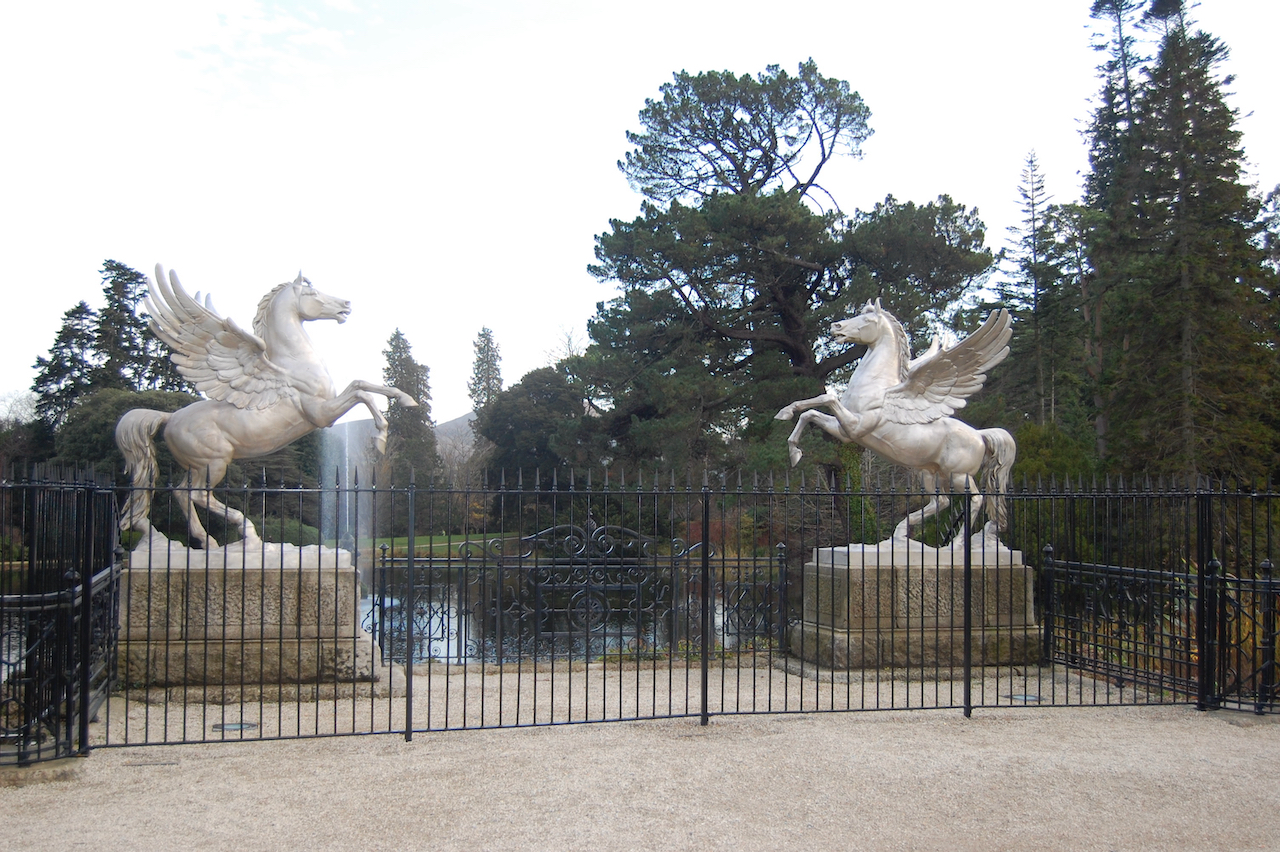
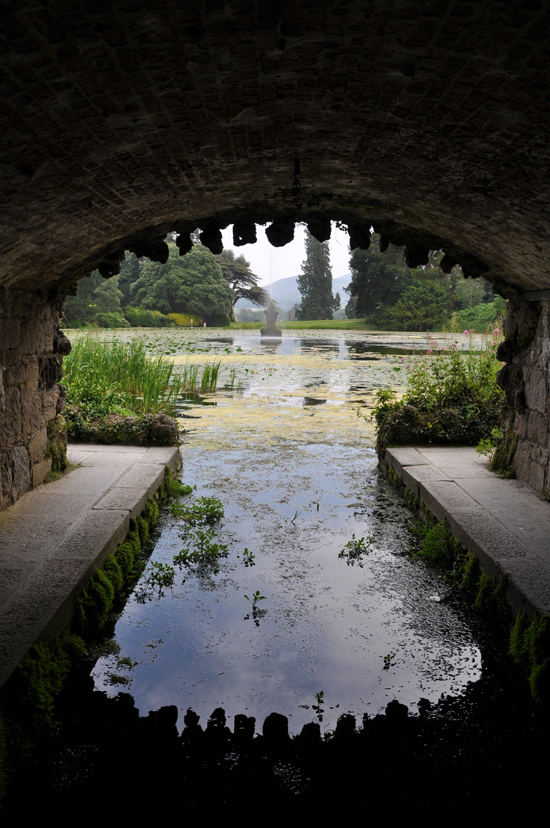
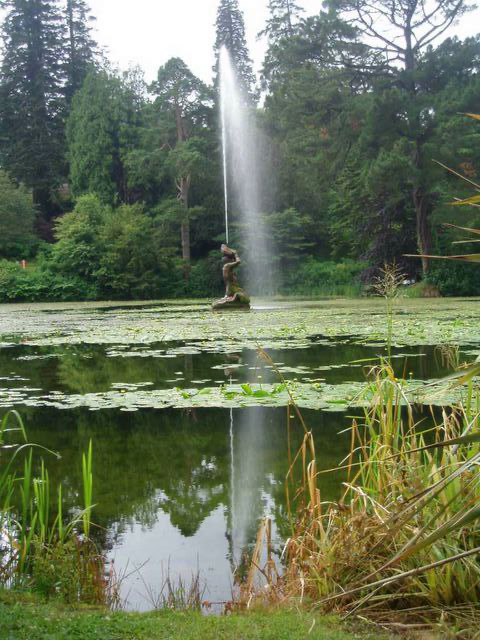
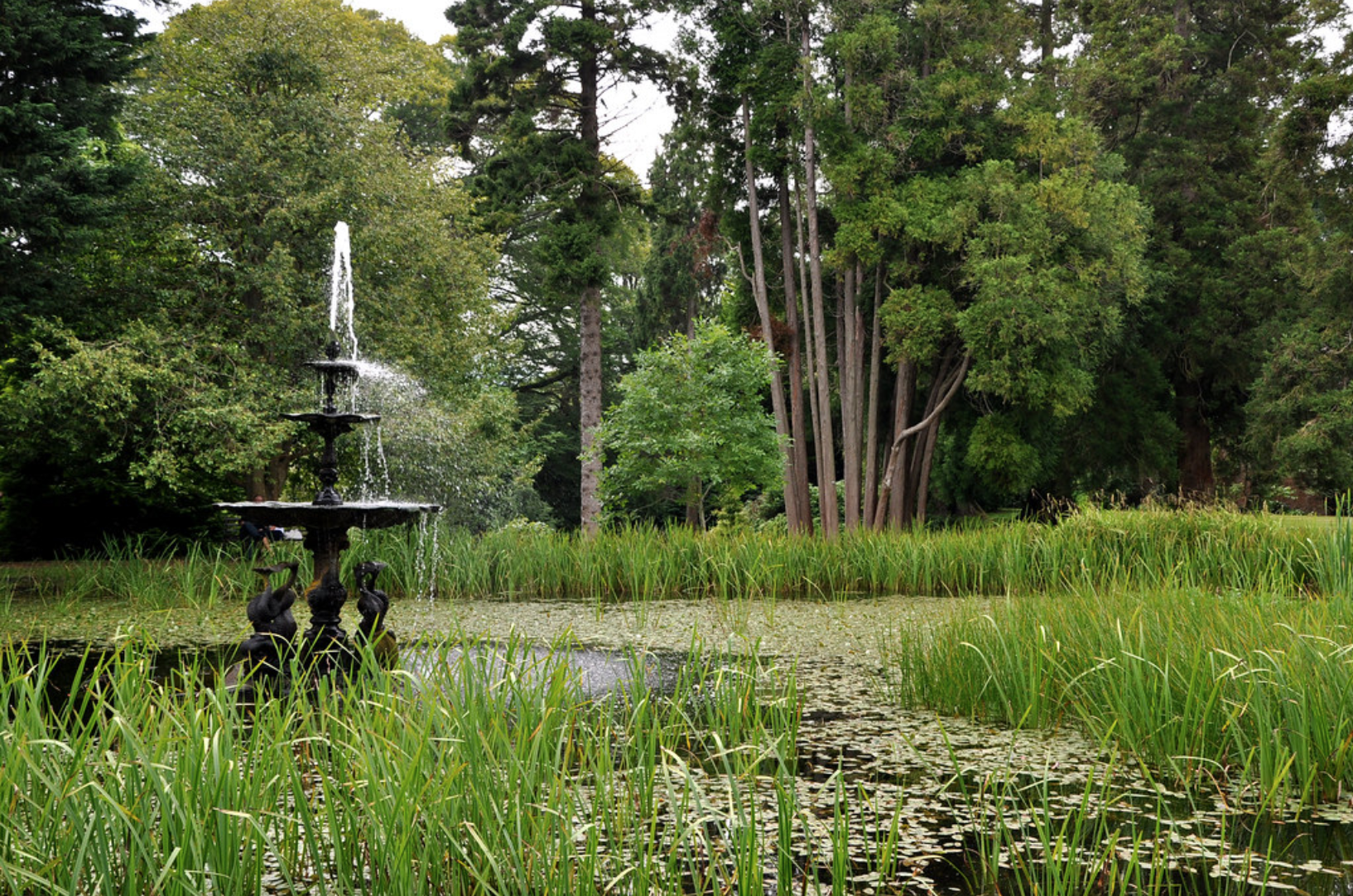
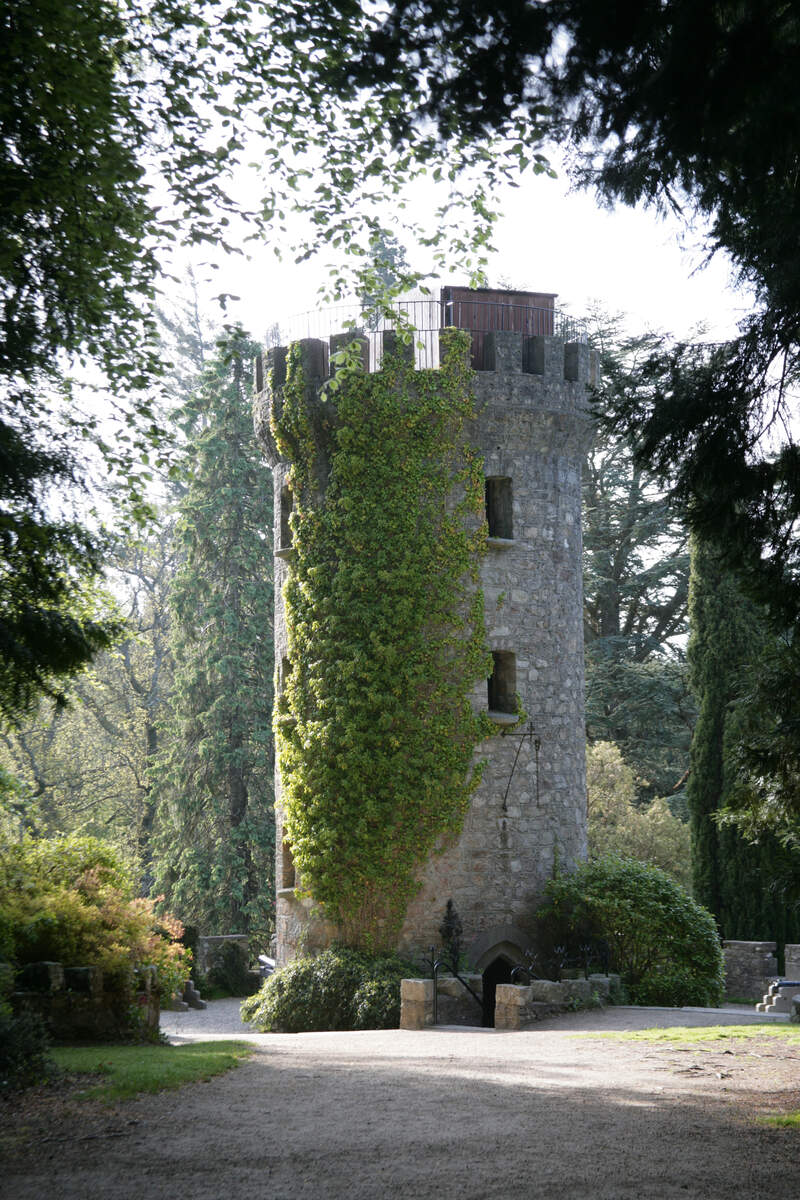
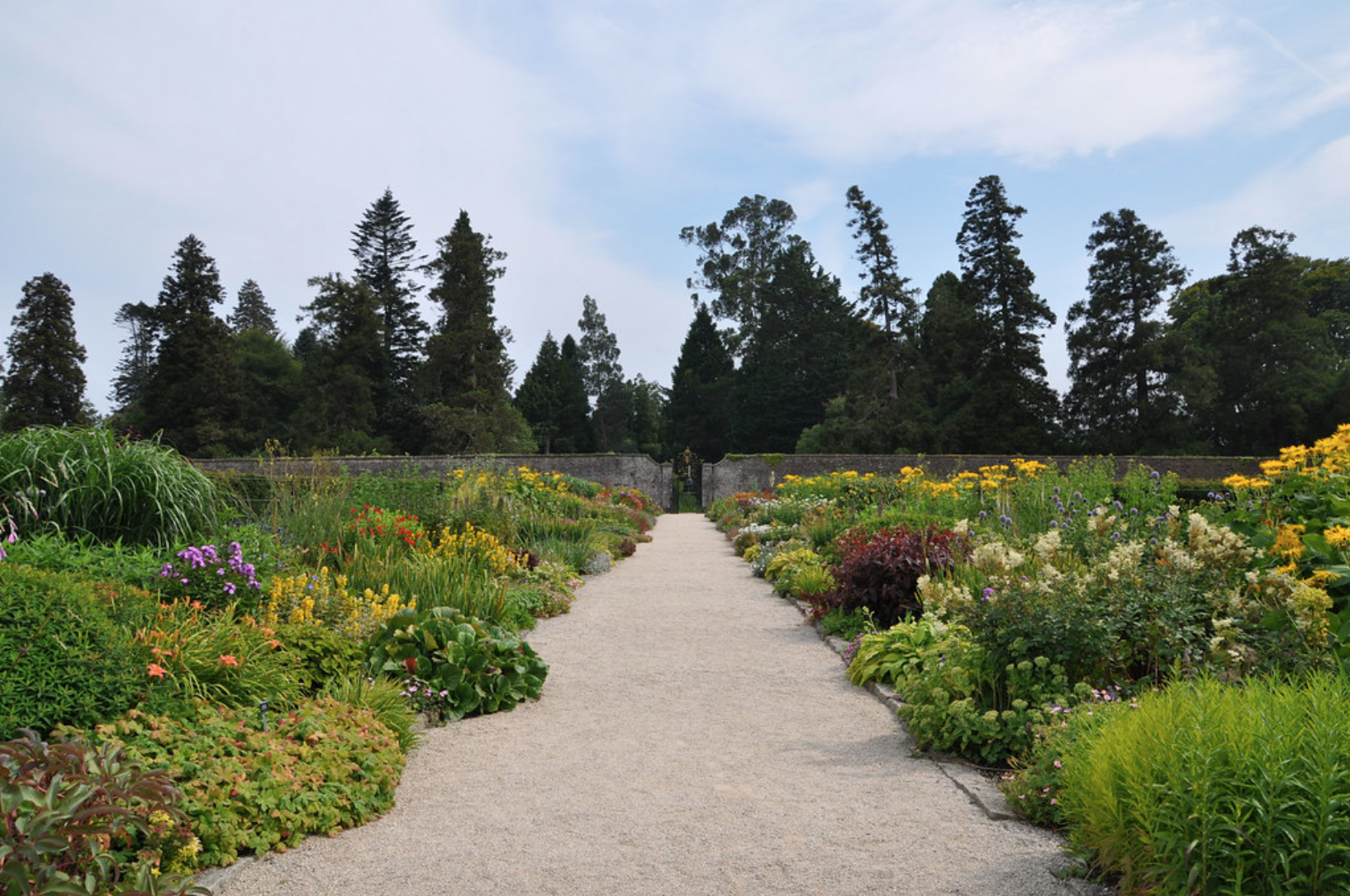
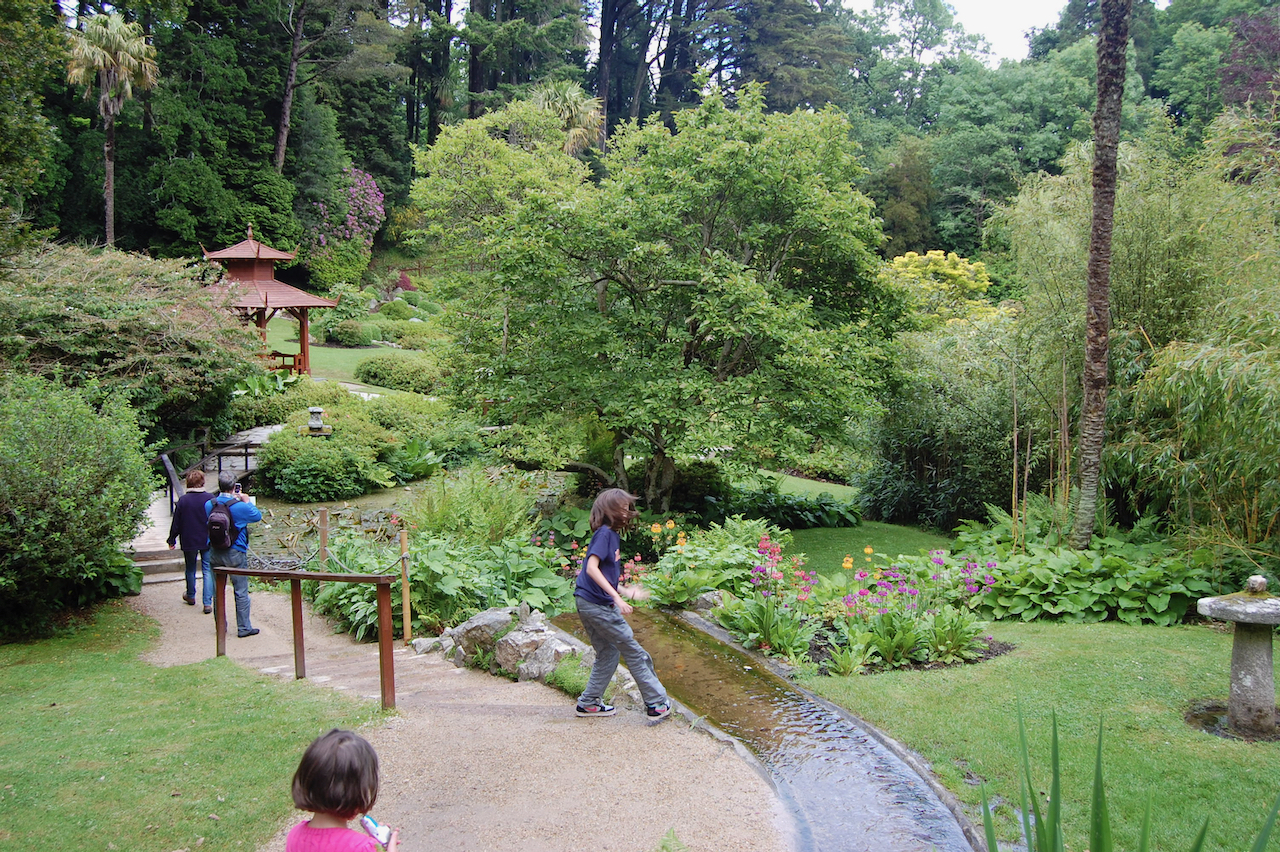
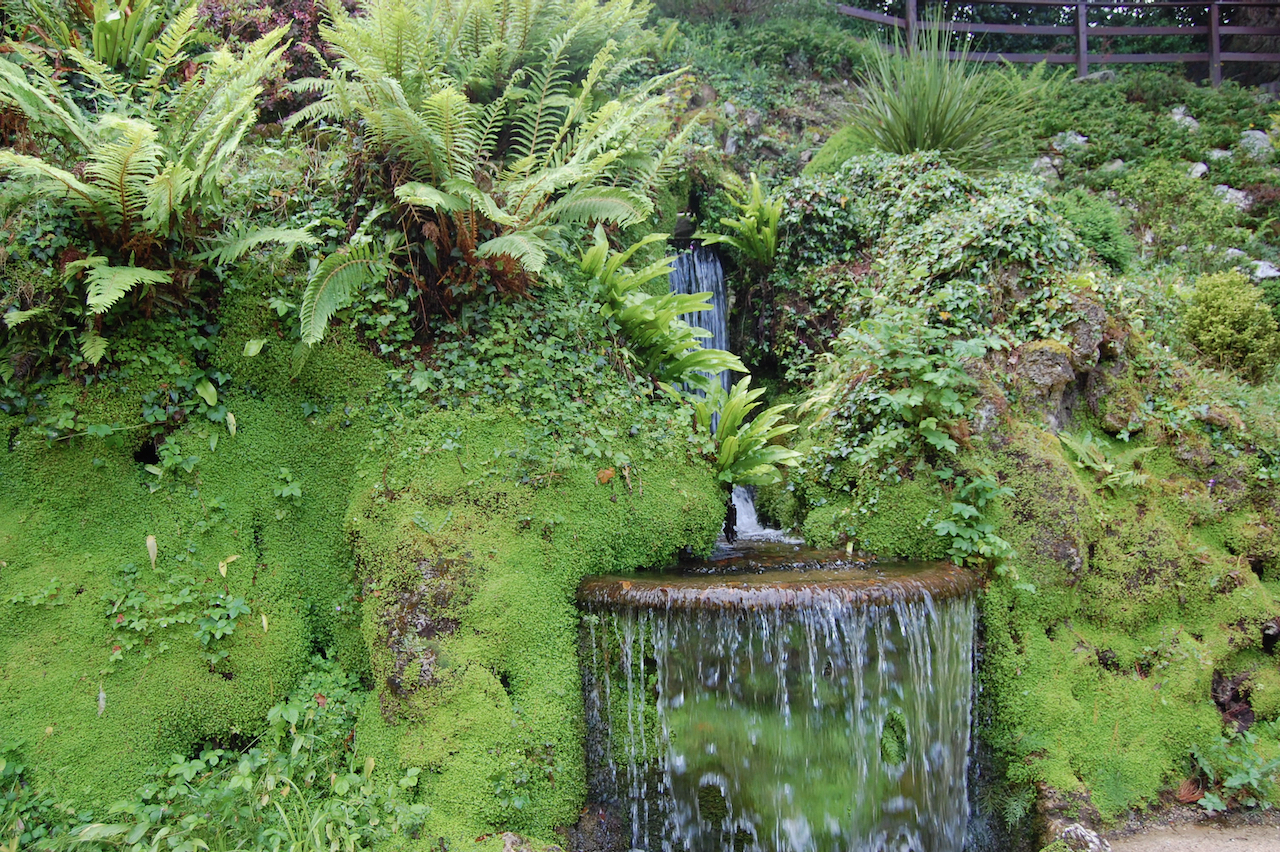


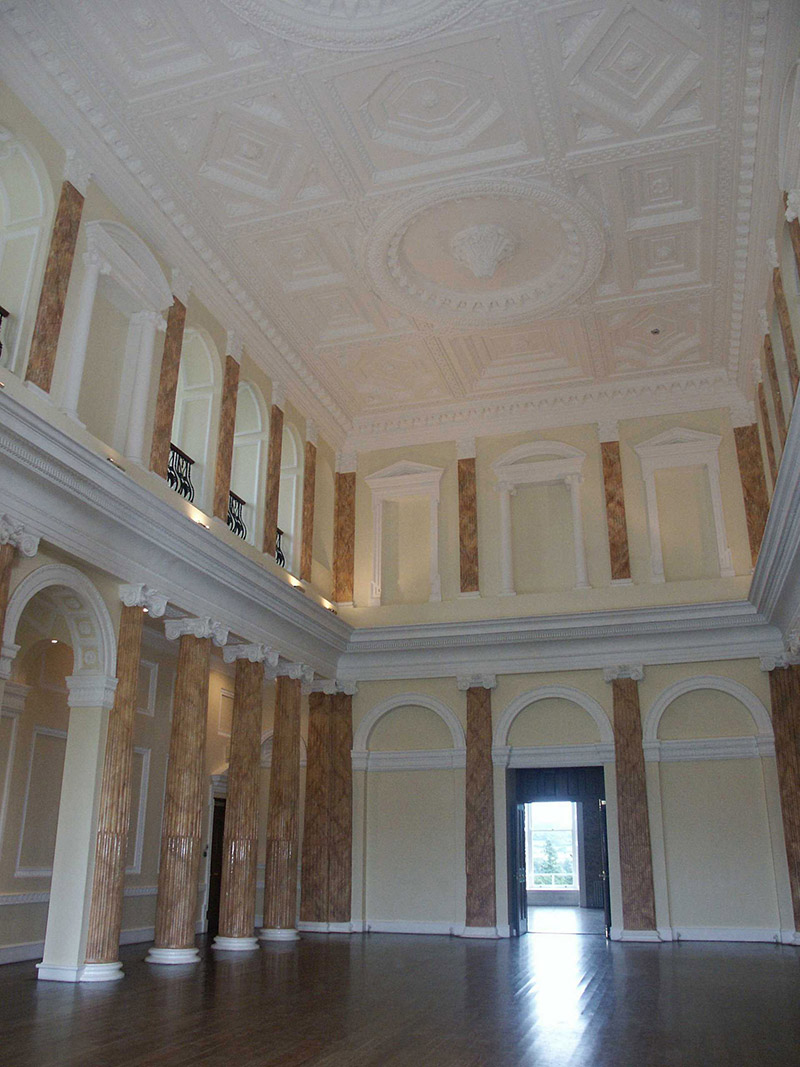

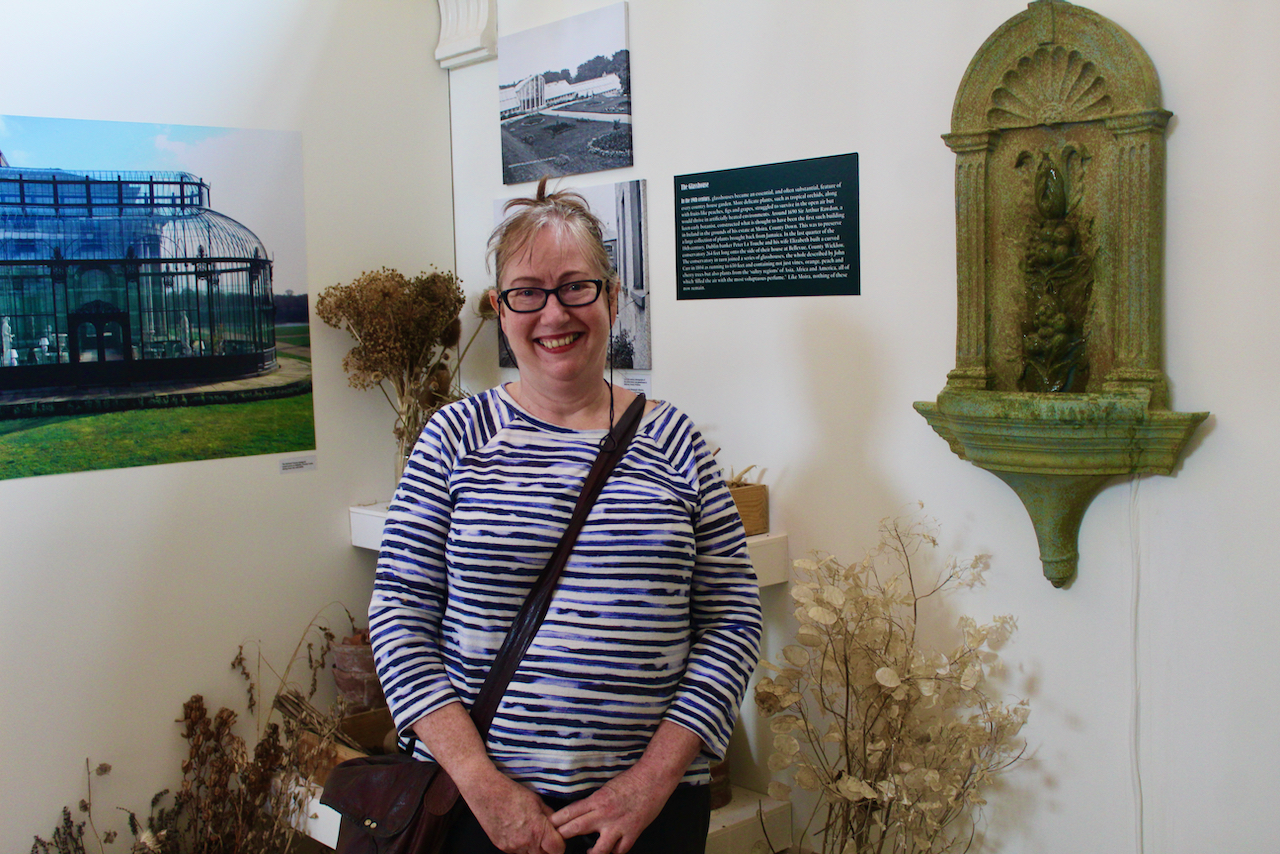
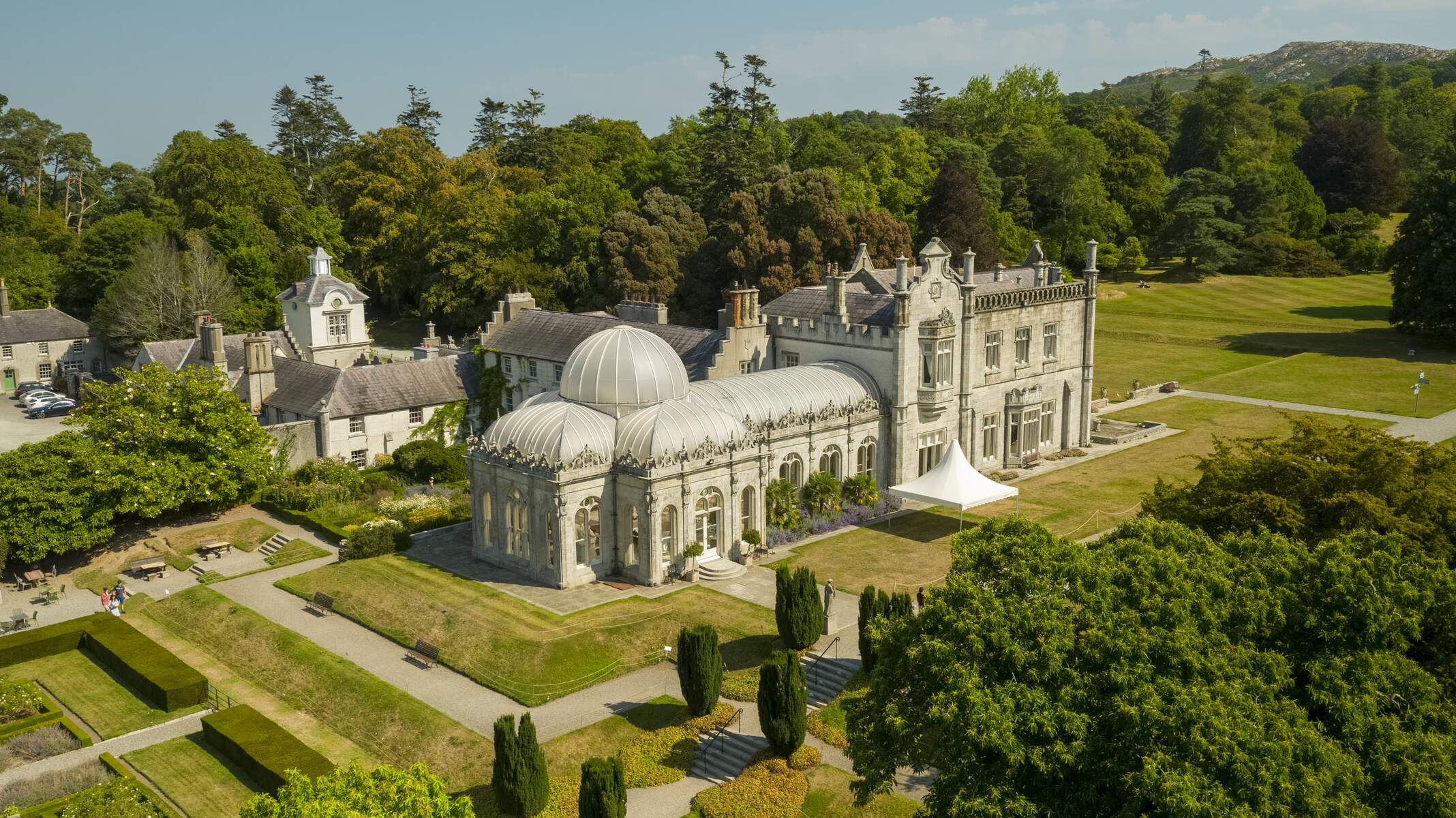
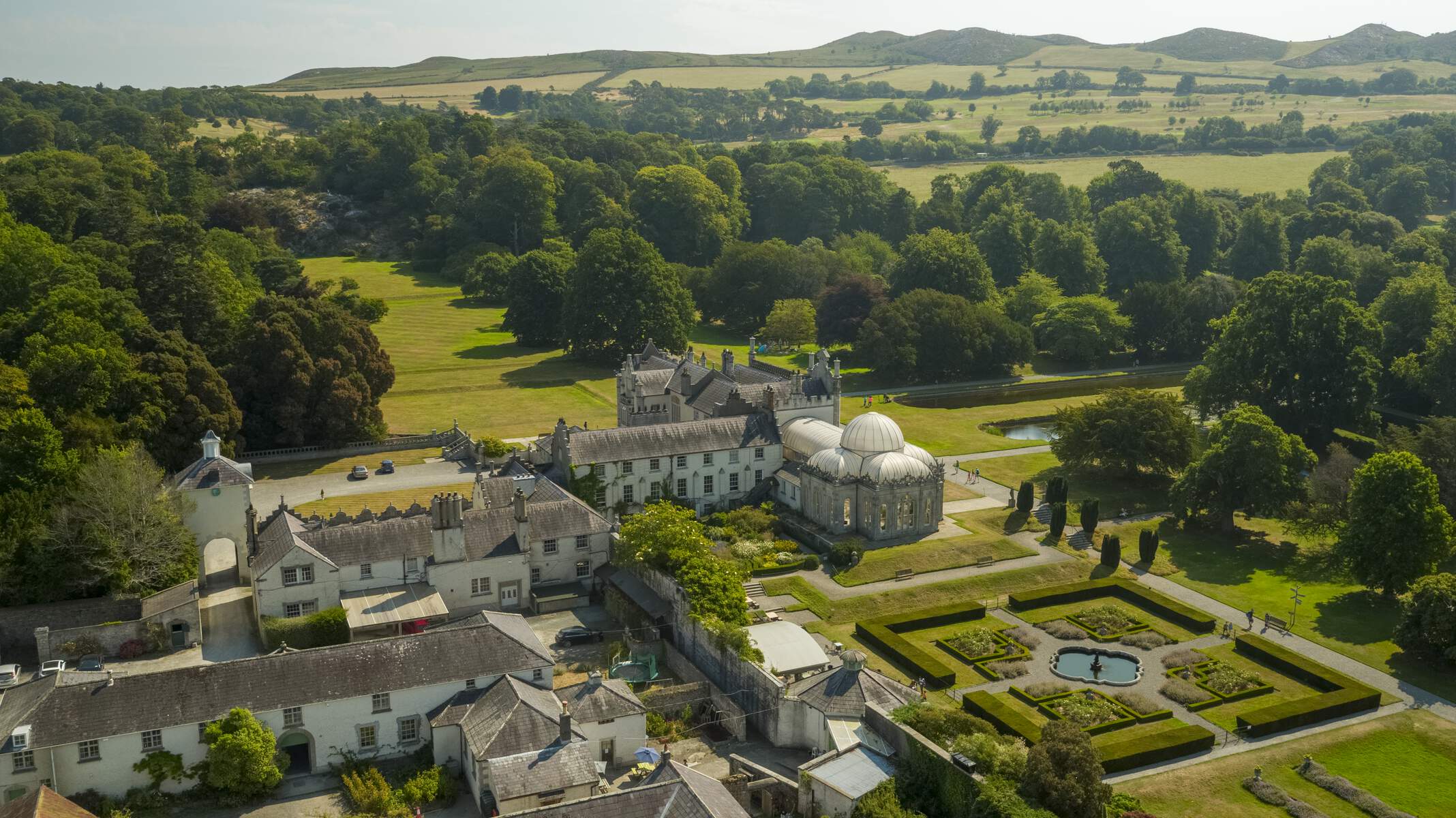
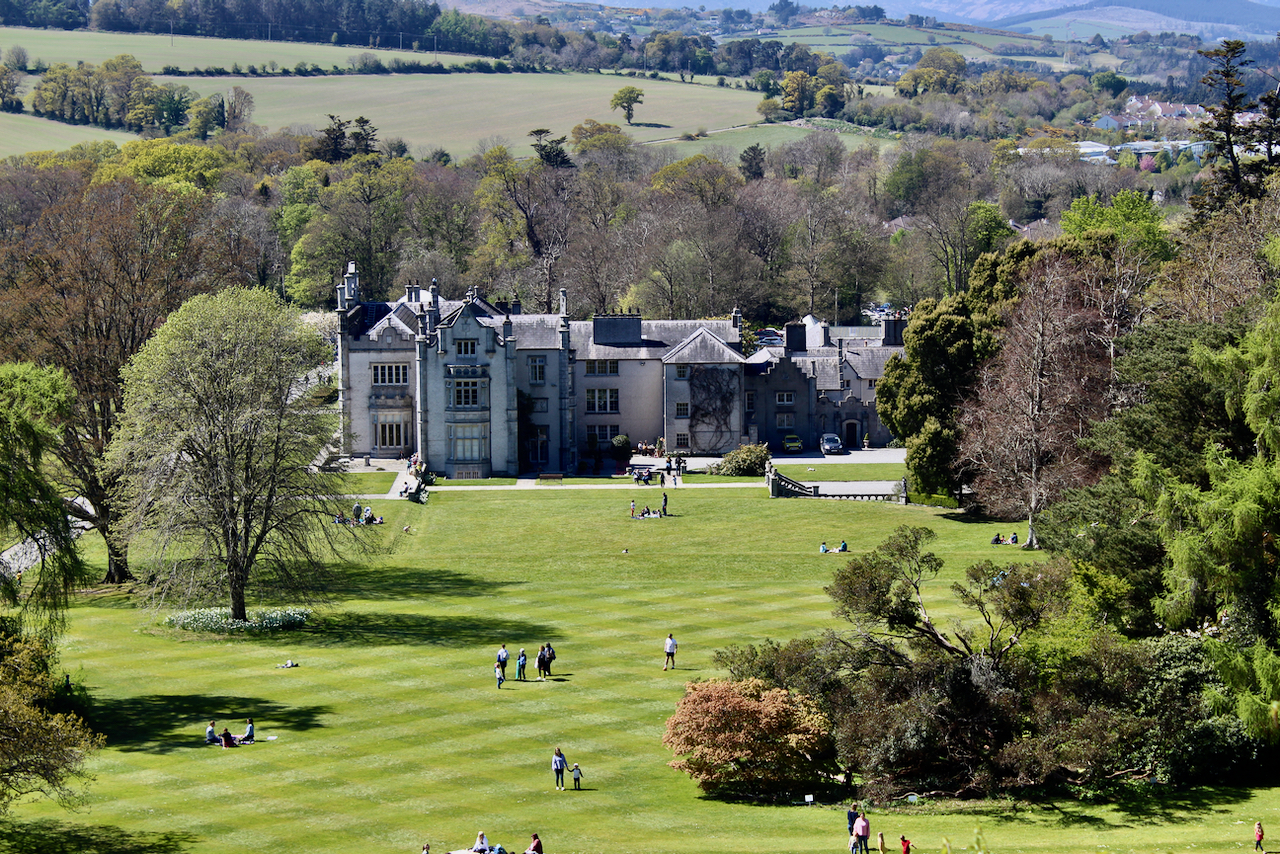
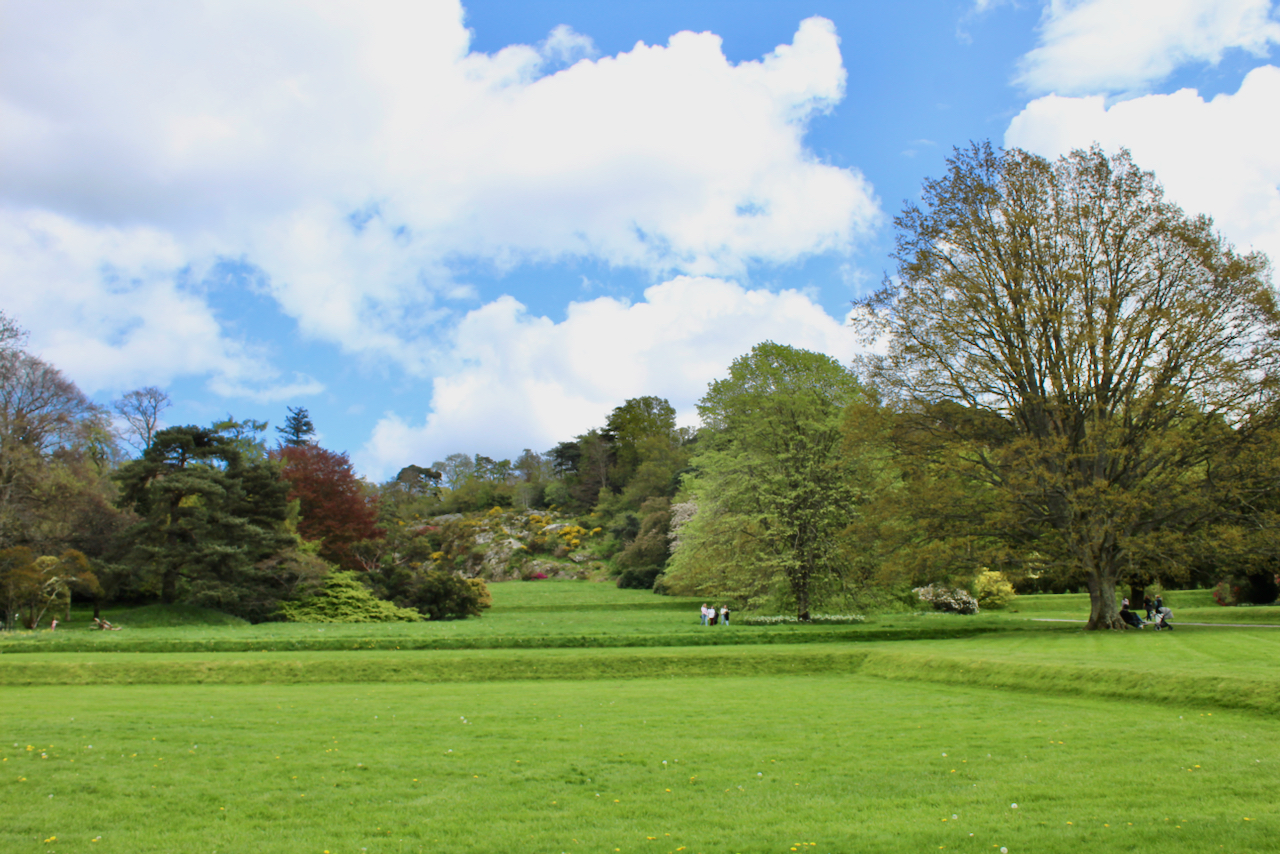
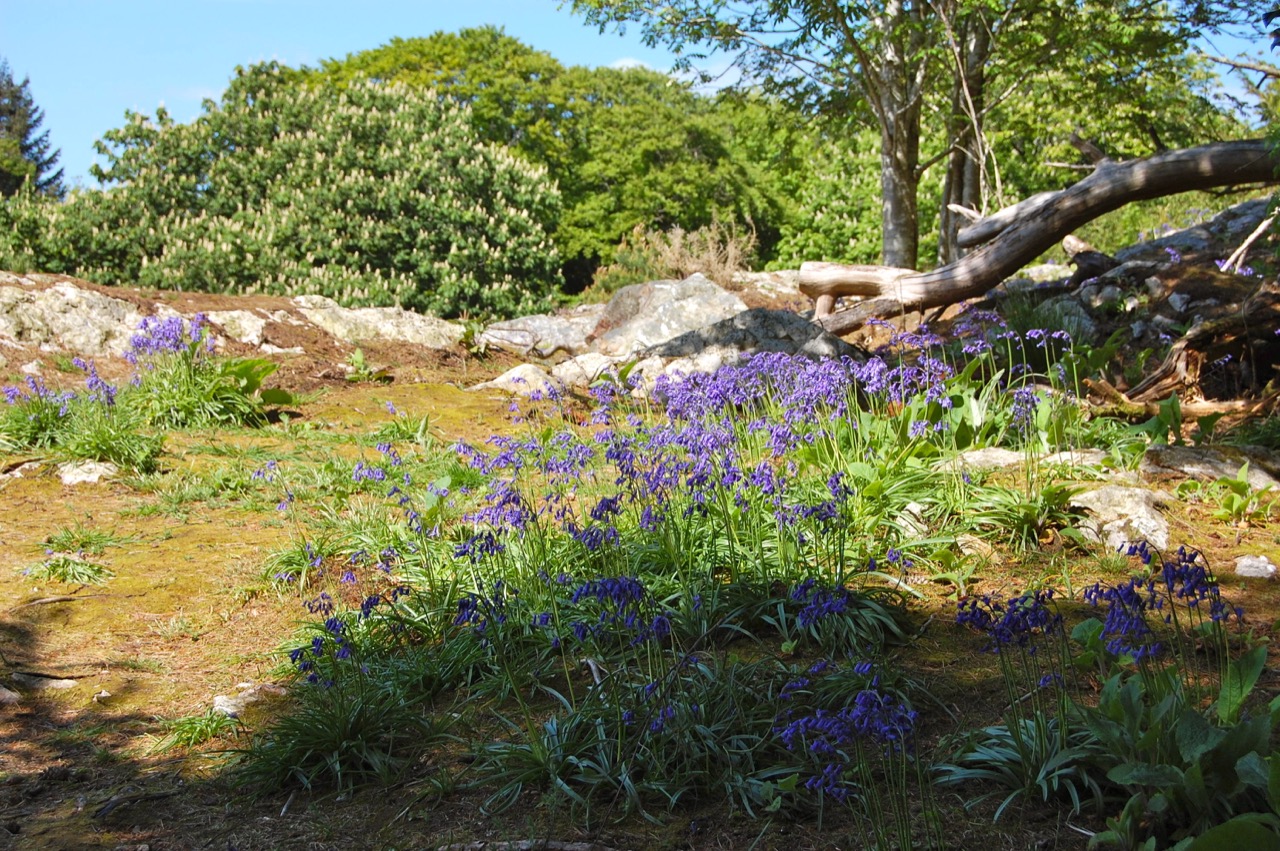

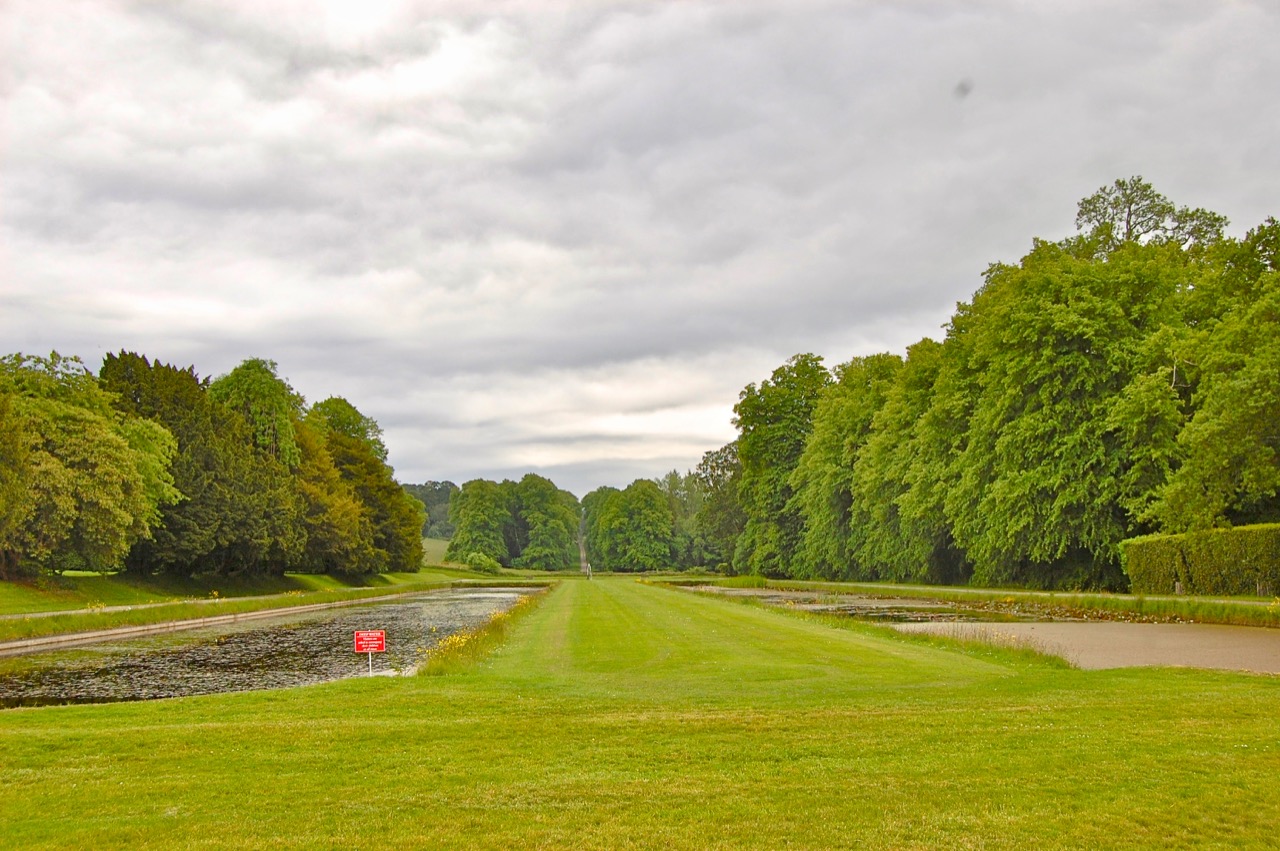

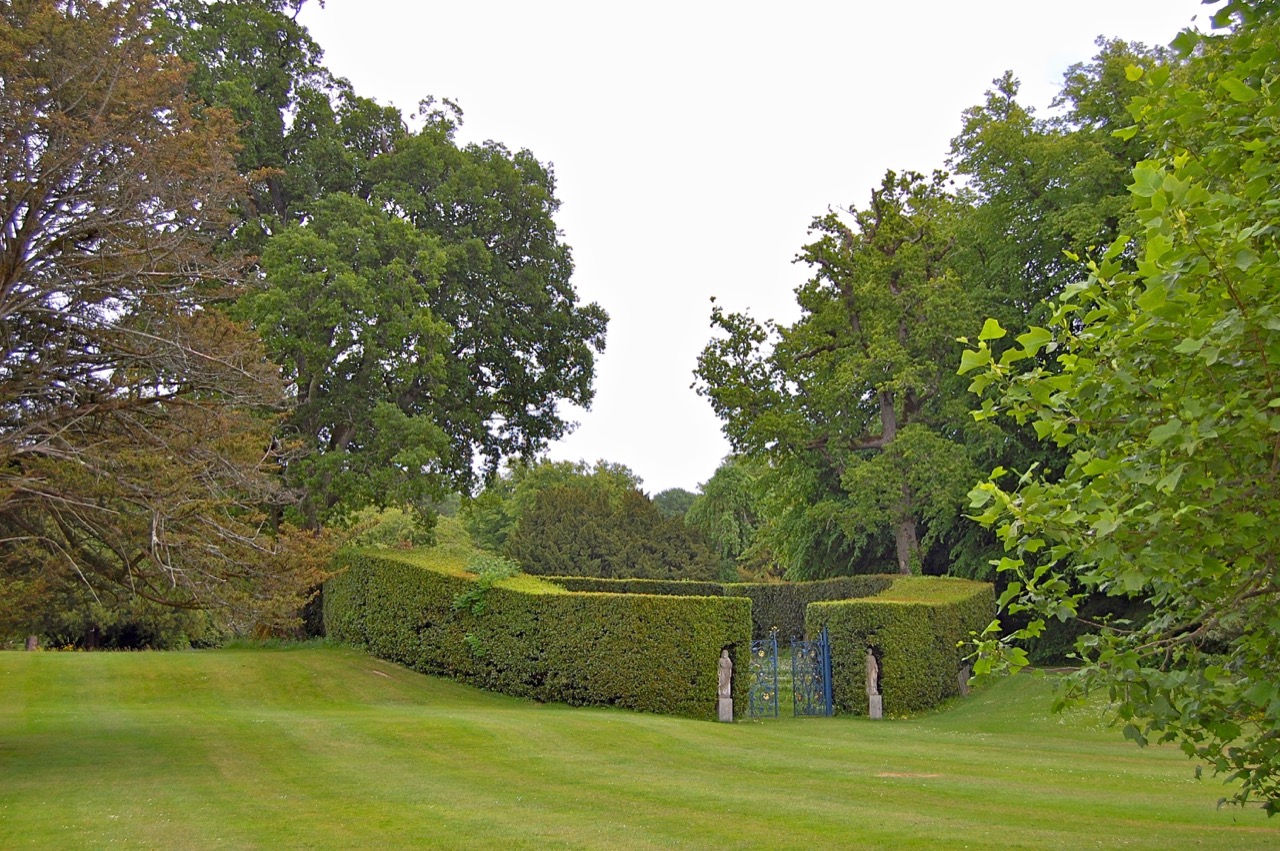
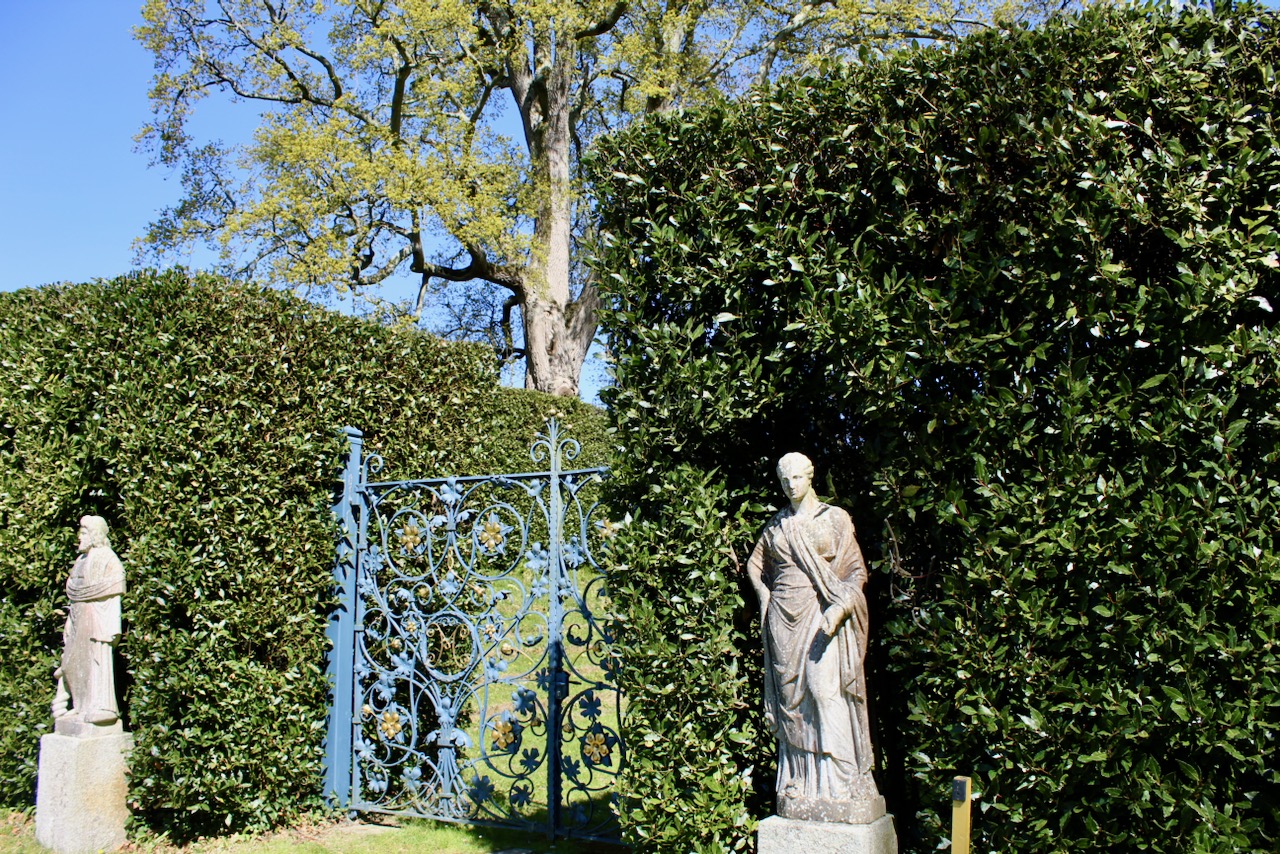
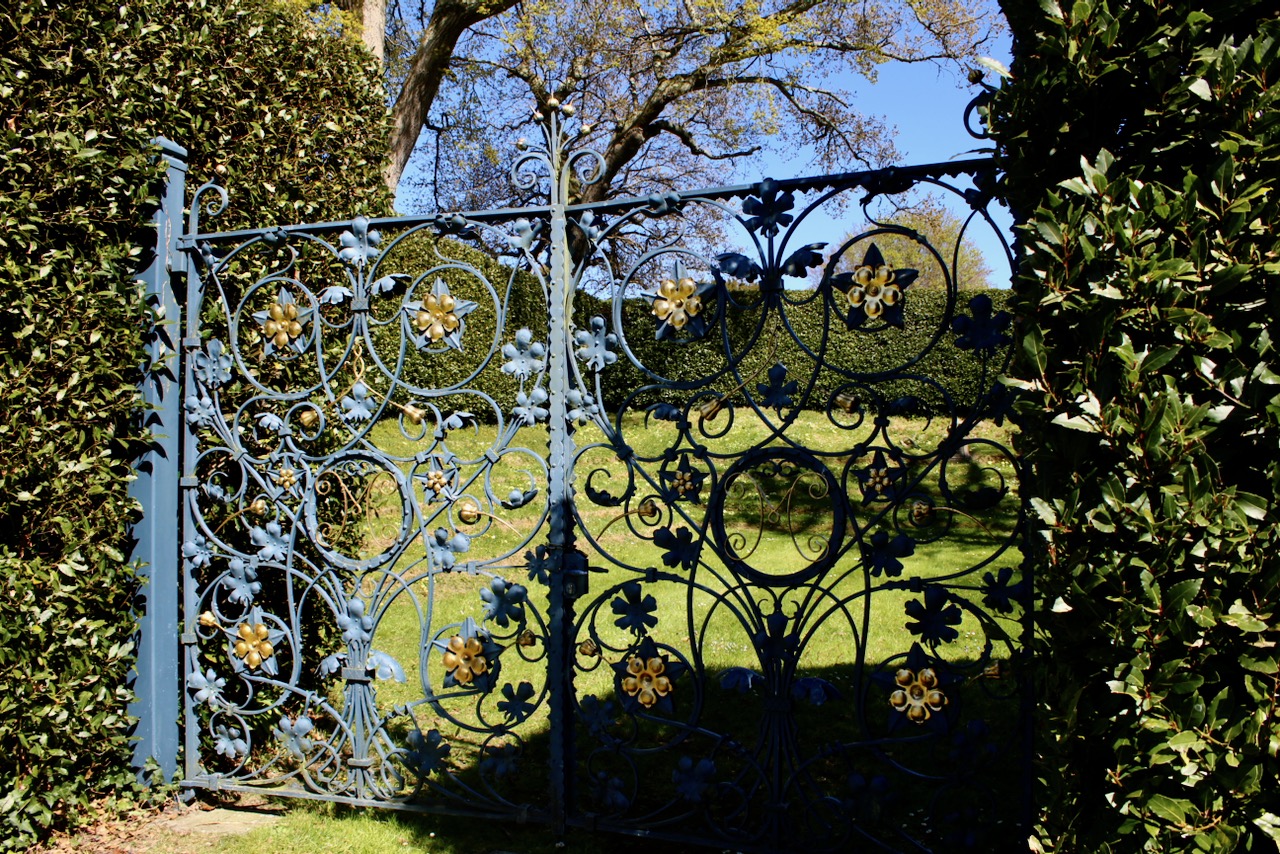
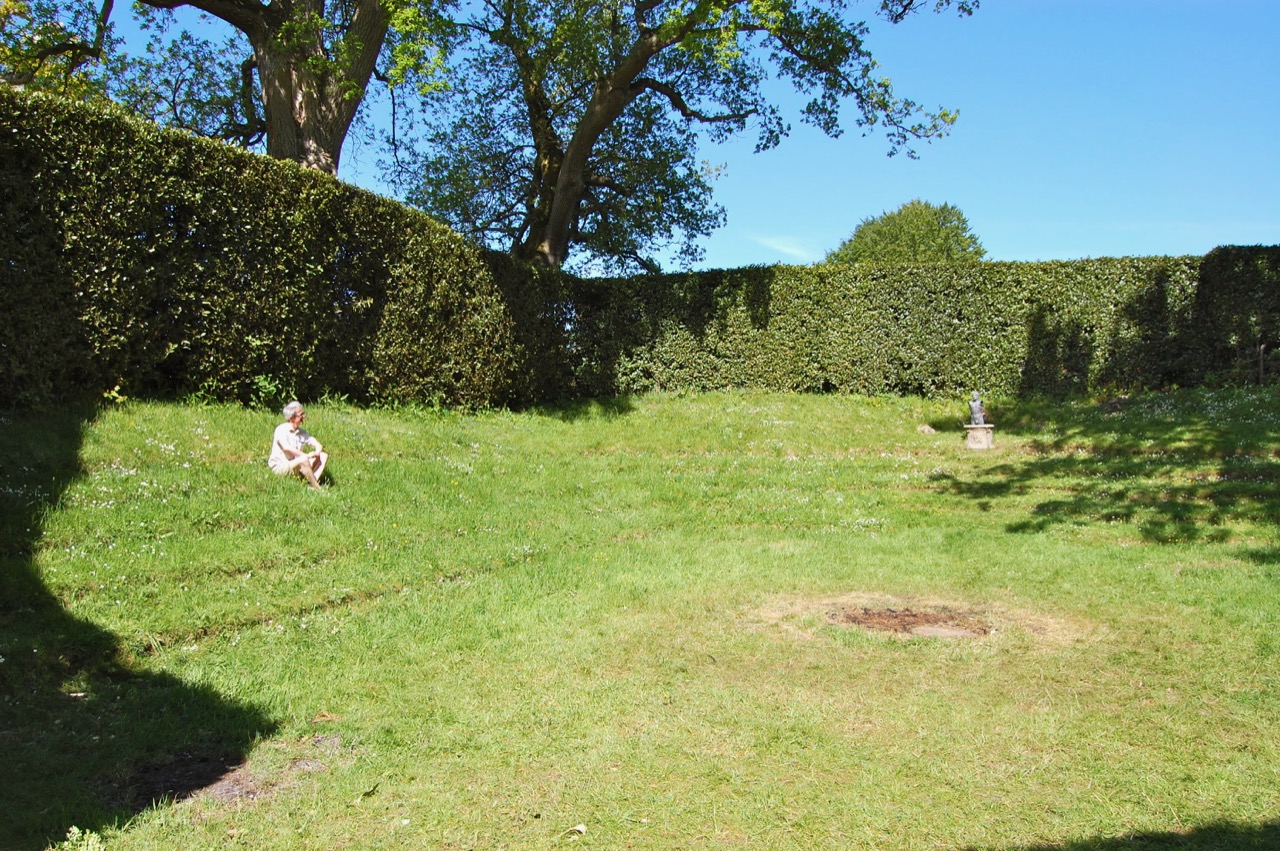
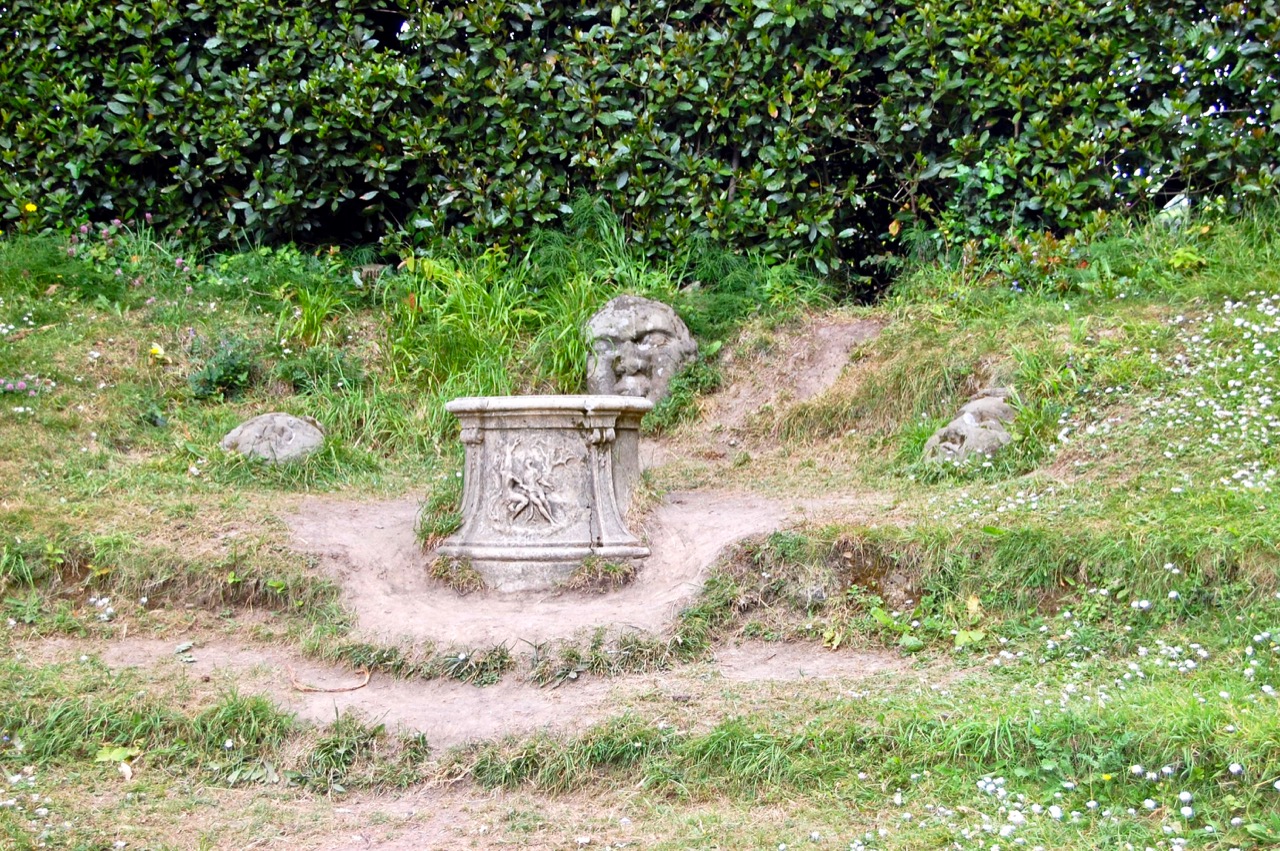
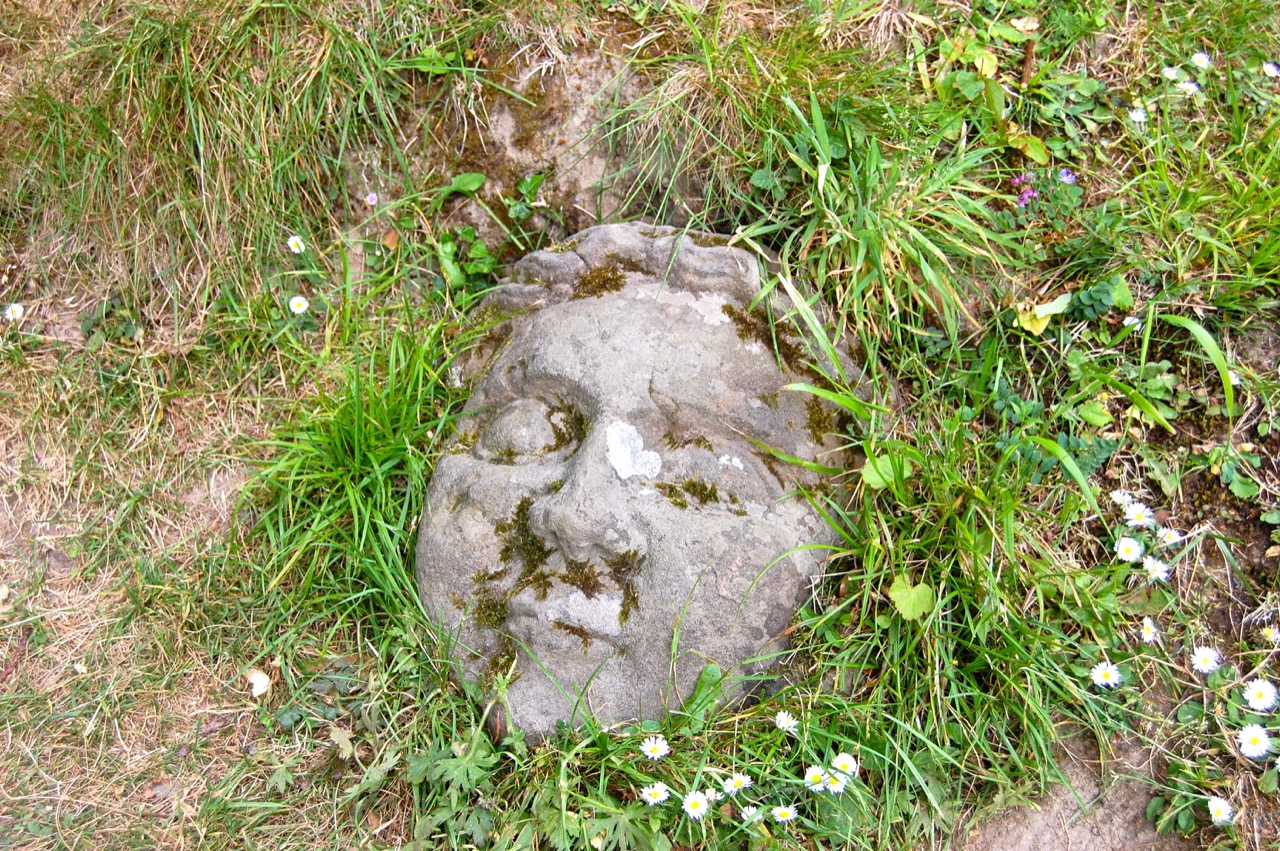
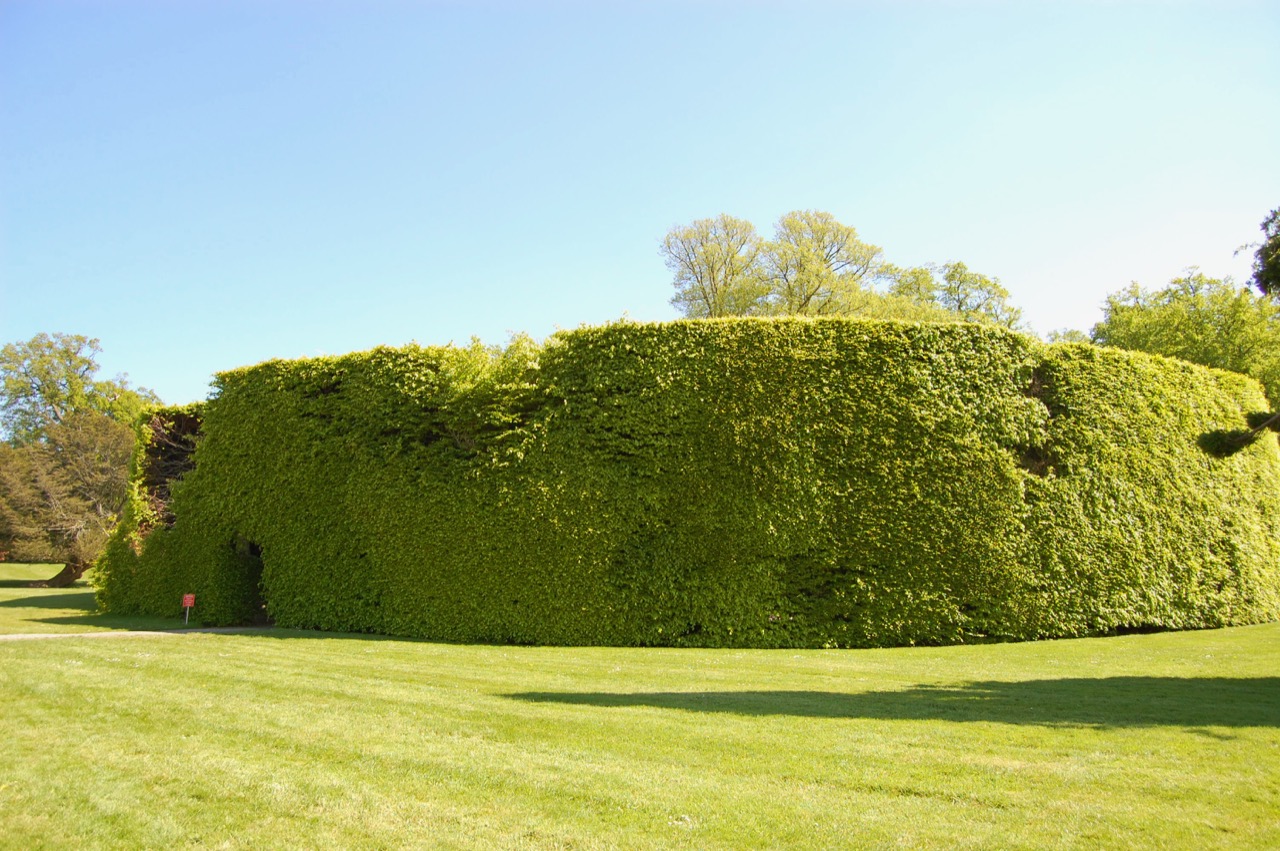
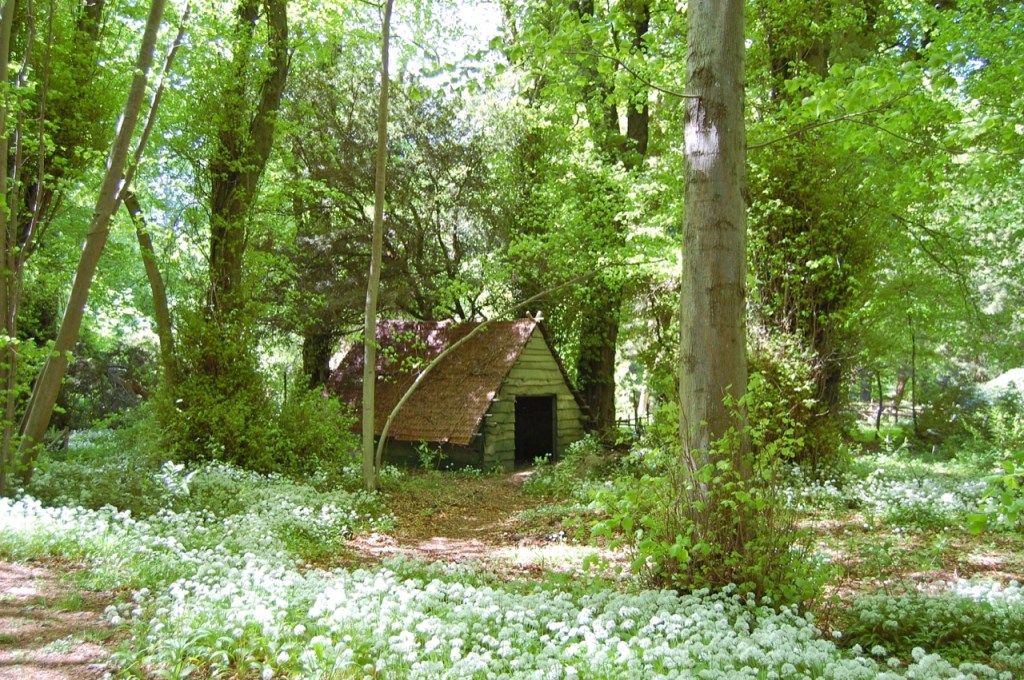
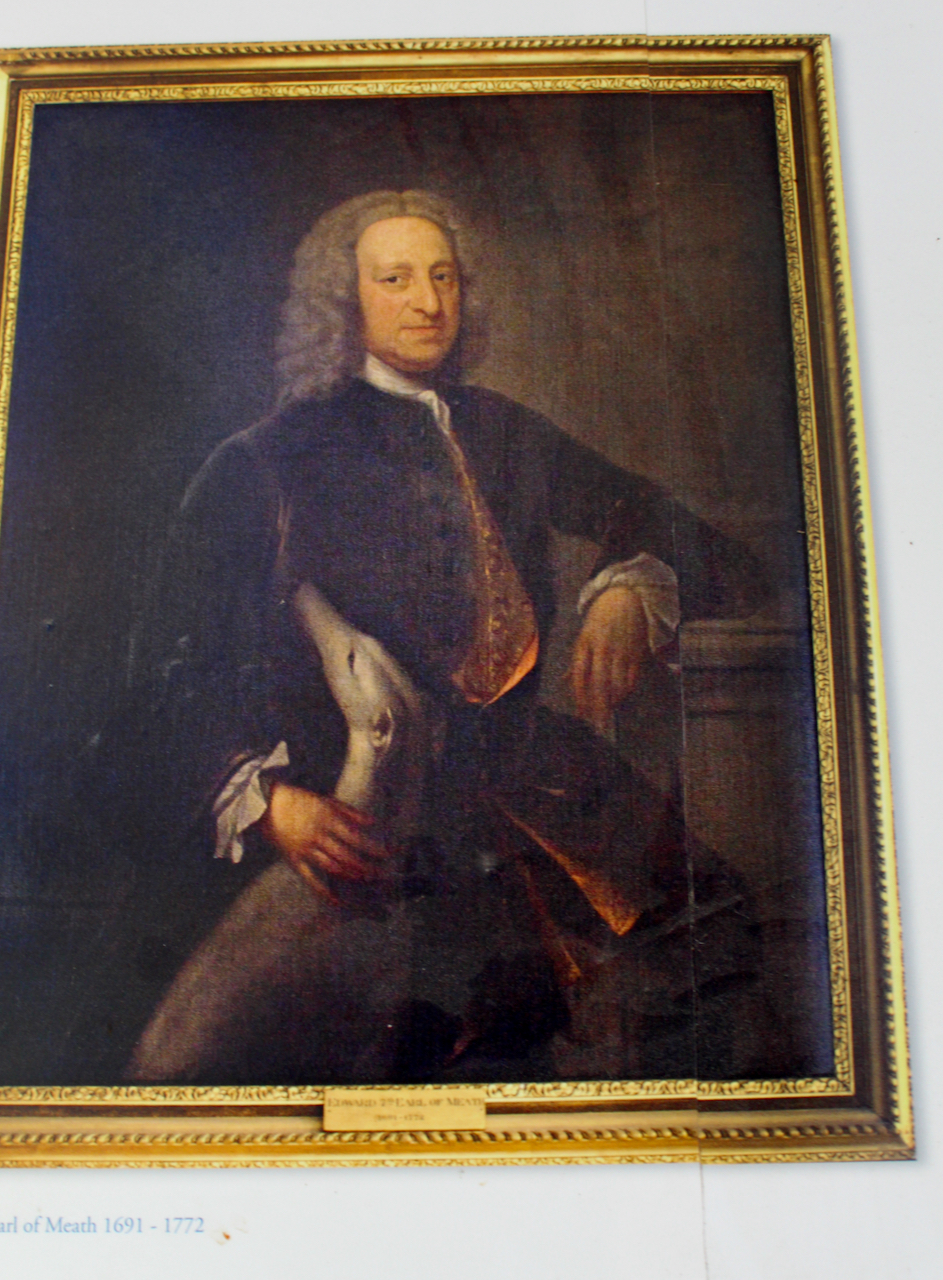
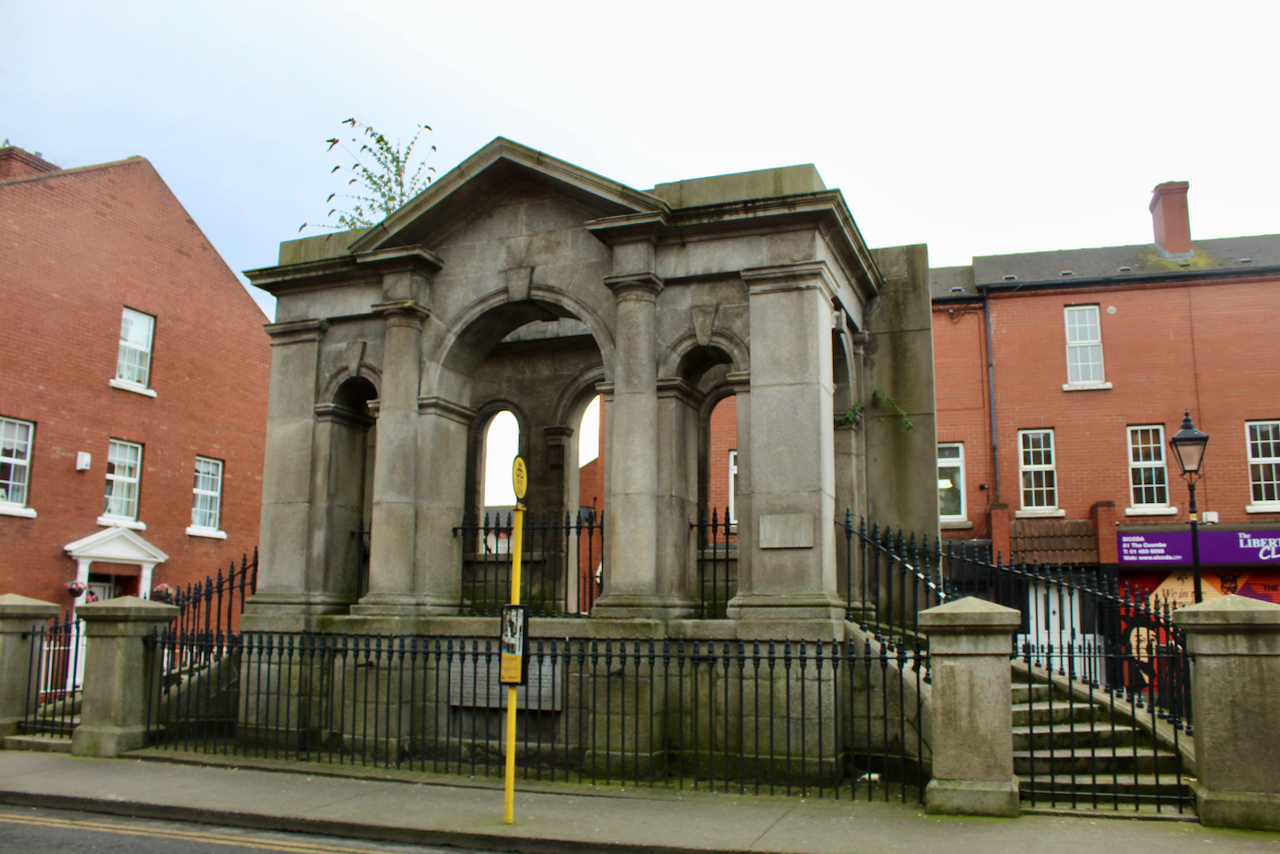
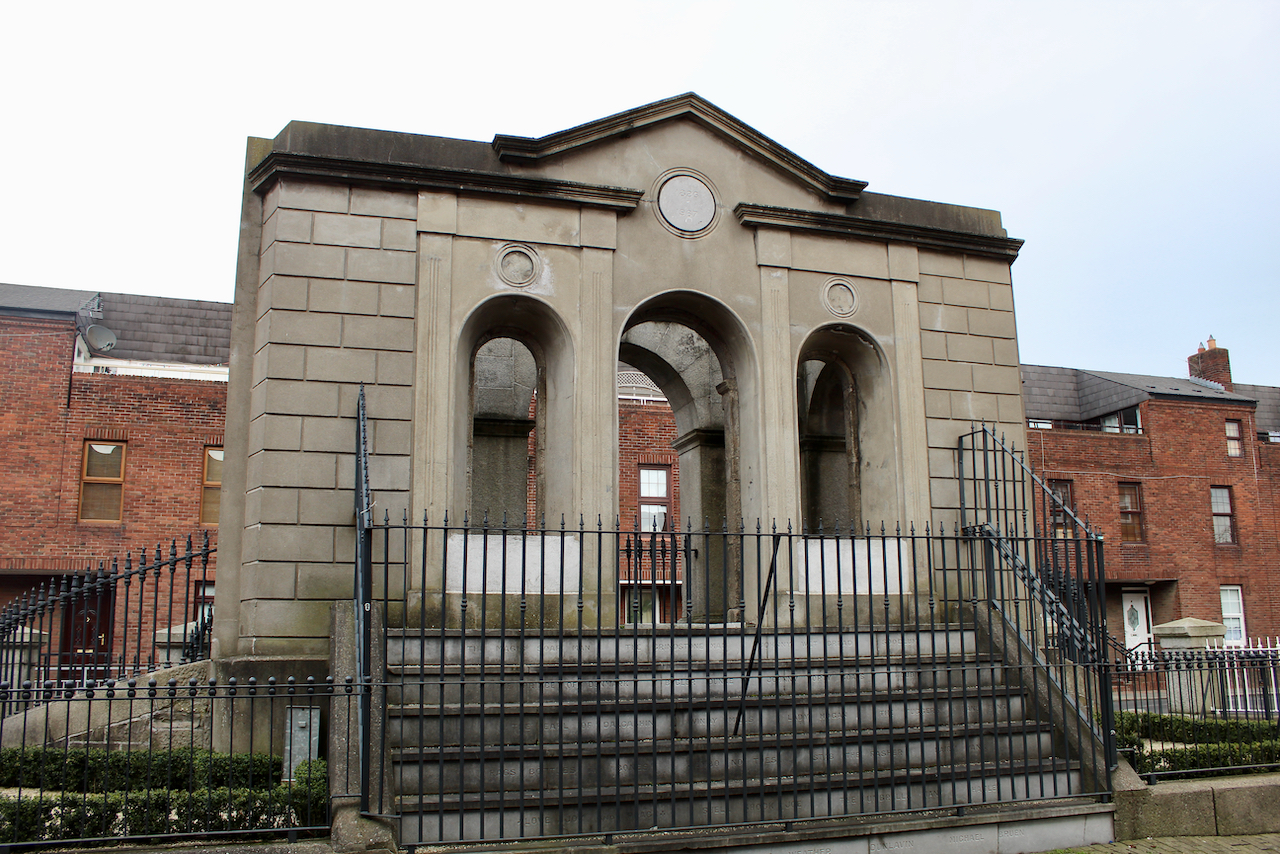
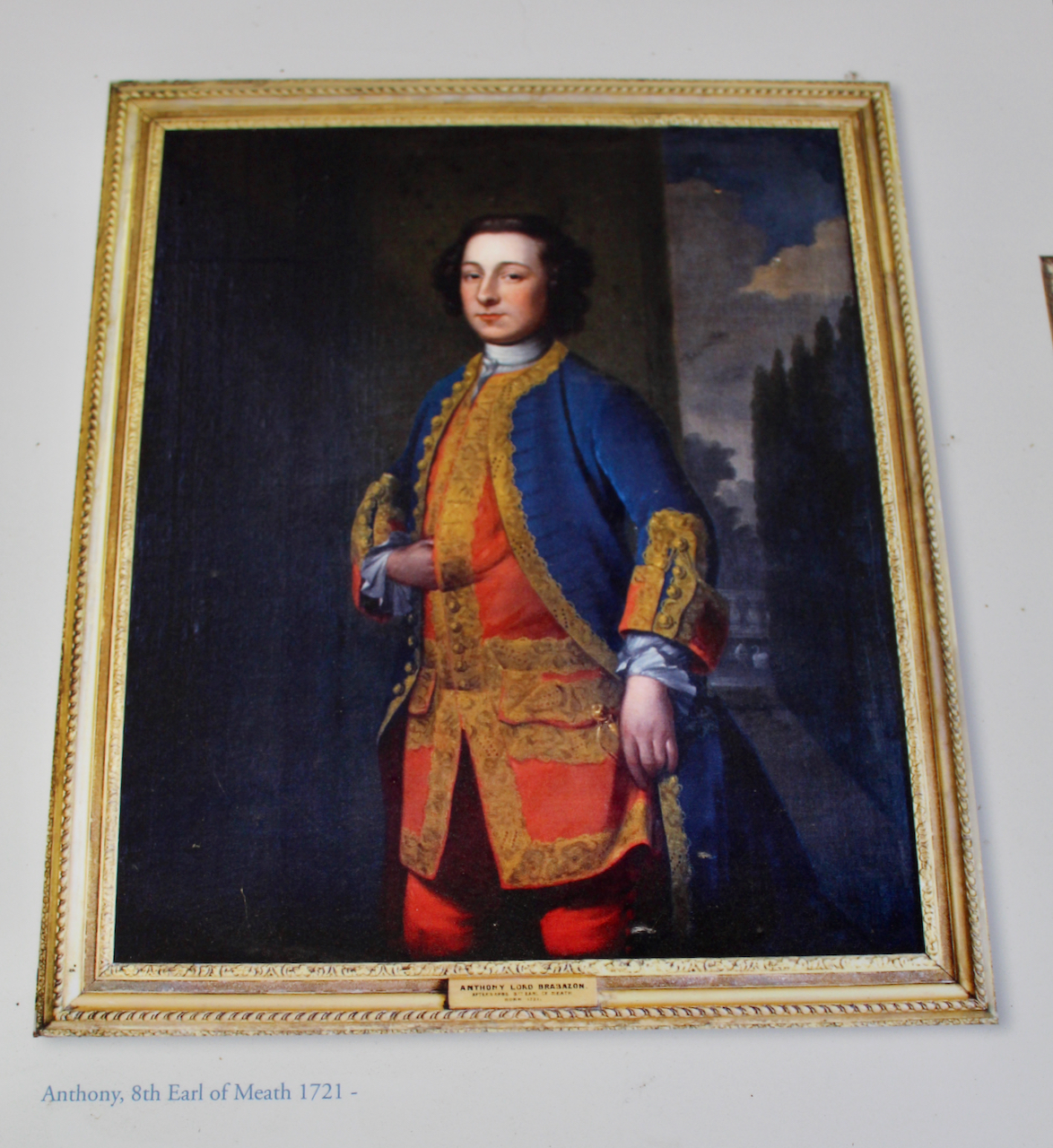
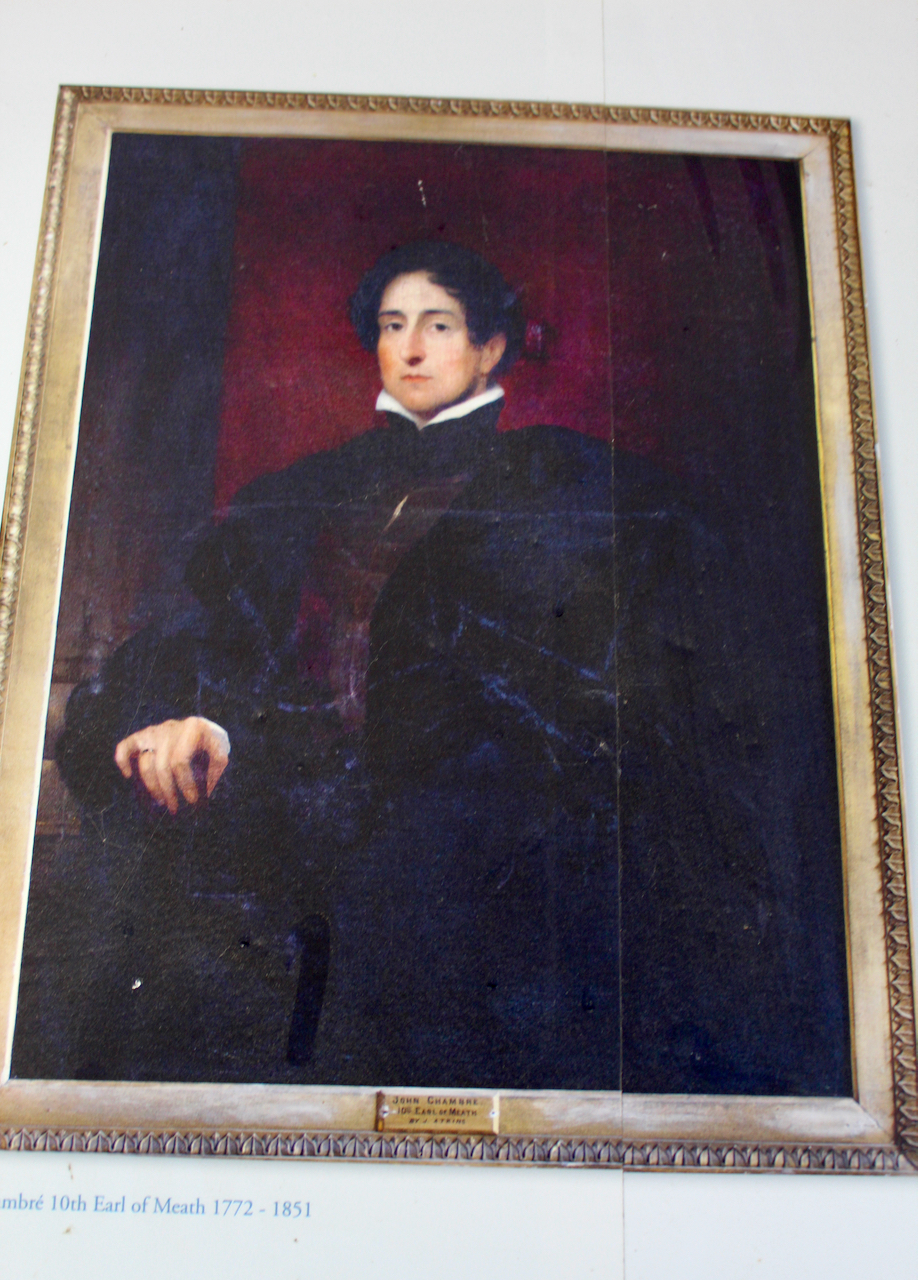
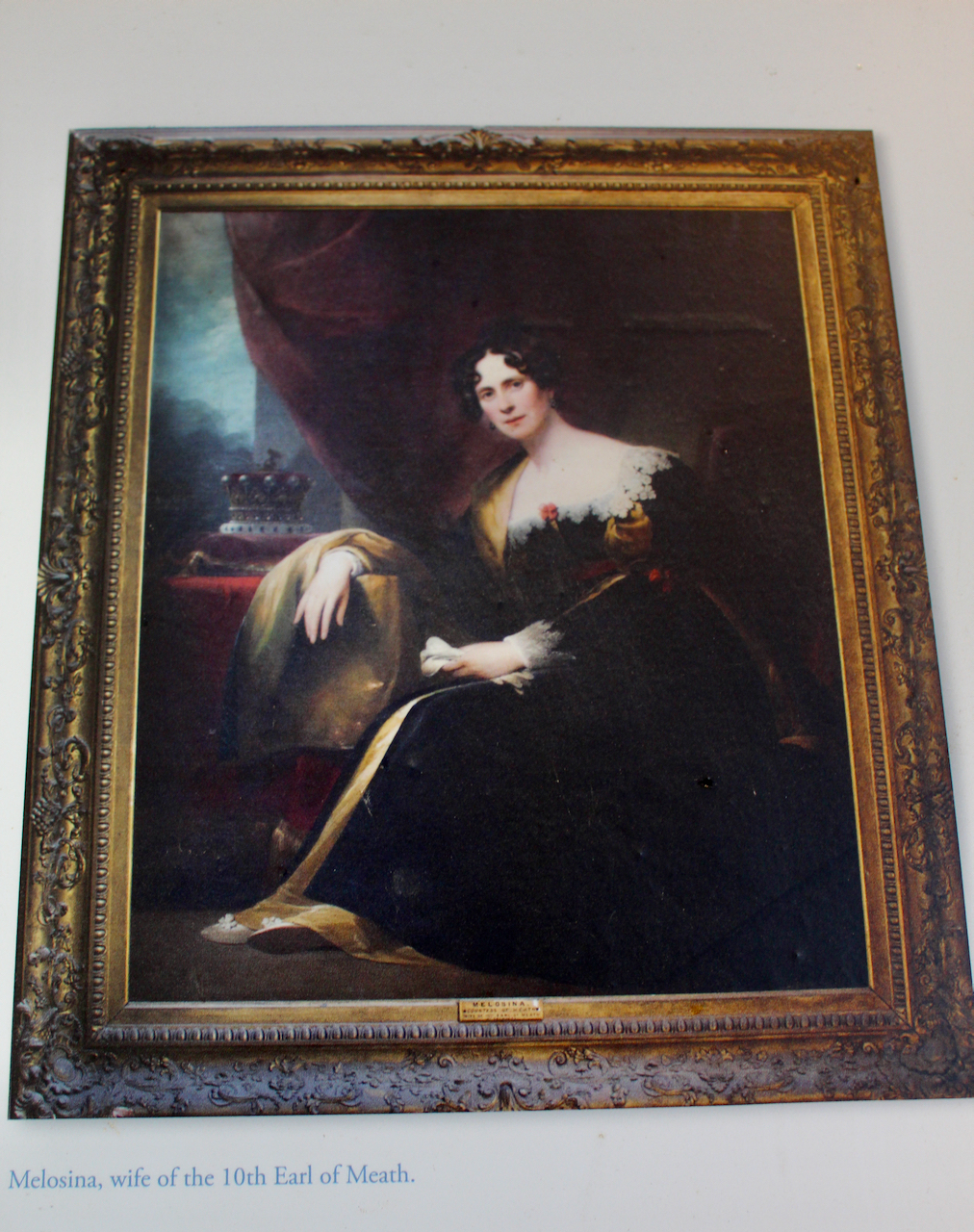
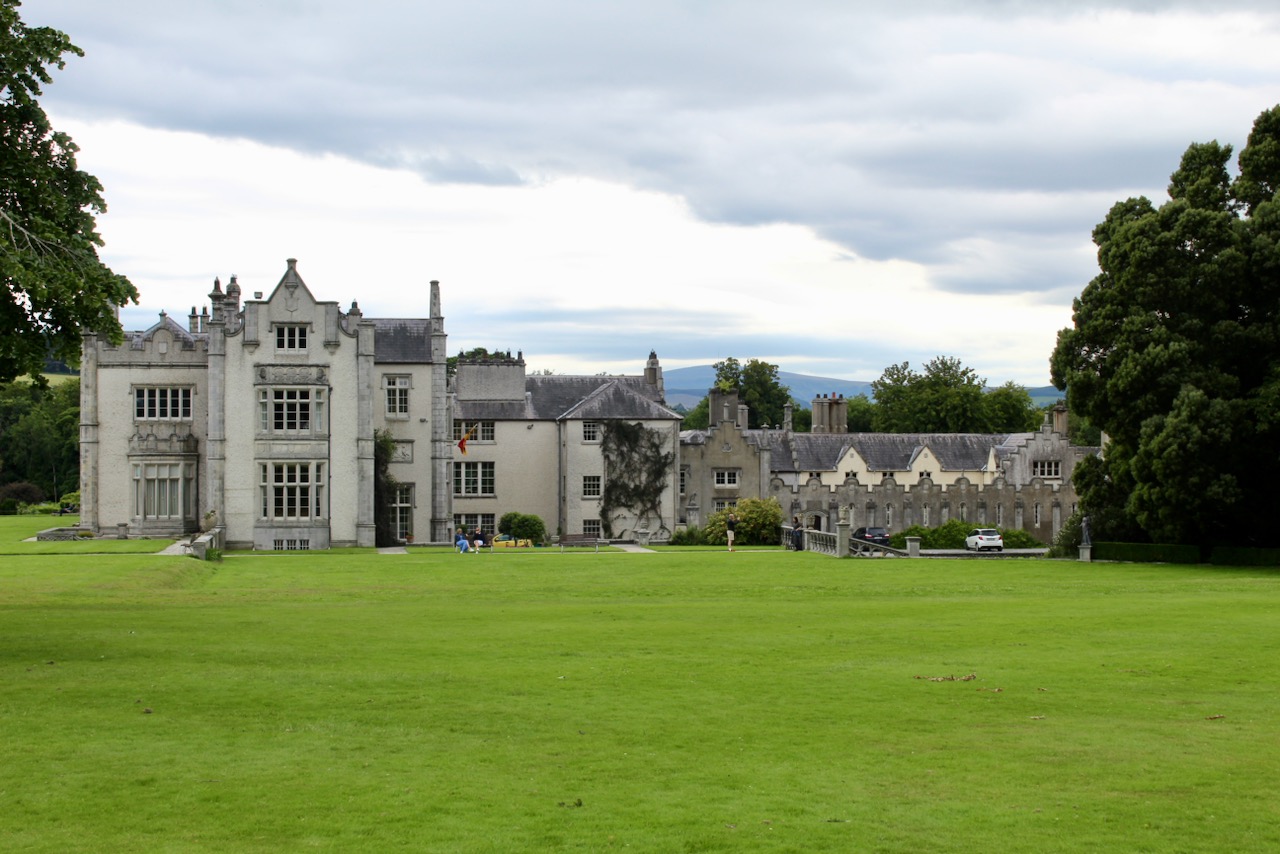
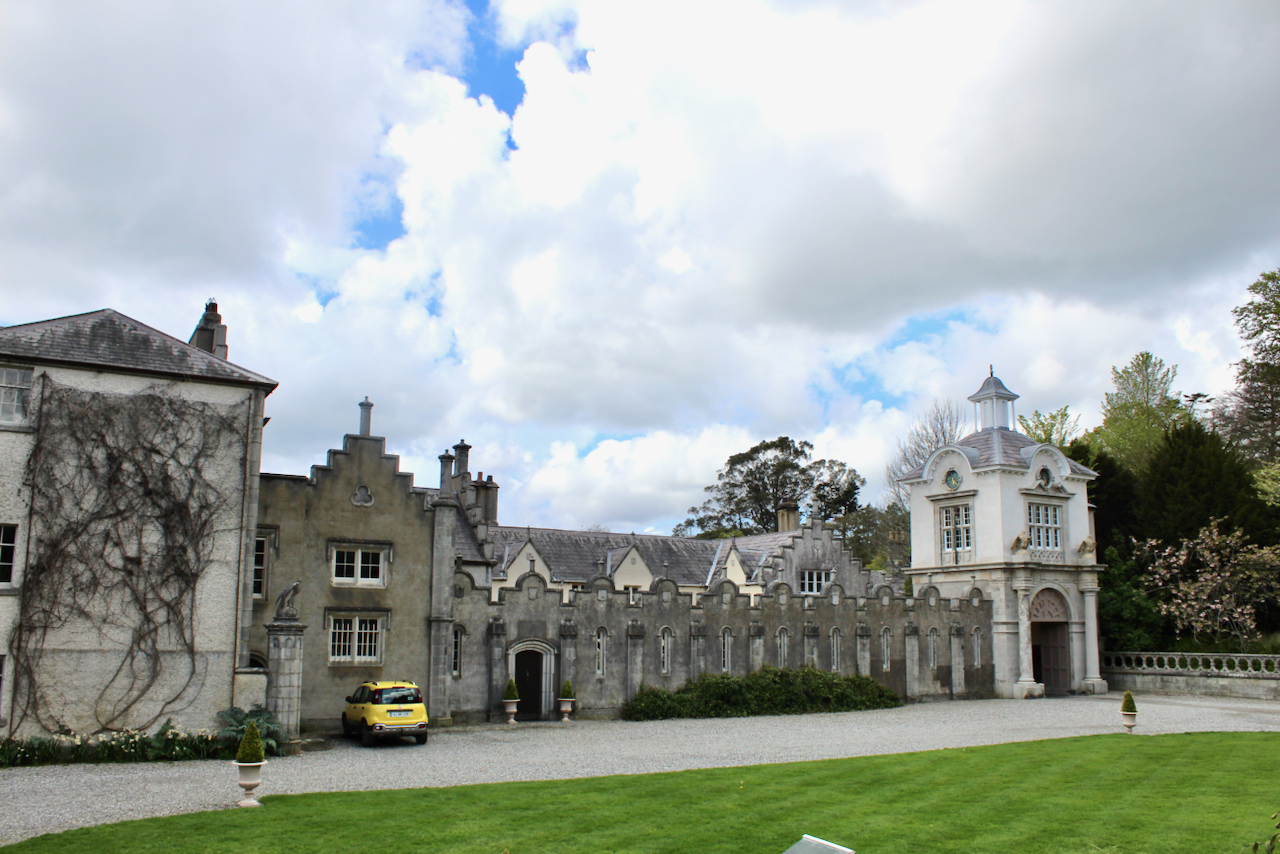
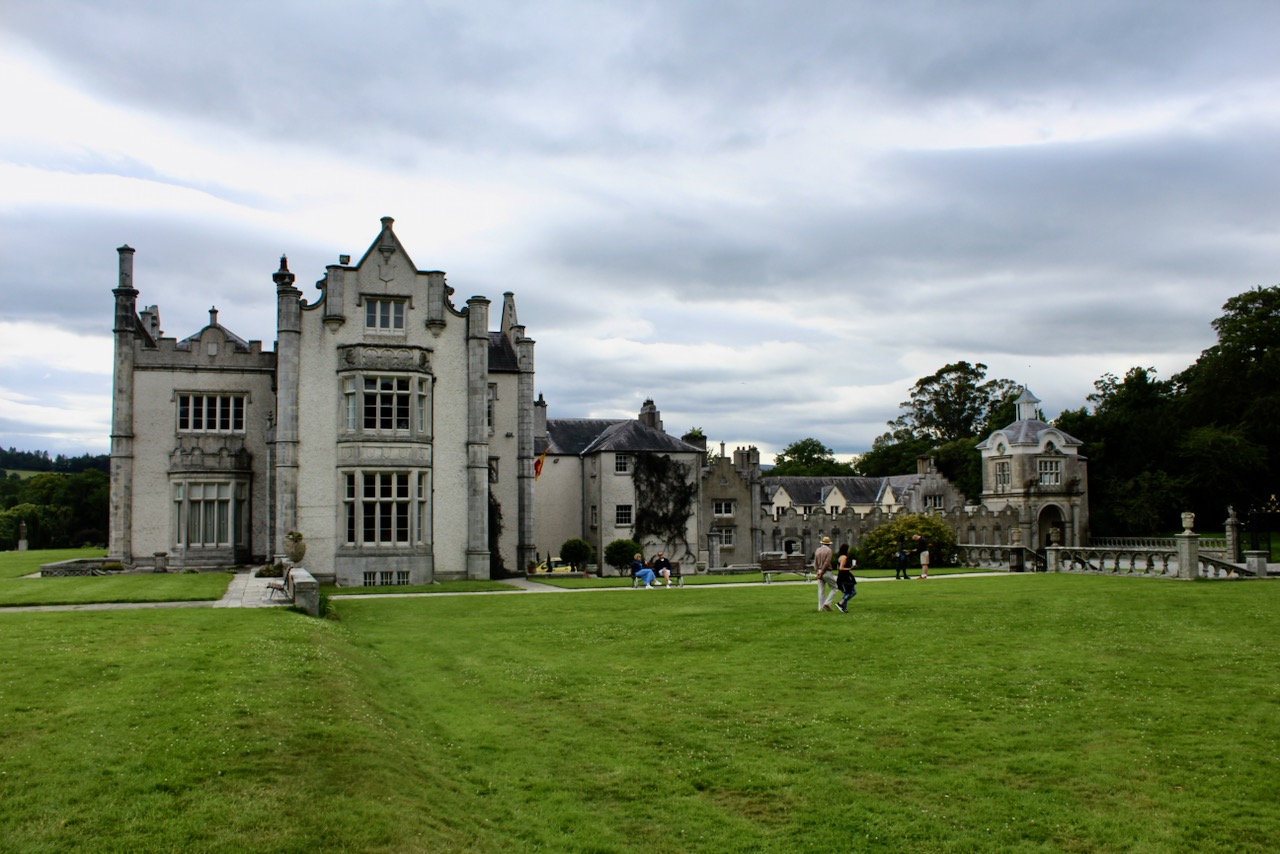
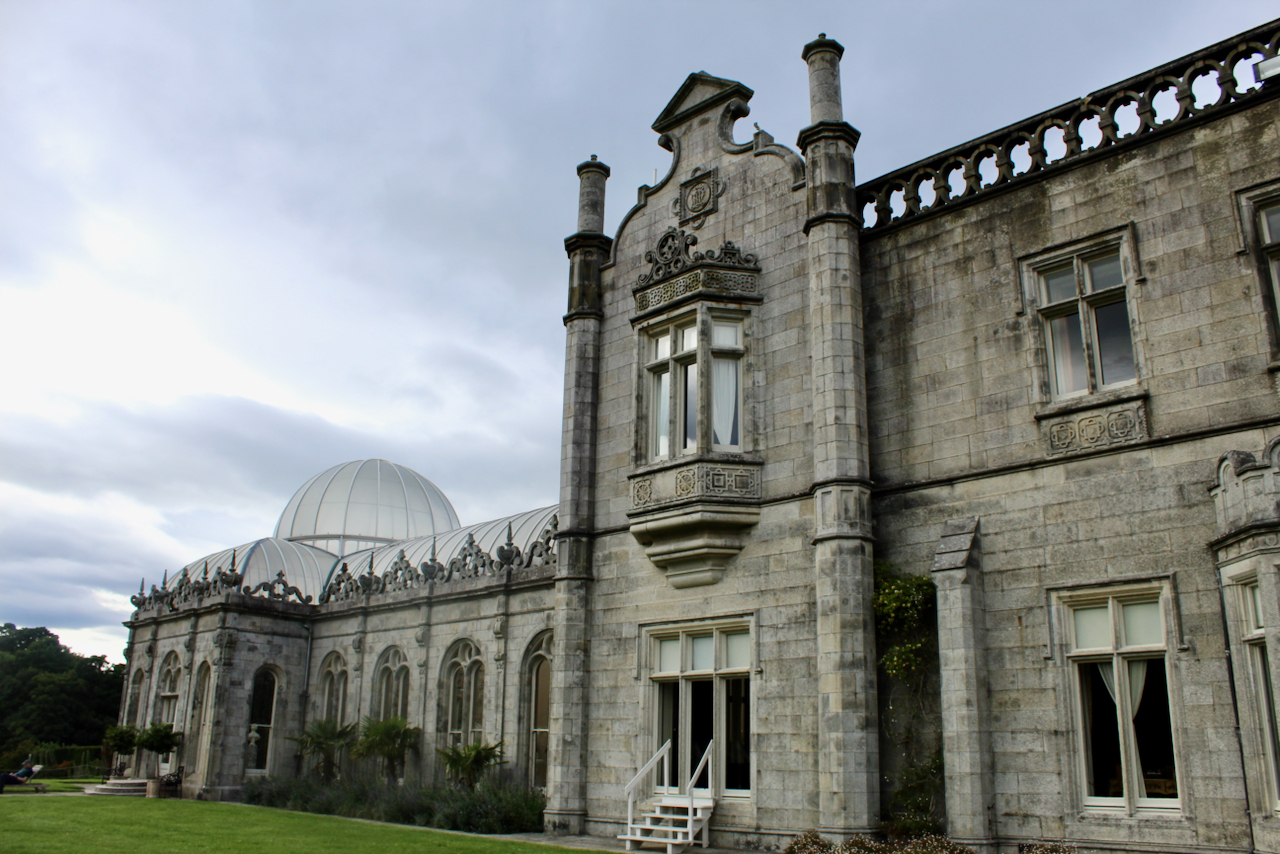
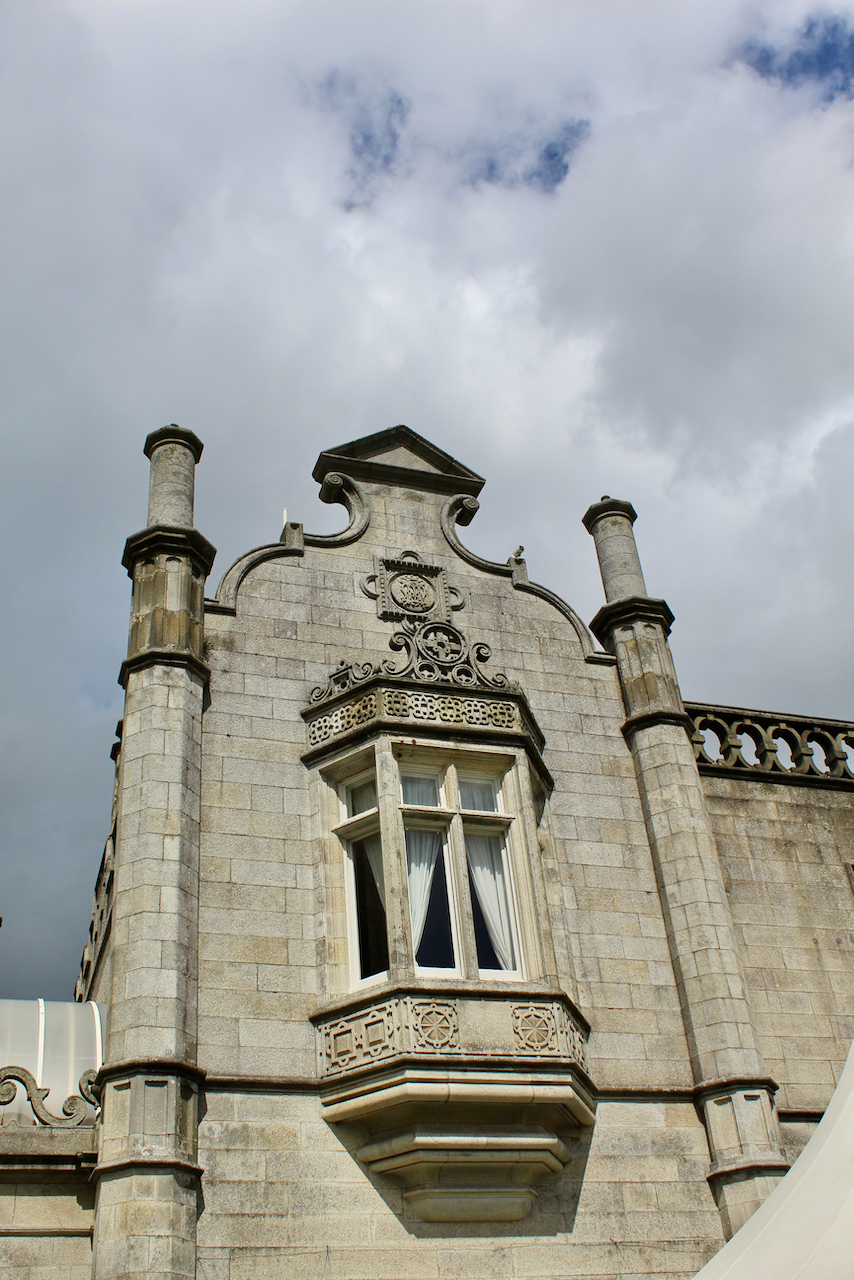
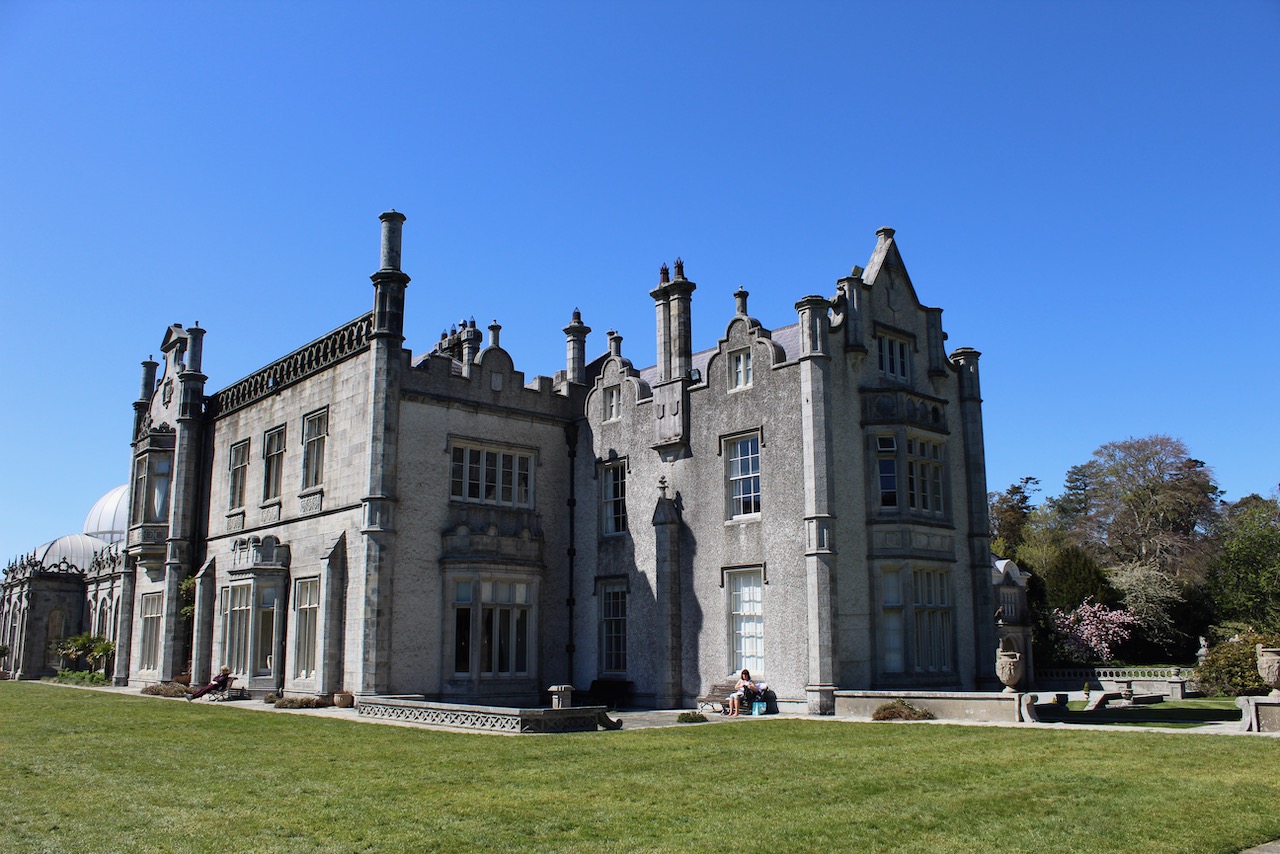
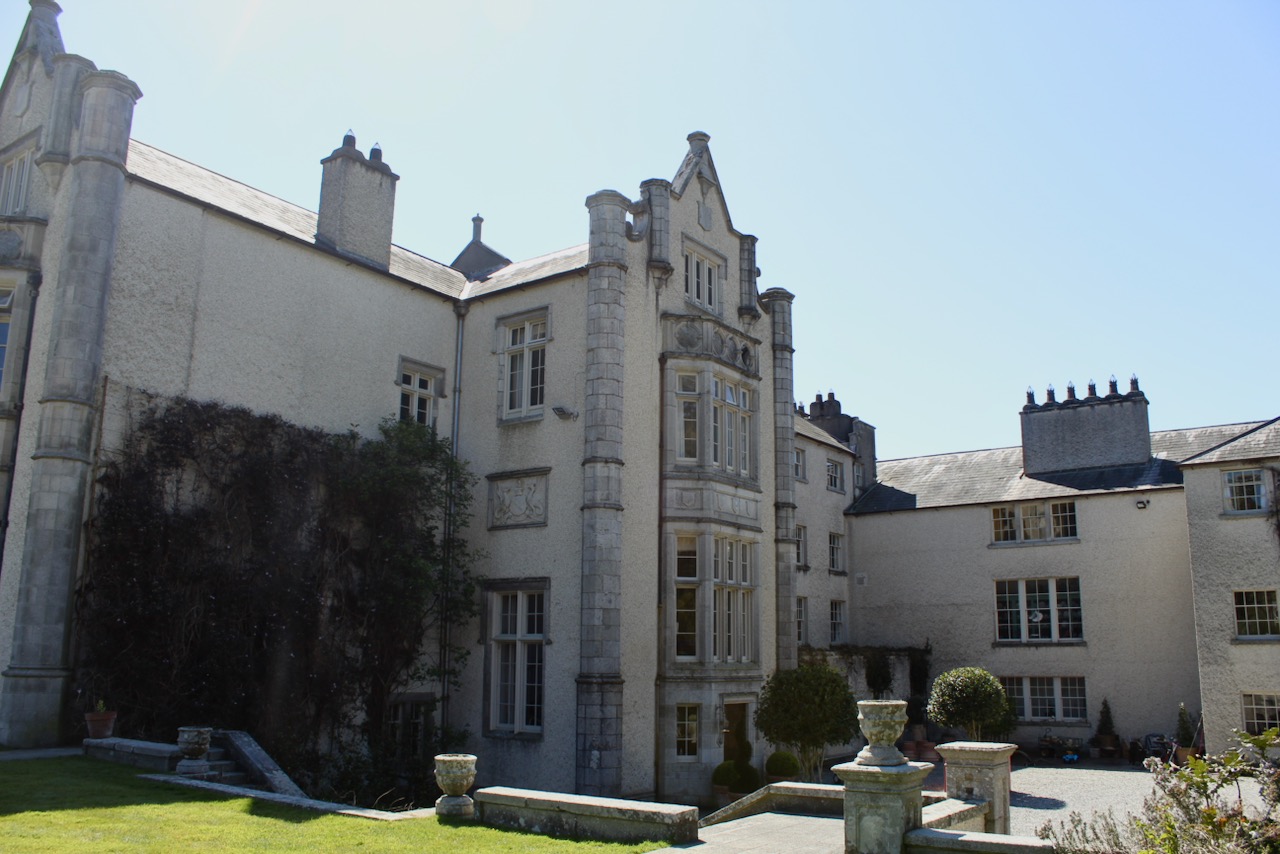

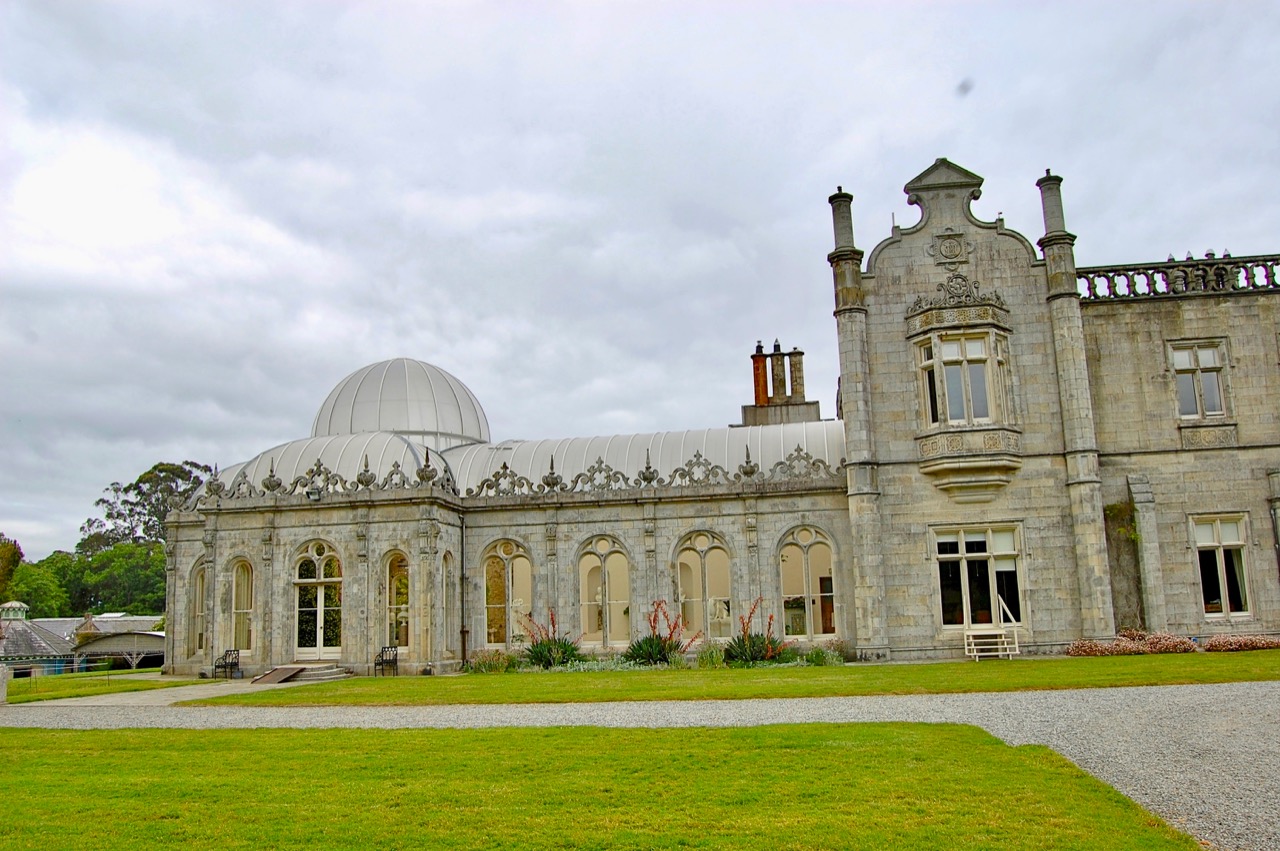

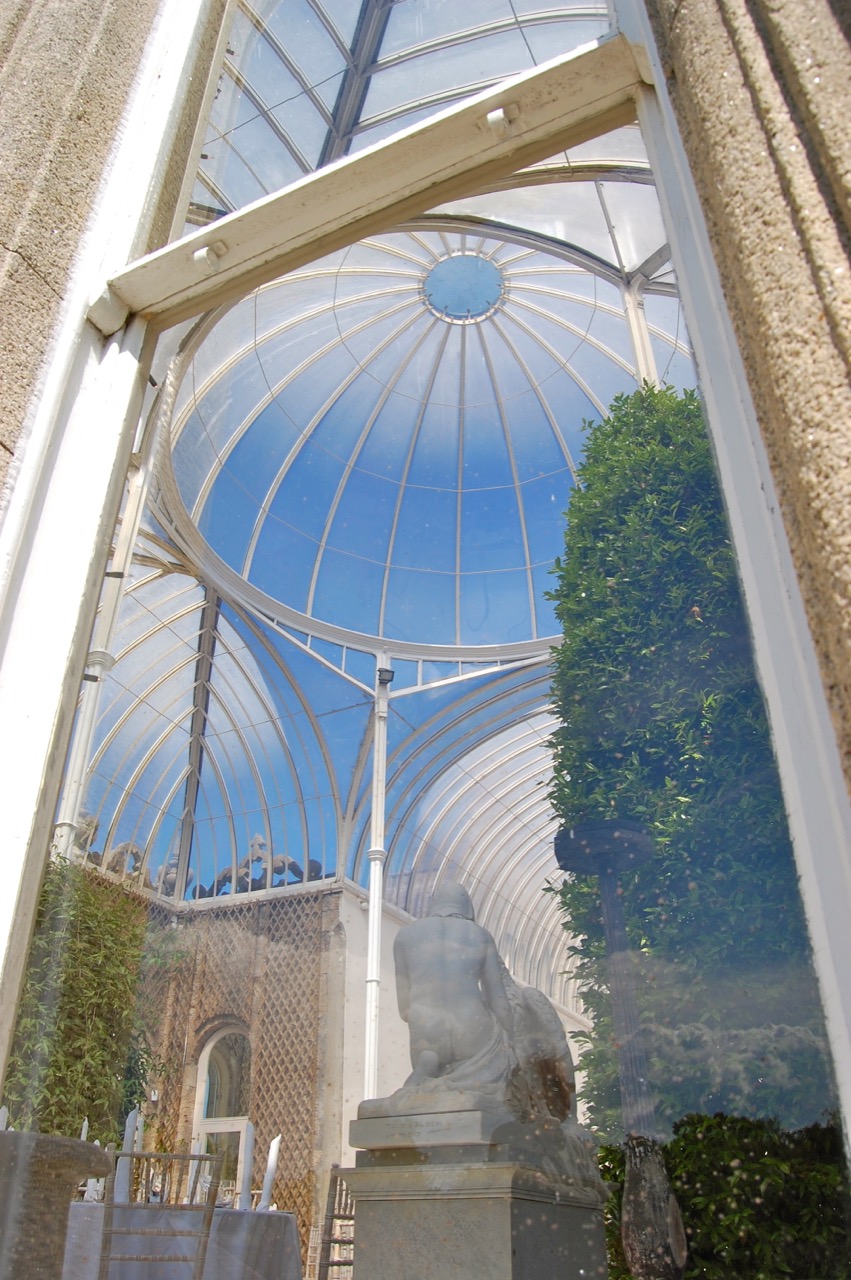
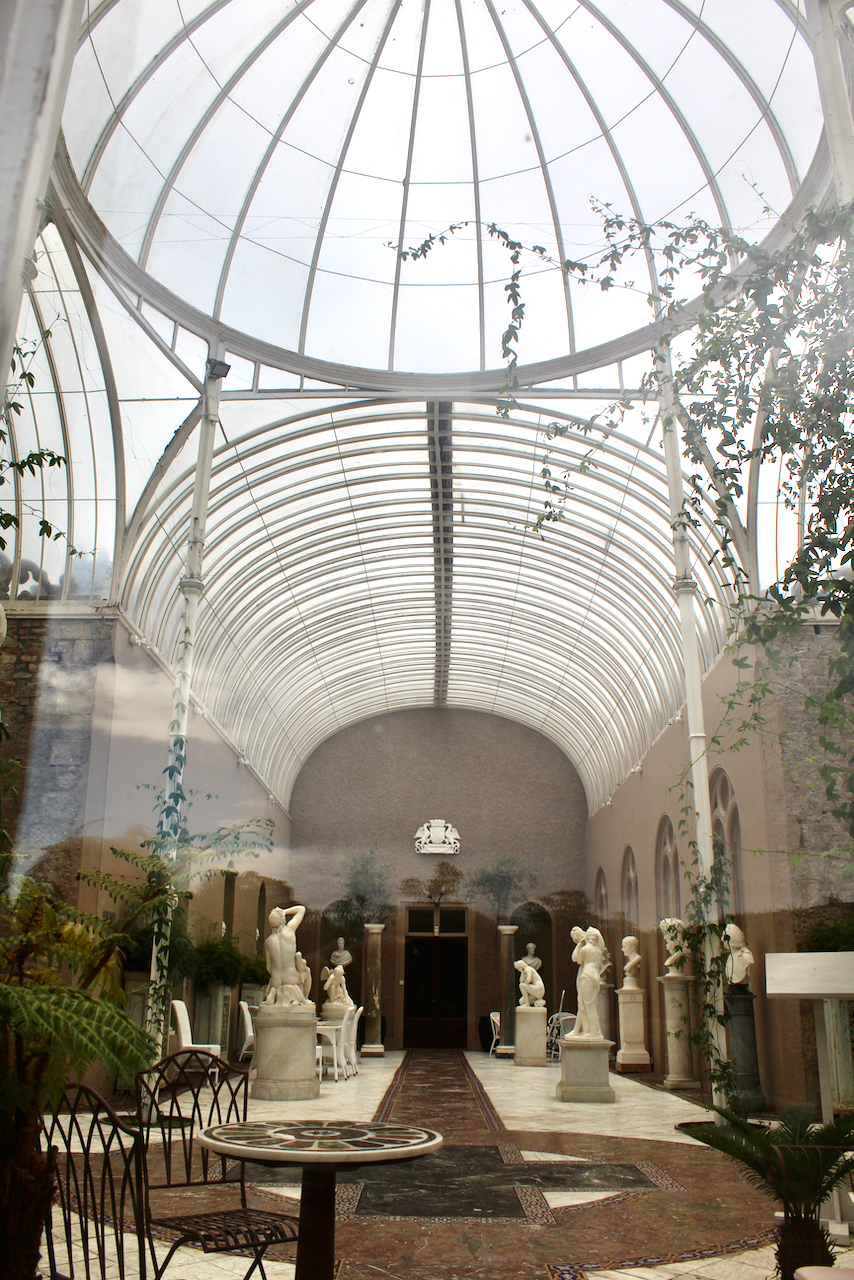
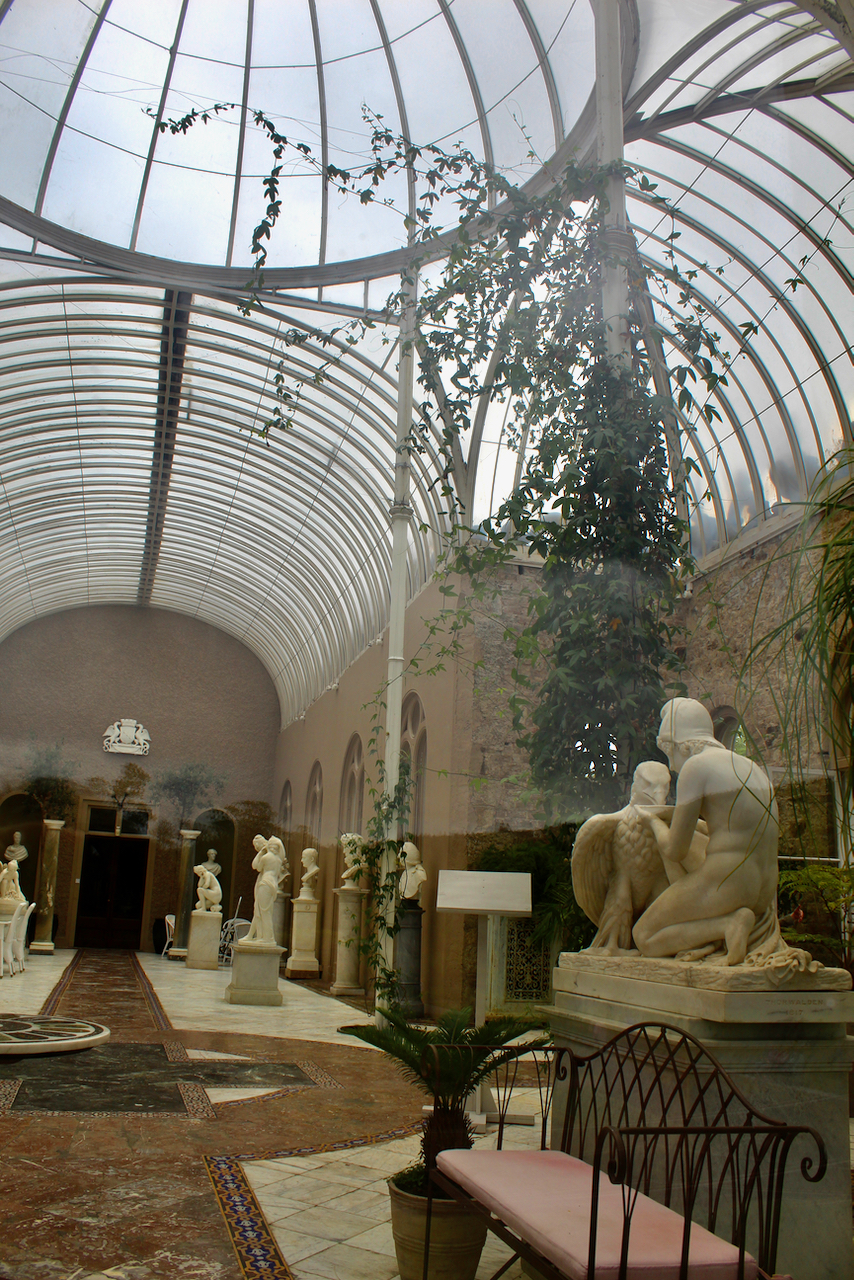
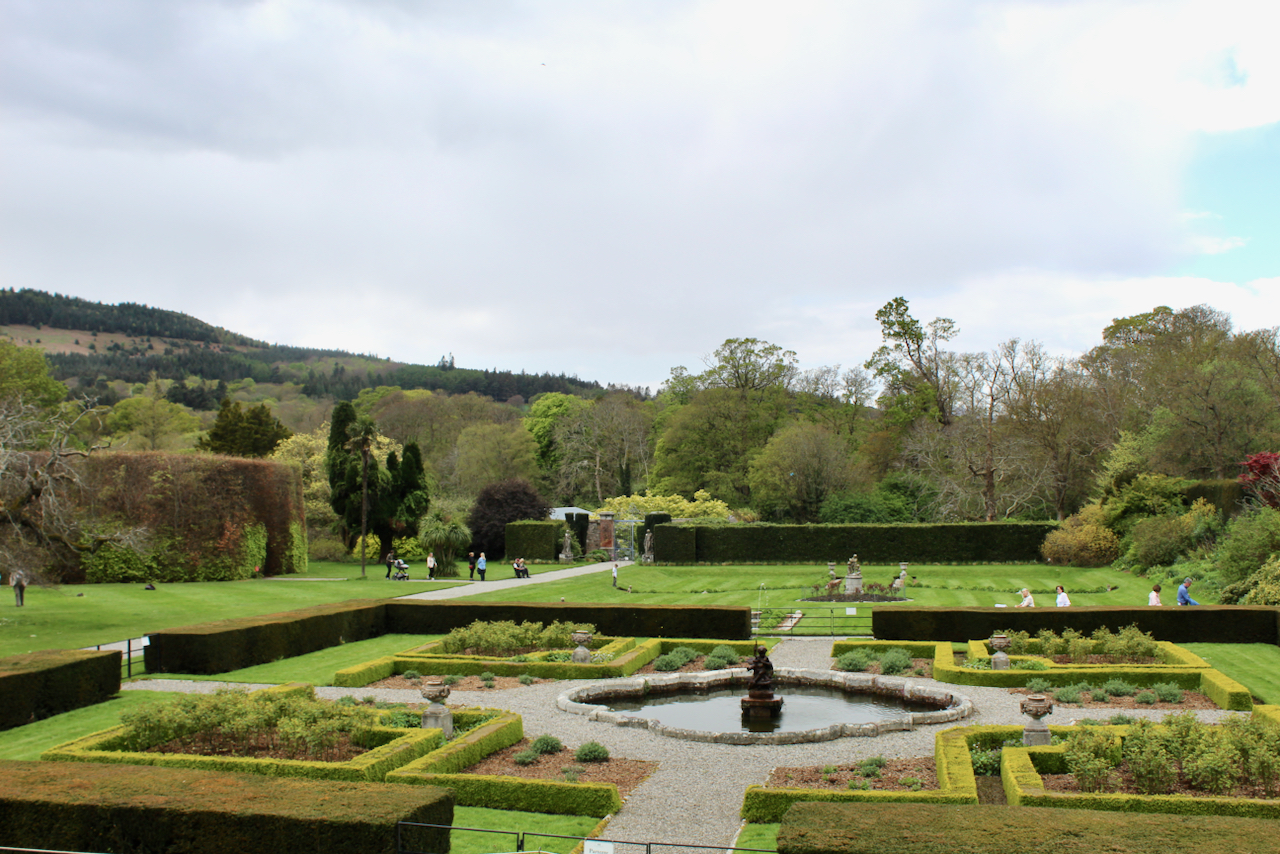
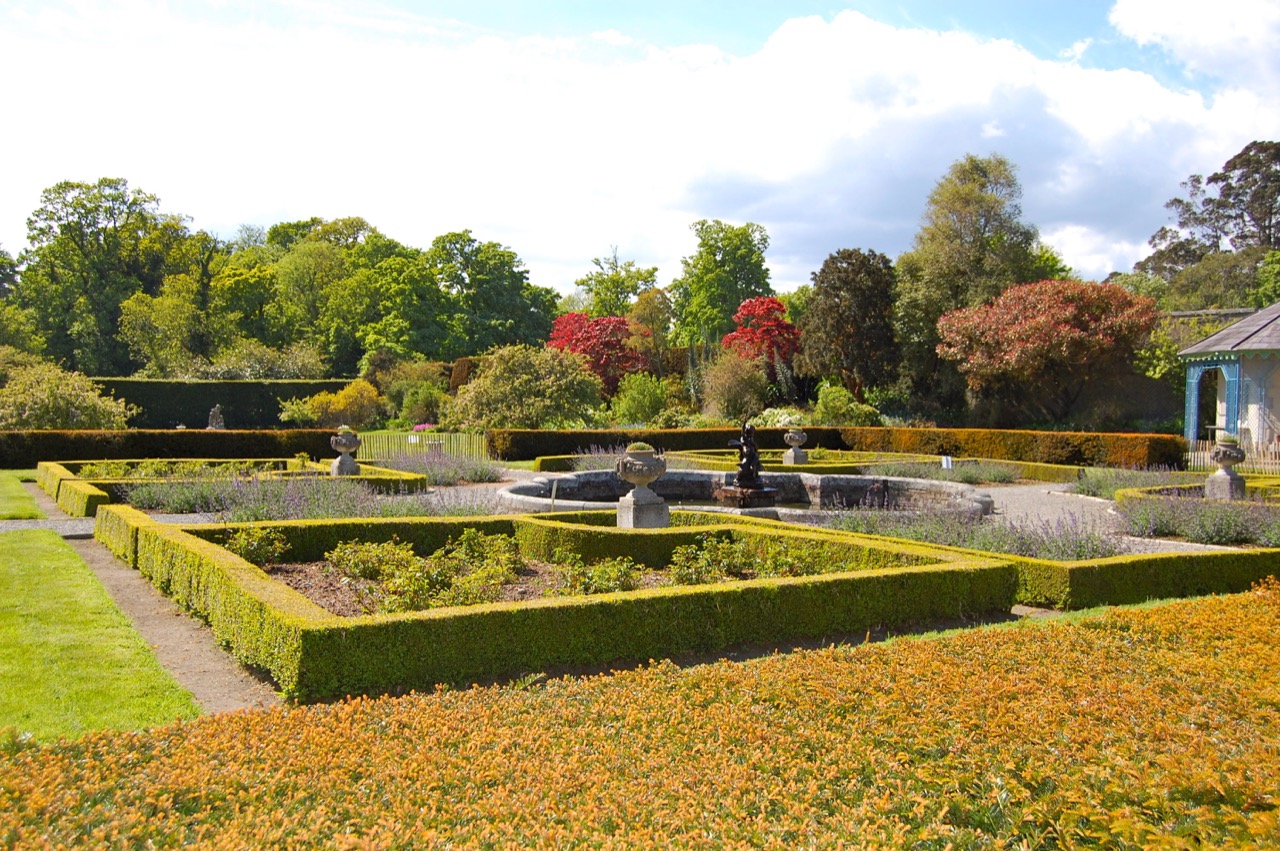
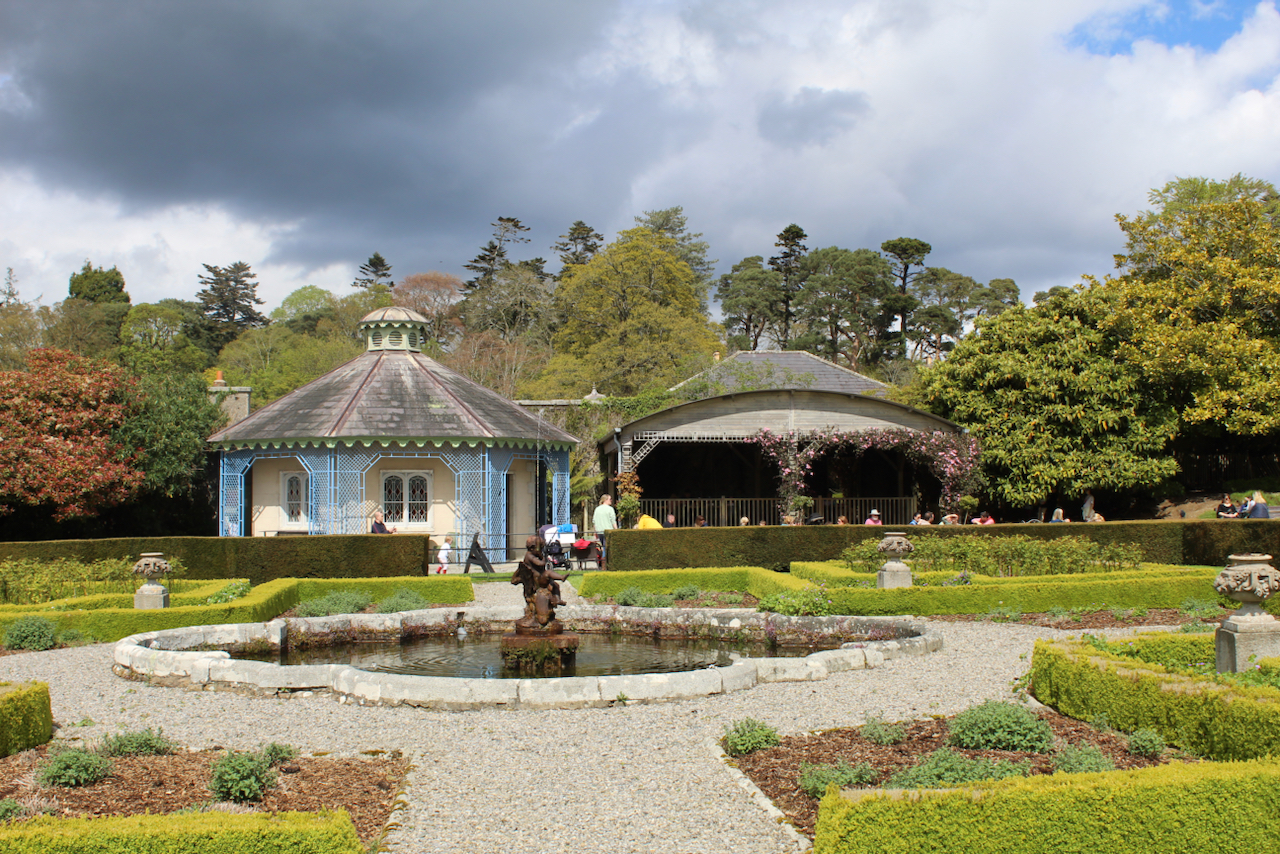
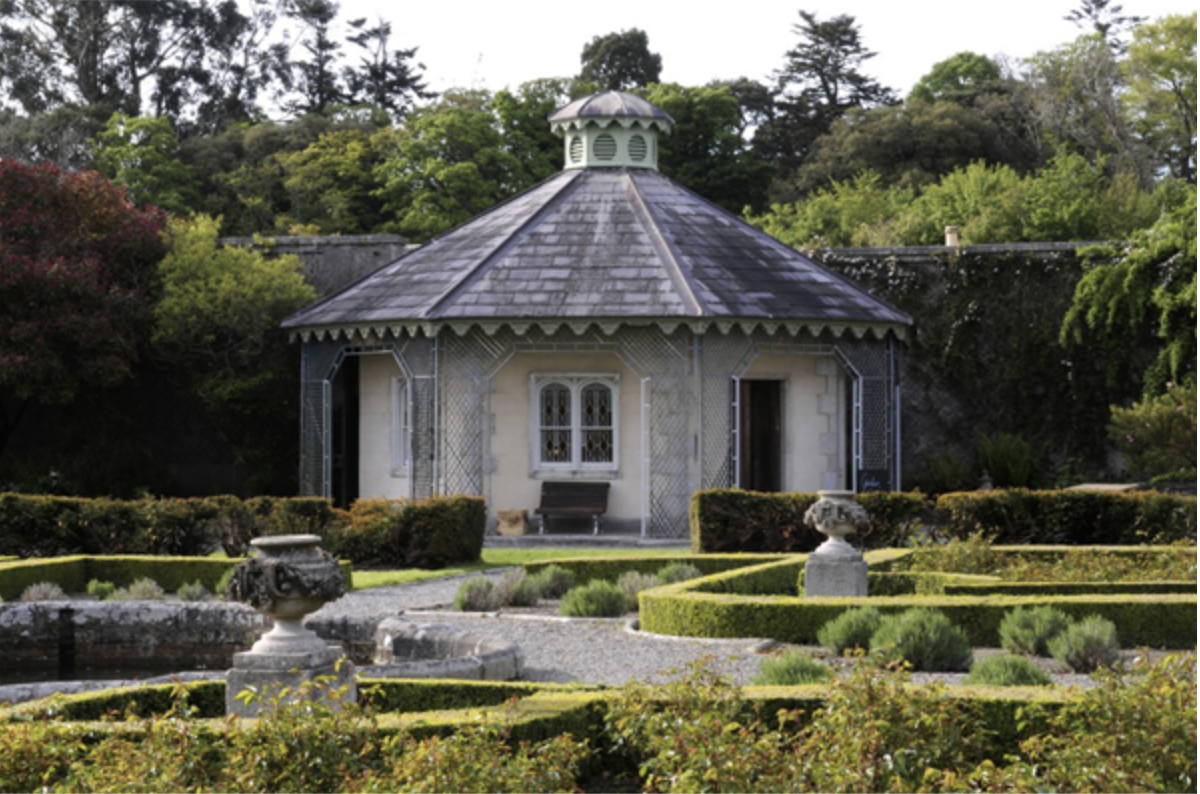
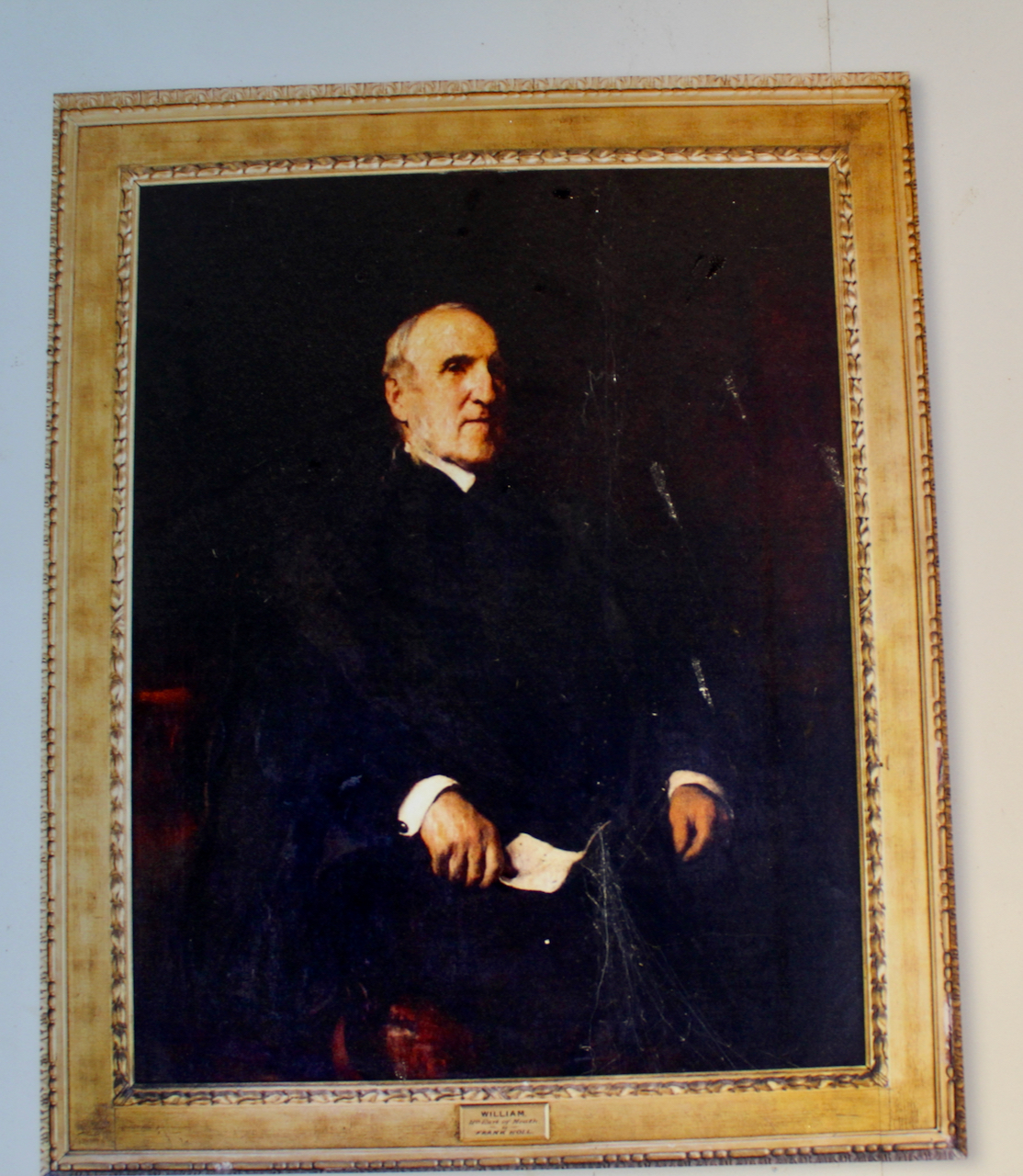
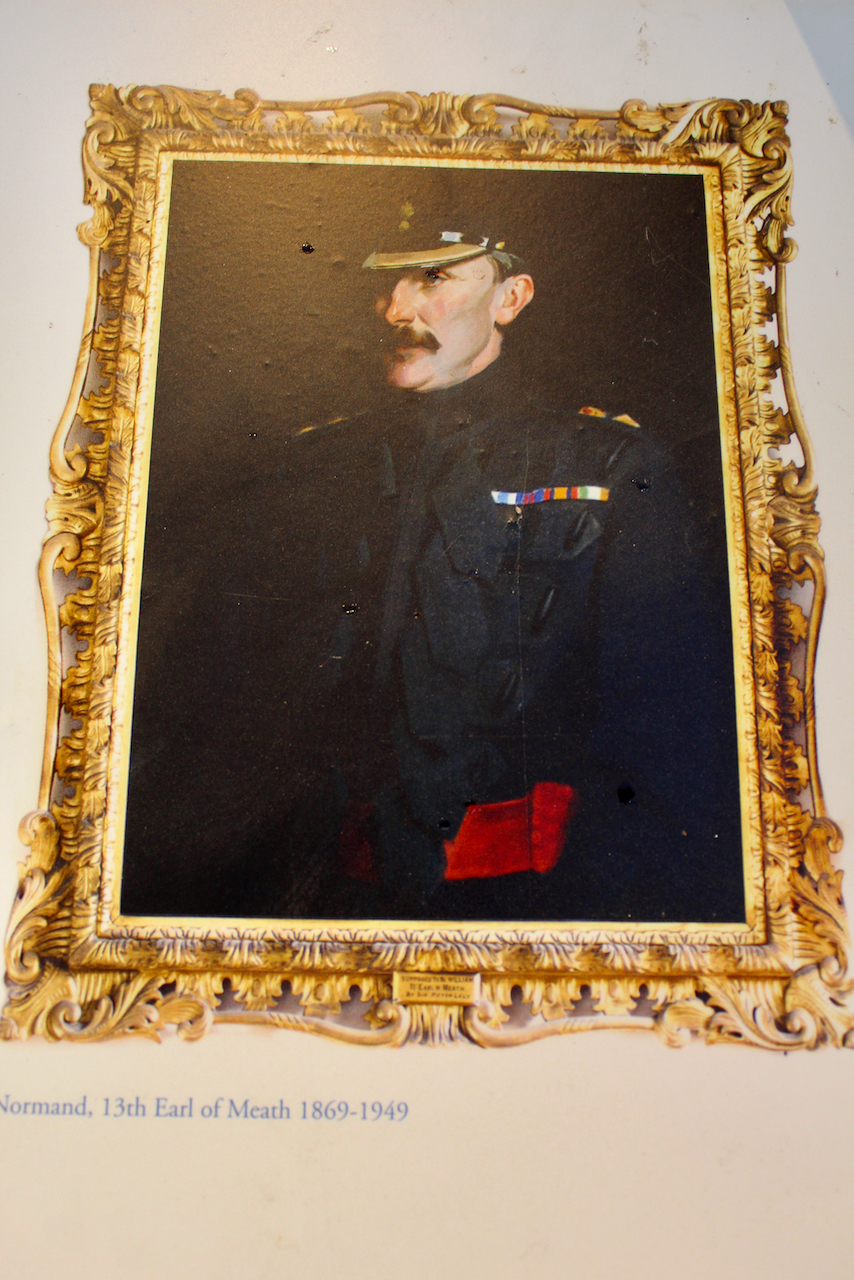
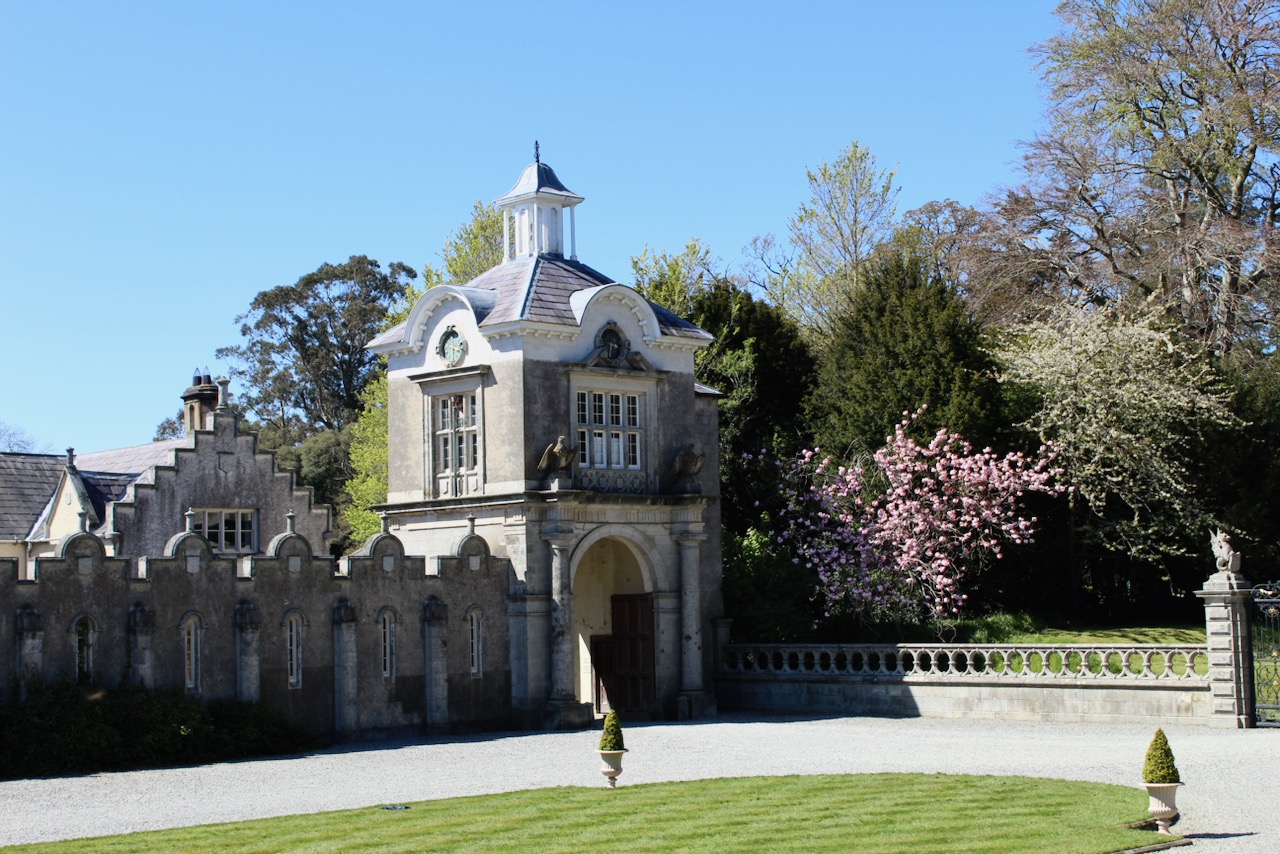
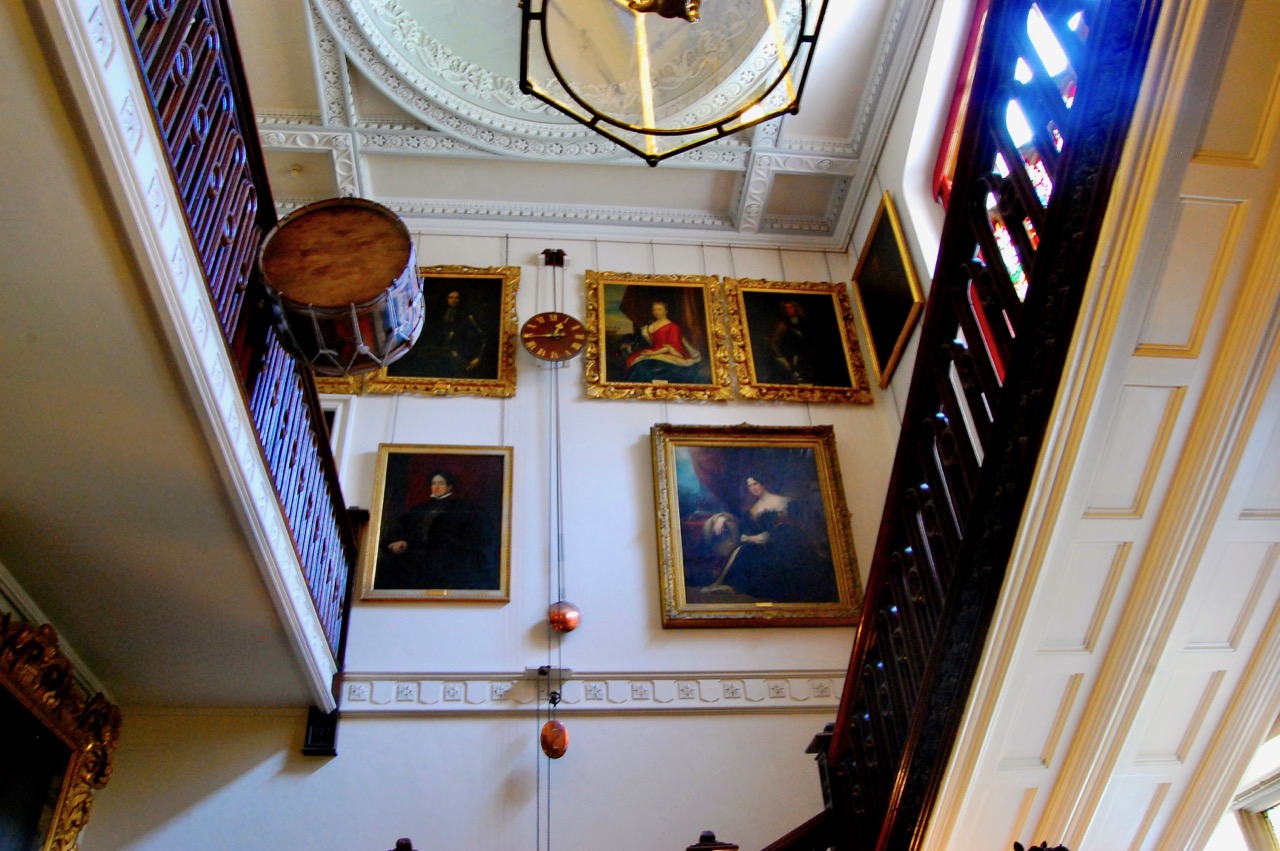
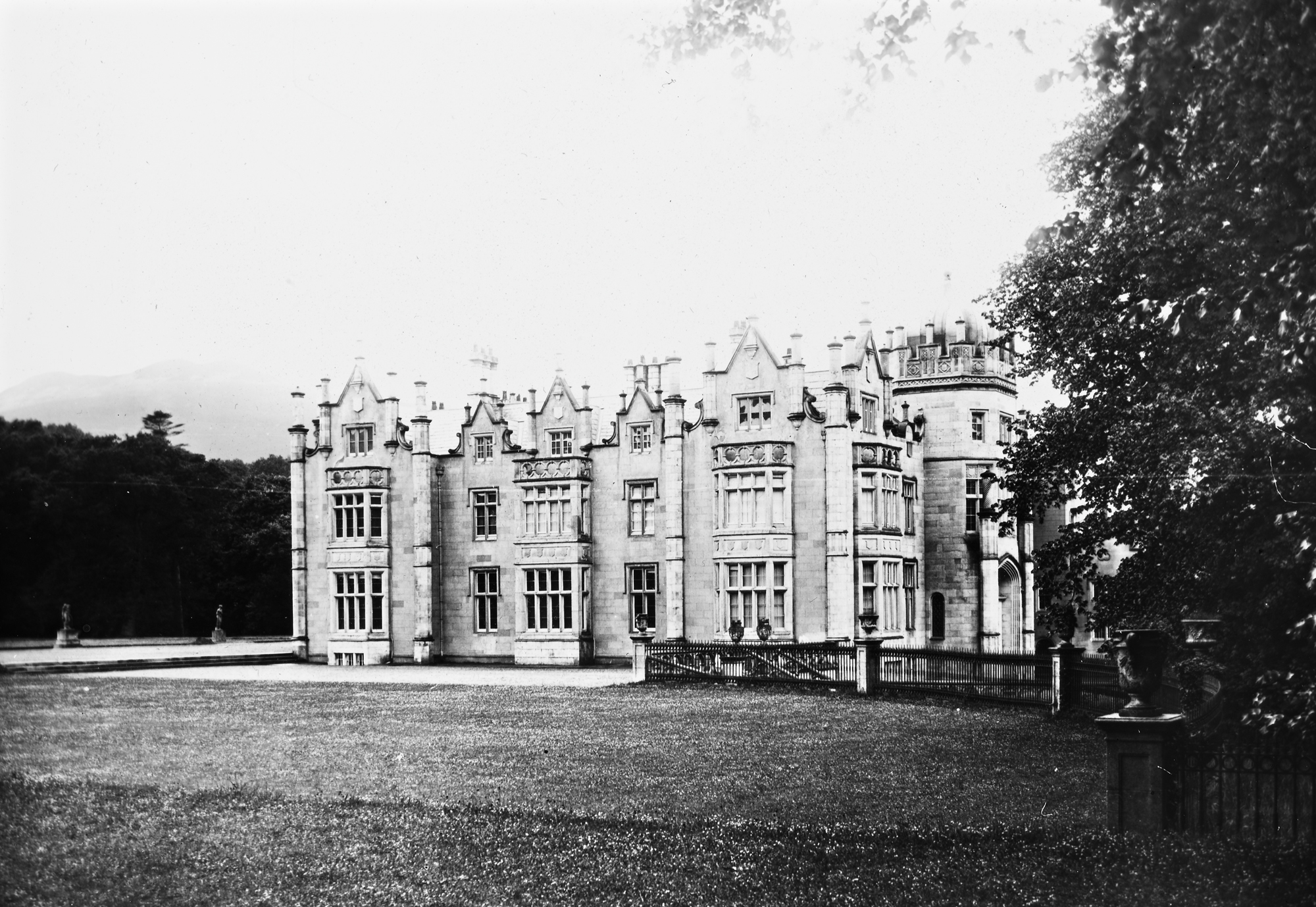
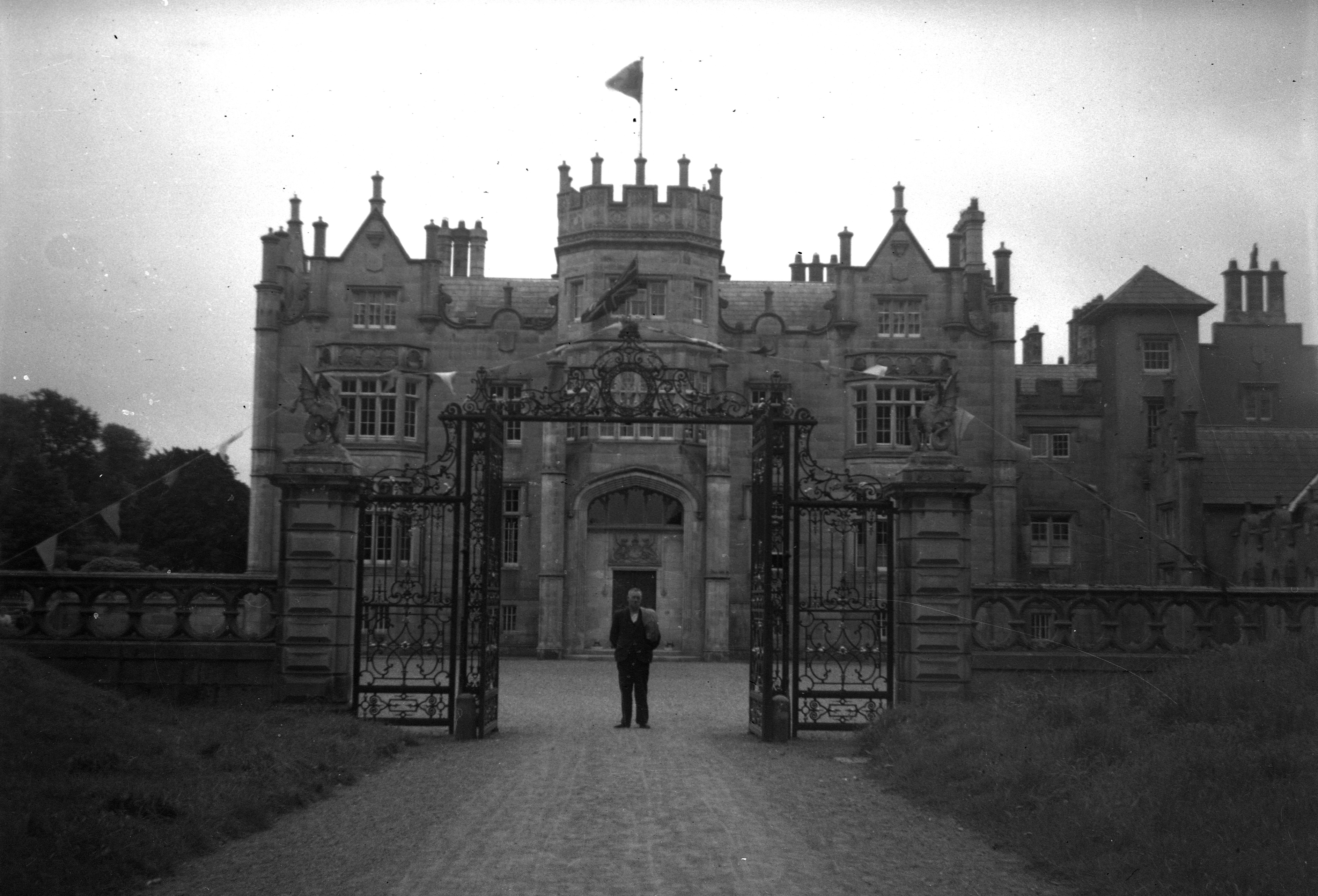
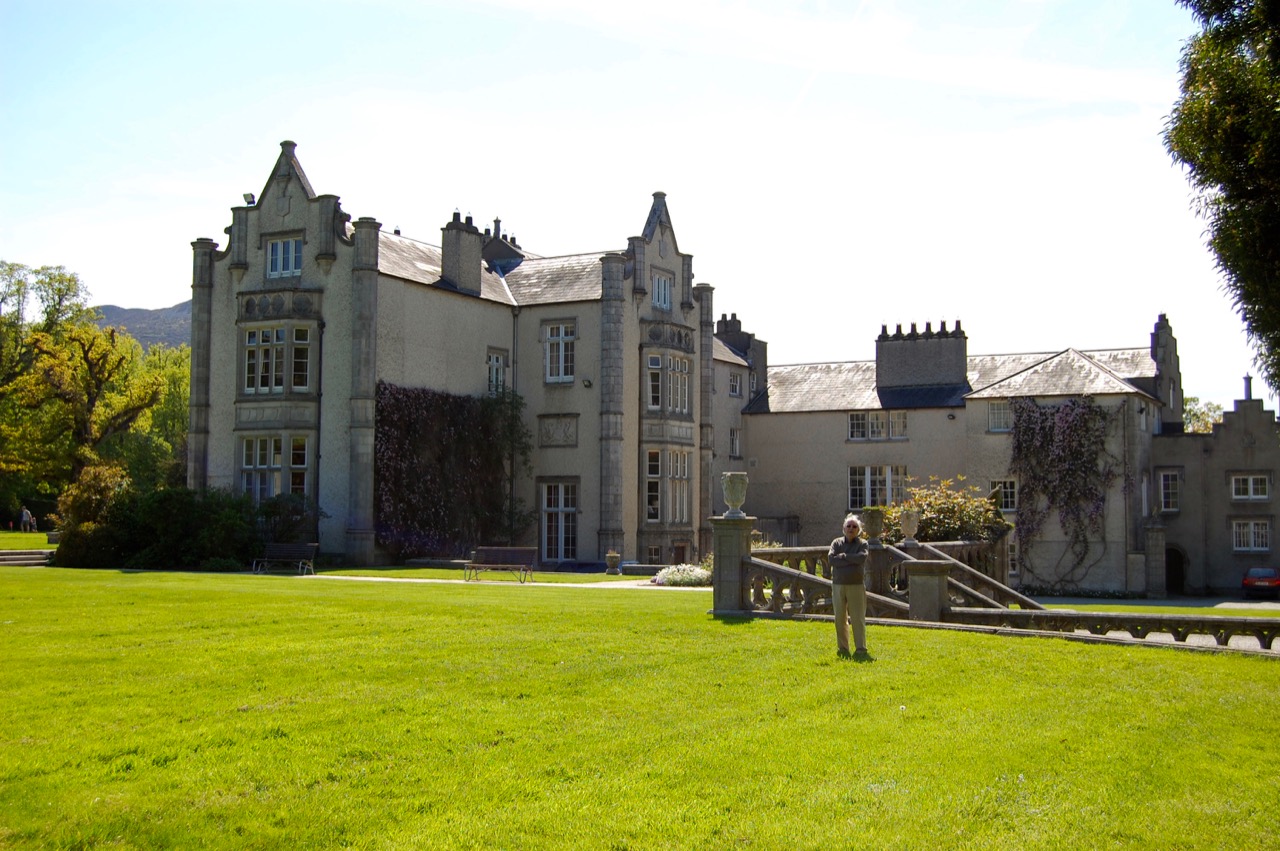
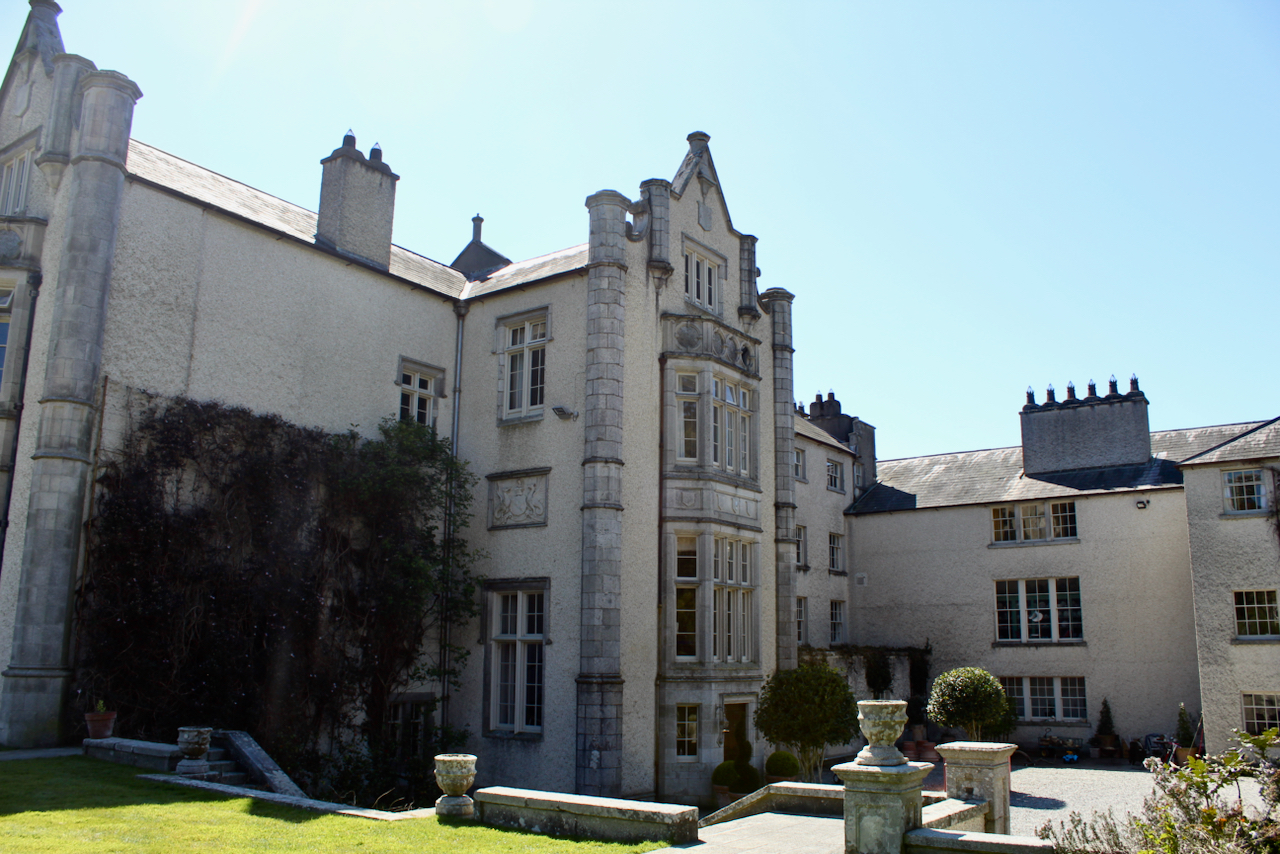
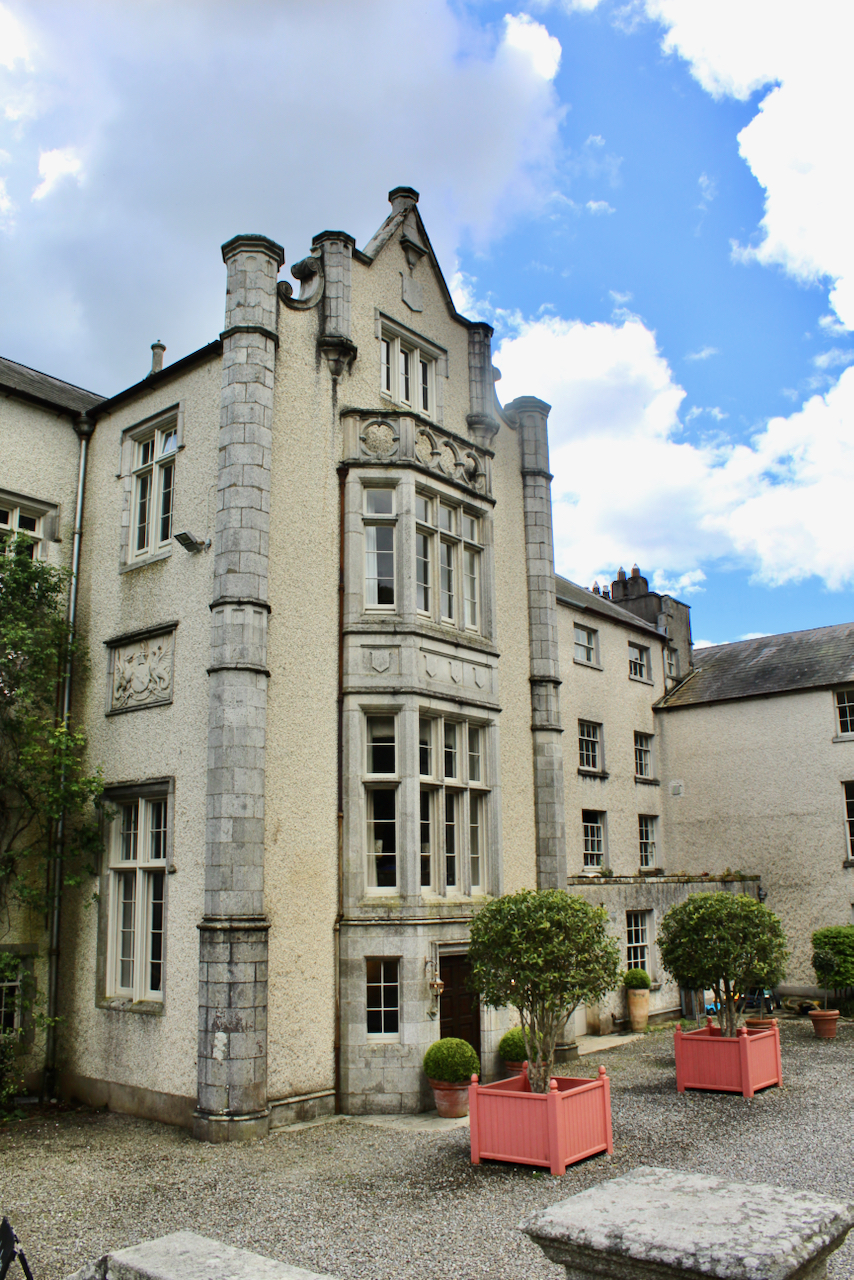
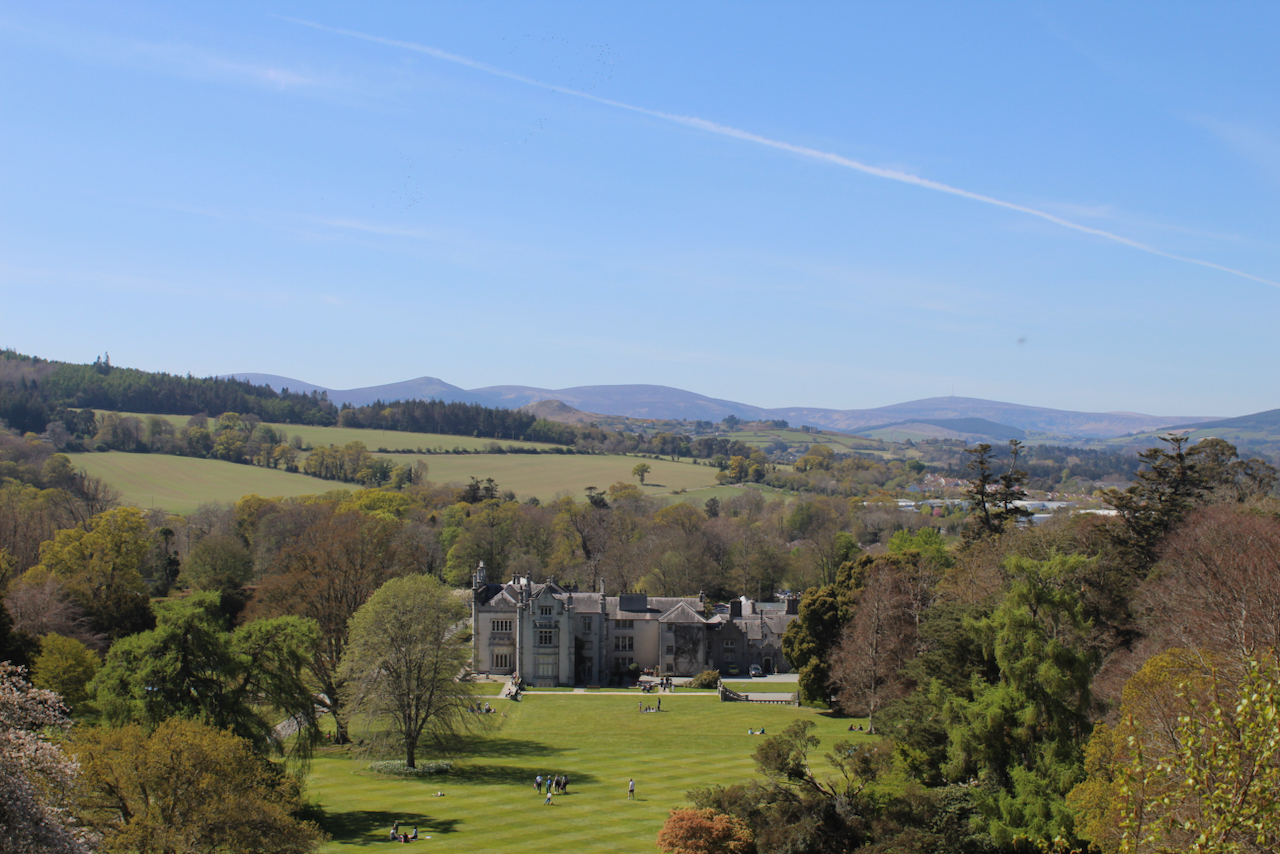

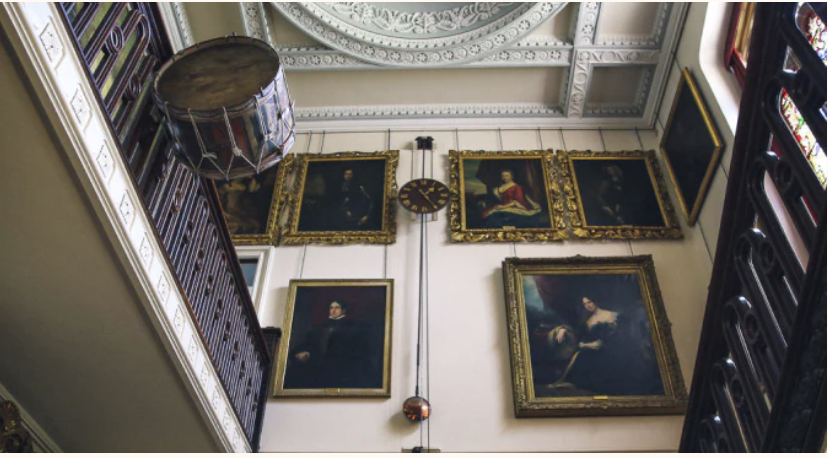
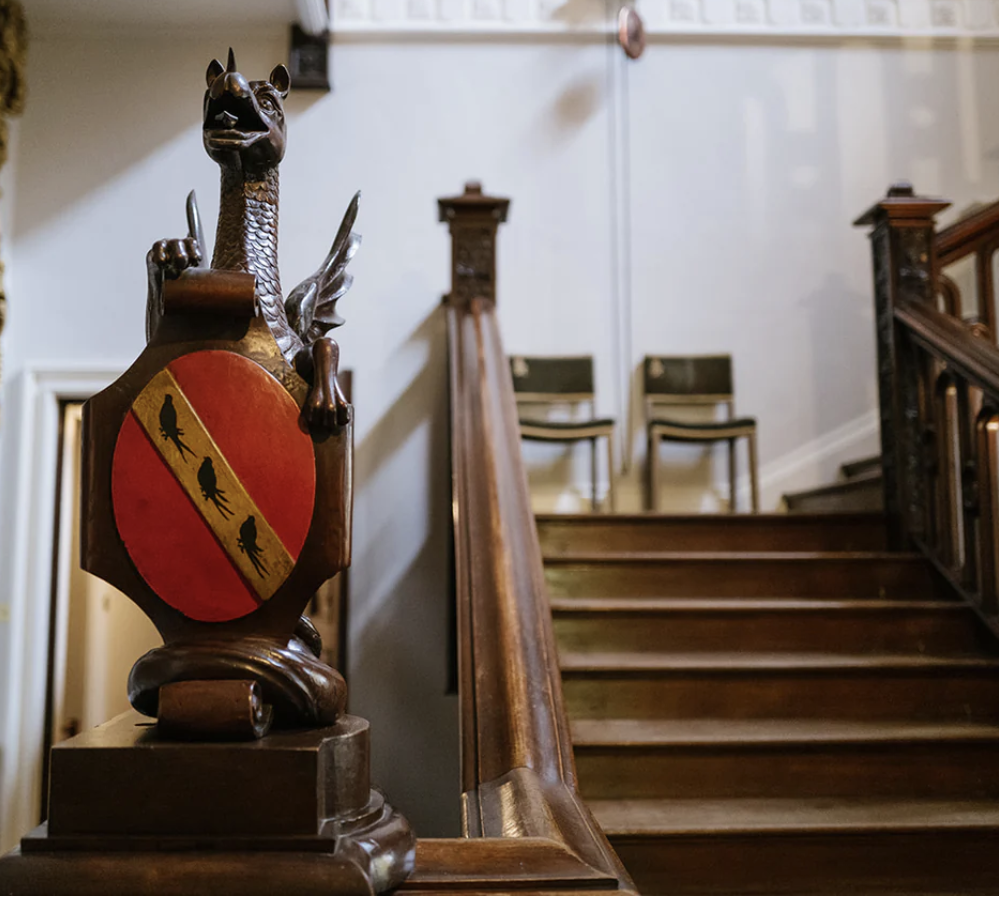
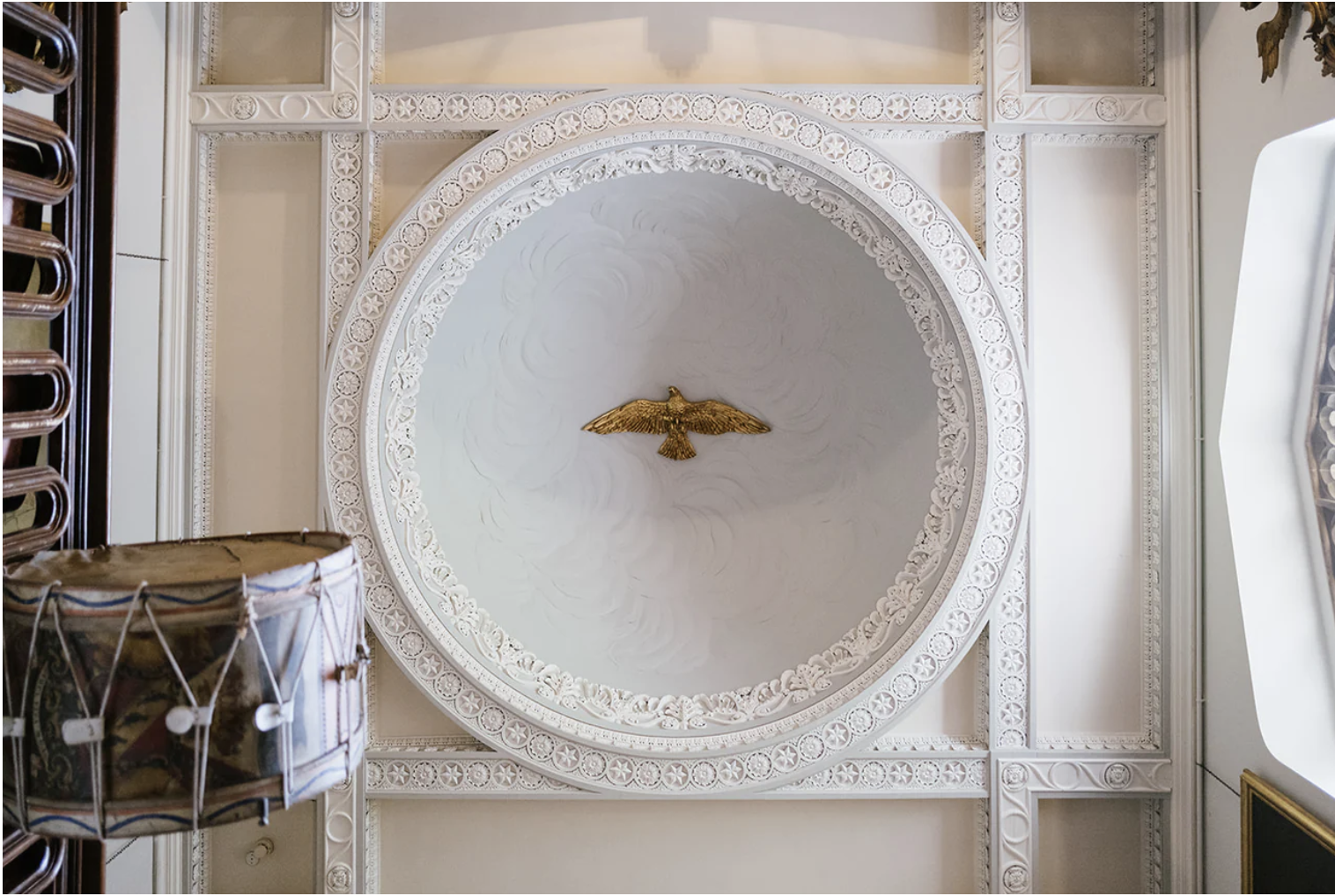
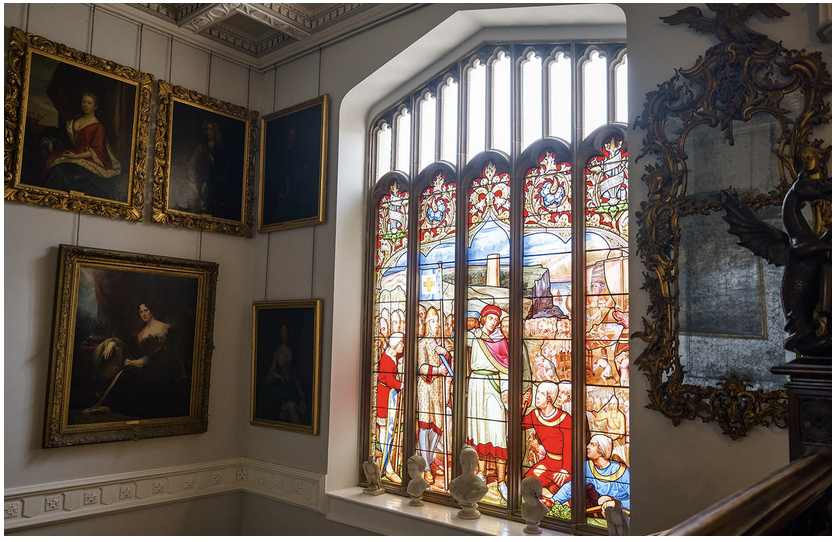
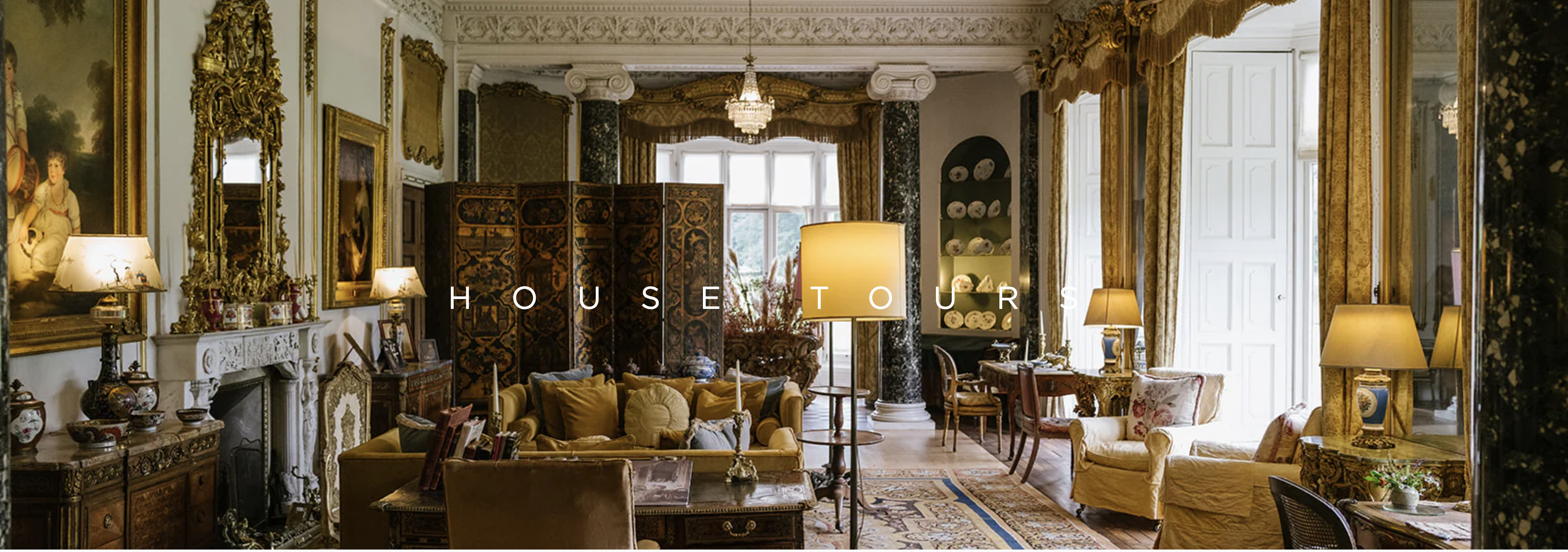
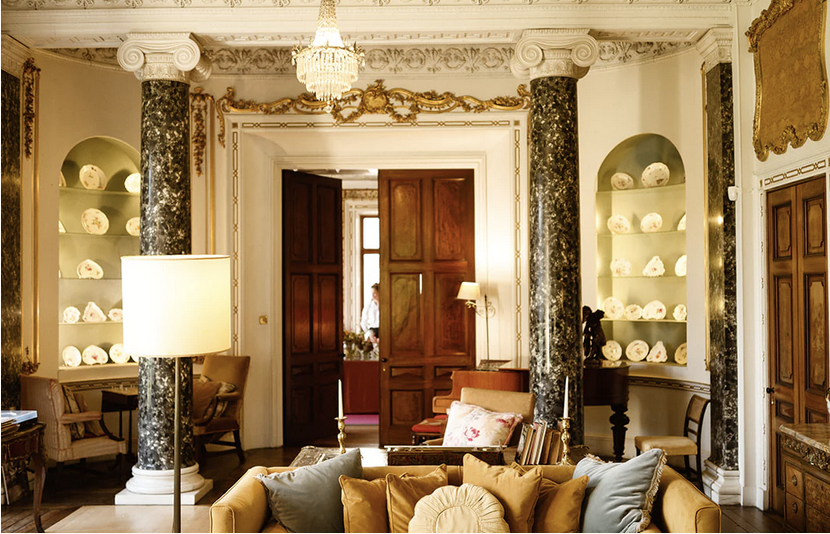
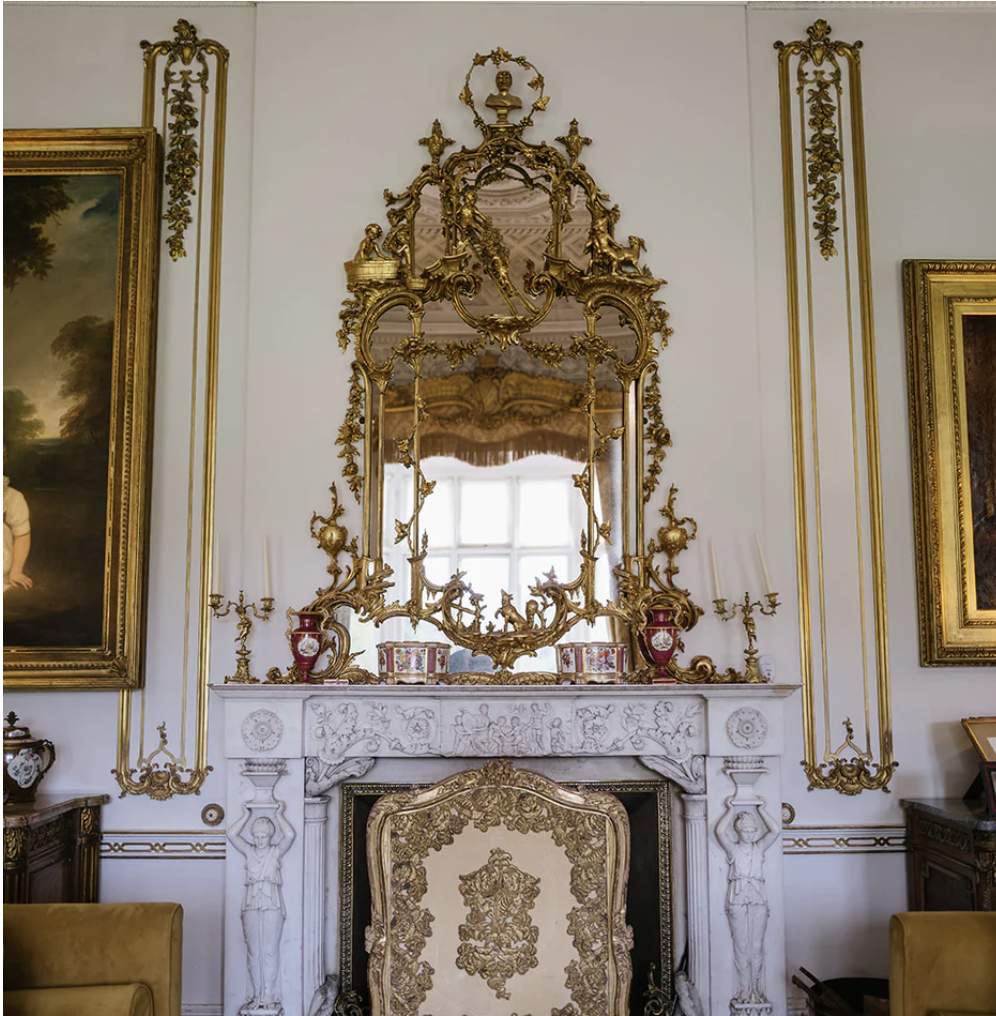
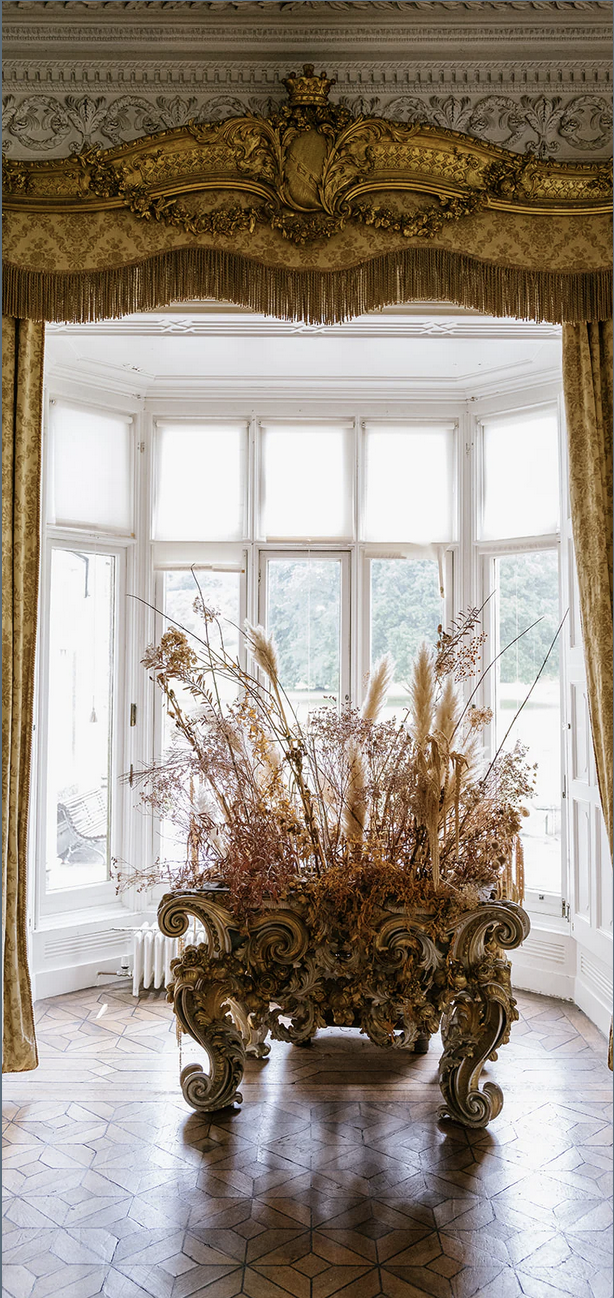
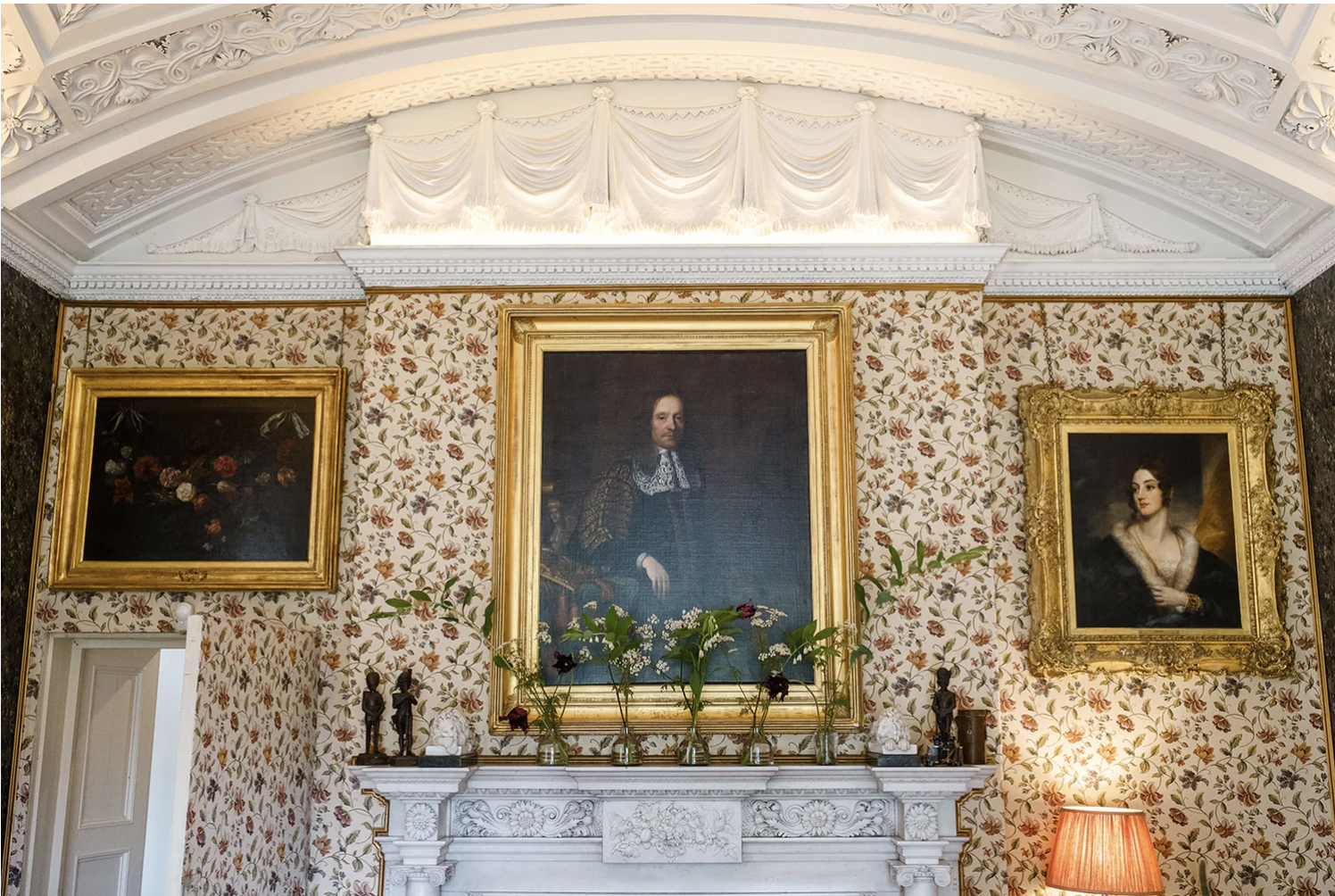

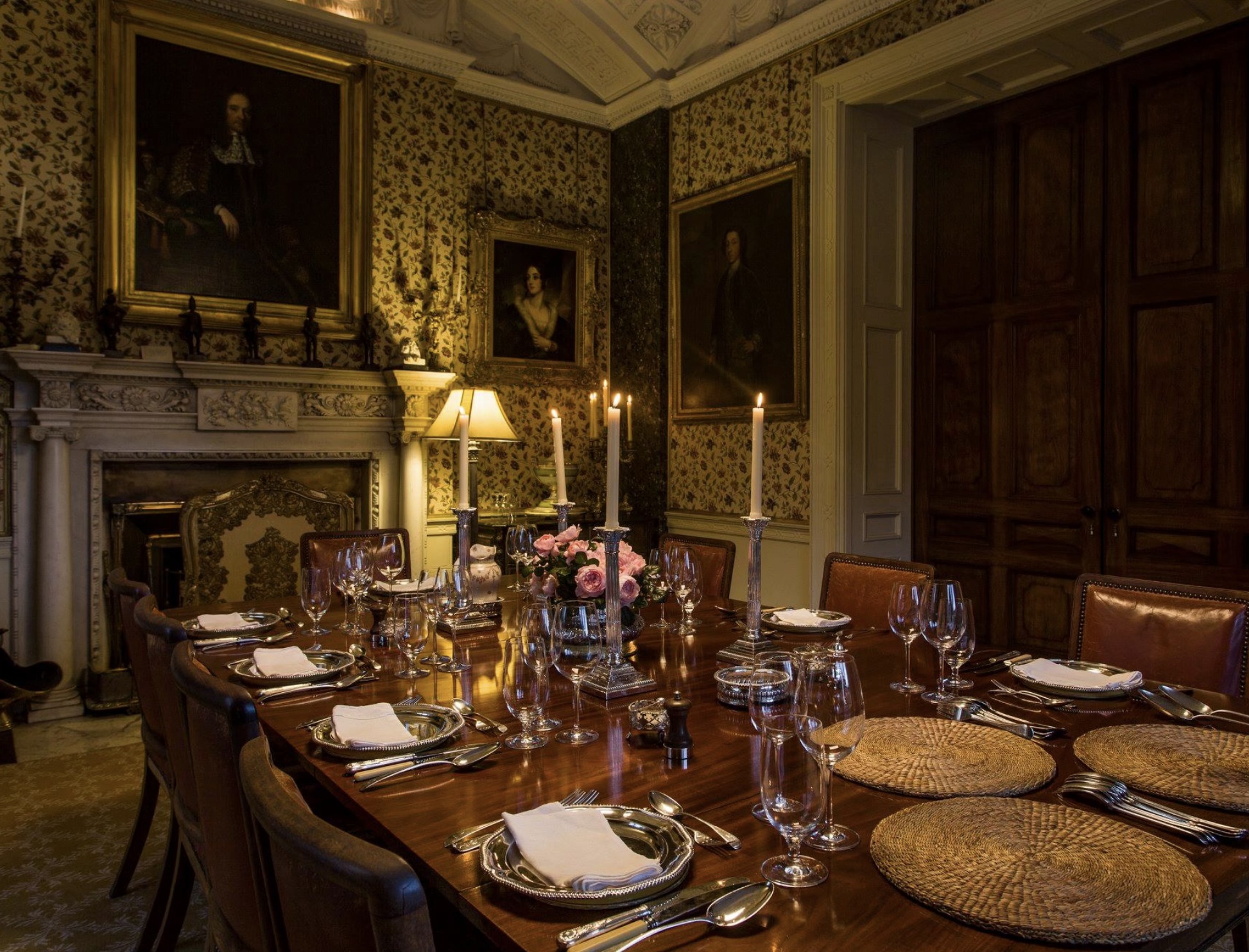
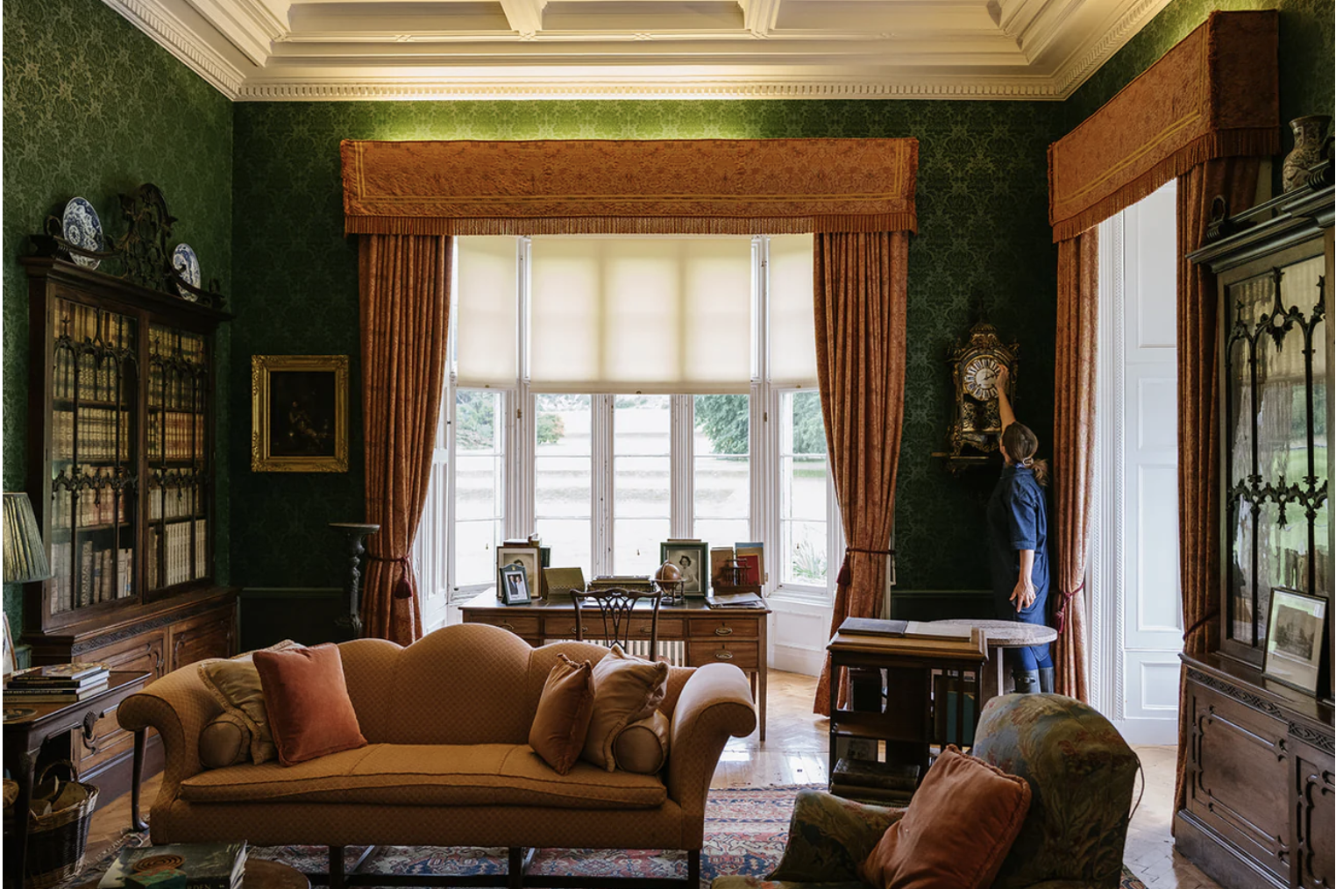
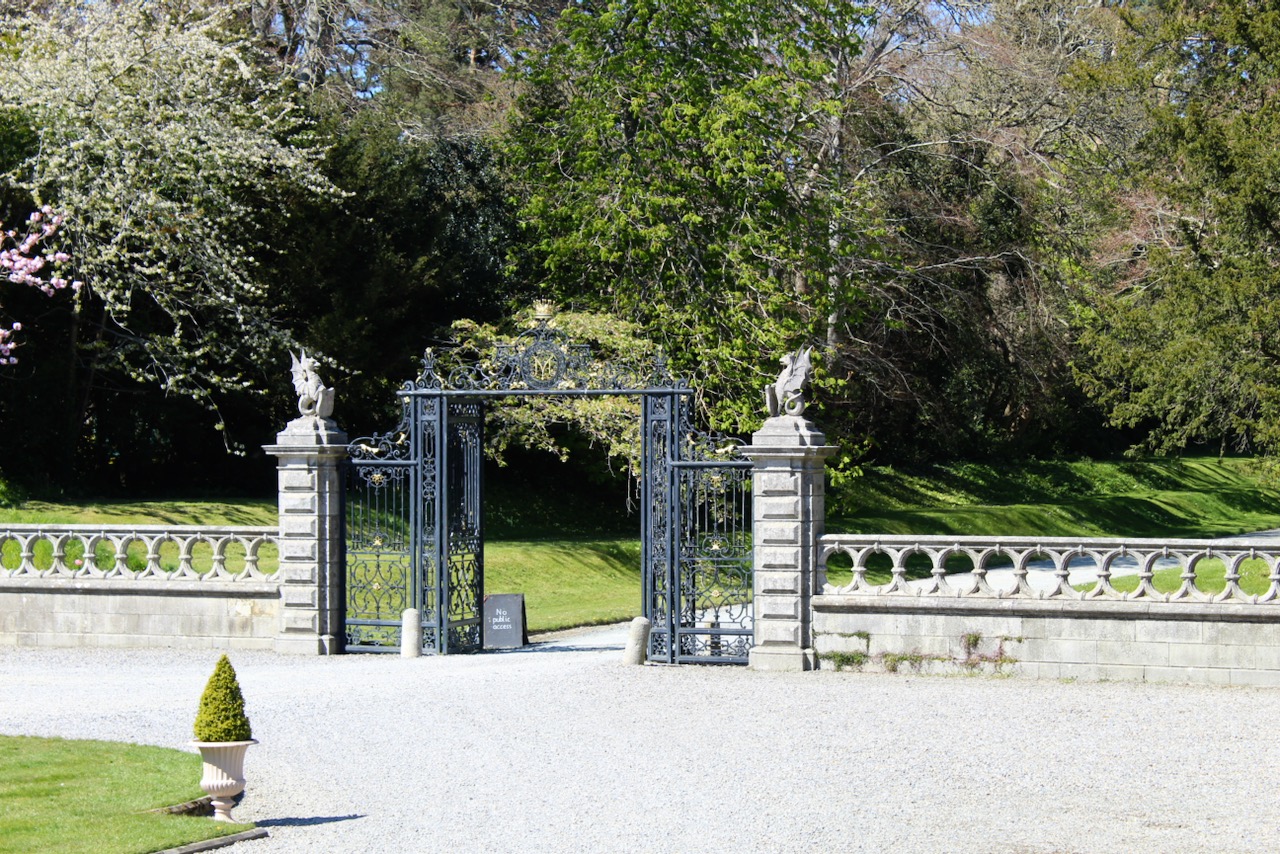
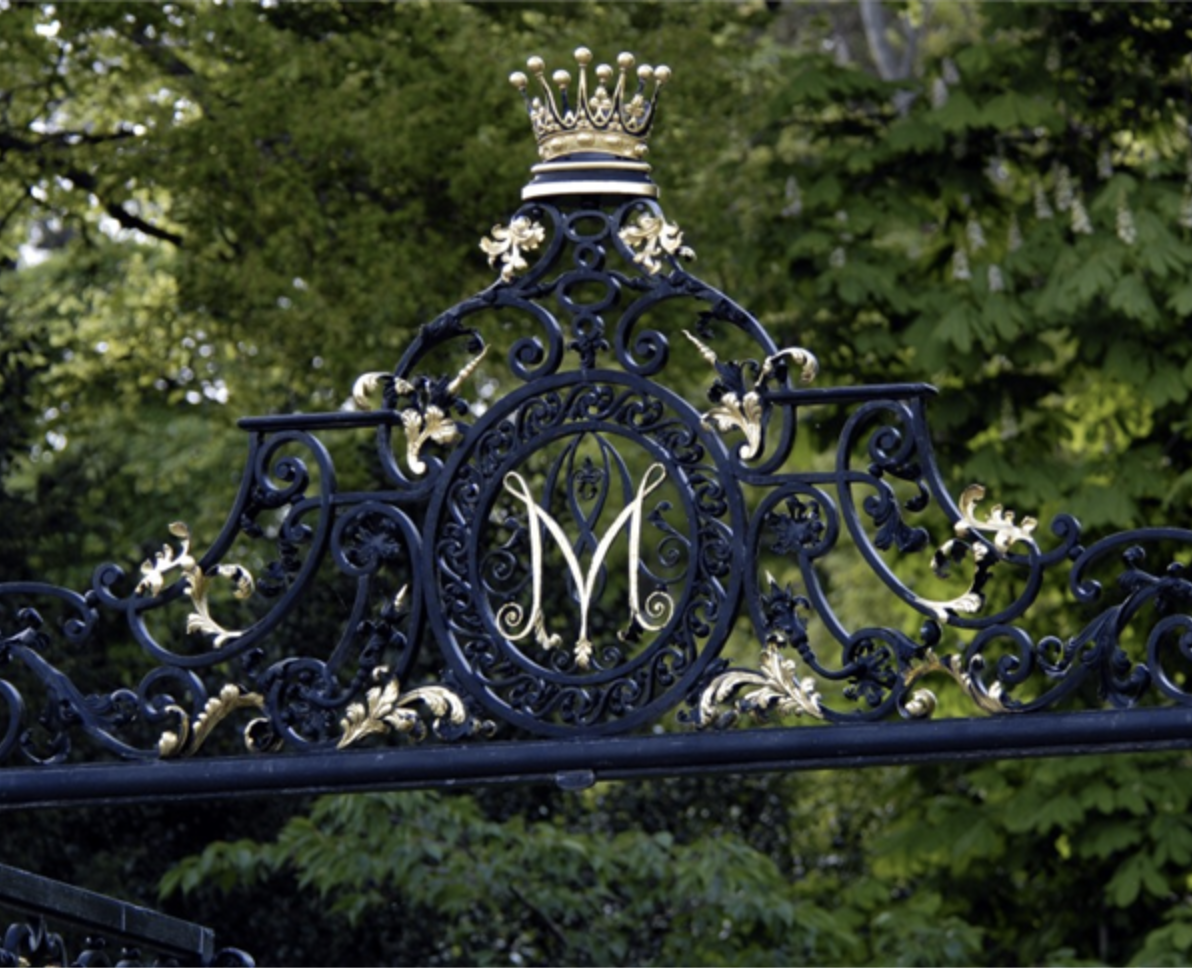
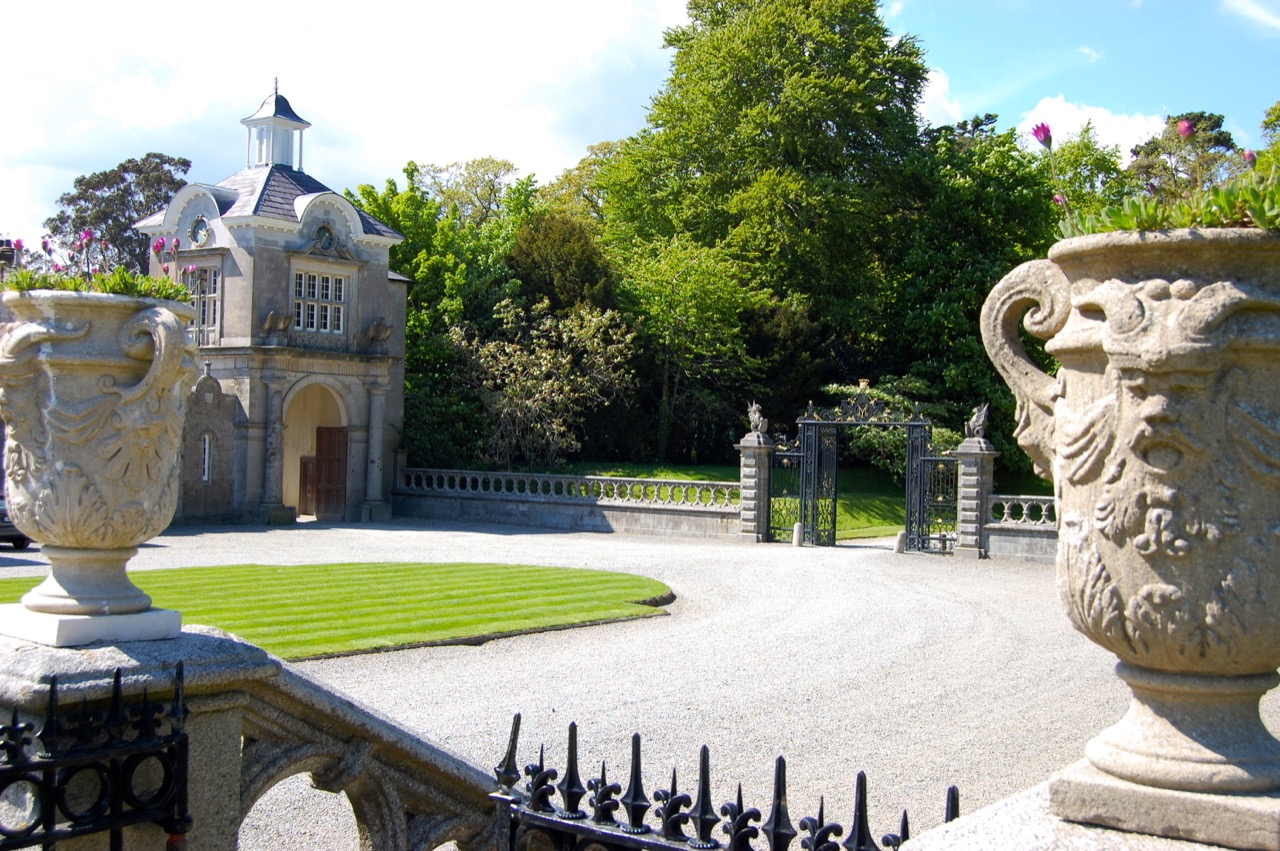


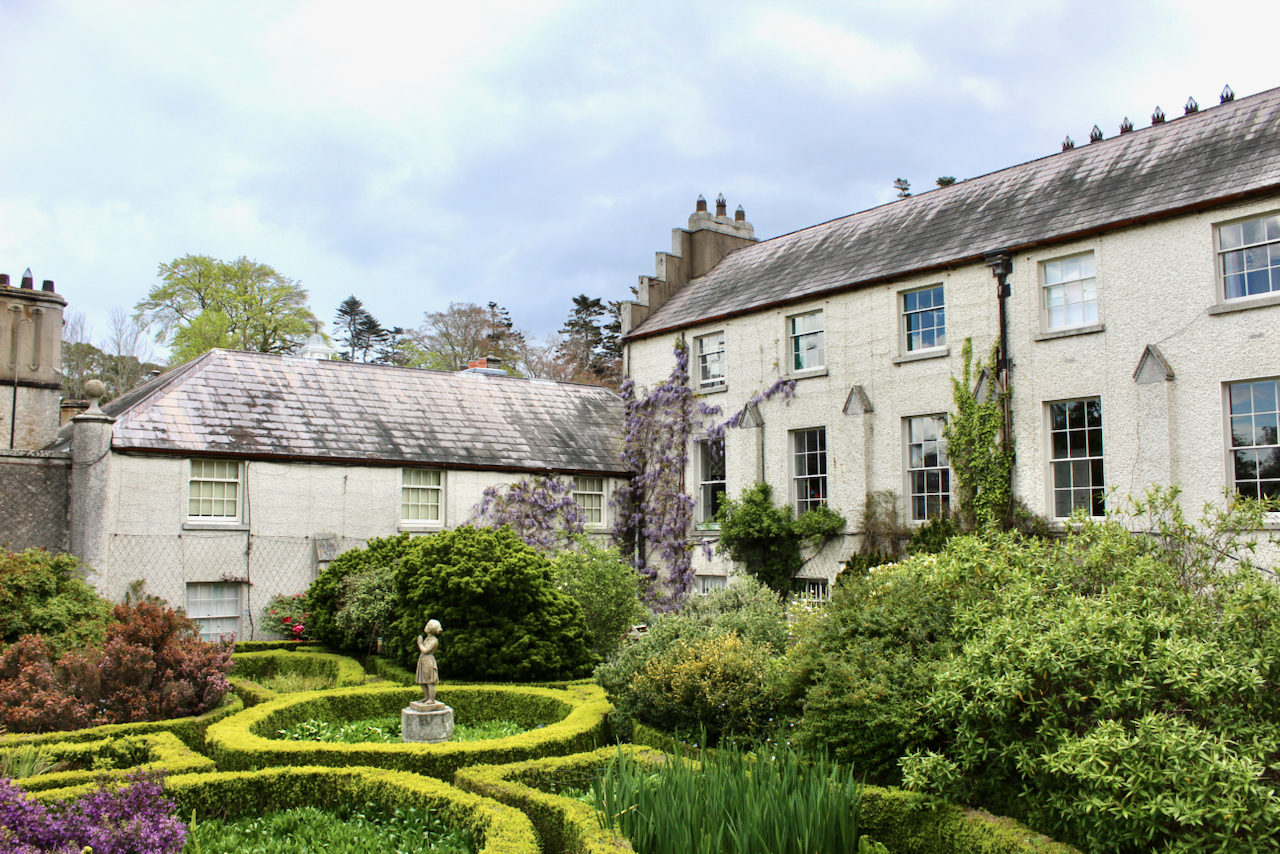
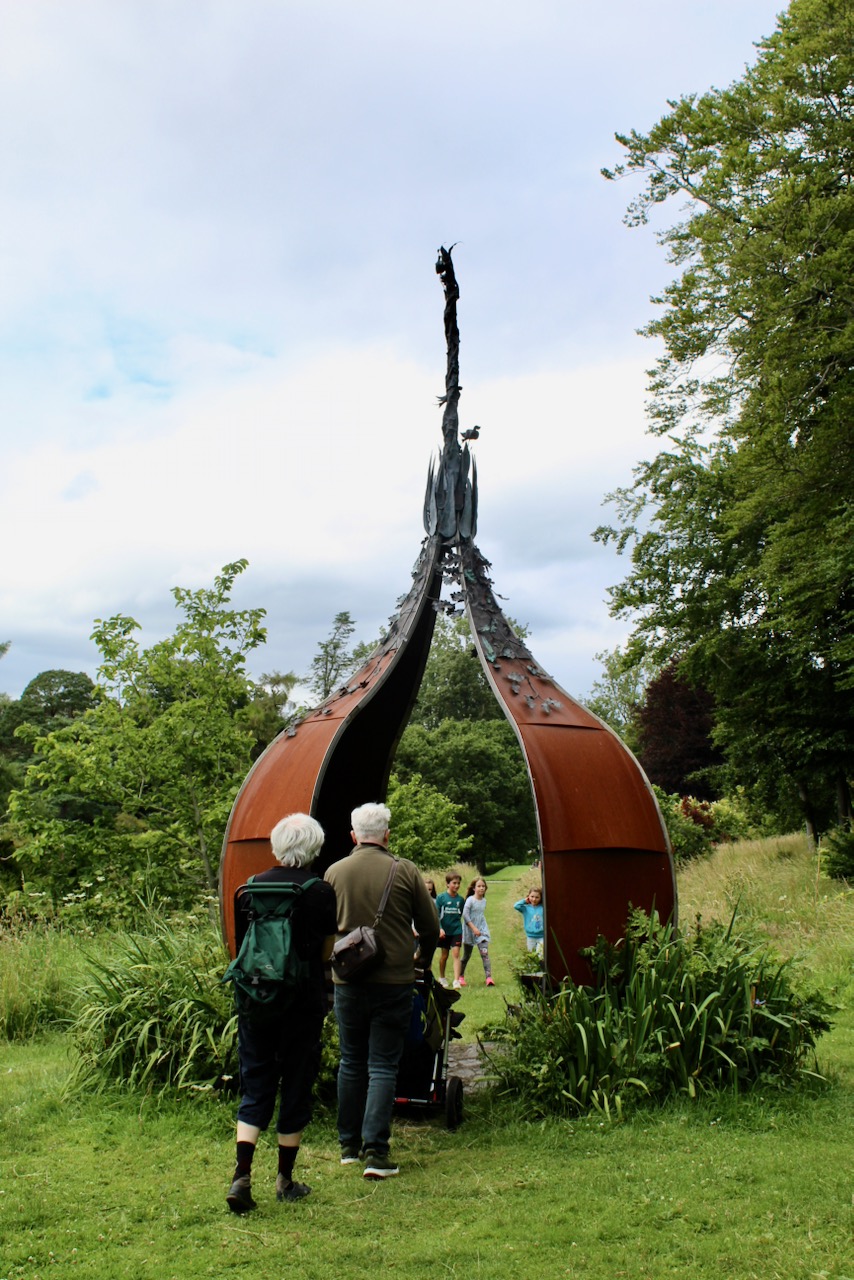
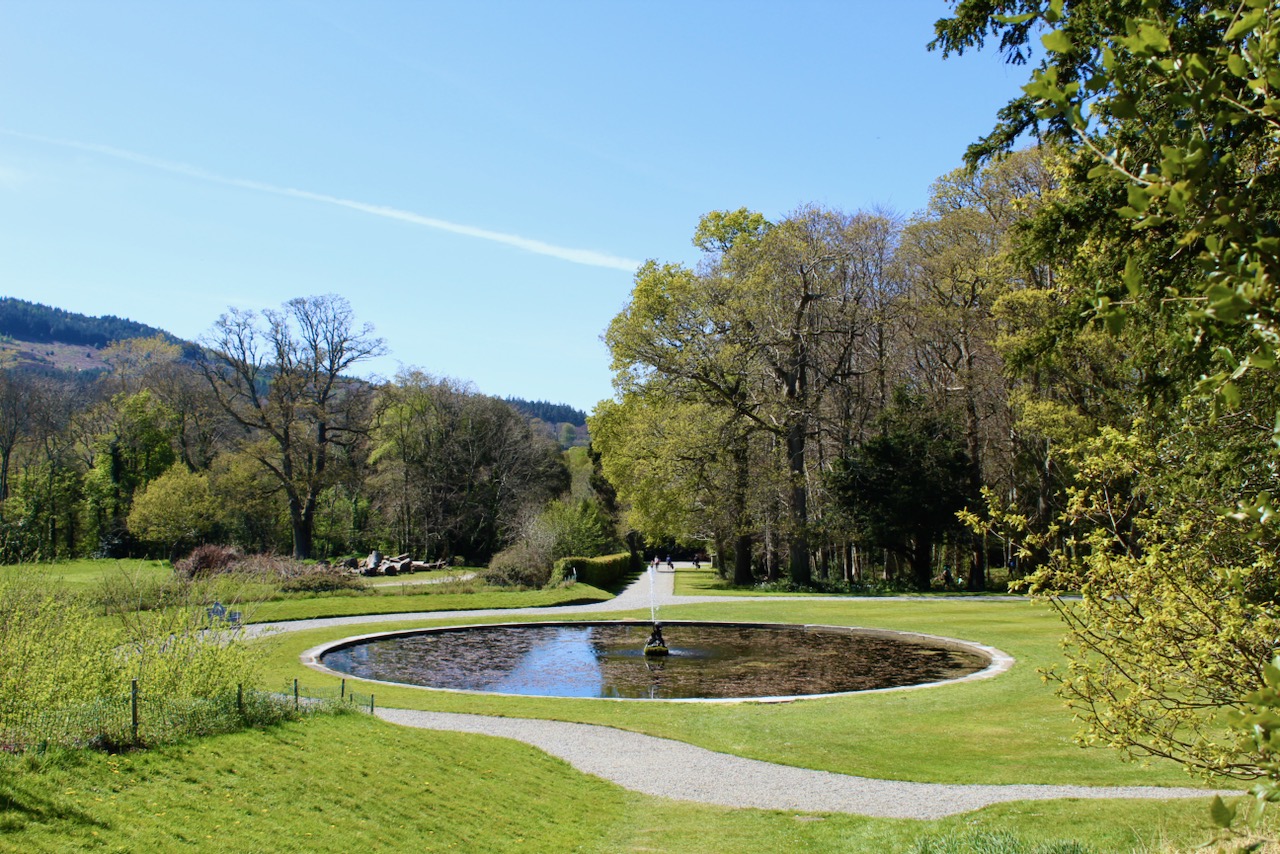
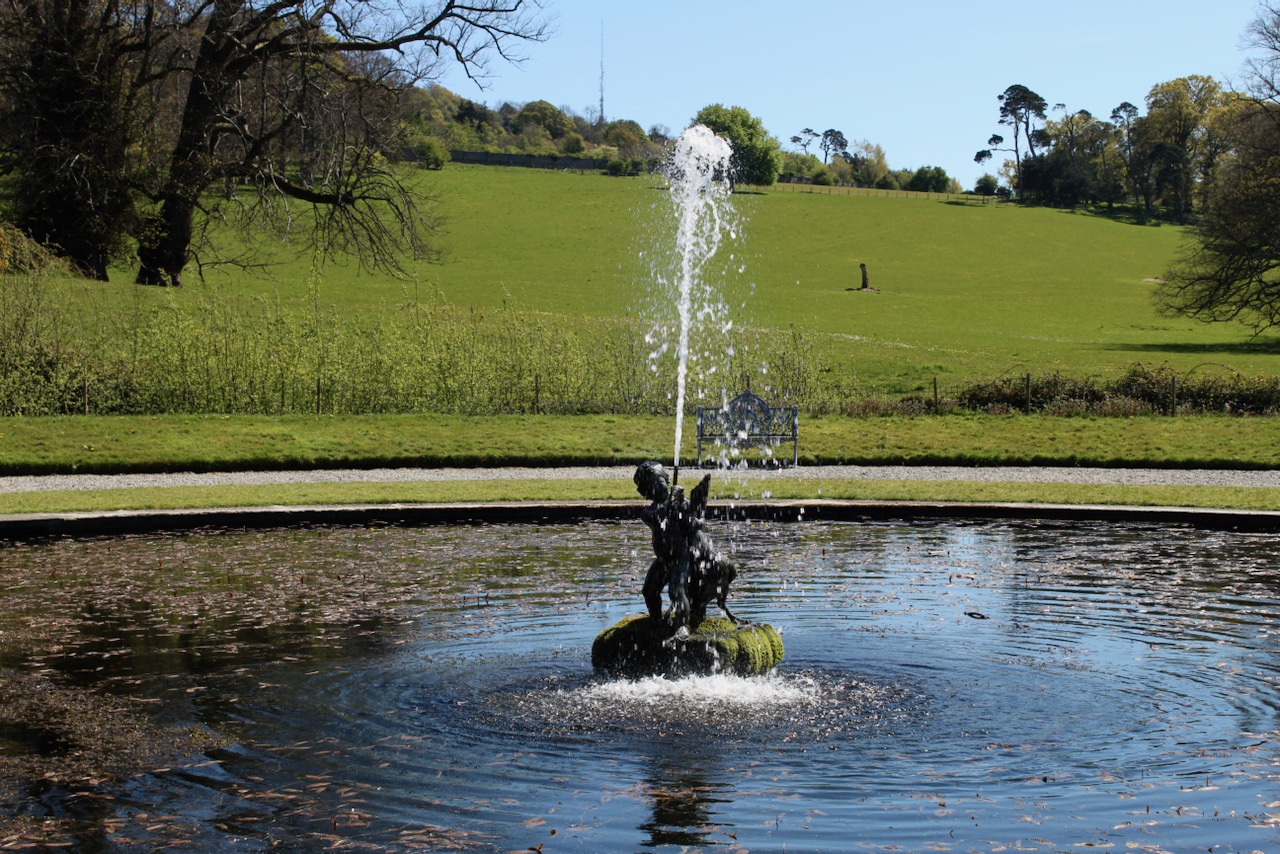
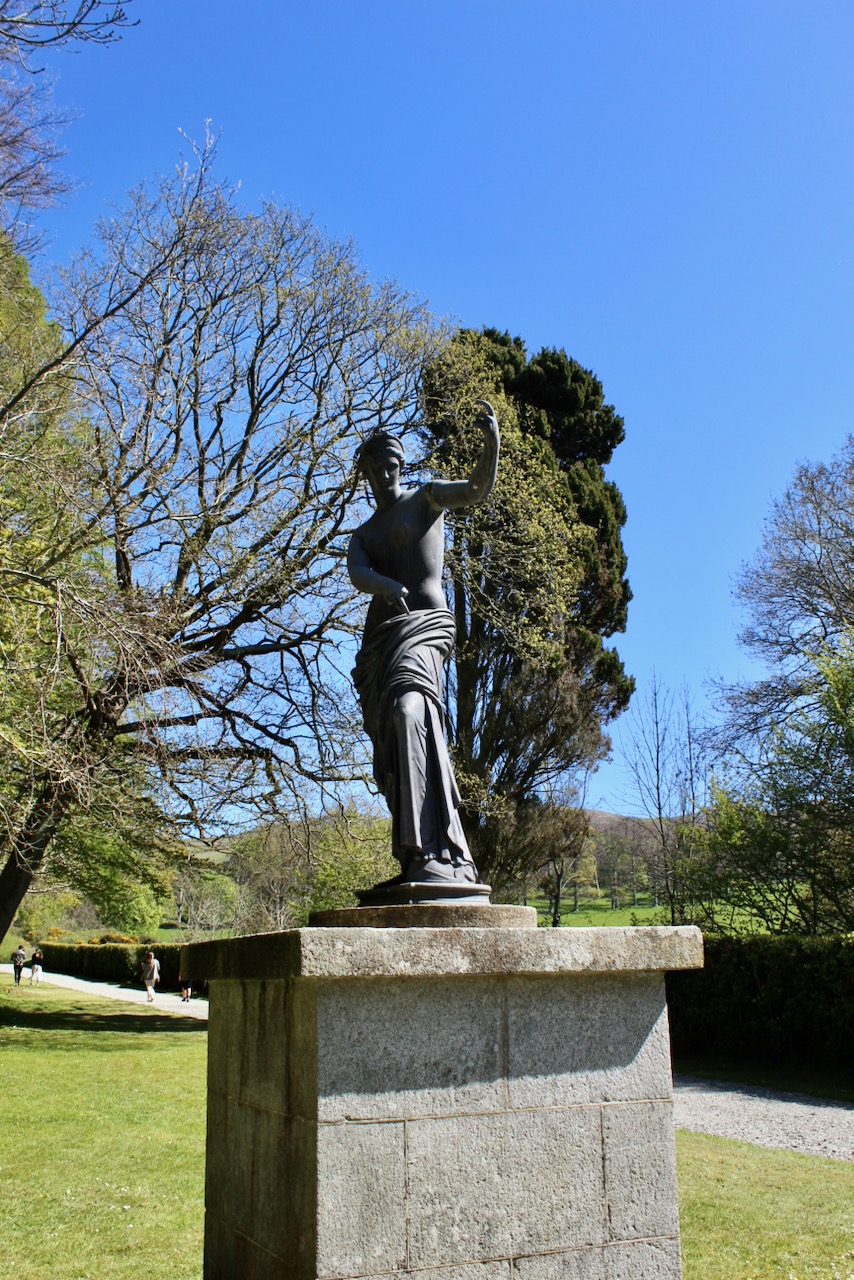
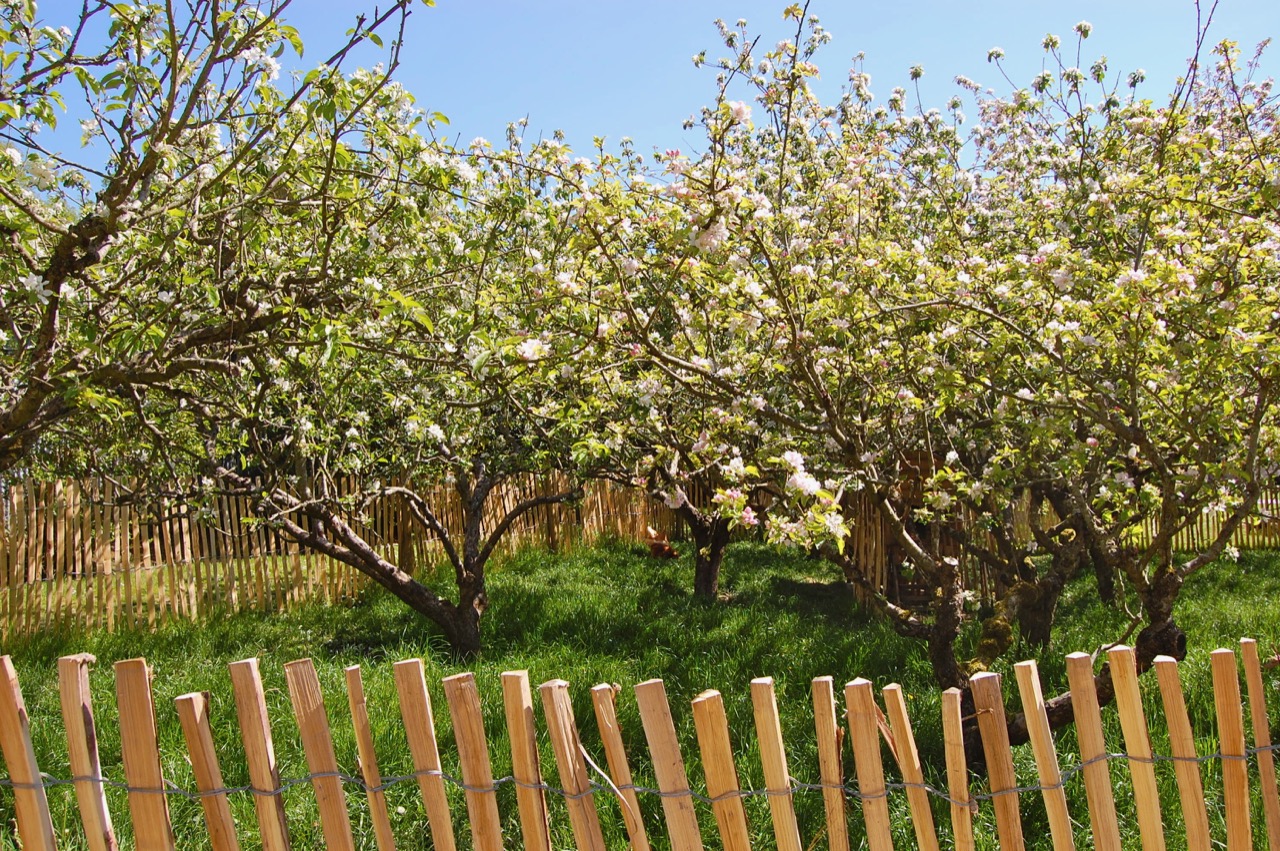
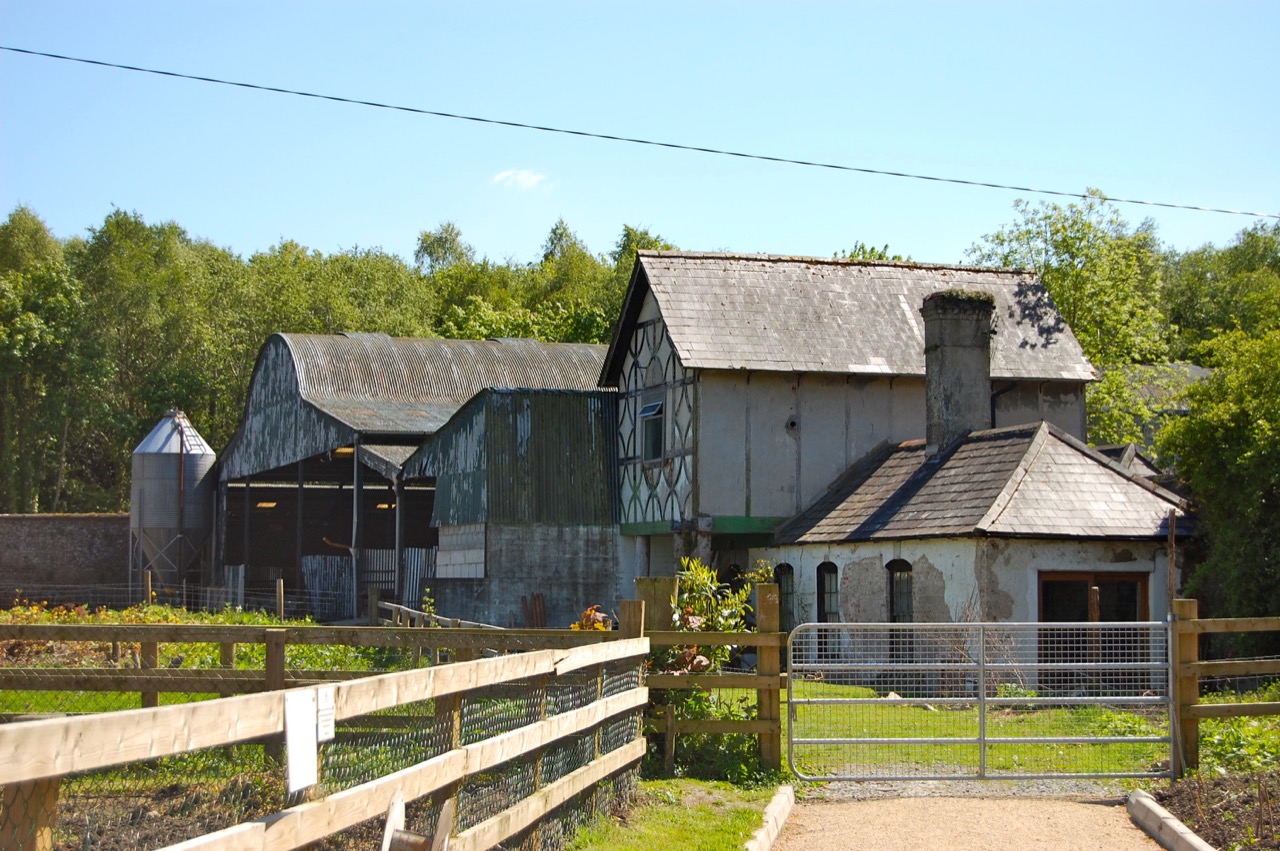
 Irish Historic Houses

