Arthur Chichester, 4th Earl of Donegall (1695–1757)
Lady Lucy Ridgeway was the eldest daughter and co-heir of Robert Ridgeway, 4th Earl of Londonderry (d. 1713/14), she married Arthur Chichester, 4th Earl of Donegal (1695-1757), by Jonathan Richardson courtesy of Sothebys L11304.
Arthur Chichester, 5th Earl of Donegall (1739–1799; created Baron Fisherwick in 1790 and Earl of Belfast and Marquess of Donegall in 1791). He married Anne née Hamilton (1731-1780) who was the daughter of James Brandon Douglas Hamilton 5th Duke of Hamilton, Scotland. Arthur the 5th Earl of Donegall was the son of John Chichester (1700-1746), who was the son of Arthur 3rd Earl of Donegall.
Arthur Chichester, 1st Marquess of Donegall (1739–1799)
Arthur Chichester (1739-1799) 1st Marquess of Donegall, by Thomas Gainsborough, courtesy of Ulster Museum.
George Augustus Chichester, 2nd Marquess of Donegall (1769–1844)
George Augustus Chichester (1769-1844) 2nd Marquess of Donegall, courtesy of Belfast Castle.
George Hamilton Chichester, 3rd Marquess of Donegall, Baron Ennishowen and Carrickfergus (1797–1883). He married Harriet Anne née Butler (1799-1860), daughter of Richard Butler, 1st Earl of Glengall.
Harriet Anne née Butler (1799-1860) Countess of Belfast, wife of George Hamilton Chichester 3rd Marquess of Donegal and daughter of Richard Butler, 1st Earl of Glengall.Frederick Richard Chichester (1827-1853), Earl of Belfast, Courtesy of Ulster Museum.He was the son of the 3rd Marquess of Donegall.Frederick Richard Chichester (1827-1853) Earl of Belfast courtesy of Ulster Museum.
Edward Chichester, 4th Marquess of Donegall (1799–1889)
George Augustus Hamilton Chichester, 5th Marquess of Donegall (1822–1904)
Edward Arthur Donald St George Hamilton Chichester, 6th Marquess of Donegall (1903–1975)
Dermot Richard Claud Chichester, 7th Marquess of Donegall (5th Baron Templemore) (1916–2007)
Arthur Patrick Chichester, 8th Marquess of Donegall (b. 1952) [1]
I refer to Timothy William Ferres’s terrific blog to look at the Cole family of Florence Court in County Fermanagh, a National Trust property.
William Cole married Susannah, daughter and heir of John Croft, of Lancashire, and widow of Stephen Segar, Lieutenant of Dublin Castle, by whom he left at his decease in 1653,
MICHAEL, his heir; John, of Newland, father of Arthur, 1st BARON RANELAGH; Mary; Margaret.
Called Elizabeth Cole Lady Ranelagh, probably really Catherine Cole née Byron (1667-1746) Lady Ranelagh attributed to John Closterman courtesy of National Trust Florence Court. She married Arthur Cole, 1st Baron Ranelagh.
The elder son,
MICHAEL COLE, wedded, in 1640, Catherine, daughter of Sir Laurence Parsons, of Birr, 2nd Baron of the Irish Exchequer, and dvp, administration being granted 1663 to his only surviving child,
SIR MICHAEL COLE, Knight (1644-1710), of Enniskillen Castle, MP for Enniskillen, 1692-3, 95-9, 1703-11, who espoused firstly, Alice (dsp 1671), daughter of Chidley Coote, of Killester; and secondly, 1672, his cousin, Elizabeth (d 1733), daughter of Sir J Cole Bt.
Sir Michael was succeeded by his only surviving child,
JOHN COLE (1680-1726), of Florence Court, MP for Enniskillen, 1703-26, who espoused, in 1707, Florence, only daughter of Sir Bourchier Wrey Bt, of Trebitch, in Cornwall.
Florence Bourchier Wrey (d. 1718), courtesy of National Trust, Florence Court, County Fermanagh.She married John Cole (1680-1726) who built Florence Court, and named it after her.
John and Florence had the following children:
Henry (Rev); JOHN (1709-67) his heir; Letitia; Florence.
Mr Cole was succeeded by his younger son, John Cole (1709-67) MP for Enniskillen, 1730-60. John married in 1728 Elizabeth, daughter of Hugh Willoughby Montgomery, of Carrow, County Fermanagh. Mr Cole was elevated to the peerage, in 1760, in the dignity of Baron Mountflorence, of Florence Court, County Fermanagh.
John Cole (1709-1767) 1st Baron Mountflorence of Florence Court, County Fermanagh, courtesy of National Trust, Florence Court, County Fermanagh.
John and Elizabeth had the following children:
WILLIAM WILLOUGHBY (1736-1803) his heir; Arthur, m in 1780 Caroline Hamilton; Flora Caroline; Catherine.
His lordship was succeeded by his elder son, WILLIAM WILLOUGHBY, 2nd Baron (1736-1803), MP for Enniskillen, 1761-7, who was created Viscount Enniskillen in 1776; and advanced to the dignity of an earldom, in 1789, as EARL OF ENNISKILLEN.
William Willoughby Cole (1736-1803) 1st Earl of Enniskillen, by Nathaniel Hone, courtesy of National Trust, Florence Court, County Fermanagh.He was the son of John Cole 1st Baron Mountflorence.Anne Lowry-Corry, Countess of Enniskillen (1742-1802) by Horace Hone c.1785, watercolour painting on ivory, courtesy National Trust Florence Court. Sister of Armar Lowry-Corry (1740-1802) 1st Earl Belmore and wife of William Willoughby Cole 1st Earl of Enniskillen.
William Willoughby Cole married, in 1763, Anne, daughter of Galbraith Lowry Corry, of Ahenis, County Tyrone, and sister of Armar Corry, Earl of Belmore, and had issue,
JOHN WILLOUGHBY (1768-1840) his successor, who became 2nd Earl; Galbraith Lowry (Sir), GCB, a general in the army; William Montgomery (Very Rev), Dean of Waterford; Arthur Henry, MP for Enniskillen; Henry, died young; Sarah; Elizabeth Anne; Anne; Florence; Henrietta Frances.
JOHN WILLOUGHBY Cole 2nd Earl (1768-1840) married, in 1805, the Lady Charlotte Paget, daughter of Henry, 1st Earl of Uxbridge. The 2nd Earl of Charlotte had the following children:
WILLIAM WILLOUGHBY (1807-86) his successor, who became the 3rd Earl of Enniskillen.
Henry Arthur; John Lowry; Lowry Balfour; Jane Anne Louisa Florence.
William Willoughby Cole (1807-1886) 3rd Earl of Enniskillen, by William Robinson, courtesy of National Trust, Florence Court, County Fermanagh.
WILLIAM WILLOUGHBY, 3rd Earl (1807-86), Honorary Colonel, 3rd Battalion, Royal Inniskilling Fusiliers, married firstly, in 1844, Jane, daughter of James Casamaijor, and had issue,
John Willoughby Michael, styled Viscount Cole (1844-50);
LOWRY EGERTON, 4th Earl;
Arthur Edward Casamaijor;
Florence Mary; Alice Elizabeth; Charlotte June; Jane Evelyn.
He wedded secondly, in 1865, Mary Emma, daughter of Charles, 6th Viscount Midleton.
His lordship was succeeded by his eldest surviving son,
LOWRY EGERTON, 4th Earl (1845-1924), KP JP DL MP, who wedded, in 1869, Charlotte Marion, daughter of Douglas Baird.
Charlotte Marion Baird (1851/2-1937) Countess of Enniskillen, by Henry Richard Graves, courtesy of National Trust, Florence Court, County Fermanagh. She married Lowry Egerton Cole, 4th Earl of Enniskillen.
Nicholas Conway Colthurst (1789-1829) 4th Baronet of Ardrum, County Cork, by Martin Arthur Shee, courtesy of Eton College.He was Member of Parliament (M.P.) for the City of Cork between 1812 and 1829. His son the 5th Earl married Louisa Jane Jefferyes, through whom he acquired Blarney Castle.Ambrose Congreve reading a newspaper at Clonbrock House, Ahascragh, Co. Galway, National Library of Ireland Ref. CLON422.
Timothy William Ferres tells us of the line of the Conolly family who owned Castletown House in County Kildare. [2] It was built by William Conolly (1662-1729), Speaker of the House of Commons in Ireland during the reign of Queen Anne, First Lord of the Treasury until his decease during the reign of GEORGE II, and ten times sworn one of the Lords Justices of Ireland.
THOMAS (1734-1803) his heir; Katherine, m. Ralph, Earl of Ross; Anne, m. G. Byng; mother of Earl of Strafford; Harriet, m. Rt Hon John Staples, of Lissan; Frances, m. 5th Viscount Howe; Caroline, m. 2nd Earl of Buckinghamshire;
Ferres continues, telling us that Thomas Conolly, MP for County Londonderry, 1761-1800, wedded, in 1758, Louisa Augusta Lennox, daughter of Charles, 2nd Duke of Richmond and Lennox.
Thomas and Louisa had no children so the estate passed to a grand-nephew, Edward Michael Pakenham (1786-1849) who assumed the surname Conolly in 1821. Now Edward Michael Conolly of Castletown, County Kildare, and Cliff, County Donegal, Lieutenant-Colonel, Donegal Militia, MP for County Donegal, 1831-49, he married in 1819, Catherine Jane, daughter of Chambré Brabazon Ponsonby-Barker, by the Lady Henrietta Taylour his wife, daughter of Thomas, Earl of Bective. They had issue,
THOMAS (1823-1876) his heir; Chambré Brabazon, d 1835; Frederick William Edward, d 1826; Arthur Wellesley, 1828-54; John Augustus, VC; Richard, d 1870; Louisa Augusta; Henrietta; Mary Margaret; Frances Catherine.
Thomas (1870-1900), killed in action at S Africa; William, 1872-95; EDWARD MICHAEL, of whom hereafter; CATHERINE, Baroness Carew, mother of 6th BARON CAREW.
Mr Conolly was succeeded by his eldest surviving son,
EDWARD MICHAEL CONOLLY CMG (1874-1956), of Castletown, Major, Royal Artillery, who died unmarried, when Castletown passed to his nephew,
William Francis (Conolly-Carew), 6th Baron Carew. [2]
On his terrific website, Timothy William Ferres tells us about the Conyngham family of Springhill, County Derry in Northern Ireland: [3]
Colonel William Cunningham, of Ayrshire settled in the townland of Ballydrum, in which Springhill is situated, in 1609.
Colonel Cunningham’s son, William Conyngham, known as “Good Will” (d. 1721) married Ann, daughter of Arthur Upton, of Castle Norton (later Castle Upton), County Antrim, by his wife Dorothy, daughter of Colonel Michael Beresford, of Coleraine. William “Good Will” Conyngham died in 1721, and was succeeded by his nephew,
William Conyngham (d. 1721), “Good Will”, courtesy of National Trust. Springhill, County Derry.Ann Upton (1664-1753) wife of William “Goodwill” Conyngham (1660-1721), daughter of Arthur Upton (1623-1706) of Castle Upton, County Antrim, courtesy of National Trust. Springhill, County Derry.
William “Goodwill” Conyngham was succeeded by his nephew George Butle Conyngham (d. 1765). He married , in 1721, Anne, daughter of Dr Upton Peacocke, of Cultra.
George Butle Conyngham (d. 1765), courtesy of National Trust, Springhill, County Derry.Anne Peacocke (d. 1754), Mrs George Butle Conyngham, courtesy of National Trust, Springhill, County Derry.
George Butle Conyngham and Anne née Peacocke had children William (1723-84), the heir to Springhill, and David, successor to his brother, John who died unmarried in 1775 and a daughter Anne (1724-1777) who married in 1745 Clotworthy Lenox.
Called Anne Conyngham (1724-1777) Mrs Clotworthy Lenox, courtesy of National Trust. Springhill, County Derry. She was the daughter of George Butle Conyngham.
David who succeeded his brother William died without issue so Springhill passed to his nephew George Lenox (1752-1816), son of his sister Anne, and George adopted the surname of Conyngham. George married, first, Jean née Hamilton (d. 1788), daughter of John Hamilton of Castlefin. They had a son, William Lenox-Conyngham (1792-1858).
Jean Hamilton (d. 1788), wife of William Conyngham (1723-1774) by Joshua Reynolds, courtesy of National Trust. Springhill, County Derry.
George married, second, in 1794, Olivia, fourth daughter of William Irvine, of Castle Irvine, County Fermanagh.
William Burton Conyngham (1733-1796), teller of the Irish Exchequer and treasurer of the Royal Irish Academy, 1780 engraver Valentine Green, after Hugh Douglas Hamilton, courtesy of National Gallery of Ireland.William Burton Conyngham (1733–1796) by Anton Raphael Mengs c. 1754-58, courtesy of wikipedia.He was the son of Francis Burton and Mary Conyngham, and he inherited Slane Castle as well as Donegal estates from his uncle William Conyngham who died in 1781.William Burton Conyngham, engraving After GILBERT STUART courtesy of Adams Country House Collections auction Oct 2023.
Slane Castle passed to William Burton Conyngham’s nephew Henry Conyngham (1766-1832) 1st Marquess Conyngham. Henry married Elizabeth Denison.
Timothy William Ferres also tells us of the Coote family. Charles Coote (1581-1642), 1st Baronet of Castle Cuffe, Queen’s County (Laois): “The Peerage” website tells us that in 1600 he went to Ireland as Captain of 100 Foot under 8th Lord Mountjoy, Queen Elizabeth I’s Lord Deputy of Ireland. He fought in the siege of Kingsale in 1602. He held the office of Provost Marshal of Connaught between 1605 and 1642, for life. He held the office of General Collector and Receiver of the King’s Composition Money for Connaught in 1613, for life. He held the office of Vice-President of Connaught in 1620. He was appointed Privy Counsellor (P.C.) in 1620. He was created 1st Baronet Coote, of Castle Cuffe, Queen’s Co. [Ireland] on 2 April 1621. He held the office of Custos Rotulorum of Queen’s County in 1634. He held the office of Member of Parliament (M.P.) for Queen’s County [Ireland] in 1639. Before 1641 he held Irish lands, mostly in Conaught, worth £4,000 a year. He held the office of Governor of Dublin in 1641. In 1642 he helped relieve Birr, King’s County (now County Offaly), during the Uprising by the Confederation of Kilkenny, his successful operations there and elsewhere in the area, which was called Mountrath, suggesting the title by which his son was ennobled.
He married Dorothea, youngest daughter and co-heir of Hugh Cuffe, of Cuffe’s Wood, County Cork, and had issue, Charles (c.1610 –1661)1st Earl of Mountrath; Chidley (d. 1688) of Killester, Co Dublin and Mount Coote, County Limerick; RICHARD (1620-83) 1st Baron Coote of Colloony, County Sligo, ancestor of the EARL OF BELLAMONT (1st Creation); Thomas, of Coote Hill; Letitia (married Francis Hamilton, 1st Bt of Killaugh, co. Cavan).
Charles Coote 1st Earl of Mountrath (c.1610 –1661), 2nd Baronet, ca. 1642, before he was ennobled, Circle of William Dobson. By Christina Keddie – Own work, Public Domain, https://commons.wikimedia.org/w/index.php?curid=42002789
Charles Coote (c.1610 –1661), 1st Earl of Mountrath married first, Mary Ruish, who gave birth to his heir, Charles Coote (d. 1672) 2nd Earl of Mountrath, Queen’s County. The 1st Earl of Mountrath, Queen’s County, also had the titles 1st Baron Coote of Castle Cuffe, in Queen’s Co. [Ireland] and 1st Viscount Coote of Castle Coote, Co. Roscommon [Ireland].
Charles Coote (c.1610 –1661), 1st Earl of Mountrath married secondly Jane Hannay, and she had a son Richard (1643-1700), who married Penelope, daughter of Arthur Hill of Hillsborough, County Down. Their daughter Penelope Rose married Charles Boyle (d. 1732) 2nd Viscount Blesington. Another daughter, Jane (d. 1729) married William Evans, 1st and last Baronet of Kilcreene, County Kilkenny.
Charles Coote, 2nd Earl of Mountrath married Alice, daughter of Robert Meredyth of Greenhills, County Kildare. His daughter Anne (d. 1725) married Murrough Boyle, 1st Viscount Blesington (d. 1718). His son Charles (1656-1709) succeeded as 3rd Earl of Mountrath, and he was father to the 4th, 5th and 6th Earls.
The son of Algernon Coote (1689-1744) 6th Earl of Mountrath, Charles Henry Coote (d. 1802) 7th Earl of Mountrath had no legitimate male issue and the earldom and its associated titles created in 1660 died with him. The barony of Castle Coote passed according to the special remainder to his kinsman, Charles Coote. The baronetcy of Castle Cuffe also held by the Earl passed to another kinsman, Sir Charles Coote, 9th Baronet.
Let us return now to Charles Coote (1581-1642), 1st Baronet of Castle Cuffe, Queen’s County (Laois) and trace the line of his younger son, RICHARD COOTE (1620-83), for his hearty concurrence with his brother, SIR CHARLES, 2nd Baronet, in promoting the restoration of CHARLES II, was rewarded with the dignity of a peerage of the realm; the same day that his brother was created Earl of Mountrath, Richard Coote was created, in 1660, Baron Coote, of Colloony.
In 1660, Richard was appointed Major to the Duke of Albemarle’s Regiment of Horse; and the same year he was appointed one of the commissioners for executing His Majesty’s declaration for the settlement of Ireland. He was, in 1675, appointed one of the commissioners entrusted for the 49 Officers. In 1676, the 1st Baron resided at Moore Park, County Meath, and Piercetown, County Westmeath. He married Mary, second daughter of George, Lord St. George, and had issue: RICHARD (1636-1701) his successor; Thomas (d. 1741) Lætitia (married Robert Molesworth, 1st Viscount Molesworth of Swords); Mary (married William Stewart, 1st Viscount Mountjoy); Catherine (married Ferdinando Hastings); Elizabeth (married Lt.-Gen. Richard St. George).
Following his decease, in 1683, he was interred at Christ Church Cathedral, Dublin. He was succeeded by his eldest son,
RICHARD, 2nd Baron (1636-1701), Governor of County Leitrim, 1689, Treasurer to the Queen, 1689-93, MP for Droitwich, 1689-95, who was, in 1688, one of the first to join the Prince of Orange. In 1689, he was attainted in his absence by the Irish Parliament of JAMES II. His lordship was created, in 1689, EARL OF BELLAMONT, along with a grant of 77,000 acres of forfeited lands.
Richard Coote (1636-1700/01) 1st Earl Bellomont By Samuel Smith Kilburn (d. 1903) – New York Public Library digital libraryhttp//:digitalgallery.nypl.org/nypldigital/id?423861, Public Domain, https//:commons.wikimedia.org/w/index.php?curid=13014278
Richard 1st Earl of Bellomont was Governor of Massachusetts, 1695, and Governor of New York, 1697-1701. The King had sent Lord Bellomont to New York to suppress the “freebooting.” Unfortunately he was responsible for outfitting the veteran mariner William Kidd, who turned into “Captain Kidd,” who terrorised the merchants until his capture in 1698.
According to Cokayne “he was a man of eminently fair character, upright, courageous and independent. Though a decided Whig he had distinguished himself by bringing before the Parliament at Westminster some tyrannical acts done by Whigs at Dublin.”
The 1st Earl of Bellomont wedded, in 1680, Catharine, daughter and heir of Bridges Nanfan, of Worcestershire, and had issue, NANFAN (1681-1708) his successor as 2nd Earl of Bellomont, and RICHARD (1682-1766), who succeeded his brother.
NANFAN, 2nd Earl (1681-1708) married Lucia Anna van Nassau (1684-1744), daughter of Henry de Nassau, Lord Overkirk, in 1705/6 at St Martin-in-the-Fields Church, London. Nanfan died at Bath, Somerset, from palsy, without male issue, when the family honours devolved upon his brother, RICHARD, 3rd Earl (1682-1766), who, in 1729, sold the family estate of Colloony, County Sligo, for nearly £17,000.
In 1737, he succeeded his mother to the estates of Birtsmorton, Worcestershire. Macaulay described him as “of eminently fair character, upright, courageous and independent.” On his death the earldom expired.
The last Earl was succeeded in the barony of Coote by his first cousin once removed, CHARLES, 5th Baron (1736-1800), KB PC, son of Charles Coote [1695-1750] High Sheriff of County Cavan, 1719, MP for Granard, 1723-27, Cavan County, 1727-50MP for County Cavan, 1761-6, who was son of the HON THOMAS COOTE (c. 1655-1741) a Justice of the Court of the King’s Bench of Ireland, younger son of the 1st Baron. This Thomas’s daughter Elizabeth married Mervyn Pratt (1687-1751) of Cabra Castle.
Sir Charles succeeded his cousin, Richard, in 1766, as 5th Baron Coote; and was created, in 1767, EARL OF BELLAMONT (3rd creation). His lordship was created a baronet, in 1774, designated of Donnybrooke, County Dublin, with remainder to his natural son, Charles Coote, of Dublin.
SIR CHARLES COOTE (1736-1800), KB PC, of Coote Hill (afterwards renamed Bellamont Forest) had an illegitimate son, Charles Coote (1765-1857) who despite his illegitimacy became 2nd Baronet of Bellamont). Charles 1st Earl married, in 1774, the Lady Emily Maria Margaret FitzGerald, daughter of James, 1st Duke of Leinster, and had issue, Charles, Viscount Coote (died age seven, 1778-86); Mary; Prudentia; Emily; Louisa. Following his death in 1800, the titles became extinct as he left no legitimate male issue, though he was succeeded in the baronetcy according to the special remainder by his illegitimate son Charles, 2nd Baronet.
Finally, let us return now to Charles Coote (1581-1642), 1st Baronet of Castle Cuffe, Queen’s County (Laois) and trace the line of his son Chidley Coote (d. 1668). Chidley lived in Mount Coote, County Limerick (later called Ash Hill, a section 482 property, see my entry). He had a son, Chidley (d. 1702) who married Catherine Sandys. They had a daughter Catherine (d. 1725) who married Henry Boyle 1st Earl of Shannon. Another daughter, Anne, married Bartholomew Purdon, MP for Doneraile and later Castlemartyr of County Cork. They had a son Reverend Chidley Coote (1678-1730) who inherited Ash Hill in County Limerick. He married Jane Evans (d. 1763) and it was their grandson Charles Henry Coote (1754-1823) who succeeded as 2nd Baron Castle Coote in 1802. He was the son of Reverend Charles Coote (1713-1796) and Grace Tilson (d. 1766). Another son was Lt.-Gen. Sir Eyre Coote (1762-1823).
Major General Eyre Coote (1762-1823), Governor of Jamaica, 1805 by engraver Antoine Cordon after J.P.J. Lodder, courtesy of National Gallery of Ireland.He was son of Reverend Charles Coote (1713-1796) and Grace Tilson (d. 1766).Eyre Coote (1726-1783) attributed to Henry Robert Morland, c. 1763, National Portrait Gallery of London NPG124. He was the son of Reverend Chidley Coote (1678-1730) who inherited Ash Hill in County Limerick and Jane Evans (d. 1763).Lieutenant General Sir Eyre Coote (1726-1783) Commander-in-Chief in the East Indies (1777-1783) by John Thomas Seton, courtesy of the British Library.He was the son of Reverend Chidley Coote (1678-1730) who inherited Ash Hill in County Limerick and Jane Evans (d. 1763).
Reverend Chidley Coote (1678-1730) who inherited Ash Hill and Jane Evans (d. 1763) had a daughter Elizabeth who married John Bowen. Reverend Childley Coote and Jane Evans’s son Robert (d. 1745) inherited Ash Hill and married his cousin Anne Purdon, daughter of Bartholomew Purdon and Anne Coote. Robert Coote and Anne Purdon’s grandson was Charles Henry Coote (1792-1864) who succeeded as 9th Baronet of Castle Cuffe, Queen’s County, who married Caroline Elizabeth Whaley (d. 1871), daughter of John Whaley (d. 1847) of Dublin.
I am going to start collating a portrait gallery, as I love to put a name to the faces. I will add to these pages as I go.
I’ll be collecting them from my house entries and put them in alphabetical order by surname. I’ve also been going through the National Gallery collection and will also look at the National Portrait Gallery in London’s collection! It will be an ongoing project and a resource. I do think Ireland should have a National Portrait gallery! It would be a place where home owners could loan portraits for safekeeping also.
I have an editorial decision to make regarding women. Do I put them under their married name or under their maiden name? I think for now I’ll put them under both, as it’s nice to see them in relation to their fathers as well as in relation to their husband!
David de Barry, 1st Baron Barry (died 1278). In 1267, King Henry III of England appointed Lord David de Barry as Chief Justice of Ireland.
John Barry, 2nd Baron Barry (died 1285)
David FitzDavid Barry, 3rd Baron Barry (died 1290)
John Barry, 4th Baron Barry (died 1330)
David Barry, 5th Baron Barry (died 1347)
David Barry, 6th Baron Barry (died 1392)
John Barry, 7th Baron Barry (died 1420)
William Barry, 8th Baron Barry (died 1480)
John Barry, 9th Baron Barry (died 1486)
Thomas de Barry, 10th Baron Barry (died 1488)
William Barry, 11th Baron Barry (died 1500)
John Barry, 12th Baron Barry (died 1530)
John Barry, 13th Baron Barry (died 1534)
John FitzJohn Barry, 14th Baron Barry (1517–1553) (created Viscount Buttevant in 1541)
Viscounts Buttevant (1541)
John FitzJohn Barry, 1st Viscount Buttevant (1517–1553)
Edmund FitzJohn Barry, 2nd Viscount Buttevant (died 1556)
James FitzJohn Barry, 3rd Viscount Buttevant (died 1557)
James de Barry, 4th Viscount Buttevant (c. 1520–1581) 1st wife: Elizabeth Boyle, daughter of Charles Boyle, 3rd Viscount Dungarvan; 2nd wife: Elizabeth née Savage (d. 1714), daughter and heir of Richard Savage 4th Earl Rivers; 3rd wife: Anne Chichester, daughter of Major-General Arthur Chichester, 3rd Earl of Donegall (1666-1706), she was the mother of James Smith-Barry of Fota, County Cork.
David de Barry, 5th Viscount Buttevant (died 1617)
David Barry, 6th Viscount Buttevant (1604–1642) (created Earl of Barrymore in 1627/28)
Earls of Barrymore (1627/28)
David Barry, 1st Earl of Barrymore (1604–1642)
Richard Barry, 2nd Earl of Barrymore (1630–1694)
Laurence Barry, 3rd Earl of Barrymore (1664–1699)
James Barry, 4th Earl of Barrymore (1667–1747)
James Barry, 5th Earl of Barrymore (1717–1751)
Richard Barry, 6th Earl of Barrymore (1745–1773)
Richard Barry, 7th Earl of Barrymore (1769–1793)
Henry Barry, 8th Earl of Barrymore (1770–1823) [1]
SIR TRISTRAM BERESFORD (1595-1673), who was created a baronet in 1665, designated of Coleraine, County Londonderry. He married firstly, Anne, eldest daughter of John Rowley, of Castleroe, County Londonderry, by whom he had one son, RANDAL, his heir, and two daughters; and secondly, Sarah Sackville, and had three sons and three daughters: Tristram; Michael; Sackville; Susanna; Sarah; Anne.
Tristram Beresford (d. 1673), 1st Bt of Coleraine
Sir Tristram was succeeded by his eldest son, SIR RANDAL BERESFORD, 2nd Baronet (c. 1636-81), MP for Coleraine, 1661-68, who married Catherine Annesley, younger daughter of Francis, 1st Viscount Valentia, and dying in 1681, left issue, TRISTRAM, his heir; Jane; Catherine.
Sir Randal was succeeded by his eldest surviving son, SIR TRISTRAM BERESFORD, 3rd Baronet (1669-1701), MP for Londonderry County, 1692-99, who commanded a foot regiment against JAMES II, and was attainted by the parliament of that monarch. Sir Tristram wedded, in 1687, Nichola Sophia, youngest daughter and co-heiress of Hugh Hamilton, 1st Viscount Glenawly.
He was succeeded by his son, SIR MARCUS BERESFORD, 4th Baronet (1694-1763), MP for Coleraine, 1715-20, who espoused, in 1717, Catherine, BARONESS LE POER, daughter and heiress of James, 3rd Earl of Tyrone, and in consequence of that alliance, was elevated to the peerage, in 1720, in the dignity of Baron Beresford and Viscount Tyrone. His lordship was further advanced to an earldom, in 1746, as EARL OF TYRONE.
Rt. Hon. Marcus Beresford (1694-1763)4th Baronet and 1st Earl of Tyrone, photograph courtesy of the Beresford family and creative commons and wikipedia.
Marcus Beresford (1694-1763) 1st Earl of Tyrone had surviving issue: GEORGE DE LA POER (1735-1800) his successor who became 2nd Earl of Tyrone; John (1737/38-1805); William (1743-1819) (Most Rev), created BARON DECIES; Anne; Jane; Catherine; Aramintha; Frances Maria; Elizabeth.
George de la Poer Beresford (1735-1800) 2nd Earl of Tyrone, later 1st Marquess of Waterford, by Johann Zoffany, courtesy of National Trust Hatchlands.John Beresford, M.P. (1738-1805), son of of Marcus Beresford 1st Earl of Tyrone, miniature by Richard Crosse, British, 1742-1810.John Beresford (1738-1805), first commissioner of the Revenue in Ireland, engraver Charles Howard Hodges, after Gilbert Smith, courtesy of National Gallery of Ireland.John Beresford (1738-1805), MP by Gilbert Stuart c. 1790, courtesy of National Gallery of Ireland NGI 1133.Right Honourable John Beresford by Thomas Hickey (fl.1756-1816) courtesy Chrisites 2005. I’m not sure if this is John Beresford (1738-1805).Barbara Montgomery (?1757-1788), second wife of John Beresford (1738-1805) by Hugh Douglas Hamilton, courtesy of National Gallery of Ireland P5547. His first wife was Anne Constantia Ligondes.Marcus Gervais Beresford (1801-1885), Archbishop of Armagh, painting as Prelate of Order of St. Patrick, by engraver John Richardson Jackson, after painting by Stephen Catterson Smith, courtesy of National Gallery of Ireland.He was grandson of John Beresford (1738-1805). His father was Rt. Rev. George de la Poer Beresford (1765-1841).George John Beresford (1807-1864)of Woodhouse, County Waterford.He was also a grandson of John Beresford (1738-1805). His father wasReverend Charles Cobbe Beresford (b. 1770).John Claudius Beresford, Lord Mayor of Dublin courtesy Adam’s 8 March 2006 in style of William Cuming PRHA. He was the son of John Beresford (1738-1805).Elizabeth de la Poer Beresford (1736-1806), daughter of Marcus Beresford 1st Earl of Tyrone, wife of Thomas Cobbe of Newbridge House, in a costume evocative of Mary Queen of Scots, miniature, Cobbe Collection.
George de la Poer Beresford, 2nd Earl of Tyrone (1735-1800) inherited the ancient Barony of de la Poer at the decease of his mother in 1769. His lordship was enrolled amongst the peers of Great Britain, in 1786, as Baron Tyrone; and created, in 1789, MARQUESS OF WATERFORD.
George de la Poer Beresford (1735-1800) First Marquess of Waterford by Gilbert Stuart, courtesy of Bonhams and commons.
He married, in 1769, Elizabeth, only daughter and heiress of Henry Monck, of Charleville. They had issue:
Marcus, died at 8 years old; Henry de la Poer Beresford (1772-1826) his successor who became 2nd Marquess of Waterford; John George (1773-1862) (Most Rev), Lord Archbishop of Armagh; George Thomas (1781-1839) (Rt Hon), Lt-Gen, GCH; Isabella Anne; Catherine; Anne; Elizabeth Louisa (1783-1856).
Henry de la Poer Beresford (1772-1826) 2nd Marquess of Waterford by William Beechy courtesy of Eton College.John George Beresford (1773-1862), Archbishop of Armagh, after Thomas Lawrence, by Charles Turner, courtesy of Armagh County Museum.He was son of George de la Poer Beresford, 2nd Earl of Tyrone. Thought to be Elizabeth Louisa Reynell (1783-1856) née De La Poer and formerly wife of Sir Denis Pack, courtesy of Whyte’s Nov 2011. She was the daughter of the 1st Marquess of Waterford, and she married Denis Pack of County Kilkenny and later, Thomas Reynell, 6th Baronet.
He had an illegitimate son Admiral Sir John de la Poer Beresford (1766-1844) 1st Bt Beresford, of Bagnall, Co. Waterford, and also Lt.-Gen. William Carr Beresford (1768-1854) 1st and last Viscount Beresford of Beresford.
William Carr Beresford (1768-1854) Viscount Beresford, by William Beechey, Photograph courtesy of National Portrait Gallery, London.Harriet Elizabeth Peirse (1790-1825) Lady Beresford, wife of Admiral Sir John de la Poer Beresford (1766-1844) 1st Bt Beresford, of Bagnall, Co. Waterford, by Thomas Lawrence, courtesy of National Trust Hatchlands.
Henry de la Poer Beresford 2nd Marquess (1772-1826) wedded, in 1805, Susanna Carpenter, only daughter and heiress of George Carpenter 2nd Earl of Tyrconnell, and had issue,
HENRY de la Poer Beresford (1811-1859) his successor who became 3rd Marquess of Waterford; William; John (1814-1866) who became 4th Marquess of Waterford; James; Sarah Elizabeth (1807-1854) who married Henry John Chetwynd-Talbot, 18th Earl of Shrewsbury.
James Beresford (1816-1841) by Joseph Clover, courtesy of Ingestre Hall Residential Arts Centre.
Henry de la Poer Beresford 3rd Marquess married Louisa Anne Stuart (1818-1891), daughter of Charles Stuart, 1st and last Baron Stuart de Rothesay. They did not have children.
Elizabeth Stuart née Yorke (1789-1867). Lady Stuart de Rothesay, with her daughters Charlotte (1817-1861) and Louisa (1818-1891) by George Hayter, photograph courtesy of UK Government Art Collection. Elizabeth was the daughter of Philip Yorke 3rd Earl of Hardwicke; Louisa married Henry de la Poer Beresford 3rd Marquis of Waterford; Charlotte married Charles John Canning 1st Viceroy of India, 2nd Viscount Canning, 1st Earl Canning. Louisa Anne Beresford née Stuart (1818-1891), wife of Henry de la Poer Beresford, 3rd Marquess of Waterford, daughter of Charles Stuart, 1st and last Baron Stuart de Rothesay, by Sir Francis Grant 1859-1860, NPG 3176. The National Portrait Gallery tells us: “Louisa Stuart was brought up mostly in Paris, where her father was British Ambassador to the French court. She was taught to draw from an early age and art, along with religion and philanthropy, was one of her main interests throughout her life. A gifted amateur watercolourist, she did not exhibit at professional galleries until the 1870s. With a strong interest in the welfare of the tenants on her Northumberland estate, she rebuilt the village of Ford. She provided a school and started a temperance society in the village. Her greatest artistic achievement was the decoration of the new school with life sized scenes from the Old and New testaments that used children and adults from the village as models.”
When the 3rd Marquess died, his brother John became the 4th Marquess. The 4th Marquess married Christiana, daughter of Charles Powell Leslie of Castle Leslie in County Monaghan.
Timothy William Ferres tells us of the family of the Boyles, Earls of Cork:
Richard Boyle (1566-1643) 1st Earl of Cork married firstly, in 1595, Joan, daughter and co-heiress of William Apsley, of Limerick, without surviving issue; and secondly, Catherine, daughter of Sir Geoffrey Fenton, Knight, principal secretary of state for Ireland, and had issue (with eight daughters):
Roger (1606-15);
RICHARD (1612-98) his successor; Geoffrey d. 1 year old; Lewis (1619-1642) created Viscount Boyle of Kinalmeaky;
ROGER (1621-1679) created 1st Earl of Orrery; ancestor of John, 5th Earl of Cork;
The 1st Earl of Cork’s daughter Alice (1607-1666) married David Barry 1st Earl of Barrymore. His other daughters were Sarah (1609-1633) who married first Thomas Moore son of Garret Moore 1st Viscount of Drogheda, and then second, Rober Digby 1st Baron Digby; Lettice who married Lord Goring; Joan who married George Fitzgerald 16th Earl of Kildare; Catherine (1615-1691) who married Arthur Jones 2nd Viscount Ranelagh; Dorothy (1617-1668) who married Arthur Loftus and second, Gilbert Talbot son of William Talbot 1st Baronet; Mary (1625-1678) who married Charles Rich 4th Earl of Warwick;
The 1st Earl of Cork was succeeded by his eldest son, RICHARD, 2nd Earl (1612-98); who, having wedded, in 1635, the Lady Elizabeth Clifford, daughter and heiress of Henry, 5th Earl of Cumberland, was created a Peer of England, 1644, in the dignity of Baron Clifford of Londesborough, Yorkshire; and, in 1664, EARL OF BURLINGTON.
Richard Boyle (1612-1698) 1st Earl of Burlington and 2nd Earl of Cork, possibly after Sir Anthony van Dyck c.1640, NPG 893.Oil painting on canvas, Lady Elizabeth Clifford, Countess of Burlington (1621 – 1698) by Sir Anthony Van Dyck (Antwerp 1599 – London 1641). Three-quarter length portrait, profile to left, head facing, wearing wbite satin dress and blue scarf, pointing with her left hand in a landscape.She married Richard Boyle, 2nd Earl of Cork and 1st Earl of Burlington.
The 2nd Earl of Cork had issue:
Charles, 3rd Viscount Dungarvan (1639-94); father of the 3rd Earl of Cork; Richard, who died in 1665 at the battle of Lowestoft; and daughters Frances who married Colonel Francis Courtenay, 3rd Bt. then second, Wentworth Dillon, 4th Earl of Roscommon; Anne who married Edward Montagu, 2nd Earl of Sandwich; Elizabeth who married Nicholas Tufton, 3rd Earl of Thanet; Mary; Henrietta who married Laurence Hyde, 1st Earl of Rochester.
His lordship’s eldest son Charles, 3rd Viscount Dungarvan (1639-94) having predeceased him, was succeeded by his grandson, CHARLES (c. 1662-1704), 3rd Earl of Cork and 2nd Earl of Burlington.
Charles Boyle (c. 1662-1704) 3rd Earl of Cork and 2nd Earl of Burlington, by Godfrey Kneller, courtesy of National Trust Hardwick Hall.
Charles, 3rd Viscount Dungarvan (1639-94) had a daughter Elizabeth (1662-1703) who married Lt.-Gen. James Barry, 4th Earl of Barrymore.
The 3rd Earl of Cork, 2nd Earl of Burlington espoused Juliana, daughter and heiress of the Hon Henry Noel, of Luffenham, Rutland, by whom he had surviving issue, RICHARD (1694-1753) his successor, 3rd Earl of Burlington.
Richard Boyle, 3rd Earl of Burlington (1694-1753) by Jonathan Richardson, courtesy of London’s National Portrait Gallery NPG 4818.
The 3rd Earl of Cork, 2nd Earl of Burlington had daughters Elizabeth; Juliana; Jane; Henrietta (1700-1746) who married Henry Boyle, 1st Earl of Shannon.
The 3rd Earl of Cork, 2nd Earl of Burlington was succeeded by his only son, RICHARD (1694-1753), 4th Earl of Cork and 3rd Earl of Burlington, KG, who married, in 1720, the Lady Dorothy Savile, elder daughter and co-heiress of William, 2nd Marquess of Halifax, by which lady he had three daughters, Dorothy; Juliana; Charlotte Elizabeth, m William Cavendish, Marquess of Hartington.
His lordship claimed, in 1727, the barony of Clifford, as great-grandson of the Lady Elizabeth Clifford, daughter and heiress of Henry, Lord Clifford, and the house of peers acknowledged and confirmed his lordship’s right thereto.
This nobleman was eminent as a munificent encourager of literature and the fine arts, and as a friend of Alexander Pope he will always be remembered.
His lordship died in 1753, and leaving an only surviving daughter, Lady Charlotte, who had wedded William, 4th Duke of Devonshire, and inherited the barony of Clifford; all his lordship’s other English honours ceased, while those of Ireland devolved upon his kinsman, JOHN BOYLE (1707-62), 5th Earl of Orrery, in Ireland; Baron Boyle of Marston, in Great Britain; succeeded as 5th EARL OF CORK (refer to Roger, third son of the first Earl of Cork).
Charlotte Boyle (1731-1754) daughter of Richard Boyle (1694-1753) 3rd Earl of Burlington 4th Earl of Cork. She married William Cavendish (1720-1764) 4th Duke of Devonshire and brought Lismore Castle, County Waterford, into the Cavendish family. Painting after style of George Knapton, courtesy of Chiswick House collection.Richard Boyle 4th Earl of Cork and 3rd Earl of Burlington and Dorothy Savile attributed to Aikman, William Aikman (1682-1731).Oil painting on canvas, Possibly Lady Dorothy Savile, Countess of Burlington and Countess of Cork (1699-1758) by Michael Dahl, circa 1720. Inscribed top right in gold: Lady Dorothy Saville / Daughter to the Marquis of Halifax / married to the Earl of Burlington. A half-length portrait of a young woman, facing, wearing white decollete dress with blue ribbon. Courtesy of National Trust Hardwick HallLady Dorothy Savile, Countess of Burlington (1699-1758) with her Daughter Lady Dorothy Boyle, later Countess of Euston (1724-1742) by Michael Dahl courtesy of National Trust Hardwick Hall. She married Richard Boyle 4th Earl of Cork and 3rd Earl of Burlington.
The 1st Earl of Cork’s son ROGER (1621-1679) was created 1st Earl of Orrery.
Lady Mary Boyle nursing her son Charles, by Godfrey Kneller (1646-1723) Adams auction 18 Oct 2022. I think this could be Mary née Sackville (1637-1679) who married Roger Boyle 2nd Earl of Orrery. Her son Charles Boyle (1674-1731) became the 4th Earl of Orrery.Charles Boyle 4th Earl of Orrery, possibly a copy, based on painting by Charles Jervas.
JOHN BOYLE (1707-62), 5th Earl of Orrery, in Ireland; Baron Boyle of Marston, in Great Britain; succeeded as 5th EARL OF CORK (refer to Roger, third son of the first Earl of Cork).
His lordship wedded firstly, in 1728, the Lady Henrietta Hamilton, youngest daughter of George, 1st Earl of Orkney KT, and had issue: Charles, Viscount Dungarvan (1729-1759); HAMILTON, his successor; Elizabeth.
Mrs John O’Neill (née Henrietta Boyle) (1756-1793), Poet and Patron of Mrs Siddons, Engraver John Raphael Smith, English, 1752-1812 After Matthew William Peters, English, 1742-1814, courtesy of National Gallery of Ireland.She was the wife of John O’Neill (1740-1798), 1st Viscount, of Shane’s Castle, County Antrim, and the daughter of Charles Boyle, Viscount Dungarvan, who was the son of John Boyle 5th Earl of Orrery and 5th Earl of Cork.
He espoused secondly, Margaret, daughter and sole heiress of John Hamilton, by whom he had further issue: EDMUND, 7th Earl of Cork; Catherine Agnes; Lucy. He was a writer.
He was succeeded by his eldest surviving son, HAMILTON (1729-64), 6th Earl of Cork and Orrery, who died unmarried, in little more than a year after his father, when the honours devolved upon his brother, EDMUND (1742-98), 7th Earl of Cork and Orrery, who married firstly, in 1764, Anne, daughter of Kelland Courtenay, and had issue: John Richard, Viscount Dungarvan (1765-8); EDMUND, of whom hereafter; Courtenay (the Hon Sir), Vice-Admiral in the Royal Navy; Lucy Isabella.
Anne Boyle née Courteney, Countess of Cork and Orrery (1742-1785) Engraver James Watson, Irish, c.1740-1790 After Hugh Douglas Hamilton, Irish, 1740-1808, courtesy of National Gallery of Ireland. She married Edmund Boyle 7th Earl of Cork and Orrery.
His lordship espoused secondly, in 1786, Mary, youngest daughter of John, 1st Viscount Galway, without further issue.
He was succeeded by his eldest surviving son, EDMUND (1767-1856), 8th Earl of Cork and Orrery, KP, a General in the Army, who married, in 1795, Isabella Henrietta, third daughter of William Poyntz, of Midgam house, Berkshire, and had issue: Edmund William, Viscount Dungarvan (1798-1826); George Richard (1799-1810); CHARLES, of whom presently; John, ancestor of the 12th and 13th Earls; Robert Edward; Richard Cavendish; Isabella Elizabeth; Lucy Georgina; Louisa.
His lordship’s eldest surviving son CHARLES (1800-34), styled Viscount Dungarvan, wedded, in 1828, the Lady Catherine St Lawrence, daughter of William, 2nd Earl of Howth, and had issue:
RICHARD EDMUND ST LAWRENCE, his successor;
William George;
Edmund John;
Louisa Caroline Elizabeth; Mary Emily.
His lordship predeceased his father, and the family honours devolved upon his eldest son,
RICHARD EDMUND ST LAWRENCE (1829-1904), as 9th Earl of Cork and Orrery, KP, who married, in 1853, the Lady Elizabeth Charlotte de Burgh, daughter of Ulick John, 1st Marquess of Clanricarde, and had issue: CHARLES SPENCER CANNING, his successor; ROBERT JOHN LASCELLES, 11th Earl; Emily Harriet Catherine; Grace Elizabeth; Isabel Lettice Theodosia; Honora Janet; Dorothy Blanche.
Anne Boyle née Courteney, Countess of Cork and Orrery (1742-1785) Engraver James Watson, Irish, c.1740-1790 After Hugh Douglas Hamilton, Irish, 1740-1808, courtesy of National Gallery of Ireland.She married Edmund Boyle 7th Earl of Cork, 7th Earl of Orrery.
The 1st Earl of Cork’s son Francis (1623-1699) was created 1st Viscount Shannon.
“THE RT HON SIR VALENTINE BROWNE (d 1589) in 1583, received instruction, jointly with Sir Henry Wallop, for the survey of several escheated lands in Ireland. He was subsequently sworn of the Privy Council, and represented County Sligo in parliament in 1585. In the same year, Sir Valentine purchased from Donald, Earl of Clancare, all the lands, manors, etc in counties Kerry and Cork, which had been in the possession of Teige Dermot MacCormac and Rorie Donoghoemore.
“Sir Valentine married firstly, Alice or Elizabeth, daughter of Robert Alexander, of London, and had issue, a son. He wedded secondly, Thomasine, sister of the Lord Keeper of the Great Seal, Sir Nicholas Bacon, and had further issue (with a daughter), two sons.
“Sir Valentine’s eldest surviving son, SIR NICHOLAS BROWNE, Knight, of Ross, County Kerry, who wedded Sicheley Sheela, daughter of O’Sullivan Beare, and had issue: VALENTINE, his heir; Anne.
“Sir Nicholas died in 1616, and was succeeded by his son, VALENTINE BROWNE, High Sheriff of County Kerry, 1623, who was created a baronet in 1622, designated of Molahiffe, County Kerry.
“Sir Valentine, after his father’s decease, presented a petition to JAMES I, praying an abatement of the yearly rent reserved on the estate which he held from the Crown, as an undertaker, at the annual sum of £113 6s 8d, in regard of the small profit he made of it, being set out in the most barren and remote part of County Kerry; which request was complied with, and he received a confirmation, by patent, of all his lands at a reduced rent.
“He married Elizabeth, fifth daughter of Gerald, Earl of Kildare [I’m not sure if this – JWB], and was succeeded by his grandson, THE RT HON SIR VALENTINE BROWNE, 3rd Baronet (1638-94); who was sworn of the Privy Council of JAMES II, and created by that monarch, subsequently to his abdication, in 1689, Baron Castlerosse and Viscount Kenmare.
“His lordship, who was Colonel of Infantry in the army of JAMES II, forfeited his estates by his inviolable fidelity to that unfortunate monarch. He wedded Jane, only daughter and heir of Sir Nicholas Plunket [of Balrath], and niece of Lucas, Earl of Fingall, and had five sons and four daughters.
“The 1st Viscount was succeeded by his eldest son, SIR NICHOLAS BROWNE, 4th Baronet (called 2nd Viscount); an officer of rank in the service of JAMES II, and attainted in consequence, who espoused, in 1664, Helen, eldest daughter and co-heir of Thomas Brown, by whom he obtained a very considerable fortune, but which, with his own estates, became forfeited for his life.The crown, however, allowed his lady a rent-charge of £400 per year for the maintenance of herself and her children. Sir Nicholas died in 1720, leaving four daughters and his son and successor,
“SIR VALENTINE BROWNE, 5th Baronet (called 3rd Viscount) (1695-1736), who continued outlawed by the attainder of his father and grandfather. [The 4th Baronet’s daughter Frances married Edward Herbert (1693-1770 of Muckross, County Kerry]
“He married, in 1720, Honora, second daughter of Colonel Thomas Butler [of Kilcash (1671-1738)], and great-grandniece of James, Duke of Ormonde, by whom he had issue, Thomas, his successor, and two daughters.
“Sir Valentine espoused secondly, in 1735, Mary, Dowager Countess of Fingall, by whom he left a posthumous daughter, Mary Frances. [Mary née Fitzgerald (1716-1741/2) was the daughter of Maurice Fitzgerald, 5th Baronet of Castle Ishen, County Cork; Mary was first married to Justin Plunkett, 5th Earl of Fingall. She married thirdly John Bellew, 4th Baron Bellew of Duleek]
“He was succeeded by his only son, SIR THOMAS BROWNE, 6th Baronet (called 4th Viscount) (1726-95), who wedded, in 1750, Anne, only daughter of Thomas Cooke, of Painstown, County Carlow, by whom he had a son and a daughter, Catherine, married to Count de Durfort-Civrac.
“He was succeeded by his son, SIR VALENTINE BROWNE, 7th Baronet (called 5th Viscount) (1754-1812), who was created (the viscountcy of JAMES II never having been acknowledged in law), in 1798, Baron Castlerosse and Viscount Kenmare.
“His lordship was further advanced to the dignity of an earldom, in 1800, as EARL OF KENMARE.”
Valentine Browne (1754-1812), 1st Earl of Kenmare by Hugh Douglas Hamilton courtesy of Country House Collections at Slane Castle by Adam’s 2012.
“He married firstly, in 1777, Charlotte, daughter of Henry, 11th Viscount Dillon [of Costello-Gallin], and had an only daughter, Charlotte. [She married George Goold, 2nd Bt of Old Court, Co. Cork.]
“His lordship wedded secondly, in 1785, Mary, eldest daughter of Michael Aylmer, of Lyons, County Kildare, and had issue,
VALENTINE (1788-1853)his successor as 2nd Earl; Thomas (1789-1871) who became 3rd Earl; William; Michael; Marianne; Frances.
“His lordship was succeeded by his eldest son, VALENTINE, 2nd Earl (1788-1853), PC, who espoused, in 1816, Augusta, daughter of Sir Robert Wilmot, 2nd Baronet, though the marriage was without issue, when the family honours devolved upon his brother,
“THOMAS, 3rd Earl (1789-1871), who married, in 1822, Catherine, daughter of Edmond O’Callaghan [d. 1791. Another daughter of Edmond O’Callaghan, Ellen, married James John Bagot of Castle Bagot, Rathcoole. His daughter Elizabeth married Gerald Dease of Turbotstown, a Section 482 property].
Piers Butler (d. 1539) 8th Earl of Ormonde married Margaret Fitzgerald, daughter of Gerald Fitzgerald 8th Earl of Kildare.
They had daughters Ellen (d. 1597) who married Donough O’Brien (d. 1553) 1st Earl of Thomond; Margaret married Barnaby FitzPatrick, 1st Baron of Upper Ossory; Joan married James Butler, 10th Baron Dunboyne; Eleanor married Thomas Butler 1st Baron Caher; Katherine married Richard Power, 1st Baron le Power and Coroghmore first and secondly, James FitzJohn FitzGerald, 13th Earl of Desmond; Ellice married Gerald FitzJohn FitzGerald (d. 1553, father of 1st Viscount Decies).
They had sons John Butler (d. 1570) who lived in Kilcash, County Tipperary and was father of Walter (1569-1632) 11th Earl of Ormond; Richard Butler (d. 1571) 1st Viscount Mountgarret; Thomas who died in 1532; and James Butler (d. 1546) 9th Earl of Ormonde.
James Butler (1504-1546), Soldier, 9th Earl of Ormond and Ossory by Francesco Bartolozzi, published by John Chamberlaine, after Hans Holbein the Younger publ. 1797, courtesy of National Portrait Gallery NPG D39383.
James Butler (d. 1546) 9th Earl of Ormonde married Joan Fitzgerald, daughter of James FitzMaurice FitzGerald, 10th Earl of Desmond. She gave birth to Thomas Butler (1531-1614) who became 10th Earl of Ormond.
The 9th Earl also had a son Edmond (d. 1602) who lived in Cloughgrenan, County Carlow, who gave rise to the Baronets of Cloughgrenan.
The 10th Earl of Ormond, “Black Tom,” had no direct heir so the Earldom passed to his nephew, Walter, a son of Sir John Butler (d. 1570) of Kilcash. Unlike his uncle, who had been raised at Court and thus reared a Protestant, Walter the 11th Earl of Ormond was a Catholic. See my entry about the Ormond Castle at Carrick-on-Suir for more on “Black Tom.” https://irishhistorichouses.com/2022/06/26/opw-sites-in-munster-clare-limerick-and-tipperary/
Walter Butler’s claim to the family estates was blocked by James I. The latter orchestrated the marriage of Black Tom’s daughter and heiress Elizabeth to a Scottish favourite Richard Preston, Baron Dingwall. The King gave Preston the title Earl of Desmond (after the Fitzgeralds lost the title, due to their Desmond Rebellion), and awarded his wife most of the Ormond estate, thus depriving Walter of his inheritance. Walter refused to submit and was imprisoned for eight years in the Fleet, London. He was released 1625. Walter’s nine-year-old grandson, James, became the heir to the titles but not the estates.
James (1610-1688) 12th Earl of Ormond (later 1st Duke of Ormond) was the son of Thomas Butler (d. 1619) Viscount Thurles, and Elizabeth Poyntz. Following his father’s death in 1619, 9-year-old James became direct heir to the Ormond titles. He was made a royal ward and was educated at Lambeth Palace under the tutelage of George Abbot, Archbishop of Canterbury.
Another son of Thomas Butler (d. 1619) Viscount Thurles, and Elizabeth Poyntz was Richard Butler (d. 1701) of Kilcash, County Tipperary.
In order to reunite the Ormond title with the estates, plans were made for a marriage between James and the daughter of the Prestons, Elizabeth, to resolve the inheritance issue. In 1629 James married his cousin Elizabeth Preston and reunited the Ormond estates.
The 1st Duke of Ormond had three sons: Thomas (1634-1680), 6th Earl of Ossory; Richard (1639-1686), 1st and last Earl of Arran; and John (1634-1677), 1st and last Earl of Gowran. He had two daughters, Elizabeth (1640-1665) and Mary (1646-1710). Mary married William Cavendish, 1st Duke of Devonshire and Elizabeth, the 2nd Earl of Chesterfield.
Thomas Butler (1634-1680) 6th Earl of Ossory, Eldest son of James, Duke of Ormond, in armour standing near his charge, attributed to Van Dyck, courtesy of Adam’s auction 11 Oct 2016. Provenance: Formerly in the collection of the Earl of Fitzwilliam, 1948.
Thomas Butler, 6th Earl of Ossory, (1634-1680) was born at Kilkenny Castle, the eldest son of James Butler, 1st Duke of Ormonde and Lady Elizabeth Preston. His early years were spent in Ireland and France. He was an accomplished athlete and a good scholar. In 1661 Butler became a member of both the English and Irish houses of Commons, representing Bristol in the former and Dublin University in the latter House. In 1665 he was appointed lieutenant-general of the army in Ireland and in 1666 was created an English peer as Lord Butler.
Having proven himself as an expert military strategist, and whilst visiting France in 1672, he rejected the liberal offers made by Louis XIV to induce him to enter the service of France, and returning to England he added to his high reputation by his conduct during the Battle of Texel in August 1673. From 1677 until 1679, he served alongside his father as a Lord of the Admiralty.
The earl was chosen to William, Prince of Orange, and in 1677 he joined the allied army in the Netherlands, commanding the British section and winning great fame at the siege of Mons in 1678. He acted as deputy for his father, who was lord-lieutenant of Ireland, and in parliament he defended Ormonde’s Irish administration with great vigour. In 1680 he was appointed governor of English Tangier, but his death prevented him from taking up his new duties.
Ossory had eleven children, including James Butler who became the 2nd Duke of Ormonde in 1688. A Portrait of Thomas Butler by Lely, painted in 1678 is in the National Portrait Gallery, London and a portrait by the same hand as his father, the 1st Duke is in the ownership of the National Trust at Kedleston Hall.Thomas Butler (1634-1680) 6th Earl of Ossory, studio of Sir Peter Lely, circa 1678, courtesy of National Portrait Gallery NPG 371. Second son of the Duke and Duchess of Ormond and father of 2nd Duke of Ormonde. Richard Butler (1639-1685) 1st Earl of Arran, son of the Duke of Ormonde, by Godfrey Kneller, courtesy of National Trust Hardwick Hall.Mary Cavendish née Butler (1646-1710) Duchess of Devonshire in the style of Willem Wissing courtesy of National Trust Hardwick Hall.She was the daughter of James, 1st Duke of Ormond.Elizabeth Stanhope née Butler (1640-1665), daughter of the 1st Duke of Ormonde and 2nd wife of Philip Stanhope2nd Earl of Chesterfield Date: 1681/1688 Engraver: Isaac Beckett, English, c.1653-c.1715/19 After Peter Lely, Dutch, 1618-1680, courtesy of National Gallery of Ireland.Elisabeth Butler, circa 1670 by Peter Lely, auctioned Dec 2023.Elizabeth Stanhope née Butler Countess of Chesterfield By Peter Lely – http//:www.thepeerage.com/p951.htm#i9503, Public Domain, https//:commons.wikimedia.org
Thomas Butler (1634-1680) 6th Earl of Ossory and his wife Amelia of Nassau were the parents of James Butler (1665-1745) 2nd Duke of Ormonde. Another son was Lt.-Gen. Charles Butler, 1st Earl of Arran (1671-1758).
James the 2nd Duke had no son, so the title passed to his brother Charles Butler (1671-1758) 1st Earl of Arran. He was enabled by an Act of Parliament in 1721 to recover his brother’s forfeited estates, but the dukedom ended with him. He was, however, also the 14th Earl of Ormonde and this title continued. He had no children, however, so the title passed to a cousin.
Charles Butler (1671-1758) 1st Earl of Arran by James Thornhill, courtesy of Examination Schools, University of Oxford.
John Butler (d. 1766) of Kilcash and Garryricken became 15th Earl of Ormonde. He was a descendant of Walter Butler the 11th Earl.
Colonel Thomas Butler of Kilcash (c. 1738) by James Latham, father of John Butler (d. 1766) of Kilcash and Garryricken who became 15th Earl of Ormonde.
Richard Butler (d. 1701) of Kilcash, County Tipperary was a younger brother of James the 1st Duke of Ormond. There is a castle ruin still in Kilcash, under the protection of the Office of Public Works but not open to the public. His son was Walter Butler of Garryricken (1633-1700). Walter had sons Christopher (the Catholic Archbishop) and Thomas (d. 1738).
Christopher Butler (d. 1758?) Catholic Archbishop of Cashel and Emly, by James Latham.Christopher Butler was Catholic archbishop of Cashel and Emly, son of Walter Butler of Garryricken and brother of Colonel Thomas Butler of Kilcash.
The 15th Earl had no children so the title then passed to a cousin, Walter Butler (1703-1783), 16th Earl, another of the Garryricken branch, who also became the 9th Earl of Ossory. He took up residence at Kilkenny Castle. Walter, a Catholic, was unable to exercise a political role.
John Butler 17th Earl of Ormonde, nicknamed “Jack of the Castle,” was son of the 16th Earl. He in turn was father of Walter Butler (1770-1820) 18th Earl of Ormonde, 1st And Last Marquess of Ormonde (of the 2nd creation).
His younger brother James Wandesford Butler (1777-1838) was later created 1st Marquess of Ormonde of the third creation, 19th Earl of Ormonde. He was the father of John Butler (1808-1854) 2nd Marquess (3rd creation) and 20th Earl of Ormonde, who was the father of James Edward William Theobald Butler (1844-1919) 3rd Marquess of Ormonde and also James Arthur Wellington Foley Butler (d. 1943) 4th Marquess of Ormonde, who was father of 5th and 6th Marquesses.
orange: “whole house rental” i.e. those properties that are only for large group accommodations or weddings, e.g. 10 or more people.
green: gardens to visit
grey: ruins
I’m working on write-ups at the moment so am updating this entry for County Limerick, after we visited during Heritage Week last year. We’ll be visiting Limerick again later in the year to see the Old Rectory in Rathkeale, and hopefully Odellville and Kilpeacon. Last year we stayed in Ash Hill and I highly recommend it!
Limerick:
1. Askeaton Castle, County Limerick – OPW
2. Desmond Castle, Adare, County Limerick– OPW
3. Desmond Castle, Newcastlewest, County Limerick– OPW
11. Mount Trenchard House and Garden, Foynes, Co. Limerick– section 482
12. The Old Rectory, Rathkeale, Co. Limerick– section 482
Places to stay, County Limerick:
1. Adare Manor, Limerick– hotel
2. Ash Hill Towers, Kilmallock, Co Limerick – Hidden Ireland accommodation
3. Ballyteigue House, County Limerick – self-catering whole house accommodation, rental per week
4. Deebert House, Kilmallock, County Limerick– B&B and self-catering
5. The Dunraven, Adare, Co Limerick – hotel
Whole house rental County Limerick
1. Ballyteigue House, Bruree, County Limerick– self-catering whole house accommodation, rental per week
2. Fanningstown Castle, Adare, County Limerick – sleeps 10
3. Flemingstown House, Kilmallock, Co. Limerick – whole house accommodation, up to 11 guests
4. Glin Castle, County Limerick – castle rental.
5. Springfield Castle, Drumcollogher, Co. Limerick – castle rental
2026 Diary of Irish Historic Houses (section 482 properties)
To purchase an A5 size 2026 Diary of Historic Houses (opening times and days are not listed so the calendar is for use for recording appointments and not as a reference for opening times) send your postal address to jennifer.baggot@gmail.com along with €20 via this payment button. The calendar of 84 pages includes space for writing your appointments as well as photographs of the historic houses. The price includes postage within Ireland. Postage to U.S. is a further €10 for the A5 size calendar, so I would appreciate a donation toward the postage – you can click on the donation link.
€20.00
donation
Help me to pay the entrance fee to one of the houses on this website. This site is created purely out of love for the subject and I receive no payment so any donation is appreciated!
Open dates in 2026: Jan 5-30 Mon-Fri 2.30pm-6.30pm, June 8-22 Mon-Fri 2.30-6.30pm, Aug 15-23 Mon-Sun 9am-1pm, Sept 7-22, Mon-Fri, 2.30pm-6.30pm, Sat-Sun, 9am-1pm
6. Glenquin Castle, Newcastle West, Co Limerick– open to visitors
One of the finest tower houses to survive from the 16th century, Gleann an Choim (Glen of the Shelter) is situated a few miles from Ashford at the edge of the road (open to the public during summer).
This castle was a fortified dwelling, for the protection against raids and invaders, more correctly described as a Tower House. [5]
Robert O’Byrne tells us: “Thought to stand on the site of an older building dating from the 10th century, Glenquin Castle in Killeedy was built by the O’Hallinan family (their name deriving from the Irish Ó hAilgheanáin, meaning mild or noble). When the castle was built seems unclear; both the mid-15th and mid-16th centuries are proposed. Regardless, it is typical of tower houses being constructed at the time right around the country.” [6]
7. Glenstal Abbey, County Limerick
Glenstal Abbey, Courtesy Michelle Crowley 2020 for Tourism Ireland, Ireland’s Content Pool. [7]Glenstal Abbey entrance, photograph courtesy of Glenstal facebook page.
The website tells us: “Glenstal Abbey is home to a community of Benedictine monks in County Limerick, Ireland, and is a place of prayer, work, education and hospitality. The monastery sits alongside a popular guesthouse and a boarding school for boys, housed within a 19th century Normanesque castle amidst five hundred magnificent acres of farmland, forest, lakes and streams.
“We are happy to welcome groups who wish to visit the monastery and spend some time getting to know our place, our tradition and our life.”
Glenstal Abbey, photograph courtesy of Glenstal website.
The castle was built as a home for Joseph Barrington (1764-1846), 1st Baronet of Limerick. Joseph married Mary Baggott – I wonder are we distantly related? She was the daughter of Daniel Baggot (the landed families website tells us that he was a bootseller in Limerick!). Joseph’s son Matthew (1788-1861), 2nd Baronet was also involved with having the home built.
View of a copy of the romansque cathedral door in Glenstall. Country Life 03/10/1974 [8]
The front door is flanked by figures of Henry II and Queen Eleanor, who were such a warring couple that one wonders if they were chosen in ignorance: the Queen holds a scroll on which is inscribed the Irish welcome, Cead mile failte. [9]
The Dictionary of Irish Biography tells us that in 1830 Joseph Barrington 1st Baronet built Barrington’s Quay on the north bank of the Shannon, and (with others) initiated land reclamation and the construction of embankments to allow the city of Limerick to expand along the river.
Glenstal Abbey, photograph courtesy of Glenstal facebook page.
Mark Bence-Jones writes (1988):
p. 139. “(Barrington, BT/Pb) A massive Norman-Revival castle by William Bardwell, of London, begun in 1837, though not finished till about 1880.
“The main building comprises a square, three-storey keep joined to a broad round tower by a lower range.
“The entrance front is approached through a gatehouse copied from that of Rockingham Castle, Northamptonshire. The stonework is of excellent quality and there is wealth of carving; the entrance door is flanked by the figures of Edward I and Eleanor of Castille; while the look-out tower is manned by a stone soldier. Groined entrance hall; staircase of dark oak carved with animals, foliage and Celtic motifs, hemmed in by Romanesque columns; drawing room with mirror in Norman frame. Octagonal library at the base of the round tower, lit by small windows in very deep recesses; the vaulted ceiling painted with blue and gold stars; central pier panelled in looking-glass with fireplace. Elaborately carved stone Celtic-Romanesque doorway copied from Killaloe Cathedral between two of the reception rooms. Glen with fine trees and shrubs; river and lake, many-arched bridge. Now a Benedictine Abbey and a well-known boys’ public school.”
Glenstal Abbey, photograph from National Inventory of Architectural Heritage.Glenstal Abbey, photograph from National Inventory of Architectural Heritage.
Sean O’Reilly writes: “the castle remains one of the most magnificent attempts at creating an Irish version of the medieval Anglo-Norman castle. Yet Glenstal’s castle-like form is not due to the need for defence. In a tradition going back to Georgian castles such as Glin, Co Limerick and Charleville forest, Co Offaly, the intention is to evoke some ancient time, but combined with the needs of a modern country house.” [10]
Glenstal Abbey, photograph from National Inventory of Architectural Heritage.
“(p. 172)The appearance of antiquity might also give to its patron at least the suggestion of an ancient lineage, and that in itself, in an increasingly disjointed Irish society, was not without significance. The Barringtons settled in Limerick relatively late, at the end of the seventeenth century, and furthered their fame less though marriage than through hard work, innovative industry and successful trading. Pofessional advancement was not accompanied by significant social advance, and though Joseph Barrington was a baronet, the family were in essence business people rather than aristocracy. Although there was no speedier way of securing the impression of title and history than by having one’s own castle, his son Matthew, Crown solicitor for Munster, must have recognized the discomfort of real castles, and so decided to build a more comfortable, modern version.
Glenstal Abbey, photograph from National Inventory of Architectural Heritage.
“The design passed through numerous phases even before building began. Even after construction commenced in 1838, from designs provided by the successful English architect William Bardwell, changes, indecision and economic variables all added further complications. Initially, before the selection of the design, the problem was the choice of site. Not having inherited lands on which to build, Barrington might use any site, and he decided first on property he had leased in 1818 from the increasingly encumbered Limerick estates of the Lord Carberry. Part of these included the district of Glenstal, at one time intended as a site for the house, and although Barrington later turned to various other sites, he took with him the name. Consequently, in a very characteristic Georgian incongruity, the title of this apparently ancient castle bears no relation to the land on which it sits.“
Glenstal Abbey, photograph from National Inventory of Architectural Heritage.
O’Reilly tells us “[William] Bardwell [1795-1890], little known today despite his long life – he died in 1890 aged 95 – was still less familiar when first employed by Barrington, and Glenstal remains his most important work. After training in England he advanced his studies, rather unusually for the date, in France. He gained some celebrity through competing both for the London Houses of Parliament, and for the Fitzwilliam Museum at Cambridge. It may well have been the Norman tower proposed by Bardwell as his entrance to Parliament that suggested him to his Limerick patron, though as all periods of architecture were intended to be represented in that building, any prospective client may have found something of interest.“
Glenstal Abbey, photograph from National Inventory of Architectural Heritage.
“The ultimate inspiration for Bardwell’s Glenstal lay less with the designs of the Paines or O’Hara than with the work of Thomas Hopper, notably his Gosford Castle in Armagh, of 1819. This was the first Normal revival castle in these islands, and the first in a style that Hopper would make his own. Neither Barrington nor Bardwell need have been with Gosford itself, for by the late 1830s the type was not uncommon.
“…Bardwell was in Ireland in 1840, reviewing the completed work. It then extended from the largest, southern, tower to the gatehouse in the south-east wall. However, work stopped in the following year, and began again only in 1846 or 1847. Construction paused again in 1849, to recommence in about 1853, with Bardwell finally paid off, and a Cork architect, Joshua Hargrave, appointed to complete the work with restricted funds, and to create something approaching a functioning building…“
Glenstal Abbey, photograph from National Inventory of Architectural Heritage.
“Most carving was executed by an English firm, W.T. Kelsey of Brompton, which provided fifteen cases of columns, capitals and corbels in 1844. However, the detailing of much of the carved work suggests some familiarity with Irish early Christian sources, and echoes abound of recent work at Adare Manor, itself being slowly built over many years, although using native craftsmen.“
View of the Central peri of one of the fire places in the library at Glenstall. Country Life 03/10/1974 [8]
“If much of the carved detail is evocative rather than accurate, there are also striking and significant copies of Irish early Christian design. The style was then only beginning to receive proper attention as part of Ireland’s heritage. The idea may have been inspired again by Dunraven’s Adare – Barrington is known to have had business dealings with the family – for they used such Hiberno-Romanesque designs in the doorcase of their entrance hall. At Glenstal we find superb copies, notably the doorcase connecting the dining room and drawing room. This is a magnificently carved and surprisingly accurate reconstruction of the doorway in Killaloe Cathedral, Co Clare, today recognized as one of the masterpieces of the Irish Romanesque. A lack of understanding of the importance of such work was prevalent in mid-nineteenth-century Ireland – it might be compared to the recent lack of interest in the heritage of the country house – and its introduction here was an important moment in the history of the revival of interest in Ireland’s Christian and Celtic legacy.“
“…It was part of a wider interest in Ireland’s national character that the future of this important house was put in jeopardy. The tragic accidental shooting of the daughter of the 5th Baronet, Charles Barrington, by the IRA in an ambush on the Black and Tans in May 1921, led to the family’s departure and, eventually, the sale of the estate in 1925.“
Glenstal Abbey entrance, photograph courtesy of Glenstal facebook page.
Timothy William Ferres quotes “The Origins and Early Days of Glenstal” by Mark Tierney OSB, in Martin Browne OSB and Colmán O Clabaigh (eds), The Irish Benedictines: a history (Dublin, 2005):
“When eventually, in 1925, the time came to leave, Sir Charles made a magnificent gesture. He wrote to the Irish Free State government, offering Glenstal as a gift to the Irish nation, specifically suggesting that it might be a suitable residence for the Governor-General.
“Mr W T. Cosgrave, the President of the Executive Council of the Irish Free State, and Mr Tim Healy, the Governor-General, visited Glenstal in July 1925, and ‘were astonished at its magnificence, which far exceeded our expectations’. However, financial restraints forced them to turn down the offer. Mr Cosgrave wrote to Sir Charles, stating that ‘our present economic position would not warrant the Ministry in applying to the Dail to vote the necessary funds for the upkeep of Glenstal’. “
Glenstal Abbey, photograph courtesy of Glenstal website.Glenstal Abbey, photograph courtesy of Glenstal website.Glenstal Abbey, photograph courtesy of Glenstal website.
Open dates in 2026: May 2-30, June 1-30, Mon-Sat, Aug 15-23, 10am-2pm
Fee: adult/child/OAP/student €8
Kilpeacon, County Limerick, photograph from National Inventory of Architectural Heritage.
Mark Bence-Jones writes in his A Guide to Irish Country Houses (1988):
“[Gavin, sub Westropp/IFR] An early C19 villa undoubtedly by Sir Richard Morrison, though it is undocumented; having a strong likeness to Morrison’s “show” villa, Bearforest, Co Cork; while its plan is, in Mr. McPartland’s words, “an ingenious contraction of that of Castlegar,” one of his larger houses in the villa manner, 2 storey; 3 bay front; central breakfront; curved balustraded porch with Ionic columns; Wyatt windows under semi-circular relieving arches on either side in lower storey. Eaved roof. 5 bay side elevation. Oval entrance hall. Small but impressively high central staircase hall lit by lantern and surrounded by arches lighting a barrel-vaulted bedroom corridor. The seat of the Gavin family.“
The landed estates database tells us:
“Lewis writes that the manor was granted to William King in the reign of James I and that “the late proprietor” had erected a handsome mansion which was now the “property and residence of Cripps Villiers”. In his will dated 1704 William King refers to his niece Mary Villiers. The Ordnance Survey Field Name Book states that Kilpeacon House was the property of Edward Villiers, Dublin, and was occupied by Miss Deborah Cripps. Built in 1820 it was a large, commodious building of 2 stories. It was the residence of Edward C. Villiers at the time of Griffith’s Valuation, held in fee and valued at £60. Bought by Major George Gavin in the early 1850s from the Villiers and the residence of his son Montiford W. Gavin in the early 20th century. The Irish Tourist Association surveyor writes in 1942 that this house was completed in 1799. The owner was Mrs O’Kelly, her husband having purchased the house in 1927 from the Gavins. This house is still extant and occupied.” [11]
Maintained by Shannon Heritage. Archiseek tells us: “King John’s Castle, on the south side of Thomond Bridge head, built in 1210 “to dominate the bridge and watch towards Thomond”, is one of the finest specimens of fortified Norman architecture in Ireland.
“The castle is roughly square on plan and its 60 meter frontage along the river is flanked by two massive round towers, each over 15m. in diameter with walls 3 metres thick. The castle gate entrance – a tall, narrow gateway between two tall, round towers is quite imposing. There is another massive round tower at the north east corner of the fortification, but the east wall and the square tower defending the south-east corner of the castle, and on which cannons were mounted, is long demolished.
“There was a military barracks erected within the walls in 1751, some of which still remains. Houses were also erected in the castle yard at a very much later date. These have now been removed and a modern visitor centre built on the walls.
The walls and towers still remaining of the castle are in reasonably good state of preservation. The domestic buildings of the courtyard do not survive, except for remnants of a 13th century hall and the site of what could be the castle chapel.” [12]
“The castle was built around 1197 under the orders of King John following the invasion of the Anglo-Normans. It was built on the site of an original Viking settlement believed to date back to 922 AD.” [13]
The information board tells us that built between 1210-1212 along part of the line of the 12th century ringwork, the gatehouse was the first of its kind to be constructed in Ireland, with boldly projecting towers placed on either side of the gate. It followed the latest trend in European castle building, moving from rectangular to round towers, as curved walls offered better protection from attack, particularly from mining. Mining is when one digs a series of holes or “mines” under the walls in order to weaken the walls – hence comes our term “to undermine.” The two towers of the gatehouse are “D” shaped in plan, with three floors of circular chambers within and a parapet on top.
By flanking the gate, the two towers allowed the castle’s entrance to be defended in depth, from a number of well-positioned arrow loops in the chambers. The defenses also included a portcullis and a murder hole. The castle was also supplied via the river, where there is a more modest watergate in the west curtain wall.
“In 1642 the castle was occupied by people escaping the confederate wars and was badly damaged in the Siege of Limerick. The confederate leader Garret Barry had no artillery so dug under the foundations of the castle’s walls, causing them to collapse. There was also considerable damage caused during the Williamite sieges in the 1690s and so the castle has been repaired and restored on a number of occasions.” [13]
It is a good place here to review the Siege of Limerick. Near the castle is the Treaty Stone: apparently the Treaty of Limerick, which was signed by, amongst others, John Baggot, was signed on this stone, which was later memorialised on a plinth. A series of plaques on the ground around the stone tells us the story of the Siege of Limerick:
“The War of Two Kings. James II, a Catholic, was king of England. Parliament, unhappy with the power that James II had given to the Catholics, invite William and Mary to take over the throne. William of Orange was married to Mary the Protestant daughter of James. William arrives in England. James, fearing for his life, flees to France and gets support from his cousin Louis XIV, William’s enemy. James lands at Kinsale.“
“William and Mary are crowned King and Queen of England. A French army of 7000 men arrive in Ireland to help James regain his crown.
“King William arrives in Carrickfergus with a large army, aiming to take Dublin. Battle of the Boyne. James’ army had 25,000 poorly equipped Irish and French soldiers. William had 36,000 experienced soldiers from all over Europe. King William is victorious.”
Names of Williamite regiments.Names of Williamite foot batallions, which included French Huguenotes fleeing France.There was even a Danish battalion on William’s side.Information board in King John’s Castle.
King William sent General Schomberg first, who landed in Carrickfergus on 14th June 1690 with 300 troops.
The plaques continue the story: “July 2nd 1690 James flees to France. By the 2nd July, most of the army had gathered in Limerick with Tyrconnell [Richard Talbot (1630-1691), 1st Duke of Tyrconnell] in charge.Limerick, an important port, was the second largest city in the country, with 1000 inhabitants. The Irish military in Limerick had few weapons. A small force of French cavalry were with the Irish cavalry on the Clare side of the Shannon. Their leader was Patrick Sarsfield, Earl of Lucan [1620-1693].”
Patrick Sarsfield Earl of Lucan d.1693 attributed to Hyacinthe Rigaud, French, 1659-1743.The Jacobite Batallions. Dragoons travelled on horseback but dismounted in battle to use firearms wheras Cavalry fought on horseback.Information board in King John’s Castle.
“First Siege of Limerick. King William’s army began to set up camp while they waited for their heavy guns and ammunition to arrive from Dublin. Aug 10th 1690, In a daring overnight raid Sarsfield attacked the siege train at Ballyneely.King William continued his siege but massive resistance from the Jacobite army and the people of Limerick, plus bad weather, forced him to call off the siege.“
Godert de Ginkel (1630-1703), 1st Earl of Athlone, with the Taking of Athlone, County Westmeath by Godfrey Kneller, German, 1646-1723.
“King William returned to England leaving Baron de Ginkel in charge. Cork and Kinsale surrendered to William’s army. Sarsfield rejects Ginkel’s offer of peace. More French help arrives in Limerick as well as a new French leader, the Marquis St. Ruth. Avoiding Limerick, Ginkel attacked Athlone, which guarded the main route into Connaght. 30th June 1691, Athlone surrendered. St. Ruth withdrew to Aughrim. 12th July 1691 The Battle of Aughrim. The bloodiest battle ever fought on Irish soil. The Jacobites were heading for victory when St. Ruth was killed by a cannonball. Without leadership the resistance collapsed and by nightfall, the Williamites had won, with heavy losses on both sides. Most of the Jacobites withdrew to Limerick.“
There is a John Baggot who fought in the Battle of Aughrim, and lost an eye. He later went to France with the Wild Geese, and served in the court of James II and “James III” (his followers called him James III although he was not the recognised king).
“The city walls had been strengthened since the previous year. Tyrconnell died in mid-August and the promised help from Louis XIV had not yet arrived. The Second Siege of Limerick. Ginkel and the Williamites reached Limerick and took up positions on the Irishtown side. They bombarded the city daily with cannon. They managed to break down a large section of the walls at English town, but could not get into the city. With a large English fleet on the Shannon, the city was cut off and almost completely surrounded. Sept 22nd 1691 Ginkel’s army attacked the Jacobites who were defending Thomond Bridge. The drawbridge was ordered to be raised too soon and about 600 Irish were killed or drowned. This had a profound effect on the morale of the garrison. A council of war was held and the Jacobites decided to call a truce. Leaders from both sides saw that they could gain more by ending the fighting and the discussions were conducted with great courtesy. The Treaty was finally signed on October 3rd 1691, reputedly on the Treaty Stone.“
“Article Civil and Military, agreed on the 3rd day of October 1691, between the Right Honourable Sir Charles Porter, Knight, and Thomas Coningsby, Esq, Lords Justices of Ireland, and his Excellency the Baron de Ginkel, Lieutenant General, and the Commander in Chief of the English army, of the one part and Sarsfield and his followers on the other.The treaty had civil and military sections. The Civil articles promised freedom to practice their religion to Catholics, but in the years after 1691, harsh laws were passed against Catholics known as the Penal Laws.
“The broken treaty embittered relations between the English and Irish for two centuries.
“The military parts of the Treaty allowed the Irish Jacobites to join the French army. Most of the Irish (about 14,000 approx.) went to France with Sarsfield. Some of their wives and children also travelled to France. These exiles were known as the Wild Geese. The Wild Geese became part of the French army, which included Irish regimens until the French Revolution. Wine Geese: some of the Wild Geese got into the wine trade, where their names live on today, names such as Michael Lynch, who fought in the battle of the Boyne, Phelan, Barton, and Richard Hennessy of Hennessy cognac.“
John Baggot’s sons (sons of Eleanor Gould), John and Ignatius, became soldiers and one fought for France and one fought for Spain.
“In 1791 the British Army built military barracks suitable for up to 400 soldiers at the castle and remained there until 1922. In 1935 the Limerick Corporation removed some of the castle walls in order to erect 22 houses in the courtyard. These houses were subsequently demolished in 1989 when the castle was restored and opened to the public.” [13]
Open dates in 2026: May 1-31, June 1-30, Aug 15-23, 10am-2pm
Fee: adult €8, student/OAP/child €4
The National Inventory tells us it is a detached five-bay two-storey over basement house, built c. 1780, with later two-storey extension to rear (south). It continues: “Odell Ville is typical of the small country houses of rural Ireland, often associated with the gentleman farmers of the eighteenth century. The retention of historic fabric such as sliding sash windows, fine tooled limestone details and modest door with its stepped approach all contribute positively to the building’s character. It was once the house of T. A. O’Dell, Esq. Athough of a modest design, the overall massing of the house makes a strong and positive impact on the surrounding countryside. The associated gate lodge adds further context and character to the site.” [14]
11. Mount Trenchard House and Garden, Foynes, Co. Limerick – section 482
Open in 2026: Mar 2-6, 9-13, 16-20, 23-27, 9am – 2pm, May 3, 10, 17, 24, 10am – 5pm, Aug 15-24, 1pm – 5pm, Sept 1 – 30, excluding Saturdays, 1 pm-5pm,
Fee: adult €10, OAP/student/child €5, family €30 Concession: groups of 10 €70
“Originally a two storey 7 bay early C18 house with a 3 bay pedimented breakfront and a high-pitched roof on a bracket cornice; probably built ca 1720-1730 by Valentine Quin [1691-1744], grandfather of the first Earl of Dunraven [Valentine Richard Quin (1752-1824)].”
17th Century School Portrait of Lord Dunraven, Adams auction 19 Oct 2021. I’m wondering how it could be 17th century if the first Lord Dunraven was Valentine Quin (1752-1824).
David Hicks tells us in his Irish Country Houses, A Chronicle of Change that Valentine Quin converted to Protestantism to retain the Quinn lands. In the 1780s his son Windham remodelled the Georgian house in a neoclassical manner and made many improvements including the addition of another storey.
Windham Quinn of Adare, County Limerick by Stephen Slaughter, courtesy of Yale Centre for British Art.
His son Valentine Richard Quin inherited but due to debt, moved to England to live a more frugal lifestyle. He was created 1st Baronet Quin, of Adare, Co. Limerick in 1781, and 1st Baron Adare, of Adare in 1800 for voting for the Act of Union, and finally 1st Earl of Dunraven and Mount-Earl in 1822, Dunravan being chosen in honour of his daughter-in-law Caroline Wyndham and her home Dunraven Castle in Wales. His son Windham Henry (1782-1850), 2nd Earl, returned to the heavily indebted Irish estate in 1801 and managed to reduce debts by leasing land. He was elected MP for Limerick in 1806. He was a supporter of the Union but also an advocate of Catholic emancipation. In 1810 he married Caroline Wyndham, heiress to large estates in Wales, and as a result of her large inheritance, the Quin family name was changed to Wyndham-Quin. The Quin and Wyndham heraldic shields decorate the entrance to the manor. An inscription in Gothic lettering on the south front of the manor reads “This goodly house was erected by Windham Henry Earl of Dunraven and Caroline his Countess without borrowing, selling or leaving a debt.”
Bence-Jones continues: “From 1832 onwards the 2nd Earl, whose wife was the wealthy heiress of the Wyndhams of Dunraven, Glamorganshire, and who was prevented by gout from shooting and fishing, began rebuilding the house in the Tudor Revival style as a way of occupying himself; continued to live in the old house while the new buildings went up gradually behind it only moving out of it about ten years later when it was engulfed by the new work and demolished.
“To a certain extent Lord and Lady Dunraven acted as their own architects, helped by a master mason named James Conolly; and making as much use as they could of local craftsmen, notably a talented carver. At the same time, however, they employed a professional architect, James Pain; and in 1846, when the house was 3/4 built, they commissioned A.W. Pugin to design some of the interior features of the great hall. Finally, between 1850 and 1862, after the death of the second Earl, his son, the 3rd Earl [Edwin Richard Wyndham-Quin (1812-1871)], a distinguished Irish archaeologist, completed the house by building the principal garden front, to the design of P.C. [Philip Charles] Hardwick. The house, as completed, is a picturesque and impressive grey stone pile, composed of various elements that are rather loosely tied together; some of them close copies of Tudor originals in England, thus the turreted entrance tower, which stands rather incongruously at one corner of the front instead of in the middle, is a copy of the entrance to the Cloister Court at Eton.“
Bence-Jones continues: “The detail, however, is of excellent quality; and the whole great building is full of interest, and abounds in those historical allusions which so appealed to early-Victorians of the stamp of the second Earl, his wife and son. As might be expected, Hardwick’s front is more architecturally correct than the earlier parts of the house, but less inspired; a rather heavy three storey asymmetrical composition of oriels and mullioned windows, relieved by a Gothic cloister at one end and dominated by an Irish-battlemented tower with a truncated pyramidal roof, surmounted by High-Victorian decorative iron cresting.“
“The structure is a series of visual allusions to famous Irish and English homes that the Dunravens admired. It is replete with curious eccentricities such as the turreted entrance tower at one corner rather than in the centre, 52 chimneys to commemorate each week of the year, 75 fireplaces and 365 leaded glass windows. The lettered text carved into the front of the south parapet reads: “Except the Lord build the house, the labour is but lost that built it.” The elaborate decoration is a miracle of stonework – arches, gargoyles, chimneys and bay windows. The interior spaces are designed on a grand scale. One of the most renowned interior spaces is the Minstrel’s Gallery: 132 foot long, 26-1/2 foot high expanse inspired by the Hall of Mirrors in Versailles and lined on either side with 17th Century Flemish Choir Stalls.
“Other architects to have collaborated with the Earl include Lewis [Nockalls] Cottingham, Philip Charles Hardwick, and possibly A.W.N Pugin who designed a staircase and ceiling.” [17]
Mark Bence-Jones continues: “The entrance hall has doorways of grey marble carved in the Irish Romanesque style; the ceiling is timbered, the doors are covered in golden Spanish leather. The great hall beyond, for which Pugin provided designs, is a room of vast size and height, divided down the middle by a screen of giant Gothic arches of stone, and with similar arches in front of the staircase, so that there are Gothic vistas in all directions. A carved oak minstrels’ gallery runs along one side; originally there was also an organ-loft. From the landing of the stairs, a vaulted passage constitutes the next stage in the romantic and devious approach to the grandest room in the house, the long gallery, which was built before the great hall, in 1830s; it is 132 feet long and 26 feet high with a timbered roof; along the walls are carved C17 Flemish choir stalls and there is a great deal of other woodcarving, including C15 carved panelling in the door.
“The other principal reception rooms are in Hardwick’s garden front; they have ceilings of Tudor Revival plasterwork and elaborately carved marble chimneypieces; that in the drawingroom having been designed by Pugin.“
Sean O’Reilly writes in his book Irish Houses and Gardens. From the Archives of Country Life.
“Nowhere is the creativity of Adare more apparent than in the Great Hall and its associated spaces. Enclosed by screens of giant and more modest arches, round and pointed, surrounded by corridors, staircases and steps flying in an apparently conflicting succession of directions, and with galleries breaking through walls, not to mention the ubiquitous antlers of the Irish elk, the great hall was one of the most picturesque interiors of its day. Lady Dunraven described the room as being ‘peculiarly adapted to every purpose for which it may be required,’ observing that ‘it has been frequently used with equal appropriateness as a dining room, concert-room, ballroom, for private theatricals, tableaux vivants and other amusements.’ ” [18]
In 1834 the Dunravens visited Antwerp and purchased the woodcarvings to adorn the gallery. In 1835 they purchased a highly carved and decorative choir stall from St. Paul’s church in Antwerp. Local woodcarvers in Limerick then made an exact copy of the seventeenth century original in order to form a pair.
O’Reilly writes: “If the hall is the most complex space, the most dramatic is the gallery, a huge timber-roofed space rising through two storeys and stretching nearly forty-five metres. With its architectural details, pictures and furnishings, the idea, as Cornforth so well expressed it, was to ‘create 250 years of history overnight.’ The family history from the twelfth century is traced in Willement’s stained glass and portraits – both family heirlooms and acquisitions – which carry the story through in more intimate, if also more vague terms. Seventeenth century Flemish stalls, purchased by the Dunravens during their Continental tour of 1834-36, add to the ambiguous combination of old and new.” [18]
O’Reilly adds: “It was Pugin’s successor, the English architect P.C. Hardwick, who developed the next and final major phase of work at Adare. This involved the laying out of the surrounding terraces, and the completion of the southern range, that which looks across to the river and occupies the site of the original classical house. Although Hardwick’s work embodies the professional finish of the later nineteenth century, it possesses none of the amateur exuberance of the earlier work. Yet his patron, the 3rd Earl, was to establish himself as one of the foremost authorities of Irish antiquities. He was a friend of the celebrated Irish antiquary George Petrie, and collated the material for the posthumously published Notes on Irish Antiquities, one of the most significant antiquarian publications of the century.” [18]
The principal reception rooms in Hardwick’s garden front have ceilings of Tudor Revival plasterwork and elaborately carved marble chimneypieces, that in the drawing room was designed by Pugin. The drawing room, library and other reception rooms in the garden front only came into use for the coming of age of the future fourth Earl of Dunraven in 1862. The third Earl married Augusta Charlotte Gould, whose grandmother was Mary Quin, daughter of Valentine Quinn who built the first house at Adare. Augusta’s sister Caroline married Robert Gore-Booth, 4th Baronet of Lissadell, County Sligo, a section 482 property.
Photograph courtesy of Glin castle website: A portrait of Windham Thomas Wyndham-Quinthe 4th Earl of Dunraven hangs above the marble mantelpiece in the library. His daughter Rachel Charlotte married the 27th Knight of Glin.
The 4th Earl had no sons and he was succeeded by his cousin, Windham Henry Wyndham-Quin (1857-1952), grandson of the 2nd Earl of Dunraven. He lived at Adare for twenty-six years, until his death in 1952. He was married to Eva Constance Aline Bourke, daughter of the 6th Earl of Mayo. It was their son, Richard Southwell Windham Robert Wyndham-Quin, 6th Earl of Dunraven and Mount-Earl, who made the difficult decision to sell Adare Manor due to difficult economic climate of the 1980s in Ireland. It took a while to find a suitable buyer. Unable to bear the expense of maintaining Adare Manor, the 7th Earl sold it and its contents in 1984.
Mark Bence-Jones adds: “The house stands close to the River Maigue surrounded by a splendid desmesne in which there is a Desmond castle, and a ruined medieval Franciscan friary; one of three monastic buildings at Adare, the other two having been restored as the Catholic and Protestant churches.”
Among the trees southwest of the Manor House are Ogham Stones, which were brought to Adare Manor from Kerry by Edwin, the 3rd Earl of Dunraven. Ogham Stones date from the early 5th Century to the middle of the 7th Century. They are mainly Christian in context and are usually associated with old churches or early Christian burial sites. Ogham inscriptions are in an early form of Irish, frequently followed by Latin inscriptions and often read from the bottom upwards.
The website tells us: “Ash Hill is a large, comfortable Georgian estate, boasting many fine stucco ceilings and cornices throughout the house. For guests wishing to stay at Ash Hill, we have three beautifully appointed en-suite bedrooms, all of which can accommodate one or more cots…Open to the public from January 15th through December 15th. Historical tours with afternoon tea are easily arranged and make for an enjoyable afternoon. We also host small workshops of all kinds, upon request…For discerning guests, Ash Hill can be rented, fully staffed, in its entirety [comfortably sleeps 10 people]. Minimum rental 7 days.”
“Ballyteigue House accommodation Limerick can accommodate nine people comfortably and there is a Courtyard Cottage which can accommodate an extra 6 people.
“The House available for holiday lettings consists of 5 Bedrooms, 4 double or twin, and a single room. All rooms have their own bathroom.
“Bruree is where President De Valera spent the early part of his life and went to school.“
4. Deebert House, Kilmallock, County Limerick– B&B and self-catering
The website tells us: “The Dunraven is a stylish, luxury, family-run hotel situated in the heart of Adare, a picturesque and world renowned village in Co. Limerick. This Four Star Luxury Hotel is one of the oldest establishments in Ireland and dates back to the Eighteenth Century.”
Fanningstown Castle, County Limerick, photograph courtesy of Fanningstown Castle website.
The website tells us about the history of the castle:
“Fanningstown Castle is situated in the fertile valley of the river Maigue, in Co. Limerick. It lies in the barony of Coshma (Coshmagh) which, meaning ‘Foot of the Plain’ or ‘Bank of the Maigue,’ describes this location. The area of the barony coincides with the territory of the Celtic people, the Ui Cairbre Aobhdha.
“In the late twelfth and early thirteenth century the invading Anglo-Normans identified the strategic importance of the Maigue, and gradually established a series of fortresses along its western shore, some a rebuilding of existing forts. An early castle was built at Newtown near the mouth of the river, another near the ford at Croom by 1215 when it was granted to Maurice Fitzgerald, an old fort at Adare was walled, and by 1280 there was a castle on raised ground near a bridging point on the river at Castleroberts.“
Photograph courtesy of Fanningstown Castle website.
“There was a castle at Fanningstown by 1285. Situated a few miles from the bank of the river behind Castleroberts Fanningstown seems to have been part of a second line of defence. It is difficult to date the remaining castle ruins which consist of a small, almost square chamber without upper floors or roof, and a round staircase tower which, pierced with arrow-slit windows, rises about three floors, but from which the staircase and roof have been removed.
“There is the remains of a bartizan (a turret corbelled out from the wall on cut stone corbels, used for defence) on the west corner. This castle was incorporated into one corner of a battlemented bawn wall which enclosed a large courtyard.
“It is possible that the other three corners were given towers or the external appearance of towers. There is one of the latter on the NE corner, surmounted by double battlements which are typical of Irish medieval castellated architecture. It could be a nineteenth-century addition, like the one on the NE corner which was incorporated into the new house, of which more later.“
Photograph courtesy of Fanningstown Castle website.
“The difficulty in dating Irish castles for which there is little documentary record derives from the fact that architectural features are unreliable as a source. Medieval castellated styles tended to be simple and conservative, stone work varied little over the centuries, attacks often left the structures badly damaged or ruined. However, the small size of Fanningstown Castle suggests that this is the ground plan of an unimportant, probably primarily defensive structure. In possession of the Norman Maurice family by 1285, along with the castle at Adare, Fanningstown castle and the cantred of which it was a part, and into which English and Welsh settlers may well have been introduced, were an integral part of the Norman feudal system.
“A seventeenth-century description of Fanningstown draws attention to a single plowland, a thatched house, and an orchard. These could have sustained a steward charged with the upkeep of the castle. They might well have lain safely within the bawn walls, though it is not impossible that the present extensive walled orchard adjacent to the bawn could have had a seventeenth-century or earlier origin.
Photograph courtesy of Fanningstown Castle website.
“While Fanningstown lingered as a defensive outpost Adare Castle expanded, acquiring a massive stone keep, separate hall, stables, kitchen, dungeon, portcullis, all of which are being currently restored. Croom Castle too grew, becoming the principal seat of the Earl of Kildare. The castle, renovated in the nineteenth century is still inhabited.
“Unfortunately Fanningstown does not surface in the historical record until the late sixteenth century. By this time the English, conscious that their power was slipping from them in Ireland, were determined to reassert themselves. One strategy was the appointing of a new breed of ambitious administrator such as Sir Warham St. Leger, who became Lord Justice in 1569.
“With the granting of the tithes of Ballyfenninge to him in 1567 Fanningstown had fallen into the English orbit. This was important for the Fitzgerald earldom of Desmond, which controlled large swathes of Munster, including many of the old Norman fortresses, were opposing English efforts at centralisation.
“In 1569 this resolved itself into rebellion, which lasted until James Fitzmaurice Fitzgerald submitted in 1573 before going into exile. When he returned with fresh soldiers in 1579 a new phase in the rebellion started. It was to Fanningstown that Sir William Pelham, now Lord Justice, camped with a large force, summoned the Earl of Desmond to meet him.“
Photograph courtesy of Fanningstown Castle website.
“When Desmond failed to make the rendezvous Pelham charged him with treason and instituted a scorched earth policy which reduced Munster to a famine that lived long in the folk memory. Gradually Pelham captured the castles that had supported Desmond; Limerick, Croom, Kilmallock, Lough Gur, and finally Askeaton.
“The Rebellion was finally crushed in 1583 with the killing of the Earl of Desmond. Fanningstown was granted to the succeeding Lord Justice, Sir H. Wallop, in 1592.
“In the mid-seventeenth century English efforts to bring Ireland to heel were spear-headed by Oliver Cromwell’s ferocious and successful military campaign. Planning to reward his soldiers with Irish land Cromwell ordered that a survey of who held what was made. It was completed in 1656 and called the Civil Survey. This reveals that Fanningstown had slipped from English control and was now in the possession of Edmund Fanning, a member of an old Anglo-Norman family that had remained Catholic and was vehemently opposed to Cromwell.“
Photograph courtesy of Fanningstown Castle website.
“In Limerick City where Cromwell’s general, Henry Ireton, had led a six-month siege, another member of the family, Dominick Fanning, an alderman, had led the resistance. By October 1651 Ireton had prevailed and Dominick Fanning was one of the twenty who were to loose ‘lives and property.’ He had escaped but returned to the city to retrieve some money. As his wife refused to receive him he hid in his ancestor’s tomb in St Francis Abbey for three days and nights. Emerging to warm himself at a guard’s fire he was identified by a former servant who denounced him to Ireton’s soldiers.“In Limerick City where Cromwell’s general, Henry Ireton, had led a six-month siege, another member of the family, Dominick Fanning, an alderman, had led the resistance. By October 1651 Ireton had prevailed and Dominick Fanning was one of the twenty who were to lose ‘lives and property.’ He had escaped but returned to the city to retrieve some money. As his wife refused to receive him he hid in his ancestor’s tomb in St. Francis Abbey for three days and nights. Emerging to warm himself at a guard’s fire he was identified by a former servant who denounced him to Ireton’s soldiers.
“One of the few remaining medieval houses in Limerick is Fanning’s Castle, on Mary Street, a late medieval stone tower house, once five storeys high, with a turret staircase, ogee windows and battlements. This former residence of Dominick Fanning was one of the houses that lined the main street of English Town and so impressed foreign visitors. It is eloquent of the prominent position of a family that was supplying bailiffs and mayors for the city from the mid-fifteenth century until Cromwell’s victory, when a new group of English Protestant families became dominant.
“Anna Fanning, who died in 1634, is the only Fanning remembered in St. Mary’s Cathedral in the city; a stone slab on the floor of the chapel of St. Nicholas and St. Catherine bears her name.“
Photograph courtesy of Fanningstown Castle website.
“The eighteenth century was a period of relative peace in Ireland. This was reflected in the architecture. Defence, finally, was no longer an issue. The old defensive structures could be demolished or skilfully amalgamated into the new classical style where light and space were a priority.
“At Fanningstown part of the bawn wall was taken down and a new house erected. The castle was left to one side as a ruin. Nothing of this new house now remains. It was, however, still in existence when the Ordnance Survey cartographers visited in 1840, and from their map it is possible to see that the new house faced the old courtyard with a long impressive façade and a bow-fronted entrance. The orchard was to the rear. An eighteenth-century cut stone opening can be seen in the eastern wall. Fanningstown was now entered by a road from the east which ran off the Patrickswell-Croom Road, marked by a gate lodge which still stands.
“This house seems to have been uninhabited by 1850. By then the townland of Fanningstown was largely owned by Hamilton Jackson. Most of this was rented to tenants, but he held over 280 acres in fee which included a number of ‘offices’ but no house, suggesting that the house was in ruins.“
Photograph courtesy of Fanningstown Castle website.
“Other landowners in the neighbourhood were investing in their properties. Two Limerick historians, Fitzgerald and McGregor, present a picture of neat, well-kept houses and demesnes in 1826. Croom Castle stands out. John Croker had ‘fitted it up and furnished [it] in the castellated style, with great taste and judgement. The gardens, shrubberies, and gravel walks are kept in the neatest order, and from the house is a very fine view up the River Maigue which winds along in a majestic stream, and of a handsome Chinese bridge …’
“Adare too, where a classical mansion had been built in the eighteenth century, was acquiring a Gothic character. This project, started in 1832, was the preoccupation of successive Earls of Dunraven who employed a talented local stone mason, James Connolly, and various well-known architects who specialised in the Gothic Revival. James Pain, A.W. Pugin, P.C. Hardwick. The result was a splendid mix of historicism and fantasy in which Irish double-stepped battlements rubbed shoulders with English towers and Romanesque doorways.“
Photograph courtesy of Fanningstown Castle website.
“Elsewhere in Co. Limerick the Gothic style was also being vigorously pursued. At Castle Matrix near Rathkeale the Southwell family modernised a fifteenth-century keep in 1837, while at Castle Oliver the Misses Oliver-Gascoigne built a Gothic fantasy to give employment after the Famine in c 1850. At nearby Dromore in Pallaskenry, Lord Limerick commissioned E.W. Godwin in 1867 to design a castle based on a survey of old Irish castles.
“So it is perhaps not surprising that (sometime between 1850 and 1865) Hamilton Jackson or his successor, David Vandeleur Roche [1833-1908, 2nd Baronet Roche, of Carass, Co. Limerick], who acquired the property in 1860, should consider unearthing the Gothic potential at Fanningstown. He employed a Cork architect, P. Nagle, and together they decided to demolish the eighteenth-century house, reconstruct the bawn walls, build a house along the entire east wall of the courtyard facing outwards and make a new entrance from Adare Road to the west.“
Photograph courtesy of Fanningstown Castle website.
“At the corner opposite the old castle Nagle designed a three-storey tower serviced by a staircase (which may have been taken from the old tower) in a round tower which was a direct echo of the thirteenth-century building.
“Between these two towers he erected a gateway with monumental double battlements and the battered (outward sloping) walls of the towers.
“He reproduced a bartizan on the square tower (it forms a delightful cupboard in one of the bedrooms), introduced battlements to all the walls giving them the appearance of machicolations by projecting them on cut stone corbels (in medieval castles this would have formed a parapet through which missiles could be dropped on the enemy), and gave the ground floor windows and door on the entrance facade ogee windows.“He reproduced a bartizan on the square tower (it forms a delightful cupboard in one of the bedrooms), introduced battlements to all the walls giving them the appearance of machicolations by projecting them on cut stone corbels (in medieval castles this would have formed a parapet through which missiles could be dropped on the enemy), and gave the ground floor windows and door on the entrance facade ogee windows.“
Photograph courtesy of Fanningstown Castle website.
“The other windows were rectangular casements which, a nineteenth-century watercolour indicates, once had window frames of pointed arches. The old tower was made into a dove cot; the pigeon holes can still be seen. The result is a restrained nineteenth-century version of the medieval castle in which the integrity of the bawn and castle has been retained. This was an unusual solution, and gives this modest-sized castle a pleasing integrity.
“Inside Nagle designed ogee arches above the window recesses in the thick walls, vaulted ceilings on the ground floor and Gothic fireplaces were acquired for the rooms. Despite some additions Fanningstown Castle retains much of the character of this nineteenth-century building in which the medieval past so easily seems to break through.“
Photograph courtesy of Fanningstown Castle website.
“In 1890 the castle came into the possession of J.F. Bannatyne, whose family owned a successful milling business in Limerick. They had built a state-the-art mill at Limerick docks in 1874 which still stands and is known as Bannatyne Mills. The 1901 census indicates that Bannatyne did not live in Fanningstown. Instead, the castle and adjoining buildings were inhabited by five different families who mainly serviced the dogs and horses kept for hunting.
“In 1936 the estate was acquired by the Normoyle family, who are still in residence. They are currently working on the restoration of the nineteenth-century castle.”
3. Flemingstown House, Kilmallock, Co. Limerick, Ireland – whole house accommodation, up to 11 guests
You can see lovely photographs of the castle, inside and out, on the website.
Glin Castle, photograph courtesy of Glin Castle website.The picture of Colonel John FitzGerald (1765-1803) the 23rd Knight of Glin, the builder of the house, wearing the uniform of his volunteer regiment the Royal Glin Artillery. In his portrait, which hangs over the Portland stone chimneypiece, he is proudly pointing at his cannon.
The website tells us: “The castle comprises 5 exquisite reception rooms filled with a unique collection of Irish 18th century furniture. The entrance hall with a screen of Corinthian pillars has a superb Neo-classical plaster ceiling and the enfilade of reception rooms are filled with a unique collection of Irish 18th century mahogany furniture. Family portraits and Irish pictures line the walls, and the library bookcase has a secret door leading to the hall and the very rare flying staircase.“
Glin Castle, photograph courtesy of Glin Castle website.The ceiling in the entrance hall is by the same stuccadore as the ceiling in Ash Hill.A portrait of John FitzGerald, 20th Knight of Glin, by Heroman van der Mijn, photograph courtesy of Glin castle website.Photograph courtesy of Glin castle website.The portrait is Margaretta Maria Gwyn, wife of the 23rd Knight, I believe.
“Upstairs there are 15+ individually decorated bedrooms, each with its own private bathroom. Colourful rugs and chaise longues stand at the end of comforting plump beds. Pictures and blue and white porcelain adorn the walls. The bedrooms at the back of the castle overlook the garden, while those at the front have a view of the river.“
Photograph courtesy of Glin castle website.
The website tells us of the history:
“The FitzGeralds first settled here in the 1200’s at nearby Shanid Castle following the Norman invasion of Ireland. Their war cry was Shanid Abu! (Shanid forever in Gaelic). In the early 14th century the Earl of Desmond, head of the Geraldines, made hereditary Knights of 3 illegitimate sons he had sired with the wives of various Irish chieftains, creating them the White Knight, the Green Knight of Kerry and the Black Knight of Glin. For seven centuries they defended their lands against the troops of Elizabeth I, and during the Cromwellian plantation and Penal laws.
“Coming into the hall with its Corinthian columns and elaborate plaster ceiling in the neo classical style, one can see straight ahead among a series of family portraits, some already mentioned, the picture of Colonel John FitzGerald [(1765-1803)the 23rd Knight of Glin], the builder of the house, wearing the uniform of his volunteer regiment the Royal Glin Artillery. In his portrait, which hangs over the Portland stone chimneypiece, he is proudly pointing at his cannon. In May 1779 Colonel John’s father, Thomas FitzGerald, whose portrait in a blue coat is on the left of the dining room door, wrote to Edmund Sexton Pery the Speaker of the Irish House of Commons to warn him that a French naval invasion was expected off the coast. There were rumours that the American privateer Paul Jones had sailed up the Shannon to Tarbert after he had defeated an English ship in Belfast Lough in the summer of 1779. France and Spain had declared war on England and were supporting the American colonists in the War of Independence. Panic spread among the gentry and nobility of Ireland in case the country should be left unprotected in the face of an invasion, and the Irish Volunteer Regiments were raised between 1778 and 1783-40,000 men having been enrolled by 1779 and 100,000 by 1782. Inspired by the success of the Americans and with the strength of the Volunteers behind them, Henry Grattan and his Patriot Party demanded legislative independence for Ireland from Britain following their achievement of the abolition of trade restrictions in 1778. These stirring optimistic times were the background to the building of Glin.”
Photograph courtesy of Glin castle website.
The website continues: “The new prosperity of the country was reflected in a great deal of public and private building and the accompanying extensive landscaping and tree planting showed the pride of Ireland’s ruling classes in their newly won but brief national independence-an independence which was shaken by the French Revolution and finally shattered by the Rebellion of 1798 and the ensuing Union with England in 1800. Colonel John supported this Union, though his faith in King and Country had faltered under the influence of his United Irishman brother, Gerald during the 1798 Rebellion, when his kinsman Lord Edward FitzGerald is said to have stayed at Glin. Colonel John had no political influence as all the local boroughs were in the hands of the new English settler families. This meant that unlike so many of them he did not spend money on a large Dublin house and thereby concentrated on cutting a greater dash at home.“
Photograph courtesy of Glin castle website.
“Unfortunately, we have no direct information about who designed the house or the identity of the craftsmen who styled the superb woodwork such as the mahogany library bookcase with its concealed secret door, the inlaid stair-rail, the flying staircase, or the intricate plaster ceilings. This is because many of the family papers were burned by the so-called ‘Cracked Knight’ in the 1860s. Tradition tells us that the stone for the house was brought across the hills from a quarry in nearby Athea on horse-drawn sleds by a ‘strongman’ contractor called Sheehy. This is the only name connected with the building of the house that has come down to us.“
Photograph courtesy of Glin castle website.Photograph courtesy of Glin castle website.Photograph courtesy of Glin castle website.
“It seems likely that Colonel John started his house sometime in the 1780s as he obviously used the same masons and carpenters as were used for two houses adjoining each other in Henry Street, Limerick, one built for the Bishop of Limerick, later Lord Glentworth, and the other for his elder brother the Speaker of the Irish House of Commons, Viscount Pery. These Limerick houses were finished by 1784 and it would seem not unlikely that they are the work of a good local carpenter/builder. Colonel John may well have been his own architect working with the excellent craftsmen that Limerick could obviously produce. The neo-classical plasterwork of the hall is possibly an exception as it is close to the work of two Dublin stuccadores, Charles Thorpe or Michael Stapleton. The motifs on the frieze reminds us of the Volunteer enthusiasm of the house for the military trophies, shields sprouting shamrocks and the full bosomed Irish harp which are to be seen on the hall ceiling all underline Colonel John’s patriotism. The French horn and the music book also reminds us that this hall doubled up as a ballroom; the music undoubtedly being played by the musicians from the artillery band. Colonel John loved music and had been taught the flute by a Gaelic music and dancing master, Seań Bán Aerach Ó Flanagán. The house stands on the banks of the widest part of the river Shannon and the snub nosed dolphins and tridents in· the corners of the main hall ceiling symbolise water, while flower-laden cornucopiae and ears of wheat represent the fruitful grasslands that surround the newly built mansion. Oval plaques with their Pompeian red background portray Roman soldiers depicting war and other figures characterise peace and justice. All this symbolism reminds us of contemporary events in the sea girt island of Ireland. This magnificent ceiling retains much of its original 18th century colouring.“
Photograph courtesy of Glin castle website.
“In 1789 Colonel John married his beautiful English wife, the daughter of a rich west country squire, and her coat-of-arms are impaled with his on the hall ceiling. Her portrait hangs above her husbands to the right of the drawing room door in the hall. Her coat-of-arms on the ceiling suggests that the house was still being decorated in 1789 although the money must have been beginning to run out, because work was stopped short on the third floor, and walls remained scored for plaster and pine doors are unpainted to this day. Financial problems must have marred their brief decade together at Glin as in 1791 the Dublin La Touche Bank called in their debts going back as far as 1736 and took a case to Parliament. In June 1801 a private Act of Parliament in Westminster was passed to force part of the Glin estate to be sold in order to pay off the many ‘incumbrances’ which had accrued through the 18th century. This document mentions that Colonel John had expended ‘Six thousand pounds and upward in building a mansion house and offices and making plantations and other valuable and lasting improvements…’. Comparing costs with other roughly contemporary buildings shows us that the cut stone Custom House in Limerick cost £8,000 in 1779 and Mornington House, one of Dublin’s largest houses, was sold for the same sum in 1791, so £6,000 ‘and upwards’ was a substantial sum in those days. Colonel John’s wife Margaretta Maria Fraunceis died at one of her father’s properties, Combe Florey in Somerset a few months after the Act was passed. In 1802, 5,000 acres of Glin were sold, and Colonel John himself died in 1803 leaving an only son, and heir aged 12. In June 1803 the local newspaper the Limerick Chronicle advertised sales of the household furniture, the library, ‘a superb service of India china’, but no pictures or silver. The hall chairs and amorial sideboard in the hall survived because of their family associations but carriages, farm stock, and ‘the fast-sailing sloop The Farmer, her cabin neatly fitted up’ followed. The FitzGeralds of Glin were almost bankrupt.“
Photograph courtesy of Glin castle website.
“It was only because of the long minority of John Fraunceis FitzGerald [(1791-1854), the 24th Knight] the son and heir, and the fact that there were no younger children to provide for, which saw the estate on to 1812 when he attained his majority. Educated at Winchester and Cambridge he regained the family fortunes by successful gambling and though he married an English clergyman’s daughter with no great dowry, he built the various Gothic lodges and added the battlements and sugar icing detail to the old Glin House making it into the ‘cardboard castle’ that it is today. This would have been typical of the romantic notions of the 1820s and he obviously thought that the holder of such an ancient title should be living in a castle like his medieval ancestors.“
Photograph courtesy of Glin castle website.Glin Castle, County Limerick, photograph from National Inventory of Architectural Heritage.
“The top floor was never completed and other than further planting, little else was done to Glin for over a hundred years as money was scarce during the Victorian period. Over 5,000 acres were sold by 1837 and for the rest of the century the estate consisted of 5,836 acres and the town of Glin. The rent roll came to between £3,000 and £3,800 a year but with mortgages, windows jointures, and other family charges there was in 1858 a surplus of only £777 16s. 5d. brought in from the estate. Not included in this would have been the income from the salmon weirs on the Shannon. Lack of money may have been a blessing in disguise for there were few Victorian improvements at Glin though the Dublin firm of Sibthorpe redecorated the staircase ceiling and added Celtic revival monograms in two roundels and carried out some stencil work in the library and smoking room. This work would have been done in the 1860s probably at the same time that the Protestant church at the gate was being rebuilt.“
From “In Harmony with Nature, The Irish Country House Garden 1600-1900” in the Irish Georgian Society, July 2022, curated by Robert O’Byrne.John Fraunceis Fitzgerald (1803-1854), “Knight of the Women,” the 24th Knight, photograph courtesy of the castle website.Photograph courtesy of the Glin castle website.Photograph courtesy of the Glin castle website.Photograph courtesy of the Glin castle website.Photograph courtesy of the Glin castle website.Photograph courtesy of the Glin castle website.Photograph courtesy of the Glin castle website.Photograph courtesy of the Glin castle website.
5. Springfield Castle, Drumcollogher, Co. Limerick – castle rental
Springfield Castle, photograph courtesy of the castle’s website.
The website tells us: “Springfield Castle is situated in the heart of County Limerick on a magical 200 acre wooded estate and is approached along a magnificent three quarter mile long avenue, lined with ancient lime trees. Enjoy an exclusive relaxing stay in a one of a kind castle.“
Springfield Castle, photograph courtesy of the castle’s website.
“Accommodation for up to 25 people in a unique Irish castle we are the perfect place for your vacation, family gathering or boutique wedding in Ireland. It is the ideal place to stay in an Irish castle, Springfield is centrally located allowing you to explore many of Ireland’s fantastic gems including the Wild Atlantic Way. It is a one of a kind place where you can unwind and relax.
“Springfield castle is owned By Robert Fitzmaurice Deane the 9th Baron of Muskerry. Robert and his wife Rita are regular visitors. Robert has funded the ongoing restoration in Springfield since 2006, most recently of the garden cottage where he and Rita stay when visiting Ireland.“
Springfield Castle, photograph courtesy of the castle’s website.
Mark Bence-Jones writes (1988):
p. 263. “(Petty-Fitzmaurice, sub Lansdowne, M/PB; Deane, Muskerry, B/PB) A three storey C18 house adjoining a large C16 tower house of the FitzGeralds, later bought by the Fitzmaurices, whose heiress married Sir Robert Deane, 6th Bt, afterwards 1st Lord Muskerry, 1775. …A two storey C19 Gothic wing with pinnacle buttresses was added at one end of C18 block, extending along one side of the old castle bawn, a smaller tower at another and outbuildings along two of the remaining sides to form a courtyard. 20C entrance gates and lodge in the New Zealand Maori style. C18 house was burnt 1923 and new house was afterwards made out of C19 Gothic wing, which was extended in the same style.”
Springfield Castle, photograph courtesy of the castle’s website.
The National Inventory tells us it is a “Gothic Revival style country house with courtyard complex, commenced c. 1740, comprising attached eight-bay two-storey country house, rebuilt c. 1925, having single-bay three-stage entrance tower. Earlier two-bay three-storey wing to side (east) having single-bay three-stage gate tower with integral camber-headed carriage arch. Tooled limestone octagonal corner turrets with pinnacles to front (south) elevation of wing gate tower, rendered octagonal turrets and pinnacles to side (west) elevation of main block. Two-bay two-storey double-pile over basement block to rear (north) incorporating possibly earlier three-stage tower to north-west. Additional lean-to stairwell block to side (west) elevation of extension block.“
“This impressive country house is situated in a picturesque location with extensive panoramic views of the surrounding countryside. The house and courtyard complex are the ancestral home of Lord and Lady Muskerry and occupies the site of an old bawn associated with the sixteenth-century tower house. The first record of a castle at Springfield is dated to 1280, when the Norman Fitzgeralds arrived. A visible mark to the tower house represents part of the roof line of an earlier eighteenth-century mansion that was built by John Fitzmaurice, a grandson of the 20th Lord of Kerry. Sir Robert Deane [1745-1818] married Ann Fitzmaurice in 1780, the sole heiress of Springfield and was a year later awarded the title Baron Muskerry. This mansion was burnt in 1921 by the IRA who were afraid that the occupying Black and Tans were going to convert the buildings into a garrison.“
Filling in the family tree, Robert Deane, 1st Baron Muskerry was the son of Robert Deane, 5th Baronet of Muskerry. He and Ann Fitzmaurice had a son who 2nd Baron but he died childless so his brother Mathew Fitzmaurice Deane (1795-1868) became 3rd Baron. His son Robert Tilson FitzMaurice Deane predeceased his father, so the title passed to his son, Hamilton Matthew Tilson FitzMaurice Deane-Morgan (1854-1929), who became the 4th Baron Muskerry. His mother was Elizabeth Geraldine Grogan-Morgan, from Johnstown Castle in County Wexford (see my entry in Places to visit and stay in County Wexford), and his father added Morgan to the Deane surname.
The 4th Baron married Flora Georgian Skeffington, daughter of Chichester Thomas Skeffington whose father was Thomas Henry Skeffington (d. 1843), 2nd Viscount Ferrard. He was born Thomas Henry Foster, son of John Foster, 1st Baron Oriel of Ferrard. He married Harriet Skeffington (d. 1831), who succeeded as 9th Viscountess Massereene, Co. Antrim, and Thomas Henry Foster changed his surname to Skeffington.
Hamiilton and Flora’s eldest son predeceased his father, and the title passed to their second son, who rebuilt the house.
“The current house was rebuilt by ‘Bob’ Muskerry, the 5th Baron [1854-1952] and follows the Gothic Revival style of the nineteenth century, with characteristic pinnacled turrets to the house and main entrance. The castellated entrance towers with tooled stone forming the main fabric of the turrets and a grand entrance door greatly enliven the façade of the building. The fine Gothic Revival style gate tower provides a glorious entrance to the substantial courtyard. A large variety of outbuildings display great skill and craftsmanship with well executed rubble stone walls and numerous carriage arches helping to maintain the historic character of the site. A curious mechanised clock controlling a mechanical calendar, lunar calendar and a bell constructed by the current owner’s great grand uncle is a mechanical masterpiece of great technical interest. Coupled with the archaeological monuments, this complex has a significant architectural value at a national level.“
The website tells us about the history:
“Steeped in history, it is the ancestral home of Lord and Lady Muskerry, whose motto Forti et fideli nihil dificile which means “nothing is difficult to the strong and faithful” underlies over 700 years of family history.
“The earliest castle at Gort na Tiobrad, the Irish name for Springfield Castle, is reputed to date from 1280 when one of the Fitzgeralds, a junior member of the Earl of Desmond’s family, married a lady of the O Coilleains, who were the Gaelic Lords of Claonghlais. He took the title Lord of Claonghlais and subsequently built a castle at Springfield. The Tower house and build circa 1480. This was the beginning of a long association of the Fitzgeralds with the area. They were patrons to Irish poets and musicians.As you enter the impressive gateway to Springfield Castle a plaque on the wall commemorates Daithi O’Bruadair, a classical Irish poet of the seventeenth century who lived at the castle with his patrons, the Fitzgerald family, recording their lives (and general events). He described Springfield Castle as “a mansion abounding in poetry, prizes and people”
“The Fitzgeralds soon became, as the saying goes “more Irish than the Irish themselves” and had an oft-times difficult relationship with the British monarchy. In 1691 they had their lands confiscated for the third and last time and Sir John Fitzgerald went to France with Sir Patrick Sarsfield to continue fighting the English there, never to return to Ireland. A younger son of the 20th Lord of Kerry, William Fitzmaurice [1670-1710], (cousins to the Fitzgeralds) then bought Springfield castle. His son, John, built a very large 3 story early Georgian mansion attached to the existing buildings. The Fitzmaurices occupied Springfield Castle until Sir Robert Deane married Ann Fitzmaurice, the sole heiress, in 1780… The 9th Baron, Robert Fitzmaurice Deane, lives and works in South Africa at present, and started restoring the castle in 2006. Robert’s sister Betty, her husband Jonathan and their children Karen and Daniel run Springfield Castle and look forward to meeting you.“
[2] Bence-Jones, Mark. A Guide to Irish Country Houses (originally published as Burke’s Guide to Country Houses volume 1 Ireland by Burke’s Peerage Ltd. 1978); Revised edition 1988 Constable and Company Ltd, London.
2026 Diary of Irish Historic Houses (section 482 properties)
To purchase an A5 size 2026 Diary of Historic Houses (opening times and days are not listed so the calendar is for use for recording appointments and not as a reference for opening times) send your postal address to jennifer.baggot@gmail.com along with €20 via this payment button. The calendar of 84 pages includes space for writing your appointments as well as photographs of the historic houses. The price includes postage within Ireland. Postage to U.S. is a further €10 for the A5 size calendar, so I would appreciate a donation toward the postage – you can click on the donation link.
€20.00
donation
Help me to pay the entrance fee to one of the houses on this website. This site is created purely out of love for the subject and I receive no payment so any donation is appreciated!
€15.00
We had a lovely visit to Beechwood House in County Tipperary during Heritage Week in 2022. It is an old rectory for the parish of Cullen, but that church is now gone and has moved to Monard. Beechwood is perhaps not the typical rectory built by the Board of First Fruits as it may be built on to an older residence. Architectural historian Judith Hill visited and observed a few details that may indicate that there have been changes from an earlier construction.
The Board of First Fruits was established in 1711 by Queen Anne, in order to improve churches and glebe houses (i.e. rectories, the “glebe” is the area of land in a parish used to support the parish priest) in Ireland. The Board was financed by taxes collected on clerical incomes, which in turn were financed by tithes. Everyone had to pay tithes to the Church of Ireland, even if one was Catholic, since the Church of Ireland was the state religion at the time. This led to a Tithe War in Ireland between 1830-1836. Jonathan Swift was also involved in creating the Board of First Fruits. The Church Temporalities Act 1883 put an end to the Board of First Fruits, and the Board of Ecclesiastical Commissioners took over.
The Board of First Fruits hired architects to carry out their work. From 1814 or earlier until his death in 1822 John Bowden was architect, so he may have designed Beechwood. In 1823 the post was divided into four, with one architect for each ecclesiastical province: Armagh: William Farrell (we came across his work at Corravahan in County Cavan); Dublin: John Semple 1823-24 then then John Semple & Son 1825-1832 then Frederick Darley, 1833; Cashel: James Pain; Tuam: Joseph Welland. [1]
Beechwood, named after a grove of beech trees on the property which still stand, was built in 1819 but parts of the buildings date from the mid eighteenth century.
Maura and Patrick gave us a useful information leaflet, which informs this entry. As is typical for glebes, the layout of the house, offices and outbuildings and land was designed as a miniature version of a large estate. Beechwood continues to uphold this character, with the house and outbuildings forming a group at the centre of the grounds. The demesne was composed of three fields, and the entrance of the house faces east across a paddock facing onto a view of two lime trees.
The front porch is a later addition. It is decorated with pilasters and an enlarged dentil cornice, with cast iron bootscrapers at the entrance. The front porch leads to an arch with side pilasters containing an inner door. The house contains original joinery doorcases, doors and windows.
The house has a lovely curved timber baluster staircase, and some egg and dart architraving which is original to the house. An arched window lights the staircase, which is usual in this type of house, but the surround is more decorative than is usual for such a window, with the triglyph vertical channels typical of a Doric frieze, a carved cornice and fluted pillar.
The drawing room and dining room open into each other and the drawing room has a lovely large bay window, which was probably added later (as was the one on the lower storey). The windows have shutters, and the south facing rooms on the ground and lower floor have tripartite sash Wyatt windows. The mullions of the Wyatt window in the dining room have decorative reeding.
It is thought that a previous house existed before the current incarnation. The unusually thick internal wall and the archways encasing this part of the house as well as details of the roof lead to this conclusion. This house existed on the south grounds of the current house, encompassing the current lower ground floor kitchen/living room, the drawing and dining rooms and the two south bedrooms.
The dining room has another arched doorway at one end, which used to be a window. This original house, of which there are no records, would then have been remodelled and extended to create the glebe house.
The last person who lived in the house associated with the parish of Cullen was Edmund (or Edward, or Eamonn) Mansfield (1878–1954), who taught in and was headmaster of Cullen National School. He was an activist and at times President of the teachers union Irish Teachers and National Organisation (INTO) and in 1912 was dismissed for his views when a system of pay, curriculum and inspection were set up in Ireland. His dismissal was seen by many, including the Canon, the school manager, to be unfair and harsh. Reconsideration for his reinstatement went all the way to the top, for consideration by Chief Secretary of Ireland Augustine Birrell. He was eventually reinstated. [2] His wife also taught at the school and when he was dismissed he continued to teach without pay until he was reinstated.
Later, Mansfield was involved in the Irish Land Commission and in the 1st Irish Senate in 1922, from which he resigned when anti-Treaty prisoners were executed as a reprisal for the killing of two TDs. As commissioner, he was an influential advocate of land division, and the rights of evicted tenants.
To one side of the house are a yard and former stables and coach house. The wall to the yard has two openings on the north east end, with a carriage arch containing an original cast iron gate. The coach house also has an arched opening, and is flanked by stables.
The stables have been sympathetically converted to more accommodation, retaining as many original features as possible. The original walls have been retained, and wooden beams. The coach house would have been built around 1750, which is another reason to speculate that the house is older than it first appears. Maura pointed out a very unusual feature, where the room upstairs contains three fireplaces. Perhaps the room was originally divided into three. Even if this was the case, it would be unusual to have a fireplace in each.
Outside are lovely lawn and plantings, and some large beech trees, for which the property is named.
[2] Duggan, Michael, PhD Thesis, ‘Twenty hearts beating as none’: Primary education in Ireland, 1899–1922. Thesis presented for the PhD degree Dublin City University, School of History and Geography, Supervisor: Professor James Kelly, December 2021. https://doras.dcu.ie/26511/1/DUGGAN%20PhD.pdf
Open dates in 2026: May 11-24, June 12-21, July 6-19, Aug 9-30, 1pm-5pm
Fee: adult €7, student/OAP €5, child free with adult, group €5 per person
donation
Help me to pay the entrance fee to one of the houses on this website. This site is created purely out of love for the subject and I receive no payment so any donation is appreciated!
€15.00
2026 Diary of Irish Historic Houses (section 482 properties)
To purchase an A5 size 2026 Diary of Historic Houses (opening times and days are not listed so the calendar is for use for recording appointments and not as a reference for opening times) send your postal address to jennifer.baggot@gmail.com along with €20 via this payment button. The calendar of 84 pages includes space for writing your appointments as well as photographs of the historic houses. The price includes postage within Ireland. Postage to U.S. is a further €10 for the A5 size calendar, so I would appreciate a donation toward the postage – you can click on the donation link.
Number 39 North Great Georges Street, a three bay four storey over basement house, was built in 1790 by Henry Darley (1721-1798) on land leased from the Archdall family. Darley also built numbers 41 and 42, and may have built number 43 for Theophilus Clements. We visited the street before when we saw another Section 482 property, number 11 (see my entry).
The land was owned at the beginning of the 18th century by John Eccles (1664-1727), Lord Mayor of Dublin in 1710, for whom Eccles Street was named, the street where Leopold Bloom lives in James Joyce’s Ulysses. The North Great Georges Street specially dedicated website with a history of the street written by Conor Lucey tells us that Eccles’ mansion of the same name survived into the first decades of the twentieth-century, and stood on the site now occupied by the diminutive two-storey building situated between the present Nos.43 and 46. [1]
John Eccles (1664-1727) Lord Mayor of Dublin (1714), Irish school, courtesy of National Trust Castle Ward.
The lease for the estate was purchased by Nicholas Archdall for a term of 999 years beginning on 1st August 1749. The North Great Georges Street website tells us:
“Nicholas Archdall, an MP for Co. Fermanagh and one of the first ‘Home Rulers’, had in fact been born Nicholas Montgomery, assuming the name of Archdall upon his marriage in 1728 to the heiress Angel Archdall, a descendant of one of the foremost County Fermanagh families since the days of the Ulster Plantation. Following Angel Archdall’s death in 1748, Nicholas married Sarah Spurling, originally of London, and by her had eight children, one of whom, Edward, would later become a property developer, involved in the building of Nos.19 and 20 North Great George’s Street in the late 1780s. Nicholas Archdall died at Mount Eccles in 1763, and some years later his widow petitioned Parliament for the heads of a bill to enable her ‘to grant long leases for building on the said Premises.’ This decision to set out the ground as a commercial venture may have been inspired by the eminently fashionable, and ever-expanding, Gardiner estate, and motivated in particular by the opening up of Gardiner’s Row (adjoining the north west side of the Mount Eccles estate) in 1765. Sarah Archdall’s formal request was presented to the House of Commons on 12 February 1766 and stated:
“That the said Grounds and Premises lie contiguous to the City of Dublin, and from their Situation will be taken by Persons in Lots for building upon, if Power to make Building Leases thereof can be obtained. That all the Petitioners…are Minors, and the youngest about six Years of Age, and until they all come of age no Building Leases can be granted, and it will greatly tend to the Benefit of the Petitioner Sarah, and her Children, to have Power to grant Building Leases.”
“The Journals of the House of Commons records that Royal Assent was granted on 7 June 1766 and the leasehold interest in the first building lots were advertised the following year, the notices highlighting both the advantage of the location and its proximity to established residential districts:
“To be Let in Lots for Building, the Lands of Mount Eccles, in Great Britain-street, opposite Marlborough-street, joining Palace-row and Cavendish-street, containing seven Acres, which for Situation, Air and Prospect, cannot be exceeded by any in or about Dublin, subject to no Manner of Tax, Hearth Money excepted. For further Particulars, enquire of Mrs. Archdale, at Mount Eccles, where a Plan of the whole may be seen.”
“While building at the southern end of North Great George’s Street began from the mid-1770s, including Nos.22–27 (all now demolished) and Nos.33–35 (of which only No.35 survives), the majority date from the mid-1780s, including Nos.12–21 and Nos.36–43. In many cases, these later houses were built by some of the leading figures from Dublin’s late eighteenth-century building and house-decorating community, among them the renowned stuccodor Charles Thorp (Nos. 37 and 38), and Henry Darley, from the celebrated family of stonecutters (Nos.39 and 41–42).“
Darley worked with James Gandon on the new Custom House in Dublin, from 1781-1791, before working on North Great Georges Street. The plasterwork inside may be by Charles Thorp (abt. 1772-1820), as he owned the house next door to number 39.
Conor Lucey describes the typical layout of the houses on the street:
“By far the most common plan type is the ‘two room’ plan, composed of an axially- aligned entrance hall and stair hall, and flanked by front and rear parlours, the latter typically serving as the formal dining room. The principal staircase, customarily of timber open-string construction, is situated at the back of the house and rises from the ground floor – by way of the piano nobile or ‘drawing room storey’ – to the ‘attic’ or bedroom storey, with admittance to the ‘garret’ alone acquired by a smaller, subordinate stair.“
The first occupant of the house was Thomas Taylour (1757-1829), later created 1st Marquess of Headfort, of Headfort House in County Meath, in 1800 at the time of the Act of Union.
Thomas Taylour (1757-1829) 1st Marquess of Headfort by Pompeo Batoni courtesy of Google Art Project By Pompeo Batoni – 9QE_ZzFPQzDZiQ at Google Cultural Institute, Public Domain, https://commons.wikimedia.org/w/index.php?curid=29800995Mary née Quin (the daughter of George Quin and Caroline Cavendish) The Marchioness of Headfort, wife of Thomas Taylour (1757-1829) 1st Marquess of Headfort, holding her Daughter Mary, 1782, by Pompeo Batoni, Google_Art_Project 6wGvrQuQJ1yERA at Google Cultural Institute, Public Domain, https//:commons.wikimedia.org/w/index.php?curid=29801821.jpg
The front hall has an archway, built by Darley, and The Marquess of Headfort had him put in double doors and a fanlight.
The website for the house tells us that it was then occupied by Thomas Taylour’s first cousin, Stephen Moore of Barne Park, Clonmel, County Tipperary. [2] Thomas Taylour probably moved to Rutland Square (now Parnell Square), where his family had a townhouse which he inherited.
Thomas Taylour’s aunt Henrietta Taylour married Richard Moore (1714-1771) of Barne Park. They had a son Stephen (about 1748-1800), who married Salisbury Moore, and they had a son, Stephen Moore of Barne Park, who married Eleanor Westry. They had a son, Stephen Charles Moore (1808-1873). In 1833 Stephen Charles Moore of Barne married Anna, eldest daughter of Colonel Kingsmill Pennefather of Newpark, County Tipperary. Stephen Charles Moore was Justice of the Peace, High Sheriff and Deputy Lieutenant of County Tipperary. Mrs. Mary Moore of Barne Park is listed as living in the house in 1840.
Tom welcomed us to his home. He told us that the house was purchased by a Bishop who put it in trust for life. The house was continually let until the mid twentieth century. The house’s website tells us that:
“By 1850, the house, now held in trust, was let to a barrister, Patrick Owen Cogan and in 1909, was being run as a boarding house by a Mrs. Hill, who lived there with her husband and daughters. It was afterwards occupied by a rector of St. Georges Church, and later by a doctor from the Childrens Hospital in Temple Street. In the 18th.c. when this house was built, there was no plumbing or sanitary facilities and it was probably towards the end of the 19th.c. that it became fashionable to install a bathroom, usually by thrusting out an extension from the 2nd. half landing on the stairs, hence the name “thrust out.” Such a bathroom was installed in No.39. This would have been the height of sophistication in the Edwardian era.“
The National Inventory tells us it was run as a hotel called the “Windsor hotel” in the early 1900s, perhaps in the time of Mrs. Hill. The census in 1901 tells us it was divided in two parts, with the Hill family, Joseph and his wife Catherine, who are members of the Church of Ireland, and their daughters, in one part and boarders in the rest of the house – one of whom, Stephen Dawson, an engineering student, lists his religion as “free thinker”! In 1911 it was no longer occupied by the Hills, but by a family named Greer, a Rev. Fergus Greer who was rector of St. George’s church. He moved to no. 38, next door, after John Pentland Mahaffy vacated that house.
The website continues with the history of the house:
“In 1939 the trust let the house to a builder, giving him permission to let it out in rooms. This was the final stage in a downward spiral that almost ended in its demolition. It had probably not been well maintained throughout the 19th.c. but the intensive use it was now subjected to led to a rapid deterioration and it soon became an “open door tenement,” with no lock on the front door and the interior common areas open to all. In 1948, there were 11 families living in the house, mostly one family per room. Many of these were large families. There were no services in any of the rooms, and with only the single bathroom off the half landing and a second wc at the door to the back yard conditions were grim. A sink had been installed outside the bathroom and leakage from this caused extensive rot on the staircase. Leaking rainwater downpipes caused further rot, and the roof slating had failed and been replaced with a temporary covering of chipboard and green mineral felt. In 1966 the trust sold the house for £200. It again changed hands in 1973, to an owner interested in its preservation. He had the remaining tenants rehoused and upgraded the house as offices and flats.
The present owners bought the house in 1976.“
The present owners, the Kiernans, have done wonderful repairs to the house. They outline the repairs on the website. The roof was repaired and reslated, and the third floor bow wall in the back rebuilt. The owners had to contend with dry rot, and much work was done in the upper drawing room and the upper floors. They bought back the mews house, which had been sold previously, and they renovated that also. You can see photographs of various stages of the repair work on the website.
Tom Kiernan has been repairing the skirting, architraves and other woodwork, and also, I was delighted to learn, the plasterwork.
A house built c. 1730 but possibly incorporating a seventeenth-century house, it is very impressive. It was built for Stephen Moore (1689-1747).
The house went up for sale in 2023! Here are some photographs courtesy of myhome.ie:
Barne, County Tipperary, photograph courtesy of myhome.ie in July 2023.Barne, County Tipperary, photograph courtesy of myhome.ie in July 2023.The use of drones really helps in advertising a property for sale.Barne, County Tipperary, photograph courtesy of myhome.ie in July 2023. I don’t know if the Moores still own it – it would be wonderful if those weapons and trophies are from the Moore family.Barne, County Tipperary, photograph courtesy of myhome.ie in July 2023.Barne, County Tipperary, photograph courtesy of myhome.ie in July 2023.I wonder who is painted in the portraits?Thomas Taylour (1724-1795) 1st Earl of Bective wearing the star and sash of the Order of St. Patrick by Gilbert Stuart and studio courtesy of Sotheby’s. I see this portrait in the photograph from Barne!Thomas Moore of Barne, courtesy of Adam’s auction 15th Oct 2019Barne, County Tipperary, photograph courtesy of myhome.ie in July 2023.Barne, County Tipperary, photograph courtesy of myhome.ie in July 2023.What a beautiful cabinet!Barne, County Tipperary, photograph courtesy of myhome.ie in July 2023.The pelmets match the bed. I wonder if they are original to the house, and whose crest that is?
Tourist Accommodation Facility – since it is listed under Revenue Section 482 as a Tourist Accommodation Facility, Hilton Park House does not have to open to the public. However, it has some open house days for tours.
Open for accommodation: April 1- Sept 30 2026
Open dates in 2026: House tours, Feb 2-6, 16-20, 23-27, Mar 2-6, May 1-14, 19-22, 25-29, June 3-4, 9-14, Aug 15-23, 9am-1pm
Fee: adult €10, child/student €8, OAP €6
2026 Diary of Irish Historic Houses (section 482 properties)
To purchase an A5 size 2026 Diary of Historic Houses (opening times and days are not listed so the calendar is for use for recording appointments and not as a reference for opening times) send your postal address to jennifer.baggot@gmail.com along with €20 via this payment button. The calendar of 84 pages includes space for writing your appointments as well as photographs of the historic houses. The price includes postage within Ireland. Postage to U.S. is a further €10 for the A5 size calendar, so I would appreciate a donation toward the postage – you can click on the donation link.
€20.00
Donation
Help me to maintain my website by making a donation. I do not receive any funding for my research and visits. For this entry I paid for accommodation nearby and petrol – Fred waived the fee as we visited during Heritage Week.
In his The Buildings of Ireland: South Ulster: Armagh, Cavan and Monaghan, Kevin V. Mulligan tells us that Hilton Park house in a Late Victorian structure that conceals a more ancient house at its core. [1] The Madden family who built the current incarnation still occupy the estate.
Before the Maddens, the area was held by the MacMahons of Roosky, County Monaghan. They sold the property in 1624 to Sir William Temple, Provost of Trinity College Dublin. [see 1] The Trinity website tells us that he was elected Provost in 1609. He descended from an old Warwickshire family, and had previously held a fellowship at King’s College, Cambridge. Eminent as a scholar and logician, he was also experienced in public affairs, having been secretary to Sir Philip Sidney (who died in his arms at Arnheim) and then to the second Earl of Essex. He was the first layman to hold the position of Provost of Trinity. He defined the duties of various College Officers, including the Bursar and the Deans, on the Cambridge model. Temple confined participation in the government of College to the seven most senior fellows. He was responsible for introducing the distinction between Senior and Junior Fellows, which is still a significant feature of Trinity’s constitution. Temple was the first Provost to die in office, on 15th January 1627, at the age of 72. He was an ancestor of Viscount Palmerston, and of the Temples of Temple Bar in Dublin.
The property next passed to Robert Forth, and he and his descendants expanded the estate. I think this must be Robert Forth (c.1600-c.1663), who was a supporter of the Duke of Ormonde. He had served as MP for Kilbeggan in the Irish Parliament but retired to his property in Cavan and Monaghan in the Cromwellian period. After the Restoration of Charles II, he served as MP for County Meath.
A survey made for James Forth in 1713 indicated that a large house had been built in Kilshanlis, as the area was then called, in the preceding decades. It is shown as a seven bay two storey gable ended block with red brick stacks. The National Inventory tells us that the house was built originally in around 1650.
The Maddens were established at Hilton by Reverend Dr. Samuel Madden, who acquired the property in 1734 for one of his sons. [2] Samuel Madden had inherited an estate at Manor Waterhouse, Co. Fermanagh, while still an undergraduate. Manor Waterhouse, which no longer stands, came into the Madden family from Reverend Samuel Madden’s grandmother, Elizabeth Waterhouse, who married John Madden of Maddenstown, County Kildare. Her brother had died in 1641 and members of her family may have been killed in the uprising of 1641. She was the co-heiress of her father Charles.
Reverend Samuel Madden (1686-1765), Philanthropist Attributed to Thomas Hickey, Irish, 1741-1824, courtesy of National Gallery of Ireland.
Around the same time that he purchased what is now Hilton Park, Samuel Madden bought an estate at Spring Grove (or Rosslea Manor) County Monaghan (the house is also no longer in existence) for his youngest son, Edward, who married Charlotte Creighton, daughter of Abraham, 1st Baron Erne of Crom Castle, County Fermanagh.
Reverend Samuel Madden’s grandparents John and Elizabeth had a daughter Anne who married Josias Stewart, 4th Baron Castle Stuart of County Tyrone. Their son John (1649-1703), Reverend Samuel Madden’s father, lived at Manor Waterhouse and was a doctor. The Hilton Park website tells us that John was three times President of the Irish College of Physicians and clearly a most cultured man as he had a very valuable collection of early Irish and English historical manuscripts. He married Mary, daughter of Samuel Molyneux (d. 1693), sister of William (1656–98), the scientist and political writer, and of Thomas, 1st Baronet Molyneux, of Castle Dillon, Co. Armagh. After she died, he married Frances, daughter of Nicholas Bolton, of Brazeel, County Dublin.
William Molyneux (1656-1698) by Unknown, circa 1696 National Portrait Gallery of London ref. 5386.
John Madden and Mary (née Molyneux) had two sons who both joined the clergy. The younger son, John, was Vicar in St. Anne’s in Dublin and Dean of Kilmore in 1735. Samuel was the elder son.
After Samuel’s ordination he obtained a living in the nearby parish of Galloon (which included Newtownbutler, the nearest place to the family estate), to which was added (in 1727) the adjacent parish of Drumully, which was in the gift of the Madden family. [3]
Samuel Madden, 1686-1765, portrait by Philip Hussey, c. 1760, courtesy of National Gallery of Ireland.
We came across Reverend Samuel Madden before, under his nickname, “Premium Madden,” when I wrote about Riverstown in County Cork and its Lafranchini brothers’ stuccowork. The owner of Riverstown, Reverend Jemmet Browne (1703-1782), married Alice Waterhouse, daughter of Reverend Thomas Waterhouse, so the Brownes and the Maddens were probably related by marriages.
A portrait of Alice Waterhouse, wife of Bishop Jemmett Browne.
Jemmett Browne’s interest in fine stucco work, as we saw in Riverstown, was probably influenced by fellow clerics Samuel Madden, Bishop George Berkeley and Bishop Robert Clayton. Samuel Madden recommended, in his Reflections and Resolutions Proper to the Gentlemen of Ireland, that stucco be substituted for wainscot. [4] Bishop Clayton owned what is now called Iveagh House on St. Stephen’s Green in Dublin (see my entry, https://irishhistorichouses.com/2022/09/23/open-house-culture-night-and-heritage-week-dublin-visits/ ). This observation about stucco makes Madden look like an overly refine aesthete but in fact he was a principled, practical and philanthropic man.
George Berkeley (1685-1753) Protestant Bishop of Cloyne and Philosopher by John Smibert, American, 1688-1751, courtesy of National Gallery of Ireland.
Samuel’s nickname “Premium” is explained in the Dictionary of Irish Biography:
“In 1730 he submitted to Trinity College Dublin a plan for the encouragement of learning, which involved the establishment of premiums or grants of no less that £230, which he proposed to raise by subscription and taxing undergraduates. Madden contributed generously himself, to the tune of £600, and his scheme, with some modifications, was adopted by the university.” [5]
The Dictionary of Irish Biography tells us that Madden is best remembered for his Reflections and resolutions proper for the gentlemen of Ireland, as to their conduct for the service of their country (1738). In his book he condemned absenteeism by landlords. He encouraged the founding of enterprises to manufacture hemp and flax and advocated setting up schools and professorships of agriculture. He made the sensible suggestion that raw materials should not be exported to England, but rather that ‘value should be added at home.’
Many of Madden’s ideas came to fruition through the activities of the Dublin Society (now the Royal Dublin Society or RDS), which he and his brother John helped to establish in 1731. The Society promoted a spirit of improvement among the gentry.
By the way I hope I am related to another founding member of the earlier version, the Dublin Philosophical Society. Mark Baggot, who died in 1718 and is buried in St. Audoen’s in Dublin, was the only Catholic in the society, which was founded in 1683 by, amongst others, Samuel Madden’s uncles William and Thomas Molyneux, and was intended to be the equivalent of the Royal Society in London. I have not found a connection yet with Mark Baggot but perhaps my family comes from a junior line I haven’t yet traced. The Hilton Park website tells us that it was through Madden’s friendship with the Earl of Chesterfield that the Dublin Society received its Royal Charter.
The Hilton Park website tells us that Samuel Madden was a collector of works of art and left Trinity twenty of his best paintings to hang in the Provost’s House. As we will learn, this was fortuitous as the house of his descendants, Hilton Park, had a fire in which many of Madden’s possessions were destroyed.
As well as his book about Gentlemen, Premium Madden published, in 1729, Themistocles, the lover of his country, a verse tragedy in five acts, which played with considerable success at Lincoln’s Inn Fields in London.
In 1733 he anonymously produced his Memoirs of the twentieth century, a satire, in which the fictitious author, a Jacobite, was promised that his descendants would flourish under the Hanoverians, and that one would become prime minister at the end of the twentieth century. Originally intended for publication in six volumes, only one of which ever appeared, it was dedicated to Frederick, Prince of Wales, estranged son of George II, to whom Madden may have served as tutor and with whom he carried on a correspondence. A thousand copies were produced but nine hundred were soon afterwards delivered to the author and probably destroyed. Its content may have been a little too Jacobite or too critical of the church.
Baggotsrath Castle, 1792 sketch by Francis Grose.
Coincidentally, an ancestor of Samuel Madden, Thomas Madden (c. 1575-1640) moved from England to Ireland and settled in Baggotrath Castle in Dublin, which occupied the ground now covered by Upper Baggot Street. The area of Baggotrath in Dublin was probably the home of the first Baggots who came to Ireland, including Robert Bagod or Bagot, who was Chief Justice in Ireland and a “justice itinerant” in 1274 (he had to travel down to Limerick and established a seat there, Baggotstown Castle). Turtle Bunbury tells us that Baggotrath Castle was once amongst the most splendid addresses in Dublin, and that other occupants of the castle included Sir Anthony St. Leger, sometime Master of the Rolls, and Sir John King, ancestor of the Earls of Kingston of King House in County Roscommon, another Section 482 property (see my entry). Thomas Madden was Comptroller of the Household to Thomas Wentworth, subsequently Earl of Strafford, when Wentworth served as Lord Lieutenant of Ireland (1632 – 1639). The castle at Baggotrath was destroyed in 1649 by Parliamentarian troops.
“Premium” Madden married Jane Magill (d. 1765) of Kirkstown, Co. Armagh, with whom he had five sons and five daughters. He died 31 December 1765 at Manor Waterhouse and was succeeded by his second son, also Samuel Molyneux Madden.
Rev. Samuel Madden, (1686-1765), Co-Founder of the Dublin Society. Engraver Charles Spooner, Irish, c.1720-1767 After John van Nost the Younger, Flemish, c.1710 – 1780. Photograph courtesy of National Gallery of Ireland.
In their book published in 2008 called Great Irish Houses, Desmond Guinness and Desmond Fitzgerald tell us that when Samuel Madden purchased the estate that later was called Hilton Park: “At that time the estate extended to some 4,000 acres and was purchased on a mortgage of about 80% from Trinity College, an unusual transaction at the time. An earlier house was almost certainly there at the time of purchase, but possibly not on the current site. All historical notes say the current house was built in 1734, but the purists argue it was more likely 1780.” [6]
The house there at the time of purchase would have been the one built for the Forth family. Samuel Madden gave the property of Hilton Park, which he called Maddentown, to his third son, John (1713-1791), in 1752, upon his marriage to Anne, daughter of Robert Cope MP, of Loughgall, County Armagh. John Madden was High Sheriff of County Monaghan.
The Hilton Park website tells us thatas both of the elder sons of Samuel Madden failed to bring children to majority, the Manor Waterhouse estate was inherited by John Madden of Hilton, but it appears to have been largely uninhabited after Premium Madden died in 1765. The old Manor Waterhouse castle had been sacked in the Jacobite wars and the new one may not have been well-built.
Robert O’Byrne tells us that John planted the oak wood on the estate which is called Cope’s Wood. [7]
Around 1780 the name of Maddenstown or Maddenton was changed to Hilltown or Hilton, and records in the Public Records Office of Northern Ireland (PRONI) tell us that the name is “from no other reason that is now remembered than for the sake of euphony, and fairly applicable from its situation commanding a beautiful and undulating prospect.”
John died in 1791, and the property passed to his son Lt.-Col. Samuel Madden (1756-1814). Colonel Madden laid out much of the park and planted many of the older trees.
Colonel Samuel Madden ran a “gambling school” at Hilton Park around 1780. (see [6]). Due to losses in gambling, in around 1796 he had to sell his wife Katherine Ryder’s inheritance, half of the Snarestone Estate in Leicestershire. Coincidentally, Katherine’s sister Anne inherited the other half of the Snarestone estate in 1796 and she married another inhabitant of County Monaghan, Charles Powell Leslie (1769-1831) of Castle Leslie.
A photograph of the house which Fred showed us, before the porte-cochére was addedand the basement dug out.The doorcase had taken the form of a Venetian window but side windows were filled in during a period of agrarian unrest in the 1860s. [see 1]
Originally, the house was of two storeys with twelve bays over a basement. A major fire occurred in 1803; in Great Irish Houses, Desmond Guinness and Desmond Fitzgerald tell us that family papers record that while the family was away a servant put down a bucket of glowing coals from a cleaned out grate and the fire broke out. The house is said to have burned for two days before it was extinguished and the main and upper floors were completely gutted. Many works of art and furniture perished, as did most of Reverend Samuel Madden’s archive. The likelihood is that the middle section of the 1770 house was not rebuilt and the staff quarters where the servants lived escaped the worst of the fire.
Archiseek describes the rebuilt house and attributes the 1804 rebuilding to Francis Johnston; this could be referring to a suggestion by Jeremy Williams in A Companion Guide to Architecture in Ireland, 1837-1921 (Dublin, 1994). However, the rebuilding is now attributed to James Jones of Dundalk. Furthermore, the rebuilding only seems to have taken place from 1815-1830. Progress on the build was slow due to lack of funds, and initially parts were thatched over just to protect the walls [see 1].
On his death in 1814, Col. Samuel Madden left debts of £52,000. Robert O’Byrne tells us that the estate itself was only preserved thanks to the prudence of the Colonel’s father-in-law, the Reverend Charles Dudley Ryder, who kept the greater part of his own fortune to pass on to his grandson. The Madden family lived over the stables from the time of the fire until around 1830, when the house was partly rebuilt. (see [6]) The property was inherited by Col. Samuel Madden’s son Col. John Madden (1782-1844). He married, in 1835, Sydney Anne, daughter of Admiral William Wolseley, of Rostrevor.
Reproduction of a portrait of Admiral William Wolseley (1756 – 1842) by Jules Laur fromInnes, Mary C. (1895) A Memoir of William Wolseley, Admiral of the Red Squadron, London, Kegan Paul, Trench, Trübner and Co Ltd.
Robert O’Byrne tells us:
“Rebuilding may have begun around 1815 when Ryder died, or not until the early 1830s, with the focus being on the rooms at the south side of the house which looked down to the lake: the dining room and a bedroom immediately above retain their decoration from this period. The finished house, the design of which is assigned to James Jones of Dundalk and the appearance of which can still be seen in old family photographs, had a long eastern facade of two storeys over basement and eleven bays. The centre five of these projected slightly, a flight of stone steps leading to the rather meanly proportioned entrance door. All this work and more (a new nursery wing to the north) was undertaken by Colonel John Madden of the Monaghan Militia who was able to benefit from his wise maternal grandfather’s inheritance and was as industrious as some of his forebears: he became a noted breeder of Shorthorn cattle and hackney horses, and built the Ride, a colonnade for exercising horses on wet days under his study window. A keen sailor and member of the Royal Yacht Squadron, he won a race around Ireland and sailed to the Mediterranean, bringing back from Naples a chimney piece now found in the drawing room. He also built a villa at Sandycove, Dublin and it was there he died in 1844. ” (see [7])
“The Ride” now makes a beautiful room for weddings.
The next generation carried out more renovations to the house. John and Sydney Anne’s son John (1836-1902) inherited when he was just six years old. He became a ward of court until he came of age at 21 years old, and to celebrate he built a bell-tower in around 1857 which he designed himself. Two years before this, at the age of just 19 he displayed his enterprising nature by sinking a well 135 feet into the ground, from which the family still get their water.
The National Inventory describes the bell-tower: It is a square bell-tower of four stages, with a narrow crenellated belfry at the top, and more crenellations on the parapet of the tower. The walls are of rubble stone, with dressed quoins and string courses between stages. It has round headed openings at each stage on each side with stone surrounds and an oculus on the south elevation of the third stage, which may have contained a clock, which has a thin stone hood-moulding. There is a round carriage arch with dressed stone surround, and a metal door on the north elevation – this was open so we did not see the hand-shaped cast-iron knockers.
The Hilton Park website describes John and his brothers:
“At twenty-four he travelled for months on horseback through the eastern states of America up to the Great Lakes; this only a year before the Civil War. Back home he joined Isaac Butt’s Home Rule Party, but failed to get elected in the three elections he fought. Disappointed, and particularly so when he saw Parnell take over the Home Rulers, he reverted to Toryism. The rest of his life he devoted to travel and improving – first the park, then the gardens and pleasure grounds and finally the house, and all the time writing. He kept a diary from 1868 onwards and published his magnum opus, The Wilderness and its Tenants in three volumes in 1897; this meticulous work is an inventory of the natural world prior to the industrial revolution. Having read widely of the early travellers and hunters, he found during his own travels in the latter half of the 19th Century that much had been altered since the start of the century: the great herds of buffalo had been reduced, and the Sahara had moved; he wanted to set a yardstick by which future depredations could be assessed. The public were not sufficiently concerned to buy his book and his warnings went unheeded.” He had great foresight, and we could learn lessons from him today.
John Madden (1836-1902) courtesy of David Madden, ancestry.co.uk
The website continues: “Of particular interest to the family is his journal, which records details of the estates in Monaghan, Fermanagh and Leitrim during and before his time. Another record of immense intrinsic value is the photographic record of his younger brother, Charles Dudley Ryder, who obtained a camera in 1858 when only 19 and his albums, up until his death in 1874 at Cork Barracks of typhoid fever, show the park, house and gardens as they were before being improved. Charles and his brother, William Wolseley, both served in the 8th King’s Liverpool Regiment and both died within 5 weeks of each other, William in Brighton. William was very involved in the loyal orders and built the Protestant Hall in Scotshouse. There is some mystery about him because, from his brother John’s diary, it is clear that he was convicted of causing grievous bodily harm and he served two years in Strangeways Gaol, Manchester. One can only surmise that some loyalist fracas led to his conviction, but it should also be remembered that a letter of his instructing Protestants not to interfere with Fenian processions had much to do with defusing local tensions.“
The diary and photo albums sound fascinating!
John Madden married Caroline Clements, daughter of Rev. Hon. Francis Nathanial Clements (son of Nathanial, 2nd Earl of Leitrim). John also inherited Manor Waterhouse. He was High Sheriff of County Fermanagh, 1859, and County Monaghan, 1863. [8]. However, he was “relieved of his duties” due to letters he had written to the Secretary of State which expressed opinions considered to be outrageous. (see [7]) The website clarifies this and they don’t seem to be outrageous to me! The website tells us: “On being appointed Deputy Lieutenant for Leitrim, he refused the honour saying that he was no longer prepared to serve an administration that had presided over a complete breakdown in law and order. He was summarily stripped of all his honours and appointments ‘for this studied insult to the Queen’. He at least had the satisfaction that all the magistrates in Ireland signed a petition in favour of his reinstatement.“
He carried out more improvements to the house in the 1870s. He hired William Hague, a young local architect, who had previously mostly worked on Catholic churches (Robert O’Byrne tells us that he designed or altered between forty and fifty Catholic churches across the country). [9] At first John had consulted Charles Lanyon, but in his Buildings of Ireland, Kevin V. Mulligan suggests that John’s radical plans may have been better suited to a young and ambitious architect than to a more staid figure like Lanyon. Furthermore, John had trained as an engineer in London and Paris and it suited him to be involved directly in the work. [see 1]
The ground around the basement was dug out and the basement made into the ground floor of the house. Mark Bence-Jones tells us in his Guide to Irish Country Houses (1988) that a similar treatment with the basement being dug out was done in Montalto, County Down. [10] Madden claimed that it was his idea to dig out the basement. It took three years, as it involved cutting into hard clay and rebuilding most of the front wall of the central block, and the entire structure was underpinned.
William Hague created a house in the style of an Italian palazzo.
The exterior was faced in cut Dungannon sandstone, and the porte-cochére was built. The window pediments were added and the old parapet removed and a deep parapet decorated by what Mulligan calls a “volley of blind discs” across the front.
The renovations made the house more secure against unwanted visitors. Bar were installed on all ground floor windows and all three entrances to the farmyard had large iron gates installed. Heavy steel shutters were added to the bedroom windows and the front door was reinforced with four inches of steel.
The Historic Houses of Ireland adds:
“There was a good deal of agrarian unrest in 19th century Ireland so the present owner’s great-great-grandfather looked to his defences… These new arrangements gave the main rooms an uninterrupted field of fire and the house could probably have withstood a small siege.” [11]
The porte-cochére has a triangular pediment with the coat of arms of the Madden family and ionic columns, and is two storeys high, topped with a balustrade and four stone urns. The columns in the centre are in pairs. The columns are mirrored by four ionic pilasters on the front of the house. The principal reception rooms were given decorative ceilings at this time. There are triangular pediments over the windows of the first storey.
The cast iron entrance gates were added in 1868. They have fleur de lys finials, and are flanked by square-plan panelled cast-iron piers on plinths, surmounted by crown and falcon ornaments. There are matching cast-iron pedestrian gates to each side, flanked by matching outer piers with mace-head ornaments. The National Inventory tells us that the falcon traditionally represents leadership and wisdom.
Since the basement became the ground floor, the entrance hall and rooms next to it have a lower ceiling than one would expect from such an impressive house. The entrance hall has lovely encaustic tiles, and a barrel vaulted ceiling. Encaustic means “to heat or burn in,” from an ancient Greek word, and encaustic materials are produced through a process which involves heating to seal in the dyes and clays. Traditional encaustic tiles are made using clay and powdered glazes, and are fired in a coal or wood-fired kiln. Mulligan tells us that Hague suggested an elaborate painted heraldic ceiling with gilding, but this was not executed. [see 1]
The pantry and housekeeper’s rooms in the former basement were converted into a study and smoking room. A new oak staircase was added between the ground and first floor, with a gallery, carved by a local carpenter, John Armstrong from Parkanaur Manor, near Dungannon, County Tyrone. This meets the original Georgian staircase on the first floor. The first floor became a “piano nobile” containing the main formal rooms, as it had originally been the ground floor. Great Irish Houses tells us that a ballroom and boudoir were introduced.
The stair hall is lit by two large round-headed windows filled with stained glass, with the family crest and motto, “He who conquers himself conquers all.” The walls of the lower portion of the hall were panelled with oak in 1935.
The interior of Hilton Park is described in Great Irish Houses (IMAGE Publications, 2008):
“The cosy upstairs sitting room, where guests generally meet before dinner, was originally part of a much larger drawing room accessed by an archway. The passage has been closed since the 1920s, thus creating two drawing rooms with separate entrances…The great great grandfather of the present owner brought the fireplace back from Naples in the hold of his yacht. The central chandelier is English and dates from the 1880s.“
“The other half of the drawing room, termed the long drawing room, now serves as a passage corridor to the boudoir. The family possessions perished in the fire and this room has been hung with recent family portraits rather than the original silk hangings.
Back in the drawing room, fans on the architraves would suggest that this room was not altered in the later renovations …while the dramatic fireplace showing Achilles carrying the corpse of Hector around the walls of Troy came from Lenihans in Dublin.
The room was last decorated in 1905 and the faded duck egg colouring of the wallpaper is typical of this period...The remarkable stained glass windows in the hall were supplied from Munich, via Meyer and Company.“
The ceilings are compartmented and impressive with heavy decorated cornice.
Image by unknown photographer, 2014, Tourism Ireland, from Ireland’s Content Pool. [13]
Mulligan tells us that only the central core was renovated in Hague’s time, and the north and south ends were left as they were: the dining room, stairs and nursery rooms. The dining room has shallow vaulting, Mulligan describes, “springing from foliate corbels in the corners with flat ribs inset with a cable moulding.” [see 1].
The principal drawing room was formed out of the previous billiard room and entrance hall at the centre of the old house. It has a flat panelled ceiling with enriched borders. It has parquetry borders by C.H. Davies of London and heavy oak cornices over the windows.
The boudoir was given a new ceiling, a bold geometric design formed with heavy foliate bands, and the adjoining bedrooms have more refine late eighteenth century cornices, Mulligan tells us in his Buildings of Ireland. Most of the redecoration of the interiors was by James Gibson & Son of Dublin.
p. 198 Great Irish Houses (IMAGE Publications, 2008): “The dining room, termed a “Nelson room” and almost certainly rebuilt in William IV’s time [1830-1837, so was unaltered in the later 1870 renovations], is arguably the best room in the house with its Nelson rope-twist plasterwork decoration… The original 1830s pelmet and curtains remain, as does the blue wallpaper in the bedroom directly above.“
Robert O’Byrne tells us that the rope motif was said to be in honour of Horatio Nelson. Colonel John Madden’s father-in-law Admiral William Wolseley was friendly with Nelson and had sailed with him.
Image by unknown, 2014, Tourism Ireland, from Ireland’s Content Pool. [13]Hilton Park, Monaghan, photograph taken 2018 for Tourism Ireland. (see [13]) The dining room was rebuilt in the 1830s by John Madden.
The parterre and the pleasure grounds, and the new avenue approach were laid out by Scots gardener and landscape architect Ninian Niven in 1870, curator of the Botanic Gardens, who also worked on the Iveagh Gardens in Dublin (see my entry on Office of Public Works properties).
John and Caroline’s son John Clements (Jack) Waterhouse Madden (1870-1935) succeeded to the property, and was High Sheriff of County Monaghan in 1906, and County Fermanagh in 1909. In 1908 he married Agnes Mary, third daughter of Sir William Henry Tate Bt, of Highfield, Woolton, Lancashire. We came across another son, Gerald Hugh Charles Madden, who served in the Irish Guards and died in active service, mentioned on a memorial in the garden.
Hilton Park’s website description of Jack gives a good picture of the difficulty that landowners had at the time of the transition of Ireland from being part of the United Kingdom to independence. Jack had held the usual posts that went with his status, such as Justice of the Peace, High Sheriff and Deputy Lieutenant. However, when the border was drawn up to separate Northern Ireland from the Republic, Hilton Park was on the southern side of the border. Having fully participated in administrative positions, and being a Standing Committee Member of the Ulster Unionist Council and a Deputy Grand Master of Ireland in the Orange Society, Jack felt betrayed by Northern Unionists. He would have preferred Hilton Park to be on the northern side of the border.
He wrote to the Boundary Commission but the border was not changed. After Independence he went on to serve as a Monaghan County Councillor. Despite this, he had trouble with the new government officials, as illustrated by a telling story told on the website:
“On one occasion he crossed swords with General Eoin O’Duffy of Blueshirt fame. Jack had been to Belfast by train on GNR business and on his return to Clones station found his car gone. He was told it had been commandeered in the name of the State by General O’Duffy and was thus forced to walk the 4 miles home in pouring rain.
He wrote complaining at this high handed treatment and he asked the General to tell him if his government wished people such as he to leave the country. The reply was noncommital, non apologetic and cited national business.“
A son of Jack and Agnes Mary, another John William Ryder Madden (1913-1996), rose to the position of Major in the Irish Guards, and married Nita Mellor. The website tells us that serving in the military, he landed in Normandy in 1944 but was wounded some three weeks later at La Marvindiere, losing a leg, which forced his retirement with the rank of Major. He brought his family to live at Hilton in 1945 and took a refresher course in agriculture at Cirencester. Encouraged by a neighbour, Jack Gibson, he established a Hereford herd, which became famous all over Ireland. Owning a great deal more land than the average in Ireland at that time, he saw it as his duty to use every square yard and to employ as many as possible on the land, the website tells us. He became a great innovator, introducing silage making to the area and planting orchards and Christmas trees which he exported to Britain. He also grew Dutch bulbs: at one time in the 1950s there were five acres of daffodils, gladioli and tulips as well as onions. He also gained expertise as a forester.
The pleasure grounds surrounding the house have also been restored, much as a result of the talented eye of Lucy Madden, a well-known cookery writer and author of The Potato Year, who has created a herb garden and revived the kitchen garden.
John and Lucy, the eighth generation of Maddens to live on the estate, which encompasses 500 acres of forests, parklands and lakes, began to take in guests. Taking on the estate in 1986, they restored the house and its gardens. They have handed over to their son Freddie and his wife Joanna, who live at Hilton with their family.
The website tells us that:
“The Hilton that John Madden bequeathed is today substantially as he altered it, except that it is electrified, centrally heated, every bedroom has its ‘en suite’ bathroom and the ballroom has been divided to make two drawing rooms.
As a ‘piano nobile’ the main floor commands outstanding views over the park, parterre and lake. Hague’s fine watercoloured architectural drawings for these works can be seen on the way downstairs to the breakfast room.“
Fred, who showed us around the house, continues the hospitality, although he acknowledged that with health and safety requirements it is becoming more difficult.
The view from the dining room to the south before 1870 was of shrubbery and trees and the lake behind. The framing trees were planted from 1752 to 1780.
There is a cottage on the grounds available for accommodation. [12]
We visited in 2022 during Heritage Week, when Fred gave us a tour of the house. Before that, we had attended the Flat Lakes Festival and camped at Hilton Park, back in 2011!
[1] p. 352. Mulligan, Kevin V. The Buildings of Ireland: South Ulster: Armagh, Cavan and Monaghan. Founding Editors of The Buildings of Ireland series: Nikolaus Pevsner and Alistair Rowan (2005). Yales University Press, New Haven and London, 2013.
[2] p. 194. Great Irish Houses. Forewards by Desmond FitzGerald, Desmond Guinness. IMAGE Publications, 2008.
[10] Mark Bence-Jones. A Guide to Irish Country Houses (originally published as Burke’s Guide to Country Houses volume 1 Ireland by Burke’s Peerage Ltd. 1978); Revised edition 1988, Constable and Company Ltd, London.
The charming Kildrought house is located on the main street of the village of Celbridge. I had never been to Celbridge village despite many visits to Castletown House, which has an entry from one end of the village. Kildrought house was developed at the same time as Castletown house, if not a little earlier, as Kildrought was built for Robert Baillie, who was, as well as being a leading tapestry manufacturer, a land agent for William Conolly (1662-1729) who built Castletown.
Up the road another house had been recently built, in 1703, Celbridge Abbey for Bartholomew Van Homreigh (also spelled Homrigh. Celbridge Abbey is now unfortunately in a sad state of disrepair). Van Homreigh was commissary-general to William III’s army, and he became Lord Mayor of Dublin. He was the father of a friend of Jonathan Swift, Esther Van Homreigh, whom he called “Vanessa.”
Possible Portrait of Hester Vanhomrigh (‘Vanessa’) (1690-1723), courtesy of National Gallery of Ireland.Celbridge Abbey, courtesy of National Library of Ireland published between ca. 1865-1914 Lawrence Photographic Collection, French, Robert, 1841-1917 photographer.Celbridge Abbey, Lawrence Photographic Collection National Library of Ireland, French, Robert, 1841-1917 photographer.
The Kildare local history website tells us that the area was historically named Kildrought, and only changed the name to Cell-bridge, shortened to Celbridge, in 1714. [2] The River Liffey runs parallel to the main road of Celbridge.
Sign about the area of Celbridge.
William Conolly purchased land which had been owned by Thomas Dongan (1634-1715), 2nd Earl of Limerick, in 1709. Dongan’s estate has been confiscated as he was a Jacobite supporter of James II (he became first governor of the duke of York’s province of New York! The Earldom ended at his death). His mother was the daughter of William Talbot, 1st Baronet of Carton (see my entry about Carton, County Kildare, under Places to stay in County Kildare).
William Conolly (1662-1729) in his robes as Speaker of the Irish House of Commons, by Stephen Catterson Smith the Elder(1806-1872), portrait in Hall of Castletown.The portrait was donated by Mr and Mrs Galen Weston. This posthumous portrait was based on Jervas’s portrait.
Both Conolly and Baillie had property on Capel Street in Dublin, before moving to Celbridge. Conolly’s house was on the corner of Capel Street and Little Britain Street and was demolished around 1770. [3] William Conolly started from relatively humble beginnings in County Donegal. He trained as an attorney and grew wealthy by making astute land investments.
Kildrought house was built around 1720. Building at Castletown began in 1722.
Robert Baillie brought tapestry-making to Ireland, bringing Flemish weavers to Ireland. The tapestries in the House of Lords in Parliament, which is now part of the Bank of Ireland on College Green in Dublin, features tapestries made by Baillie’s workers. June, Kildrought’s owner, told us that he was an “upholder,” or what we now call an “upholsterer,” but it really meant at the time an interior designer. Baillie obtained the commission through his connection with Conolly. It was Conolly who oversaw the construction of the new Parliament building on College Green, the first purpose built two chamber parliament building in the world. (see [2])
The tapestries by the employees of Robert Baillie, in the House of Lords. Photograph by Swire Chin, Toronto, May 2013 flickr constant commons.
A Section of the House of Lords, Dublin 1767 After Rowland Omer, Irish, fl.1755-1767, courtesy of National Gallery of Ireland.
The design of Kildrought is attributed to Thomas Burgh (1670-1730), Surveyor General of Ireland, who also designed the Library of Trinity College, Dublin (the building that contains The Long Room).
The design of Kildrought is attributed to Thomas Burgh (1670-1730), Surveyor General of Ireland, who also designed the Library of Trinity College, Dublin (the building that contains The Long Room): A Prospect of the Library of Trinity College, Dublin, 1753, After Joseph Tudor (1695-1759). Print courtesy of the National Gallery of Ireland.
The house is two storeys to the front elevation and three to the rear (including a basement) and is five bays wide with a central entryway on the front facade. There is a pediment on the front facade and the arched window stretches up into the pediment. The National Inventory tells us that the use of early red brick (now painted yellow) to the dressings is an attractive feature of the composition and reveals a high quality of craftsmanship in the locality, notably to the profiled courses to the eaves. [4] The house is lime plastered, and has a two storey lean-to to one side with a pretty arched window, and a sundial installed by June, the current owner.
Stone steps lead up to the front door from the forecourt, and one walks over a bridgeway over the basement level. Over the front door is a decorative fanlight.
The current owners purchased the house in 1985, the first time it came on the market in 265 years, as before that, it was a leasehold property on the estate of William Conolly (1662-1729).
Robert Baillie married Susanna Antrobus, a cousin of Ester Van Homrigh. Jimmy O’Toole tells us in his book The Carlow Gentry: What will the neighbours say! that the commission for the House of Lords did not work out well for Robert Baillie. [6] He engaged the services of painter Johann Van der Hagen (we saw his work in Beaulieu in County Louth, see my entry) and the weaver John Van Beaver. Baillie understood that he would also be commissioned to furnish the houses of Parliament. However, he did not receive the commission for the furniture. Perhaps it was this misunderstanding that led to Baillie’s financial decline, leading him to sell Kildrought in 1749. This often seems to be the way with tradesmen working for aristocrats. Work was undertaken with expectation of further work and commissions. Businessmen had to take a gamble on the hope of future work, investing often beyond their means to supply quality work for the initial commission. If this initial commission didn’t lead to further work, it could lead to ruin.
Unfortunately the same worked for the aristocrats themselves. They ordered and obtained food, clothing, furniture from merchants and tradesmen, on credit. They built up debt, and were sometimes unable to pay off their debts. Debts were passed on after death to descendants so that one could inherit not just land and goods but debts.
The Baillie family moved to County Carlow. Robert’s son Arthur (b. 1726) married the daughter of a neighbour and land agent of William Conolly, Williamina Katherina Finey. Arthur purchased Sherwood Park in County Carlow. He passed the house then to his brother Richard (1726-1804) who fought with Wolfe at Quebec.
Sherwood Park, County Carlow, a later house of the Baillie family. Photograph taken from myhome.ie, house for sale in September 2022.
Robert’s son William (1723-1810) became a well-known engraver.
Captain William Baillie, (1723-1810), Engraver and Connoisseur by Engraver William Baillie, Irish, 1723-1818 After Nathaniel Hone the Elder, Irish, 1718-1784.Captain William Baillie (1723-1810) by Nathaniel Hone courtesy Christies Old Master and British Pictures.
From 1782 Kildrought became the home of Owen Bagnall’s Celbridge Academy, until 1814, where students included future bishop John Jebb and the sons of George Napier and Sarah Lennox (her sister married Thomas Conolly, nephew and heir of William Conolly).
From 1818-40 it served as a fever hospital, then a vicarage, and had a few other occupants before the current owners.
The building was restored 1985-95 by the present owners.
The current owners have sought to restore the house authentically to what would have been the original condition. The front hall has decorative dentil cornice original to the house, and niches on either side of the front door, which Andrew Tierney tells us in his book The Buildings of Ireland: Central Leinster were uncovered during the restoration in the 1990s. Their keystones were copied from Castletown. [5] The front door has shutters for the glass top half of the door. The hall is a perfect cube.
The upstairs had been altered, and the Stuarts brought the house back to something more like its original configuration. At the top of the stairs is the arched window which we saw from the front.
The drawing room is the width of the main house, and has beautiful views over the back garden, and a fireplace at either end. The room had been divided into two but the Stuarts took down the central wall to create the spacious bright salon, the Great Parlour.
The kitchen and another sitting room and informal dining room are downstairs in the basement level of the house, which is the ground level at the back of the house.
The terraced garden at the rear of the house goes down to the Liffey and was also created in 1720. The National Inventory points out that the formal gardens to the south-east are of particular interest in terms of their landscape design qualities, and reflect the eighteenth- and nineteenth-century fashions for formal landscaping. They are splendid, and we were lucky to have a superb sunny day which showed them off to best effect.
The current owners sought to recreate a formal garden and to restrict plantings only to those known to be introduced before 1720.
There are two more buildings on the property. One has been converted to extra accommodation, described by the National Inventory as a three-bay single-storey curvilinear gable-fronted outbuilding with attic, c.1720, to north-west with seven-bay single-storey side elevation to north-east.
[3] p. xiii, Jennings, Marie-Louise and Gabrielle M. Ashford (eds.), The Letters of Katherine Conolly, 1707-1747. Irish Manuscripts Commission 2018. The editors reference TCD, MS 3974/121-125; Capel Street and environs, draft architectural conservation area (Dublin City Council) and Olwyn James, Capel Street, a study of the past, a vision of the future (Dublin, 2001), pp. 9, 13, 15-17.
[5] p. 225, Tierney, Andrew. The Buildings of Ireland: Central Leinster: Kildare, Laois and Offaly. Yale University Press, New Haven and London, 2019.
[6] p. 19. O’Toole, Jimmy. The Carlow Gentry: What will the neighbours say! Published by Jimmy O’Toole, Carlow, Ireland, 1993. Printed by Leinster Leader Ltd, Naas, Kildare.
2026 Diary of Irish Historic Houses (section 482 properties)
To purchase an A5 size 2026 Diary of Historic Houses (opening times and days are not listed so the calendar is for use for recording appointments and not as a reference for opening times) send your postal address to jennifer.baggot@gmail.com along with €20 via this payment button. The calendar of 84 pages includes space for writing your appointments as well as photographs of the historic houses. The price includes postage within Ireland. Postage to U.S. is a further €10 for the A5 size calendar, so I would appreciate a donation toward the postage – you can click on the donation link.
€20.00
donation
Help me to pay the entrance fee to one of the houses on this website. This site is created purely out of love for the subject and I receive no payment so any donation is appreciated!
€15.00
I have been working to save all my photographs on USB sticks so do not have a new property to post, although I have lots to write up. I am therefore reposting this entry.
On the map above:
blue: places to visit that are not section 482
purple: section 482 properties
red: accommodation
yellow: less expensive accommodation for two
orange: “whole house rental” i.e. those properties that are only for large group accommodations or weddings, e.g. 10 or more people.
Open dates in 2026: May 1-31, June 1-30, July 1-2, 8-9, 15-16, 22-23, August 15-23, 10am-1pm
Fee: adult €10, OAP/student/child €6
Burtown House and Gardens, Athy, Co Kildare, photograph by Sonder Visuals, 2022, Courtesy Failte Ireland.
The Historic Houses of Ireland website tells us:
“Ballytore, in County Kildare, was a stronghold of the Irish Quakers and the centre of a sizeable Quaker community. One of their members, Robert Power, built Burtown House as the hub of a two thousand acre farming enterprise in the 1720s. His Georgian villa, shown on early maps as “Power’s Grove,” was only one room deep so wings were added later in the century. These were subsequently removed, though their faint outlines can still be identified and Burtown was further extended in the early nineteenth century when a full height bow was added on the garden front.
“The new extension provided a bow ended room on the garden front, a large bedroom above and a grand staircase, lit by a tall round-headed window. Pretty plasterwork in the manner of James Wyatt was also introduced at the time, most notably in an arched alcove in the bow-ended room, which is likely to have been the original dining room. The alcove is filled with a shallow fan, and delightfully cursive sprays of vine leaves, and is flanked by a pair of classical vases on pilasters of foliage with naive Corinthian capitals.
“Burtown has never been sold in all its three hundred years. The house passed from the Power family to the Houghtons and thence to the Wakefields, who gave it a new roof with widely projecting eaves in the early nineteenth century. They also lengthened the sash windows, installed a new front door with a fanlight in a deep recess, and carried out a number of other alterations.
“When Mr. Wakefield was killed playing cricket Burtown passed to his sister, who had married a fellow Quaker from County Tipperary, William Fennell. Their son, William James was a keen horseman but “was asked to leave the Quaker congregation because of his fondness for driving a carriage with two uniformed flunkeys on the back”.
“Today Burtown is in the midst of two hundred acres of parkland, including ten acres of lush flower, vegetable and woodland gardens with many fine walks. The house has now been home to five generations of the Fennell family, and to the acclaimed botanical artist and illustrator, Wendy Walsh. Coincidentally, the leading Irish botanical artist of the early twentieth century, Lydia Shackleton, also came from the same small Quaker community.” [1]
“Donadea Forest Park includes Donadea Castle and estate, the former home of the Aylmer family up until 1935. There are many historical features including the remains of the castle and walled gardens, St. Peter’s church, an ice house and boat house. The Lime tree avenue planted in the 19th century formed the original entrance to the estate. Another feature of the park is the 9/11 Memorial, a scaled replica of the twin towers carved in limestone. The small lake is brimming with ducks, waterhens and has a beautiful display of water lilies in the summer. There is a café open throughout the year.“
In 1581 Gerald Aylmer, (1548-1634), Knight, of Donadea, son of George Aylmer, of Cloncurry, and grandson of Richard Aylmer, of Lyons, built a new tower in Donadea, not fully completed until 1624 and it is now the oldest part of the Castle. [2]
In 1626, he repaired the medieval Church in Donadea and built a new extension in which he established his family burial plot. In the extension he also constructed an Altar Tomb monument as a burial memorial for his family. Gerald was titled by the Crown and became the first Baronet of Donadea.
The Aylmers were connected with the various conflicts and rebellions over the next two centuries. During the wars of the 1640s, Sir Andrew, 2nd Baronet (c. 1610-c. 1671), supported the rebels and was imprisoned at the beginning of the war.
Although he was a brother-in-law of the Lord Lieutenant of Ireland, James Butler, 1st Duke of Ormond, there were no favours granted to him. The Aylmers rebuilt the castle after it was burned by James Butler’s troops.
In 1689, after the battle of the Boyne, Lady Helen Aylmer, widow of the 3rd Baronet, (born Plunkett, daughter of Luke Plunkett 3rd Earl of Fingall) was in charge of the Castle. She was outlawed due to her support for James II, but she managed to hold on to the Castle and lands under the terms of the Treaty of Limerick.
In 1736, Sir Gerald, 5th Baronet, died leaving an only son FitzGerald who became the 6th Baronet.
He was only one year old when his father died and was subsequently raised by his mother (Ellice or Ellen, daughter of Gerald Aylmer, 2nd Baronet of Balrath, County Meath) and her relatives who were members of the established church. FitzGerald subsequently conformed to the established religion. In 1773, he built a new house in front of the Castle and incorporated the Tower in his new residence.
Gerald, 8th Baronet, held the lands of Donadea between 1816 and 1878 and he is accredited with most of the construction work that is visible in Donadea demesne today. He began his building program in the 1820s by re-routing the roads away from the Castle and the construction of a high wall enclosing the demesne. Gate lodges were then built at all the entrances.
He also built a new grand entrance known as the Lime Avenue.
In 1827 he completely remodelled the front of the Castle which gave it an attractive bow shaped appearance. It has been suggested that he employed the renowned architect Richard Morrison to design this new structure.
The older cabin-type dwellings close to the castle were demolished and new estate houses built at the Range. To the west of the Castle he built an eight acre area of gardens and paddocks, surrounded and sub-divided by walls. In the Castle yard he built dwellings for staff and elaborative farm buildings. He also constructed the artificial lake and the Ice House. Large areas of the demesne were planted and, by the time of his death, Donadea demesne was listed as one of the finest parkland settings in the county.
Outside the demesne he was involved in numerous construction projects including the famous ‘Aylmer Folly’, viz. the Tower on the summit of the hill of Allen. (see [2]) Sir Gerald’s grandson Justin, 10th Baronet, died unmarried in 1885. His sister Caroline inherited the castle and much of the demesne, while the baronetcy passed to a cousin. Caroline Maria Aylmer, who was the daughter of Sir Gerald George Aylmer, 9th Baronet, was the last Aylmer to live at Donadea. She died in 1935, leaving the estate to the Church of Ireland who, in turn, passed it bequeathed to the Irish state.
The castle remained unoccupied and its roof was removed in the late 1950s.
For more on the Aylmer family, see The Landed Gentry & Aristocracy of County Kildare by Turtle Bunbury & Art Kavanagh (published by Irish Family Names, 2004).
Open dates in 2026: Feb 9-28, May 5-19, June 5-14, July 6-10, Aug 15-24, 2pm-6pm
Fee: adult €8, OAP/student €5, child free
The Historic Houses of Ireland website tells us:
“In 1685, the village of Ballitore on the river Griese in the southern corner of County Kildare became the first planned Quaker village in England and Ireland. The Shackleton family from Yorkshire settled here some decades later and besides establishing wool and corn mills, founded the famous village school in 1726. Thanks to an entry by Mary (née Shackleton) Leadbetter in her ‘Annals of Ballitore’, we know that the first stone of Griesemount House (also known as Ballitore Hill House) was laid on Midsummer Day in 1817. While the three-bay side elevation is symmetrical, the two-bay front façade with the front door under the left window is quite modest, as was often the case with Quaker houses. It was built by George Shackleton, who had grown up in Griesebank House beside the now-ruinous Ballitore Mills on the river just below. He married Hannah Fisher and they raised 13 children in the new house, including the noted botanical artist Lydia Shackleton, the first artist-in-residence at the Botanic Gardens in Dublin. One of her first recorded sketches is of the house. The family lived here until the early 20th century; the house then changed hands several times. It was briefly owned and restored by the mother of mezzosoprano Frederica von Stade, and has recently come into new ownership.” [3]
Open in 2026: May 17-31, Aug 12-31, Sept 7-16, Dec 17-31, 9am-1pm
Fee: adult €8, student/OAP/child €5
The Historic Houses of Ireland website tells us:
“The forebears of the Greenes of Millbrook House in the far south of County Kildare lived at Kilmanaghan Castle and Moorestown Castle [now a ruin] in County Tipperary. A great grandson of the family patriarch Captain Godfrey Greene moved up to settle near Carlow. William Nassau Greene (1714-1781) was a businessman and magistrate, and built a residence known as Kilkea Lodge (c. 1740) adjacent to the ancient Fitzgerald seat at Kilkea Castle, where his descendants are still resident. A younger son, John (1751-1819), who became High Sheriff of Kildare and Captain of the Castledermot Yeomanry, built a neighbouring house at Millbrook with the help of his father. It was completed in 1776 with its attendant mill and millrace off the River Griese, which had replaced an earlier mill in the nearby Kilkea Castle demesne. The house passed through generations of the family until finally the mill ceased operating under Thomas Greene (1843-1900), a poet and author who was made High Sheriff of Kildare in 1895. The house was left by inheritance to one of the cousins from Kilkea Lodge, father of the present owner. Throughout WWII, he had served as a frontline doctor in the 4th Indian Division in North Africa, Italy and Greece, and returned with his wife in 1950 to an utterly neglected house. Millbrook is still in the process of being restored to its former state.” [5]
Open dates in 2026: Jan 12-16, 19-23, 26-27, 29-31, Feb 3, 5-8, May 1-5, 7-13, 21, 23-34, 26-27, June 25-29, July 2, 20-21, 23-28, Aug 15-23, 8.30am -12.30pm
Fee: adult €6, OAP/student/child €3
16. Steam Museum Lodge Park Heritage Centre, Lodge Park, Straffan, Co. Kildare– section 482
Open dates in 2026: Apr 5-6, 12, 19, 26, May 3-4, 9-10, 16-17, 23-24, 30-31, June 1, 6-7, 12, 14, 20-21, 27-28, July 4-5,11 12, 18, 19, 25-26, Aug 1-3, 8-9, 15-23, 29-30, Sept 5-6, 12-13, 19-20, 26-27, Oct 4, 10, 18, 25-26, 1pm-5pm
Fee: Garden and Museum With steam adult €20, OAP €15, (Sun and Bank Holidays), No steam (Sat) adult €15, OAP €10, Museum only -with steam, adult €15, OAP €10 (Sun and Bank Holidays), No steam (Sat) adult €10, OAP €7, Garden only – adult/OAP €7, student/child free
Lodge Park, photograph courtesy of Historic Houses of Ireland.
The Historic Houses of Ireland website tells us about Lodge Park:
“Lodge Park, overlooking a fine stretch of the River Liffey, was built by Hugh Henry who had married his cousin, Lady Anne Leeson from Russborough [daughter of Joseph Leeson 1st Earl of Milltown]. Completed in about 1776, the centre block forms the core of an unusual composition with curved quadrants leading to a pair of two-storey wings, both attached to two further pavilions by curtain walls to form a unique elongated ensemble of five interconnected buildings, “perhaps the most extreme example of the Irish Palladian style.”
“Henry’s father was the merchant banker Hugh Henry, who had purchased the entire Straffan estate with 7,000 acres. Lodge Park was long thought to be the last building by Nathaniel Clements, who died in 1777, but has now been attributed to John Ensor. The hipped roof is surrounded by a granite-topped parapet, and the walls are finished in rough cast, with ashlar block quoins and granite window surrounds with detailing. It is Ireland’s best exampe of concatenation, having curtain walls attached to the main house, leading to two pavilions, attached by two gateways to two further buildings. Hugh’s son Arthur built the Victorian walled garden, now beautifully restored and open to the public, as well as the fine gate lodge. The house was bought by the Guinness family in 1948.
The walled garden has been beautifully restored while a disused Victorian church has been re-erected in the grounds to house a magnificent Steam Museum with early inventor’s models, scientific engineering models and historic works of mechanical art. The Power Hall displays six huge stationary steam engines, which are run on special occasions.” https://www.ihh.ie/index.cfm/houses/house/name/Lodge%20Park
“Balyna House lies to the south of Moyvalley Bridge over the Grand Canal, about half way between Enfield and Kinnegad on the old Dublin — Galway road. The house lies in the centre of the estates 500 acres. Balyna Estate was granted in 1574 by Queen Elizabeth I to the O’Moore family because they had lost their land in Laois and were reinstated in Balyna.
“Major Ambrose O’Ferrall married Letitia More in 1796. Their eldest son Richard More O’Ferrall was born in 1797. [ I don’t think this is correct. I believe that Letitia More married Richard O’Ferrall (1729-1790) and that their son was Ambrose More O’Ferrall who married Ann Baggot daughter of John Baggot of Castle Baggot, Rathcoole. Richard More O’Ferrall (1797-1880) was their son]. He is reputed for having been responsible for the erection of the Celtic cross which now stands to the rear of the house. It is said that this Cross, along with another was transported from Europe, the two being encased in wooden crates and towed behind the ship on a barge. Legend has it that one was lost at sea, but its twin survives to this day.“
p. 30. [More O’Ferrall] “The ancestral home of the O’More family, the land having been granted to them by Eliz I as a small compensation for their forfeited territories in Laois… A new house was built 1815, which was burnt 1878; this was replaced by the present house, built 1880s. It is slightly Italianate, with a Mansard roof carried on a bracket cornice; of 2 storeys with a dormered attic. Entrance front with two 3 sided bows and a single-storey Ionic portico, 5 by garden front with pediment, the windows on either side being larger than those in the centre. Imposing staircase with handrail of decorative ironwork; ceiling of staircase hall has modillion cornice. Chapel in garden. Sold 1960s, subsequently owned by Bewleys Oriental Cafe Ltd” [6]
The website continues: “The first real record of any house dates from 1815 when Ambrose built a large mansion. That Georgian house was burned down and replaced in the 1880’s by the present Italianate mansion.
“The estate was a refuge for bishops and priests for centuries and Dr. Forstall, Bishop of Kildare, ordained priests here in the year 1678 — 1680. For this loyalty, the family was granted Papal permission to build a private Chapel on the estate (located to the rear of the house) and up to approximately 1914 Sunday Mass was offered. It was only used intermittently after that, with the last occasion being in the summer of 1959.
“The estate remained in the More O’Ferrall family until May 1960 when it was sold to the Bewley family (of Café fame). The wonderful milk and cream in the Cafes came from the pedigree Jersey herd at Balyna. In 1984 the estate was sold to Justin Keating; it was sold again in 1990-1991 to George Grant. Moyvalley was developed into a Hotel & Golf Resort in 2007.
“Balyna House consists of 10 luxurious ensuite bedrooms, 3 reception rooms to cater for up to 100 guests, Balyna Bar and Cellar Bar. The house is available exclusively for private events and weddings.
“In 2014 the resort was purchased by the late Oliver Brady (well-known horse trainer from Co. Monaghan) with his business partner a well know entrepreneur Rita Shah owner of Shabra Recycling Plastic’s Group, Thai business woman Jane Tripipatkul and her son Mark McCarthy who are based in London.
“It is likely that several Irish and European military campaigns were discussed and argued over at Balyna, as apart from the fierce-some O’More’s and the well documented Irish battles in which they took part, several later generations saw service in European armies. All three sons of Richard and Letitia O’Ferrall saw service abroad. The eldest, Ambrose, and his youngest brother, Charles, rose to the rank of Major in the Royal Sardinian Army, while the middle brother, James attained the rank of Major General in the Austrian Hohenzollern Army.“
Incidentally, there was a Bagot family of “Castle Baggot” in Rathcoole, and neither son had children so all the Bagot property, which included land around Smithfield in Dublin and extensive property in County Carlow, passed to the daughter, Ann, who married the above-mentioned Ambrose More O’Ferrall.
“As a digression, it is worth noting that Rory O’ More’s eldest daughter, Anne, married Patrick Sarsfield, 1st Earl of Lucan and famous military leader. His father in law was the man behind the Irish Rebellion of 1641.
“King James had adopted the policy of remodelling the Irish army so as to turn it from a Protestant-led force to a Roman Catholic led one, and Sarsfield, whose family were Roman Catholics, was selected to assist in this reorganisation. Colonel Sarsfield went to Ireland with Richard Talbot, 1st Earl of Tyrconnell , who was appointed commander-in-chief by the king.“
Barberstown Castle, photograph courtesy of barberstowncastle.ie
Mark Bence-Jones writes (1988): p. 31. “A tower-house with a long plain 2 storey wing attached. In 1814, the residence of Jos Atkinson, in 1837, of Capt Robinson.”
The website gives a timeline:
“1288: Nicholas Barby built the original Castle towards the end of the 13th Century on the land which was originally owned by the Great Norman family the Fitzgerald’s.
“1310: The Castle was built as a fortress to protect the village and people of Barberstown from the attack of the rebellious Ui Faolain tribesmen who tried to burn the town (among others) in 1310. It has traditionally found itself in the middle of political struggle and local wars which generally resulted in change of ownership.
“Retaining Ownership: Some of its previous owners have gone to extreme lengths to retain ownership. Just how far some went is illustrated by the story of the body that is said to be interred in the tower of the Castle Keep (the original part of the Castle). His fate can be explained by reading the lease on the Castle at the time in which was written that the lease would expire when he was buried underground (ie. his death). The ending of a lease normally resulted in an increase in rent so after the man’s death he was buried in the tower above the earth which ensured the family continued to hold the lease to the Castle!
“The walls of the Castle Keep walls slope inwards so as to prevent an enemy getting out of range by closing up to the building. Ironically however the rooms on the upper floors of the Castle are larger than those on the ground level as their walls are somewhat thinner.
“Penal Times: The neighbouring village of Straffan is named after St. Straffan, one of the early sixth century missionaries. Its close linkages with the local town and people were proven when an underground tunnel from the Church in Straffan to the Castle was found in 1996 during renovations. A ‘Priest’s Hole’ can be also found in the Castle which was originally made to protect the priests of the town during Penal Times.
“1630: William Sutton of one of the most important families in the area owned the property. The population of Barberstown at the time was 36!
“1689: Lord Kingston [I’m not sure who they mean here – Robert King (d. 1693) was the 2nd Baron of Kingston at the time] had his ownership confiscated by Earl of Tyrconnell after the accession to power of James 11 of England. It was around this time that it fell into the less glamorous hands of the Commissioners of the Revenue who let it out to a Roger Kelly for £102 annual rent in the late 1600s.
“1703: It was purchased by Bartholomew Van Homreigh in 1703 for £1,033 the sixth owner in six years. At the time the property was 335 acres. Van Homreigh had been mayor of Dublin in 1697 and his greatest ‘claim to fame’ lies in the fact that he was the father of Vanessa of whom Swift wrote so passionately about. He sold it to the Henrys who were prone to excessive spending at the time….
“1830: The Henry’s had no option but to sell it to Mr. Hugh Barton [1766-1854] who completed the last wing of the house in the 1830s which added to the present day unique architectural status of Barberstown. He is also famed for constructing Straffan House known today at the K-Club.
“1900: As the property became too expensive to retain as a residence, the Huddlestons who owned Barberstown Castle in the 1900s sold it to Mrs. Norah Devlin who converted it into a hotel in 1971. Barberstown was one of the first great Irish country houses to display its splendour to the outside world when it opened as a hotel in 1971. It has maintained the elegance of design over the centuries by sympathetically blending its Victorian and Elizabethan extensions with the original Castle Keep.
“1979: The acclaimed Musician, Singer, Songwriter & Record Producer Mr. Eric Clapton CBE purchased the property in 1979 and lived in the property until 1987. Music sessions took place in the Green Room and original Castle Keep during the time Eric lived here with many famous Rockstars from all over the world coming here to stay.
“1987 to Present Day: Upon purchasing Barberstown Castle from Eric Clapton in 1987, this beautiful historic house has since been transformed from a 10-bedroom property with three bathrooms to a 55-bedroom Failte Ireland approved 4 Star Hotel. They are a proud member of Ireland’s Blue Book of properties and Historic Hotels of Europe.
“Since 1288 Barberstown has had 37 owners all of whom had the foresight to protect its heritage and character. Look out for the names of all the owners of Barberstown Castle painted on the bedroom doors of the hotel!“
One of the entrances to the Castletown demesne has a Gothic lodge, from a design published by Batty Langley (1696-1751) 1741. Batty Langley was an English garden designer who produced a number of engraved “Gothick” designs for garden buildings and seats. He was named “Batty” after his father’s patron, David Batty. He also published a wide range of architectural books.
“The Village at Lyons, County Kildare is often described as a restoration but to be frank it is more a recreation. By the time the late Tony Ryan bought the estate in 1996, the buildings beside the Grand Canal, which had once included a forge, mill and dwelling houses, were in a state of almost total ruin. Therefore the work undertaken here in the years prior to his death in 2007 involved a great deal of architectural salvage, much of it brought from France, although some Irish elements were incorporated such as a mid-19th century conservatory designed by Richard Turner, originally constructed for Ballynegall, County Westmeath. Today the place primarily operates as a wedding venue, providing an alluring stage set for photographs but bearing little resemblance to what originally stood here.”[9]
The entrance front of Lyons House, designed by Oliver Grave for Nicholas Lawless, 1st baron Cloncurry circa 1786 and remodelled by his son Richard Morrison in 1802-05. Pub Orig Country Life 16/01/2003, vol. CXCVII by Photographer Paul Barker. (see[7])
Mark Bence-Jones writes of Lyons:
p. 196. “(Alymer/IFR; Lawless, Cloncurry, B/PB1929; Winn, sub St. Oswalds, B/PB) Originally the seat of the Aylmer family. Sold 1796 by Michael Aylmer to Nicholas Lawless,the 1st Lord Cloncurry, son of a wealthy blanket manufacturer, who had a new house built in 1797, to the design of an architect named Grace.
“Three storey block with a curved bow on either side of its entrance front, joined to two-storey wings by curved sweeps. About 1801, shortly after his release from the Tower of London, where he had been imprisoned for two years on account of his advanced political views and friendship wiht some of the United Irishmen, the 2nd Lord Cloncurry hired Richard Morrison to undertake improvements and alterations to his father’s house, work continuing till 1805.
“During this period, Lord Cloncurry was in Italy, collecting antiques and modern sculpture for the house; he also acquired three antique columns of red Egyptian granite from the Golden House of Nero, afterwards at the Palazzo Farnese, which were used as three of the four columns in a single-storey portico at Lyons, with a triangular pediment surmounted by a free-standing coat-of-arms.The other notable alteration made to the exterior of the house at this time was the substitution of straight colonnades for the curved sweeps linking the main block to the winds, a change similar to that which Morrison made a few years later at Carton. Also the main block and wings were faced with rusticated ashlar up to the height of one storey on the entrnace front. The hall was given a frieze of ox-skulls and tripods based on the Temple of Fortuna Virilis in Rome, doorcases with fluted entablatures and overdoor panels with classical reliefs; a pair of free-standing antique marble Corinthian columns were set against one wall, and vaarous items from Lord Cloncurry’s collection fo sculpture disposed around the other walls. The walls of the dining room and music rom were painted with Irish waterfalls – and other enchanting decoration by Gaspare Gabrielli, an artist brought by Lord Cloncurry from Rome. The bow-ended dining room was also decorated with a wall painting, of Dublin Bay; and was adorned with reliefs of the story of Daedalus.”
The garden front of Lyons House, The new orangery and pool house are the single-storey buildings flanking the central block. Pub Orig Country Life 16/01/2003, vol. CXCVII by Photographer Paul Barker. (see [7])GASPARE GABRIELLI A Group of Five Mythological Landscapes a preparatory scheme for the murals at Lyons, County Kildare courtesy Adams Irish Old Masters 15 May 2025
Bence-Jones continues: “The seven-bay garden front was left fairly plain, but before it a vast formal garden was laid out, with abundant statuary and urns and an antique column supporting a statue of Venus half way along the broad central walk leading from the house to what is the largest artificial lake in Ireland. Beyond the lake rises the wooded Hill of Lyons.
“The Grand Canal passes along one side of the demesne, and there is a handsome Georgian range of buildings beside it which would have been Lord Cloncurry’s private canal station. A daughter of 3rd Lord Cloncurry was Emily Lawless, the poet, a prominent figure in the Irish Revival of the early yars of the present century. Her niece, Hon Kathleen Lawless, bequeathed the Lyons estate to a cousin, Mr G M V Winn, who sold it about 1962 to University College, Dublin, which has erected a handsome pedimented arch from Browne’s Hill, Co Carlow at one of the entrances to the demesne.”
Art Kavanagh’s book on the Landed Gentry and Aristocracy: Meath, volume 1, tells us more about the Aylmers of Balrath. During the reign of Henry VI, Richard Aylmer of Lyons was a Keeper of the Peace for both Dublin and Kildare. He was in charge of protecting the settler community from attack by the neighbouring O’Toole and O’Byrne septs. The family rose to become one of the most prominent families in Meath and Kildare and key figures in the Dublin administration. Before the end of the 16th century they had established two independent branches at Donadea in Kildare and Dollardstown in County Meath.
The first Aylmer of real significance, Art Kavanagh tells us, was John Aylmer (c. 1359 – c. 1415) who married Helen Tyrell of Lyons, an heiress, at the end of the 14th century, and so the family acquired Lyons. [p. 1, Kavanagh, published by Irish Family Names, Dublin 4, 2005]
Mary Aylmer, daughter of Richard Aylmer of Lyons by Hugh Douglas Hamilton courtesy of House Contents Auction by deVeres 2011.
9. The K Club, Straffan House, County Kildare – hotel
Straffan House, the K Club, courtesy of the K Club Resort, 2005.
The Straffan estate formed part of the original land grant bestowed upon Maurice Fitzgerald by Strongbow for his role in the Anglo-Norman invasion of 1169. In 1679, the property was purchased by Richard Talbot, the Duke of Tyrconnell who commanded the Jacobite army in Ireland during the war between James II and William of Orange. Tyrconnell’s estates were forfeited to the crown in the wake of the Williamite victory. In about 1710, the property was purchased by Hugh Henry, a prosperous merchant banker, who also owned Lodge Park. He married Anne Leeson, a sister of Joseph Leeson, 1st Earl of Milltown. Straffan passed to their son, Joseph, who travelled in Europe and collected art. In April 1764 he married Lady Catherine Rawdon, eldest daughter of the 1st Earl of Moira.
Joseph Henry of Straffan, Co. Kildare by Francis Hayman, R.A. (c. 1708-1776) courtesy of Christies Irish Sale 2001.
Their son John Joseph (1777-1846) married Lady Emily Fitzgerald, the 23-year-old daughter of the 2nd Duke of Leinster. He was an extravagant spender and had to sell Straffan in 1831.
Hugh Barton (1766-1854) acquired Straffan House from the Henry family in 1831 and his descendents remained there until the 1960s. The Barton family were part of the Barton & Guestier winemakers. Hugh soon commissioned Dublin architect, Frederick Darley, to build a new house, based on Madame Dubarry’s great Château at Louveciennes to the west of Paris. [10] The house passed through many hands subsequently.
Mark Bence-Jones writes of Straffan House (1988):
p. 266. “(Barton/IFR) An imposing C19 house in a style combining Italianate and French chateau. Main block of two storeys with an attic of pedimented dormers in a mansard roof; seven bay entrance front, the centre bay breking forward and having a tripartite window above a single-storey balustraded Corinthian portico. Entablatures on console brackets over ground-floor windows; triangular pediments over windows above and segmental pediment of central window. Decorated band between storeys; balustraded roof parapet; chimneystacks with recessed panels and tooth decoration. The main block prolonged at one side by a lower two storey wing, from which rises a tall and slender campanile tower, with two tiers of open belvederes. Formal garden with elaborate Victorian fountain. Capt F.B. Barton sold Straffan ca 1949 to John Ellis. It was subsequently the home of Kevin McClory, the film producer, and later owned by Mr Patrick Gallagher, who restored the main block to its original size.”
10. Kilkea Castle, Castledermot, Kildare – hotel
Kilkea Castle County Kildare by Elena on flickr constant commons 2005.
p. 167. “(Fitzgerald, Leinster, D/PB) A medieval castle of the FitzGeralds, Earls of Kildare, especially associated with C16 11th Earl of Kildare, the most famous “wizard Earl.” [Gerald (1525-1585)] After Carton became the family seat in C18, it was leased to a succession of tenants; one of them being the Dublin silk merchant, Thomas Reynolds, friend of Lord Edward Fitzgerald through whom he became a United Irishman, only to turn informer when he realised the full aims of the movement. His role as informer did not prevent the unhappy Reynolds from having the castle, which he had only recently done up in fine style, sacked by the military; who tored up the floorboards and tore down the panelling on the pretext of searching for arms. Subsequent tenants caused yet more damage and there was a serious fire 1849; after which the third Duke of Leinster resumed possession of the castle and restored and enlarged it as a dower-house for his family. The work was sympathetically done, so that the tall grey castle keeps its air of medieval strength with its bartizans and its massively battered stone walls; though its battlements and its rather too regularly placed trefoil headed windows are obviously C19. AT one side of the caslte a long, low, gabled office range was added, in a restrained Tudor Revival style. The interior is entirely of 1849, for the lofty top storey, where the principal rooms were originally situated, was divided to provide a storey extra. The ceilings are mostly beamed, with corbels bearing the Leinster saltire. In 1880s the beautiful Hermione, Duchess of Leinster (then Marchioness of Kildare) lived here with her amiable but not very inspiring husband [Gerald the 5th Duke of Leinster]; finding the life not much to her taste, she composed the couplet “Kilkea Castle and Lord Kildare/are more than any woman can bear.” After the sale of Carton 1949, Kilkea became the seat of the 8th and Present Duke of Leinster (then Marquess of Kildare), but it was sold ca 1960 and is now an hotel.”
entry in MacDonnell, Randal. The Lost Houses of Ireland. A chronicle of great houses and the families who lived in them. Weidenfeld and Nicolson. London, 2002
p. 117. “About 100 yards from the front of the castle on the right-hand side is the original motte of the castle that was mentioned by Giraldus Cambrensis in 1181. The motte is 40 feet high and is now covered with trees. High in the wall that overlooks the entrance is a carving known as the “Evil Eye” Stone. It is designed to attract the evil eye of anyone entering the building, thus preserving the inhabitants of the castle from evil – for anybody might possess it without knowing. … The stone table in the garden came from Maynooth and was the Council Table of the Earls of Kildare. It is inscribed in Latin with the name of Gerald Fitzgerald, 9th Earl of Kildare, the date 1533 and the family motto “crom-a-boo.”
Thomas FitzGerald, 10th Earl of Kildare, “Silken Thomas,” c. 1530 attributed to Anthony Van Dyck.
p. 118-119: “…legend has it that one day he [11th Earl, Gerald] was at his ease in a room on the ground floor of the castle, when his wife came in and asked him to demonstrate his powers as a great magician. He refused at first but then agreed to her request on the sole condition that she should not cry out in fear. If she did so, he warned her, he would vanish and she would never see him again. He gave her three tests. For the first he caused water to flood the room until it reached all the way to her mouth. Despite this, she held her tongue. He then caused a friend, recently deceased, to enter and shake her by the hand. Again, she kept silent. Finally he conjured up a giant snake to coil itself around her neck and lick her face. Even now, she did not utter a sound but, with the three tests finished, the earl decided on a fourth. He transformed himself into a small bird, which perched on her shoulder. A large black cat crept up behind her and pounced and at this the countess shrieked and fainted. When she came to, her husband had vanished and was never seen alive again.
…The 11th Earl is supposed to return to the scene once every seven years when, mounted on a white horse shod with silver shoes he rides across the country from the Rath of Mullaghmast to Kilkea Castle. He then rides up the stairs to the haunted room and is not seen again until another seven years has passed.”
p. 119. “During the rebellion of the 1640s, the Countess of Kildare leased the castle to the Jesuits. A manuscript from Clongowes Wood College tells us what happened next: ‘In the reign of Charles I, 1634, the good and ever to be honoured Countess of Kildare gave the Castle and all of its furniture to Father Robert Nugent, the Superior of the Jesuits of Kilkea. Father Nugent was a near relative of the Earl of Inchiquin of the noble House of Thomond. In the year 1646 Father Nugent entertained, for twenty days, the celebrated Rinnuccini, the Pope’s nuncio, and several companies of soldiers on their way to besiege Dublin. The nuncio wanting pecuniary means Father Nugent leant him four thousand pieces of gold which the nuncio never repaid; and, consequently, the Jesuit mission was much neglected as they had not sufficient means to support them.”
Elizabeth FitzGerald, née Holles (1638-1666), Countess of Kildare, 1660, by John Michael Wright, wife of Wentworth Fitzgerald 17th Earl of Kildare.
p. 119. “The Jesuits remained at Kilkea until 1646. As for Lady Kildare, she was implicated in the rebellion of 1641 and outlawed in 1642. After the destruction of Maynooth Castle in 1641, George, 14th Earl of Kildare, resided at Kilkea Castle from 1647-1660, and it continued as the family’s principal seat until Robert, the 19th Earl, made Carton House his home in 1738, after his marriage to Lady Anne O’Brien, the daughter of the 3rd Earl of Inchiquin. The 20th Earl of Kildare was made the 1st Duke of Leinster in 1766.
Elizabeth née Jones (d. 1758), Countess of Kildare wife of 18th Earl, daughter of Richard Jones 1st Earl of Ranelagh by Peter Lely.
John Fitzgerald (1661-1707) the 18th Earl had no surviving children and the title passed to his cousin, Robert Fitzgerald (1675-1744) 19th Earl of Kildare.
Robert Fitzgerald (1675-1744) 19th Earl of Kildare, after Frederick Graves, courtesy of Adam’s auction 15th Oct 2019. Robert FitzGerald was married to Mary O Brien, daughter of William O’Brien 3rd Earl of Inchiquin. They had 12 children but only 2 survived to majority. They had lived quietly at Kilkea Castle, near Athy, but in 1739 Robert bought back the lease of Carton, in Maynooth, for £8,000. He commissioned Richard Castle, the eminent architect, to reconstruct the existing house. In the pediment over the South front, previously the main entrance, is the coat of arms of Robert FitzGerald and his wife Mary O’Brien. Robert also employed the La Franchini brothers to construct the wonderful ceiling in the Gold Salon. The additions to Carton were not finished when Robert died in 1744 but he left instructions in his will to finish the restoration according to his plans. A monument dedicated to Robert FitzGerald is situated in Christ Church Cathedral, Dublin. (This portrait hung in Carton until 1949 when the Fitzgerald family sold the estate. It hung in Kilkea Castle until 1960. It was in the FitzGerald family collection in Oxfordshire until 2013.)
p. 120. “In 1787 Kilkea was redecorated and then leased to Thomas Reynolds, through the influence of his relation, Lord Edward Fitzgerald. Reynolds is supposed to have had some of the tall lancet windows put in at Kilkea. One of the most notorious informers in Irish history, Reynolds was born in Dublin in 1771, the son of a prosperous poplin manufacturer, and became the brother-in-law of Theobold Wolfe Tone, one of the founders of the Society of United Irishmen. The Society was founded on 14th October 1791 in Belfast to lobby for parliamentary reform, Catholic emancipation and, as Wolfe Tone said, ‘the unity of all the people – Catholic, Protestant and Dissenter – under the common name of Irishmen.’
In 1797, Reynolds joined the Society (he was to betray their plans for independence to the authorities in Dublin Castle for a large sum of money as early as March of that year); at about the same time he also obtained a lease on Kilkea Castle….[p. 121] Reynolds was in residence at Kilkea until 1798. Having been informed that Lord Edward Fitzgerald, who had escaped arrest after Reynold’s betrayal of the Society, was hiding at Kilkea, Col. Campbell, who commanded the military in the district, arrived there and ordered his men to find the fugitive patriot. The 9th Dragoons and a company of the Cork Militia proceeded to tear the place apart… but all to no avail, since Lord Edward was hiding in Dublin. Reynolds was arrested and held in custody until May On his release he surrendered the lease of the castle to the duke who then re-let it to a Mr. Daniel Caulfield in 1799. This family was to stay in Kilkea for half a century….
‘In 1849, following a fire, Augustus, the 3rd Duke, recovered possession of the castle and undertook a programme of restoration and refurbishment. The great solar on the top floor was divided in two to provide an extra room. The existing windows were enlarged and brought down, or up, so that the façade presented a more balanced and regular appearance, with rows of trefoil-headed windows….
Augustus Frederick FitzGerald, 3rd Duke of Leinster, (1791-1874) Engraver George Sanders, After Stephen Catterson Smith, photograph courtesy of National Gallery of Ireland.
Jeremy Williams has suggested that the architect of this remodelling may have been Frederick Darley, who had been engaged by the duke to build the Church of Ireland and the model schools in nearby Athy. In the course of the reconstruction, the great hall was divided to provide a new dining room below, with extra bedrooms above. The table that was in the dining room is the same one on which the Confederation of Kilkenny was signed and had been brought to Kilkea from Carton. The Irish battlements were extended from the former great hall to cover the whole edifice and, in the gardens, French style parterres were introduced.
“In the 19th century the castle was used as a dower house or as a residence for the Marquess of Kildare, the duke’s son and heir.
“Tragedy hit the family early in the 20th century. The 6th Duke was mentally ill and was detained until his death in a lunatic asylum in Scotland. His next brother, Lord Maurice Fitzgerald, died without a male heir and the youngest brother, Lord Gerald, eventually became the 7th Duke. The real problem with this scenario was that Lord Gerald had previously sold his birthright. He had contracted an unsuitable marriage to a Gaiety Girl, just as Lord Headfort had done; however, Gertie Miller was no Rosie Boote. The couple ran up debts and, in order to pay them, Lord Gerald sold his inheritance, should he ever become Duke, to Sir Malaby Deeley, the ’50-shilling tailor.’ Lord Gerald was to receive £1300 a year for life, while Sir Malaby would inherit Lord Gerald’s prospects, should he ever come into them. On the death of the 6th Duke in 1921, he did. Carton was seized by Deeley and subsequently sold to Lord Brockett. It is currently being destroyed as a country house hotel, with hideous and inappropriate new buildings, in the demesne are the usual gold course and chalets aplenty.
p. 122. “The new duke was apportioned Kilkea Castle in the subsequent settlement, but he never accommodated to his reduced state of affaris. He was bankrupted and later stated that the annuity of £1300 was his sole annual income. Gerald Fitzgerald, Premier Duke, Marquess and Earl of Ireland, committed suicide in 1973. His son, the Marquess of Kildare married, as his first wife, Joane Kavanagh, the daughter of the MacMurrough Kavanagh from Borris House in County Carlow. She was the chatelaine of the castle when these photographs were taken. In 1960, the castle with 100 acres was sold for £8000. It was reopened as a health farm, which must have proved financially unhealthy since it had to be closed quite soon afterwards. The castle was sold on and is now a successful luxury hotel.”
p. 222. “The Society of United Irishmen was founded on 14 Oct 1791 in Belfast, to lobby for parliamentary reform, Catholic Emancipation, and, as Wolfe Tone said, for the unity of all the people – Catholic, Protestant and Dissenter – under the common name of Irishmen. Although in 1793 the Government extended the franchise to Catholics with a minimum freehold of 40 shillings, and allowed them to hold minor military rank, the United Irishmen pressed for the full repeal of the Penal Laws, and by 1798 they had thrown in their lot with Revolutionary France from whom they expected military assistance. In March of that year, however, lmost the entire Leinster Directory of the Society was arrested, on the information of Thomas Reynolds, while planning a rising for 23 May. Their leader, Lord Edward Fitzgerald, was later taken and died of his wounds in gaol. Those members who had not been taken then decided to proceed with the rebellion, even if the French did not arrive. Their efforts failed, as they were unable to take Dubln, were defeated in Wicklow and Kildare, and received no assistance for the Northern Directoy, which failed to mobilize. In Co Wexford a ‘Wexford Republic’ was set up, but the atrocities perpetuated upon Protestant captives tarnished this part of the rebellion. The Wexford Republic was defeated at the Battle of Vinegar Hill on 21 June. Two weeks earlier, Henry Joy McCracken led a belated uprising in Ulster, but was defeated at Antrim, and six days later, Crown forces beat his colleague, Henry Munro, at the battle of Ballynahinch. After this, the Ulster part of the rebellion collapsed and McCracken and Munro were executed. Eight weeks later the French under General Humbert arrives on the west coast of Ireland with 1019 men. After an initial success at Castlebar, they were also defeated, so when another French army, with Wolf Tone in attendance, arrived on 12 Oct, the rebellion was all but over. The British captured the French flagship, La Hoche, and Tone was taken prisoner, sentenced to death, he committed suicide in prison. The Government reaction to the uprising was severe, several of the Society’s members were executed and hangings took place all over Ireland. The rebels in Co Wicklow under Michale Dwyer held out in the mountains until 1803, when Dwyer surrendered and was transported, but by then the government had arranged for the dissolution of the Irish Parliament and for the political Union of Great Britain and Ireland.”
11. Leixlip Manor hotel (formerly Liffey Valley House hotel, formerlySt. Catherine’s Park), Leixlip, Co Kildare
The house that stood before the current Manor House was taller and was tenanted by the Earl of Lanesborough. Then in 1792, it was occupied by David La Touche, of the Huguenot banking family. It shortly thereafter burned to the ground and in around 1798 a new house, also called St Catherine’s Park, was built in the same townland to the design of Francis Johnston; it is now Leixlip Manor Hotel & Gardens.
Rt. Hon. David La Touche of Marlay (1729-1817) Date c.1800 by Hugh Douglas Hamilton, Irish, 1740-1808, courtesy of National Gallery of Ireland.
12. Moone Abbey, County Kildare holiday cottages– see above
Whole house accommodation in County Kildare:
1. de Burgh Manor (or Bert), Kilberry, County Kildare– whole house accommodation
Bert House or De Burgh, photograph courtesy of National Inventory of Architectural Heritage.
“Beautiful self catering, Georgian Manor centrally located in the hearth of Kildare in a very private setting. De Burgh Manor comprises of 15 bedrooms all ensuite. The ground floor consists of a double reception room, drawing room, dining room, bar, library , breakfast room and kitchen. Situated on c. 6 acres of grounds overlooking the River Barrow.“
The website also tells us about the history:
“De Burgh Manor was built circa 1709 [the National Inventory says it was built around 1780] by Thomas Burgh [1670-1730] of Oldtown [built ca 1709 by Thomas Burgh (1670-1730), MP, Engineer and Surveyor-General for Ireland, to his own design. The centre block was burned 1950s. A house has now been made out of one of the wings. He also designed Kildrought house, a Section 482 property] for his brother William Burgh later known as Captain William De Burgh and who became Comptroller and Auditor General for Ireland. Thomas Burgh was Barracks Overseer for Ireland from 1701 and was also responsible for [building] – the Library at Trinity College Dublin, Collins Barracks Dublin – now a museum – and Dr Steeven Hospital Dublin.
“William De Burgh was born in 1667 and had a son, Thomas, and a daughter, Elisabeth. Thomas, born in 1696, eventually became a Member of Parliament for Lanesboro, Co. Longford. Freeman of Athy Borough and Sovereign of Athy, in 1755 he married Lady Ann Downes, daughter of the Bishop of Cork & Ross. Her mother was a sister to Robert Earl of Kildare. Her brother, Robert Downes, was the last MP for Kildare in 1749 and was Sovereign of Athy.
“Thomas had two sons, William and Ulysses [Ulysses was actually the grandson of Thomas, son of another Thomas]. William born in 1741 went on to represent Athy as an MP in Parliament between 1768 and 1776. A monument to his memory by Sculptor Sir Richard Westmacott, a statue of faith, which depicts him with a book in one hand and a scroll in the other and stands in York Minster. He wrote two books on religion and faith.
“Ulysses, born in 1788succeeded to the title of Lord Downes [2nd Baron Downes of Aghanville] on the death of his cousin William Downes who was made Lord Chief Justice in 1803 and created Lord Downes on his retirement in 1822. It was Ulysses De Burgh who presented the Town Hall Clock to Athy in 1846 and it was he who had the wings added to Bert House. [Mark Bence-Jones writes of Bert: “enlarged early in C19 by the addition of two storey Classical overlapping wings, of the same height as the centre block; which is of three storeys over basement with two seven bay fronts.”]
“Ulysses’ daughter Charlotte was the last of the De Burgh’s to call Bert House home with her husband Lt. General James Colbourne [2nd Baron Seaton of Seaton, co. Devon]. Charlotte and James came to Bert House in 1863 as Lord and Lady Seaton after the death of Lord Downes. It was sold by them in 1909 to Lady Geoghegan who then sold it onto her cousin, Major Quirke.“
2. Firmount, Clane, County Kildare – whole house or weddings
“Firmount House is a unique and stunning venue just outside Clane in County Kildare, only 40minutes from Dublin city centre. Lovingly restored by the owners, the house is known for flexibility and creativity and is now open for weddings, private parties, film shoots, yoga retreats and corporate events. Enjoy visiting the Firmount website and see for yourself the lifelong journey these restoration warriors have taken to provide you with the perfect location in a wonderful, natural setting.
“This fabulous house consists of a sitting room, breakfast room and dining room downstairs reached from a large hallway, alongside a commercial kitchen and butlers pantry. The first floor consists of seven large and sumptuous bedrooms – five doubles and two twin rooms with plenty of room for two travel cots which are also provided. There are also six bathrooms. Heated by oil fired radiators, there are also two stoves in the main entertaining space.
“Firmount House has a colourful history dating from the 13th century when there was reputed to be a fortified house on the current site. The Down Survey of 1655 seems to show a house on the land (then known as Keapock). In the 18th century the house was owned by the Warburtons and sat on extensive grounds. The story of the current house really begins in 1878 when Hugh Henry Snr having married his cousin Emily Henry (of Lodge Park, site of the current K-club) bought Firmount house and renovated it extensively. It seems he took what was a Georgian house, wrapped it in concrete (one of the first houses of it’s kind) and added a Victorian wing to the South.
“The estate consisted of 409 acres at that point. Hugh Henry’s son, imaginatively named Hugh Jr, inherited the house in 1888 and lived there until 1917. It is rumoured that his wife, Eileen, had nightmares of the house going down in flames – although given it was made of concrete, we think she would have been ok. The house became a WWI hospital in 1917 and 390 soldiers were treated there until 1919, with no deaths registered – thank goodness for that. However the next decades were not so lucky for the house. In 1929 the house was bought by Kildare County Council and turned into a TB sanatorium. It ran as such until 1961. There are local stories of movies being run in the ballroom for patients with the now Mayor of Clane, at the projector. And of patients sitting on the elevated banks at the very front of the house on the roadside, watching life on the road go by but being unable to participate. 1964 brought the purchase of the house by the Department of Defence who ran it as a Control Centre for Nuclear Tracking and named it Section Seven Regional Control.
“Here things get really interesting as the basement of the house was intended to house senior officials, media and communications personel in the event of nuclear fall out. It is rumoured the Taoiseach (Irish prime-minister) was supposed to have a bunker on site and the house can still be found on Russian nuclear maps! This picture shows one of the several signs found in the house. The downside of government and county council ownership is that many original period features were lost through ignorance, neglect and the reinforcement of windows, floors, porticos and doors with concrete.
“The current “madthings” bought the house in 2012 with the aim of slowly bringing Firmount house back to life, window by window and floor by floor aswell as bringing Firmount forward into a gathering place with a welcome for all.“
3. Griesemount House, County Kildare, whole house rentals– see above
4. Martinstown House, Kilcullen, Co Kildare – group accommodation and weddings
Martinstown House 2012, photograph courtesy of Martinstown House on flickr constant commons.
“Martinstown House is a stunning Strawberry Gothic-style cottage ornée in Kildare, Ireland that looks like it is right out of a fairy tale. With 130 acres of fields, gardens, and it’s own miniature parkland, Martinstown House is an exclusive venue nestled in a peaceful setting with old growth trees and a picturesque vista. From the moment you step over our threshold you will realise that we are not hotel, but rather a stylish private country residence where your every need is catered for. We specialise in bespoke wedding celebrations, corporate events, retreats, and group bookings.”
featured in Great Irish Houses. Forewards by Desmond FitzGerald, Desmond Guinness. IMAGE Publications, 2008.
p. 232. “Martinstown House is one of the finest cottage ornee style buildings in Ireland today. Originally part of the huge estates of the Dukes of Leinster, this fine house was commissioned by Robert Burrowes [d. 1850, son of Kildare Dixon Borrowes, 5th Baronet] and completed by the Burrowes family between 1832 and 1840, when decorative effects such as thatched roofs, undressed stonework and verandahs made of free growing branches were being incorporated into rural Irish dwellings. While experts feel the house was built in 1833, it may have been started years earlier, with many of the outbuildings including stables and also the walled gardens dating to some time between 1815 and 1820.” The book’s authors add that Decimus Burton was involved in the creation of this house.
[6] Bence-Jones, Mark. A Guide to Irish Country Houses (originally published as Burke’s Guide to Country Houses volume 1 Ireland by Burke’s Peerage Ltd. 1978); Revised edition 1988 Constable and Company Ltd, London.
orange: “whole house rental” i.e. those properties that are only for large group accommodations or weddings, e.g. 10 or more people.
green: gardens to visit
grey: ruins
donation
Help me to pay the entrance fee to one of the houses on this website. This site is created purely out of love for the subject and I receive no payment so any donation is appreciated!
€15.00
Galway
1. Ardamullivan Castle, Galway – national monument, to be open to public in future – check status
2. Athenry Castle, County Galway – open to public
3. Aughnanure Castle, County Galway (OPW)
4. Coole Park, County Galway – house gone but stables visitor site open
5. Gleane Aoibheann, Clifden, Galway – gardens
6. Kylemore Abbey, County Galway – open to visitors
7. The Grammer School, College Road, Galway– section 482
19. Lough Cutra Castle, County Galway, holiday cottages
20. Lough Ina Lodge Hotel, County Galway
21. Oranmore Castle, County Galway – section 482 accommodation
22. Oranmore Lodge Hotel(previously Thorn Park), Oranmore, Co Galway
23. The Quay House, Clifden, Co Galway – accommodation
24. Renvyle, Letterfrack, Co Galway – hotel
25. Rosleague Manor, Galway – accommodation
26. Ross, Moycullen, Co Galway – accommodation
27. Ross Lake House Hotel, Oughterard, County Galway
28. Screebe House, Camus Bay, County Galway – accommodation
Whole House Accommodation and Weddings, County Galway:
1. Carraigin Castle, County Galway – sleeps 10
2. Cloghan Castle, near Loughrea, County Galway – whole castle accommodation and weddings
Galway
1. Ardamullivan Castle, Galway – national monument, to be open to public in future – check status
Ardamullivan Castle County Galway photograph courtesy of SA 2.0 Mike Searle cc, Sept 2009, file 1543253
“The castle is a is a restored six storey tower house. Part of the original defensive wall remains. Ardamullivan Castle was built in the 16th century by the O’Shaughnessy family. Although there is no history of the exact date of when the castle was built, it is believed it was built in the 16th century as it was first mentioned in 1567 due to the death of Sir Roger O’Shaughnessey who held the castle at the time.
“Sir Roger was succeeded by his brother Dermot, ‘the Swarthy’, known as ‘the Queen’s O’Shaughnessy’ due to his support shown to the Crown. Dermot became very unpopular among the public and even among his own family after he betrayed Dr Creagh, the Roman Catholic Archbishop of Armagh, who had sought refuge in the woods on O’Shaughnessy territory.
“Tensions came to a boil in 1579, when John, the nephew of Dermot, fought with Dermot outside the south gate of the castle in dispute over possession of the castle. Both men were killed in the fight. After this period the castle fell into ruin until the last century where it was restored to its former glory.” [1]
2. Athenry Castle, County Galway – open to public
Athenry Castle, County Galway, photograph courtesy of OPW website.
“Coole Park, in the early 20th century, was the centre of the Irish Literary Revival. William Butler Yeats, George Bernard Shaw, John Millington Synge and Sean O’ Casey all came to experience its magic. They and many others carved their initials on the Autograph Tree, an old Copper beech still standing in the walled garden today.
“At that time it was home to Lady Gregory, dramatist and folklorist. She is perhaps best known as a co-founder of the Abbey Theatre with Edward Martyn of nearby Tullira Castle and Nobel prize-winning poet William Butler Yeats. The seven woods celebrated by W.B. Yeats are part of the many kilometres of nature trails taking in woods, river, turlough, bare limestone and Coole lake.
“At Coole, we invite you to investigate for yourself the magic and serenity of this unique landscape. Although the house no longer stands, you can still appreciate the environment that drew so many here. You will experience the natural world that Yeats captured in his poetry. Through this website, you can learn about this special place and its wildlife, as well as Gregory family history and literary connections.“
The website tells us: “Nestled in the heart of Connemara, on the Wild Atlantic Way, Kylemore Abbey is a haven of history, beauty and serenity. Home to a Benedictine order of Nuns for the past 100 years, Kylemore Abbey welcomes visitors from all over the world each year to embrace the magic of the magnificent 1,000-acre estate.“
“Kylemore Castle was built in the late 1800s by Mitchell Henry MP, a wealthy businessman, and liberal politician. Inspired by his love for his wife Margaret, and his hopes for his beloved Ireland, Henry created an estate boasting ‘all the innovations of the modern age’. An enlightened landlord and vocal advocate of the Irish people, Henry poured his life’s energy into creating an estate that would showcase what could be achieved in the remote wilds of Connemara. Today Kylemore Abbey is owned and run by the Benedictine community who have been in residence here since 1920.
“Come to Kylemore and enjoy the new visitor experience in the Abbey, From Generation to Generation…..the story of Kylemore Abbey. Experience woodland and lakeshore walks, magnificent buildings and Ireland’s largest Walled Garden. Enjoy wholesome food and delicious home-baking in our Café or Garden Tea House. History talks take place three times a day in the Abbey and tours of the Walled Garden take place throughout the summer. Browse our Craft and Design Shop for unique gifts including Kylemore Abbey Pottery and award-winning chocolates handmade by the Benedictine nuns. Discover the beauty, history, and romance of Ireland’s most intriguing estate in the heart of the Connemara countryside.“
“Although Mitchell Henry was born in Manchester he proudly proclaimed that every drop of blood that ran in his veins was Irish. The son of a wealthy Manchester cotton merchant of Irish origin, Mitchell was a skilled pathologist and eye surgeon. In fact, before he was thirty years of age, he had a successful Harley Street practise and is known to have been one of the youngest ever speakers at the Royal College of Surgeons in London.
“On his father’s death, Mitchell inherited a hugely successful family business and became one of the wealthiest young men in Britain at the time. Mitchell lost no time in quitting his medical career and turning instead to liberal politics where he felt he could change the world for the better. His newfound wealth allowed him to buy Kylemore Lodge and construct the castle and enabled him to bring change, employment, and economic growth to the Connemara region which was at the time stricken with hunger, disease, and desperation.
“On exiting the castle, turn around and look up, you will notice the beautiful carved angel which guards over it. In the hands of that angel is the coat of arms of Margaret Henry’s birth family, the Vaughan’s of County Down. Margaret’s arms over the front door proudly proclaim this as her castle. Look more closely and you will also see charming carvings of birds which were a favourite motif of the Henry’s. The birds represented the Henry’s hope that Kylemore would become the ‘nesting’ place of their family. Indeed, Kylemore did provide an idyllic retreat from the hustle and bustle of life in London where, even for the very wealthy, life was made difficult by the polluted atmosphere caused by the Industrial Age.
“At Kylemore Margaret, Mitchell and their large family revelled in the outdoor life of the ‘Connemara Highlands’. Margaret took on the role of the country lady and became much loved by the local tenants. Her passion for travel and eye for beauty were reflected in the sumptuous interiors where Italian and Irish craftsmen worked side by side to create the ‘family nest’. Sadly the idyllic life did not last long for the Henrys.
“In 1874 just a few years after the castle was completed, the Henry family departed Kylemore for a luxurious holiday in Egypt. Margaret was struck ill while travelling and despite all efforts, nothing could be done. After two weeks of suffering Margaret had died. She was 45 years old and her youngest daughter, Violet, was just two years of age. Mitchell was heartbroken. Margaret’s body was beautifully embalmed in Cairo before being returned to Kylemore. According to local lore Margaret lay in a glass coffin which was placed beneath the grand staircase in the front hall, where family and tenants alike could come to pay their respects. In an age when all funerals were held in the home, this is not as unusual as it may first seem. In time Margaret’s remains were placed in a modest red brick mausoleum in the woodlands of her beloved Kylemore.
“Although Henry remained on at Kylemore life for him there was never the same again. His older children helped him to manage the estate and care for the younger ones, as he attempted to continue his vision for improvements and hold on to his political career. By now he had become a prominent figure in Irish politics and was a founding member of Isaac Butt’s Home Rule movement. In 1878 work began on the neo-Gothic Church which was built as a beautiful and lasting testament to Henry’s love for his wife. Margaret’s remains were, for some reason, never moved to the vaults beneath the church and to this day she lays alongside Mitchell in the little Mausoleum nestled in the Kylemore woodlands.
“The Kylemore Estate, like the rest of Connemara, was made up of mountain, lakes and bog. In keeping with his policy of improvement and advancement, Henry began reclaiming bogland almost immediately and encouraged his tenants to do likewise. Forty years under the guiding hand of Mitchell Henry turned thousands of acres of waste land into the productive Kylemore Estate. He developed the Kylemore Estate as a commercial and political experiment and the result brought material and social benefits to the entire region and left a lasting impression on the landscape and in the memory of the local people. Mitchell Henry introduced many improvements for the locals who were recovering from the Great Irish Famine, providing work, shelter and later a school for his workers children. He represented Galway in the House of Commons for 14 years and put great passion and effort into rallying for a more proactive and compassionate approach to the “Irish problem”. Mitchell Henry gave the tenants at Kylemore a landlord hard to be equalled not just in Connemara but throughout Ireland.
“Despite the tragedies that befell the family and Mitchell’s hard work, life at Kylemore was certainly very luxurious. The castle itself was beautifully decorated and provided all that was needed for a family used to a lavish London lifestyle. The Walled Gardens provided a wide range of fruit and vegetables that included luxuries unthinkable to ordinary Irish people such as grapes, nectarines, melons and even bananas. Fruit and vegetable grown at Kylemore were often served at the Henry’s London dinner parties. Salmon caught in Kylemore’s lakes could also be wrapped in cabbage leaves and posted to London where they made a novel addition to the table. As well as a well-equipped kitchen, Kylemore also had several pantries, an ice house, fish and meat larder and a beer and wine cellar. The still room was used for a myriad of ingenious way to preserve and store food stuffs throughout the year.
“Guests at Kylemore were presented with a bouquet of violets to be worn at dinner. Violets were a craze in Victorian London as they represented loyalty and friendship. Kylemore castle was well equipped for entertaining and throughout the Salmon season from march to September the Henry’s welcomed many guests from Manchester and London. After dinner, entertainment was provided in the beautiful ballroom with its sprung oak floor for dancing with much of the music and plays being performed by the family themselves.
“The older Henry sons enjoyed such pastimes as photography and keeping exotic pets. Alexander Henry is responsible for many of the black and white photographs displayed at Kylemore today. His darkroom was located where Mitchell’s Café stands today. Lorenzo Henry kept a building called the ‘Powder House’ where he experimented with explosives. Indeed, Lorenzo had a brilliant mind like his father’s and went on to develop a number of successful inventions including the Henrite Cartridge for pigeon shooting. All of the family, including the girls enjoyed the outdoor life of fishing, shooting and horse riding. But the family were to suffer heartbreak again when Mitchell’s daughter Geraldine, was to be killed in a tragic carriage accident on the estate while out for a jaunt with her baby daughter and nurse. Both Geraldine’s daughter Elizabeth, and the baby’s nurse survived the accident but Geraldine’s death deeply affected the Henry Family and their connection to Kylemore.
“The Henry family eventually left Kylemore in 1902 when the estate was sold to the ninth Duke of Manchester. Mitchell Henry lived to be 84 years old but heartbreak had taken its toll and Mitchel died an aloof individual with a meagre sum of £700 in the bank.”
Kylemore Abbey, photograph for Tourism Ireland, Ireland’s Content Pool. (see [7])
“In 1903, Mitchell Henry sold Kylemore Castle to the Duke of Manchester (William Angus Drogo Montague) and his Duchess of Manchester, Helena Zimmerman. They lived a lavish lifestyle financed by the Duchess’ wealthy father, the American businessman, Eugene Zimmerman.
“On arrival at Kylemore in Connemara the couple set about a major renovation, removing much of the Henry’s Italian inspired interiors and making the castle more suitable for the lavish entertainments that they hoped to stage in their new home, including an anticipated visit from their friend King Edward VII.
“The renovation included the removal of the beautiful German stained-glass window in the staircase hall and ripping out large quantities of Italian and Connemara marble. Local people were unhappy with the developments and felt the changes represented a desecration of the memory of the much-loved Margaret Henry and her beloved Kylemore Castle.
“Born in March 1877, William Montagu – the Duke was educated at Eton and Trinity College, Cambridge, and succeeded his father when he was still a minor. The Duke inherited a grand estate which included lavish residences such as Tanderagee Castle in Co. Armagh and Kimbolton Castle in Huntington, England. However, his inheritance, which was administered by trustees was heavily indebted and together with his lavish lifestyle meant that by the age of 23 the Duke was bankrupt. When in 1900 the Duke married the Cincinatti born heiress, Helena Zimmerman, it seemed that his money problems could be forgotten. As Helena’s parents frowned on the relationship the couple eloped to Paris where they were married – a suitably glamorous start to the marriage of this sparkling and often talked about pair. It is thought that Helena’s father hoped the life of a country squire at Kylemore would help the Duke to leave behind his days of gambling and partying but this was not to be. The Duke and Duchess left Kylemore in 1914 following the death of Helena’s father. There were many stories in circulation which claimed that the Duke lost Kylemore in a late-night gambling session in the Castle however it seems more likely that following the death of Eugene Zimmerman there were insufficient funds available to the Duke to maintain the Kylemore estate.“
“Beginning in Brussels in 1598, following the suppression of religious houses in the British Isles when British Catholics left England and opened religious houses abroad, a number of monasteries originated from one Benedictine house in Brussels, founded by Lady Mary Percy. Houses founded from Lady Mary’s house in Brussels were at Cambray in France (now Stanbrook in England) and at Ghent (now Oulton Abbey) in Staffordshire. Ghent in turn founded several Benedictine Houses, one of which was at Ypres. Kylemore Abbey is the oldest of the Irish Benedictine Abbeys. The community of nuns, who have resided here since 1920, have a long history stretching back almost three hundred and forty years. Founded in Ypres, Belgium, in 1665, the house was formally made over to the Irish nation in 1682.The purpose of the abbey at Ypres was to provide an education and religious community for Irish women during times of persecution here in Ireland.
“Down through the centuries, Ypres Abbey attracted the daughters of the Irish nobility, both as students and postulants, and enjoyed the patronage of many influential Irish families living in exile.
“At the request of King James II the nuns moved to Dublin in 1688. However, they returned to Ypres following James’s defeat at the Battle of the Boyne in 1690. The community finally left Ypres after the Abbey was destroyed in the early days of World War One. The community first took refuge in England, and later in Co Wexford before eventually settling in Kylemore in December 1920.
“At Kylemore, the nuns reopened their international boarding school and established a day school for local girls. They also ran a farm and guesthouse; the guesthouse was closed after a devastating fire in 1959. In 2010, the Girl’s Boarding School was closed and the nuns have since been developing new education and retreat activities.“
Kylemore Abbey, Connemara by George Munday 2014 for Tourism Ireland, Ireland’s Content Pool. (see [7])
Display board from exhibition in the Irish Georgian Society, July 2022, The National Inventory of Architectural Heritage is compiling a Garden Survey.
From “In Harmony with Nature, The Irish Country House Garden 1600-1900” in the Irish Georgian Society, July 2022, curated by Robert O’Byrne.
“Kylemore Abbey’s Victorian Walled Garden is an oasis of ordered splendour in the wild Connemara Countryside. Developed along with the Castle in the late 1800s it once boasted 21 heated glasshouses and a workforce of 40 gardeners. One of the last walled gardens built during the Victorian period in Ireland it was so advanced for the time that it was compared in magnificence with Kew Gardens in London.
“Comprised of roughly 6 acres, the Garden is divided in two by a beautiful mountain stream. The eastern half includes the formal flower garden, glasshouses the head gardener’s house and the garden bothy. The western part of the garden includes the vegetable garden, herbaceous border, fruit trees, a rockery and herb garden. Leaving the Garden by the West Gate you can visit the plantation of young oak trees, waiting to be replanted around the estate. The Garden also contains a shaded fernery, an important feature of any Victorian Garden. Follow our self-guiding panels through the garden and learn more about its intriguing history and the extensive restoration work that it took to return the garden to its former glory after falling into disrepair.
“Today Kylemore is a Heritage Garden displaying only plant varieties from the Victorian era. The bedding is changed twice a year, for Spring and Summer and its colours change throughout the year. Be sure to visit us and fall in love with a garden that is surely the jewel in Connemara’s Crown.“
7. The Grammer School, College Road, Galway– section 482
Open dates in 2026: May 2-3, 9-10, 16-17, 23-24, June 6-7, July 1-31, Aug 1-12, 15-23, 9am-5pm
Fee: adult/OAP/student €5, child under 12 free
The Grammer School, Yeats College, County Galway, designed by Richard Morrison. Photograph from the National Inventory of Architectural Heritage [11]
The National Inventory tells us about it under the heading of Yeats College. I am not sure why the Revenue section 482 spells is “Grammer” rather than “Grammar” but as it is listed as that every year, I defer to their spelling!
“Freestanding H-plan five-bay three-storey school with basement, built 1815, having slightly advanced gable-fronted end bays to front, and having recent addition to rear… Round-headed recesses to end bays and to ground floor of middle bays. Tripartite Diocletian windows to top floor of end bays, their recesses encompassing blind square-headed openings to first floor…Square-headed door opening to front within segmental-headed recess, having replacement timber panelled door within tooled limestone doorcase comprising moulded limestone surround surmounted by panelled blocks and moulded cornice framing paned overlight and flanked by paned timber sidelights with chamfered limestone surround.
“This large-scale former school retains its original character. Designed by Richard Morrison in 1807, the school was named after Erasmus Smith who founded the original grammar school, located at the courthouse, in 1699. The building displays a host of classical architectural features and a variety of window types. Its impressive scale on the main approach to the city from the east makes it one of the most significant buildings in the city.” [11]
This was the home of Violet Martin, one half of the Somerville and Ross partnership of writers, with Edith Somerville.
Violet Florence Martin (1862-1915) by Edith Anna Oenone Somerville, oil on panel 1886 National Portrait Gallery of London, npg-4655
The website tells us of the house, which is open to accommodation:
“Ross Castle offers refined elegance for your special occasion or memorable holiday. The distinctive ambience of the Castle’s grand rooms and self catering cottages, accented with beautiful antique furnishings, will captivate you and up to 40 guests. This 120 acre estate is nestled in a picturesque setting of mountains, lake, and parkland.
“Constructed in 1539 by The “Ferocious” O’Flahertys, one of the most distinguished tribes of Galway, the property was later acquired by the Martin Family who built the present manor house upon the former castle’s foundation. After two fires and much neglect, the McLaughlin family acquired the property in the 1980s and have spent the past several decades restoring the estate to its present splendour.
“Upon entering the estate you are immediately awestruck by the grand front lawn; undulating to the lake and Parkland.
“From the Castle’s courtyard cottages and through the carriage entrance, a gothic archway entices you to explore the walled in Gardens.
“Stroll along the herbaceous bordered pathways while taking in the beauty and tranquility of your surroundings, shadowed by 6 massive yew trees hundreds of years old. Giant box hedges create unexpected surprises around every turn: stone sculptures, a red-brick pond, greenhouse, urns and statuary.“
Fee: adult €2.50, child €1.50, OAP/student free, family €5, group rates depending on numbers
Inis Oírr ( Inisheer) Lighthouse, Aran Islands, Co Galway, photograph Courtesy of Lukasz Warzecha for Tourism Ireland, 2015, Ireland’s Content Pool. (see [7])
11. Thoor Ballylee, County Galway
Thoor Ballylea 1984 Dublin City Library Archives [12]
“Thoor Ballylee is a fine and well-preserved fourteenth-century tower but its major significance is due to its close association with his fellow Nobel laureate for Literature, the poet W.B.Yeats. It was here the poet spent summers with his family and was inspired to write some of his finest poetry, making the tower his permanent symbol. Due to serious flood damage in the winter of 2009/10 the tower was closed for some years. A local group the Yeats Thoor Ballylee Society has come together and are actively seeking funds to ensure its permanent restoration. Because of an ongoing fundraising effort and extensive repair and restoration work, the tower and associated cottages can be viewed year round, and thanks to our volunteers are open for the summer months, complete with a new Yeats Thoor Ballylee exhibition for visitors to enjoy.“
12.Woodville House Dovecote & Walls of Walled Garden, Craughwell, Co. Galway– section 482, garden only
Open dates in 2026: Jan 30-31, Feb 1-28, June 1, 5-8, 12-15, 19-22, 26-29, July 3-6, 10-13, 17-20, 24-27, 31 Aug 1-3, 7-10, 14-23, 12 noon -4pm, Fee: adult €10, OAP €8, student, €7, child 4-16 years €5
Woodville House, County Galway, photograph from National Inventory of Architectural Heritage.
The website tells us Woodville is home to a restored walled kitchen garden along with a museum outlining the fascinating connection to Lady Augusta Gregory at Woodville. “Come for a visit to this romantic secret garden in the West of Ireland and enjoy the sights, scents and colours contained within the original stone walls.“
Outbuilding at Woodville House, County Galway, photograph from National Inventory of Architectural Heritage.
“The D’Arcy family most certainly have been at Woodville in 1750 when Francis D’Arcy left his initials on the keystone in the garden arch. The most famous member of the D’Arcy family to live at Woodville was Robert, who held the position of land agent to the estate of the first Marquis of Clanricarde for over 30 years – including the famine period. He does not seem to have been a popular figure in the local area, carrying out his duties with no small amount of vigour. After Robert’s death the estate passed to Francis Nicholas D’Arcy. He lived quietly at Woodville until his death in 1879.
“For the next 25 years little is known about Woodville. From the 1901 census we learn that Catherine Kelly was occupying the house and Lord Clanricarde was the landowner.
“On the 1st of May 1904 Henry Persse [1855-1928, brother of Augusta, who married William Henry Gregory of Coole Park] leased Woodville house and farm, which comprised of 460 acres, for a period of 29 years from the Marquise of Clanricarde. Henry Persse was the seventh son of Dudley Persse of Roxborogh, Kilchreest He was born on 14th of October 1855 and educated at Trinity College, Dublin. He went to India and served in the Indian police for some years, stationed at Madras. Coming into a legacy he returned to Ireland and married Eleanor Ada Beadon in 1888. They had two sons, Lovaine and Dermot, both born in Kilchreest.
“The grandparents of the present owners, Pat and Maria Donohue, took over the running of Woodville house and farm, and took a lease out on the farm in 1916 and purchased it outright in 1920. It is from the memories of their oldest daughter. Maureen Donohue, known as Sr. Austin of The Mercy Convent, Loughrea, that it was possible to collect information about what was grown in the walled garden at the time her parents came Maureen was just 3 years of age and her first memory as a child is of visiting the garden with her father and being given a lovely ripe peach picked from a tree by Harry Persse. There was an abundance of fruit trees of all different varieties at Wooville: peaches, pears, plums, greengage, damsons, cherries, quince, meddlers and apples, Cox’s Orange Pippins, Summers Eves, Brambly Seedlings, Beauty of Bath.
“Leading from the steps to the centre of the garden was an arch covered with climbing roses and in front of this were two bamboo trees on either side of the entrance. The central paths were lined with iron railings and box hedging. The garden was planted with poppies, lily of the valley, daffodils, snowdrops, and bluebells. It took four men to maintain the garden at Woodville and the head gardeners name was Tap Mannion and the cook in the house was Mary Lamb.Soft fruits included red and green gooseberries, Tay berries, loganberries, red and white currants and raspberries. There was also a fig tree in the south – east corner of the garden – demonstrating just what a microclimate the walls create.”
The Visit Galway website tells us “Built in 1832 by John d’Arcy, Abbeyglen Castle was shortly after leased to the then parish priest, and was named ‘Glenowen House’.
“The castle was later purchased for use as a Protestant orphanage by the Irish Church Mission Society. Here girls would have been trained for domestic service. In 1953, the orphanage became a mixed orphanage until 1955, where it closed due to financial difficulties.
“The castle fell derelict and was home to livestock for some time. It was then purchased by Padraig Joyce of Clifden and became a hotel. The castle continued to operate as a hotel after the Hughes family took over in 1969 and still remains a prestigious hotel to this day.” [13]
2. Ardilaun House Hotel(formerly Glenarde), Co Galway – hotel €
The Landed Estates database tells us it was the town house of the Persse family, built in the mid 19th century, bought by the Bolands of Bolands biscuits in the 1920s and since the early 1960s has functioned as the Ardilaun House Hotel.
Ballynahinch Castle Hotel, County Galway, 2014 Tourism Ireland, Ireland’s Content Pool (see [2])Ballynahinch Castle, photograph courtesy of hotel website.
The website tells us:
“Welcome to Ballynahinch Castle Hotel, one of Ireland’s finest luxury castle hotels. Voted #6 Resort Hotel in in the UK & Ireland by Travel & Leisure and #3 in Ireland by the readers of Condé Nast magazine. Set in a private 700 acre estate of woodland, rivers and walks in the heart of Connemara, Co. Galway. This authentic and unpretentious Castle Hotel stands proudly overlooking its famous salmon fishery, with a backdrop of the beautiful 12 Bens Mountain range.
“During your stay relax in your beautifully appointed bedroom or suite with wonderful views, wake up to the sound of the river meandering past your window before enjoying breakfast in the elegant restaurant, which was voted the best in Ireland in April 2017 by Georgina Campbell.”
Ballynahinch Castle, photograph courtesy of hotel website.
Mark Bence-Jones writes:
p. 25. “[Martin/IFR, Berridge/IFR] A long, many-windowed house built in late C18 by Richard Martin [1754-1834], who owned so much of Connemara that he could boast to George IV that he had “an approach from his gatehouse to his hall of thirty miles length” and who earned the nickname “Humanity Dick” for founding the RSPCA.
“When Maria Edgeworth came here 1833 the house had a “battlemented front” and “four pepperbox-looking towers stuck on at each corner”; but it seemed to her merely a “whitewashed dilapidated mansion with nothing of a castle about it.” The “pepperbox-looking towers” no longer exist; but both the front entrance and the 8 bay garden front have battlements, stepped gables, curvilinear dormers and hood mouldings; as does the end elevation.
“The principal rooms are low for their size. Entrance hall with mid-C19 plasterwork in ceiling. Staircase hall beyond; partly curving stair with balustrade of plain slender uprights. Long drawing room in garden front, oval of C18 plasterowrk foliage in ceiling, rather like the plasterwork at Castle Ffrench. Also reminiscent of Castle Ffrench are the elegant mouldings, with concave corners, in the panelling of the door and window recesses. The principal rooms still have their doors of “magnificently thick well-moulded mahogany” which Maria Edgeworth thought “gave an air at first sight of grandeur” though she complained that “not one of them would shut or keep open a single instant.” The drawing room now has a C19 chimneypiece of Connemara marble. The dining room has an unusually low fireplace, framed by a pair of Ionic half-columns. Humanity Dick was reknowned for his extravagant way of life, and in order to escape his creditors he retired to Bologne, where he died. He left the family estates heavily mortgaged, with the result that his granddaughter and eventual heiress, Mary Letitia Martin, known as “The Princess of Connemara” was utterly ruined after the Great Famine, when Ballynahinch and the rest of her property was sold by the Emcumbered Estates Court; she and her husband being obliged to emigrate to America, where she died in childbirth soon after her arrival Ballynahinch was bought by Richard Berridge, whose son sold it in 1925; after which it was acquired by the famous cricketer Maharaja Ranhisinhji, Jam Sahib of Nawanagar. It is now a hotel.”
Ballynahinch Castle, photograph courtesy of hotel website.
6. Caherkinmonwee (or Caher) Castle, Co Galway – on airbnb, €€
The airbnb entry tells us: “A beautiful, original medieval castle experience can be yours for a weekend, a week, or even longer. You’ll be staying in the master bedroom, the highest room in the castle.
“This castle has been restored to its original state by using traditional materials, and also by using cutting edge technology. We used traditional local stone, limestone, as well as oak beams, to make the castle as traditional as possible, but it also has modern conveniences, such as solar water heating. The castle was built sometime in the 1400s but was refurbished in the last decade.“
A visit Galway website tells us it has been recorded that in 1574, the castle was held by Myler Henry Burke. The castle was left in ruin for over two hundred years before being purchased by Peter Hayes in 1996. Under the ownership of Mr. Hayes, the castle underwent a large restoration project. The castle still retains some of the original features such as bartizans on all four corners, a spiral staircase and latrines on the second, third, and fourth storey levels.
7. Cashel House, Cashel, Connemara, Co Galway – hotel€€
The website tells us: “A perfect start on your venture on the Wild Atlantic Way, Cashel House Hotel overlooks the majestic Cashel Bay on the west coast of Ireland. Here a traditional welcome awaits guests in this classic country house retreat. Built in the 19th century this gracious country home was converted to a family run four star hotel in 1968 by the McEvilly family. Situated in the heart of Connemara and nestling in the peaceful surroundings of 50 acres of gardens and woodland walks this little bit of paradise offers an ideal base from which to enjoy walking, beaches, sea and lake fishing, golf and horse riding.“
Cashel House Hotel, County Galway, courtesy of hotel website
Mark Bence-Jones writes (1988):
p. 293. “(Browne-Clayton/IFR) A house of ca 1850, asymmetrical gabled elevations, built by Captain [Thomas] Hazel [or Hazell] for his land agent, Geoffrey Emerson, [a great great grandfather of the current owner] who is said to have designed it. From 1921-52 the home of the O’Meara family who remodelled the interior with chimneypieces salvaged from Dublin and laid out most of the garden. In 1952 it became the house of Lt-Col and Mrs William Patrick Browne-Clayton, formerly of Browne’s Hill, who gave the garden its notable collection of fuschias. Cashels is now owned by Mr and Mrs Dermot McEvilly, who run it as a hotel.”
The website continues the history:
“From 1919 to 1951 Cashel House was the home of Jim O`Mara T.D. and his family. Jim O`Mara was the first official representative of Ireland in the United States and he devoted his life and talents to make Ireland a nation. Jim O`Mara was a keen botanist and found happiness in Cashel House.
“Over the years he carried out a lot of work on the Gardens. The three streams, which flow through the Garden, were a delight to him with their banks clothed with bog plants and Spirea & Osmunda ferns. O`Mara turned the orchard field into a walled garden of rare trees, Azaleas, Heather’s and dwarf Rhododendrons, which his children named ‘the Secret Garden’.
“In 1952 Cashel House became the home of Lt Col and Mrs Brown Clayton, formerly of Brownes Hill in Carlow. During their time at Cashel House the Browne Clayton’s had Harold McMillian, the late British Prime Minister, stay as their guest. The Browne Clayton’s also gave the Garden its notable collection of Fuchisas.
“Dermot and Kay McEvilly purchased Cashel House in 1967. Total refurbishment began immediately, with a fine collection of antiques being added and offering all modern facilities. The house reopened in May 1968 and ‘Cashel House Hotel’ was born.“
Castlehacket, photograph courtesy of airbnb Castlehacket entry.
The entry tells us:
“CastleHacket House, steeped in Irish History. Built in 1703 by John Kirwan Mayor of Galway, the house is surrounded by nature and is very quiet and peaceful. Join in one of our “quiet “Yoga Classes, hike Connemara, stroll Knockma Woods, explore the lakes – world Famous for brown Trout fishing, or simply relax in the beautiful Park and Gardens.
“We are environmentally friendly and support green living, health and wellbeing.
“Ground Floor, West wing Guest Apartment in Historic CastleHacket House. Tastefully decorated, your own private door leads to 2 bedrooms, bathroom and kitchen-dining room. Tea and coffee facilities available and breakfast is included.
“Guest access to: Library, Reception/Lounge Room, Dining Room with tea and coffee facilaties, Sun Room, Outdoor Picnic area with bbq/pizza wood fired oven. Extensive gardens and woods. Safe car parking. Undercover area for Motorbikes and bicycles. Yoga classes and therapeutic Baths (extra cost). Wifi. Use of water hose, dry place to hang wet gear.“
Castlehacket takes its name from the Hackett family who owned the land prior to the Kirwans.
Mark Bence-Jones tells us (1988):
p. 70. “[Kirwan, sub Paley; Bernard, sub Bandon; Paley 1969] An early C18 centre block of 3 storeys over a basement, with 2 storey wings added later in C18, and a late C19 wing at the back. Burnt 1923; rebuilt 1928-9, without one of C18 wings and the top storey of the centre block. The seat of the Kirwans, inherited by Mrs. P.B. Bernard (nee Kirwan) 1875. Passed from Lt Gen Sir Denis Barnard 1956 to his nephew Percy Paley, who had a notable genealogical library here.”
The National Inventory describes it: “two-storey country house over basement, built c.1760 and rebuilt 1929 after being burnt in 1923. Eight-bay entrance front faces north onto large courtyard with gateway, has one-bay projections to each side of entrance bay, flat-roofed porch between projections, and two-bay east side elevation, and with slightly lower four-bay two-storey over basement service wing at west side and stables at east. Seven-bay garden front faces south, with pair of full-height canted bows on either side of central two bays, and is continued by slightly lower three-bay two-storey over basement block terminating in further rounded corner bay, to join with four-bay two-storey over basement service wing on west side of courtyard…Garden front has render frieze to parapet, with medallions separated by fluting…Porch has open arch to exterior, supported on columns with Temple of the Winds-style capitals, and approached by flight of steps. West bow of garden front has round-headed doorway with glazed timber door and fanlight and approached by three limestone steps. Garden to south of house bounded by low hedge, with parkland and sheep grazing beyond.
“This large country house displays mid-eighteenth-century, nineteenth-century and early twentieth-century work. The modestly presented front elevation is enhanced by the projecting bays and arched entrance. The brick bows to the garden elevation contrast nicely with the plain rendered walls elsewhere, and the decorated frieze and other details add interest and incident. The large lower block and service wing greatly enlarged the house and the fine accompanying stable block and demesne gateways provide a setting of considerable quality and interest.“
“Stay in one of our five beautiful rooms (Old Mill Rooms, Salmon Pool & Abbey Rooms). The River Room is situated beside the Castle on the banks of the River Clare in the village of Claregalway. Just 10km from Galway City Centre and within walking distance of a bus stop, restaurants/bars and the stunning Abbey. This family room is very comfortable with under-floor heating and luxurious bedding. Includes complimentary wine, tea/coffee & a generous continental breakfast.
“Claregalway Castle is a fully restored 15th century Anglo-Norman tower house and together with the castle grounds is a fabulous opportunity to savour the history while enjoying the comfort of your beautifully decorated and comfortable room.“
“Claregalway castle was the chief fortress of the powerful Clanricard de Burgo or Burke family from the early 1400s to the mid-1600s. The Clanricard Burkes were descended from William de Burgh, an English knight of Norman ancestry who led the colonial expansion into Connacht in the early 1200s. His brother Hubert was Justiciar of England. William became the progenitor of one of the most illustrious families in Ireland.“
The visit Galway website tells us: “Claregalway Castle was believed to have been built in the 1440’s as a stronghold to the De Burgo (Burke) family. The castle was strategically placed on a low crossing point of the Clare River, allowing the De Burgo family to control the water and land trade routes.
“In the past, the castle would have featured a high bawn/defensive wall, an imposing gate-house and a moat. The Battle of Knockdoe in 1504, was one of the largest pitched battles in Medieval Irish history, involving an estimated 10,000 combatants. On the eve of the battle, Ulick Finn Burke stayed at the Castle (which was 5km’s from the battle ground), drinking and playing cards with his troops. The Burke family lost the battle and the castle was later captured by the opponents, the Fitzgerald family.
“In the 1600’s, Ulick Burke, 5th Earl of Clanricarde [1st Marquess Clanricarde], held the castle however it was captured by Oliver Cromwell in 1651 who made the castle his headquarters. English military garrison occupied the castle in the early 1700’s and by the end of the 1700’s, the castle was described as going into decline and disrepair. During the War of Independence in 1919-21, the British once again used the castle as a garrison and a prison for I.R.A soldiers. In the later 1900’s, the famous actor Orson Welles is believed to have stayed at the castle as a 16 year old boy.
“Today, the castle has been fully restored to its former glory.” [6]
10. Cregg Castle, Corrandulla, Co Galway – Airbnb€
The listing tells us that “Cregg Castle is a magical place built in 1648 by the Kirwin Family, one of the 12 tribes of Galway. It is set on 180 acres of pasture and beautiful woodlands. Your host, Artist Alan Murray who currently hosts the Gallery of Angels in the main rooms.“
p. 94. “A tower house built 1648 by a member of the Kirwan family [I think it was Patrick Kirwan (c. 1625-1679)]. And said to have been the last fortified dwelling to be built west of the Shannon; given sash-windows and otherwise altered in Georgian times, and enlarged with a wing on either side: that to the right being as high as the original building, and with a gable; that to the left being lower, and battlemented. In C18 it was the home of the great chemist and natural philosopher Richard Kirwan [1733-1812], whose laboratory, now roofless, still stands in the garden. It was acquired ca 1780 by James Blake [c. 1755-1818].”
Richard Kirwan married Anne Blake, daughter of Thomas (1701-1749), 7th Baronet Blake of Galway.
Mark Bence-Jones continues: “The hall, entered through a rusticated round-headed doorway with a perron and double steps, has a black marble chimneypiece with the Blake coat of arms. The dining room has a plasterwork ceiling. Sold 1947 by Mrs Christopher Kerins (nee Blake) to Mr and Mrs Alexander Johnston. Re-sold 1972 to Mr Martin Murray, owner of the Salthill Hotel, near Galway.”
Alan who now lives in the castle is, I believe, a nephew of Martin Murray of the Salthill Hotel.
Cregg Castle, Corrandulla, County Galway, July 2021.
The National Inventory describes it:
“multi-period house, comprising tower house of 1648 at centre, later modified and refenestrated to three-bay two-storey over half-basement, flanked to west by lower two-bay two-storey with attic over half-basement block of c.1780 with two-bay gable elevation, and to east by slightly lower three-bay three-storey over half-basement L-plan block of c. 1870 with gables over eastmost bay of front and rear elevations. Lower four-storey return block at right angles to rear of middle and west blocks, having two-bay elevations. Further two-bay single-storey block to rear of four-storey return, two-bay two-storey block to west of west block and with single-storey block further west again.“
“Crocnaraw Country House is an Irish Georgian Country Guest House (note we’re not a Hotel as such) by Ballinakill Bay,10 kilometres from Clifden, Connemara-on the Galway-Westport road.Set in 8 hectares of gardens and fields with fine views,Crocnaraw Country House has been winner of the National Guest House Gardens Competition for 4 years. This independently run Country Inn is noted for Irish hospitality and informality but without a sense of casualness.The House is tastefully and cheerfully decorated, each of its bedrooms being distinctively furnished to ensure the personal well-being of Guests. Fully licensed Crocnaraw Country House’s excellent cuisine is based on locally sourced fish and meat as well as eggs,fresh vegetables, salads and fruits from kitchen garden and orchard. Moyard is centrally located for Salmon and Trout fishing, deep-sea Angling, Championship Golf-Courses and many more recreational activities in the Clifden and Letterfrack Region of Connemara in County Galway.”
The National Inventory tells us that the house is a L-plan six-bay two-storey two-pile house, built c.1850, having crenellated full-height canted bay to south-east side elevation. Recent flat-roof two-storey extension to north-east…”Originally named Rockfield House, this building has undergone many alterations over time, the crenellated bay being an interesting addition. The area was leased by Thomas Butler as a Protestant orphanage and was known locally as ‘The Forty Boys’. The retention of timber sash windows enhances the building. The road entrance sets the house off plesantly.“
12. Currarevagh, Oughterard, Co Galway – country house hotel€€
Currarevagh House, photograph from house website.Currarevagh House, photograph from house website.
The website tells us:
“Currarevagh House is a gracious early Victorian Country House, set in 180 acres of private parkland and woodland bordering on Lough Corrib. We offer an oasis of privacy for guests in an idyllic, undisturbed natural environment, providing exceptional personal service with a high standard of accommodation and old fashioned, traditional character. A genuine warm welcome from the owners.“
Currarevagh House, photograph from house website.
“Currarevagh House was built by the present owner’s great, great, great, great grandfather in 1842, however our history can be traced further back. The seat of the Hodgson Family in the 1600s was in Whitehaven, in the North of England, where they owned many mining interests. Towards the end of the 17th Century, Henry William Hodgson moved to Arklow and commenced mining for lead in Co Wicklow. A keen angler and shot he travelled much of Ireland to fulfil his sport (not too easy in those days), and during the course of a visit to the West of Ireland decided to prospect for copper. This he found along the Hill of Doon Road. At much the same time he discovered lead on the other side of Oughterard. So encouraged was he that he moved to Galway and bought Merlin Park (then a large house on the Eastern outskirts of Galway, now a Hospital) from the Blake family and commenced mining. As Galway was some distance from the mining activities he wanted a house closer to Oughterard. Currarevagh (not the present house, but an early 18th century house about 100m from the present house) was then owned by the O’Flaherties – the largest clan in Connaught – and, though no proof can be found, we believe that he purchased it from the O’Flaherties. However a more romantic story says he won it and 28,000 acres in a game of cards. The estate spread beyond Maam Cross in the heart of Connemara, and to beyond Maam Bridge in the North of Connemara. As the mining developed so the need for transportation of the ore became increasingly difficult until eventually two steamers (“the Lioness” and “the Tigress”) were bought. These, the first on Corrib, delivered the ore to Galway and returned with goods and passengers stopping at the piers of various villages on the way. All apparently went very well. The present house was built in 1842, suggesting a renewed wealth and success. No sooner however was present Currarevagh completed, then the 1850’s saw disaster. A combination of British export law changes, and vast seems of copper ore discovered in Spain and South America, heralded the end of mining activity in Ireland. The family, who were fairly substantial land owners at this stage, got involved in various projects, from fish farming to turf production – inventing the briquette in the process. Certainly Currarevagh was been run as a sporting lodge for paying guests by 1890 by my great grandfather; indeed we have a brochure dated 1900 with instructions from London Euston Railway Station. This we believe makes it the oldest in Ireland; certainly the oldest in continuous ownership. After the Irish Civil War of the 1920s the Free State was formed and many of the larger Estates were broken up for distribution amongst tenants. This included Currarevagh, even though they were not absentee landlords and had bought all their land in the first place. Landlords were assured they would be paid 5 shillings (approx 25c) an acre, however this redemption was never honoured, and effectively 10’s of thousands of acres were confiscated by the new state, leaving Currarevagh with no income, apart from the rare intrepid paying guest. At one stage a non local cell of the Free Staters (an early version of the IRA) tried to blow up Currarevagh, planting explosive under what is currently the dining room. However the plan was discovered before hand, and the explosive made safe. From then on a member of the local IRA cell remained at the gates of Currarevagh to warn off any of the marauding out of towners, saying Currarevagh was not to be touched. Evidently they were well integrated into the community, and indeed during the famine years it seems they did as much as they could to help alleviate local suffering. Indeed there is a famine graveyard on our estate; this was because the local people became too week to bring the dead to Oughterard. It is also one of the few burial grounds to contain a Protestant consecrated section. Having got through the 1920s and 30s, Currarevagh again got in financial trouble during the second world war: although paying guests did come to Ireland (mainly as rationing was not so strict here), the original house was put up for sale. It did not sell, and eventually was pulled down in 1946, leaving just Currarevagh House as it stands today. In 1947 it was the first country house to open as a restaurant to no staying guests; still, of course, the situation today.”
The website tells us: “A delightful 1830s country house, fishing lodge and hotel in one of the most spectacular settings in Connemara Ireland. It offers charming accommodation, glorious scenery, great food and total tranquillity. Located in a wild and unspoilt valley of extraordinary beauty, the 1000-acre Delphi estate is one of Ireland’s hidden treasures…
“The Marquis of Sligo (Westport House) builds Delphi Lodge as a hunting/fishing lodge and is reputed to have named it “Delphi” based on the valley’s alleged similarity to the home of the Oracle in Greece.“
Delphi Fishing Lodge, abt. 1842, photograph courtesy of National Gallery of Ireland.Delphi Lodge, 2014, for Tourism Ireland, Ireland’s Content Pool (see [7]).John Denis Browne, 1st Marquess of Sligo, 1806 by engraver William Whiston Barney after John Opie, courtesy of National Gallery of Ireland.
“Connemara cottage, four hundred yards off the coast road, 10 km from Roundstone and 4 km from Ballyconneely.
“Emlaghmore Cottage was built in stone in about 1905, with just three rooms, and was extended in the 1960s to make a holiday home for a family. It stands on about ¾ acre running down to Maumeen lake, and is about 400 yards off the coast road (The Wild Atlantic Way) in a secluded situation with fine views. It has a shed with a supply of turf for the open fire in the living room, and garden furniture. There is a boat for anglers on the lake.“
Mark Bence-Jones tells us (1988): p. 138. “(Palmer, sub De Stacpoole/IFR) A long plain two storey house built onto slender tower with pointed openings near the top. The seat of the Palmer family.”
The estate belonged to the Ffrench family in the 1750s, an Anglo-Norman family. It was originally named Kentfield House, before becoming Glenlow or Glenlo, derived from the Irish Gleann Locha meaning “glen of the lake.” The adjacent abbey was built in the 1790s as a private church for the family but was never consecrated. In 1846 the house was put up for sale. It was purchased by the Blakes.
In 1897 it was purchased by the Palmers. In the 1980s it was sold to the Bourke family, who converted it to a hotel.
In 1990s two carriages from the Orient Express train were purchased and they form a unique restaurant.
Kilcolgan Castle, photograph courtesy of airbnb castle entry.
Mark Bence-Jones tells us (1988):
p. 165. “(St. George, sub French/IFR; Blyth, B/PB; Ffrench, B/PB) A small early C19 castle, built ca 1801 by Christopher St. George, the builder of the nearby Tyrone House, who retired here with a “chere amie” having handed over Tyrone House to his son [Christopher St George was born Christopher French, adding St George to his surname to comply with his Great-Grandfather, George St George (c. 1658-1735) 1st Baron Saint George of Hatley Saint George in Counties Leitrim and Roscommon]. It consists of three storey square tower with battlements and crockets and a single-storey battlemented and buttressed range. The windows appear to have been subsequently altered. The castle served as a dower house for Tyrone, and was occupied by Miss Matilda St George after Tyrone was abandoned by the family 1905; it was sold after her death, 1925. Subsequent owners included Mr Martin Niland, TD; Mr Arthur Penberthy; Lord Blyth; and Mrs T.A.C.Agnew (sister of 7th and present Lord Ffrench); it is now owned by Mr John Maitland.”
Kilcolgan Castle, photograph courtesy of airbnb castle entry.Kilcolgan Castle, photograph courtesy of airbnb castle entry.Kilcolgan Castle, photograph courtesy of airbnb castle entry.Kilcolgan Castle, photograph courtesy of airbnb castle entry.
18. Lisdonagh House, Caherlistrane, Co. GalwayH91 PFW6 – section 482 – whole house rental and self-catering cottages.
“When looking for an authentic Irish country house to hire, the beautiful 18th century early Georgian Heritage home is the perfect choice. Lisdonagh House is large enough to accommodate families, friends and groups for private gatherings. This private manor house is available for exclusive hire when planning your next vacation or special event. Enchantingly elegant, Lisdonagh Manor House in Galway has been lovingly restored and boasts original features as well as an extensive antiques collection. Peacefully set in secluded woodland surrounded by green fields and magnificent private lake, this luxury rental in Galway is full of traditional character and charm. The tasteful decor pays homage to the history of Lisdonagh Manor with rich and warm colours in each room. The private estate in Galway is perfect for family holidays, celebrations and Board of Director strategy meetings. Lisdonagh is an excellent base for touring Galway, Mayo and the Wild Atlantic Way.“
Lisdonagh House, photograph from website.Lisdonagh House, photograph from website.Lisdonagh House, photograph from website.
It has two cottages, a coach house and gate lodge accommodation also.
Lughnasa Villa at Lisdonagh House, photograph from website.Coach House atLisdonagh House, photograph from website.Gate Lodge atLisdonagh House, photograph from website.
19. Lough Cutra Castle, County Galway, holiday cottages
“Nestled into the Northern corner of the courtyard, this beautifully appointed self catering cottage can sleep up to six guests – with private entrance and parking. Built during 1846 as part of a programme to provide famine relief during the Great Potato Famine of the time, it originally housed stabling for some of the many horses that were needed to run a large country estate such as Lough Cutra. In the 1920’s the Gough family, who were the then owners of the Estate, closed up the Castle and converted several areas of the courtyard including Cormorant into a large residence for themselves. They brought with them many original features from the Castle, such as wooden panelling and oak floorboards from the main Castle dining room and marble fireplaces from the bedrooms.
“We have furnished and decorated the home to provide a luxuriously comfortable and private stay to our guests. Each unique courtyard home combines the history and heritage of the estate and buildings with modern conveniences.“
Lough Cutra castle, photograph from Lough Cutra website.
The website gives us a detailed history of the castle:
“Lough Cutra Castle and Estate has a long and varied history, from famine relief to the billeting of soldiers, to a period as a convent and eventually life as a private home. It was designed by John Nash who worked on Buckingham Palace, and has been host to exclusive guests such as Irish President Michael D Higgins, His Royal Highness Prince Charles and Duchess of Cornwall Camilla, Bob Geldof, Lady Augusta Gregory and WB Yeats. The countryside surrounding Lough Cutra holds many a story, dating back centuries.“
Lough Cutra castle, photograph from Lough Cutra website.
“The extensive history of the Lough Cutra Castle and Estate can be traced back as far as 866 AD. It is quite likely that Ireland’s patron saint, Saint Patrick, passed Lough Cutra on his travels and also Saint Colman MacDuagh as he was a relative of nearby Gort’s King Guaire. The round tower Kilmacduagh built in his honour is an amazing site to visit near Lough Cutra. The countryside surrounding Lough Cutra holds stories for the centuries, all the way back to the Tuatha De Danann.
“The immediate grounds of the 600 acre estate are rich in remnants of churches, cells and monasteries due to the introduction of Christianity. A number of the islands on the lake contain the remnants of stone altars.
“The hillsides surrounding Lough Cutra contain evidence of the tribal struggle between the Firbolgs and the Tuatha De Danann (the Firbolgs and the Tuatha De Danann were tribes said to have existed in Ireland). These are from around the times of the Danish invasion. The ruined church of nearby Beagh on the North West shore was sacked by the Danes in 866 AD and war raged through the district for nearly 1000 years. In 1601 John O’Shaughnessy and Redmond Burke camped on the shores of the lake while they plundered the district.“
Lough Cutra castle, photograph from Lough Cutra website.
“In 1678, Sir Roger O’Shaughnessy inherited from Sir Dermot all the O’Shaughnessy’s Irish land – nearly 13,000 acres – and this included Gort and 2,000 acres around Lough Cutra and the lake itself. Following the revolution during which Sir Roger died of ill health, the Gort lands were seized and presented to Thomas Prendergast. This was one of the oldest families in Ireland. Sir Thomas came to Ireland on King William’s death in 1701 and lived in County Monaghan. The title to the lands was confused, but was in the process of being resolved when Sir Thomas was killed during the Spanish Wars in 1709. His widow, Lady Penelope decided to let the lands around the lake and the islands. On these islands, large numbers of apple, pear and cherry trees were planted, and some still survive today. The land struggle continued as the O’Shaughnessy’s tried to lay claim to the lands that had been taken from them by King William. In 1742 the government confirmed the Prendergast title, but it was not until 1753 that Roebuck O’Shaughnessy accepted a sum of money in return for giving up the claim.
“Following Sir Thomas’s death, John Prendergast Smyth inherited the Gort Estate. It was John who created the roads and planted trees, particularly around the Punchbowl where the Gort River disappears on its way to Gort and Coole. John lived next to the river bridge in Gort when in the area. This area is now known as the Convent, Bank of Ireland and the old Glynn’s Hotel which is now a local restaurant. When John died in 1797 he was succeeded by his nephew, Colonel Charles Vereker who in 1816 became Viscount Gort. The estate at this time was around 12,000 acres.“
Lough Cutra castle, photograph from Lough Cutra website.
“When the estate was inherited by Colonel Vereker in 1797 he decided to employ the world renowned architect John Nash to design the Gothic Style building now known as Lough Cutra Castle. Colonel Vereker had visited Nash’s East Cowes Castle on the Isle of Wight and was so taken with it that he commissioned the construction of a similar building on his lands on the shore of Lough Cutra. Nash also designed Mitchelstown Castle, Regents Park Crescent, his own East Cowes Castle, as well as being involved in the construction of Buckingham Palace.
“The Castle itself was built during the Gothic revival period and is idyllically situated overlooking the Estate’s 1000 acre lake. The building of the castle was overseen by the Pain brothers, who later designed and built the Gate House at Dromoland. The original building included 25 basement rooms and the cost of the building was estimated at 80,000 pounds. While the exact dates of construction are not known the building commenced around 1809 and went on for a number of years. We know that it had nearly been finished by 1817 due to a reference in a contemporary local paper.“
Colonel Charles Vereker, M.P., (1768-1842), Constable of Limerick Castle, later 2nd Viscount Gort Engraver James Heath, English, 1757-1834 After John Comerford, Irish, 1770-1832, photograph courtesy of National Gallery of Ireland.
“The Viscount Gort was forced to sell the Castle and Estate in the Late 1840s having bankrupted himself as a result of creating famine relief. The Estate was purchased by General Sir William Gough, an eminent British General. The Gough’s set about refurbishing the Castle to their own taste and undertook further construction work adding large extensions to the original building, including a clock tower and servant quarters. Great attention was paid to the planting of trees, location of the deer park, and creation of new avenues. An American garden was created to the south west of the Castle. The entire building operations were completed in 1858 and 1859.
“A further extension, known as the Museum Wing, was built at the end of the nineteenth century to house the war spoils of General Sir William Gough by his Grandson. This was subsequently demolished in the 1950s and the cut stone taken to rebuild Bunratty Castle in County Clare.
“In the 1920s the family moved out of the Castle as they could not afford the running costs. Some of the stables in the Courtyards were converted into a residence for them. The Castle was effectively closed up for the next forty years, although during WWII the Irish army was billeted within the Castle and on the Estate.“
Lough Cutra castle, photograph from Lough Cutra website.
“The Estate changed hands several times between the 1930s and the 1960s when it was purchased by descendants of the First Viscount Gort. They took on the task of refurbishing the Castle during the late 1960s. Having completed the project, it was then bought by the present owner’s family.
“In more recent years there has begun another refurbishment programme to the Castle and the Estate generally. In 2003 a new roof was completed on the main body of the Castle, with some of the tower roofs also being refurbished. There has been much done also to the internal dressings of the Castle bringing the building up to a modern standard. Around the Estate there has been reconstruction and rebuilding works in the gate lodges and courtyards. There has also begun extensive works to some of the woodlands in order to try and retain the earlier character of the Estate.
“It is envisaged that more works will be undertaken over the coming years as the history and legend of Lough Cutra continues to build.“
“Lough InaghLodge was built on the shores of Lough Inagh in the 1880. It was part of the Martin Estate (Richard “Humanity Dick” Martin of Ballynahinch Castle) as one of its fishing lodges. It was later purchased by Richard Berridge, a London brewer who used the building as a fishing lodge in the 1880’s. It passed through the hands of the Tennent family, and then to Carroll Industries until 1989 it was redeveloped by the O’Connor family back to its former glory into a modern bespoke boutique lodge.”
21. Oranmore Castle, County Galway, H91TFT6 – section 482 accommodation
“The Oranmore Lodge Hotel is a four-star family-run hotel that has earned the reputation of being a “home away from home”, situated in Oranmore, a popular village bursting with life and character. From the moment you arrive, take in the beautiful surroundings and unique character of the building that will encourage you to relax and leave it all behind. Guests have enjoyed our Irish hospitality for over 150 years.“
The National Inventory tells us:
“The Oranmore Lodge Hotel was formerly the residence of the Blake Butler family. The house was altered in the late nineteenth century and its name changed from Mount Vernon to Thornpark, and the steep gables, bay windows and crenellations are typical of that era. An interesting symmetrical elevation, enhanced by the family shield with motto. It retains much original fabric notwithstanding its extension on both sides.“
“Built for the Harbour Master nearly 200 years ago, The Quay House has been sensitively restored and now offers guest accommodation in fourteen bedrooms (all different) with full bathrooms – all but three overlook the Harbour. Family portraits, period furniture, cosy fires and a warm Irish welcome make for a unique atmosphere of comfort and fun.
“The owners, Paddy and Julia Foyle, are always on hand for advice on fishing, golfing, riding, walking, swimming, sailing, dining, etc – all close by.
“The Quay House is Clifden’s oldest building, dating from C1820. It was originally the Harbour Master’s house but later became a Franciscan monastery, then a convent and finally a hotel owned by the Pye family. Now providing Town House Accommodation in Clifen, it is run by the Foyle family, whose forebears have been entertaining guests in Connemara for nearly a century.
“The Quay House stands right on the harbour, just 7 minutes walk from Clifden town centre. All rooms are individually furnished with some good antiques and original paintings; several have working fireplaces. All have large bathrooms with tubs and showers and there is also one ground floor room for wheelchair users.“
The Quay House hotel, Clifden, County Galway, photograph by James Fennell 2014 for Tourism Ireland, Ireland’s Content Pool (see [7]).The Quay House hotel, Clifden, County Galway, photograph by James Fennell 2014 for Tourism Ireland, Ireland’s Content Pool (see [7]).The Quay House hotel, Clifden, County Galway, photograph by James Fennell 2014 for Tourism Ireland, Ireland’s Content Pool (see [7]).The Quay House hotel, Clifden, County Galway, photograph by James Fennell 2014 for Tourism Ireland, Ireland’s Content Pool (see [7]).
The website tells us: “First opened as a hotel in 1883, it is spectacularly located on a 150 acre estate on the shores of the Wild Atlantic Way in Connemara, Co. Galway. The grounds include a private freshwater lake for fishing and boating, a beach, woodlands, gardens and numerous activities on site including tennis, croquet, outdoor heated swimming pool, canoeing and shore angling. For a unique location, an award winning Restaurant, comfortable bedrooms and a truly uplifting break, here, the only stress is on relaxation.
“Its often-turbulent history has mirrored the change of circumstances and troubled history of Ireland, but it has been resilient and survived. Renvyle House was once home of the Chieftain and one of the oldest and most powerful Gaelic clans in Connacht; that of Donal O’Flaherty, who had a house on the site since the 12th Century where the hotel stands today.
“The Blakes (one of the 14 Tribes of Galway) bought 2,000 acres of confiscated O’Flaherty land in 1689. They leased it to the senior O’Flaherty family until the Blakes took up residence in 1822. Before then the ‘Big House’ was a thatched cabin 20ft by 60ft and one storey high. Henry Blake implemented major improvements to make it more compatible to a man of his means. The timber used in the building of the house extension was said to have been from a shipwreck in the bay. The thatch was replaced with slate roof and he added another storey. In 1825 the Blake family published the ‘Letters from the Irish Highlands’ describing the life and conditions in Connemara at that time. His widow, Caroline Johanna opened it first as a hotel in 1883. ‘Through Connemara in a Governess Cart’ published in 1893, written by Edith Somerville and Violet Martin. In this beautifully illustrated book, they visit Ballynahinch Castle, Kylemore Abbey and Renvyle House.“
I imagine that Edith Somerville, when she illustrated their book, Through Connemara in a Governess Cart (published 1893), had herself and her cousin in mind when she drew this picture. Photograph care of the British Library.
“The house was sold before the War of Independence In 1917 to surgeon, statesman and poet Oliver St.John Gogarty played host to countless distinguished friends including Augustus John, W.B. Yeats (who came on his honeymoon to Renvyle House and Yeat’s first Noh play was first performed in the Long Lounge). Indeed in 1928 Gogarty had a flying visit from aviator Lady Mary Heath and her husband which was well documented. The House was burned to the ground during the Irish Civil War in 1923 by the IRA, as were many other home of government supporters; along with Gogarty’s priceless library. The house was rebuilt by Gogarty as a hotel in the late 1920’s in the Arts & Crafts design of that era. “My house..stands on a lake, but it stands also on the sea – waterlilies meet the golden seaweed…at this, the world’s end” Oliver St. John Gogarty.
“The war years were difficult times although the hotel stayed open all year round. Dr. Donny Coyle visited Renvyle house in July 1944 with friends and as fate would have it, he bought it with friends Mr. John Allen and Mr. Michael O’Malley in 1952 from the Gogarty estate and they reopened it on the 4th July that year.
“The 1958 brochure announced new facilities in the hotel bedrooms. “Shoe cleaning. Shoe polishing and shining materials are in each room, just lift the lid of the wooden shoe rest.” Guests were also informed that dinner was served from 7.30pm to 9pm, and that they were not to go hungry through politeness. “Don’t be shy, if you’d like a little more, please ask.” – and that ethos of hospitality remains to this day.
“It remains in the Coyle family to this day, owned by Donny’s son John Coyle and his wife Sally.Their eldest daughter Zoë Fitzgerald is also involved with the hotel, is the Marketing Director and Chairman of the Board.“
The website tells us: “Resting on the quiet shores of Ballinakill Bay, and beautifully secluded within 30 acres of its own private woodland, Rosleague Manor in Connemara is one of Ireland’s finest regency hotels.“
The National Inventory tells us: “Attached L-plan three-bay two-storey house, built c.1830, facing north-east and having gabled two-storey block to rear and multiple recent additions to rear built 1950-2000, now in use as hotel…This house is notable for its margined timber sash windows and timber porch. The various additions have been built in a sympathetic fashion with many features echoing the historic models present in the original house.”
“Ross Lake House Hotel in Galway is a splendid 19th Century Georgian House. Built in 1850, this charming Galway hotel is formerly an estate house of the landed gentry, who prized it for its serenity. Set amidst rambling woods and rolling lawns, it is truly a haven of peace and tranquillity. Echoes of gracious living are carried throughout the house from the elegant drawing room to the cosy library bar and intimate dining room.“
“Tucked away in the idyllic surrounds of Camus Bay, experience the best of Connemara at one of Ireland’s finest Victorian country homes, Screebe House.
“Built in 1872 as a fishing lodge and lovingly restored by the Burkart family in 2010, Screebe House offers guests an experience of luxury comfort, and effortless charm. With open fireplaces, high ceilings and heritage décor, Screebe’s elegant spaces evoke a sense of grandeur and provide the perfect setting to read a good book or savour a delicious glass of wine while taking in the breathtaking Connemara scenery.
“Screebe, originating from the Irish word ‘scribe’ meaning destination, is ideally located for those who want to explore the stunning scenery of Connemara or partake in a wealth of activities available, from renting bikes to fishing, deer spotting, swimming, hiking, and more. Screebe’s privately owned estate extends 45,000 acres, one of the largest estates in the country.“
Whole House Accommodation and Weddings, County Galway:
“Surrounded by seven acres of lawns, park and woodland, Carraigin Castle is an idyllic holiday home in a beautiful setting on the shores of Lough Corrib, one of Ireland’s biggest lakes, famous for its brown trout and its multitude of picturesque islands. From the Castle one can enjoy boating and fishing on the lake, walking, riding and sightseeing all over Galway and Mayo, or just relax by the open hearth and contemplate the charm and simple grandeur of this ancient dwelling, a rare and beautiful example of a fortified, medieval “hall house”.
“Family groups or close friends will love the relaxed atmosphere of this authentic 13th-century manor house, which has been restored by the present owner after languishing for more than two centuries as a crumbling, roofless ruin. Carraigin’s church-like structure sits on a rise reached by an avenue across the tree-lined Pleasure Ground.“
The History:
“Despite its massive, castellated walls, Carraigin was never a mere fortress, but rather, an elegant home where a land-owning family could live securely in turbulent times. For some ten generations, the castle housed the descendants of its founder, Adam Gaynard III, grandson of a Norman adventurer who had taken part in the colonisation of the neighbourhood by the great de Burgo conquerors in 1238.
“Towards 1650, another military adventurer, George Staunton, acquired “the castle and lands of Cargin”, which his descendants continued to own until 1946. By, then, the castle had long been abandoned. Stripped of its roof in the early 18th century, Carraigin’s relatively recent upper storeys and finer stonework were demolished and burned to make lime for the construction of the nearby Georgian mansion which replaced it.
“However, the solid masonry core of the original 13th Century building had been constructed with such skill that it weathered centuries of neglect, surviving as a romantic, ivy-covered ruin until, in 1970, the castle was restored to its original form and purpose.“
The Interior: “The ancient-looking, nail-studded front door on the ground floor, often mistaken for an authentic antiquity, was actually made by the owner during the building’s restoration in the 1970s. Round the corner, an imposing stone staircase leads to another grand entrance, into the lofty, oak-beamed Great Hall featuring a wide, stone-arched fireplace that provides a comforting aroma of turf and wood-smoke.
“The Great Hall is the central living and dining area of the castle. It features a mix of old oak and comfortable modern furniture surrounding the welcoming hearth. Its white walls are extensively decorated with art including tapestries, brass rubbing portraits of ancient kings and knights and a magnificent triptych featuring a Galway galleon (as on that city’s coat of arms). There is a tiny but well-equipped kitchen next door with a view over the tall trees of the Pleasure Ground.
“On the same level as the Hall is an oak-beamed double bedroom with a king-size bed and bathroom. A stone staircase winds upwards over this master bedroom to a family loft room overlooking the Great Hall. Another winding stairs leads up to a little single bedroom in the corner tower. From both of these second-floor rooms you can stroll out onto the castle parapets with fabulous views of Lough Corrib and the hills of Connemara and Mayo, and even those of Clare, on the other side of Galway Bay.
“The rest of you sleep in the four cosy ‘Vaults’ on the ground floor below, their walls also lined with tapestries and other artworks. The Vaults have much picturesque charm with their oak-timbered partitions, arches and vaulted ceilings, and they work if you know each other well as the rooms lead one into the other. Vault I, the largest of the four, sleeps two in bunk-beds and features a fair-sized work table and chairs for busy teenagers and a mini-sofa for one or two in the window embrasure. Vault II (off No. 1) has a double bed and a similar window seat. Vault III (also off No.1) has one double and one single bed and a window seat. Vault III in turn gives access to Vault IV, a small single room with a three-light gothic window looking out at the standing stone sundial on the lawn.“
2. Cloghan Castle, near Loughrea, County Galway– whole castle accommodation and weddings, €€€ for two.
“An air of historic grandeur and authenticity is the initial impression upon arrival at Cloughan Castle. Follow the long sweeping driveway surrounded with breath-taking countryside views, to the beautifully restored castle with its ornamental stonework & imposing four storey tower. Sitting within several acres of matured woodlands with striking panoramic countryside views, this lovingly restored 13th-century castle holds its historic past with a character that blends effortlessly with elegance and comfort.
“Find yourself immersed in unrivalled castle comfort with the ultimate mix of homeliness & grandeur, the most appealing destination for those seeking exclusivity & privacy. A combination of seven magnificently appointed bedrooms, two versatile reception rooms, complete with an idyllic backdrop, ensures a truly memorable occasion to be long remembered. Cloughan Castle offers complete exclusivity for all occasions, from an intimate family getaway to a private party celebration, to a truly magical wedding location.“
The Visit Galway website tells us:
“Cloghan Castle near Loughrea in Galway, was originally built as an out-post fortification in the 12th century by an Anglo-Norman family. The castle was last inhabited by Hugh de Burgo, a son of Walter de Burgo, Earl of Ulster, in the 15th century.
“In 1973, Cloghan Castle was a derelict ruin and all that remained of the fortified Norman keep, built in 1239, were the walls of the tower house. Its current owner, Michael Burke, always had an interest in history and seeing the ruined castle on a neighbour’s land he thought it would be a nice idea to restore it.
“The aim of the restoration work was to recreate what it was like to live in a medieval castle, but without having to suffer the deprivation of 13th century living. The meticulous and historically accurate restoration programme was completed in the December of 1996 and the castle now plays host and venue to numerous weddings each year.“
[3] Bence-Jones, Mark. A Guide to Irish Country Houses (originally published as Burke’s Guide to Country Houses volume 1 Ireland by Burke’s Peerage Ltd. 1978); Revised edition 1988 Constable and Company Ltd, London.
3. Luttrellstown Castle, (known for a period as Woodlands), Clonsilla, Co Dublin– whole house? wedding venue
4. Orlagh House, Dublin– whole house rental
5. Tyrrelstown House, Dublin – weddings
donation
Help me to pay the entrance fee to one of the houses on this website. This site is created purely out of love for the subject and I receive no payment so any donation is appreciated!
“Original home to the Overend family, today Airfield House is an interactive tour and exhibition which brings visitors closer to this admired Dublin family. Here you’ll view family photographs, letters, original clothing and display cases with information on their prize-winning Jersey herd, vintage cars and their much loved Victorian toys and books.
“We focus not just on the way of life the family lived at Airfield, but also on their fantastic charitable work for organisations such as St John Ambulance and The Children’s Sunshine Home (now The Laura Lynn Foundation) to name but a few.
“Every Wednesday through to Sunday at 11.30am and then again at 2.30pm we offer visitors guided house tours.“
Open dates in 2026: Apr 17-20, May 1-4, 15-18, 29-31, June 1, 5-8, 15, 19-22, July 17-20, 24-25, Aug 14-24, 28-29, Oct 23-26, Nov 6-9, 20-23, 27-30 Sat -Thurs 9am-1pm, Fridays 3pm -7pm
Open dates in 2026: June 2-30, Tues-Fri, July 1-31, Tue-Sat, Aug 4-23, 10am-2pm
Fee: adult €10, entrance fee is a voluntary donation in honesty box at door
“The house was built in the 1820’s to designs by William Farrell as an Italianate seaside villa. A Mediterranean grove was planted with a Cork tree as its centrepiece. In the remains of this romantic wilderness, the present owner, architect Alfred Cochrane, designed a garden punctuated by a collection of architectural follies salvaged from the demolition of Glendalough House, an 1830’s Tudor revival mansion, built for the Barton family by Daniel Robertson who designed Powerscourt Gardens.”
“There is more fun at Corke Lodge” writes Jane Powers, The Irish Times, where ” the ‘ancient garden’ of box parterres is punctuated by melancholy gothic follies, and emerges eerily from the dense boskage of evergreen oaks, myrtles, and a writhing cork oak tree with deeply corrugated bark. Avenues of cordyline palms and tree ferns, dense planting of sword-leaved New Zealand flax, and clumps of whispering bamboos lend a magical atmosphere to this rampantly imaginative creation.”
Believe it or not, I did my Leaving Certificate examinations in this building!! I was extremely lucky and I loved it and the great atmosphere helped me to get the points/grades I wanted!
Open dates in 2026: Jan 9-12, 16-19, 23-26, 30-31, Mon-Fri, 9.30pm-1.30pm, Sat-Sun, 1pm-5pm, May 11, 15-18, 29-31, June 5-8, 12-15, 19-22, Aug 14-23, Sept 11-12, 18-21, 25-28, Oct 16-19, 23-24, Mon- Fri 9.30am-1.30pm, Sat-Sun 2pm-6pm
Open days 3rd Friday & Sat of months Feb – October
“Tyrrelstown House & Garden is set in 10 hactre of parkland in Fingal, North County Dublin, just minutes from the M50, off the N3 (Navan Road). There are 2 walled gardens, and an arboretum with woodland walks including 2 hectares of wild flower & pictorial meadows. Lots of spring bulbs and cyclamen adorn this lovely sylvan setting.
The walled gardens are over 600 years old and include a wide range of alkaline and acid loving plants and shrubs and include an organic vegetable garden.
The Wilkinson family arrived here in 1895 & have been farming the land ever since.“
Clontarf Castle (image reversed) 1954, photograph from National LIbrary and Archives. (see [2])
The website tells us that the word “clontarf” means “meadow of the bull” and that the sound of the waves on the shore sounded like the bellowing of a bull. The National Inventory describes the castle:
“Detached country house, built 1836-7, comprising square-plan single-bay four-stage pastiche tower house with curved corners to east end with taller tower to rear (north) of this, both with battered bases, and having complex-plan gabled four-bay two and three-storey Tudor Revival house attached to west end, having two-bay porch and two-storey canted-bay windows with crenellations to front elevation, gabled breakfront and canted-bay window with crenellations to west elevation, extensive recent extensions to rear (north) and east elevations. Now in use as hotel.” [3]
The summary appraisal of the castle tells us:
“William Vitruvius Morrison was commissioned by J.E.V. Vernon to rehabilitate Clontarf Castle in 1835. The original castle was built by the Knights Templar and added to over several centuries by the Vernon family, who were granted land in Clontarf, having arrived with Cromwell in 1649. The castle was demolished and rebuilt in its entirety in 1836-7. It was designed in the Gothic Revival style and uses the architectural vocabulary of medieval castle architecture to impress the viewer and to refer to the medieval origins of Clontarf Castle. The numerous gables and the two towers create a number of interesting viewing angles, and were purposely designed to imitate a building gradually developed over centuries, with a pastiche medieval tower house contrasting with the more domestically scaled house block to the west. It was notable at the time for its visibility from the surrounding area. The well carved stonework is testament to the craftwork of nineteenth-century stonemasons. It retains richly decorative interior features, including joinery and plasterwork ceilings.”
The National Inventory entry continues the description: “Crenellated parapets with corner turrets and machicolations to tower, with pitched natural slate roofs to house having carved limestone copings and finials to raised barges, carved limestone octagonal-plan chimneystacks, and cast-iron rainwater goods. Snecked cut limestone walls to towers and ashlar limestone walls to house, with carved limestone stringcourses, painted carved shields to gables, carved Portland stone shield and date-stone to porch. Round-headed loops to towers and round-headed window openings to front tower, some paired, having carved limestone surrounds with chevron motif and leaded windows. Tudor-arch window openings to bay windows to house, having carved limestone surrounds, transoms and mullions, and leaded lights. Square-headed and Tudor-arch window openings with carved limestone label-mouldings, and timber cinquefoil and Tudor-arch leaded lights. Round-headed tripartite window openings under shared carved limestone label-moulding to porch, having leaded lights. Pointed arch door opening to porch, having carved limestone roll mouldings to surround, flanked by octagonal-plan piers with richly carved Portland stone capitals, double-leaf timber doors. Tudor-arch door opening to west elevation of house, having chamfered reveals and timber panelled door. Recent square-headed door opening to west elevation, with double-leaf timber doors. Round-headed door opening to west elevation of rear tower, having carved limestone surround. Retains extensive interior features, including plasterwork ceilings, timber wainscoting and joinery, fireplaces and encaustic tiled floors. Set in own grounds with carpark to front, entrance from south from tree-lined approach, from Castle Avenue.”
2. Finnstown, Lucan, Co Dublin – hotel – Closing December 6th 2022.
Finnstown, photograph courtesy of finnstowncastlehotel.com
The website does not tell us about the history. The National Inventory describes the house:
“Detached seven-bay two-storey over basement Victorian former country house, c.1865, now in use as a hotel. Timber sash windows in segmental-arched openings with moulded dressings, decorative keystone and bracketed stone sills. Two-storey central breakfront with projecting flat-roofed porch having parapet. Timber panelled door with fanlight and flanking windows, all with round-headed dressed arches with prominent keystones. Smooth rendered walls with raised quoins and moulded string and eaves courses. Three-sided two-storey projecting bay on north-west elevation with doorway leading to ornamental foot bridge over basement access.” [4]
Finnstown, photograph courtesy of finnstowncastlehotel.comFinnstown, photograph courtesy of finnstowncastlehotel.comFinnstown, photograph courtesy of finnstowncastlehotel.comFinnstown, photograph courtesy of finnstowncastlehotel.com
Boutique accommodation. The National Inventory of Architectural Heritage tells us it is a terraced double-pile three-bay four-storey over basement former townhouse, built c. 1800. It has round-headed door opening with brick voussoirs, engaged Ionic columns and pilasters supporting a fluted frieze with paterae and cornice, spoked fanlight with fluted surround and ribbed coving with raised lettering ‘HARRINGTON HALL’. Inside it has decorative plasterwork cornice and ceiling in the entrance hall.
The National Inventory tells us further:
“Though altered for use as a hotel, this former townhouse positively contributes to the historic character of the street, which is dominated by late-Georgian and early-Victorian townhouses. The restrained façade is enriched with balconettes and most notably, a Neo-classical doorcase featuring a decorative fanlight embellished by ribbed coving and further complemented by decorative sidelights. The doorcase glazing allows additional light into the entrance hall, highlighting the delicate plasterwork ceiling. Harcourt Street was opened 1777 by John Hatch, barrister and Seneschal of the Manor of St. Sepulchre. Development was sporadic until the late 1790s when Messrs Hatch, Wade and Whitten obtained approval from the Wide Street Commissioners for the further development of the street.“
4. Killiney Castle, Killiney, Co Dublin – Fitzpatrick’s hotel
“Welcome to Fitzpatrick Castle Hotel Dublin. Our 18th century 4 star luxury castle hotel is located near the historic village of Dalkey and the coastal town of Dun Laoghaire & only minutes from Killiney Beach, nestled next to Killiney Hill, with panoramic views over Dublin Bay and beyond. The Family owned & run Fitzpatrick Castle Hotel, now in its third generation offers guests tranquility, breathtaking scenery and old world elegance which blends seamlessly with the hotels modern luxury making it the ideal location for business or pleasure.“
Archiseek tells us:
“This house has been alternatively known as Mount Malpas, Roxborough and Loftus Hill. The first house on the site was built about 1740 for Col. John Mapas or Malpas. The property was owned in turn by a Mr. Maunsell, Henry Loftus, Viscount of Ely, Lord Clonmel and Robert Warren, who in 1840 enlarged the house and called it Killiney Castle. He also restored and added to the monuments on the hill.
The Georgian house was given Gothic decoration and remodelled by Sandham Symes, including castellation, corner turrets, another pair of turrets in the centre, and a Gothic porch. Later the arrangement of the centre was altered to create a canted bow a storey higher than the rest of the front and with a conical roof. Now garishly painted, and forms the centrepiece of a hotel complex dating from the 1970s.”
The Castle website tells us:
“The Colonel’s [Colonel Henry Loftus 1st Earl of Ely] stay was a short one; in 1772 he advertised the castle and its 150 acres for sale despite his short tenure. During his time in residence however, Colonel Loftus and his nephew converted the barren stoney soil to meadow and pasture and cut a road around the hill, his successor was Lord Clonmel [John Henry Scott, 1st Earl of Clonmell] who in 1790 improved the estate further spending £3,000 in the process, a handsome sum of money in the early 19th century.
“The name Robert Warren is very much associated with the Castle and it was he who in 1840 enlarged the house and called it Killiney Castle. He also restored and added to the monuments on the hill, repairing the obelisk originally erected by Col. Mapas and donated land and most of the money for the building of Killiney parish church. The land on the hill – once part of the estate – was purchased from his son, Robert Warren Jnr. by Queen Victoria’s jubilee memorial association and subsequently re-named Victoria Hill – as we still know it today.
“Its subsequent owners included a Mrs Chippendale Higgan. The trees and shrubs she planted can still be seen today and provide a decorative setting for the castle.
“In the 20th Century Killiney Castle was used by the Black & Tans, the IRA and the Republicans in the civil war before being burnt by Free State Troops. It was requisitioned by the Government during the 1939-45 period and used as billets for the army
“Killiney Castle exchanged hands again with the late Paddy and Eithne Fitzpatrick taking over the helm in the 1970’s, transforming it into a first class hotel and re-naming it Fitzpatrick Castle Hotel. Today their daughter Eithne Fitzpatrick Scott-Lennon owns the hotel and together with her family continues to guide the way to its continued success, whilst maintaining the original Castle charm and Irish welcome long associated with the Castle.“
In the castle: The Lutyens Guest Wing was added in 1908-1910. Referred to as one of Lutyens’ finest examples of domestic architecture, the two sections of Lambay Castle complement each other perfectly and are seamlessly, almost invisibly, connected by a long central corridor that runs beneath the East Terrace.
The Whitehouse was completed in 1933 for Rupert Baring’s two sisters Daphne and Calypso (daughters of Cecil and Maude) and their large families. It was the final Baring-Lutyens architectural addition to the island and Cecil died just one year after its completion.
The Whitehouse may be booked by private groups subject to the prior approval of Lambay Estate. As a house of historical value, as well as personal importance to the family, it is not well suited as a party venue or for groups with many young children. Please email bookings@lambayisland.ie for enquiries.
O’Connell’s Cottage (No.6) is at the end of the row of Coastguard Cottages, which dates back to the 17th Century. Originally two cottages, it was merged into one large home for the estate manager and his family of eight, and has kept his name ever since.
The website for the Sutton Martello tower tells us: “Martello Tower Sutton offers self-cateringaccommodation with a difference. This unique historic building is available for rental as a holiday home, a short-term letting, or even corporate letting.
“Built-in 1804, Martello Tower Sutton is located on the north coastline of Dublin Bay, Ireland, with breathtaking views of the bay and surrounding areas. Set in Red Rock, Sutton, the Tower has been refurbished to a high standard and offers guests a truly unique self-catering holiday option.
“Accommodation consists of three levels: two bedrooms and a bathroom on the lower level; living area and balcony overlooking the bay on the middle level; and a modern kitchen/dining room offering breathtaking 360° views from roof level.“
The website gives the history:
“Fear of an invasion by Napoleon Bonaparte reached panic proportions among the authorities in Ireland and England in 1804 and was the reason Martello Towers were built, first in Ireland and then in England. Their purpose was to provide what were, in those days, ‘bombproof’ towers from which fire could be directed at ships of the hourly expected French invasion fleet. Martello Tower Sutton was the first Tower to be built in Dublin and is referred to in the annals as Tower No. 1.
“The name “Martello” derived from the name of a tower at Mortella point in the gulf of Fiorenzo. The Royalist French along with the Royal Navy, failed to take the tower after attempting to rebel against the Napoleonic French in 1794. So impressed were the British by the strength of the tower, they suggested that similar towers would be useful in Ireland and England...
“The original Towers from the Napoleonic era are circular in shape, with 2-4 meter thick walls, which were made from solid stone that was all sourced locally. The entrance doorway of the towers are three metres from the ground which meant at the time access to the entrance was only made by a ladder. The ladder then could be removed to protect against an invader.
“The Towers never fired a cannon in anger, as Napoleon never invaded Ireland or England. However, it is believed that the Towers acted as a deterrent, as Napoleon had every intention to invade England using Ireland as a “back door” bridgehead.
“In total there were 50 Martello Towers built in Ireland, and 103 built in England. The Military numbered the towers for easy reference. Towers were also built in South Africa, Majorca and the whole Mediterranean area but most are not Martello Towers, but rather defence towers against pirates.
“The function and purpose of the Towers in Ireland today differs from one to another. In Dublin while there are 21 Towers that remain standing many are derelict, some demolished, some are owned by government departments, and others are privately owned, some of which are habited and some uninhabited.”
The website tells us that it was built in 1720, then restored in 2005. Each suite has a large, stylish bathroom and soundproofed windows. Archiseek tells us that the Merchant Hall building was built in 1821 by Frederick Darley – I’m not sure if the hotel is located in this building. Merchant Hall was built as a Guild Hall.
The Merrion Hotel by Tony Pleavin, 2018, Ireland’s Content Pool [5]The Merrion Hotel, photograph by Jeremy Hylton.
From the website: “The Merrion is one of the most significant restoration projects which has taken place in Dublin over recent years. The Georgian architecture lends itself perfectly to the needs of a hotel: the elegantly simple and dignified exterior of the houses give presence and a wonderful sense of arrival, to The Merrion. Mornington House has transitional interiors of great magnificence which provide an exciting backdrop for the activities of the hotel and its guests. These four important Listed houses have been sympathetically restored and brought back to life to be enjoyed by people from all over the world.” Peter MacCann, General Manager, The Merrion
Front Hall the Merrion Hotel, courtesy of Merrion Hotel, 2018, Ireland’s Content Pool (see [1])
“The Main House of the hotel is comprised of four meticulously restored Grade I Listed Georgian townhouses and a specially commissioned contemporary Garden Wing is arranged around two private period gardens. The houses were built in the 1760’s by Lord Monck (Charles Stanley Monck) for wealthy Irish merchants and nobility. He lived in No. 22, which became known as Monck House. The most important of the four houses is, however, No. 24 Upper Merrion Street. This was leased to Garrett Wellesley, Earl of Mornington, in 1769, it has since been known as Mornington House. The house is remembered historically as being the birthplace of Arthur Wellesley, the 1st Duke of Wellington. All four houses had been in use as state offices for most of this century. The well-known Irish writer, Flan O’Brien,(also known as Myles na Gopaleen) author of “The Third Policeman,” allegedly worked in the buildings when he worked for the government.“
“The four houses forming the Main House of The Merrion are typical of domestic Georgian architecture in Ireland. The plain exteriors rely for effect on the carefully worked out classical proportions of the timber sash windows and their relation to the whole façade. The door cases, with their varied treatment and intricate beautiful fanlights, were where the builder could impose some individuality on the building.
The Merrion Hotel drawing room 2018, care of the Merrion Hotel, Failte Ireland, Ireland’s Content Pool (see [1])
“In most other areas, the normal lease laid down strict requirements. Internally, there were no such restrictions. This explains the wealth of varied plasterwork and woodwork contained in the houses. The architectural detail of the houses clearly indicates the progression of their construction. No. 21 has intricate rococo plasterwork and a particularly heavy staircase. The detail lightens as one progresses along the terrace, although No. 22, the first to be built, is an exception. Here the main stair hall and the principal reception rooms have much lighter detailing, in the neo-classical, Adam style. In the midst of this lighter decoration, there are examples of heavier detail, such as the intricate Corinthian cornice in the stairwell, and the superb third floor room with coved ceilings and dramatic rococo plasterwork. Monck House was “modernised” in the late 18th century or the beginning of the 19th century.
“No. 23 was also “modernised” thirty or forty years after completion. The reception rooms in particular changed after 1790 when the windows were enlarged, window boxes and shutters modified and connections made to the front room. The removal of the principal stairs and hall inside the front door may have been done later in order to increase the number of rooms in the house. Since all four houses are Grade 1 Listed, immense care was taken before work began on the site. Planning Permission was granted after two years, with the Architect dealing with all relevant bodies including An Taisce (The Irish National Trust). Work eventually started in October 1995. The Merrion comprises 123 rooms and 19 suites. The interior is designed using Irish fabrics and antiques to reflect the architecture and original interiors of the Main House. Throughout the hotel guests benefit from the latest technology. There is a choice of two restaurants and two bars. A luxurious Spa and swimming pool, six magnificent meeting and private dining rooms, and a private car park.“
The website tells us: “In 1932, in America, the present owner’s parents purchased plans for use in building their new home, Mooreen House. The design was already famous and had been awarded the title House of the Year, and a full-scale replica was constructed in Macy’s New York Department Store.
“While intended for 20th century living the interior cleverly combines the grandeur of former times with a modern economy of space, all in authentic Art Deco taste. Today this is reflected by the original contents which combine with the building to form a family home of considerable elegance and charm. The house, with a newly built cottage using all the latest insulation techniques for additional guests, is set in 20 acres of beautifully maintained private gardens and woodlands. The owner can justly claim her place in Ireland’s history since her grandfather, The O’Rahilly, was one of the few 1916 leaders killed in the fighting near the GPO.”
“Number 31 is Dublin’s premier tucked away place to stay, combining a period Georgian townhouse and a light filled modernist mews, once home to famed architect Sam Stephenson and the epicentre of social Dublin in the 1960s and 70s.
“The place to stay of choice for artists and design enthusiasts, here light, colour and texture combine to create a mildly eccentric, laid back luxury vibe.
“The Mews building at Number 31 was a disused stable when it was bought by renowned and controversial architect Sam Stephenson in 1957, allegedly for £1000, which he quickly turned into Dublin’s perfect James Bond baddie pad.
“The elegant Georgian town-house on Fitzwilliam Place with ornate stucco ceilings and spacious rooms is decorated as an homage to the Jazz age, featuring stunning period pieces and objet’s d’art from our owners collection.
“A secluded garden joins both buildings, a tranquil space for guests to enjoy.
“Delia’s renowned breakfast is one of the highlights here and seals our reputation for serving the Best Breakfast in Dublin among those in the know. It’s no surprise Number 31 was awarded Georgina Campbell’s 2017 Guesthouse of the Year.
“As a guest at Number 31, lounge in Stephenson’s high style 1970s sunken living room and even stay in Sam’s Room with the latest 21st century technology at your fingertips as you dream about bygone glitterati.
“All this and more is hidden behind a traditional Dublin Georgian façade in a luxury townhouse that also features Jazz themed rooms and its cool sounds and décor of the Jazz Age in New Orleans, Chicago, London, New York, Paris, and even Berlin.“
14. St. Helen’s, Booterstown, Co Dublin – now Radisson Blu Stillorgan hotel €€
The Stillorgan Genealogy and History website tells us that it was built around 1750 for Thomas Cooley – Barrister/MP for Duleek, and was originally named Seamount. St. Helen’s is:
“A listed two storey, five bay classical house with a centre pediment carried on coupled Corinthian pilasters, and lower wings, which are single-storey on one side and two-storey on the other. It has a cladding of Portland stone and a glass conservatory with curved roof. The fourth gatelodge was shared with San Souci. The garden is thought to have been originally designed by Ninian Niven (the Victorian age landscaper). The 1st Viscount Gough [Hugh Gough (1779-1869), 1st Viscount of Goojerat and of Limerick], renamed the House St Helen’s during his tenure and employed John McCurdy to makes extensive alterations and additions so as ‘to add to the accommodations and comfort’ in 1862/3. A beech tree planted in the garden had a circular iron seat which was slowly subsumed by the tree. The garden also contained one of the few old Mulberry trees in the locality.
“The house was renovated again for Sir John Nutting when he purchased it in 1897 by English architect William Douglas Caroe. It had four gatelodges, one of which was opposite St Thomas’s Church and another which as on Booterstown Avenue. By 1903 the house was the location for parties and charity concerts with over 500 people sometimes in attendance to hear Madame Alice Etsy or Melfort D’Alton sing, or a ball with Gottlieb’s band in attendance. The Nuttings were gracious hosts and they opened the gardens of their home for many charitable events.” Sold 1925 to Christian Brothers, who sold 1988, and after a period of uncertainty it was sold for conversion to an hotel in 1996. [6]
“The Cottage has a great history and has stood here for over 200 years looking down over the City boundaries, Dublin Bay and beyond.
“This unique Irish Cottage has been tastefully restored to the highest modern standards so as to provide four star comforts within its two foot thick walls. The Cottage is a great place from which to explore.“
16. Tibradden Farm Cottages, Rathfarmham, Dublin 16€ for 4-8
“Waterloo House is situated in Ballsbridge Dublin 4, just off the bustling Baggot Street and only a few minutes walk from St. Stephen’s Green, Grafton Street and many of Dublin’s key places of interest. Waterloo House offers free off-street parking – an absolute rarity in downtown Dublin! Yet amazingly, we are on one of the tranquil tree-lined avenues of Ballsbridge – a quiet residential street with gardens on both sides. “Waterloo House has 19 bedrooms, all are en-suite with HD flat screen TVs, direct-dial telephones and tea/coffee making facilities. There is also a lift to all floors. Reception is provided on a 24 hour basis and there is free Wi-Fi access throughout the hotel. Enjoy the hustle and bustle when you want it and then retreat to Waterloo House for a quiet night’s sleep. Waterloo House has combined two tall 1830’s Georgian townhouses to offer the finest in luxury four star boutique accommodation in Ballsbridge, Dublin 4 – an elegant and stylish inner Dublin City Centre suburb. This fashionable address also boasts some of the finest restaurants in Dublin.“
Dalkey Lodge, which dates to c. 1660, is the oldest surviving house in the heritage town of Dalkey. The house stands on just over an acre of mature, walled gardens, just a few minutes stroll from Dalkey village.
Accommodation comprises of a drawing room, dining room, well equipped kitchen, eight bedrooms, five bathrooms, games room / library with bar and a fully equipped utility room. The drawing room, dining room, games room and six of the bedrooms have fireplaces.
Luttrellstown Castle Resort, photograph by Colm Kerr 2018, Ireland’s Content Pool (see [5]). The National Inventory describes it: “Detached seven-bay two-storey castle, incorporating fabric of earlier castle. Extended and remodelled c.1810, with battlements and turrets. Two wings to rear, with several later additions. Farmyard quadrangle mostly dating to c.1840. Demesne with lake, cascades, ice-house, gate lodges, obelisk, tower, bridges, rustic pavilion, and Doric temple. Now in use as hotel.”
The castle dates from around 1420, according to Timothy William Ferrars. [7] Ferrars tells us that SIR GEOFFREY DE LUTEREL (c1158-1218), who had large estates in Derbyshire, Leicestershire, Nottinghamshire, and Yorkshire, accompanying KING JOHN to Ireland, and diligent in public affairs, “obtained a grant from the crown of Luttrellstown, on the payment of twenty ounces of gold, to hold by military service, and had livery of these lands” from John Marshal, Lord Marshal of Ireland.
Thomas Luttrell (1466-1544) was Chief Justice of Ireland and lived in Luttrellstown. He married Anne Aylmer, of Lyons, County Kildare, in 1506. Another Thomas Luttrell of Luttrellstown married Alison St. Lawrence, of Howth Castle, daughter of the 10th Baron Howth (Nicholas St Lawrence, d. 1643).
Luttrellstown Castle, courtesy of Luttrellstown Castle Resort for Failte Ireland 2019, Ireland’s Content Pool. (see [5])
Mark Bence-Jones writes (1988):
p. 195. “(Luttrell, Carhampton, E/DEP; White, Annaly, B/PB; Guinness, sub Iveagh, E/PB). An old castle of the Pale, originally the seat of the Irish Luttrells; whose members, during the course of C18, included the notorious Col Henry Luttrell [1655-1717], murdered in his sedan-chair in the streets of Dublin 1717; and two sisters, Anne, who married George III’s brother, the Duke of Cumberland, and Elizabeth, who is said to have committed suicide in Augsburg after being sentence to sweep the streets chained to a wheelbarrow, on a charge of picking pockets.” [8]
Anne Luttrell (1743-1808) Mrs Christopher Horton, later Duchess of Cumberland, by Thomas Gainsborough (1727-1788), painted 1766. She was born at Luttrellstown Castle, Dublin, she was a young widow when Gainsborough painted her likeness. Horace Walpole described her as having “the most amourous eyes in the world and eyelashes a yard long. Coquette beyond measure and artful as Cleopatra and complete mistress of all her passions and projects.” In 1771 she caused a storm by marrying Henry Frederick, Duke of Cumberland, the king’s younger brother. Portrait in the National Gallery of Ireland.
This Henry Luttrell had raised and commanded five squadrons of cavalry for King James II. Although a Jacobite (a supporter of King James II) he was pardoned after the Treaty of Limerick (and therefore allowed to keep his lands, which had been confiscated from his brother, Simon [1600-1660]. Simon was married to Mary Preston, daughter of Jenico Preston, 5th Viscount Gormanston and his wife Margaret St Lawrence of Howth. He sat in the Patriot Parliament of King James II and was a representative for Carlow hence would have known Mark Baggot who also sat as representative for Carlow at that time!). In 1702, Henry was appointed a major-general in the Dutch service; but, on the death of King William III, retired to his principal residence at Luttrellstown.
Bence-Jones continues: “The brother of these two ladies, Gen Henry Luttrell, 2nd Earl of Carhampton, sold Luttrellstown ca 1800 to Luke White [1740-1824], MP, self-made millionaire who changed the name of the property to Woodlands, and encased the old castle in romantic early C19 Gothic, with battlements and round and polygonal turrets; he also added to it, and remodelled and redecorated the interior; creating the octagonal entrance hall, with its ceiling of plaster Gothic vaulting, and giving the ballroom its magnificent and unusual ceiling of plaster vaulting with Adamesque ornamentation. The only major interior surviving from Luttrell’s time is the library, which in their day was the entrance hall; it has an unusual C18 ceiling with a bow and arrow in high relief.“
Luttrellstown Castle, courtesy of Luttrellstown Castle Resort for Failte Ireland 2019, Ireland’s Content Pool. (see [5])
Mark Bence-Jones continues: “The two principal ranges of the castle are at an acute angle to each other, which makes for attractive vistas through the rooms in unexpected directions. An entrance tower and porch, and a Tudor-Revival banqueting hall, were added to the castle later in C19, probably in 1850s by Luke White’s son, who afterwards became 1st Lord Annaly [Henry, 1789-1873]. 3rd Lord Annaly [Luke, 1857-1922], who held various court appointments under Edward VII and George V, went back to calling the castle by its old name of Luttrellstown. For some years, early this century, Luttrellstown was owned by Major E.C. Hamilton; then, ca 1927, it was bought by Hon Ernest Guinness [Arthur Ernest Guinness, (1876-1949) son of the 1st Earl of Iveagh], who gave it to his daughter, Hon Mrs Brinsley Plunket [Aileen], on her wedding [to Brinsley Sheridan Bushe Plunket]. During the years that Luttrellstown was her home, Mrs Plunket decorated and furnished the castle with palatial elegance, and entertained in a grand manner. She replaced C19 Tudor banqueting hall with a splendid dining room in early C20 style, with birds and swags and foliage of stucco in high relief on the walls, and a painted ceiling by de Wit. The room was designed by Mr Felix Harbord, who also designed an Adamesque drawing room decorated with grisaille paintings by Peter de Gree fro Oirel Temple, and transformed the staircase hall with a painted ceiling by Thornhill. The demesne of Luttrellstown is of great extent and beauty, with a large lake spanned by a many-arched bridge, a sham ruin and Doric temple.”
Luttrellstown Castle, courtesy of Luttrellstown Castle Resort for Failte Ireland 2018, Ireland’s Content Pool. (see [5])Gothic Hall, Luttrellstown Castle, courtesy of Luttrellstown Castle Resort for Failte Ireland 2018, Ireland’s Content Pool. (see [5]) The National inventory describes the interior: “Octagonal entrance hall; Gothic vaulting; ballroom with Adamesque plasterwork.”Inner Hall,Luttrellstown Castle, Mark Fennell Photography, courtesy of Luttrellstown Castle Resort for Failte Ireland 2018, Ireland’s Content Pool. (see [5])Inner Hall: the staircase hall with a painted ceiling by Thornhill,Luttrellstown Castle, courtesy of Luttrellstown Castle Resort for Failte Ireland 2018, Ireland’s Content Pool. (see [5])Luttrellstown Castle Resort, Van Stry Ballroom, photgraph by Mark Fennell Photography 2018, Ireland’s Content Pool (see [5])Luttrellstown Castle Resort, Van Stry Ballroom, photograph by Colm Kerr 2018. (see [5])Luttrellstown Castle Resort, The Kentian Room: “birds and swags and foliage of stucco in high relief on the walls, and a painted ceiling by de Wit. The room was designed by Mr Felix Harbord, who also designed an Adamesque drawing room decorated with grisaille paintings by Peter de Gree fro Oirel Temple, and transformed the staircase hall with a painted ceiling by Thornhill”, photograph by Colm Kerr, 2019, Ireland’s Content Pool (see [5])Luttrellstown Castle Resort, The Kentian Room, photograph by Colm Kerr 2018 (see [5])
“A Georgian mansion built by Dublin snuff merchant Lundy Foot back in 1790. Frequent visitors to the house included the Great Emancipator Daniel O’Connell, Eoin Mac Neill, Padraig Pearse and William Smith O’Brian, among many other famous figures from Anglo-Irish history.
“A truly unique house set on 45 acres in the foothills of the Dublin Mountains, with spectacular views over Dublin City and stretching out as far as the Irish Sea. We are only 25 minutes from Dublin Airport and from Dublin city centre. The house has been lovingly and tastefully restored in recent years, with large drawing and reception rooms and open fires. Our beautiful dining room sits 20 people at our regency table. There is a large games room in the basement of the house with table tennis, pool table, and a full-sized snooker table.
“There is lots to do in the immediate area including numerous hiking trails both on the estate and in proximity including the Dublin Way and the Wicklow Way. We have an equestrian centre next door with reduced rates for guests and some of Dublin’s most infamous pubs are within 10 minutes of the house, with great local food, traditional music, and Irish dancing.
“The house really is one-of-a-kind.
WEDDINGS
“Orlagh house is the perfect location for couples who want something different from the norm, a unique and truly personal day to remember. Exclusively yours for your wedding day with a second day optional, we also have 14 bedrooms to offer your guests.
“We have an in-house catering team who can create your perfect menu, from sit down formal dining to a more laid-back BBQ’. Choose from our indoor ballroom or numerous outside garden areas. Our wedding team are there to help you with everything you may need.“
“Tyrrelstown House offers a unique venue in outskirts of Co Dublin. It is the ultimate occasion venue for its country style and convenience. This elegant house feels like an oasis; it’s private and intimate – yet just a stones throw from the M50 and Dublin Airport.
The house dates back to 1720 and is set on ten hectares of magnificent parkland with woodland walks and a beautiful 600 year old walled garden. For a drinks reception that wows your guests, you can opt to host it outdoors in the wonderful, perfectly manicured gardens or in the beautiful drawing rooms inside Tyrrelstown House.
The separate function room, The Arches, a converted dairy, has an abundance of rustic charm with exposed beams and stunning wrought iron chandeliers. The Arches accommodates up to 150 guests.“
[8] Bence-Jones, Mark. A Guide to Irish Country Houses (originally published as Burke’s Guide to Country Houses volume 1 Ireland by Burke’s Peerage Ltd. 1978); Revised edition 1988 Constable and Company Ltd, London.
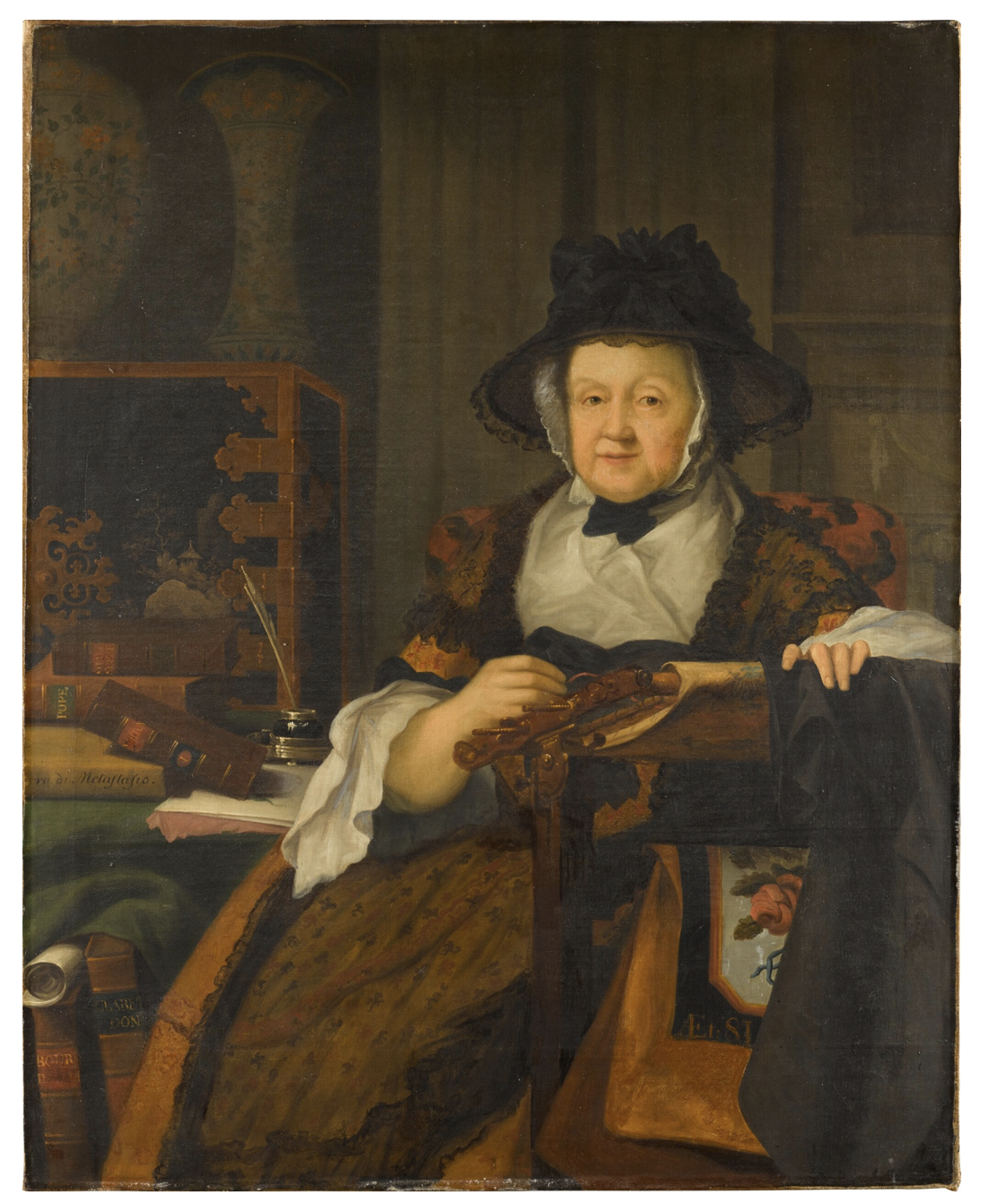
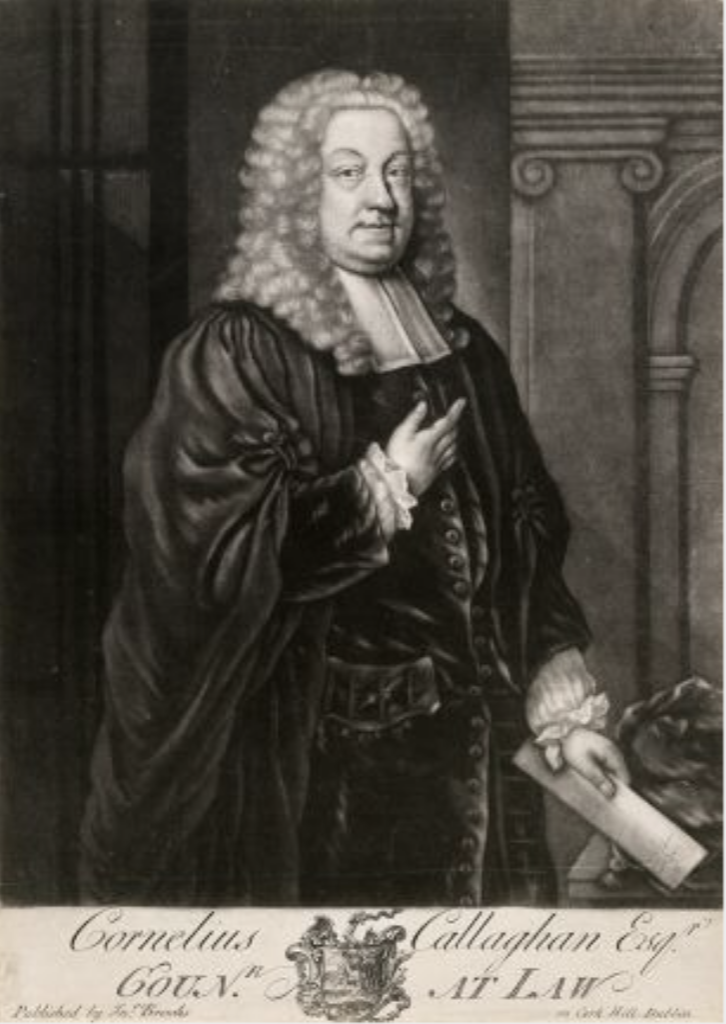

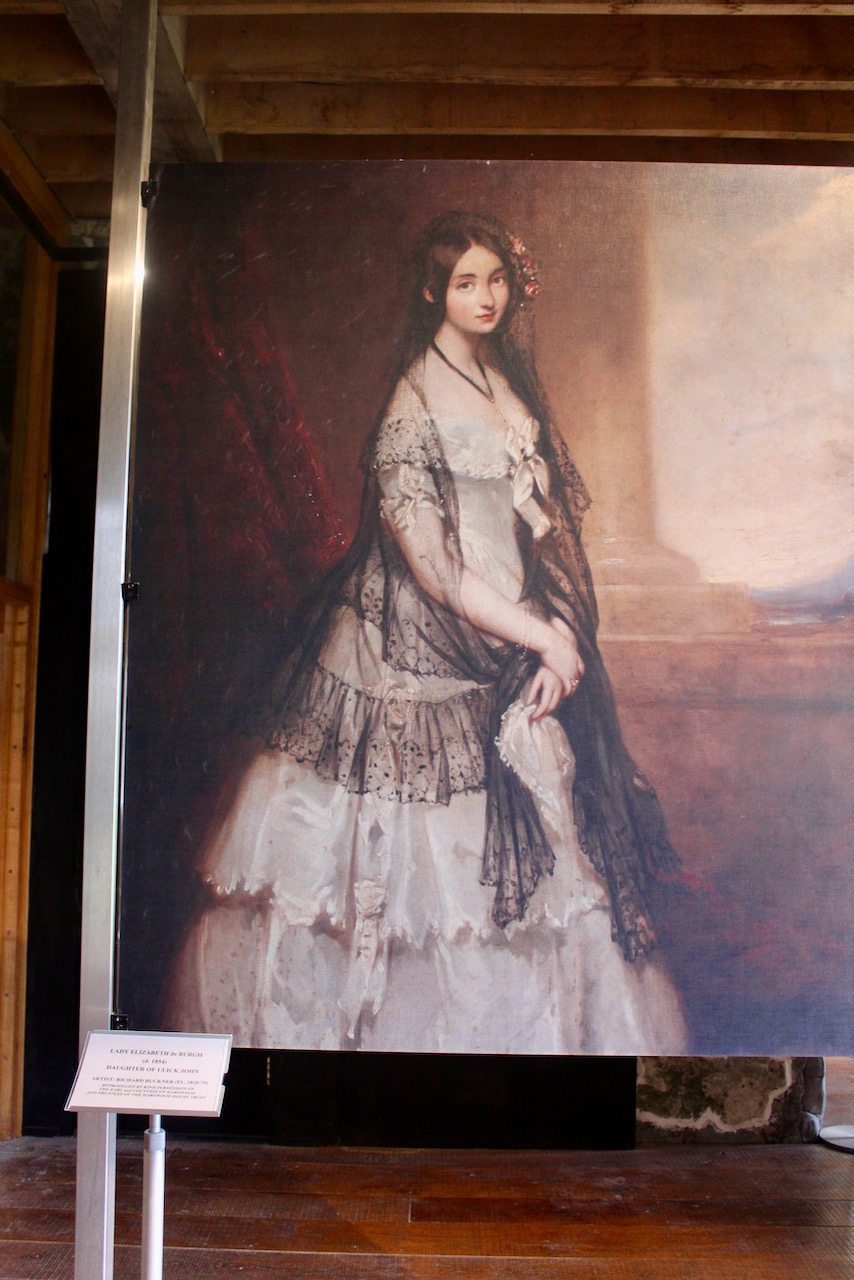
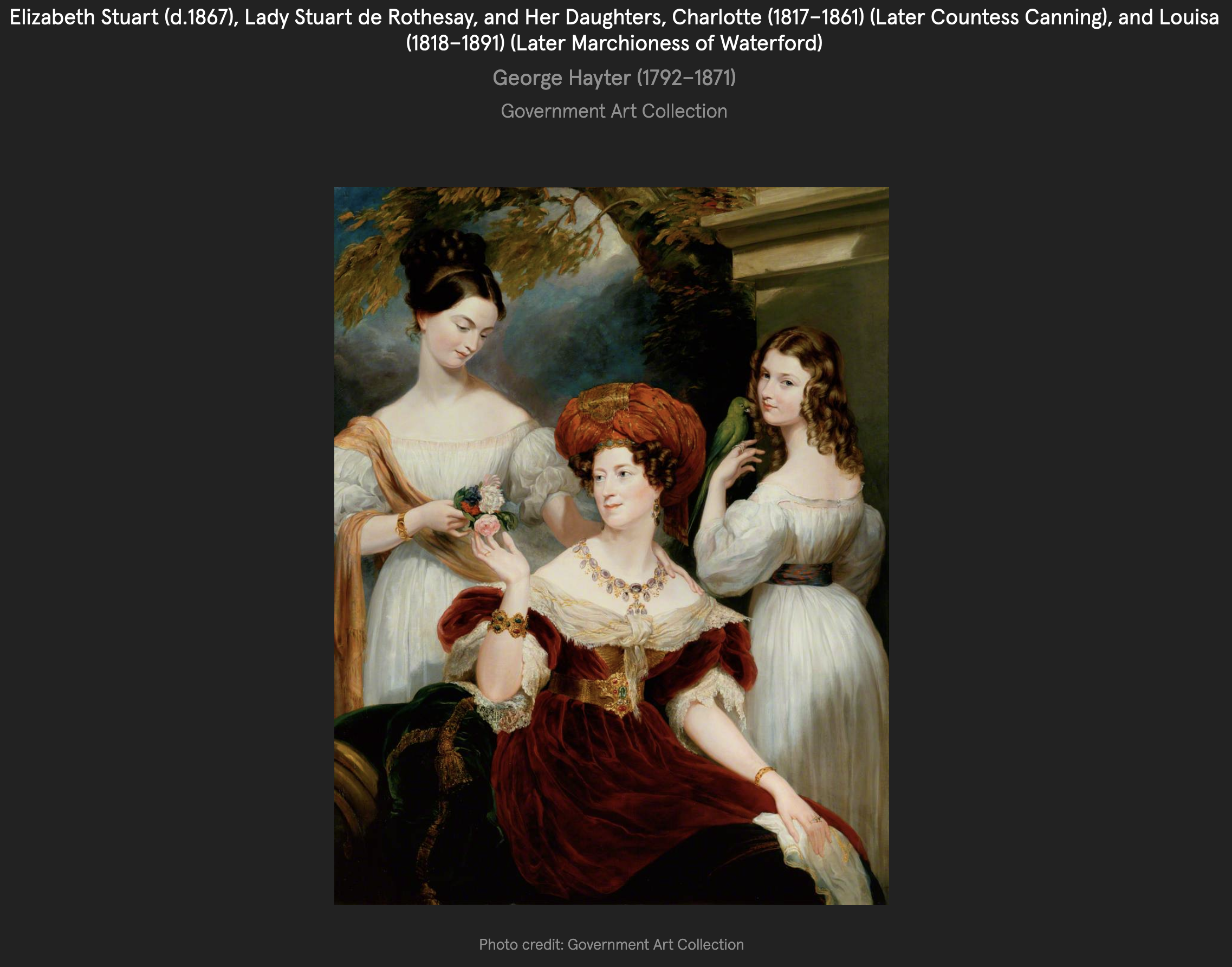

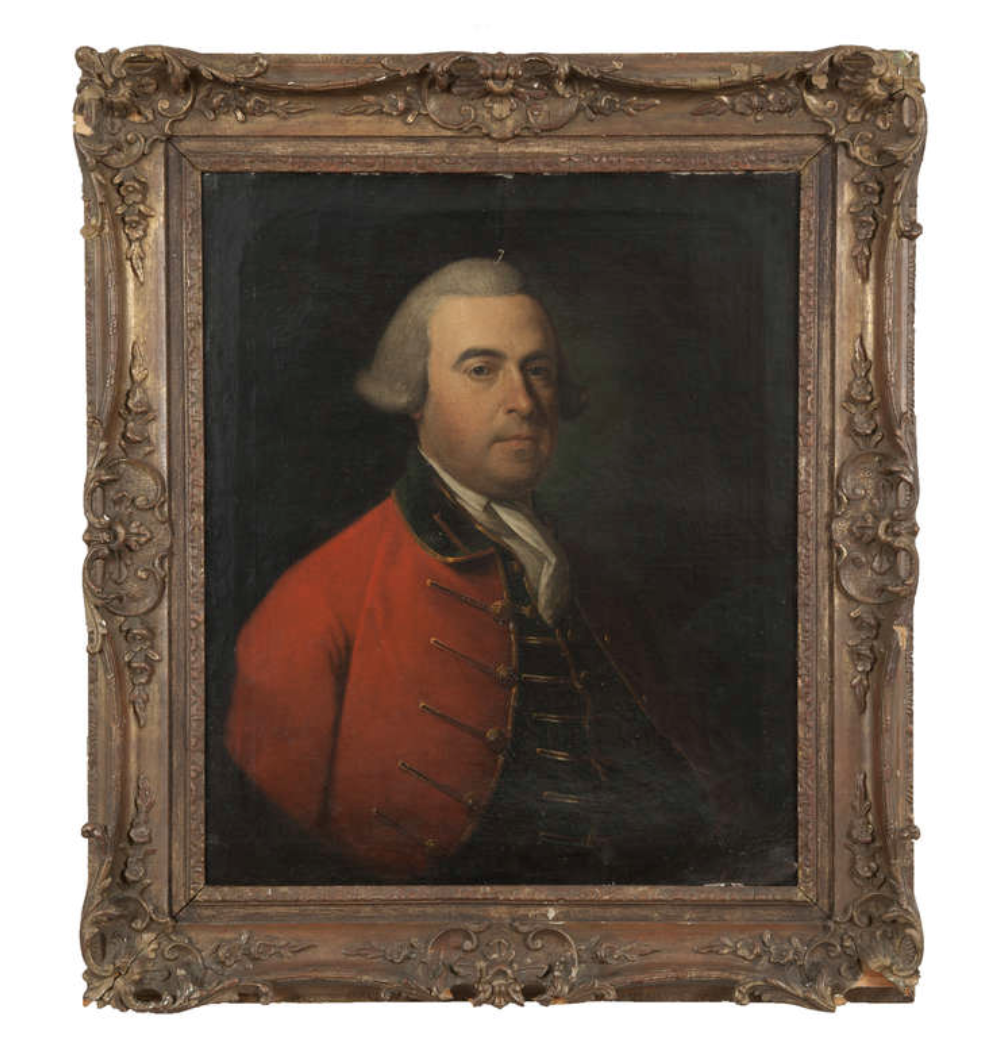
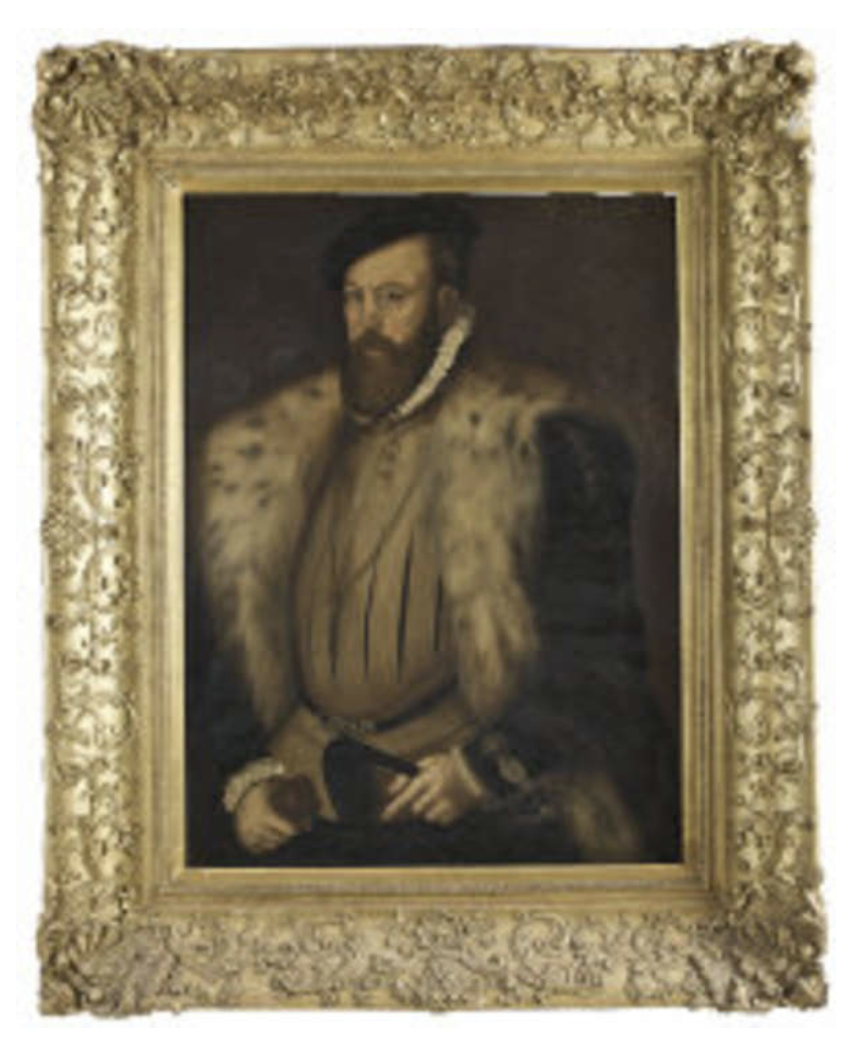
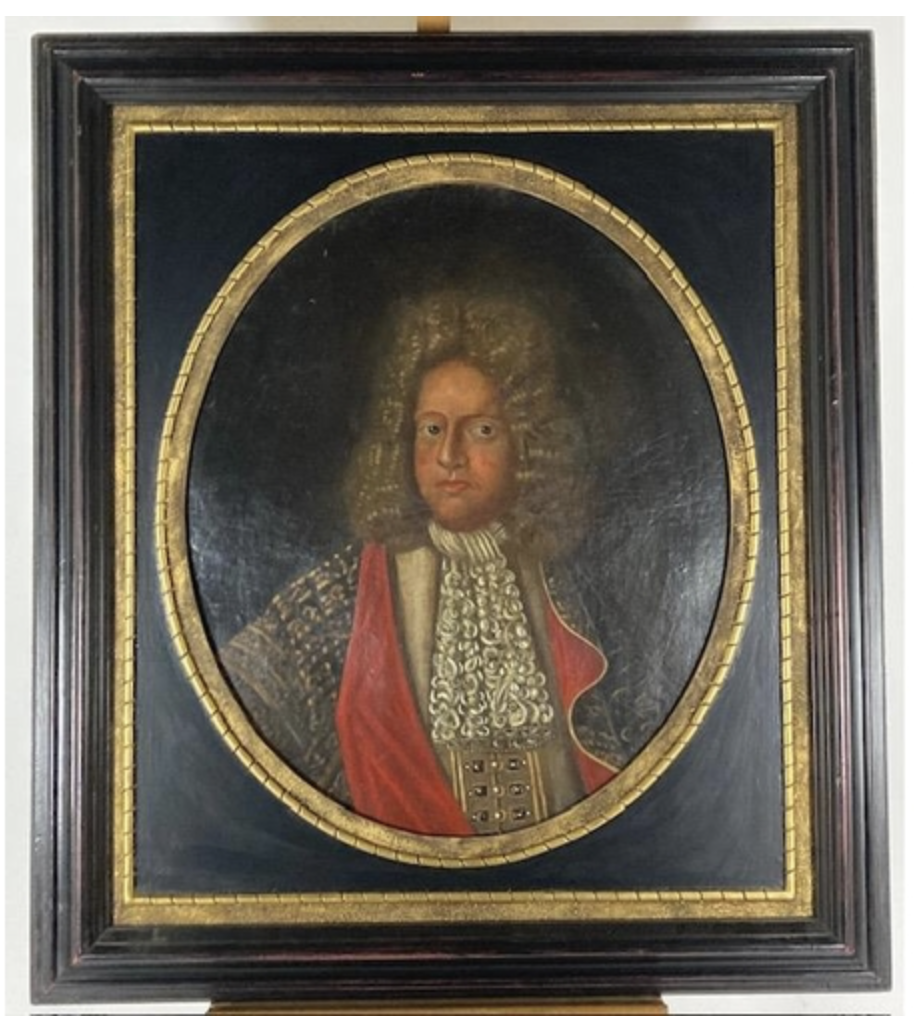
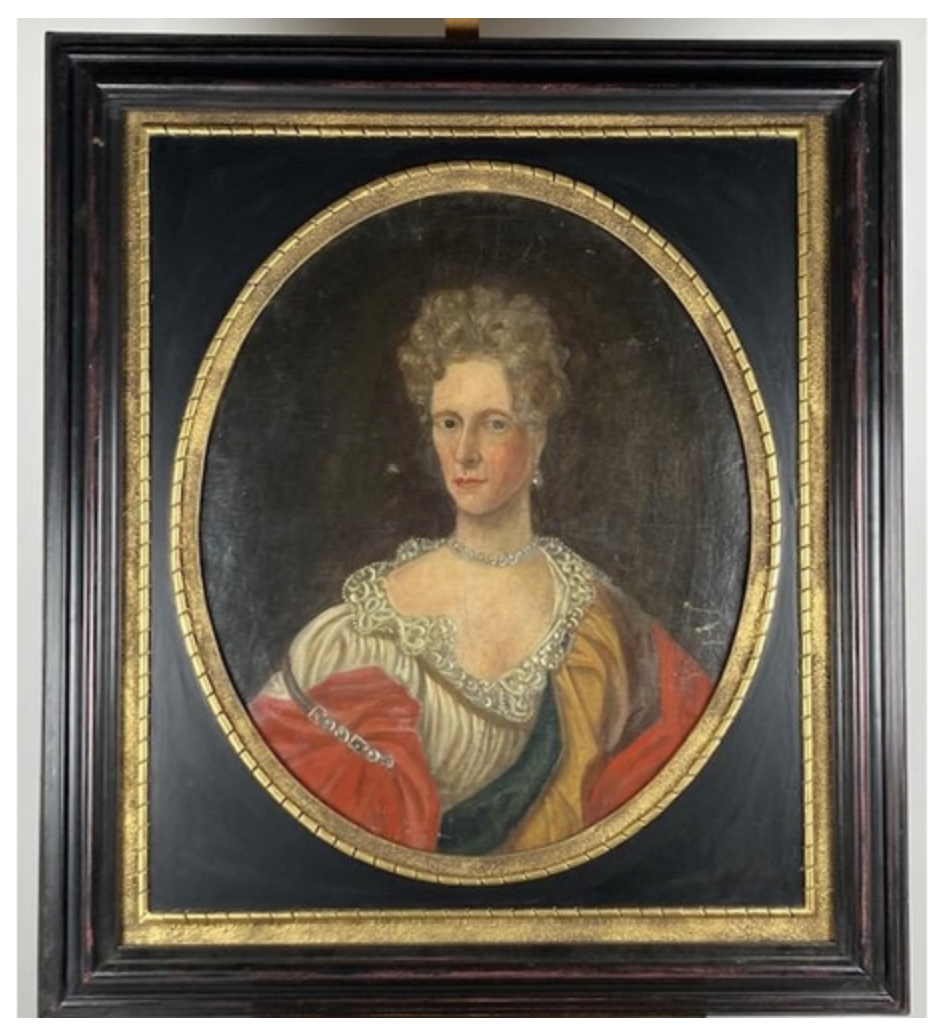
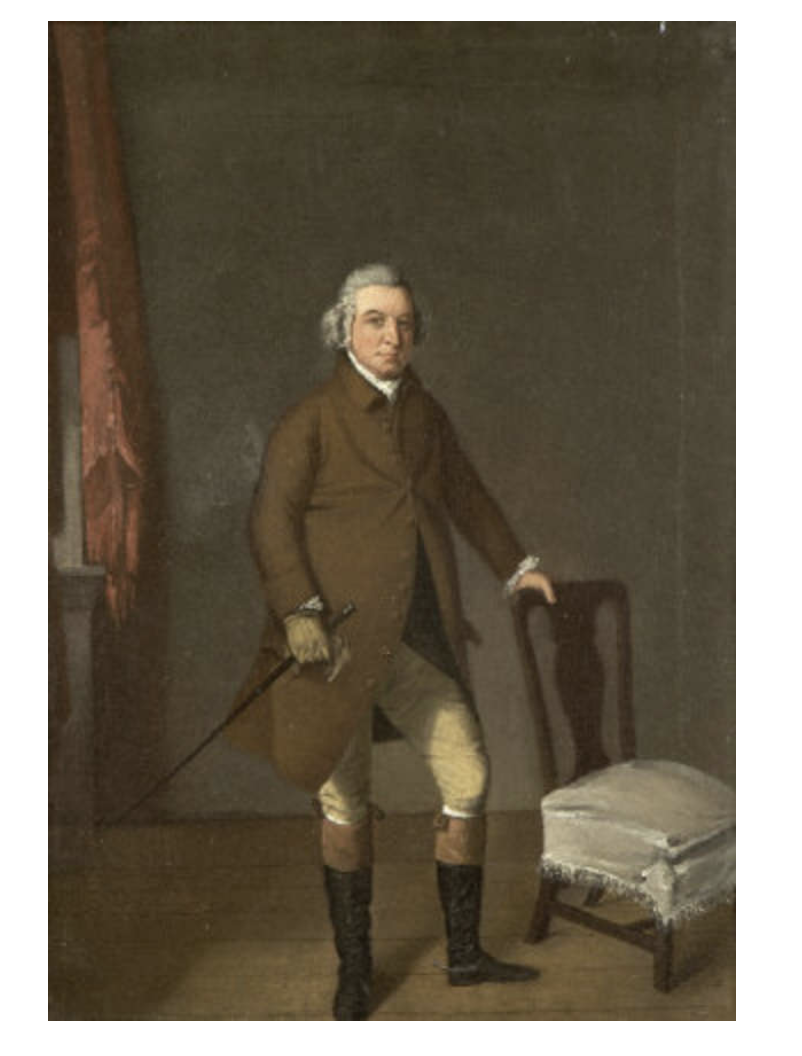
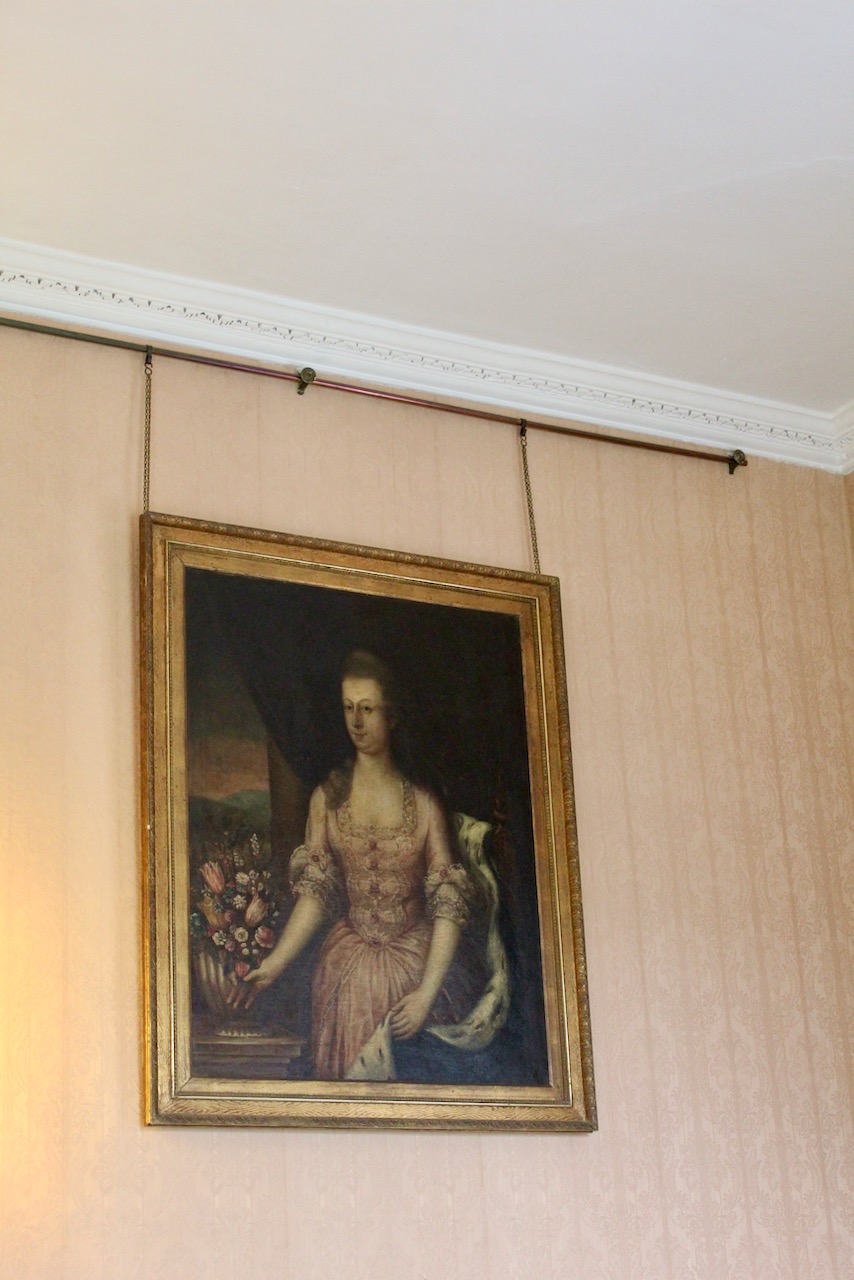

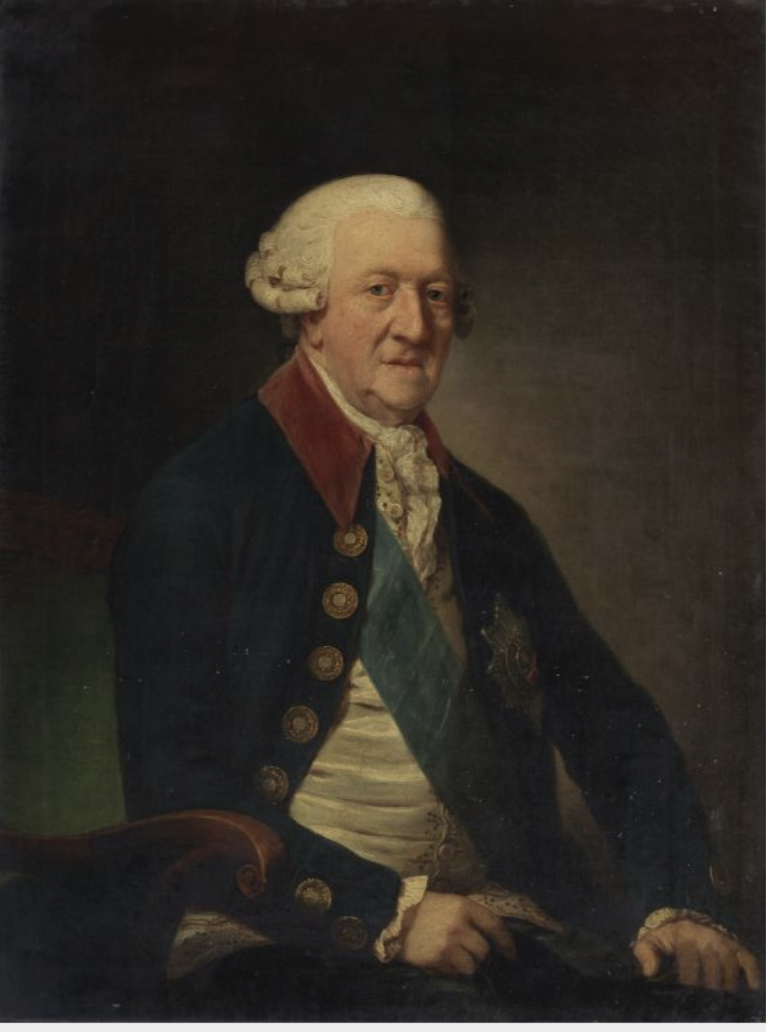

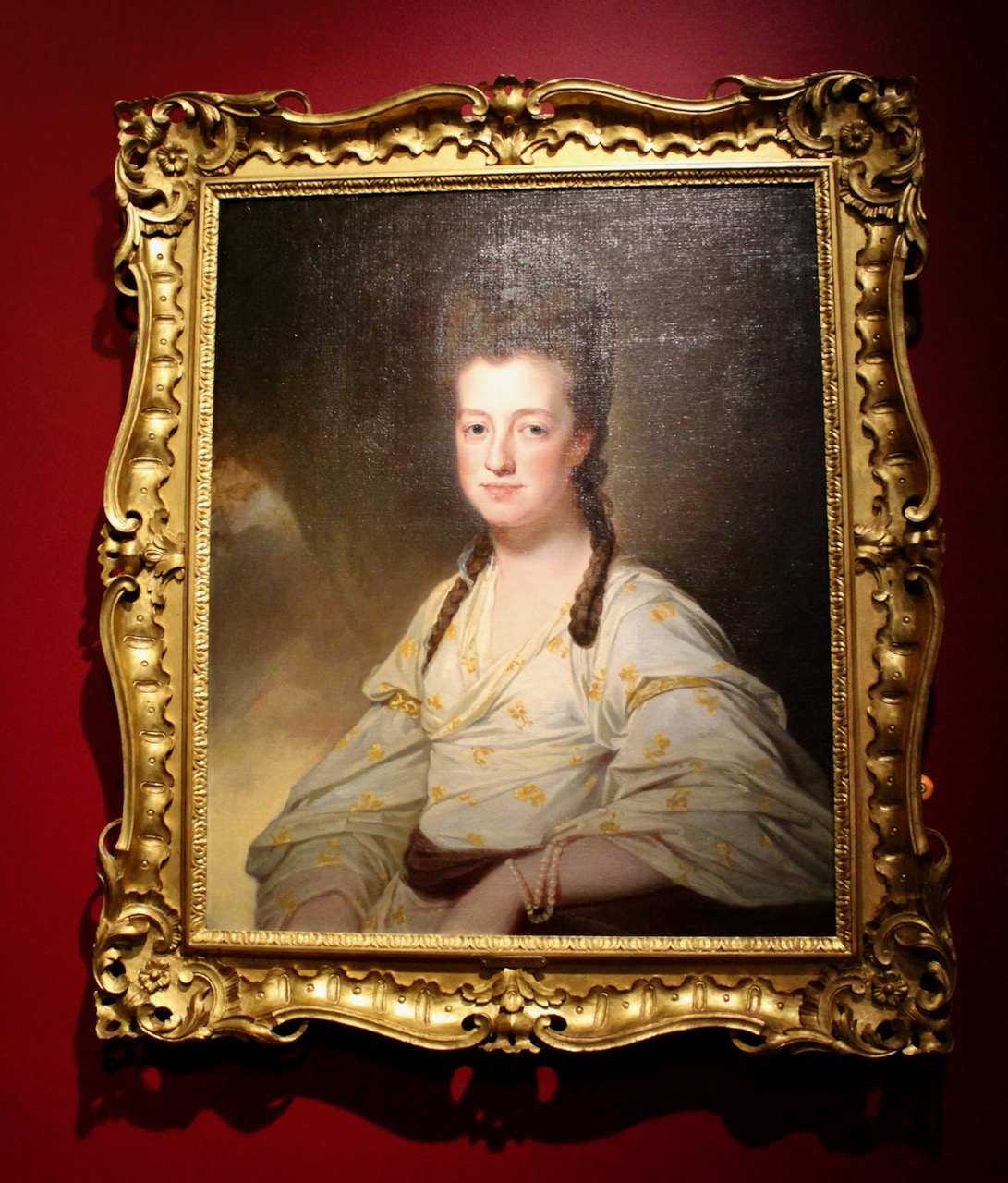
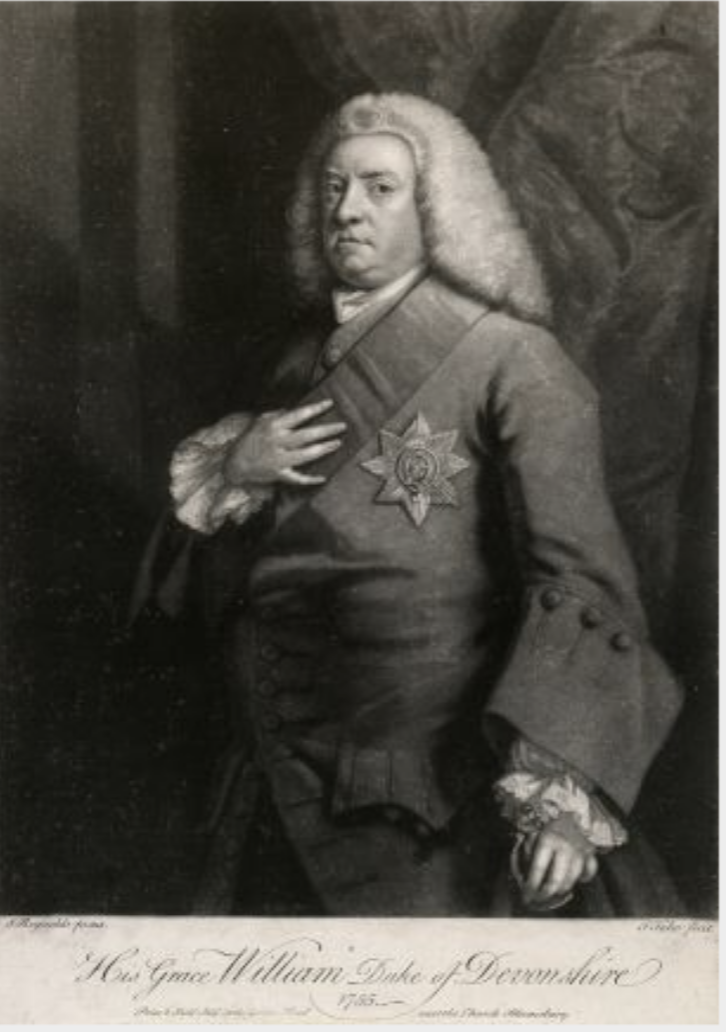

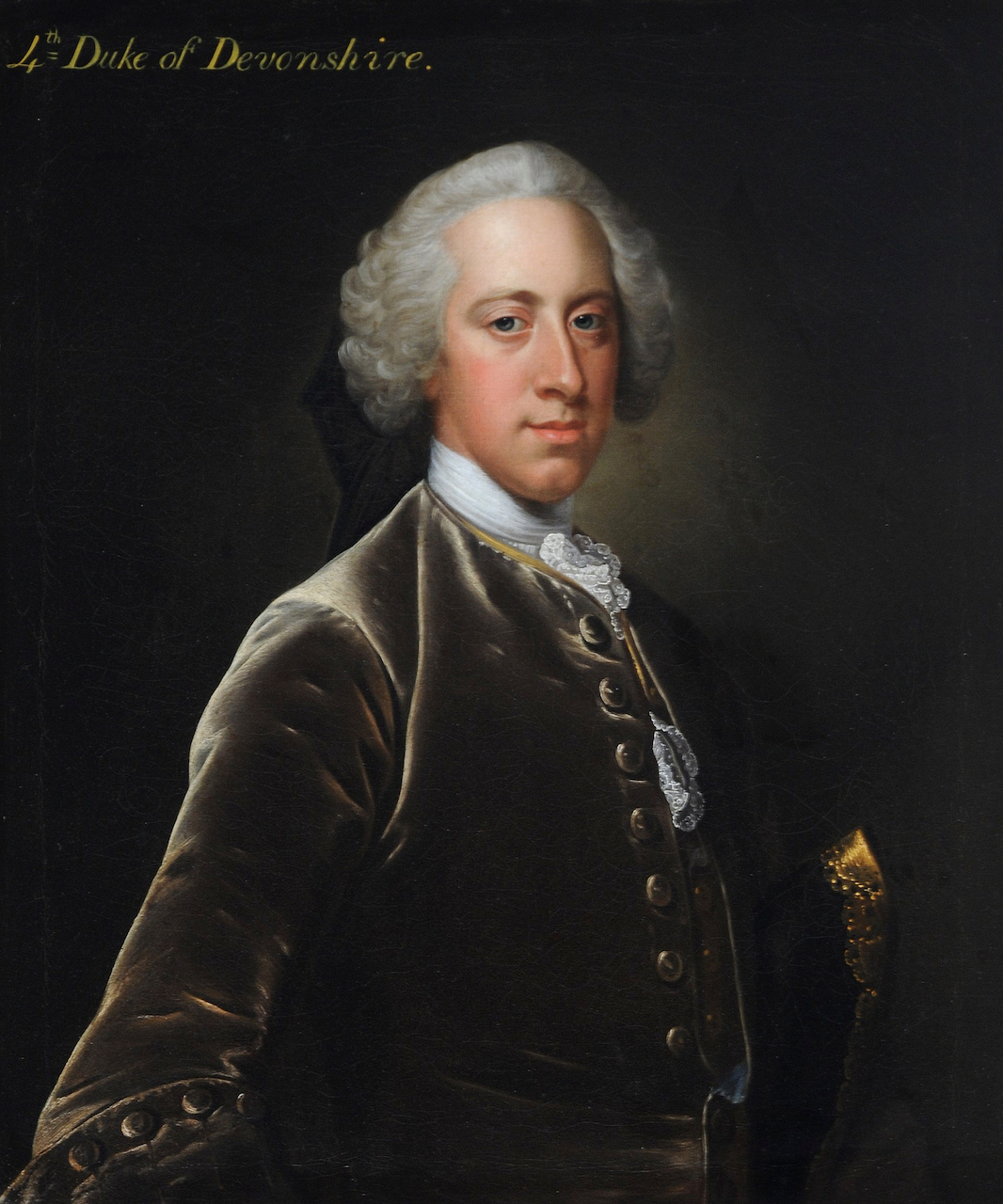

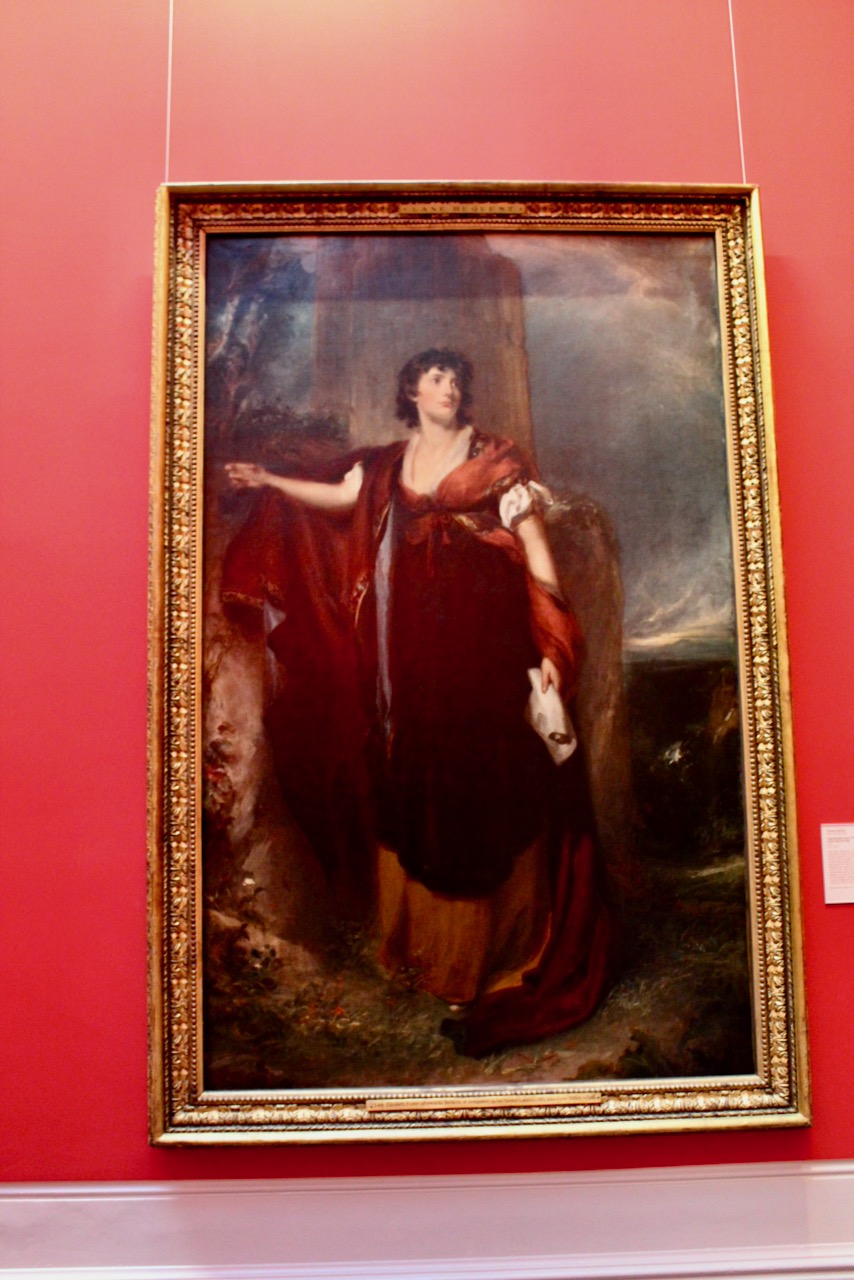
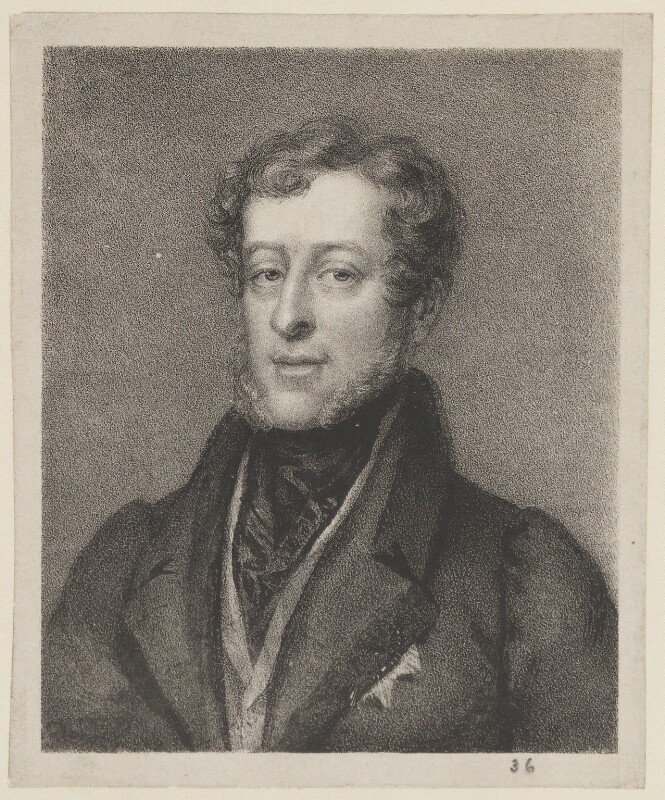


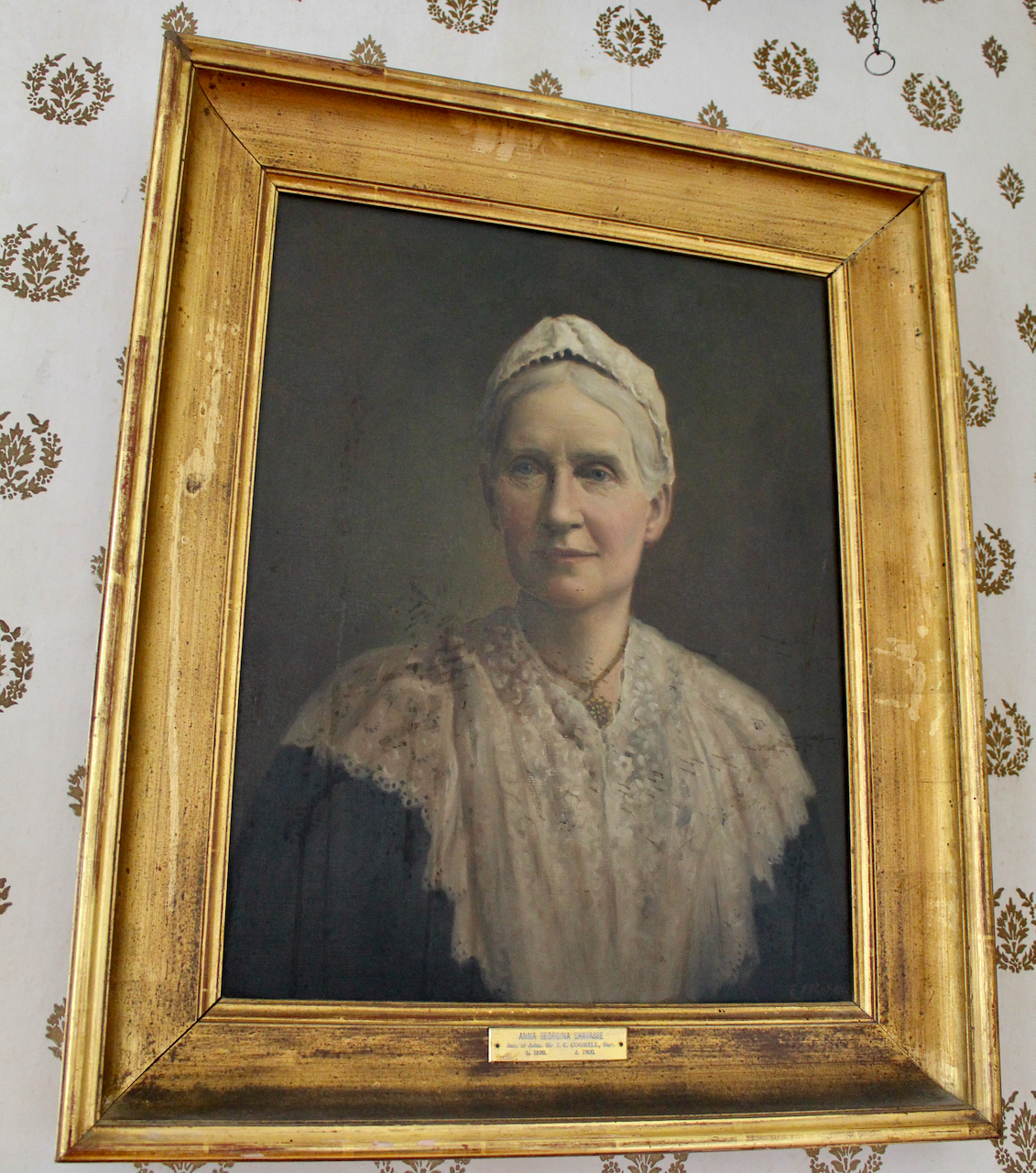
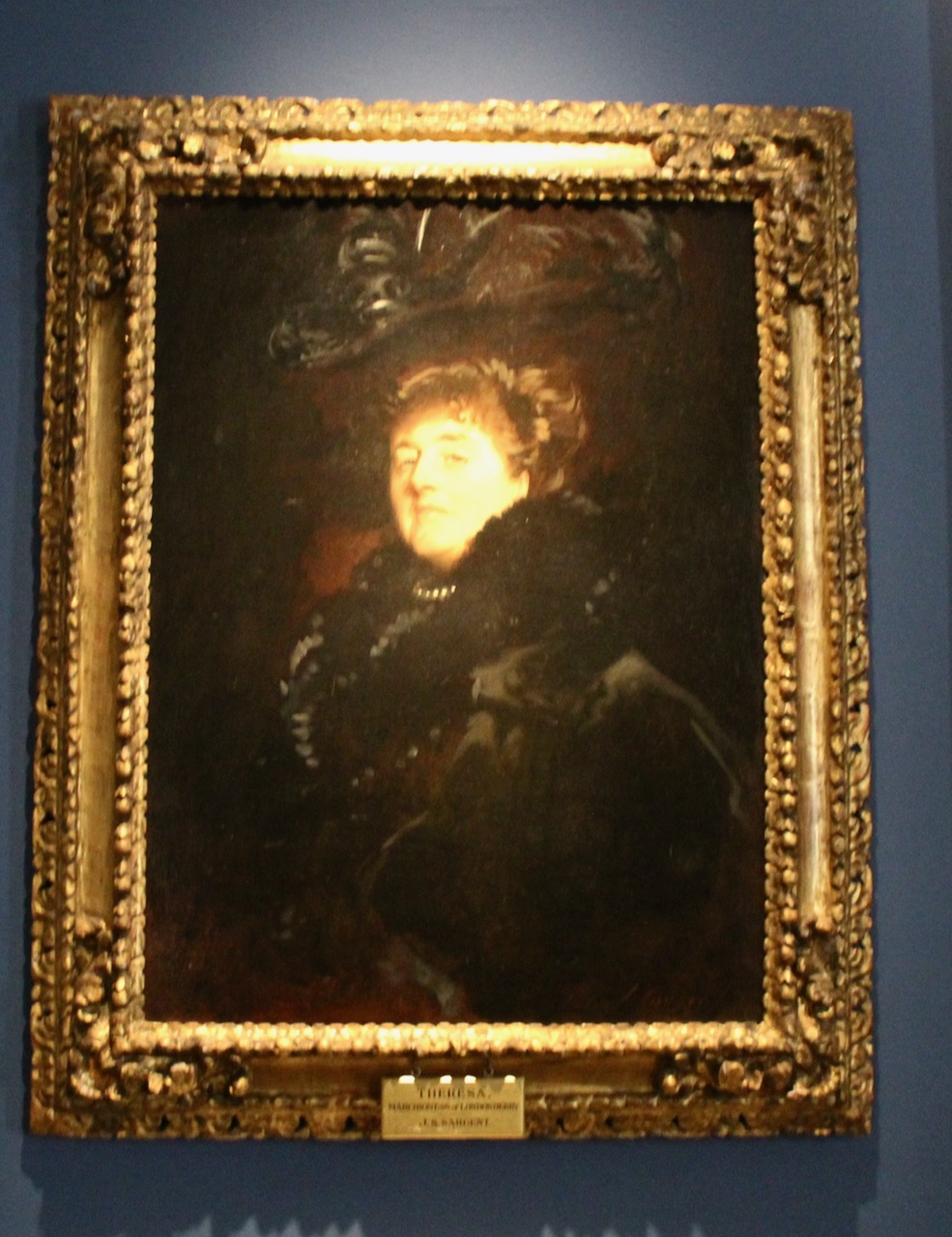
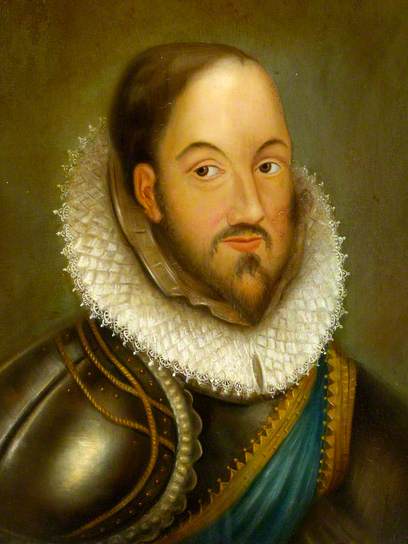
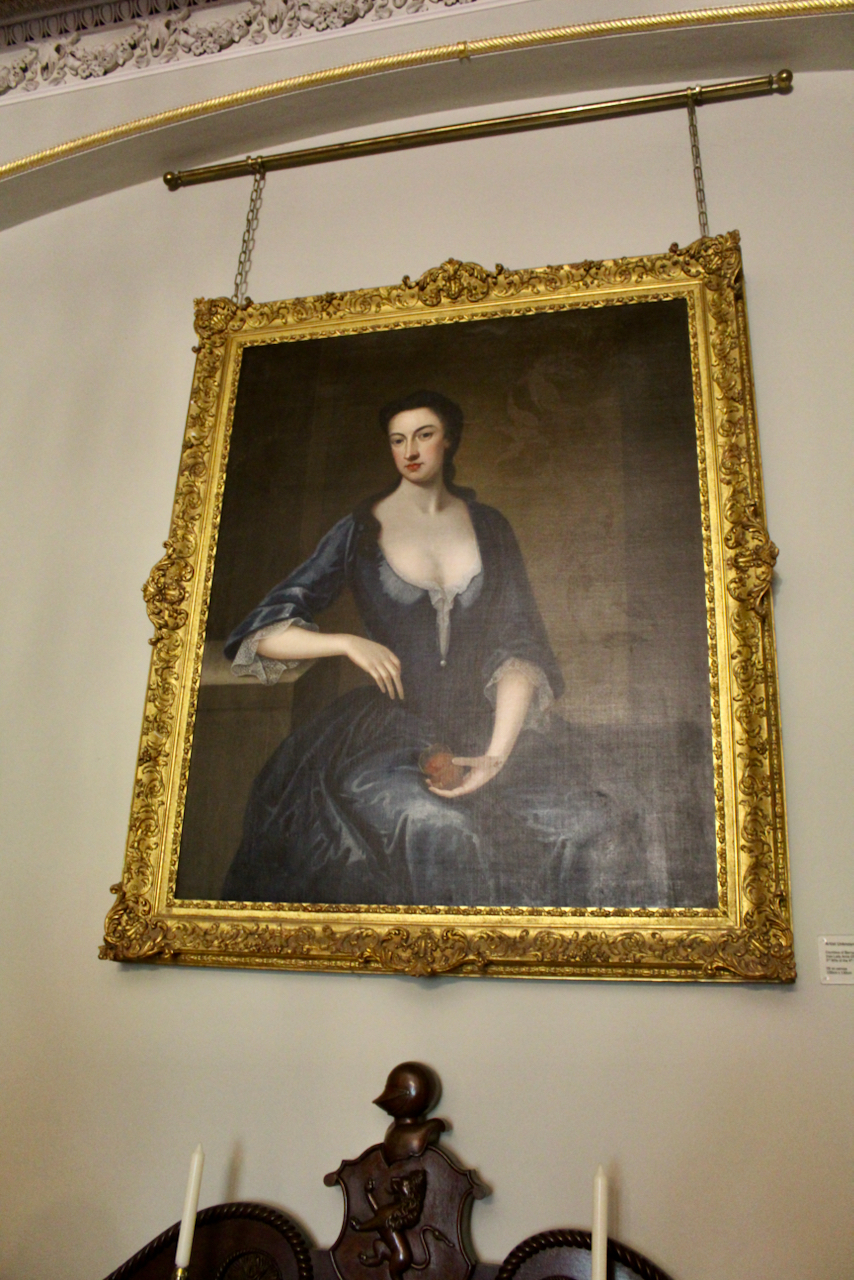
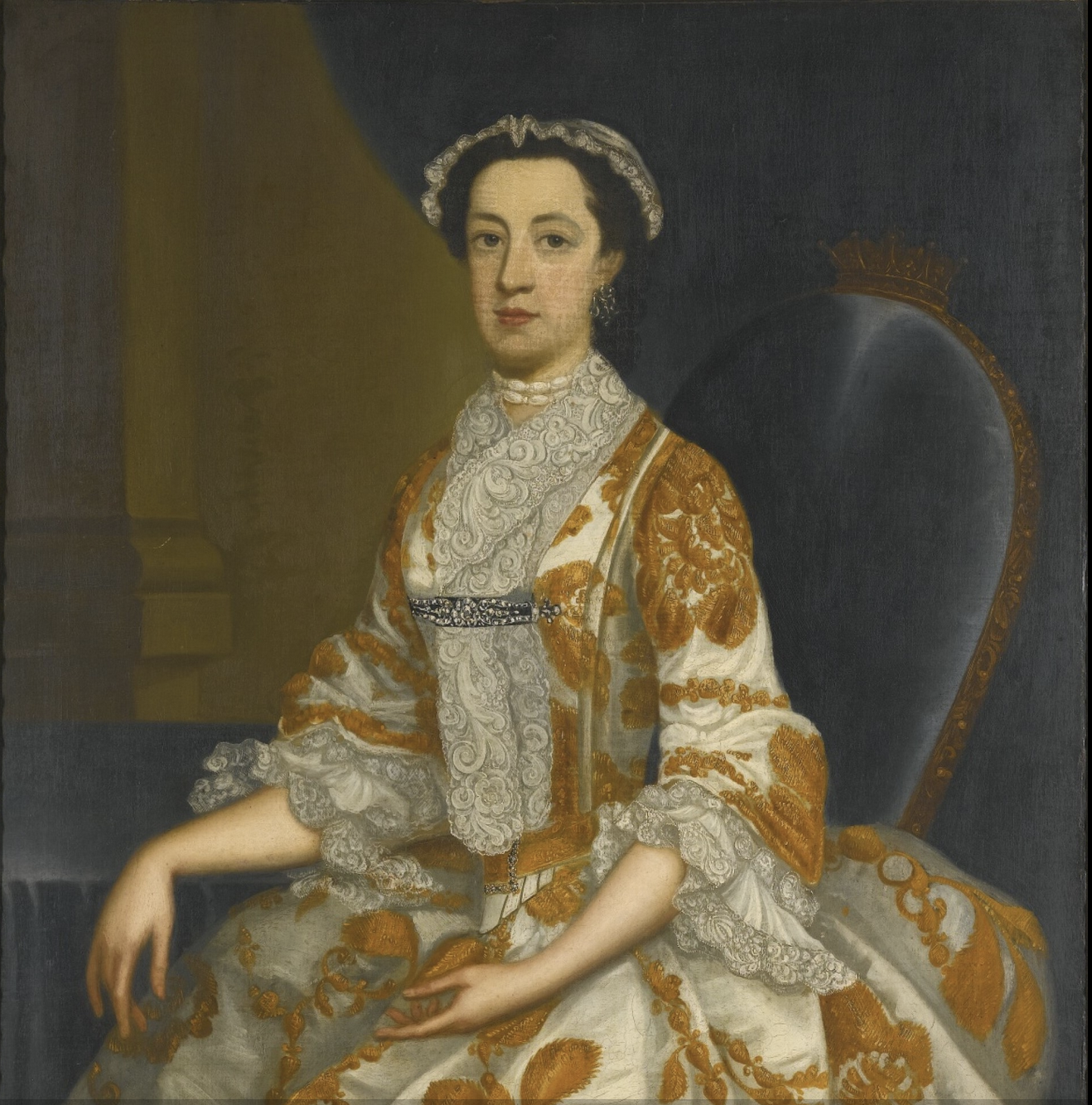


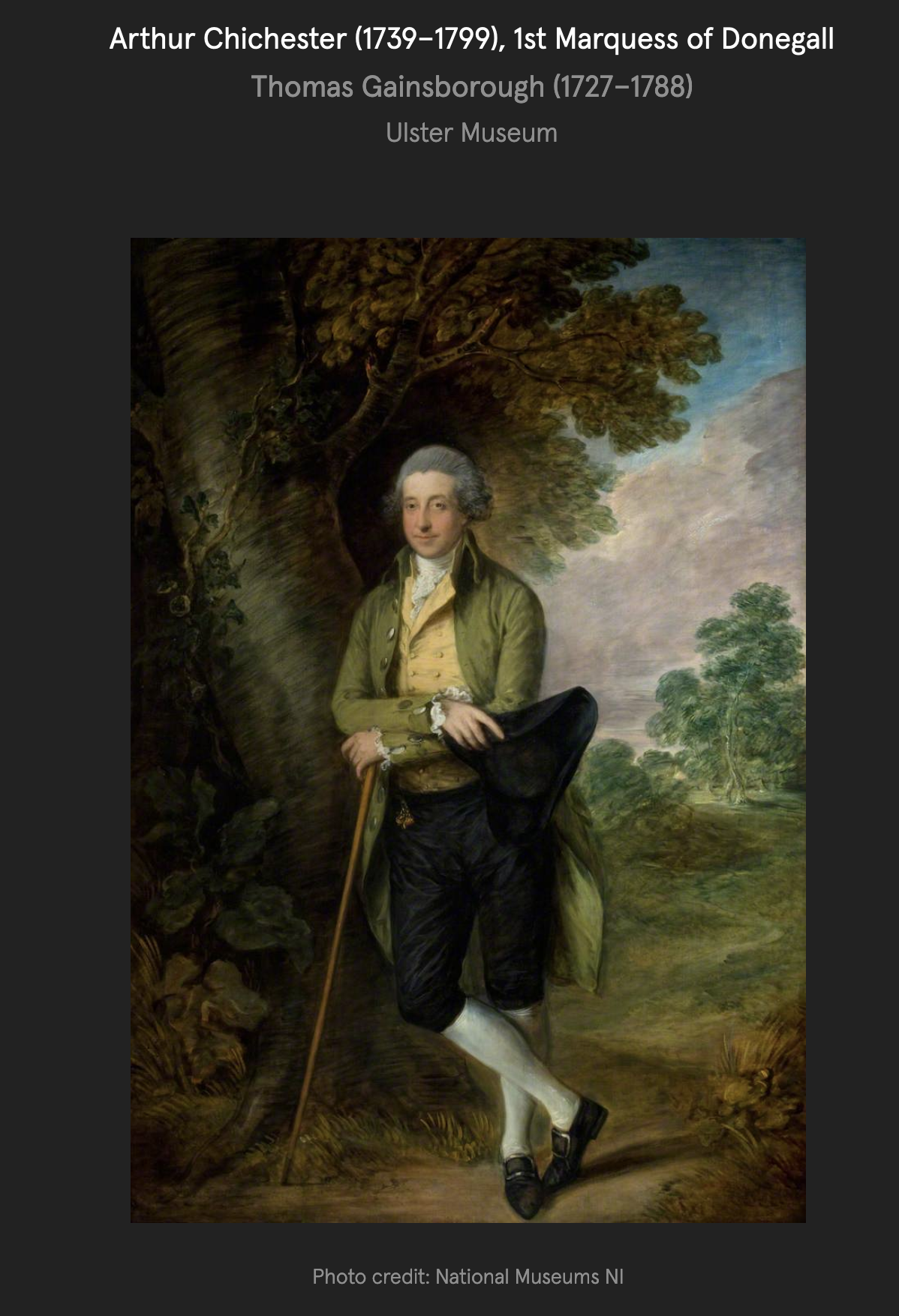

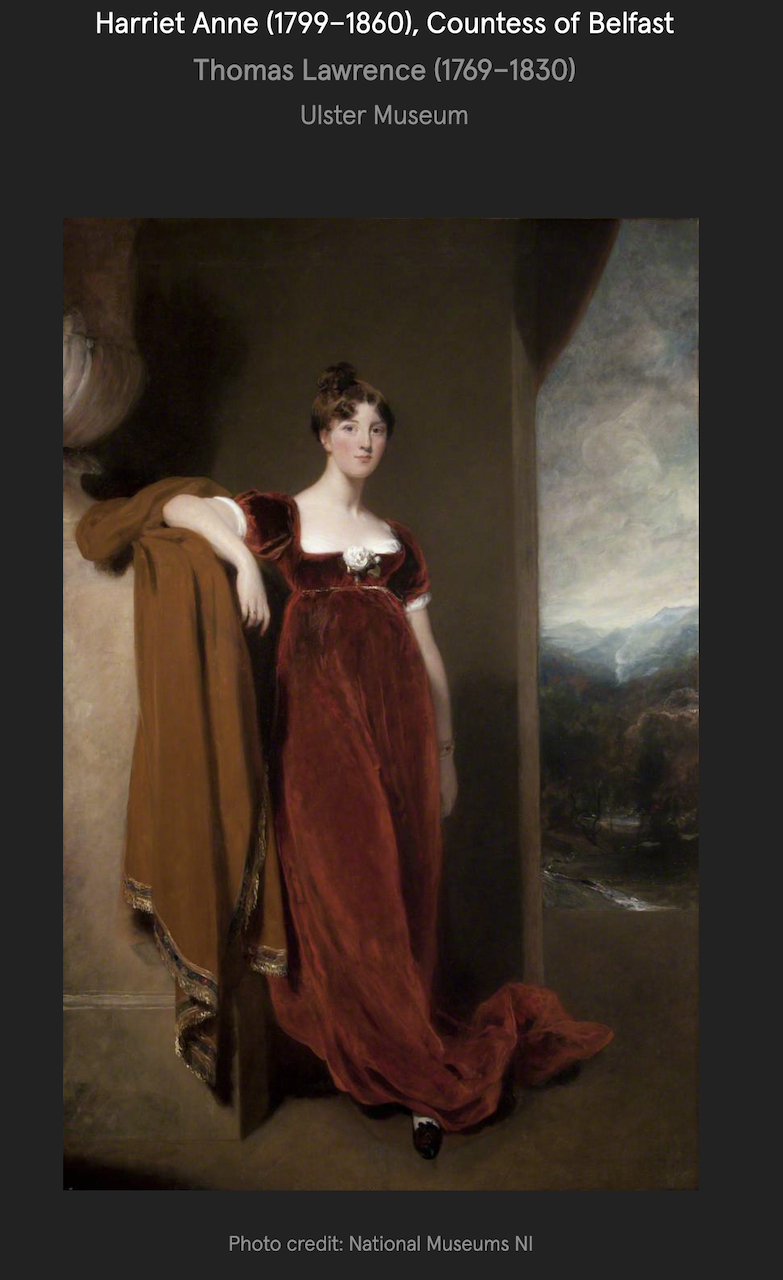

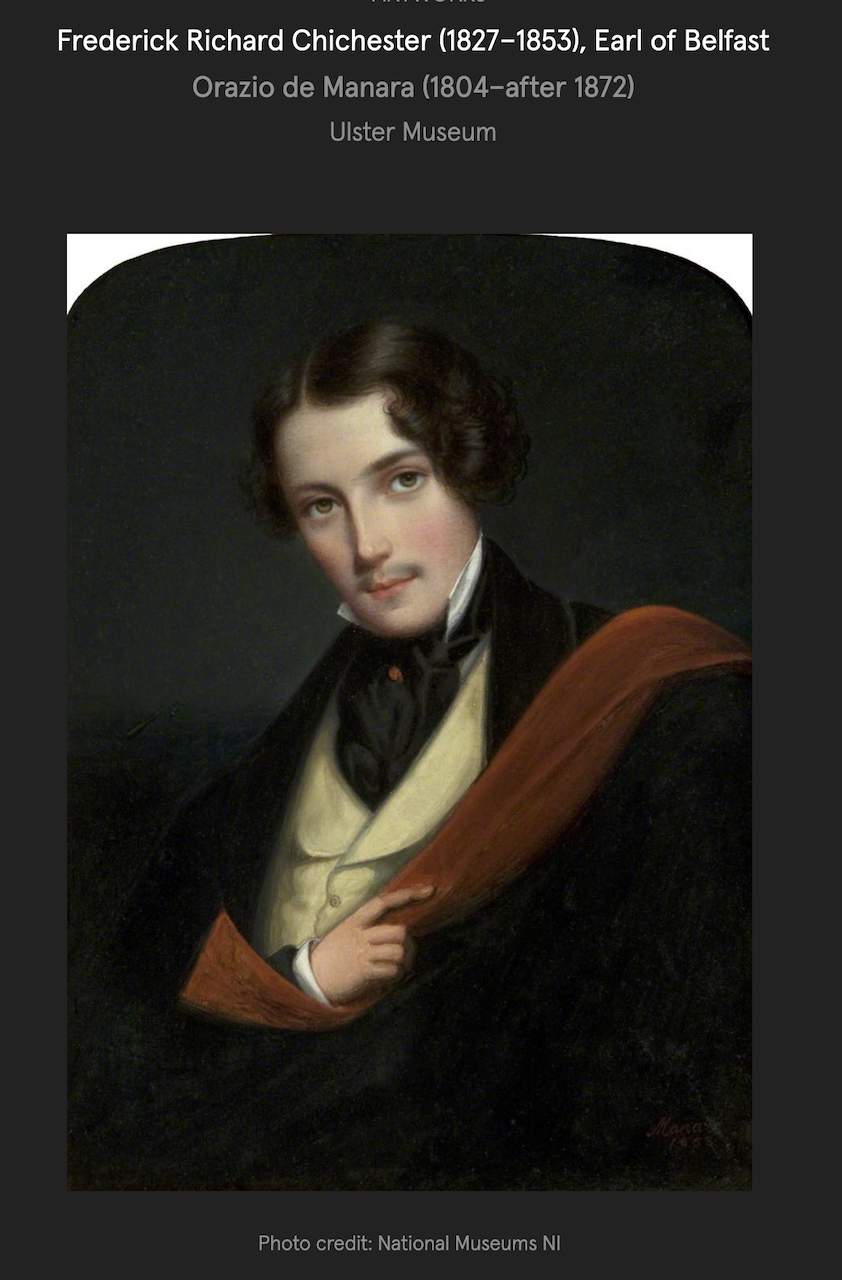

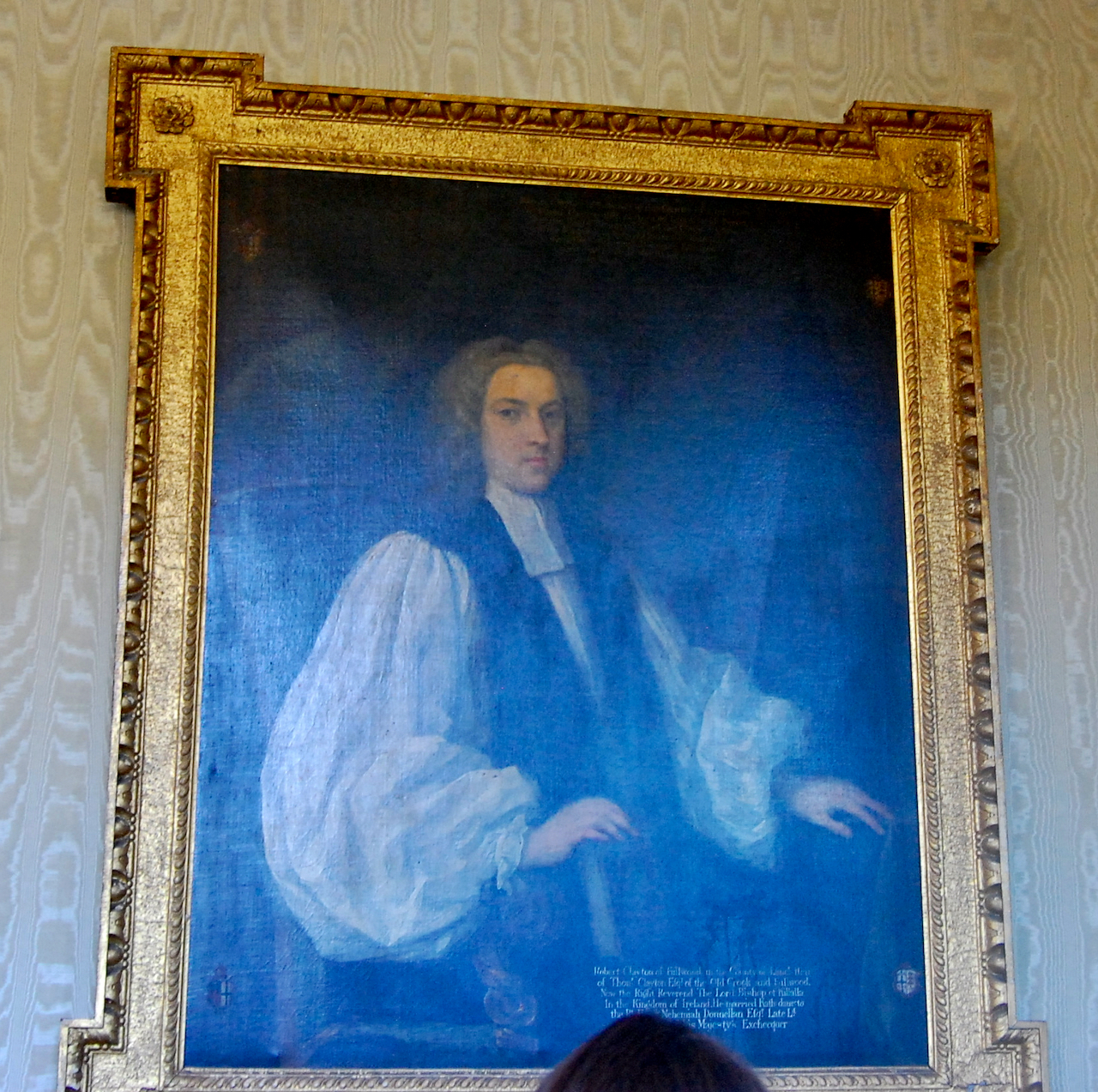
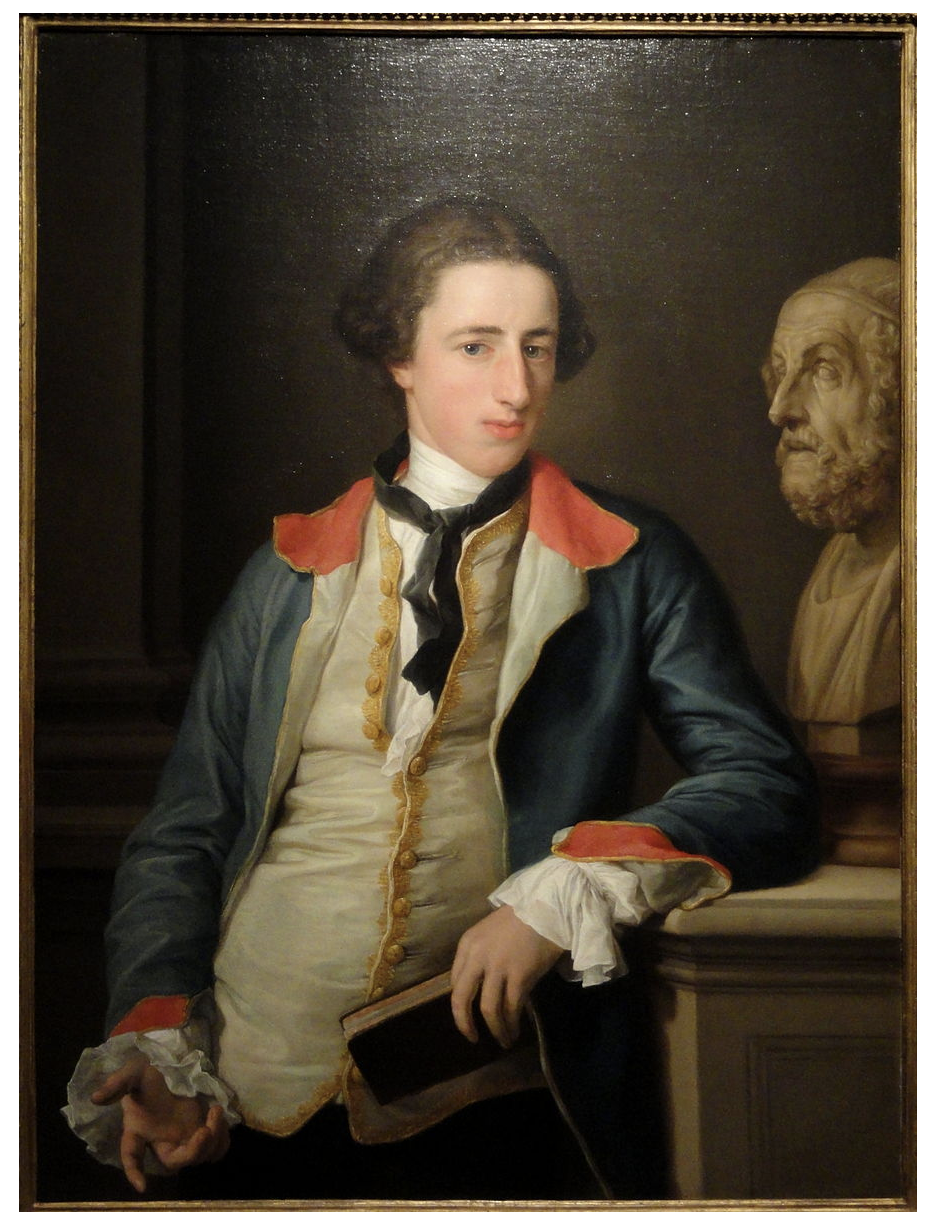
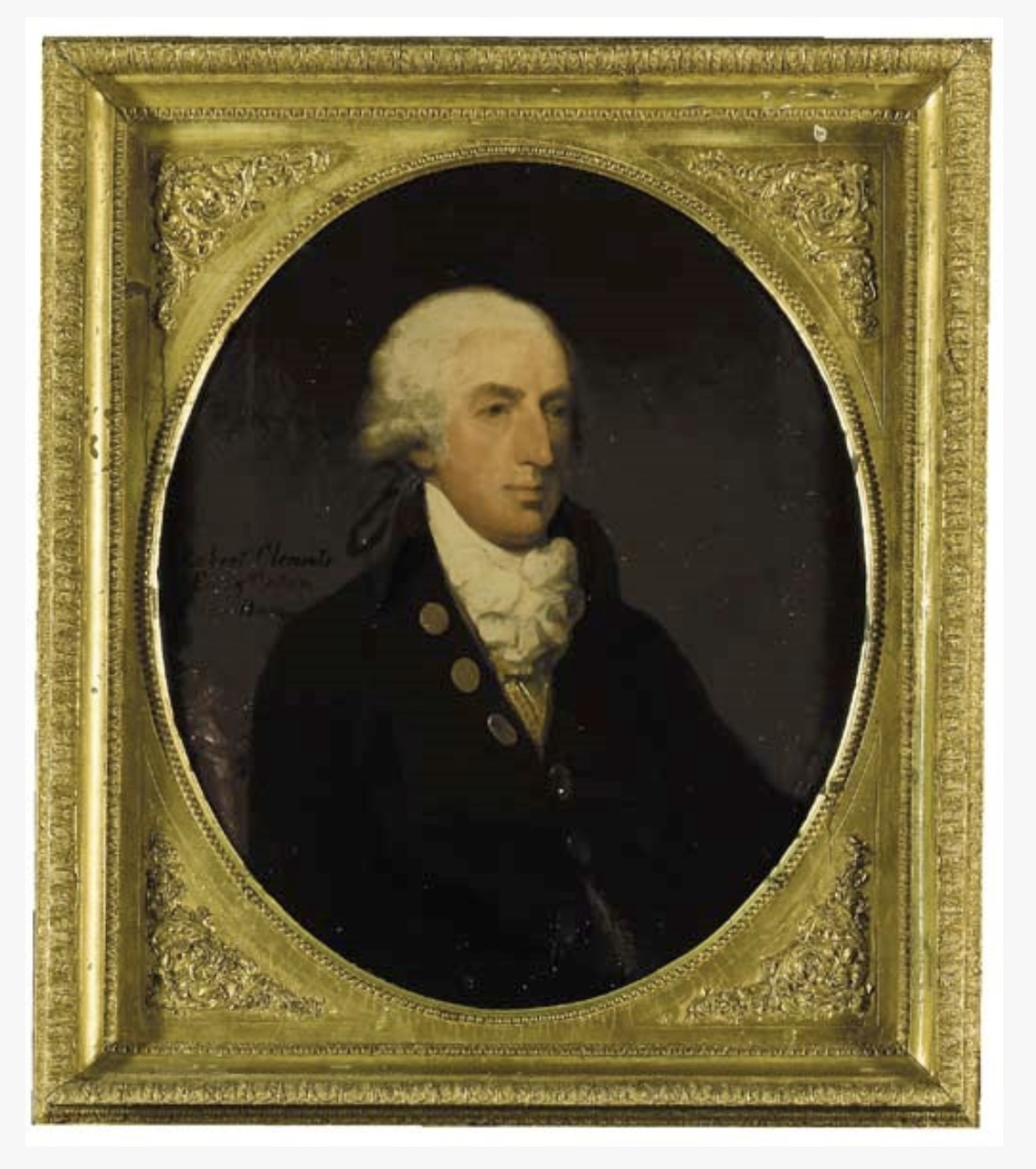
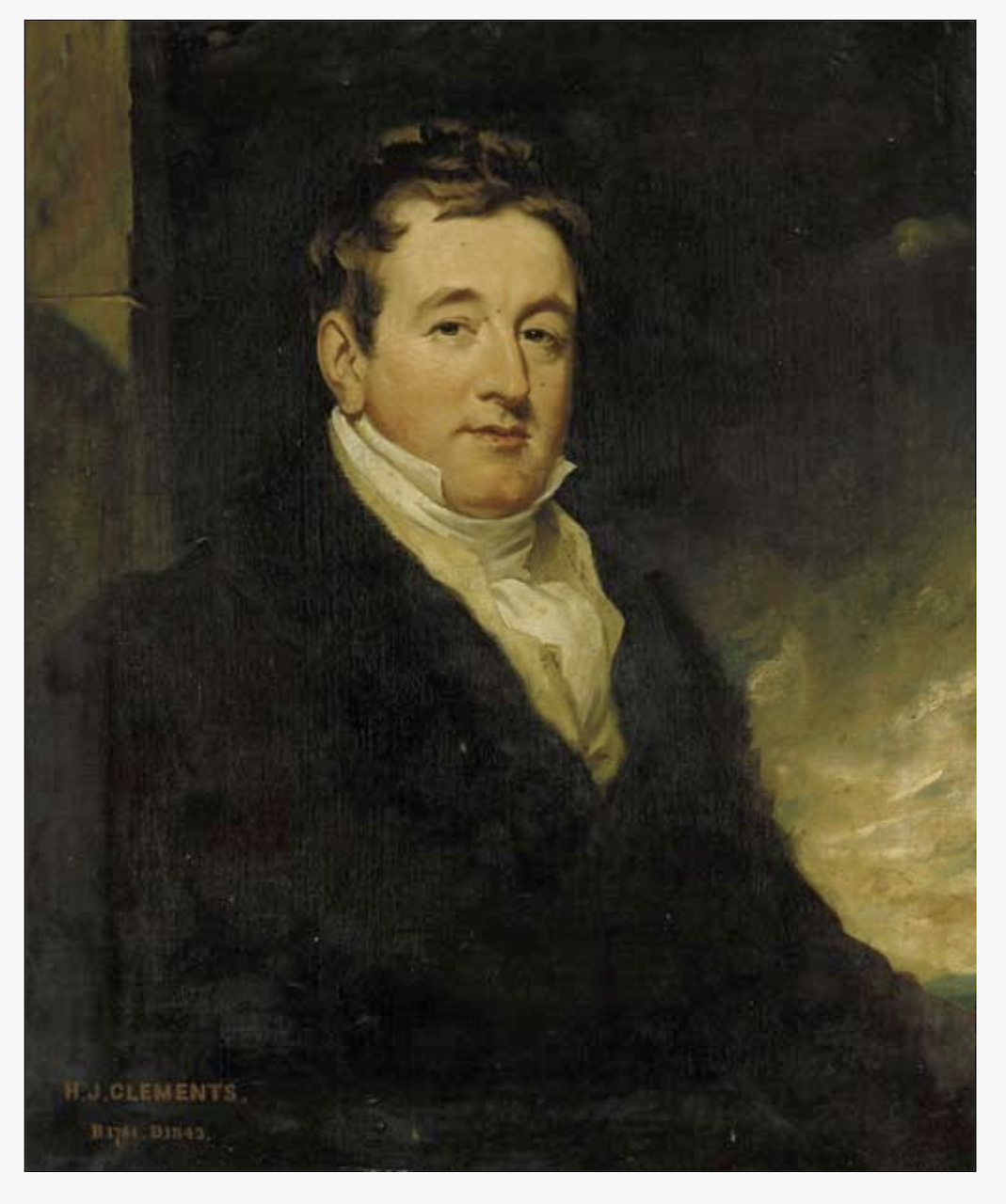
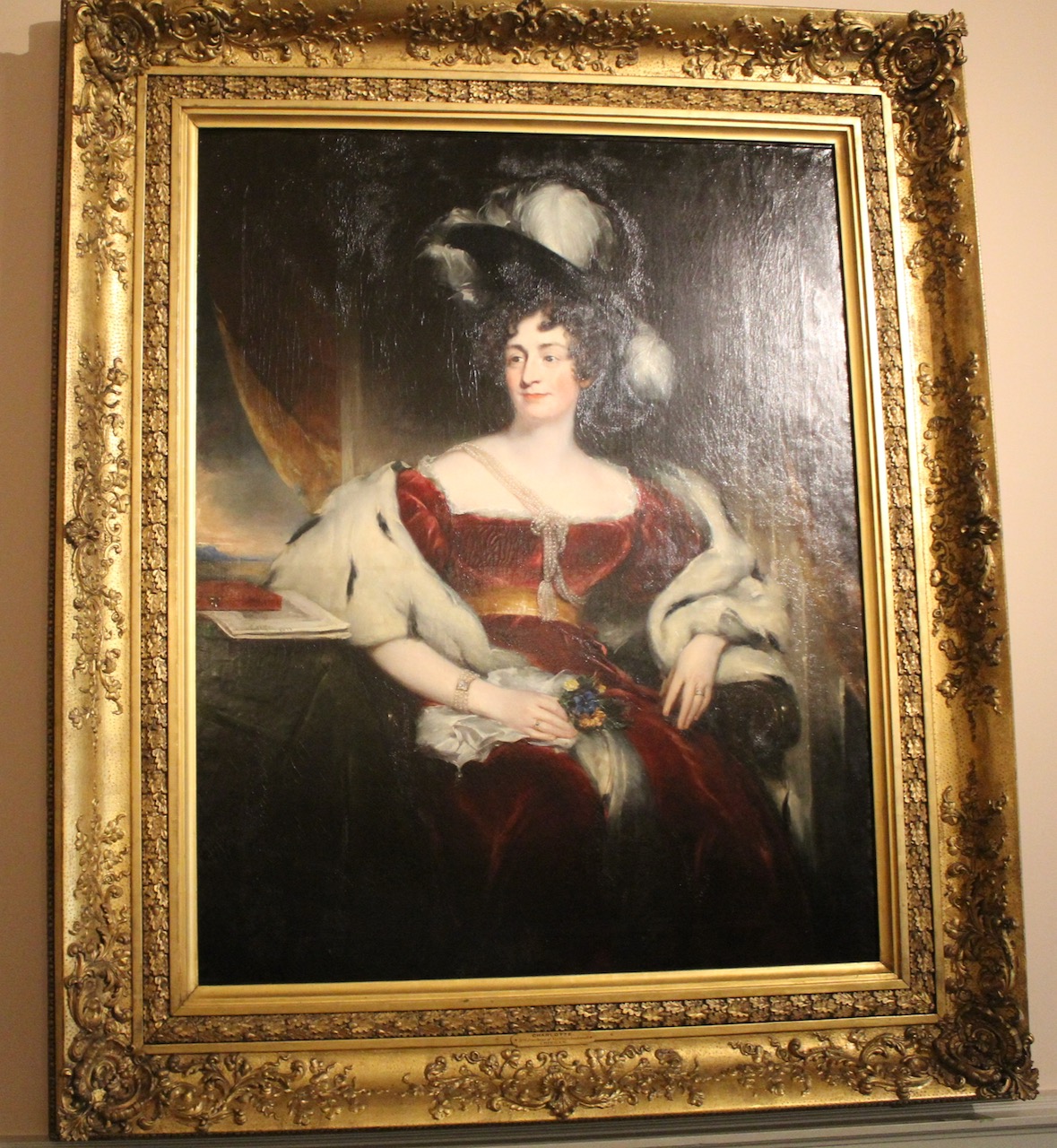
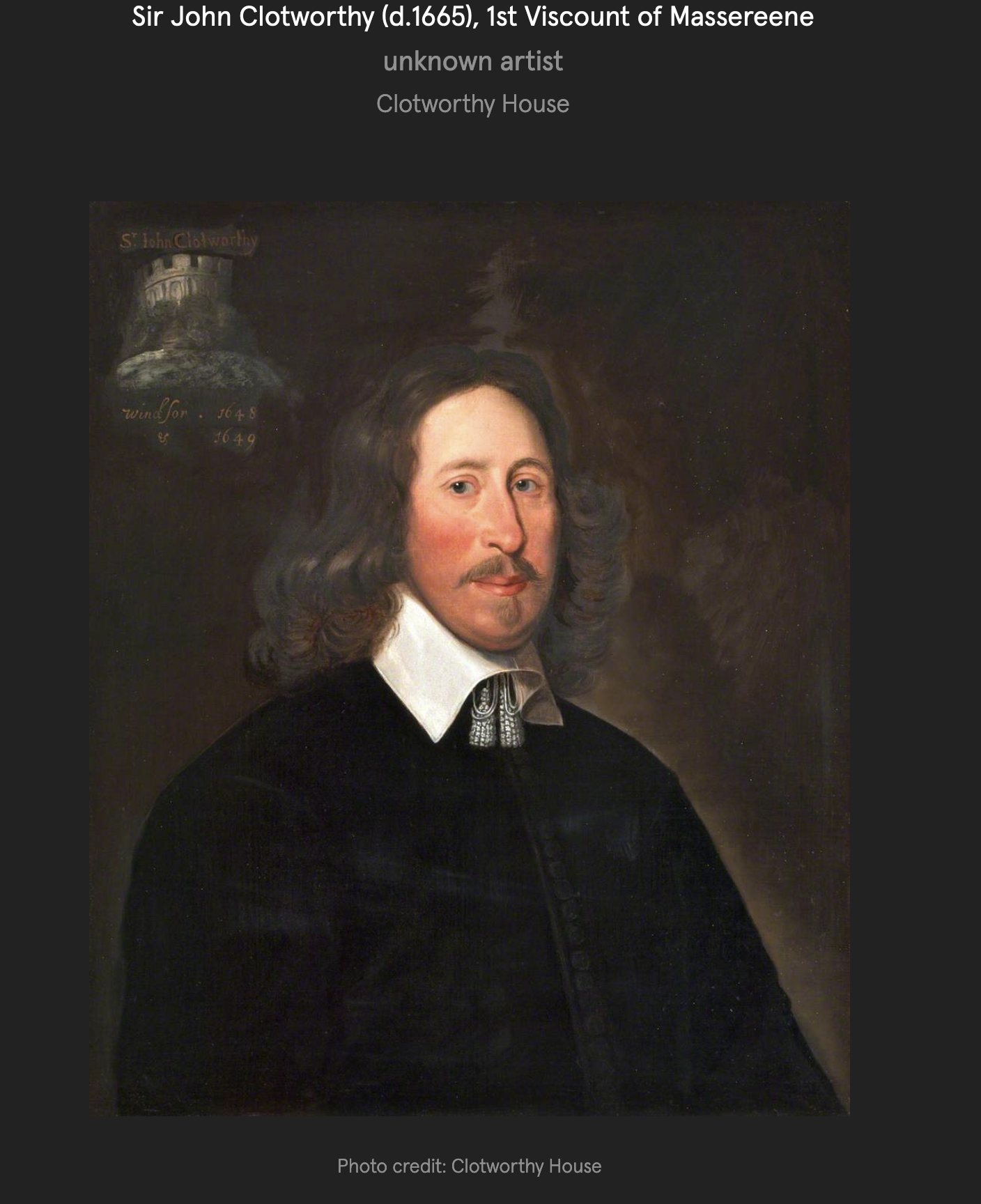
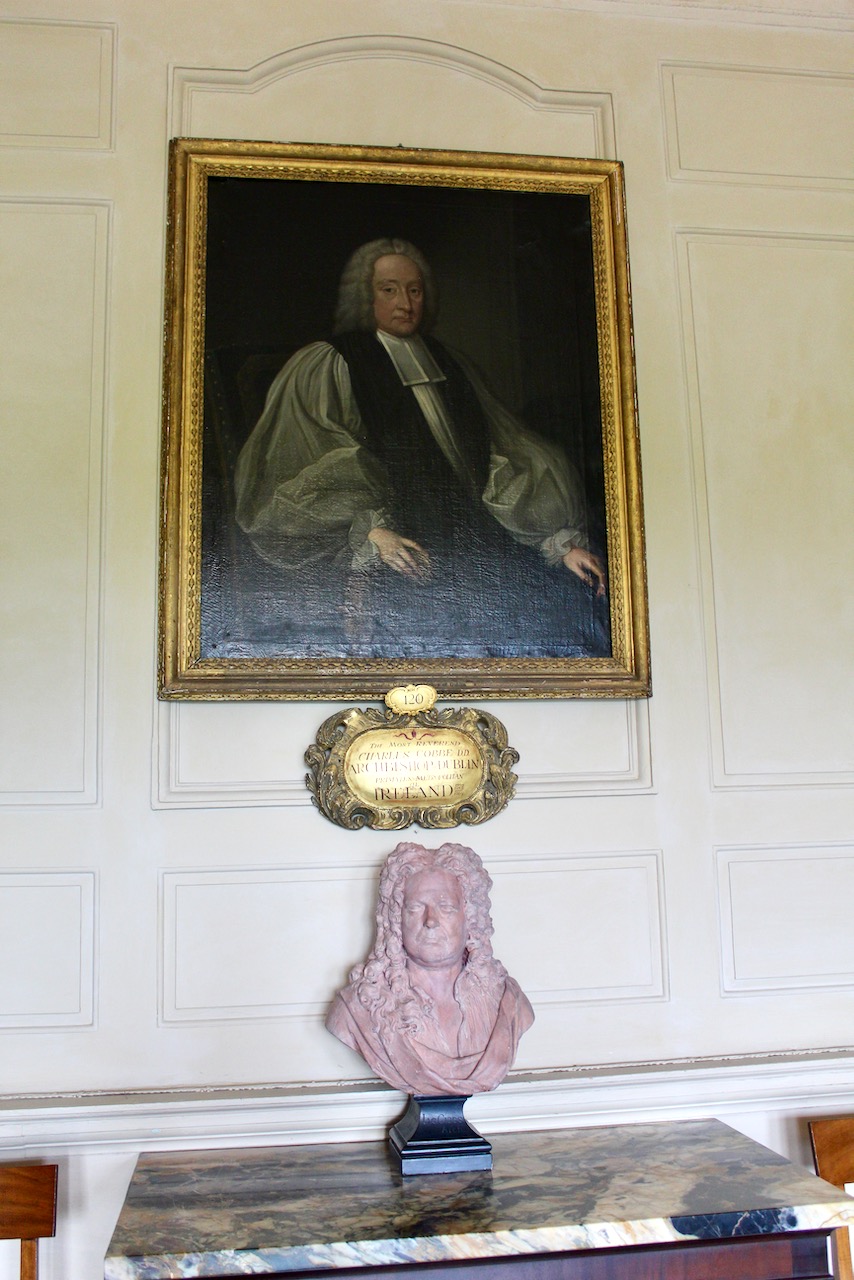


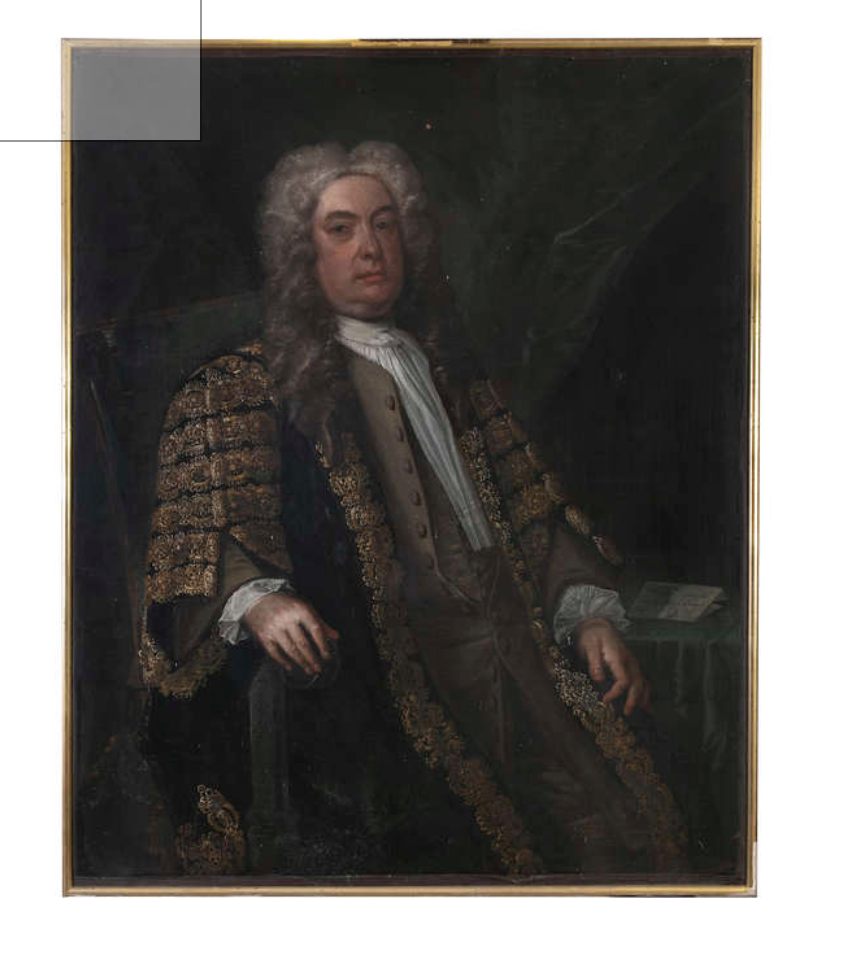
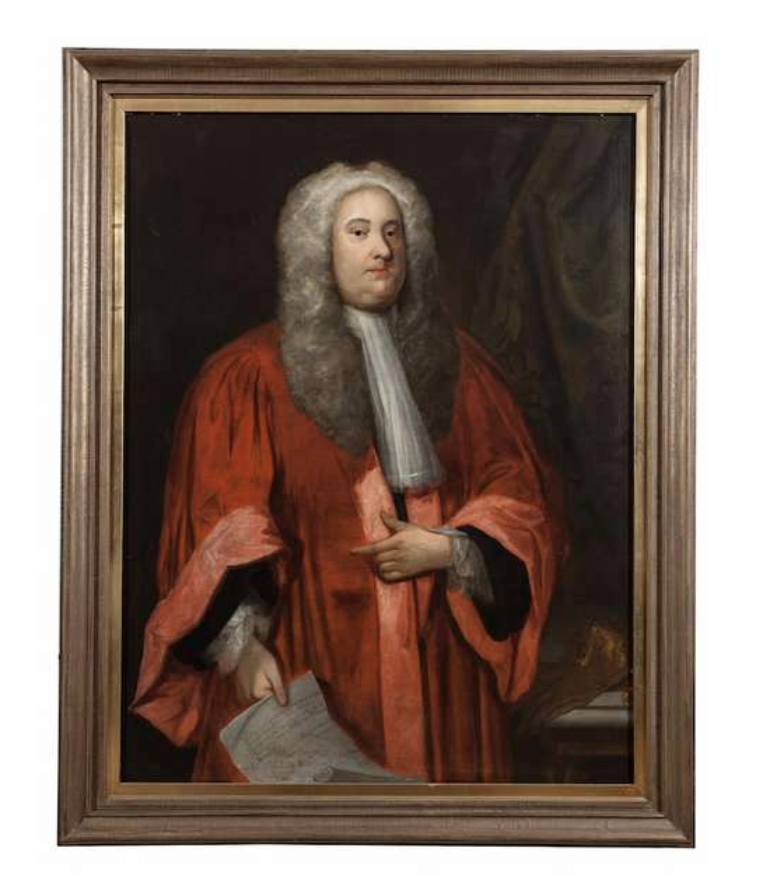
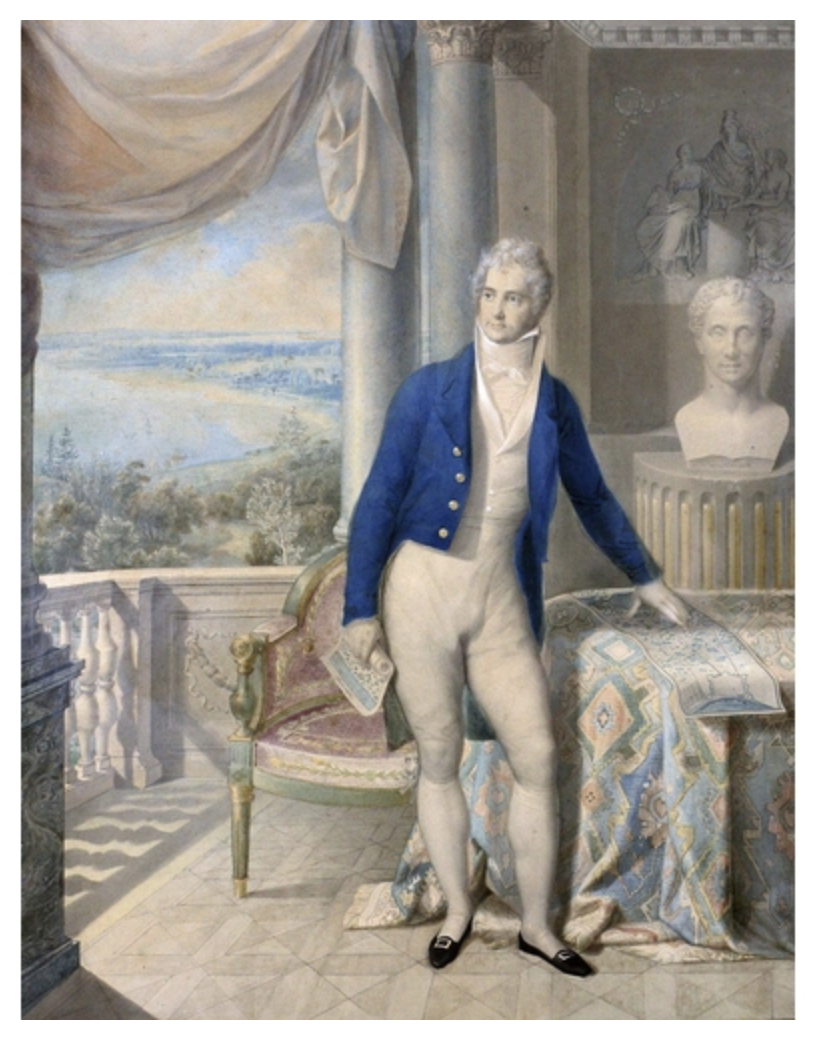

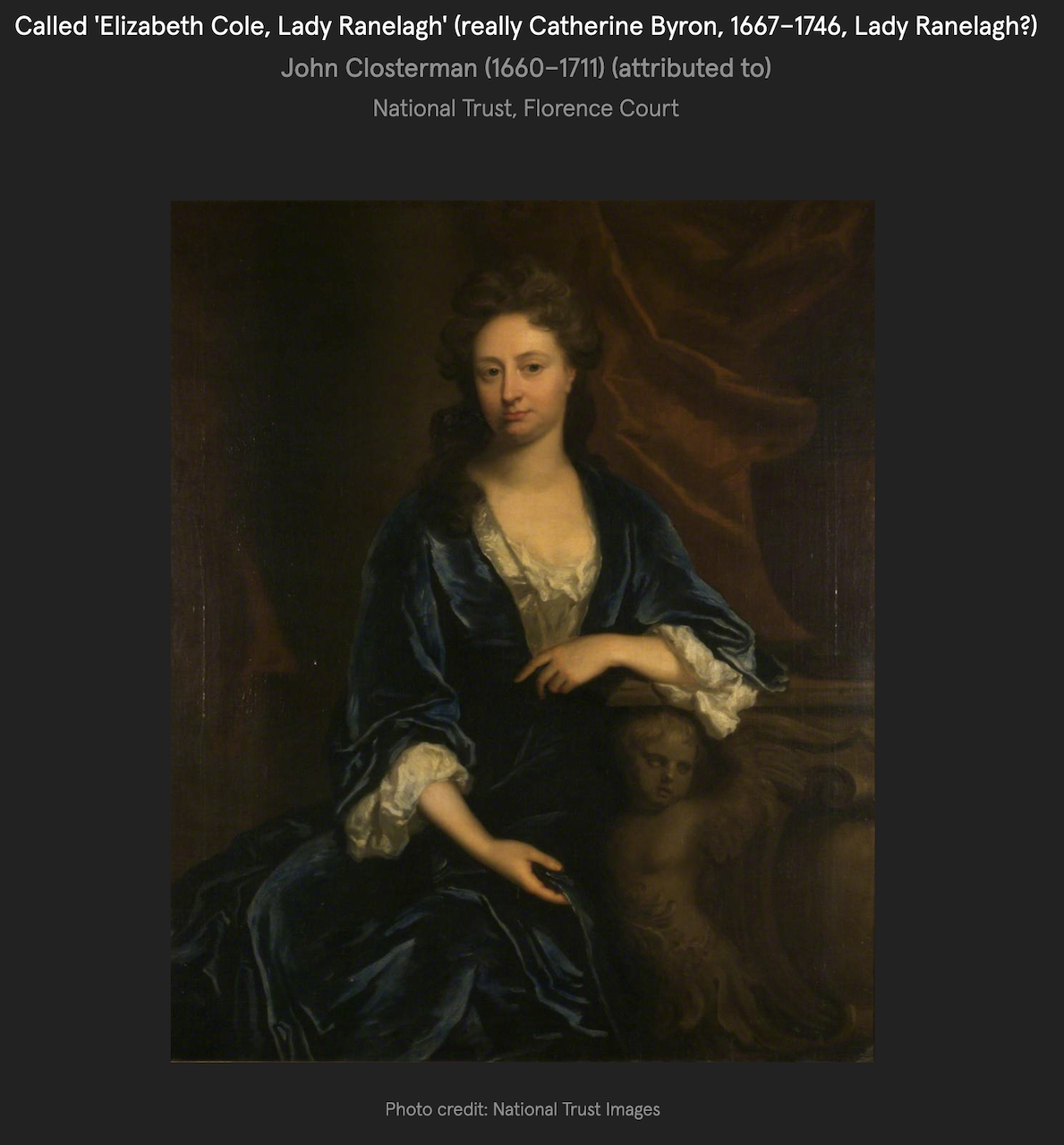
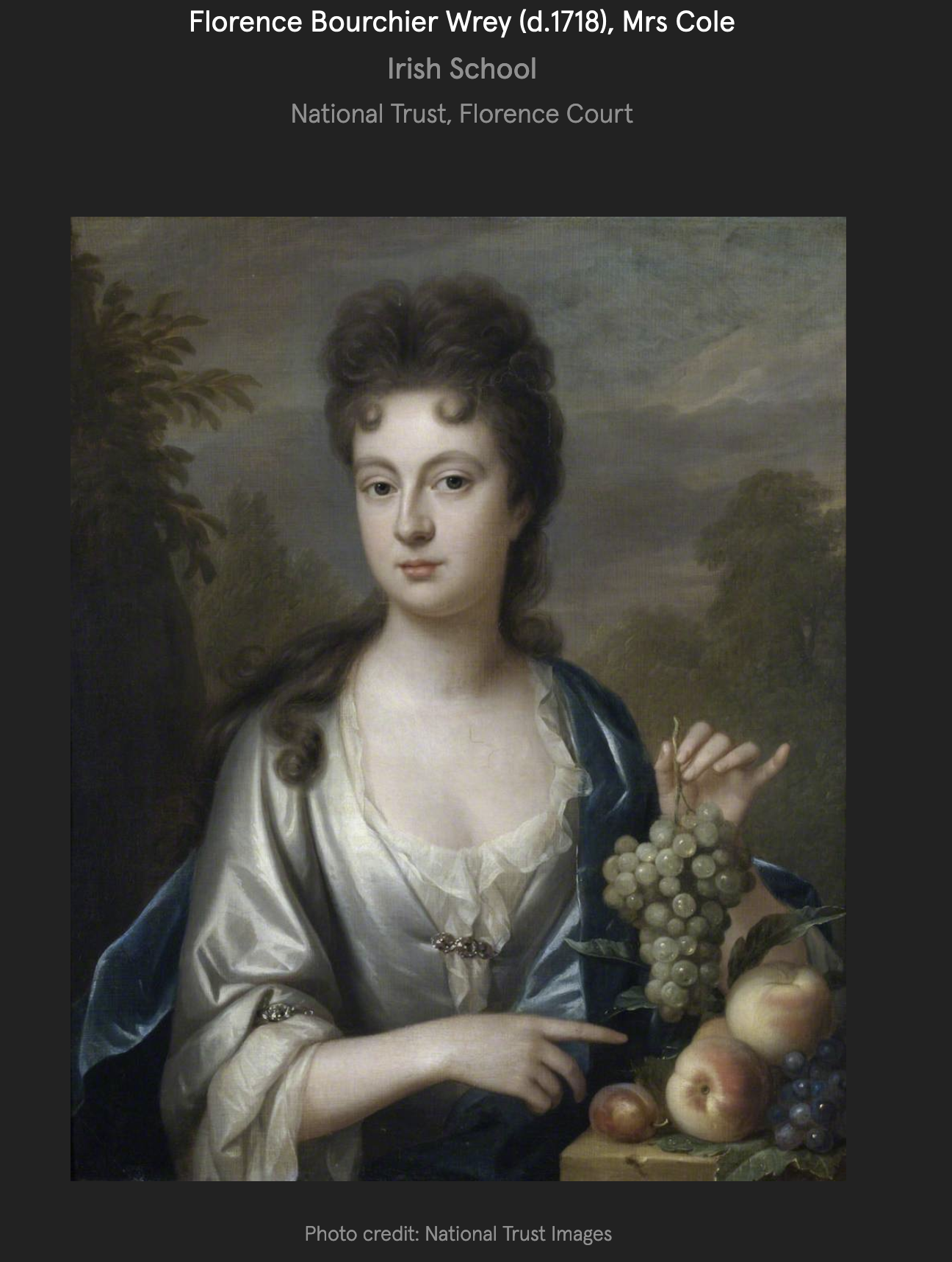
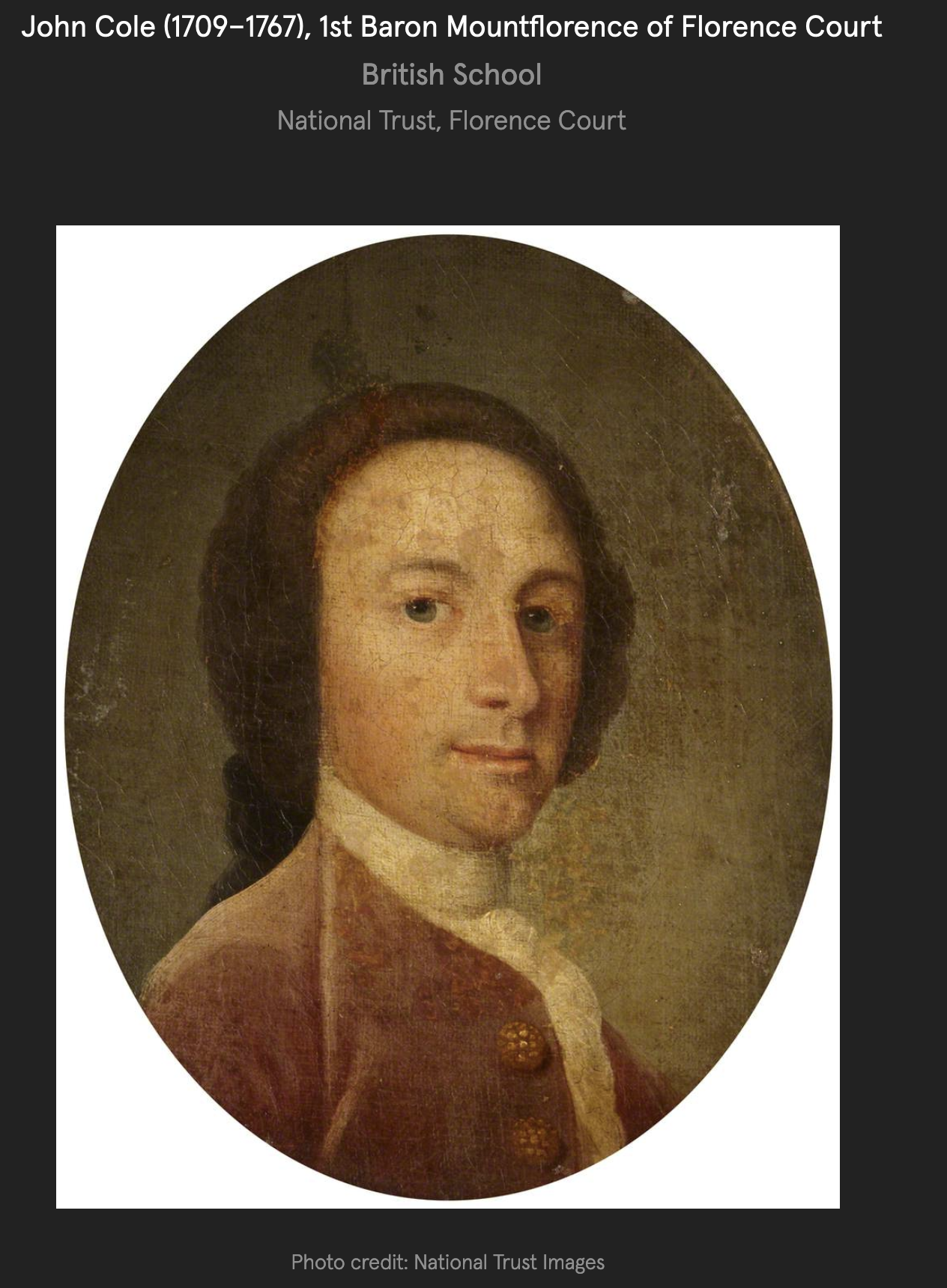
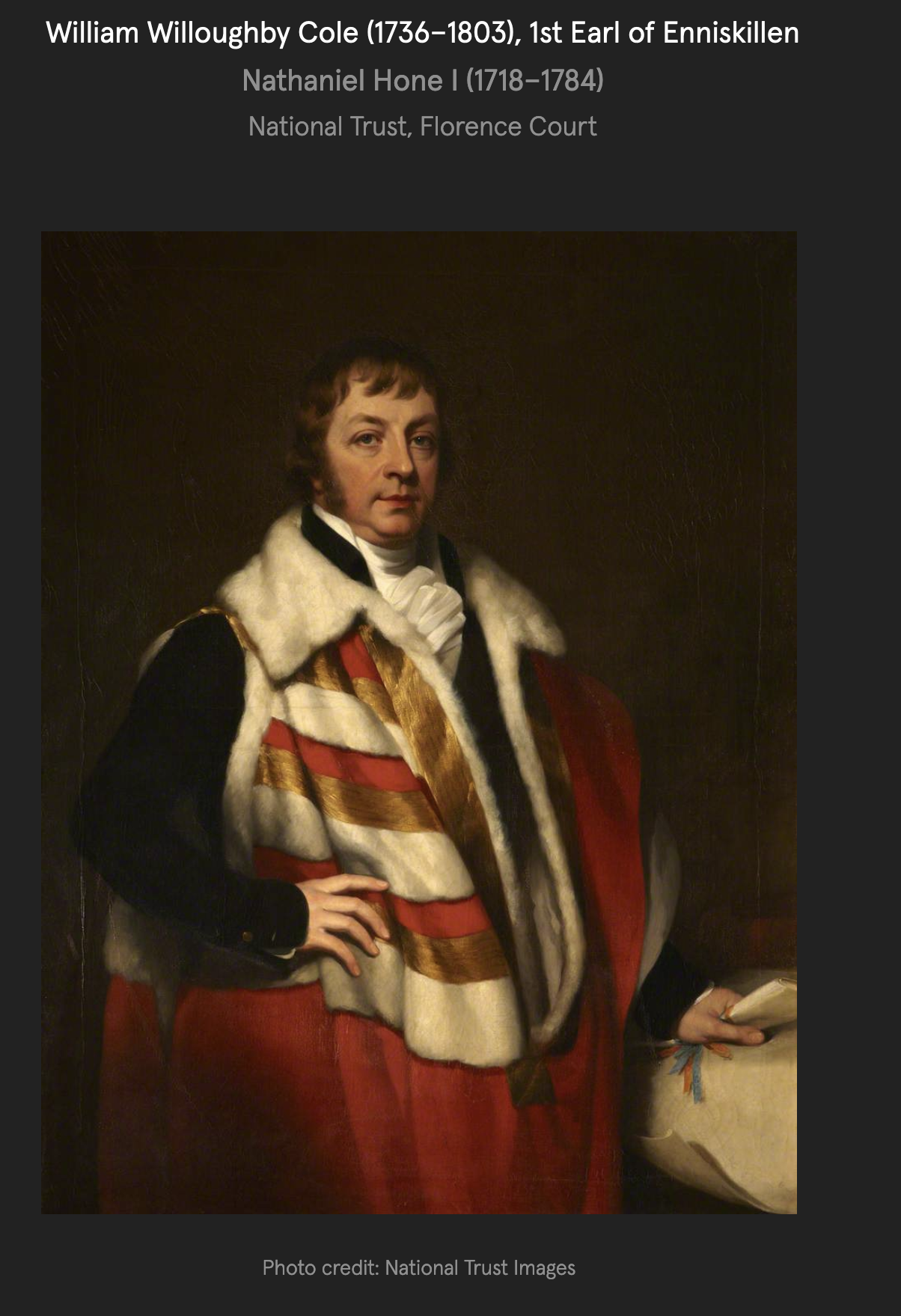
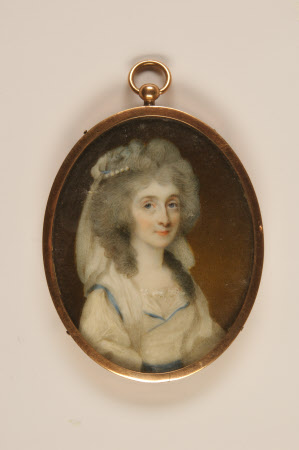
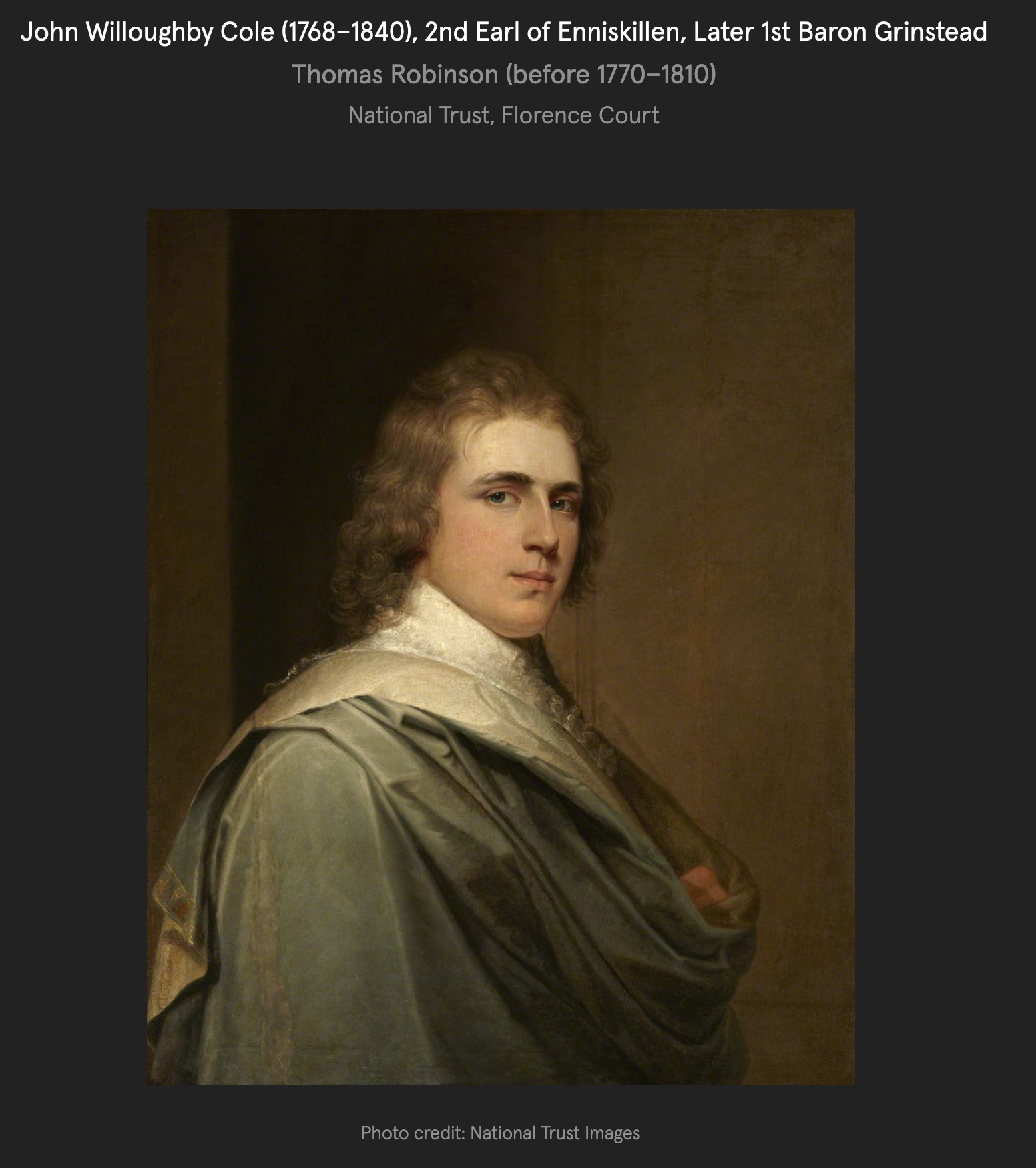
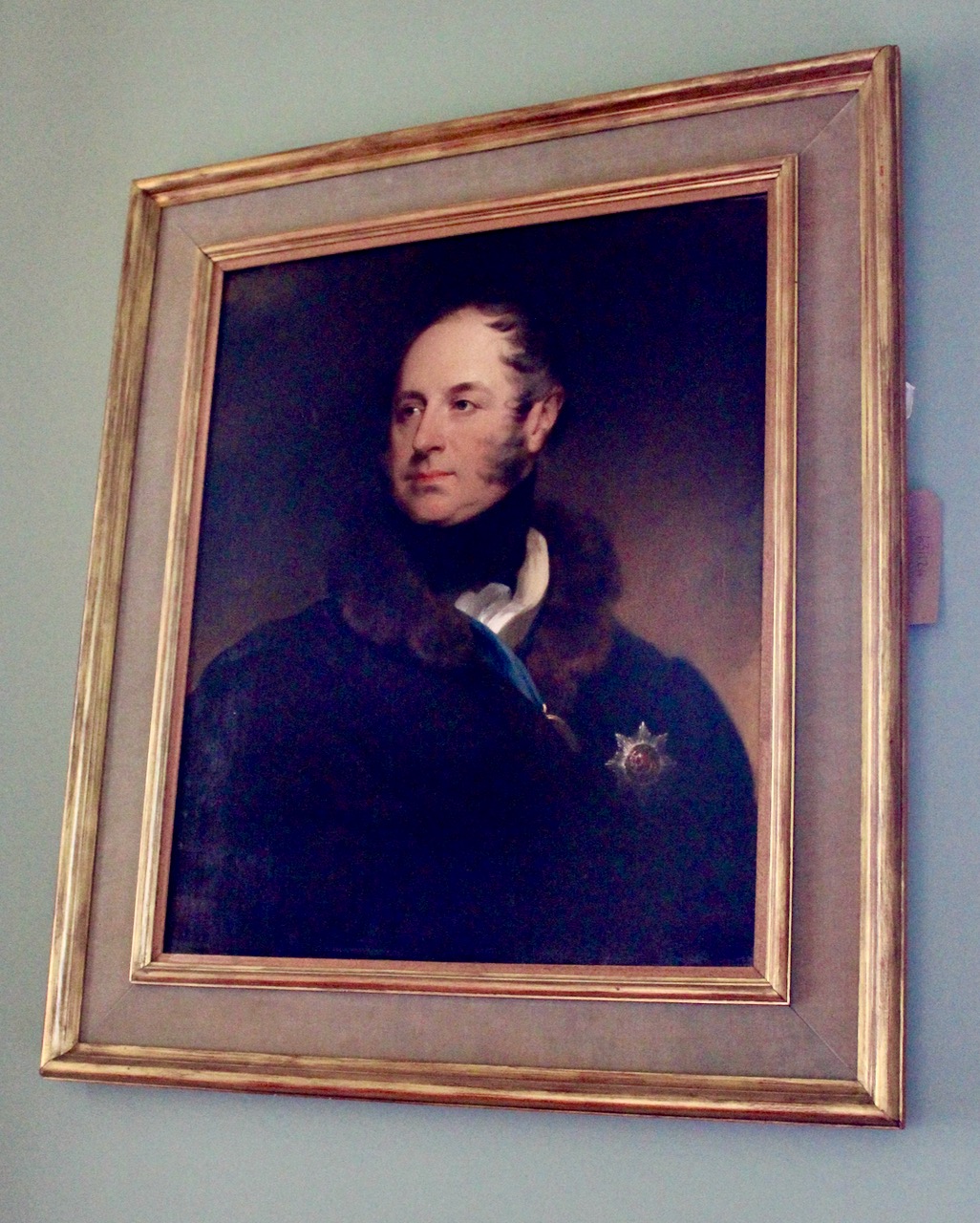
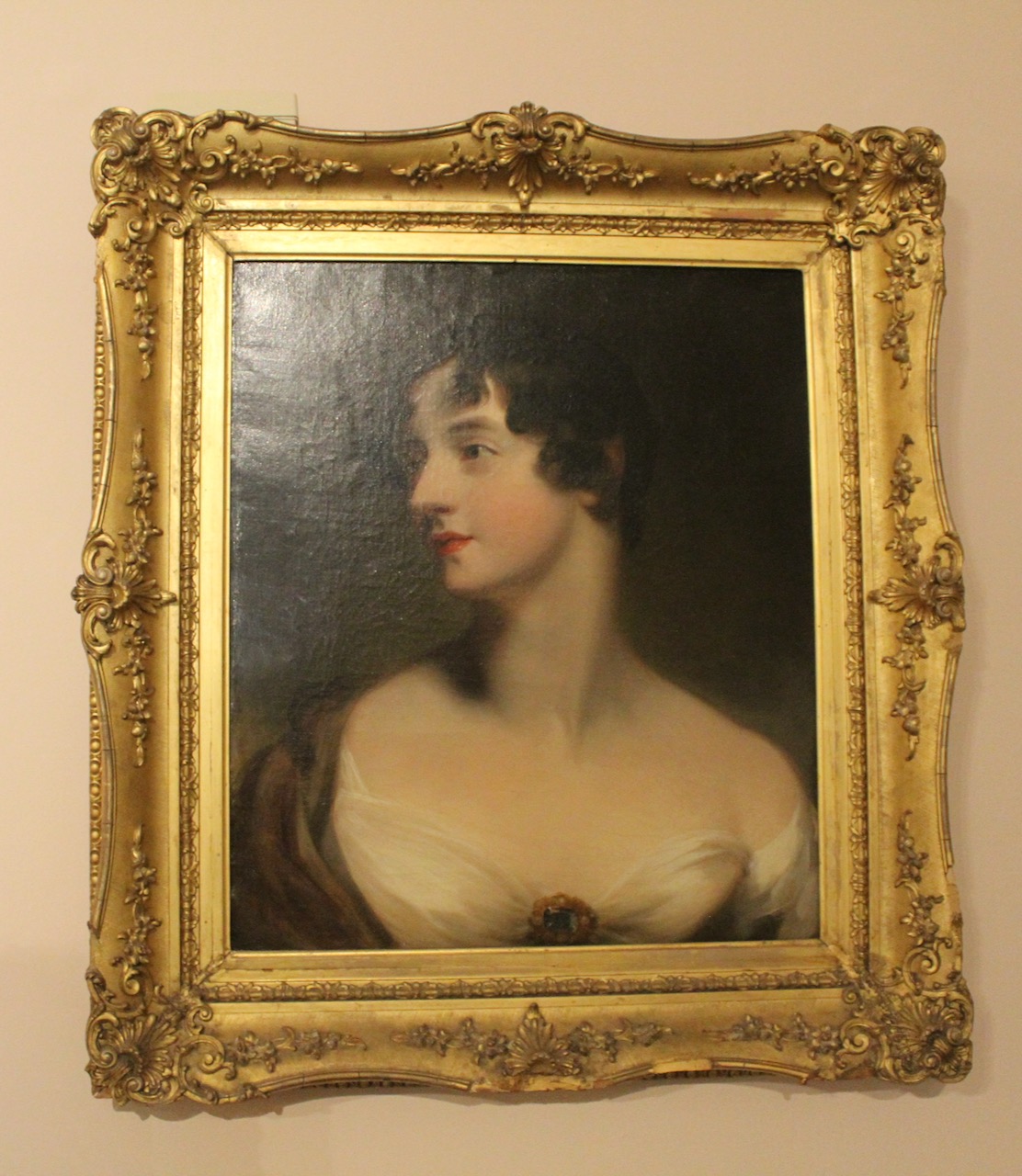


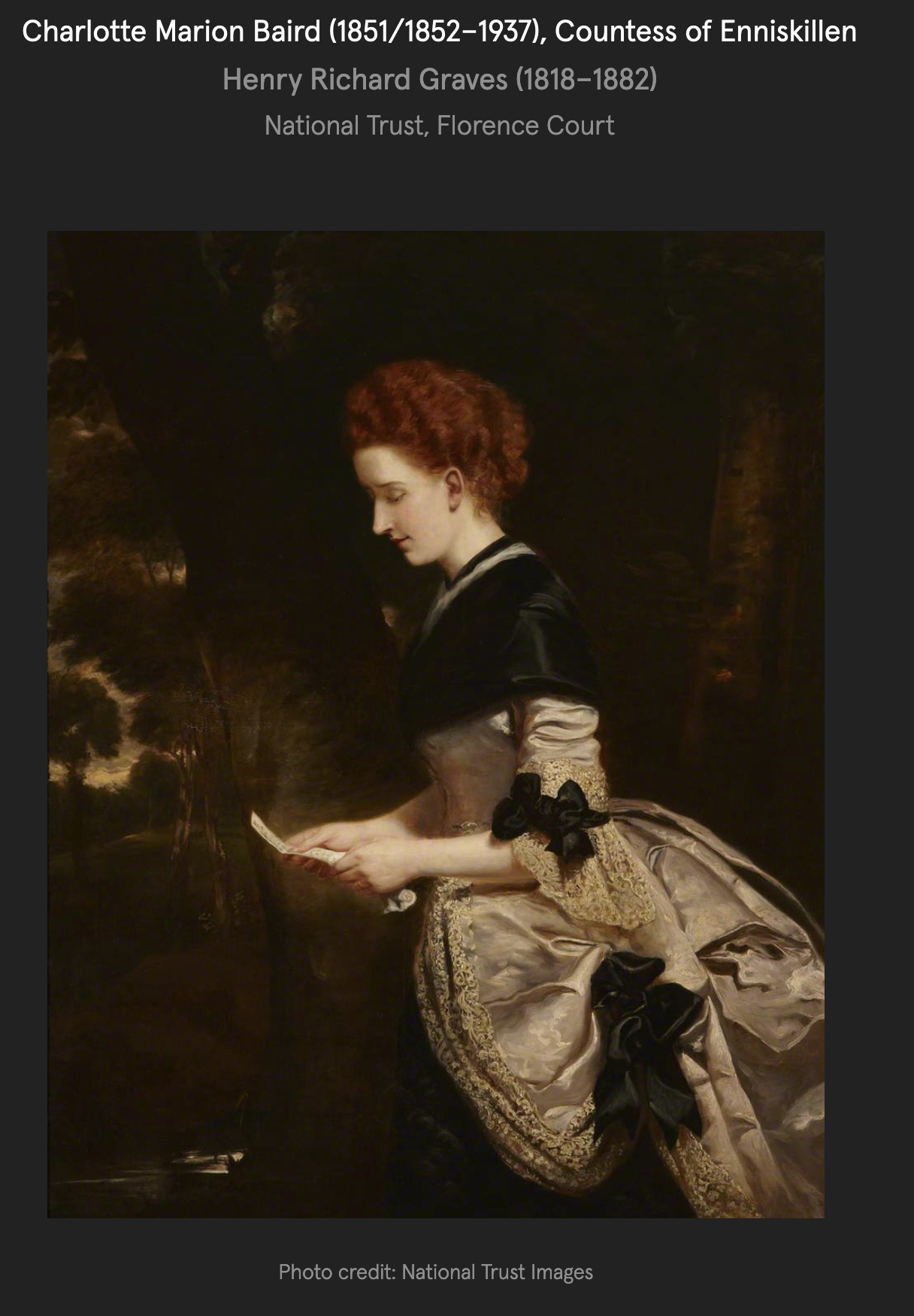


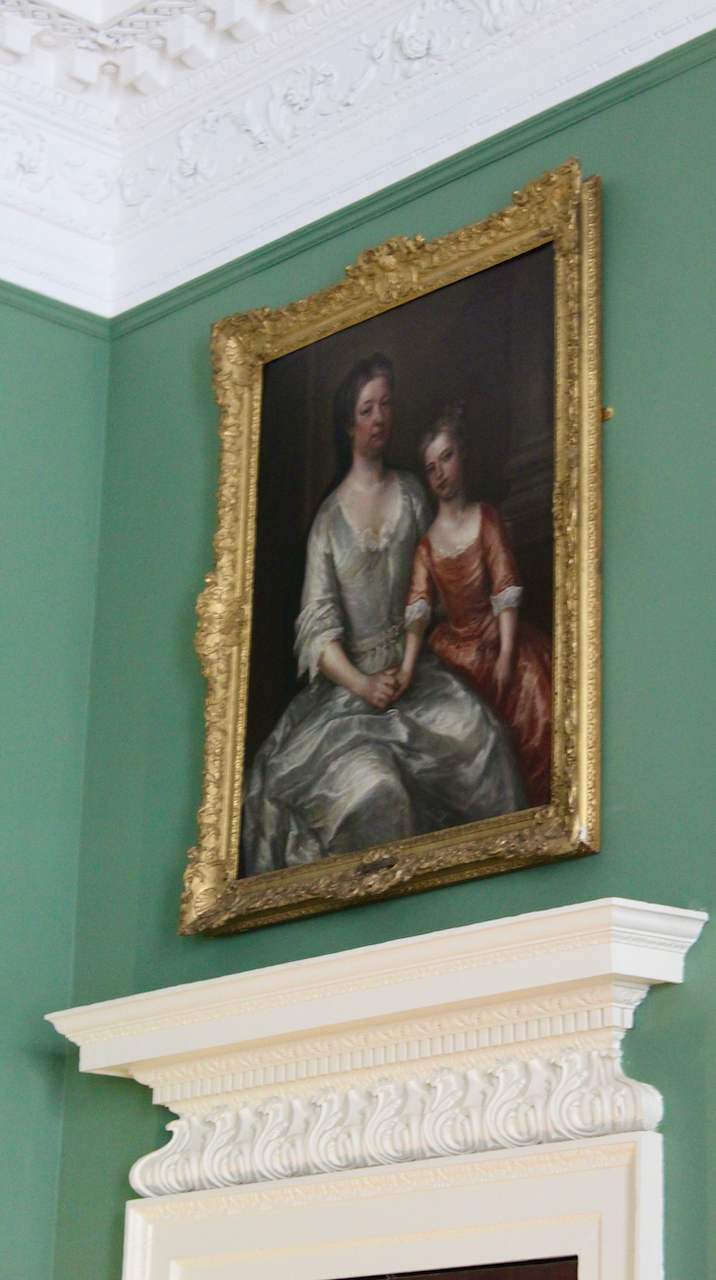

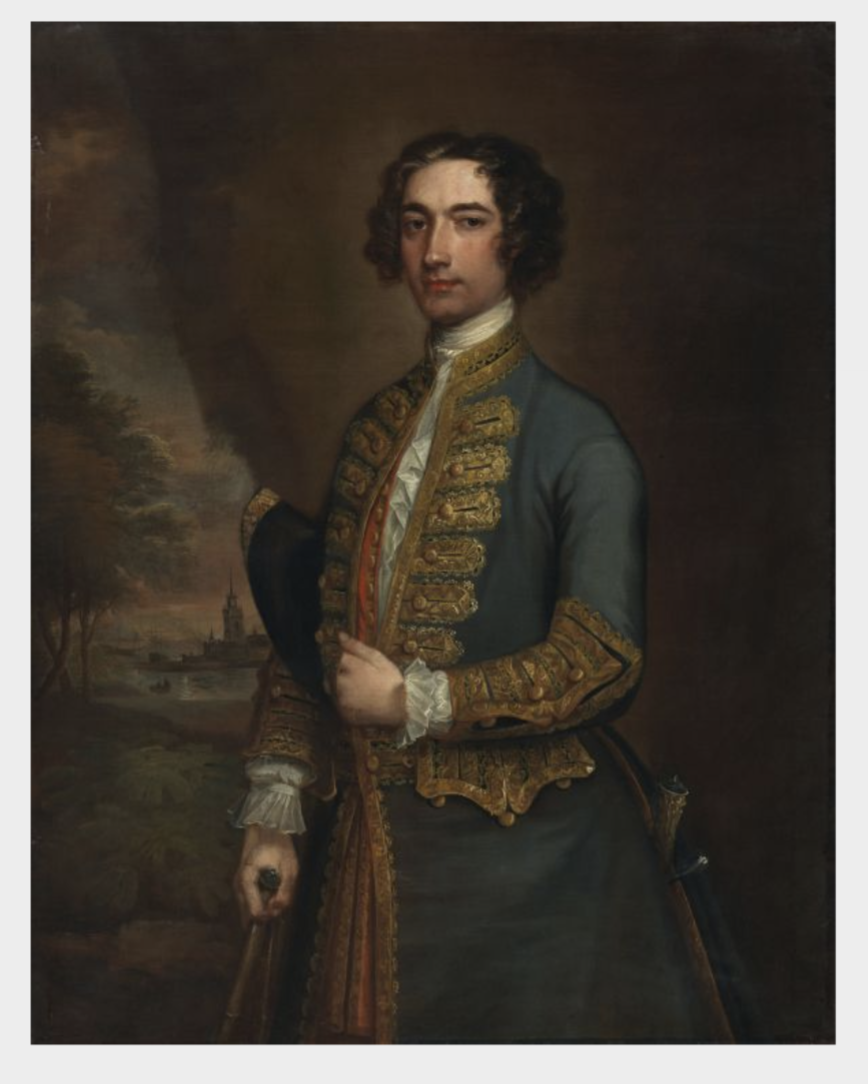
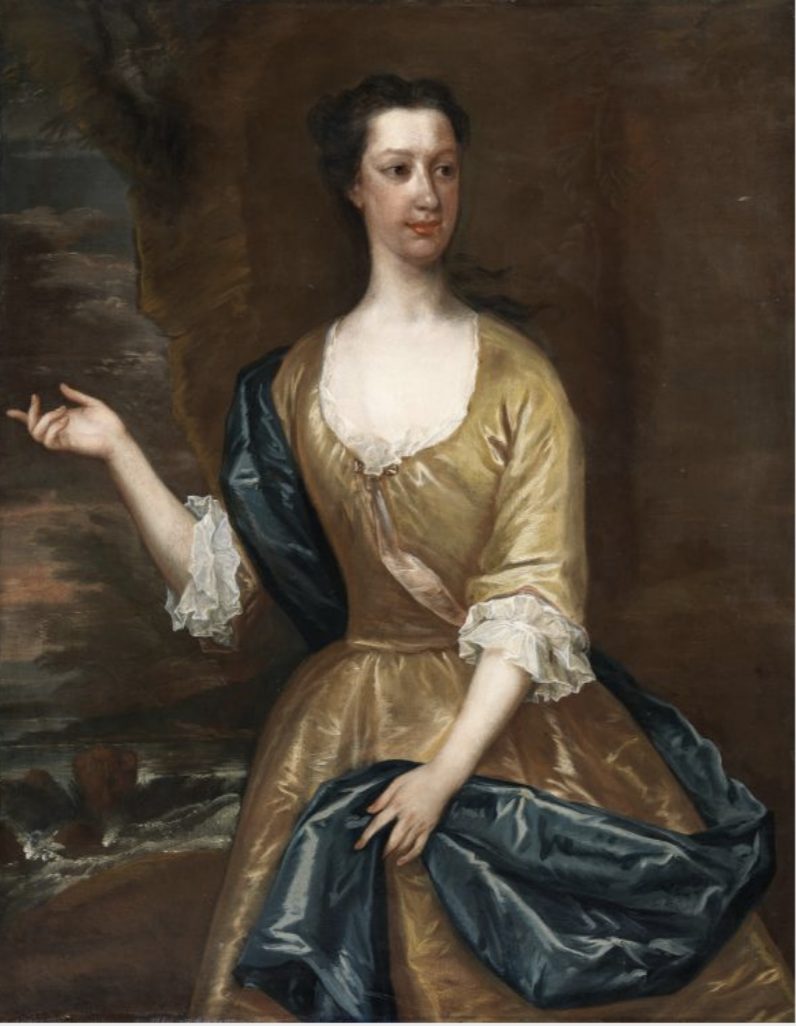
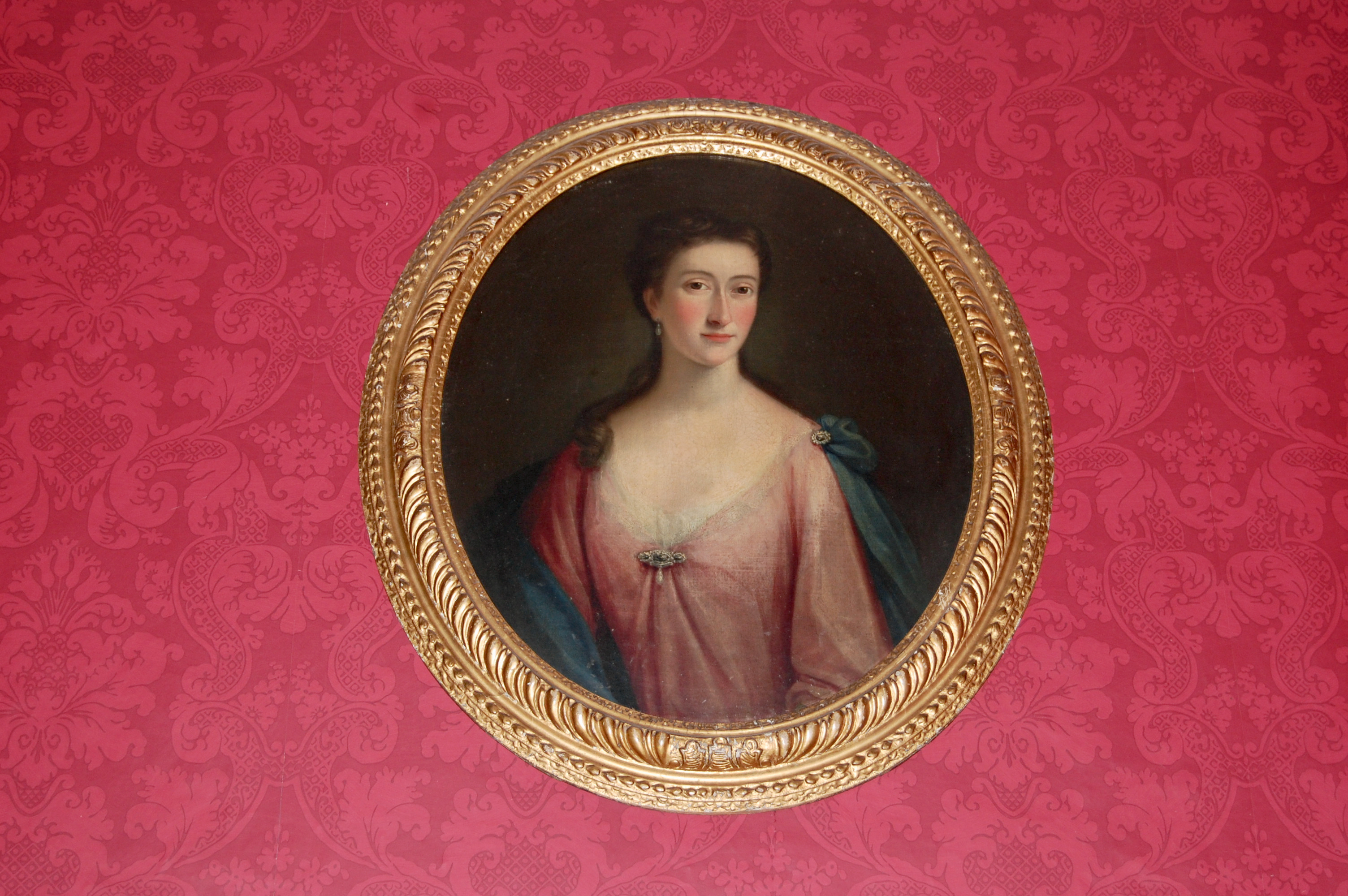


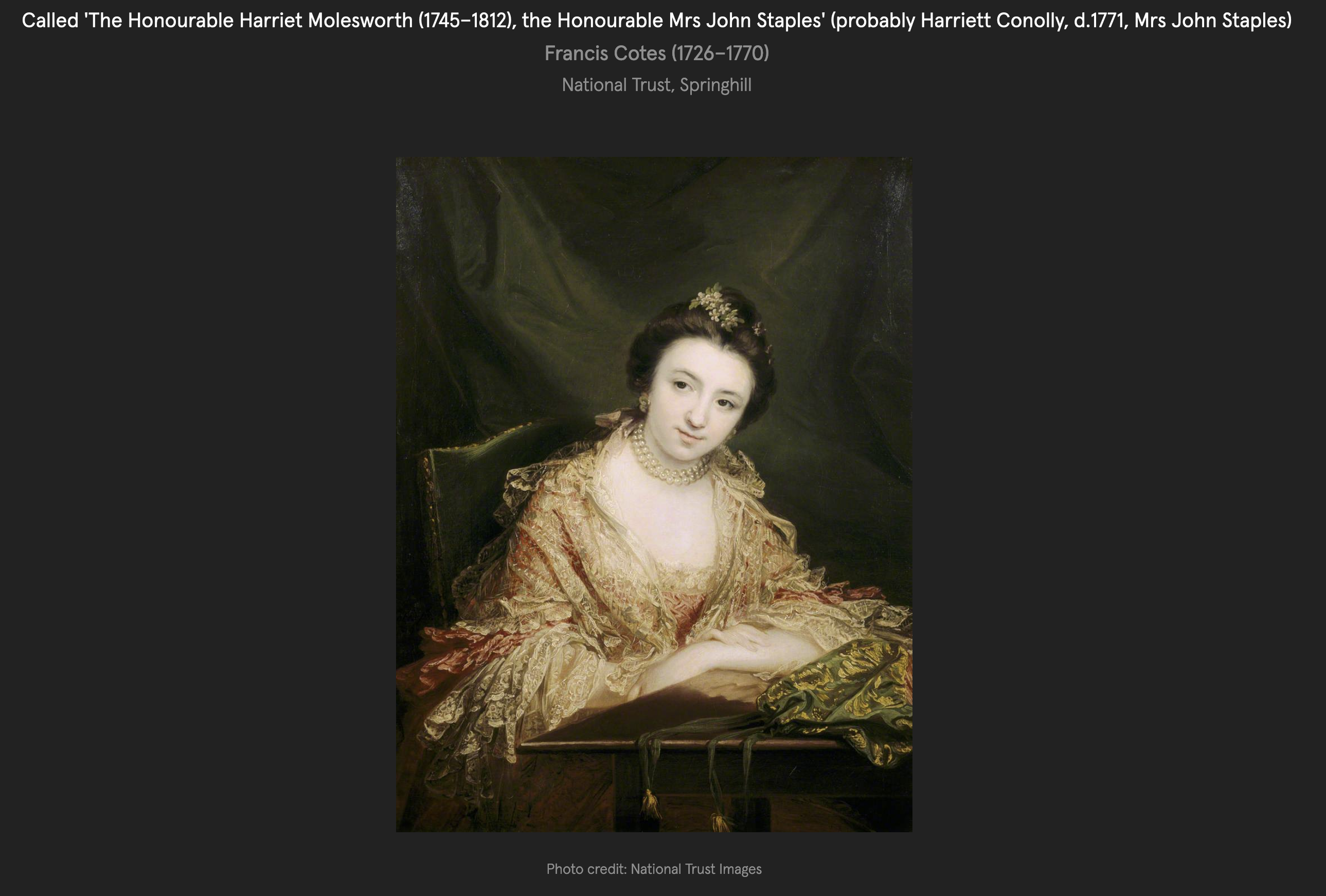

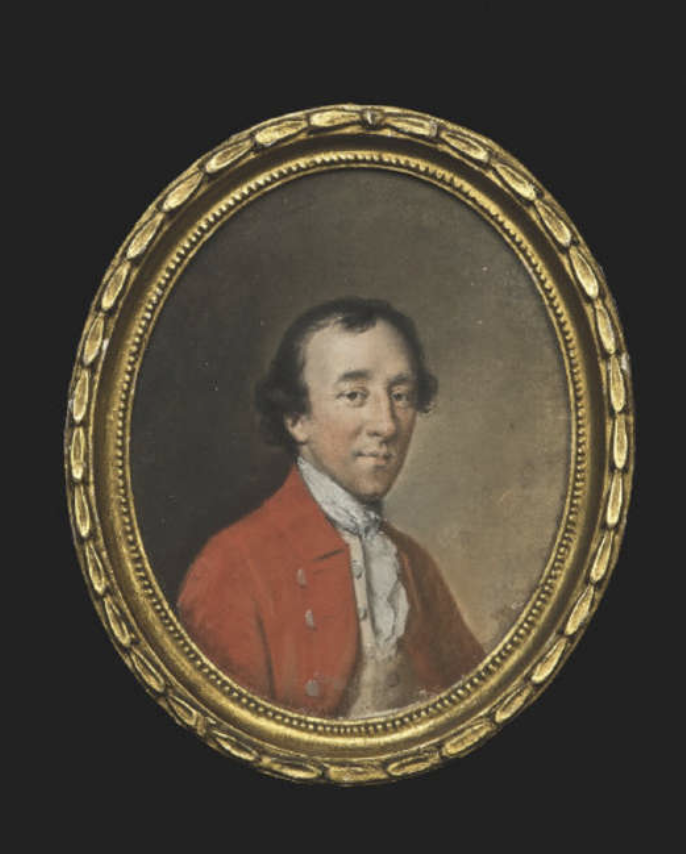


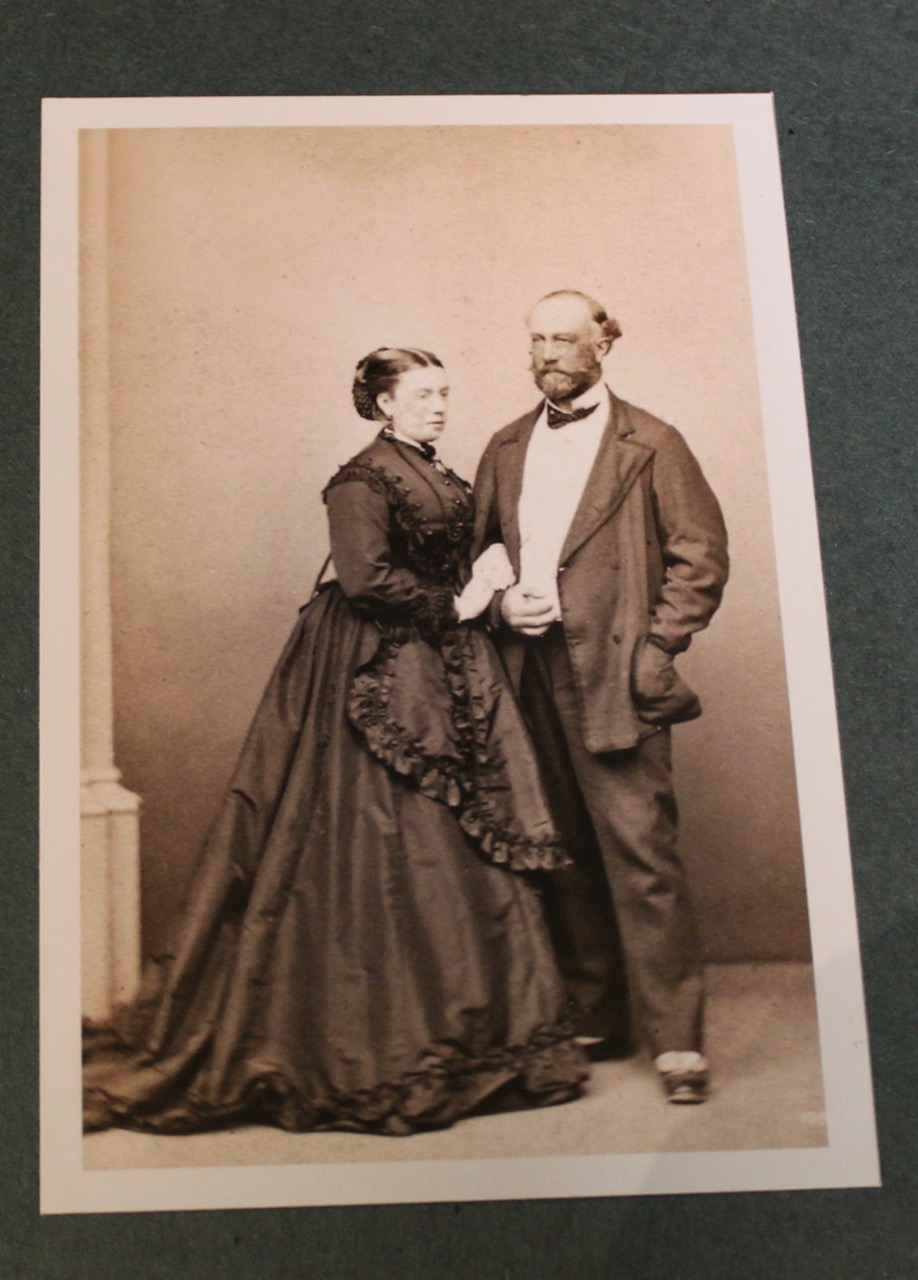
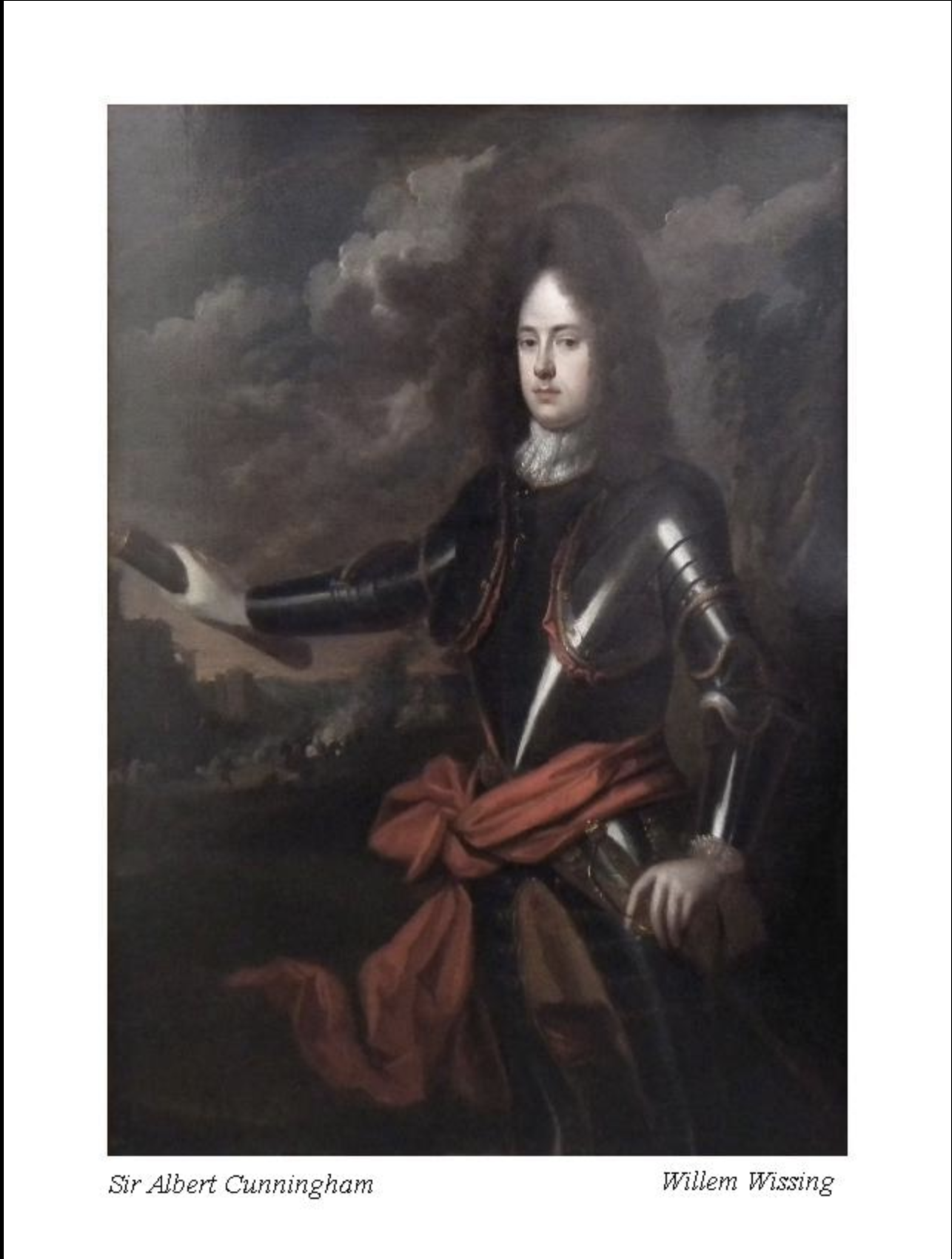

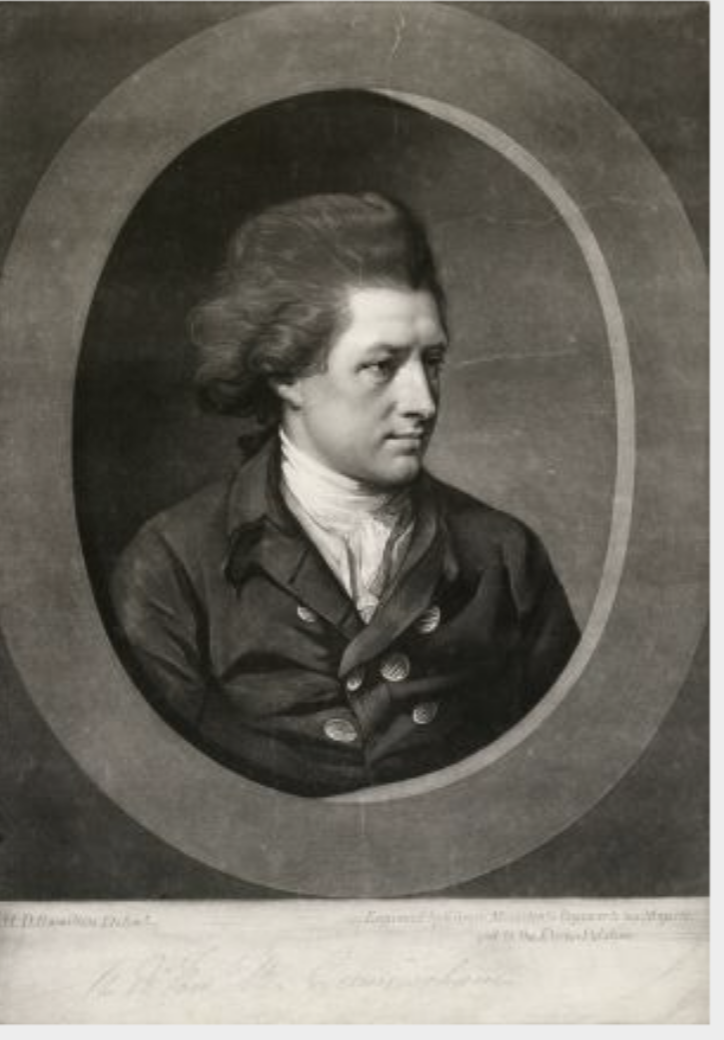
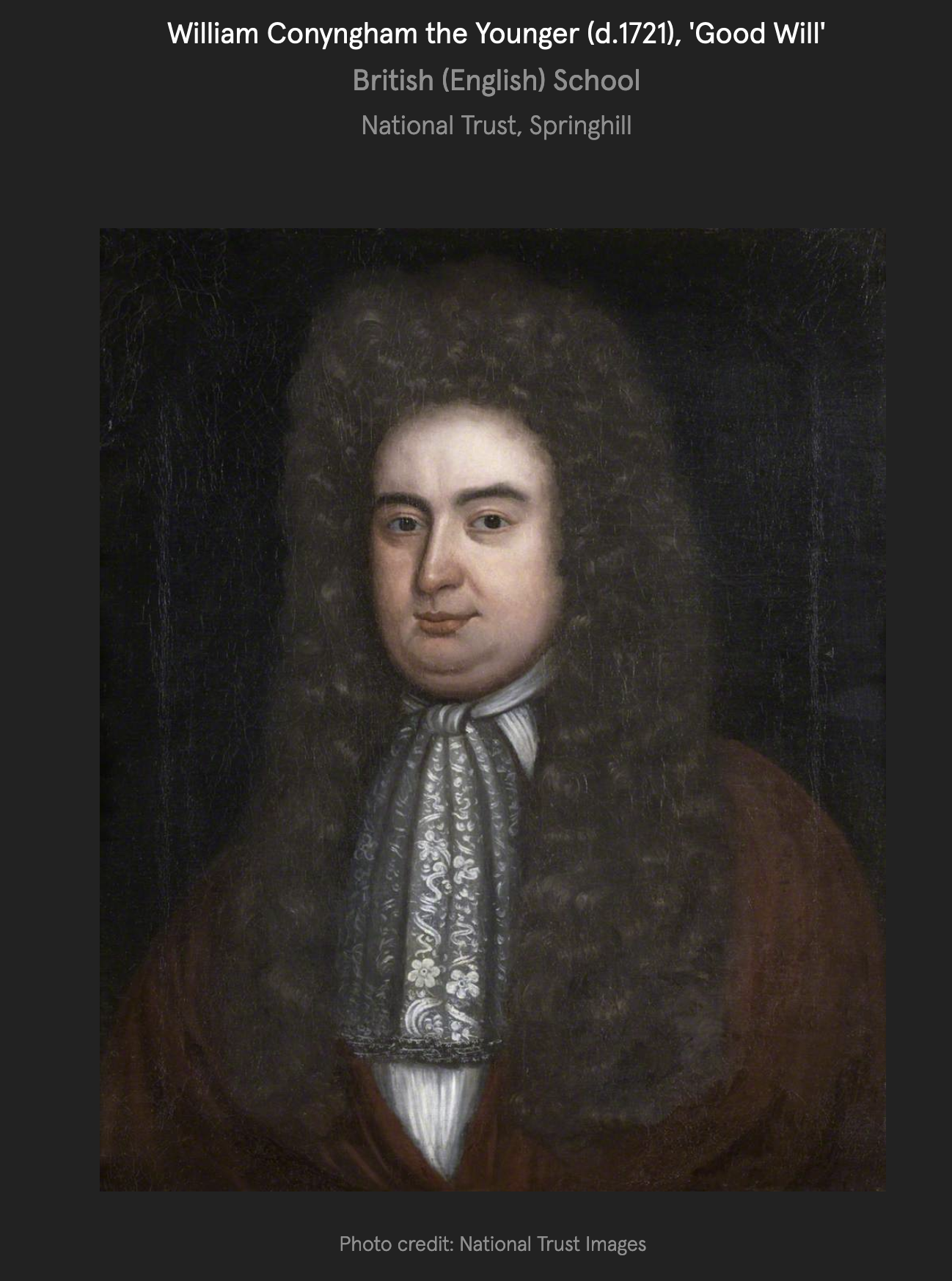
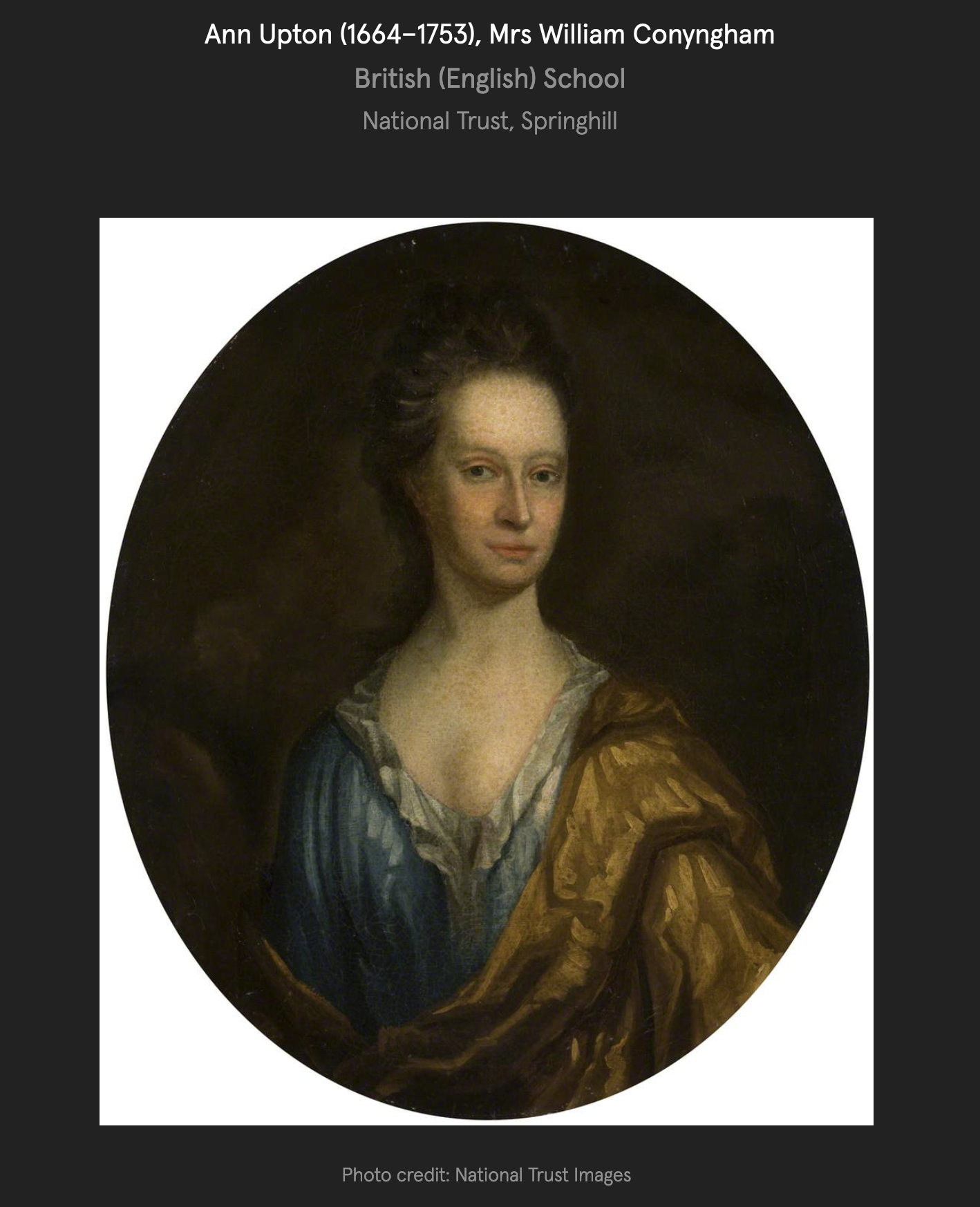
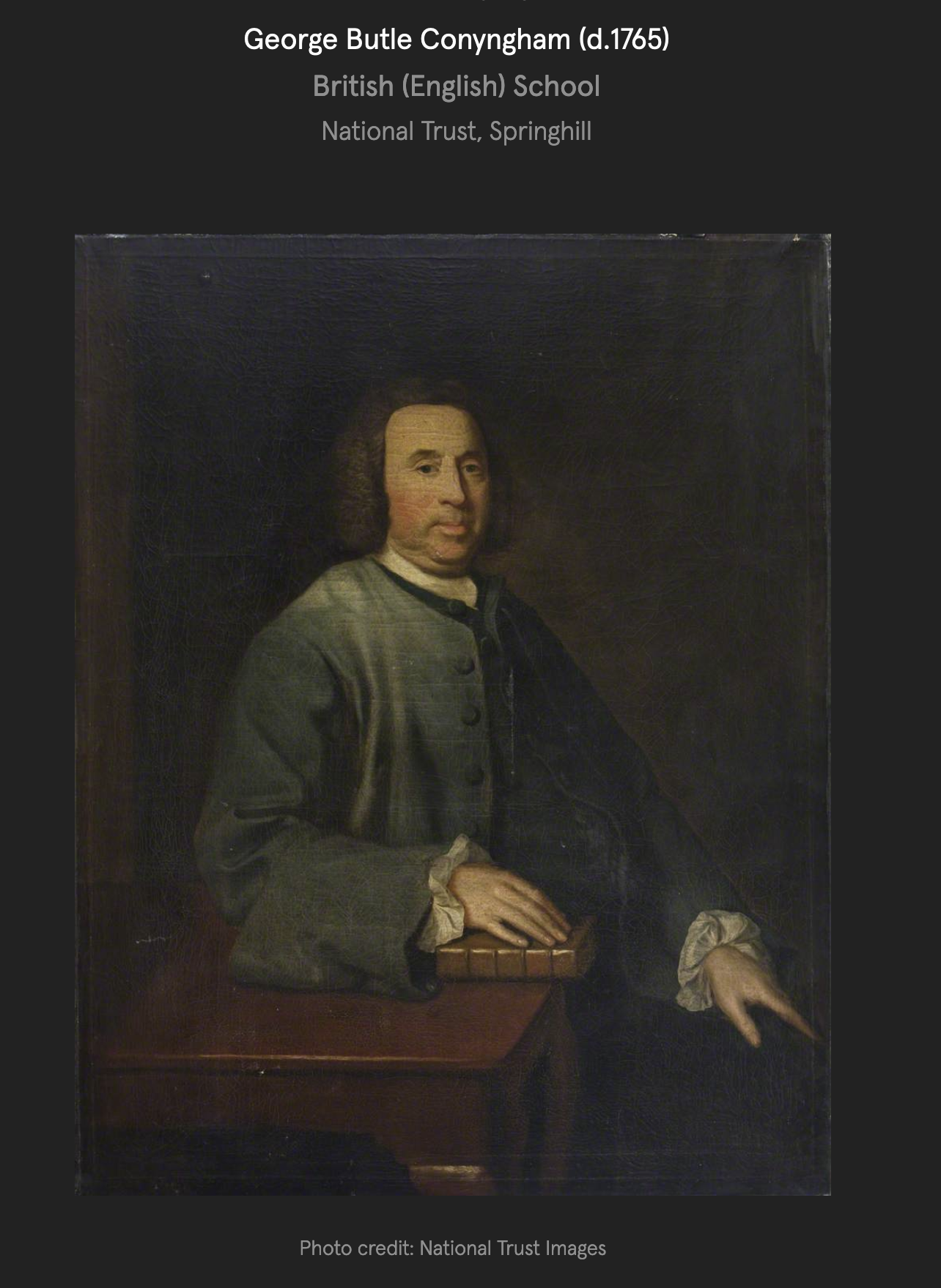
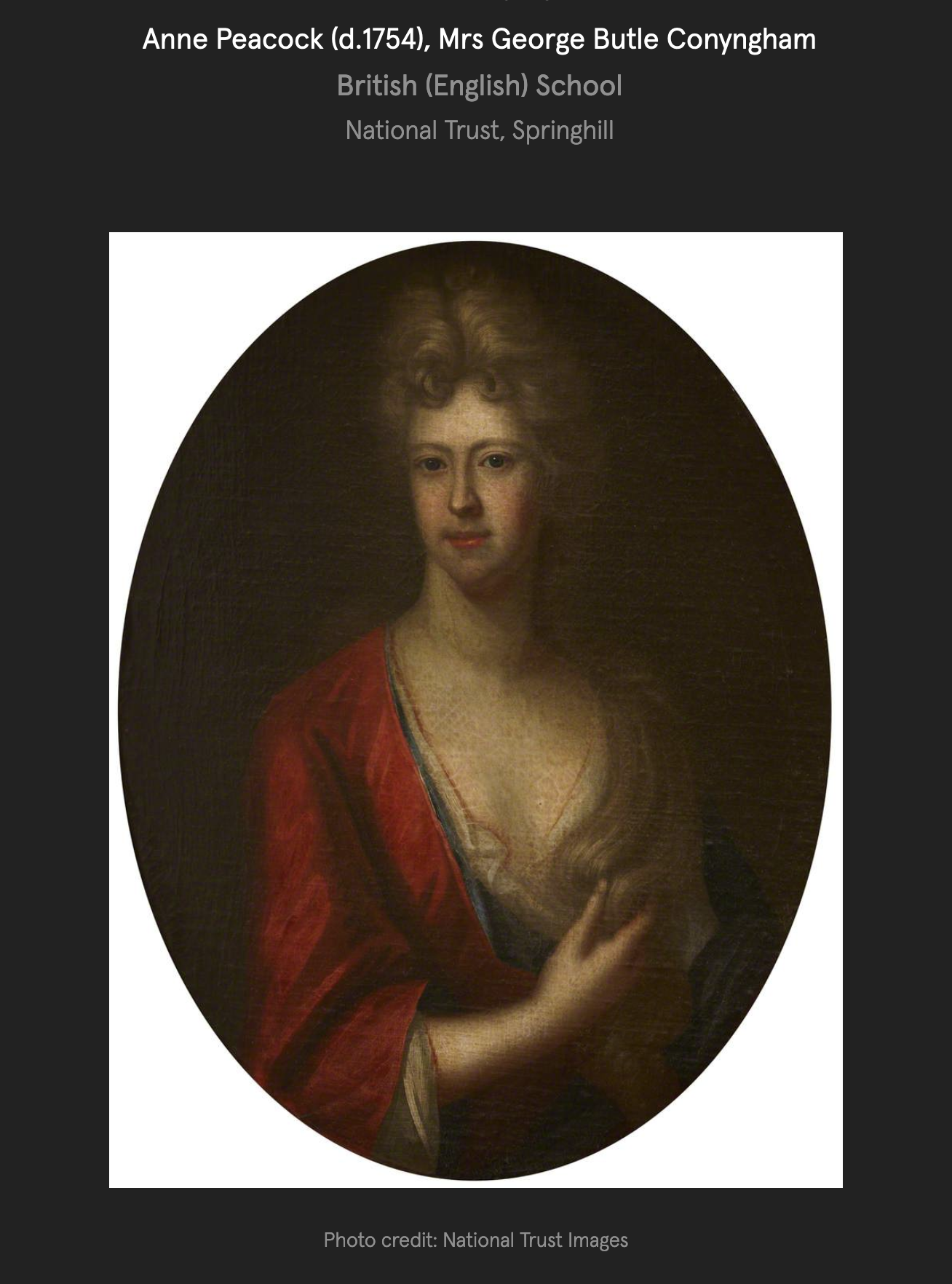
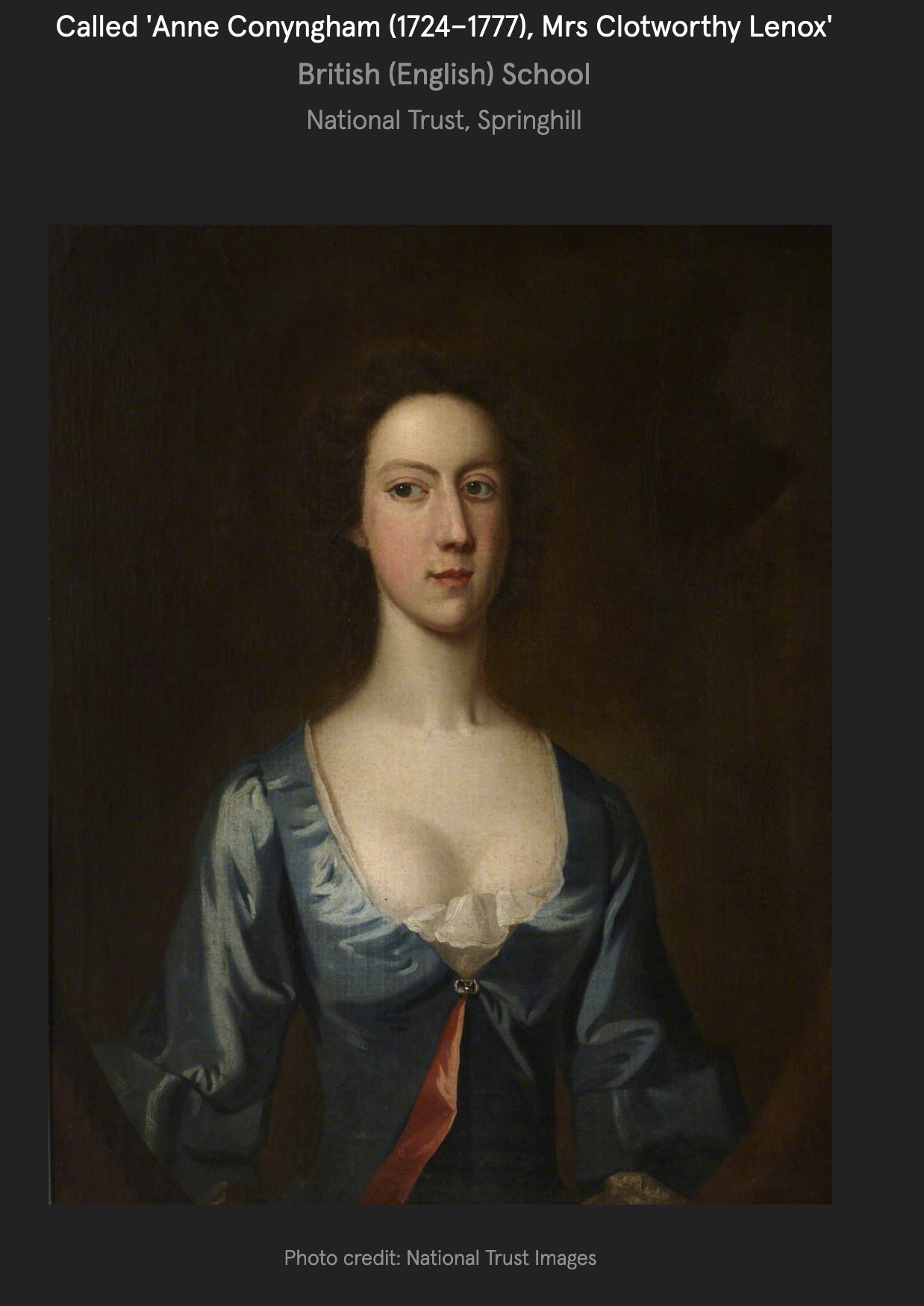

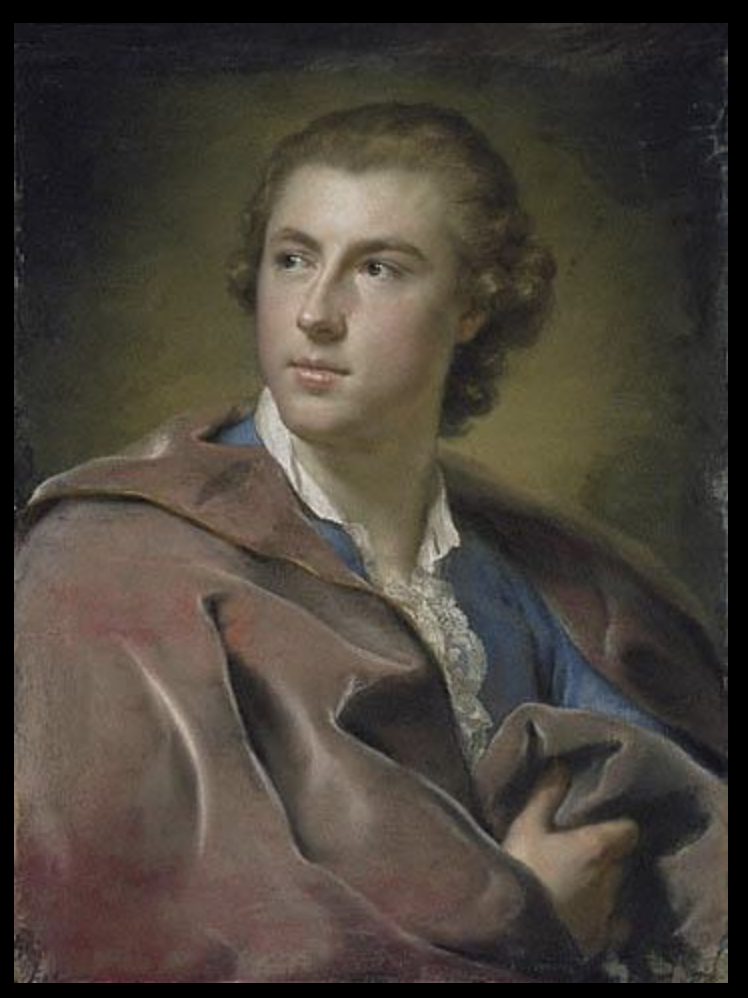
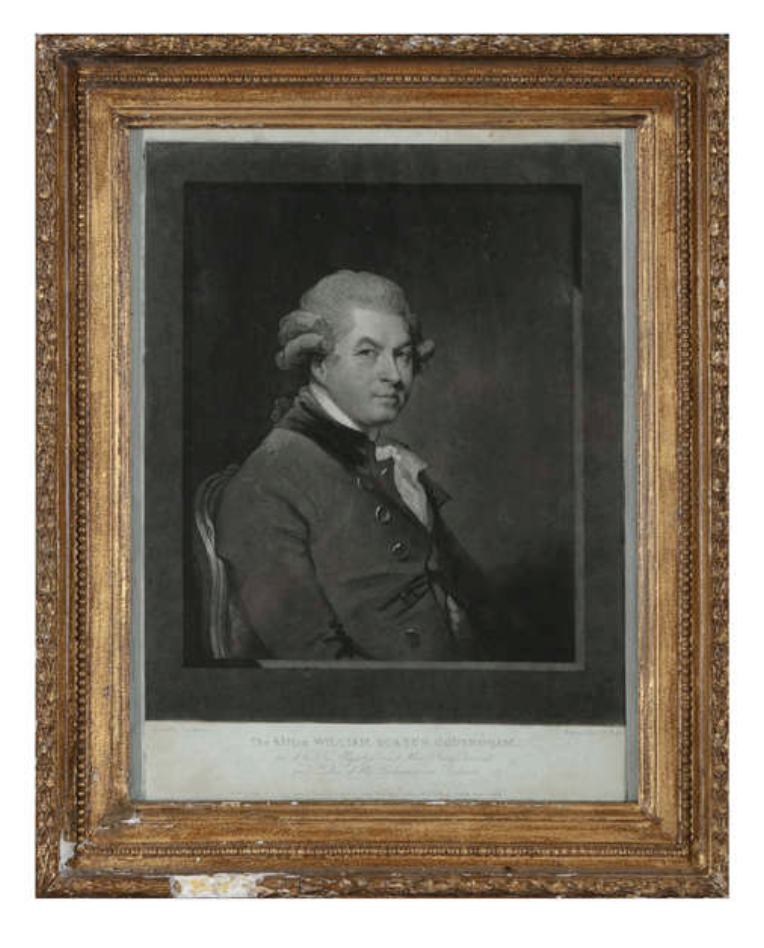


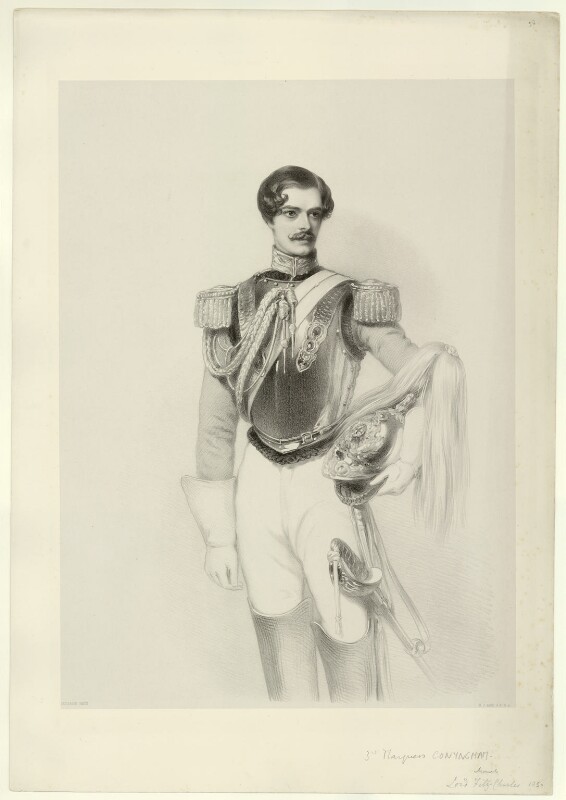

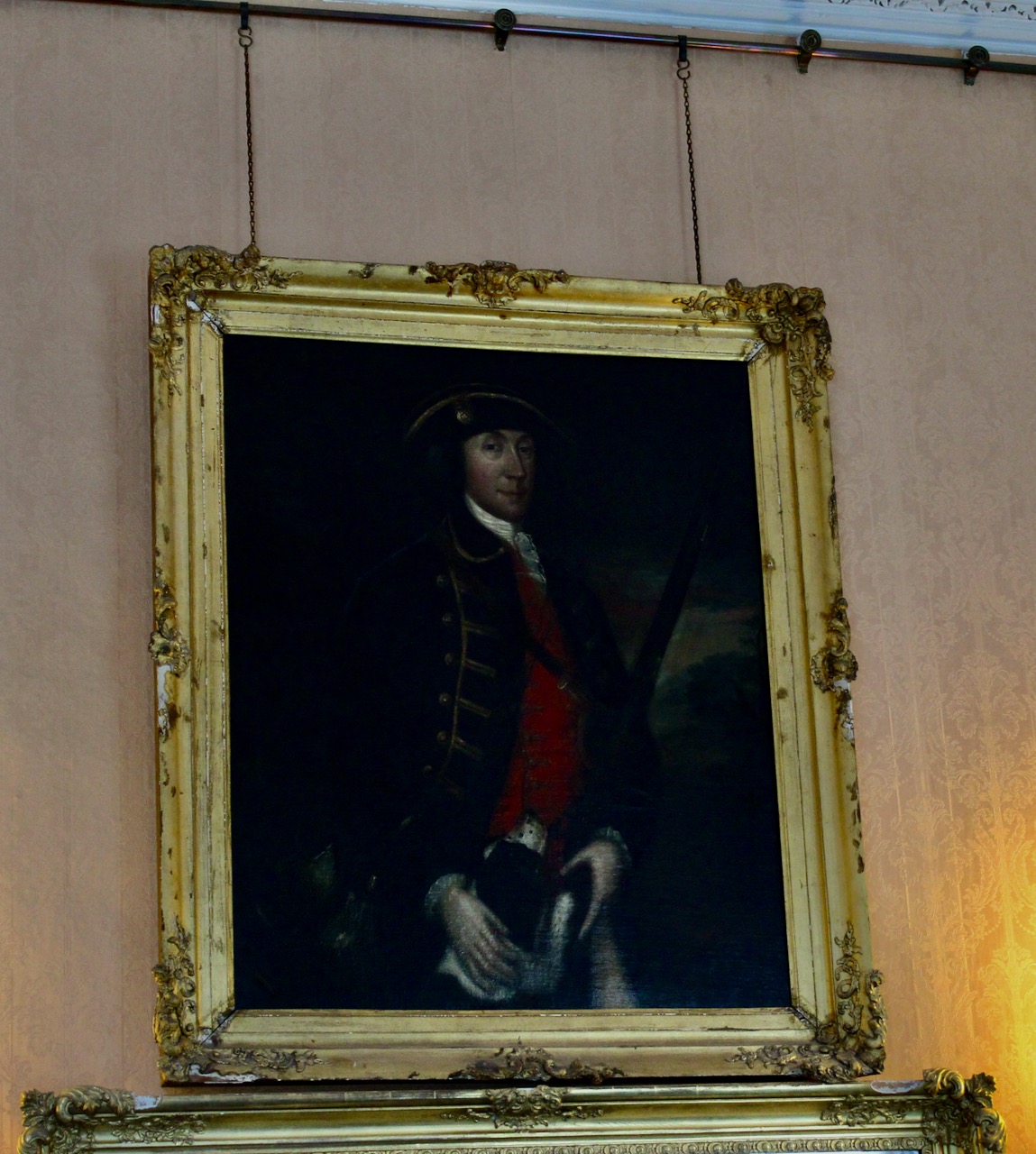


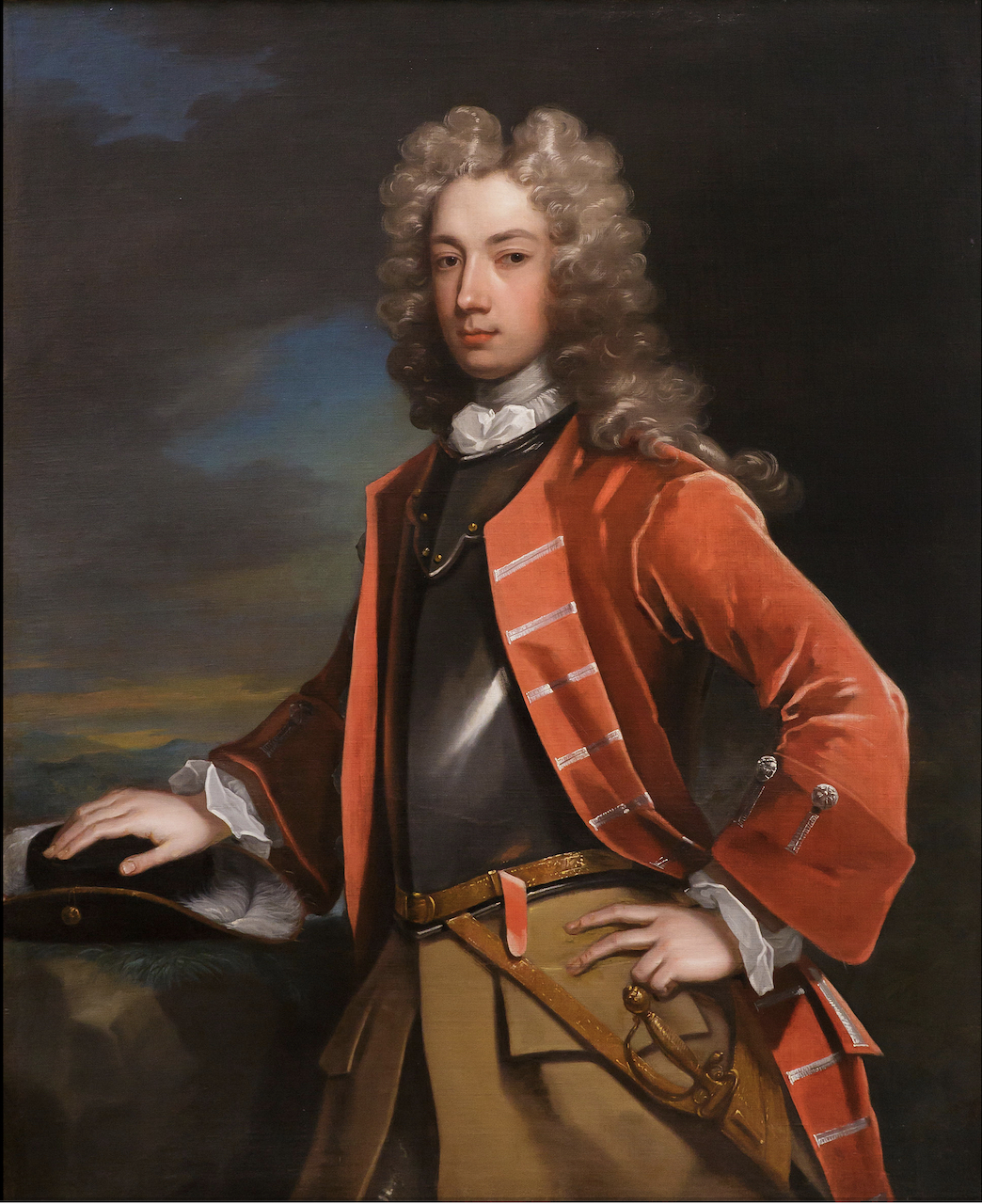
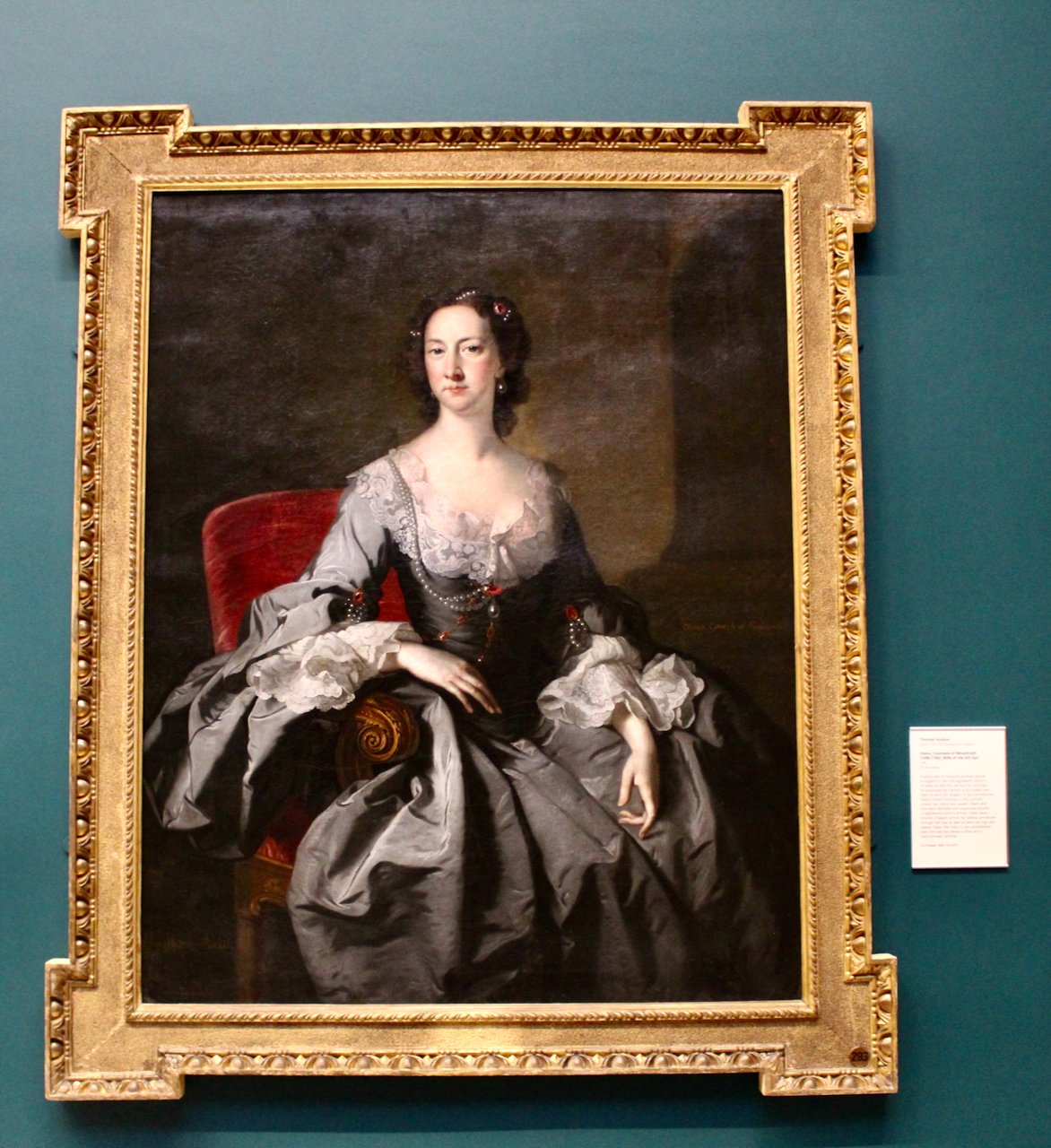
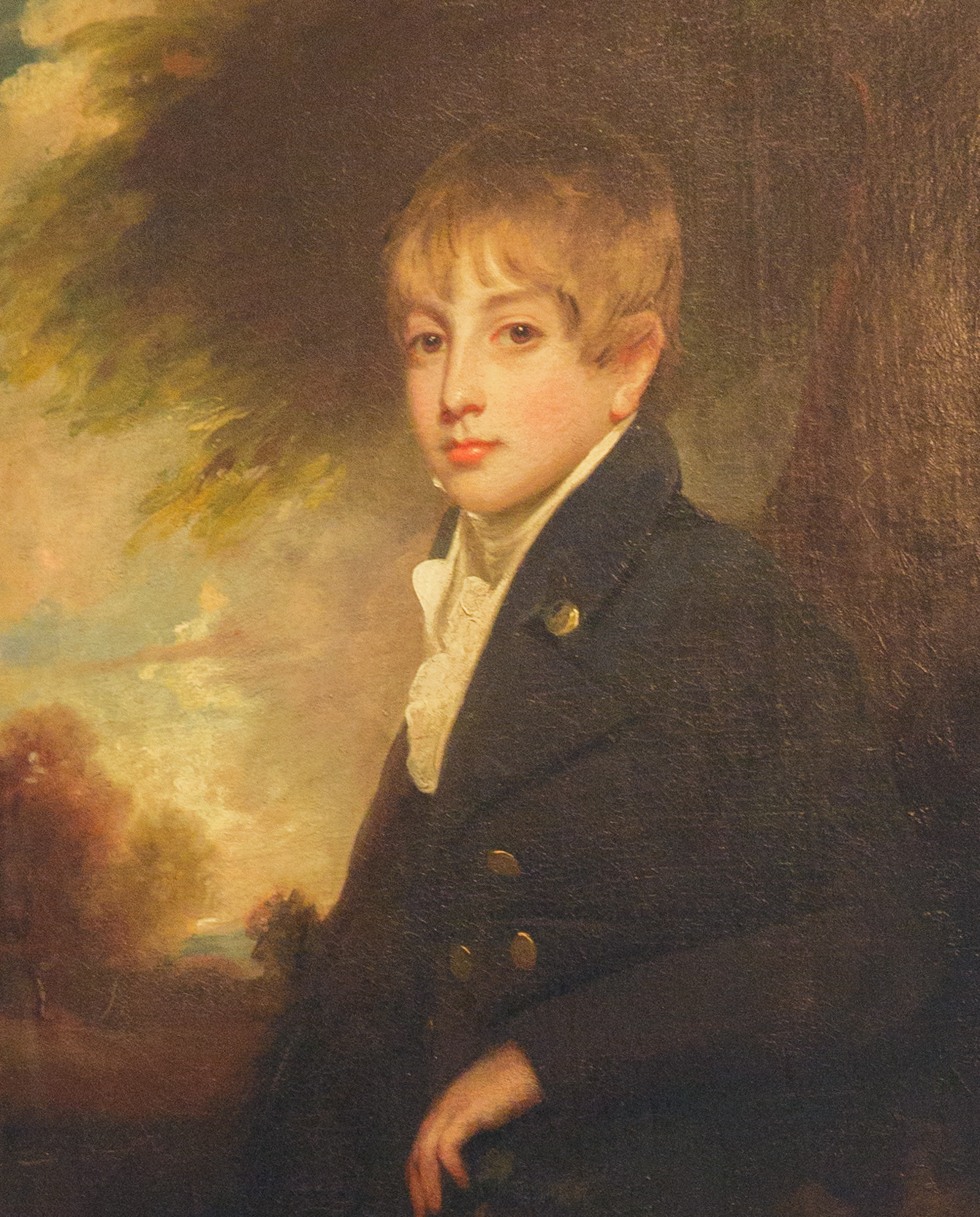

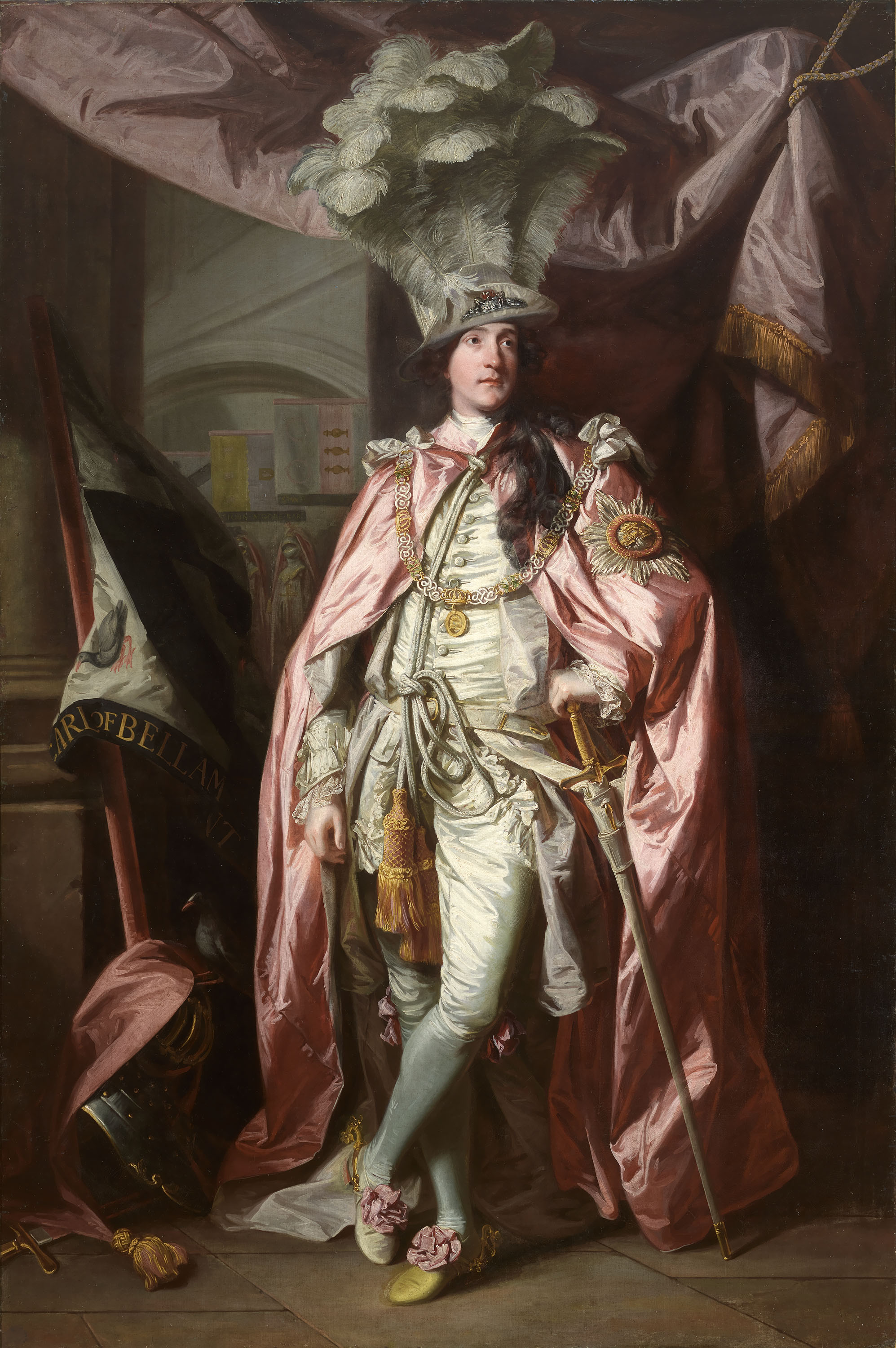


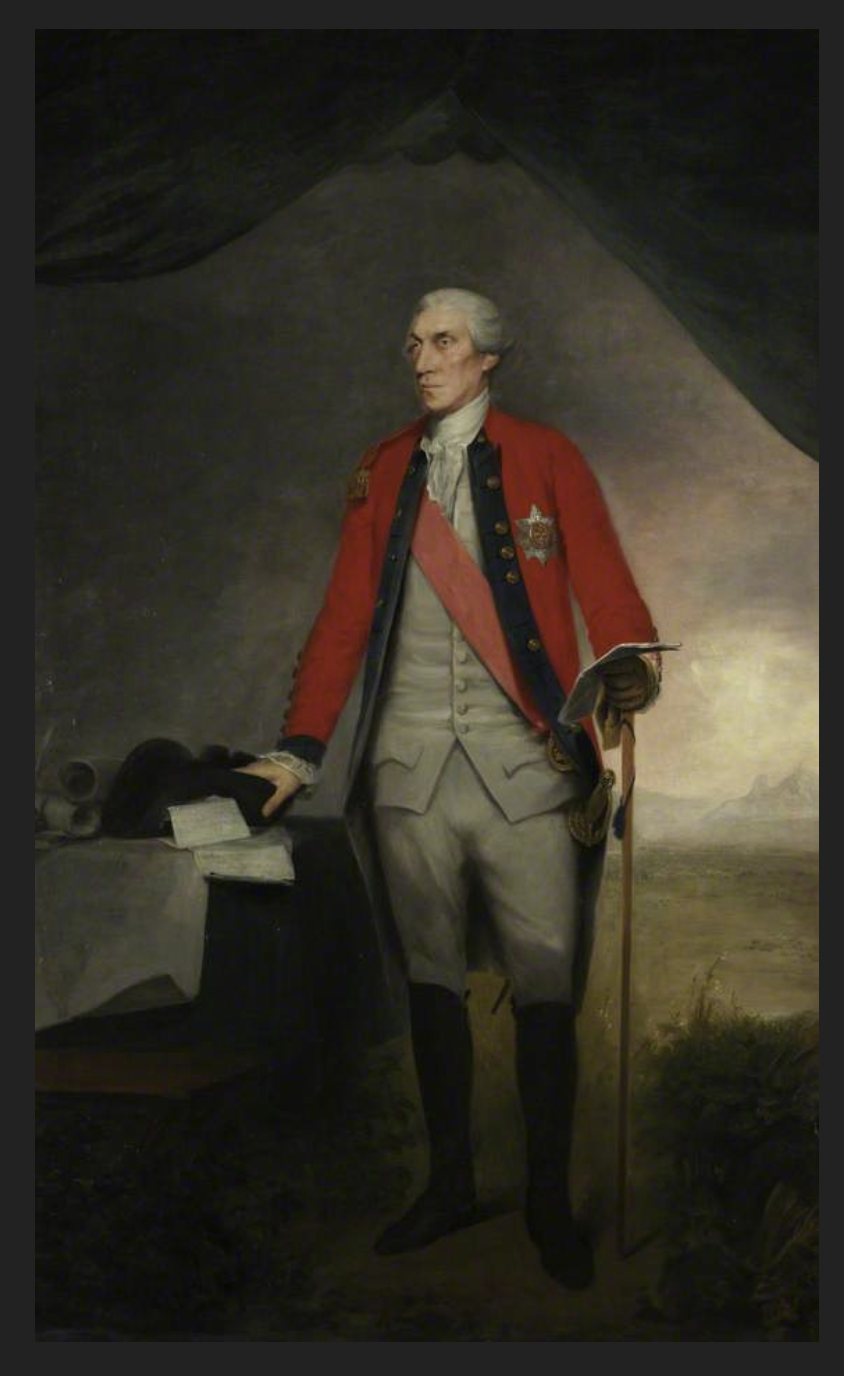
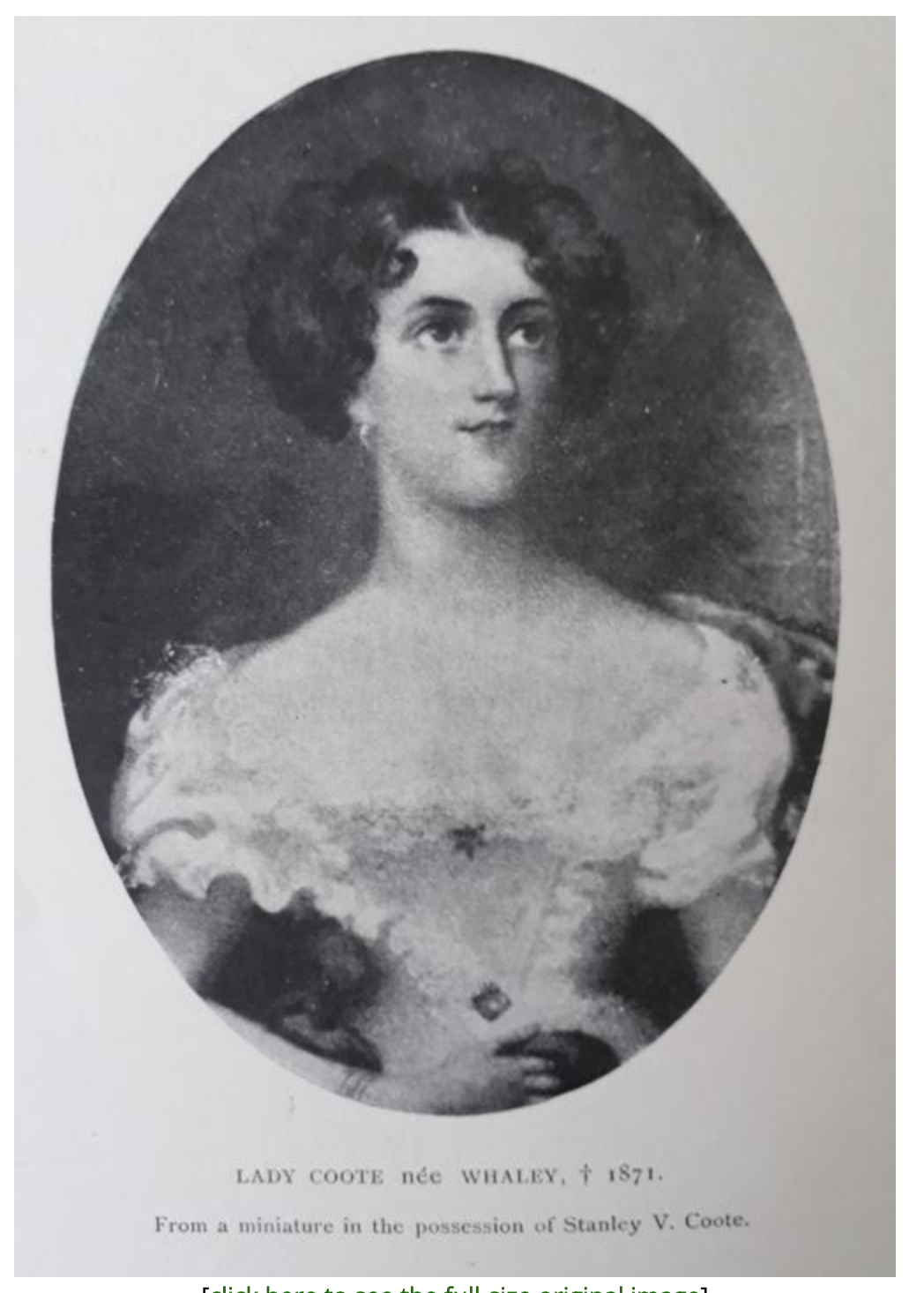

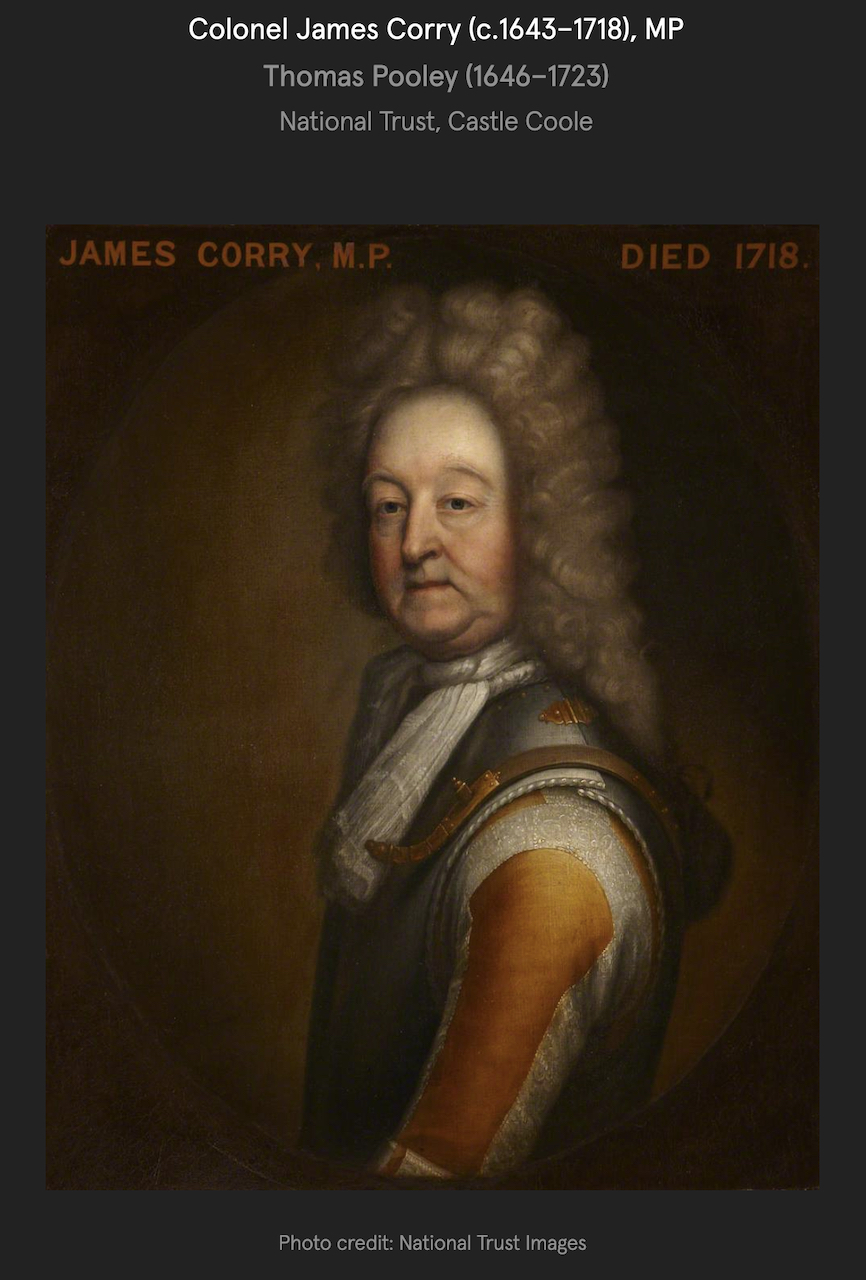

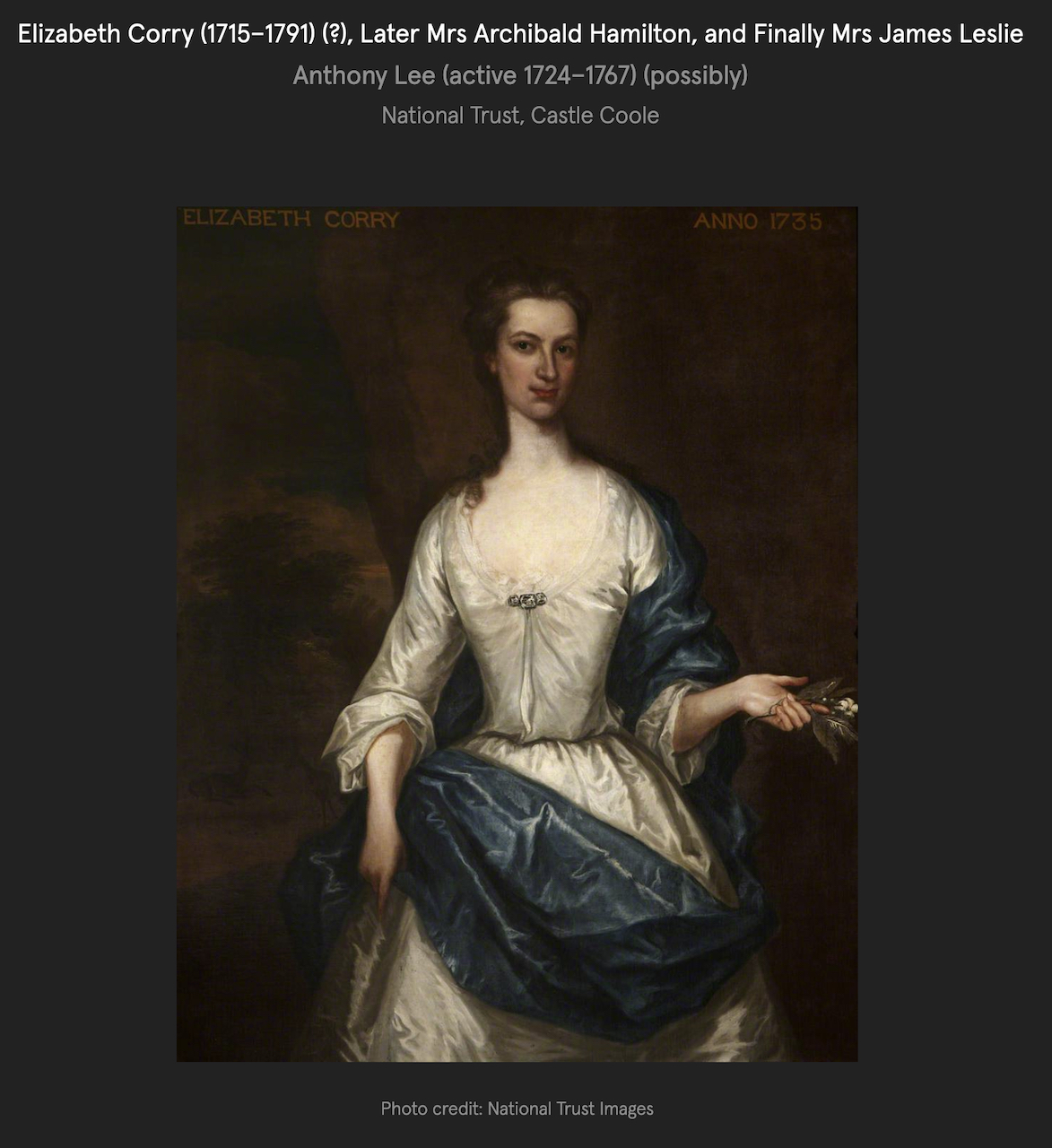


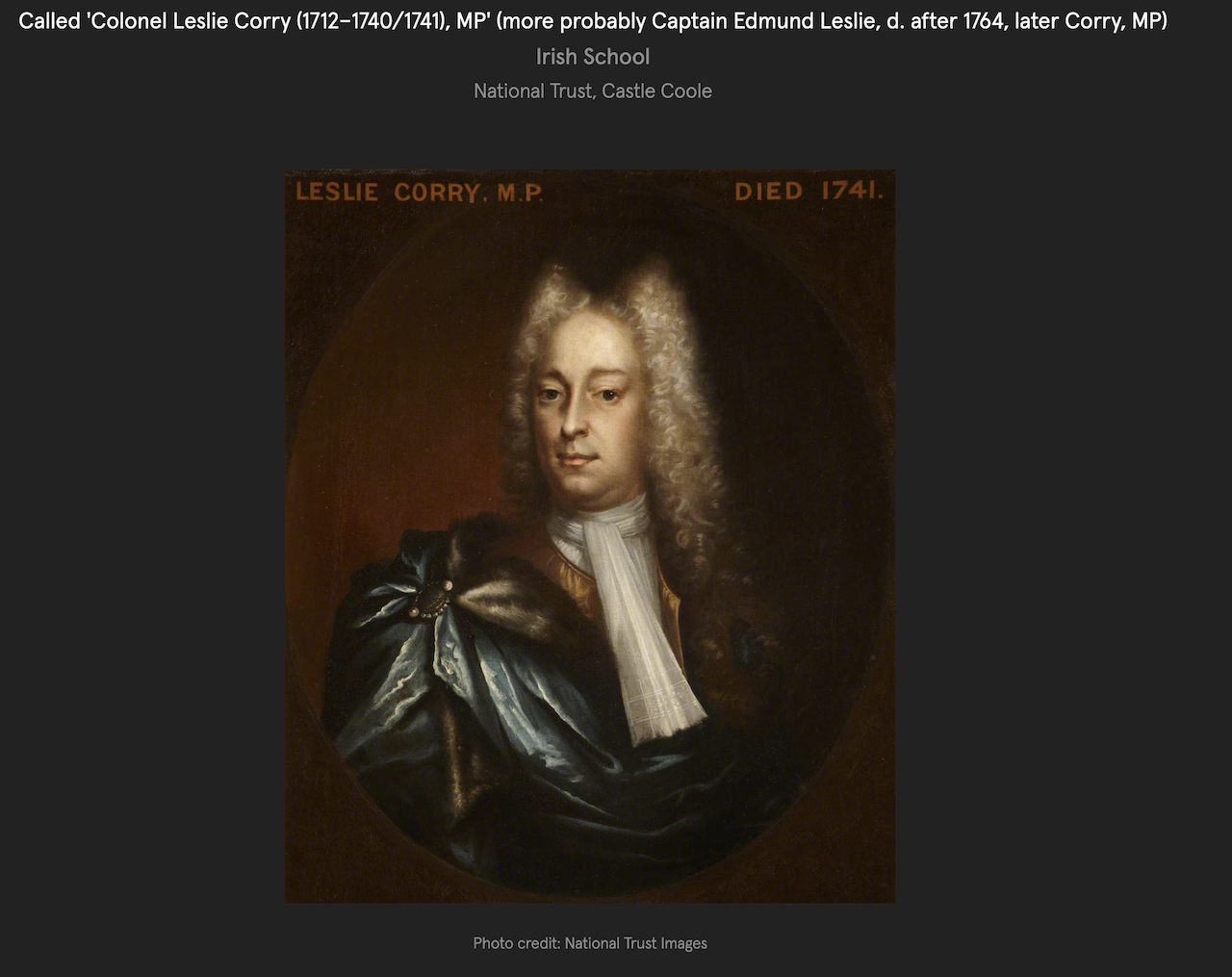
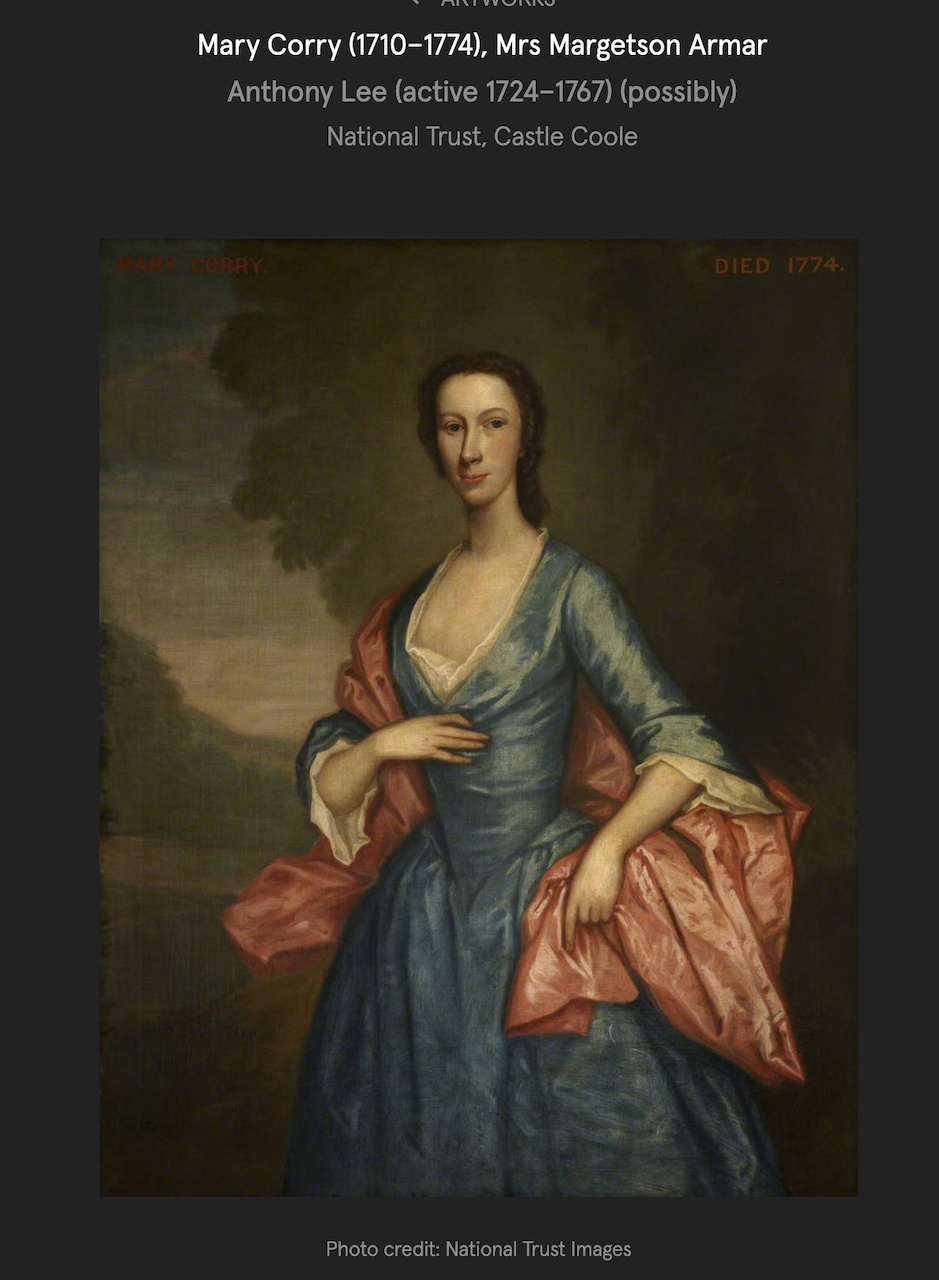
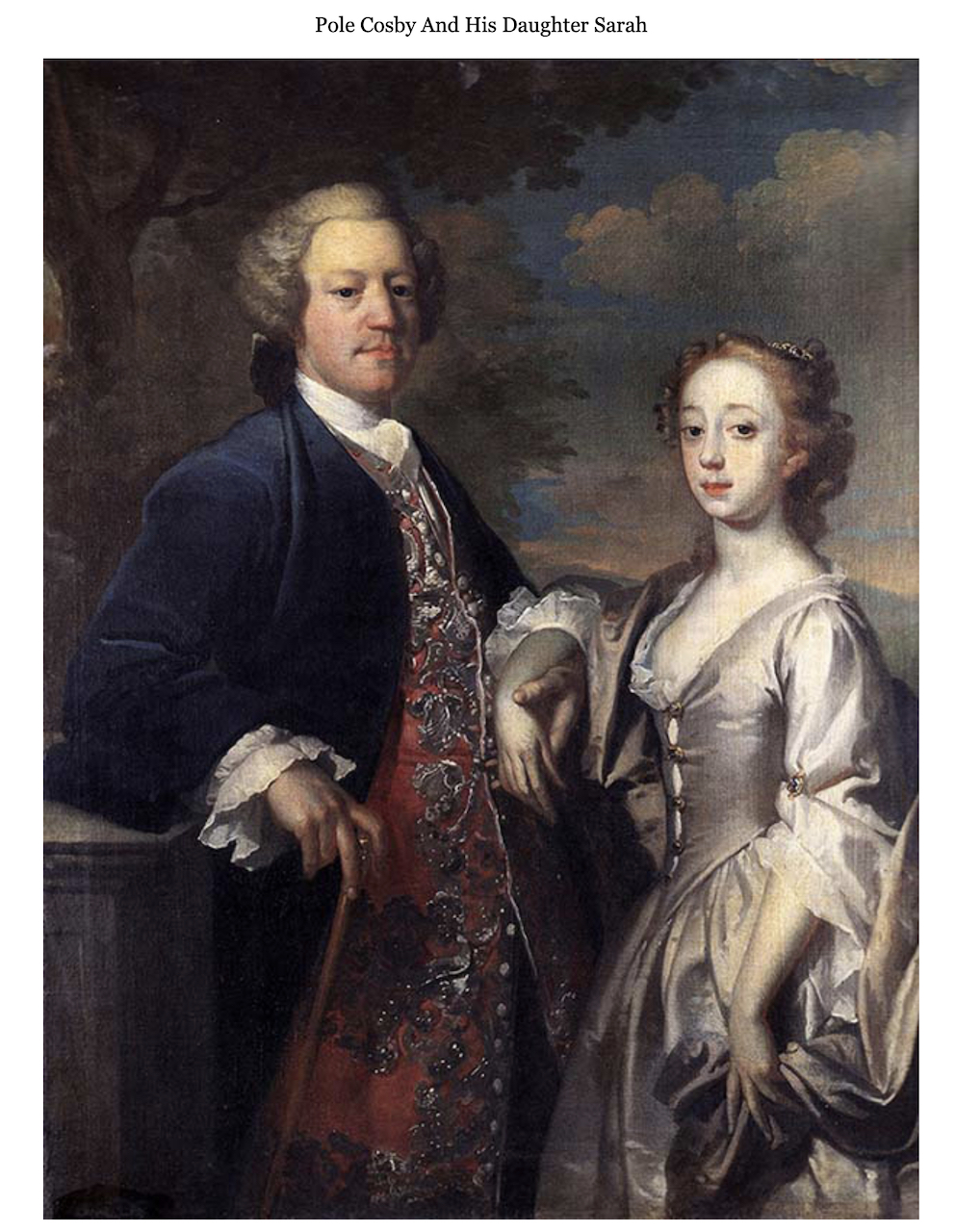

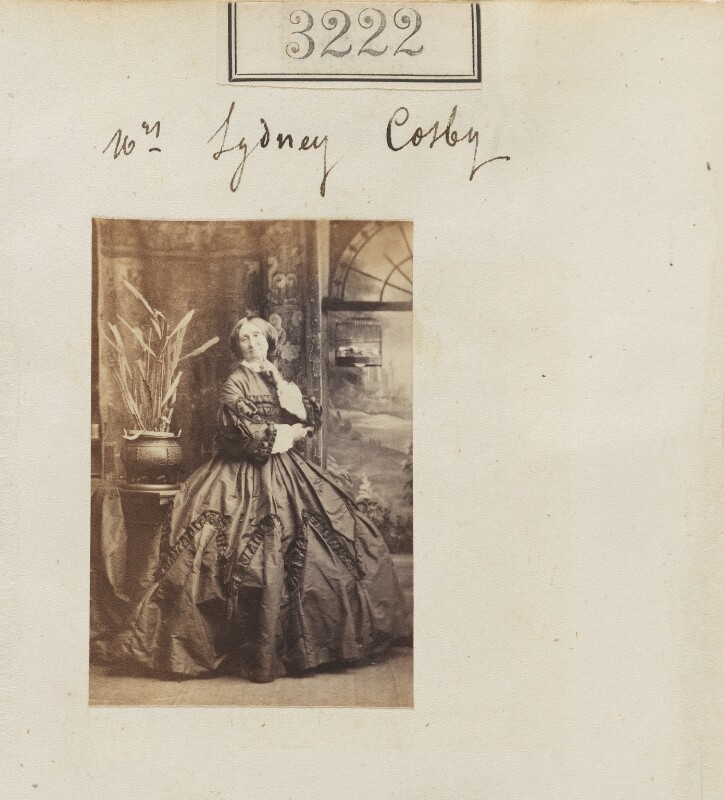
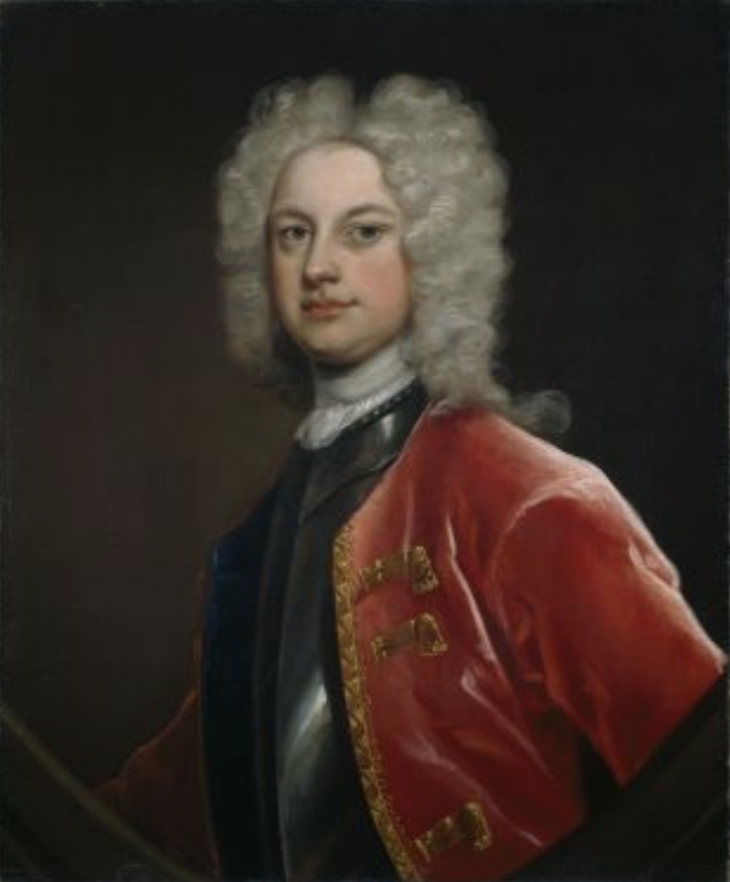
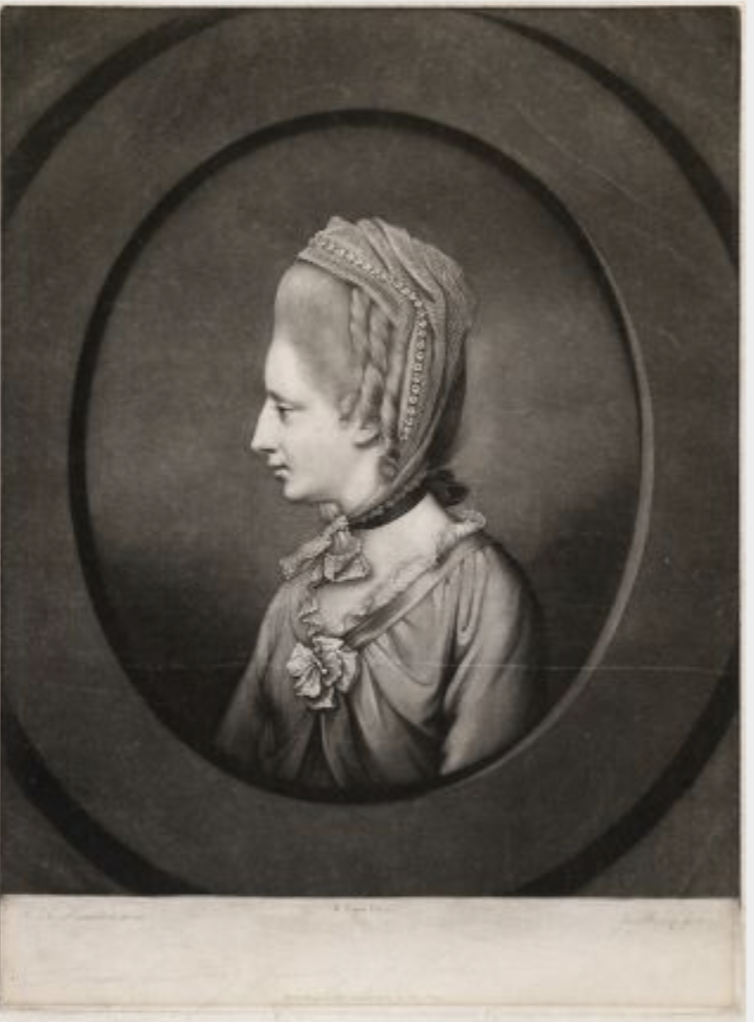
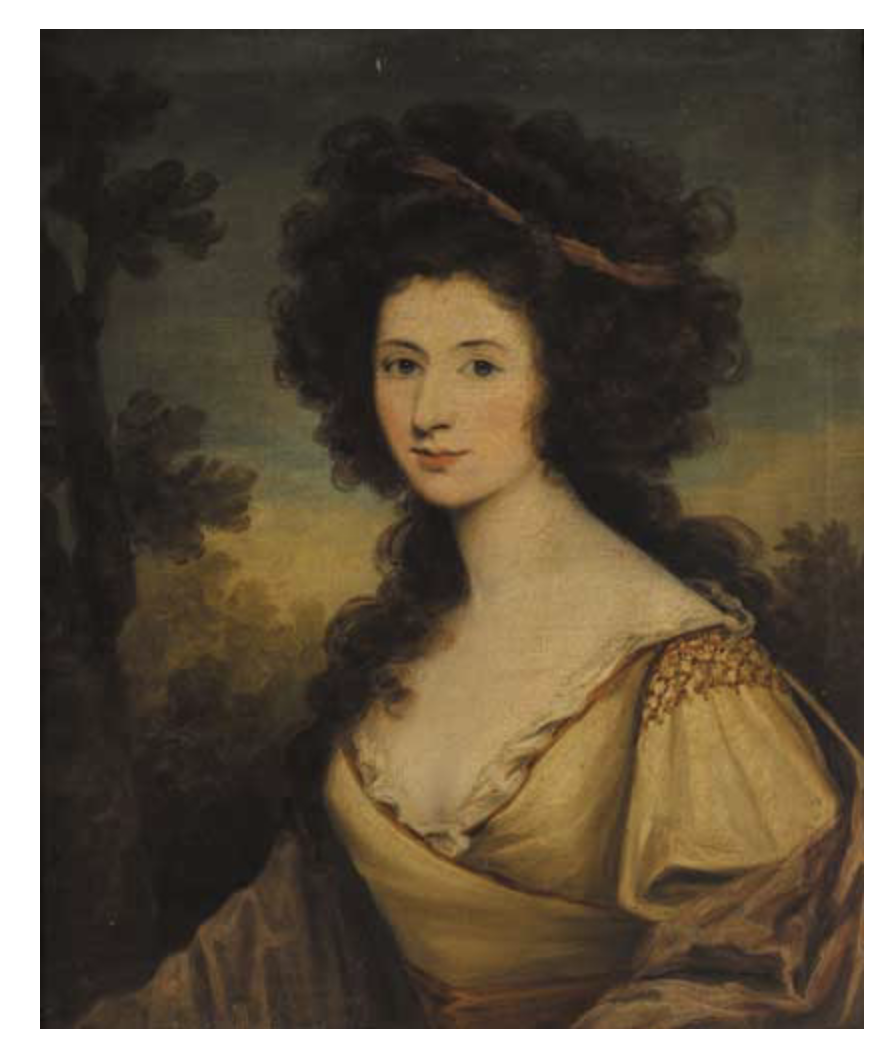
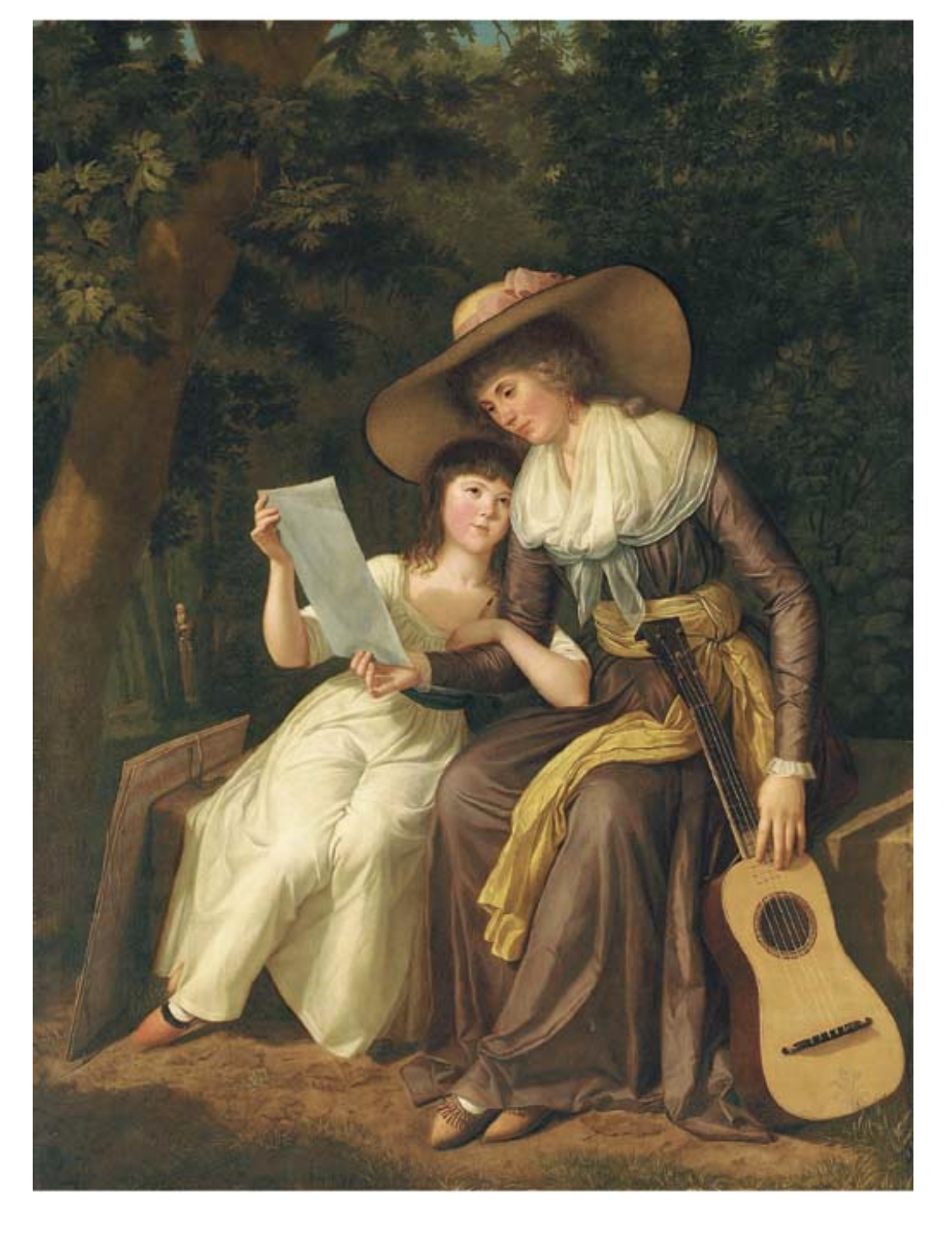
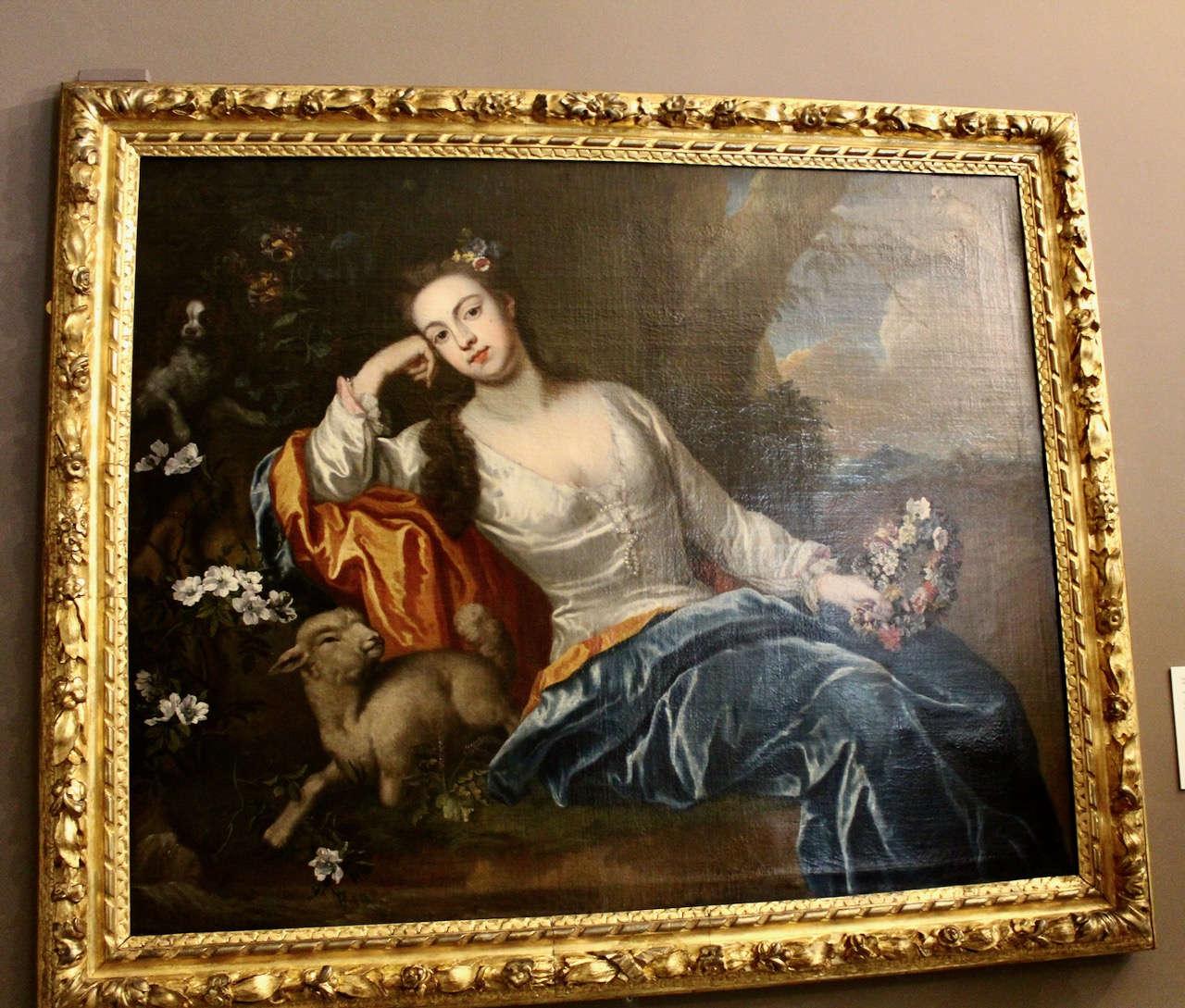
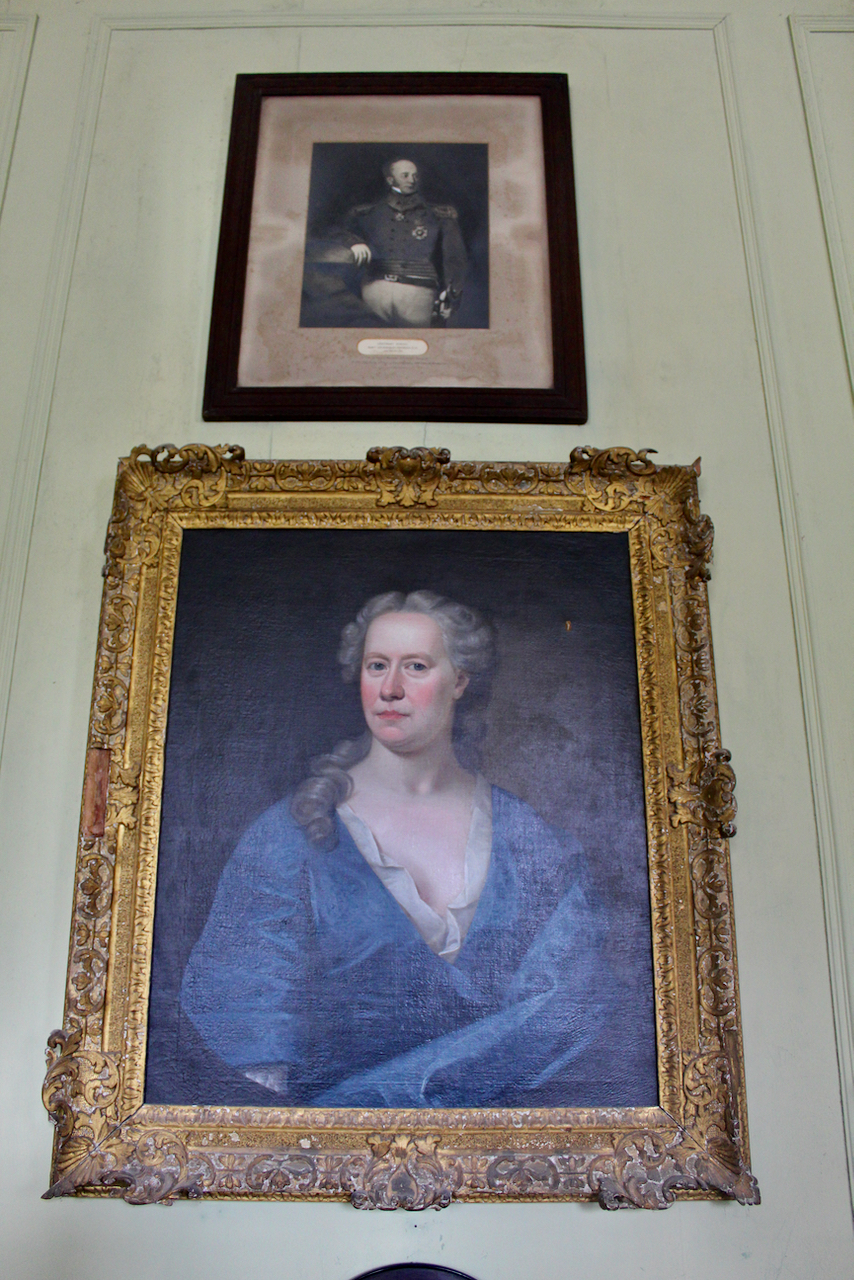
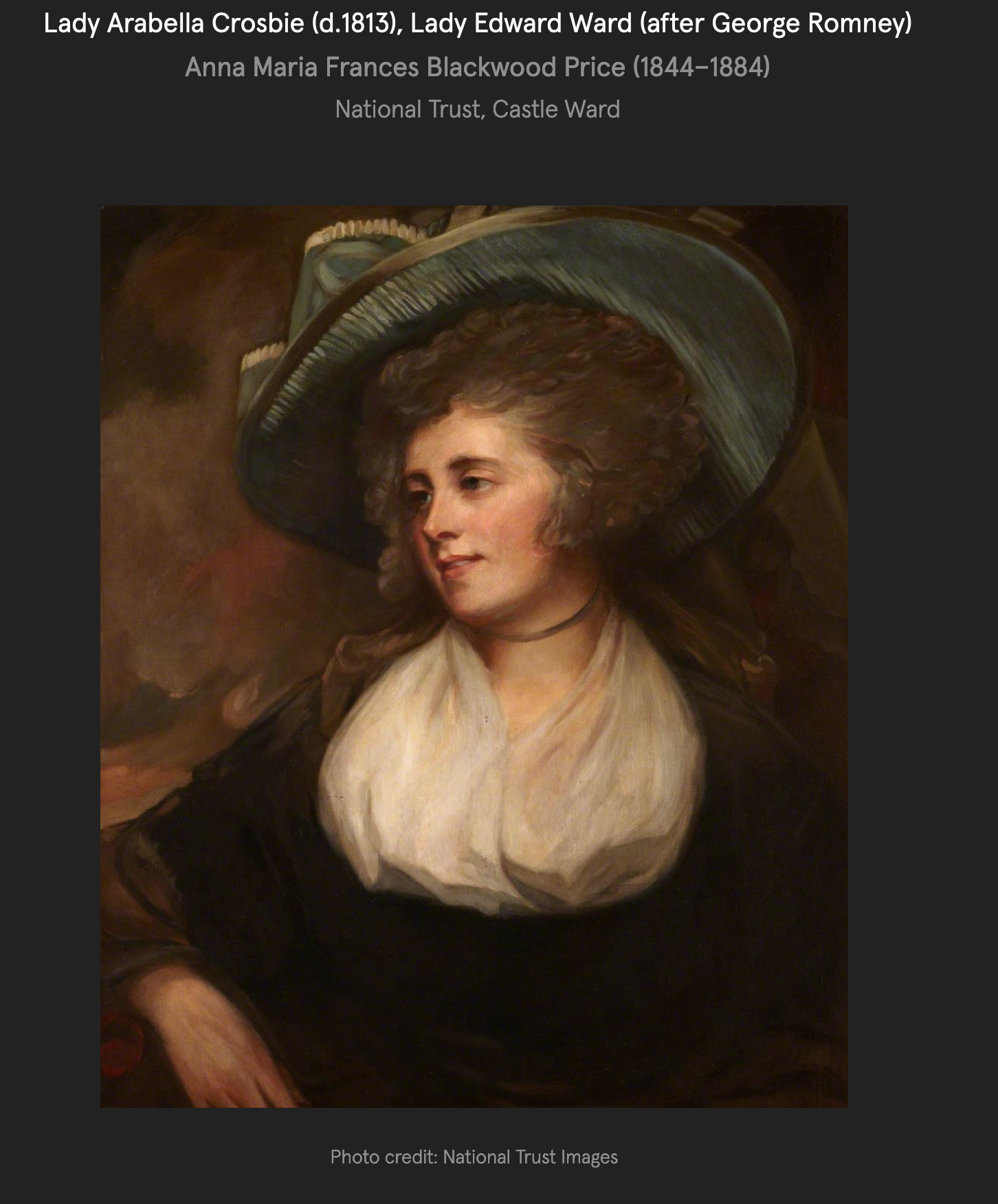
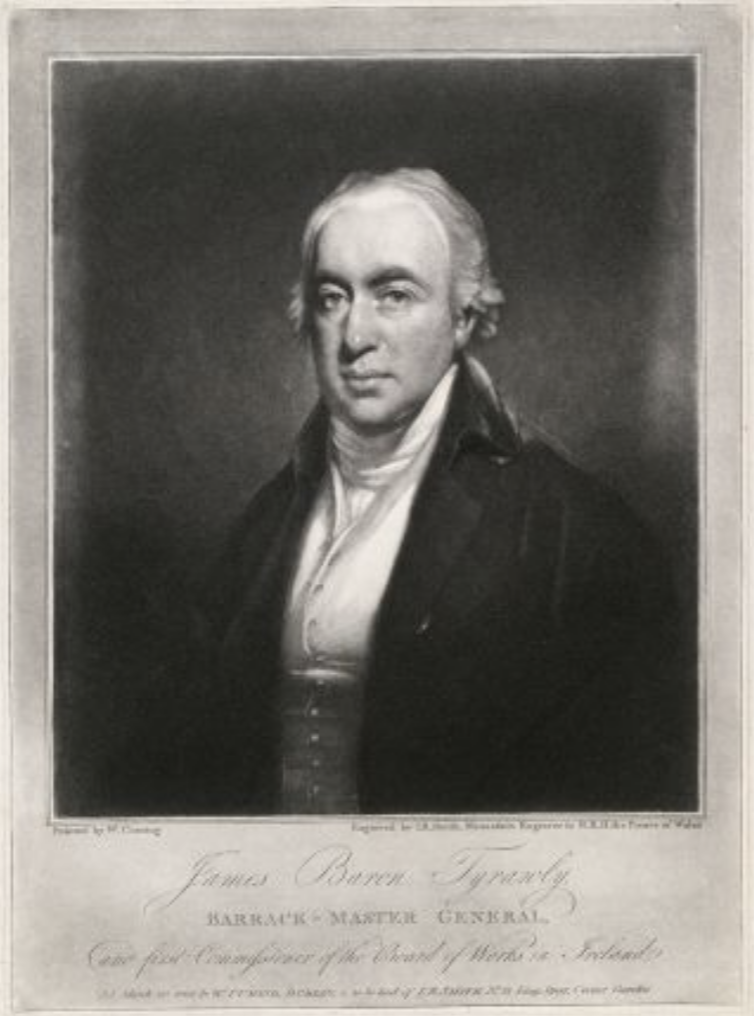


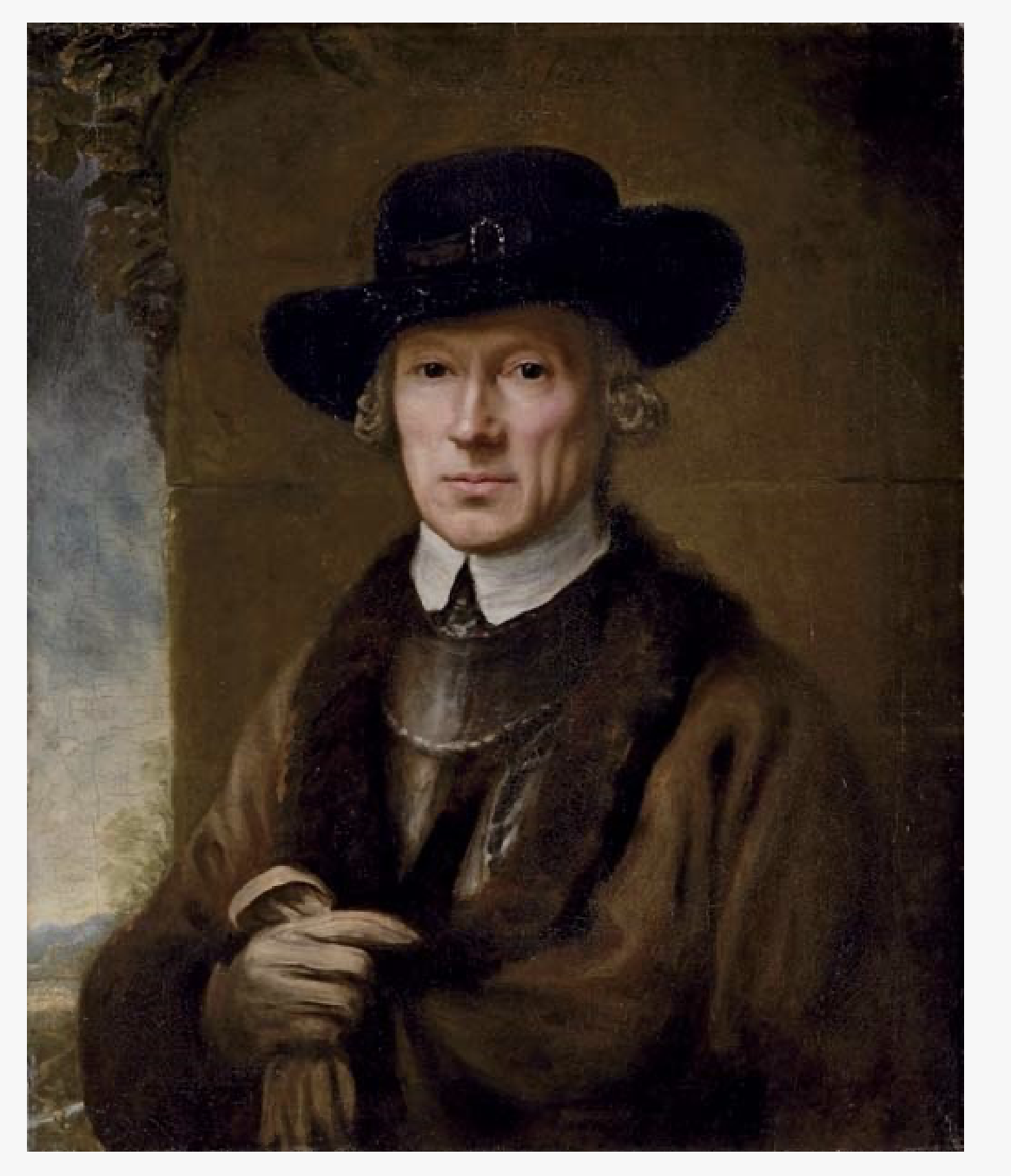
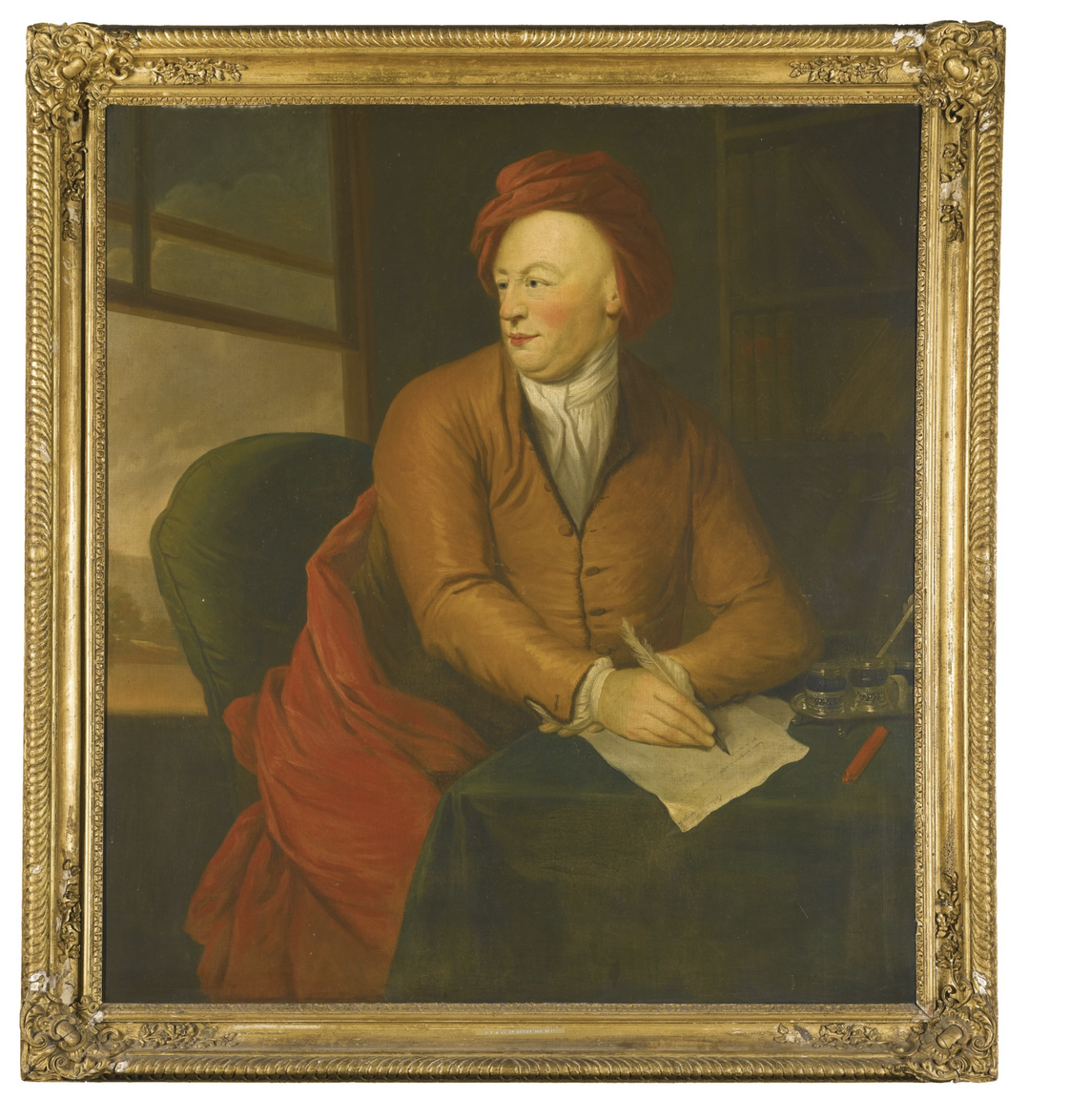

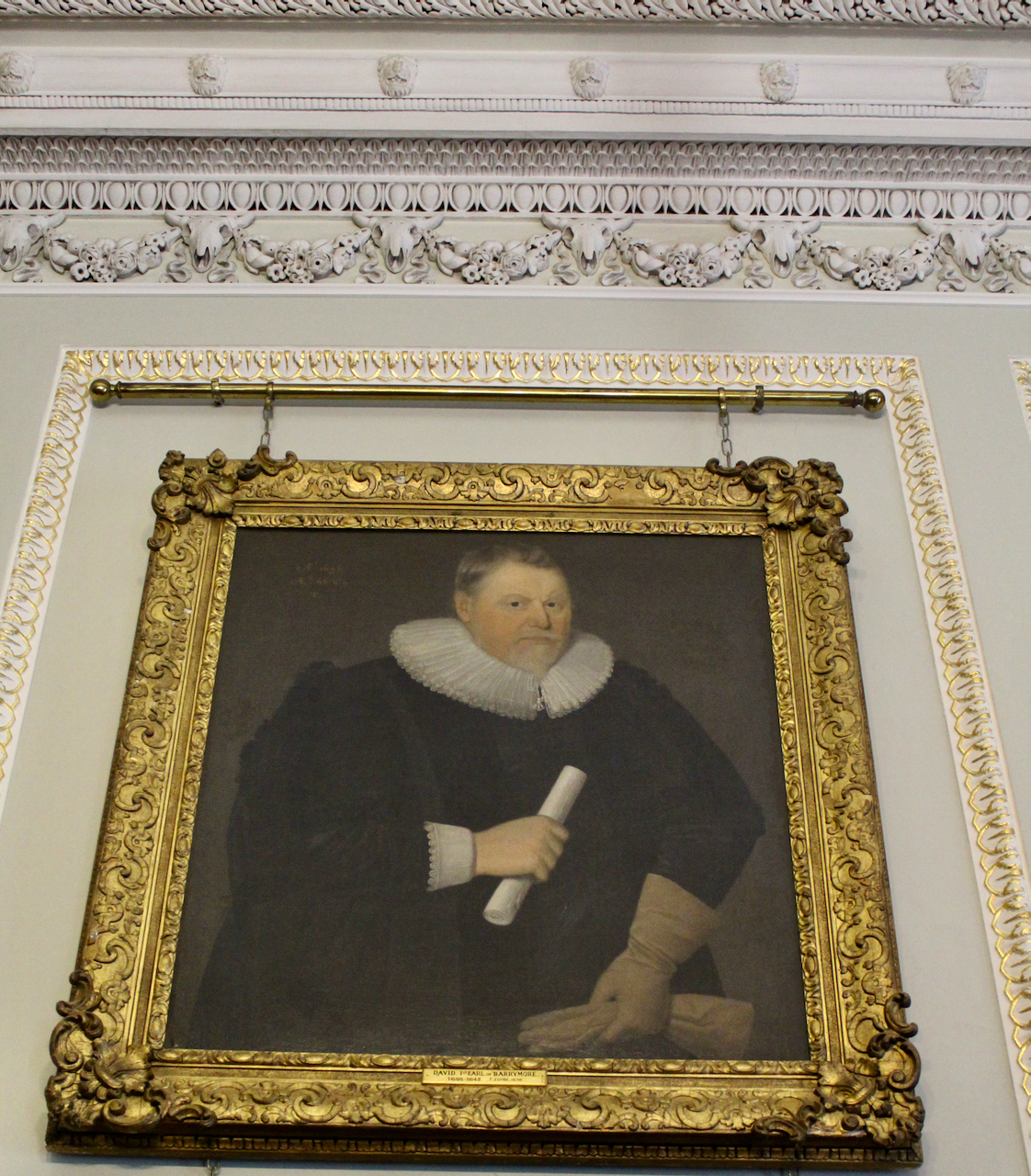
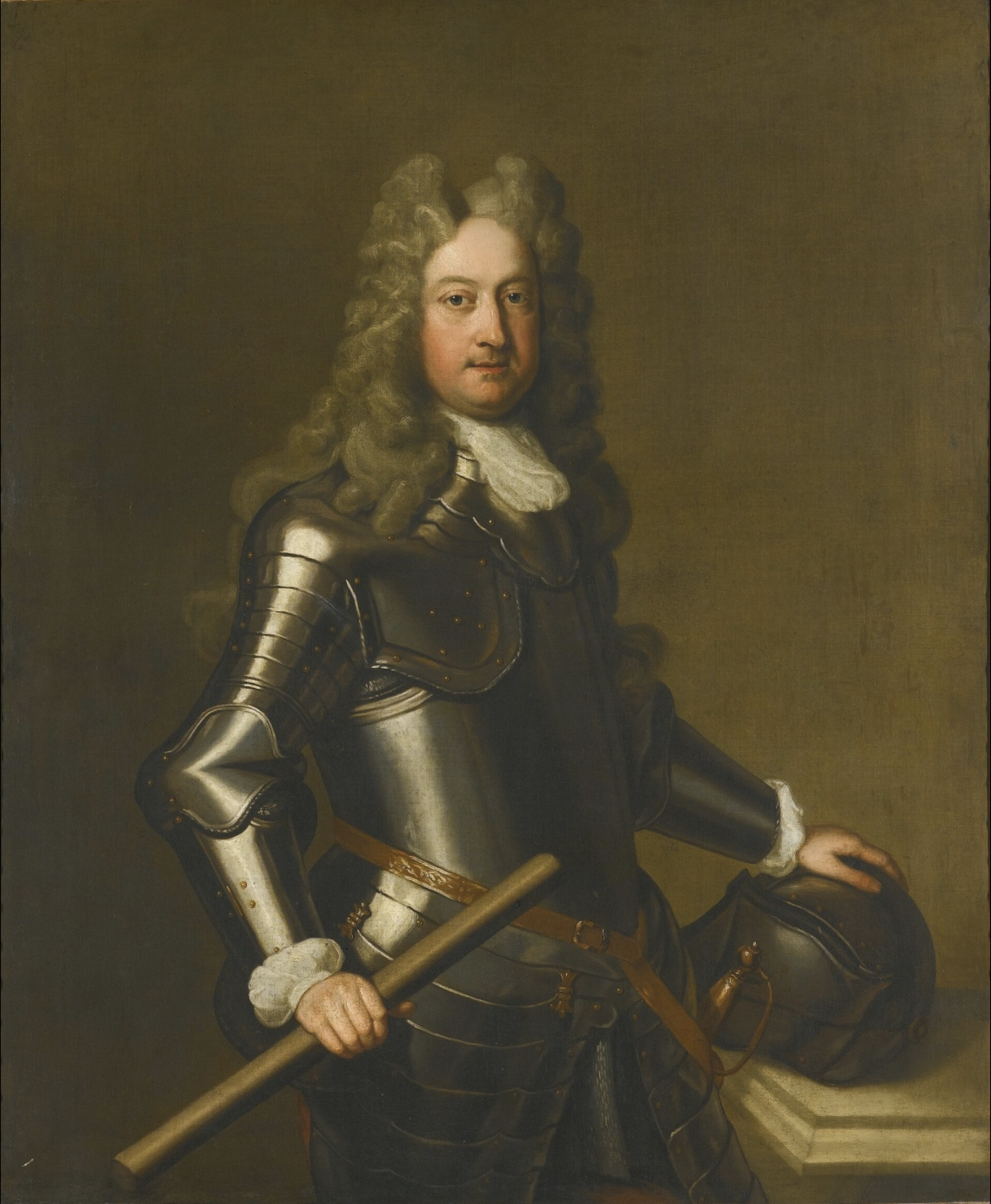
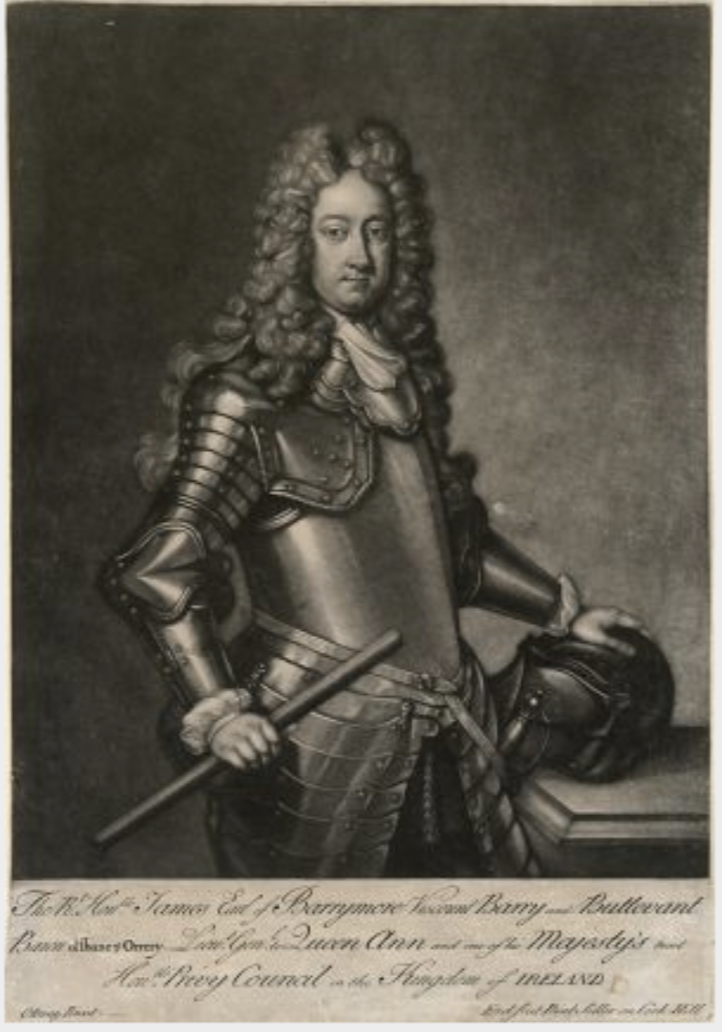
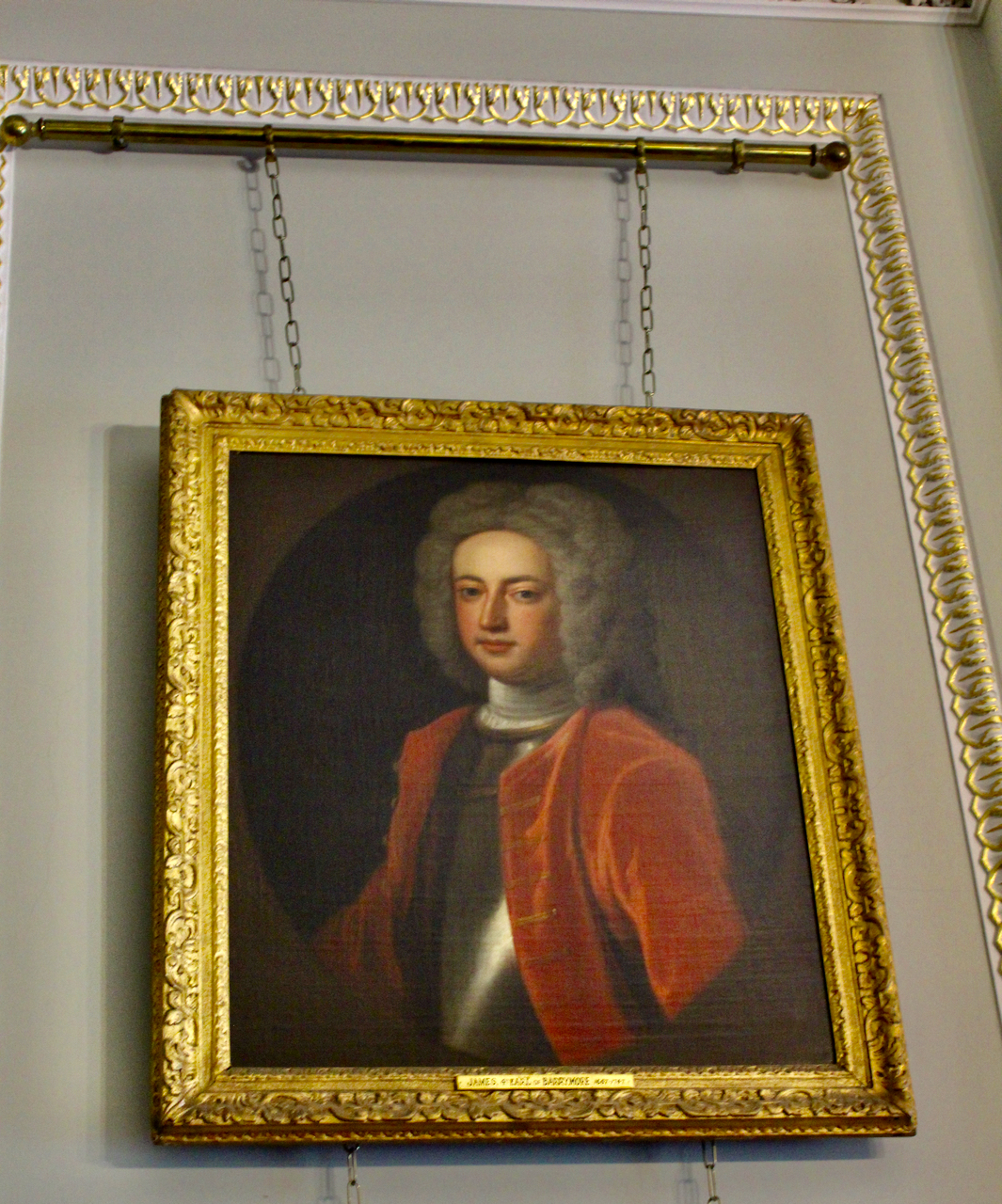

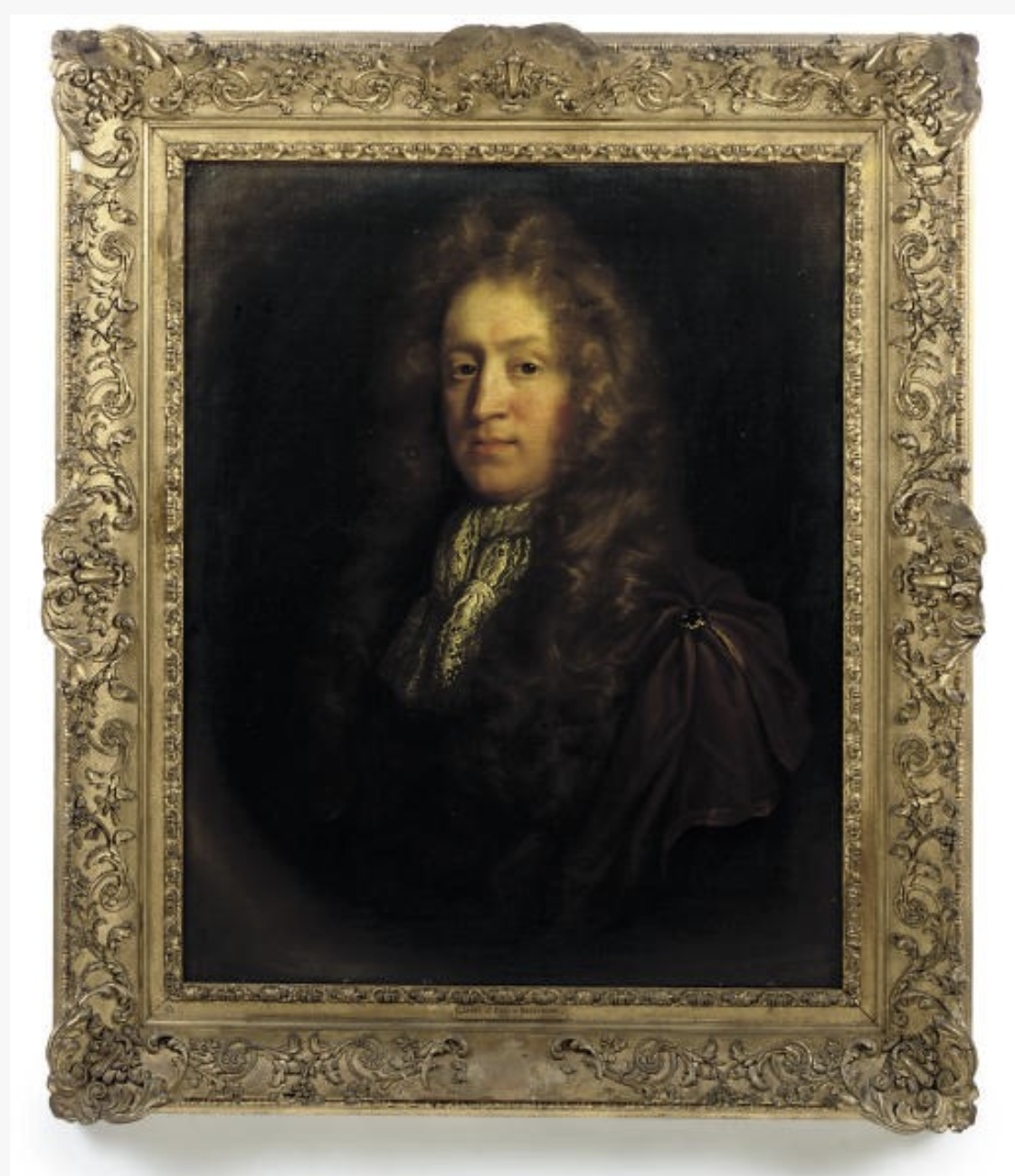
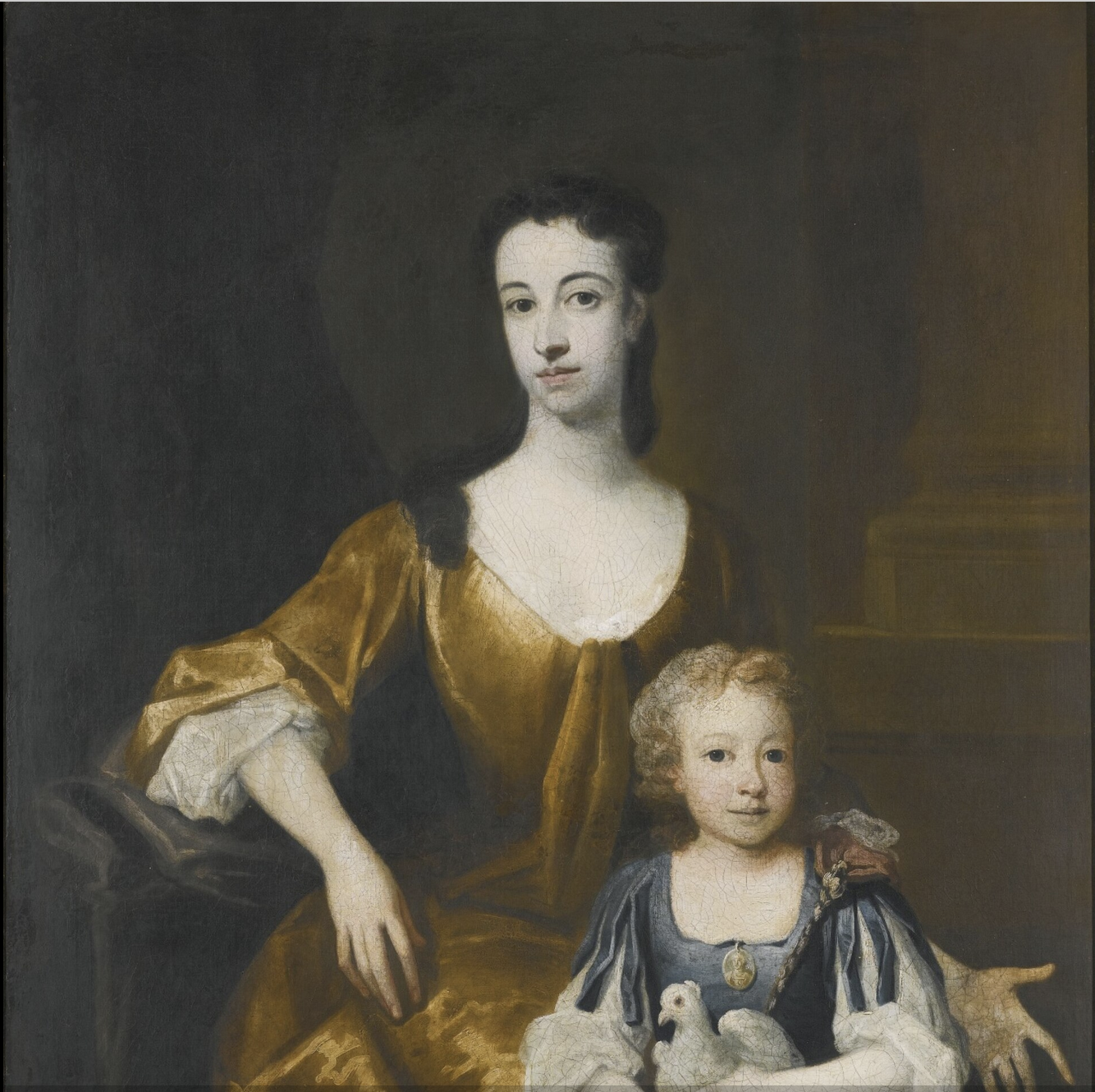

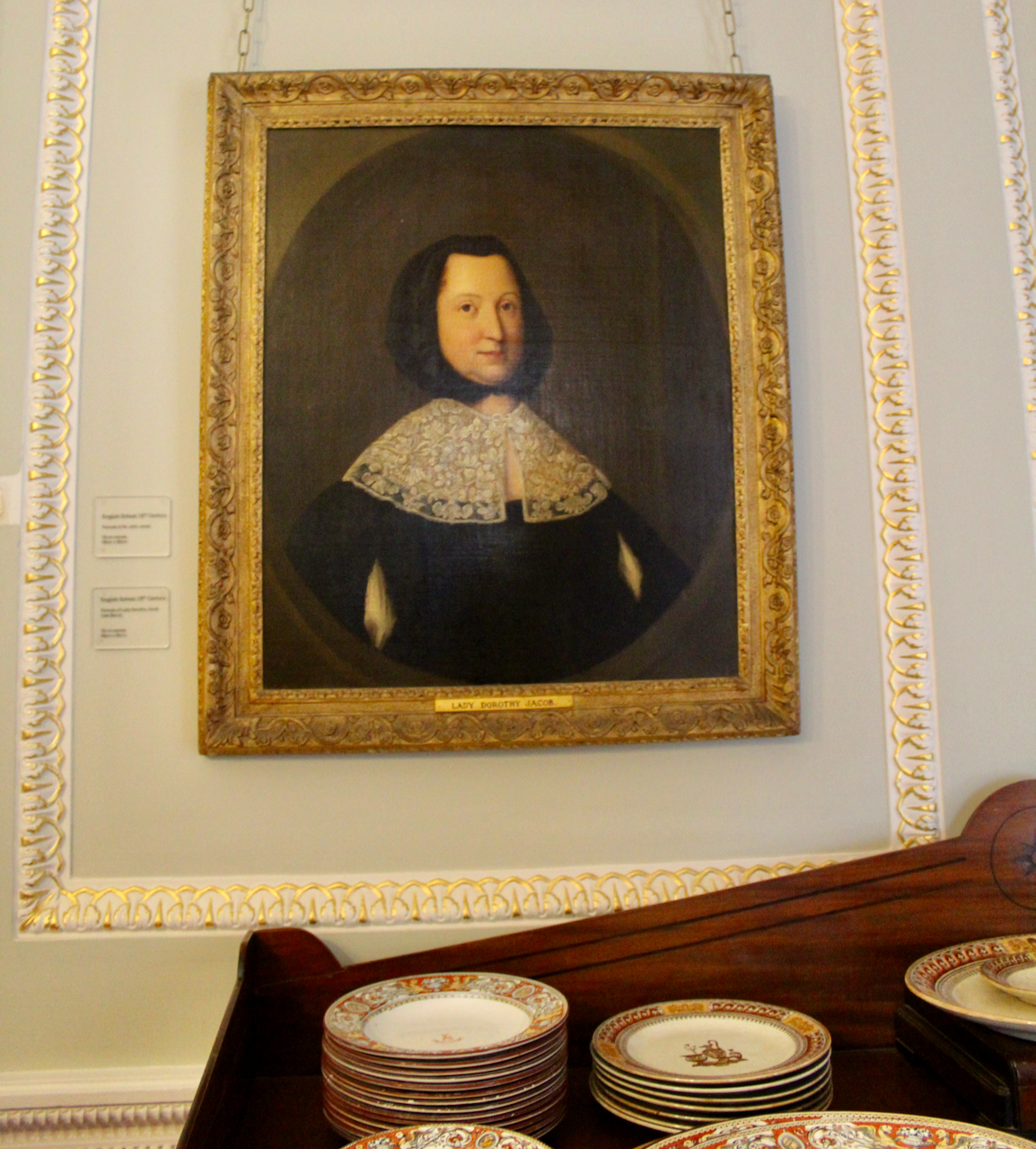

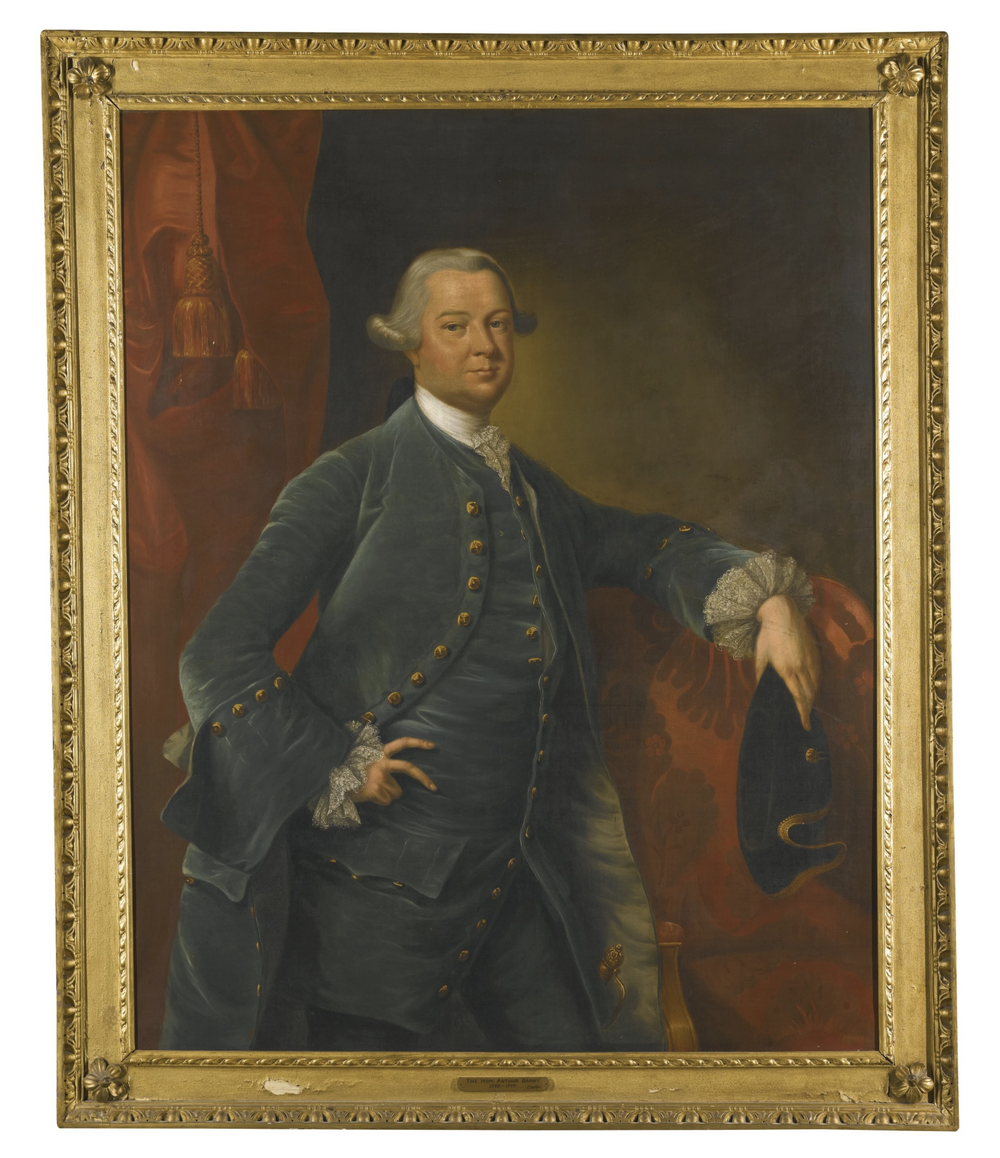
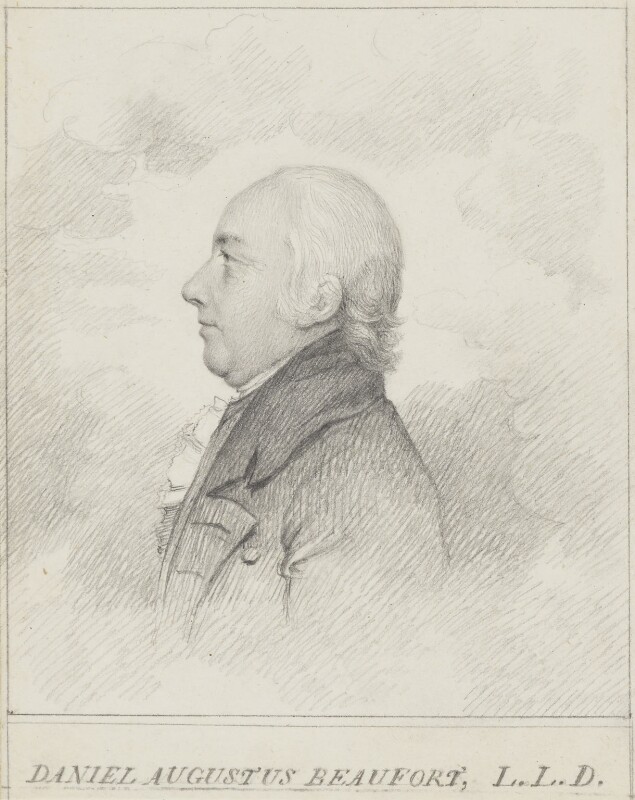

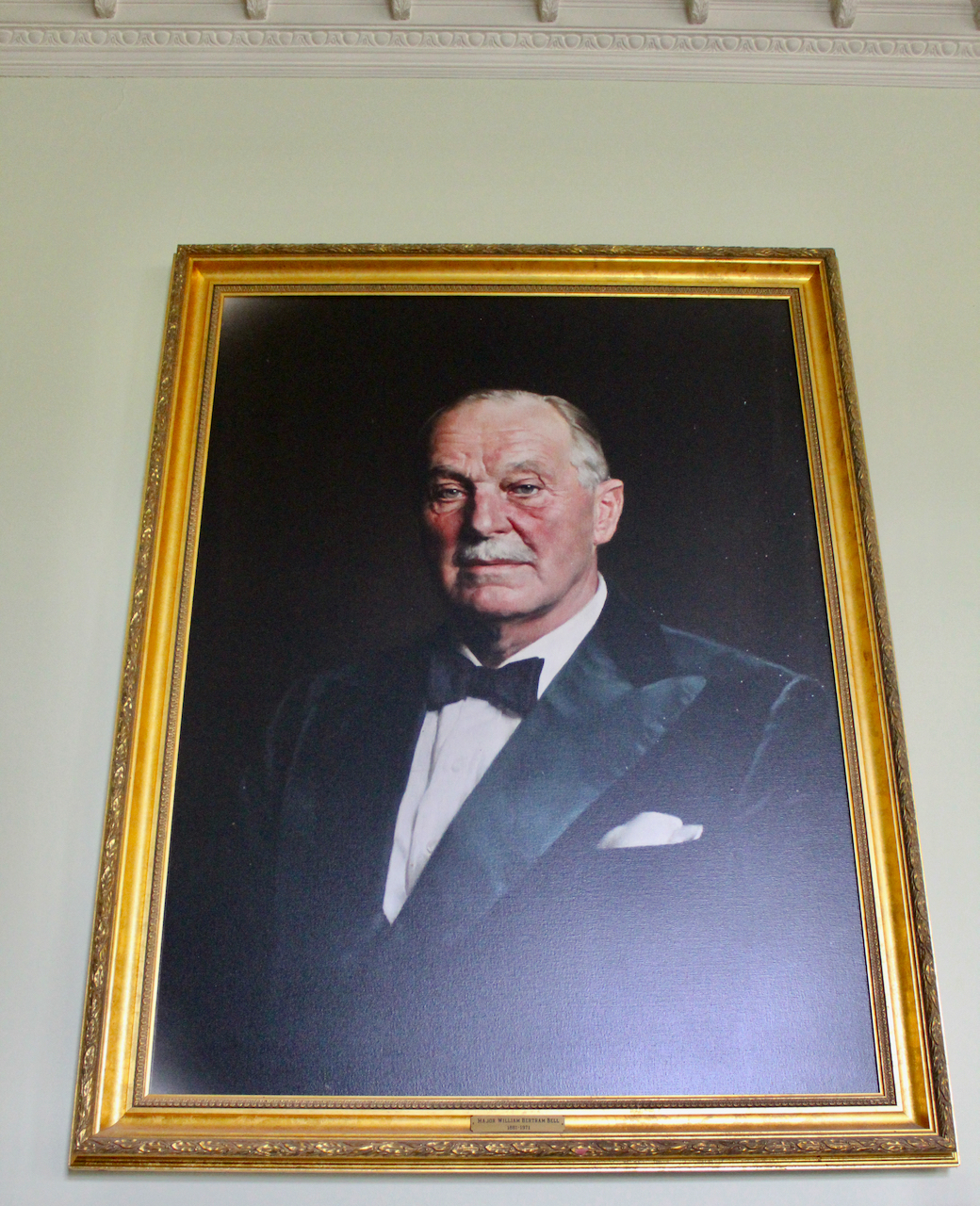

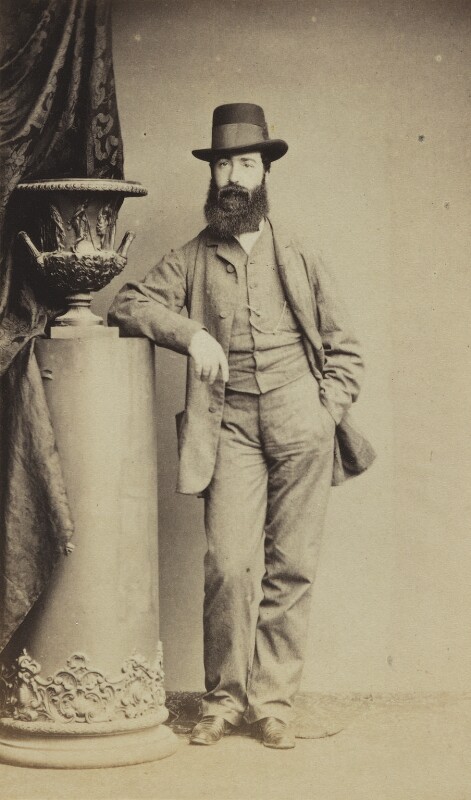

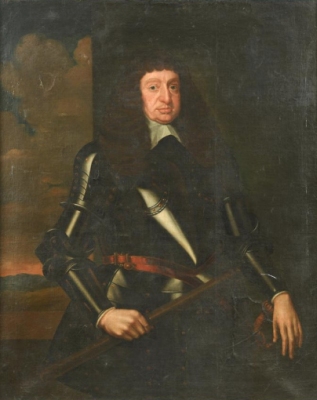


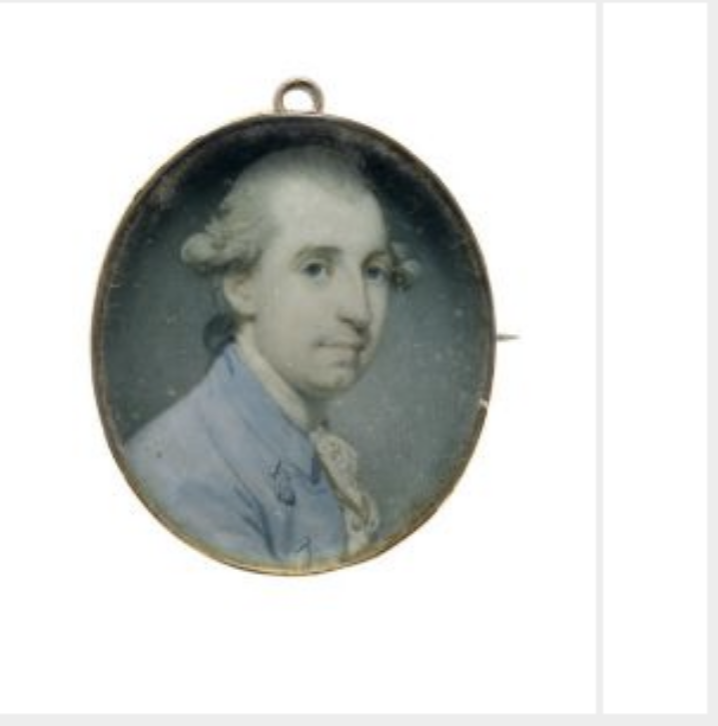
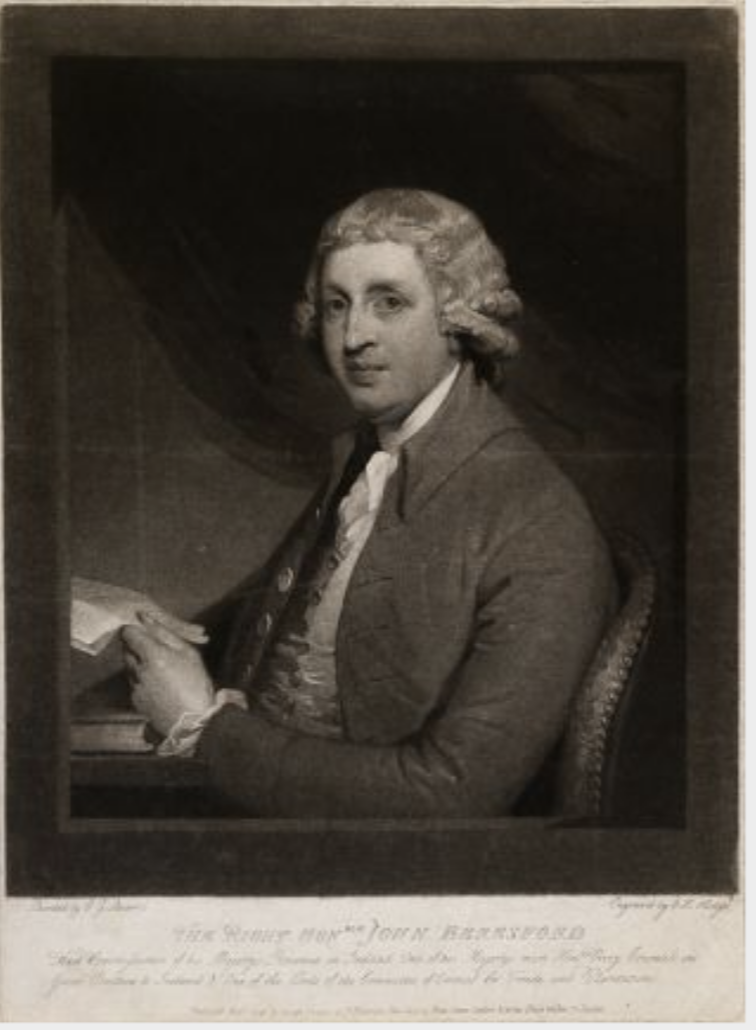

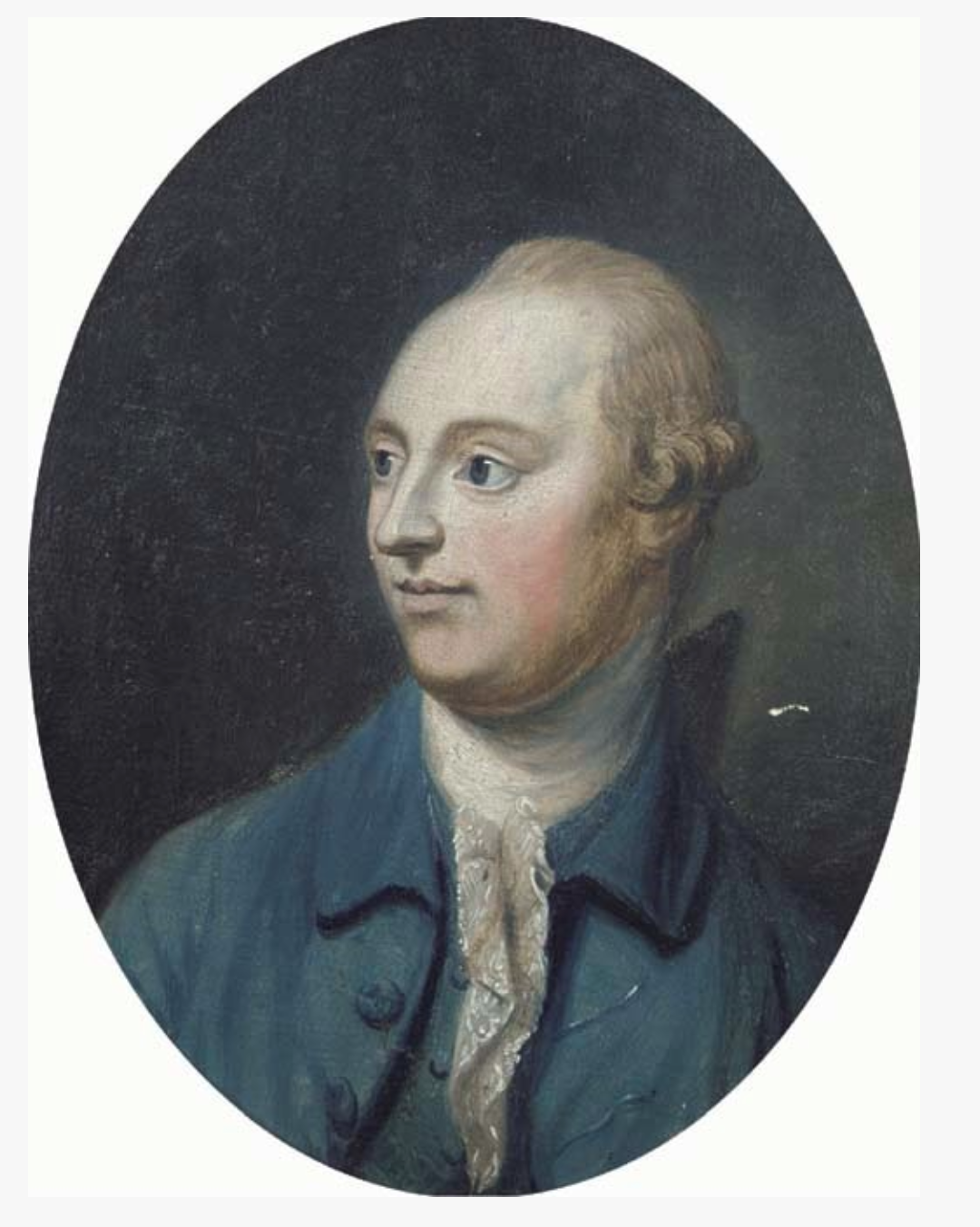


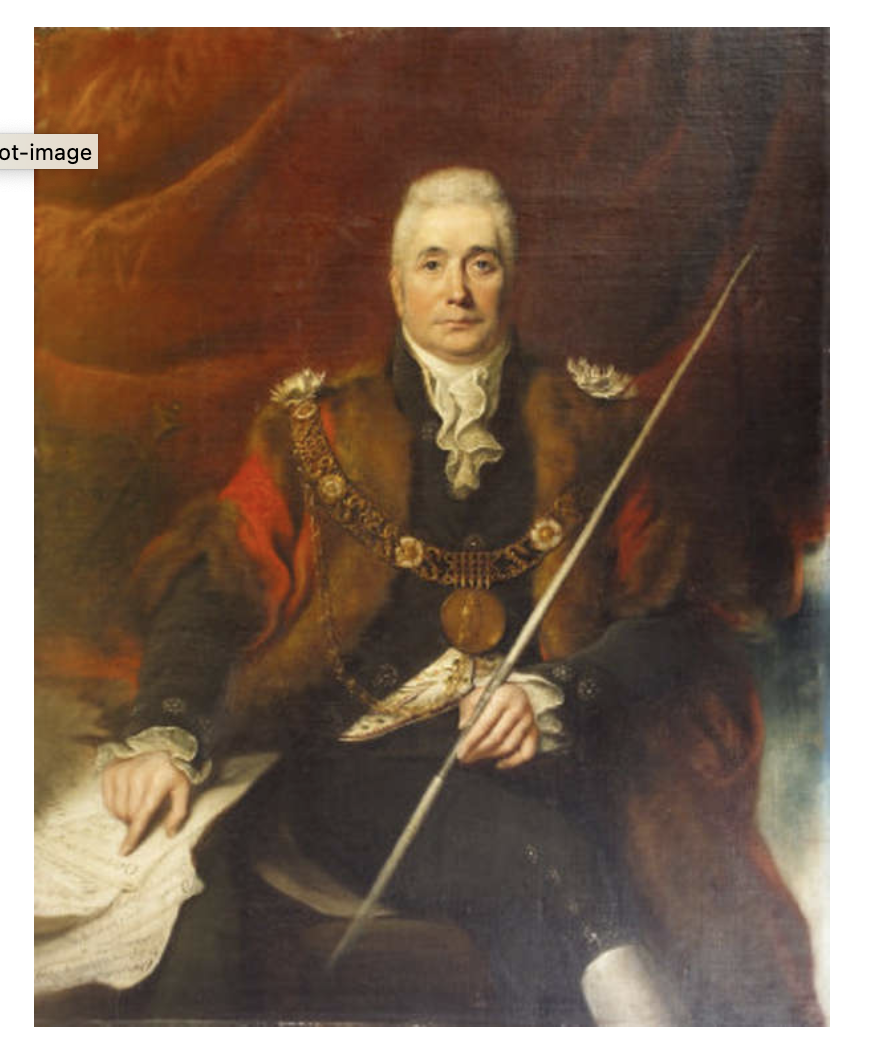
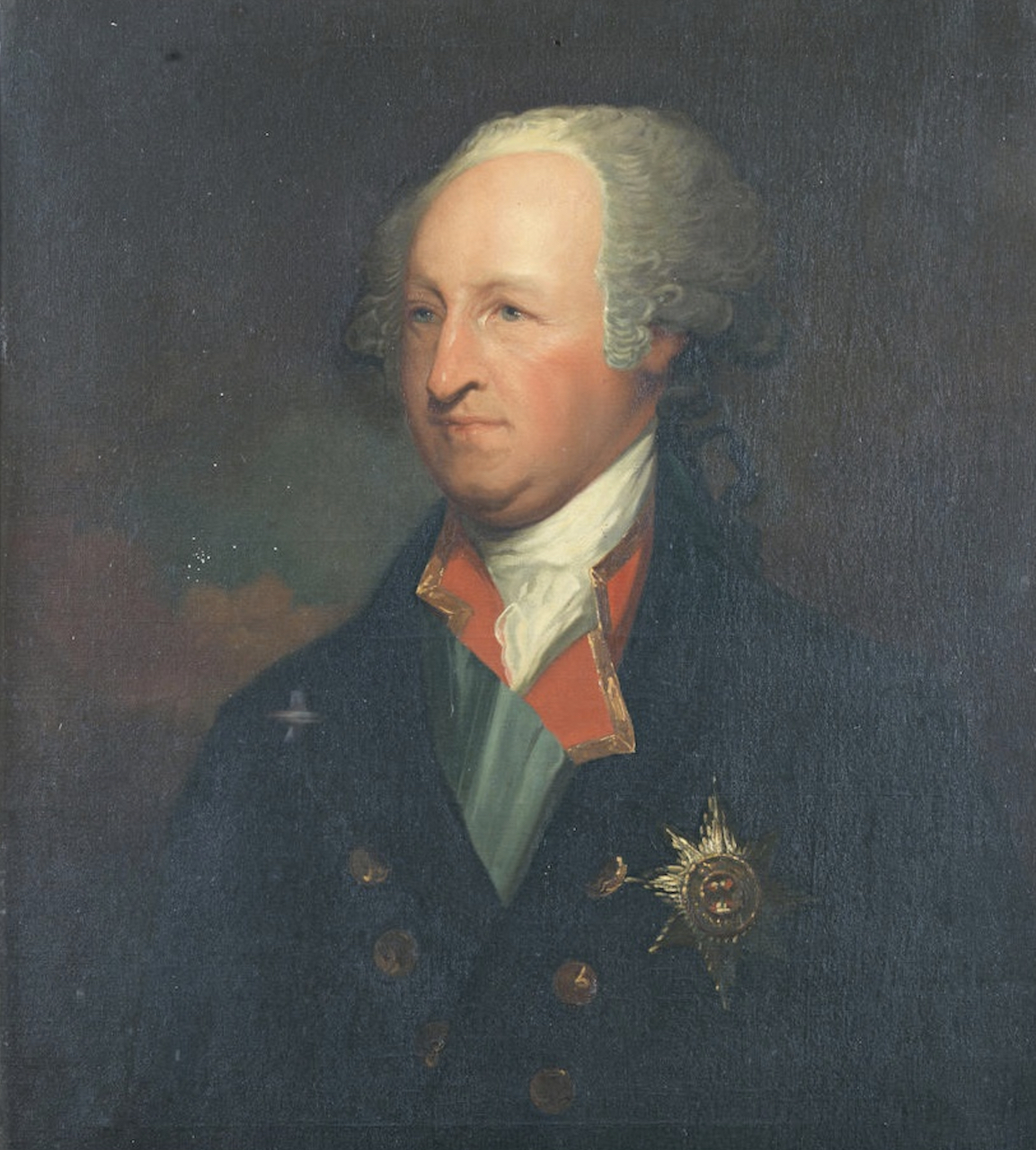
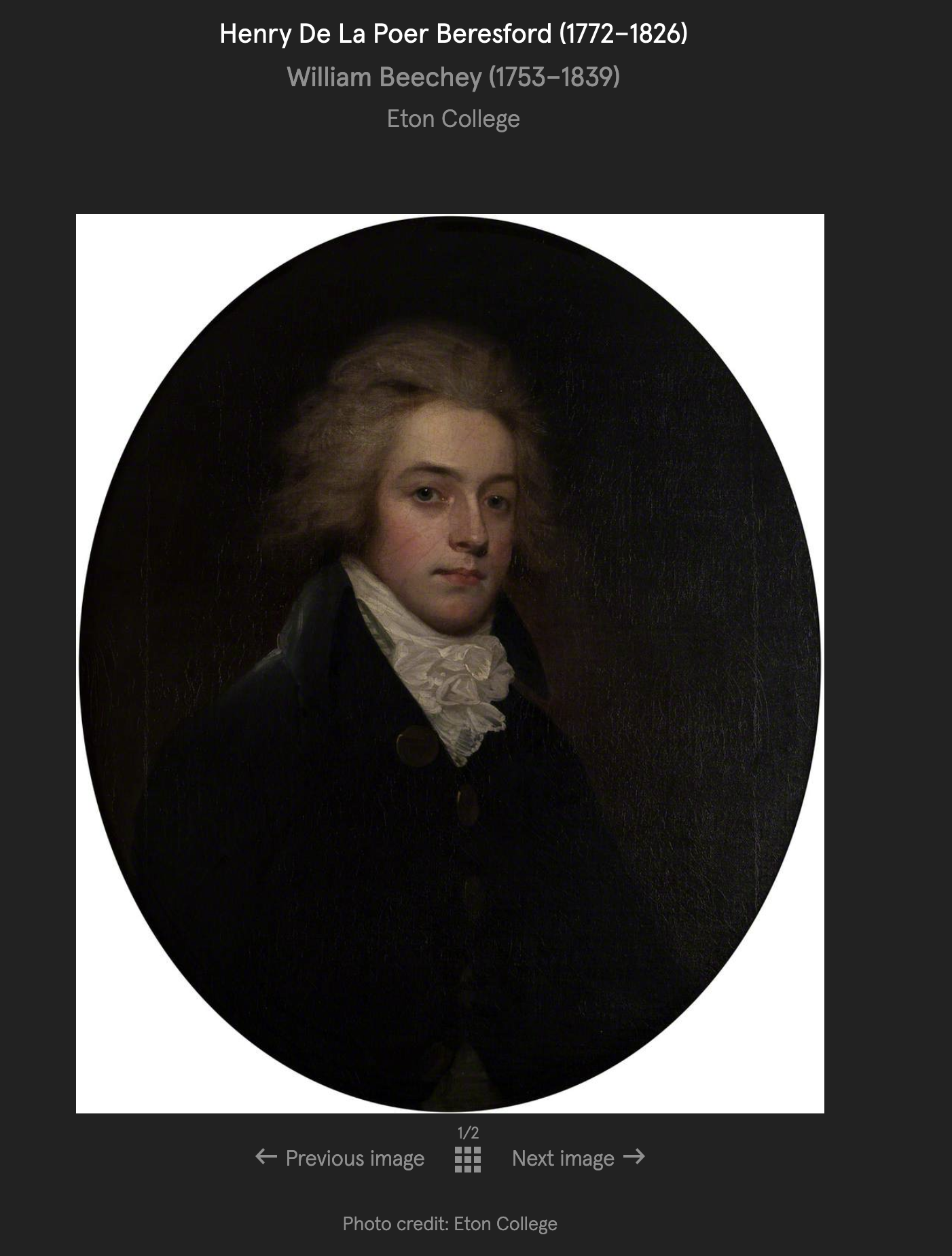


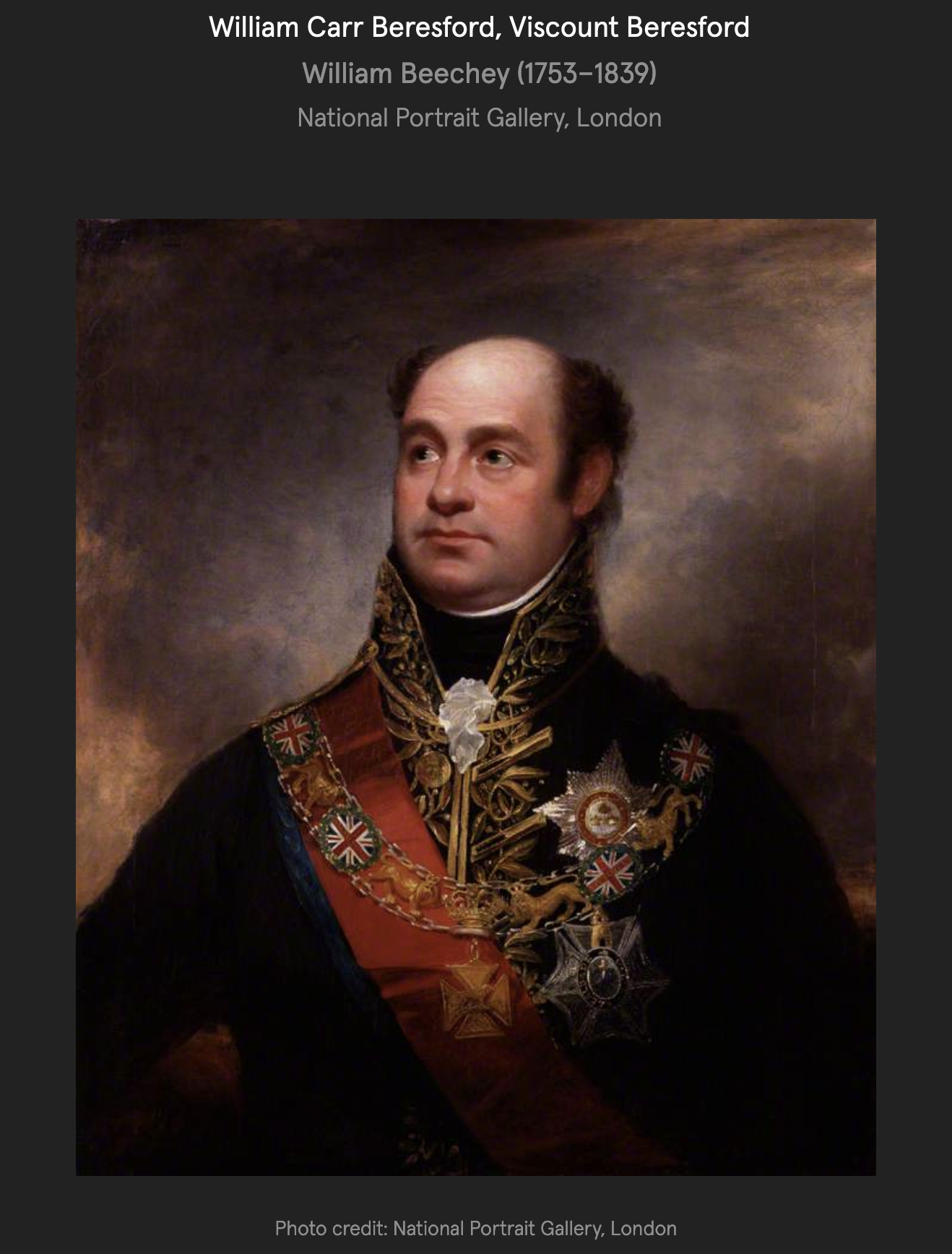


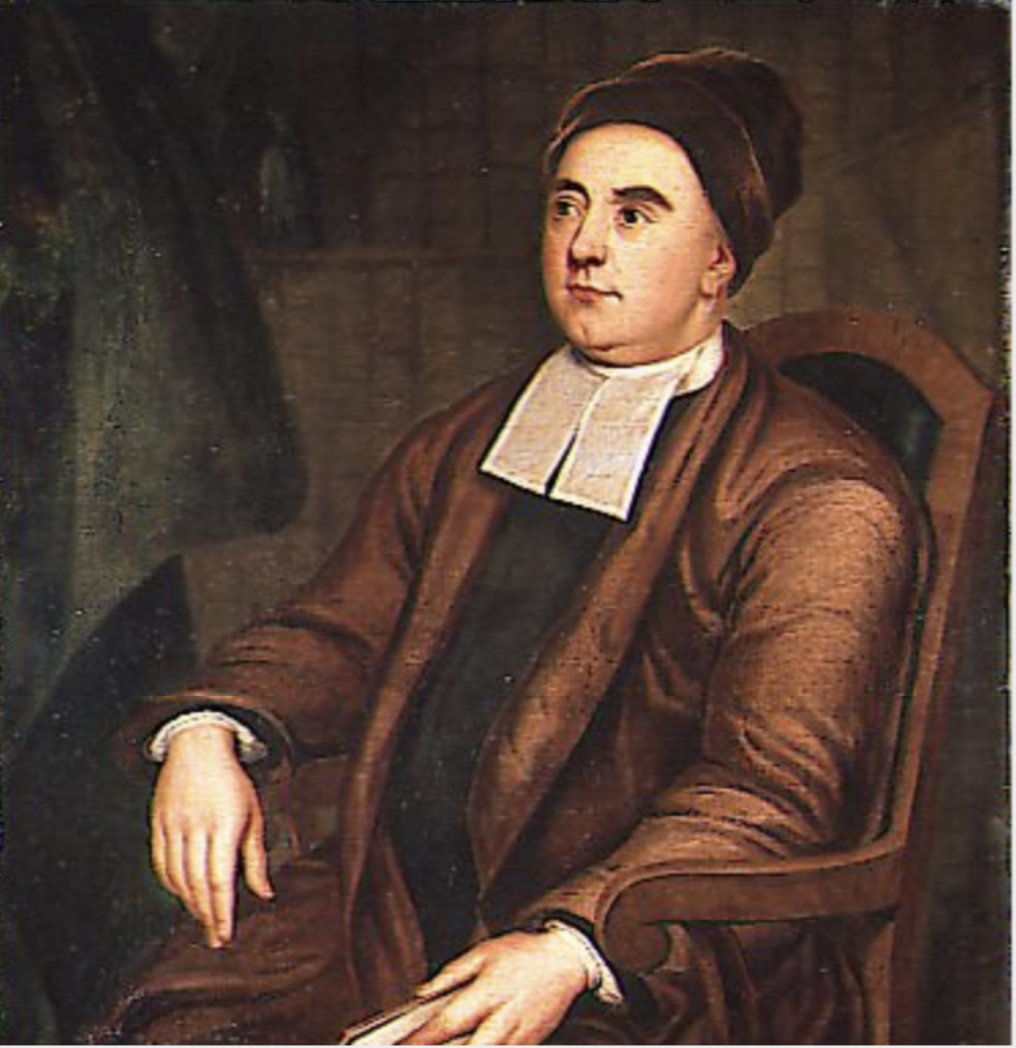
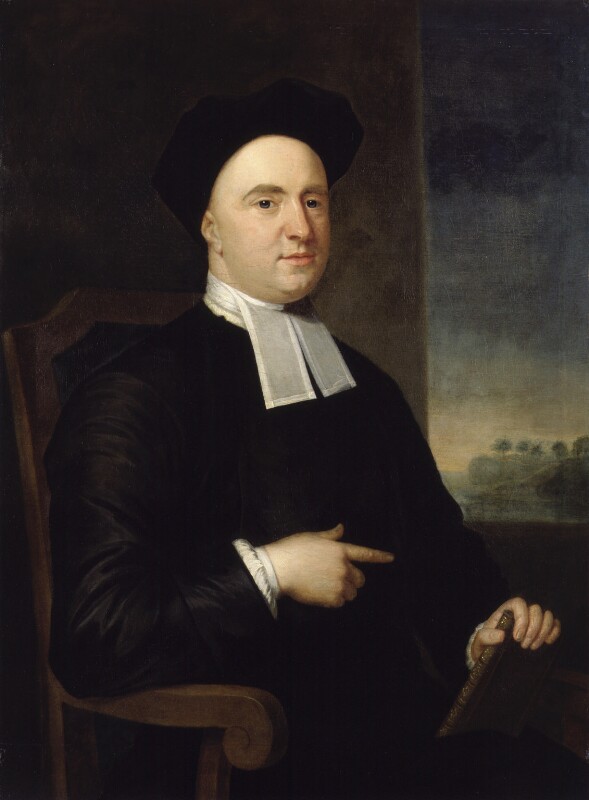
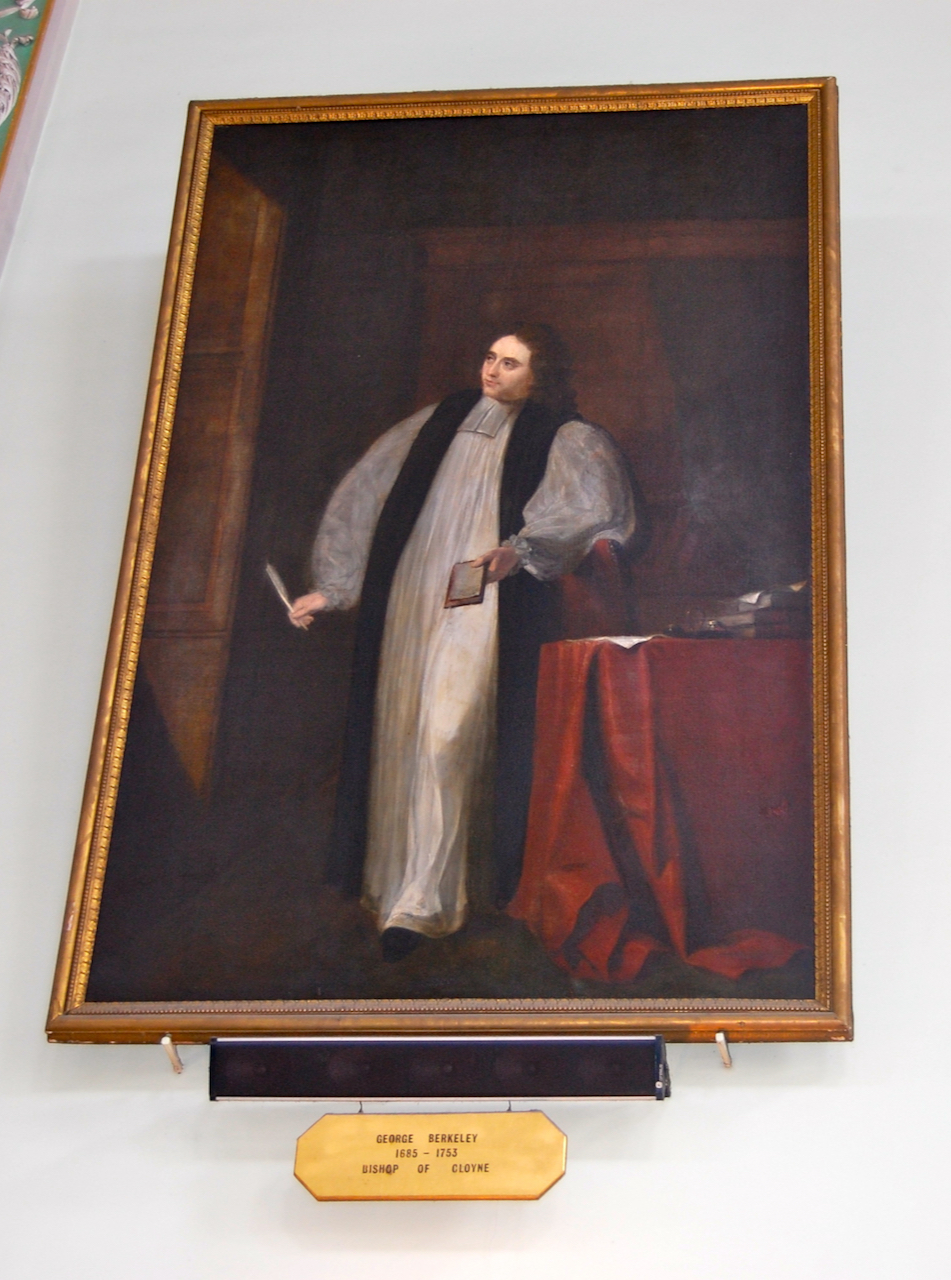


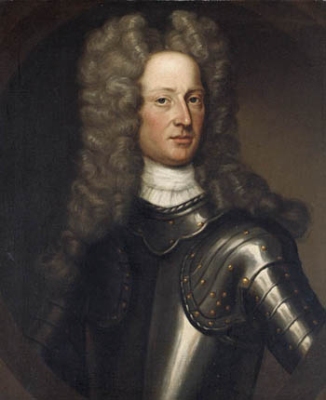
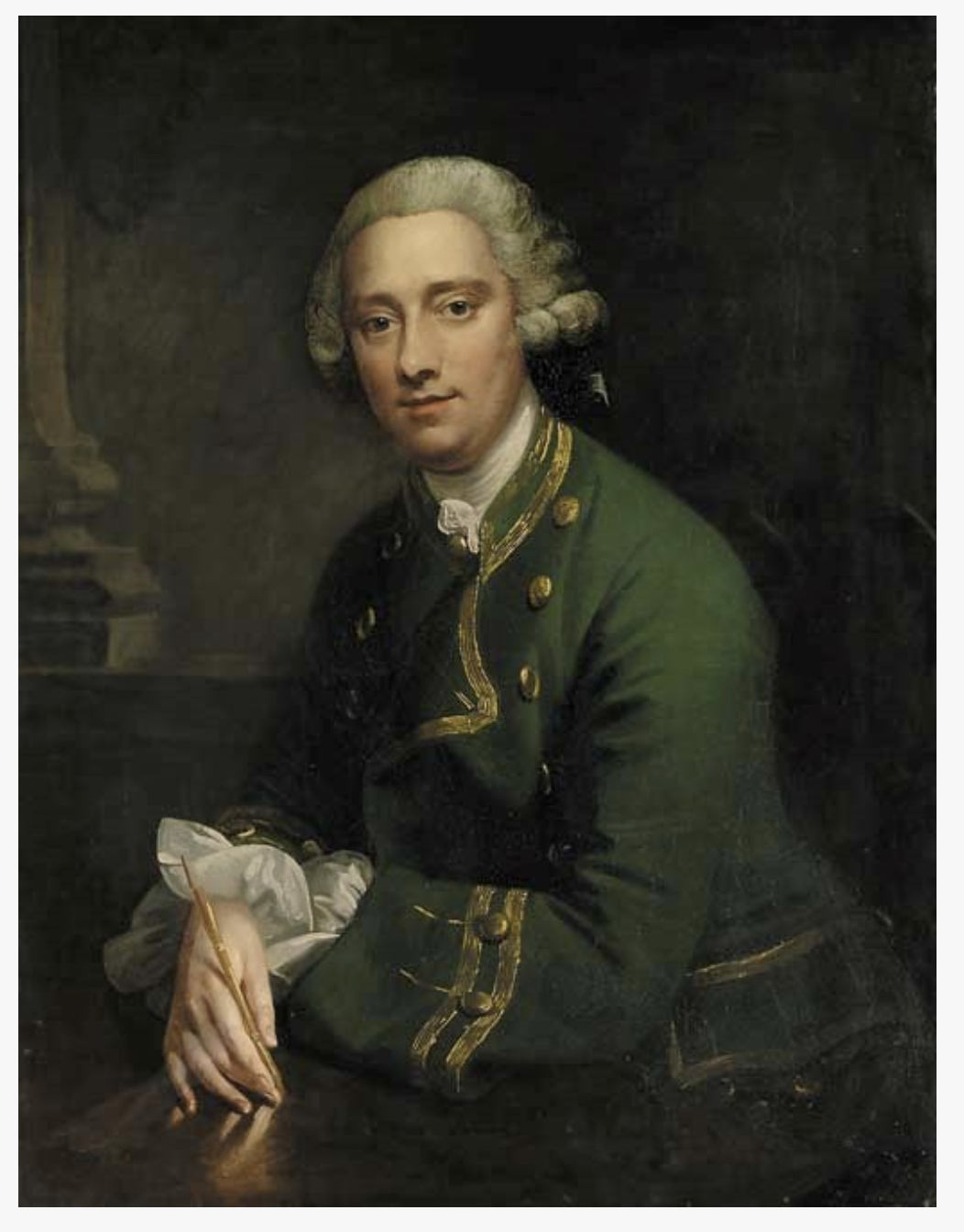
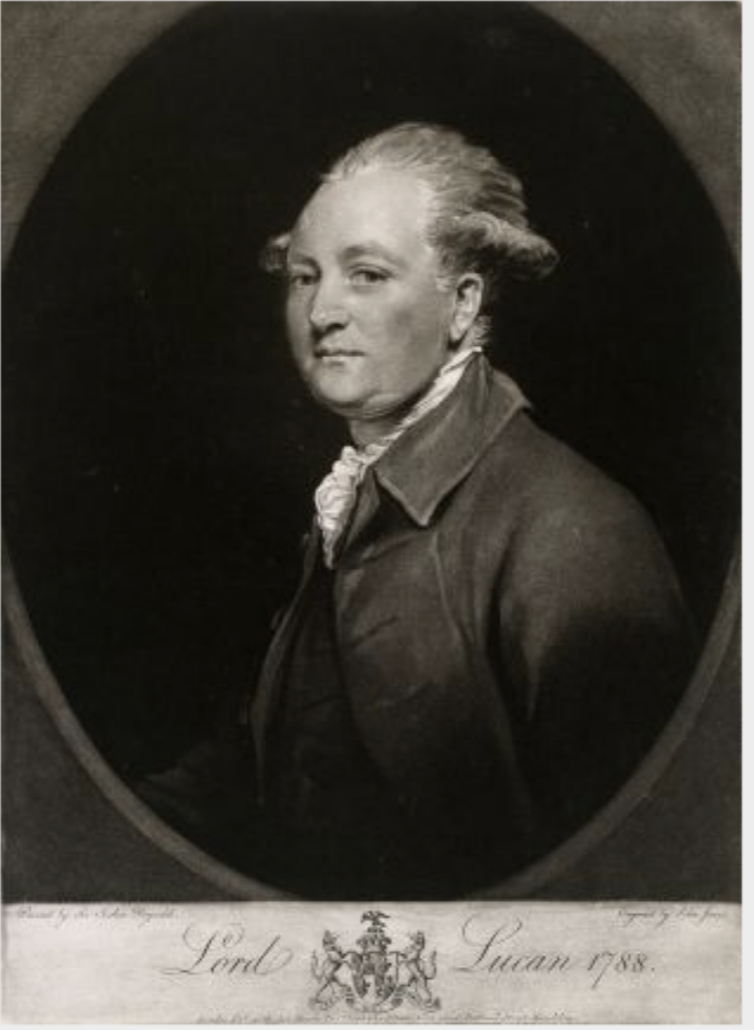
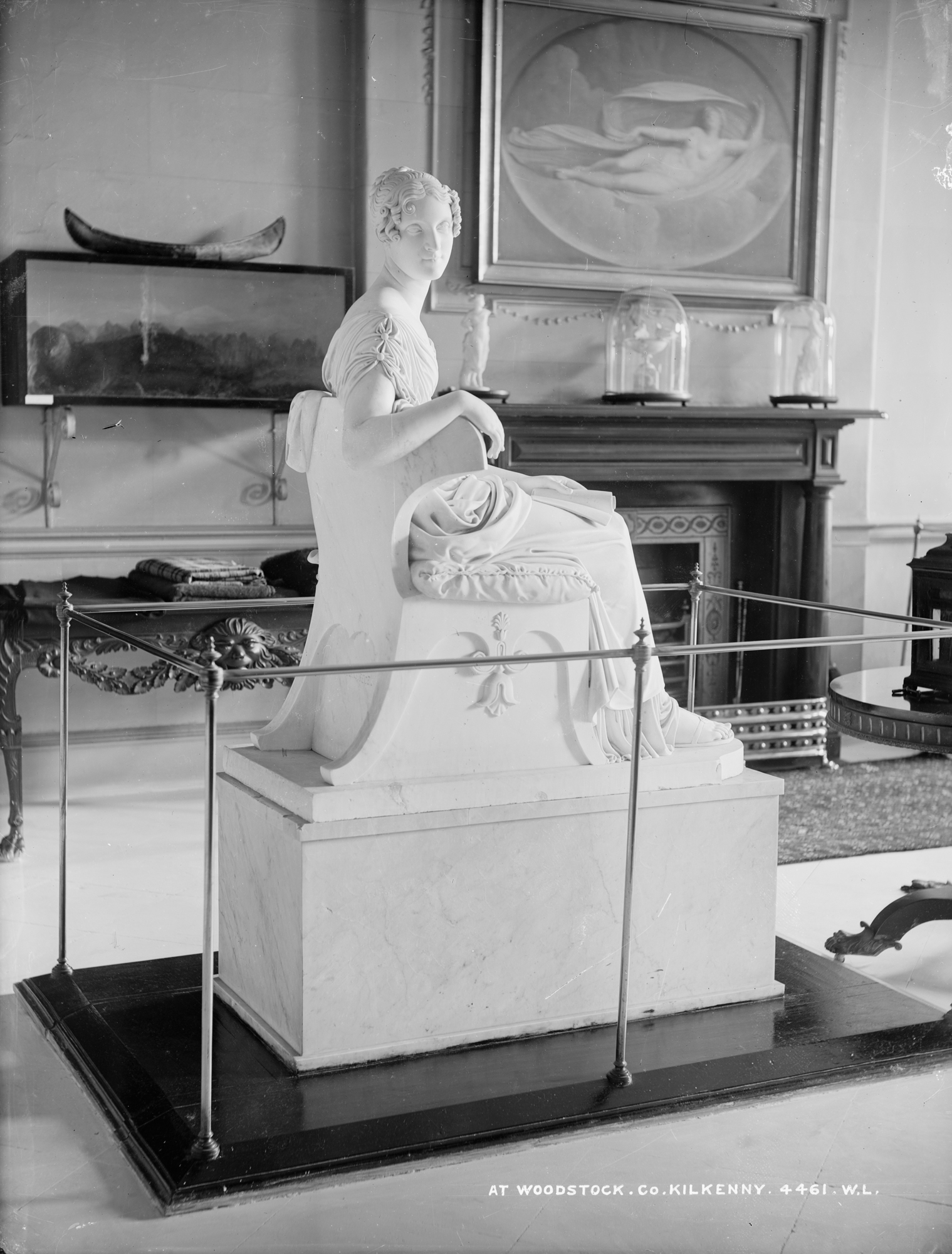
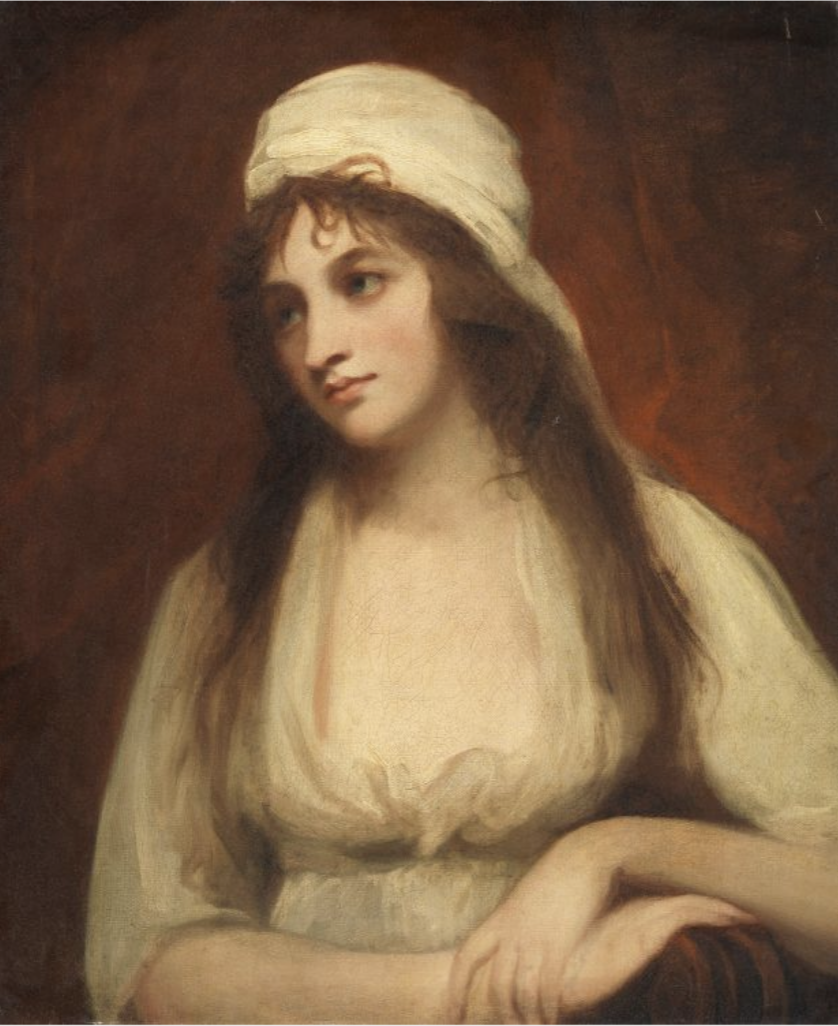
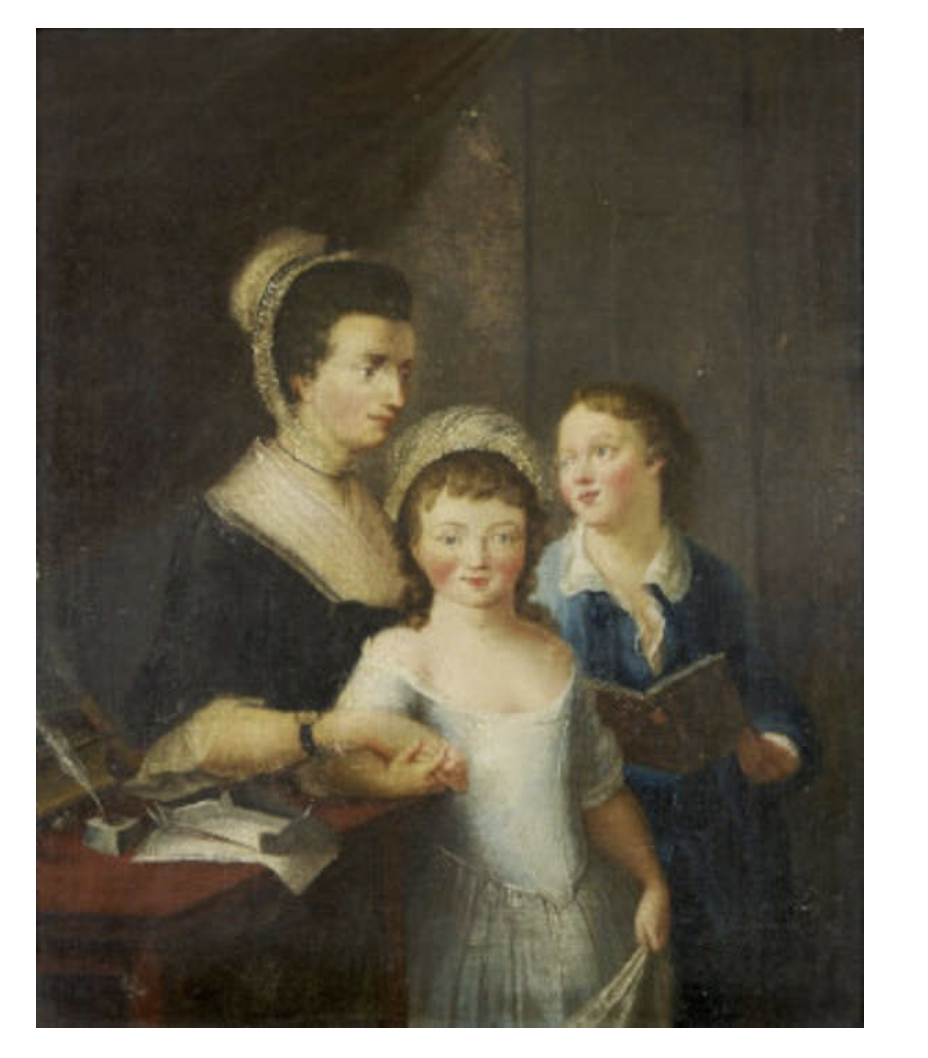

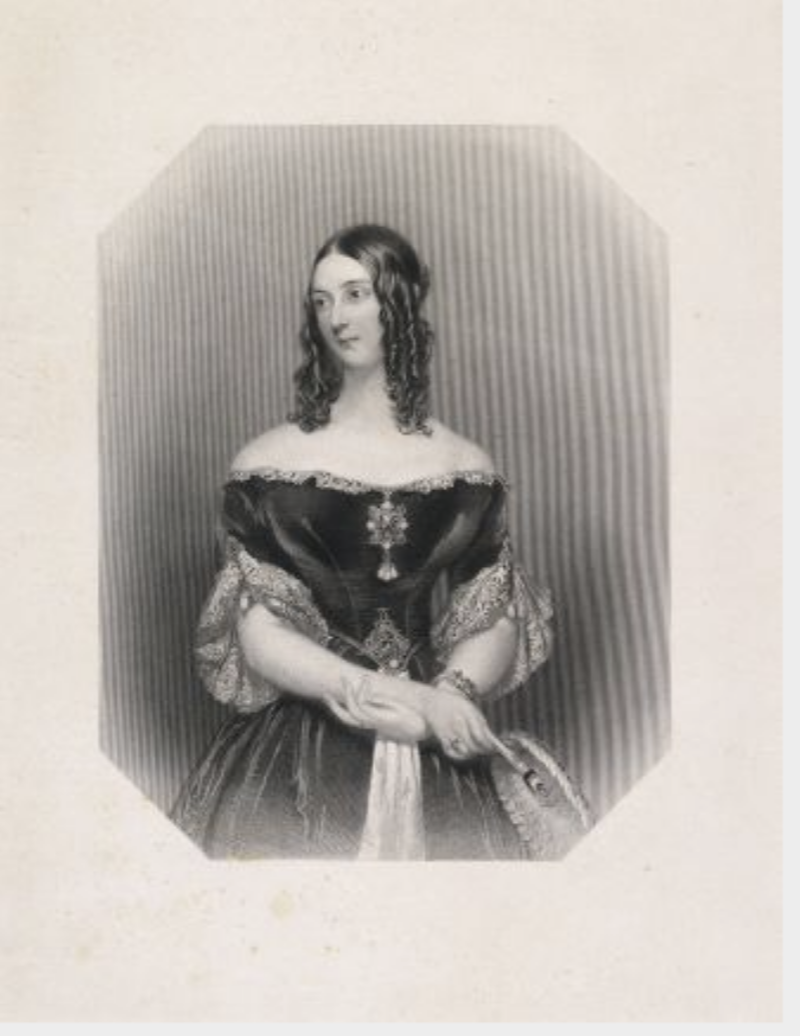

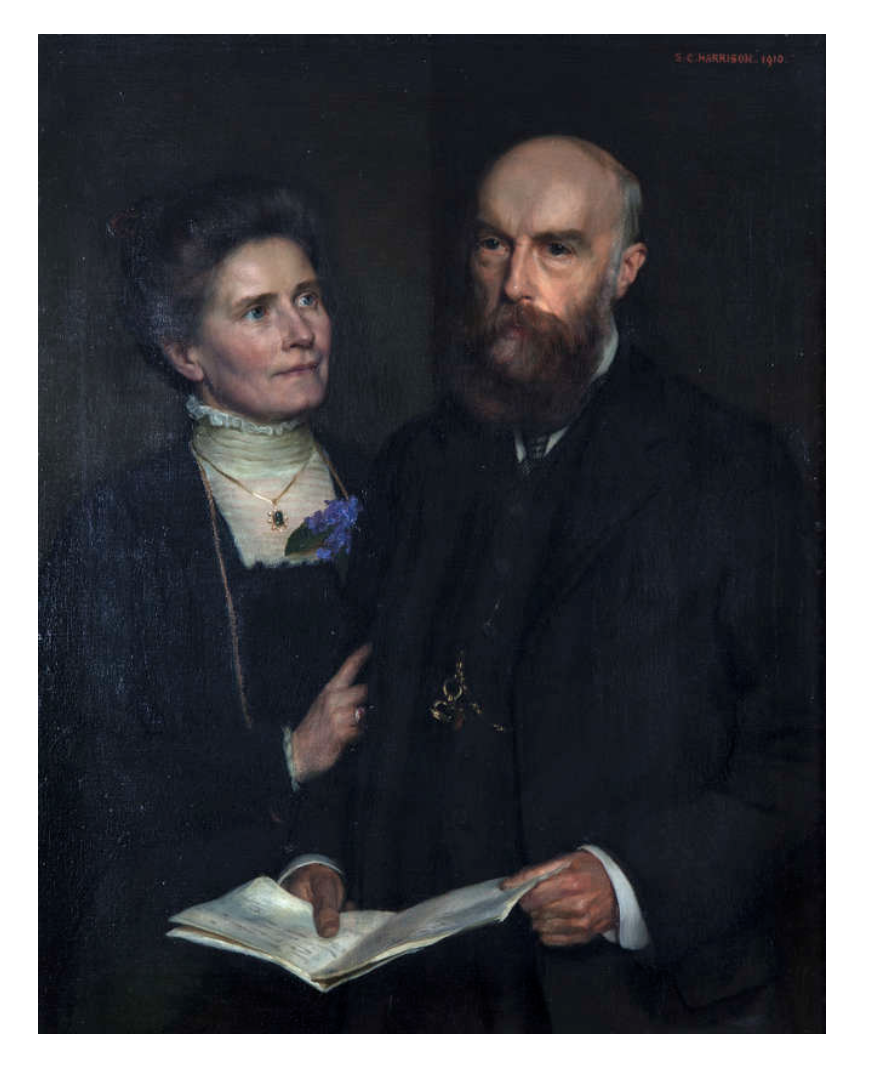
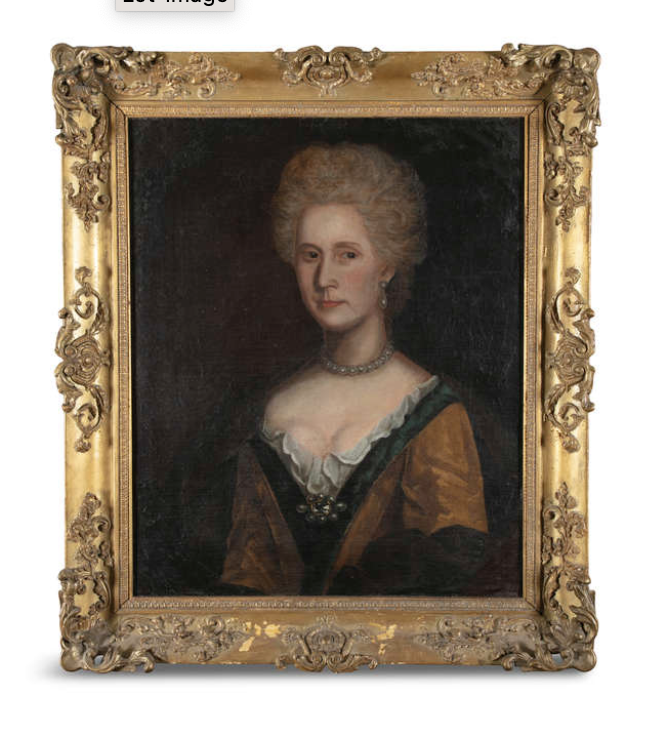
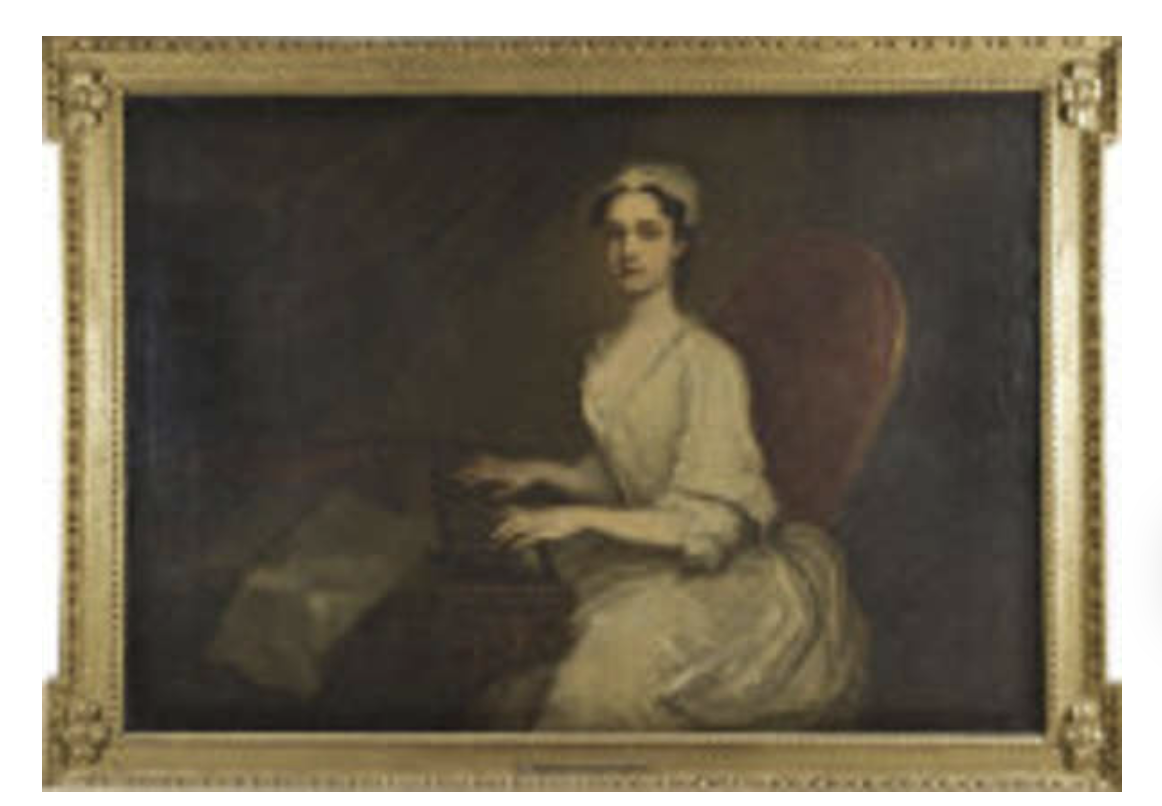
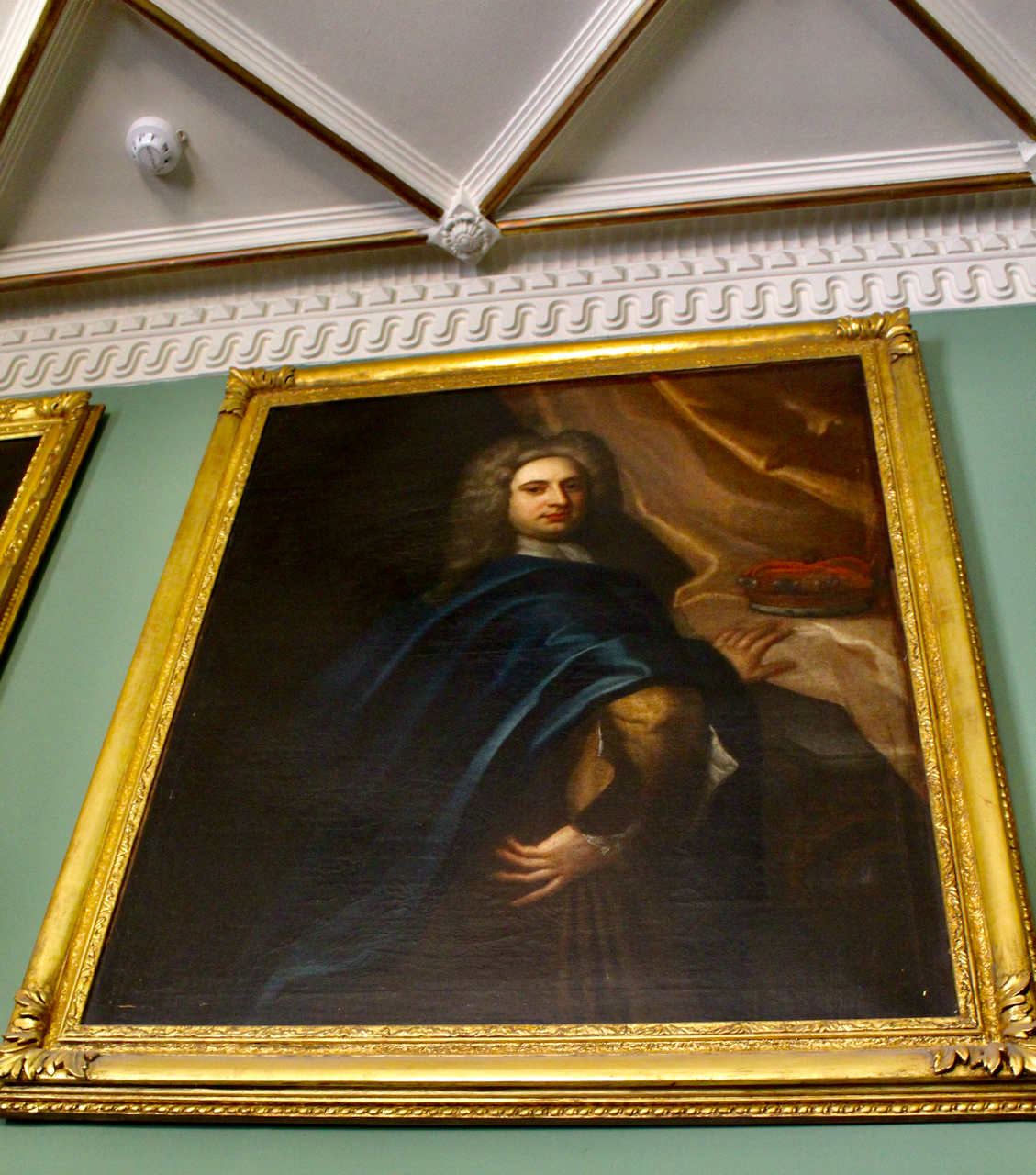
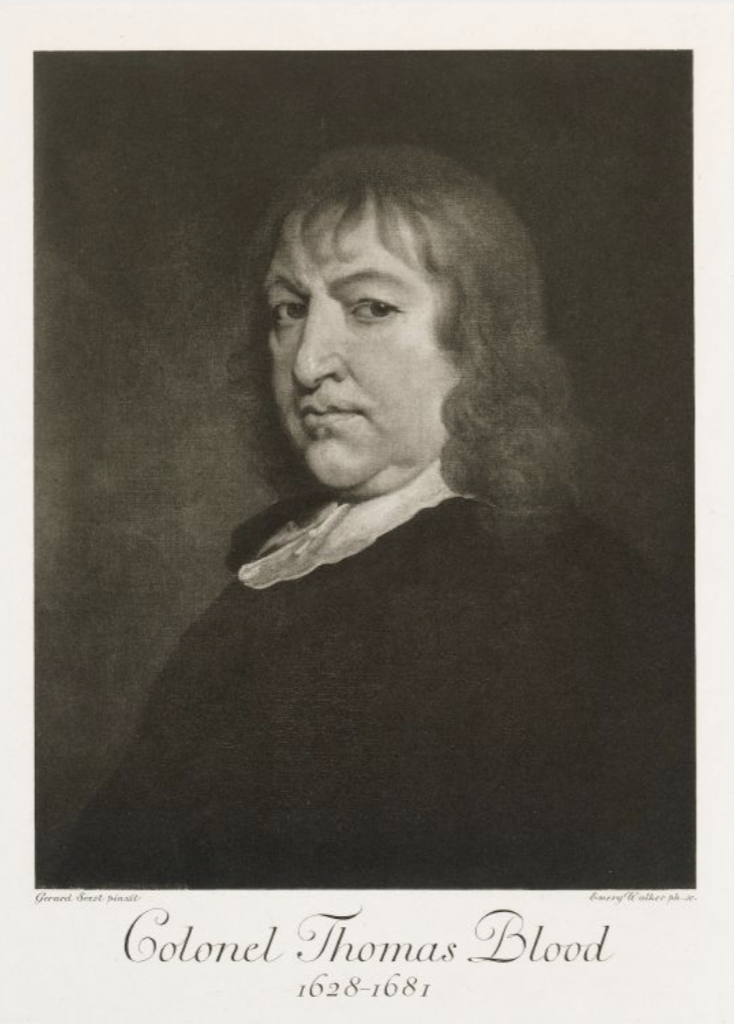
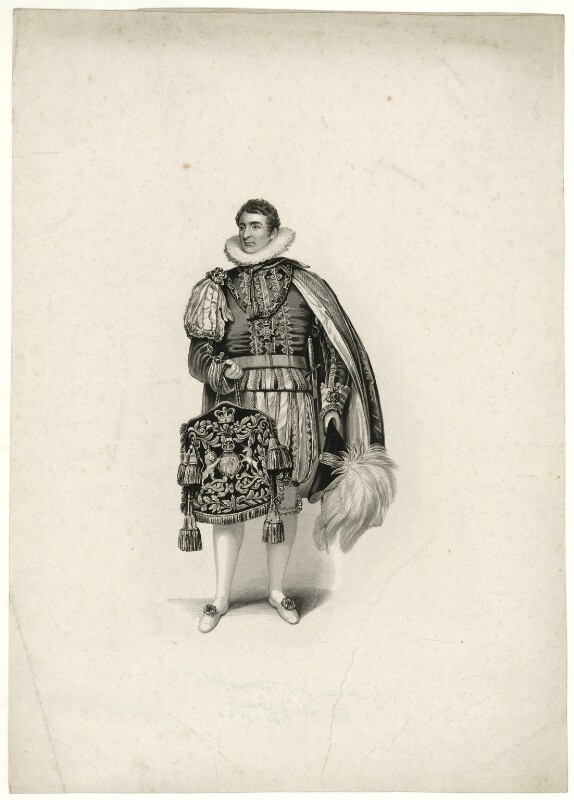
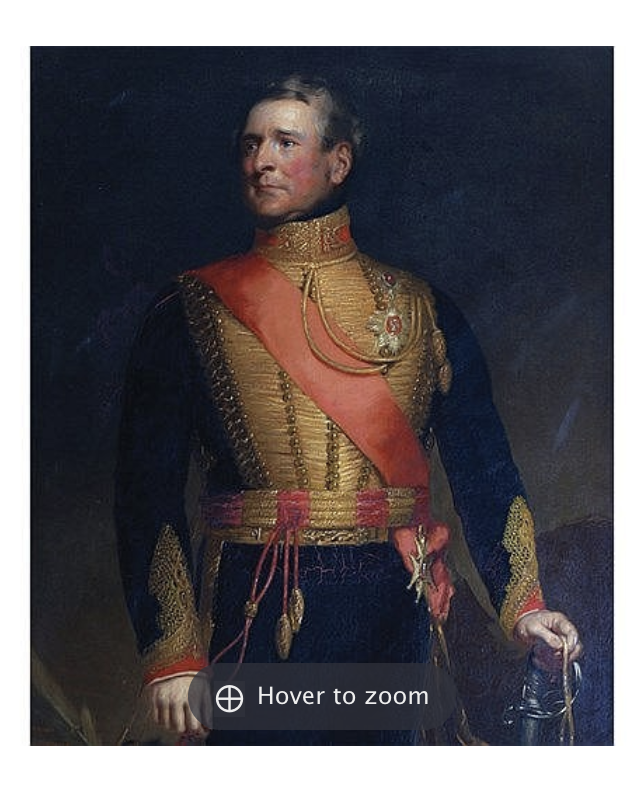
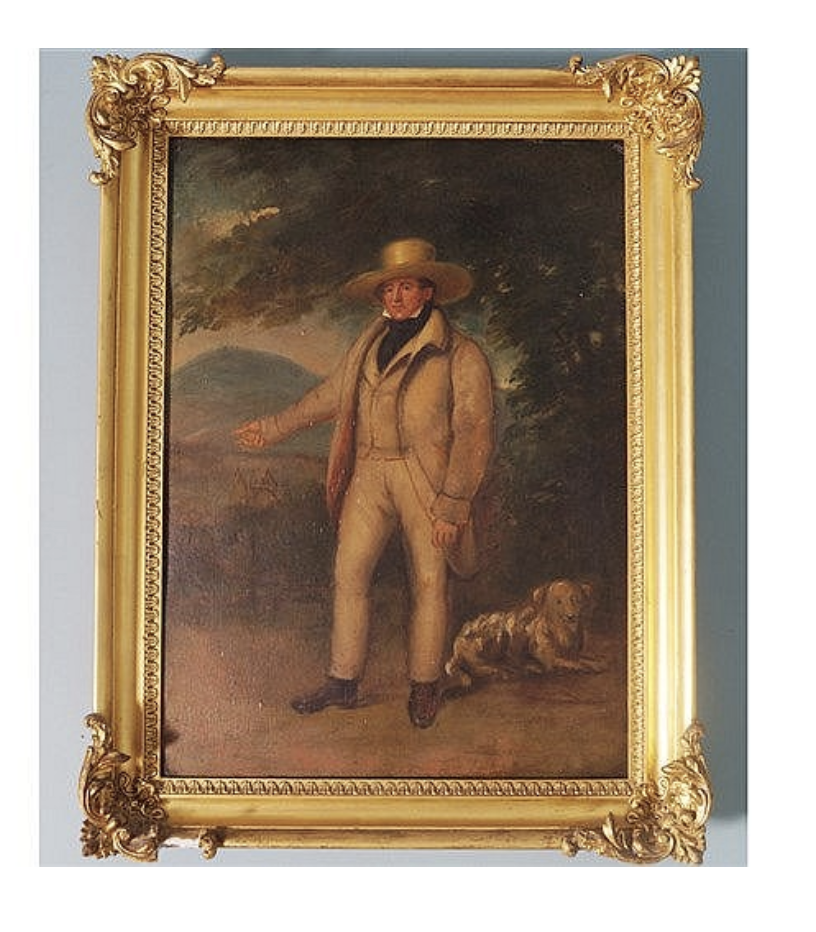
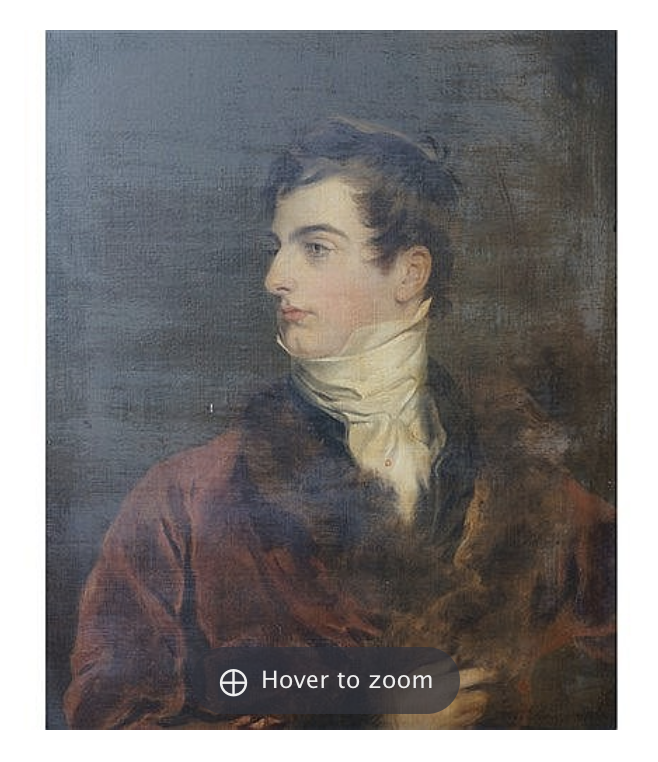
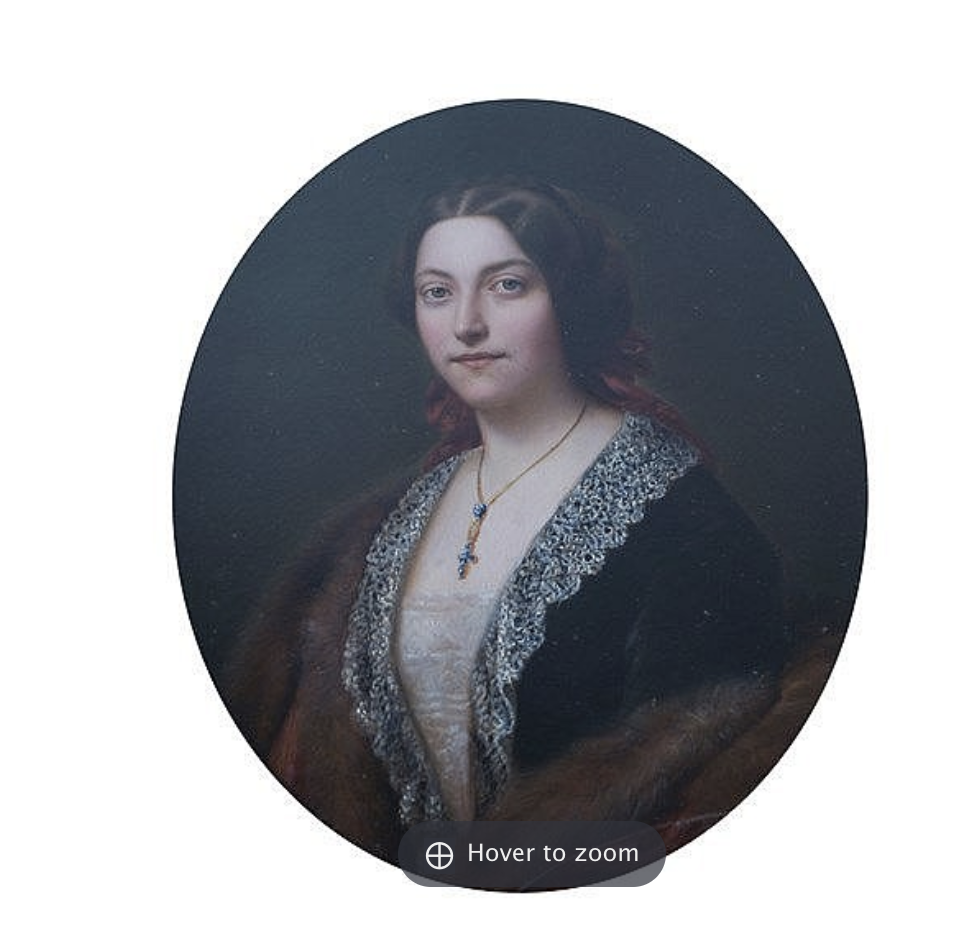
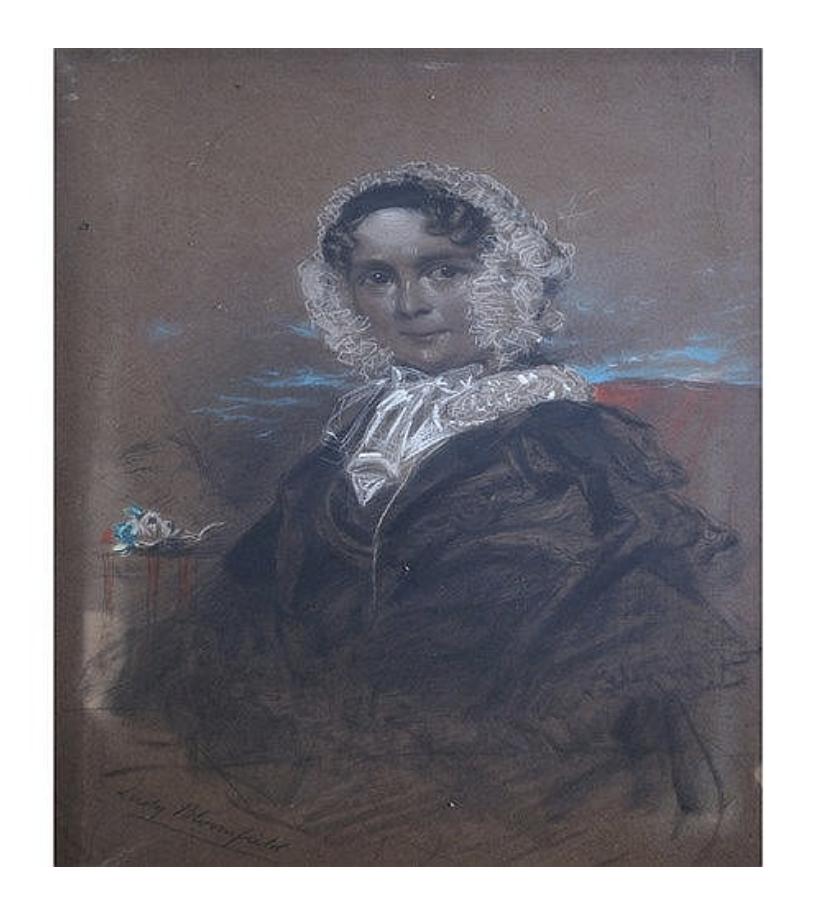
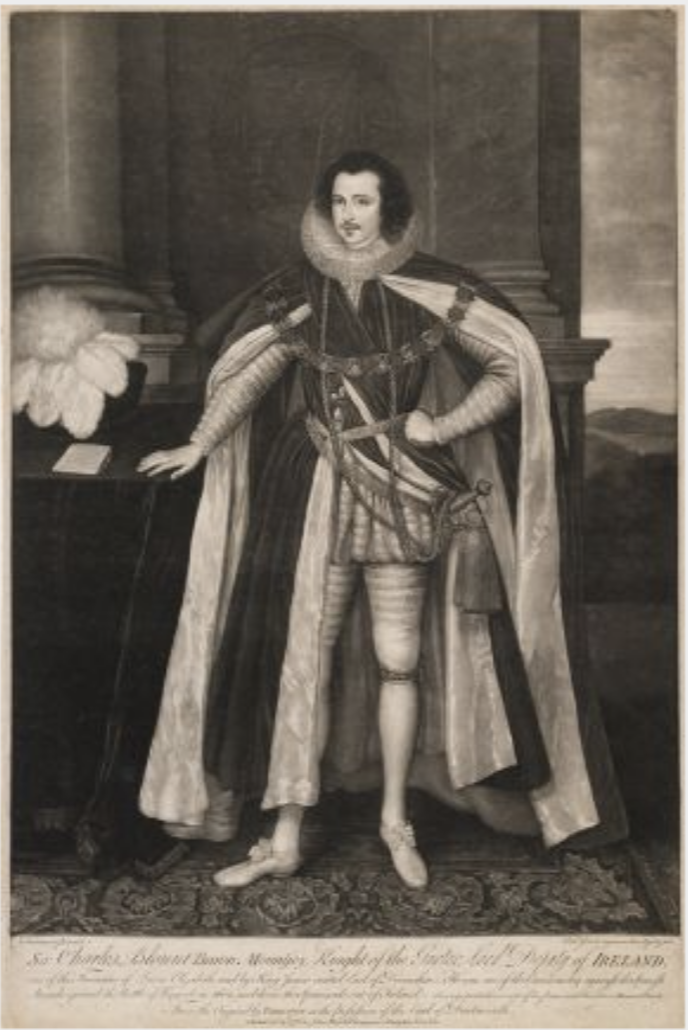
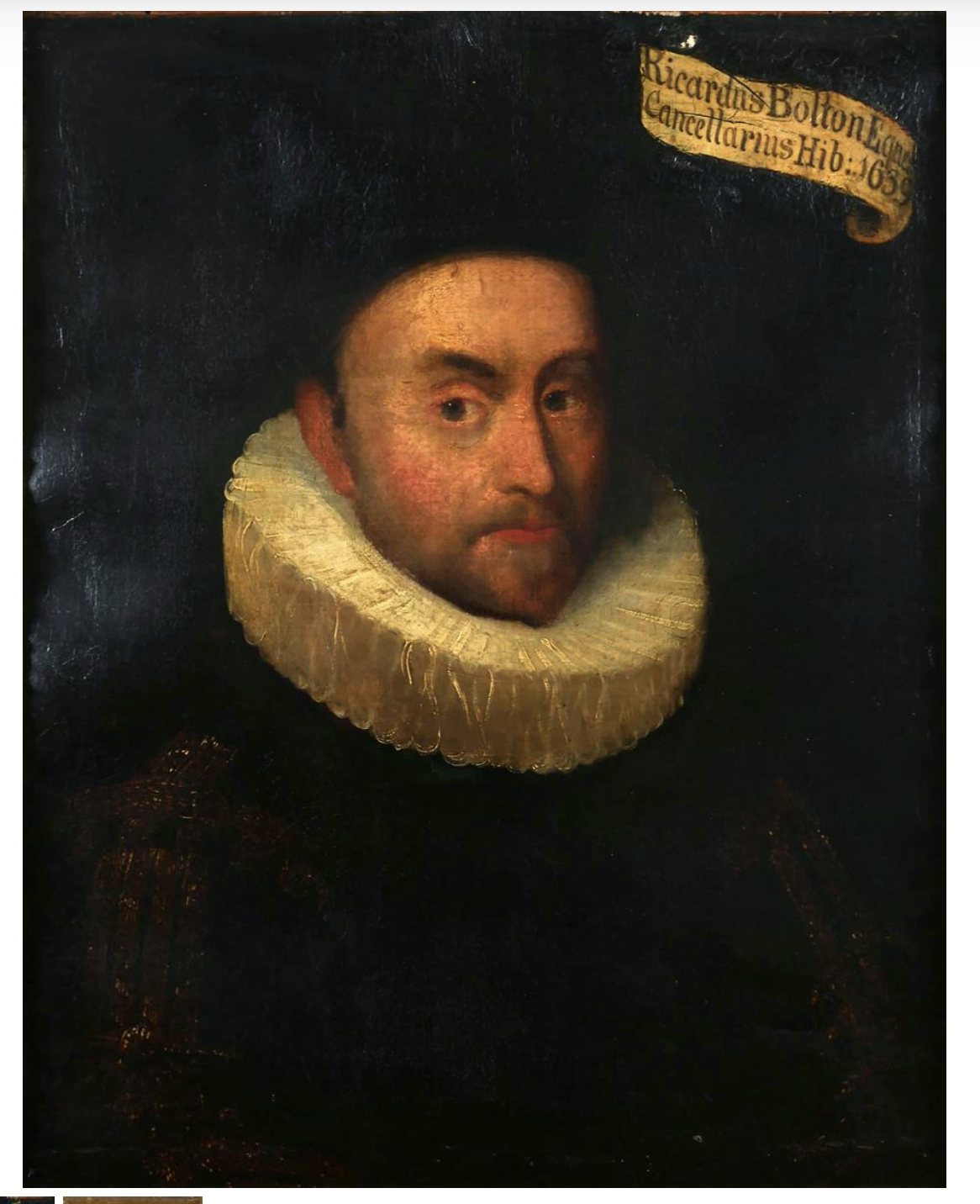
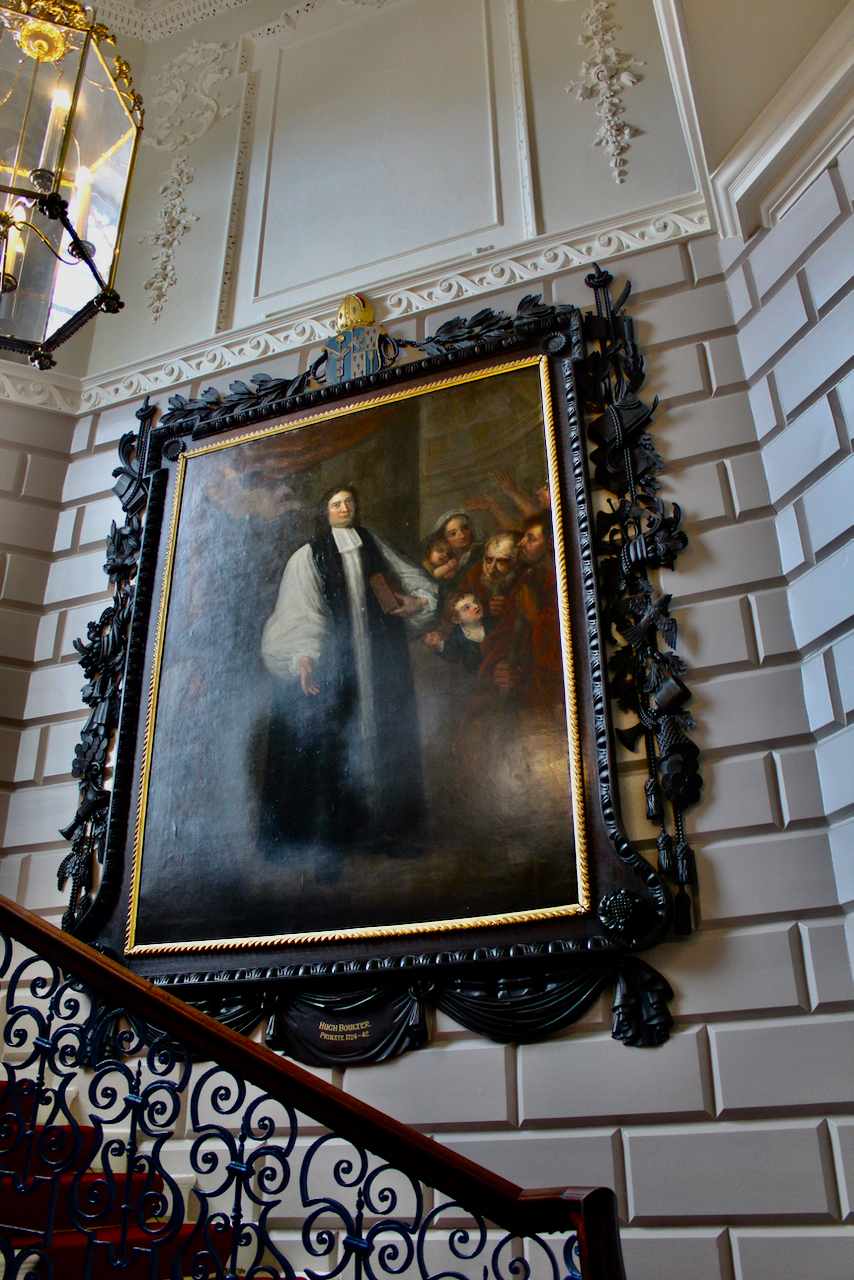
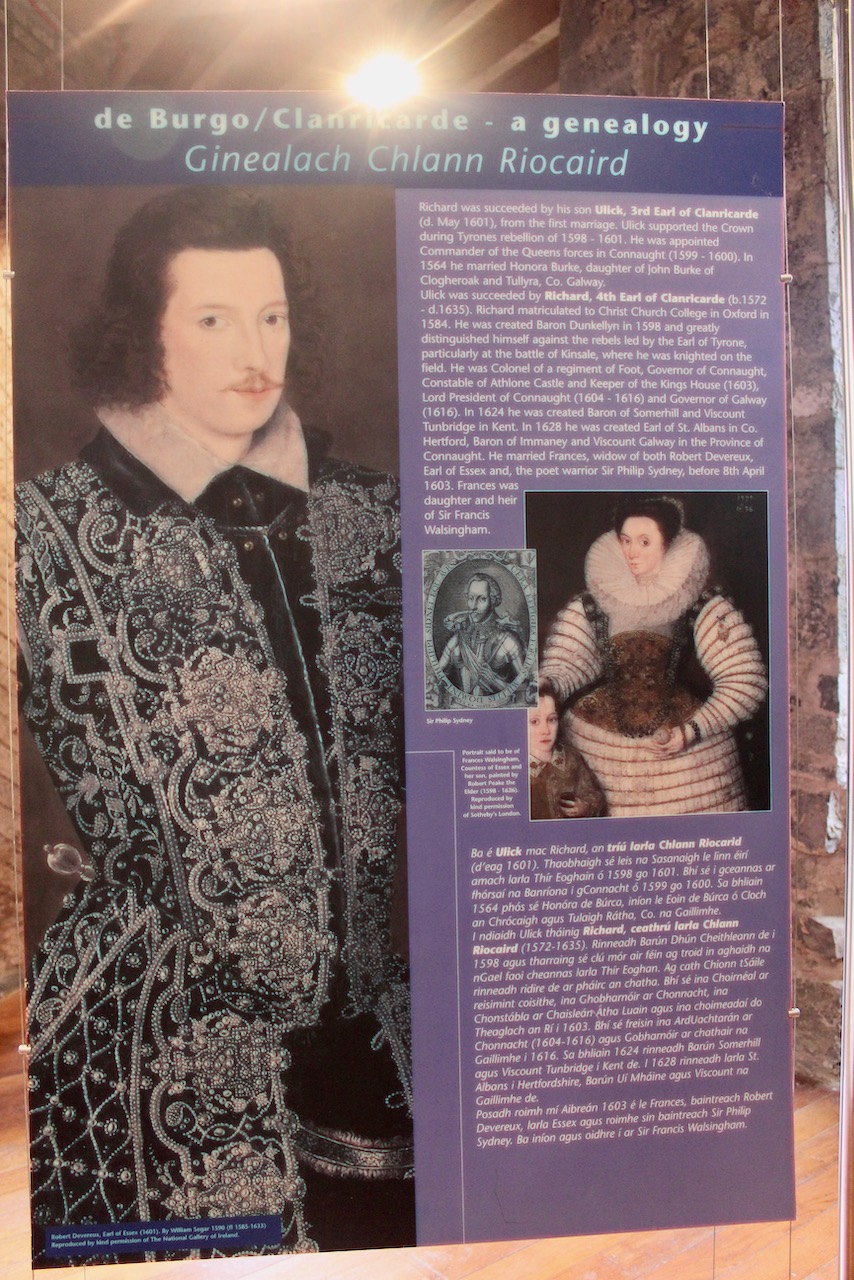
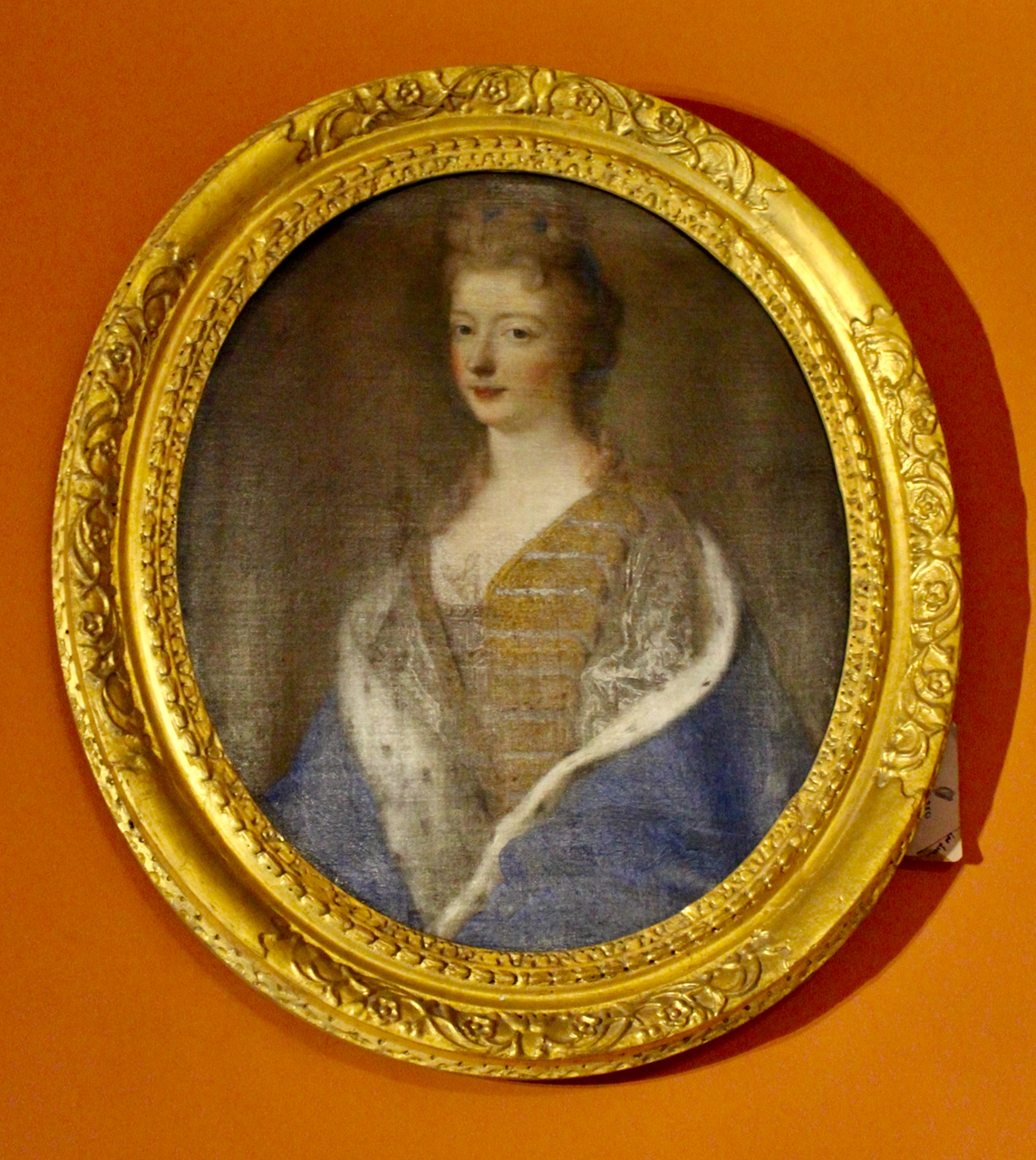
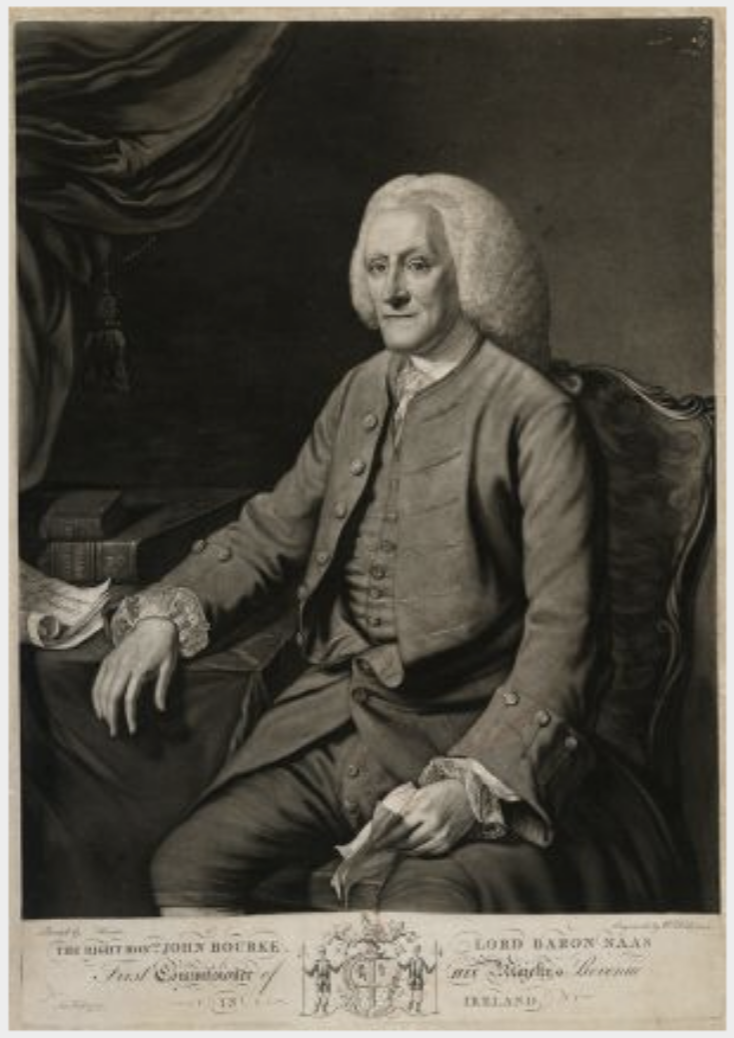
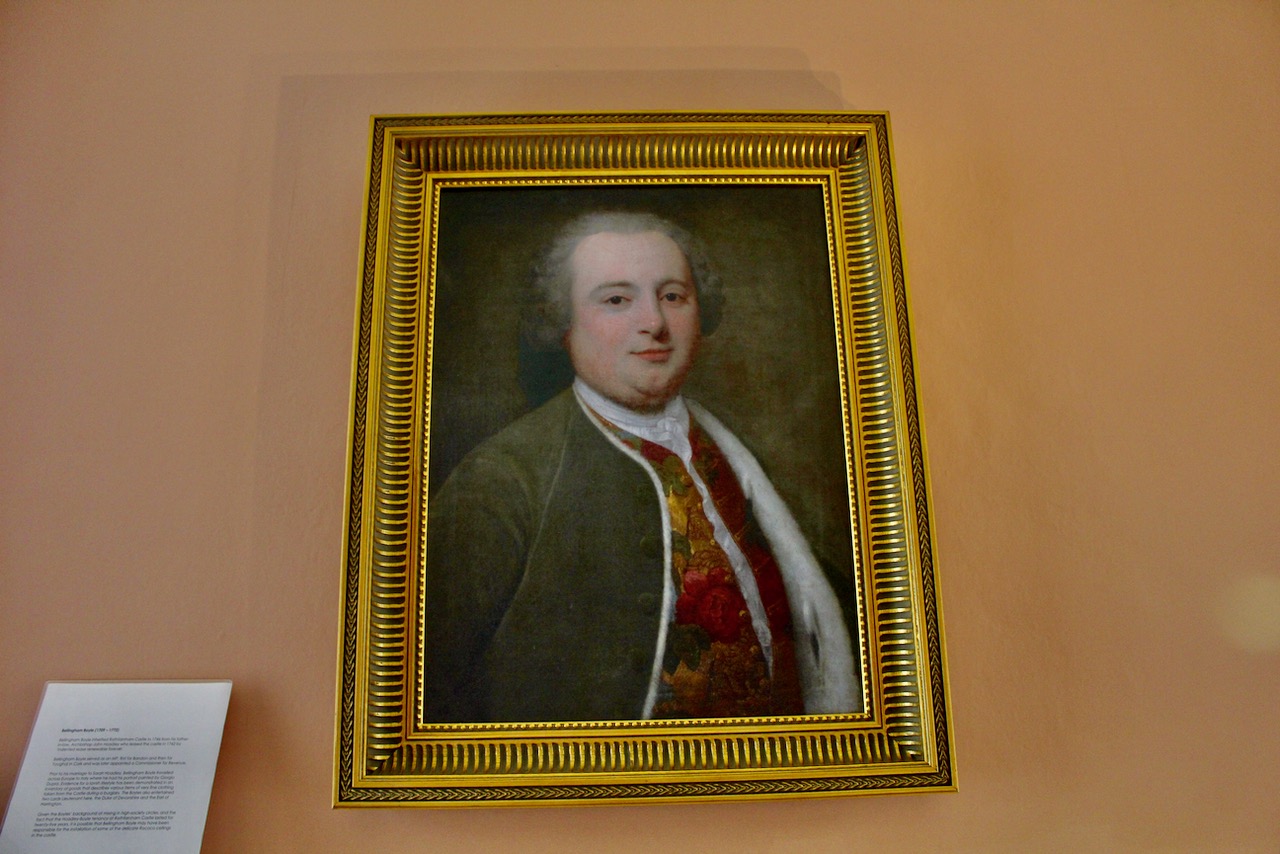


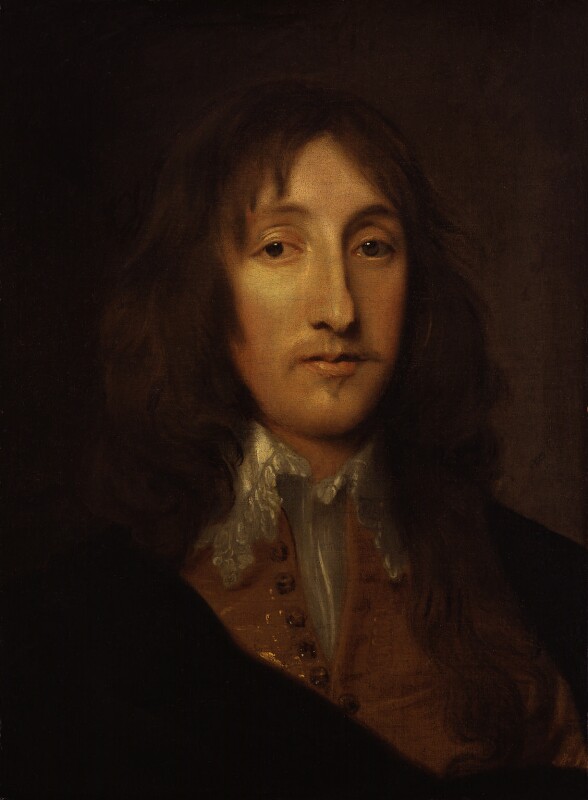
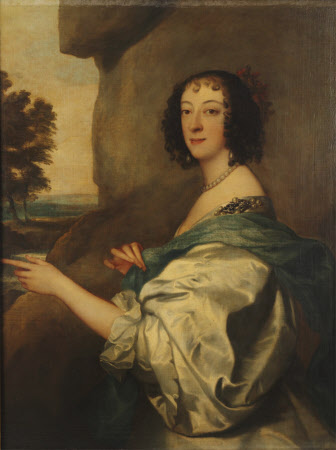

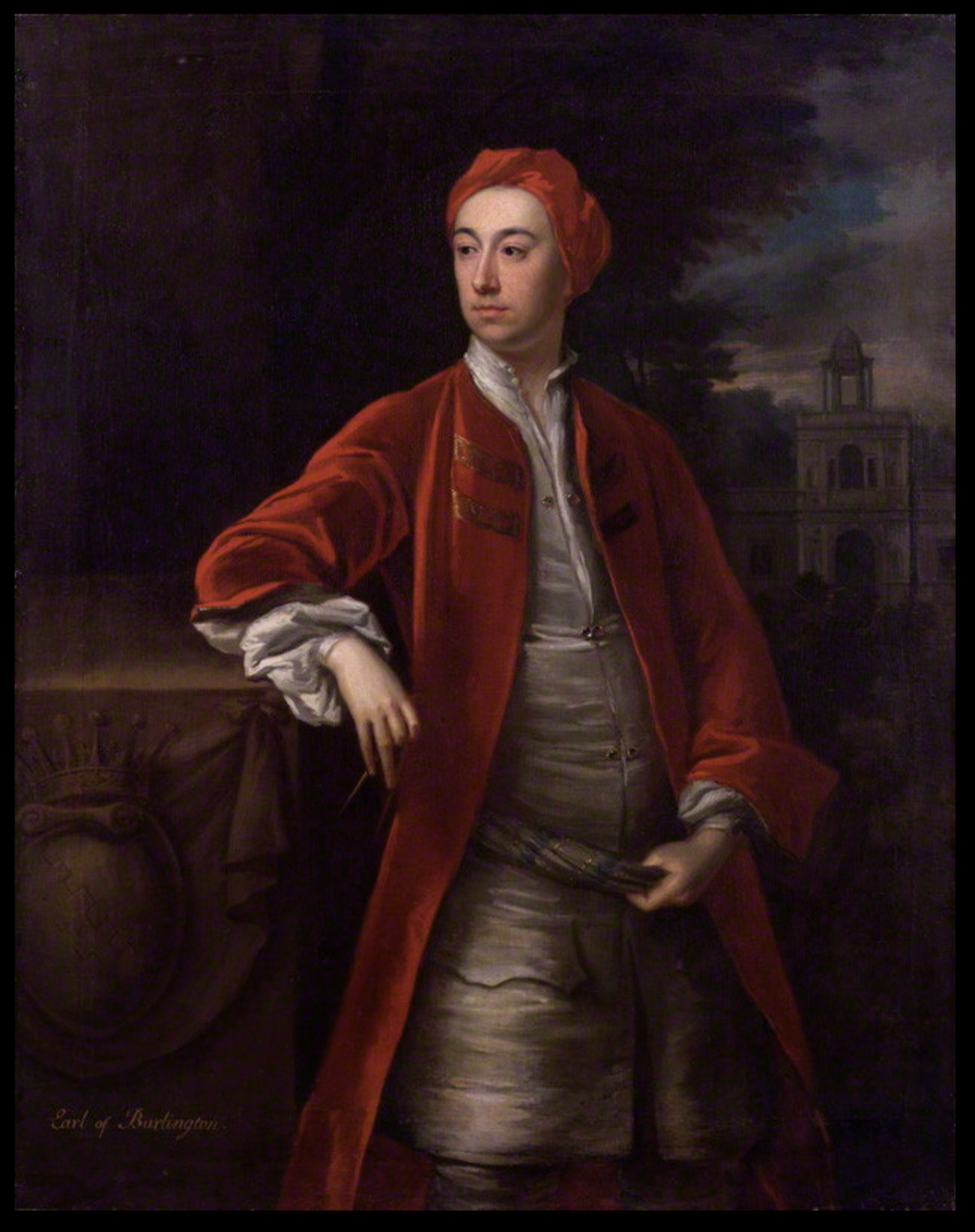
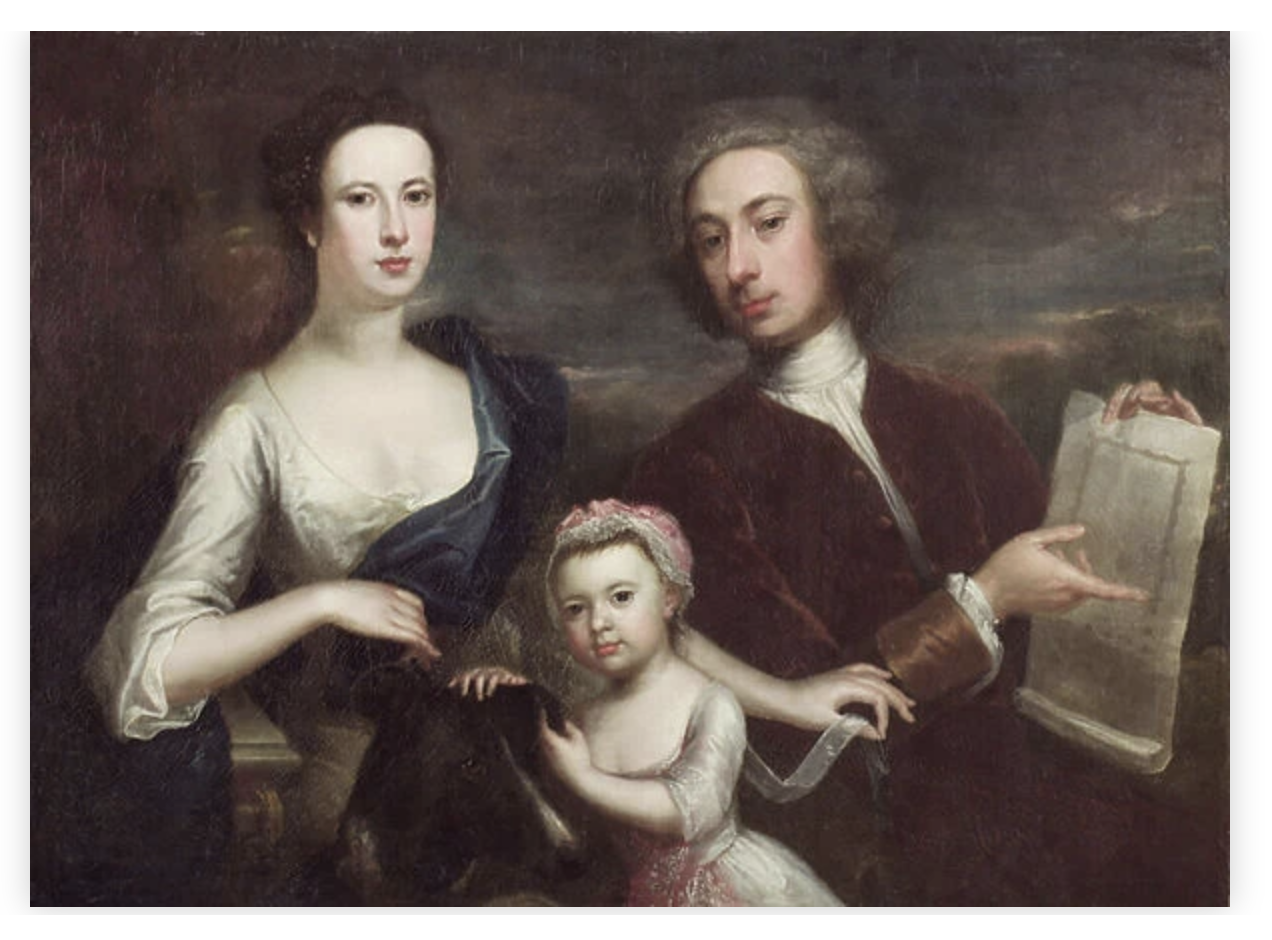
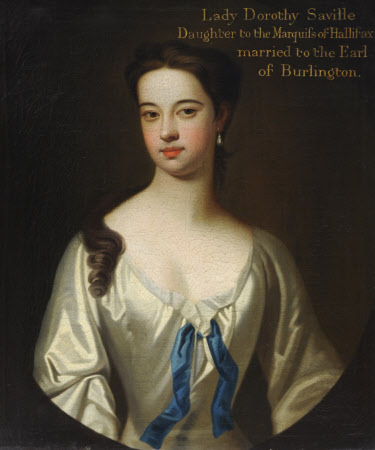
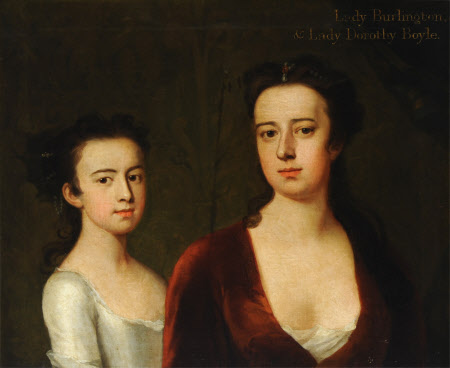
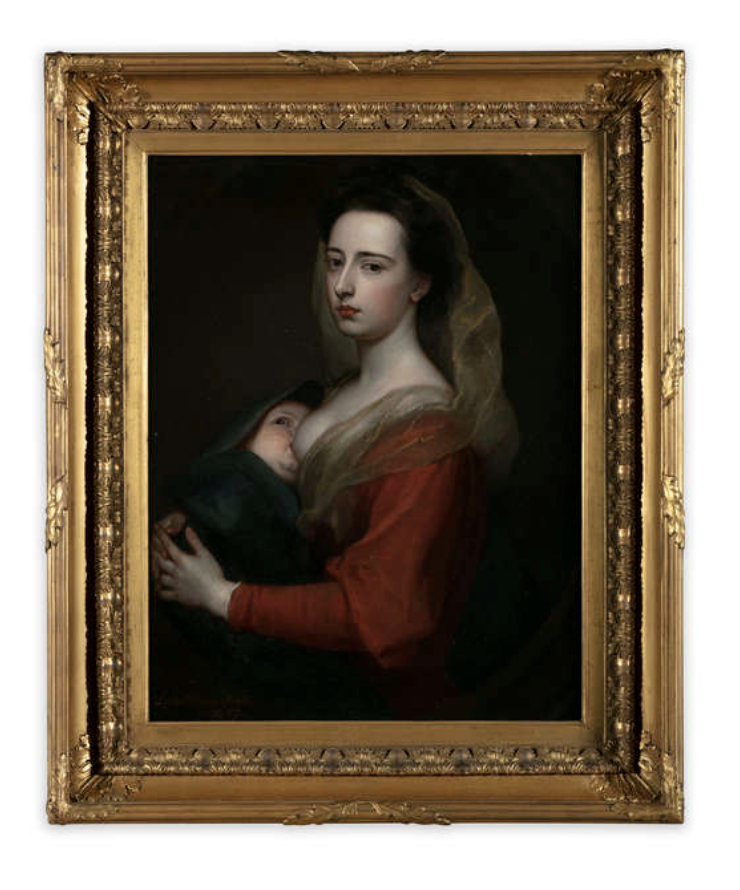

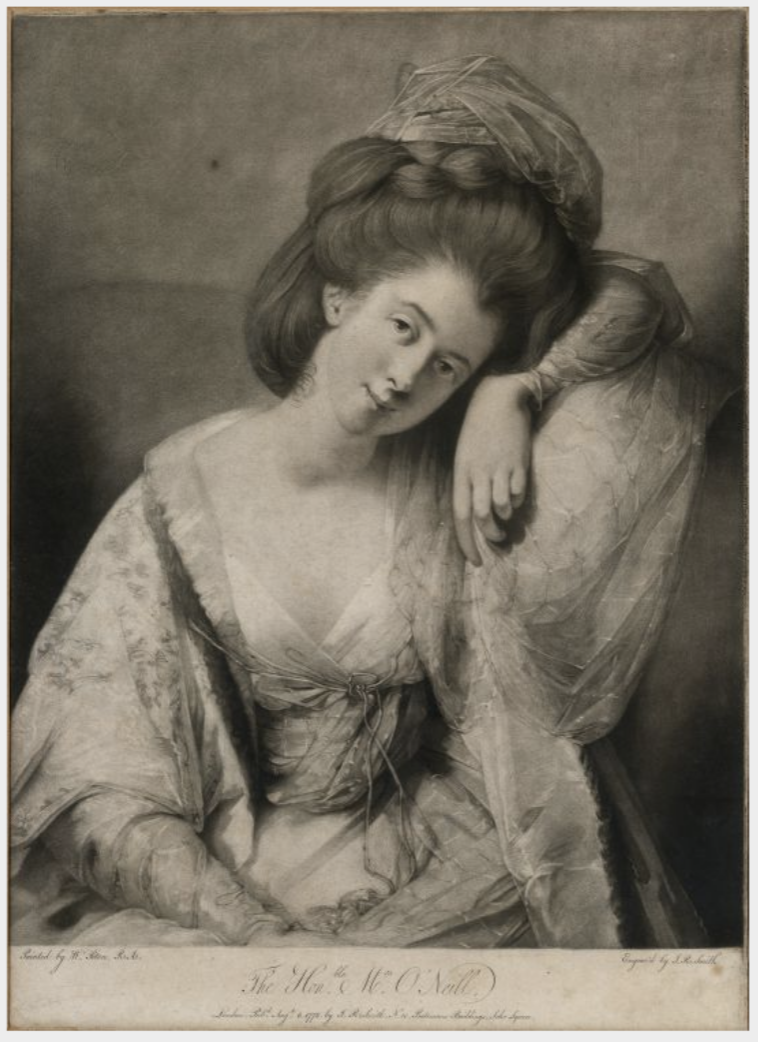
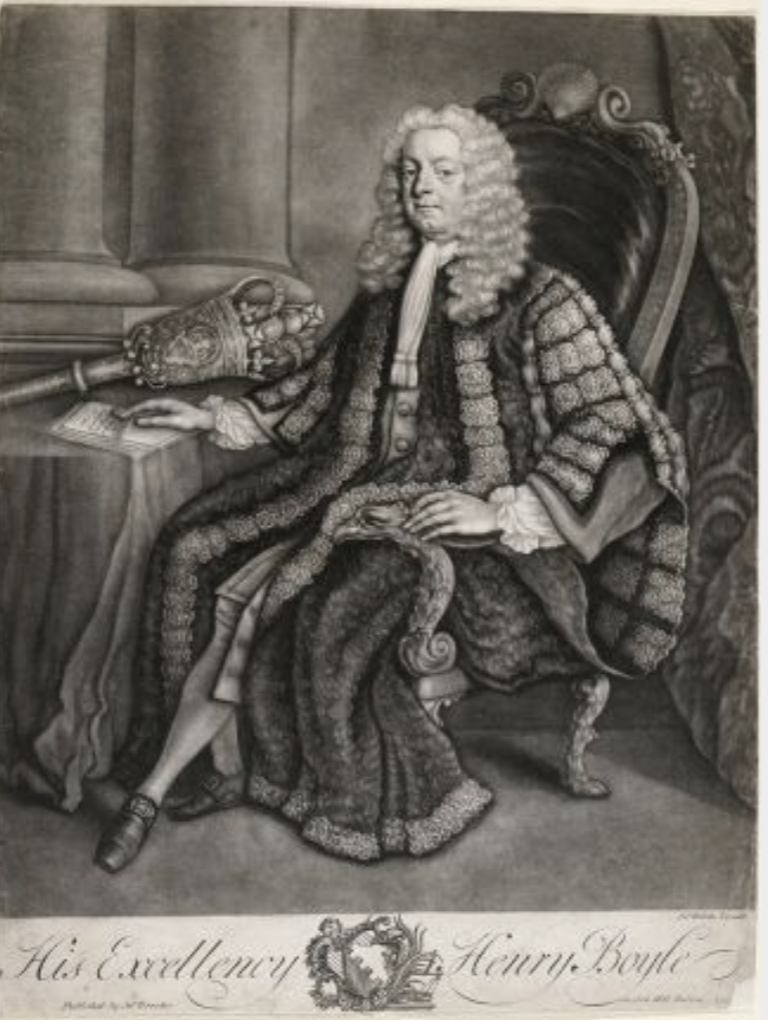
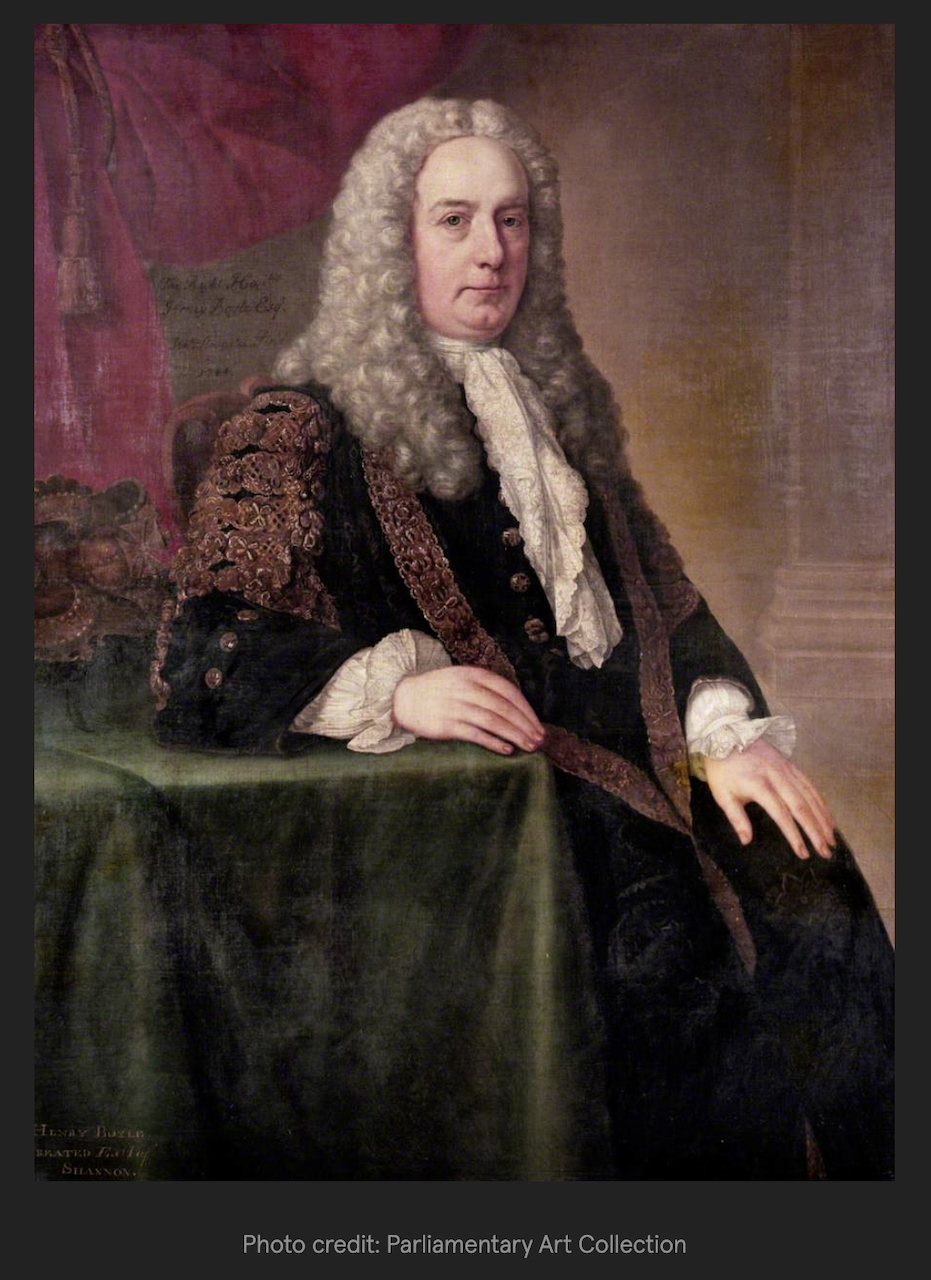
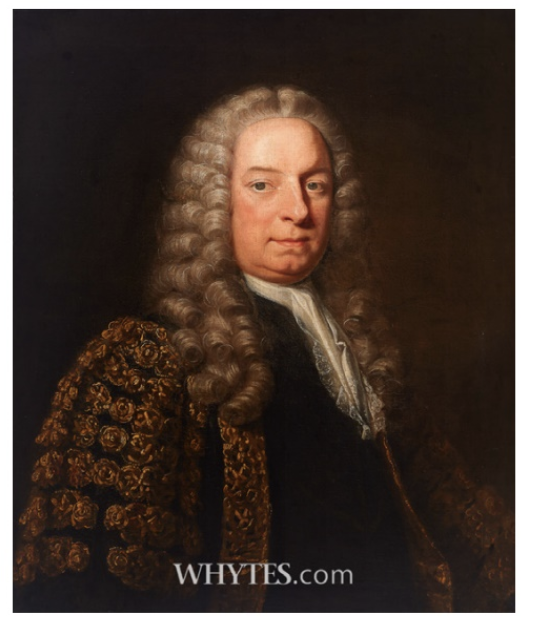
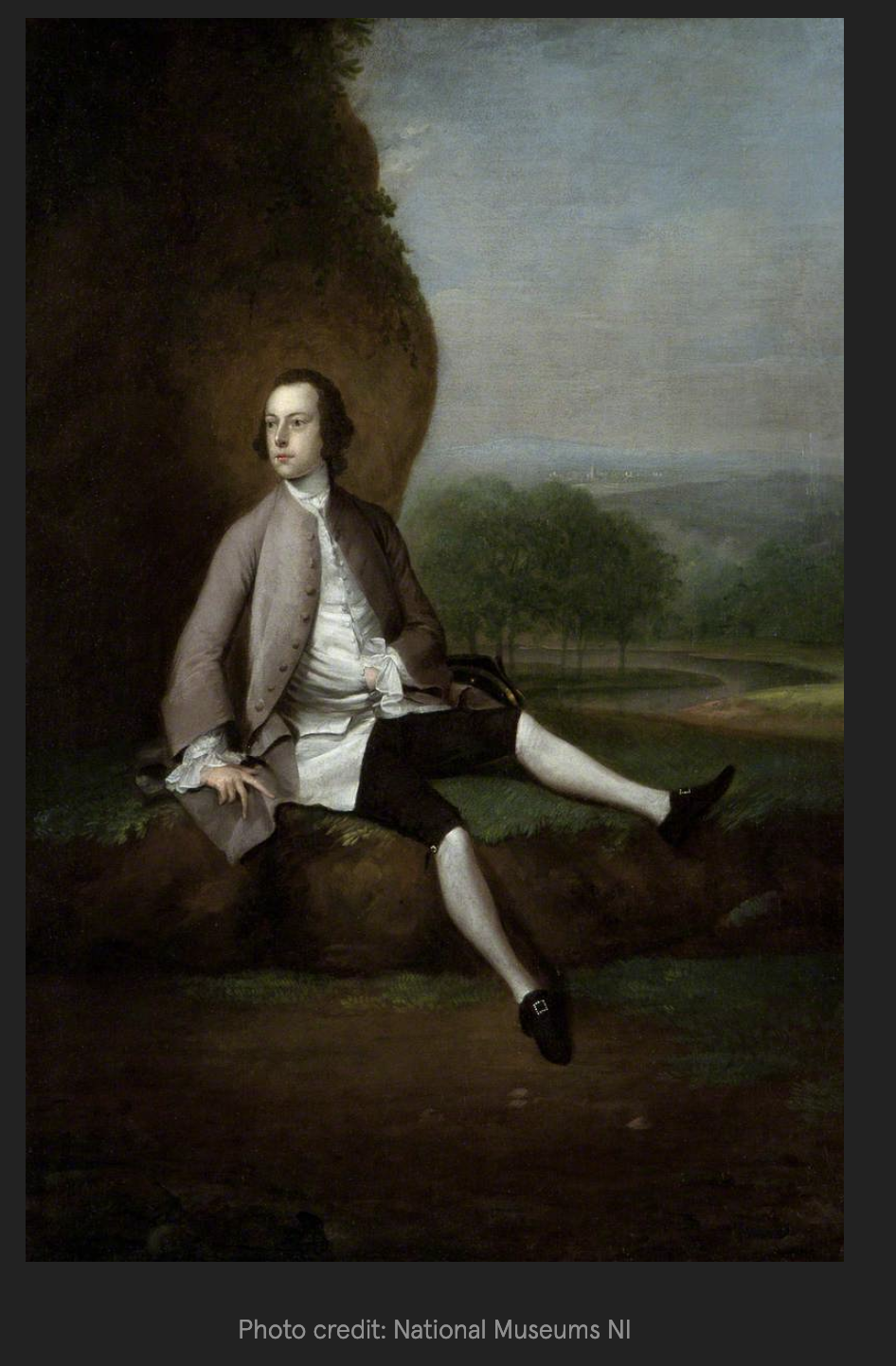


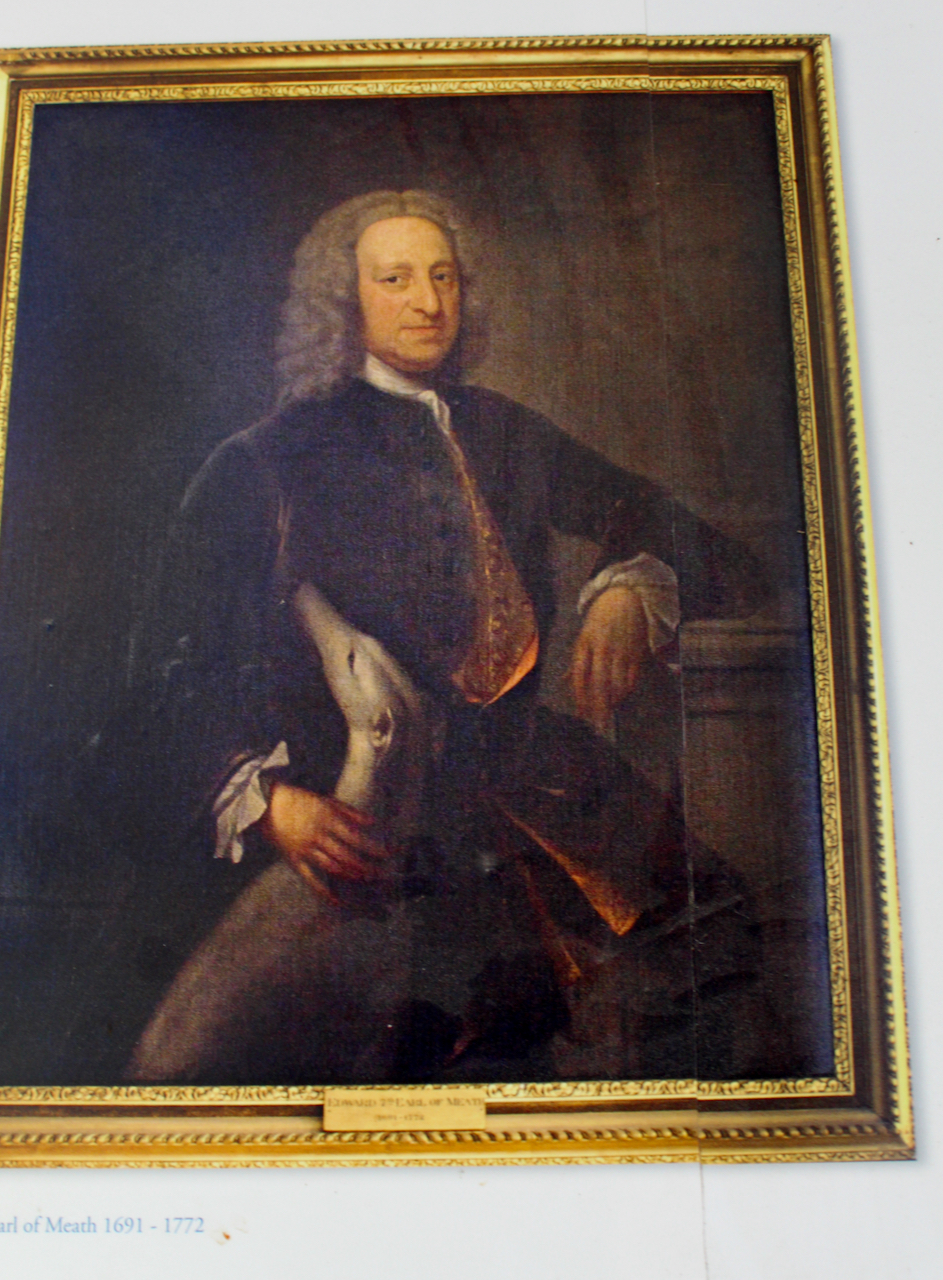
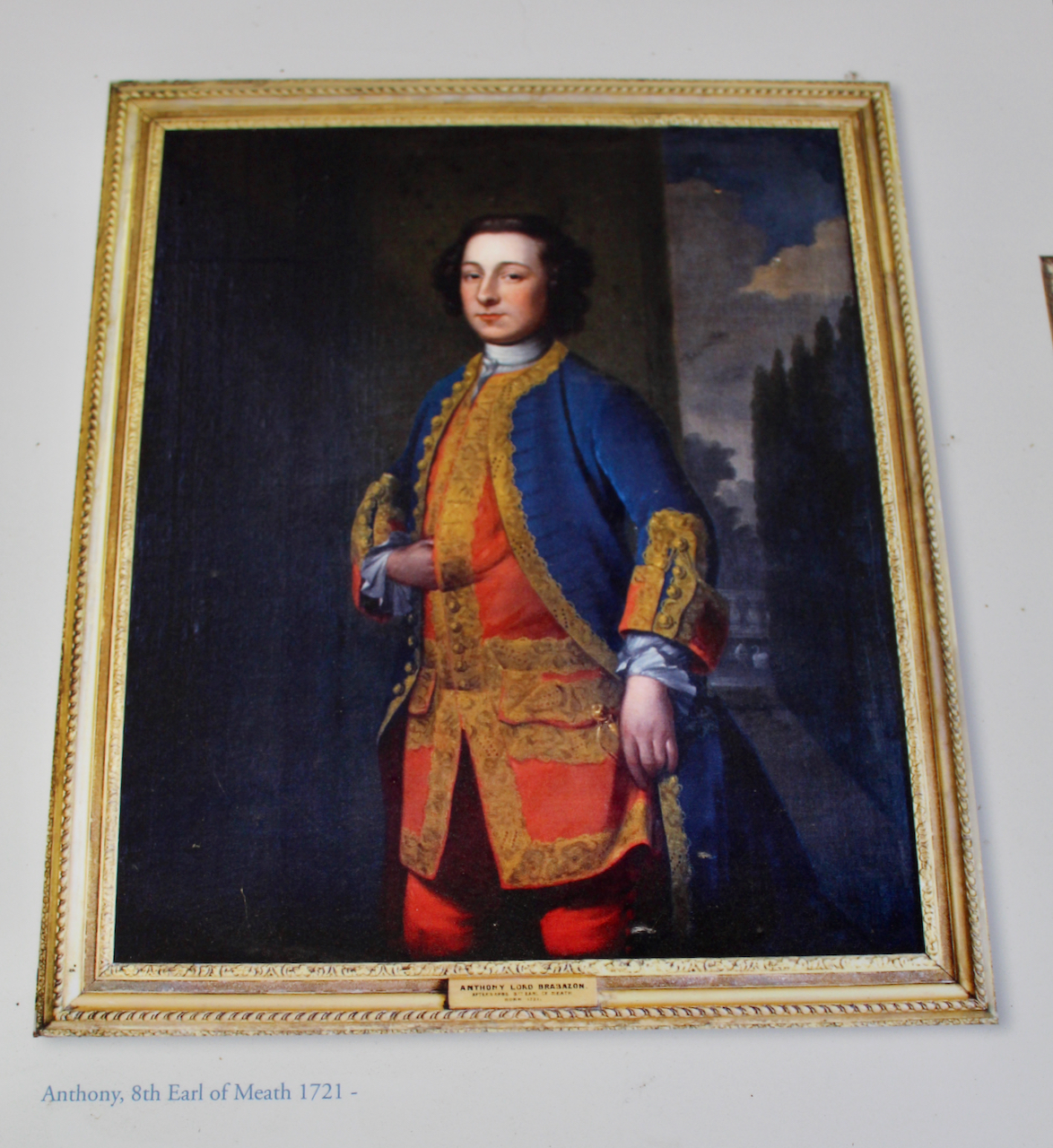
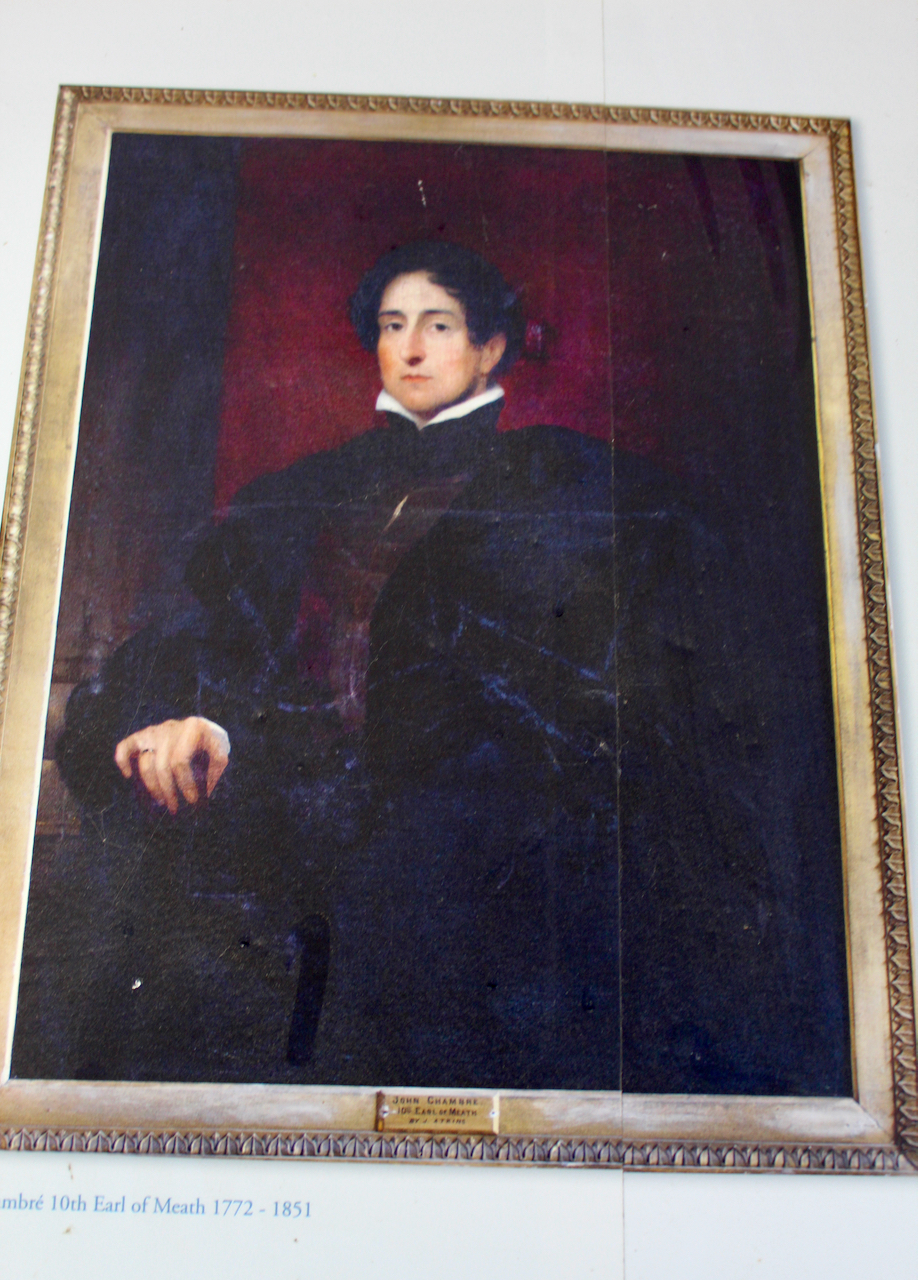
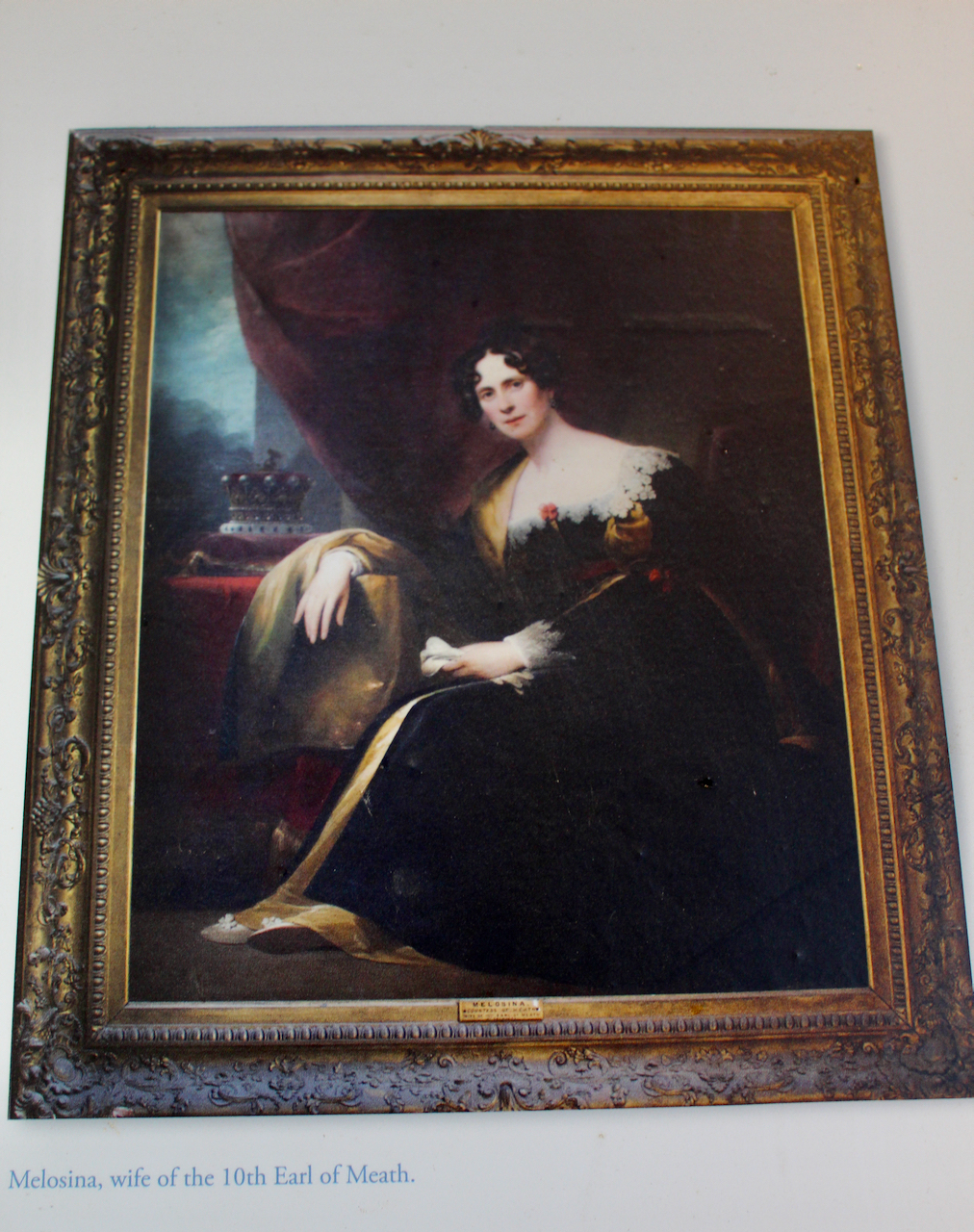
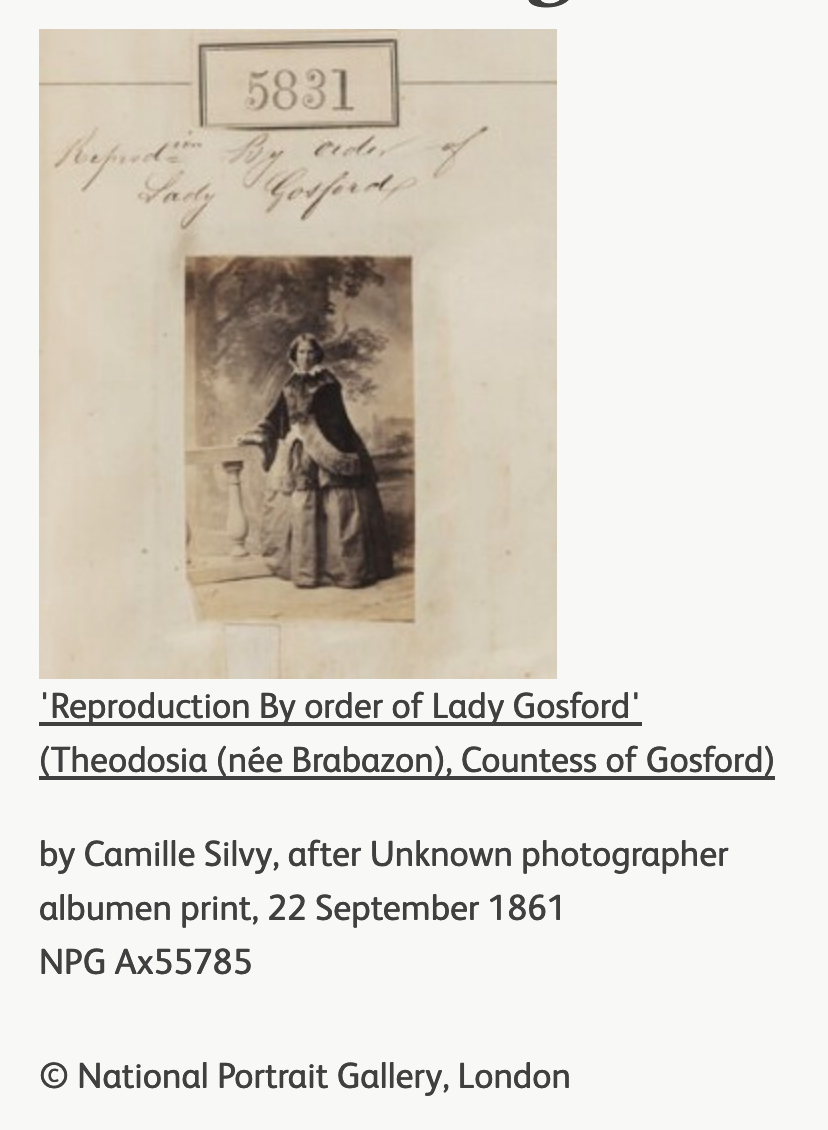
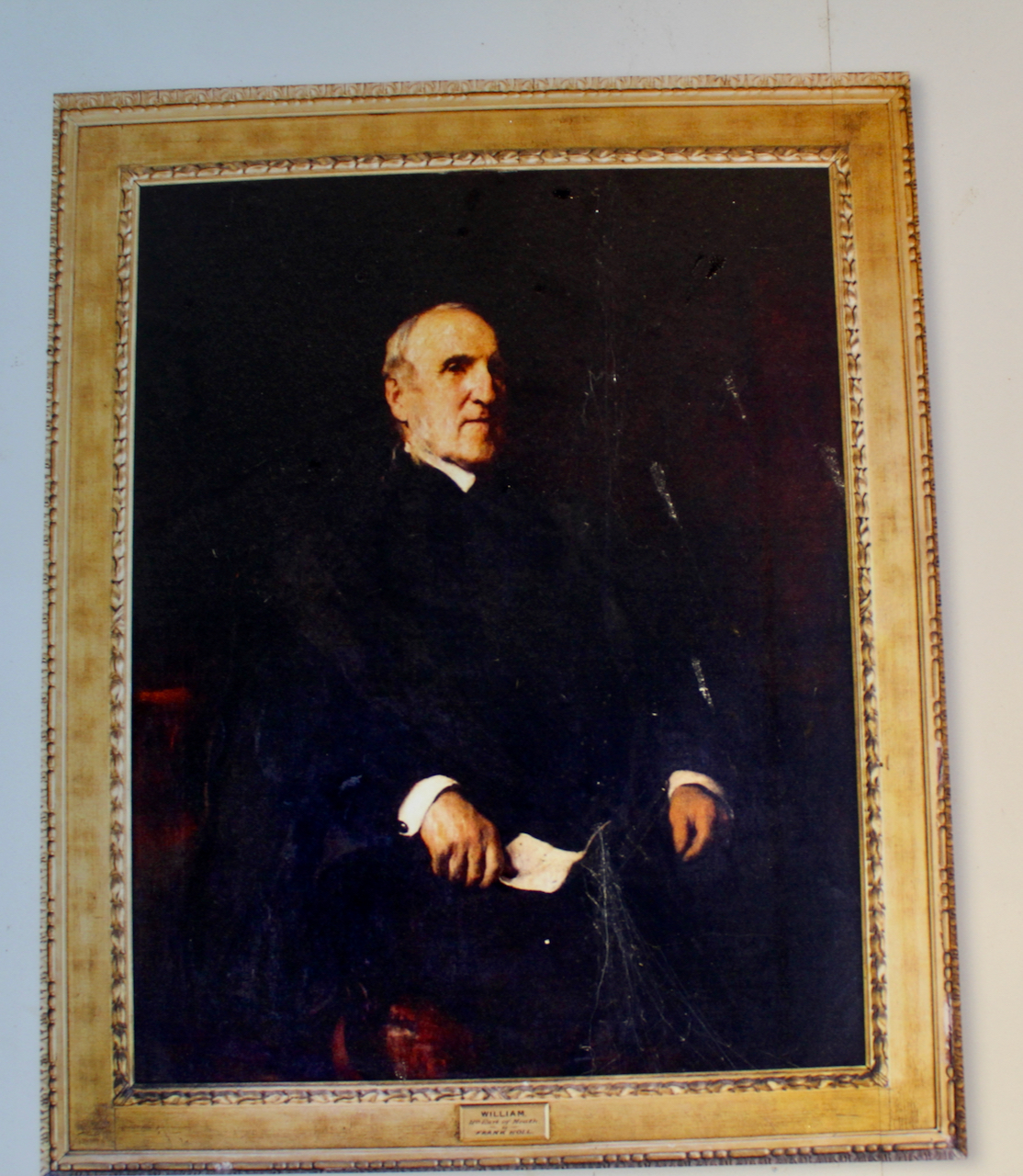
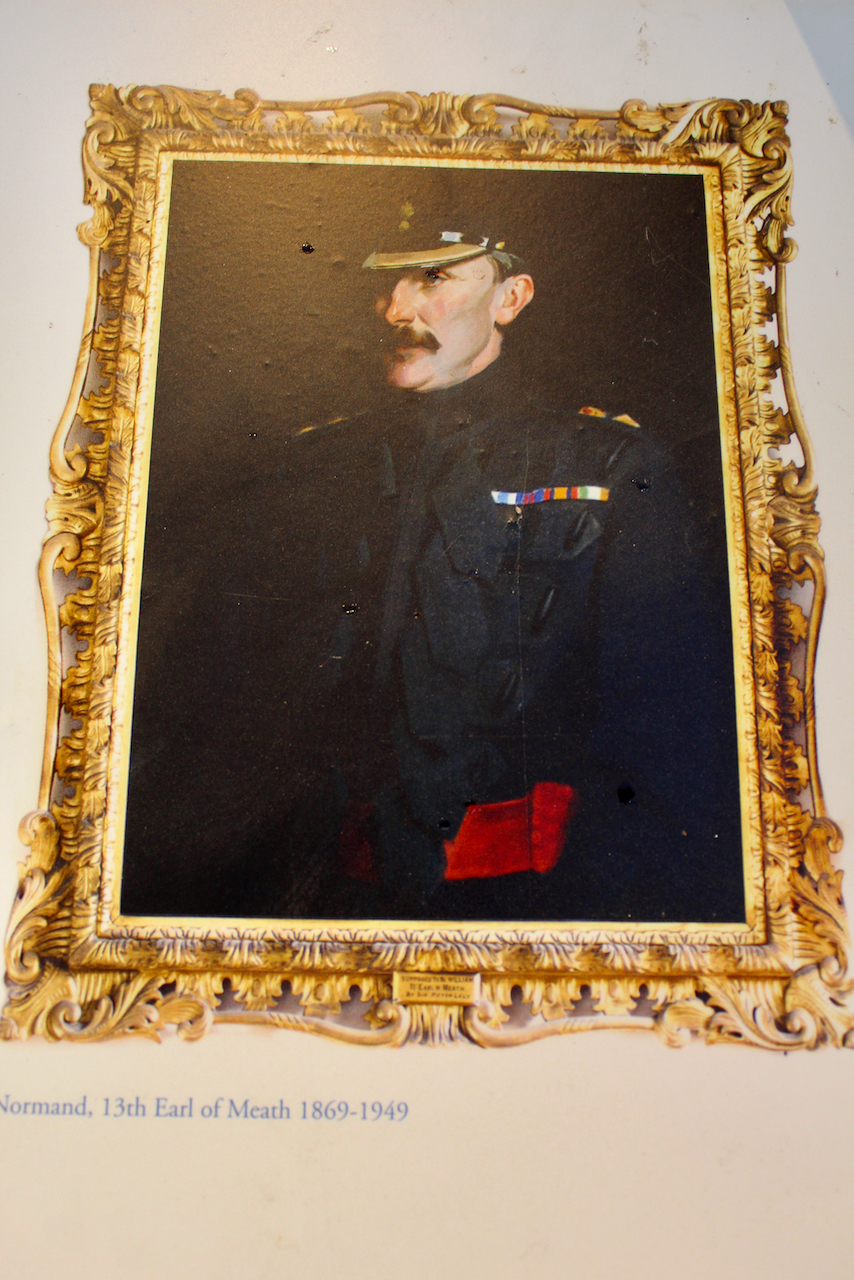

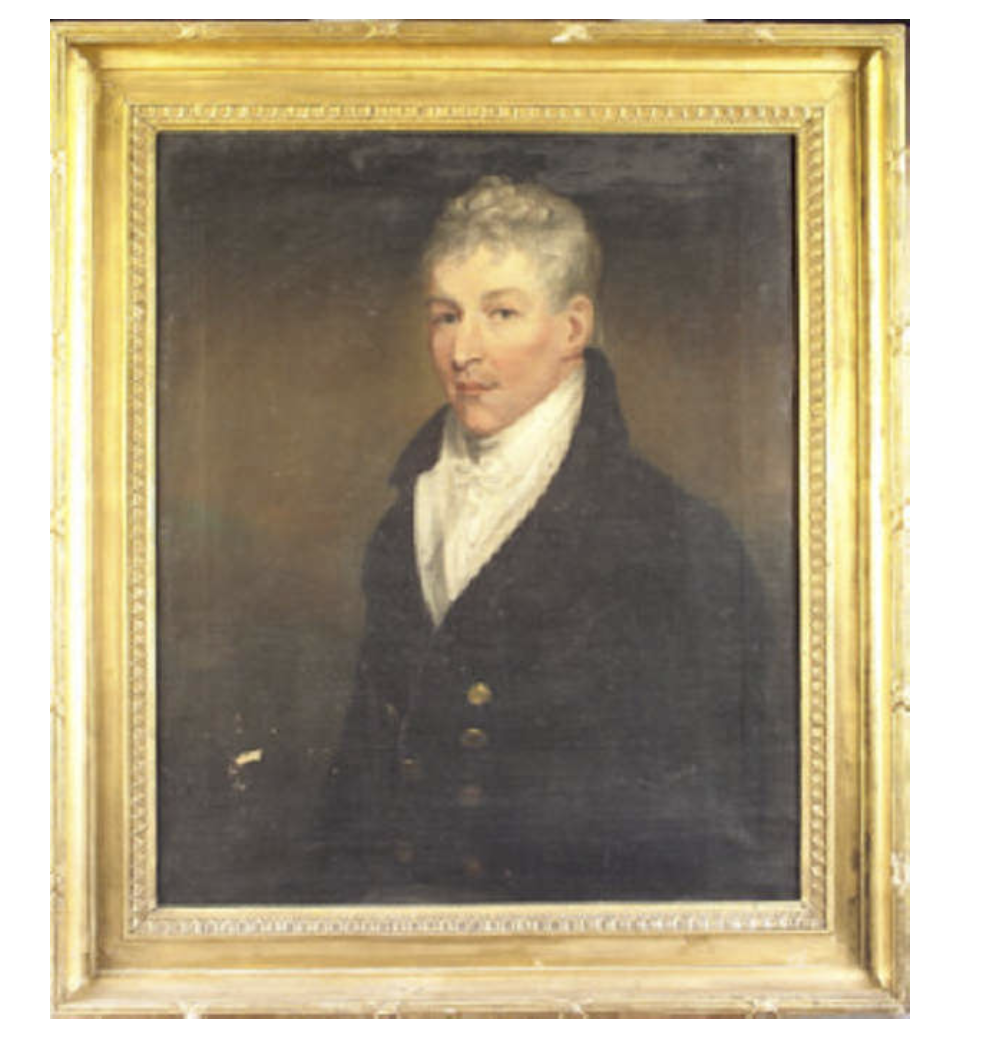
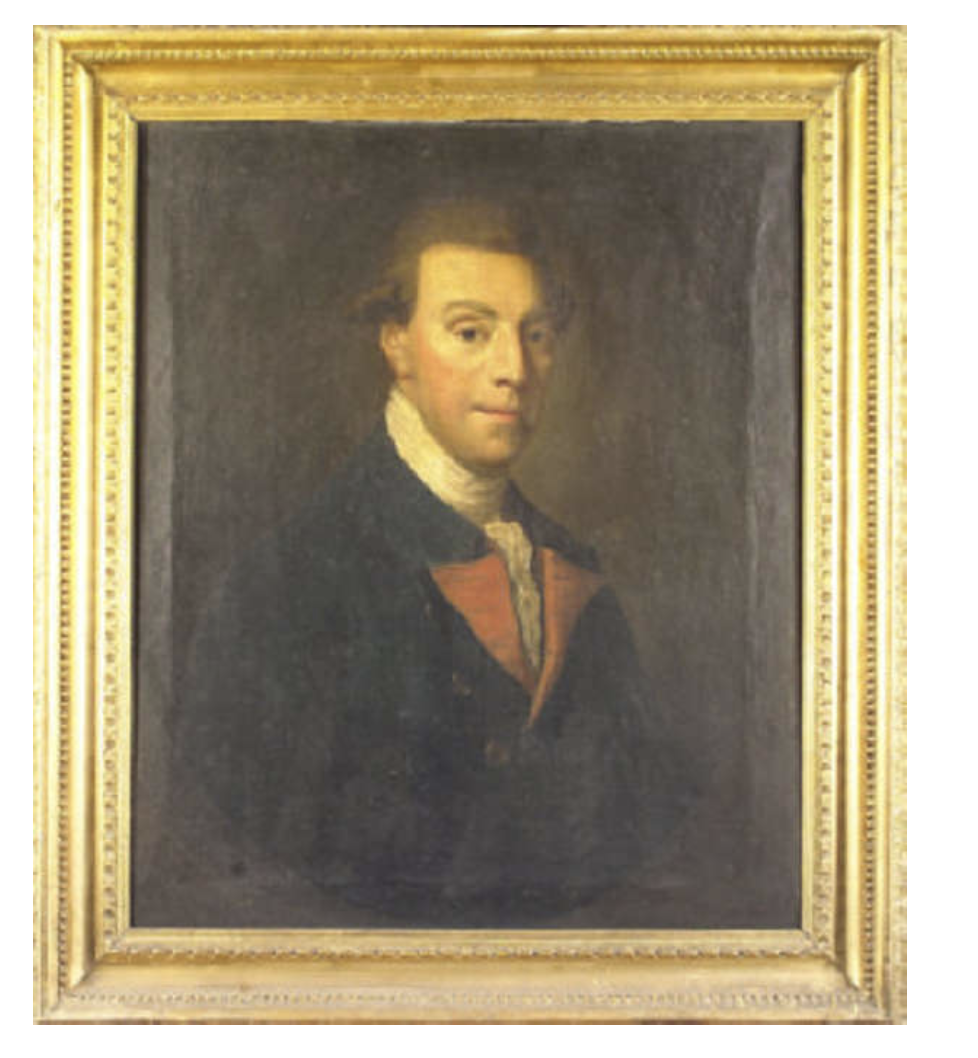
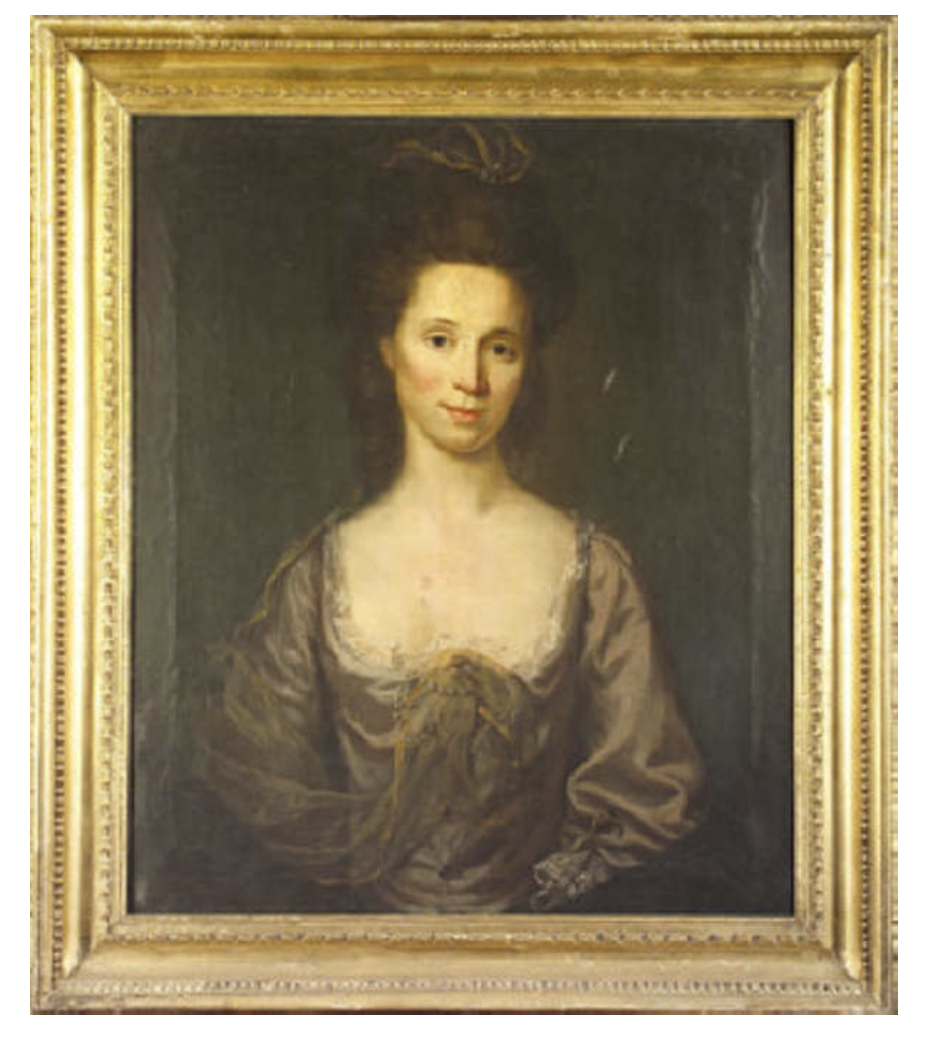

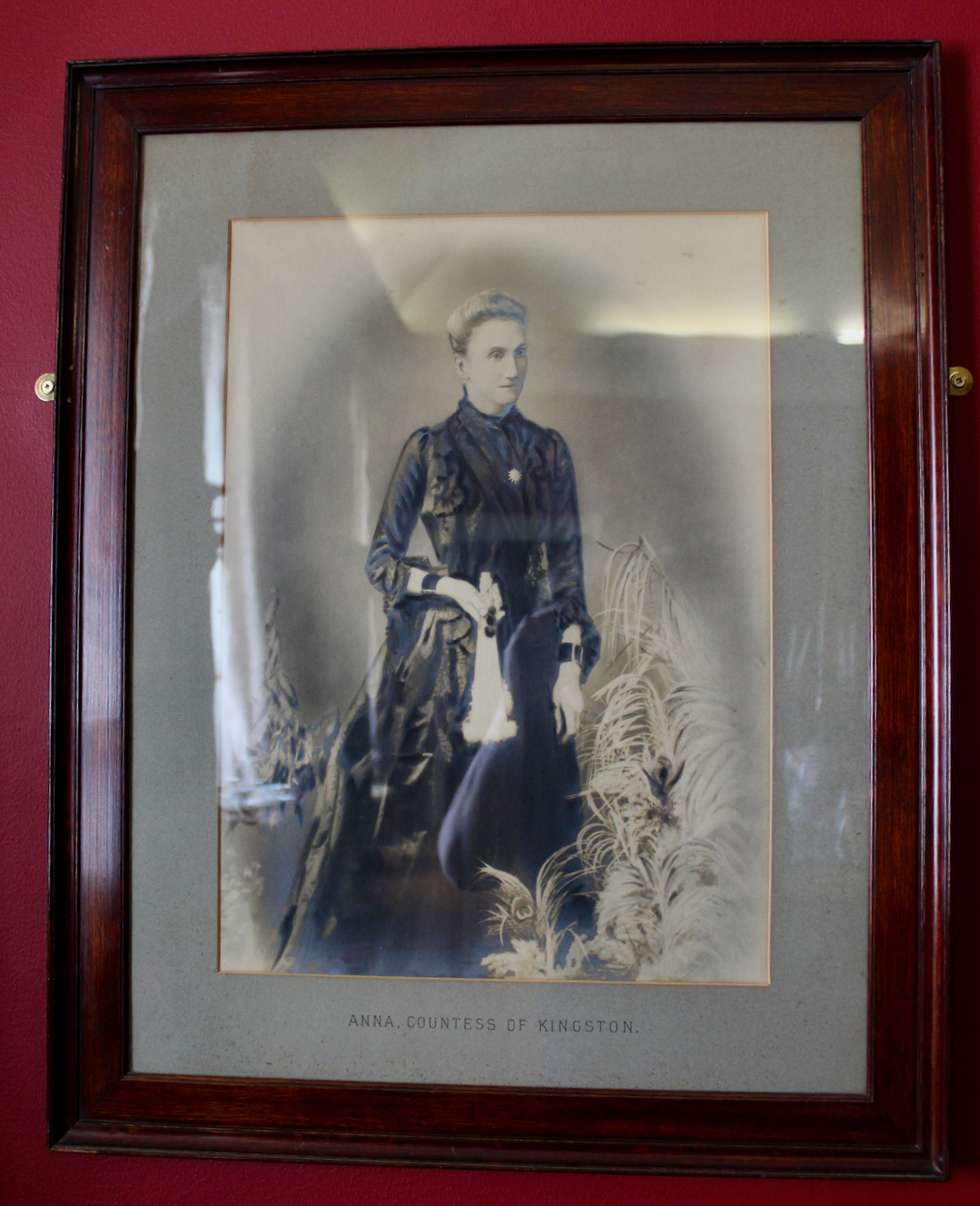
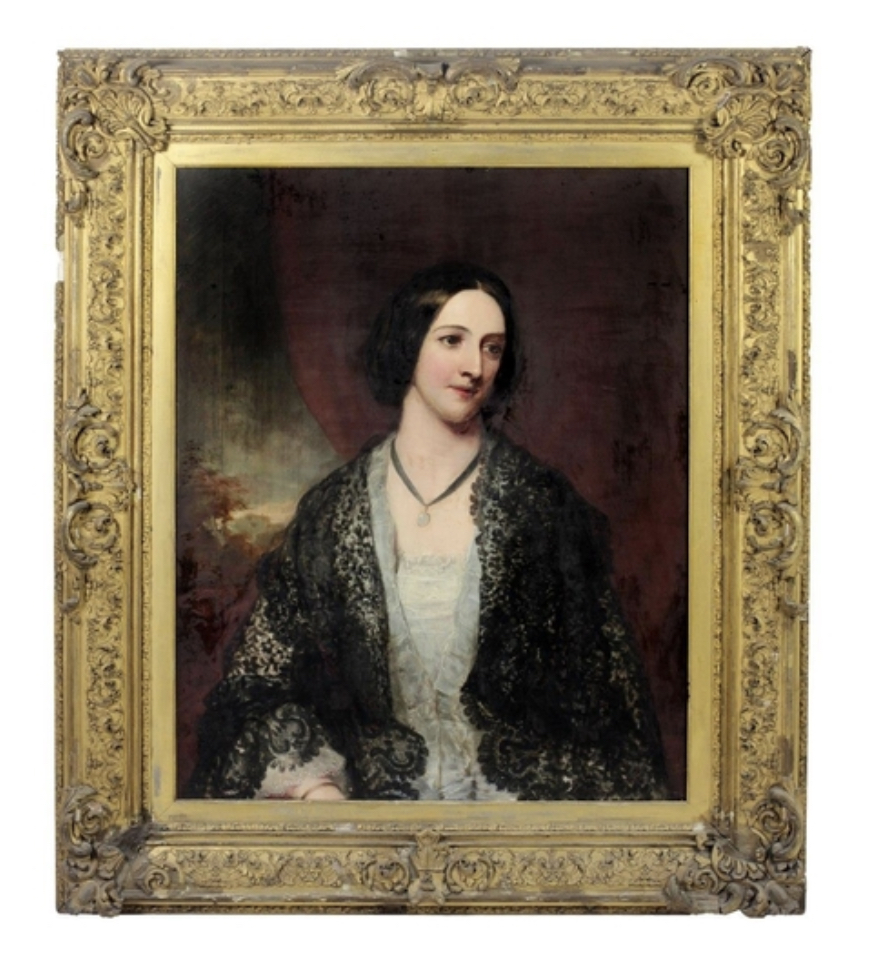
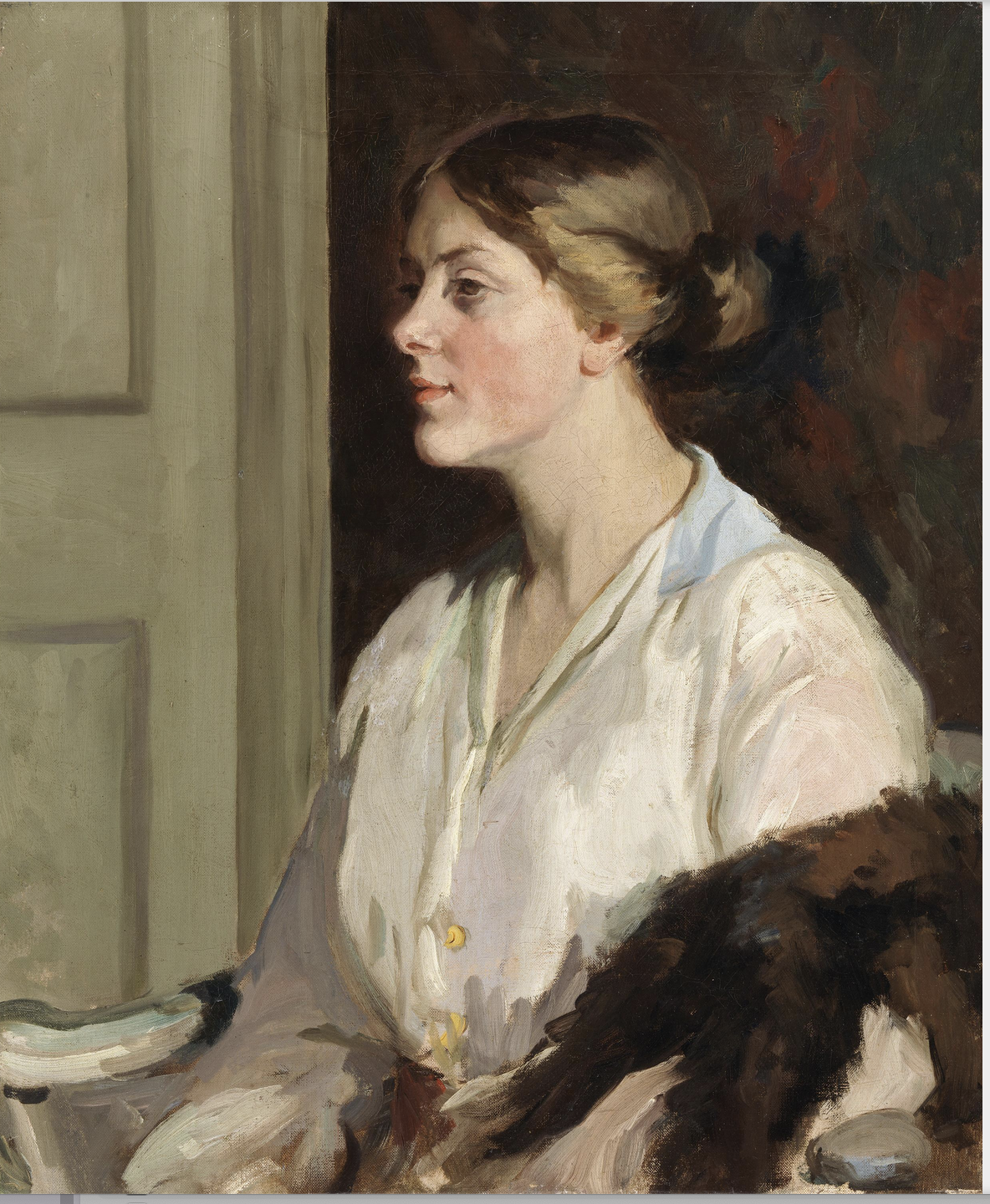
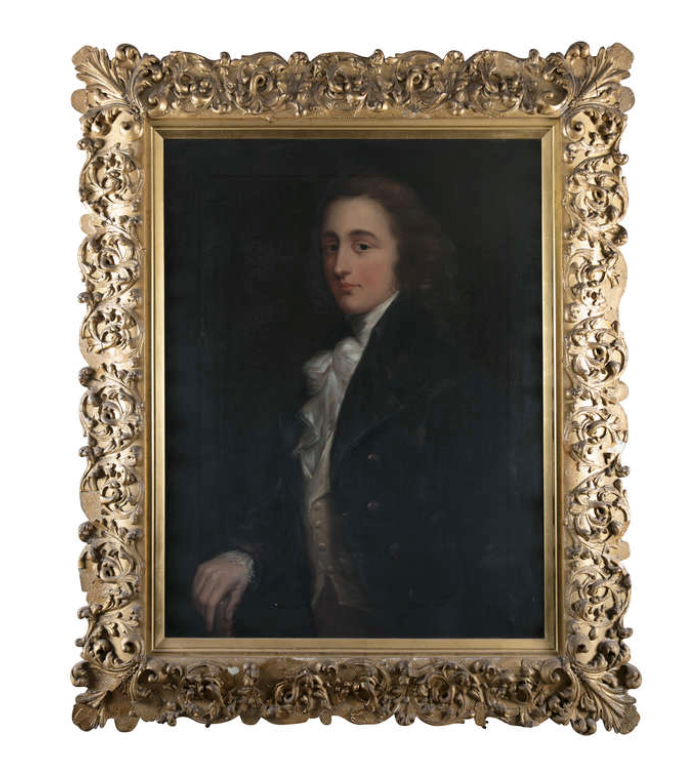


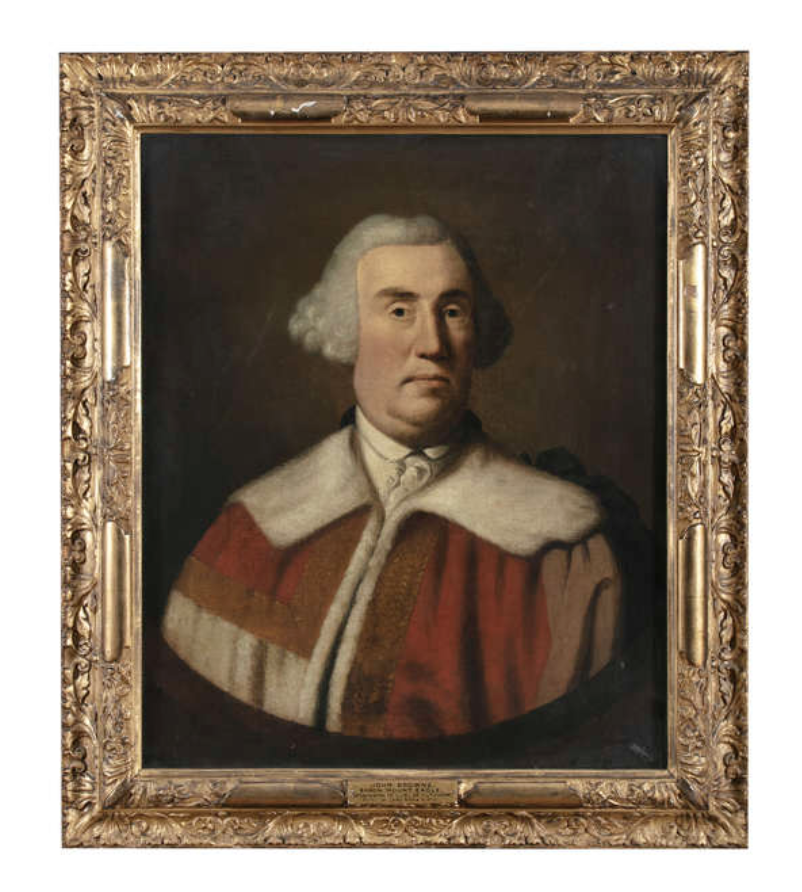
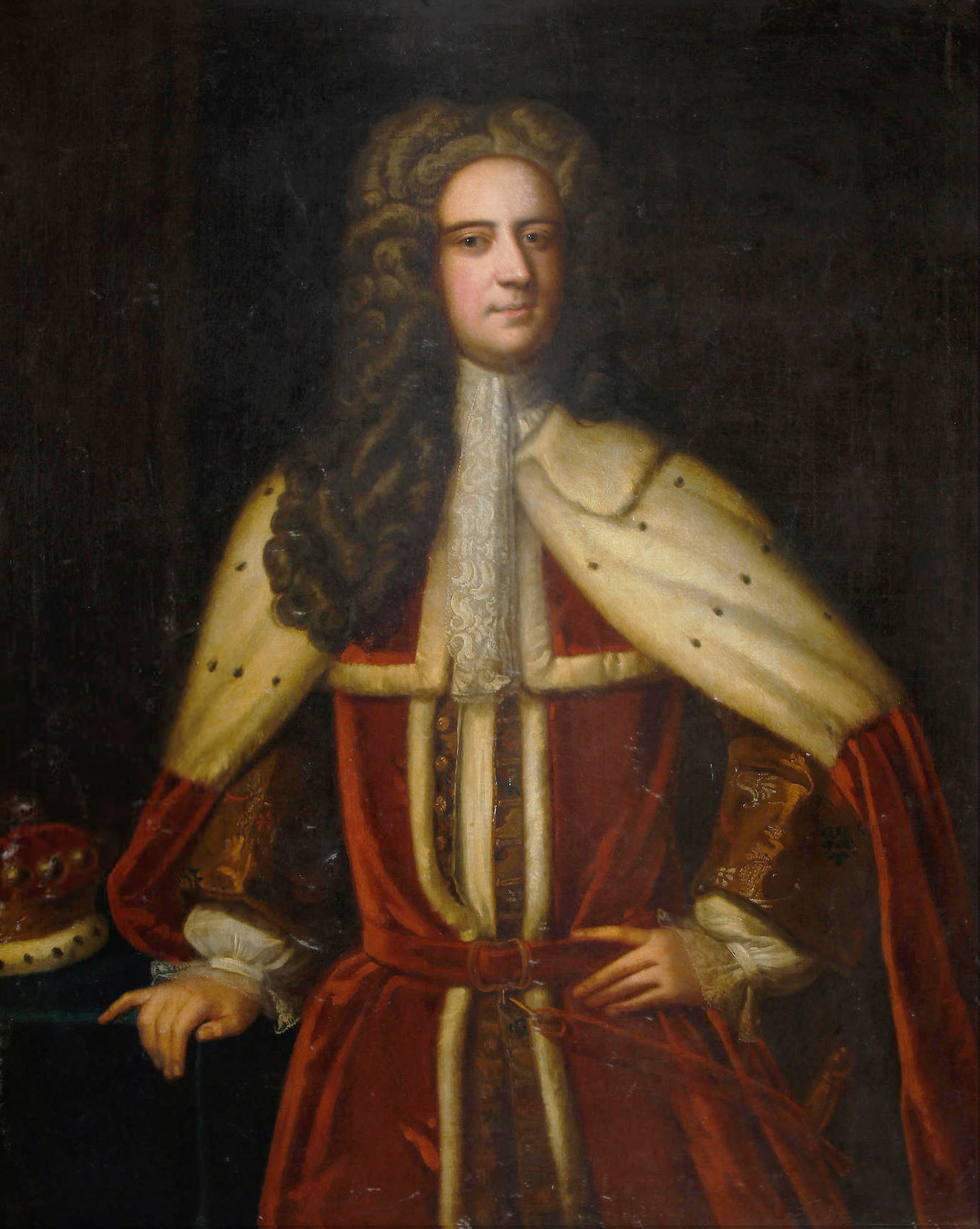
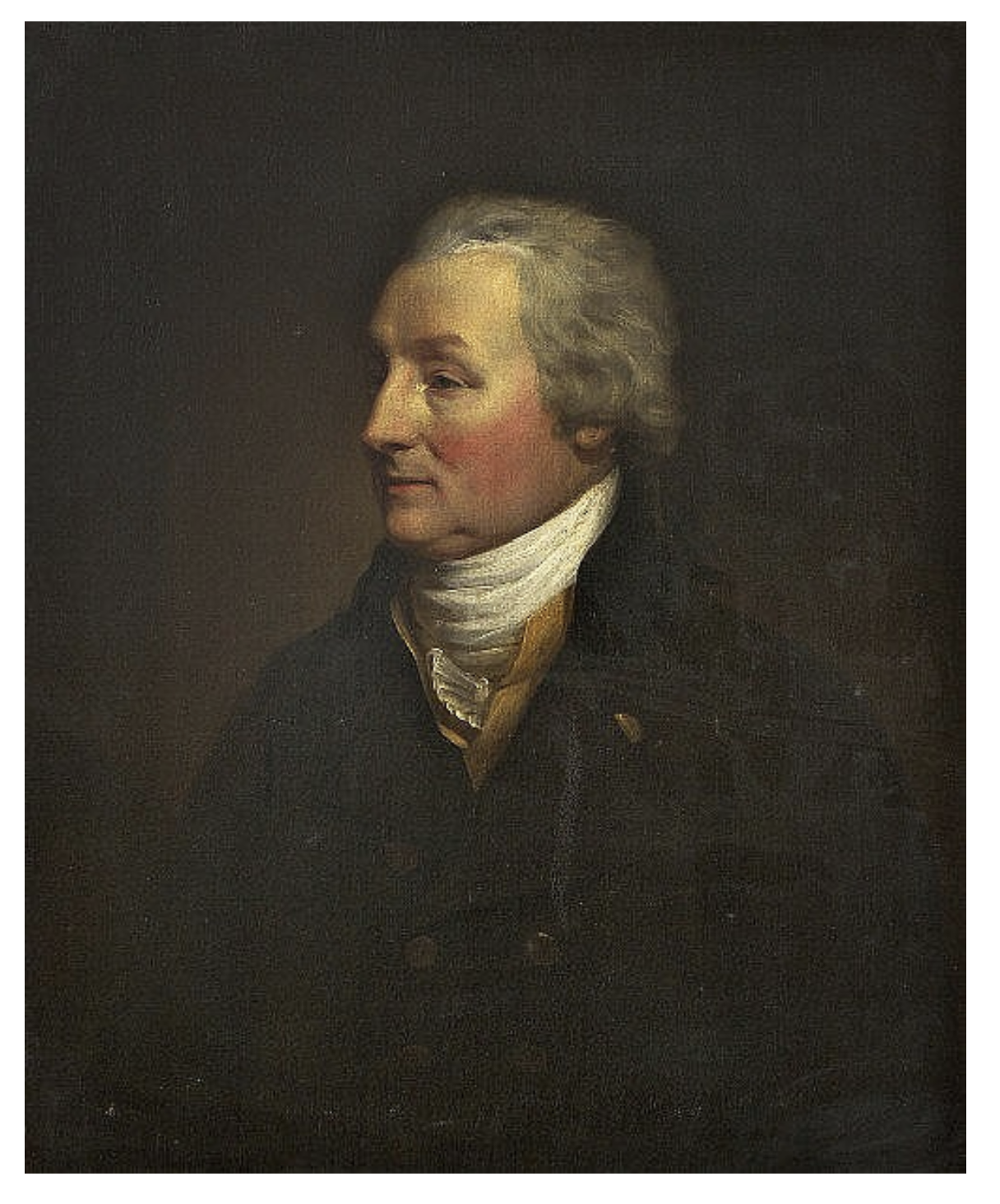
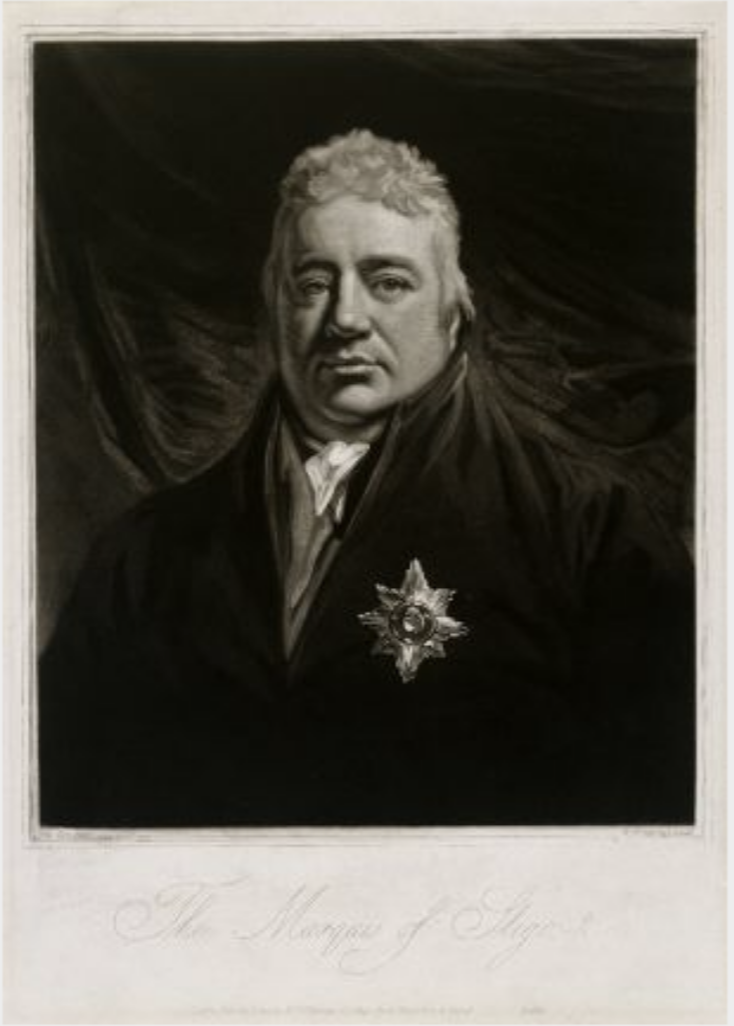
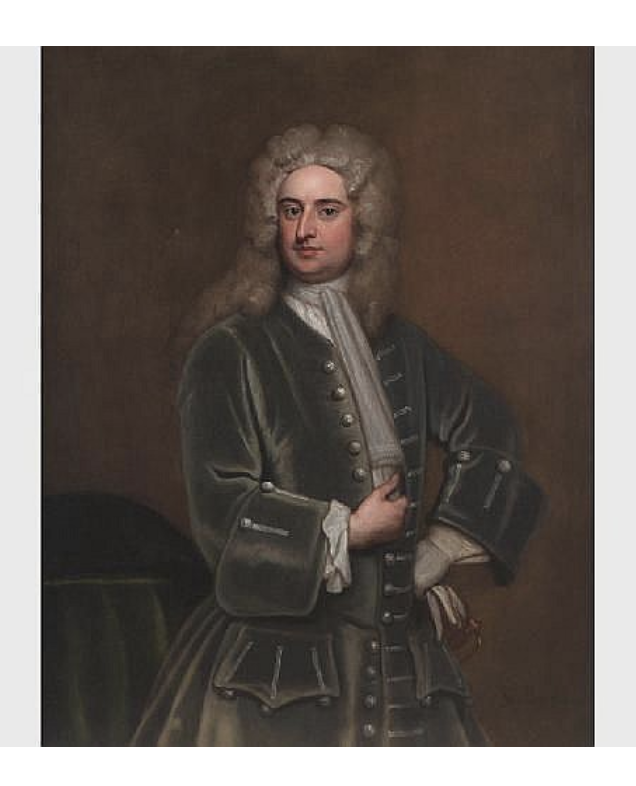


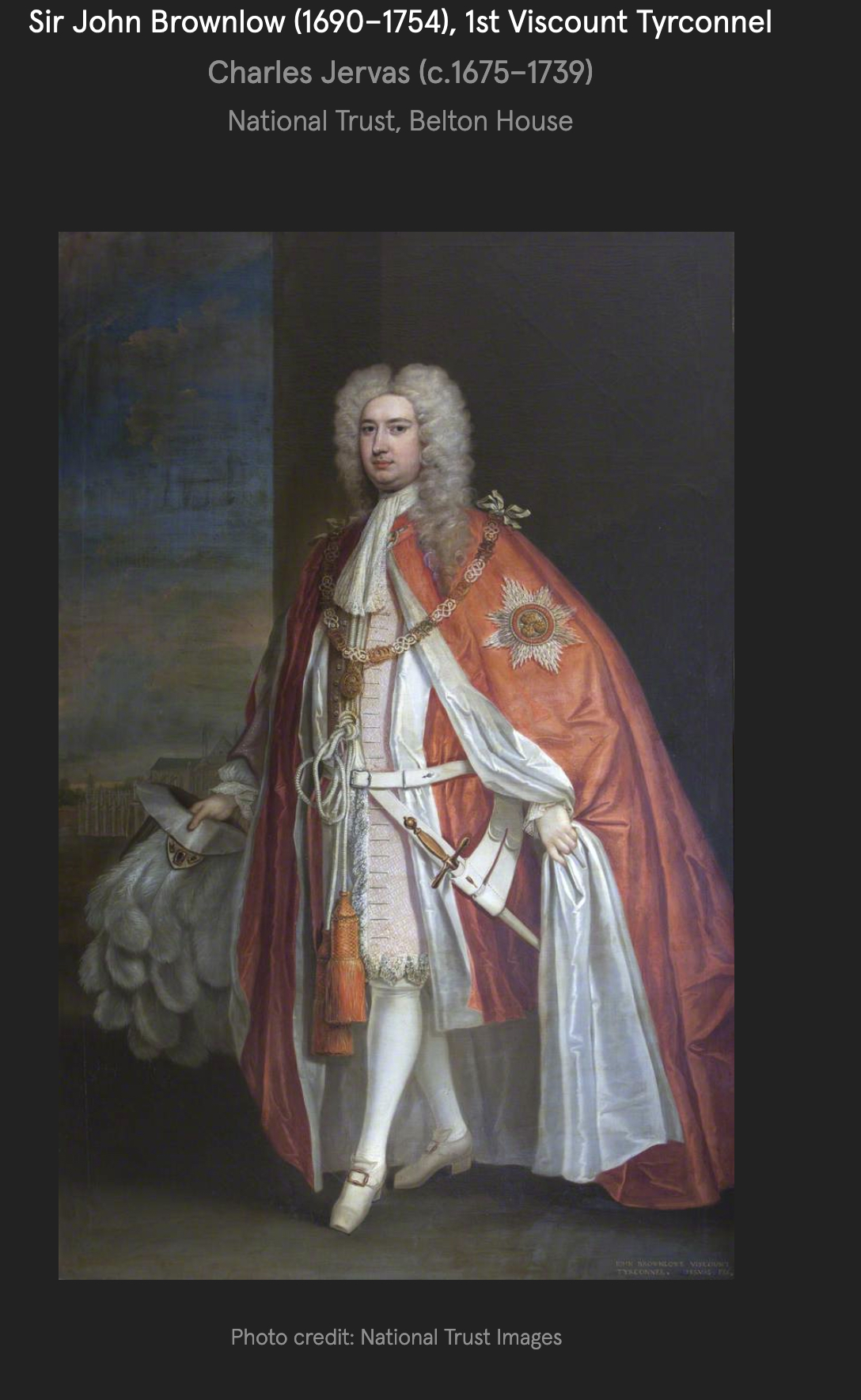
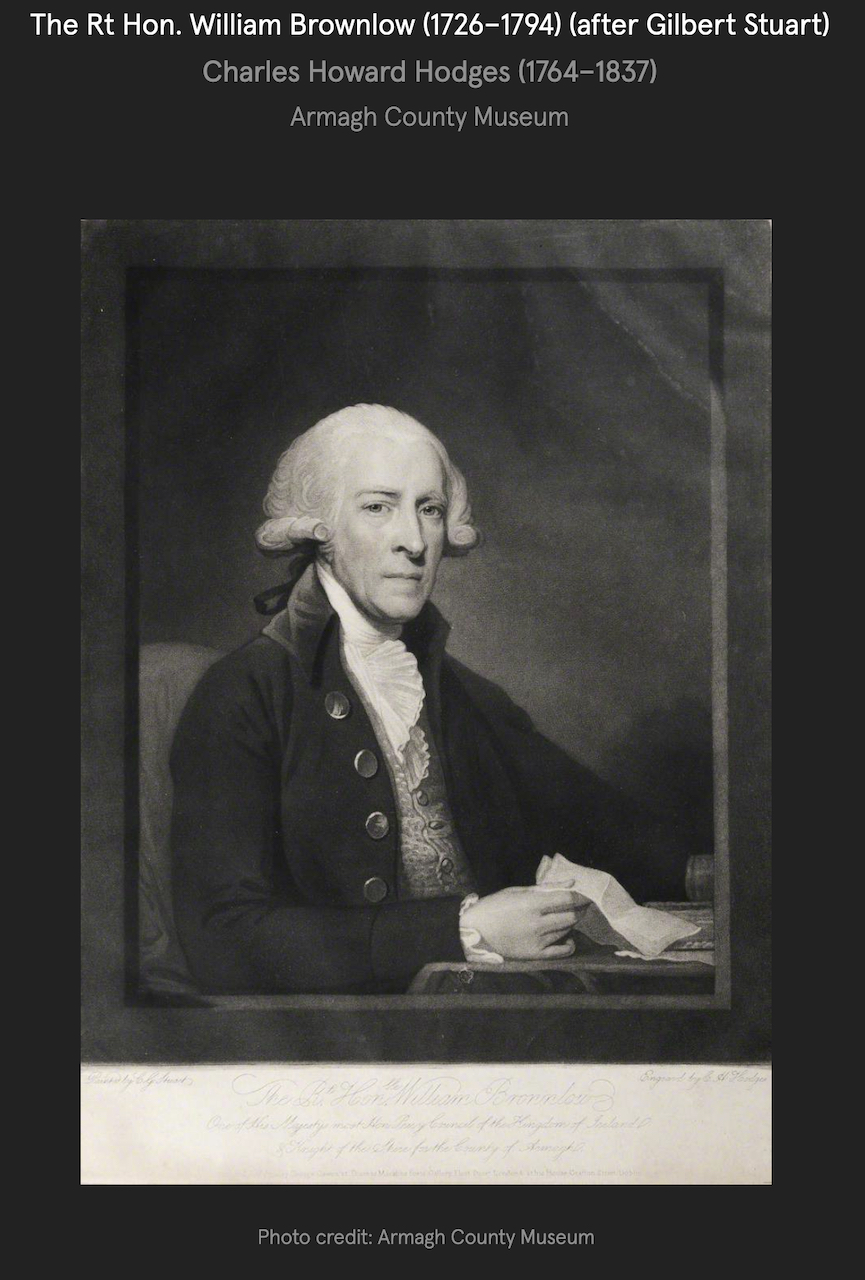
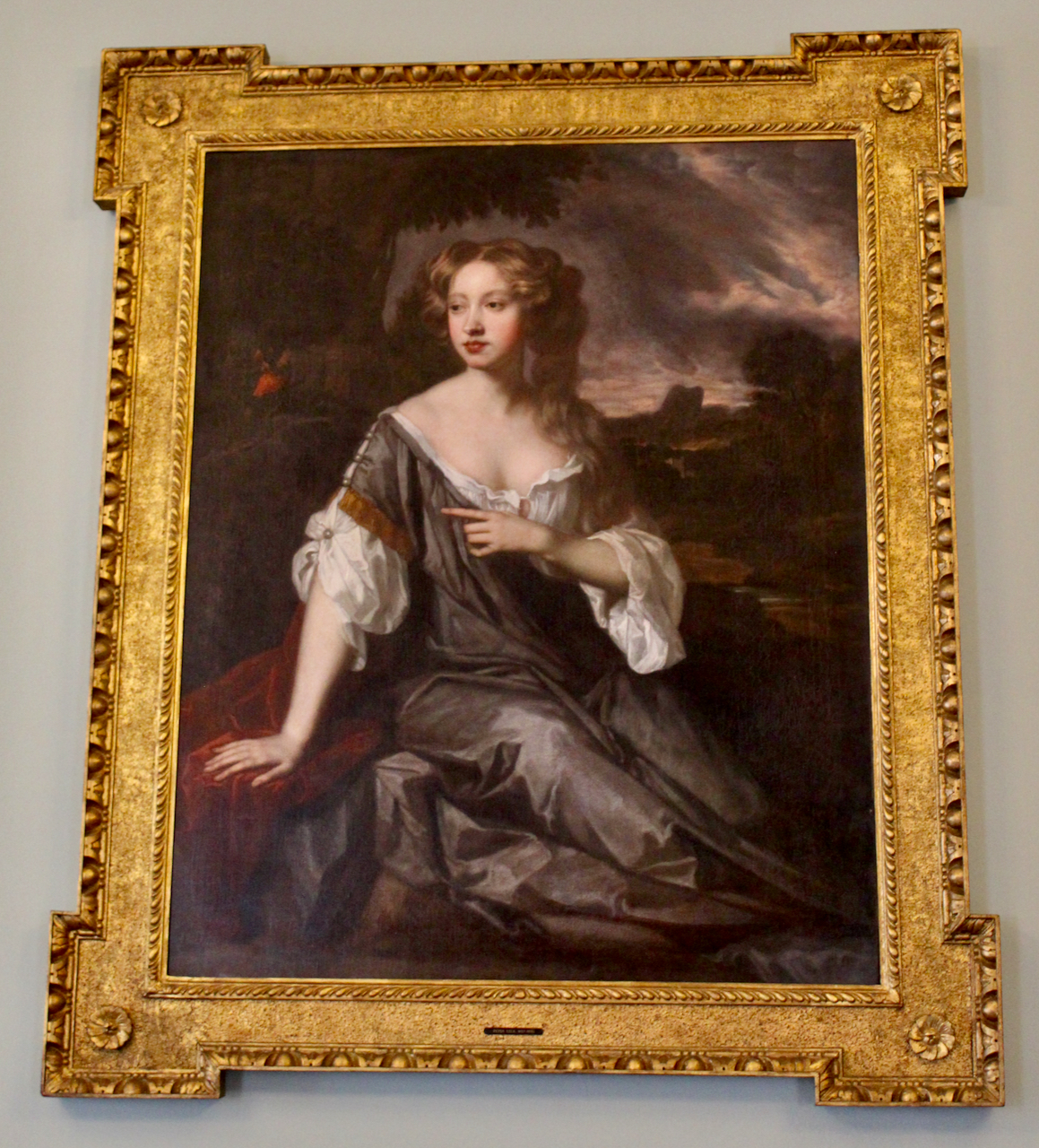
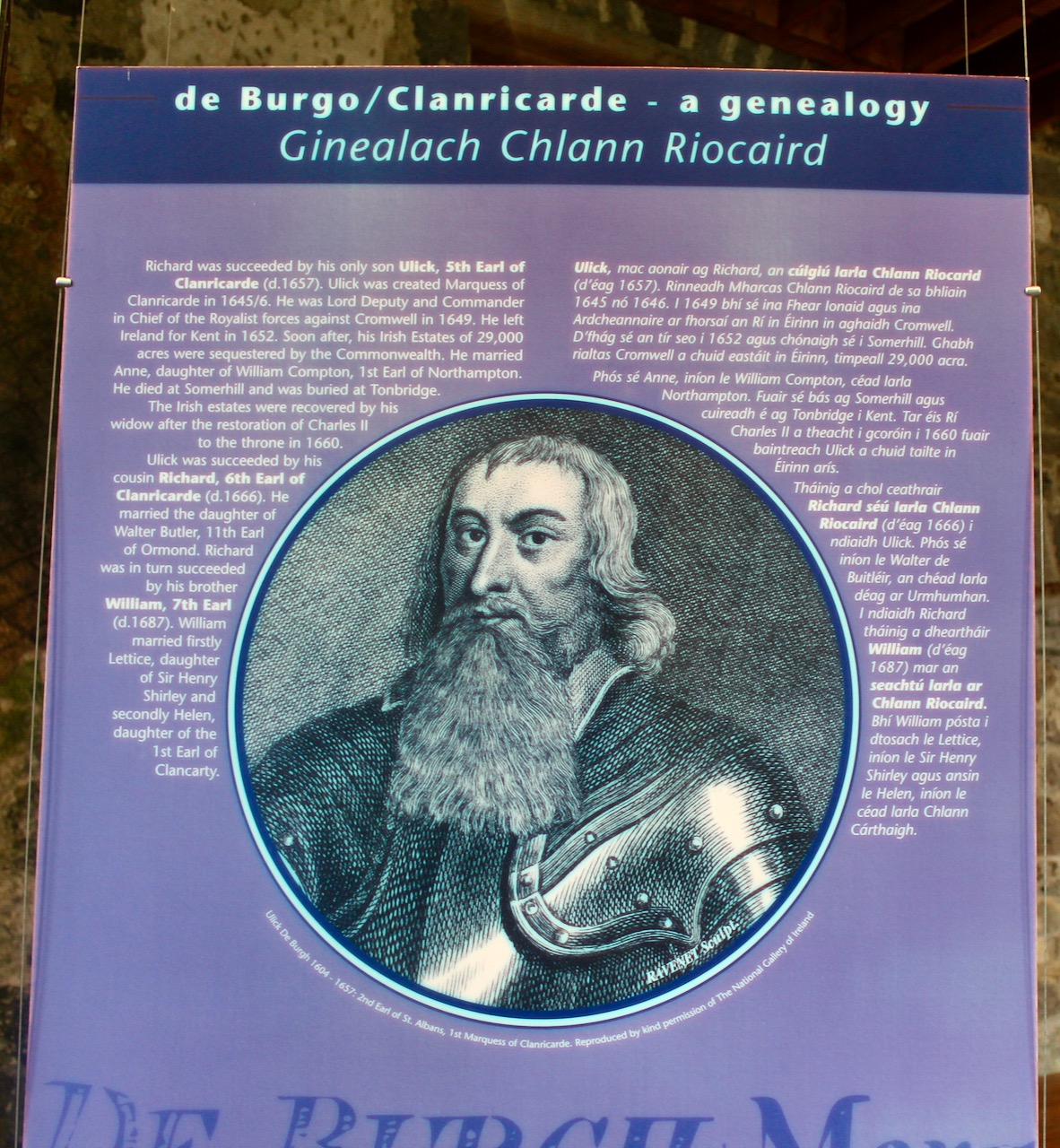
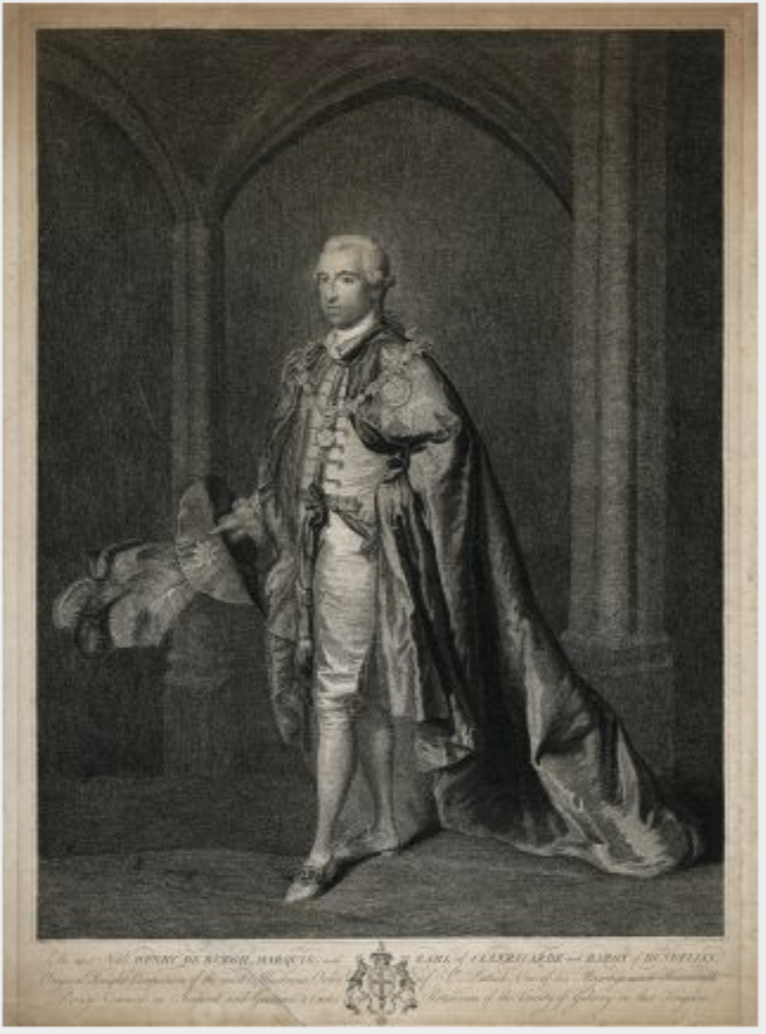
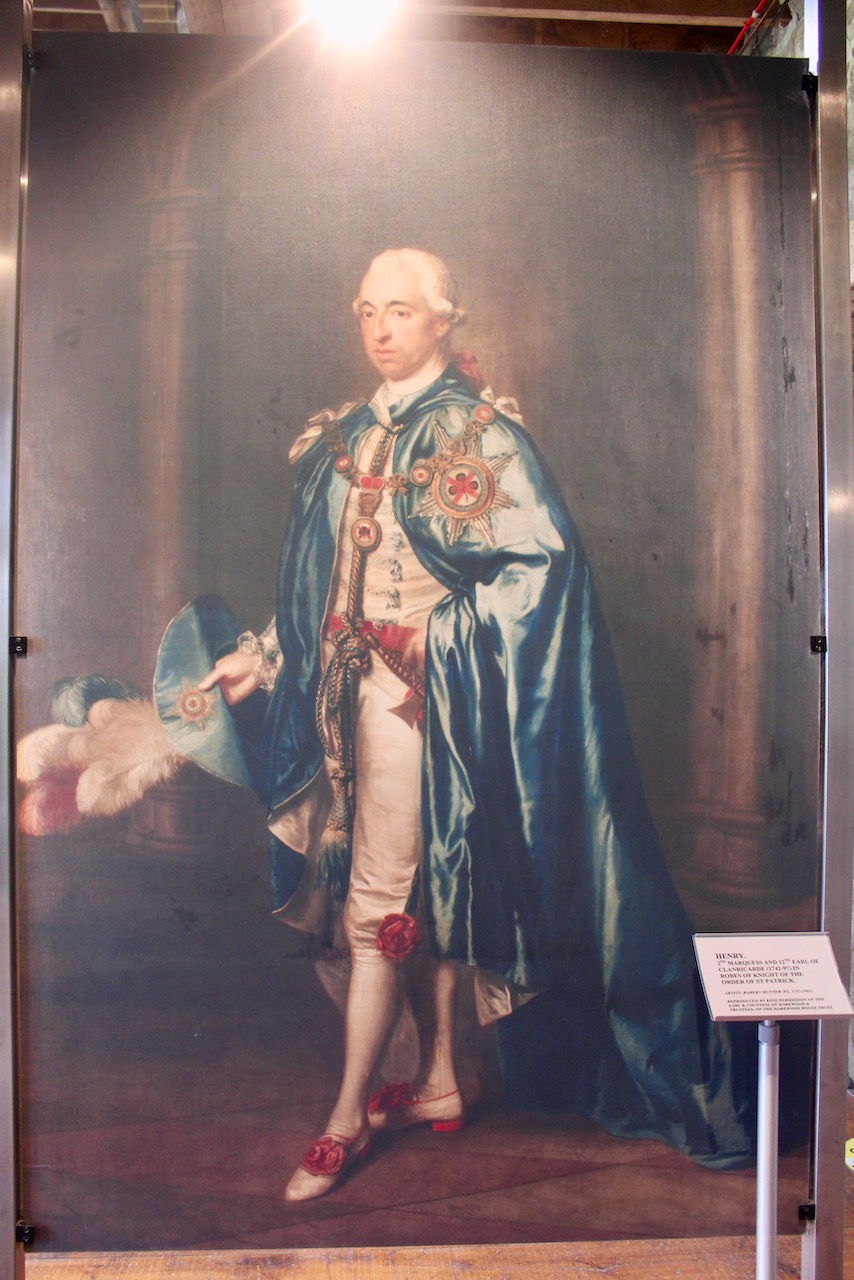
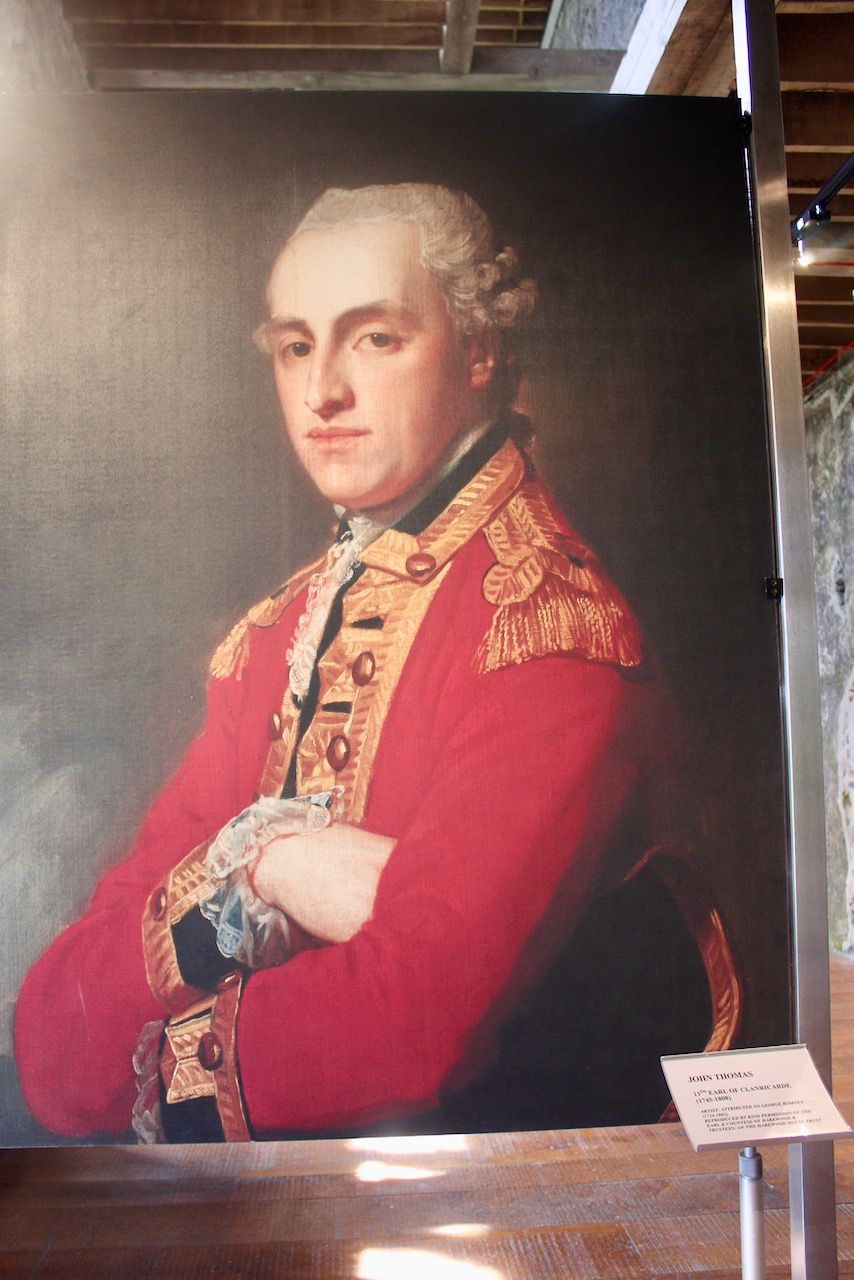
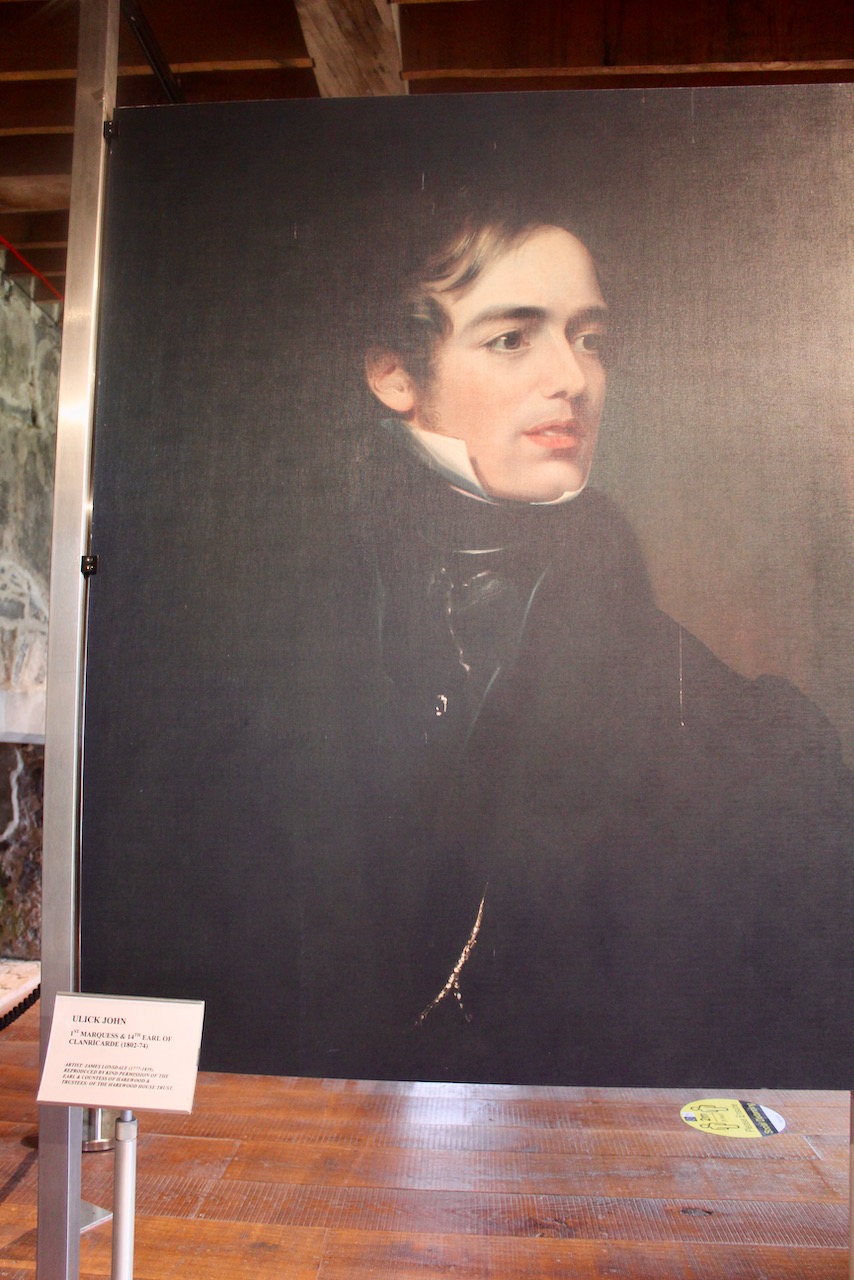

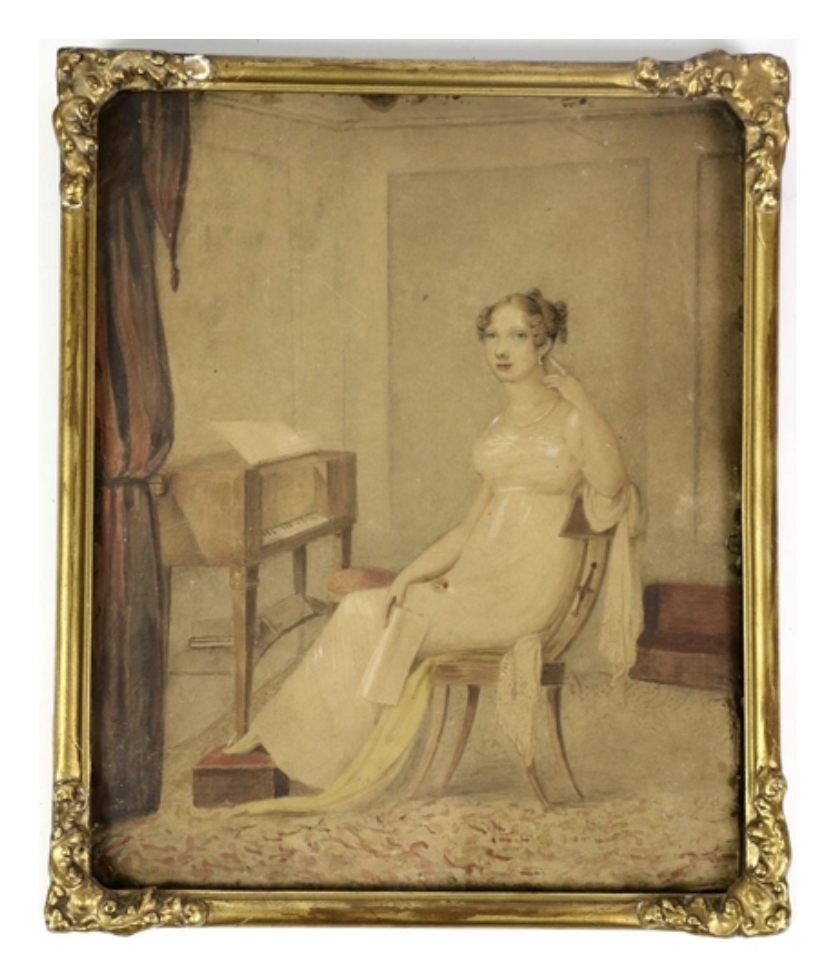
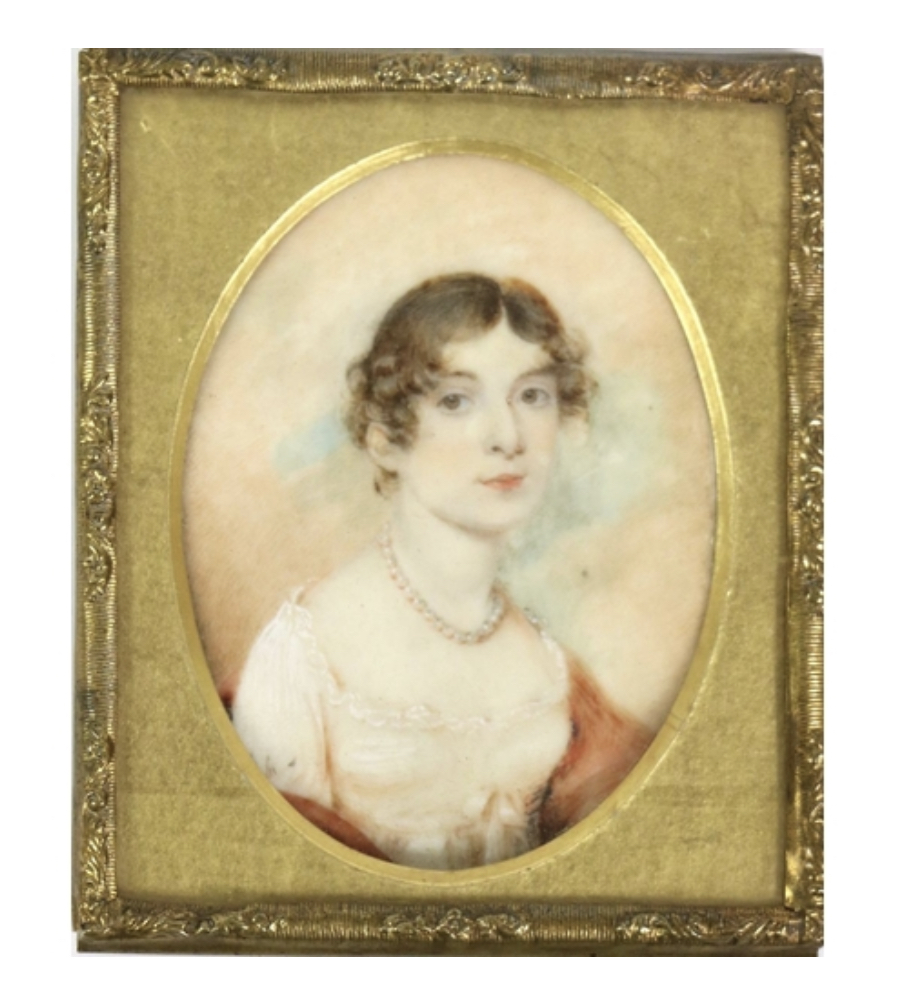
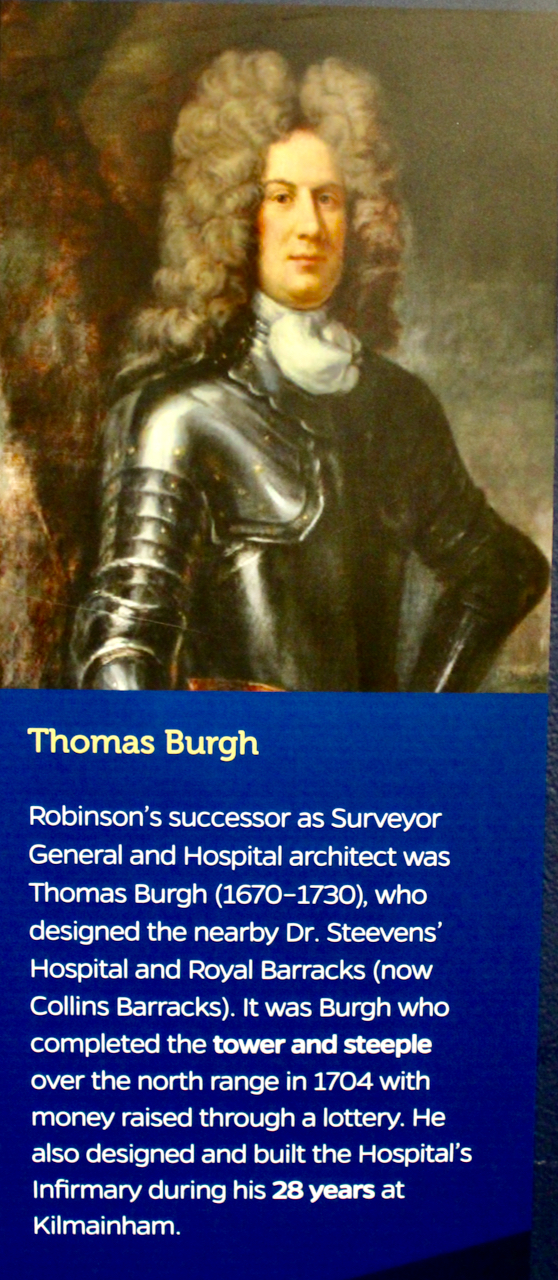


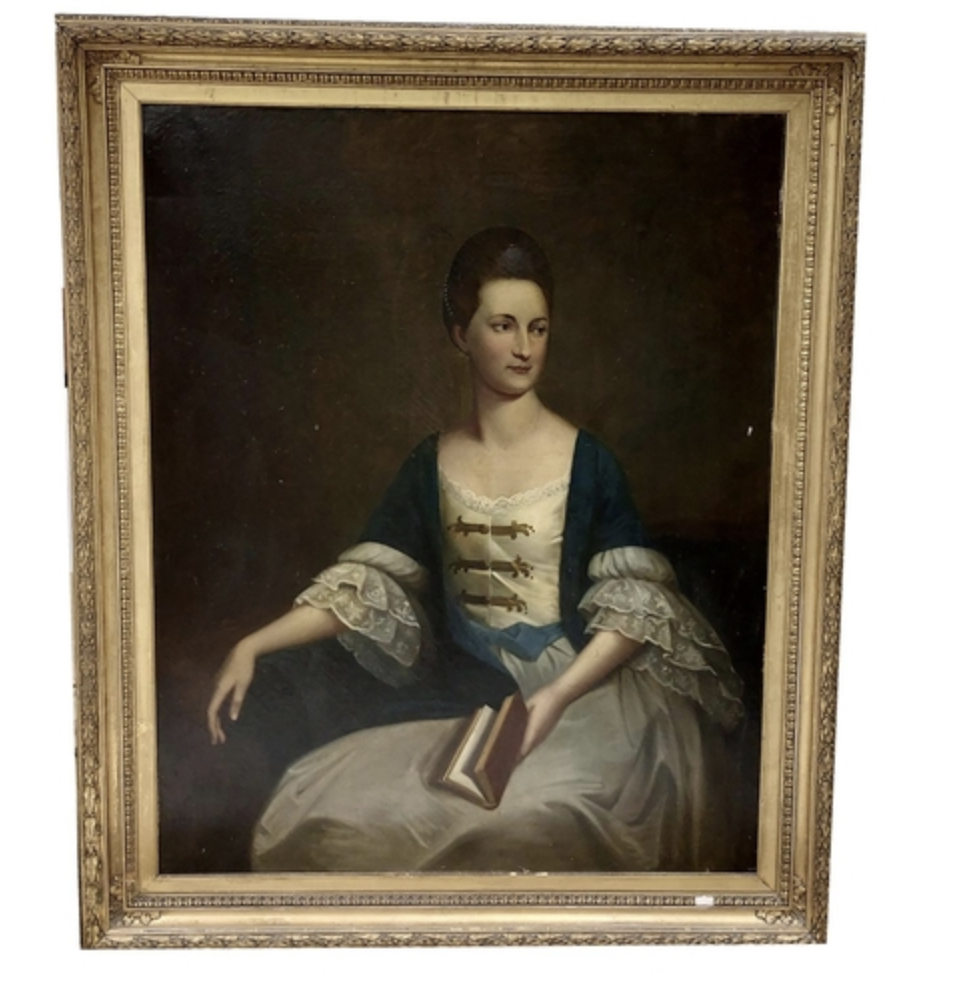
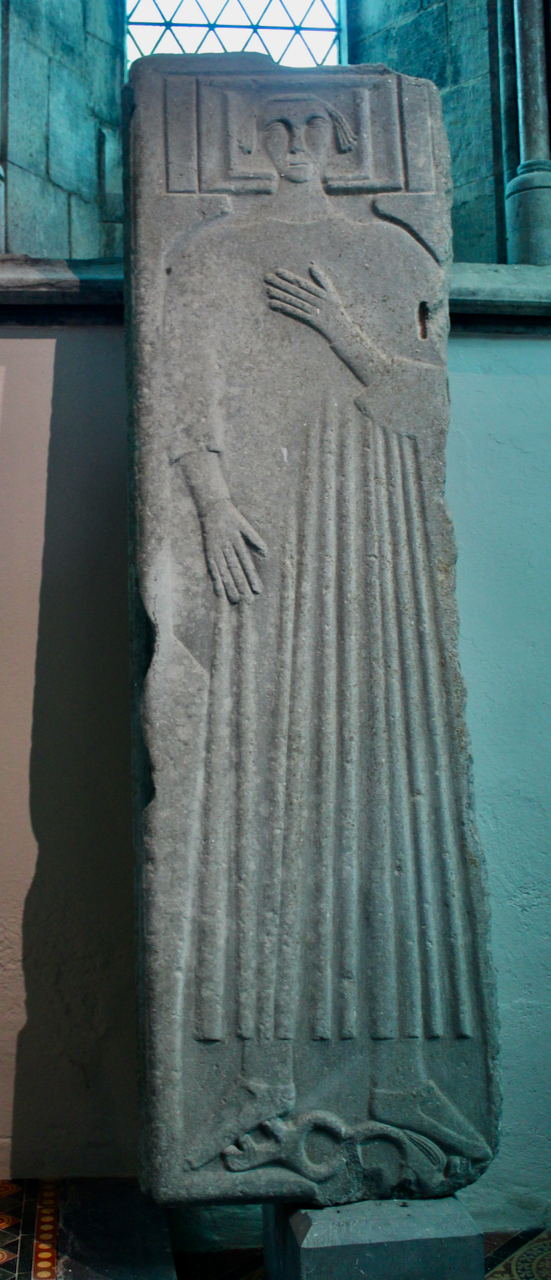

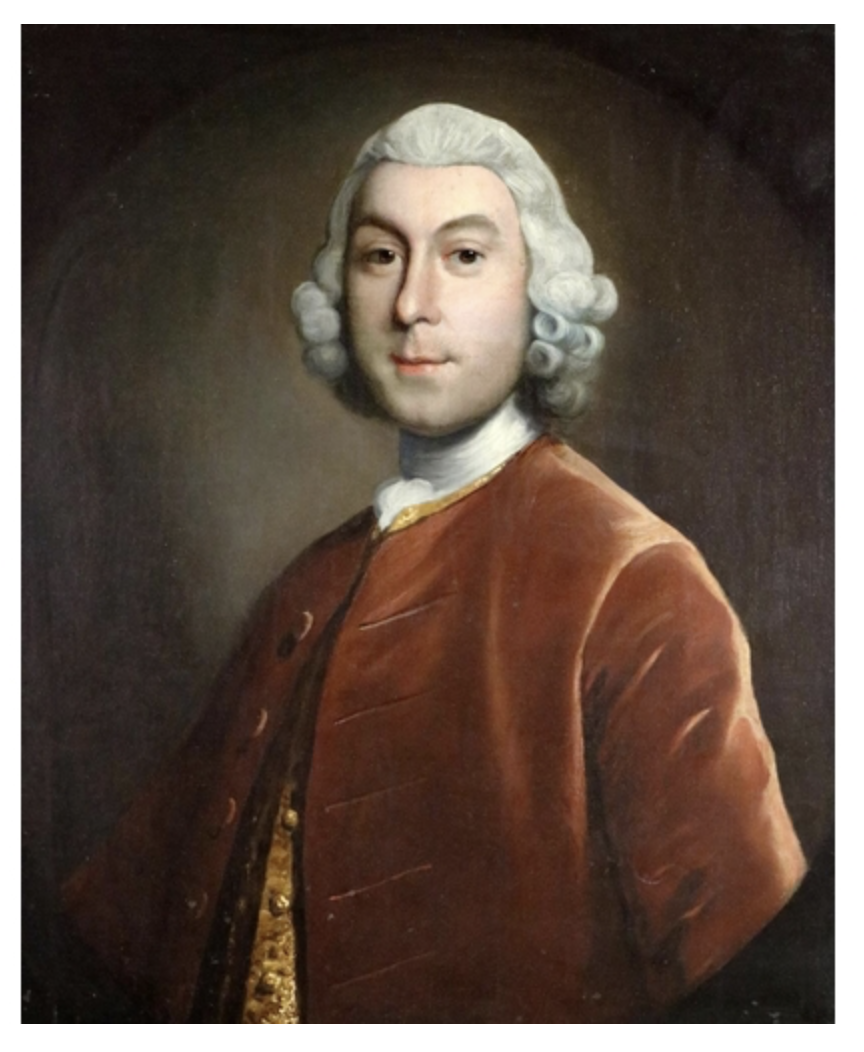

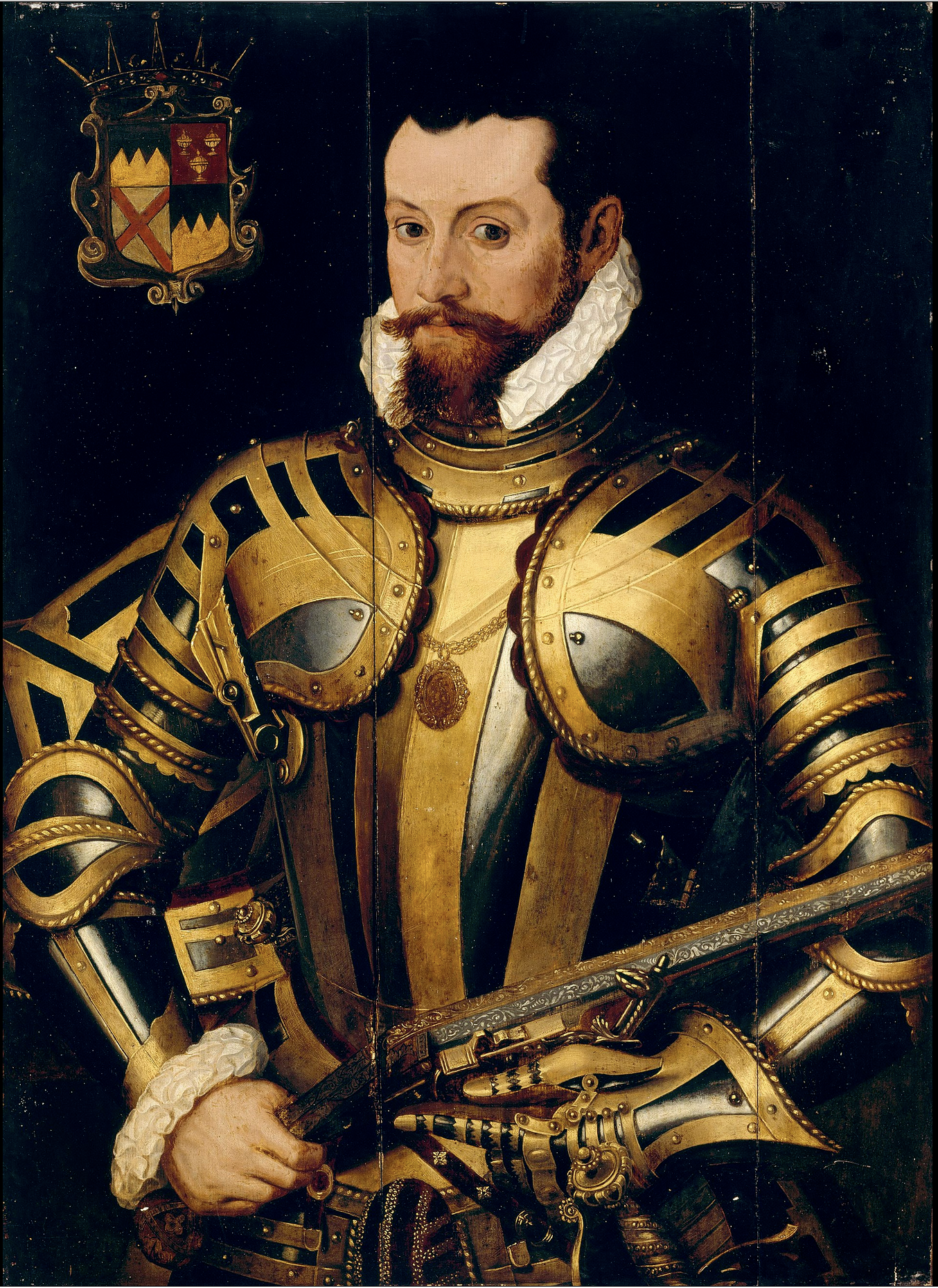
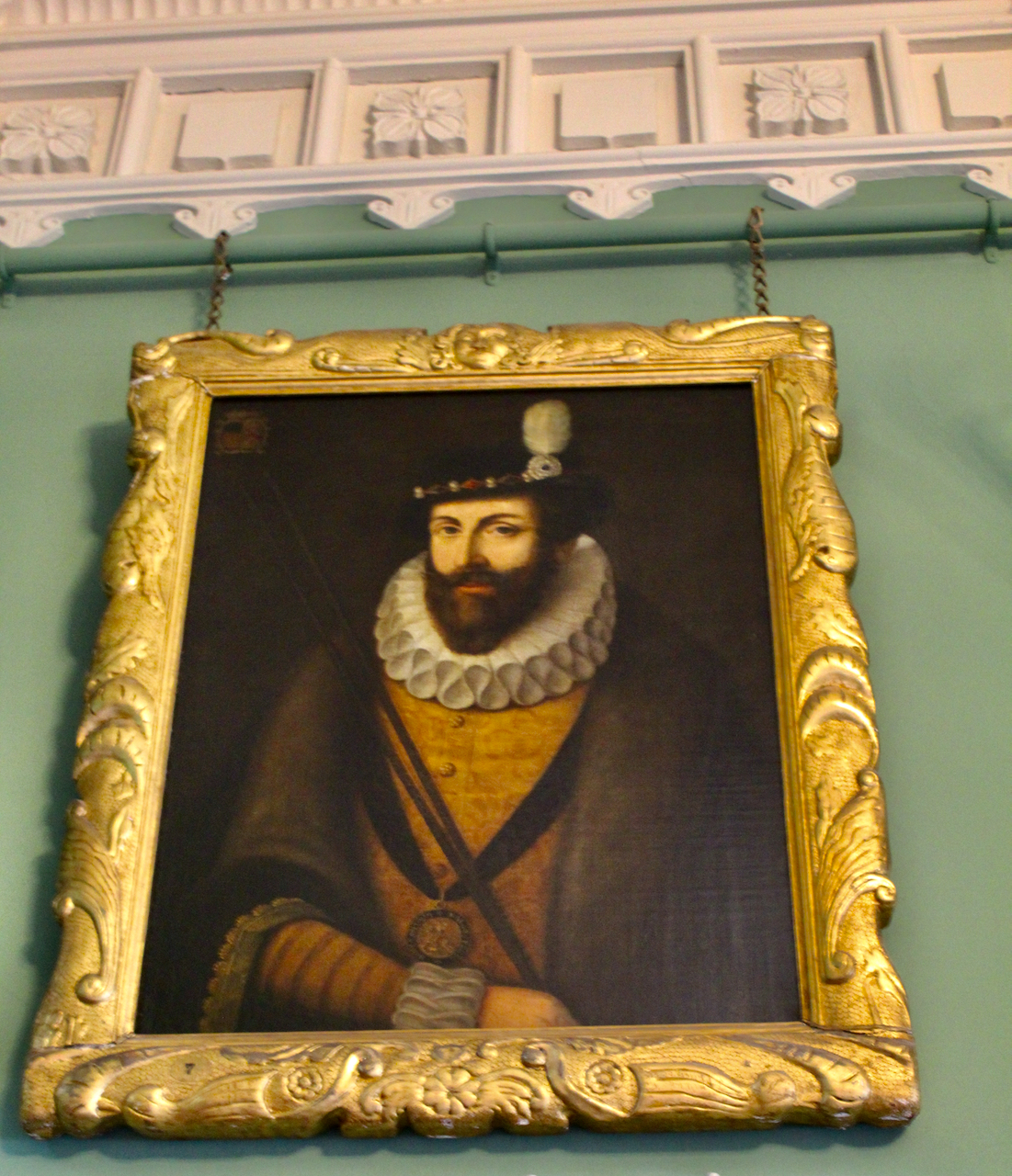
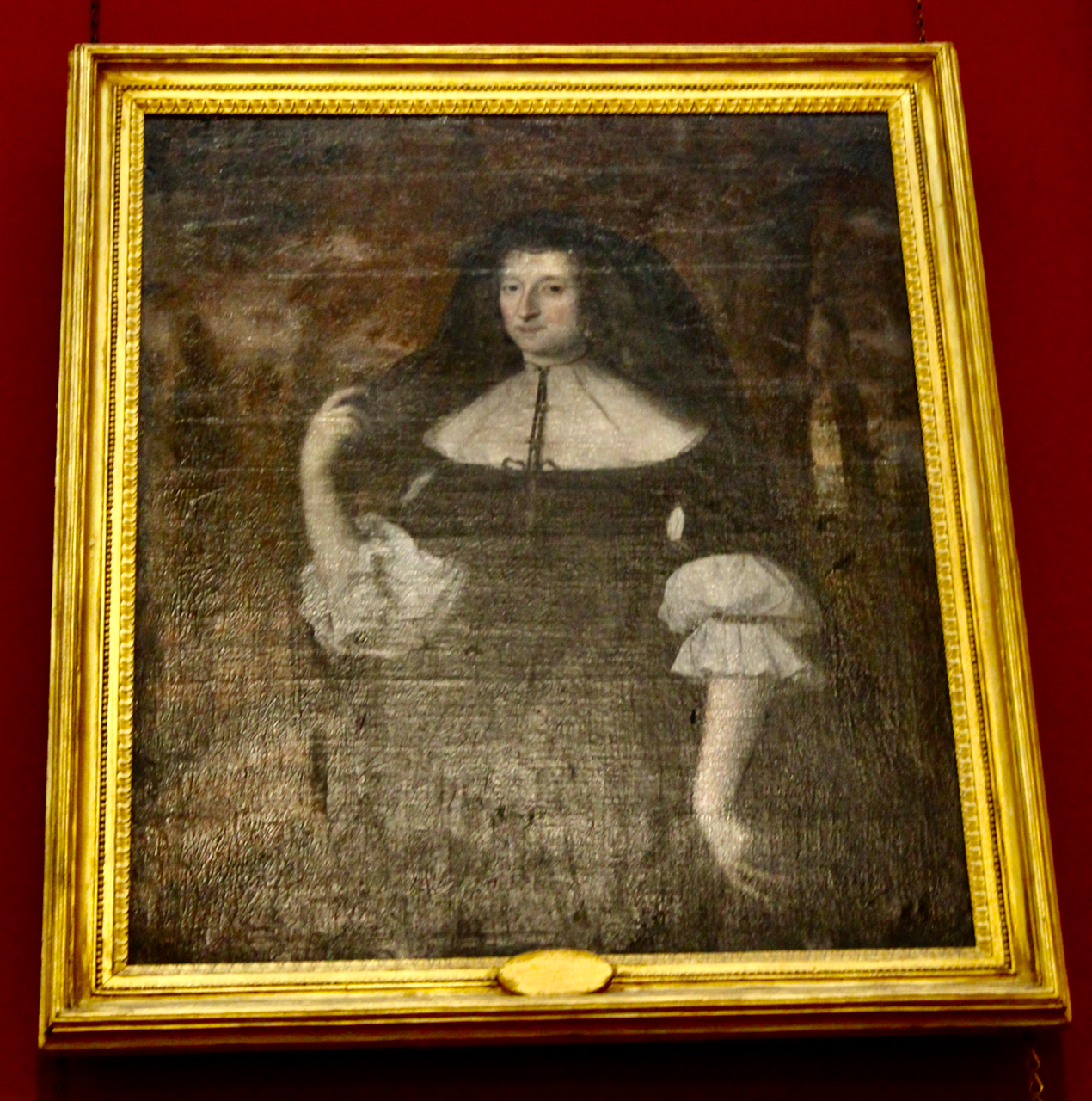

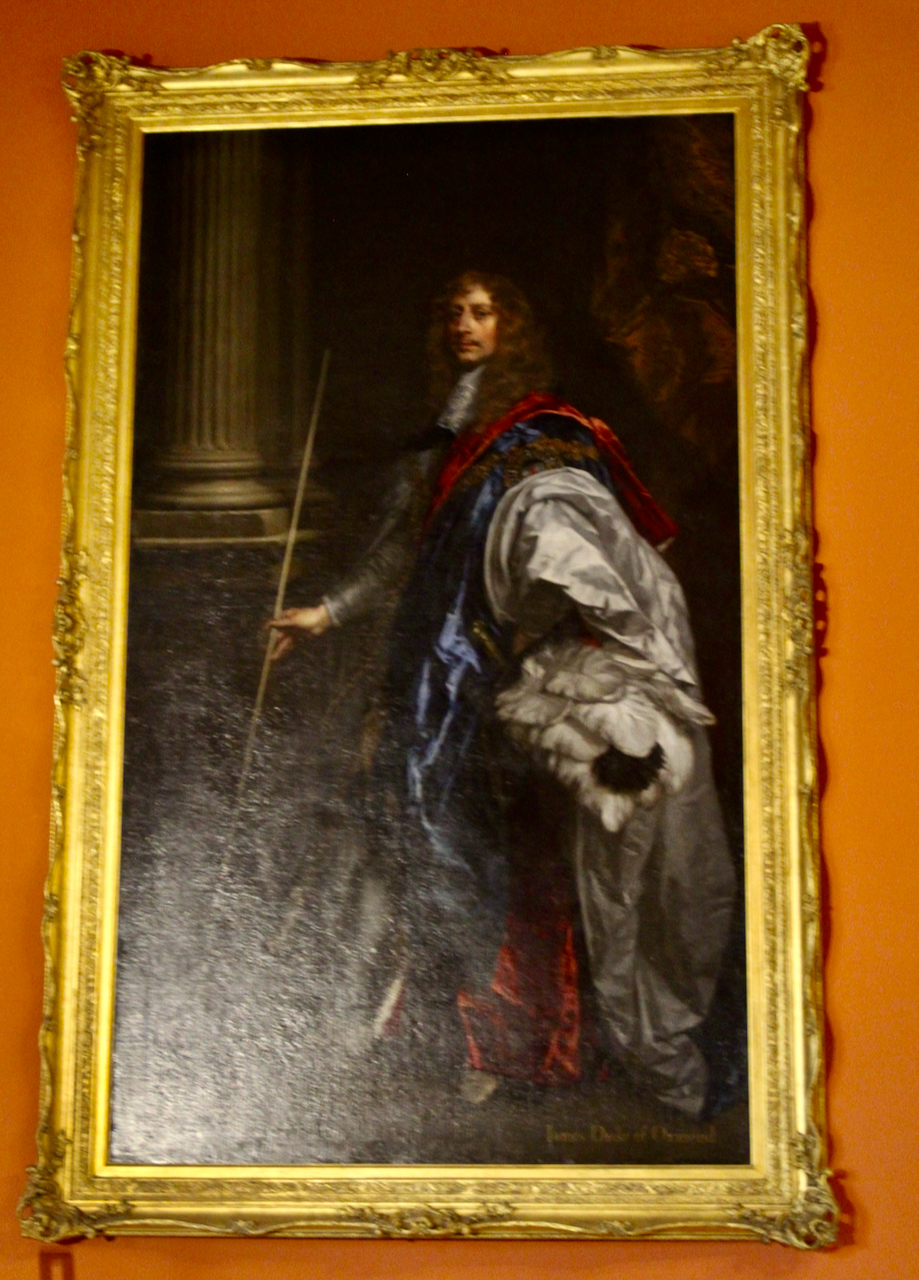
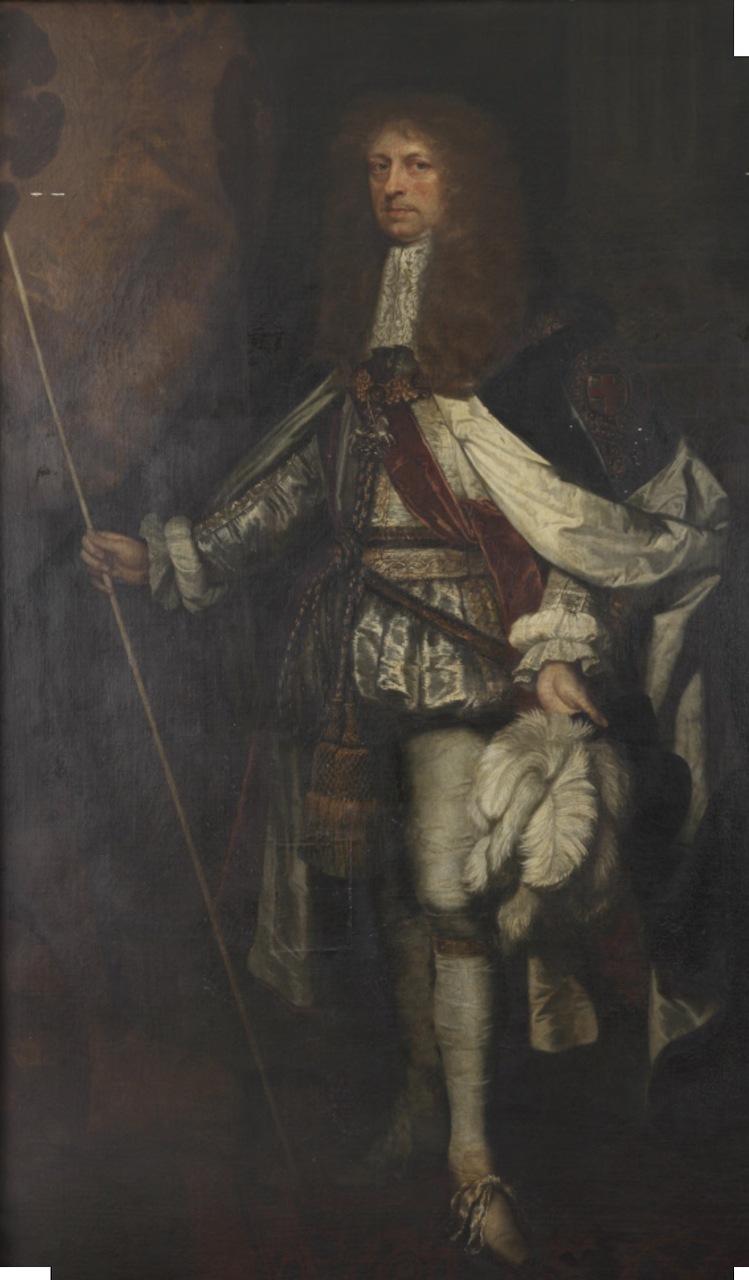
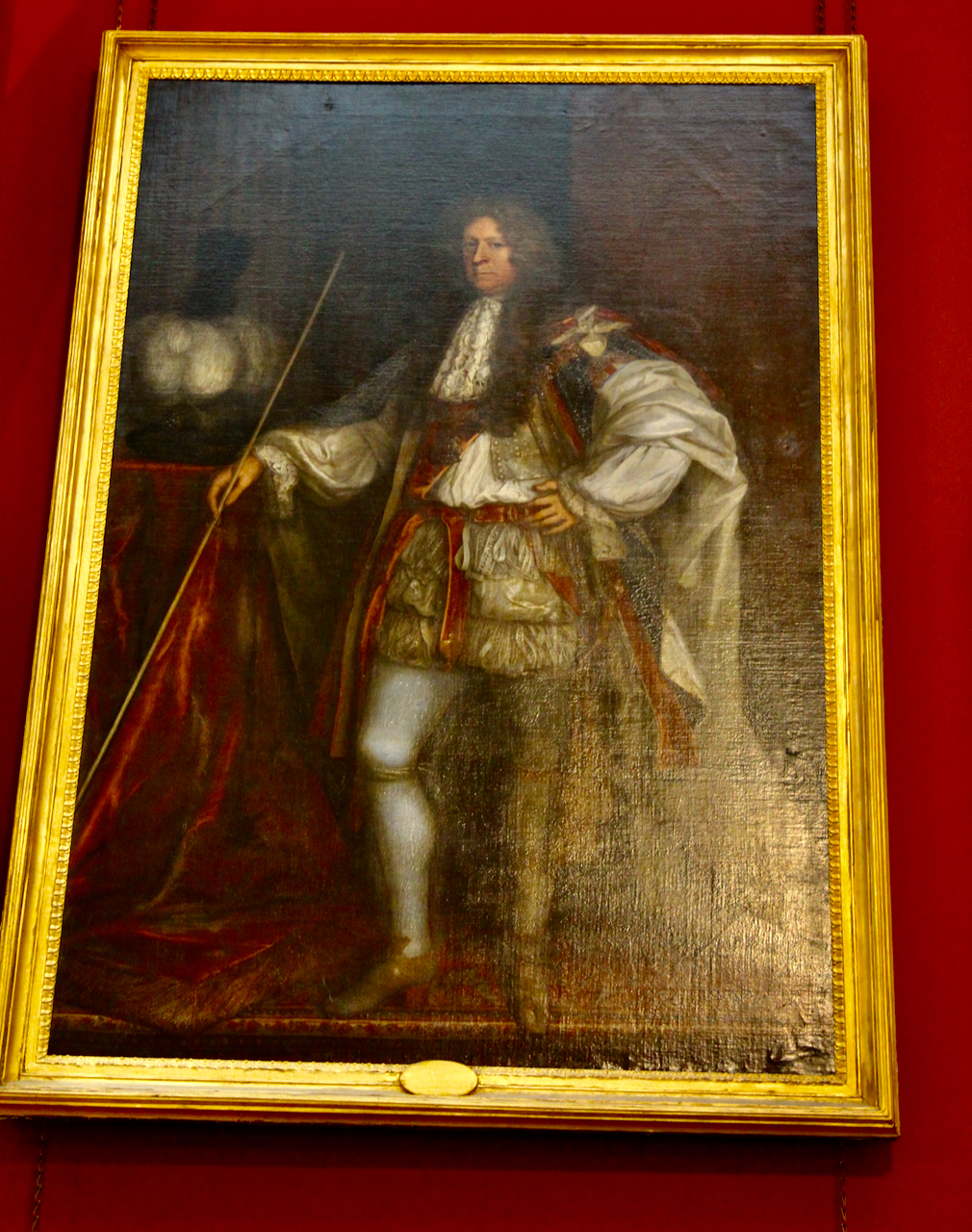
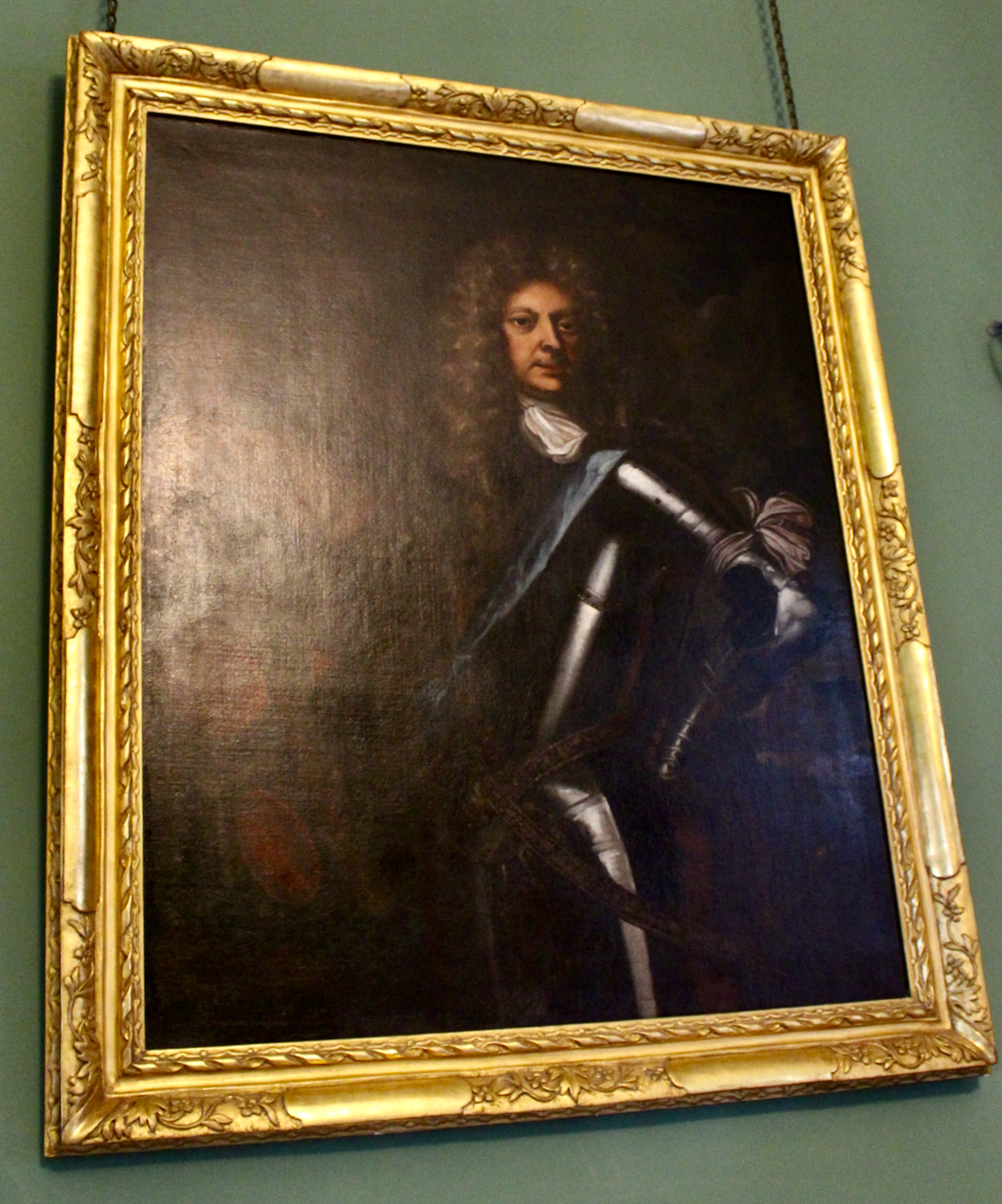
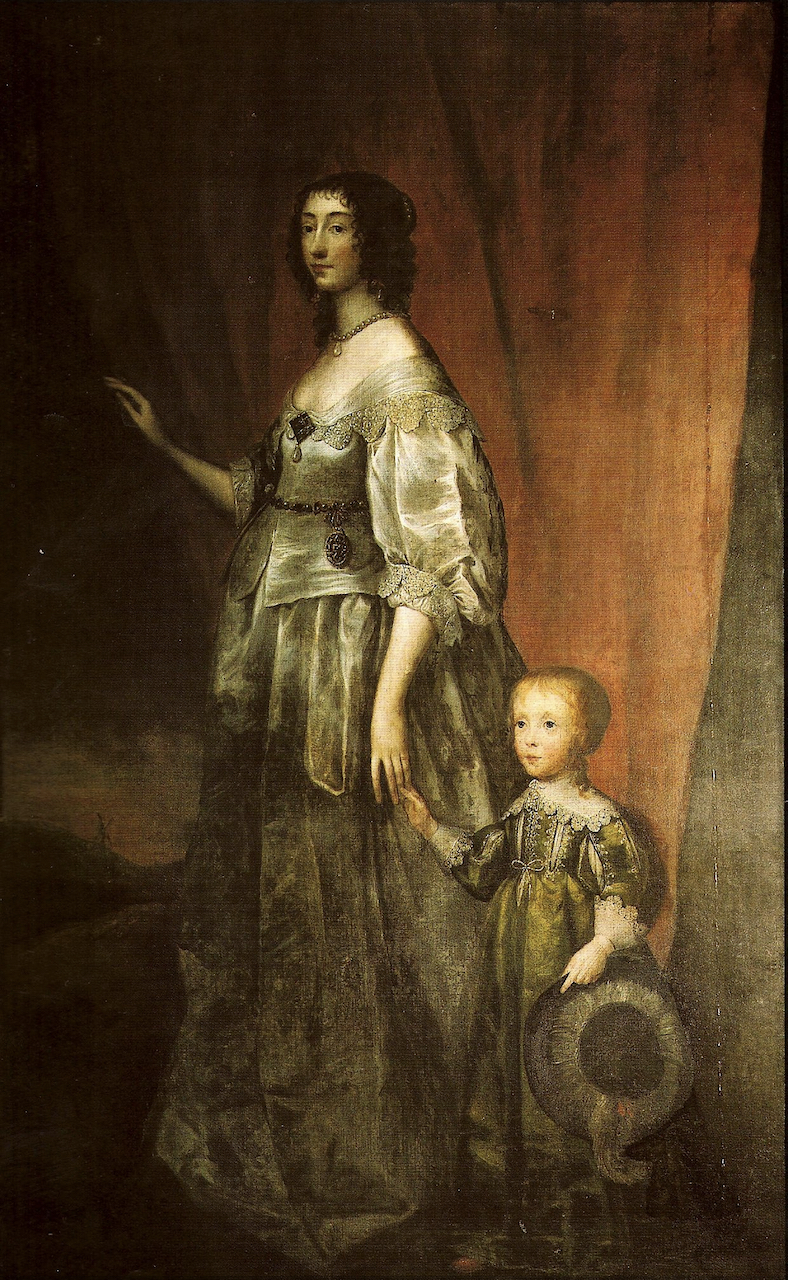
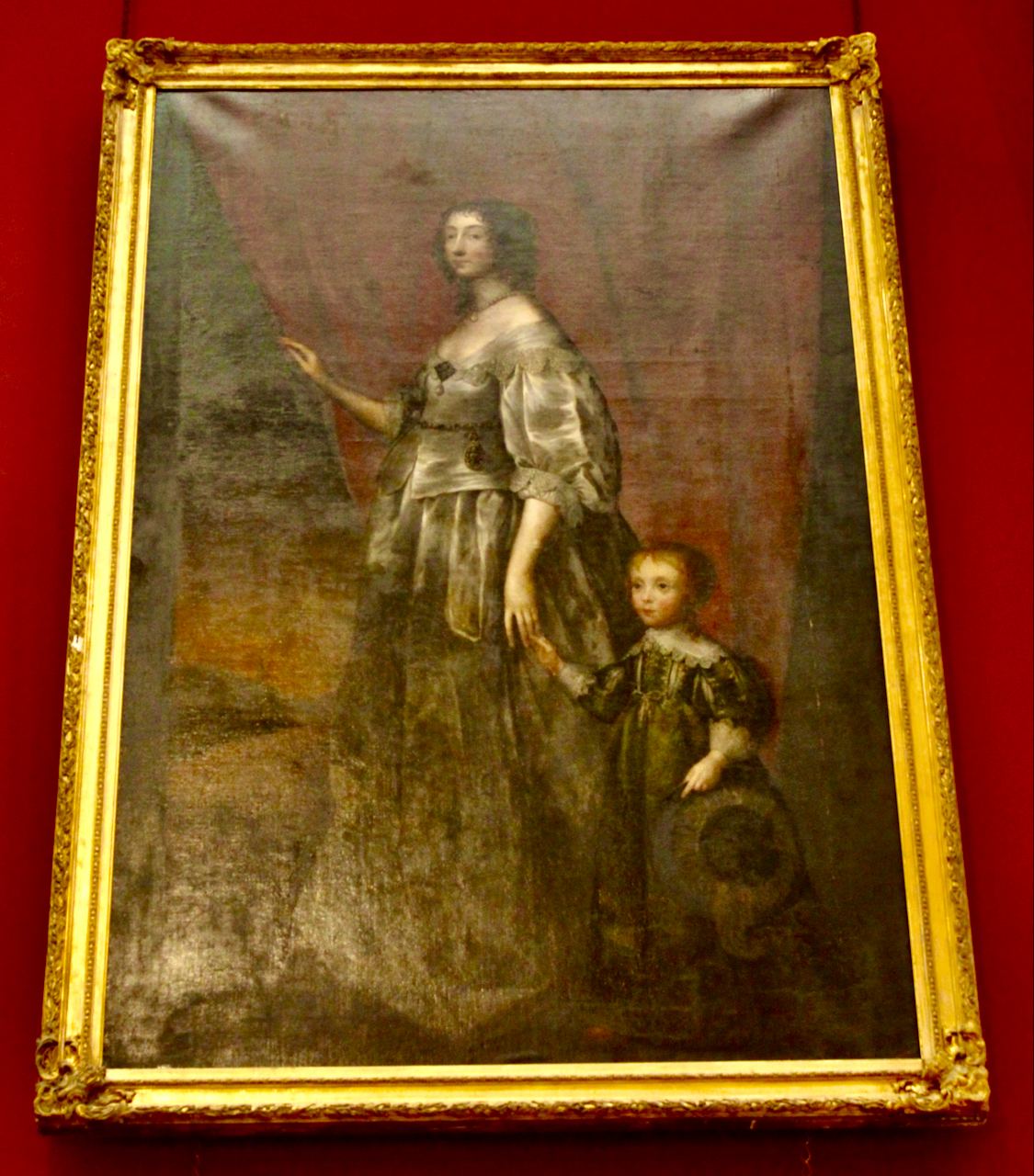

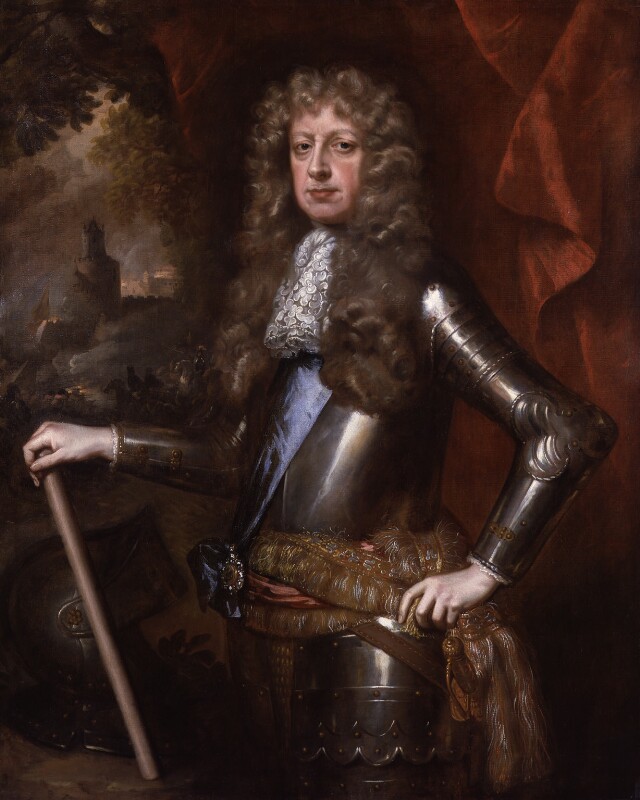
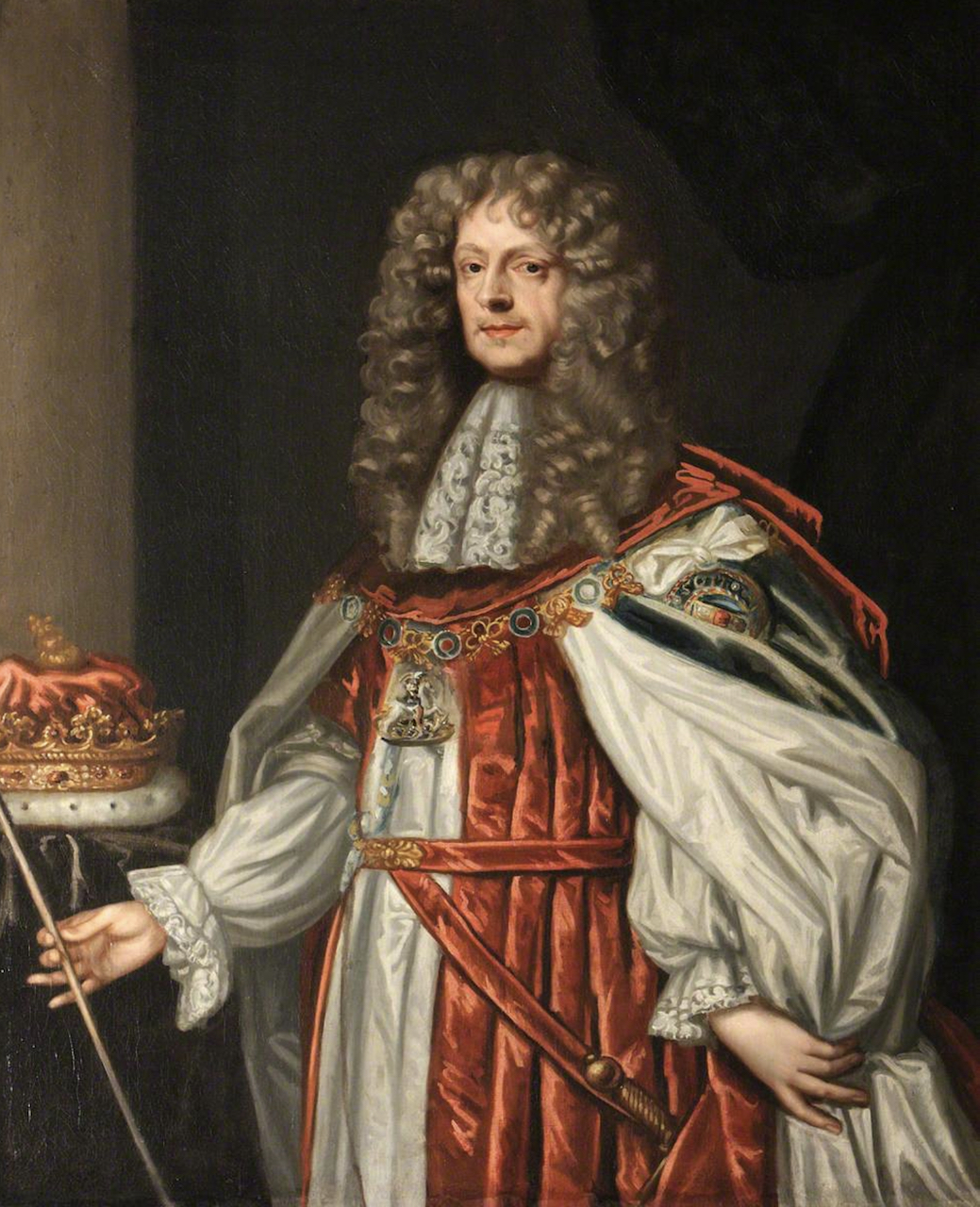
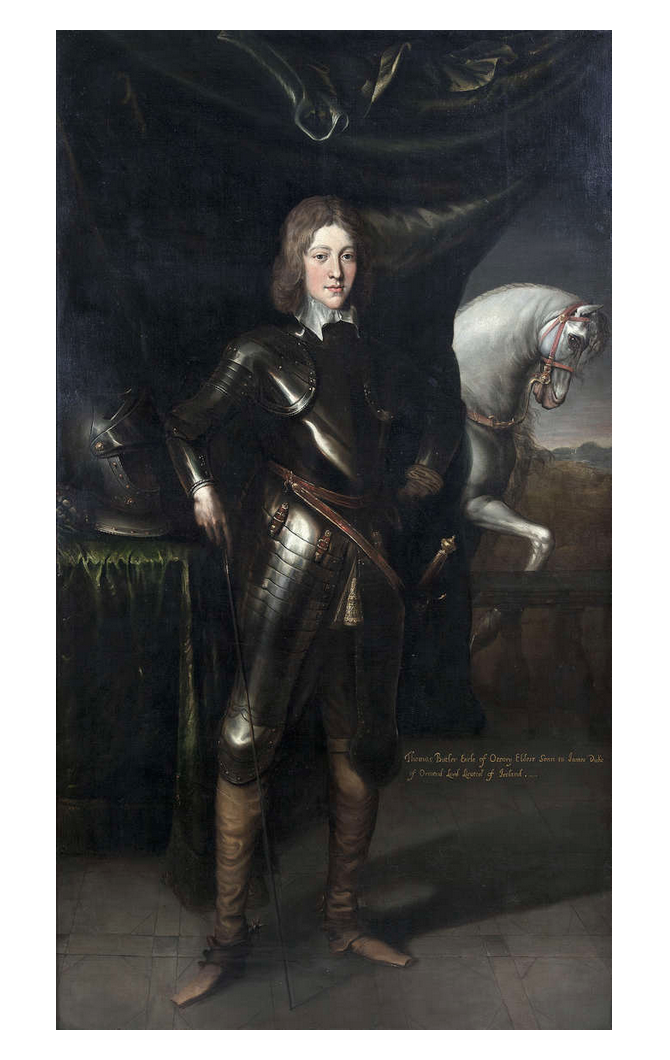
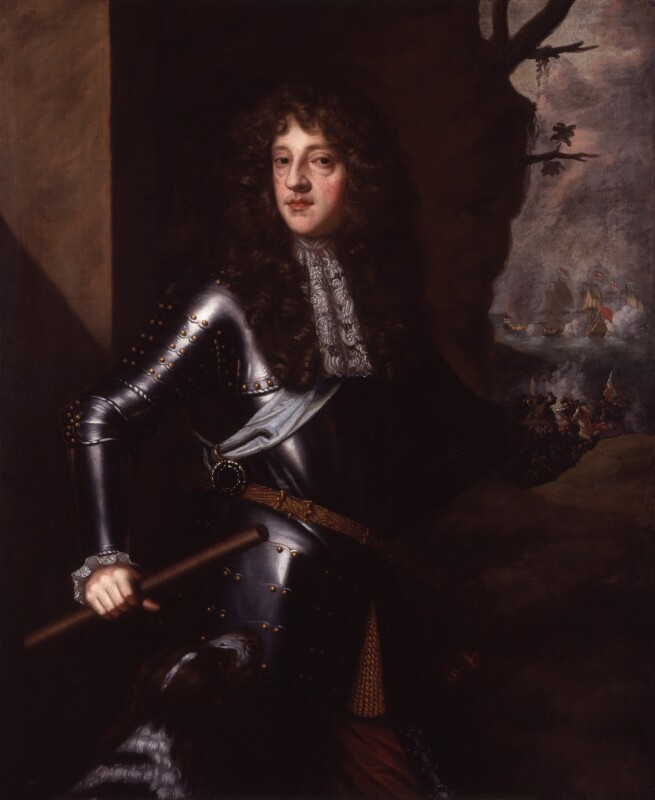
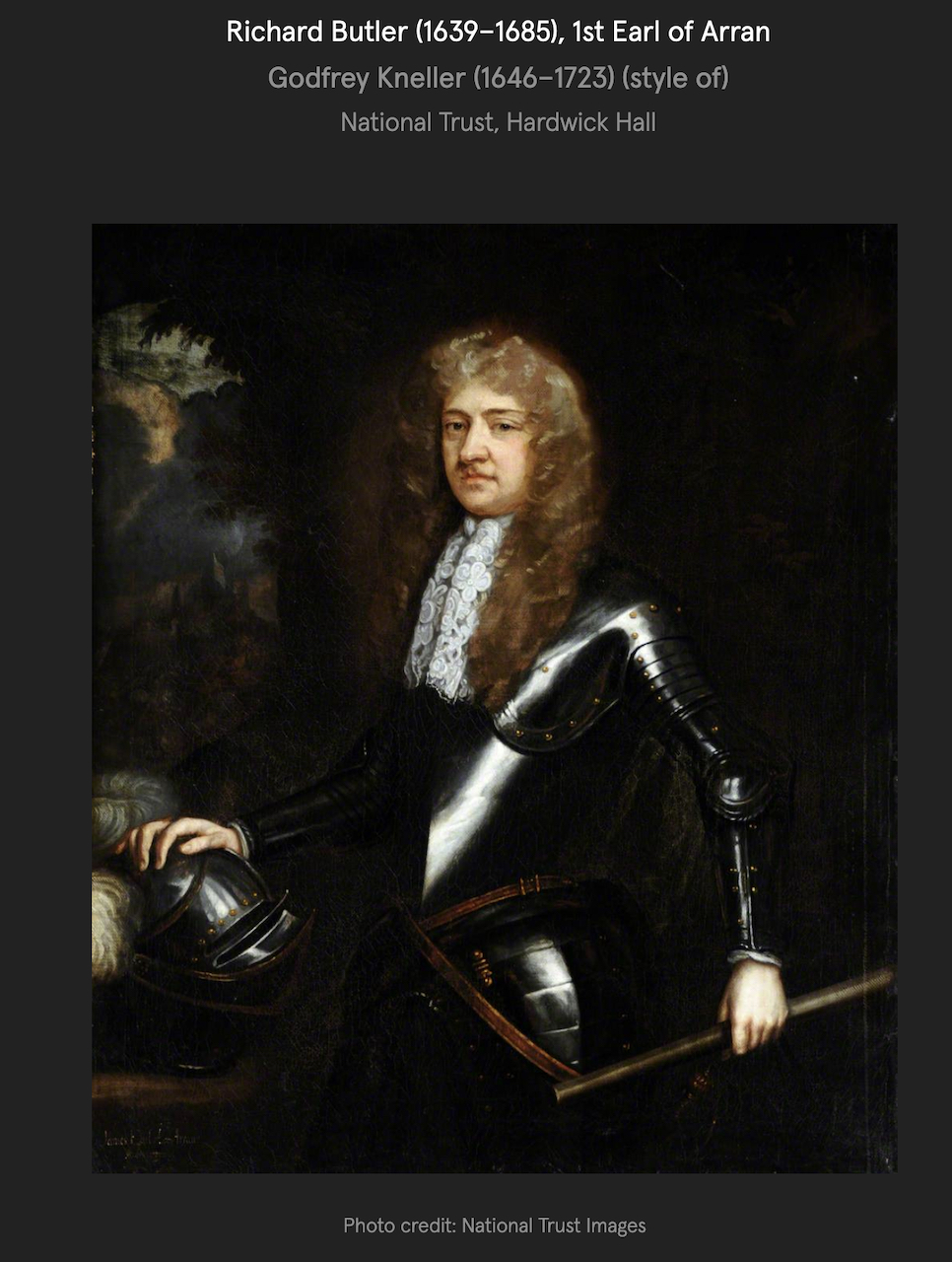
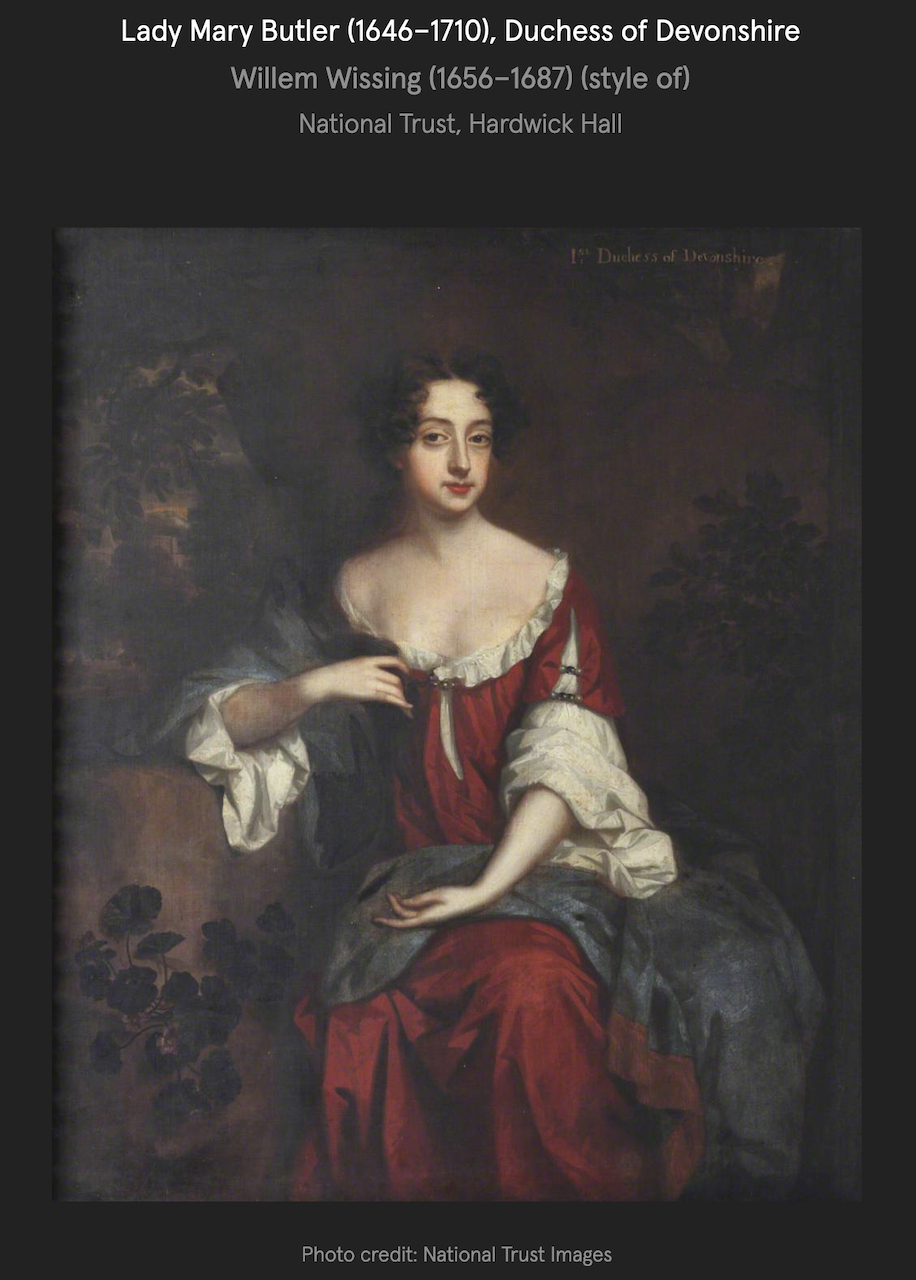
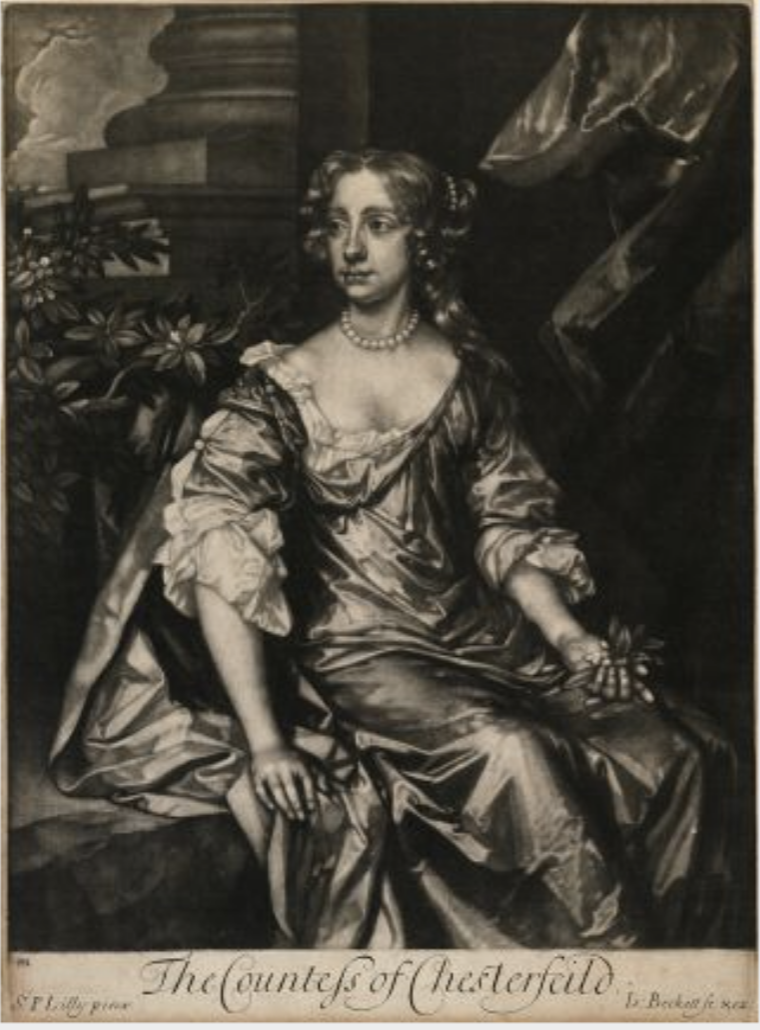
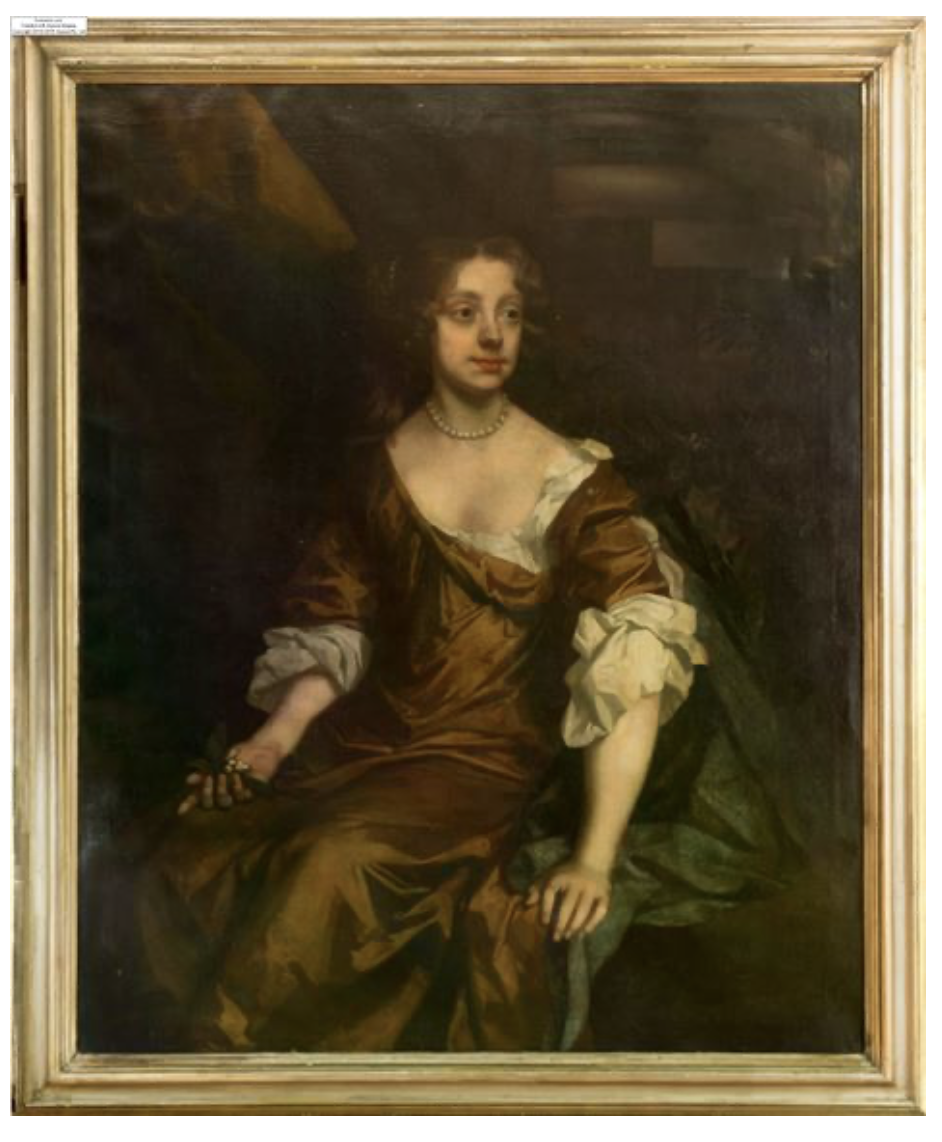
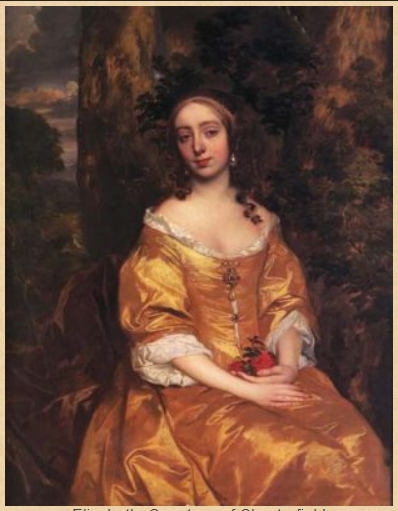


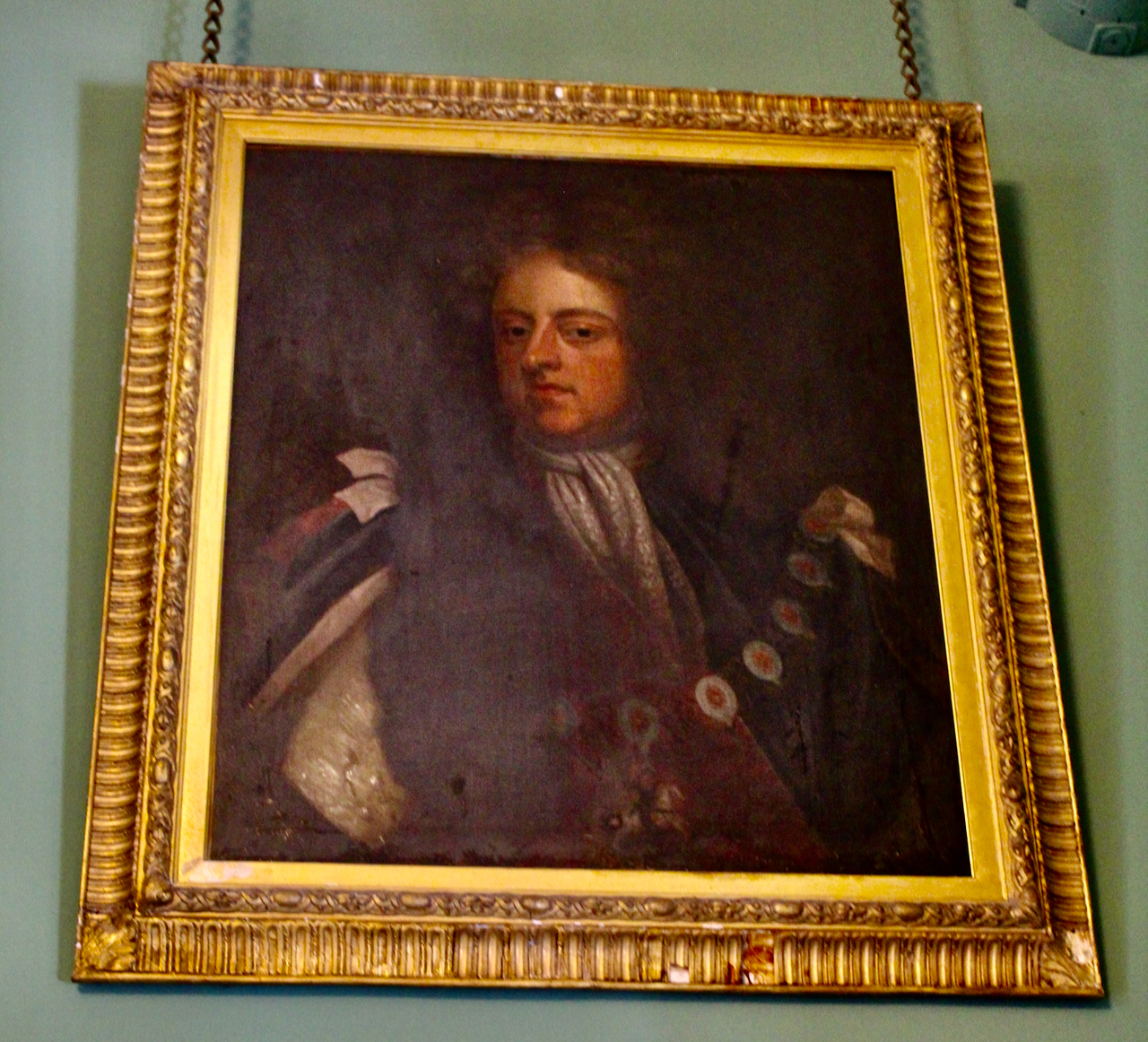
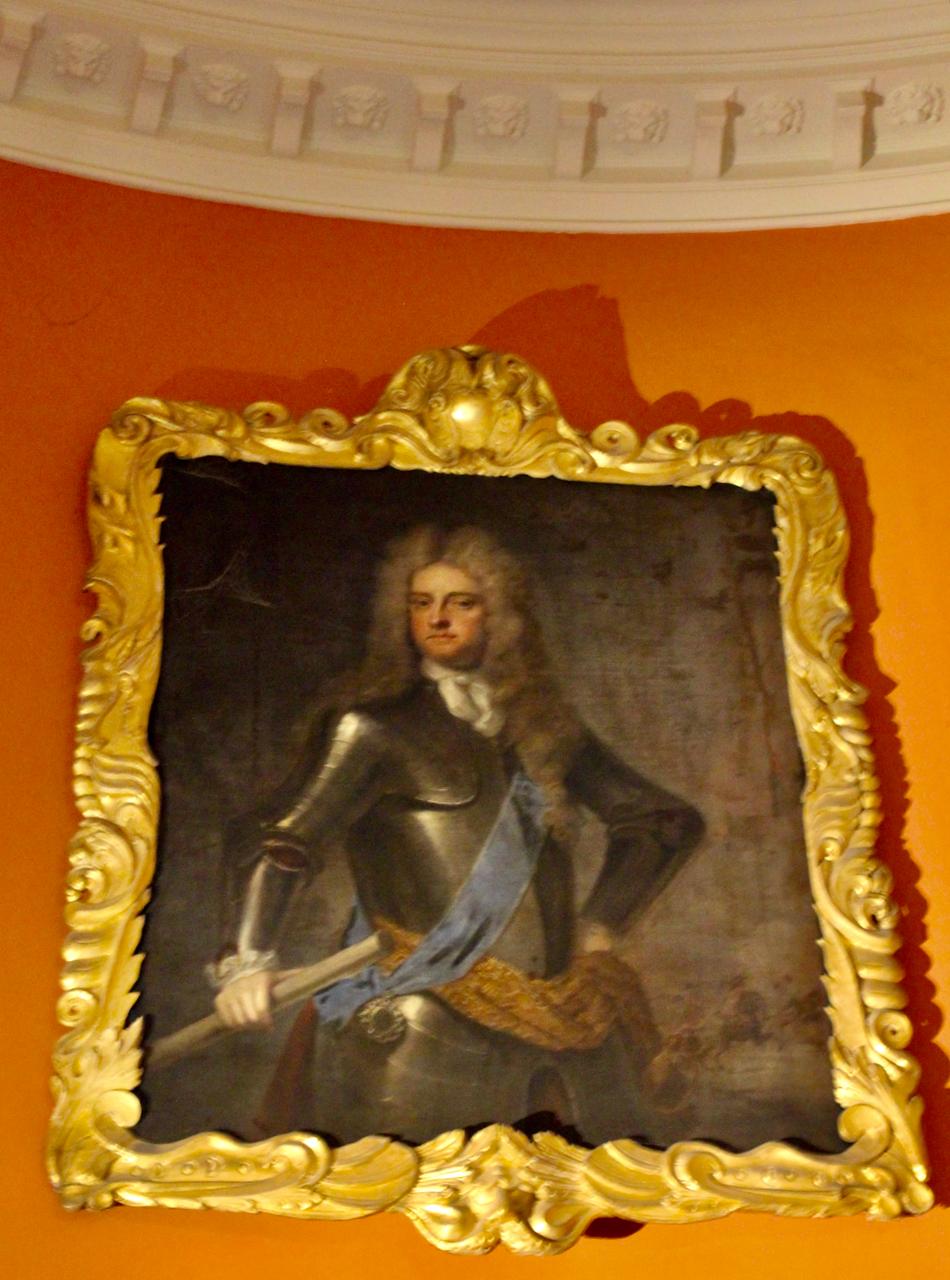

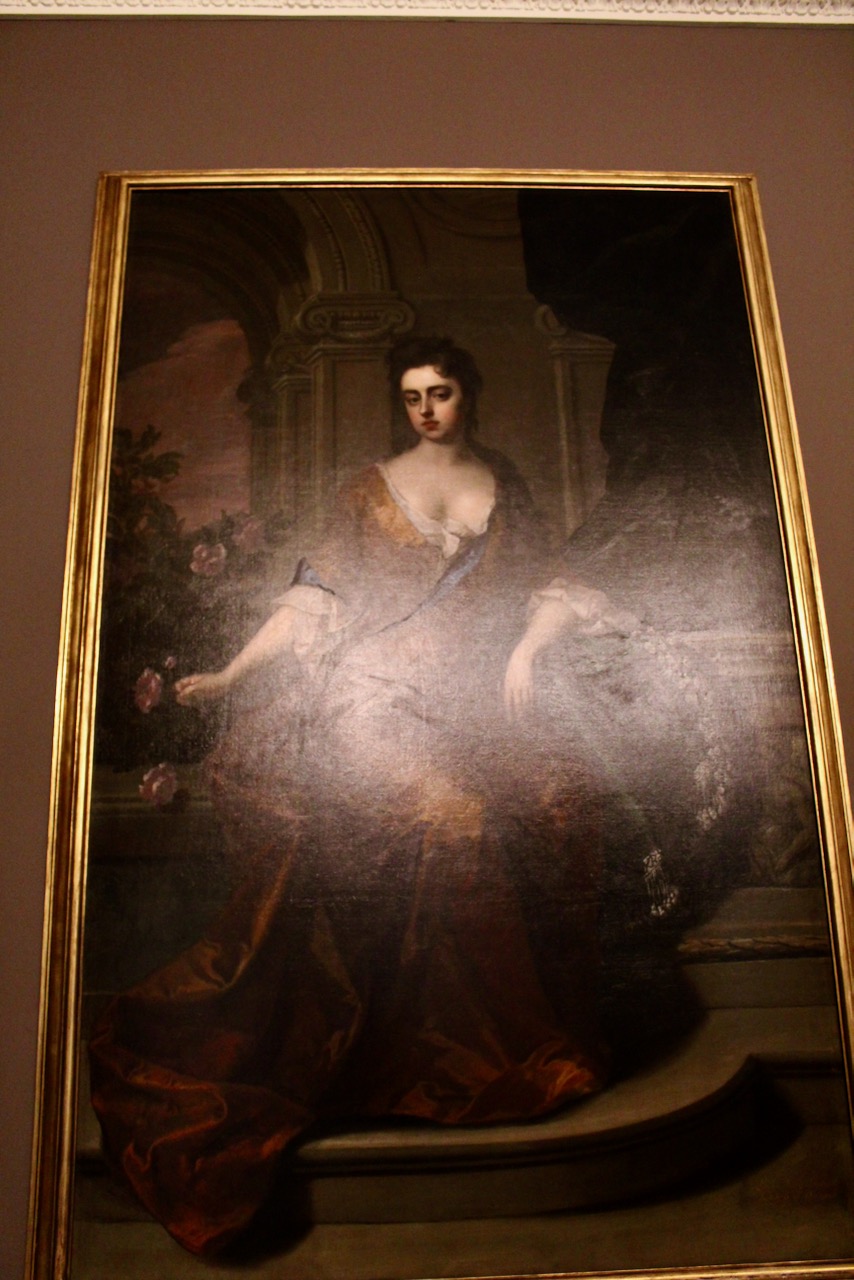
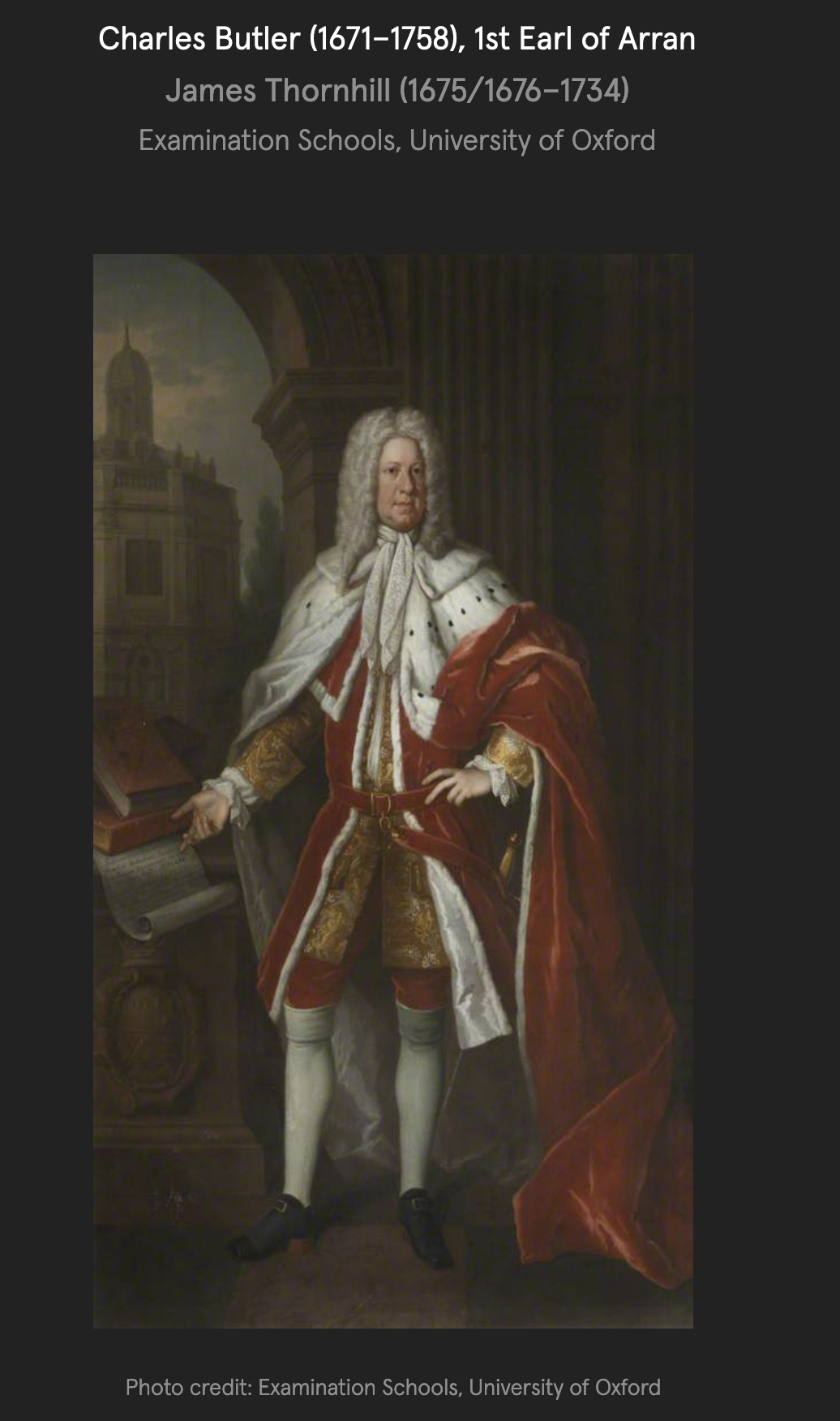

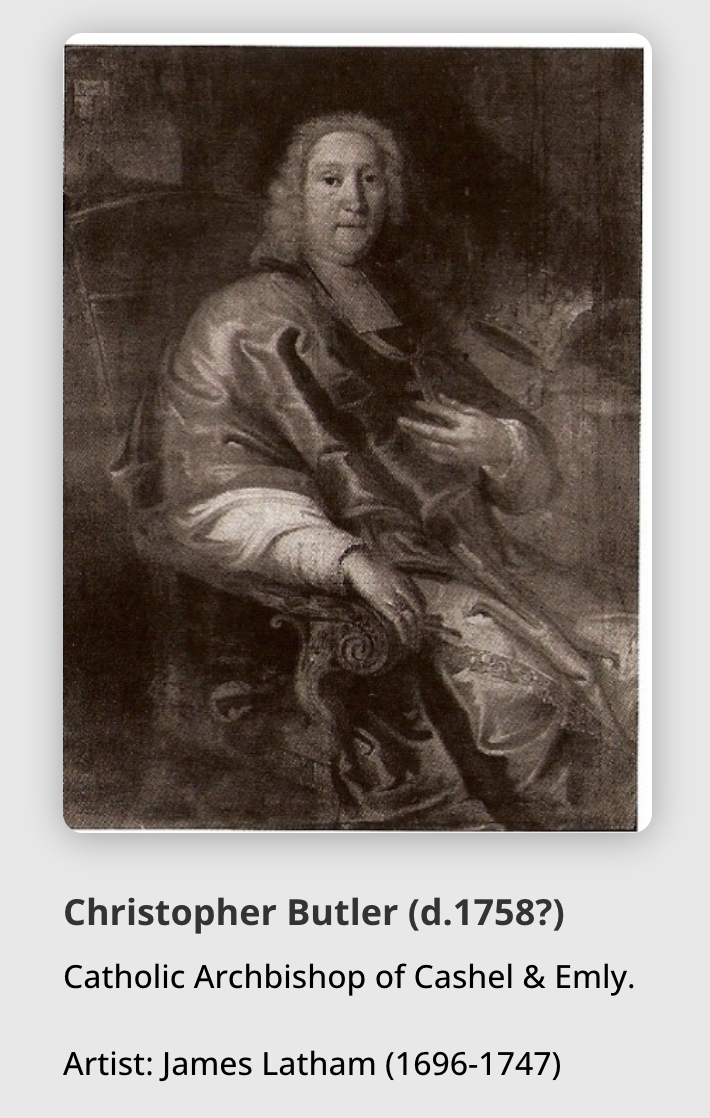
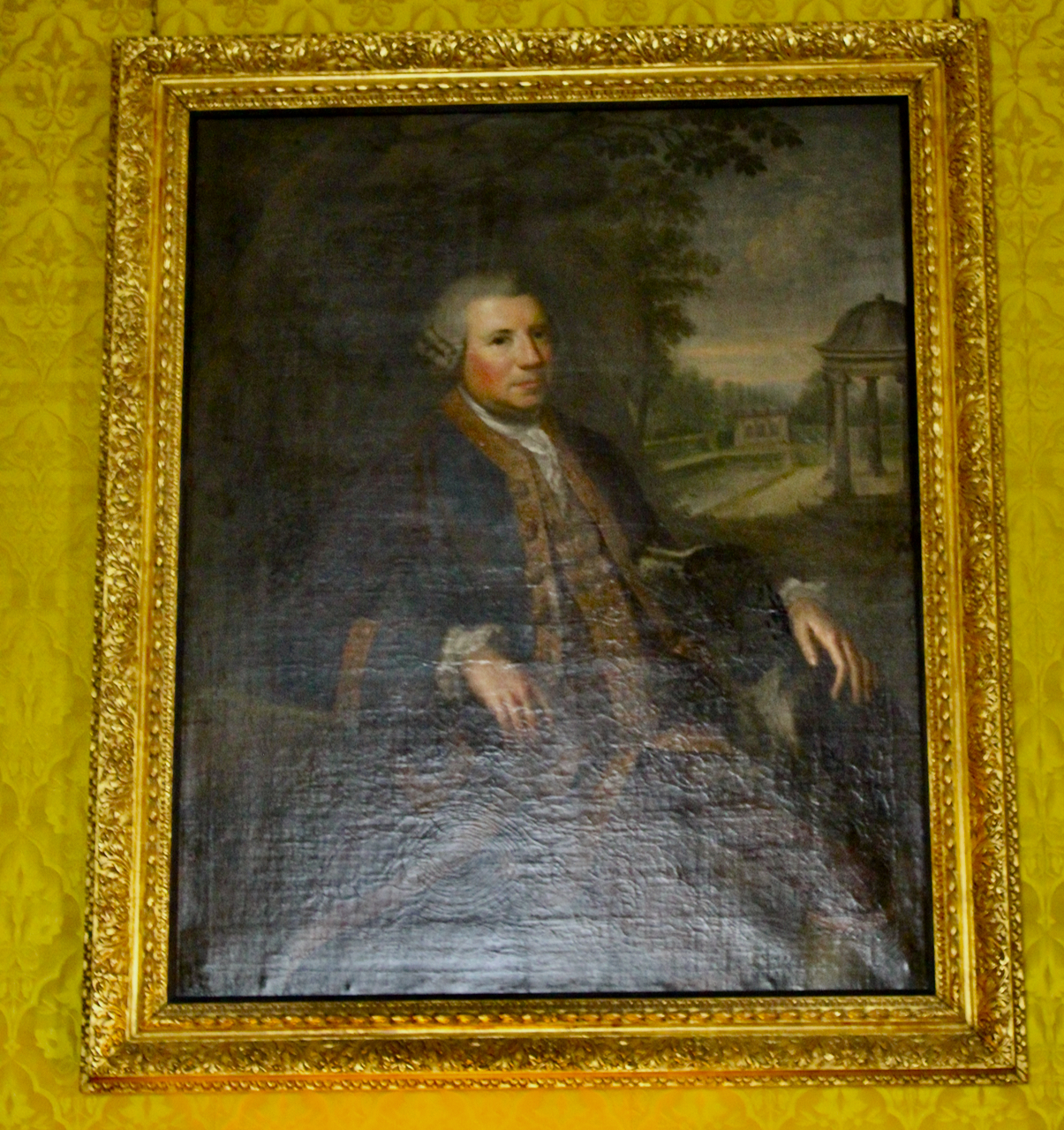
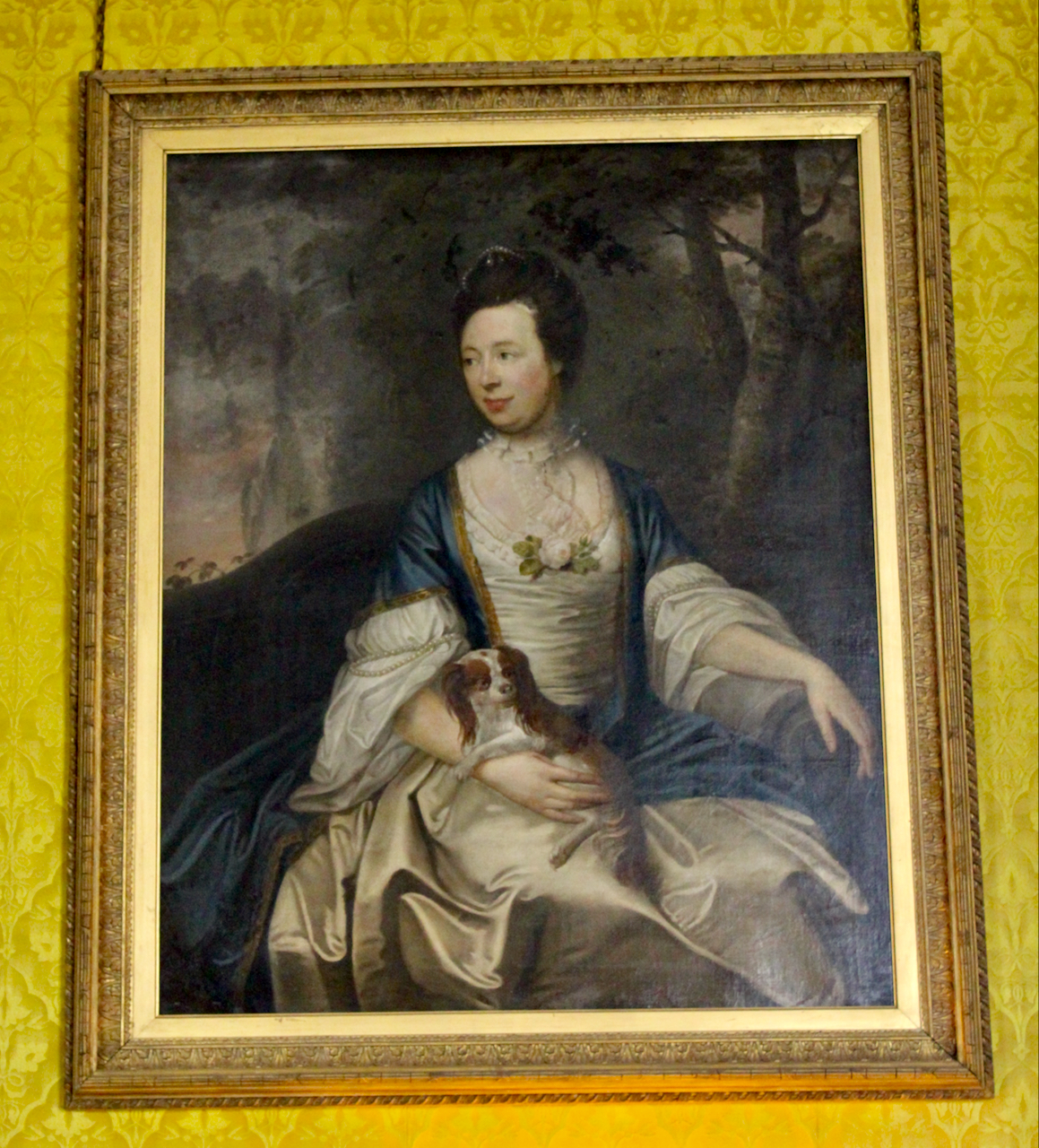


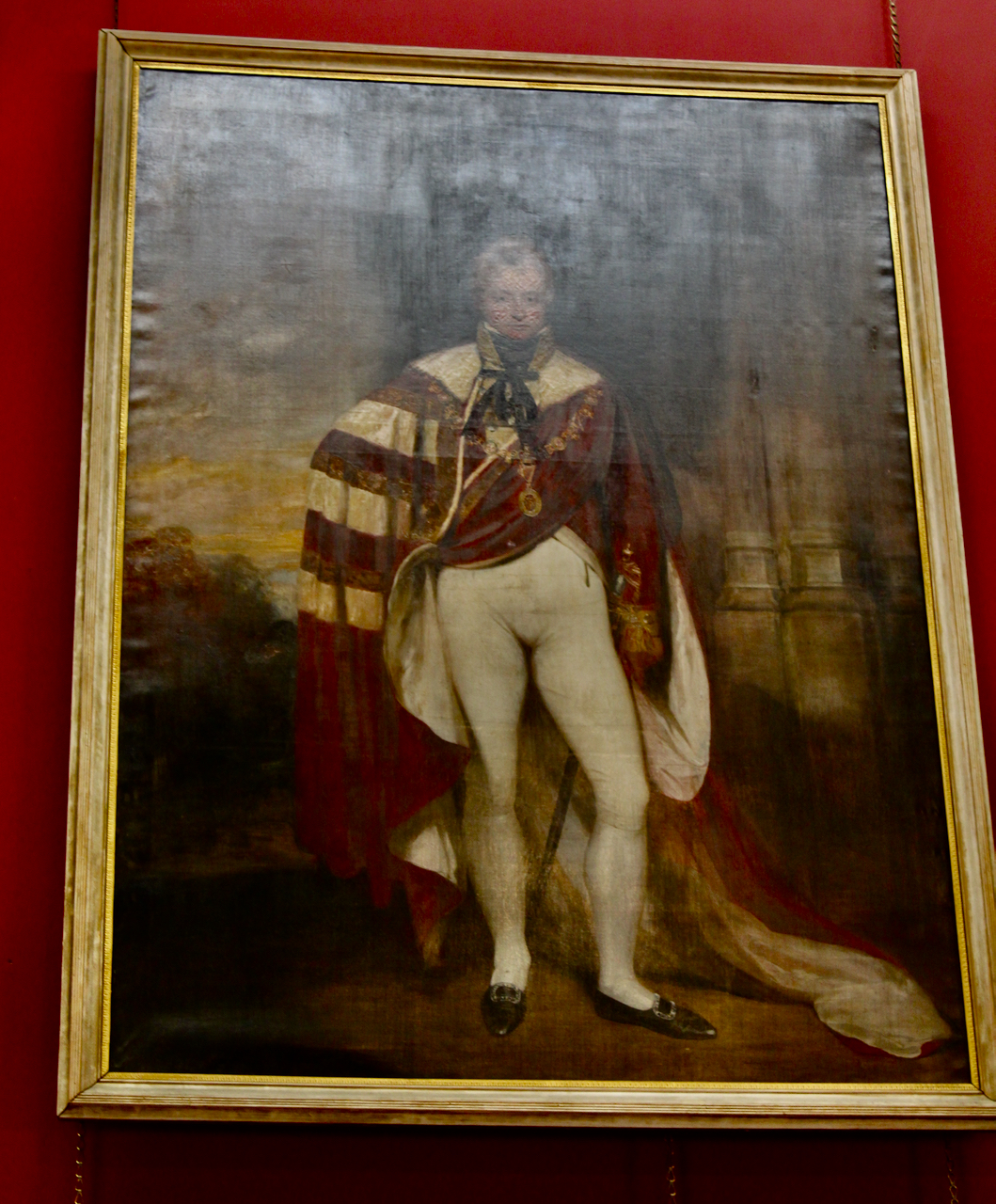
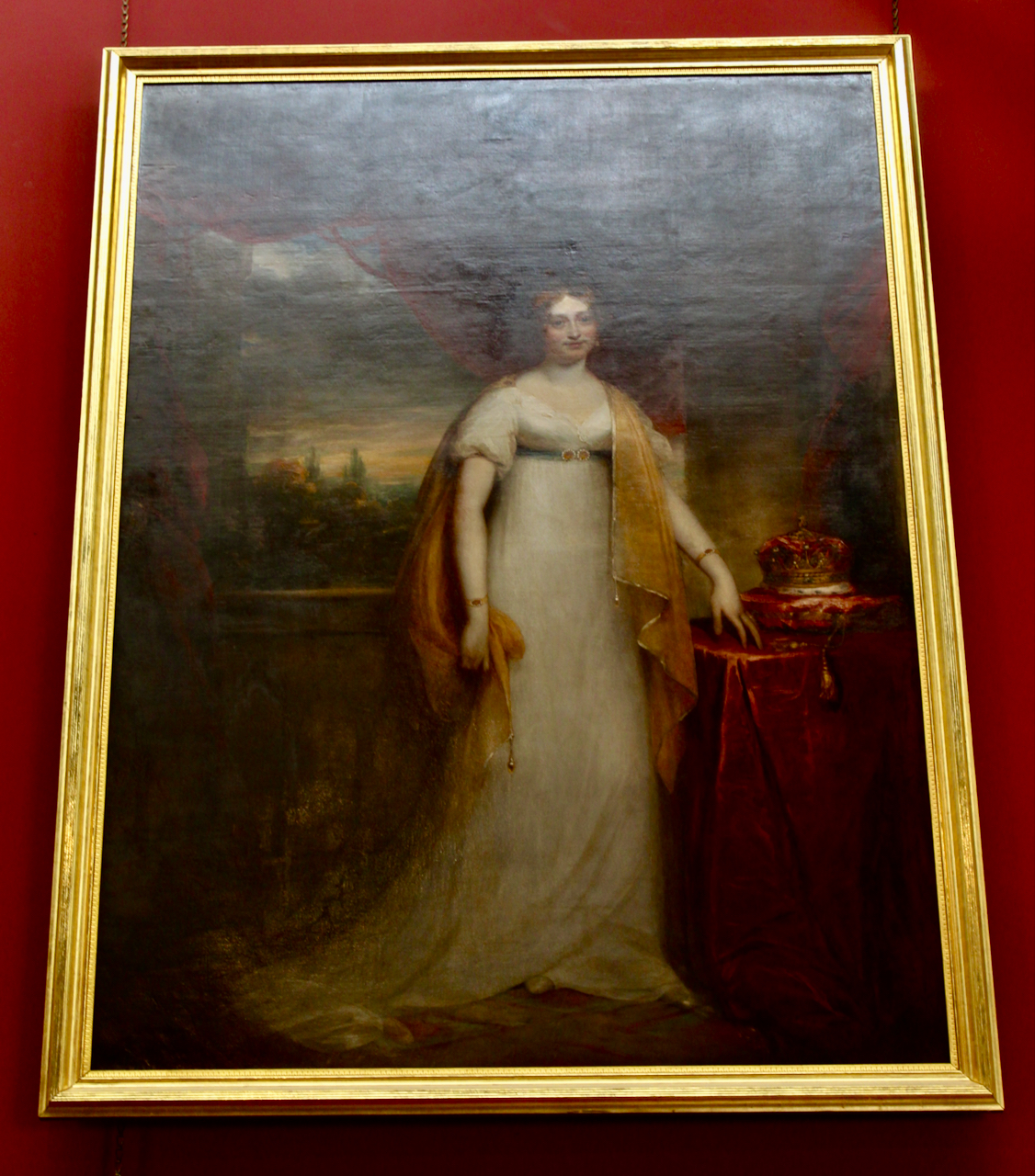
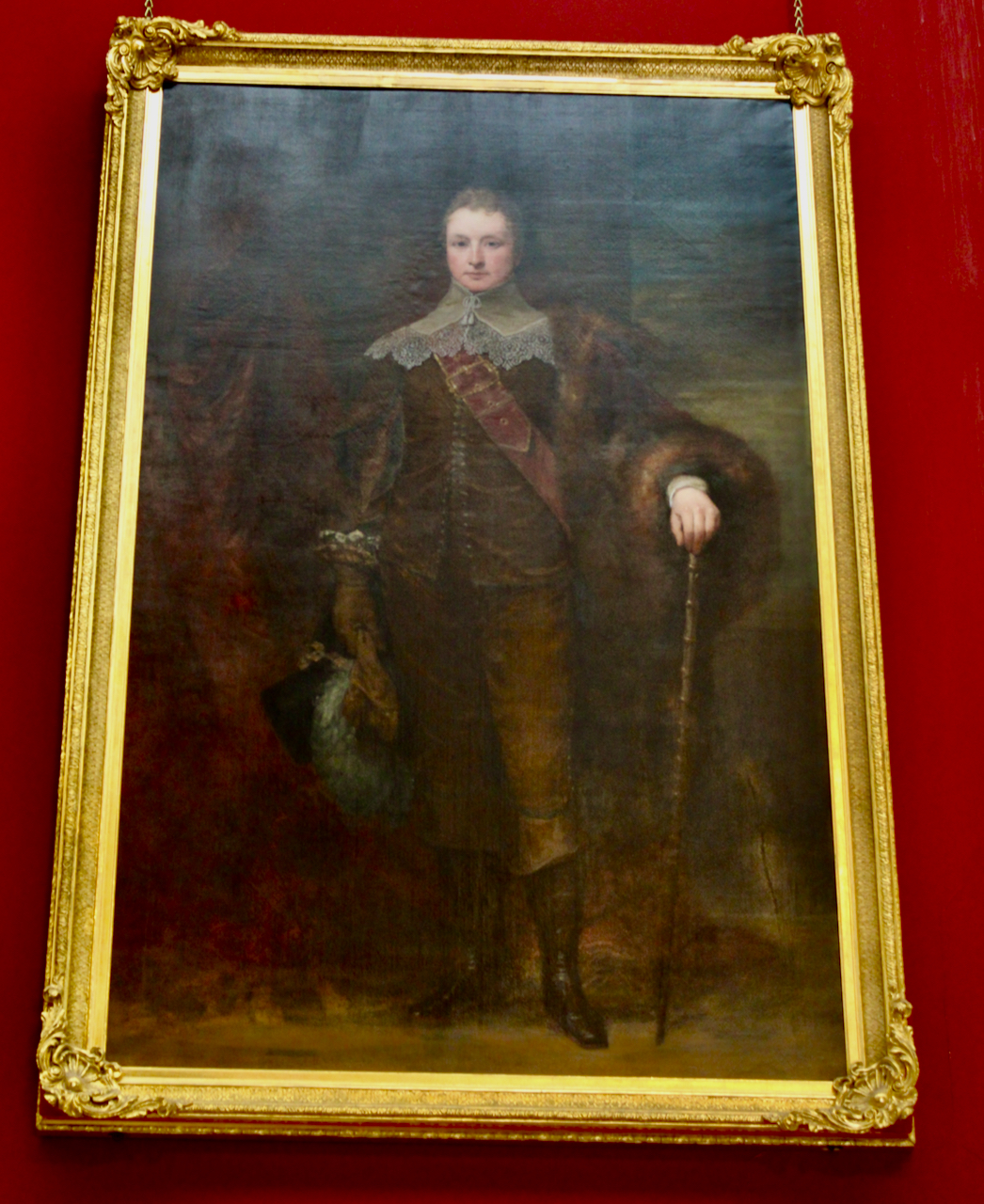
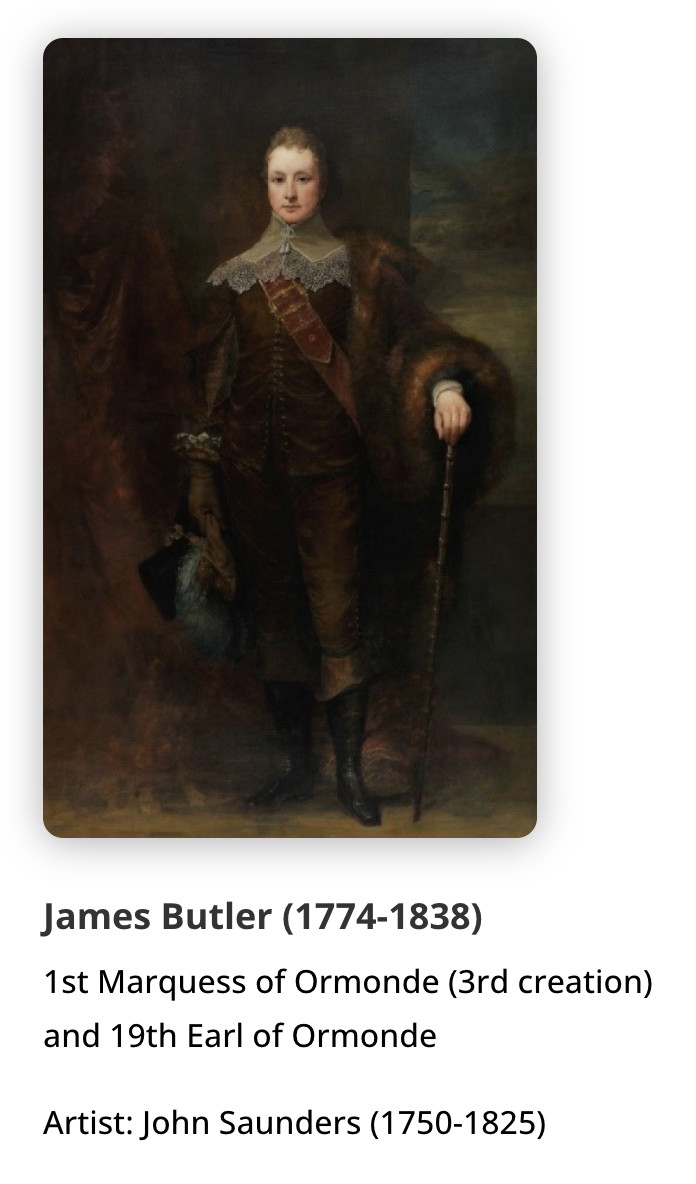
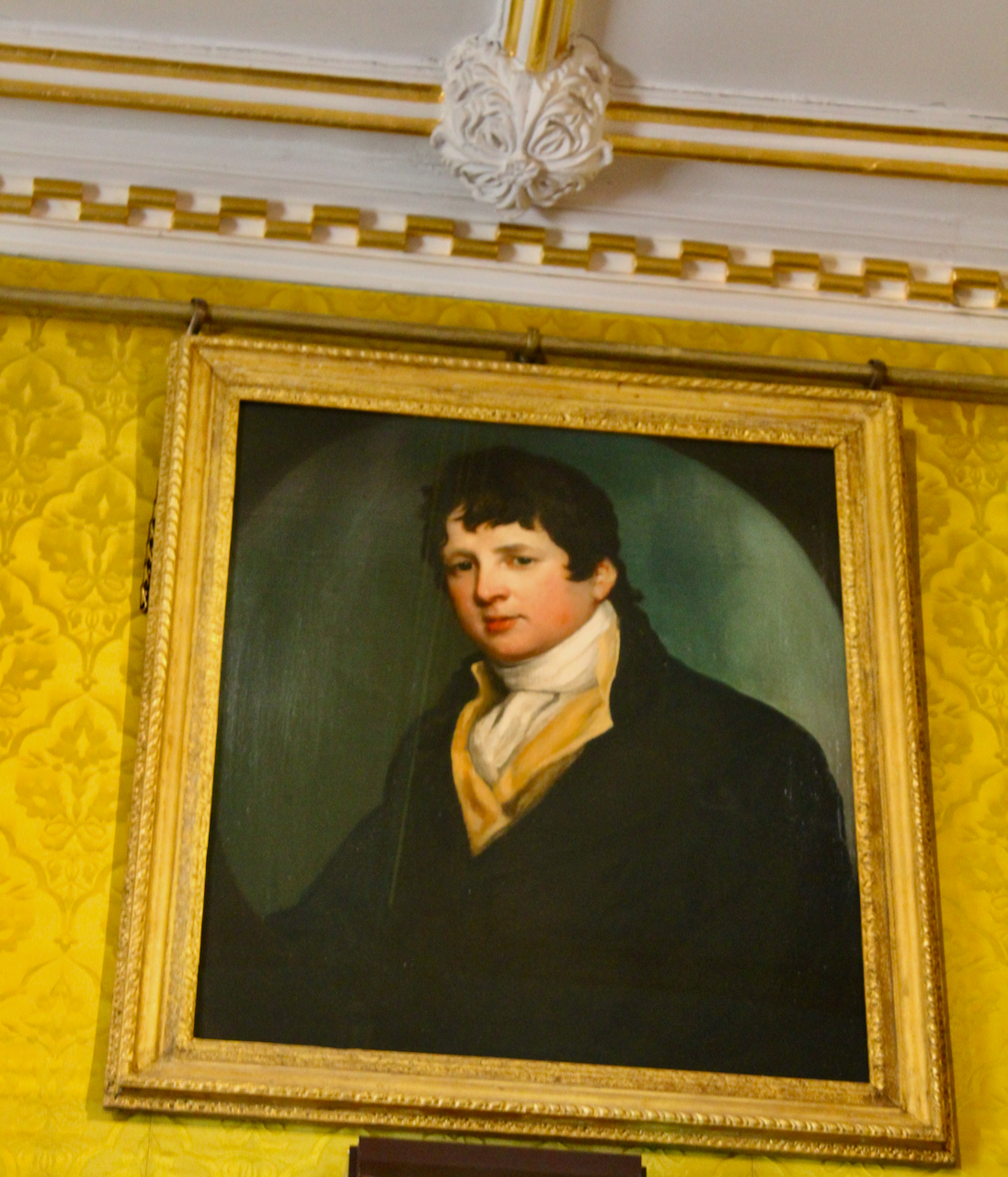
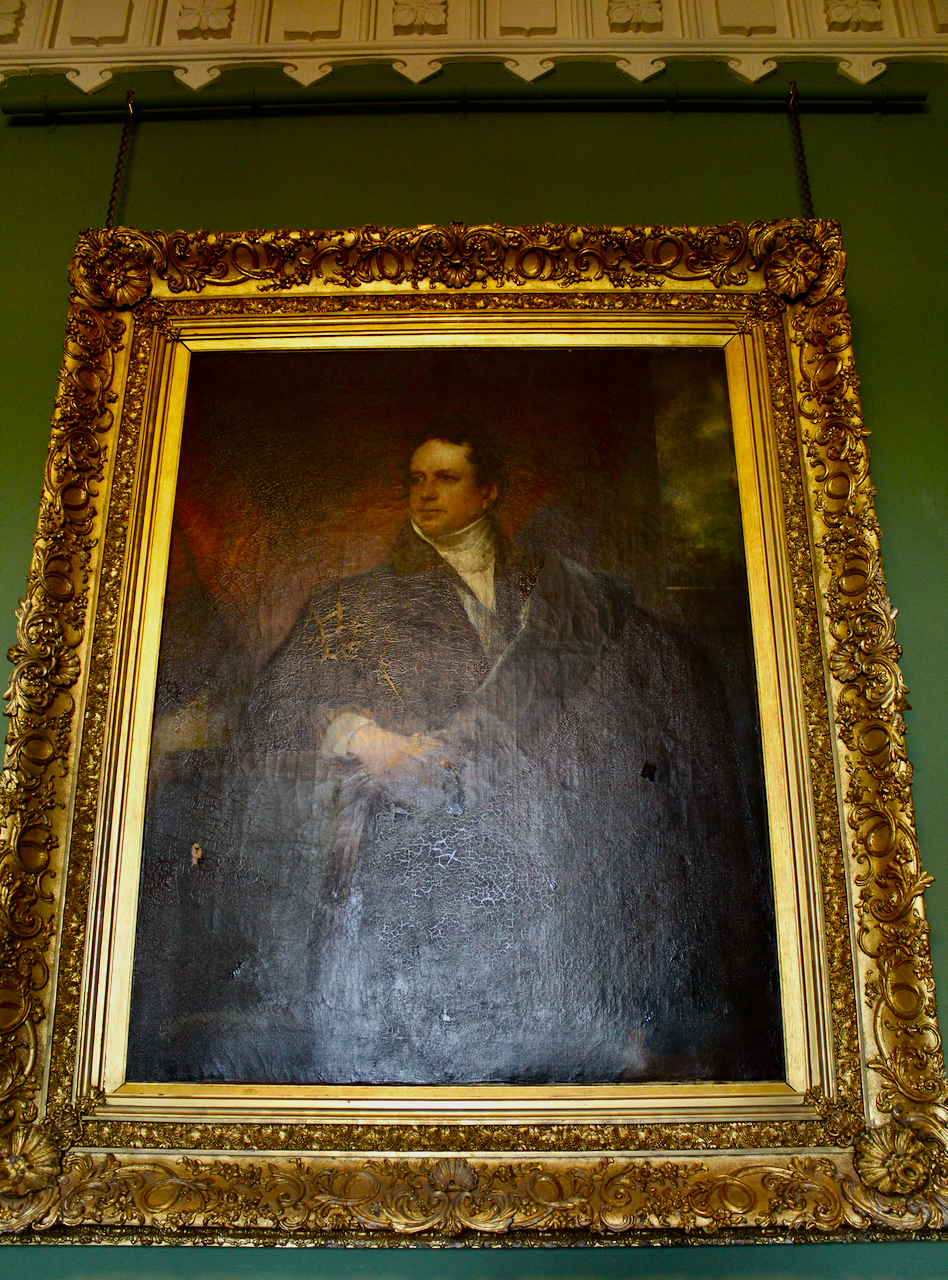
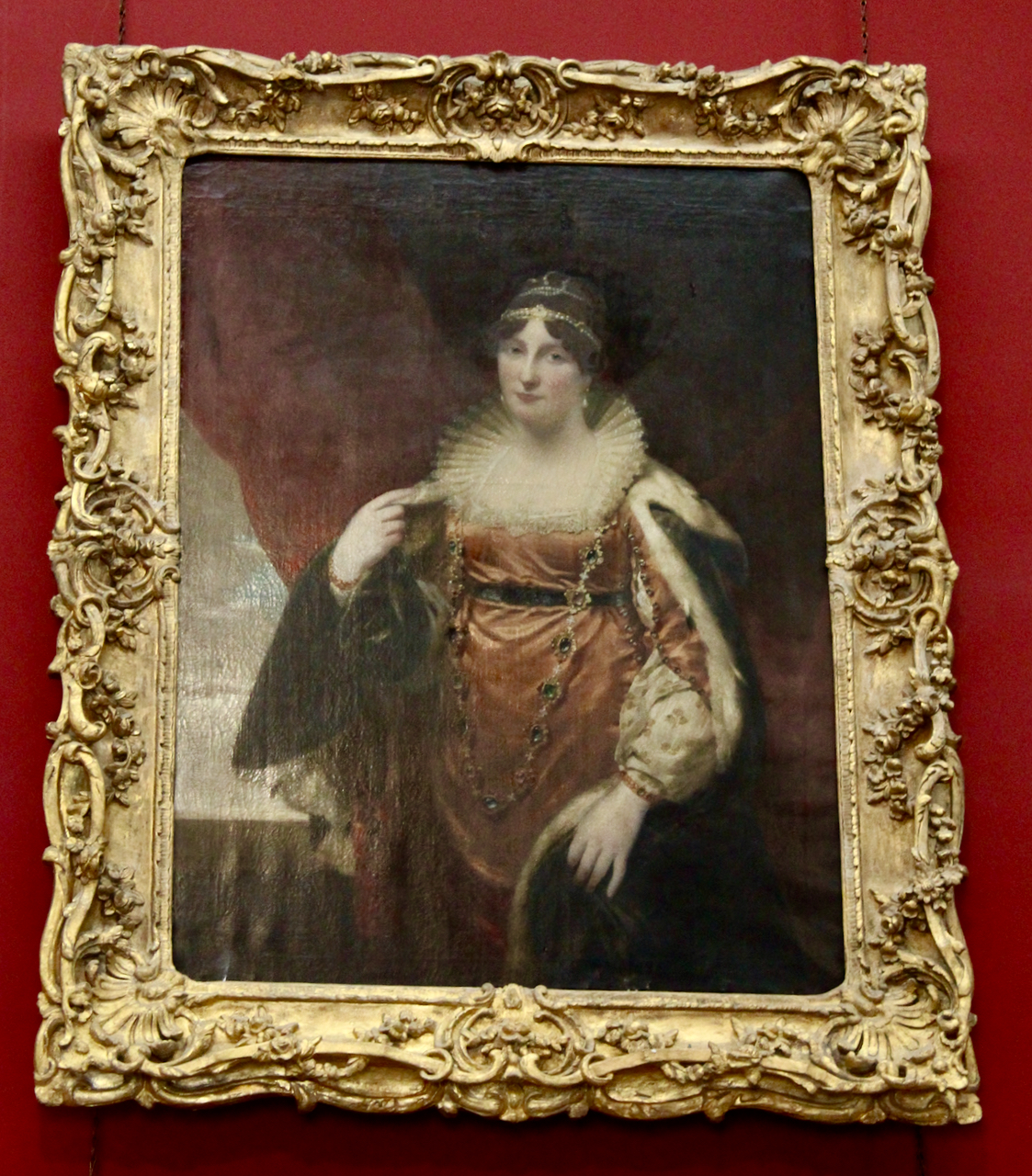
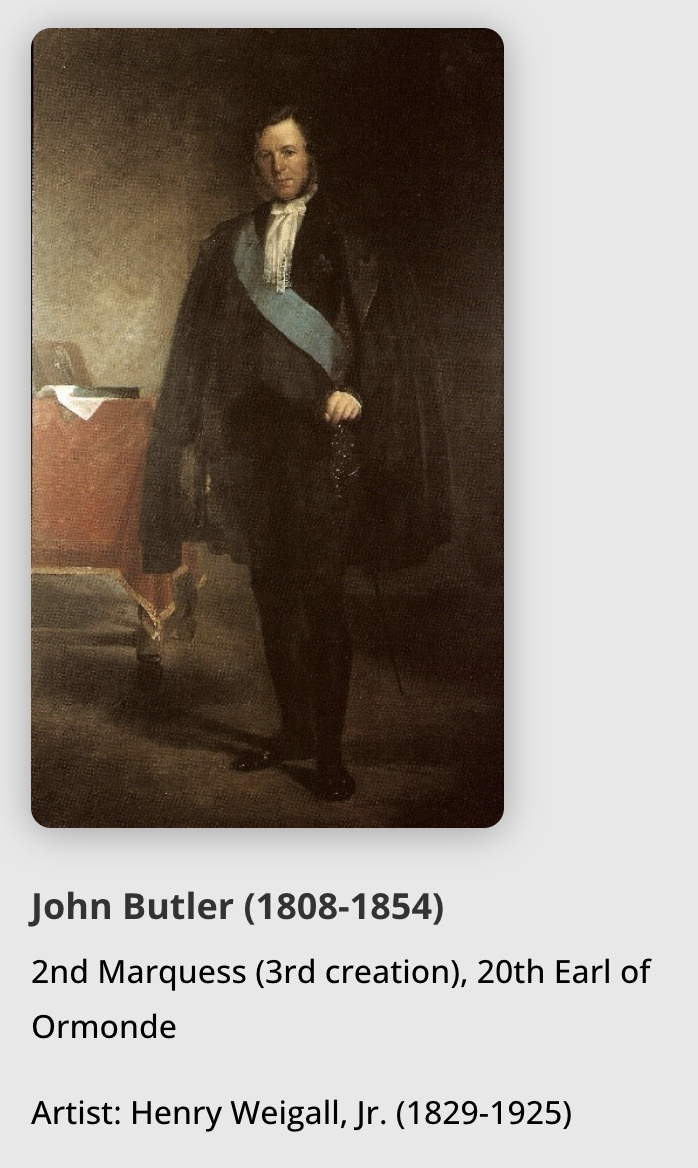

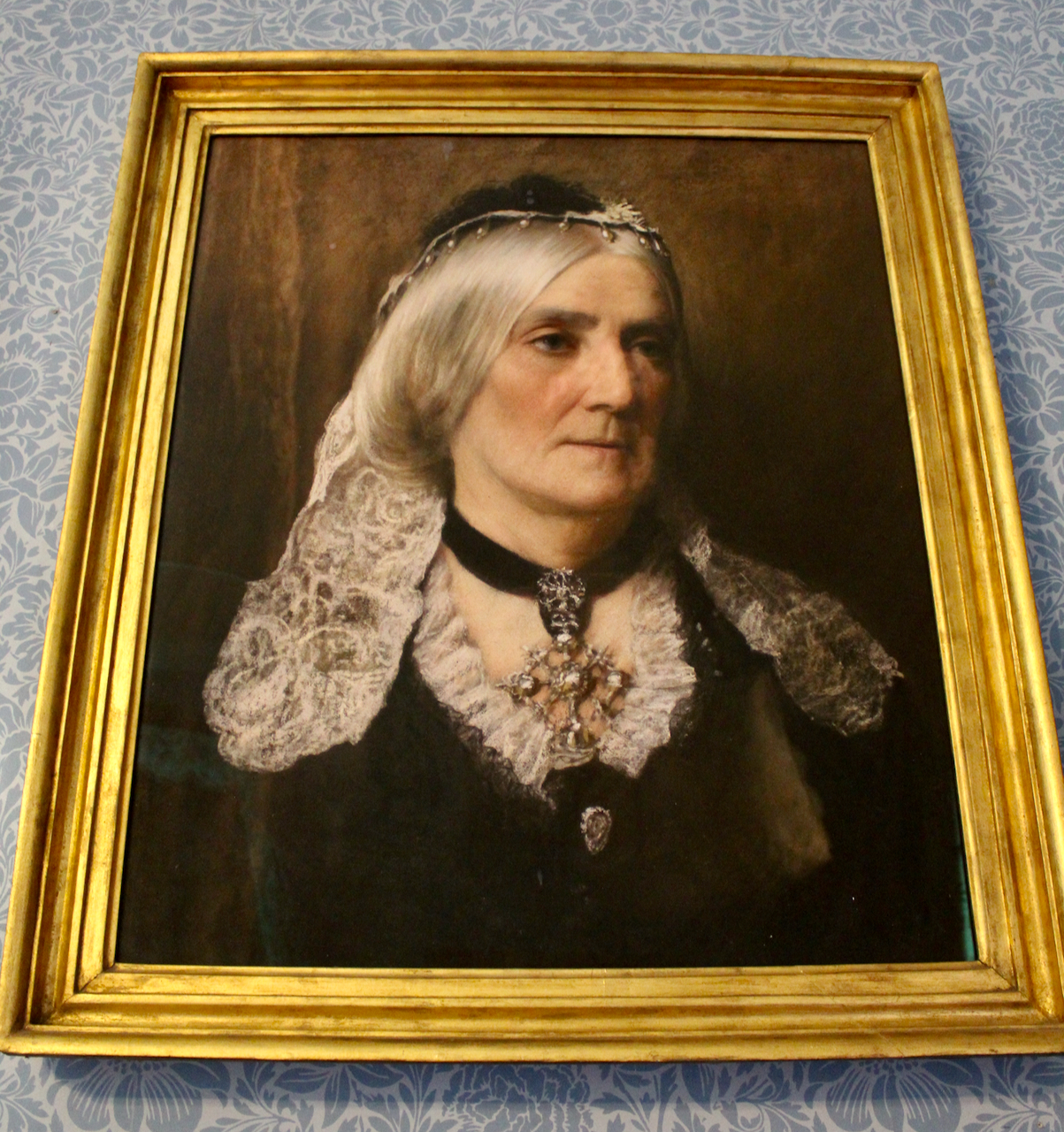
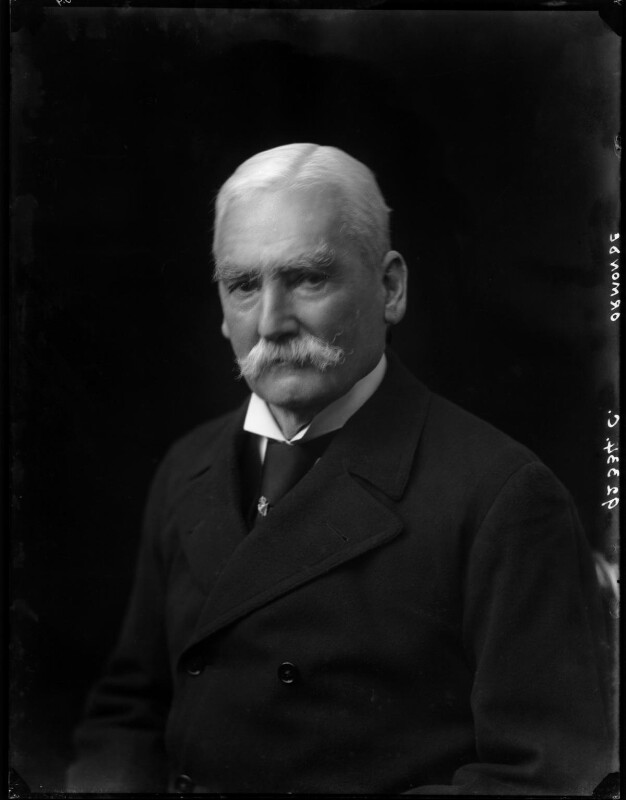
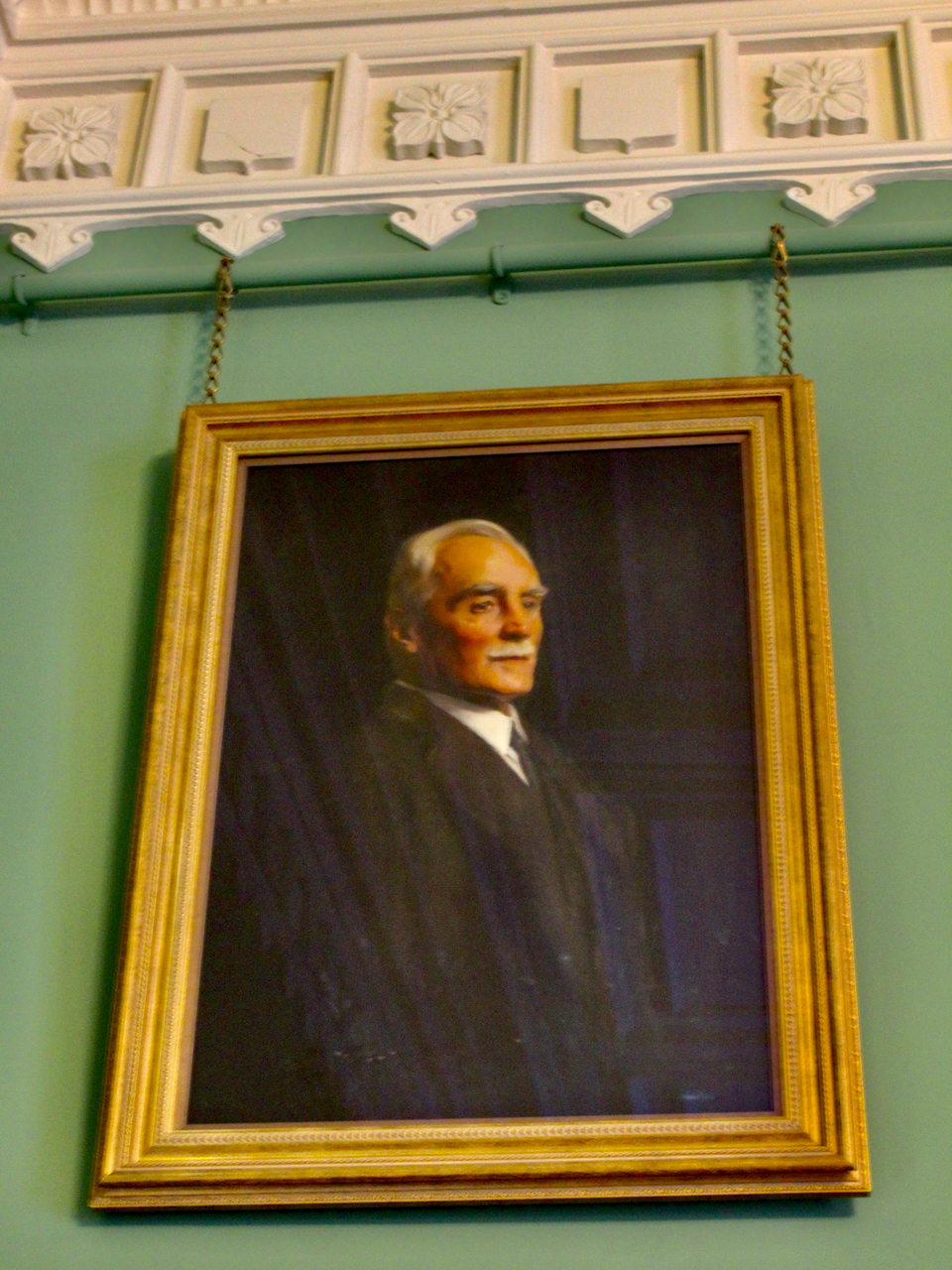
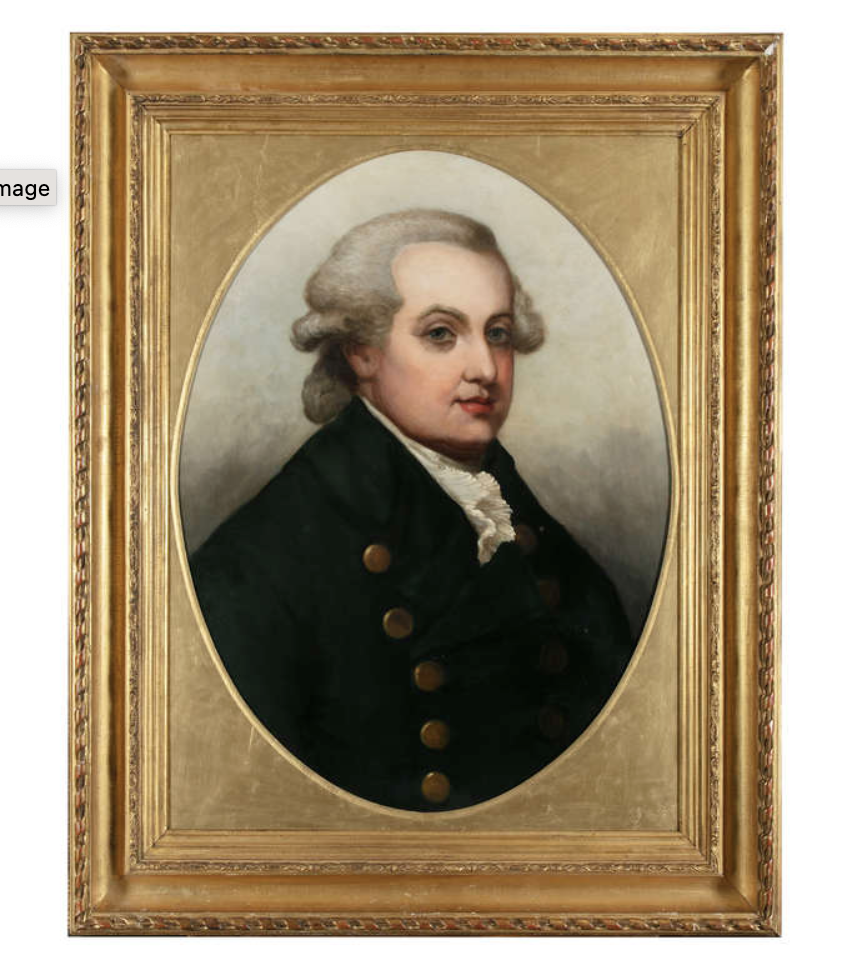
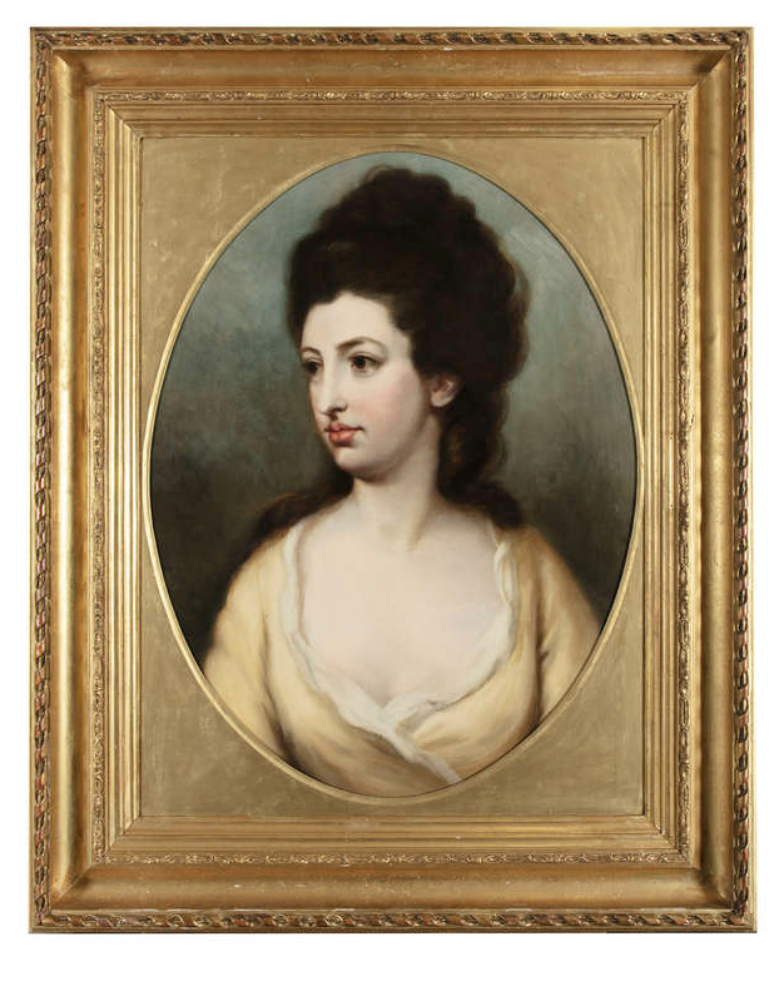
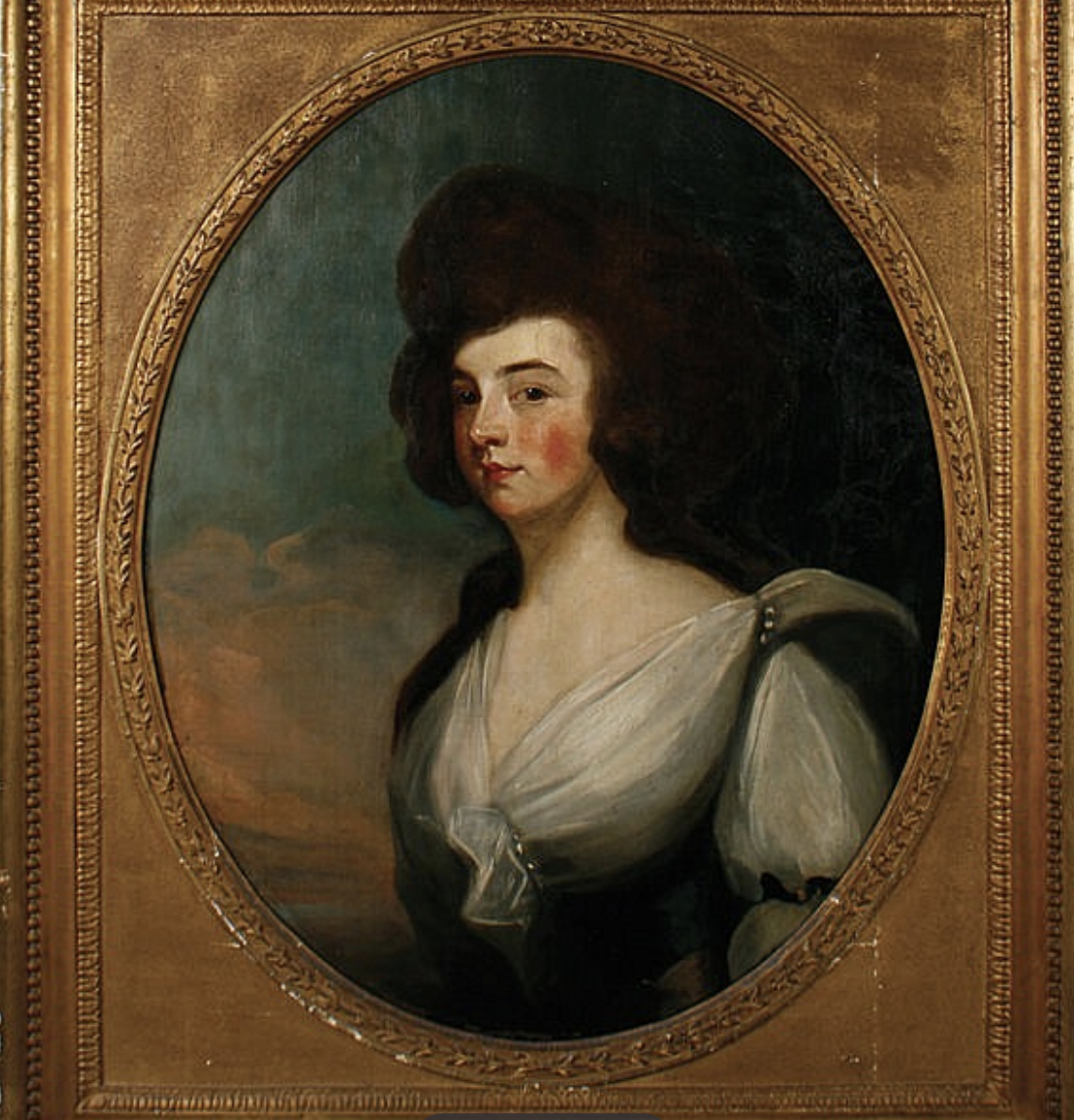
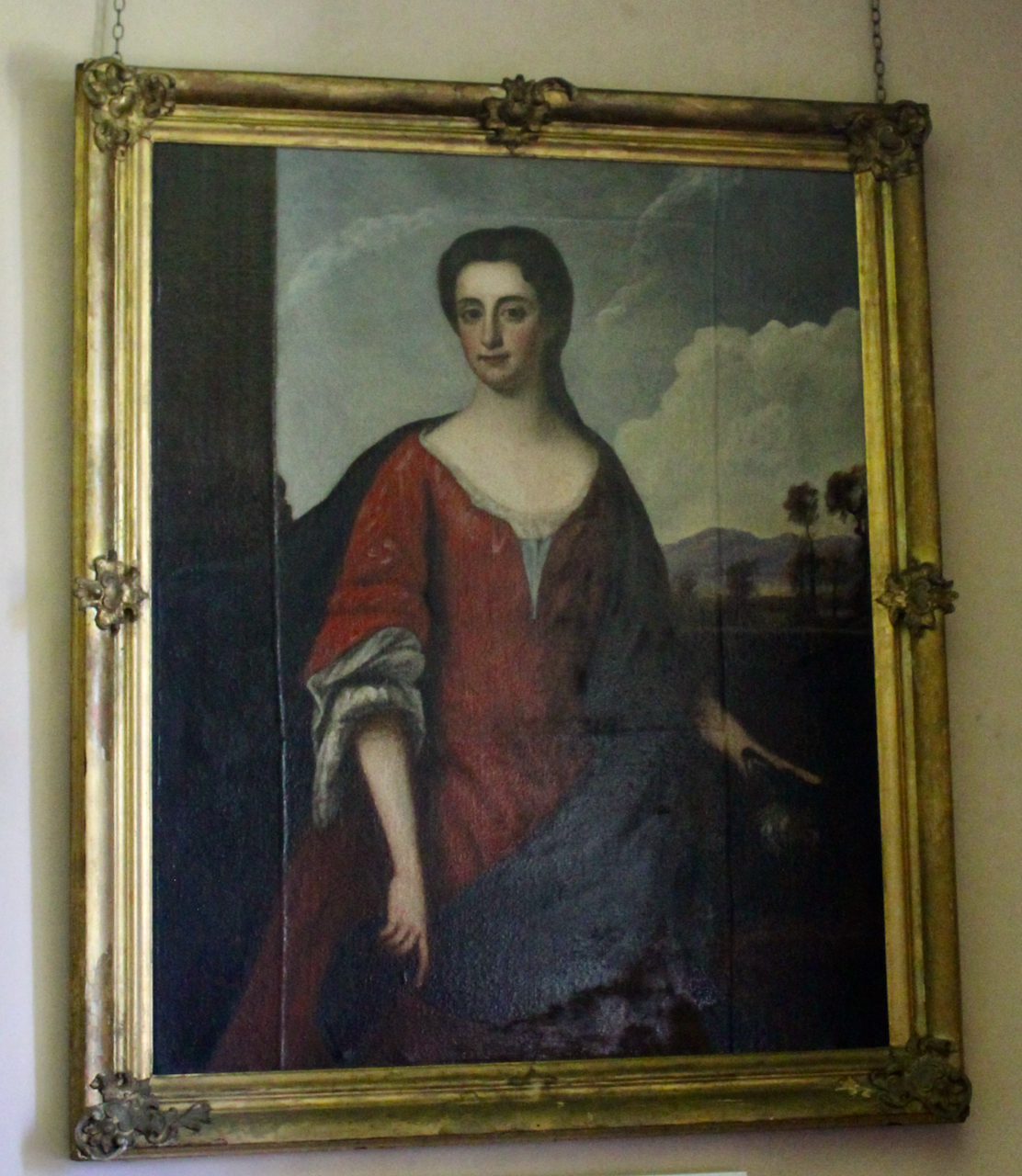
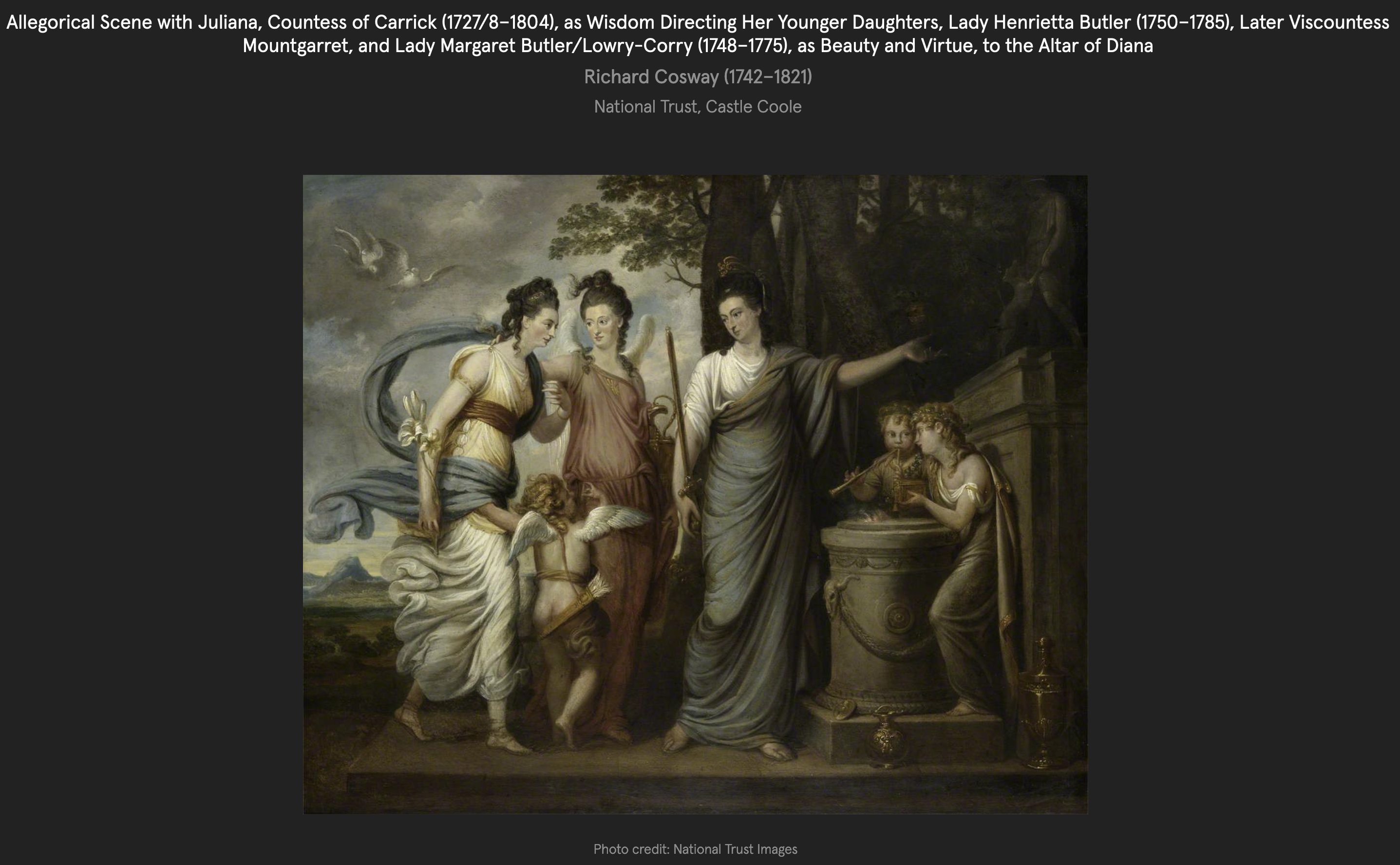
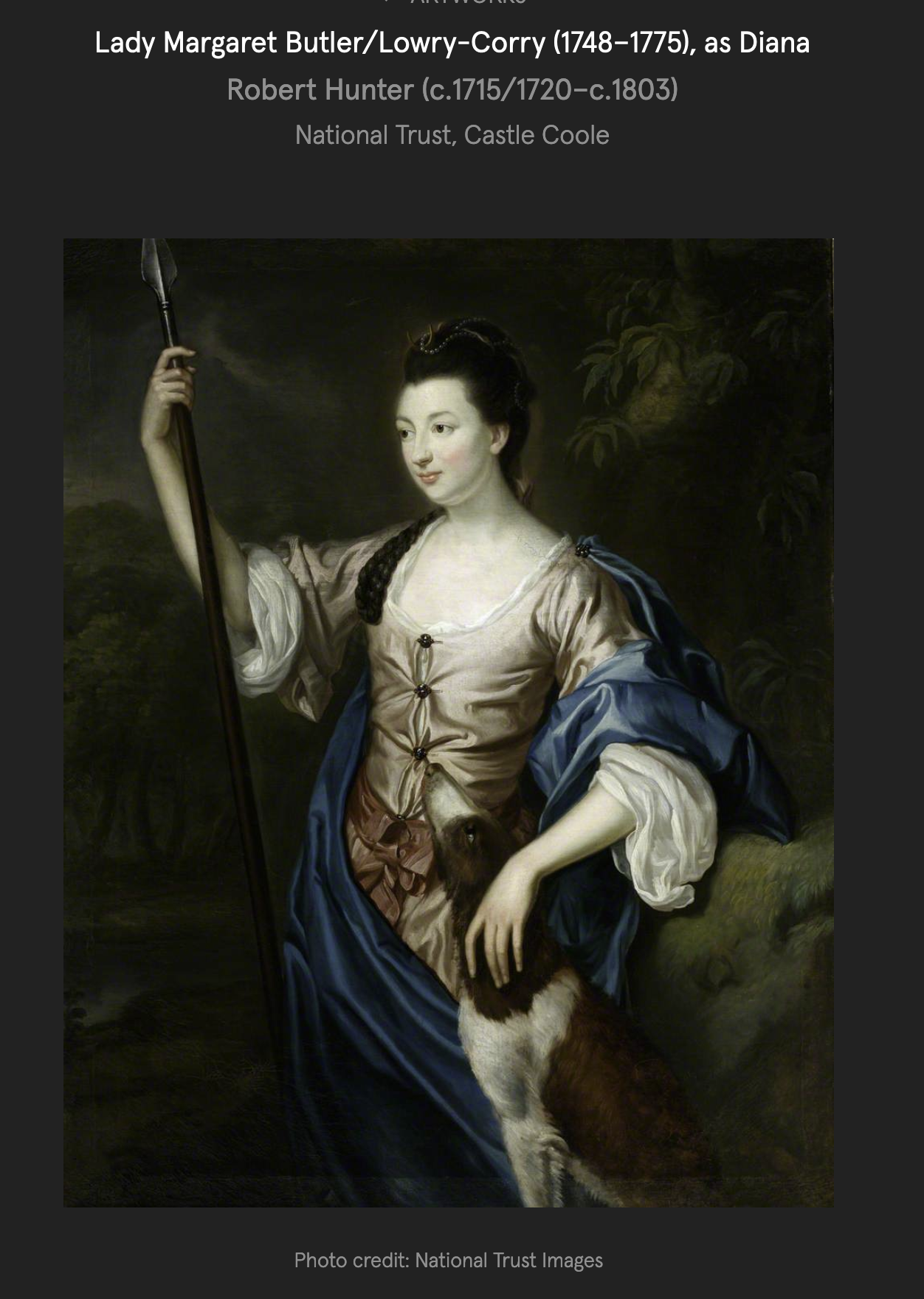

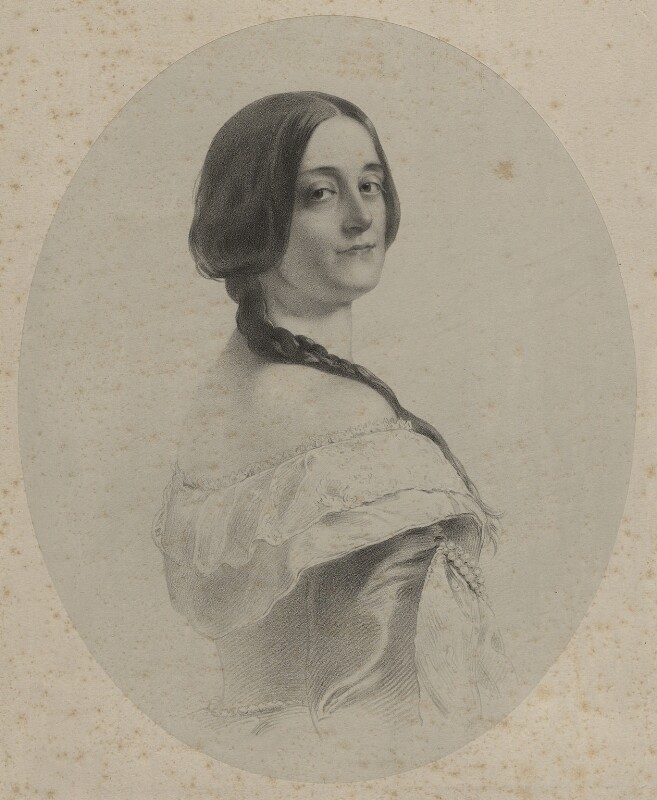

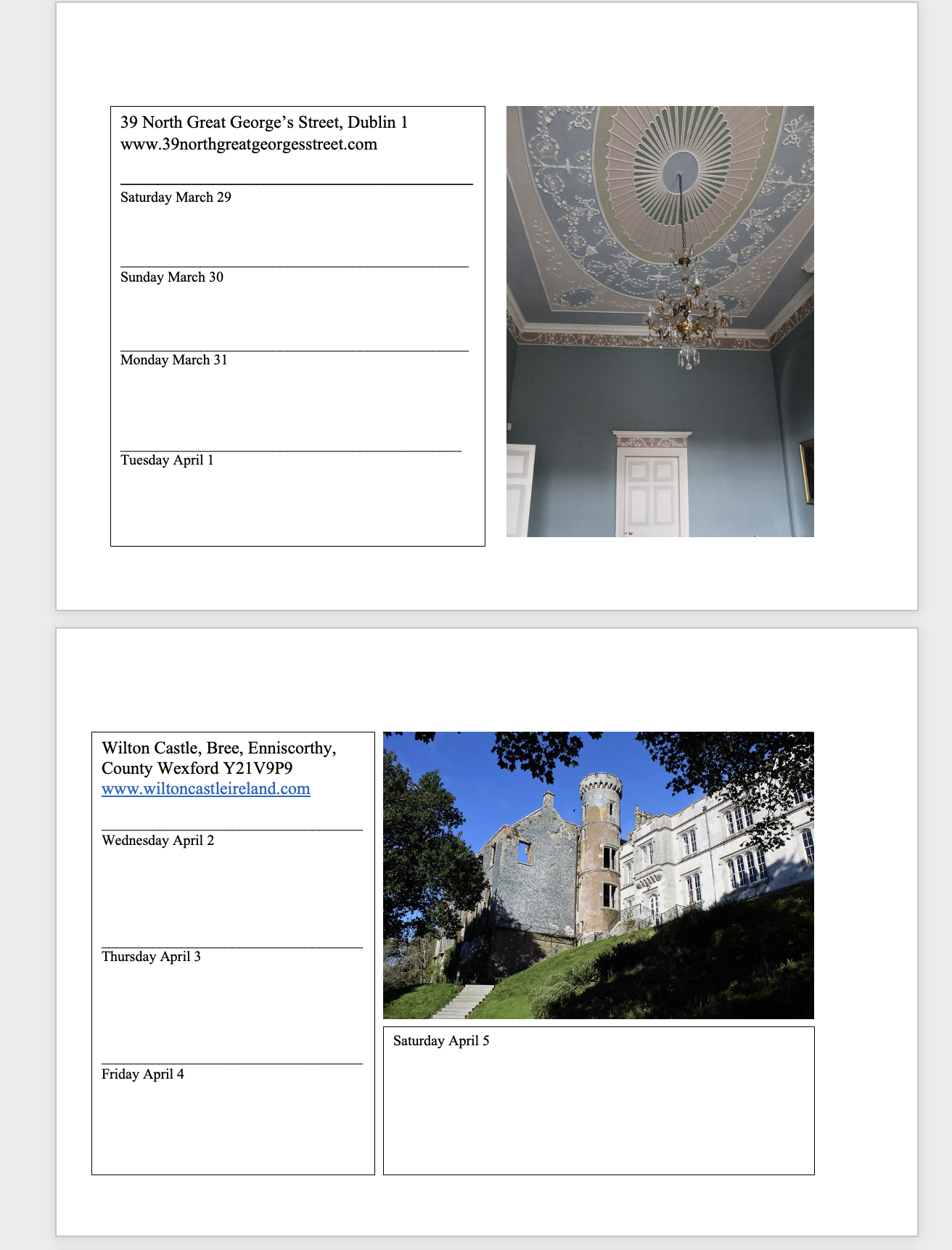


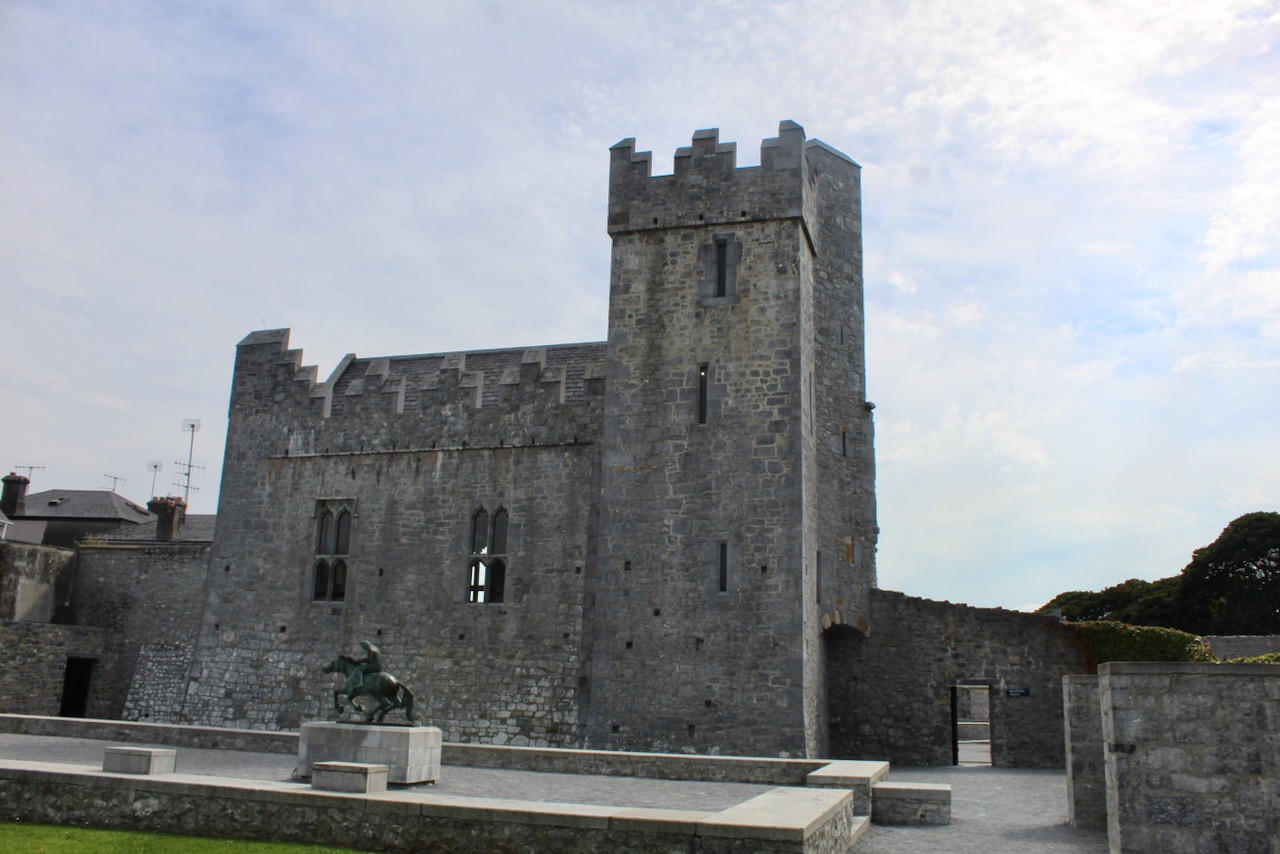
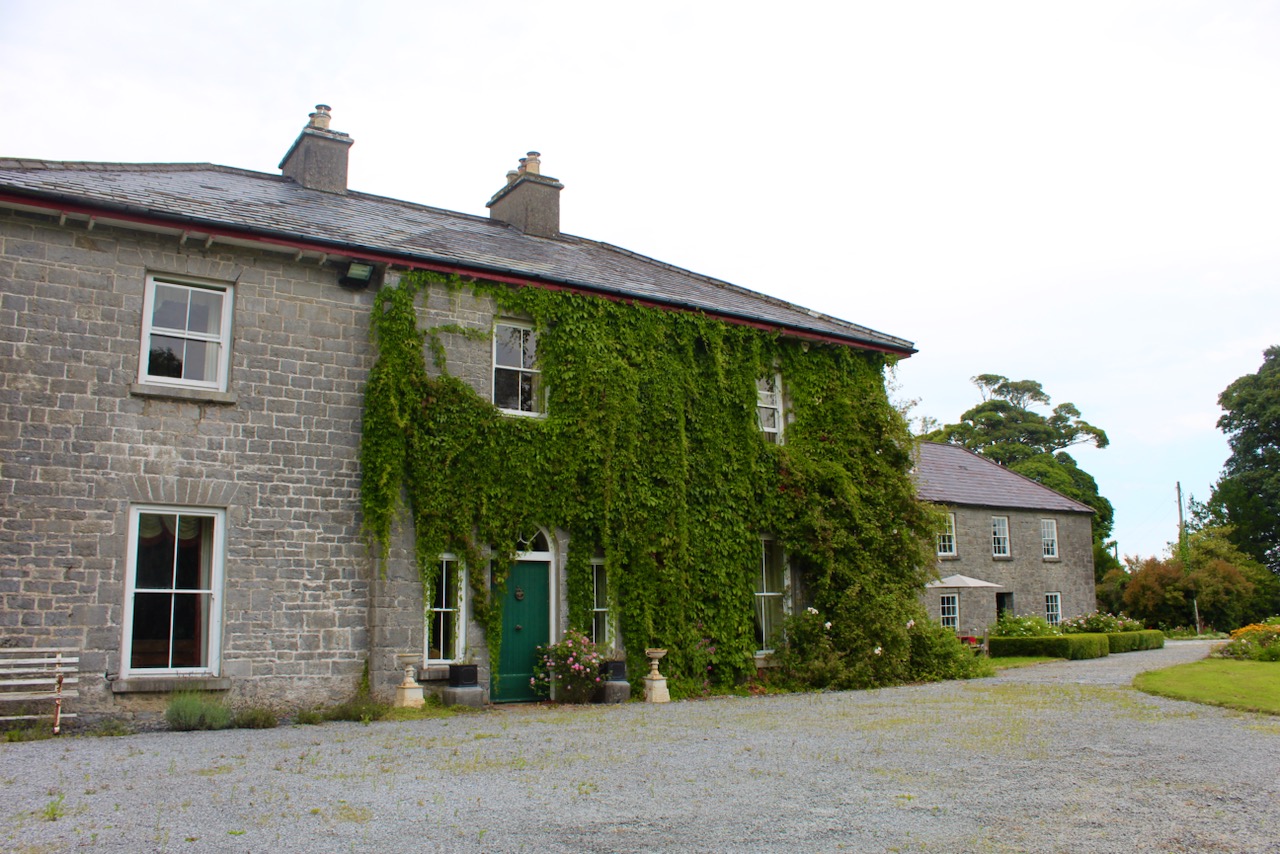
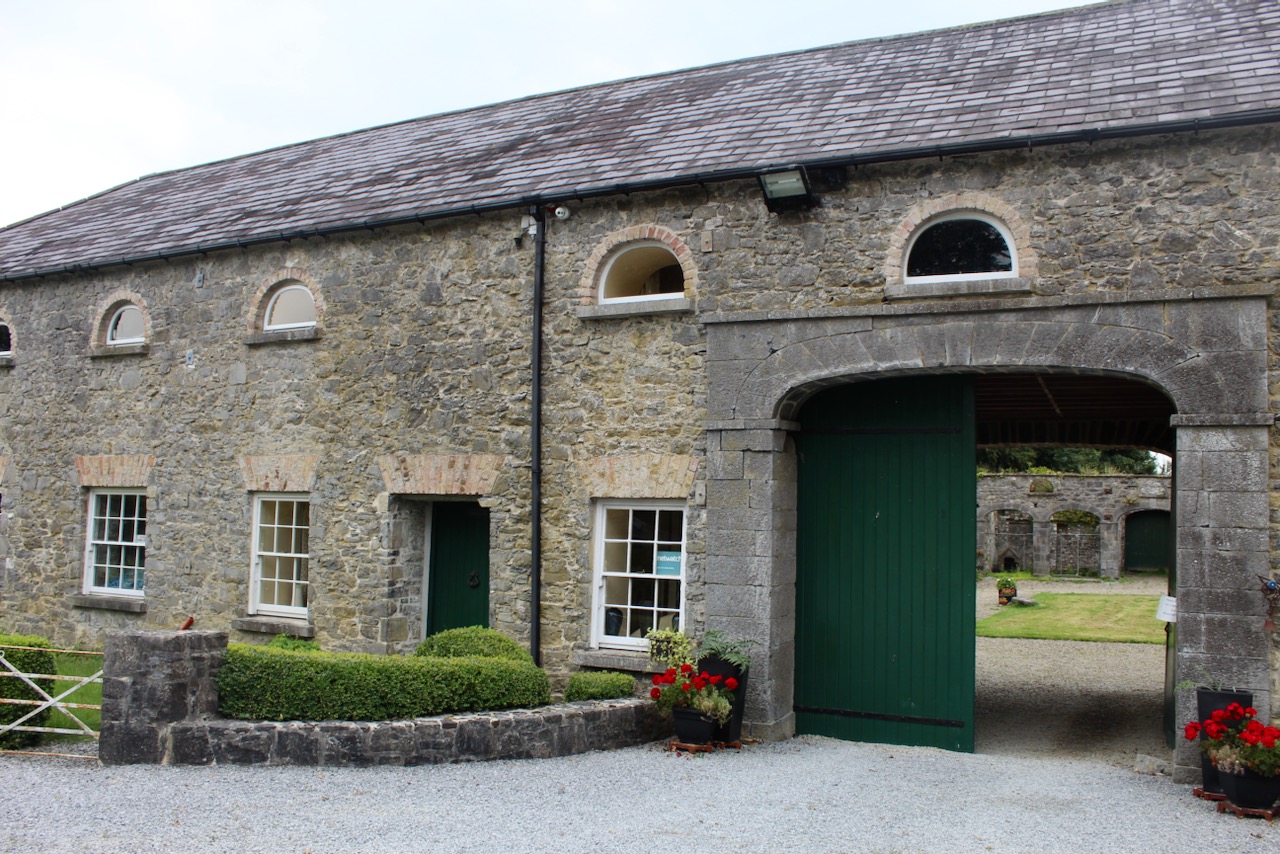
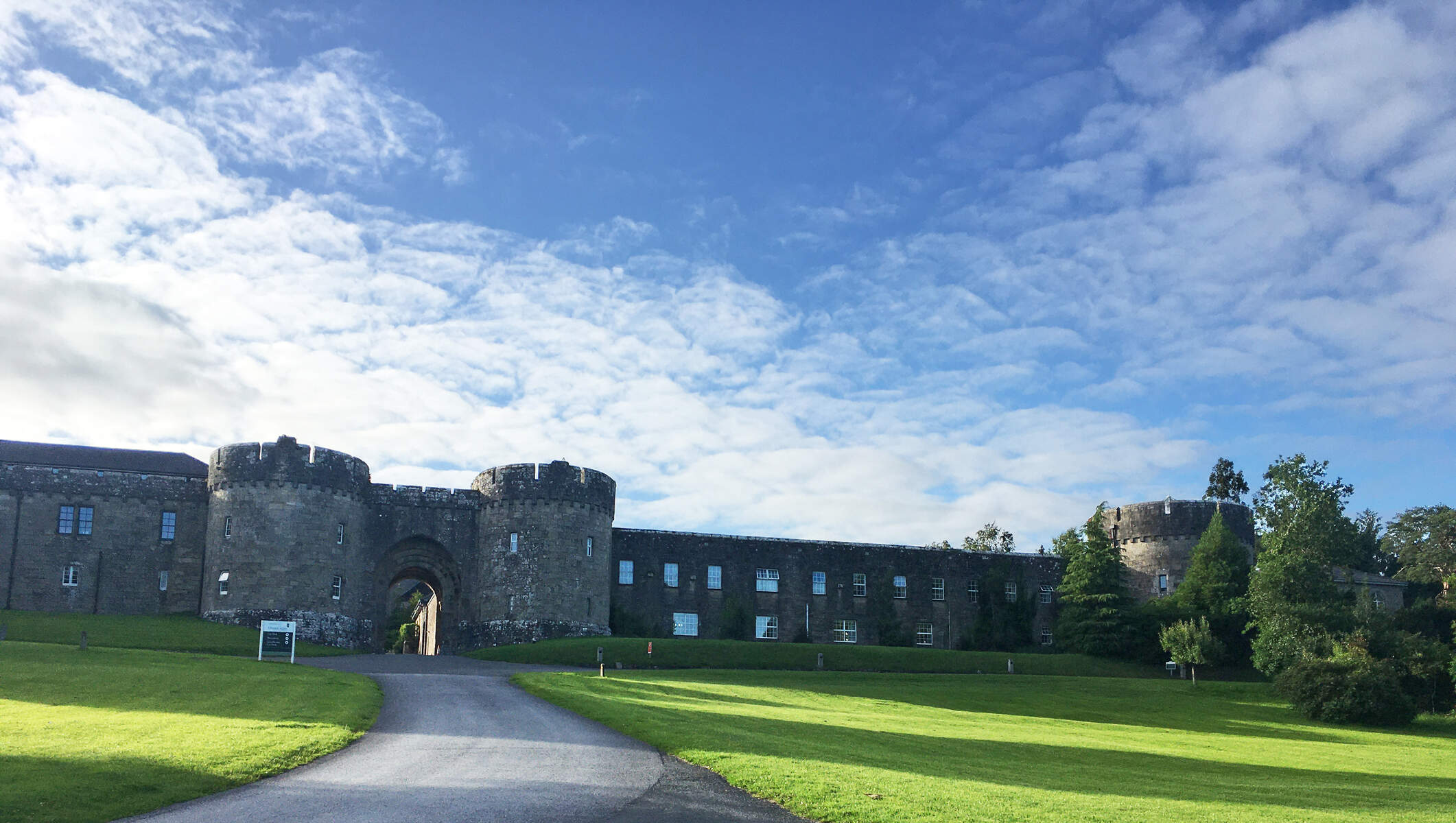

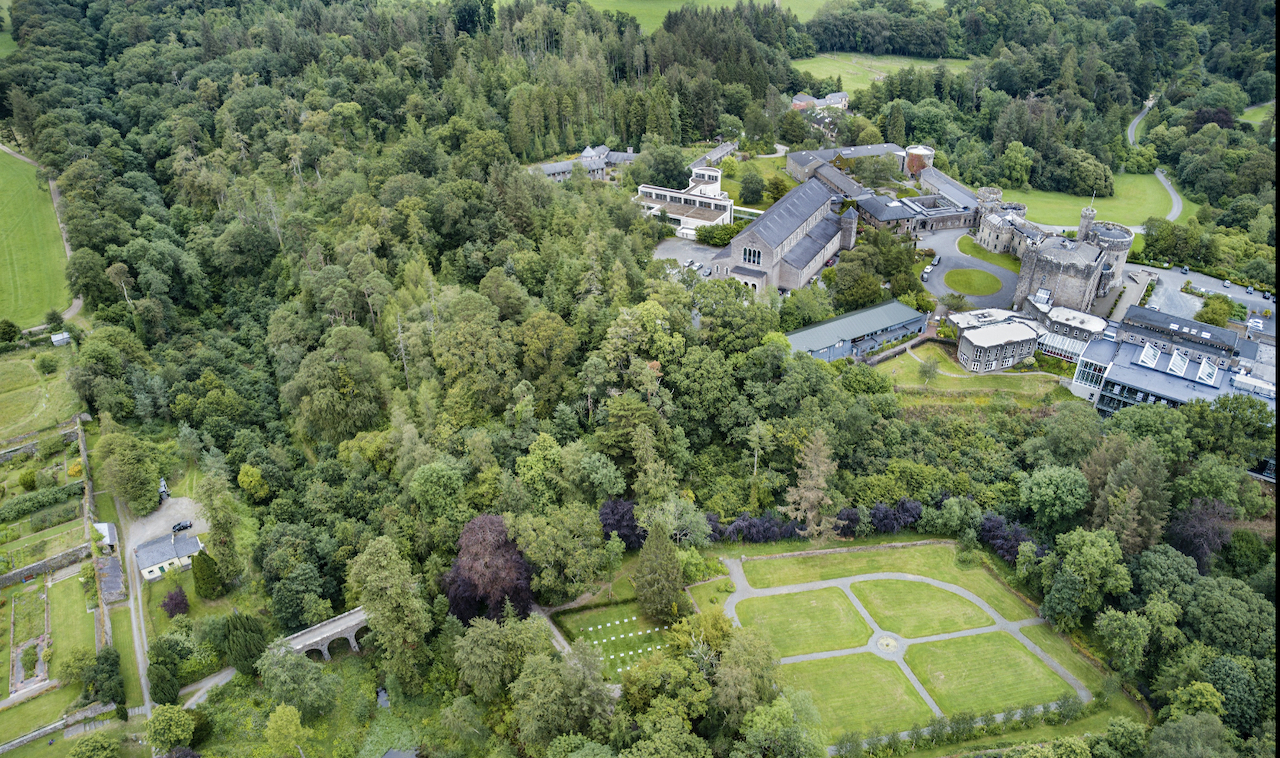

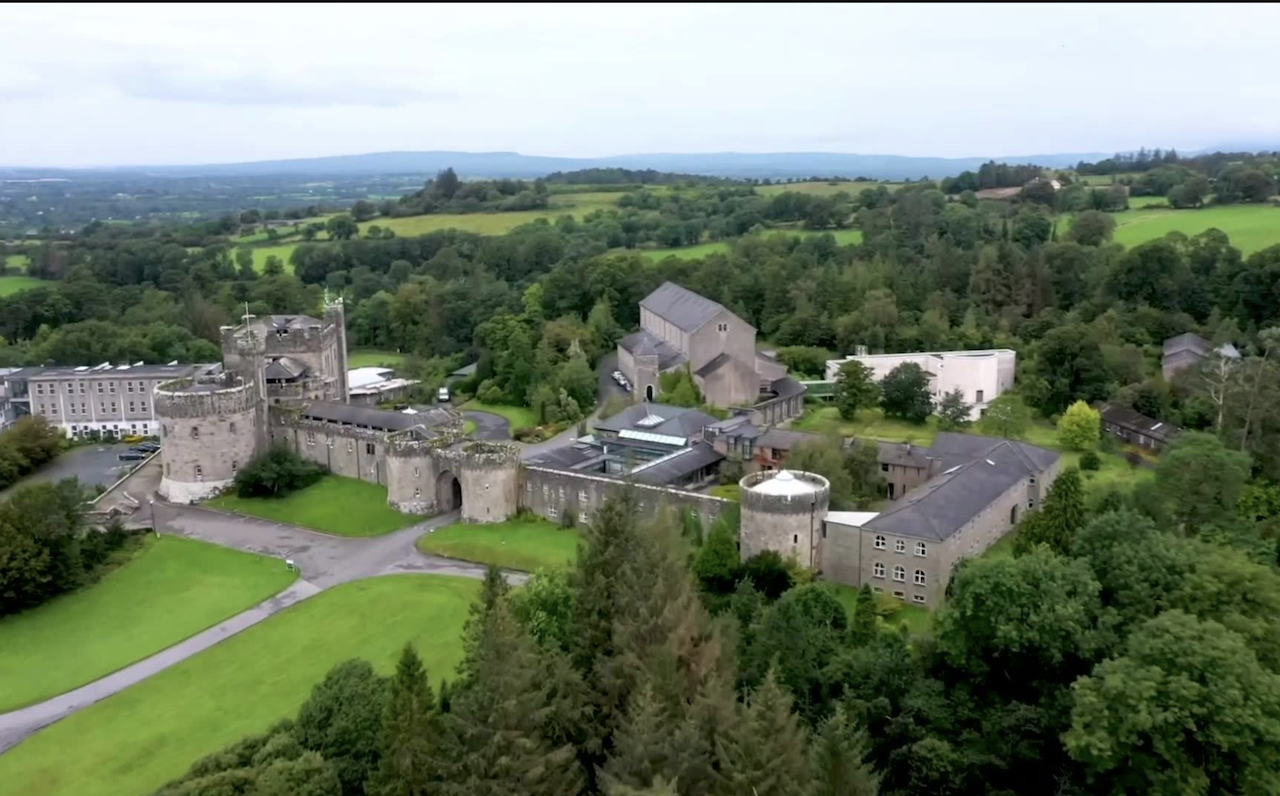

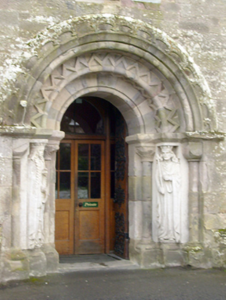

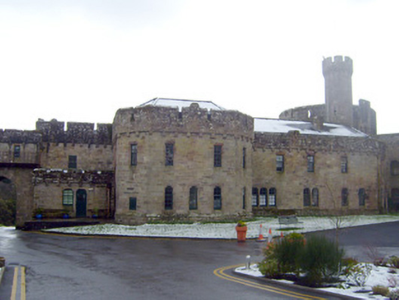
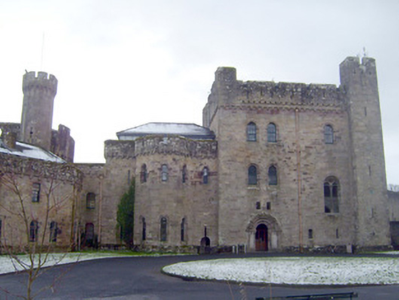

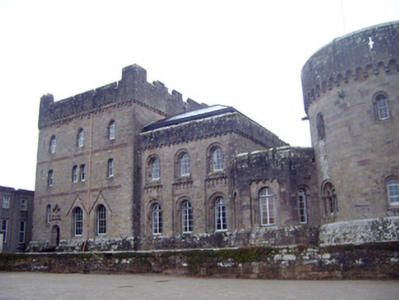
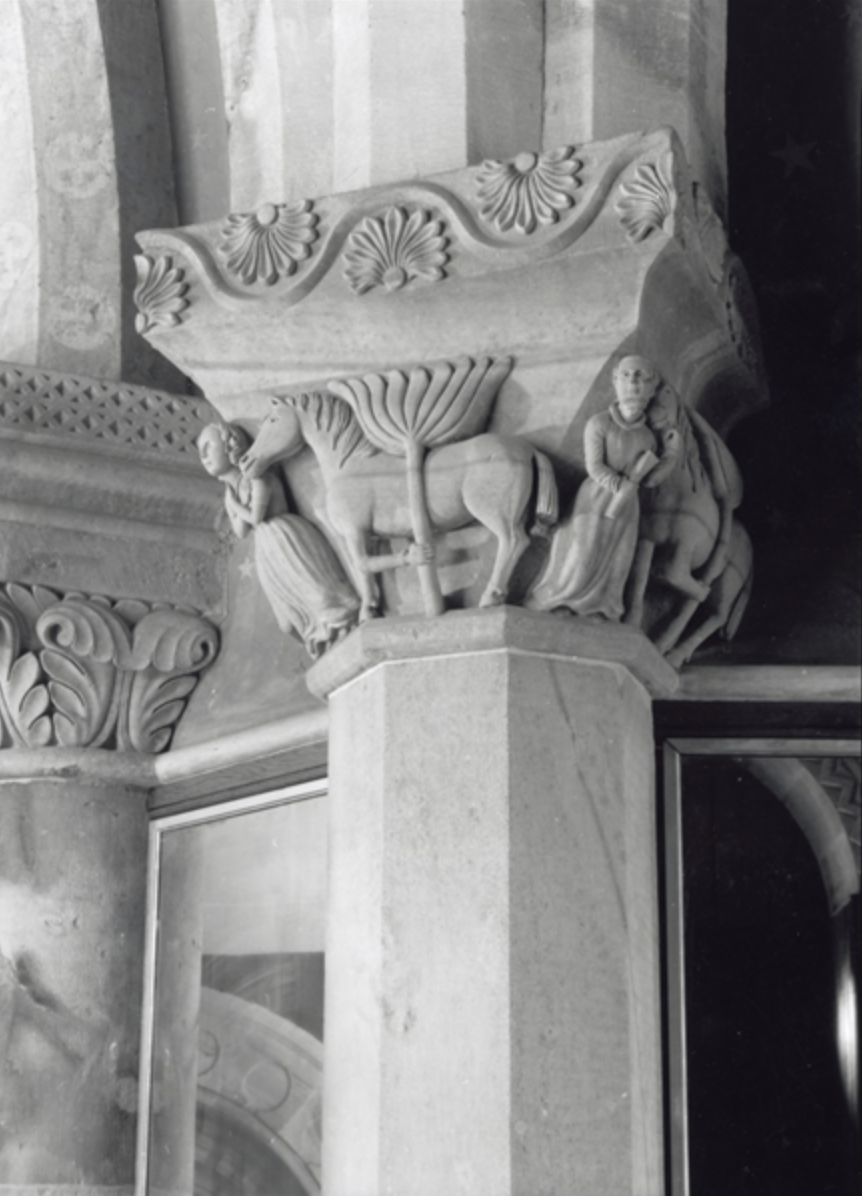
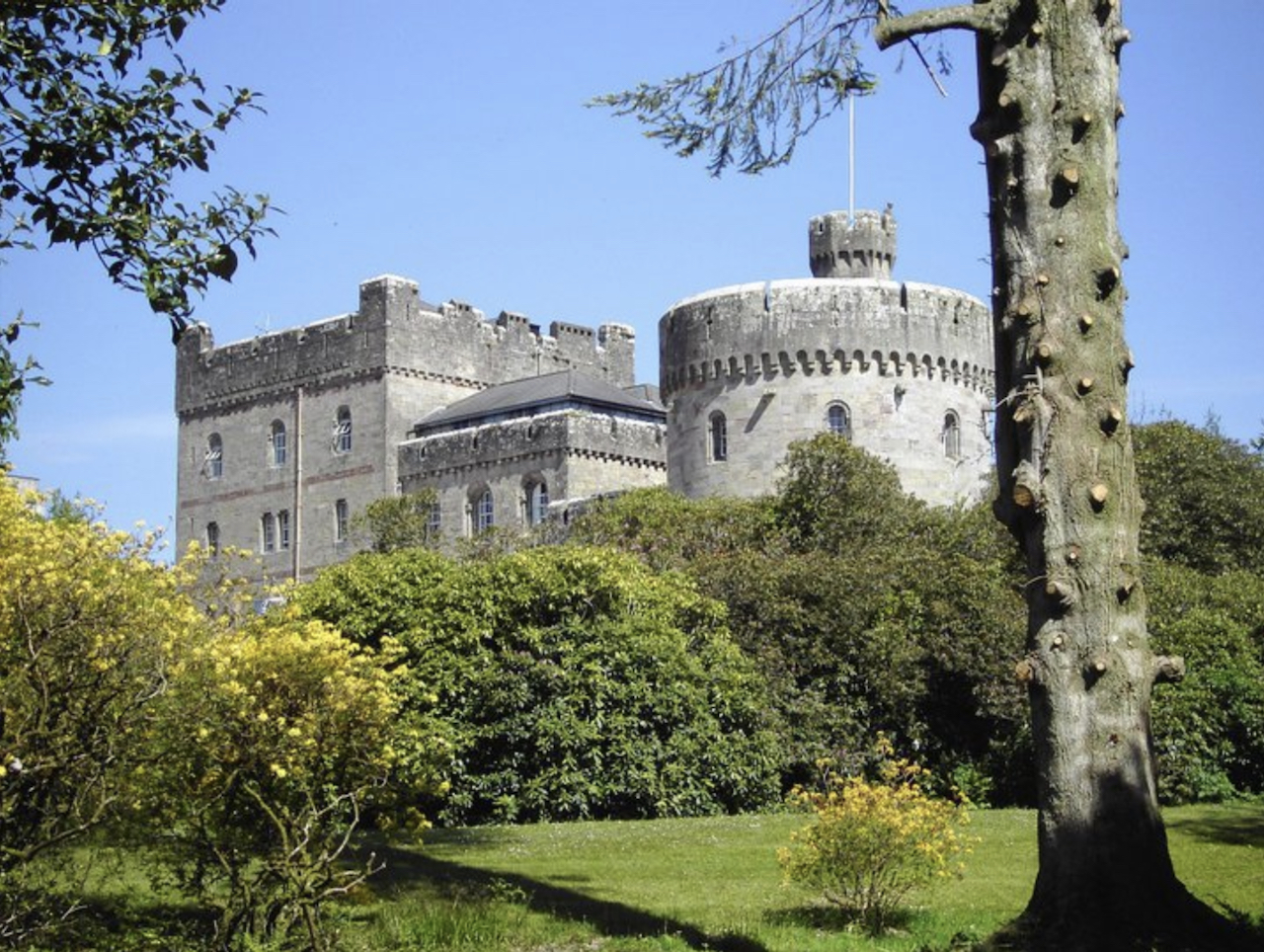
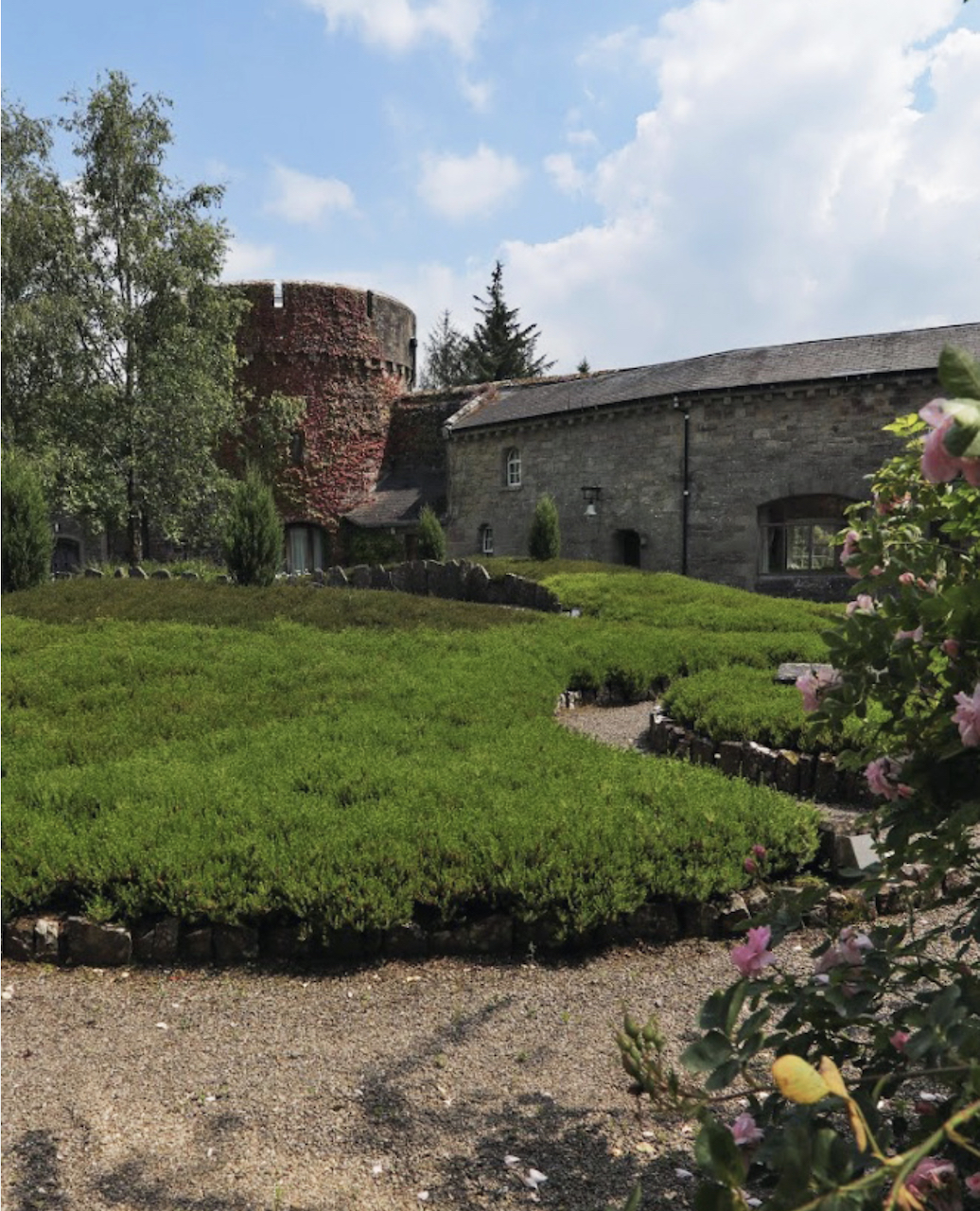


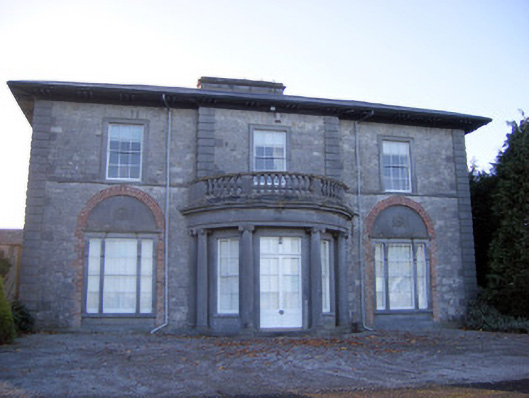
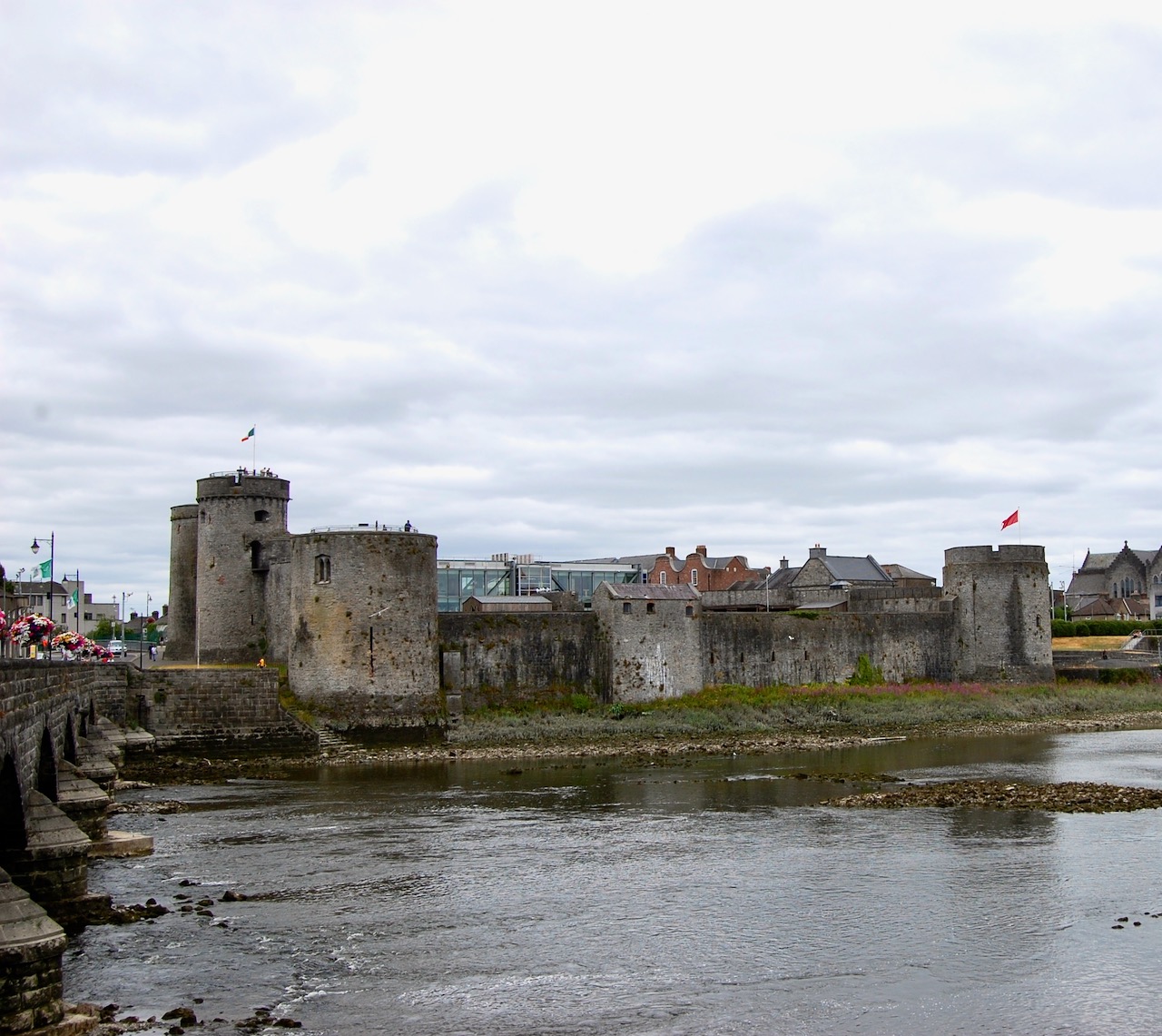
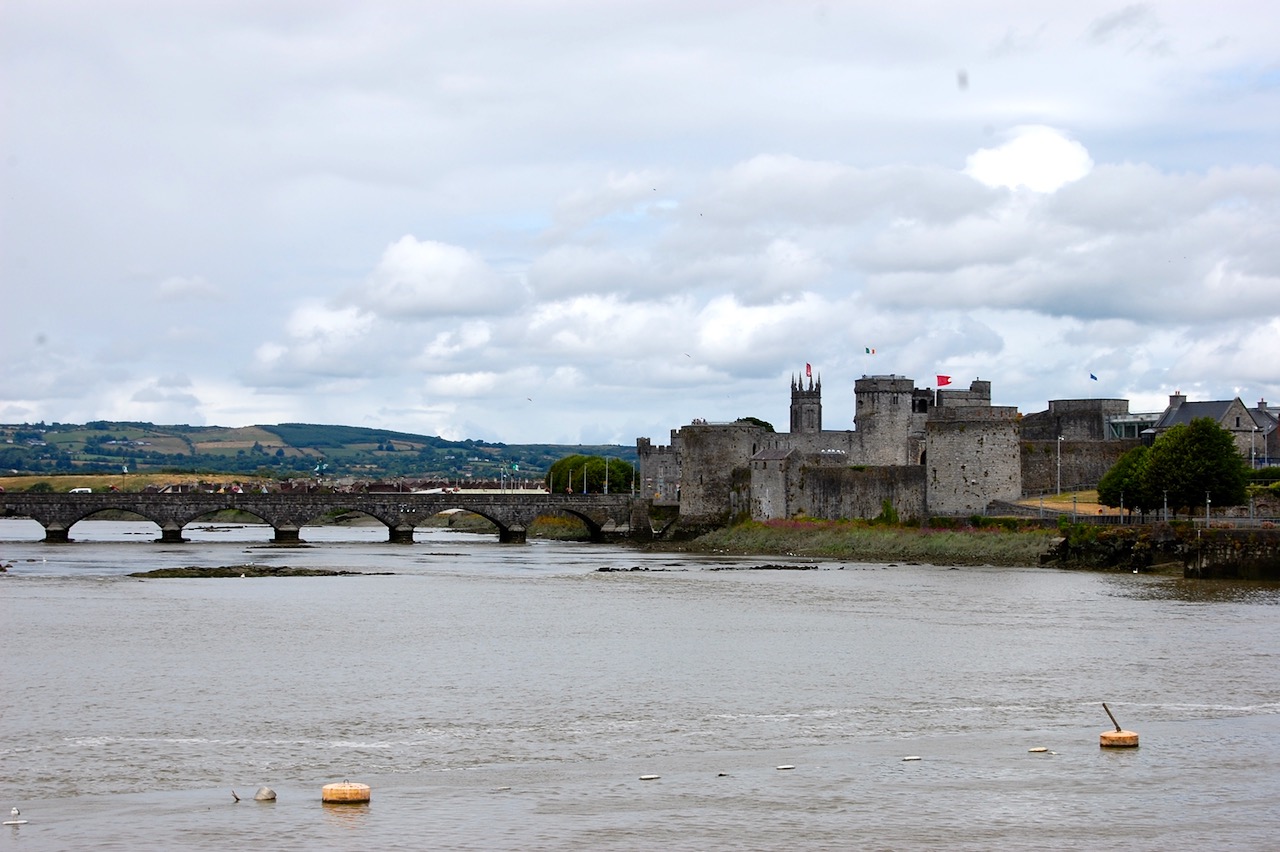

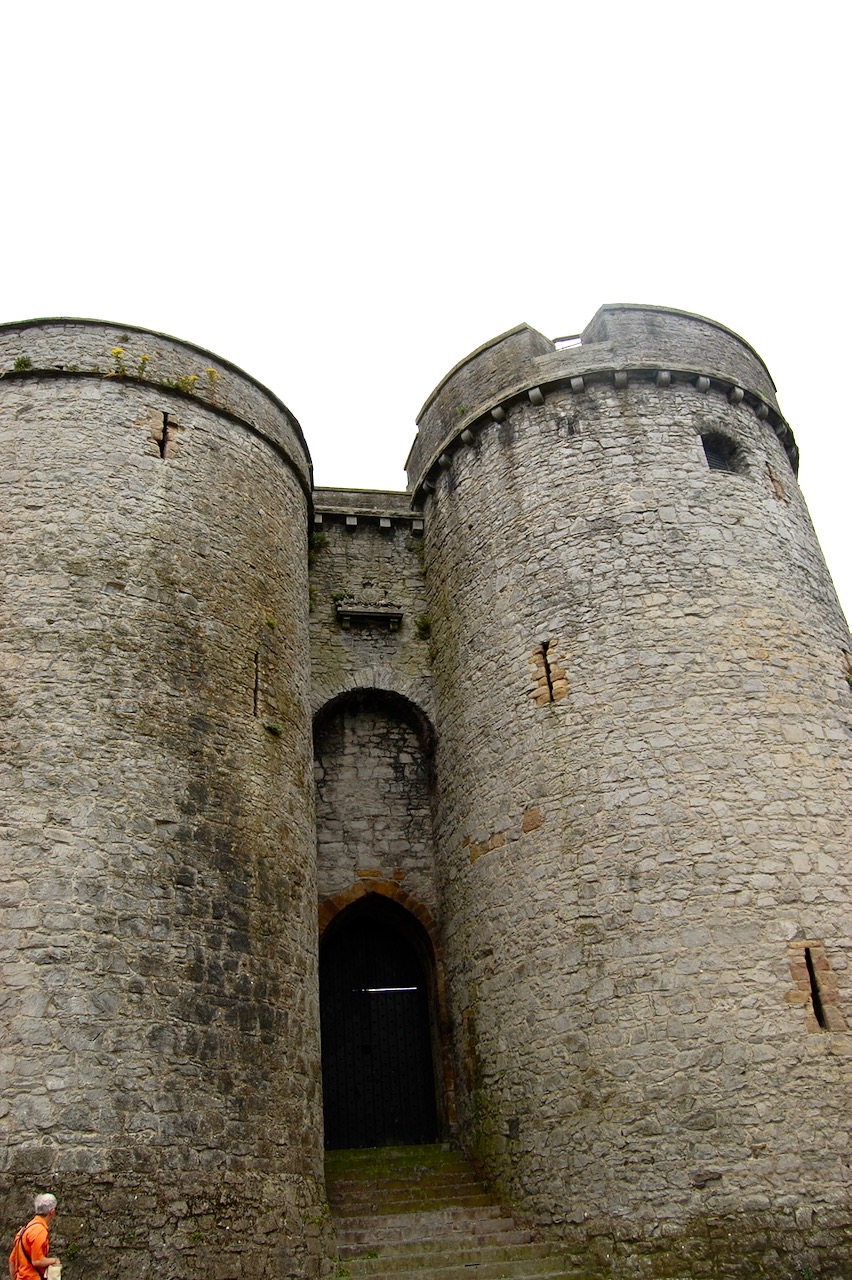


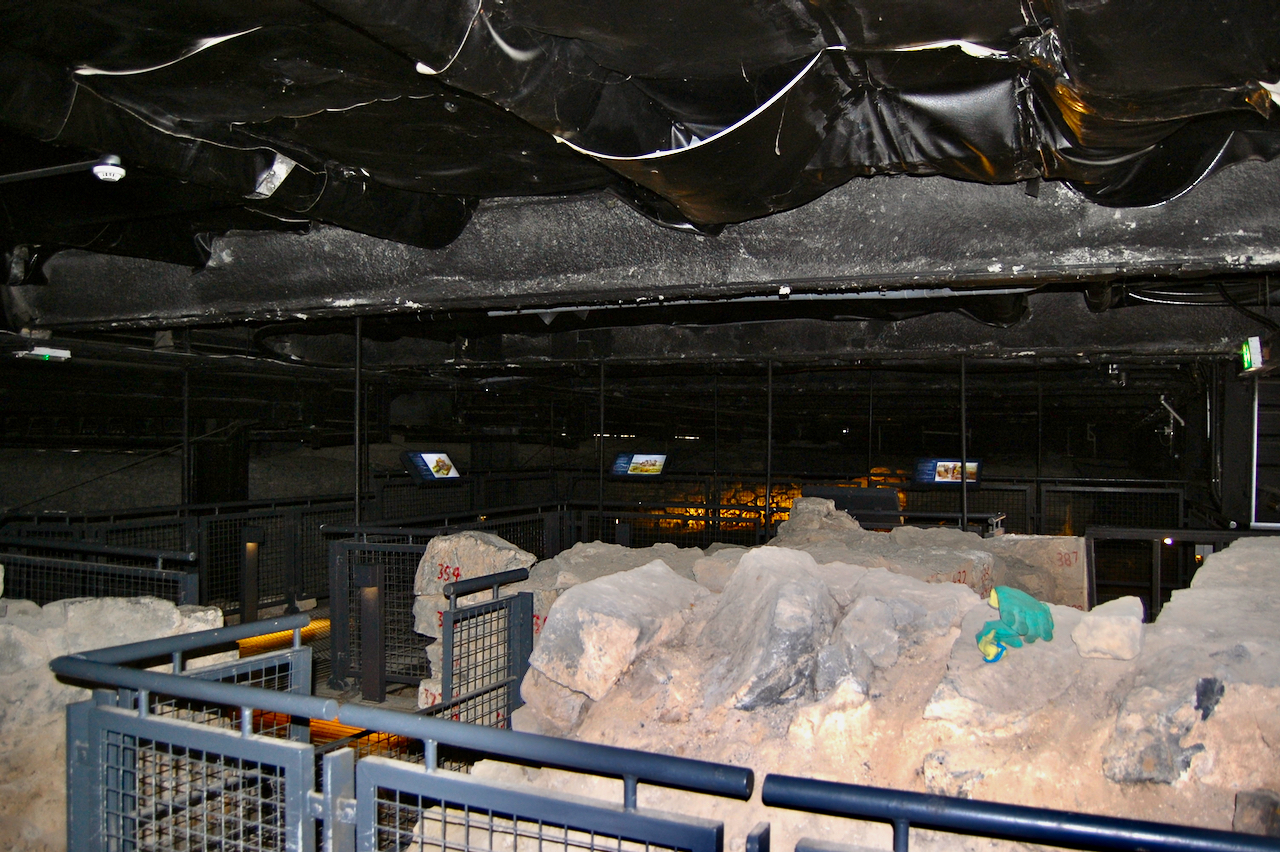
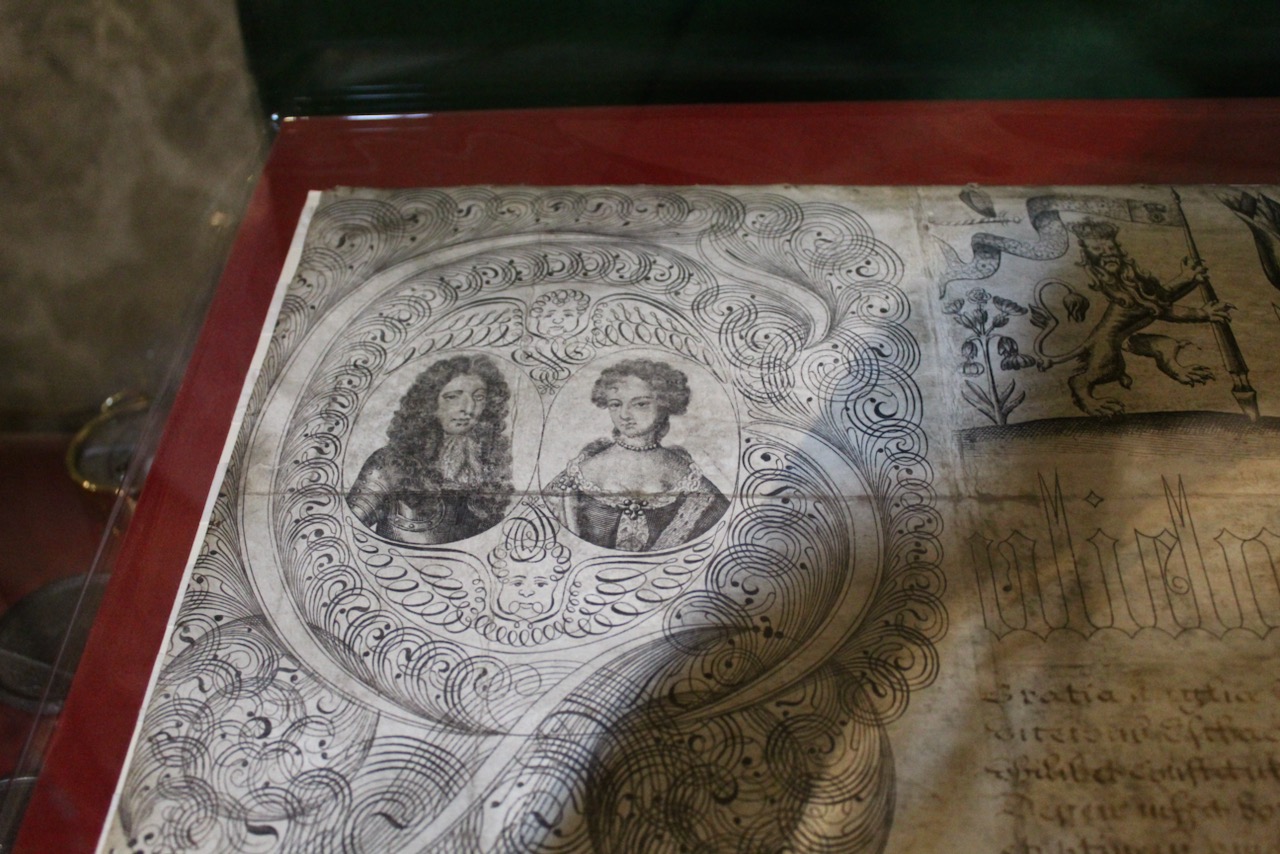

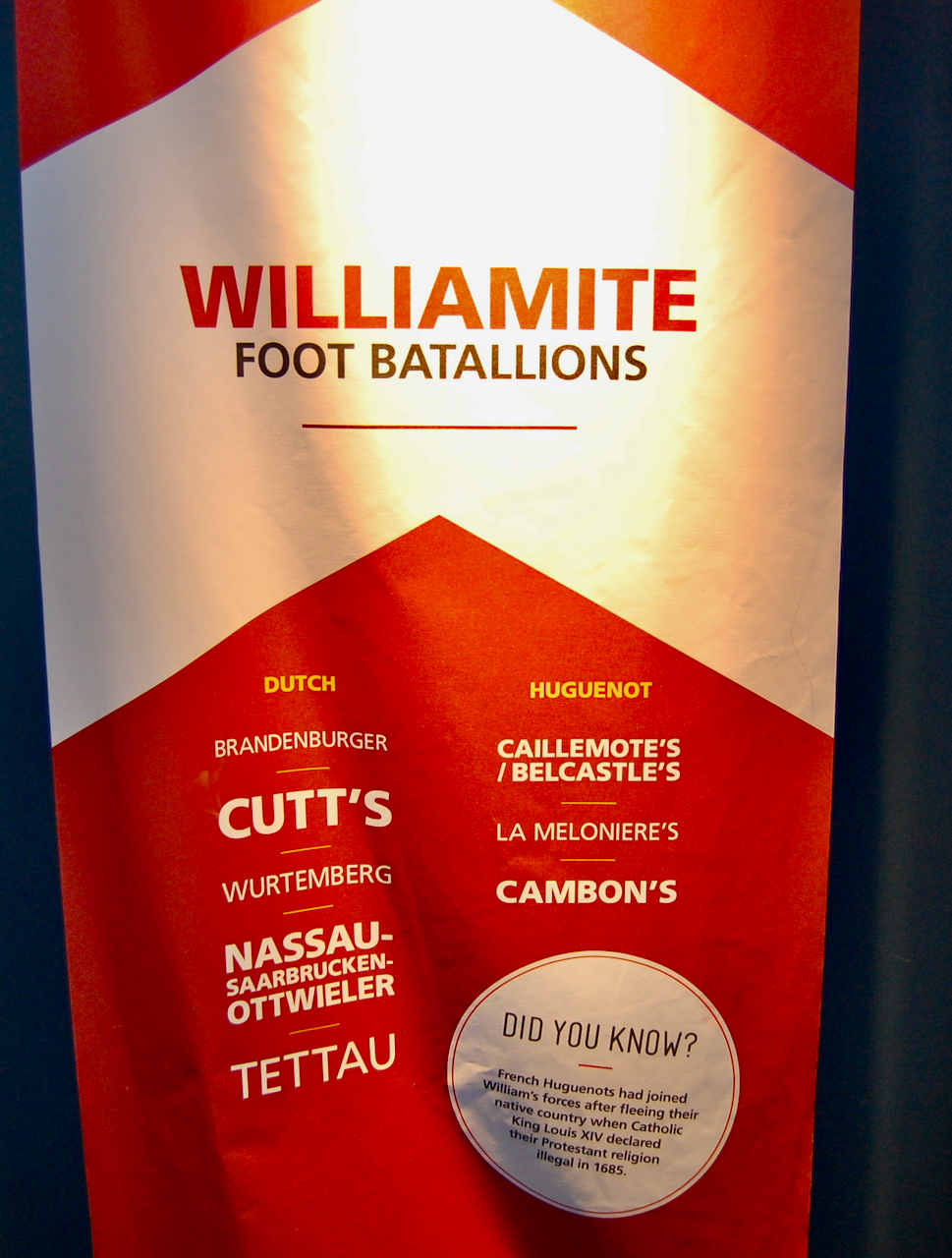

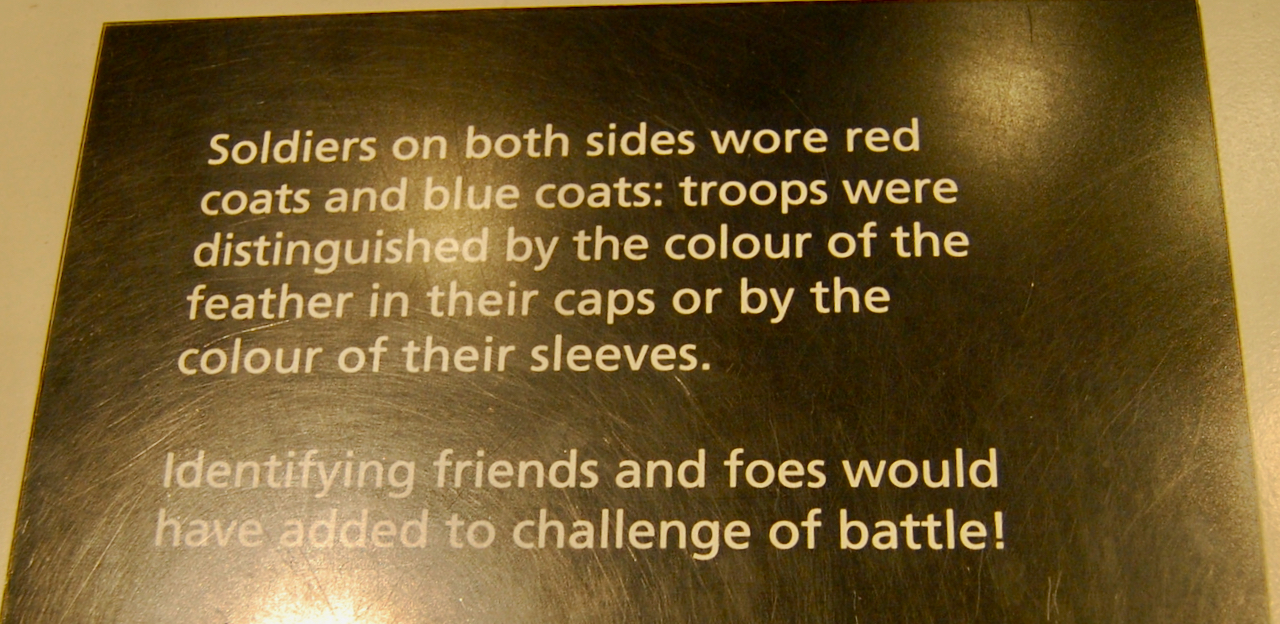

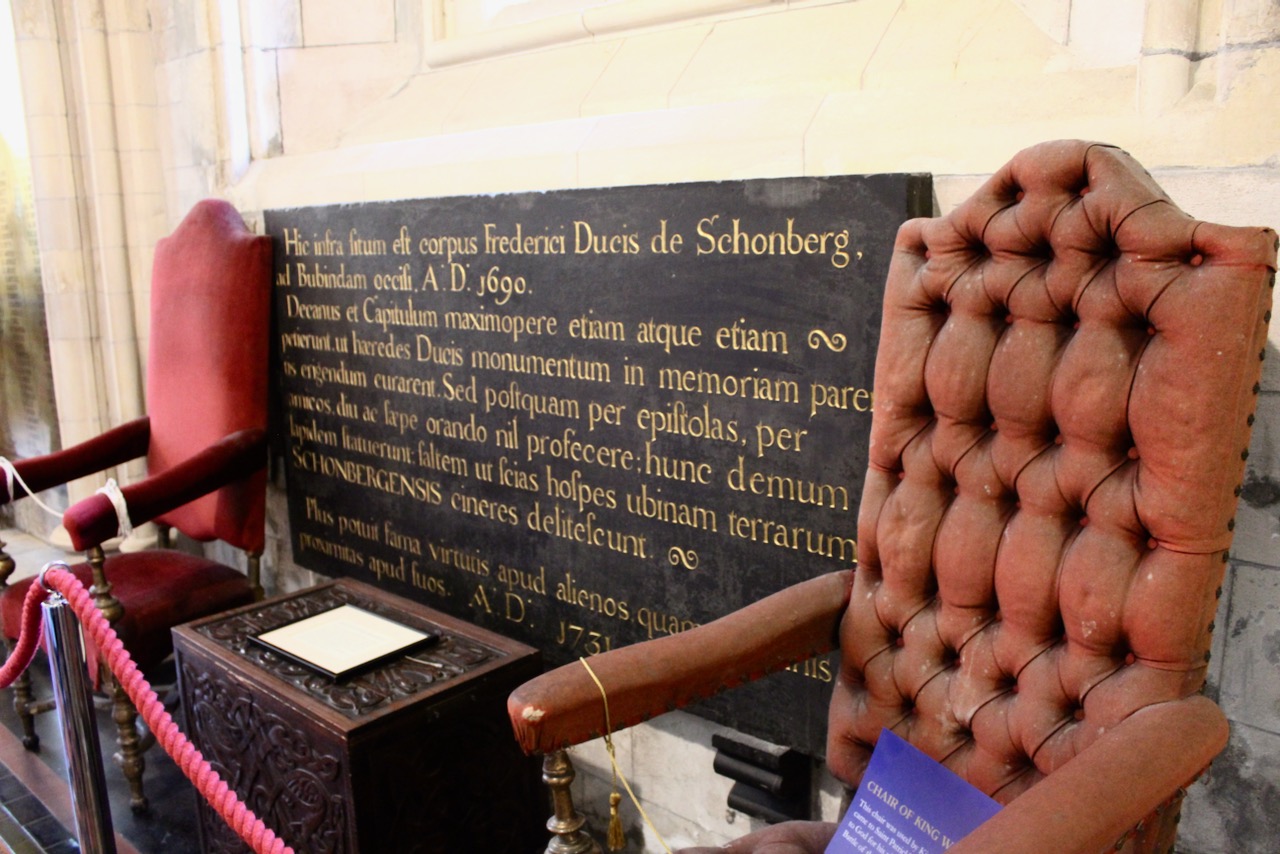
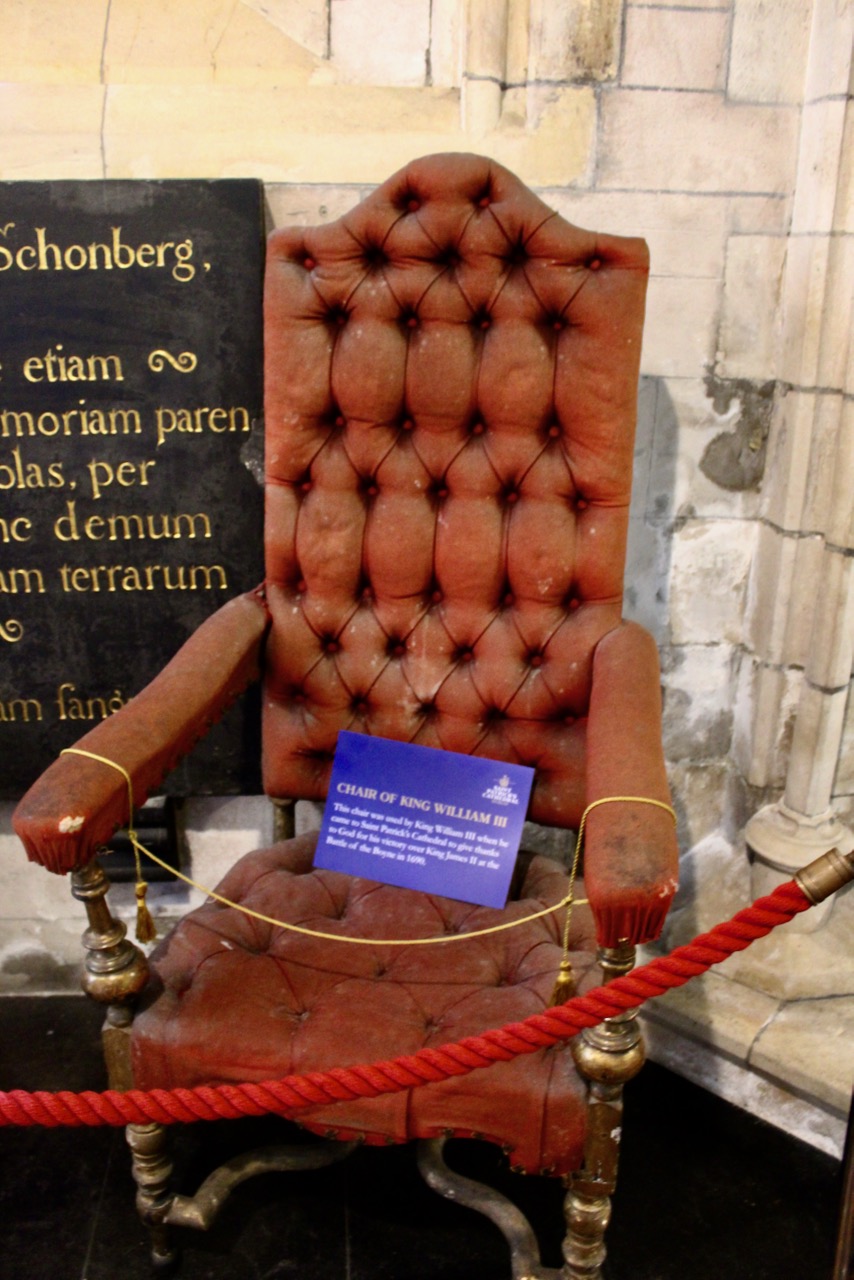
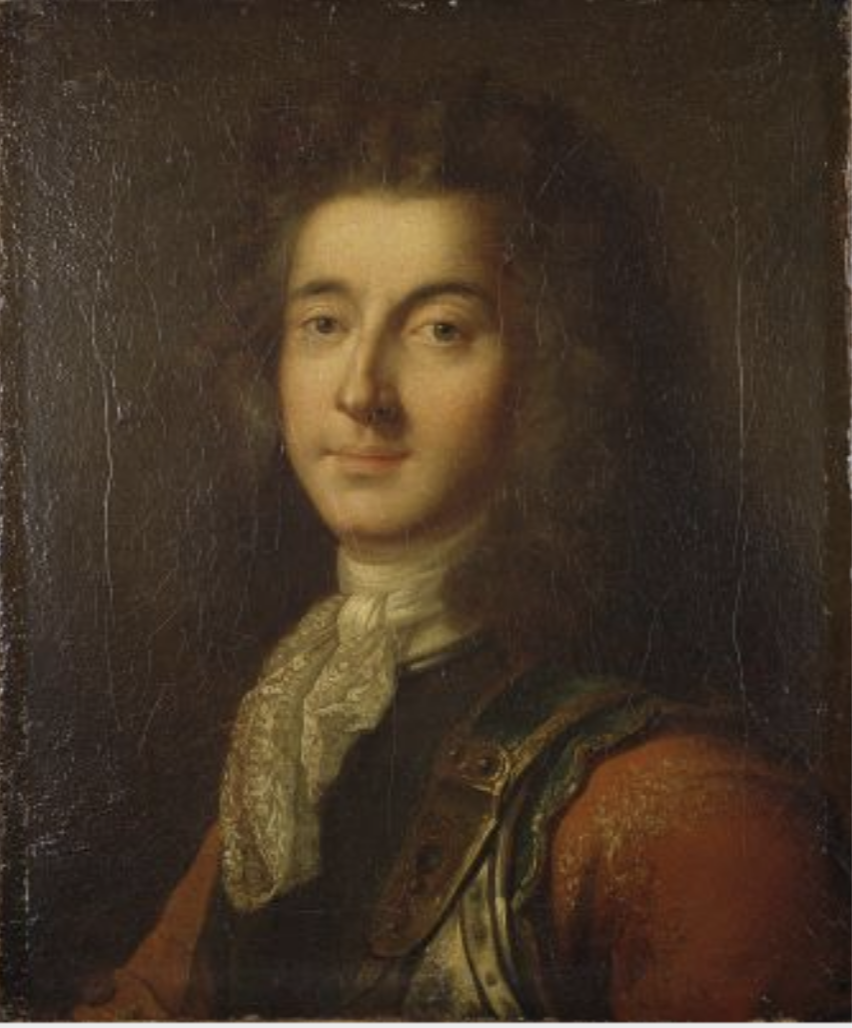
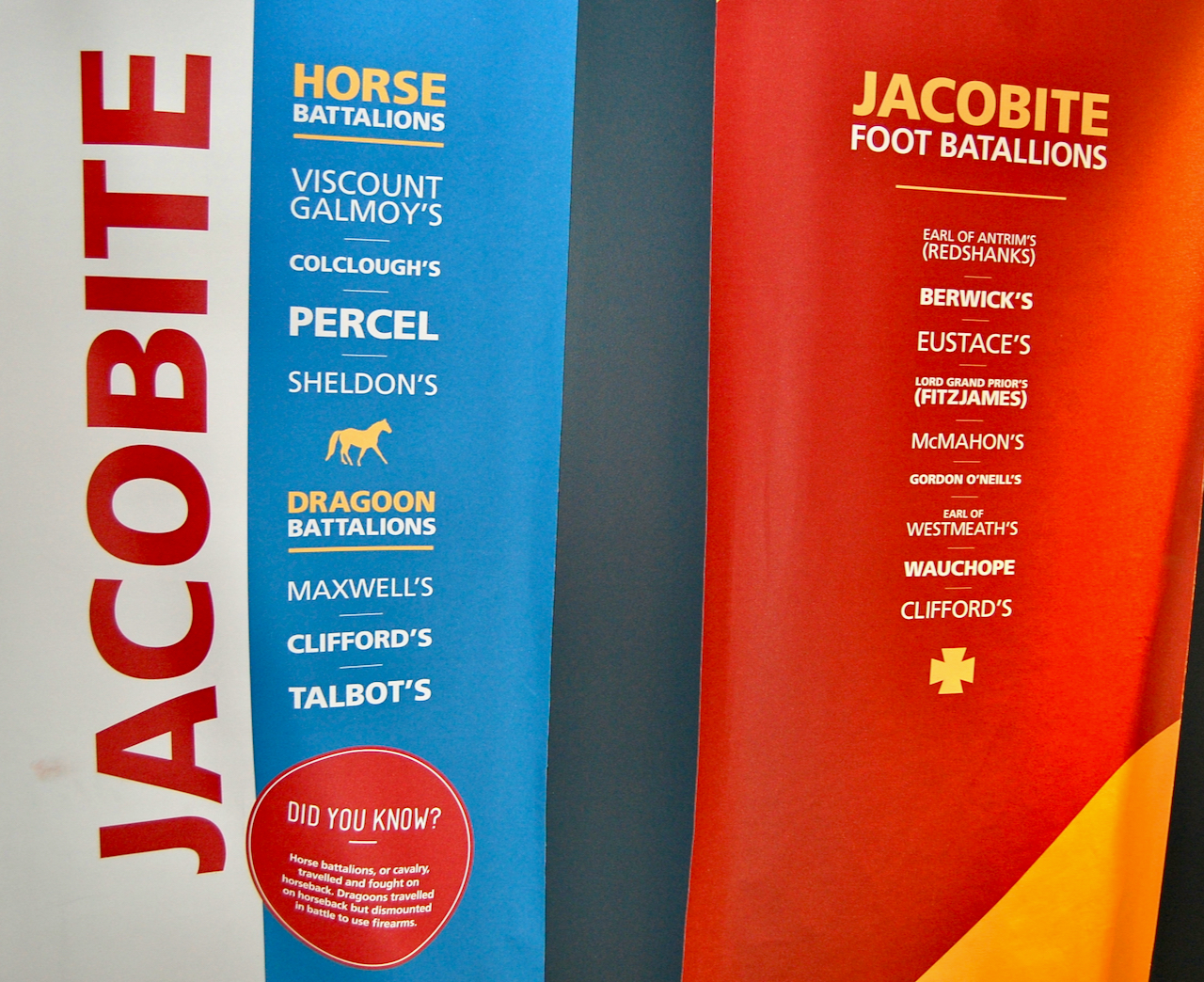

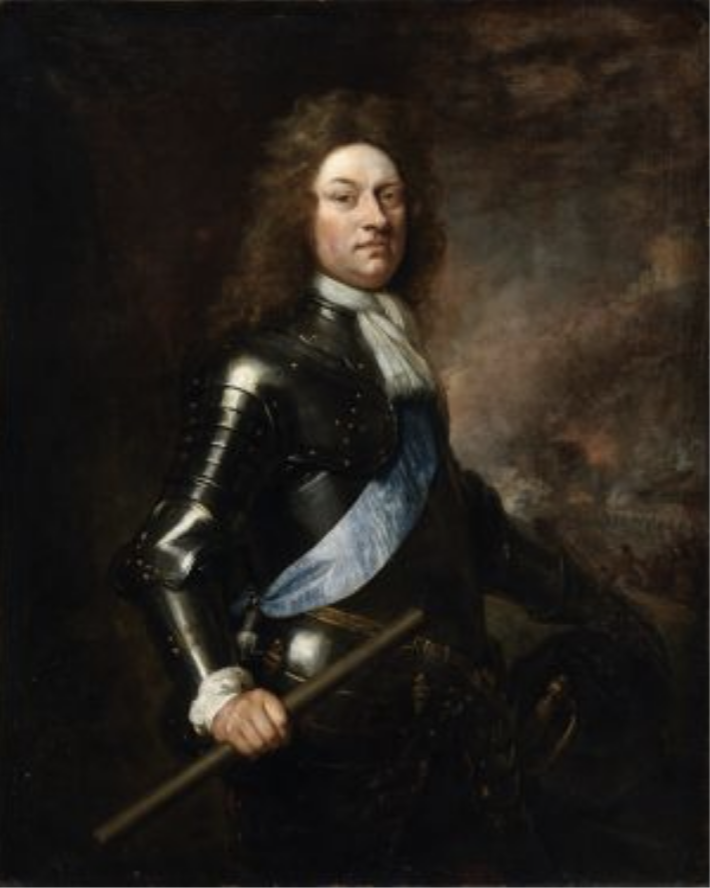
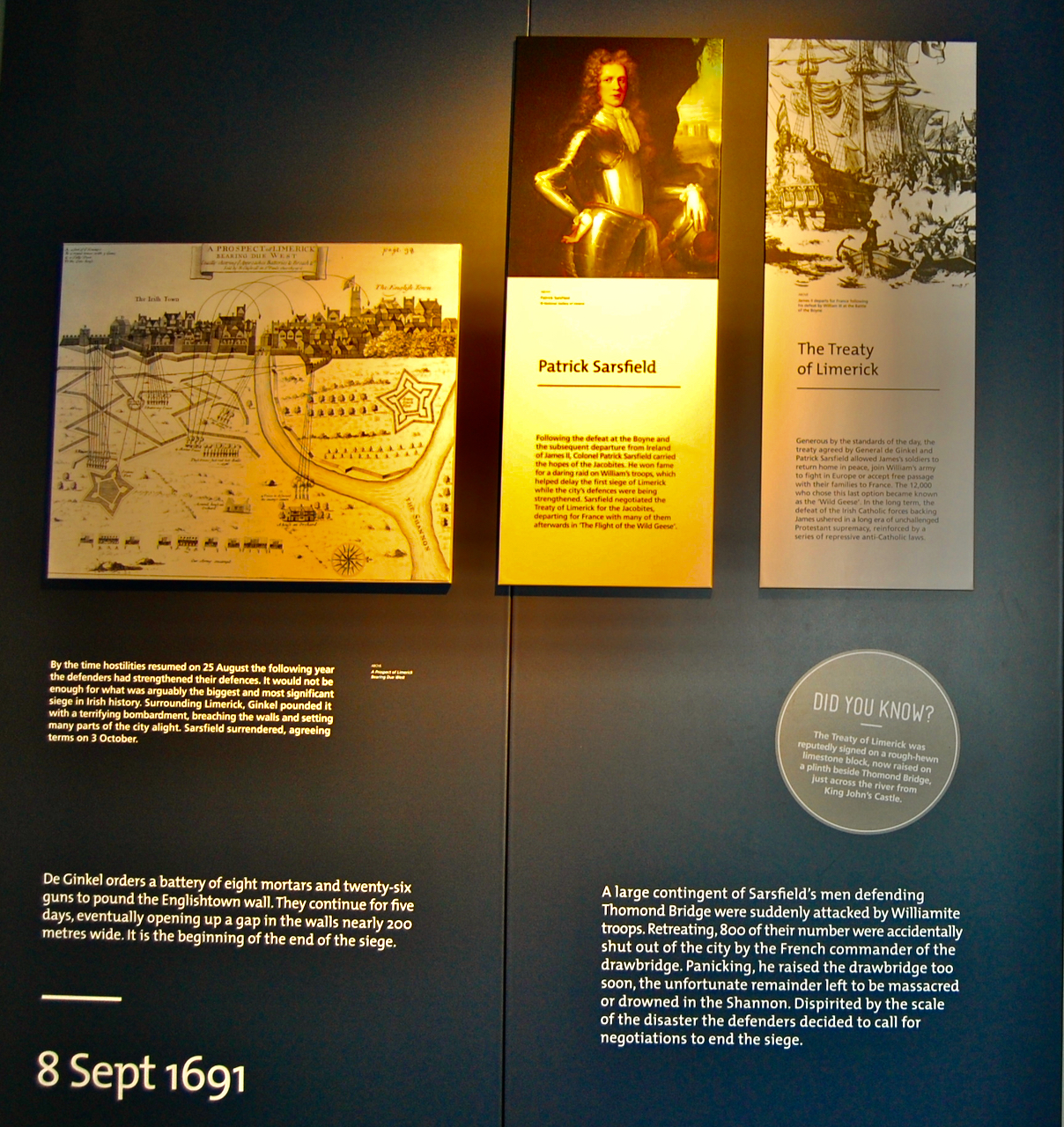

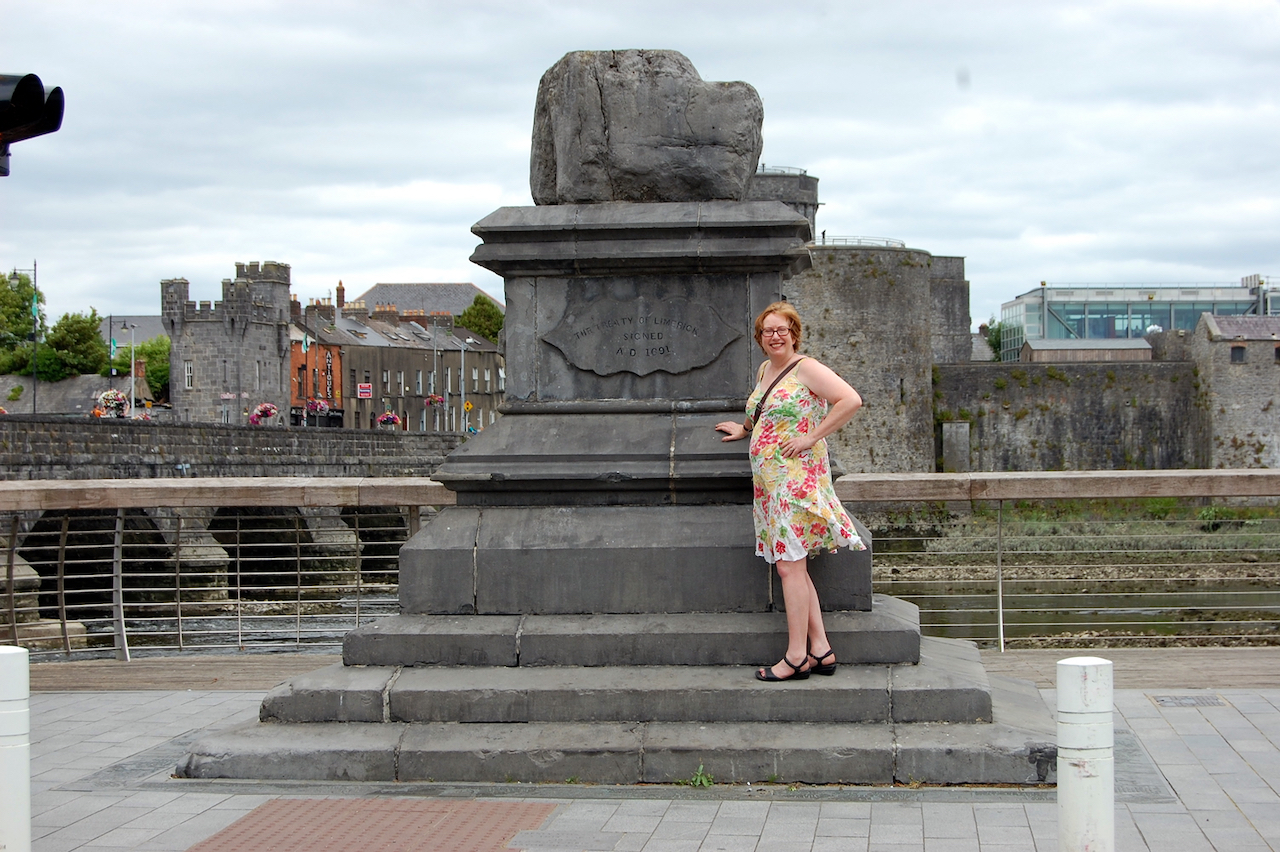
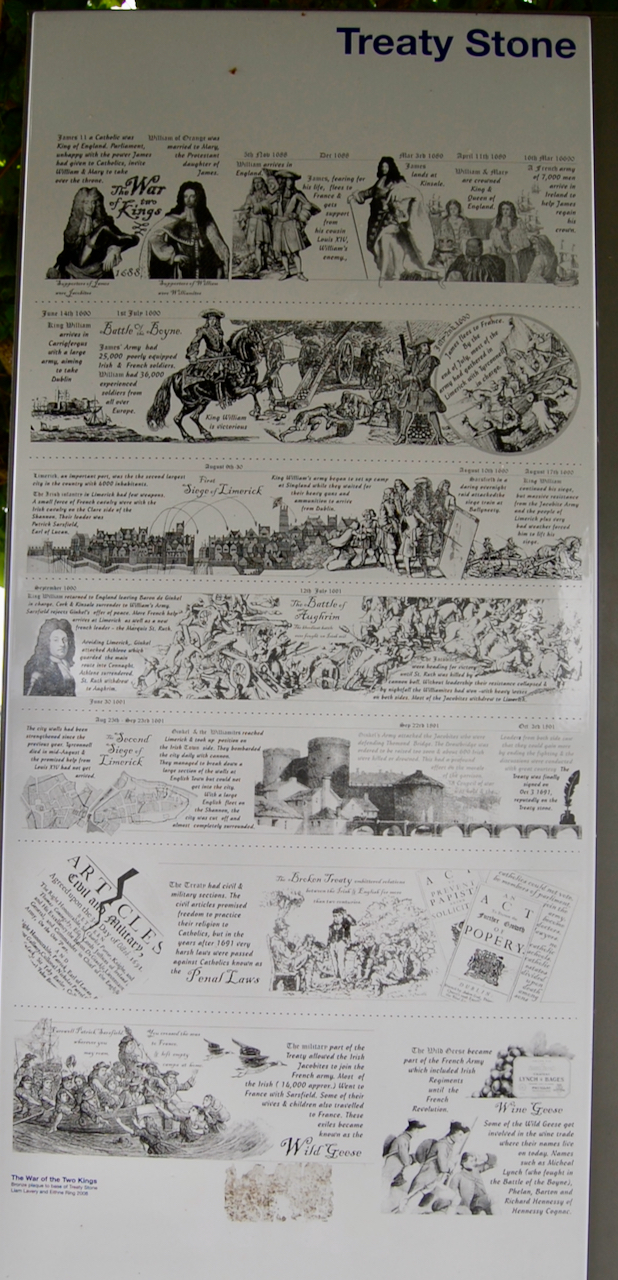
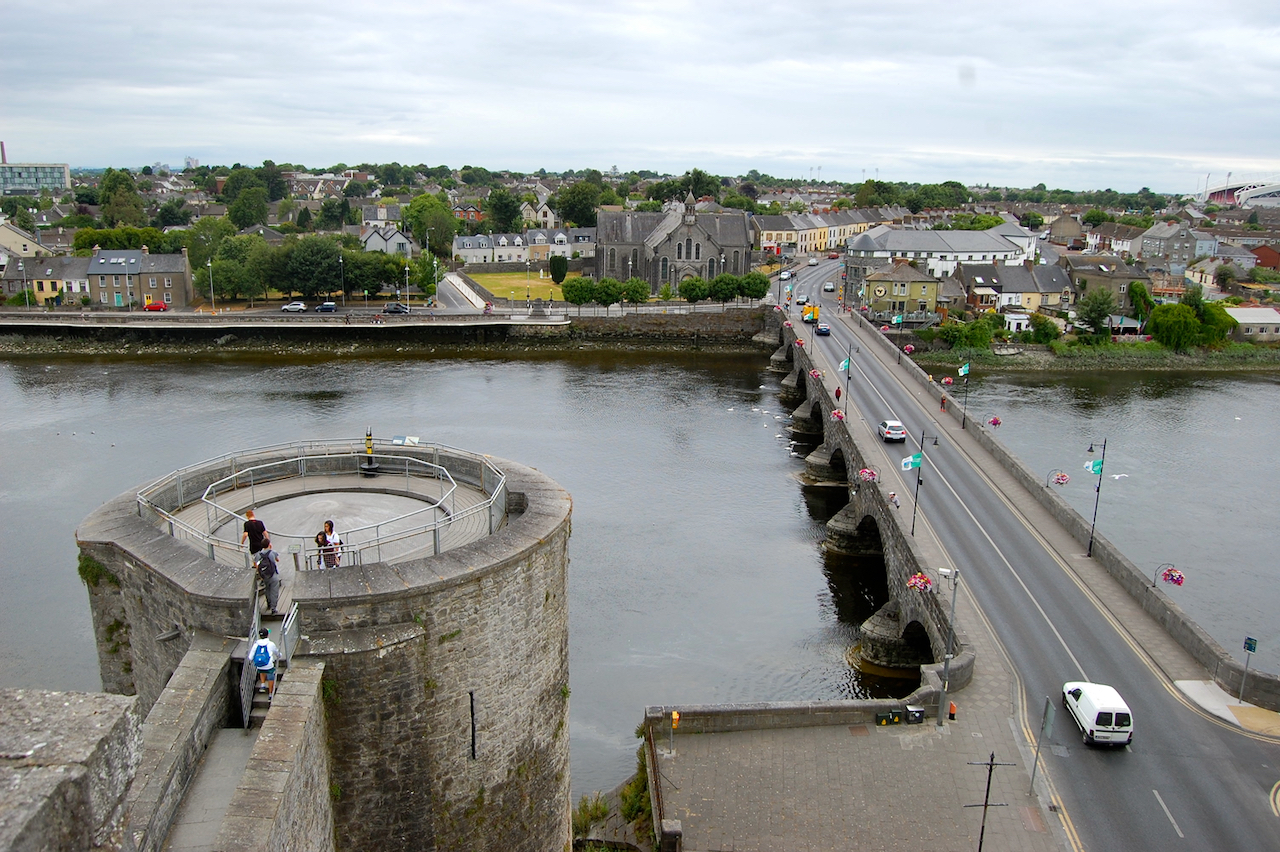
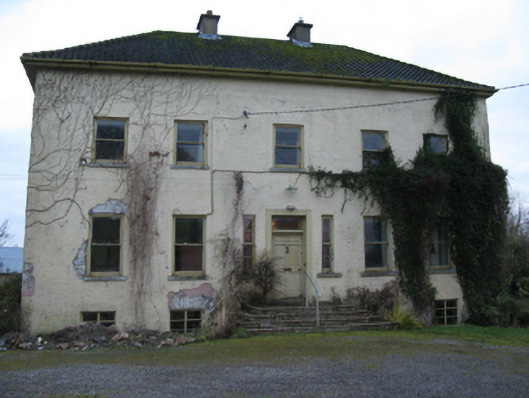

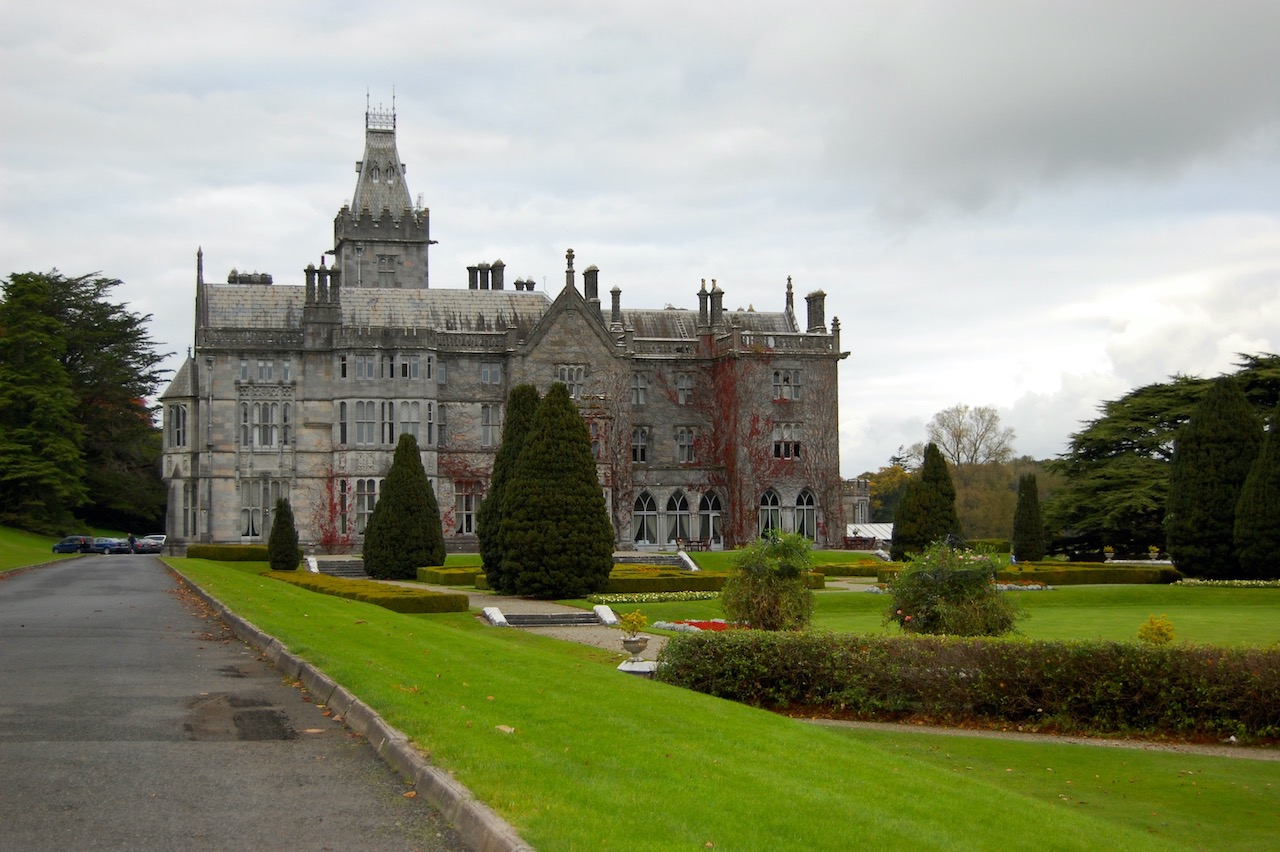

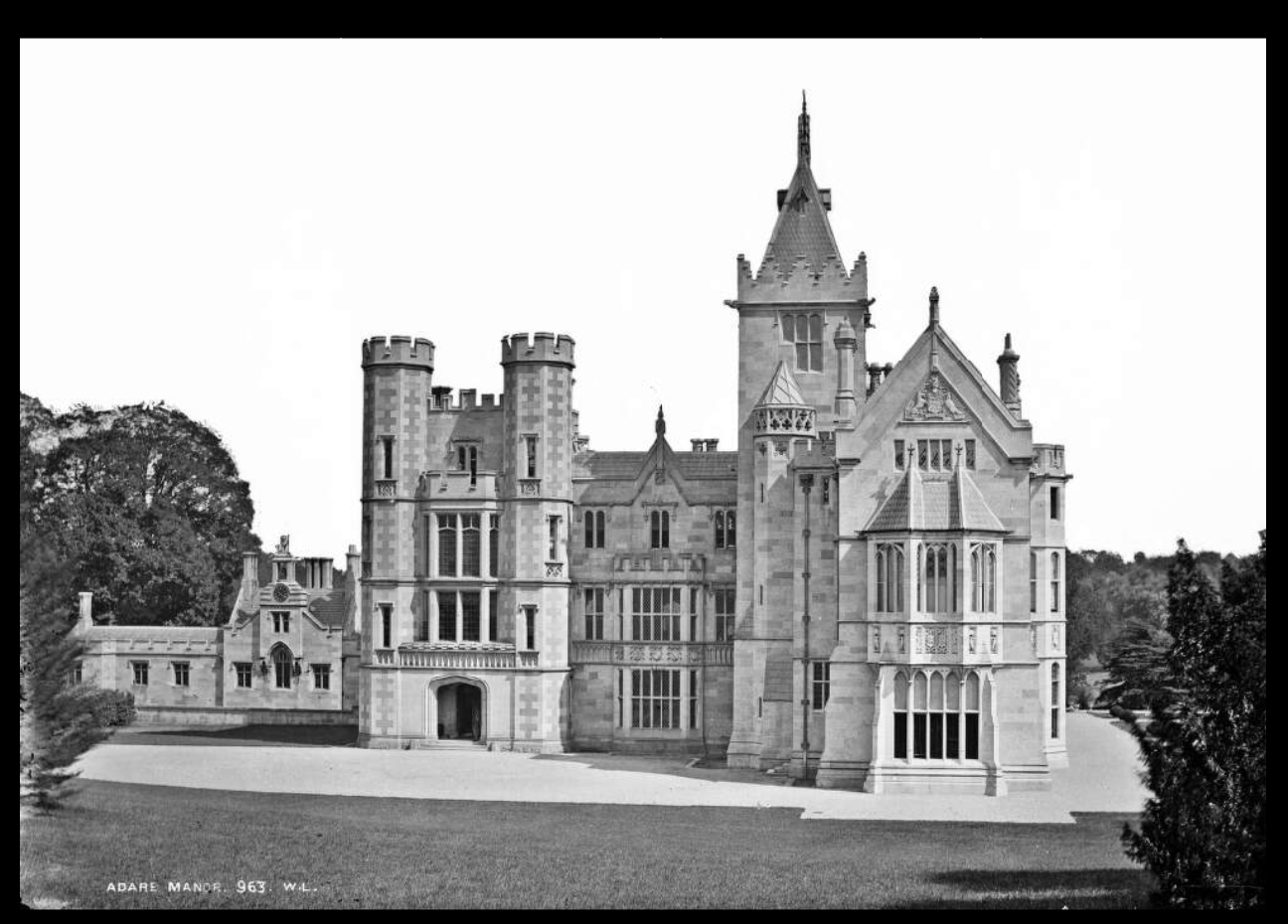
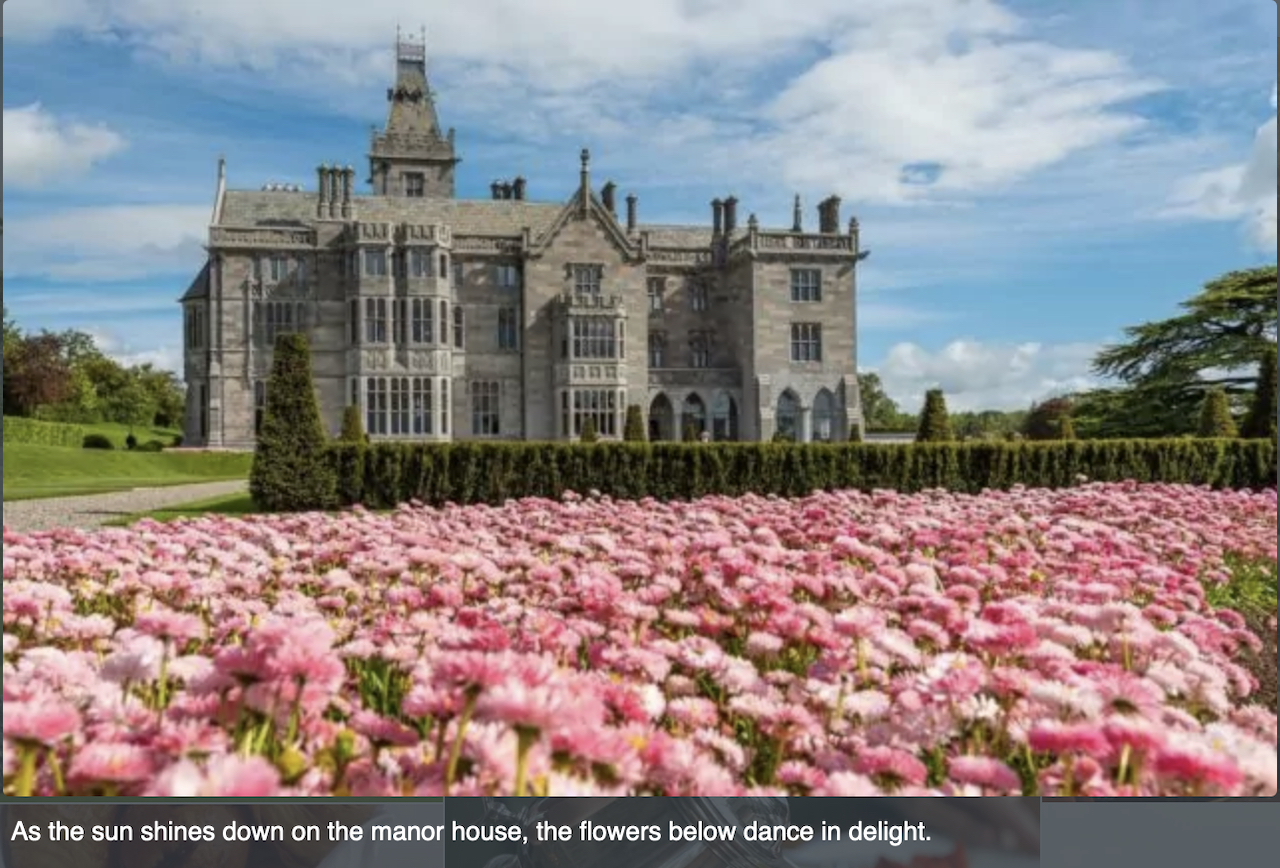

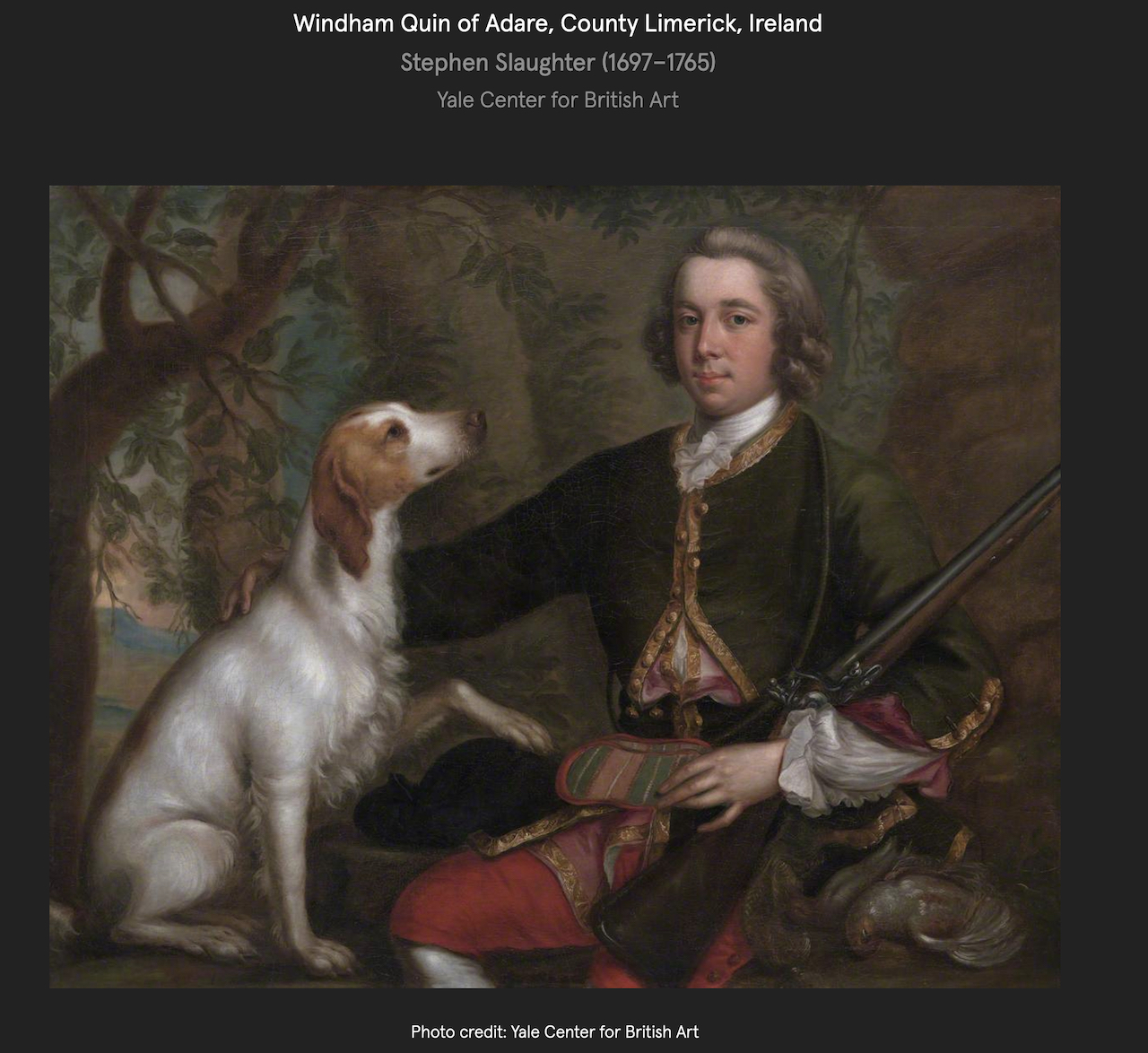
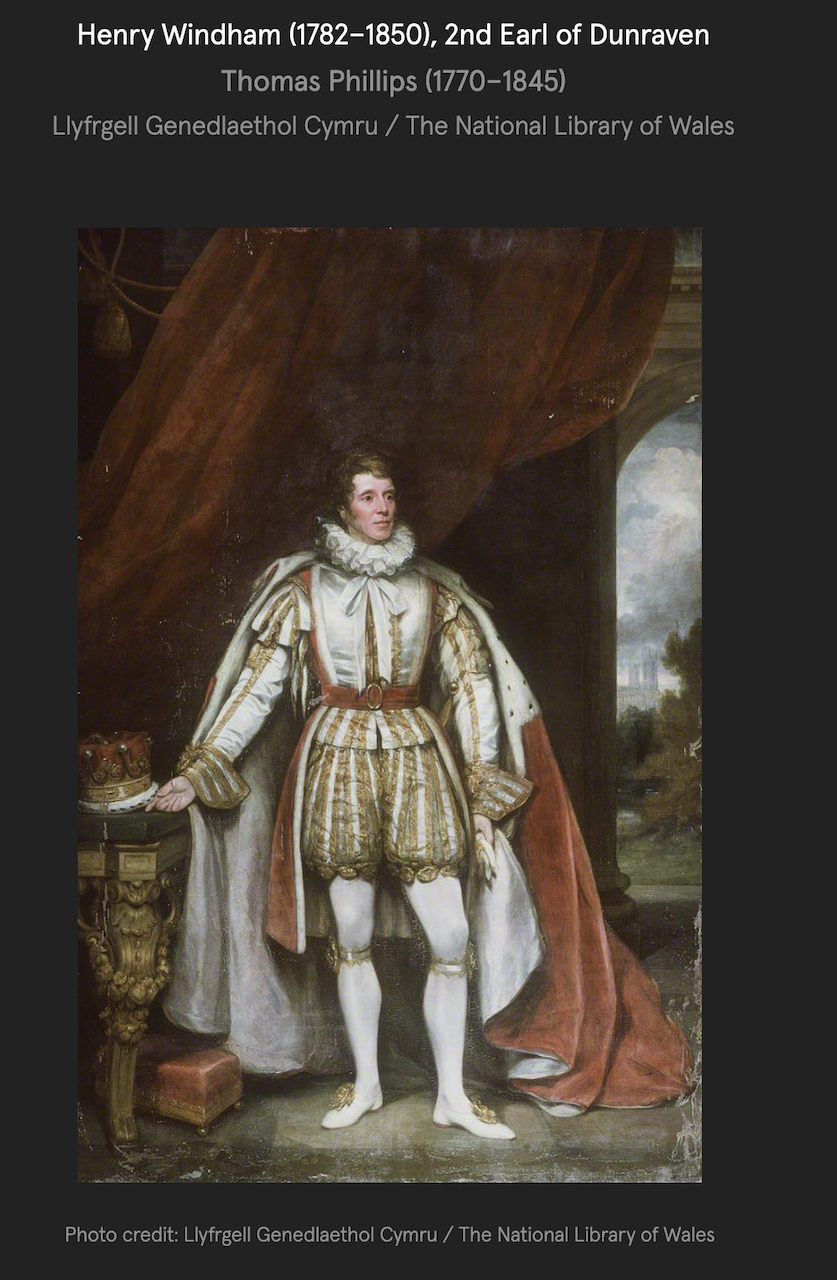

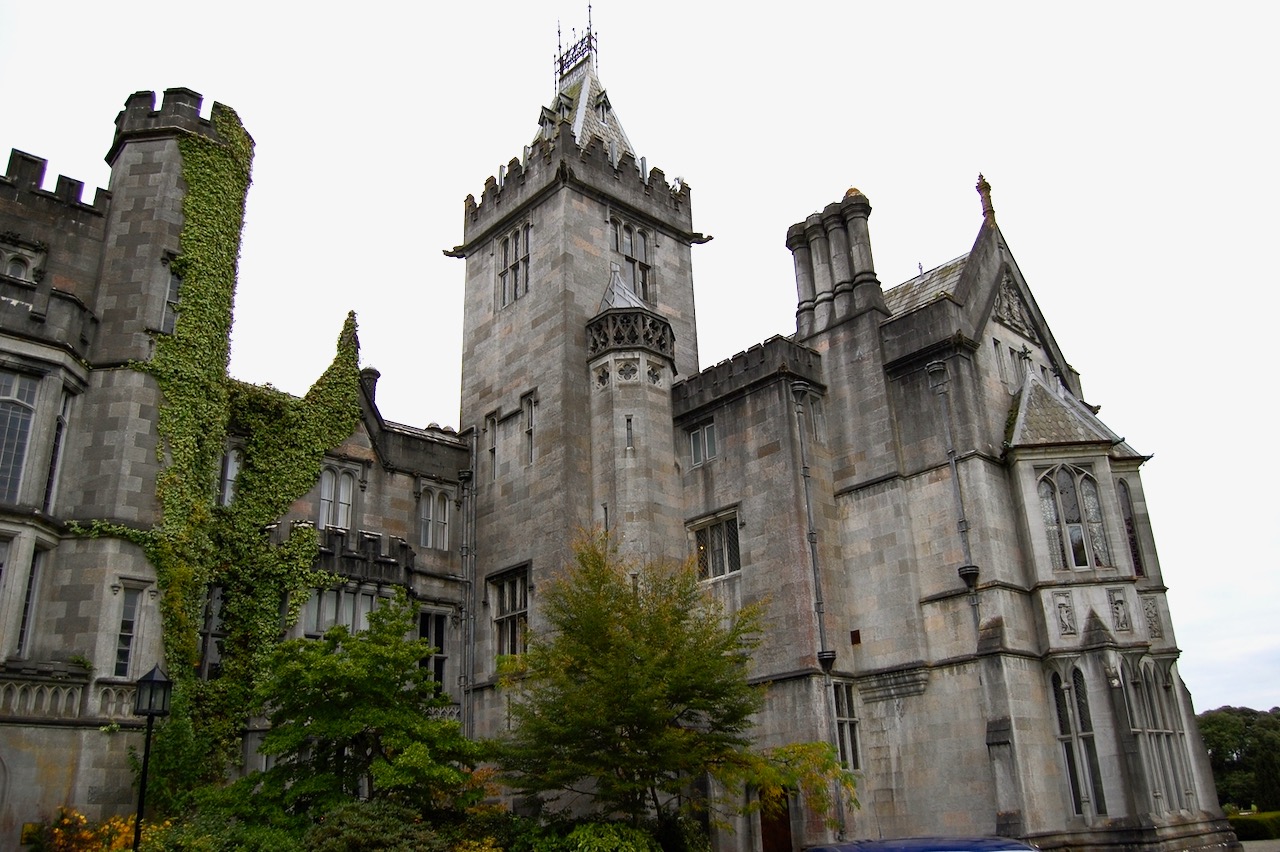
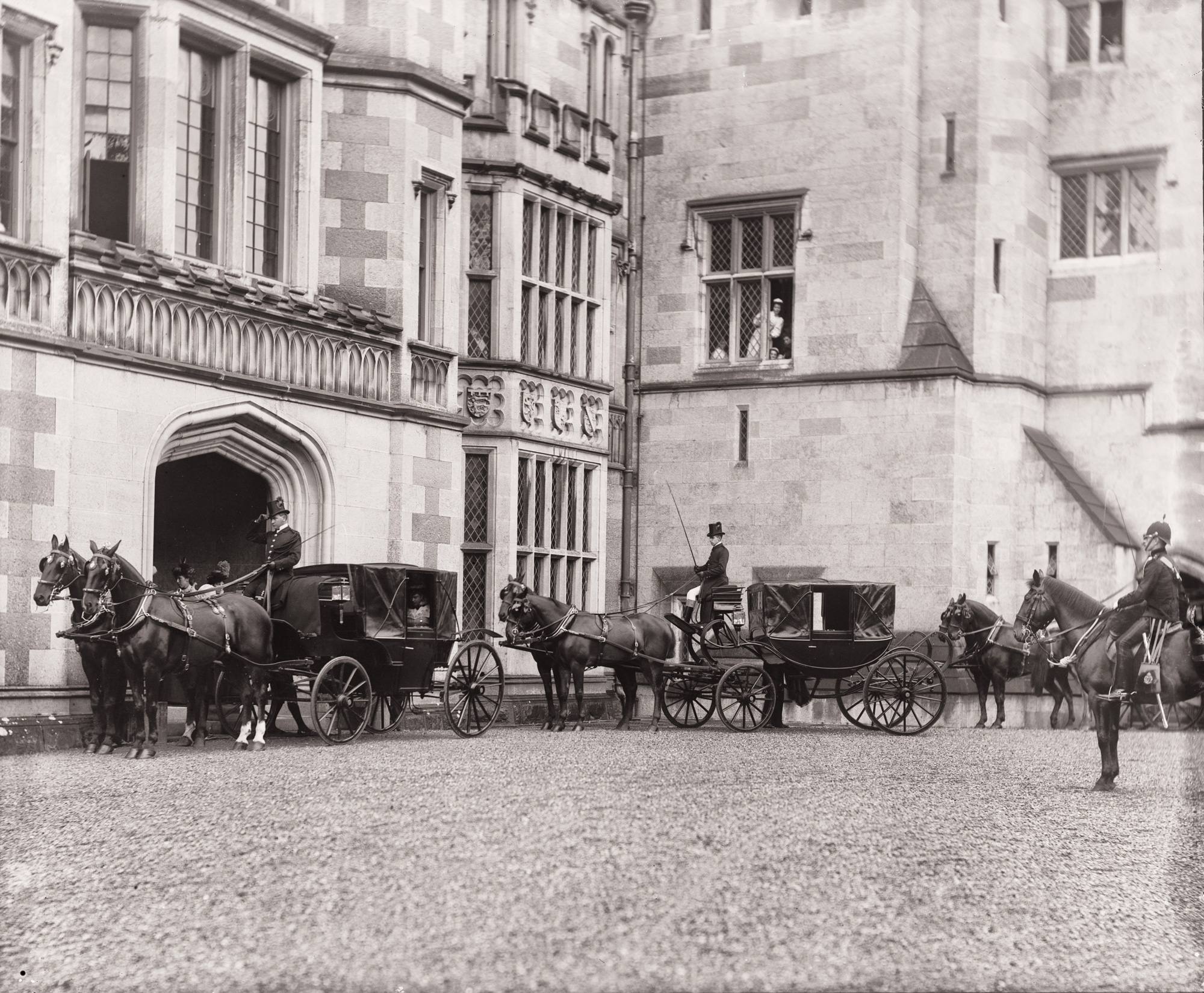
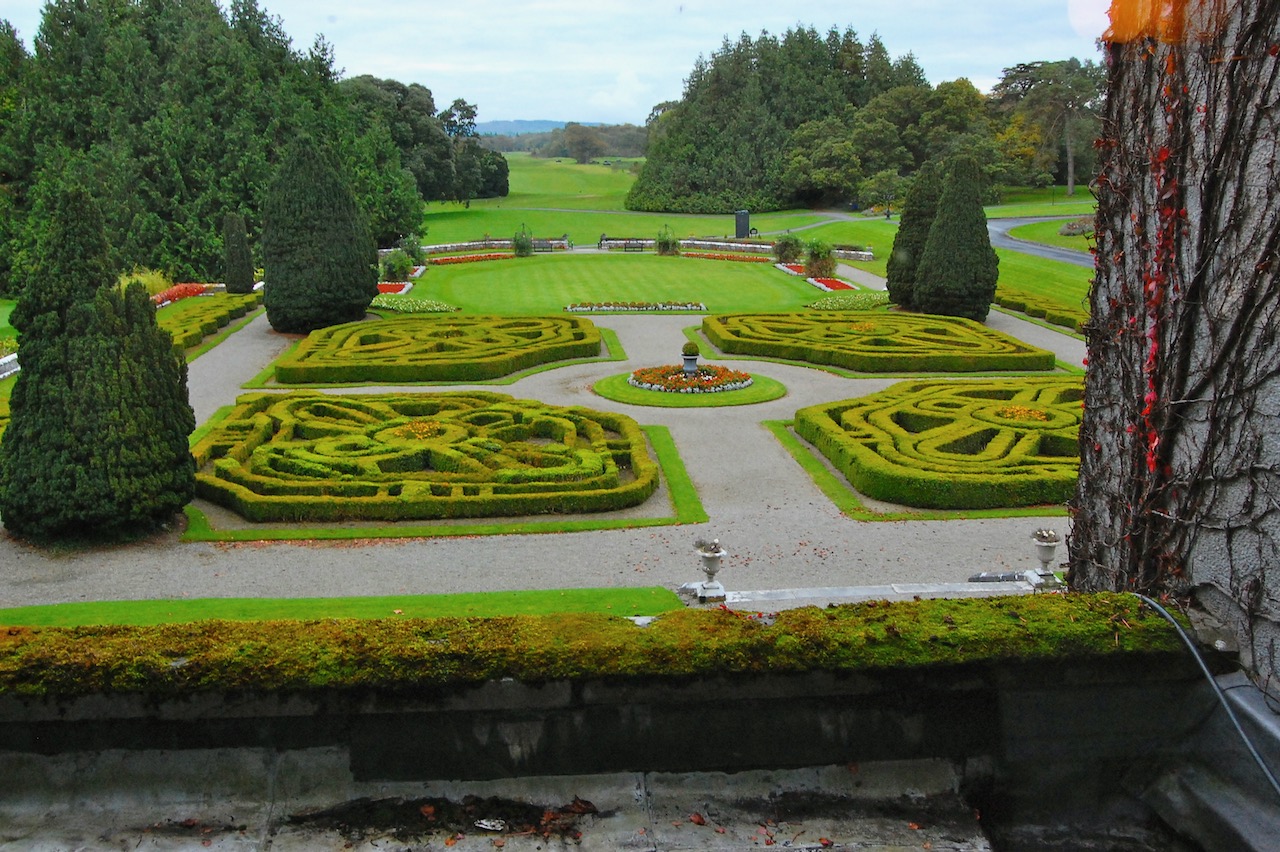

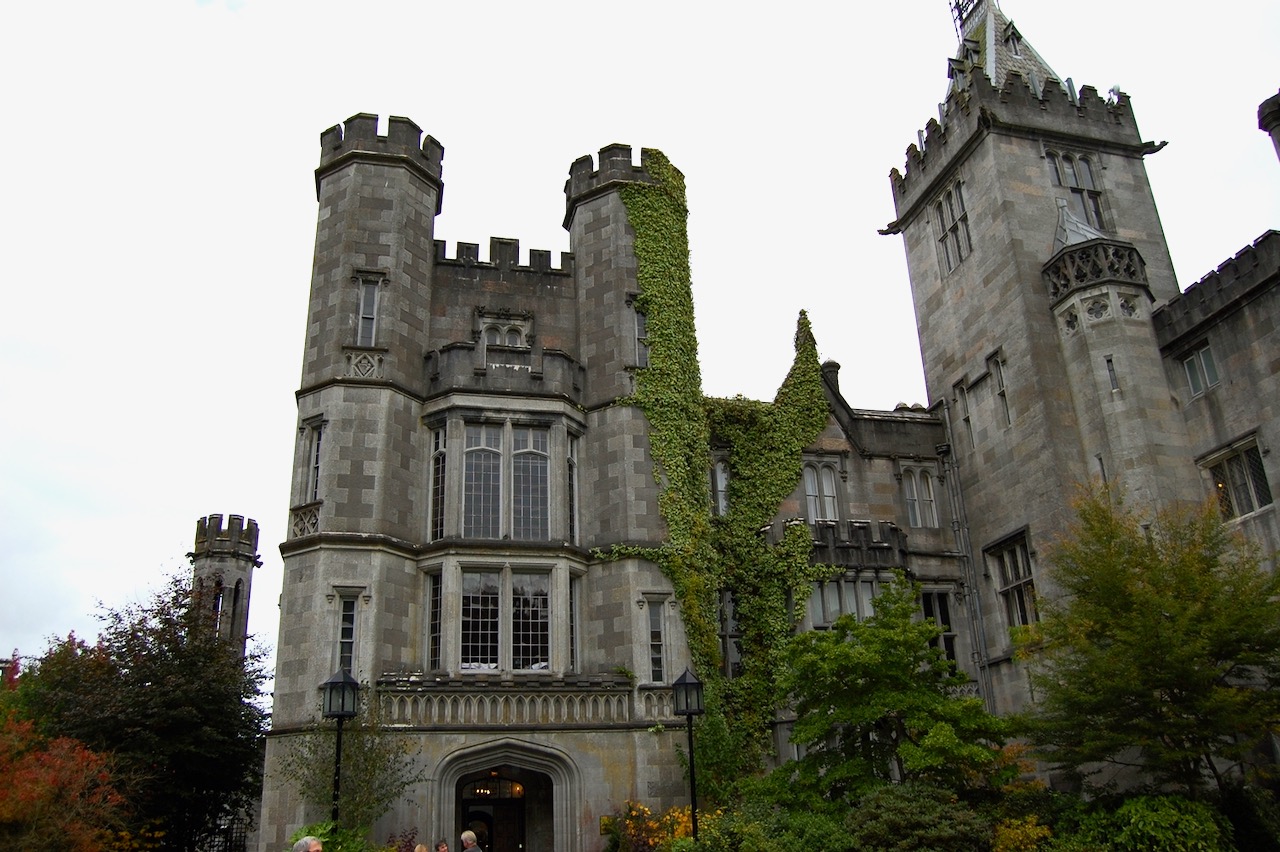
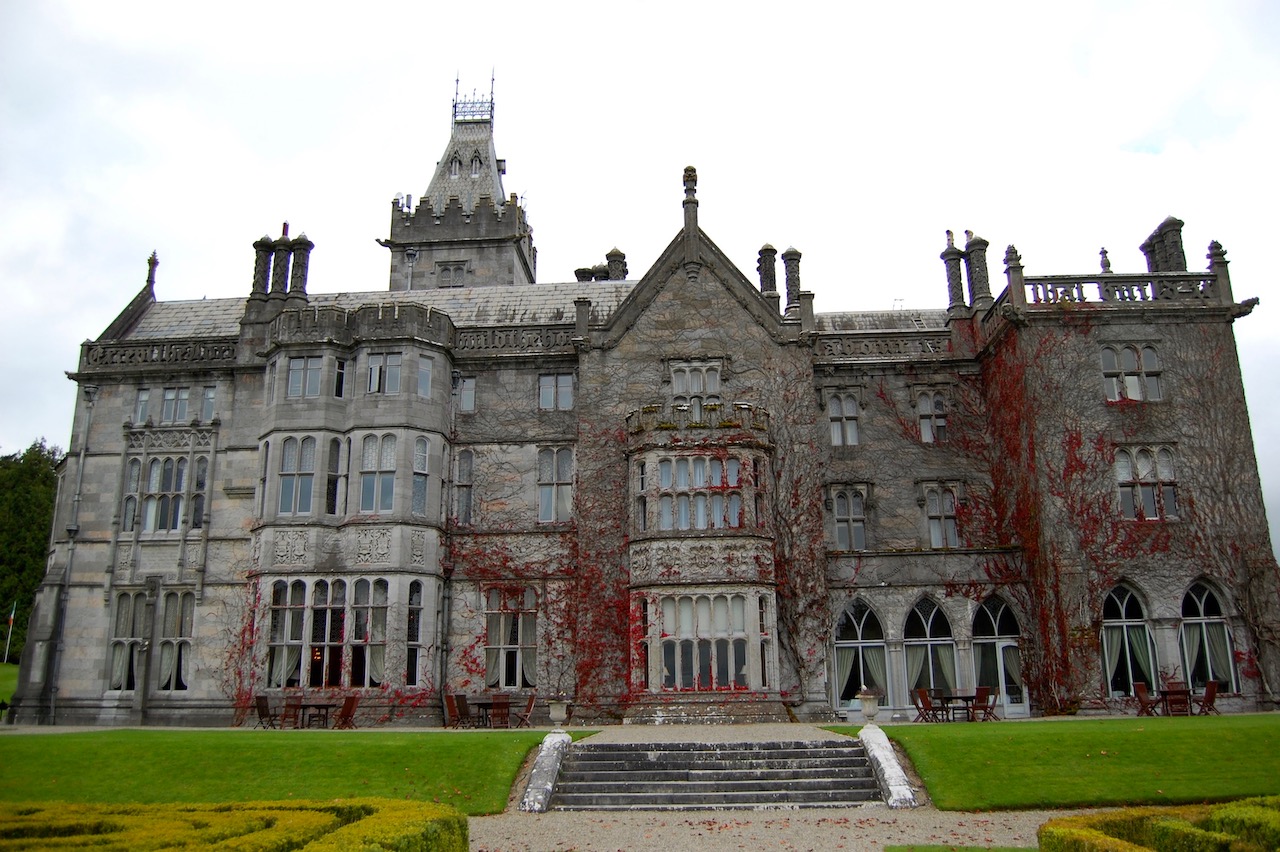
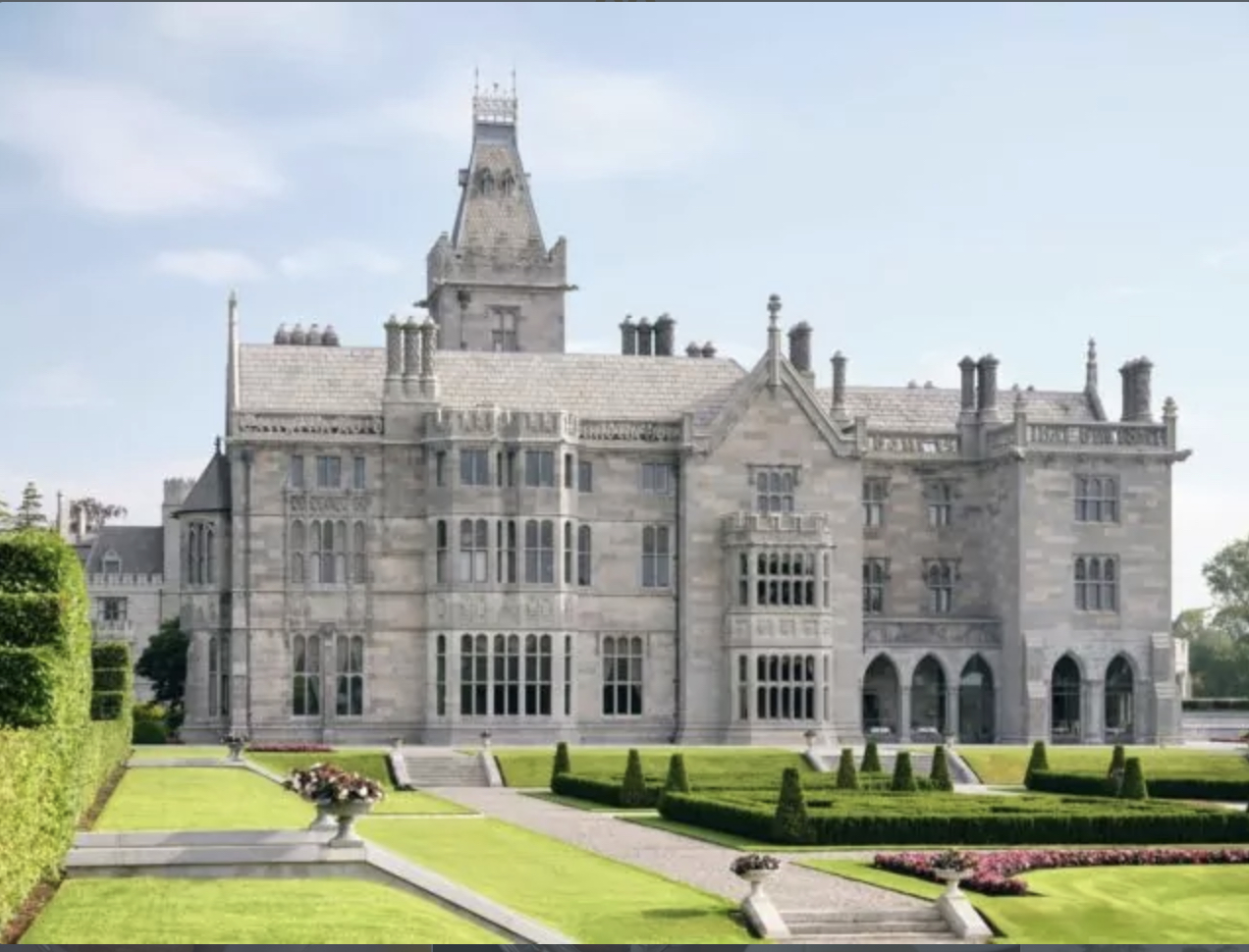


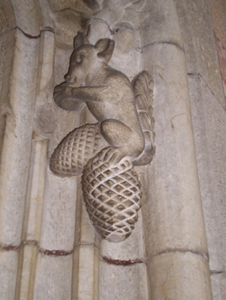

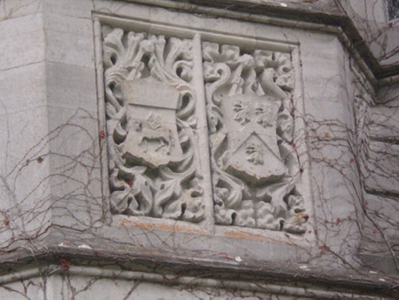
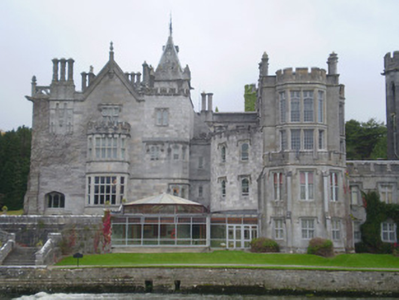
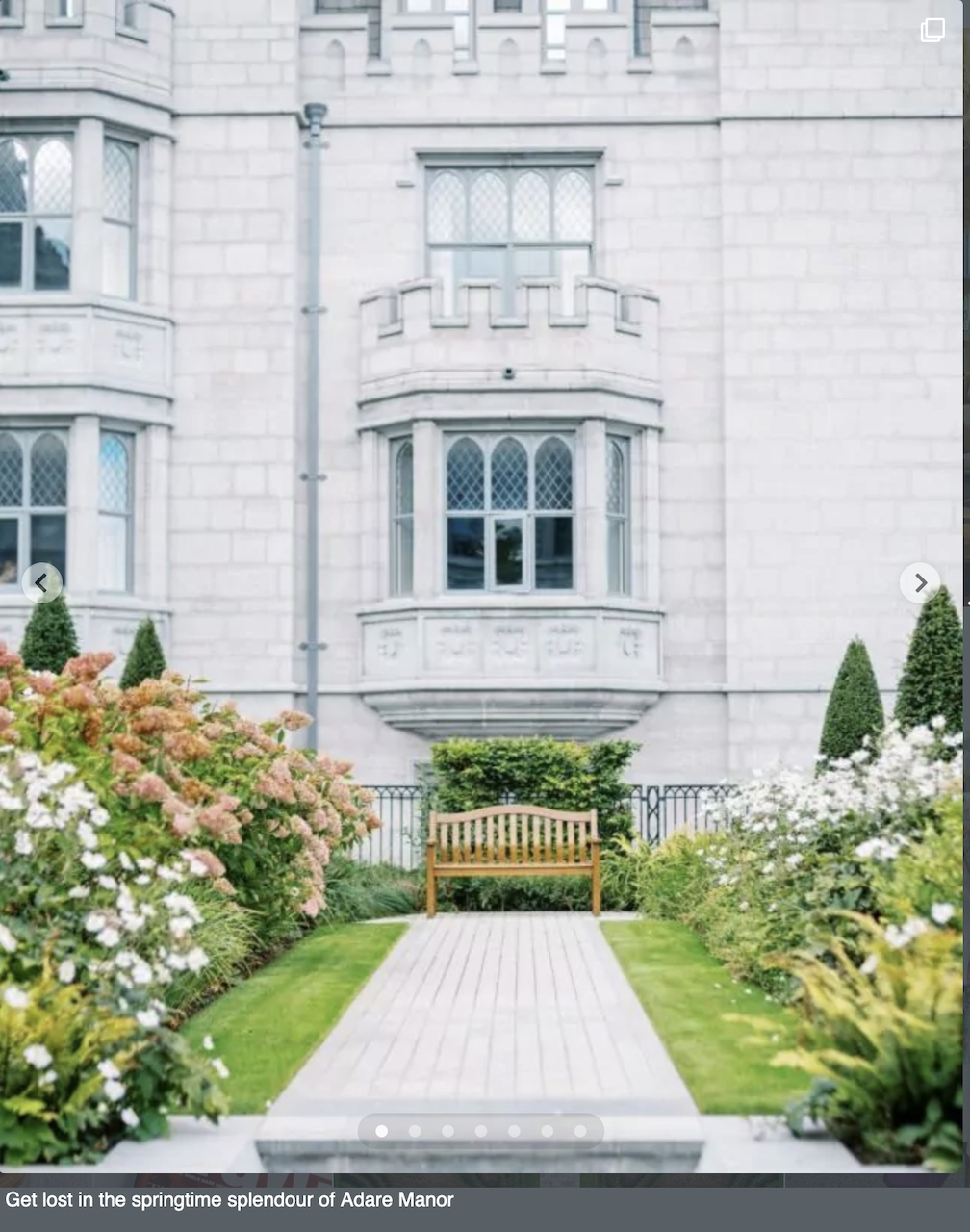


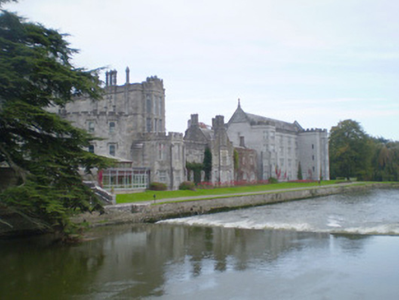


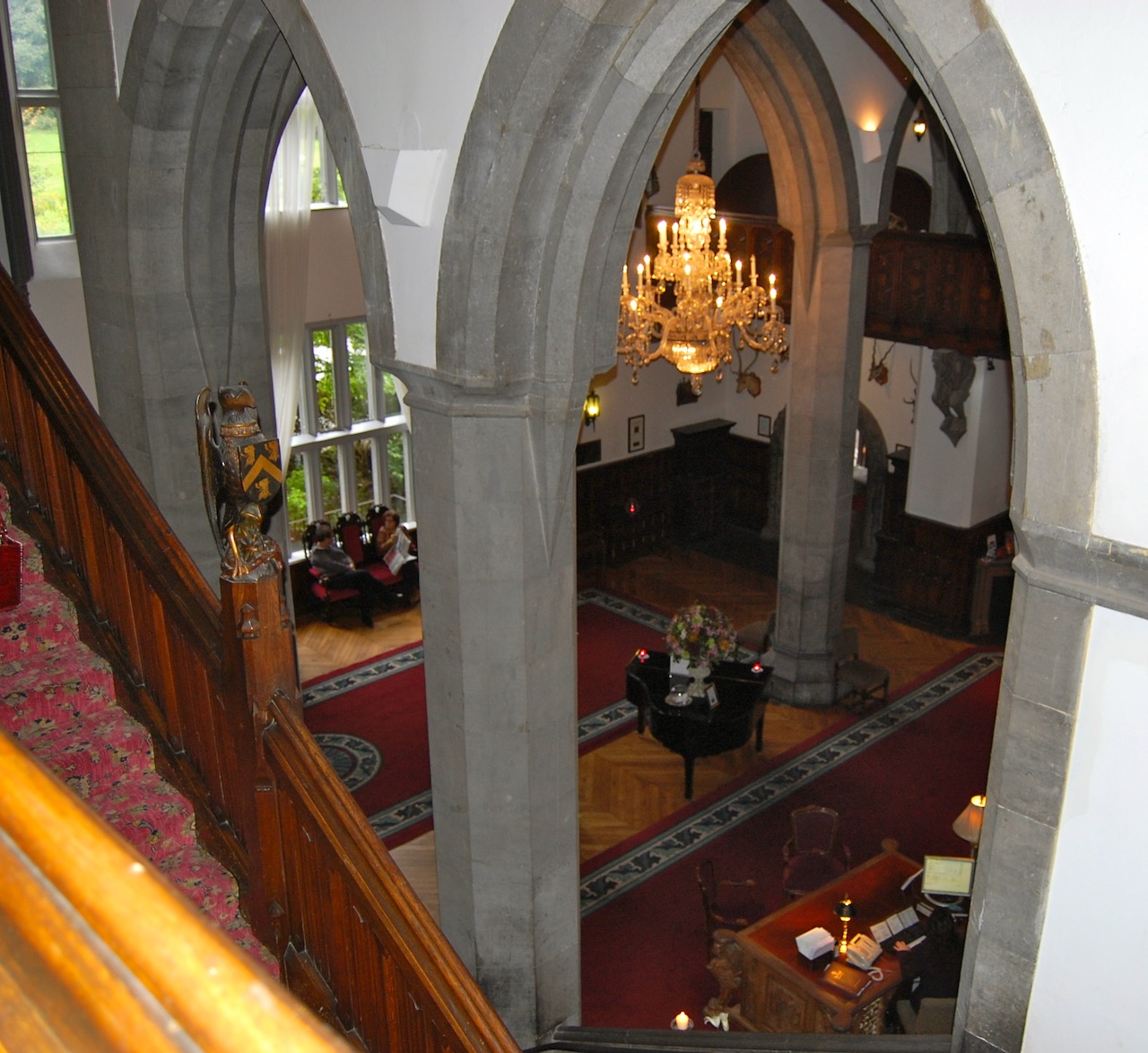


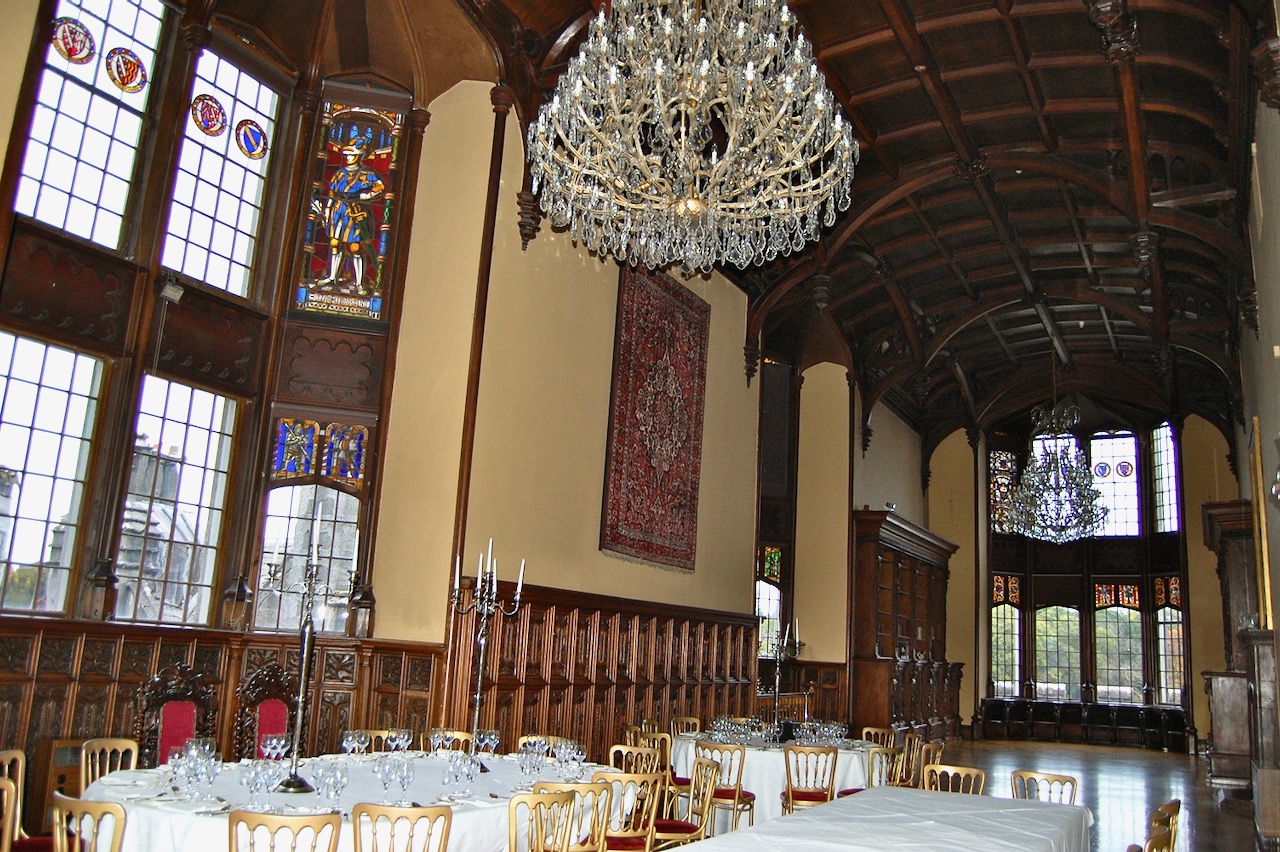
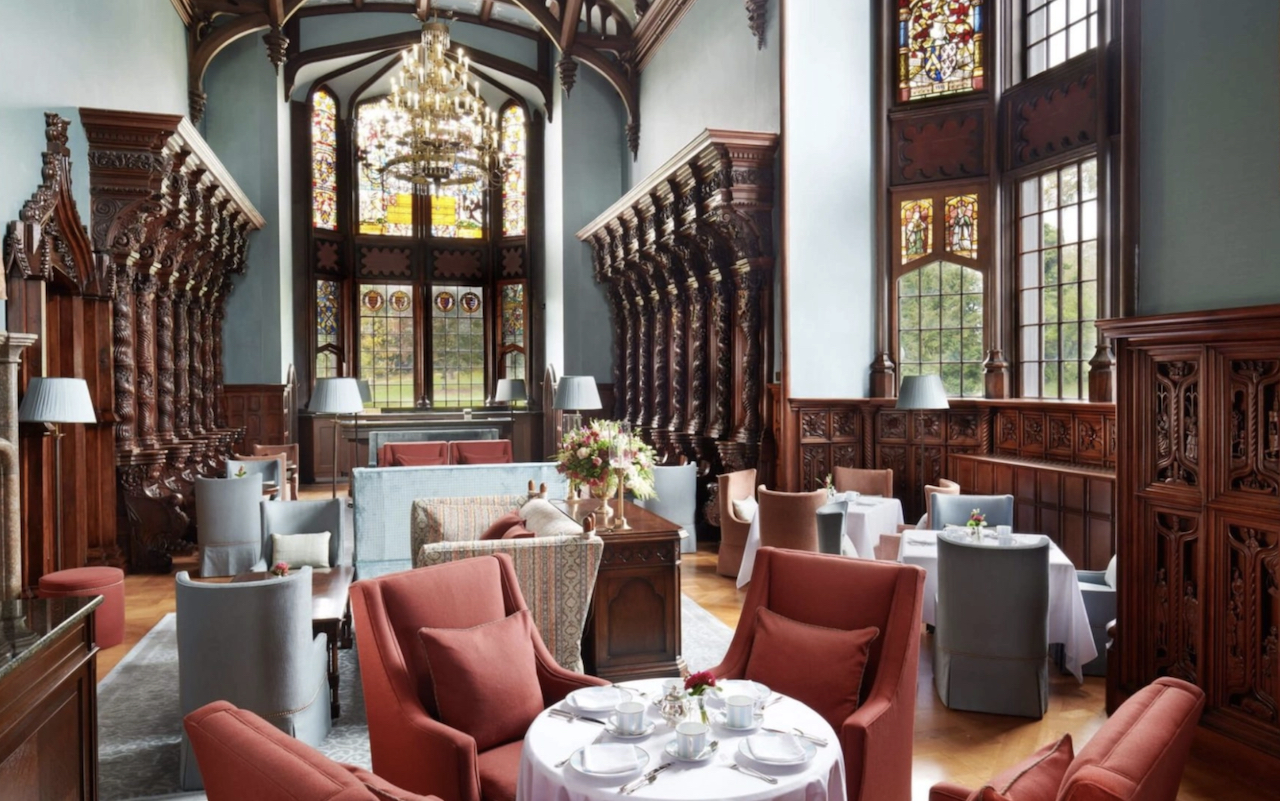


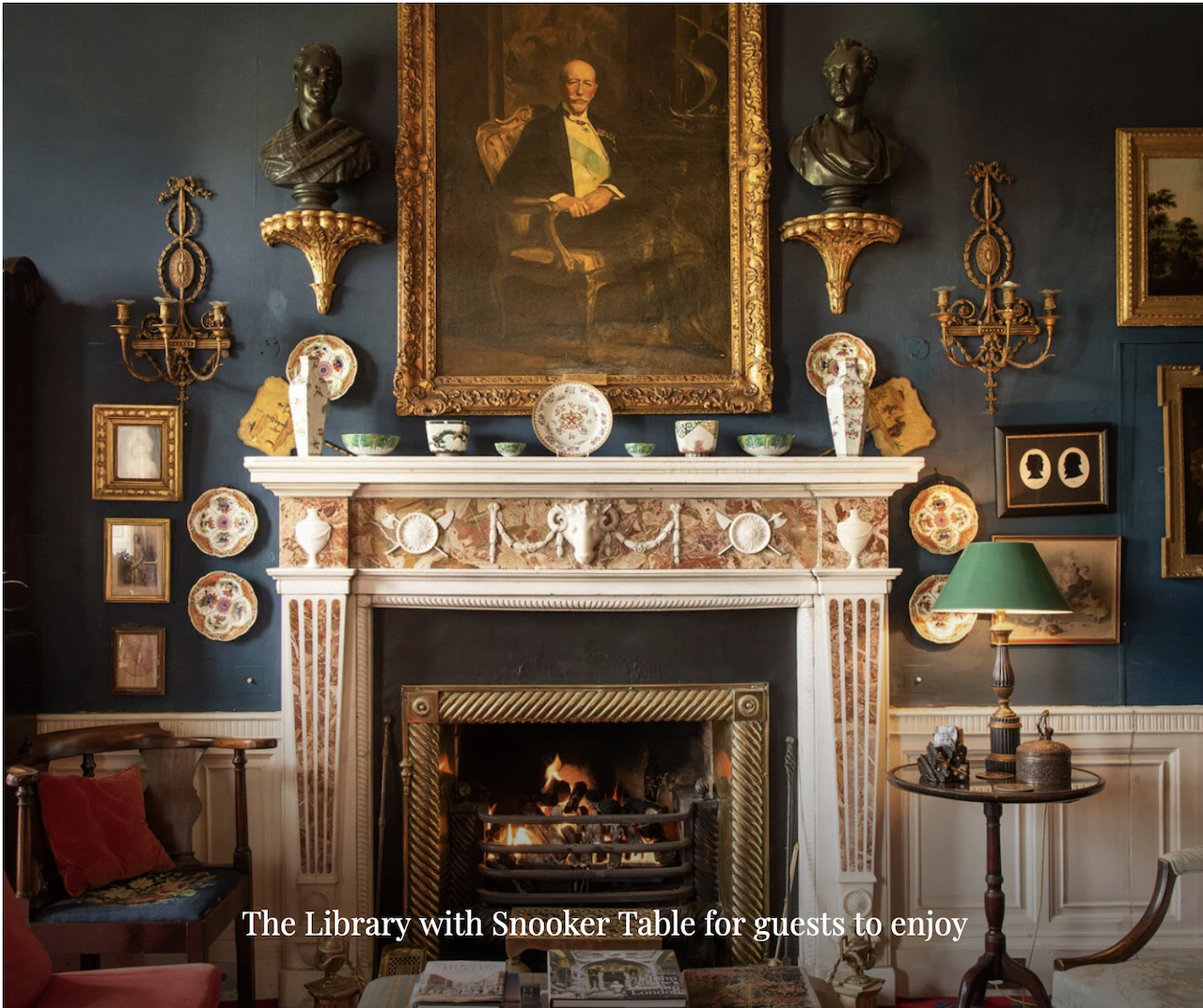
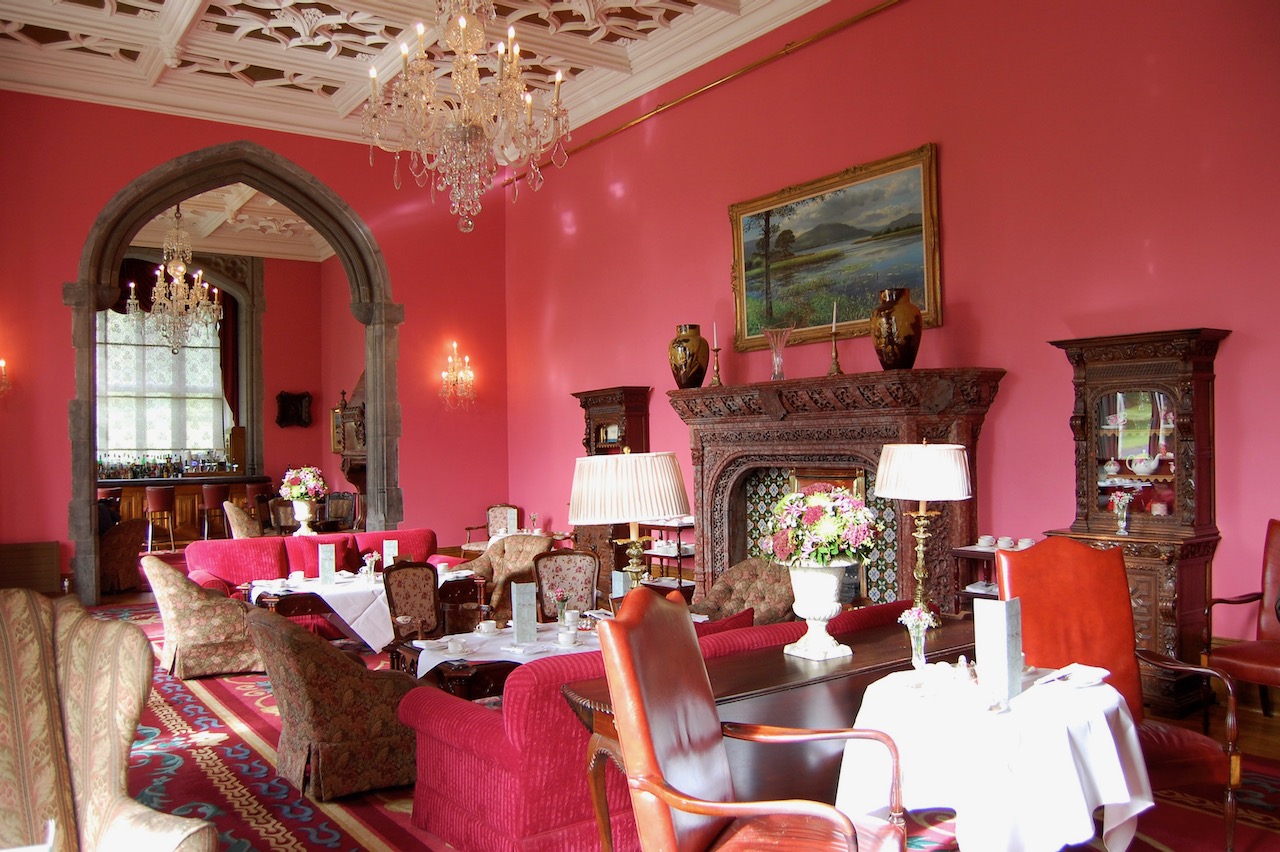


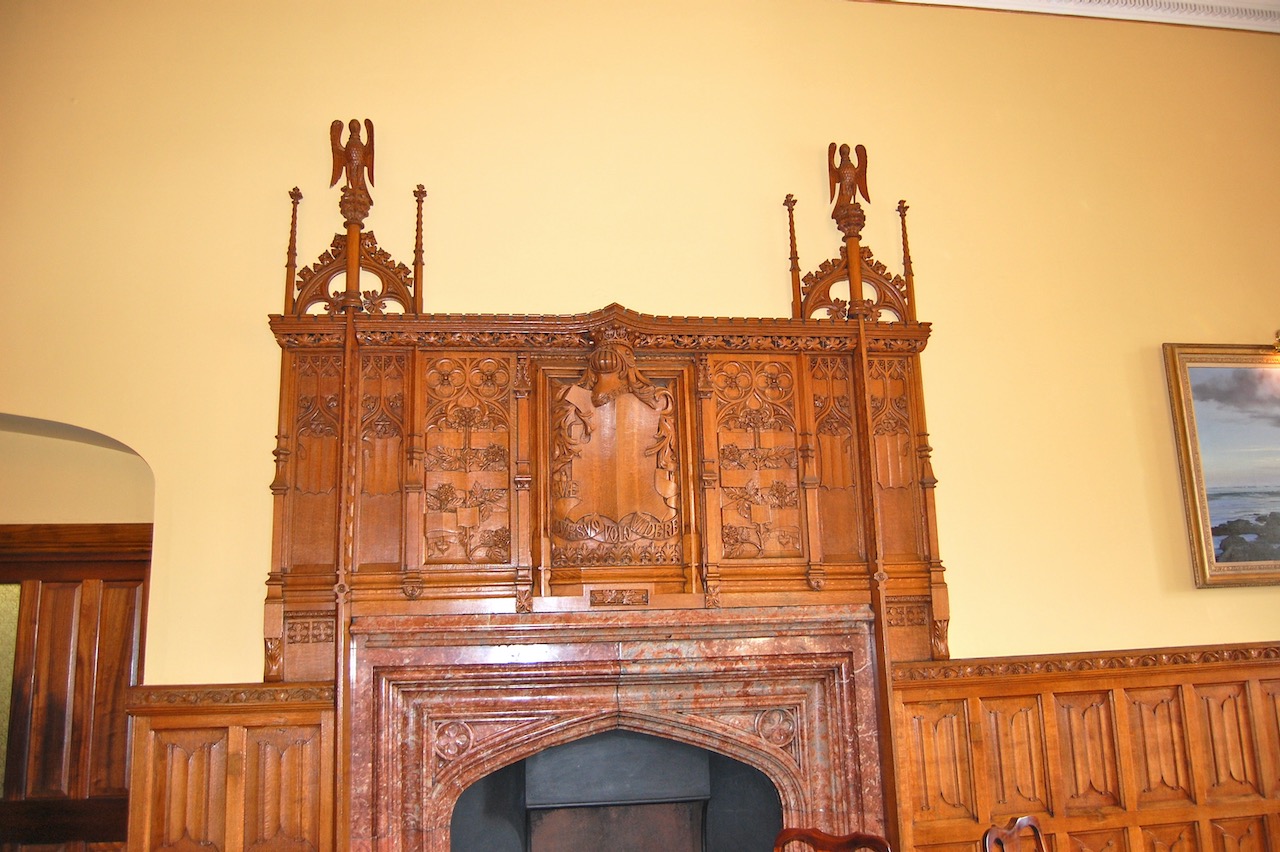


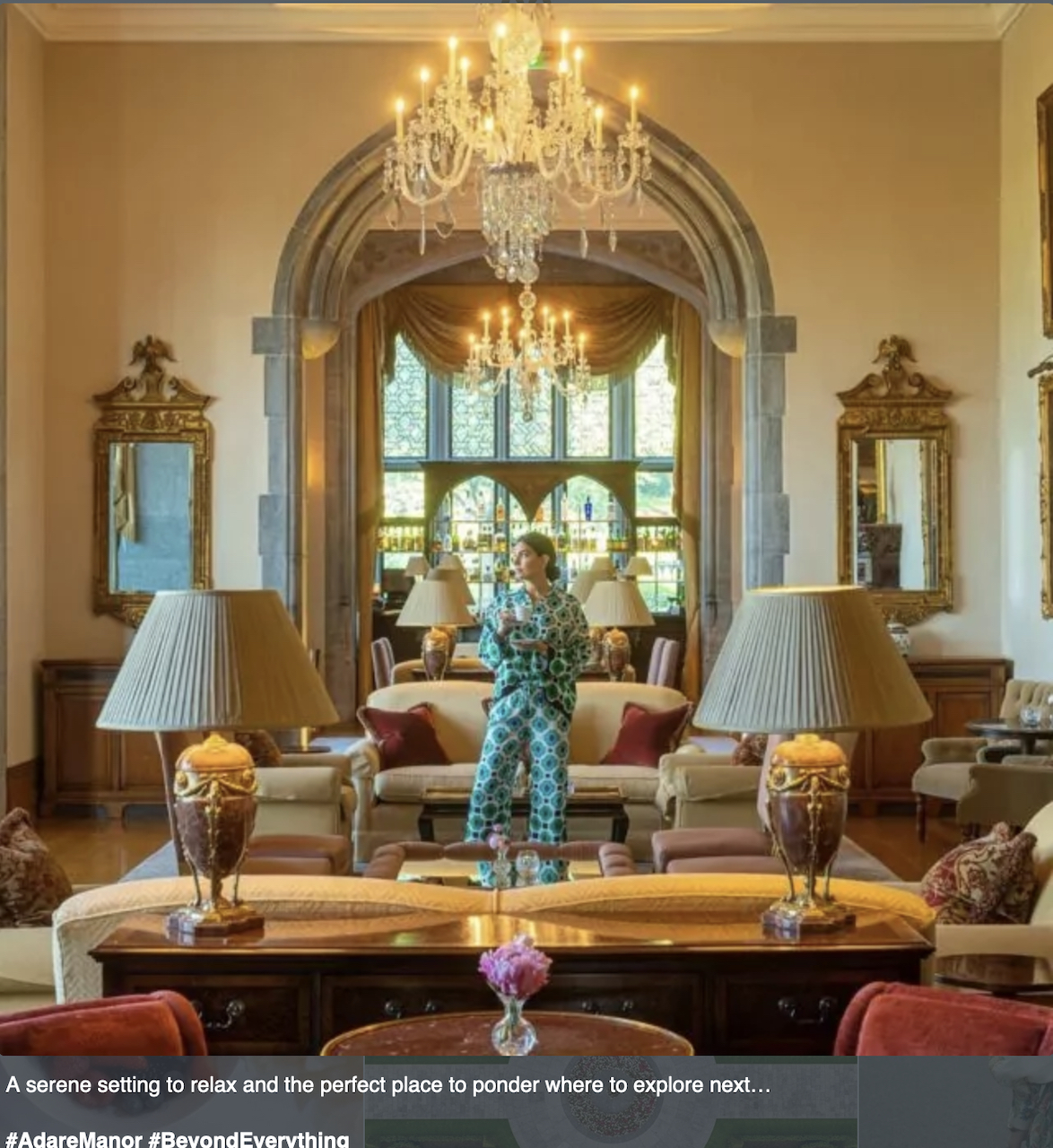
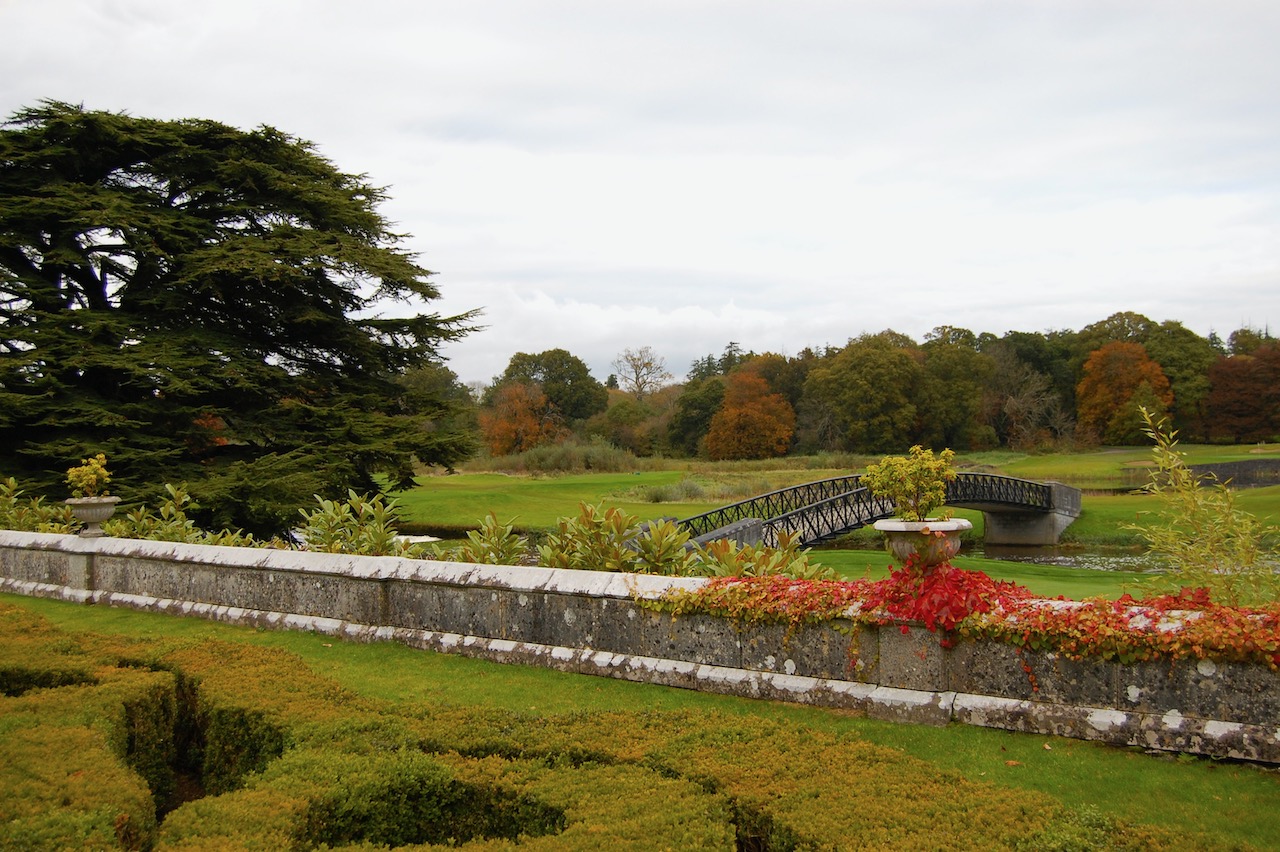

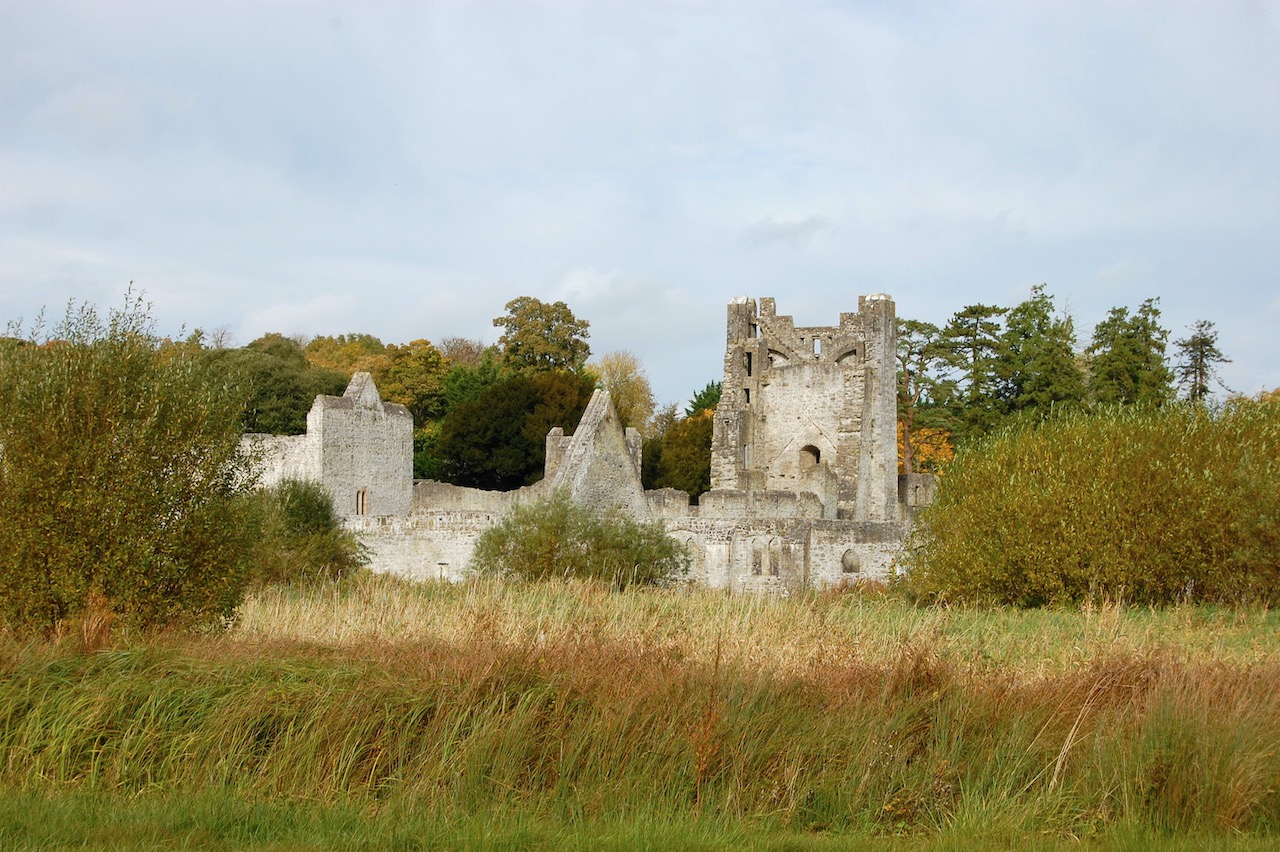

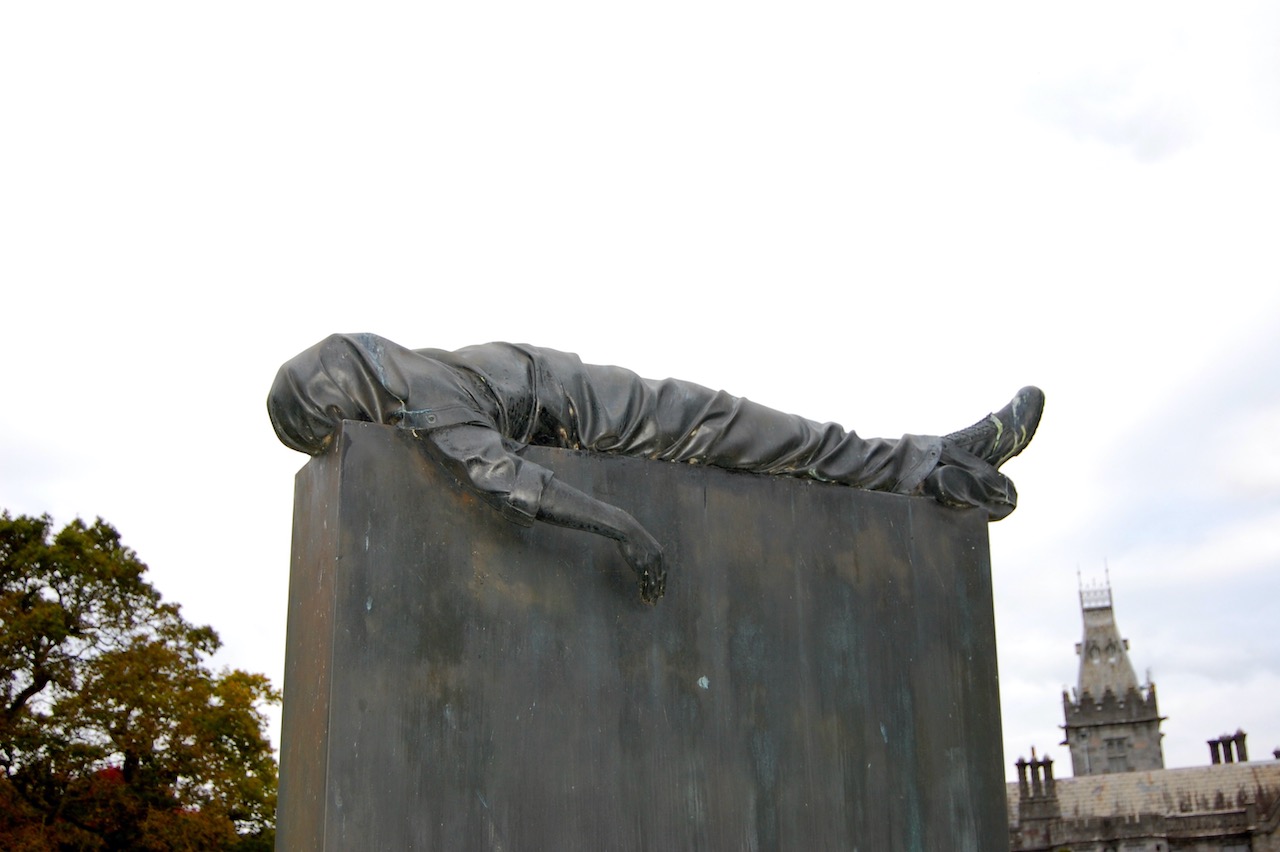
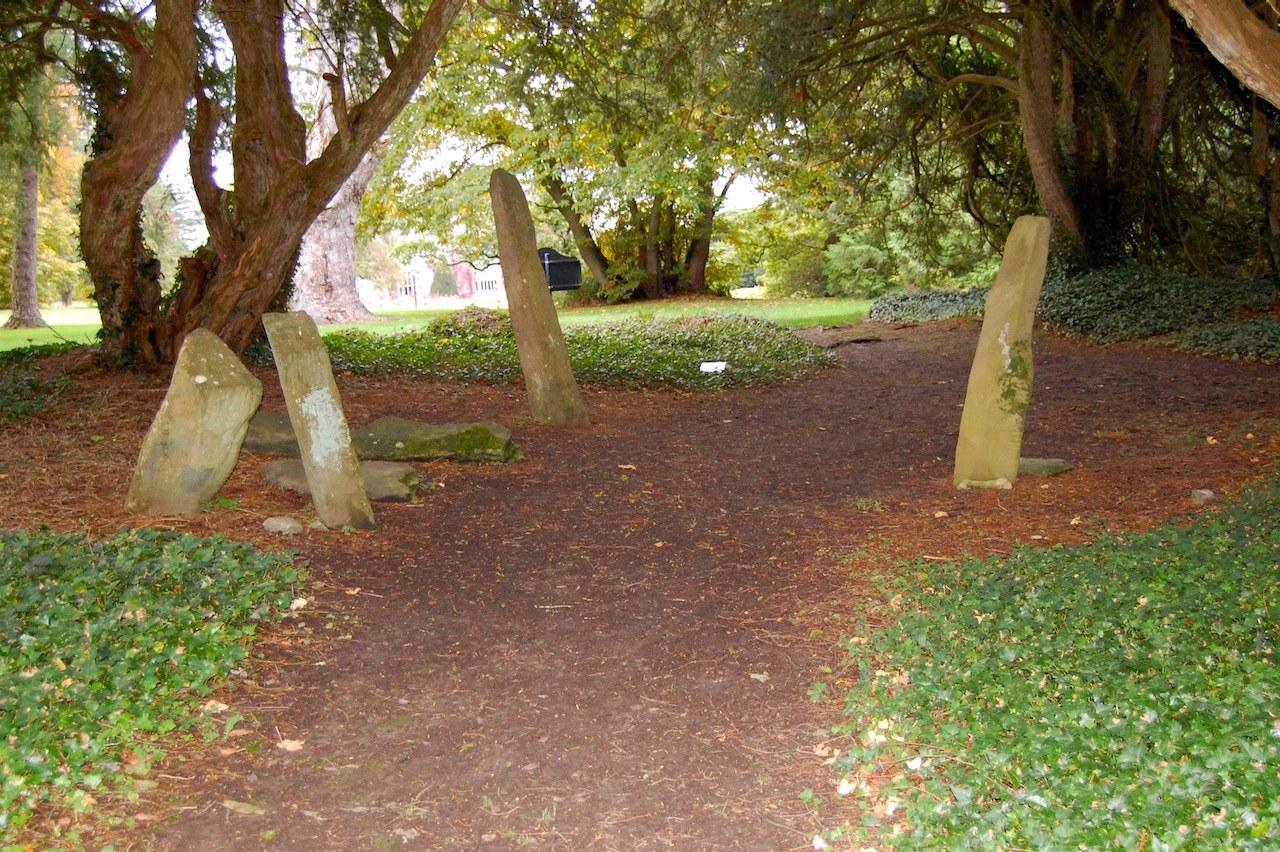
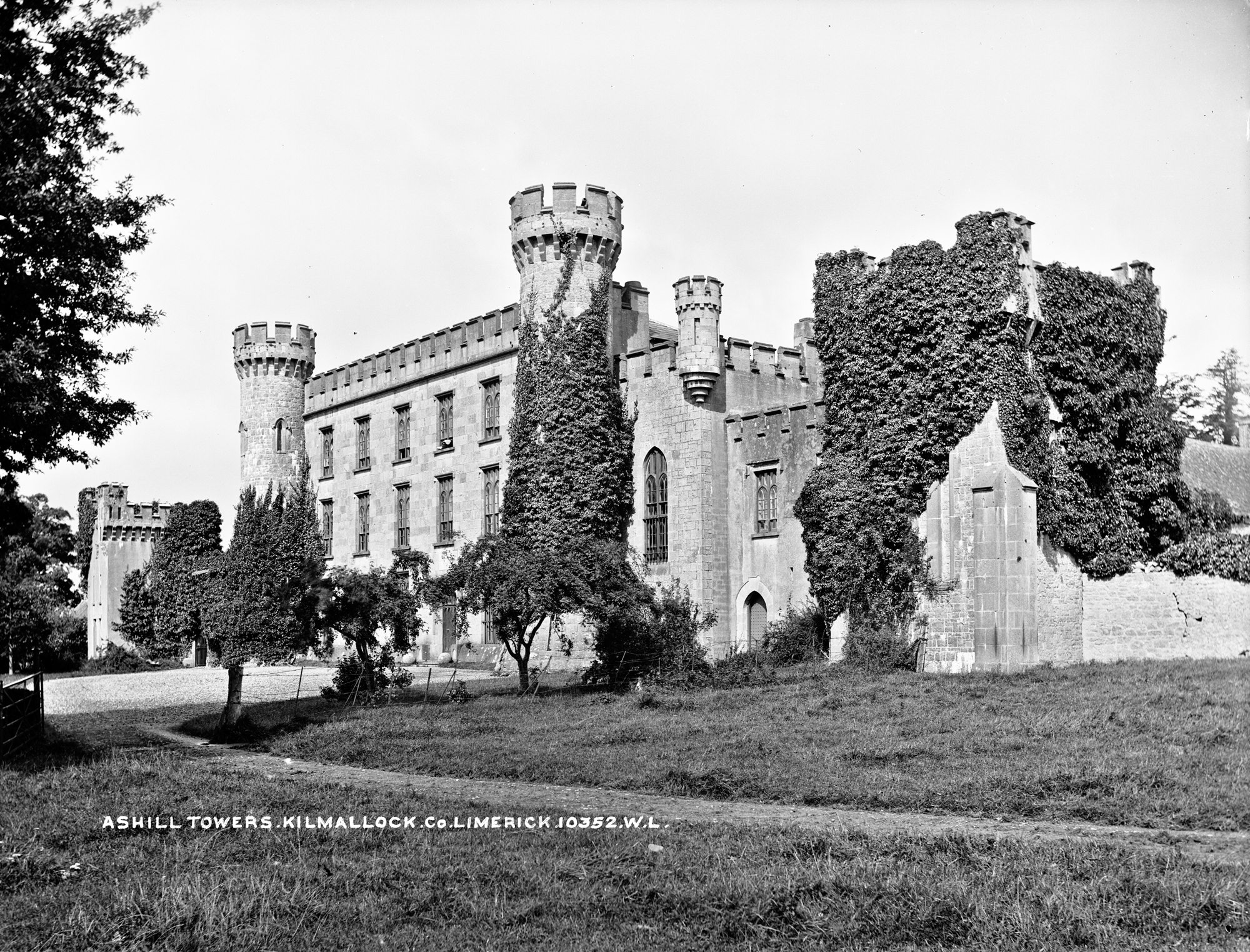
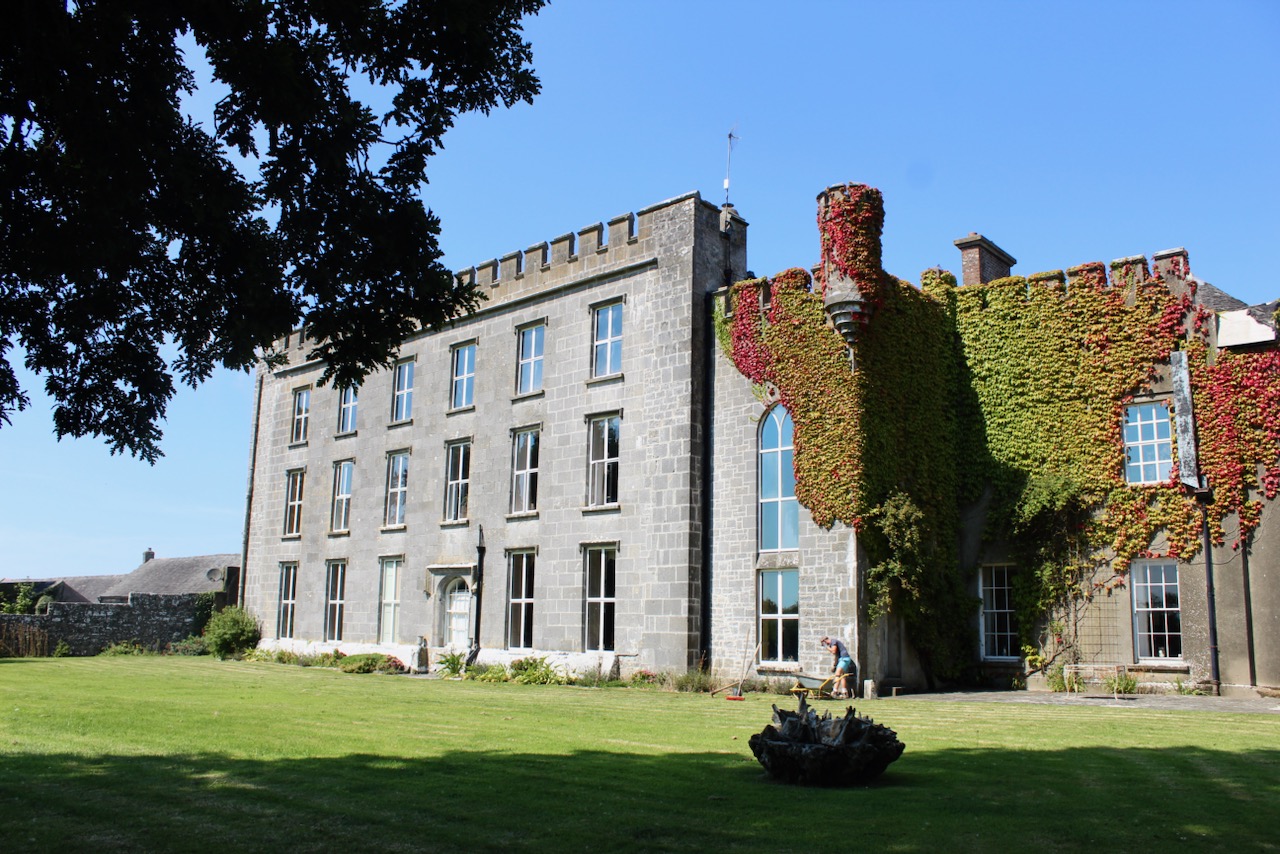
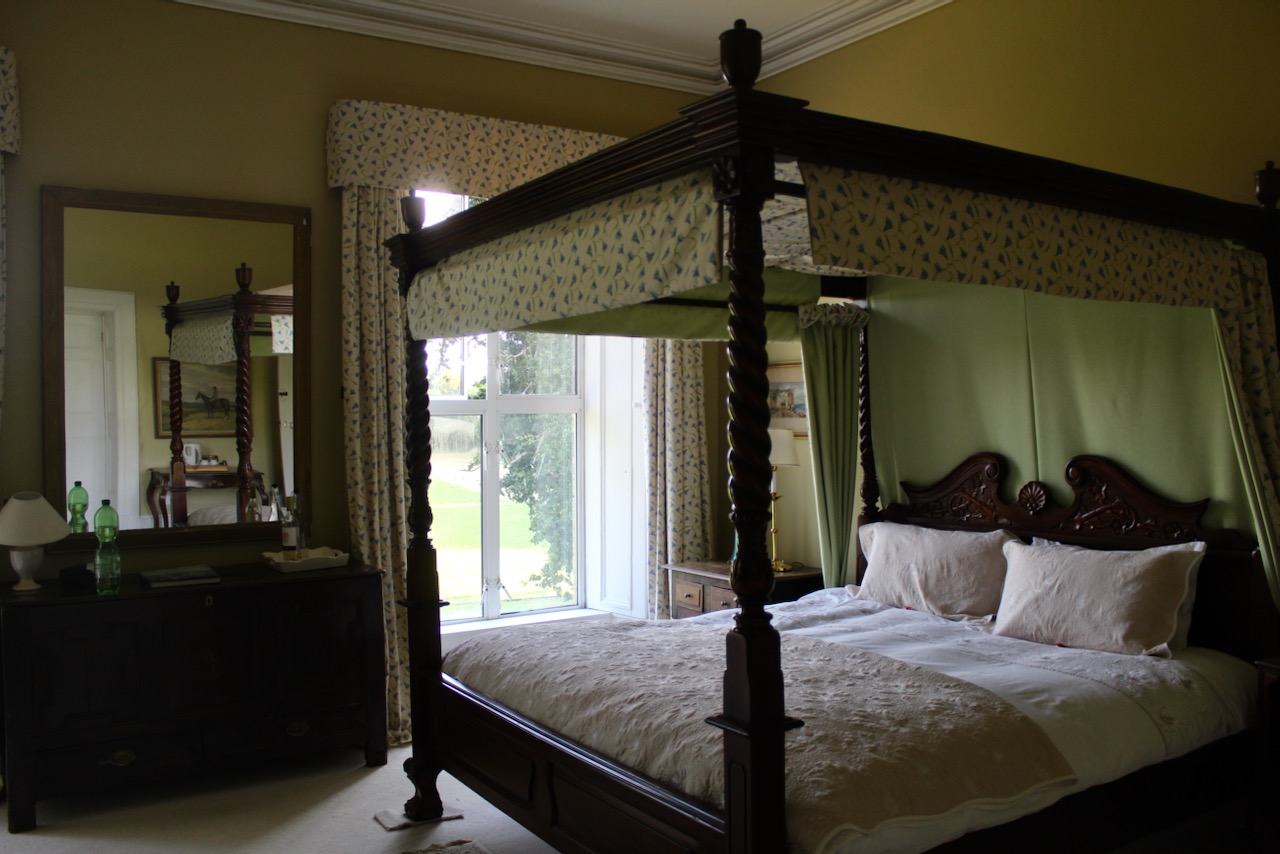
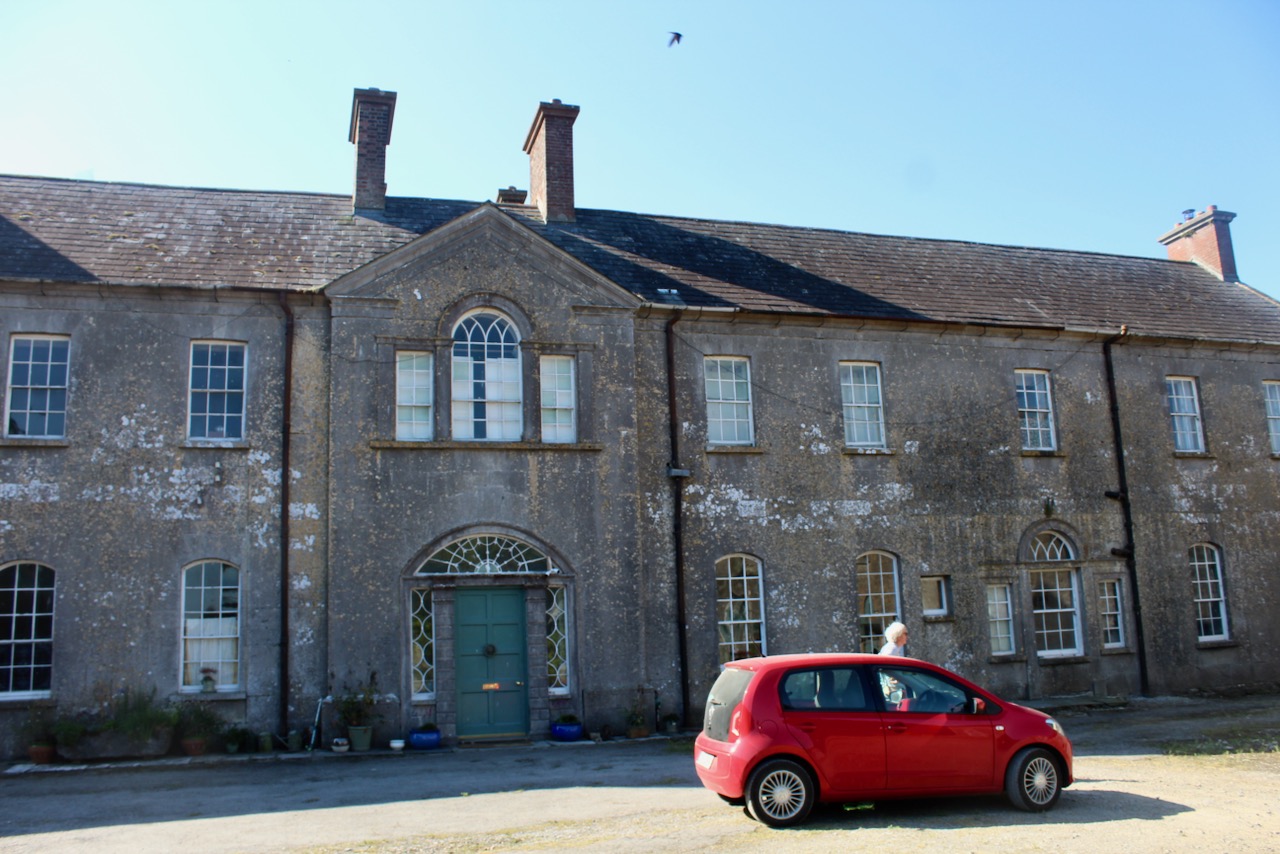
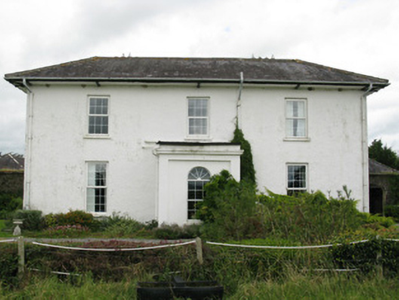
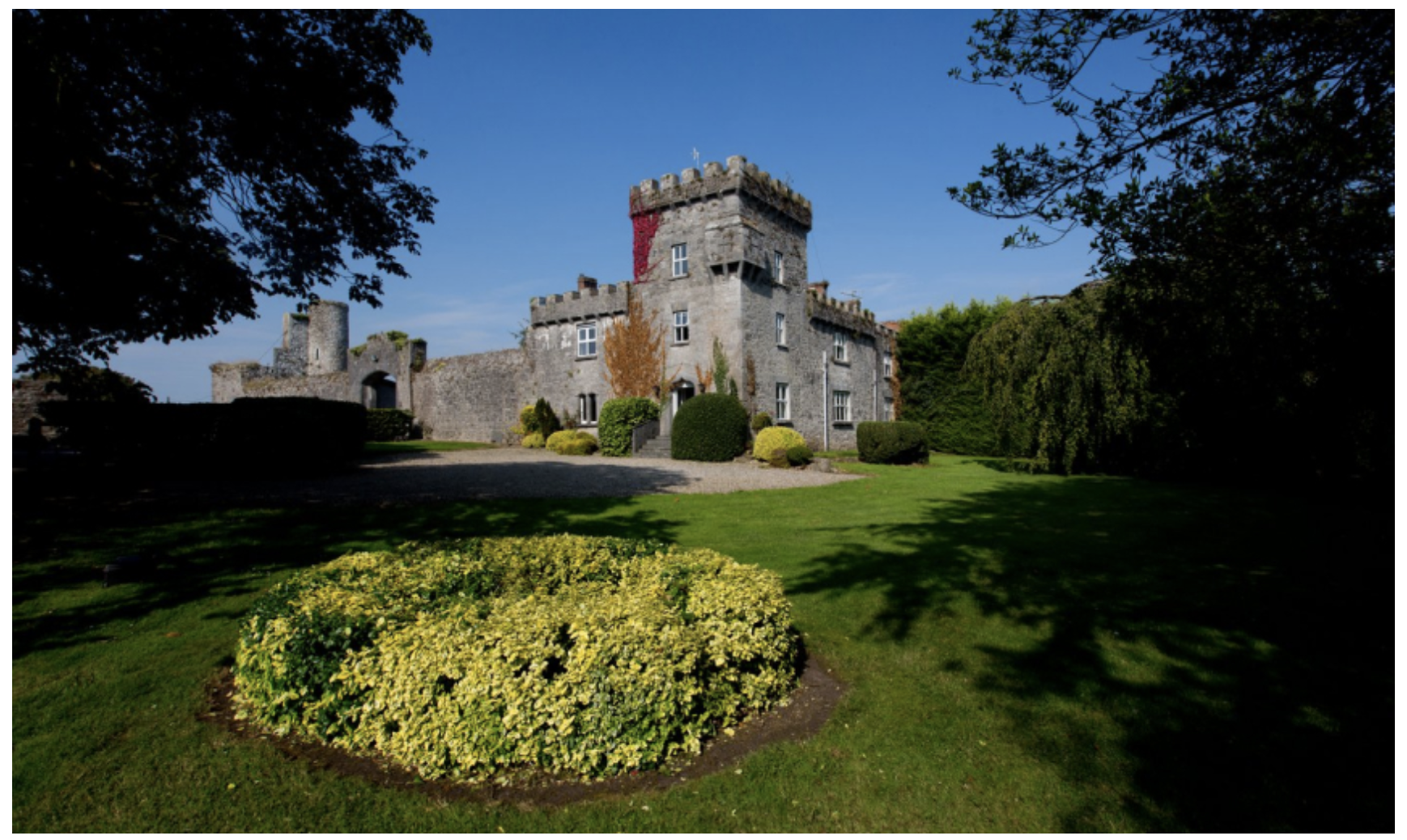
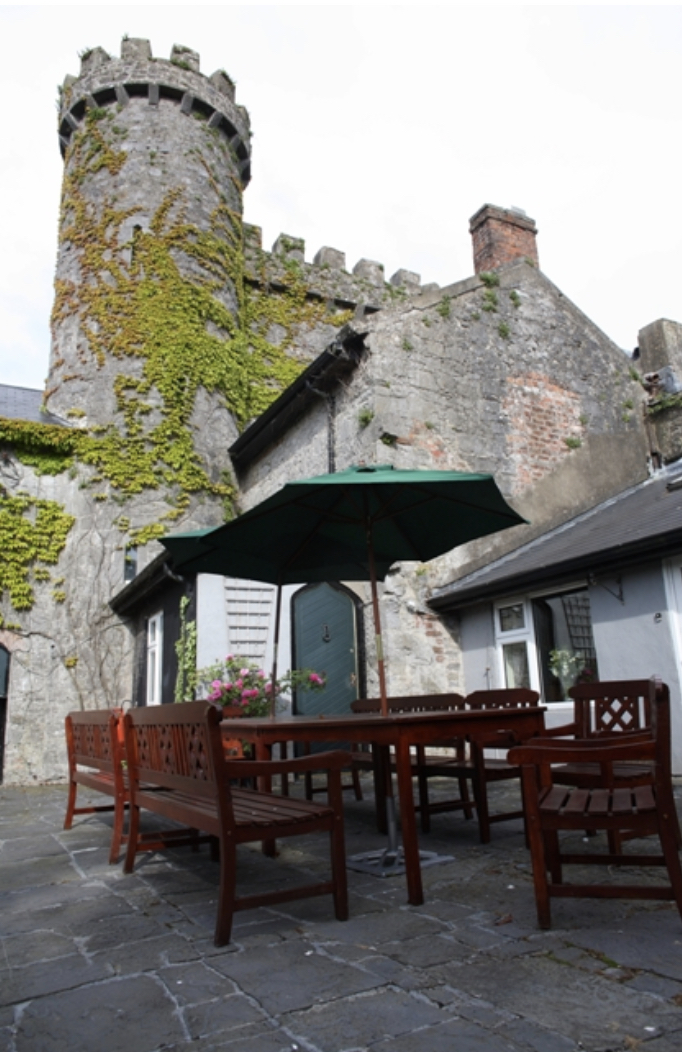
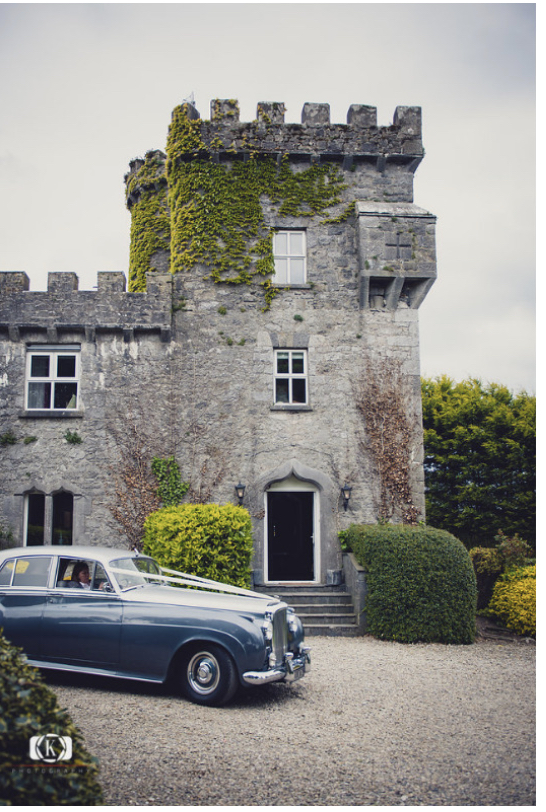
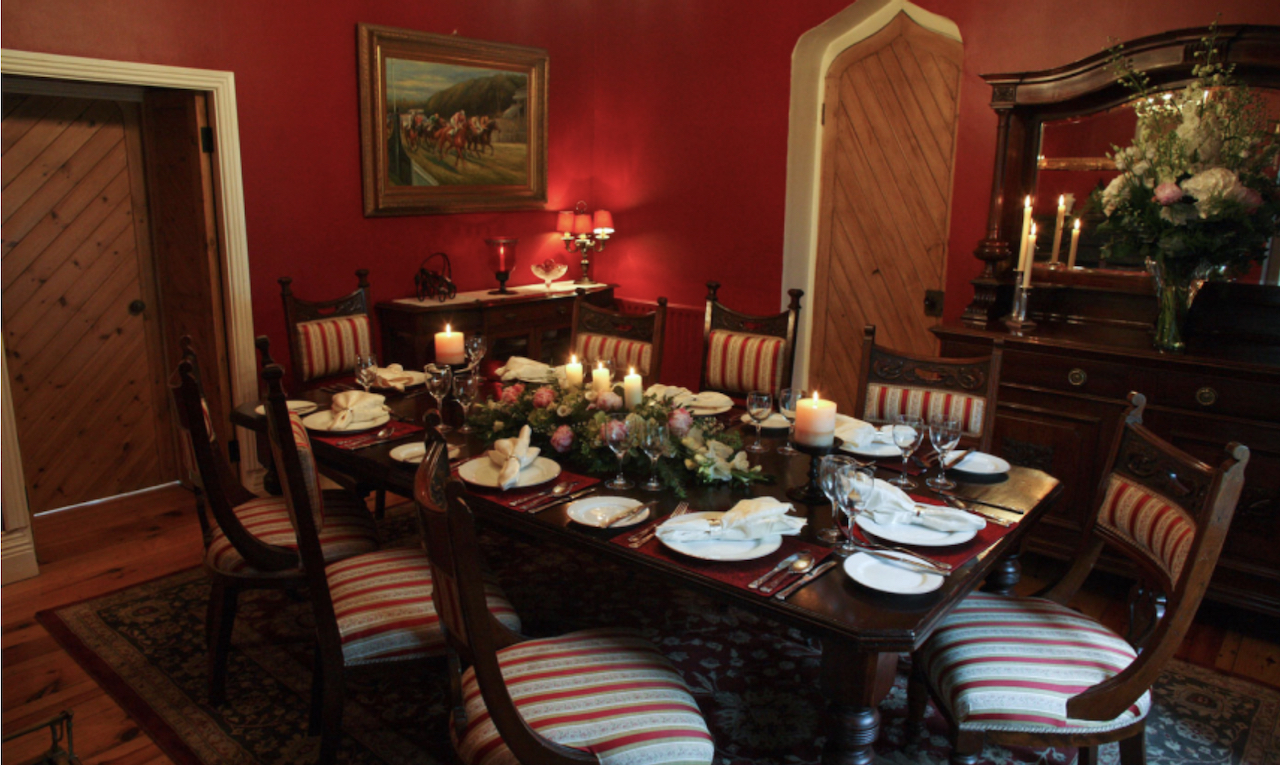
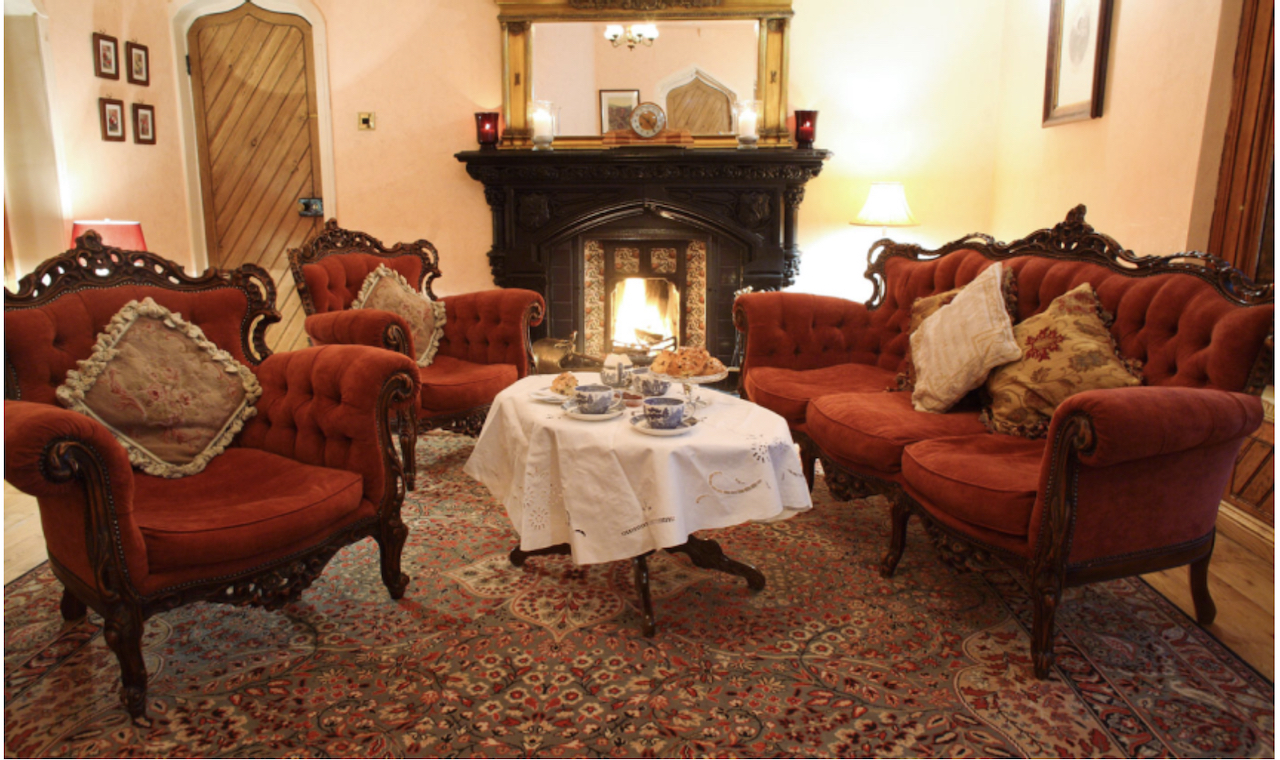

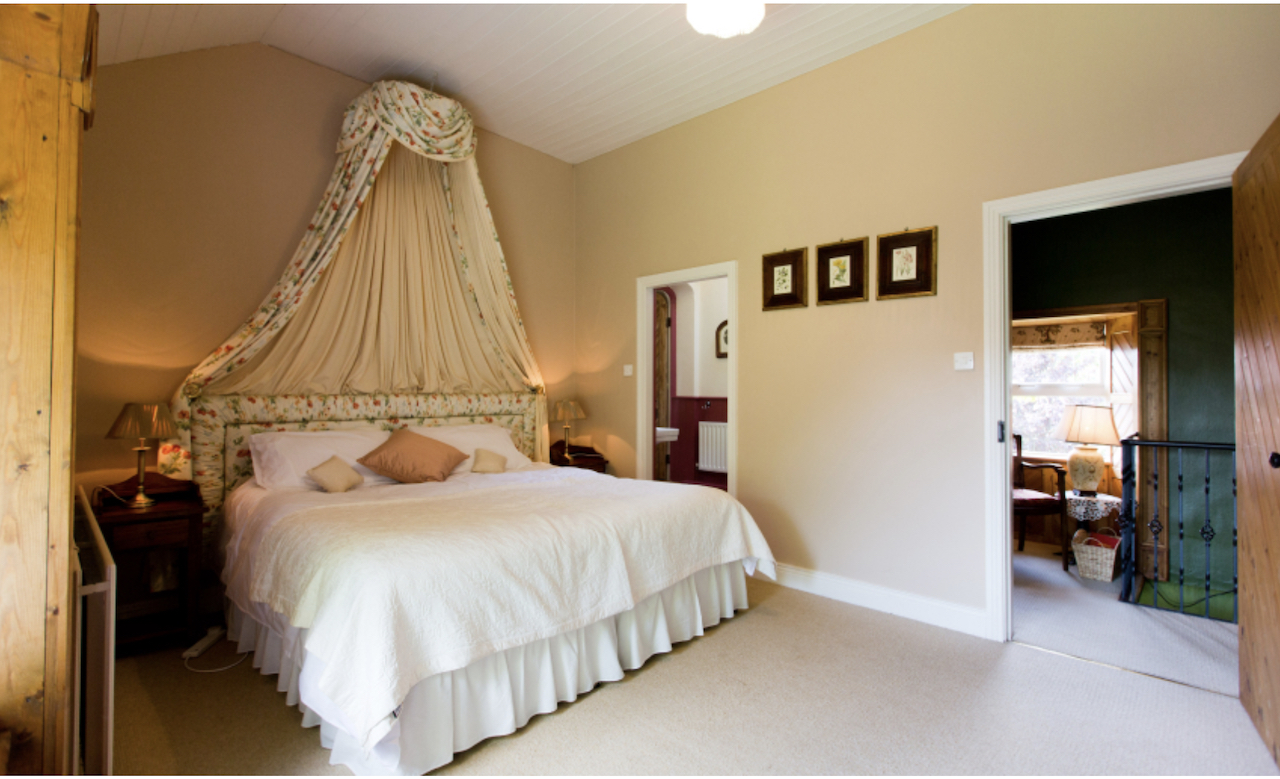
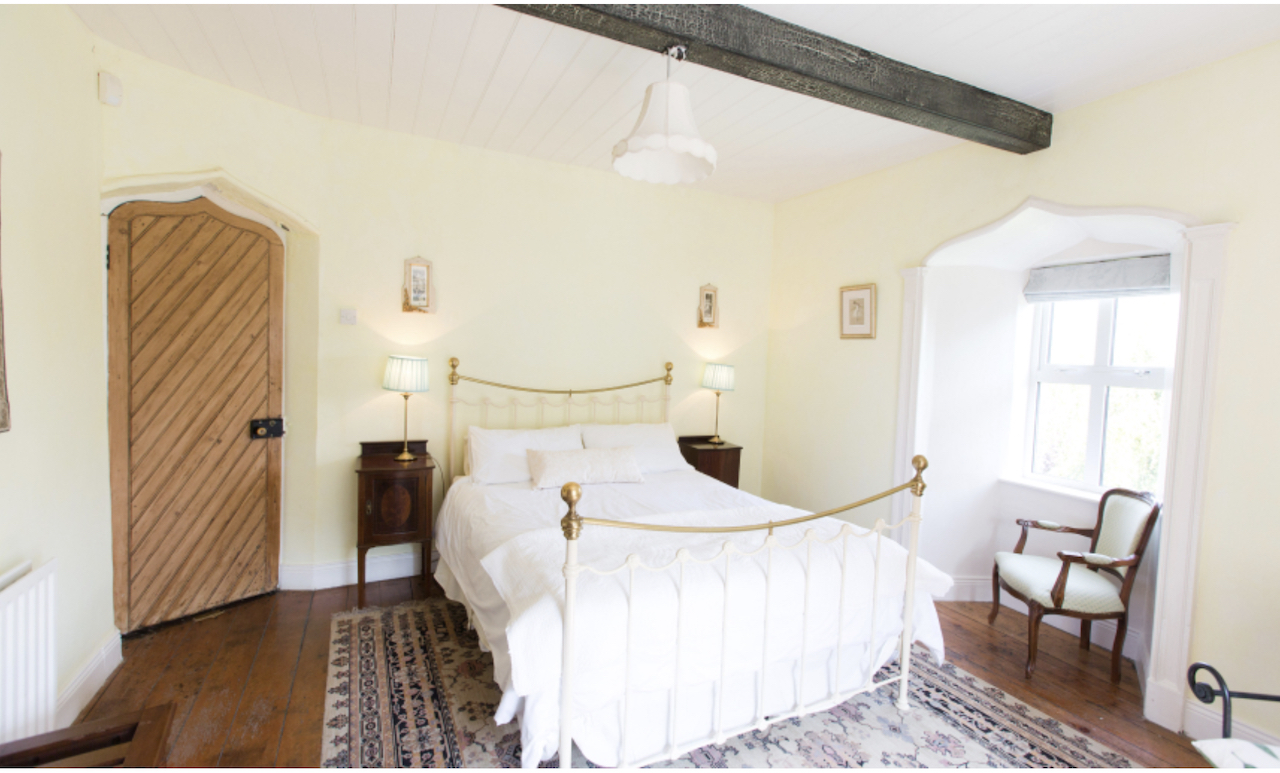

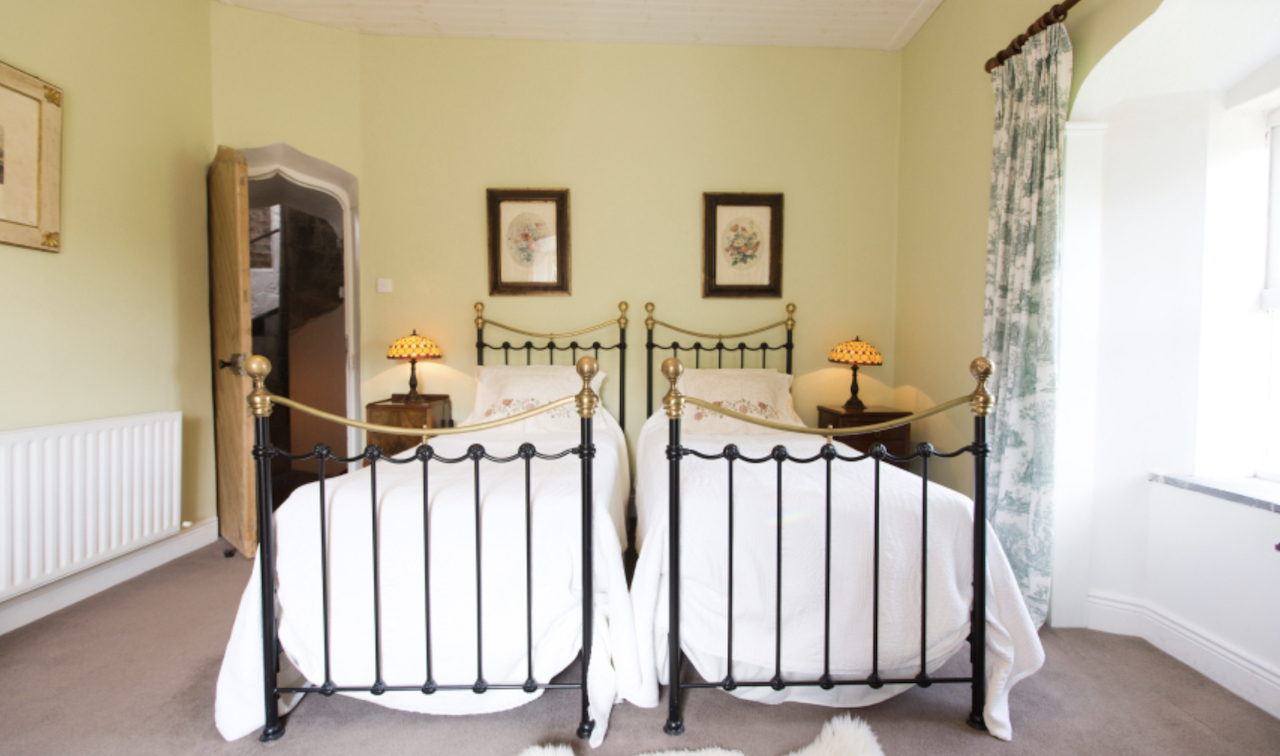
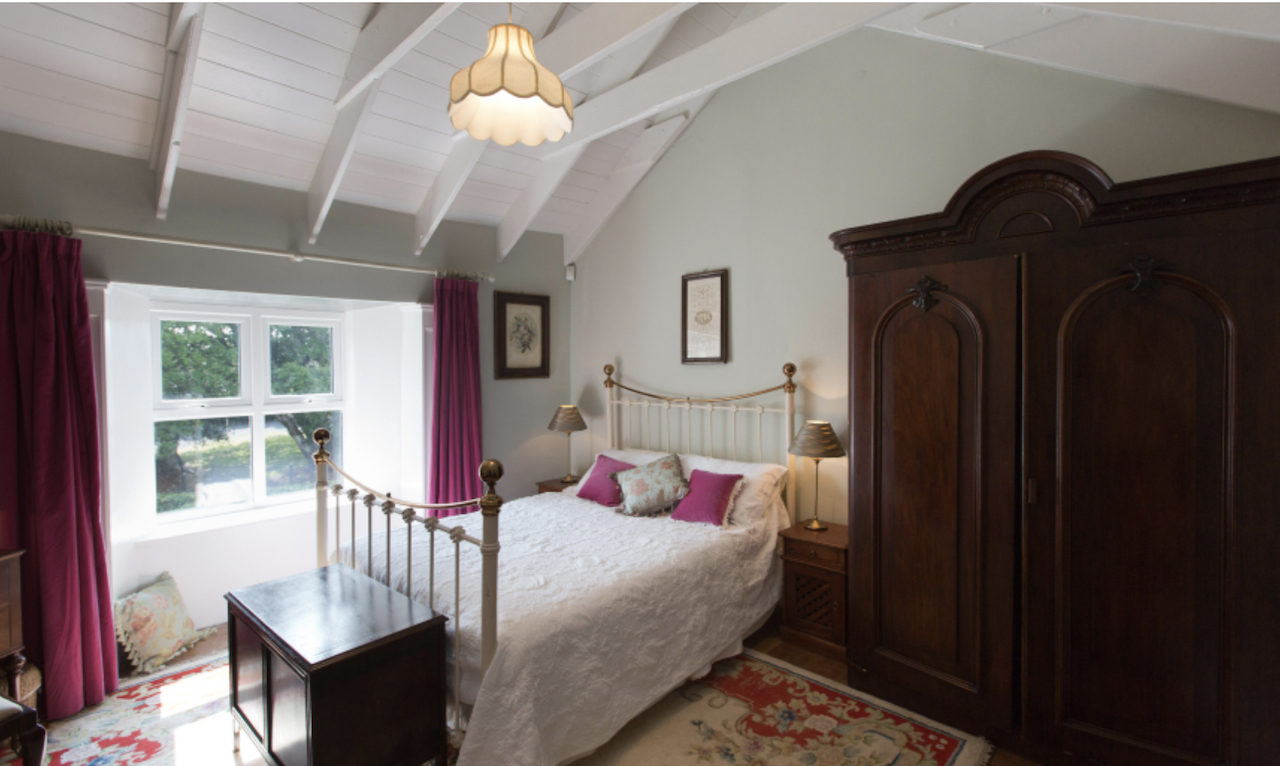
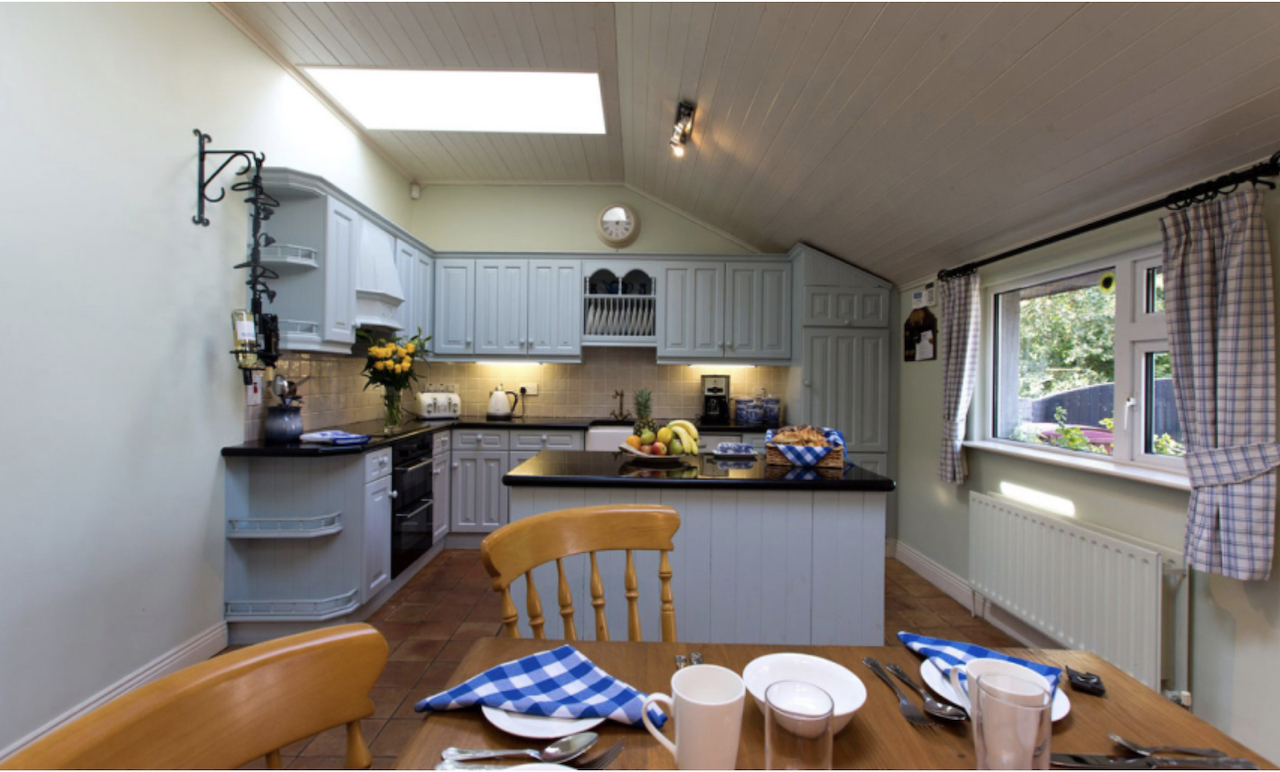

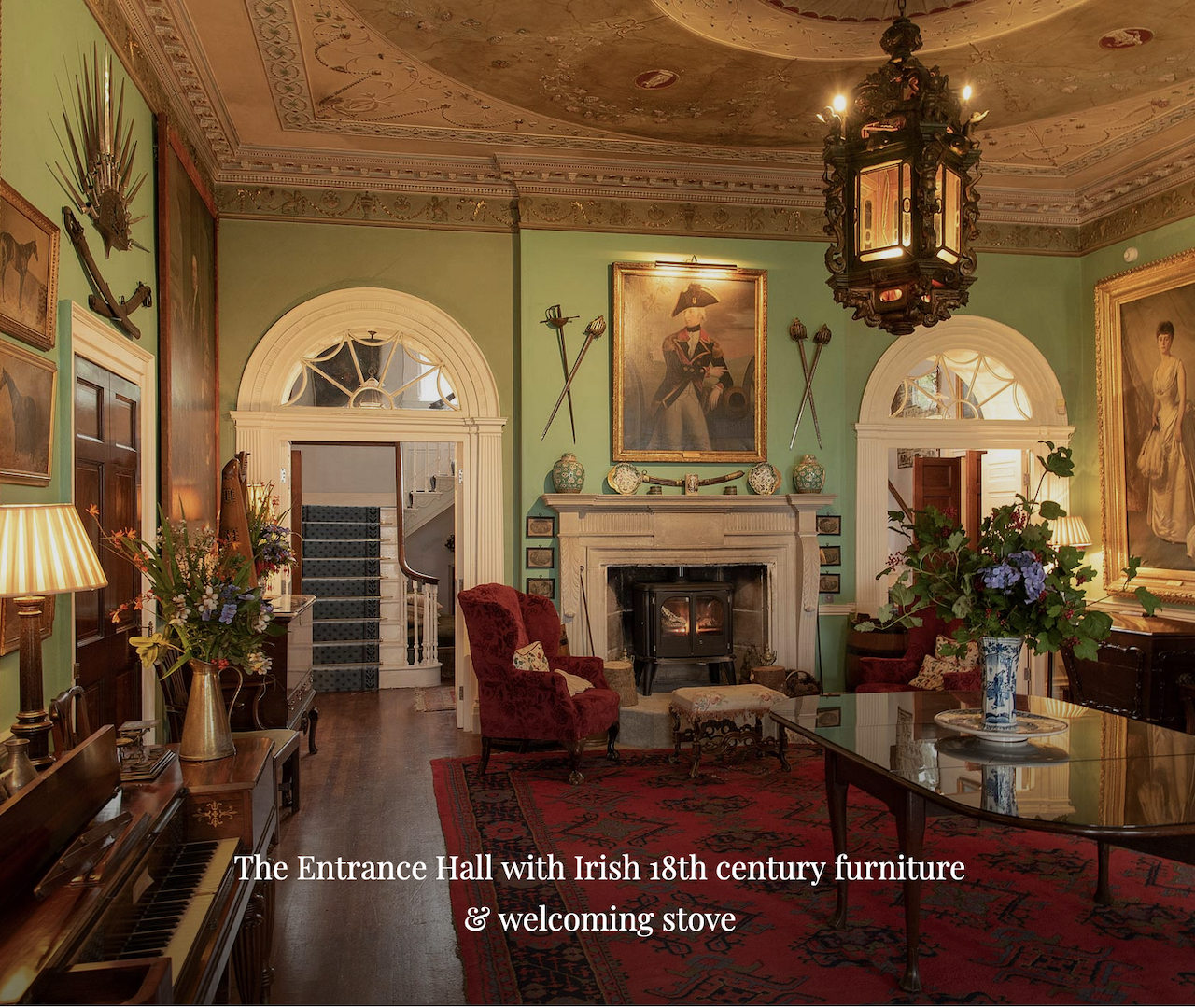


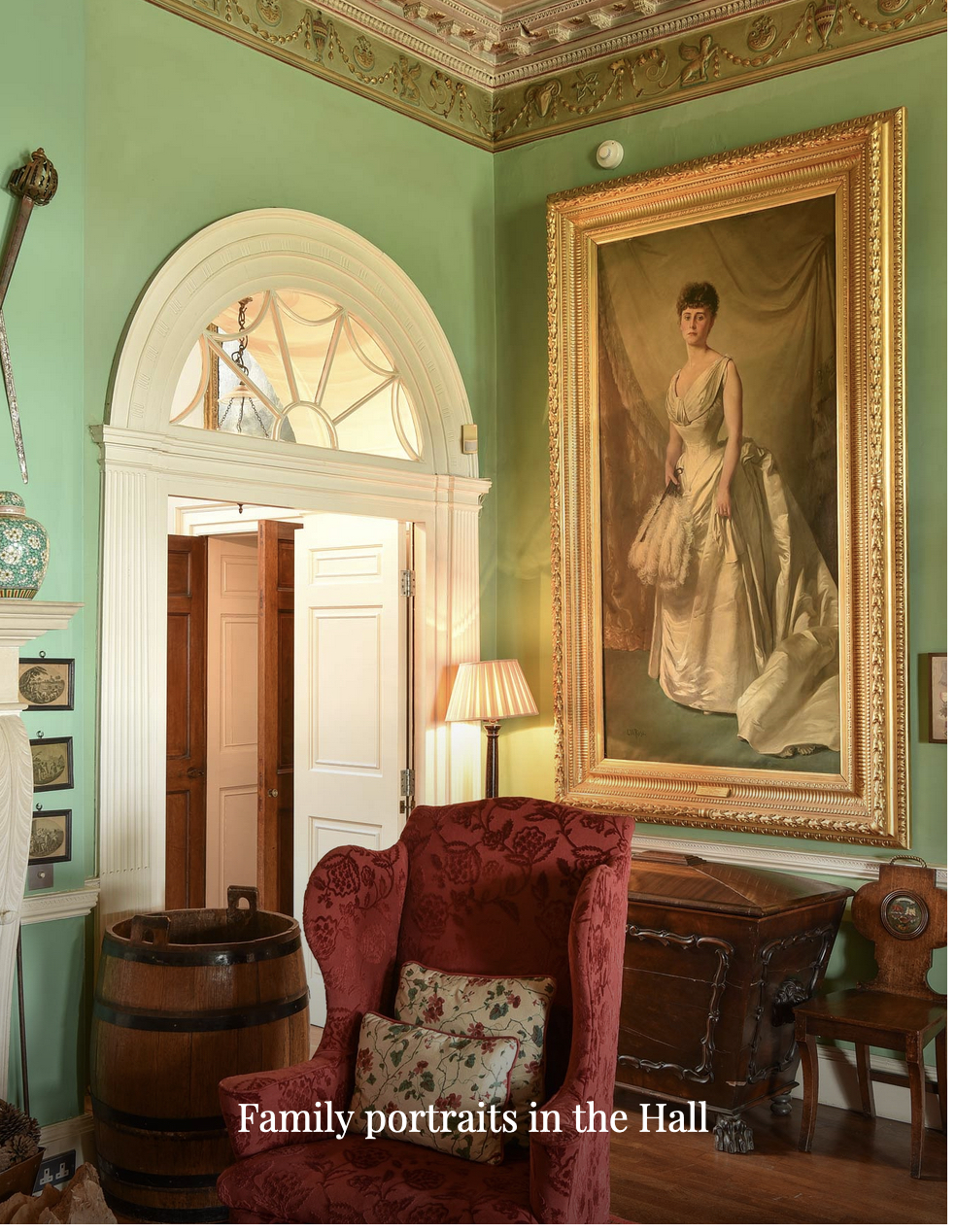
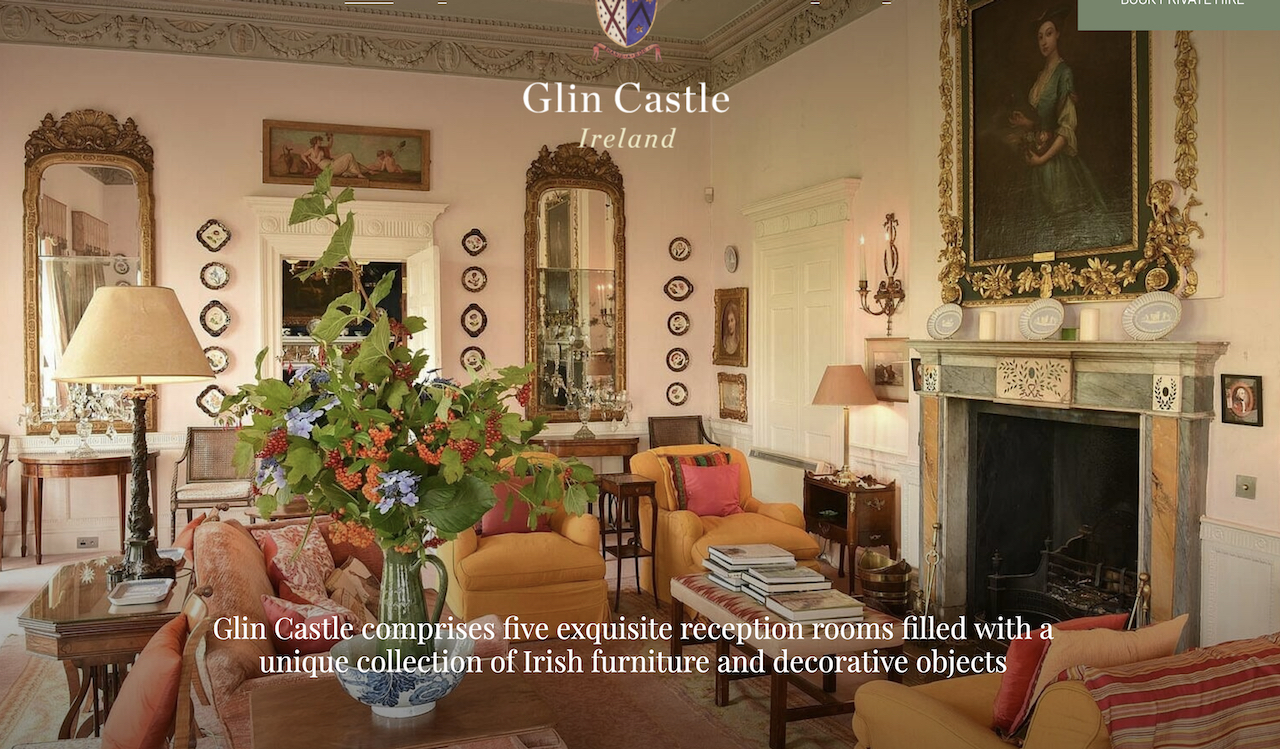
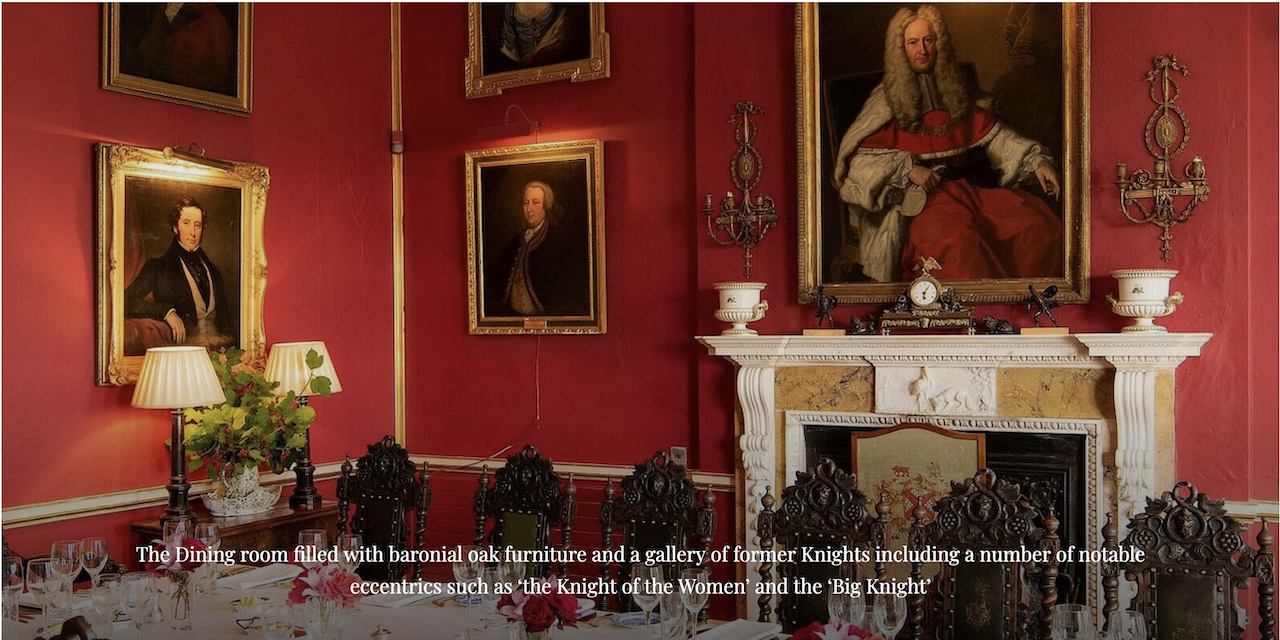

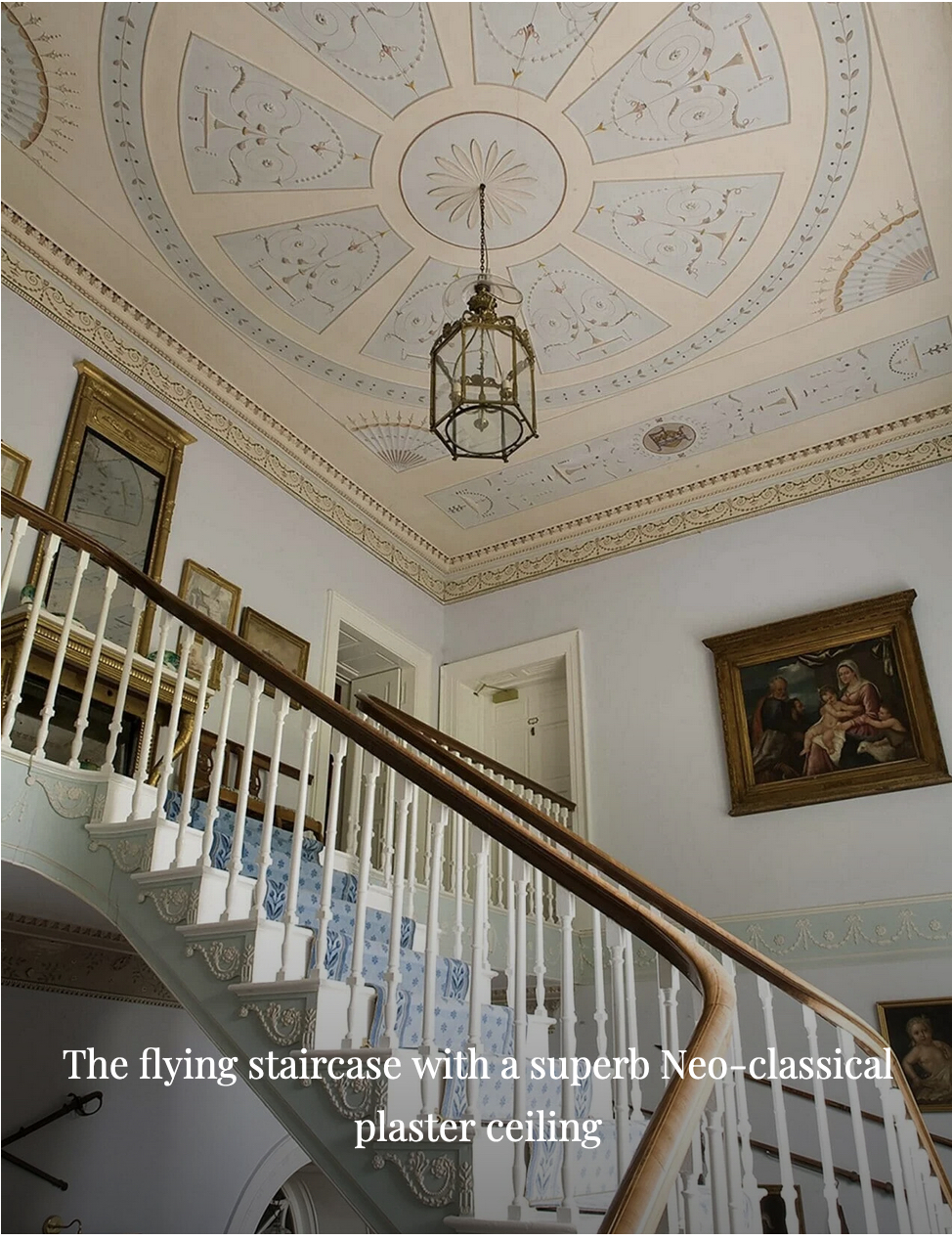

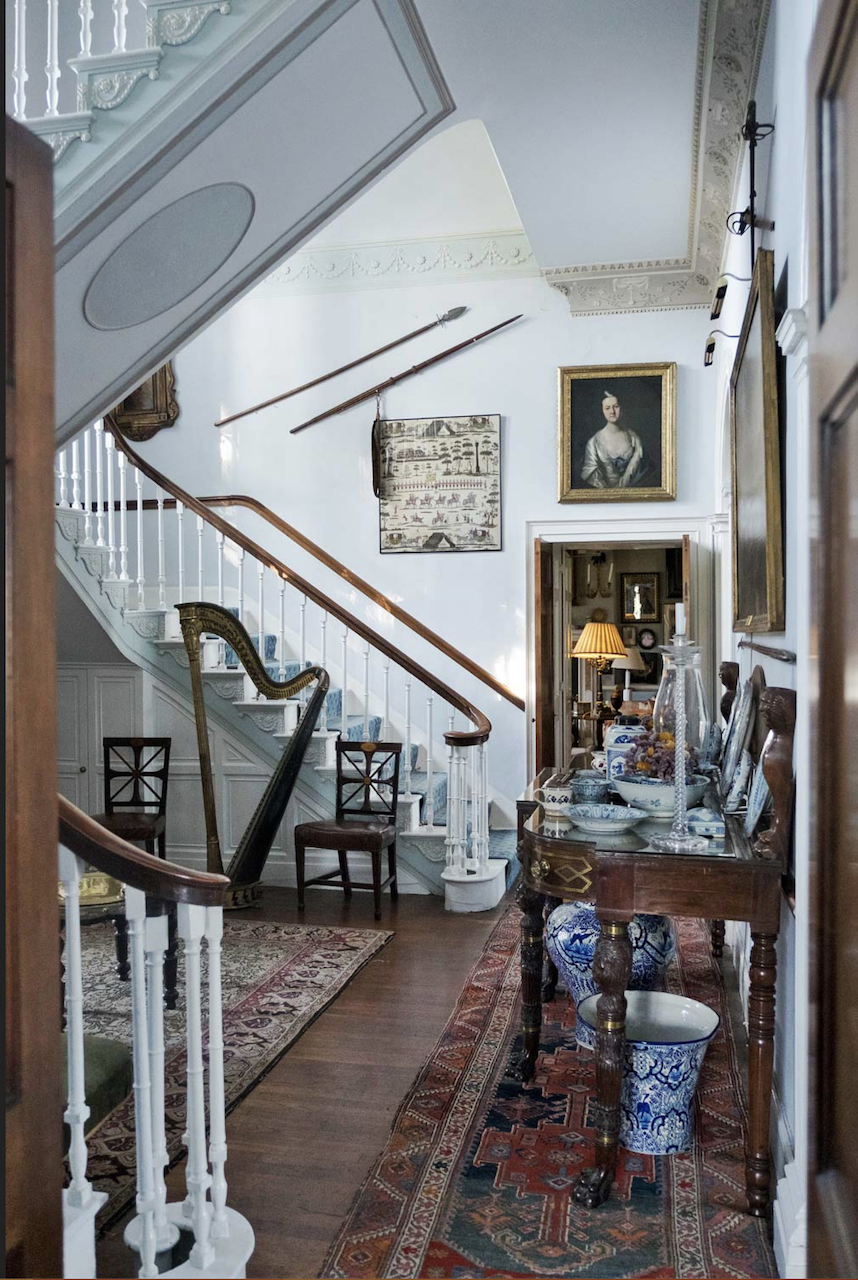
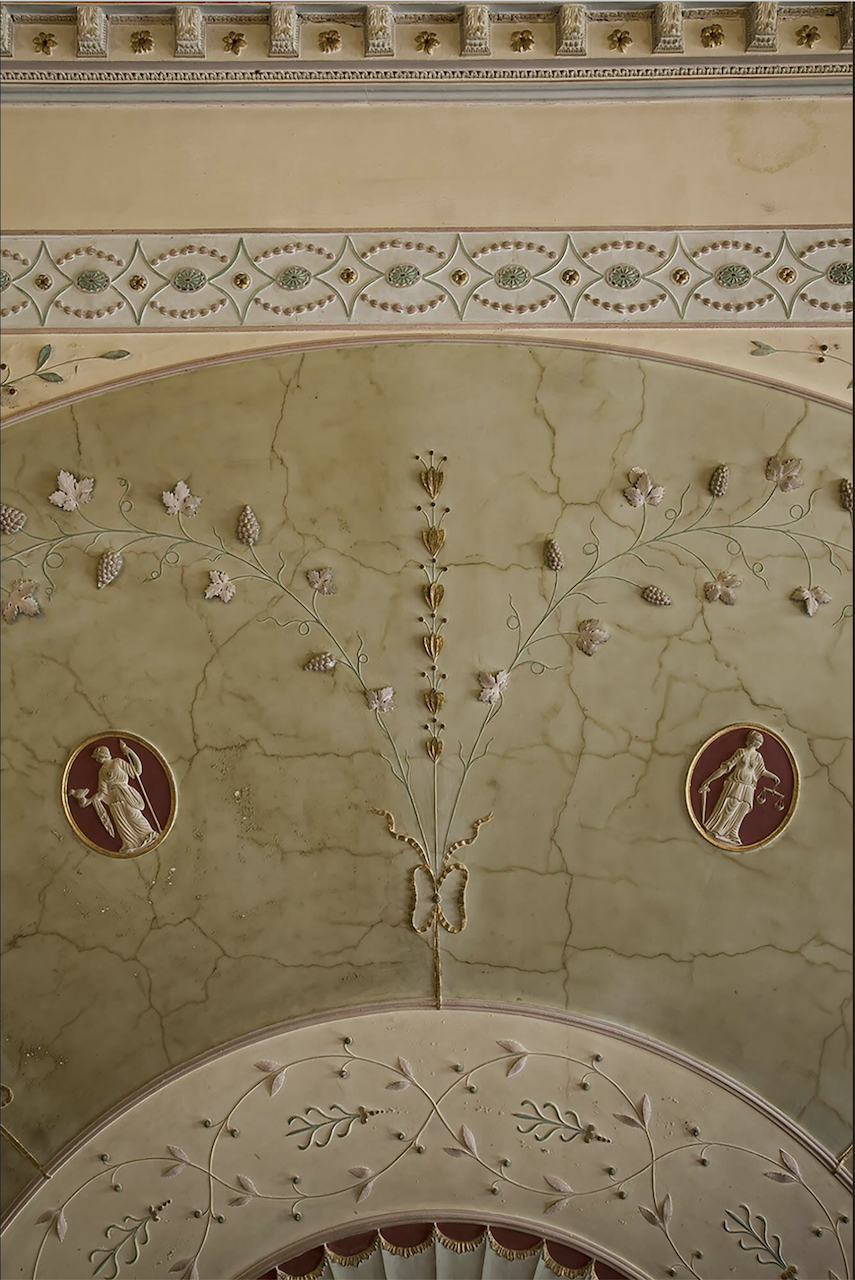

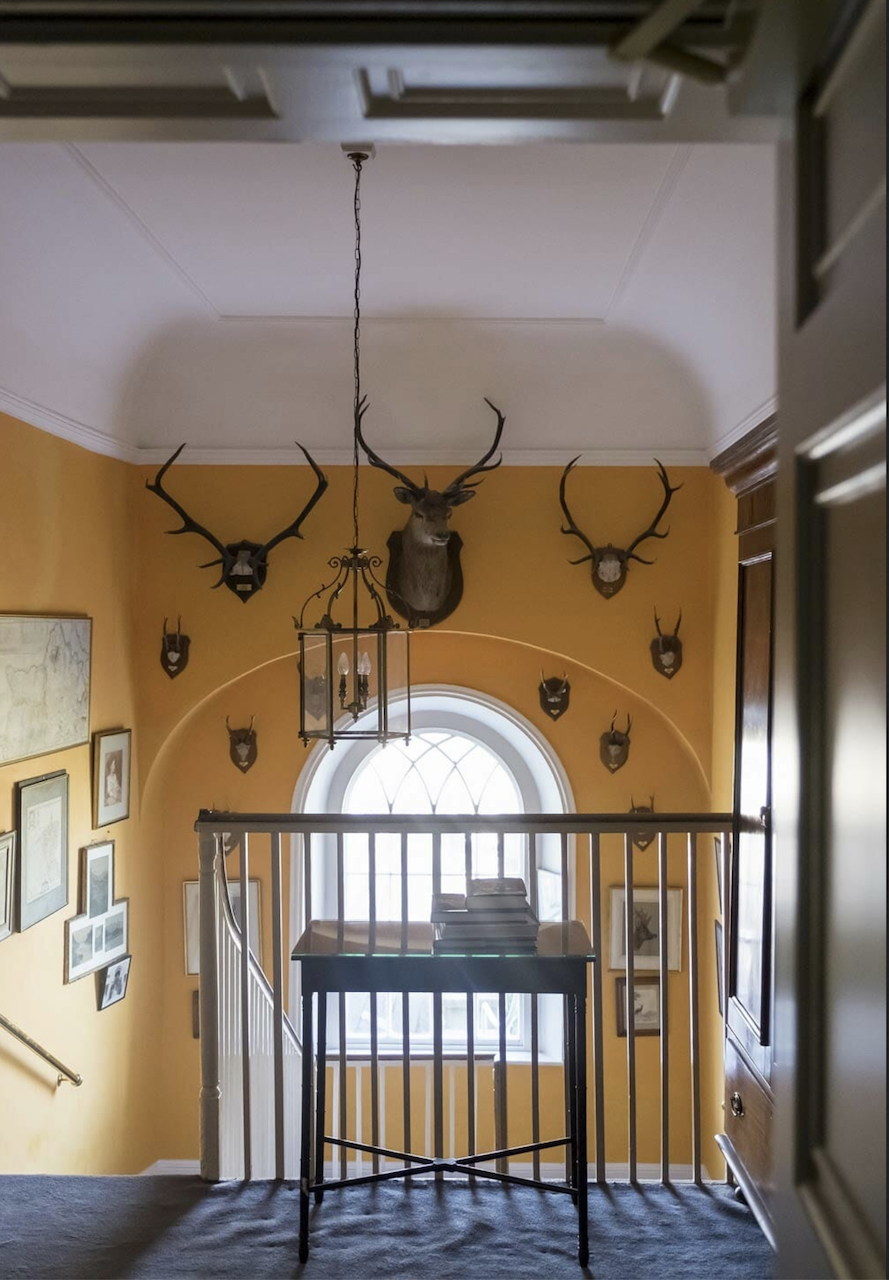
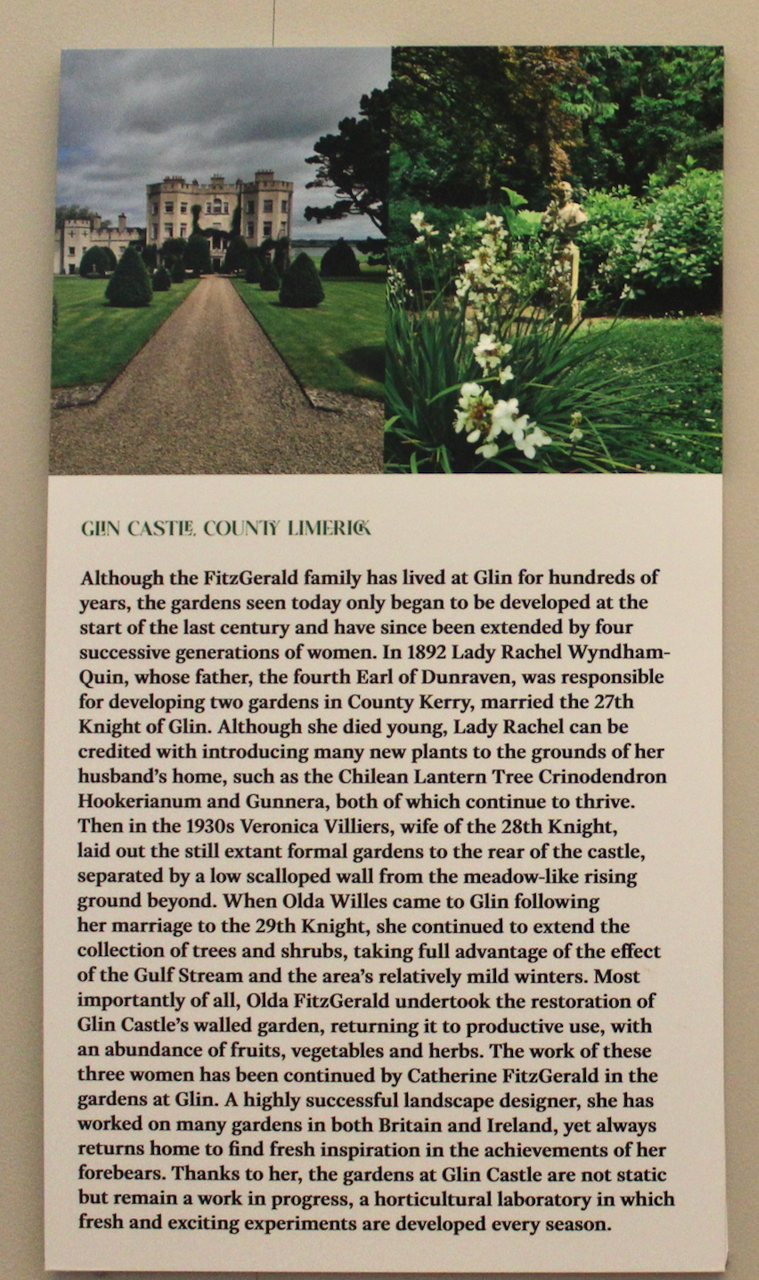

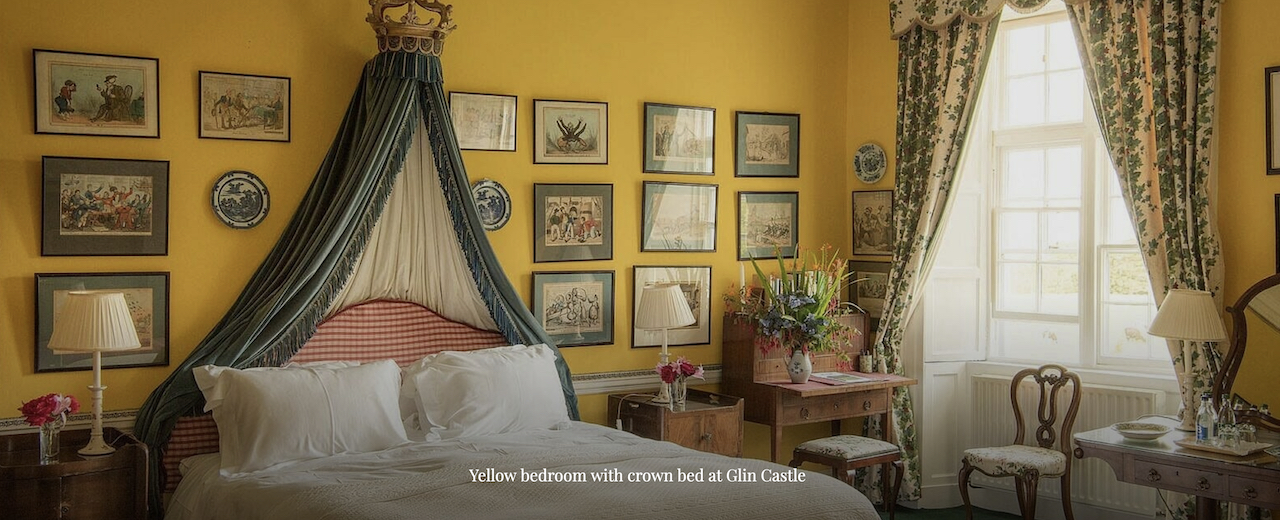

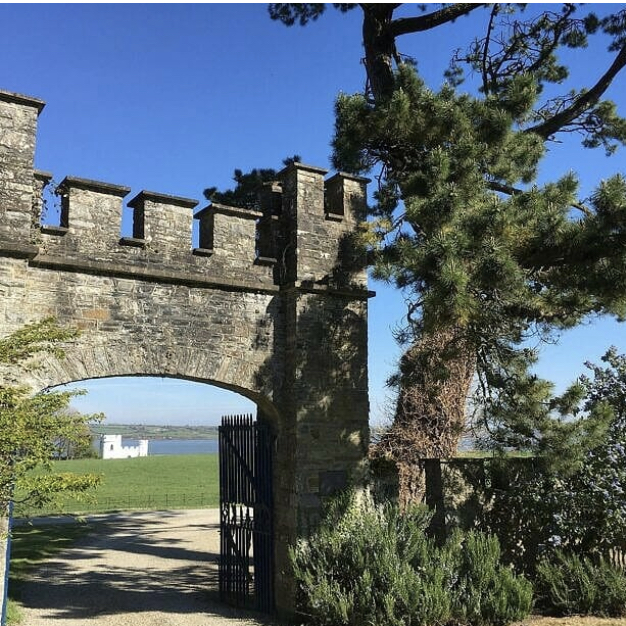
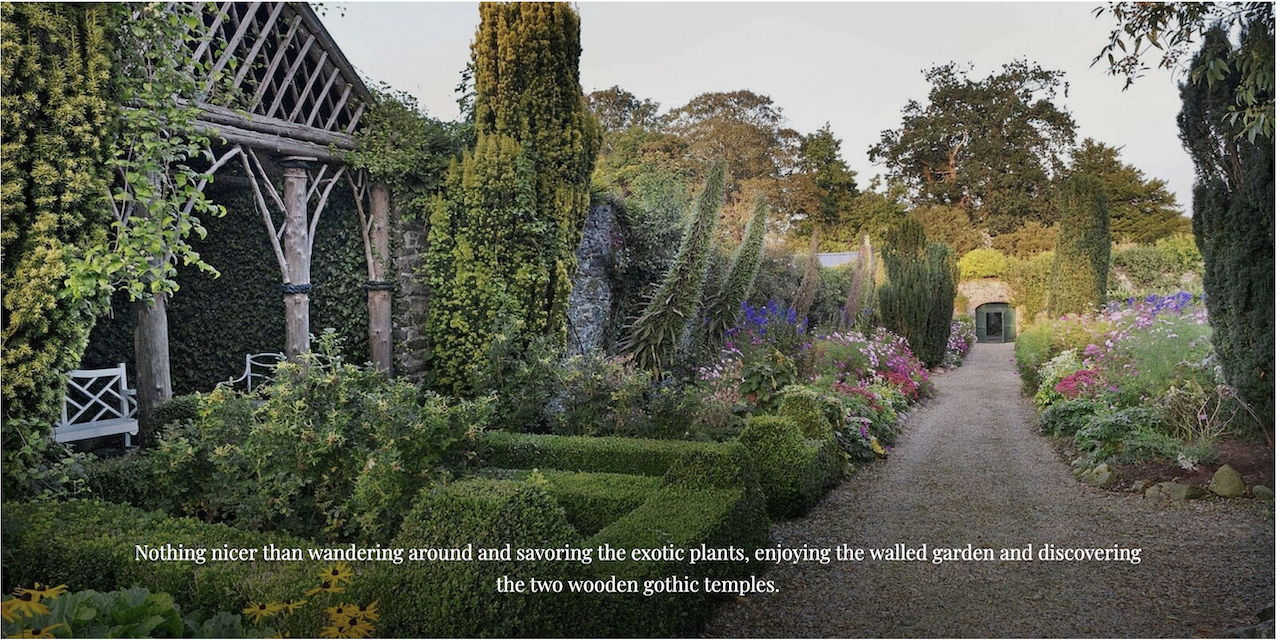

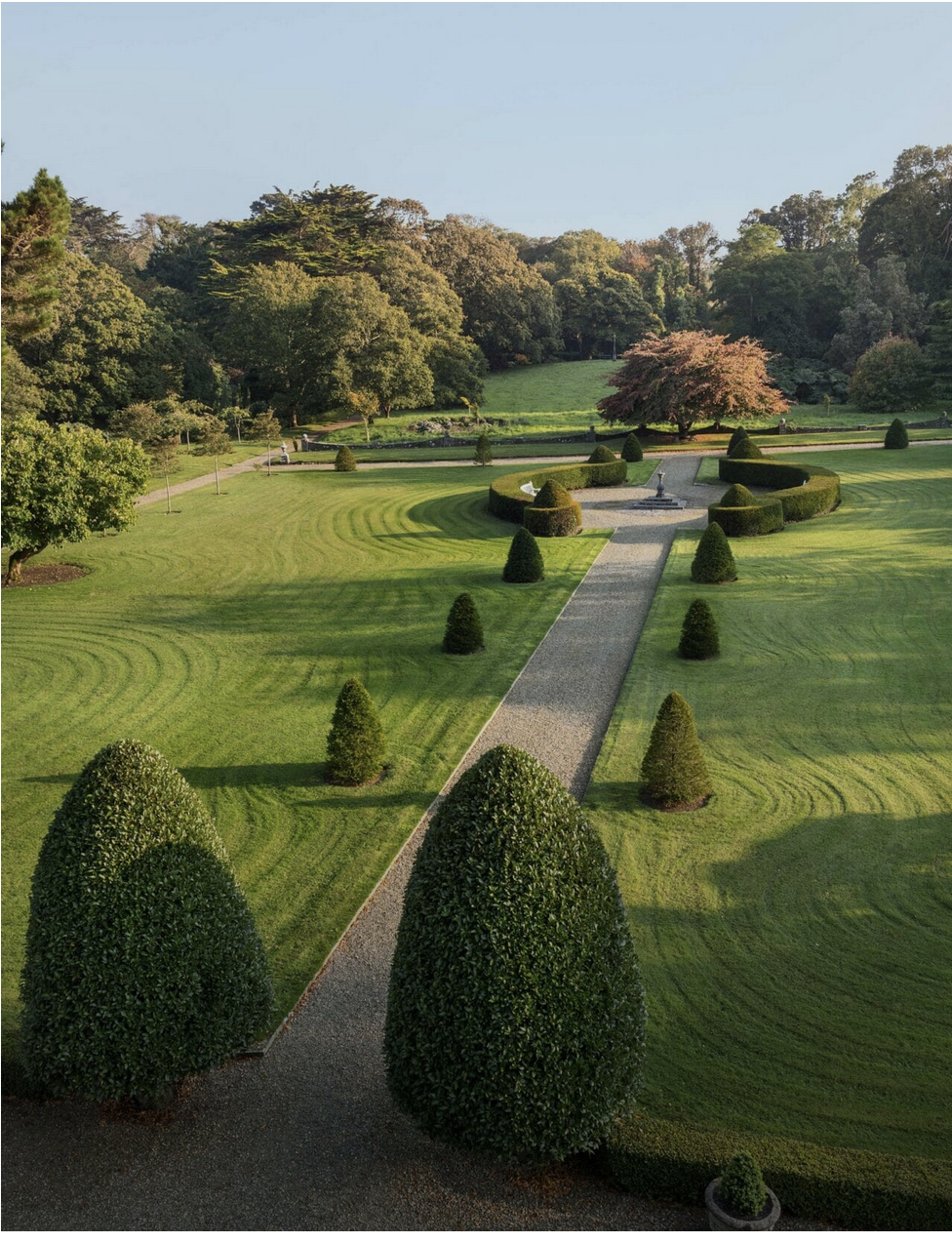


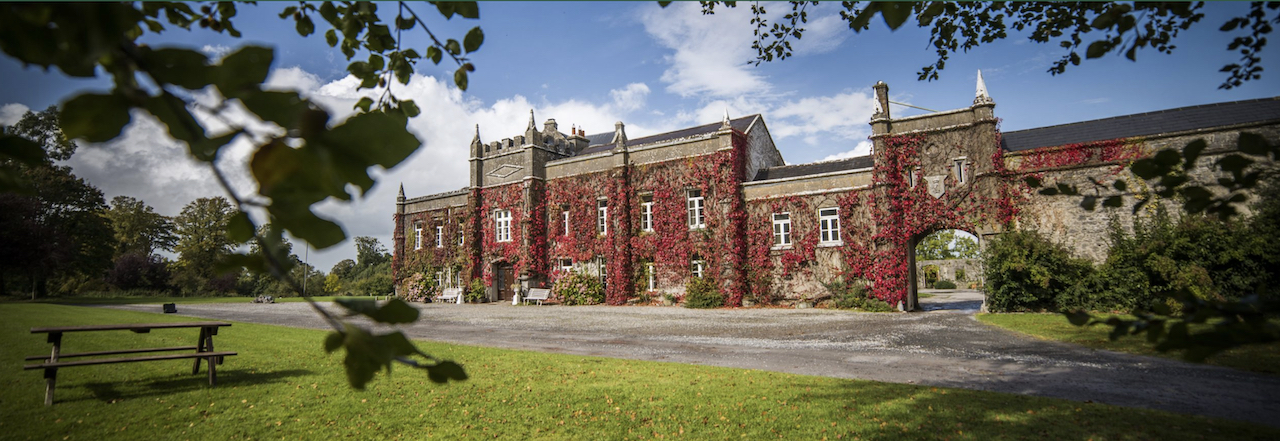

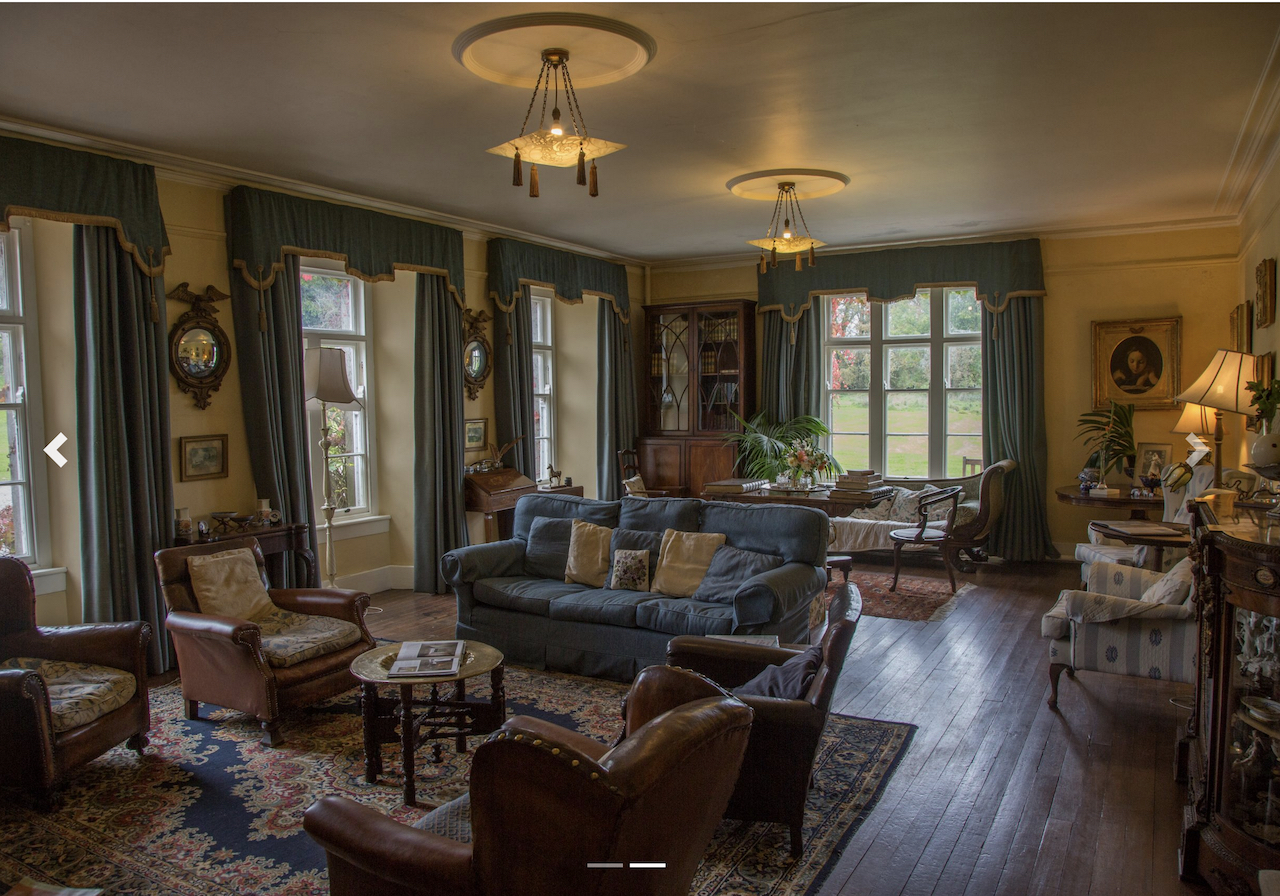
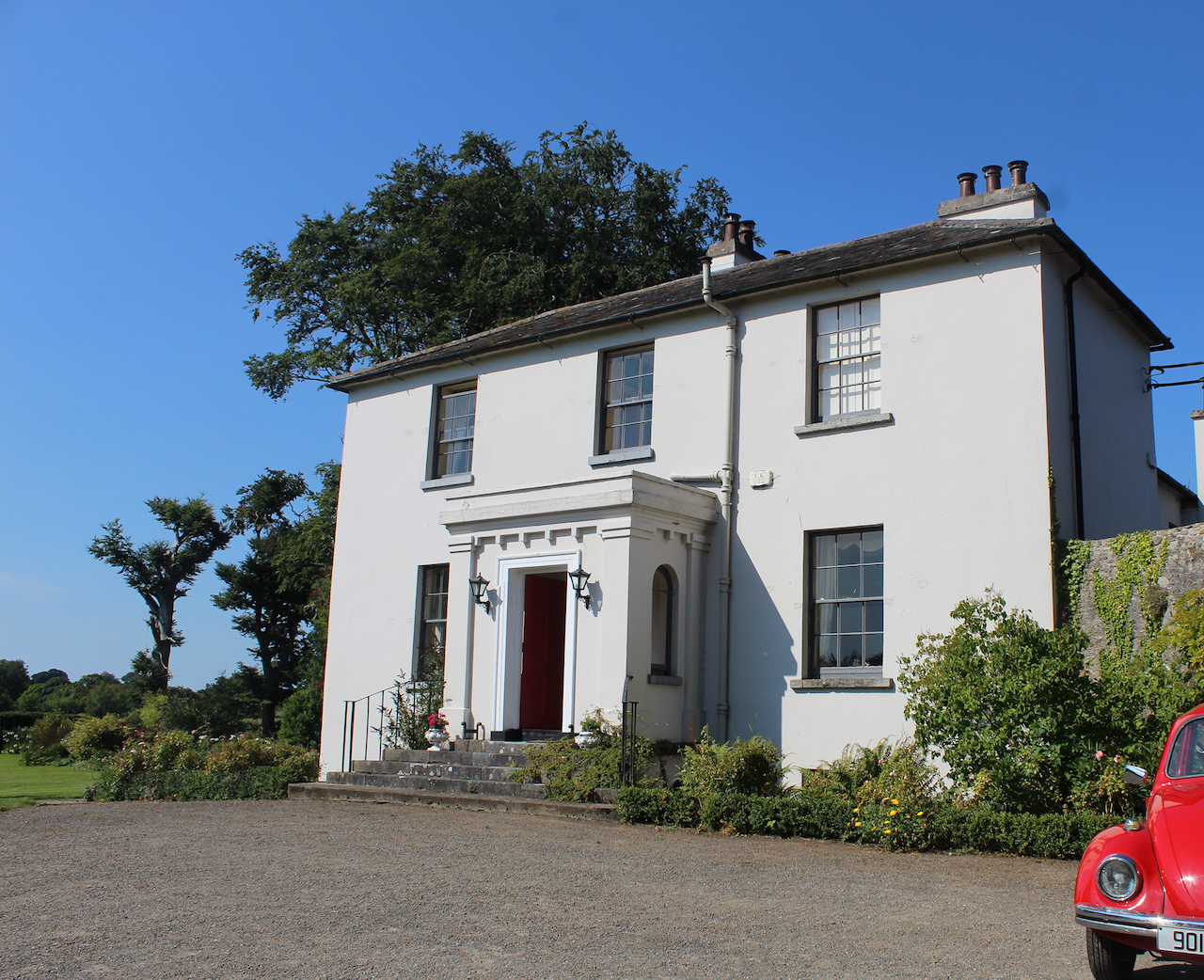


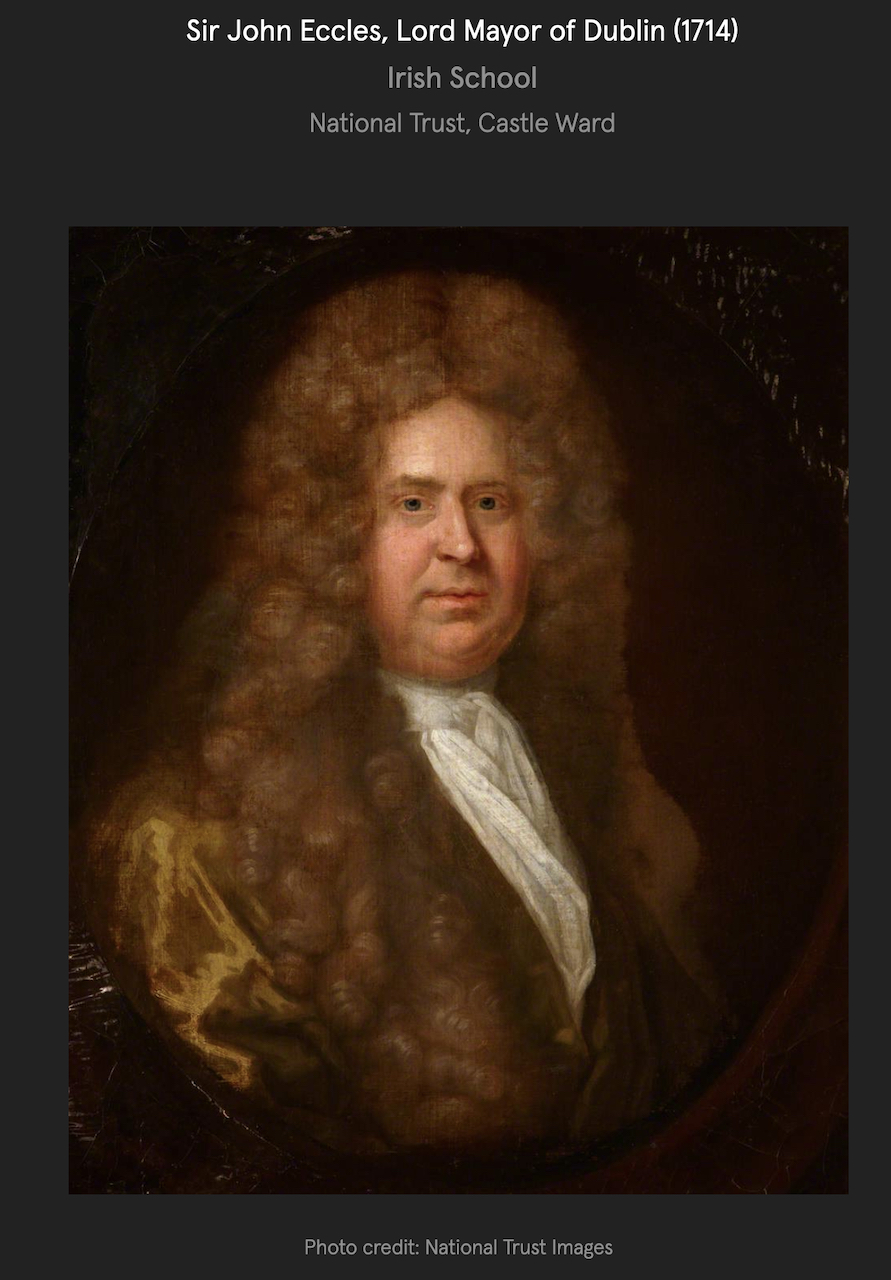


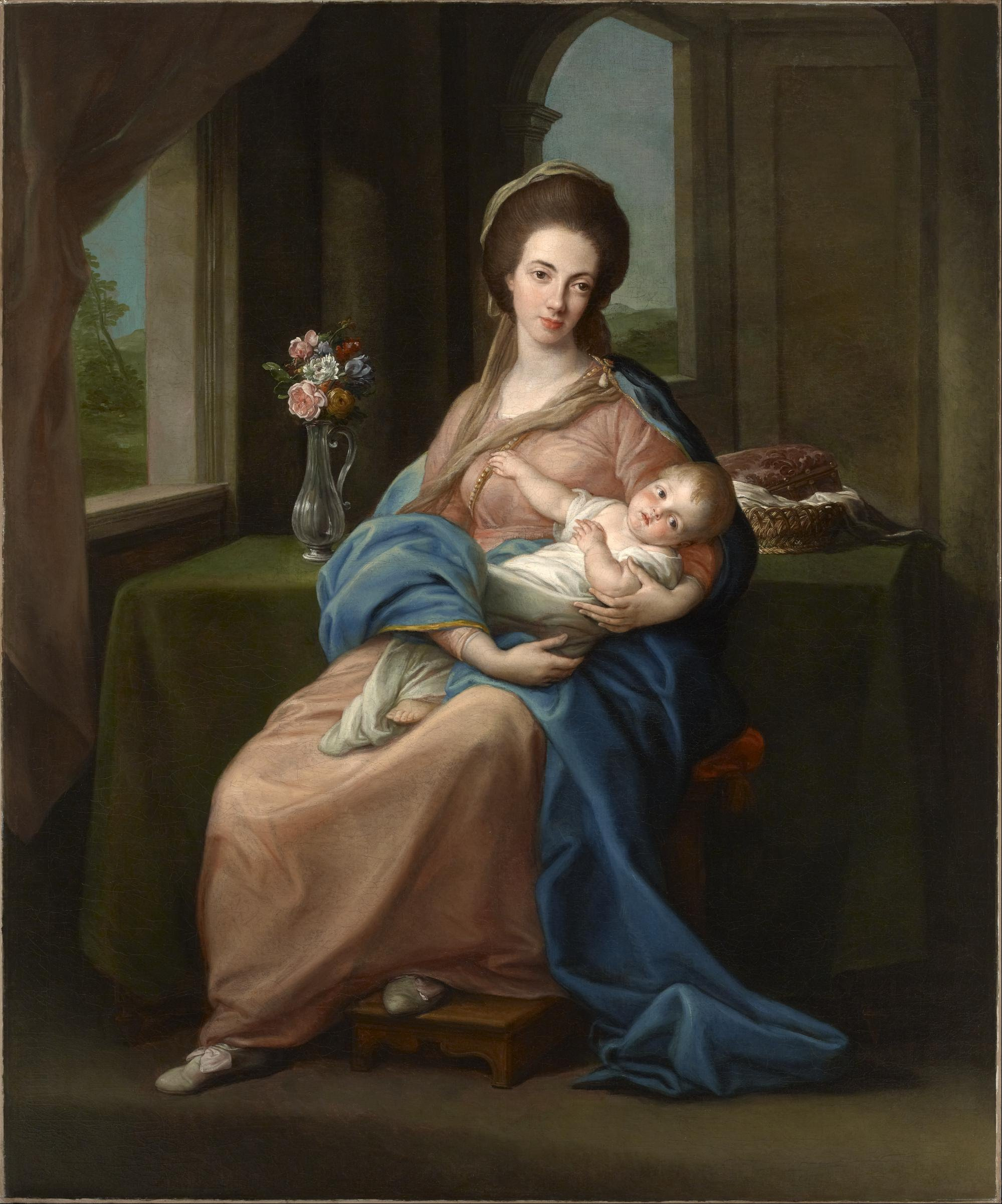


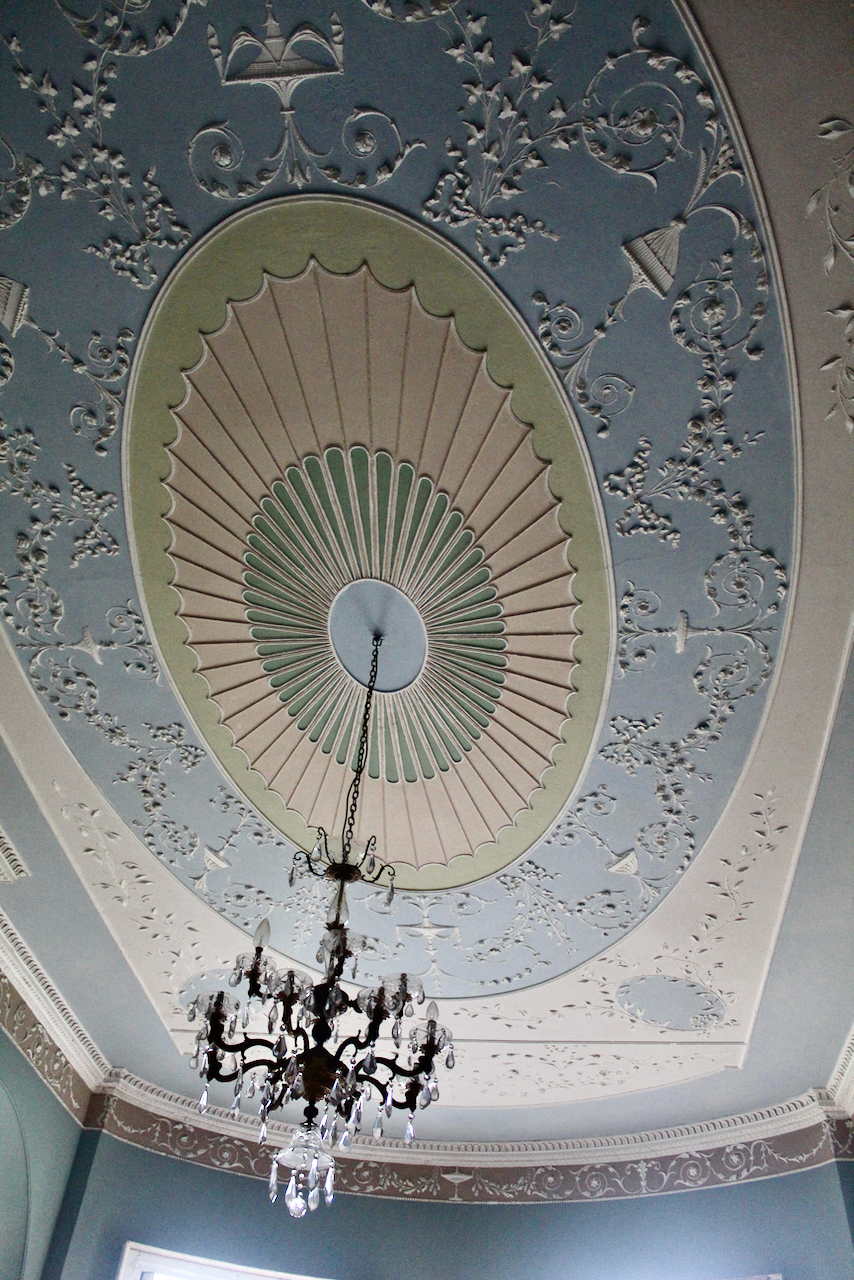


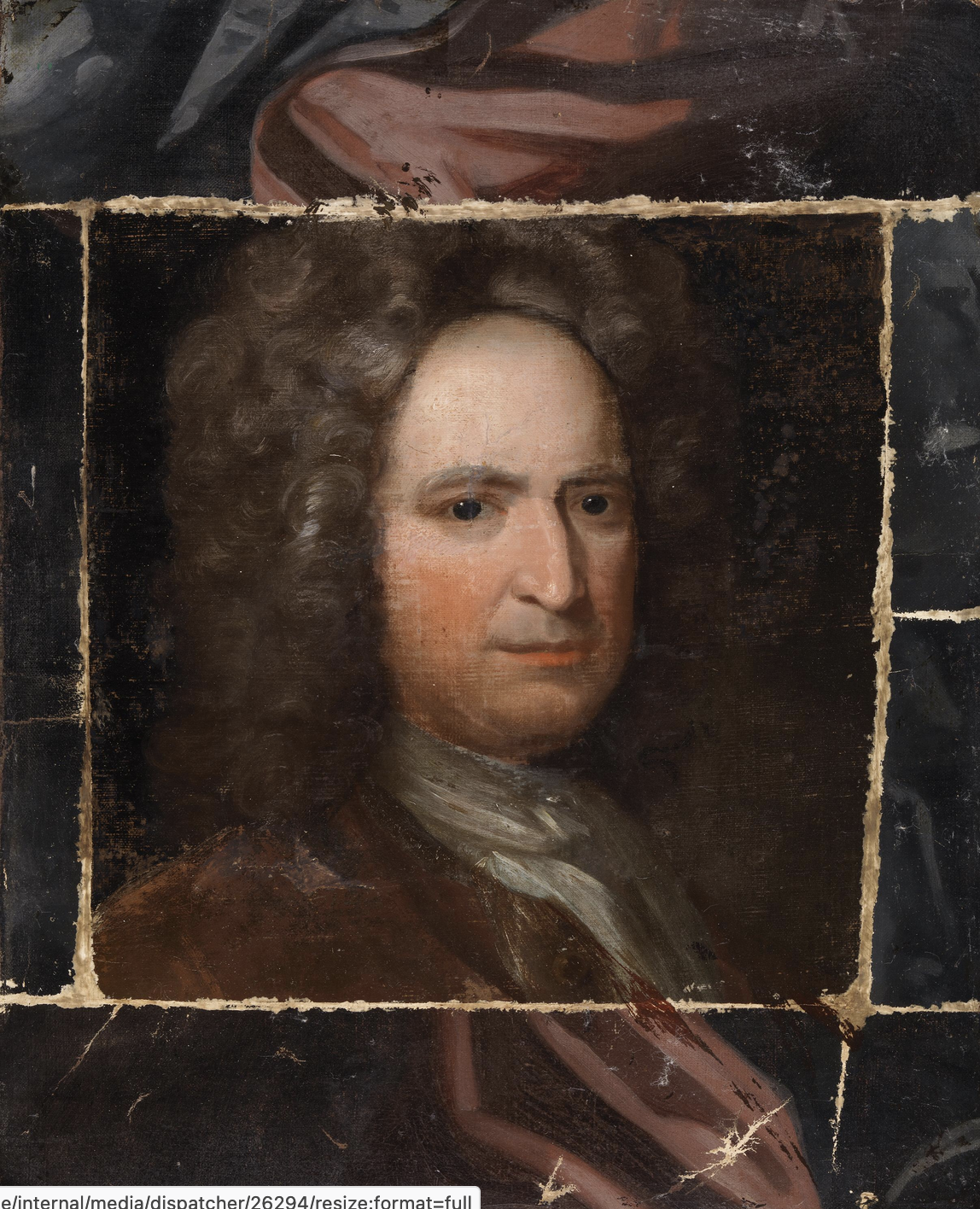
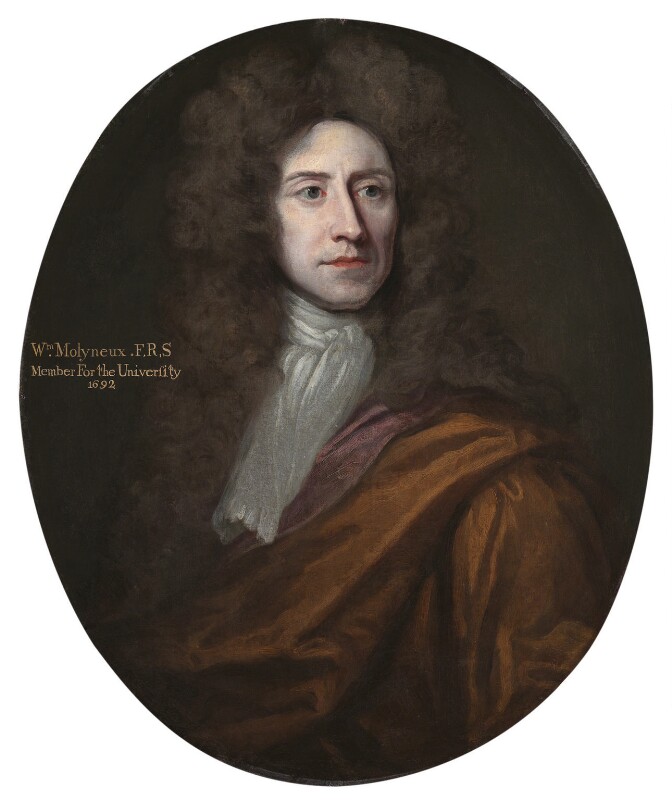
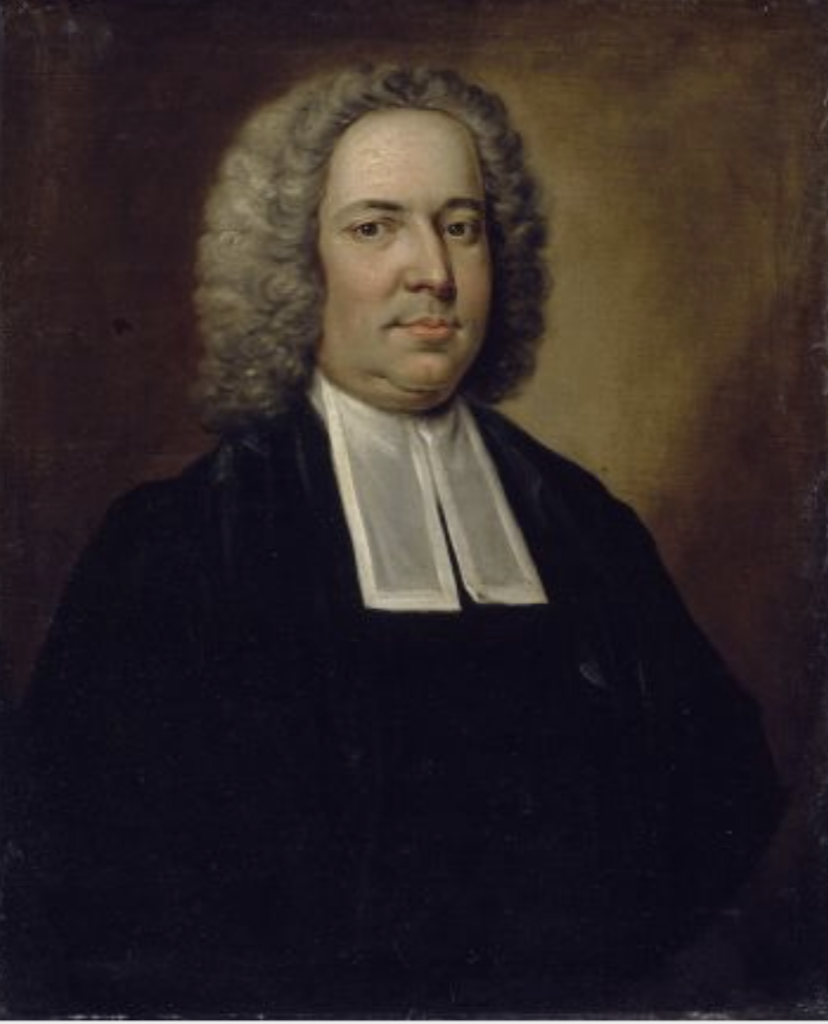
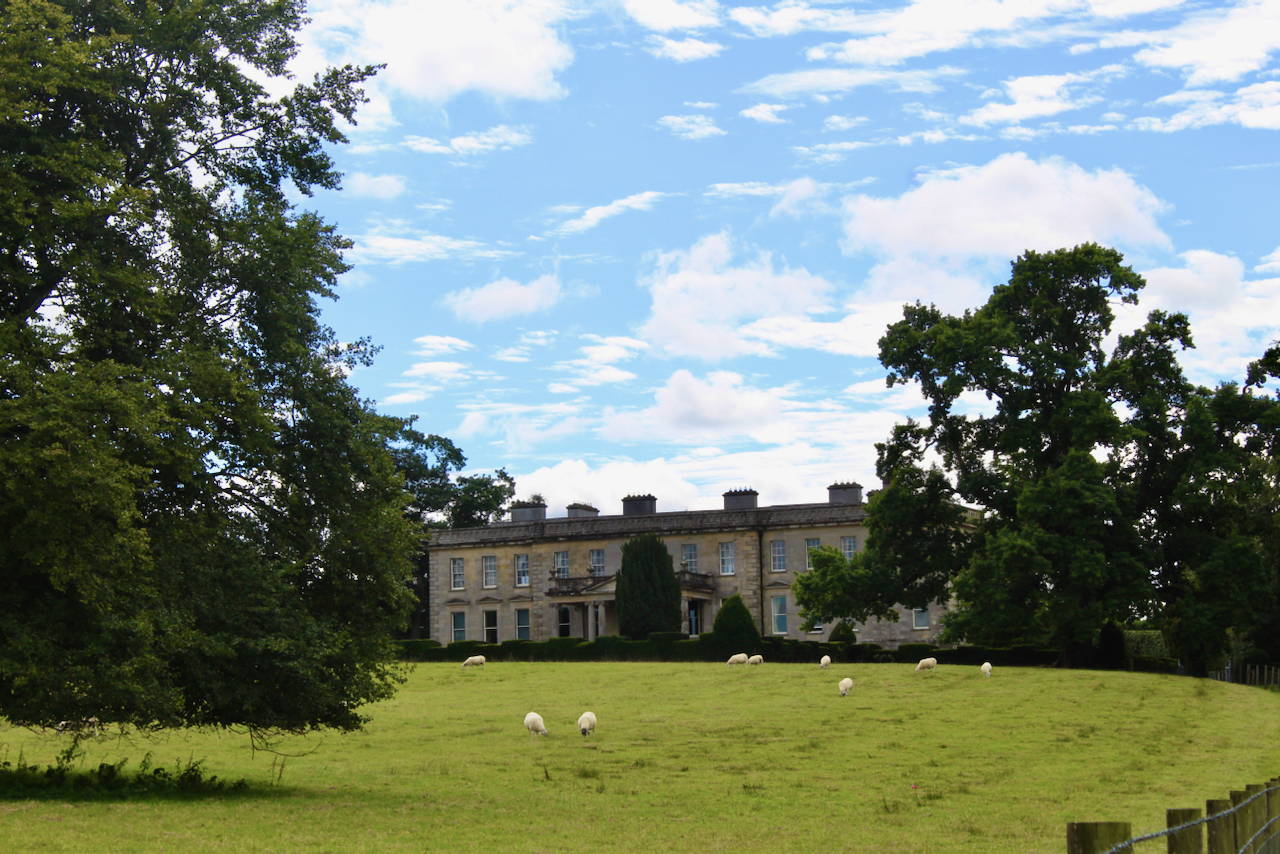

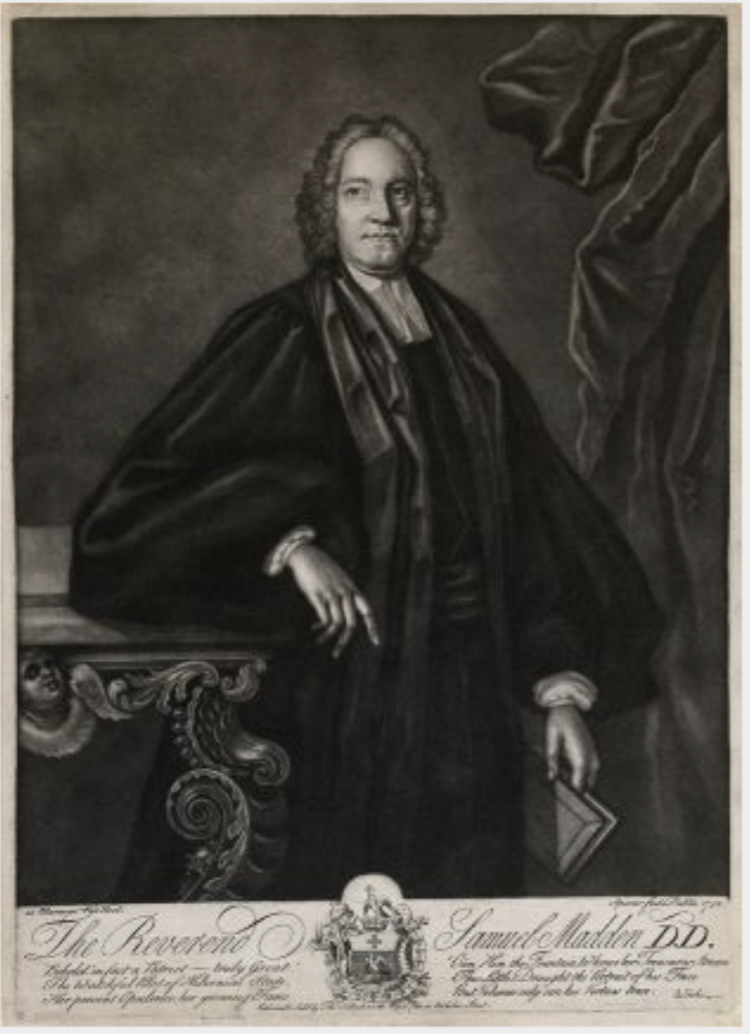


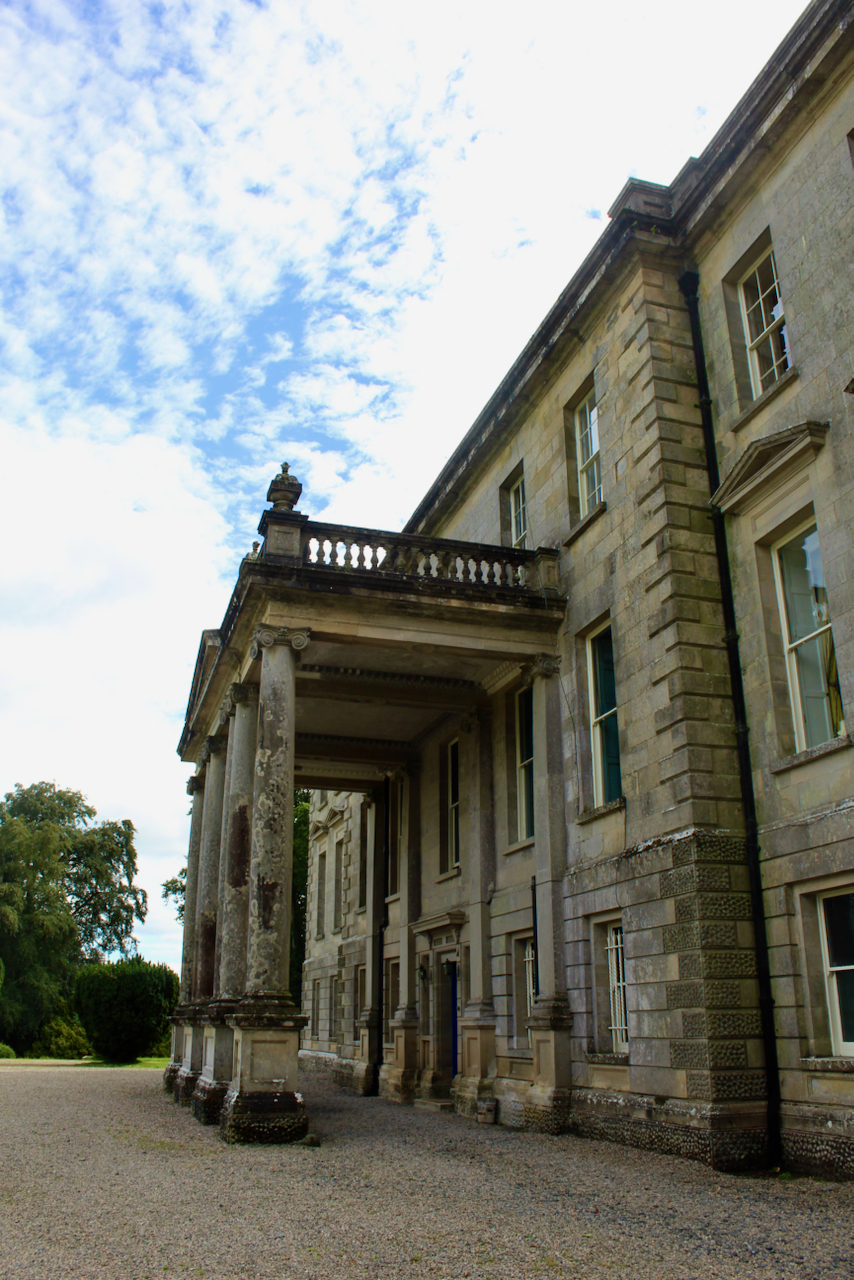


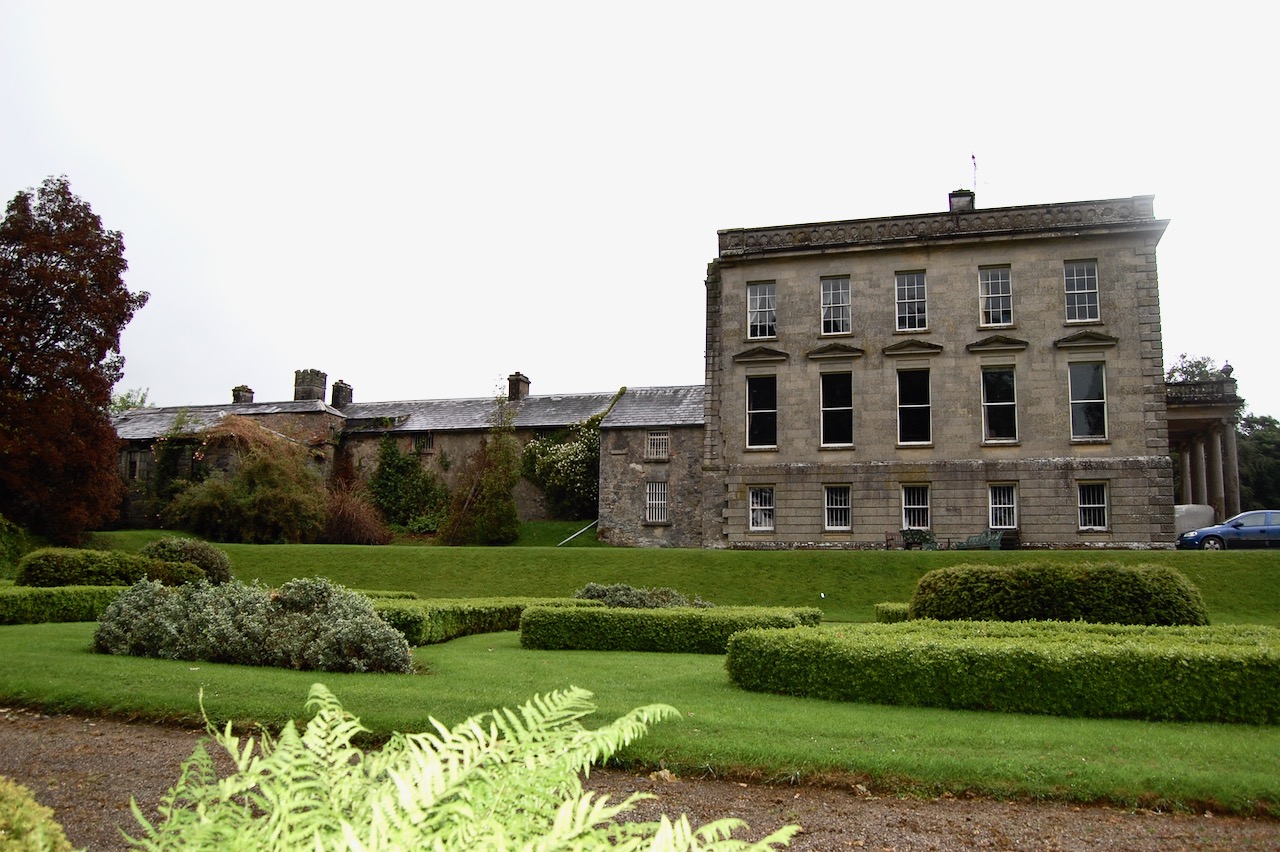




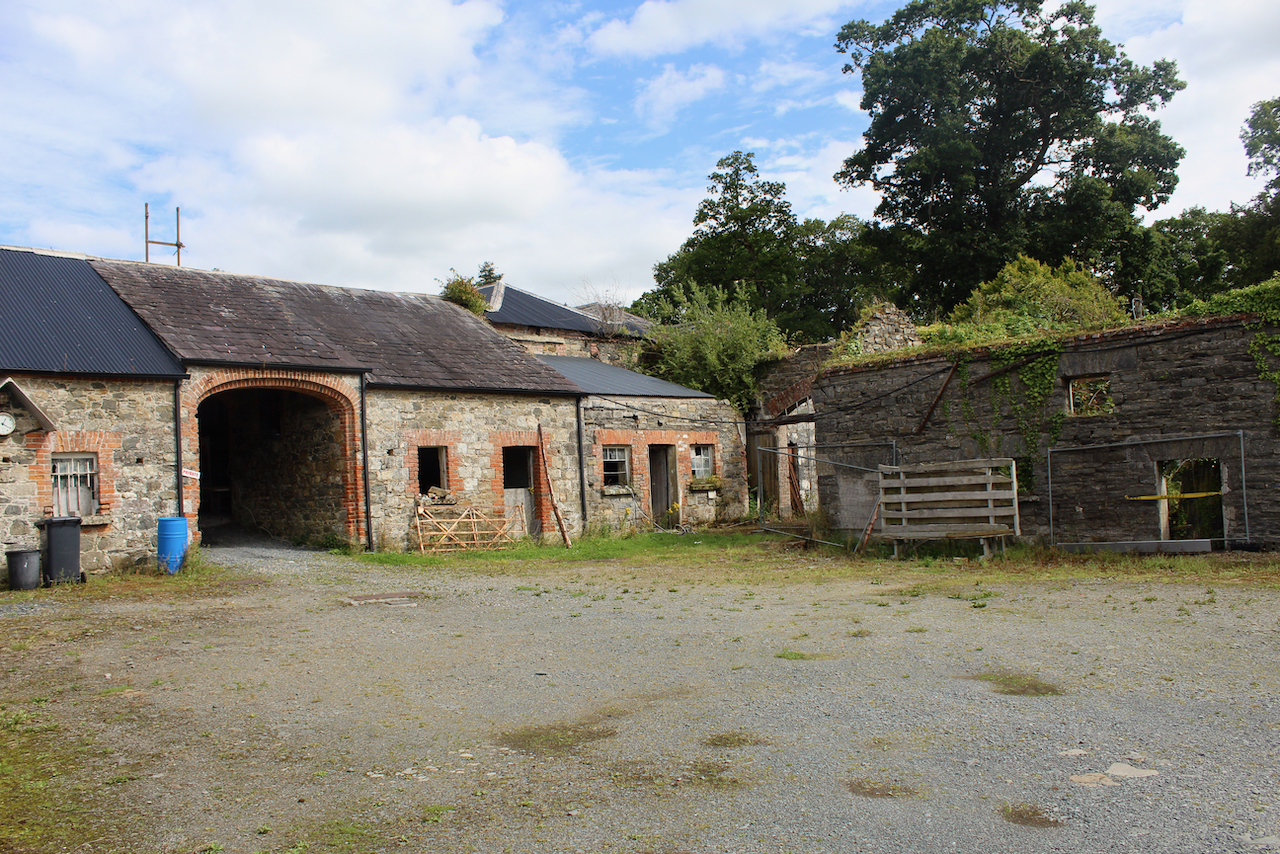


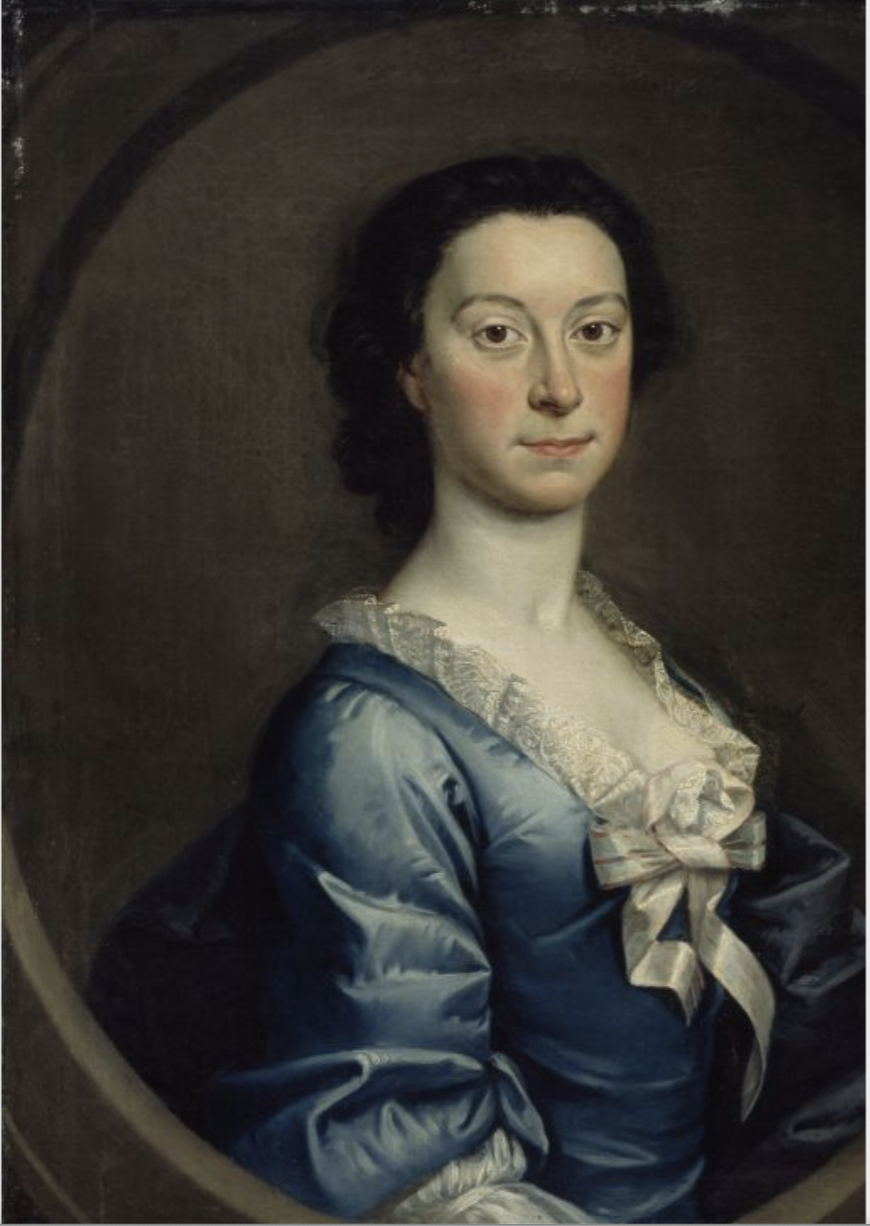

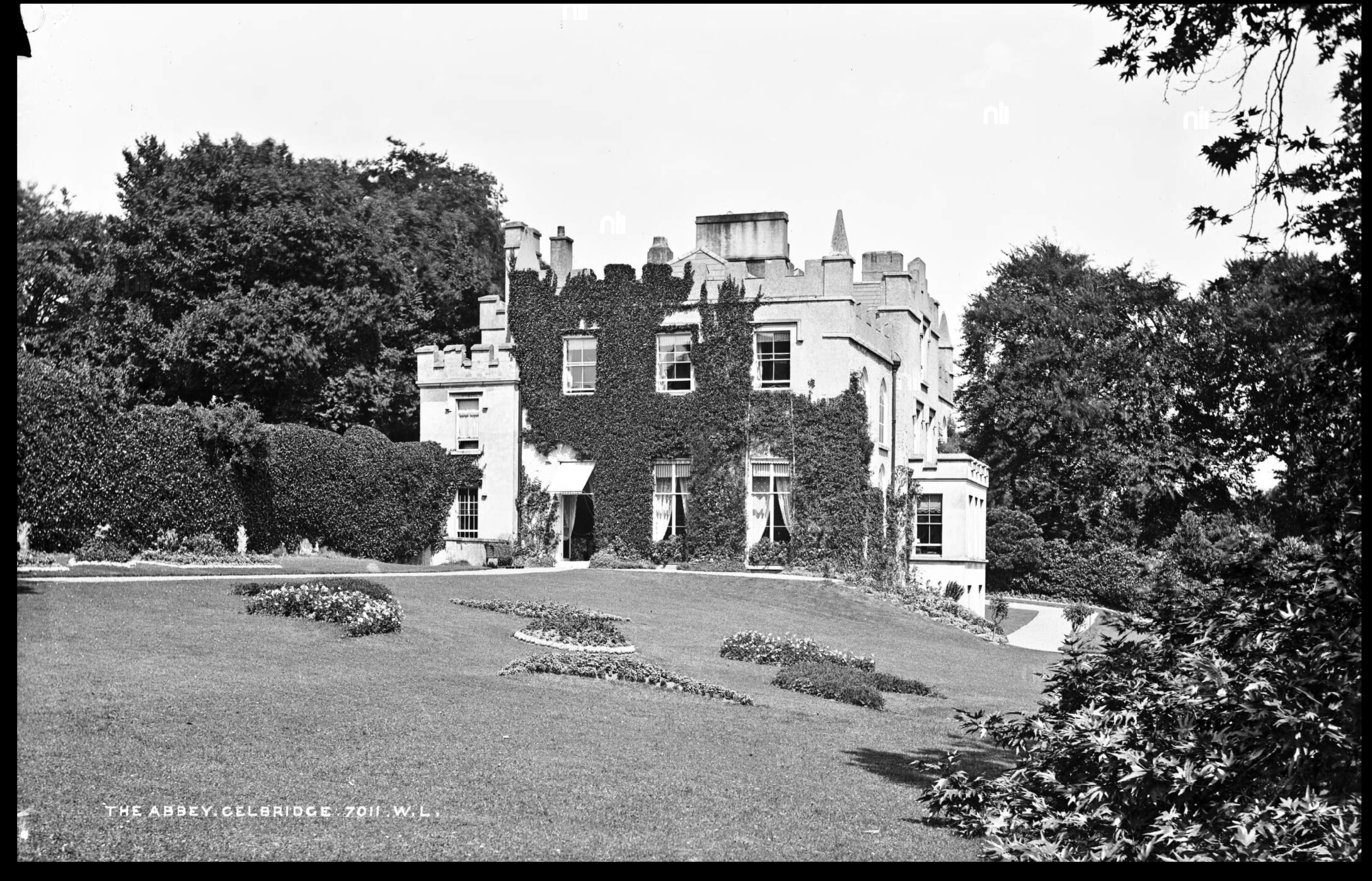


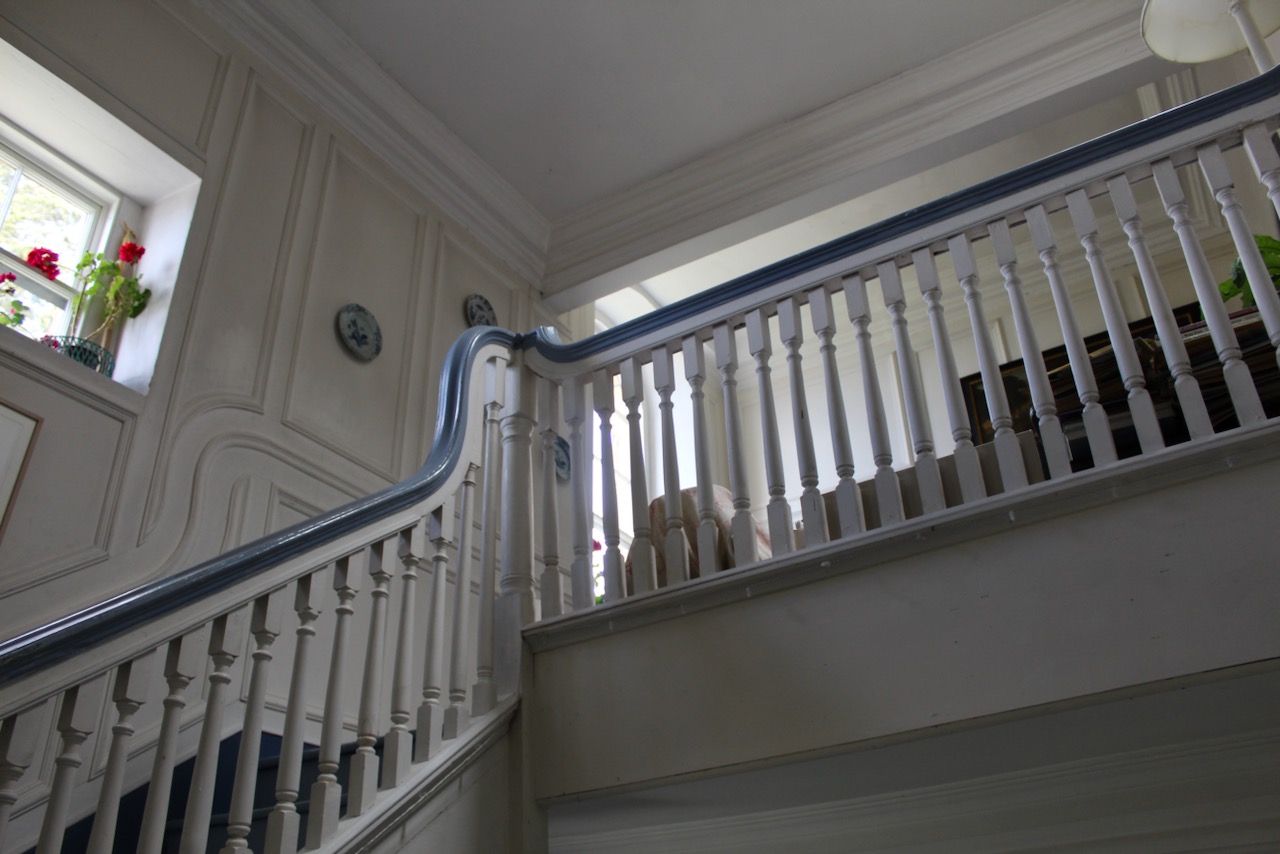


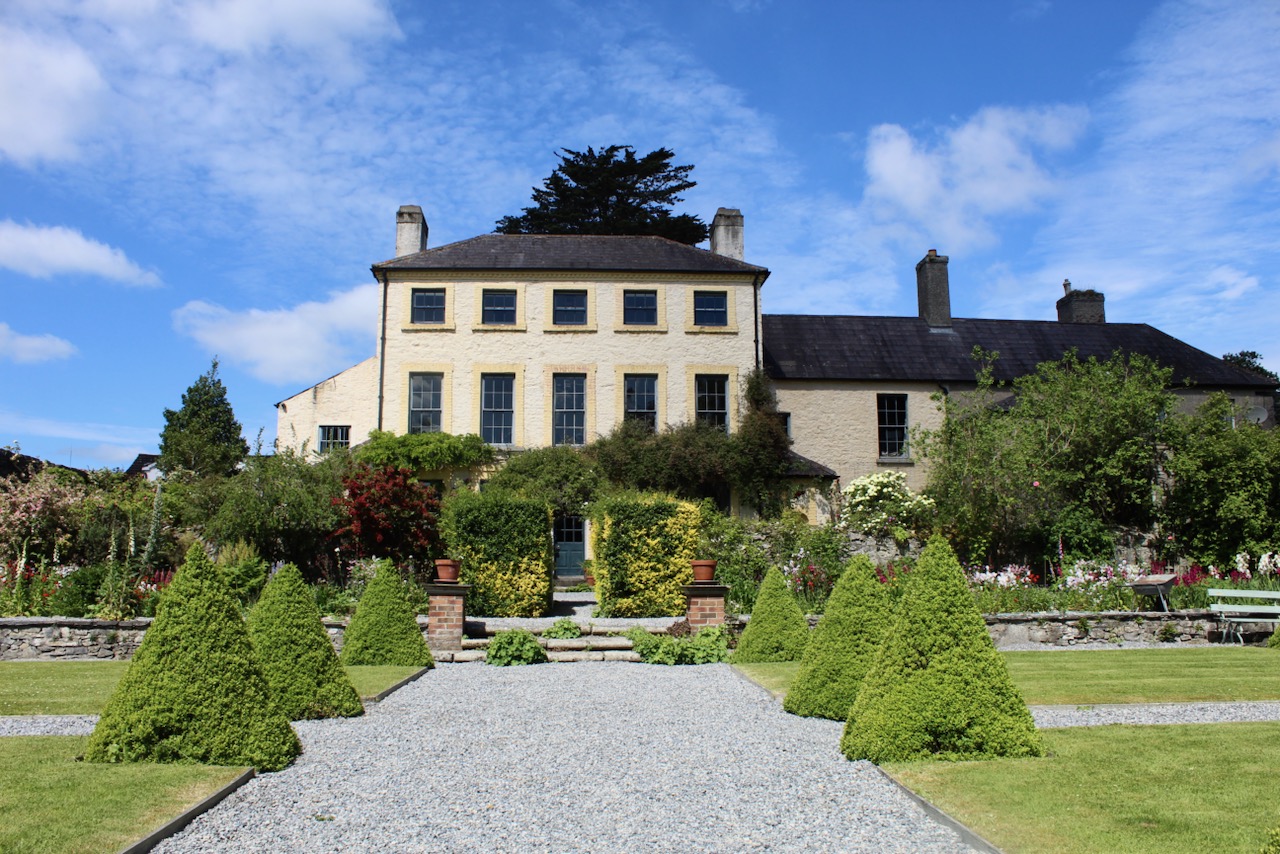


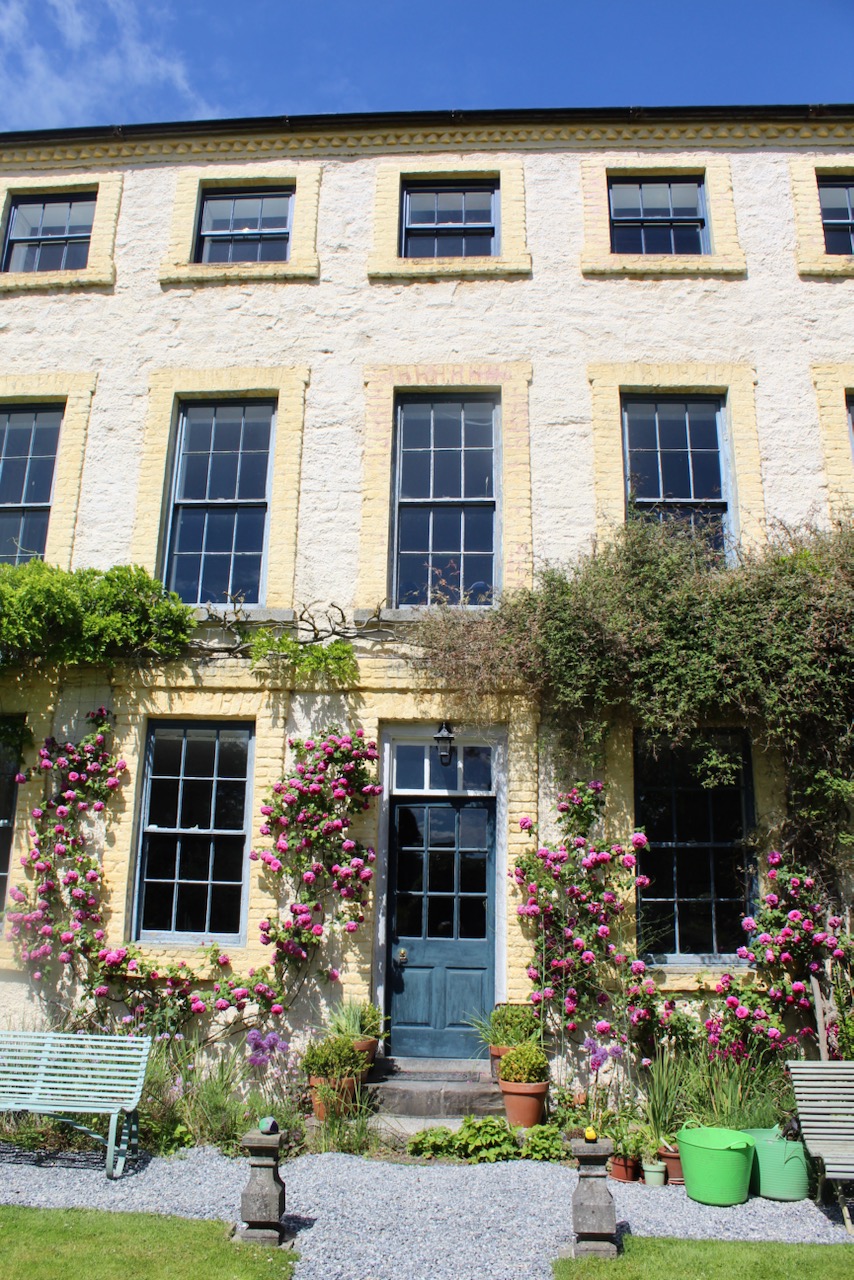


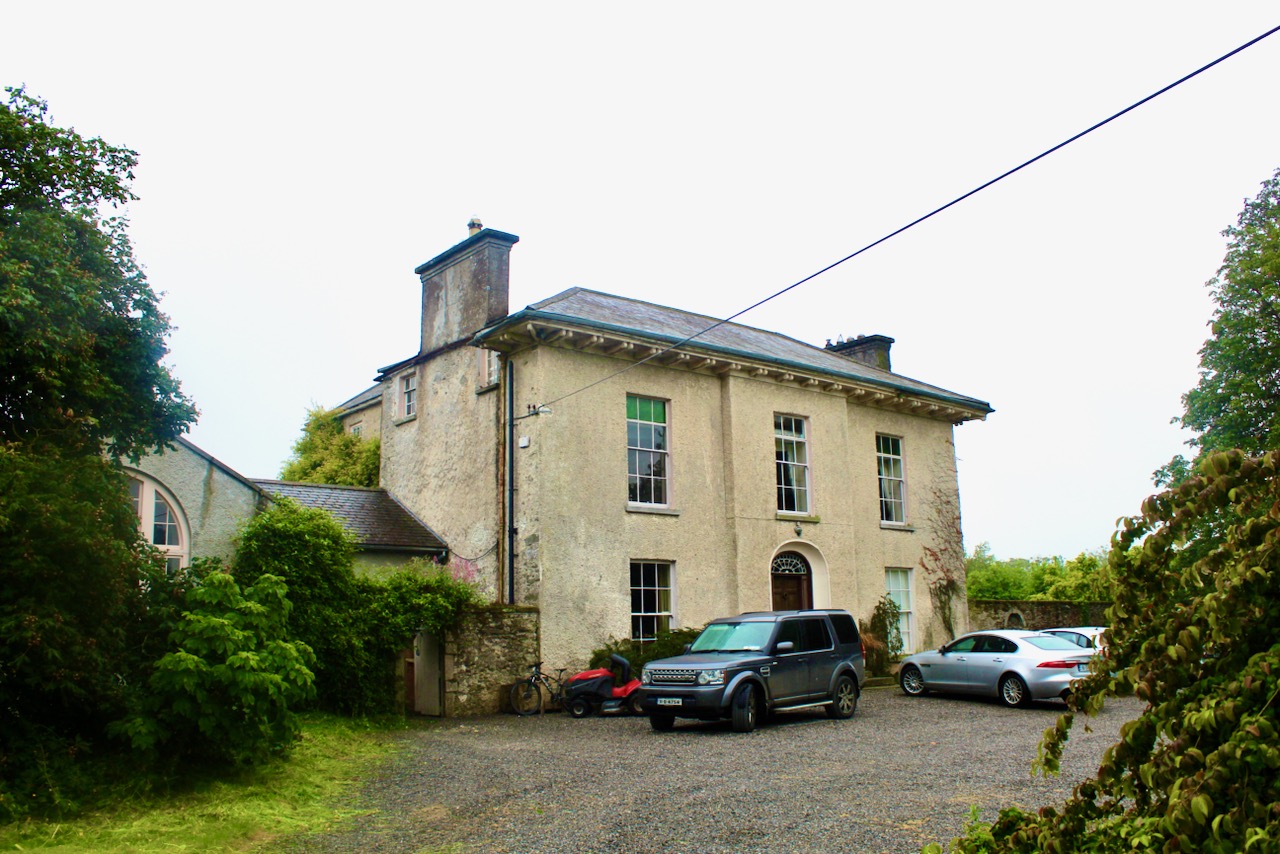
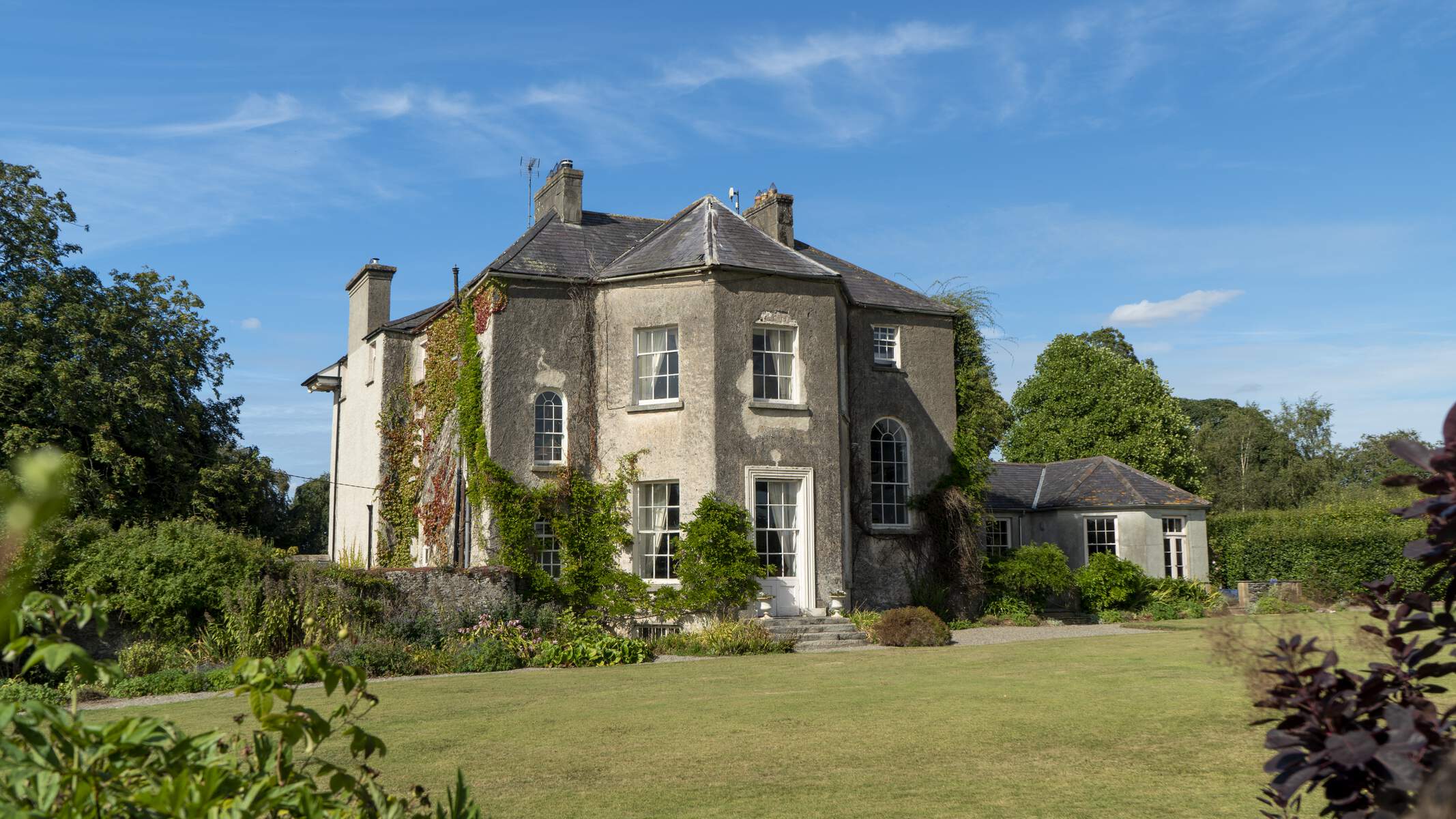
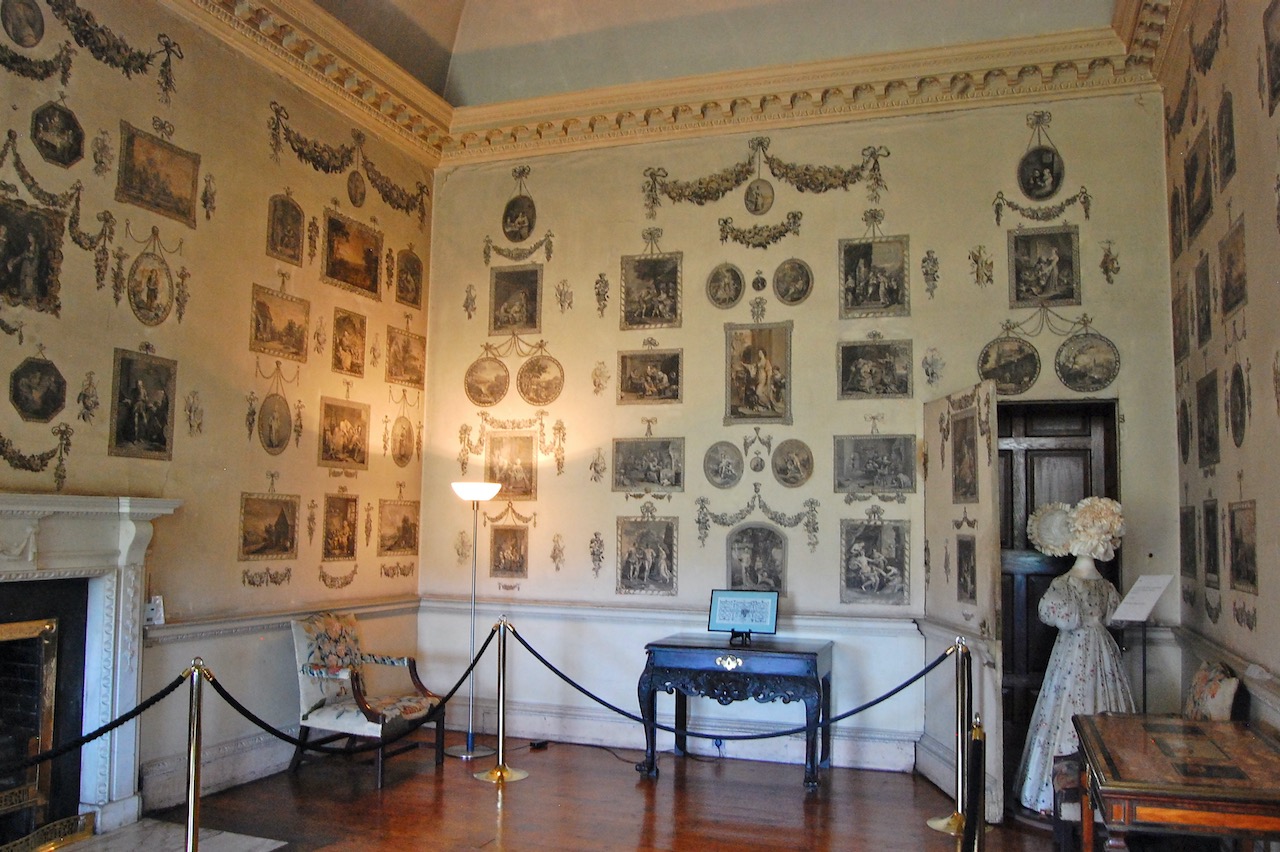
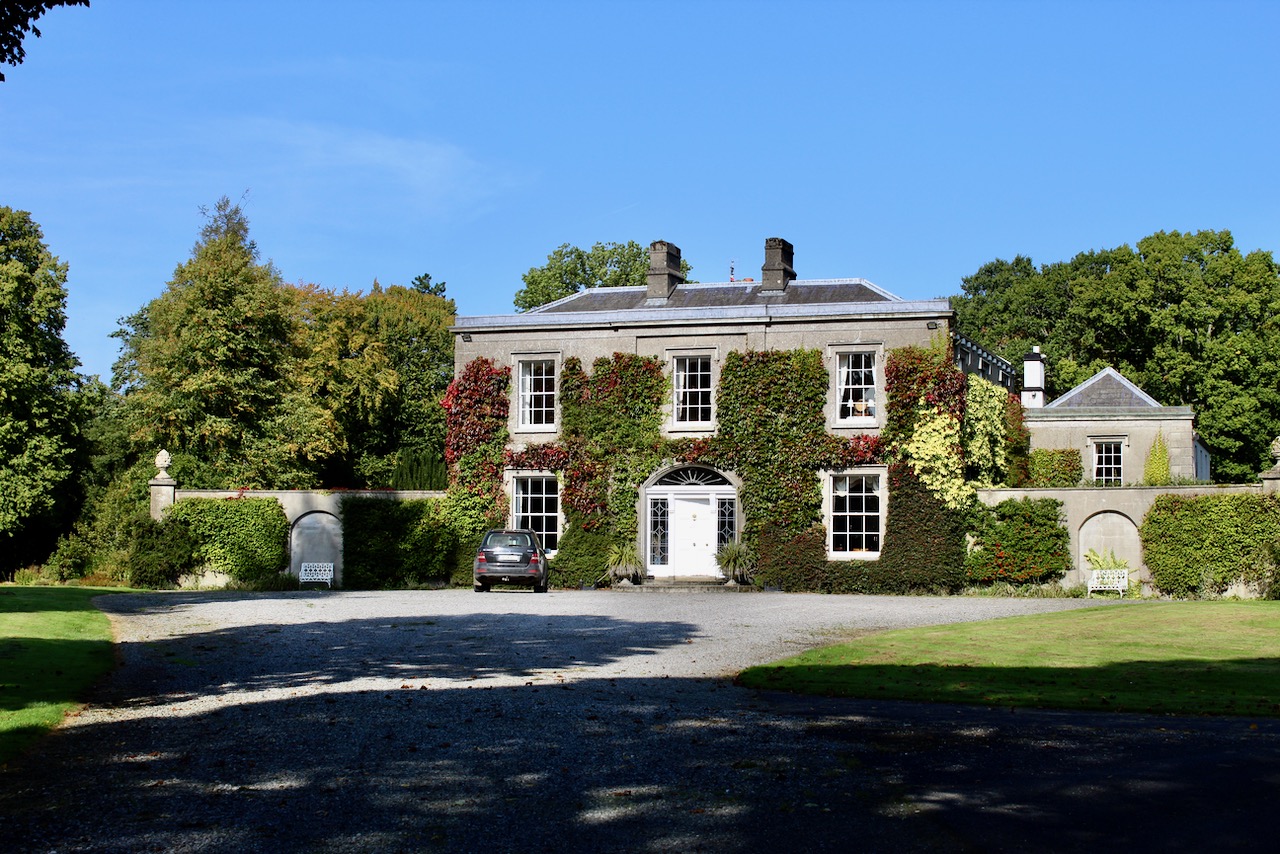

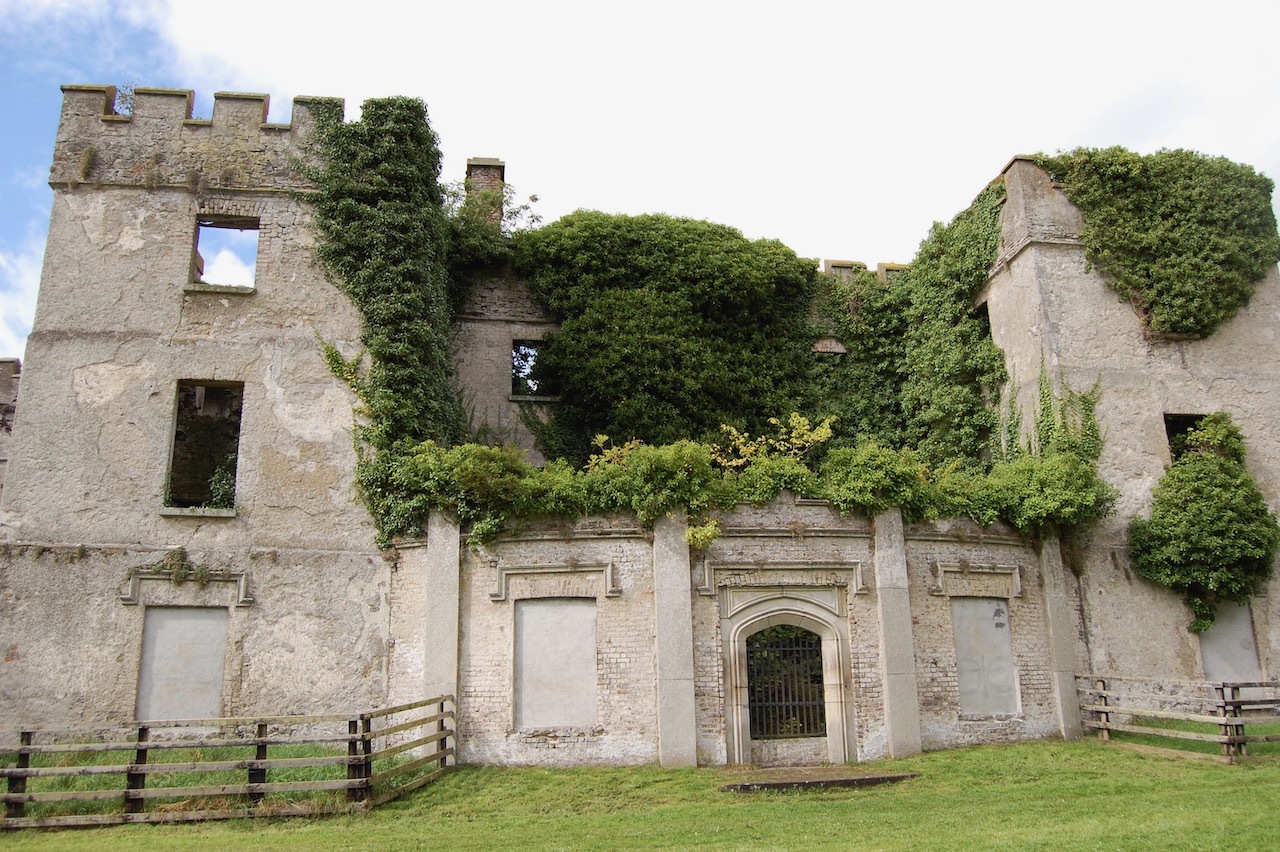
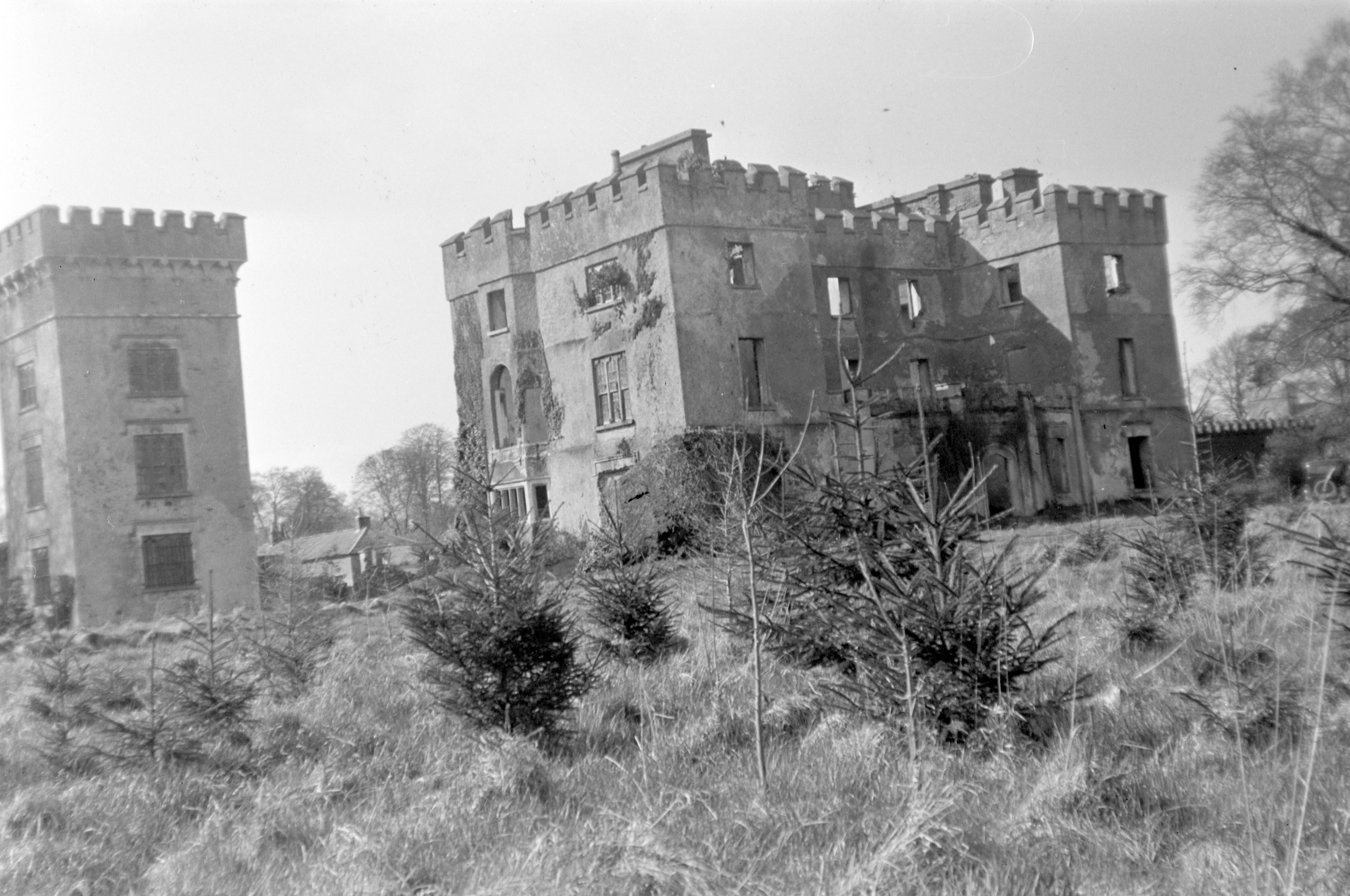
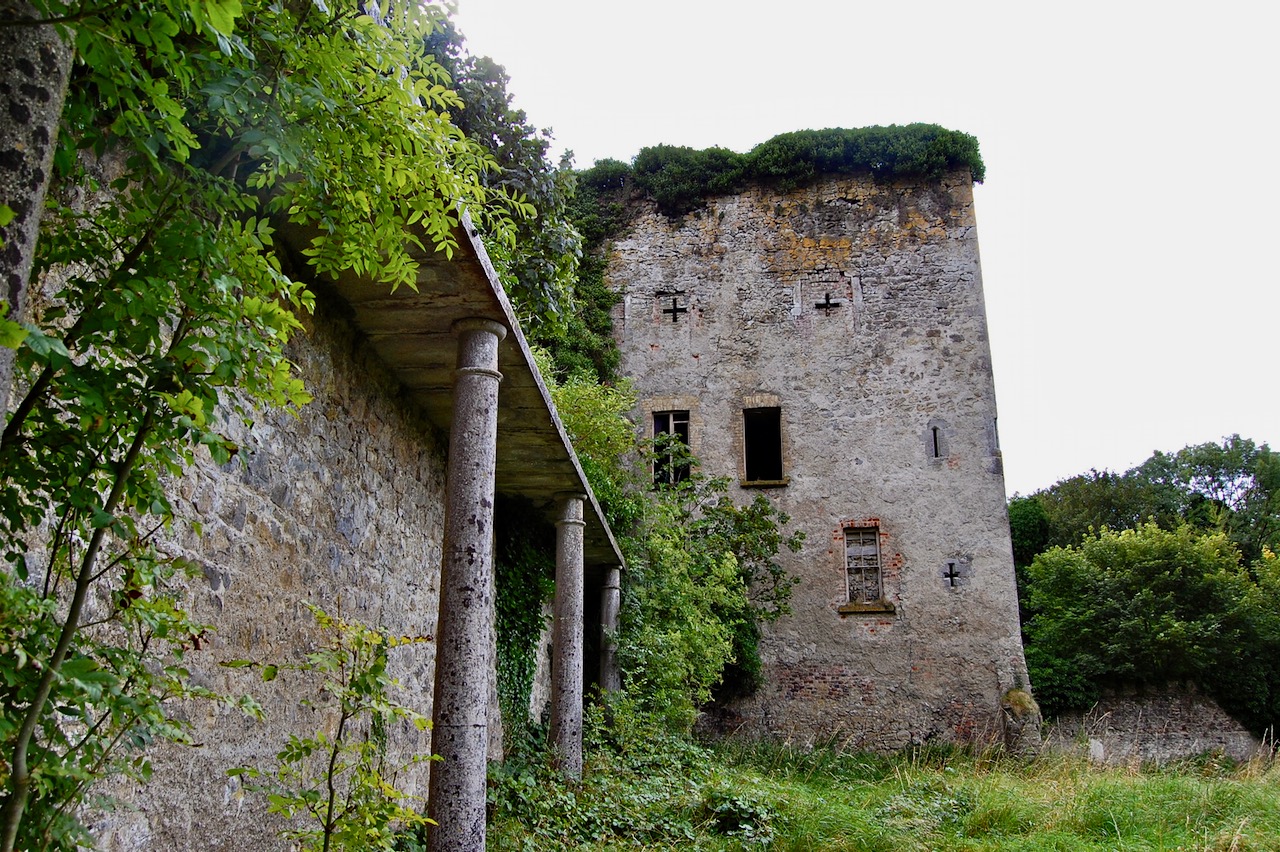
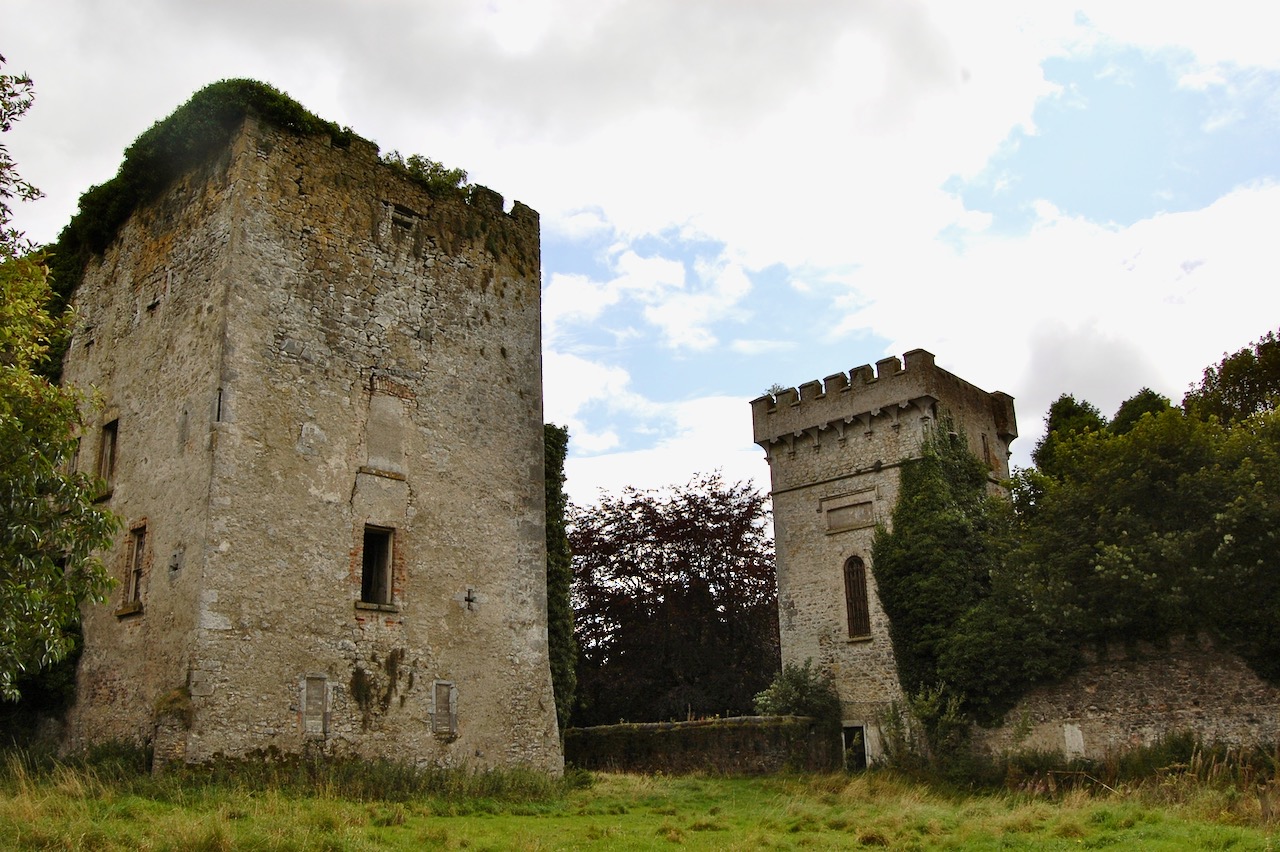
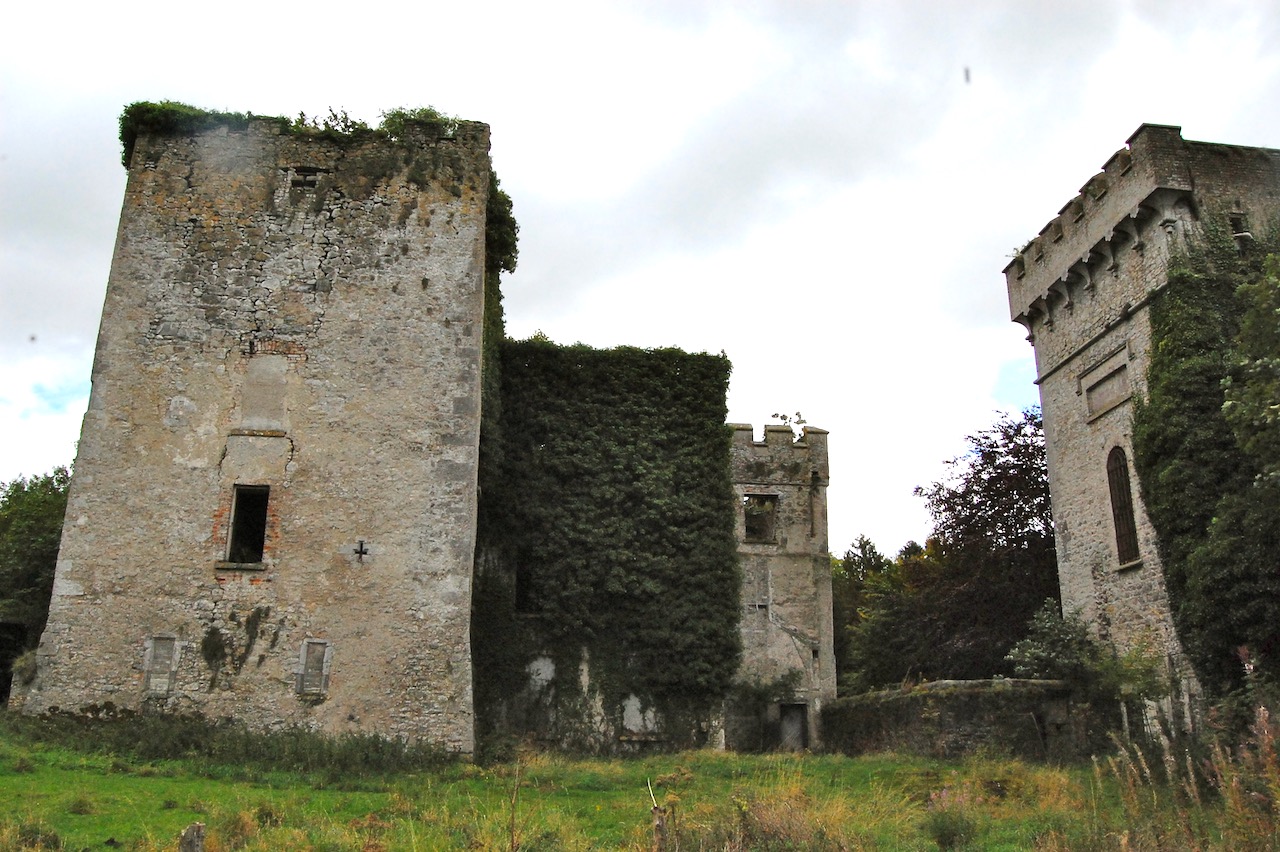

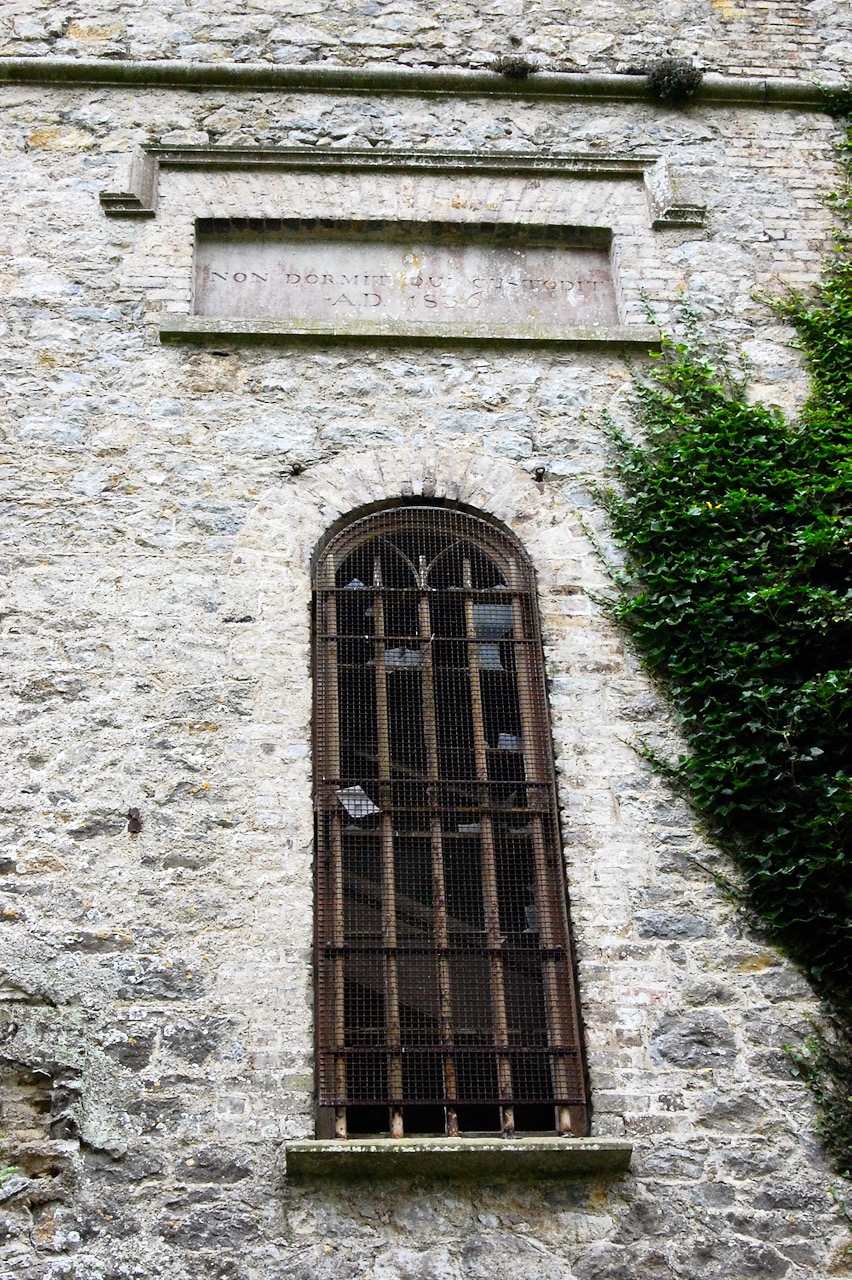
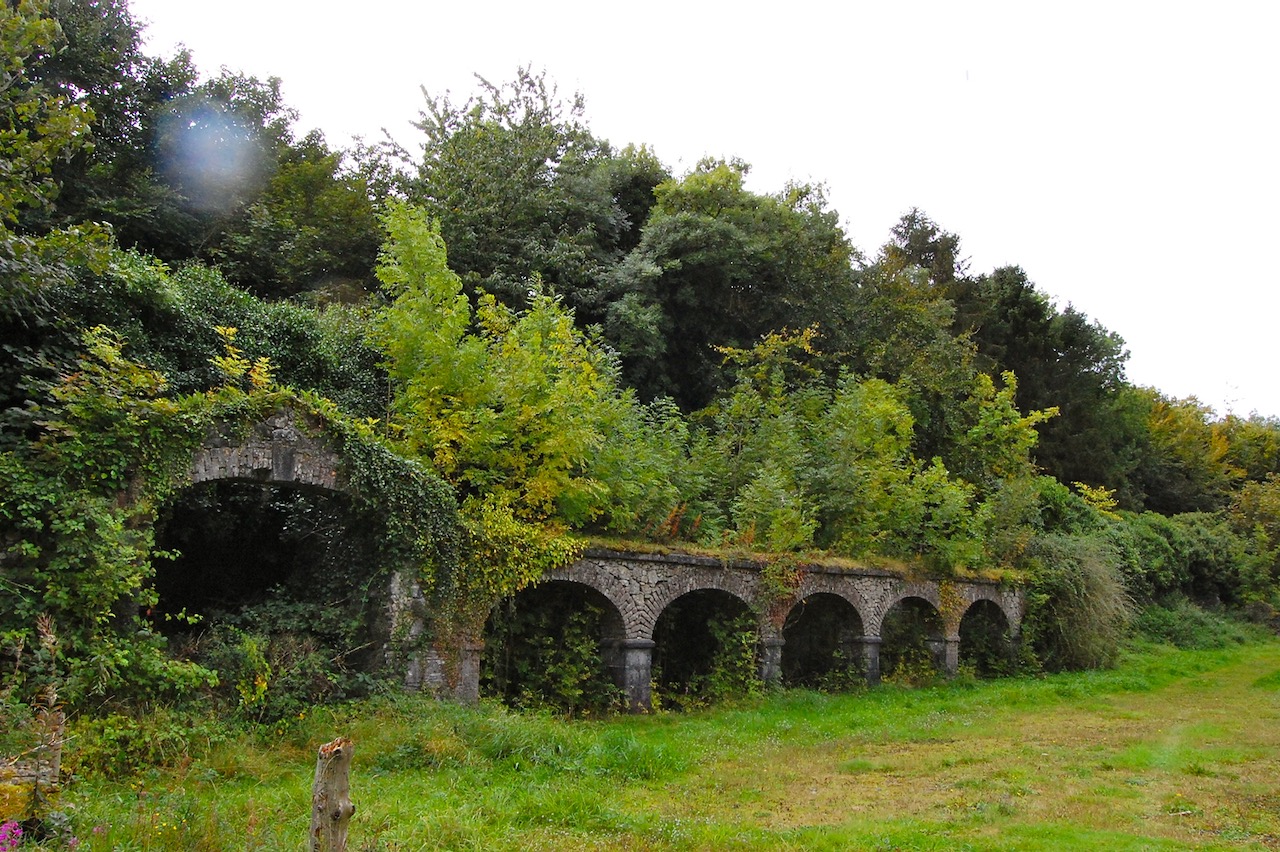
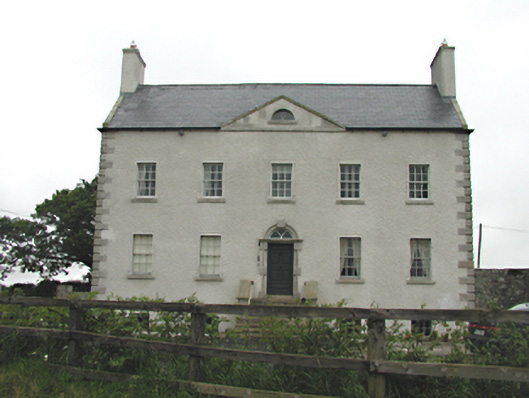
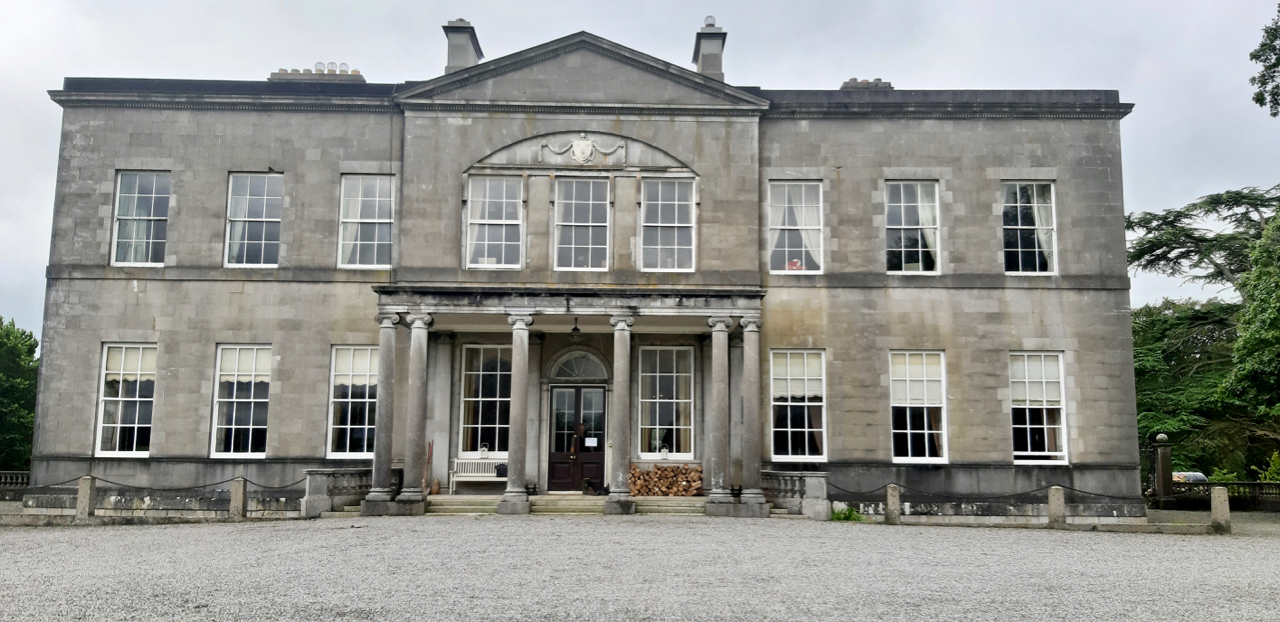

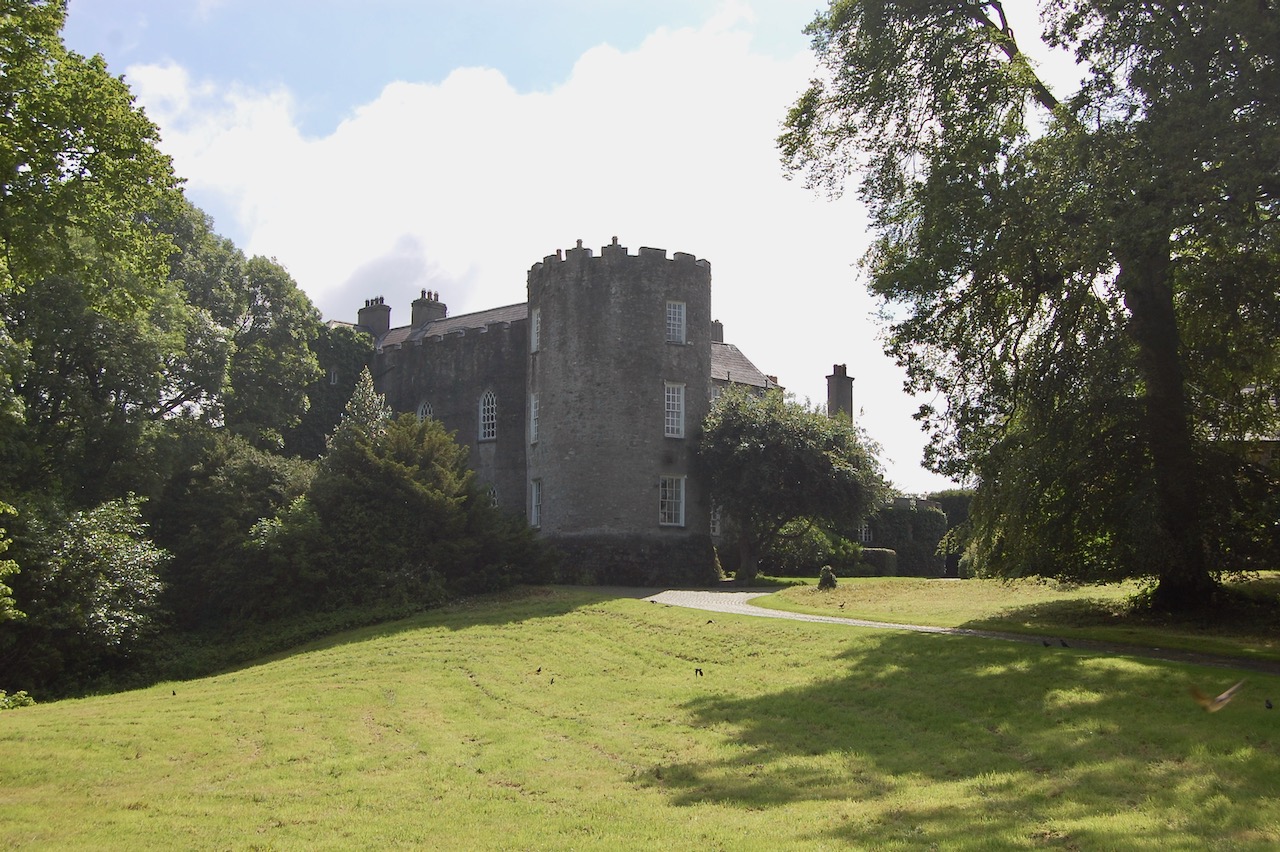

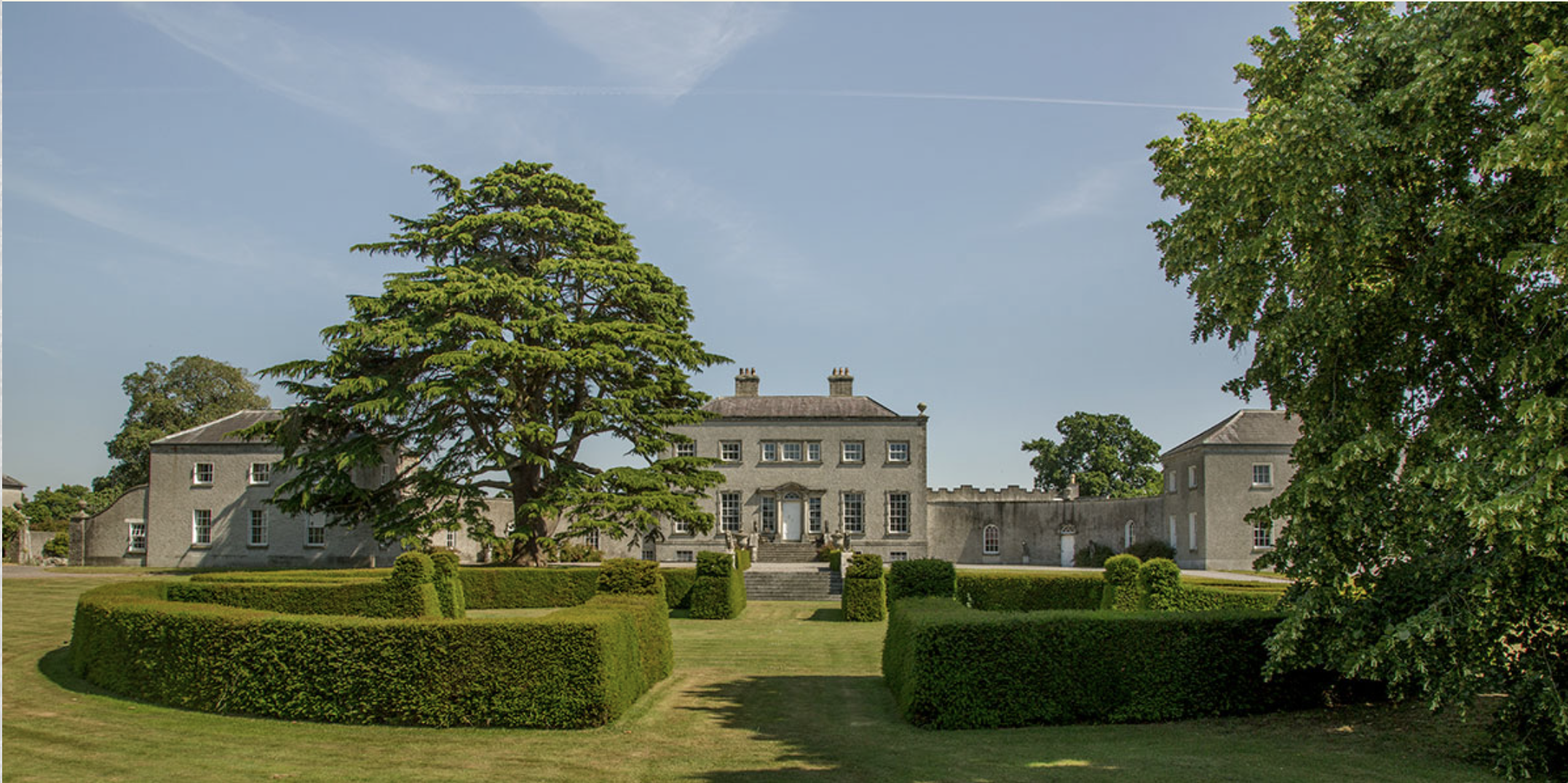
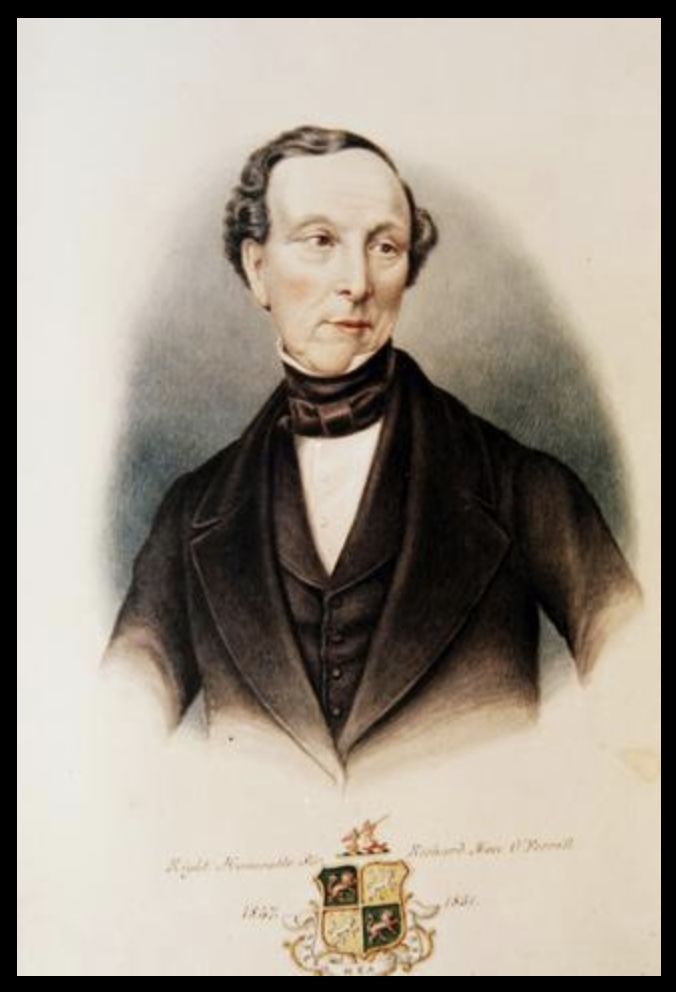
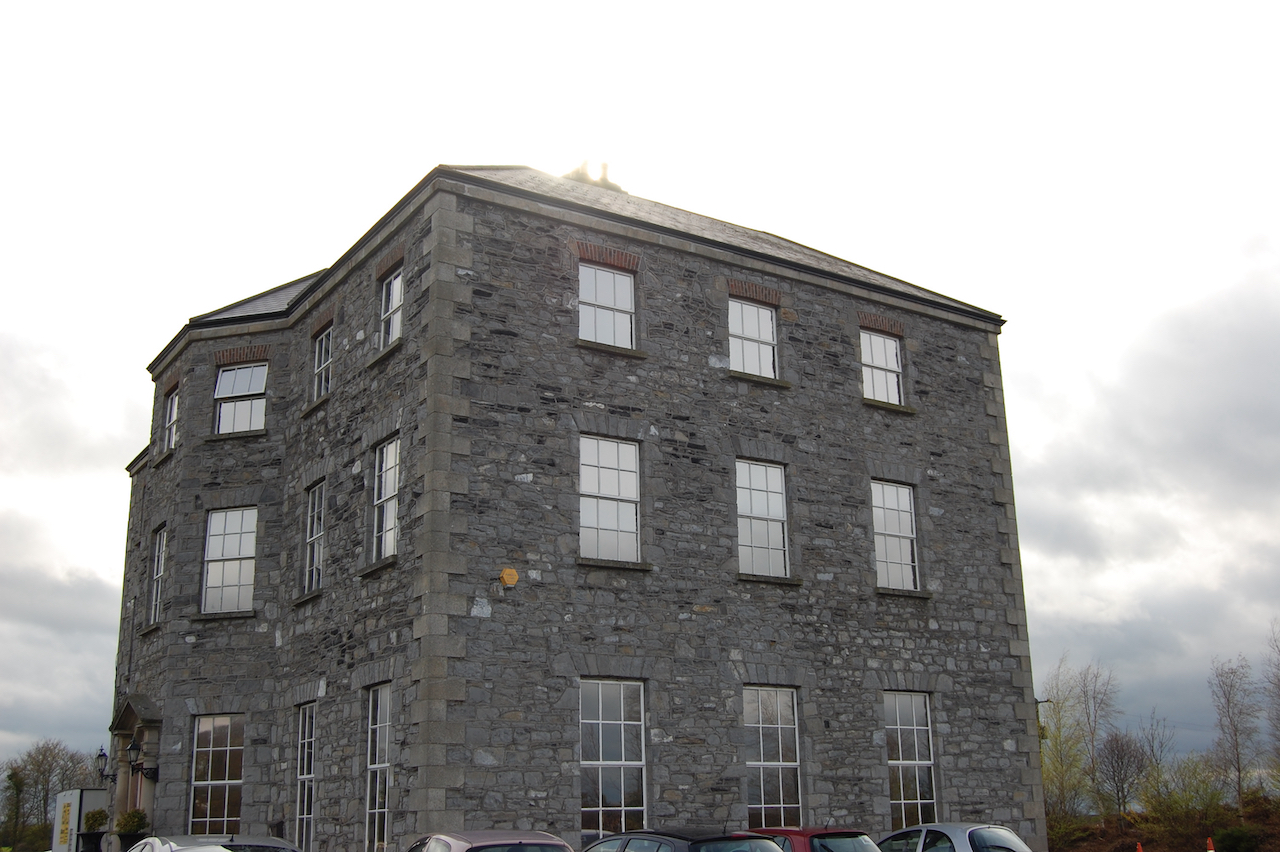

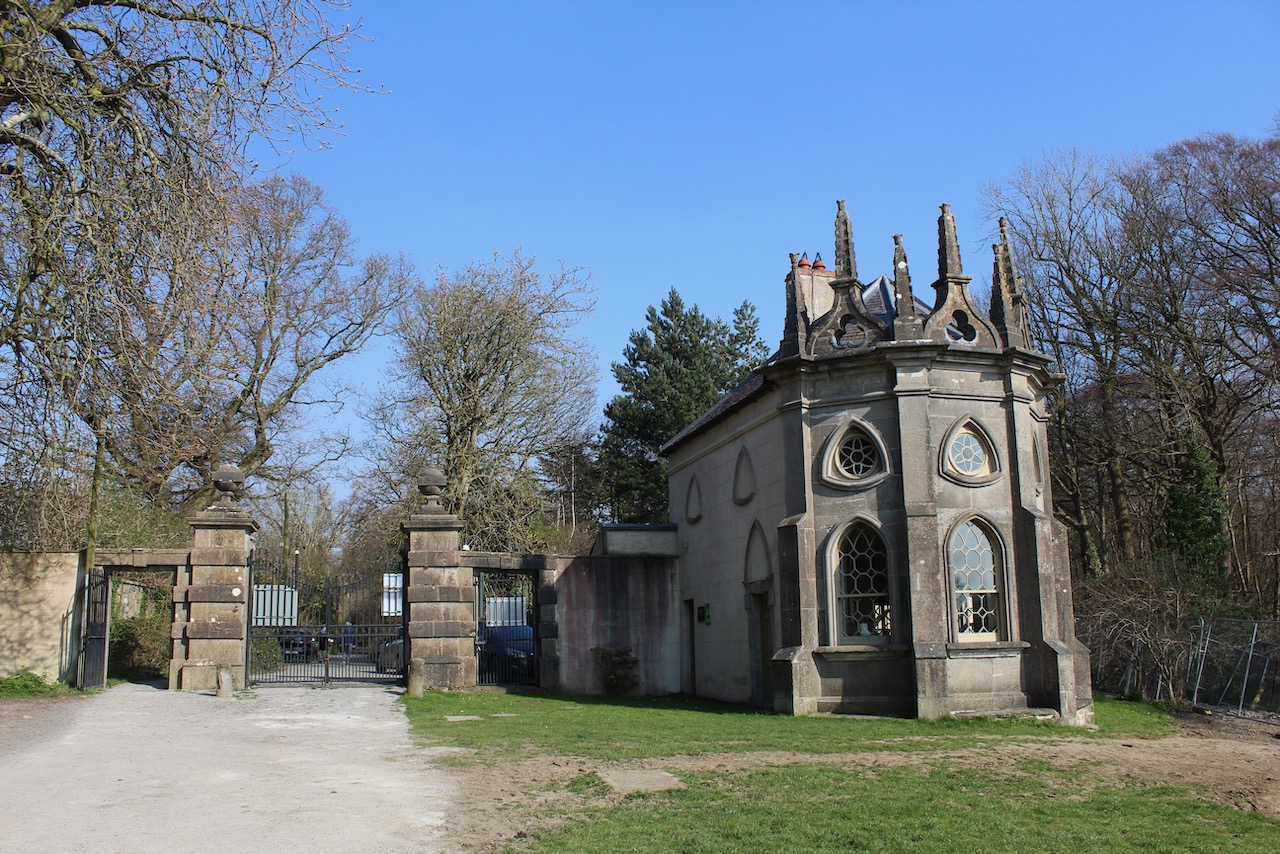
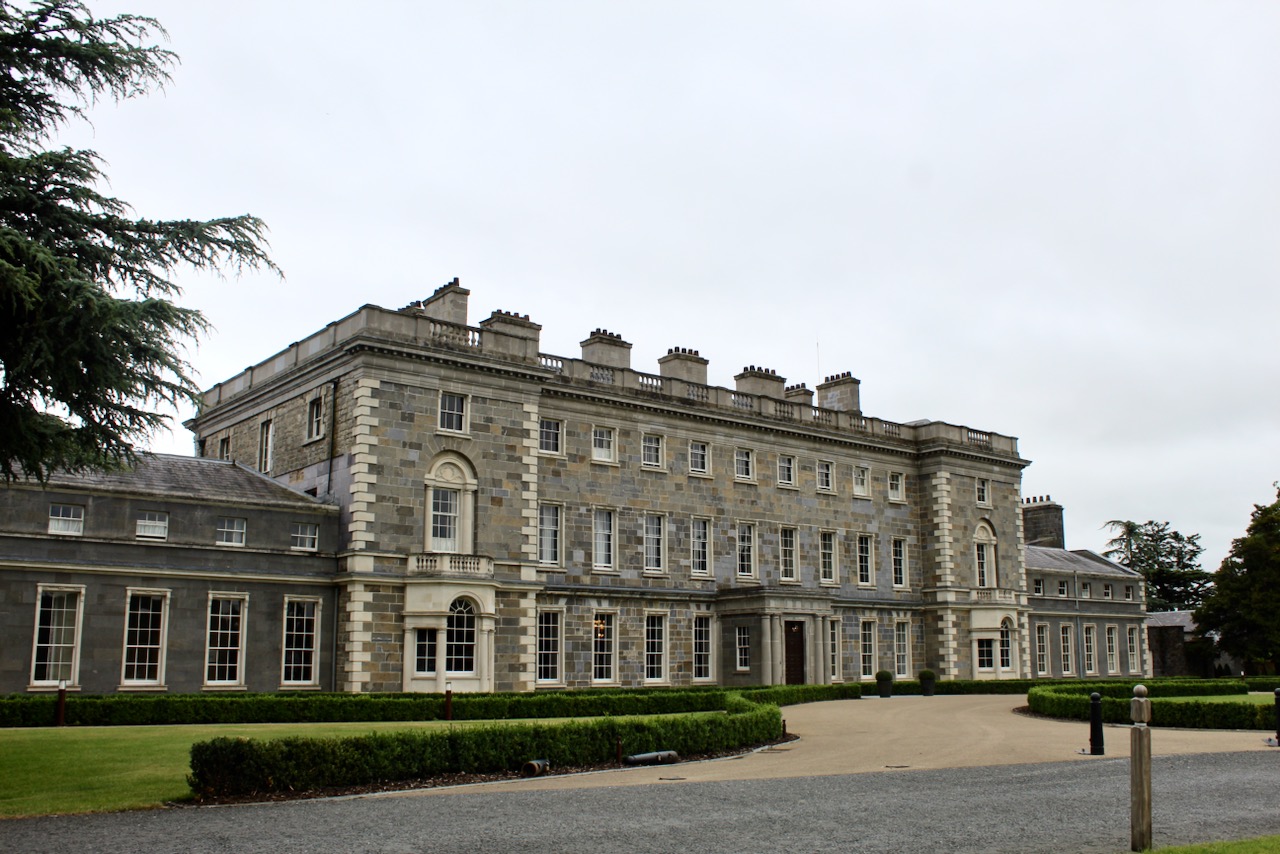

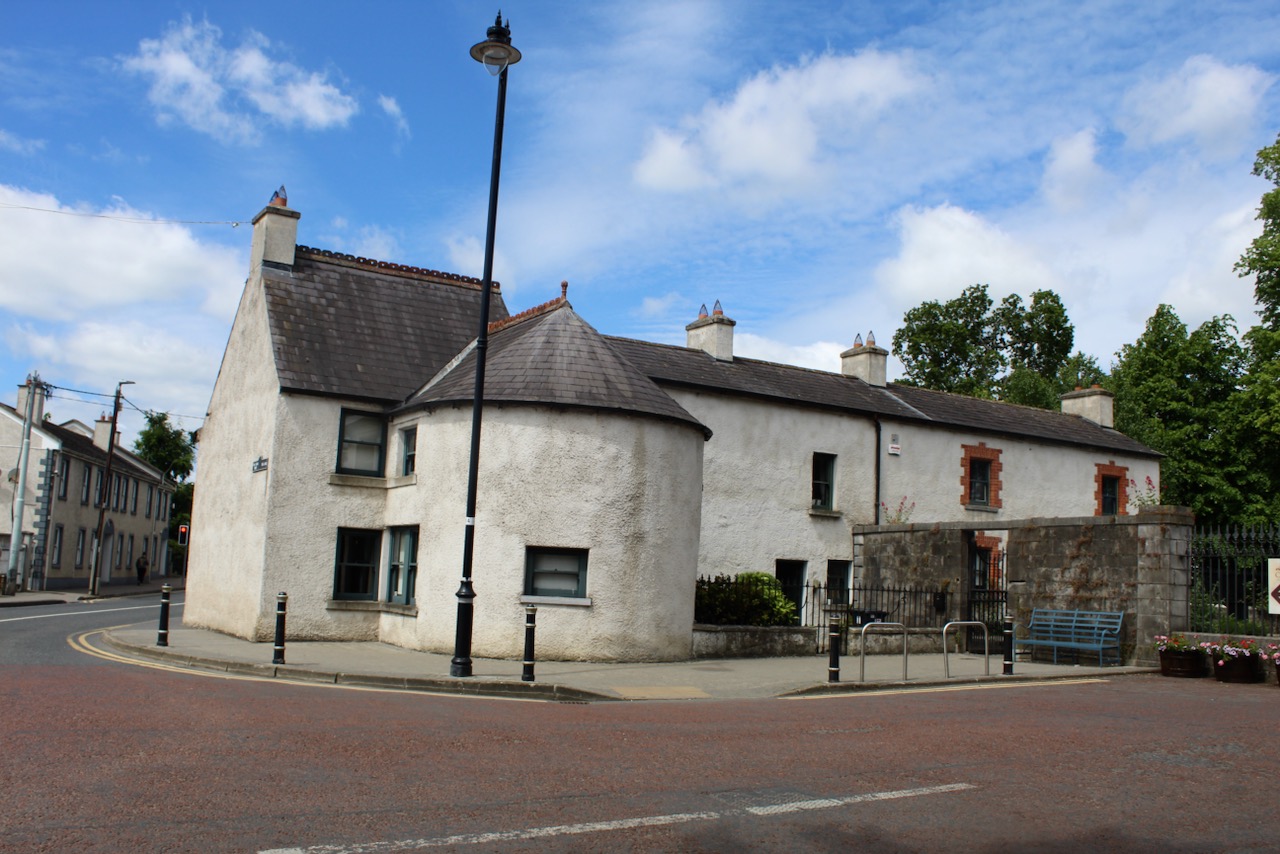
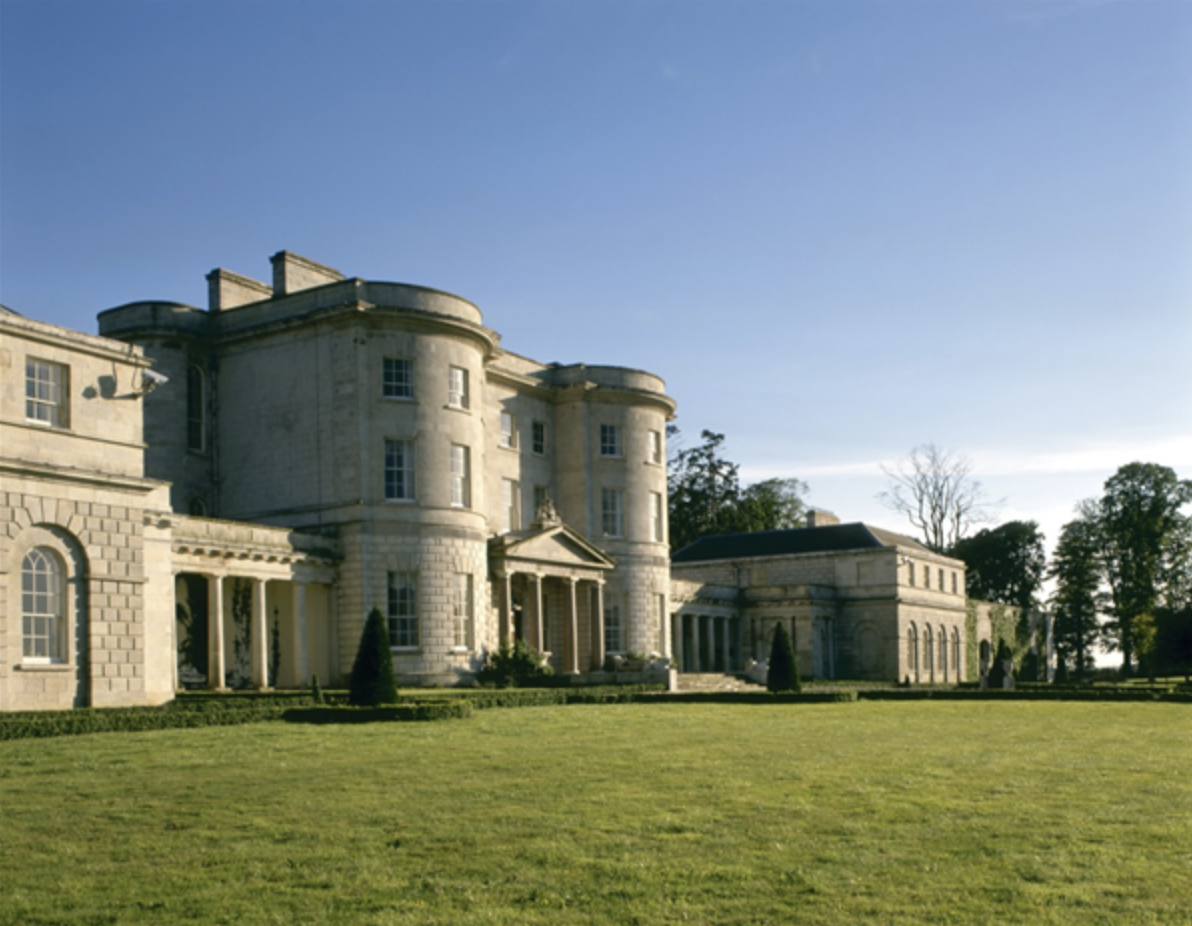
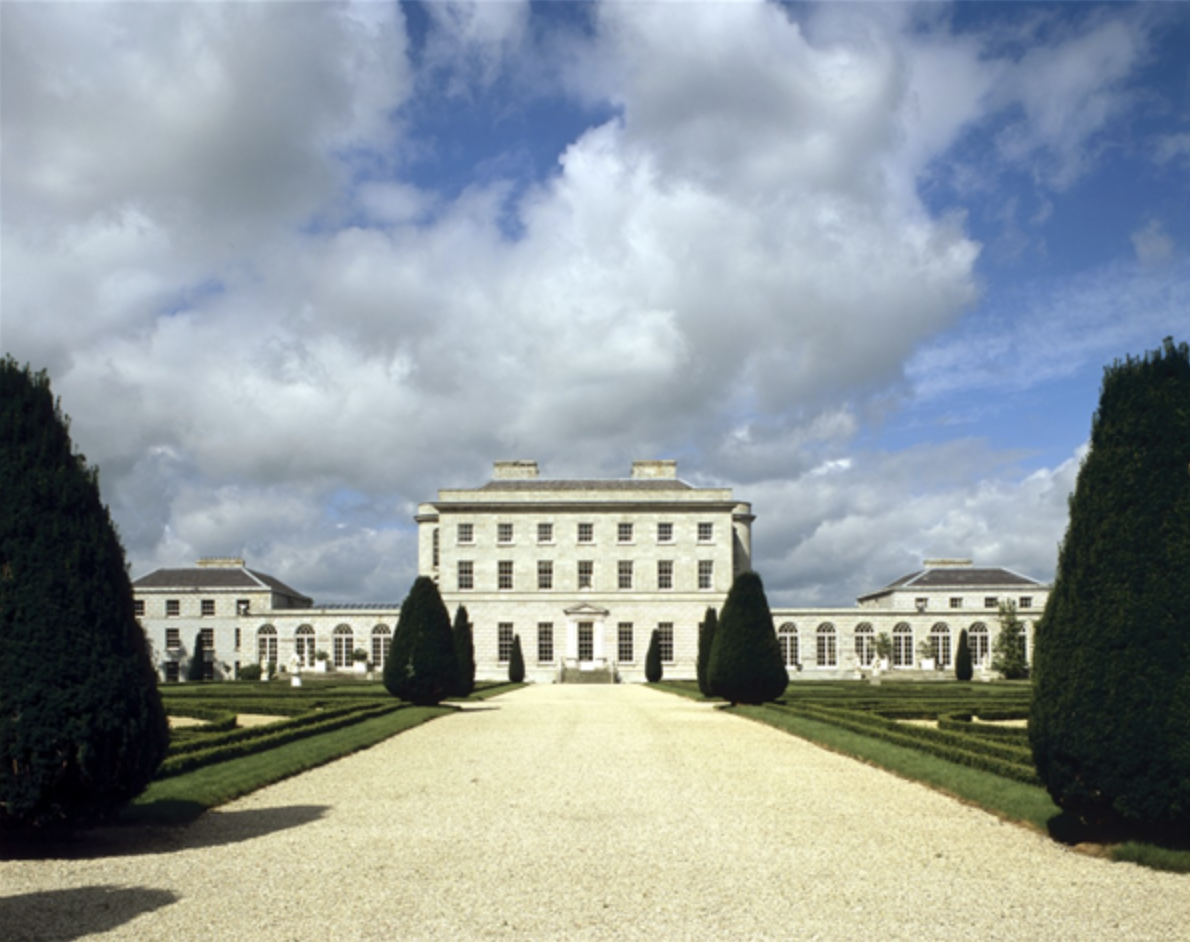
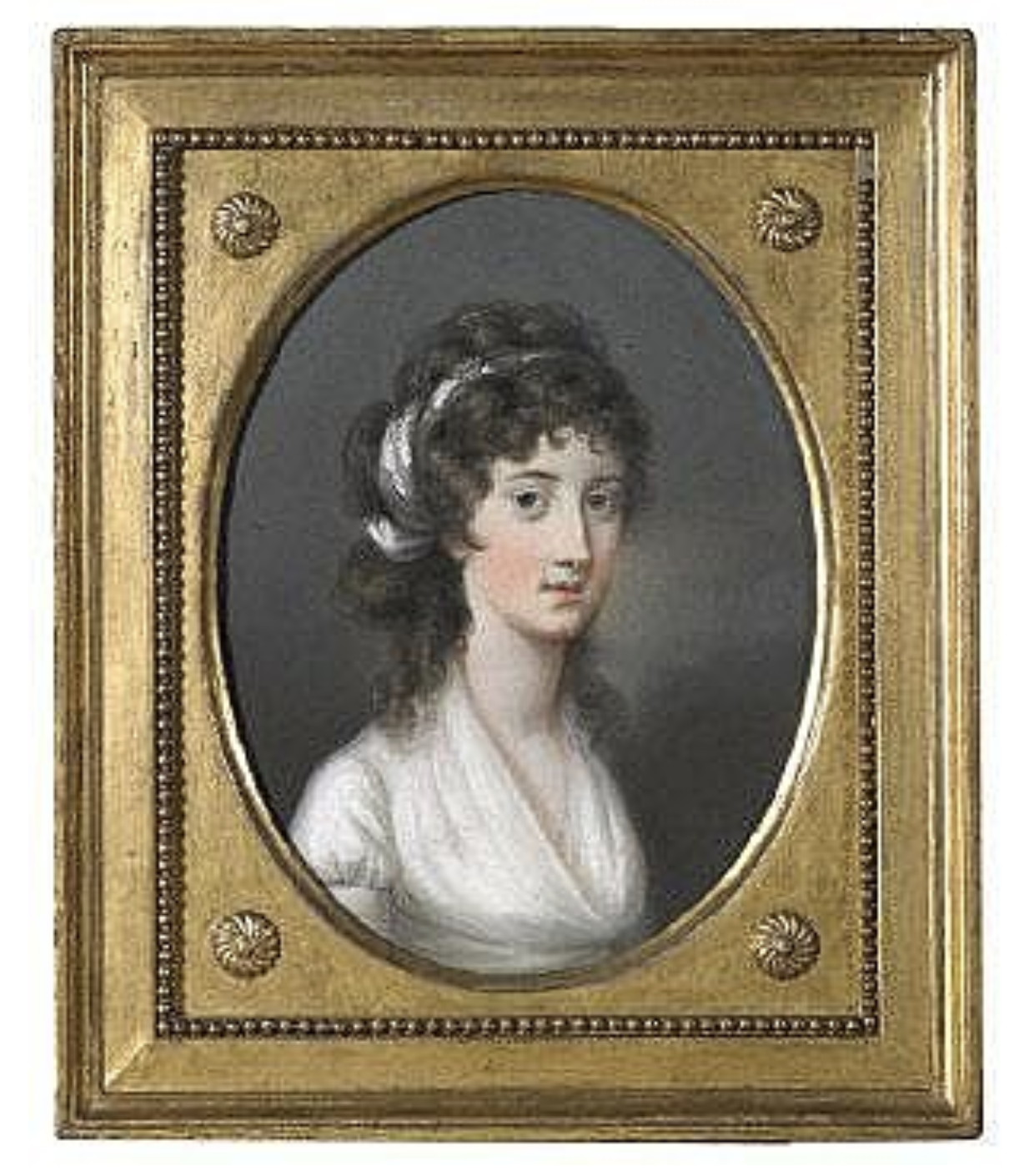
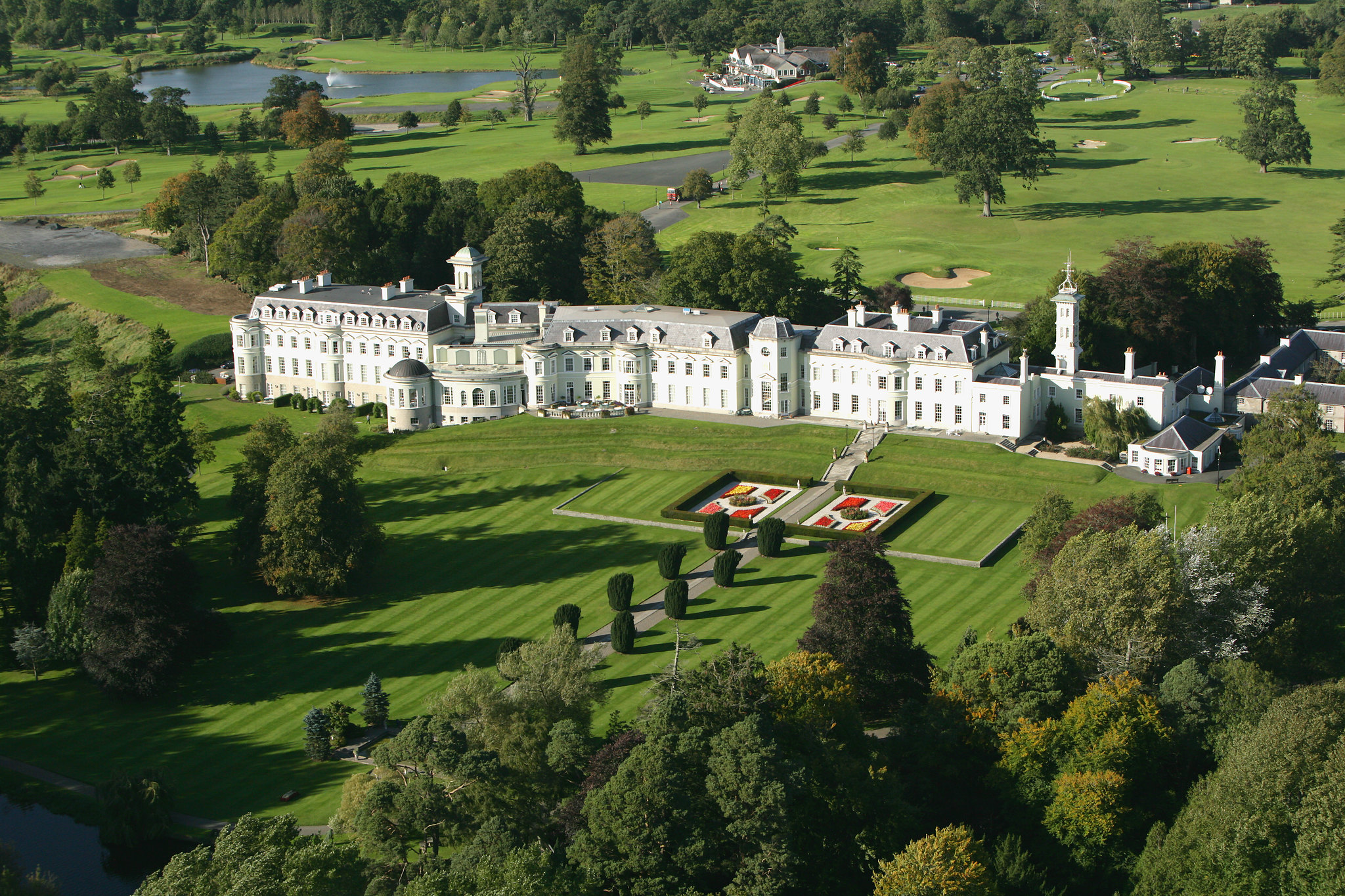
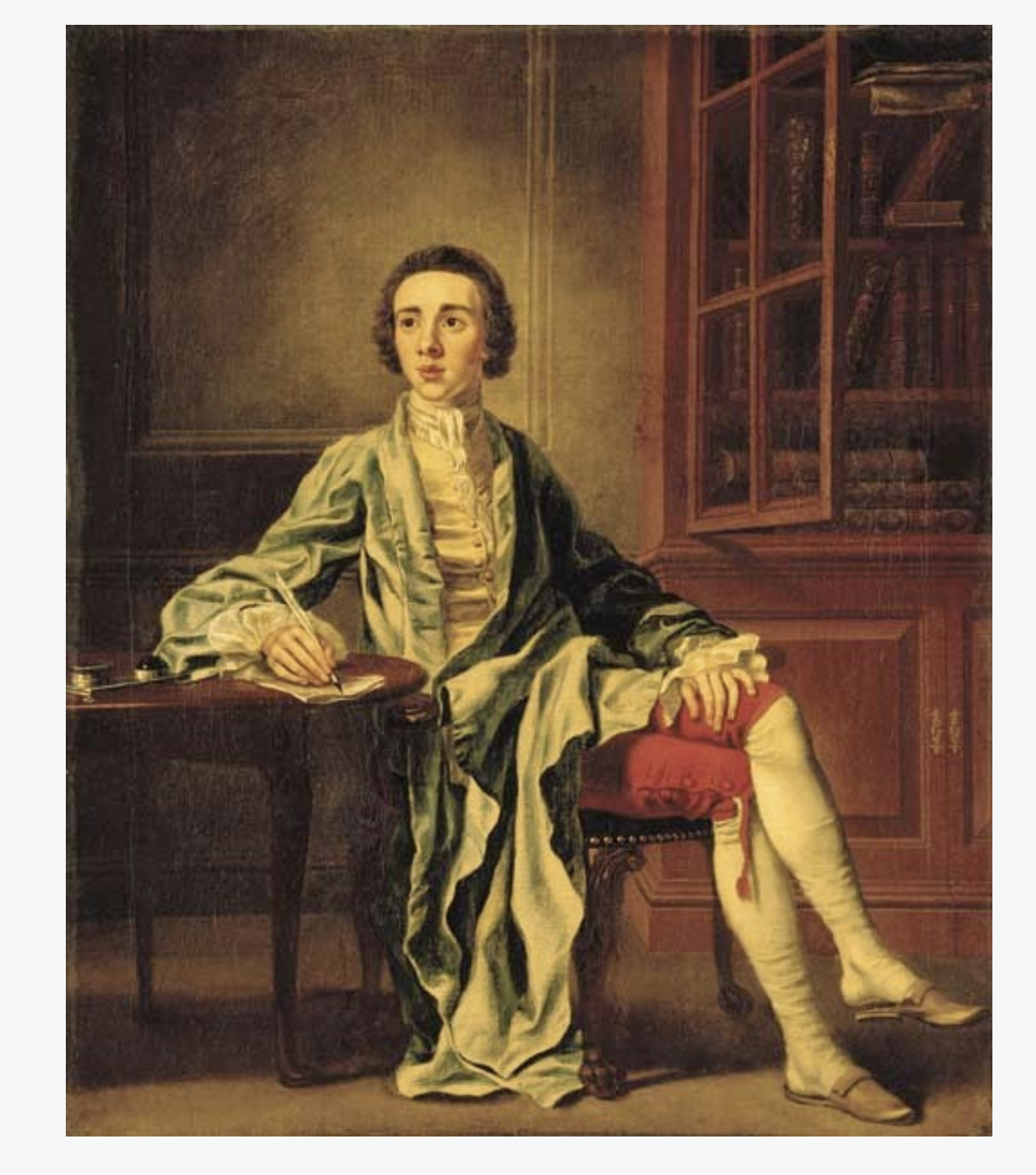
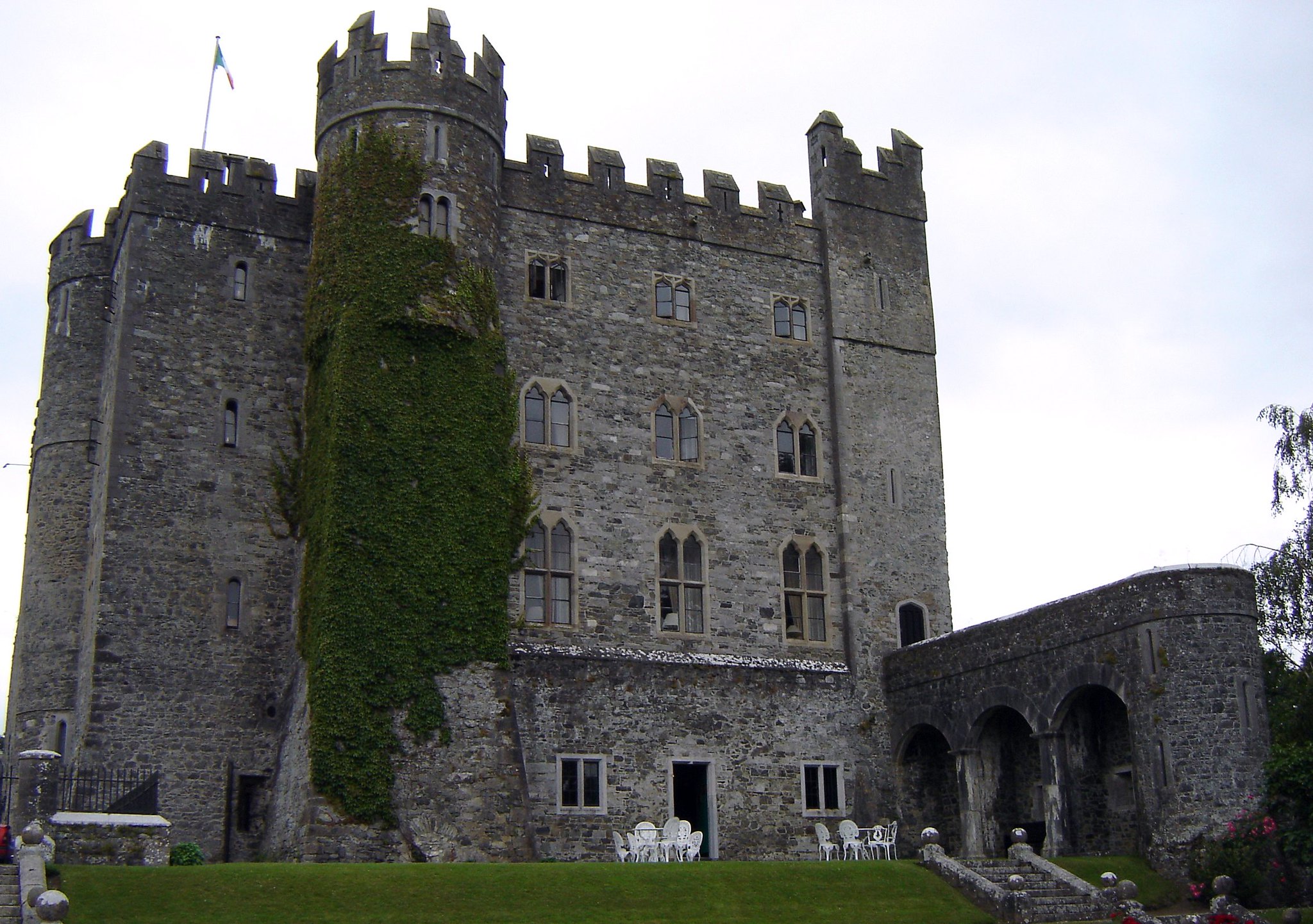


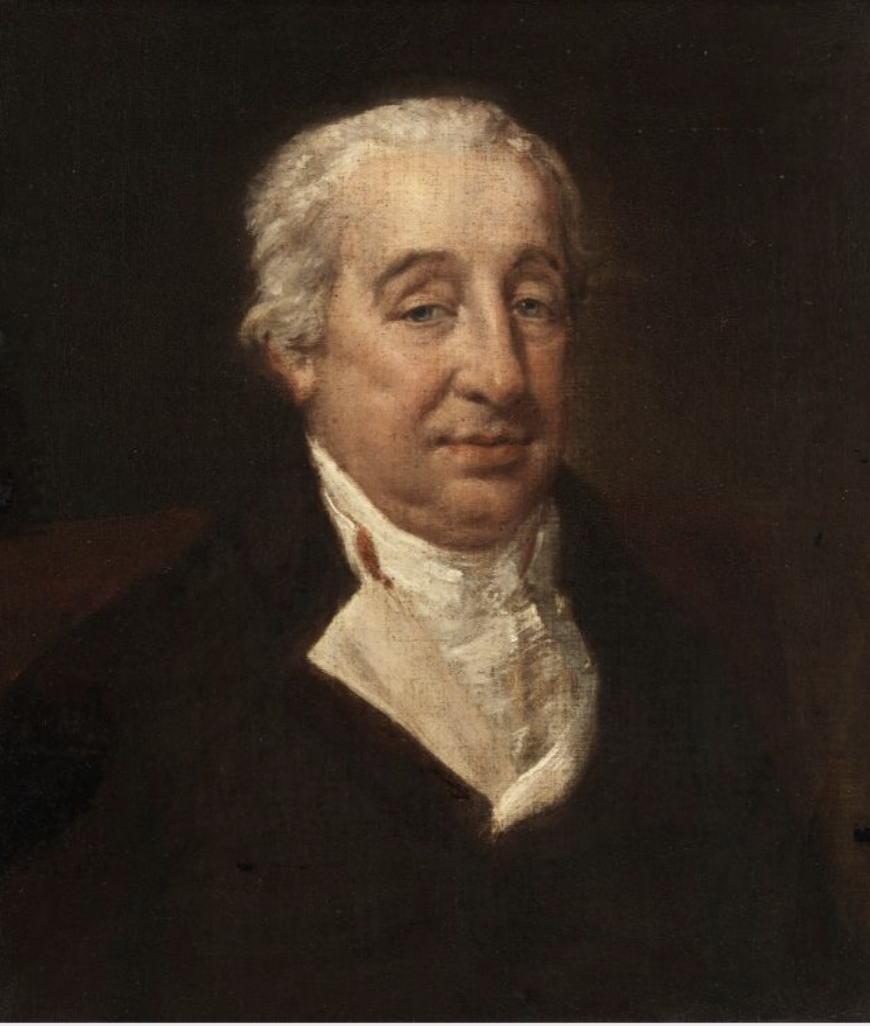
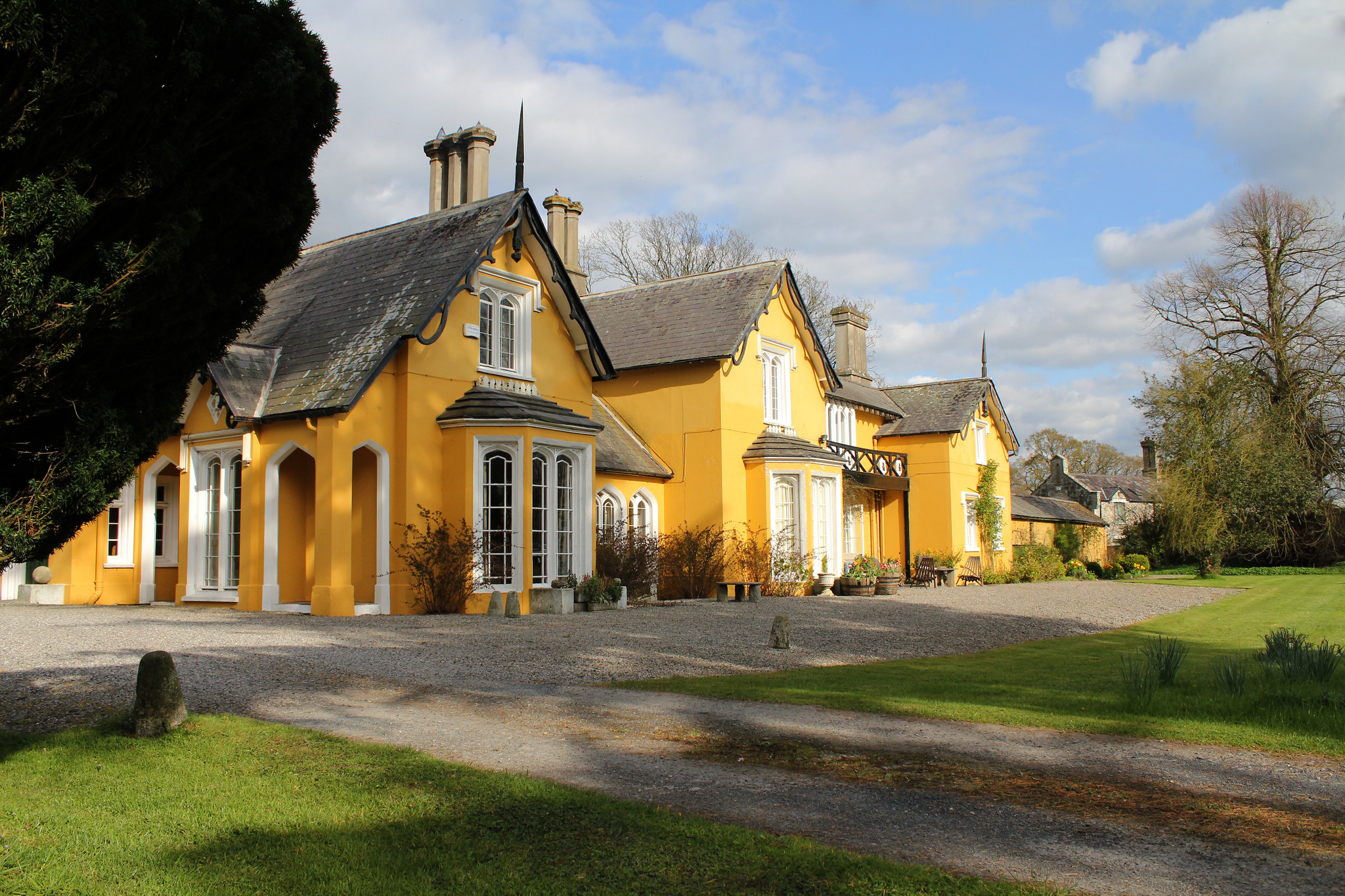
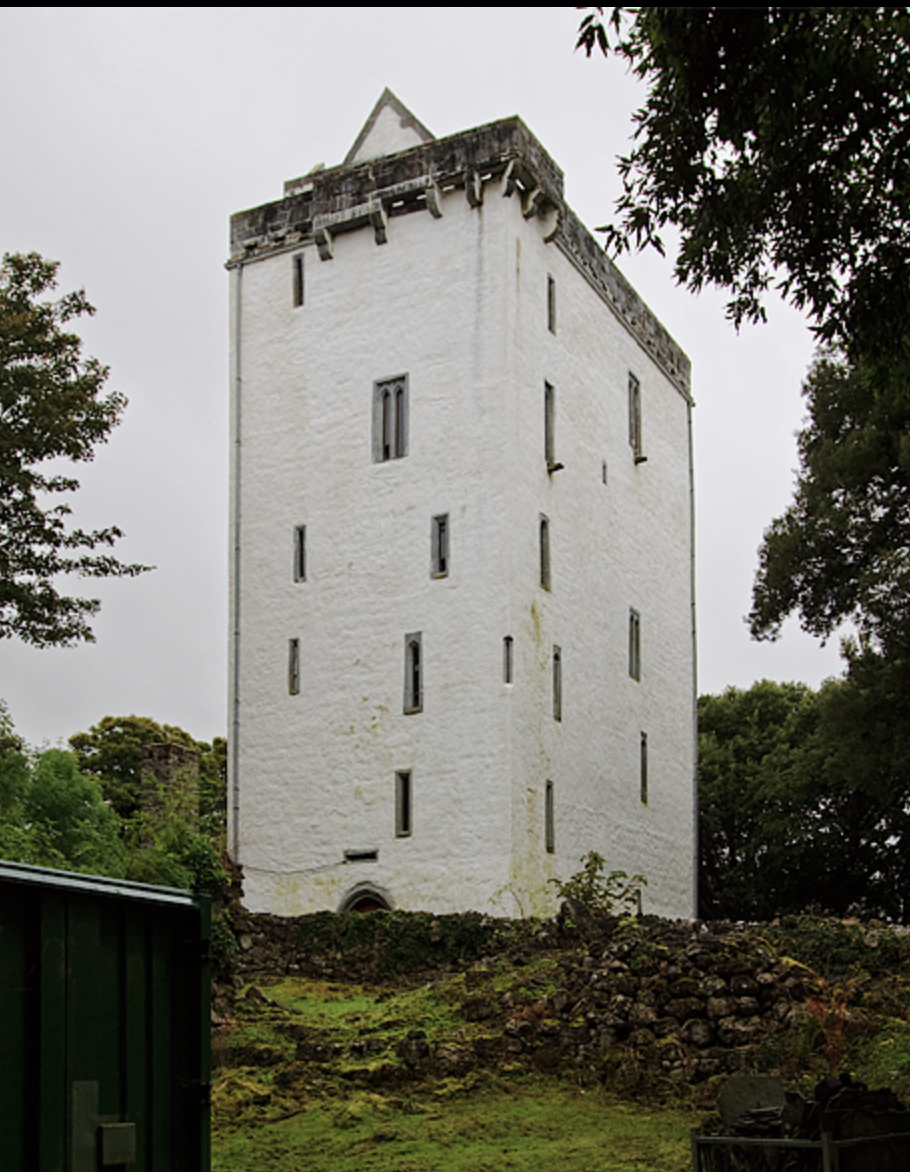

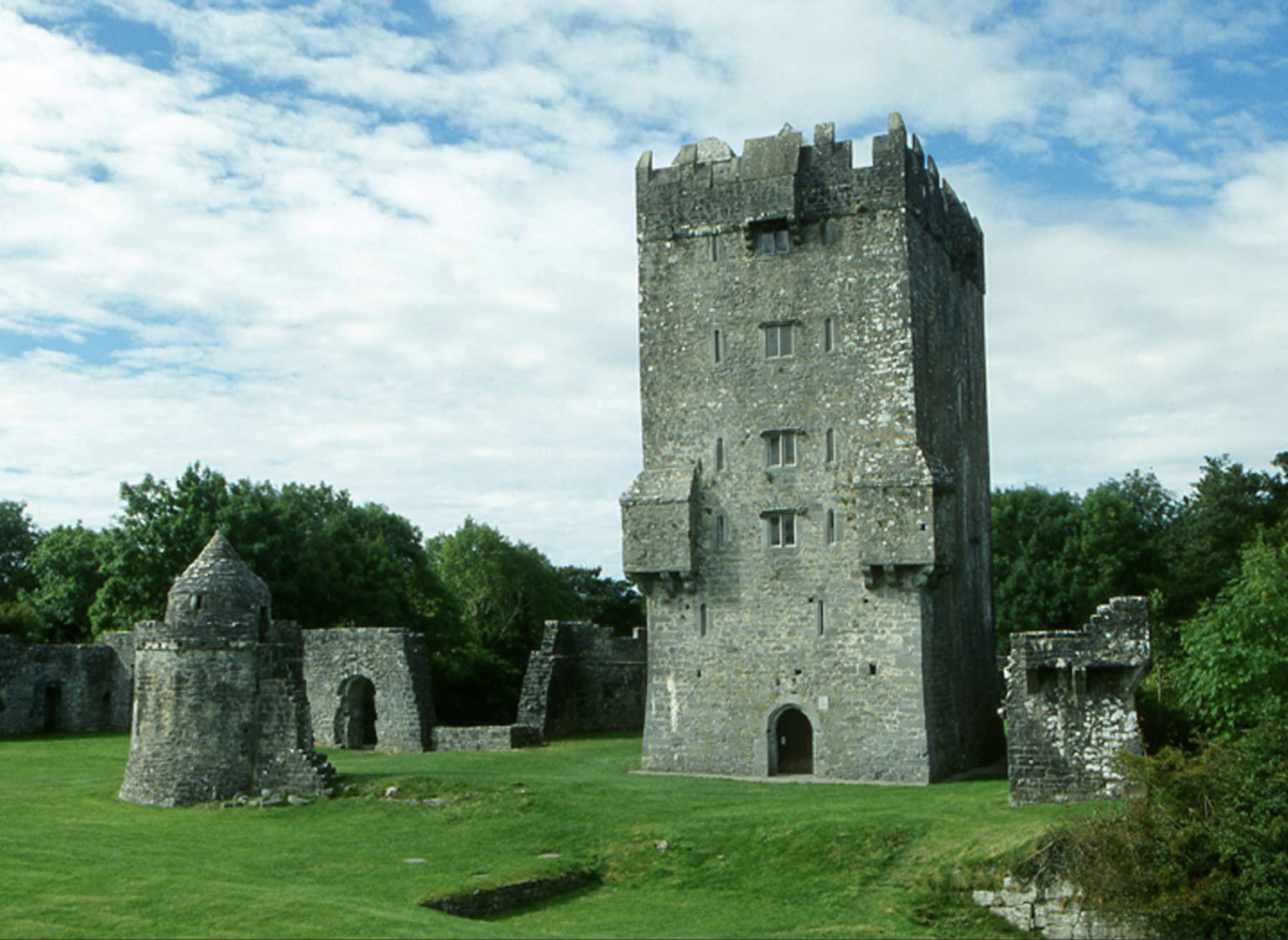
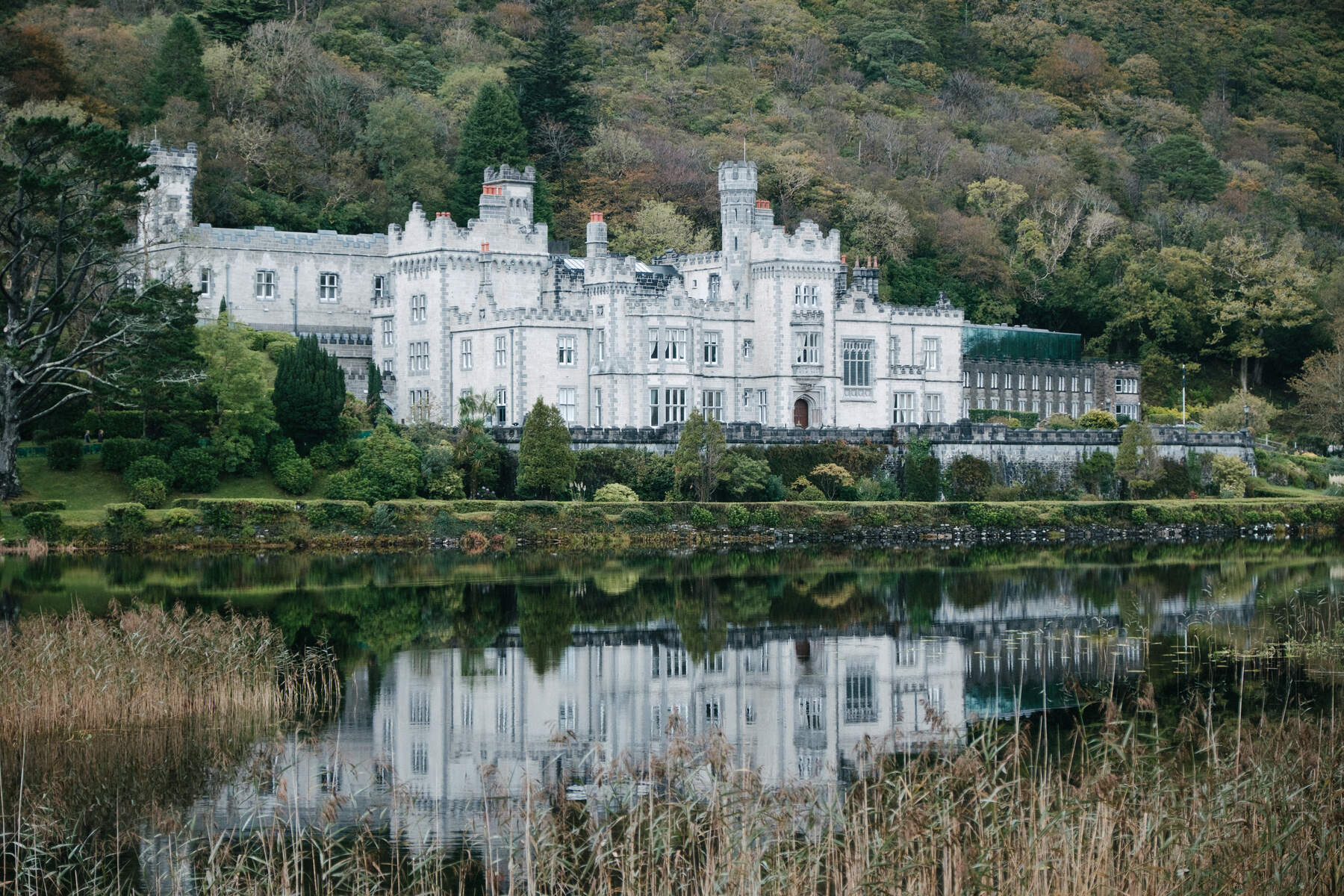
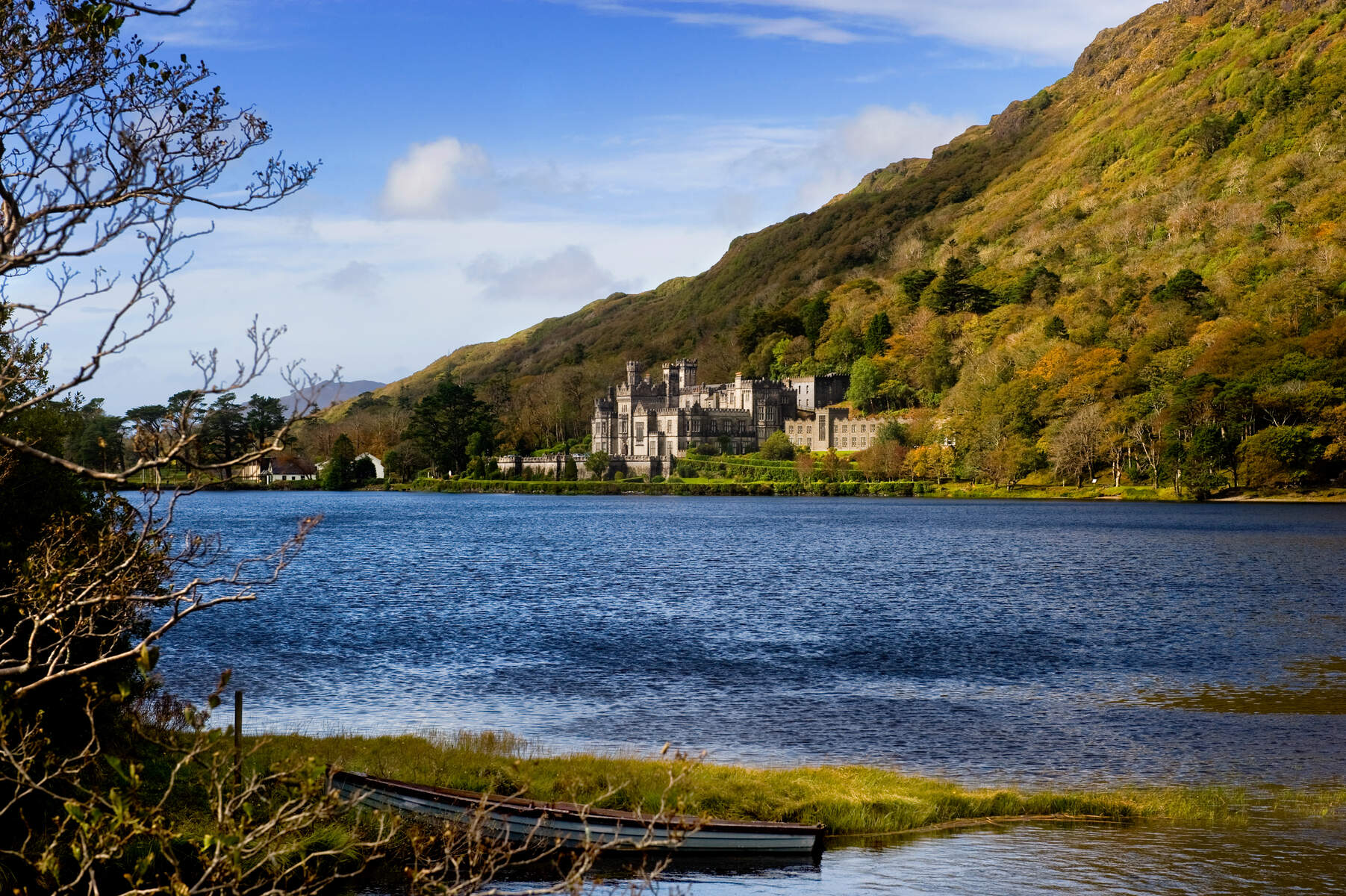
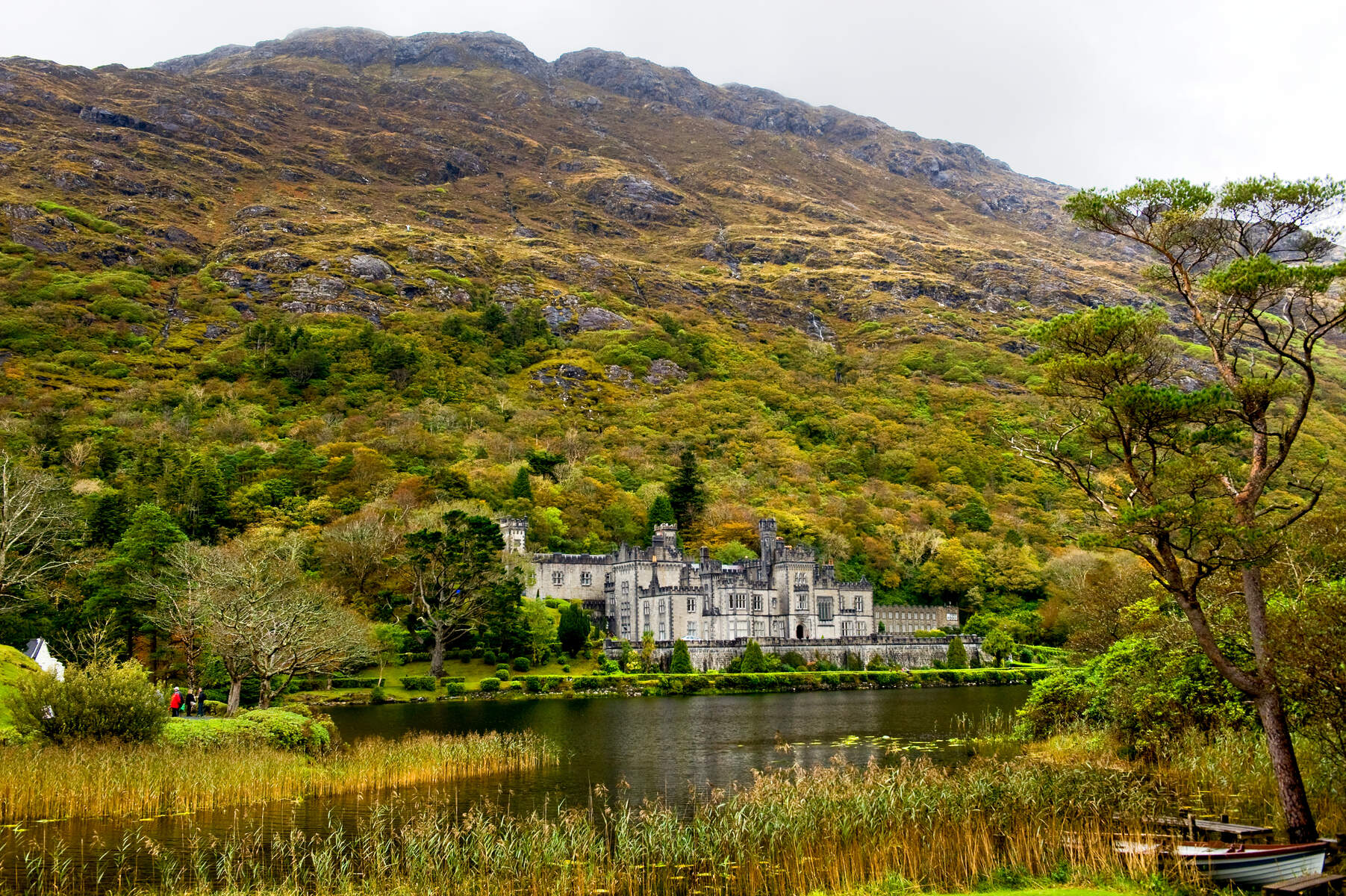

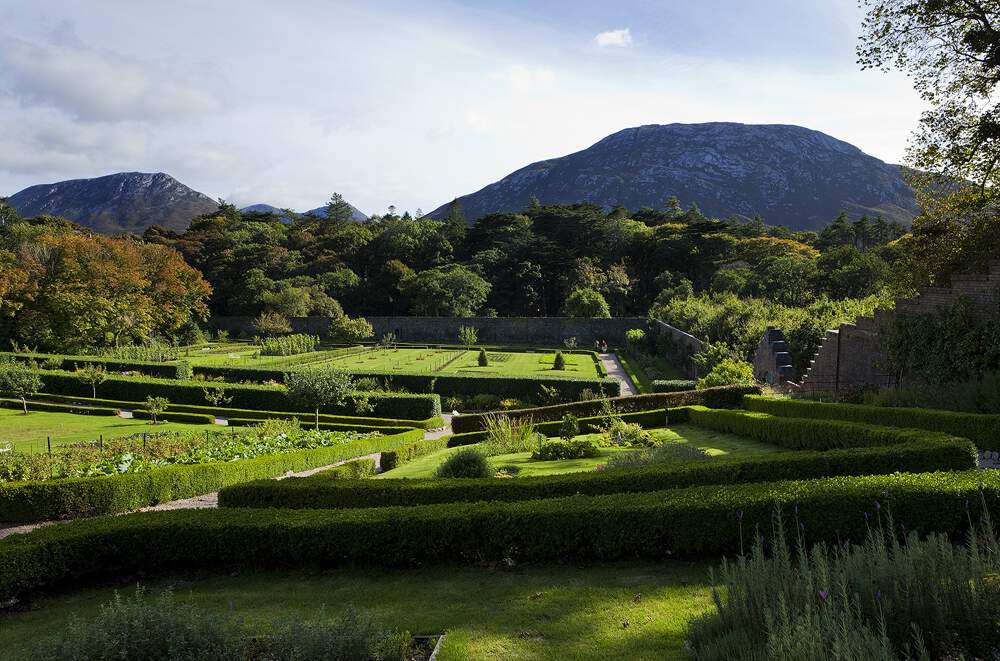
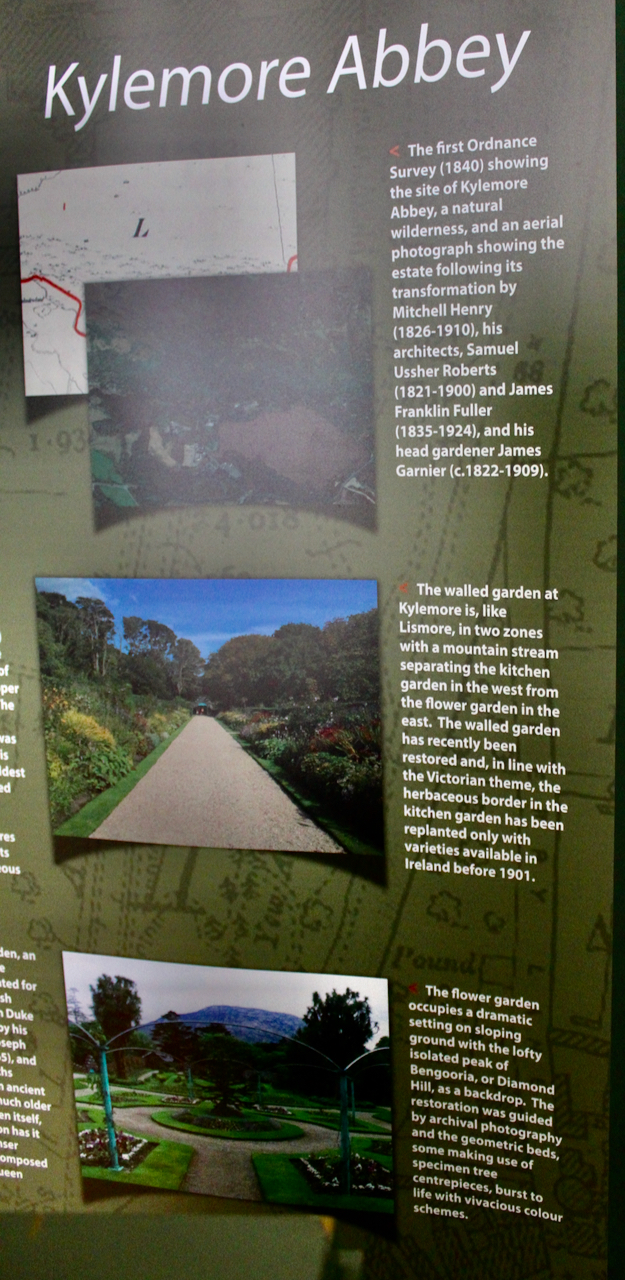
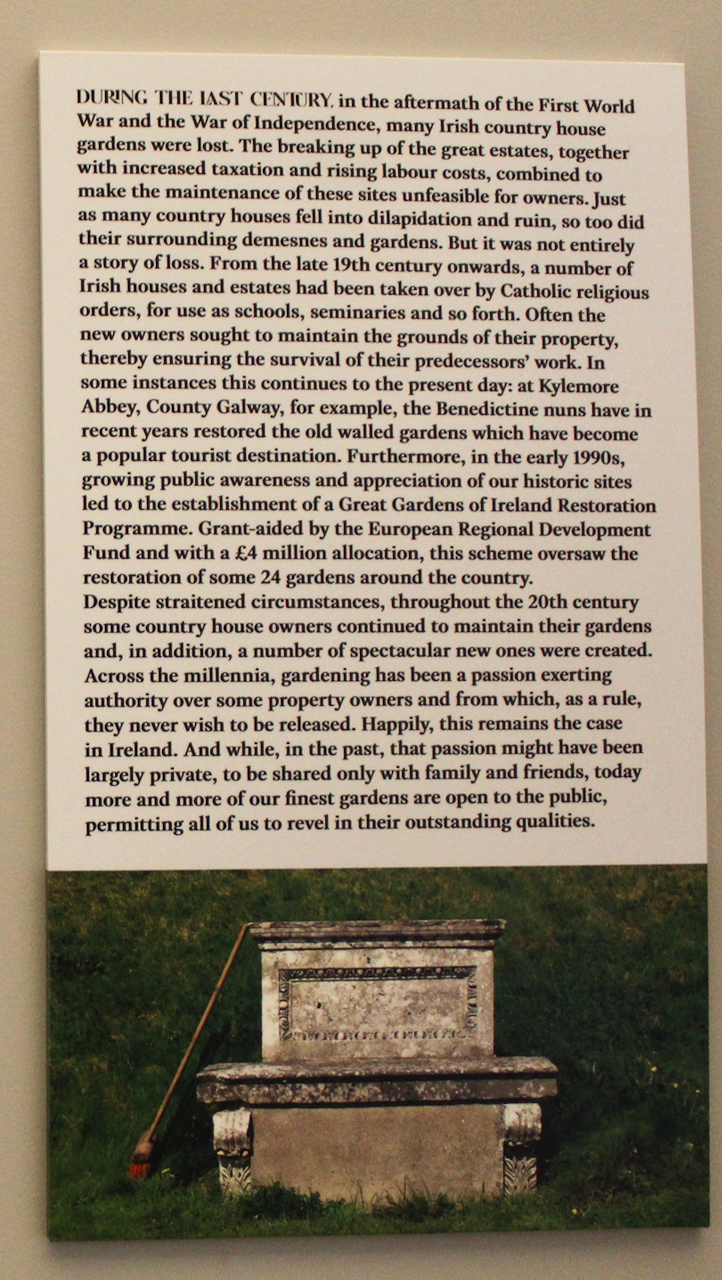
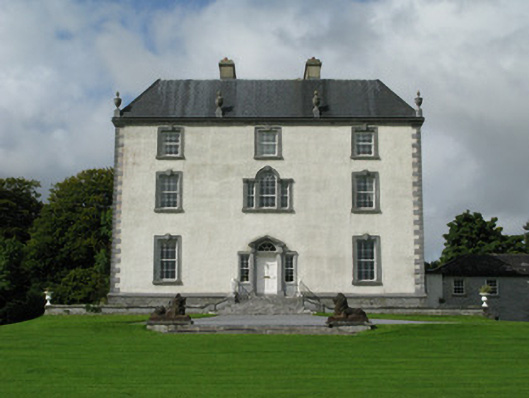
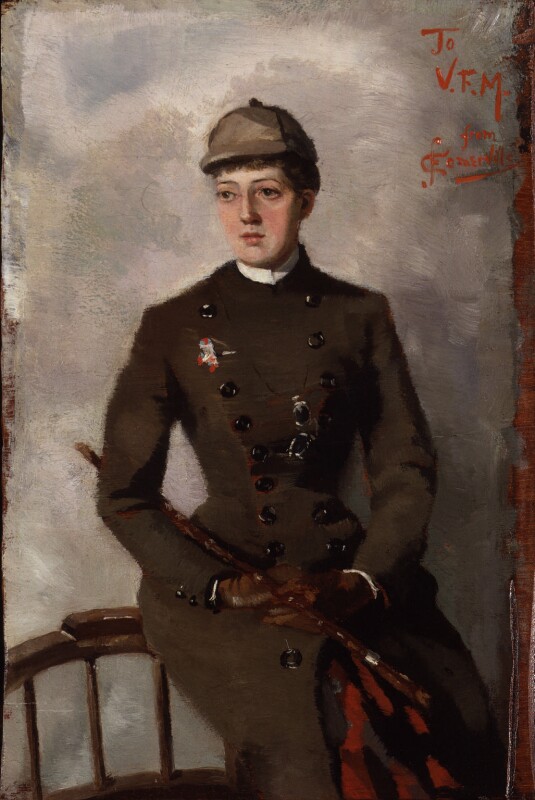

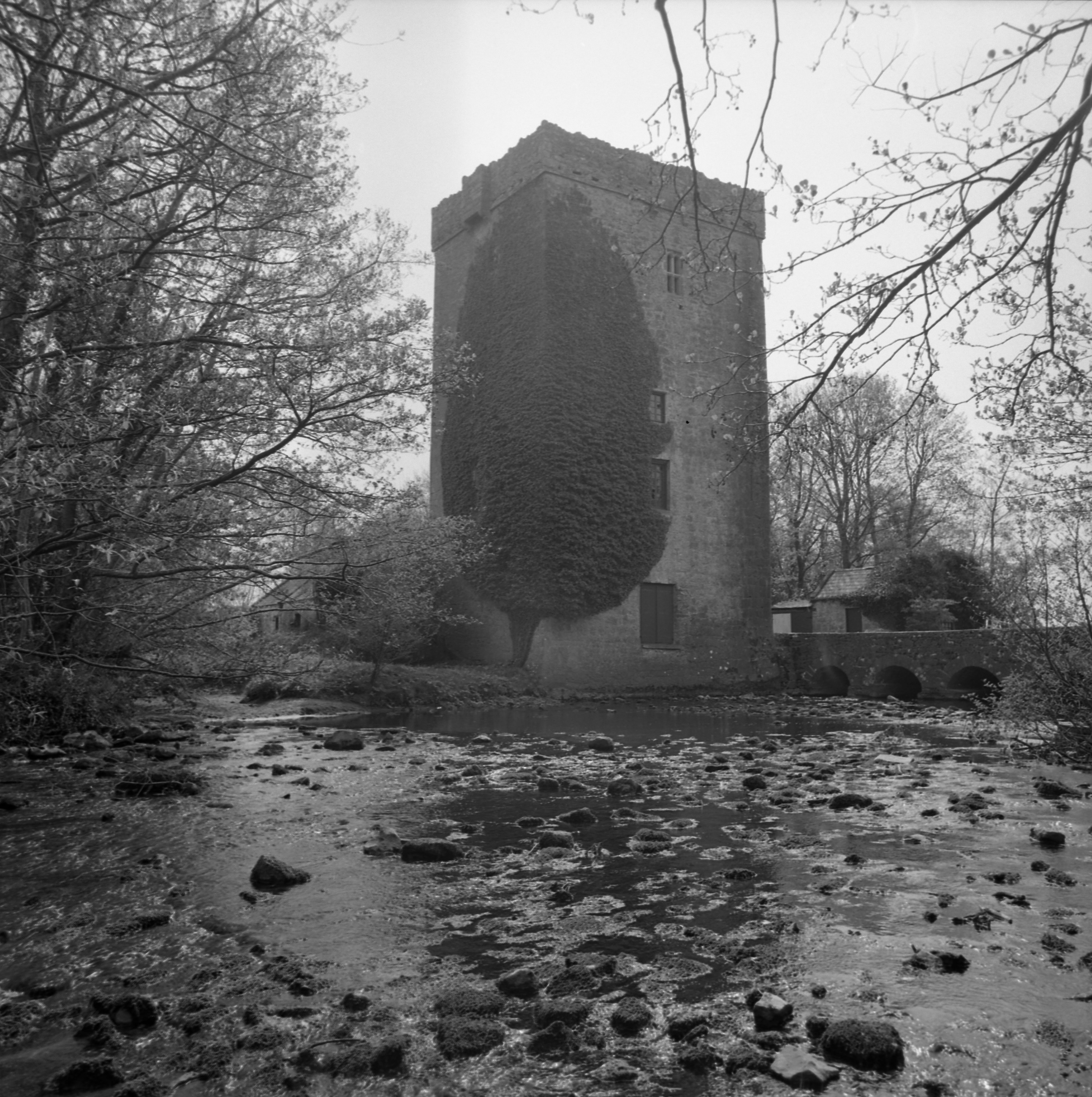
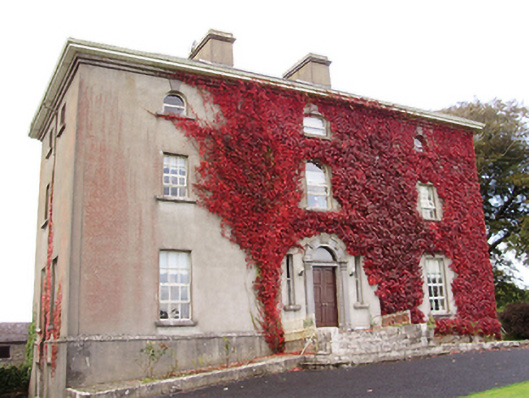
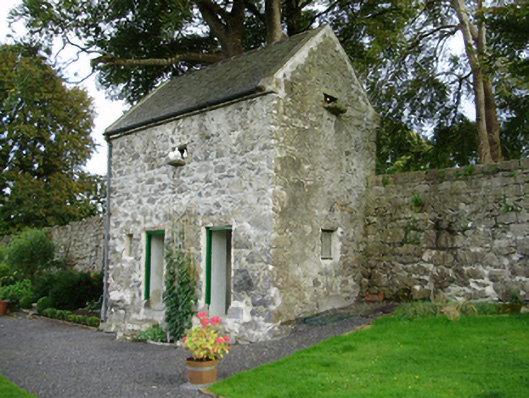
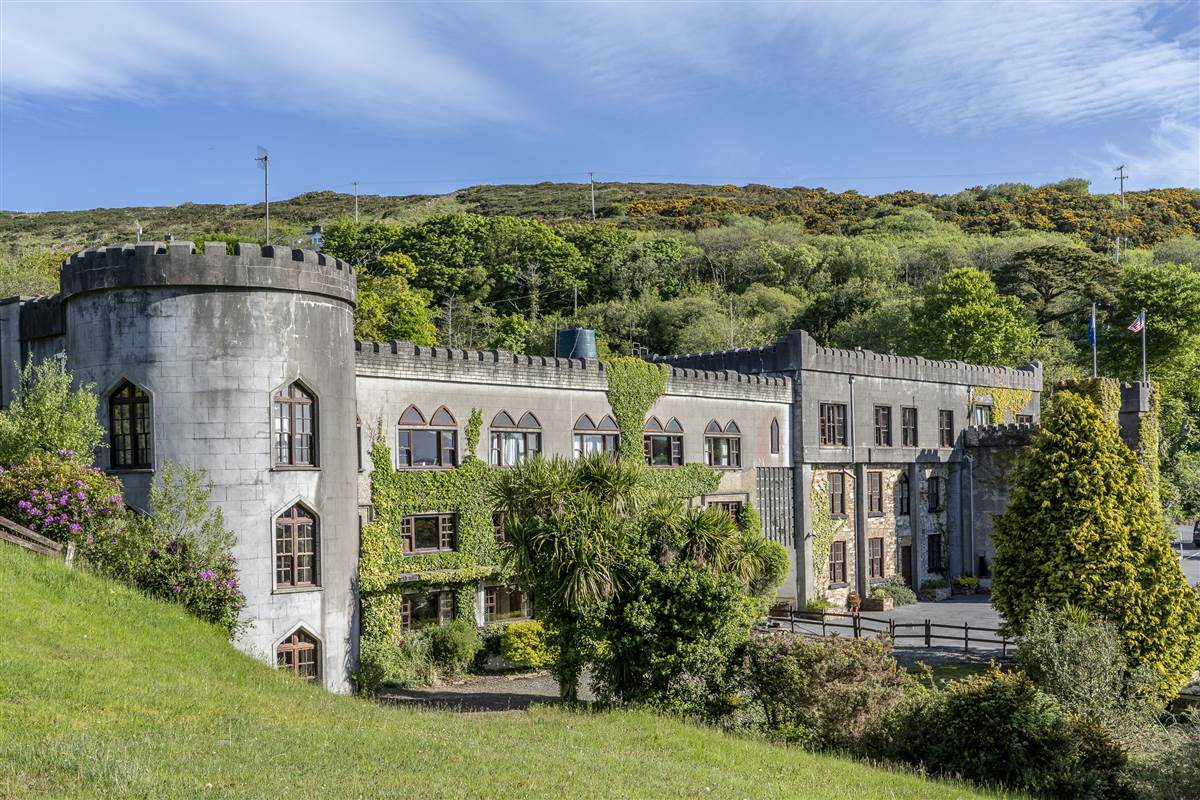
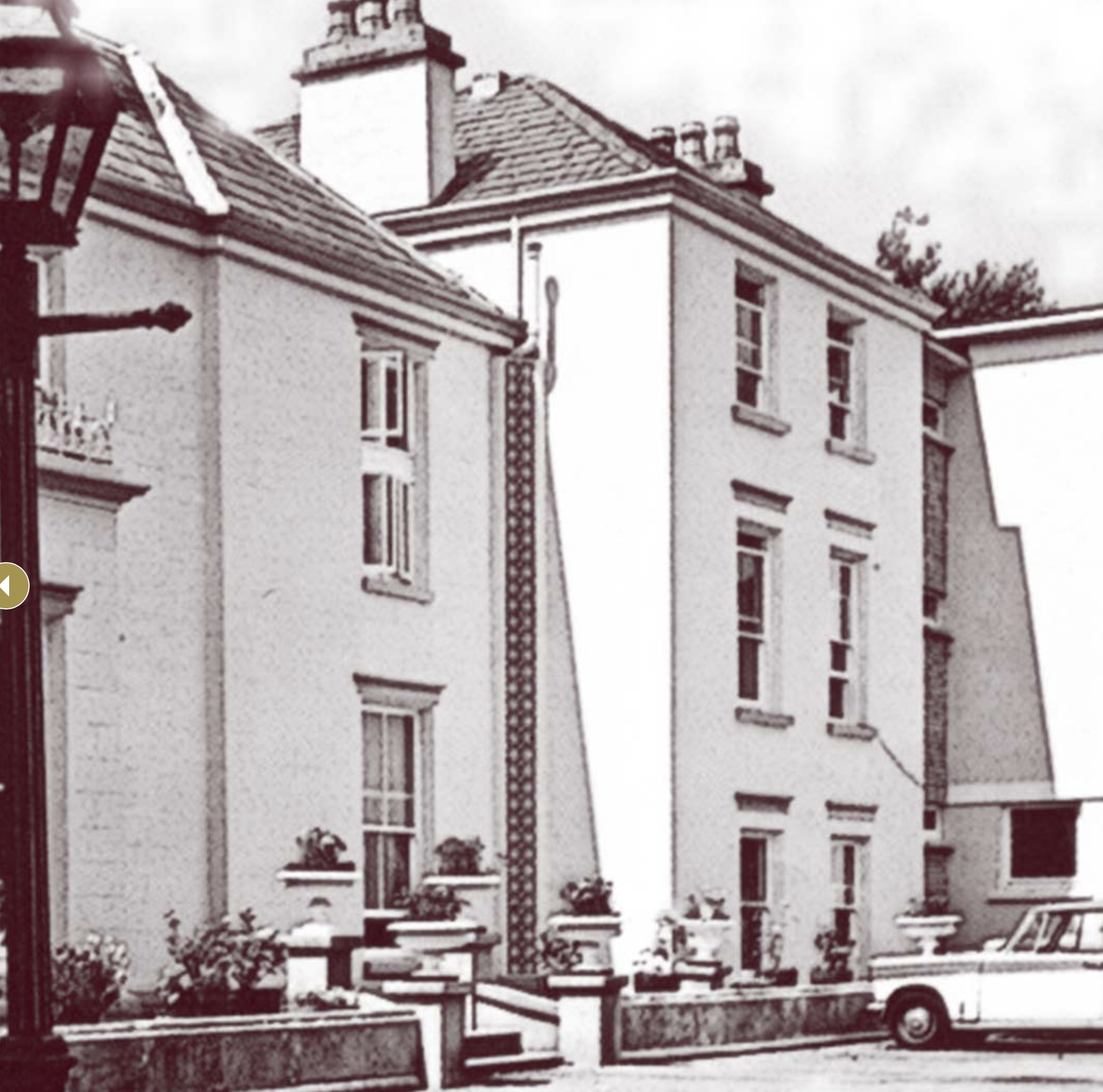
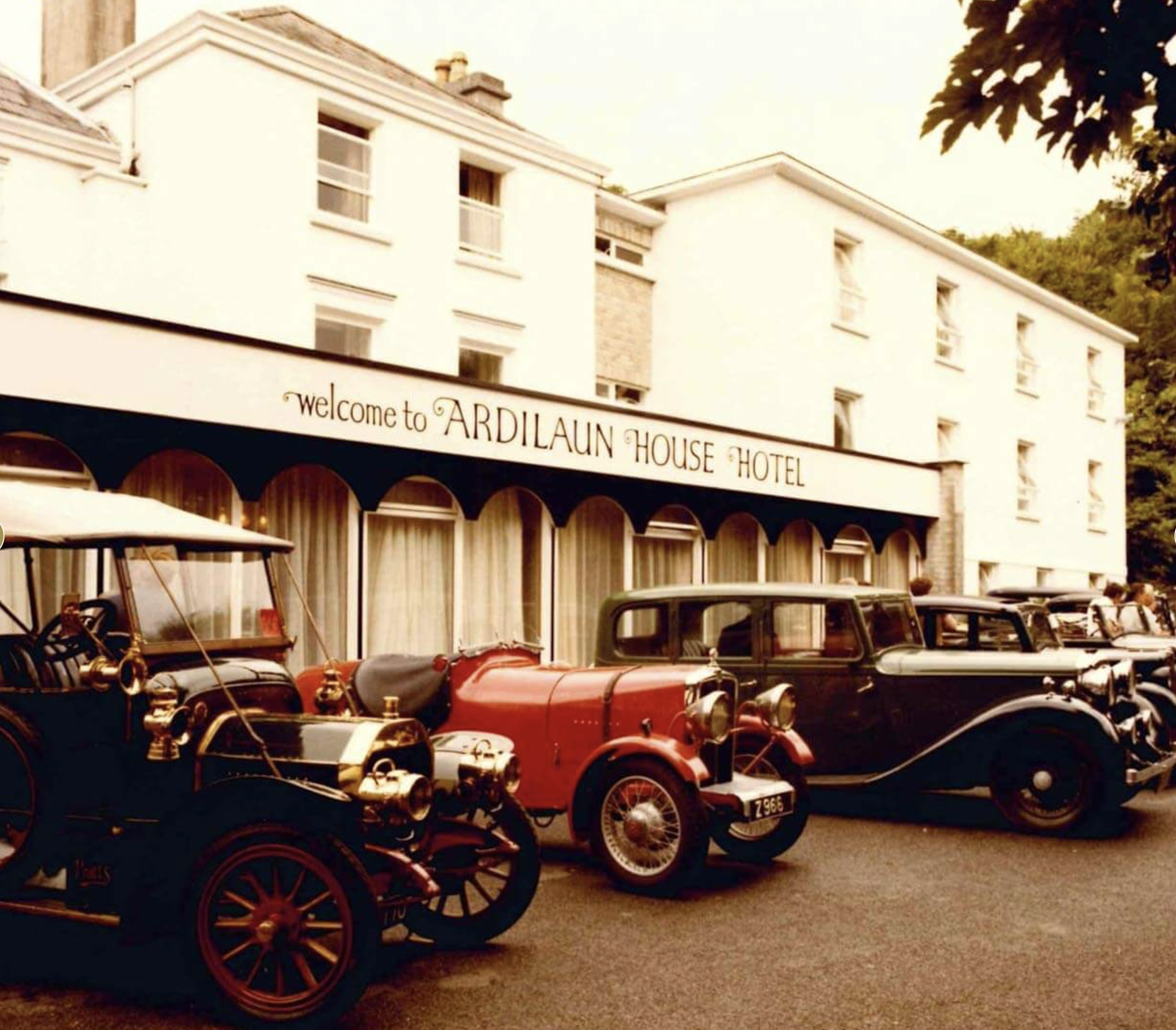
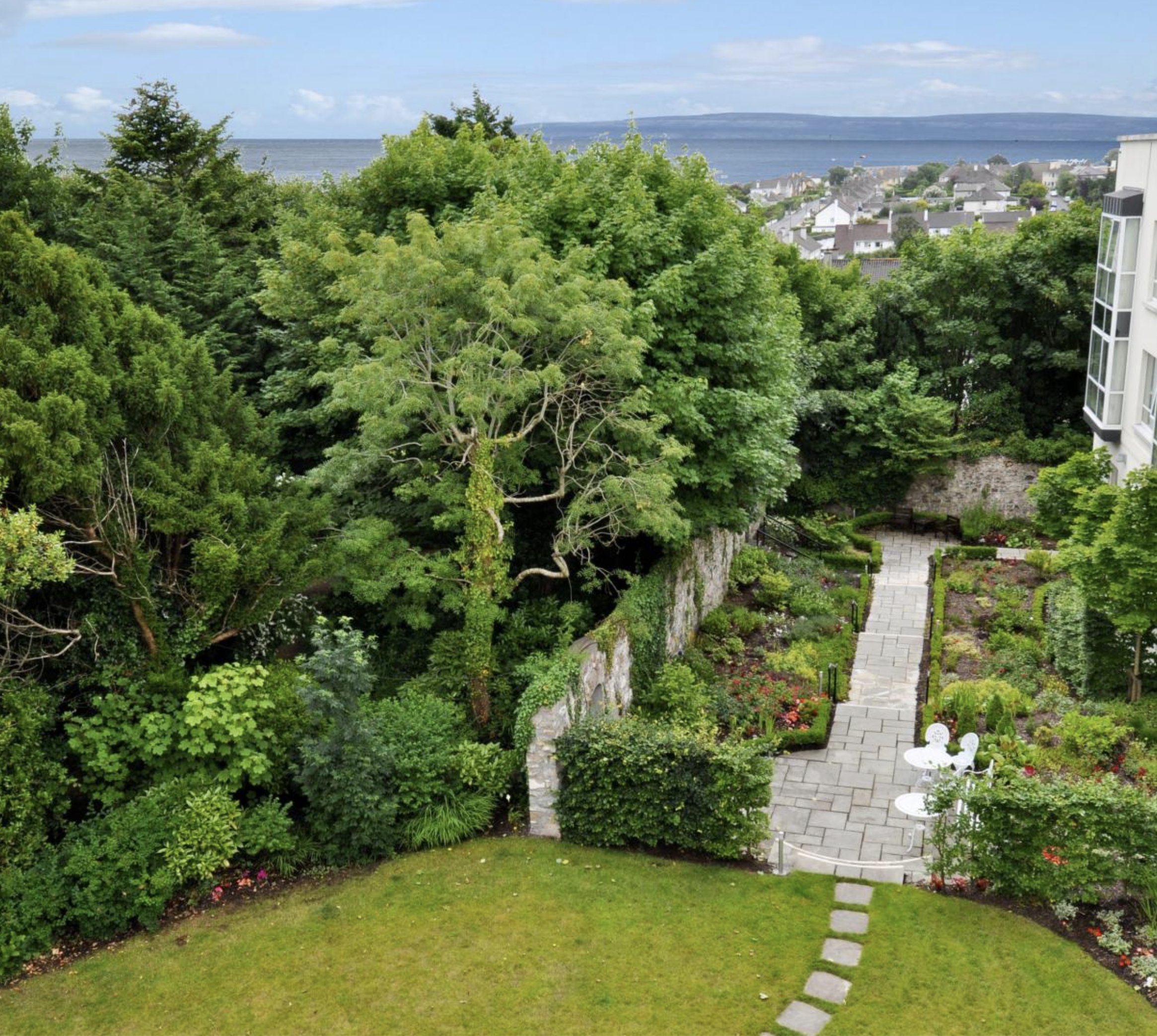
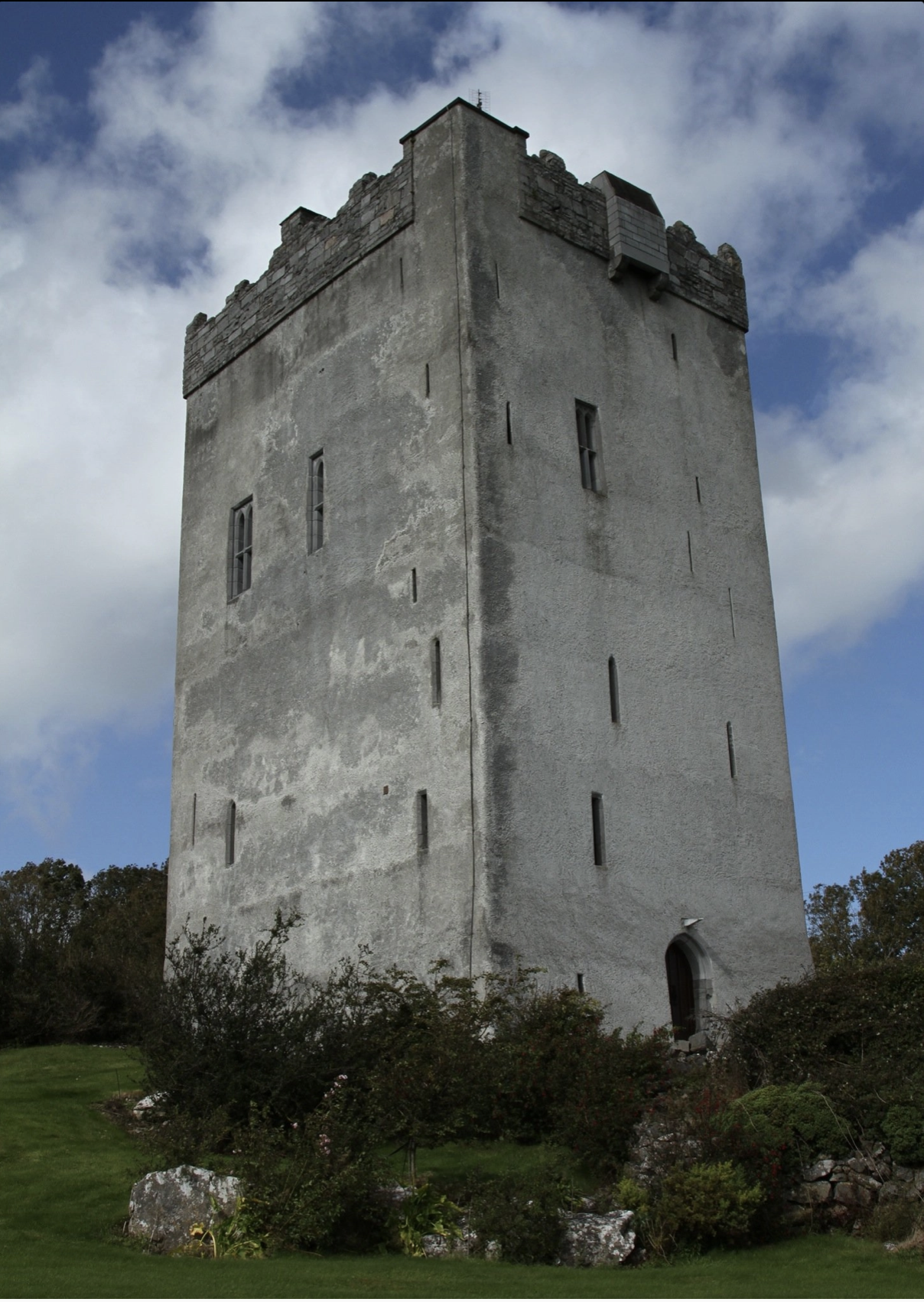

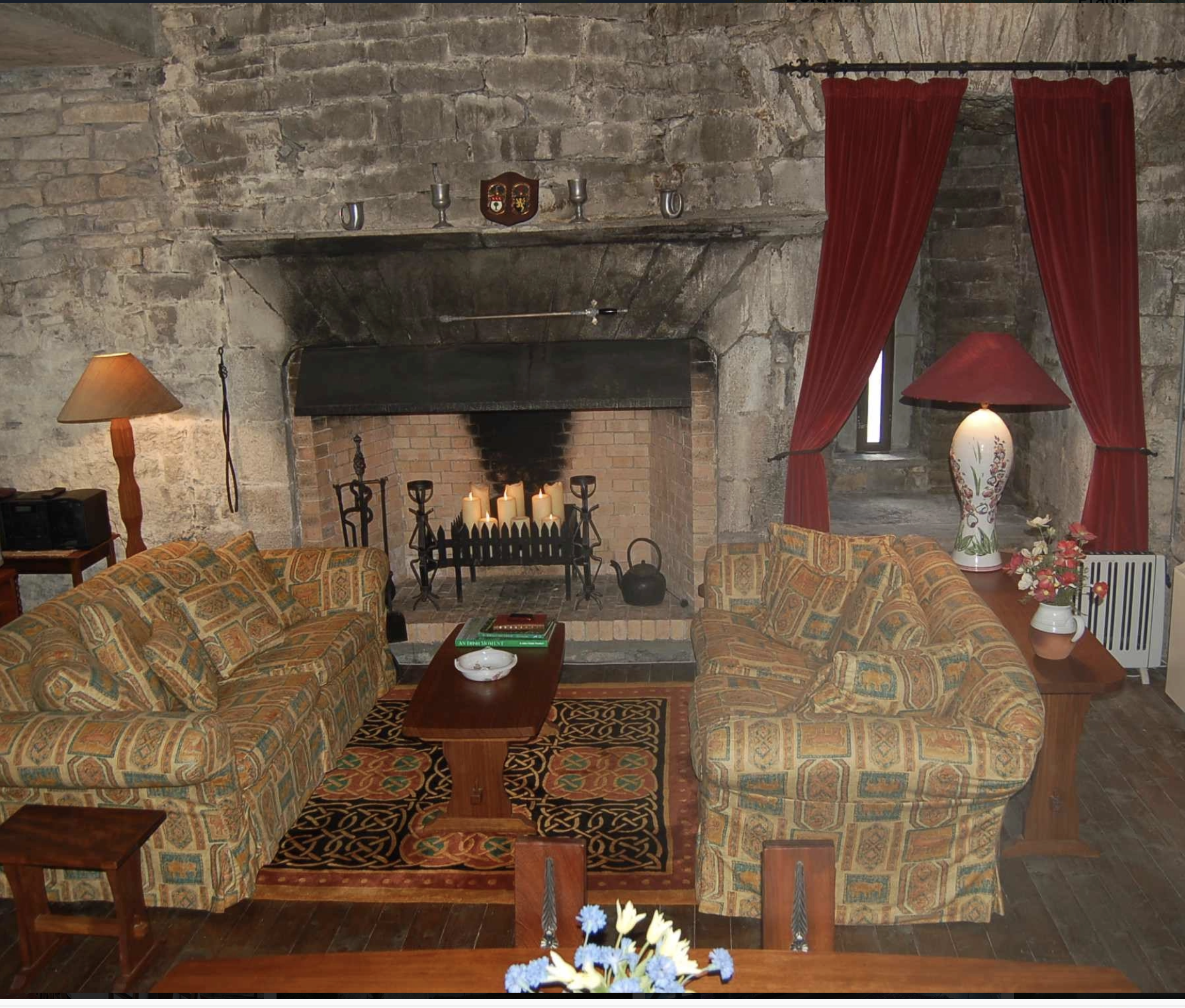
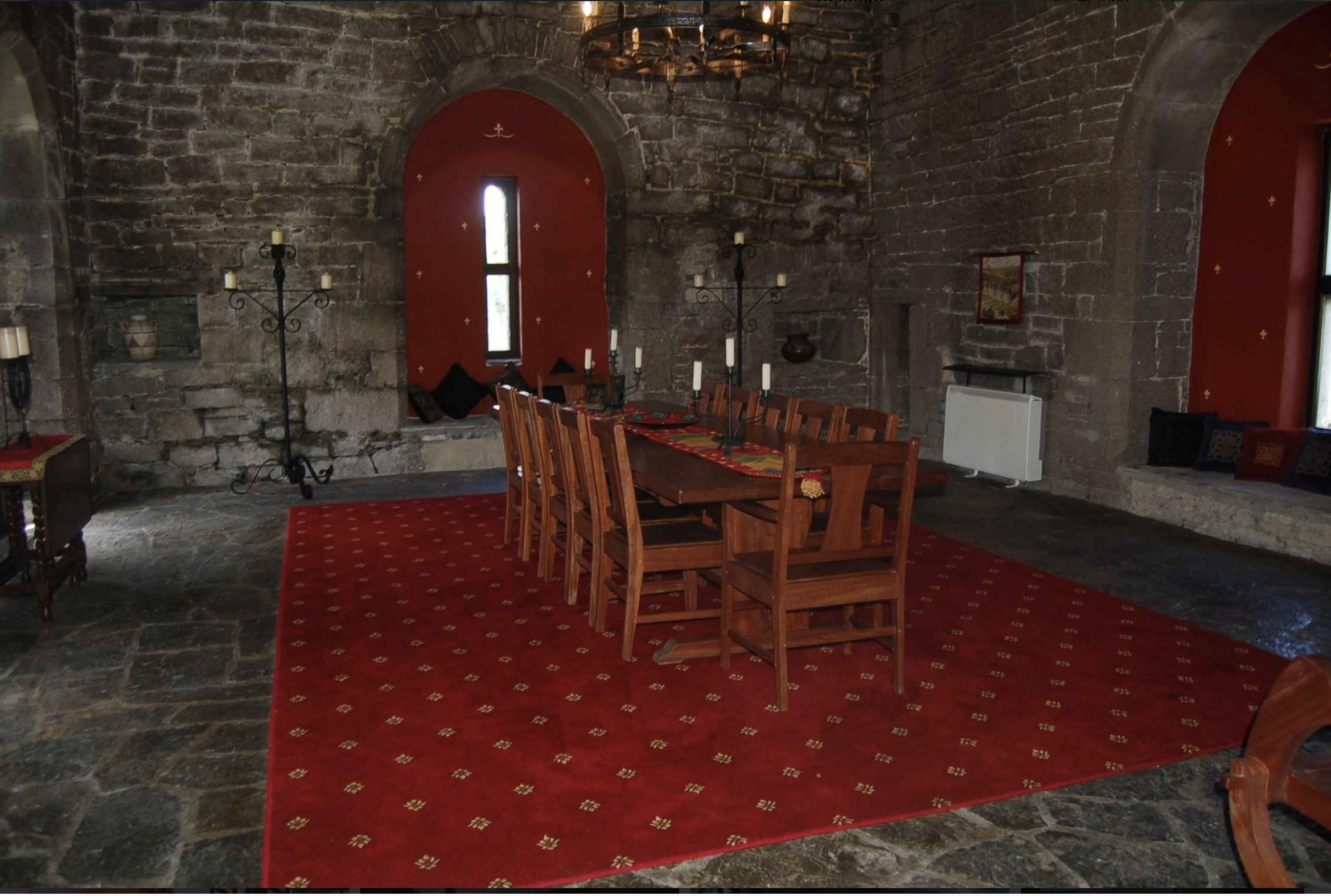
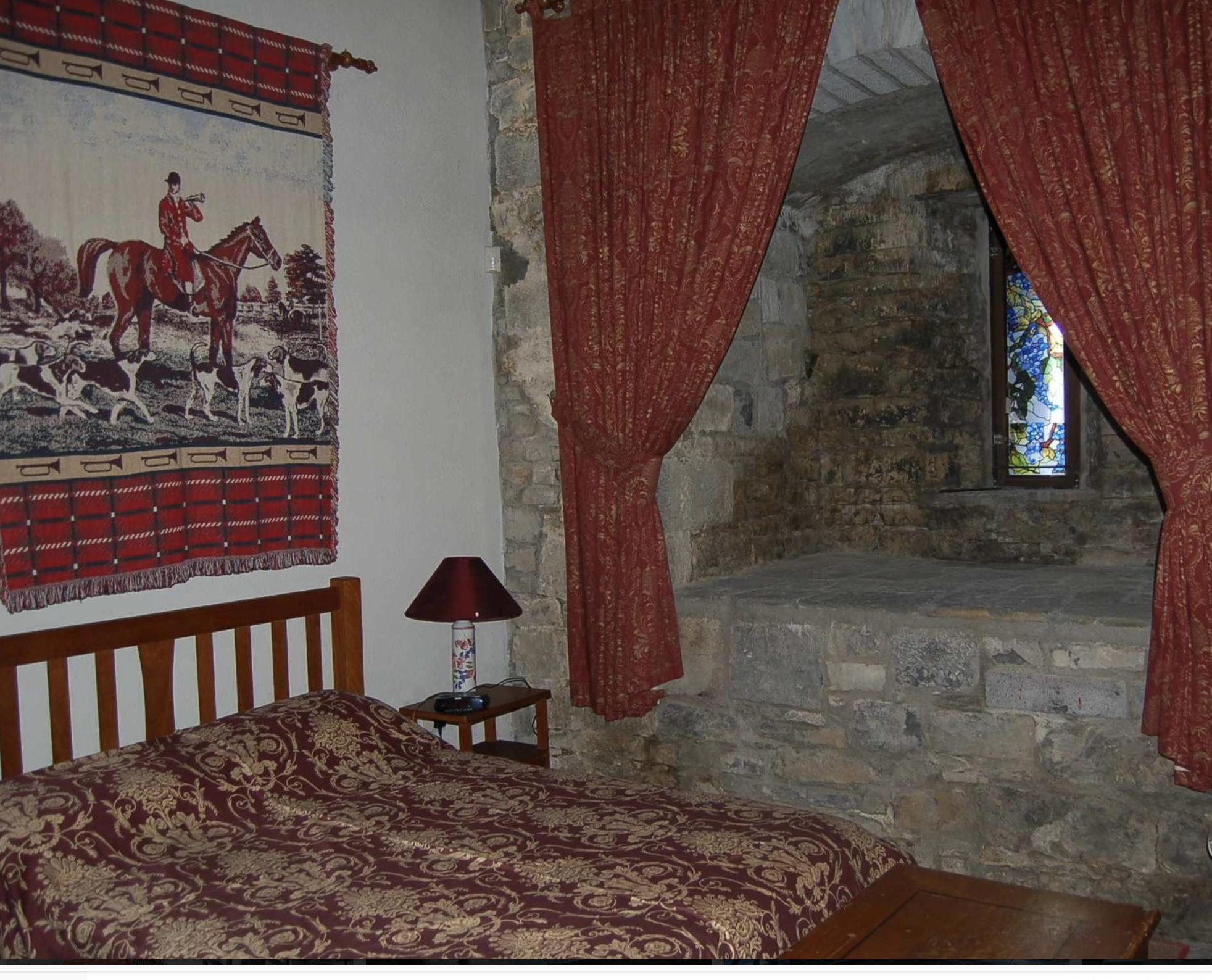

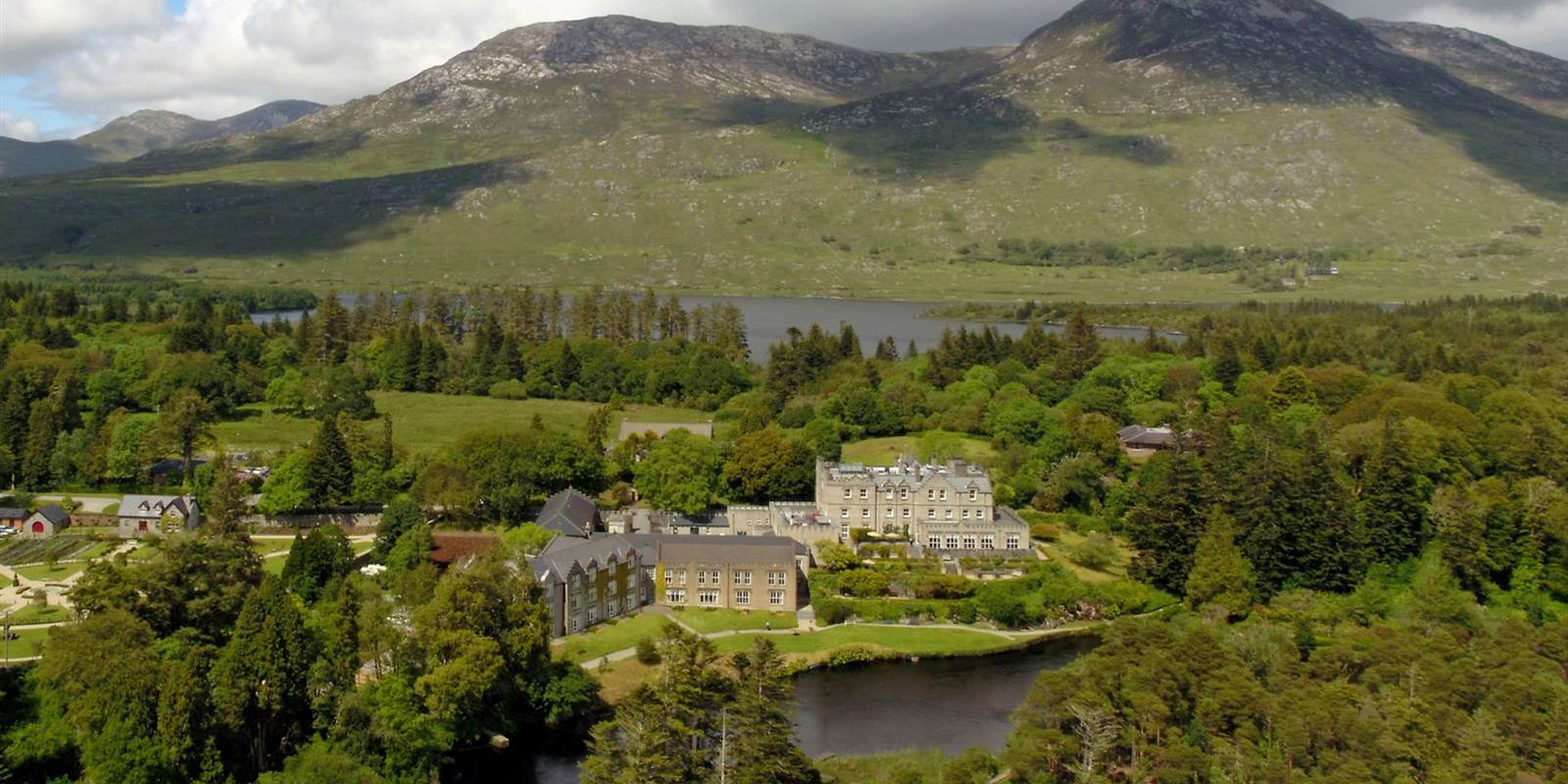


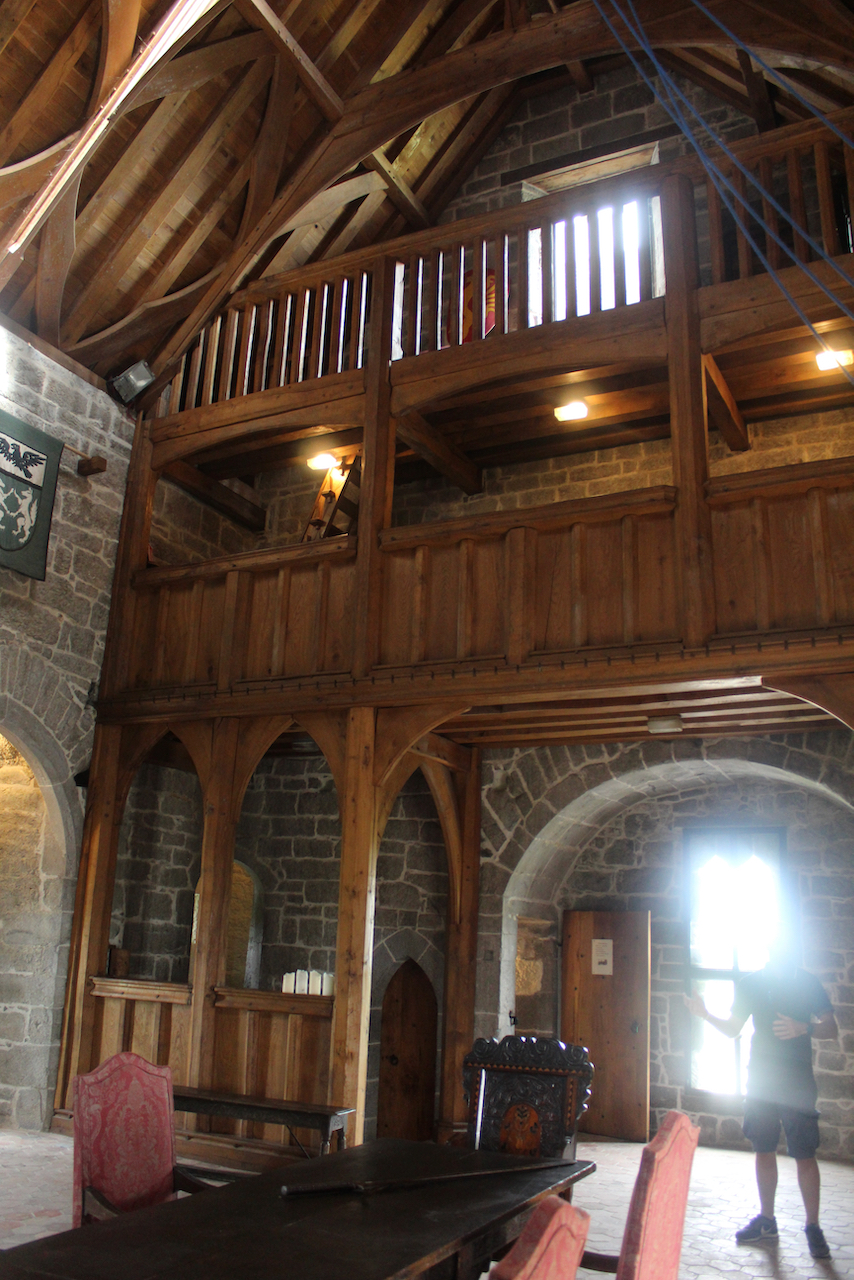
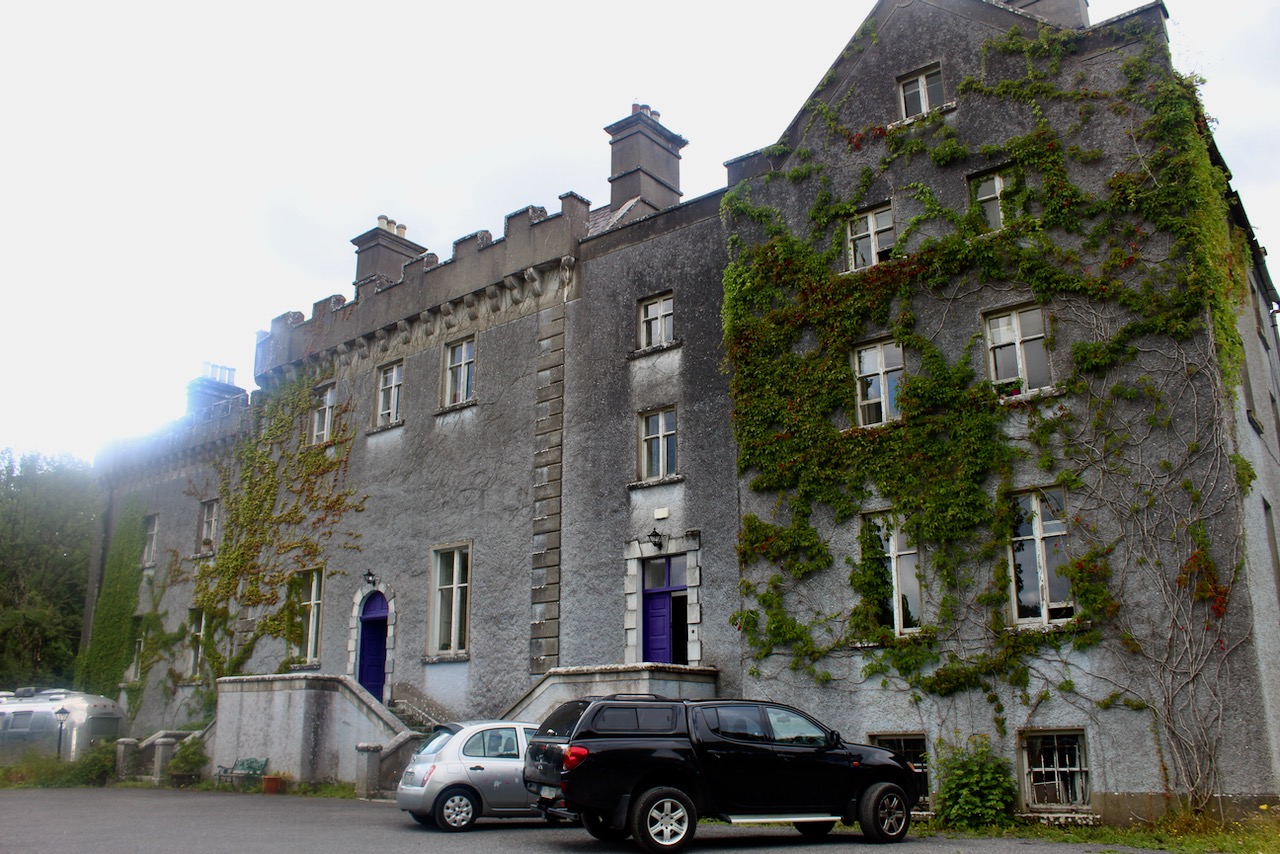

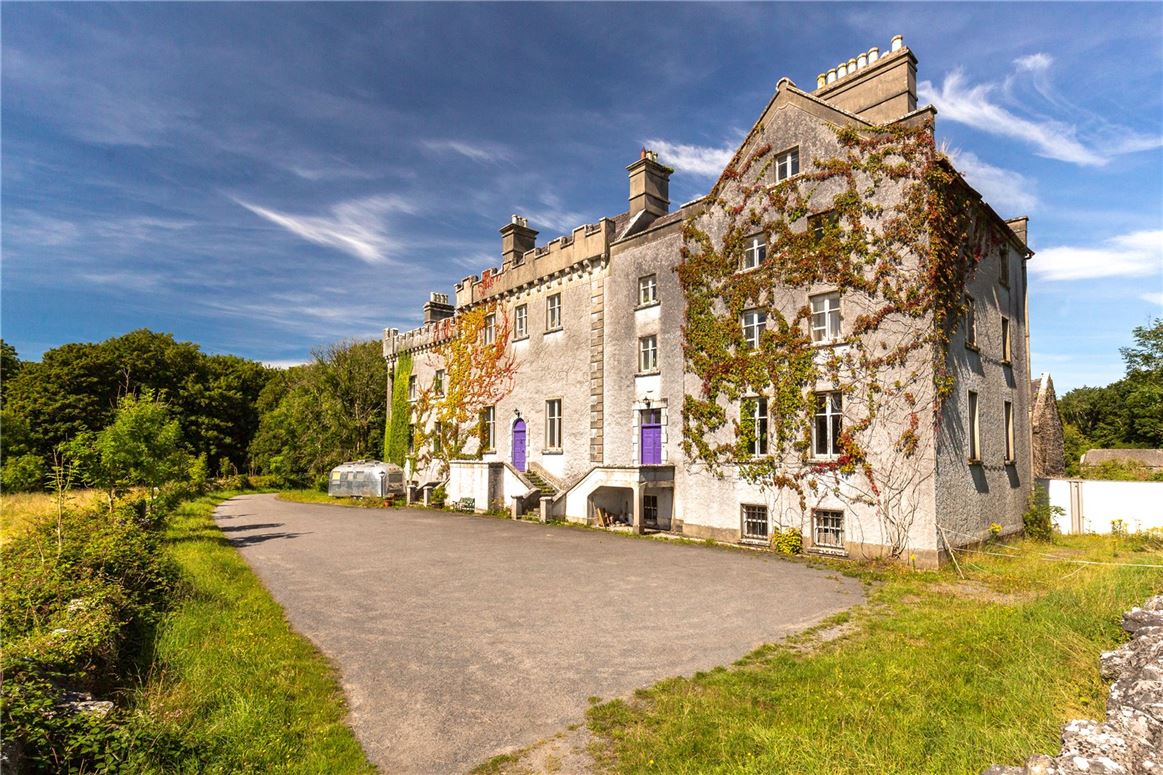
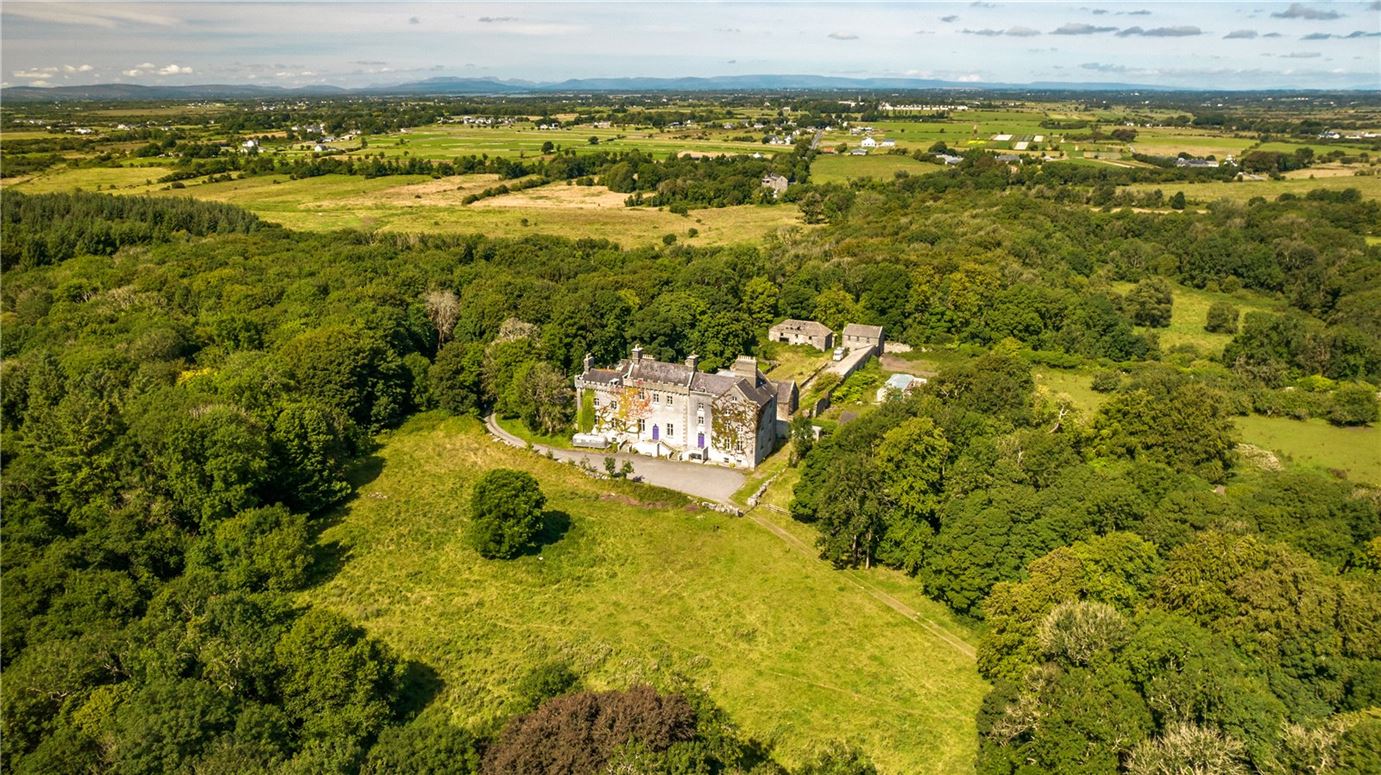
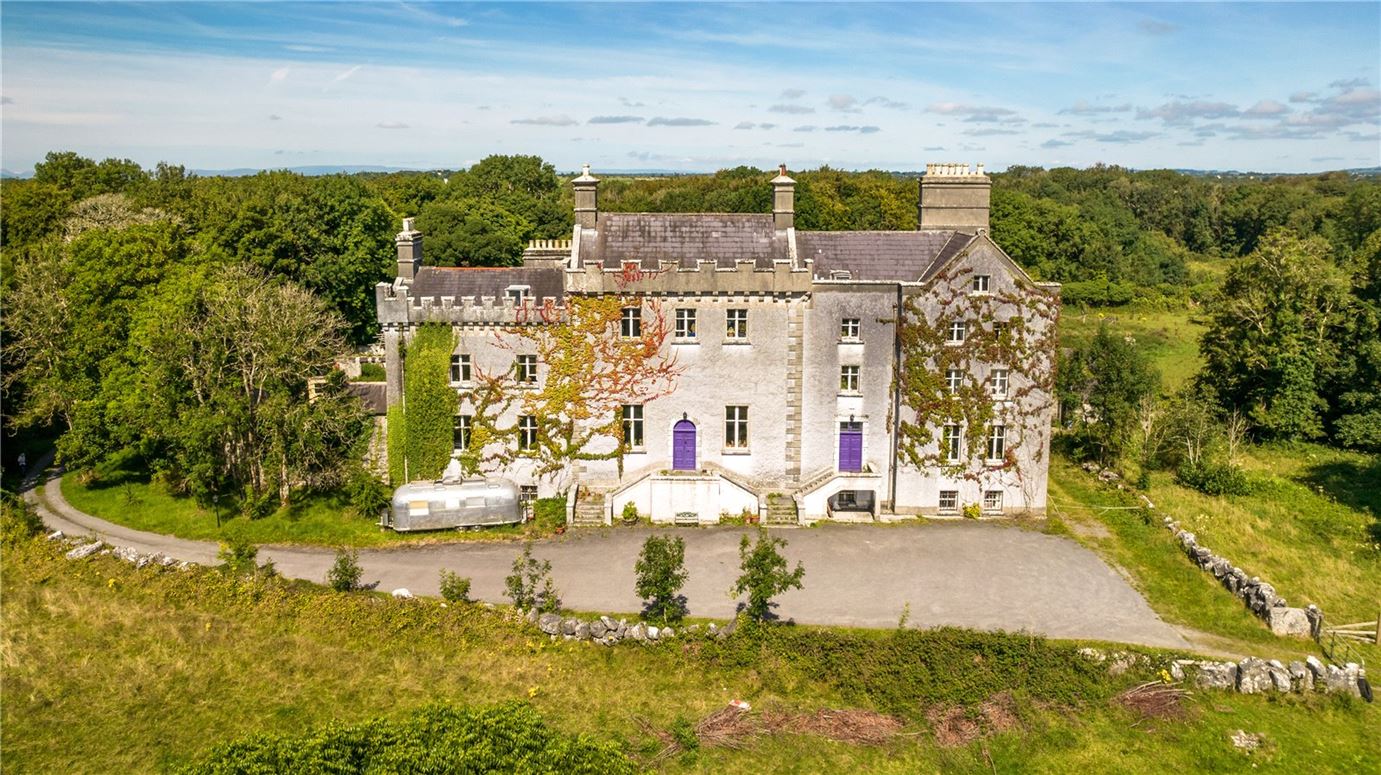


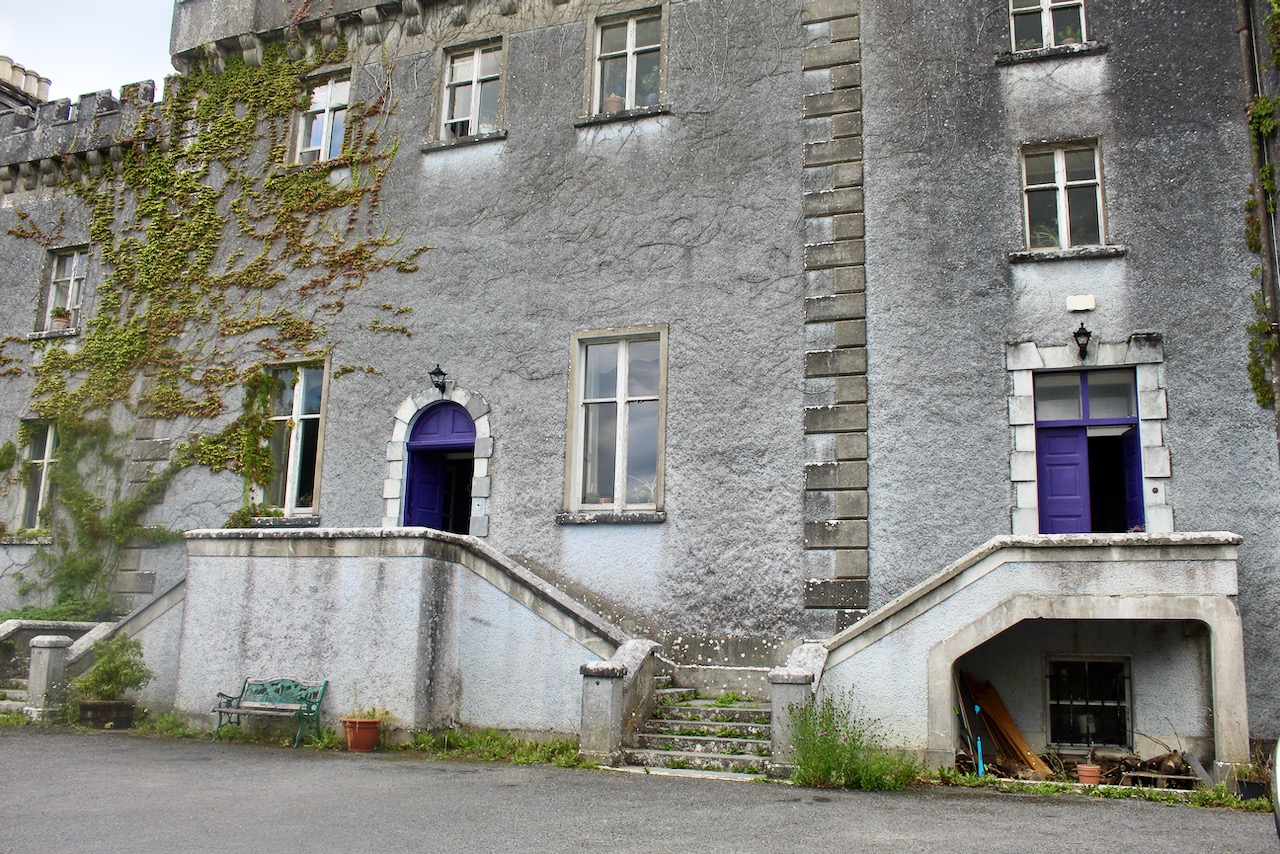

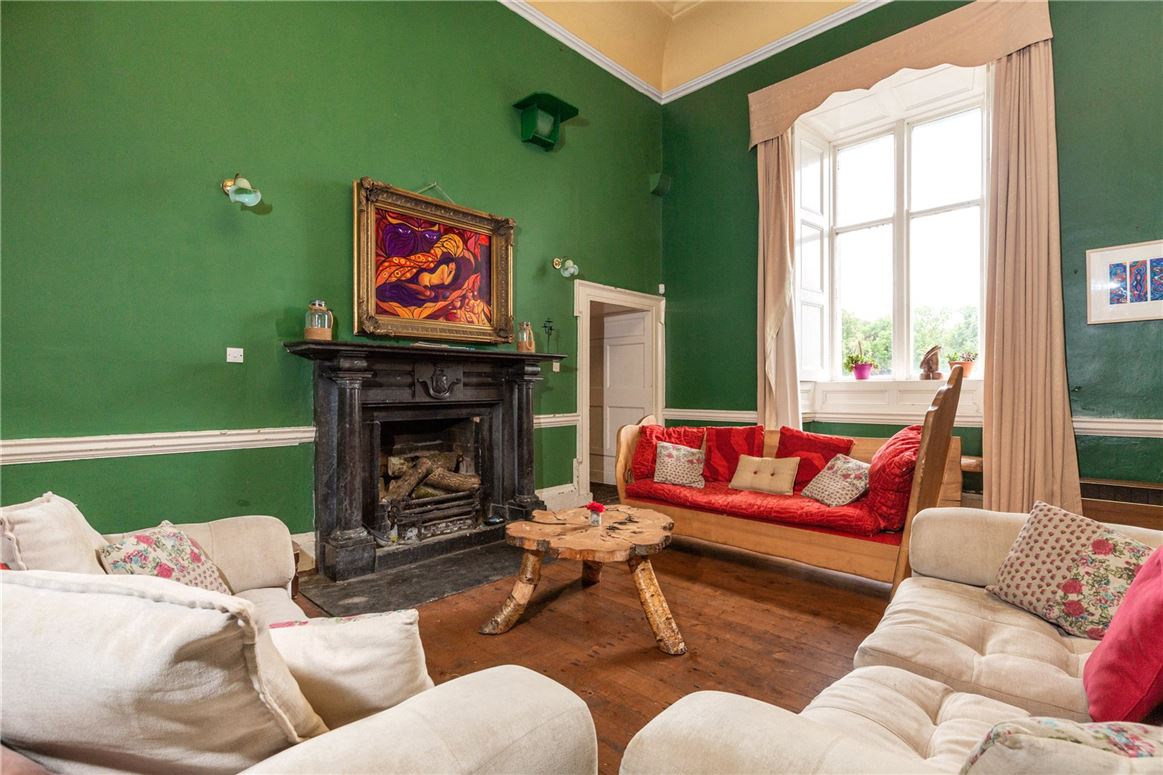
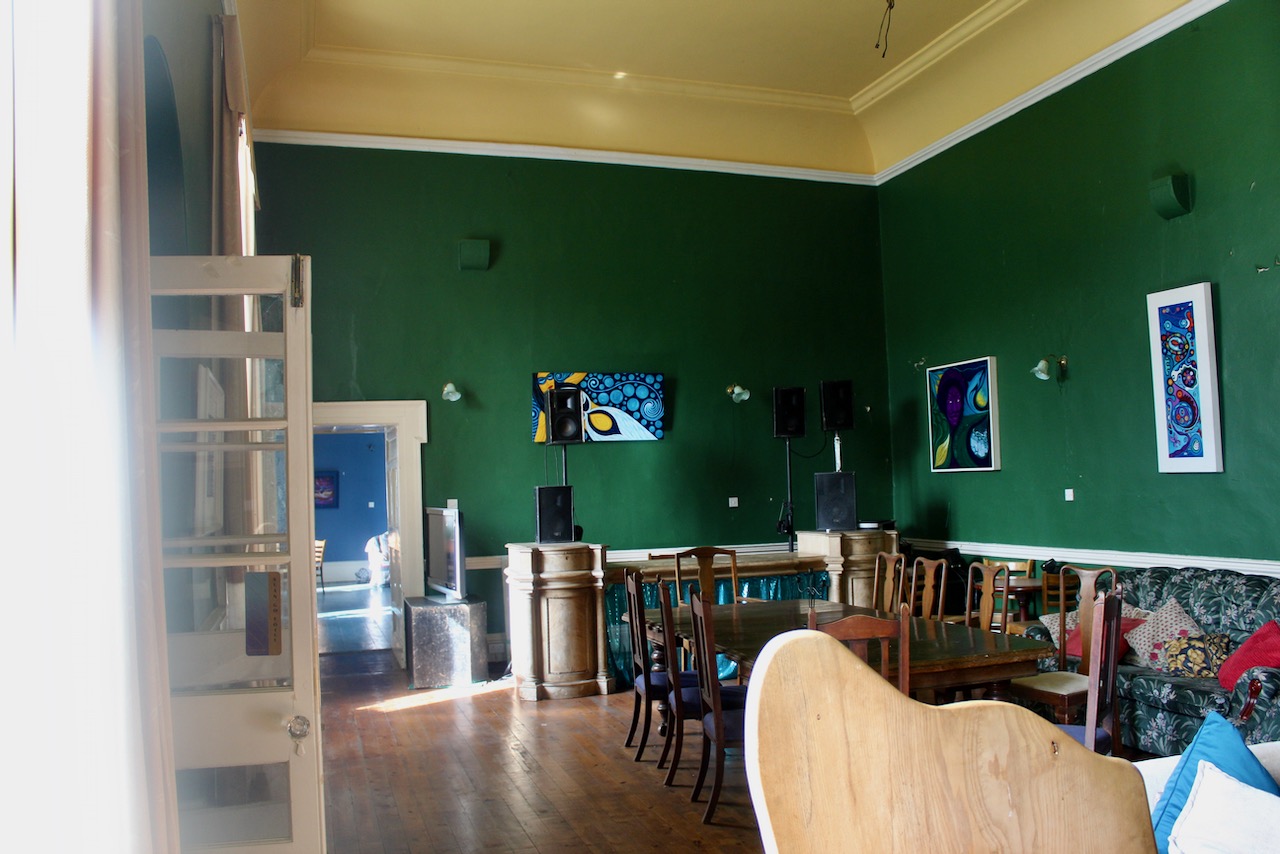
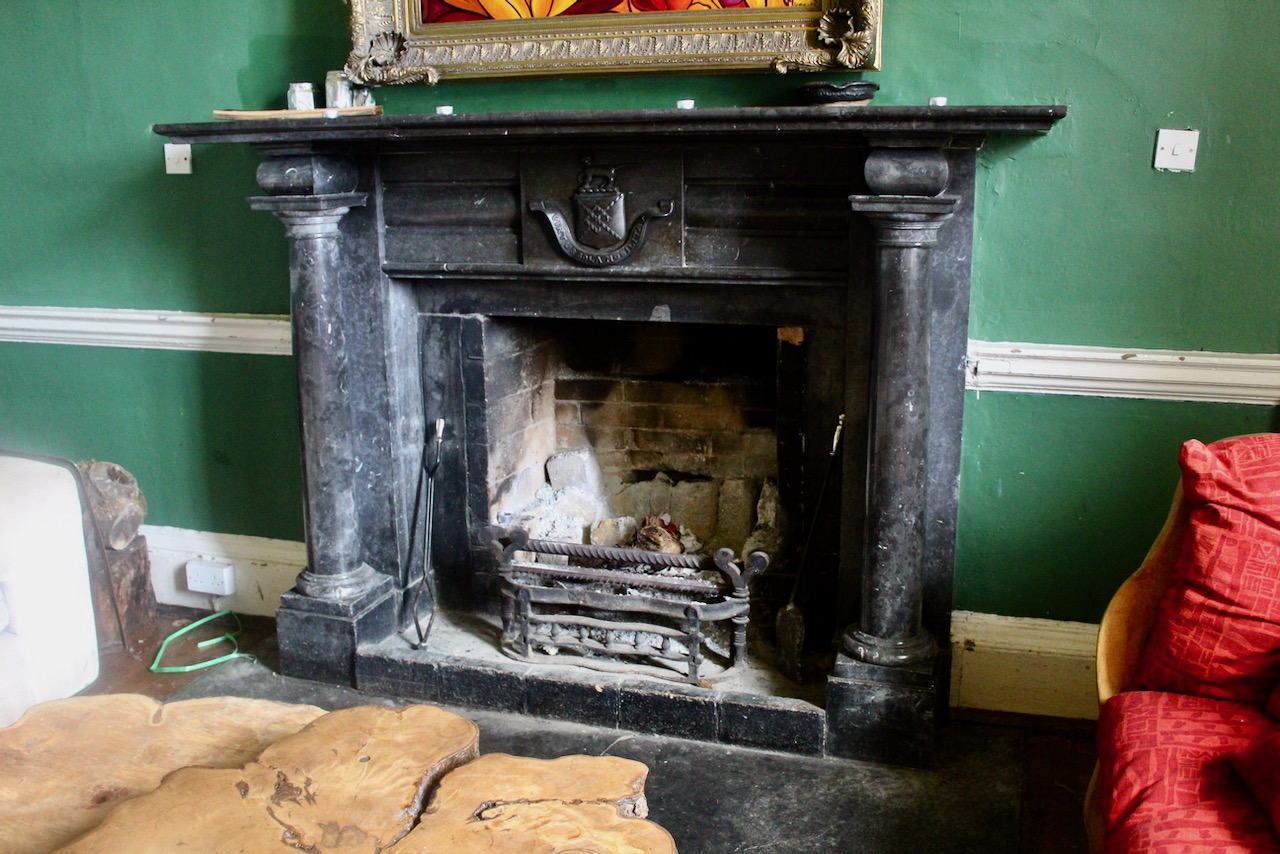
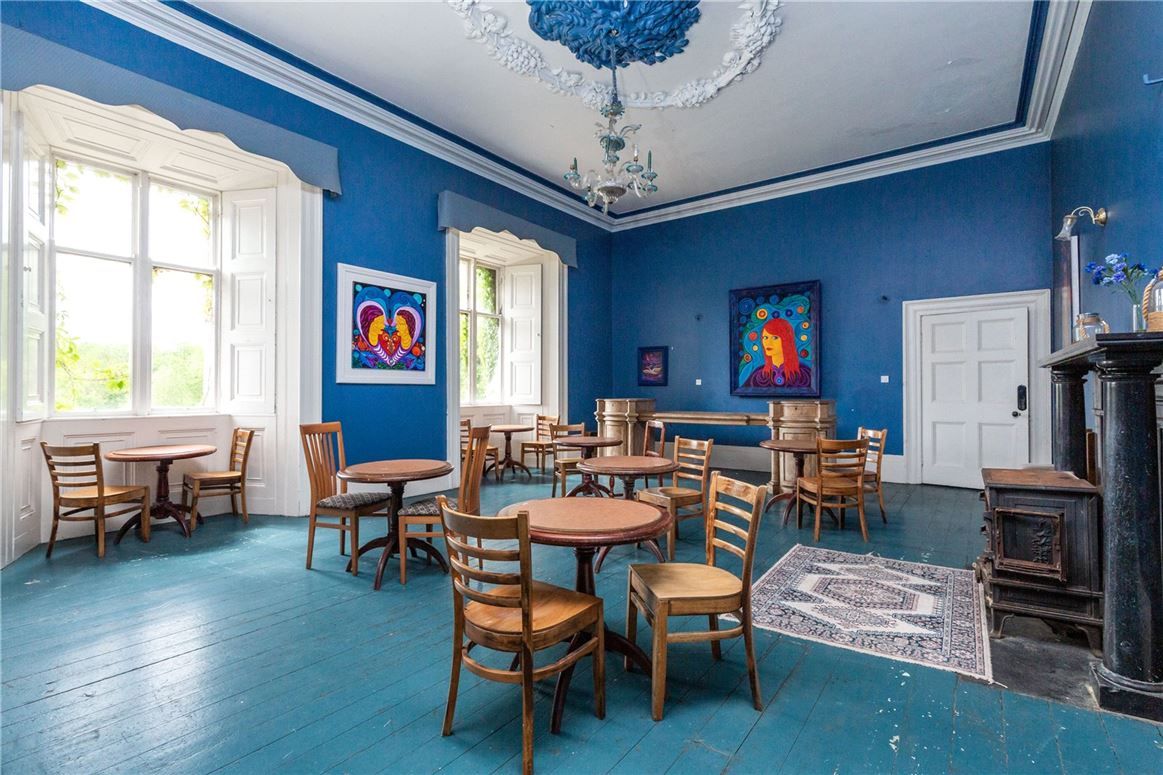

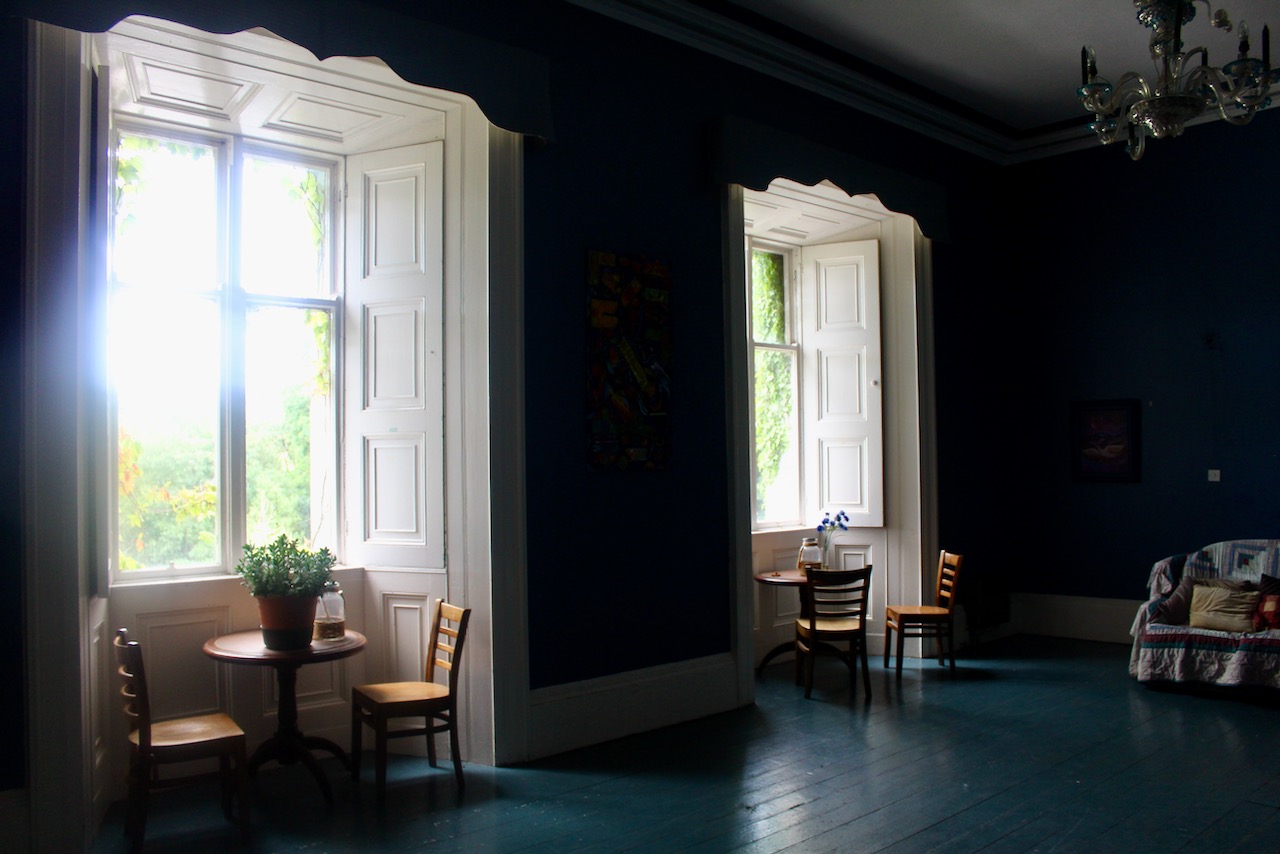
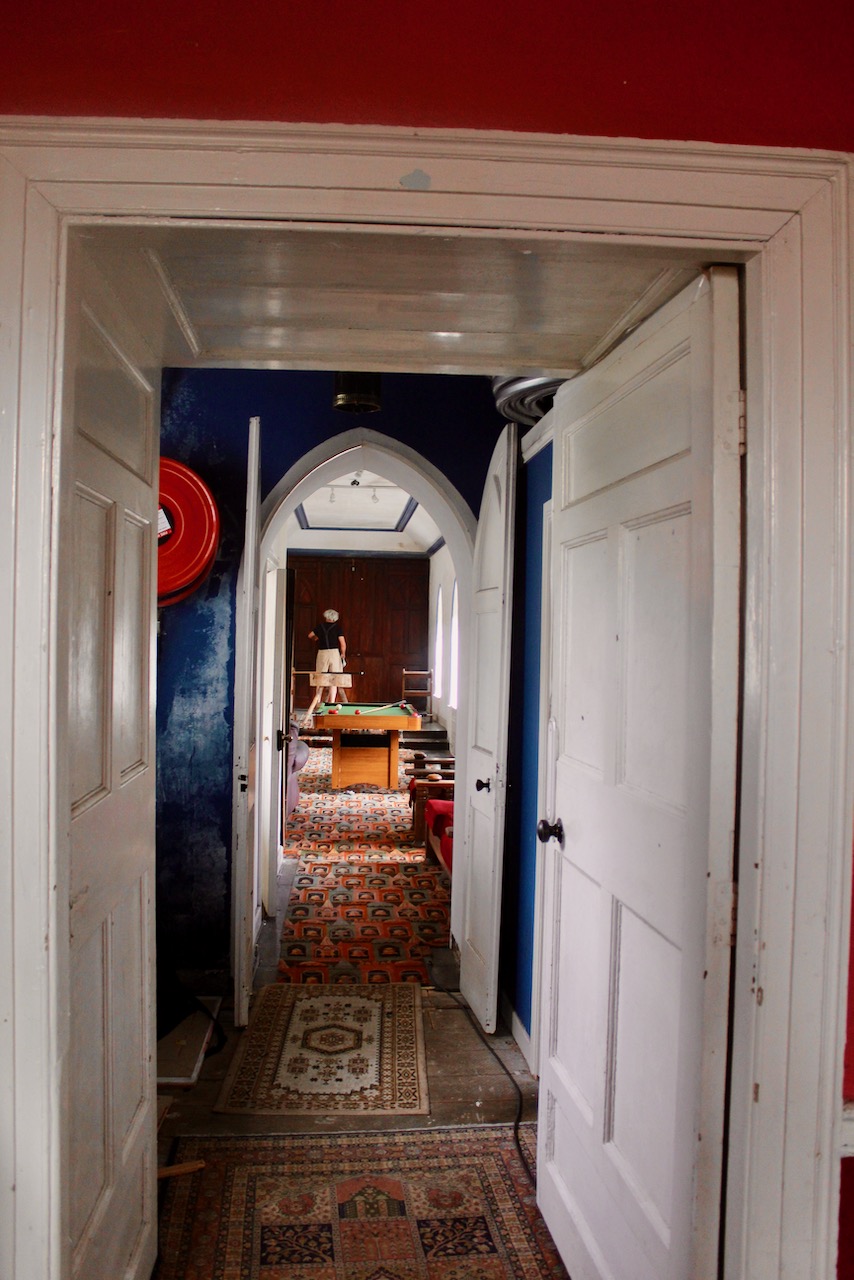
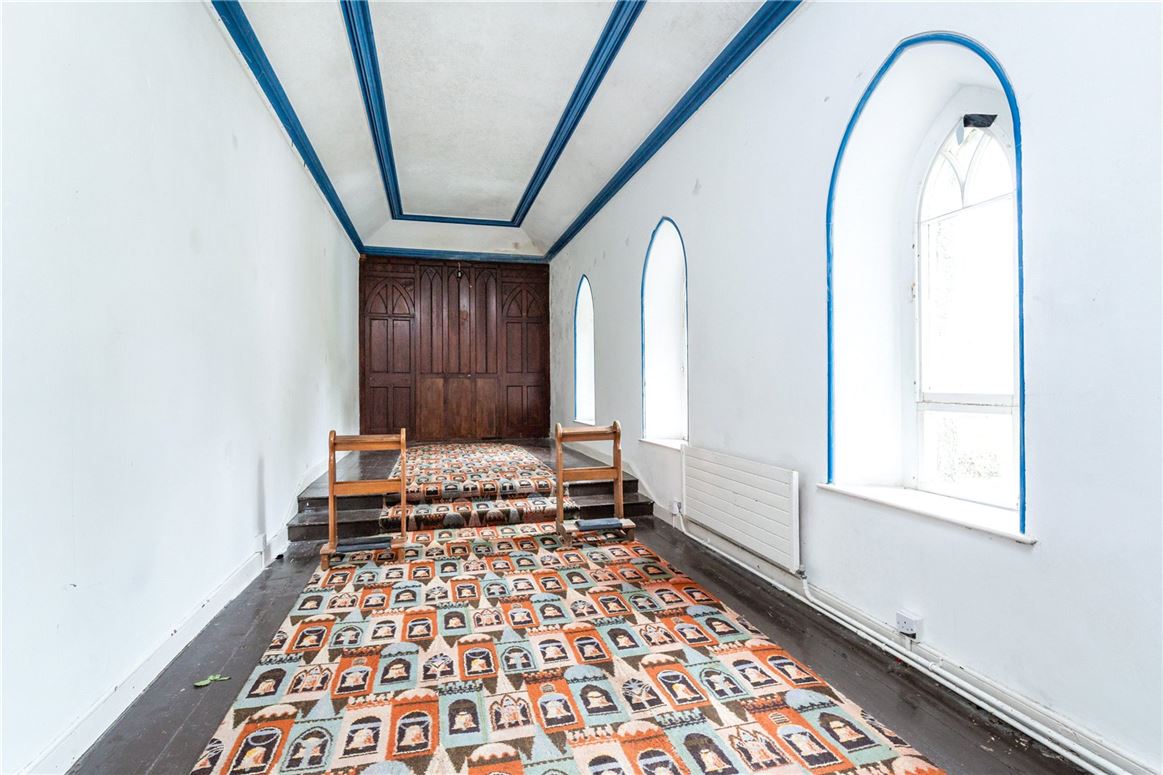
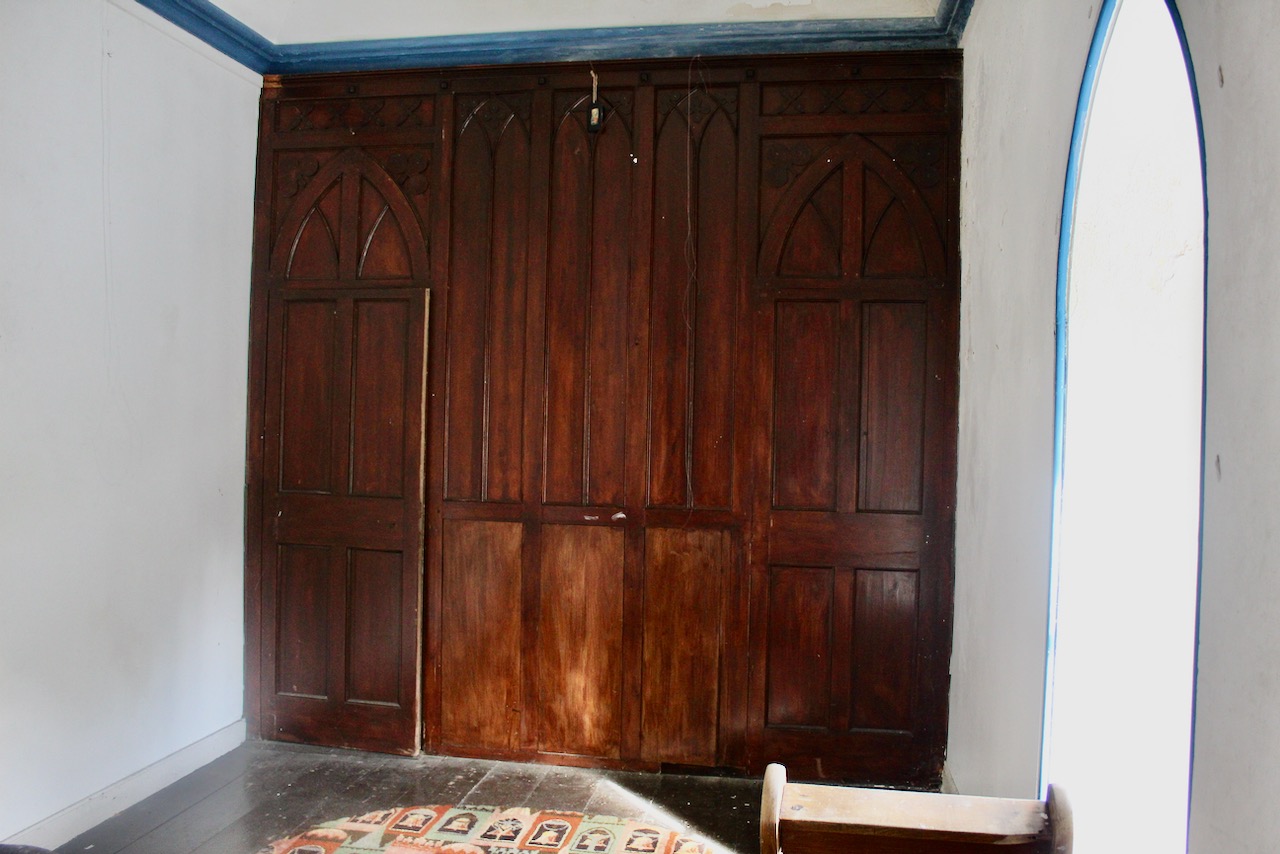


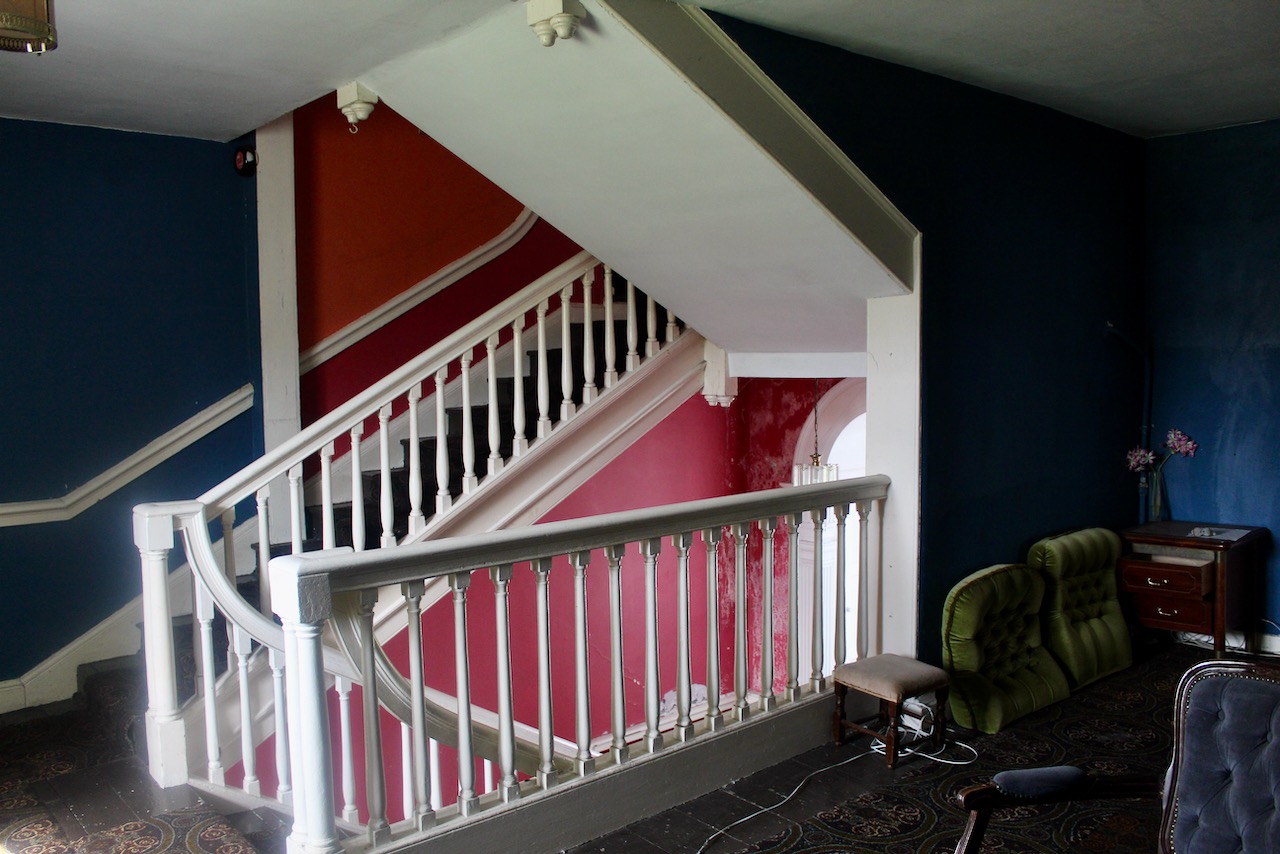
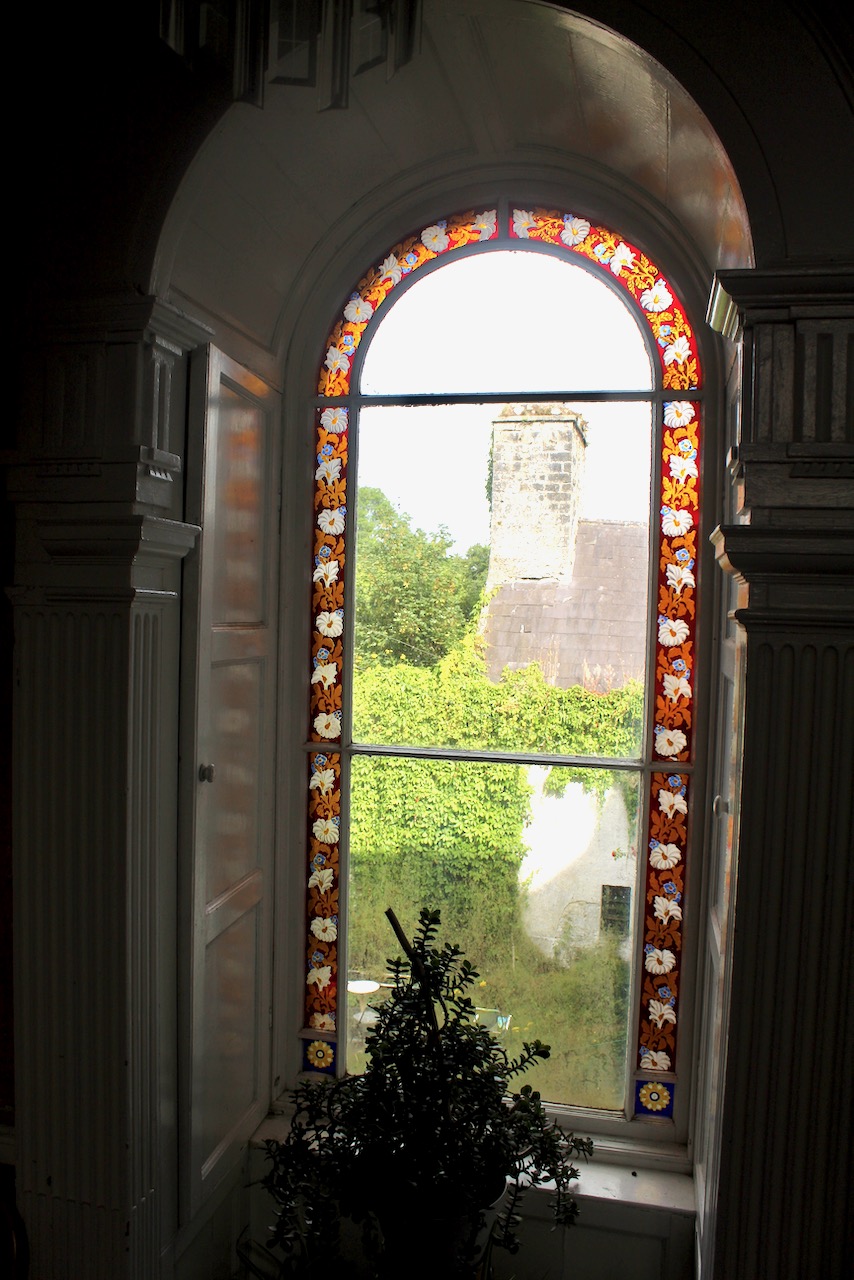
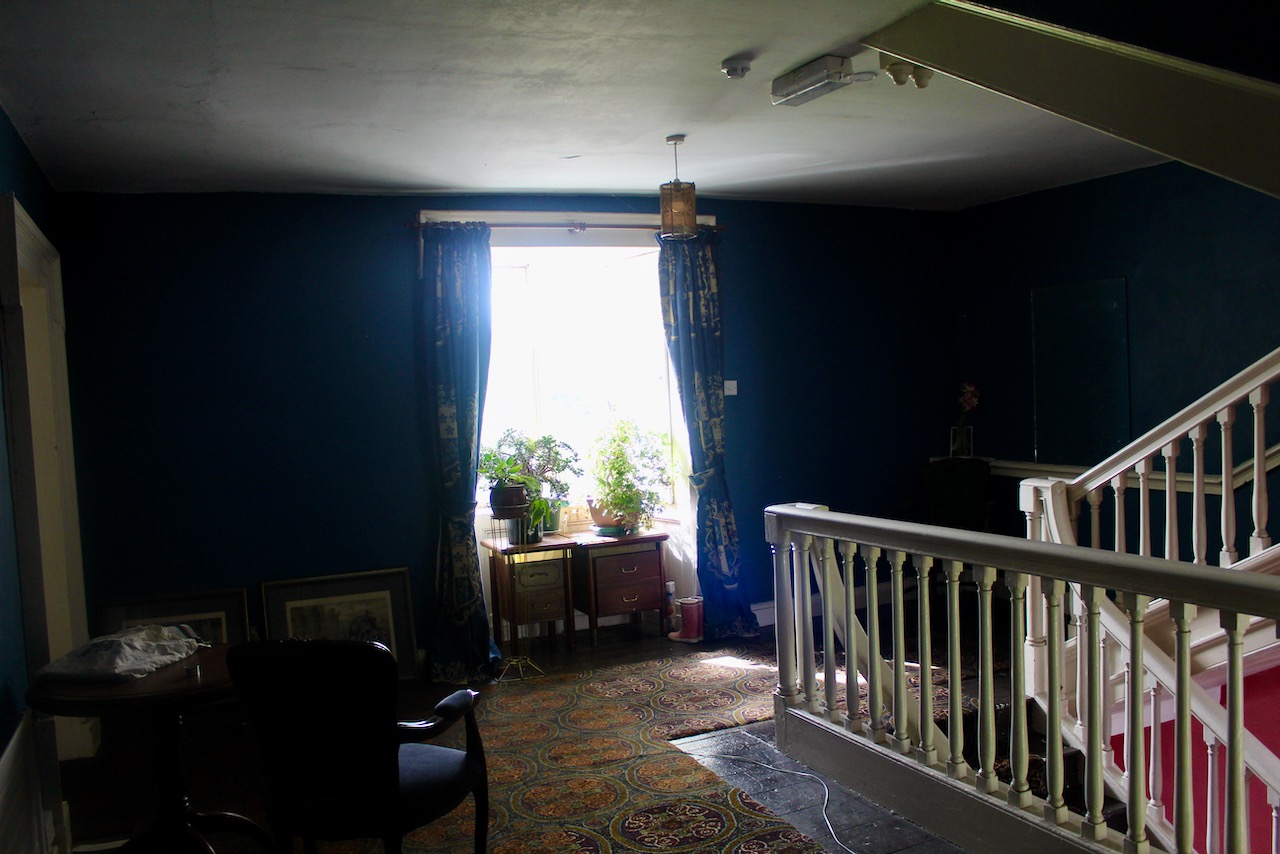
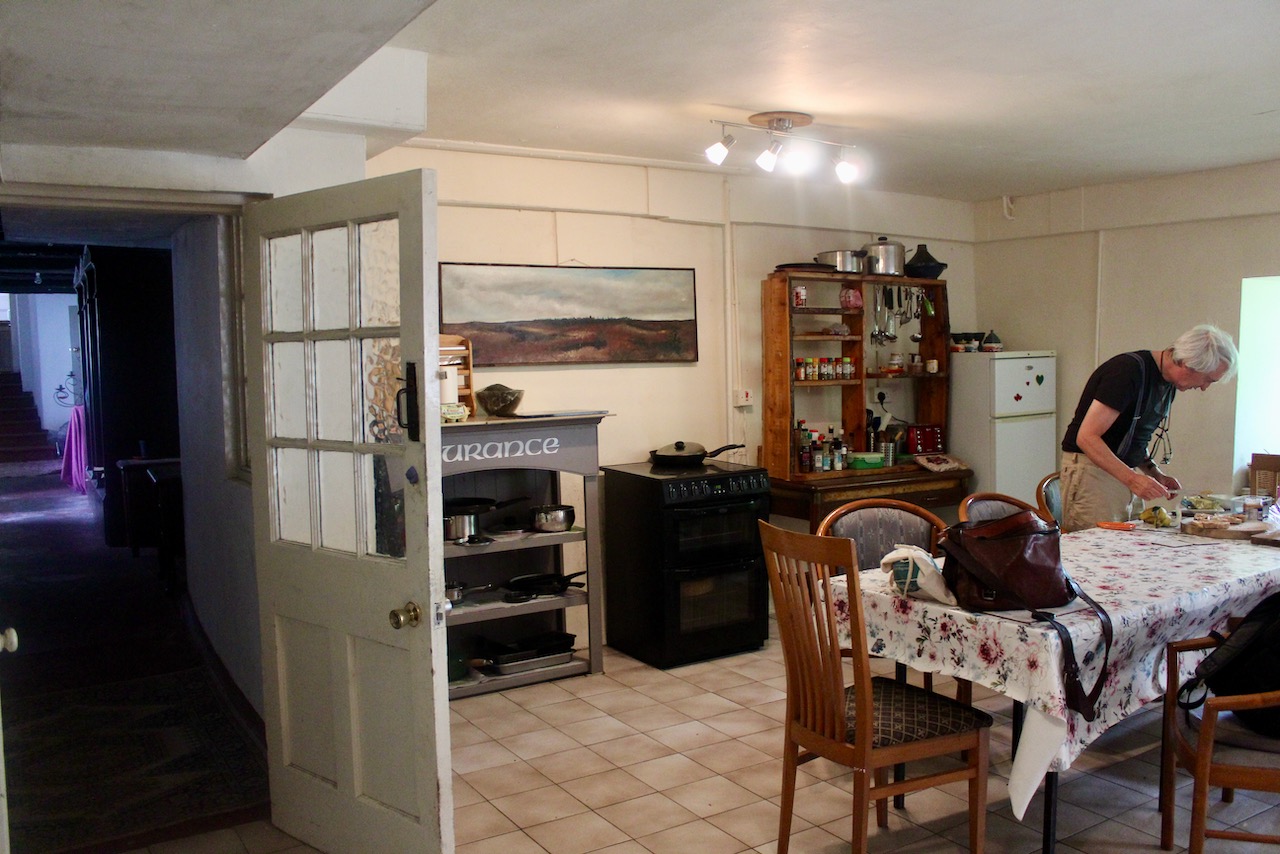
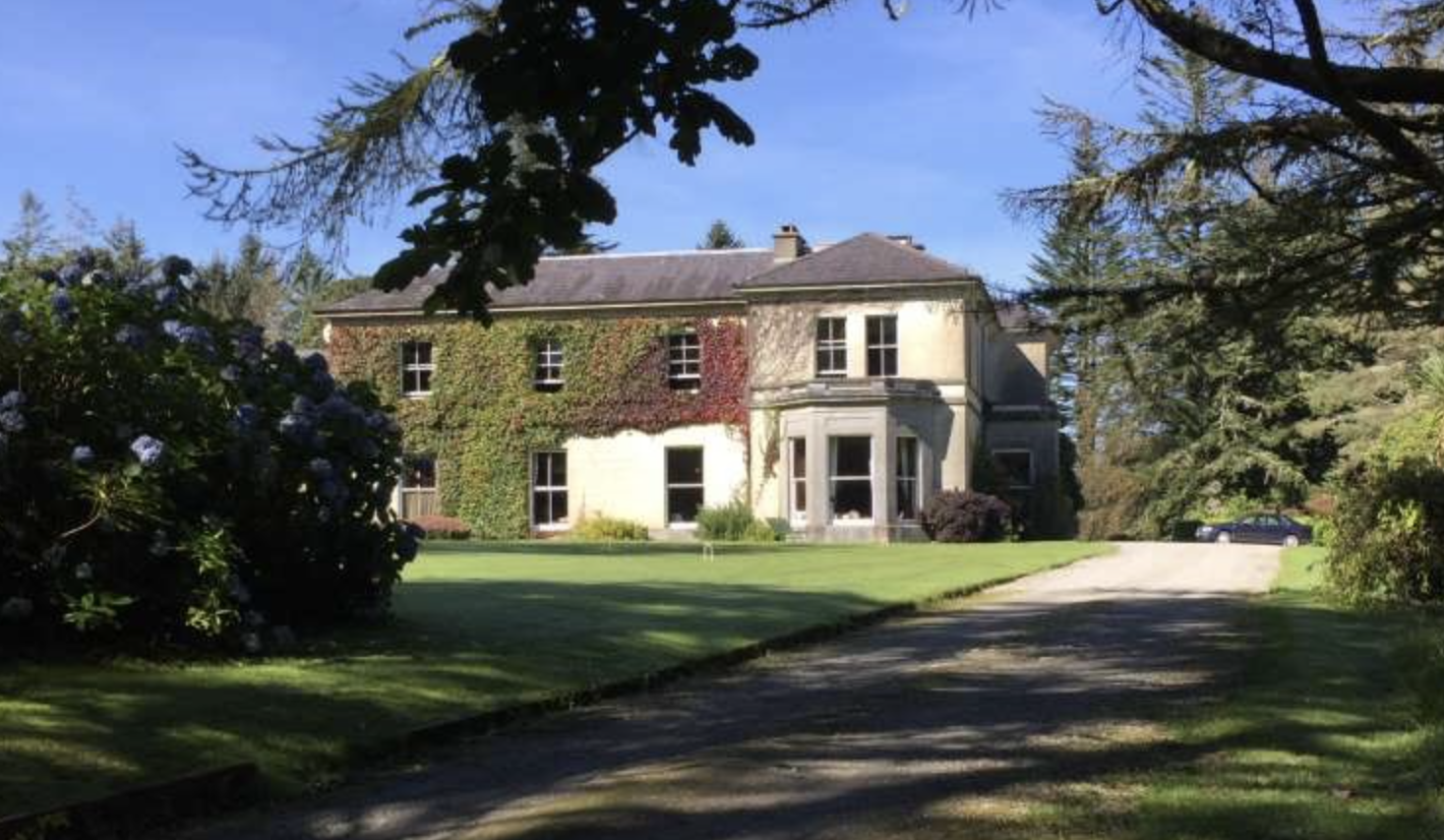
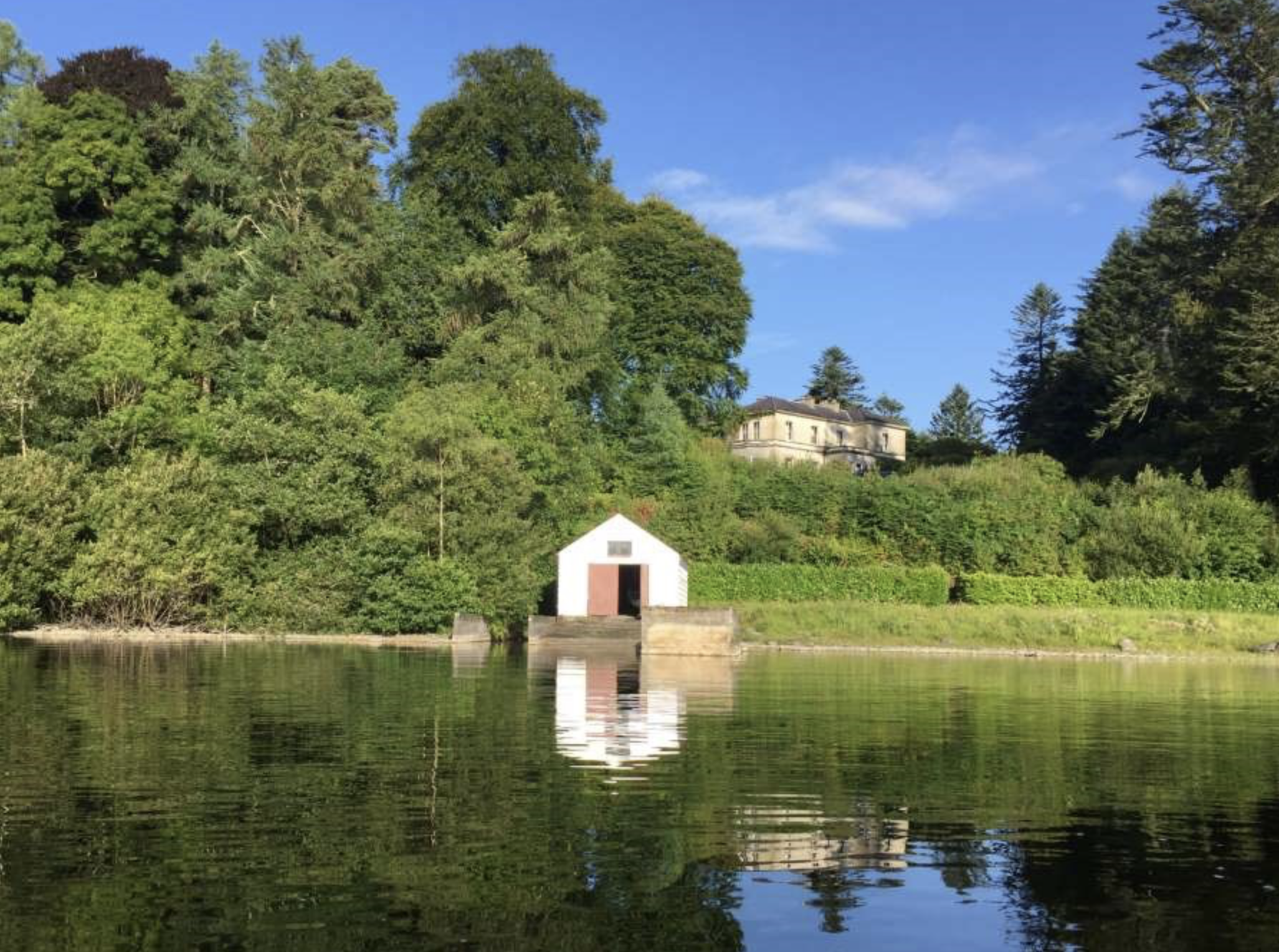
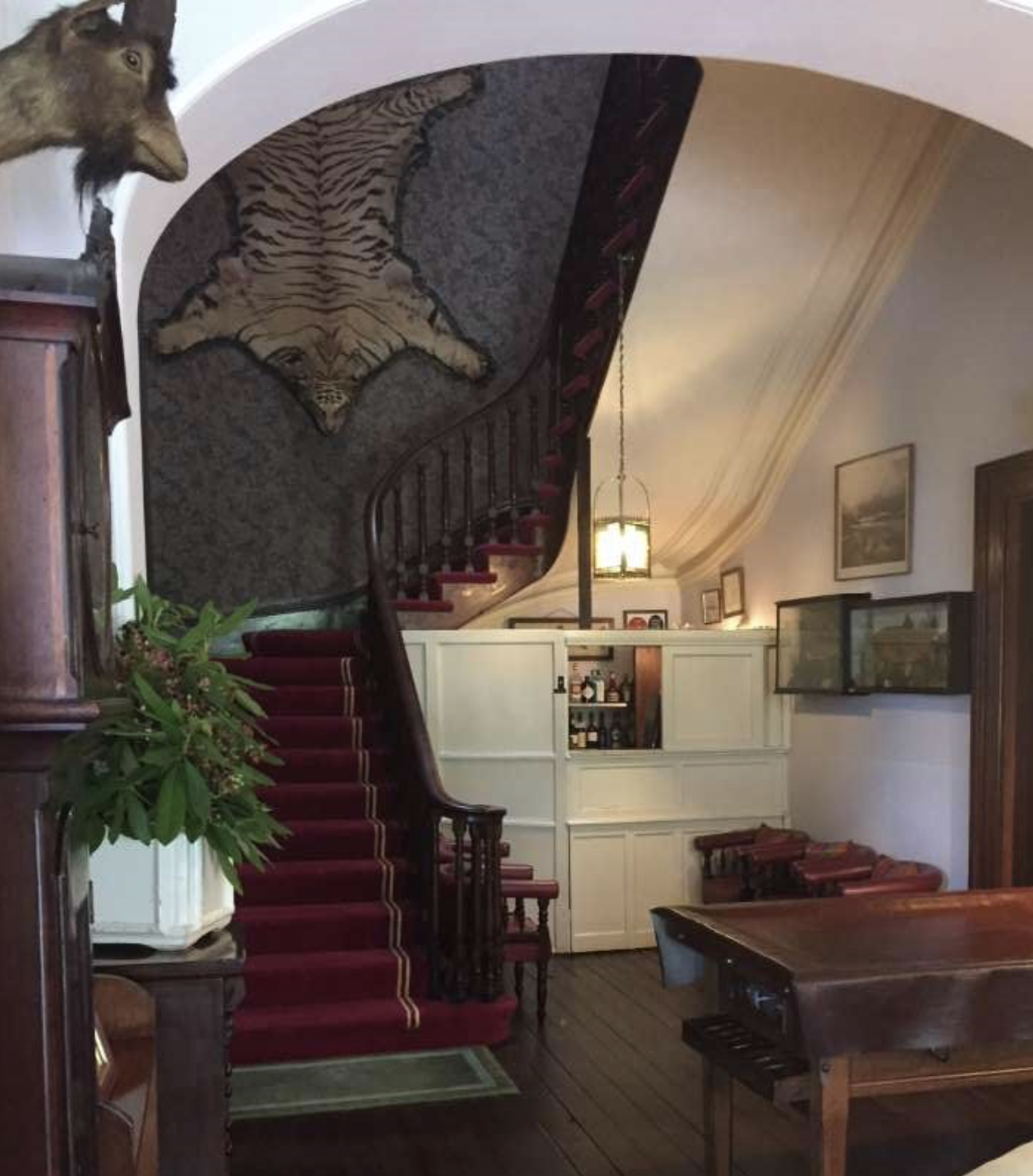
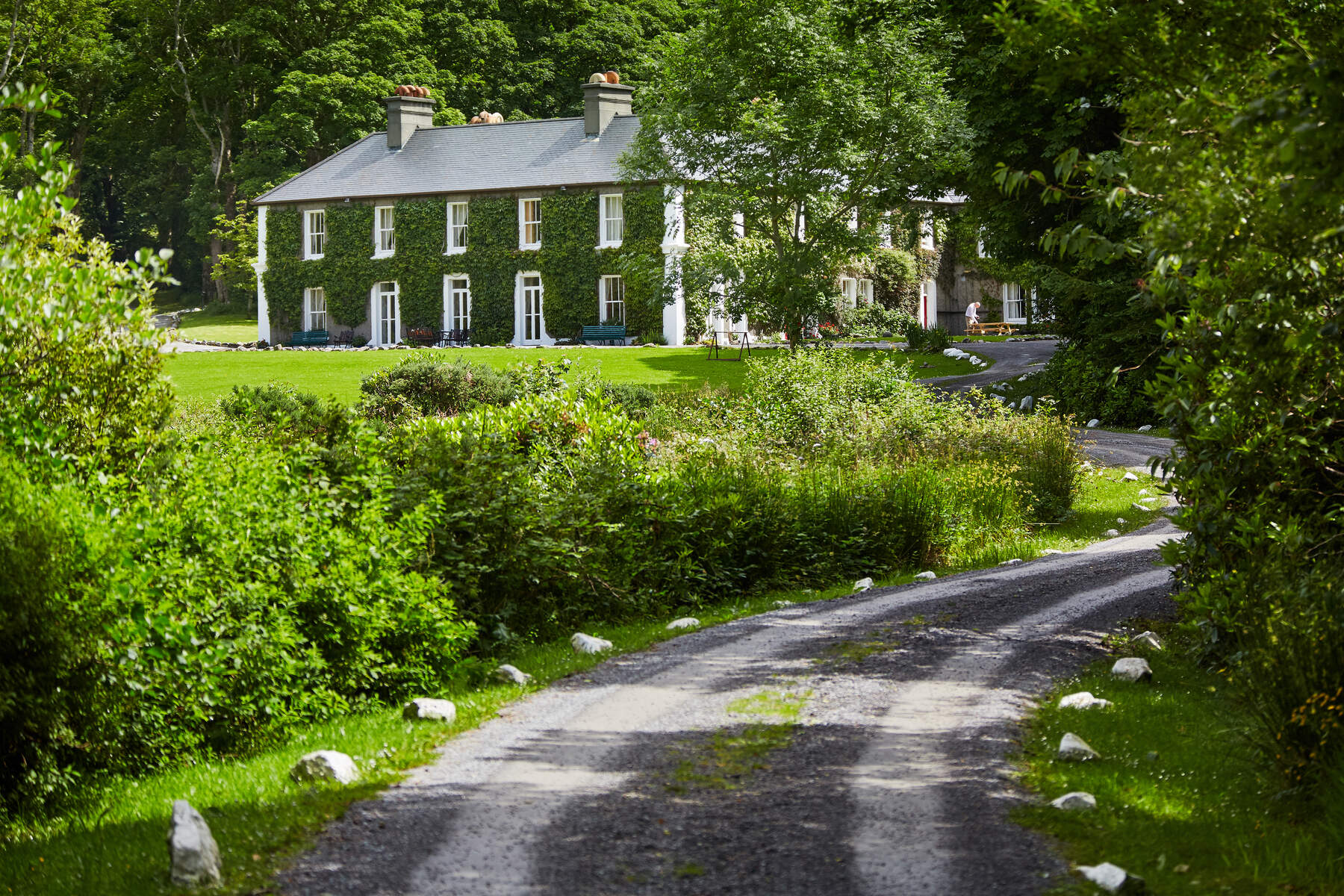
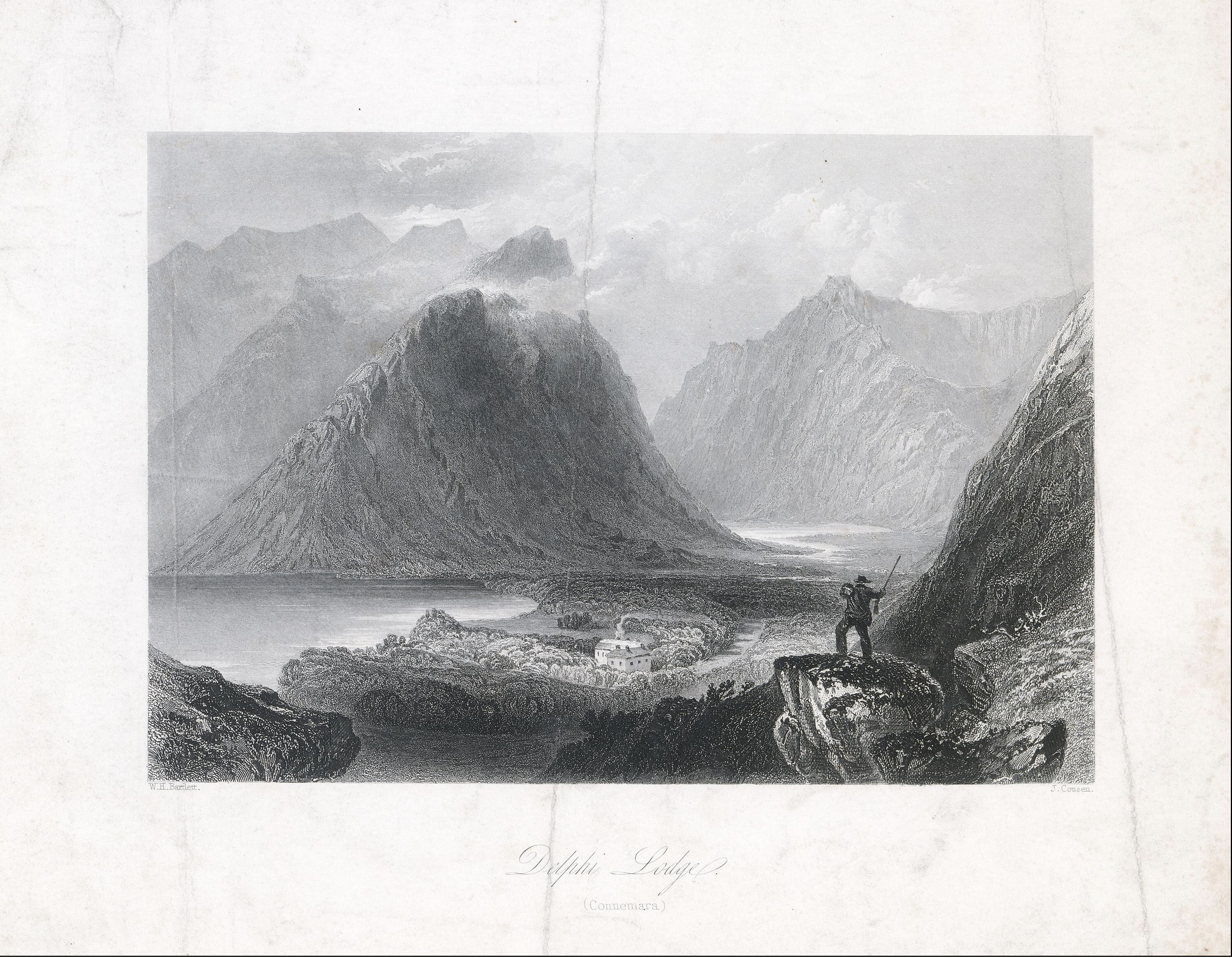


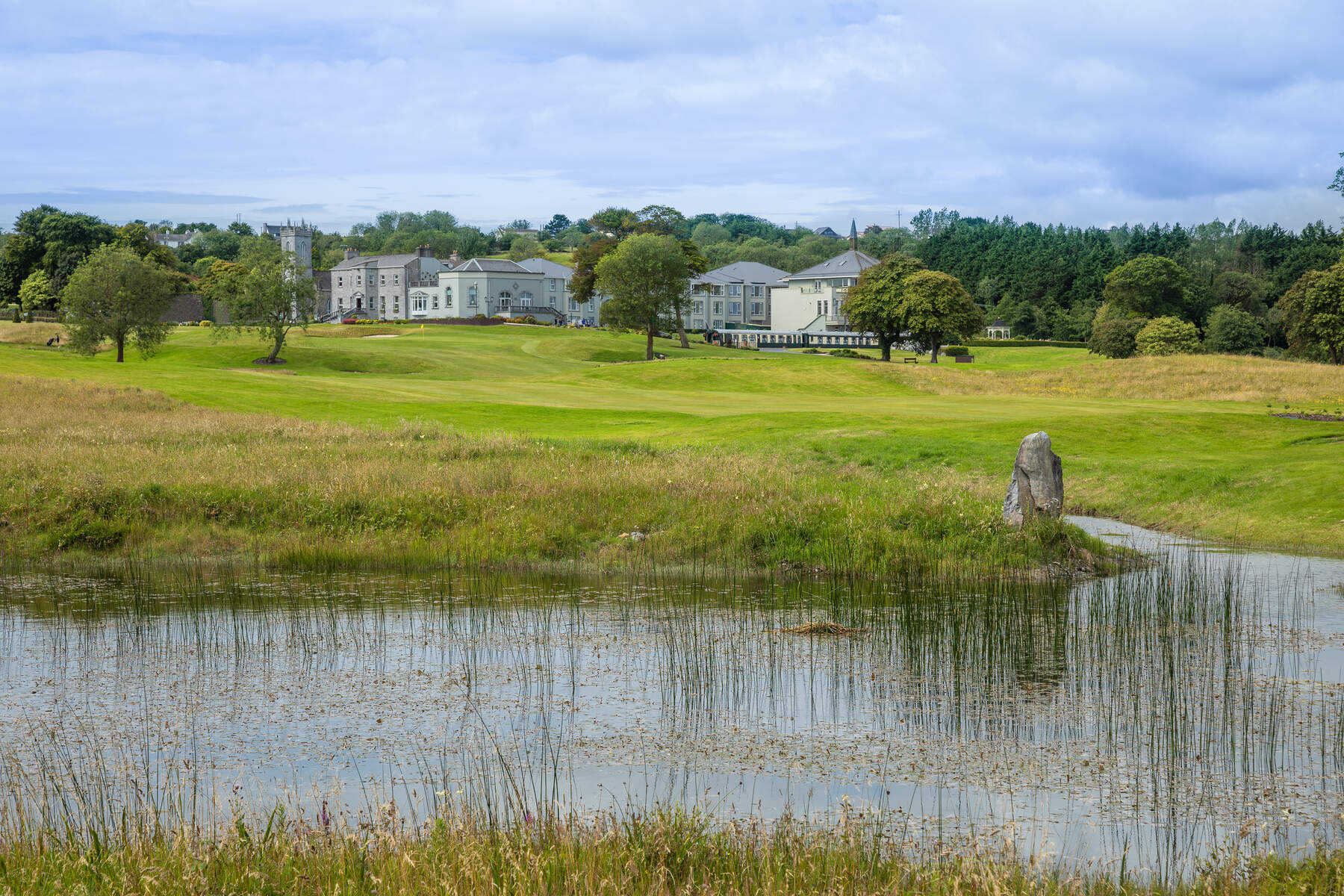
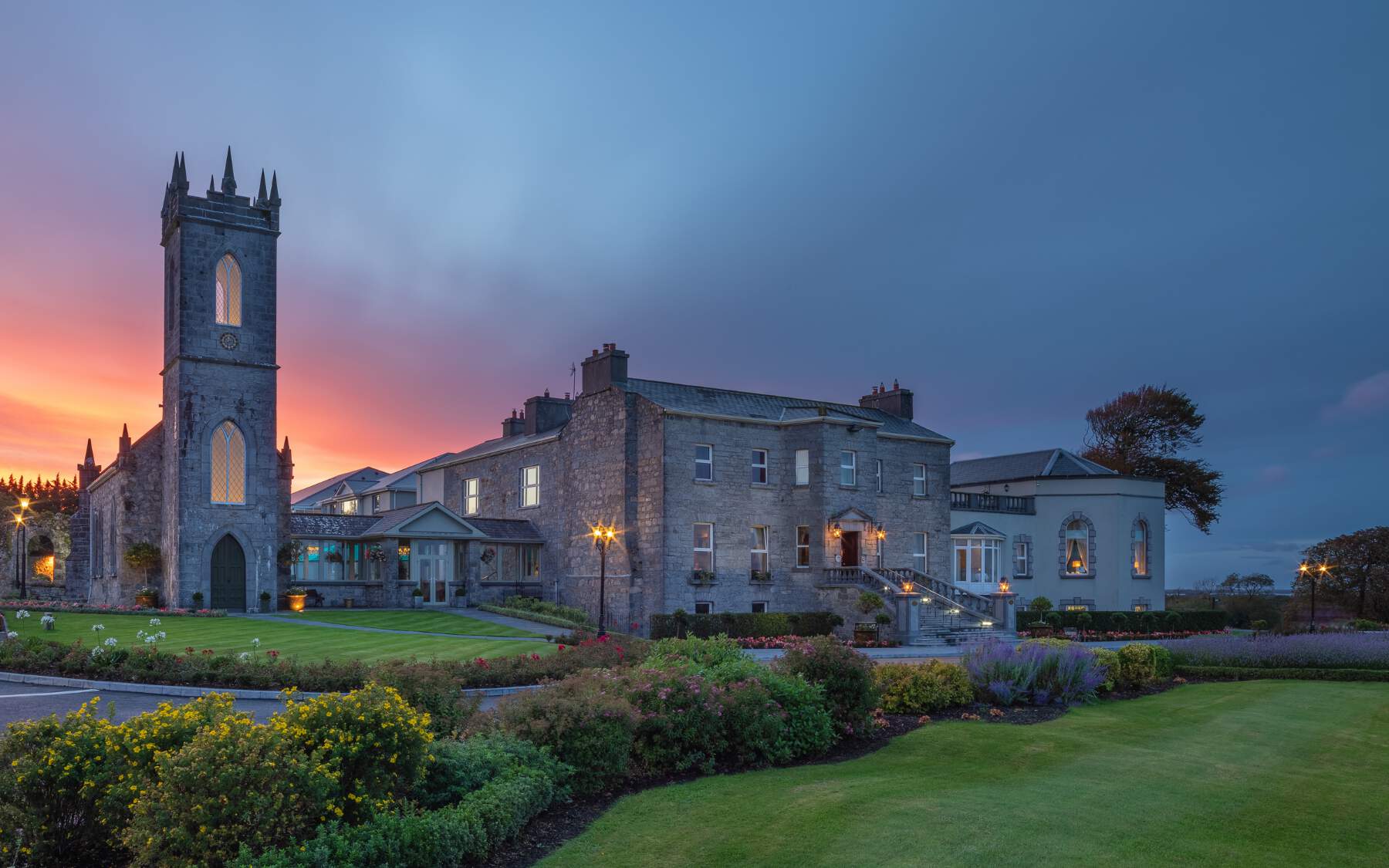


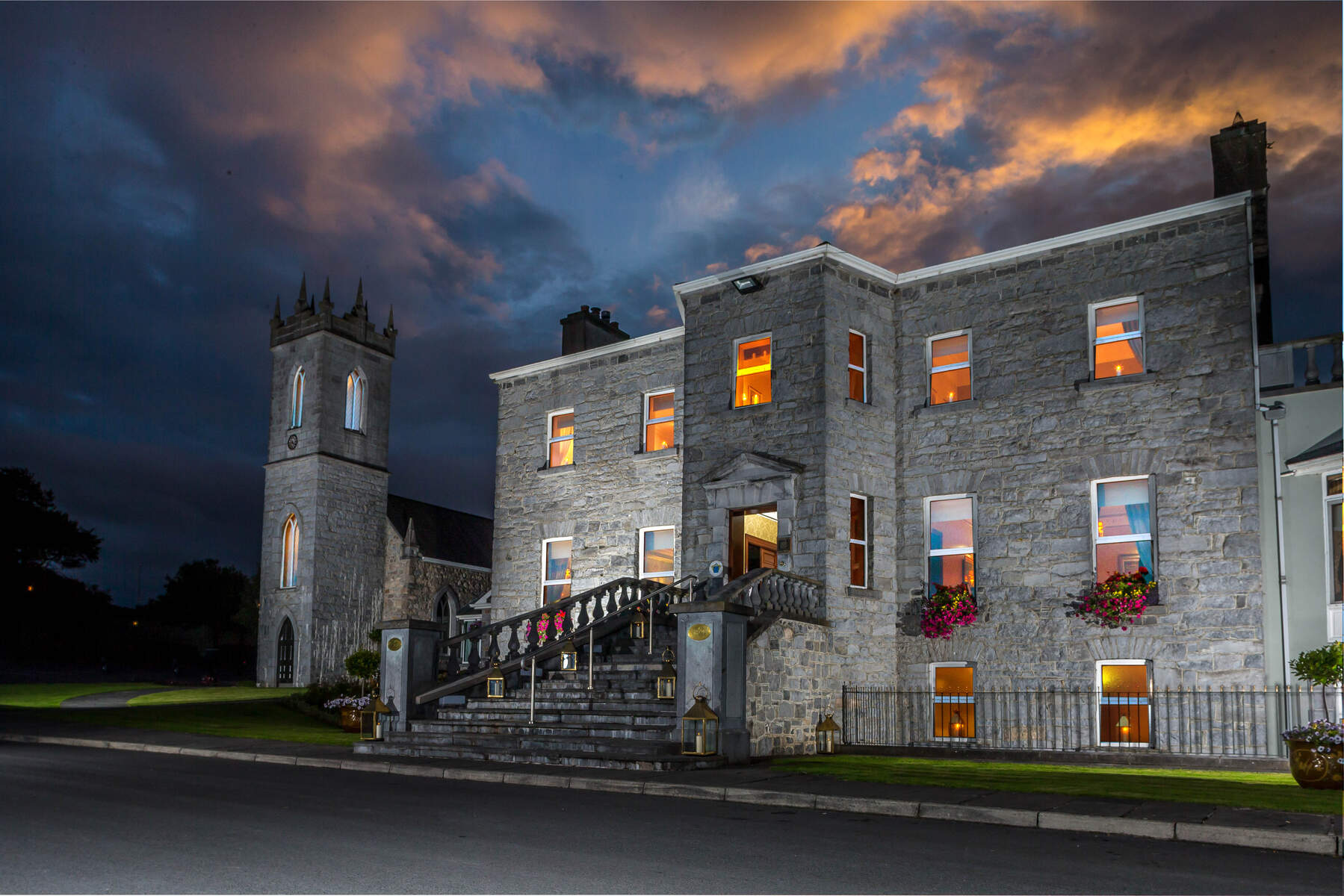


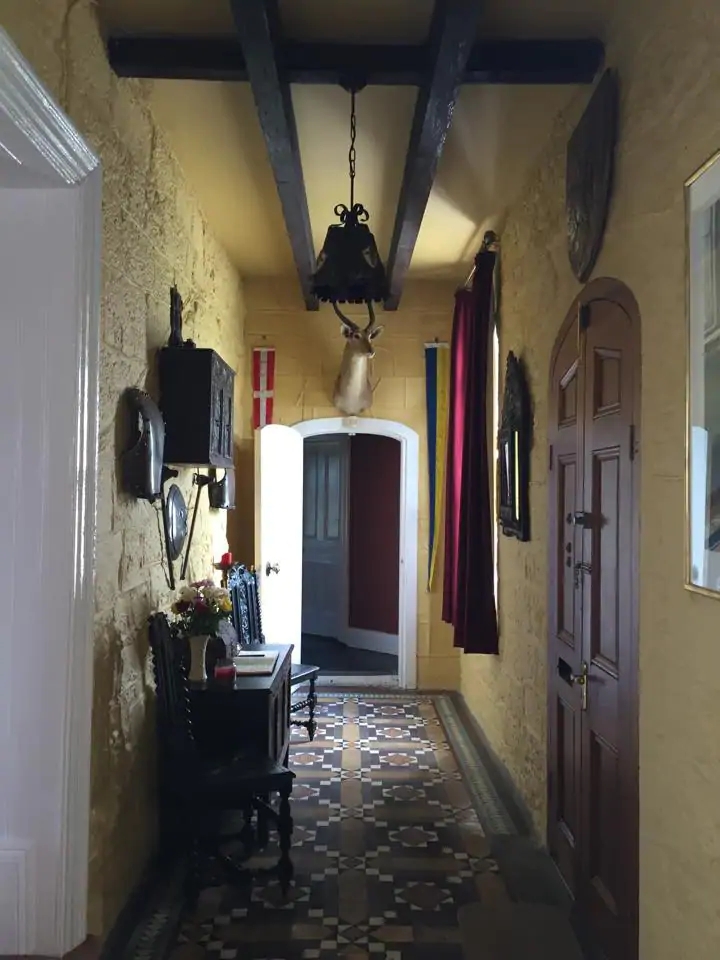

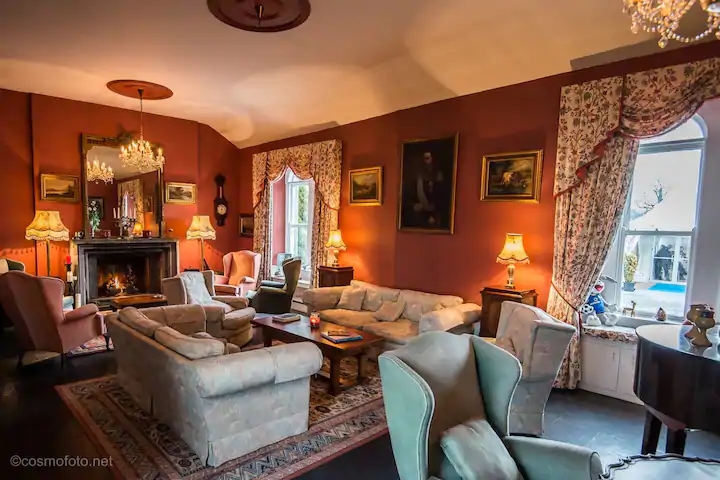
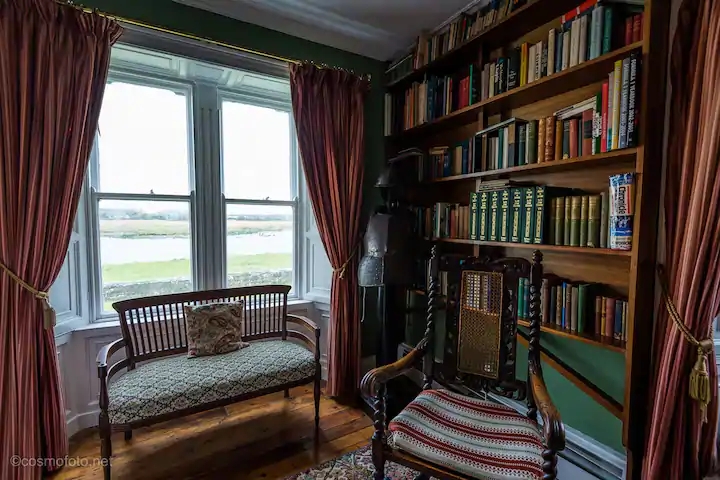


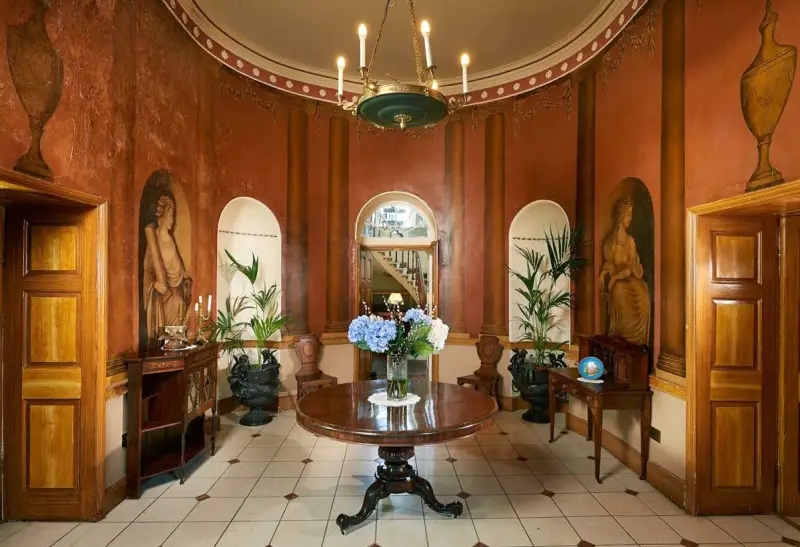


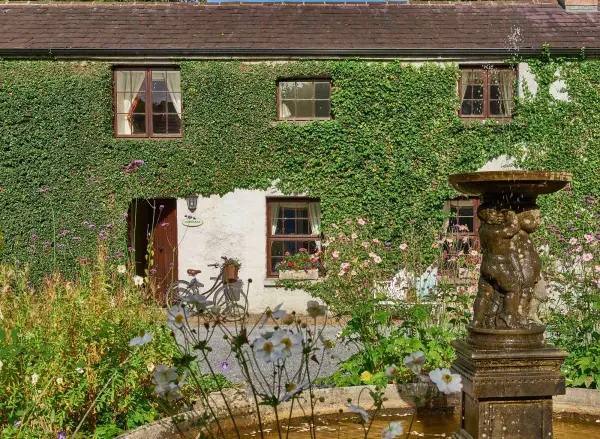
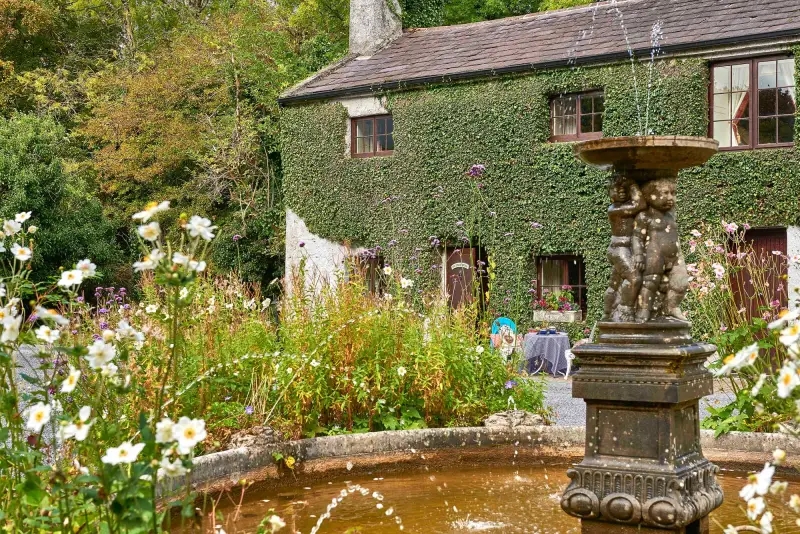


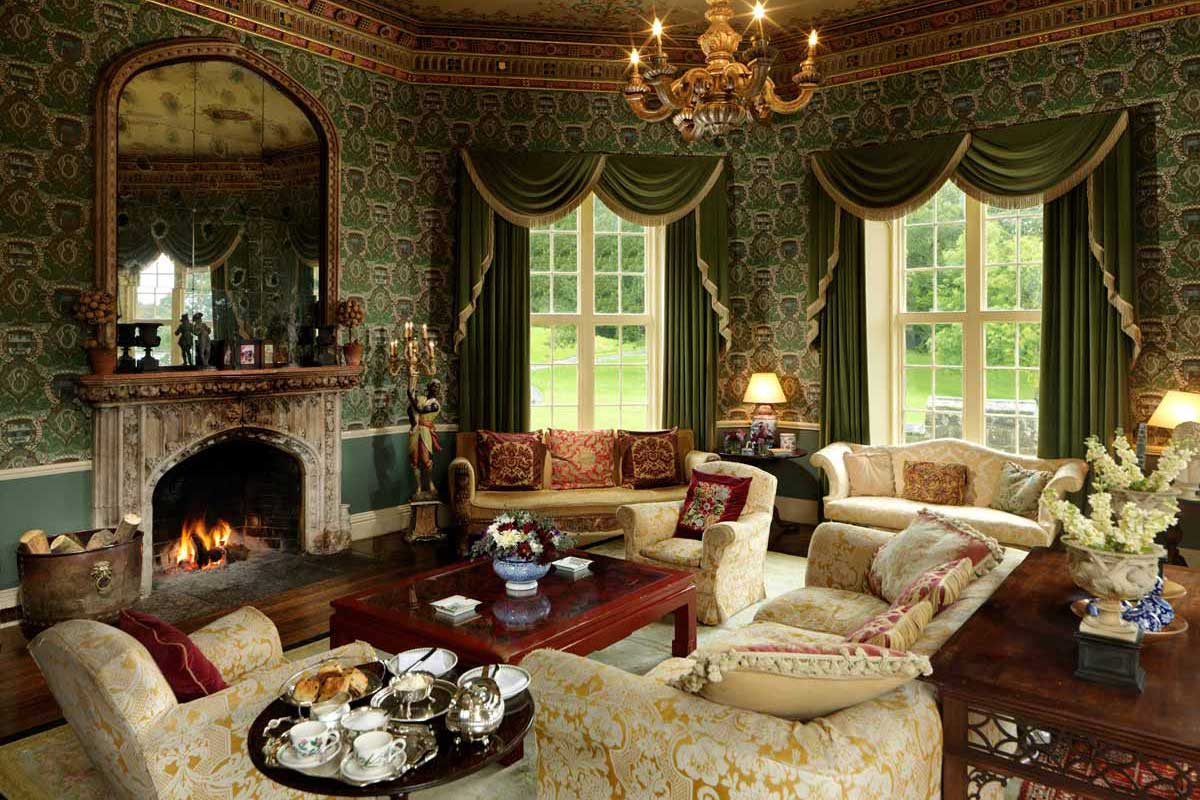
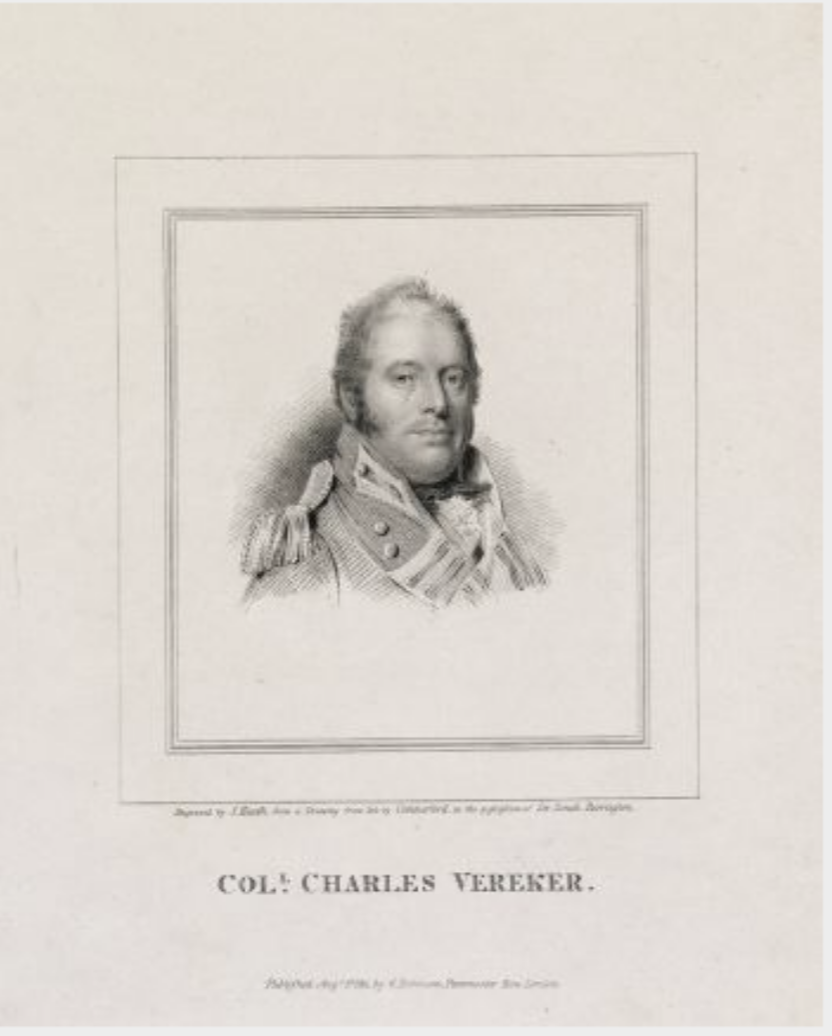


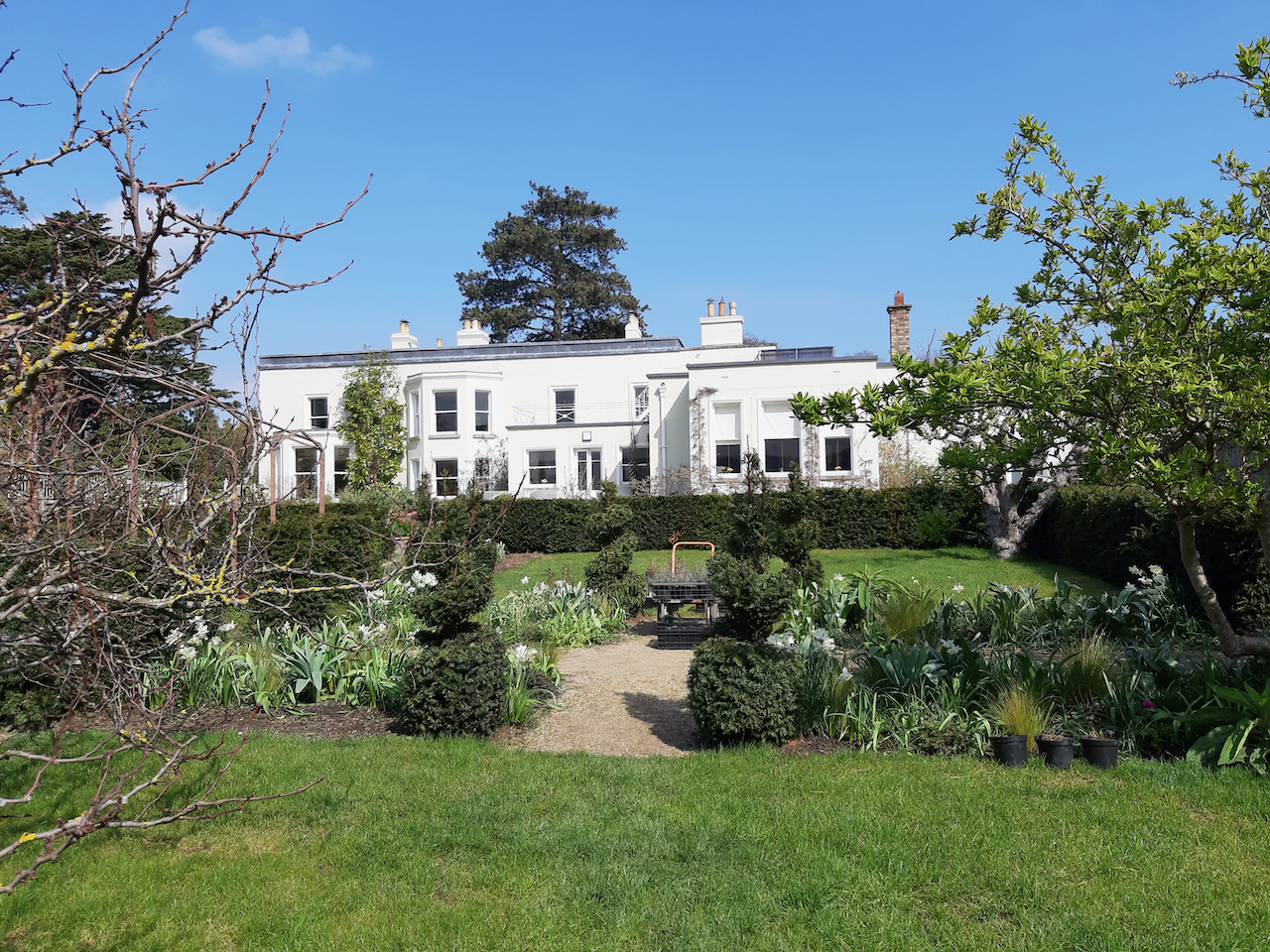
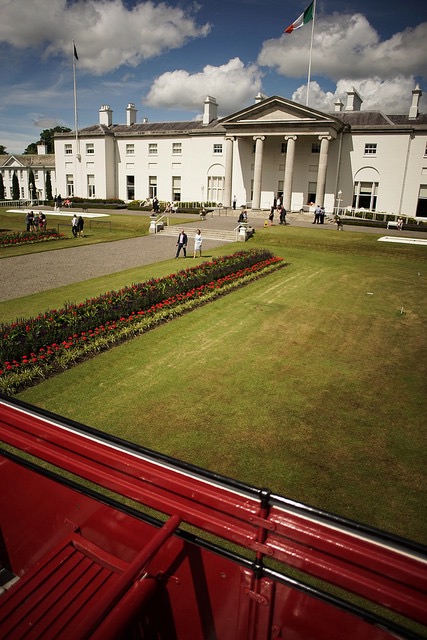

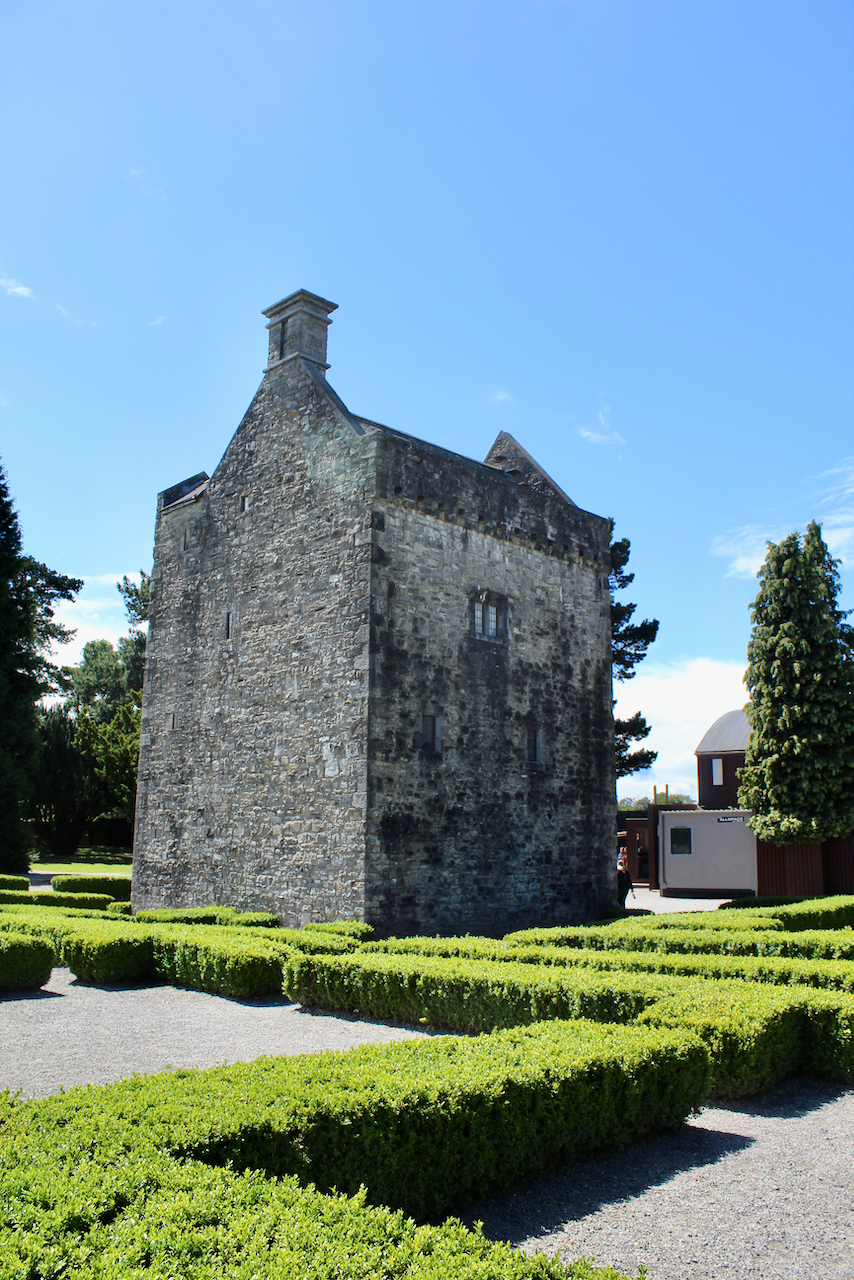


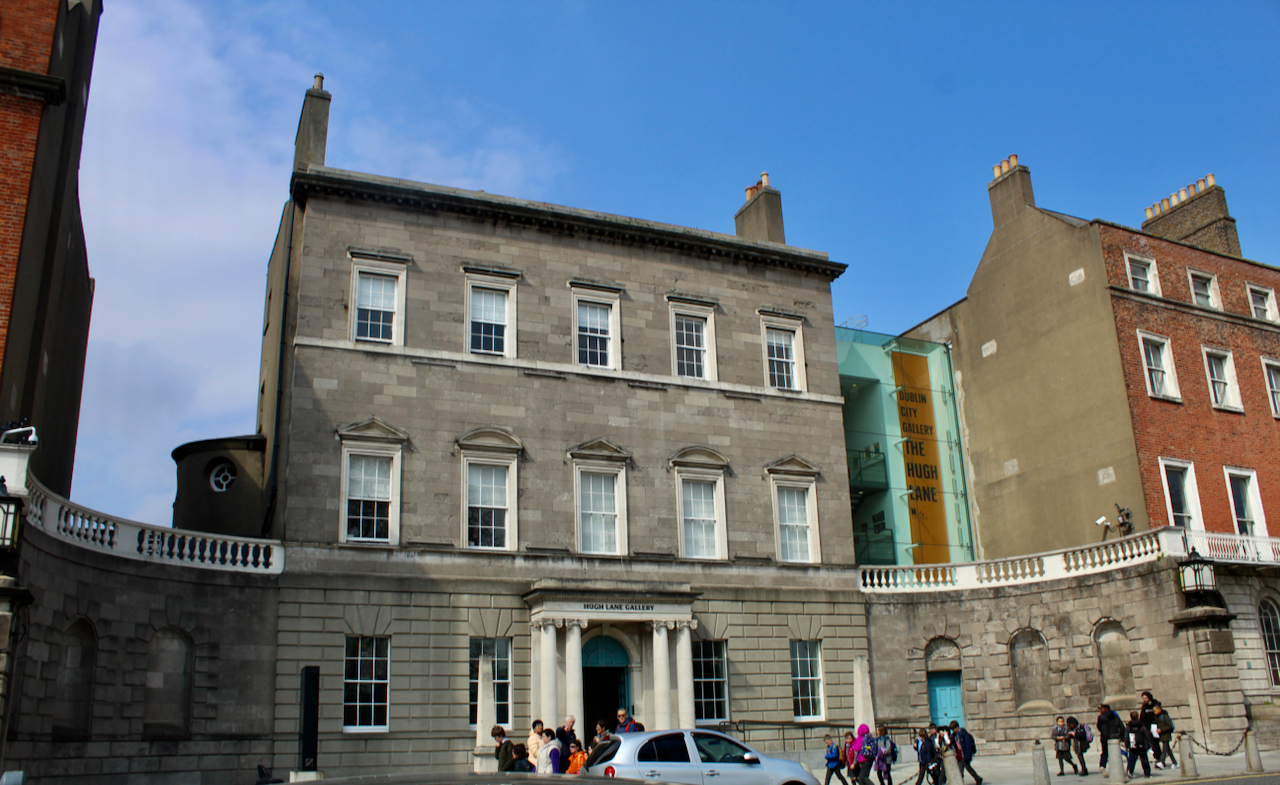
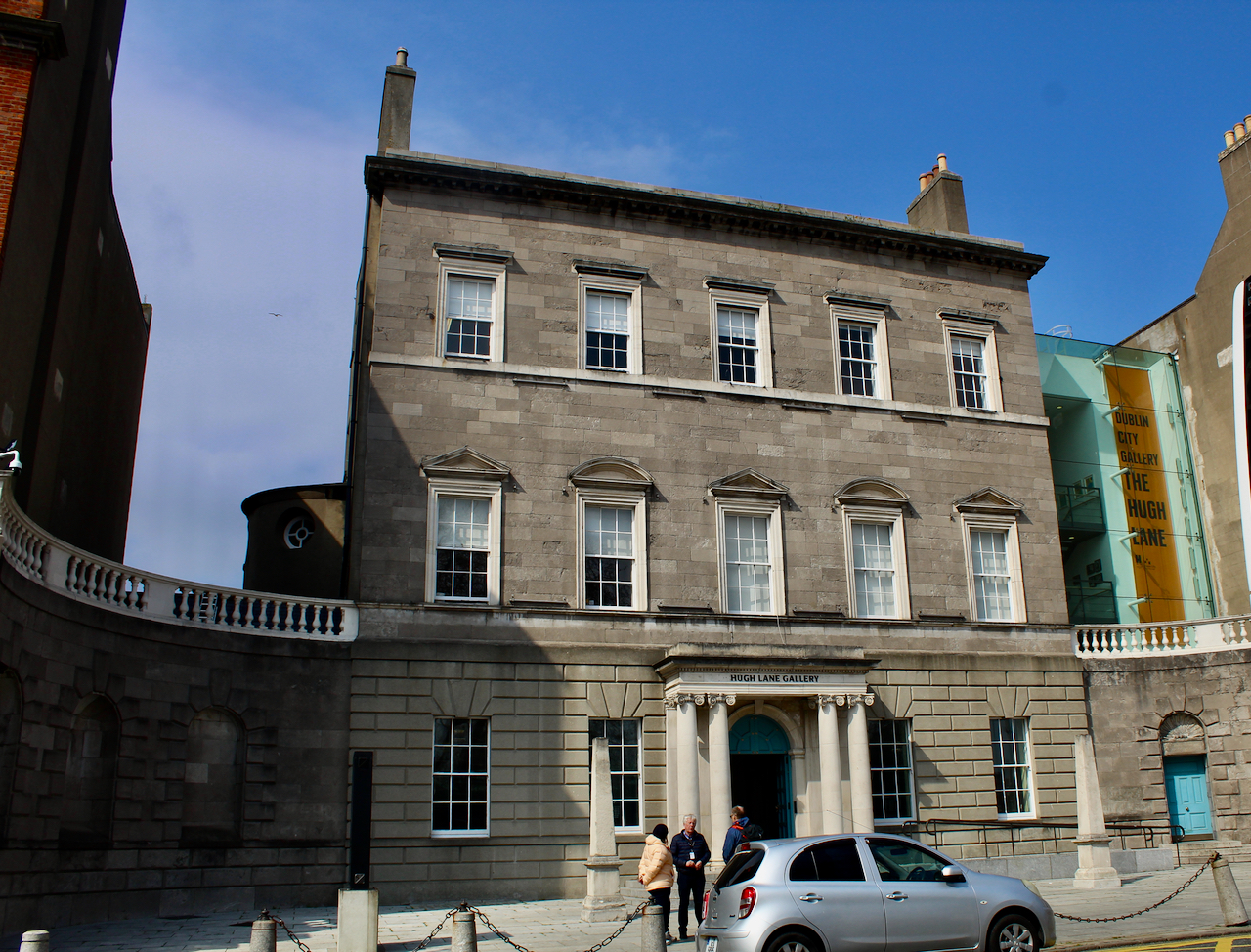
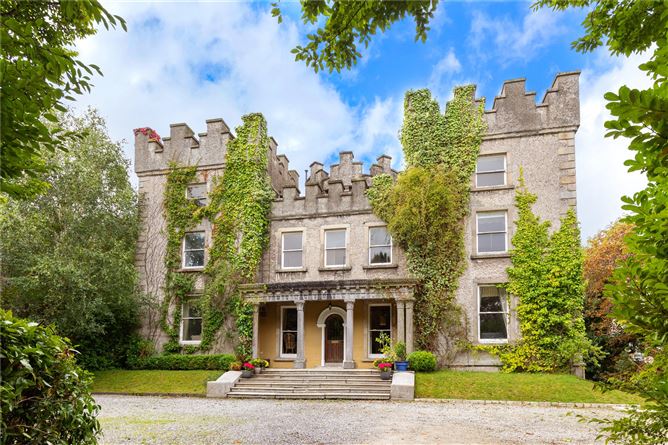

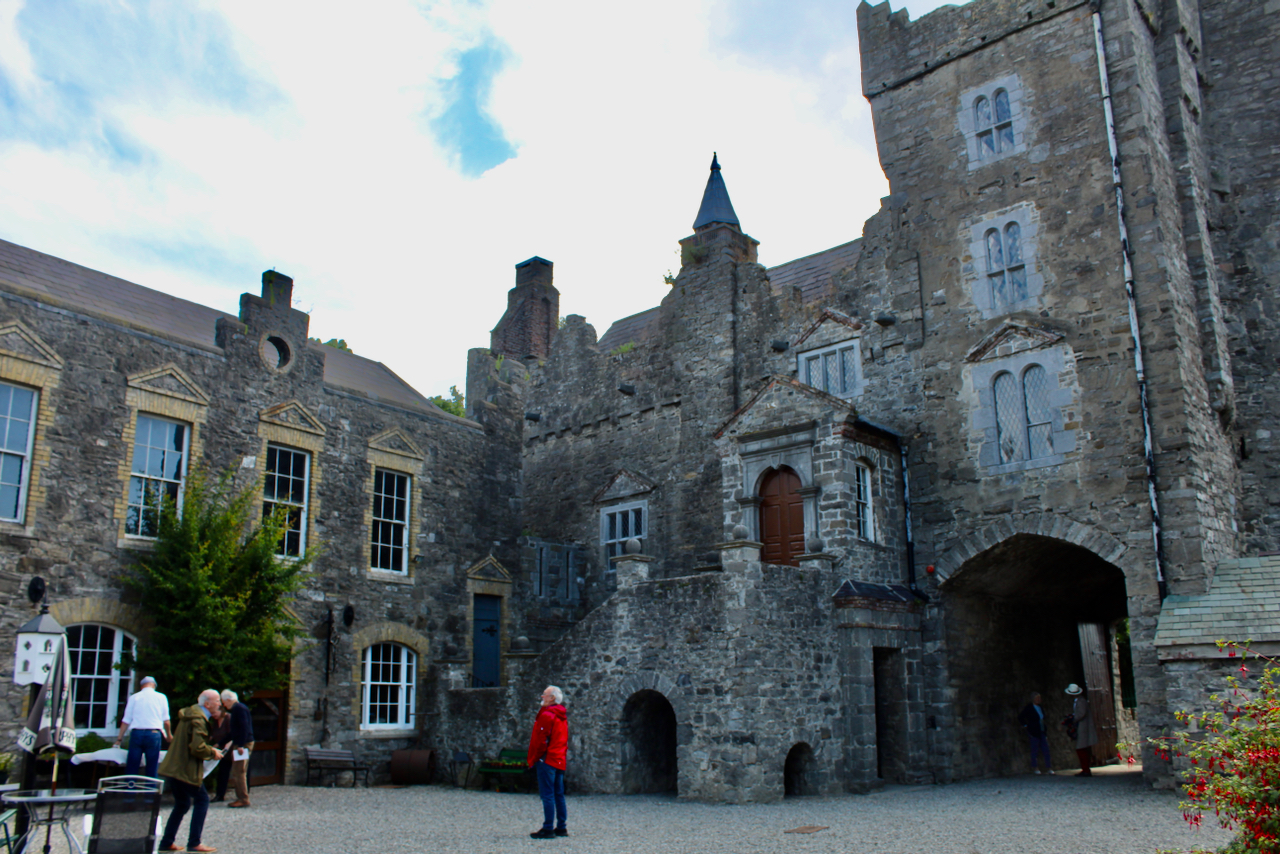

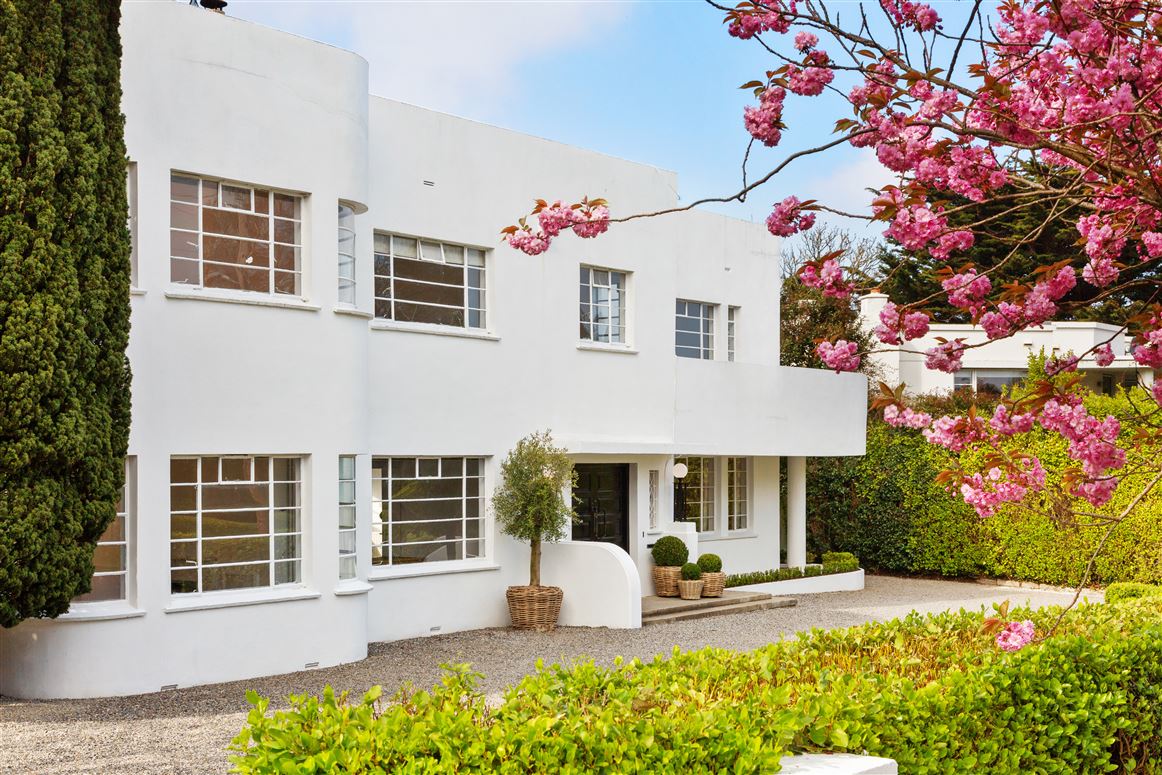

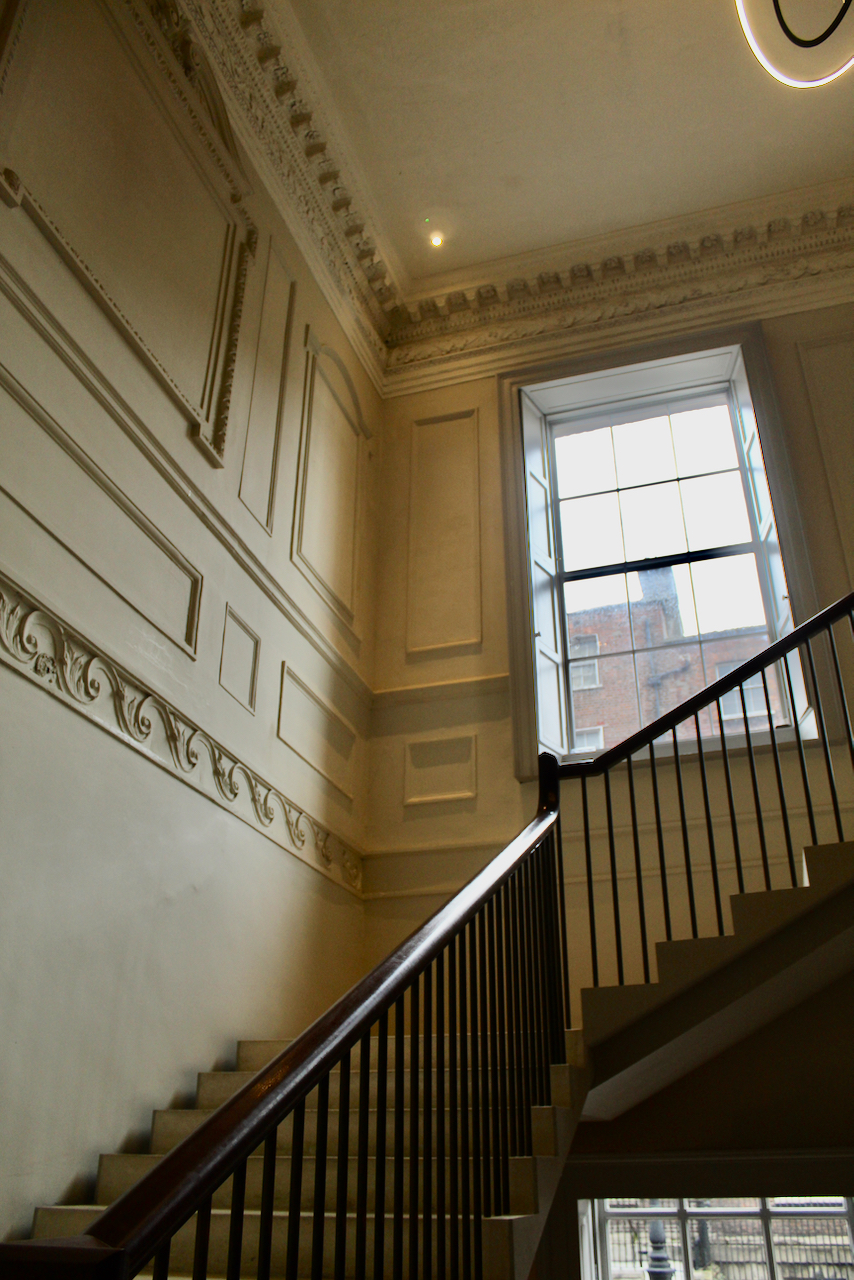
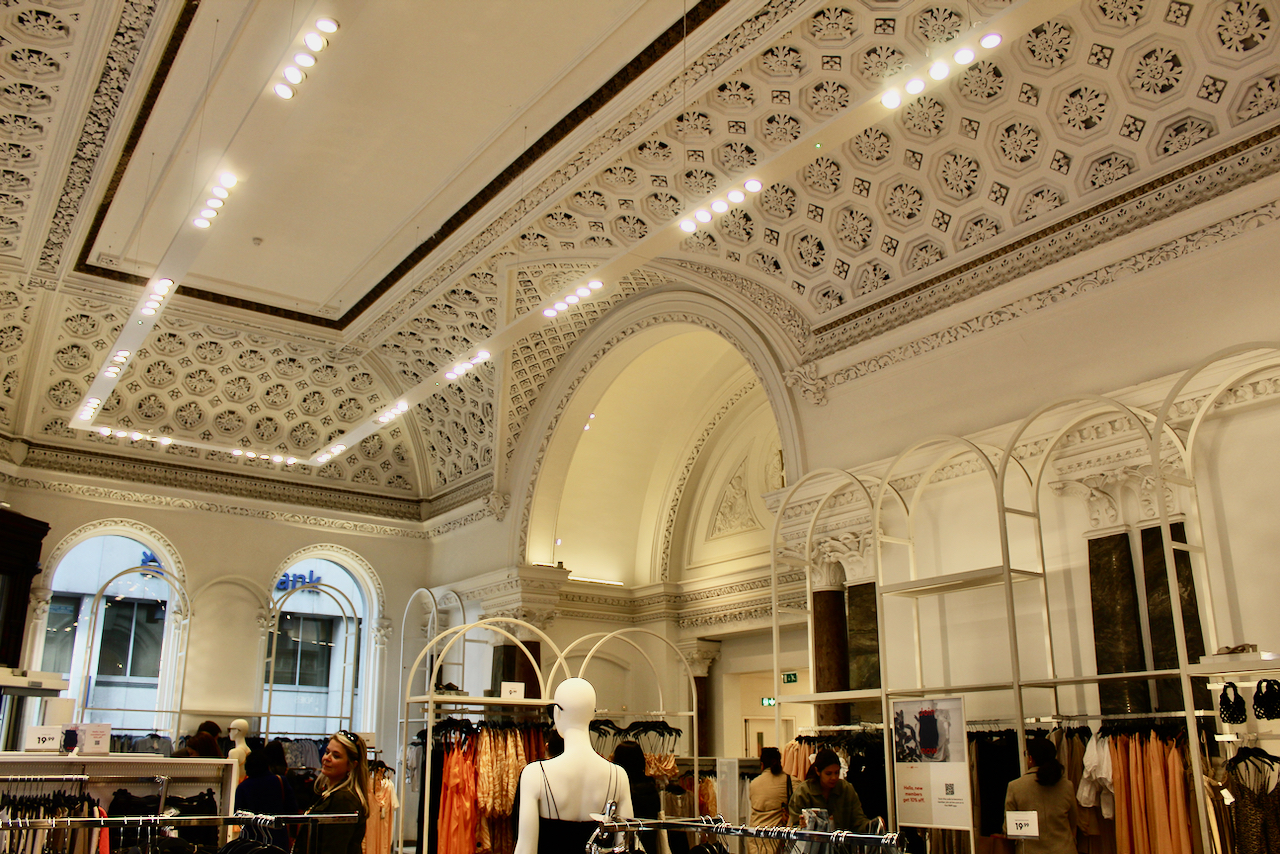

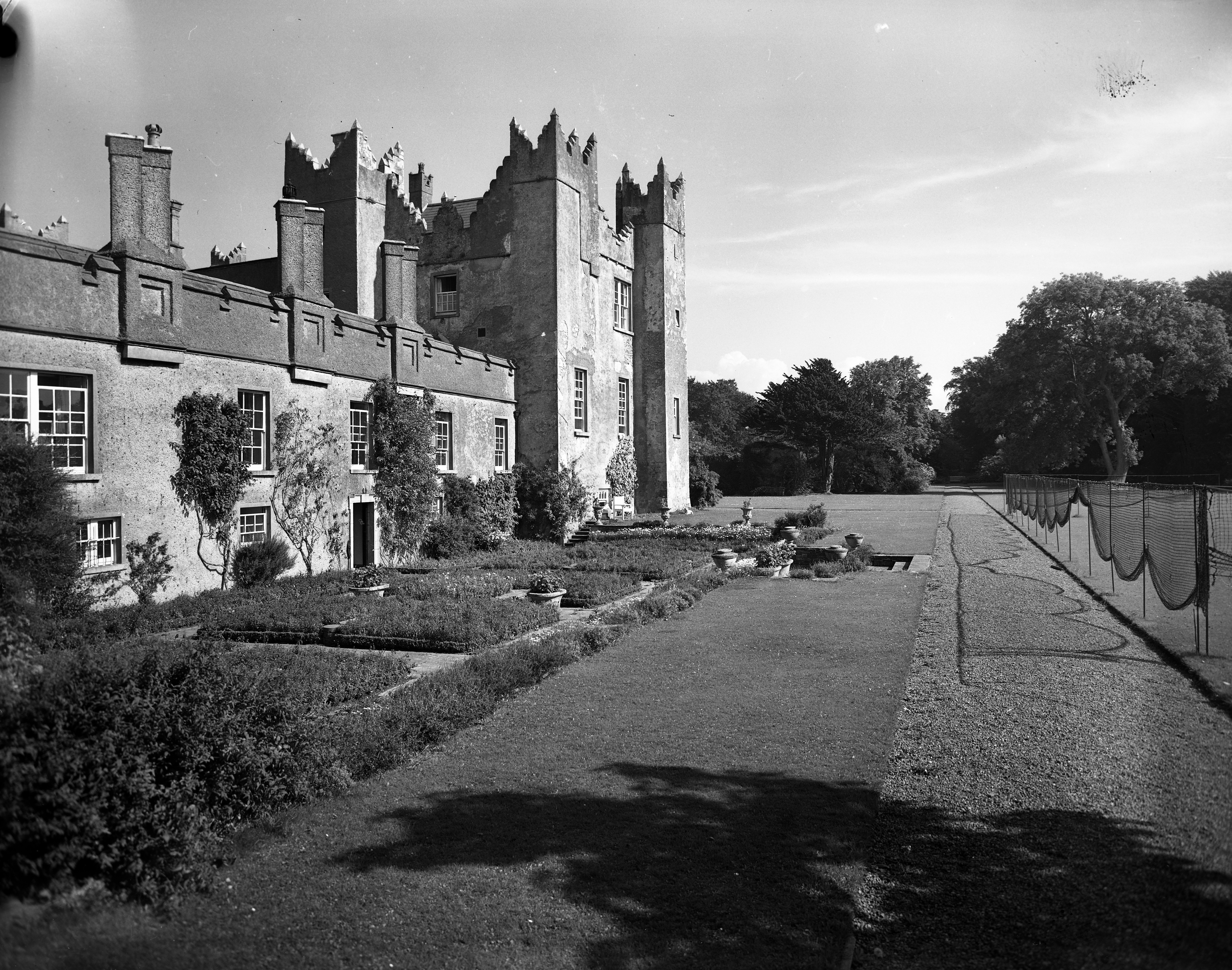
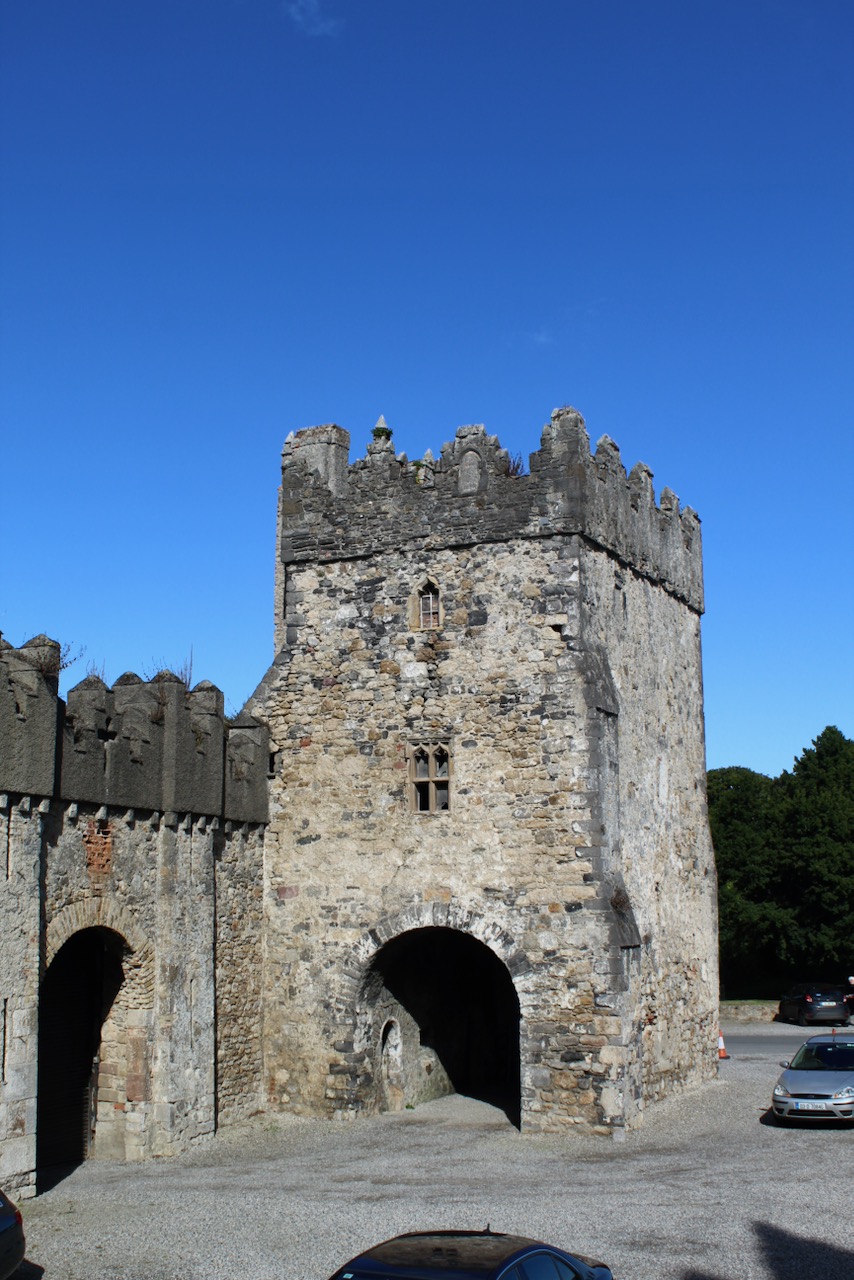

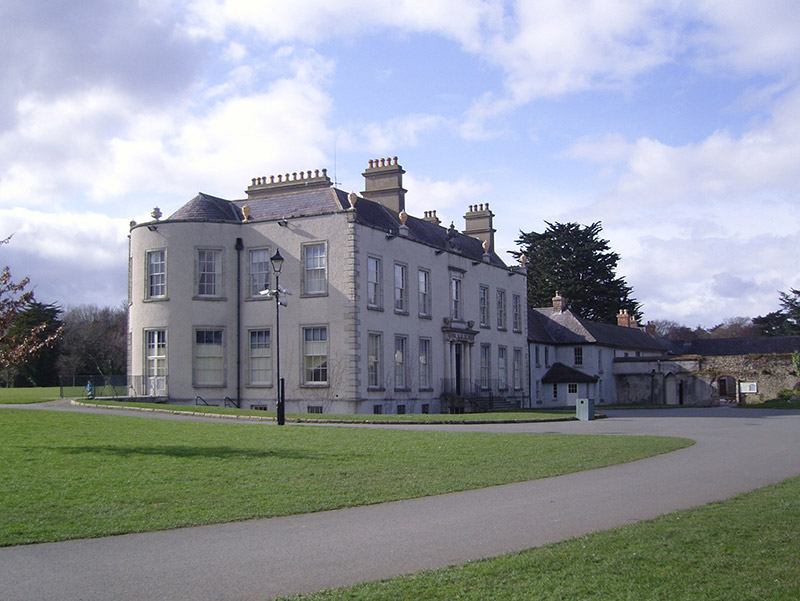
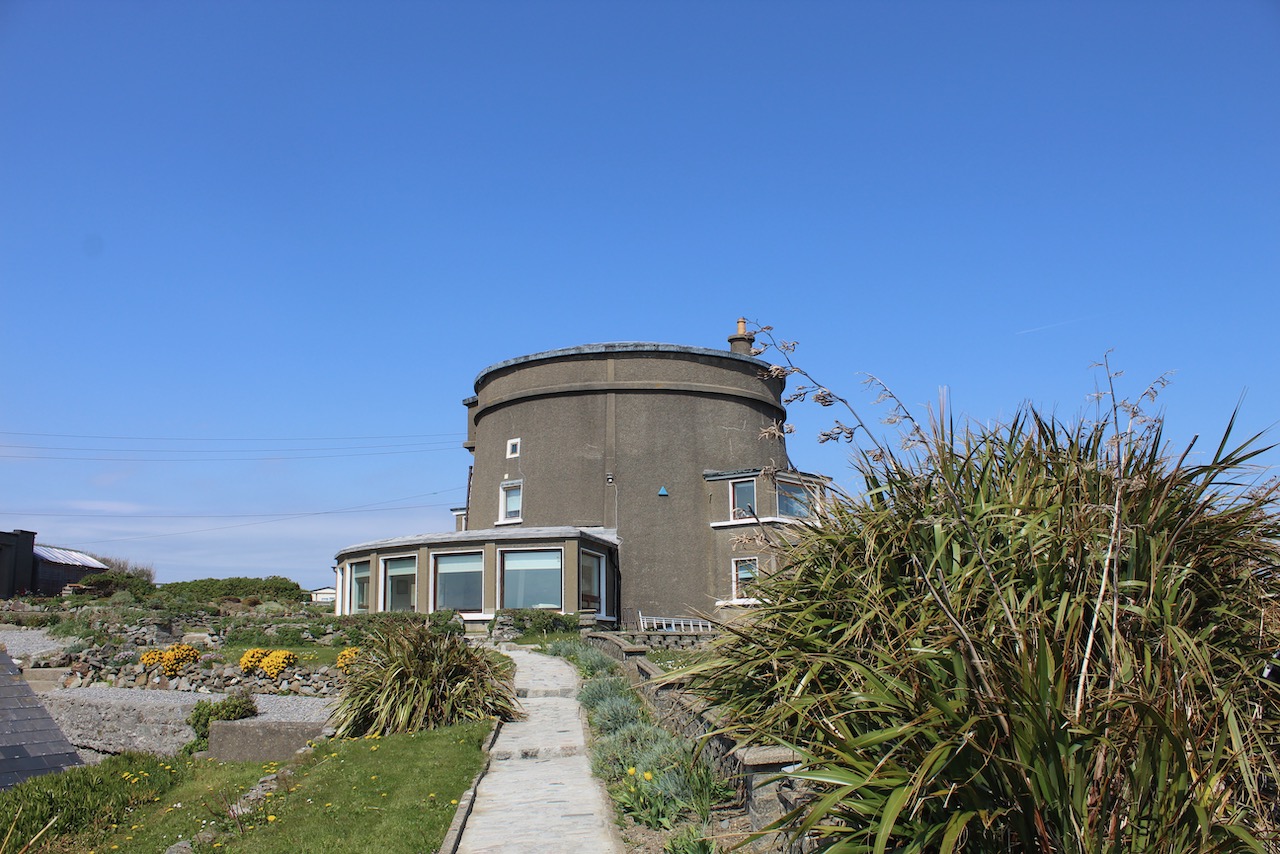
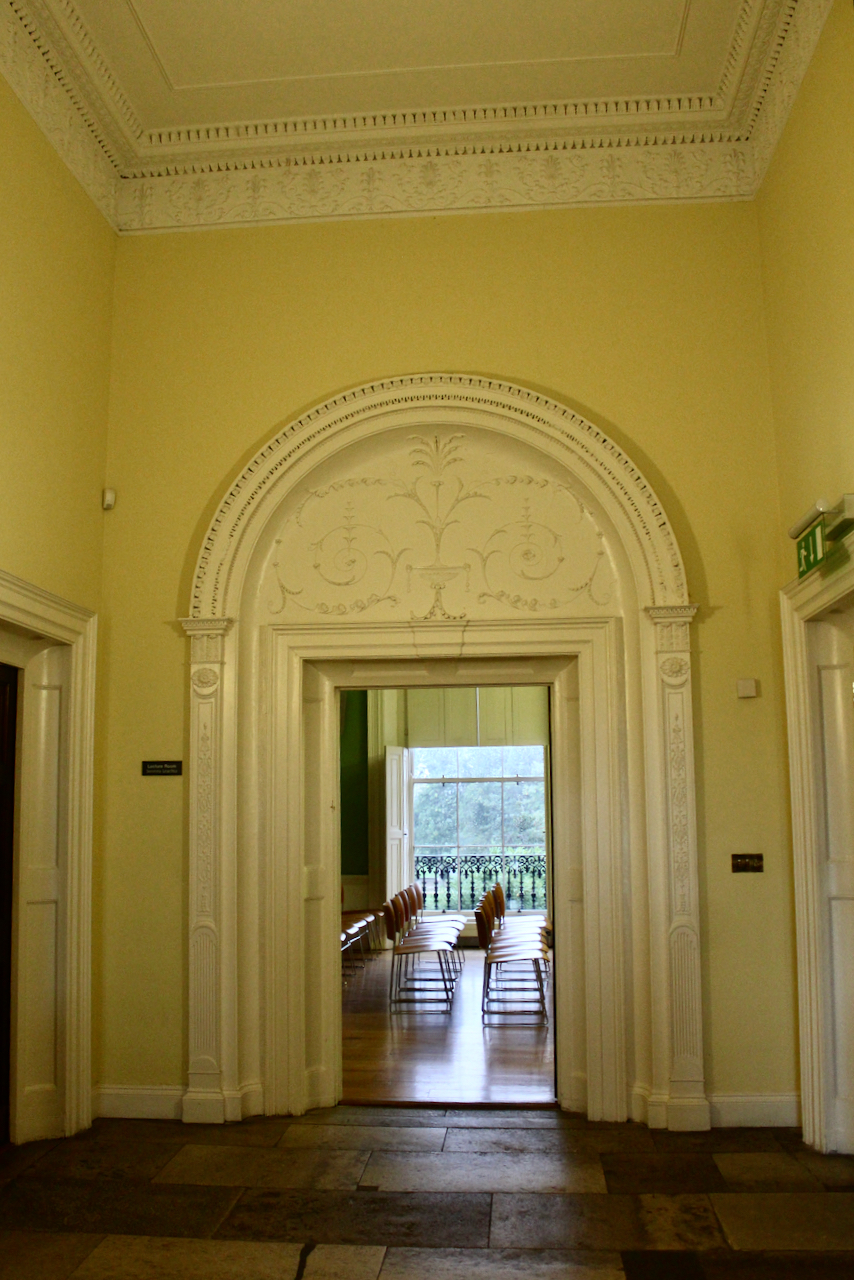


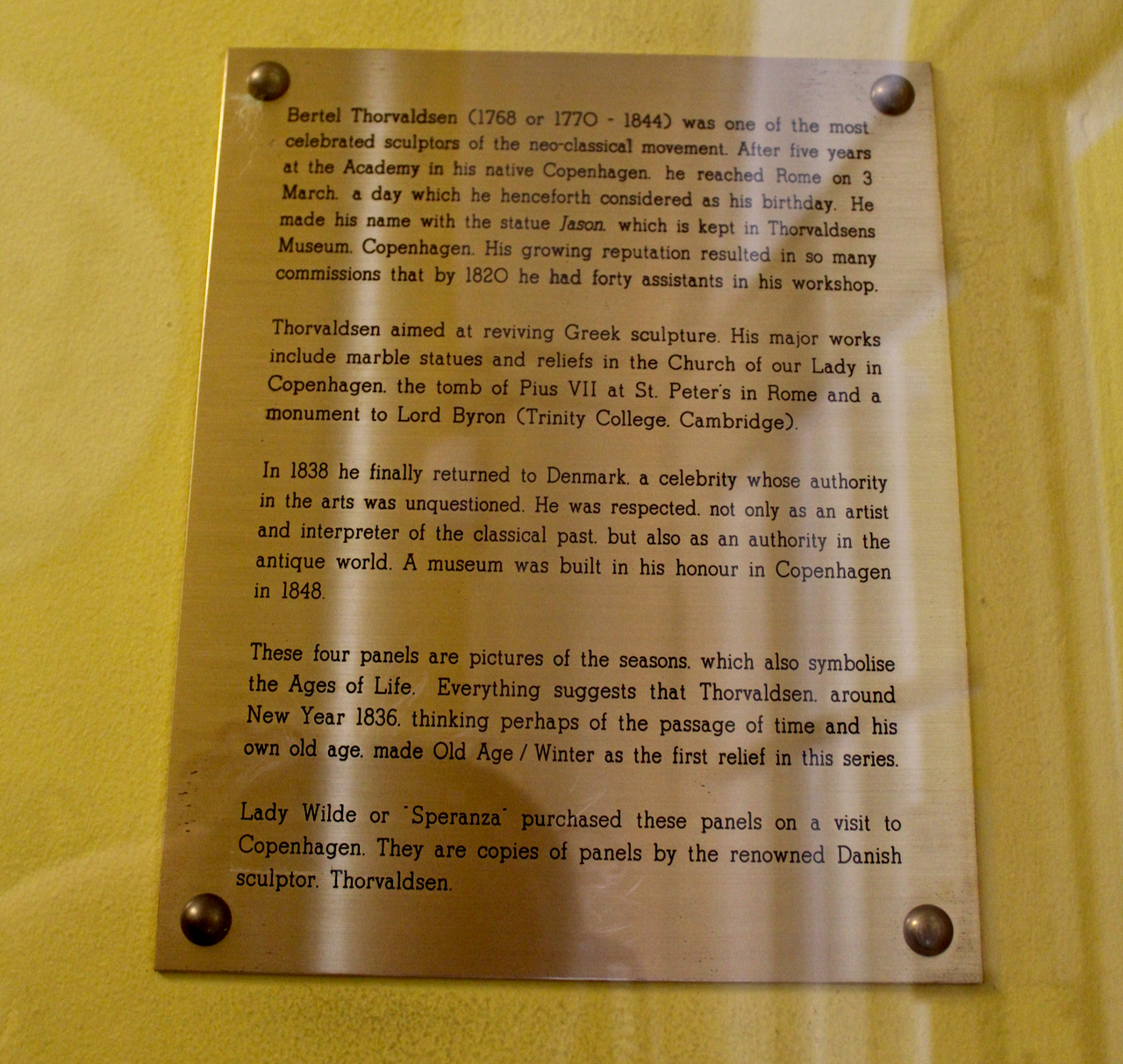


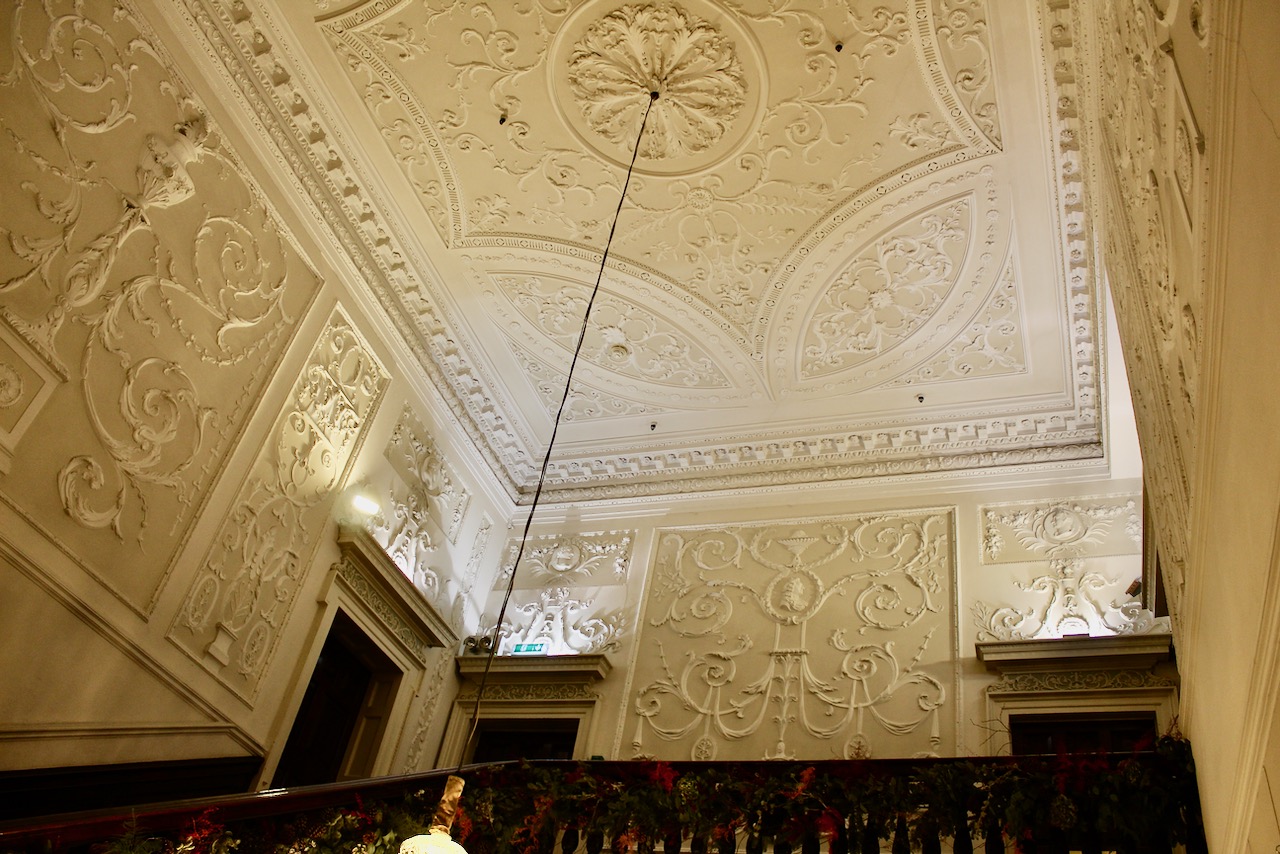
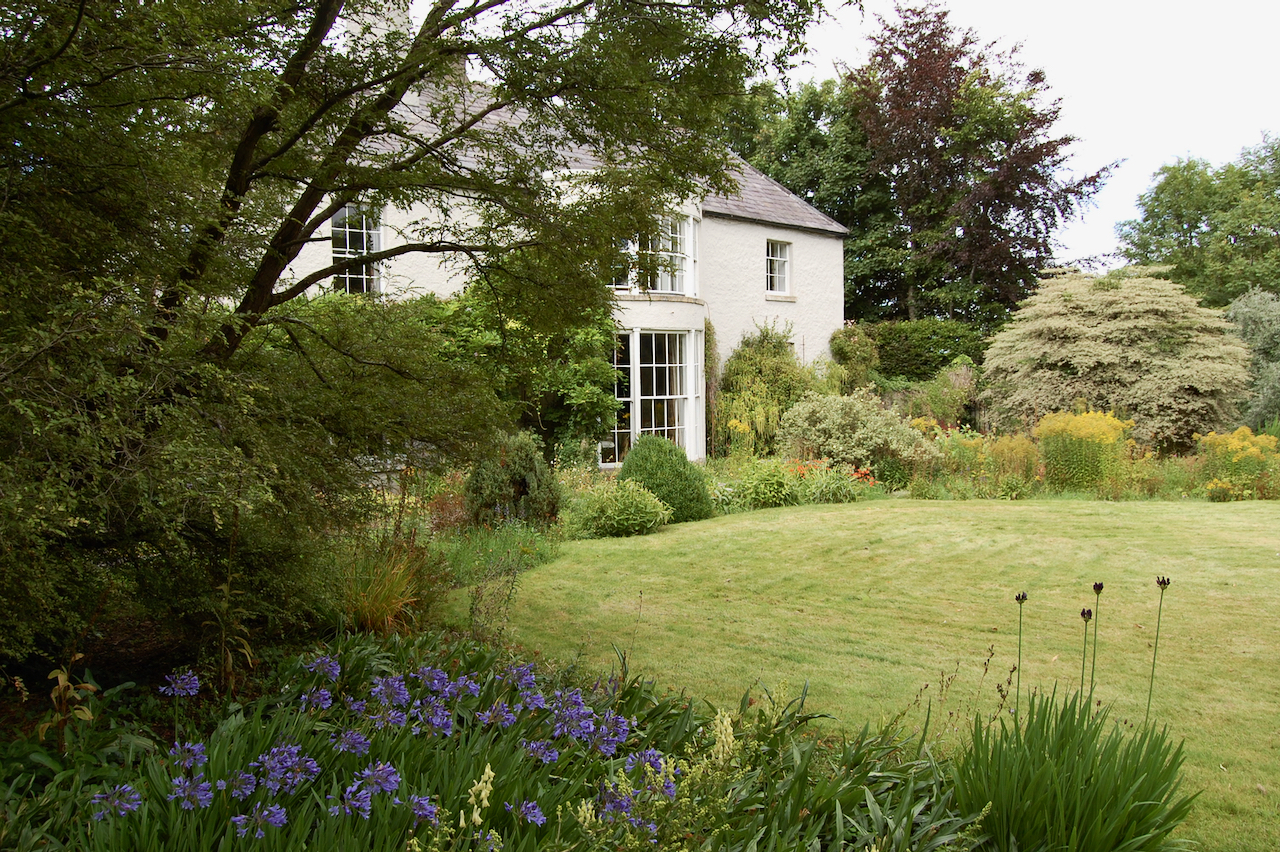





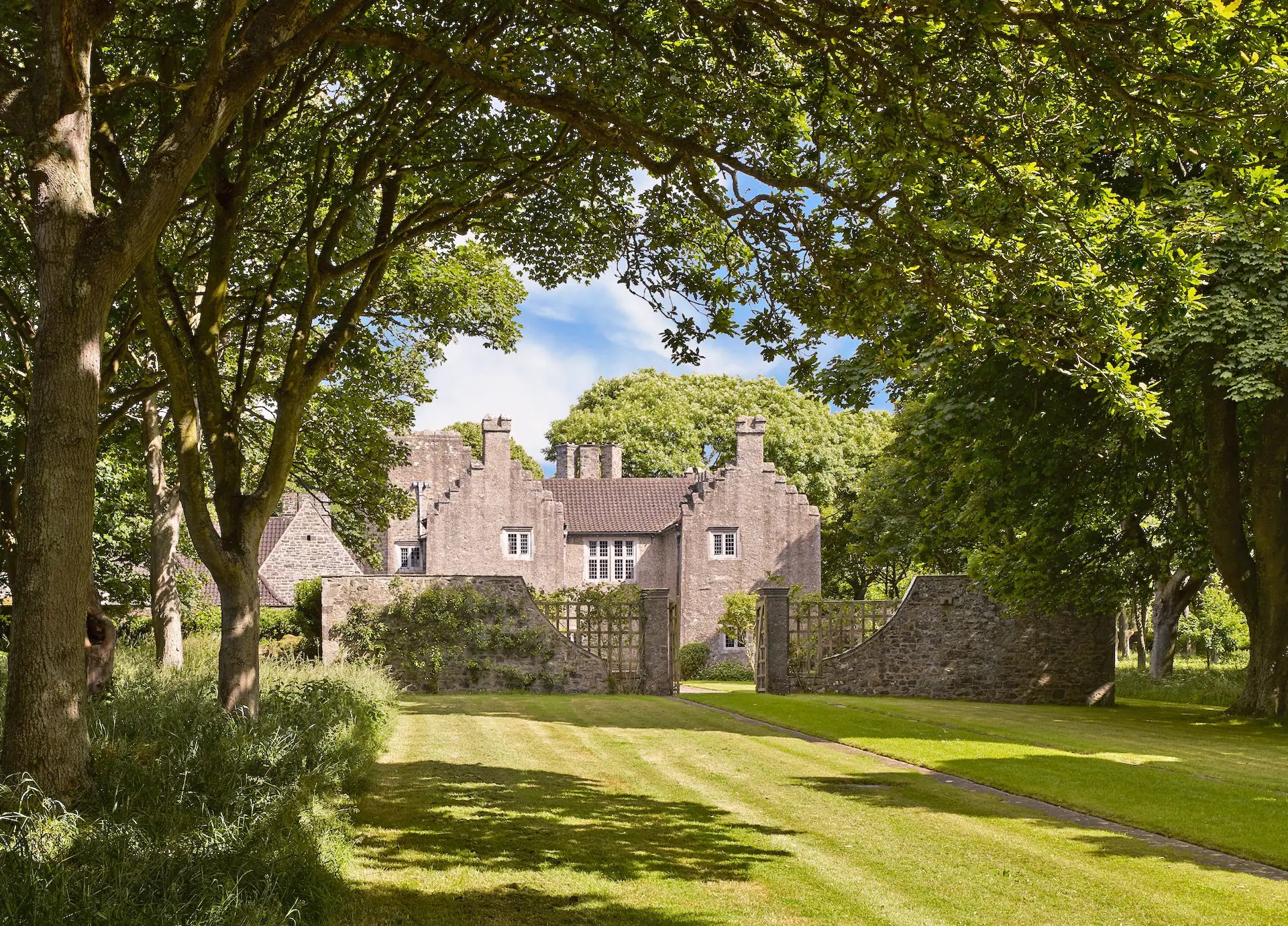
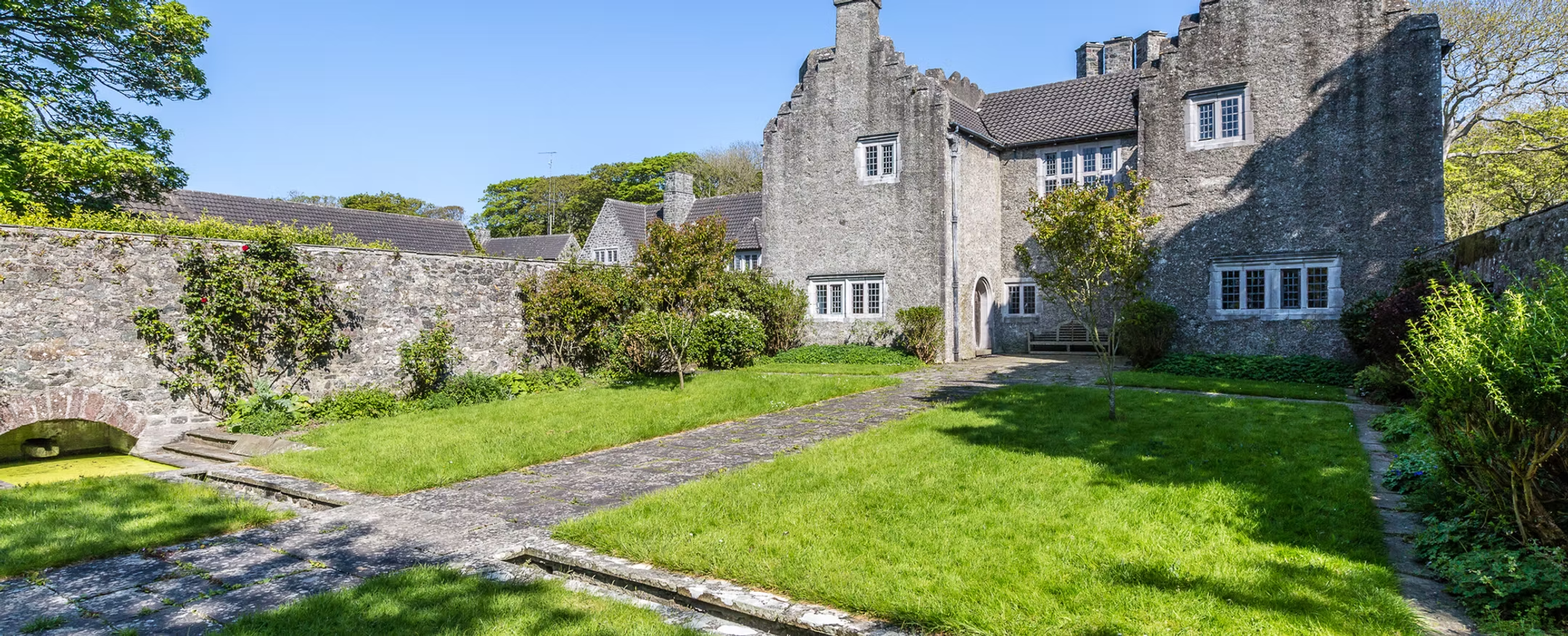
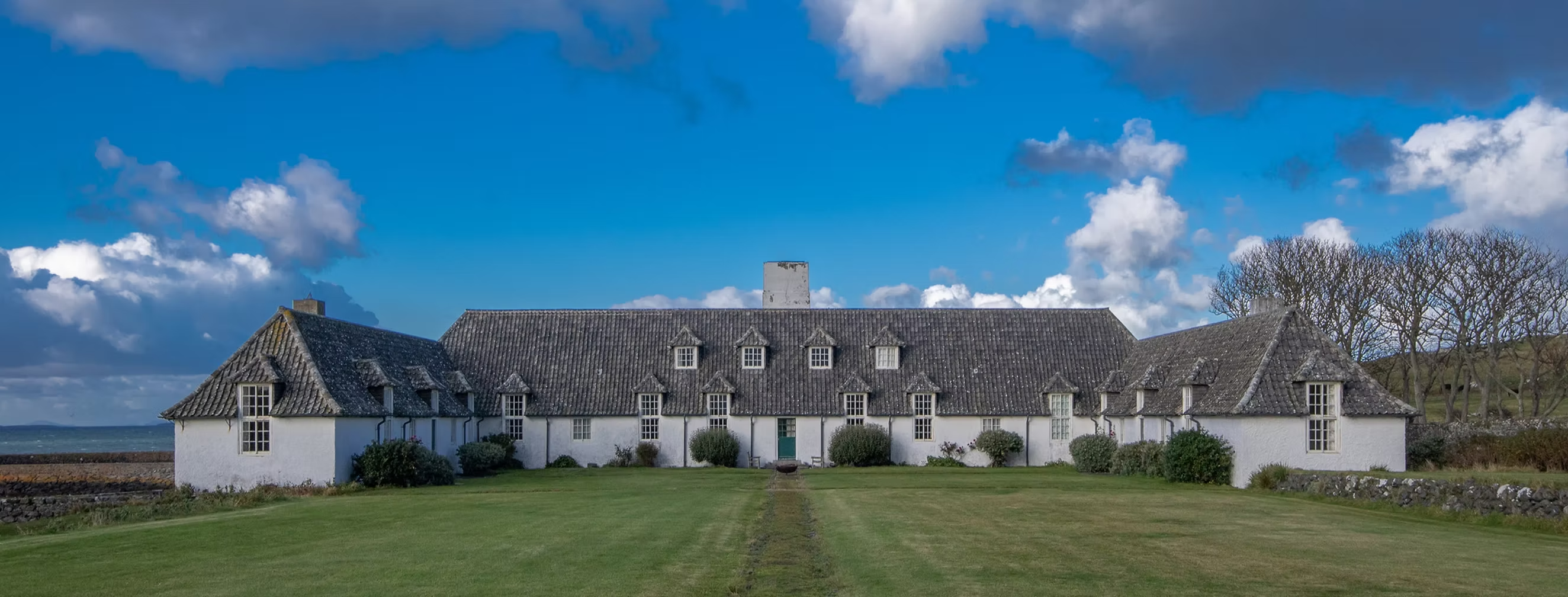


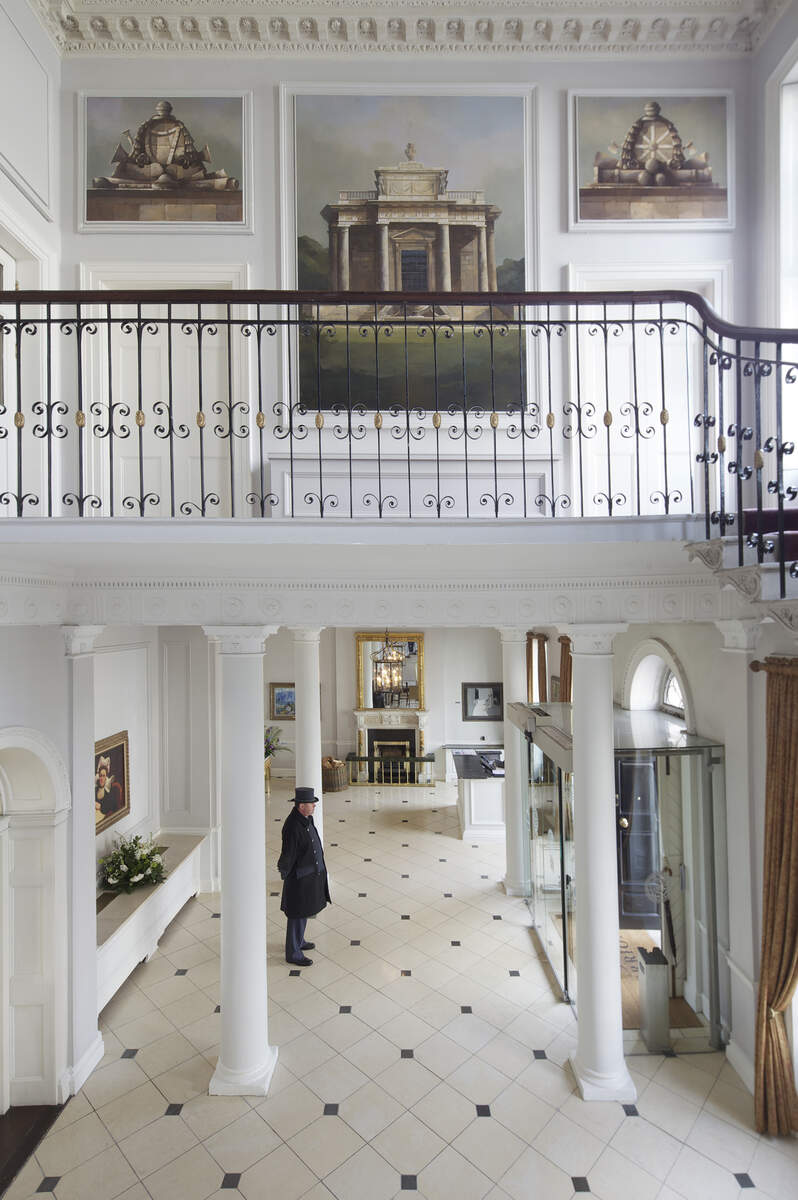

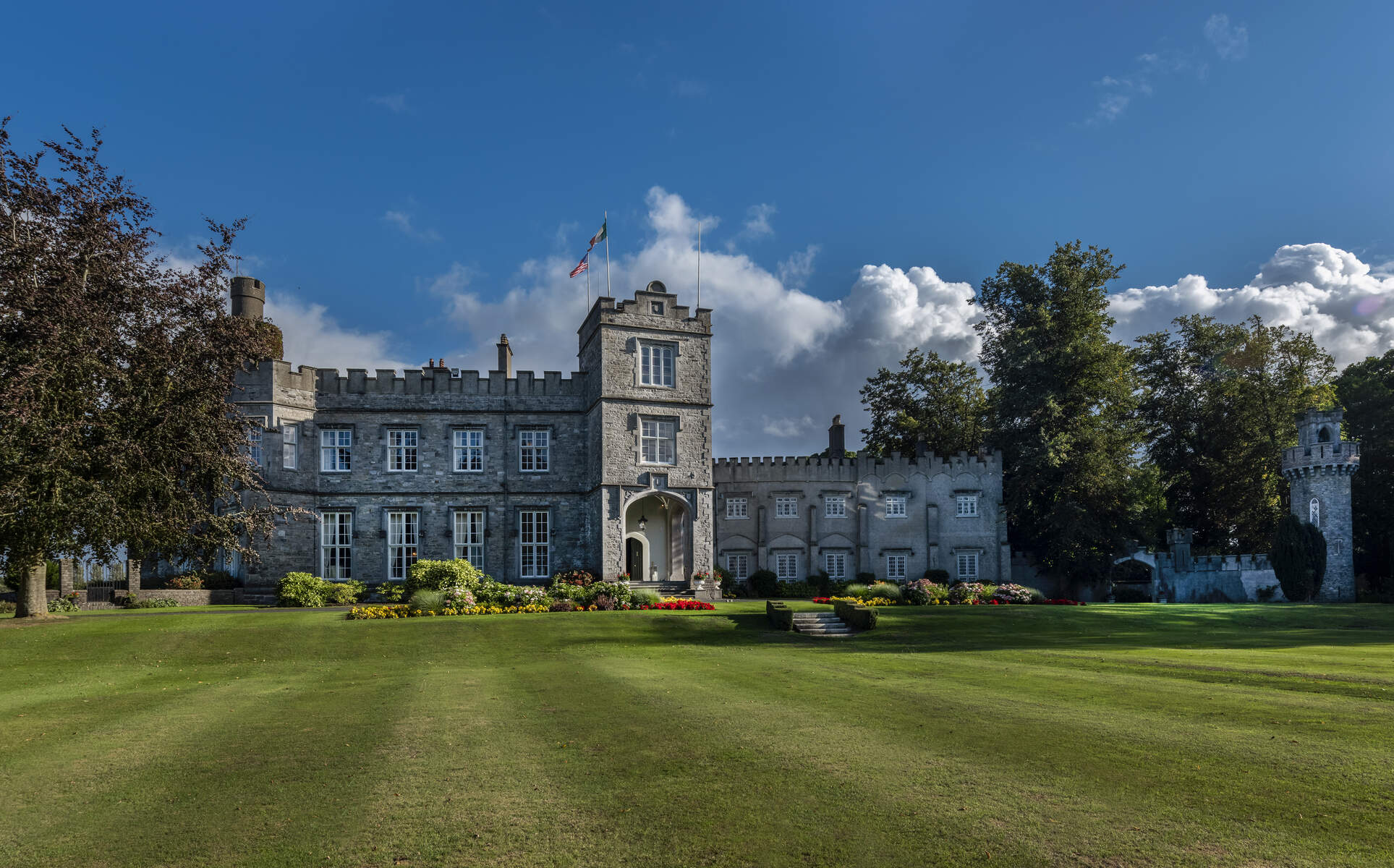

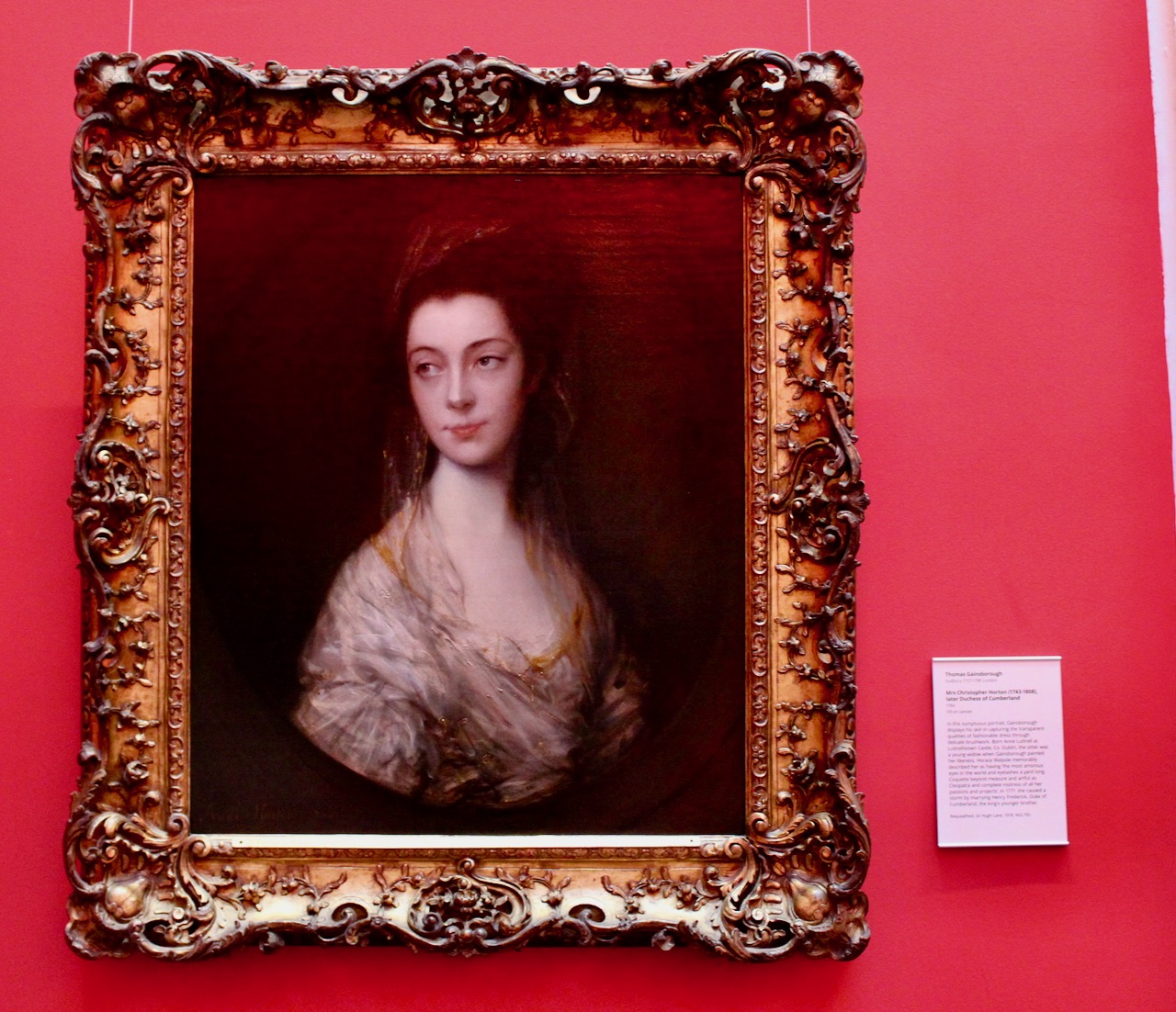

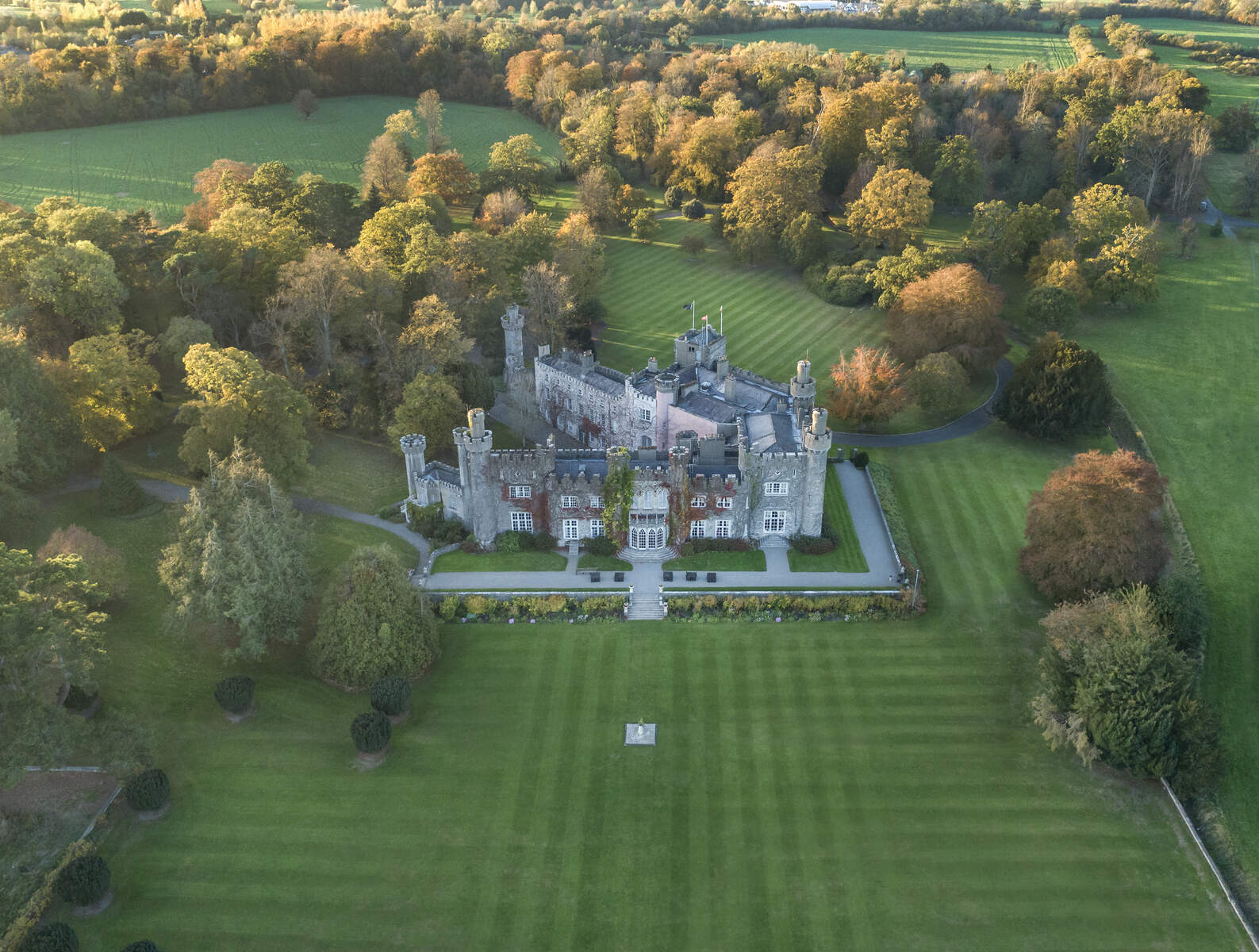
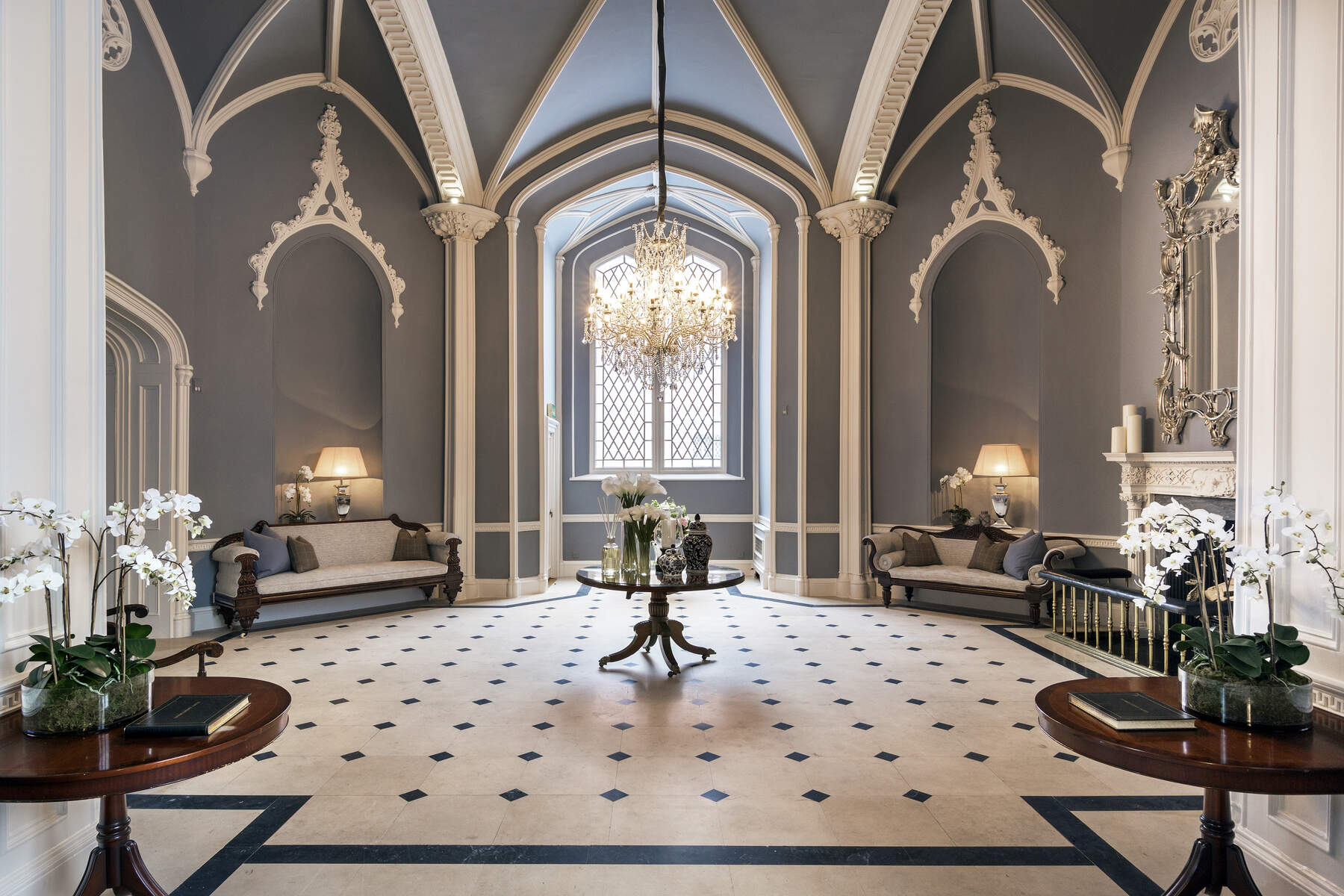


 Irish Historic Houses