orange: “whole house rental” i.e. those properties that are only for large group accommodations or weddings, e.g. 10 or more people.
green: gardens to visit
grey: ruins
donation
Help me to pay the entrance fee to one of the houses on this website. This site is created purely out of love for the subject and I receive no payment so any donation is appreciated!
€15.00
Places to visit in CountyLaois:
1. Ballintubbert House and Gardens, Stradbally, Co Laois– see website for garden visit
“The gardens at Ballintubbert have been described as ‘An enchanting work of art – intimate and extraordinarily peaceful”.
The historic gardens at Ballintubbert have been expanded with an Arts & Crafts influence to include an impressive variety of over 40 ‘garden rooms’ and pedimented yew cloisters within 14 acres.
Of particular note is the Sir Edwin Lutyens design water garden complimented by Gertrude Jekyll style planting schemes.
There are wild flower meadows and woodlands influenced by William Robinson’s approach to ‘wild gardening’ in contrast to the formal lime walks that flank a hundred meter canal in the more classical gardening tradition.
The website tells us that the gardens were started 300 years ago.
“After the Ashbrook Family left, the garden fell into a period of neglect until the Castle was opened as a hotel and restaurant in 2000 by the Stokes family. The gardens are a work in progress, years of renovations and restoration with the end nowhere in sight. In its present form Castle Durrow’s garden is a mature, charming and very beautiful garden. With 50 acres of lush lawns, colourful borders, green parkland, wild forest, meandering river and plentiful orchards. With each season, the gardens change and grow, giving each visit a unique feel.
“Masses of bulbs in springtime, going up the tree lined avenue and in the walled garden.
“A Haven for Connoisseurs and Amateurs, our Gardens are, like the Hotel they surround, divided into Rooms each with their own Identity, Feel and Character. At the Back of the House, Follow Your Nose and Walk up the Steps into our Courtyard room, filled with hundreds of fragrant David Austin Roses. From Here Step into the Walled Garden, where Some of the areas are Decorated Picturesque ,like the Orchard, Filled with Old Fruit Trees and Inhabited by Our Duck Family and the Chickens. Others areas are very grand, like our Sunken Garden with the canal and its Ornamental Pots and Statues.
“Via the Main Corridor with its Majestic Blue and Pink Hued Borders, you step into the Foodie Room, our Kitchen Garden, it’s Produce handpicked daily by our Award Winning Head Chef, Graham Gallagher. Follow the meandering path by the recently Restored Ha-Ha flanked by spring, summer and autumn bulbs, towards the Victorian Grotto. The pleasure garden is where historically the gardeners would have planted the specimen trees. We have started to plant oak here again after many years.“
Castle Ballaghmore, photograph courtesy of website.
The website tells us:
“Ballaghmore Castle was built in 1480 by the Gaelic Chieftain MacGiollaphadraig (now called Fitzpatrick), meaning son of the servant of Patrick. Lords of Upper Ossory. They defended North Munster, strategically placed as they were on the old Irish Road. A Sheela-na-Gig carved in stone is on the front facing wall, a pagan fertility symbol to ward off evil.“
Castle Ballaghmore, photograph courtesy of website.
“Ballaghmore was partially destroyed by Cromwell’s forces in 1647. It was restored in 1836 by a Mr. Ely who found a hoard of gold on the land. Ely was shot by an angry tenant and never lived in the castle. The castle was then used as a granary and afterwards fell into disuse, until the present owner Gráinne Ní Cormac, bought it in 1990 and restored it. Now furnished.“
Castle Ballaghmore, photograph courtesy of website.
“Gráinne (Grace) will delight you with stories of the history of the MacGiollaphadraigs (changed to Fitzpatrick by order of Henry 8th of England) which goes back to 500 B.C.“
Castle Ballaghmore, photograph courtesy of website.Castle Ballaghmore, photograph courtesy of website.Castle Ballaghmore, photograph courtesy of website.Castle Ballaghmore, photograph courtesy of website.
There is the tower house castle, a farmhouse or a cottage to stay in.
Ballyfin, photograph by Tony Pleavin 2018 for Tourism Ireland [1].
The website tells us: “Steeped in Irish history, the site of Ballyfin has been settled from ancient times and was ancestral home in succession to the O’Mores, the Crosbys, the Poles, the Wellesley-Poles (the family of the Duke of Wellington) and later the Cootes.”
Ballyfin, photograph from “In Harmony with Nature, The Irish Country House Garden 1600-1900” in the Irish Georgian Society, July 2022, curated by Robert O’Byrne.Photograph courtesy of Ballyfin website.
The website continues:
“The Coote family was descended from Sir Charles Coote, an Elizabethan adventurer who came to Ireland in 1601. The Coote coat-of-arms is prominently displayed above the entrance to Ballyfin.
“The house itself was built in the 1820s for another Sir Charles Coote to designs by the great Irish architects Sir Richard and William Morrison. The Cootes enjoyed the house for exactly one hundred years employing a large team of servants to preserve the life of refined leisure that is documented in Edwardian photographs showing tea on the terrace or skating in the walled garden. As the political situation changed with the dawning of the Irish Independence, the Cootes sold the estate to the Patrician Brothers who, for much of the twentieth century, ran a much-loved school at Ballyfin. After many years of restoration Ballyfin reopened its doors in May 2011.
“The restoration project took nine years – significantly longer than it took to build the house in the first place. Every single aspect of the house from the roof down required remedial attention. Skilled craftsmen worked on the elaborate inlaid floors, repaired the gilding and the stucco work or treated the stone work of the house which was disintegrating. After this emergency work, a process of redecoration could begin with carefully selected paint finishes, papers and textiles bringing the interiors back to life. The house has been furnished with a collection of Irish art and antiques from around the world, fine Irish mahogany, French chandeliers and mirrors by Thomas Chippendale. The result was spectacular, and one of Ireland’s most endangered great houses emerged ready for the current century, a place of grandeur, yet warmth, providing the kind of welcome envisaged when the house was first built.”
Ballyfin, photograph by Tony Pleavin 2018 for Tourism Ireland (see [1]). Wrought-iron curvilinear Victorian conservatory, c.1855, on a rectangular plan with apsidal ends and glazed corridor linking it to Ballyfin House. Designed by Richard Turner.Photograph courtesy of Ballyfin website.
Ballyfin was built between 1821 and 1826 by Charles Henry Carr Coote (1794-1864) 9th Baronet of Castle Cuffe, Queens County, or County Laois (1794-1864). He was the son of Chidley Coote of Ash Hill, County Limerick, where Stephen and I stayed during Heritage Week in 2022 – another Section 482 property. The 8th Baronet Coote of Castle Cuffe, Charles Henry Coote, who was also the 7th Earl of Mountrath, had no legitimate children. The 8th and 9th Baronet Cootes seem to be rather distantly related.
Charles Coote 1st Earl of Mountrath (c.1610 –1661), 2nd Baronet, ca. 1642, before he was ennobled, Circle of William Dobson.
Coote’s house replaced a long, plain house of 1778 which had been the seat of William Wellesley-Pole (1763-1835), afterwards 1st Baron Maryborough and 3rd Earl of Mornington, a brother of the Duke of Wellington. They had lived in Dangan Castle in County Westmeath. Coote, the Premier Baronet of Ireland, bought the estate from Wellesley-Pole ca 1812. William Wellesley-Pole was born William Wellesley and added the name Pole to his surname when he inherited from his cousin, William Pole (1713-1801), who owned Ballyfin. William Pole married Sarah Moore, daughter of Edward, 5th Earl of Drogheda. A bedroom in the hotel is named after Sarah. She dedicated much attention to the gardens at Ballyfin. She and William had no children, and so William Wellesley (Pole) inherited Ballyfin.
William Wellesley-Pole, later 1st Baron Maryborough and 3rd Earl of Mornington (1763-1845) by Thomas Lawrence courtesy of wikipedia and Bonhams.William Pole of Ballyfin (d. 1781), English school of 18th century, pastel, courtesy of Christies auction, wikimedia commons. He married Sarah Moore, daughter of the 5th Earl of Drogheda.
William Pole’s sister Sarah married Dudley Cosby (1662-1729) of Stradbally Hall also in County Laois.
William Wellesley-Pole’s father was Garret Wesley (1735-1781) who was created 1st Earl of Mornington. His father was Richard Wesley (c. 1758) who was born Richard Colley, who in 1728 inherited the estates of Dangan and Mornington, County Meath, on the death of his cousin, Garret Wesley. So there are many name changes in the family! Richard Colley’s sister Anne married William Pole (1680-abt. 1732) and they were the parents of William Pole who owned Ballyfin and who left it to his cousin William Wellesley-Pole.
Charles Coote 9th Baronet married Caroline Whaley, granddaughter of “Burn Chapel” Whaley (Richard Chapel Whaley) whom we came across when we visited the Museum of Literature of Ireland in St. Stephen’s Green in Dublin.
Caroline Elizabeth Coote née Whaley courtesy of wikitree, uploaded by Desmond William Kelly Lynch SD
Mark Bence-Jones tells us that Charles Coote seems to have (p. 21) “…employed an architect named Dominick Madden, who produced a design for a two storey house with a long library at one side running from front to back, and extending into a curved bow in the centre of the side elevation; a room very similar to the library at Emo Court, a few miles away.
“When this end of the house – which also contained a top-lit rotunda, another feature doubtless inspired by Emo – had been built, Coote switched from Madden to Richard Morrison, who, assisted by his son William Vitruvius Morrison, completed the house according to a modified plan, but incorporating Madden’s library wing which forms the side elevation of Morrison’s house, just has it would have done of Madden’s; it is of one bay on either side of the central curved bow, which is fronted by a colonnade of giant Ionic columns.” [2]
The south front of Ballyfin, with the grand bow window for the library.Image from archive of Country Life 31/08/2011 [Not Used]. Photograph by Paul Barker.Ballyfin, County Laois, from “In Harmony with Nature, The Irish Country House Garden 1600-1900” in the Irish Georgian Society, July 2022, curated by Robert O’Byrne.
Bence-Jones continues: “The side elevation is now prolonged by a gracefully curving glass and iron conservatory of ca 1850. The principal front is of thirteen bays with a giant pedimented Ionic portico, the two end bays on either side being stepped back.
“The interior, almost entirely by the Morrisons, is of great magnificence and beautifully finished, with exciting spatial effects and a wealth of rich plasterwork, scagiola columns in Siena porphyry, green and black; and inlaid parquetry floors; originally the rooms contained a fine collection of pictures and sculpture and furniture said to have been made for George IV as Prince of Wales. A rather restrained entrance hall, with a coffered ceiling and a floor of mosaic brought from Rome, leads into the top-lit saloon in the centre of the house, which has a coved ceiling decorated with the most elaborate plasterwork and a screen of Corinthian columns at each end.” [2]
The hall at Ballyfin, built in the 1820s for Sir Charles Coote to designs by Sir Richard and William Morrison. The mosaic centrepiece on the floor came from Rome in 1822. Image from archive of Country Life 31/08/2011 [Not Used]. Photograph by Paul Barker.Ballyfin Hallway, photograph courtesy of Ballyfin website.Image from archive of Country Life 31/08/2011 [Not Used]. Photograph by Paul Barker.The portrait is of Thomas Crooke, 1st Baronet of Baltimore (1574-1630) an English settler accused of piracy!We came across him in Baltimore Castle in County Cork.
The upstairs top-lit saloon reminds me of that at Stradbally Hall. The first son of Charles Coote and Caroline Whaley died unmarried, the second son predeceased the first son, after marrying Margaret Mary Cosby of Stradbally. The third son, Algernon, became 11th Baron Coote and joined the clergy. He died in 1920 and afterwards the house was sold.
Ballyfin, the top-lit saloon in the centre of the house, which has a coved ceiling decorated with the most elaborate plasterwork and a screen of Corinthian columns at each end. Image from archive of Country Life 31/08/2011 [Not Used]. Photograph by Paul Barker.Ballyfin top-lit saloon, photograph courtesy of Ballyfin website.Ballyfin, the top-lit saloon in the centre of the house, which has a coved ceiling decorated with the most elaborate plasterwork and a screen of Corinthian columns at each end.Image from archive of Country Life 31/08/2011 [Not Used]. Photograph by Paul Barker.Detail of the ceiling in the saloon at Ballyfin.Image from archive of Country Life 31/08/2011 [Not Used]. Photograph by Paul Barker.
Bence-Jones continues: The saloon is flanked by the rotunda, which is surrounded by Ionic columns and has a coffered dome, and the staircase hall, which has pairs of engaged and recessed columns round its upper storey; the balustrade of the stairs and gallery being of brass uprights.“
The rotunda at Ballyfin, which is encircled by eight Siena scagliola columns. The coffered dome is ornamented with hexagonal panels containing decorative stars set in an emphatic geometrical lattice. Country Life 31/08/2011 vol. CCV. Photograph by Paul Barker.Image from archive of Country Life 31/08/2011 [Not Used]. Photograph by Paul Barker.The staircase hall at Ballyfin.Image from archive of Country Life 31/08/2011 [Not Used]. Photograph by Paul Barker.The staircase hall at Ballyfin. Country Life 31/08/2011 vol. CCV. Photograph by Paul Barker.Charles Coote, 4th Earl of Mountrath, c. 1710 by Charles Jervas, pictured in the stair hall.photograph courtesy of Ballyfin website.Eyre Coote (1726-1783) attributed to Henry Robert Morland, c. 1763, National Portrait Gallery of London NPG124. We can see a copy of this portrait in the stair hall.The doorway in the saloon at Ballyfin, looking through to the staircase hall.Image from archive of Country Life 31/08/2011 [Not Used]. Photograph by Paul Barker.
Bence-Jones continues: “There is a splendid vista through the centre of the house, from the staircase hall to the library, which lies at right angles to this central axis, beyond the rotunda; it is divided by screens of Ionic columns. The drawing room has characteristic Morrison ceiling and gilt Louis XV decoration on the walls dating from 1840s and by a London decorator. Classical entrance gates with piers similar to those at Kilruddery, Co Wicklow and Fota, Co Cork; and a folly castle in the park. Ballyfin was sold by the Coote family 1920s and is now a college run by the Patrician brothers.”
The library at Ballyfin, with screens of Scagliola columns, photograph courtesy of Ballyfin website.The library at Ballyfin. Image from archive of Country Life 31/08/2011 [Not Used]. Photograph by Paul Barker.The Gold Drawing Room at Ballyfin, photograph courtesy of Ballyfin website.The Gold Room in Ballyfin during restoration,photograph courtesy of Ballyfin website.The“Whispering Room” at Ballyfin, photograph courtesy of Ballyfin website.The dining room at Ballyfin, photograph courtesy of website.The Lady Caroline Coote Room at Ballyfin, photograph courtesy of Ballyfin website. With its gracefully rococo stucco work ceiling, the Lady Caroline Coote Room (formerly Lady Coote’s boudoir) is among the most pleasingly elegant bedrooms at Ballyfin. The decoration with a vivid, electric blue wallpaper transforms the room into a suggestive tent-like enclosure. It perfectly reflects the interest in textiles seen in interiors of the Empire period. The colour serves as an ideal foil for the early-Georgian portrait over the chimneypiece showing Henry Meredyth of Newtown, County Meath, by the Irish artist Charles Jervas.The Westmeath bedroom, with a wonderfully carved French bed positioned prominently in the centre of room and richly patterned wallpaper. The portrait above the chimneypiece, from the studio of Sir Thomas Lawrence, depicts the dashing Marianne Jeffreys of Blarney Castle, County Cork, after whom the room is named – she married the 7th Earl of Westmeath.Mary Ann Cavendish Bradshaw also known as the Countess of Westmeath. Portrait painted by Sir Thomas Lawrence in 1806.She was born Marianne Jeffreys, and married George Frederick Nugent, the 7th Earl of Westmeath and she became the Countess of Westmeath. In 1796 in a sensational court case she divorced Nugent and soon after married Augustus Cavendish Bradshaw.
The Ballyfin website tells us:
“At Ballyfin, stone walls enclose 614 acres of parkland, a lake and ancient woods, delightful garden buildings, follies and grottoes. The landscape, laid out in the mid-eighteenth century, is among the finest examples in Ireland of the natural style of gardening inspired by ‘Capability’ Brown.
“There are many highlights that will keep garden lovers and outdoor enthusiasts exploring for days. These include the medieval-style tower, built as a folly in the 1860’s, the walled garden with its formal borders and kitchen gardens, the abundant wildlife to be seen on early morning walks and the restored Edwardian rock garden.”
Image from archive of Country Life 31/08/2011 [Not Used]. Photograph by Paul Barker.Photograph courtesy of Ballyfin website.The new cascade and classical temple at Ballyfin. Image from archive of Country Life 31/08/2011 [Not Used]. Photograph by Paul Barker.Image from archive of Country Life 31/08/2011 vol. CCV. Photograph by Paul Barker.The south front of Ballyfin, with the grand bow window for the library. Beyond is the lake made in the 1750s. Photograph courtesy of Ballyfin website.
p. 66. “(Flower, Ashbrook, V/PB) An early C18 house of an attractive pinkish stone, with a high-pitched roof and tall stacks’ built 1716-18 by Col William Flower [b. 1685], MP, afterwards 1st Lord Castle Durrow, who employed a builder named Benjamin Crawley or Crowley. Of two storeys – originally with a dormered attic in the roof – and nine bays; the front being divided into three groups of three bays by giant Doric pilasters and entablature with urns; now erected on the front of a C19 enclosed porch. Alterntive triangular and segmental pediments over ground floor windows. Originally the house was flanked by single-storey outbuildings with mullion-and-transom windows; but these have since been replaced by other outbuildings; while the front has been extended by the addition of two projecting bays at one side. The interior was originally panelled, the hall and dining room in oak; but the panelling now survived only in two rooms. Subsequent generations of the family, who from 1751 held the title of Viscount Ashbrook [Henry Flower (1712-1752)], adorned the house with C18 plasterwork and C19 stained glass; as well as building the impressive castellated entrance gate in the square of the little town of Durrow. Castle Durrow was sold by 9th Viscount Ashbrook 1922 and is now a convent school.In recent years, the attic dormers have been removed.”
The 4th Viscount, Henry Flower, married Deborah Susannah Freind. Their son the 5th Viscount, Henry, married Frances Robinson, daughter of John Robinson, who became 1st Baronet Robinson, of Rokeby Hall, Co. Louth, a section 482 property (see my entry). He was born John Freind, and changed his name to Robinson when he inherited Rokeby. The 6th and 7th Viscounts had no male heirs and the 8th Viscount, Colonel Robert Thomas Flower, was the son of the 5th Viscount. It was his son, the 9th Viscount, who sold Castle Durrow.
The website tells us:
“Colonel William Flower commenced with the construction of the Manor in 1712. The Flower family assumed residence of Castle Durrow in 1716 and continued to expand and improve their estate on various occasions during their 214 year reign. Past research indicates that the Ashbrook family were generally regarded as benevolent landlords and of course the largest employer of Durrow Village.
“In 1922 the banks finally foreclosed and the Flower family were forced to relocate to Britain. The castle was sold to Mr Maher of Freshford, County Kilkenny who was primarily interested in the rich timber reserves of the Estate and sold of most of the beautiful old oak trees to Britain, by 1928 the old hard wood forests of Durrow were scarce.
“The Land Commission divided up the arable portions of the property and the Forestry department took over many of the woods for further plantation. During this time the great manor house remained entirely empty. The Bank of Ireland acquired the town and consequently for the next 40 years house property in Durrow was purchased from that bank.
“In 1929 with the Bishop’s approval the Parish of Durrow acquired the Estate for the purchase price of £1800 and Castle Durrow was transformed into a school, St. Fintan’s College and Convent. The establishing of a school at Castle Durrow was testimony to the fact that beautiful buildings of the past could be used in the modern world. The Presentation order ran the castle as a closed convent before they opened up the castle as a primary and secondary school which stayed open until 1987.
“In the 90’s, Peter and Shelly Stokes purchased Castle Durrow and began the castle’s renovations. The works took over 3 years to complete. The renovations were a bigger job than originally was thought; the roof had to be completely replaced, new wiring and plumbing was put in through the whole castle. When the roof was renewed the original black oak beams were exposed and they are now a feature in the oriental rooms. Irish oak floors with underfloor heating were put in. New wooden sash windows were made for the castle to replace the old rotten ones. The stained glass windows, fire places and magnificent plastered ceilings were all restored. Furniture for the entire house was handpicked from Irish and European auction houses and many family heirlooms and antiques can be found dotted around the grounds. The Stokes family manage the daily running of the castle and they are an intricate part of the charming homely feel.“
4. Coolanowle Country House, Ballickmoyler, County Laois – B&B
“Coolanowle Country House is a multi award winning County House B&B offering an inviting and welcoming stay for all its guests. It also offers two tastefully restored self catering holiday cottages as well as a cosy log house self catering chalet. In total it can accommodate up to 38 guests.
“Coolanowle is the perfect venue for small parties & events. Set on 3 acres of natural woodland with historic flax ponds, it’s the perfect place to experience country living. Famous for organic traditional food and personal attention to detail, a stay here at Coolanowle will rejuvinate, regenerate and revive!“
The website tells us: “Nestled in 18 acres of native woodland, just over an hour from Dublin, Roundwood House is a B&B and restaurant with six bedrooms in the Main House, four in the older restored Yellow House, two self-catering cottages, a wonderful library, a dog that gives walking tours, two little girls, some hens and ducks to greet you on arrival and a rooster named Brewster.”
The website tells us a little of the history of the house: “Built in 1731 for a prosperous Quaker family of cloth makers by the name of Sharp, it retains much of its charm and feel from its early days.
“Most of its original features remain intact including chimney pieces of Black Kilkenny marble, carved timber architraves, sash windows and Rococo plasterwork.…The 1970s were a particularly colourful time in Roundwood’s history. Then, under the ownership of the Irish Georgian Society, Roundwood became a party house for a young, upper-class, bohemian set…Some individuals stand out during the 1970s in Roundwood, including Brian Molloy, who abandoned his law degree in favour of working on restoring houses with the Irish Georgian Society. Molloy brought the derelict Roundwood back to life and guests remember his hospitality, with candlelight, bouquets of wild flowers and “music floating out from somewhere”.…
“Hannah’s parents, Frank and Rosemary Kennan, bought Roundwood in 1983, after it had been rescued by the Irish Georgian Society from the fate of demolition. A decade of restoration by the Society followed, after which Hannah’s parents opened their home to guests and lovingly ran it for 25 years.
“Just over a decade ago, Hannah & Paddy took the reins. Paddy Flynn, a musician from Canada, met Hannah in Galway where she was studying Classical Civilization. They decided that a life as live-in hosts in a Georgin Country House was an appealing prospect and so left their city life behind to do just that. They and their two girls, Amélie and Lucie, look forward to welcoming you into their beautiful home.“
An added feature of Roundwood is a special library:
“Frank’s Library is situated in the old Coach House on the grounds of Roundwood House. It is an English language library with approximately two thousand volumes.
“The library is intended to facilitate a general understanding of the development of civilisation & to celebrate those individuals who successfully climbed onto the shoulders of millions to give us something new & beautiful; a poem, a philosophy, a scientific theory, a painting, a symphony, a new kind of politics or technology. The intention is to do this within the overall picture of our history from the beginning, with our darkest periods included.
“Spread over two levels, with ample desks and armchairs in cosy corners, the library is couched in exposed brick, with beautiful brass lighting fixtures, a wrought-iron gallery and spiral staircase. Its book cases are packed wall to wall with everything from Fisk’s tome on the Middle East to an impressive fine art and limited edition facsimile copy of the Book of Kells.
“The Library is open to guests staying in the house and the self-catering cottages. For anyone not booked to stay, but interested in visiting the library , please contact us in advance.“
Whole House Rental County Laois:
1. Ballintubbert House, County Laois – whole house and weddings
Ballintubbert is a five-bay two-storey over basement rectory, c. 1835. It was previously owned by actor John Hurt, and poet Cecil Day-Lewis.
The Manor House has five double bedrooms and the Garden Wing has four additional double bedrooms. A beautiful country style kitchen, two stunning living rooms and a dining room that sits twenty. The house has six bathrooms.
5. Inch House, County Laois – whole house accommodation
“Nestled in the heart of the Irish countryside in County Laois, Fitz of Inch is a stunning 17th-century farmhouse that offers a unique blend of comfort and historical charm. Surrounded by beautiful gardens, this retreat provides a serene backdrop for various gatherings, including family reunions, hen/ bachelorette and stag/bachelor parties, birthday celebrations, and corporate events.“
3. Preston House, Abbeyleix, County Laois– whole house accommodation
“We are delighted that you have found our beautifully restored 18th Century Georgian House, with a private courtyard and wooded garden, located on the Main Street of the picturesque Heritage Town of Abbeyleix.
“Preston House is the perfect space to unite for family gatherings or private parties. Boasting the home from home comforts of a fully equipped country kitchen, a drawing room, a music parlour & two dining rooms, our six luxurious suites are individually decorated with a quirky mix of chic and antique furnishings, providing ample living space to comfortably accommodate 14 people.
“Our country manor kitchen, with an Aga to boot, was originally designed to cater for up to 80 people but it’s perfect for large or small gatherings. The individual room mixes are the perfect setting for family dining, relaxing with friends or celebrations. The house as a whole can be transformed into an event or workshop space, a cultural gathering or wellness space.
“With a beautiful courtyard for outdoor dining, historic curtledge and a wonderful tree lined garden Preston House is the perfect place for a family break, a celebration or a unique wedding setting.
“The Lords Walk is just a short walk from Preston House, every day, there is an adventure waiting in Laois. With its mountains, canals, forest trails, rivers & lakes, Laois is truly an outdoor enthusiast’s paradise, Preston House and Abbeyleix is the perfect starting point to explore!
“Each of the suites in Preston House has its own unique & fascinating story to tell. The Pembroke Suite was named after Pembroke Terrace, a group of four impressively designed houses built as part of a dowry by the 11th Earl of Pembroke & Montgomery when his daughter Emma married Thomas De Vesci the 3rd. At the turn of the century a constabulary barracks, an inspector’s house and the post office occupied Pembroke Terrace. The Preston Suite was named after a previous incarnation of this fine premises which was a post-primary school. Mr A. E. M. Charleton of Galway Grammar School was appointed Head Master in 1895. Two months later the school opened to both boarders and day pupils. It served as an excellent educational establishment until it closed in September 1966. The Heritage Suite was named after our local tourism and community centre Heritage house: It was a Boys National School until 1995, it now serves as heritage centre with a museum, meeting rooms and playground. It’s open to the public for guided tours, cultural events and exhibitions. Exhibits include ancient artifacts and recent traditional craft from Laois as well as artifacts from the Titanic Carpet factory here in Abbeyleix.
“The Sexton Suite was named after Sexton House. On the retirement of the last sexton (an officer of a church), the house became somewhat derelict but as it forms a significant part of the town’s heritage its restoration was widely welcomed and it is now a notable stop on the Heritage Trails around the town. The Bramley Suite is named after Bramley’s premises on lower Main St dates back to the early 19th century. The first business was a saddlery and post office. Early in the 20th Century, the first automobile garage in Abbeyleix was opened at the rear of Bramley’s premises. The property beside Bramley’s was formerly the site of the Abbeyleix Carpet Factory, which closed in 1914. The De Vesci Suite is named after Abbeyleix House, home of the De Vesci family for over 300 years. It is a magnificent building built beside the Nore and situated in the rolling pastureland of the estate. It is now in private ownership. The estate is rich in history with the ruins of the Cistercian Abbey and the tomb of Malachy, King of Laois on its grounds.“
[2] Bence-Jones, Mark. A Guide to Irish Country Houses (originally published as Burke’s Guide to Country Houses volume 1 Ireland by Burke’s Peerage Ltd. 1978); Revised edition 1988 Constable and Company Ltd, London.
orange: “whole house rental” i.e. those properties that are only for large group accommodations or weddings, e.g. 10 or more people.
green: gardens to visit
grey: ruins
donation
Help me to pay the entrance fee to one of the houses on this website. This site is created purely out of love for the subject and I receive no payment so any donation is appreciated!
€15.00
Offaly:
1. Birr Castle, Birr, Co. Offaly
2. Charleville Forest Castle, Tullamore, County Offaly– sometimes open to the public
3. Clonony Castle, County Offaly (check before visiting – I am not sure if it is still open to the public)
4. Crotty Church, Castle Street, Birr, Co. Offaly
5. Gloster House, Brosna, Birr, Co. Offaly
6. High Street House, High Street, Tullamore, Co. Offaly
7. Leap Castle, County Offaly
8. Loughton, Moneygall, Birr, Co. Offaly
9. Springfield House, Mount Lucas, Daingean, Tullamore, Co. Offaly
Places to stay, County Offaly
1. Ballynacard House, Birr, County Offaly – airbnb
Charleville Castle was built 1800-1812 for Charles William Bury (1764-1835), later 1st Earl of Charleville, and was designed by Francis Johnston.
Mark Bence-Jones writes (1988):
p. 82. “(Bury/IFR) The finest and most spectacular early C19 castle in Ireland, Francis Johnston’s Gothic masterpiece, just as Townley Hall, County Louth, is his Classical masterpiece. Built 1800-1812 for Charles William Bury, 1st Earl of Charleville, replacing a C17 house on a different site known as Redwood. A high square battlemented block with, at one corner, a heavily machicolated octagon tower, and at the other, a slender round tower rising to a height of 125 feet, which has been compared to a castellated lighthouse. From the centre of the block rises a tower-like lantern. The entrance door, and the window over it, are beneath a massive corbelled arch. The entire building is cut-stone, of beautiful quality.” [2]
“The interior is as dramatic and well-finished as the exterior. In the hall, with its plaster groined ceiling carried on graceful shafts, a straight flight of stairs rises between galleries to piano nobile level, where a great double door, carved in florid Decorated style, leads to a vast saloon or gallery running the whole length of the garden front.”
The house stood almost empty, with a caretaker, for years. When Charles Kenneth died in 1963, the property passed to a cousin, the grandson of the 3rd Earl’s sister with whom he had quarrelled. She had married Edmund Bacon Hutton and her grandson William Bacon Hutton legally changed his surname to Hutton-Bury when he inherited in 1964. The castle remained empty, until it was leased for 35 years to Michael McMullen in 1971. It had been badly vandalised at this stage. He immediately set to restore the castle.
More repairs were carried out by the next occupants, Bridget “Bonnie” Vance and her parents, who planned to run a B&B and wedding venue. Today the castle is run by Charleville Castle Heritage Trust.
3. Clonony Castle, County Offaly– for sale May 2023, I am not sure if still open to the public
Clonony Castle County Offaly, photograph by Gareth McCormack/garethmccormack.com for Tourism Ireland, 2022Interior, Clonony Castle County Offaly, photograph by Gareth McCormack/garethmccormack.com for Tourism Ireland, 2022
“Clonony Castle, built in the 1490’s by the Coghlan Clan, was seized by Henry VIII during the war of dominion by England. He ceded it to Thomas Boleyn, making him the Earl of Ormond, his daughter, the ill-fated Ann, a countess and marriageable by a king. When Henry tired of Ann and the Boleyns fell from grace, two ladies, Mary and Elizabeth, were sent back to Clonony and remained for the rest of their lives. Their tombstone lays beneath a tree in the castle bawn.
“Following the ladies demise, a merchant, Sir Matthew de Renzi, wrote to Queen Elizabeth of the great significance of the castle and begged to be awarded it. These DeRenzi letters have become very important as they tell us what life was like in the 16th Century in the midlands. Possessing a great facility for language, speaking and trading with many countries, he wrote the first English/Irish dictionary.
“Today the castle has been sensitively restored to reflect the way of life through this historical period and now is open to the public casually from 12 to 5 on Friday, Saturday, and Sunday through summer and anytime by appointment on 0877614034. There is no fee, but donations toward the maintenance of the castle is greatly appreciated. In June, the castle will open on weekends for glamping (glamourous camping). Early booking is essential.”
4. Crotty Church, Castle Street, Birr, Co. Offaly
Open dates in 2026: Jan 1- Dec 31, Mon-Fri, excluding Bank Holidays, 12 noon-5pm
Fee: Free [caution: when we visited during Heritage Week 2024, it was not open]
“Just east of the road between Birr and Roscrea, Gloster is County Offaly’s most important remaining eighteenth century house. The formal facade, overlooking the steeply terraced garden, is unusually long and low, and is very grand. Thirteen bays wide and two stories high, the house is constructed in blue-grey limestone with a wealth of early architectural details in warm contrasting sandstone. The interior is equally splendid, especially the two principal rooms; the richly decorated double-height entrance hall and the great barrel-vaulted hall, or landing, on the piano nobile.“
The Lloyd’s ancestor came to Ireland from Denbighshire, to serve in the army of King Charles I, and he acquired the estate in 1639 through marriage with an heiress, Margaret Medhop. Presumably they and their descendants lived in an earlier dwelling, of which no trace remains, until the present house was completed sometime after 1720. The architectural historian Maurice Craig, who edited the book of Pearce’s drawings, observed that, “Gloster has features which can hardly derive from anyone other than Sir Edward Lovett Pearce” (c.1699-1733). Craig also believed that, while Pearce may well have provided a design for his cousin, Trevor Lloyd, he almost certainly left the execution to others since “for all its charm, it is provincial in almost every respect”.
Pearce began work in Ireland in 1724 under Alessandro Galilea on Castletown House, in County Kildare. He later designed Parliament House in College Green in Dublin.
Trevor Lloyd and Rose Medhop had a son and named him Medhop Lloyd (c. 1670-1734). He married into the Lovett family, marrying Mary, daughter of Christopher Lovett, who at one time held the position of Lord Mayor of Dublin.
The Gloster we see today was built by the son of Medhop and Mary, Trevor Lloyd (d. 1747). His mother Mary was the sister of Frances Lovett, who married Edward Pearce (1658-1715), and Frances and Edward were the parents of architect Edward Lovett Pearce. Therefore Lovett Pearce was a first cousin of Trevor Lloyd (d. 1747), who inherited the property.
Trevor Lloyd, Tom Alexander had a photograph made of a print by Charles Jervas. Jervas was born nearby in County Offaly.
We visited Gloster House in County Offaly in February 2023. I was excited to see it after looking at pictures on Robert O’Byrne’s blog. Previously it had been a school, purchased by an order of nuns in 1958. The nuns ran the house as a convalescent home. To its rear they erected a chapel and school buildings to accommodate a female boarding school. Nearly all of the farm buildings were demolished to allow for these new buildings, but the original house survived conversion to an institution reasonably well apart from the destruction of a complete wing on the north-western elevation. The order of nuns left Gloster in 1990 and following two subsequent changes of owners, in 2001 it became the property of Tom and Mary Alexander, who moved from Dublin to Birr. They have been working on the restoration of Gloster ever since.
The house and gardens are available as an exclusive private venue for corporate functions, family celebrations and weddings. It is also a home to the Alexander family.
The Gloster website tells us that the present house is thought to date from between 1700 and 1720, and it is possible that a house existed on the same site at Gloster from 1639.
In Great Irish Houses (with forewards by Desmond FitzGerald and Desmond Guinness published by IMAGE Publications in 2008) we are told that King Charles I granted lands at Gloster to the Medhop family. “Gloster” is a derivative of Glasderrymore, meaning the big green wood.
The Historic Houses of Ireland website continues: “The central breakfront is relatively plain, apart from the typically 1700s hooded door case with pilasters to either side, while two recessed bays at either end of the facade are treated as wings, with Pearcean blind niches in place of windows on the upper storeys. Meanwhile the three intervening bays to either side are further divided by vertically paired pilasters, Doric below the string course and Corinthian above, and their positions are reflected in the cornice, the parapet and in the intervals of the balustrade.
“Inside, the elaborate double-height entrance-hall has a series of bust-filled niches while there is very grand upper hall on the piano nobile. This is approached by twin staircases and overlooks the entrance-hall though a series of round-headed openings with a profusion of architectural detail.
“Samuel Chearnley may have had a hand in designing the gardens, which contain a canal, a lime avenue and a pedimented arch, flanked by obelisks in the manner of Vanburgh, while a series of later terraces in front of the house descend to a small lake.“
The Dictionary of Irish Architects tell us Chearnley became a protégé of Sir Lawrence Parsons of Birr, Co. Offaly, where he died in 1746, aged only 29. Between October 1745 and May 1746 he produced a manuscript set of designs for garden buildings, which he entitled ‘Miscelanea Structura Curiosa’. Most of the designs were his own, though five were conceived by Parsons and merely drawn up by him.
The Historic Houses of Ireland website continues: “Gloster was sold in 1958 and became a convent and nursing home, with a new school complex built on the site of the former stables. The school closed shortly after 1990 and the house fell into considerable disrepair. Happily Tom and Mary Alexander purchased the house and have carried out a thorough and sympathetic restoration.
Famous visitors to Gloster include John Wesley, who preached here in 1749, while the famous Australian “diva” Dame Nellie Melba sang from the gallery in the upper hall early in the 20th century.” [6]
The Gloster website tells us: “The interiors of Gloster House, some with elaborate plaster panelling to the walls and others with timber mouldings, appear to be early-to-mid-eighteenth century. However work could have been carried out to the house during the nineteenth and early-twentieth century, successively by Hardress Lloyd (d.1860), his son John Lloyd (d.1883) and his grandson Brigadier-General John Hardress Lloyd (d.1952).“
John (c. 1753-1811) was a son of Trevor Lloyd and Henrietta Waller. He married Jane Le Hunt (d. 1822), daughter of Thomas Le Hunt, of Artramon, County Wexford. The website tells us that throughout the nineteenth century Lloyd successors perpetuated at Gloster, variously as MPs (Members of Parliament), JPs (Justices of the Peace) and in the military.
John and Jane’s daughter Alice (d. 1867) married Laurence Parsons (1758-1841) 2nd Earl of Rosse of Birr Castle. Her sister Harriet married Reverend Henry King of Ballylin County Offaly (now gone but gates remain).
John and Jane’s son Hardress Lloyd (d.1860) was for some years Lieutenant-Colonel of South Down Militia and MP for King’s County (County Offaly) 1807-16. Colonel Lloyd died unmarried but had a son, John Lloyd (d. 1883). John married Susanna Frances Julia (1850-1886), second daughter of John Thomas Rossborough Colclough of Tintern Abbey, County Wexford (see my entry about OPW properties in County Wexford), in 1872, and they had many children. John was Deputy Lieutenant and High Sheriff of King’s County in 1866.
Their son Brigadier-General John Hardress Lloyd, a distinguished World War I general, married Adeline Wilson, an Australian heiress, in 1903. They met in India, where she was sent to meet a husband. The website tells us that this marriage injected substantial financial benefits into the estate which resulted in a certain degree of internal remodelling of the house and a major enhancement of the gardens.
Adeline died in 1933, the General in 1952. As they had no children the estate devolved to their nephew Major Evan Talbot Trevor Lloyd (1919-1964). He was the son of John and Susanna Frances Julia’s son Evan Colclough Lloyd (1877-1945).
Evan Talbot Trevor Lloyd sold the house to the nuns in 1958. The Lloyds are buried at Ettagh cemetery and a fine monument stands there as a reminder of their legacy.
6. High Street House, High Street, Tullamore, Co. Offaly, R35 T189
“Sean Ryan of Leap Castle, insisted that he doesn’t fabricate when telling the story of what he and his wife see and hear at their home. Where most would refer to these apparitions as ghosts, Sean prefers to call them spirits. He describes the regular visions as people with a haze around them. Sometimes there is a lot of activity; other times less so. The sounds they hear are footsteps, doors opening and closing and crowds talking. However, on occasions that he has gone in the direction of the noise, nothing is apparent there, with the location of the spirits always out of reach. There is spirit, though, a lady, who touches off people. A lot of guests to the castle have also felt her presence. The remarkable thing Sean told us was that this experience never seems to alarm his guests, rather they always remain very calm, something that surprises them! Sean doesn’t regard his home as haunted and, as far as he is concerned, the spirits he sees and hears have as much right to live there as he does. Sean is happy to continue to live alongside them as he has done since 1994, when restoration on the castle began.“
Leap Castle by Brian Morrison, 2015 for Tourism Ireland, Ireland’s Content Pool. (see [2])
Built in the early 1500’s under the supervision of the powerful and warring O’Carroll clan, Leap Castle has been the centre of much bloodshed.
Leap Castle by Brian Morrison, 2015 for Tourism Ireland, Ireland’s Content Pool. (see [2])
“The O’Carrolls were a fierce and brutal clan, continually struggling for power and supremacy. They were known to be particularly violent and cunning in the attempts for domination. John O’Carroll was thought to be the first Prince of Ely who lived at Leap Castle. It is very probable that it was he who was responsible for the construction of the earliest sections of Leap Castle. John O’Carroll died at Leap Castle, suffering from the plague. John O’Carroll was succeeded by his son named Mulrony O’Carroll. Mulrony O’Carroll was renowned for his strength, bravery and valour and was considered a great leader. The Great Mulrony as he was known died (most likely) at Leap in 1532 after a rulership of forty two years. Mulrony was succeeded by his son Fearganhainm.“
The website continues with the history of one brother after another killing each other for supremacy.
The website tells us:
“In 1629 John O’Carroll, nephew of Charles O’Carroll was given the official ownership of the Leap Estate. The year 1649 the property of Leap Castle was handed over to the first of the Darby line, Jonathon. He was a soldier of the Cromwellian forces and was handed the property and land in lieu of pay.
“1664 saw the property handed back to John O’Carroll due to his continued loyalty to Charles the 1st. This arrangement was unfortunately reversed in 1667 due to the differing views of Charles the 2nd. The Leap Castle was once again back in the hands of the Darbys.“
Leap Castle by Brian Morrison, 2015 for Tourism Ireland, Ireland’s Content Pool. (see [2])
“Jonathon Darby the 2nd, a Cromwellian soldier obtained Leap Castle in 1649. This was lieu of payment for his services. Jonathon and his wife Deborah had a son also named Jonathon.“
The estate was passed through a line of Jonathan Darbys.
Vice-Admiral George Darby, circa 1720-90 by George Romney, courtesy of National Maritime Museum, Greenwich, London, Caird Collection. He was the second son of Jonathan Darby of Leap Castle and Anna Marie Frend.
“Jonathon Darby the 5th maintained the Leap Estate until his death in 1802. As Jonathon fathered no male children, Leap Castle was passed on to his younger brother Henry.
“Henry d’Esterre Darby, born in 1750 climbed through the Naval ranks to become Admiral Sir Henry d’Esterre Darby in 1799. Henry died in 1823 bearing no children of his own. Upon Henry’s death, the Leap Castle estate was inherited by his brother John Darby.
“John Darby married Anne Vaughan and died in 1834. He was succeeded by their sons William Henry, Christopher, George, Susan, Jonathon, Horatio d’Esterre, John Nelson and Sarah Darby.
“William Henry Darby inherited Leap Castle died in 1880. His eldest son had died in 1872 aged 45 so the Leap Estate was passed on to his grandson Jonathon Charles Darby.
“Jonathon married Mildred Dill aka Mildred Darby in 1889.“
Leap Castle by Brian Morrison, 2015 for Tourism Ireland, Ireland’s Content Pool. (see [2])
“In the early hours of Sunday morning, 30 July 1922 a party of eleven raiders set fire to the Leap totally destroying the North and larger wing and its valuable contents. Giving evidence in the claims court Richard Dawkins said that on 30 July 1922, he was living in the Castle as caretaker with his wife and baby. They were the only persons in the castle that night. Richard Dawkins stated that at 2.20am there was a knock on the door. He opened the window, put out his head, and saw men outside who stated that they wanted a night’s lodging. They ordered him to open the door. He went down and opened the door and was subsequently held at gunpoint. The raiders then stated that they were going to burn the castle. Dawkins asked for time to get his wife and child out and was given twenty minutes to do so. The raiders then went into the castle and poured petrol over the rooms, and set them on fire. They kept the family outside from 2.30am to 5.00am. Each of the men had a tin of petrol, and all were armed. Some had trench coats and other had bandoleers over their civilian clothes. The men broke furniture before setting the castle on fire.…
“In a newspaper report Jonathan Darby said that it looked as if there were explosives used in the destruction of the castle he had found some dynamite in the cellar where the raiders got so drunk they could not explode it. He said that it was the locals who burned the castle.”
– Noel Guerin
Leap Castle by Brian Morrison, 2015 for Tourism Ireland, Ireland’s Content Pool. (see [2])
Open dates in 2026: Jan 23-25, Feb 13-15, Mar 7-8, 21-22, Apr 18-19, 25-26, May 16-17, June 6-7, 20-21, 27-28, July 4-5, 11-12, 18-19, Aug 1-23, Sept 28-30, Oct 1-4, 31, Nov 1, 2pm-6pm
“We look forward to welcoming you to Ballincard House! Take a step back in time and enjoy the charm of your private apartment located on the second floor of our 19th Century Georgian home. If desired, we are delighted to guide you through the house and share with you almost 200 years of our home’s rich history. Roam freely through our 120 acres of gardens, farmland and woodlands, or enjoy a guided tour of our grounds and learn of present day efforts to transform our land into a nature reserve.
The space:
Access to the apartment is through the main house.
The apartment has a large bedroom with a king sized and single bed with an en suite bathroom
The living room has an open fire (firewood provided) which will be lit in advance of your arrival if requested. There is also a table which can be used as a dining table or desk. There is a sofa bed which sleeps 2 people.
The kitchen has all appliances and kitchenware needed to cook breakfast, lunch or dinner. Tea, coffee and some basic cooking ingredients (milk, bread, salt, pepper, spices, cooking oil) are provided
IMPORTANT: For groups staying, we’d like to note that the bathroom is an ensuite off of the bedroom in the apartment. All guests will need to pass through the bedroom to use the bathroom.
The bathroom has a shower (there is not a bath tub).”
2. Kinnitty Castle (formerly Castle Bernard), Kinnity, County Offaly– hotel
Mark Bence-Jones writes in his 1988 book of Kinnitty Castle, formerly named Castle Bernard: p. 62. [Castle Bernard]: “[Bernard 1912; De la Poer Beresford, Decies] A Tudor-Revival castle of 1833 by James and George Pain. Impressive entrance front with gables, oriels and tracery windows and an octagonal corner tower with battlements and crockets; all in smooth ashlar. Subsequently the home of 6th Lord Decies [Arthur George Marcus Douglas De La Poer Beresford (1915-1992)], by whom it was sold ca. 1950. Now a forestry centre [at the time Mark Bence-Jones wrote this].”
The National Inventory of Architectural Heritage tells us about Ballycumber:
“Originally built as a castle in 1627 and remodelled at a later date, the regular from of this well proportioned house is enhanced by architectural detailing such as the finally executed doorcase and attractive, steeply-pitched hipped roof. The building retains many notable features and materials such as the timber sash windows with the date plaque, which adds historical interest to the site. The related outbuildings and walled garden create an interesting group of agricultural structures, while the folly and landscaped tree-lined river walk make a positive contribution to the setting of the house, reflecting the era of the large country estate.“
The Offaly history blog tells us more about the occupants of Ballycumber:
“Ballycumber House was bought by Francis Berry Homan Mulock in 1899 from the Armstrong family who had been in possession of the estate for successive generations. Originally built as a castle in 1627 by the Coghlan family, it was extensively remodelled by the Armstrongs in the eighteenth century into a detached five-bay two storey over basement country house, much as it is today.” [7]
I would love to stay at Ballycumber because the Bagot family of County Offaly intermarried with the Armstrong family who owned Ballycumber. I’m not sure if my own Baggot family is related to the Bagots of Offaly but there is a good possibility!
[2] Bence-Jones, Mark. A Guide to Irish Country Houses (originally published as Burke’s Guide to Country Houses volume 1 Ireland by Burke’s Peerage Ltd. 1978); Revised edition 1988 Constable and Company Ltd, London.
[4] p. 136. O’Reilly, Sean. Irish Houses and Gardens. From the Archives of Country Life. Aurum Press Ltd, London, 1998.
orange: “whole house rental” i.e. those properties that are only for large group accommodations or weddings, e.g. 10 or more people.
green: gardens to visit
grey: ruins
donation
Help me to pay the entrance fee to one of the houses on this website. This site is created purely out of love for the subject and I receive no payment so any donation is appreciated!
Open dates in 2026: Apr 3-5, 7-12, 14-19, 21-26, 28-30, May 1-3, 5-10, 12-17, 19-24, 26-31, June 1-30, July 1-31, Aug 1-31, Sept 1-30, Oct 1-31, Mon-Sat 11am-5pm, Sun 11am-4pm
We visited in 2022 during Heritage Week but unfortunately the house was being renovated and was not open to the public yet. We did manage to get inside, to see a few rooms, as we attended a talk about the darkroom that had been installed in Strokestown by a previous owner, Henry Pakenham Mahon (1851-1922). We also toured the excellent famine museum, which manages to be fascinating rather than depressing, especially due to the final act, as it were, where the steward for the Pakenham Mahons was shot by one of the disgruntled tenants. And we need to make another visit to see the rest of the interior of Strokestown House.
Places to stay, County Roscommon:
1. Abbey Hotel, Abbeytown, Ballypheasan, Roscommon, Co Roscommon
The website tells us: “The 4* Abbey Hotel located in the heart of the Irish Midlands town of Roscommon is considered by many as one of Ireland’s last few remaining authentic family-run hotels.“
The National Inventory tells us it is a five-bay two-storey house, built c. 1800, now in use as a hotel, with advanced two-bay tower with entrance and with recessed two-bay gable-fronted block to south end of façade and modern single-storey extensions to east and south.
“This Georgian House was remodelled as a miniature Gothic castle possibly by Richard Richards. Though the form of this building has been altered with many extensions added to facilitate its new function as a hotel, it still maintains many original materials. The elaborate entranceway, turrets and castellated parapet combine to make this a very striking building. The landscaped grounds with castellated turrets offset the ruins of the medieval Abbey located to the south of the hotel.“
2. Castlecoote, County Roscommon (also Section 482) – whole house rental
The Bishop’s Palace (aka Edmondstown House) was built in 1864 by Captain Arthur Robert Costello. The house was designed by John McCurdy, who also remodelled the Shelbourne Hotel in Dublin. It is built in the High Victorian Gothic style.
For 100 years the house was the residence of the Bishop of Achonry.
A historically interesting building with beautiful grounds (and a full Irish breakfast!)
The National Inventory tells us:
“Edmondstown House, otherwise known as Saint Nathy’s, is a rare example of High Victorian Gothic in County Roscommon. The construction of such an architecturally expressive structure was an ambitious project for the original owner, Captain Arthur Costello. Edmondstown House exhibits many features typical of High Victorian architecture, famously employed by architect such as Deane and Woodward, and J.S. Mulvany. These architectural elements include the octagonal tower and the string courses of red brick framing the pointed-arch window openings, and the decorative cast-iron roof finials.“
5. Frybrook House, Boyle, County Roscommon – B&B accommodation
A member of the Historic Houses of Ireland assocation, the website tells us:
“The imposing five bay, three-storey Georgian Frybrook House is without a doubt one of the most impressive buildings in Boyle, Co. Roscommon. Henry Fry, an Edenderry merchant invited to establish a weaving business in Boyle by Lord Kingston in 1742, built Frybrook as his family home in 1753. “The imposing five bay, three-storey Georgian Frybrook House is without a doubt one of the most impressive buildings in Boyle, Co. Roscommon. Henry Fry, an Edenderry merchant invited to establish a weaving business in Boyle by Lord Kingston in 1742, built Frybrook as his family home in 1753.
Topped by a hipped slate roof with cut-stone chimneystacks, Frybrook lies at the end of a sweeping avenue and is surrounded by three acres of charming grounds. It retains many original Georgian features, not least its high ceilings, delicate cornicing, timber flooring, an imposing staircase, marble fireplaces, cast iron radiators, roll top baths, sash windows and window shutters. Its beautifully classical proportions and sober design centre around simple Palladian motifs, including a pedimented doorcase and a tooled limestone Palladian window in the central bay of the façade and its distinguishing oculus window on the second floor. Unusually for a house of its size and date, Frybrook has no basement, due to its proximity to the Boyle river.
After lying empty for a number of years, the house was purchased in 2018 by the current passionate owners who have renovated it meticulously in the intervening years, and see themselves as custodians to preserve Frybrook and its history for future generations.
In 2024, Frybrook will open its doors to the public as a small elegant Guesthouse, and also offer function space for the local community and beyond.“
6. Kilronan Castle (formerly Castle Tenison), Ballyfarnan, County Roscommon – hotel
Amazingly, when this was photographed for the National Inventory, it was a ruin! It has now been completely renovated. https://www.kilronancastle.ie
Kilronan Castle courtesy of National Inventory of Architectural Heritage, photograph taken before it was renovated to become a hotel!Kilronan Castle today, from the hotel website.
The website tells us:
“Kilronan Castle Estate & Spa should be on your list of castles to stay at in Ireland. The luxury 4 star castle hotel is situated in County Roscommon in a secluded corner of the idyllic West of Ireland. Built in the 18th century, the Kilronan Castle resort welcomes its guests through a set of magnificent medieval gates at the top of a meandering driveway through an ancient forest which is surrounded by fifty acres of lush green estate and next to a beautiful lough making the castle look like something straight out of a fairytale.
“Kilronan Castle Estate is also a site that is full of history as it was lovingly transformed from the ancestral home of a royal family into a luxurious Irish castle hotel with a spa. The castle hotel seamlessly mixes the elegance, sophistication and tradition of the past with the luxury and comfort of the modern era. This makes Kilronan Castle Estate & Spa one of the most luxurious castle hotels in Ireland to stay in. Kilronan Castle’s location and surroundings include breathtaking views as well as peace and quiet which makes a break at Kilronan Castle feel like time is standing still.
“The name Kilronan comes from the Gaelic ‘Cill Ronain’, meaning Ronan’s Abbey. According to tradition, St. Ronan and his daughter St. Lasair established a church here on the banks of Lough Meelagh in the 6th century. However, it is the building of a home for a famous land-owning family, that has made this part of Roscommon famous the world over. That said, it wasn’t always known as Kilronan Castle.
“During the era of Edward I in the late 13th century, there was a family known as the Tenisons. Although they originated from Oxfordshire, their descendents eventually settled in the north of Ireland in the mid-17th century. Down through the ages, they would fight with the Irish Brigade in France, Spain and Portugal and then serve as members of The Irish Guards during the Boer Wars. Although valiant soldiers, generation after generation of Tenison heirs would famously squander their inheritances, only to reimburse themselves by marrying wealthy heiresses.
Marrying into majesty
“One such advocate of this technique was Thomas Tenison. Initially an MP for Boyle in 1792, he later became a lieutenant colonel in the Roscommon Militia. In 1803, he married the Lady Frances Anne King, daughter of Edward, 1st Earl of Kingston. As a result, this branch of the family became known as the King-Tenisons. At this stage the King-Tenisons held extensive estates, with over 17, 726 acres to their name in Roscommon alone. Within the year, Colonel King-Tenison and his new bride would demolish their humble house and build a residence fit for a family of their great stature – Castle Tenison.
“At the end of a short tree-lined avenue, on the banks of the beautiful Lough Meelagh, their new home consisted of a magnificent three storeys, with three bay-symmetrical castellated blocks and slender corner turrets. The well-proportioned rooms and delicate fan-vaulting plaster work on the stairs and landing made it a spacious and costly modern-built edifice and one worthy of their name.
From extension to destruction
“In 1876, Lieutenant-Colonel Edward King-Tenison, the 12th Earl of Kingston, and his wife Lady Louisa, extended the castle to five storeys. They also added a magnificent over-basement baronial tower and battlements. The Earl and Countess of Kingston enjoyed the estate immensely and the quality of the shooting available on their grounds drew people from across Ireland to share in their incredible home.
“Unfortunately, the political and social change that was happening in Ireland at that time ensured their stays in their home became less and less frequent. Although fully furnished, the castle was seldom occupied and was eventually closed and sold along with many other great country estates in Ireland at that time. While religious orders and, at one time the Free State Military, ensured the castle remained unoccupied, the contents of the castle were sold by auction in 1939 and the roof was even removed in the 1950s in an attempt to mitigate taxation.
A labour of unrivalled love
“By 2004, all that remained was the perimeter walls and a huge challenge for the new owners, the Hanly Group. In 2006, Irish Father & Son Albert and Alan Hanly undertook a significant restoration project to rejuvenate Kilronan Castle into the luxury castle estate and spa. Combined with the painstaking sourcing and procurement of many antique fixtures and fittings, original paintings of some of the extended members of the Tenison family were also acquired. What’s more, historians and curators were also commissioned to ensure faithful attention to detail including the sensitive selection of interior design and materials from a bygone era. A secluded location, standard-setting craftsmanship, breathtaking views and the perfect blend of old-world elegance and new-world luxury, has turned Kilronan Castle from a forgotten ruin into a truly magical destination once again.“
I have been dividing previous entries that were divided by Province into division by county as my entries were too long!
On the map above:
blue: places to visit that are not section 482
purple: section 482 properties
red: accommodation
yellow: less expensive accommodation for two
orange: “whole house rental” i.e. those properties that are only for large group accommodations or weddings, e.g. 10 or more people.
green: gardens to visit
grey: ruins
donation
Help me to pay the entrance fee to one of the houses on this website. This site is created purely out of love for the subject and I receive no payment so any donation is appreciated!
The house was built in 1779 for Samuel Hayes and may have been designed by James Wyatt (1746-1813), or by Samuel Hayes himself. It then passed to the Parnell family and was the birthplace of the politician Charles Stewart Parnell. In 1904 the state purchased the Avondale Estate to develop modern day forestry in Ireland.
Open dates in 2026: Jan 12-14, Feb 9-13, Mar 9-11, 25-27, June 10-13, 22-24, 29-30, July 1-4, 13-18, 27-30, Aug 15-23, Sept 7-12, 19, 26, Oct 5-7, 12-14, 9am-1pm
Open dates in 2026: June 2-30, Tues-Fri, July 1-31, Tue-Sat, Aug 4-23, 10am-2pm
Fee: adult €10, entrance fee is a voluntary donation in honesty box at door
No pets allowed.
The website tells us:
“The house was built on and incorporates the remains of an older structure, visible on the 1750 maps of Dublin. Situated on the lands owned by Hannagh Tilson Magan it was commissioned by her or by her son William Henry Magan between 1815 and 1820.
“William Magan is known to have employed the Architect William Farrell to design a country house, Clonearl, in Co. Offaly in 1815. This house was destroyed by fire in the 1840’s but it is clear from the surviving plans that the distinctive pillastered design is mirrored in both Killyon manor, Co. Meath another Magan/Loftus house and in Corke Lodge. Unusual fenestration and similar door treatments also link the two surviving properties. Close by the church at Crinken, endowed by Hannagh Magan was also designed by Farrell. So it would not be unreasonable to assume that Corke Lodge, which has all the hallmarks of an architectural ‘capriccio’ is by the same hand. The main façade and the two front reception rooms are in the classical style. The rooms at the back and above have gothic detailing.
“The last Magan owner of this property as well as the other huge Magan/Tilson/Loftus estates was Augusta. Her eccentricities and reclusive life are said to have inspired Charles Dickens, who visited Dublin, in his creation of Miss Haversham, in the Great Expectations.
“The most striking feature of the house is the bold architectural treatment of the classical facade, a miniature of the two great houses mentioned above. By contrast, the back elevations are in a flat gothic stile reflecting the romantic nature of the planted ‘wilderness’. The interiors retain all their original features in terms of marble mantle pieces, pillared architraves and plasterwork. Although the house originally would not have been used for more than a few days a year by the Magans when bathing in the nearby sea or visiting the family tombs at Crinken, it has been continuously inhabited since its incorporation into the Woodbrook estate By Sir Stanley Cochrane in 1906. Sir Stanley, heir to a mineral water fortune, was an accomplished athlete and opera singer who created on his estate championship cricket pitches a golf course and the Laurel Park Opera House, precursor of Glyndebourne, and where Dame Nellie Melba sang.
“The house as it presents itself today was restored and furnished in 1980 by architect Alfred Cochrane. It pioneered the current trends in historicist restoration of country houses and was featured in a number of local and international publications.“
Opening (if Covid allows) April 2nd to July 1st, 2022. By appointment only.
“The gardens surrounding this late eighteenth century house (c.1790) were laid out towards the end of the nineteenth century with plantings of many fine specimens including Rhododendron arboreum, Magnolia soulangeana ‘Alba’, and Camellia japonica. Also included are a number of specimen mature trees, including a fine Chilean myrtle, Luma apiculata, planted c. 1880. When the Butler family acquired the property, a white garden in a sheltered enclosure behind the house was added together with a wild meadow which reaches its peak in mid June.
“The indefatigable Mrs Delany, eighteenth century social commentator, diarist, artist and friend of Dean Jonathan Swift commenting on Rossanagh demesne on which Dower House was built wrote: ‘It is a very pretty place… neatly kept’. As early as 1733, A.C. Forbes noted that the largest tree in Ireland, a Spanish chestnut flourished in the demesne. It was under this tree that Methodist preacher, the Reverend John Wesley preached during one of his many visits in June, 1789. Rossanagh holds links to many well known ‘personalities’ of the day including musician/composer, Thomas Moore, artists, George Romney, Maria Spilsbury-Taylor, politicians, Henry Grattan and William Pitt, the Younger together with Patrick Bronte, father of distinguished English novelists, Charlotte, Emily and Anne. Described as one of ‘Wicklow’s finest gardens’ (Jane Powers), the gardens are open each year in aid of The Wicklow Hospice.“
7. Greenan More, Rathdrum, Co Wicklow– section 482
The Gardens open Wednesday 6th April until Saturday 24th September 2022
Hours Wednesday – Saturday 11am–4pm
“Designed to be a thoroughly immersive experience, the gardens are home to one of Ireland’s largest private collections of plants. A riot of colour, shape and texture, the gardens are always on the move with fresh surprises at every visit.”
Open dates in 2026: Mar 29-31, Apr 1-12, 14-19, 21-26, 28-30, May 1-10, 12-17, 19-24, 26-31, June 1-7, 9-14, 16-21, 23-28, 30, July 1-5, 7-12, 14-19, 21-26, 28-31, Aug 1-2, 3-9, 11-23, 25-30, Sept 1-6, 8-13, 15-20, 22-27, 29-30, Oct 1-4, 6-11, 13-18, 20-31, Nov 1, Mar, Apr, Oct, Nov, 9.30- 5pm, May-Sept 9.30am-6pm
Fee: adult house and garden tour €17.50, garden €10.50, OAP/student house and garden tour €15, garden €9.50, child 4-12 years house and garden €4, concession- youth 12-18 years house and garden €15, garden €9.50
“The very best gardens intrigue and restore us, and so it is with June Blake’s garden which is a rare fusion of inspired design and painterly planting. Situated in the townland of Tinode in west Wicklow, and spread over three rural acres, it wraps itself around June’s home, a handsome Victorian farm-steward’s cottage surrounded by a huddle of austerely beautiful, granite-stone farm buildings, one of which -the Cow House- has recently been the subject of an award-winning, modern architectural conversion.In a previous life, Blake was a gifted jewellery maker. Those same carefully honed skills- a razor sharp eye and keen attention to detail, an artist’s deep appreciation of colour, texture and form, as well as the ability to take a raw, unpolished material and expertly craft it into something aesthetically deeply satisfying- still shine through brightly in her excitingly contemporary country garden. Within it are many different areas of interest. These include intricately planted borders of gem-like beauty, swathes of naturalistic, prairie-style planting, sculptural landforms, a flower meadow that comes to life in spring with sprinkles of crimson red Tulip ‘Red Shine’, generous stretches of woodland intersected by curving cobble paths and filled with choice shade-lovers, and a formal, rectangular pool whose silver sliver of water is a mirror to the cloud-streaked Wicklow sky.Each one is so thoughtfully, imaginatively and expertly executed that it would be enough by itself to bring joy to the heart of any gardener. But it is when they are combined together as a whole that they form what is, without doubt, a truly remarkable garden.” Fionnuala Fallon.
The house was designed by William Caldbeck in 1864. Tinode House was burned to the ground in 1922 by the IRA, and has since been partially rebuilt.
“Ballyknocken House, Farm and Cookery School – Scenically located on 280 acres only 47 km south of Dublin City Centre in County Wicklow, Ireland. Our charming 4* Victorian style farm guesthouse offers 7 guest bedrooms plus a 3-bedroom Milking Parlour apartment, surrounded by scented kitchen gardens, offering a farm to fork experience. Home to celebrity chef and award-winning food writer, Catherine Fulvio, we pride ourselves on continuing the family tradition of providing B&B accommodation for over fifty years here in County Wicklow.
“We offer an intimate, cosy, warm and friendly experience not only for individual guests for Foodie Short Breaks and for visiting Wicklow but we also welcome private parties, whether it’s a corporate, friend and family gathering or hen party. Ballyknocken can be booked exclusively for accommodation, cookery events and onsite activities for your company day out or your celebration.“
2. Bel Air Hotel (formerlyCronroe), Ashford, Co Wicklow
“Bel-Air is an old Manor House Hotel on 200 acres farm and parkland. The house and stable yard are in the middle of the estate, with the land surrounding it in all directions. There is wonderful parkland to the front of the house looking out to the coast, while the tillage land is behind the house. In the centre of the estate is old woodland, which has lovely jumping lanes. In the spring, bluebells and wild garlic bring colour and aroma to the tracks and trails. And the heady scent and sight of the vibrant yellow gorse makes your heart sing.
“The stable yard is from ca 1750 and the current house was built in 1890. Both the house and the yard are listed for preservation and wherever you look you find evidence of the old days.
“Even though we are less than an hour from Dublin, you feel like you are miles from anywhere and you also take a leap back in time. Bel-Air is not just a place – it’s a way of life!“
3. Brook Lodge and Macreddin Village, County Wicklow
“Relax and unwind at The Wells Spa, a designated ‘resort spa’. Dine at The Strawberry Tree, Ireland’s first certified Wild and Organic Restaurant, or La Taverna Armento, a Southern Italian style bistro. We also host Actons Country Pub, The Orchard Café, an Organic Bakery, a Smokehouse and a Wild Food Pantry and much more. Macreddin Golf Course designed by European Ryder Cup Captain Paul McGinley is a short stroll from BrookLodge.
“Macreddin Village has twice won AA Hotel of the Year, Ireland’s Culinary Hotel of the Year and Ireland’s Luxury Eco-Friendly Hotel. Other recent awards for The Strawberry Tree Restaurant include titles such as Best Restaurant and Best Organic Restaurant.“
“Clone House, first built around 1650, is surrounded by five acres of private land and gardens.
“Based in the heart of vibrant and beautiful County Wicklow, just an hour south of Dublin, Clone House offers a unique holiday experience and quality accommodation for up to 26 guests.
“We cater for events such as family reunions, corporate events, hens & stags and small weddings.“
“Clone House was originally built by the O’Byrne family in the 1650’s. Back then it was the Manor House on a large estate stretching across Moneyteigue, Clone and Coolahullen. The house’s history is as grand and interesting as its demeanor. Clone House provided refuge to the famous Billy Byrne of Ballymanus, was burnt down in the 1798 Rebellion, restored around 1805 and nowadays functions as a beautiful guesthouse.“
5. Croney Byrne, Rathdrum, Co Wicklow – courtyard accommodation
“Wicklow is a great holiday destination and you will love staying in our luxurious Self Catering Holiday Homes in one of the most beautiful locations in Irelands Ancient East. Croneybyrne Courtyard is a family friendly destination where children love our park with playground and collecting their eggs for breakfast from our hens and geese. See our accommodation page for more details. A mere 1 hour drive from Dublin city it is a great escape with many acres of wilderness on our doorstep including Clara Vale Bird Sanctuary and Wildlife Reserve where you can spend hours exploring without seeing another soul or hearing the sound of modern distractions. There you will see Sika Deer as well as Badger, Fox, Rabbits and the occasional Hare, not to mention the myriad of Birds, including the spectacular Red Kite and Spotted Woodpecker.
“There are forest and mountain walks, we are near the Avonmore Trails and within easy reach of the Wicklow Way and the beautiful Vartry Tracks and Trails. Or for the more adventurous, there are challenging Rock Climbing activities as well as hiking on the highest mountain in Wicklow Lugnaquilla or the many mountain tops in the area. If you are looking for a Walking Holiday in Wicklow see our Walking/Hiking pages for a list of our top walks in the area.“
6. Druid’s Glen hotel and golf club (formerly Woodstock), Newtownmountkennedy, Co Wicklow
Mark Bence-Jones writes of Woodstock, which has now been converted to Druid’s Glen hotel:
p. 287. “(Tottenham, sub Ely, M/PB) A three storey five bay block of ca 1770, with single-storey five bay block added ca 1840 by Rt Rev Lord Robert [Ponsonby] Tottenham [1773-1850], Bishop of Clogher [son of Charles Tottenham Loftus 1st Marquess of Ely], who bought the property after 1827; it had previously been rented for a period by the Lord Lieutenant, Marquess Wellesley. The centre block has a one bay breakfront and a die which was probably added by Bishop Tottenham at the same time as the single-storey Ionic portico, which is by Sir Richard Morrison. Giant blind arches in end pavilions; balustraded parapets on wings. Garden front with curved bow in central breakfront; now asymmetrical because of projecting C19 wing on one side and other additions. Hall running through the full depth of the house, divided by a screen of columns from the staircase, which is of fine solid C18 joinery; rococo plasterwork in the manner of Robert West in panels on the walls above the staircase, and curving round the apse at the back of the hall in the bow of the garden front; similar plasterwork on the ceiling of the staircase and landing. Dining room with rococo plasterwork in centre of ceiling. Large and lofty drawing room in right hand wing with frieze and cornice of elaborate C19 plasterwork, rather in the manner of Sir Richard Morrison. Handsome C19 room with bold cornice and ceiling medallion in wing flanking garden front. Sold 1947, afterwards the home of Mr and Mrs G. Van den Bergh. It is now the home of Mr and Mrs William Forwood, who have carried out a most sympathetic restoration of the house, with the help of Mr Jeremy Benson.”
The National Inventory tells us:
“Detached five-bay three-storey over basement former country house, built in 1770, now in use as a hotel / country club. The original house was probably to designs by Robert West the eminent Irish stuccodore. Two-storey wing additions added in c.1830 to designs by Sir Richard Morrison. There are later additions to the rear elevation. The walls are finished in painted lined render. A short flight of stone steps rises to the front door; it has a four-pane fanlight and is flat-headed. This is set within a projecting portico with Ionic columns. Window openings are flat-headed and have moulded surrounds; those to the piano nobile also have blocking courses and projecting cornice. The hipped roof is finished with natural slate and cast-iron rainwater goods. Chimneystacks are rendered with plain caps and clay pots. Much of the late Georgian interior has been retained; this includes rococo plaster work to the hallway, the original stair and fireplaces to principal rooms. The building is set within a large demesne which is now in use as a golf course.” [3]
7. Hunter’s Hotel, County Wicklow
Hunter’s Hotel is open for Accommodation, Breakfast, Morning Coffee, Afternoon Tea & Dinner every day. We serve Lunch on Saturdays & Sundays. http://www.hunters.ie/index.html
8. June Blake’s Garden, Turkey House and Cow House, Tinode, Blessington, Co Wicklow – June Blake’s Garden, see above
It was built around 1750 as stables and converted in 1798. The range consists of four wings based around a large courtyard with the main wing to the front (west) having two-storey projections to its north and south ends.
The website tells us: “Rathsallagh House has been owned and run by the O’Flynn family for over 30 years, it has a happy and relaxed atmosphere with log and turf fires in the bar and drawing rooms. The food at Rathsallagh is country house cooking at its best, Game in season and fresh fish are specialities. Breakfast in Rathsallagh is an experience in itself and has won the National Breakfast Awards a record four times.
“Rathsallagh also has conference and meeting rooms, Spa room, billiard room, and tennis court and is surrounded by the magnificant Rathsallagh Golf Club.“
Joanna and David at Rathsallagh, photograph courtesy of Rathsallagh House.RathsallaghHouse, County Wicklow, photograph courtesy of Rathsallagh House.Rathsallagh, photograph courtesy of Rathsallagh House.J Channing RS Rooms, Rathsallagh, photograph courtesy of Rathsallagh House.Rathsallagh, photograph courtesy of Rathsallagh House.
The website tells us: “Summerhill House Hotel is where glamour and the countryside blend in one of Ireland’s prettiest villages. Our location in the cosy village of Enniskerry is a gloriously refreshing antidote to city living or stressful lives. Reconnect with family and friends and let the kids run free. Lose track of time as you breathe in clean air, stride for miles through nature walks on your doorstep, stargaze under big skies, and, most importantly – relax, with a dose of the finest Wicklow hospitality.“
11. Tinakilly House, Rathnew, Co Wicklow – country house hotel
“Set in 14 acres of mature landscaped gardens overlooking the Irish Sea Tinakilly offers peace and tranquillity yet is only 45 minutes from Dublin. This stunning award winning Country House Hotel in Wicklow is steeped in history and oozes charm and sophistication.“
Mark Bence-Jones writes (1988):
p. 304. “A house of 1870 by James Franklin Fuller, built for Commander Robert Charles Halpin, RN, who commended the steamship Great Eastern when she laid the first Atlantic cable. In vaguely Queen Anne revival style; entrance front with two bay centre between three sided bows; pedimented porch. Roof on bracket cornice with central dormer. Side elevation with central three sided bow. Very impressive central hall, an early example of the hall-cum-living room which was to become an almost obligatory feature of late Victorian and Edwardian country houses; with an imperial staircase rising to a bridge gallery which continues around two of the walls. The ceiling is elaborately coved and coffered; the soffits of the stairs and gallery are richly ornamented with plasterwork. The fireplace is surmounted by a triple window, so that the flue appears to vanish; a conceit which, like the “living hall” itself, became increasingly popular towards the turn of the century. Halpin died 1894; his widow was living at Tinakilly 1912.”
The website gives us the history:
“Tinakilly House was constructed for Captain Robert Halpin, who was born in Wicklow Town and who succeeded in becoming Commander of The Great Eastern when it laid most of the world’s transoceanic telegraph cables. The cable connecting Europe to America was laid in 1866 from Valentia Bay in Ireland to Hearts Content in Canada. A section of this cable and a fine colour print of The Great Eastern can be seen today in Tinakilly Country House Hotel & Gardens. Most of Captain Halpin’s memorabilia is in the National Maritime Museum in Dun Laoghaire.
“Halpin is reputed to have been given an open cheque by the British Government to build his new mansion in gratitude for his contribution to improving world communications and thereby world trade. He recruited the then very fashionable Irish architect, James Franklin Fuller, to design the house. The timber, which is so evident and gives such character, was selected in London by Halpin. The doors on the ground floor are of Burmese mahogany with many panels of different woods, the best of which are in “birds eye” maple. The architraves window shutters and stairs are in American pitch pine. Fireplaces were imported from Italy with the exception of the drawing room where a fine Georgian one graces the room.
“In 1870 the land extended to 400 acres, two Head Gardener’s were employed, one for inside the walled garden to grow fruit and vegetables and the other to supervise the seven acres of pleasure gardens. There are fine stands of beech eucalyptus and evergreen oak while two giant sequoias (American Redwood) are at either end of the old tennis court. The site chosen for the house is on elevated ground two miles north of Wicklow Town, overlooking Broadlough Bird Sanctuary and the Irish Sea.
“Halpin married the daughter of a wealthy Canadian whaling merchant. They had three daughters, the youngest of whom, Belle, lived in Tinakilly until the early 1950’s. Captain Halpin died at the young age of 58 from blood poisoning after cutting his toe.
“In 1949 the house and lands were purchased by Augustus Cullen, a Wicklow solicitor. The Trustee’s sold on condition that Belle Halpin retain the house for her lifetime, which she did until 1952. Rumour has it that her ghost continued to occupy the house as well as Miss Halpin’s housekeeper – hence the Cullen’s never took occupation. During the last six years of Mr Cullen’s ownership, the house was only used in the summer when it was rented by a group of Jesuit priests for summer retreats. Any ghosts quickly departed.
“In 1959 the house and lands were sold to Mr Gunther Smith whose nephew, Mr Heinrich Rolfe, inherited the property in 1962. His wife ran the house as a guesthouse while Mr Rolfe concentrated on farming. A colourful Frenchman called Jean Claude Thibaud then rented the house and ran it as a “Restaurant Francais”. A thatched cottage bar was constructed in the hall while stucco plaster on the dining room walls appeared to give an effect of “waves by the sea”. One day Jean Claude discovered his kitchen chimney was blocked by the home of a family of building crows. Not wishing to climb out onto the roof to discover which of the 36 chimney pots needed freeing, he took a sledgehammer to a top floor bedroom and through the flue of a fireplace allowing the smoke into the bedroom. He then opened the window and closed the door. A French solution to an Irish problem.
“In 1978 an Irish couple, Dermot & Anne Garland, who had experience in running the Pembroke Restaurant in Dublin, swapped with the Thibauds and completed a purchase agreement for Tinakilly House. The Garland’s redecorated Tinakilly and ran a successful restaurant. Dermot tragically died leaving Anne to struggle on with their two young sons.
“In 1982 Tinakilly sold to William & Bee Power, who decided to develop a full hotel putting bathrooms ensuite and installing a modern fully equipped kitchen. Redecorating and furnishing of the hotel was undertaken by William & Bee to ensure the homely Victorian character so evident to the visitor today. Great care has been taken in all reconstruction work to maintain the nautical theme. Bedrooms were named after ships.
“In 1991 the Power’s constructed 15 suites all overlooking the Irish Sea and Broadlough Bird Sanctuary. Sunrise is a spectacle to behold. The Victorian Halpin Suite was developed to cater for conferences and weddings.
“In 1997 the East wing was extended northwards with the addition of 24 suites and a lift, bringing the total compliment of bedrooms to 51. Also in that year, a new dining room, the Brunel, was built to the west of the house. All of this work has been architect controlled to ensure the true character of Tinakilly is maintained. In January 2000, Tinakilly was taken over by William & Bee’s son and daughter-in-law, Raymond & Josephine.
“In 2013 Tinakilly House changed hands again, the owners are passionate about this grand country manor, adding refreshing touches through out the house but always in keeping with the character. The Great Hall is alive again with chatty conservations over afternoon tea, the Brunel restaurant and menus are refreshing, wedding guest fill the house with laughter and joy. So check back with us to see the old and new meld to give this beautiful Victorian manor a new chapter in history.“
The website tells us: “Tulfarris Hotel & Golf Resort is a luxury 4 star retreat situated in the garden of Ireland, County Wicklow. Perched on the banks of the Blessington Lakes against the backdrop of the Wicklow mountains, yet only 45 minutes drive from Dublin. Offering delicious food, relaxed bars and deluxe guest accommodation, the views are breathtaking and the golf course is immense. Step back in time as you enter the 18th century Manor House which stands imposingly at the heart of our 200 acre resort. Get married, get your colleagues together or get some rest and relaxation. Tulfarris Hotel in Wicklow is yours to enjoy.“
The website tells us of the history of the house:
“Tulfarris House derives its name from the land it is situated on. Tulfarris comes from the Gaelic ‘Tulach Fherghuis’ meaning Fergus’ Hill.
“From a document known as the Faints, which contains legal judgements from the Tudor period, it is clear that the lands known as Tulfarris were included with the manor of Rathmore, Co. Kildare. This estate was in the possession of Gerald Fitzgerald (Garret Oge), 9th Earl of Kildare. Until 1534, the Fitzgerald dynasty dominated both the lands and events that occurred in much of Ireland. The rebellion of Gerald’s son Thomas, popularly known as Silken Thomas, resulted in the confiscation of the entire estate by the crown. In 1541, the crown to Walter Troot, Vicar of Rathmore, leased the manors of Rathmore, including Tulfarris.“
Gerald Fitzgerald (1487-1534) 9th Earl of Kildare
“Shortly afterwards in 1545, the lands were granted in full to Sir John Travers, a knight from Monkstown, Co. Dublin. Sir John Travers had an heir by his first marriage, Henry. Henry married Gennet Preston [d.1599], daughter of the third Viscount of Gormanstown [Jenico Preston, d. 1560]. Henry however, died young leaving two daughters, Mary & Catherine. John Travers died in 1562 and the lands were inherited by Henry’s daughters, Mary & Catherine.
“Mary married James Eustace, 3rd Viscount of Baltinglass. After James played a leading role in the Desmond Rebellion of 1579, The Baltinglass estate including Mary’s share of Rathmore, were confiscated by the crown. Mary managed to have her share of the estate returned to her in her husband’s lifetime.
“Her sister Catherine married John Cheevers of Macetown, Co. Meath. Catherine’s share of the Rathmore Estate included Tulfarris and was inherited by Catherine’s son Henry. Henry in turn married Catherine Fitzwilliam and their son Walter inherited the title to Tulfarris. Inquisitions dated 24th September 1640, detail the size of the estate at the time of Henry Cheever’s death. According to this document, Tulfarris contained one ruined Castle, 20 messuages, 70 acres of land and a manor.
“Tulfarris’ turbulent history continued and in a list of outlaws intended for the House of Lords and dated 1641-1647, five entries for Tulfarris were found. During that time, the crown again confiscated Tulfarris.
“Tulfarris and other properties were granted to Colonel Randall Clayton on 15th October 1667, in trust for the officers of the Cromwellian soldiers of 1649. Tulfarris was subsequently granted to Captain John Hunt of the Cromwellian soldiers of 1649. His son, Vere Hunt, later sold the land to John Borrowes of Ardenode, Co. Kildare. In 1713, Robert Graydon of Russellstown held Tulfarris. The means of transfer of ownership between Borrowes and Graydon is uncertain, however, Borrowe’ss niece and granddaughter both married Graydons.
“Much of the house’s more recent history is associated with the Hornridge family who held the land from the early eighteenth century until the 1950’s. James Hornridge came to Ireland from Gloucester with Cromwell’s parliamentary Army in 1659 and settled in Colemanna in Co. Carlow.
“The Historical information regarding how the Hornridge’s came to own Tulfarris is unclear. His son Richard Hornridge married Hester Hogshaw of Burgage, Blessington Co. Wicklow in 1699. It is most likely that Tulfarris came into the Hornridge’s possession through this marriage.”
13. Wicklow Head Lighthouse, Dunbur Head, County Wicklow – Irish Landmark accommodation
Gatelodge, Woodenbridge, photograph courtesy of airbnb site.
“Beautifully restored small Castle situated in the Vale of Avoca, within walking distance of the Golf Club. Only 4km from Arklow Town and only 3km from the stunning Avoca Village. The Castle is ideal for those who are looking for a relaxing break to take in the beautiful scenery, walk ways, fishing and golfing.
“The space If you choose to book the Gatelodge, you and your guests will have full use of the Small Castle.“
[1] Bence-Jones, Mark. A Guide to Irish Country Houses (originally published as Burke’s Guide to Country Houses volume 1 Ireland by Burke’s Peerage Ltd. 1978); Revised edition 1988 Constable and Company Ltd, London.
orange: “whole house rental” i.e. those properties that are only for large group accommodations or weddings, e.g. 10 or more people.
green: gardens to visit
grey: ruins
donation
Help me to pay the entrance fee to one of the houses on this website. This site is created purely out of love for the subject and I receive no payment so any donation is appreciated!
€15.00
Sligo:
1. Ballymote Castle, County Sligo (OPW)
2. Ballynafad Castle (or Ballinafad), Co Sligo – a ruin, OPW
Open dates in 2026: June 1, 3-7, 10-14, 17-21, 24-28, July 1-5, 8-12, 15-19, 22-26, 29-31, Aug 1-3, 5-9, 12-23, 26-30,
10.30am-6pm
Fee: adult €16, OAP/student €14, child €8, tour groups of over 30 persons who pay in advance receive a discount Fee: adult €16, OAP/student €14, child €8, tour groups of over 30 persons who pay in advance receive a discount
“The O’Hara’s were Chiefs of Luighne, an extensive territory in the County of Sligo, and maintained an independent position down to the time of Oliver Cromwell. The family have always had a residence on the present site, as well as castles at Castlelough, Memlough and other parts of Leyne prior to the modern Annaghmore house being built in the 1790s. The house was dramatically added to in the 1830s and again in the 1870s by architect James Franklin Fuller, to form the unusually restrained classical house it is today. We are one of the very few original old Gaelic families to still live in the family seat. Over generations The O’Haras have made a profound contribution to Irish history both at home and abroad; holding important roles in politics, the military, religious, cultural and sporting arenas. Annaghmore is a living testimony to the family’s achievements and steadfast commitment and love for the people of Sligo, well documented through manuscripts, paintings, personal diaries, maps and photographs still very much visible within the house today.“
Annaghmore, County Sligo, photograph by Robert French, Lawrence Photographic Collection, National Library of Ireland.Some of the house was taken down.
Mark Bence-Jones tells us (1988):
p. 4. “[O’Hara] A house of ca. 1820, consisting of a 2 storey 3 bay centre with single-storey Ionic portico and single-storey 2 bay wings, greatly enlarged ca. 1860-70 by C. W. O’Hara to the design of James Franklin Fuller; the additions being in the same late-Georgian style as the original house. The wings were raised a storey and extended back so that the house had a side elevation as high as the front and as long, or longer, consisting of 1 bay, curved bow, 3 further bays and a three-sided bow. At the same time, the fenestration of the original centre was altered, paired windows being inserted into the two outer bays instead of the original single window above a Wyatt window. All the ground floor windows except for those in the three sided bow have plain entablatures over them. Parapeted roof. Short area balustrade on either side of centre. Curved staircase behind entrance hall. Doorcases with reeded architraves and rosettes.” [1]
2. Schoolhouse at Annaghmore, County Sligo– Irish Landmark accommodation
The website tells us: “Spend Your Holidays or your Honeymoon in a Castle at Seaside in Ireland – All Apartments in our Castle are South Facing with view to the Sea – Self Catering Holiday and Honeymoon Apartment in an Irish Castle.“
The National Inventory tells us Ardtarmon is multiple-bay two-storey rendered castle built c. 1640. Oblong plan, circular towers to north and south ends of main east elevation and centre of west elevation, seven-bay two-storey extension c.1995 with corner turret to south-west, bawn to west. “This national monument is a transitional early-seventeenth century semi-fortified house. Although extensively renovated for residential use, the castle has retained many of its original features.
“… Ardtarmon Castle which commanded the sea approaches to Sligo town when first built around 1648. Its founder Sir Francis Gore was a distant ancestor of Constance Gore-Booth and founder of the Gore Booth family. It was the original home of the Gore-Booths before they moved to Lissadell in the early 18th century after a fire burned Ardtarmon to the ground. It is one of the two buildings built in the style of the Cromwell period that survive in the area. The other is Park’s Castle on the Shores of Lough Gill in Co. Leitrim.
“Rebuilt in the late 20th century to its former glory by Holger & Erika Schiller the castle now offers state of the art luxury self-catering accommodation, with design and interiors faithful to the original but with modern day comfort including under floor heating and dishwashers in all apartments.”
The website tells us: “Welcome to Castle Dargan Estate, a magnificent, rambling country estate on 170 rolling acres in W.B. Yeats’ beloved County Sligo. The great poet was inspired to write of its charms in The King of The Great Clock Tower and a hundred years later we invite you to be enchanted by a timeless elegance and unique atmosphere that will stay with you forever.
“Accommodation at Castle Dargan Estate offers guests a diverse range of 4-star hotel accommodation including luxury suites in the 18th century Castle Dargan House, one and two bed Walled Garden Suites which are perfect for family breaks, and self-catering lodges available for holiday rentals. With a rich history brought in to 21st century, Castle Dargan Estate offers more to our guests than hospitality and fantastic settings, it offers classic grandeur that remains timeless.“
The website also tells us about Castle Dargan’s history:
“Castle Dargan: I liked the place for its romance.” – W.B.Yeats
“Beautifully situated, having delightful views of the surrounding scenery and the mansion house being suitable for the residence of a gentleman of the highest respectability.” – Patrick E. O’Brien
“Such was the description of Castle Dargan prior to public auction in 1875, lands that has been residence to many during five millenia. Extensive archaeological remains bear witness to a continuity; stone age burial sites on the heights of Sliabh Daeane to the north, a possible henge ritual site, bronze age cooking and washing sites, and until recently unknown souterrain – the underground refuge and foodstore of early medieval farmers, and ring forts beside the 5th fairway and on the high ground above the 18th hole. The old castle area, a complex of habitation from the 15 to 18 centuries and built on an earlier cashel or stone-built ring fort, has not yet been interpreted satisfactorily.
“By the early 14 century, the MacDonaghs ruled the barony of Tirerrill, that eastern half of Sligo that stretches from the southern shores of Lough Arrow to Castle Dargan. In a dispute of 1422 over the strategic construction of a castle by Conor MacDonagh of Collooney – Castle Dargan was subject to Collooney – the castle was captured by an army of O’Neill and O’Donnell forces, allies of the Castledargan MacDonaghs; which having partaken of overnight hospitality in Castle Dargan, returned north the following day. On a return visit in 1516 another O’Donnell raided Sligo taking several castles, among them and took hostages.
“Following the submission of O’Conor Sligo to Queen Elizabeth in 1585, the MacDonaghs found themselves paying fees to the Crown and liable to fines or confiscation. The Collooney family became one of the leading Gaelic families representing Sligo in the early 1600s, a period which ended with the death in rebellion of its leader Brian Óg MacDonagh in 1643.
“In the aftermath of the subsequent Cromwellian Wars, the MacDonaghs withdrew into modest circumstances or returned to a tradition of military service in continental armies. Castle Dargan lands were split between three owners, Coote, Crofton and the Strafford & Radcliffe estate which later sold its interest to the Burton family, ancestors of the Cunninghams of Slane. The new ownership provided the opportunity in 1687 for the arrival in Castle Dargan of Stephen Ormsby, great-grandson of an Elizabethan soldier, Thomas Ormsby of Lincolnshire, who had married well in Mayo.
“The Castle Dargan Ormsbys leased rather than owned land for several generations. William, Stephen’s grandson, married well during the 1740s, his wife bringing the 408 acres of nearby Knockmullen as a dowry. Having renewed the lease of Drumnamackin ‘called commonly the name of Castle Dargan’ in 1749 he was recorded as paying a chief rent of £3 for it in 1775; during those intervening years Castle Dargan had obviously come into full Ormsby ownership. Subsequently, he took out a lease on three townlands for 400 years in 1781.
“Reflecting these improved circumstances, William built the original Castle Dargan House in the second half of the eighteenth century. He also developed the demesne, its farmlands and, probably, the walled and ornamental gardens in the castle area. He died in 1784 ‘deservedly lamented’ and was succeeded in turn by each of his sons, Nicholson and Thomas, both of whom died unmarried, and William who was in turn succeeded by his son, John.
“John, the most public person of the Castle Dargan Ormsbys was elected a Burgess of Sligo Borough in 1824, appointed Provost in 1829 and 1839, High Sheriff of the county in 1834 and was regularly a Grand Juror of the Assizes. He was a founder member of and contributed to the first Famine Relief Committee of 1846 and served over many years as a Resident Magistrate. He died in 1870 and was succeeded by his son, Nicholson, who survived him by one year only and by his grandson, John Robert, the last Ormsby of Castle Dargan House.
“In John Robert’s time, the young W.B. Yeats visited Castle Dargan House ‘where lived a brawling squireen’, married to one of his Middleton cousins; Mary Middleton was married to John Robert. It was, as he said, “the last household where I could have found the reckless Ireland of a hundred years ago in final degradation. But I liked the place for the romance of its two castles facing one another across a little lake, Castle Dargan and Castle Furey”; the Ormsbys were well-known for their country pursuits.
“They had historically taken a dramatic place in Irish folklore when it is recorded that a group of Elizabethan adventurers, arriving by boat on a western shore, were promised a grant of land to the first to set foot on land. Ormsby, a veteran of the continental wars cast his cork-leg ahead of him, wading ashore at his leisure.
“Cock-fighting in the Sligo of 1781 was noted in reporting the rivalry of Nicholson Ormsby and Philip Perceval of Temple house, in which Ormsby lost the princely prize of two hundred guineas. Nicholson’s reputation was such that, Archdeacon O’Rorke, writing his otherwise sober in 1889, made an exception in the case of Nicholson Ormsby, recounting tales of his practical jokes, for which he had some notoriety.
“Over many years the Ormsbys had participated in Sligo horse-racing, its gentlemen and young ladies remarked upon among the attendance of the ‘beauty and fashion of the County’ at such gatherings, their racing successes beginning at the first festival of racing at Bowmore in Rosses Point in September 1781. This love of horses continued with the hunt and the hosting of several times a season. Ormsby hospitality was once remarked upon when, following ‘as good a run on so fine a day as any could wish for’, the hunting party ‘came to lunch at Castle Dargan House, where the usual hospitality of the owner was taken every advantage of’.
“Inevitably, stories of Castle Dargan and Ormsby exploits made their way into Yeats’s works. Reflecting the folklore of spectral dancers in well-lit ruins; the royal attendant of, more than half a century later, sang –
O, but I saw a solemn sight;
Said the rambling, shambling travelling-man;
Castle Dargan’s ruin all lit,
Lovely ladies dancing in it.
High over Castle Dargan on Sliabh Daeane – the mountain of the two birds – is the passage tomb of Its name recalls the legend of The Old Woman of Beara – Bird Mountain Clooth-na-BareThe Hosting of the Sidhe
The host is riding from Knocknarea
And over the grave of Clooth-na-bare;
Caoilte tossing his burning hair,
And Niamh calling Away, come away …
“An event, not recalled in genealogies, in which an Ormsby daughter is said to have eloped with a groom, married and happily raised a family in nearby Coolaney, is reputedly evoked in; an event which may be reflected when the old man tells his son;
“My mother that was your grand-dam owns it, This scenery and this countryside kennel and stables, horse and hound –She had a horse at the Curragh, and there met my father, a groom in a training stable, looked at him and married him.Her mother never spoke to her again,
“By March 1875 a series of financial reversals finally forced the sale by the Landed Estates Court of the various Ormsby interests in almost 2000 acres. Castle Dargan was bought for £12,000 by William Middleton, Mary Ormsby’s father, with a five year £10,000 loan from Andrew Hosie, a successful miller of Dromahair.
“William Middleton died in 1882, the loan unpaid and John Robert Ormsby having departed unexpectedly and alone for the United States. The 959 acres of Castle Dargan were auctioned in September 1883, Andrew Hosie being the sole bidder and Mary Ormsby and her family of seven children retired to Elsinore, a Middleton property in Rosses Point. A daughter, Amy Frances Vernon, subsequently achieved fame as a County Sligo lady golfer winning Irish and South African Ladies’ Championships; Larry (Arthur) Vernon, her husband, won the inaugural West of Ireland Championship at County Sligo Golf Club in 1923.
“Andrew Hosie died in1888, having already vested Castle Dargan in his nephew, John, in December 1883. Following extensive repairs to the house in 1884, the current hall-door entrance and bay-windows were added in 1895. The demesne was farmed by John’s son, James, and grandson, John, until the death of John C. Hosie in November 1997. With the sale of the mountain lands in 1894 to the Coopers of Markree Castle, and of several smaller sections in the intervening years, the remaining 145 acres of Castle Dargan demesne and the nineteen acres of Carrigeenboy near the gate-lodge were sold in 1998 by Mrs Kathleen Hosie to Dermot Fallon of Ballinacarrow, Co. Sligo.
“With that, the continuous occupation of three families over almost six centuries was finally drawn to a close.”
5. Carrowcullen old Irish Farmhouse, County Sligo– whole house accommodation
“Carrowcullen: The Old Irish Farmhouse is an 1880s six room stone traditional farmhouse, with a low hipped slate roof which drew from earlier building traditions of the 1820s/1830s and offers a ‘walk back in time’ experience so that when visitors arrive they enter the farmhouse kitchen, as they would have in the past and find themselves at centre the house as would have happened traditionally.
“On the first floor, the Carrowcullen: Old Irish Farmhouse offers a master bedroom, twin bedroom, a small bedroom and a bathroom with Victorian cast-iron bath with overhead shower and cast-iron cistern. On the ground floor is the kitchen, flanked on either side by the parlour and sitting room. The master and twin bedrooms have sinks. On the ground floor the sitting room also has a single bed, sink and toilet, in the event that guests may not be able to manage the narrow and irregular original stairs. The kitchen has a Stanley 8 stove (matching the original), gas cooker, microwave and toaster. An under-stairs cloakroom is off the kitchen provides additional flexibility for guests. An immersion heater provides hot water when the boiler is not being used for heating.
“The Old Irish Farmhouse offers a ‘walk back in time’ experience: the fridge, microwave, dishwasher are hidden, so that when visitors arrive they enter the farmhouse kitchen, as they would the centre the house traditionally. Antique furniture, furnishings and sanitary ware are appropriate with the house’s age and some are original to the house.
“Situated in Co Sligo, Carrowcullen: The Old Irish Farmhouse is set today on the fourteen acres of rugged farmland along the Wild Atlantic Way and set well back from a quiet country lane, the farmhouse is accessed by a private lane (with public access) which links with a forestry lane, providing for an easy ‘loop’ walk. Two natural springs are in the east and west pastures, and a river, the Ardnaglass runs on two sides of the east pasture; it runs from Loch Acree on Ladies Brae ultimately flowing to Dunmoran Sands. The farmhouse has spectacular views of the Ox Mountain ranges & Knocknarea. Intentionally , the Old Irish Farmhouse is embodied as a living house – as it always had been– not a ‘replica’ which would arbitrarily ‘assign’ ‘a ‘date’ to the house, from which eliminating decisions and associations would cascade. As a living house, it contains artwork associated with my family and with my family’s and my connections with American artists from the 1970 onwards and with the Swedish arts and crafts traditions. (I crochet lace using my Swedish grandmother’s patterns and paint ordinary objects with flowers inspired by those on Carrowcullen’s pastures, in the Swedish tradition; Carrowcullen gifts are available to purchase).
“Carrowcullen: The Old Irish Farmhouse meets with the ‘Fáilte Ireland Welcome Standard’ and promotes sustainability and recycling as an integral part of the ‘message’ and ‘dialogue’ of Carrowcullen as re-envisioned since 2016. Biodiversity projects record plant, animal and bird species and precise times of year they appear and guests may contribute to this recording, should they so wish.
“Come stay and experience late 19th c objects and farmhouse life at Carrowcullen!
“Carrowcullen: The Old Irish Farmhouse is set on an east west axis with its south gabled end facing Ladies Brae, a dramatic steep passage on the Ox Mountains, from which fierce winds and rain sweep. The Sligo walking trails are directly accessible from the house and the quiet country lane. Beaches such as Dunmoran Strand and Aughris Head (with the Beach Bar) are minutes drive away. Nearby, Beltra Country Market on Saturday mornings offers home-produced food and vegetables in addition to crafts and activities. Other activities in the area include Surfing and horseriding. Local shops (Collery’s and Ardabrone) service the area. The anticipated nearby Coolaney National Mountain Bike Centre will soon be opening. The Skreen Dromard guild of the Irish Countrywomen’s Association meets on Wednesday evenings and welcomes guest visitors! With prior arrangement, guests may experience the daily sheep herding and checks. Carrowcullen also offers visitors an opportunity to engage with our roaming hens and quails who provide fresh eggs which are available to purchase and not forgetting the flock of Japanese and Jumbo Italian quails.“
Temple House, photograph courtesy of Temple House website.Vestiblue of Temple House, photograph courtesy of Temple House website.Temple House,photograph courtesy of Temple House website.Temple House,photograph courtesy of Temple House website.Vestibule of Temple House, photograph courtesy of Temple House website.Stair hall of Temple House, photograph courtesy of Temple House website.Stair hall of Temple House,photograph courtesy of Temple House website.Dining room at Temple House, photograph courtesy of Temple House website.Temple House,photograph courtesy of Temple House website.Morning Room at Temple House, photograph courtesy of Temple House website.Temple House,photograph courtesy of Temple House website.Wedding at Temple House, County Sligo, photograph from website.
Gardens at Temple House, photograph courtesy of Temple House website.The Knights Templar ruin at Temple House,photograph courtesy of Temple House website.
1. Coopershill House, Riverstown, Co. Sligo– section 482 group accommodation
[1] Bence-Jones, Mark. A Guide to Irish Country Houses (originally published as Burke’s Guide to Country Houses volume 1 Ireland by Burke’s Peerage Ltd. 1978); Revised edition 1988 Constable and Company Ltd, London.
orange: “whole house rental” i.e. those properties that are only for large group accommodations or weddings, e.g. 10 or more people.
green: gardens to visit
grey: ruins
donation
Help me to pay the entrance fee to one of the houses on this website. This site is created purely out of love for the subject and I receive no payment so any donation is appreciated!
“Lough Rynn Castle Hotel Estate & Gardens is one of the top luxury castle hotels to stay in. Located in County Leitrim, Lough Rynn Castle exceeds expectations as one of the most preferred hotels in Ireland.
“It is the ancestral home of the Clements family and the legendary Lord Leitrim. Our magical Irish castle hotel has been transformed from an incredible ancestral home into a place where old world elegance mixes seamlessly with unimaginable modern hotel luxury.
“Staying in a luxurious Castle Hotel in Ireland is a once in a lifetime experience and one that deserves to take place at a location full of history, luxury and charm. Take a step back in time as you approach imposing entrances at Lough Rynn Castle which offers acres of breathtaking scenery, historical sites and walled gardens. Our entire Irish castle hotel’s estate comprises of over 300 acres of land that is idyllic, rich in history and charmed with natural beauty. Take a romantic walk in our walled gardens overlooking our lough and come back to the castle hotel for some exquisite dining in our restaurant or drinks at the Dungeon Bar. Relax and take in the authentic Irish castle atmosphere in the Baronial Hall or in the John McGahern Library.
Lough Rynn, County Leitrim, Irish Tourist Collection National Library of Ireland ref NPA ITA 1377 (Box VII).
Mac Raghnaill family (1210 –1621)
“The current Lough Rynn estate is built on the ancestral lands of Clan Maelsechlainn-Oge Mac Raghnaill, the pre-Conquest rulers of this part of County Leitrim known as Muintir Eolais. The Annals of Loch Cé and Annals of Connacht refer to “the crannóg of Claenloch” (Lough Rynn) in the High Middle Ages, 1247AD, with the structure marked on some maps as “Crannoge” or “Crane Island”, while the medieval Mac Raghnaill‘s Castle is mentioned in 1474AD.
“The ruins of the Mac Raghnaill‘s Castle are located close to the lake and some 500 meters from the existing Lough Rynn Castle. The historian, Fiona Slevin, describes the structure of the Mac Raghnaill castle as “fairly standard for the time, but it did have a few unusual – and clever – features. Although a square shape, the castle had rounded corners that made it more impervious to artillery attacks and it had a straight stairway carved into the hollow of a wall, rather than the more usual spiral stair in one corner.”
“The Mac Raghnaill family had played an important role in the Nine Years War on the side of Aodh Mór Ó Néill resisting the English conquest of Ireland.
Crofton family (1621–1750)
“In the English Plantation of 1621, the Mac Raghnaill lands in Lough Rynn were confiscated and granted to an English family named Crofton. The Croftons brought British Protestant settlers with them and in the 1620s and 1630s the native Irish were gradually removed from the land.
“In 1749, a wealthy landowner named Nathaniel Clements purchased around 10,000 acres in the Mohill area of County Leitrim. Upon doing so, his son Robert became the 1st Earl of Leitrim. On their new estate, the Clements family took up residence in a modest dwelling already on the estate. However, they had their eyes on building a far more impressive residence worthy of their name and their stature – a magnificent castle.
Clements family (1750–1978)
“In 1750 the Croftons were replaced by another English family named the Clements. Daniel Clements, an officer in Oliver Cromwell‘s army, had been granted land in County Cavan which had been confiscated from the Irish following the Cromwellian conquest of Ireland. In 1750 Nathaniel Clements acquired the Lough Rynn estate, while remaining on his lands in Cavan. Nevertheless, the Clements started to become more involved in political life in Leitrim with Robert Clements becoming sheriff for the county in 1759. In 1795 Robert Clements became the first Earl of Leitrim. In 1833, Robert Bermingham [Clements (1805-1839)], Viscount Clements [grandson of the 1st Earl of Leitrim], built a mock Tudor revival house overlooking Lough Rynn. It is this property which is the basis for the current Lough Rynn Castle.
Robert Clements, later First Earl of Leitrim, by Pompeo Batoni, about 1753–1754, Hood Museum of Art.
“By the start of the 19th century, work had begun on the Clements family’s new home under the watchful eyes of the Earl. Sometime in 1839, Robert Clements died both suddenly and young, which passed the management of the estate to his brother William Sydney Clements. Although Sydney worked with his brother managing the build of Lough Rynn, as a second son, he never expected to inherit the lands or titles. However, in 1854, that’s exactly what he did, taking full ownership of the estate on the death of his father, thus becoming the 3rd Earl of Leitrim or Lord Leitrim as he preferred.
Robert Clements (1732-1804) 1st Earl of Leitrim by Gilbert Stuart courtesy of Christie’s Irish Sale 2001.
“Upon Robert’s death in 1839, management of Lough Rynn estate passed to his brother, William Sydney Clements [(1806-1879) 3rd Earl of Leitrim]. In 1854, when their father Nathaniel Clements, 2nd Earl of Leitrim, died William Sydney Clements became the 3rd Earl of Leitrim. He inherited an estate of a massive 90,000 acres which stretched across four counties. From around this time Sydney Clements asserted his control over the estate in an authoritarian manner which won him many opponents among the tenantry. He was unpopular in the locality and in Ireland, his assassination received widespread publicity in Ireland and abroad, with proponents of land reform using it as evidence of the need to protect tenants from the abuses of tyrannical landlords. His funeral in Dublin was marked by further riots, while none of the three assassins were convicted of his death.
“The inheritor of the Lough Rynn estate was Sydney Clements’ English-educated cousin who lived in Cavan, Colonel Henry Theophilus Clements [1820-1904], rather than the heir presumptive to the title who lived in England. This Colonel Clements embarked on an extensive expansion and refurbishment of the castle. He added a new wing, built a Baronial Hall designed by Thomas Drew with heavy plaster cornices, a large ornate Inglenook fireplace, and a fretted ceiling and walls wainscoted in solid English oak. Upon its completion in 1889, the principal floor of the house contained a main hall, Baronial Hall, chapel, reception room, living room and dining room. Two pantries, a kitchen, study, smokehouse and store were accessed by a separate entrance. In the basement there were stores and a wine cellar. There were fourteen bedrooms and four bathrooms upstairs.
“By 1952, when Marcus Clements took over the Lough Rynn estate, most of it had been sold off to former tenants under the land acts of the late nineteenth and early twentieth centuries. Clements lived there until the 1970’s. The estate remained largely empty until 1990 when it was purchased by an Irish-American investor, for a short time it was open to visitors but it was still in need of more investment and care.
Hanly Family (2001- Present)
“In 2001 Lough Rynn estate was purchased by the current owners, the Hanly family. They invested substantially in the castle and the grounds. In September 2006 when Lough Rynn Castle finally opened as a hotel, the estate extended to three hundred acres. Local father and son Alan and Albert Hanly purchased the castle and grounds. Over the seven years that followed, they lovingly brought it back to its former glory, so that it’s magic, luxury and history could be embraced.
“A secluded location, standard-setting craftsmanship, breathtaking views and the perfect blend of old-world elegance and new-world luxury, has turned Lough Rynn Castle into a truly magical destination.“
“Our charming award-winning boutique heritage hotel is in the centre of Carrick on Shannon, County Leitrim.”
The website tells us of its history:
“Since the late Eighteenth Century the simple bush that grew outside the local inn has been the symbol of a unique and historic establishment. Now in its fourth century, the Bush Hotel has maintained the Irish tradition of the Teach Aiochta, the ‘house of hospitality’ in all the changing circumstances of the passing years.
“The early Eighteenth Century was a totally different world to present-day Ireland. An increasingly large rural population in Counties Leitrim and Roscommon lived in great poverty and dreadful housing. They were mostly Irish speaking, illiterate and dependant on the potato as their main source of food. There was a small middle class of larger farmers, merchants and lower clergy. A tiny but powerful upper class was made up of landlords, their agents, government officials and Established Church Clergy.
“Early in the life-time of the Bush Hotel, in 1798, in a bloody aftermath of that year’s Rebellion, 200 captured rebels were brought to Carrick on Shannon, and following a ‘lottery of death’ 17 were hanged in the town centre. The following years were marked by periodic famine, outbreaks of cholera and typhus, and rural unrest in reaction to land scarcity and rack-renting. The grievances of the rural poor found expression in secret agrarian societies like The Ribbonmen, who used terror and even death to achieve their ends. These subversives feature in Anthony Trollop’s first novel, The McDermotts of Ballycloran, set in Leitrim in that era.
“The Bush Hotel, complete with rush-covered floors, is the scene of some of the action in the book.The greatest National leader of this era was Daniel O’Connell, who visited Carrick on Shannon in 1828. He led the successful campaign for Catholic Emancipation and the unsuccessful one for Repeal of the Act of Union.
“The greatest tragedy in Irish history was the Great Famine 1845- 1850. Caused by the failure of the potato crop and the inadequate steps taken by the British government to deal with the resulting starvation, it marked a turning point in Ireland. One million died: another million left the country, starting a stream of emigration that lasted till recent decades.
“The Famine Memorial Graveyard at St Patrick’s Hospital is a permanent local reminder of that terrible time and is within 10 minutes walk of the Bush Hotel.
“As the country slowly recovered in the wake of the Famine, an increasing middle class emerged. Towns like Carrick on Shannon took on a new more prosperous appearance as the second half of the Century moved on. The humble way-side inn became a fine hotel, one of the larger buildings in the town centre, along with the banks, the larger shops and new Catholic Church, across from the Bush Hotel. The extension of the railway from Longford to Sligo in 1862 provided Carrick on Shannon with its own railway station, a major economic boost.
“During this tour of Roscommon, Leitrim and Cavan in the early 1860’s the Fenian leader, Jeremiah O’Donovan Rossa, stayed in the Bush Hotel. His mission was to convert the agrarian Ribbonmen to the more nationalist and republican Fenianism.
“An important Irish leader who stated in the Bush Hotel in the 1880’s was Charles Steward Parnell, the ‘Uncrowned King of Ireland’. Along with Michael Davitt he addressed a huge Land League meeting in Carrick on Shannon. At this time the Catholic Parish Priests of County Leitrim, wishing to assert the political influence they held since the time of Daniel O’Connell, met in the Bush to nominate their own candidate during a general election.
“At the end of Parnell’s career, the Irish Home Rule Party Split into two factions over his leadership. A public meeting of the Anti-Parnellites, outside the Bush Hotel was attacked and disrupted by Parnellites from Drumshanbo, and had to withdraw behind the railings and gates of St Mary’s Church.
“The arrival of the Marist Sisters in 1873 and the Presentation Brothers in 1894 enhanced Carrick on Shannon as a centre of education for over a century.
“Two matters of interest in the story of the Bush Hotel are remembered from the Nineteenth century. The first was a tragic accident, when a male guest, who had a wooden leg, over-balanced and fell down the stairs, sustaining fatal injuries. The other was a ghostly presence in the attic, which may have been fact or phantom!In 1898, The Local Government Act replaced the old Grand Jury with the more Democratic Leitrim County Council.
“The meetings of the Council, the sessions of the Courts, and the business of commercial travellers all brought additional trade to the Hotel. Despite emigration the town still catered for a large rural population. Agriculture was modernising, the setting up of the local Kiltoghert Co-operative Creamery being a good example. Emigrants’ remittances from America helped the local economy.
“The coming of the Twentieth century was a time of great hope and expectation. It was marked for the Bush Hotel by the building in 1902 of the present three-story structure facing on to Main St., as the business continued to expand.
“The coming of the motor car brought a new dimension to travel and the Bush Hotel was a popular stop on the Dublin-Sligo Road.
“Early events in the new century were the expectation of Home Rule, the setting up of the Ulster and National Volunteers, the First World War, the 1916 Rising, all with local repercussions.
“In August 1917 a then little known visitor arrived at the Bush Hotel. He had come to organise the Sinn Fein Party in Carrick on Shannon, Drumlion and Gowel. His name was Michael Collins, who soon became the heroic leader in the War of Independence (1919-21) and a victim of the Civil War (1922-23).
“Other events were the setting up of the Irish Free State 1922, the replacement of the Royal Irish Constabulary by An Garda Siochana, and important bye-election in 1925 when Sam Holt, Carrick on Shannon’s only T.D. was elected.
“The period 1939-45 was a difficult time for business because of war-time scarcity, but the country maintained its neutrality and was spared the horrors of the Second World War. In the 1950’s Carrick on Shannon developed as a centre for angling tourism. Later the establishment of the Local Marina made Carrick on Shannon a leading centre for river cruising. These developments helped to make tourism a major part of the local economy.
“The building of the riverside service road gave a new access to the Bush Hotel property and enabled major expansion, which includes the Orchard Conference Centre and spacious car parks.
“In 1997, because of her family ties with the Carrick on Shannon area Mary McAleese chose the Bush Hotel to Launch her successful campaign for President of Ireland – Uachtaran na hEireann.
“The Hotel was demolished and rebuilt in 1920. Throughout the Twentieth Century the Bush Hotel, County Leitrim has continued to be a major centre of social and commercial life in Carrick on Shannon.
“Hotel was acquired by the Dolan Family in 1992 after 3 years closure and following a complete refurbishment opened in 1993 with 11 employees (8 of whom are still with us and two sadly are deceased).
“Dolan Family decided to move on and since April of 2022 the Hotel is recently operated by an Irish Firm called Hotels Properties with great Portfolio of Hotels across Ireland and the UK.”
orange: “whole house rental” i.e. those properties that are only for large group accommodations or weddings, e.g. 10 or more people.
green: gardens to visit
grey: ruins
donation
Help me to pay the entrance fee to one of the houses on this website. This site is created purely out of love for the subject and I receive no payment so any donation is appreciated!
“This is a beautiful mixed woodland that lies close to the Glenary River, a tributary of the Suir. The main feature of this site is the ruins of the castle that gives the forest its name. It is just 500m from the car park down a mixed woodland trail that leads to the river. It is believed to have been built at some stage during the 1800’s by the Carey family, who were local schoolmasters in the Clonmel area. A number of architectural styles are still evident in the ruined remains, including; Gothic windows, a Celtic round tower, a Norman Keep, and both Romanesque and Gothic arches. The remnants of a walled garden can be found to the southern side of the castle. An ice-house is located just off the trail beyond the castle. This is a stone-lined pit which used to serve as a ‘fridge’ when the castle was inhabited. Carey’s Castle was occupied by monks and up to recent years the ruins of the alms house was still in evidence. A real gem of a site for local historians.”
“As well as being the Cullen family home, Cyril Cullen Knitwear and porcelain is designed and produced in the converted ‘old stables’ in the castle courtyard. The unique parian/porcelain designs are sold in what was the old dairy at Farney castle, the knitwear boutique is situated in the original kitchen of the castle and a coffee shop is situated in the 15th century round tower.It is the only Round Tower in Ireland occupied as a family home. Tours of the castle are available daily and harp recitals take place in the drawing room by arrangement.
The History of Farney Castle
“The first castle was built at Farney in 1185 and this would have been a timbered structure. The present round tower was built in 1495 by Thomas Butler, 7th Earl of Ormond, and it was part of a defensive system created by the Butlers to protect their land in Tipperary. The Butlers were in Farney Castle for 500 years but in 1536 the castle was confiscated by King Henry VIII of England. He returned the lands again to the Butlers in 1538 when he married Anne Boleyn who was the daughter of James, 3rd Earl of Ormond. Subsequently the castle was occupied for short periods by two other English monarchs namely King James 1st from 1617 – 1625, and King George 1st from 1716 -1721.
“In 1649 Cromwell landed in Ireland and shortly after 1650 a Cromwellian soldier named Hulett took over the castle. Then in 1660 Capt. William Armstrong, a Cavalier who supported the Stuarts and who fought against Cromwell, acquired the castle and lands, and there were Armstrongs in the castle for the next 200 years. William Armstrong came from a Scottish Border country family which was famed in the sixteenth century for its ferocity, and in 1677 he purchased large estates in the area including Holy Cross Abbey and Holy Cross lands.
“The round tower is 58 ft. high and has five stories. It is unusual in being circular whereas the majority of this sort of tower were square or oblong. It possesses a mural staircase (built within the thickness of the walls) off which it appears that secret rooms still exist undiscovered. The main door was opened up by Cyril Cullen having been closed for 200 years. There is a “murdering hole” over the main door and this enabled the castle defenders to shoot from above at any intruders. The tower castles were built to safeguard the Butler lands during the long periods when the family was away in England.”
Open in 2026: Feb 1-20, May 1-31, Aug 15-23, 10.30am-2.30pm
Fee: adult €10, child /OAP €8
Mark Bence-Jones tells us (1988): p. 170. “(Cooper/IFR) A large tower-house of the O’Dwyer family, burnt by the Cromwellians but still very well preserved, with a plain and unassuming C18 house of two storeys over basement alongside it. Sold in recent years, now a private school.”
The National Inventory adds: “Detached two-storey country house, comprising T-plan five-bay block, c. 1770, with central pedimented breakfront and rear return, with four-bay block built to south-west, c. 1800, to give overall L-plan. Two-storey pitched addition to north gable, with single-storey lean-to extension to rear and having catslide addition to rear of later block. Early seventeenth-century fortified house located to west….Fortified house has round-plan corner towers and three-bay four-storey gable-fronted façade, triple-gabled rear elevation, rubble limestone walls, dressed limestone string courses, loops to towers and ground floor of main facades, upper floors of latter having square-headed one-and mullioned two-light and three-light windows, some blocked, to main facades with chamfered limestone surrounds and label-mouldings. Pointed-arch doorways to front and rear walls, and flight of external steps up to north-west tower. Conical slate roof to north-eastern tower, rubble limestone chimneystacks and dripstones. Some later square-headed window openings to south-east tower, with red brick surrounds, one having carved timber traceried casement windows. Lofted stable and coach house to rear of house with half-hipped slate roofs and rendered rubble limestone walls and having square- and segmental-headed openings. Three-bay single-storey gate-lodge with hipped slate roof and rendered walls and entrance gates with dressed limestone piers to vehicluar and pedestrian entrances with wrought-iron gates and flanking rubble limestone walls.
“This multi-period country house was formerly the home of the antiquary Austin Cooper. Its setting, next to a substantial fortified house, indicates considerable continuity of living at this location, and reflects the transition in attitudes to living patterns with a concentration on defence shifting to one of comfortable living. The later wing is typical of an early nineteenth-century country house with centrally-placed chimneystacks and tall sash windows. The fortified house retains mainly notable feature features including defensive elements such as the gun loops. The fortified house, country house and associated outbuildings make an impressive complex in the landscape.”
The Killenure website tells us:
“Nestled in the spectacular scenery of South Tipperary, Killenure Castle the home of Killenure Dexter beef is a truly stunning gift from times gone by. It has held a central place in the local community for over five centuries, as a stronghold; a school; an artistic retreat; a visitor attraction; and vitally, a family home.
“Since its purchase in 2007, the house has been lovingly restored and updated. The renovations reflect the family’s role as both inhabitants and custodians of the castle, and have successfully balanced the needs – and responsibilities – that come with both. This continues the organic pattern of development that Killenure Castle has enjoyed for the over 450 years. From the original castle whose ruinous remains now dominates the space, to a charming ‘Hansel and Gretel’ style tree-house that is built around a 300-year-old living Irish Beech tree, the eclectic range of buildings reflects the fascinating range of almost five centuries of lucky inhabitants.
“As well as providing shelter for generations of owners and their families, Killenure Castle represents the centre of a community. Its survival through 500 years is testament to the strength of the community it represents, and Eavaun and her family are delighted to share the castle with visitors. As custodians of Killenure Castle, we have built a sustainable, community-orientated business, ensuring the survival of the castle and Killenure Dexter beef for future generations.
“Whilst the spectacular medieval castle and grounds have previously been open to visitors during the summer, they will remain closed in 2017 due to ongoing restoration works. If you would like to learn more, a guidebook is available for those wishing to learn more about this extra-ordinary castle, and the community that surrounds it.
“You can purchase a short history of Killenure which documents the history of Killenure from the O’Dwyer Clan up to the contemporary Killenure of today. The cost of the book is €5.00 plus postage. To order a copy please contact info@killenure.com “
Open dates in 2026: May 20-26, June 11-17, 22-30, July 1-16, 23-31, Aug 5-23, Sept 1-8, 2.30pm-6.30pm,
Fee: adult €15, OAP/student €10, child €5
Redwood Castle from flickr constant commons Discover Lough Derg.
The website tells us:
“Welcome to Redwood Castle in Co. Tipperary, ancient home of the MacEgan’s and O’Kennedy’s.
“Today the Castle is one of the main historical attractions in the midlands of Ireland. Come and take a guided tour around Redwood Castle and learn about the history of the Castle and surrounding area.“
The website tells us more about the castle:
“Redwood is a complex structure made up of two main sections. Firstly, there are a series of main chambers stacked one above the other that form the core of the tower house. These are accompanied by a series of smaller ancillary rooms at the front of the building, which were used as bed chambers.
“This layout may seem fairly straightforward but it is complicated by each room being on different levels. While we normally think of castle walls as thick and strong for defensive purposes, they were in reality riddled with passageways and staircases that served the larger rooms inside. Irish castle builders generally made very economical use of walls for domestic purposes rather than military strength, meaning that castles were far less impenetrable than they appeared.
“A series of defensive features on the exterior such as battlements and machicolation were instead used to convey a certain military bravado to those who approached the castle. The occupants of these castles were aristocratic warriors who participated in an ancient martial culture, and castles played an important part in dramatising and expressing their identity.
“The earliest recorded occupants of Redwood are the O’Kennedy sept who are referred to in possession of the castle in the 1540s. However, it was likely to have previously been in possession of the O’Maddens whose east Galway lordship once extended into the north of Ormond and the parish of Lusmagh beyond. They seem to have lost this territory in the 1440s and it would appear that the sept of O’Kennedy Roe came into possession of the castle around that time.
“The Mac Egans were a prominent bardic family in their day, and they were one of only seven Irish families to practice the ancient Brehon Law. Of these seven, five served just one ruling family, one served five senior lords, and members of the Mac Egan clan served as the chief advisors to all of the remaining thirteen lords and chieftains. The position of the “Brehon” was one of great importance. They served as a kind of first minister for their master, functioning as his chief advisors on legal matters as well as those of a more general nature. In addition, they served as ambassadors and negotiators, brokering deals and treaties between the feudal lords of medieval Ireland. As such, they were widely respected and were treated as neutrals in any conflicts. There is only one medieval record of a Brehon being killed by an Irish chief, and even that was a case of mistaken identity. Finally, the Brehons sat in judgement on the Brehon courts, which ran in conflict with the English Common Law system which was theoretically the one and only legal system.“
The website gives us more information about Brehon Law.
“Redwood Castle was originally constructed around 1210 by an Anglo-Norman family by the name of De Cougan. Redwood’s strategic position was of the utmost importance owing to its close proximity to the River Shannon. The Anglo-Normans made several attempts to cross the Shannon and administer the west of Ireland, but none were successful enough to allow the invaders to settle on a permanent basis. As a result, the Anglo-Normans faced the constant danger of being attacked themselves from across the Shannon, leading to a long line of castles and towerhouses being constructed along its eastern bank. The original structure here at Redwood was only two storeys tall, and there were no entrances or exits here on the ground floor for security reasons. The original doorway would have been on the second floor, accessible by a retractable ladder. The main entrance you see today dates from the mid-1300s. For many years ivy covered all of the castle except this doorway, and so a lot of tourist material still mistakenly dates the entire castle from this period.
“The De Cougans eventually vacated Redwood, and the castle was granted to the O’Kennedy family in 1350. It was then that the other floors were added to the castle. The local branch of the O’Kennedy family were based in Lackeen Castle, approximately 3 miles south of here, and so they turned this castle over to their chief bardic family, the Mac Egans. The bardic families played a crucial role in medieval Ireland, serving Gaelic chieftains and English lords alike. They fulfilled many functions, including those of advisors, administrators, lawyers, musicians, poets, physicians and ambassadors. However, each individual family tended to specialise in just one or two specific areas of study. The Mac Egans of Redwood were experts in historical study and the practice of the ancient Irish Brehon law. Only seven families in medieval Ireland practised and studied this ancient legal system. Most of these served only one master, whilst the Mac Egans served at least thirteen lords and chieftains, giving them a virtual monopoly over medieval Irish law. They founded a school of history and law here at Redwood, and some of Ireland’s foremost medieval thinkers had close links to this centre. Michael O’Cleary led a team of historians which compiled the famous Annals of the Four Masters, an enormous and comprehensive text which gave an account of all recorded Irish history up until the early seventeenth century. Upon its completion, Michael O’Cleary brought the text to some of the most influential men in the country, including the Archbishop of Dublin and the Bishop of Tuam. However, the first approval he sought was from a Flann Mac Aoghain, one of his former teachers and the lord of Redwood Castle.
“However, by this time, Redwood Castle had reached its apex, and its decline began with a tide of political and religious unrest which culminated with Oliver Cromwell’s invasion of Ireland in 1649. The development of artillery effectively ended the reign of castles and towerhouses in Ireland, which had previously only had to deal with the occasional uprising by poorly armed peasants. Nearby Lackeen Castle was forfeited to Cromwell’s troops in 1653, whilst records of 1654 state that by that date, the castle at Redwood was nothing more than a ruin. It therefore seems likely that Redwood was besieged sometime in 1653. There are no obvious signs of damage from heavy artillery on the outside of the castle, and therefore it seems likely that the castle was forfeited without a fight once the Mac Egans saw what they were facing. Whatever the circumstances of the castle’s seizure, we do know that once it was in the possession of Cromwell’s troops, it was fired and practically burnt to the ground. The roof and most of the floors were wooden, and so only the walls and the spiral stone stairway were left standing.
“The castle remained in ruins for over 300 years. At the turn of the twentieth century, a local farmer cut a second opening into the ground floor, just wide enough to let through a horse and cart which could be sheltered from the elements under the stone-barred vaulted arch. It is believed that it took three men a fortnight to cut through the 11 foot thick western wall. In 1972, a lawyer from Castlebar, County Mayo by the name of Michael Egan bought Redwood Castle and undertook its restoration. He was a descendant of the Mac Egans of Redwood, and so was determined to restore his family seat to its former glory. The government refused to support the project with any grants, believing the ruins to be beyond redemption. Michael Egan therefore funded the entire restoration project out of his own pocket. His ultimate goal was to have the castle as a second family home, which could also be used for important family occasions. To avoid tax burdens, the castle was opened to the public for sixty days a year as a site of historical interest, beginning in the early 1980s.
“To this day, Redwood Castle continues to host the Clan Egan Rallies, and to educate the public.“
13. Roscrea Castle and Damer House, County Tipperary
Damer House, Roscrea, Co Tipperary, Photographer/Creator: Kerry Kissane – All Around Ireland, 2021, Courtesy Tipperary Tourism.
Silversprings House, County Tipperary, photograph from National Inventory of Architectural Heritage.
Open dates in 2026: May 1-31, June 1-30, Aug 15-23, 12 noon-4pm
Fee: adult €5, OAP/student €3, child free
The National Inventory tells us: “Detached nine-bay two-storey former charter school with projecting pairs of end bays, built 1747, with projecting barrel-roofed porch addition…Patronised by Sir Charles Moore and John Dawson, this former charter school retains much of its original form and is a notable feature in the urban landscape. In the nineteenth century it was occupied by Charles Bianconi, who ran a coach transport enterprise throughout Ireland from his headquarters in Clonmel. It displays evidence of fine stonework in the window surrounds and eaves course which contrast with the limestone of the walls to enliven and offer textural variety to the façade.“
“Ashley Park House has a magical quality that is particularly appealing. The avenue winds along the shore, through deep woods of oak and beech, until–suddenly–you reach the Georgian house, surrounded by tall trees, with beautiful views over a private lake. Inside, the rooms are large, comfortable and well equipped so offering a truly relaxing break away from the busyness of modern life.
“The owners, Margaret & David McKenzie run their home in a relaxed and informal way in the style of the traditional Irish country house, ideal for family and friends taking a break to celebrate a special occasion. Guests like nothing more than losing themselves in the woods and gardens, or rowing around the lake and exploring the ruins of the ancient fort on the island.
“Ashley Park House sits peacefully in the middle of 76 acres of beech woodland and formal gardens in the heart of County Tipperary, in the centre of Ireland six miles north of the busy market town of Nenagh with its famous circular keep, on the road to Borrisokane and Birr. This beautiful 18th century country house, with its sweeping Edwardian verandas overlooking the lake, is approached through a rusticated stone arch, down a long tree-lined avenue with lovely views across Lough Ourna (‘the lake of the barley’), framed by ancient ring-forts on the shore, towards Keeper Hill in the distance.”
“Ashley Park House retains many of its original Georgian fittings and has been faithfully restored to its original appearance, with fine period furniture and all modern comforts, giving visitors the opportunity to appreciate truly authentic Irish country house accommodation. The main rooms are spacious and relaxing, while the large bedrooms either overlook the lake in front, or have views over a series of walled courtyards at the rear where there are hens, ducks and peafowl. Recent renovations have created stylish new rooms in the Coach Houses next to the main house where modern comforts link with traditional styling.
“Ashley Park House has a fantastic in house culinary team who prepare delicious suppers using fresh local ingredients to the highest standard. Enjoy a romantic break away with four course dinner in the Main House dining room overlooking the lake and then move into the luxurious drawing room to enjoy a digestif from the residents bar. Wake up refreshed to enjoy a delicious breakfast, which is Highly Recommended by the Georgina Campbell Irish Breakfast Awards.“
“Cahir House Hotel is a Historical Town House and the leading hotel in Cahir, County Tipperary. This former manor house offers luxury hotel accommodation in Cahir and is the ideal base for your hotel break in the South East of Ireland.
“Situated centrally in Cahir, Co. Tipperary, with views of Cahir Castle, Cahir Main Square. Cork, Waterford & Shannon Airport and Cities such as Kilkenny, Cork, Waterford, Limerick, a mere 1 hour drive away.
“Cahir House Hotel is the perfect location at the crossroads to the south.“
The National Inventory tells us that it was built c. 1770: “This impressive townhouse, designed by William Tinsley on a prominent corner site, which became the residence of the Earls of Glengall when the family ceased to live in Cahir Castle [The first Earl of Glengall was the 10th Baron Cahir, Richard Butler (1775-1819). He married Emilia Jefferyes, daughter of James St. John Jefferyes of Blarney Castle]. Although it has undergone many alterations and a change of use, it retains much character and interesting fabric, such as the stone to the window and door dressings.“
The website tells us it is: “A Palladian manor, in the heart of Ireland, Cashel Palace is a luxury hideaway, meticulously restored and exquisitely reimagined. Spectacularly located by the Rock of Cashel in picturesque Co. Tipperary, the hotel is enveloped in nature and overlooked by ancient history.“
Cashel Palace hotel, County Tipperary, photograph by Brian Morrison 2014 for Tourism Ireland, Ireland’s Content Pool. [2]
The website tells us of the history:
“Built in 1732, as the home of Church of Ireland Archbishop Theophilus Bolton, Cashel Palace was designed by the eminent architect Sir Edward Lovett Pearce. Lovett Pearce was one of the most celebrated architects of the time, and would go on to design Dublin’s impressive Parliament House – now the Bank of Ireland in College Green.
“Palladian in style, Cashel Palace’s handsome red brick facade contrasts with its limestone rear. While the rear façade mirrors the front, the use of different materials makes it exceptionally rare for this period. Carved limestone dressings enhance the house’s symmetry, with the triple-opening Venetian – or Serlian – windows a typical feature of the Palladian style.
“If you look closely at the front elevation, you will spot a crowned harp over the entrance. A fire mark issued by the Hibernian Insurance Company of Dublin, they were in business from 1771 to 1839 and were the first company in Ireland to offer fire insurance.
“No expense was spared in the Palace’s construction, with dozens of skilled craftsmen hired to complete the ornate and capacious interiors. Thanks to generations of mindful custodians, many of the house’s original features were well preserved. Described as ‘a place of notable hospitality’ in Loveday’s Tour of 1732, it is clear the residents enjoyed the finest comforts of the day.
“The large entrance hall retains its original wood panelling, and two imposing fluted Corinthian columns. Off the hall, stands the remarkable staircase, an early Georgian style carved from red pine and featuring hundreds of intricately hand-turned ‘barley sugar’ banisters.
Photograph from Mark Bence-Jones, A Guide to Irish Country Houses (1988).
“Occupying 25 acres, with an impressive driveway and gardens, a private walkway, ‘The Bishops Walk’ was constructed, to give residents private access to the Rock of Cashel, ancient seat of the Kings of Munster and home to a 13th century Cathedral. Cashel Palace was not impervious to political upheaval, and suffered damage during the turbulent Wolfe Tone Rebellion of 1798. The 1st Earl of Normanton, then Archbishop of Cashel, oversaw the room repairs, with the modifications reflecting the fashionable Regency style of the time.
“To the rear of the Palace beautiful gardens were planted, including two ancient mulberry trees. Predating the house, these striking trees stand tall today, planted in 1702 to commemorate the Coronation of Queen Anne.
“During the construction and excavation the builders stumbled upon the opening of an ancient well. Perfectly formed and completely intact, the 15-foot well was historically used to provide water to the Main House of the Cashel Palace during the period when the Archbishops occupied the house from the 1730’s to the 1900’s.
“Every period house in this time had a land agent who would brew beer for the owners, and it was Richard Guinness, who was the land agent for Archbishop Arthur Price, who used hops from the Palace Garden and water from this well to brew ale for Cashel Palace. His son Arthur Guinness, who was the Archbishop’s godson, was left £100 in his godfather’s will – the same £100 he used to secure the lease on the site of St. James’s Gate brewery in Dublin. This same well can be seen in The Glass Well at our sister property, Mikey Ryan’s Bar & Kitchen adjacent to the hotel.
“101 years after it was built, the last Archbishop left Cashel Palace. In 1833, under the Church Temporalities Act, the dioceses of Cashel and Emly were merged with Waterford and Lismore. This act saw the then present resident, Archbishop Richard Lawrence, relocate to Waterford, where he and future successors would make their home. Without an Archbishop in residence, Cashel Palace was divided for use by the Dean of Cashel and a Canon of the Church of Ireland.
“For more than 200 years, the Palace had found itself at the heart of religious life, hosting many powerful families and their guests. That all changed in 1959, when the Church of Ireland sold Cashel Palace to Lord Brockett, a man of some means. Opened as a luxury hotel in May 1962, Lord Brockett also owned the Wicklow Hotel in Dublin and Benner’s Hotel in Tralee at the time.
“Over the years, Cashel Palace hosted many glamorous guests, including Jacqueline Kennedy, Richard Burton and Elizabeth Taylor, Ronald Reagan, Diana Spencer and Prince Joachim of Denmark.
“The hotel has enjoyed a long association with the horse-racing community and was once owned by the legendary horse trainer Vincent O’Brien before being sold to local entrepreneurs Pat and Susan Murphy who took stewardship and operated the hotel until its closure in 2014.
“Then, in 2016, the iconic house was purchased by the Magnier Family, also owners of Coolmore, the world’s largest and most successful thoroughbred breeding operation. Since then, the house as undergone an incredible transformation which will see it transformed a magnificent five-star Relais & Châteaux property.
“The doors of Cashel Palace opened more on 1st March 2022 after a long slumber, ready to welcome guests from across the globe, thus ushering in a new era in the legacy of a building already steeped in such incredible history.“”The doors of Cashel Palace opened more on 1st March 2022 after a long slumber, ready to welcome guests from across the globe, thus ushering in a new era in the legacy of a building already steeped in such incredible history.“
“Crocanoir is a home away from home tucked away down a leafy boreen. This beautifully restored house offers a truly relaxing holiday where hospitality and a traditional Irish experience is offered in abundance. It enjoys stunning views of Slievenamon mountain and there are lovely countryside walks only a stroll from the doorstep. Guests are welcome to wander the woodland paths and leave the world behind. The Old House has oodles of character and is ideal for large families or groups of friends.“
6. Hotel Minella, Clonmel, County Tipperary
Hotel Minella, Clonmel Co Tipperary, photograph Courtesy Tipperary County Council 2022.
The National Inventory tells us it is a five-bay two-storey over basement country house with three-bay entrance breakfront, three-bay side elevations and having bowed end bays to rear, built 1863. Now in use as hotel, with later three-bay flat-roofed porch. Built for the Malcolmson family by J.S Mulvany, this neo-classical house is located on a fine site on the banks of the River Suir. Its form is enhanced by well-crafted decoration such as the window surrounds, balustrade and channelling and by the retention of features such as the timber sash windows and timber panelled door. It forms a group with the similarly executed gate lodge and well-crafted boundary walls and piers.
“Raheen House Hotel is one of the leading hotels in the vibrant town of Clonmel, County Tipperary. This captivating hotel, with a history dating back to the 17th century, offers visitors the opportunity to relax and luxuriate in exquisite surroundings.
“The Hotel offers 15 elegant bedrooms within the tranquillity of its own 3.5 acre gardens. The refinement extends throughout the whole house; have a drink in front of the open fire in the bar, take afternoon tea in the sumptuous Drawing Room or enjoy a delicious formal dinner in our restaurant.”
“The tranquil atmosphere at present day Raheen House Hotel belies a turbulent and violent history that spans over nine centuries.The annals of the area stretches from the early thirteenth century to modern day times whilst the house can be chronicled to the middle of the 17th century.
“The earliest grantee of the land was William Fitz Adelm, Lord Lieutenant under King Henry the Second, who was granted the “Golden Vale from Cashel to Limerick and the alluvial districts from Clonmel to Carrick in 1220. His property then passed to his son Baron de Burgh [Richard, died abt. 1243], who is largely responsible for founding the town of Clonmel and whose descendants retained commercial interests in the town for generations.
“Political upheaval over the intervening years meant that by 1650 ownership of the land was with the Earl of Ormond. It is in connection with the Earl that we find one of the earliest mentions of the name Raheen, though it was spelled “Rahines” during this time. The name is thought to mean ” Little Fort” a combination of “Rath” being fort and the diminutive “een”.
“As Ireland was a subject of Great Britain, any political changes there were reflected here, thus, when the monarchy was overthrown, with the execution of King Charles the First, and Cromwell came to power this had a dramatic affect on the history of Raheen. It is thought that it was during the rule of Cromwell that the original Raheen House was built. It is believed that Col Solomon Richards [1636-1691] was the builder of the first house, which still stands today and shows many architectural features of that era. It is estimated that the house was built between 1652 -1654.
“Col Richards was a prominent member in Cromwell’s army and sat on his War Council. He was appointed Commissioner of Revenue at Clonmel on December 25th 1652. By April 1655 he was appointed Governor of Clonmel. He operated out of Raheen House in his role of Revenue Commissioner. A daughter of Colonel Richards, Elizabeth, went on to marry Capt. Samuel Foley who had a registered interest in the property of the Revenue Commissioners. Indeed, one of his own grandchildren, Charles Blount held the office of Revenue Commissioner under the reign of King Charles the Second. The descendants of Colonel Solomon Richards produced branches of the Foley, Oliver and Dominick families. In fact his great, great, granddaughter, Elizabeth Dominick became Lady St. George, a peer of the Realm when her husband, St.George Ussher was named Baron St.George in 1773 by King George the Third. It is this king who purchased present day Buckingham Palace.
“The Georgian addition to Raheen House was constructed in the early 1840’s and as was common practise at the time it was built adjoining the original Cromwellian structure. The 19th century owners of the house, the Greer family put the house for sale in 1878 for £55 when the legal owner, William Greer, was declared insane.
“Another military element was again associated with Raheen House when Col E George Cobden took ownership of the house. As nobility, the Colonel was part of the ruling class in post-famine Clonmel and he was an Ex-Officio Guardian on the Board of Guardians for the Union (workhouse) as well as a Magistrate.
“Trouble came to Raheen House in July 1914 due to Cobden’s connection with the house. His son George E Cobden, Jnr, was one of the officers at the Bachelors Walk massacre in Dublin where three people were killed and 38 injured. It is thought he was the officer who gave the order that resulted in these deaths. Nationwide outrage at the slaughter was mirrored locally and an angry mob descended on Raheen House, still home to Cobden Snr, where a violent riot erupted. Fortunately, there were no deaths as a result of the incident.
“In more recent times Raheen House was the home of Clonmel senator, Denis E Burke, a Fine Gael politician who held two terms in the 1960’s. The public park opposite Raheen House was named after the late politician.
“The current owners, Elizabeth and John Day, purchased the house in 1988 from the Burke family. After raising their three daughters, Catherine, Lois and Orla, in the house they decided, in 1996, to establish Raheen House as a hotel. The house, including the gate lodge at the entrance, opened its doors as a hotel to the delight of the public. The hotel underwent an extensive re-vamp of both the interior décor and the grounds in 2014, and rightly holds the position of one of the finest manor hotels in Ireland.”
The National Inventory describes the house: “A substantial former rectory with an attractive bowed bay which dominates the principal elevation and creates interest in an otherwise austere design. The placement of the entrance doorway in an end elevation is unusual. Of significance also is the range of outbuildings to the north, with an attractive arched entrance and retaining much interesting fabric.” [20]
Mark Bence-Jones wrote in his A Guide to Irish Country Houses (originally published as Burke’s Guide to Country Houses volume 1 Ireland by Burke’s Peerage Ltd. 1978), Revised edition, 1988, Constable and Company Ltd, London:
p. 3. “(Moore/IFR) A small late C19 “pasteboard” castle in the Glen of Aherlow, built by the Moore family, of Mooresfort. Polygonal tower, with dummy loops; square tower. Recently demolished.”
It was built in 1805, a former website for the house tells us: The house was bought as a ruin in 2003 by Freda and Declan Roche. Freda’s family lived in Aherlow Castle from 1949 to 1955 so it was a life long dream of hers to restore the house and make it a family home again.
2. Bansha Castle, County Tipperary – whole house rental up to 16 guests
Bansha Castle, County Tipperaryby Kerry Kissane 2021for Tourism Ireland (see [2]).
p. 30. “(Butler/IFR) A two storey Victorian house with a round tower at one end, a square tower at the other and a gabled porch. Odd-shaped windows and a few blind loops; but no castellations or other pseudo-medieval features.”
The website tells us: “If you’ve ever dreamed of staying in an Irish castle, then 300-year old Bansha Castle is exactly what you’ve been looking for. This gracious castle with elegant period features is beautifully positioned amid mature private parkland by the Glen of Aherlow, framed by the famous Galtee mountains. Built in 1760 and recently lovingly restored to full former glory, Bansha Castle is the perfect location for a private family gathering, birthday celebration or friendly get-together.“
It tells us of the history also:
“Bansha Castle was built circa 1760 on the site of the original 11th century castle. Extensively remodelled around 1830 and also in the early 1900s, it originally consisted of a late Georgian wing attached to a medieval tower house. The castle was the home of the O’Ryan family until late 1800s, when it was acquired by the British Government as a grace and favour house for General Sir William Butler on his retirement following the Boer war.
“General Butler was born in Ballycarron, about three miles from Bansha village. After joining the British Army he saw service initially in Burma and India and was subsequently posted to Canada where he was responsible for submitting the report which led to the setting up of the North Western Police- the Mounties. Although a brilliant soldier, Butler hated war. As Commander-in-Chief of the British forces in South Africa in the 1890s, he tried to dissuade the British Government from taking on the Boers, knowing it would be a long and costly war, whereas the Government thought they were only up against inexperienced farmers. In 1899 he was forced to resign having been accused of having pro-Boer sympathies. He was made the scapegoat for the bloody war which followed and suffered intense humiliation.
“Butler retired to Bansha Castle and happily was able to clear his name before he died in 1910. He carried out a number of alterations to the house – removing the castellations around the roof, demolishing the early tower, and replacing it and re-roofing the house. He was buried in Kilaldriff cemetery, not far from Bansha.
“If General Sir William Butler was famous then his wife, Elizabeth Thompson was equally distinguished. She became Lady Butler, The Battle Artist. Never having witnessed war at first hand, her battle scenes won her the popularity and critical success that no other female British painter has ever approached. Among her most famous paintings are The Roll Call, Scotland Forever, and The Charge. Many of her paintings were completed in Bansha Castle. She used the top room of the North tower as her studio.
“She continued to live on in Bansha Castle after her husband’s death. During the troubles in 1922, the house was occupied by the IRA. In great indignation Lady Butler walked out of the house, leaving everything behind. She was never to return. It was left to her son, a colonel in the British Army, to retrieve her paintings. One of her paintings, The Camel Corp, is rumoured to have a bullet hole in it, received in Bansha Castle. She went to live with her daughter, Lady Gormanstown, at Gormanstown Castle where she died in 1932. An account of this episode can be read in her book A Little Kept.
“Bansha Castle then became the property of Mr.Tom Givens, retired Chief of Police in Shanghai, before it was acquired in the early fifties by Dr.James Russell He ran it as a stud farm and bred the famous 1970s racehorse Rheingold on the lands. In 1975 there was a major fire and the house was closed for a number of years.
“In 1982 John and Teresa Russell decided to renovate the house to provide luxury accommodation in Ireland. As can be observed, this renovation has become an ongoing labour of love.“
3. Clonacody House, County Tipperary – accommodation
“Clonacody has six spacious bedrooms, all boasting genuine antique interiors. Expect the good-old fashioned hospitality of the bygone days, curious family history, artwork and photographs to pour over. Curl up on our squishy sofas with a good book while enjoying an open fire on our ground floor, or have a bath beside an open window taking in the glorious surrounding views of Co. Tipperary’s mountains for endless relaxation. All include quality bedlinen, towels and toiletries.“
The website tells us: “Cloughjordan House has a variety of colourful accommodation options for guests. There is on-site accommodation for up to 86 guests. The attention to detail leaves each finished room with a sense of its own personality and flair, meaning every lodger has a unique experience of the venue. The bathrooms are stocked with The Handmade Soap Company toiletries and the property is littered with Nespresso machines so that guests can take a break during their stay to sit back and smell the coffee.“
“There are four double bedrooms with ensuites in the beautifully elegant main house. The bedrooms have all the glamour of period features but with modern adjustments for a more comfortable stay. Guests staying here are steeped in luxury with; super king sized beds, crisp Egyptian Cotton sheets, soft cashmere blankets from Hanly Woollen Mills and under floor heating in the bathrooms. They also have use of the sitting room in the main house for relaxing and tea/coffee facilities with homemade cookies. Sleeps 8.“
“There are two double bedrooms with ensuites above the cookery school in the Coach House. These rooms are an extension of the accommodation available in the main house. Guests have access to the living rooms there for relaxation. This building was originally a store for horse-drawn carriages, hence its name The Coach House. Sleeps 4.
There are four double bedrooms with ensuites located in the Dairy. The structure was the original milking parlour for 150 dairy cows which is why each room; Daisy, Bluebell, Buttercup and Primrose are named after the animals. The décor here is rustic with unique features making use of Cloughjordan farm wood and other farmyard materials like galvanised sheeting. The beds are traditional farm structures with super comfortable mattresses. The handcrafted nature of these rooms means you are guaranteed to have never stayed anywhere like this. Sleeps 8.
“There are 18 bedrooms with ensuites located in the Cowshed. The bedrooms are farmyard inspired with wood used from the Cloughjordan House forest and wooden sinks and rugs from South Africa, where both Sarah and Peter love spending time. The beds are large and luxurious and the showers are powerful. The common room is like something out of a novel, spacious and bright with an Argentinian feel. The veranda opens out onto the property with big, comfortable couches complete with blankets for the ultimate in chilling-out and when the sun is shining this is the best spot in the house (or shed)! Sleeps 45.
“The glamping area in the walled garden has 11 newly arrived wooden “pod” cabins offering Scandinavian comfort and style. Mattresses and bedding are the same as any of the other rooms in the house. In order to keep our guest’s stay as premium as possible, we have built a Pamper Room so that ladies can get ready in comfort for the day ahead. This Girlie Room is bright and spacious and comes complete with mirrors and plugs for appliances. Glamping guests have access to The Cowshed lounge for relaxing and chilling-out. Sleeps 22.“
The website tells us: “An 800 year old French style manor house set in the lush countryside of North Tipperary. Cloughjordan House is at heart a place of wholesome home-grown food, warm, welcoming rooms, gardens to explore and wide lawns to play on.“
The website tells us a little about the history of the house: “You can’t walk around the grounds of Cloughjordan House without feeling steeped in Irish history. The house itself has been there for over 800 years, dating back to as early as 1214. It’s covered in a colourful Virginia creeper residual from the historic Hodgins’ Arboretum and nursery gardens that the grounds were once famous for. The property has been in the hands of The Baker family since 1914 when they purchased it from the Hodgins family. In 1922, free state soldiers occupied the house and evidence of their target practise can see be seen on an ancient tree outside.
“Peter Baker, his wife Sarah and their children; Julie, Holly and Sam are the proud residents of Cloughjordan House today. Over the past decade or more, they have transformed Cloughjordan House from a dairy farm into a magical destination with the best in food, atmosphere and accommodation. The family live in their own wing of the main house and welcome guests as though they are friends and family, even the family dogs Louis and Monty are available for a belly rub during your stay.”
The National Inventory tells us it is a “Detached multi-period country house, comprising five-bay two-storey central block, built c.1675, having rear stairs return, flanked by two blocks that advance forwards, eastern being medieval tower house and western being ballroom block built c.1850. Flanking blocks are gable-fronted and two-storey with attic, and middle block has pitched slate roofs with massive rendered chimneystacks. Rendered walls, with battered base and dressed quoins to tower house...Round-headed doorway with petal fanlight and replacement timber and glazed door to ballroom block. Part of original staircase with barley-twist balusters survives. Various gabled and lean-to additions to rear. Detached L-plan stable block, built c.1860. Wrought-iron gates set on limestone plinth to entrance. Remains of moat to north and east.
“Cloughjordan House is a substantial farmhouse that contains significant fabric from the medieval period to the nineteenth century. Its form, detailing and original fabric provide important information about rural architectural development in Ireland. The house also contains fine joinery and plaster work and the barley-twist staircase is a rare survival. It has one of the few surviving nursery gardens for which there is substantial documentation that is now preserved in the National Botanic Gardens.“
5. Inch House, Thurles, County Tipperary, Ireland– whole house rental
Inch House County Tipperary, photograph from National Inventory of Architectural Heritage.
The website tells us:
“The Egan Family are proud owners of Inch House since 1985. The family bought the house & farm that surrounds it with no idea as to the real treasure that lay inside this Georgian mansion. John, a farmer, and Nora, a nurse, along with their eight children have worked tirelessly to bring their dreams for Inch House to fruition and opened their home to guests in 1989 following a major restoration project.
“Having run an award winningrestaurant for some 25 years since then, John and Nora now embark on a new journey and for the first time this year are offering their magnificent house to holiday makers for their exclusive hire. this is an exciting new venture for the Egans’ and given their extensive experience in the hospitality and food sector they aim to bring their experience into this new venture and bring their plans to fruition.
“Inch House was built in 1720 by John Ryan [1692-1723] on the site of a previous structure. John, who had inherited extensive lands from his father, Daniel, married Frances Mary Mathew of Thurles in 1723. Frances was daughter of George Mathew, and granddaughter of Lady Thurles (1587-1673), formerly Elizabeth Poyntz.
“Lady Thurles was married twice, firstly to Thomas Butler, Viscount Thurles (who, had he lived would have succeeded to the Earldom of Ormonde), and secondly to George Mathew. Her eldest son by the Butler marriage was the remarkable James, 1st Duke of Ormonde and Lord Lieutenant of Ireland. Her daughter was an ancestor of the late Princess of Wales. The descendants of her Mathew alliance were equally notable for they included the saintly Nano Nagle, Foundress of the Presentation Sisters in the 18th Century.
“Nano Nagle was a daughter of Garnet Nagle and Anne Mathew granddaughter of Thomas Mathew of Anfield, a mere stone’s throw from the Ryan seat at Inch. The Capuchin priest, Rev. Theobald Mathew, the renowned “Apostle of Temperance” also descended from this Stock.
“Ryans of Inch were one of the few landed Catholic families in Tipperary and in the late 18th Century and owned up to 5,000 acres of land. Inch remained the property of the Ryan family until 1985 when it was sold to the present owners, John and Nora Egan.“
6. Killaghy Castle, Mullinahone, Tipperary– whole house rental
p. 169. “An old tower-house of the Tobin family, with a two storey five bay C19 castellated wing attached. Doorway with segmental pointed arch, mullioned windows with hood mouldings, bartizan. Forfeited by the Tobins 1653, passed to the Greene family, from whom it passed through marriage to the Despards; it was garrisoned by Lieut Despard 1798. It then passed by inheritance to the Wright family, by whom it was sold. Since then, it has been owned successively by the families of Watson, Fox, Naughton and Bradshaw.”
The National Inventory describes it: “Detached T-plan five-bay two-storey country house, built c.1760, façade remodelled and octagonal turret added to southwest corner c.1825, and having four-storey tower house, built c.1550, adjoining to east. Lower two-storey extension to north gable of return. Adjoining outbuildings to rear….The turret, crenellations and label-mouldings applied to this building are a witty reference to the original defensive nature of the tower house to which it has been added. This combination of structures of various eras is familiar in large rural houses in Ireland. The later parts form an interesting horizontal counterpoint to the very tall tower house. The house forms an interesting group with the outbuildings and walled garden. “
7.Kilshane, Tipperary, Co Tipperary – whole house rental for weddings.
Kilshane, County Tipperary, photograph from the National Inventory of Architectural Heritage.
p. 299. “(Low/LGI1912) A Classical house of ca 1830; two storey, 6 bay front with single storey Ionic portico; solid roof parapet with central die. A very large and handsome conservatory with curvilinear roofs, in the style of th Dublin ironmasters Richard and William Turner, was added to one end of the house ca 1880; it has an interior of cast-iron columns supporting delicate fan-like arches with. Central fountain. The seat of the Low family; afterwards owned by a religious order, which made some institutional additions to the house. Now owned by Mr and Mrs Ian Horst.“
The National Inventory tells us this impressive country house was built by the architect C.F. Anderson for John Lowe.
Kilshane, County Tipperary: the impressive conservatory – see the website for a better picture, photograph from the National Inventory of Architectural Heritage.
8. Kilteelagh House, Dromineer, Lough Derg, County Tipperary– whole house holiday rental
Kilteelagh House, County Tipperary, photograph from National Inventory of Architectural Heritage.
Mark Bence-Jones writes (1988):
p. 176. “(Gason/IFR) A house rebuilt in High Victorian style 1863 by Lt-Col W.C. Gason. Two storey; steep gables with bargeboards; rectangular plate glass windows and large two storey Perpendicular window in centre. High-pitched polychrome roof. Fine demesne along the shore of Lough Derg. Sold 1962 by Col A.W. Gason to Lt-Col J.A. Dene.”
Kilteelagh House, County Tipperary, photograph from National Inventory of Architectural Heritage.Kilteelagh House, County Tipperary, photograph from National Inventory of Architectural Heritage.
9. Lisheen Castle, Thurles, County Tipperary– castle holiday rental
Lisheen Castle, photograph from National Inventory of Architectural Heritage.
The entry tells us: “In 1996, Michael and Joan undertook the complete restoration and renovation of the Castle, their son Zane now runs and manages the castle since 2009. This has been a real labour of love for them, as they have a wonderful appreciation of history and things beautiful. It was specially pleasing to Michael and Joan that all the craftsmen needed to carry our this momentous task were available locally. They have left no stone unturned to ensure that Lisheen Castle would be restored to its former glory, a residence fit for a Lord.
“During your Irish castle vacation you will enter the beautiful hallway, through the Great Oak Door,you will be immediately impressed by the opulance of the diningroom, reception rooms and library. At the end of the long corridor visitors will see a beautiful Ash Carved Stairs. Upstairs, there are currently 9 luxury bedrooms, 8 of which are en-suite. While the emphasis in Lisheen Castle is historical, the facilities are up to today’s standard with wi-fi and pc/printer available for use by the guests.
“One of the two kitchens is fully fitted to the highest catering standard. Of interest to the guests will be the “old-style kitchen”, which is furnished with pine furniture and terracotta floor.
“Even though the Castle is centrally heated throughout, you can still experience the special ambience of the “open turf fires” which are in all the reception rooms.
“Lisheen Castle is available for your Irish castle vacation on a weekly or monthly basis. So, go on, if you would like to experience the wonderful opulance of past times, while still having all the modern conveniences.“
10. Lismacue House, Bansha, Co. Tipperary – section 482, whole house rental, up to 10 people
Lismacue House, County Tipperary, photograph from National Inventory of Architectural Heritage.
www.lismacue.com (Tourist Accommodation Facility) Open for accommodation: Mar 1-Oct 31 2026
Lismacue House, photograph courtesy of website.Lismacue House, photograph courtesy of website.
“The accommodation consists of a classically proportioned drawing room, dining room, breakfast room and library. The house is centrally heated throughout, with traditional warm and welcoming log fires in the reception rooms. All windows have the original pine shutters that are closed each evening.“
Lismacue House, photograph courtesy of website.
“All bedrooms contain a King or Queen size bed and are especially designed for perfect rest. Each spacious room features antique furniture, direct dial telephones, fresh cut flowers all year round. There’s a sumptuous deep soaking bath and shower in all bathrooms. Each room enjoys panoramic views over the surrounding landscaped gardens and estate.“
11. Lissanisky House, County Tipperary– holiday rental
Lissanisky House, photograph from National Inventory of Architectural Heritage.
The website tells us:
“Lissanisky House is a listed Irish Georgian country house just outside Nenagh in Tipperary, Ireland. Built in approx. 1770 on the site of the 12th century O’Meara castle, it boasts a pedimented breakfront, five bays and three storeys over the basement. It is also renowned for its glorious cobweb fanlight above the front door. It was once a huge estate, but this was carved up by the land commission and now retains 10 acres of the original grounds, including the Victorian walled garden. The trees planted in the walled garden are still producing the tastiest apples, pears, quinces, plums and hazelnuts. If you’re around at the right time, you’ll get to enjoy one of our scrumptious homemade apple and toffee puddings with fresh cream. Delicious!
“The house itself is full of history, with some interesting previous owners, like Dr Barry O’Meara, Napoleon’s doctor in St Helena and author of the definitive book on Napoleon, ‘Napoleon in Exile’; The Hon Otway Fortescue Graham-Toler, son of the second Earl of Norbury and relation of John Toler, the infamous ‘hanging judge’ and R Smithwick who is believed to be of the Kilkenny brewing family. We also recently discovered that former owners, the Cleeve family, were related to a member of the Guinness brewing family via the matriarch Heath Otway Waller of Priory Park.
THE FUTURE
“We fell in love with Lissanisky House and made it our joint life goal to ensure that it would be restored to its full potential and secure it for future generations. By staying with us in our bed and breakfast or celebrating your wedding here, you are helping to fund all future restoration work to the house and outbuildings, making a huge contribution to the preservation of such an important building.“
[1] Bence-Jones, Mark. A Guide to Irish Country Houses (originally published as Burke’s Guide to Country Houses volume 1 Ireland by Burke’s Peerage Ltd. 1978); Revised edition 1988 Constable and Company Ltd, London.
Help me to pay the entrance fee to one of the houses on this website. This site is created purely out of love for the subject and I receive no payment so any donation is appreciated!
“In 1658, the “Down Survey” records that Ardgillan was owned by a wine merchant, Robert Usher of Tallaght, Dublin and by 1737, the property had been acquired by the Reverend Robert Taylor, one of the Headfort Taylors, whose grandfather had collaborated with Sir William Petty on the mid 17th century “Down Survey of Ireland”.
The grandfather mentioned is Thomas Taylor (1631-1682), who came to Ireland in 1652 to carry out the survey to evaluate the land confiscated after Cromwell’s campaign.
The Taylors owned Headfort House in County Meath. Later, part of Headfort became a school and part kept as a residence. The east wing was advertised for sale in November 2019. The Dining Hall has particularly fine stucco work by Scottish born architect Robert Adam (1728-1792), one of the family from which the term “Adamesque” takes its name.
Headfort House in Co Meath, photograph by Robert French, Lawrence Photograph Collection, National Library of Ireland. The house was built in the early 1770s by Irish architect George Semple with the interiors designed by Robert Adam.Headfort, County Meath, photograph courtesy of Irish Georgian Society.Headfort, County Meath, photograph courtesy of Irish Georgian Society.Thomas Taylour (1757-1829) 1st Marquess of Headfort by Pompeo Batoni. He was the son of Thomas, 1st Earl of Bective. Picture courtesy of Google Art Project By Pompeo Batoni – 9QE_ZzFPQzDZiQ at Google Cultural Institute, Public Domain, https//:commons.wikimedia.org/w/index.php?curid=29800995Mary née Quin (the daughter of George Quin and Caroline Cavendish) The Marchioness of Headfort, wife of Thomas Taylour (1757-1829) 1st Marquess of Headfort, holding her Daughter Mary, 1782, by Pompeo Batoni, Google_Art_Project 6wGvrQuQJ1yERA at Google Cultural Institute, Public Domain, https//:commons.wikimedia.org/w/index.php?curid=29801821.jpgHeadfort, County Meath, photograph courtesy of Irish Georgian Society.Headfort Court, east wing of Headfort House, County Meath, photograph courtesy Savills, November 2019.
Robert (1689-1744) was the son of Thomas (1662-1736), the 1st Baronet of Kells, County Meath. Robert, a younger son, joined the clergy and according to the Ardgillan website, was a recluse and spent his time writing sermons. He became Dean of Clonfert, County Galway.
Robert died unmarried and the estate passed to his brother Thomas Taylour, the 2nd Baronet of Kells, County Meath. His sister Salisbury married a Bishop of Clonfert and secondly, Brigadier General James Crofts, son of James Scott the Duke of Monmouth, an illegitimate son of King Charles II!
Ardgillan remained the family home of the Taylors (later changed to Taylour) for more than two hundred years up until 1962 when the estate was sold to Heinrich Potts of Westphalia, Germany. In 1982, Dublin County Council purchased Ardgillan Demesne and it is now managed by Ardgillan Castle Ltd. under the auspices of Fingal County Council.
Originally named “Prospect House”, built on Mount Prospect (you can see why it was so called, with such a view!), the central section was built in 1738 by Reverend Robert Taylor, with the west and east wings added in the late 1800s.
The centre of the front is of two storeys with a threey storey bow in the middle. The house is crenellated, and there are arrow slits decorating the crow-stepped gables either side of the centre block, including cruciform arrow slits in the middle. There is hood moulding over the window and door of the central bow. Mark Bence-Jones writes in his A Guide to Irish Country Houses (1988) that over each window in the side wings a “Gothic cloak of battlements and pointed arches” was thrown. Below this Gothic cloak Bence-Jones writes that one discerns the Classical house.
“Initially the site was heavily wooded, the name Ardgillan being derived from the Irish “Ard Choill” meaning High Wood. It was cleared out by service soldiers and itinerant workers in return for one penny a day, sleeping accommodation and one meal.
“The house consists of two storeys over a basement which extends out under the lawns on the southern side of the building. When occupied, the ground and first floors were the living accommodations while the west and east wings were servants’ quarters and estate offices. The basement comprised of the service floor, the kitchen and stores.“
Thomas Taylour 2nd Baronet of Kells married Sarah Graham of Platten, County Meath. Their son Thomas was MP for Kells, County Meath, and was created 1st Earl of Bective, of Bective Castle, Co. Meath.
Thomas Taylour (1724-1795) 1st Earl of Bective wearing the star and sash of the Order of St. Patrick by Gilbert Stuart and studio courtesy of Sotheby’s, Public Domain, https://commons.wikimedia.org/w/index.php?curid=27947645.jpgPlatten Hall, County Meath, courtesy Thomas U. Sadlier and Page L. Dickinson’s Georgian Mansions in Ireland, published in 1915 by Ponsonby and Gibbs, Dublin.
In 1754 Thomas Earl of Bective married Jane, eldest daughter of the Rt Hon Hercules Langford Rowley, from Summerhill, County Meath. The house she came from was one of the most impressive of the time but unfortunately no longer exists. It was designed by Edward Lovett Pearce and completed by Richard Cassels in the Palladian style.
Summerhill, County Meath, entrance front, photograph: Maurice Craig, Vanishing Country Houses of Ireland by The Knight of Glin, David J. Griffin and Nicholas K. Robinson, published by The Irish Architectural Archive and The Irish Georgian Society, 1988.
The 1st Earl of Bective’s eldest son Thomas was created 1st Marquess of Headfort and lived in Headfort House. Another son, Clotworthy, took the name Rowley when he succeeded to the Rowley estates in 1796, and was created 1st Baron Langford of Summerhill. Summerhill had been built 1731 for Hercules Rowley, MP, who inherited the estate from his mother, the daughter of Sir Hercules Langford, 1st Baronet.
The information board tells us that Reverend Edward Taylor and his wife Marianne settled in what was then called Prospect House, which they extended and renamed Ardgillan Castle. Reverend Taylor ministered to congregations in Howth, Malahide, Rush and beyond. He died on a family trip to Lake Como.
We returned to Ardgillan in February 2022 and were able to see inside the castle. The entrance hall of Ardgillan has a little shop and visitors’ desk. Lovely plasterwork scrolls of foliage line the the inside of the arches that divides the room. A gothic arches pattern runs around the ceiling, which matches the glass door and window arch. The ceiling and wall arch are flanked by rounded pilasters. The fine ceiling rose is of acanthus leaves.
Reveredn Taylor struck a deal with the Great Northern Railway company to build across his land. The information board tells us that as part of the deal, the family had permission to stop any train on the line for their personal use by waving a red flag at a purpose built halting spot!
The house passed to Thomas Edward Taylor (1811-1883). He and his brother Richard, the sign board tells us, were educated in England, then joined the British Army. Thomas retired from the army aged thirty-five and focussed on a political career. He served as MP for County Dublin and was appointed party whip by Robert Peel. Later, he was a member of Queen Victoria’s Privy Council. He married Sarah Tollemache from England and they had five children.
The dining room is the piéce de resistance, with intricately carved oak panelling by Italian brothers Guardocici dated 1889 featuring Taylor Family crest. Thomas Edward’s son Edward Richard Taylor (1863-1938) employed Italian woodcarvers to fashion the panelling, doors and furniture. He also had shelves by the Dublin firm Pim Brothers Ltd installed in the library.
Edward Richard Taylor (1863-1938) took over the estate after his father Thomas Edward’s death in 1883. He also inherited lands in Skree and Slane in County Meath. He relied on his lands for income, so the Land Acts of the 1880s, by which tenants could purchase land, affected his finances.
Edward Richard Taylor served as Deputy Lieutenant in Ireland, and Justice of the Peace in Balbriggan in Dublin. He served in the British Army, in the Boer War and the first world war. He married late in life and had no children.
The stairs to the upper storey are modest for such a house. Upstairs there are artists’ studios – how lucky they are, to have such a wonderful setting for their work!
“Ardgillan park is unique among Dublin’s regional parks for the magnificent views it enjoys of the coastline. A panorama, taking in Rockabill Lighthouse, Colt Church, Shenick and Lambay Islands may be seen, including Sliabh Foy, the highest of the Cooley Mountains, and of course the Mourne Mountains can be seen sweeping down to the sea.
“The park area is the property of Fingal County Council and was opened to the public as a regional park in June 1985. Preliminary works were carried out prior to the opening in order to transform what had been an arable farm, into a public park. Five miles of footpaths were provided throughout the demesne, some by opening old avenues, while others were newly constructed. They now provide a system of varied and interesting woodland, walks and vantage points from which to enjoy breath-taking views of the sea, the coastline and surrounding countryside. A signposted cycle route through the park since June 2009 means that cyclists can share the miles of walking paths with pedestrians.“
“The Walled Garden was originally a Victorian-styled kitchen garden that used to supply the fruit, vegetables and cut ower requirements to the house. It is 1 hectare (2.27 acres) in size, and is subdivided by free standing walls into five separate compartments. The walled garden was replanted in 1992 and through the 1990’s, with each section given a different theme.“
“The Victorian Conservatory was originally built in 1880 at Seamount, Malahide, the home of the Jameson family, who became famous for their whiskey all over the world. It was built by a Scottish glasshouse builder McKenzie & Moncur Engineering, and is reputed to be a replica of a glasshouse built at Balmoral in Scotland, the Scottish home of the British Royal Family. The conservatory was donated to Fingal County Council by the present owner of Seamount, the Treacy family and was re-located to the Ardgillan Rose Garden in the mid-1990s by park staff.
“The Department of Arts, Heritage and the Gaeltacht (DAHG) approached Fingal County Council in early 2014 to participate in a pilot project to develop and enhance skill sets in built heritage conservation, under the Traditional Building Skills Training Scheme 2014. The glass house/ conservatory at Ardgillan was selected as part of this project. The glass house has been completely dismantled because it had decayed to such an extent that it was structurally unstable. All parts removed as part of this process are in safe storage. This work is the first stage of a major restoration project being undertaken by the Councils own Direct Labour Crew in the Operations Department supervised by David Curley along with Fingal County Council Architects so that the glasshouse can be re-erected in the garden and can again act as a wonderful backdrop to the rose garden. This is a complex and difficult piece of work which is currently on going and we are hopeful to have the glasshouse back to its former glory as a centrepiece of the visitor offering in Ardgillan Demesne in the near future.“
[1] p. 9, Bence-Jones, Mark. A Guide to Irish Country Houses (originally published as Burke’s Guide to Country Houses volume 1 Ireland by Burke’s Peerage Ltd. 1978); Revised edition 1988 Constable and Company Ltd, London.
Help me to pay the entrance fee to one of the houses on this website. This site is created purely out of love for the subject and I receive no payment so any donation is appreciated!
€15.00
1.Dunmore Cave, Mothel, Ballyfoyle, Castlecomer Road, County Kilkenny:
General information: 056 776 7726, dunmorecaves@opw.ie
“Dunmore Cave, not far from Kilkenny town, is a series of limestone chambers formed over millions of years. It contains some of the most impressive calcite formations found in any Irish underground structure.
“The cave has been known for many centuries and is first mentioned in the ninth-century Triads of Ireland, where it is referred to as one of the ‘darkest places in Ireland’. The most gruesome reference, however, comes from the Annals of the Four Masters, which tells how the Viking leader Guthfrith of Ivar massacred a thousand people there in AD 928. Archaeological investigation has not reliably confirmed that such a massacre took place, but finds within the cave – including human remains – do indicate Viking activity.
“Dunmore is now a show cave, with guided tours that will take you deep into the earth – and even deeper into the past.“
“Founded in the 12th century, Jerpoint Abbey is one of the best examples of a medieval Cistercian Abbey in Ireland. The architectural styles within the church, constructed in the late twelfth century, reflect the transition from Romanesque to Gothic architecture. The tower and cloister date to the fifteenth century.
“Jerpoint is renowned for its detailed stone sculptures found throughout the monastery. Dating from the thirteenth to the sixteenth centuries these include mensa [table] tombs from the O’Tunney school, an exquisite incised depiction of two 13th century knights, the decorated cloister arcades along with other effigies and memorials.
“Children can explore the abbey with a treasure hunt available in the nearby visitor centre. Search the abbey to discover saints, patrons, knights, exotic animals and mythological creatures.
“A small but informative visitor centre houses an excellent exhibition.“
General information: 056 772 4623, jerpointabbey@opw.ie
From the OPW website:
“Kells Priory owes its foundation to the Anglo-Norman consolidation of Leinster. Founded by Geoffrey FitzRobert, a household knight and trusted companion of William Marshal the priory was one element of Geoffrey’s establishment of the medieval town of Kells.
“Although founded in c. 1193 extensive remains exist today which include a nave, chancel, lady chapel, cloister and associated builds plus the remains of the priory’s infirmary, workshop, kitchen, bread oven and mill. The existence of the medieval defences, surrounding the entire precinct, underline the military aspect of the site and inspired the priory’s local name, the ‘Seven Castles of Kells’.“
4. Kilkenny Castle, County Kilkenny:
Kilkenny Castle, photograph by macmillan media 2016 for Tourism Ireland, Ireland’s Content Pool. It sits on the banks of the River Nore. [1]
General information: 056 770 4100, kilkennycastleinfo@opw.ie
From the OPW website:
“Built in the twelfth century, Kilkenny Castle was the principal seat of the Butlers, earls, marquesses and dukes of Ormond for almost 600 years. Under the powerful Butler family, Kilkenny grew into a thriving and vibrant city. Its lively atmosphere can still be felt today.
“The castle, set in extensive parkland, was remodelled in Victorian times. It was formally taken over by the Irish State in 1969 and since then has undergone ambitious restoration works. It now welcomes thousands of visitors a year.“
Kilkenny Castle, photograph by unknown 2014 for Failte Ireland, Ireland’s Content Pool. [see 1]
Kilkenny Castle has been standing for over eight hundred years, dominating Kilkenny City and the South East of Ireland. Originally built in the 13th century by William Marshall, 4th Earl of Pembroke, as a symbol of Norman control, Kilkenny Castle came to symbolise the fortunes of the powerful Butlers of Ormonde for over six hundred years. [2]
In 1967 James Arthur Norman Butler (1893-1971), 6th Marquess and 24th Earl of Ormonde sold the Castle to the Kilkenny Castle Restoration Committee for £50. Two years later it went into state ownership.
Kilkenny Castle, photograph by unknown 2014 for Failte Ireland, Ireland’s Content Pool. [see 1] The National Inventory describes: Random rubble stone walls with sections of limestone ashlar construction (including to breakfront having full-height Corinthian pilasters flanking round-headed recessed niches with sills, moulded surrounds having keystones, decorative frieze having swags, moulded course, modillion cornice, and blocking course with moulded surround to pediment having modillions), and limestone ashlar dressings including battlemented parapets (some having inscribed details) on corbel tables. The classical frontispiece was designed for James Butler, Second Duke of Ormonde possibly to designs prepared by Sir William Robinson.
“The magnificent Picture Gallery is situated in the east wing of Kilkenny Castle.This stunning space dates from the 19th century and was built primarily to house the Butler Family’s fine collection of paintings.“
“This church was built in the late thirteenth century as a collegiate church and was served by a college – clerics who lived in a community but did not submit to the rule of a monastery.
“The church was patronised by the Butler family and many early family members are commemorated here with elaborate medieval tombs. The impressive ruins were decorated by the Gowran Master whose stone carvings are immortalised in the poetry of Nobel Laureate Séamus Heaney.
“The once medieval church was later partly reconstructed in the early 19th century and functioned as a Church of Ireland church until the 1970s when it was gifted to the State as a National Monument. Today the restored part of the church preserves a collection of monuments dating from the 5th to the 20th centuries.“
St. Mary’s church, Gowran, June 2023.
We visited it on the way home from Shankill Castle in County Kilkenny in June 2023. Our tour guide was an enthusiastic font of information and we shared what we knew also and we would have happily spent longer but had to head off as we were visiting a friend in Thomastown.
I was excited to see the tombs of the early Butlers of Ormond. The website tells us that the pair of effigial tombs belong (1467-1539) (d. 1487) to Butler knights. The more elaborate of them is believed to belong to Sir James Butler of Polestown, father of the eighth earl of Ormond, Piers Rua.
The sides of this tomb are skilfully decorated with carvings of the Apostles, St Brigid, the crucifixion of Jesus Christ and possibly St Thomas à Becket. This tomb is believed to be the work of the renowned O’Tunneys of Callan. James became the Lord Deputy of Ireland in 1464. He married Sabh Kavanagh, daughter of Donal Reagh MacMurrough-Kavanagh, the King of Leinster.
Open dates in 2026: June 1-Aug 31, Mon-Sat, National Heritage Week, Aug 15-23, 10am-2pm
Fee: adult €10, OAP/student €8, child €6
donation
Help me to pay the entrance fee to one of the houses on this website. This site is created purely out of love for the subject and I receive no payment so any donation is appreciated!
We timed our visit to County Cork to be able to have a tour of the impressive Scottish Baronial Blarney House, replete with turrets, finials, stepped gables and dormer windows.
It was designed by John Lanyon of the Belfast architectural firm Lanyon, Lynn and Lanyon. It was built in 1874 for Sir George Conway Colthurst (abt. 1824-1878), 5th Baronet and his wife, Louisa, whose family owned Blarney Castle, so that his family could live on their Blarney estate, but away from the castle, which was a tourist destination, much as it is today. He married Louisa Jane Jefferyes in 1846. The Historic Houses of Ireland website tells us that Sir George Colthurst was a neighbour, from Ardrum near Inniscarra in County Cork. He was also her second cousin.
Nicholas Conway Colthurst (1789-1829) 4th Baronet of Ardrum, County Cork, by Martin Arthur Shee, courtesy of Eton College. He was Member of Parliament (M.P.) for the City of Cork between 1812 and 1829. His son the 5th Earl married Louisa Jane Jefferyes, through whom he acquired Blarney Castle.
The Jeffereyes (or Jefferyes) family previously occupied a house which was attached to Blarney Castle. In 1820, the same year in which Louisa was born, this house was destroyed by fire (see my entry about Blarney Castle). Instead of rebuilding, George Jeffereyes and his family moved to Inishera House in West Cork. [1]
George Colthurst was a man of considerable property with another large estate at Ballyvourney near the border with County Kerry, along with Lucan House in County Dublin (now the home of the Italian ambassador to Ireland). He inherited Blarney on his father-in-law’s death in 1862. [2] He and Louisa lived in Ardrum House, which has since been demolished, before moving to the new house in Blarney, nearly thirty years after they married. [3] Randall MacDonnell tells us in his The Lost Houses of Ireland: A chronicle of great houses and the families who lived in them that the mirrors and fireplaces, as well as the neoclassical porch, came from Ardrum House. [4]
The family motto Justem ac Tenacem (Just and Persevering) and the quartered Colthurst and Jefferyes Arms are set in the entrance façade of the house.
The limestone walls are “snecked” which means that it has a mixture of roughly squared stones of different sizes (and lumpishness) and some of the walls have carved sandstone stringcourses. The windows are also surrounded by carved sandstone.
The Archiseek website quotes The Architect, August 21, 1875:
“This new mansion has just been completed for Sir George C. J. Colthurst, Bart., it is built of the light blue hammer-dressed limestone of the demesne, with Glasgow stone dressings to doors, and window opes, gables, &c.; the slates are green Cumberland (a combination that produces a very pleasing effect). The new building is situated within about three hundred yards of the historical old “Blarney Castle,” and from the oriel window in our illustration the celebrated ” Kissing Stone ” can be seen. The principal entrance is as shown on the north-east, and leads, by a wide flight of Portland stone steps, through the vestibule to the staircase hall (which is central and lit from the top); off this hall are grouped dining-room, drawing-room, morning-room, library, billiard-room, own room, etc. The next floor contains the principal bed-rooms and dressing-rooms, boudoirs, etc., which are entered off a handsome arcaded gallery, with timber roof supported on walnut pilasters; on the top floor are bedrooms for the family, female servants, etc. The kitchen and household offices and men-servants’ bed-rooms are on the basement floor, which is all above ground. The Castle is in the Scottish Baronial style, and designed with a view to defense if necessary.
The works have been carried out by the Messrs. Dixon, of Belfast, builders, under the superintendence of, and from the designs by, Mr. John Lanyon, F.R.I.B.A., Dublin and Belfast.” [5]
I wonder why George and Jane decided to hire John Lanyon to design their new house, since the company in which he worked, Lanyon, Lynn and Lanyon, was based in Belfast, and most of the houses the company designed are in the north of Ireland, including Castle Leslie in County Monaghan (another section 482 property which we visited, see my entry)? John joined his father Charles Lanyon (1813-1889) and William Henry Lynn (1829-1915) in the architectural firm. Blarney House looks very similar in style to Belfast Castle, also designed by Lanyon, Lynn and Lanyon.
The Lanyons were Freemasons, so perhaps the Colthurst family were also part of that Society. Another possibility is that George Colthurst met John Lanyon due to a common interest in railways. After his father retired, John Lanyon, who also worked as an engineer, worked on railways in the north. [7] The railway was important for bringing tourists to Blarney, as we can see from the old tourism posters on display in the cafe in the stable courtyard, advertising the London Midland and Scottish Railway, British Railways and Great Southern Rhys railway. George Colthurst probably made sure that the railway travelled to Blarney so that it could bring tourists to the destination his wife’s family had created. The Dublin to Cork Great Southern and Western Railway reached Cork in 1856, and Blarney was a stop along the way. The Muskerry railway line, built in 1880, which he financially supported, ran through the George Colthurst’s Ardrum estate and travelled to Blarney. [8] John Lanyon was not involved in the southern railways, but perhaps Colthurst met with him when he was interested in the railways.
[note: Another house built in the south by the company of Lynn, Lanyon and Lynn was Killarney House in County Kerry, in 1872 designed by W.H. Lynn]
Unfortunately we were not allowed to take pictures inside Blarney House. We paused in the front hall, with its timbered ceiling of polished pine beams, on a flight of stone steps, next to a Colthurst and Jefferyes family tree, to learn more about the family and the house. A chair in the hall also features a white colt, the symbol of the Colthurst family, and was made for the wedding of George Colthurst and Jane Jefferyes.
George and Jane had a son, and they gave him the second name of St. John, following the tradition of the Jefferyes family. George St. John Colthurst the 6th Baronet married Edith Jane Thomasine Morris from Dunkathel house, County Cork. He was in the military and served as Aide-de-Camp to the Lord-Lieutenant of Ireland. His son George Oliver the 7th Baronet succeeded to the estates. He fought in the First World War and was awarded the Croix de Guerre. He died at the age of 68, unmarried. His brother then inherited the estate and title. Richard St. John Jefferyes Colthurst (1887-1955), 8th Bt, also fought in the First World War. He married twice and his heir was son of his second wife.
The house and castle still belong to the Colthurst family. It was empty for some years until Richard Colthurst 9th Baronet and his wife, Janet Georgina Wilson-Wright from Coolcarrigan, County Kildare (also a section 482 property, see my entry) moved in, replumbed, rewired and redecorated it, and in the process, saved the building. Their son the 10th Baronet now lives in the house with his family. We did not meet the Colthursts unfortunately, and a guide led the tour.
The chandelier in the front hall is of Waterford crystal and it was made for the house, as were the carpets, which mirror the keyhole motif in the doors. In the staircase hall, with its Jacobean style oak staircase, our guide pointed to a console table at the foot of the stairs, which has a mirror underneath for ladies to be able to check their hems before entering the reception rooms, to make sure their ankles weren’t accidentally revealed!
The stairs lead up through two storeys to a barrel-vaulted coffered ceiling, framing a large skylight. The heavy wooden staircase was made in Scotland, and features the baronetcy symbol of a hand, and also the Colthurst symbol of a horse and a crest.
A silk embroidery of the castle with its attached Gothic mansion which burnt down was stitched by the Jeffereyes women.
The library to the left of the stair hall was originally the dining room, as we can see by the Carrera marble fireplace which features Ceres, Goddess of Agriculture and grain. One side of the room has a servants’ entrance and the other end has a dumb waiter, a mini elevator to bring dishes up from the kitchen. The guide pointed out a rent table, a round table with drawers into which tenants could put their rent, and the table could be rotated on its base. I learned that a safe was built in underneath the table top! The land agent would have collected rent twice a year. The Gothic bookcases came from the house in Ardrum. A library chair opens up into steps for climbing the shelves!
The double doors to the drawing room are fireproof and soundproof. The drawing room is painted Regency style duckegg blue. The mirror in the room is from Ardrum. A writing bureau from 1710 is the oldest piece in the house. There are many portraits of members of the family including miniatures, which would have been a gift before a wedding to a future spouse, to show all the members of the new family being acquired! These miniatures feature the La Touche family.
The father of George Colthurst the 5th Baronet of Ardrum, Nicholas, was just seven years old when his father, also named Nicholas, died in 1795. Nicholas the 3rd Baronet Colthurst married Emily La Touche, daughter of David La Touche and Elizabeth Marlay. As I mentioned in my entry about Blarney Castle, Louisa Jeffereyes was also a descendant of a daughter of David La Touche and Elizabeth Marlay, Anne La Touche, who married Louisa’s grandfather, George Charles Jeffereyes (1761-1841).
Nicholas Conway Colthurst (1789-1829) the 4th Baronet married Elizabeth Vesey, daughter of Colonel George Vesey of Lucan House in County Dublin, which is how Lucan House came into the ownership of the Colthurst family. The portrait of Nicholas the 4th Baronet would have come from Ardrum House.
What is now the dining room was the billiard room. It has a plain wooden floor and a slimmer door which was designed, our guide told us, to keep women, with their large crinoline skirts, out! The fireplace, like the one in the entrance hall, is of Portland stone, not marble, indicating that it was originally a less formal room than the drawing room or original dining room. Suitable to a male environment, it has nautical imagery in the fireplace, and acorns, which are a military symbol also, indicating the oak from which ships were made. A portrait of William of Orange shows that the Colthursts took William’s side in the war between the future King William and James II.
Upstairs the upper landings open on three sides through rounded arcades with Corinthian pilasters, and the bedrooms are off the arcaded gallery. [10] The Adam Revival friezes and late eighteenth century Neoclassical chimneypieces reputedly came from Ardrum. [11] We did not get to see the back of the house from the outside as the gardens behind are private, but there is a lake behind the house.
I was disappointed also to discover that the walled garden is private, after a television show was made called “Blarney: a year on the estate.” I felt sure that the gardens featured in the television show would be open to the public!
[4] p. 30. MacDonnell, Randal. The Lost Houses of Ireland. A chronicle of great houses and the families who lived in them. Weidenfeld and Nicolson. London, 2002.
[10] Bence-Jones, Mark. A Guide to Irish Country Houses (originally published as Burke’s Guide to Country Houses volume 1 Ireland by Burke’s Peerage Ltd. 1978); Revised edition 1988 Constable and Company Ltd, London.
[11] p. 269, Keohane, Frank. The Buildings of Ireland: Cork City and County. Yale University Press, New Haven and London, 2020.


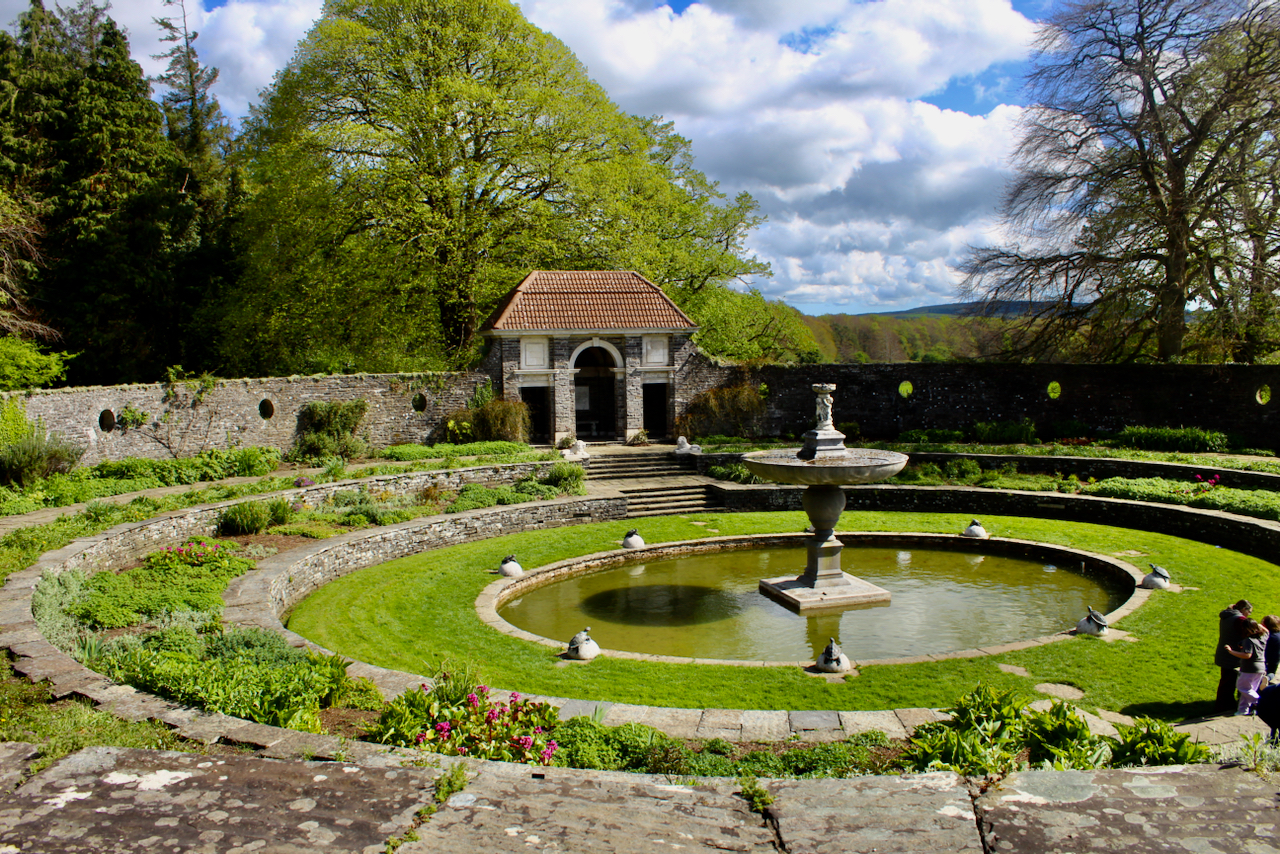
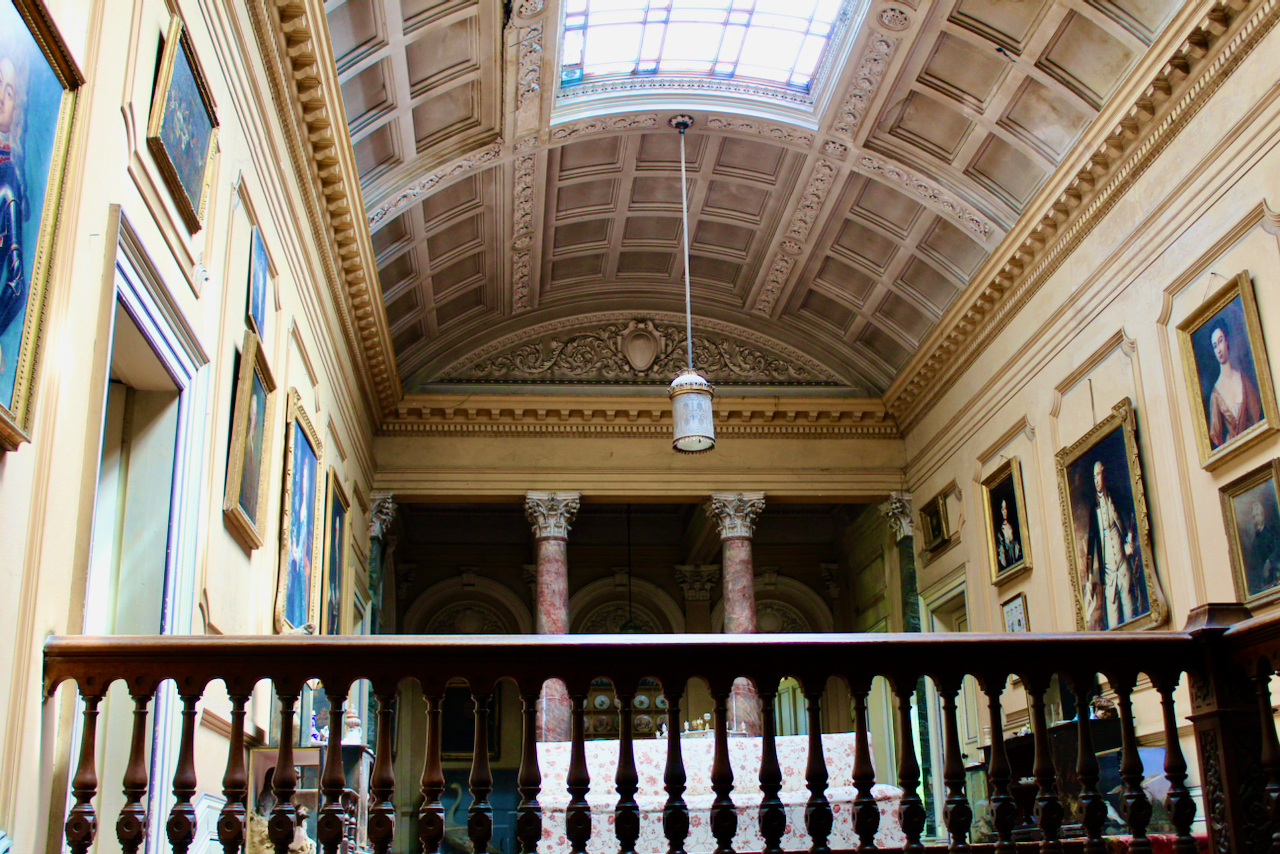
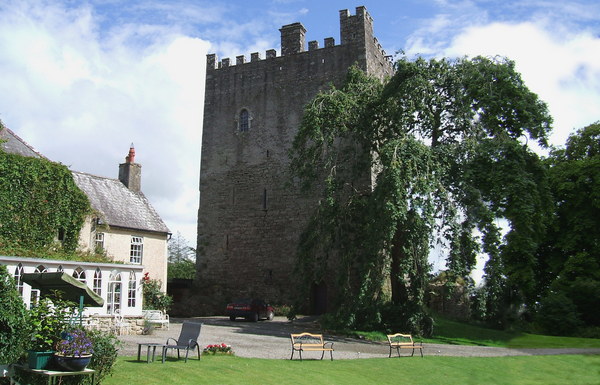
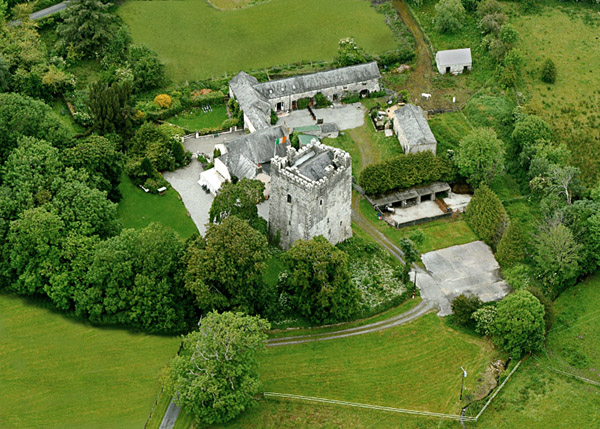

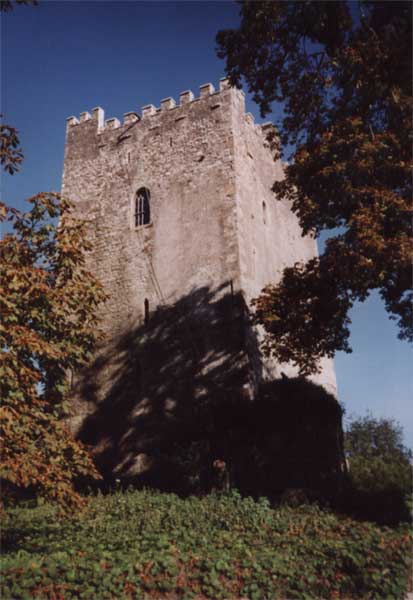
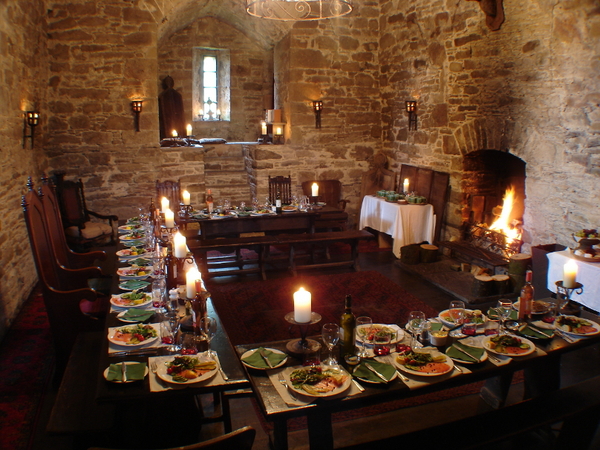
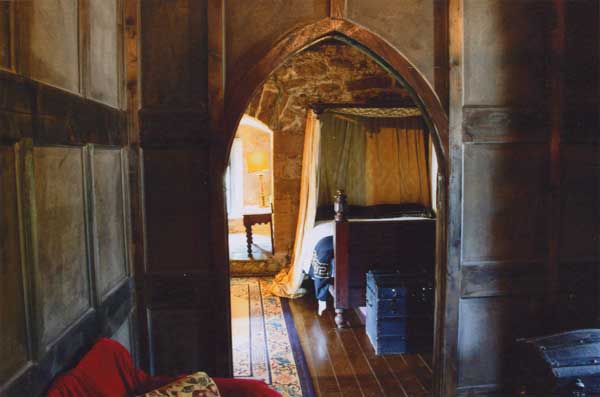
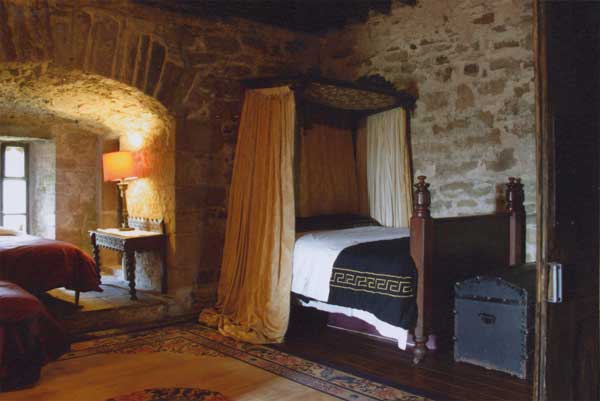
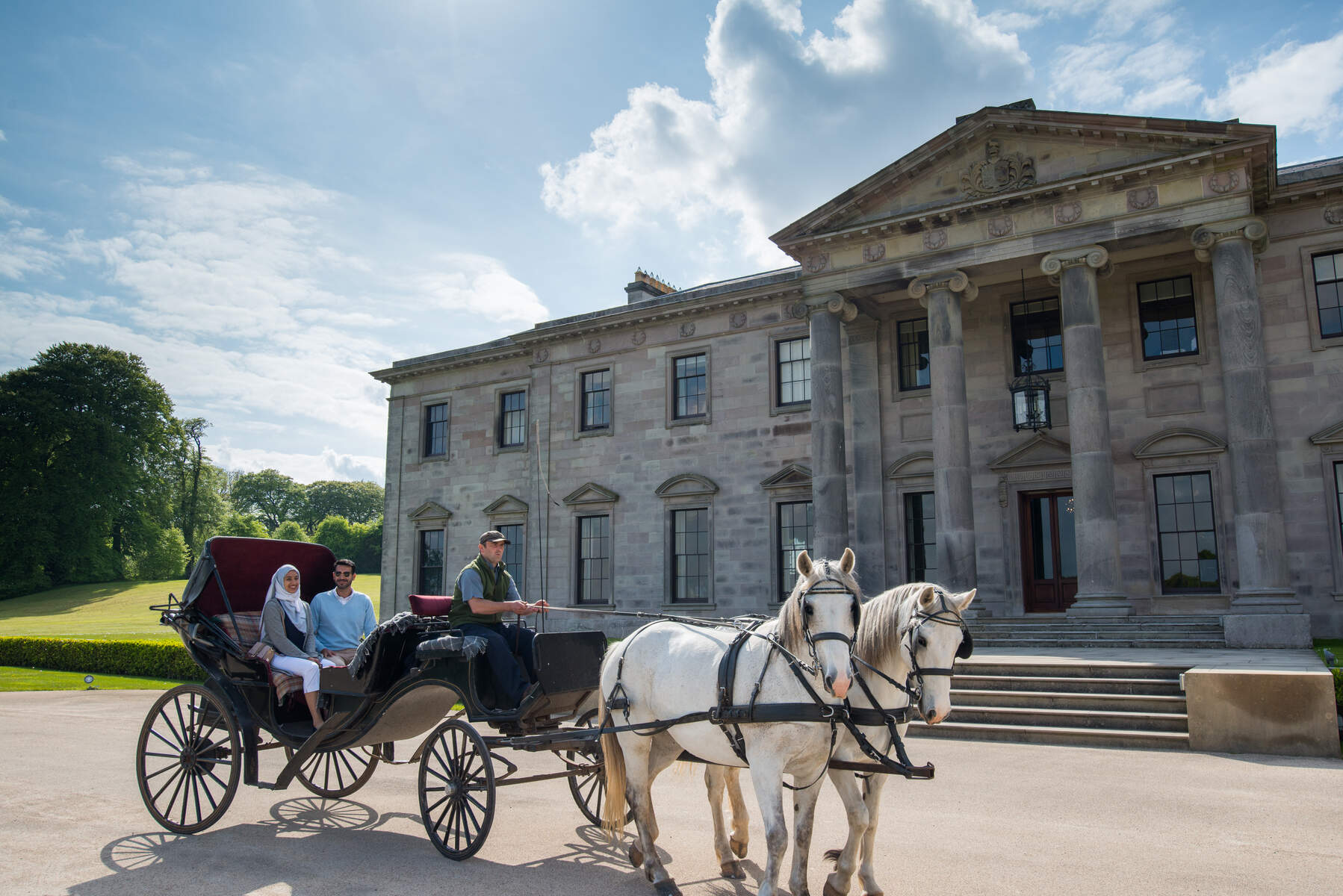


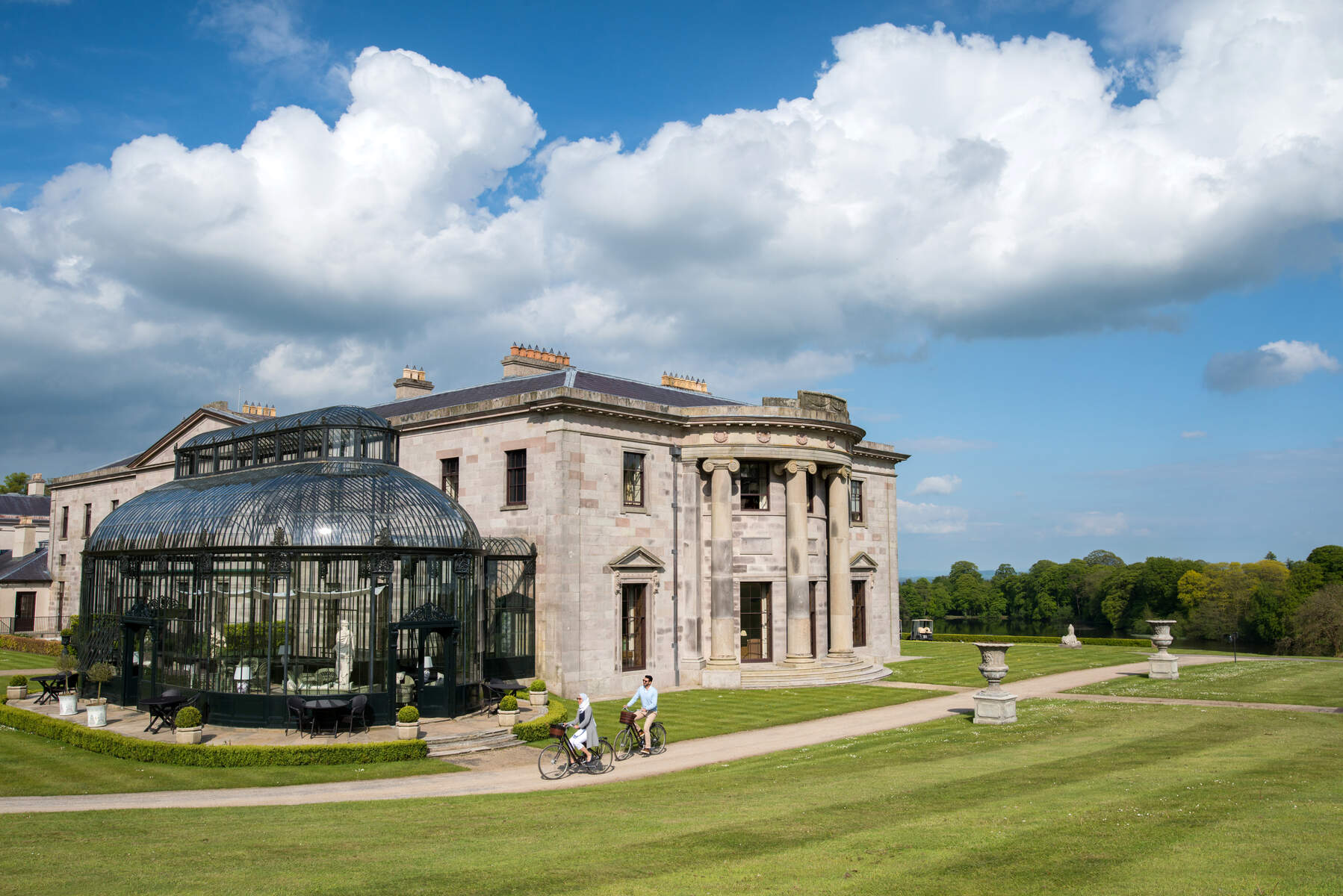
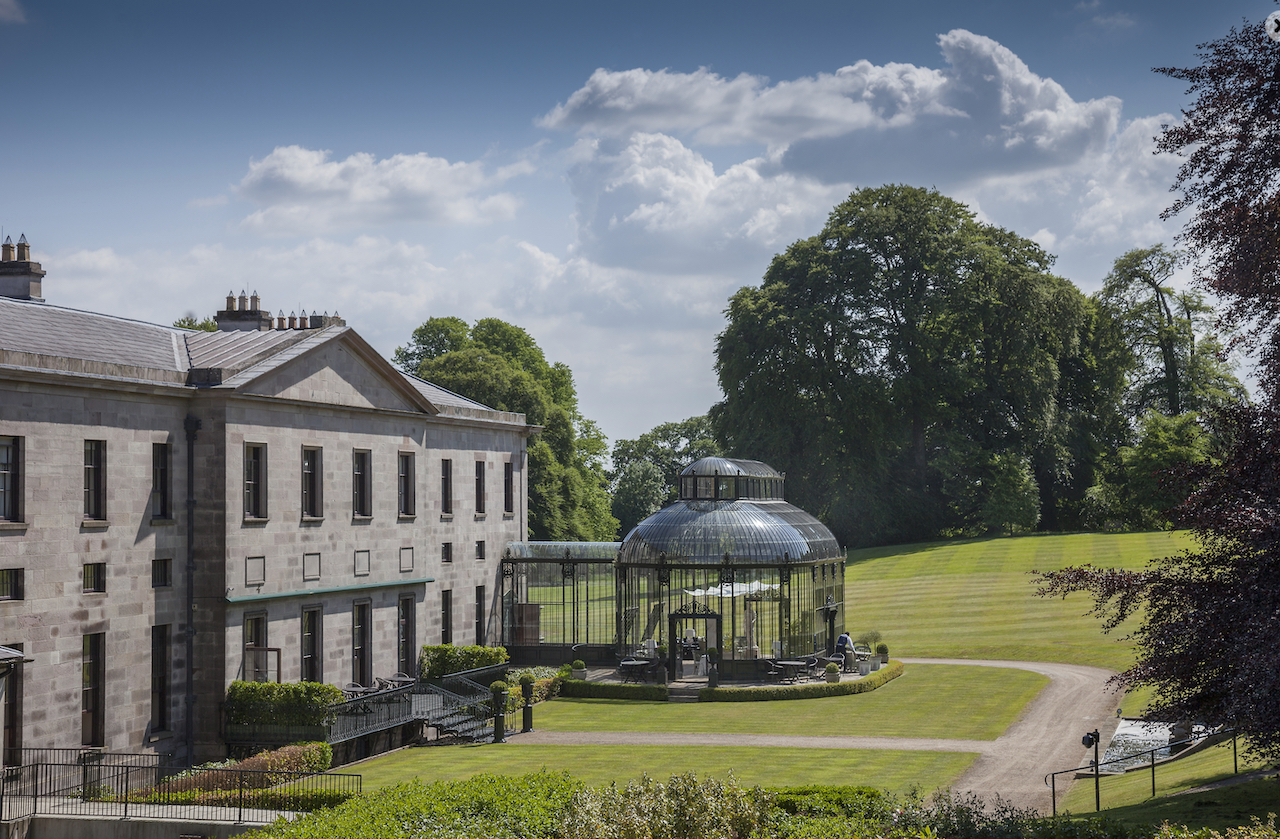

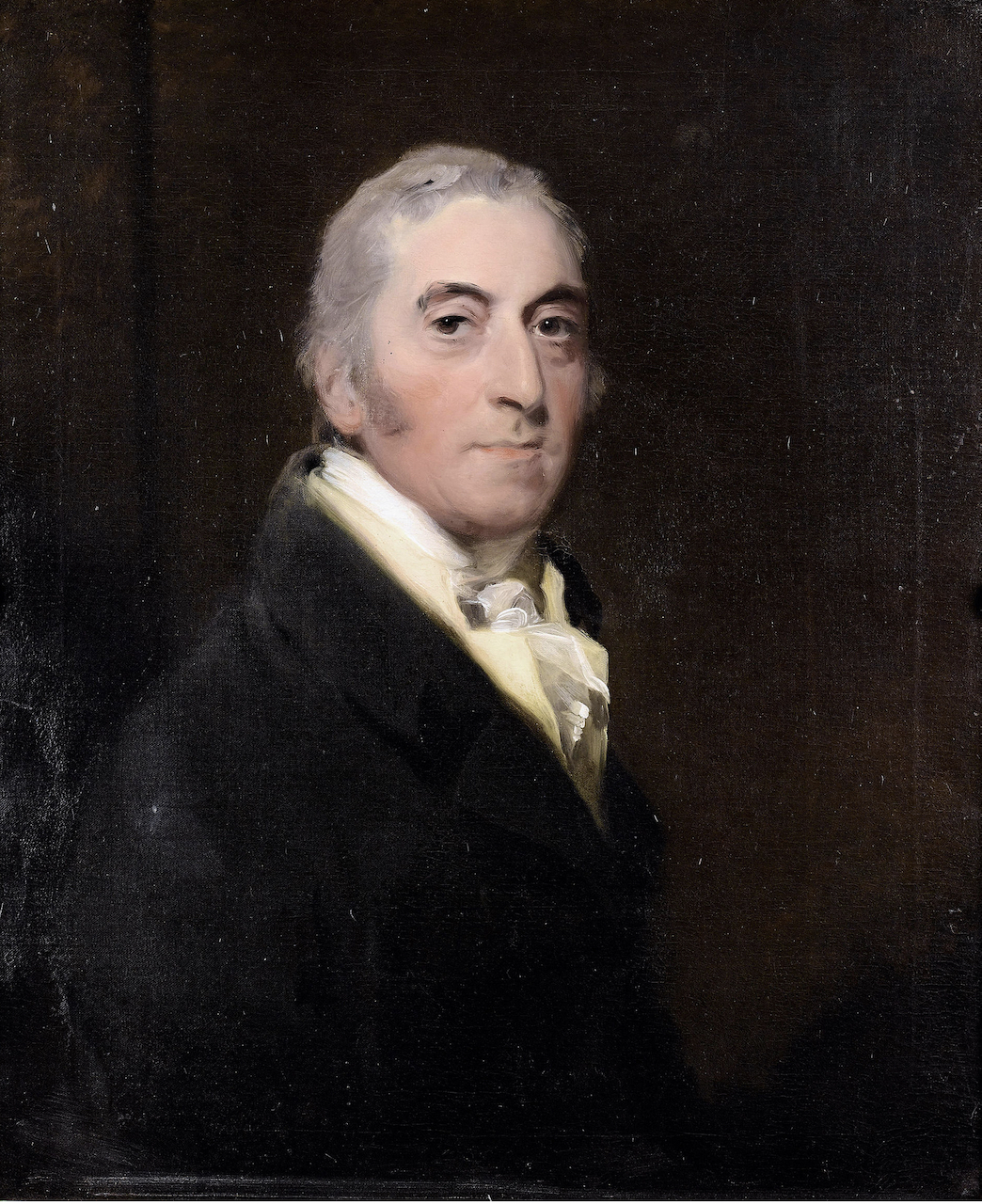
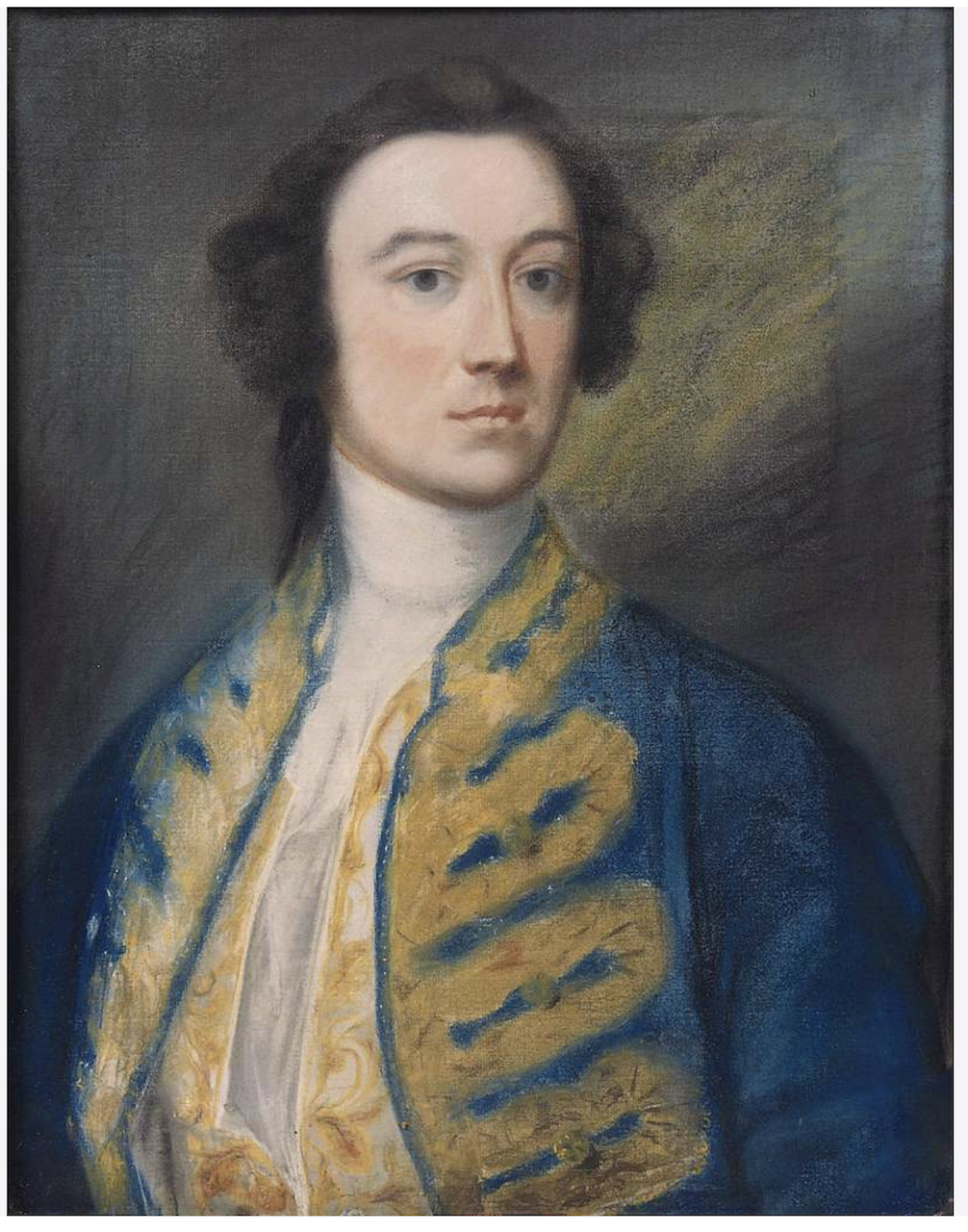
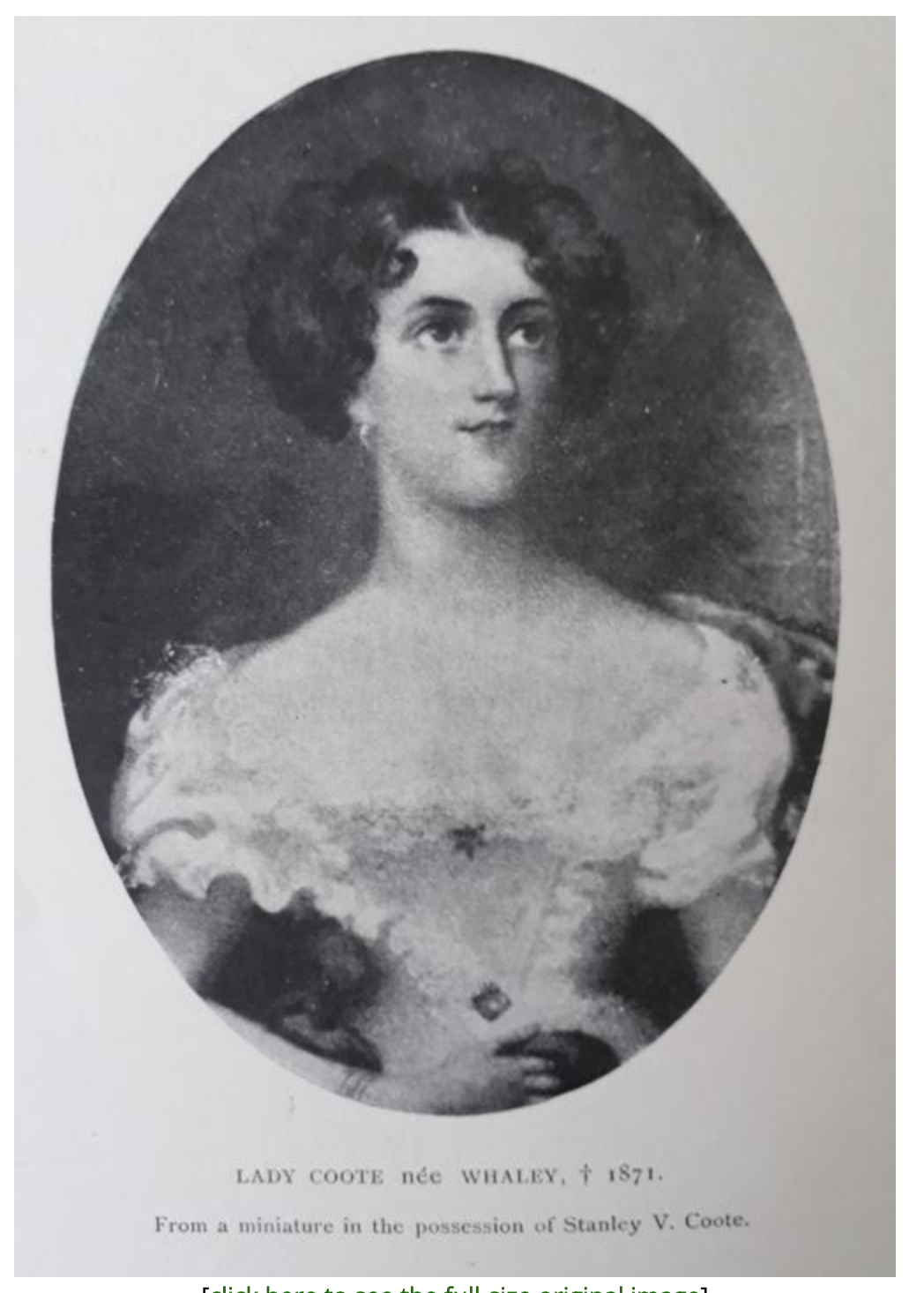


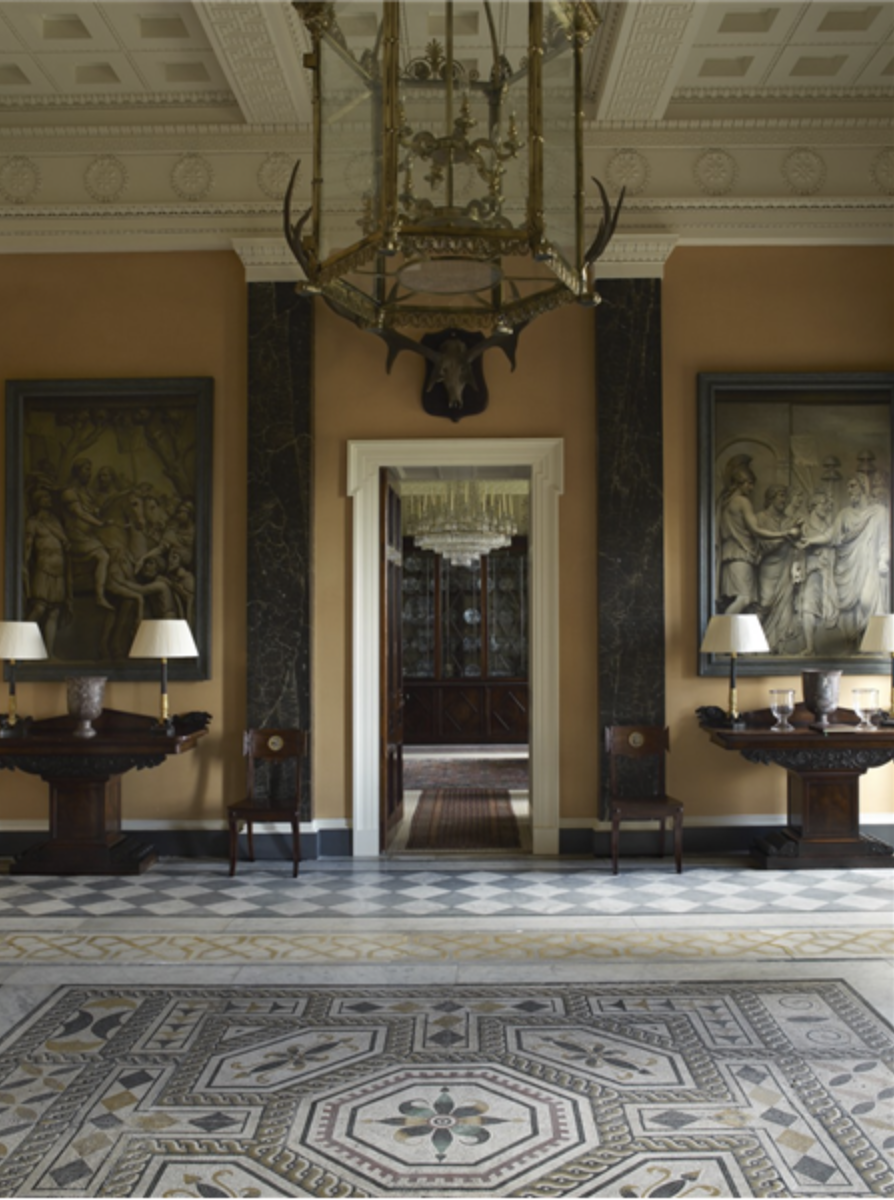
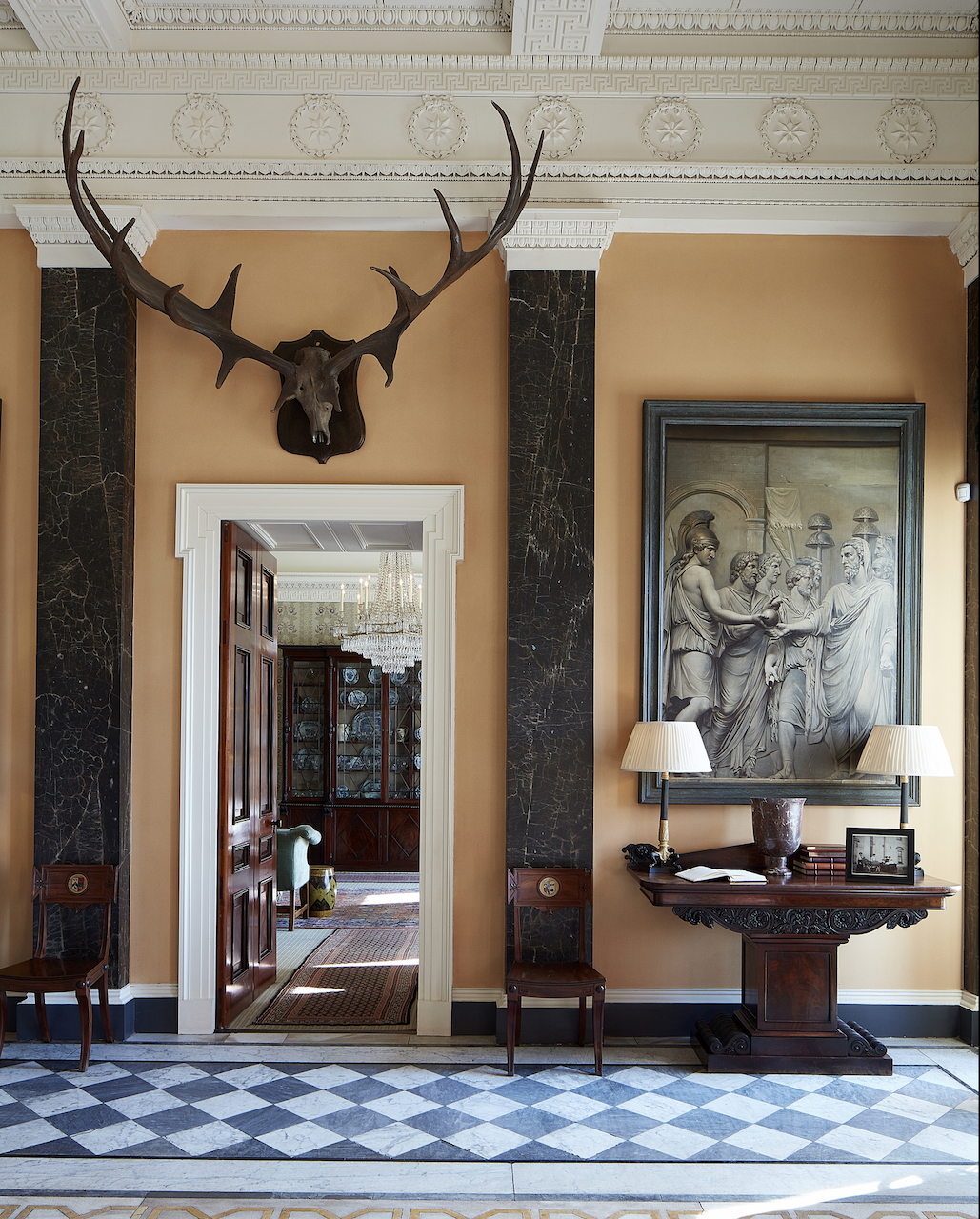


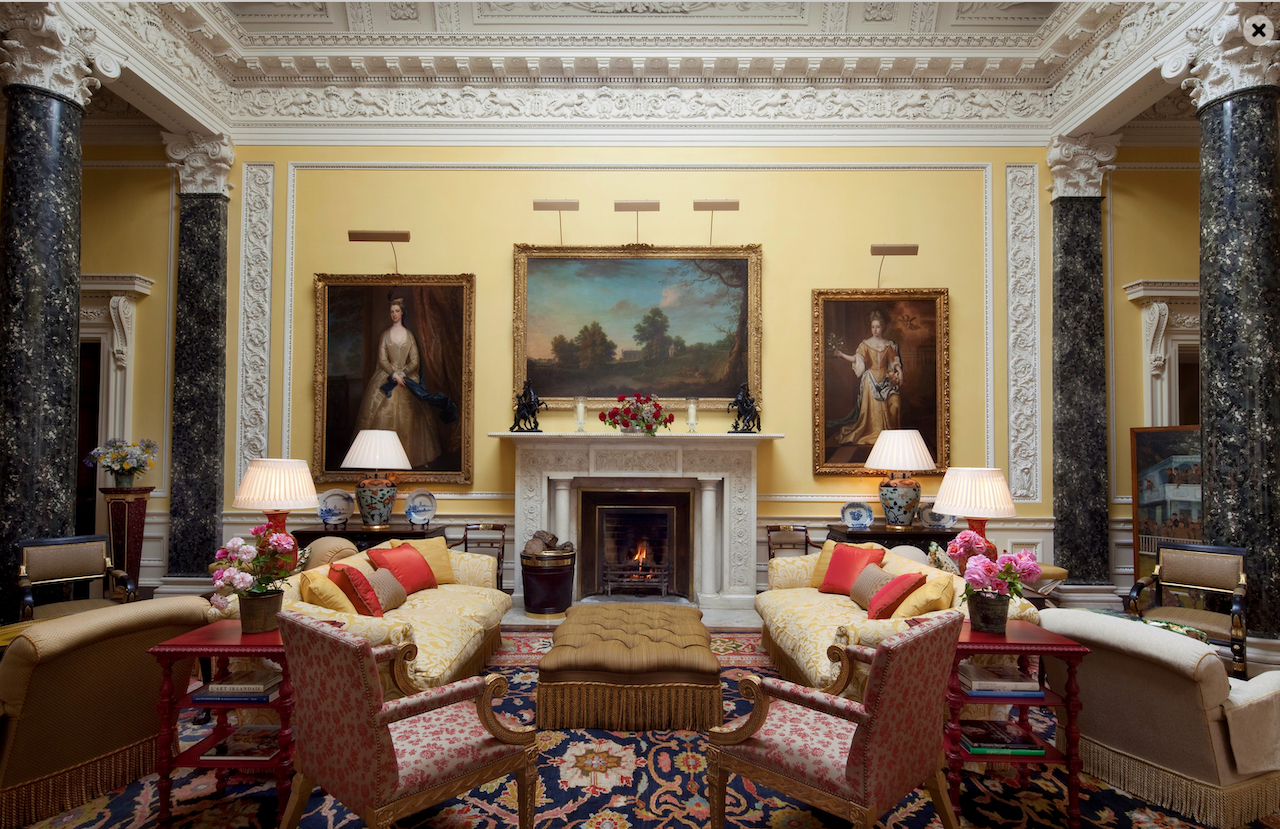
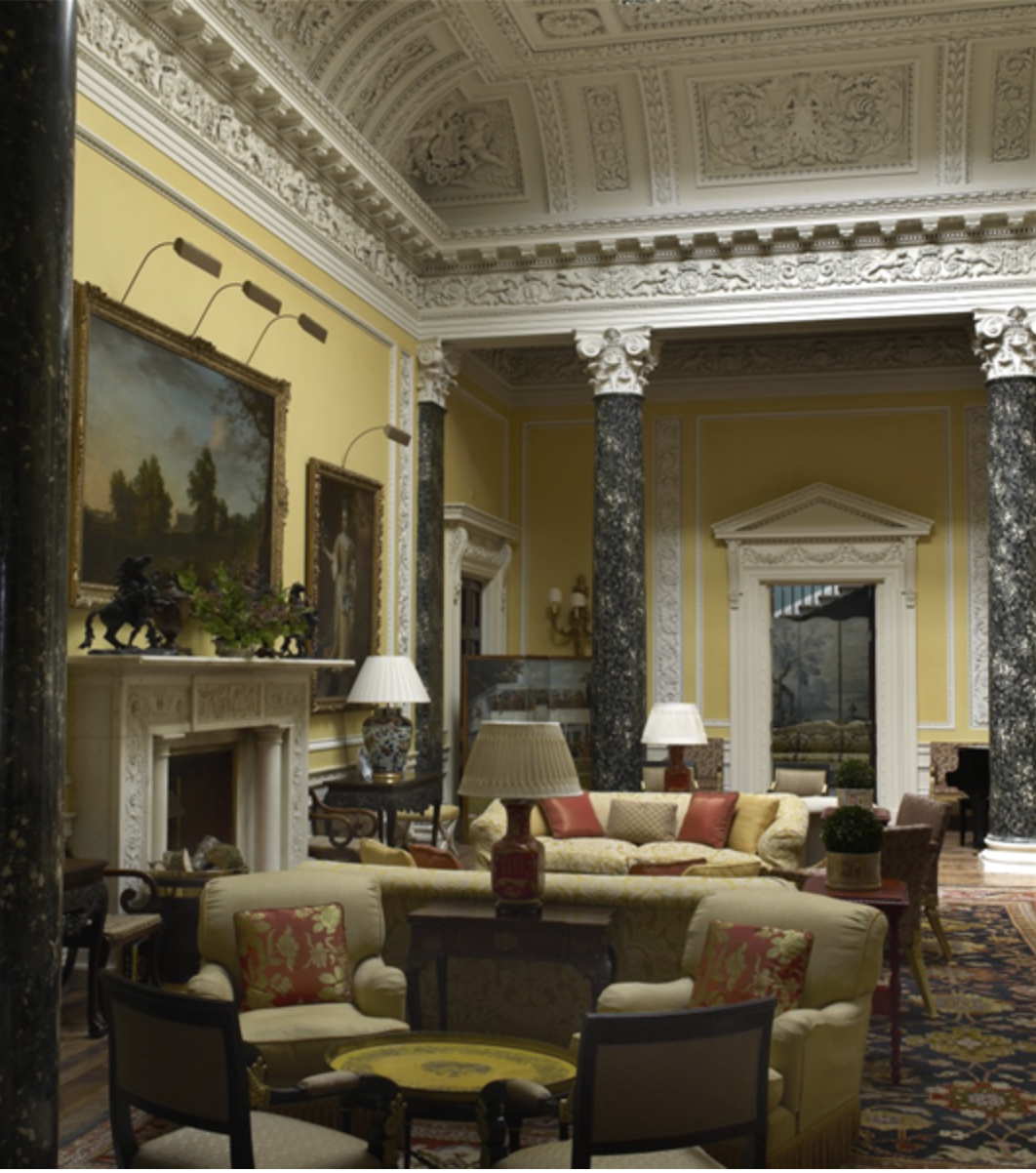

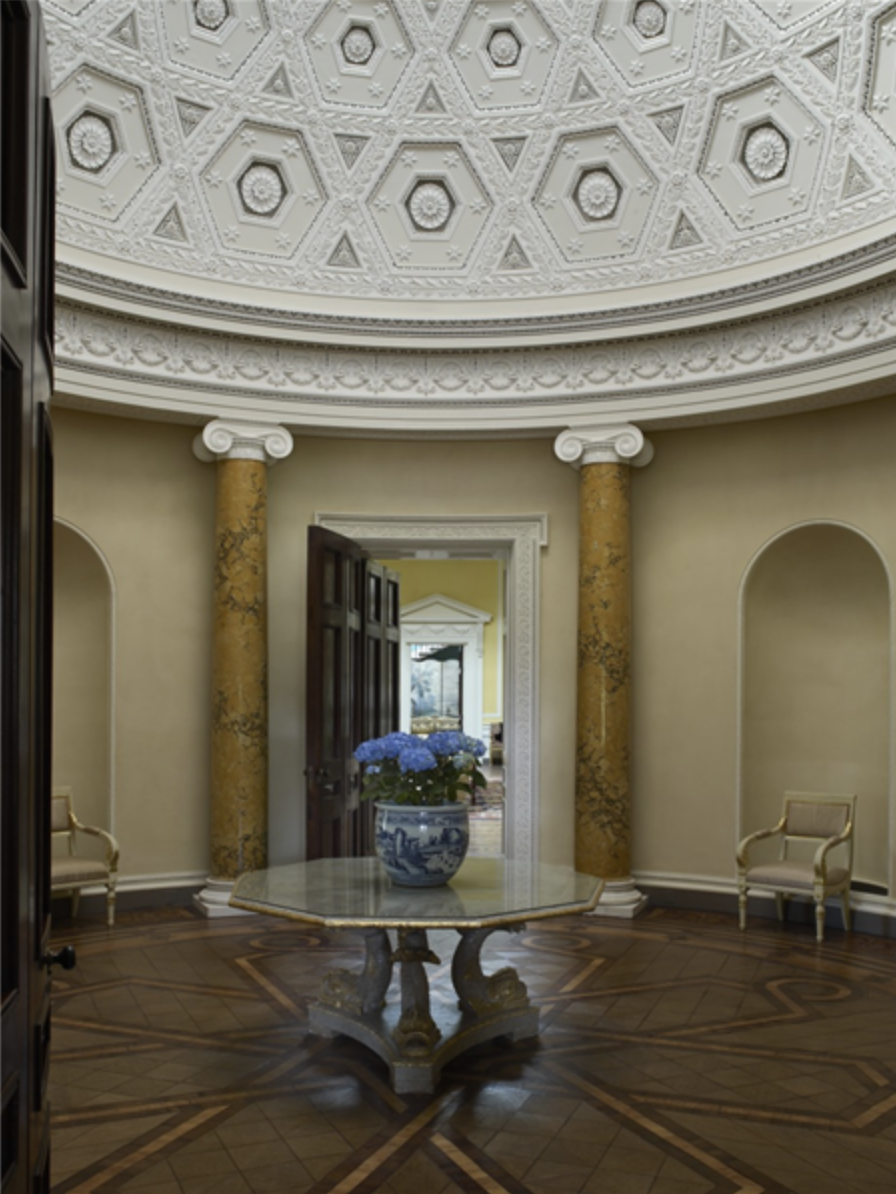
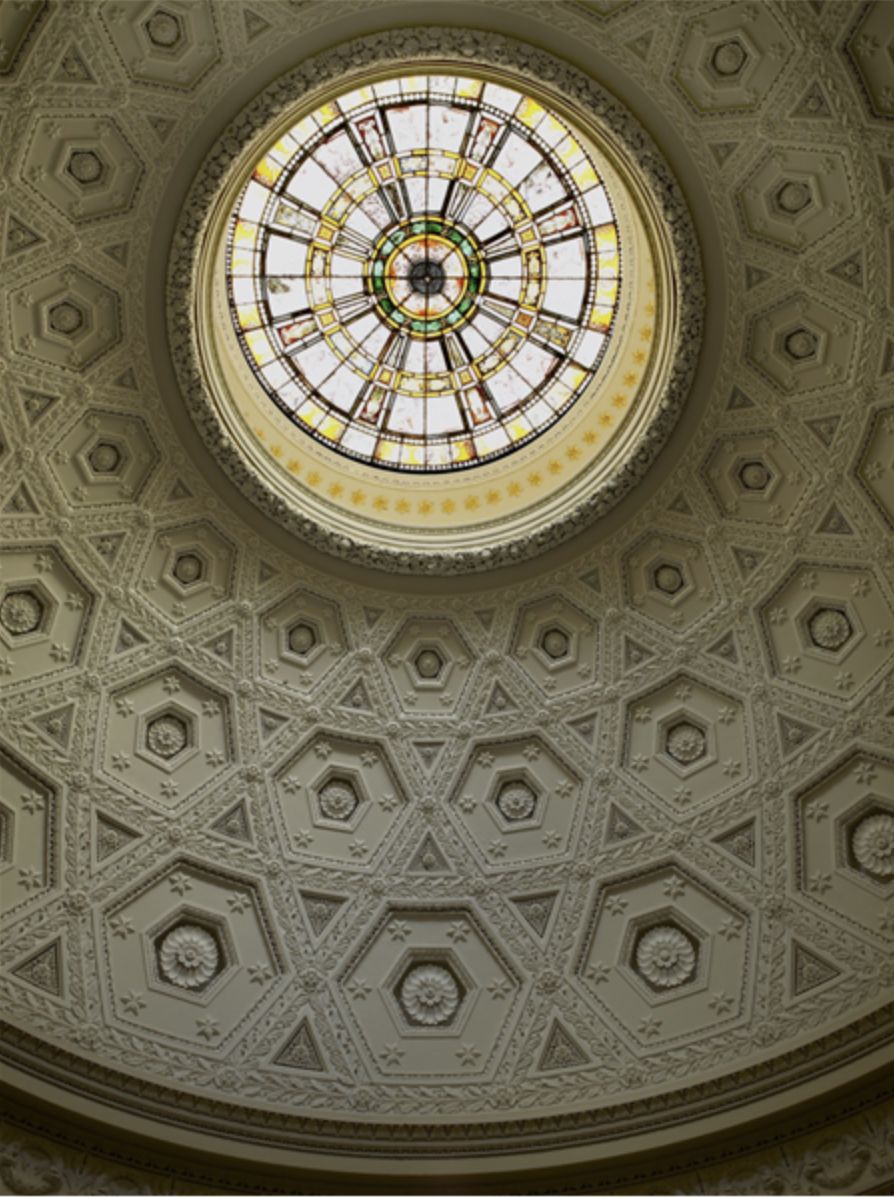
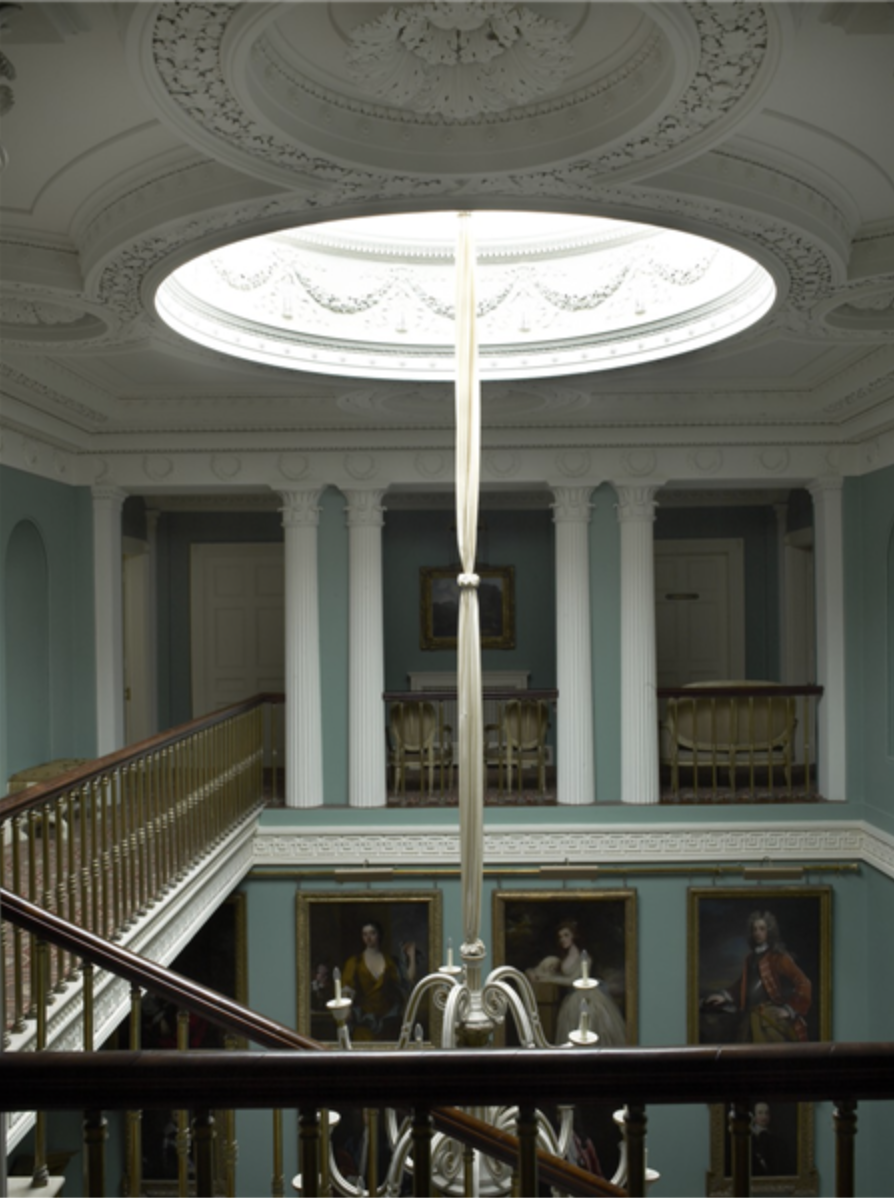

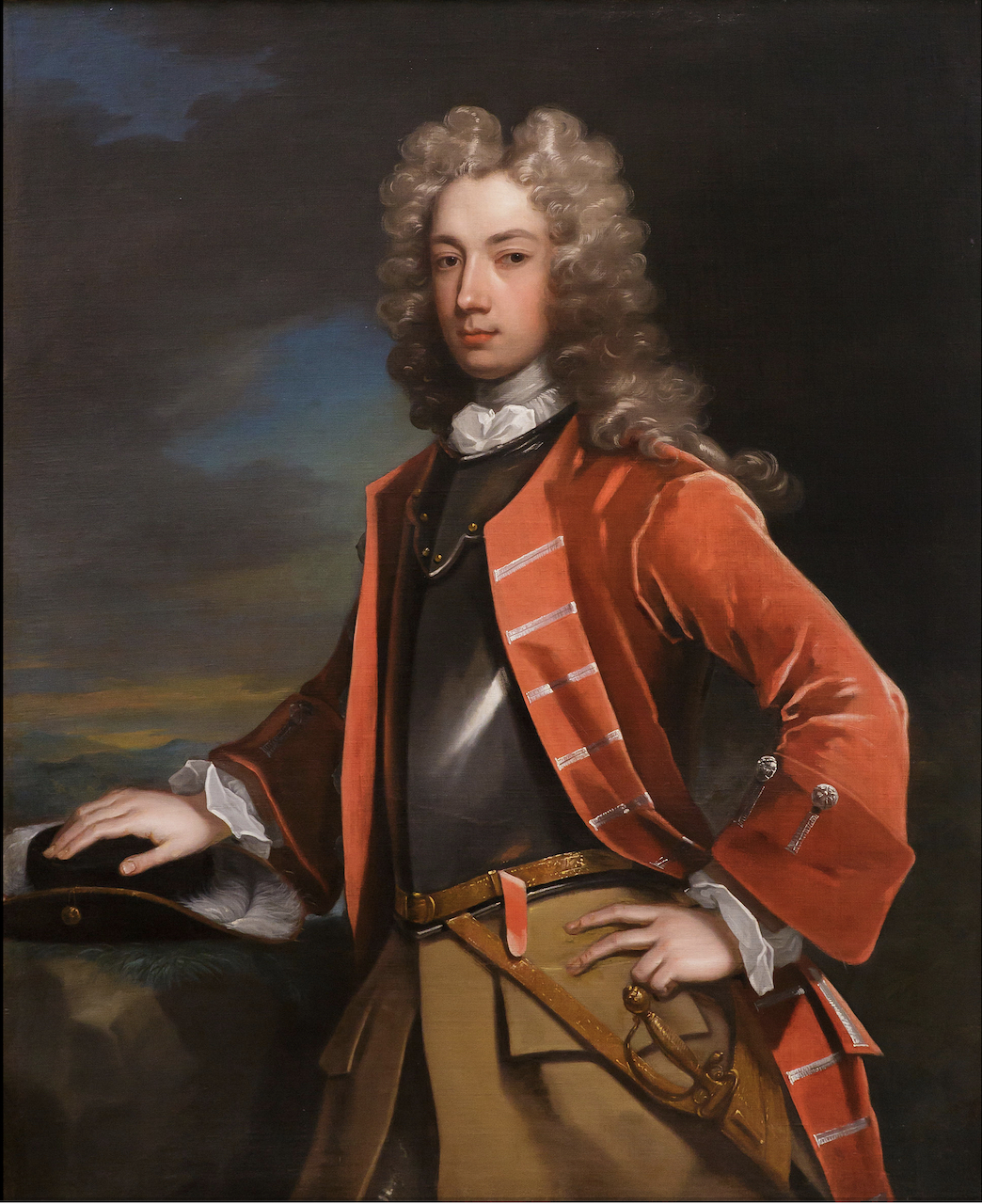
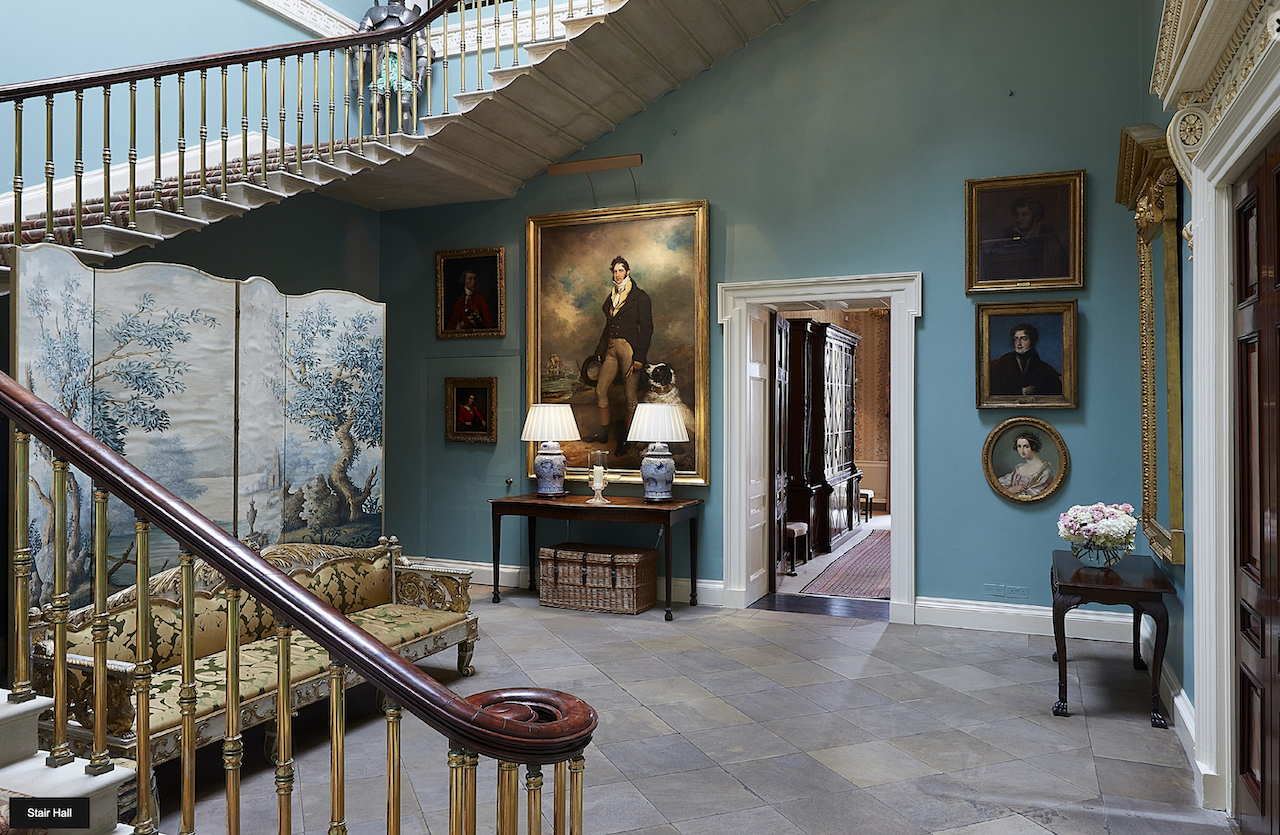


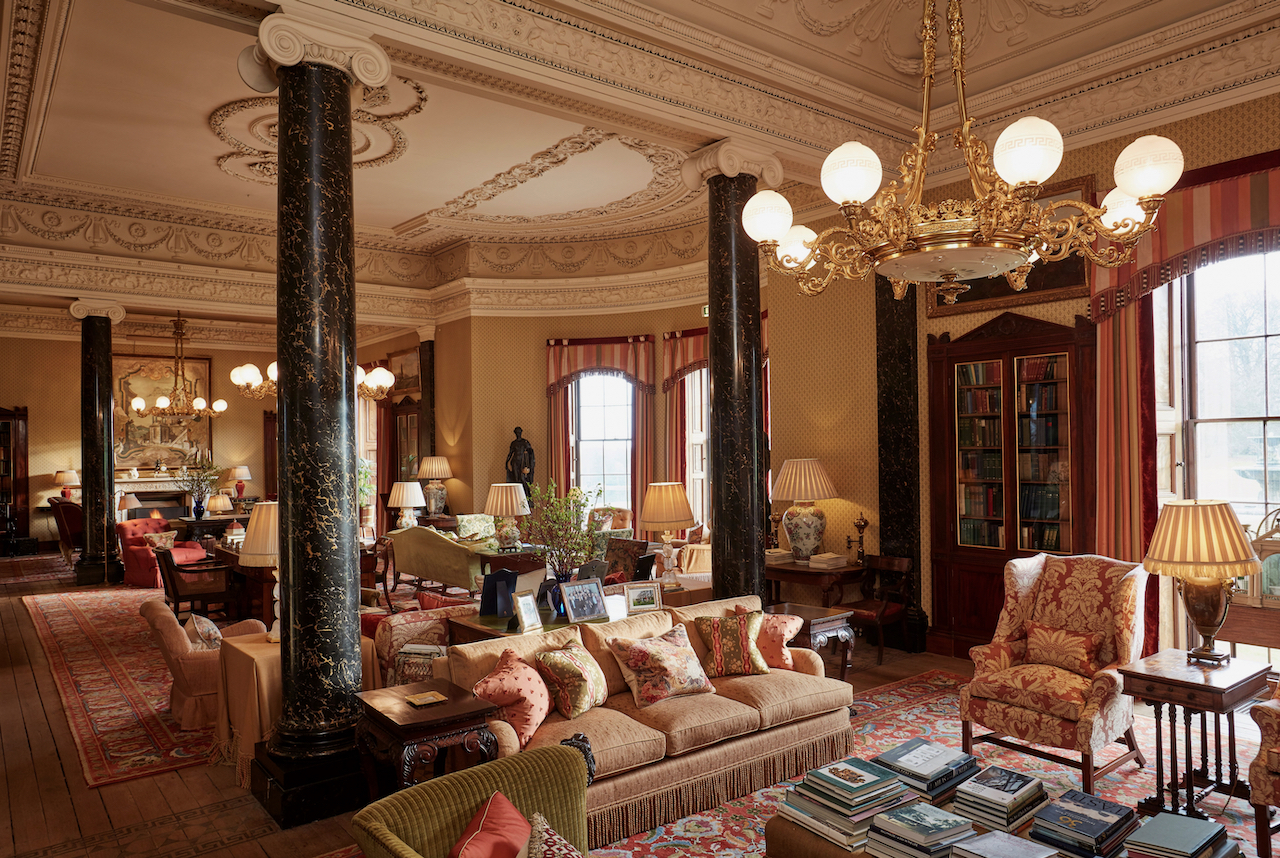

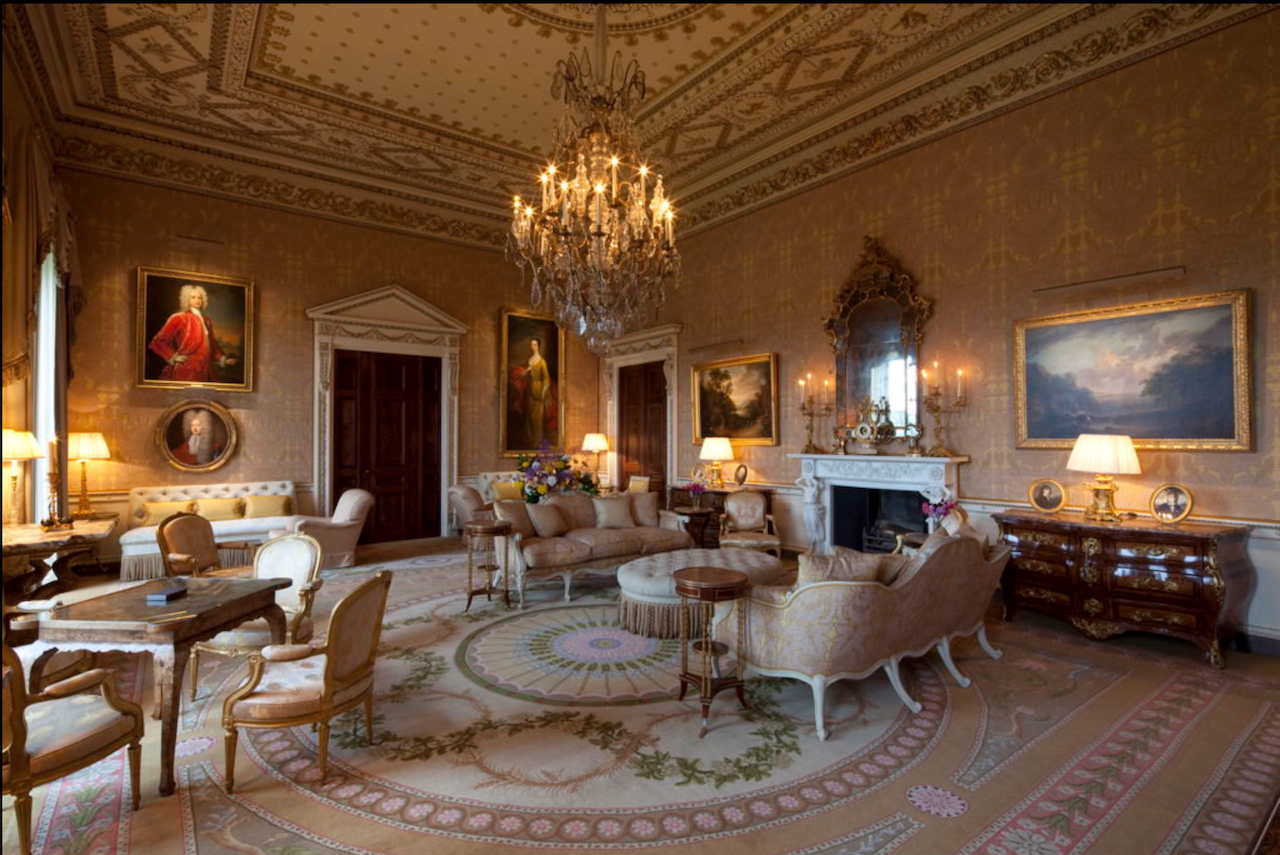
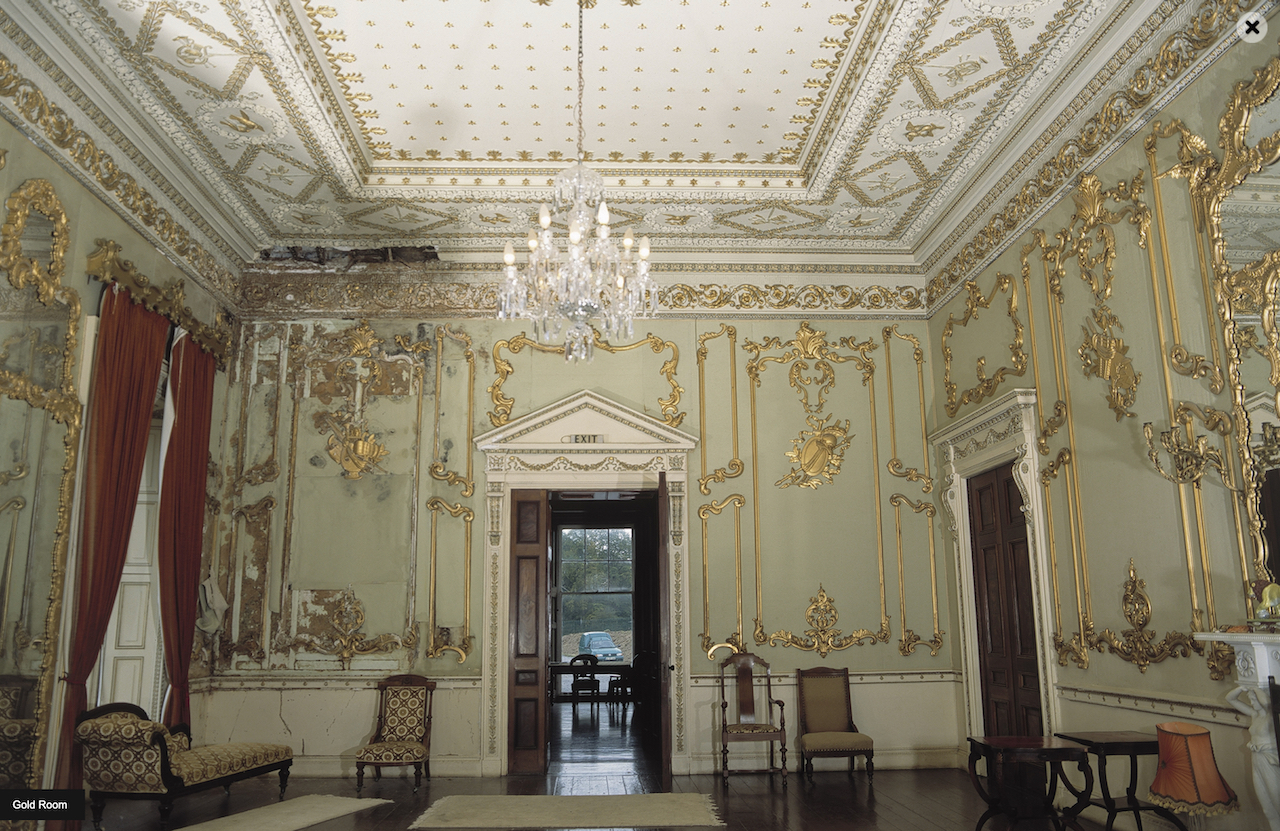
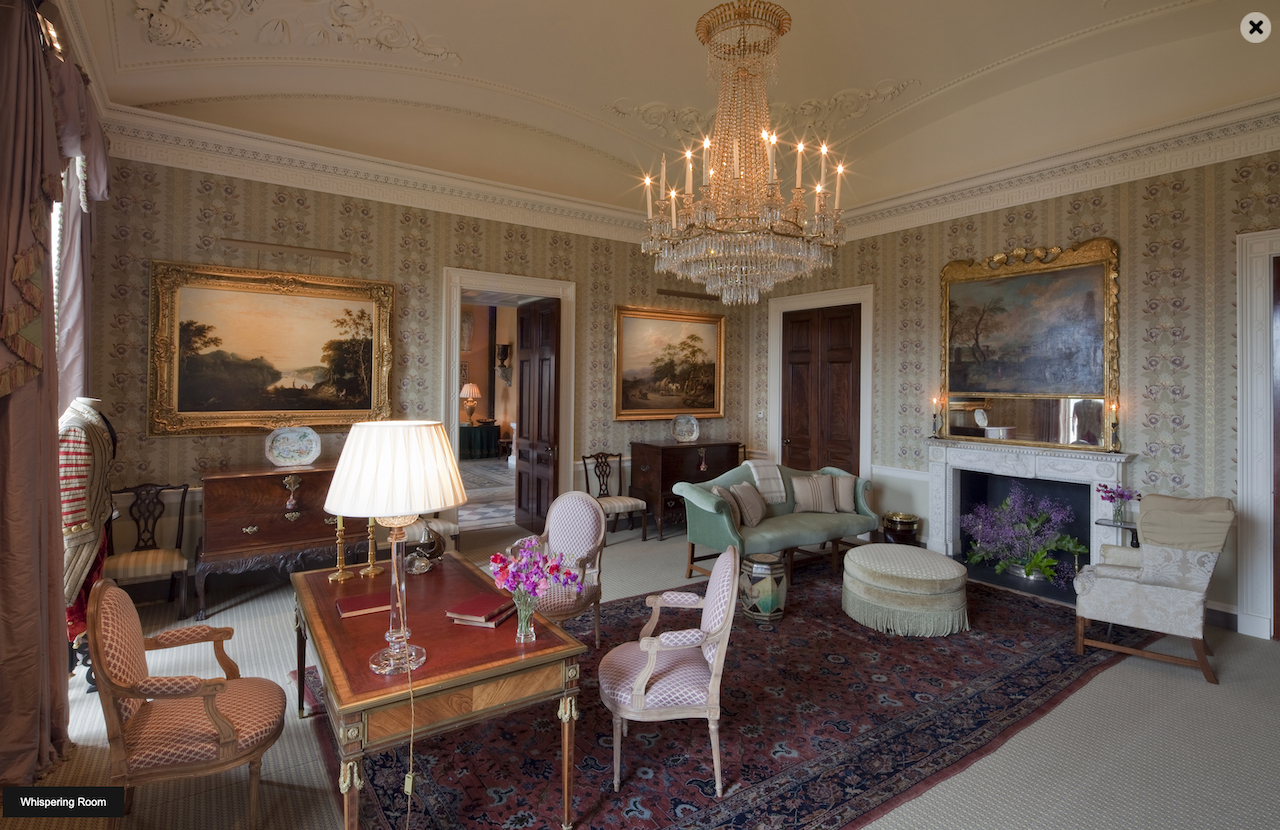
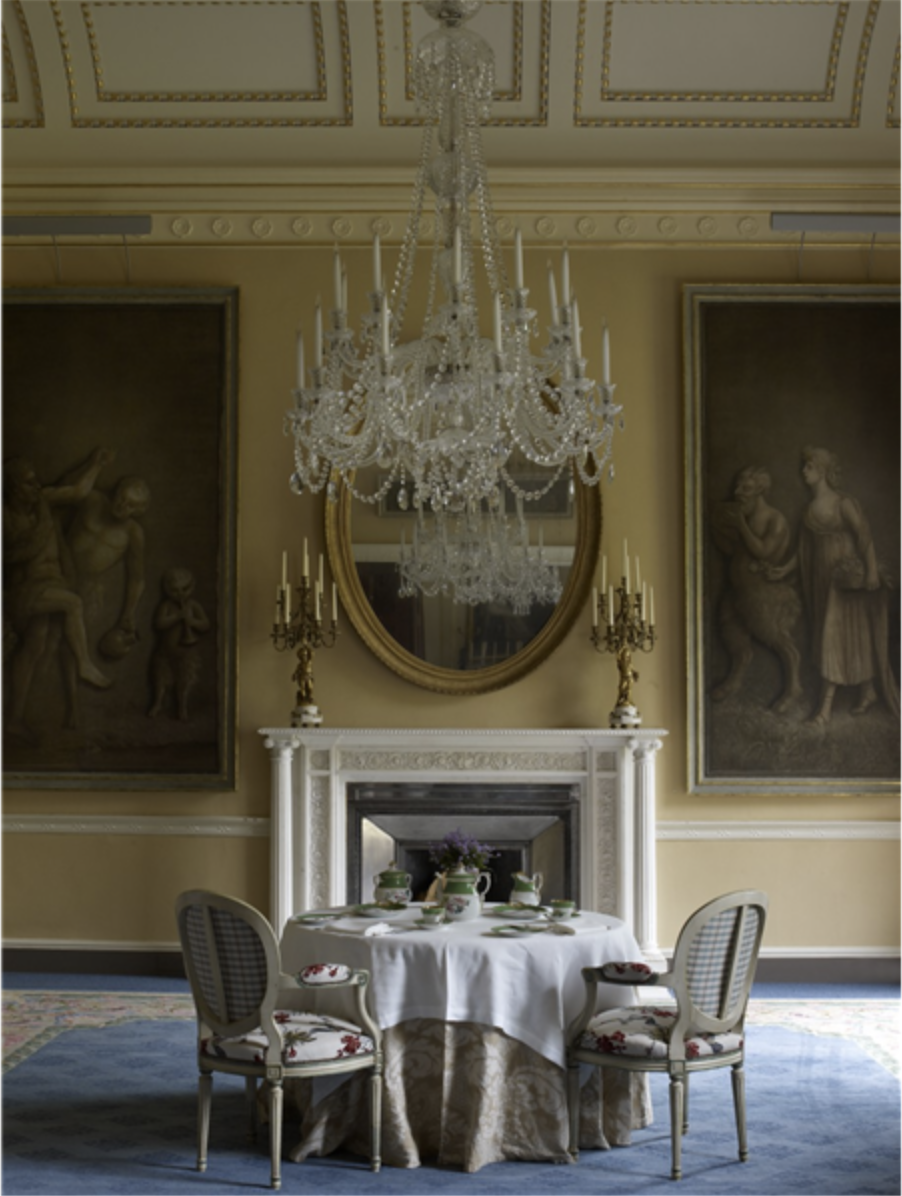
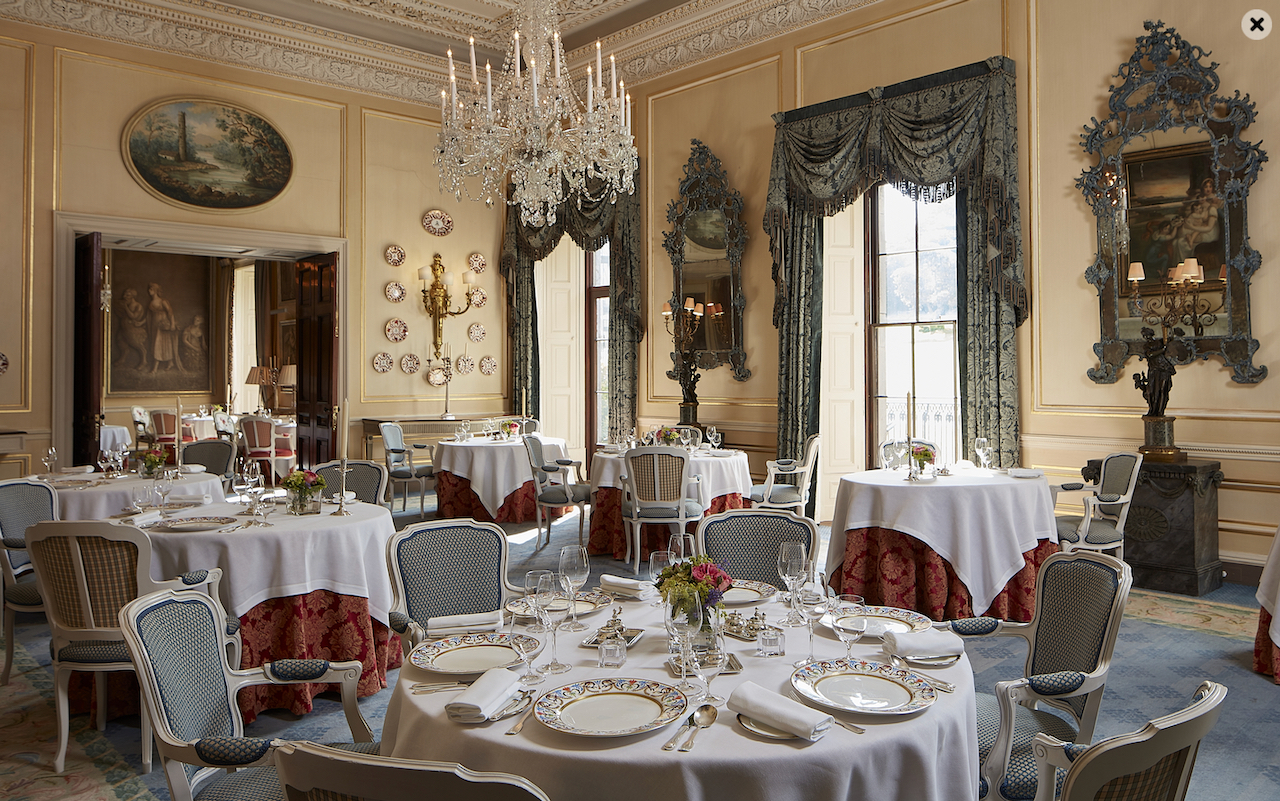

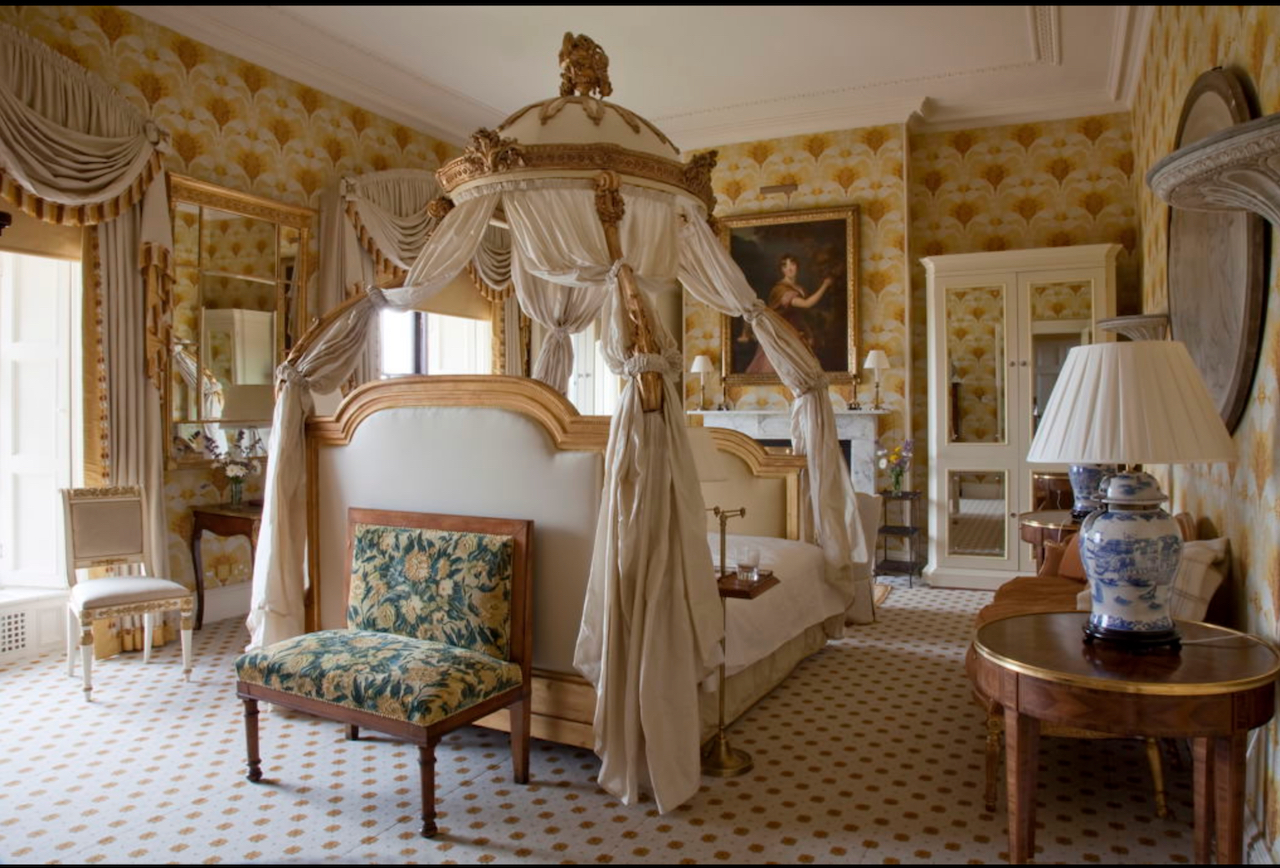
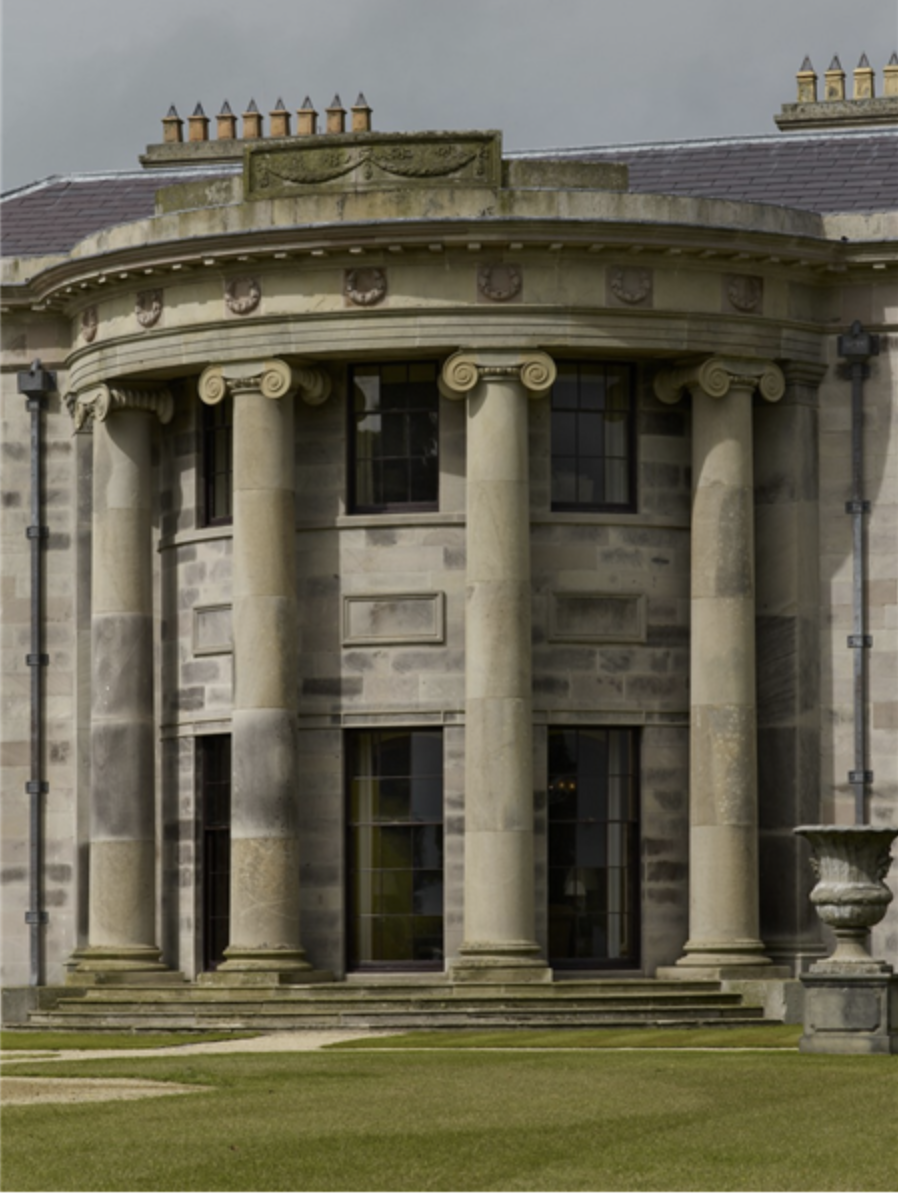
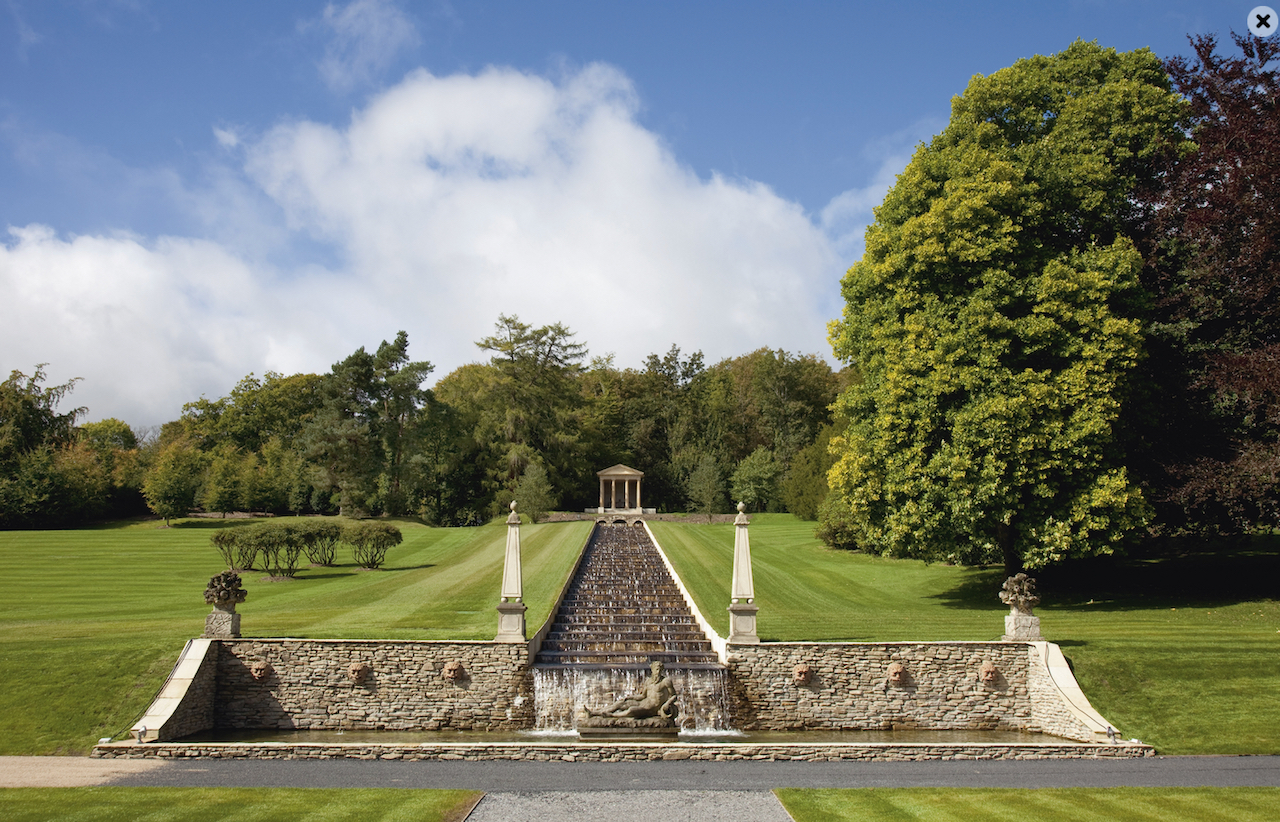
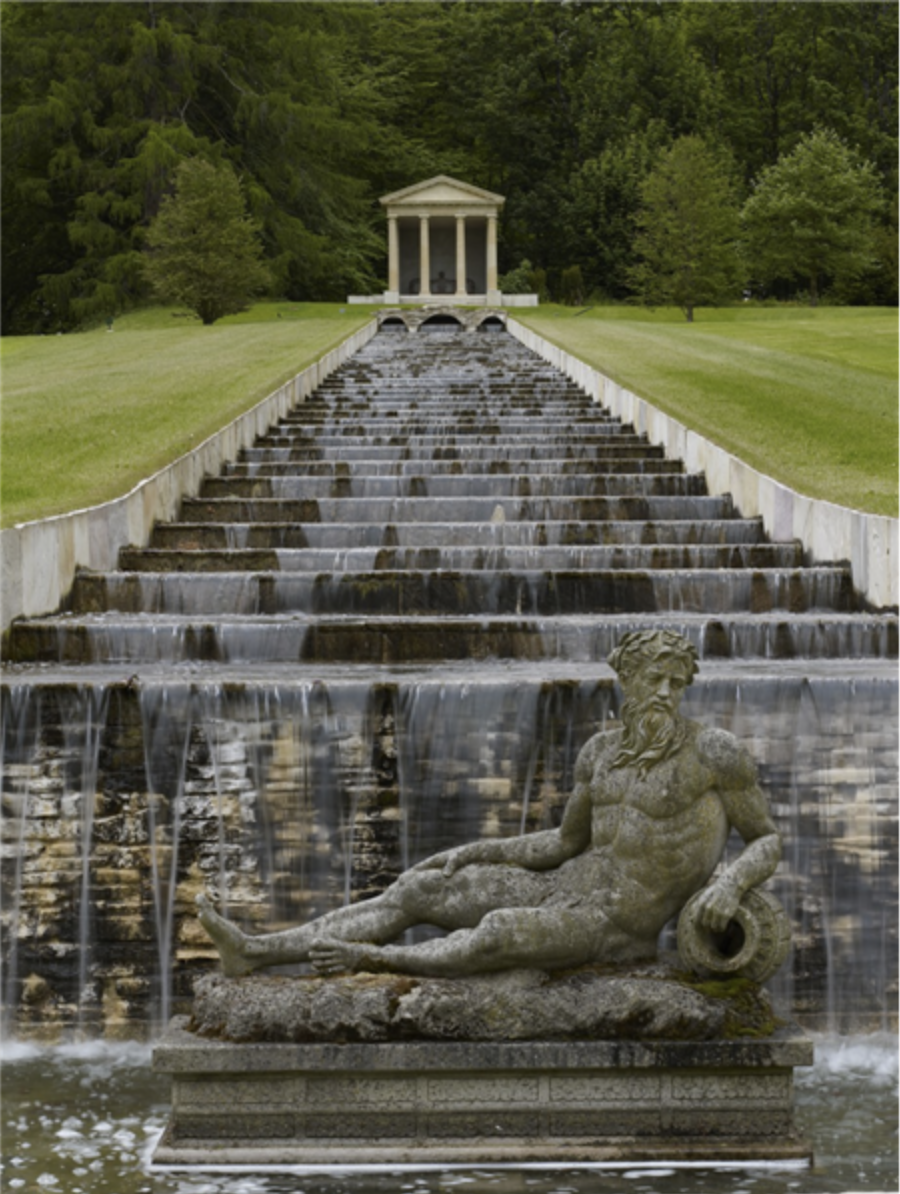


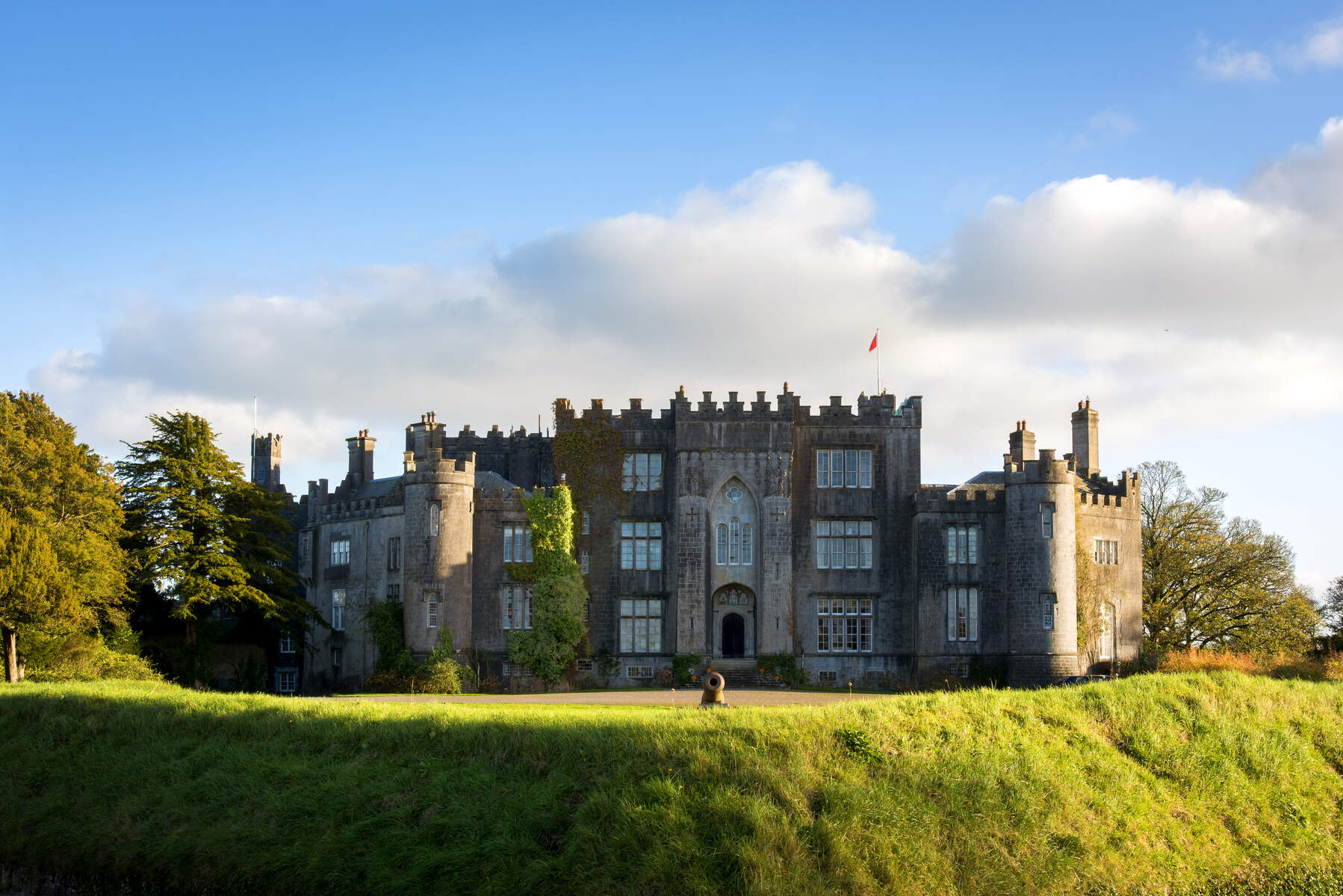
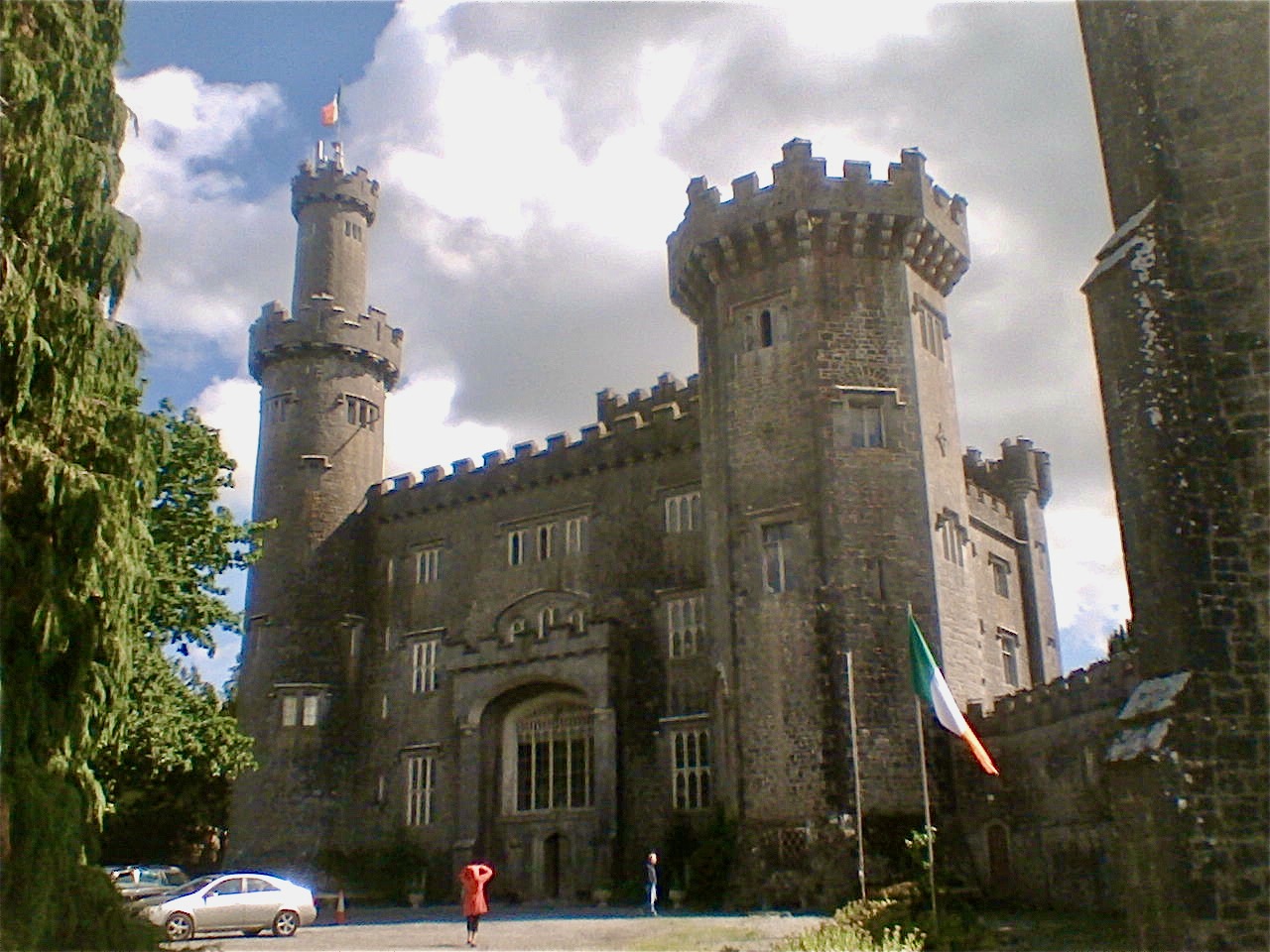
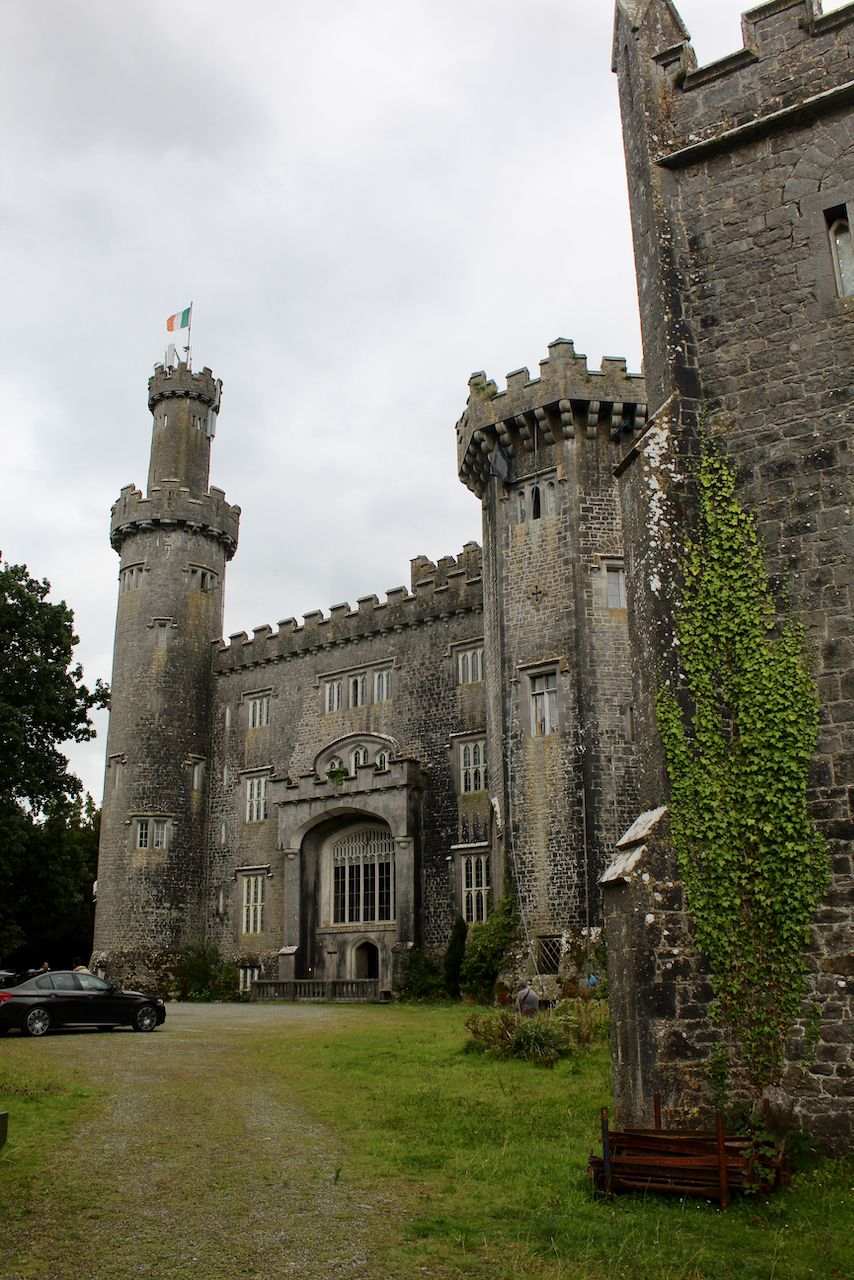
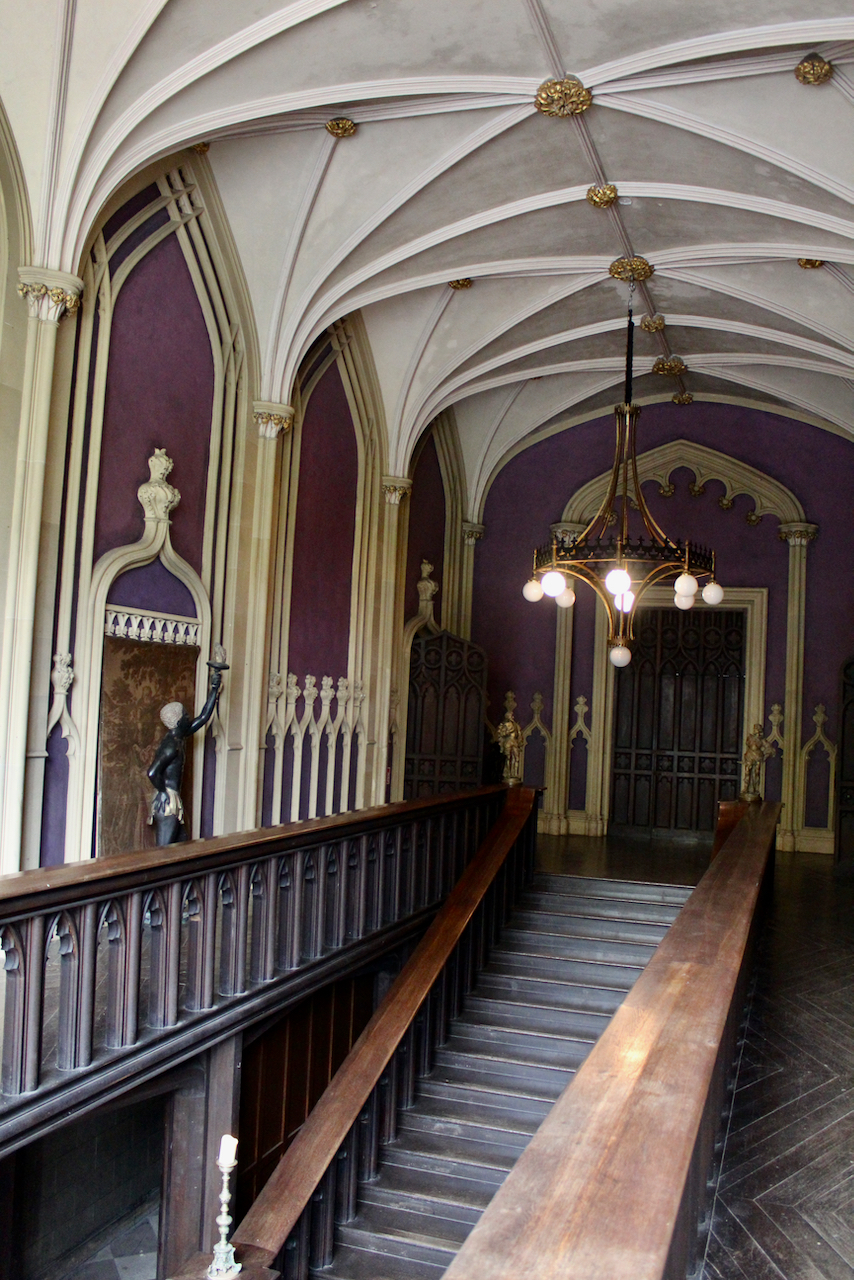

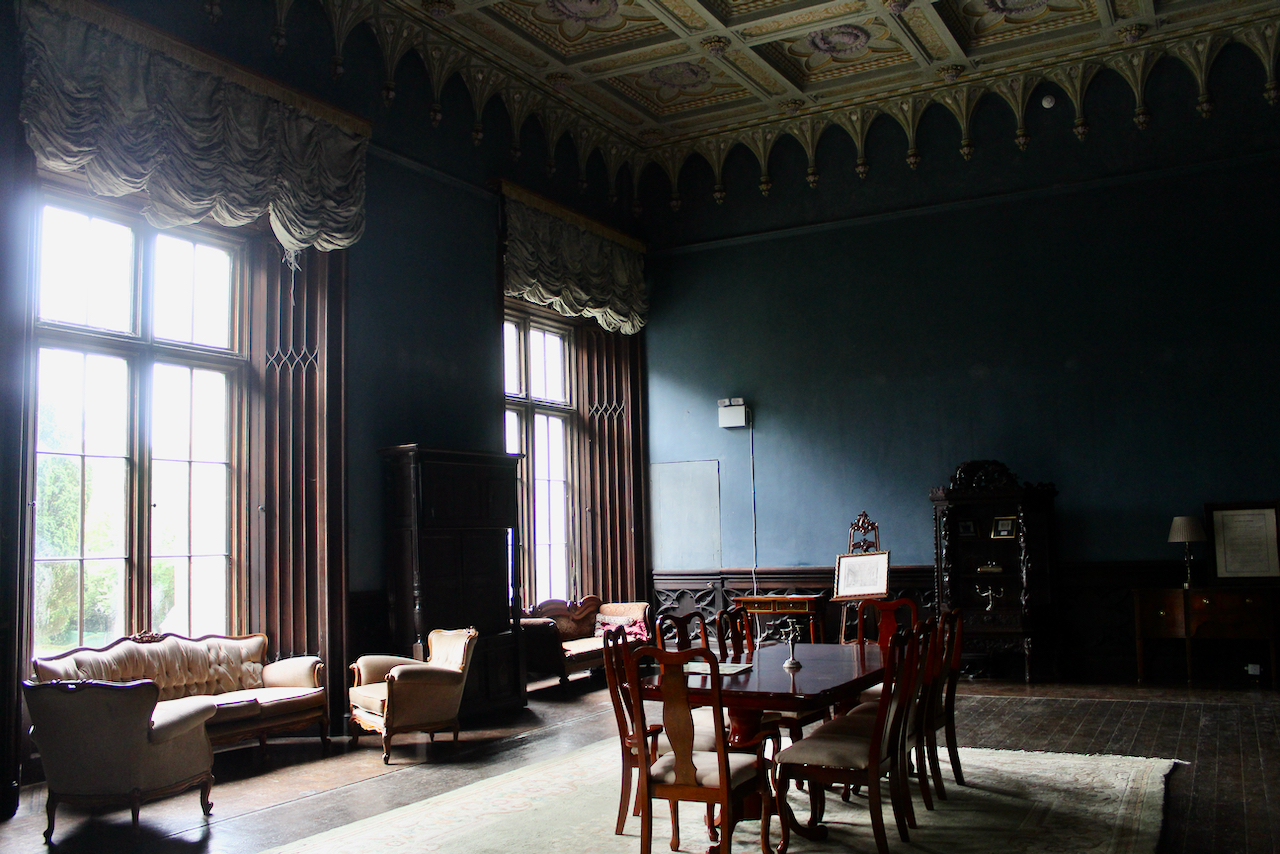
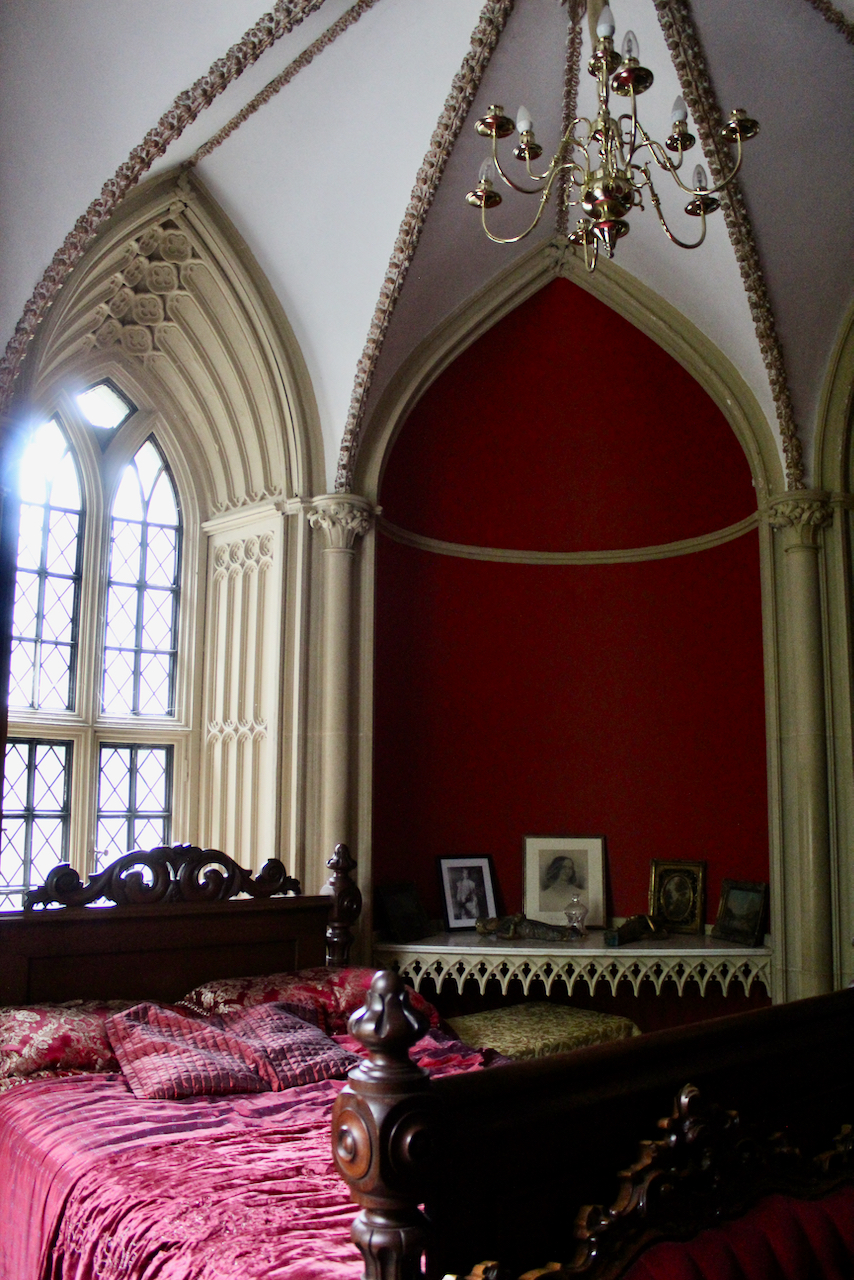
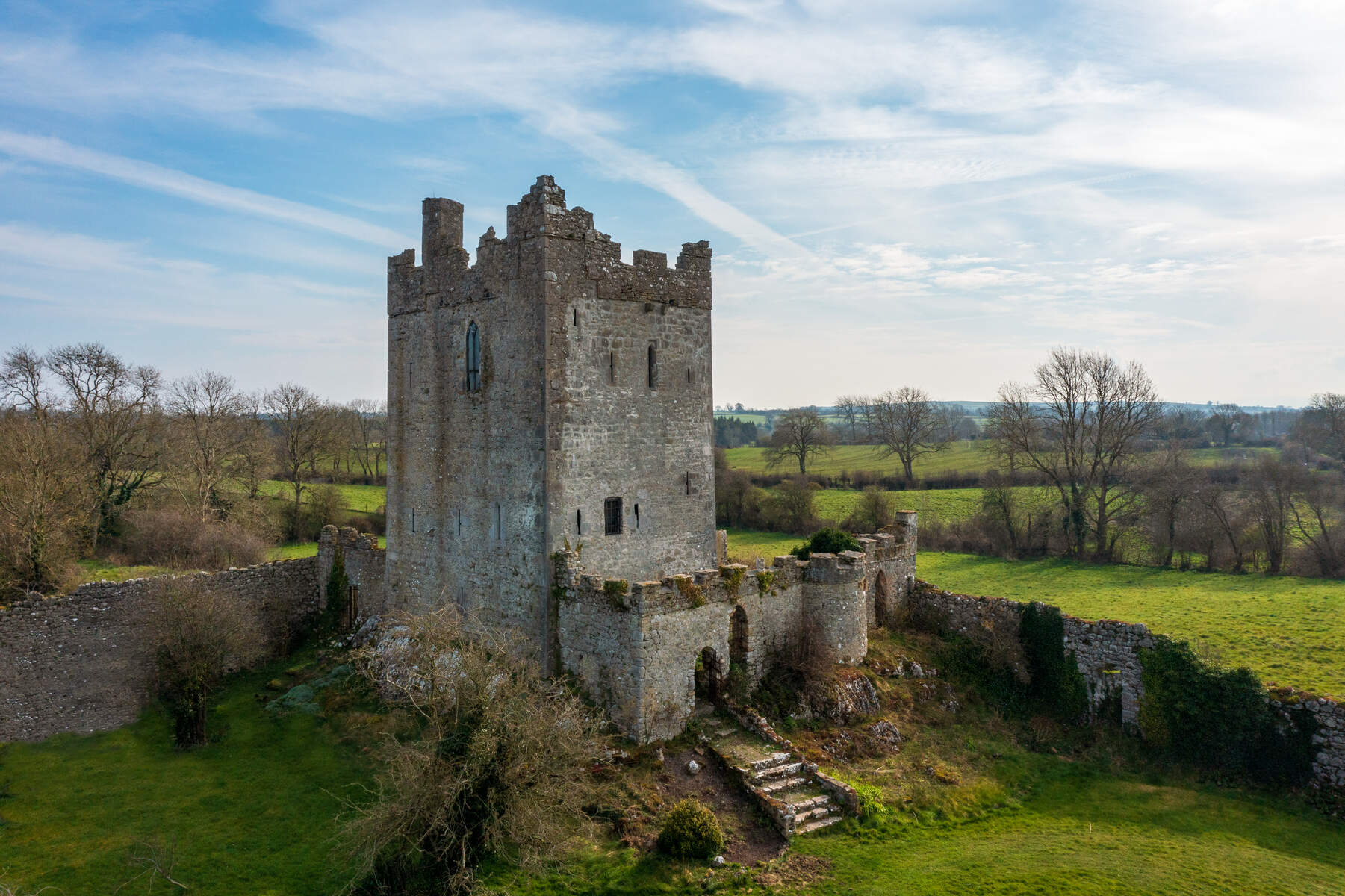
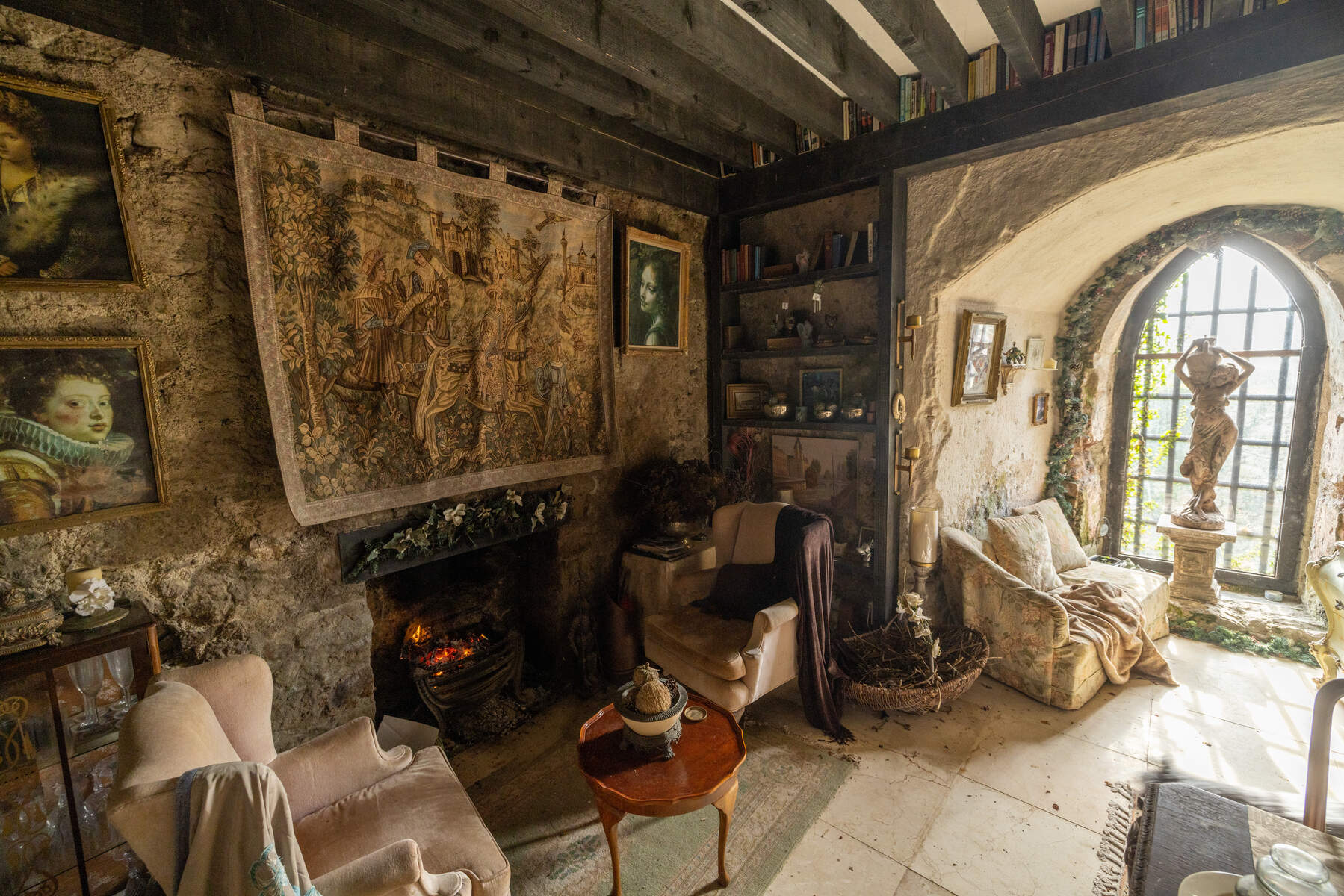

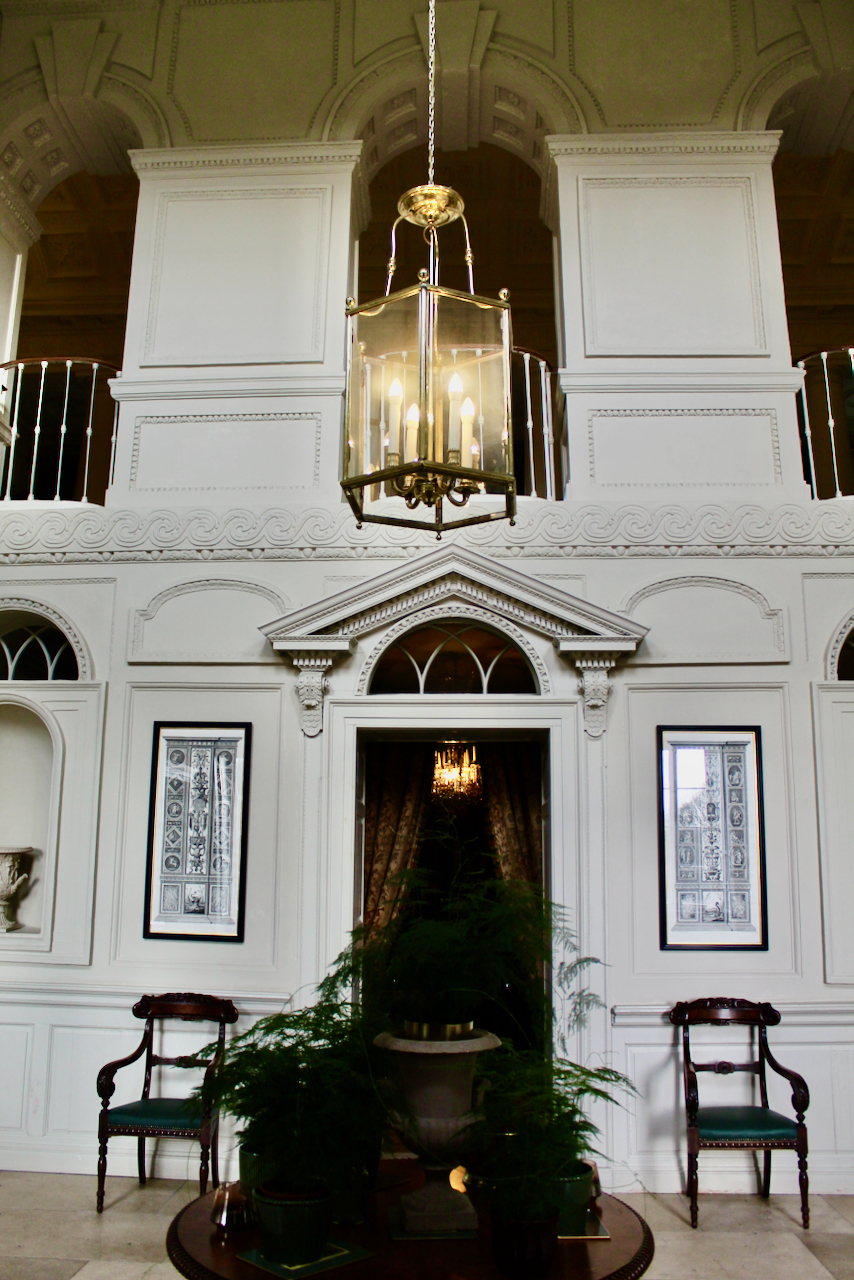
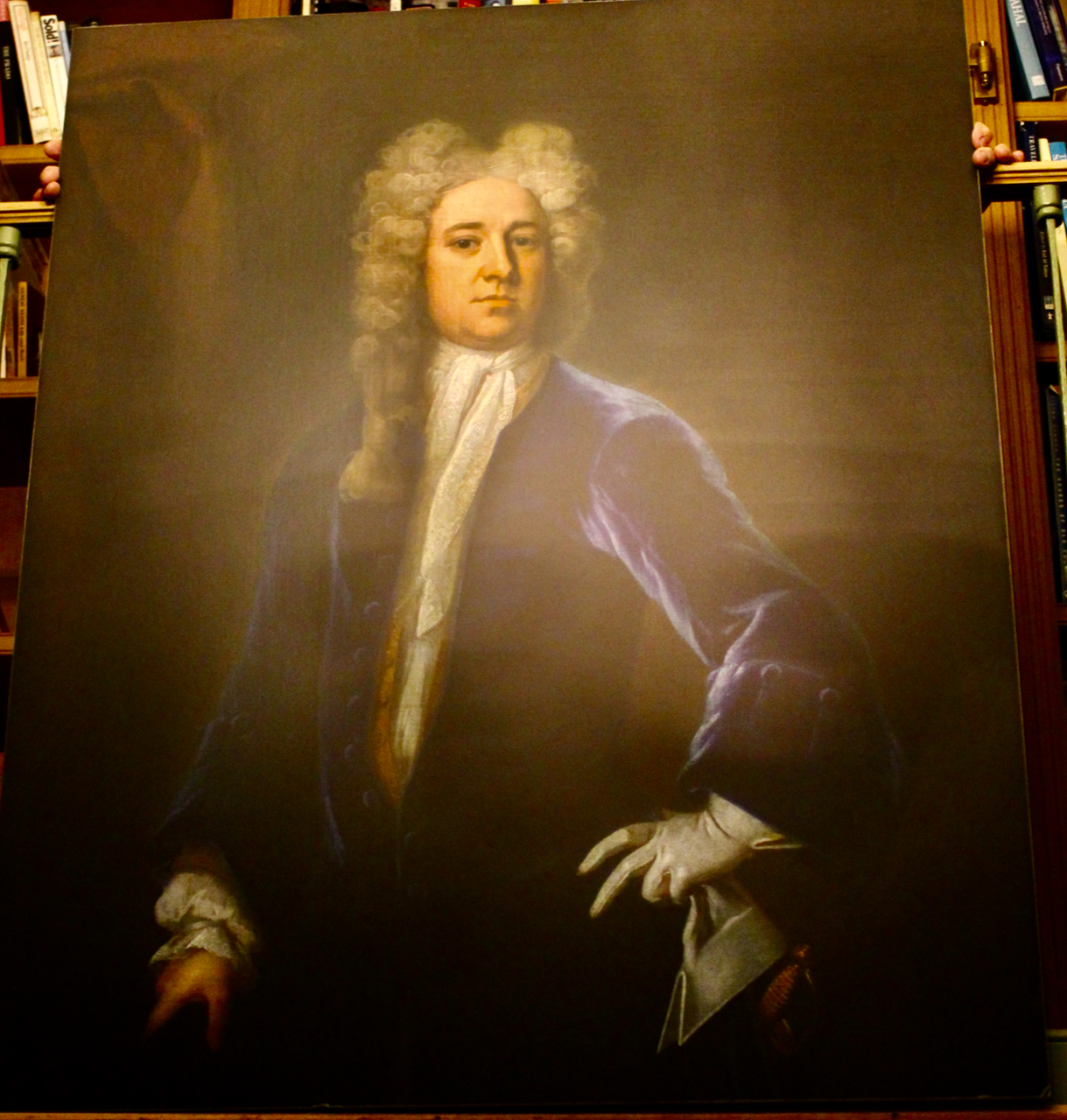
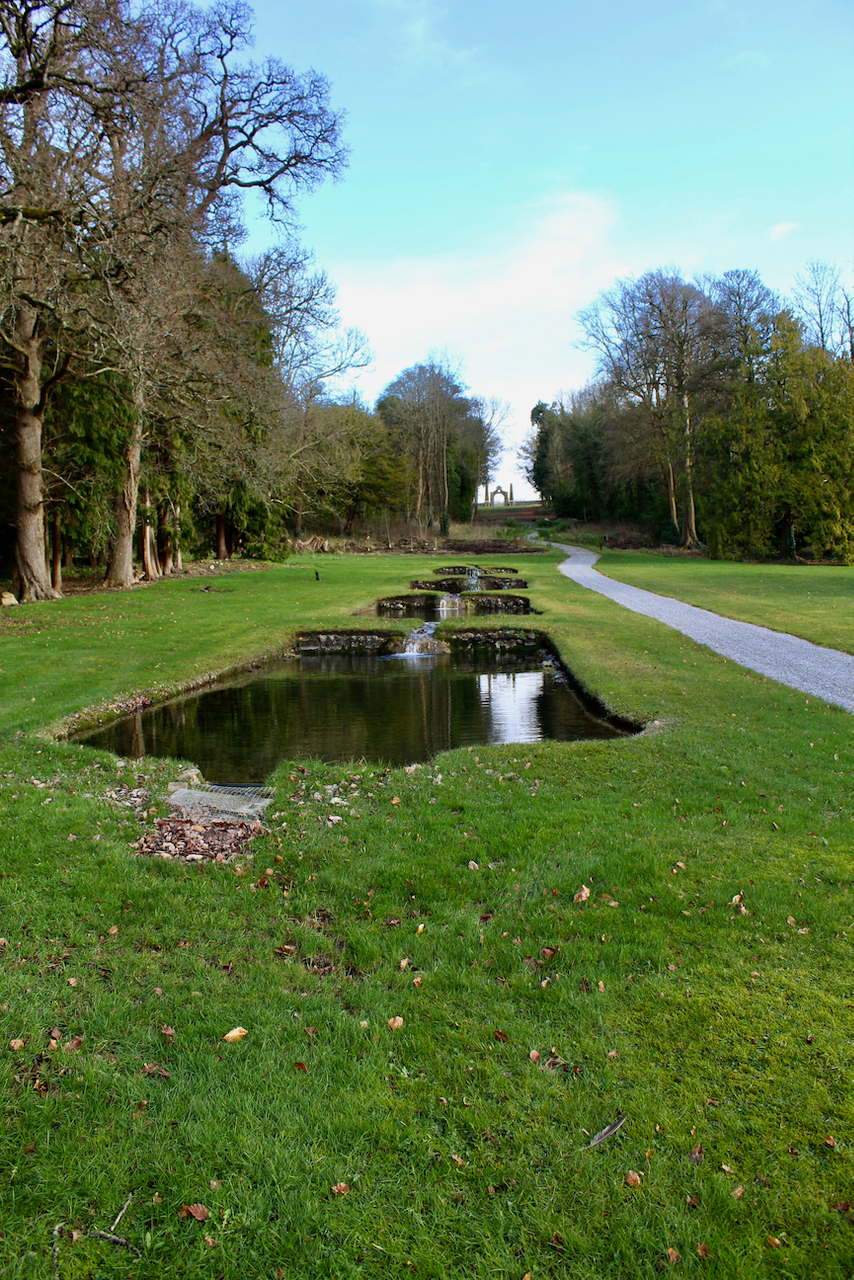
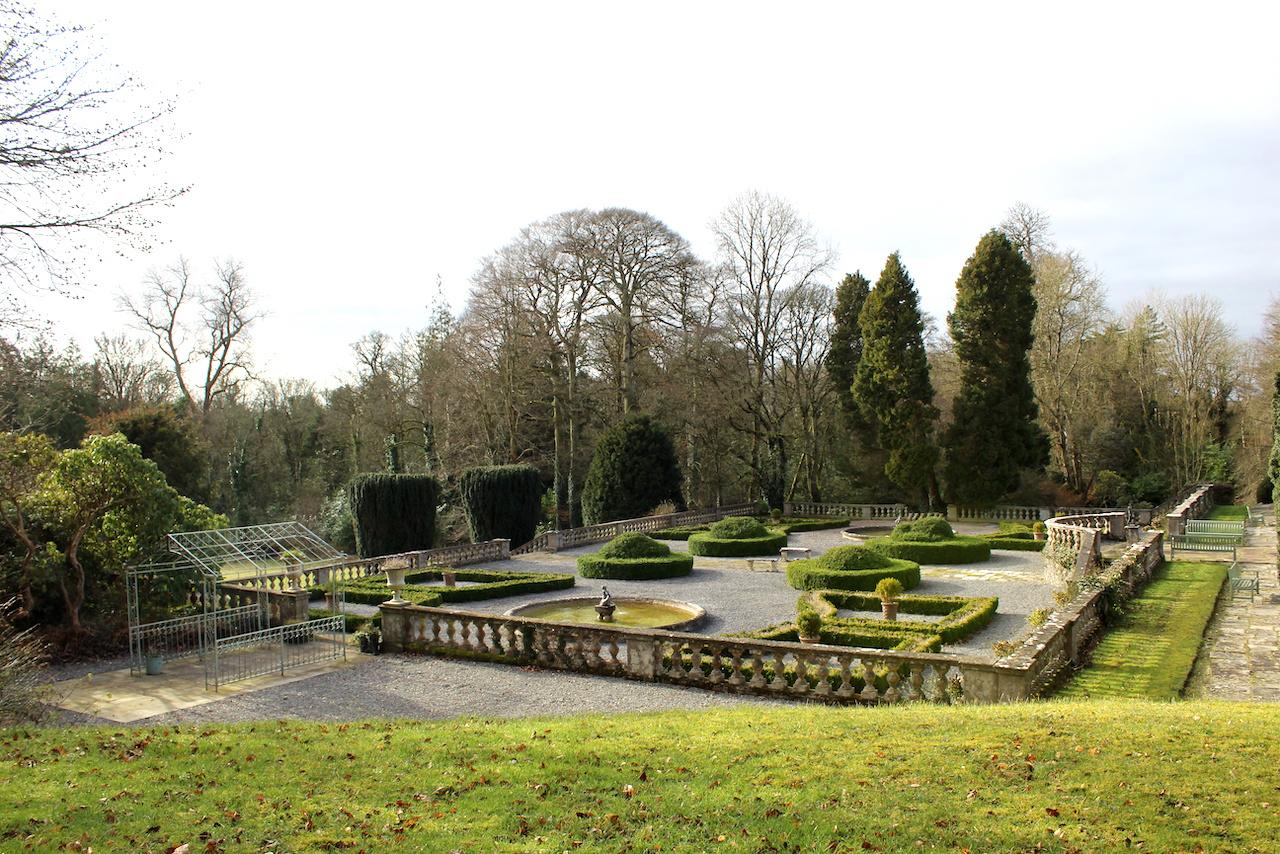

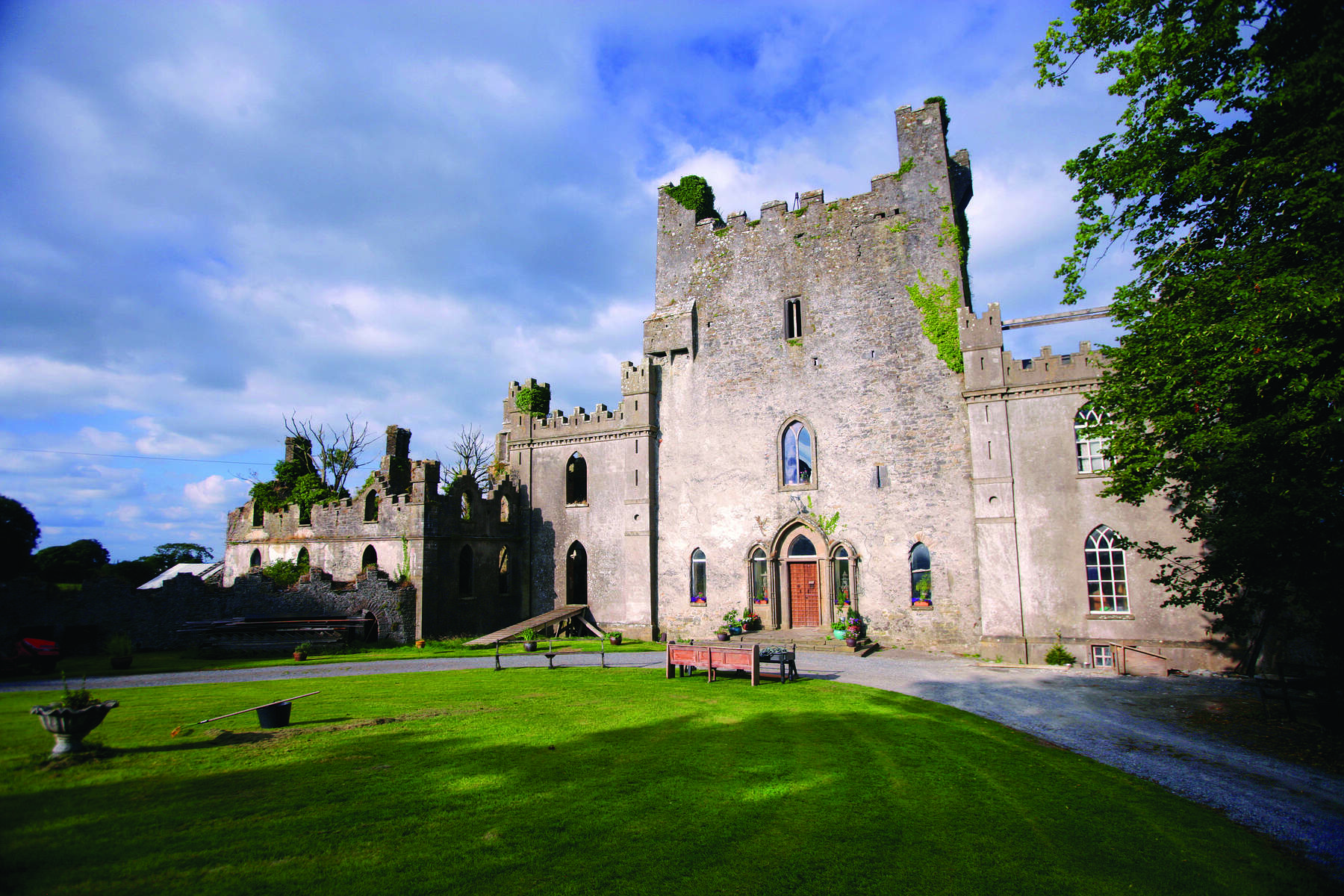
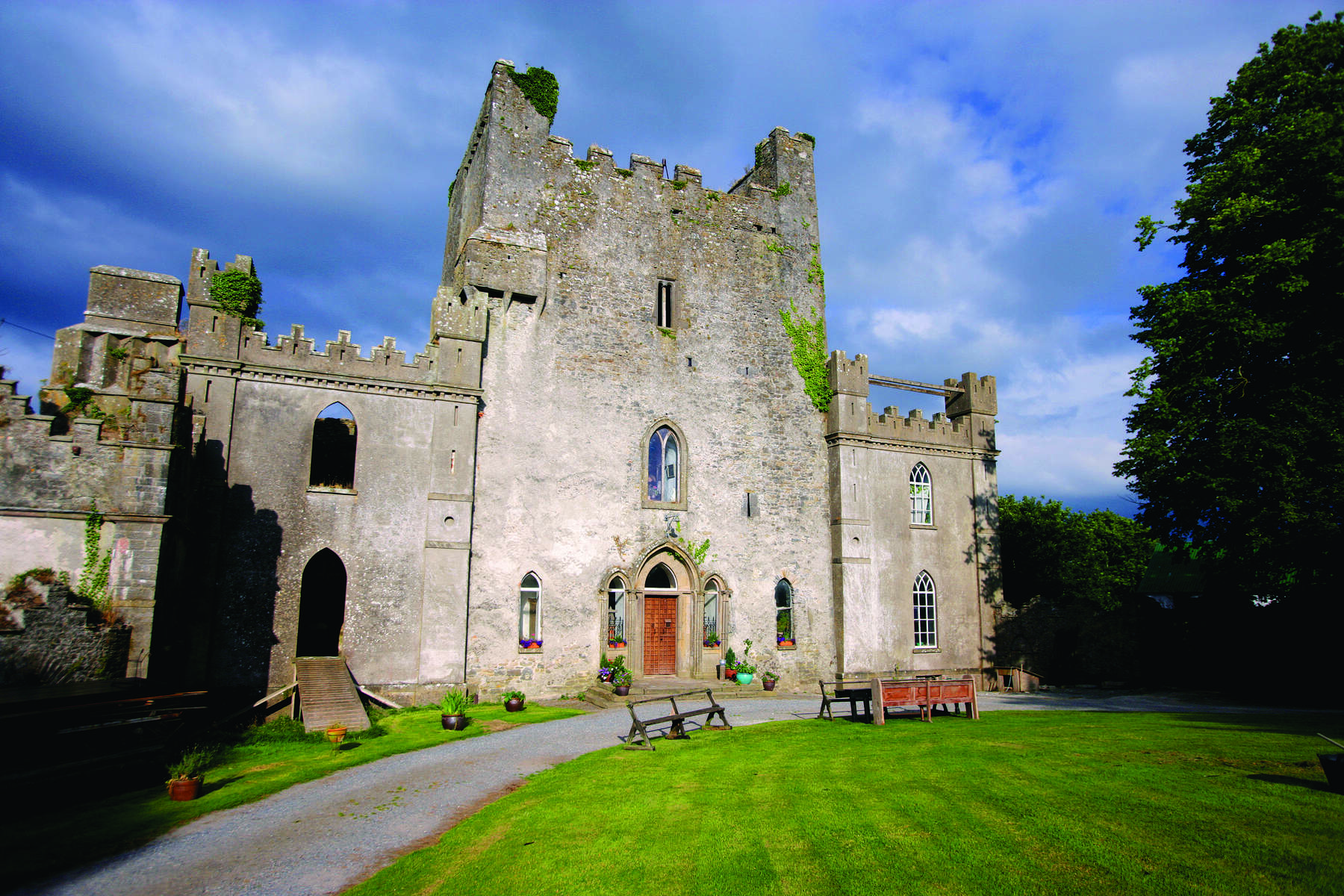

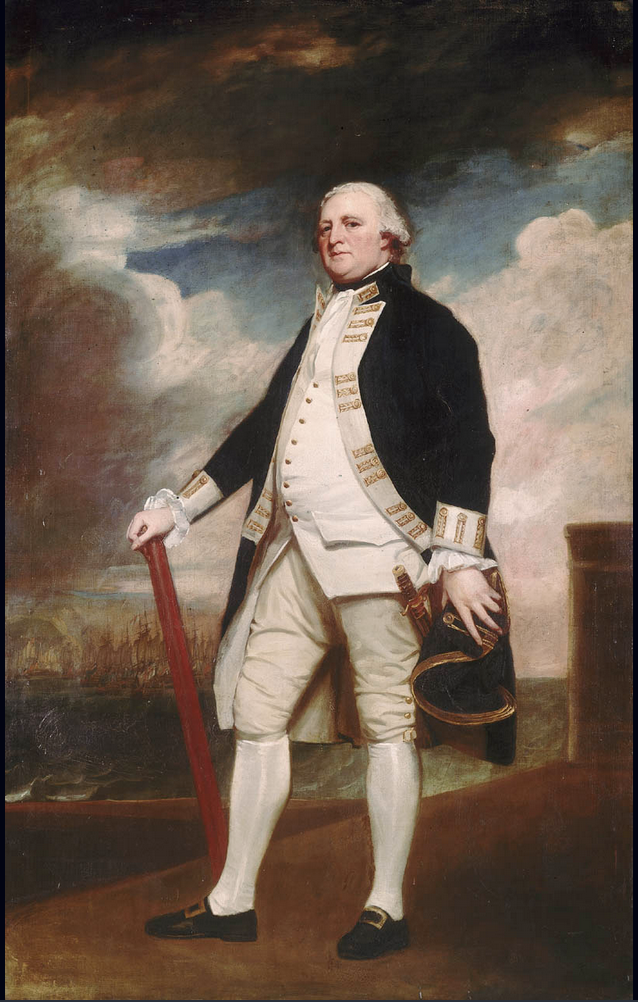
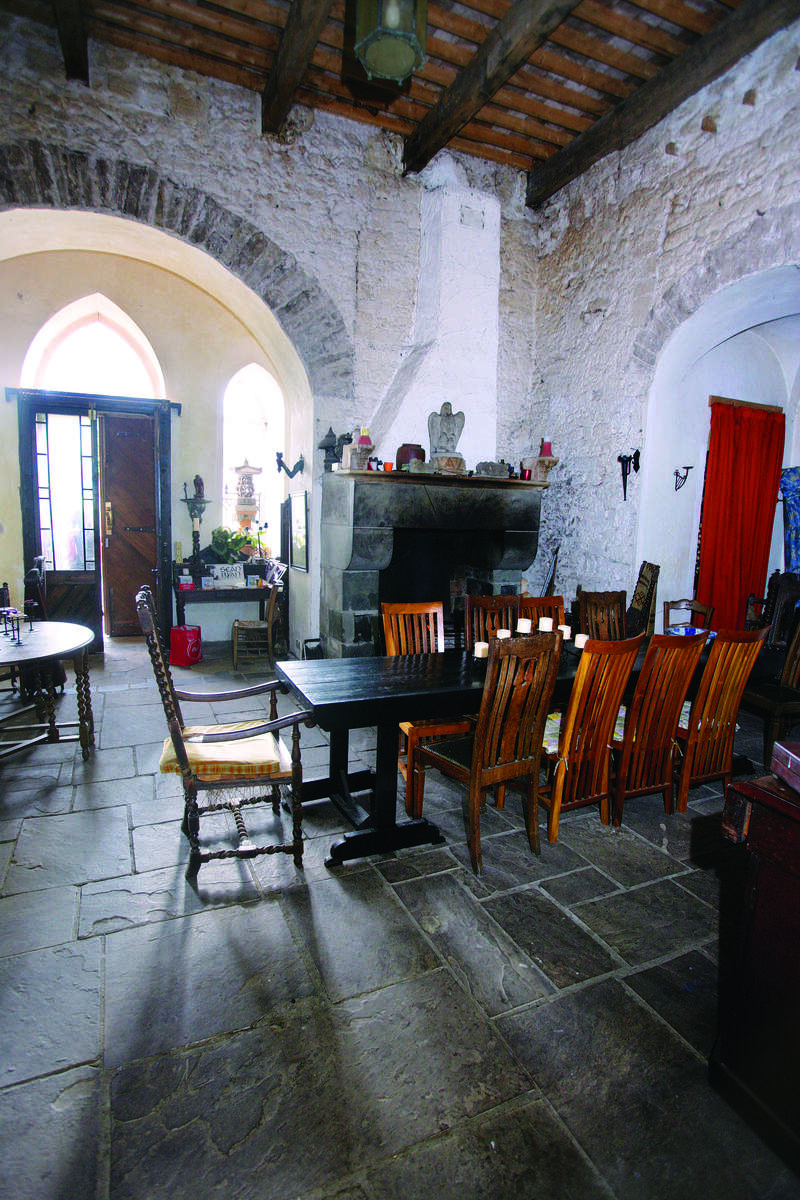

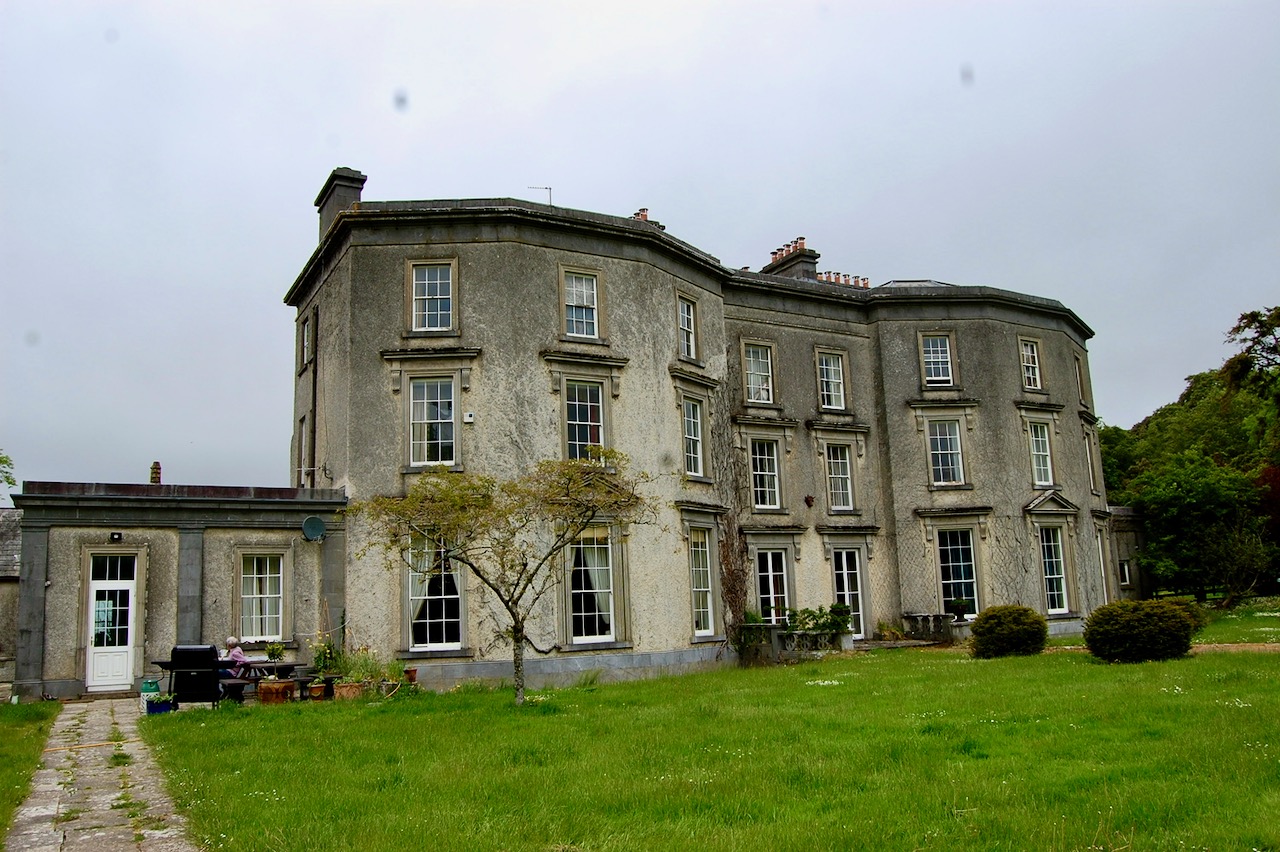


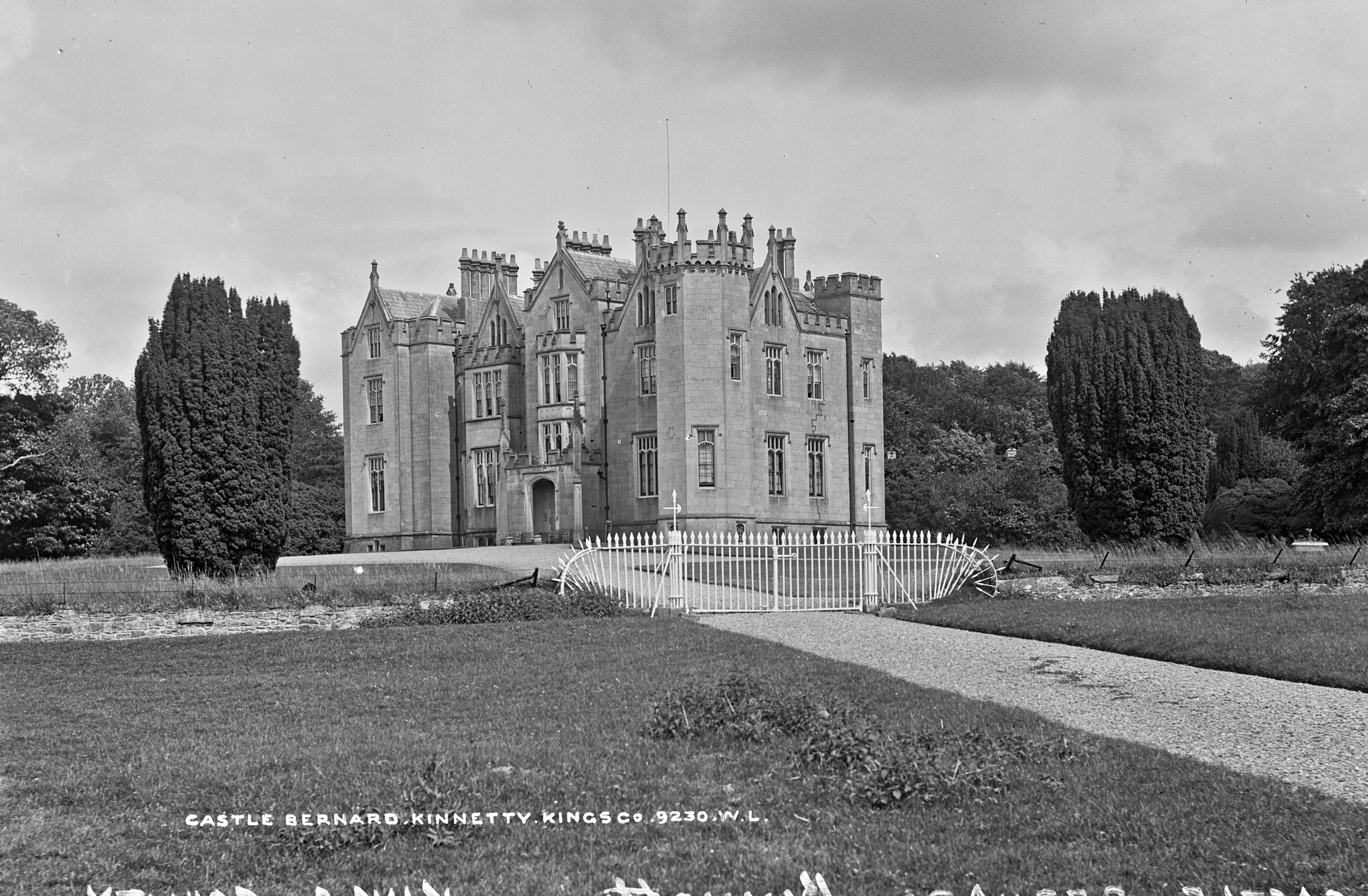

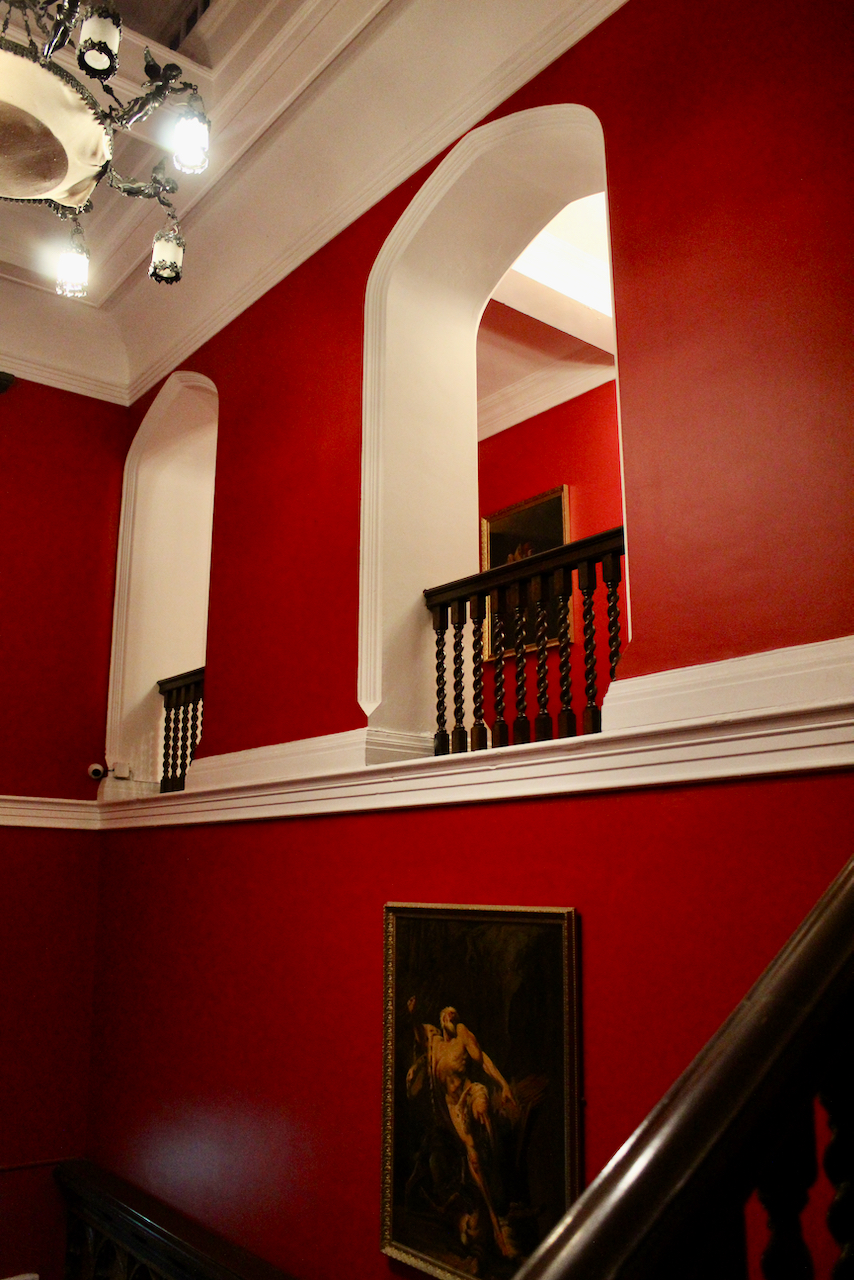
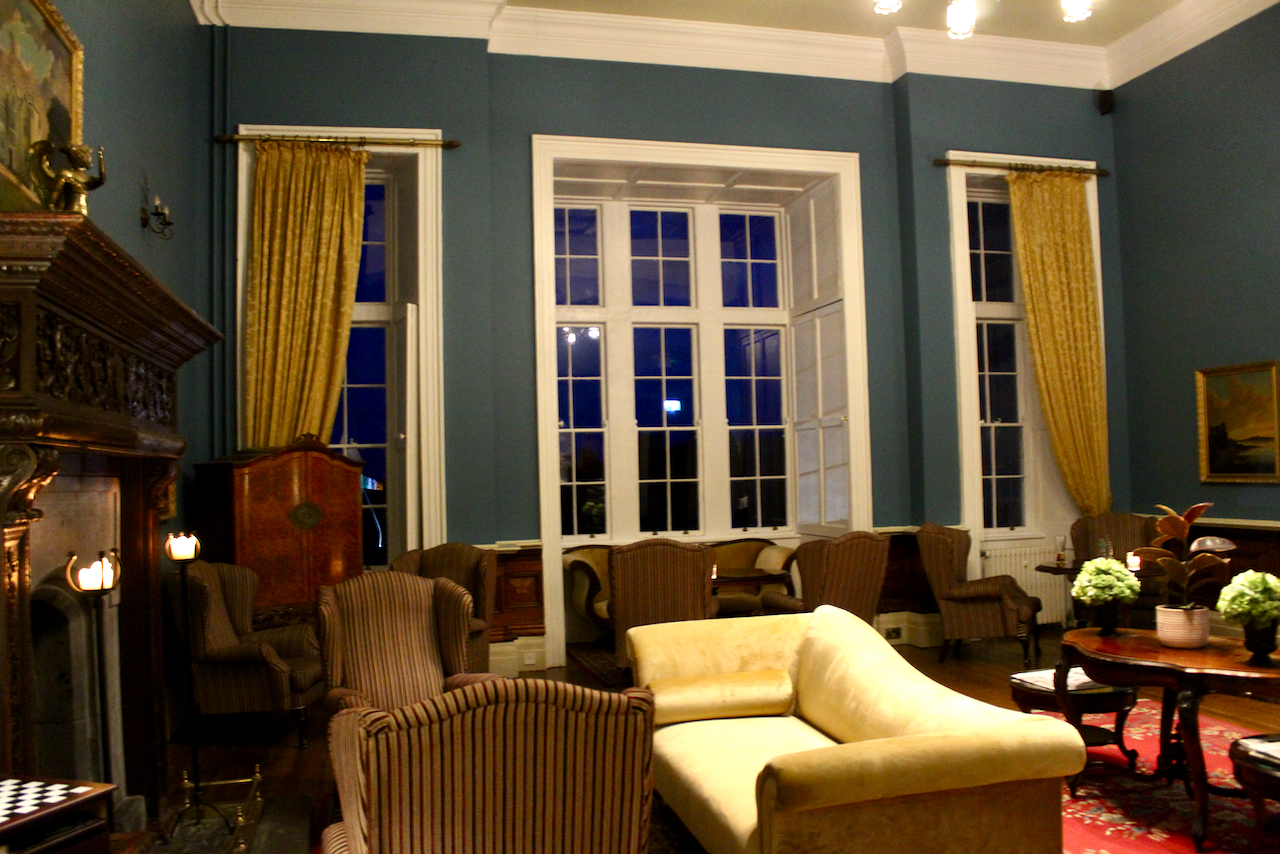
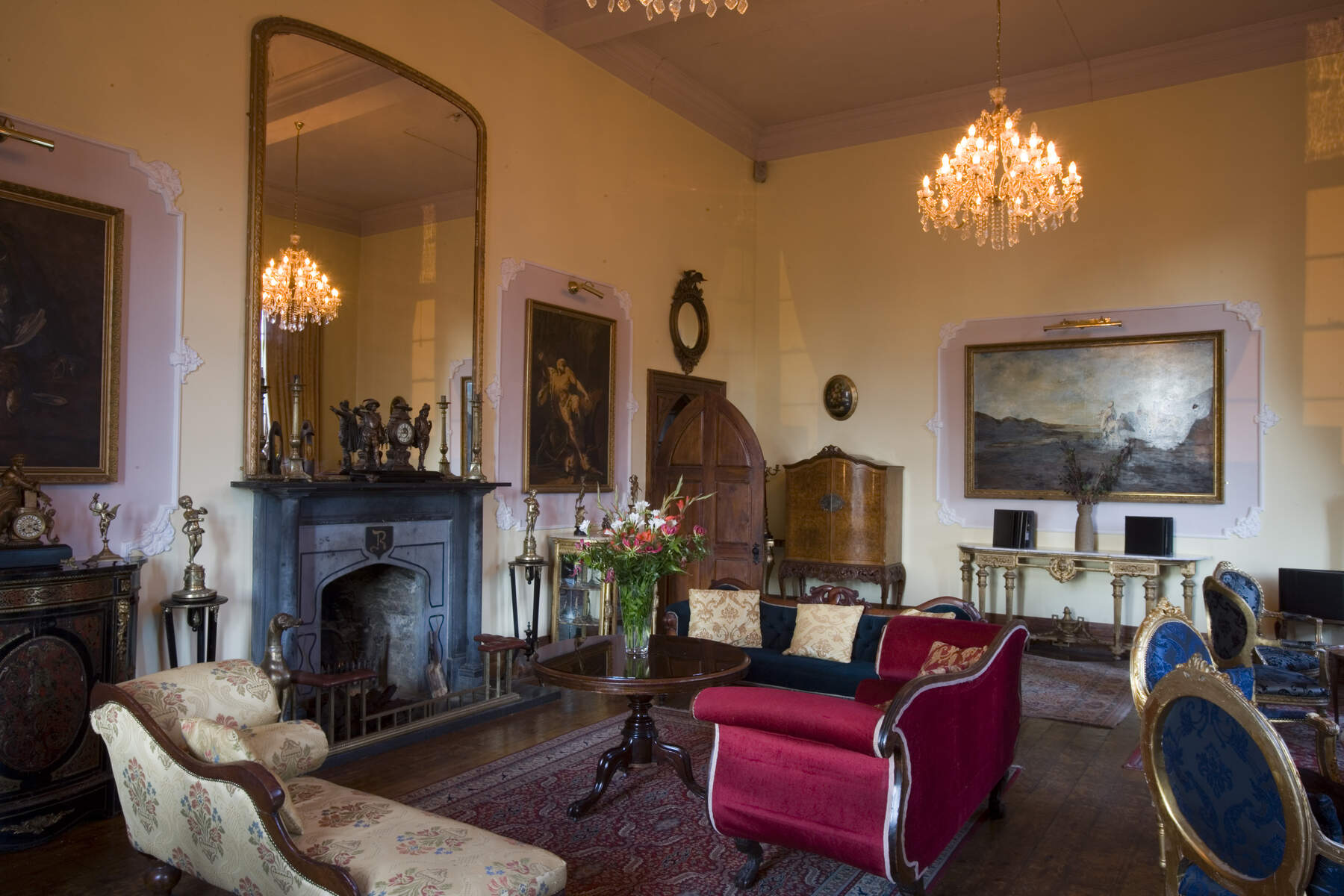
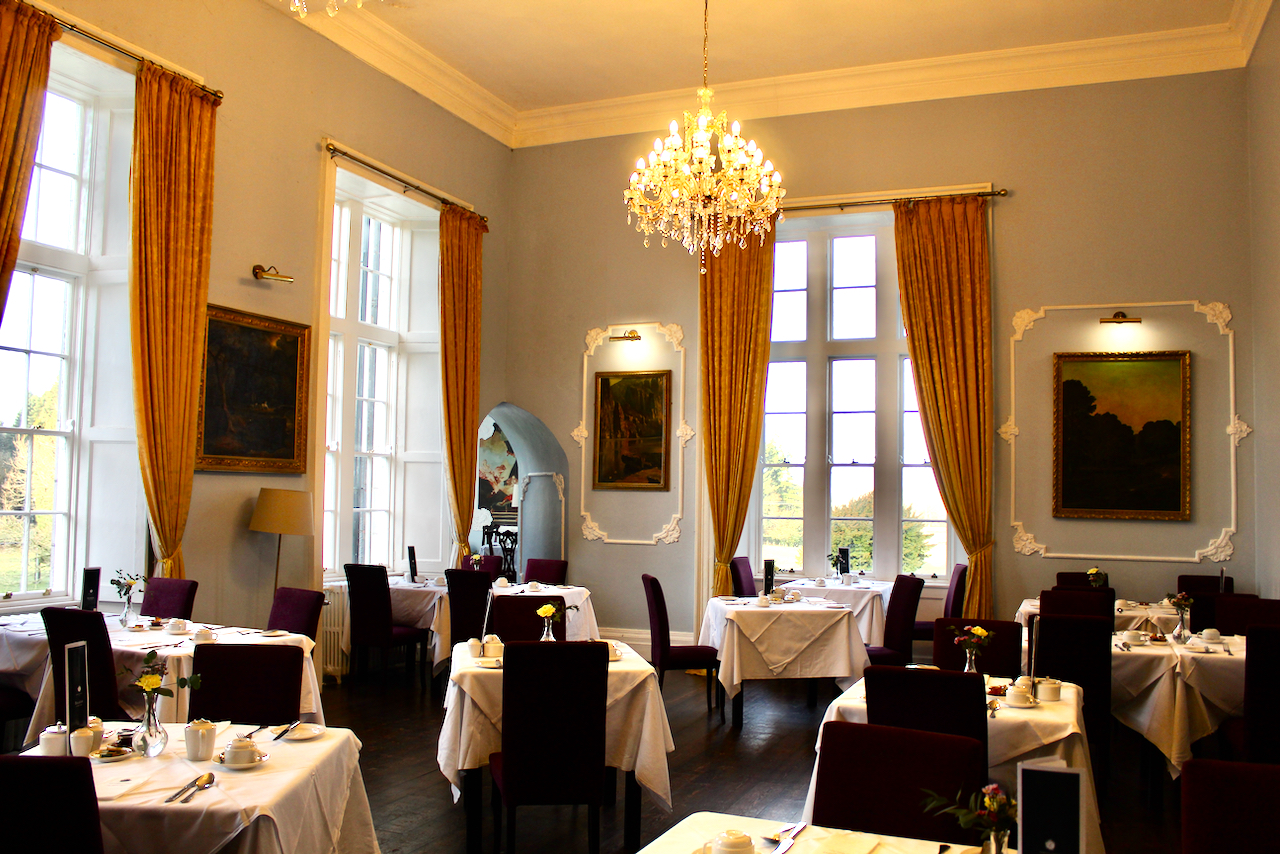

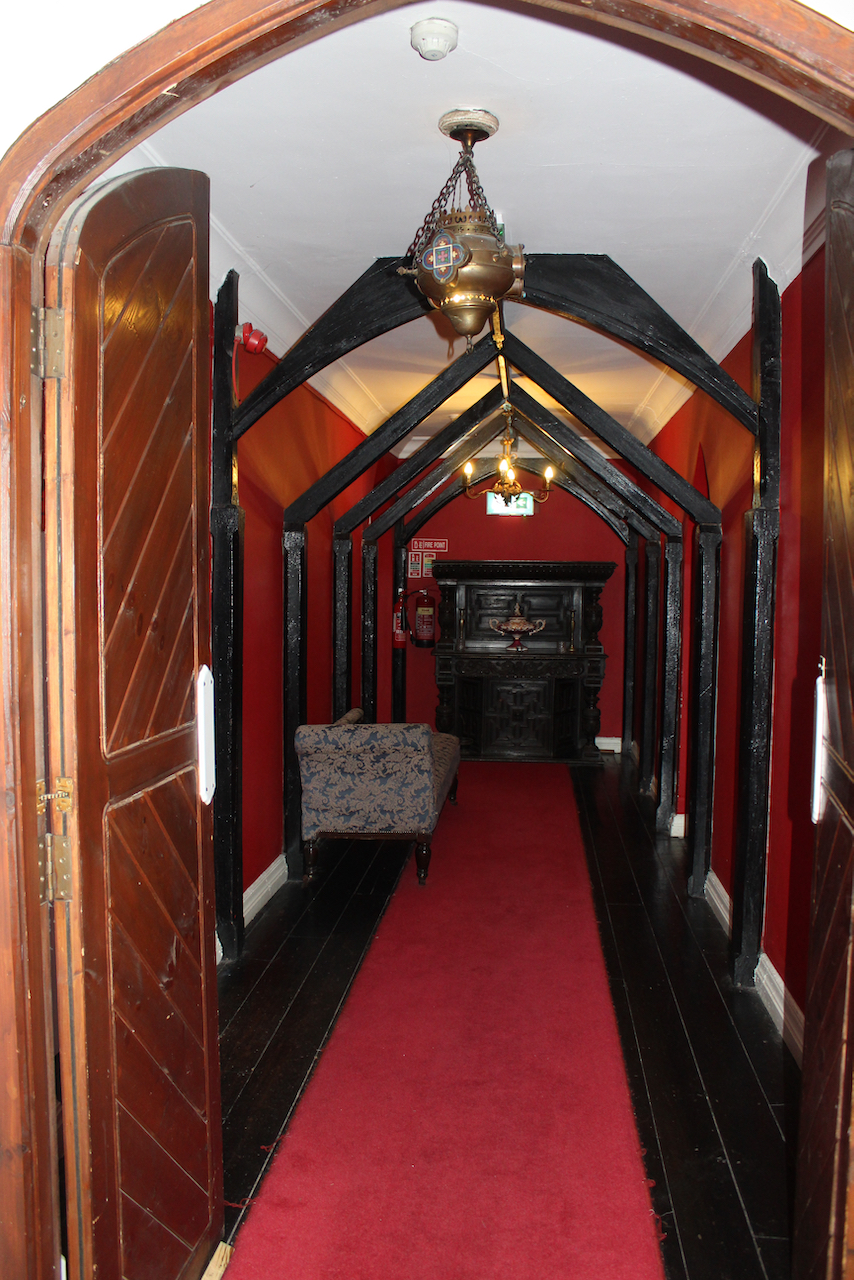
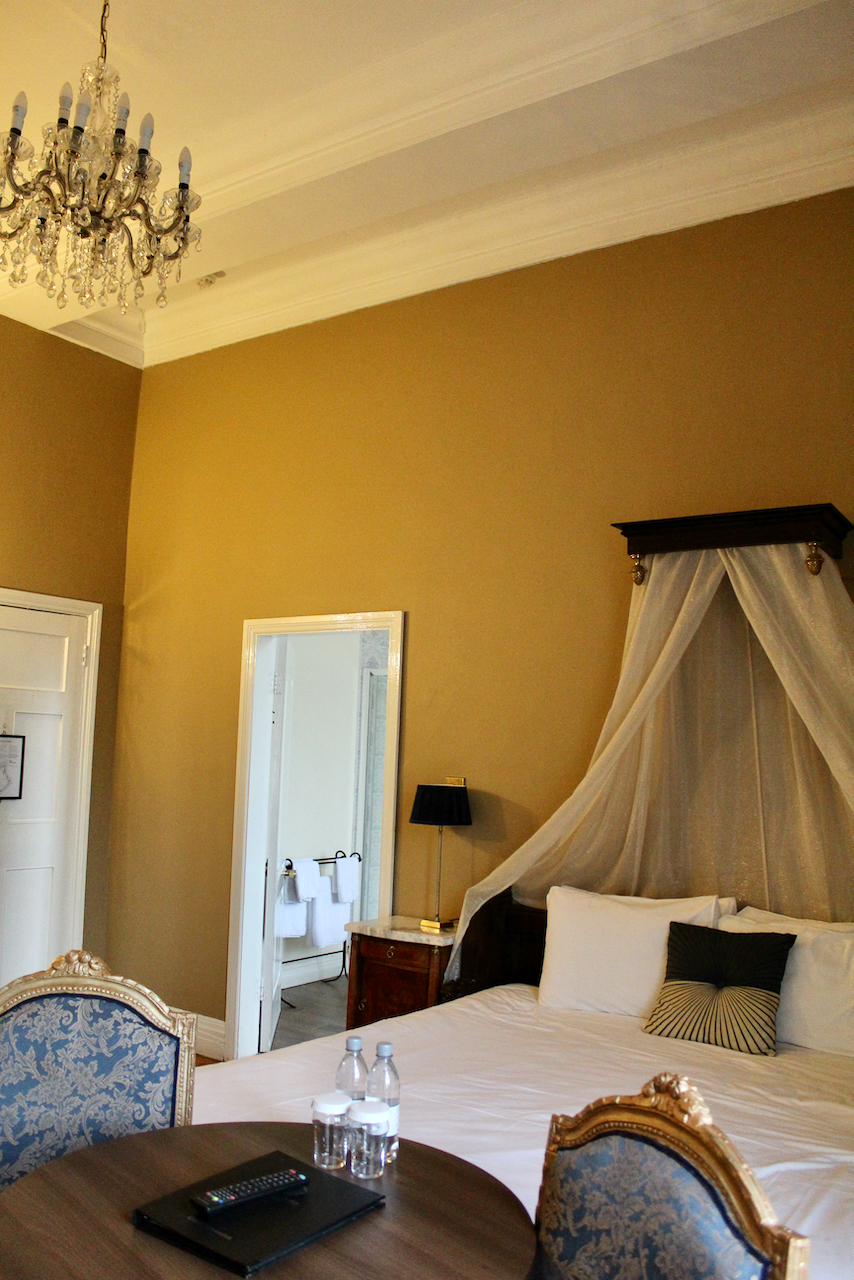
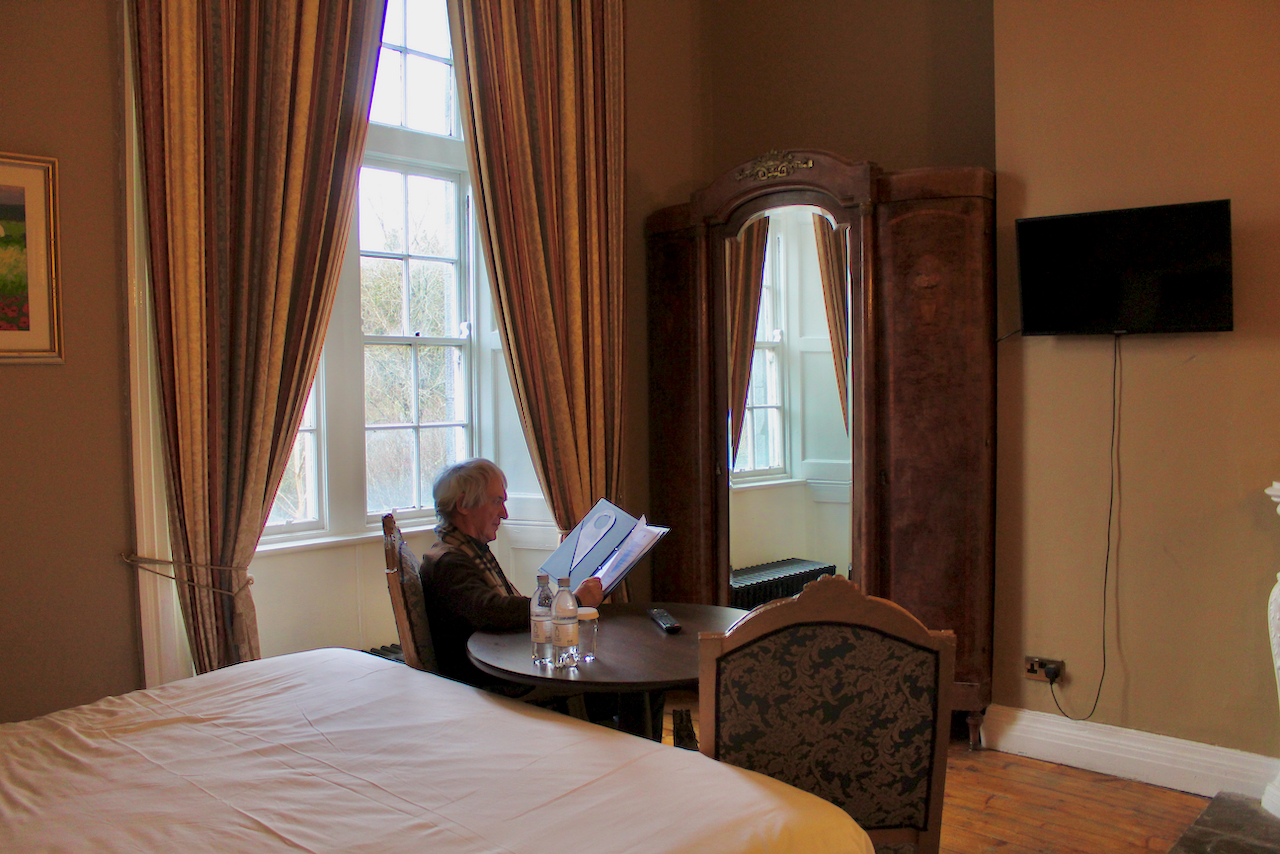


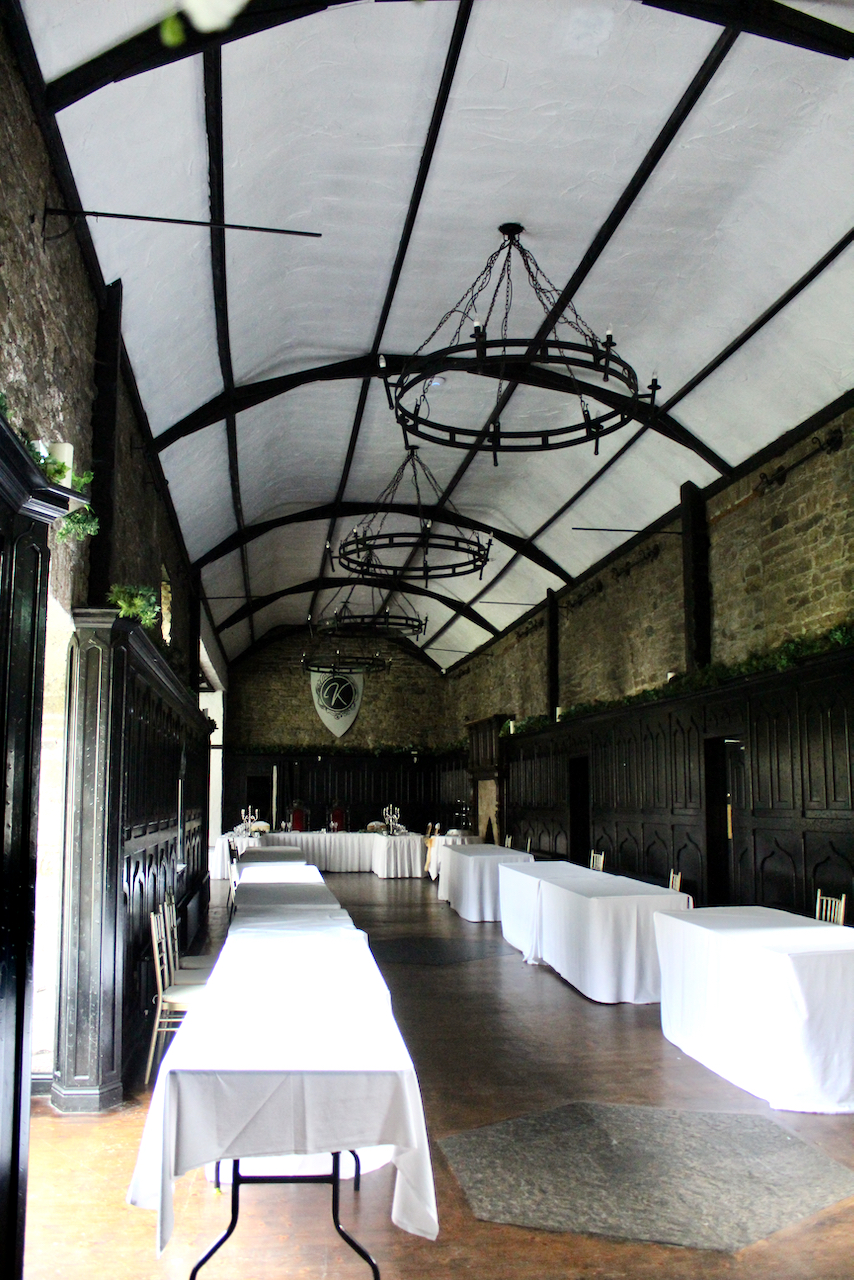
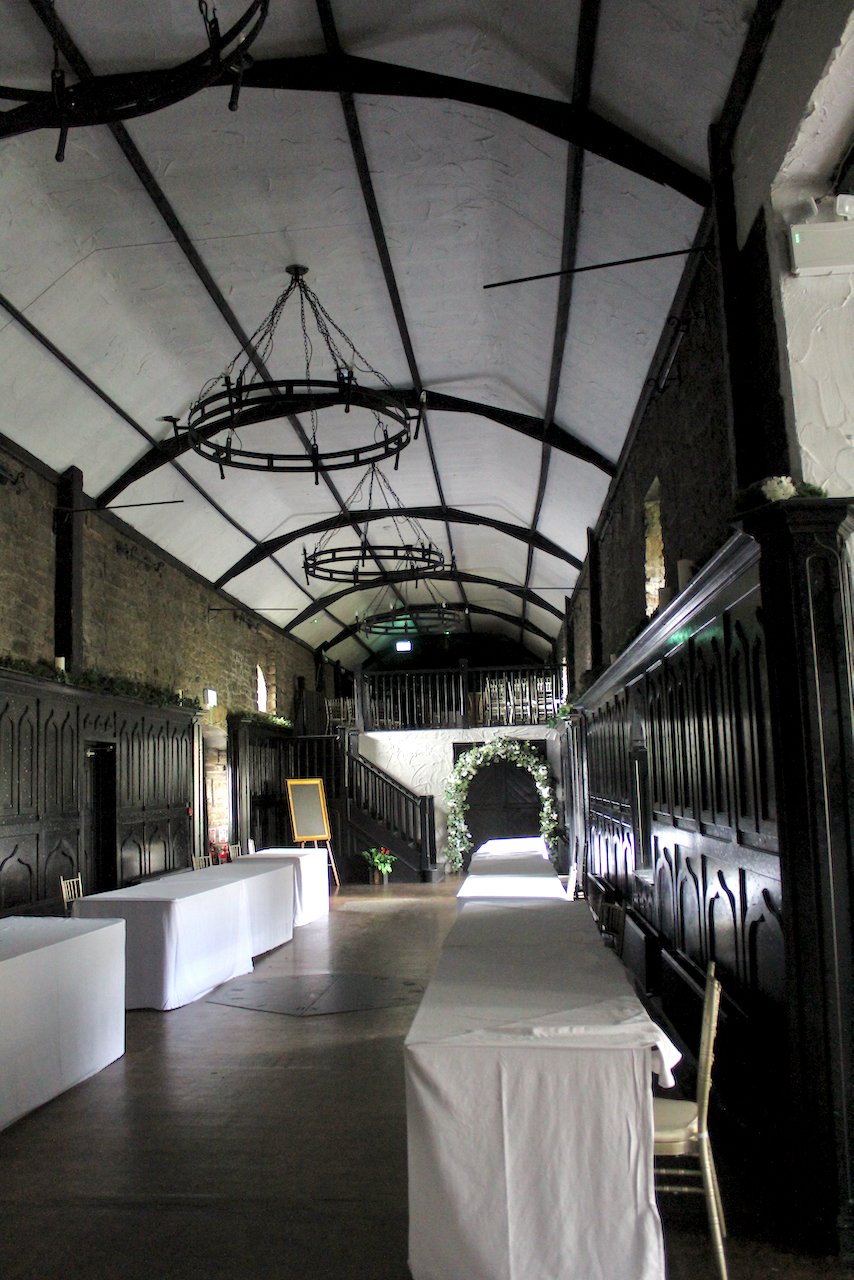


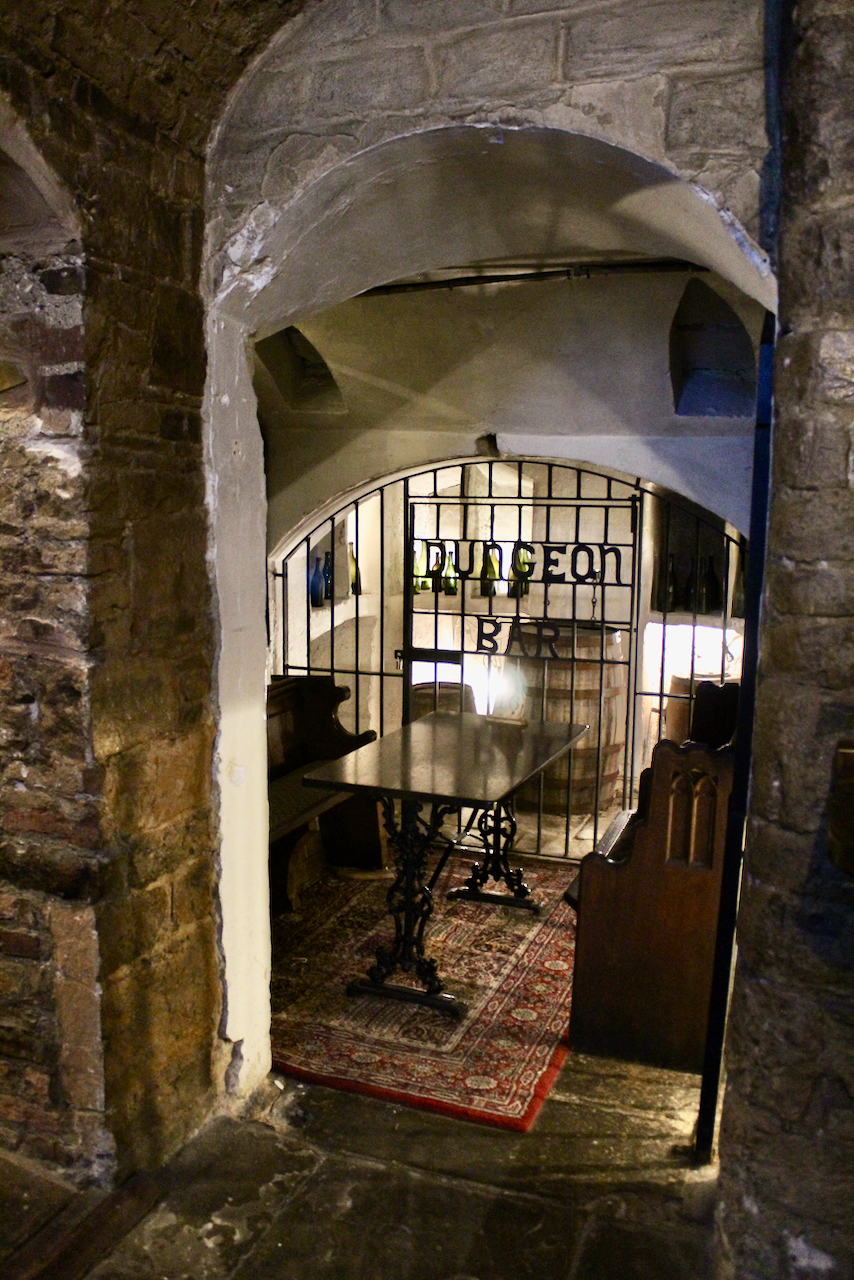


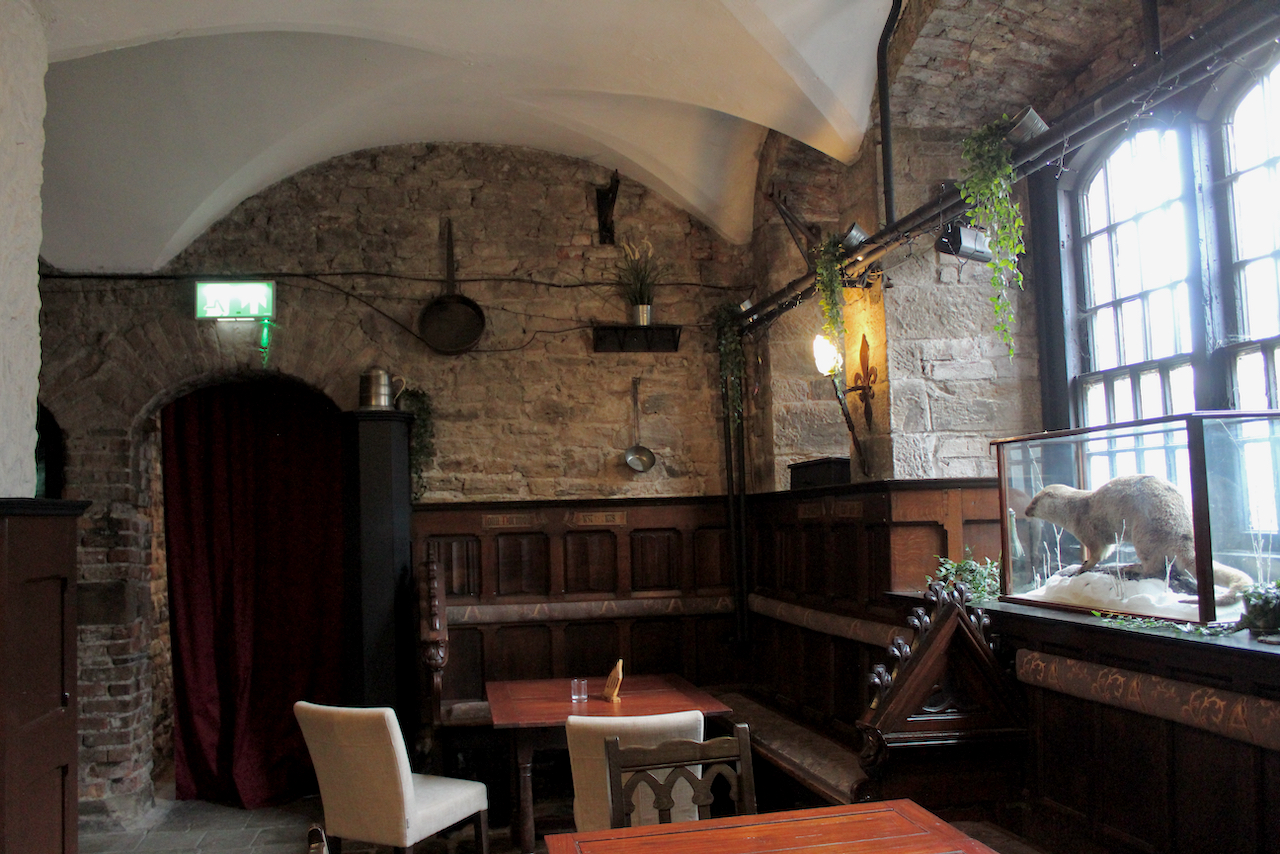
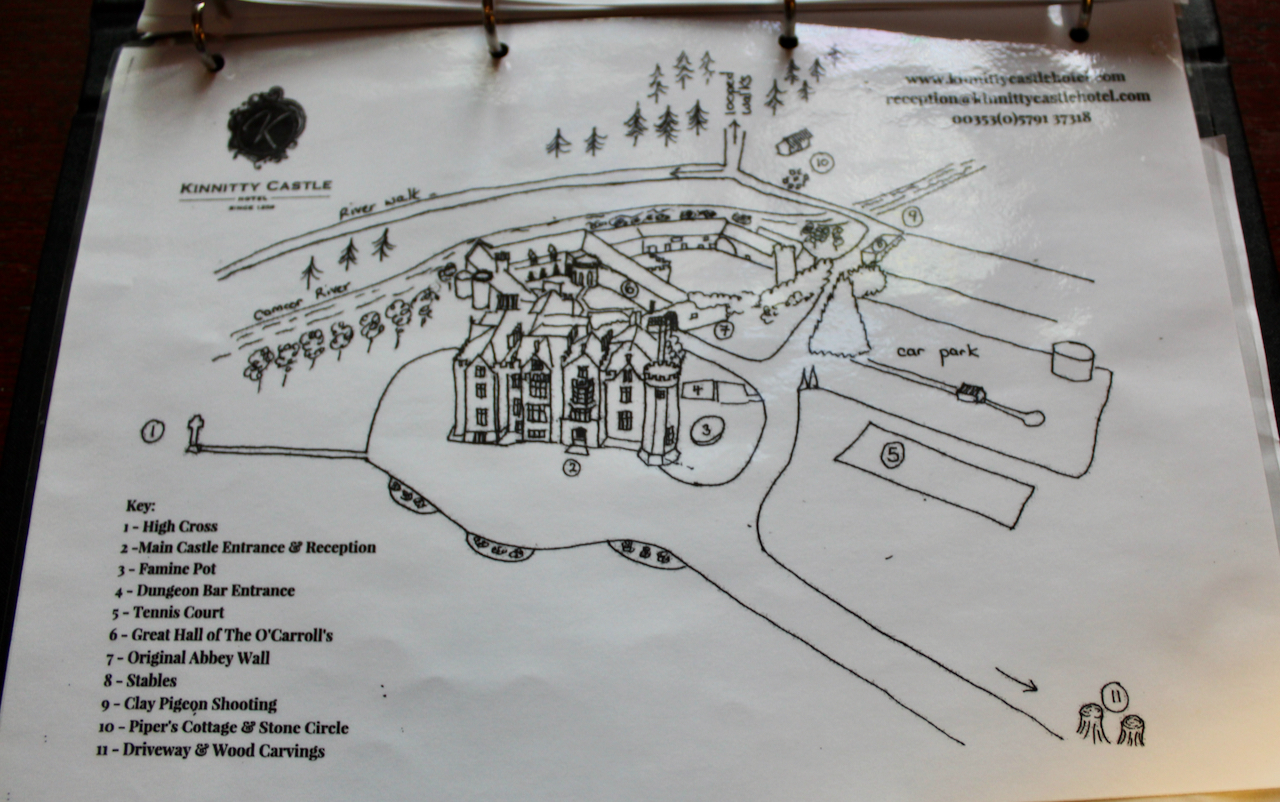
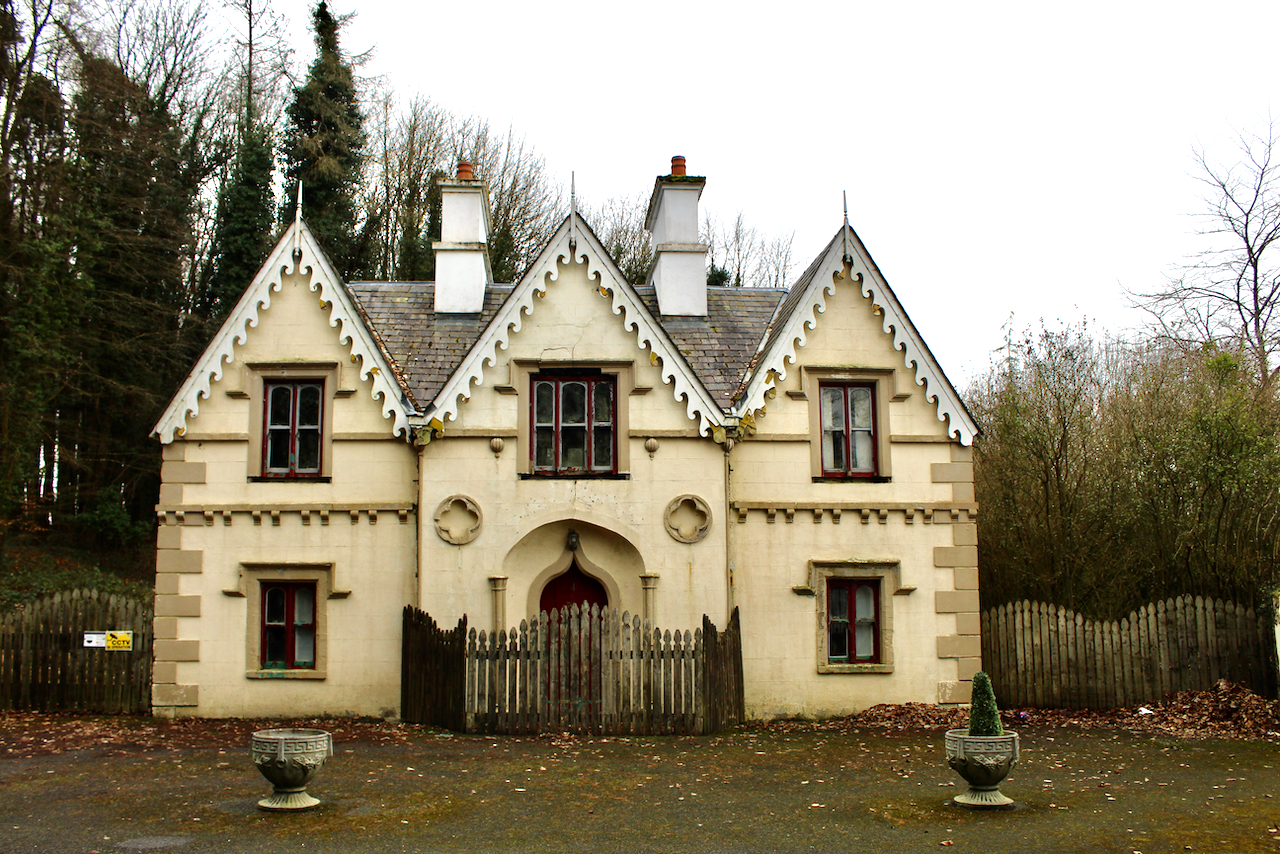


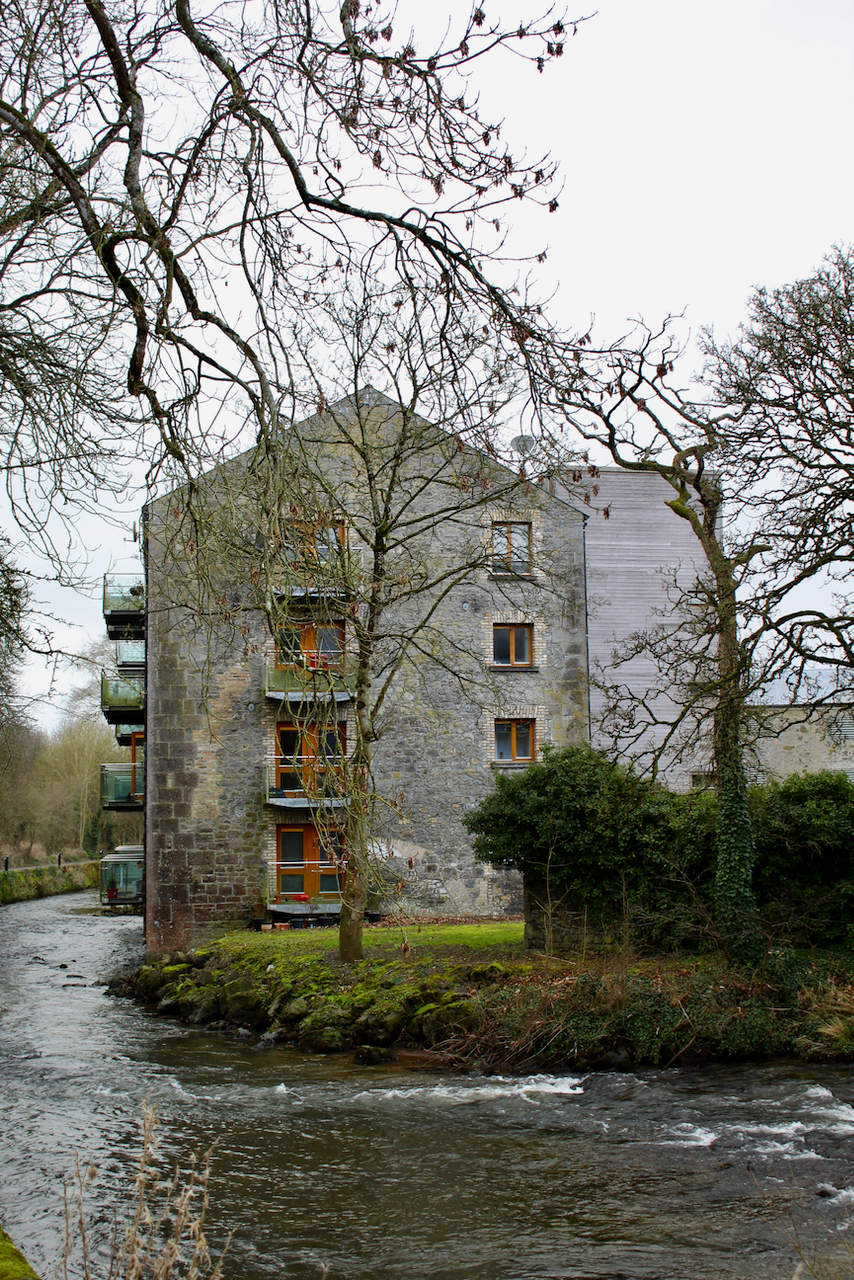

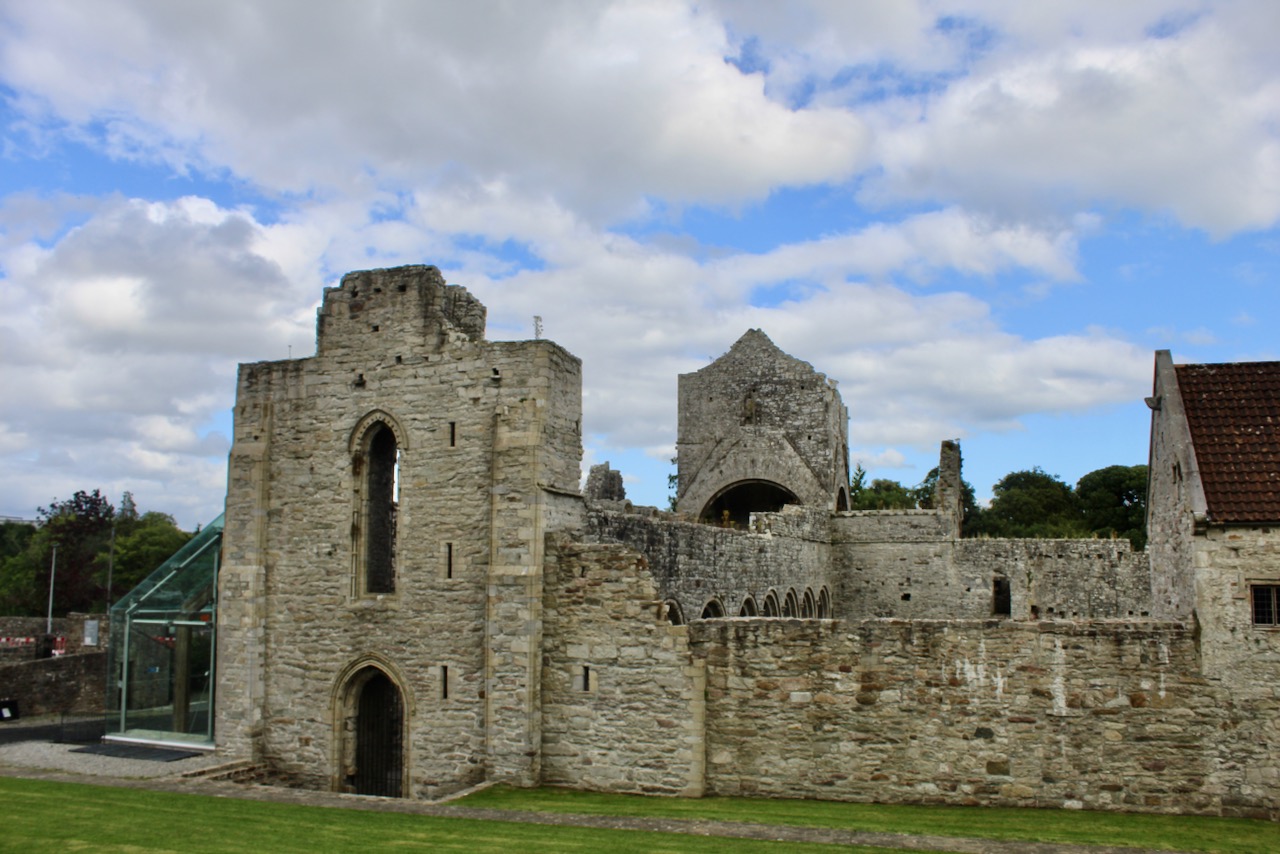
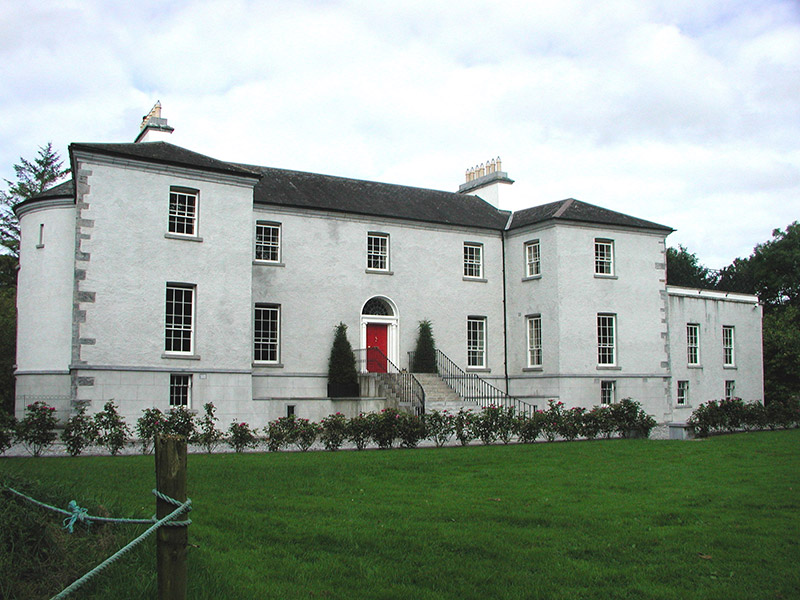
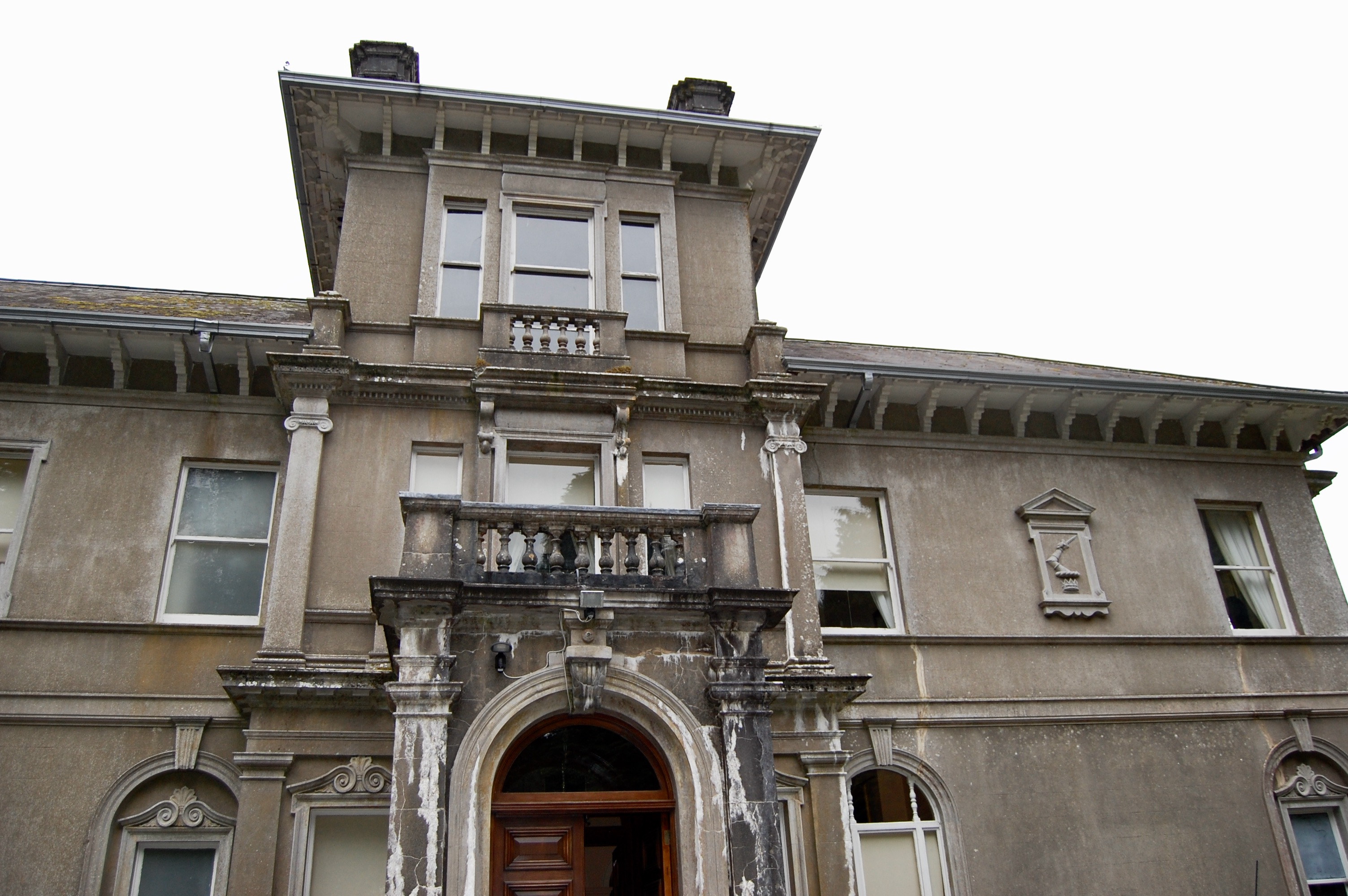
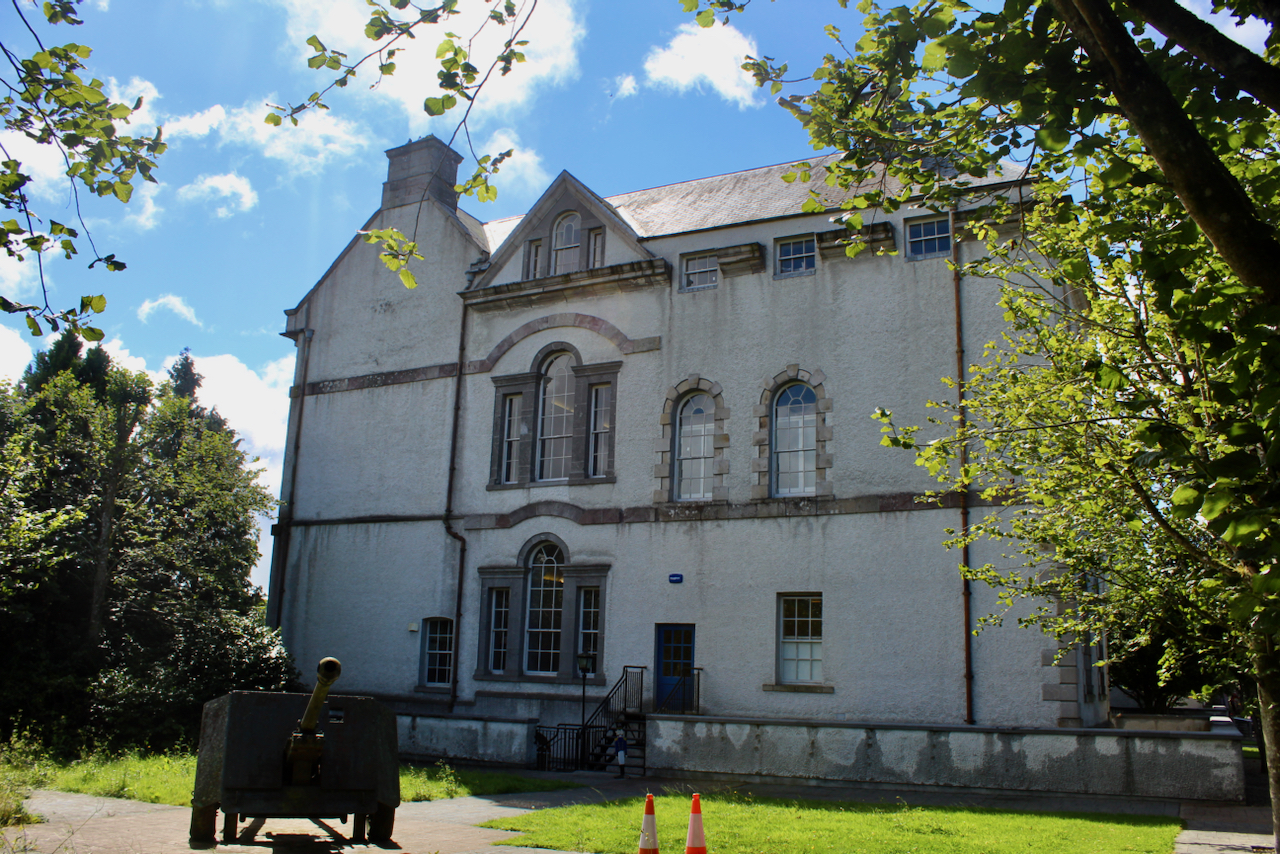
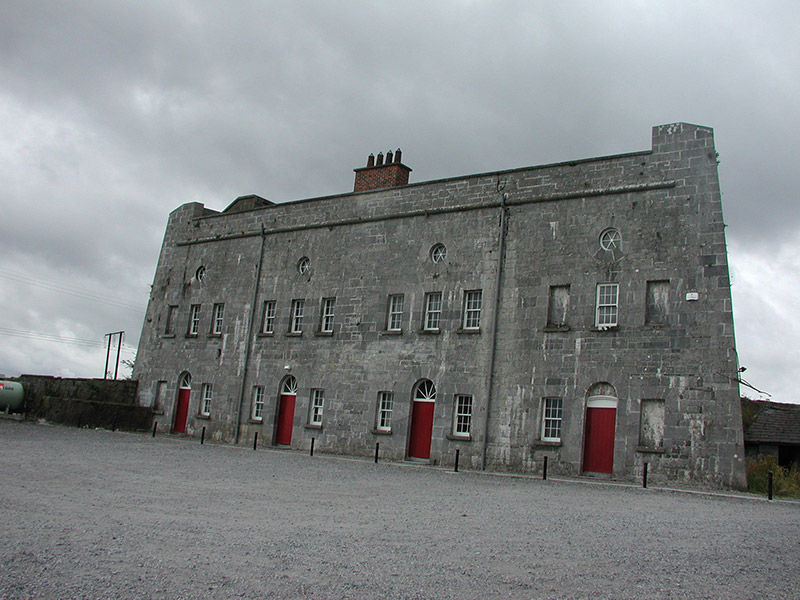
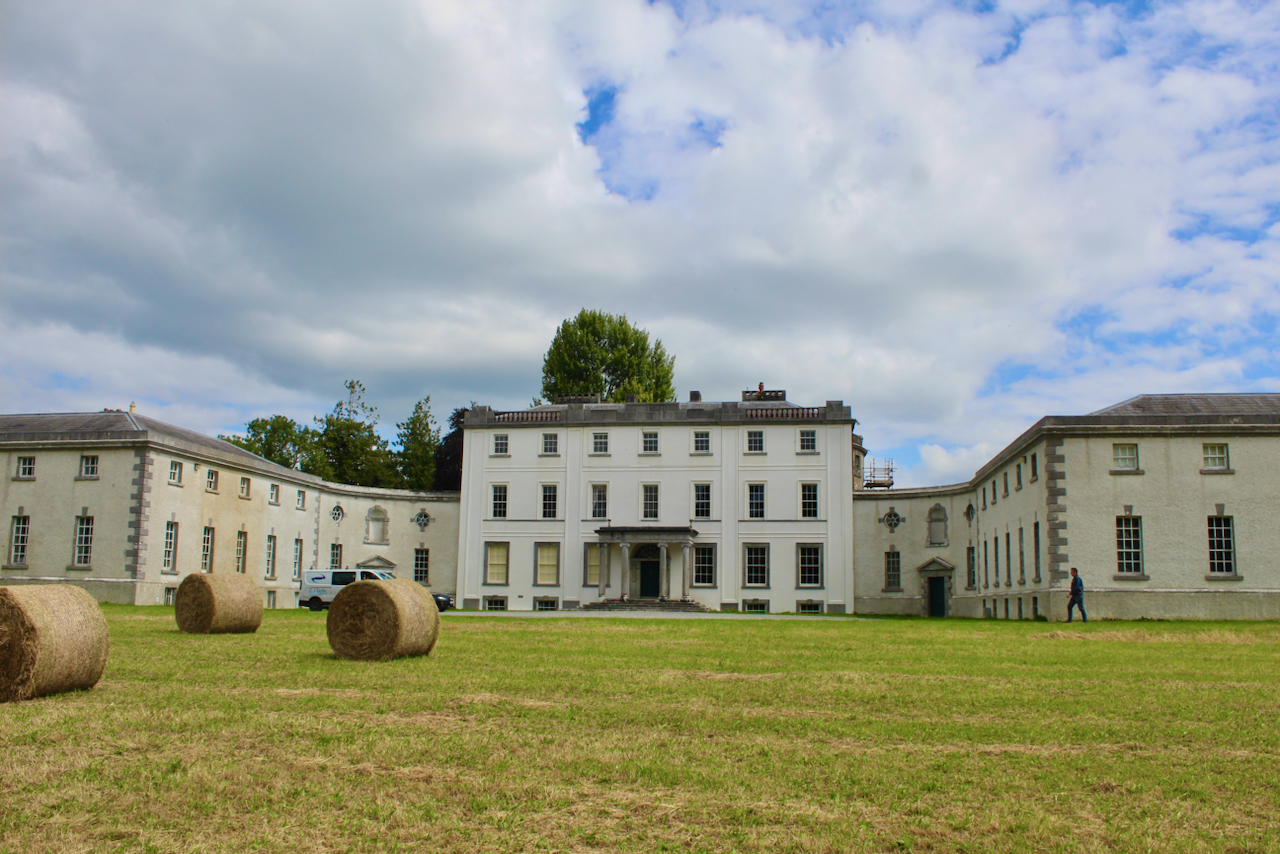
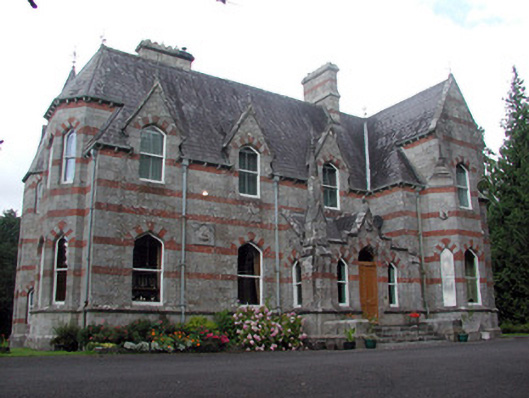
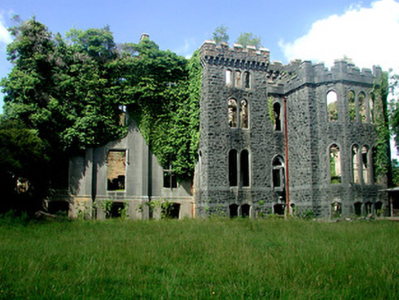
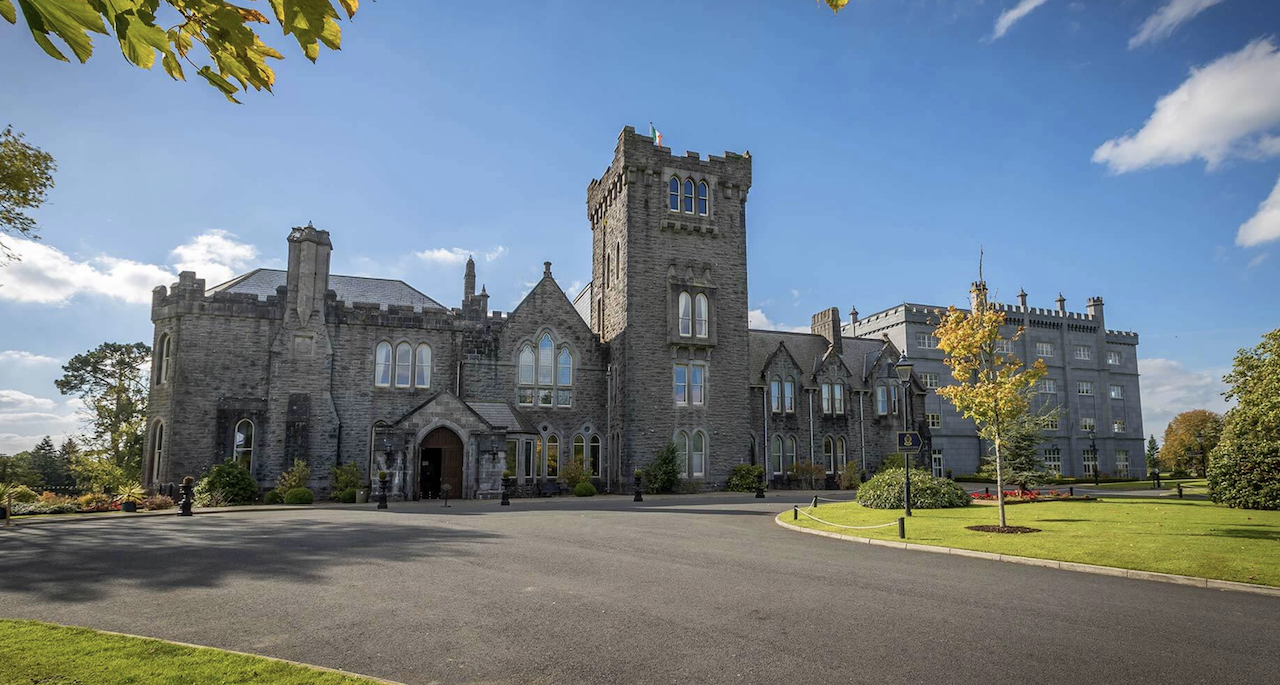


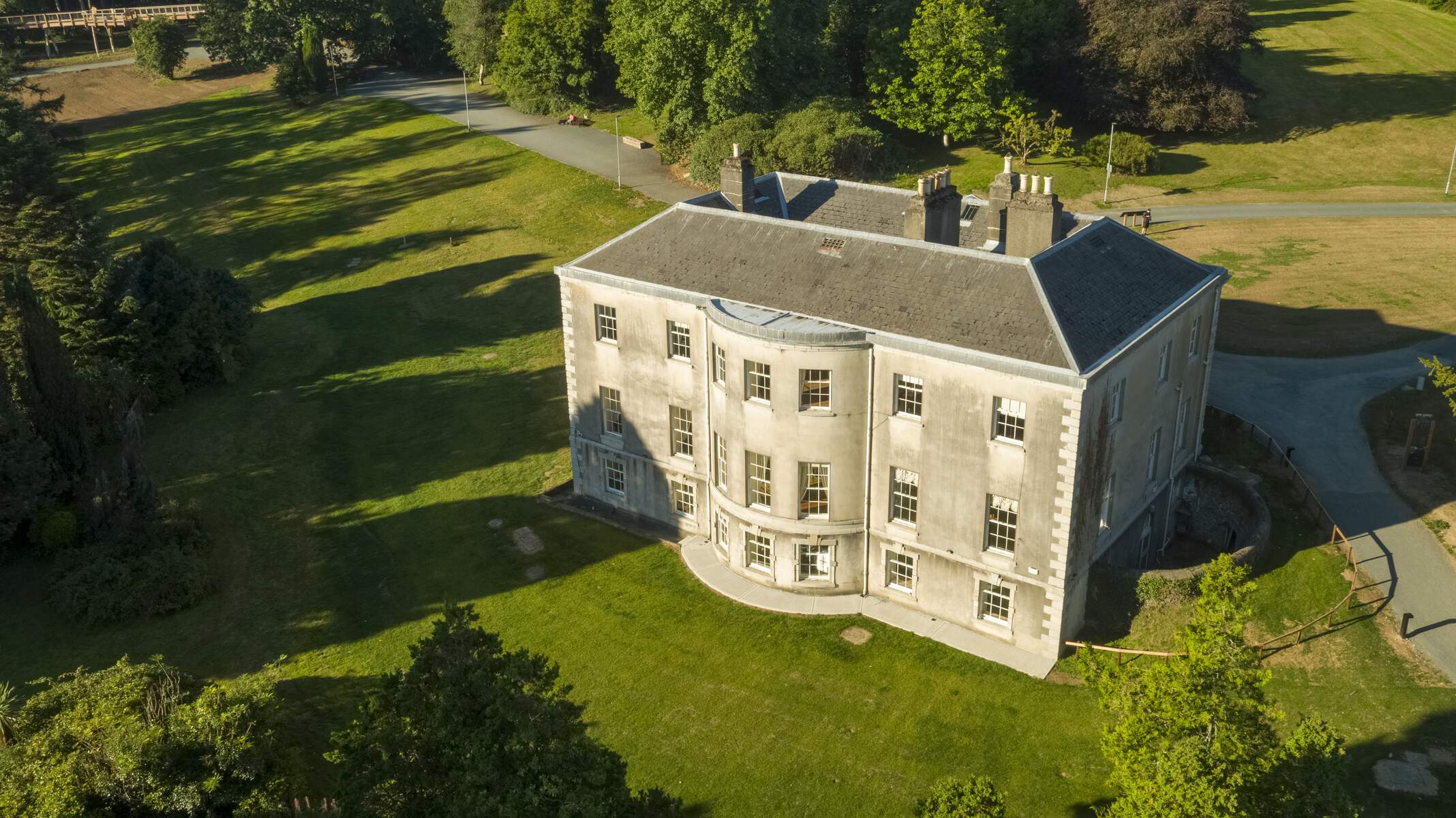
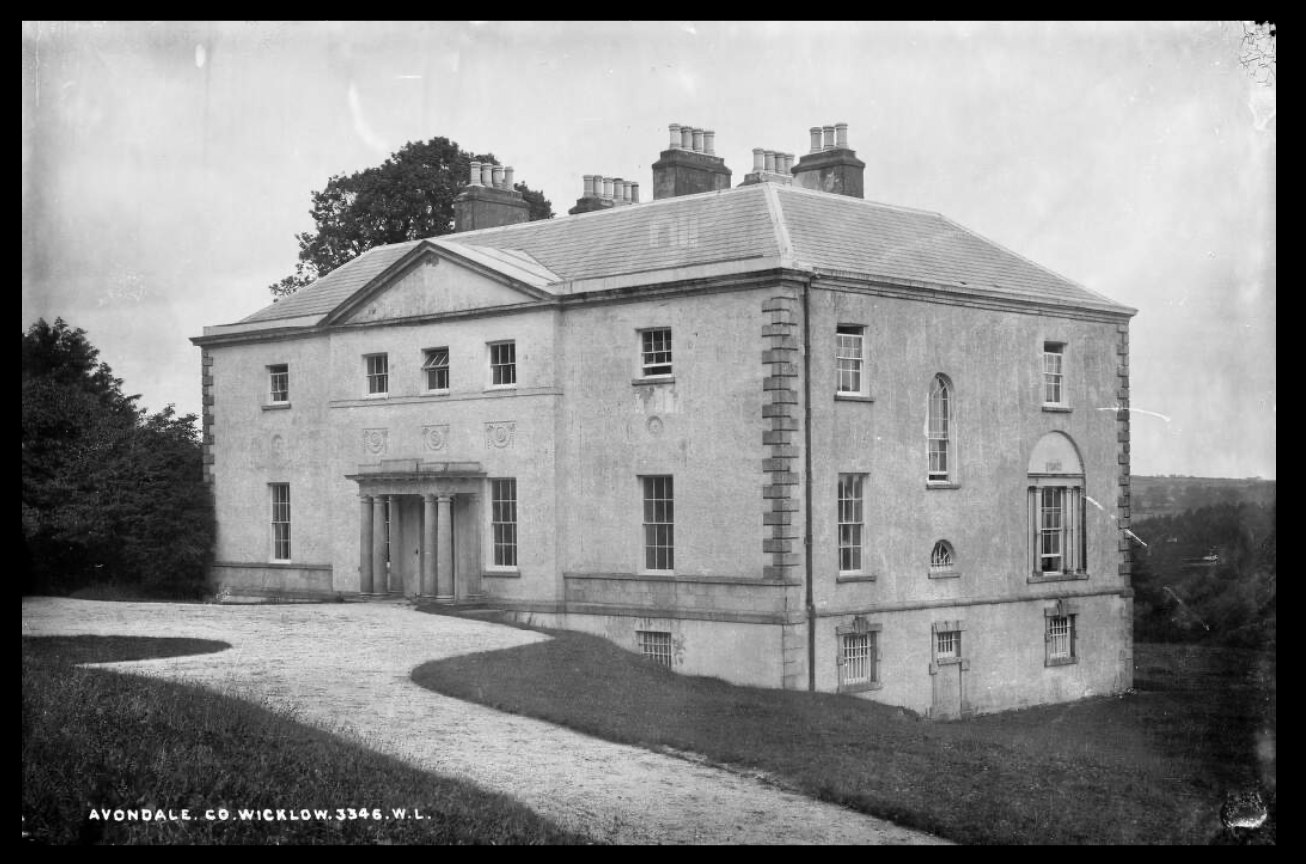
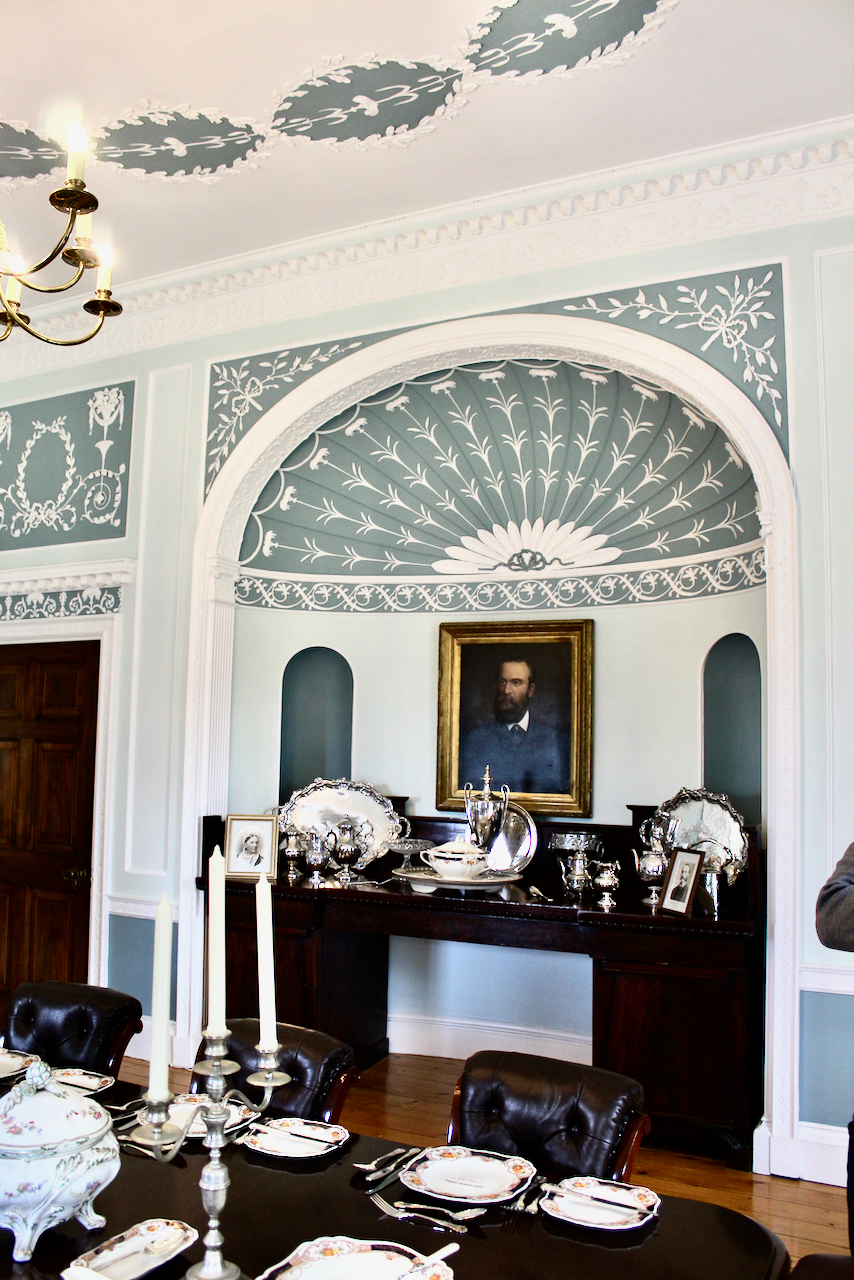
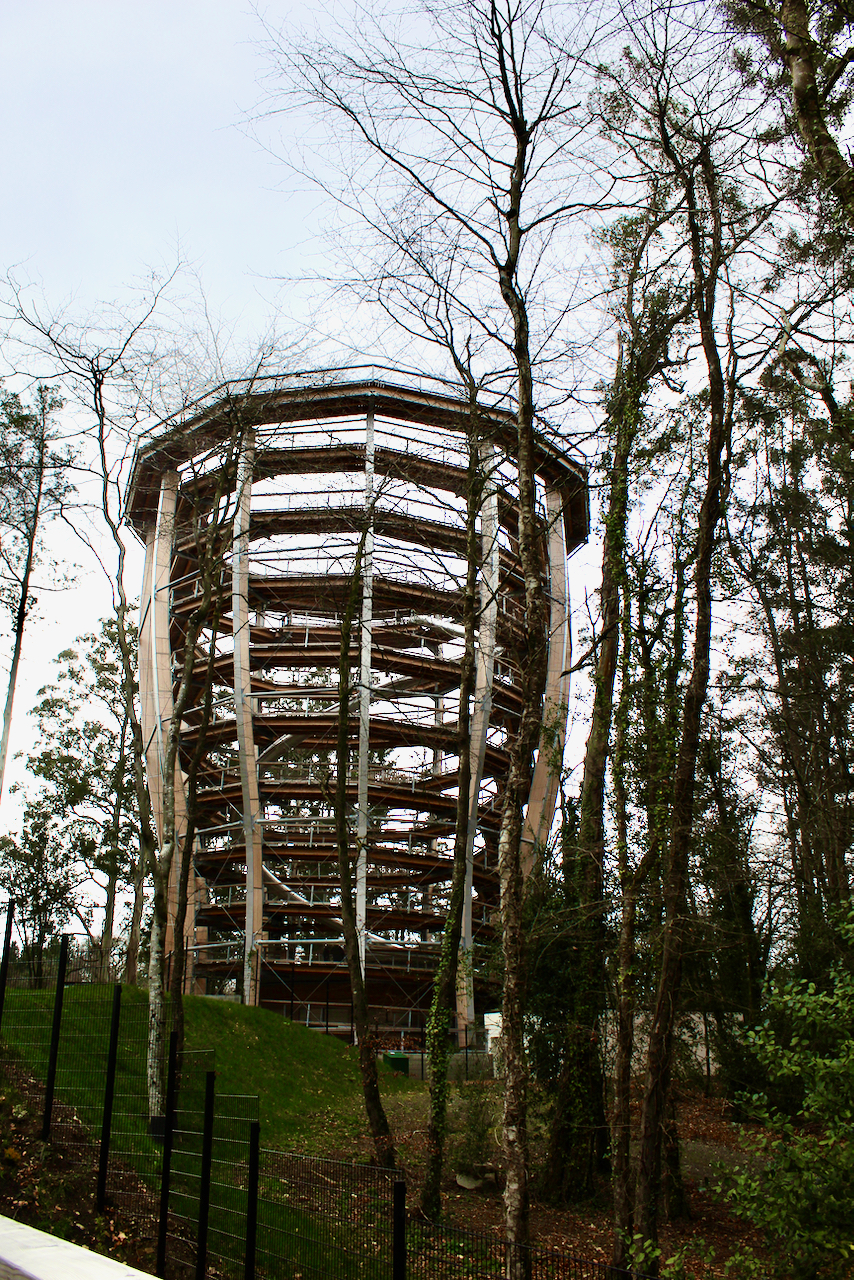
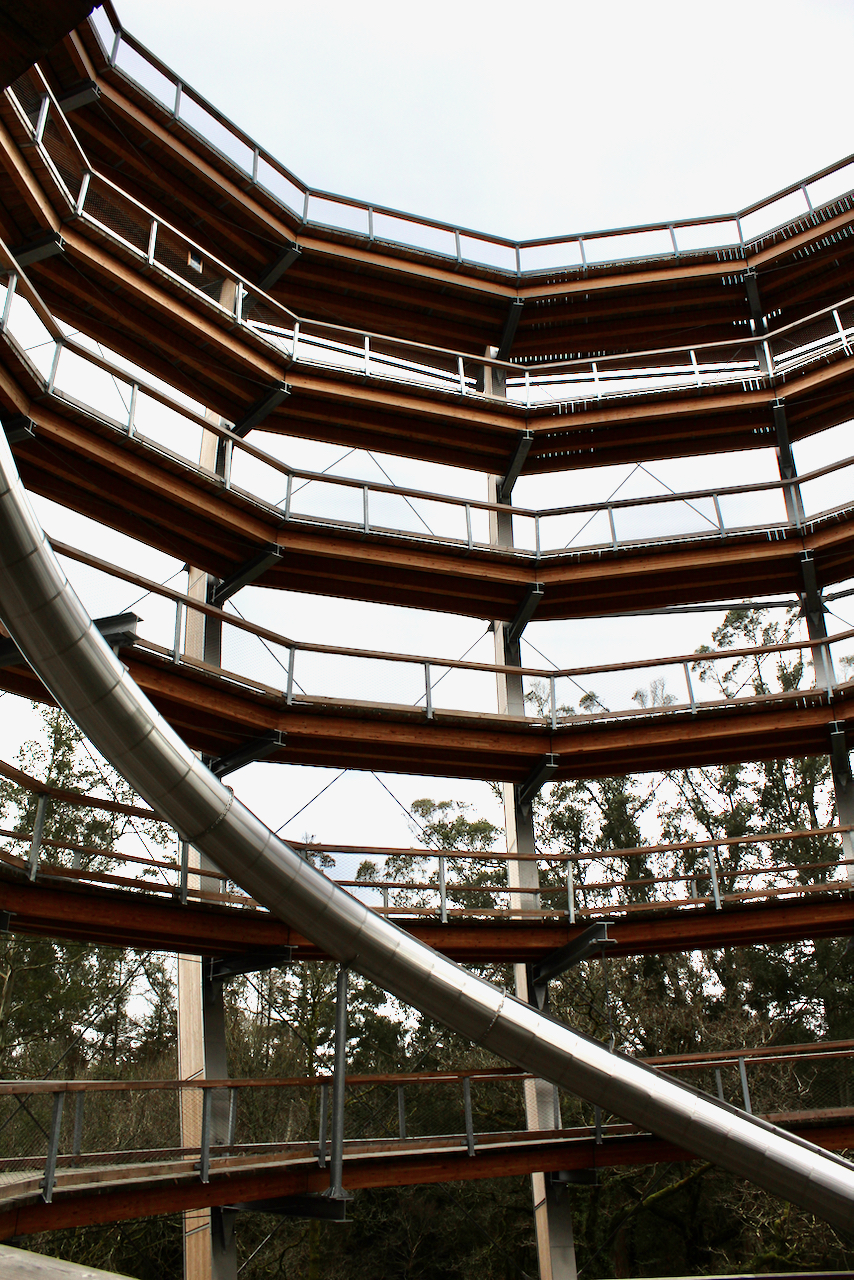
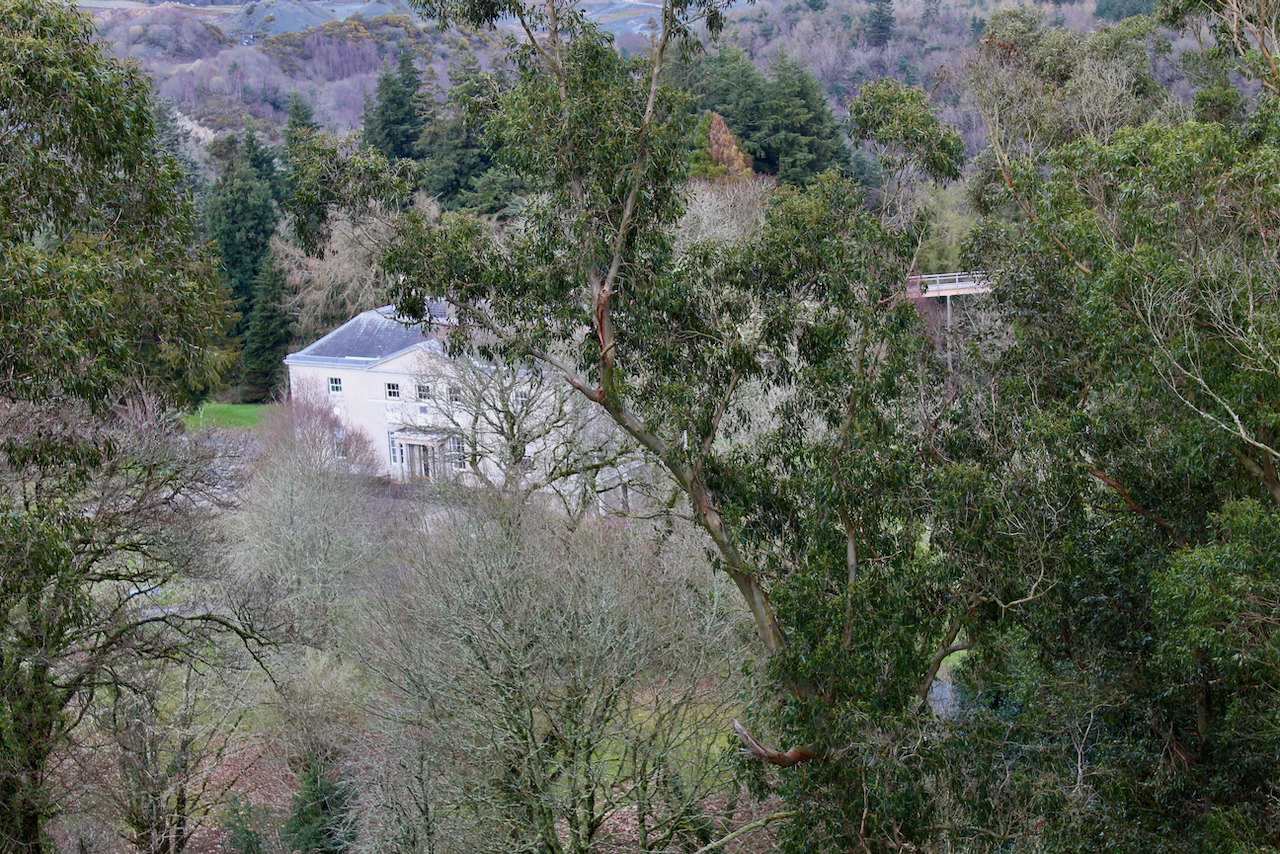
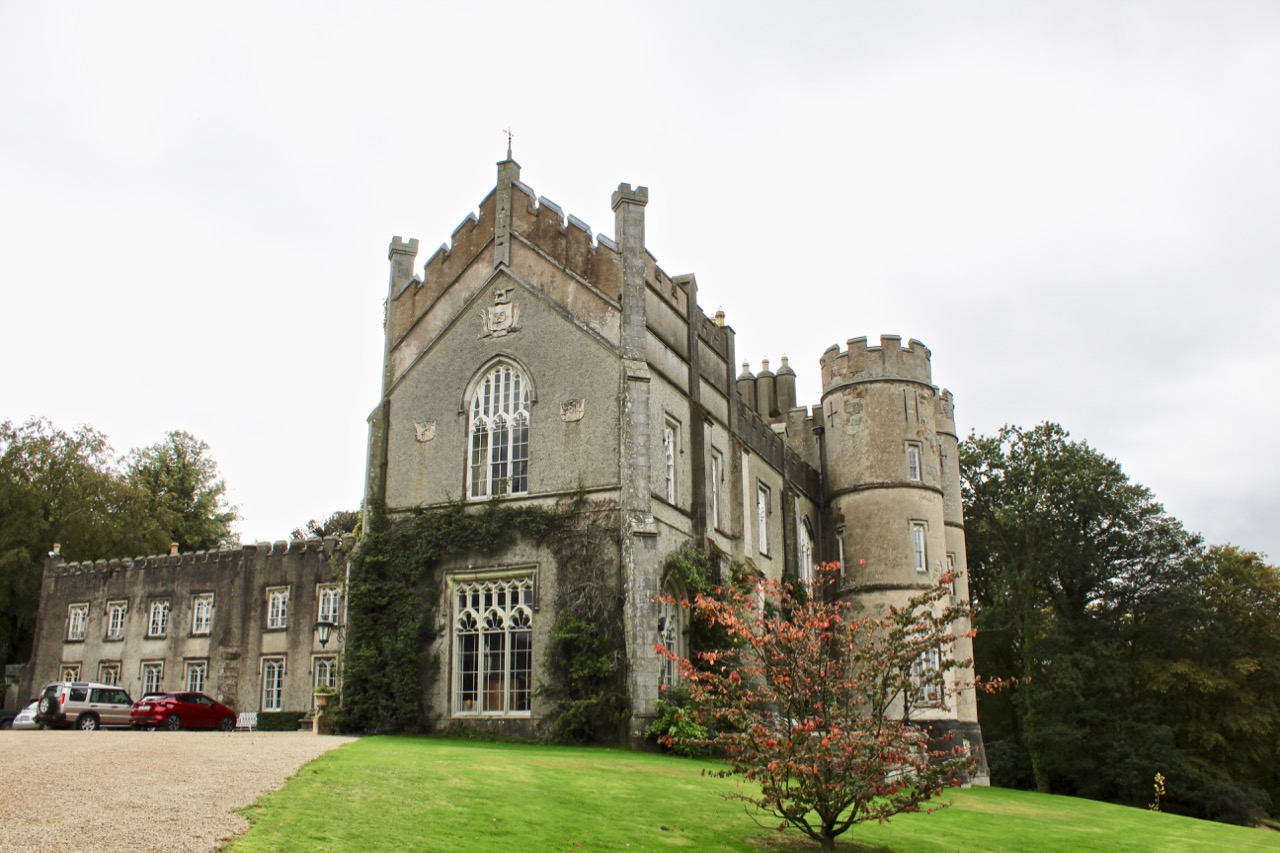

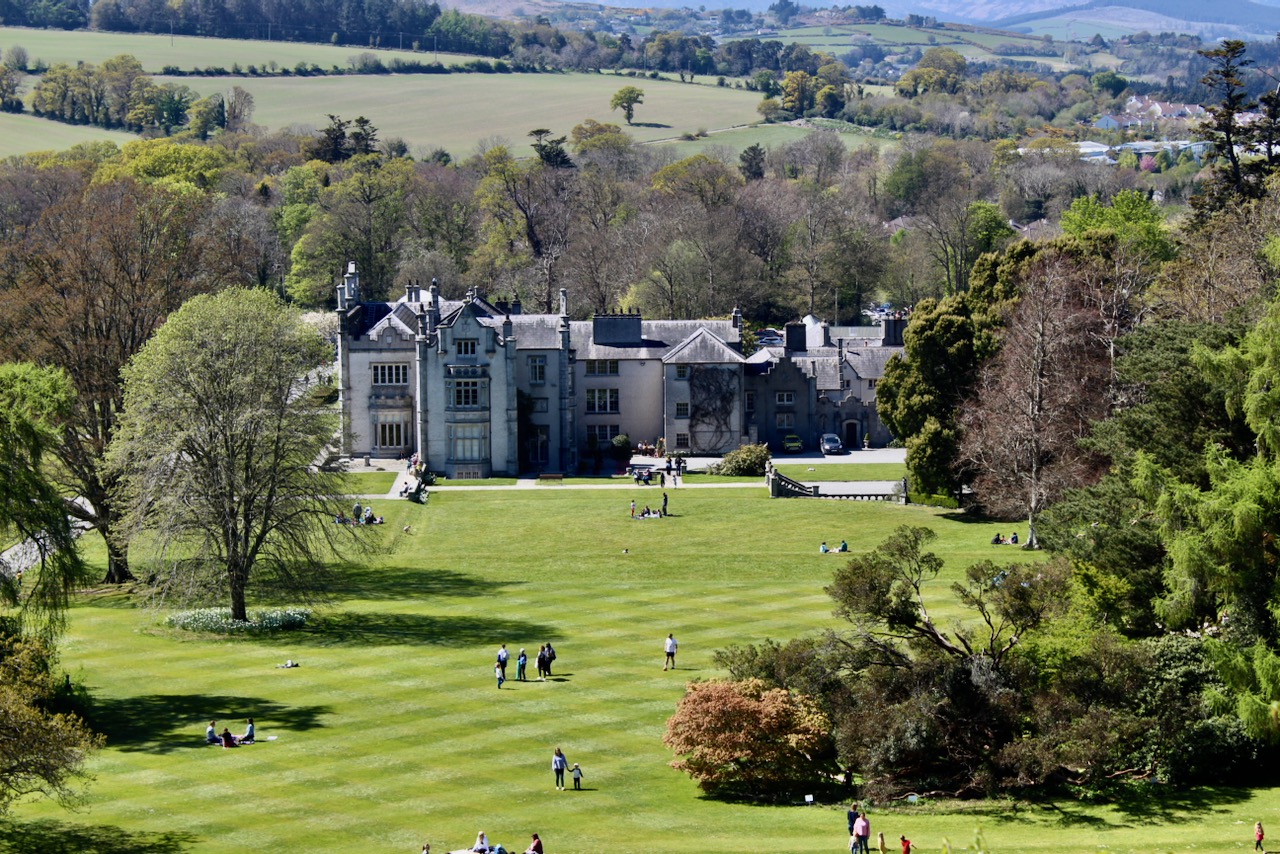


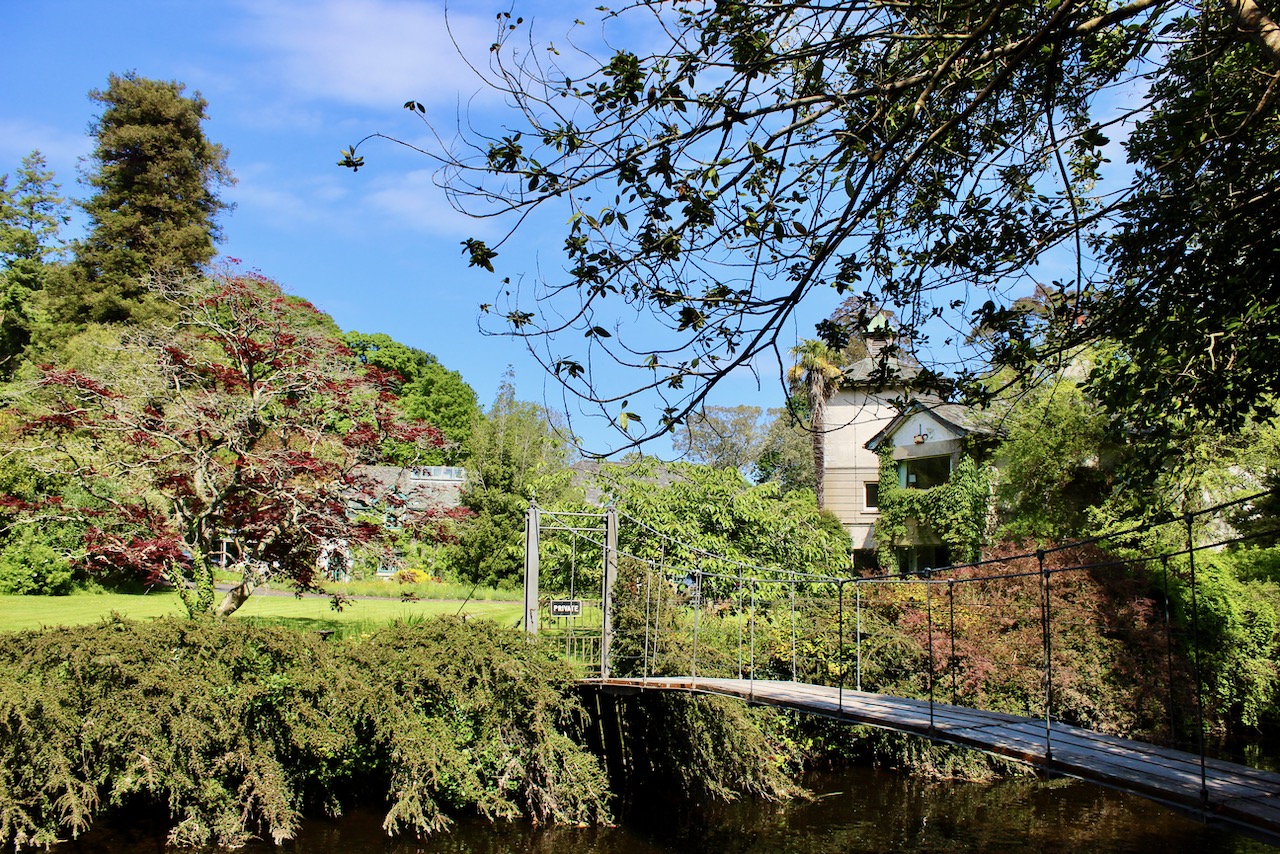
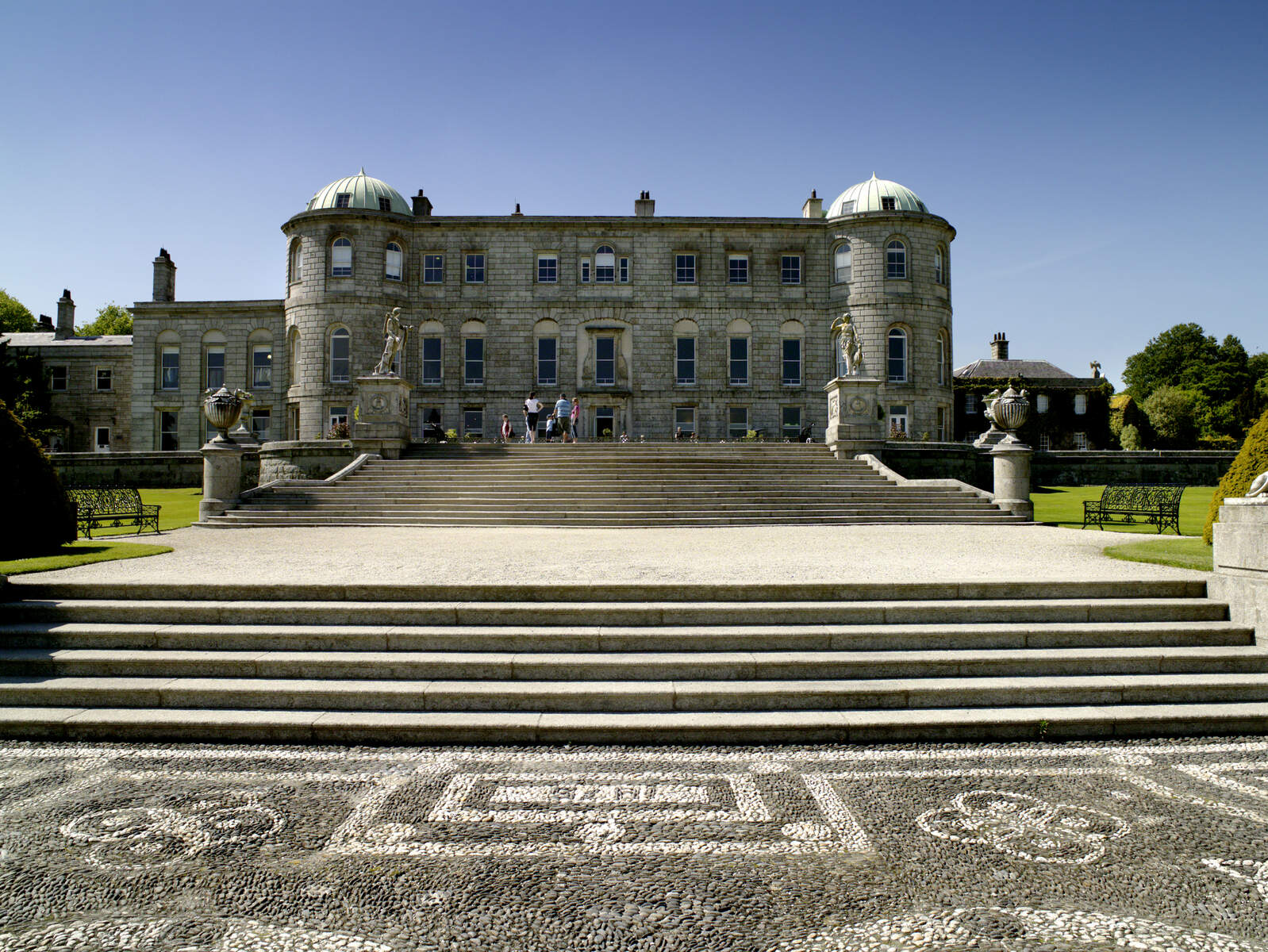
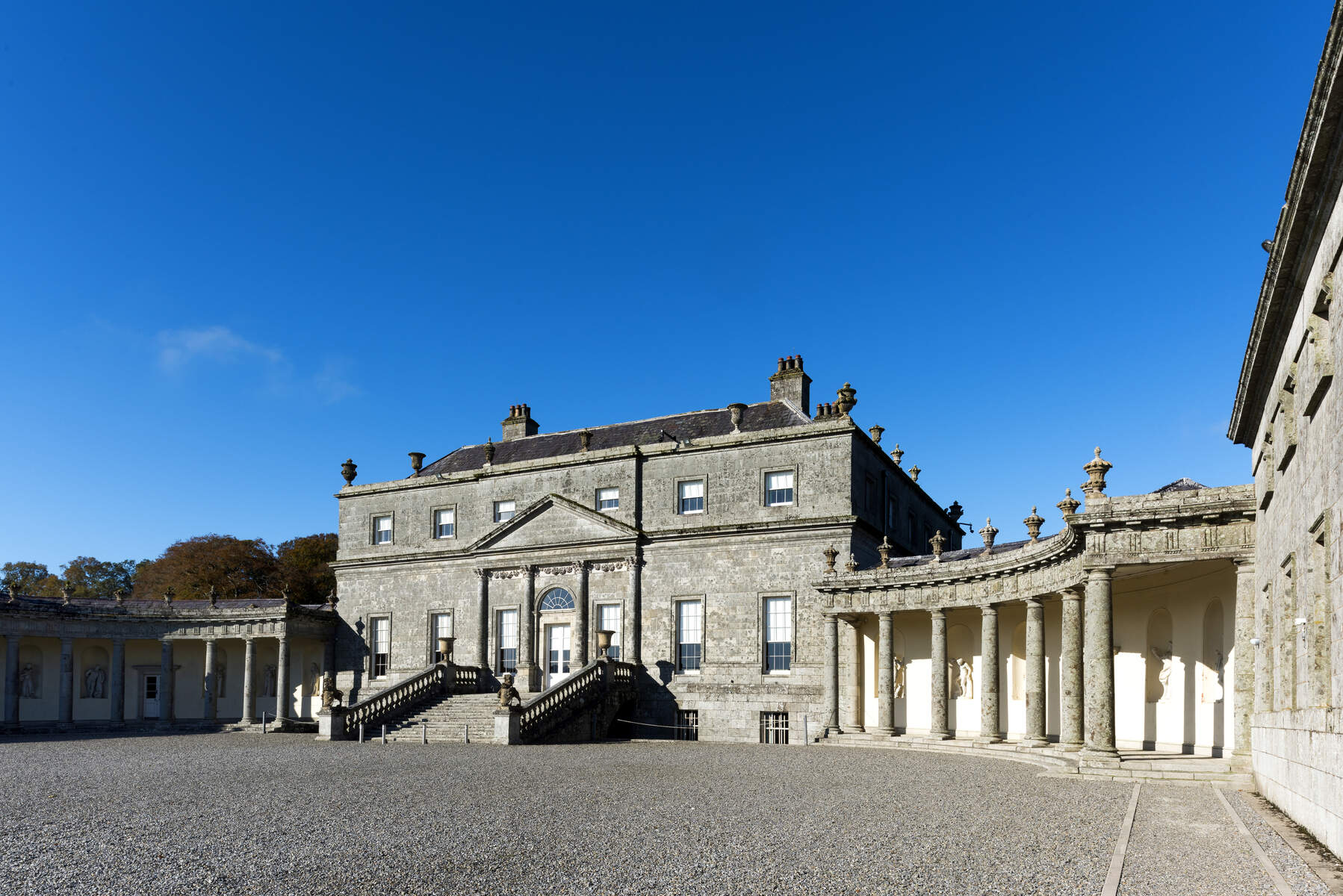

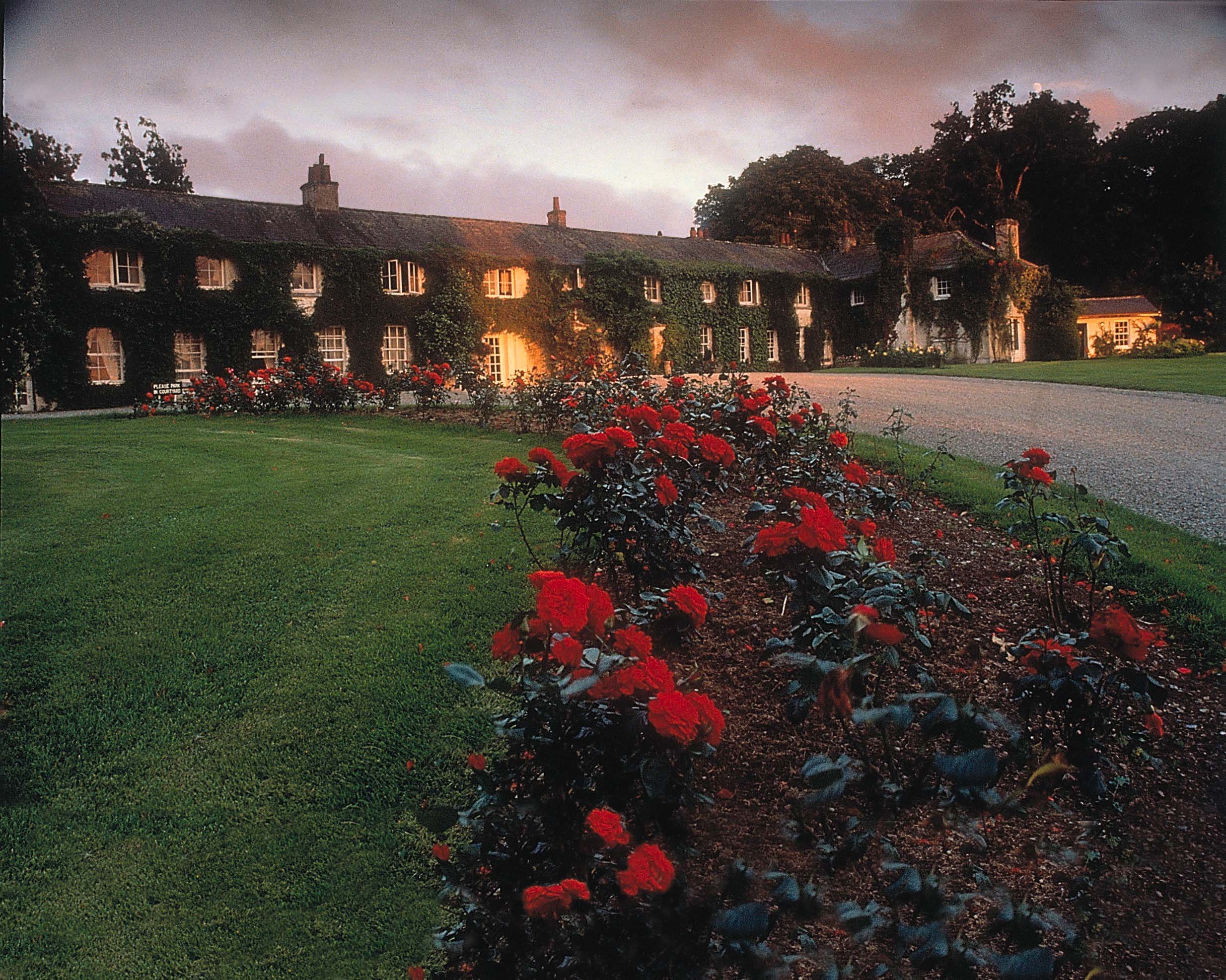


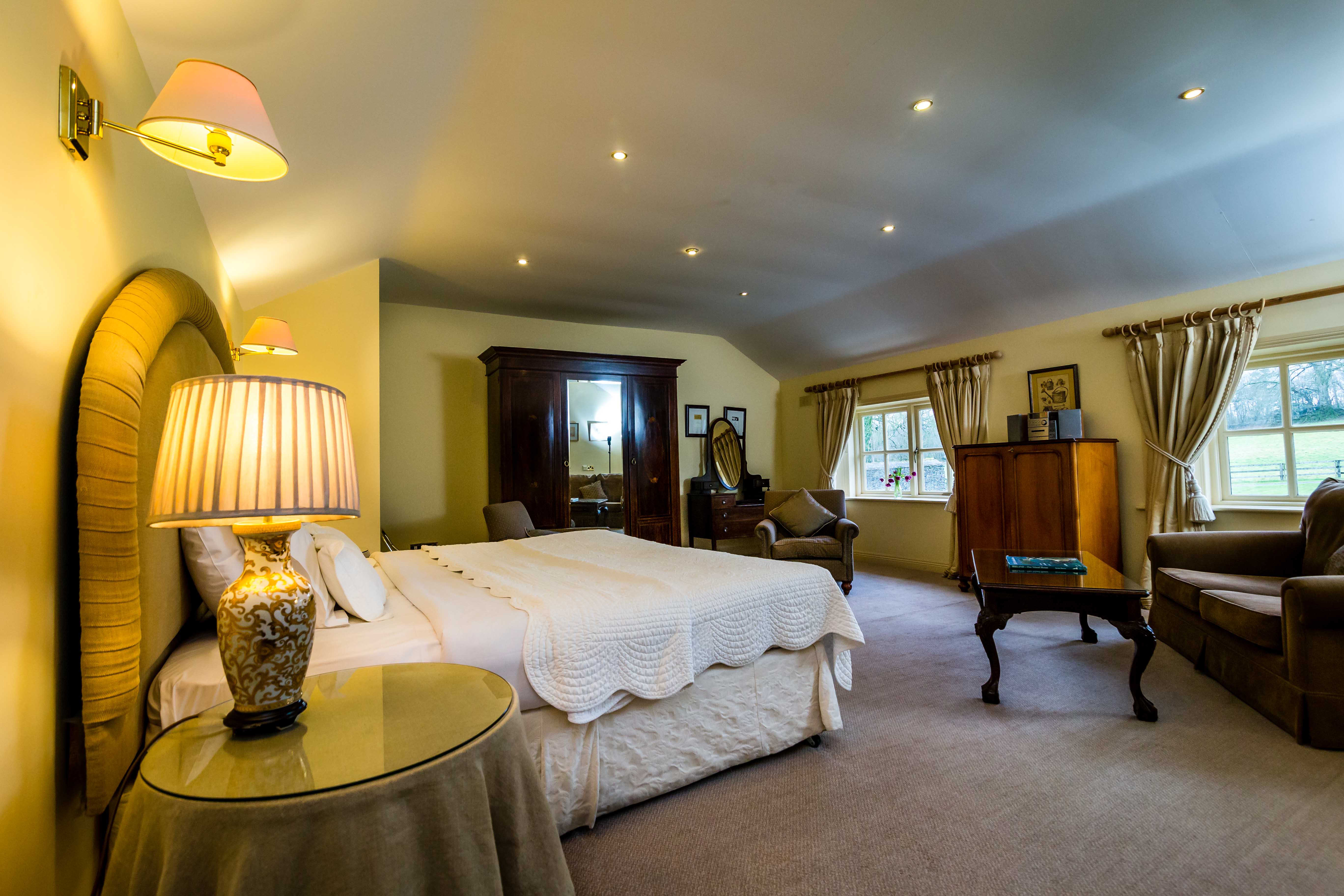
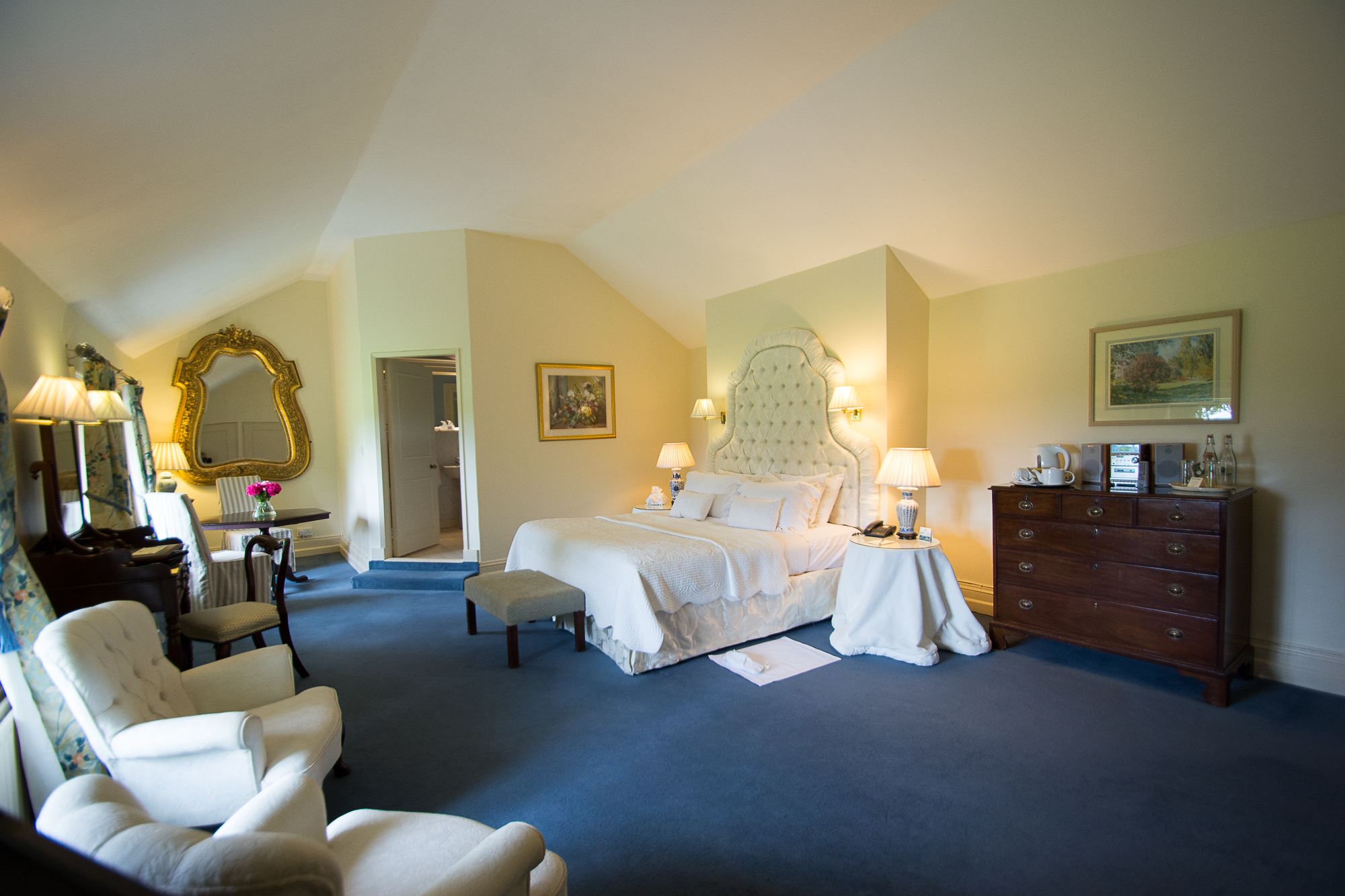


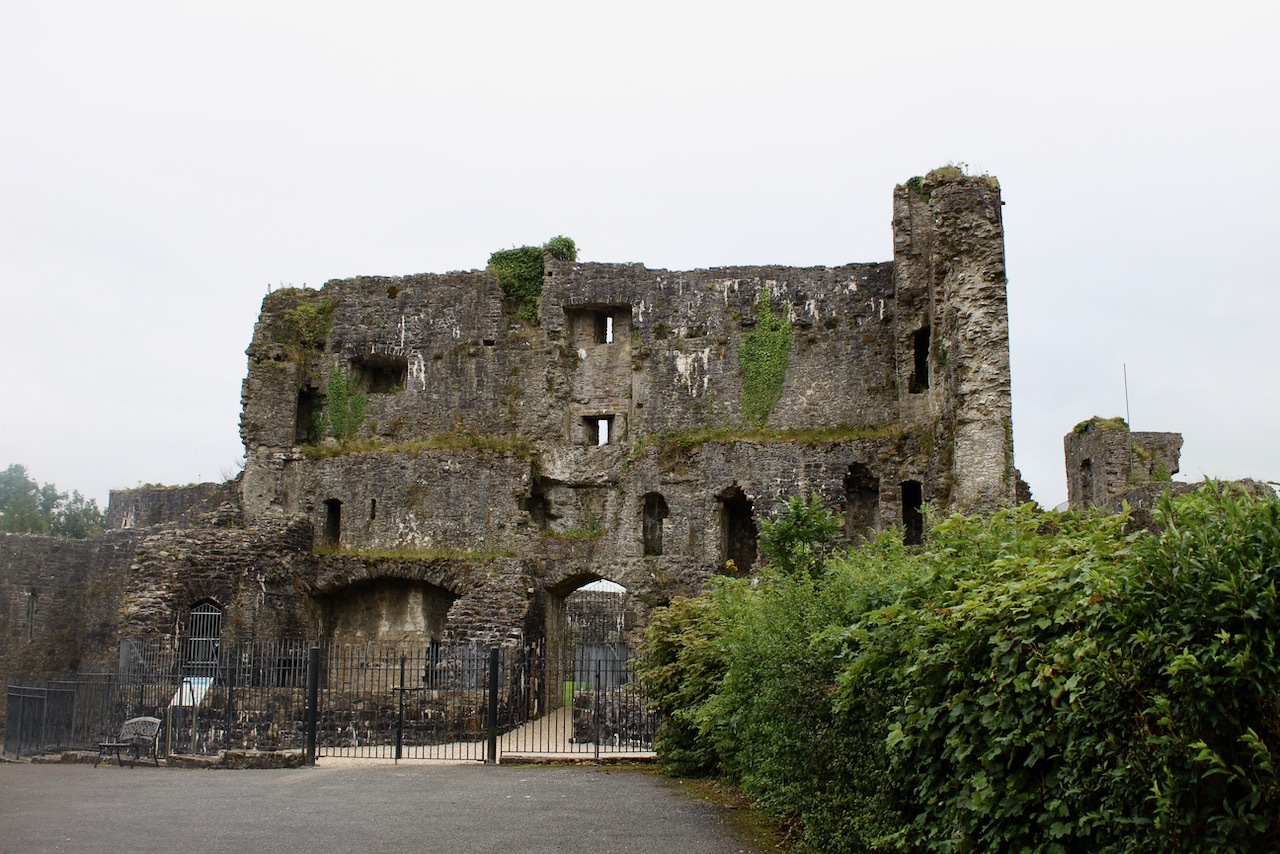
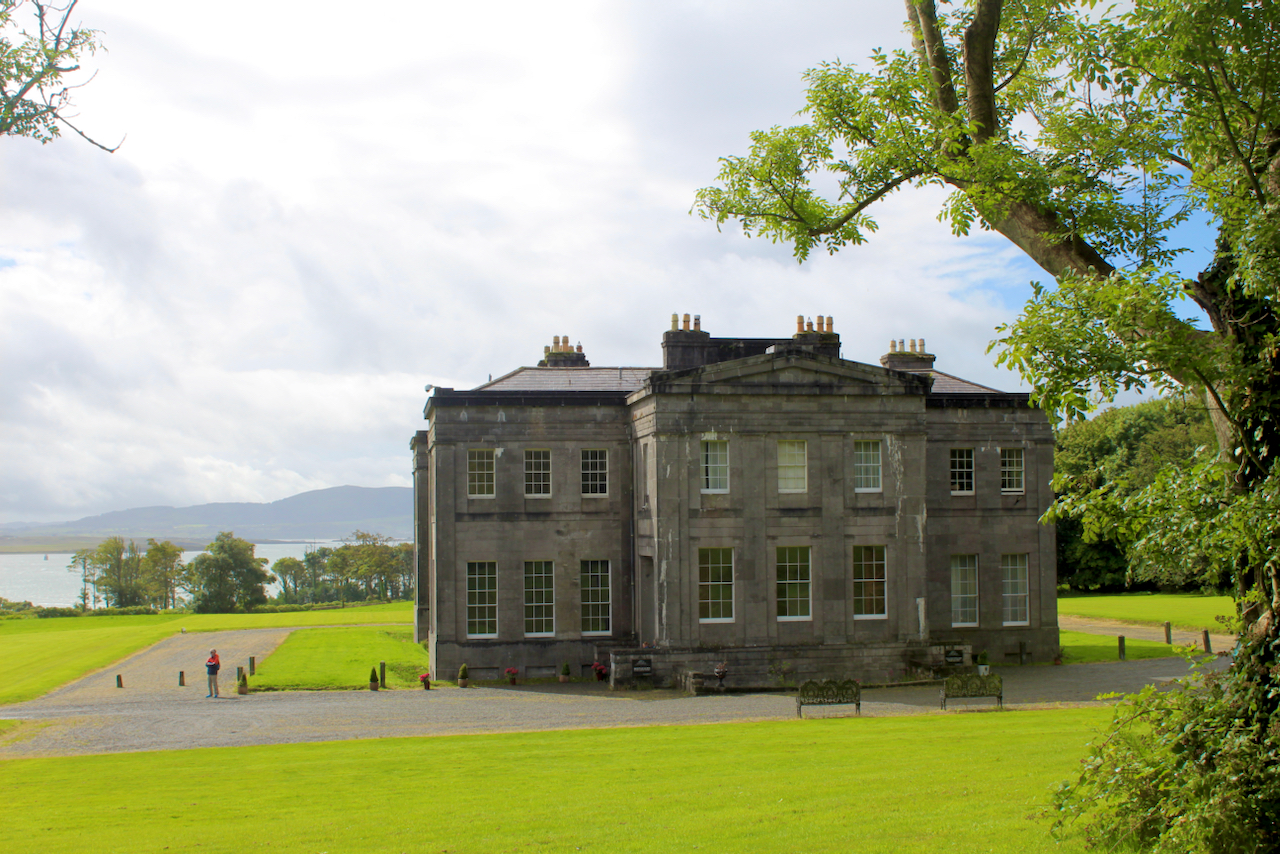
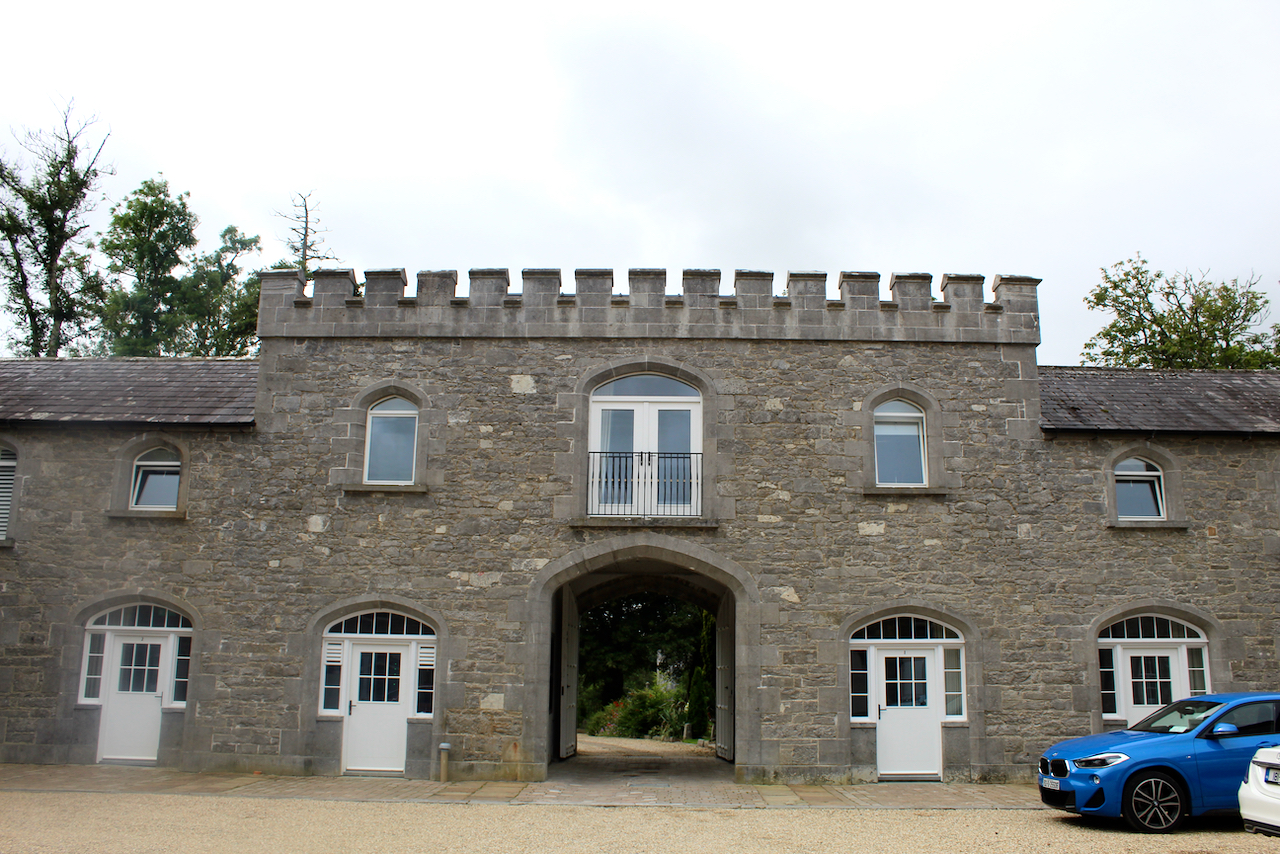
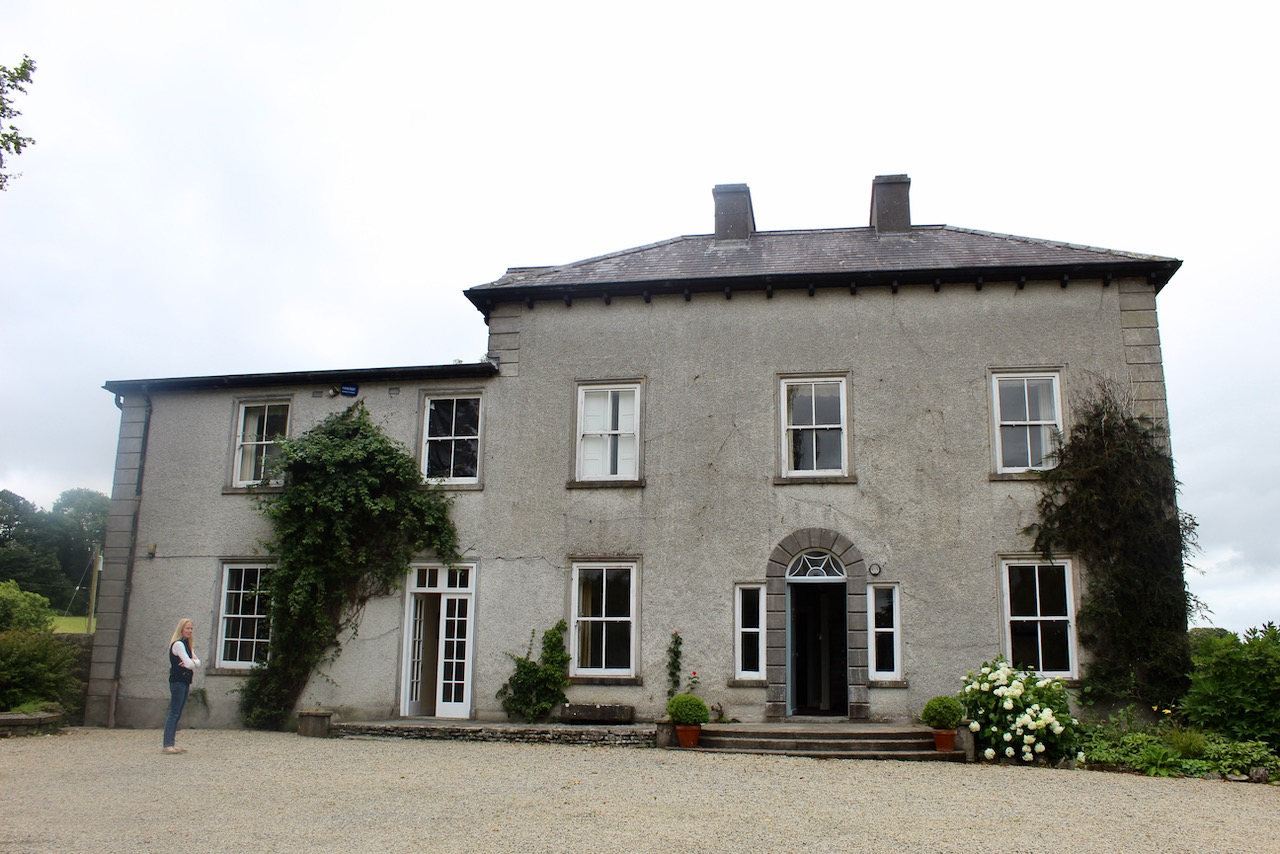
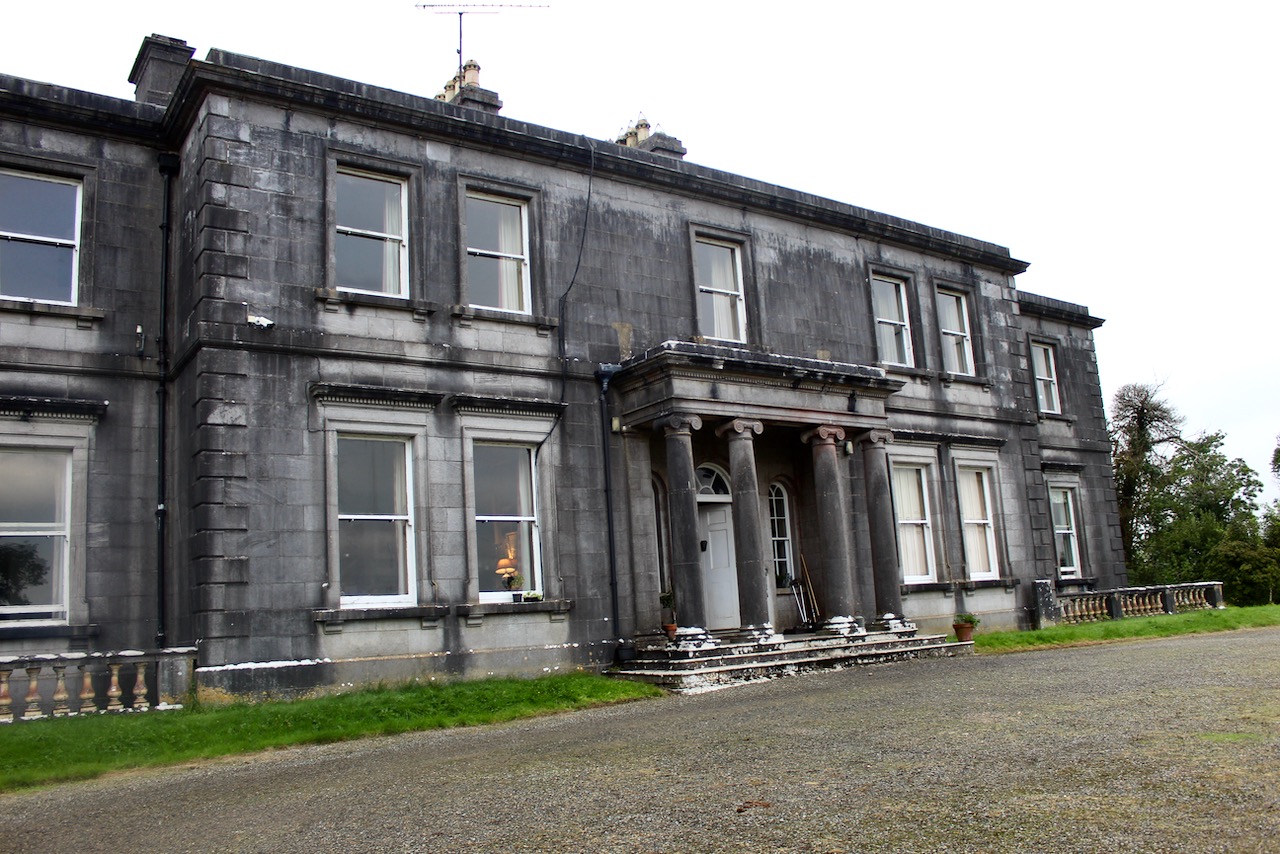
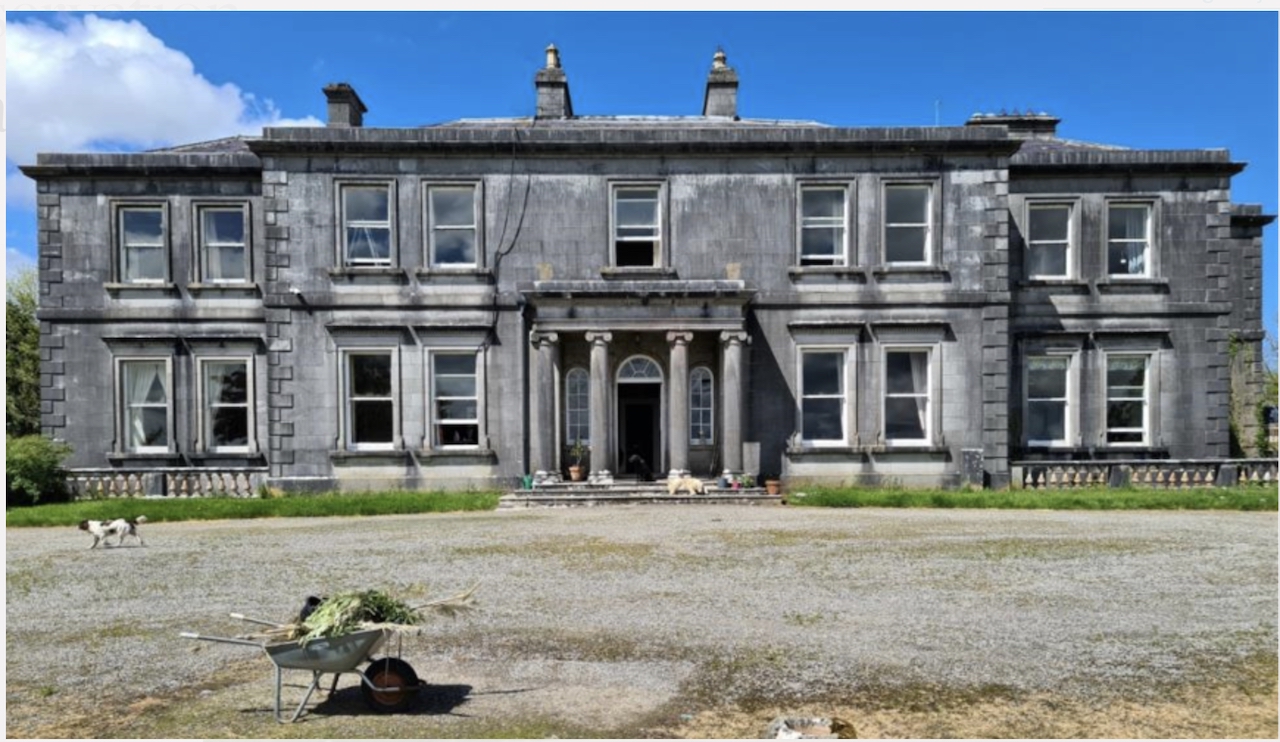
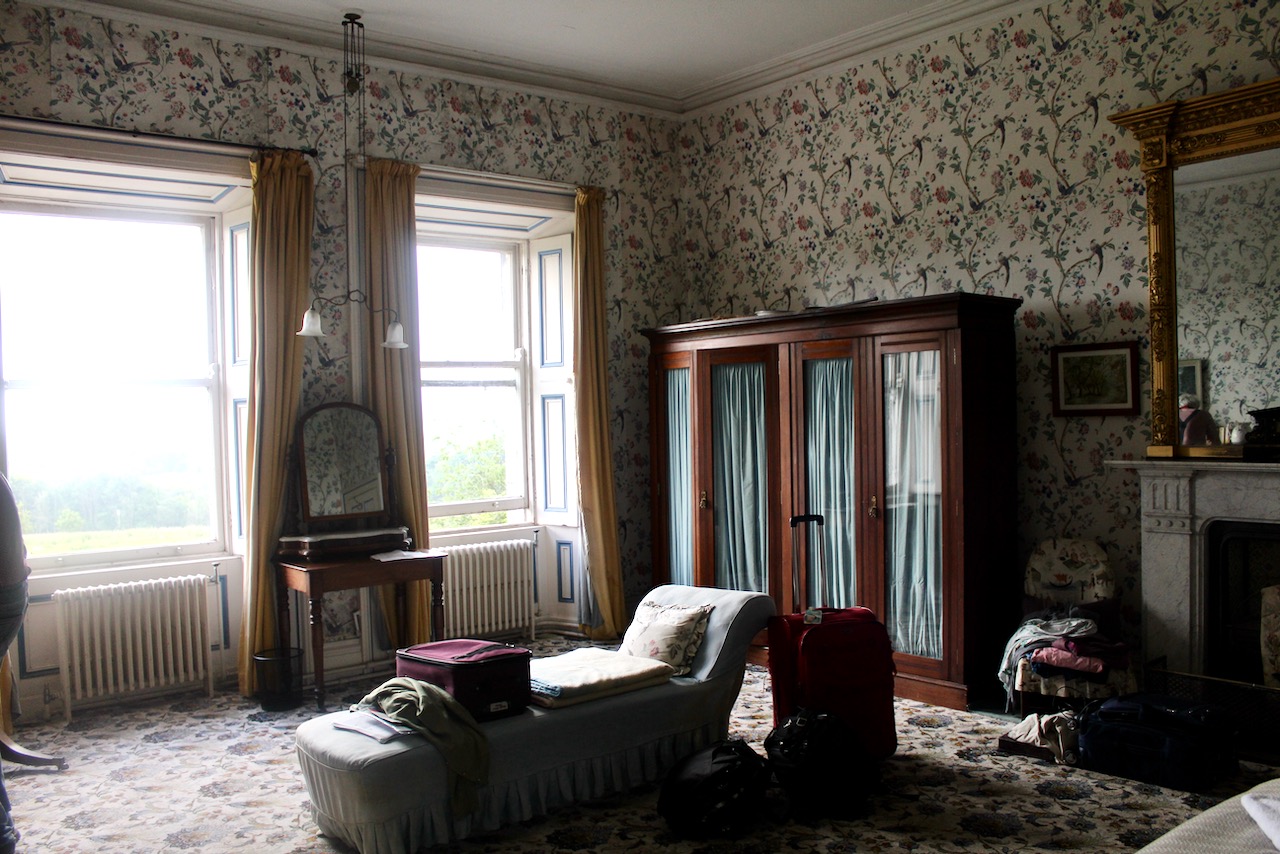
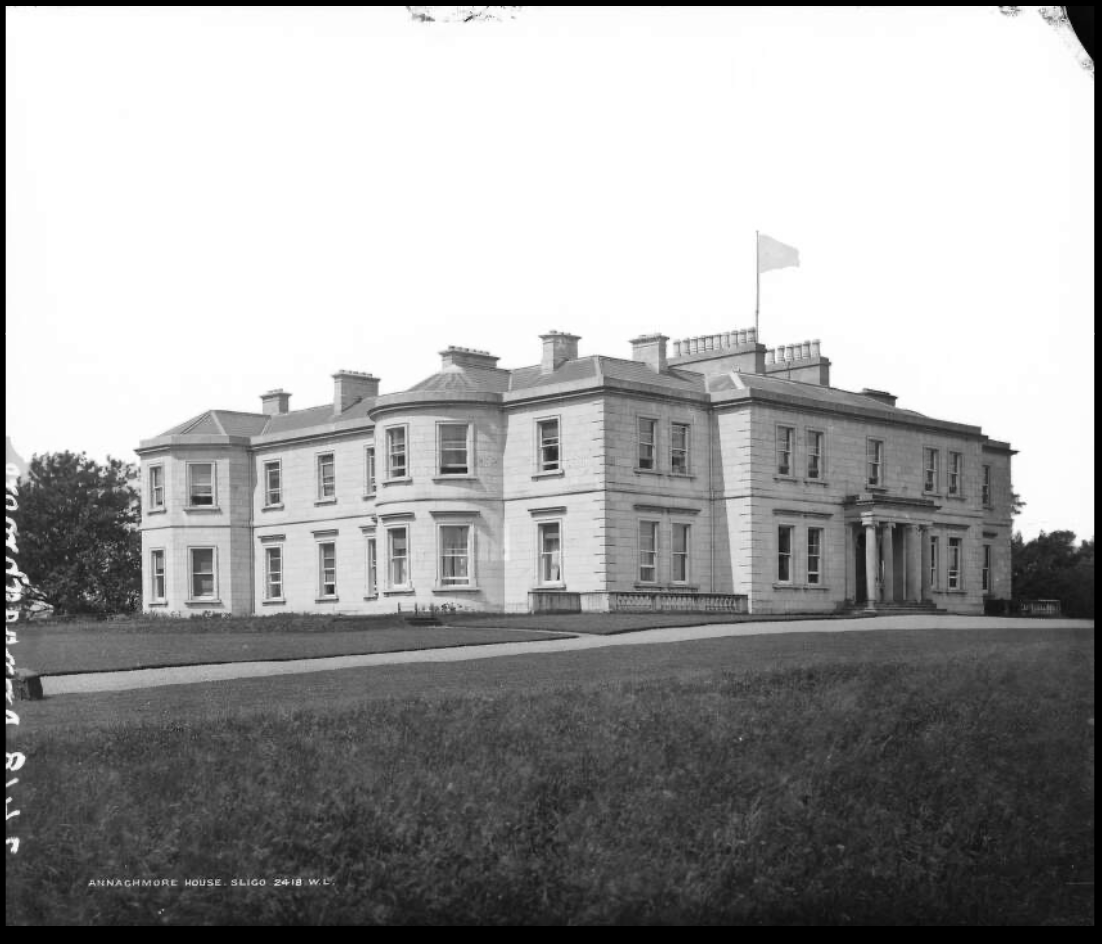


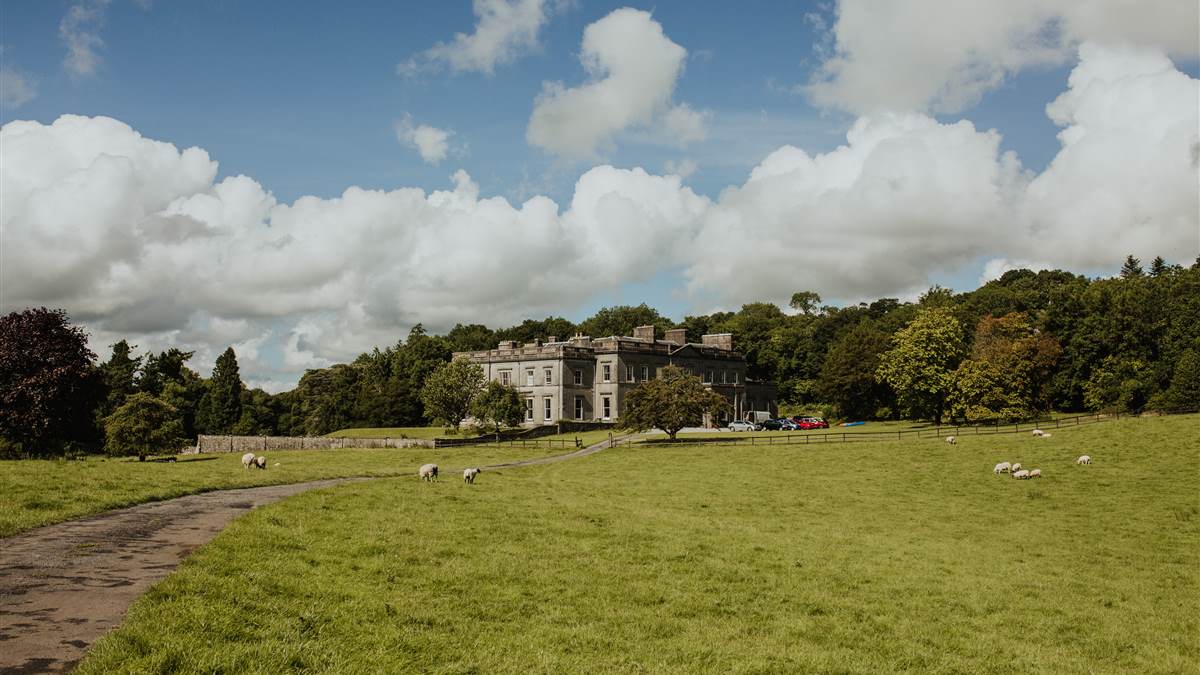
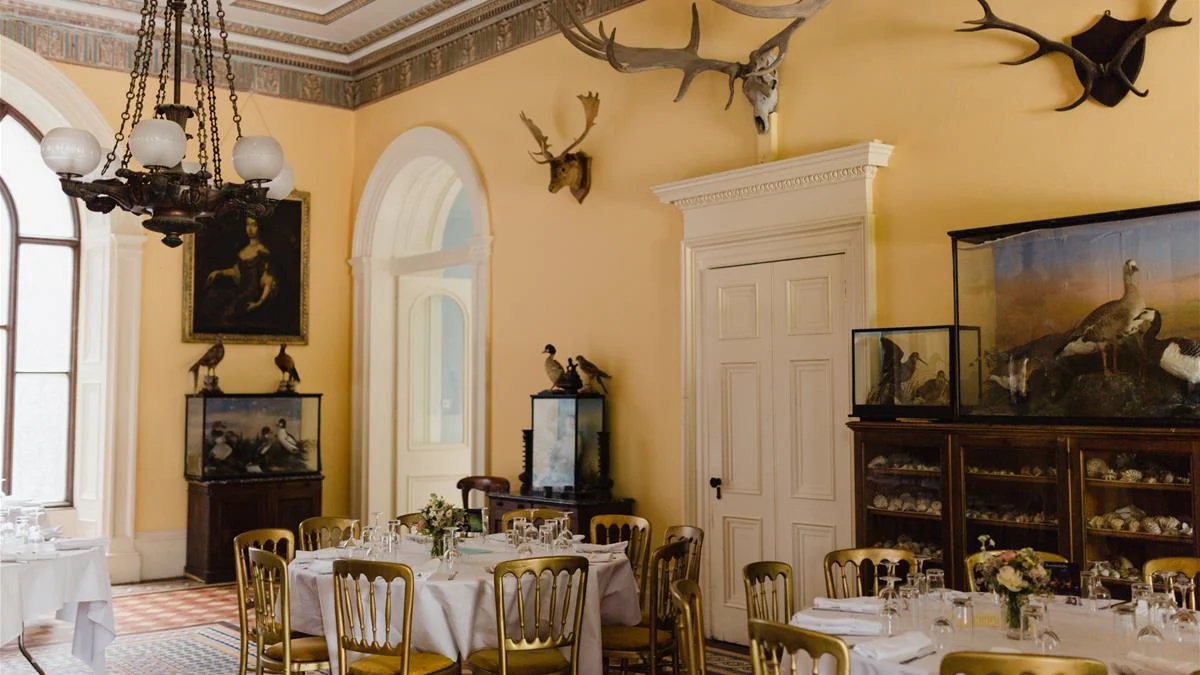
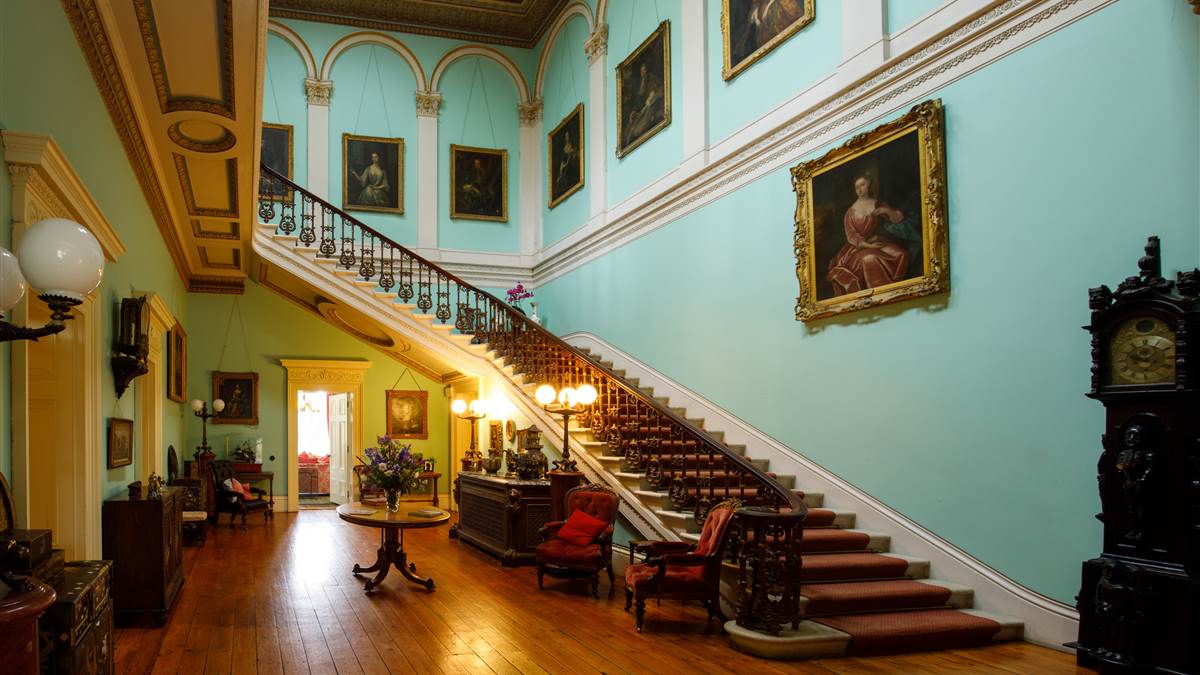

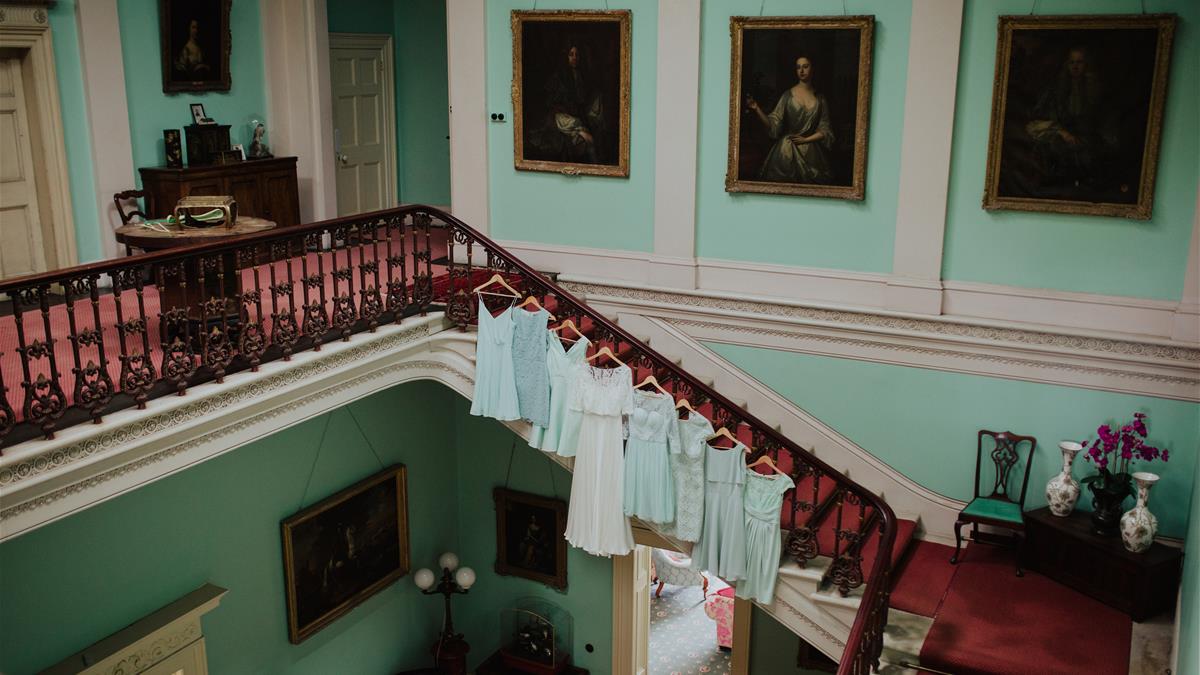

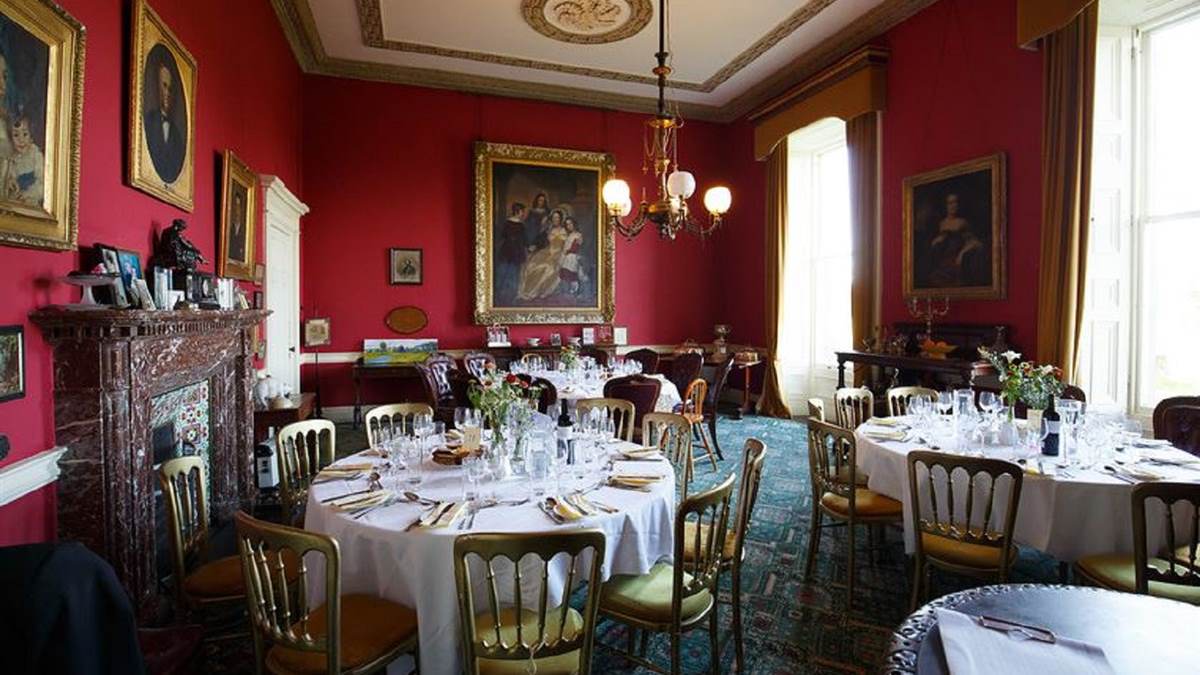
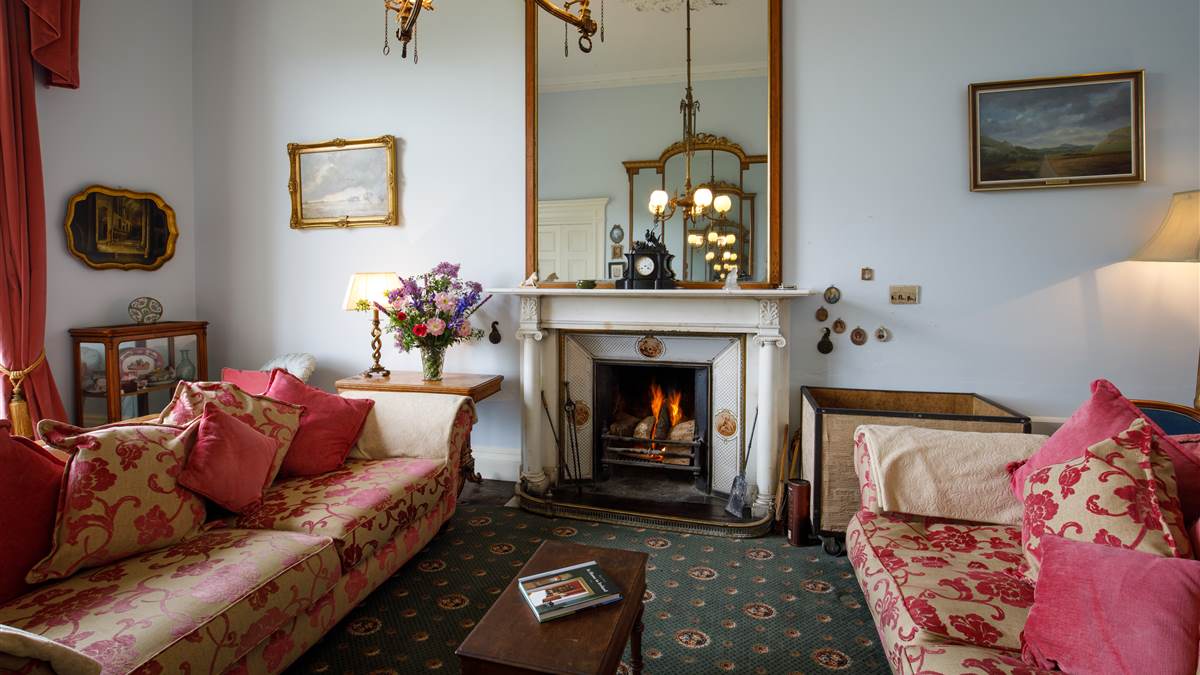

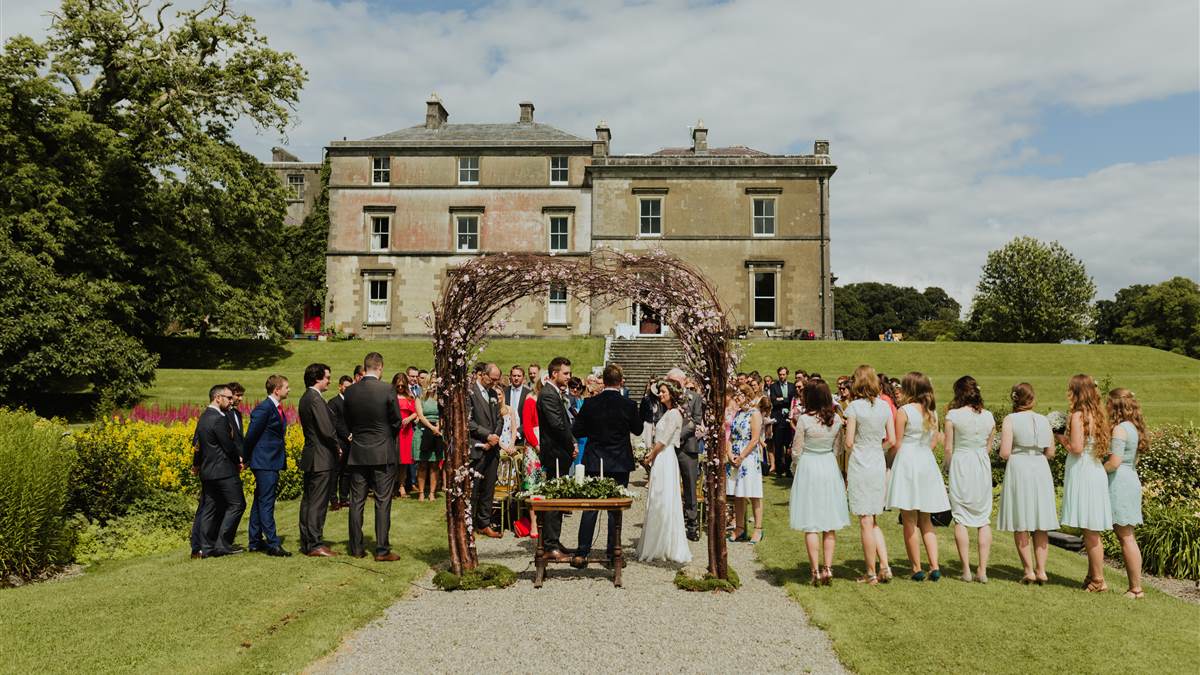
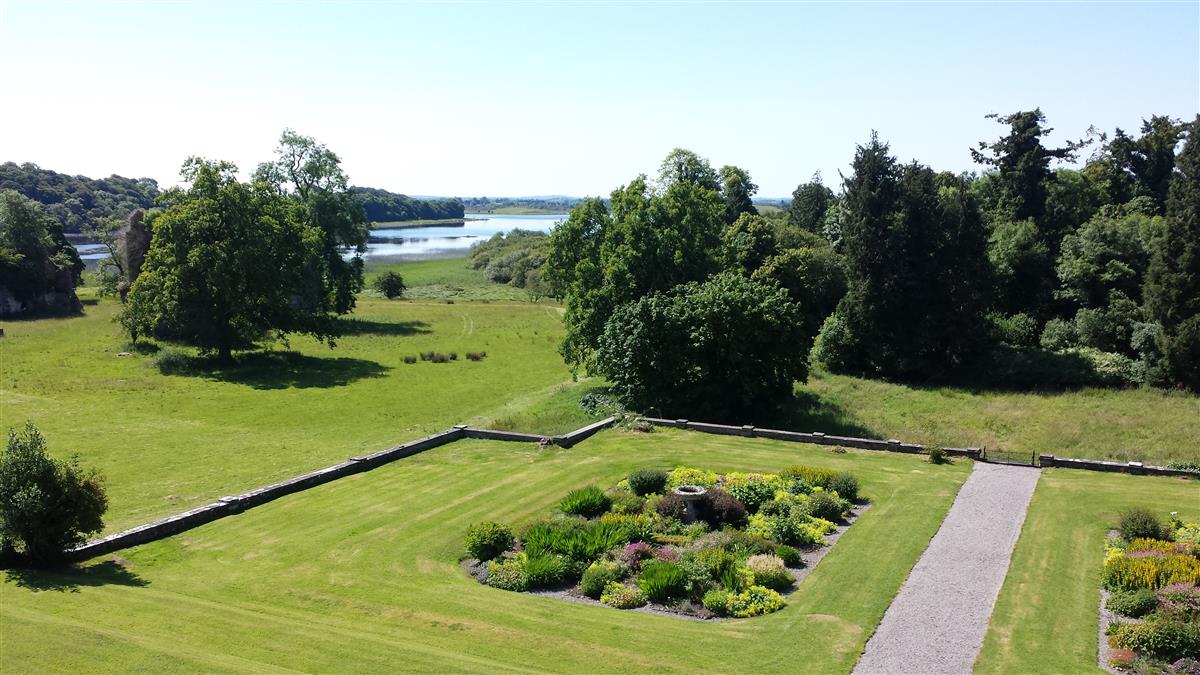

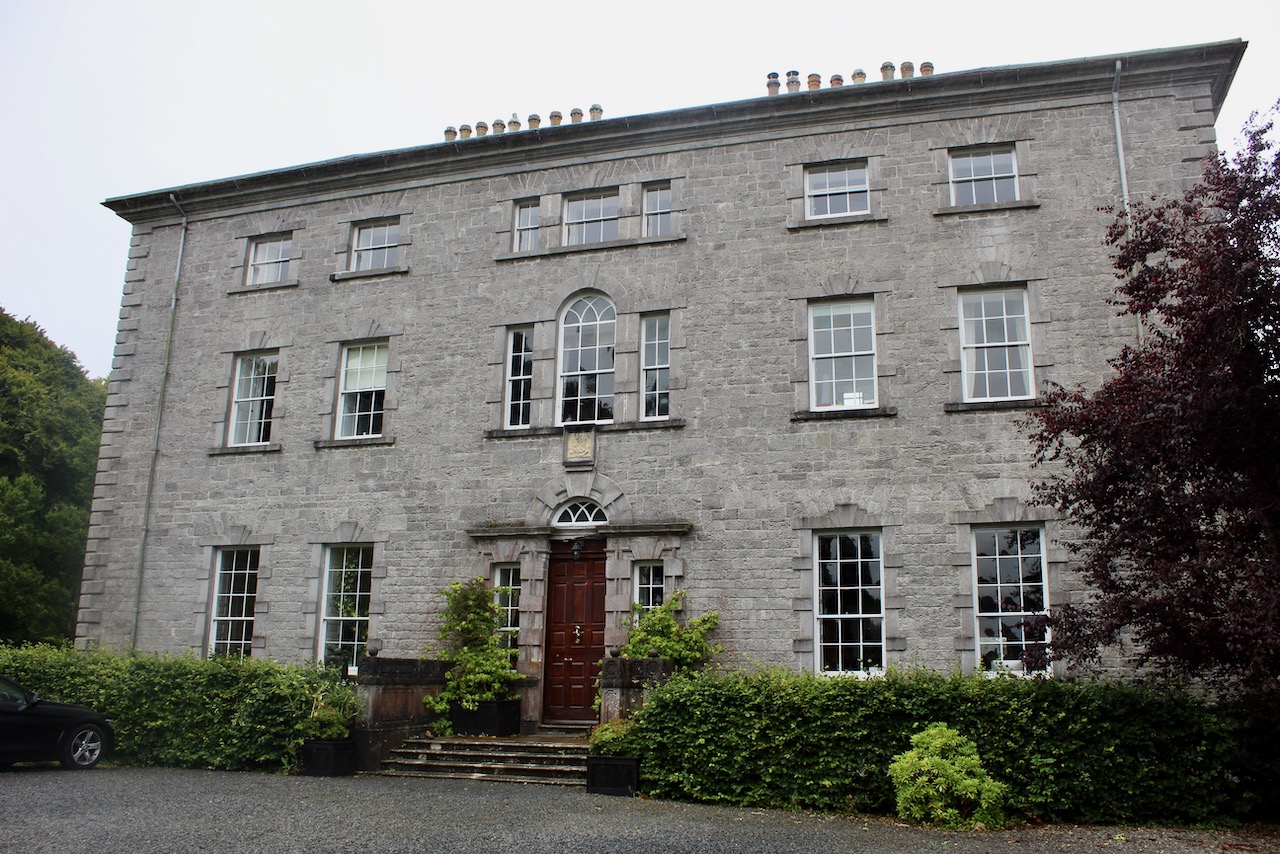
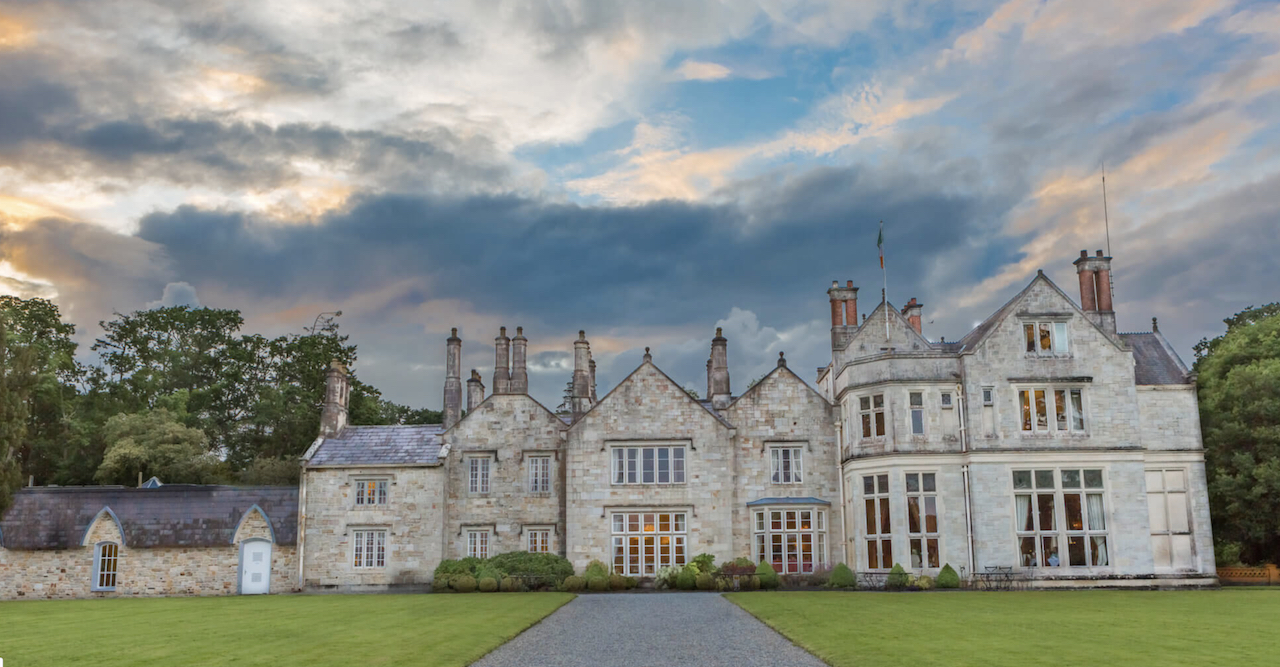
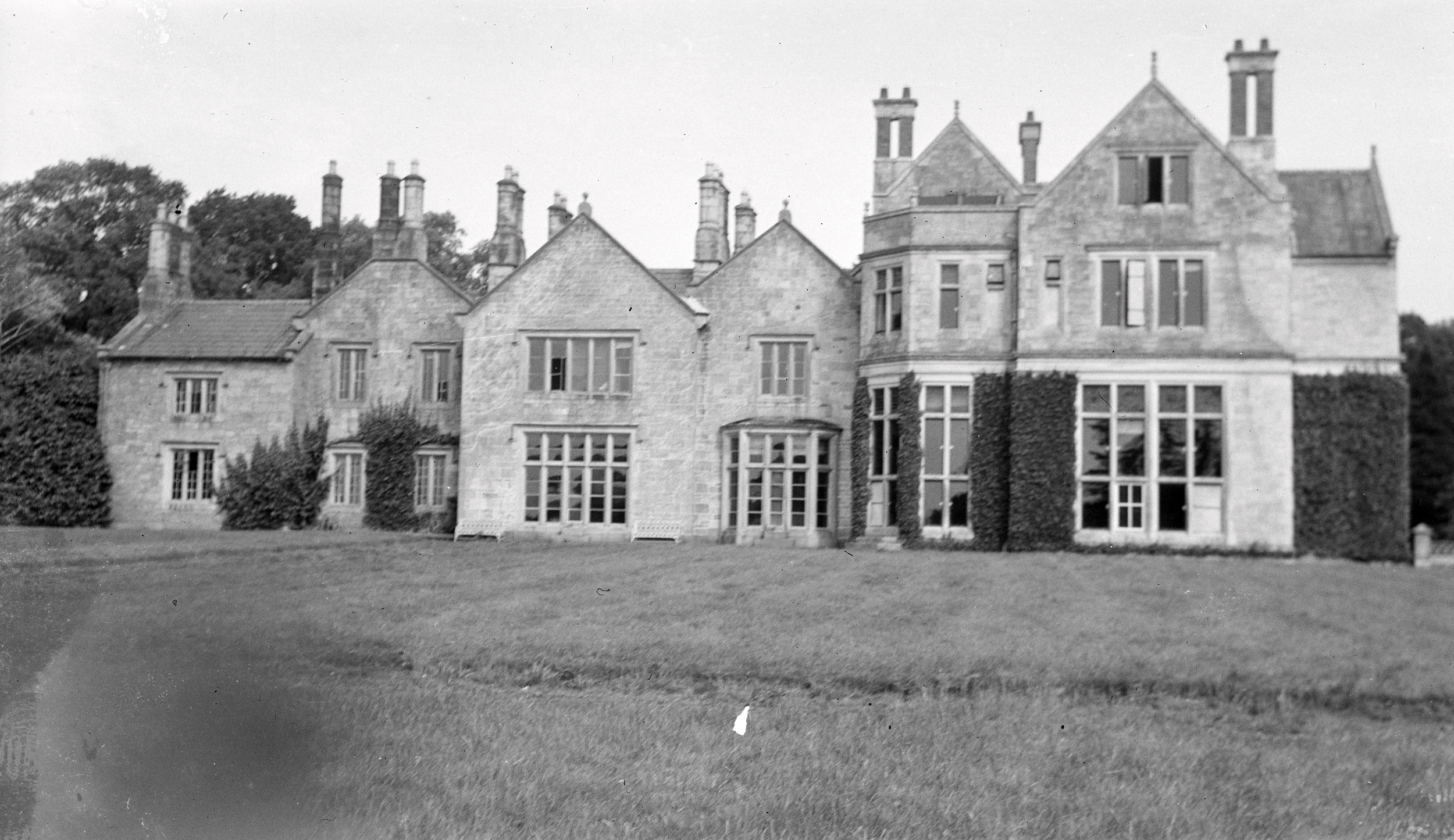
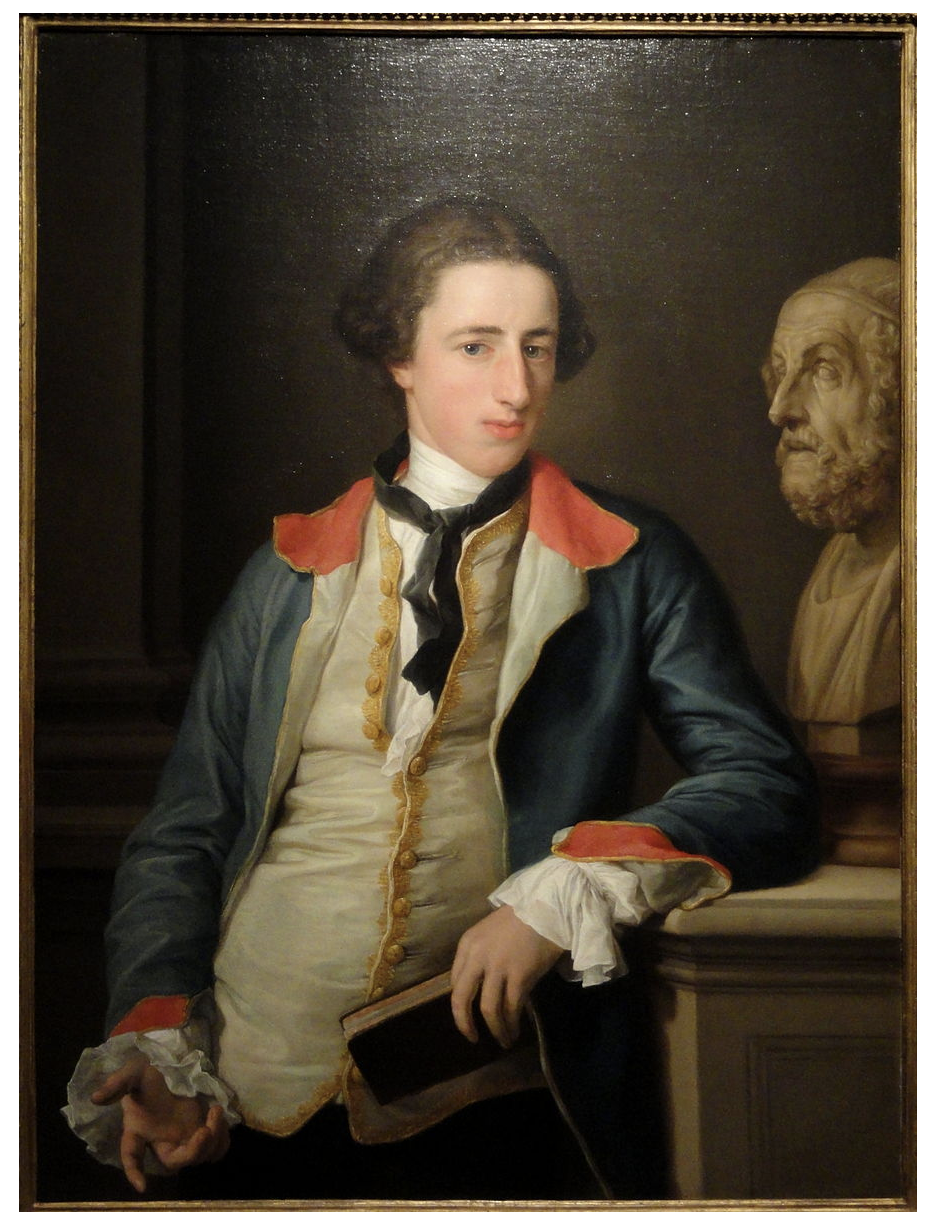
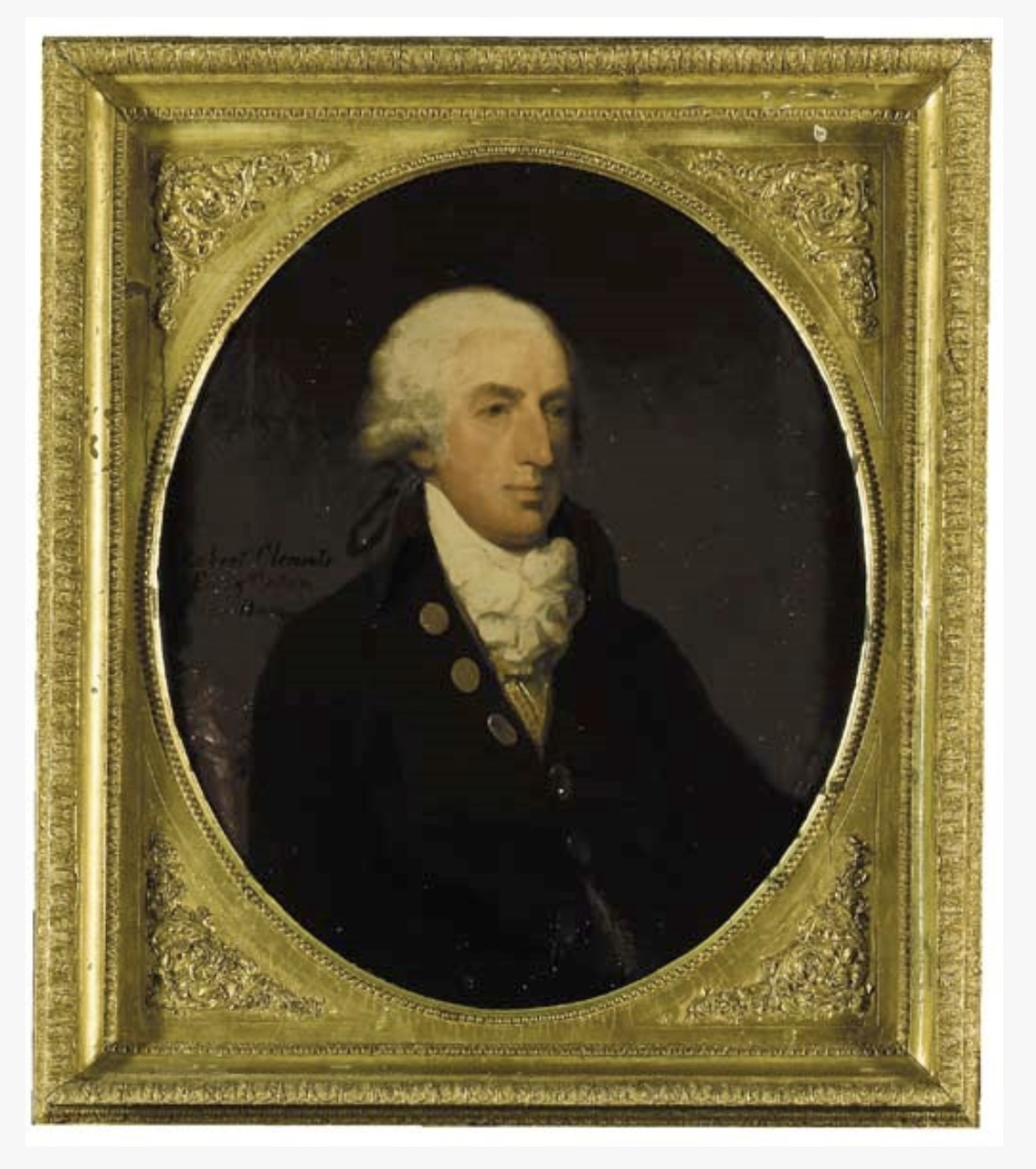


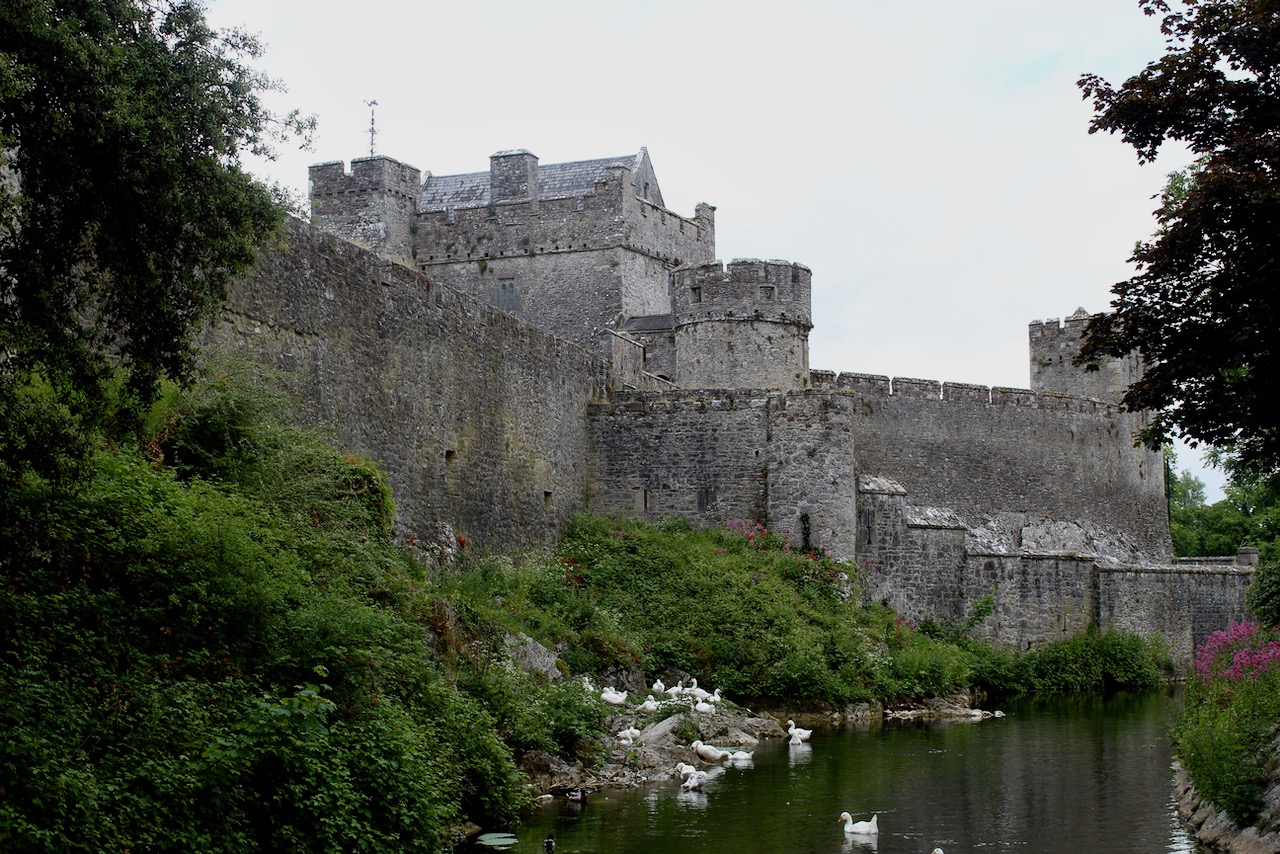
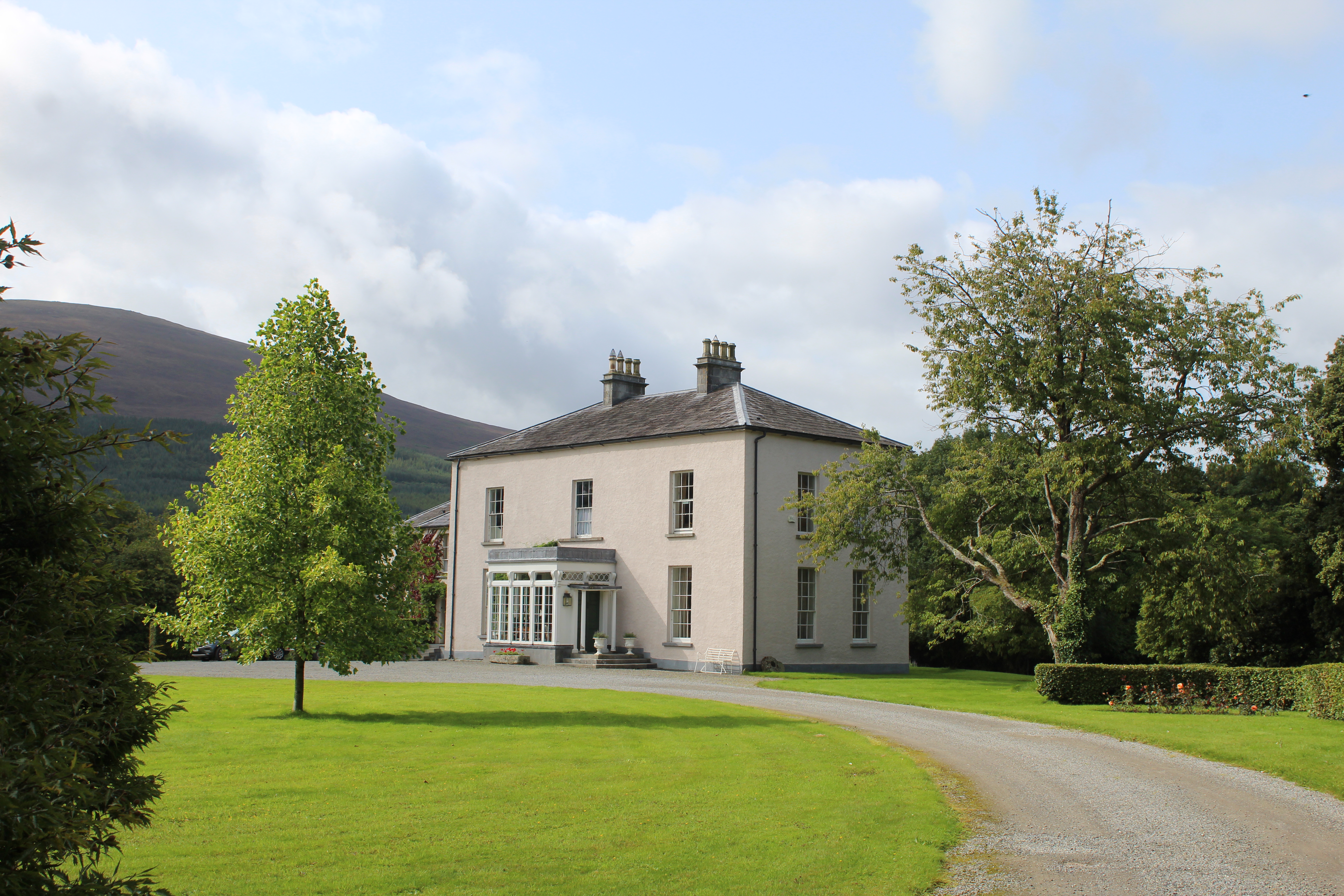
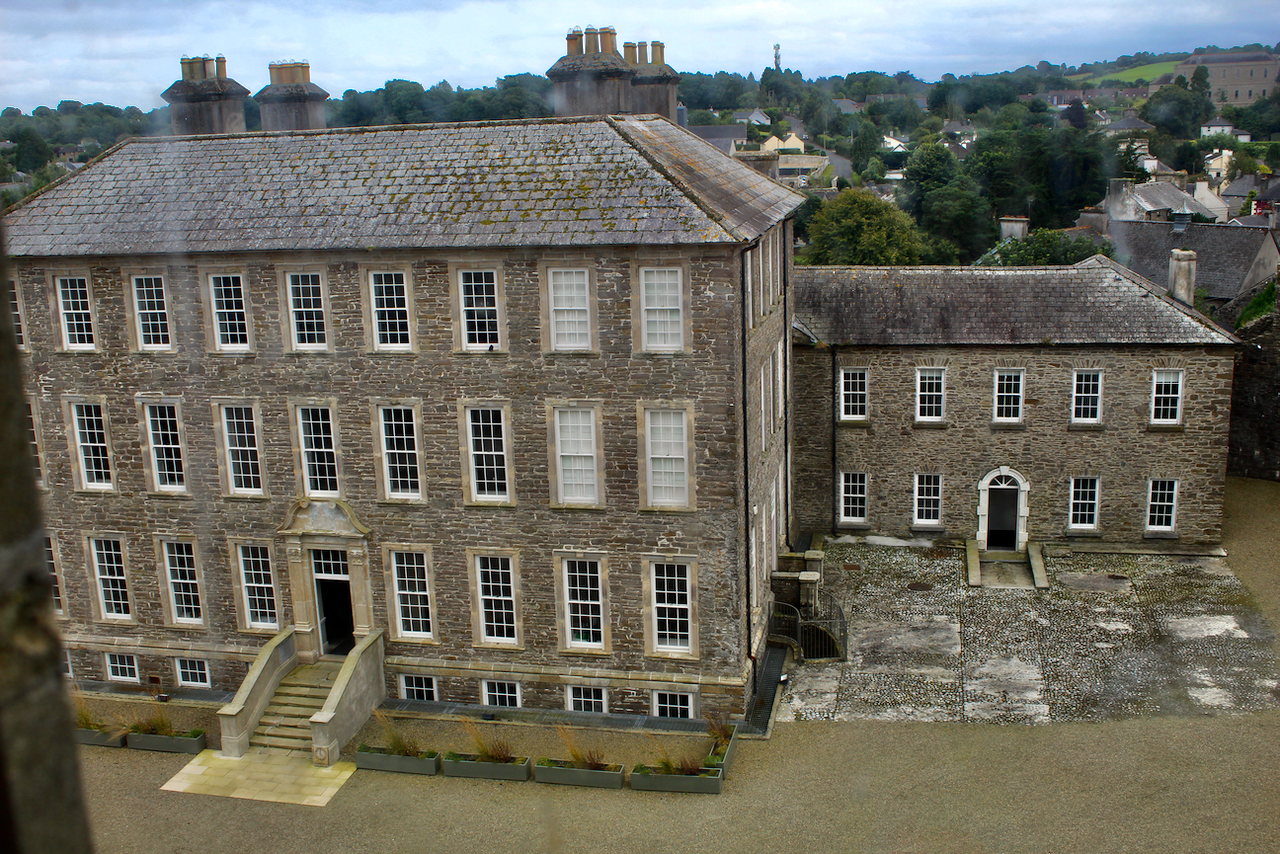

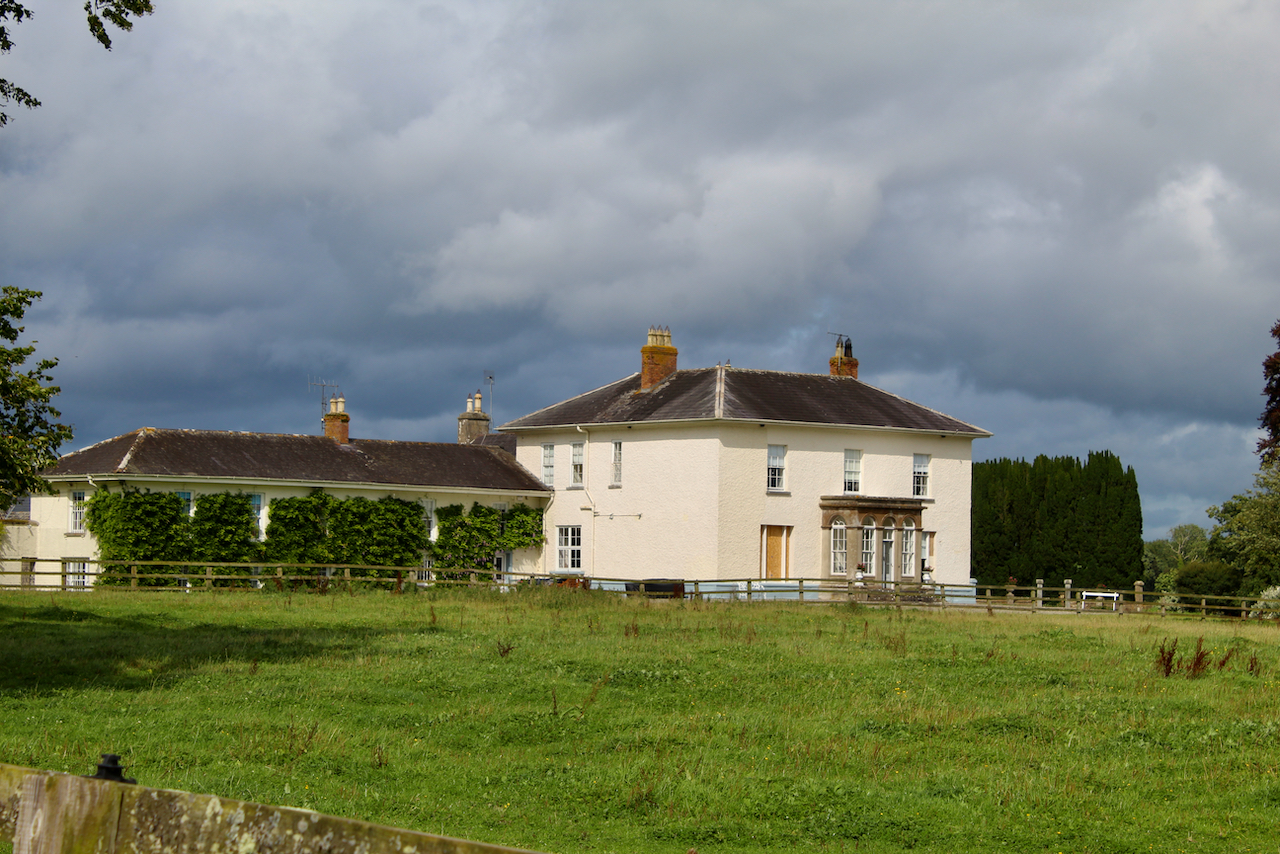

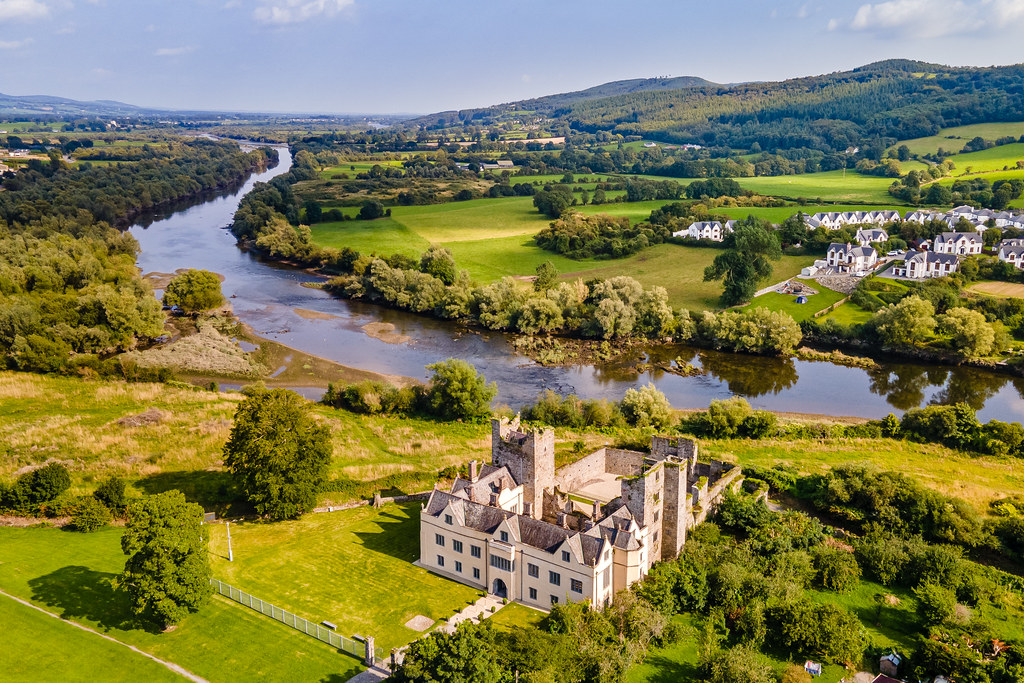


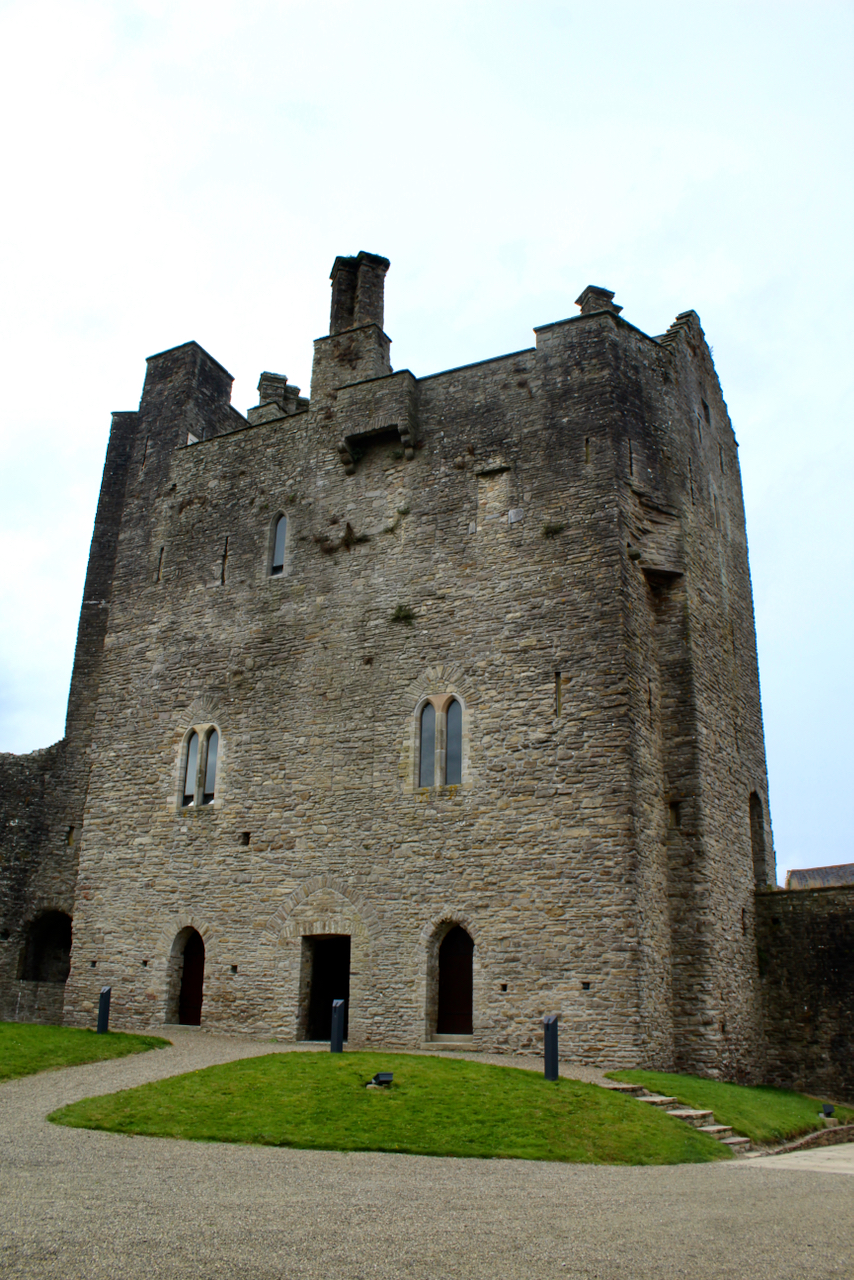

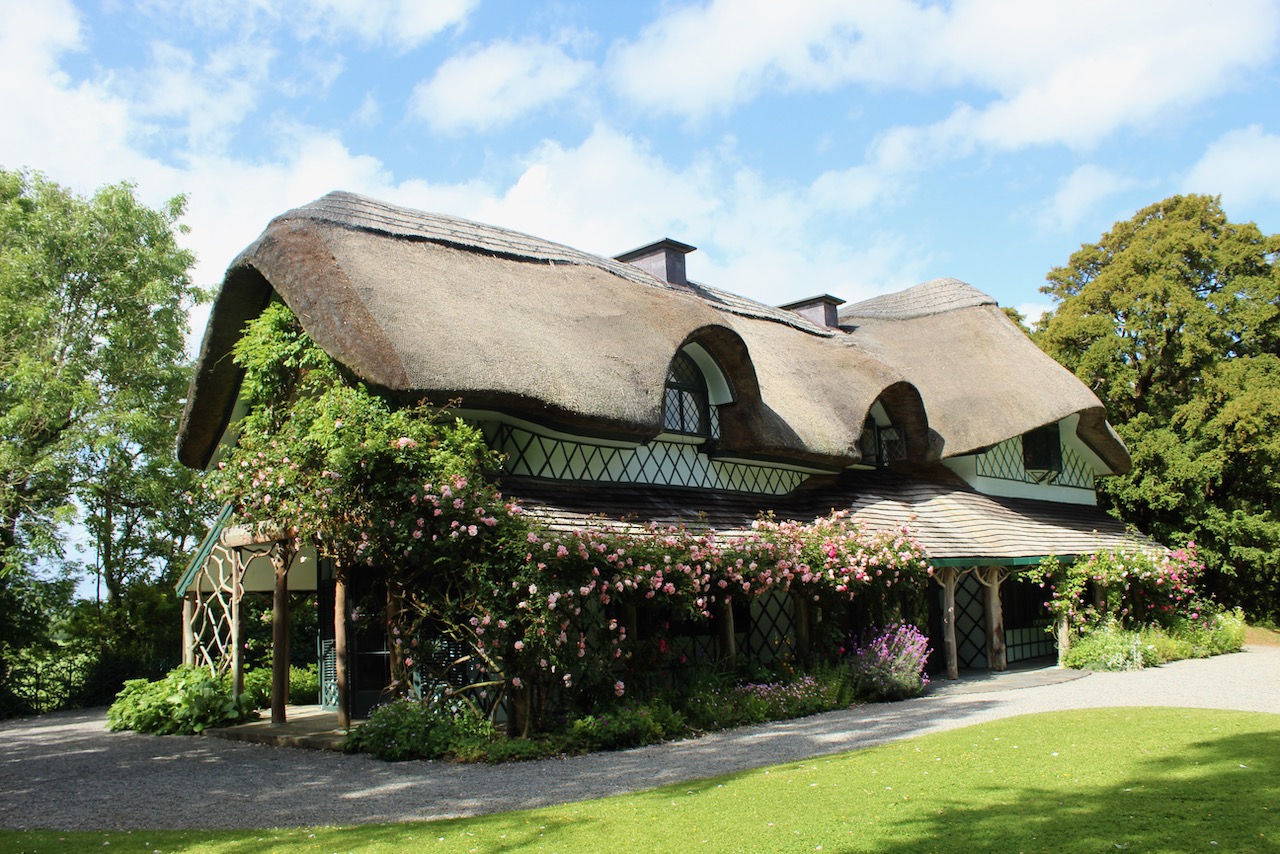


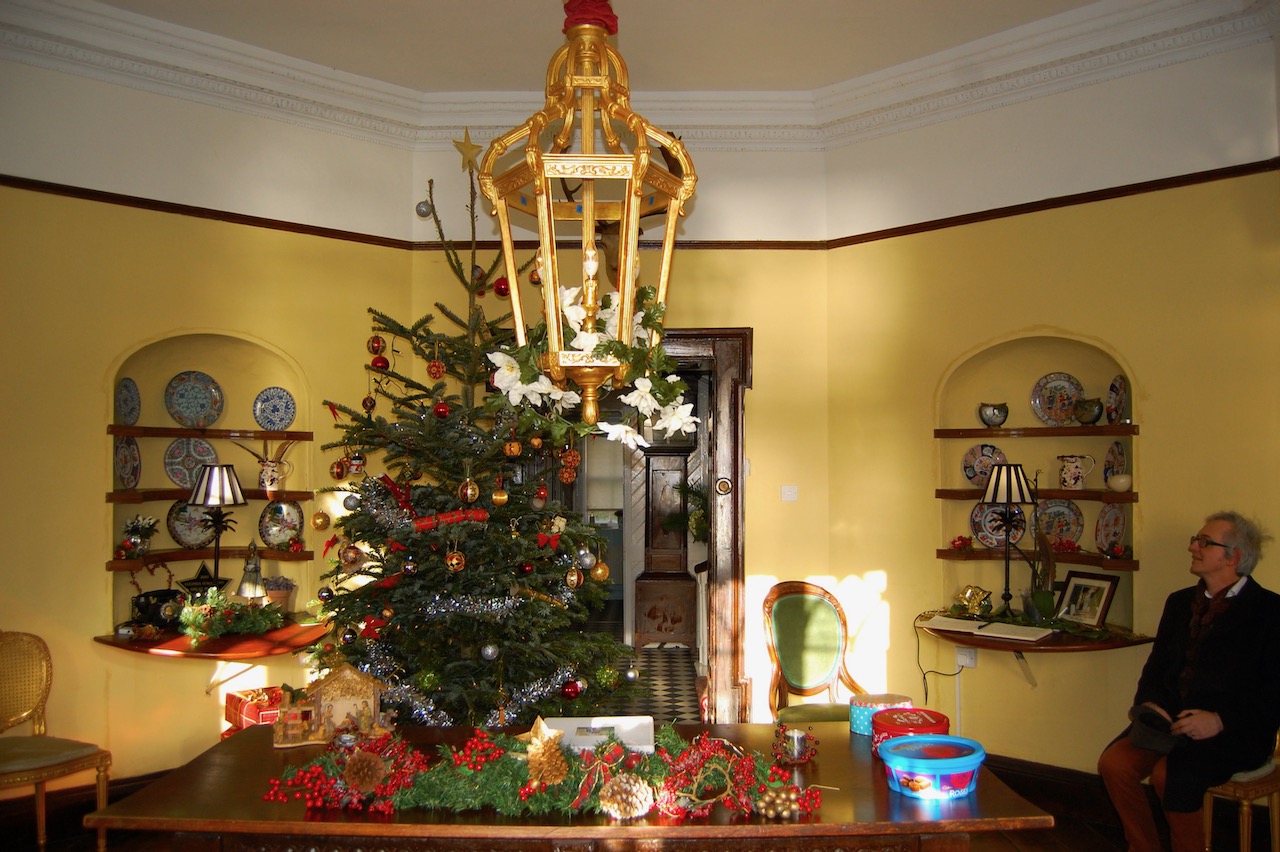

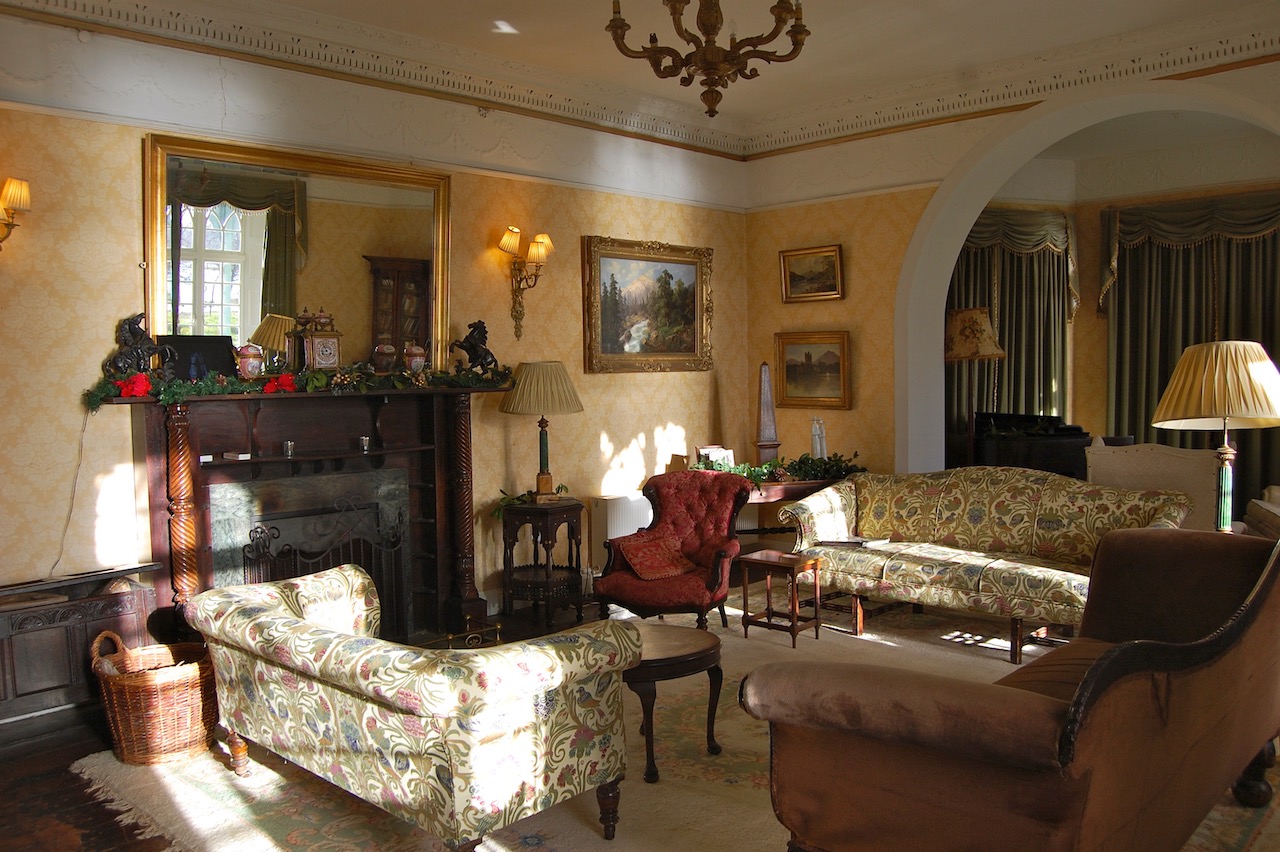

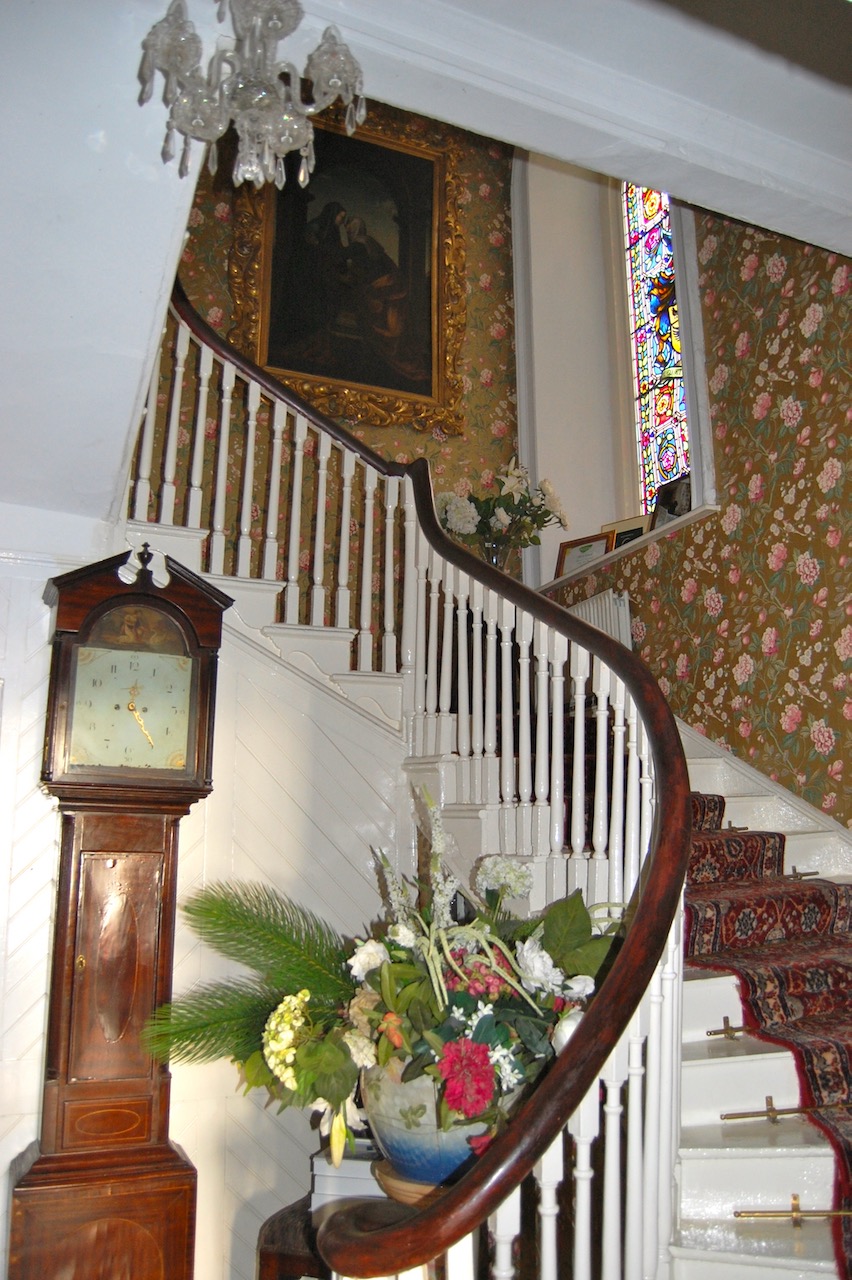


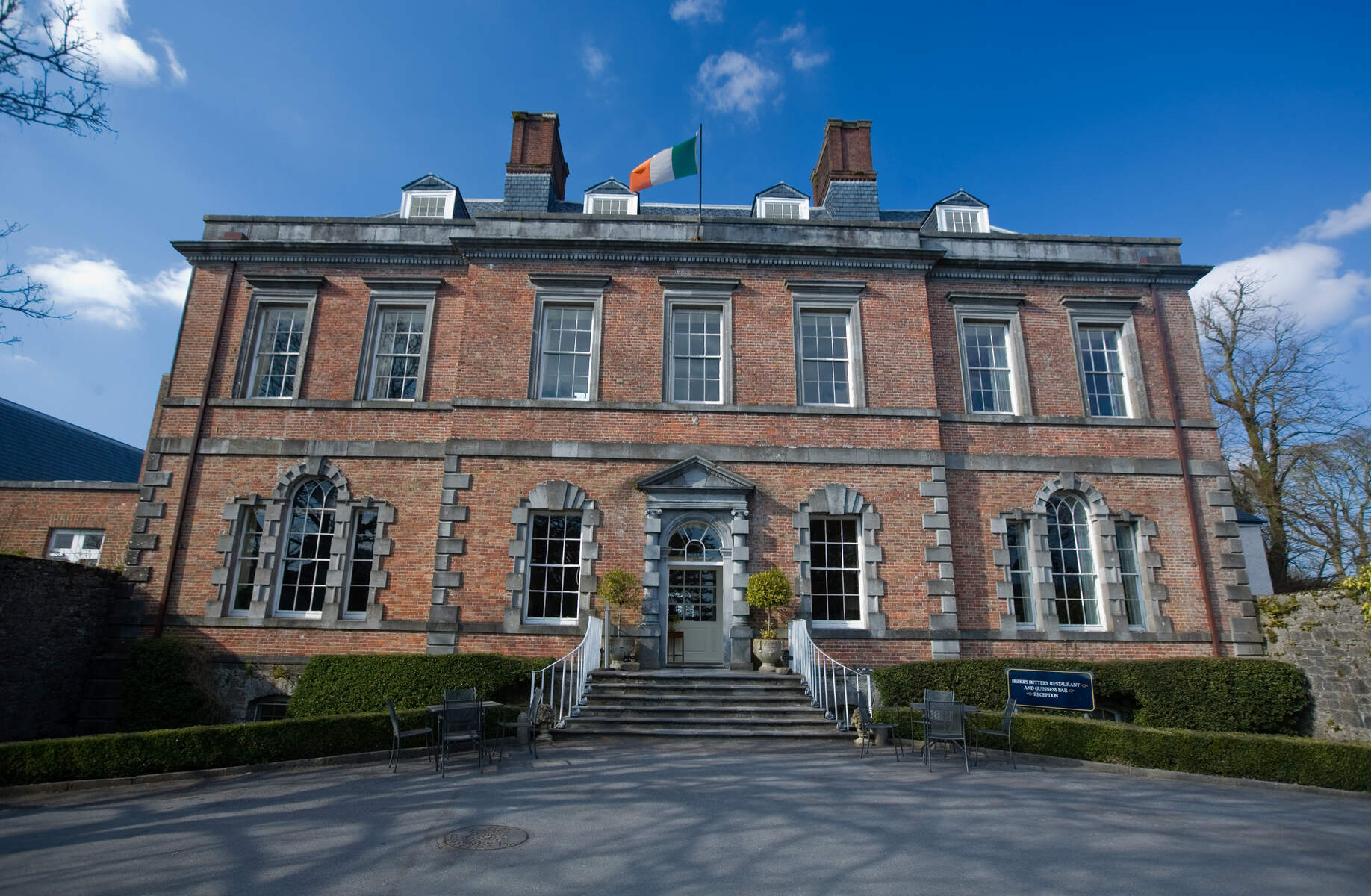



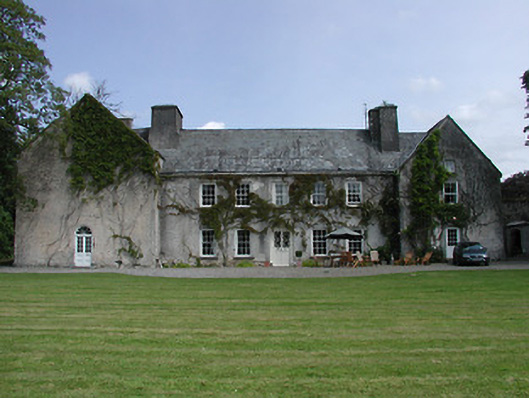

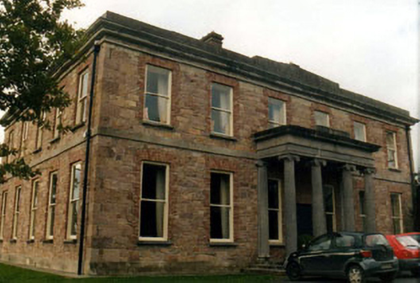


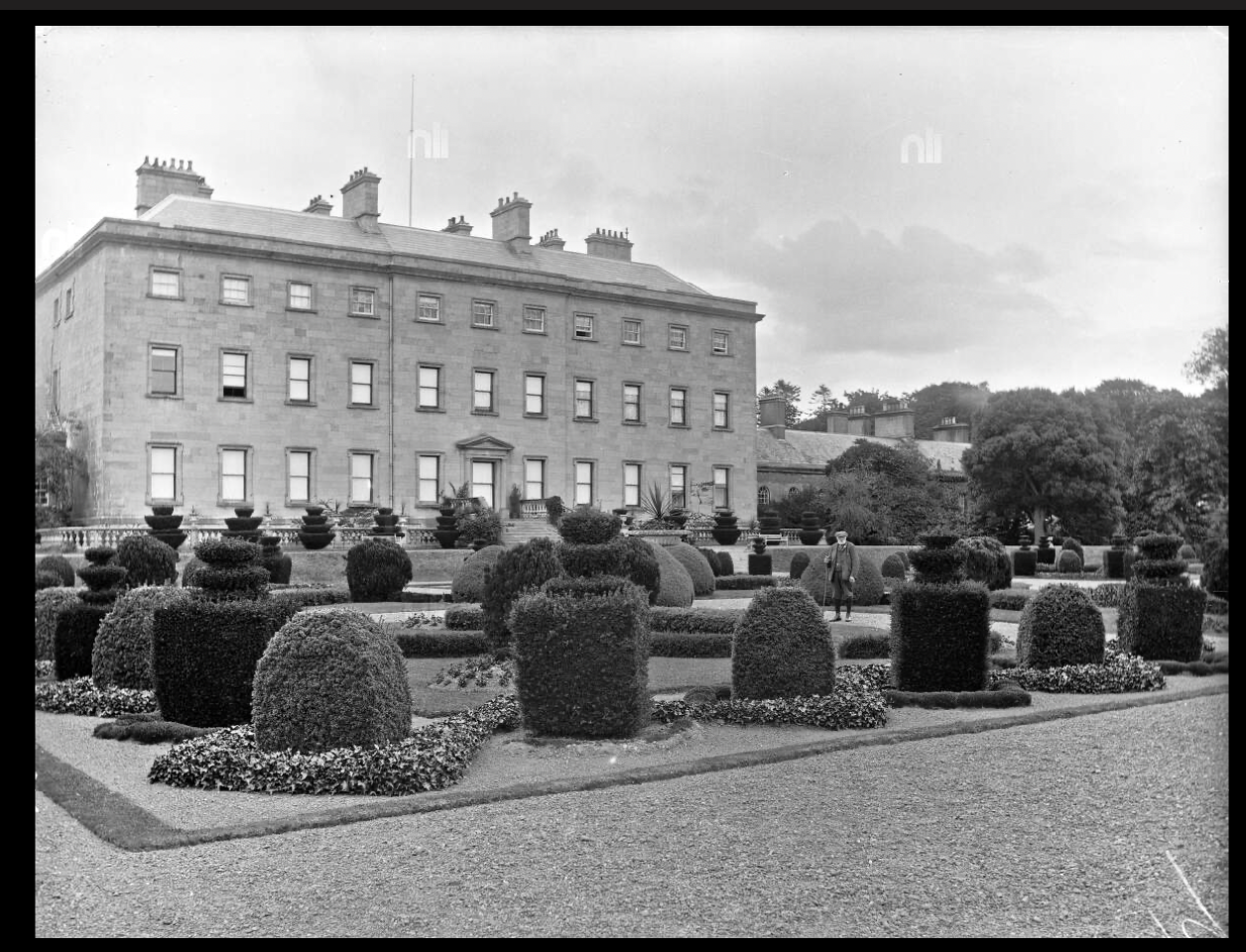
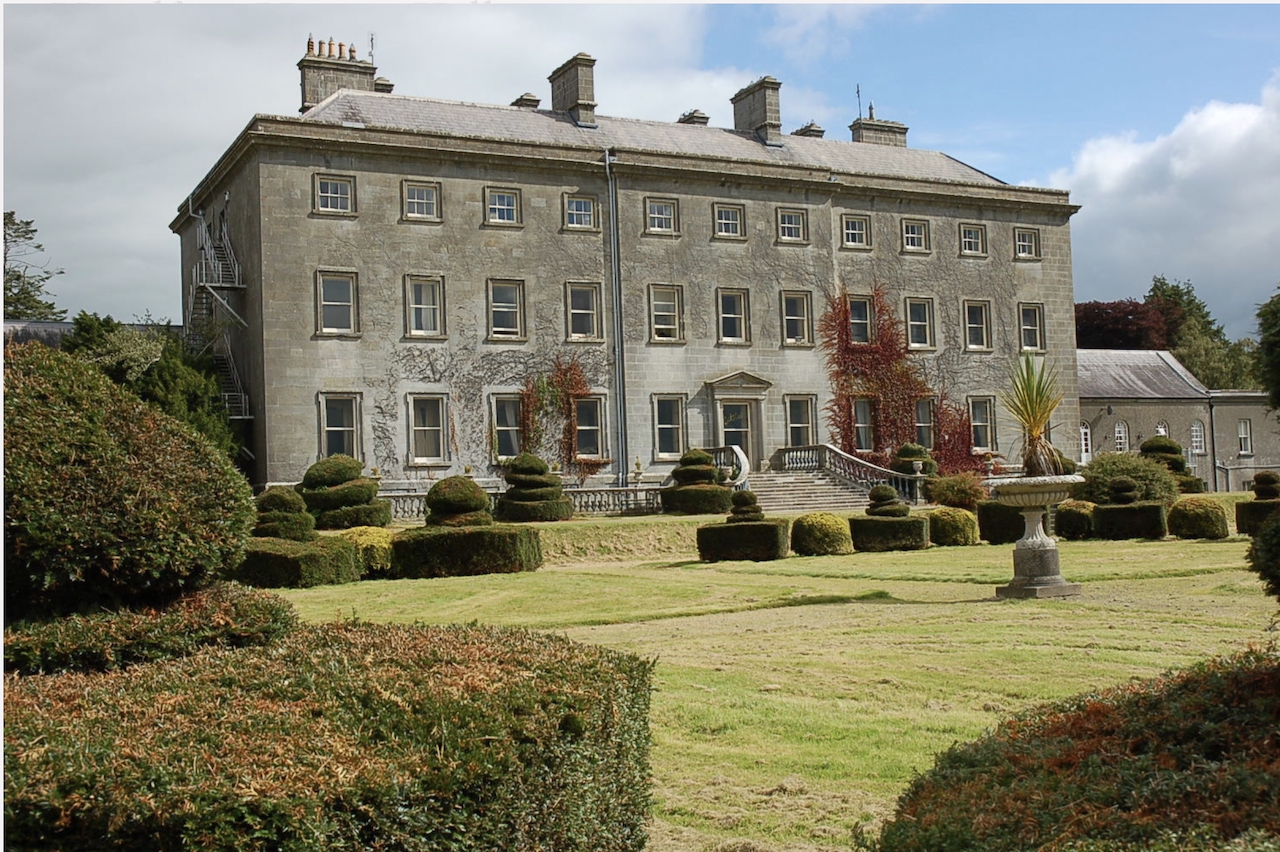
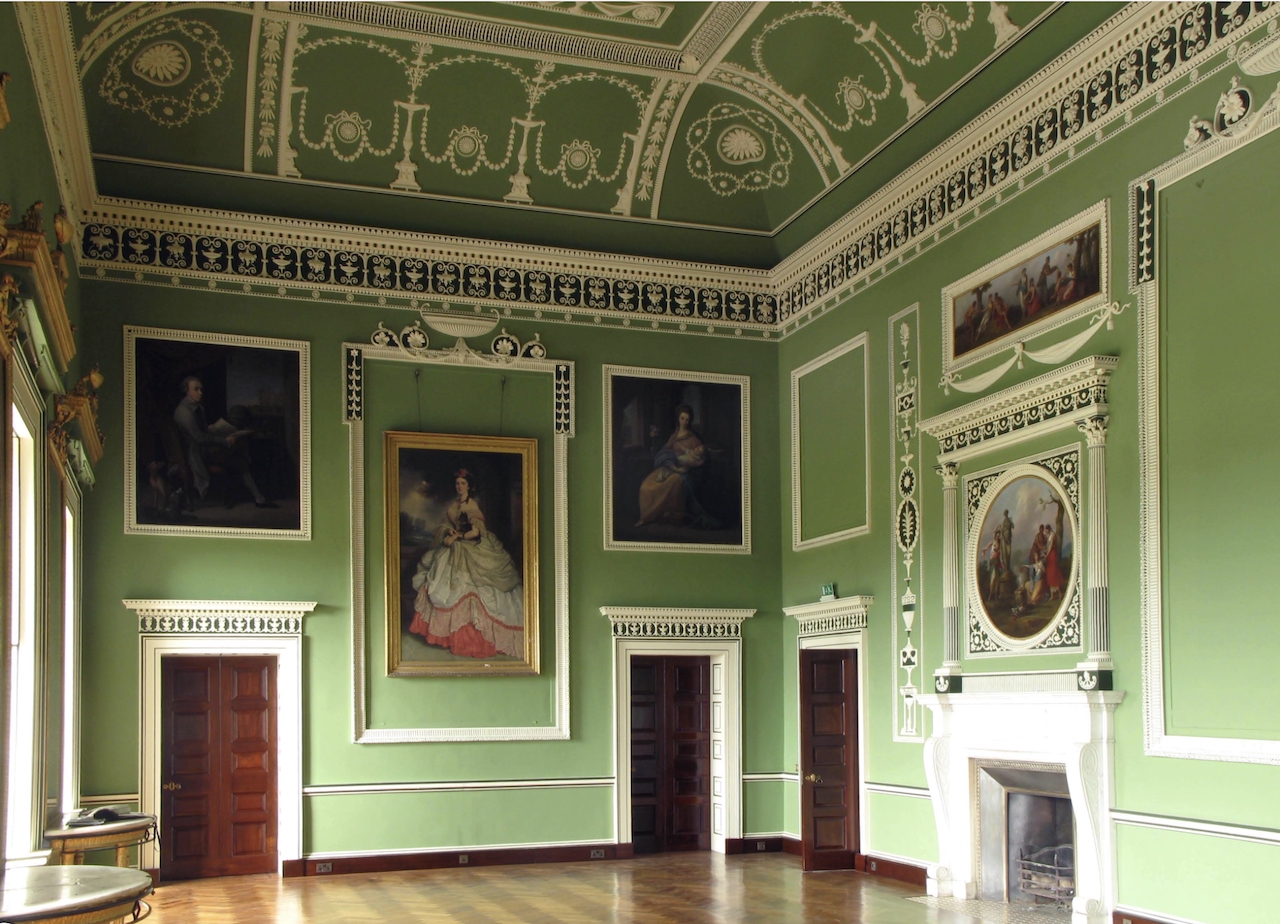

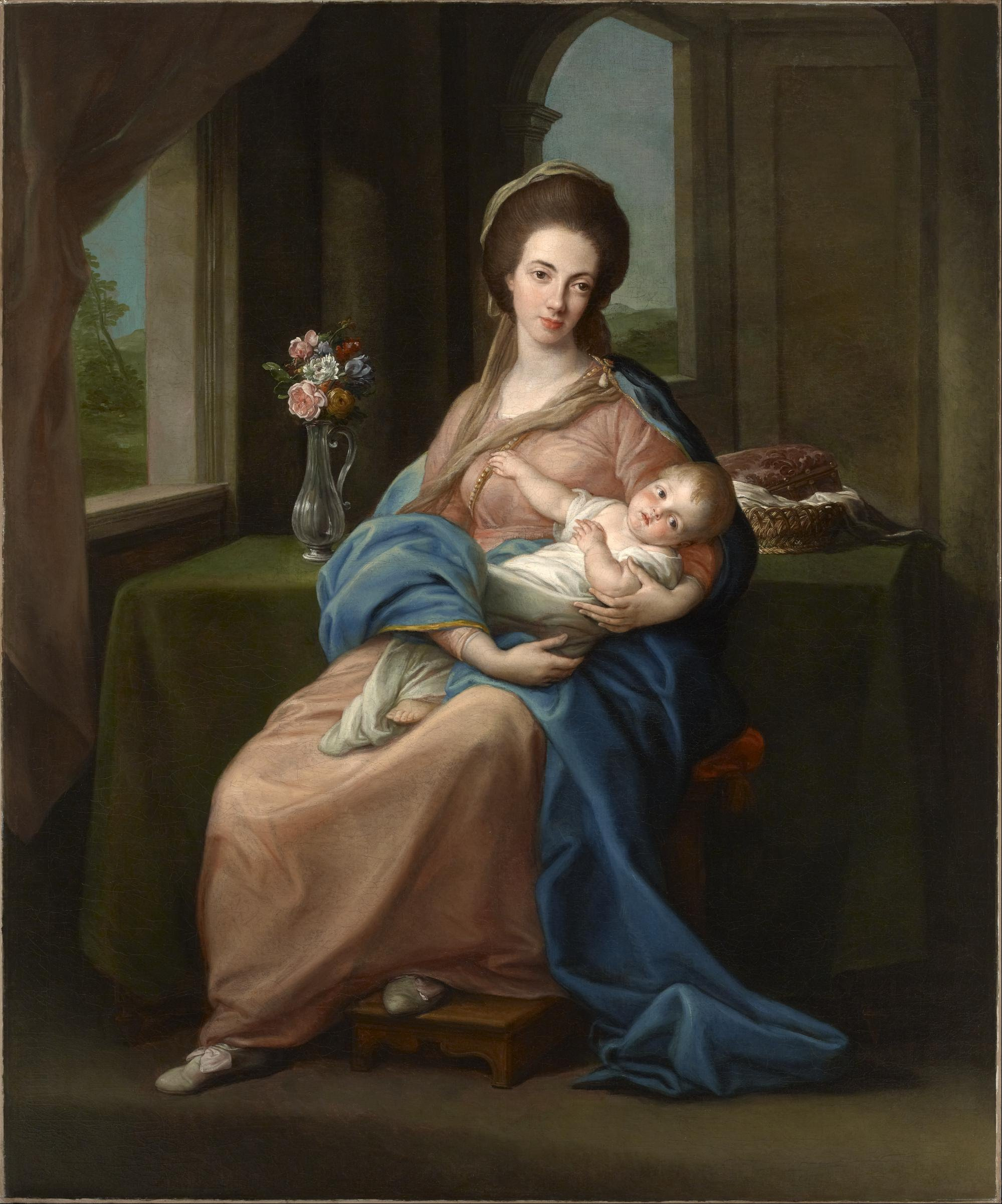
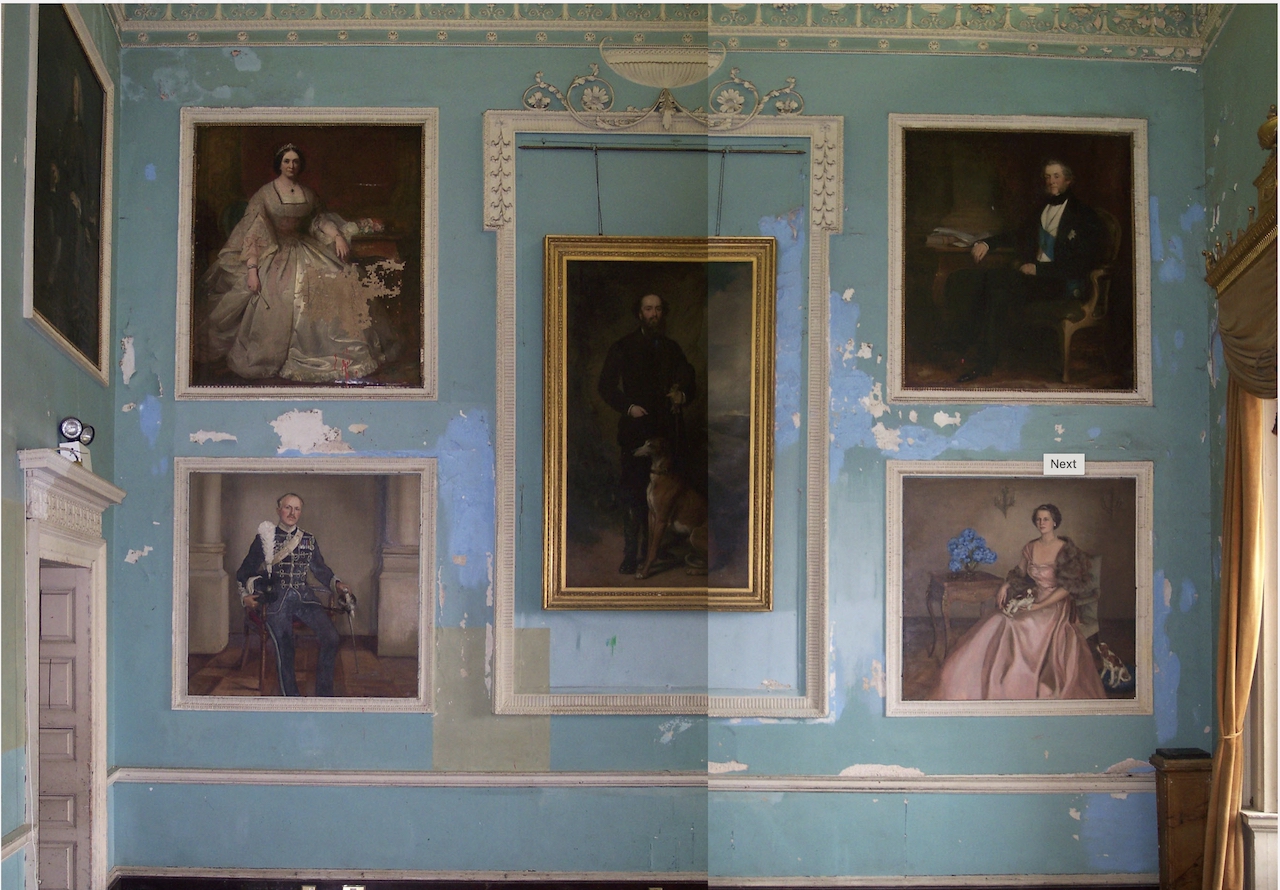
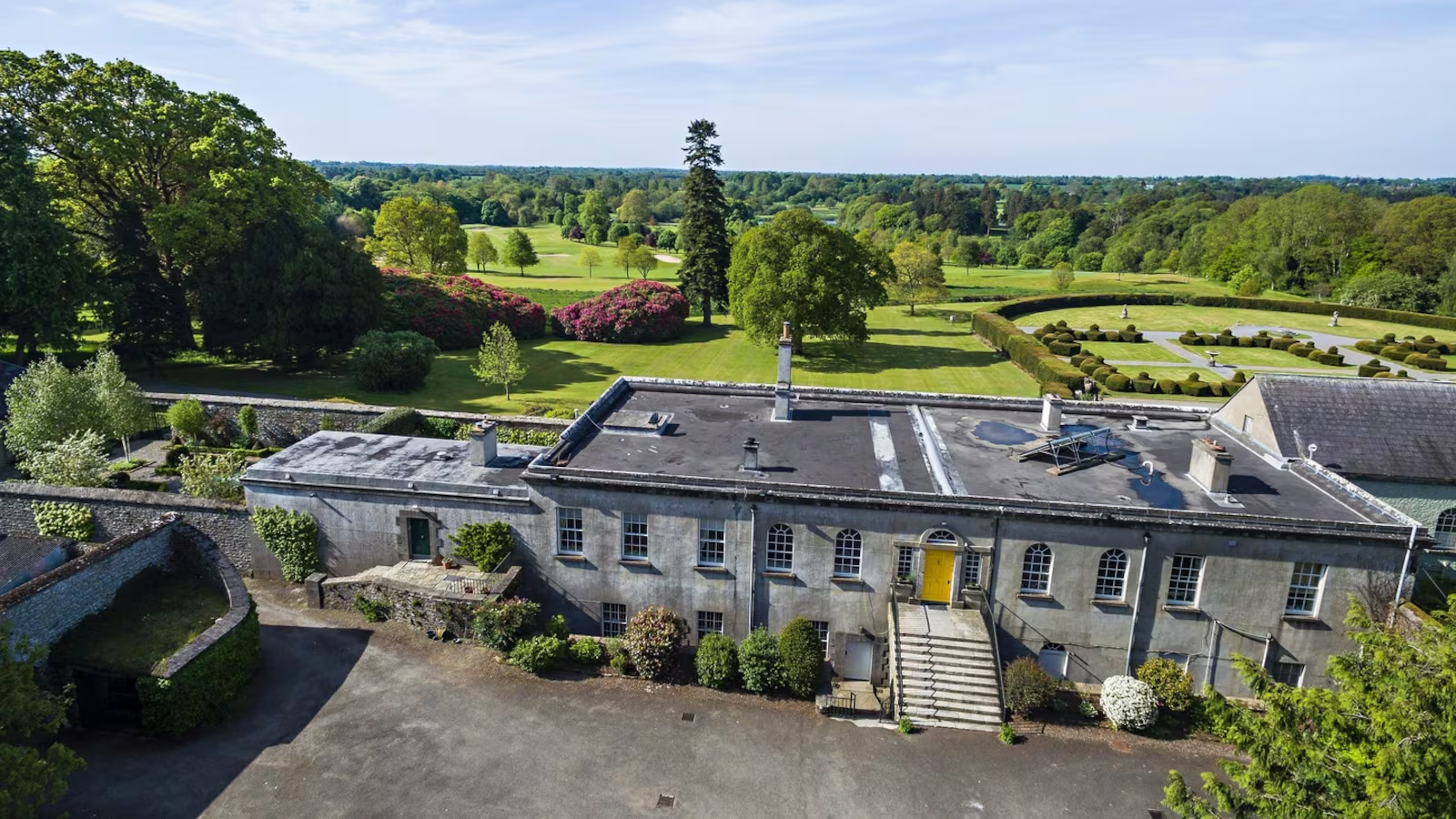

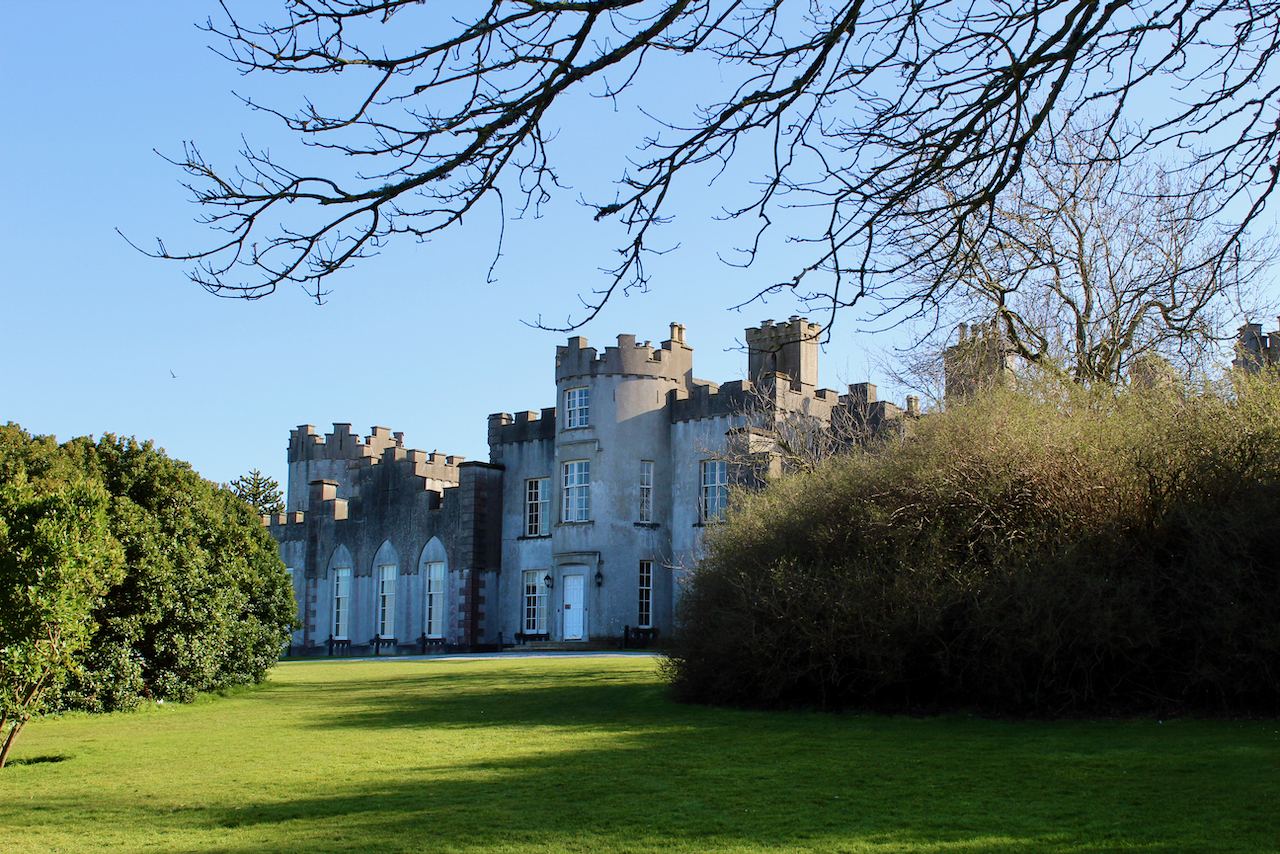
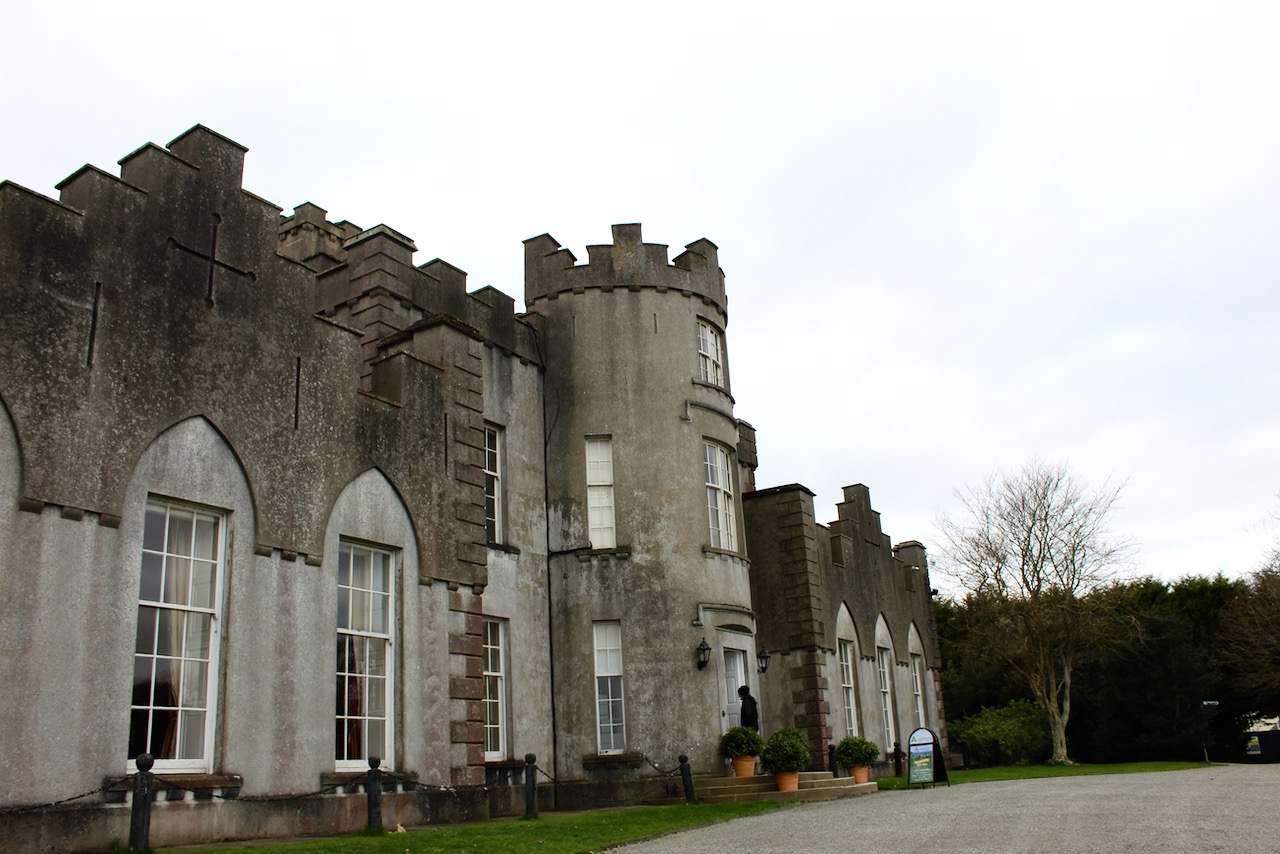

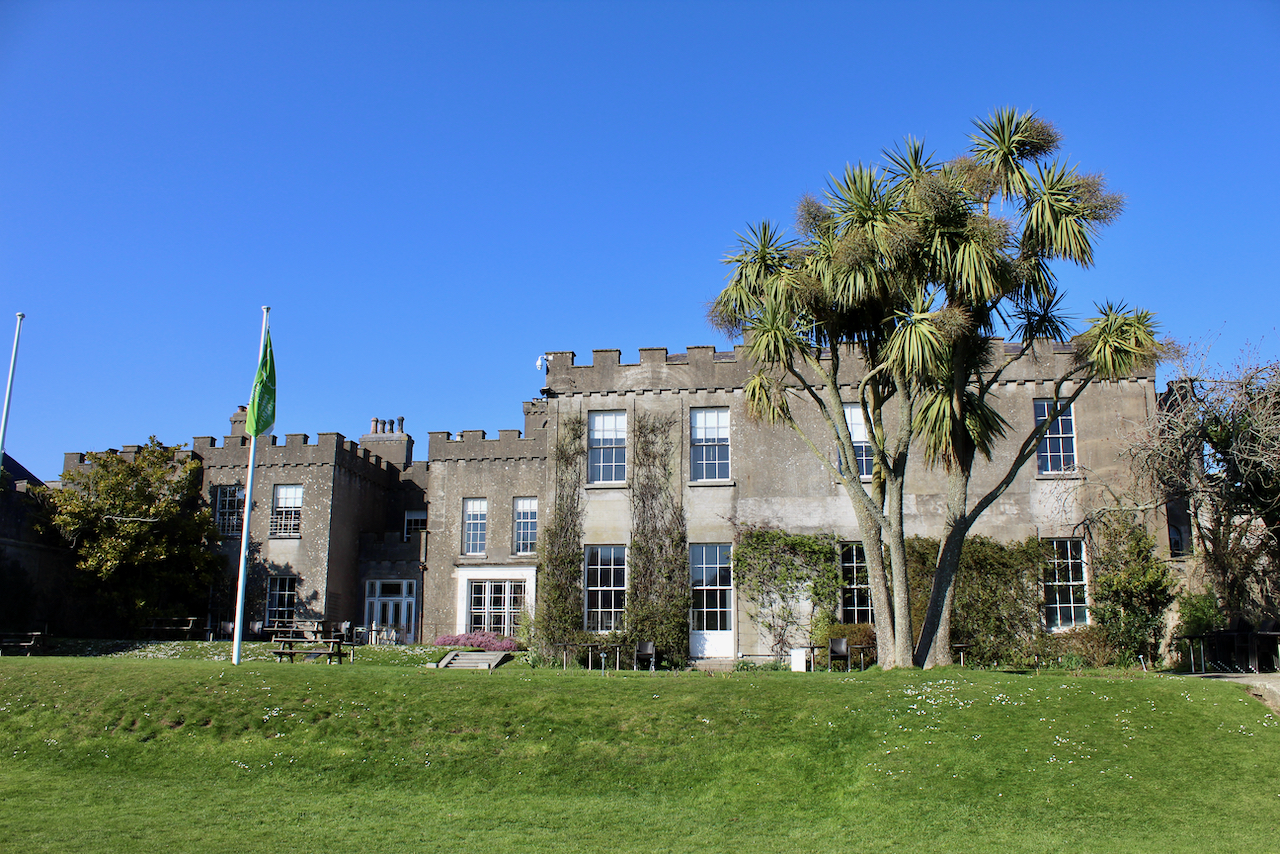
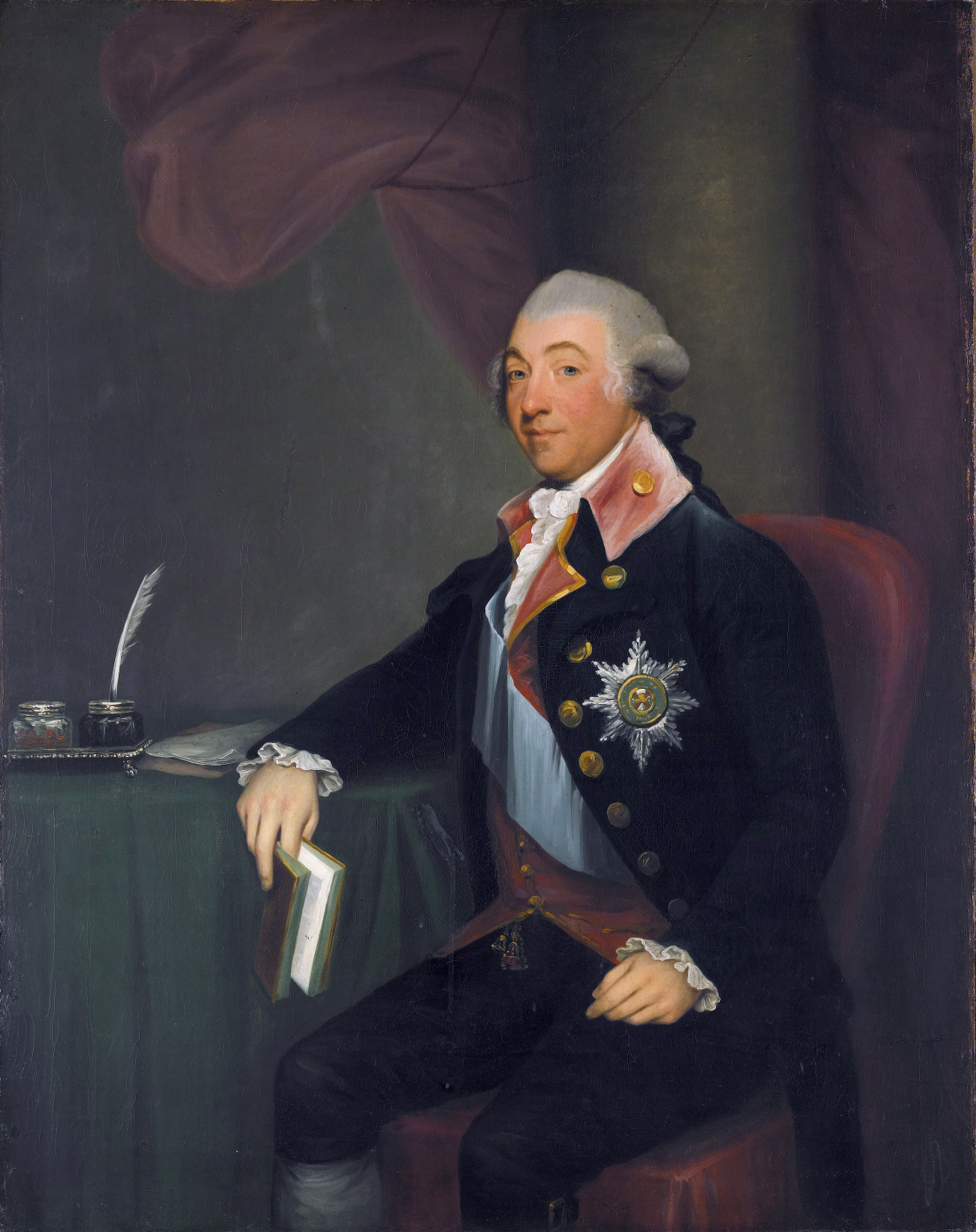
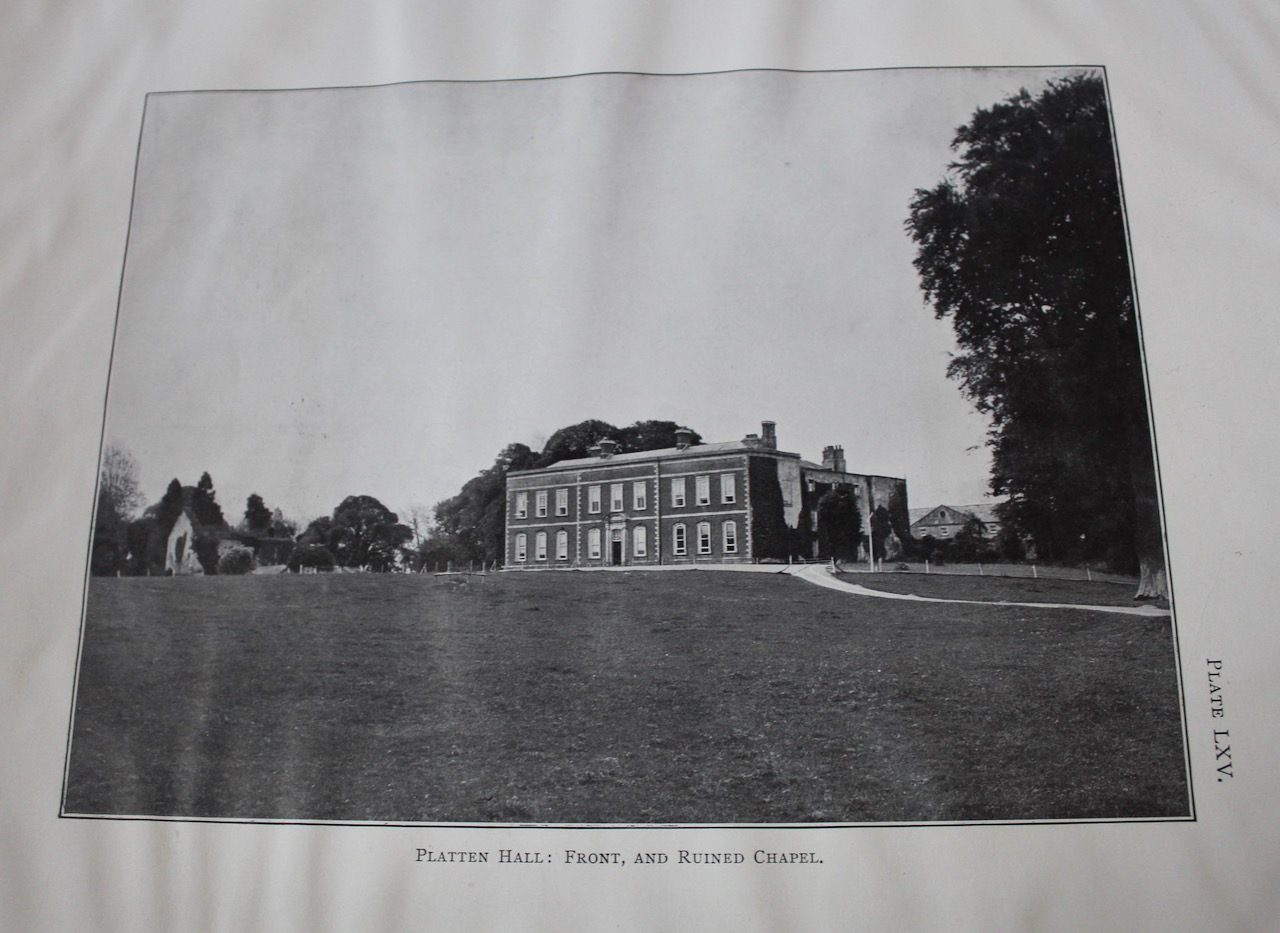
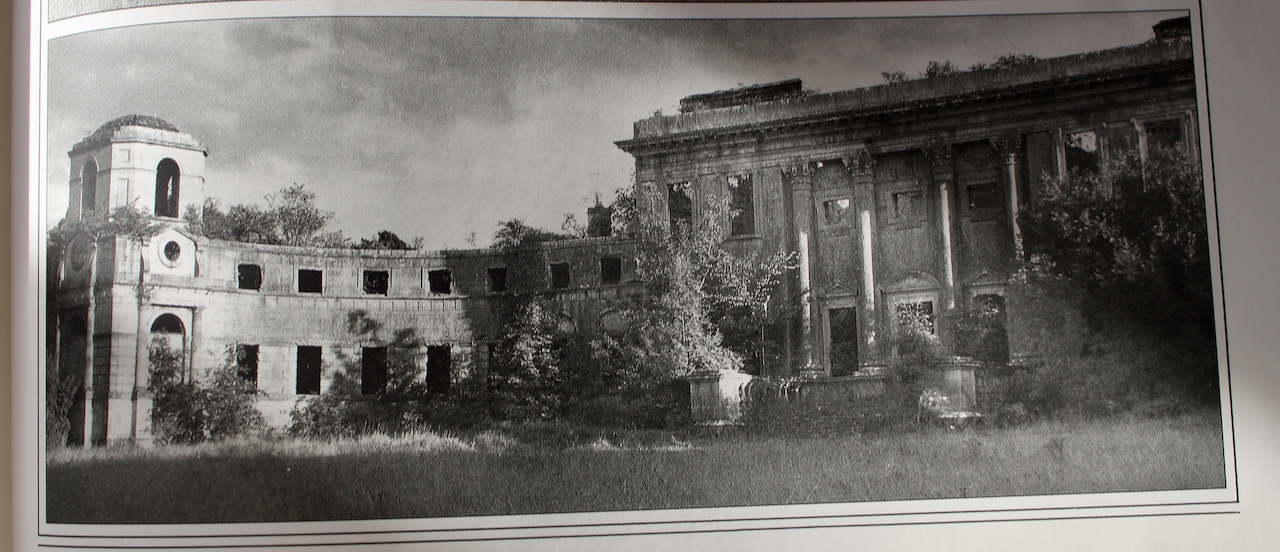


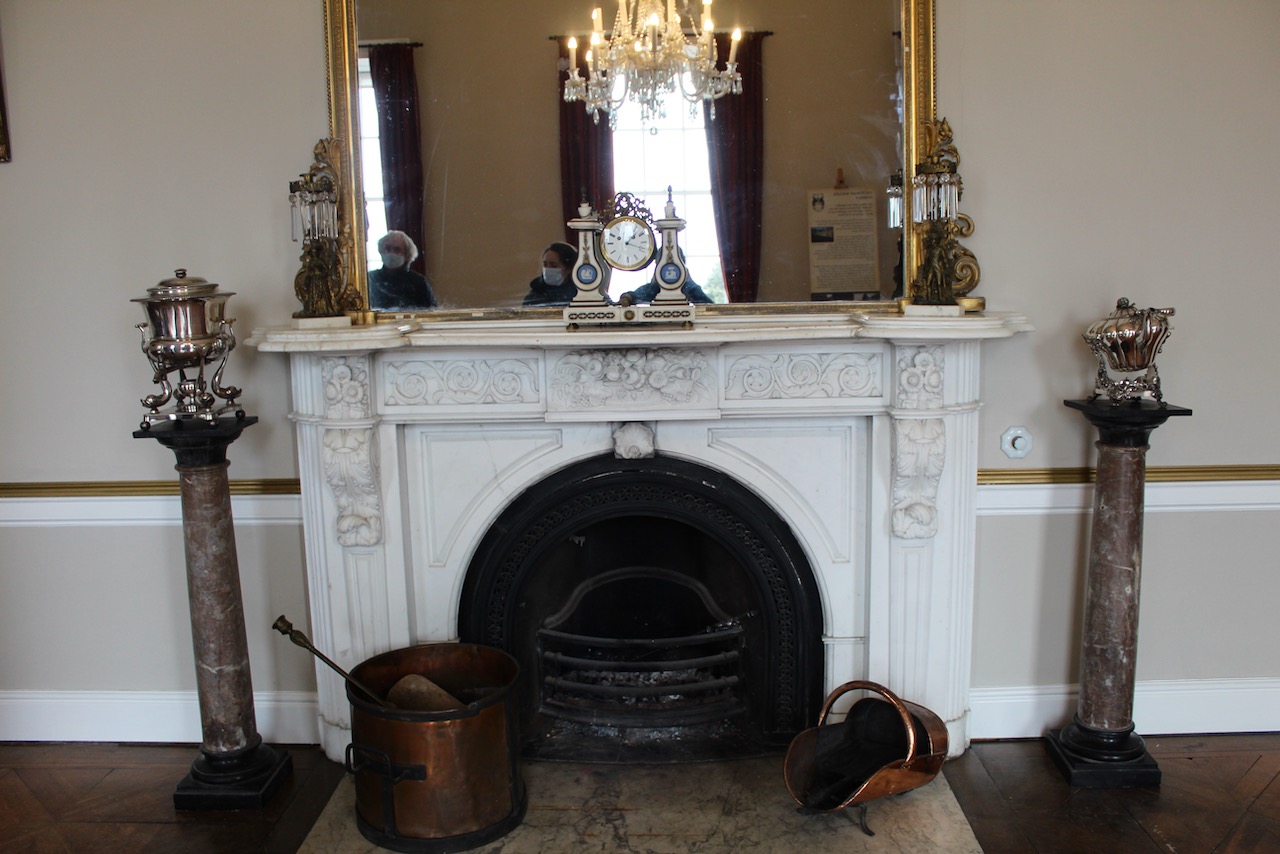

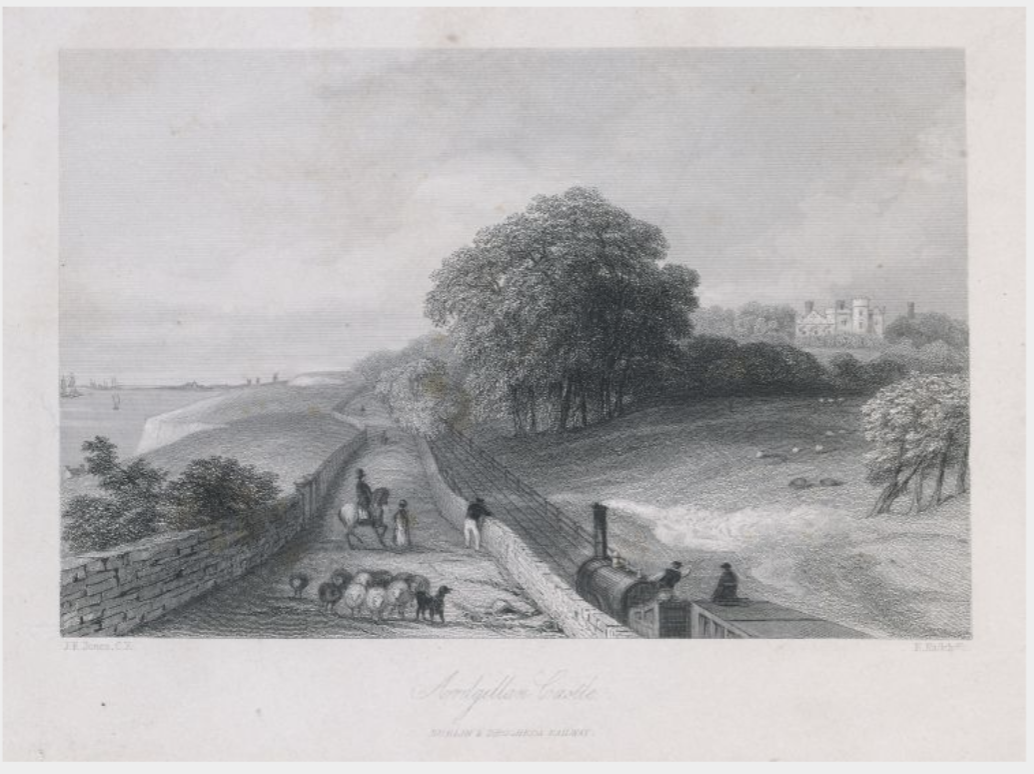
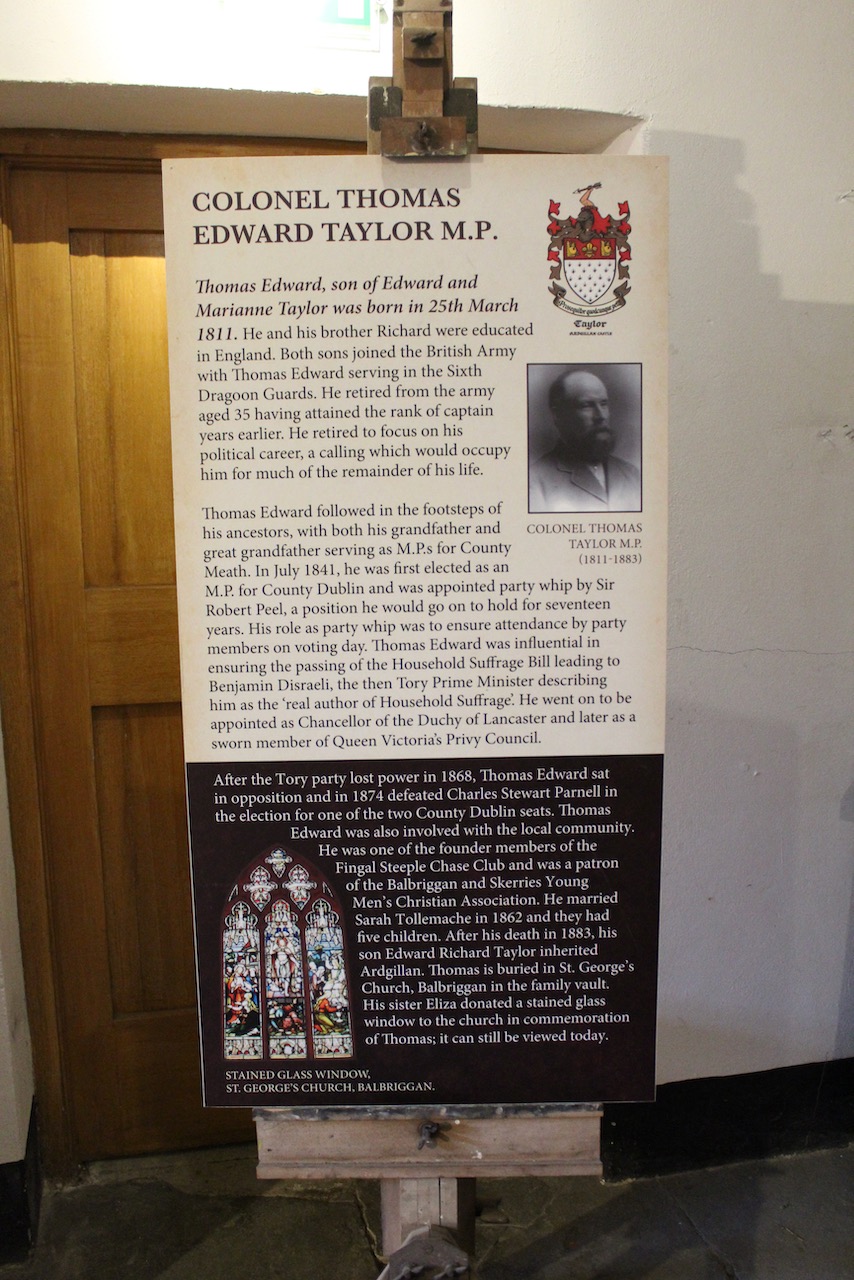

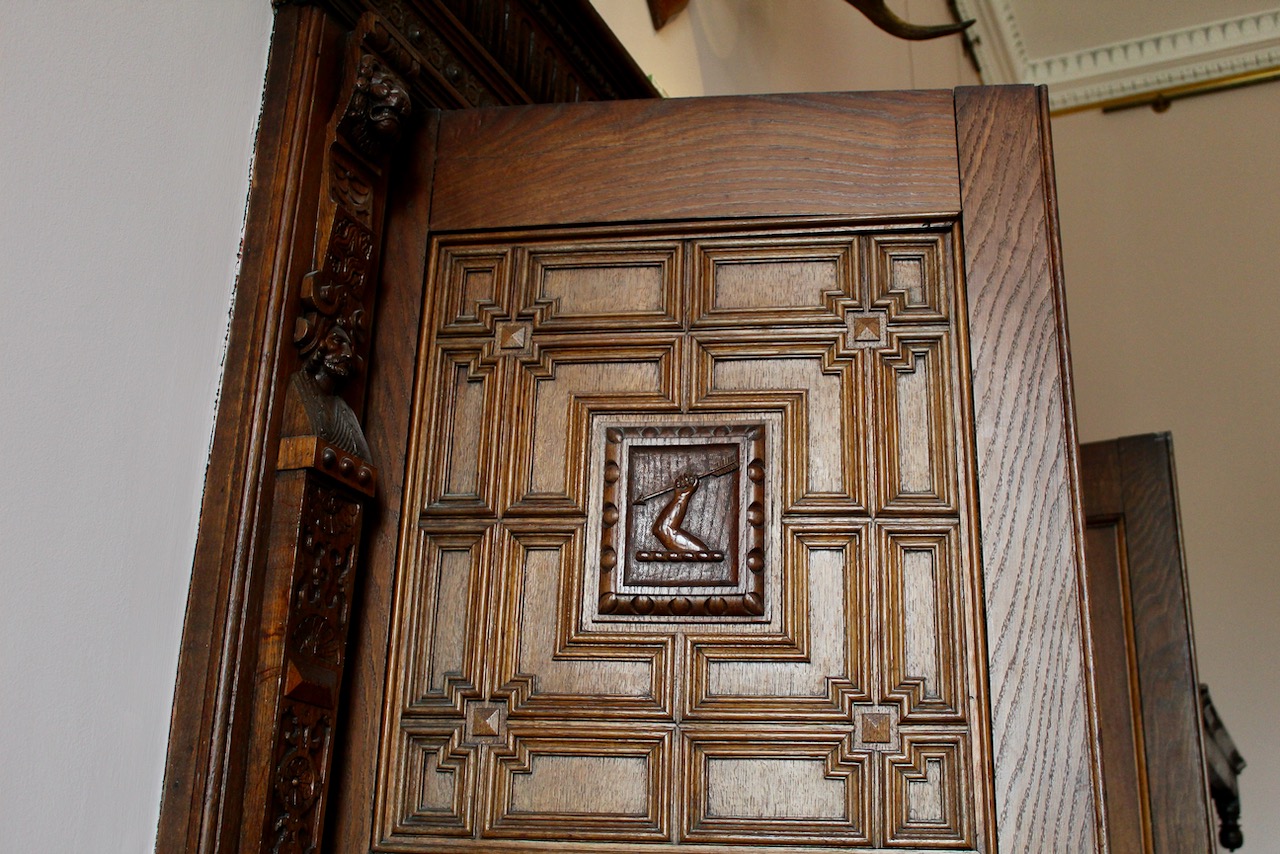

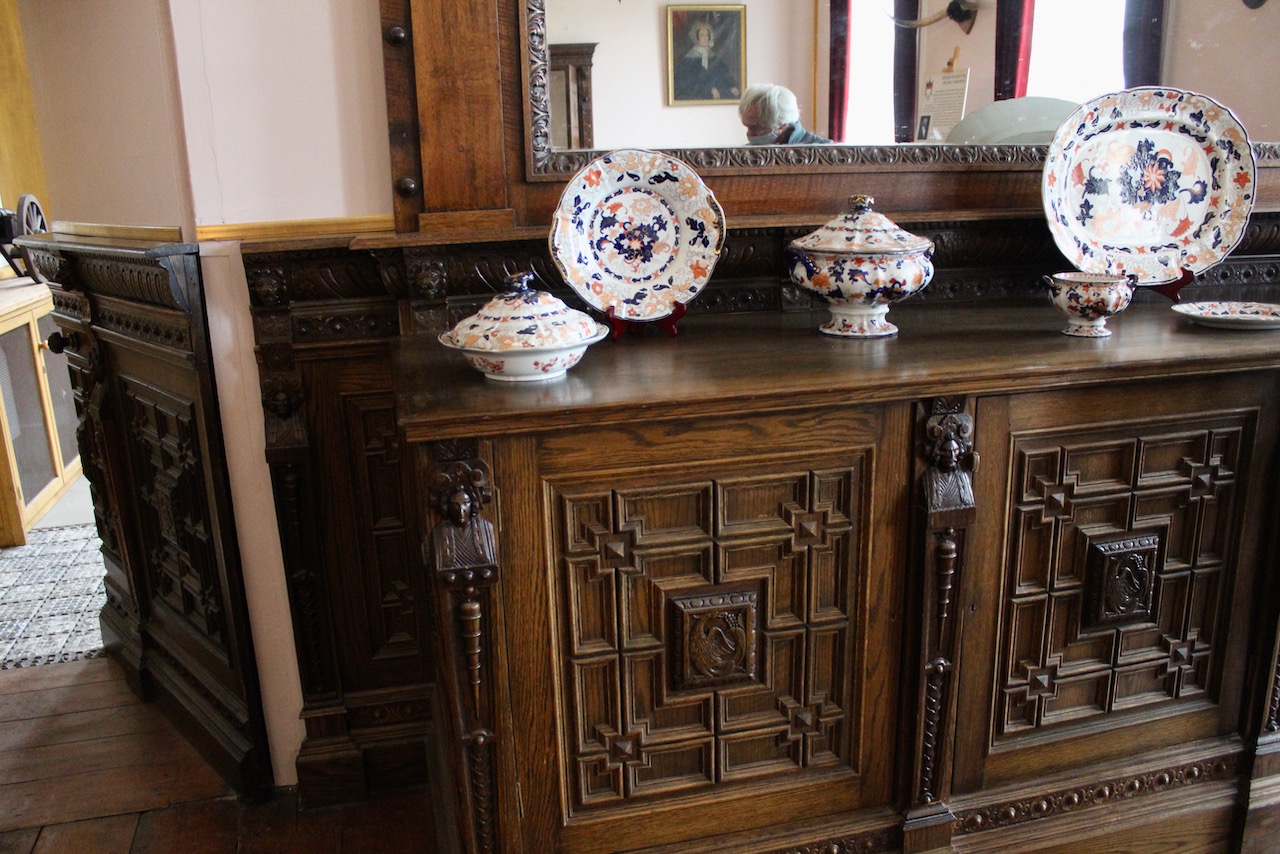
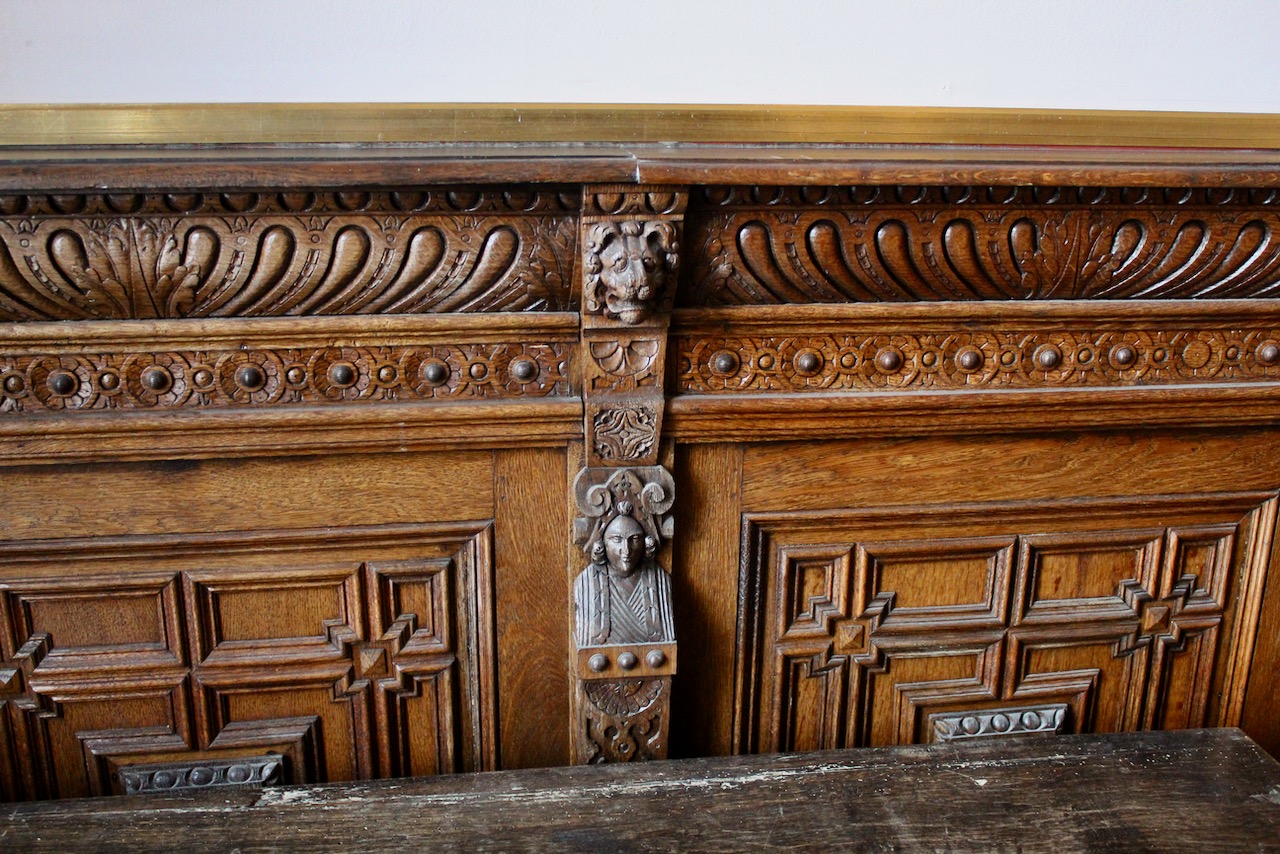

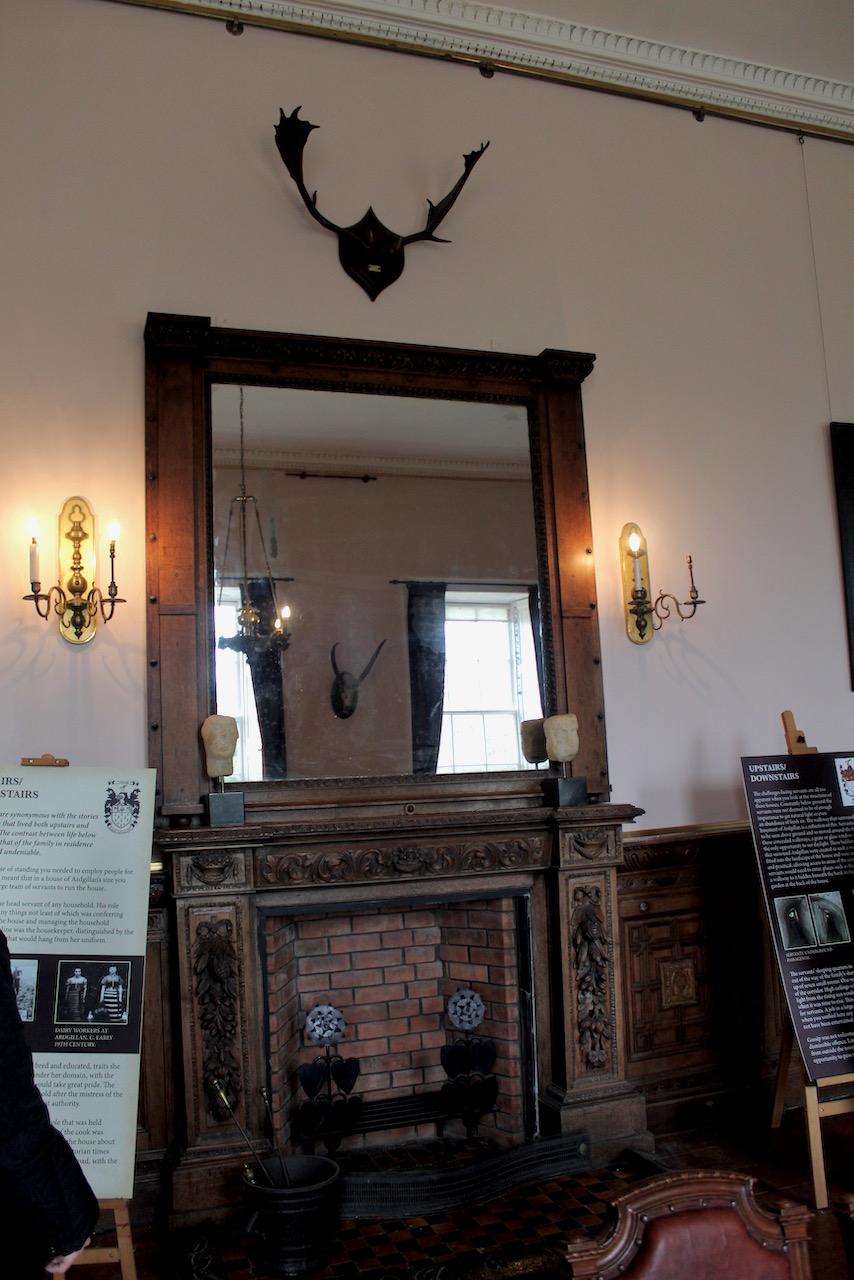

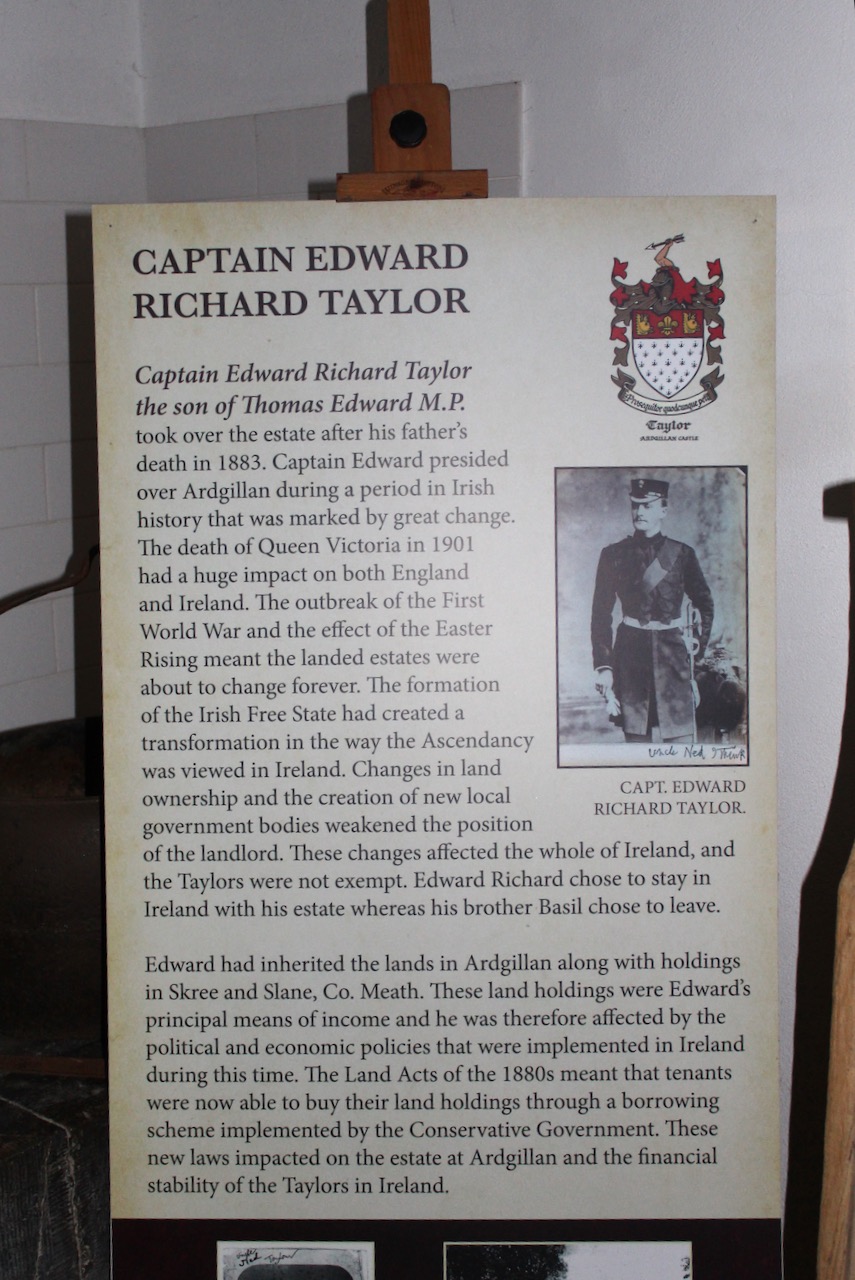
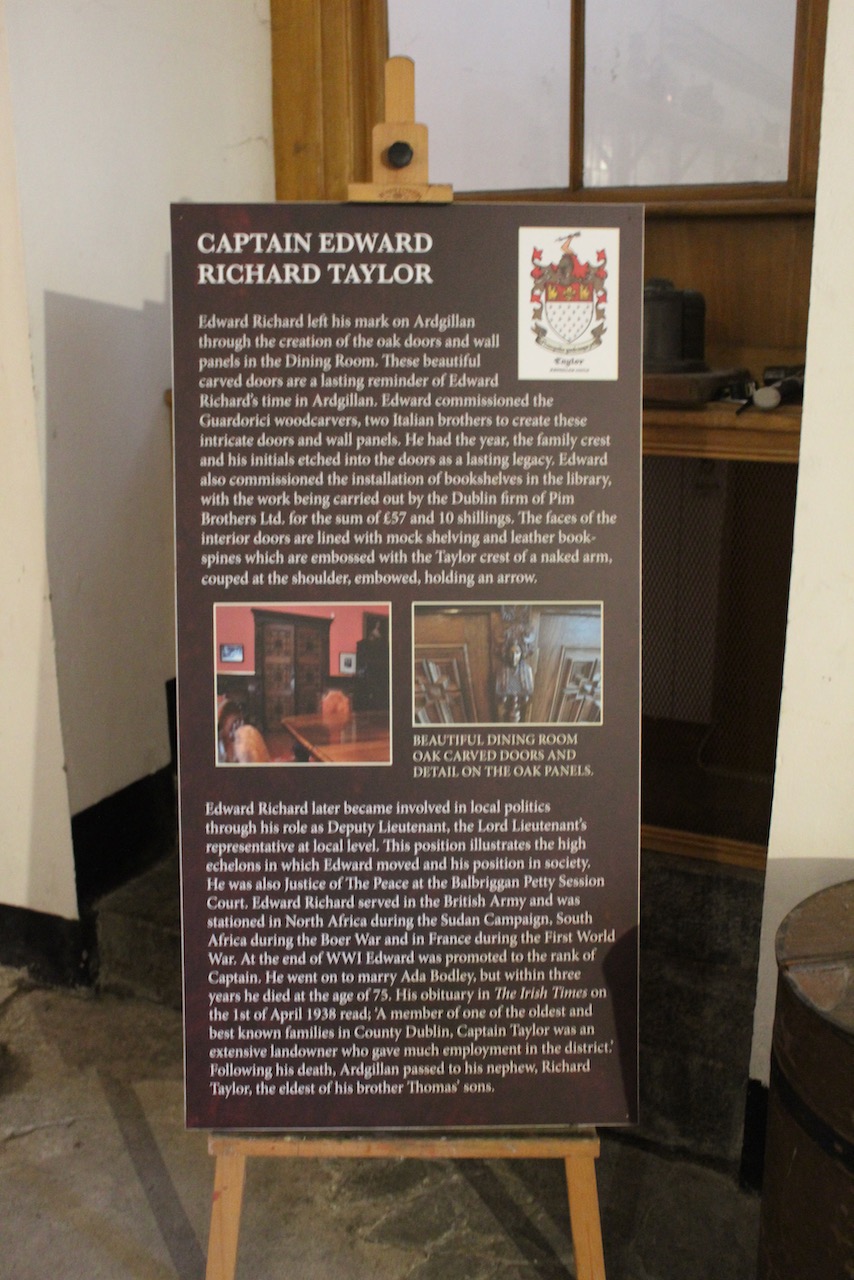
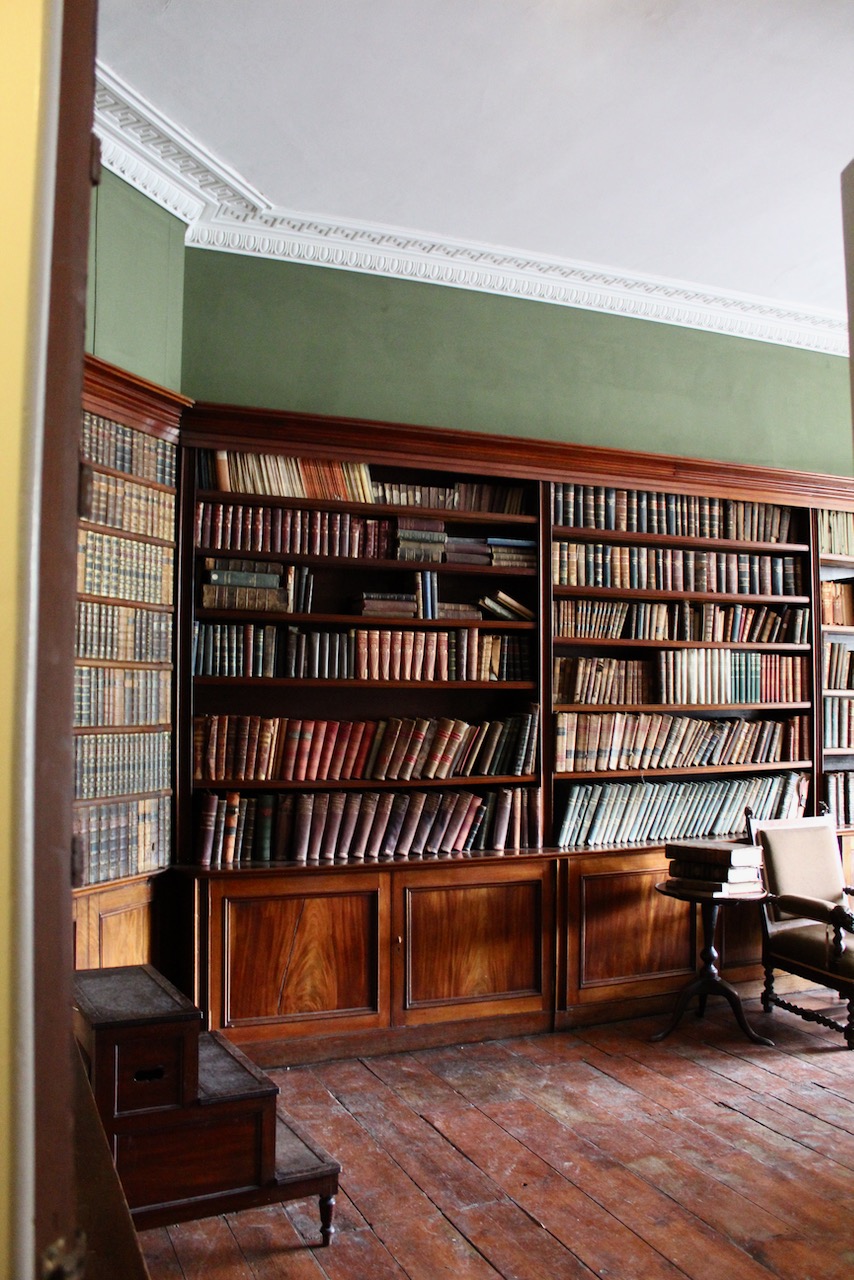


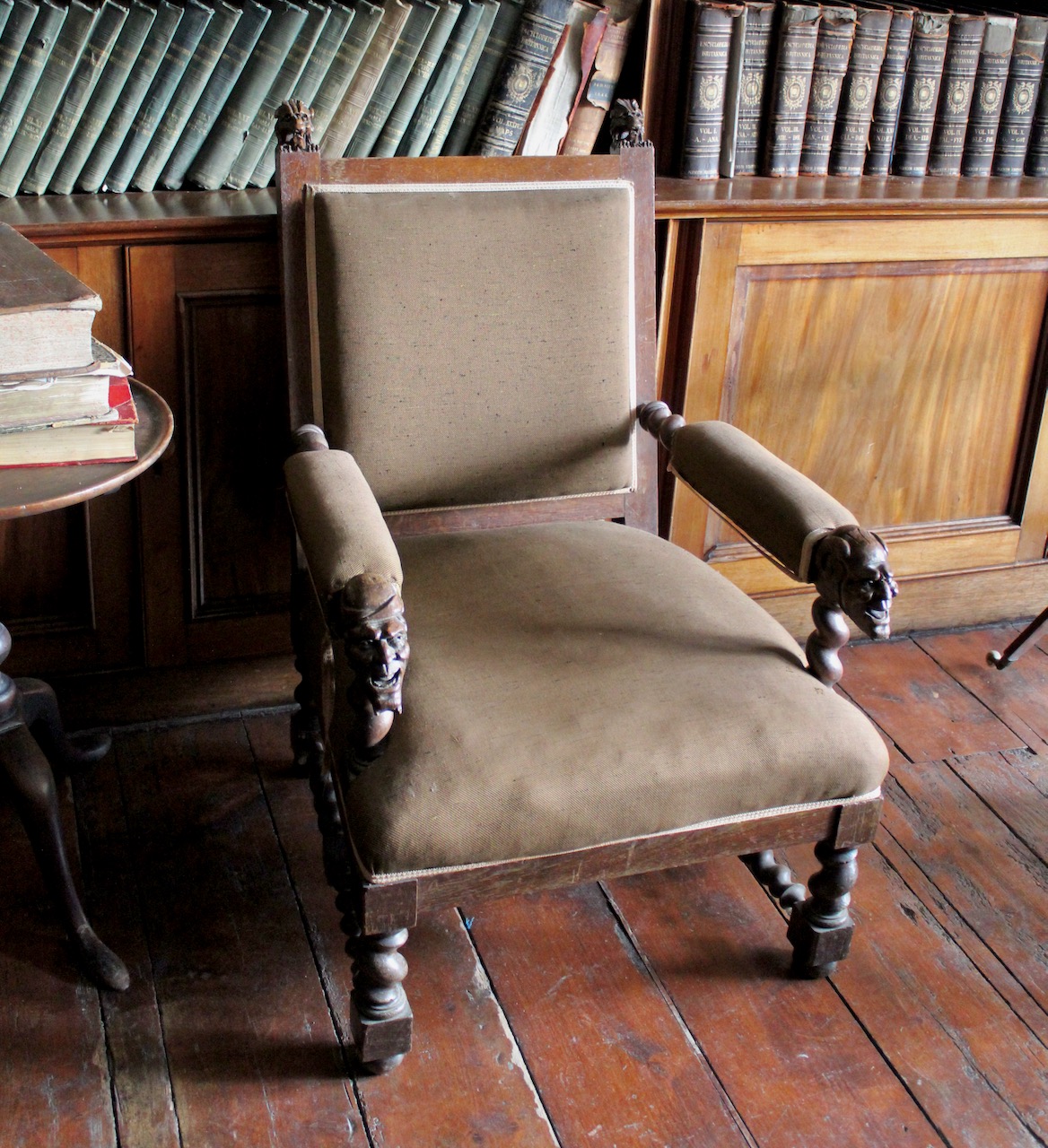


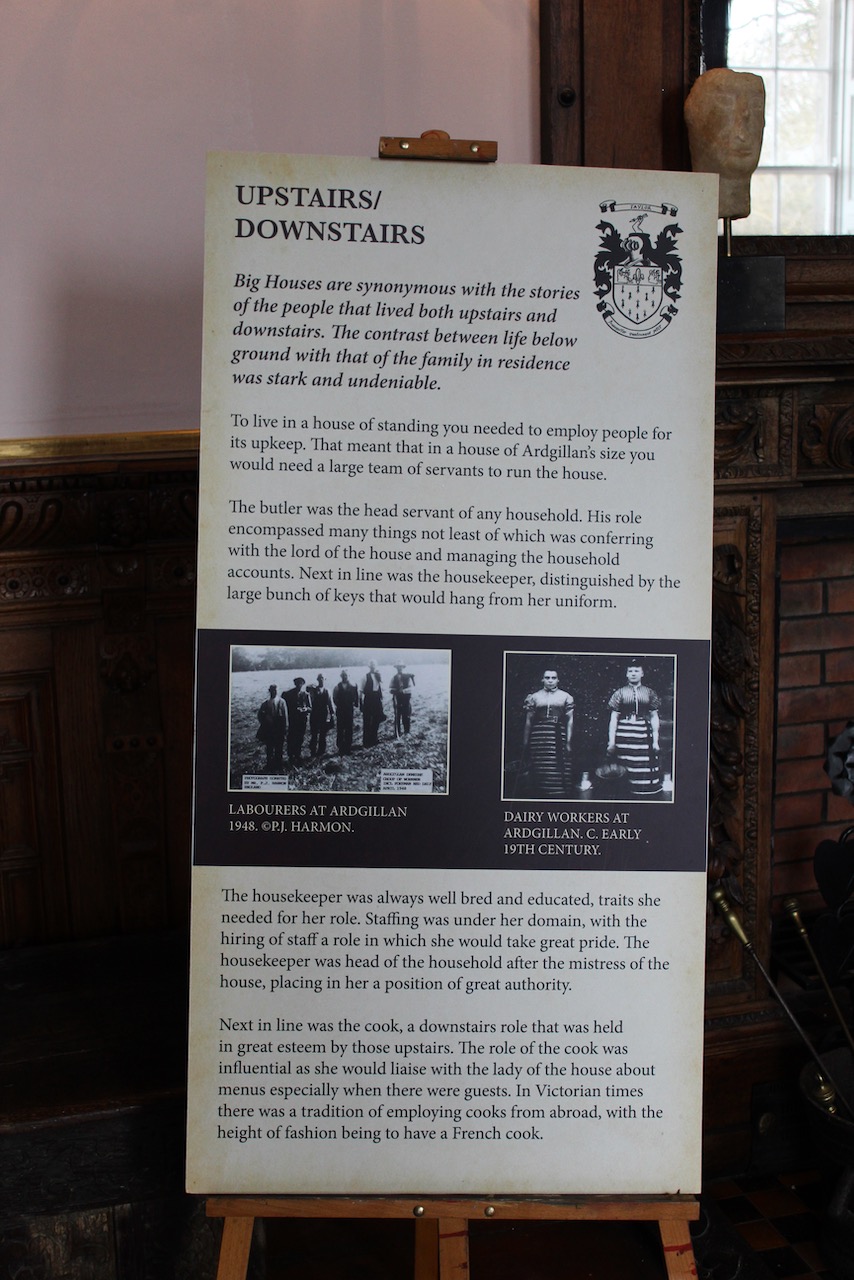
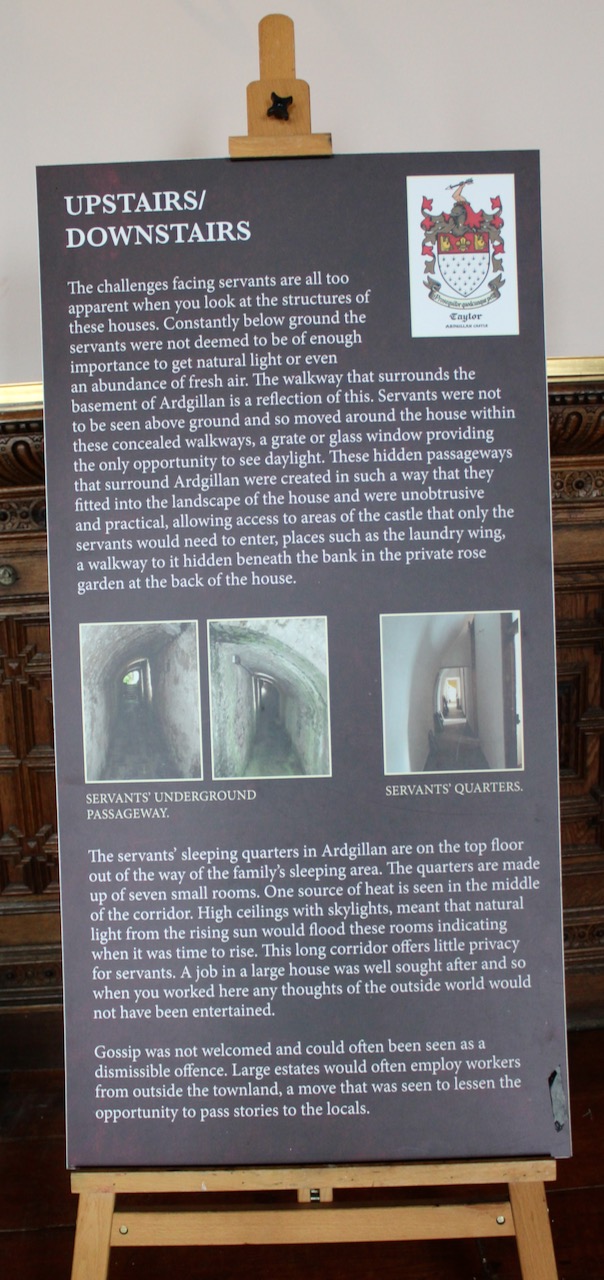


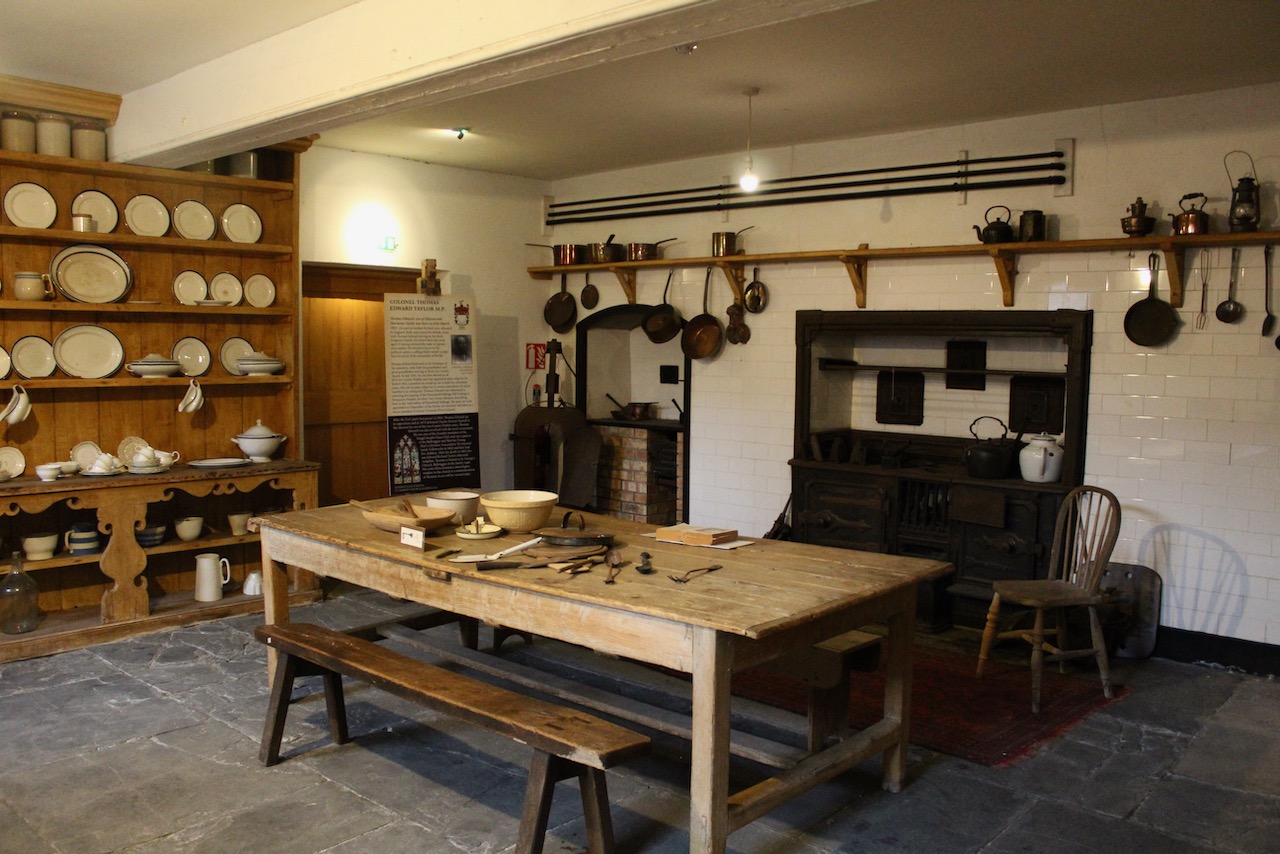
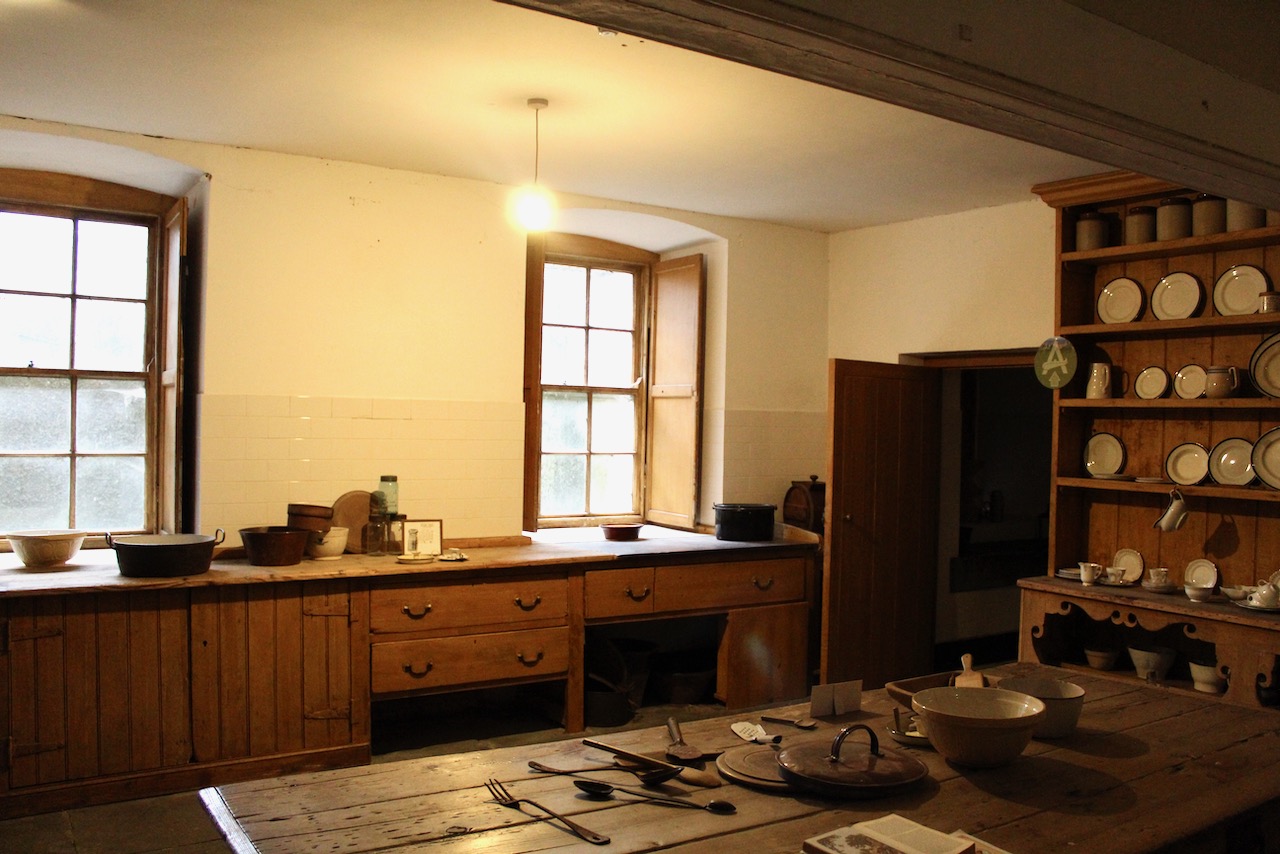
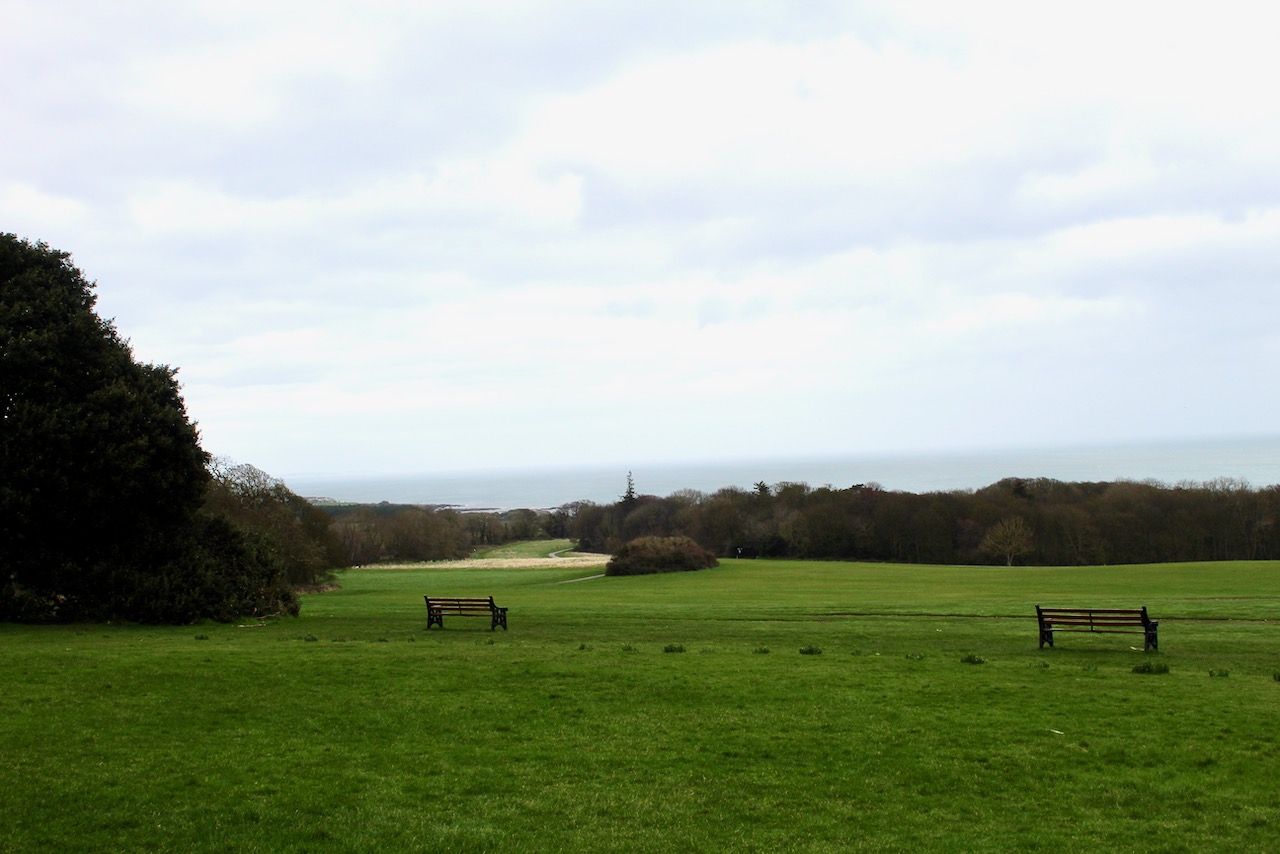
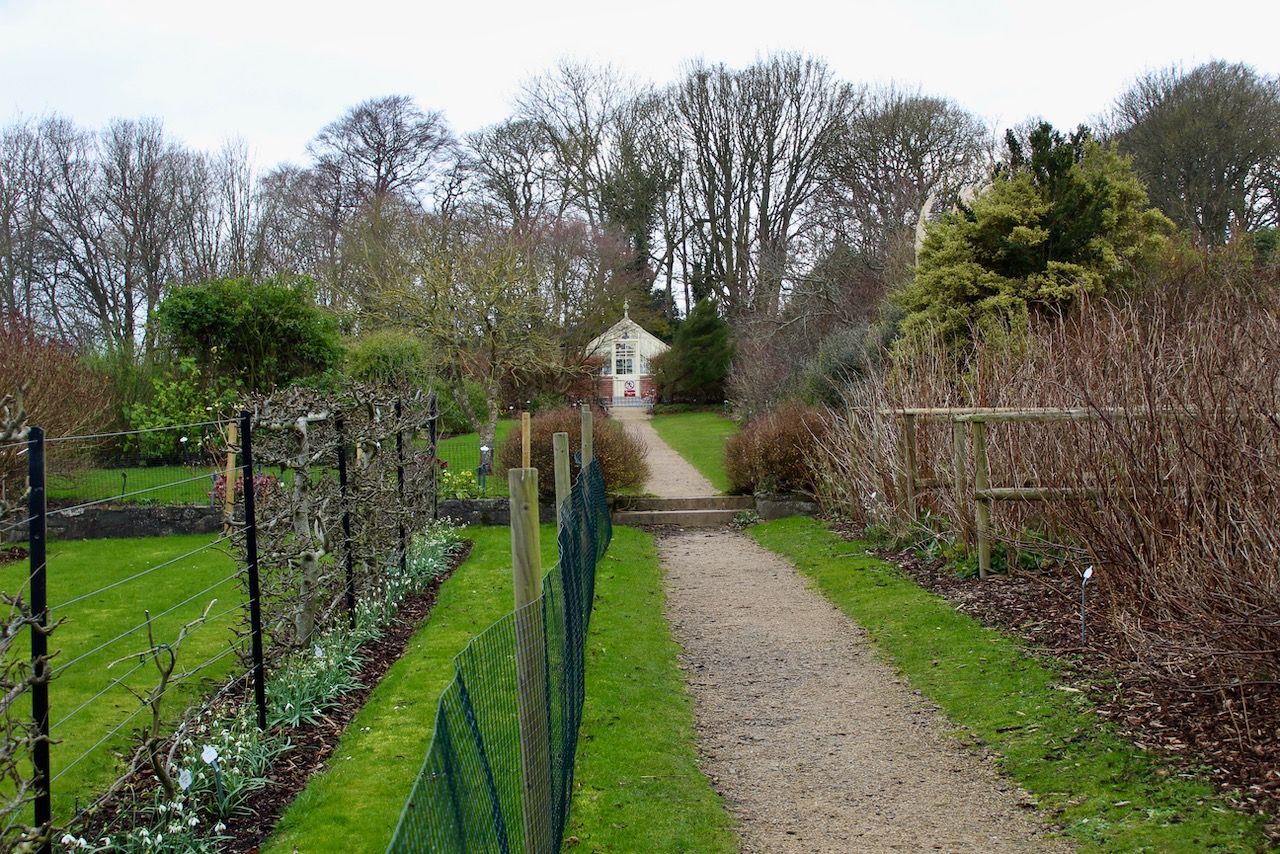

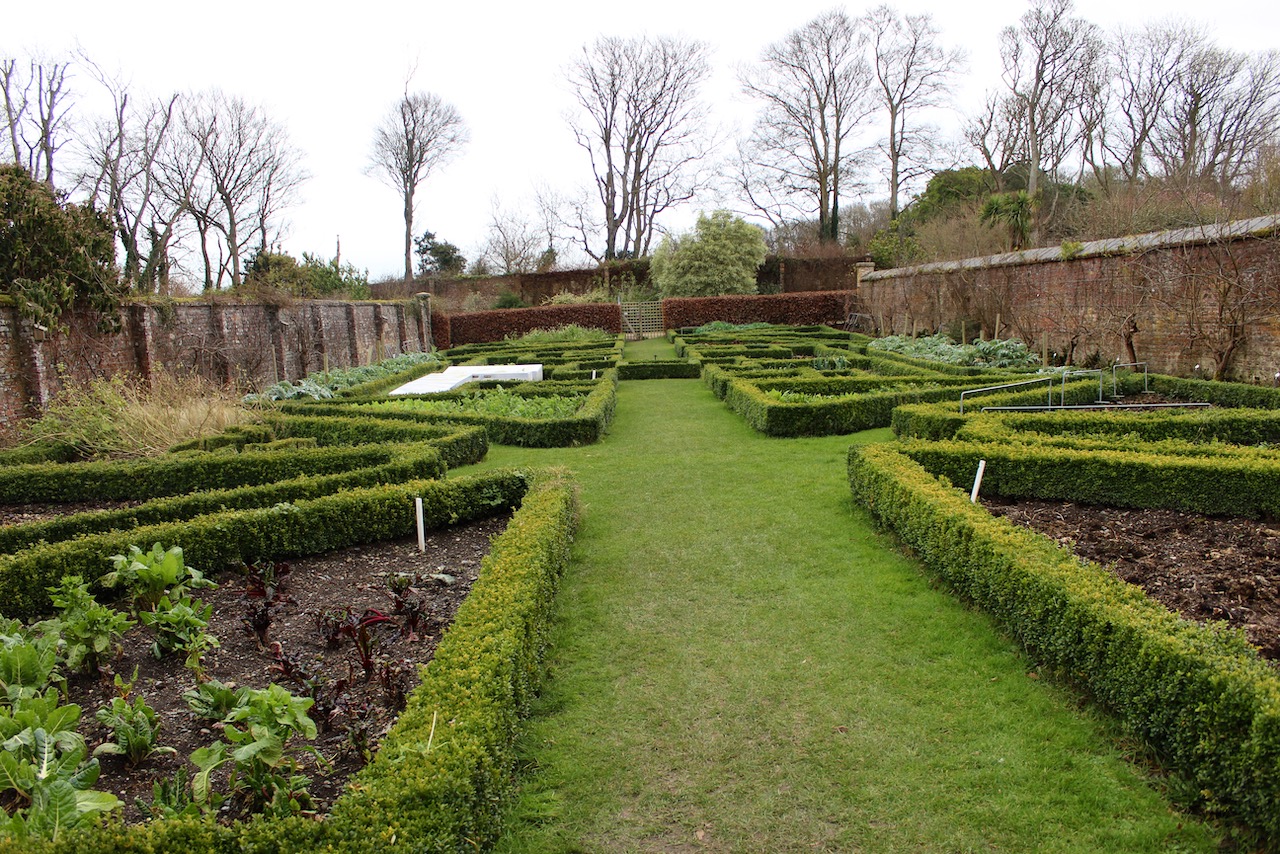
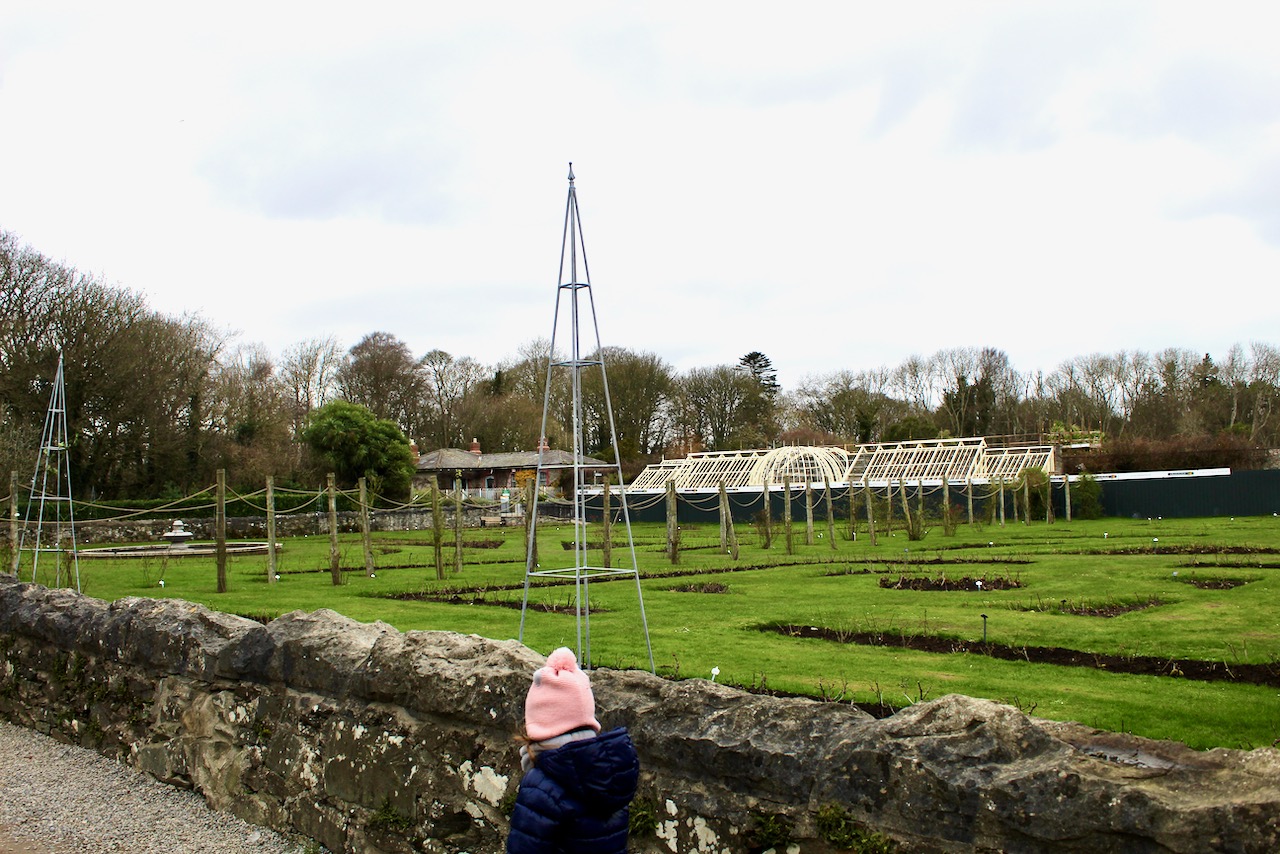
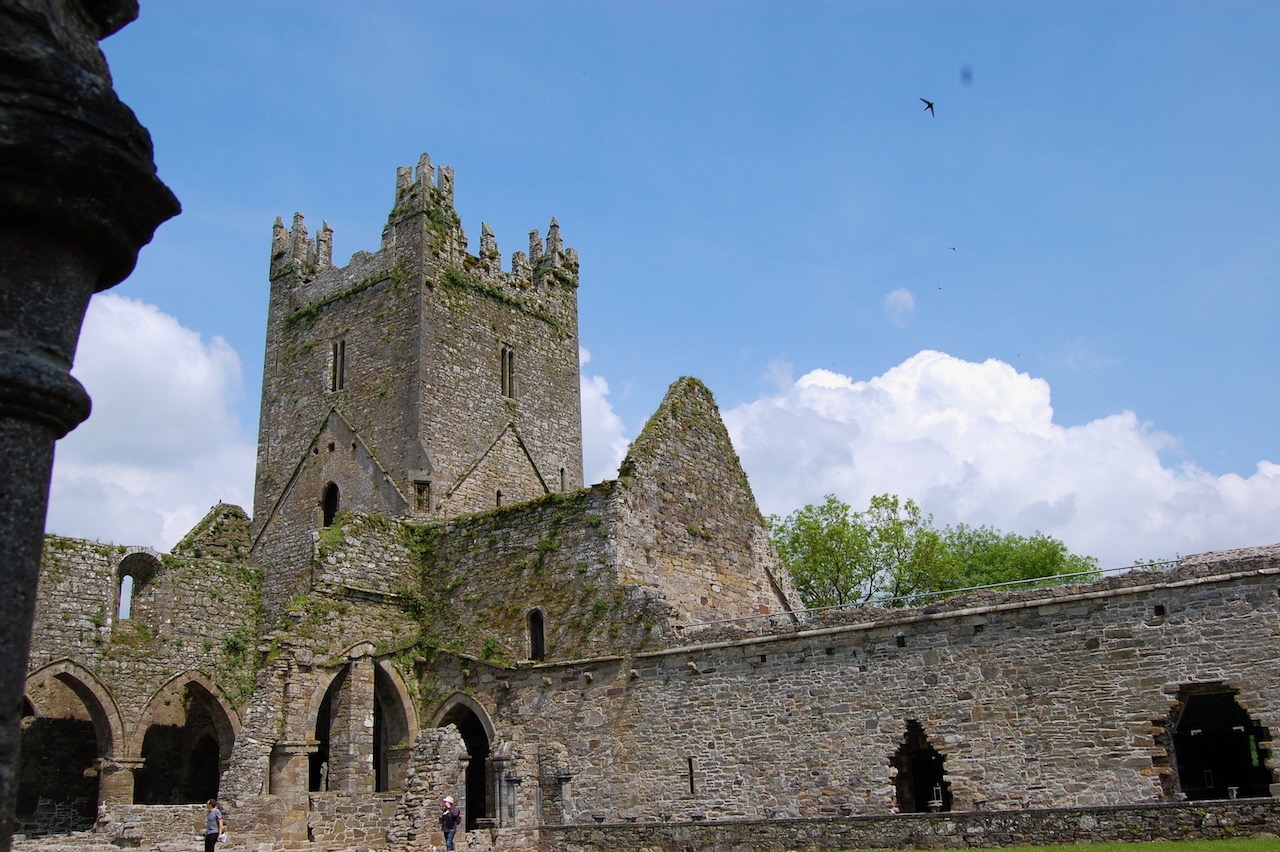
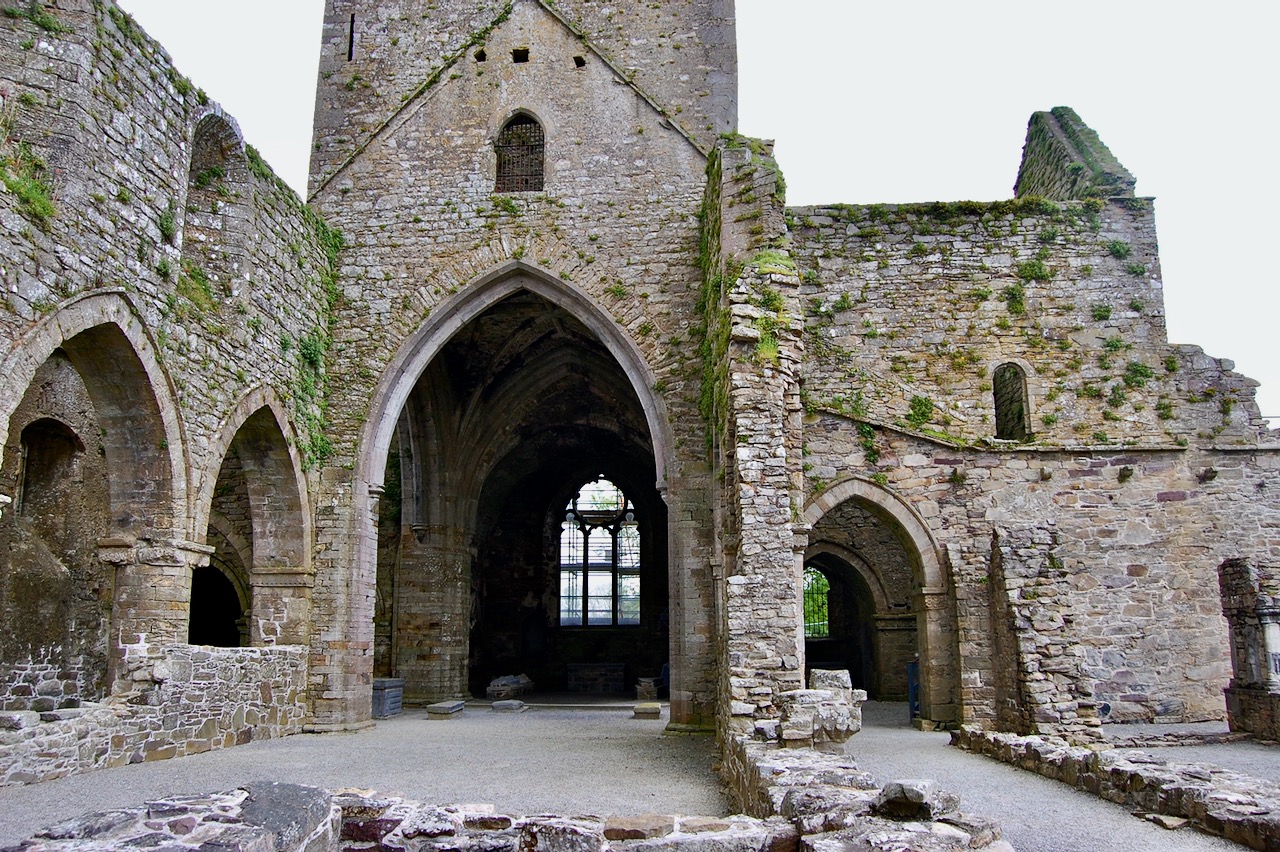
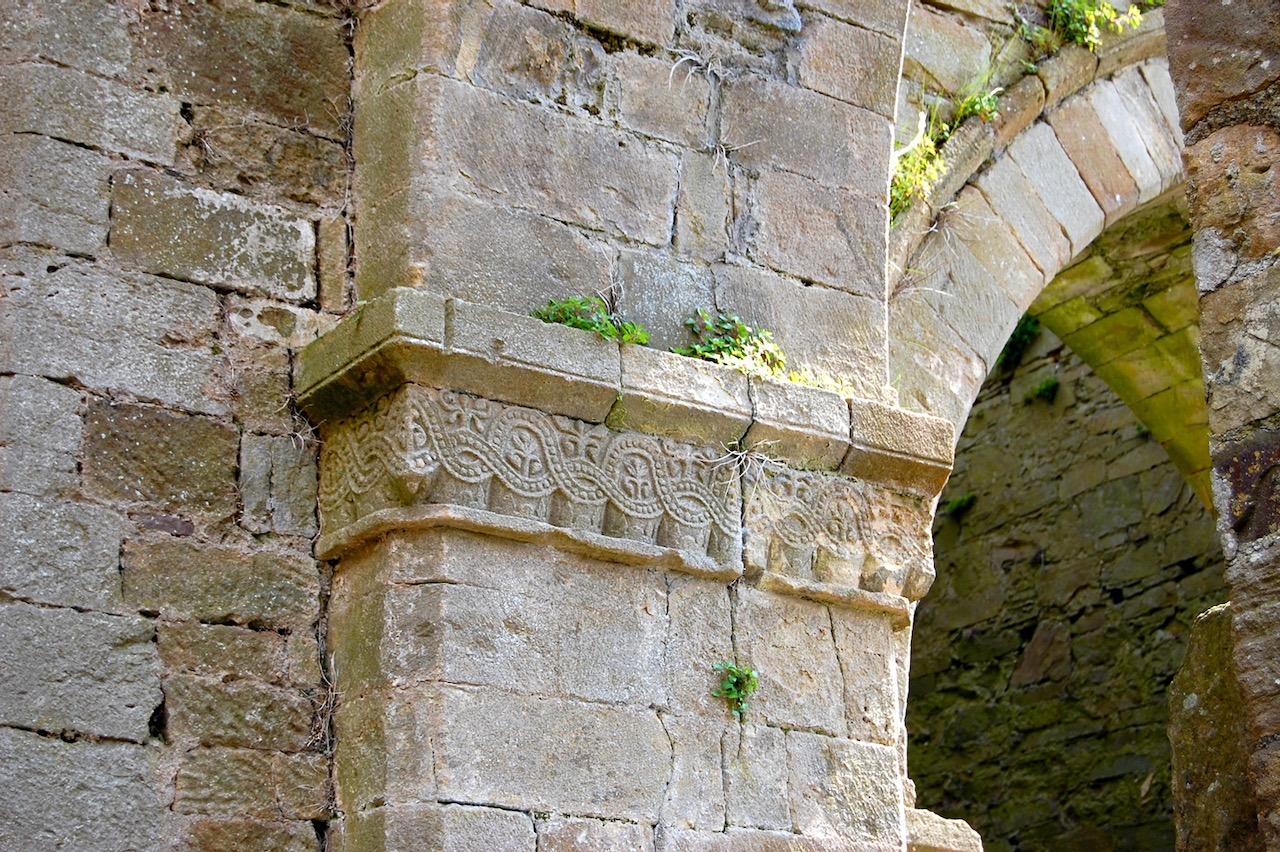

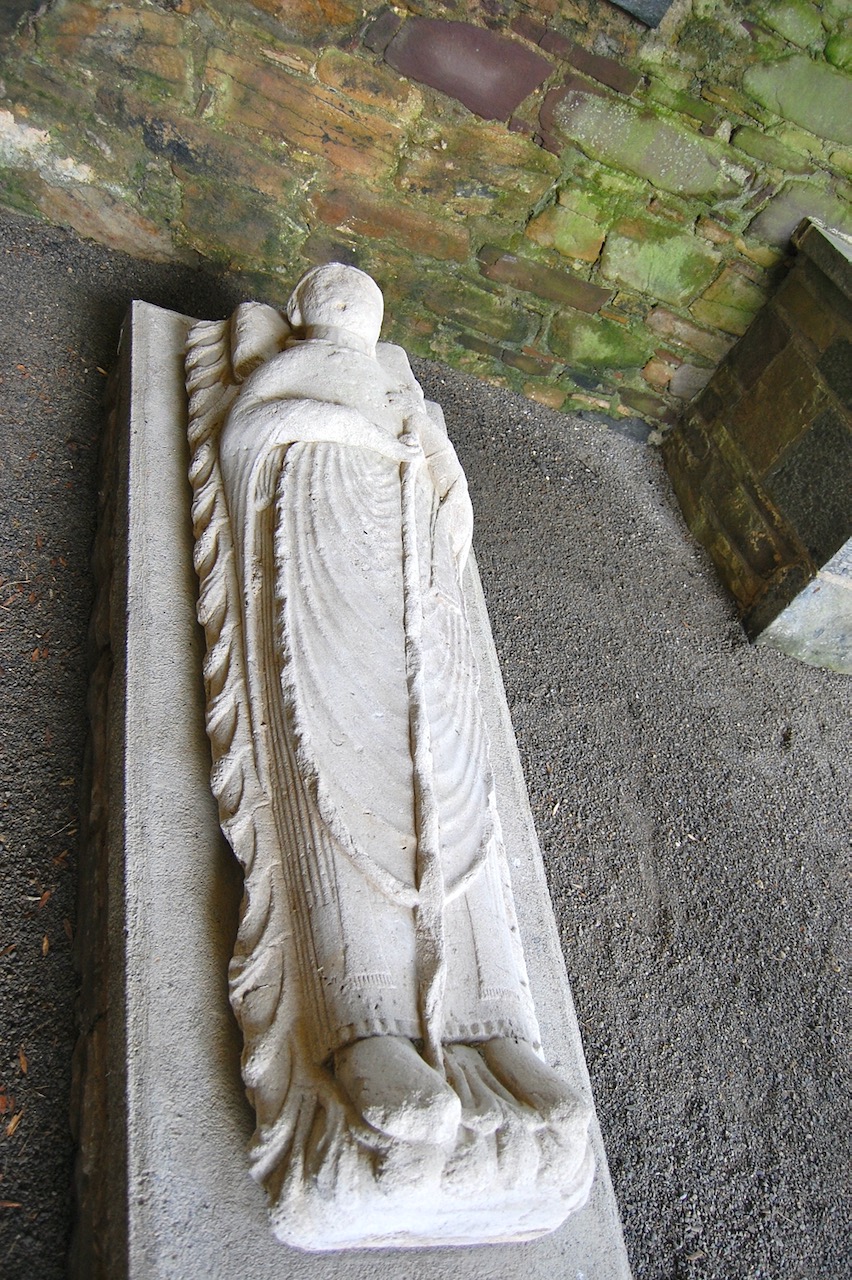
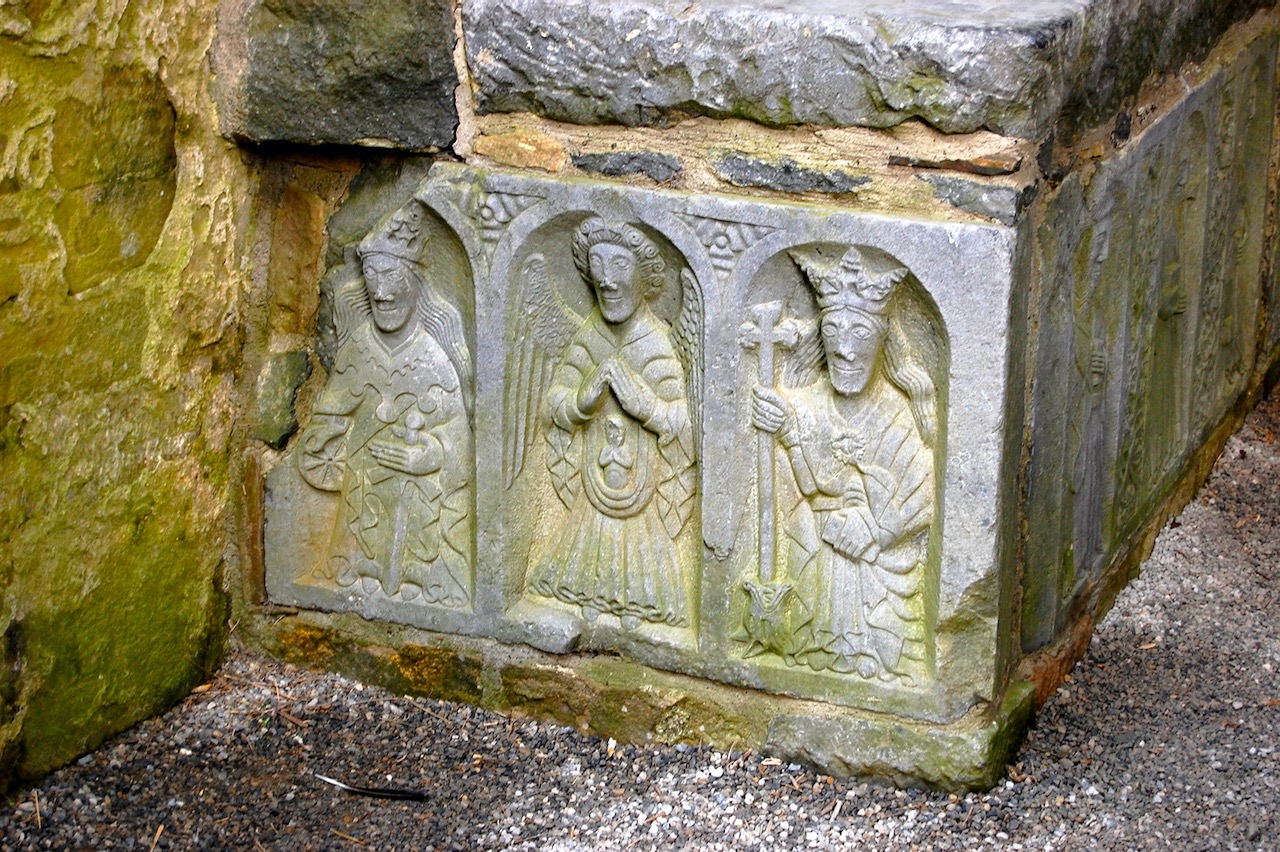

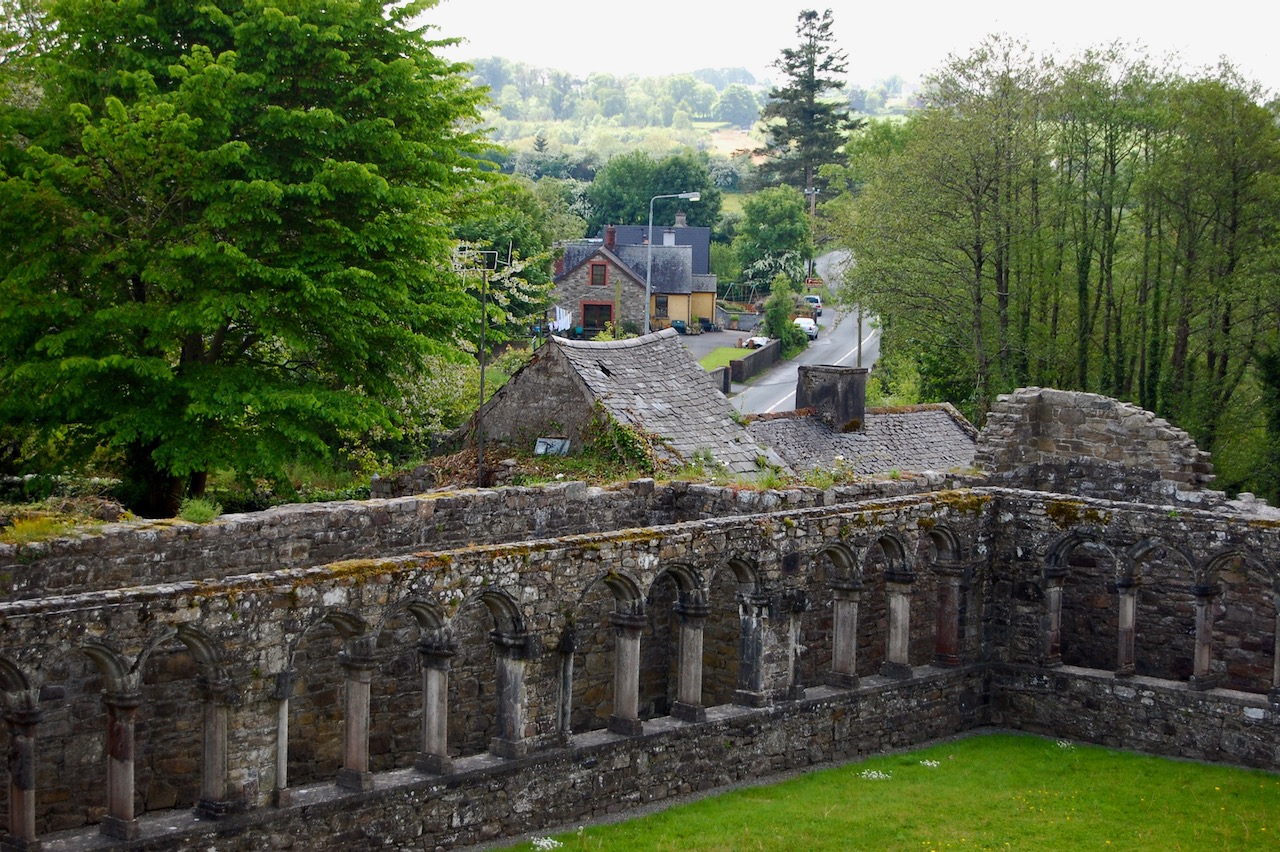
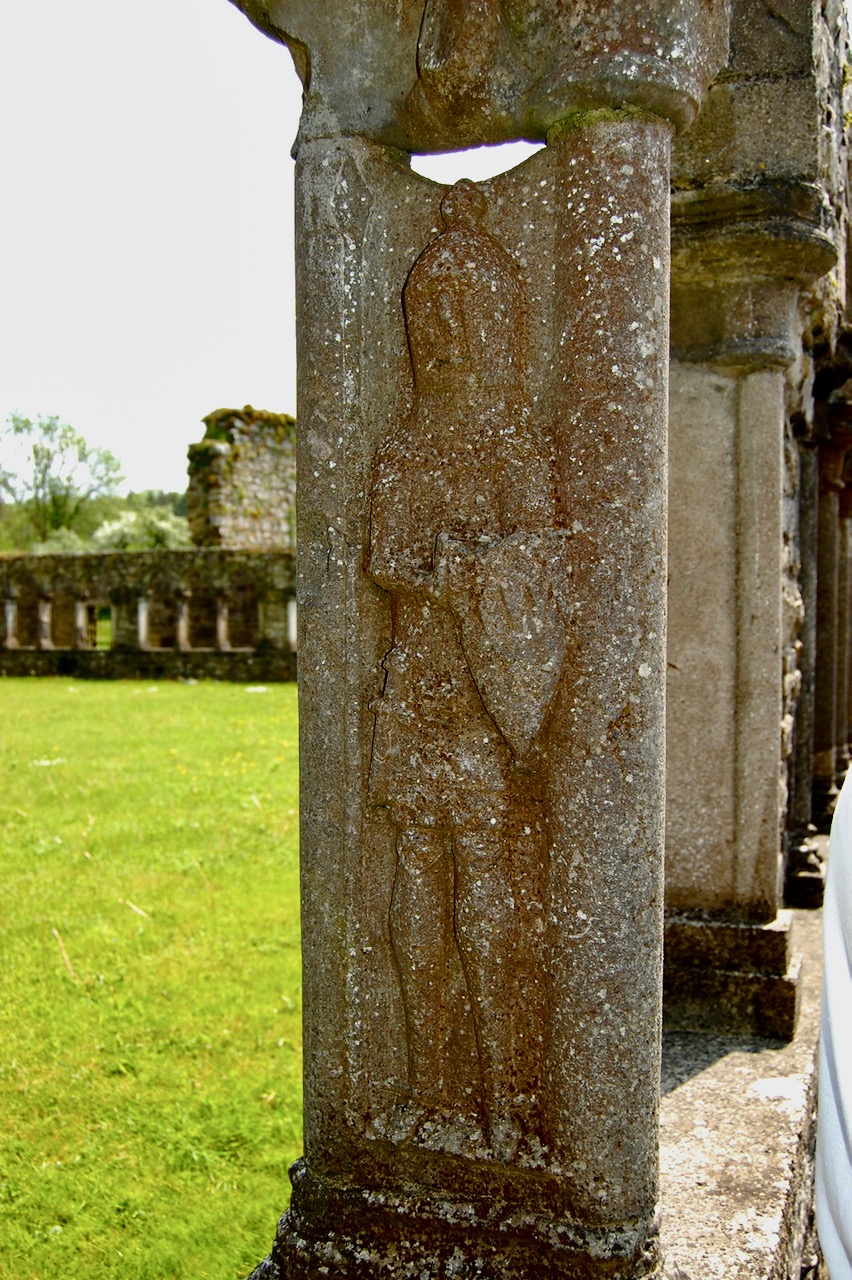

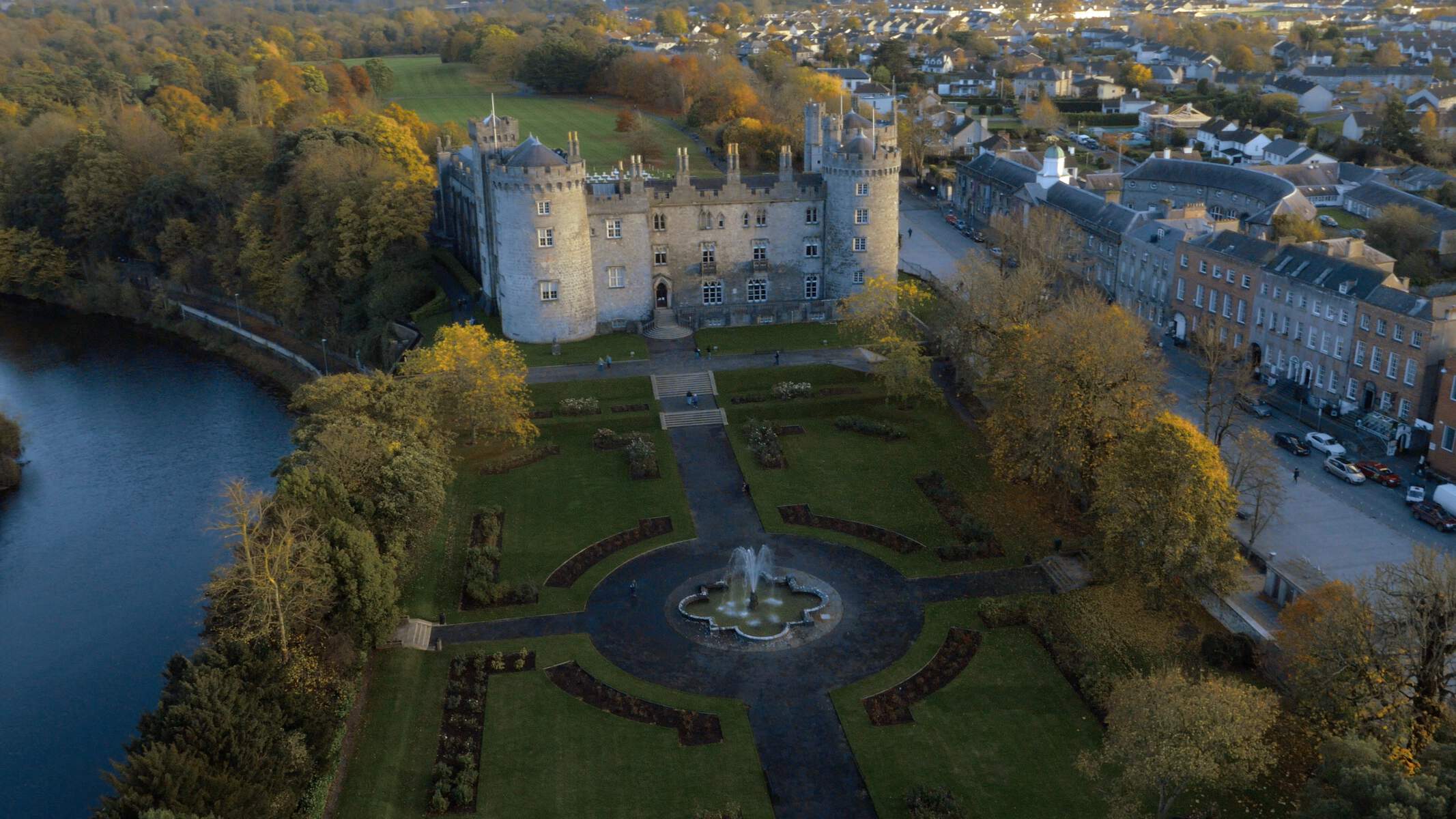
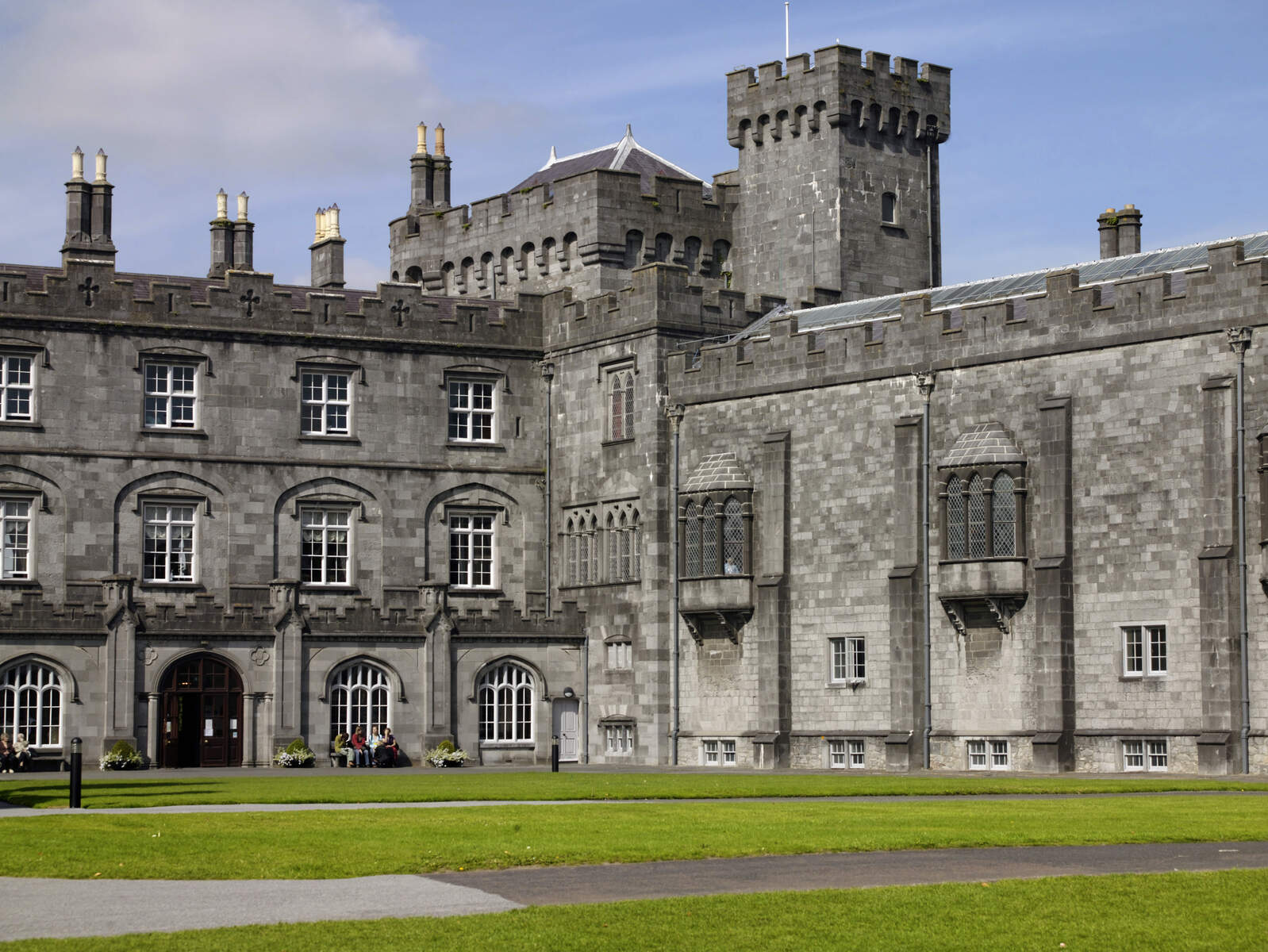

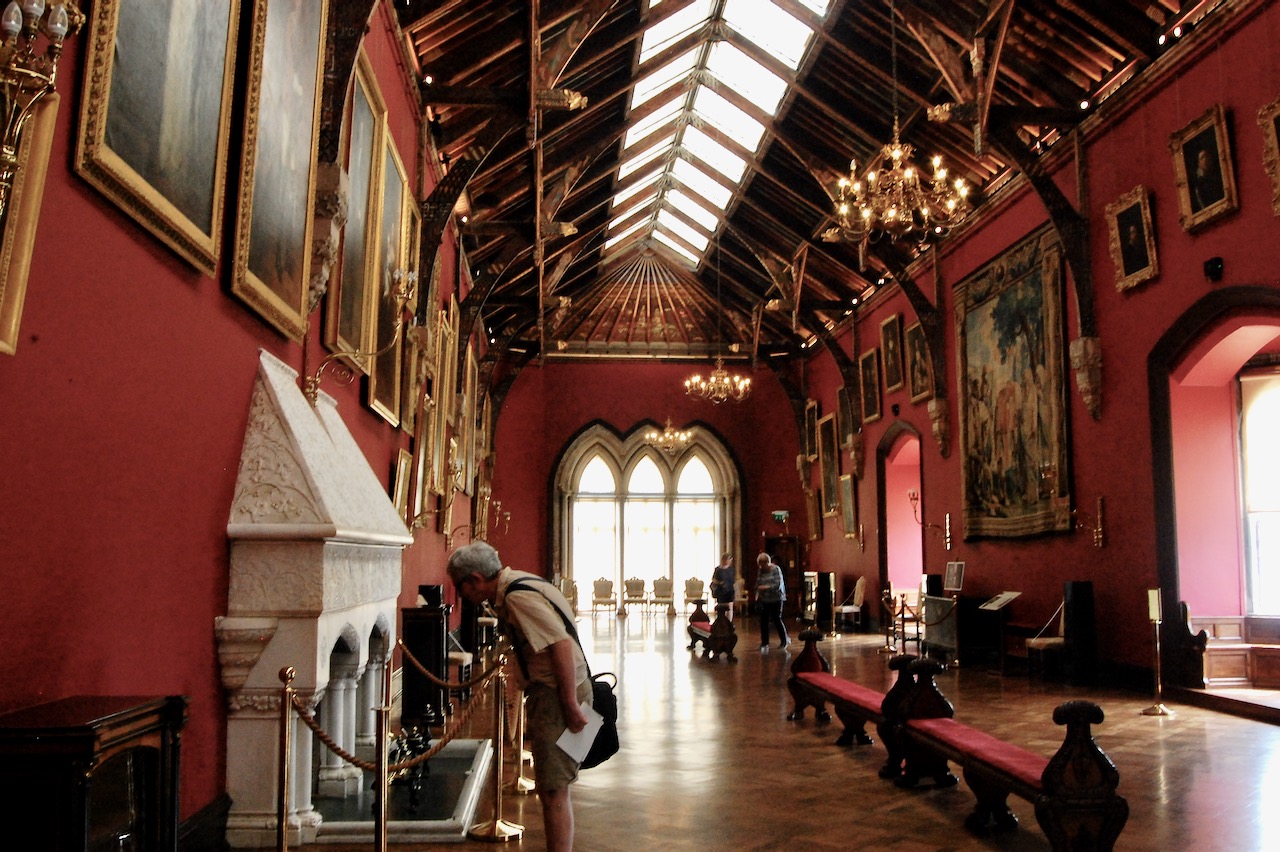
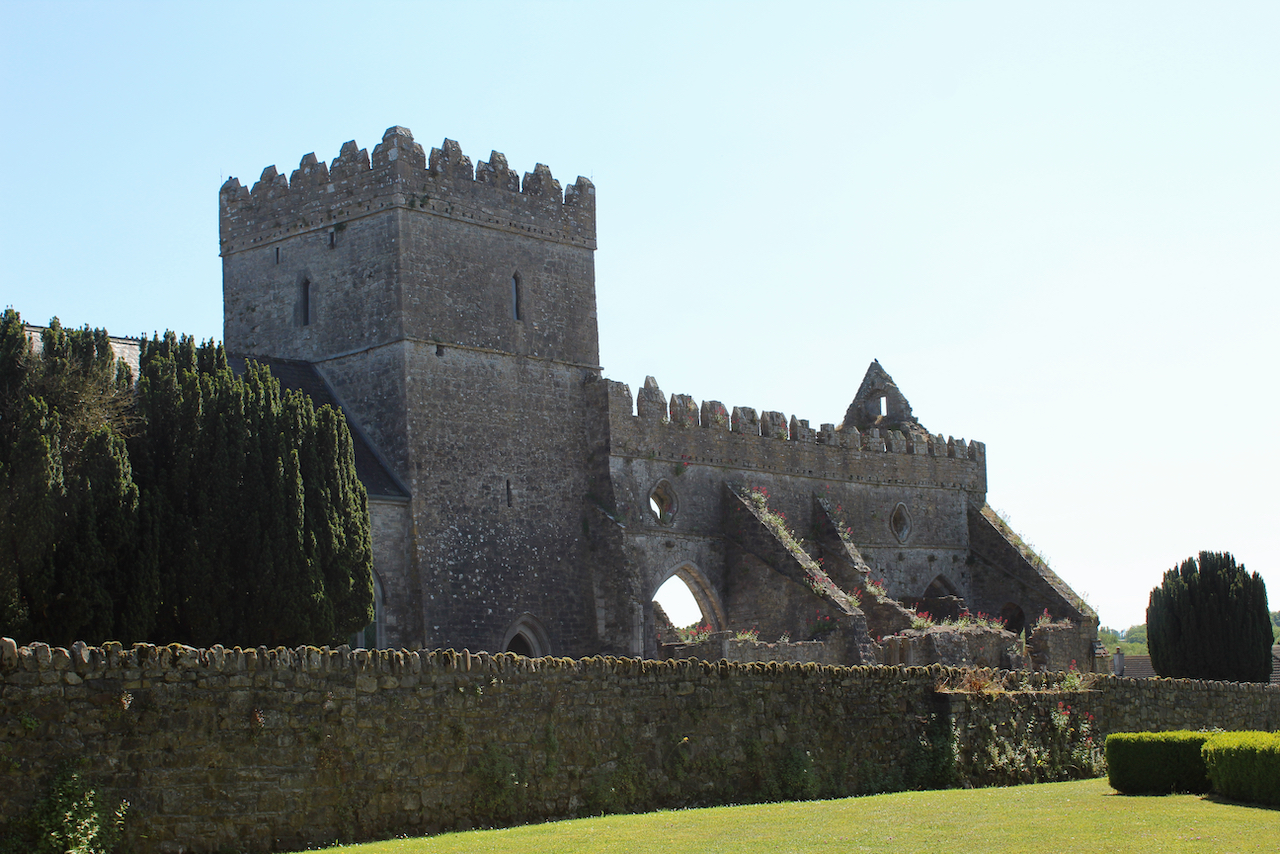

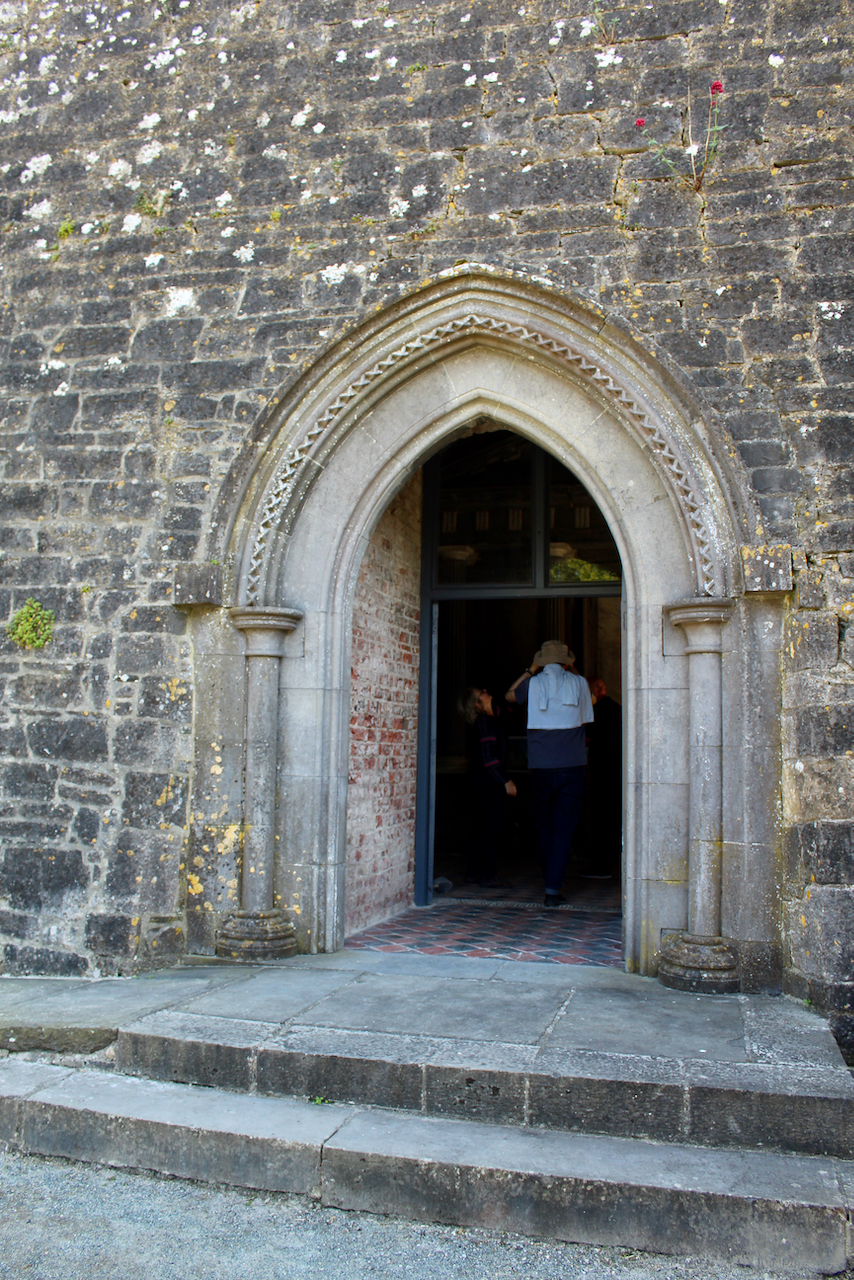
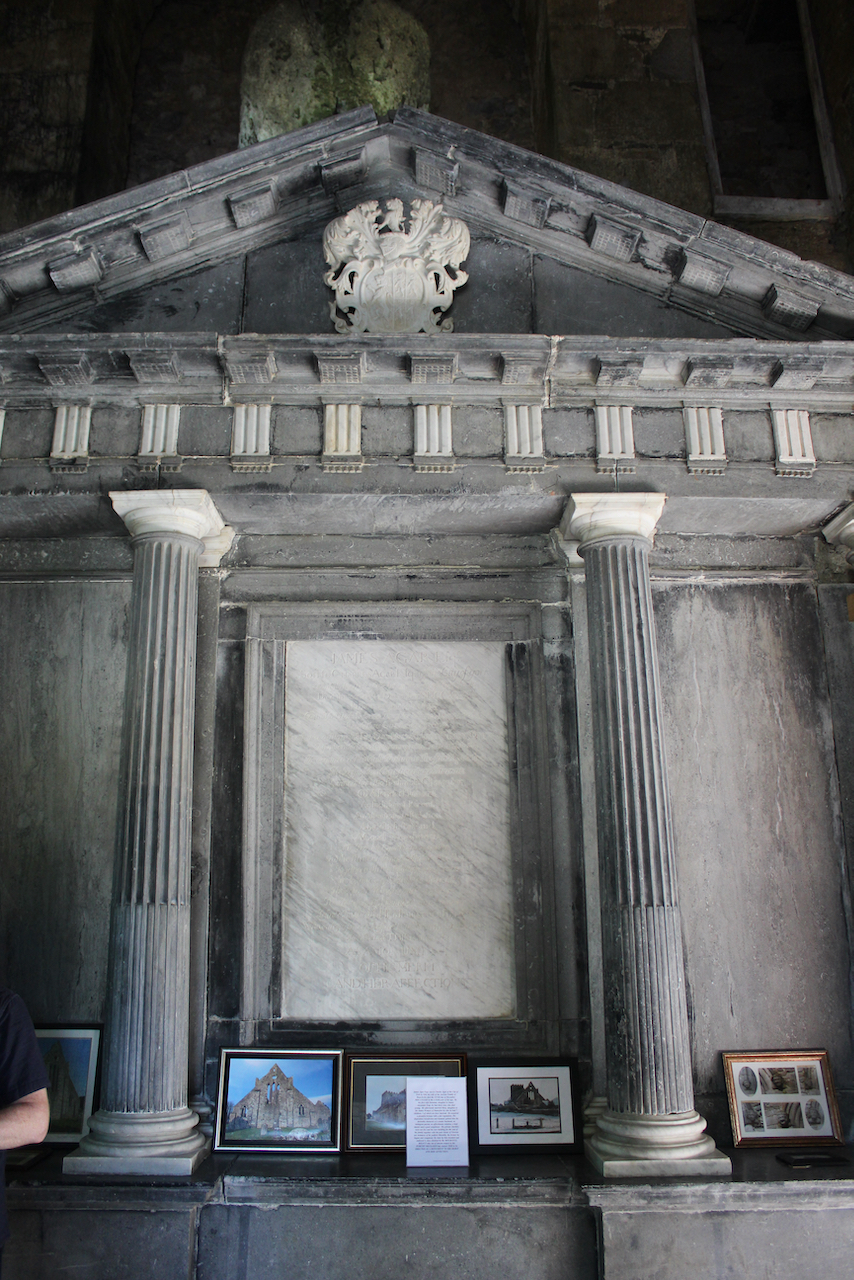
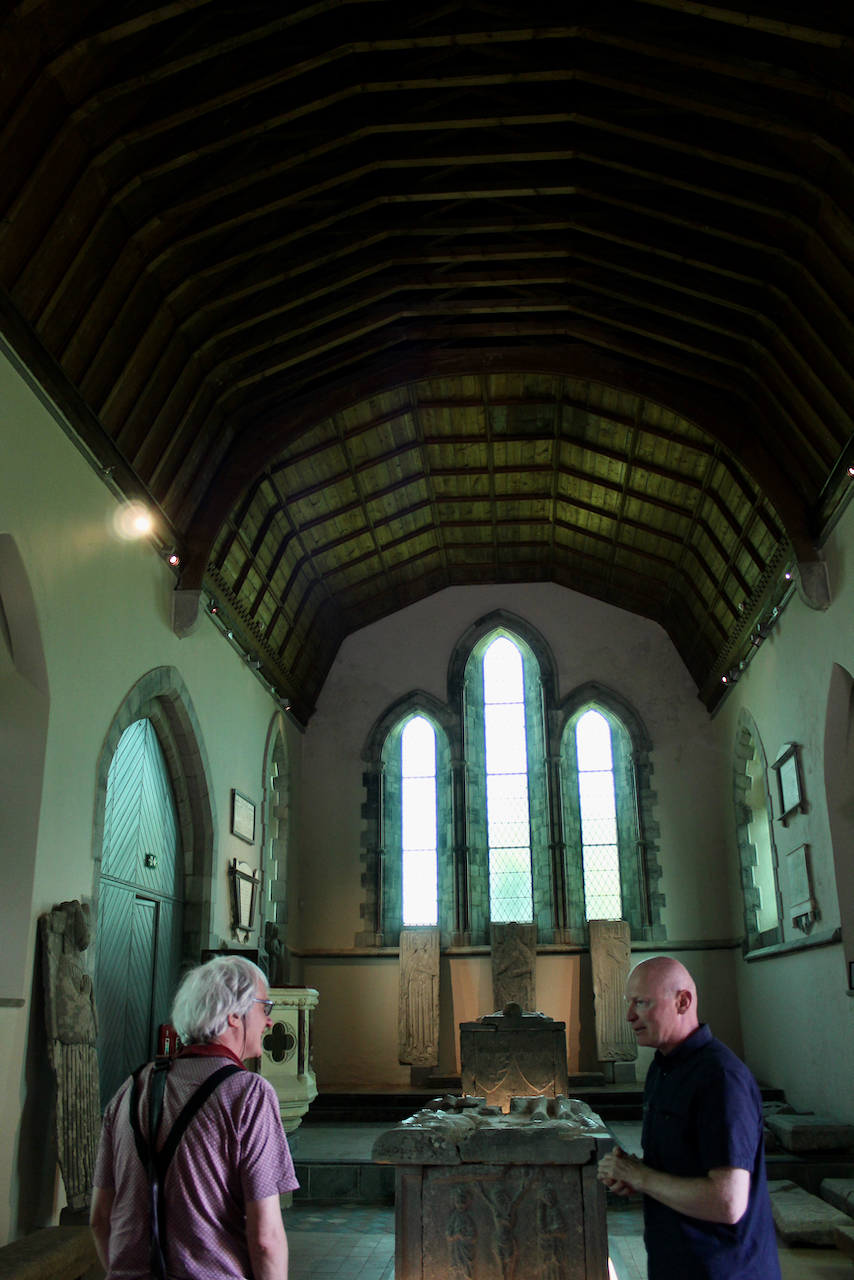
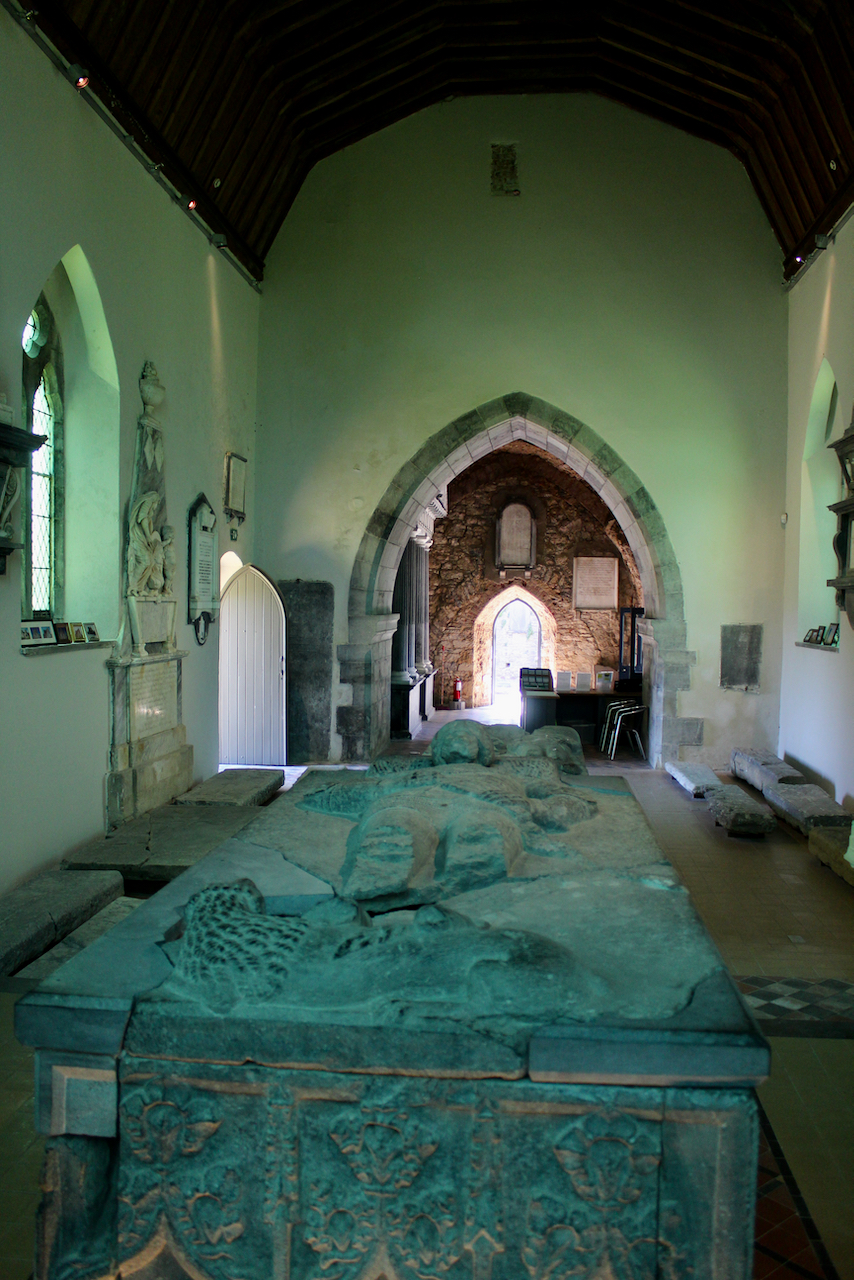
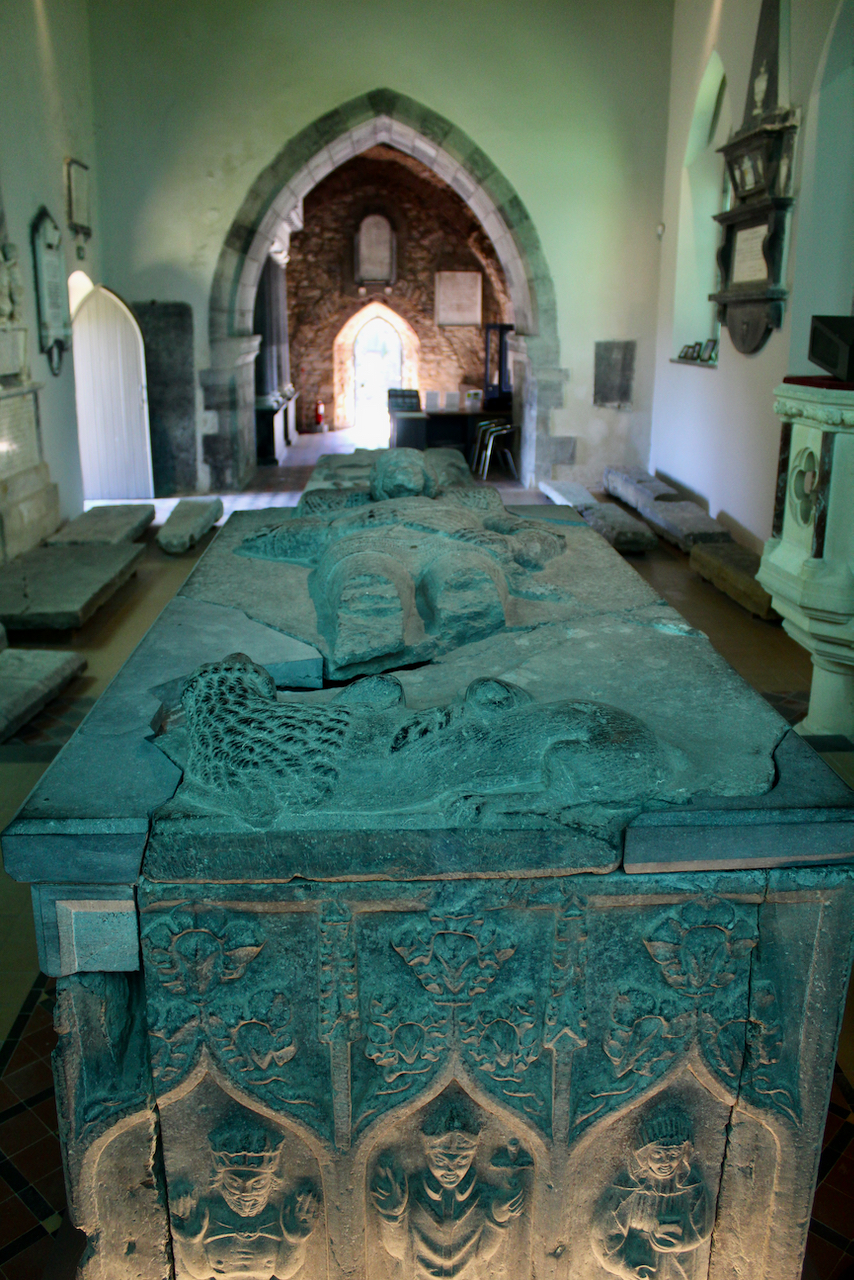
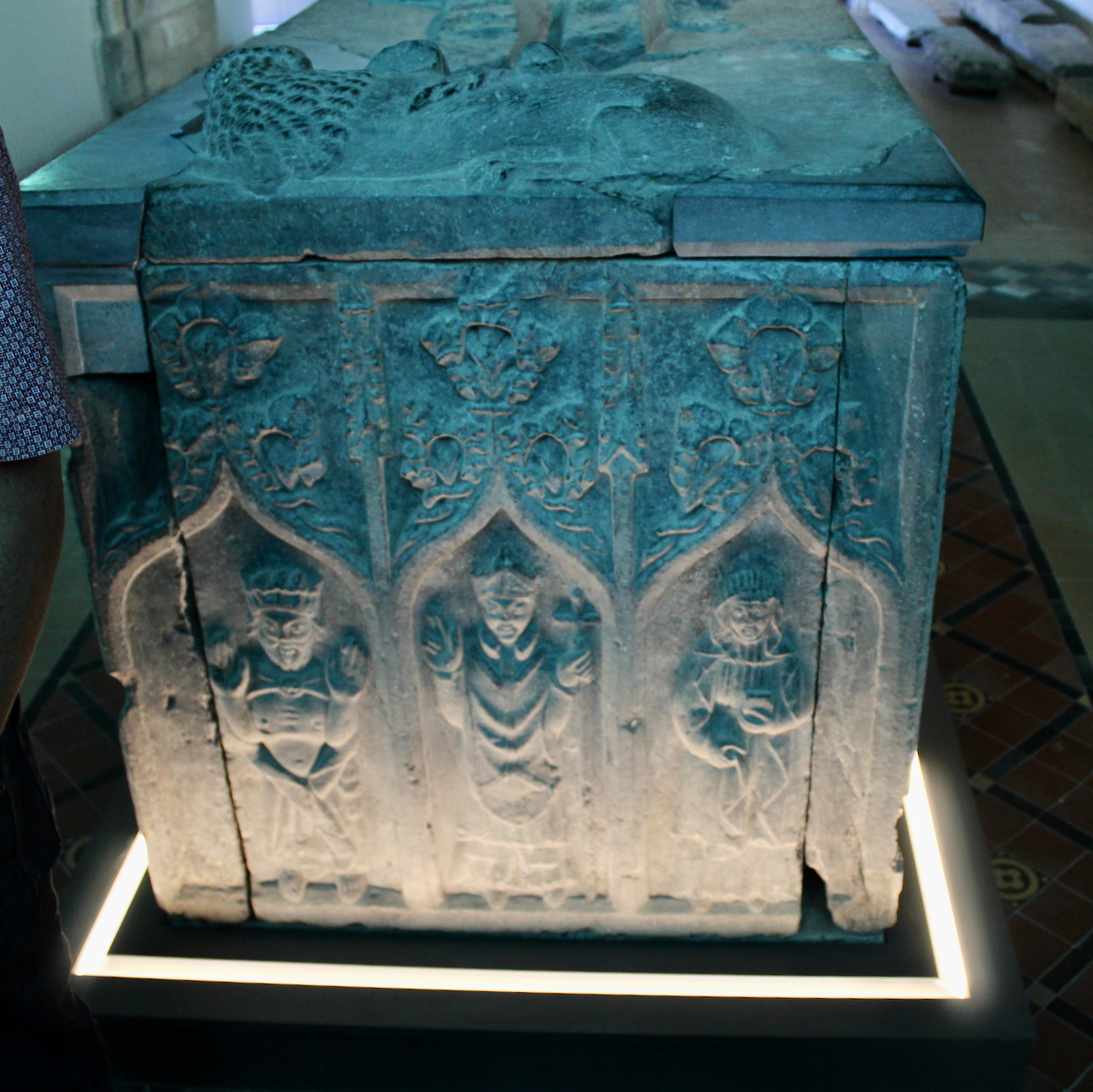
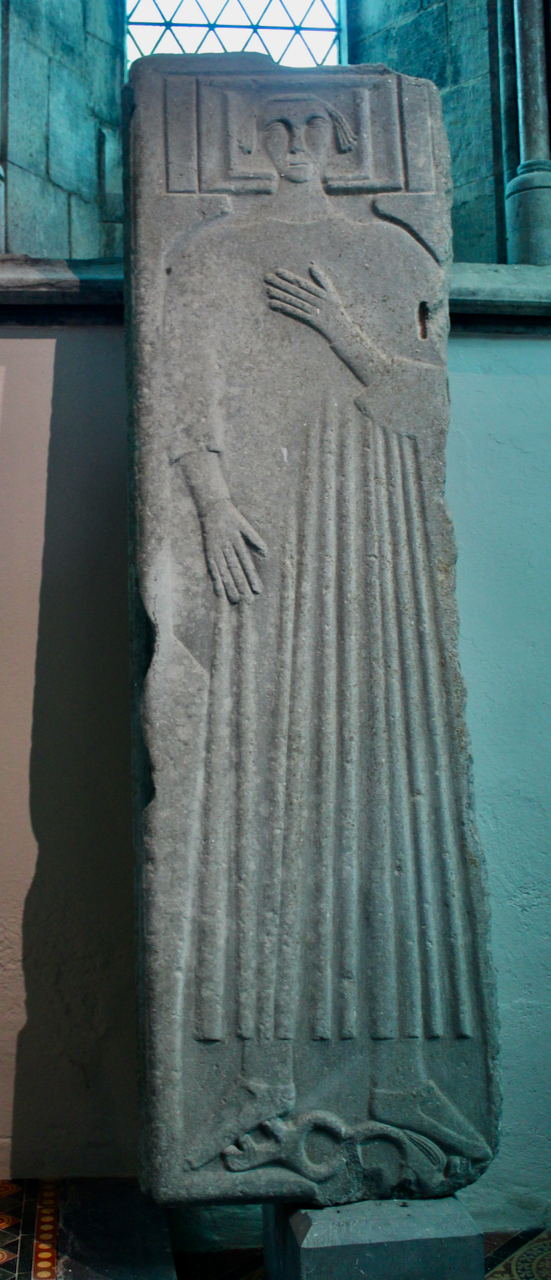

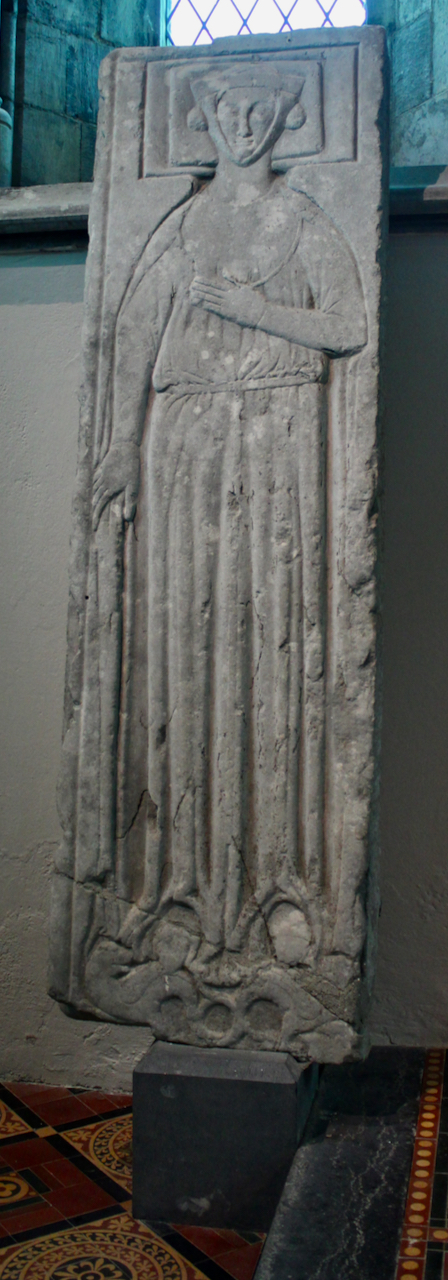
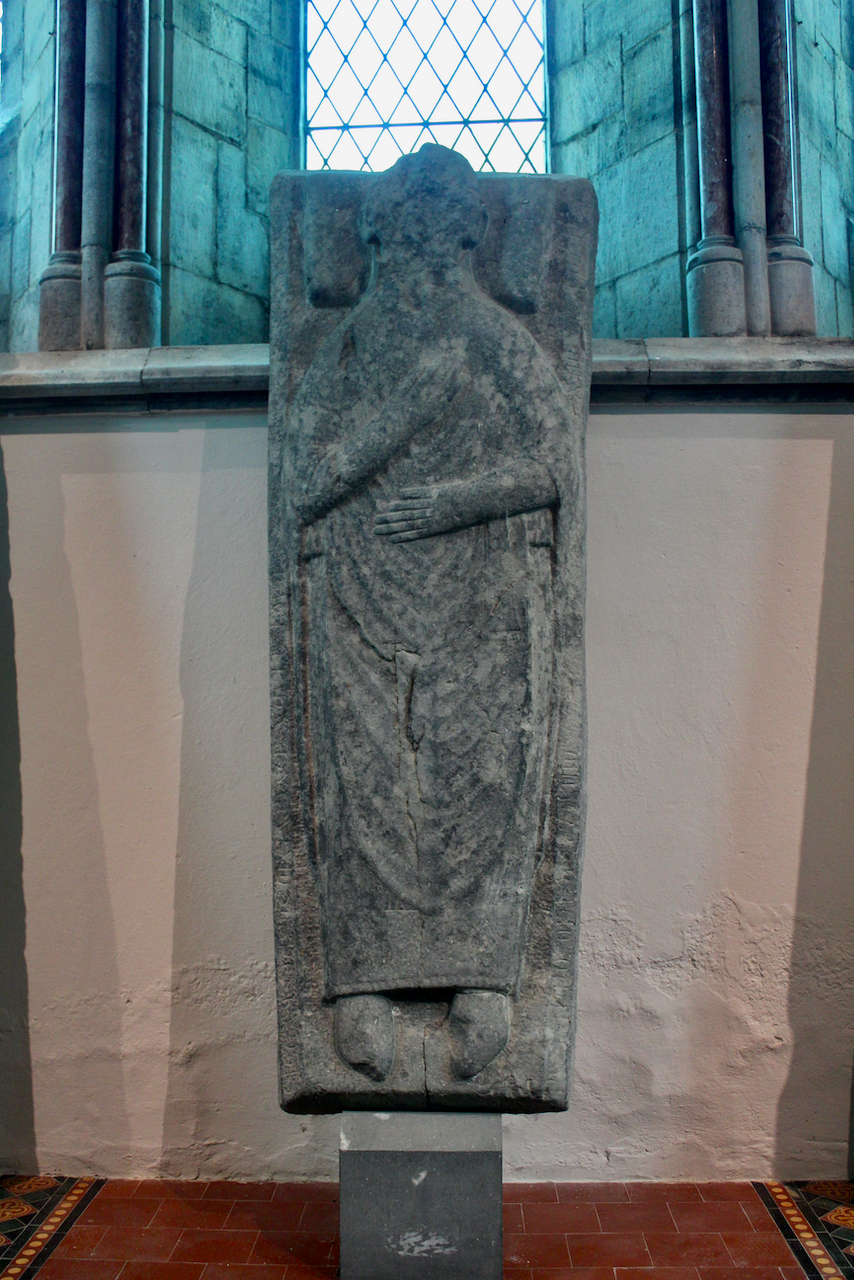
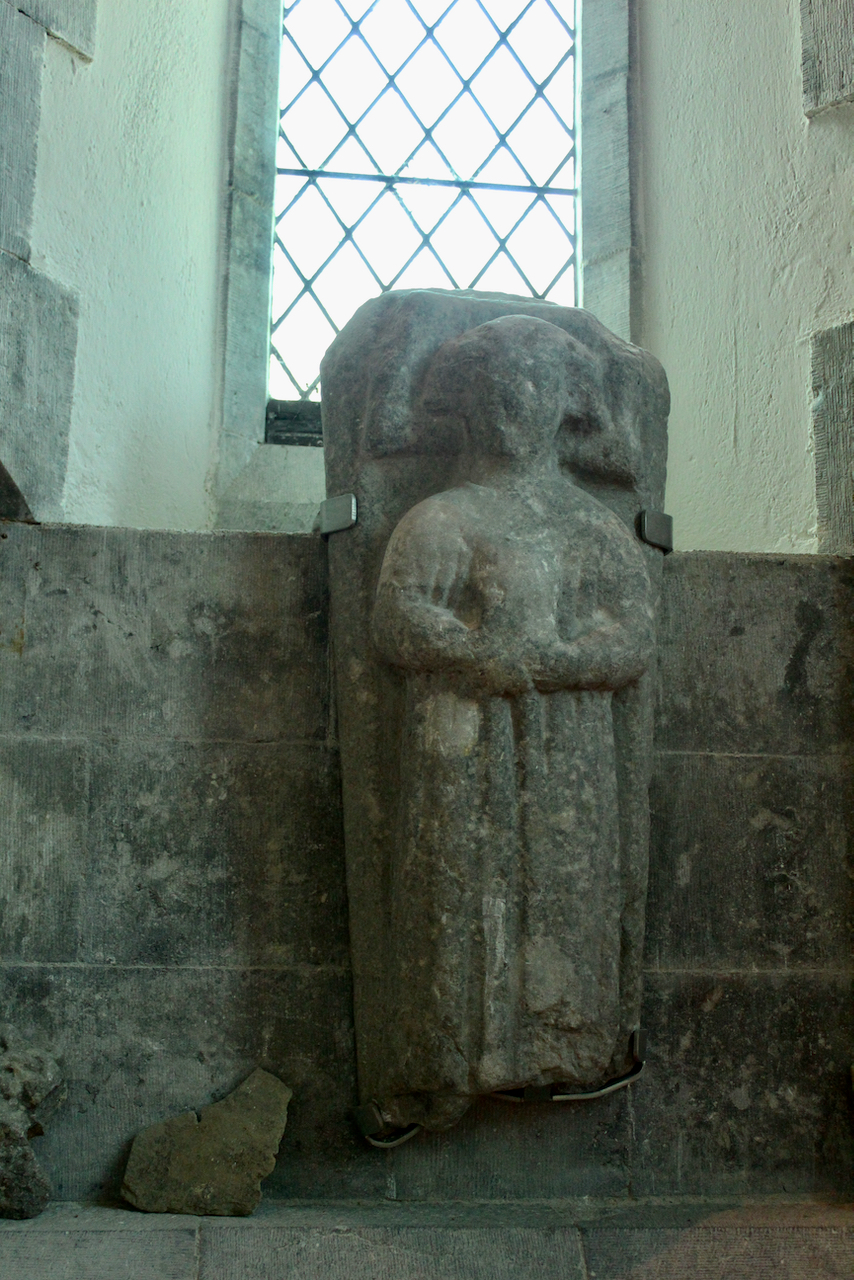

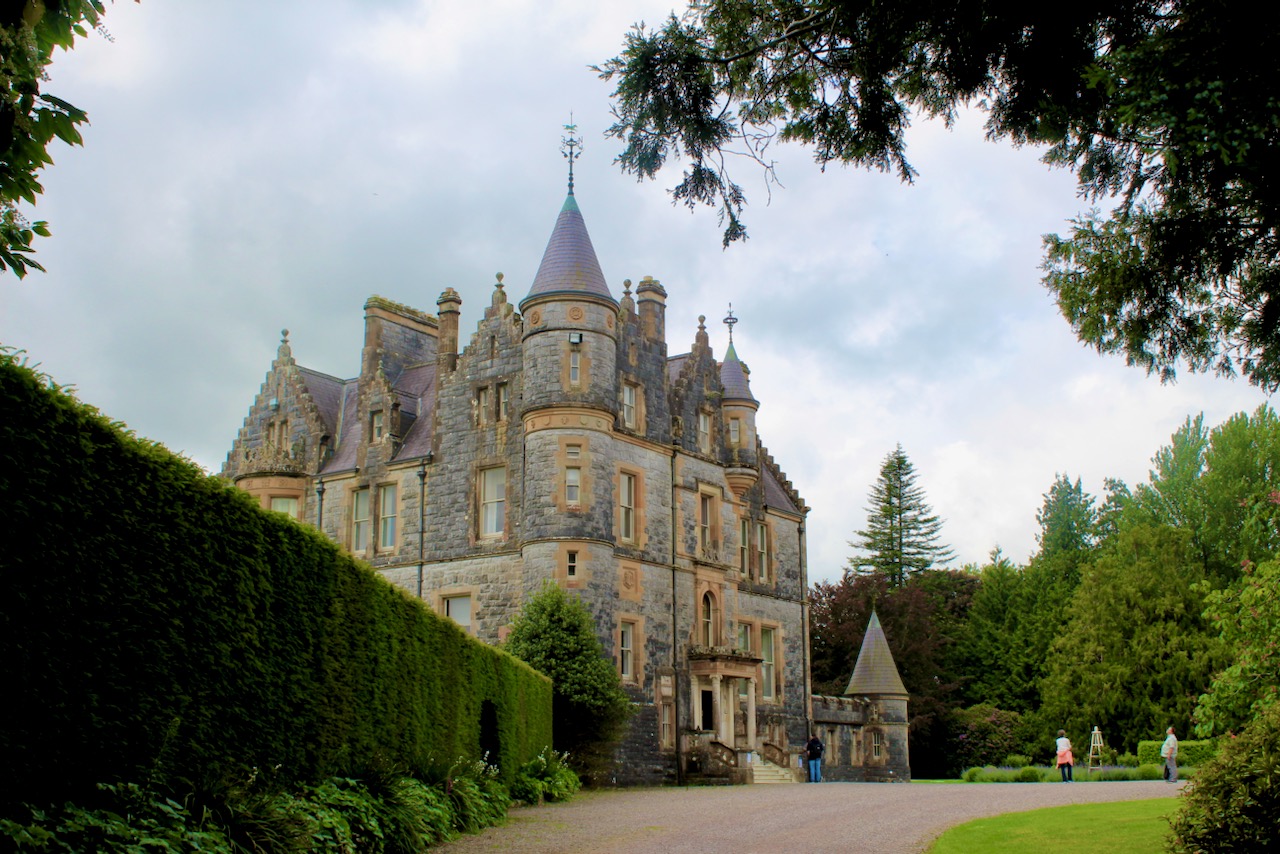
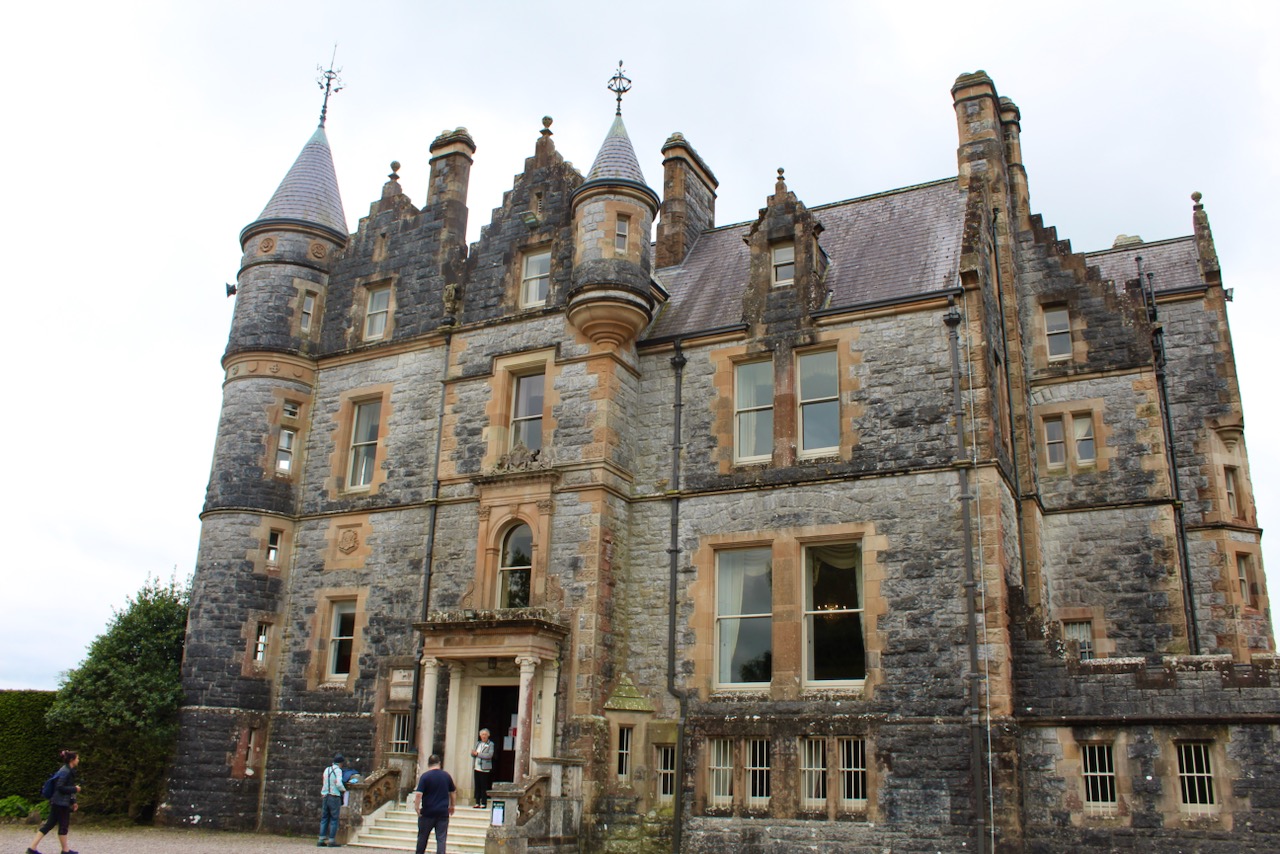

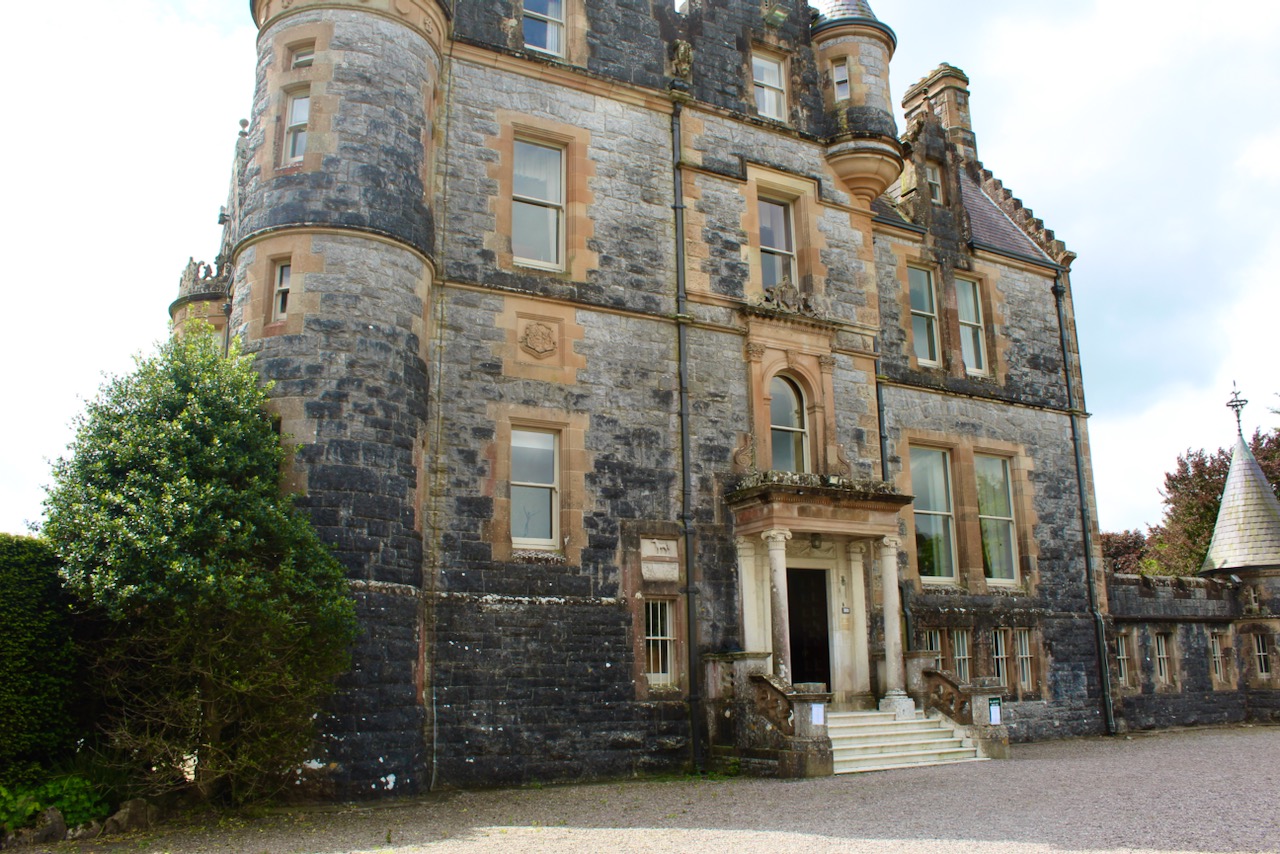
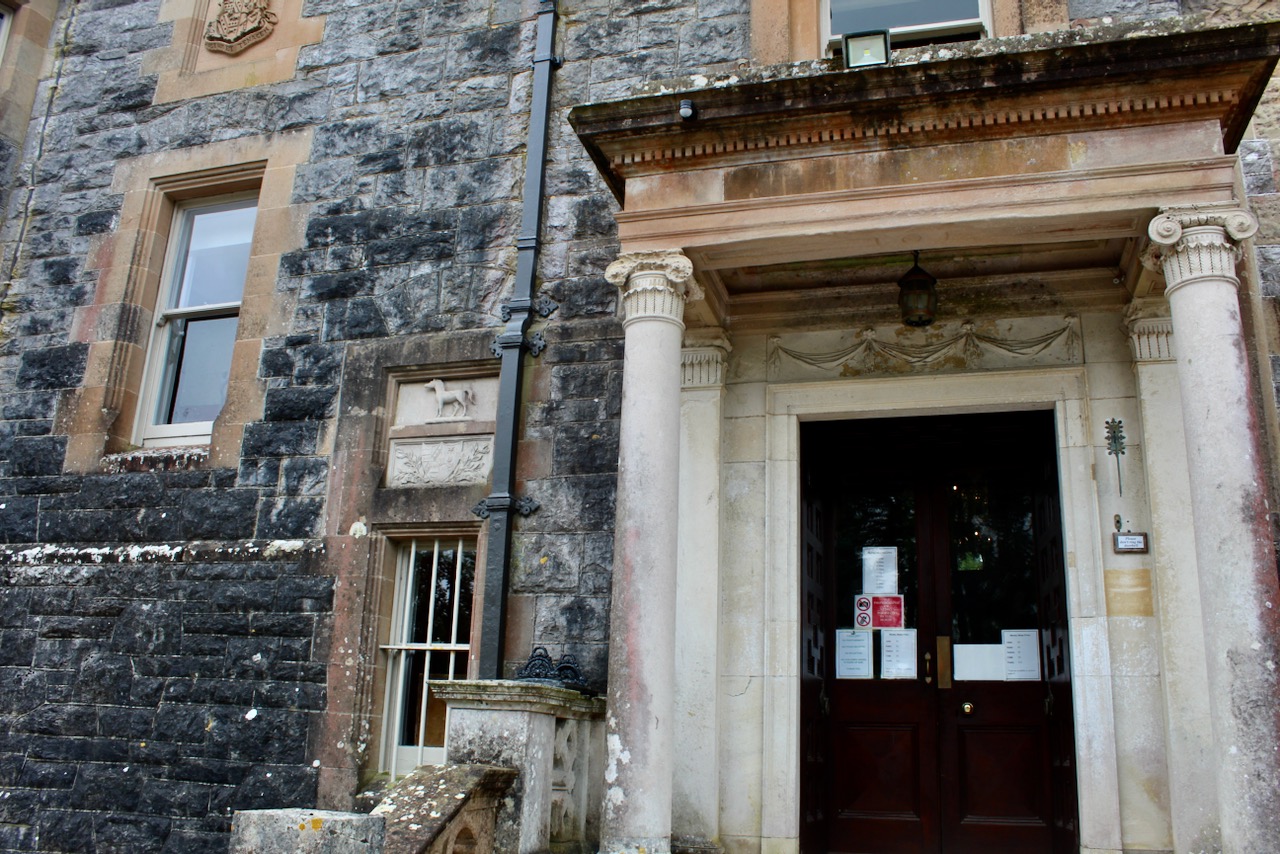

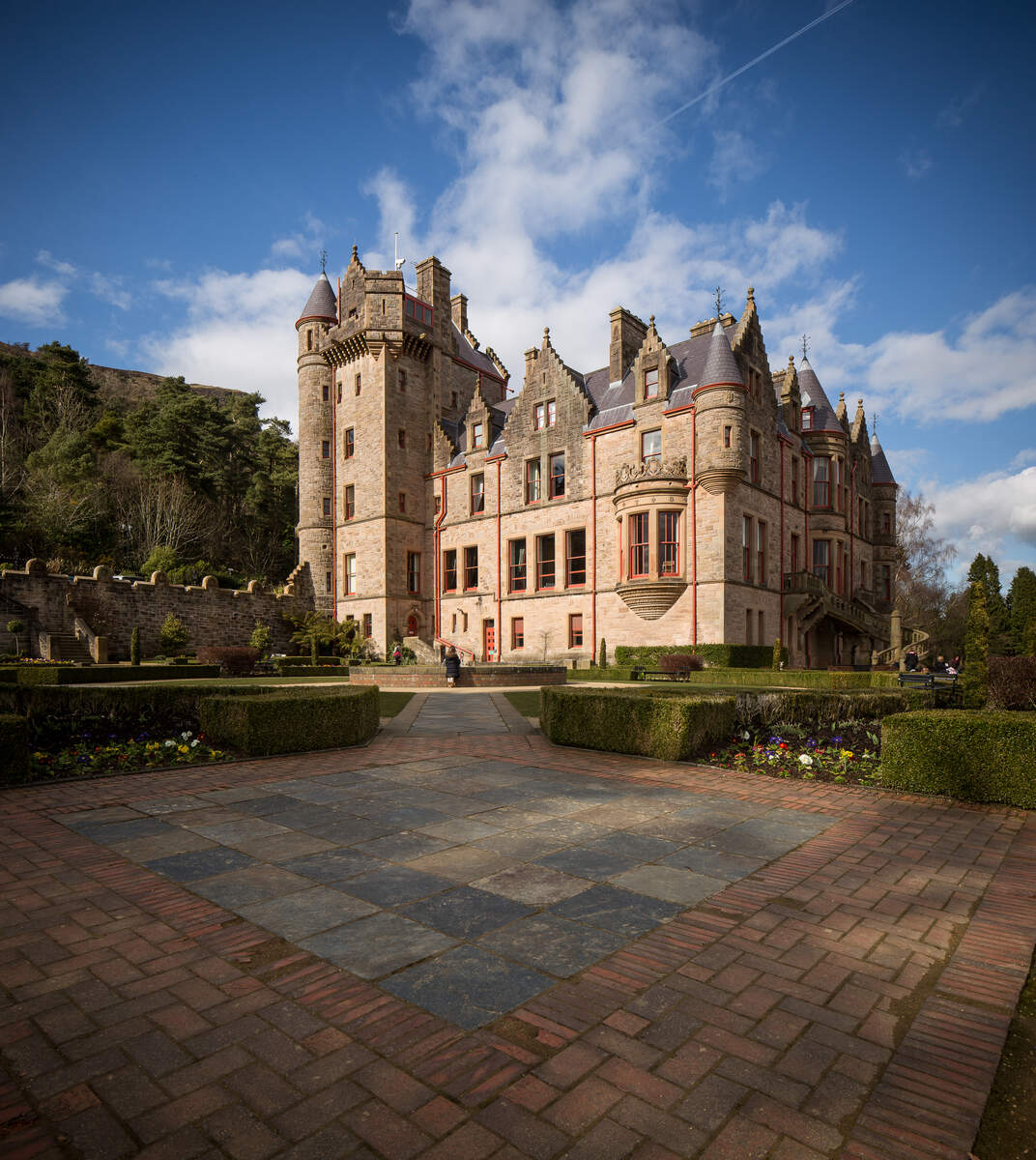

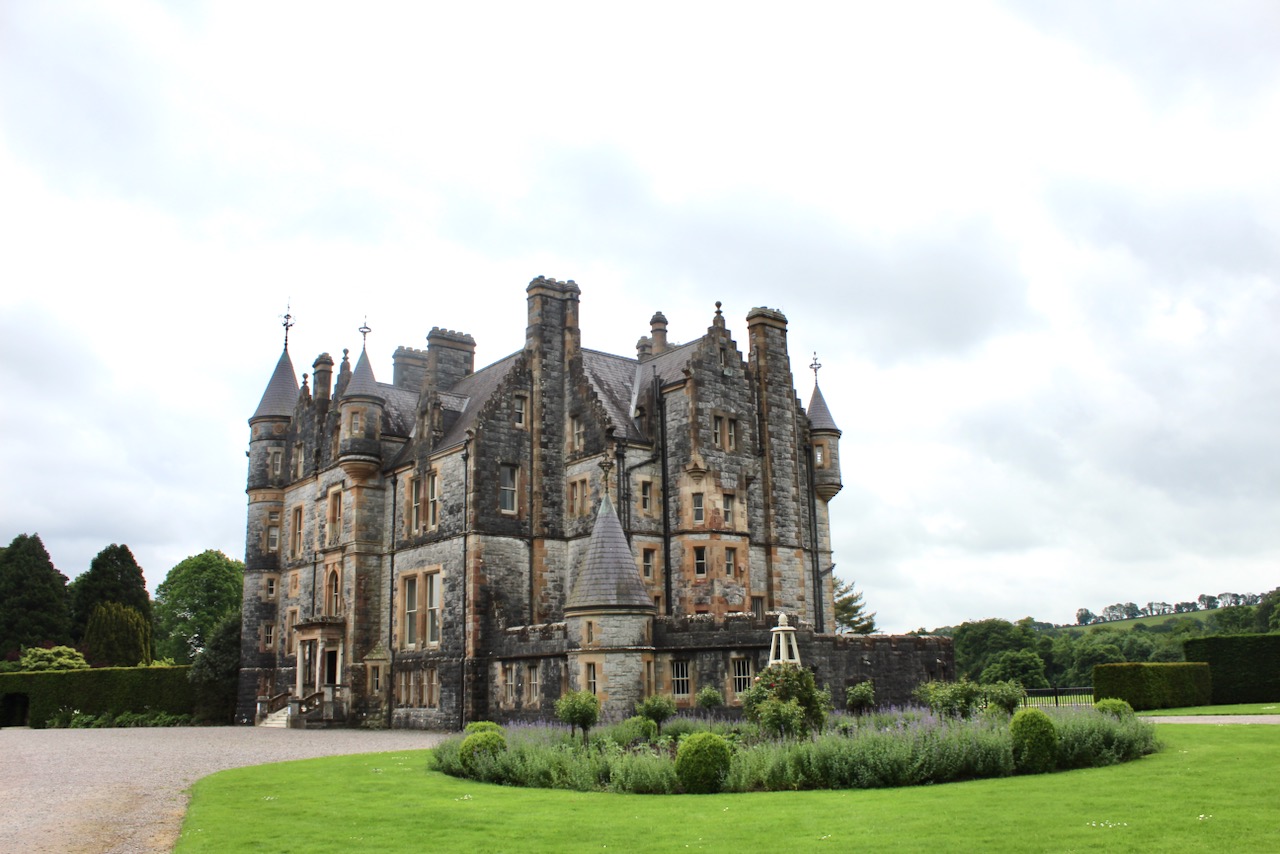
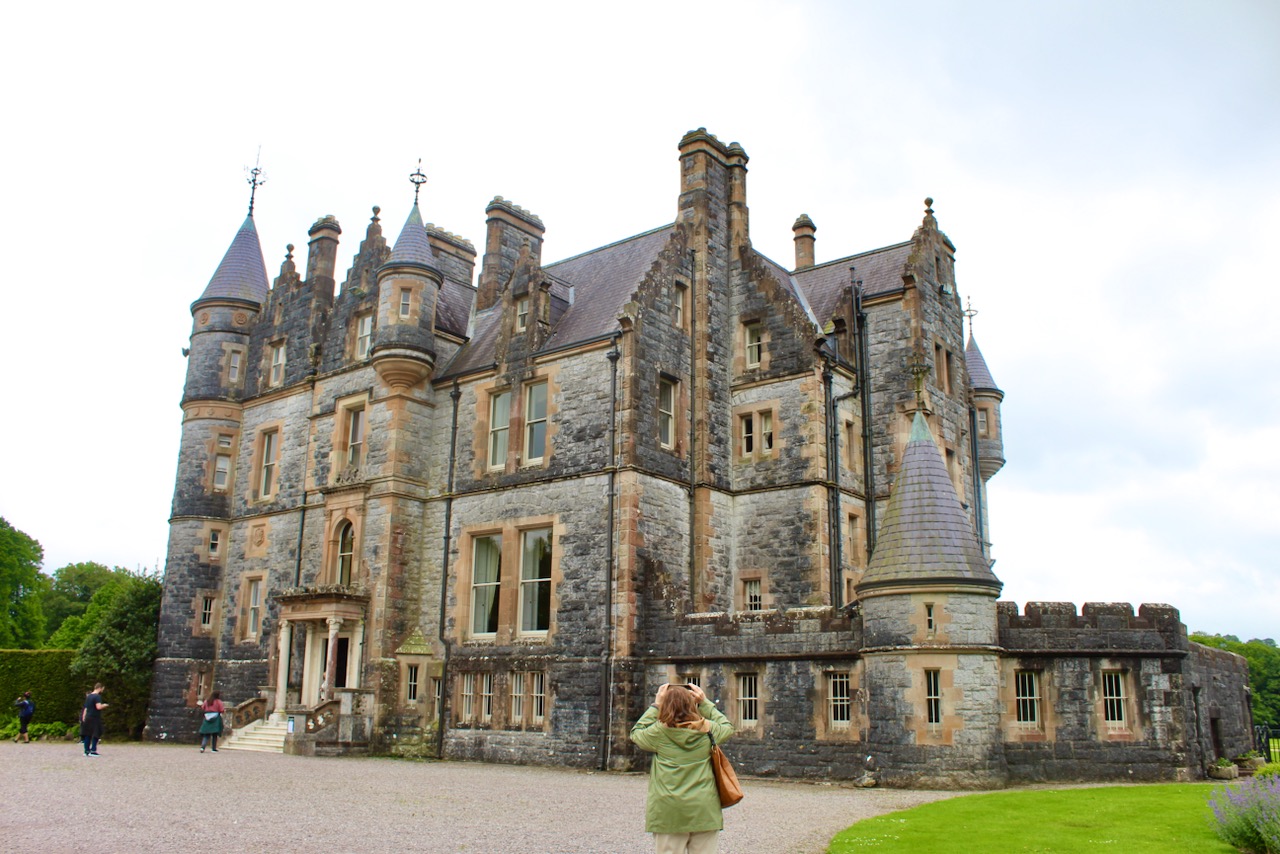
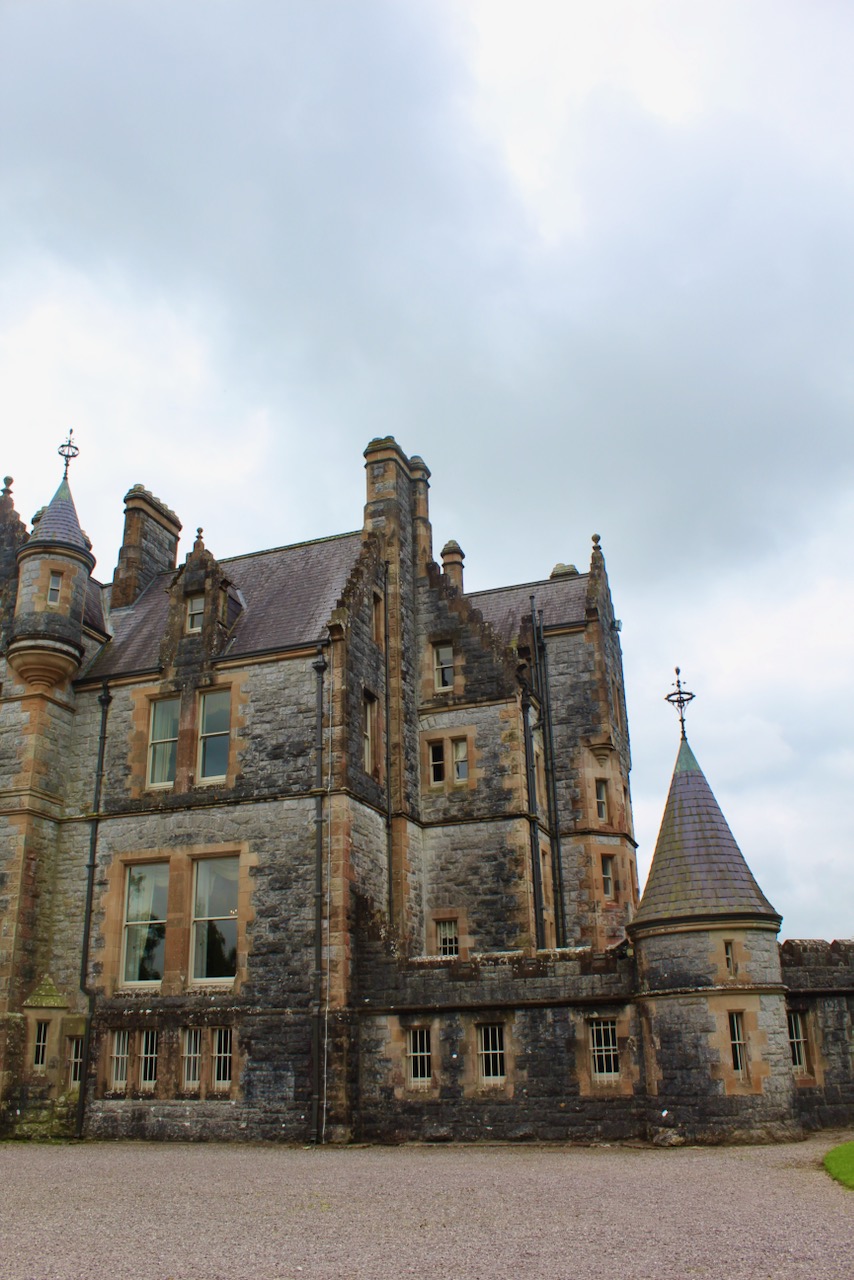
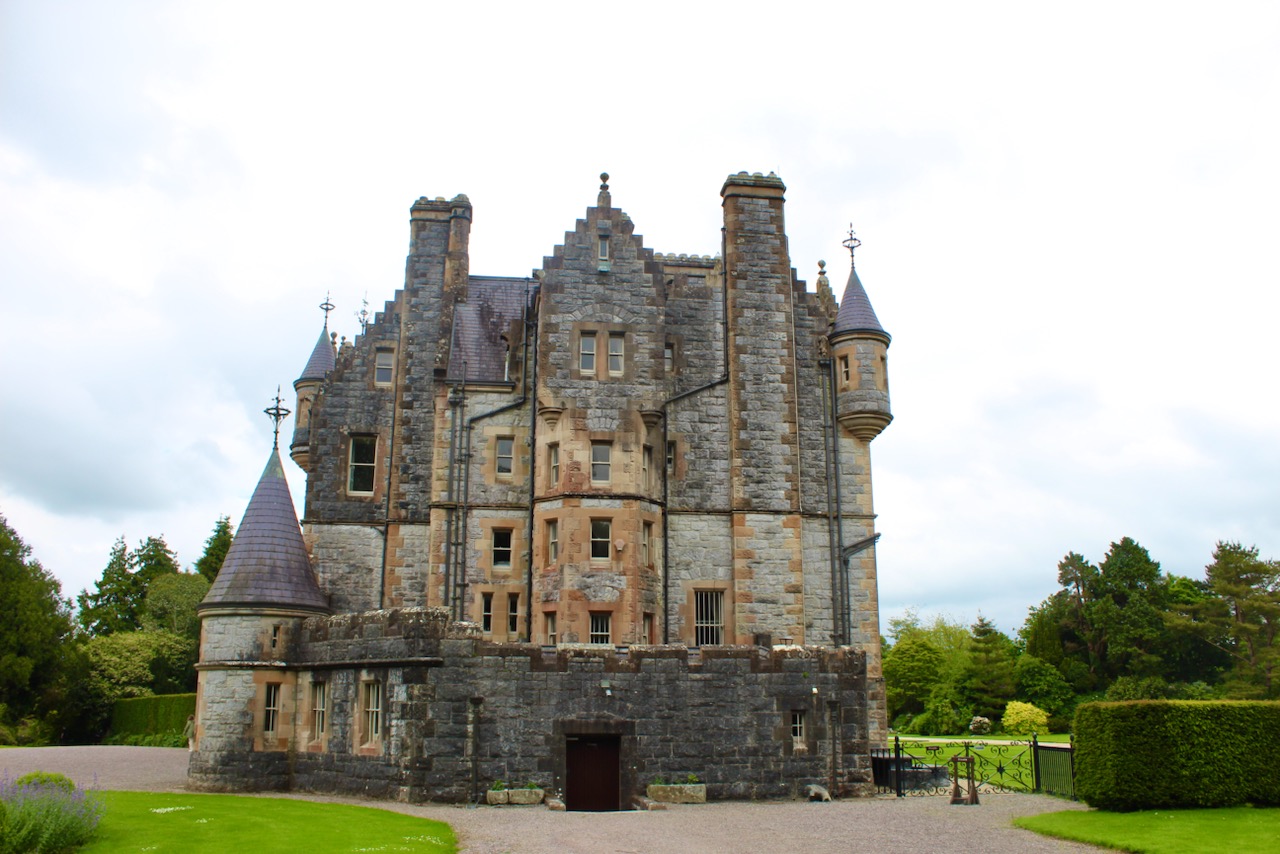
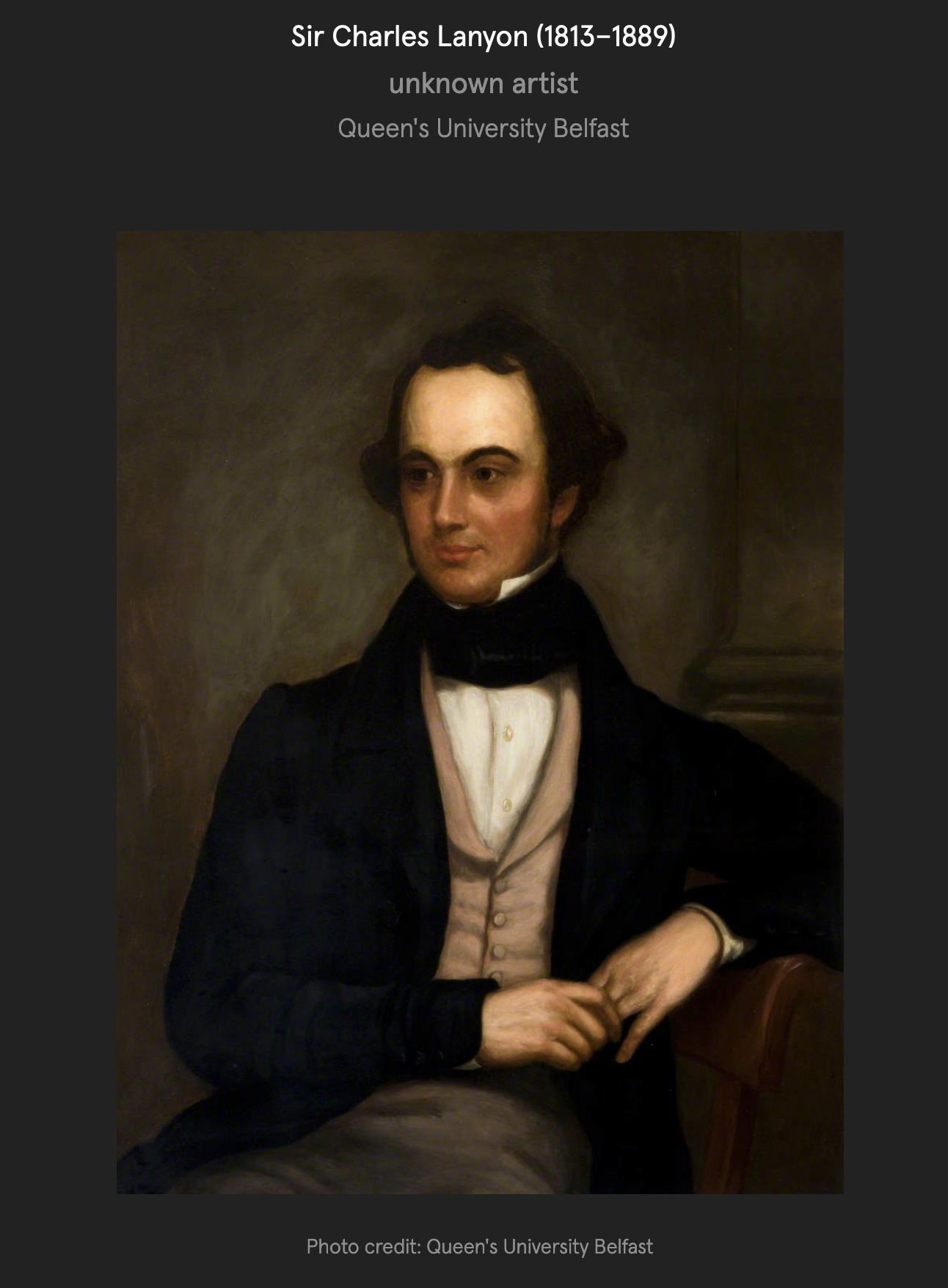
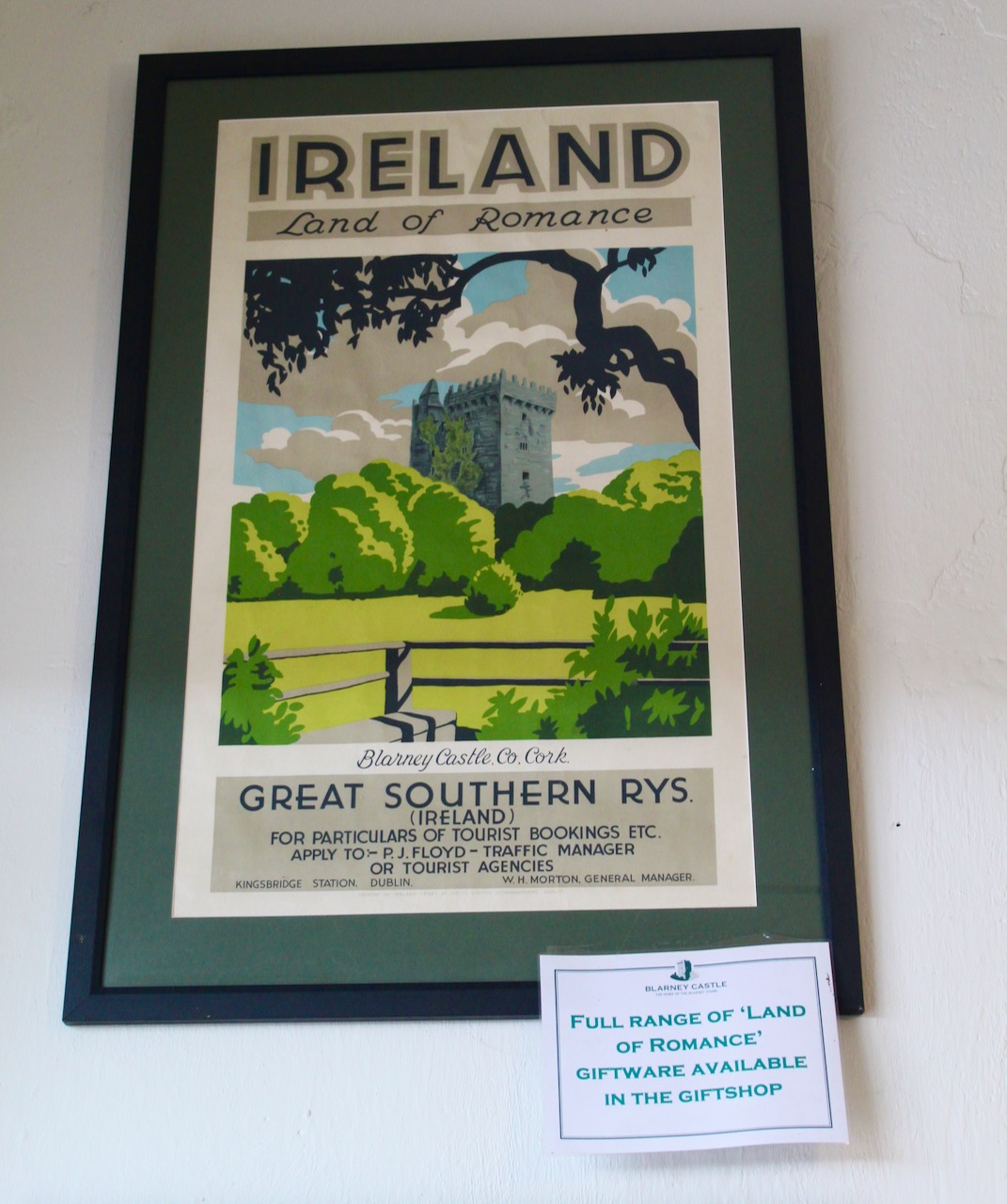



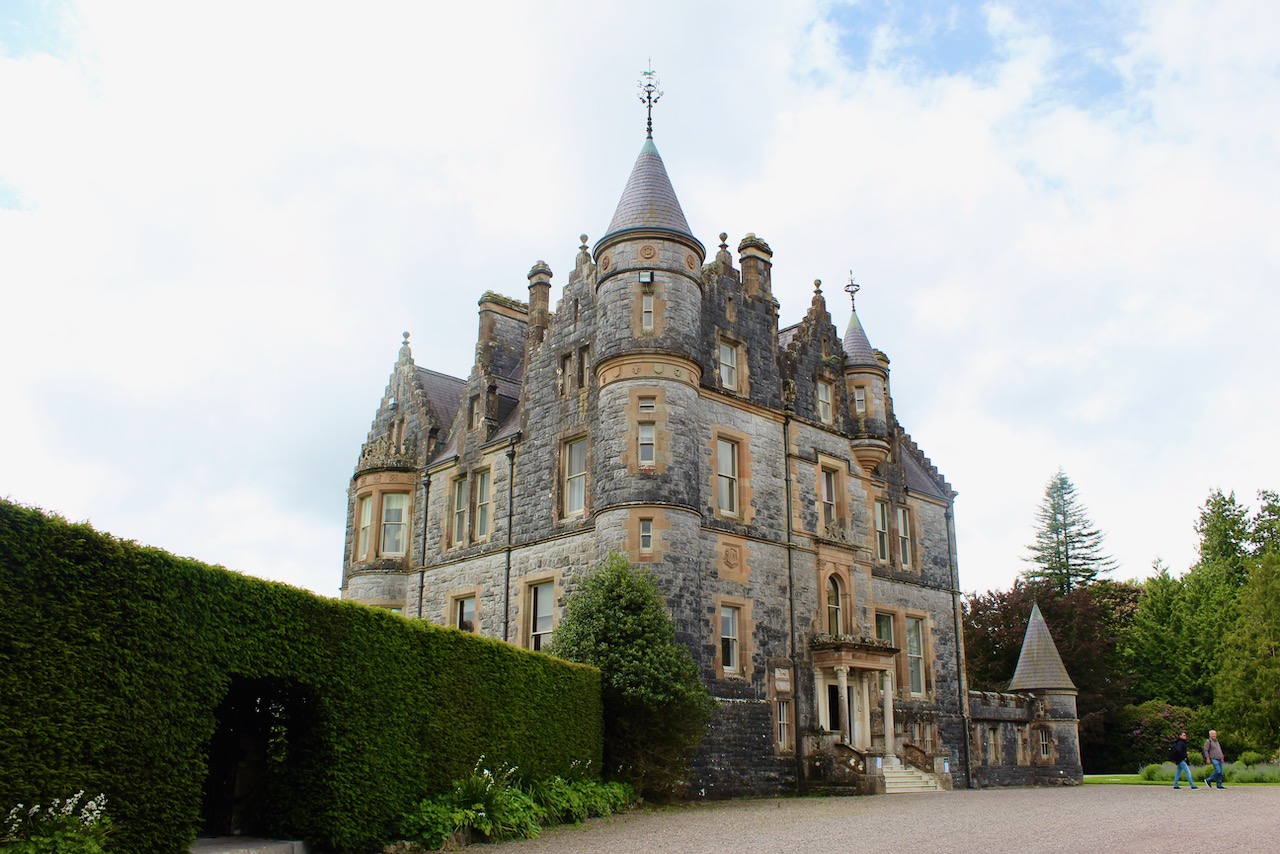

 Irish Historic Houses