Open dates in 2026: Apr 1-Oct 10, Sat-Sun, National Heritage Week, Aug 15-23, 2pm-6pm
Fee: adult €9
2026 Diary of Irish Historic Houses (section 482 properties)
To purchase an A5 size 2026 Diary of Historic Houses (opening times and days are not listed so the calendar is for use for recording appointments and not as a reference for opening times) send your postal address to jennifer.baggot@gmail.com along with €20 via this payment button. The calendar of 84 pages includes space for writing your appointments as well as photographs of the historic houses. The price includes postage within Ireland. Postage to U.S. is a further €10 for the A5 size calendar, so I would appreciate a donation toward the postage – you can click on the donation link.
€20.00
donation
Help me to pay the entrance fee to one of the houses on this website. This site is created purely out of love for the subject and I receive no payment so any donation is appreciated!
A house was first built at Burton Park around 1665 for John Perceval (1629–1665), 1st Baronet. However, this was destroyed and a later house built on its footprint. The house, which was not completed until 1709, was three times the size of the present building, which was remodelled in the late 1800s.
John Perceval, 1st Baronet (1629–1665) engraved by J. Faber (1743).From Anderson, James (1742), Whiston, William, ed., A genealogical history of the house of Yvery, in its different branches of Yvery, Luvel, Perceval and GournayGournay volume 2, London: H. Woodfall.
The house has been in the ownership of only two families: the Percevals and the Purcells. It now houses Slí Eile, and the website tells us:
“In the Irish language, slí eile means ‘another way’ and Slí Eile was set up to provide an alternative recovery option for those who might otherwise have to spend time in psychiatric hospital…People who come to Slí Eile spend a period of 6-18 months in a residential community in which support is available from both professional staff and from peers. Participating in the Slí Eile community provides an opportunity for a fresh start in a safe, nurturing environment. It also serves to restore a structured pattern to life. It helps in the development of both interpersonal skills and the practical skills that are required for daily living.” [1]
You can read more about Slí Eile on their website.
The website tells us that the original dwelling was fortified with high walls around the house, with four turrets, one at each corner. There are a number of underground passages, recently discovered, which correspond with the sites of the turrets as they would have appeared in the original design.
Philip Perceval (1605-1647), father of John, came to Ireland where he served as registrar of the Irish court of wards, along with his brother Walter. When Walter died in 1624, Philip inherited the family estates in England and Ireland. The land at Burton Park was named after his estate in Somerset, Burton. He settled in Ireland, and by means of his interest at court he gradually obtained a large number of additional offices. In 1625 he was made keeper of the records in the Birmingham Tower at Dublin Castle.
Perceval was close to the Lord Deputy of Ireland, Thomas Wentworth, 1st Earl of Strafford. With the fall and execution of Wentworth in May 1641, Perceval lost his major patron and protector. In September 1641 Perceval narrowly avoided prosecution in England when his part in a shady land transaction was revealed. By that time, Perceval owned over 100,000 acres in Ireland, which he obtained partly through forfeited lands.
Philip Perceval married Catherine Ussher, daughter of Arthur Ussher and Judith Newcomen. She gave birth to their heir, John (1629–1665), who was created 1st Baronet in 1661. A younger son, George (1635-1675) lived at Temple House in County Sligo, another Section 482 property which we have yet to visit.
In 1665 the officer-architect Captain William Kenn, then engaged on Charleville Manor for Roger Boyle, 1st Earl of Orrery, proposed a design, and building work on Burton Park started for the 1st Baronet Perceval. [2]
John Perceval served in Oliver Cromwell’s Commonwealth. He was involved in sending the opponents of Cromwell from their sequestered lands to Connaught. However, he began to distance himself from the Parliament and declined Cromwell’s invitation to sit in Cromwell’s Parliament.
After the Restoration of King Charles II, John Perceval was pardoned for his part in Cromwell’s government, and was granted a Baronetcy (of Kanturk) and made a Privy Councillor to Charles II. He married Catherine Southwell of Kinsale, County Cork.
Catherine (1637 – 1679) the only daughter of Sir Robert Southwell of Kinsale, wife of Sir John Perceval, 1st Baronet. Engraved by J. Faber (1743).From Anderson, James (1742), Whiston, William, ed., A genealogical history of the house of Yvery, in its different branches of Yvery, Luvel, Perceval and GournayGournay volume 2, London: H. Woodfall, p. 360
Catherine and John’s son eldest son and heir died at the age of 24 and he was succeeded by his brother, John (c. 1660-1686), who became 3rd Baronet of Kanturk.
Sir Philip Perceval, 2nd Bt (1656-1680) by Thomas Pooley c. 1670-74, courtesy of National Gallery of Ireland NGI 4626.John Perceval, 3rd Bt (1660-1686) by Thomas Pooley, c. 1670-74, courtesy of National Gallery of Ireland NGI 4627.John Perceval 3rd Bt, by John Faber Jr, National Portrait Gallery of London D29835.
John the 3rd Baronet married Catherine Dering, daughter of Edward 2nd Baronet Dering, of Surrenden Dering, Co. Kent. Their son Edward became 4th Baronet at the age of just four years old but he died aged 9. The next son, John, succeeded as 5th Baronet in 1691 on the death of his brother, and in 1733 was created 1st Earl of Egmont.
John Perceval (1683-1748) 1st Earl of Egmont by and published by John Smith, after Sir Godfrey Kneller 1704, National Portrait Gallery of London, D11553.
In 1690 Burton Park house was burnt by Duke of Berwick’s Jacobite forces as they retreated south after the Battle of the Boyne. The Duke of Berwick, James Fitzjames, was the illegitimate son of King James II. The village of Churchtown and fifty other big houses were destroyed.
James Fitzjames, 1st Duke of Berwick (1670–1734), three-quarter-length, wearing a suit of armour, a white jabot and holding a baton, by the circle of Godfrey Kneller, courtesy of Sothebys auction Old Master Paintings 6 April 2022.
The 1st Earl of Egmont rebuilt the house. Frank Keohane writes:
“After being burnt, the house’s rebuilding was delayed by a second long minority until the first decade of C18. The stables were commenced first, and unknown Italian architect was recorded at work in 1707 by the steward. [fn. A proto-Palladian plan dated 1709 shows a colonnaded hall and a portico before the door. Its designer was perhaps James Gibbs, whom Perceval had befriended in Italy when Gibbs was a student of Carlo Fontana.] In 1710 Rudolph Corneille, a Huguenot military engineer, proposed to rebuild the house for £2000. William Kidwell was paid for a chimneypiece in 1712. The house does not appear to have been completed, however, and the demesne was leased in 1716. A drawing of 1737 records the house standing as a shell, while in 1750 Smith described the ruin as ‘a large elegant building, mostly of hewn stone.’ ” [3]
Burton Park, County Cork, August 17th 2023: an artist’s impression of how the original house may have looked.
Jane O’Hea O’Keeffe writes in Voices from the Great Houses: Cork and Kerry that Perceval is believed to have commissioned Italian architects to submit designs for a new house in 1703, incorporating many Palladian features, to be built on the foundations of the original house. She writes that the mansion was completed in 1709 and was remodelled in the late nineteenth century. [4]
The Percevals didn’t live in Ireland, however, as they served as politicians in the British government.
John Perceval the 1st Earl was elected for the British parliament to represent Harwich in England from 1728 to 1734. The Dictionary of Irish Biography tells us “He was a regular attender at court, and sat (1727–34) for Harwich in the British house of commons, where he had some success in promoting trade concessions for Ireland. Other interests included prison conditions and the Georgia colony [in the United States], of which he was a co-founder in 1732.“
John Perceval, 1st Earl of Egmont (1683-1748) by Hans Hysing.
It’s fascinating that he was a founder of Georgia in the United States! He supported James Oglethorpe’s scheme to establish a new colony. He was acquainted with Oglethorpe from their work on the Gaols Committee of the House of Commons, which was painted by William Hogarth. The National Portrait Gallery of London tells us he played a crucial role in securing the funding that was essential for the support and defence of Georgia.
The Gaols Committee of the House of Commons by William Hogarth circa 1729 courtesy of National Portrait Gallery of London NPG 926.
Oglethorpe gained a reputation as the champion of the oppressed. He pressed for the elimination of English prison abuses and, in 1732, defended the North American colonies’ right to trade freely with Britain and the other colonies. [5] The prison reforms Oglethorpe had championed inspired him to propose a charity colony in America. On June 9, 1732, the crown granted a charter to the Trustees for Establishing the Colony of Georgia. Oglethorpe himself led the first group of 114 colonists on the frigate Anne, landing at the site of today’s Savannah on February 1, 1733. The original charter banned slavery and granted religious freedom, leading to the foundation of a Jewish community in Savannah.
In 1742, Oglethorpe called upon his military experience and Georgia’s fledgling militia to defend the colony from a Spanish invasion on St. Simons Island. Oglethorpe and his militia defeated the invaders in the Battle of Bloody Marsh, which is credited as the turning point between England and Spain’s fight for control of southeastern North America. [5]
John Perceval was a friend of Bishop George Berkeley, Church of Ireland Bishop of Cloyne. The philosopher-bishop was chaplain to John Perceval and tutor to his son. Papers relating to Burton House tell us that during his stay at Burton, Berkeley enjoyed long walks through its wooded demesne and may have slept on a hammock strung in the barn!
George Berkeley (1685-1753), Philosopher and Bishop of Cloyne, by John Smibert 1730 courtesy of National Portrait Gallery NPG 653.
Extracts from the correspondence between Berkeley and Perceval (Ryan-Purcell papers) reveal the special affection the bishop reserved for Burton:
“Trinity College, 17th May 1712: … Burton I find pleases beyond expectation; and I imagine it myself at this time one of the finest places in the world …
“Trinity College, 5th June 1712: Dan Dering (Perceval’s cousin) and I deign to visit your Paradise, and are sure of finding angels there, notwithstanding what you say of their vanity. In plain English, we are agreed to go down to Burton together and rejoice with the good company there. I give you timely warning that you may hang up two hammocks in the barn against our coming. I never lie in a feather bed in the college and before now have made a very comfortable shift with a hammock.
“London, 27th August 1713: Last night I came hither from Oxford. I could not without some regret leave a place which I had found so entertaining, on account of the pleasant situation, healthy air, magnificent buildings, and goodcompany, all which I enjoyed the last fortnight of my being there with much better relish than I had done before, the weather having been during that time very fair, without which I find nothing can be agreeable to me. But the far greater affliction that I sustained about this time twelvemonth in leaving Burton made this seem a small misfortune …” [6]
John Perceval’s son John Perceval (1711–70), sat for Dingle in the Irish commons from 1731 to 1748, when he succeeded to his father’s peerage after his father’s death and became 2nd Earl of Egmont. He was a member of the British Commons, 1741–62, and was a close adviser to Frederick, Prince of Wales. [6]
John Perceval (1711-1770) 2nd Earl of Egmont by Thomas Hudson.John Percival, later 2nd Earl of Egmont (1711-1770) by Francis Hayman c. 1740, courtesy of National Gallery of Ireland NGI 4489.
John 2nd Earl’s sister Helena married John Rawdon, 1st Earl of Moira.
John 2nd Earl married Catherine, daughter of James Cecil 5th Earl of Salisbury. She gave birth to the next in line, John James Perceval (1738-1822) 3rd Earl of Egmont, along with several other children.
John Perceval, 2nd Earl of Egmont with Catherine Perceval (née Cecil), Countess of Egmont by Richard Josey, after Sir Joshua Reynolds mezzotint, 1876 (1756) National Portrait Gallery of London D1855.
When she died, John the 2nd Earl remarried, this time to Catherine Compton, granddaughter of the 4th Earl of Northampton in England. They had several more children.
Catherine Perceval (née Compton), Countess of Egmont; Charles George Perceval, 2nd Baron Arden by James Macardell, after Thomas Hudson mezzotint, published 1765, National Portrait Gallery of London D1829.
From 1751-1759 the 2nd Earl created a house in England, Enmore Castle. He served as First Lord of the Admiralty from 1763-1766 and a port in the Falkland Islands, Port Egmont, was named after him, as well as Mount Egmont in New Zealand.
The 2nd Earl of Egmont was created Baron Lovel and Holland of Enmore, Co. Somerset in 1762, which gave him an automatic seat in the House of Lords.
Following his death, his widow was created Baroness Arden of Lohort Castle, County Cork in the peerage of Ireland, with remainder to her heirs male. This gave the oldest son of his second wife a title.
His third son, Spencer Perceval (1762–1812), became Prime Minister of the United Kingdom and is the only British prime minister to have been assassinated, and the only solicitor-general or attorney-general to have become prime minister.
Spencer Perceval, by George Francis Joseph (died 1846), given to the National Portrait Gallery, London in 1857.
A son of the first marriage, John James Perceval (1737-1822) became 3rd Earl of Egmont when his father died in 1770, as well as 2nd Baron Lovel and Holland of Enmore, Co. Somerset. He also entered politics in England and served in the British House of Lords.
He did not live at Burton Park and in 1800 he rented it to John Purcell, a member of the family of the Barons of Loughmoe (see my entry on Ballysallagh, County Kilkenny, for more of this branch of the family). He rented the property for his newly married eldest son, Matthew (1773-1845), Rector of Churchtown (1795-1845) and of Dungourney (1808-45).
John James Perceval the 3rd Earl Egmont married Isabella Powlett, granddaughter of the 2nd Duke of Bolton, and they had a son, John (1767-1835) who became 3rd Baron Lovel and Holland, of Enmore, County Somerset and 4th Earl of Egmont. The 4th Earl of Egmont followed in his father’s footsteps and served in the House of Lords. He married Bridget Wynn, daughter of an MP for Caernarvon in Wales and they had a son, Henry Frederick John James Perceval (1796-1841) who became 5th Earl of Egmont after his father’s death, as well as 4th Baron Lovel and Holland of Enmore, Co. Somerset.
The 5th Earl of Egmont inherited large debts. The History of Parliament website tells us:
“Debts of some £300,000 had accumulated on the estate at Churchtown, county Cork, and the property at Enmore, Somerset, was also heavily encumbered. The barrister engaged to defend Perceval’s will claimed that he was ‘a man of education and refinement’ whose ‘feeling of disappointment … on account of the enormous embarrassments on his property, led him to drink, and at an early period of his life he acquired habits of dissipation’; the opposing counsel blamed this fall from grace on neglect by his mother, who was portrayed as a scheming courtesan.” [7]
The Parliament website continues the sorry tale:
“Having thus compounded his financial difficulties, Perceval was declared an outlaw at some point in 1828 and fled abroad. Later that year he married the daughter of a French count in Paris, but evidently not under the auspices of the British consulate. The son born to them about four months after the marriage was apparently living in 1835, but predeceased his father; the fate of the mother has not been discovered. On his father’s death in 1835 Perceval inherited all his property, but the will was not proved until 1857, when the personalty was sworn under £16,000. Enmore had been sold in 1834 for £134,000 to pay off creditors, but no takers had been found for the Cork estates, which comprised 11,250 acres, because of the burden of debt on them. Egmont took his seat in the Lords in February 1836, but afterwards lived under the alias of ‘Mr. Lovell’ at Burderop Park, Wiltshire. This property was purchased in the name of his companion, a Mrs. Cleese, with whom it seems he had previously resided at Hythe, Kent and whom he passed off as his sister.” [7]
The website tells us the nature of his regular pursuits can be inferred from a letter supposedly sent to him on 28 April 1826 by Edward Tierney, the family’s Dublin solicitor and land agent, entreating him to ‘abandon his evil courses and his associates’.
“He decamped to Portugal in 1840, but after Mrs. Cleese’s death he returned to England, where he died in December 1841. Tierney was made sole executor and residuary legatee of the estate, exciting some comment, but it was not until 1857 that the will was finally proved (under £20,000) by Tierney’s son-in-law and heir, the Rev. Sir William Lionel Darell. In 1863 the will was belatedly contested by George James Perceval (1794-1874), Egmont’s cousin and successor in the peerage. It was alleged that alcoholism had rendered Egmont completely dependent on Tierney, whose misleading valuation of the estates had induced him to draw up his will as he did. The evidence was inconclusive and an out of court settlement was reached, by which the Irish property was returned to the Egmont family on payment of £125,000 to Darell. It was estimated that Tierney and his heirs had realized at least £300,000 from their stewardship of the estates, which were eventually sold by the 7th earl in 1889. The 8th earl (1856-1910), a former sailor turned London fireman, upheld family tradition by being arrested for drunkenness in Piccadilly, 16 May 1902.“
In 1814 Rev. Matthew Purcell (1773-1845) was resident. He lived there with his wife Elizabeth Leader. His father John passed his Highfort home in County Cork to his youngest son, Dr. Richard Purcell, and spent his latter years with his eldest son Matthew at Burton House, where he died in 1830.
The Annals of Churchtown (see [6]) tell us:
“John Purcell earned the sobriquet ‘the Knight of the Knife’ (occasionally the ‘Blood-red Knight’) for the spirited manner in which he, at some 80 years of age and, armed only with a knife, had repulsed a number of armed intruders at his Highfort home in Liscarroll [County Cork] on the 18th March 1811, killing three of their number and wounding others before the attackers fled. The attack not only earned a knighthood for Purcell. It also heralded a change in English law: it was determined henceforth that an octogenarian could kill in self-defence.“
The Landed Estates database tells us that the invaders were “Whiteboys.” Whiteboys were members of a secret agrarian organisation who defended tenant farmer land rights. Their members were called “whiteboys” after the white smocks they wore on their night time raids. Their activity began around 1760 when land which had previously been commonage was enclosed by landlords to farm cattle. [9]
The house bears the Purcell coat of arms on the central gable. The crest represents the encounter between Sir John Purcell the Octagenarian and the intruders he fought off.
Reverend Matthew Purcell was succeeded by his son John Purcell in 1845, at a time when the house was valued at £34. Reverend Matthew also had eight daughters.
The Sli Eile website tells us:
“Proceeding up the avenue, we can see the very fine parkland. On the right hand side is the new forestry plantation, started in 1997, which now covers a large part of the estate, and contains a very fine forest walk with much to interest both the arboriculturist and the casual walker. Further up, also on the right-hand side, may be seen a group of five mature oak trees, (one of which is unfortunately dead). These trees, of which there were once eight, were planted in the 1800’s to commemorate the birth of eight daughters of the Rev. Matthew Purcell, owner of Burton Park, and Rector of Churchtown. These trees are known as the eight sisters.“
John married Anna More Dempsey and they had two children: Matthew John (1852-1904) and Elizabeth Mary (believed to have been a nun, died unmarried, 1867). Matthew John, who inherited the property as a juvenile, was made a Ward of Court until he came of age.
Matthew Purcell bought Burton Park from the 7th Earl of Egmont in 1889. The 6th Earl of Egmont (John, 1794-1874) was the grandson of the 2nd Earl of Egmont and his second wife, Catherine Compton. His father was Charles George Perceval, who became 2nd Baron Arden after his mother’s death. The 6th Earl did not have any children, and it was a son of his brother Reverend Charles George Perceval who became the 7th Earl of Egmont (Charles George Perceval 1845-1897) and sold Burton Park.
In 1889 the Purcells undertook major renovations and alterations. [see 4]. Mark Bence Jones tells us that the Purcells refaced it in Victorian cement and gave it a high roof with curvilinear dormer-gables. [8] Frank Keohane tells us:
“Today the façade is rather more ornate, owing to a remodelling by William H. Hill c. 1899. Hill faced the house in rough plaster with smooth banded quoins, string courses and a cornice topped with a balustrade. The style is loosely Renaissance, with curvilinear gables and grotesque panels to the pedimented ground floor windows.“
William Henry Hill (1837-1911) was an architect from Cork. He was architect for the Dioceses of Down, Connor & Dromore under the Ecclesiastical Commissioners in 1860 until the disestablishment of the Church of Ireland in 1870, when he set up in private practice in Cork. [10] The Dictionary of Irish Architects tells us that in addition to his privately commissioned work, he was diocesan architect for the Dioceses of Cork, Cloyne and Ross from 1872 until circa 1878.
On a website about Churchtown, Jim McCarthy writes about Burton Park and tells us more about the 1889 update:
“In the 1890s, through his agent Robert Sanders and in conjunction with the Board of Works, the Purcells embarked on imaginative (and expensive) alterations and improvements to the house and estate: bedroom floors were renewed, ceilings remoulded, chimney shafts rebuilt, a kitchen was added, pantries were provided, a porch built, slating and skylights were repaired and renewed, staircases removed or altered, and windows and shuttering replaced. Extensive work on the coach house, gate lodge, sheds and stables was also undertaken.” [11]
The website tells us that the roof was raised to accommodate the dormer windows, and the ornate architraves over the windows were also added at that time.
The gate lodge, built around 1890, was inhabited until fairly recently, and has one room on each side. It has a central section with Tudor arched carriageway straddling entrance road, and flanking lower single-bay screen walls.
There was nobody to greet us when we arrived to the house, despite my contacting the contact person listed for the property, the Manager for Slí Eile. However, the front door was open, so we entered and had a little wander around. We did not venture far, as we felt like intruders.
The porch has lovely tiling, and the front hall has good plasterwork ceiling and cornice.
The entrance leads into a large hall with beautiful plasterwork ceiling and sweeping staircase with thin balusters. Mark Bence-Jones tells us that the pedimented doorcases were added later.
The Slí Eile website tells us that about the Hall:
“The heavy oak carving of the fireplace and over mantel are of typical Edwardian style, as is the glass panelled door from the porch. In a glass-fronted bookcase at the back of the hall is an artefact with a very strange history. It is a carving knife carefully stored in a glass topped box. This knife has a curse on it, in that anyone who opens the box will die within the year. Needless to say, no-one has attempted this to date! The knife was the property of one John Purcell, of Highfort, Liscarroll, who received a knighthood in 1811 for defending himself, single-handedly, as a very old man against a number of burglars. He killed three of them with this knife, the rest fled. He is known as “The Knight of the Knife” as a result of this feat. At the time, it was made a rule in law that an octogenarian could kill in self defence.“
Matthew John Purcell married Anne Daly, daughter of Peter Paul Daly of Daly’s Grove, County Galway. He converted to Catholicism upon his marriage.
They had nine children. It was the son, John, of their daughter Anita, who in 1919 married John Ryan of Scarteen, Knocklong, County Limerick, who inherited Burton Park, and took the name Ryan-Purcell.
Scarteen House, County Limerick, courtesy of National Inventory of Architectural Heritage.
Jane O’Hea O’Keeffe interviewed Rosemary Ryan-Purcell, eldest daughter of John Ronan, The Grove, Rushbrooke, County Cork, who along with her husband John came to live at Burton Park with their two eldest children in the early 1960s. Rosemary explains the Ryan-Purcell connection to the old house. “This was the home of my husband John’s mother, whose name was Anita Purcell. He was the younger son, and his elder brother inherited the Ryan family home at Scarteen in Knocklong, County Limerick. When we were first married, we lived at Scarteen, which was John’s childhood home. Later, he inherited Rich Hill near Annacotty, County Limerick, from his godfather, Dicky Howley, and we lived there for a short while. When John’s aunt, Louisa Purcell, died in the early 1960s, she left Burton Park to John, so we then came to live here and have been here ever since.“
They now lease the property to Slí Eile. The Slí Eile website tells us of the drawing room:
“Decorated and furnished in the Louis Quinze style, in 1906, the furniture, carpet and wallpaper are all French. Note the very fine plasterwork on the ceiling and cornice. The architraves around the windows are all mid 18th century, as is most of the woodwork in this room. Over the small bureau by the far window is an artist’s impression of how the original house may have looked. It was originally thought that the house had never been built to this plan, but recent research shows that it is much more accurate than formerly imagined. This room also has a sprung floor, and in earlier days would have been used as a ballroom as well as a drawing room.“
“The three-bay drawing room has an Edwardian Louis XVI overlay of wallpaper framed in panels. The room and the hall have decent Neoclassical ceilings with especially wispy acanthus S-scrolls. The joinery in contrast is heavy and mid-Georgian in character, with cambered and lugged architraves, fielded panels and waterleaf carving, all no doubt the product of a provincial joiner not conversant with Neoclassical trends.”
John Ryan’s family also owned Edermine House in County Wexford.
Rosemary continues: “John’s Auntie Louise, “Lulu,” was the youngest of the Purcell daughters. She was unmarried and she lived here at Burton Park. She suffered from arthritis, and was confined to a wheelchair. She was a very brave woman indeed and she ran the place here on her own for years. When she died, John and I took over, we were asked to take on the Purcell name, and that’s why we are now the Ryan-Purcell family.”
O’Hea O’Keeffe tells us that before they moved to Burton Park, Rosemary was already quite familiar with the house from her many earlier visits there, as John had been farming there before their marriage. “He had to come here to Burton Park straight after school. They used to say in the family that before he opened his eyes as an infant, he had been told by his mother than he would be coming here. This was her home, which she had visited with John almost every week during his childhood. John had two Purcell uncles who were born at Burton Park, both of whom were to lose their lives as a result of the First World War. Raymond, the older brother, tragically took his own life after his return from the war. His brother died at the Battle of the Somme.”
The Oratory is dedicated to the memory of the two Purcell sons who lost their lives as a result of the First World War.
When the Raymond Purcell was a young man, his mother purchased Curraghmount, near Buttevant, for use as a Dower House. His sisters Maisie and Louise moved there with their mother and stayed there for the remainder of Raymond’s lifetime. Following his tragic death after WWI, they returned to live in Burton Park.
Curraghmount, County Cork, courtesy of National Inventory of Architectural Heritage.
While living at Burton Park, Raymond carried out large-scale improvements to the house, including the installation of a generator and electric light in 1912. Thus, the manor became one of the earliest properties in the parish to use electricity.
Residents of Burton House were quite self-sufficient: in addition to the game, meats, vegetables and fruits supplied by its farm, it had a cider press and two limekilns. They manufactured their own bricks, examples of which can be seen in the orchard walls. Thirty-five gardeners once laboured to maintain the bowling green, croquet lawn, tennis courts and parkland. [see 6]
John Ryan-Purcell was ‘a bit of a genius’ says his widow. He was able to keep the house in good repair, including electricity and plumbing, and he also milked his cattle. He had a Jersey herd at Burton Park.
Rosemary continues: “When John and I first came, there were thirty acres of woodland here, mostly scrub, and my husband cleared it and reclaimed the land. We also planted a great amount of woodland, to make ends meet really. Over four or five phases, we planted ninety acres. We also have fifty acres of pasture, and we are now involved in Rural Environmental Protection Scheme, and in organic farming.”
Jane O’Hea O’Keeffe writes: “The pleasure grounds at Burton Park were designed by Decimus Burton, who also designed Kew Gardens in London and Dublin’s Phoenix Park. Indigenous trees, such as beech and oak, grow very well here, and seed has been collected over the years.“
O’Hea O’Keeffe tells us that the copper beech tree on the front lawn was planted by John Ryan-Purcell’s grandmother. The original entrance consisted of a straight avenue down from the front door to the little church and graveyard where the Purcell family vault stands. Matthew Purcell, who bought Burton Park from the Earl of Egmont in 1889, was Church of Ireland rector here.
Unfortunately since there was nobody to show us around, we did not get to see the organic farm or the outbuildings, nor the swimming pool. We also didn’t see the stable range, of which Keohane writes: “The long stable range in the adjoining yard may contain the shell of the C18 stables, which were fitted up as a house for the rector by 1739.”
[8] Bence-Jones, Mark. A Guide to Irish Country Houses, originally published as Burke’s Guide to Country Houses volume 1 Ireland by Burke’s Peerage Ltd. 1978; Revised edition 1988 Constable and Company Ltd, London.
[12] https://www.purcellfamily.org/photographs Note that The castle at the Little Island, Co. Waterford was the seat of the Purcell-FitzGerald family (descendants of Lieutenant-Colonel John Purcell and his wife Mary FitzGerald) from circa 1818 to 1966. It is now the Waterford Castle Hotel. The Purcell-FitzGeralds were descendants of the Purcells of Ballyfoyle, Co. Kilkenny, an offshoot of the Purcells of Loughmoe.
I am going to start collating a portrait gallery, as I love to put a name to the faces. I will add to these pages as I go.
I’ll be collecting them from my house entries and put them in alphabetical order by surname. I’ve also been going through the National Gallery collection and will also look at the National Portrait Gallery in London’s collection! It will be an ongoing project and a resource. I do think Ireland should have a National Portrait gallery! It would be a place where home owners could loan portraits for safekeeping also.
I have an editorial decision to make regarding women. Do I put them under their married name or under their maiden name? I think for now I’ll put them under both, as it’s nice to see them in relation to their fathers as well as in relation to their husband!
David de Barry, 1st Baron Barry (died 1278). In 1267, King Henry III of England appointed Lord David de Barry as Chief Justice of Ireland.
John Barry, 2nd Baron Barry (died 1285)
David FitzDavid Barry, 3rd Baron Barry (died 1290)
John Barry, 4th Baron Barry (died 1330)
David Barry, 5th Baron Barry (died 1347)
David Barry, 6th Baron Barry (died 1392)
John Barry, 7th Baron Barry (died 1420)
William Barry, 8th Baron Barry (died 1480)
John Barry, 9th Baron Barry (died 1486)
Thomas de Barry, 10th Baron Barry (died 1488)
William Barry, 11th Baron Barry (died 1500)
John Barry, 12th Baron Barry (died 1530)
John Barry, 13th Baron Barry (died 1534)
John FitzJohn Barry, 14th Baron Barry (1517–1553) (created Viscount Buttevant in 1541)
Viscounts Buttevant (1541)
John FitzJohn Barry, 1st Viscount Buttevant (1517–1553)
Edmund FitzJohn Barry, 2nd Viscount Buttevant (died 1556)
James FitzJohn Barry, 3rd Viscount Buttevant (died 1557)
James de Barry, 4th Viscount Buttevant (c. 1520–1581) 1st wife: Elizabeth Boyle, daughter of Charles Boyle, 3rd Viscount Dungarvan; 2nd wife: Elizabeth née Savage (d. 1714), daughter and heir of Richard Savage 4th Earl Rivers; 3rd wife: Anne Chichester, daughter of Major-General Arthur Chichester, 3rd Earl of Donegall (1666-1706), she was the mother of James Smith-Barry of Fota, County Cork.
David de Barry, 5th Viscount Buttevant (died 1617)
David Barry, 6th Viscount Buttevant (1604–1642) (created Earl of Barrymore in 1627/28)
Earls of Barrymore (1627/28)
David Barry, 1st Earl of Barrymore (1604–1642)
Richard Barry, 2nd Earl of Barrymore (1630–1694)
Laurence Barry, 3rd Earl of Barrymore (1664–1699)
James Barry, 4th Earl of Barrymore (1667–1747)
James Barry, 5th Earl of Barrymore (1717–1751)
Richard Barry, 6th Earl of Barrymore (1745–1773)
Richard Barry, 7th Earl of Barrymore (1769–1793)
Henry Barry, 8th Earl of Barrymore (1770–1823) [1]
SIR TRISTRAM BERESFORD (1595-1673), who was created a baronet in 1665, designated of Coleraine, County Londonderry. He married firstly, Anne, eldest daughter of John Rowley, of Castleroe, County Londonderry, by whom he had one son, RANDAL, his heir, and two daughters; and secondly, Sarah Sackville, and had three sons and three daughters: Tristram; Michael; Sackville; Susanna; Sarah; Anne.
Tristram Beresford (d. 1673), 1st Bt of Coleraine
Sir Tristram was succeeded by his eldest son, SIR RANDAL BERESFORD, 2nd Baronet (c. 1636-81), MP for Coleraine, 1661-68, who married Catherine Annesley, younger daughter of Francis, 1st Viscount Valentia, and dying in 1681, left issue, TRISTRAM, his heir; Jane; Catherine.
Sir Randal was succeeded by his eldest surviving son, SIR TRISTRAM BERESFORD, 3rd Baronet (1669-1701), MP for Londonderry County, 1692-99, who commanded a foot regiment against JAMES II, and was attainted by the parliament of that monarch. Sir Tristram wedded, in 1687, Nichola Sophia, youngest daughter and co-heiress of Hugh Hamilton, 1st Viscount Glenawly.
He was succeeded by his son, SIR MARCUS BERESFORD, 4th Baronet (1694-1763), MP for Coleraine, 1715-20, who espoused, in 1717, Catherine, BARONESS LE POER, daughter and heiress of James, 3rd Earl of Tyrone, and in consequence of that alliance, was elevated to the peerage, in 1720, in the dignity of Baron Beresford and Viscount Tyrone. His lordship was further advanced to an earldom, in 1746, as EARL OF TYRONE.
Rt. Hon. Marcus Beresford (1694-1763)4th Baronet and 1st Earl of Tyrone, photograph courtesy of the Beresford family and creative commons and wikipedia.
Marcus Beresford (1694-1763) 1st Earl of Tyrone had surviving issue: GEORGE DE LA POER (1735-1800) his successor who became 2nd Earl of Tyrone; John (1737/38-1805); William (1743-1819) (Most Rev), created BARON DECIES; Anne; Jane; Catherine; Aramintha; Frances Maria; Elizabeth.
George de la Poer Beresford (1735-1800) 2nd Earl of Tyrone, later 1st Marquess of Waterford, by Johann Zoffany, courtesy of National Trust Hatchlands.John Beresford, M.P. (1738-1805), son of of Marcus Beresford 1st Earl of Tyrone, miniature by Richard Crosse, British, 1742-1810.John Beresford (1738-1805), first commissioner of the Revenue in Ireland, engraver Charles Howard Hodges, after Gilbert Smith, courtesy of National Gallery of Ireland.John Beresford (1738-1805), MP by Gilbert Stuart c. 1790, courtesy of National Gallery of Ireland NGI 1133.Right Honourable John Beresford by Thomas Hickey (fl.1756-1816) courtesy Chrisites 2005. I’m not sure if this is John Beresford (1738-1805).Barbara Montgomery (?1757-1788), second wife of John Beresford (1738-1805) by Hugh Douglas Hamilton, courtesy of National Gallery of Ireland P5547. His first wife was Anne Constantia Ligondes.Marcus Gervais Beresford (1801-1885), Archbishop of Armagh, painting as Prelate of Order of St. Patrick, by engraver John Richardson Jackson, after painting by Stephen Catterson Smith, courtesy of National Gallery of Ireland.He was grandson of John Beresford (1738-1805). His father was Rt. Rev. George de la Poer Beresford (1765-1841).George John Beresford (1807-1864)of Woodhouse, County Waterford.He was also a grandson of John Beresford (1738-1805). His father wasReverend Charles Cobbe Beresford (b. 1770).John Claudius Beresford, Lord Mayor of Dublin courtesy Adam’s 8 March 2006 in style of William Cuming PRHA. He was the son of John Beresford (1738-1805).Elizabeth de la Poer Beresford (1736-1806), daughter of Marcus Beresford 1st Earl of Tyrone, wife of Thomas Cobbe of Newbridge House, in a costume evocative of Mary Queen of Scots, miniature, Cobbe Collection.
George de la Poer Beresford, 2nd Earl of Tyrone (1735-1800) inherited the ancient Barony of de la Poer at the decease of his mother in 1769. His lordship was enrolled amongst the peers of Great Britain, in 1786, as Baron Tyrone; and created, in 1789, MARQUESS OF WATERFORD.
George de la Poer Beresford (1735-1800) First Marquess of Waterford by Gilbert Stuart, courtesy of Bonhams and commons.
He married, in 1769, Elizabeth, only daughter and heiress of Henry Monck, of Charleville. They had issue:
Marcus, died at 8 years old; Henry de la Poer Beresford (1772-1826) his successor who became 2nd Marquess of Waterford; John George (1773-1862) (Most Rev), Lord Archbishop of Armagh; George Thomas (1781-1839) (Rt Hon), Lt-Gen, GCH; Isabella Anne; Catherine; Anne; Elizabeth Louisa (1783-1856).
Henry de la Poer Beresford (1772-1826) 2nd Marquess of Waterford by William Beechy courtesy of Eton College.John George Beresford (1773-1862), Archbishop of Armagh, after Thomas Lawrence, by Charles Turner, courtesy of Armagh County Museum.He was son of George de la Poer Beresford, 2nd Earl of Tyrone. Thought to be Elizabeth Louisa Reynell (1783-1856) née De La Poer and formerly wife of Sir Denis Pack, courtesy of Whyte’s Nov 2011. She was the daughter of the 1st Marquess of Waterford, and she married Denis Pack of County Kilkenny and later, Thomas Reynell, 6th Baronet.
He had an illegitimate son Admiral Sir John de la Poer Beresford (1766-1844) 1st Bt Beresford, of Bagnall, Co. Waterford, and also Lt.-Gen. William Carr Beresford (1768-1854) 1st and last Viscount Beresford of Beresford.
William Carr Beresford (1768-1854) Viscount Beresford, by William Beechey, Photograph courtesy of National Portrait Gallery, London.Harriet Elizabeth Peirse (1790-1825) Lady Beresford, wife of Admiral Sir John de la Poer Beresford (1766-1844) 1st Bt Beresford, of Bagnall, Co. Waterford, by Thomas Lawrence, courtesy of National Trust Hatchlands.
Henry de la Poer Beresford 2nd Marquess (1772-1826) wedded, in 1805, Susanna Carpenter, only daughter and heiress of George Carpenter 2nd Earl of Tyrconnell, and had issue,
HENRY de la Poer Beresford (1811-1859) his successor who became 3rd Marquess of Waterford; William; John (1814-1866) who became 4th Marquess of Waterford; James; Sarah Elizabeth (1807-1854) who married Henry John Chetwynd-Talbot, 18th Earl of Shrewsbury.
James Beresford (1816-1841) by Joseph Clover, courtesy of Ingestre Hall Residential Arts Centre.
Henry de la Poer Beresford 3rd Marquess married Louisa Anne Stuart (1818-1891), daughter of Charles Stuart, 1st and last Baron Stuart de Rothesay. They did not have children.
Elizabeth Stuart née Yorke (1789-1867). Lady Stuart de Rothesay, with her daughters Charlotte (1817-1861) and Louisa (1818-1891) by George Hayter, photograph courtesy of UK Government Art Collection. Elizabeth was the daughter of Philip Yorke 3rd Earl of Hardwicke; Louisa married Henry de la Poer Beresford 3rd Marquis of Waterford; Charlotte married Charles John Canning 1st Viceroy of India, 2nd Viscount Canning, 1st Earl Canning. Louisa Anne Beresford née Stuart (1818-1891), wife of Henry de la Poer Beresford, 3rd Marquess of Waterford, daughter of Charles Stuart, 1st and last Baron Stuart de Rothesay, by Sir Francis Grant 1859-1860, NPG 3176. The National Portrait Gallery tells us: “Louisa Stuart was brought up mostly in Paris, where her father was British Ambassador to the French court. She was taught to draw from an early age and art, along with religion and philanthropy, was one of her main interests throughout her life. A gifted amateur watercolourist, she did not exhibit at professional galleries until the 1870s. With a strong interest in the welfare of the tenants on her Northumberland estate, she rebuilt the village of Ford. She provided a school and started a temperance society in the village. Her greatest artistic achievement was the decoration of the new school with life sized scenes from the Old and New testaments that used children and adults from the village as models.”
When the 3rd Marquess died, his brother John became the 4th Marquess. The 4th Marquess married Christiana, daughter of Charles Powell Leslie of Castle Leslie in County Monaghan.
Timothy William Ferres tells us of the family of the Boyles, Earls of Cork:
Richard Boyle (1566-1643) 1st Earl of Cork married firstly, in 1595, Joan, daughter and co-heiress of William Apsley, of Limerick, without surviving issue; and secondly, Catherine, daughter of Sir Geoffrey Fenton, Knight, principal secretary of state for Ireland, and had issue (with eight daughters):
Roger (1606-15);
RICHARD (1612-98) his successor; Geoffrey d. 1 year old; Lewis (1619-1642) created Viscount Boyle of Kinalmeaky;
ROGER (1621-1679) created 1st Earl of Orrery; ancestor of John, 5th Earl of Cork;
The 1st Earl of Cork’s daughter Alice (1607-1666) married David Barry 1st Earl of Barrymore. His other daughters were Sarah (1609-1633) who married first Thomas Moore son of Garret Moore 1st Viscount of Drogheda, and then second, Rober Digby 1st Baron Digby; Lettice who married Lord Goring; Joan who married George Fitzgerald 16th Earl of Kildare; Catherine (1615-1691) who married Arthur Jones 2nd Viscount Ranelagh; Dorothy (1617-1668) who married Arthur Loftus and second, Gilbert Talbot son of William Talbot 1st Baronet; Mary (1625-1678) who married Charles Rich 4th Earl of Warwick;
The 1st Earl of Cork was succeeded by his eldest son, RICHARD, 2nd Earl (1612-98); who, having wedded, in 1635, the Lady Elizabeth Clifford, daughter and heiress of Henry, 5th Earl of Cumberland, was created a Peer of England, 1644, in the dignity of Baron Clifford of Londesborough, Yorkshire; and, in 1664, EARL OF BURLINGTON.
Richard Boyle (1612-1698) 1st Earl of Burlington and 2nd Earl of Cork, possibly after Sir Anthony van Dyck c.1640, NPG 893.Oil painting on canvas, Lady Elizabeth Clifford, Countess of Burlington (1621 – 1698) by Sir Anthony Van Dyck (Antwerp 1599 – London 1641). Three-quarter length portrait, profile to left, head facing, wearing wbite satin dress and blue scarf, pointing with her left hand in a landscape.She married Richard Boyle, 2nd Earl of Cork and 1st Earl of Burlington.
The 2nd Earl of Cork had issue:
Charles, 3rd Viscount Dungarvan (1639-94); father of the 3rd Earl of Cork; Richard, who died in 1665 at the battle of Lowestoft; and daughters Frances who married Colonel Francis Courtenay, 3rd Bt. then second, Wentworth Dillon, 4th Earl of Roscommon; Anne who married Edward Montagu, 2nd Earl of Sandwich; Elizabeth who married Nicholas Tufton, 3rd Earl of Thanet; Mary; Henrietta who married Laurence Hyde, 1st Earl of Rochester.
His lordship’s eldest son Charles, 3rd Viscount Dungarvan (1639-94) having predeceased him, was succeeded by his grandson, CHARLES (c. 1662-1704), 3rd Earl of Cork and 2nd Earl of Burlington.
Charles Boyle (c. 1662-1704) 3rd Earl of Cork and 2nd Earl of Burlington, by Godfrey Kneller, courtesy of National Trust Hardwick Hall.
Charles, 3rd Viscount Dungarvan (1639-94) had a daughter Elizabeth (1662-1703) who married Lt.-Gen. James Barry, 4th Earl of Barrymore.
The 3rd Earl of Cork, 2nd Earl of Burlington espoused Juliana, daughter and heiress of the Hon Henry Noel, of Luffenham, Rutland, by whom he had surviving issue, RICHARD (1694-1753) his successor, 3rd Earl of Burlington.
Richard Boyle, 3rd Earl of Burlington (1694-1753) by Jonathan Richardson, courtesy of London’s National Portrait Gallery NPG 4818.
The 3rd Earl of Cork, 2nd Earl of Burlington had daughters Elizabeth; Juliana; Jane; Henrietta (1700-1746) who married Henry Boyle, 1st Earl of Shannon.
The 3rd Earl of Cork, 2nd Earl of Burlington was succeeded by his only son, RICHARD (1694-1753), 4th Earl of Cork and 3rd Earl of Burlington, KG, who married, in 1720, the Lady Dorothy Savile, elder daughter and co-heiress of William, 2nd Marquess of Halifax, by which lady he had three daughters, Dorothy; Juliana; Charlotte Elizabeth, m William Cavendish, Marquess of Hartington.
His lordship claimed, in 1727, the barony of Clifford, as great-grandson of the Lady Elizabeth Clifford, daughter and heiress of Henry, Lord Clifford, and the house of peers acknowledged and confirmed his lordship’s right thereto.
This nobleman was eminent as a munificent encourager of literature and the fine arts, and as a friend of Alexander Pope he will always be remembered.
His lordship died in 1753, and leaving an only surviving daughter, Lady Charlotte, who had wedded William, 4th Duke of Devonshire, and inherited the barony of Clifford; all his lordship’s other English honours ceased, while those of Ireland devolved upon his kinsman, JOHN BOYLE (1707-62), 5th Earl of Orrery, in Ireland; Baron Boyle of Marston, in Great Britain; succeeded as 5th EARL OF CORK (refer to Roger, third son of the first Earl of Cork).
Charlotte Boyle (1731-1754) daughter of Richard Boyle (1694-1753) 3rd Earl of Burlington 4th Earl of Cork. She married William Cavendish (1720-1764) 4th Duke of Devonshire and brought Lismore Castle, County Waterford, into the Cavendish family. Painting after style of George Knapton, courtesy of Chiswick House collection.Richard Boyle 4th Earl of Cork and 3rd Earl of Burlington and Dorothy Savile attributed to Aikman, William Aikman (1682-1731).Oil painting on canvas, Possibly Lady Dorothy Savile, Countess of Burlington and Countess of Cork (1699-1758) by Michael Dahl, circa 1720. Inscribed top right in gold: Lady Dorothy Saville / Daughter to the Marquis of Halifax / married to the Earl of Burlington. A half-length portrait of a young woman, facing, wearing white decollete dress with blue ribbon. Courtesy of National Trust Hardwick HallLady Dorothy Savile, Countess of Burlington (1699-1758) with her Daughter Lady Dorothy Boyle, later Countess of Euston (1724-1742) by Michael Dahl courtesy of National Trust Hardwick Hall. She married Richard Boyle 4th Earl of Cork and 3rd Earl of Burlington.
The 1st Earl of Cork’s son ROGER (1621-1679) was created 1st Earl of Orrery.
Lady Mary Boyle nursing her son Charles, by Godfrey Kneller (1646-1723) Adams auction 18 Oct 2022. I think this could be Mary née Sackville (1637-1679) who married Roger Boyle 2nd Earl of Orrery. Her son Charles Boyle (1674-1731) became the 4th Earl of Orrery.Charles Boyle 4th Earl of Orrery, possibly a copy, based on painting by Charles Jervas.
JOHN BOYLE (1707-62), 5th Earl of Orrery, in Ireland; Baron Boyle of Marston, in Great Britain; succeeded as 5th EARL OF CORK (refer to Roger, third son of the first Earl of Cork).
His lordship wedded firstly, in 1728, the Lady Henrietta Hamilton, youngest daughter of George, 1st Earl of Orkney KT, and had issue: Charles, Viscount Dungarvan (1729-1759); HAMILTON, his successor; Elizabeth.
Mrs John O’Neill (née Henrietta Boyle) (1756-1793), Poet and Patron of Mrs Siddons, Engraver John Raphael Smith, English, 1752-1812 After Matthew William Peters, English, 1742-1814, courtesy of National Gallery of Ireland.She was the wife of John O’Neill (1740-1798), 1st Viscount, of Shane’s Castle, County Antrim, and the daughter of Charles Boyle, Viscount Dungarvan, who was the son of John Boyle 5th Earl of Orrery and 5th Earl of Cork.
He espoused secondly, Margaret, daughter and sole heiress of John Hamilton, by whom he had further issue: EDMUND, 7th Earl of Cork; Catherine Agnes; Lucy. He was a writer.
He was succeeded by his eldest surviving son, HAMILTON (1729-64), 6th Earl of Cork and Orrery, who died unmarried, in little more than a year after his father, when the honours devolved upon his brother, EDMUND (1742-98), 7th Earl of Cork and Orrery, who married firstly, in 1764, Anne, daughter of Kelland Courtenay, and had issue: John Richard, Viscount Dungarvan (1765-8); EDMUND, of whom hereafter; Courtenay (the Hon Sir), Vice-Admiral in the Royal Navy; Lucy Isabella.
Anne Boyle née Courteney, Countess of Cork and Orrery (1742-1785) Engraver James Watson, Irish, c.1740-1790 After Hugh Douglas Hamilton, Irish, 1740-1808, courtesy of National Gallery of Ireland. She married Edmund Boyle 7th Earl of Cork and Orrery.
His lordship espoused secondly, in 1786, Mary, youngest daughter of John, 1st Viscount Galway, without further issue.
He was succeeded by his eldest surviving son, EDMUND (1767-1856), 8th Earl of Cork and Orrery, KP, a General in the Army, who married, in 1795, Isabella Henrietta, third daughter of William Poyntz, of Midgam house, Berkshire, and had issue: Edmund William, Viscount Dungarvan (1798-1826); George Richard (1799-1810); CHARLES, of whom presently; John, ancestor of the 12th and 13th Earls; Robert Edward; Richard Cavendish; Isabella Elizabeth; Lucy Georgina; Louisa.
His lordship’s eldest surviving son CHARLES (1800-34), styled Viscount Dungarvan, wedded, in 1828, the Lady Catherine St Lawrence, daughter of William, 2nd Earl of Howth, and had issue:
RICHARD EDMUND ST LAWRENCE, his successor;
William George;
Edmund John;
Louisa Caroline Elizabeth; Mary Emily.
His lordship predeceased his father, and the family honours devolved upon his eldest son,
RICHARD EDMUND ST LAWRENCE (1829-1904), as 9th Earl of Cork and Orrery, KP, who married, in 1853, the Lady Elizabeth Charlotte de Burgh, daughter of Ulick John, 1st Marquess of Clanricarde, and had issue: CHARLES SPENCER CANNING, his successor; ROBERT JOHN LASCELLES, 11th Earl; Emily Harriet Catherine; Grace Elizabeth; Isabel Lettice Theodosia; Honora Janet; Dorothy Blanche.
Anne Boyle née Courteney, Countess of Cork and Orrery (1742-1785) Engraver James Watson, Irish, c.1740-1790 After Hugh Douglas Hamilton, Irish, 1740-1808, courtesy of National Gallery of Ireland.She married Edmund Boyle 7th Earl of Cork, 7th Earl of Orrery.
The 1st Earl of Cork’s son Francis (1623-1699) was created 1st Viscount Shannon.
“THE RT HON SIR VALENTINE BROWNE (d 1589) in 1583, received instruction, jointly with Sir Henry Wallop, for the survey of several escheated lands in Ireland. He was subsequently sworn of the Privy Council, and represented County Sligo in parliament in 1585. In the same year, Sir Valentine purchased from Donald, Earl of Clancare, all the lands, manors, etc in counties Kerry and Cork, which had been in the possession of Teige Dermot MacCormac and Rorie Donoghoemore.
“Sir Valentine married firstly, Alice or Elizabeth, daughter of Robert Alexander, of London, and had issue, a son. He wedded secondly, Thomasine, sister of the Lord Keeper of the Great Seal, Sir Nicholas Bacon, and had further issue (with a daughter), two sons.
“Sir Valentine’s eldest surviving son, SIR NICHOLAS BROWNE, Knight, of Ross, County Kerry, who wedded Sicheley Sheela, daughter of O’Sullivan Beare, and had issue: VALENTINE, his heir; Anne.
“Sir Nicholas died in 1616, and was succeeded by his son, VALENTINE BROWNE, High Sheriff of County Kerry, 1623, who was created a baronet in 1622, designated of Molahiffe, County Kerry.
“Sir Valentine, after his father’s decease, presented a petition to JAMES I, praying an abatement of the yearly rent reserved on the estate which he held from the Crown, as an undertaker, at the annual sum of £113 6s 8d, in regard of the small profit he made of it, being set out in the most barren and remote part of County Kerry; which request was complied with, and he received a confirmation, by patent, of all his lands at a reduced rent.
“He married Elizabeth, fifth daughter of Gerald, Earl of Kildare [I’m not sure if this – JWB], and was succeeded by his grandson, THE RT HON SIR VALENTINE BROWNE, 3rd Baronet (1638-94); who was sworn of the Privy Council of JAMES II, and created by that monarch, subsequently to his abdication, in 1689, Baron Castlerosse and Viscount Kenmare.
“His lordship, who was Colonel of Infantry in the army of JAMES II, forfeited his estates by his inviolable fidelity to that unfortunate monarch. He wedded Jane, only daughter and heir of Sir Nicholas Plunket [of Balrath], and niece of Lucas, Earl of Fingall, and had five sons and four daughters.
“The 1st Viscount was succeeded by his eldest son, SIR NICHOLAS BROWNE, 4th Baronet (called 2nd Viscount); an officer of rank in the service of JAMES II, and attainted in consequence, who espoused, in 1664, Helen, eldest daughter and co-heir of Thomas Brown, by whom he obtained a very considerable fortune, but which, with his own estates, became forfeited for his life.The crown, however, allowed his lady a rent-charge of £400 per year for the maintenance of herself and her children. Sir Nicholas died in 1720, leaving four daughters and his son and successor,
“SIR VALENTINE BROWNE, 5th Baronet (called 3rd Viscount) (1695-1736), who continued outlawed by the attainder of his father and grandfather. [The 4th Baronet’s daughter Frances married Edward Herbert (1693-1770 of Muckross, County Kerry]
“He married, in 1720, Honora, second daughter of Colonel Thomas Butler [of Kilcash (1671-1738)], and great-grandniece of James, Duke of Ormonde, by whom he had issue, Thomas, his successor, and two daughters.
“Sir Valentine espoused secondly, in 1735, Mary, Dowager Countess of Fingall, by whom he left a posthumous daughter, Mary Frances. [Mary née Fitzgerald (1716-1741/2) was the daughter of Maurice Fitzgerald, 5th Baronet of Castle Ishen, County Cork; Mary was first married to Justin Plunkett, 5th Earl of Fingall. She married thirdly John Bellew, 4th Baron Bellew of Duleek]
“He was succeeded by his only son, SIR THOMAS BROWNE, 6th Baronet (called 4th Viscount) (1726-95), who wedded, in 1750, Anne, only daughter of Thomas Cooke, of Painstown, County Carlow, by whom he had a son and a daughter, Catherine, married to Count de Durfort-Civrac.
“He was succeeded by his son, SIR VALENTINE BROWNE, 7th Baronet (called 5th Viscount) (1754-1812), who was created (the viscountcy of JAMES II never having been acknowledged in law), in 1798, Baron Castlerosse and Viscount Kenmare.
“His lordship was further advanced to the dignity of an earldom, in 1800, as EARL OF KENMARE.”
Valentine Browne (1754-1812), 1st Earl of Kenmare by Hugh Douglas Hamilton courtesy of Country House Collections at Slane Castle by Adam’s 2012.
“He married firstly, in 1777, Charlotte, daughter of Henry, 11th Viscount Dillon [of Costello-Gallin], and had an only daughter, Charlotte. [She married George Goold, 2nd Bt of Old Court, Co. Cork.]
“His lordship wedded secondly, in 1785, Mary, eldest daughter of Michael Aylmer, of Lyons, County Kildare, and had issue,
VALENTINE (1788-1853)his successor as 2nd Earl; Thomas (1789-1871) who became 3rd Earl; William; Michael; Marianne; Frances.
“His lordship was succeeded by his eldest son, VALENTINE, 2nd Earl (1788-1853), PC, who espoused, in 1816, Augusta, daughter of Sir Robert Wilmot, 2nd Baronet, though the marriage was without issue, when the family honours devolved upon his brother,
“THOMAS, 3rd Earl (1789-1871), who married, in 1822, Catherine, daughter of Edmond O’Callaghan [d. 1791. Another daughter of Edmond O’Callaghan, Ellen, married James John Bagot of Castle Bagot, Rathcoole. His daughter Elizabeth married Gerald Dease of Turbotstown, a Section 482 property].
Piers Butler (d. 1539) 8th Earl of Ormonde married Margaret Fitzgerald, daughter of Gerald Fitzgerald 8th Earl of Kildare.
They had daughters Ellen (d. 1597) who married Donough O’Brien (d. 1553) 1st Earl of Thomond; Margaret married Barnaby FitzPatrick, 1st Baron of Upper Ossory; Joan married James Butler, 10th Baron Dunboyne; Eleanor married Thomas Butler 1st Baron Caher; Katherine married Richard Power, 1st Baron le Power and Coroghmore first and secondly, James FitzJohn FitzGerald, 13th Earl of Desmond; Ellice married Gerald FitzJohn FitzGerald (d. 1553, father of 1st Viscount Decies).
They had sons John Butler (d. 1570) who lived in Kilcash, County Tipperary and was father of Walter (1569-1632) 11th Earl of Ormond; Richard Butler (d. 1571) 1st Viscount Mountgarret; Thomas who died in 1532; and James Butler (d. 1546) 9th Earl of Ormonde.
James Butler (1504-1546), Soldier, 9th Earl of Ormond and Ossory by Francesco Bartolozzi, published by John Chamberlaine, after Hans Holbein the Younger publ. 1797, courtesy of National Portrait Gallery NPG D39383.
James Butler (d. 1546) 9th Earl of Ormonde married Joan Fitzgerald, daughter of James FitzMaurice FitzGerald, 10th Earl of Desmond. She gave birth to Thomas Butler (1531-1614) who became 10th Earl of Ormond.
The 9th Earl also had a son Edmond (d. 1602) who lived in Cloughgrenan, County Carlow, who gave rise to the Baronets of Cloughgrenan.
The 10th Earl of Ormond, “Black Tom,” had no direct heir so the Earldom passed to his nephew, Walter, a son of Sir John Butler (d. 1570) of Kilcash. Unlike his uncle, who had been raised at Court and thus reared a Protestant, Walter the 11th Earl of Ormond was a Catholic. See my entry about the Ormond Castle at Carrick-on-Suir for more on “Black Tom.” https://irishhistorichouses.com/2022/06/26/opw-sites-in-munster-clare-limerick-and-tipperary/
Walter Butler’s claim to the family estates was blocked by James I. The latter orchestrated the marriage of Black Tom’s daughter and heiress Elizabeth to a Scottish favourite Richard Preston, Baron Dingwall. The King gave Preston the title Earl of Desmond (after the Fitzgeralds lost the title, due to their Desmond Rebellion), and awarded his wife most of the Ormond estate, thus depriving Walter of his inheritance. Walter refused to submit and was imprisoned for eight years in the Fleet, London. He was released 1625. Walter’s nine-year-old grandson, James, became the heir to the titles but not the estates.
James (1610-1688) 12th Earl of Ormond (later 1st Duke of Ormond) was the son of Thomas Butler (d. 1619) Viscount Thurles, and Elizabeth Poyntz. Following his father’s death in 1619, 9-year-old James became direct heir to the Ormond titles. He was made a royal ward and was educated at Lambeth Palace under the tutelage of George Abbot, Archbishop of Canterbury.
Another son of Thomas Butler (d. 1619) Viscount Thurles, and Elizabeth Poyntz was Richard Butler (d. 1701) of Kilcash, County Tipperary.
In order to reunite the Ormond title with the estates, plans were made for a marriage between James and the daughter of the Prestons, Elizabeth, to resolve the inheritance issue. In 1629 James married his cousin Elizabeth Preston and reunited the Ormond estates.
The 1st Duke of Ormond had three sons: Thomas (1634-1680), 6th Earl of Ossory; Richard (1639-1686), 1st and last Earl of Arran; and John (1634-1677), 1st and last Earl of Gowran. He had two daughters, Elizabeth (1640-1665) and Mary (1646-1710). Mary married William Cavendish, 1st Duke of Devonshire and Elizabeth, the 2nd Earl of Chesterfield.
Thomas Butler (1634-1680) 6th Earl of Ossory, Eldest son of James, Duke of Ormond, in armour standing near his charge, attributed to Van Dyck, courtesy of Adam’s auction 11 Oct 2016. Provenance: Formerly in the collection of the Earl of Fitzwilliam, 1948.
Thomas Butler, 6th Earl of Ossory, (1634-1680) was born at Kilkenny Castle, the eldest son of James Butler, 1st Duke of Ormonde and Lady Elizabeth Preston. His early years were spent in Ireland and France. He was an accomplished athlete and a good scholar. In 1661 Butler became a member of both the English and Irish houses of Commons, representing Bristol in the former and Dublin University in the latter House. In 1665 he was appointed lieutenant-general of the army in Ireland and in 1666 was created an English peer as Lord Butler.
Having proven himself as an expert military strategist, and whilst visiting France in 1672, he rejected the liberal offers made by Louis XIV to induce him to enter the service of France, and returning to England he added to his high reputation by his conduct during the Battle of Texel in August 1673. From 1677 until 1679, he served alongside his father as a Lord of the Admiralty.
The earl was chosen to William, Prince of Orange, and in 1677 he joined the allied army in the Netherlands, commanding the British section and winning great fame at the siege of Mons in 1678. He acted as deputy for his father, who was lord-lieutenant of Ireland, and in parliament he defended Ormonde’s Irish administration with great vigour. In 1680 he was appointed governor of English Tangier, but his death prevented him from taking up his new duties.
Ossory had eleven children, including James Butler who became the 2nd Duke of Ormonde in 1688. A Portrait of Thomas Butler by Lely, painted in 1678 is in the National Portrait Gallery, London and a portrait by the same hand as his father, the 1st Duke is in the ownership of the National Trust at Kedleston Hall.Thomas Butler (1634-1680) 6th Earl of Ossory, studio of Sir Peter Lely, circa 1678, courtesy of National Portrait Gallery NPG 371. Second son of the Duke and Duchess of Ormond and father of 2nd Duke of Ormonde. Richard Butler (1639-1685) 1st Earl of Arran, son of the Duke of Ormonde, by Godfrey Kneller, courtesy of National Trust Hardwick Hall.Mary Cavendish née Butler (1646-1710) Duchess of Devonshire in the style of Willem Wissing courtesy of National Trust Hardwick Hall.She was the daughter of James, 1st Duke of Ormond.Elizabeth Stanhope née Butler (1640-1665), daughter of the 1st Duke of Ormonde and 2nd wife of Philip Stanhope2nd Earl of Chesterfield Date: 1681/1688 Engraver: Isaac Beckett, English, c.1653-c.1715/19 After Peter Lely, Dutch, 1618-1680, courtesy of National Gallery of Ireland.Elizabeth Stanhope née Butler Countess of Chesterfield By Peter Lely – http//:www.thepeerage.com/p951.htm#i9503, Public Domain, https//:commons.wikimedia.org
Thomas Butler (1634-1680) 6th Earl of Ossory and his wife Amelia of Nassau were the parents of James Butler (1665-1745) 2nd Duke of Ormonde. Another son was Lt.-Gen. Charles Butler, 1st Earl of Arran (1671-1758).
James the 2nd Duke had no son, so the title passed to his brother Charles Butler (1671-1758) 1st Earl of Arran. He was enabled by an Act of Parliament in 1721 to recover his brother’s forfeited estates, but the dukedom ended with him. He was, however, also the 14th Earl of Ormonde and this title continued. He had no children, however, so the title passed to a cousin.
Charles Butler (1671-1758) 1st Earl of Arran by James Thornhill, courtesy of Examination Schools, University of Oxford.
John Butler (d. 1766) of Kilcash and Garryricken became 15th Earl of Ormonde. He was a descendant of Walter Butler the 11th Earl.
Colonel Thomas Butler of Kilcash (c. 1738) by James Latham, father of John Butler (d. 1766) of Kilcash and Garryricken who became 15th Earl of Ormonde.
Richard Butler (d. 1701) of Kilcash, County Tipperary was a younger brother of James the 1st Duke of Ormond. There is a castle ruin still in Kilcash, under the protection of the Office of Public Works but not open to the public. His son was Walter Butler of Garryricken (1633-1700). Walter had sons Christopher (the Catholic Archbishop) and Thomas (d. 1738).
Christopher Butler (d. 1758?) Catholic Archbishop of Cashel and Emly, by James Latham.Christopher Butler was Catholic archbishop of Cashel and Emly, son of Walter Butler of Garryricken and brother of Colonel Thomas Butler of Kilcash.
The 15th Earl had no children so the title then passed to a cousin, Walter Butler (1703-1783), 16th Earl, another of the Garryricken branch, who also became the 9th Earl of Ossory. He took up residence at Kilkenny Castle. Walter, a Catholic, was unable to exercise a political role.
John Butler 17th Earl of Ormonde, nicknamed “Jack of the Castle,” was son of the 16th Earl. He in turn was father of Walter Butler (1770-1820) 18th Earl of Ormonde, 1st And Last Marquess of Ormonde (of the 2nd creation).
His younger brother James Wandesford Butler (1777-1838) was later created 1st Marquess of Ormonde of the third creation, 19th Earl of Ormonde. He was the father of John Butler (1808-1854) 2nd Marquess (3rd creation) and 20th Earl of Ormonde, who was the father of James Edward William Theobald Butler (1844-1919) 3rd Marquess of Ormonde and also James Arthur Wellington Foley Butler (d. 1943) 4th Marquess of Ormonde, who was father of 5th and 6th Marquesses.
Open dates in 2026: May 1-2, 7-9, 14-16, 21-23, 28-30, June 4-6, 10-12, 18-20, 25-27, July 2-4, 9-11, 16-18, 23-25, 30-31, Aug 1, 6-8, 13-23, 27-29 Sept 3-5, 2pm-6pm
Fee: adult €10, OAP €7, student €6, child €3
donation
Help me to pay the entrance fee to one of the houses on this website. This site is created purely out of love for the subject and I receive no payment so any donation is appreciated!
The Swiss-Italian stuccadores were brought to Ireland from England in 1738 by Robert Fitzgerald (1675-1744) 19th Earl of Kildare, who built both Leinster House in Dublin (first known as Kildare House until his son was raised to be Earl of Leinster) and Carton House.
Going back to its origins, the estate of Riverstown was purchased by Edward Browne (b. 1676), Mayor of Cork. He married Judith, the heiress daughter of Warham Jemmett (b. 1637), who lived in County Cork. The present house possibly dates from the mid 1730s, Frank Keohane tells us in Buildings of Ireland: Cork City and County. [2] A hopper with the date 1753 probably records alterations, when the gable end at one side was replaced by full-height canted bays.
Mark Bence-Jones describes Riverstown in his A Guide to Irish Country Houses (1988):
“…The house consists of a double gable-ended block of two storeys over a basement which is concealed on the entrance front, but which forms an extra storey on the garden front, where the ground falls away steeply; and a three-storey one bay tower-like addition at one end, which has two bows on its side elevation. The main block has a four bay entrance front, with a doorway flanked by narrow windows not centrally placed.” [3]
The tower-like third storey on part of the house was possibly added by architect Henry Hill around 1830, Keohane tells us. Henry Hill was an architect who worked in Cork, perhaps initially with George Richard Pain, and later with William Henry Hill and Arthur Hill.
As Riverstown and its plasterwork was described in 1750 in Smith’s History of County Cork, it must have been created before this, perhaps when Browne’s son Jemmet Browne was elevated to the position of Bishop of Cork in 1745. He later became Archbishop of Tuam.
Reverend Jemmett Browne at a meet of Foxhounds by Peter Tillemans, courtesy of Yale Centre for British Art.
Reverend Jemmett Browne gave rise to a long line of clerics. He married Alice Waterhouse, daughter of Reverend Thomas Waterhouse. His son Edward (1726-1777) became Archbishop of Cork and Ross, and a younger son, Thomas, also joined the clergy.
A portrait of Alice Waterhouse, wife of Bishop Jemmett Browne.
Edward Archbishop of Cork and Ross named his heir Jemmett (1753-1797) and he also joined the clergy. He married Frances Blennerhassett of Ballyseede, County Kerry (now a hotel and also a section 482 property, see my entry). If the tower part of the house was built in 1830 it would have been for this Jemmett Browne’s heir, another Jemmett (1787-1850).
In BeautiesofIreland (vol. 2, p. 375, published 1826), James Norris Brewer writes that: “the river of Glanmire runs through the gardens banked with serpentine canals which are well stocked with carp,tench, etc. A pleasant park stocked with deer, comes close to the garden walls. The grounds of this very respectable seat about in aged timber and the whole demesne wears an air of dignified seclusion.”
The first Jemmett Browne was friendly with Laurence Sterne, author of Tristram Shandy. The bawdiness of the novel demonstrates that clerics at the time led a different life than those of today! Jemmett Browne’s interest in fine stucco work was probably influenced by fellow clerics Bishop George Berkeley, Samuel “Premium” Madden and Bishop Robert Clayton. Samuel Madden recommended, in his Reflections and Resolutions Proper to the Gentlemen of Ireland that stucco is substituted for wainscot. [4] Bishop Clayton owned what is now called Iveagh House on St. Stephen’s Green in Dublin (see my entry, https://irishhistorichouses.com/2022/09/23/open-house-culture-night-and-heritage-week-dublin-visits/ ).
Portrait c. 1740 of Archbishop Robert Clayton (1695–1758) and Katherine née Donellan by James Latham, courtesy of National Gallery of Ireland. Known for his unorthodox views, at the time of his death Robert Clayton was facing charges of heresy.George Berkeley (1685-1753), Philosopher; Bishop of Cloyne, by John Smibert 1730 courtesy of National Portrait Gallery NPG 653.He was a friend of Reverend Jemmett Browne.
The stucco work is so important that the Office of Public Works feared it would be lost, as the house was standing empty in the 1950s before being purchased by John Dooley, father of the current owner, in around 1965. Under the direction of Raymond McGrath of the Office of Public Words, with advice from Dr. C. P. Curran, the authority on Irish decorative plasterwork, moulds were taken in 1955-6. The moulds are now displayed prominently in the home of Ireland’s President, Áras an Uachtaráin. (see my entry on the Áras in the entry on Office of Public Works properties in Dublin, https://irishhistorichouses.com/2022/01/21/office-of-public-works-properties-dublin/ )
Shortly after John Dooley purchased the property, the members of the Irish Georgian Society decided to help to restore the plasterwork.
The book published on the 50th anniversary of the Irish Georgian Society, by Robert O’Byrne, has part of a chapter on Riverstown and the Irish Georgian Society’s role in restoration of the Lafranchini plasterwork in the 1960s.
The book published on the 50th anniversary of the Irish Georgian Society has part of a chapter on Riverstown and the Irish Georgian Society’s role in restoration of the Lafranchini plasterwork in the 1960s. By this time, John Dooley had purchased Riverstown, after it has been standing empty. At the time, Dooley had not yet moved in, and the dining room was not preserved to the standard the Georgian Society would have liked. The book has a photograph of potatoes being stored in the dining room.
Photograph from Irish Georgian Society, by Robert O’Byrne. The photograph was published in the Cork Examiner in February 1965.We don’t know of course how temporary this storage was.
The entrance hall of Riverstown is also impressive, and the members of the Georgian Society also helped to clean the plasterwork in this room. The walls curve, and the room has an elegant Neoclassical Doric frieze and shapely Corinthian columns.
Mark Bence-Jones decribes: “The hall, though of modest proportions, is made elegant and interesting by columns, a plasterwork frieze and a curved inner wall, in which there is a doorcase giving directly onto an enclosed staircase of good joinery. To the left of the hall, in the three storey addition, are two bow-ended drawing rooms back to back. Straight ahead, in the middle of the garden front, is the dining room, the chief glory of Riverstown.”
The Lafranchini work in the dining room derives from Maffei’s edition of Agostini’s Gemme AnticheFigurate (1707-09). Frank Keohane notes that the Maffei’s engravings were also used for the decoration of the Apollo Room in 85 St. Stephen’s Green, Dublin, also by the Lafranchini brothers.
The ceiling at Riverstown: winged figure of Father Time, rescuing Truth from the assaults of Discord and Envy, taken from the allegorical painting by Nicholas Poussin which he painted on the ceiling in France for Cardinal Richelieu in 1641 and now hangs in the Louvre, Paris.
C. P. Curran tells us that the history of the Lafranchini brothers is obscure, but they “represent one of the successive waves of stuccodores who from quite early periods swarmed over Europe from fertile hives in the valleys of either side of the Swiss Italian Alps….They worked in some unascertained way side by side with local guildsmen and introduced new motifs and methods. Their repertory of ornament was abundant and they excelled in figure work.” [4] They executed their work in Carton in 1739, Curran tells us, and in 85 St. Stephen’s Green in 1740.
Keohane tells us that the simple eighteenth century black-marble slab chimneypiece was installed in the 1950s when the house was saved by the Dooley family from ruination. It replaced a remarkable overmantel, now in an upper room, with great scrolled jambs garlanded with flowers and tufted with acanthus, and a comic mask in the centre of the frieze which possibly depicts Bishop Browne.
The work by the members of the Irish Georgian Society on the dining room in Riverstown was complete by the end of 1965. John Dooley continued the restoration of the rest of the house, and it is now kept in beautiful condition by his son Denis and wife Rita, with many treasures collected by the Dooleys. A 1970 Irish Georgian Society Bulletin, Robert O’Byrne tells us, reported further improvements made by the Dooleys. It tells us that one of the house’s two late-eighteenth century drawing rooms adjoining the dining room:
“has been given a new dado, architraves, chimney-piece, overdoors and overmantel. These have been collected by John Lenehan of Kanturk, who rescued them from houses in Dublin that were being demolished and inserted them at Riverstown.”
The two drawing rooms do indeed have splendid over mantel and overdoors. The drawing room has been hung with green silk wall covering. The Dooleys have shown fine taste for the decoration and maintenance of the rooms and I suspect John Dooley knew what he was doing when he purchased and thus saved the house.
A fine wooden staircase brings us upstairs to a spacious lobby containing a Ladies’ conversation chair. Keohane suggests the stair may have originally been open to the front hall, but is now hidden by a screen wall. He writes that this arrangement probably dates from c. 1784, when Phineas Bagnell was granted a long lease of the house.
The owners’ bedroom has an extraordinary carved marble mantel. It was probably originally in the room with the Lafranchini stuccowork. It has great scrolled jambs garlanded with flowers and tufted with acanthus, and a comic mask in the centre of the frieze which possibly depicts Bishop Browne, Frank Keohane tells us.
The Dooleys have a garden centre, which is situated behind the house. They maintain the gardens with its rolling lawns beautifully. The Glanmire river passes by the bottom of the garden.
[1] https://repository.dri.ie/catalog [2] p. 556, Keohane, Frank. Buildings of Ireland: Cork City and County. Yale University Press, New Haven and London, 2020.
[3] Bence-Jones, Mark A Guide to IrishCountryHouses. (originally published as Burke’s Guide to Country Houses volume 1 Ireland by Burke’s Peerage Ltd. 1978); Revised edition 1988 Constable and Company Ltd, London.
[4] Curran, C.P. RiverstownHouseGlanmire, County Cork and the Francini. A leaflet given to us by Denis Dooley.
Open dates in 2026: Feb 3-6, 9-13, 16-20, 23-27, May 1, 5-29, June 2-5, 8,9, Aug 15-23, Mon-Fri, 1pm-5pm, May and Aug, also open Sat-Sun, 9am-1pm
Fee: house €15, gardens €6
donation
Help me to pay the entrance fee to one of the houses on this website. This site is created purely out of love for the subject and I receive no payment so any donation is appreciated!
This was the least personal of our tours to date, when we went on Saturday May 18th 2019, as there was no sign of the owners, the Rohan family, living in the grand reception rooms, although it is their family home. Ken and Brenda Rohan purchased the house in 1981. A visit to a house that is no longer owned by descendants of the early occupiers resonates less history, although in this case one must admit the current owners are probably no less invested than if their ancestors had occupied it for centuries, as they have maintained it to a high standard, and have carried out sensitive restoration to both house and garden. Dublin architect John O’Connell oversaw work on the interiors.
We are told in Great Irish Houses that the demesne is intact, with the original estate walls and entrance gates surviving. [1]
The National Inventory of Architectural Heritage website tells us that Charleville is a detached nine bay two storey Palladian style mansion, built in 1797 to designs by Whitmore Davis, an architect originally from County Antrim, who was then based in Dublin [2]. He also built another Section 482 house, Harristown House in County Kildare [3].
The house has a three-storey pedimented breakfront, the pediment is carried on four Ionic columns at the second and third storey level of the house, the ground floor level of the breakfront being “rusticated” as if it were a basement. [4] The windows on the ground floor level in the breakfront are arched. The Buildings of Ireland website claims that the breakfront facade is inspired by Lucan House in County Dublin, which is indeed very similar. Lucan House was designed by its owner, Agmondisham Vesey, consulting with architect William Chambers, a British architect who also designed the wonderful Casino at Marino in Dublin, as well as Charlemont House in Dublin (now the Hugh Lane Municipal Art Gallery) and the Examination Hall and Chapel in Trinity College Dublin.
It was hard to find, as we were directed to the back entrance, and the gps gave us directions to a different entrance. However the person to whom I’d spoken, from Rohan Holdings, specified where to go. We found someone waiting to let us in. He was very friendly and when I stated my name, for him to write down along with licence plate of car, for security, he asked was I related to the Baggots of Abbeyleix! Indeed, I am the daughter of a Baggot of Abbeyleix! And are they related to the Clara Baggots, he asked? Yes indeed, they are my cousins! So that was a great welcome! He opened the gates for us and said he would see us on the way out, and he directed us down the driveway, toward visitor parking.
Our tour guide came outside to meet us and invited us into the house. We entered a large impressive entry room. The guide told us that George IV was due to visit the house, but never came, as he was “inebriated.” After visiting Slane Castle, we knew all about George IV’s visit, and why he did not get to Charleville – he was too busy with his mistress in Slane Castle! The marquentry wooden flooring (applying pieces of veneer to a structure to form decorative patterns, designs or pictures) in the front hall was installed at great expense in preparation for his visit to the house. It’s still in excellent condition.
The well-informed guide told us about the previous owners and shared details about the furniture and paintings. The house is perfectly suitably decorated, sumptuous and beautiful. The main reception rooms lead off the entrance hall and run the length of the facade. The house was built for Charles Stanley Monck (1754-1802), 1st Viscount Monck of Ballytrammon, County Wexford, after his former house on the property was destroyed by fire in 1792.
Charles Stanley Monck succeeded his uncle Henry Monck to the estate when his uncle died in 1787. Henry Monck had inherited from his father, Charles Monck (1678-1752). Charles Monck, a barrister who lived on St. Stephen’s Green in Dublin, came into the property of Charleville through his marriage in 1705 to Agneta Hitchcock, the daughter and heiress of Major Walter Hitchcock. [5]
Although Henry Monck had no son to inherit his estate, he had a daughter, Elizabeth, who married George de la Poer Beresford (January 1734/35-1800), 1st Marquess of Waterford, of Curraghmore.
The Honourable George de la Poer Beresford (1735–1800), 2nd Earl of Tyrone, Later 1st Marquis of Waterford by Johann Zoffany, courtesy of National Trust Images.
Charles Stanley Monck was the son of Henry’s brother Thomas Monck (1723-1772) and Judith Mason (1733-1814) from Masonbrook, County Galway. Thomas Monck was a barrister, and served as MP for Old Leighlin in County Carlow.
Charles Stanley Monck married Anne Quin in 1784, daughter of Dr. Henry Quin and Anne Monck (she was a daughter of Charles Monck and Agneta Hitchcock so was a first cousin). He rebuilt the house in the same year that he was raised to the peerage as Baron Monck of Ballytrammon, County Wexford. He served as MP for Gorey, County Wexford from 1790 to 1798. In 1801, as a reward for voting for the Union of Britain and Ireland, he was awarded a Viscountcy.
As well as having Charleville rebuilt, he had a terrace of houses built in Upper Merrion Street in Dublin. Number 22 of this terrace was known as “Monck House,” and number 24 was Mornington House (where some say the Duke of Wellington was born) – the terrace is better known today for housing the Merrion Hotel.
The large entry hall has fluted Ionic columns, a ceiling with coving and central rosette plasterwork, an impressive fireplace and several doors. It is full of portraits, including, over the fireplace, a painting of the family of the Verekers, Viscount Gort. The double-door leading to the staircase hall is topped with a decorative archway, and the passageway between the front hall and the staircase hall is vaulted.
Leading off the hallway were large double doors, “elevator style” (see Salterbridge), the guide pointed out that they are not hinged, and are held in place by the top and bottom instead, swinging on a small bolt from frame into door on top and bottom. They are extremely sturdy, smooth and effective.
The tour is limited to the outer and inner entrance halls, the morning, drawing and dining rooms.
Charles Stanley did not have long to enjoy his house as he died just a few years later in 1802. He was succeeded by his son Henry Stanley Monck (1785-1848), 2nd Viscount, who was also given the title the Earl of Rathdowne. It was this Henry who made the alterations to the house in preparation for the visit of George IV in 1821.
The Earl of Rathdowne married Frances Mary Trench, daughter of William Power Keating Trench, 1st Earl of Clancarty.
William Power Keating Trench (1741-1805) (later first Earl of Clancarty) by Hugh Douglas Hamilton (1739-1808), courtesy Adam’s 28 March 2012. He was the father of Frances Mary, who married Henry Stanley Monck, 2nd Viscount of Ballytrammon, County Wexford and 1st Earl of Rathdowne.
Mark Bence-Jones in his A Guide to Irish Country Houses tells us that the Grecian Revival plasterwork is probably designed by Richard Morrison. There are also floor length Wyatt windows to the side of the house, similar to ones added to Carton in Kildare in 1817 by Richard Morrison.
The staircase hall contains a cantilevered Portland stone staircase and a balustrade of brass banisters. Hanging prominently over the stairs is a huge portrait of George IV’s visit to Ireland, picturing the people saying goodbye to him at the quay of Dun Laoghaire. He stands tall and slim in the middle. The painter flatters the King who in reality was overweight. The other faces were all painted by the artist from life, as each went to pose for him in his studio. The scene never took place, our guide told us, as George IV was too drunk to stand on the quays as pictured!
The sitting room has a barrel-vaulted ceiling and the decorative plasterwork features musical instruments, gardening implements and sheaves of corn. Desmond Guinness pointed out that the plasterwork installed at Powerscourt for the royal visit is similar to decoration found at Charleville. [6] The dining room’s centrepiece of shamrock and foliage is probably earlier than 1820 but the acanthus frieze may have been added. The impressive gilt pelmets were purchased in the sale of the contents after fire destroyed the house at neighbouring Powerscourt. The drawing room also has impressive ceilings. It is furnished beautifully and has magnificent curtains framing views. The trellis-pattern rose-pink and red carpet was woven specially for the room, and the wallpaper replicates a found fragment. In their attention to detail, the Rohans had the wallpaper replicated by Cowtan of London.
The Library and Morning Room sit behind the front reception rooms. The regency plasterwork in Greek-Revival style contains laurel and vine leaves.
An Irish Times article sums up the continuation of the Monck family in Charleville:
“As Henry had no living sons (but 11 daughters), when he died in 1848, the Earldom went with him. His brother became 3rd Viscount for a year until his own death in 1849, and his son, Charles, became 4th Viscount for almost the remainder of the century, until 1894. Charles married his cousin—one of Henry’s 11 daughters who had lost out on their inheritance because of their gender. He was Governor General of Canada from 1861 – 1868. The last Monck to live at Charleville was Charles’ son, Henry, 5th Viscount who died in 1927. As he was pre-deceased by his two sons and his only brother, he was the last Viscount Monck. There are extensive files in the National Library for the Monck family.” [7]
Charles the 4th Viscount entertained Prime Minister Gladstone at some point in Charleville and Gladstone planted a tree near the house to mark the occasion. Later Charles fell out with Gladstone over Home Rule in 1886 as Charles maintained the strongly Unionist views of his family. He married Elizabeth Louise Mary Monck (d. 1892). Charles Monck (1819-1894) 4th Viscount served as Lord-Lieutenant of County Dublin between 1874 and 1892.
Henry Power Charles Stanley Monck, 5th Viscount Monck of Ballytrammon (1849-1927) gained the rank of Captain in the Coldstream Guards. He held the office of Vice-Lord-Lieutenant of County Wicklow, High Sheriff of County Wicklow and Justice of the Peace for County Dublin. He married Edith Caroline Sophia Scott, daughter of John Henry Scott, 3rd Earl of Clonmell.
Henry the 5th Viscount’s widow Edith continued to live in Charleville after his death. She died in 1929. Their daughter married Arthur William de Brito Savile Foljambe, 2nd Earl of Liverpool and lived in England. Their son the 6th Viscount married but predeceased his father, and his children moved away. The house was then purchased by Donald Davies. He established one of his “shirt dress” manufacturing bases in the stables.
Davies and his family lived in the house for forty years. His only daughter, Lucy, married first, Michael Edward Lindsay-Hogg, 5th Baronet of Rotherfield Hall, Rotherfield, County Sussex, but they divorced in 1971 and she married Antony Charles Robert Armstrong-Jones, 1st Earl of Snowdon, the photographer son of Anne née Messel, Countess of Rosse of Birr Castle. He had been previously married to Princess Margaret, Queen Elizabeth II’s sister. He and Lucy later divorced, but had a daughter together.
According to the article in the Irish Times:
“before the Rohan family became owners, the place was popular for film settings. An American couple called Hawthorne were the previous owners, and filled it in summertime with orphaned children. Before the Hawthornes, it was owned by Donald Davies, famous for his handwoven, fine wool clothes, who had his workshops in the courtyard to the back of the house.”
The gardens are also beautiful. I believe they are open to the public at certain times of the year. [8]
The article goes on to mention the gardens:
“And then there are the gardens….It was wet and lovely, along the hedged walks and bowers, by the Latinate barbeque terrace where a lime tree was in fruit, in the rose garden, and orchard. Old flowers clustered in bursts of colour – lupins and peony roses, forget-me-not and hydrangea, wisteria covering a wall.
One steps out of the house and goes around one side, by the courtyard and stables, through that courtyard to the tennis courts. One passes along the tennis court to reach the central part of the garden.
We liked the sundial especially, which in itself as a pillar was the dial in a way, though there was a proper sundial on the top also, on the sides of the pillar, on two sides.
[1] Great Irish Houses. Forwards by Desmond FitzGerald, Knight of Glin; The Hon Desmond Guinness; photography by Trevor Hart. Image Publications Ltd, Dublin, 2008.
[5] Charles Monck married and came into Charleville. Charles’s sister Rebecca married John Foster and had a daugther who married Bishop George Berkeley, the famous philosopher! My husband Stephen is also distantly related to the Monck family as his third great aunt, Jane Alicia Winder, married William Charles Monck Mason.
Jane Winder
Charles’s older brother, George (1675-1752) married Mary Molesworth and had a daughter, Sarah, who married Robert Mason, and they were parents of Henry Monck Mason who was the father of William Charles Monck Mason.
[6] p. 257. Montgomery-Massingberd, Hugh and Christopher Simon Sykes. Great Houses of Ireland. Laurence King Publishing, London, 1999.


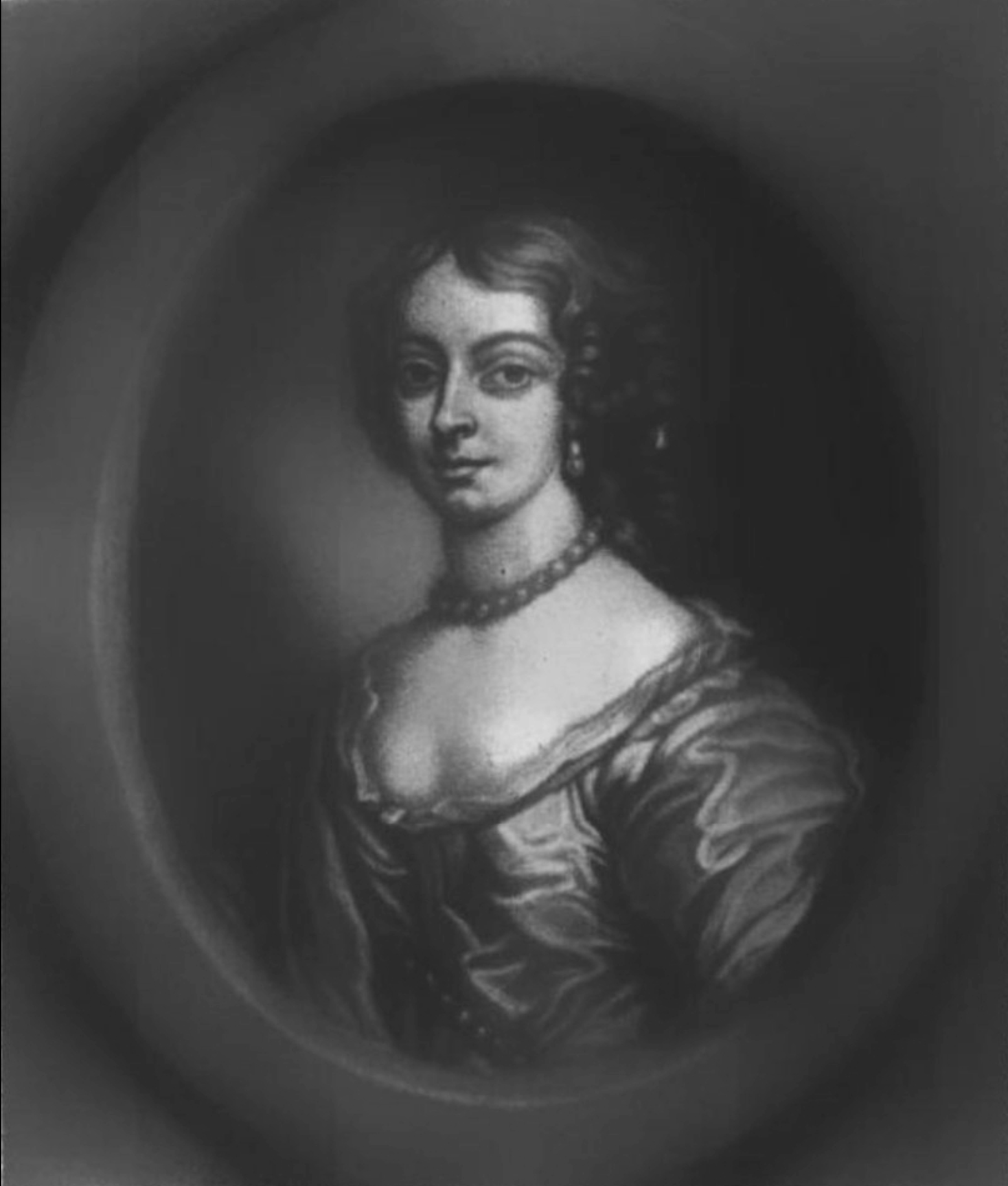
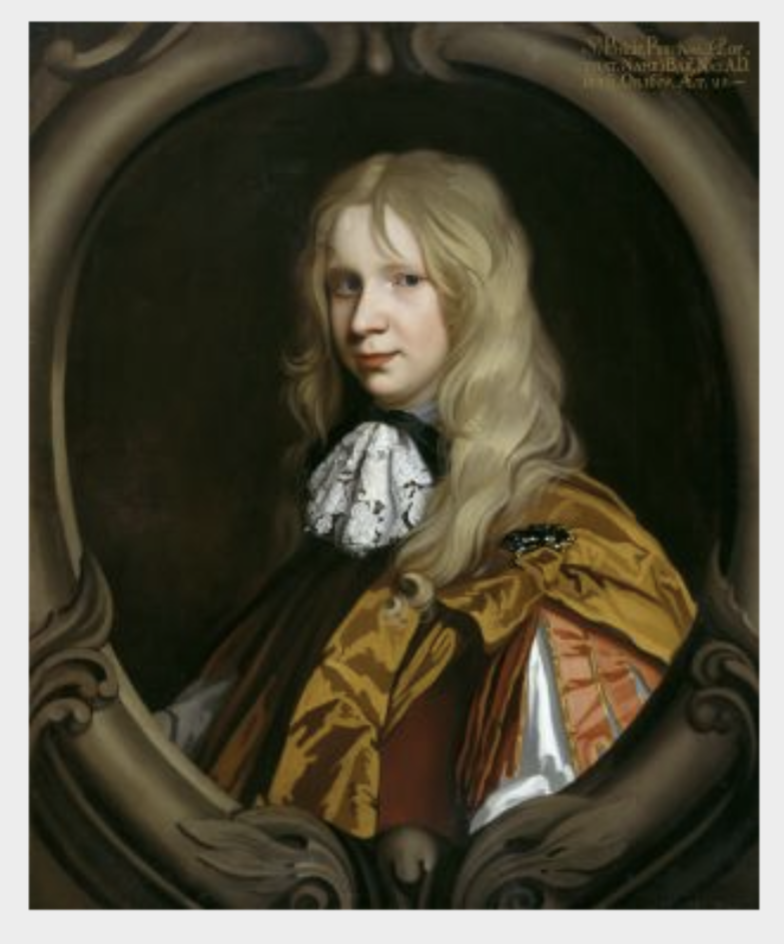
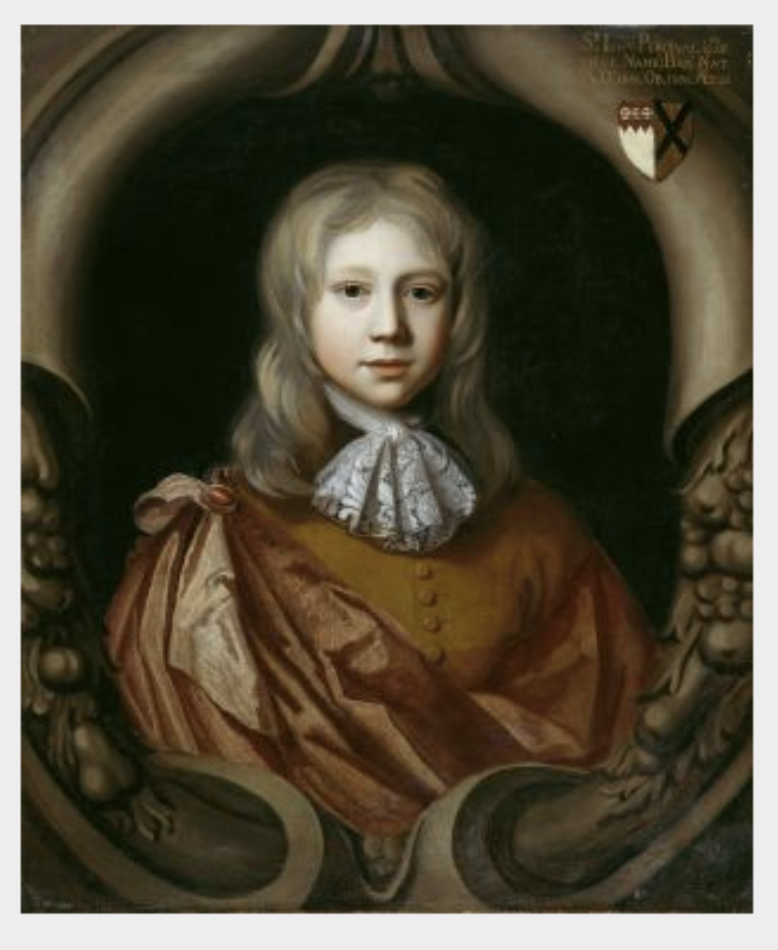

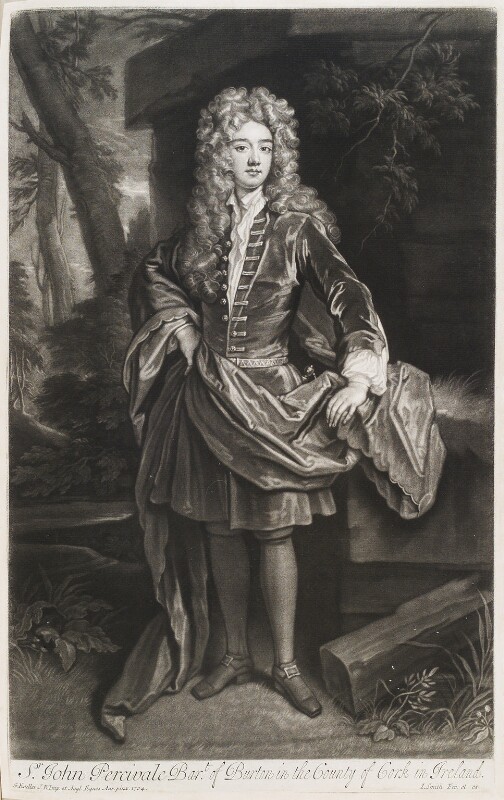


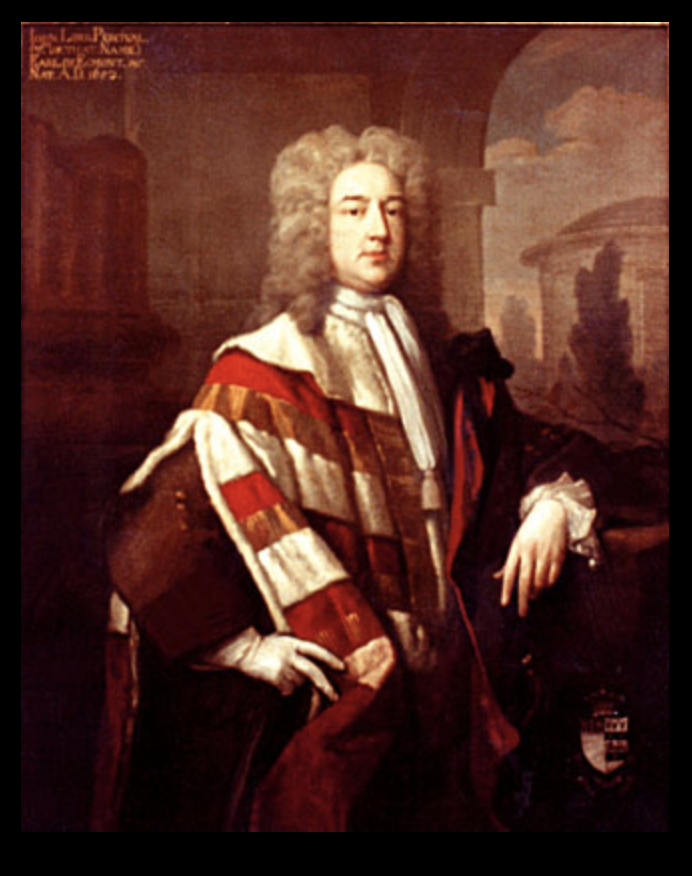

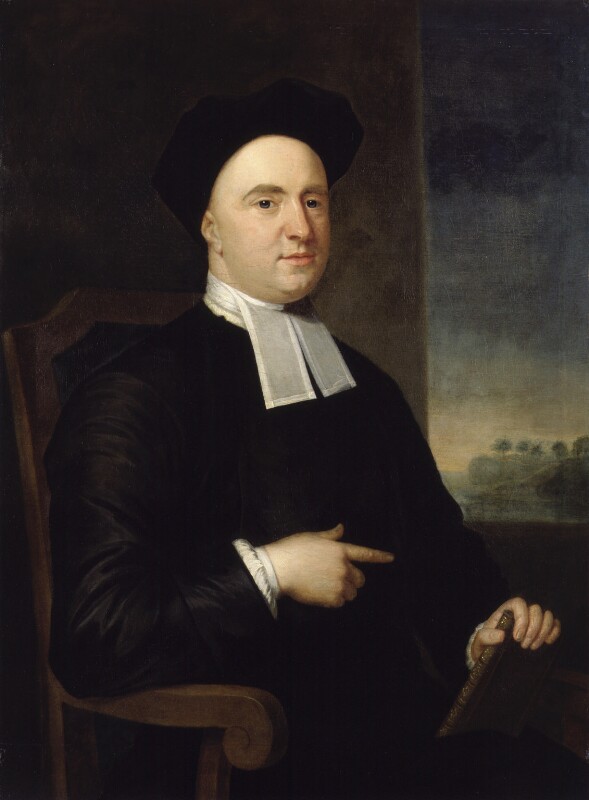
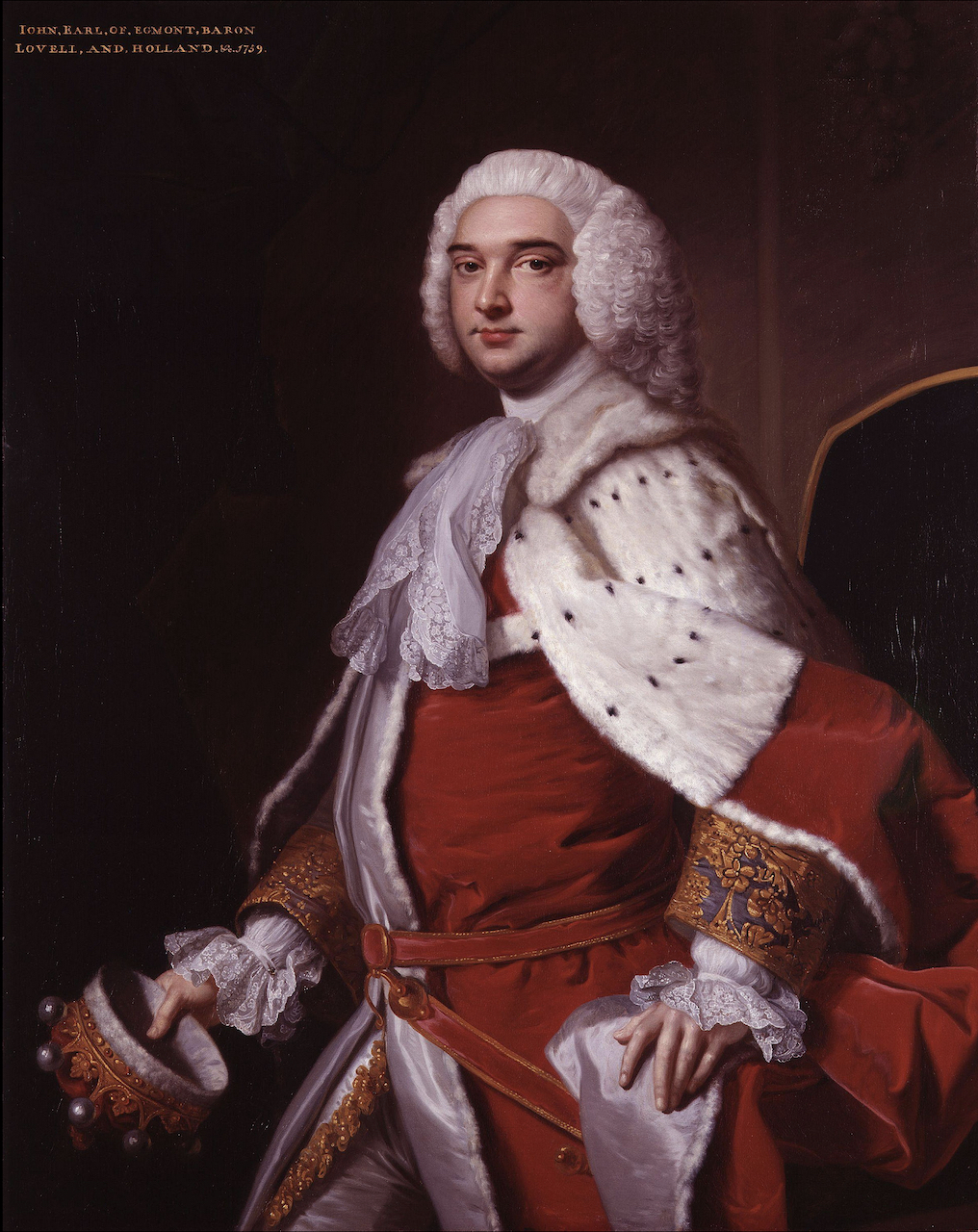
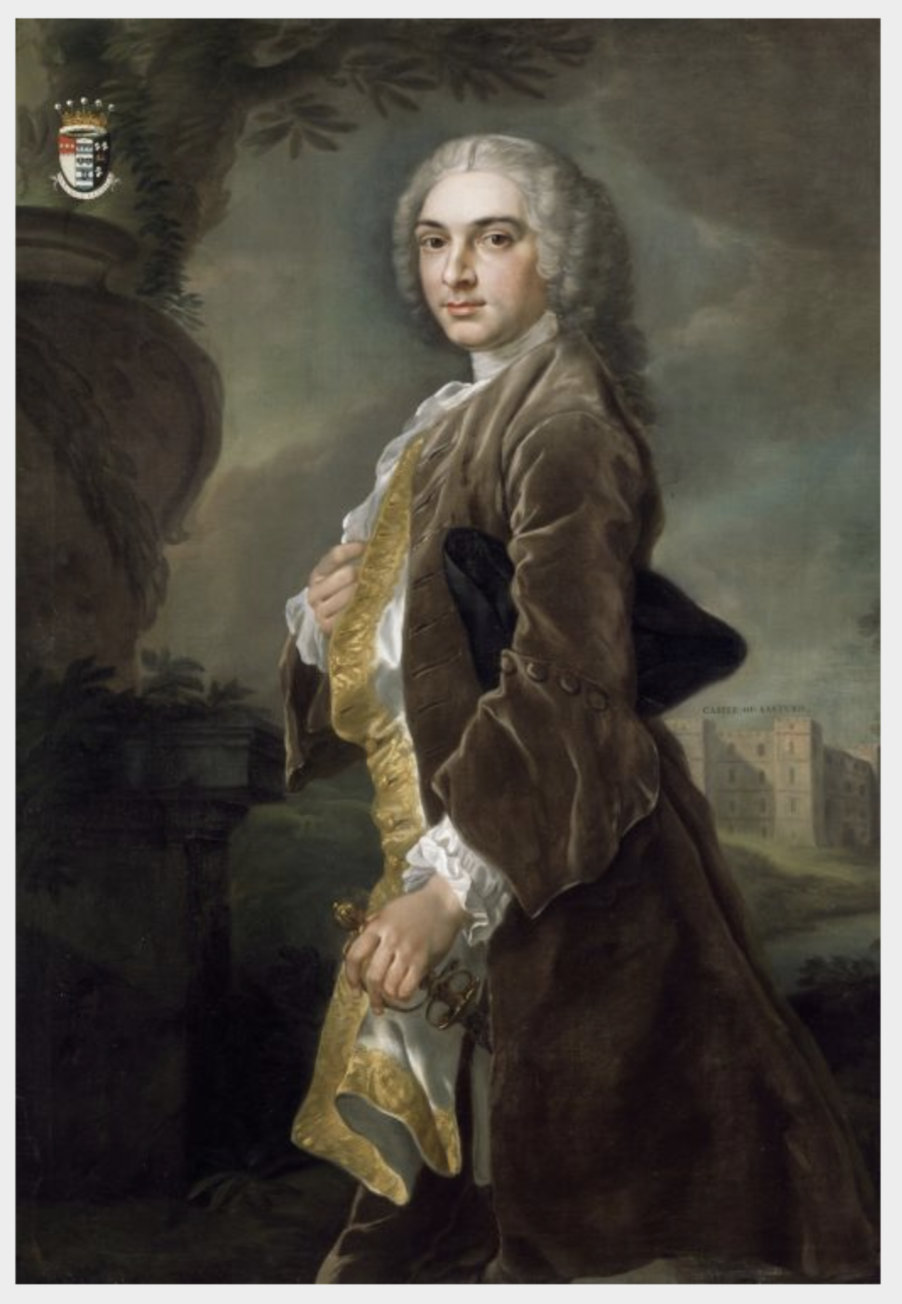
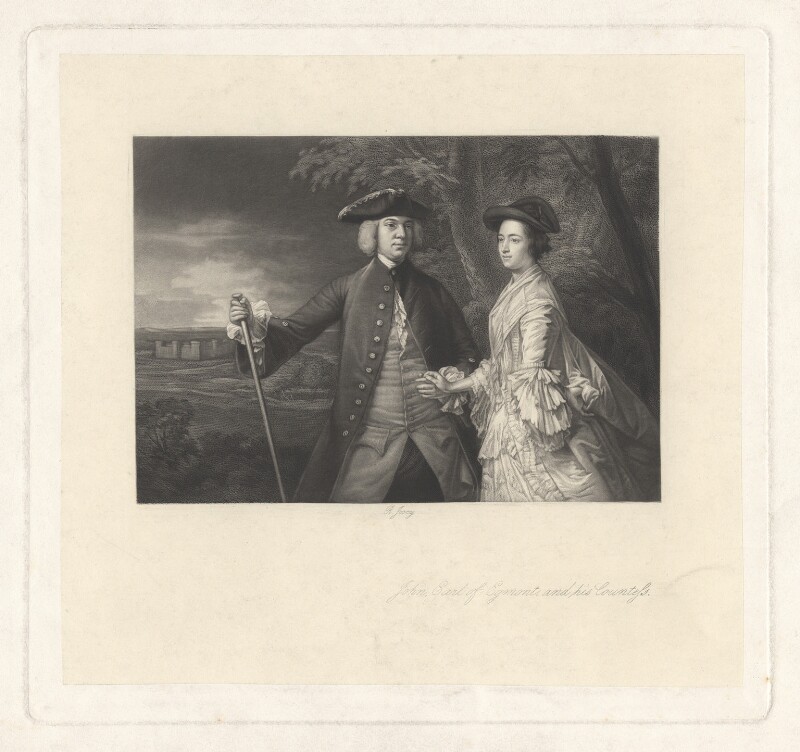

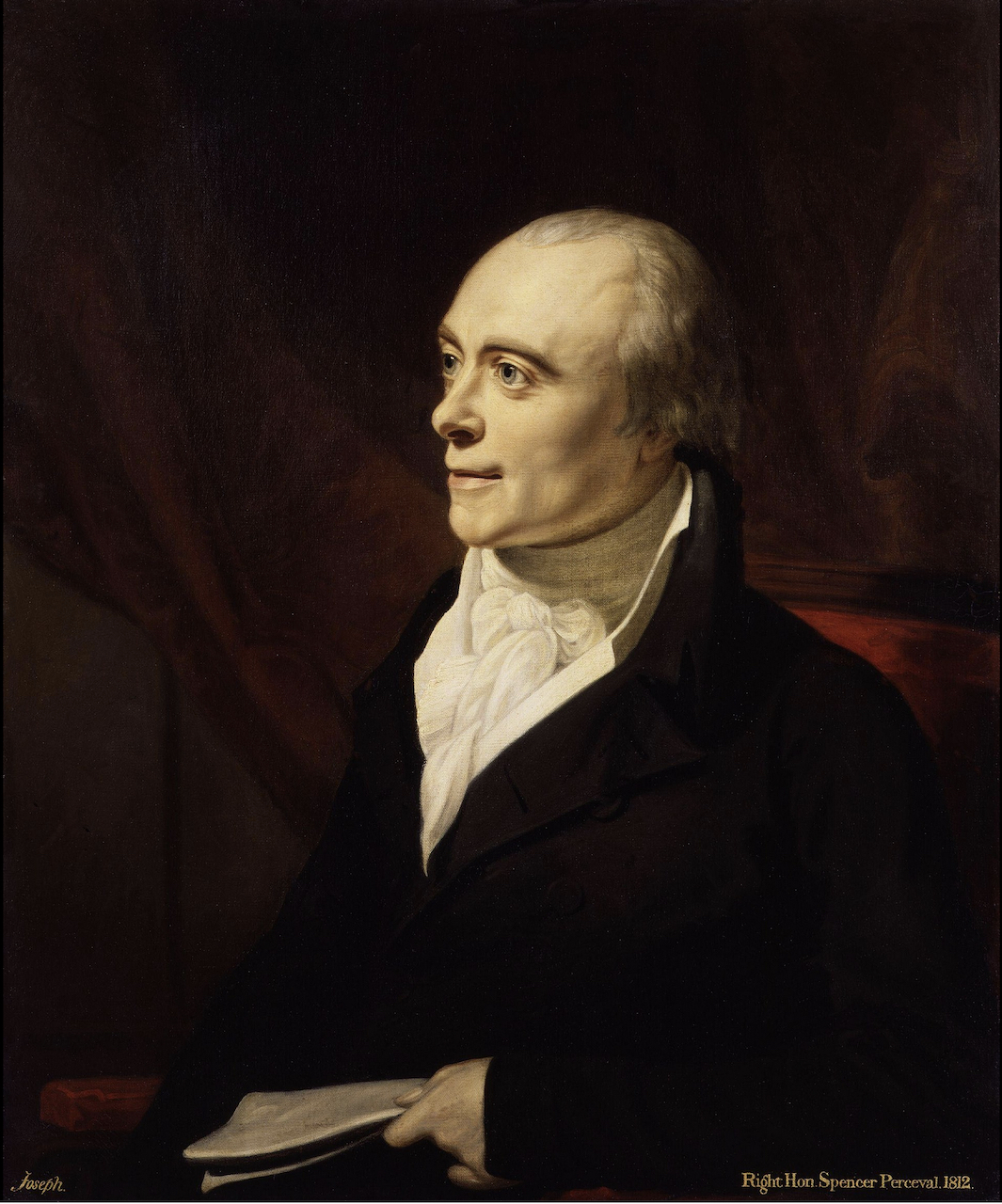

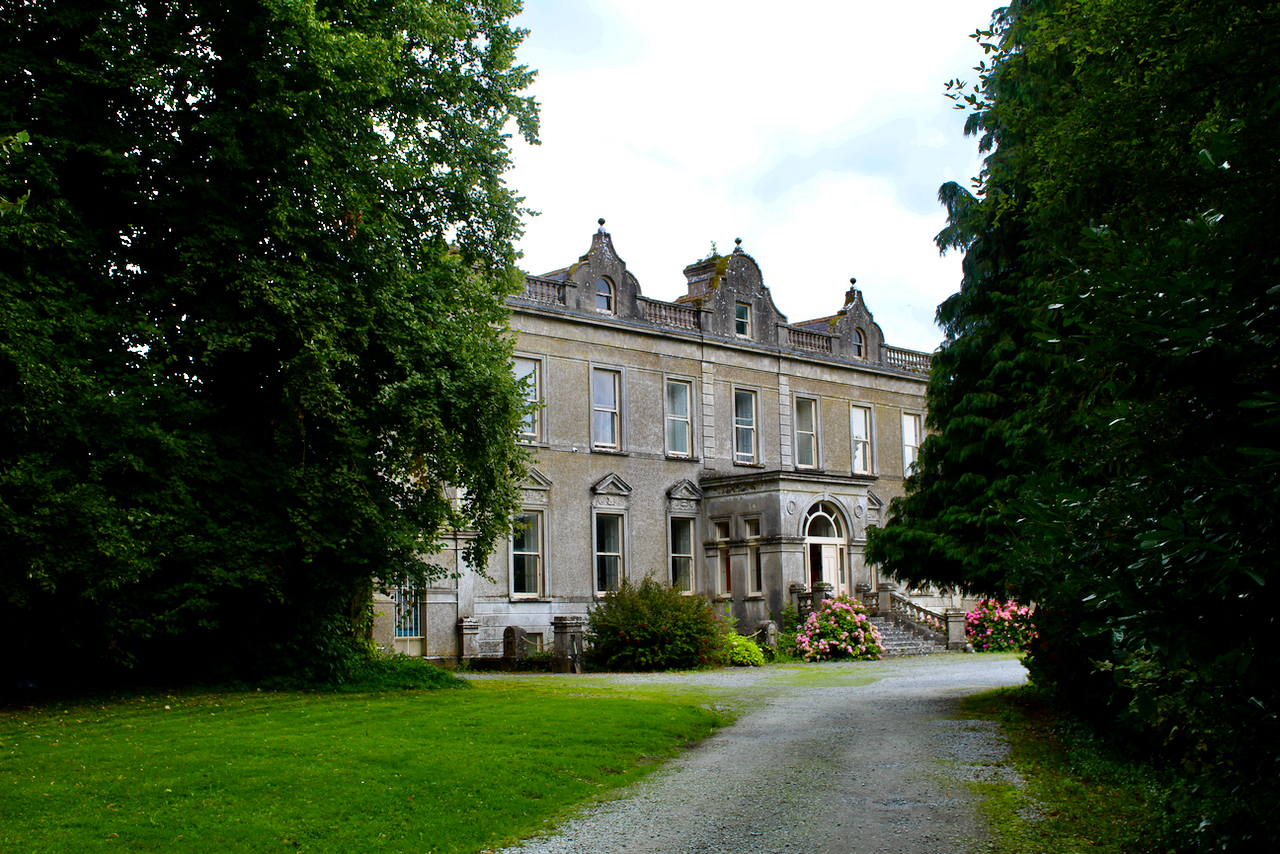

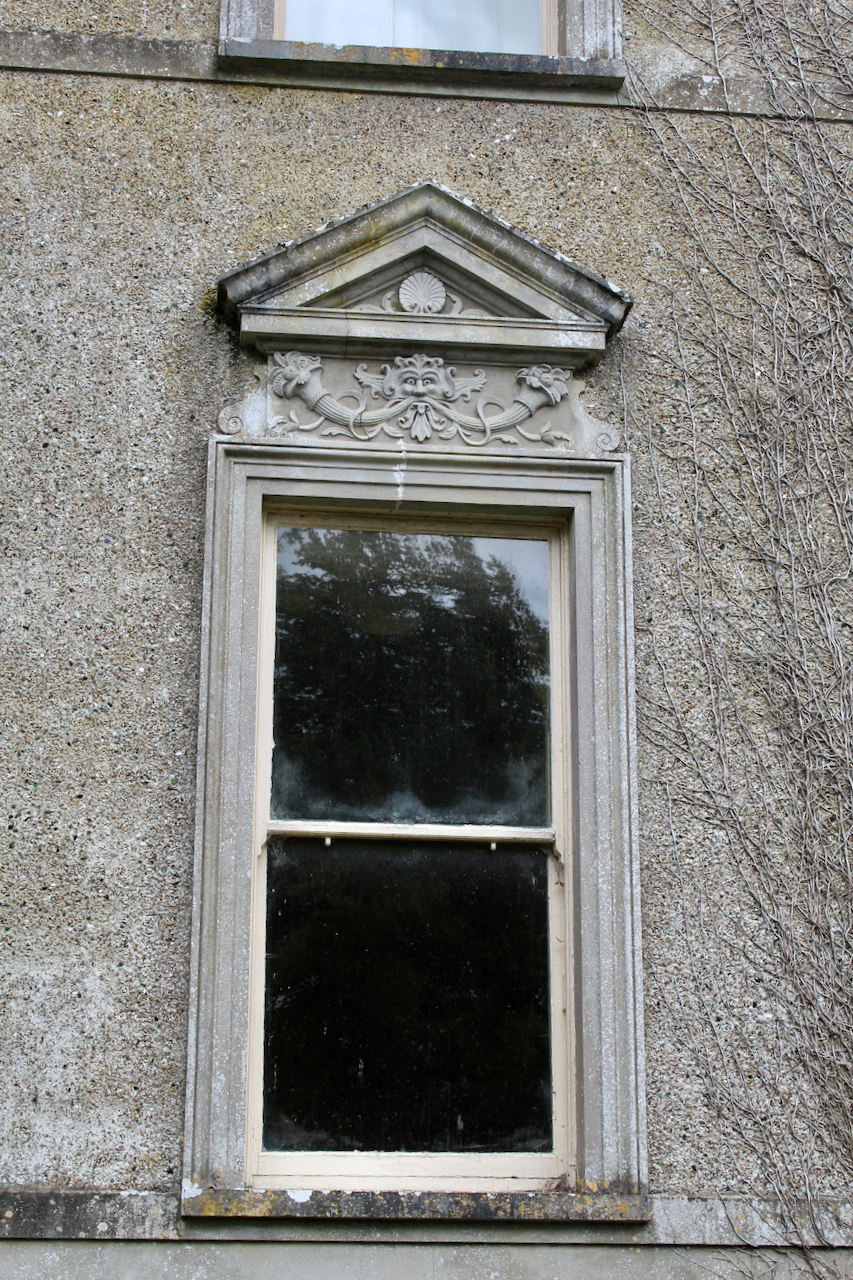
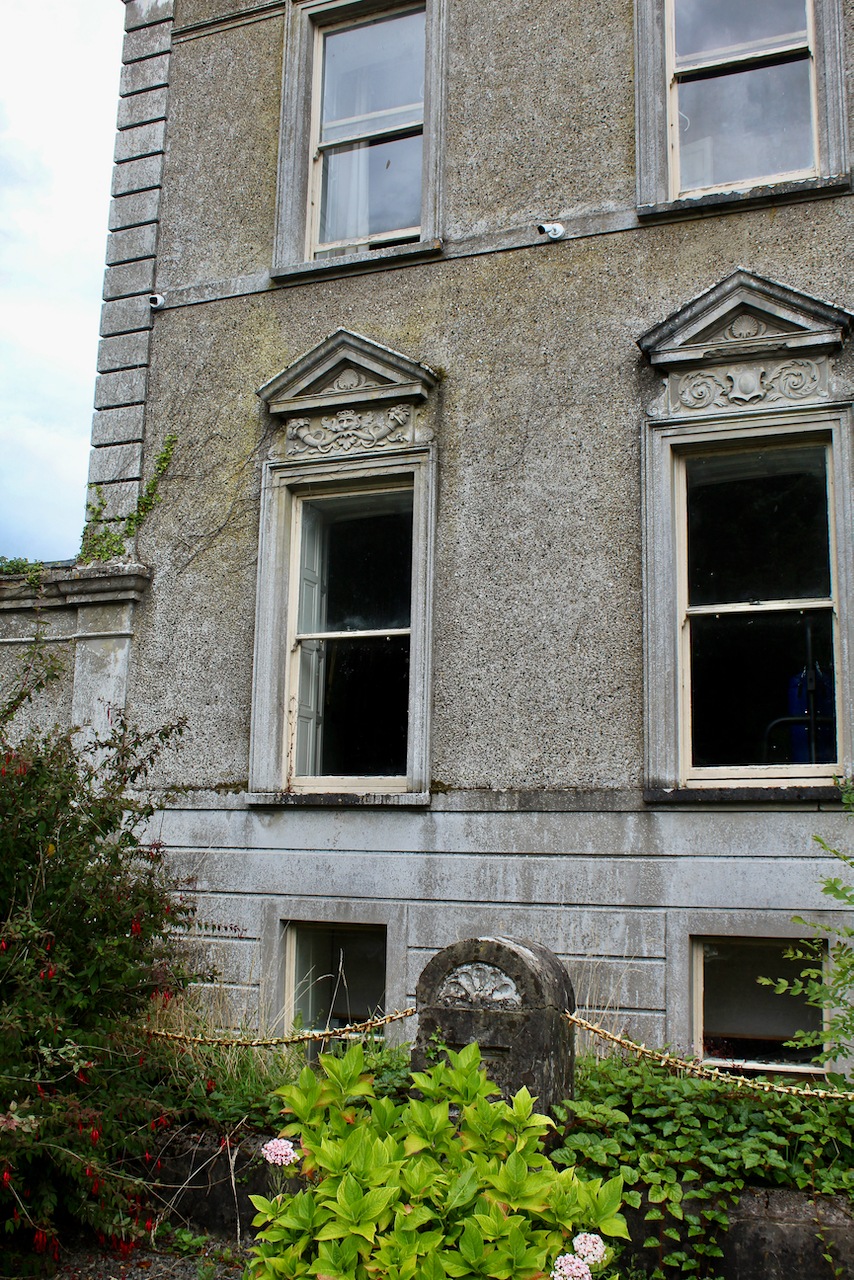


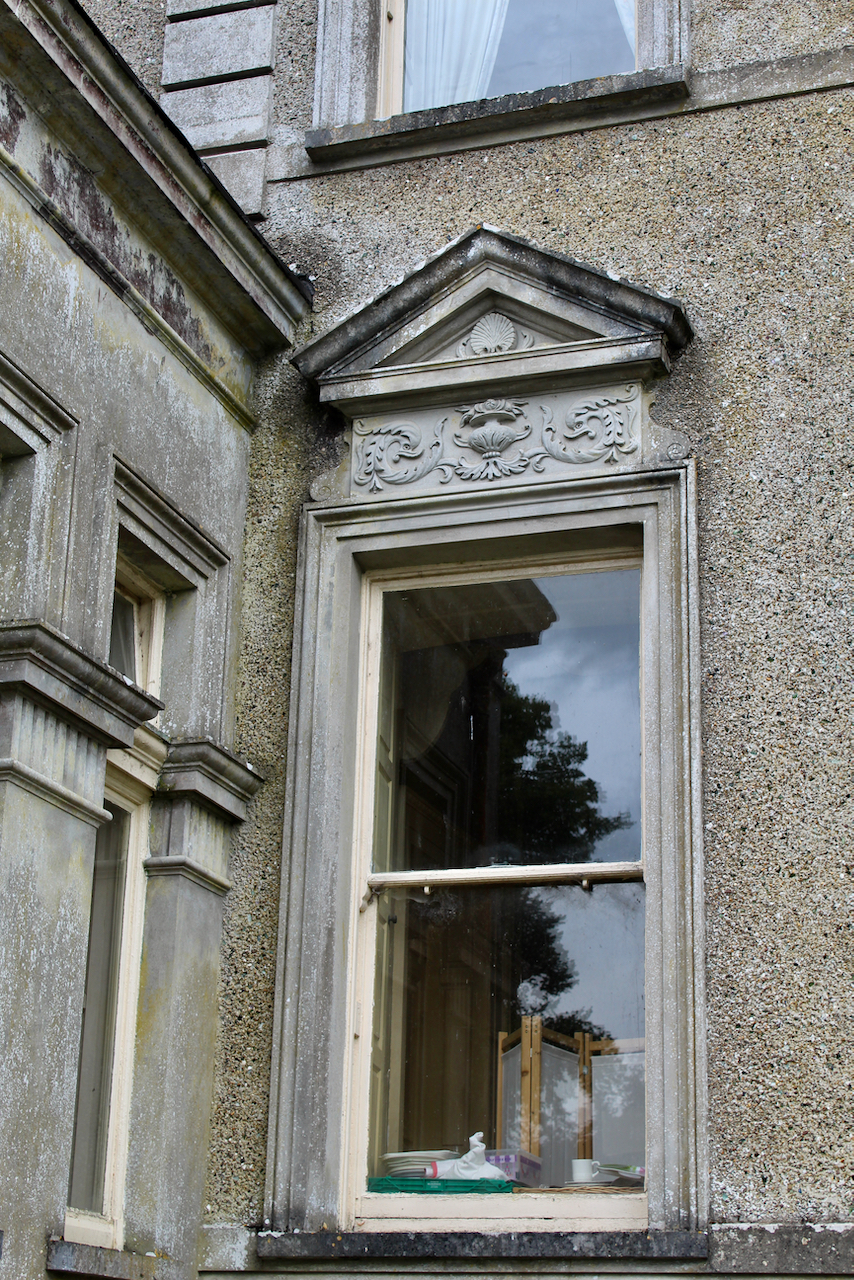
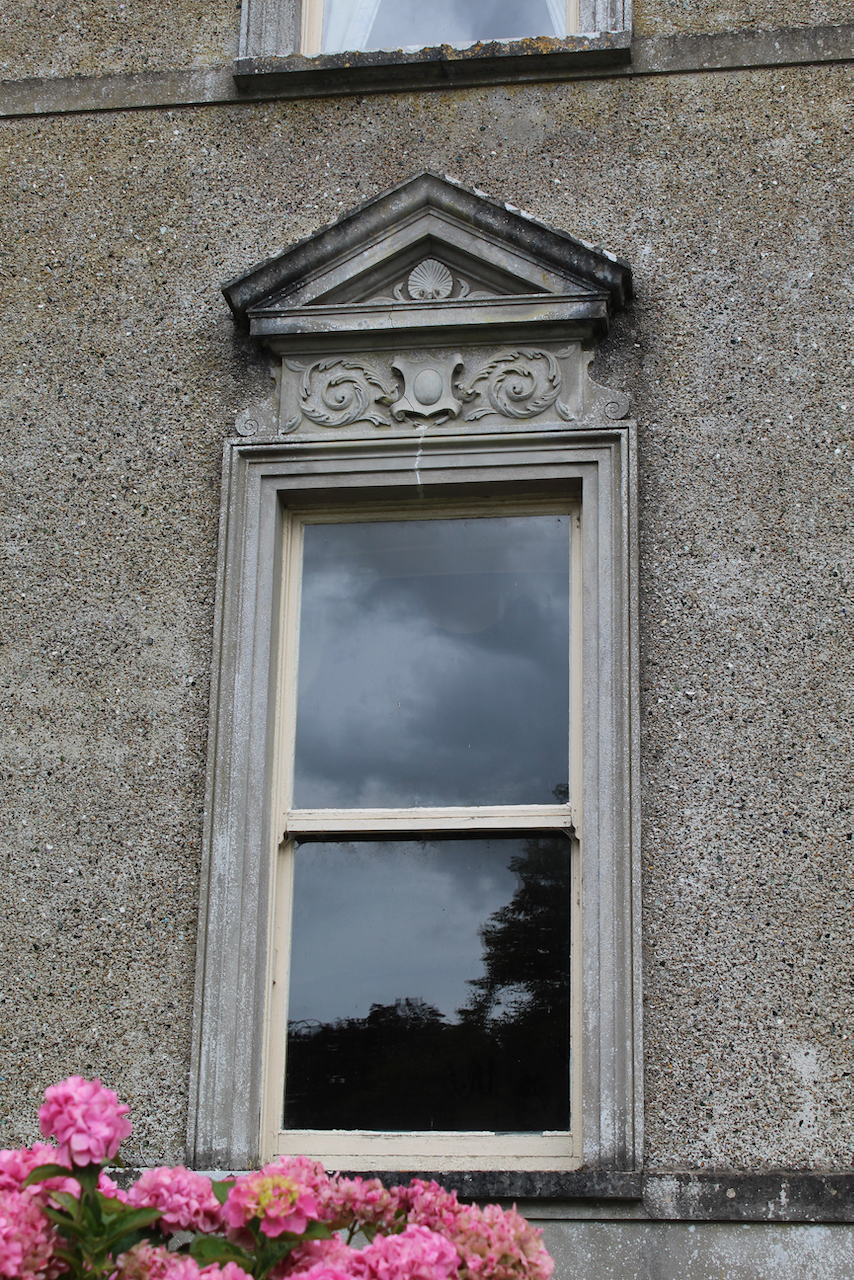
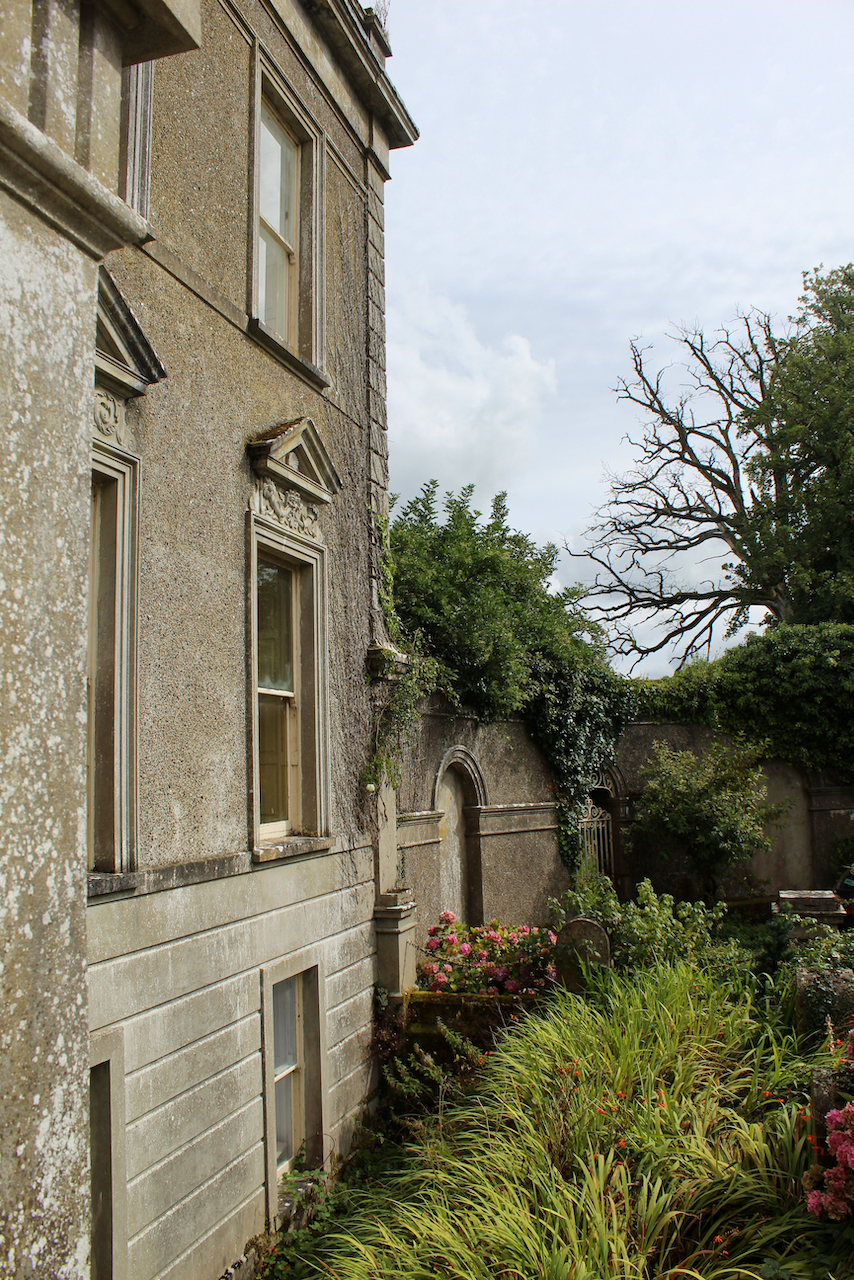

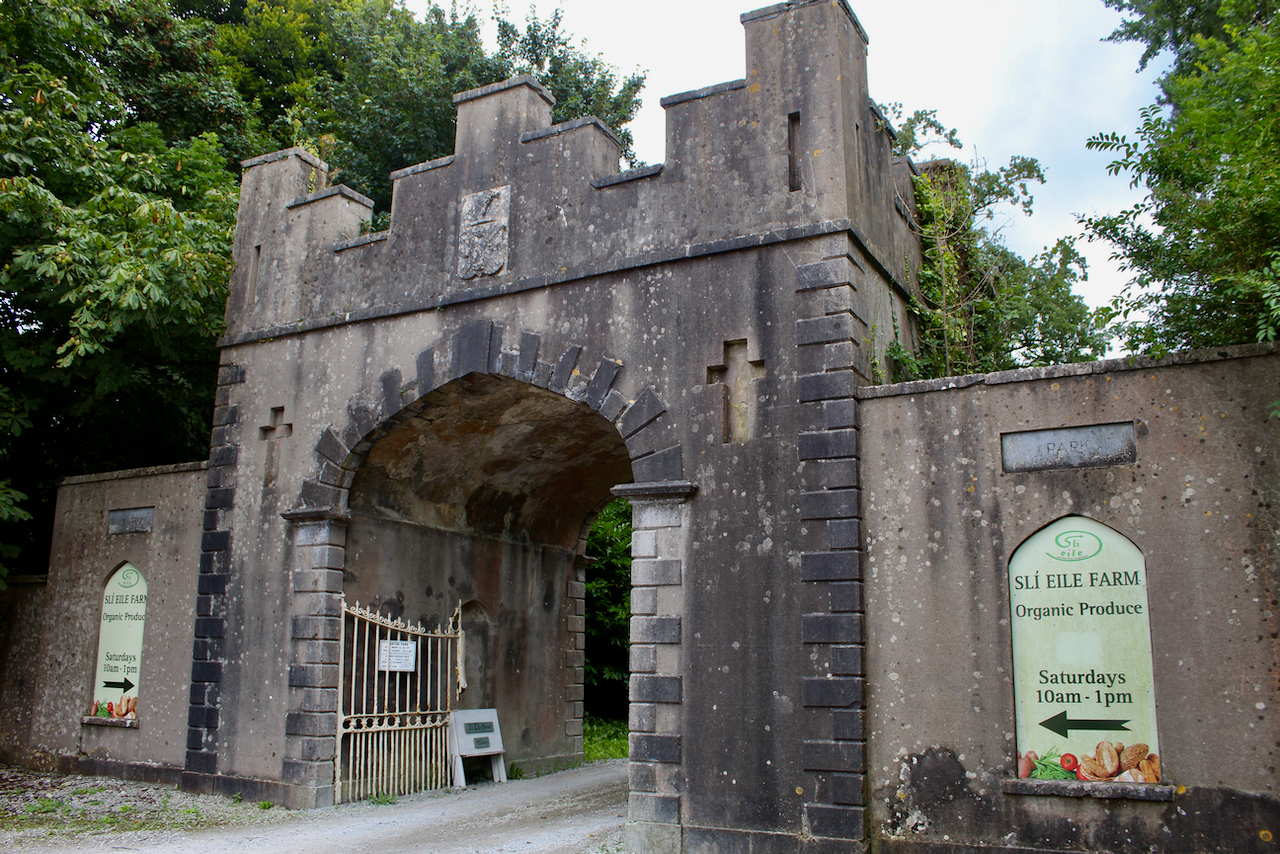
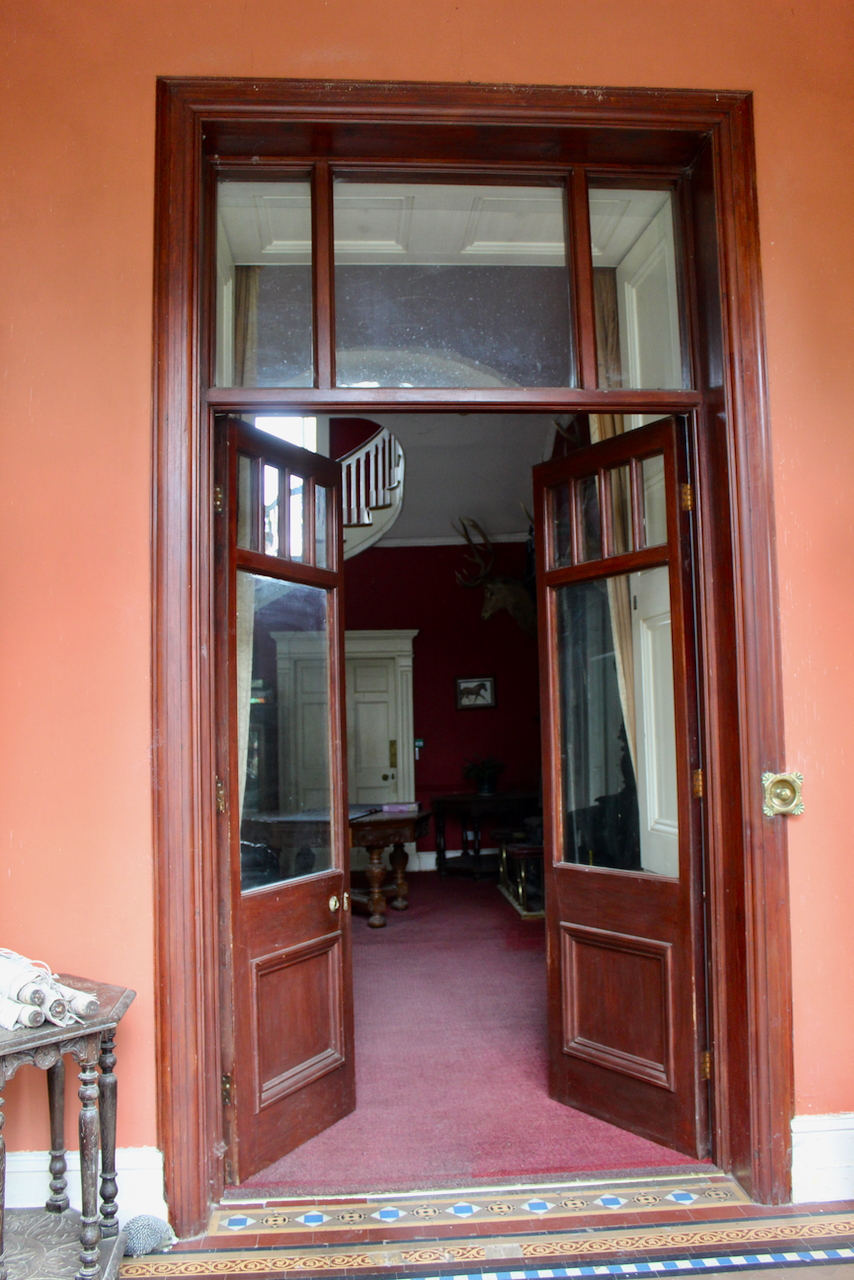


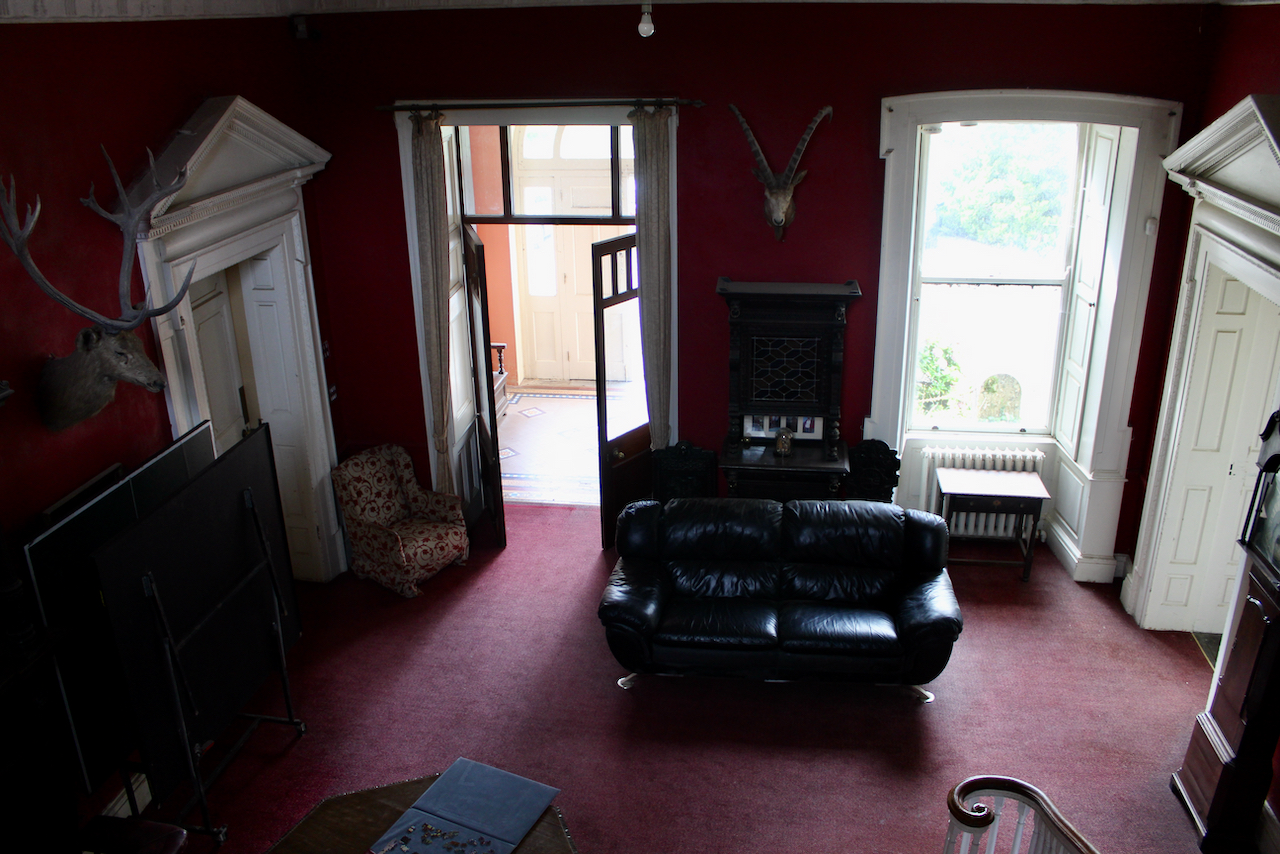
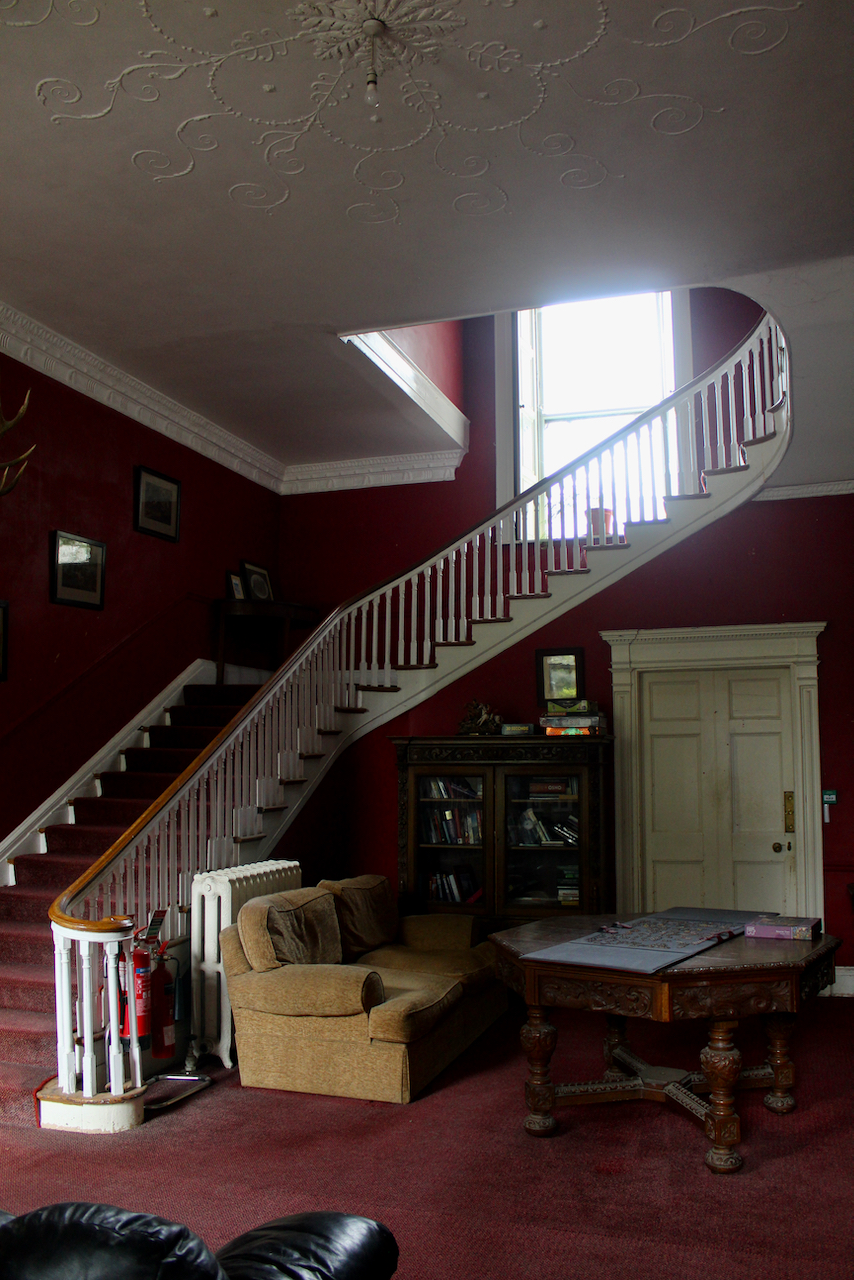
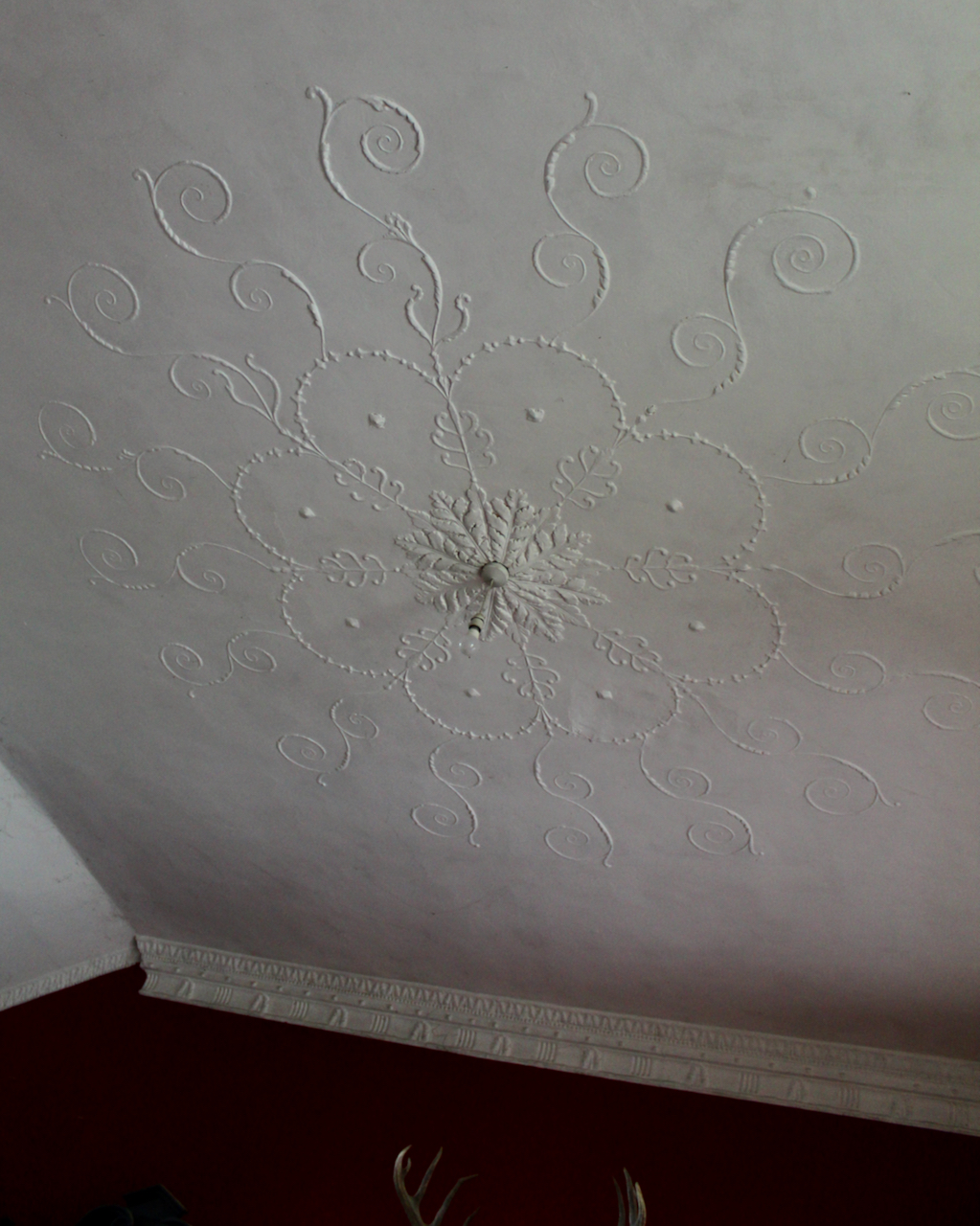
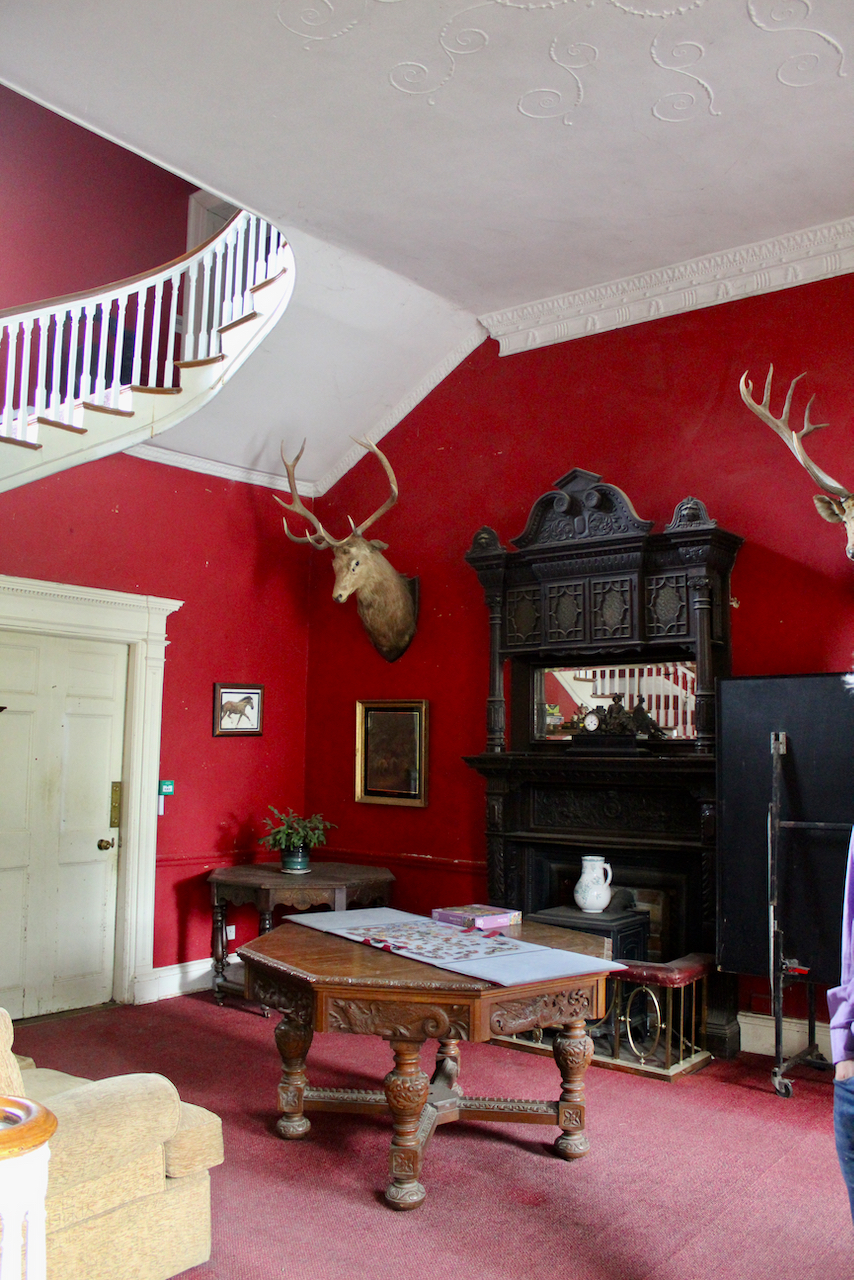

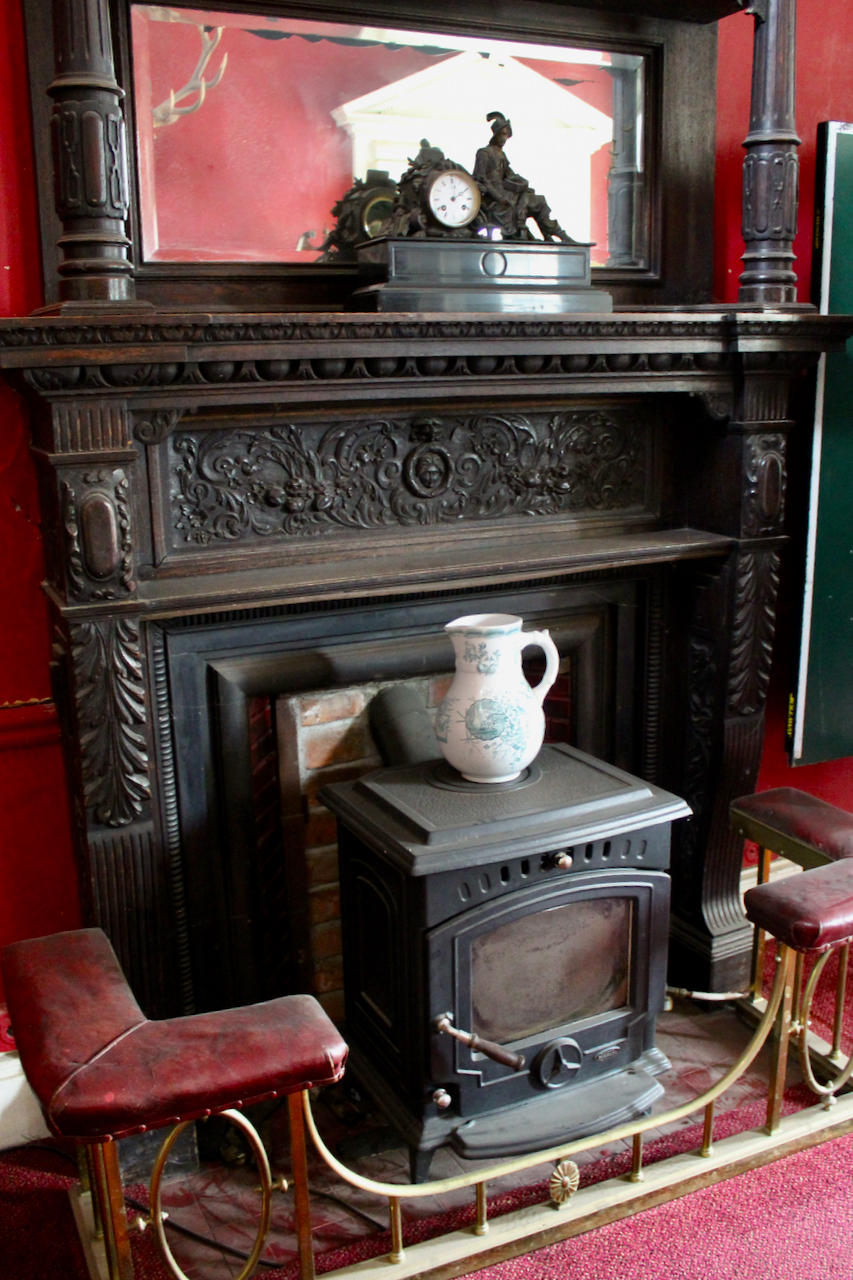
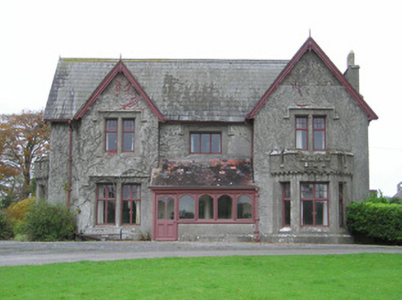

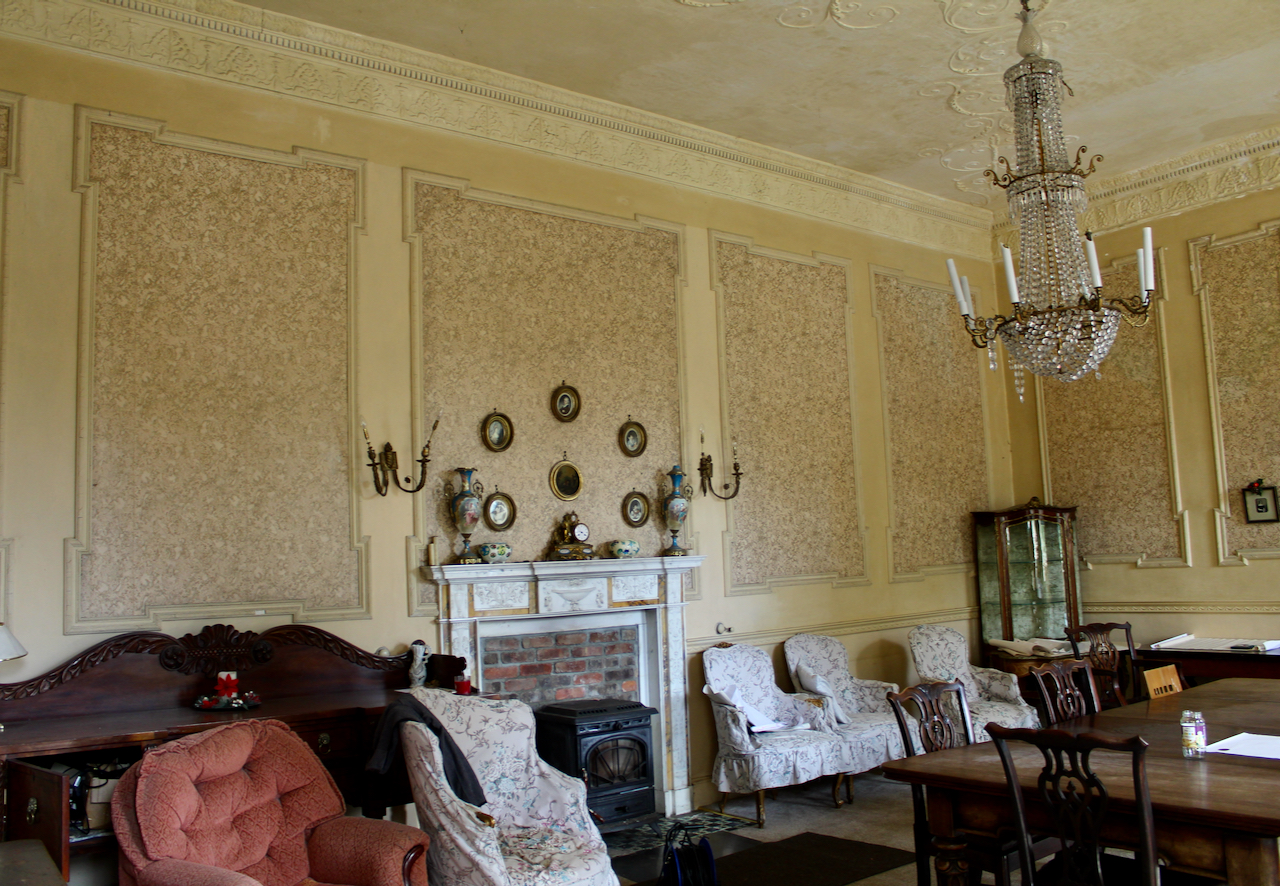
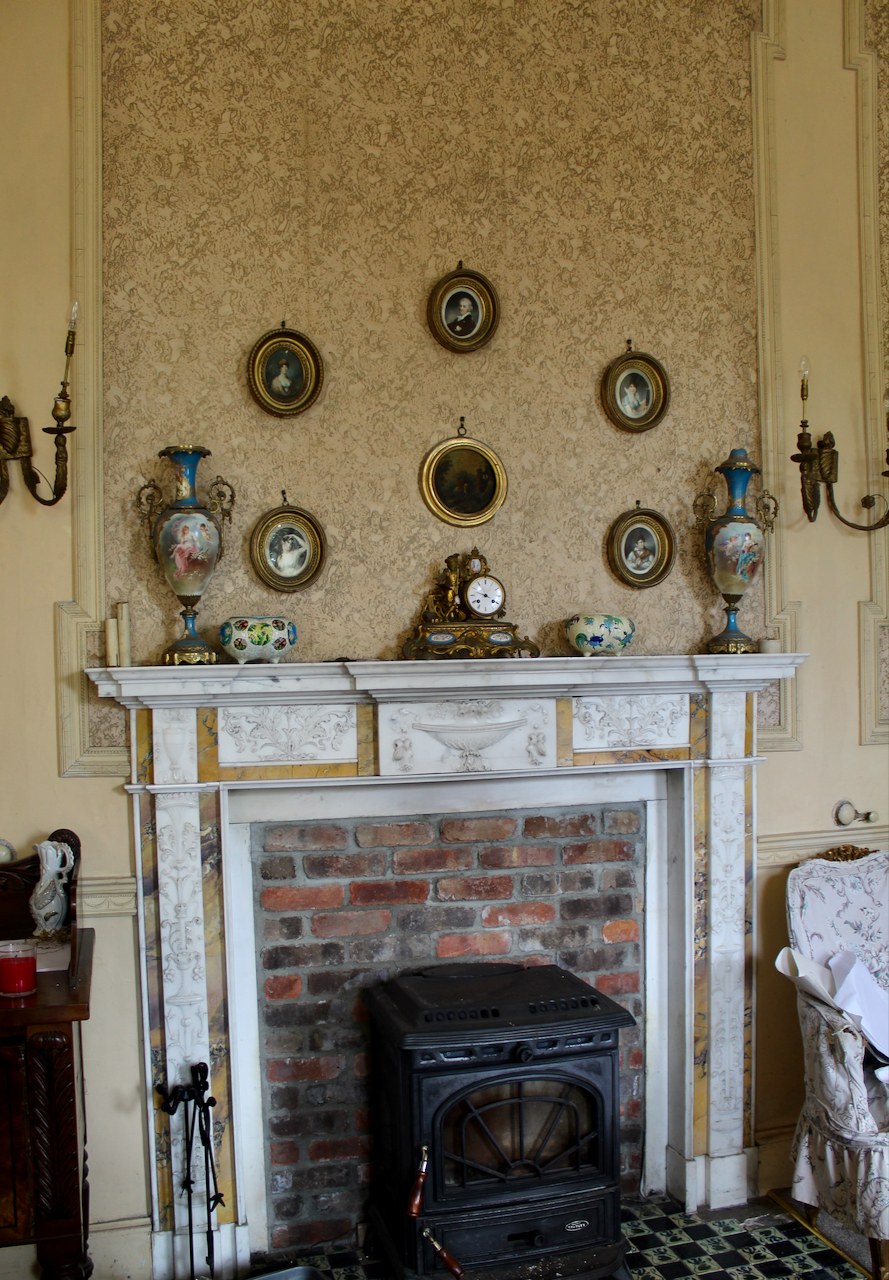
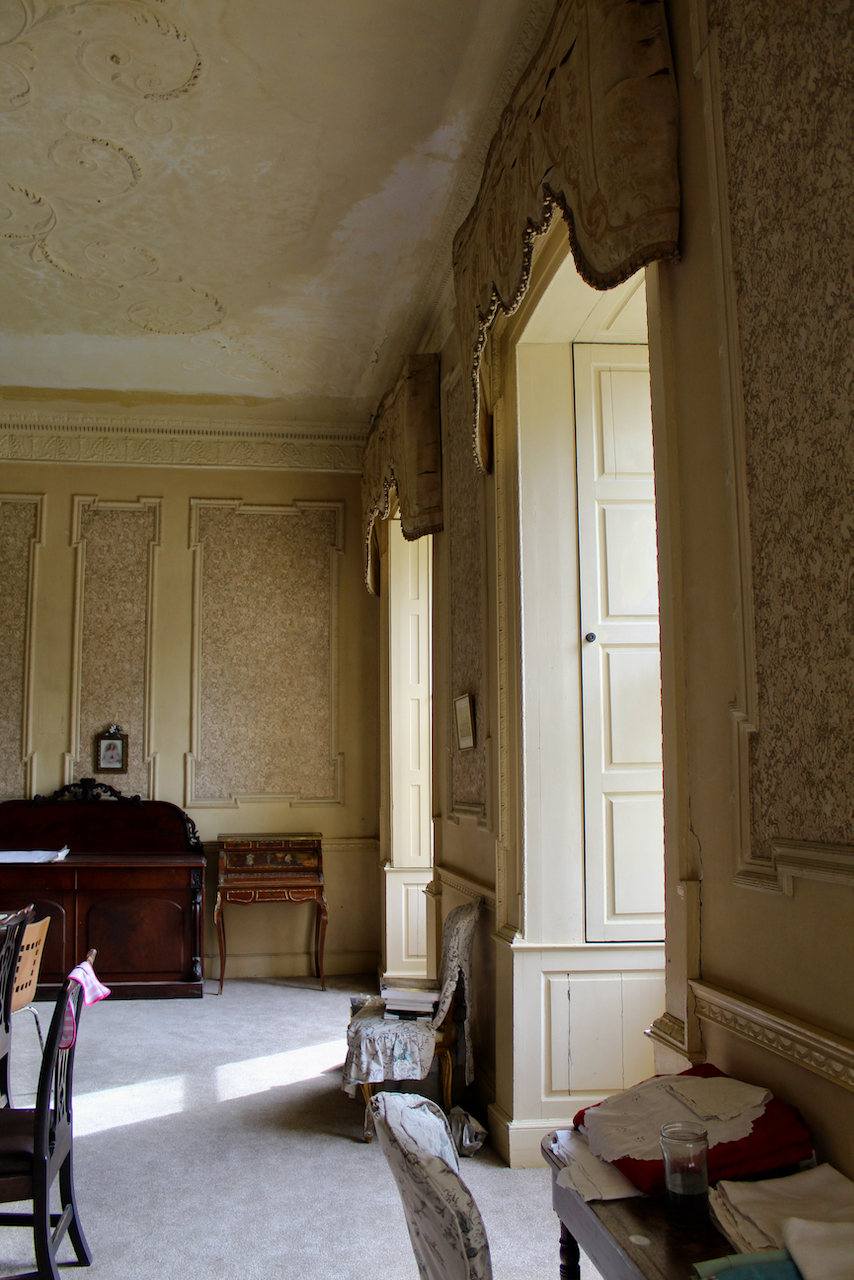
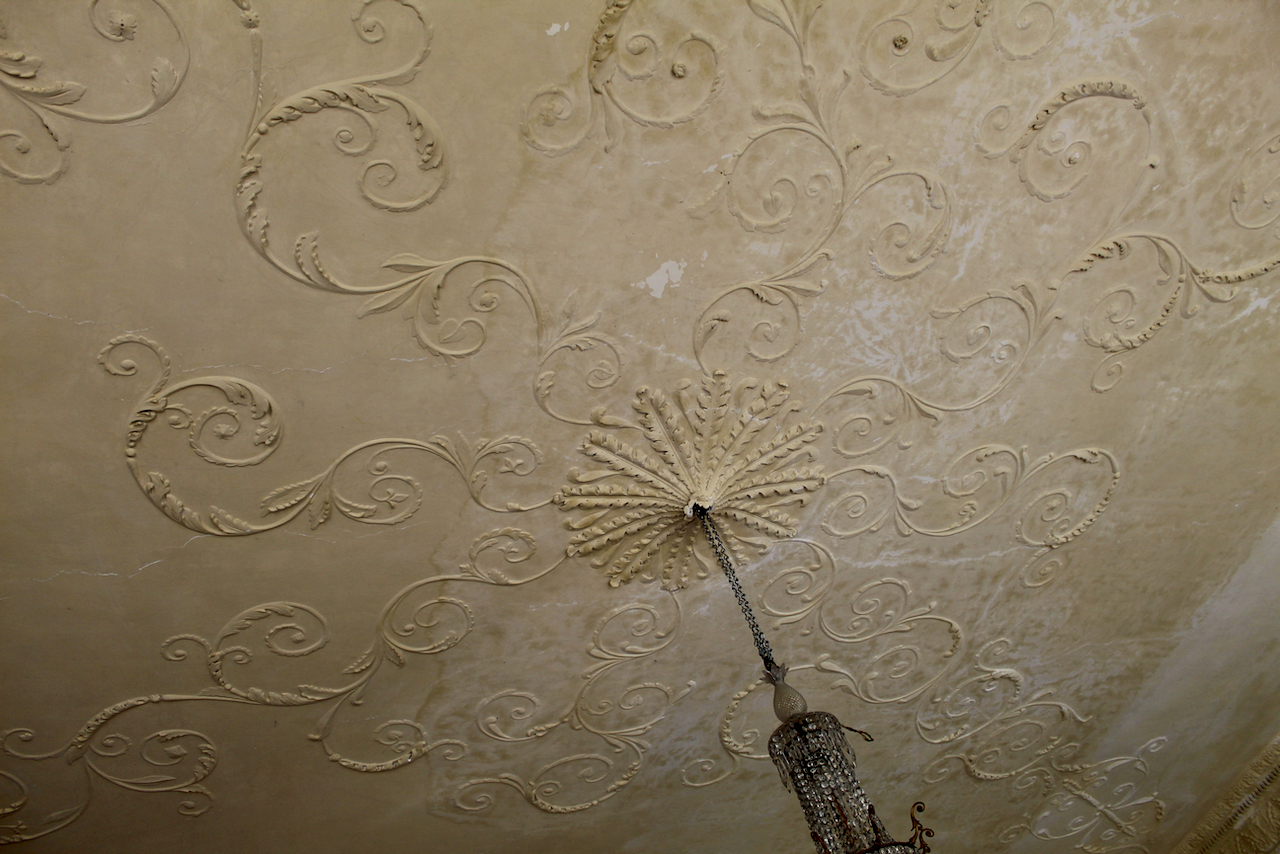
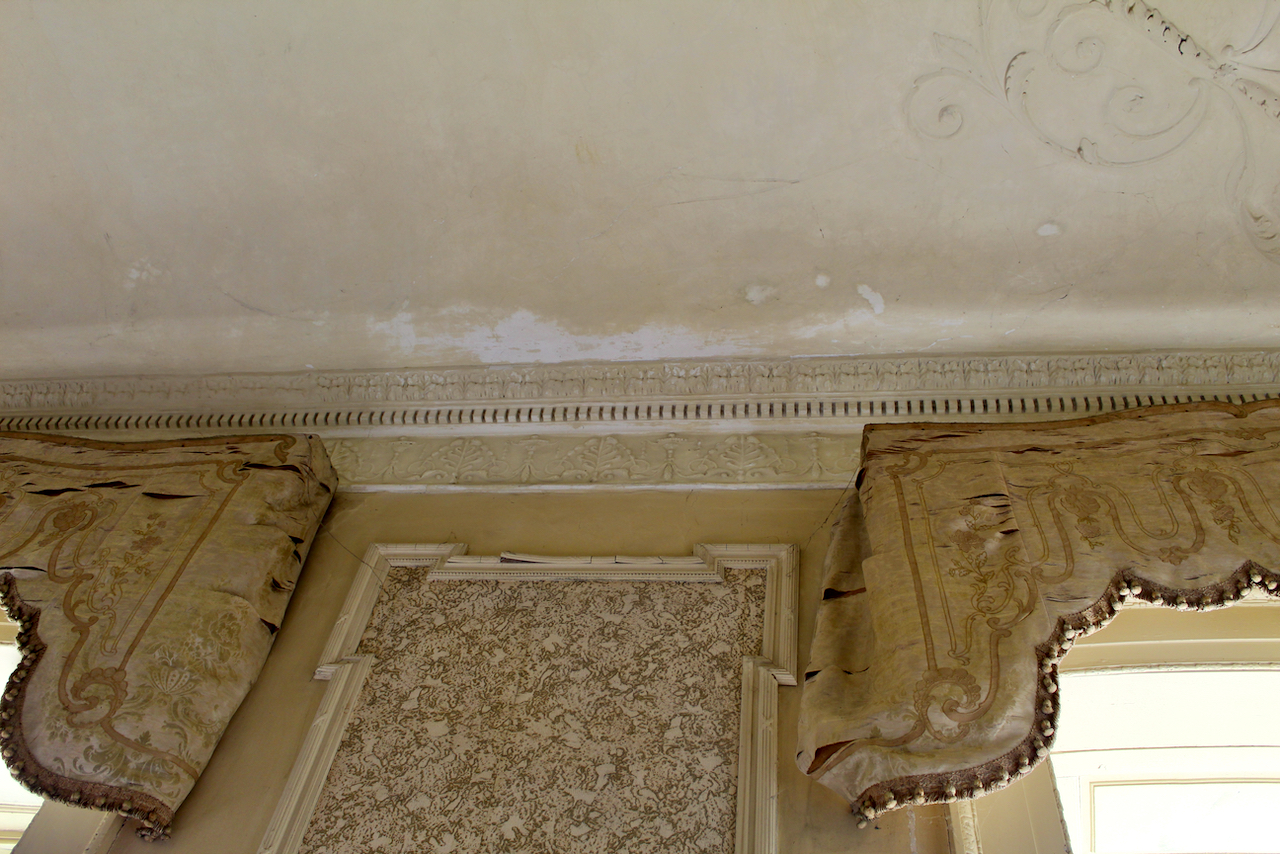
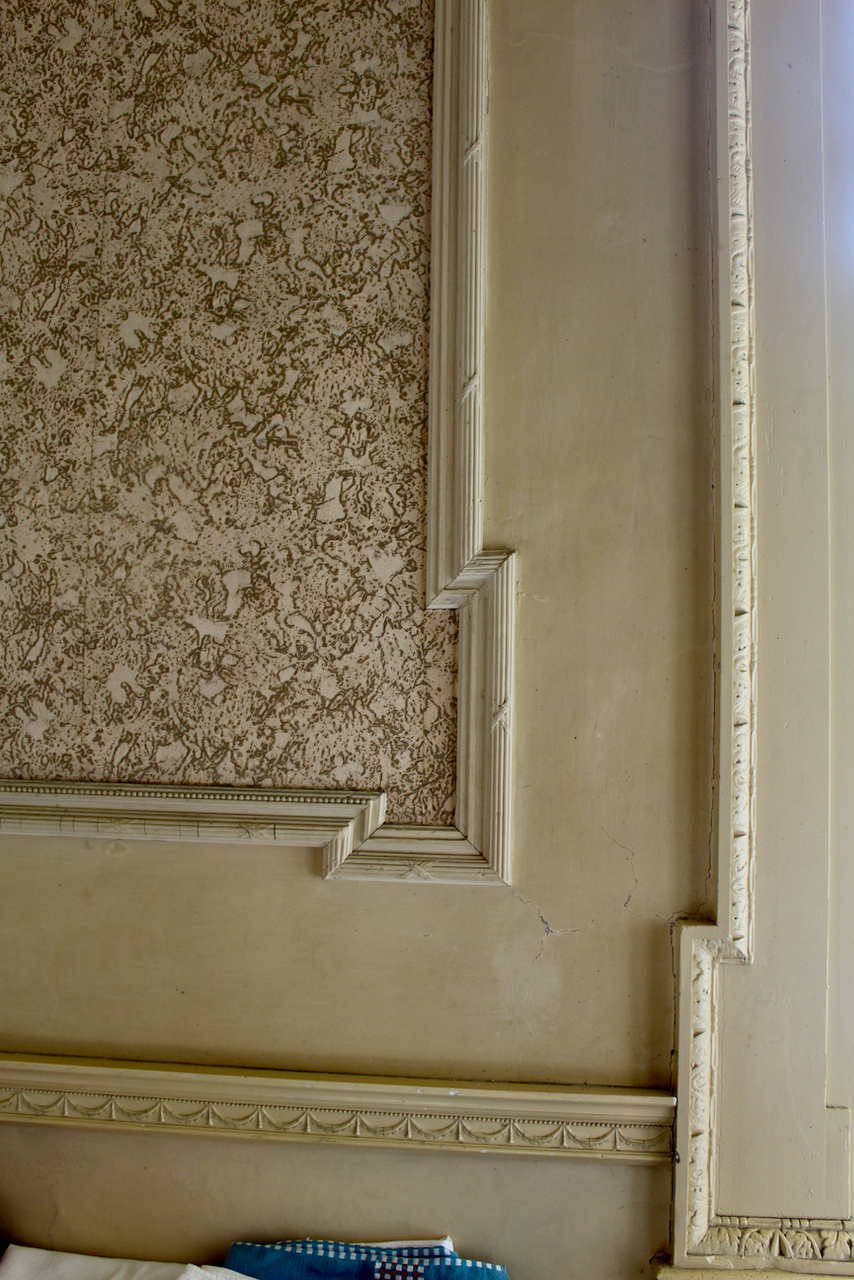
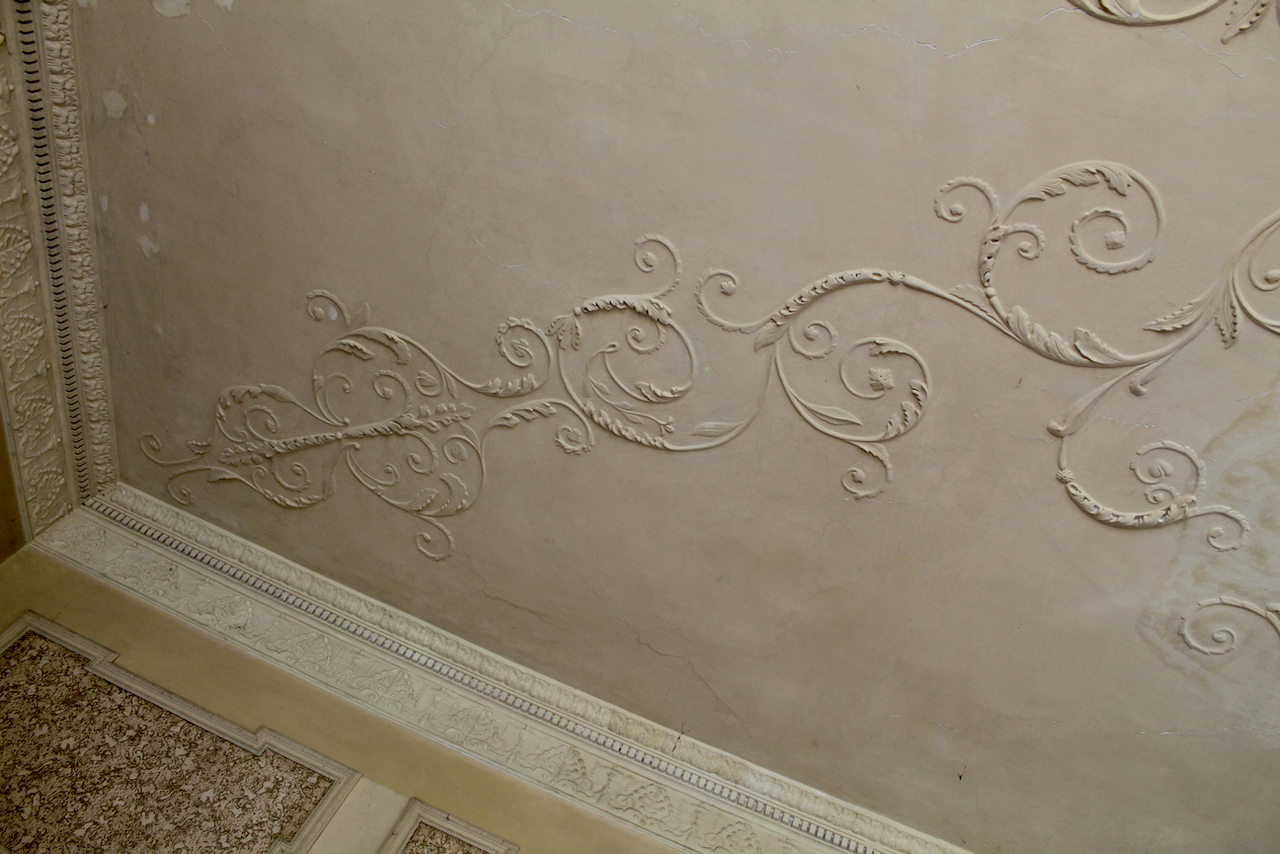
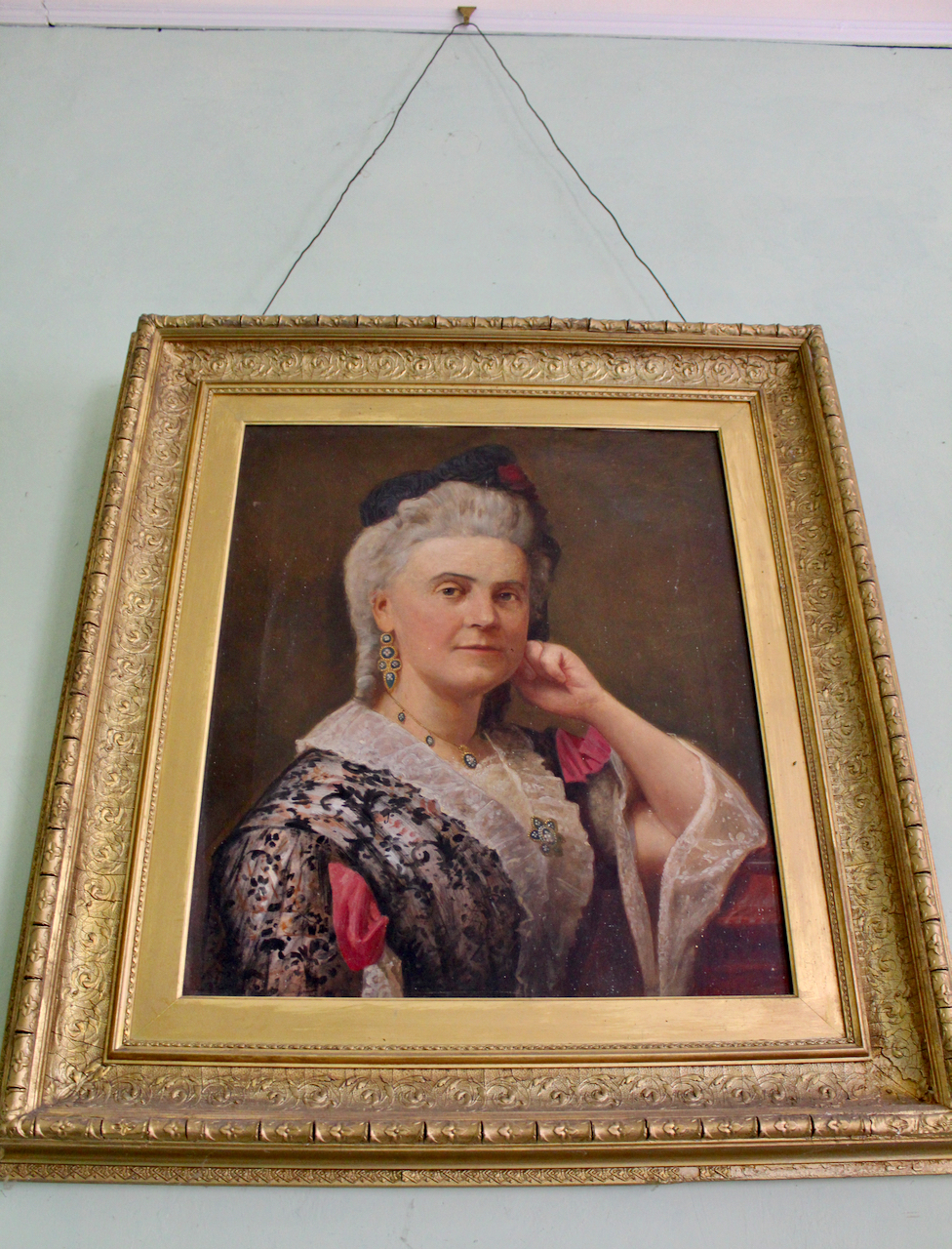
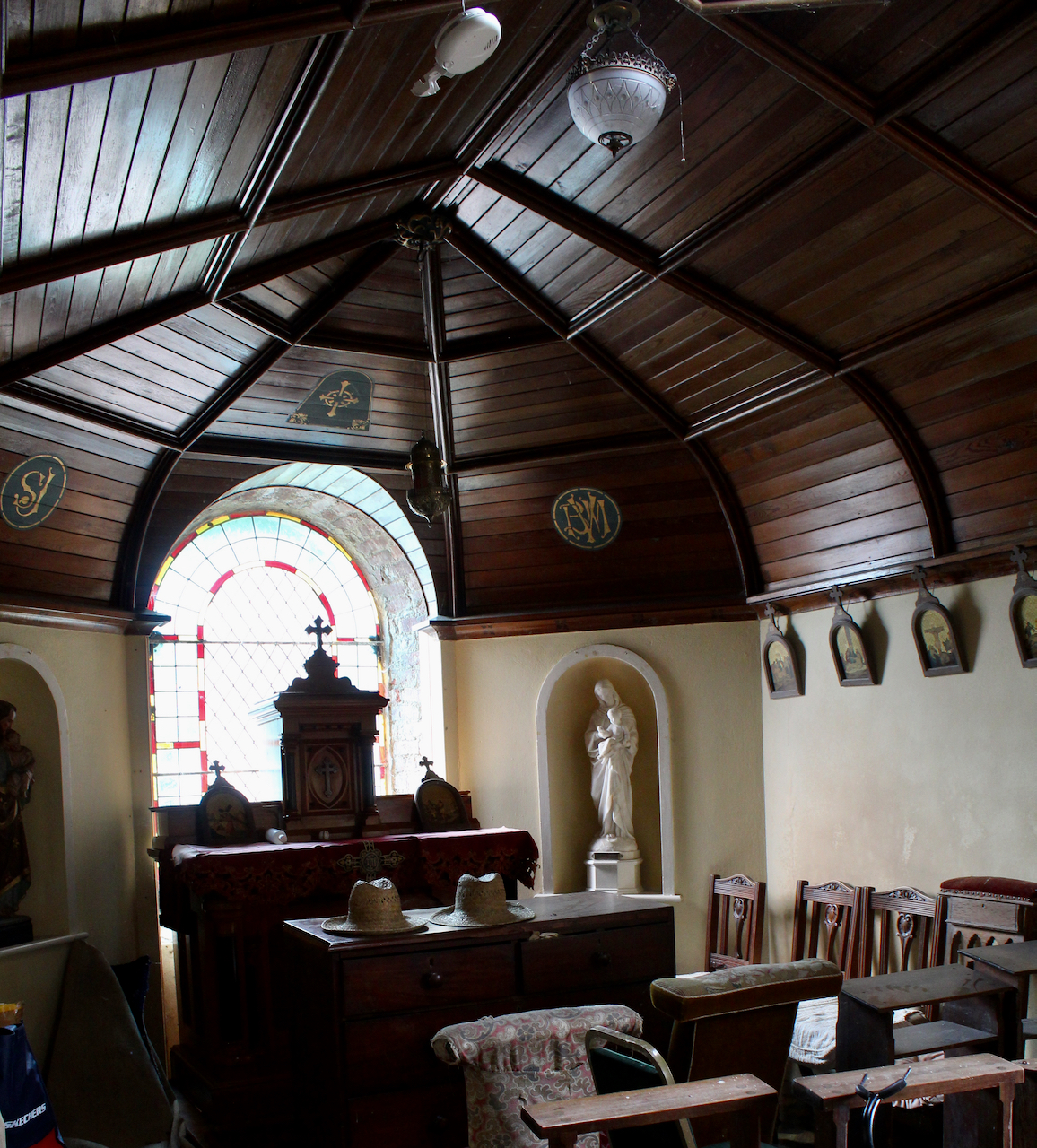


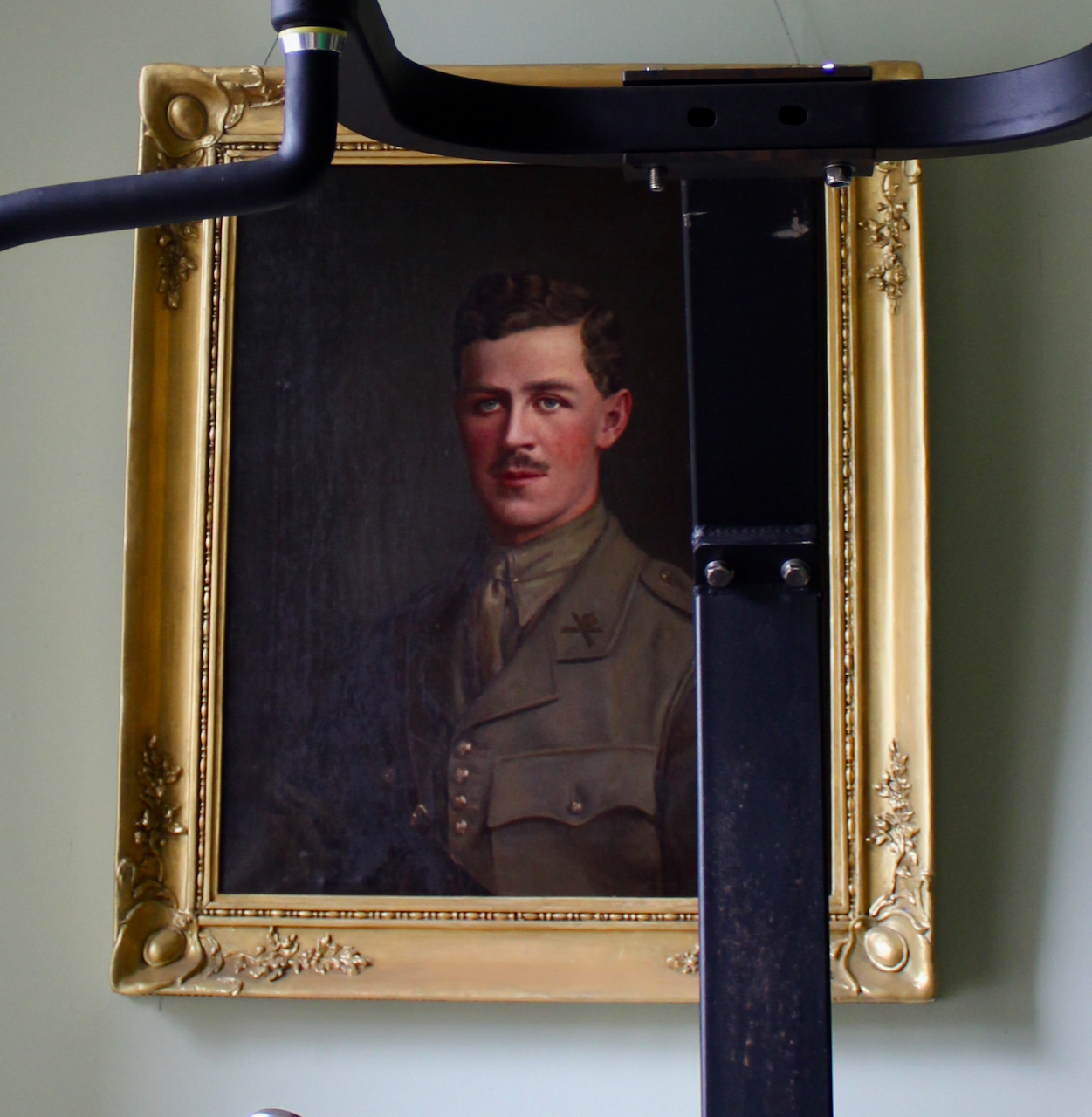

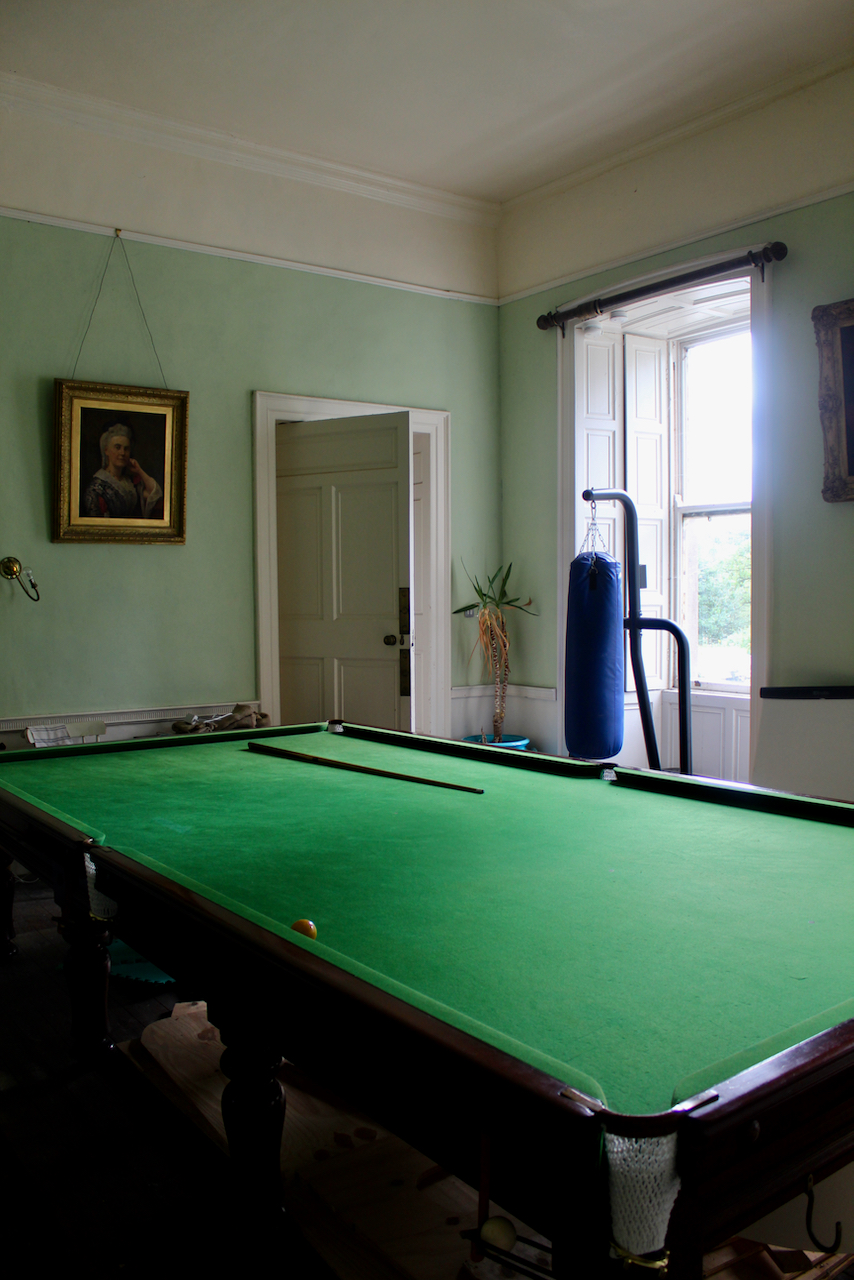


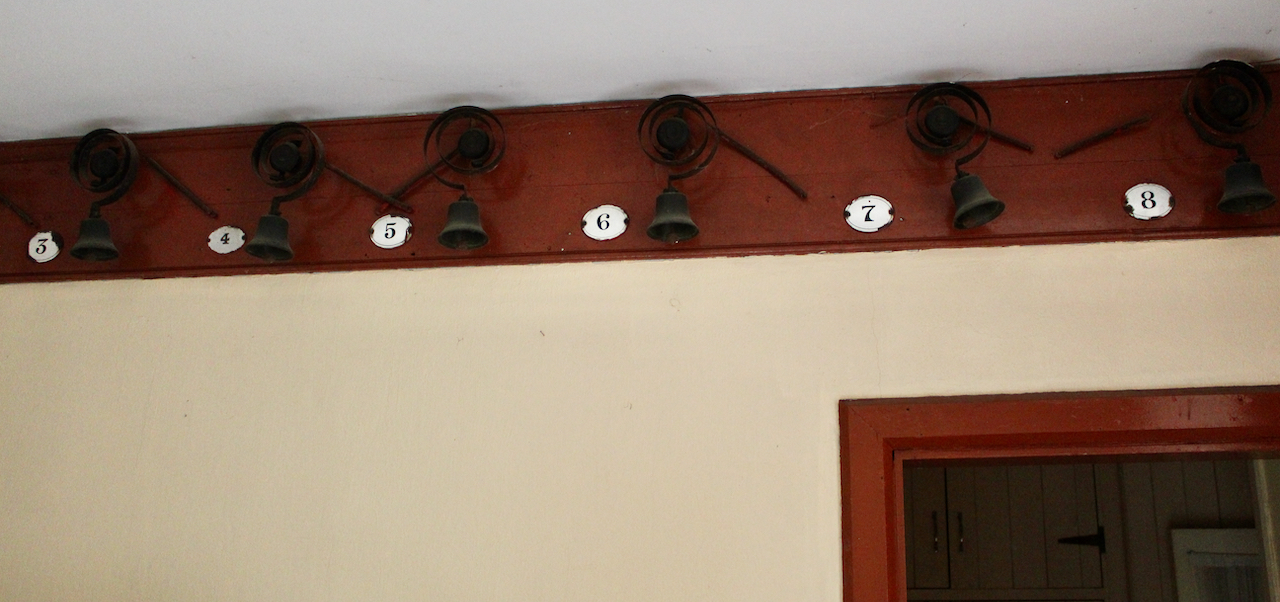

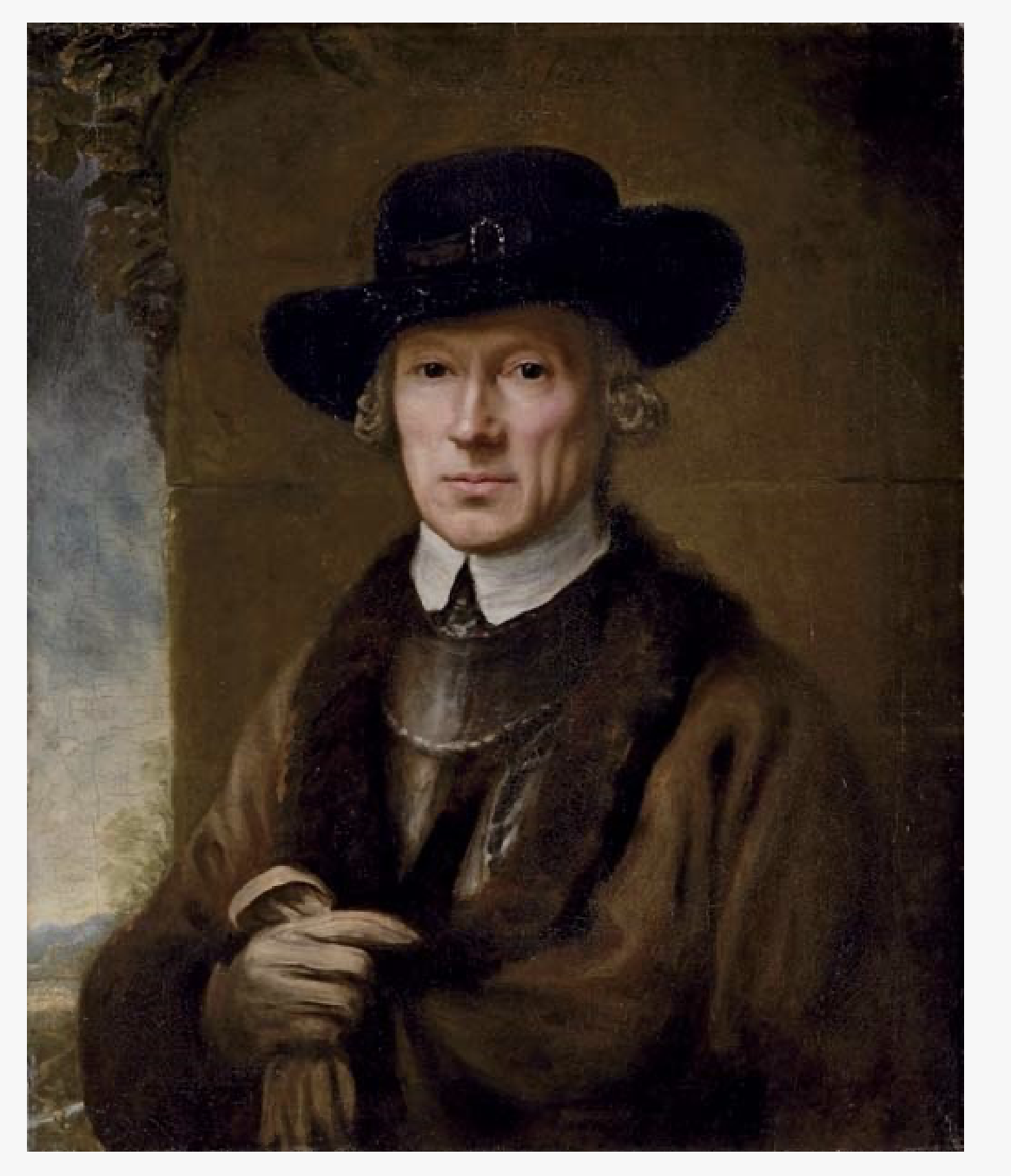
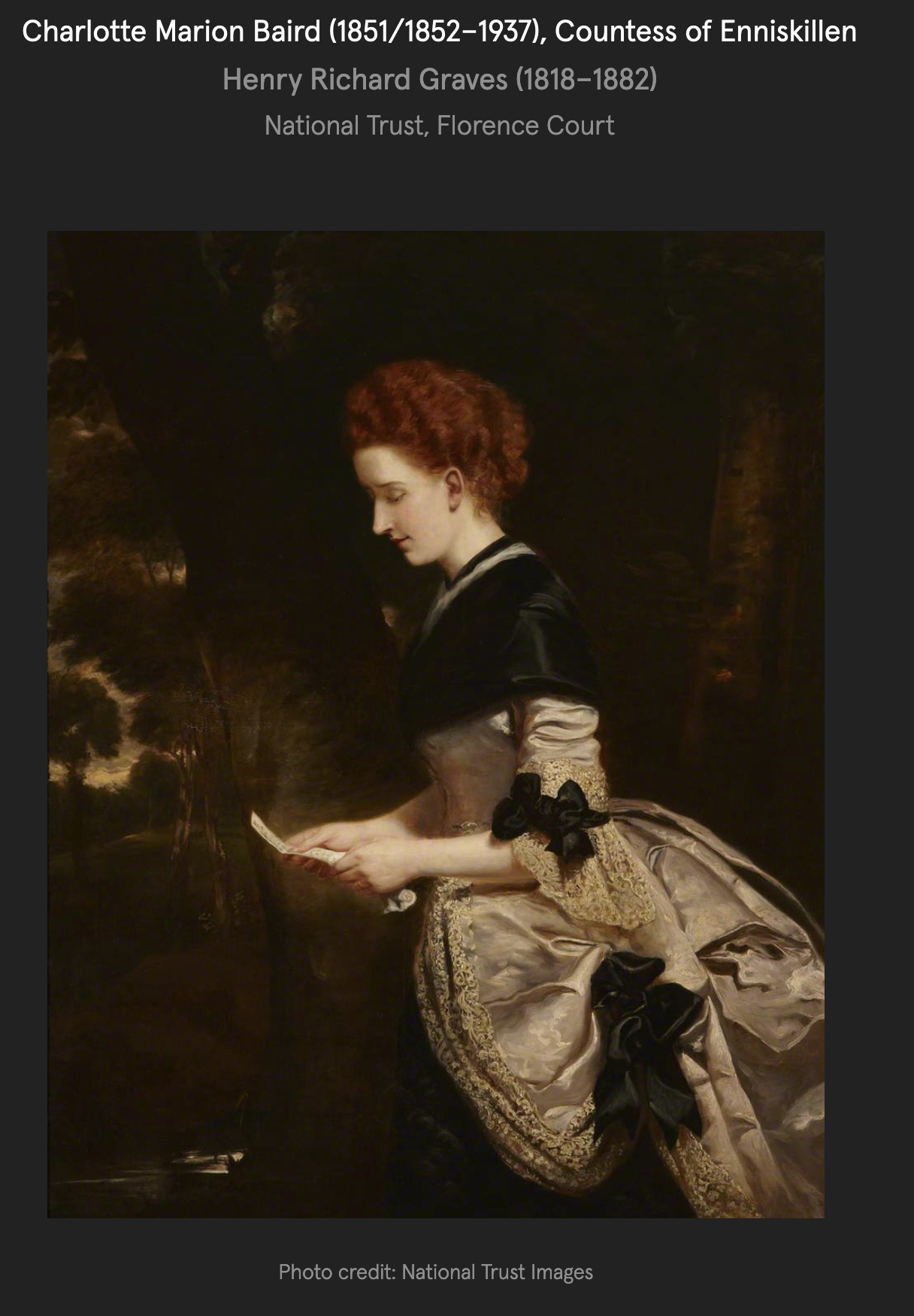
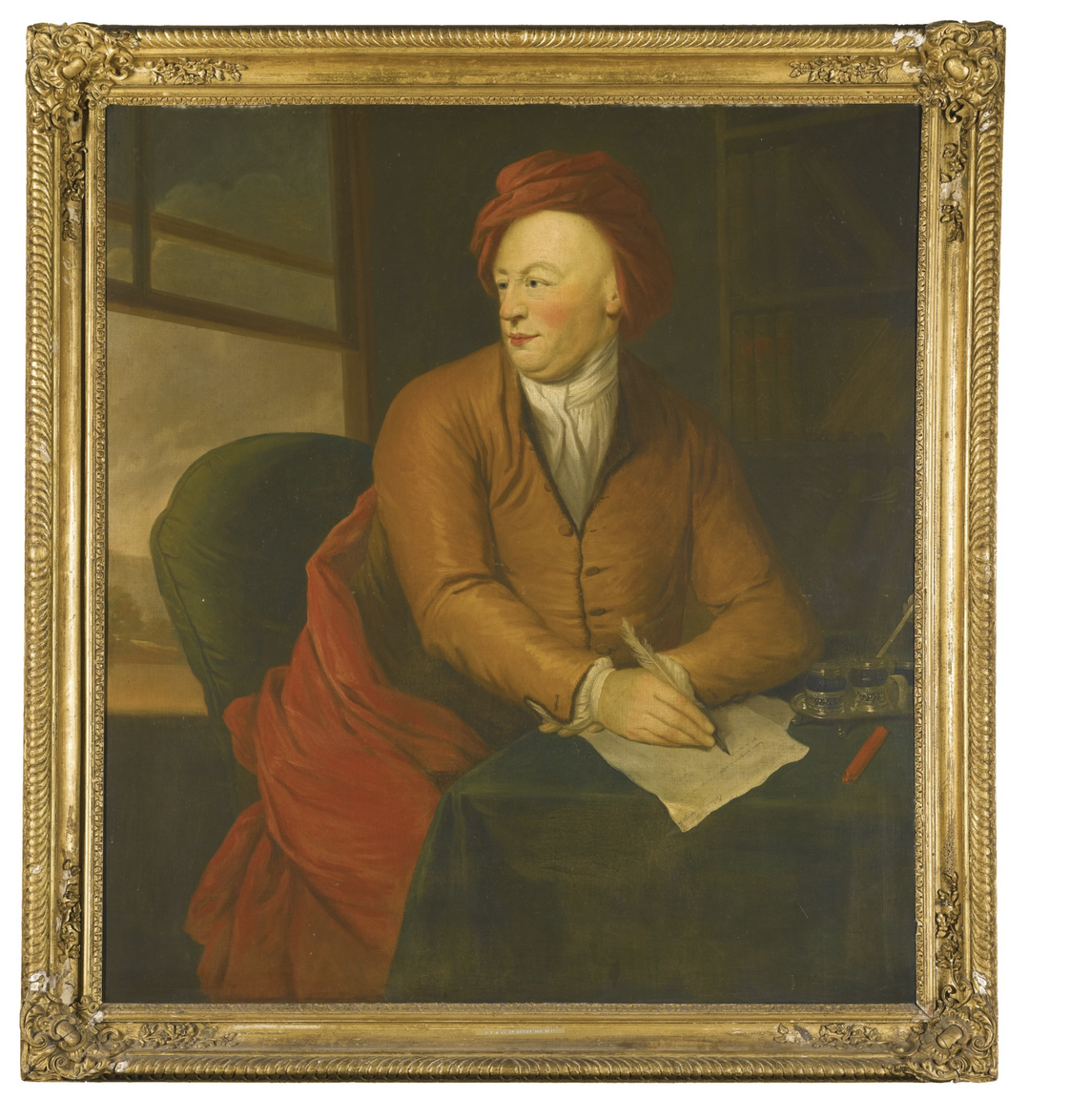

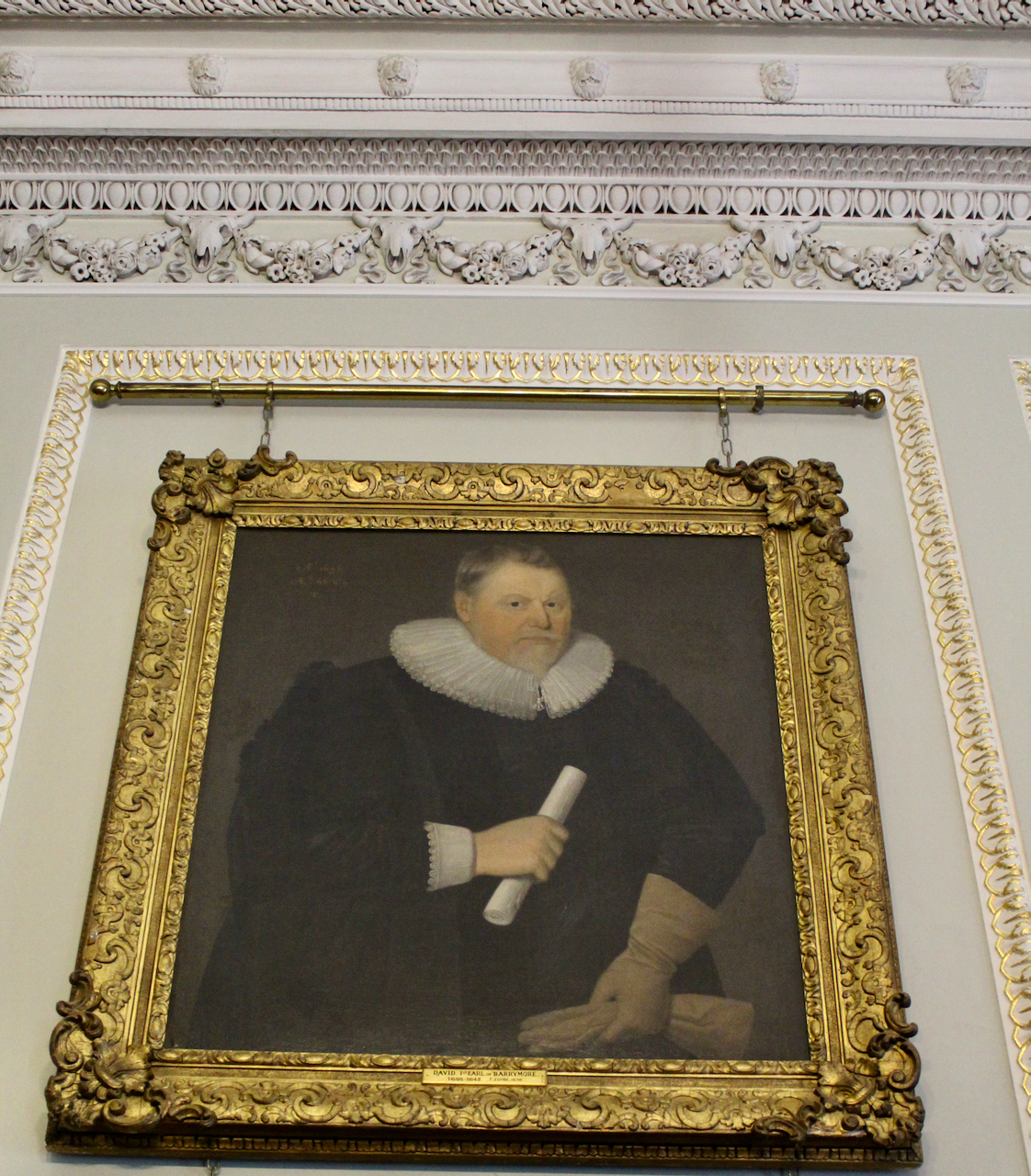
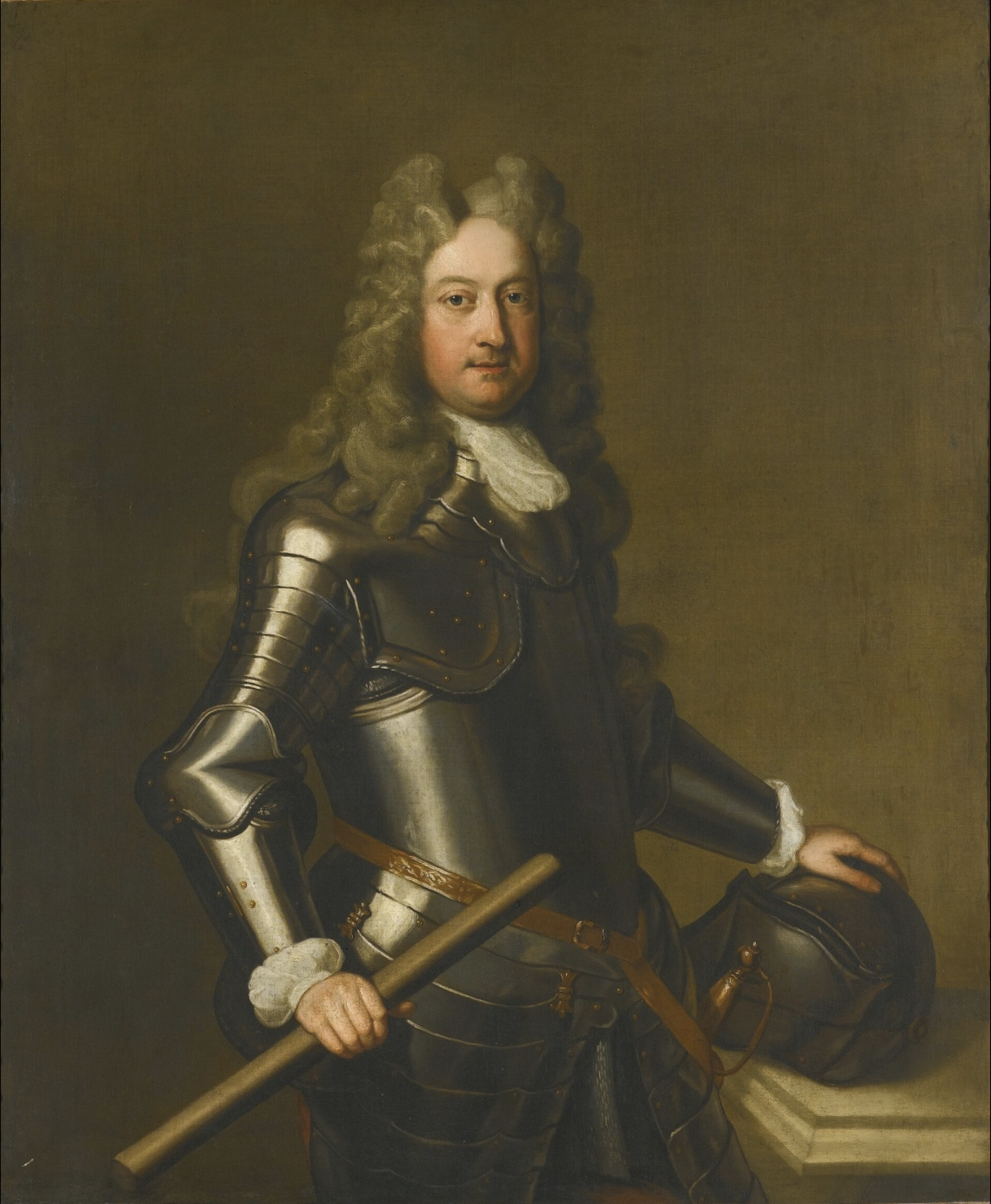
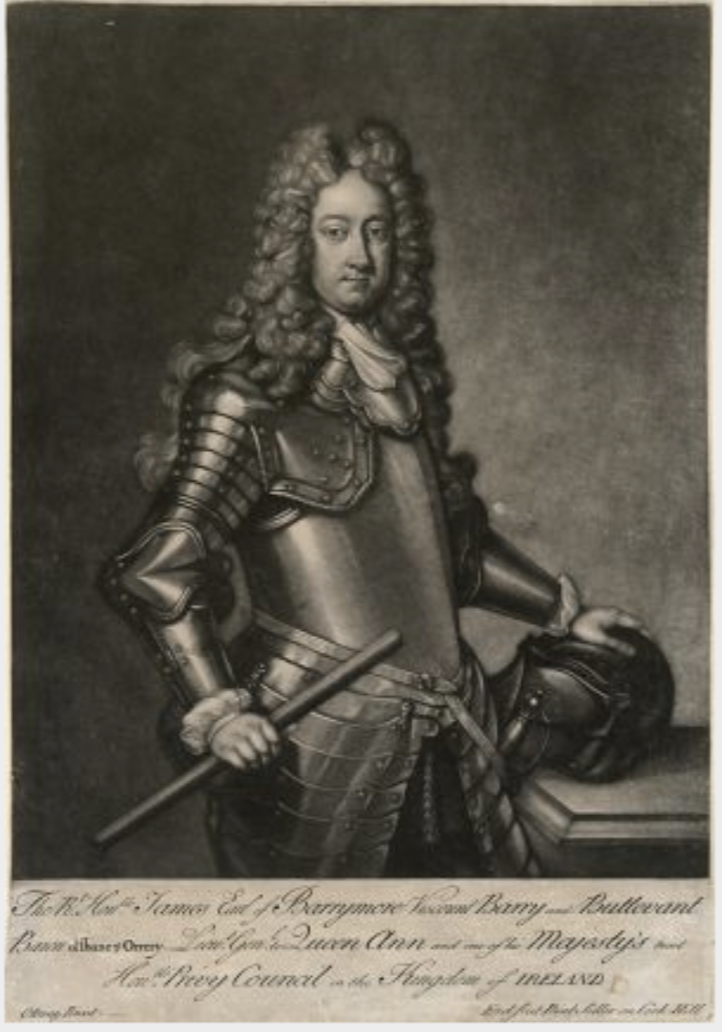
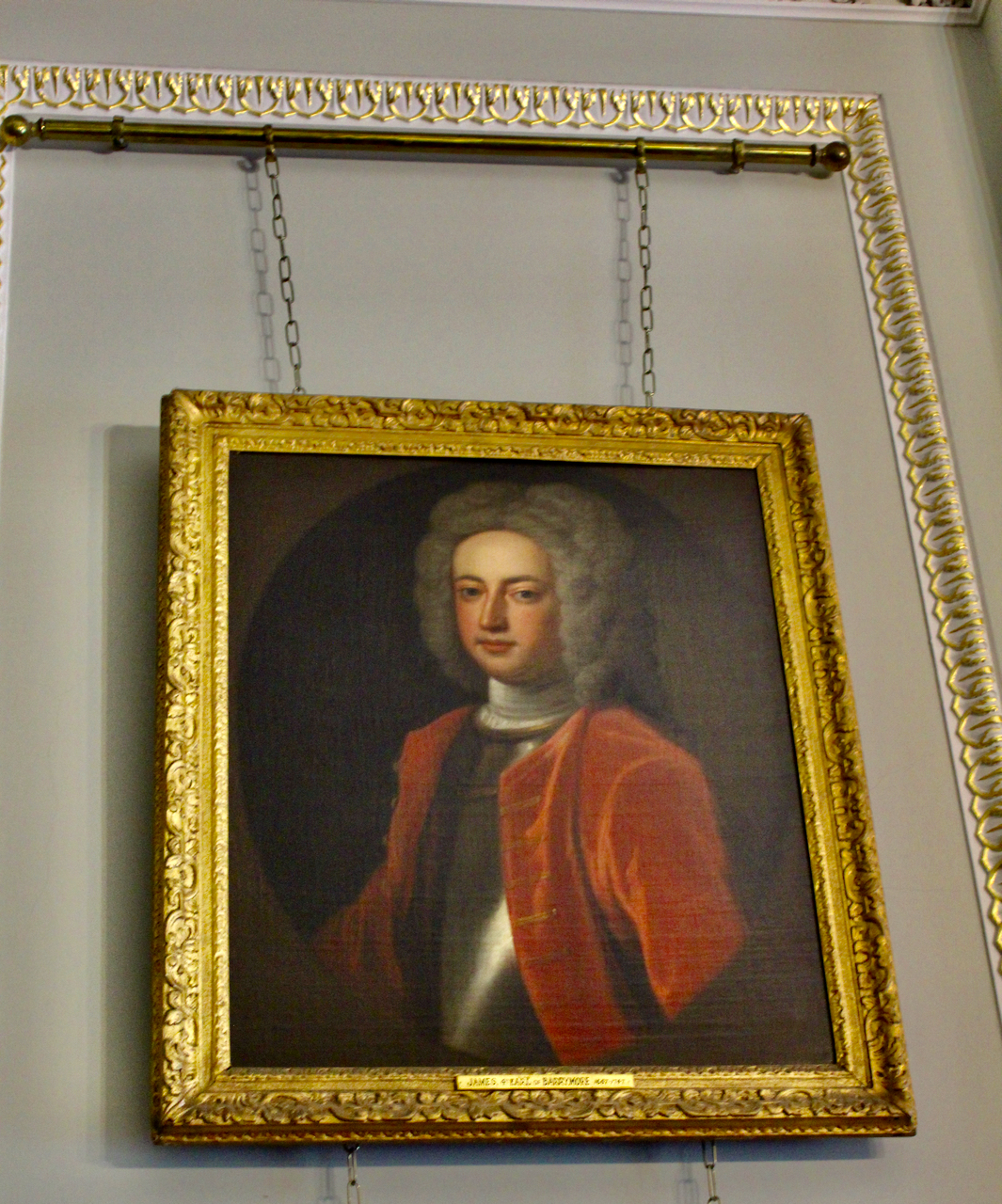

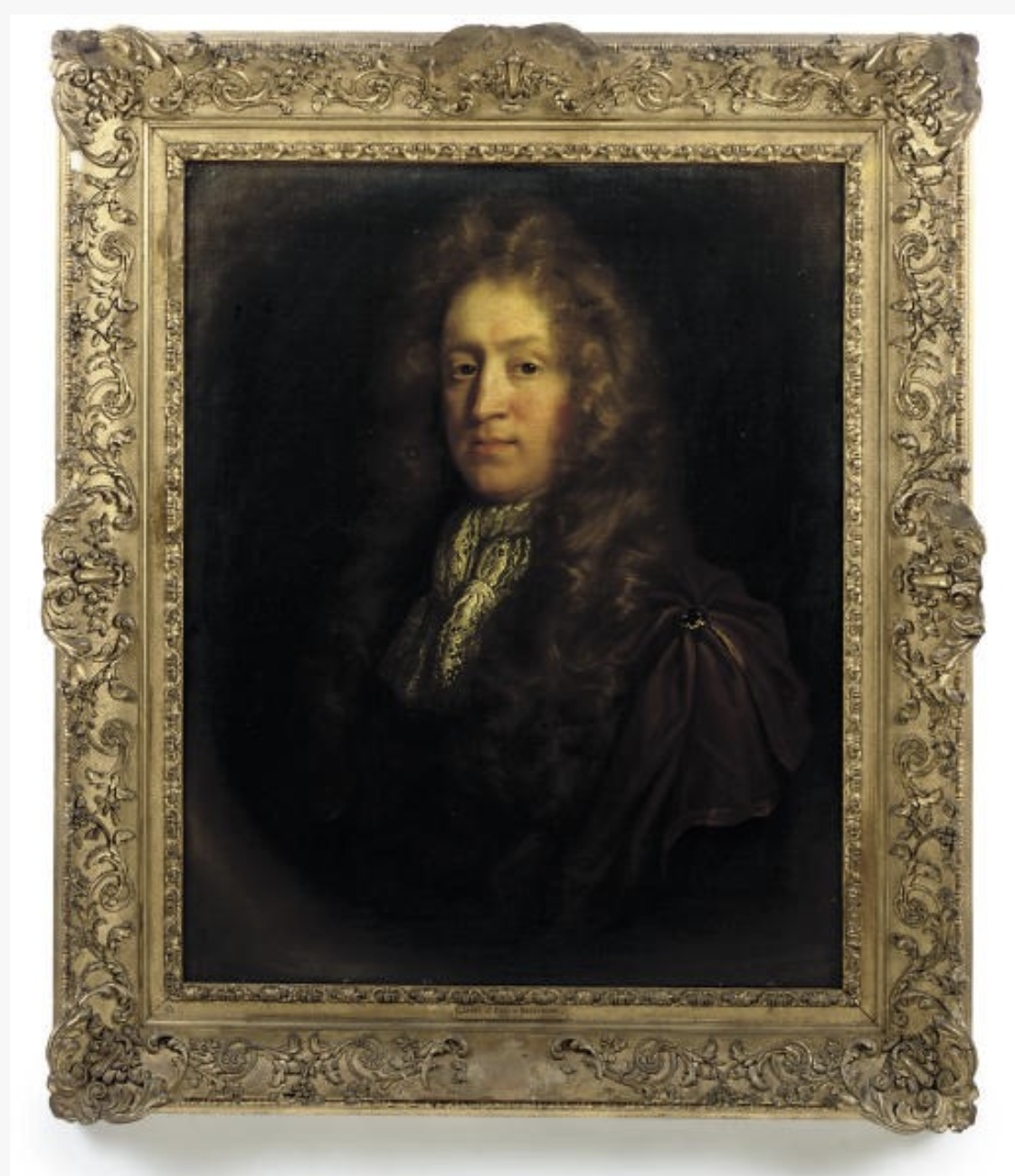
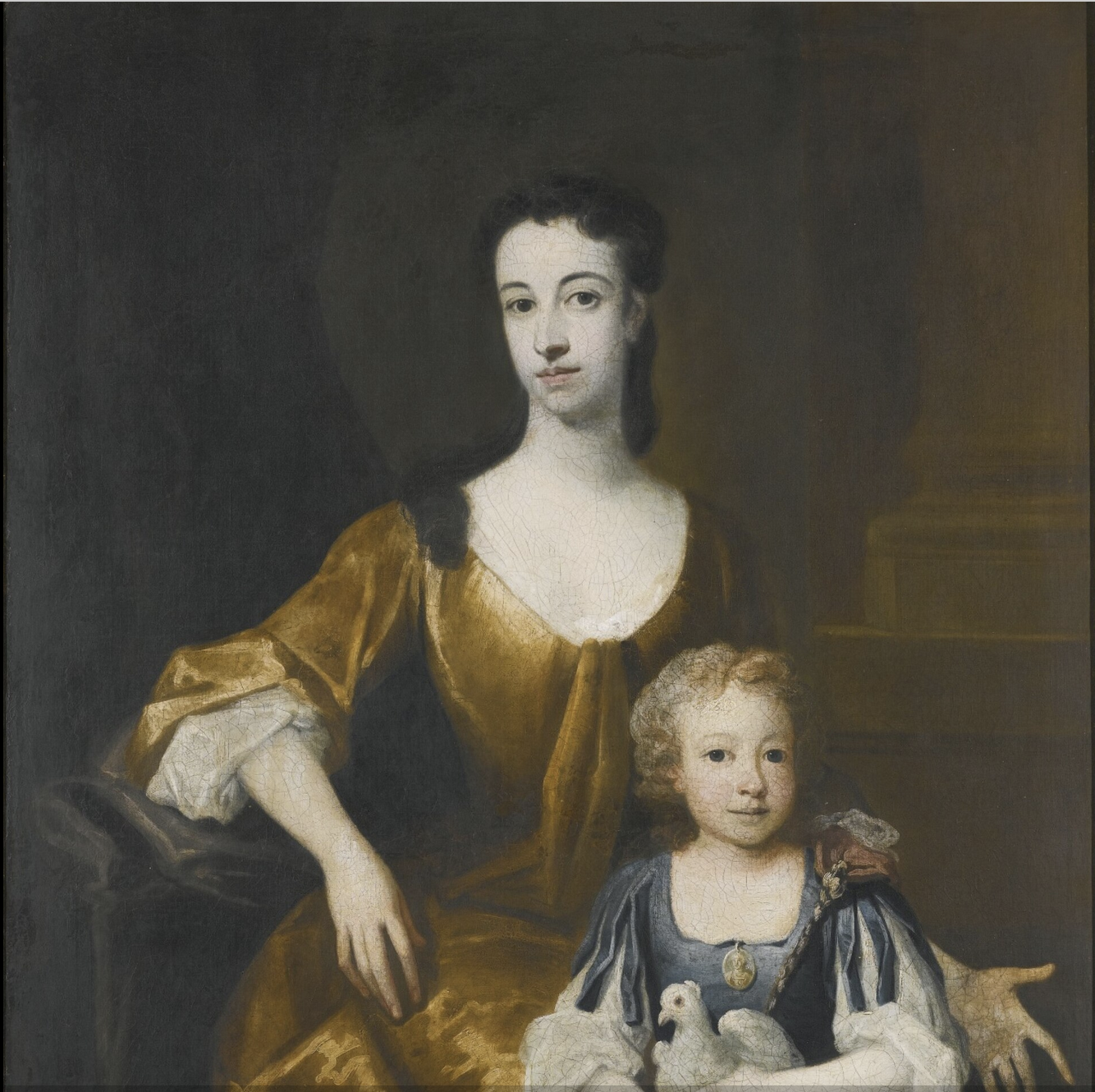

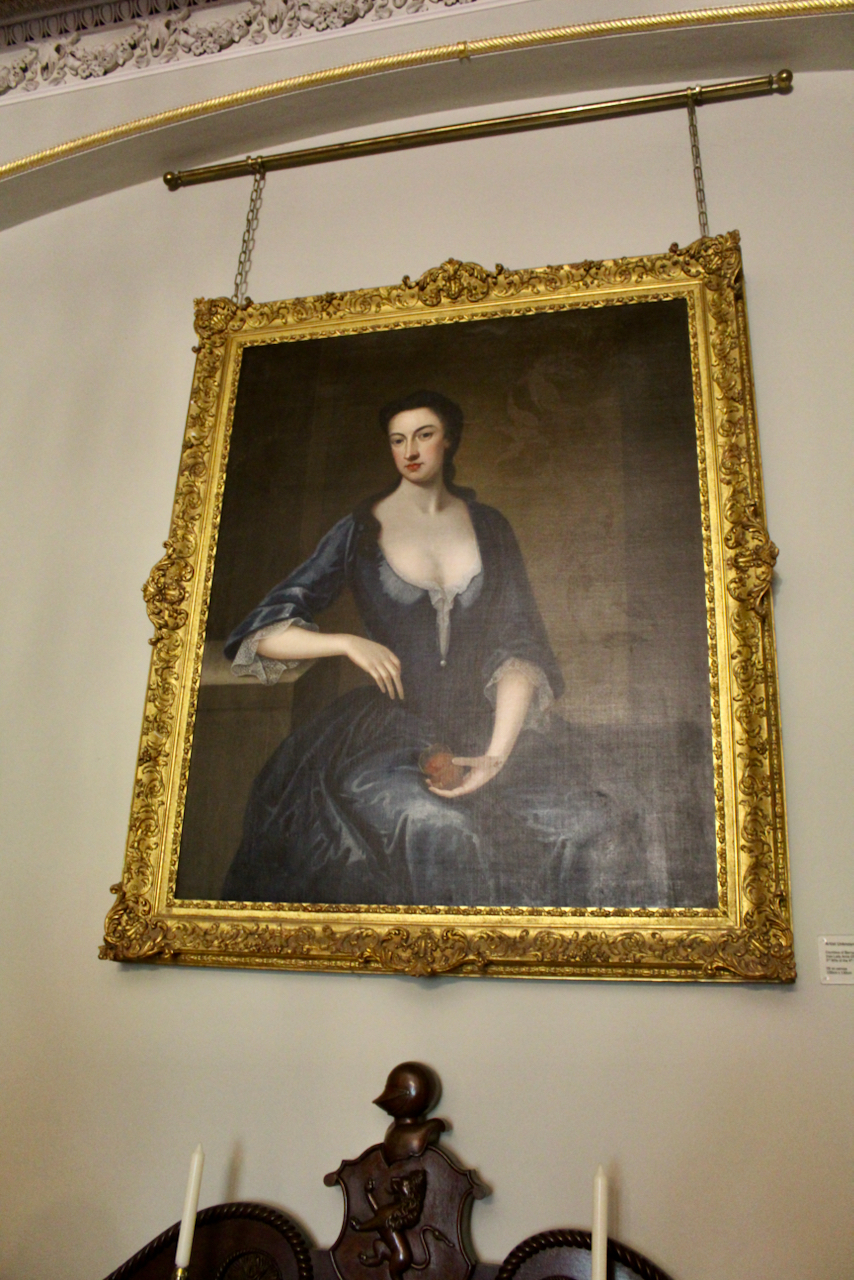
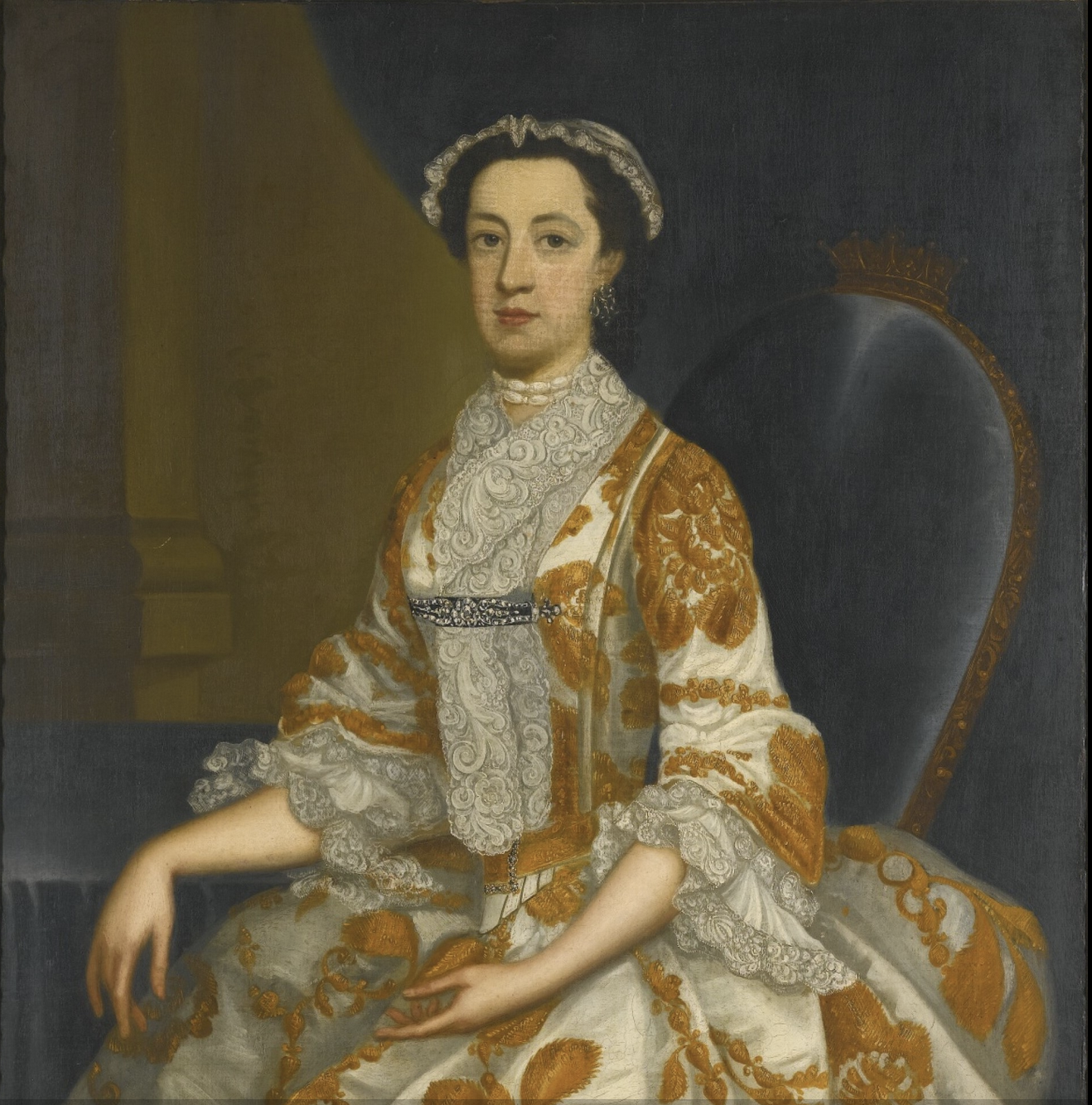
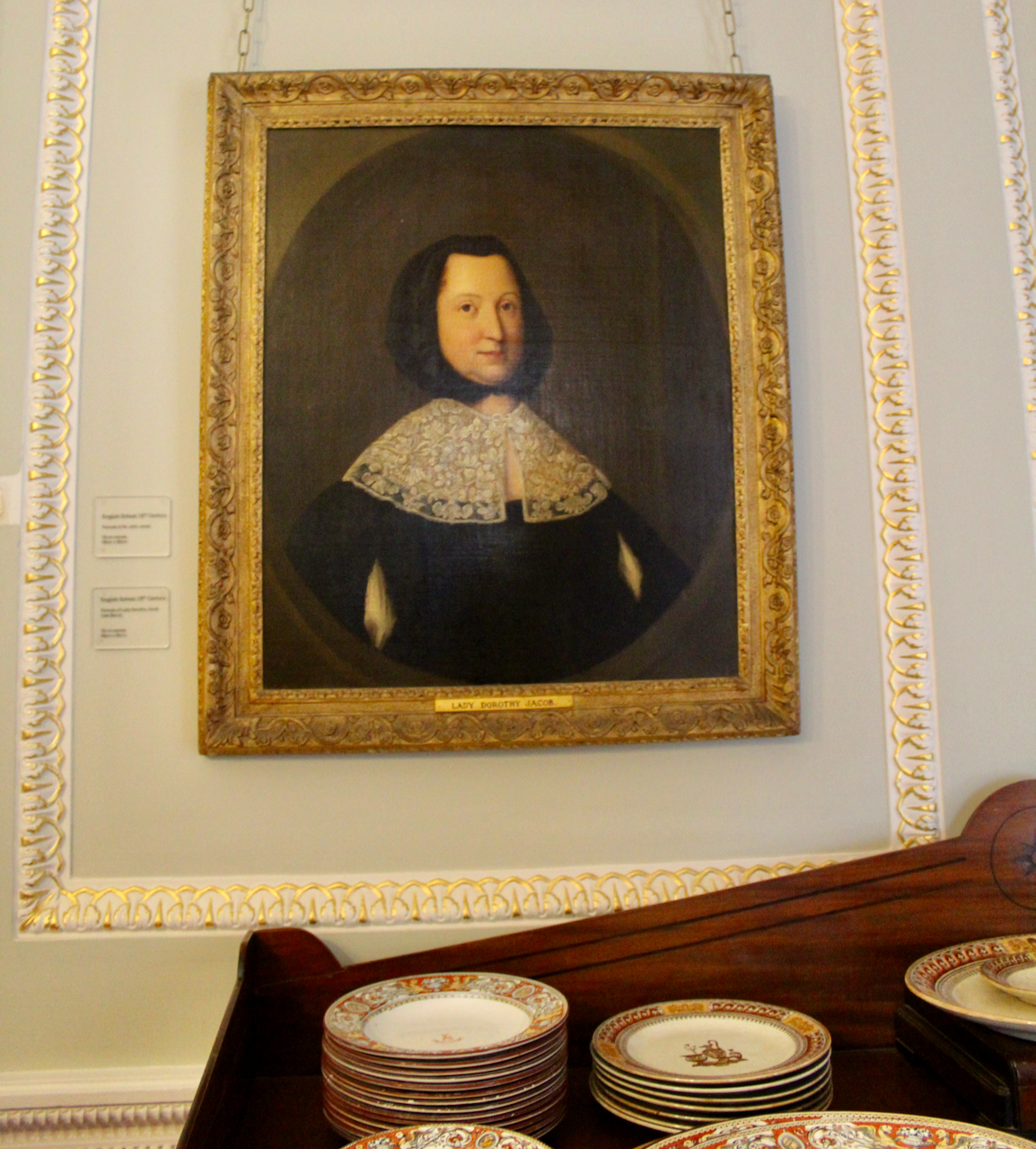

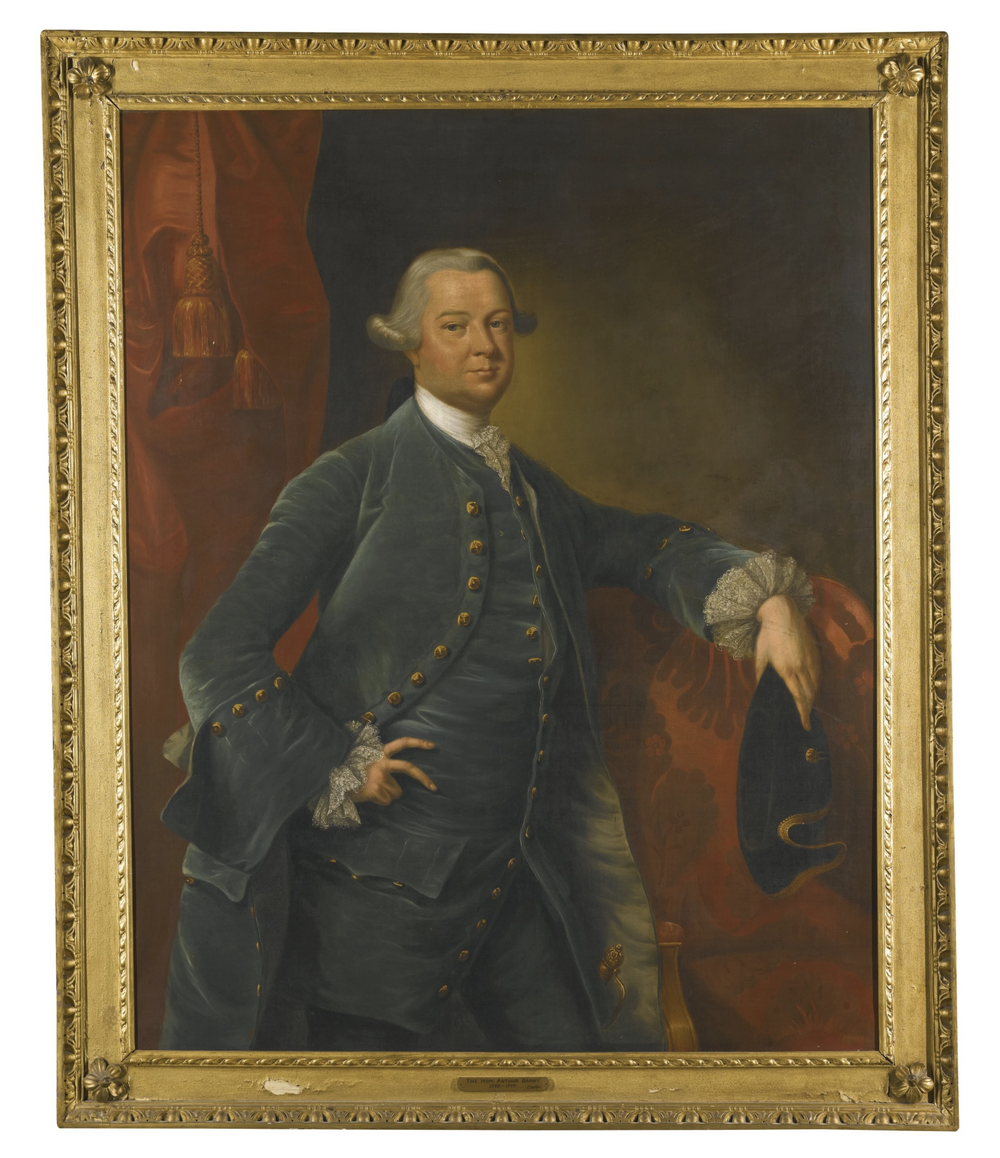
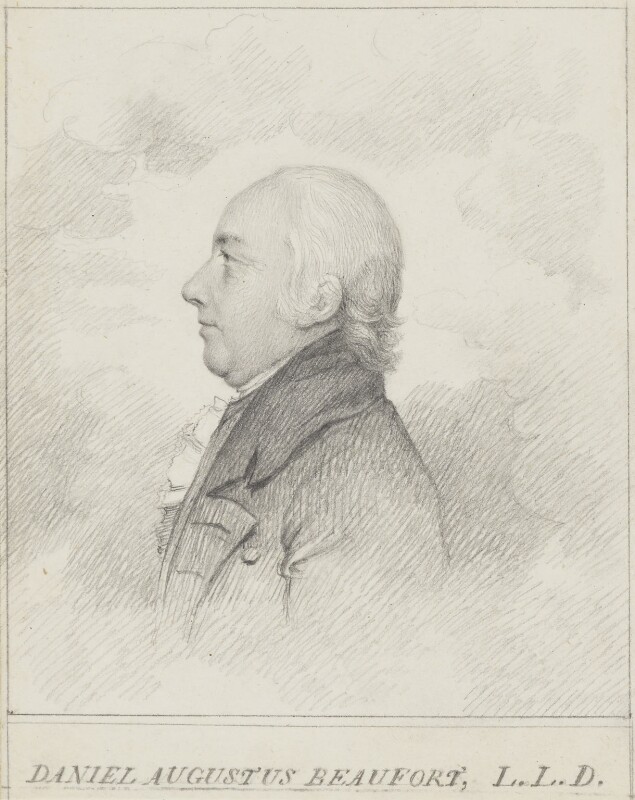

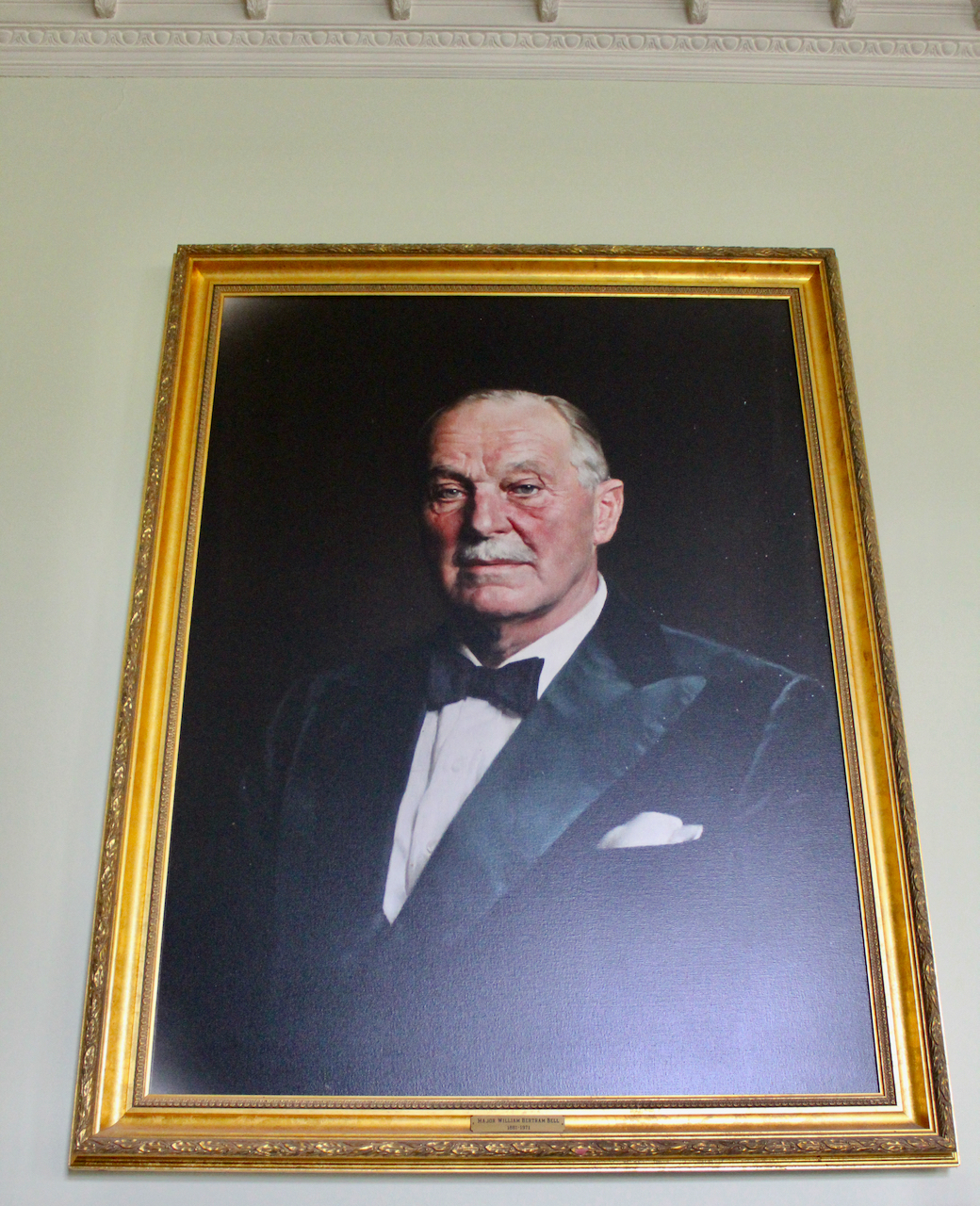

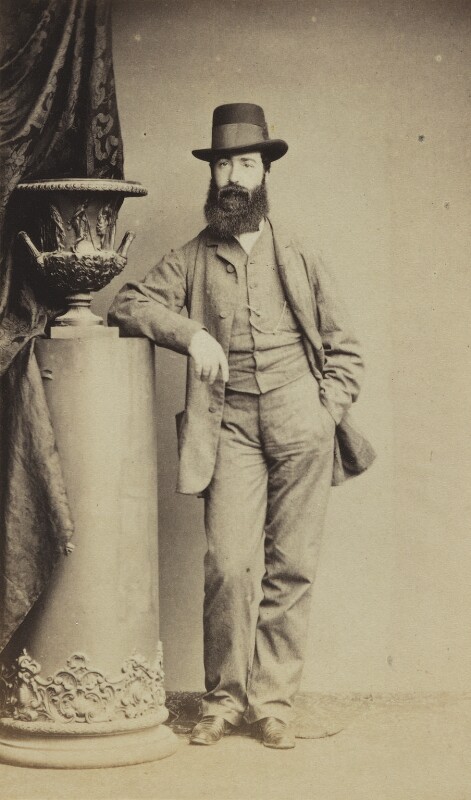

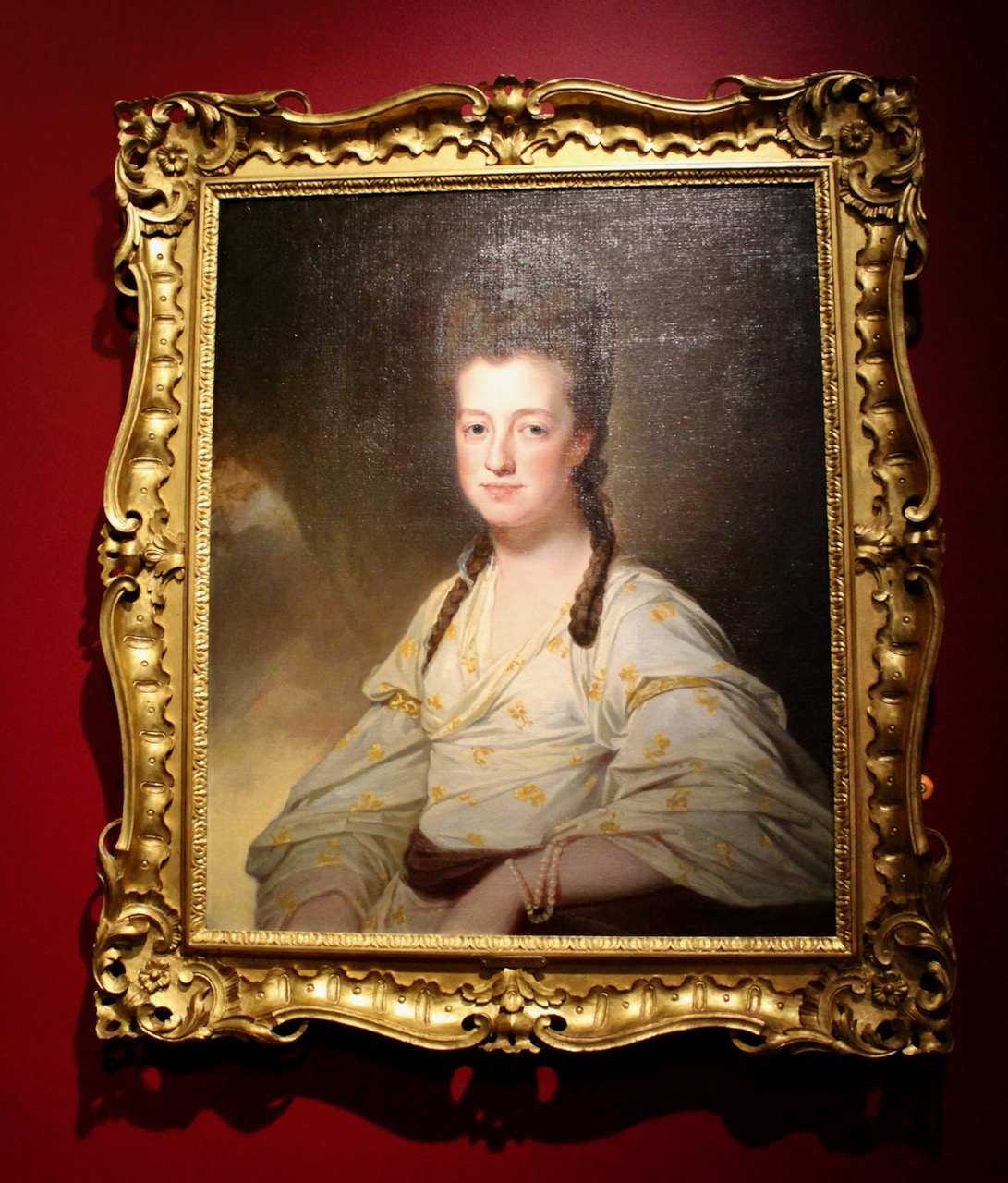
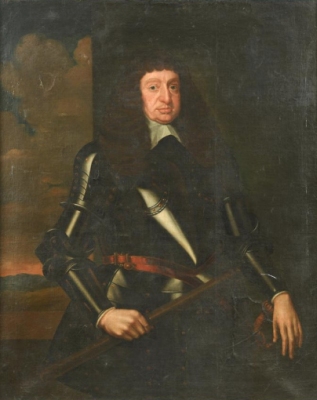


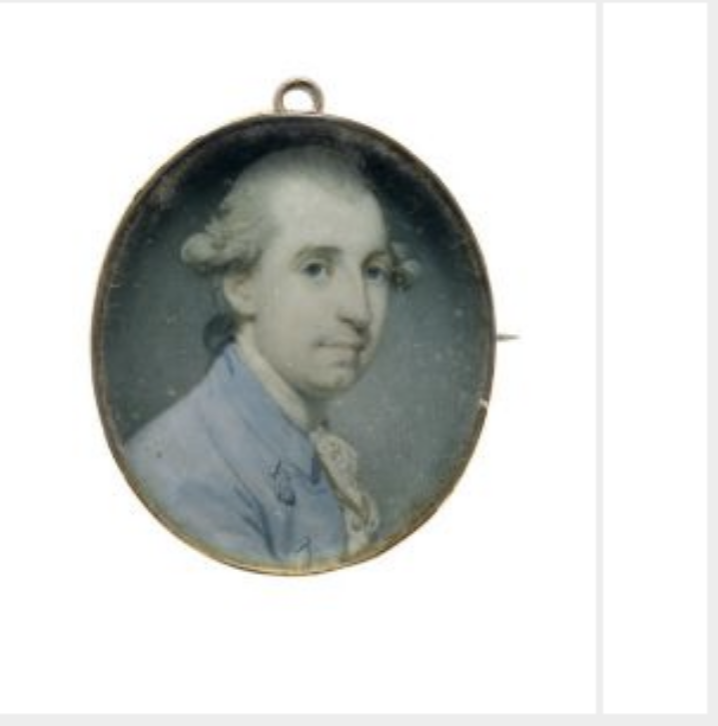
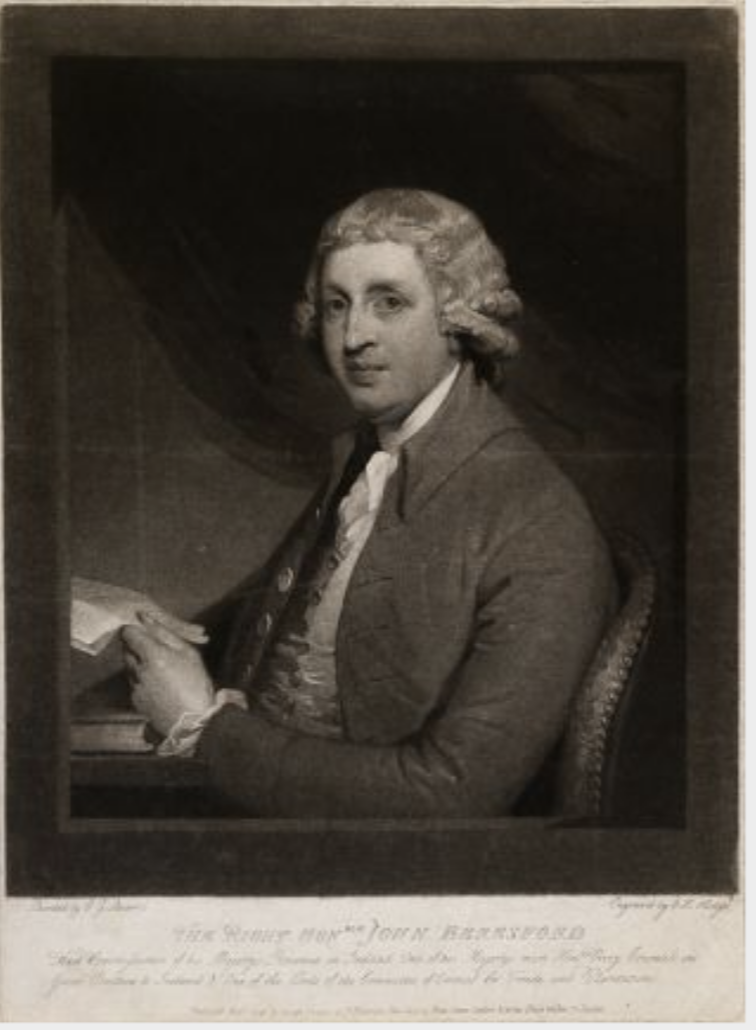

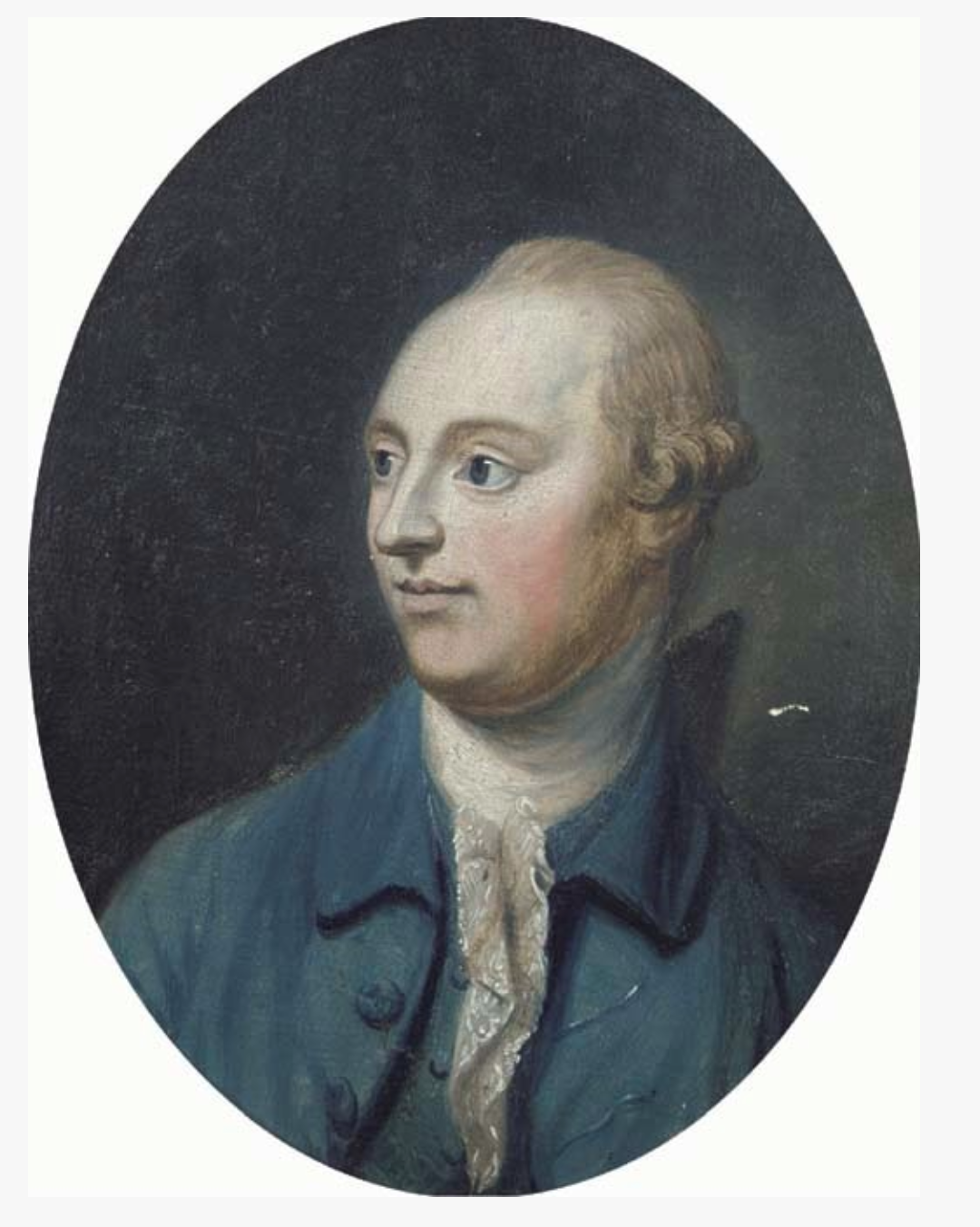


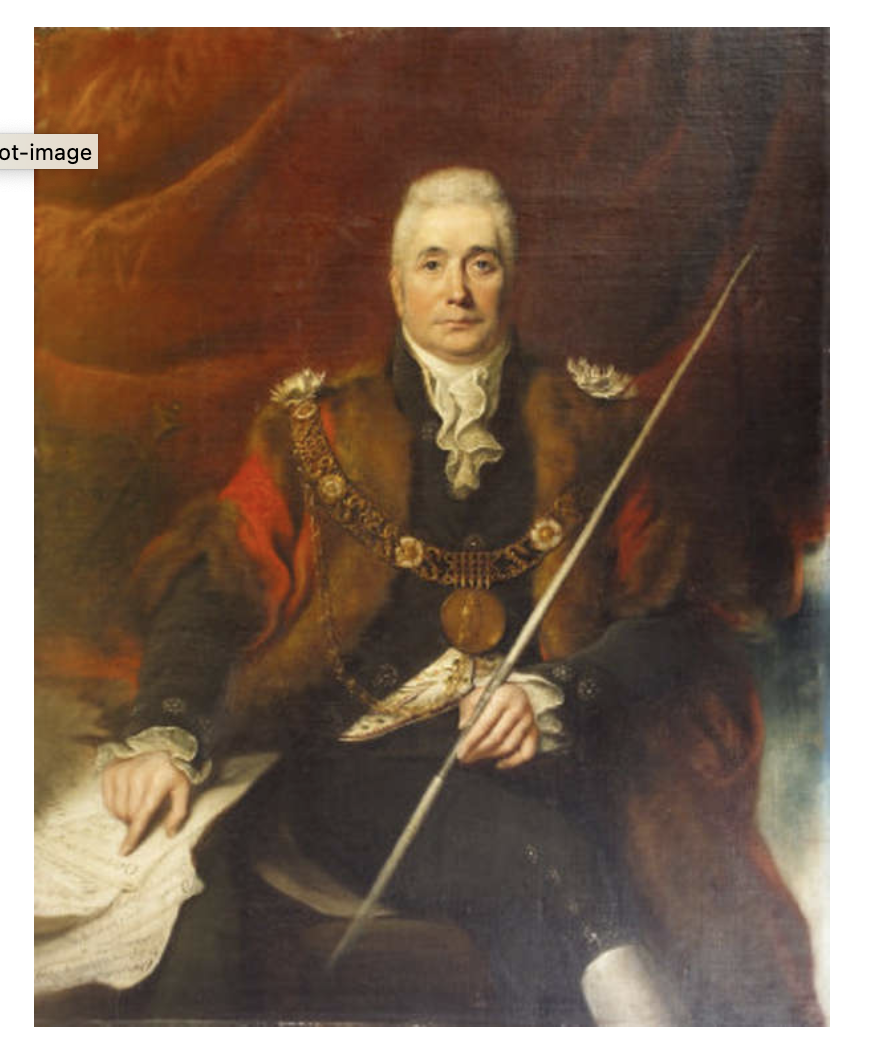

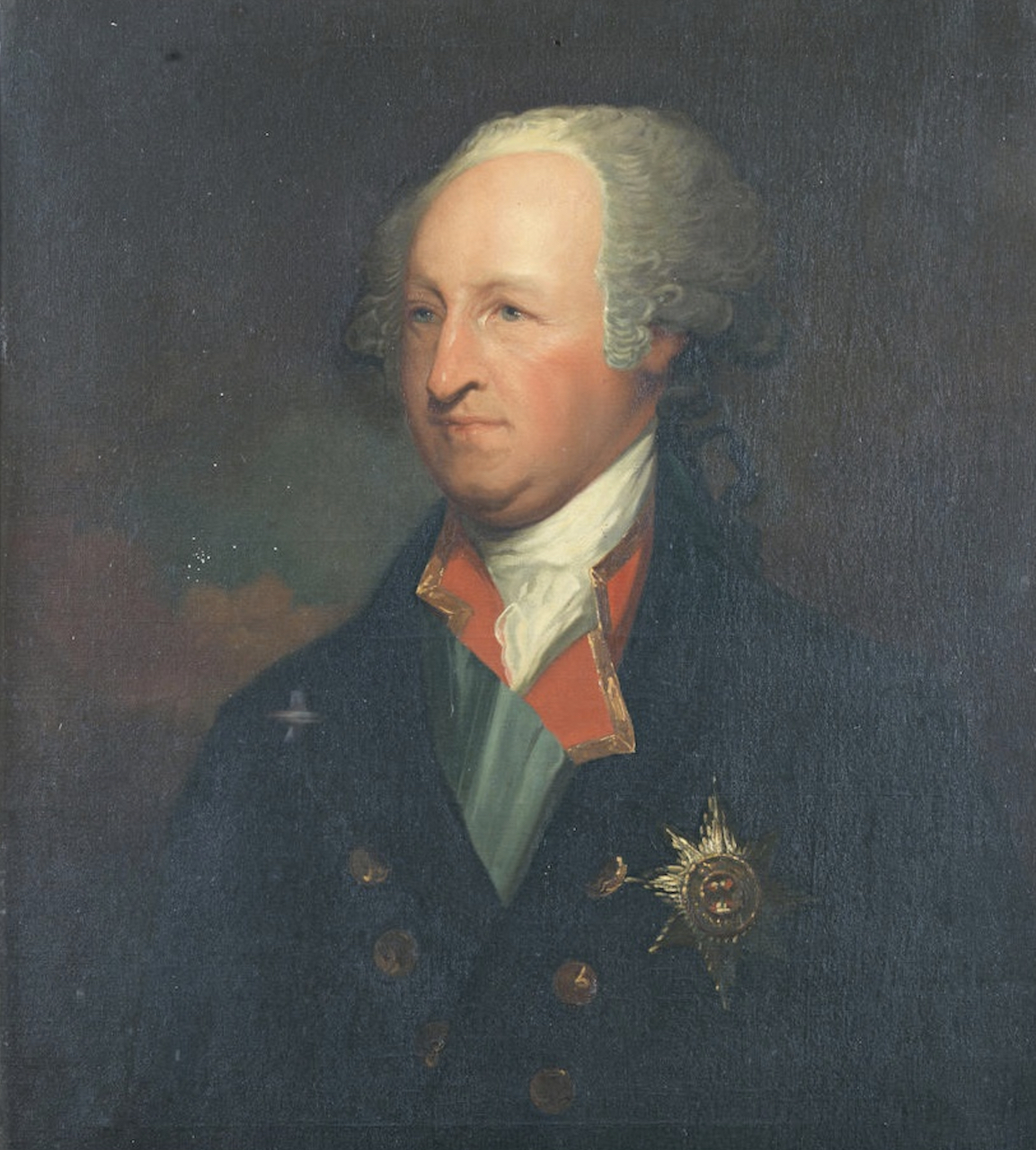
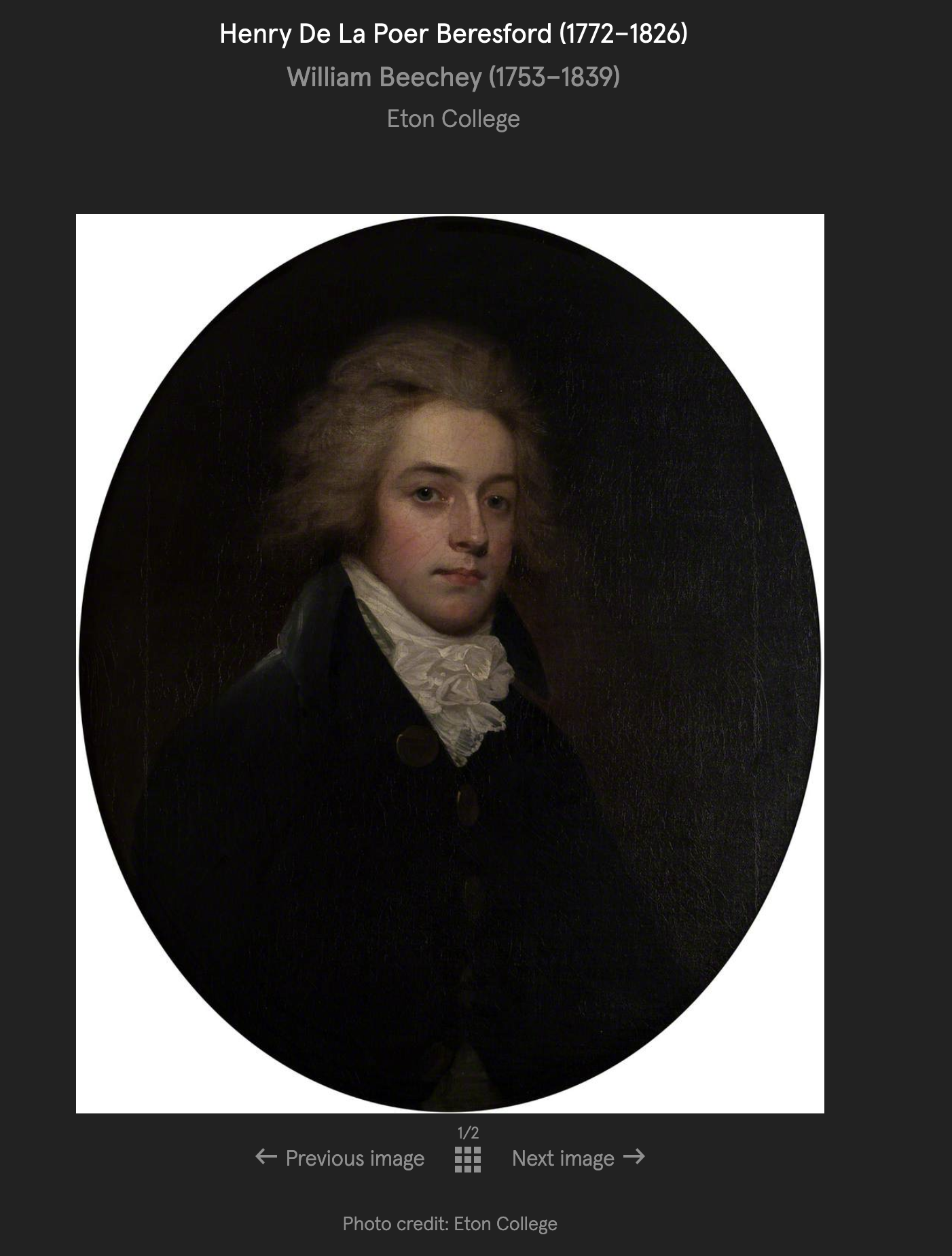


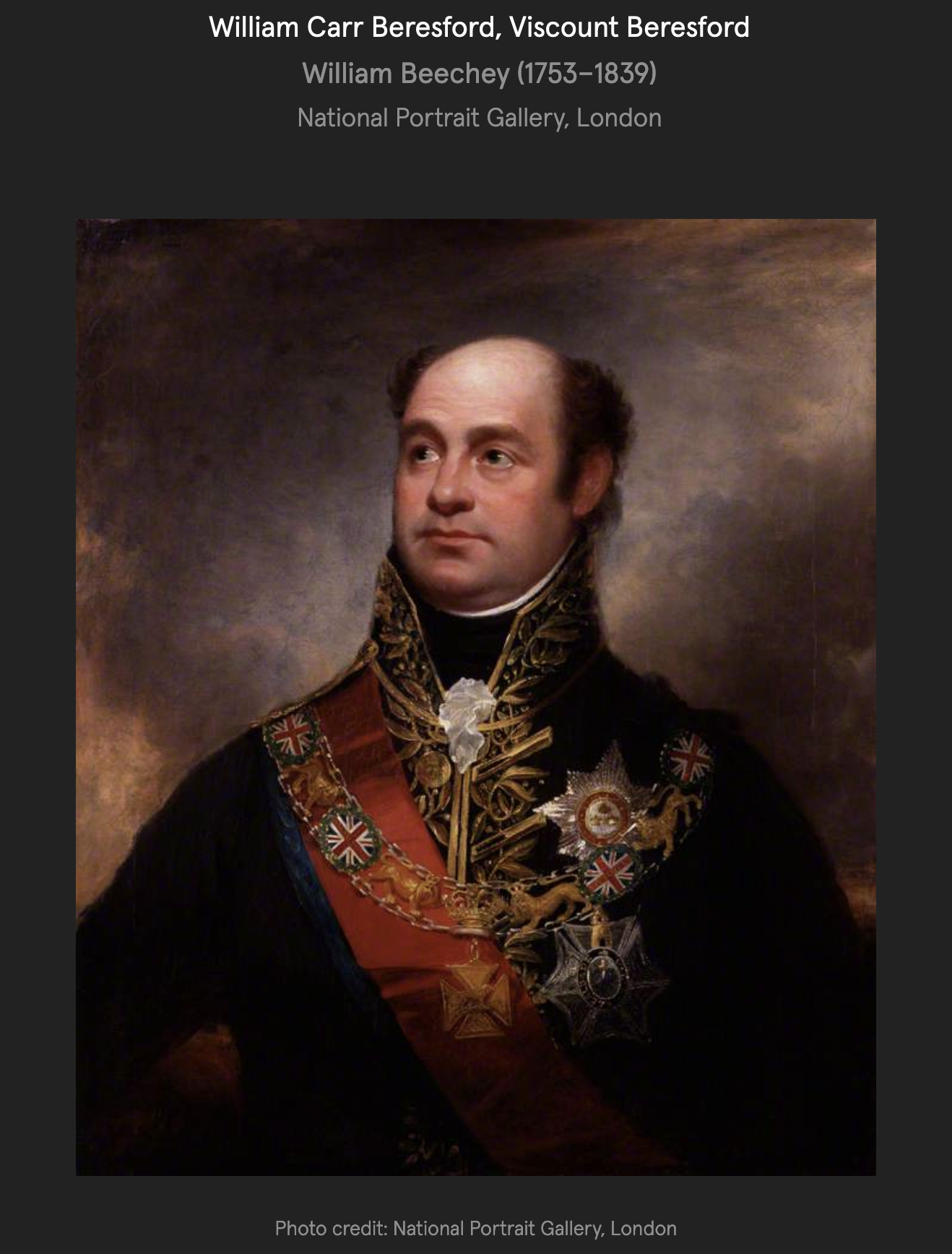


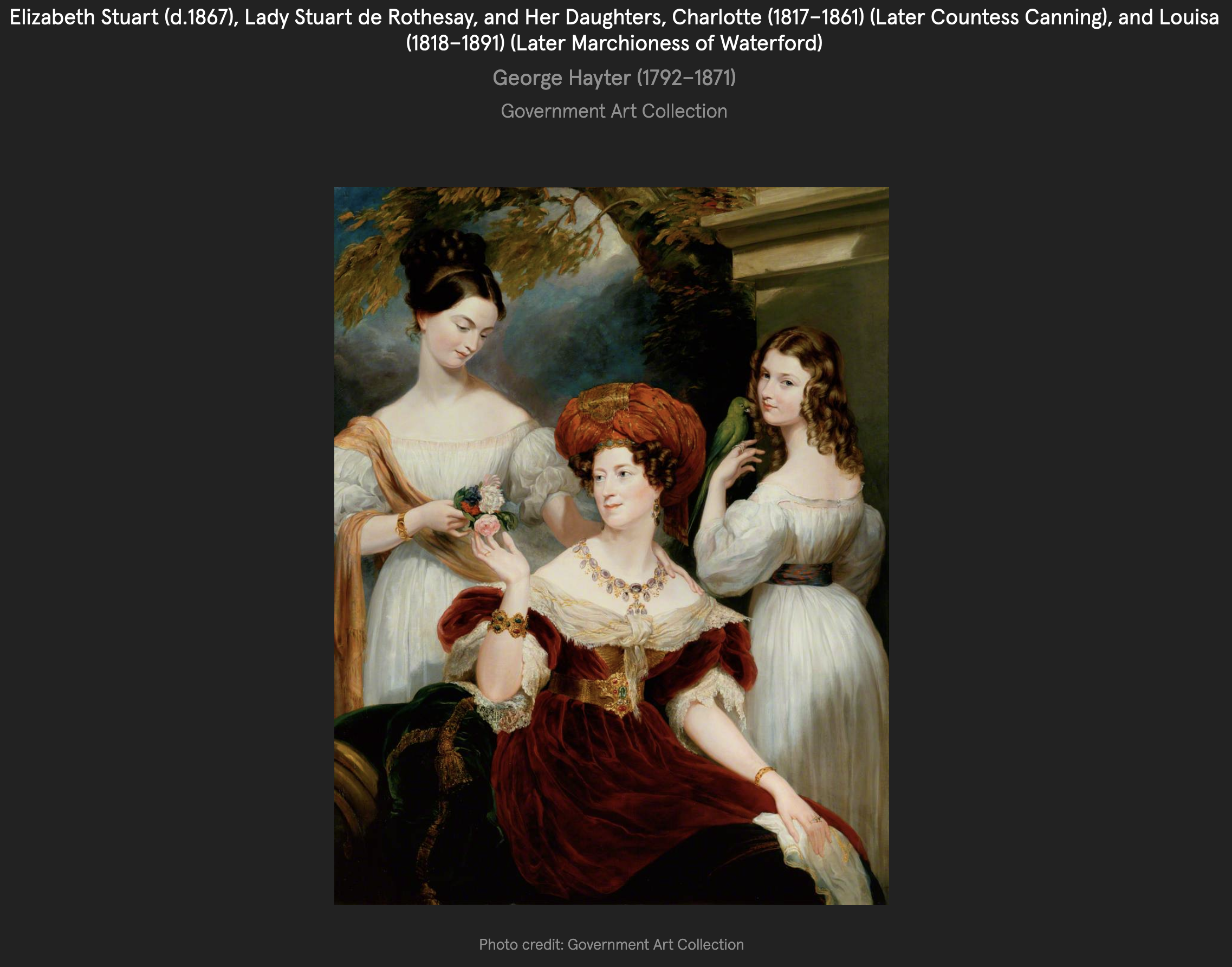

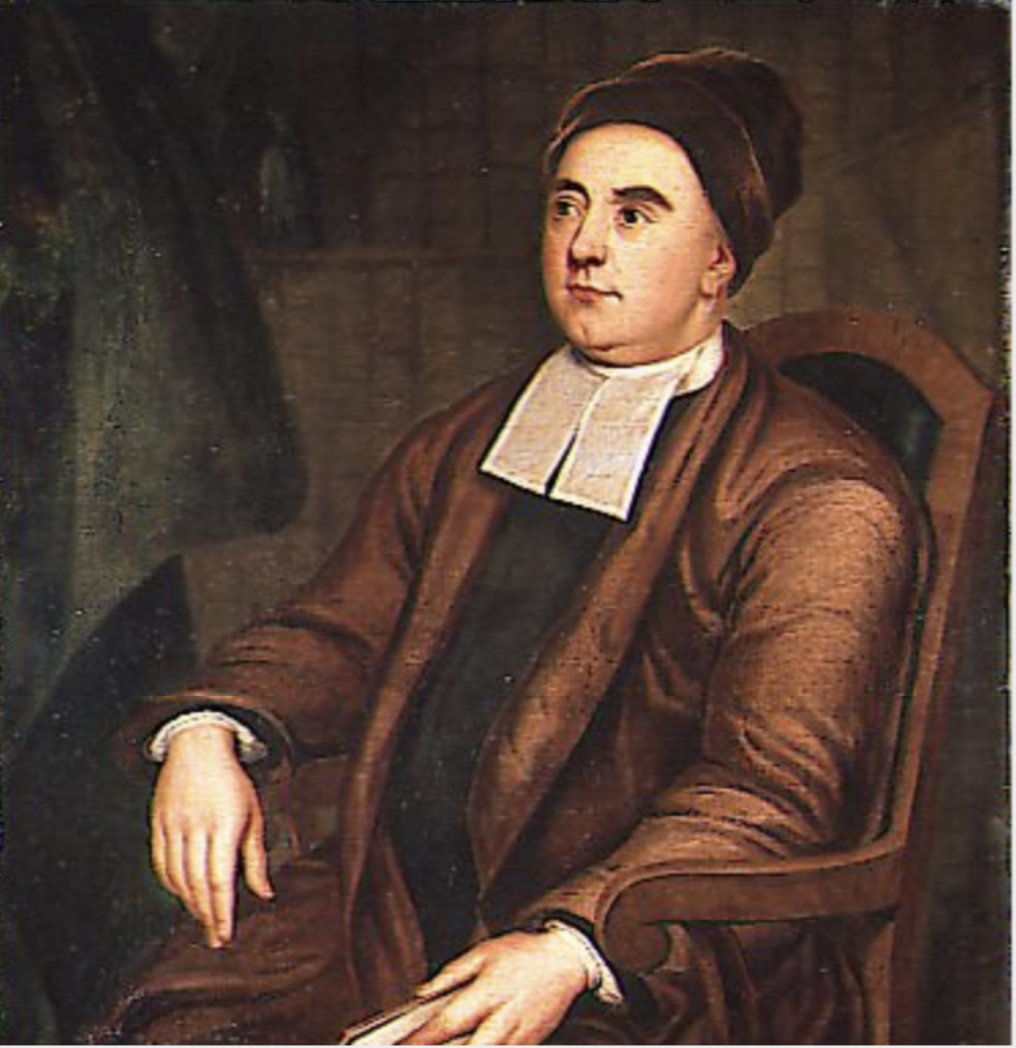
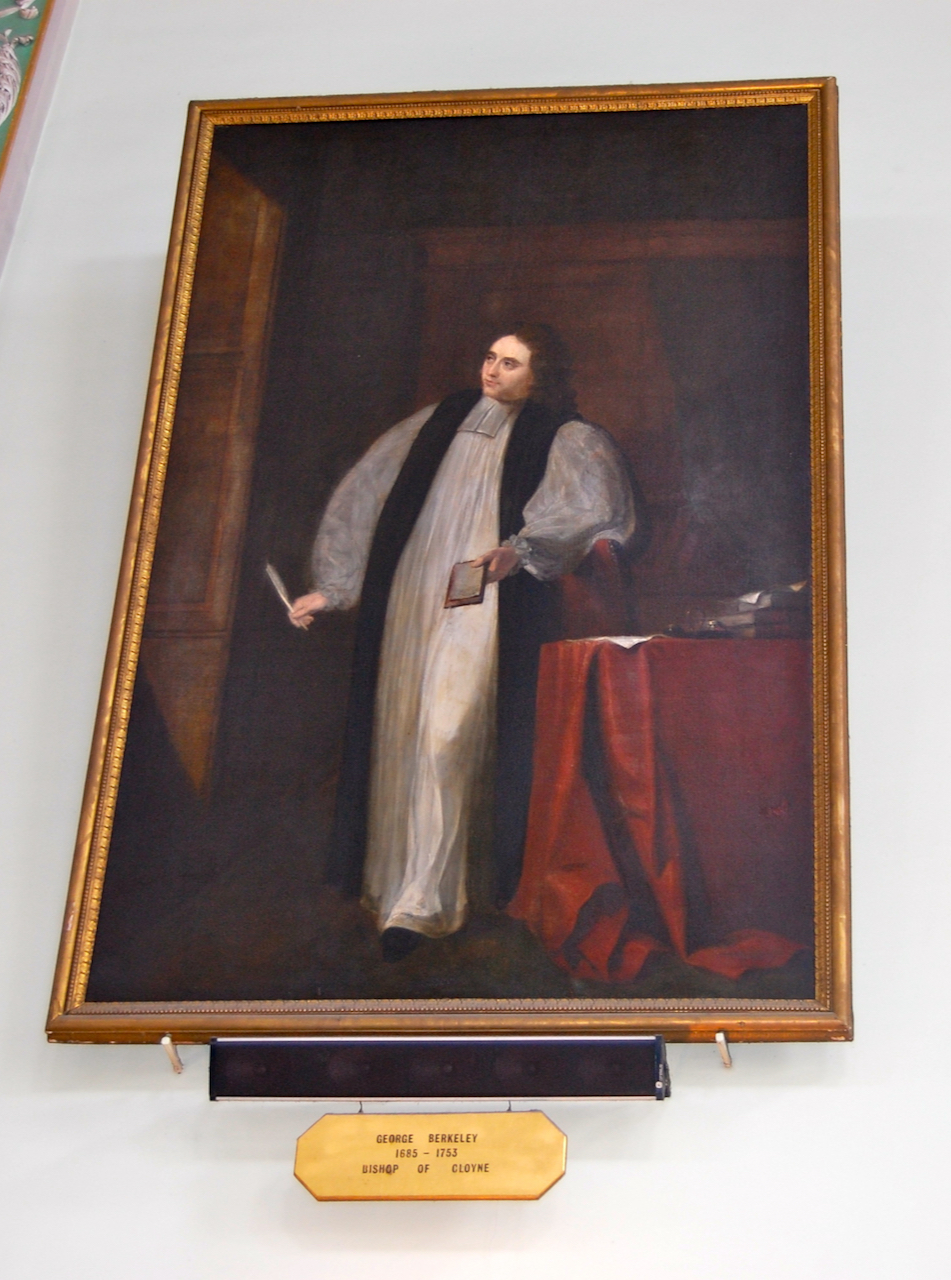


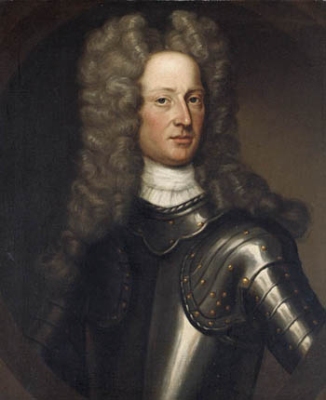
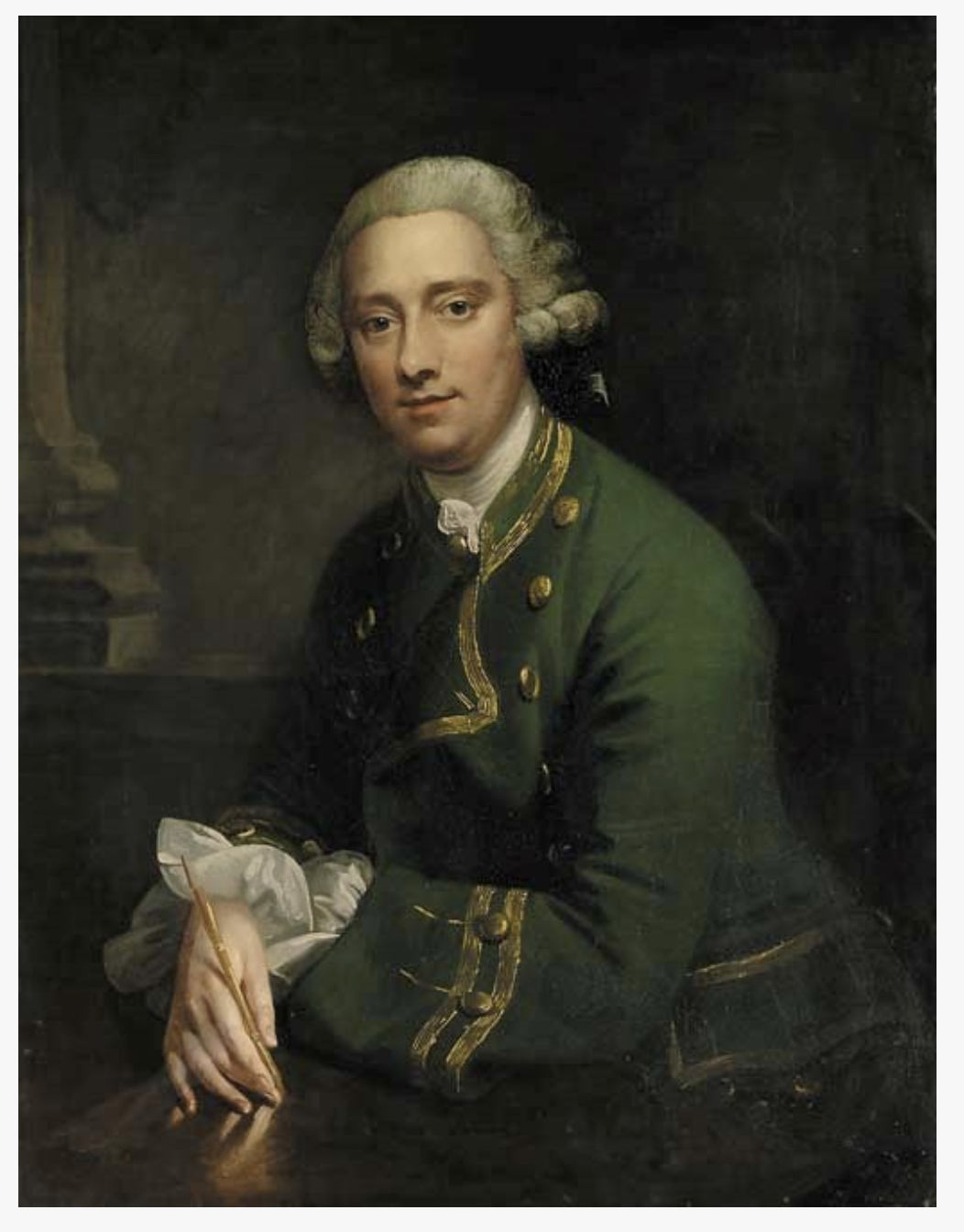
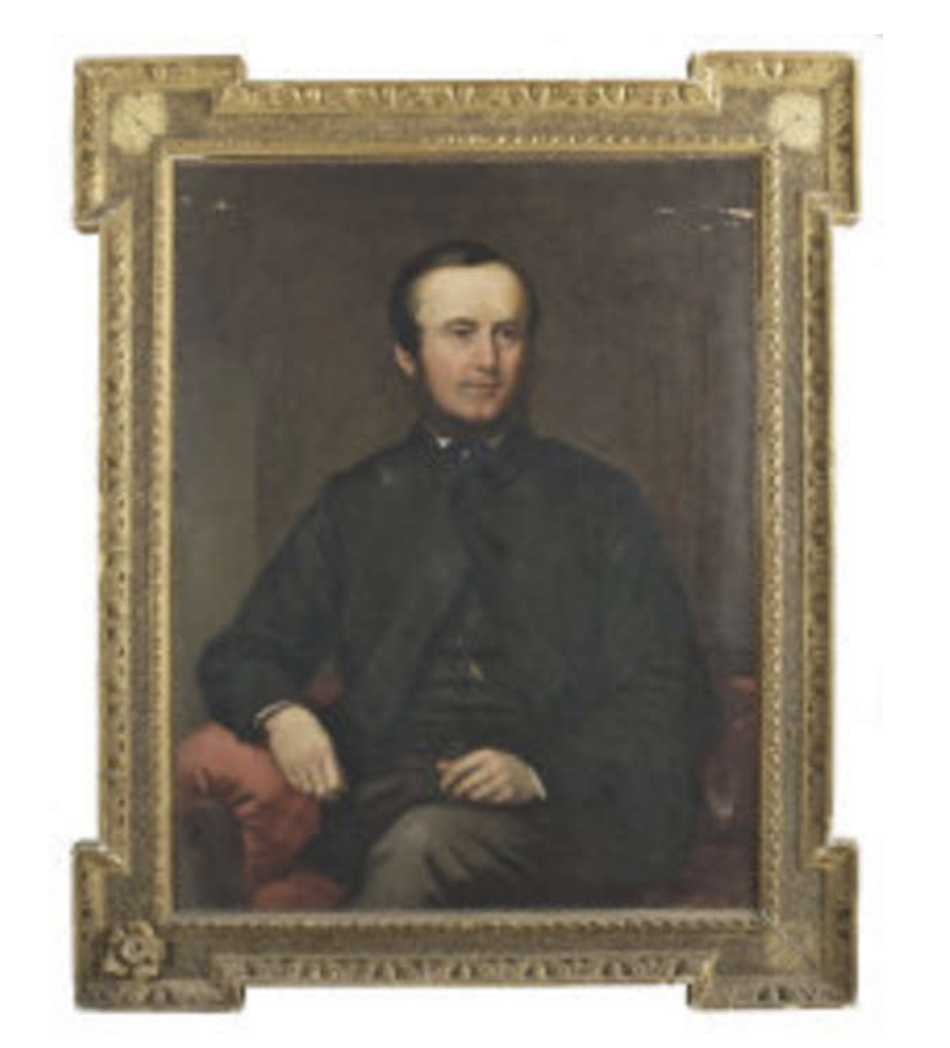
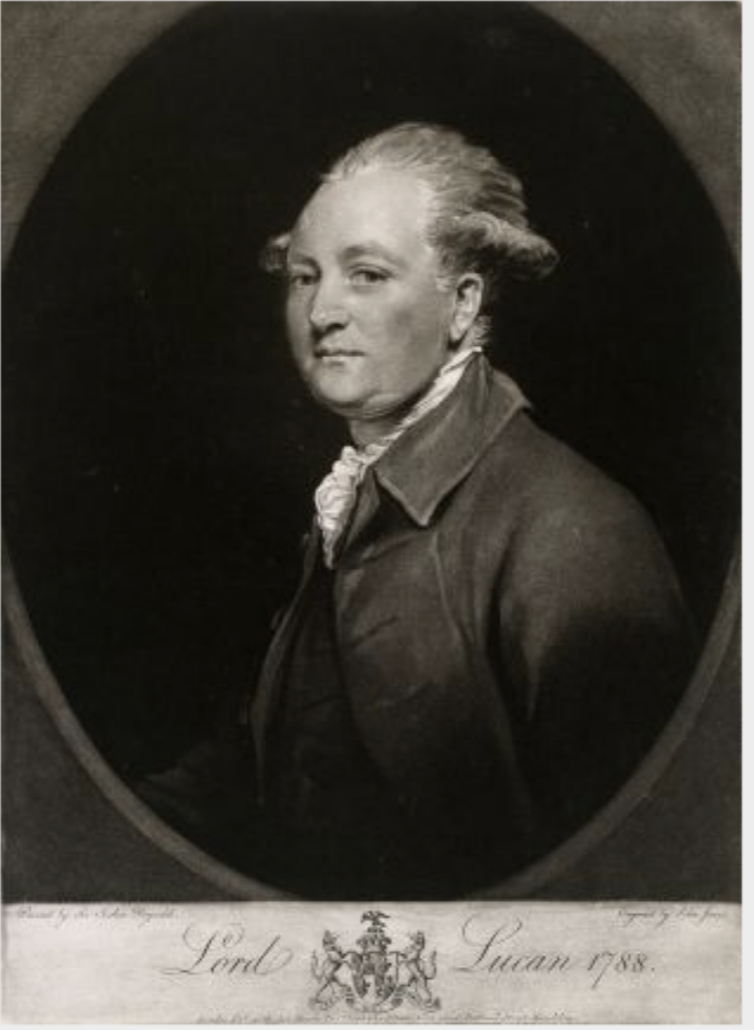
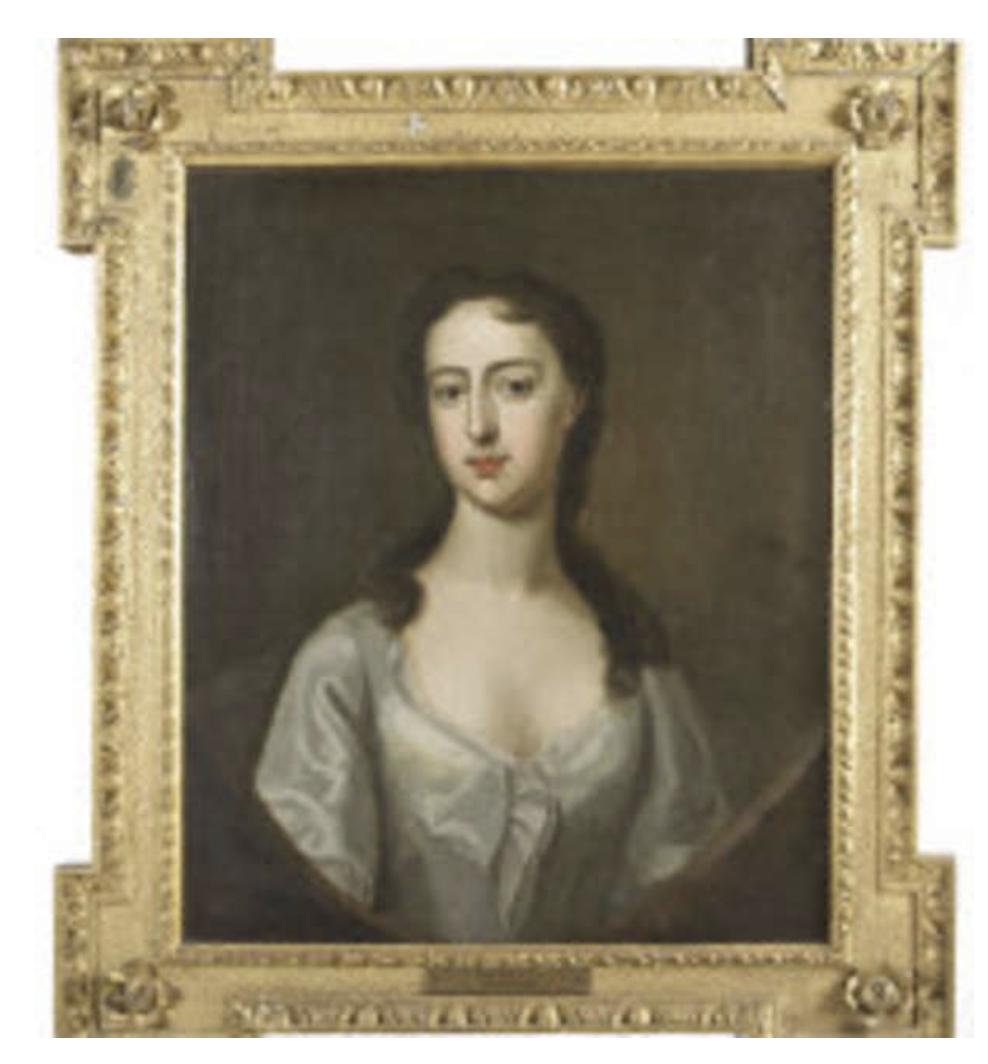
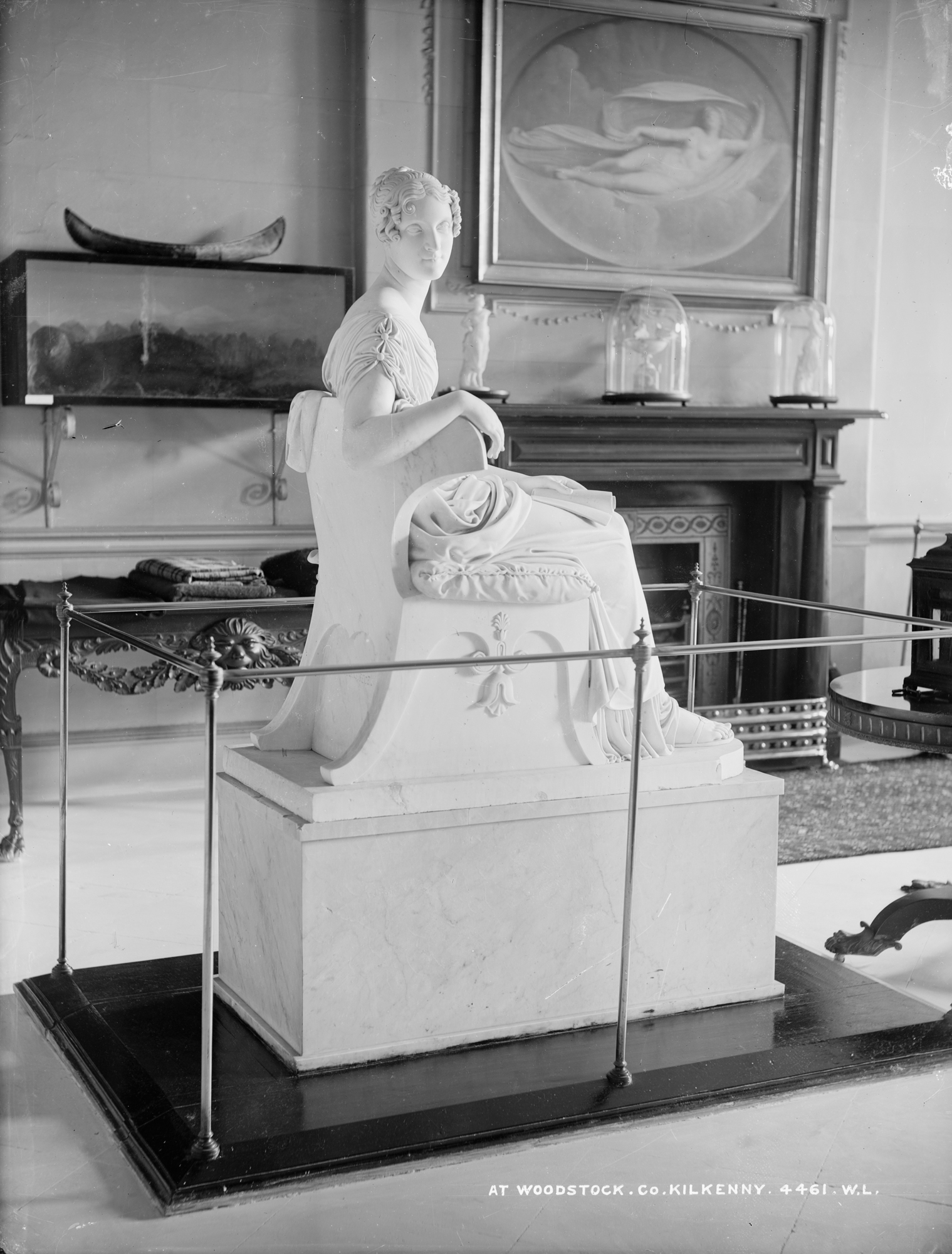
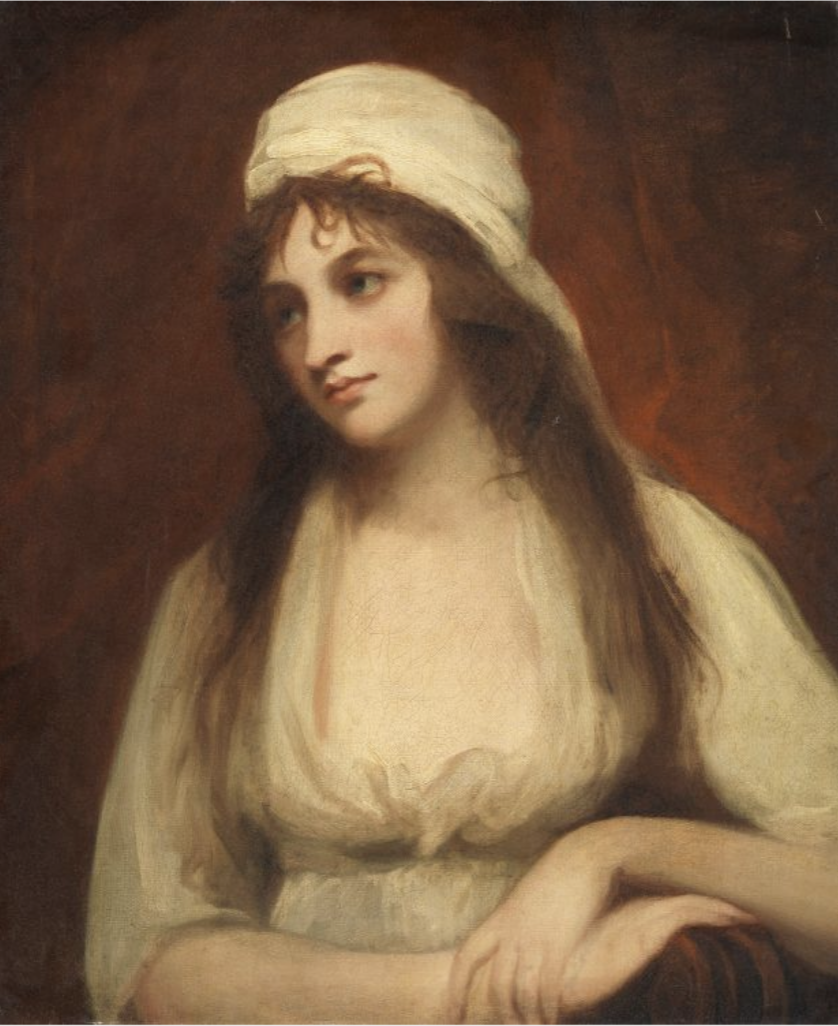
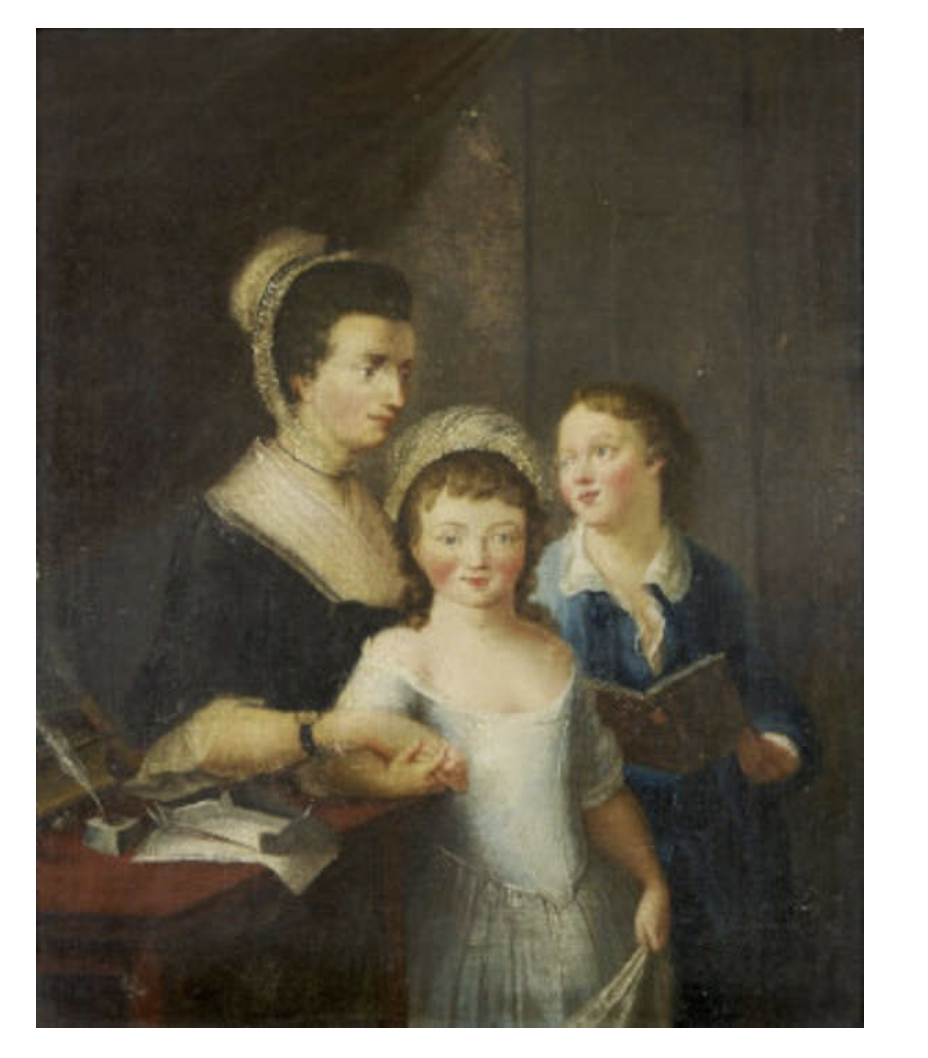

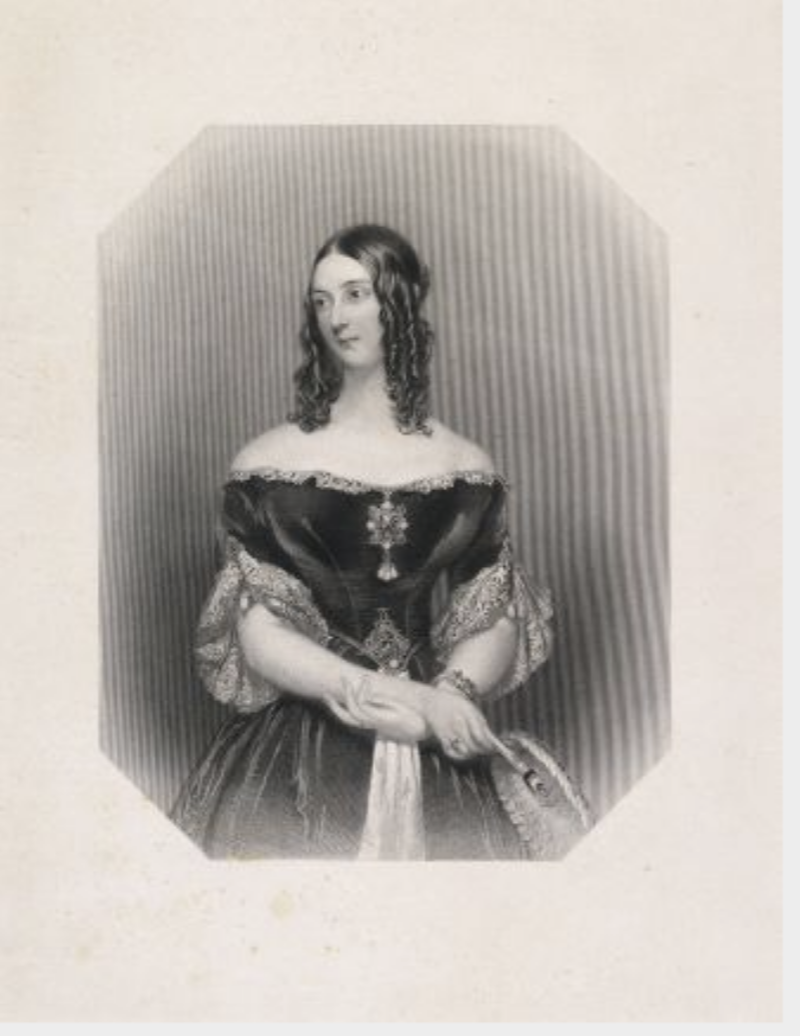

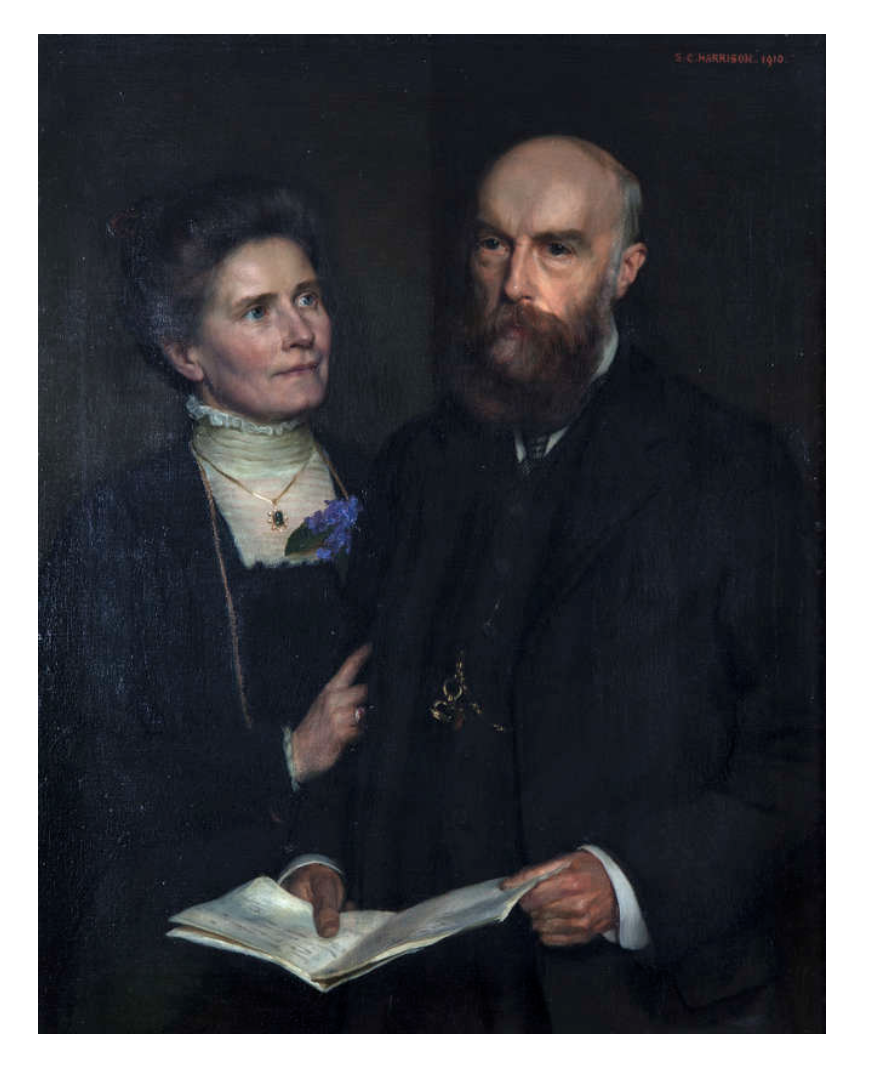
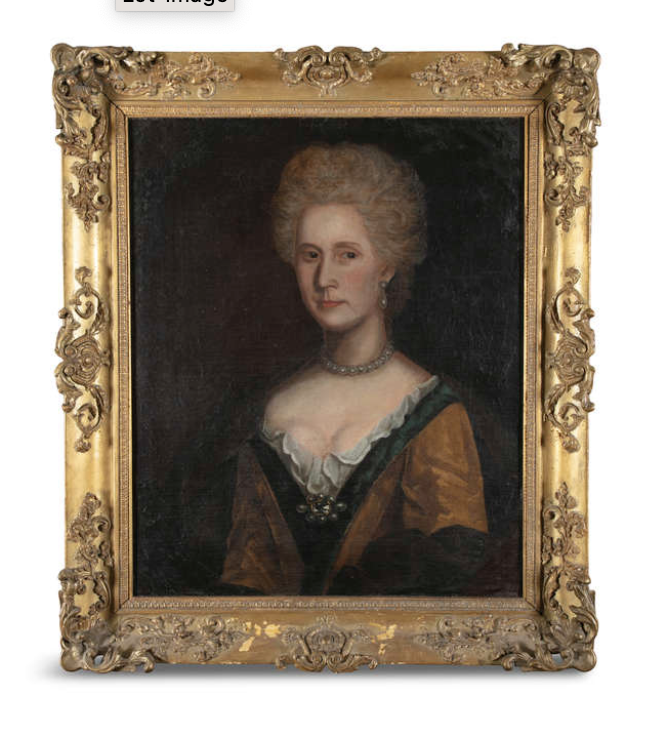
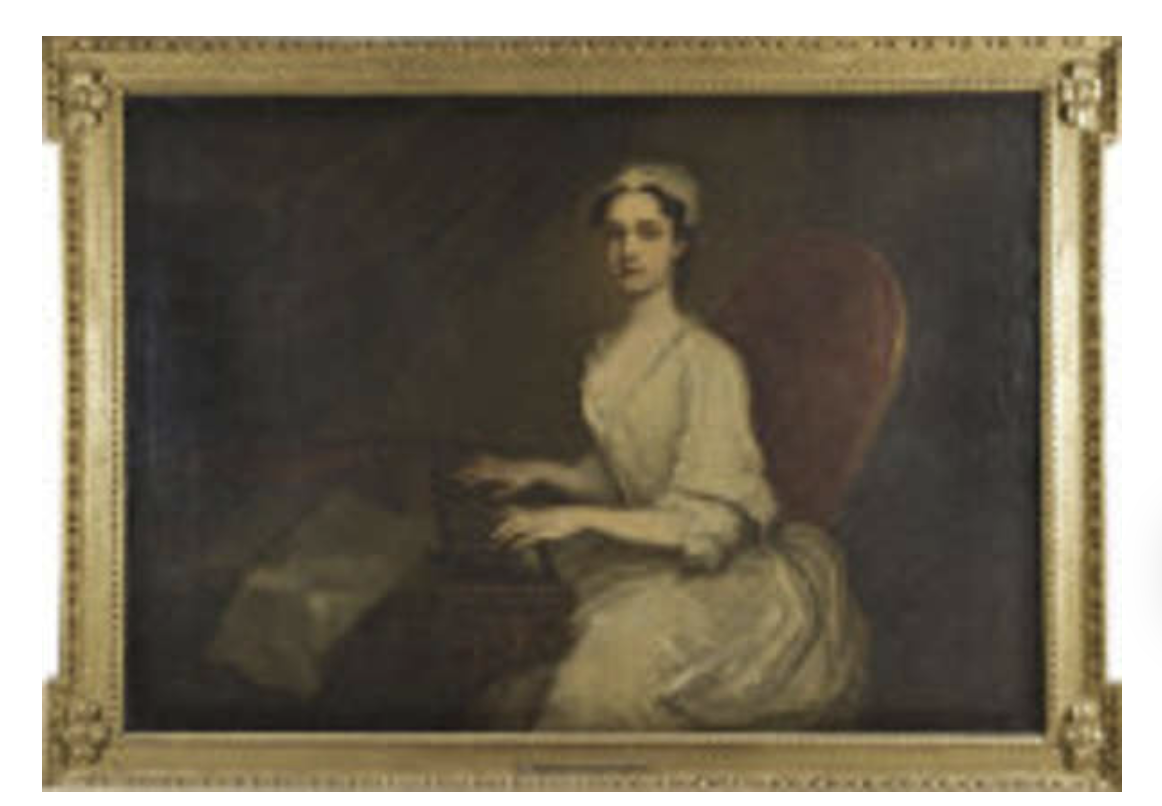
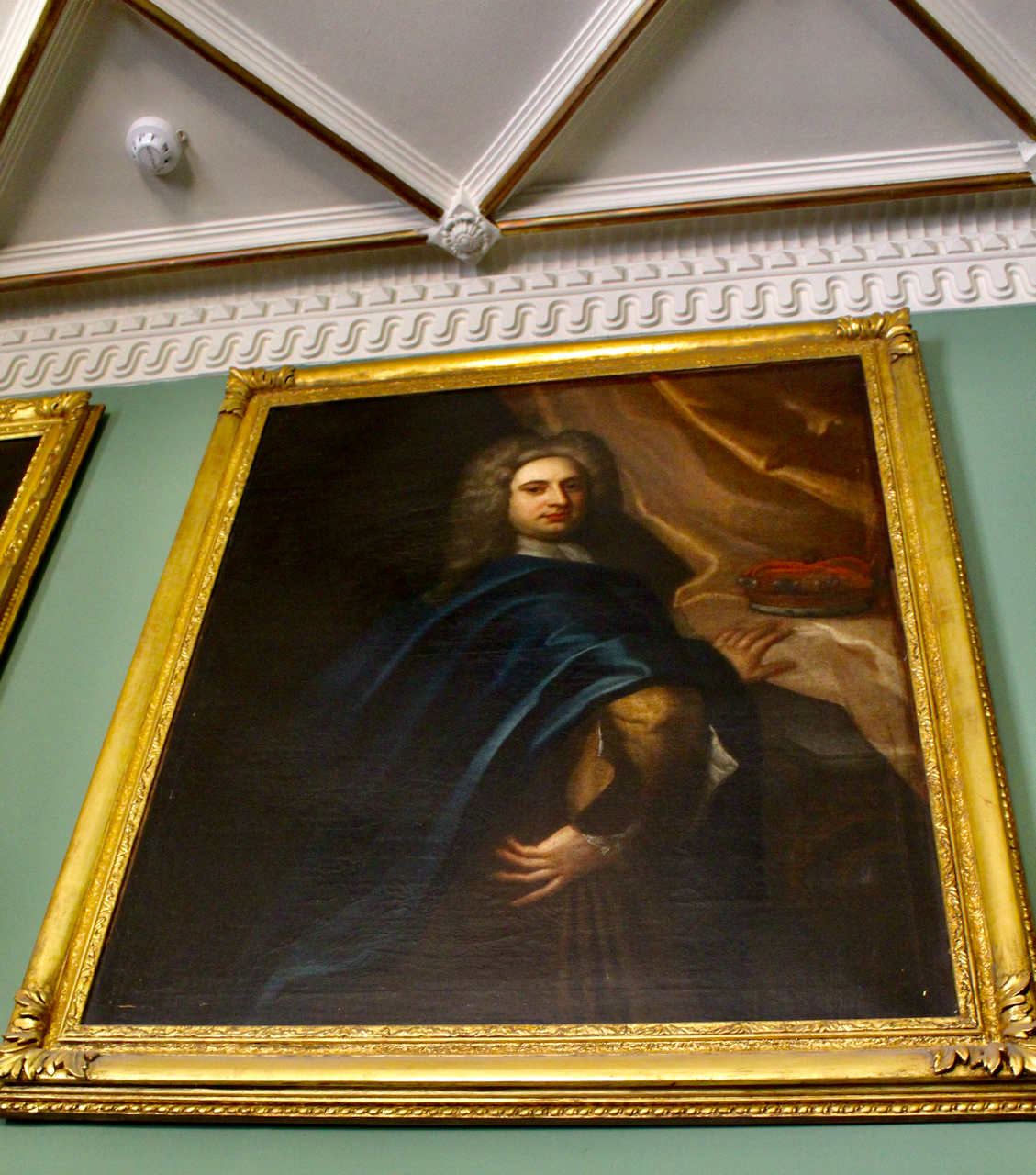
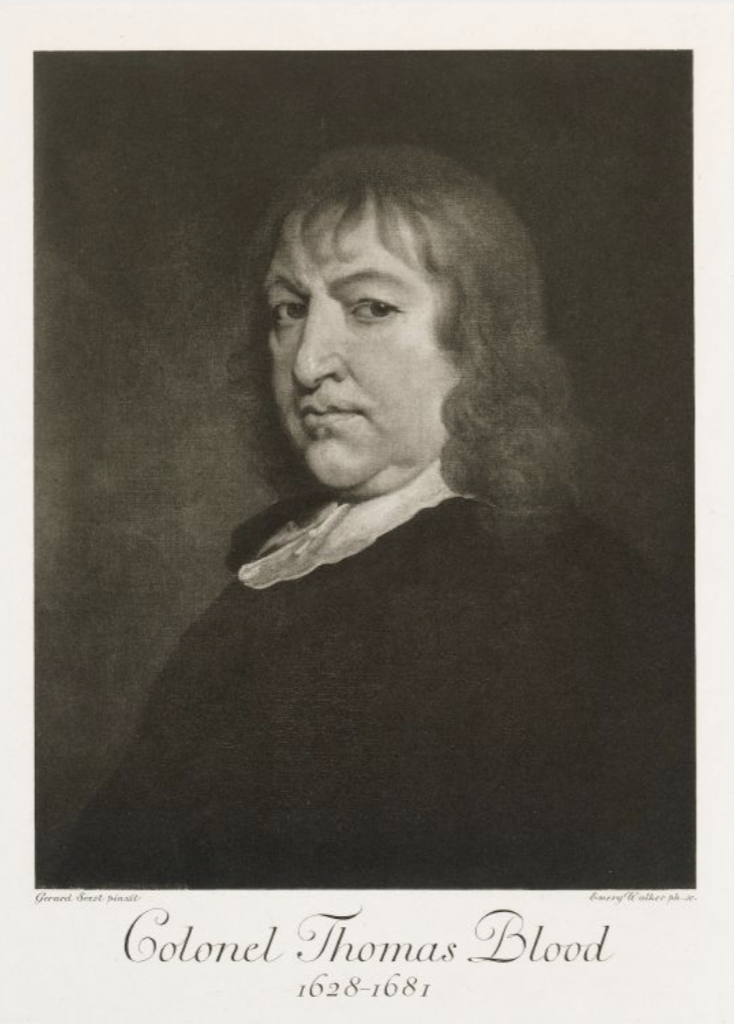
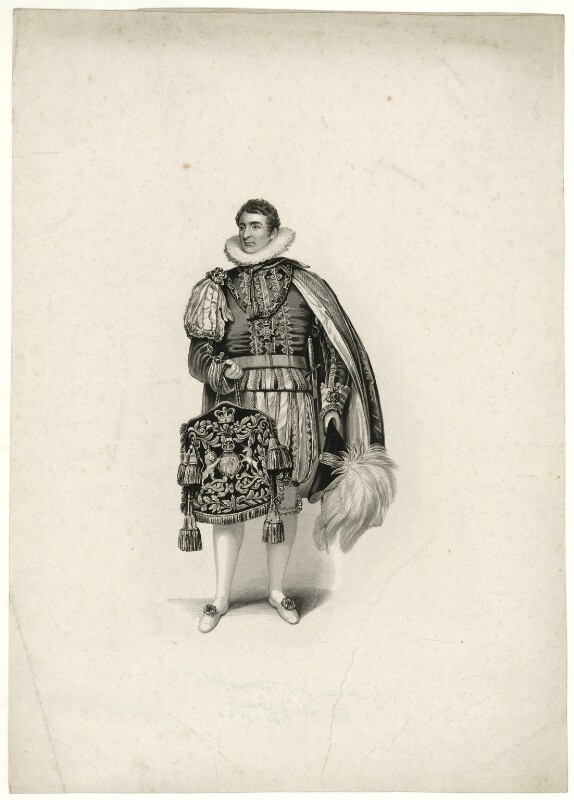
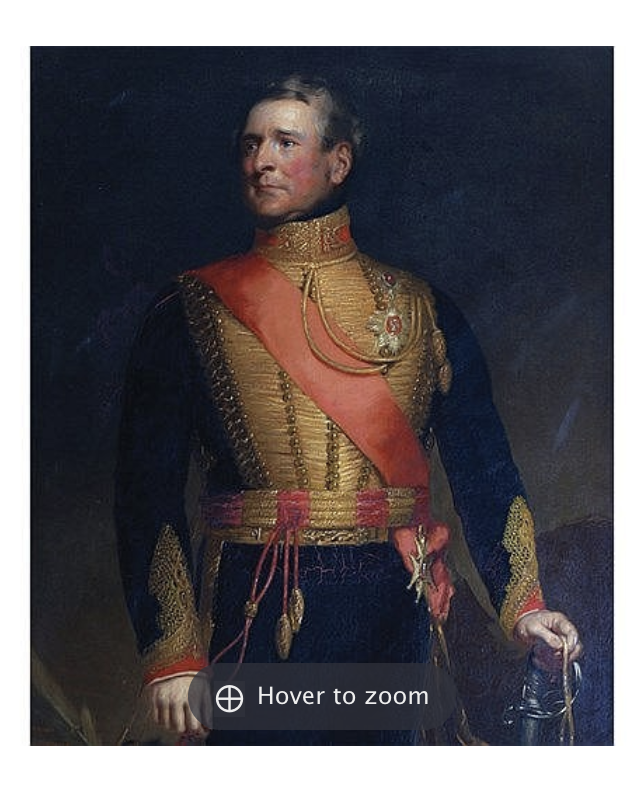
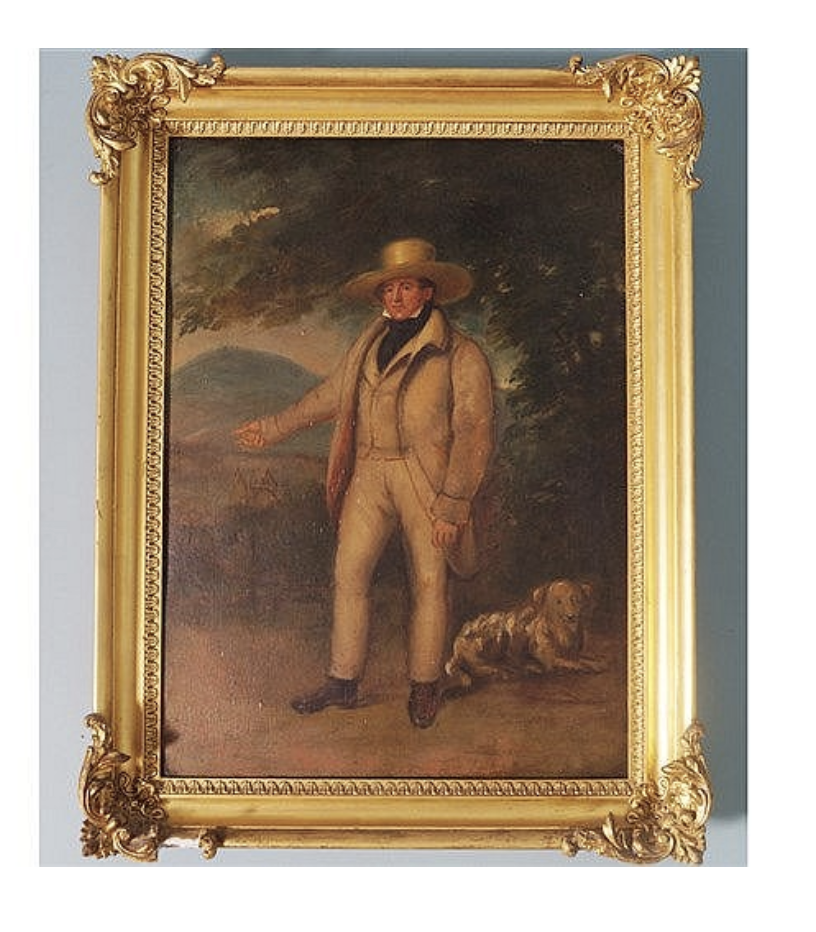
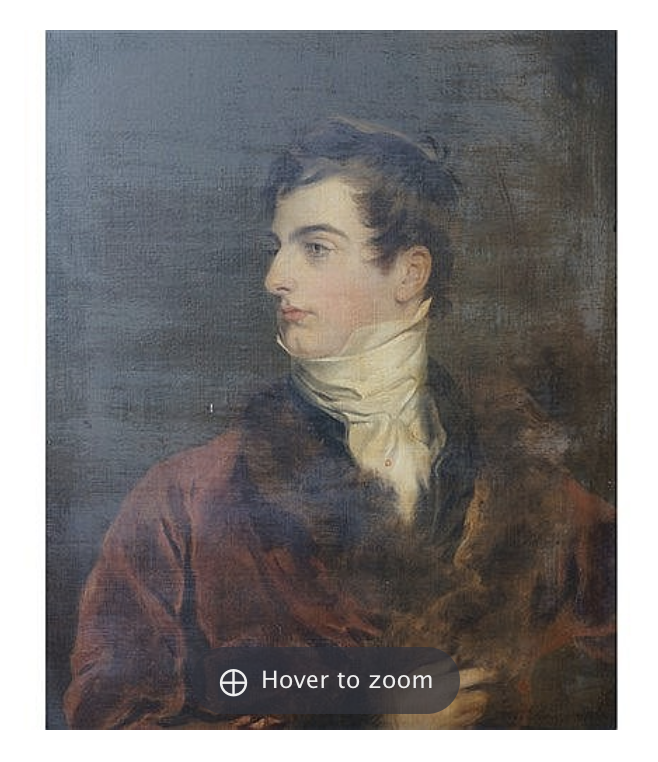
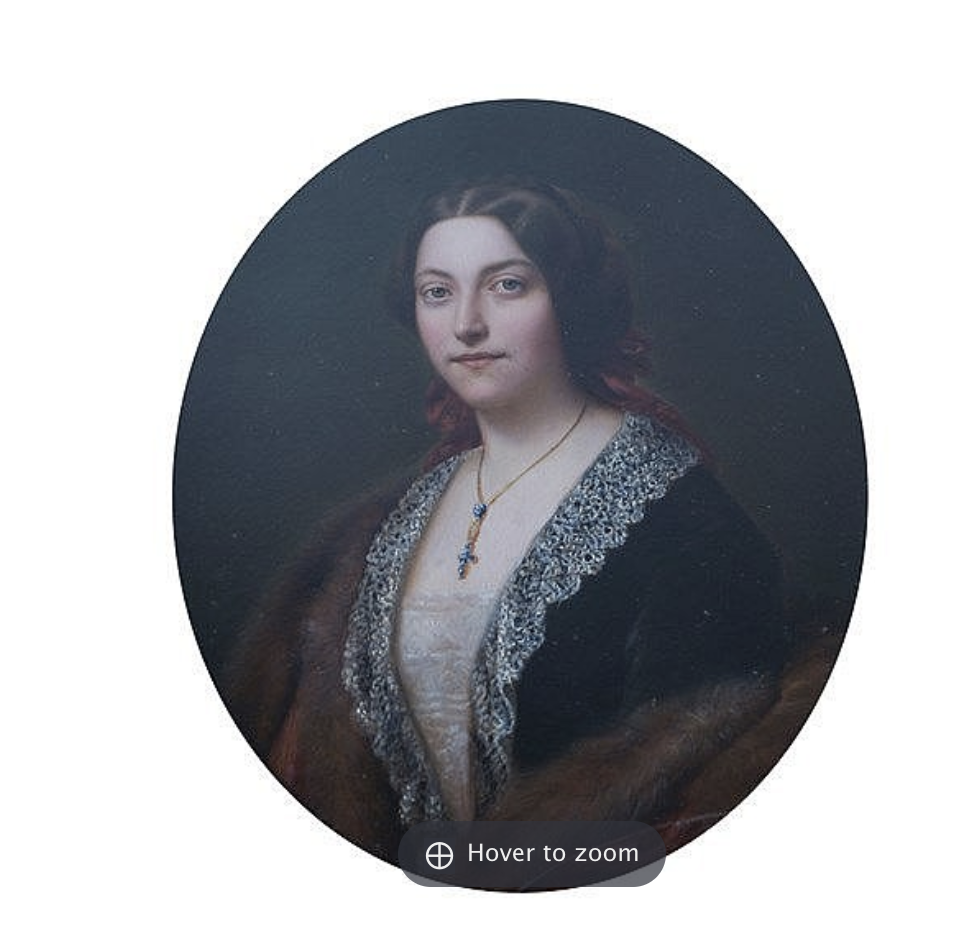
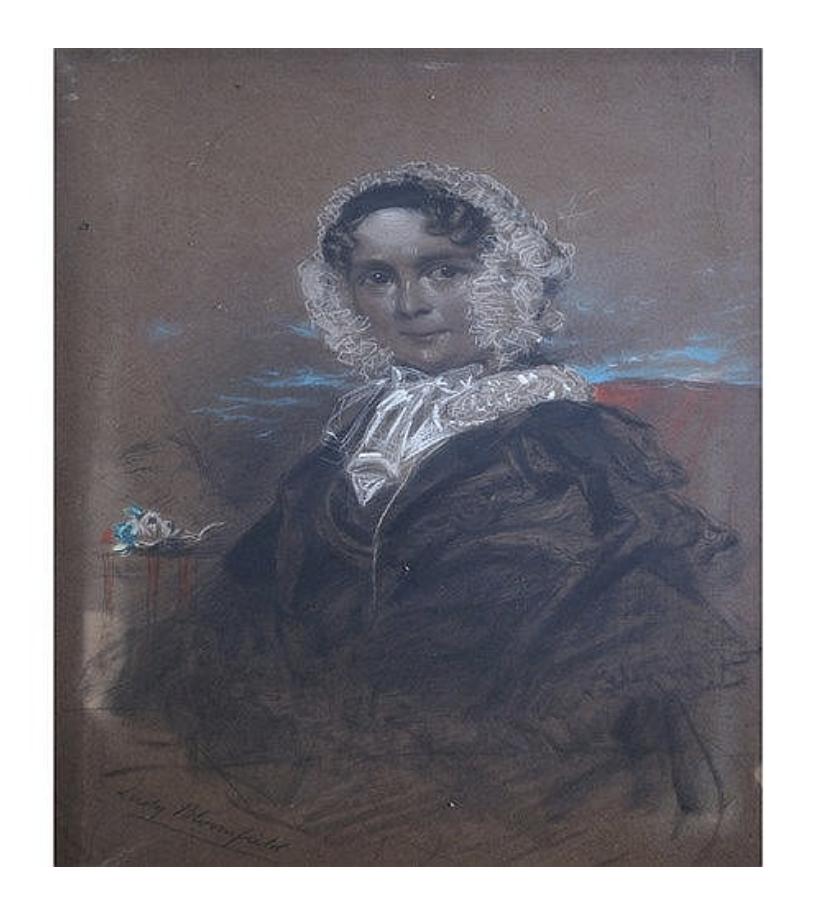
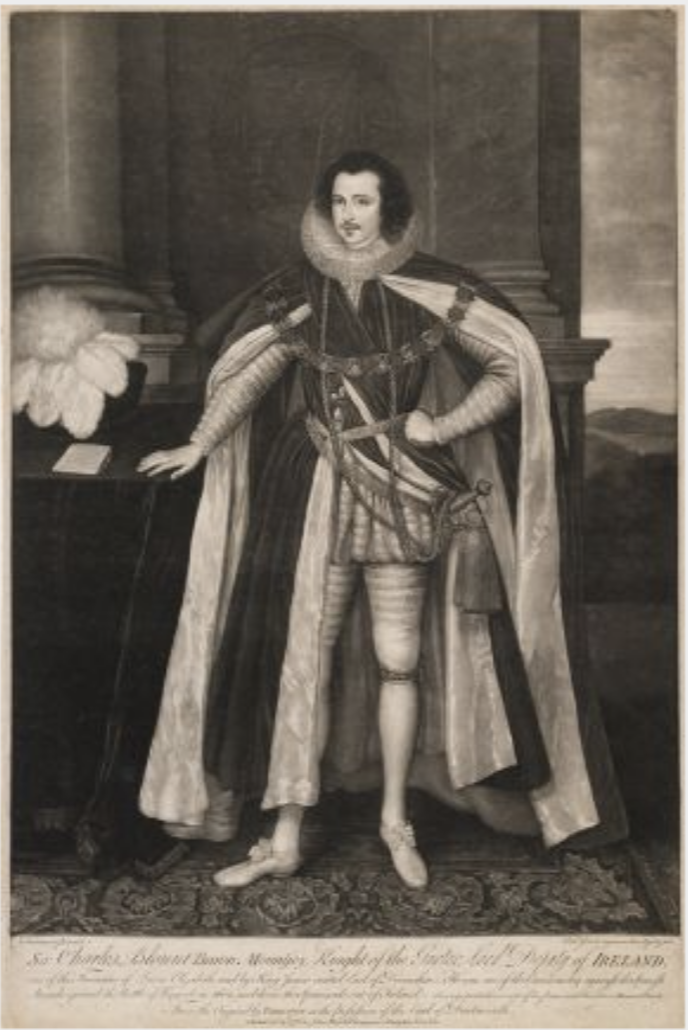
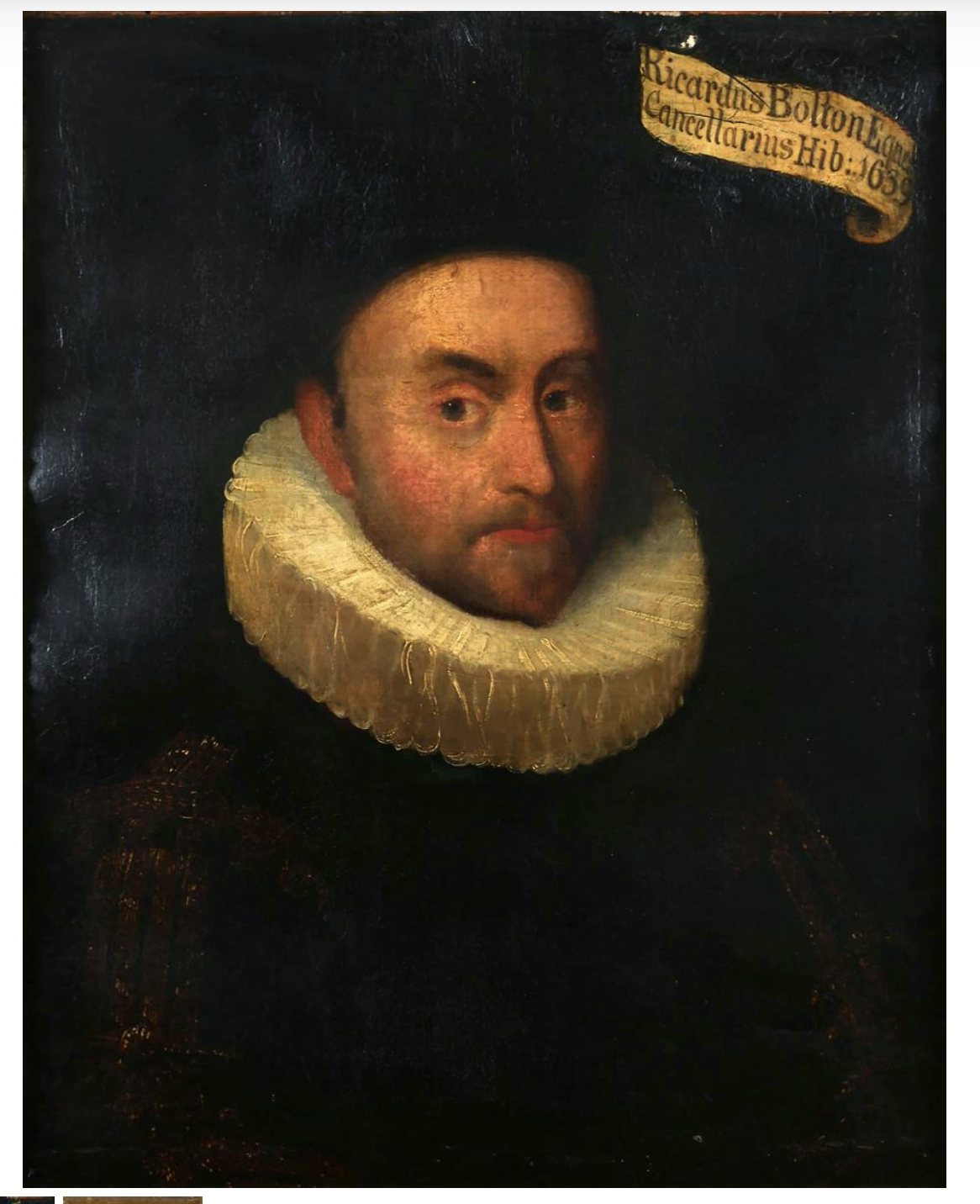
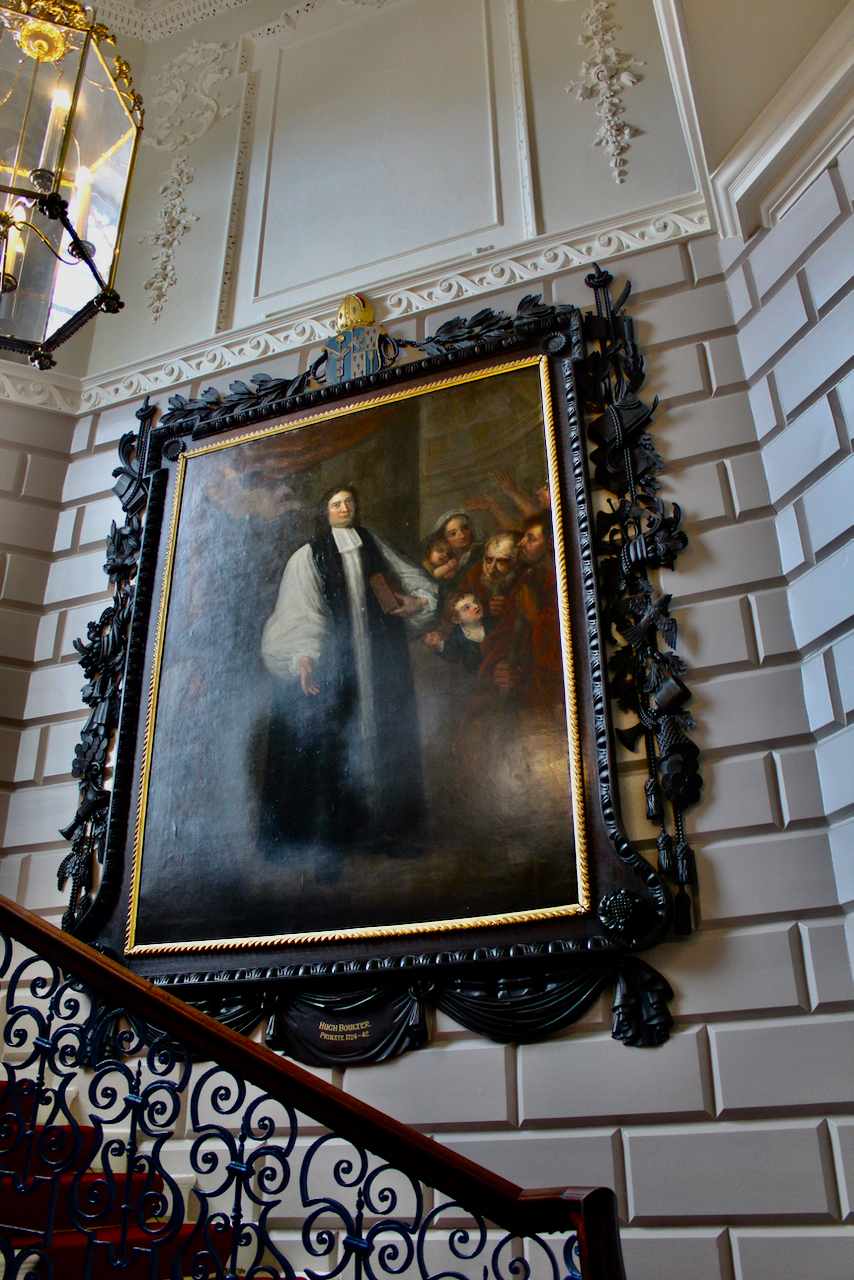
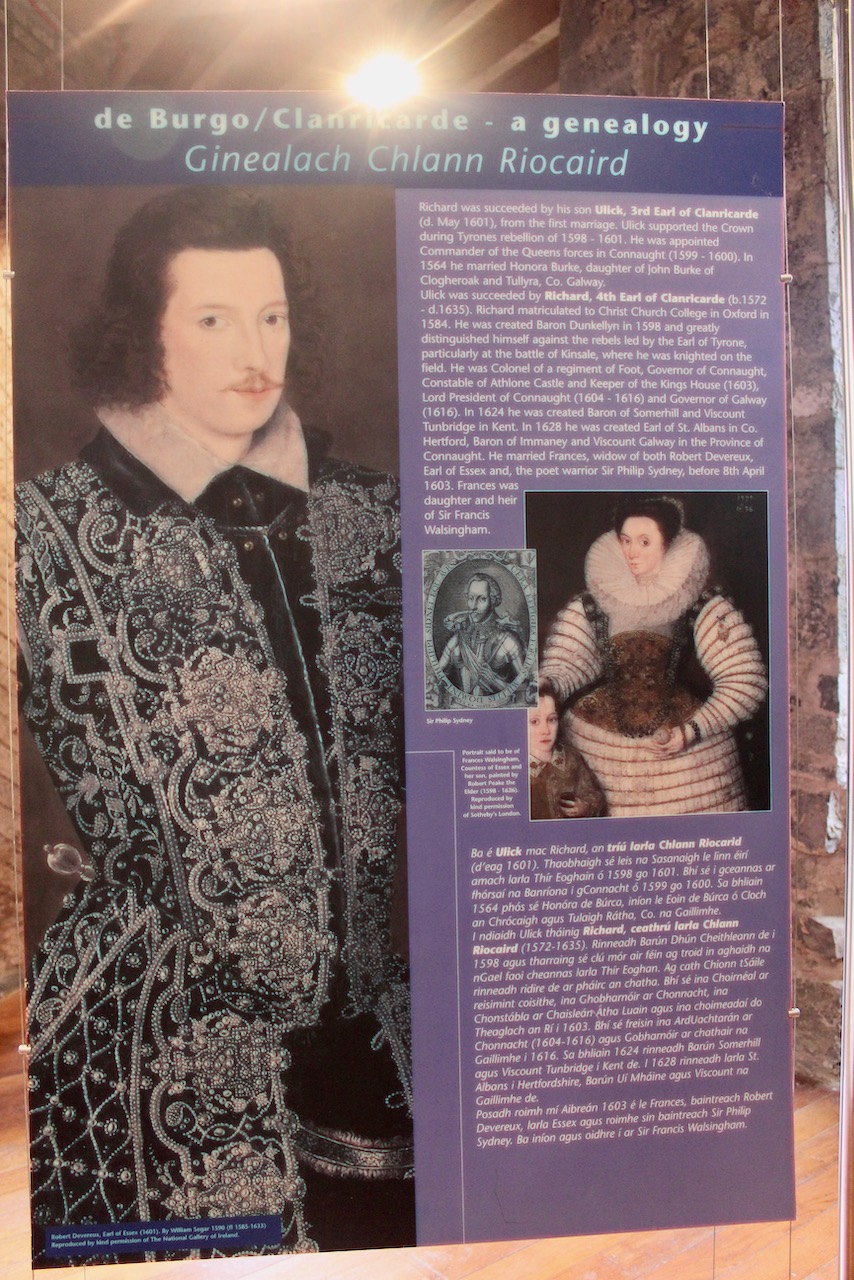
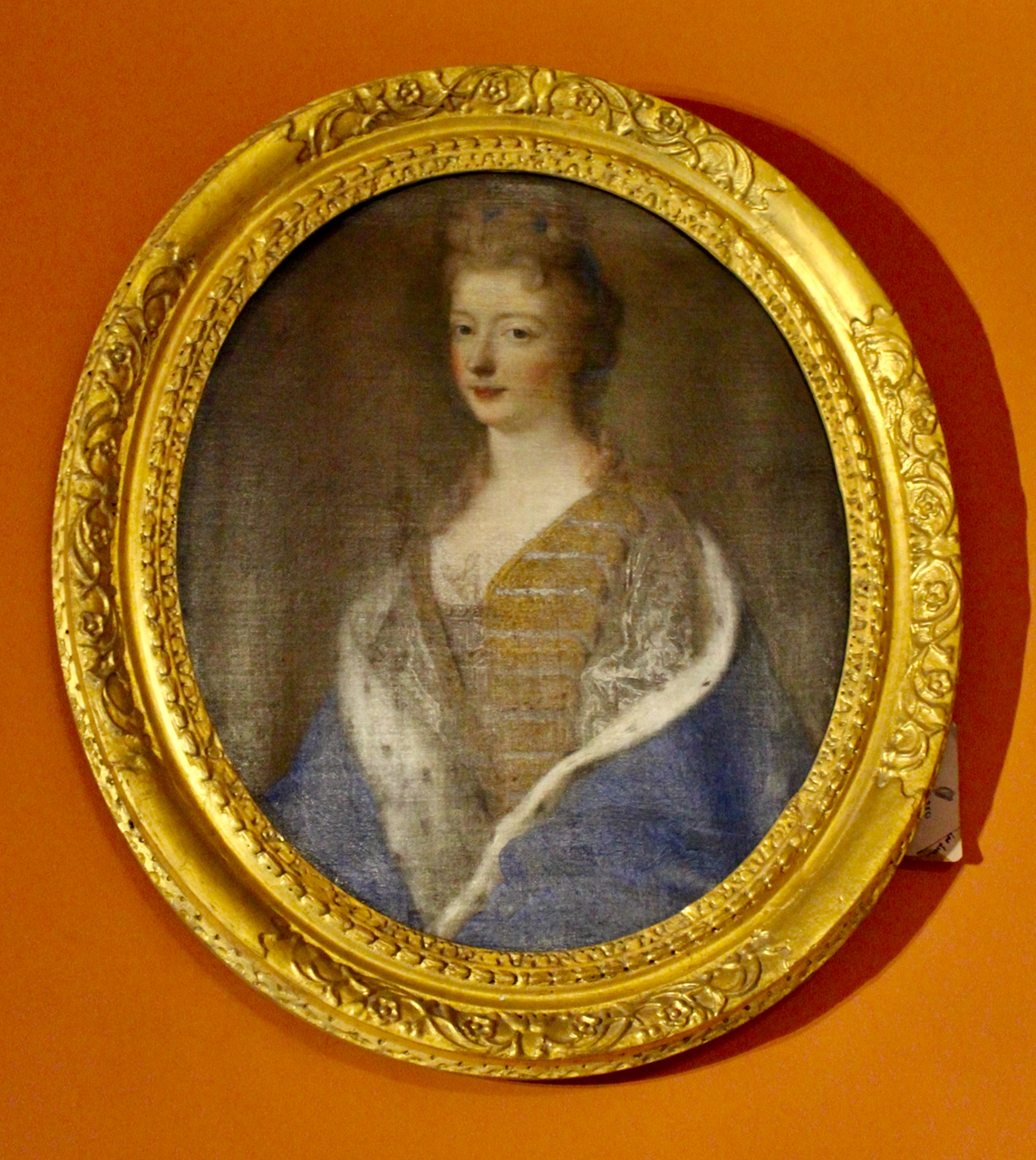
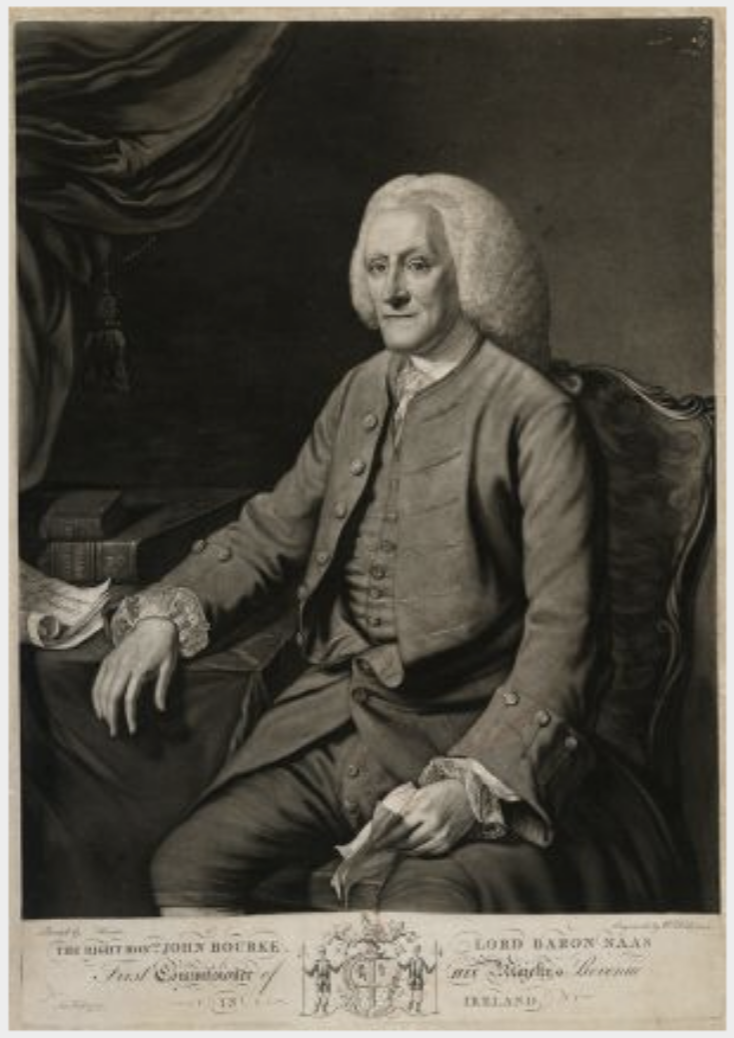
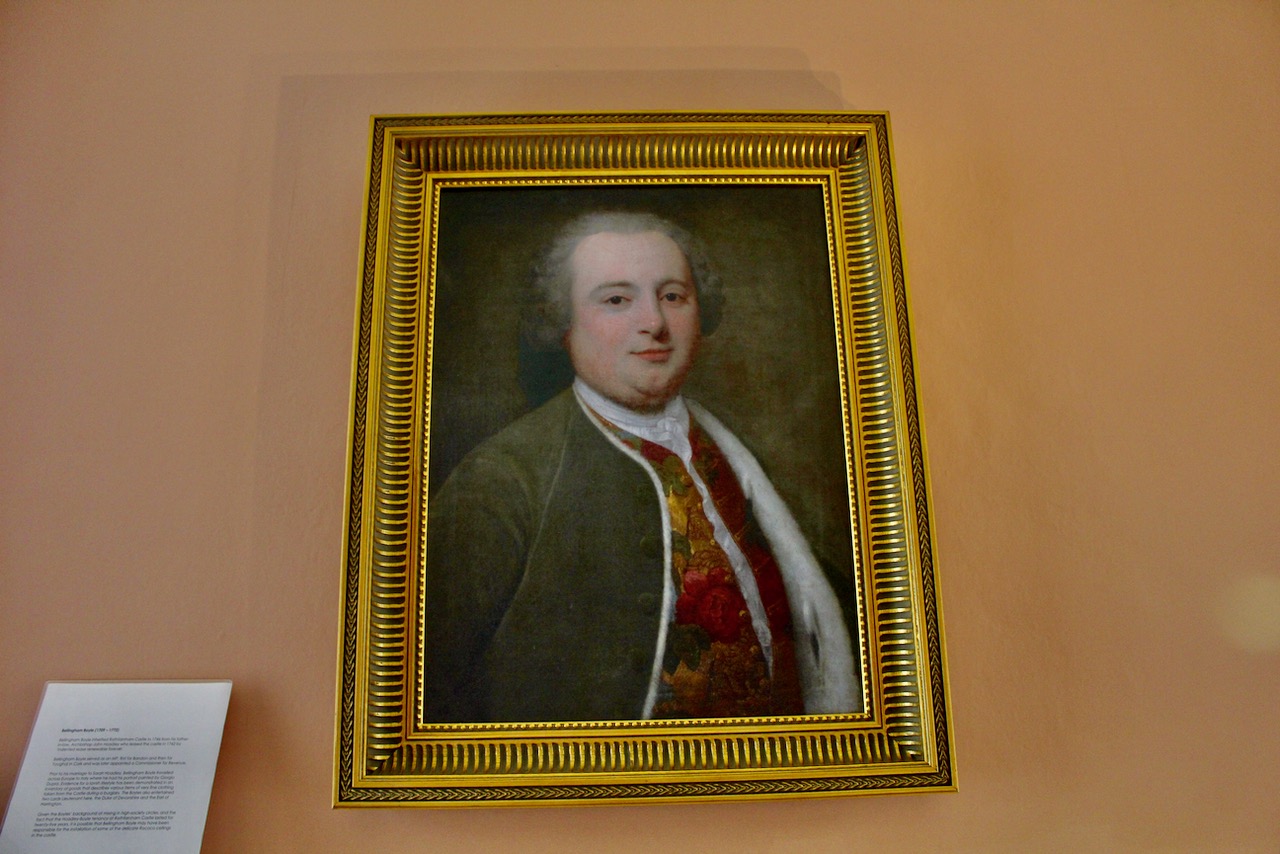
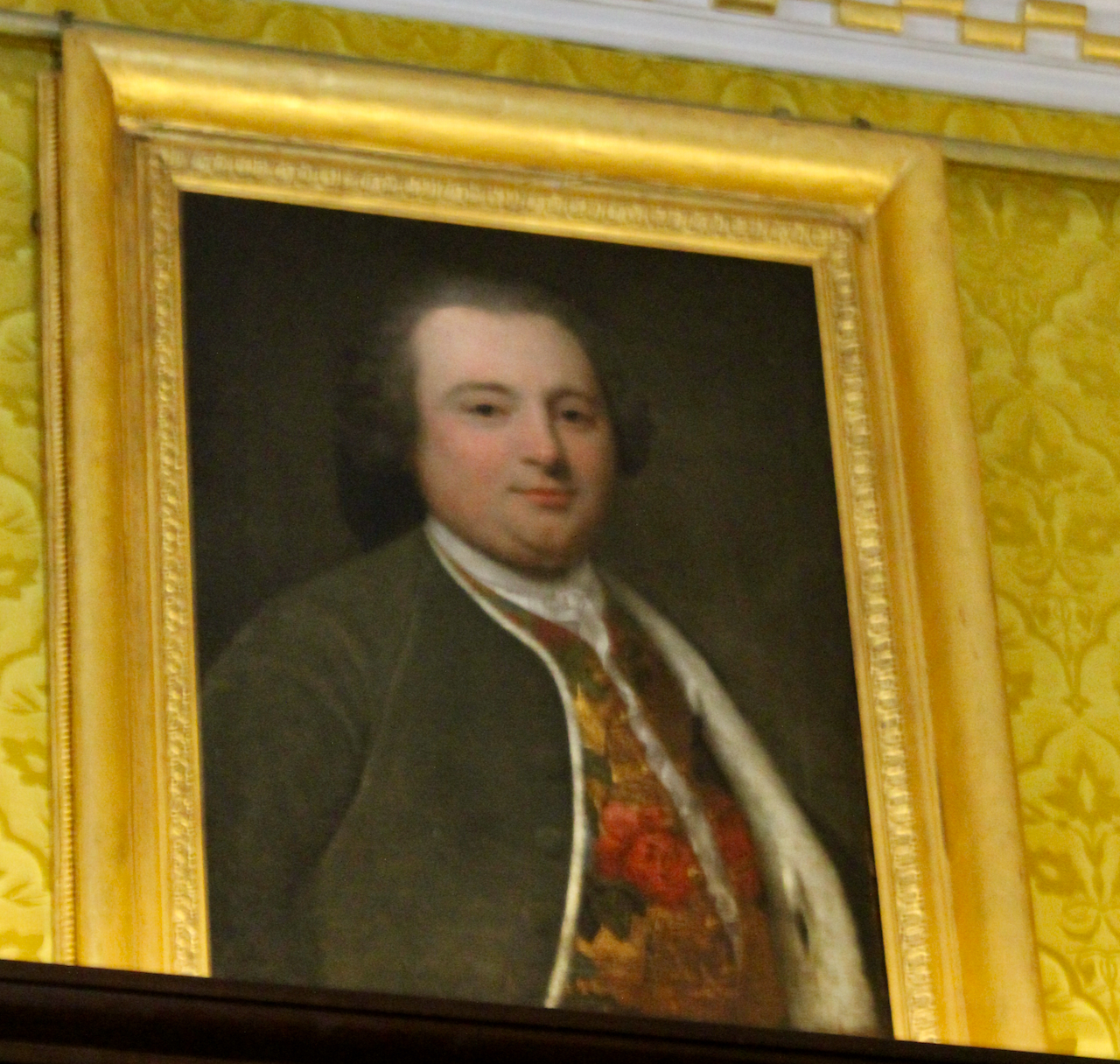


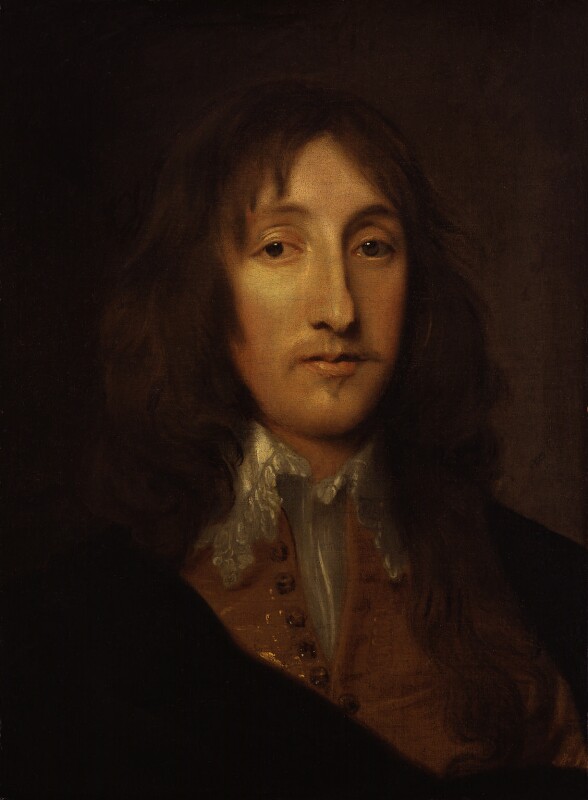
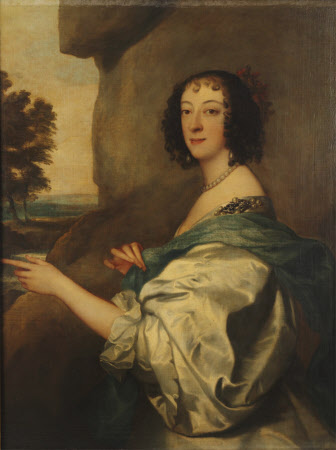

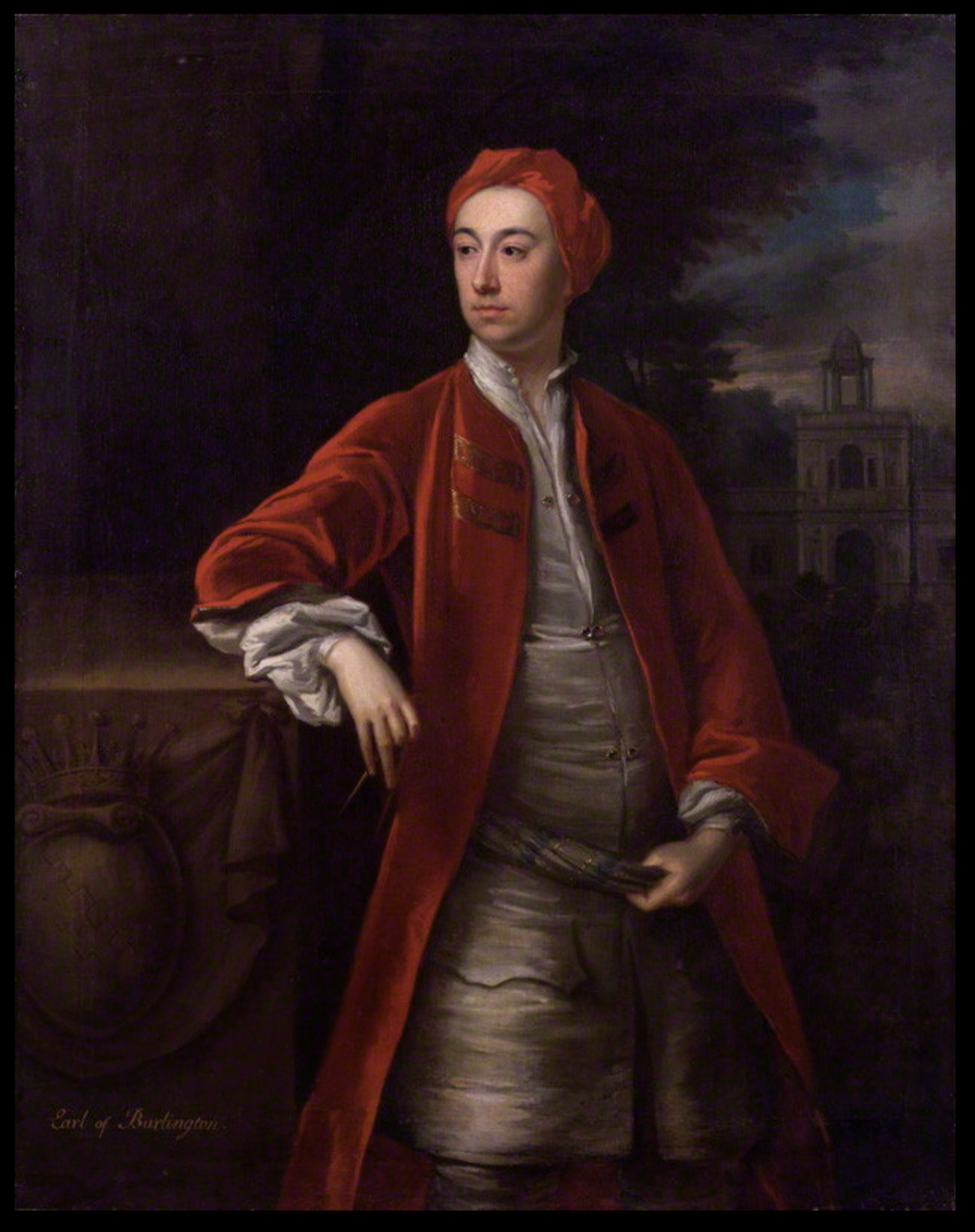

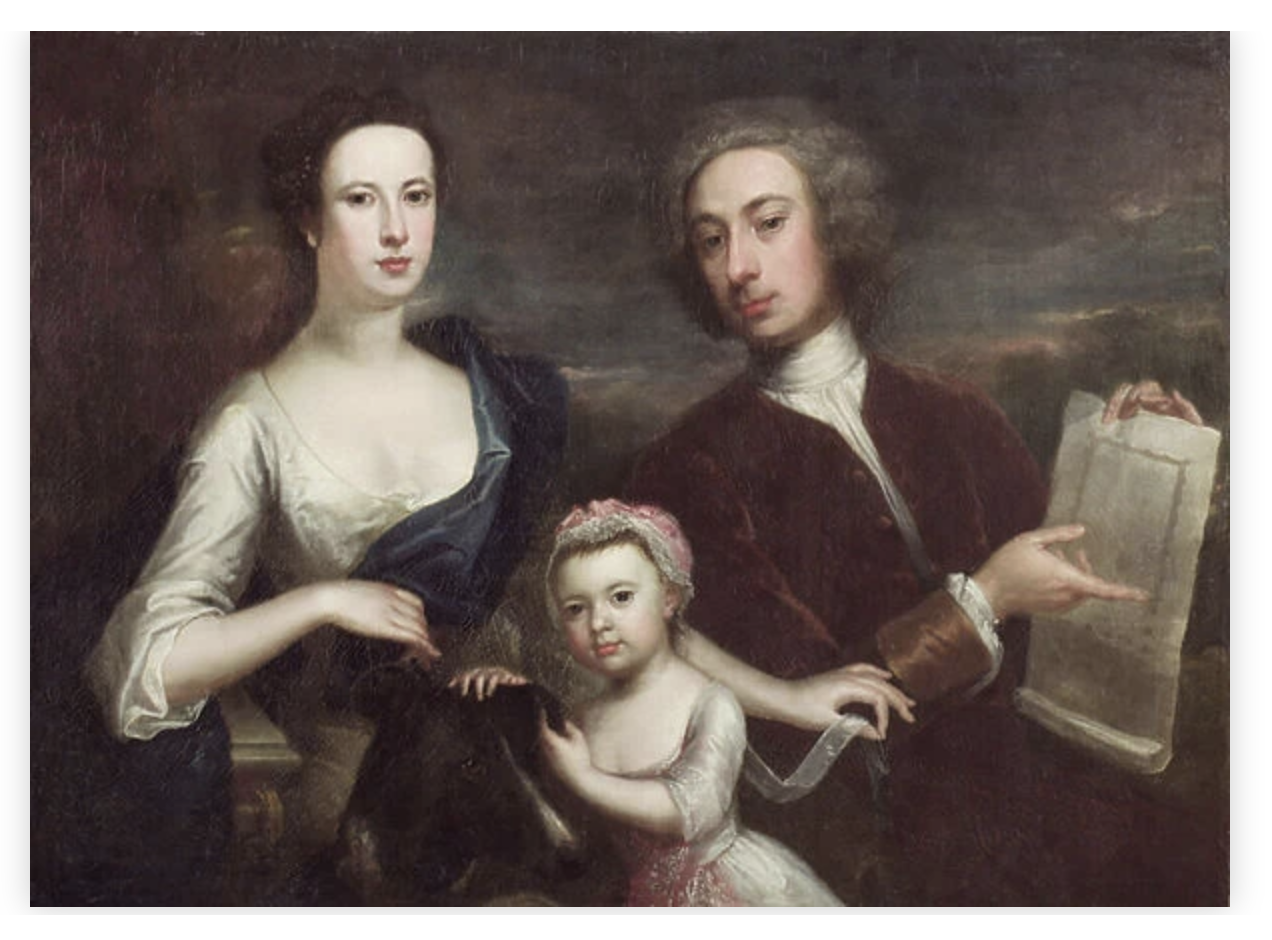
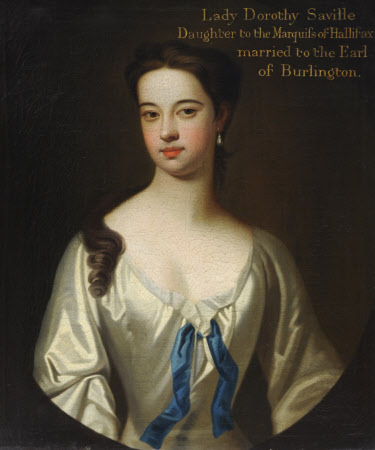
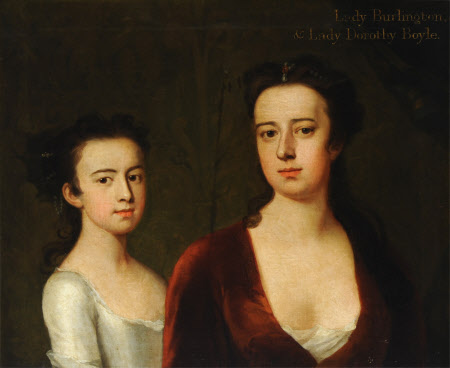
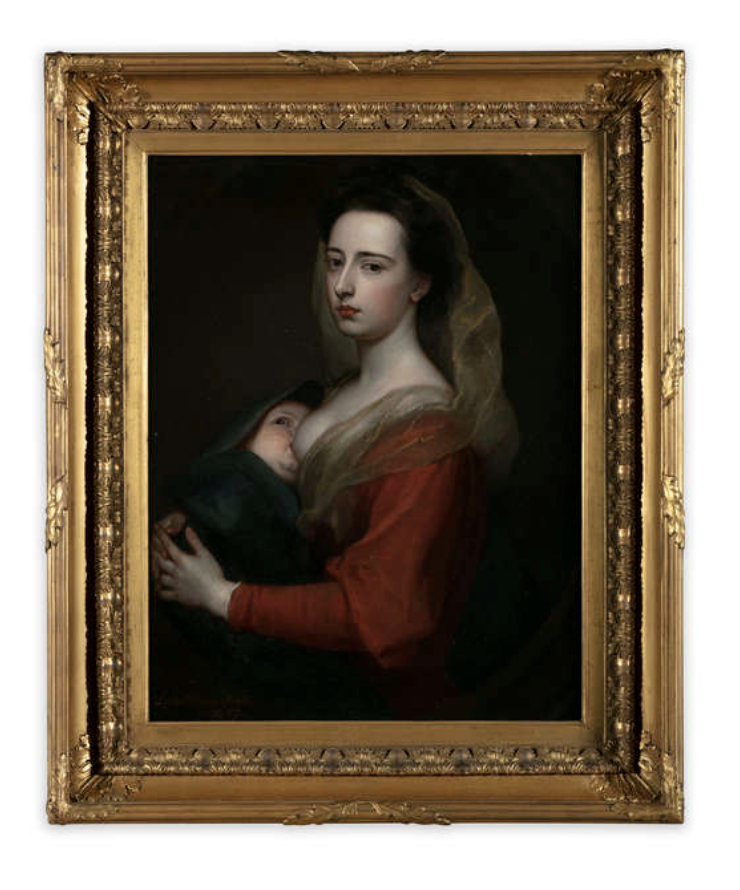

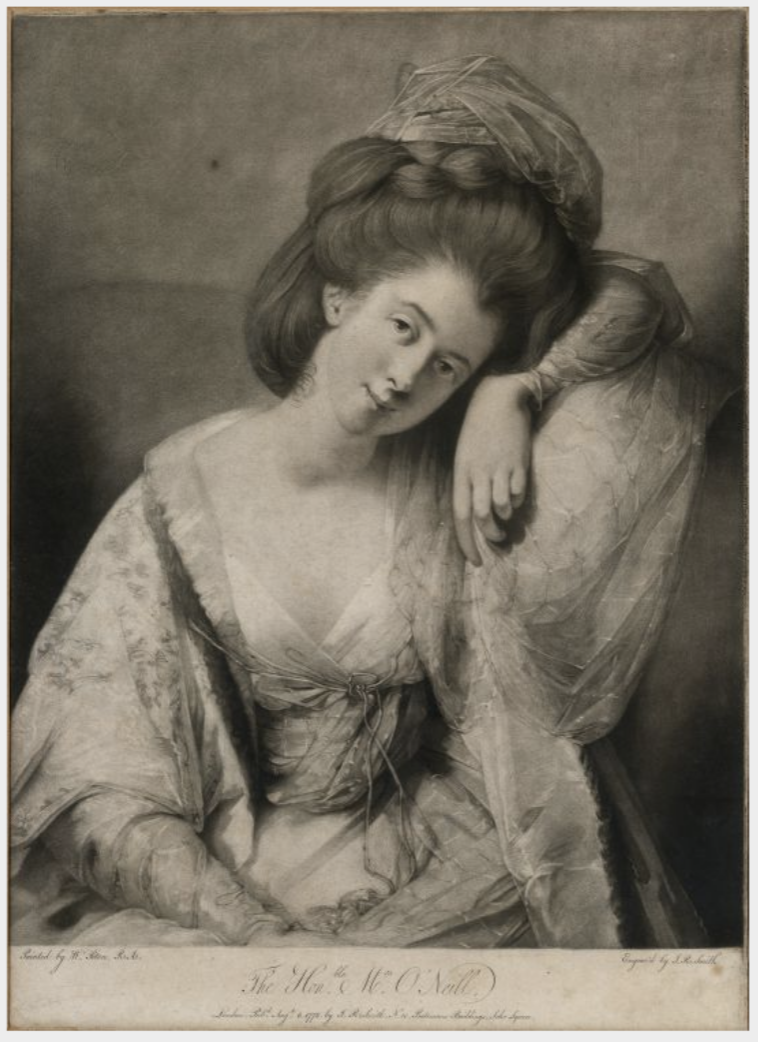
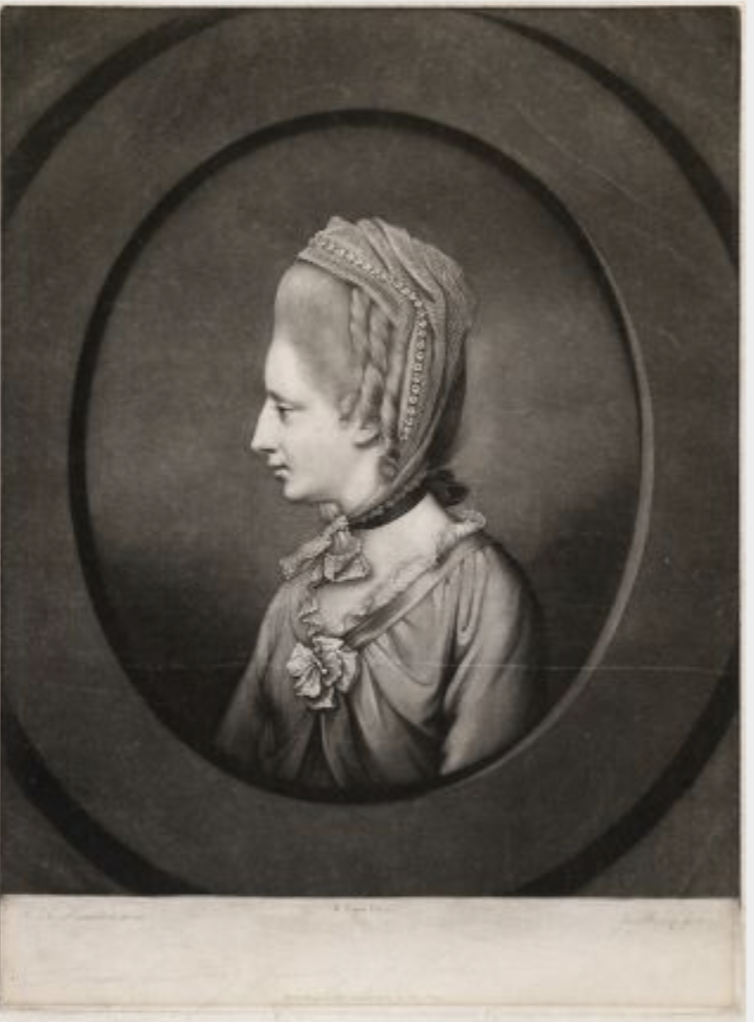
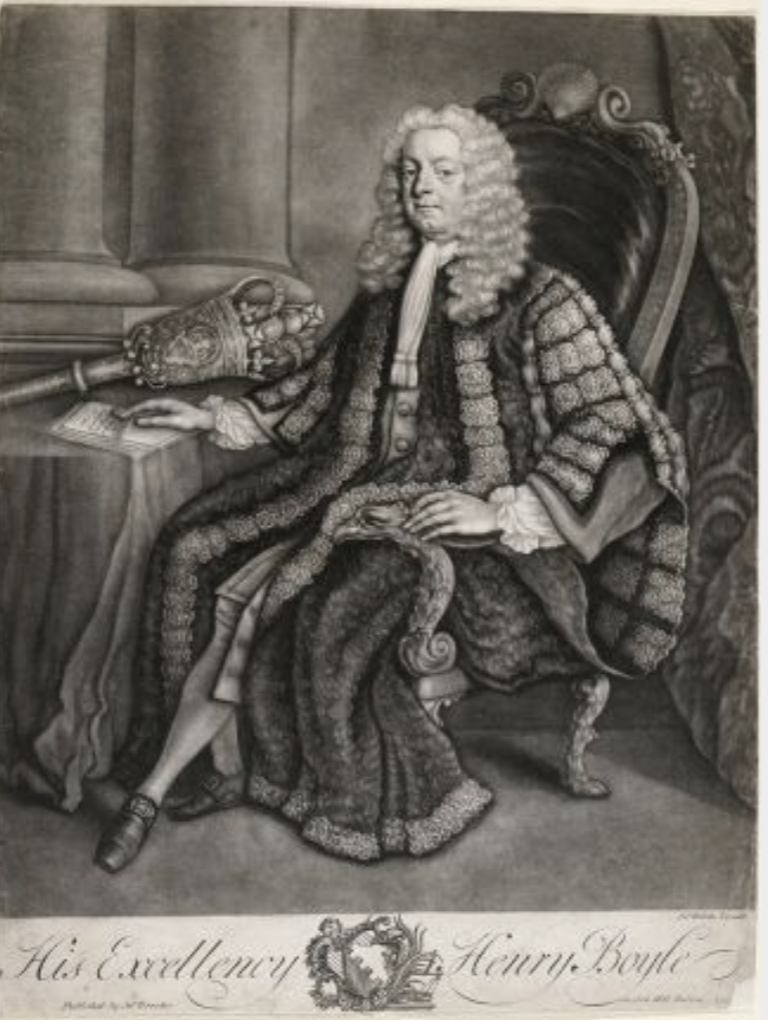
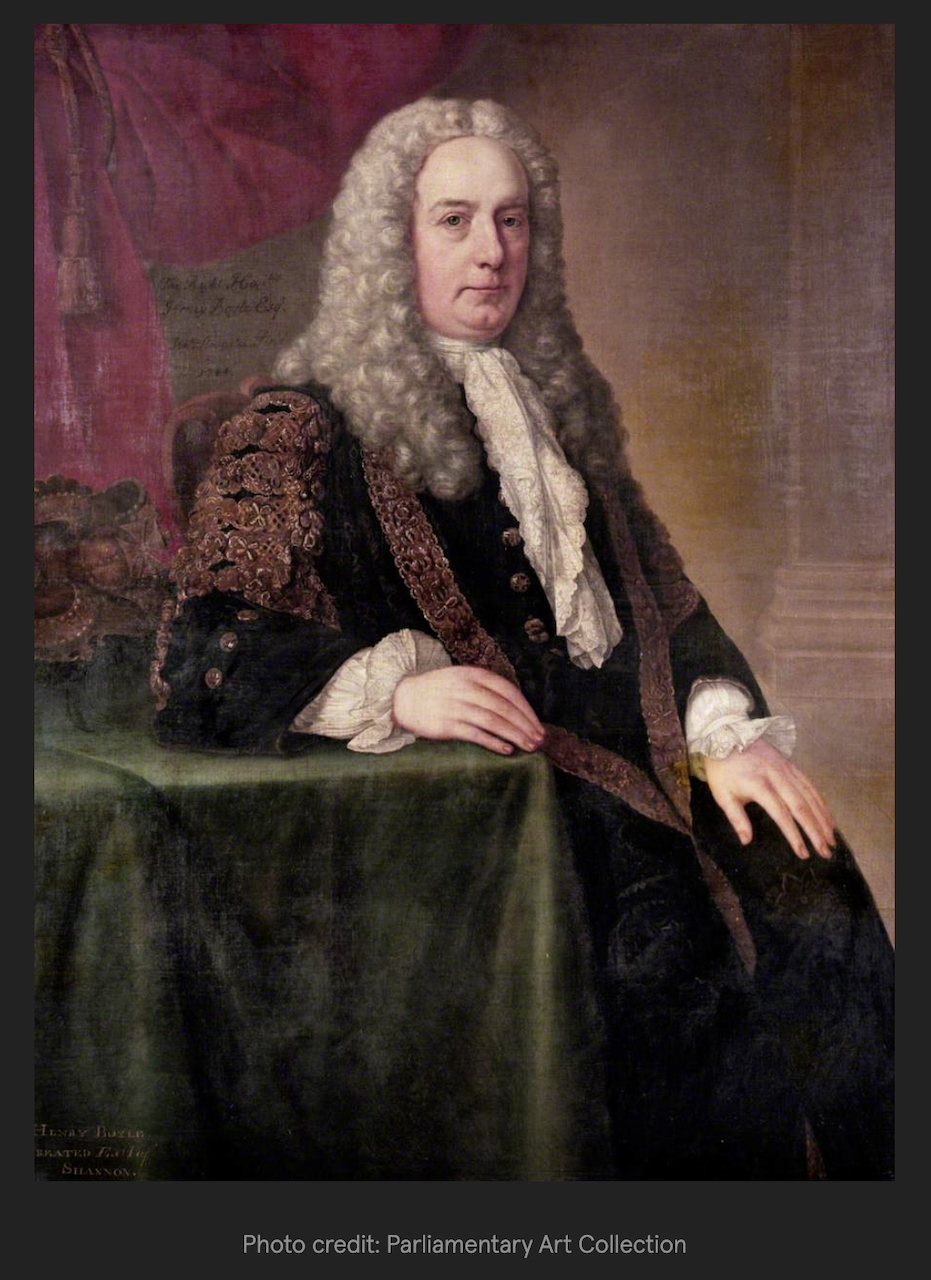
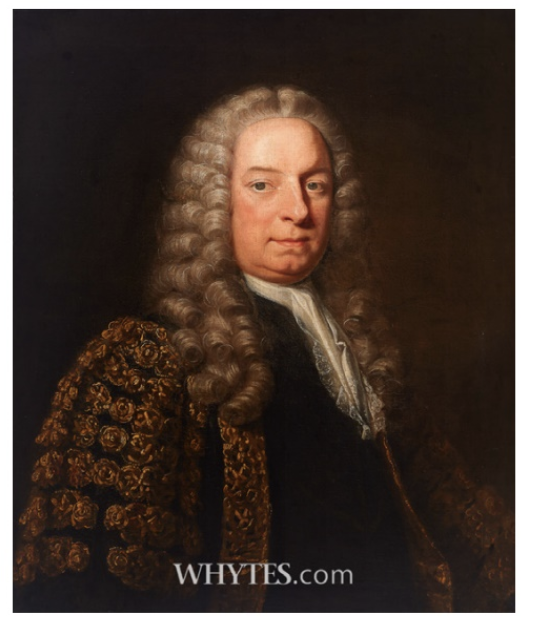
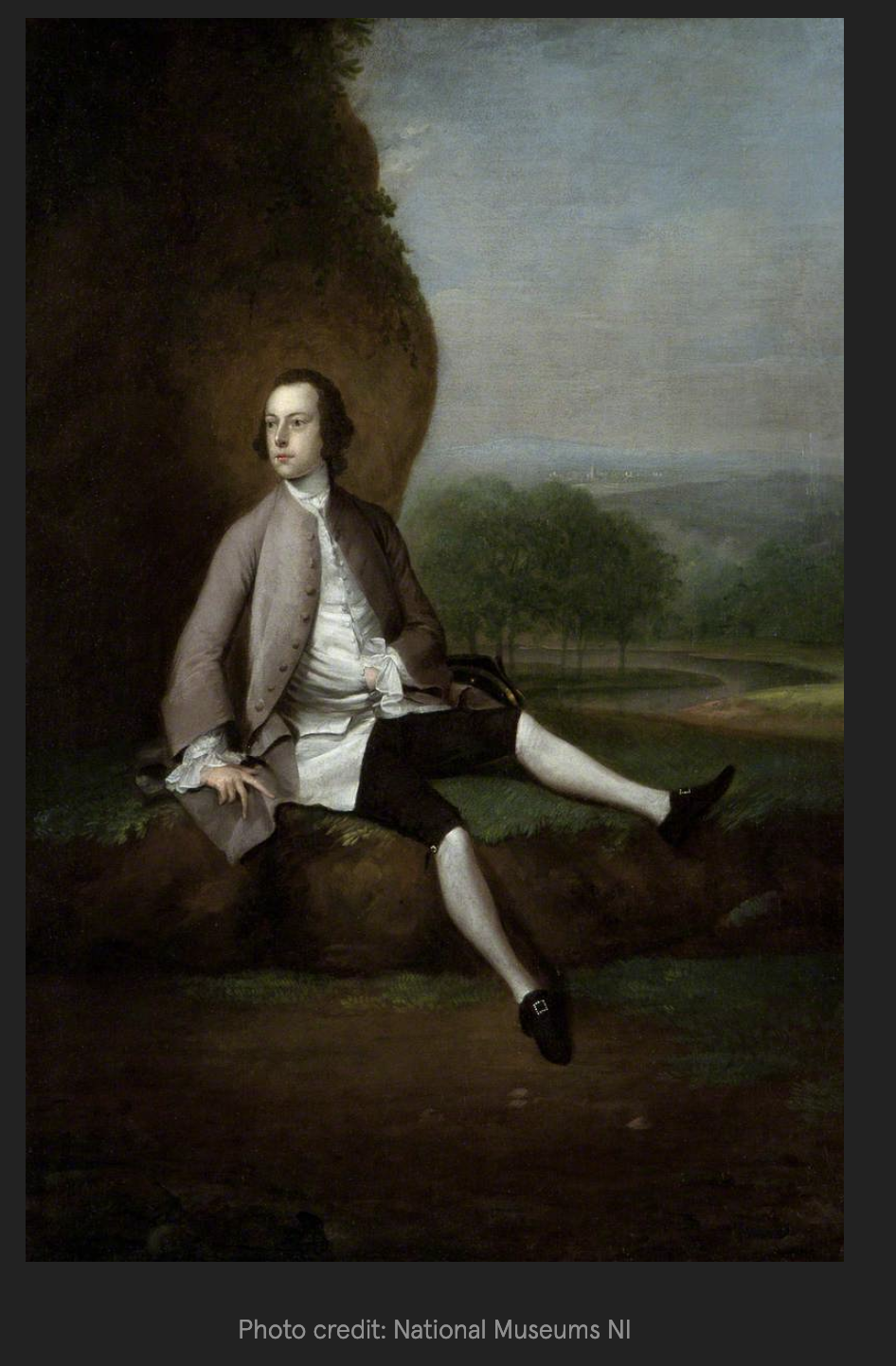


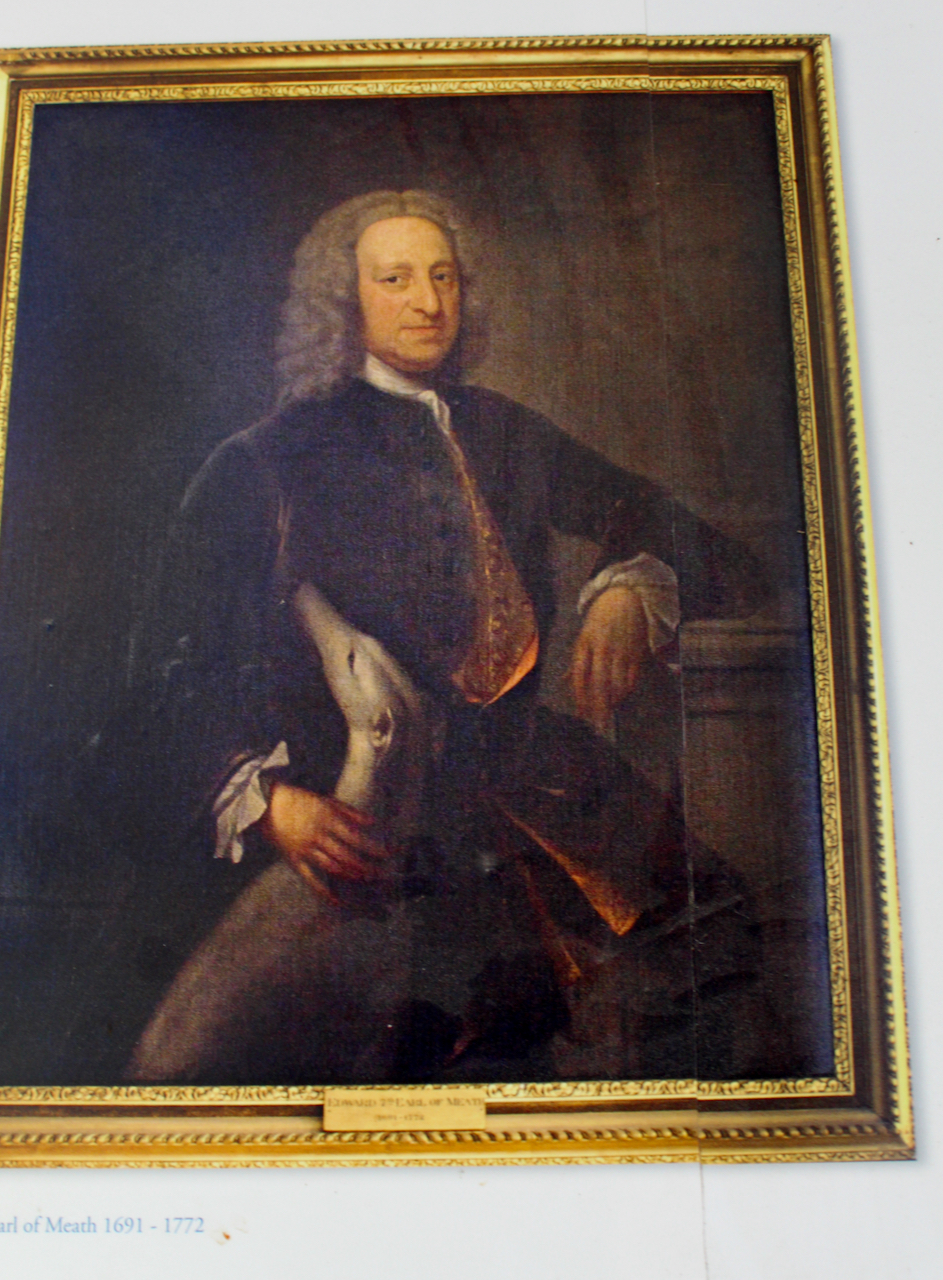
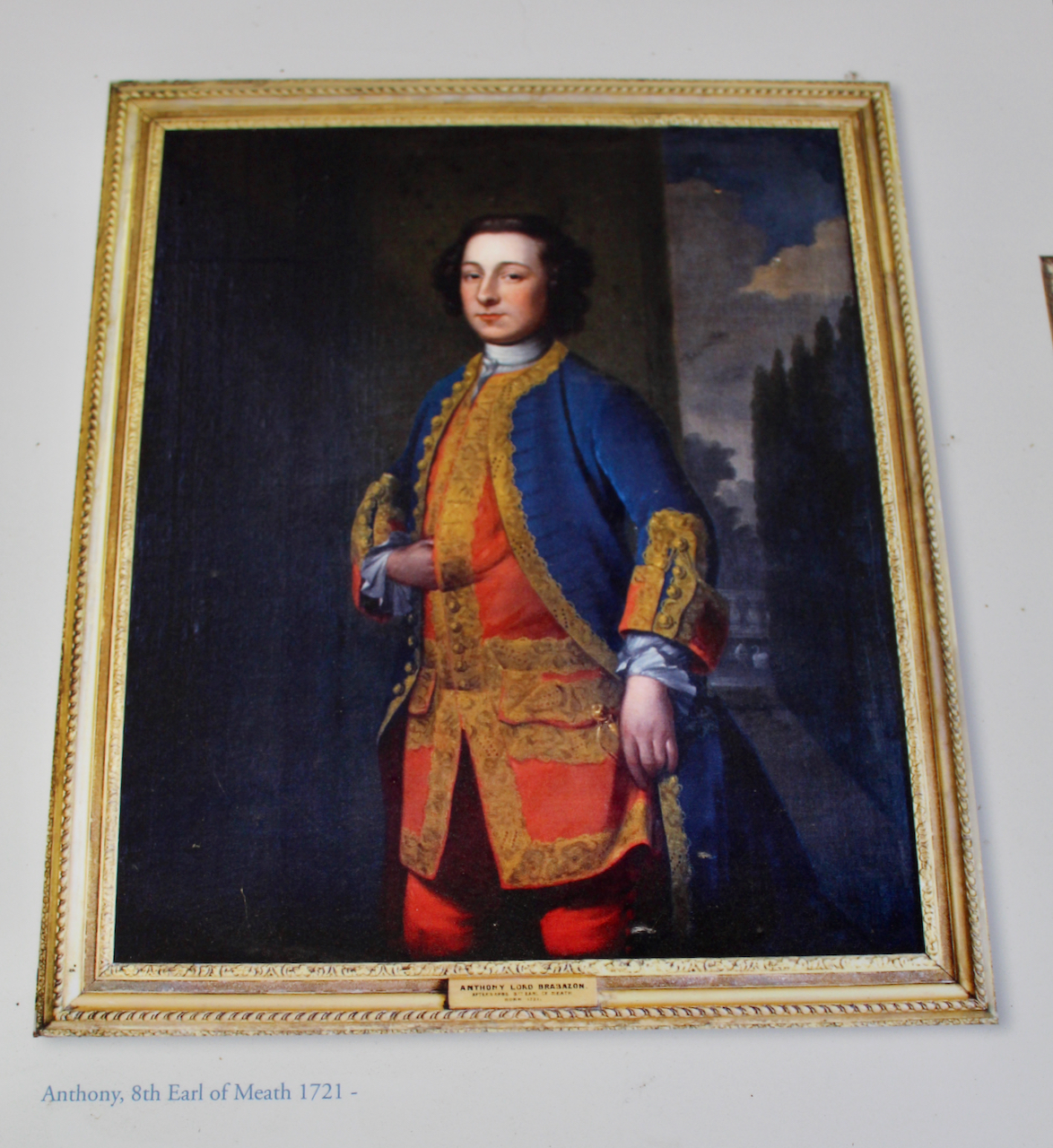
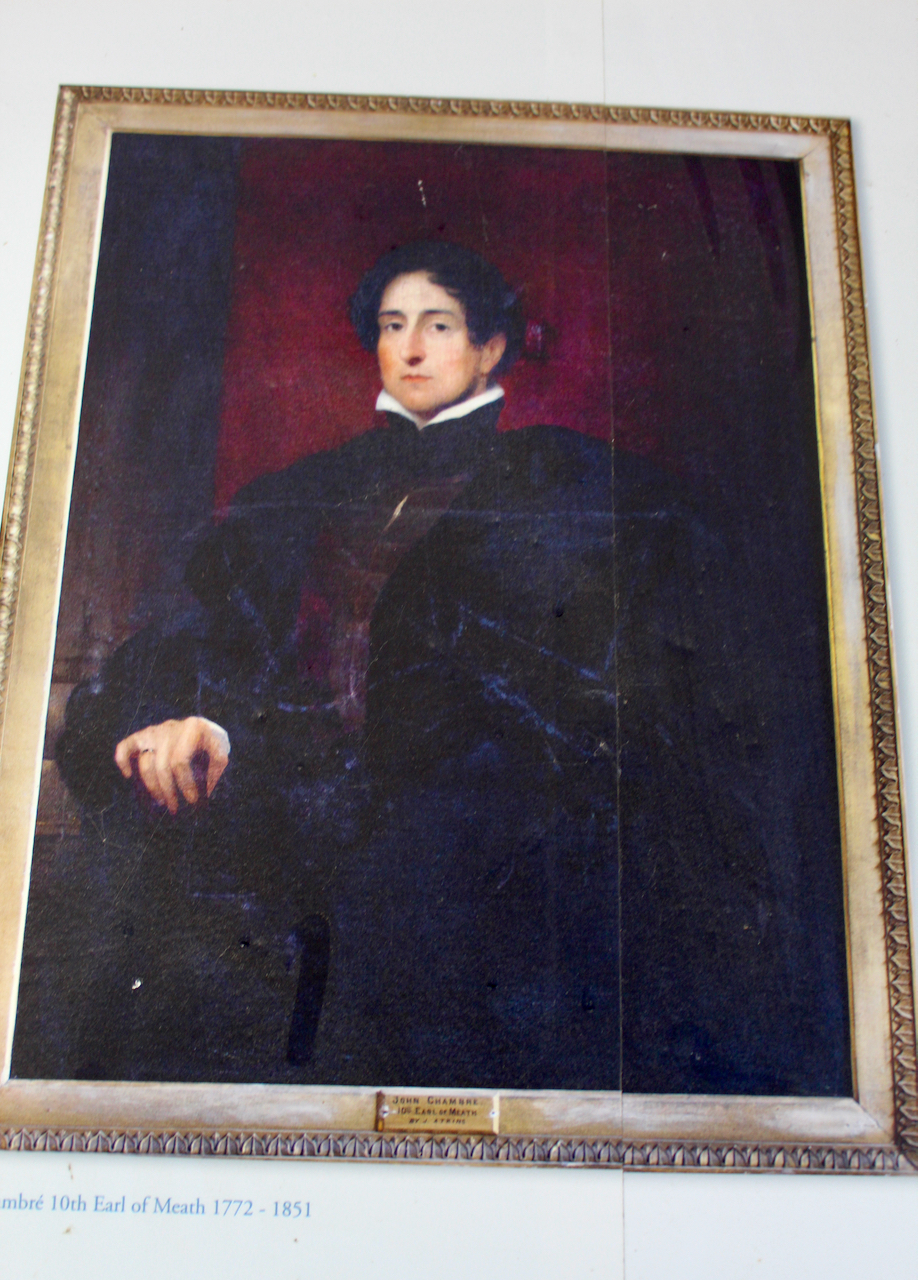
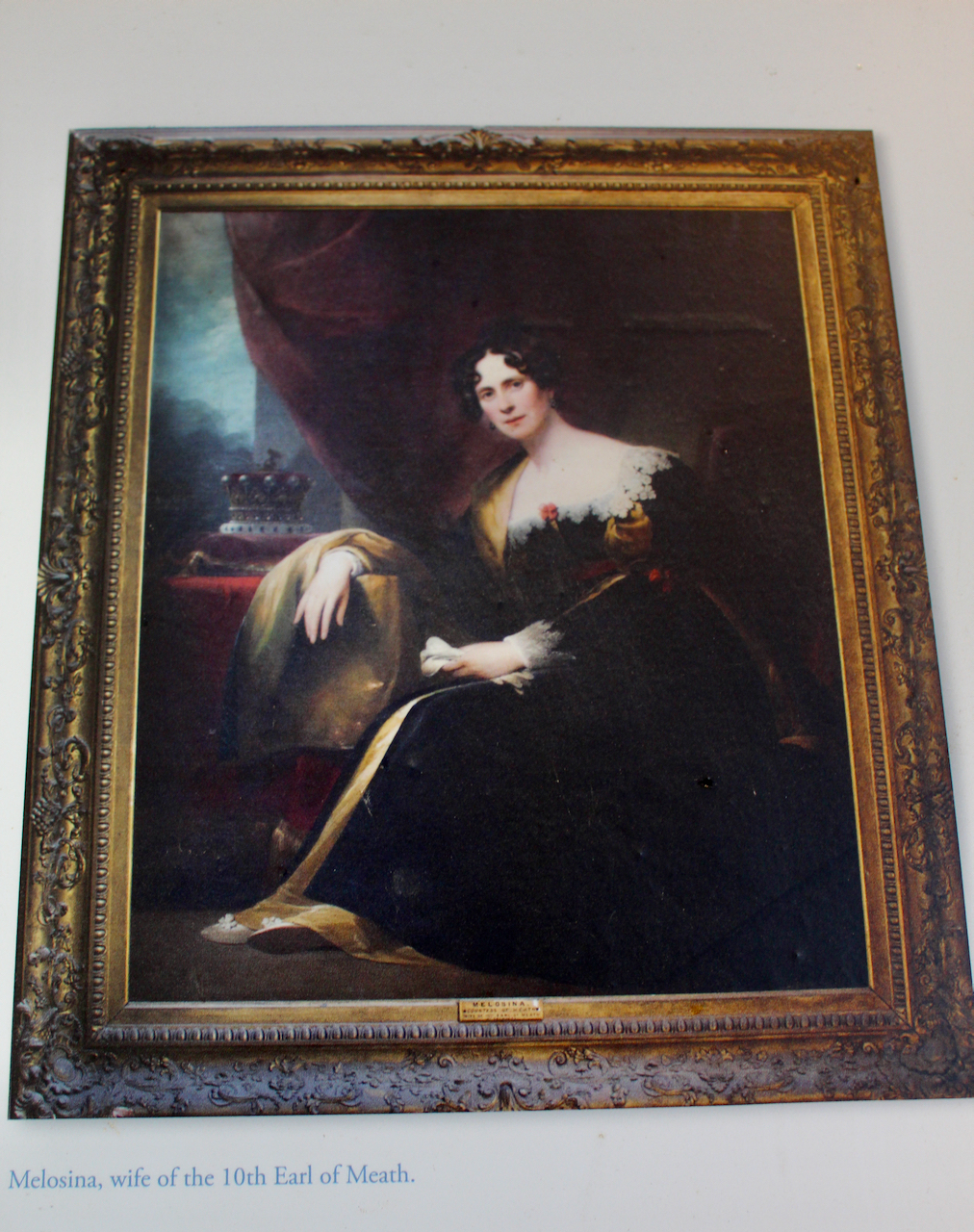
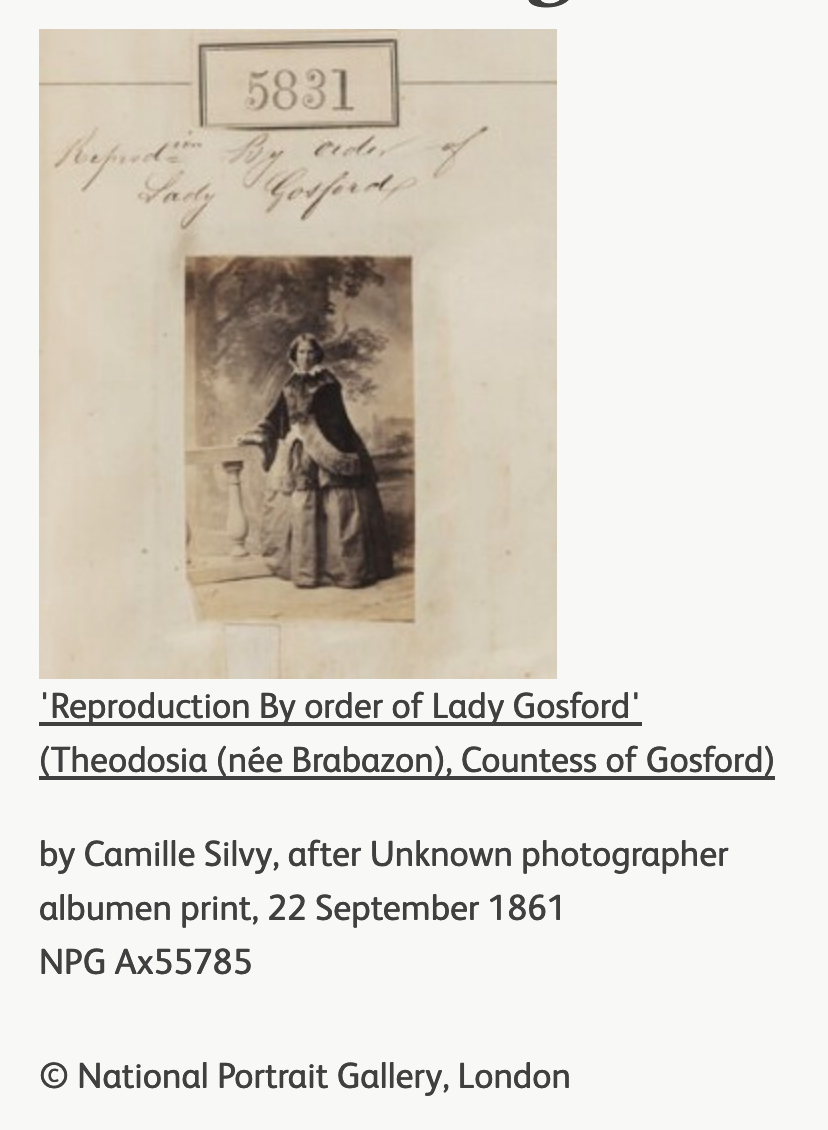
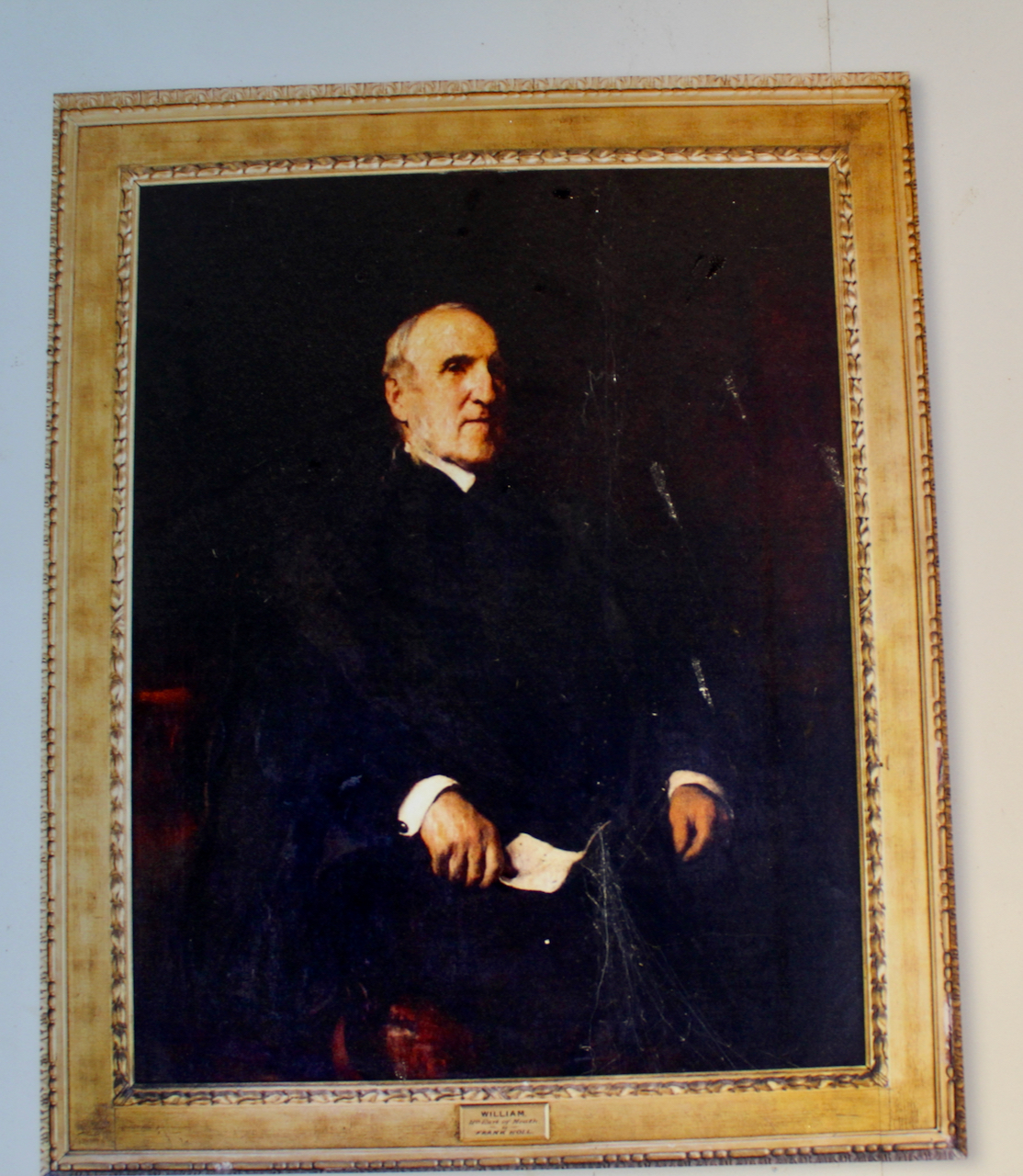
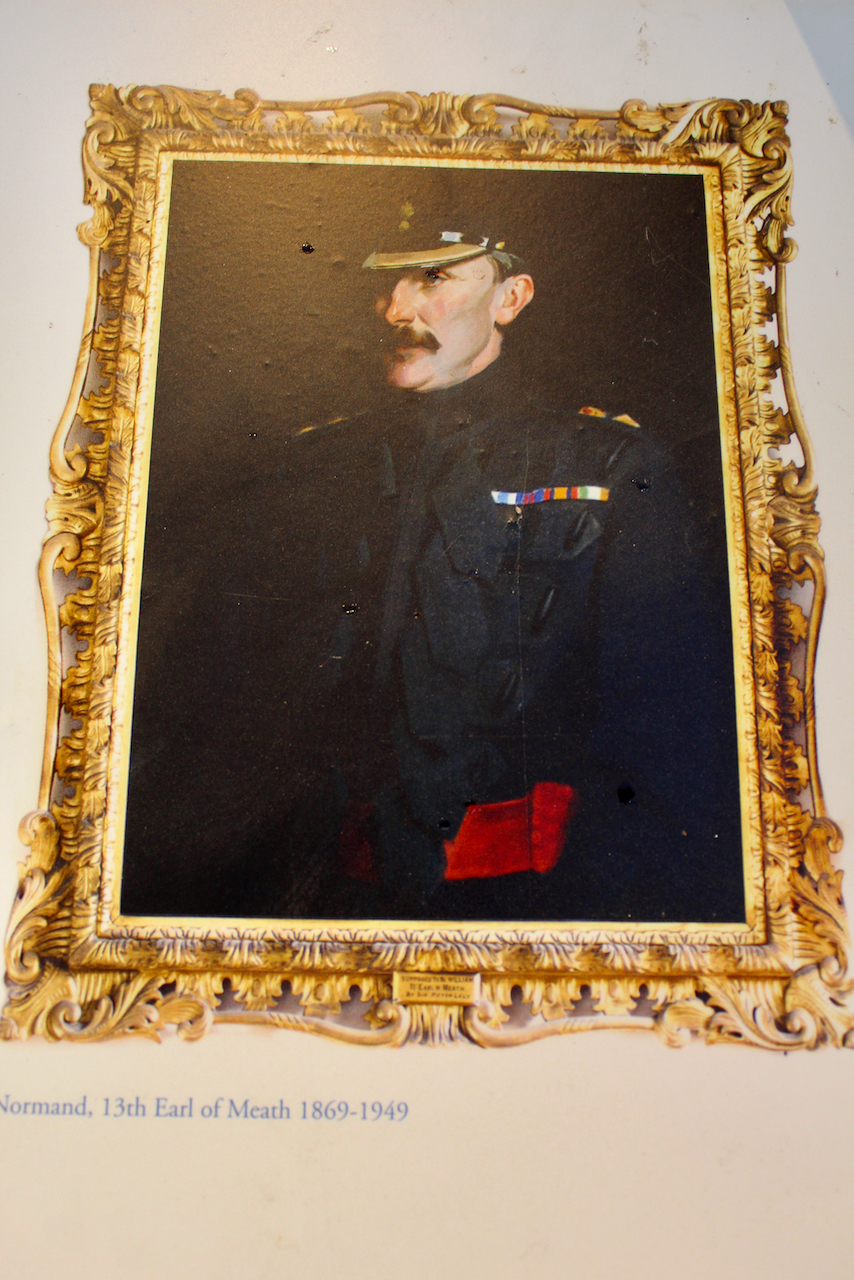

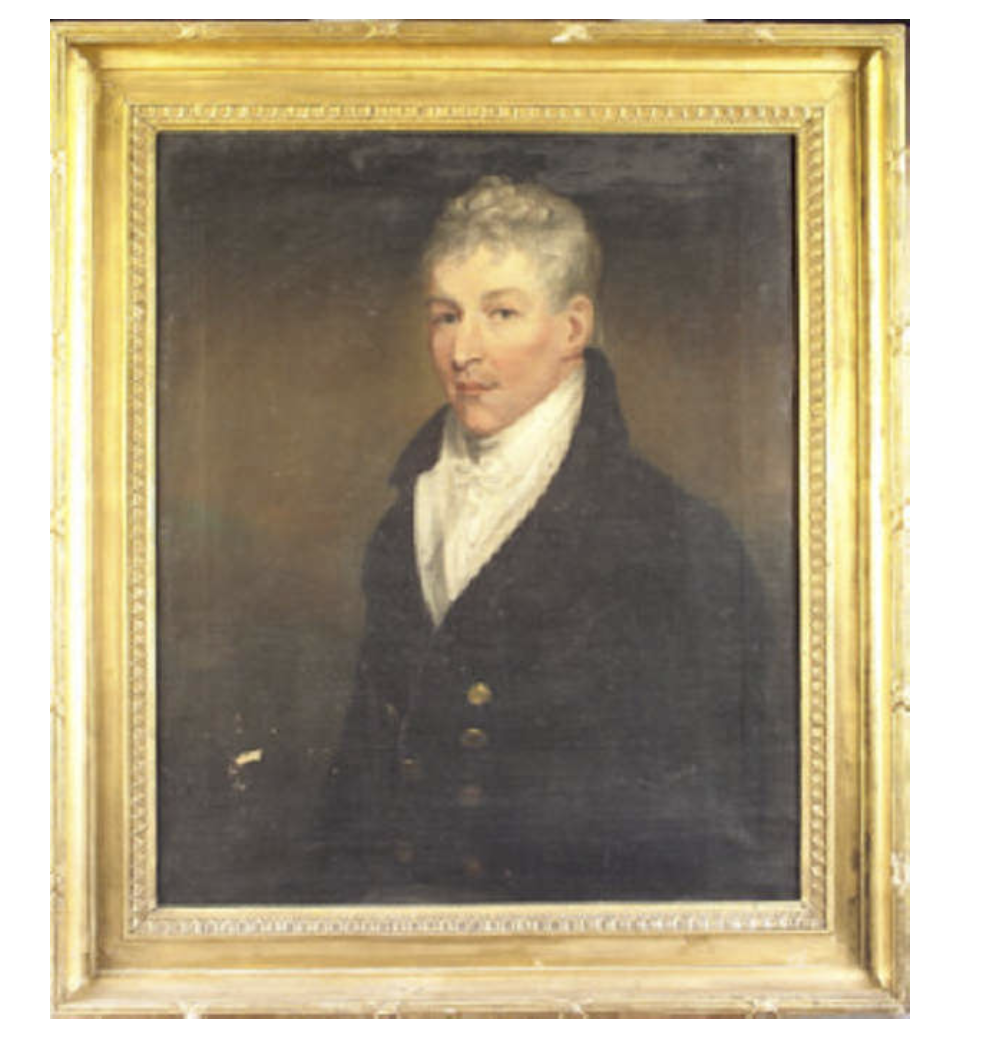
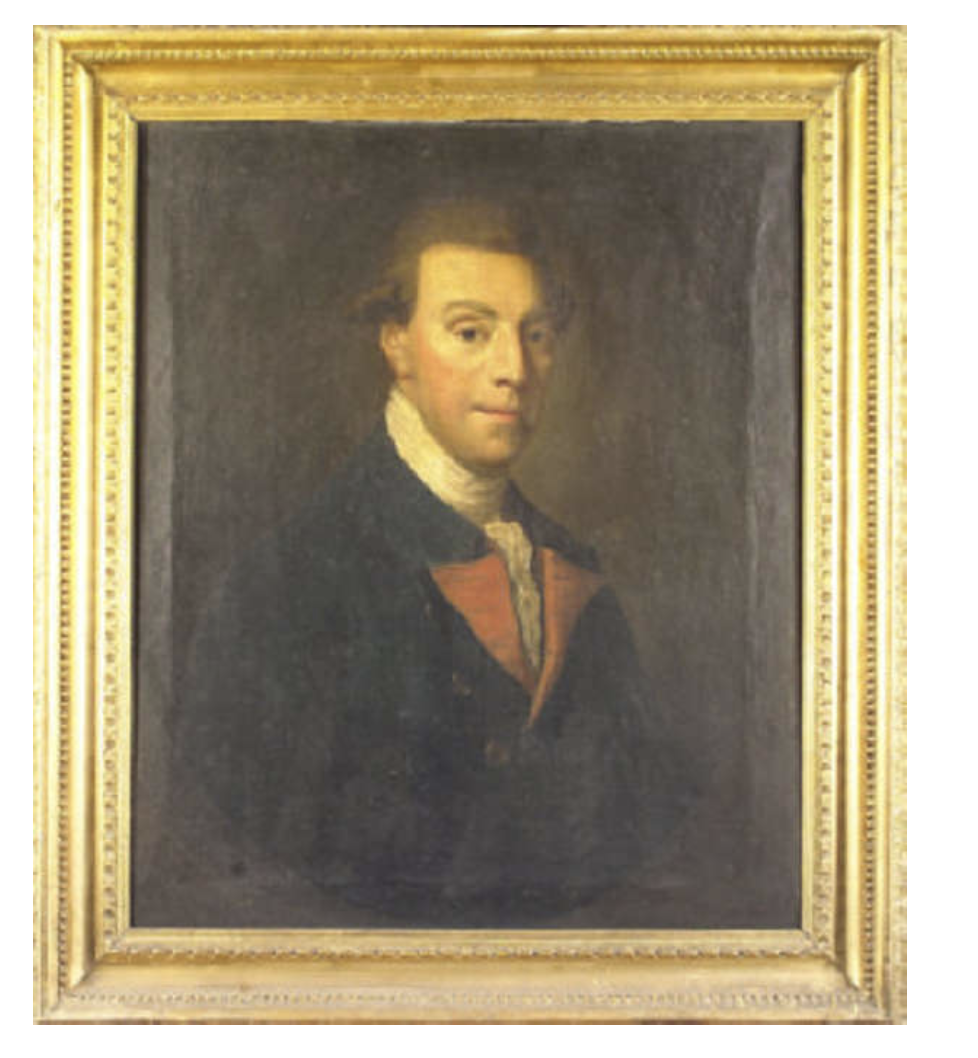
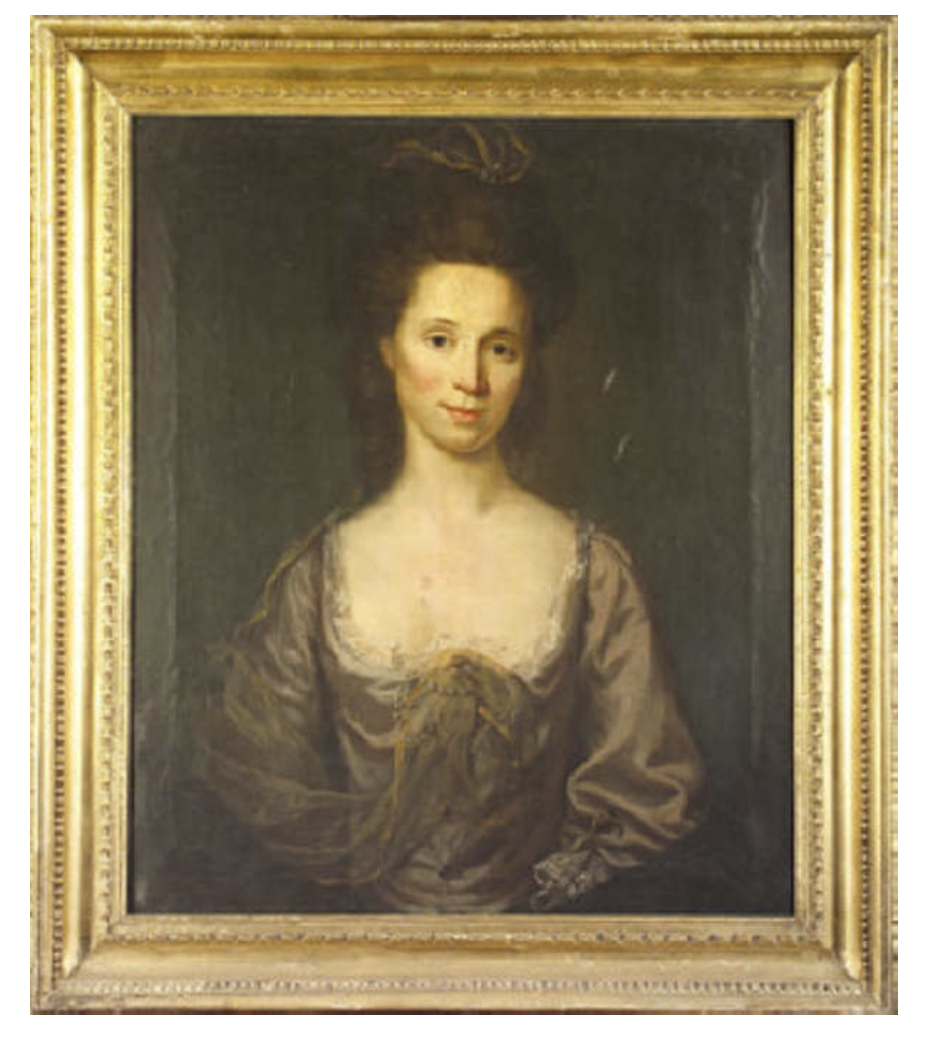

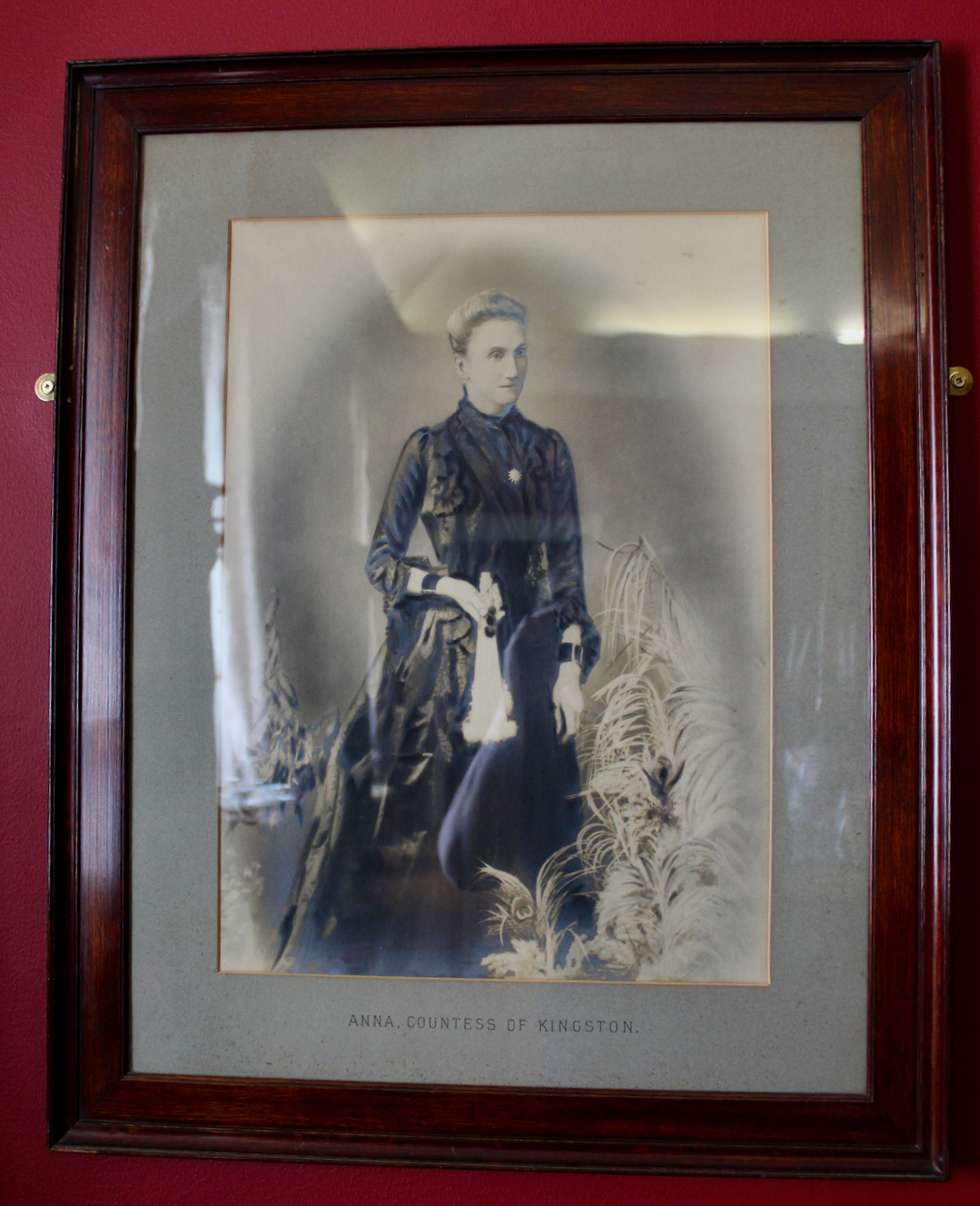
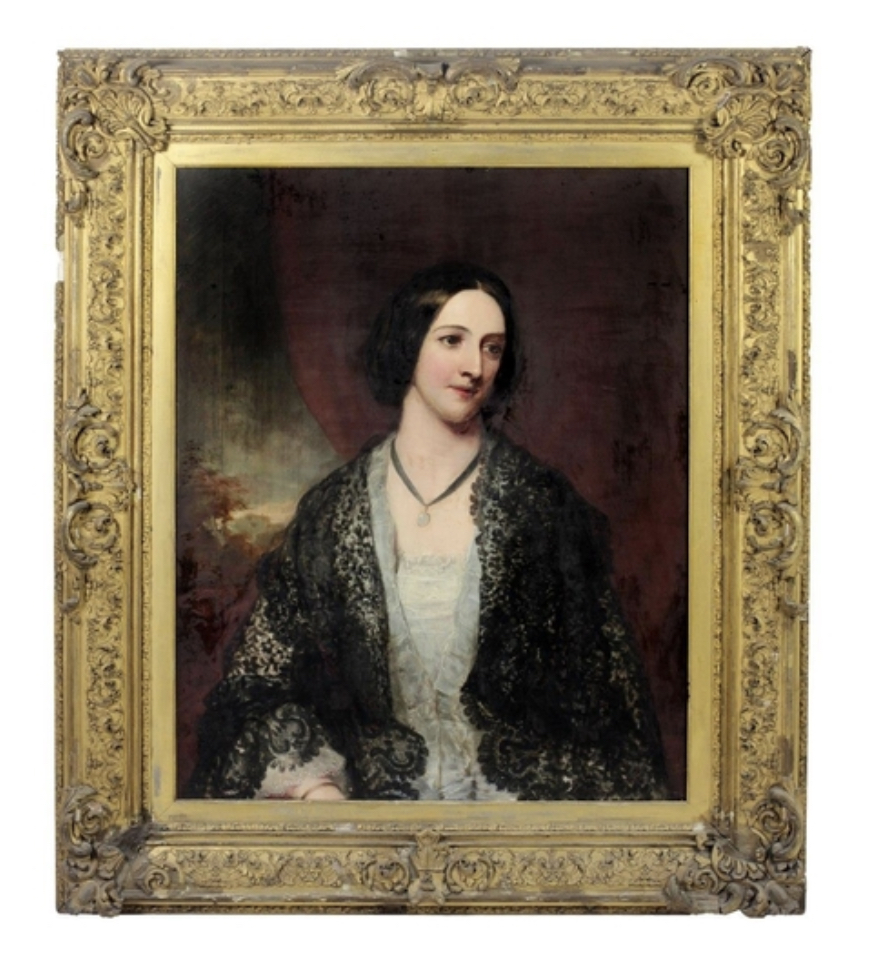
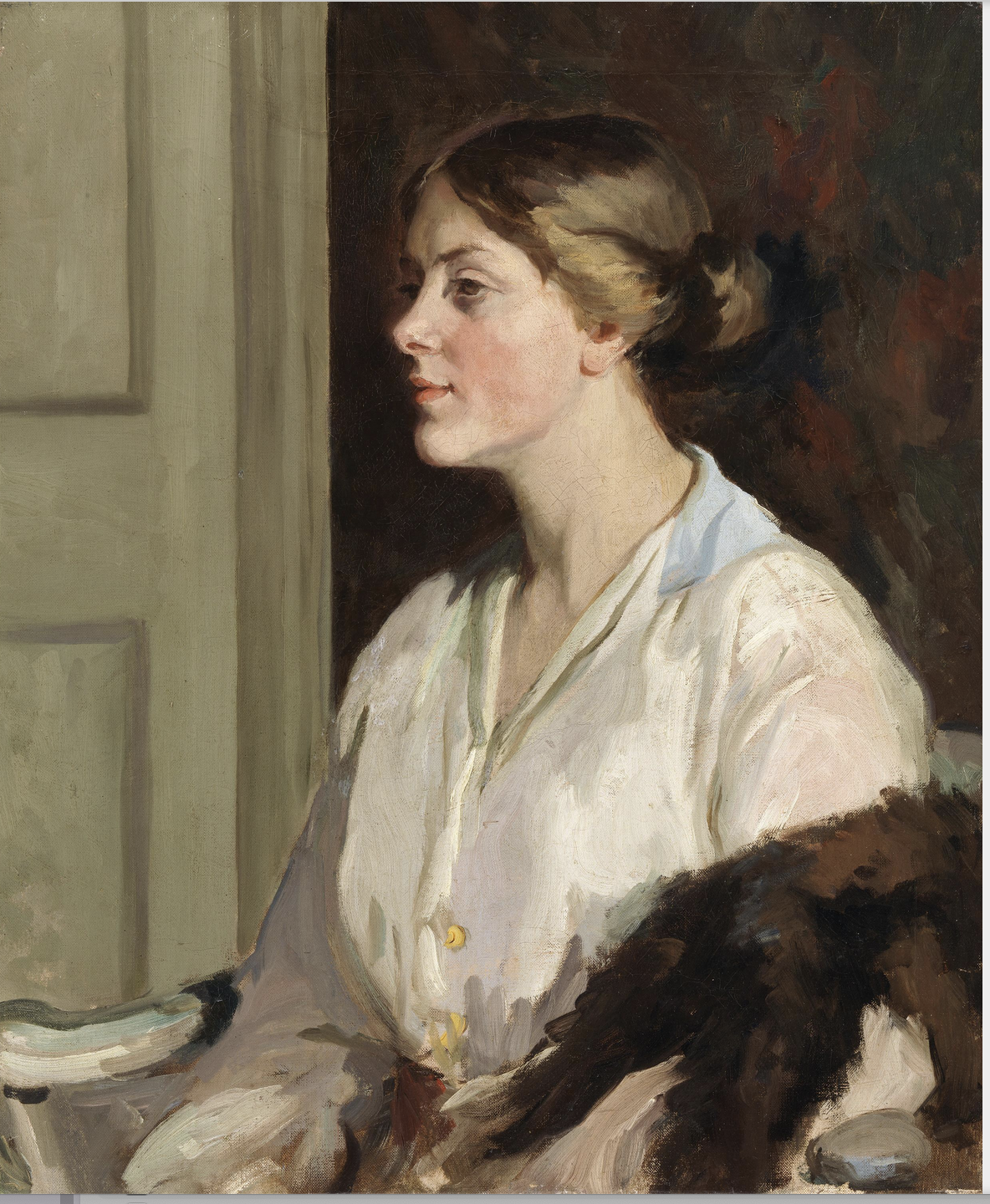
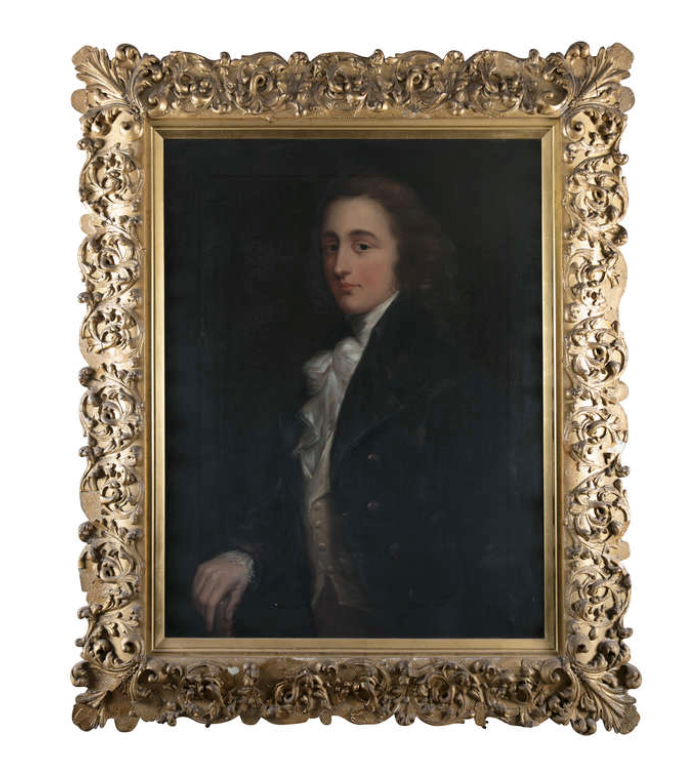


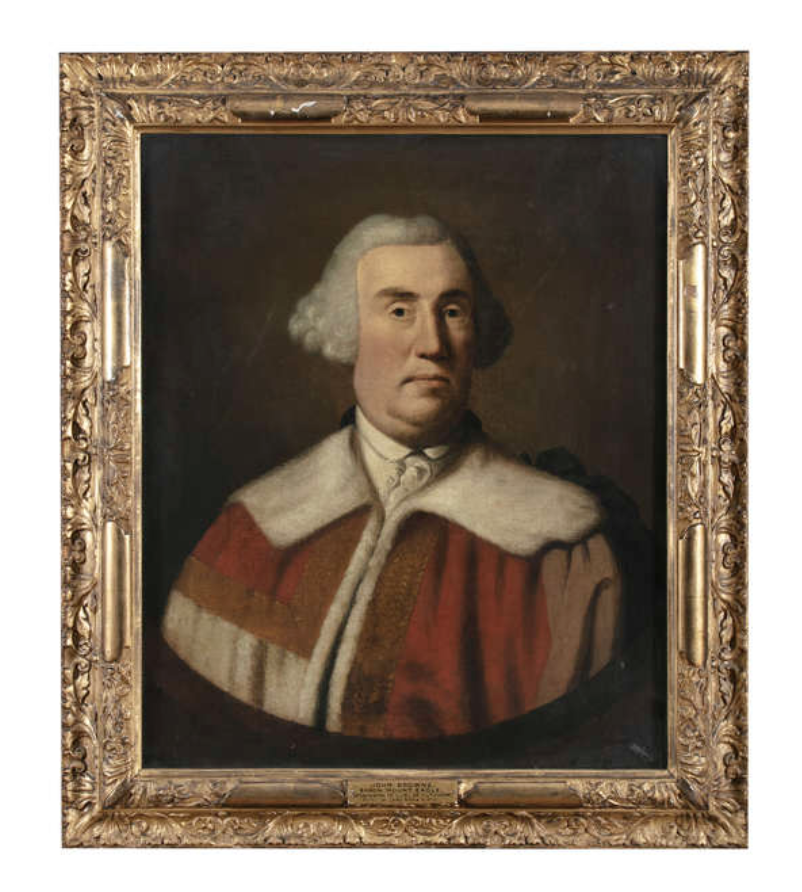
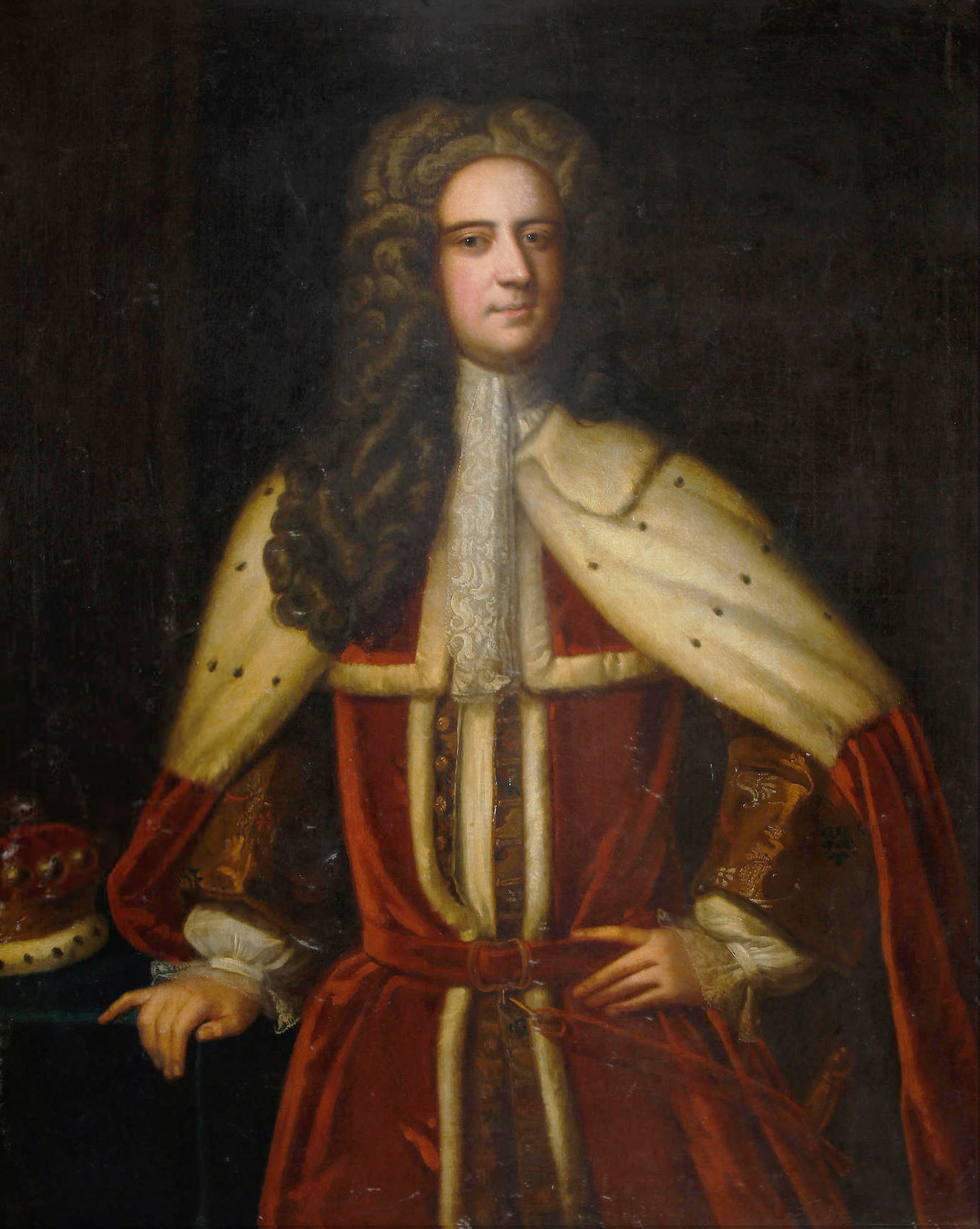
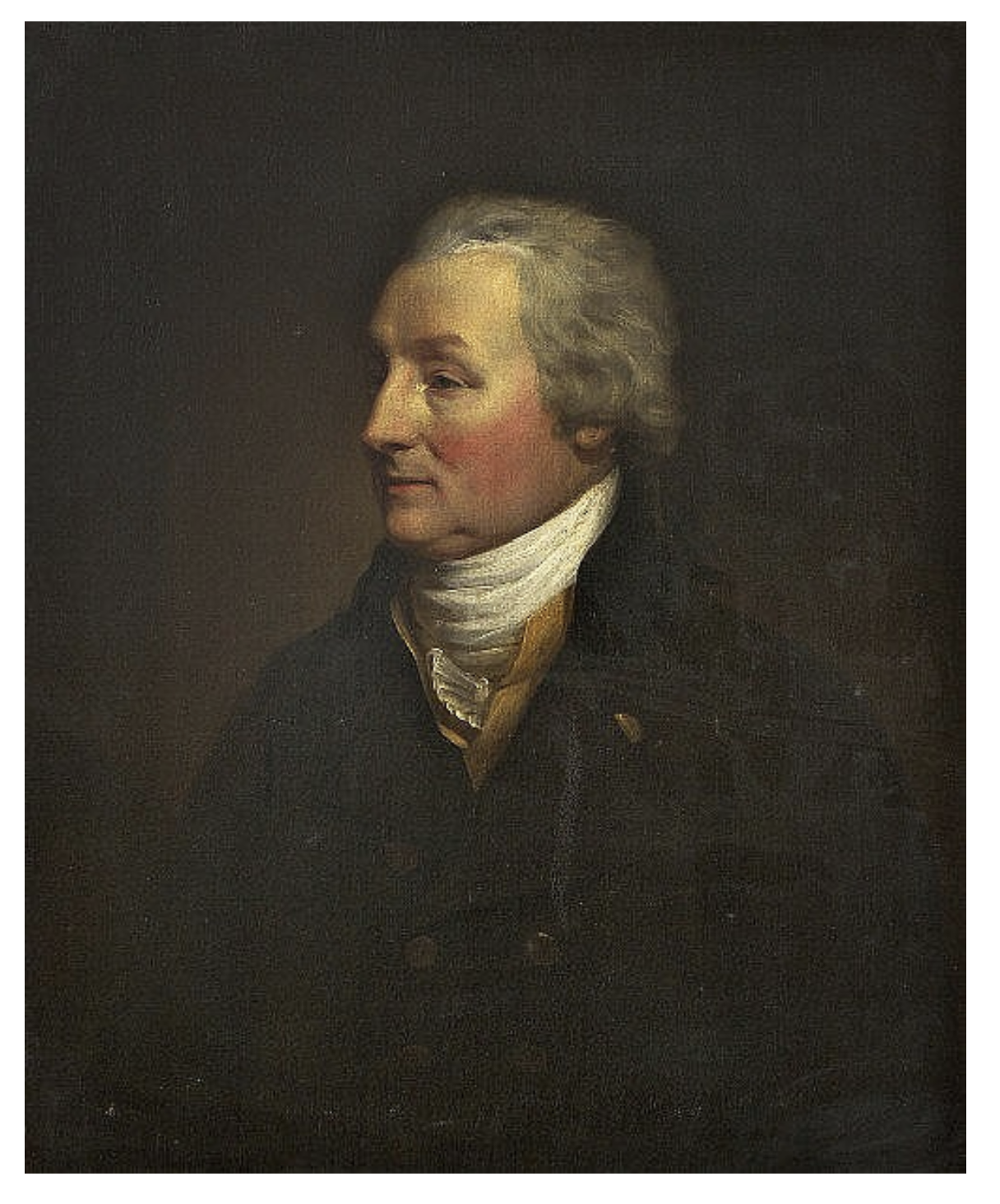
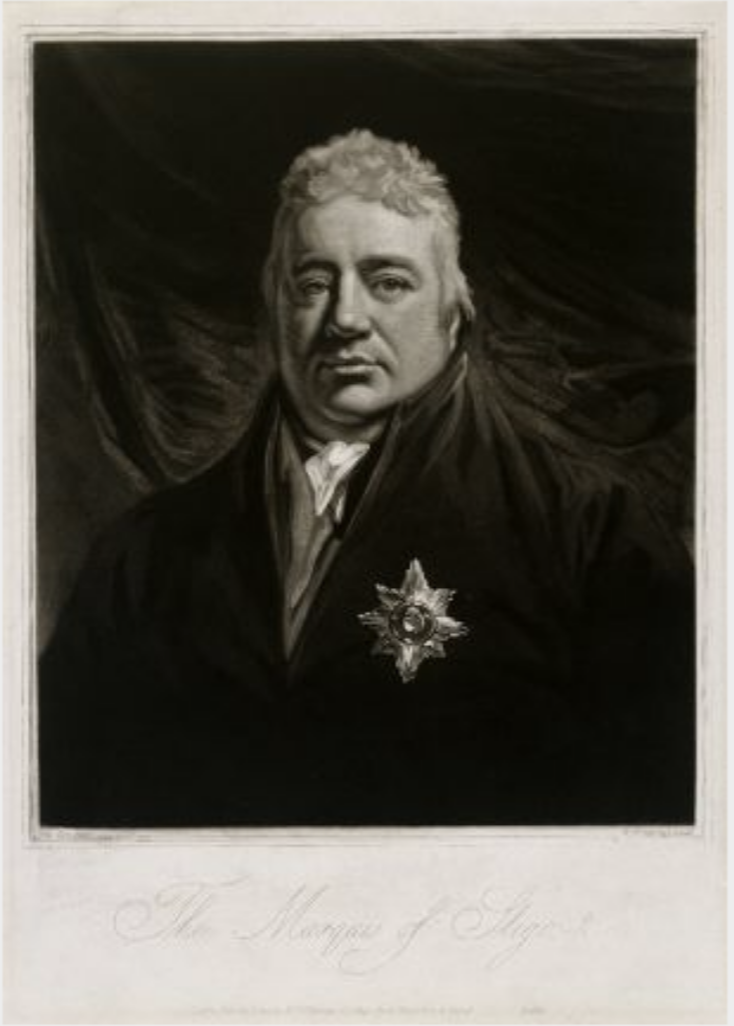
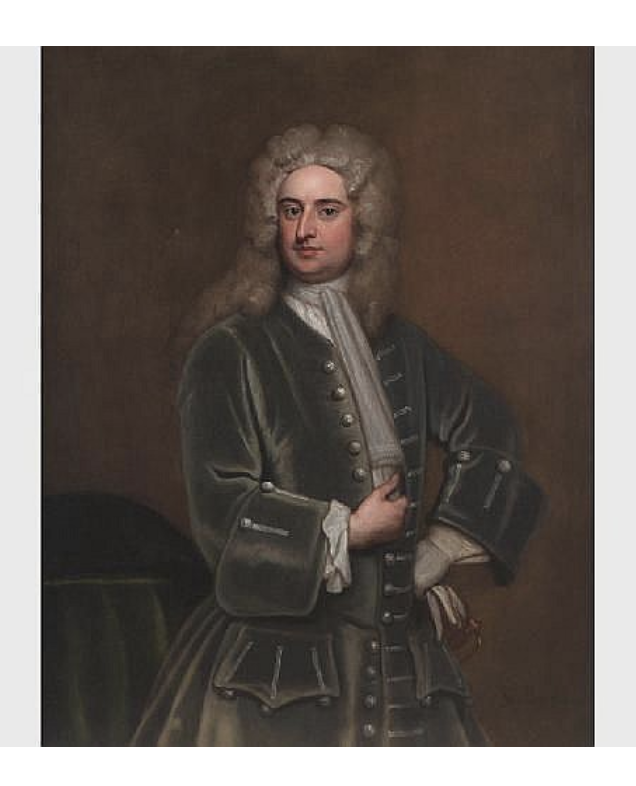


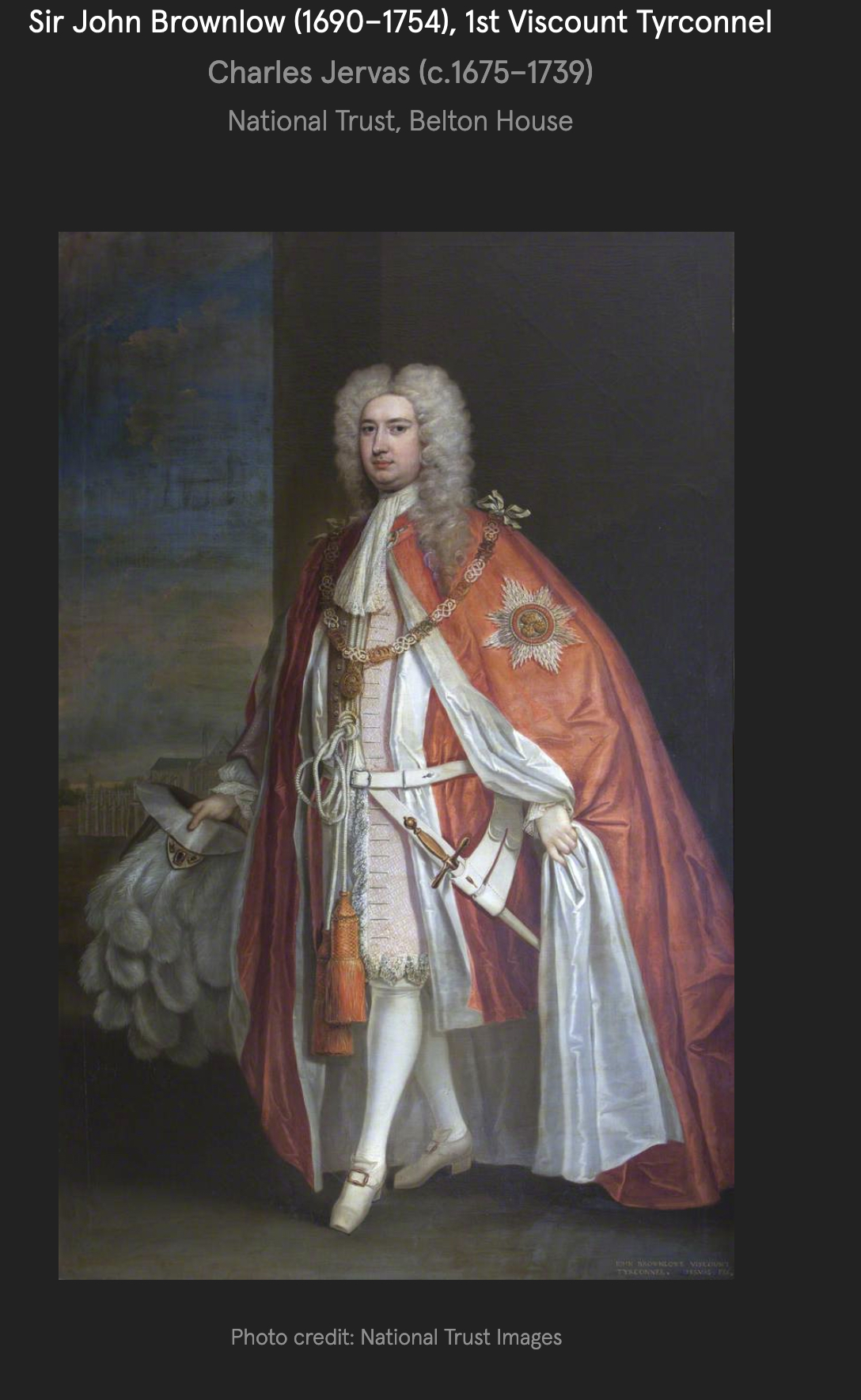
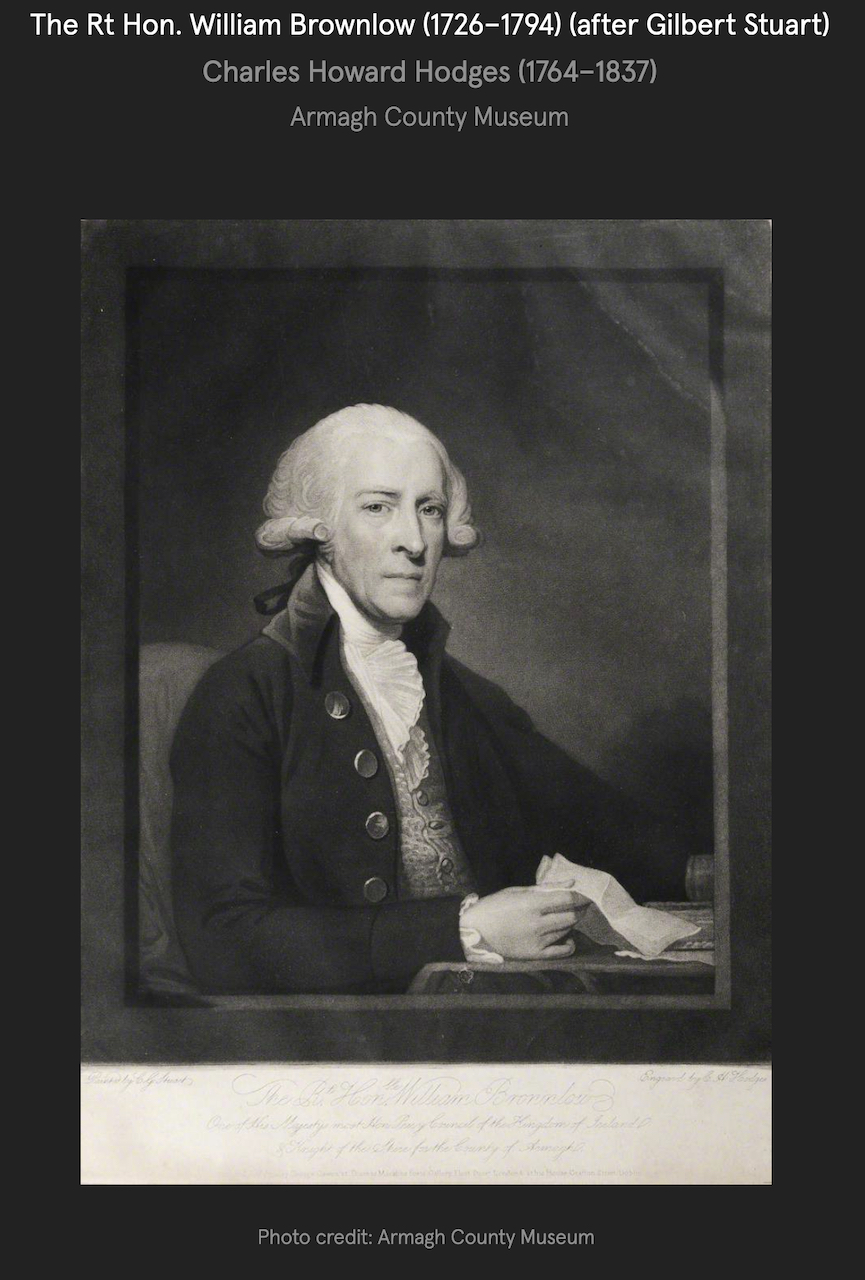
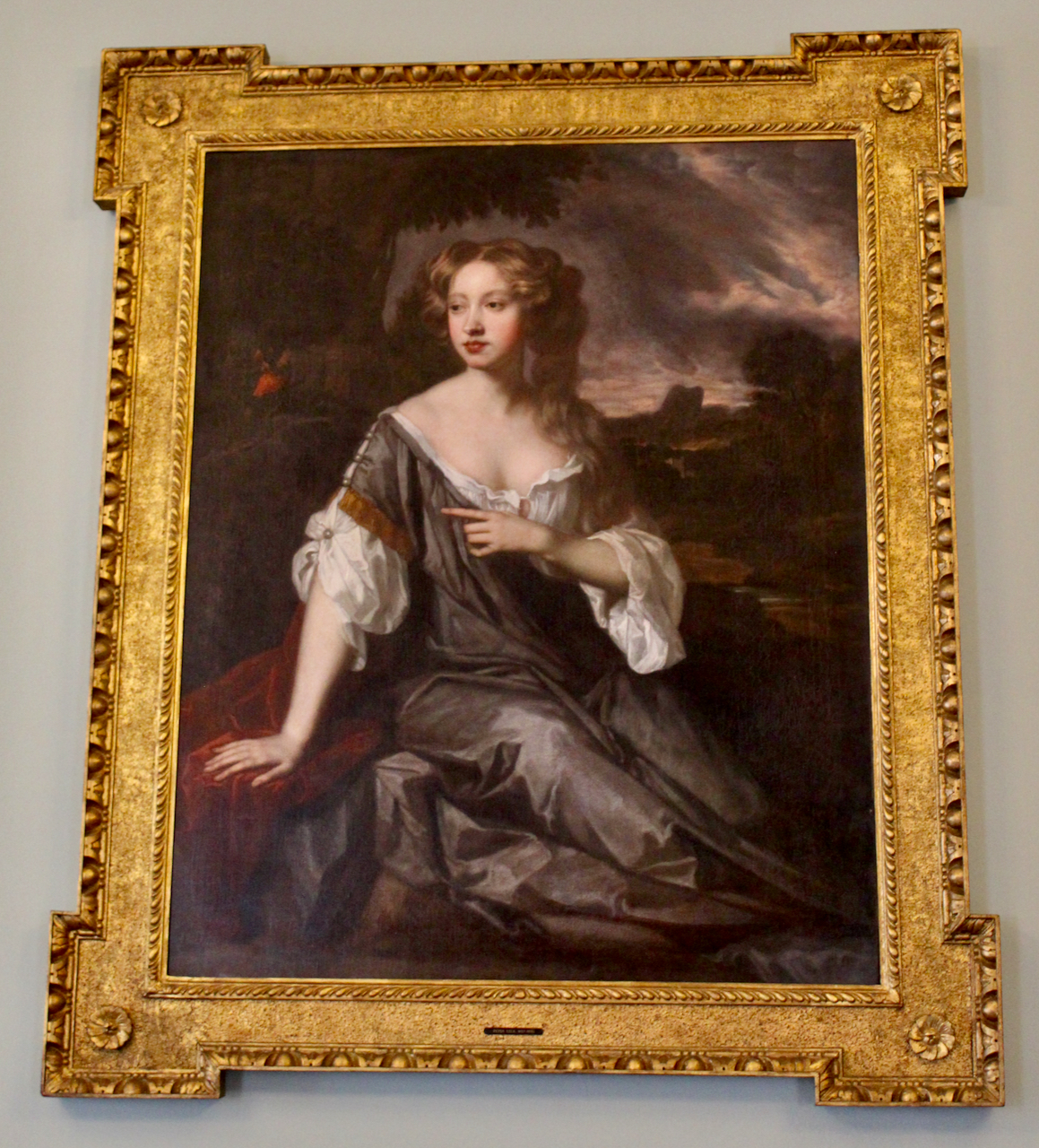
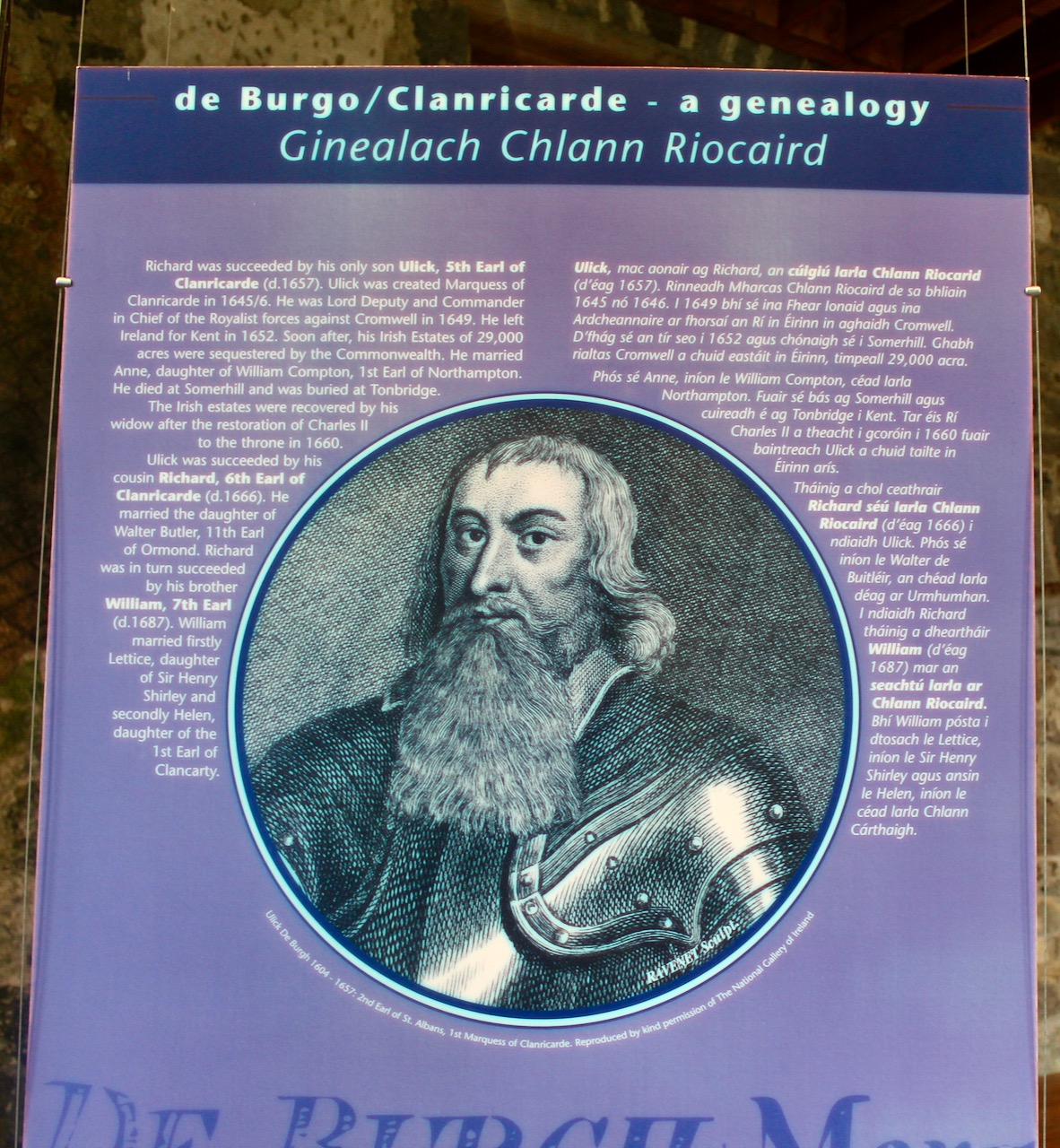
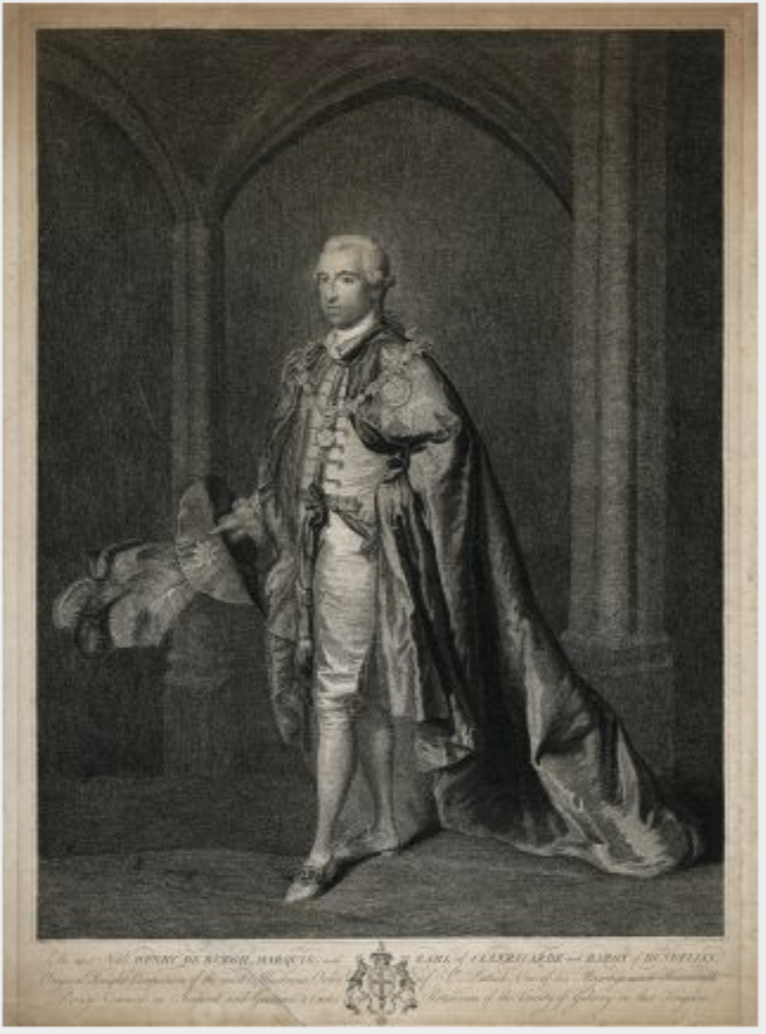
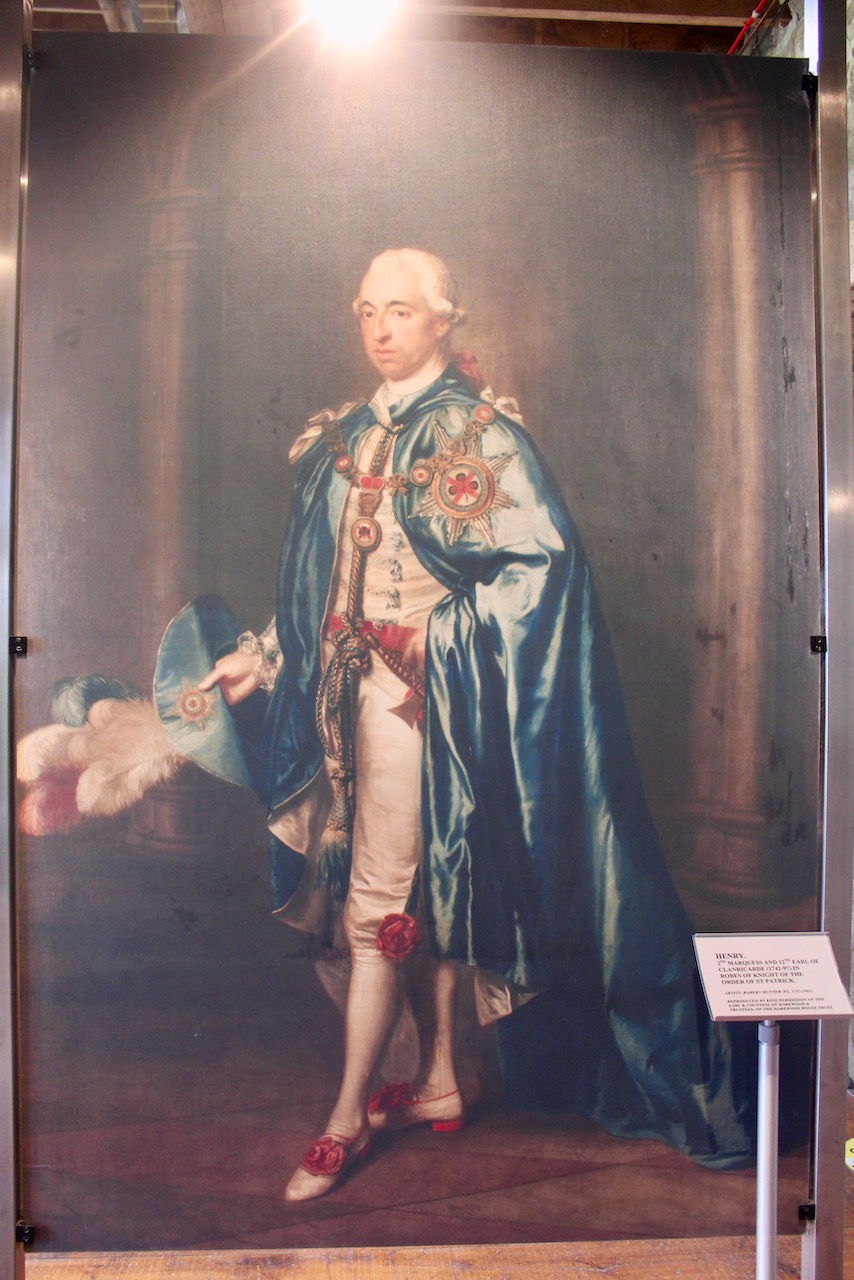
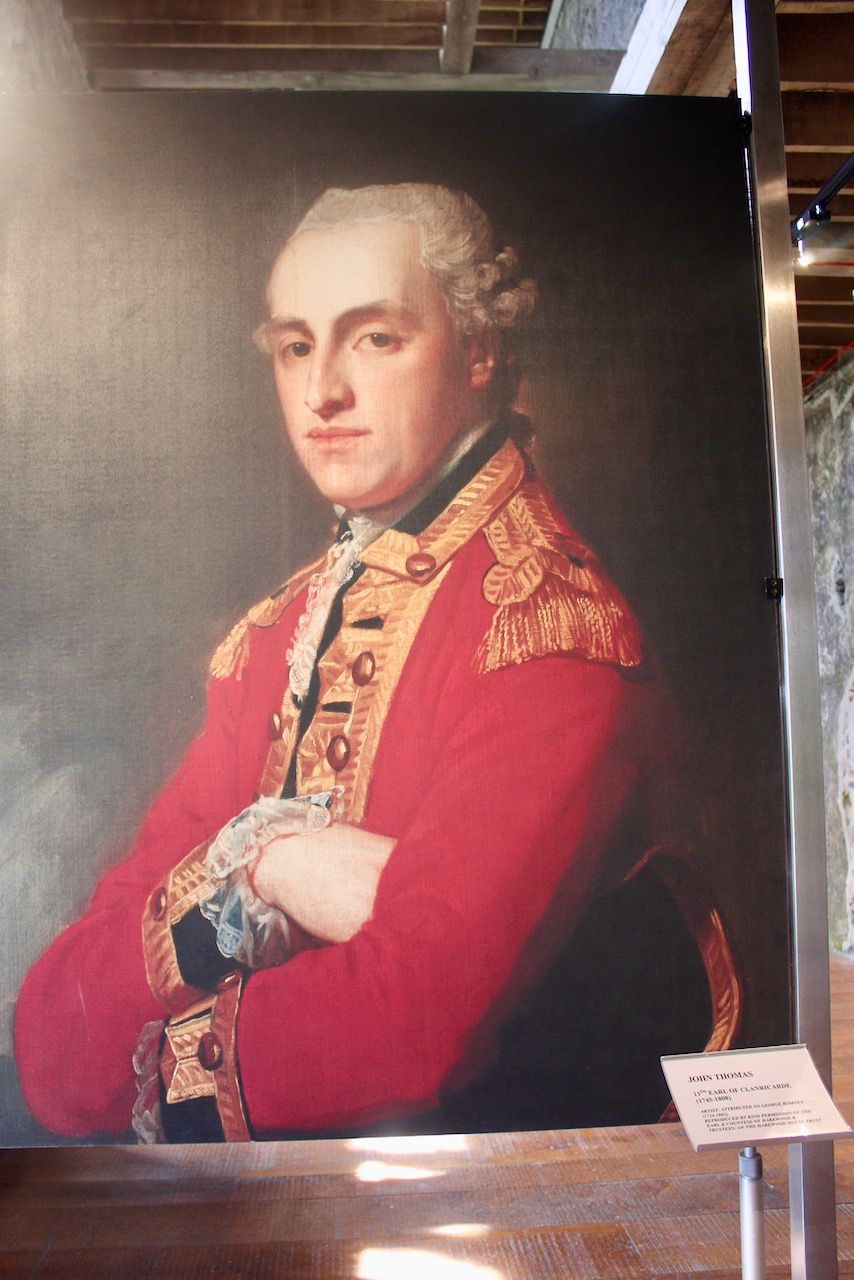
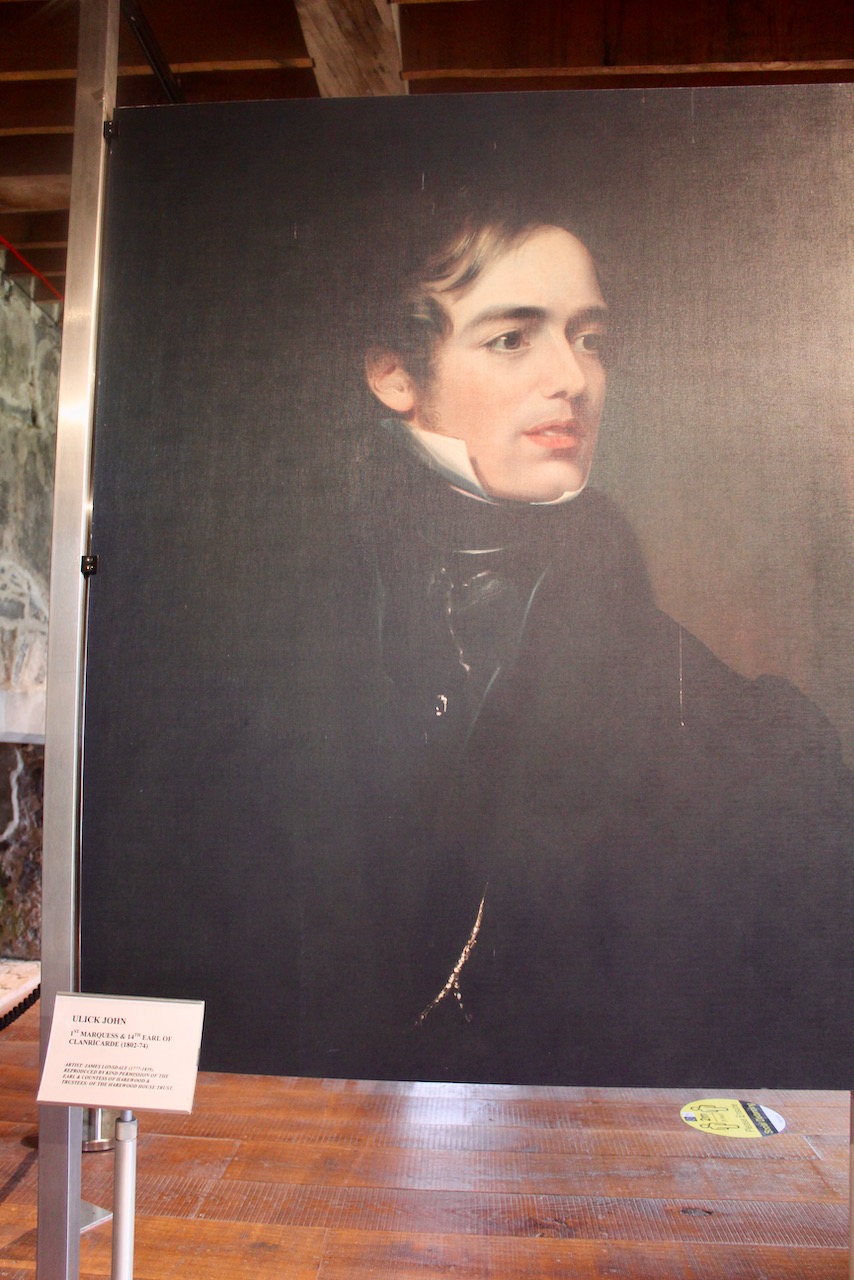

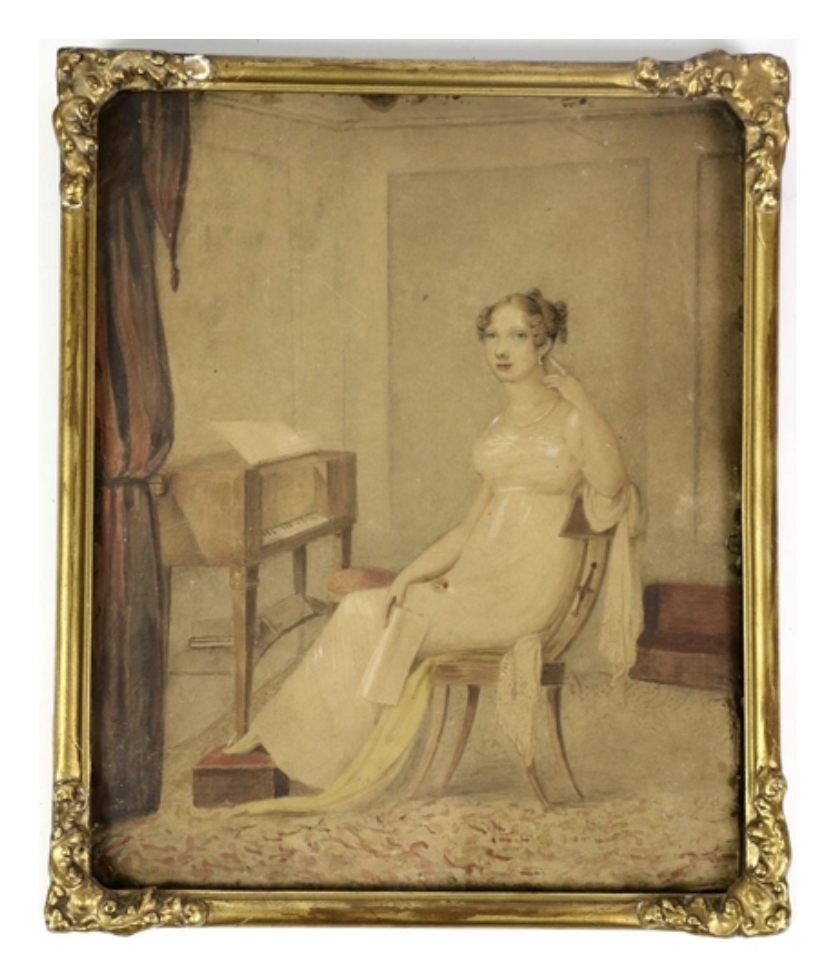
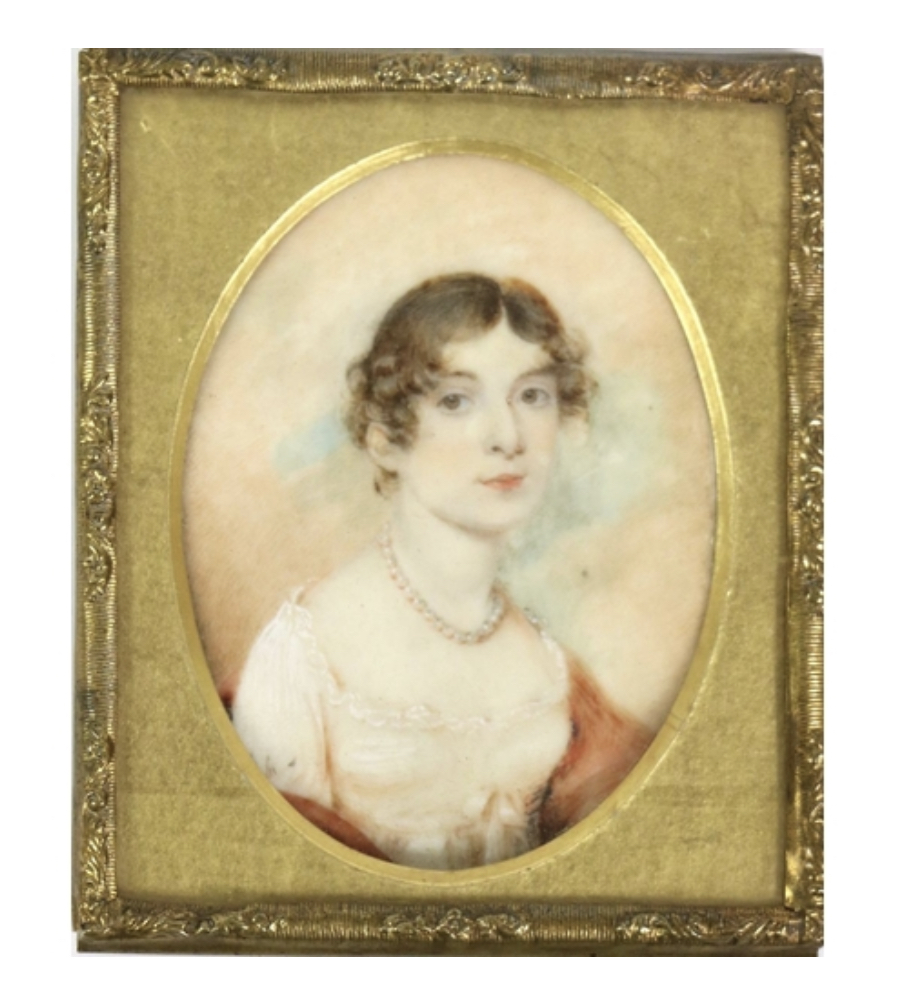
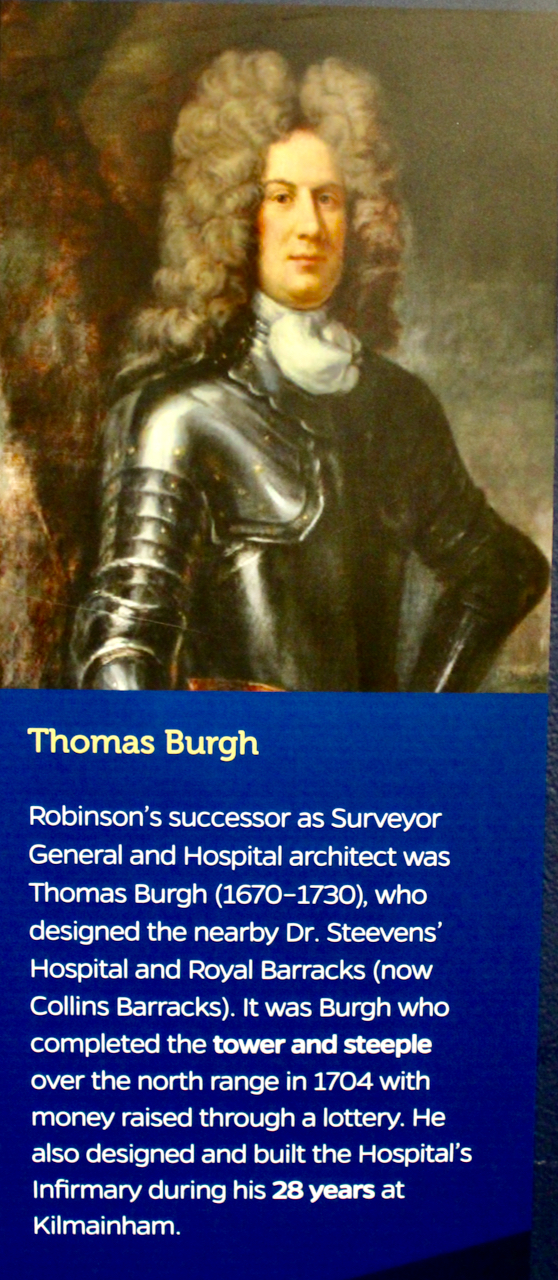


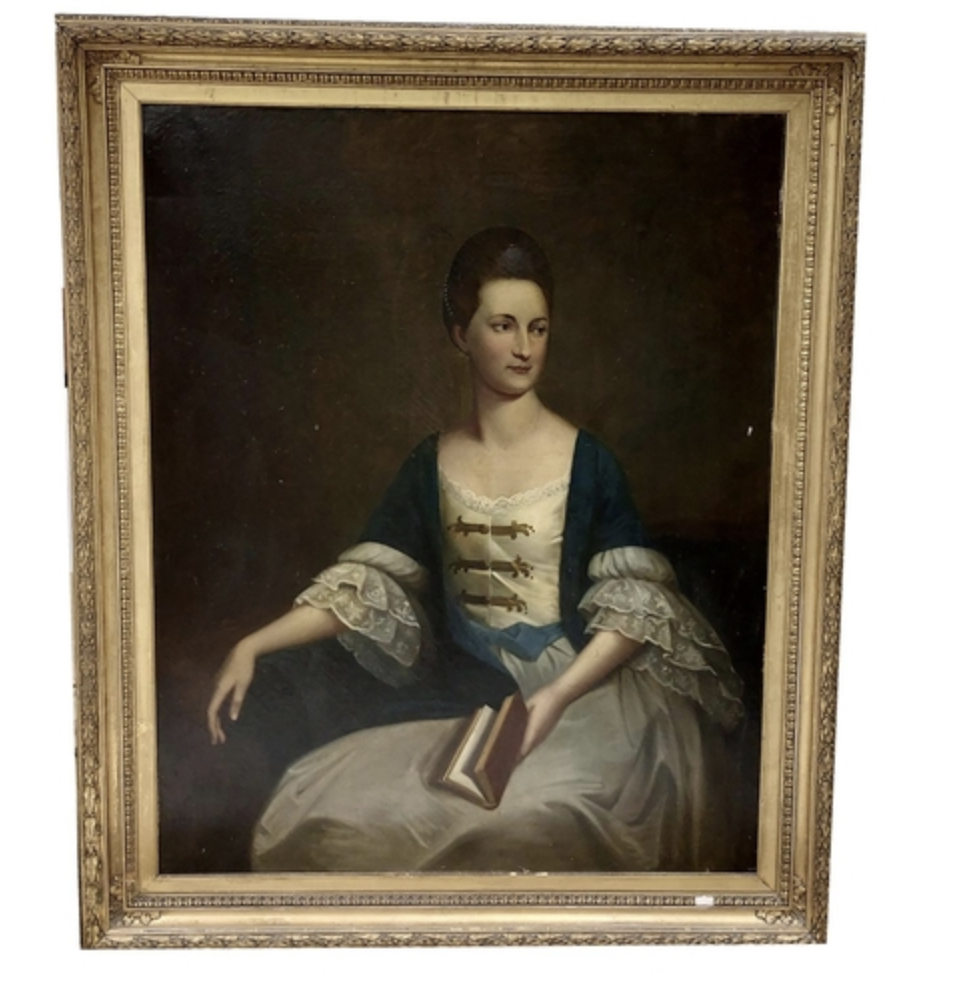
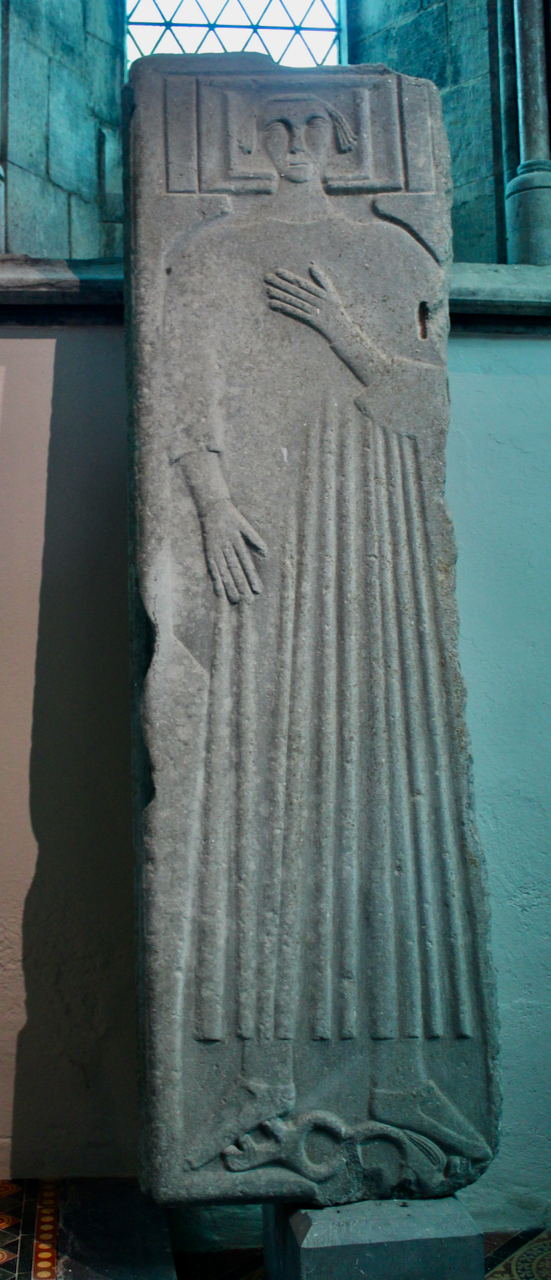

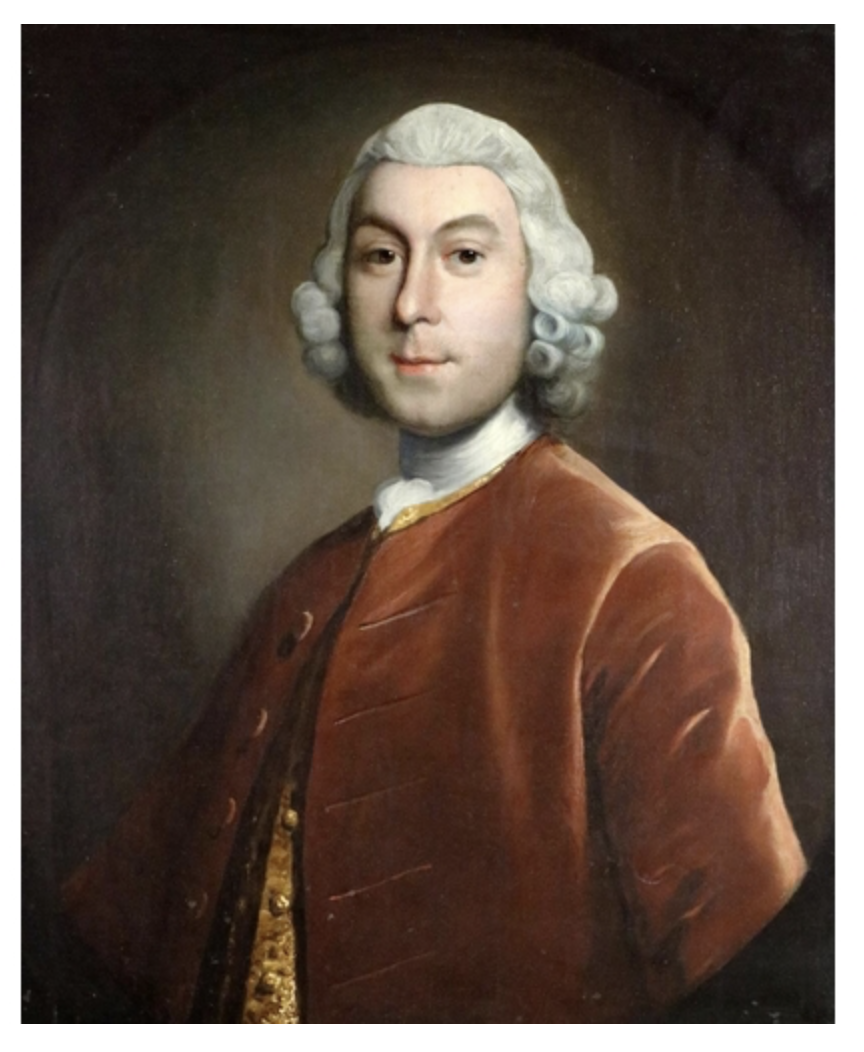

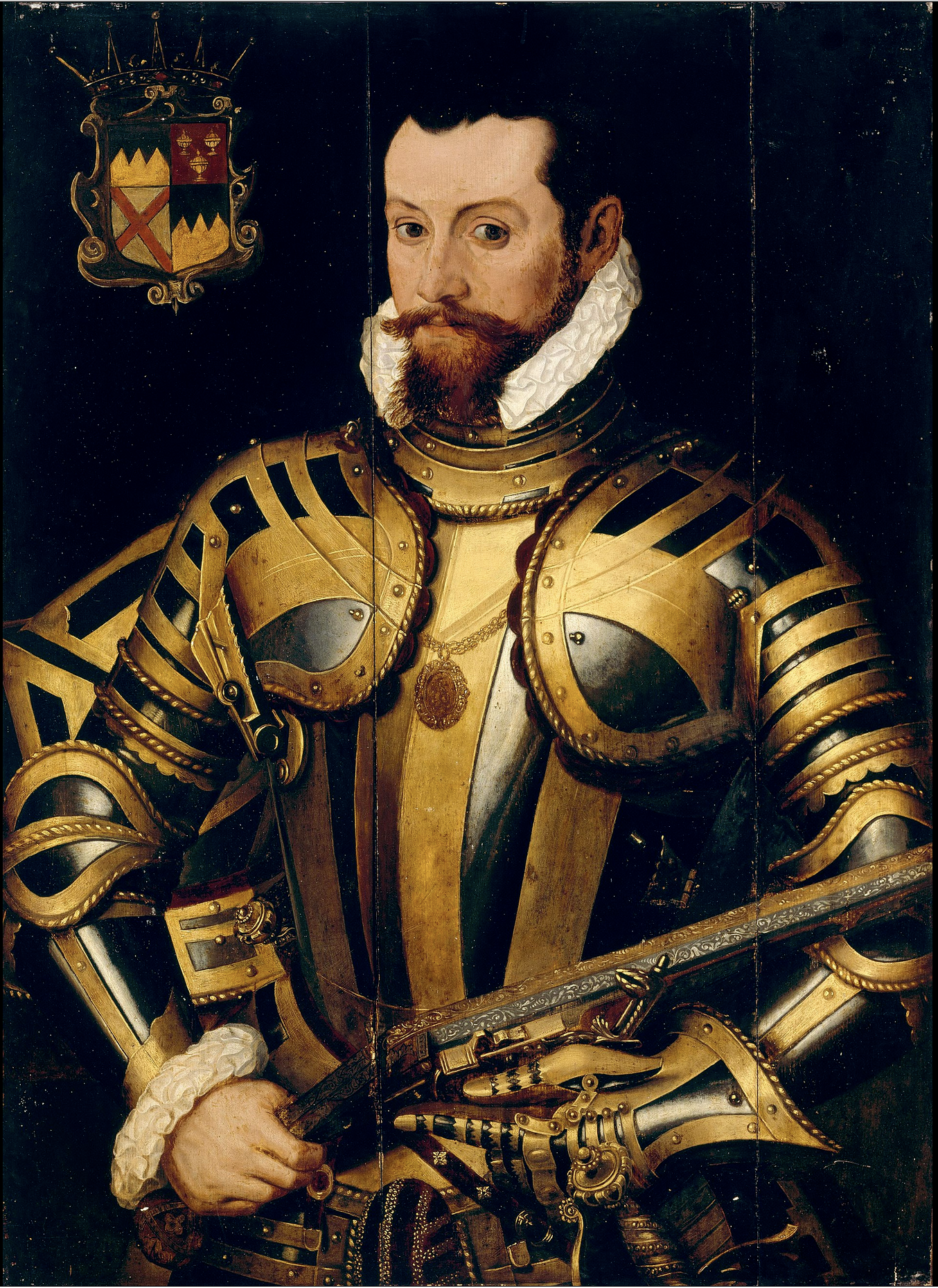
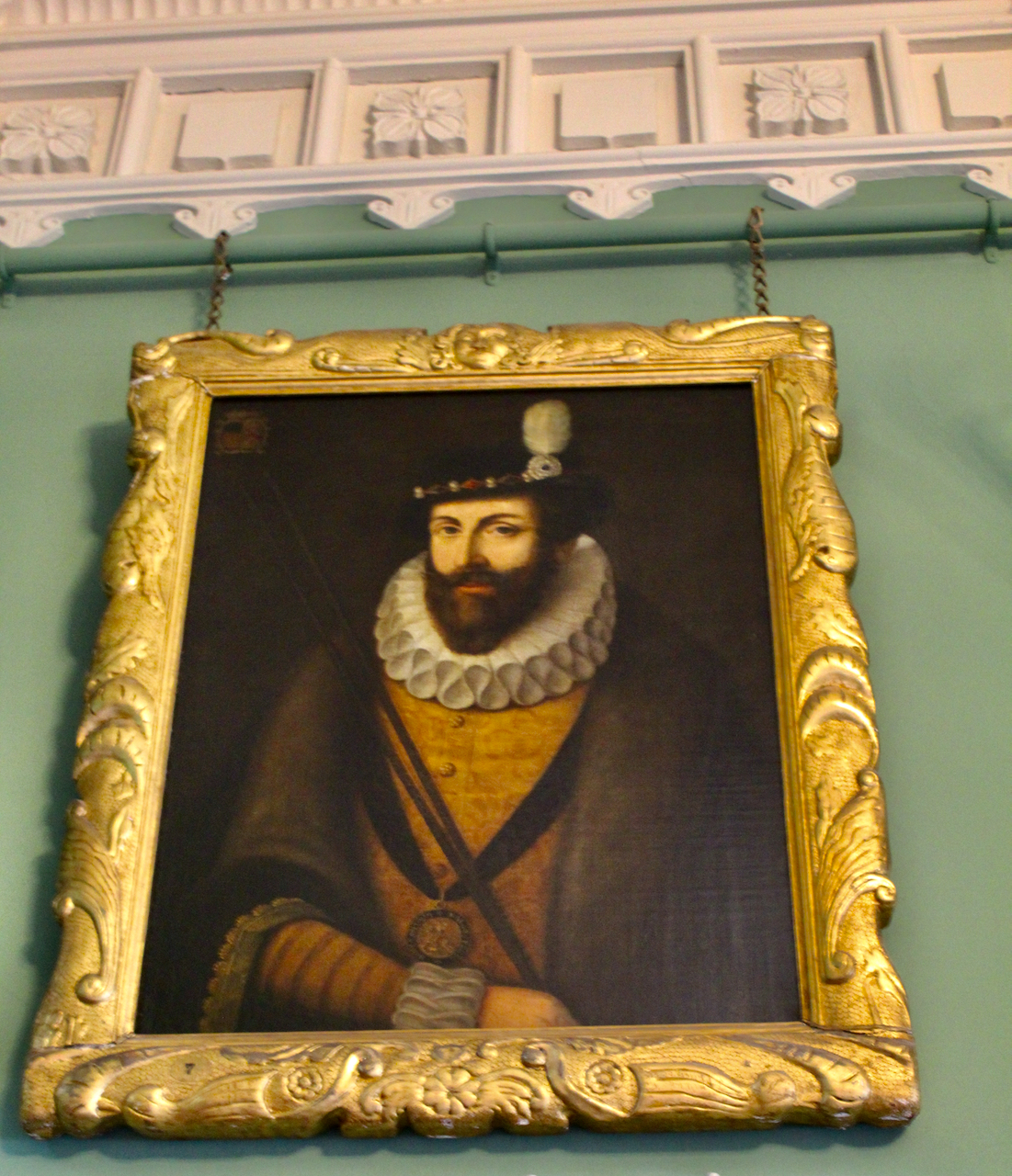
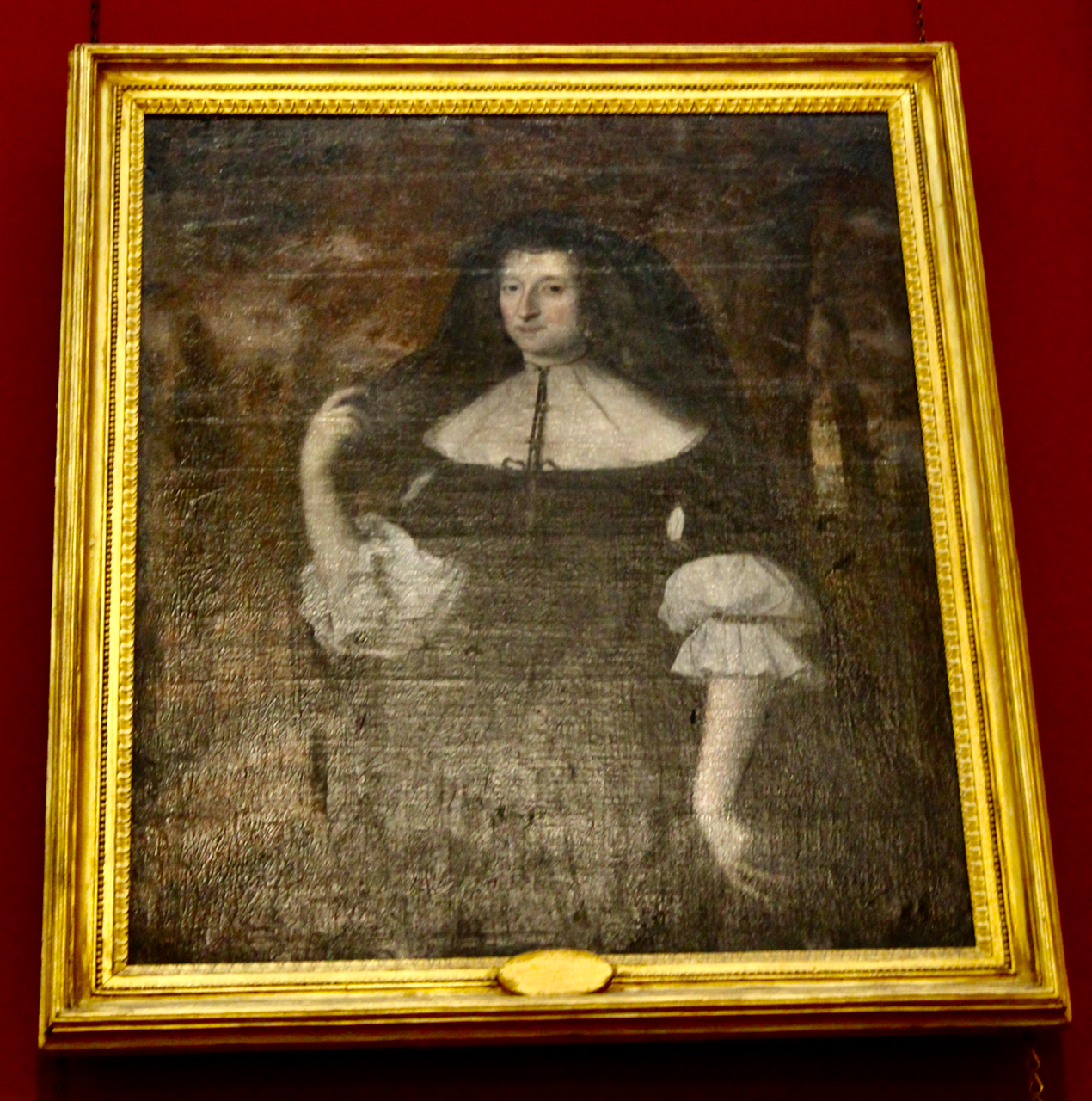

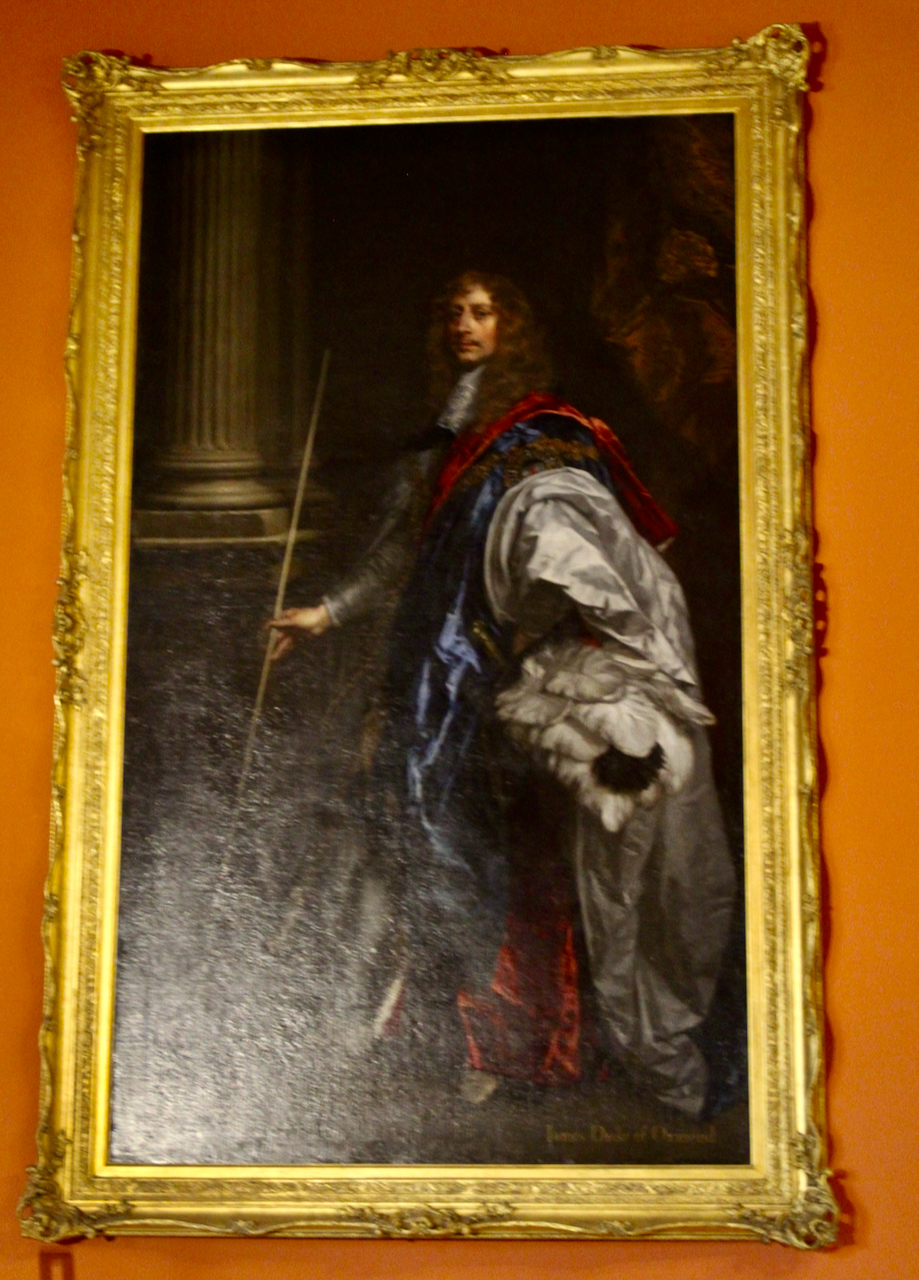
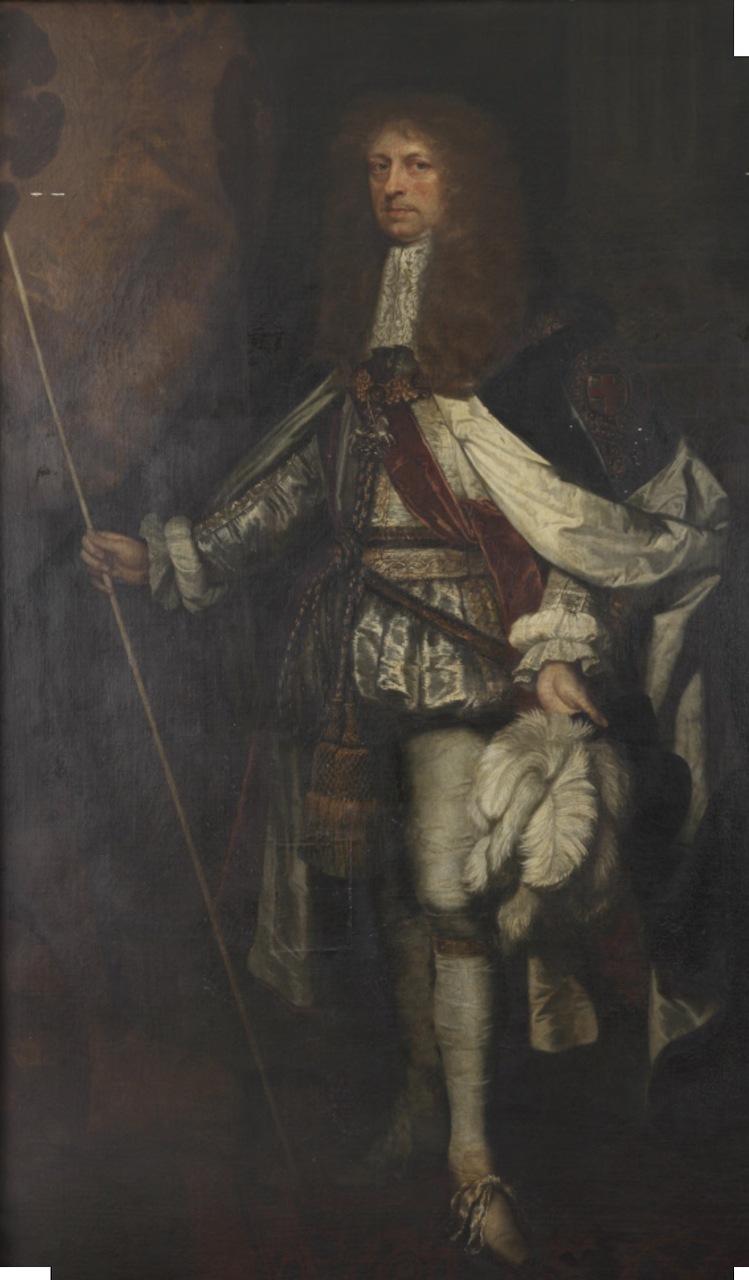
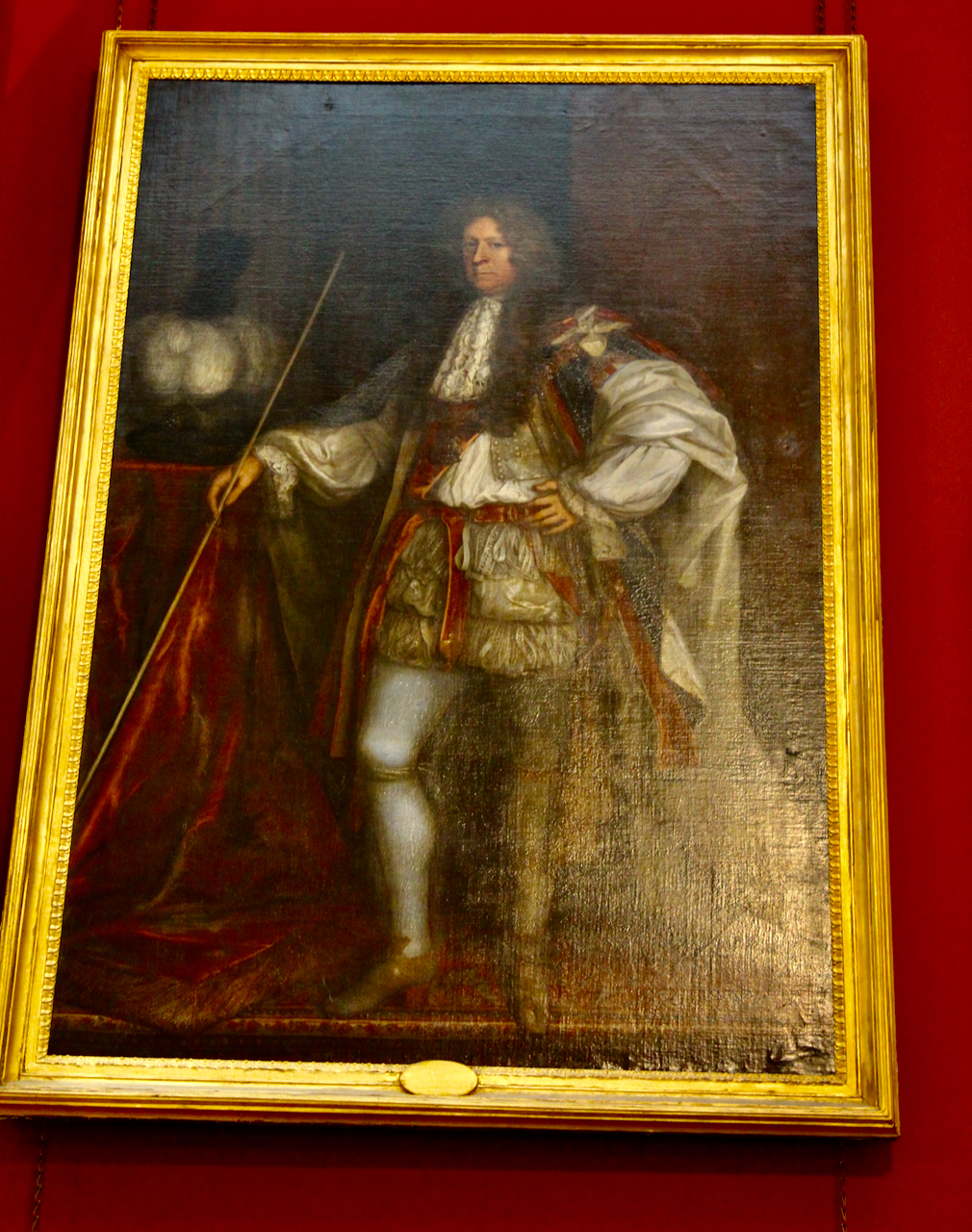
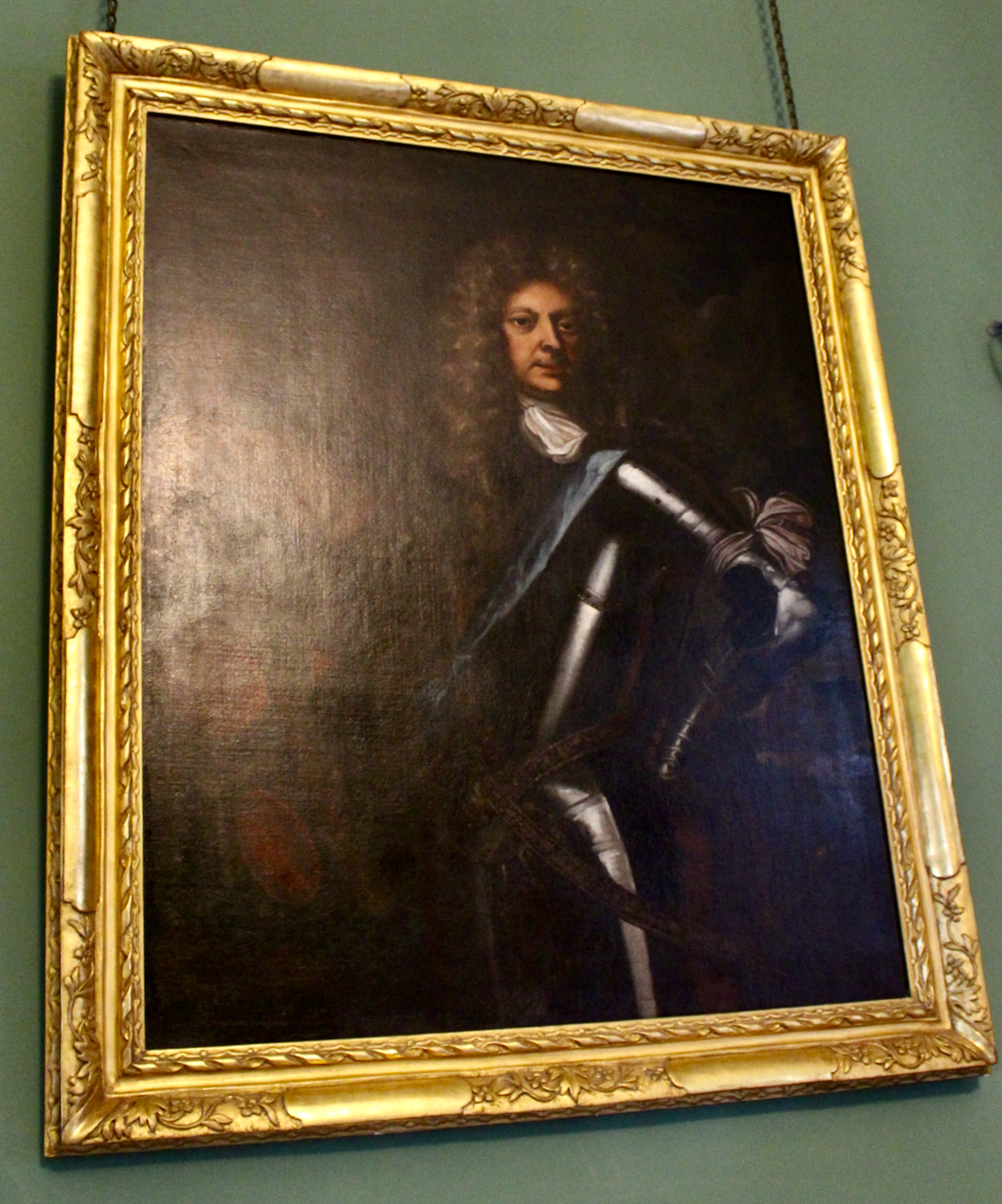
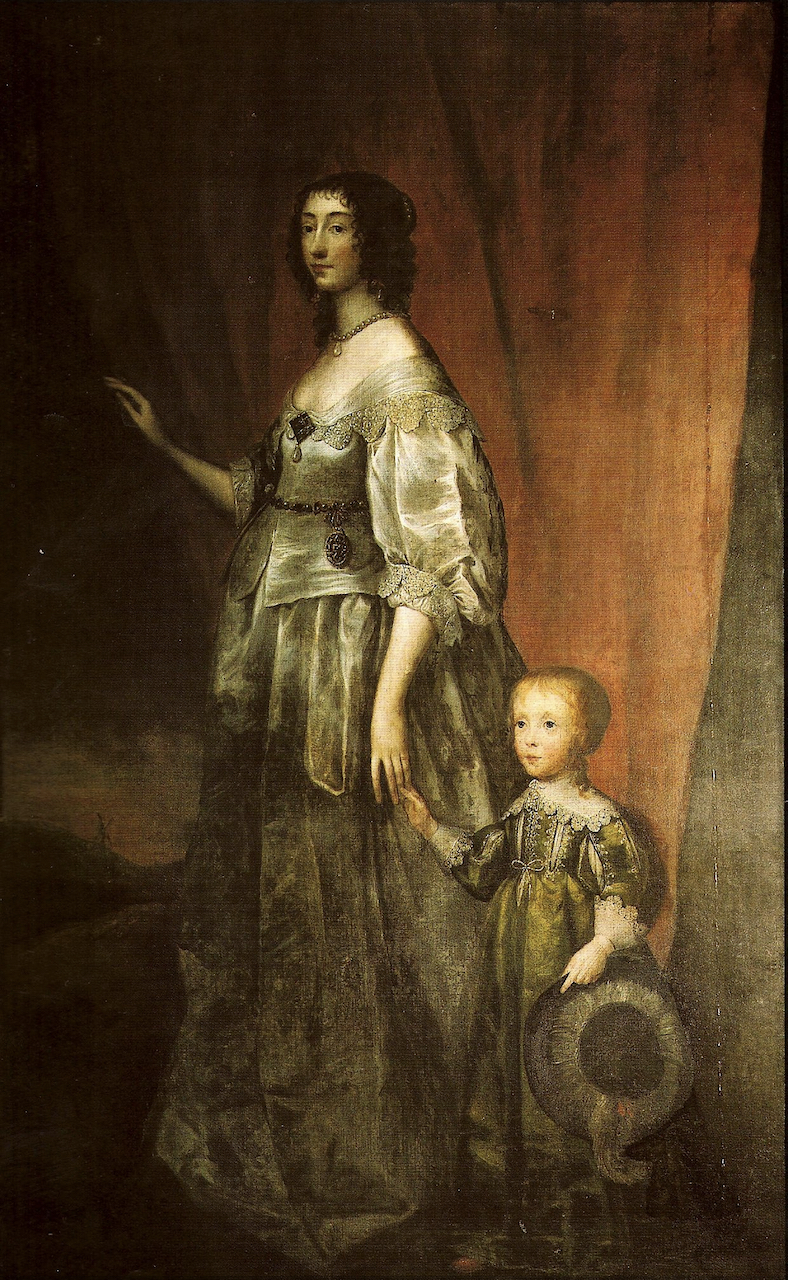
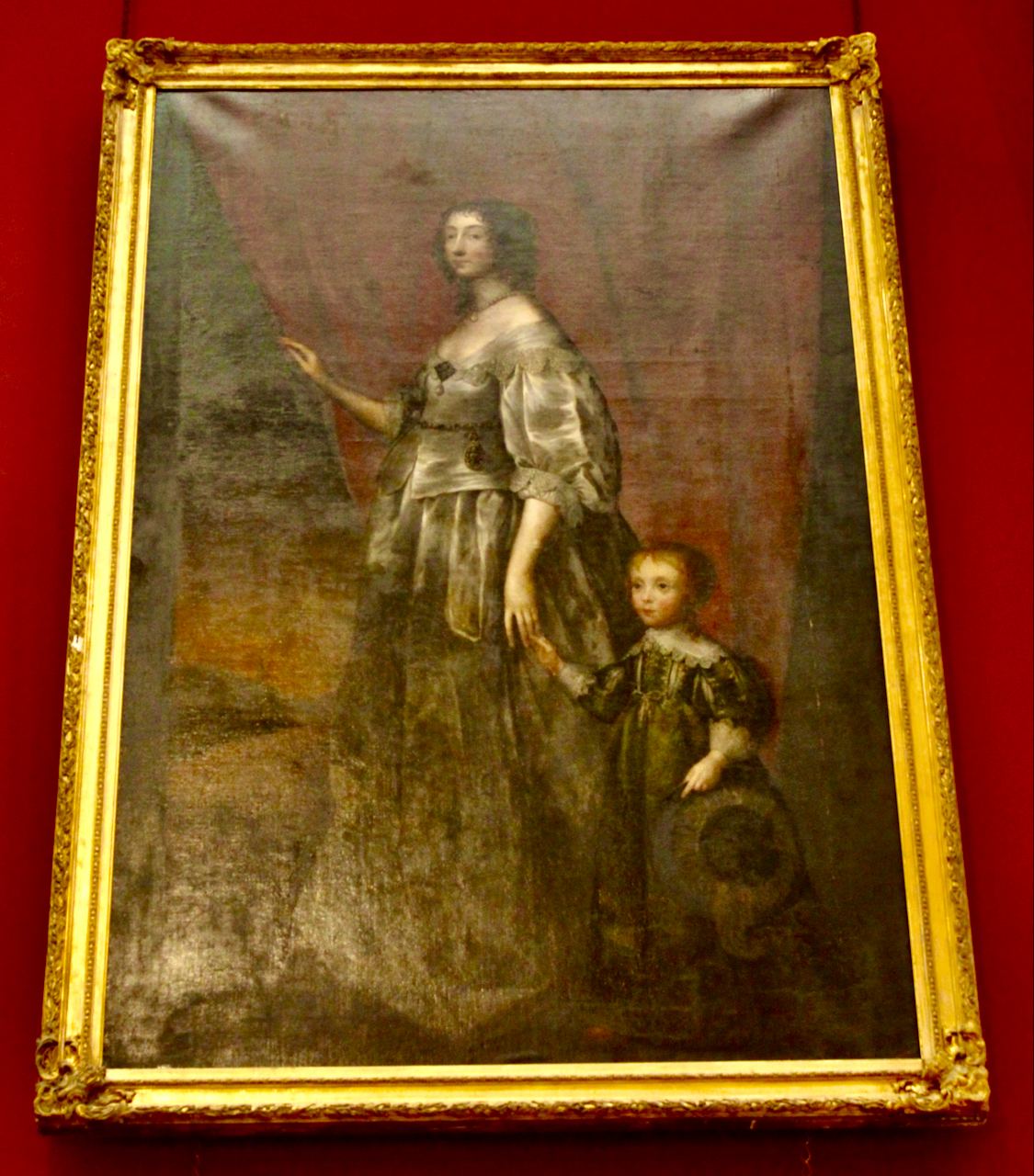

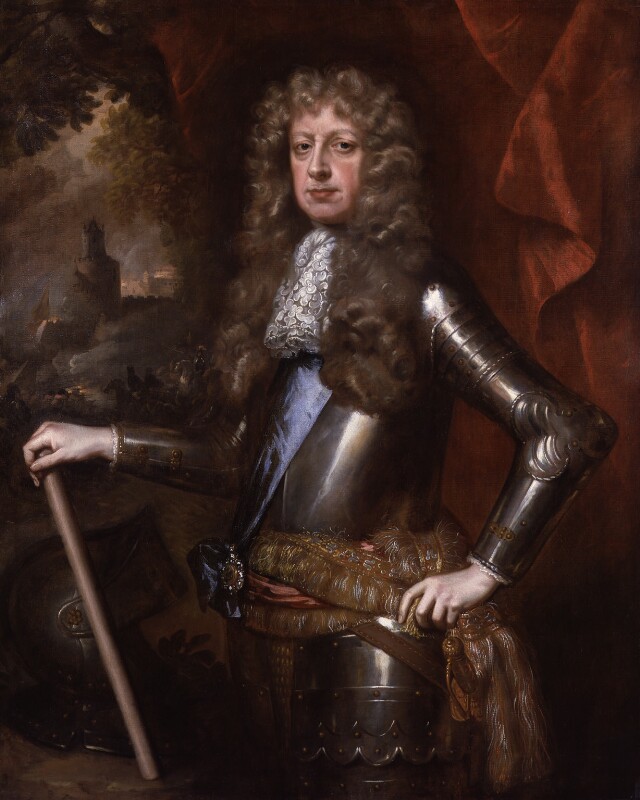
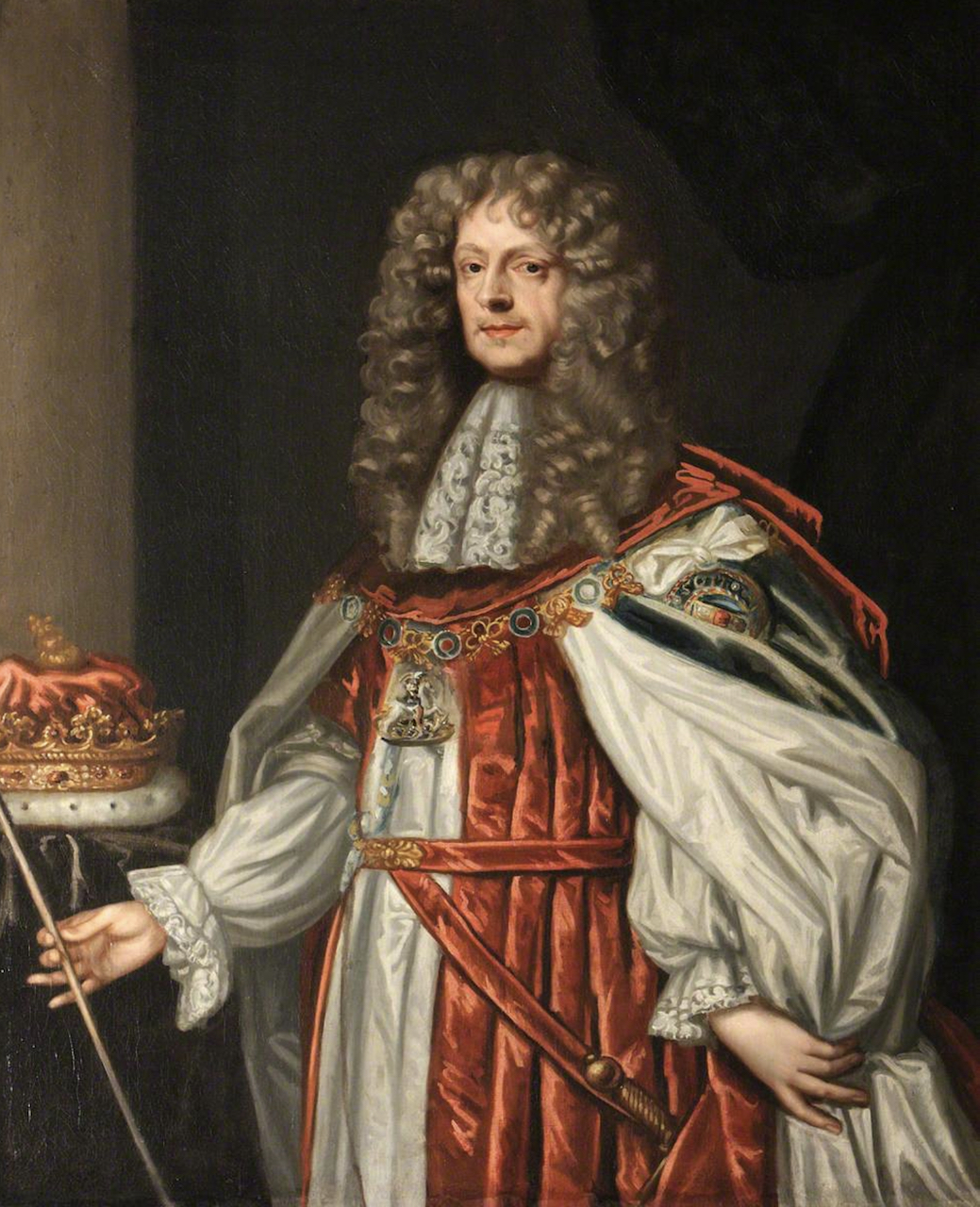
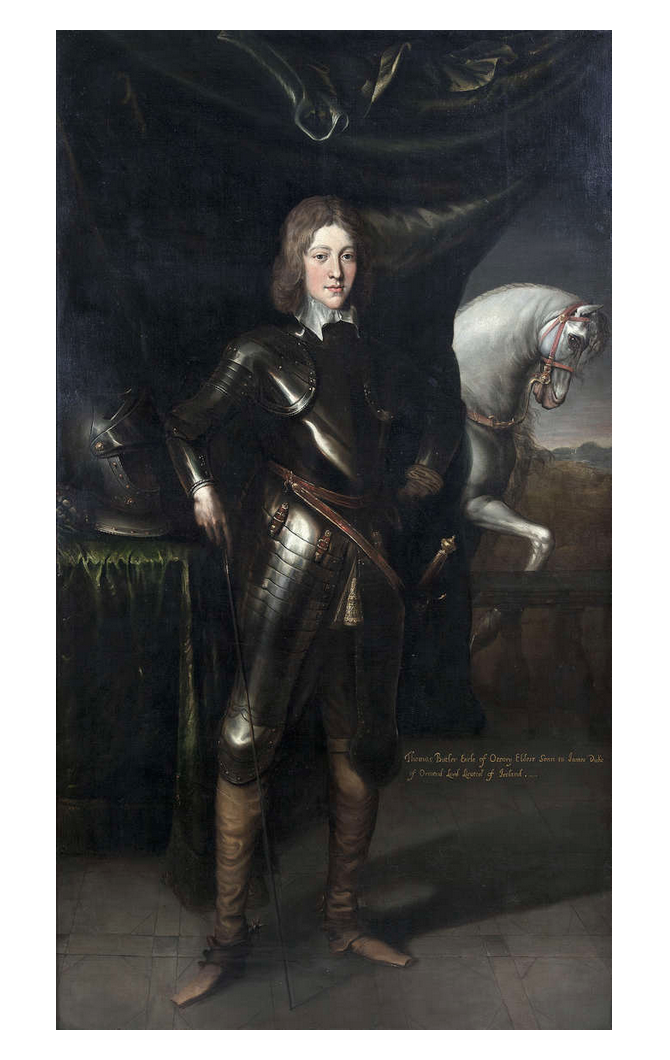
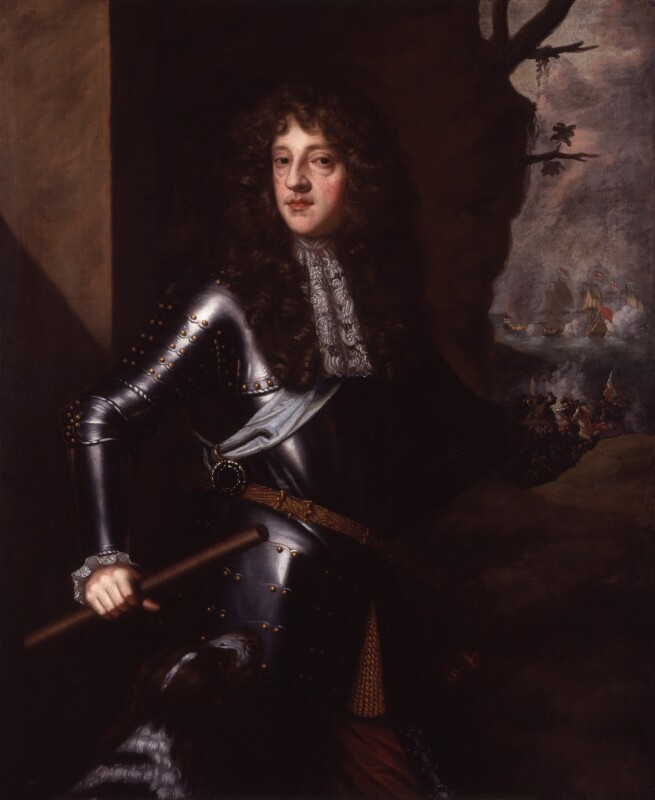
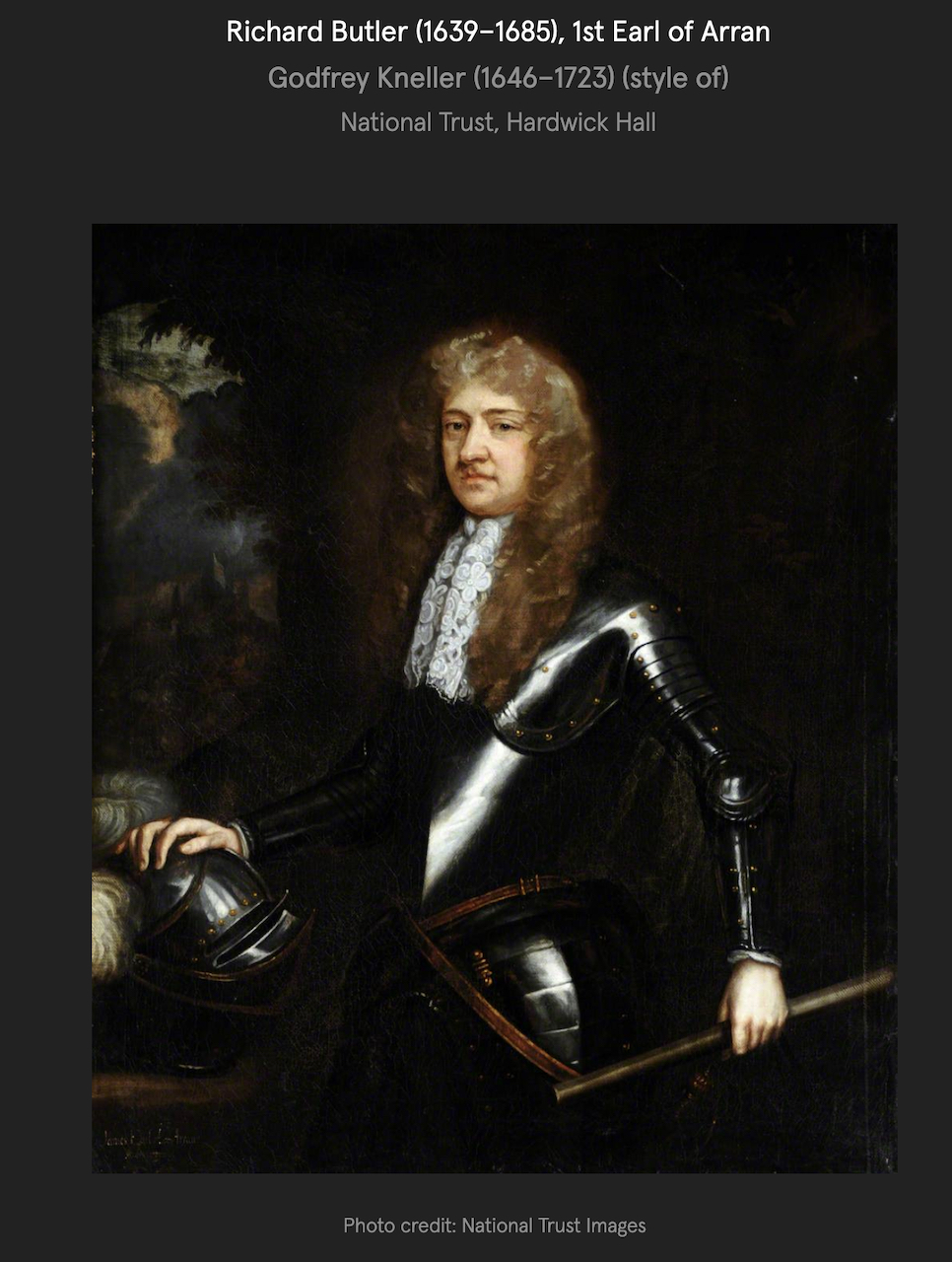
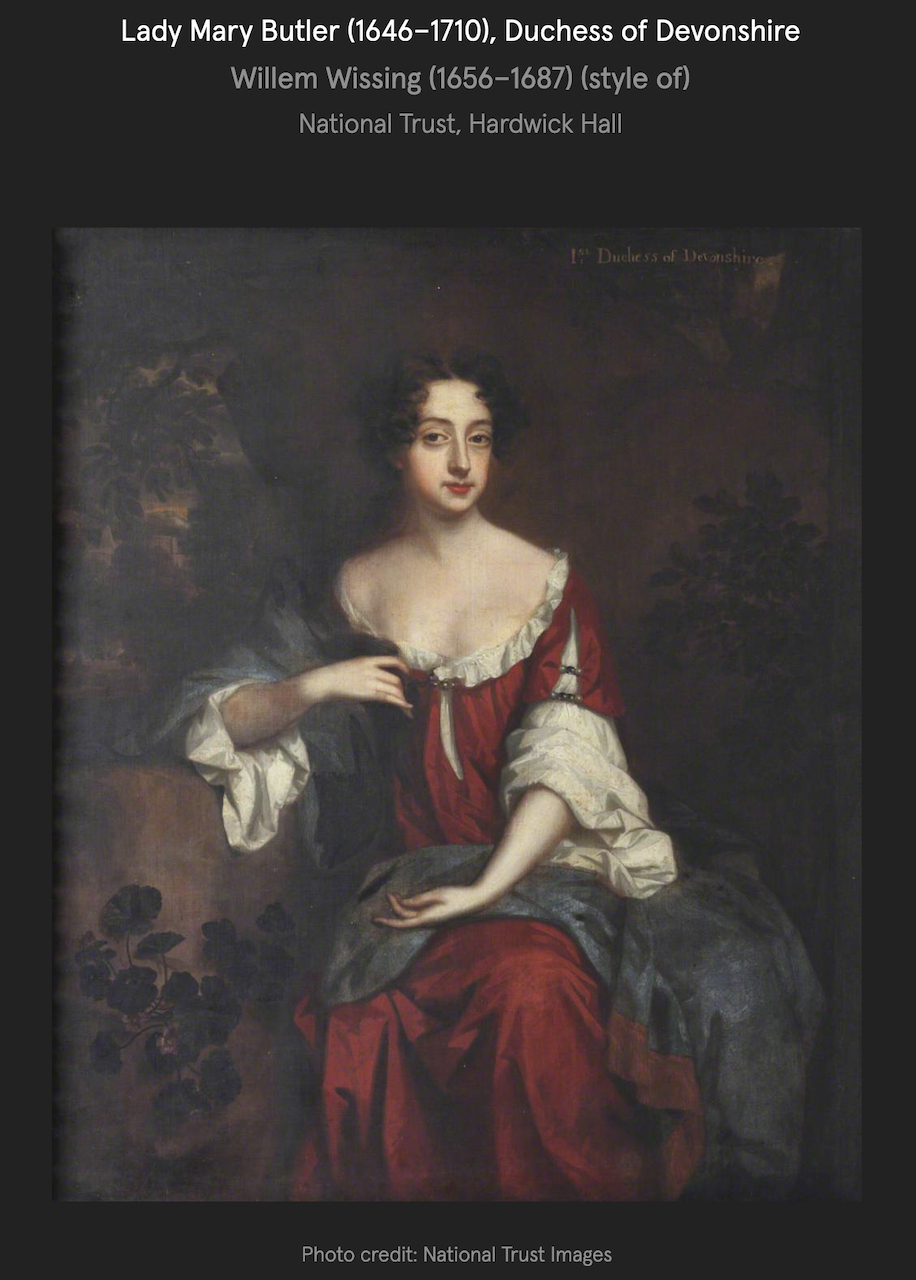
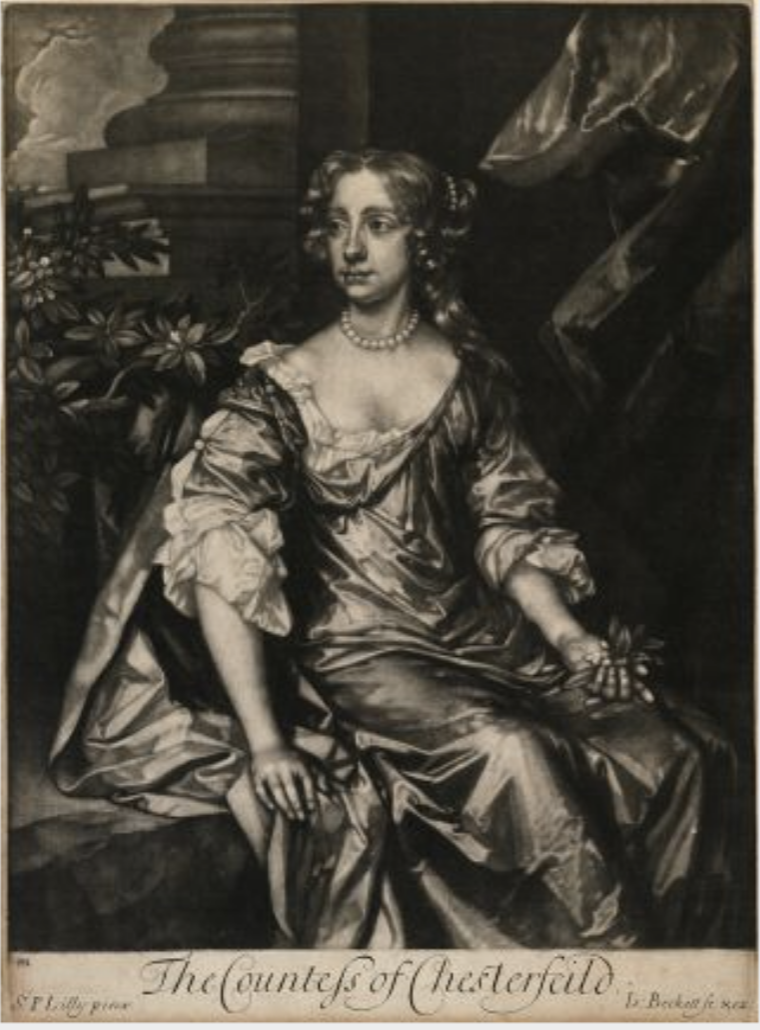


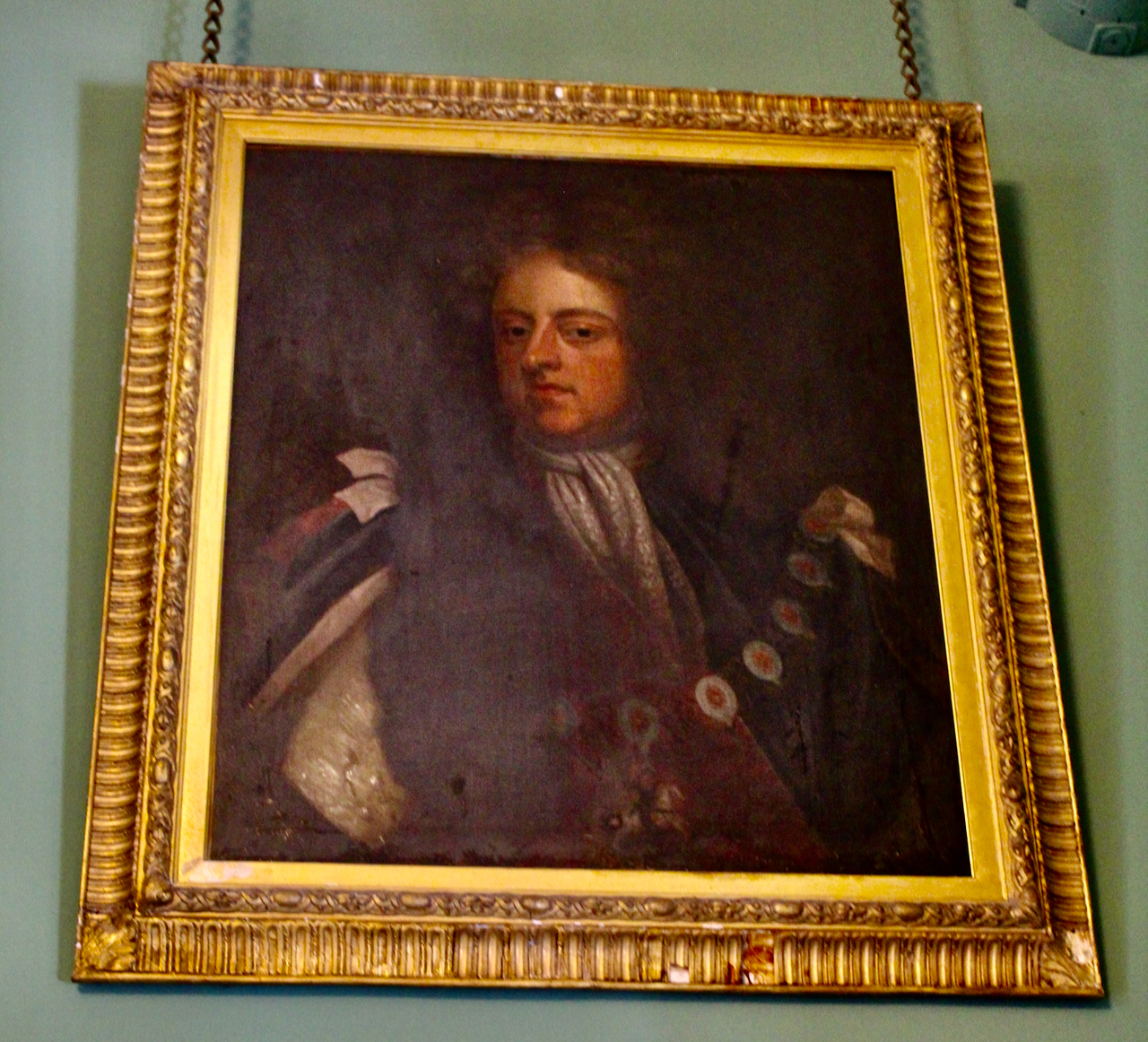
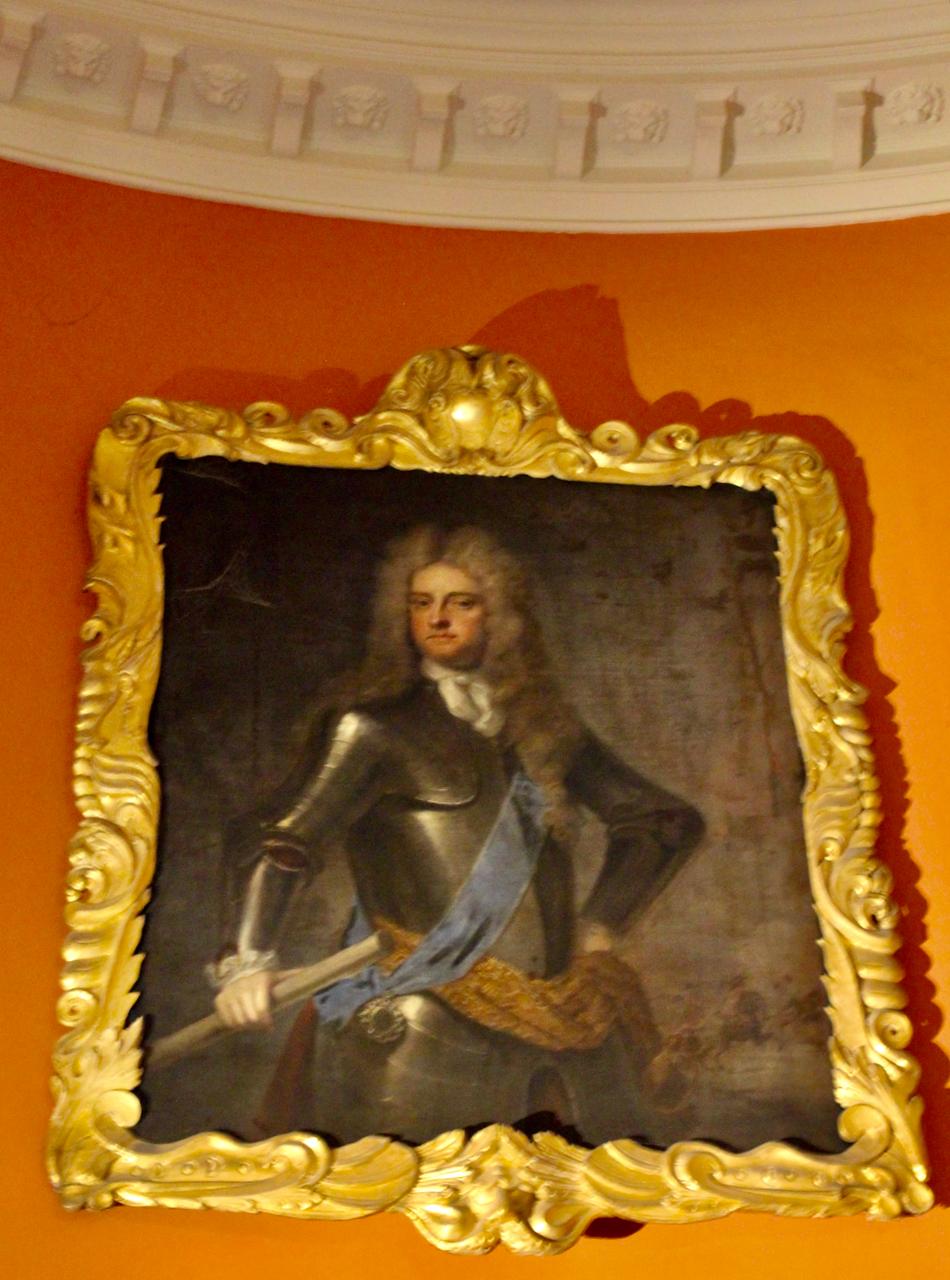

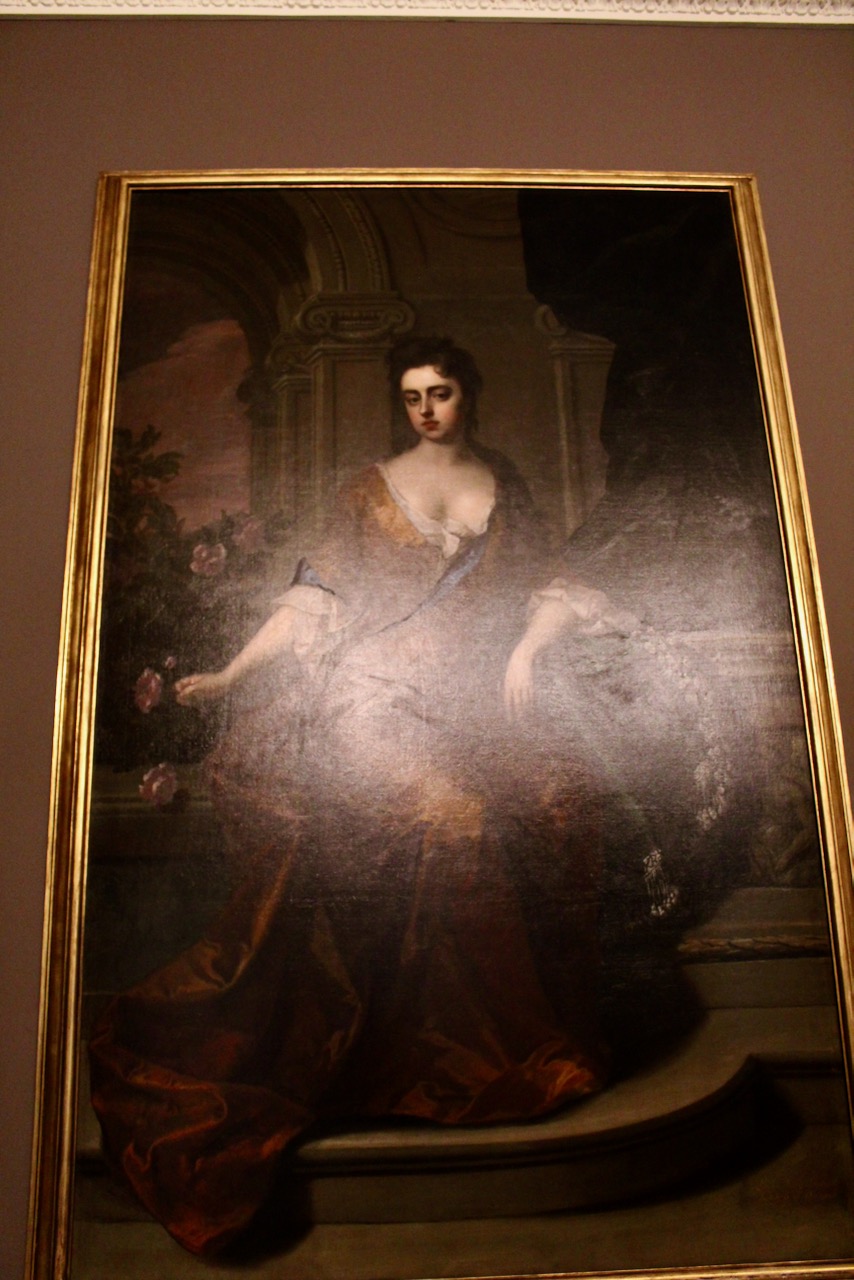
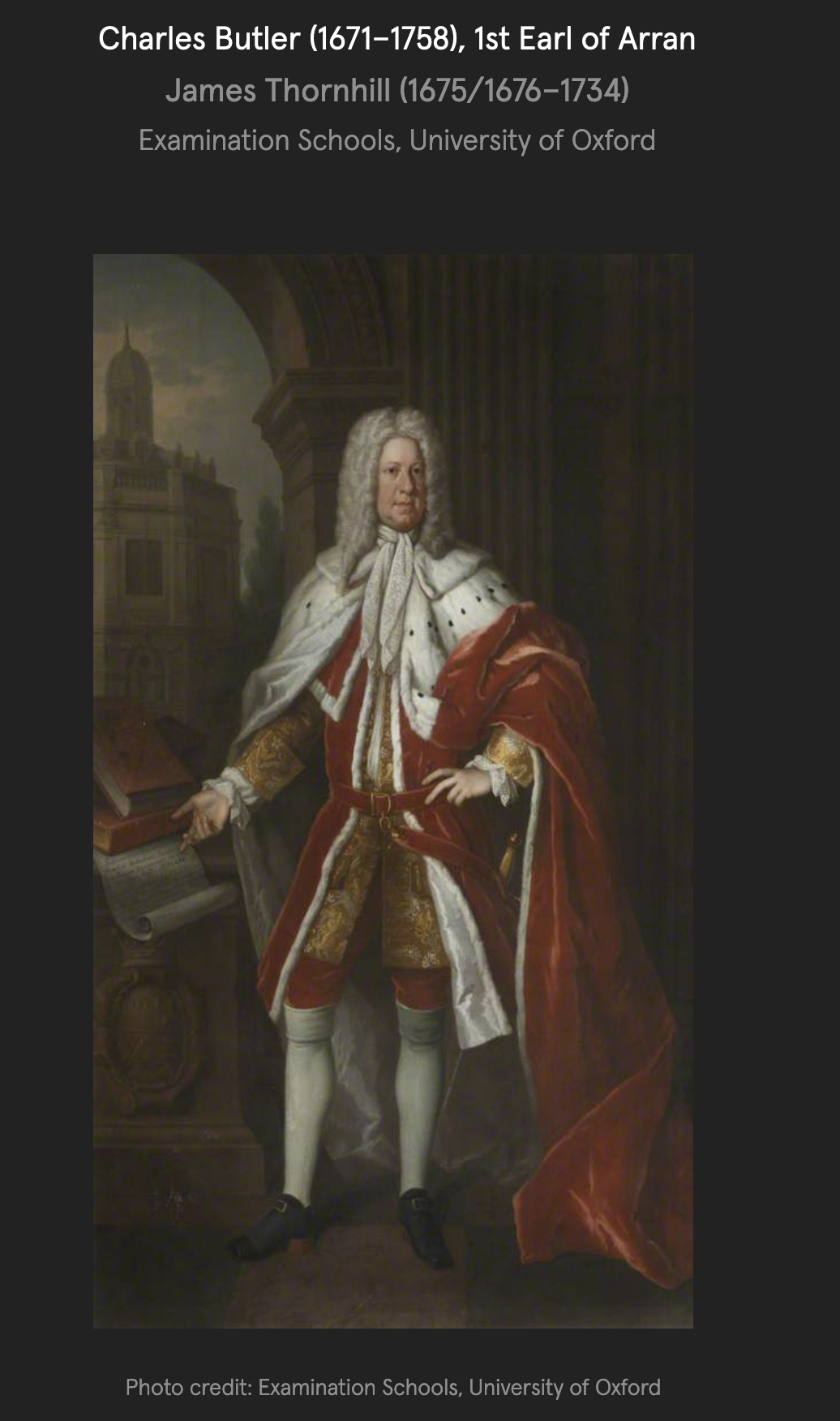

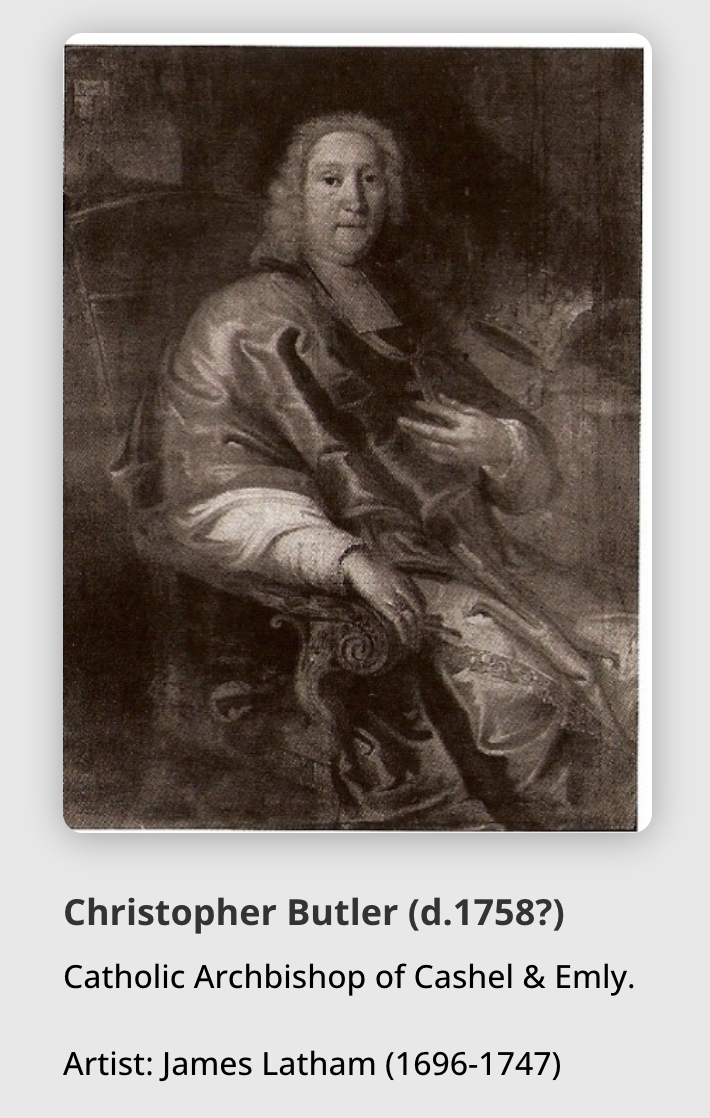
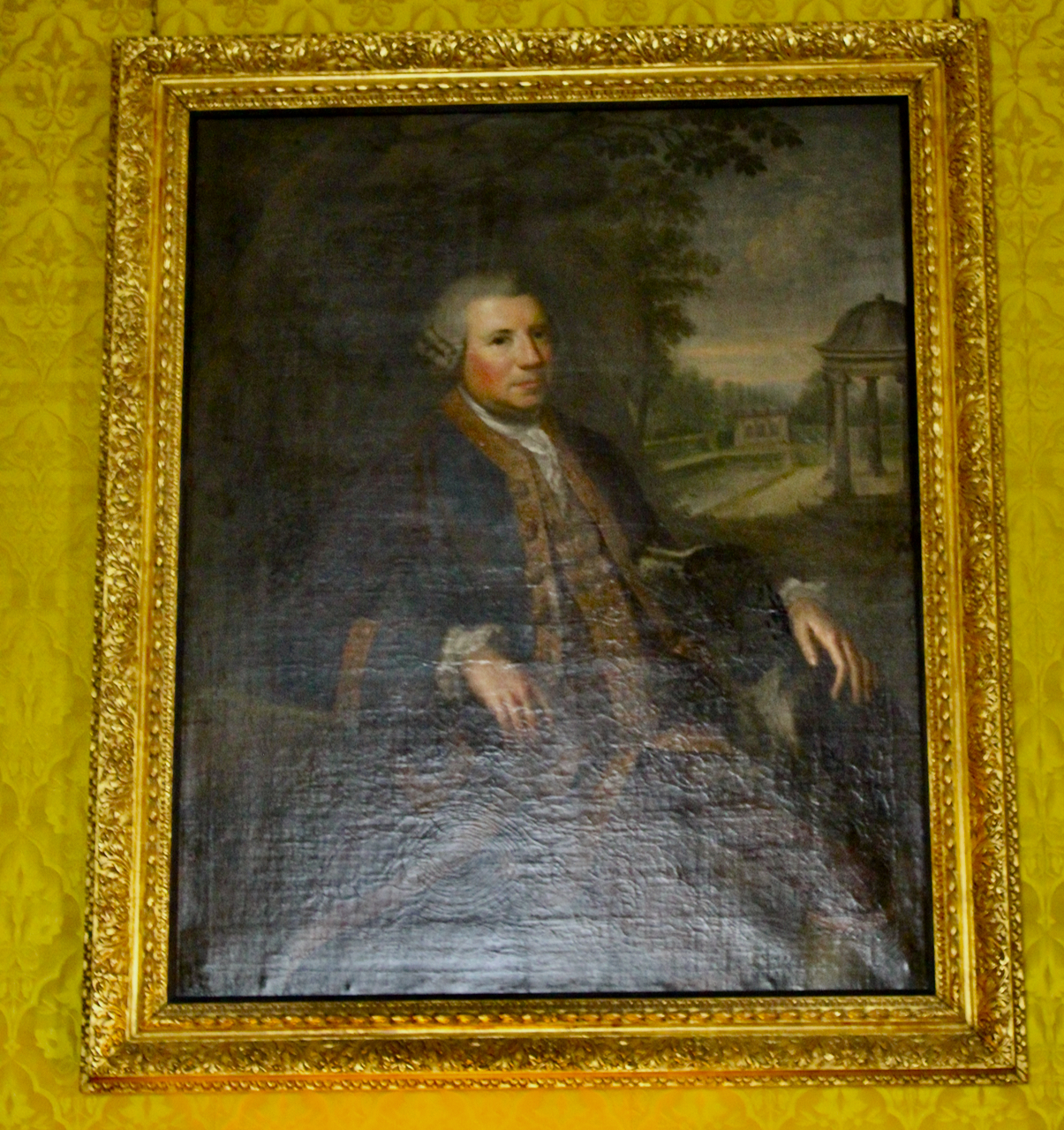
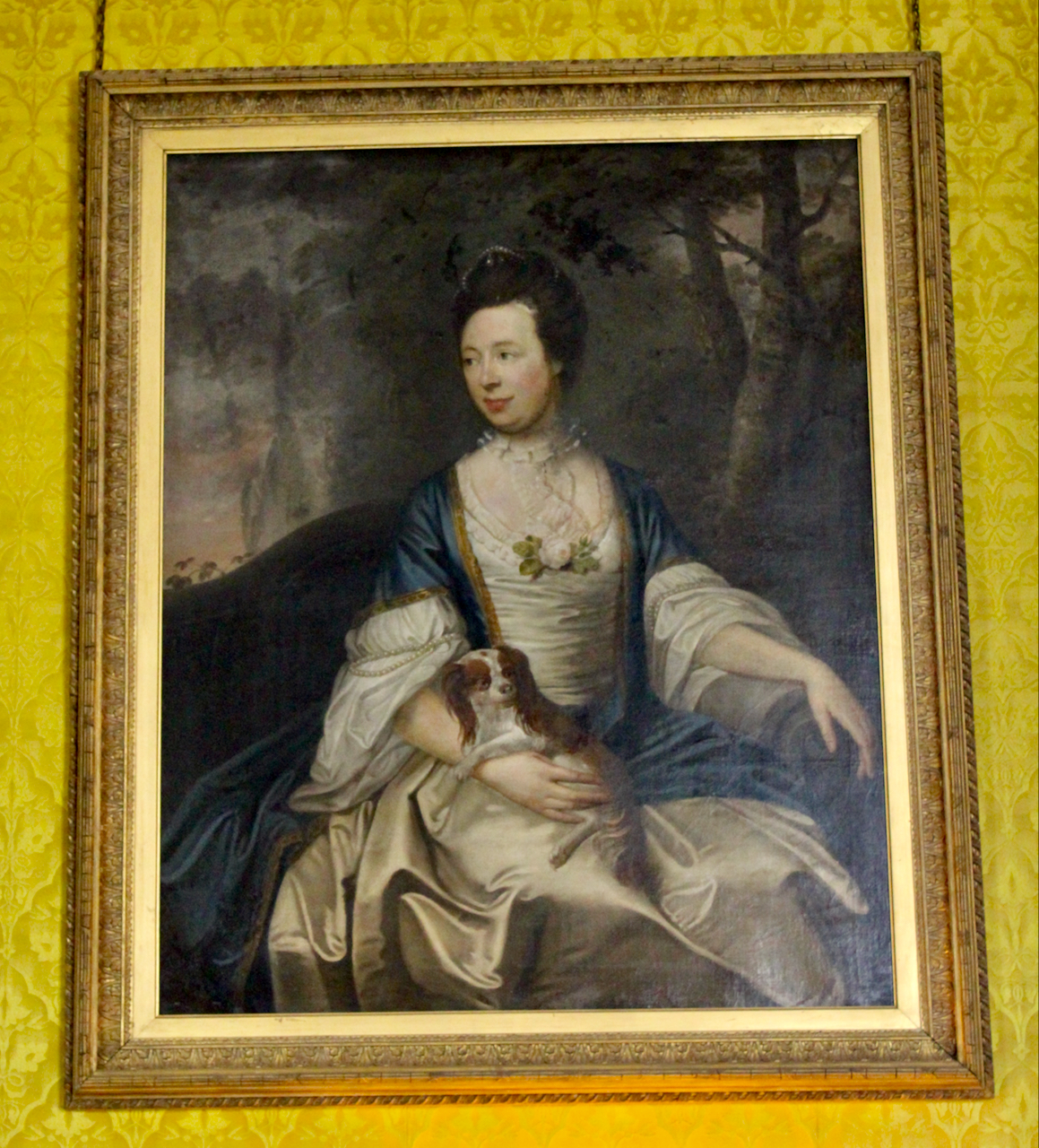


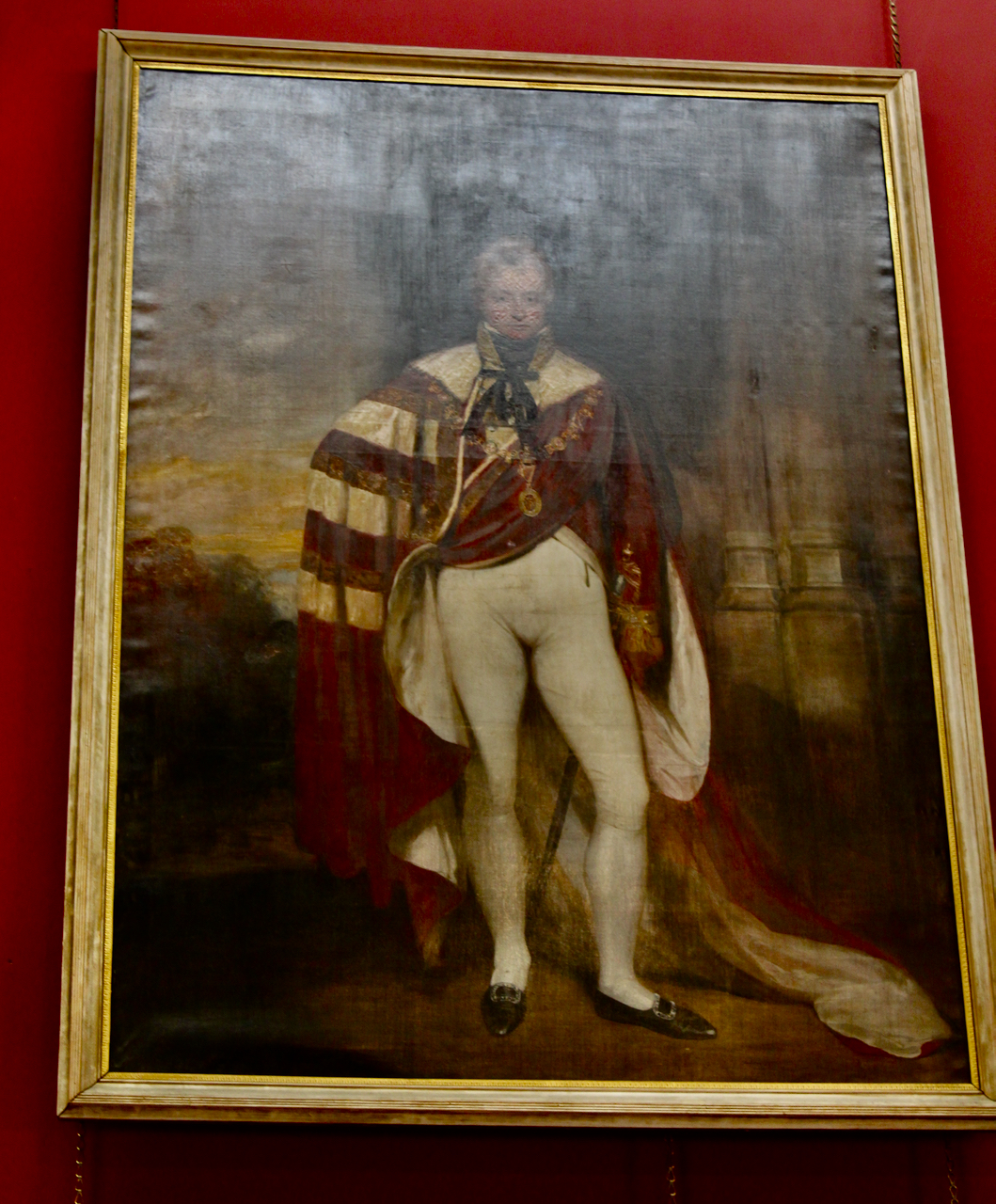
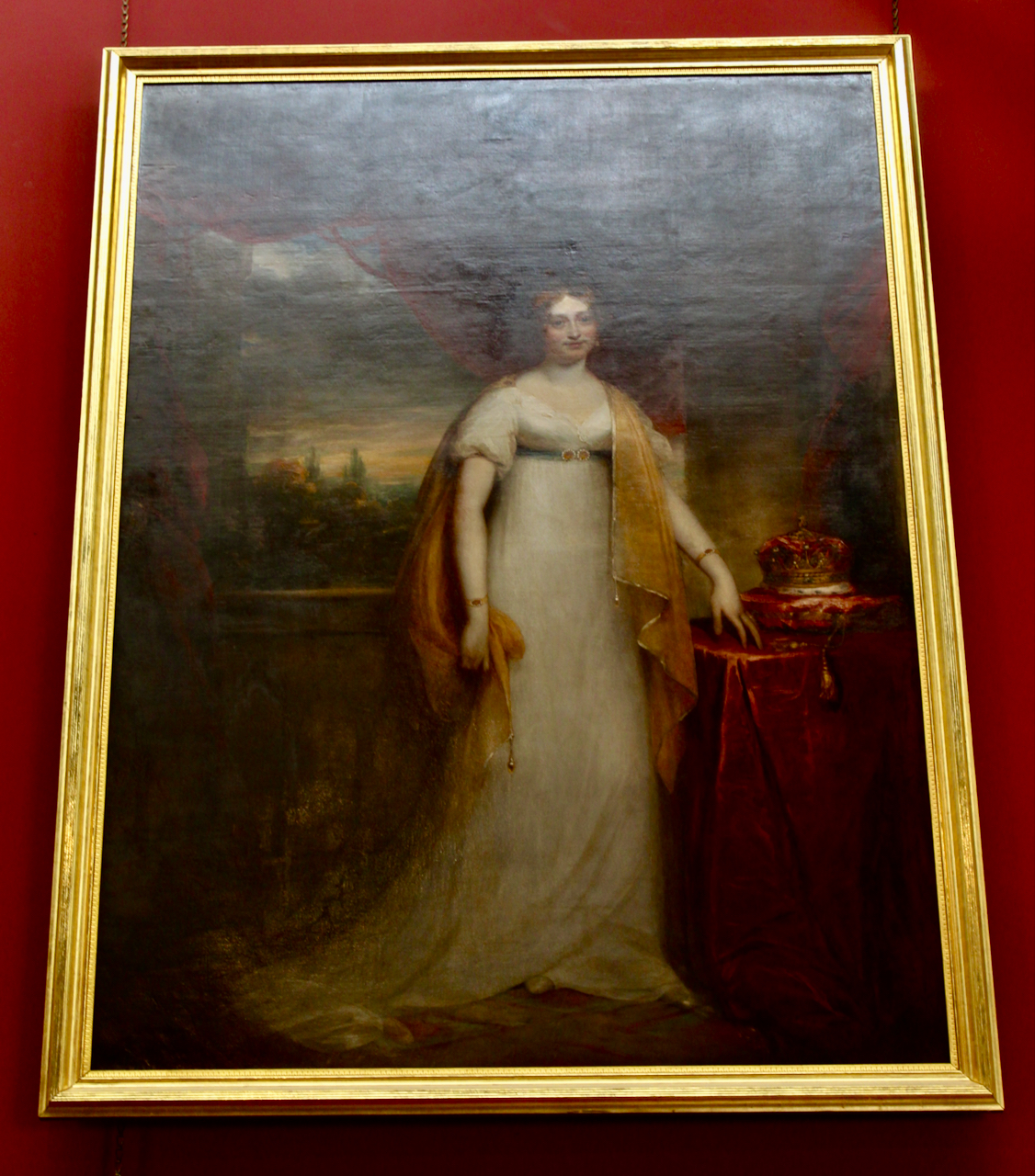
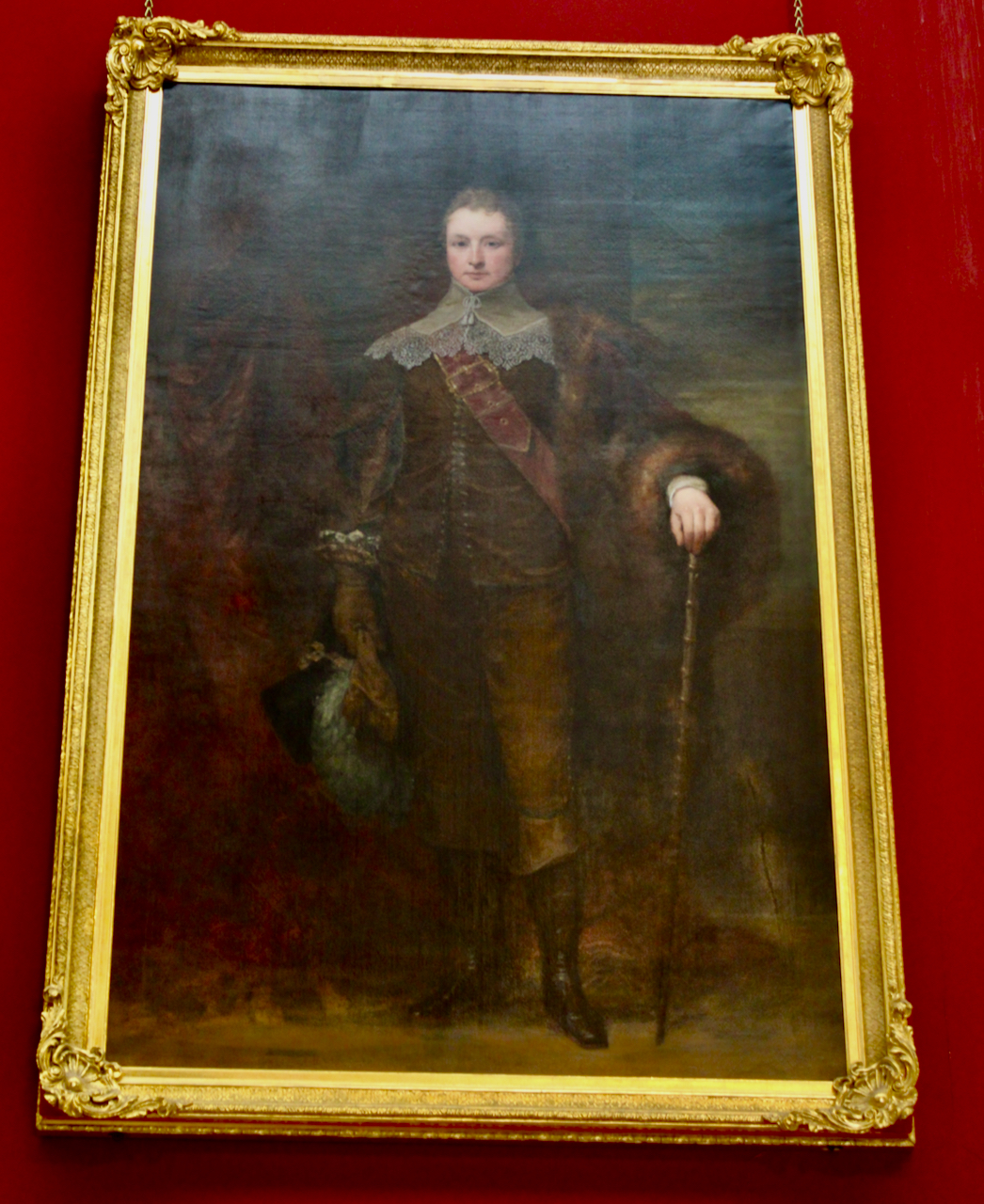
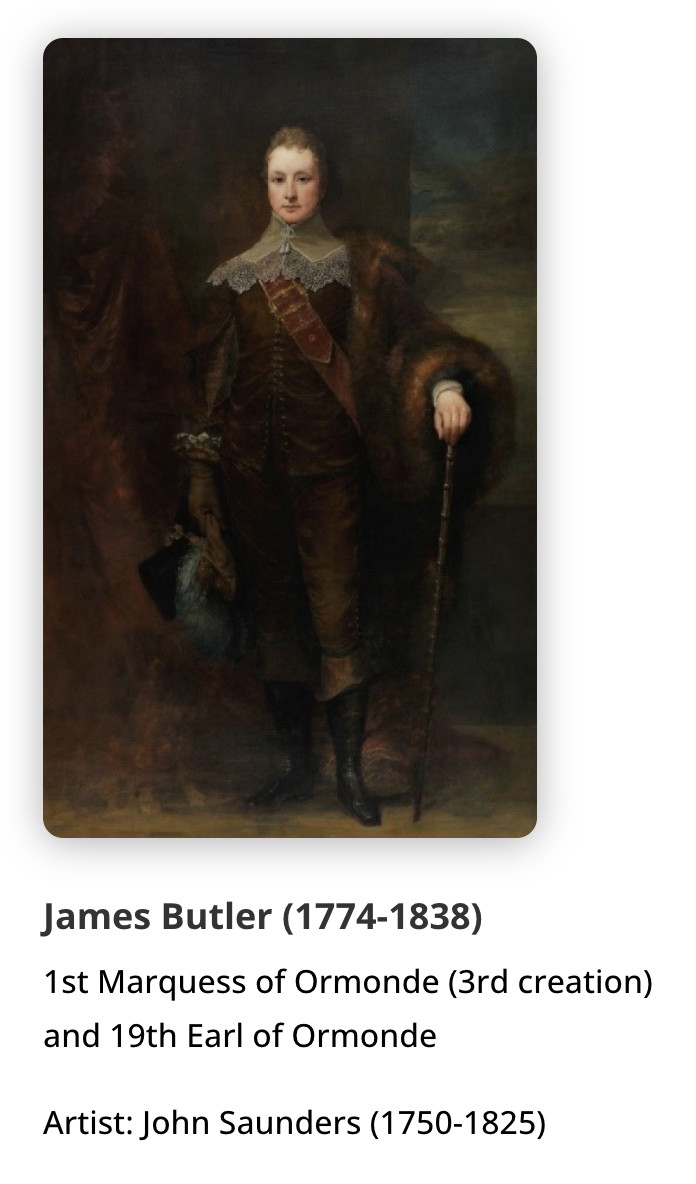
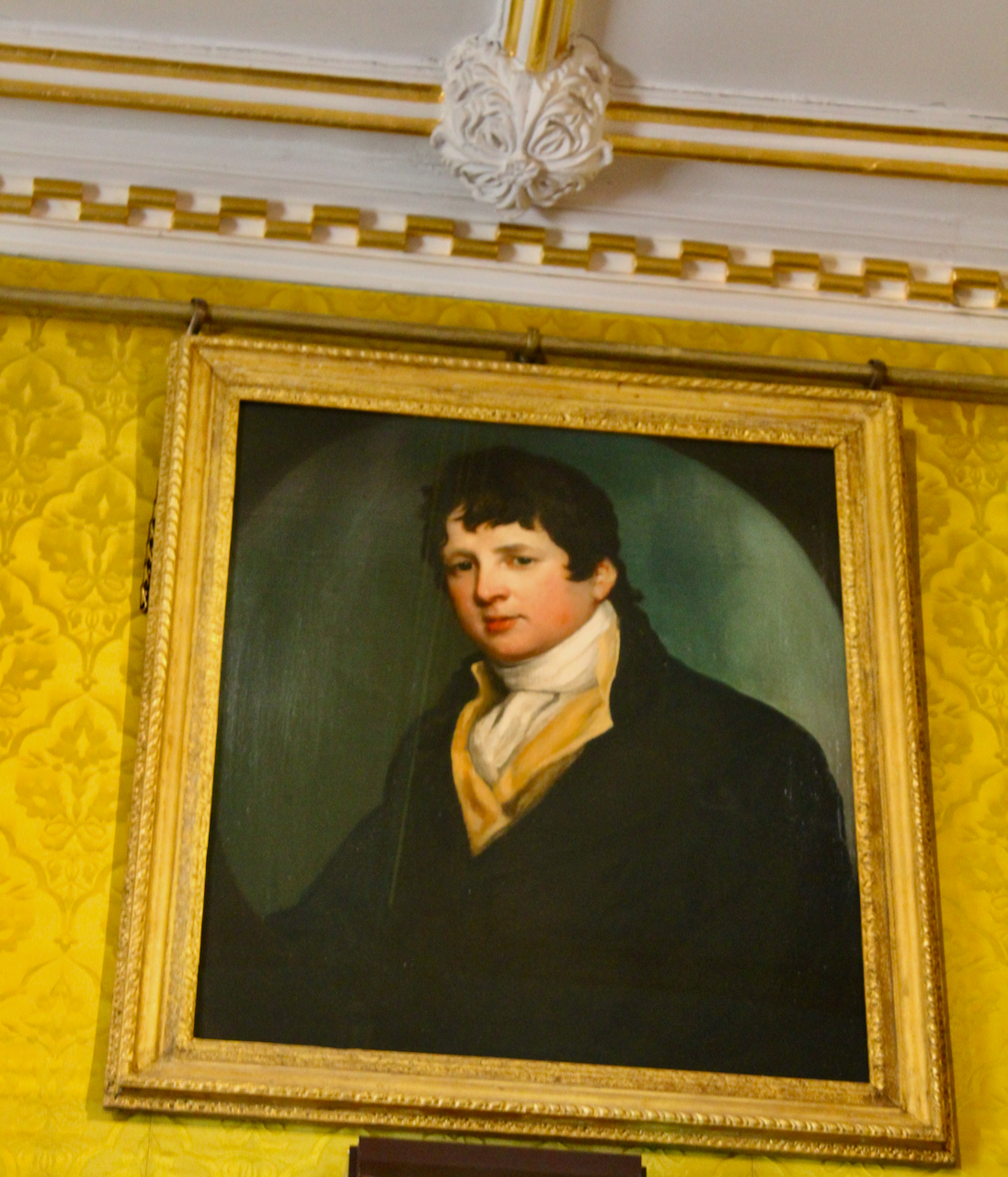
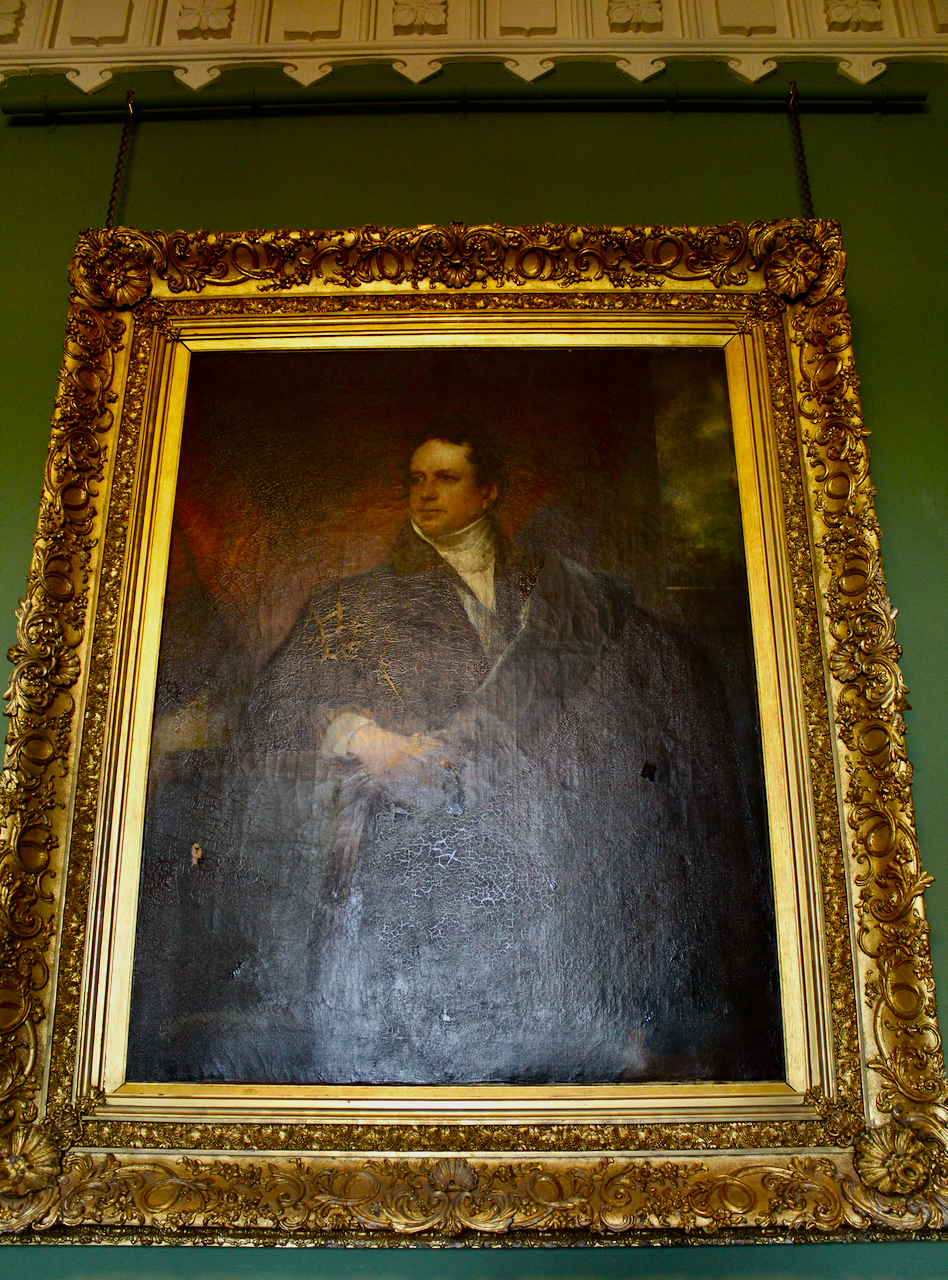
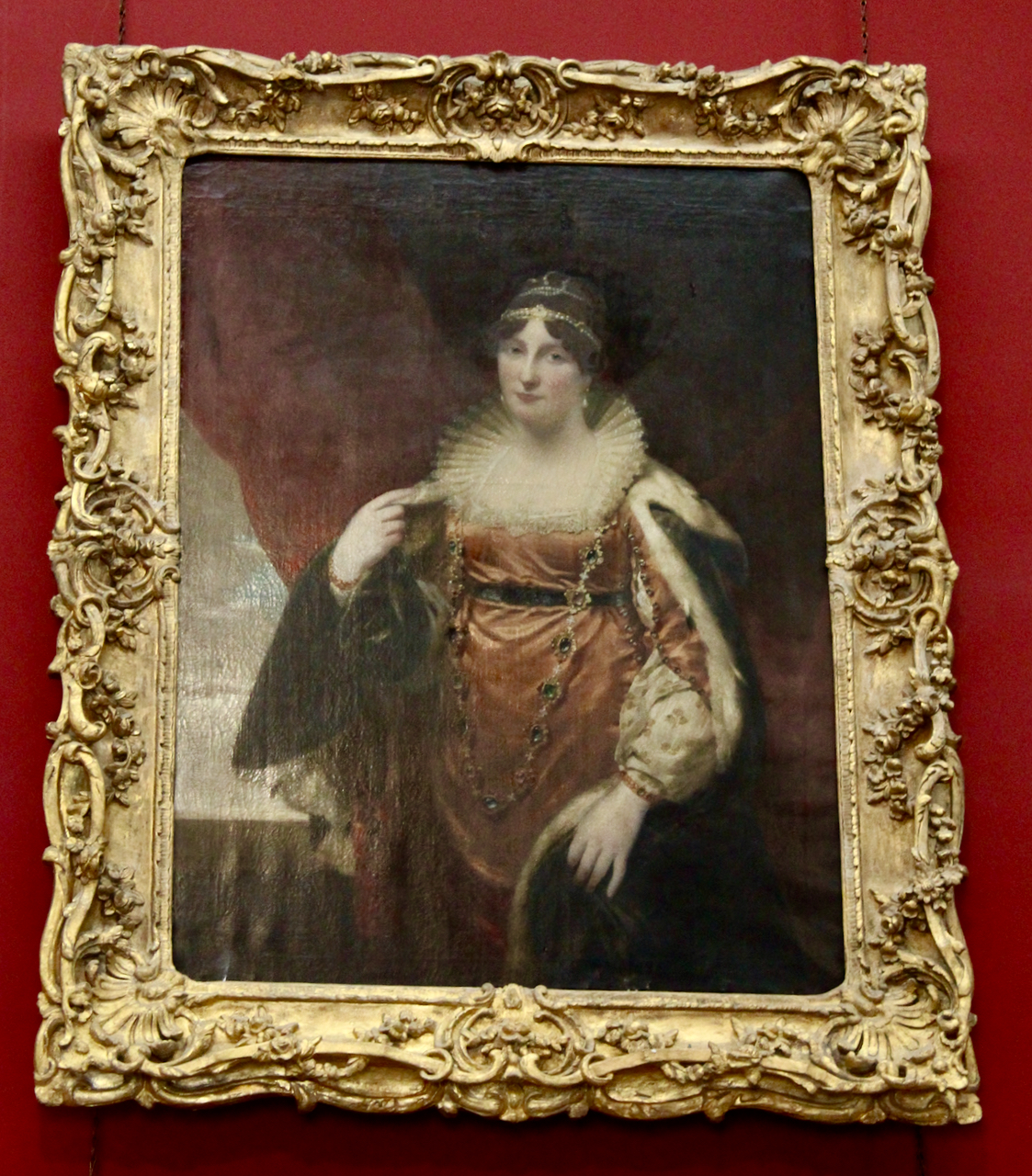
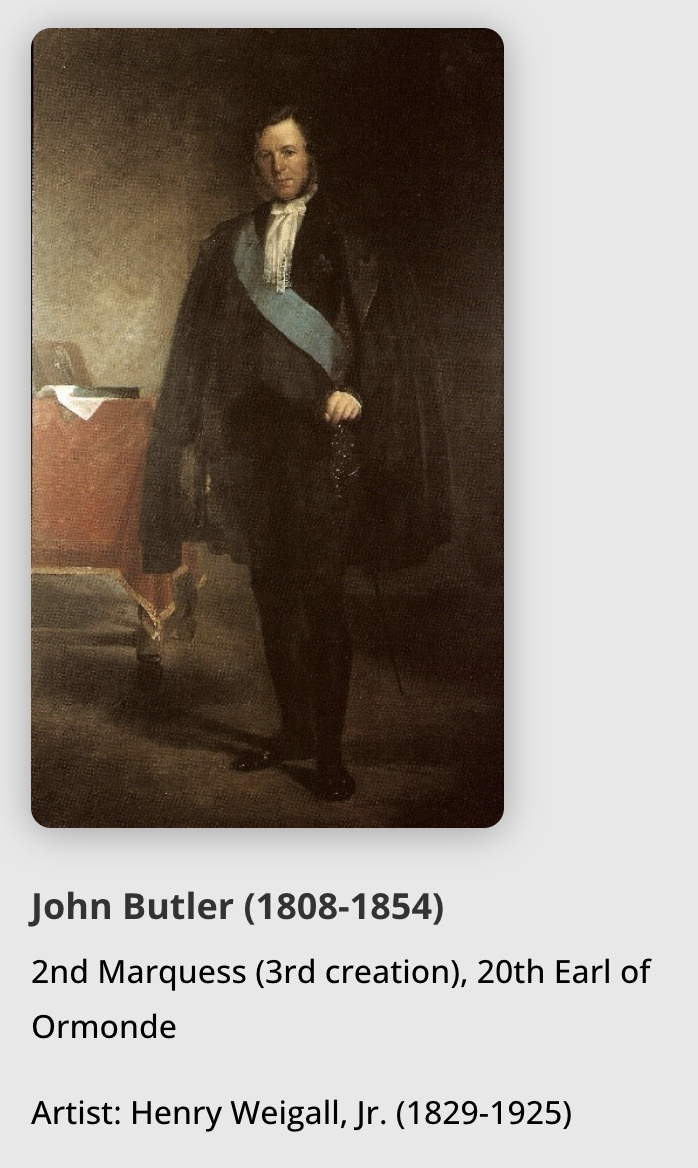

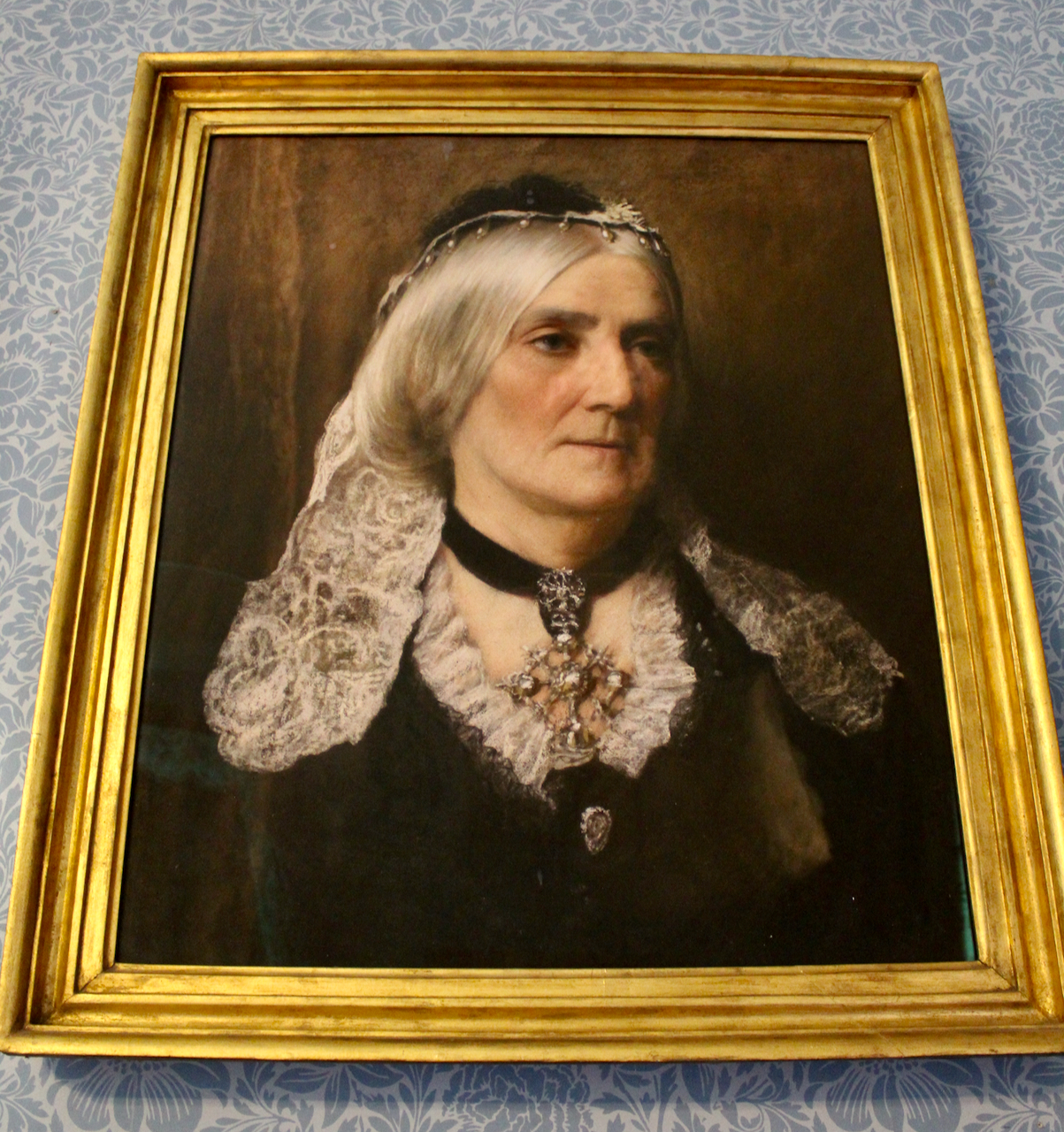
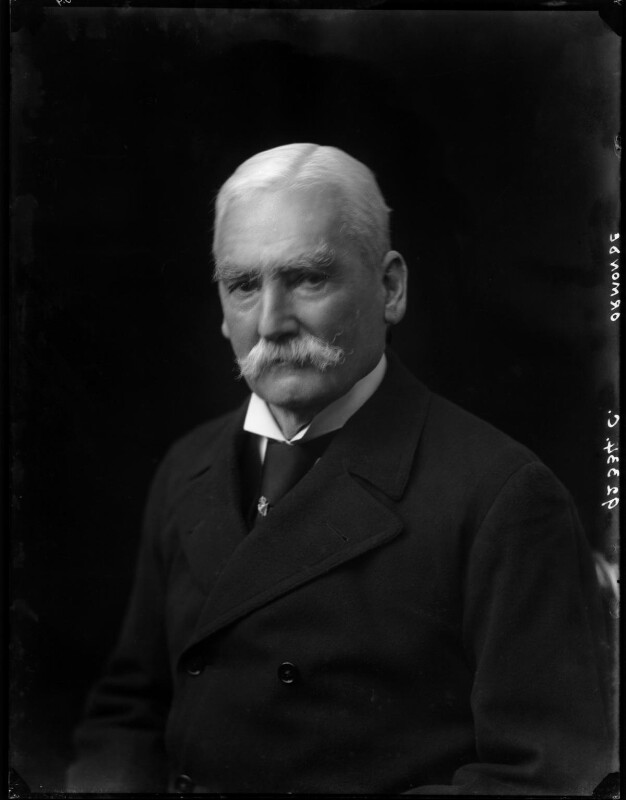
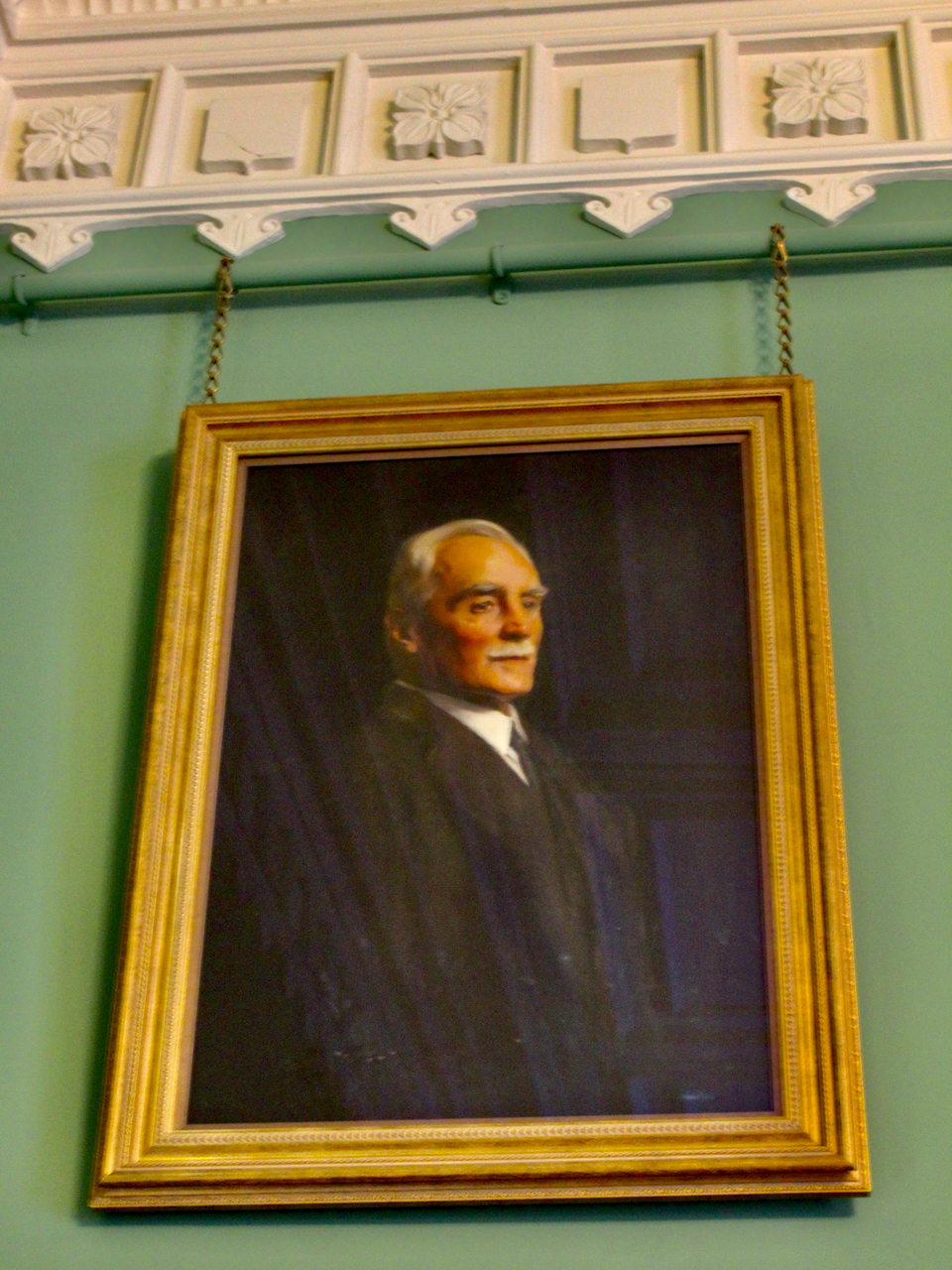
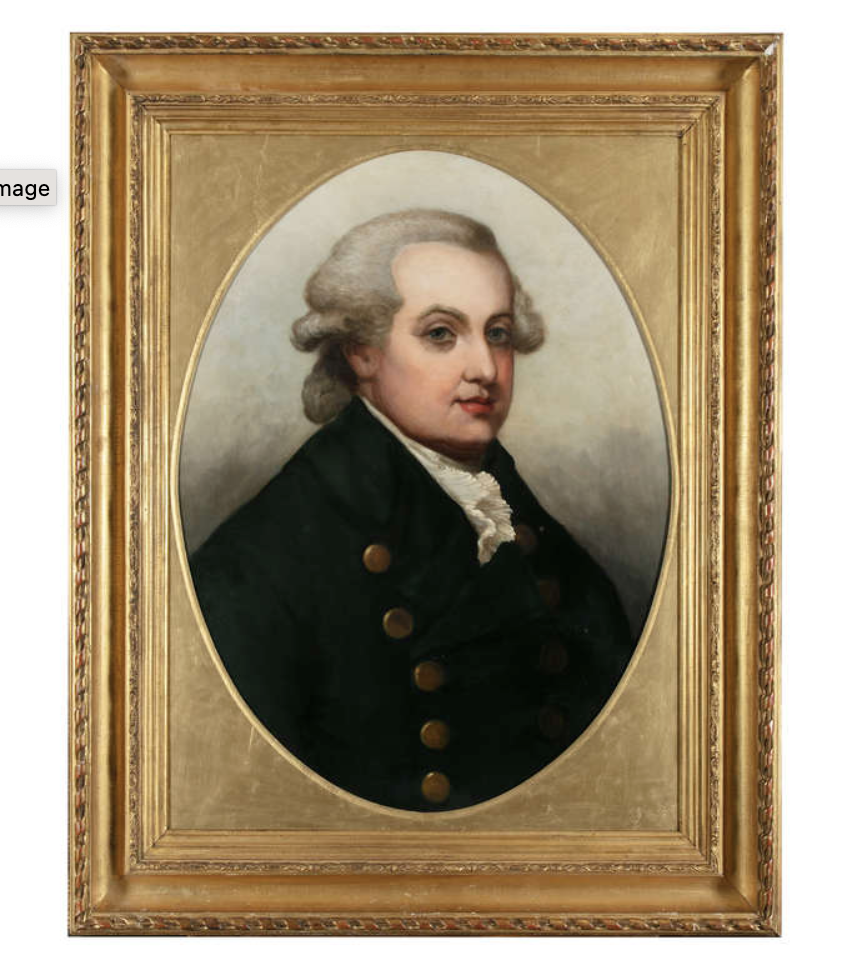
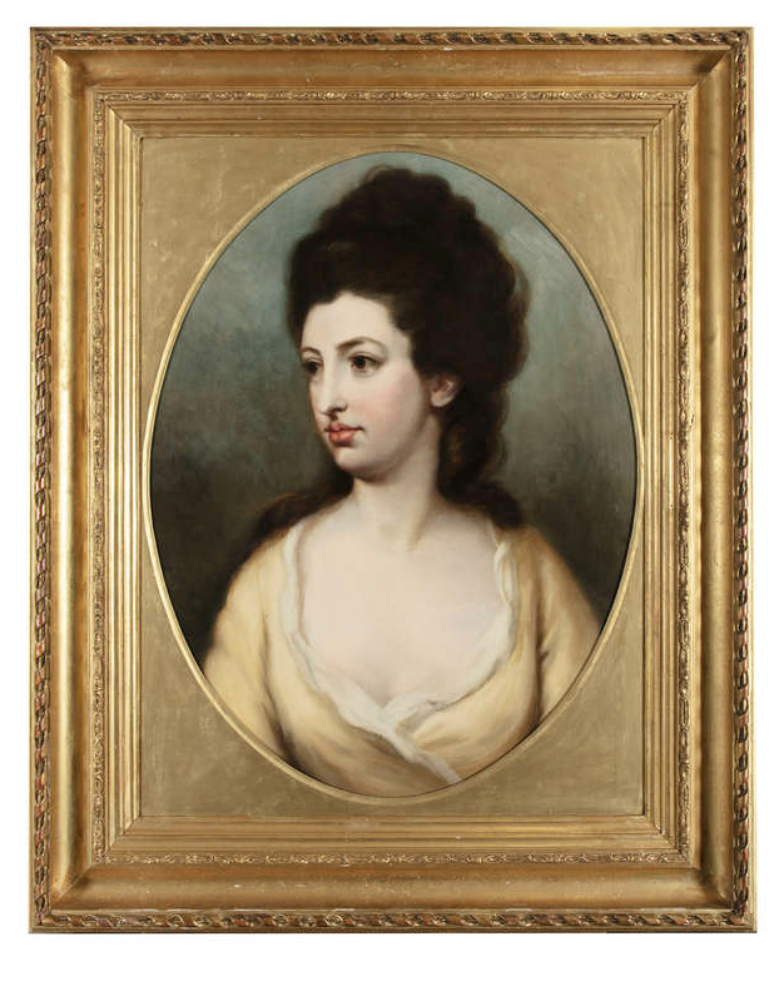
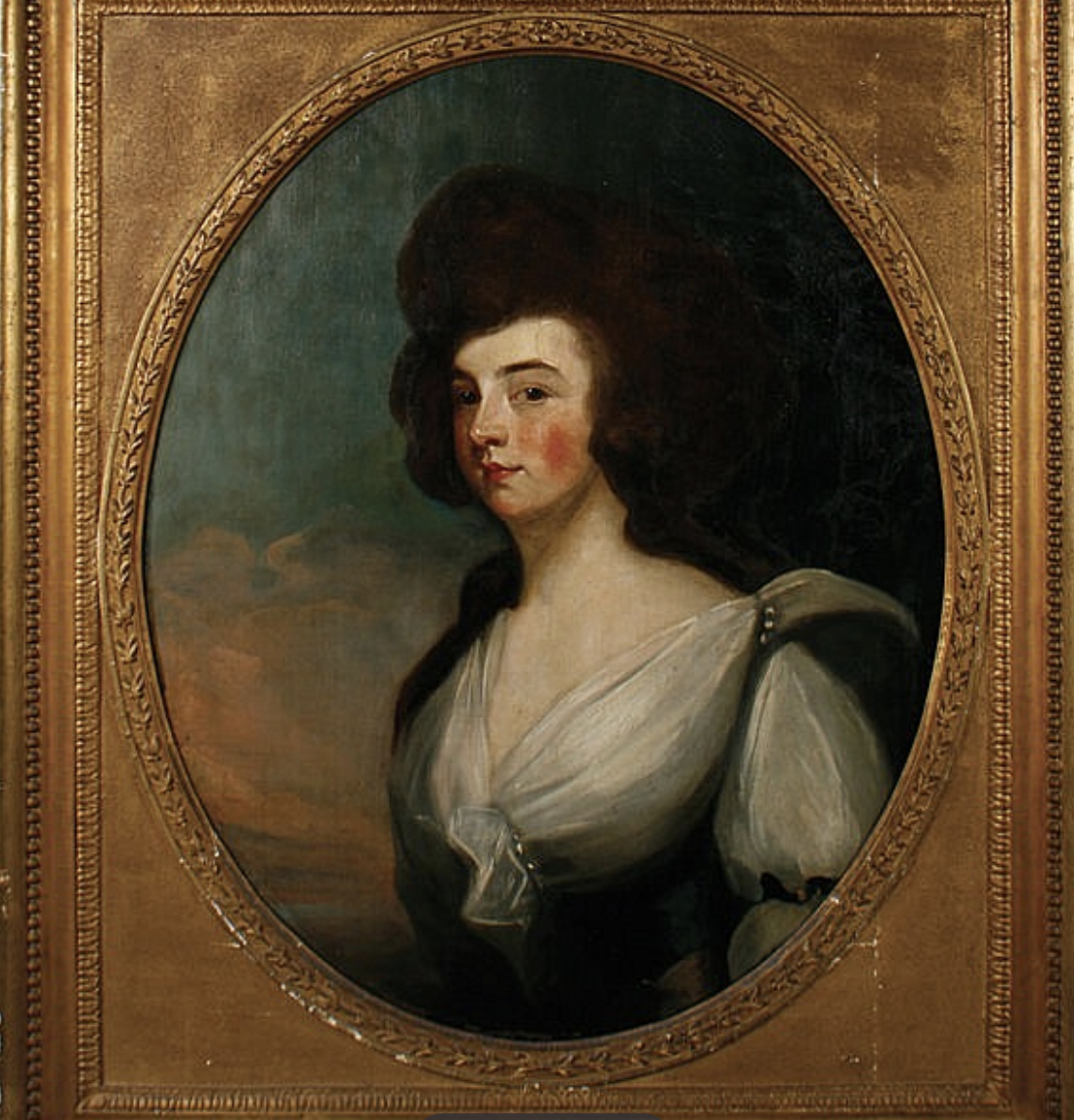
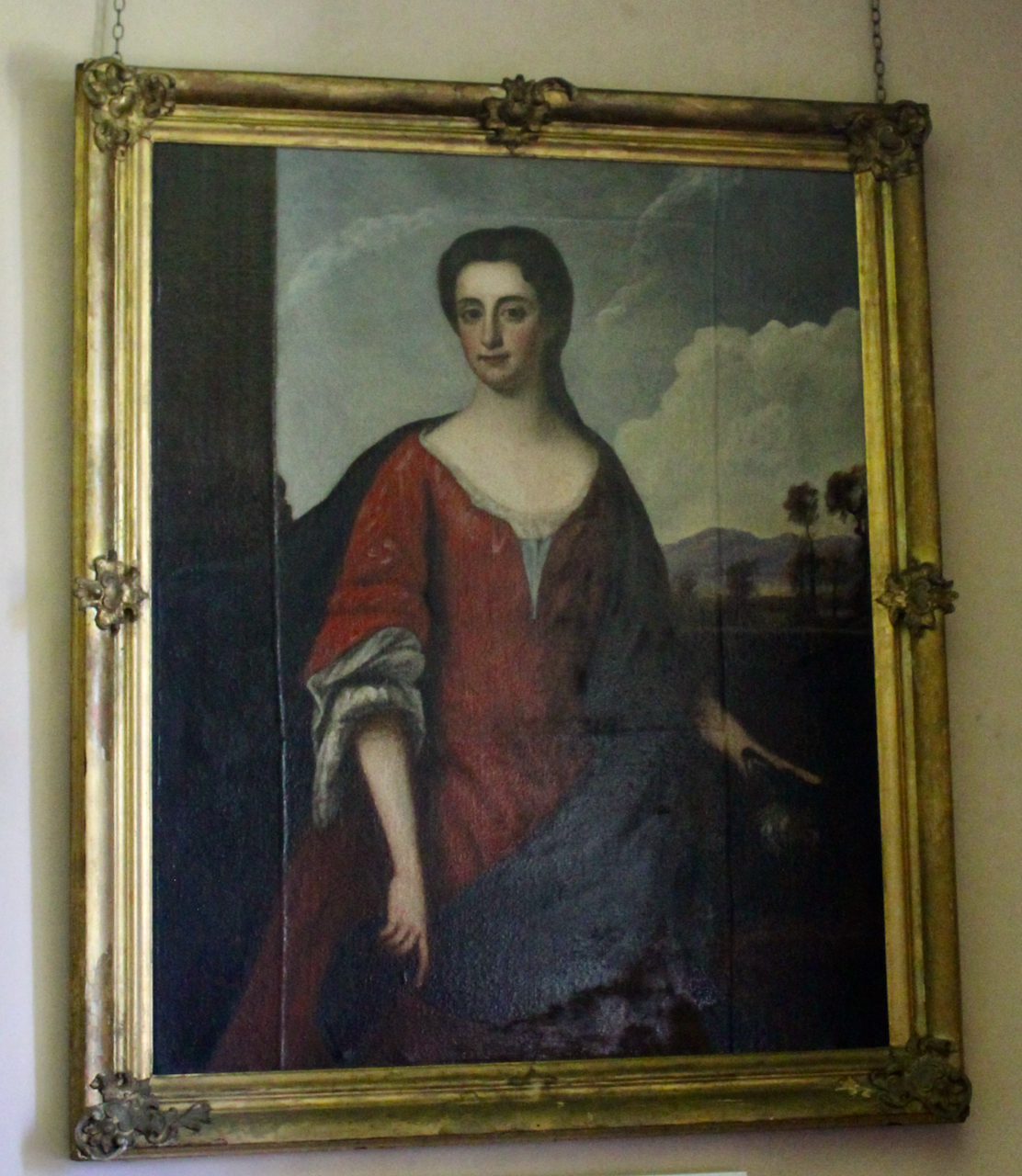
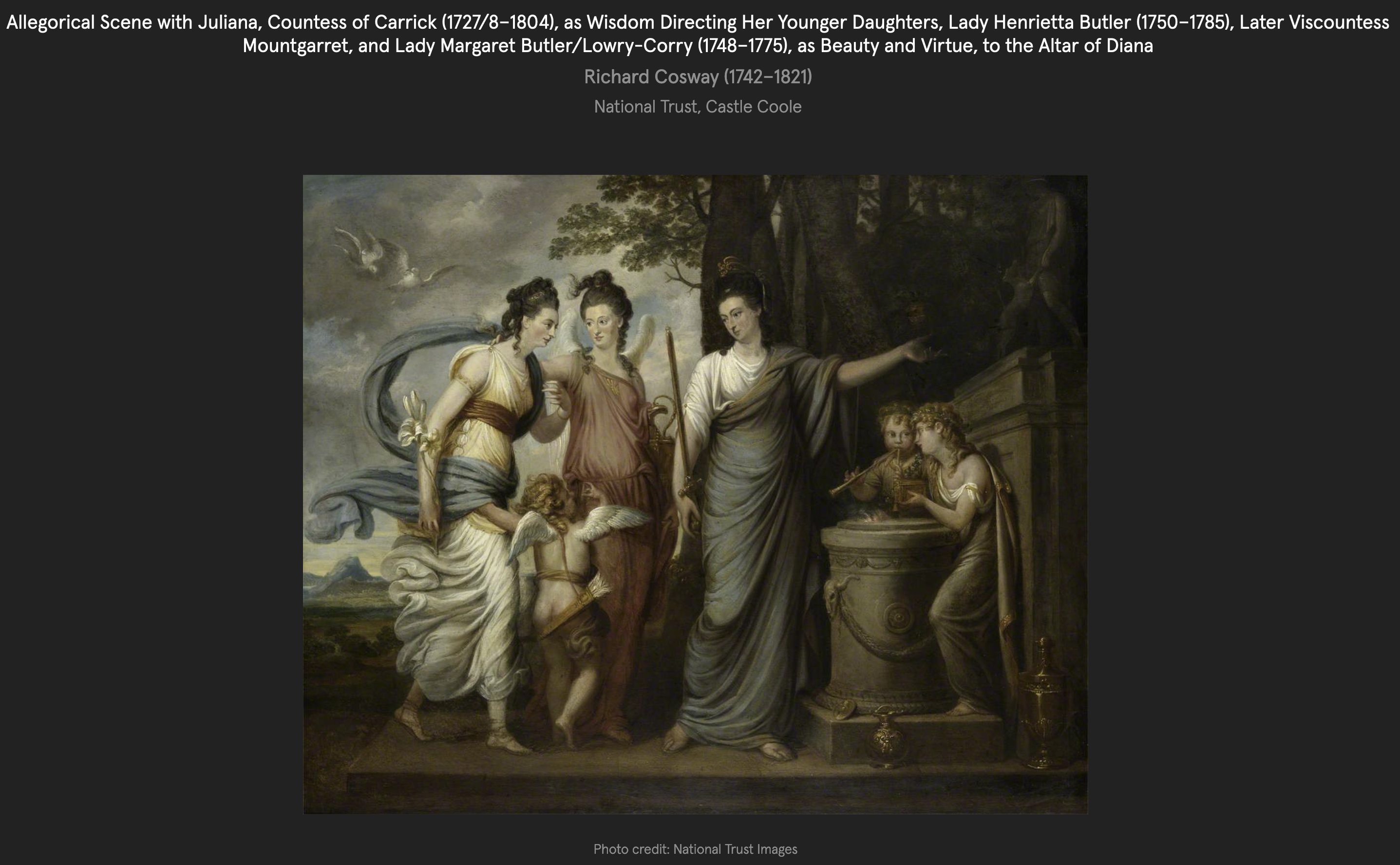
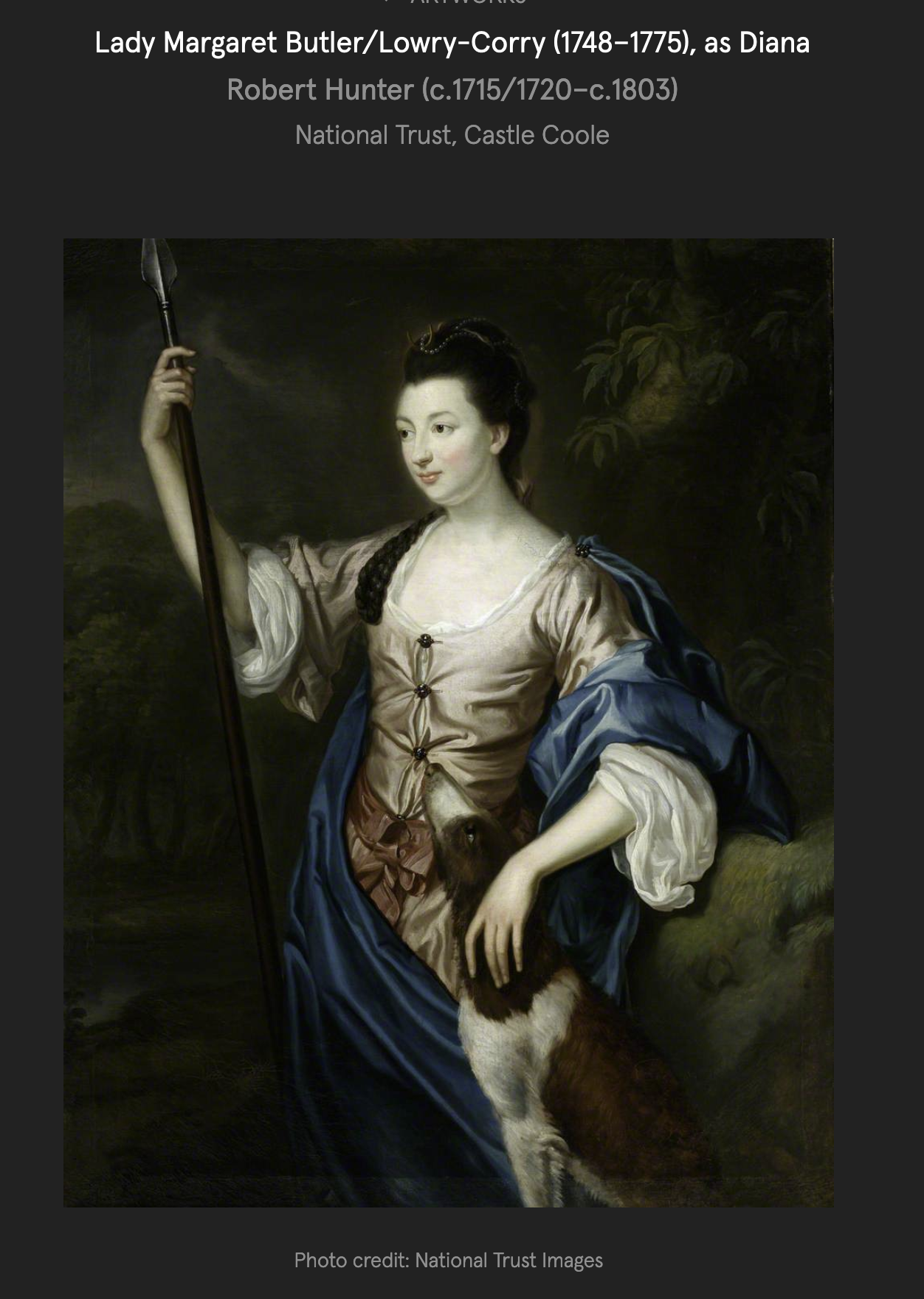
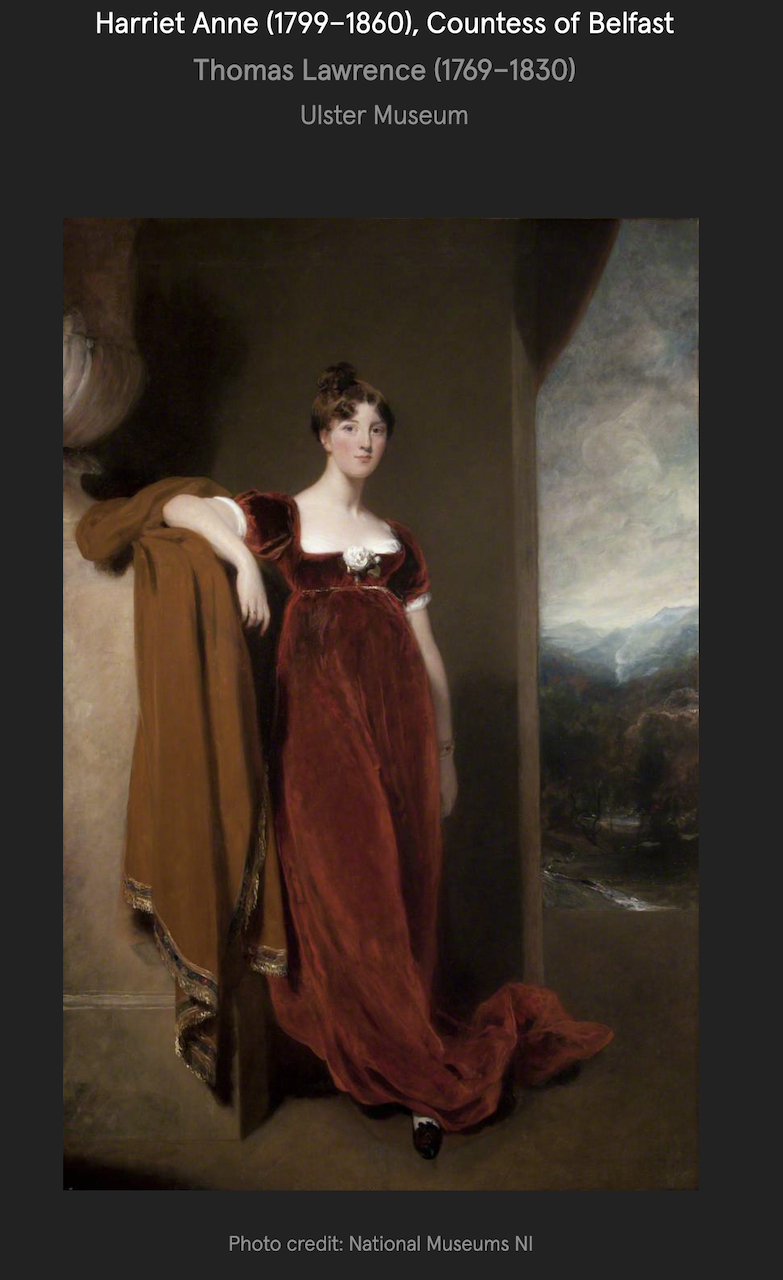

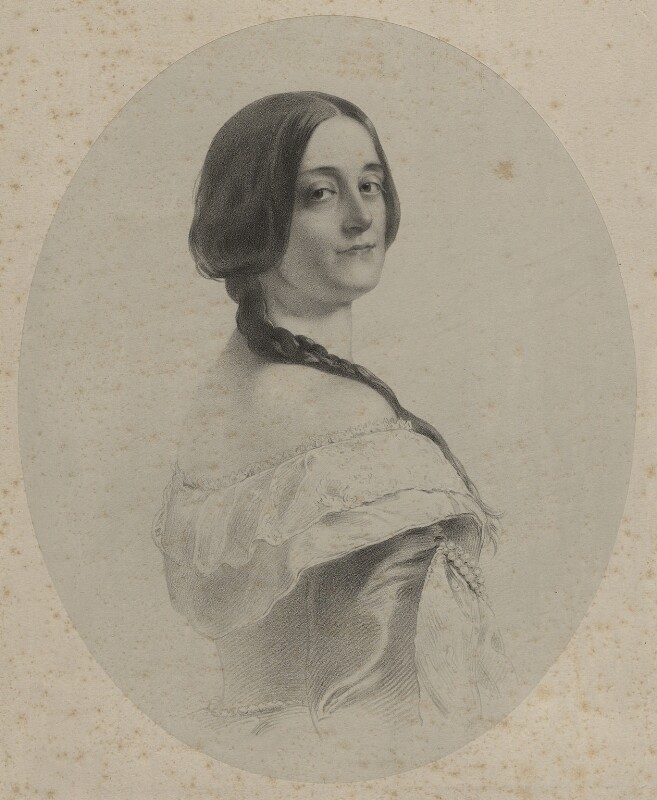

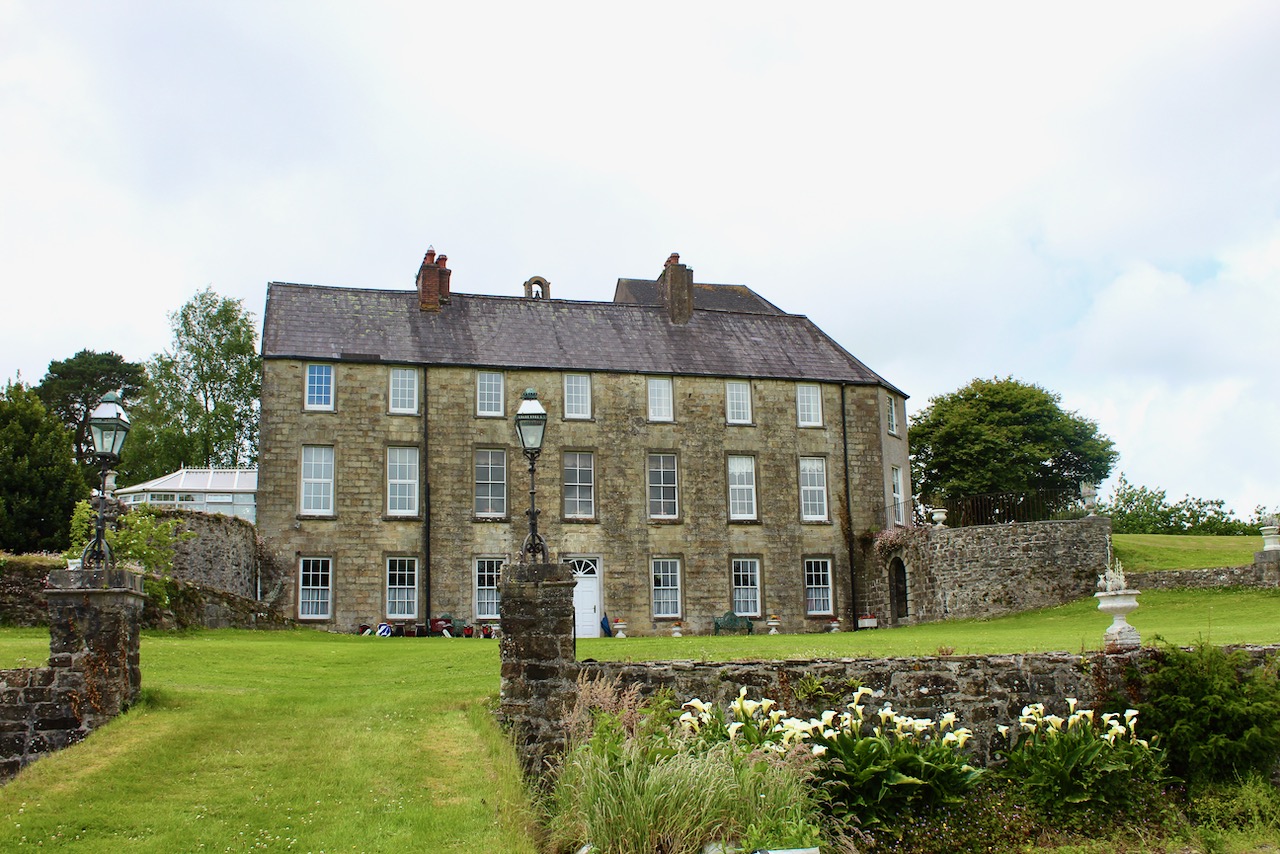
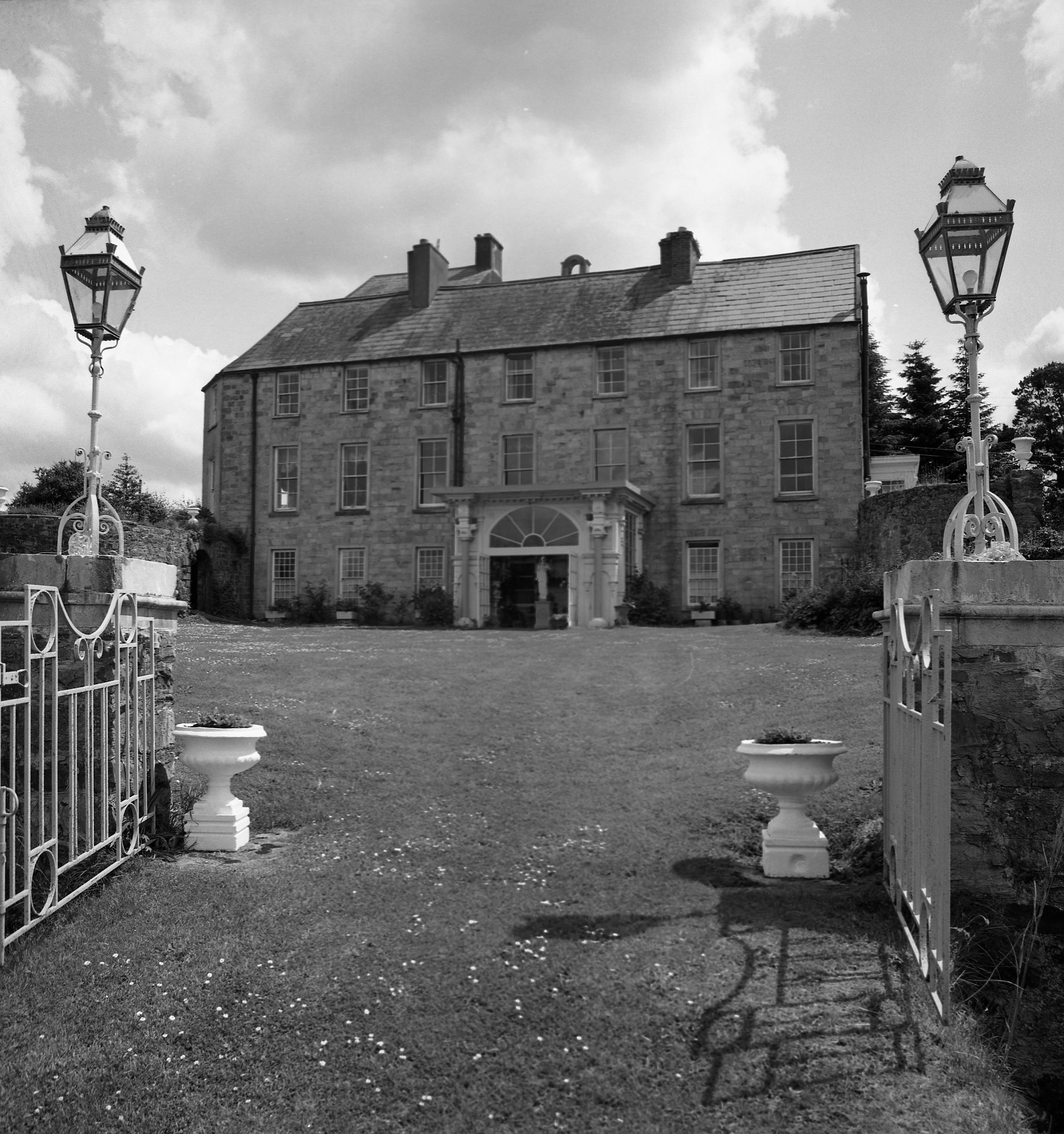
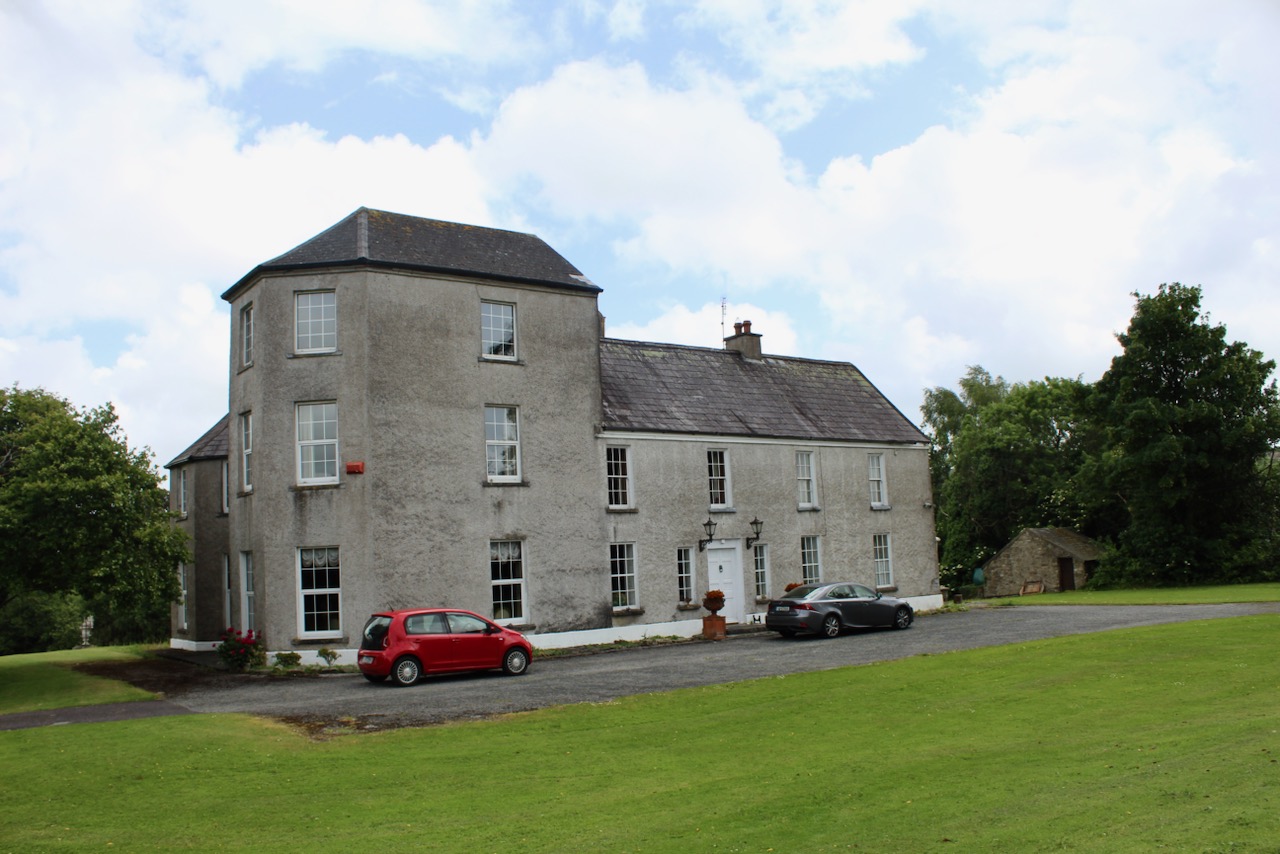
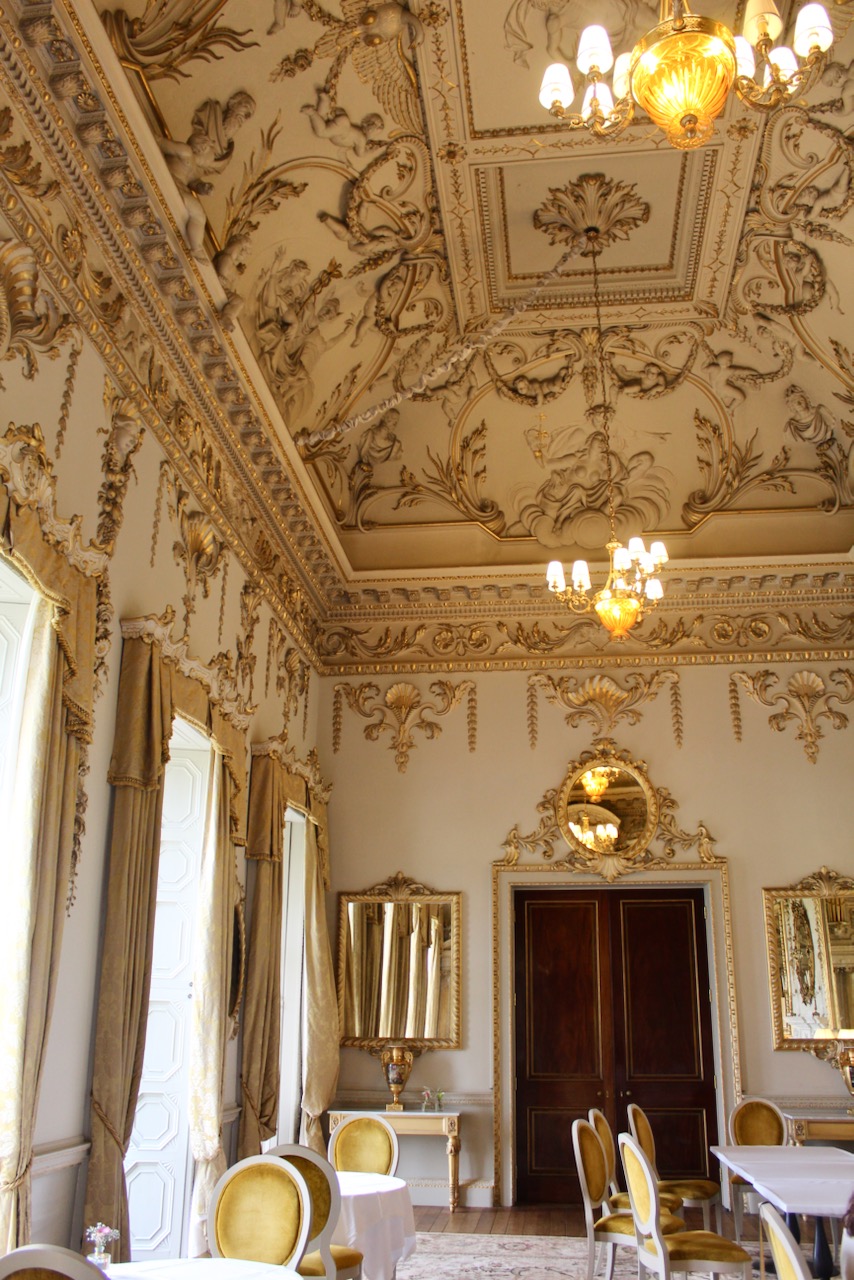

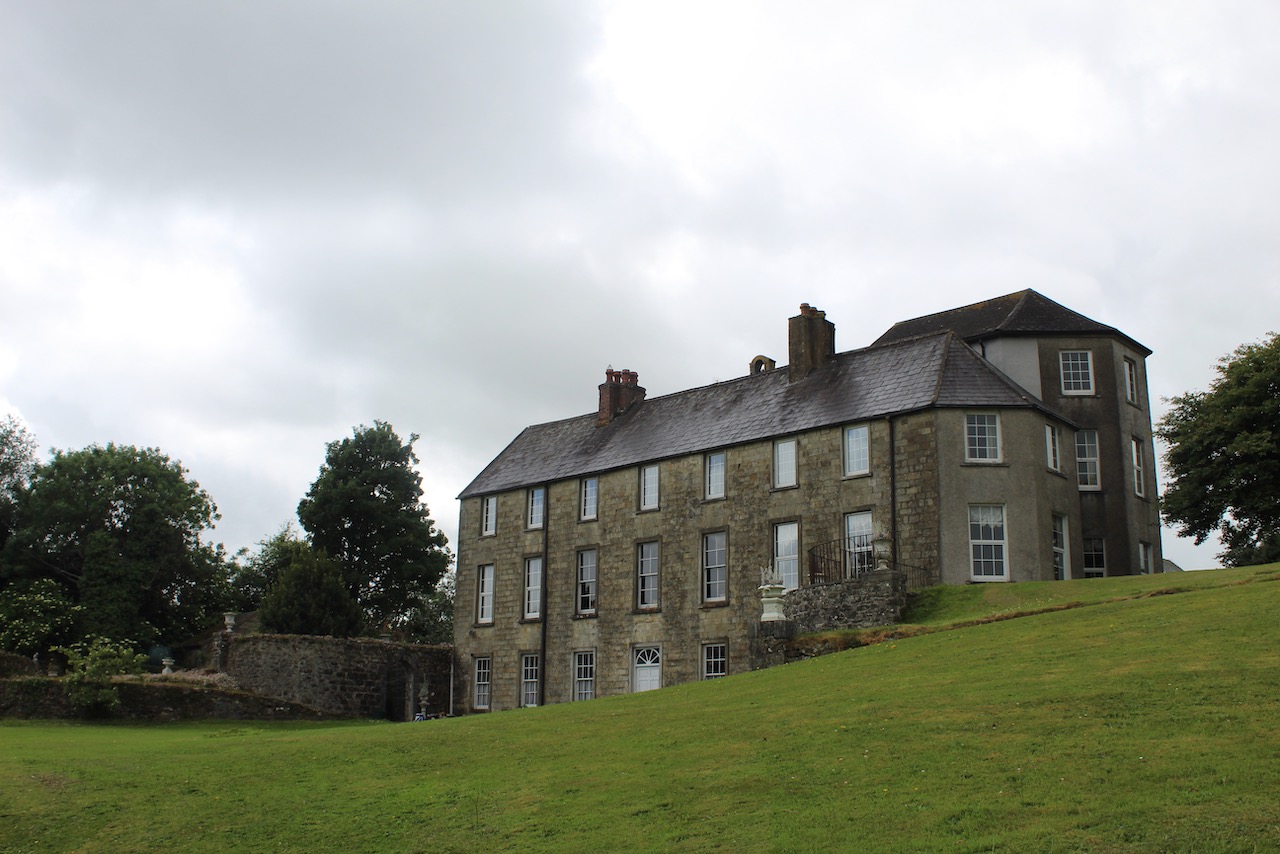
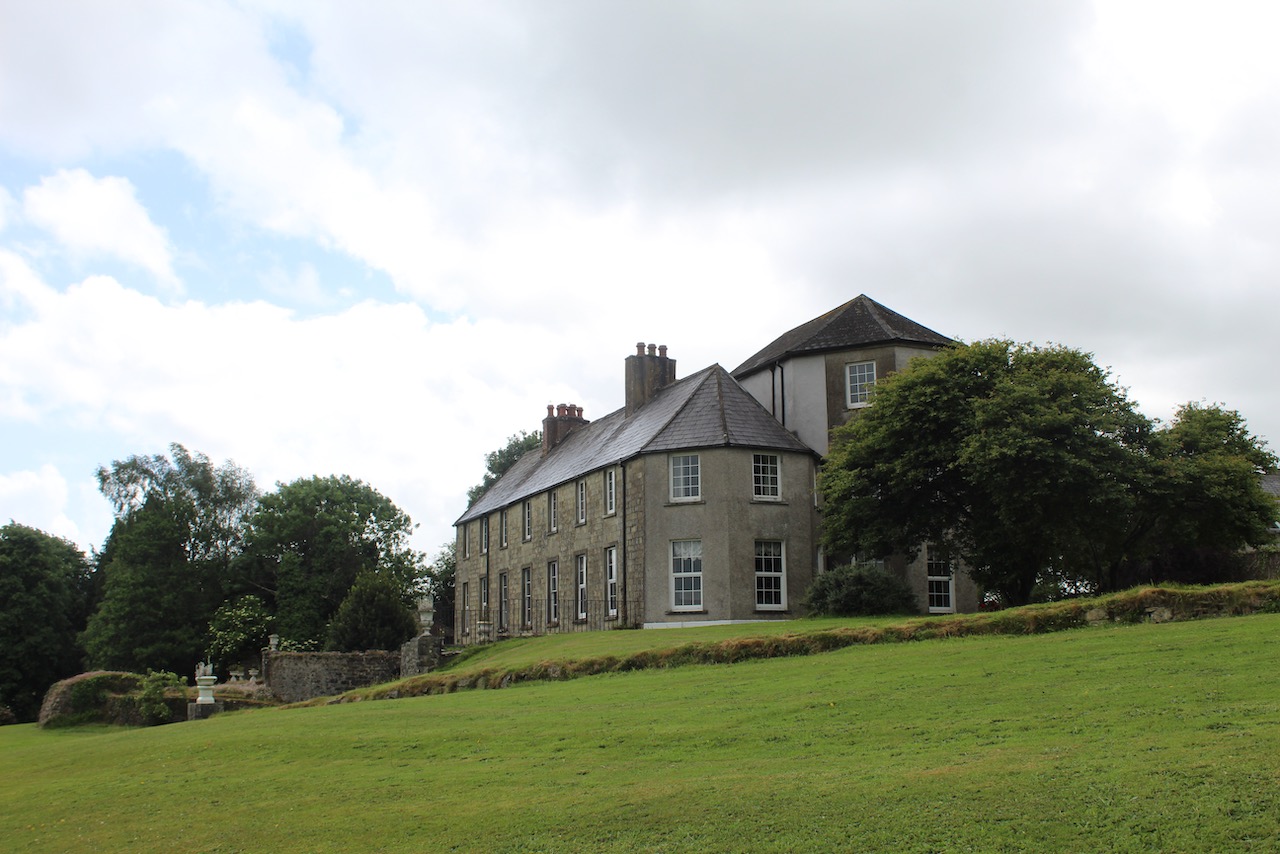
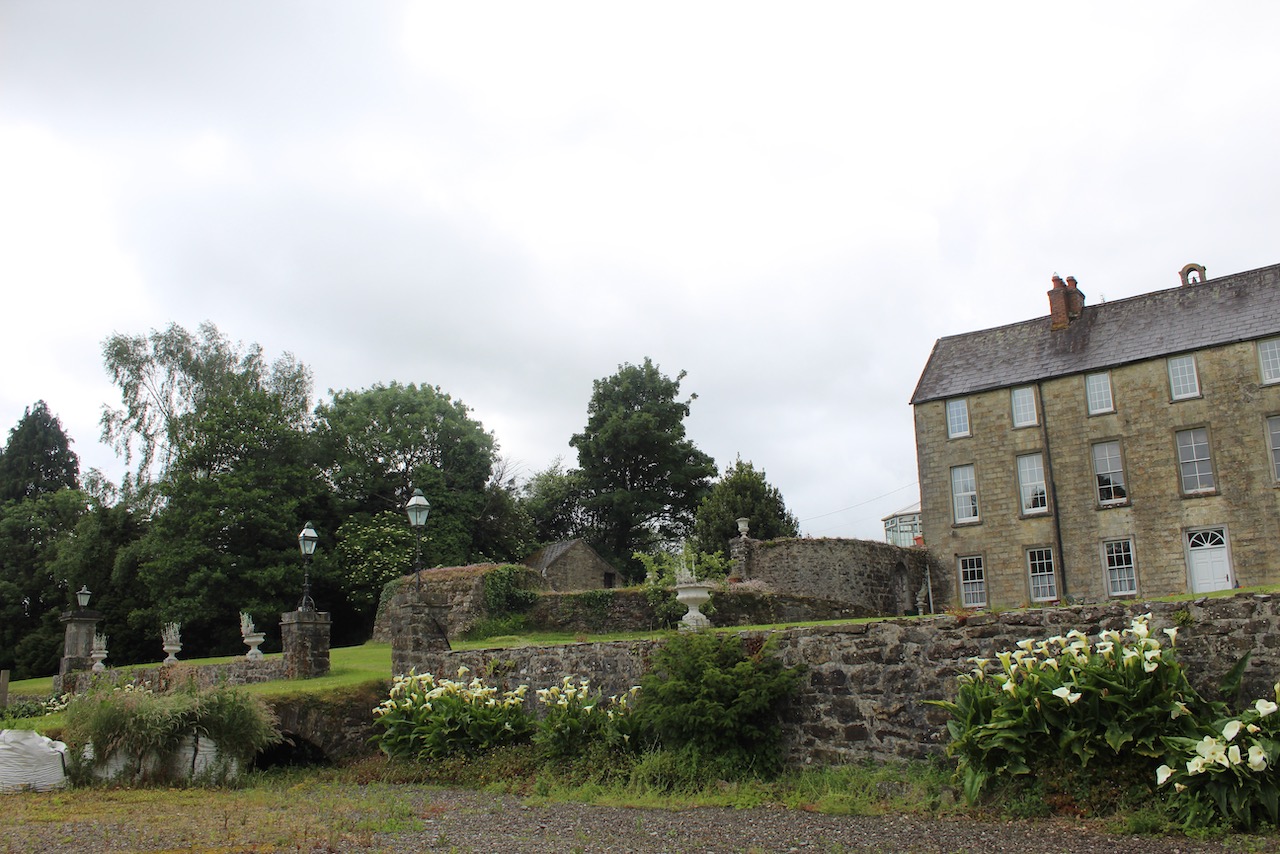
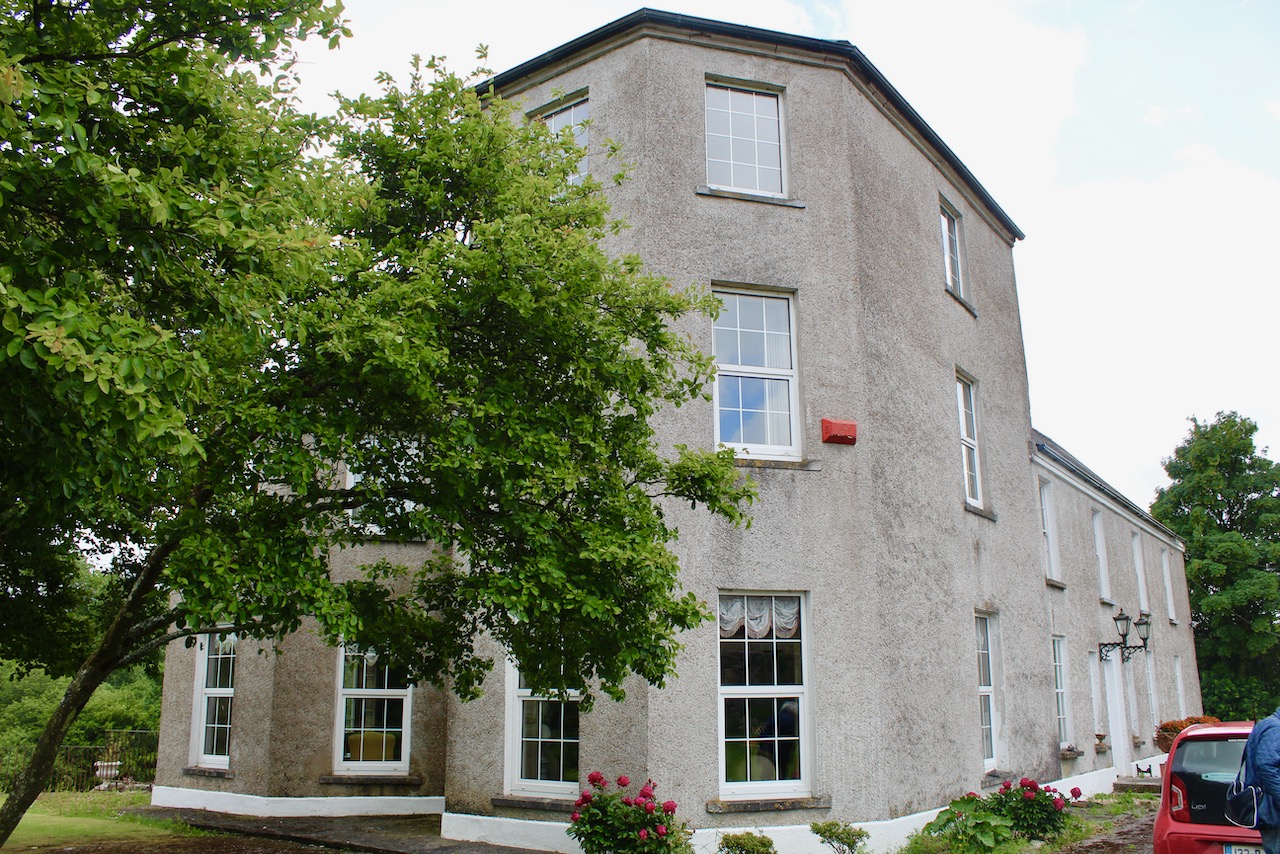

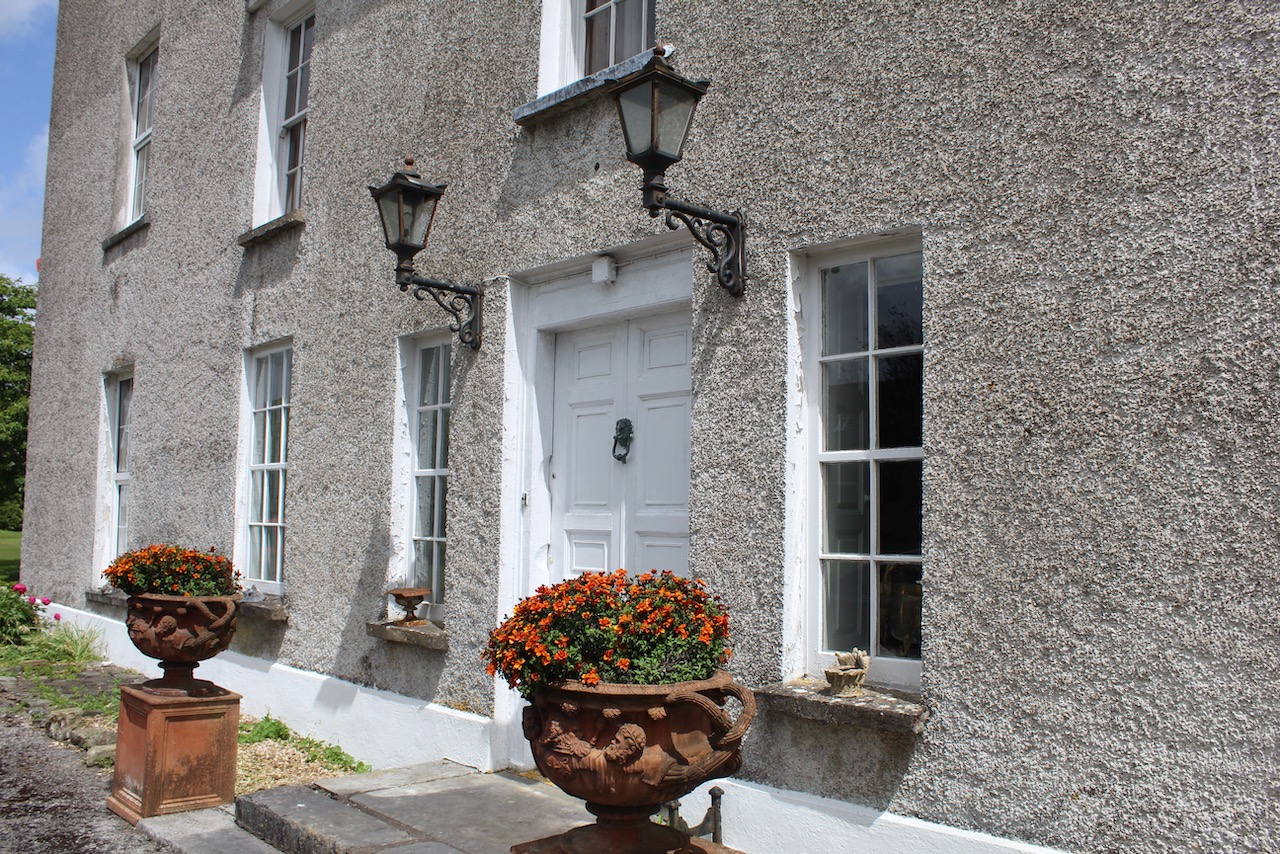

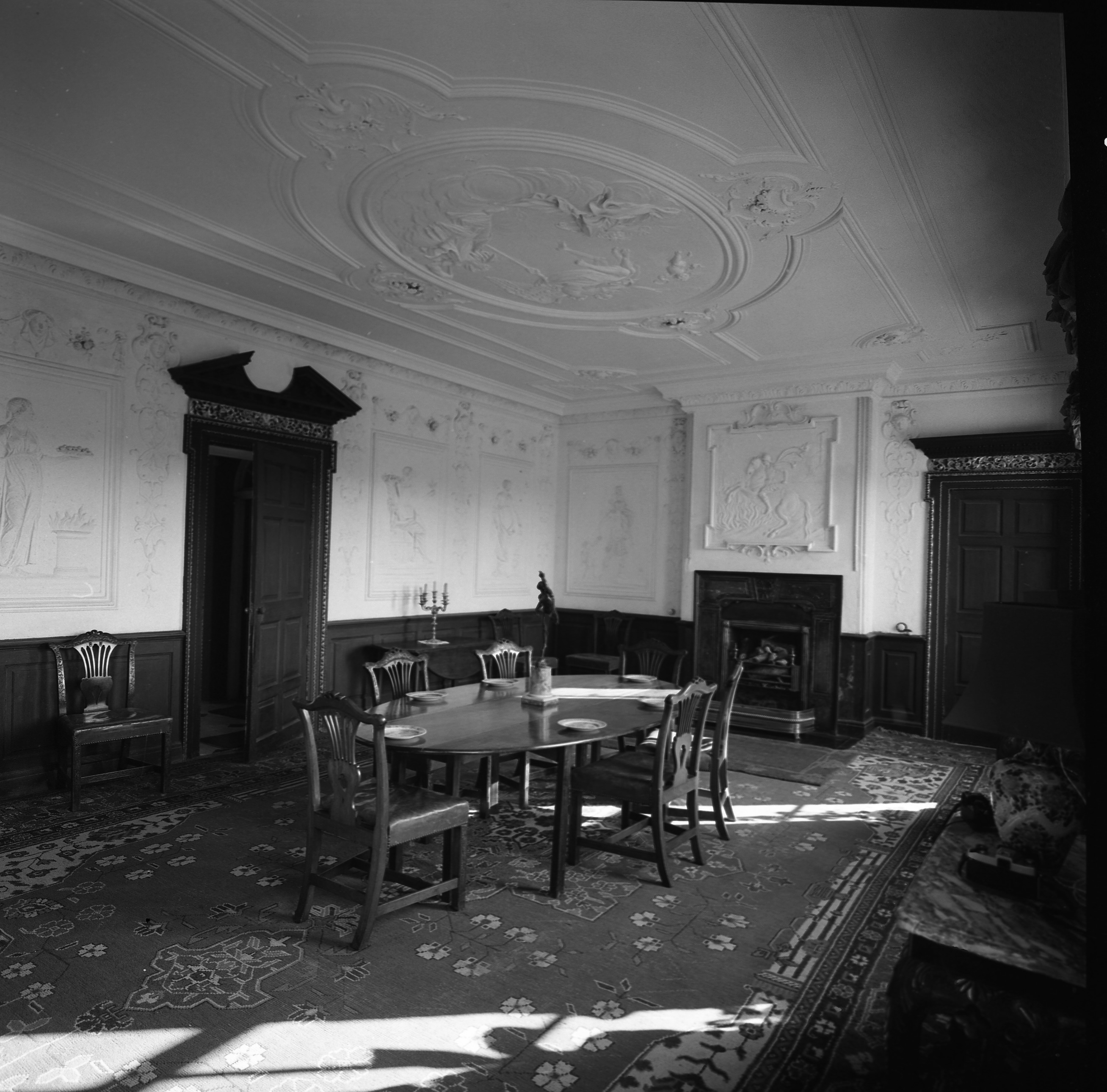
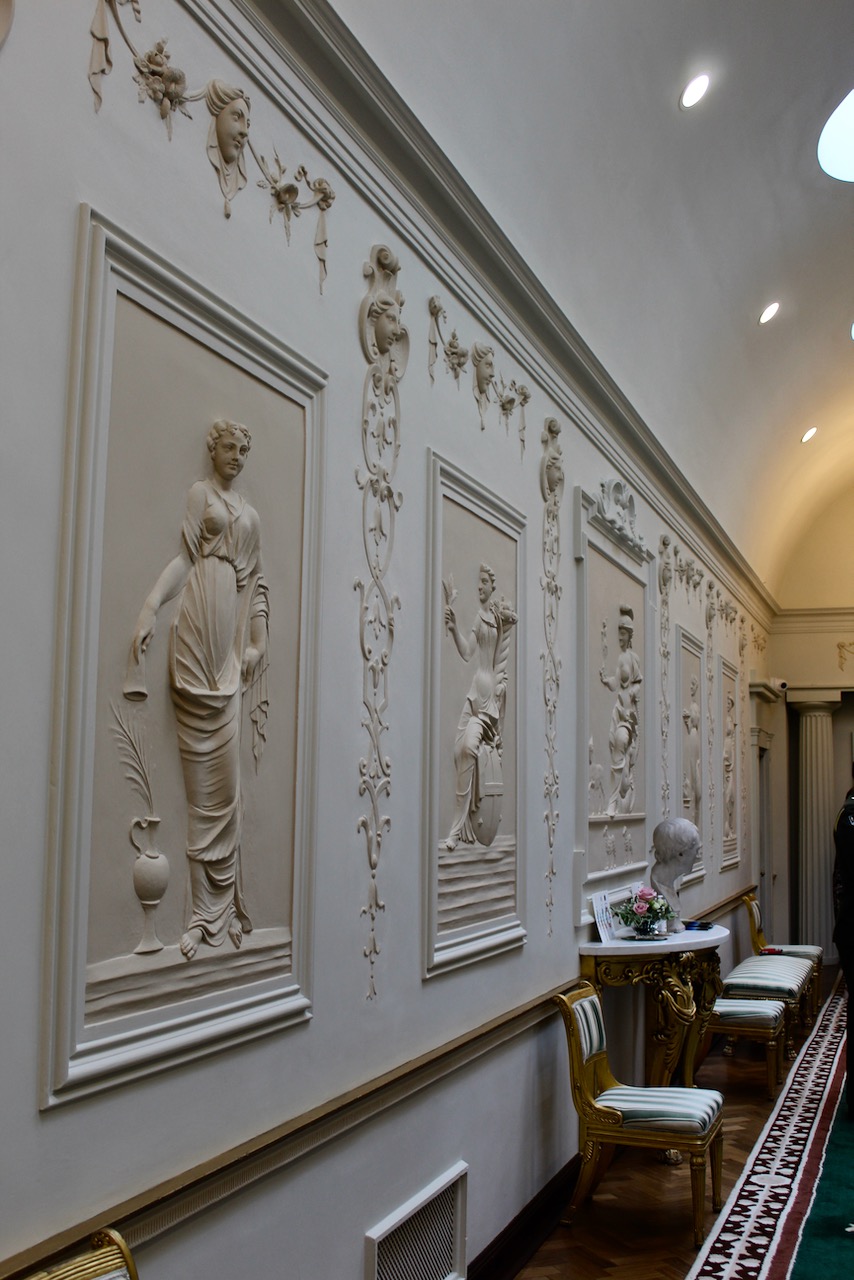

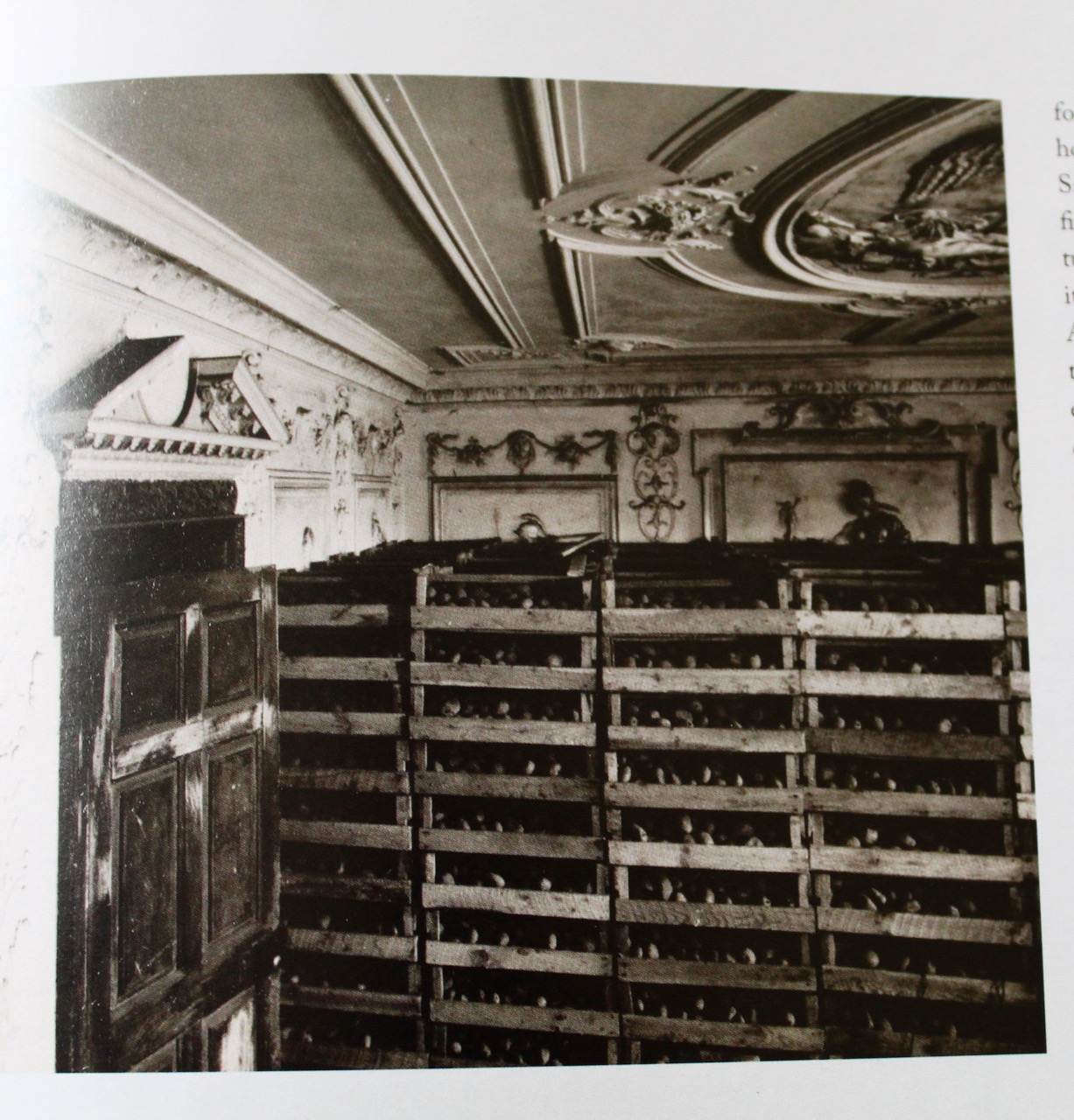
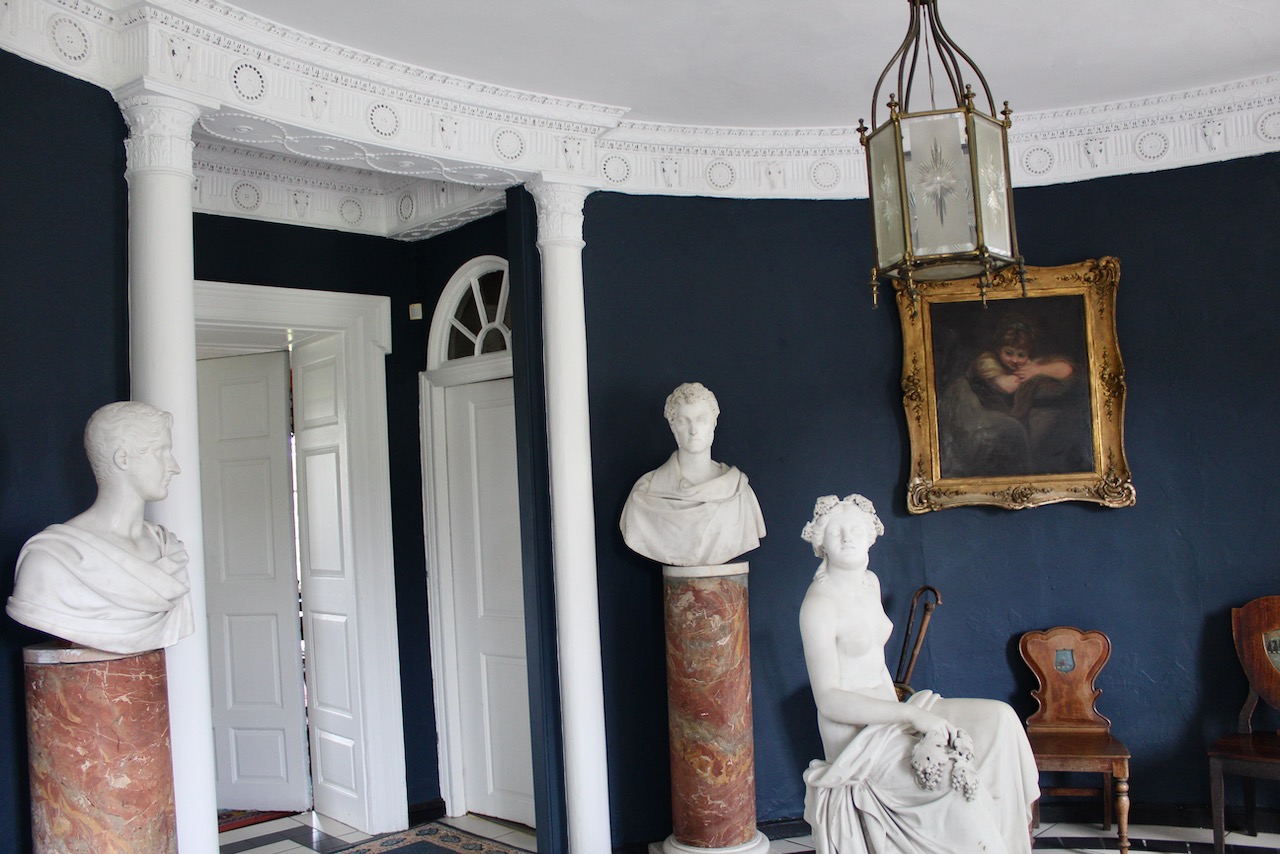


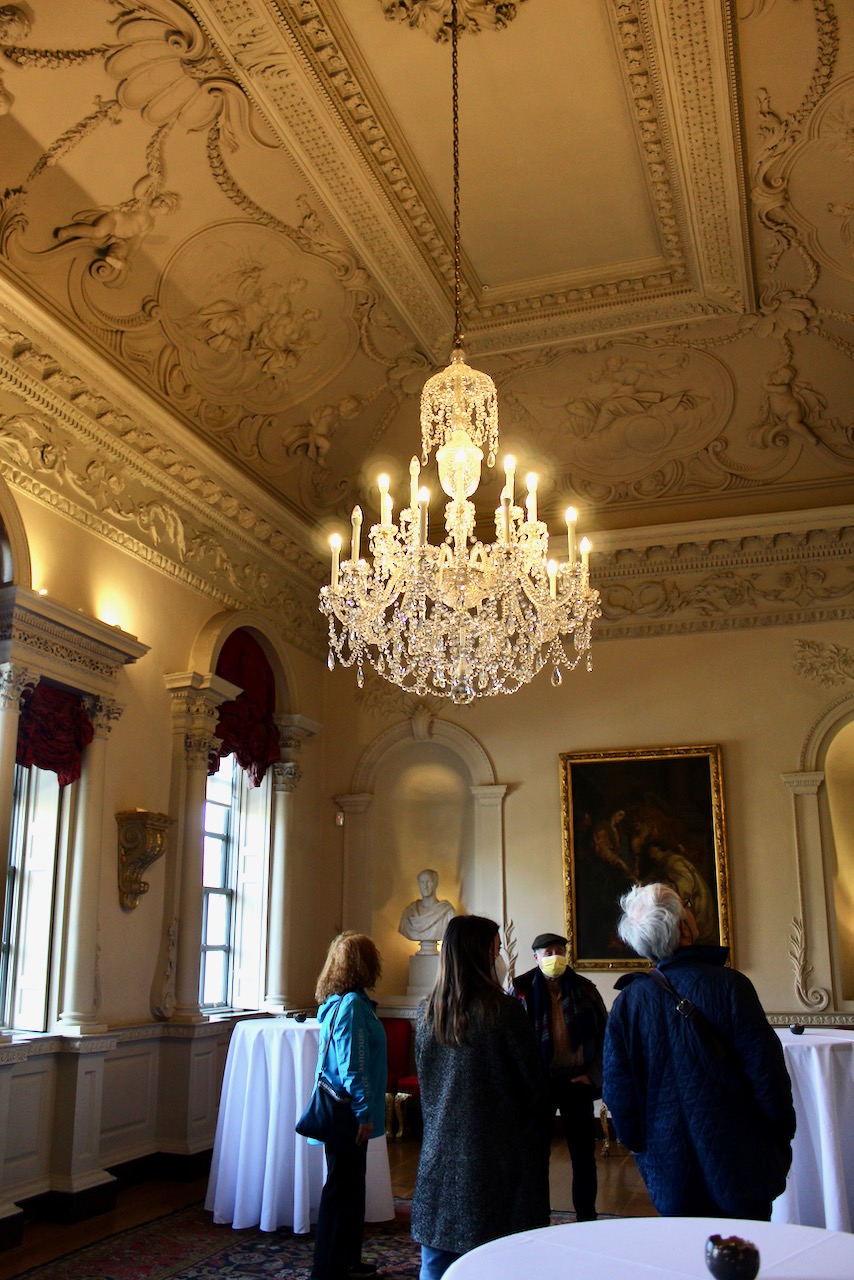
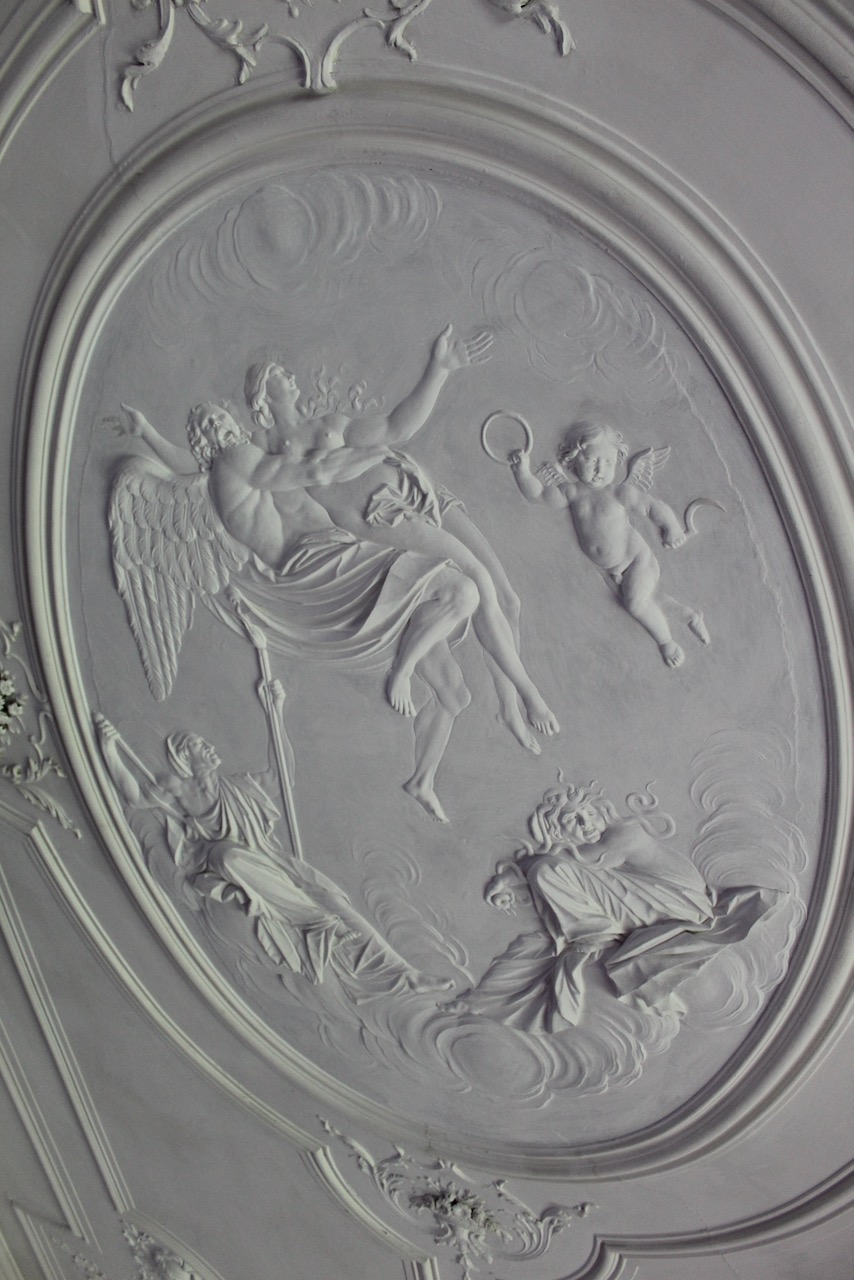

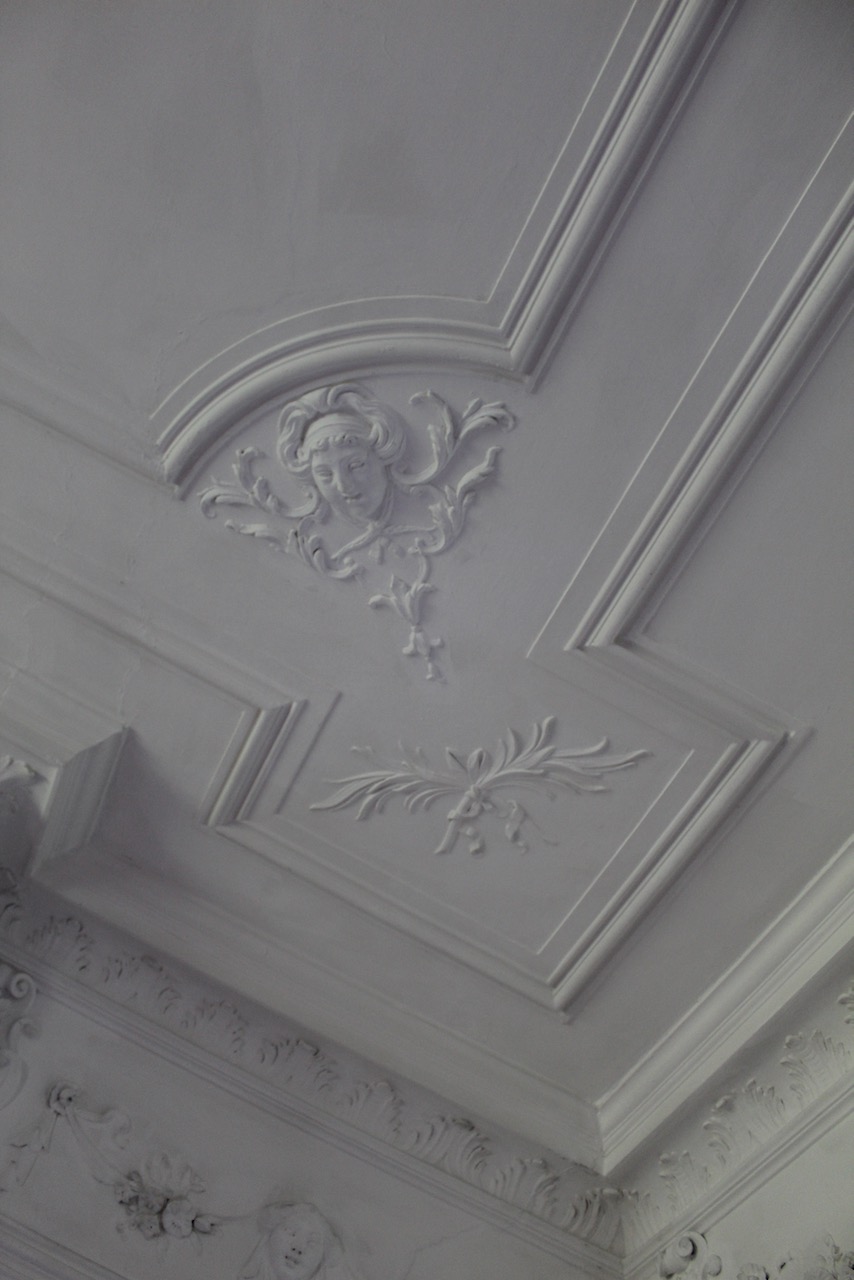
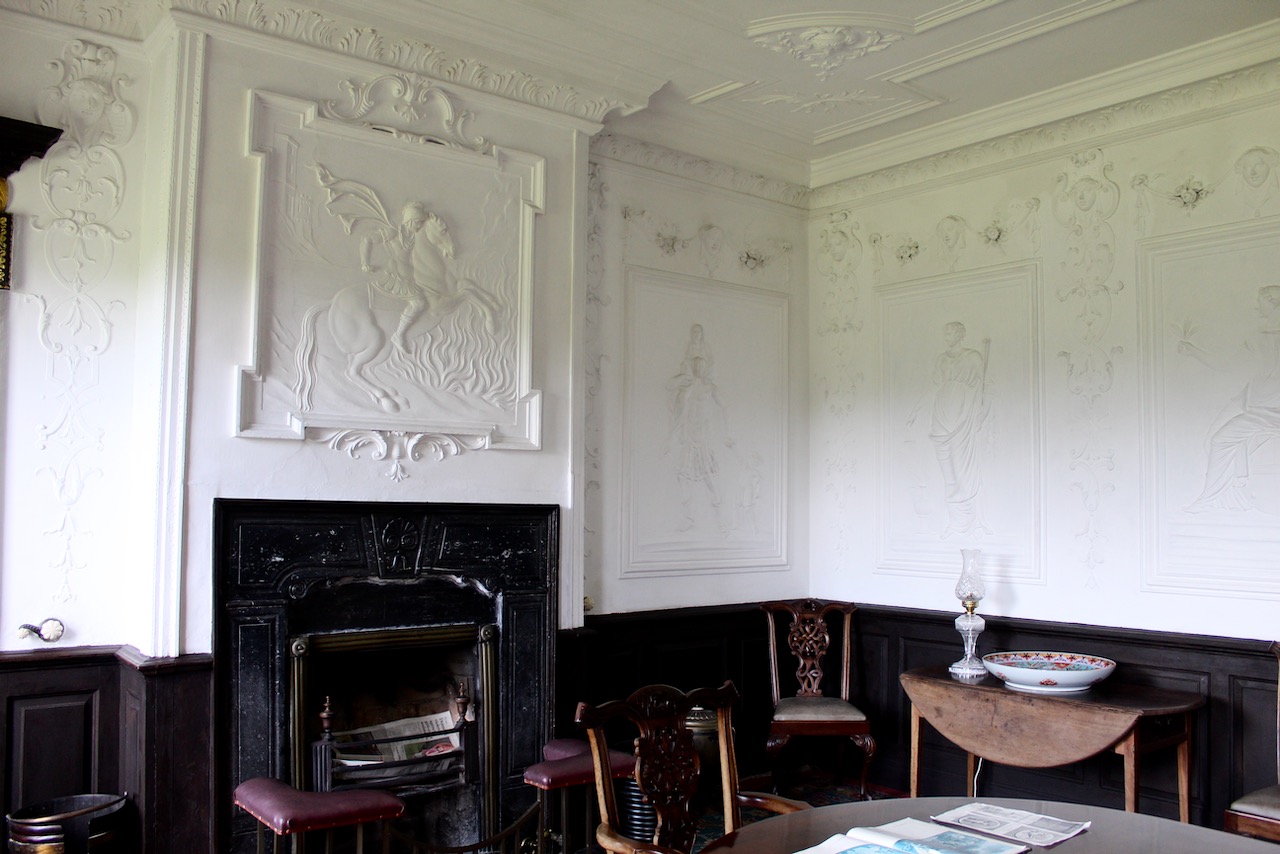

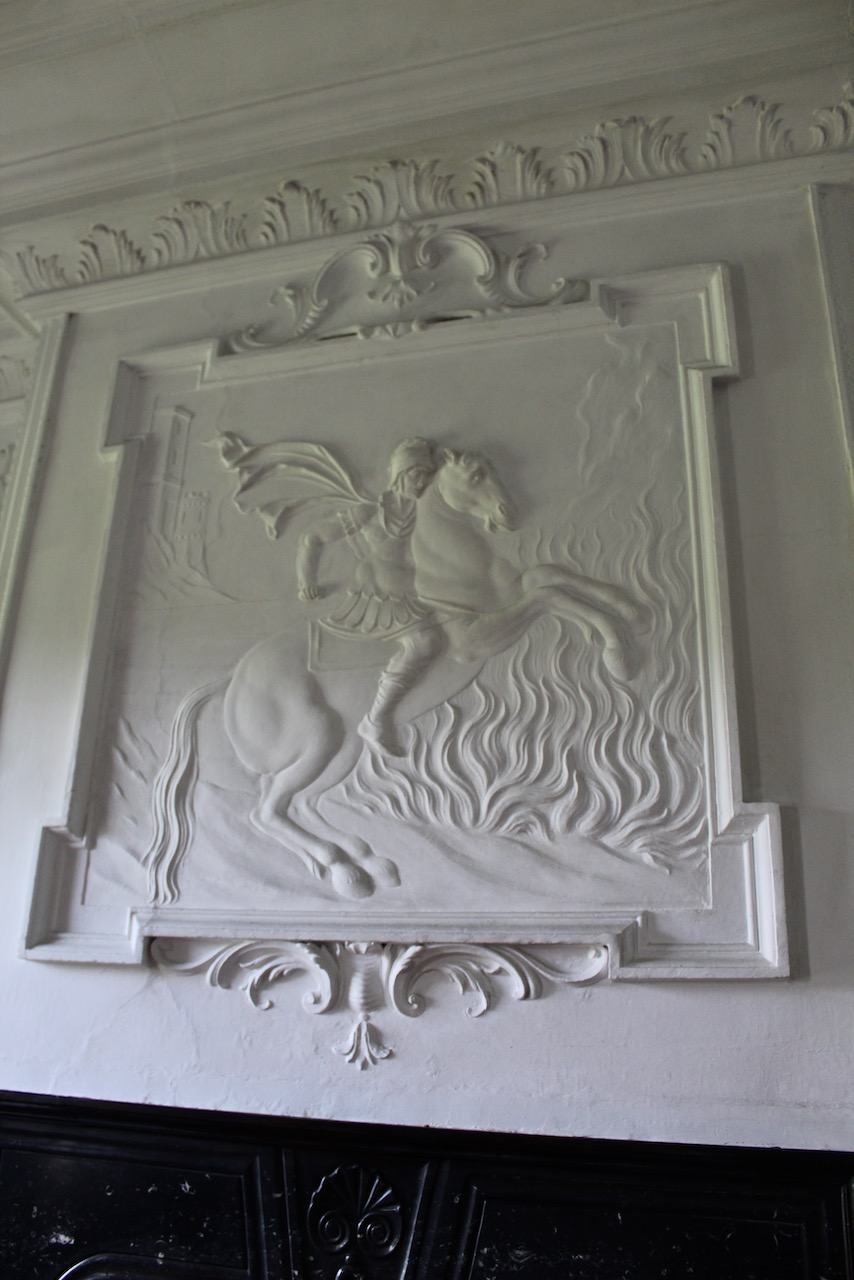
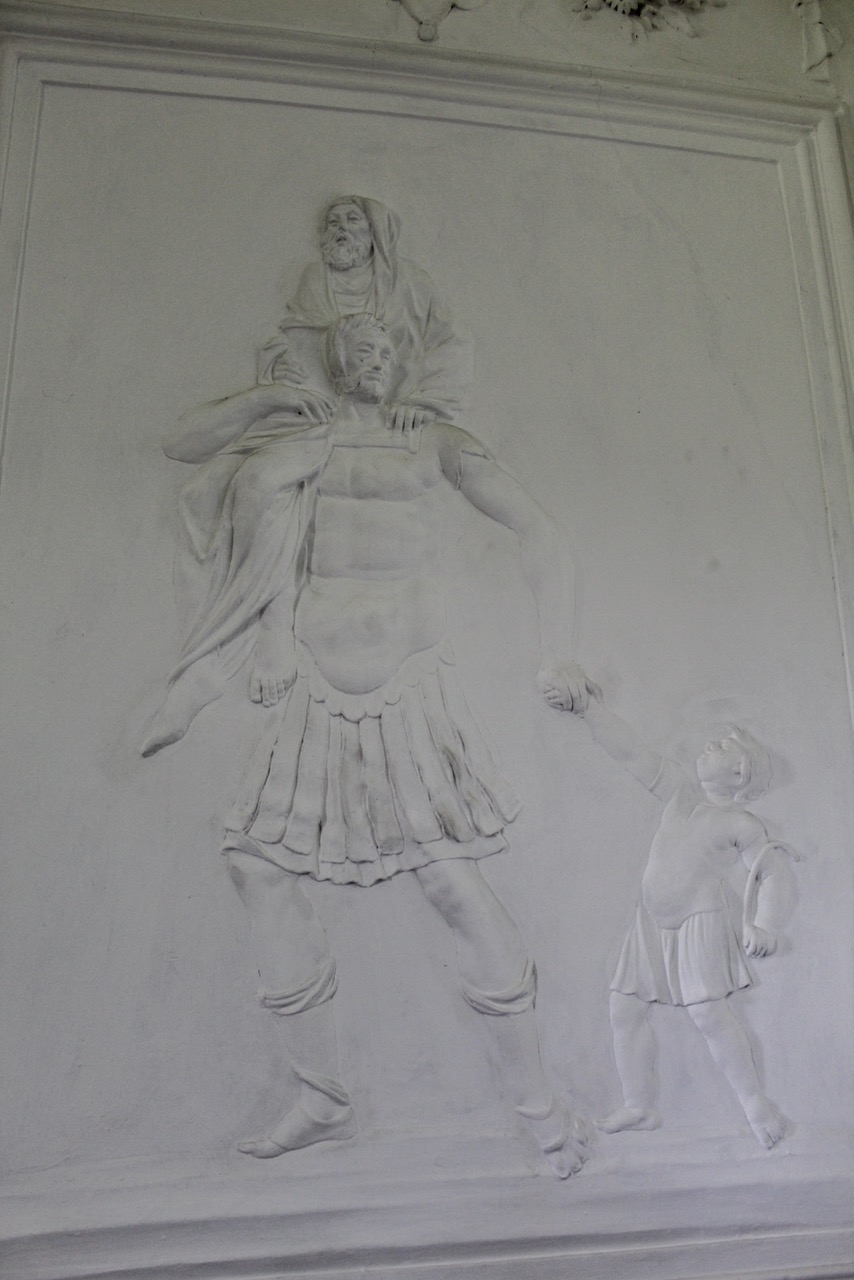

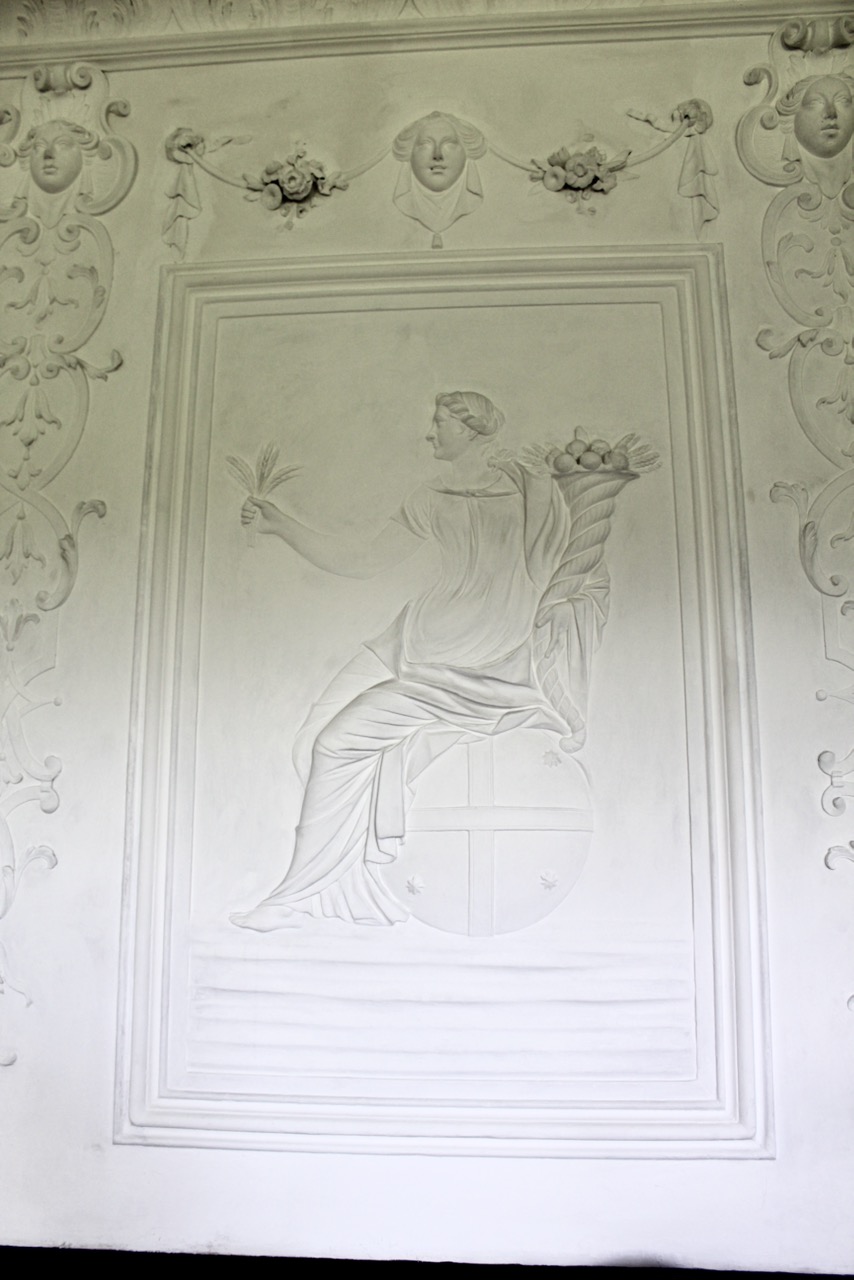
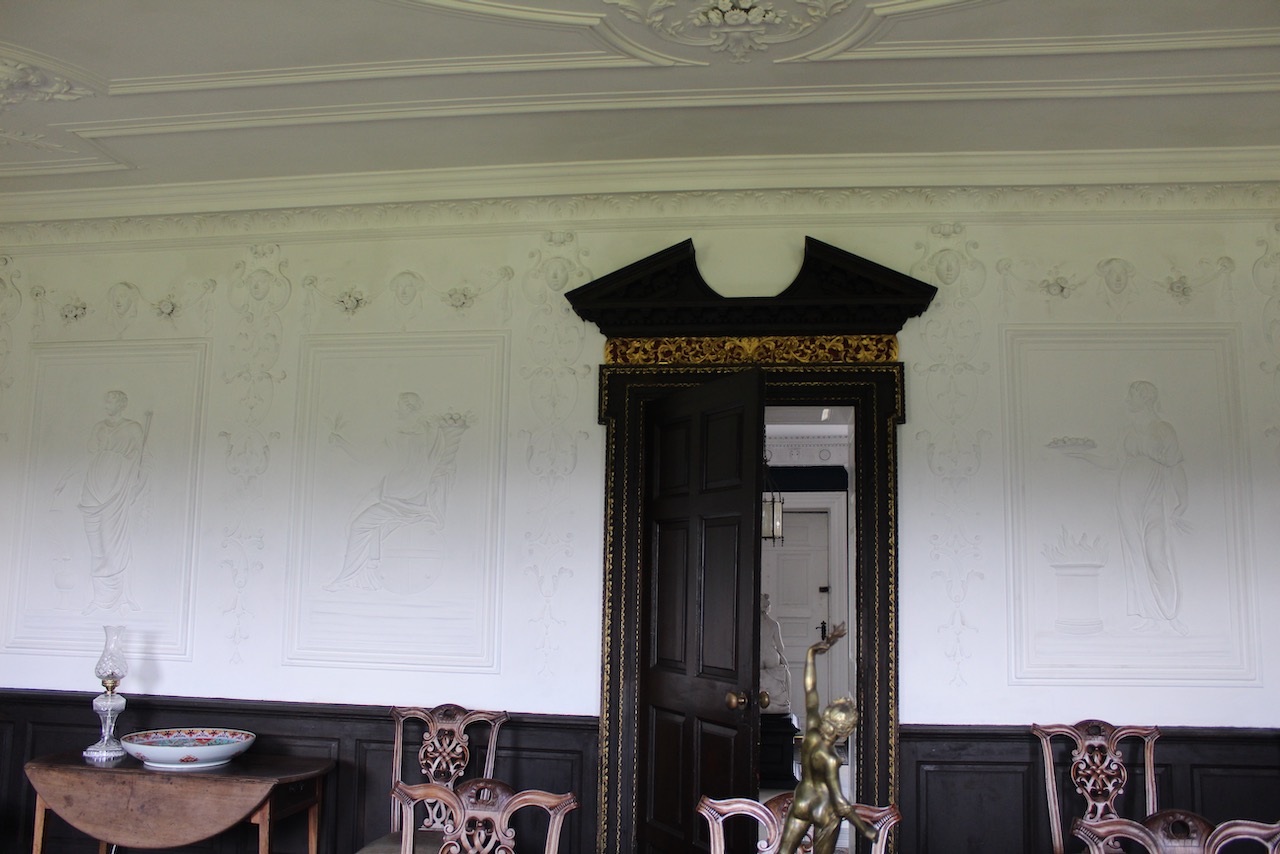
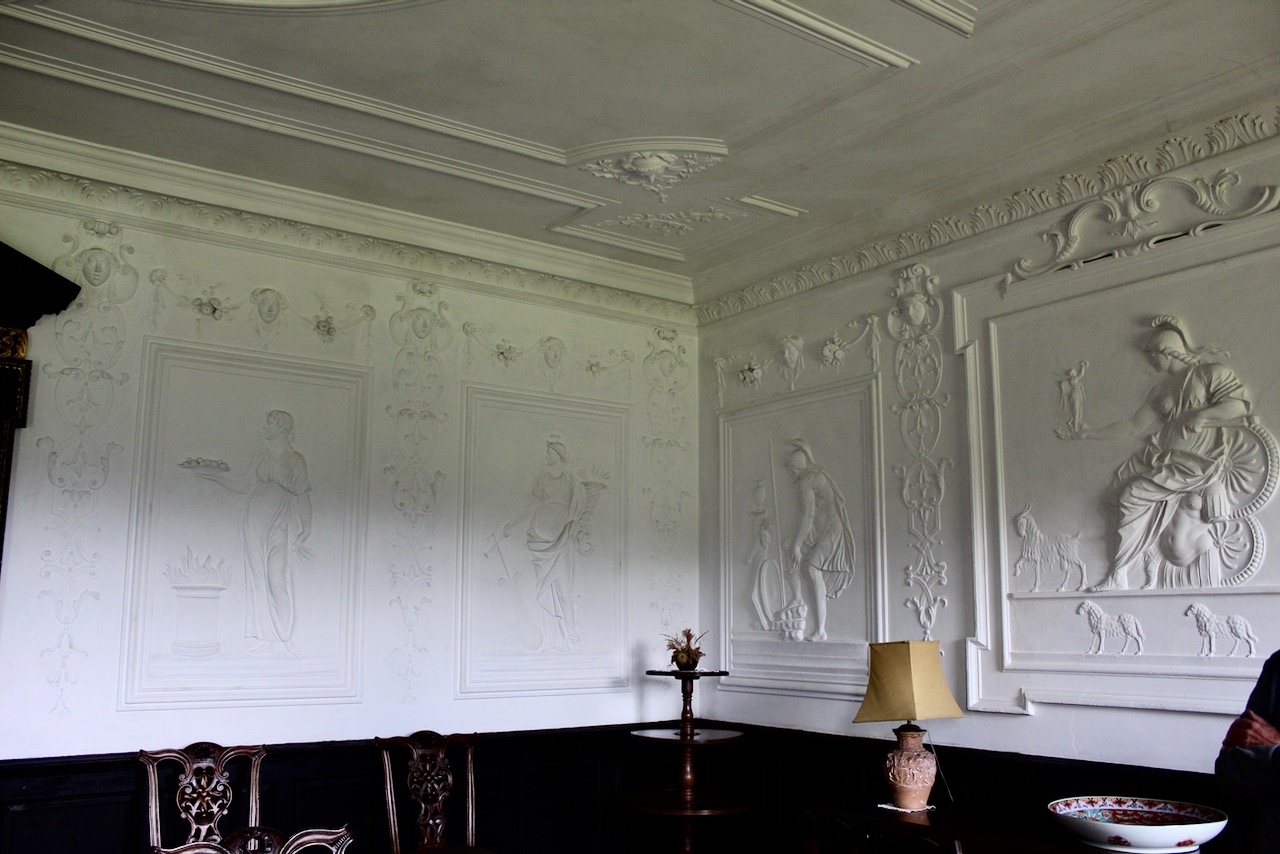
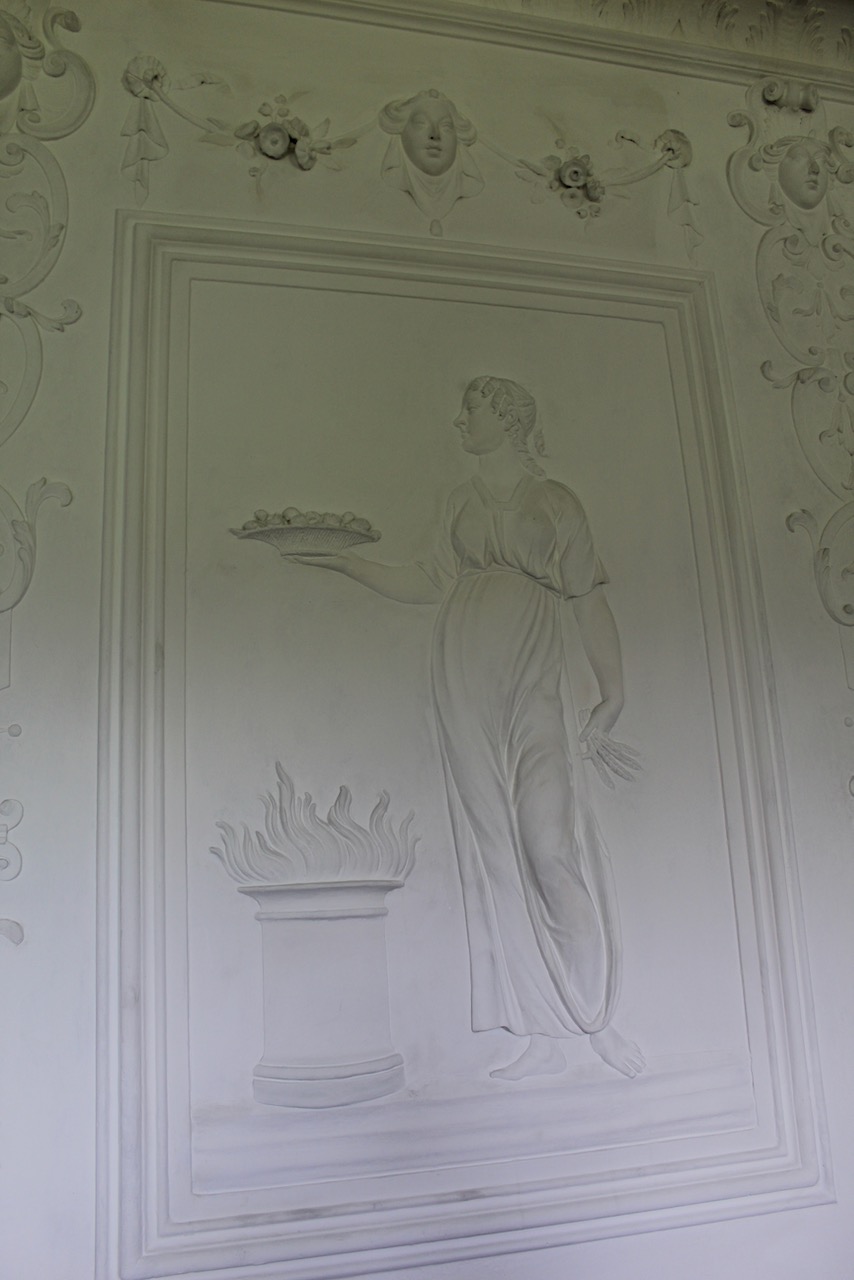
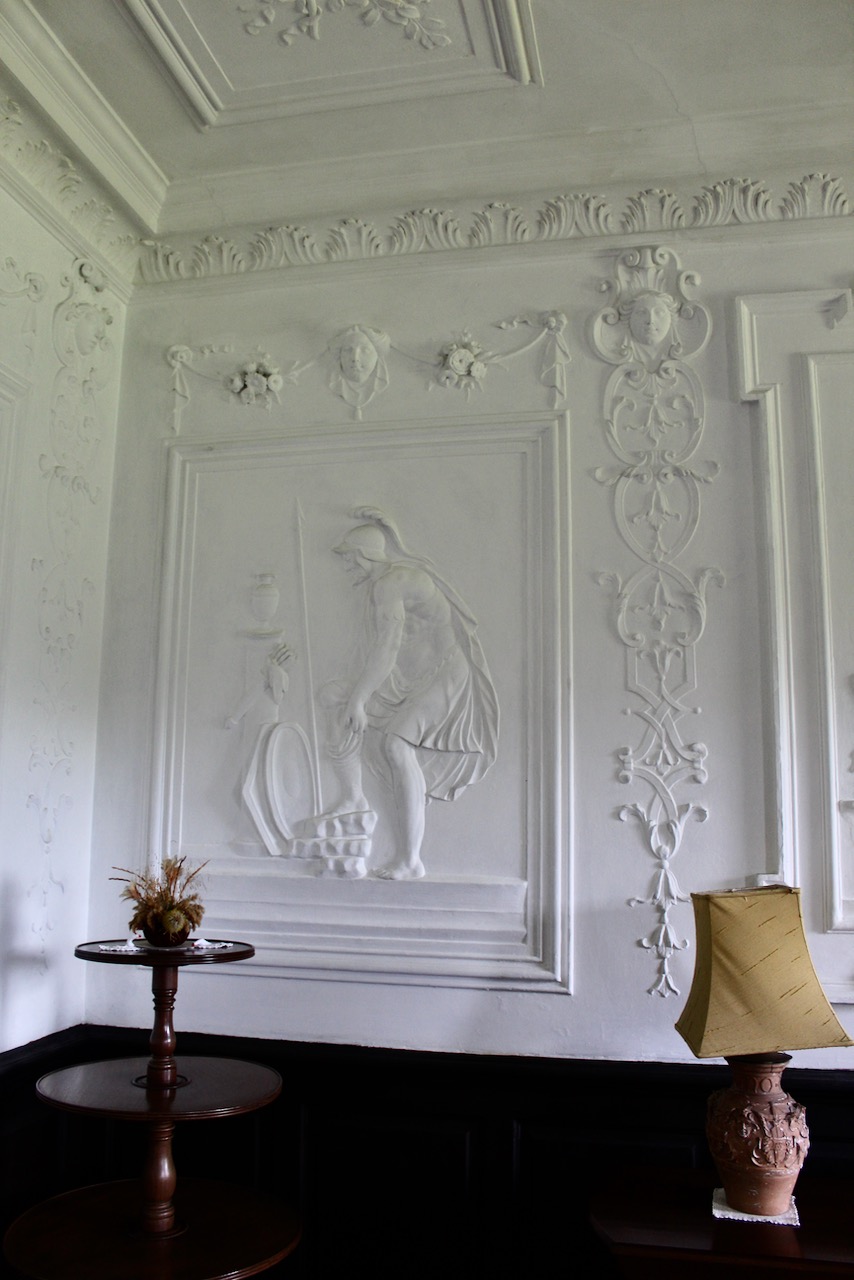
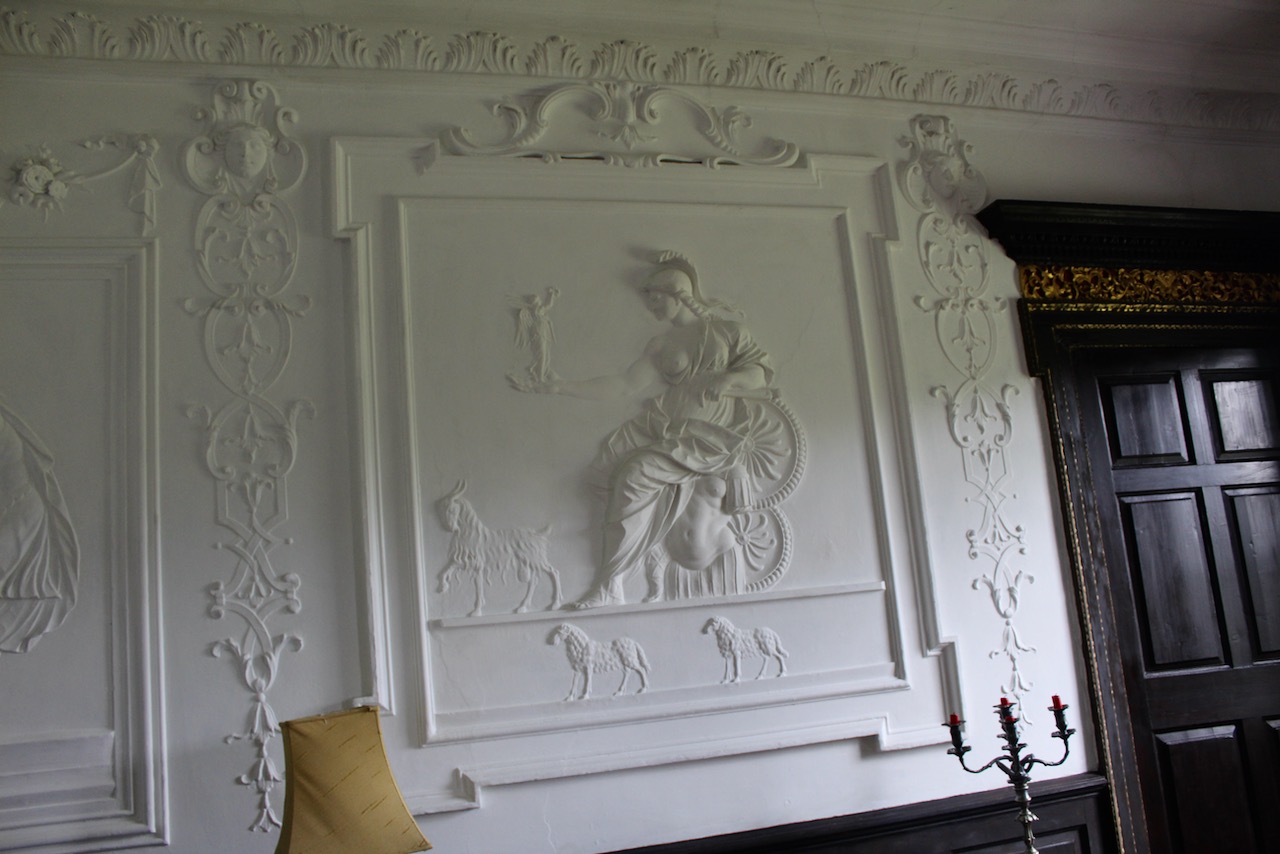
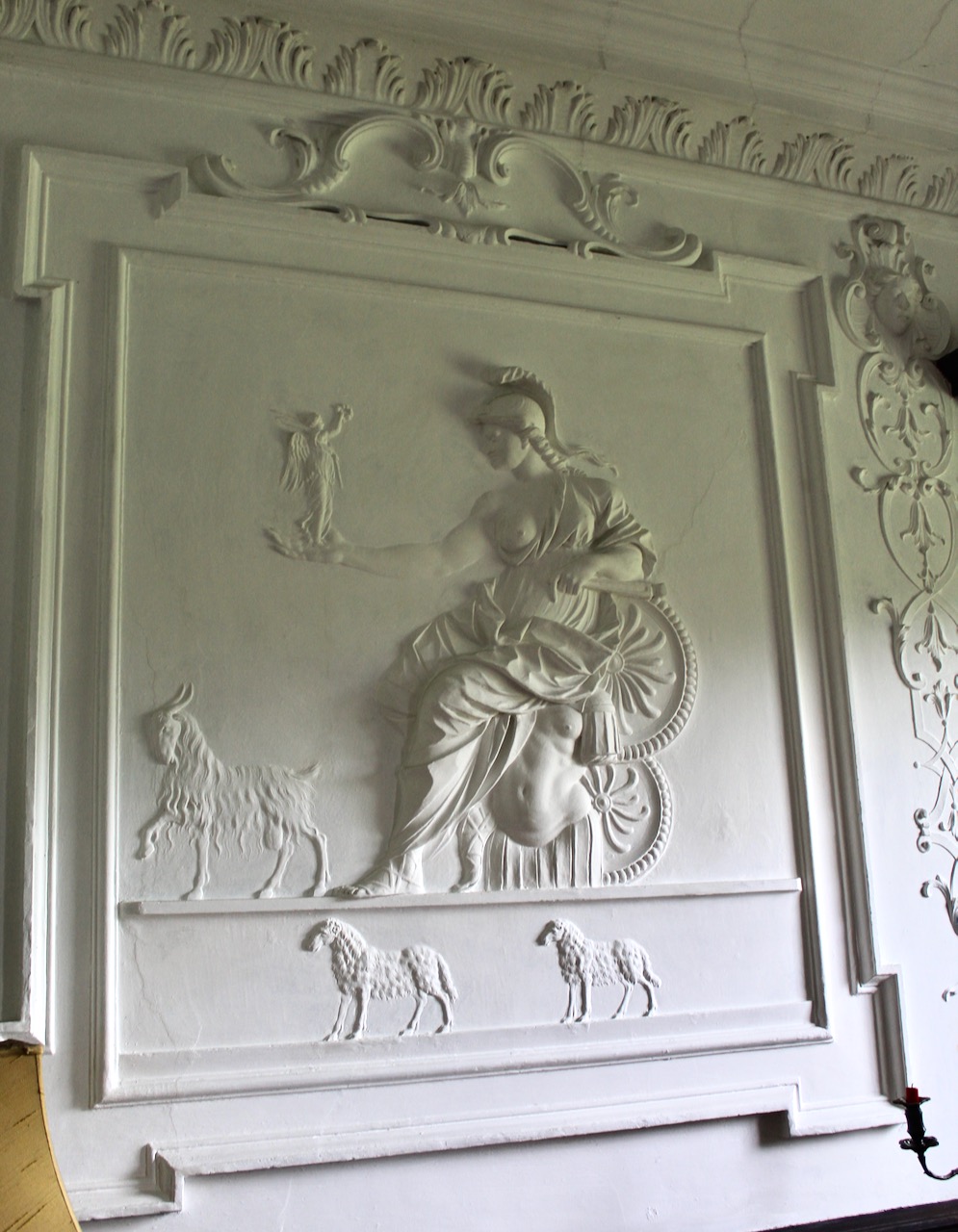
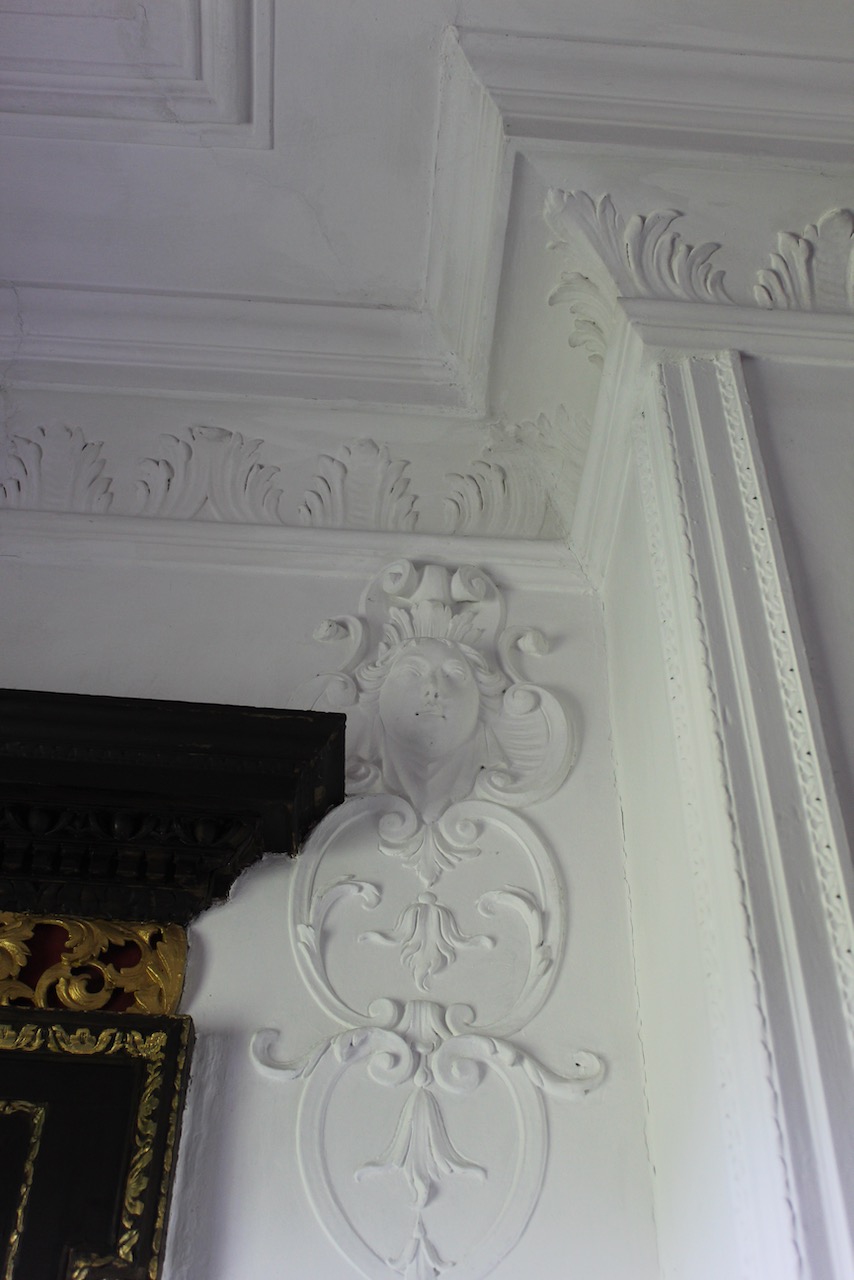


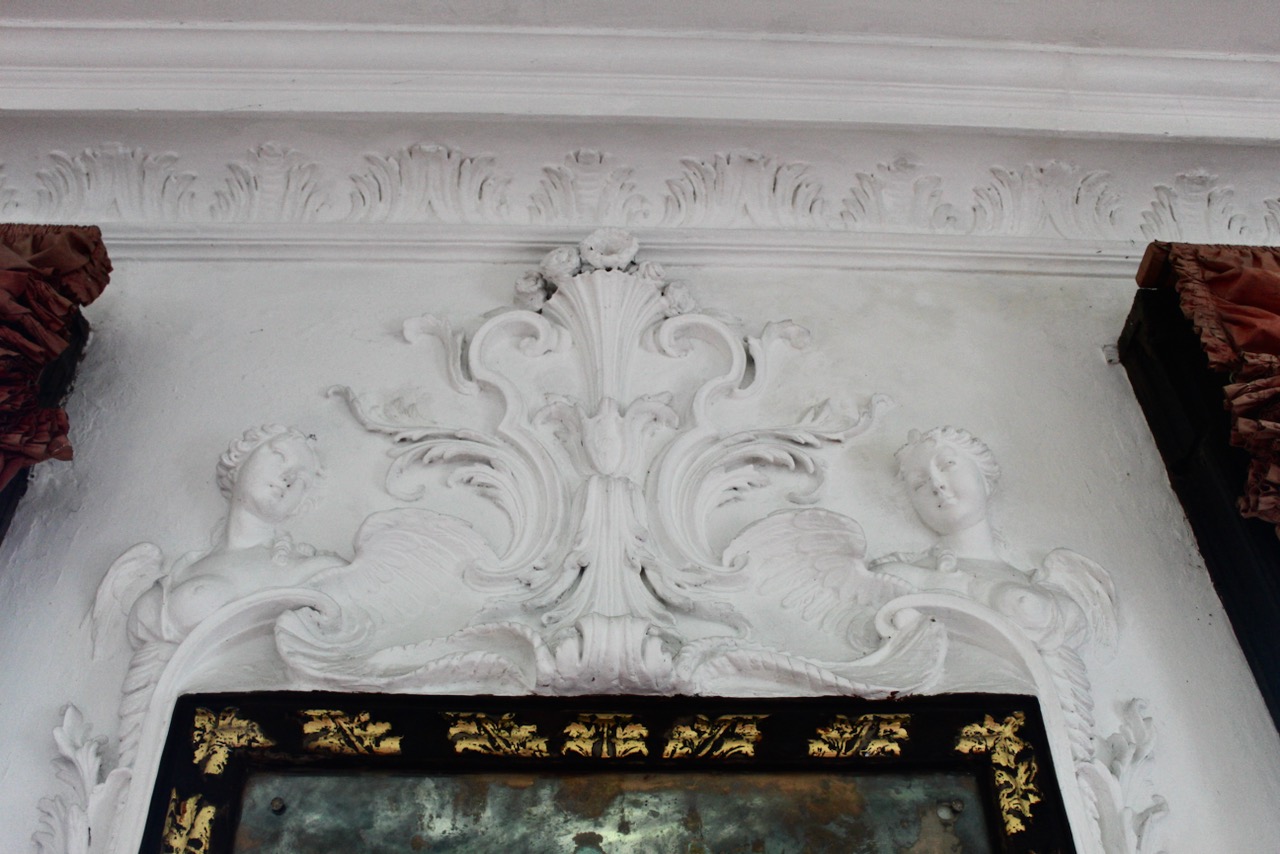

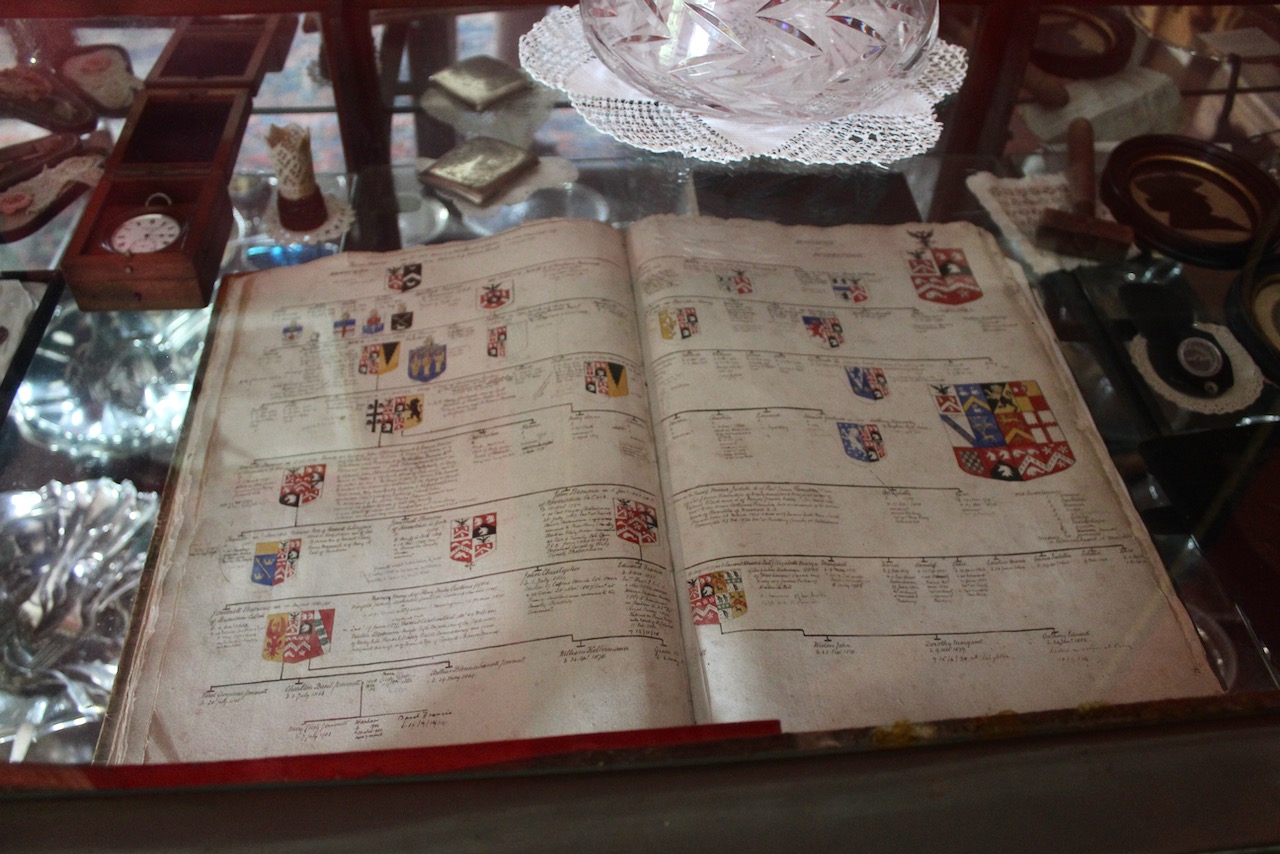

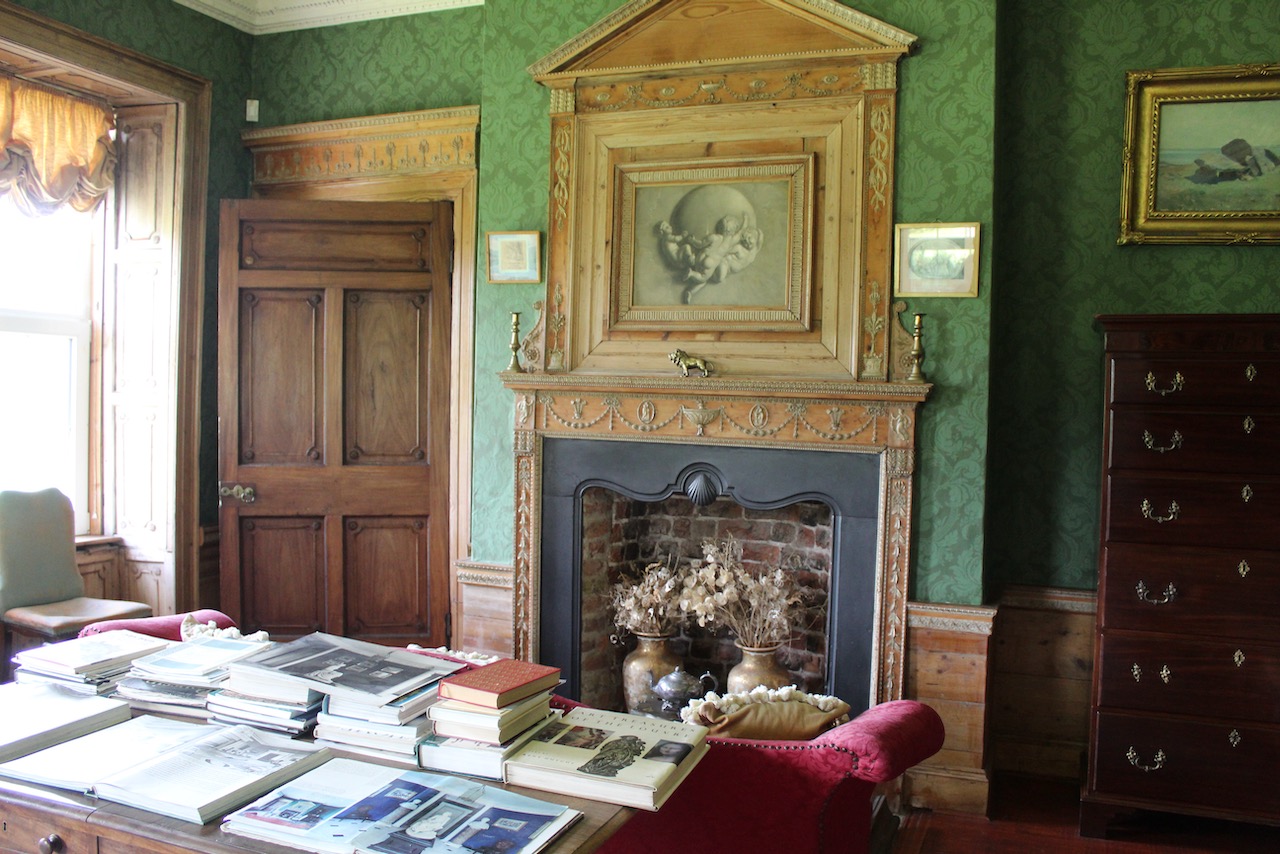
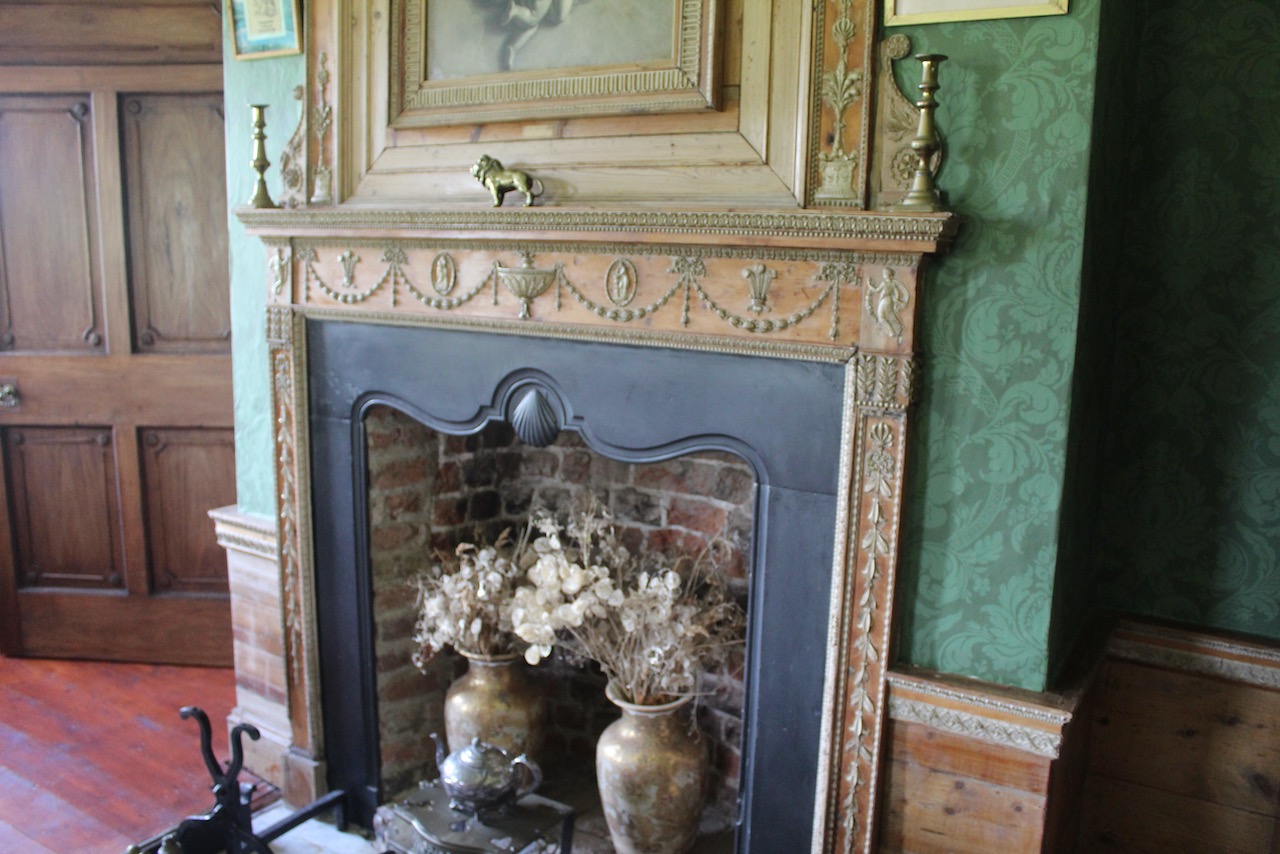
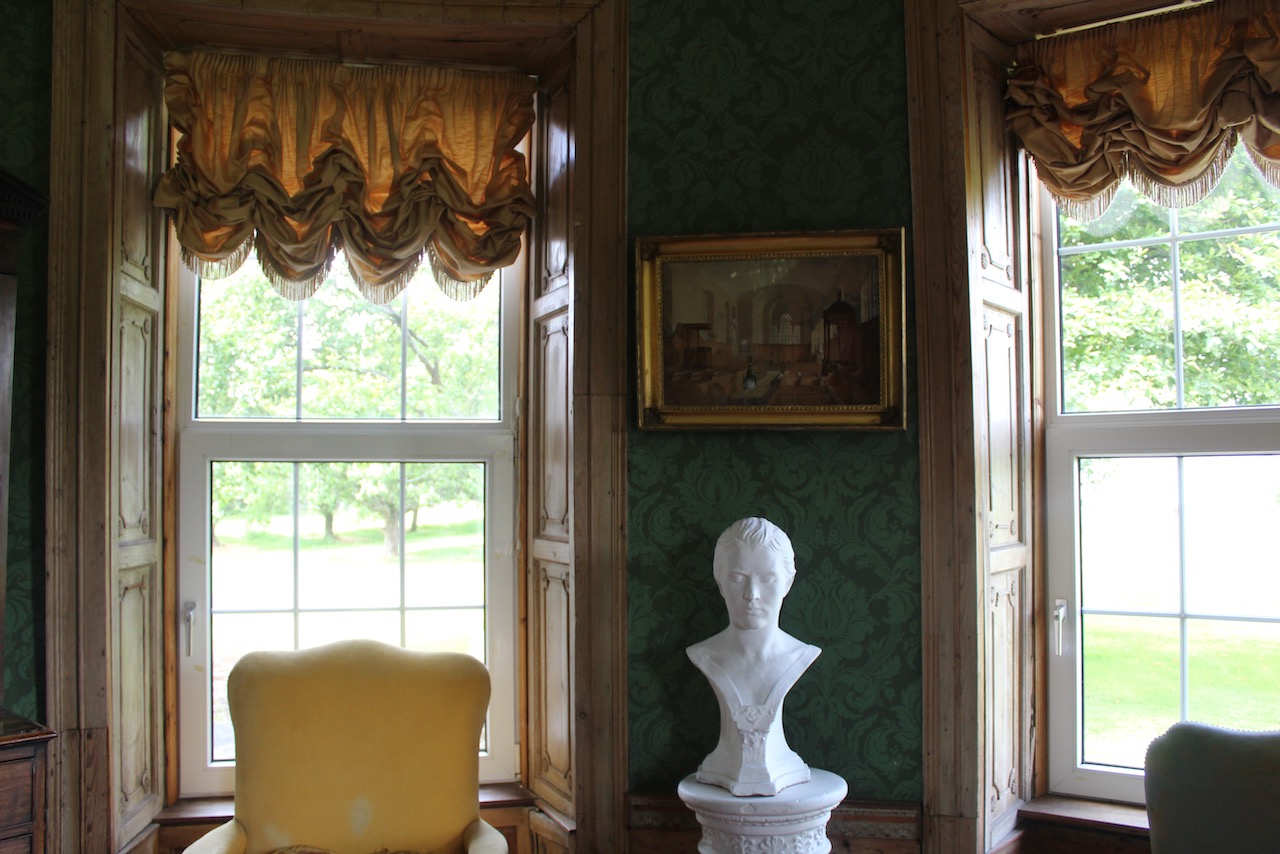
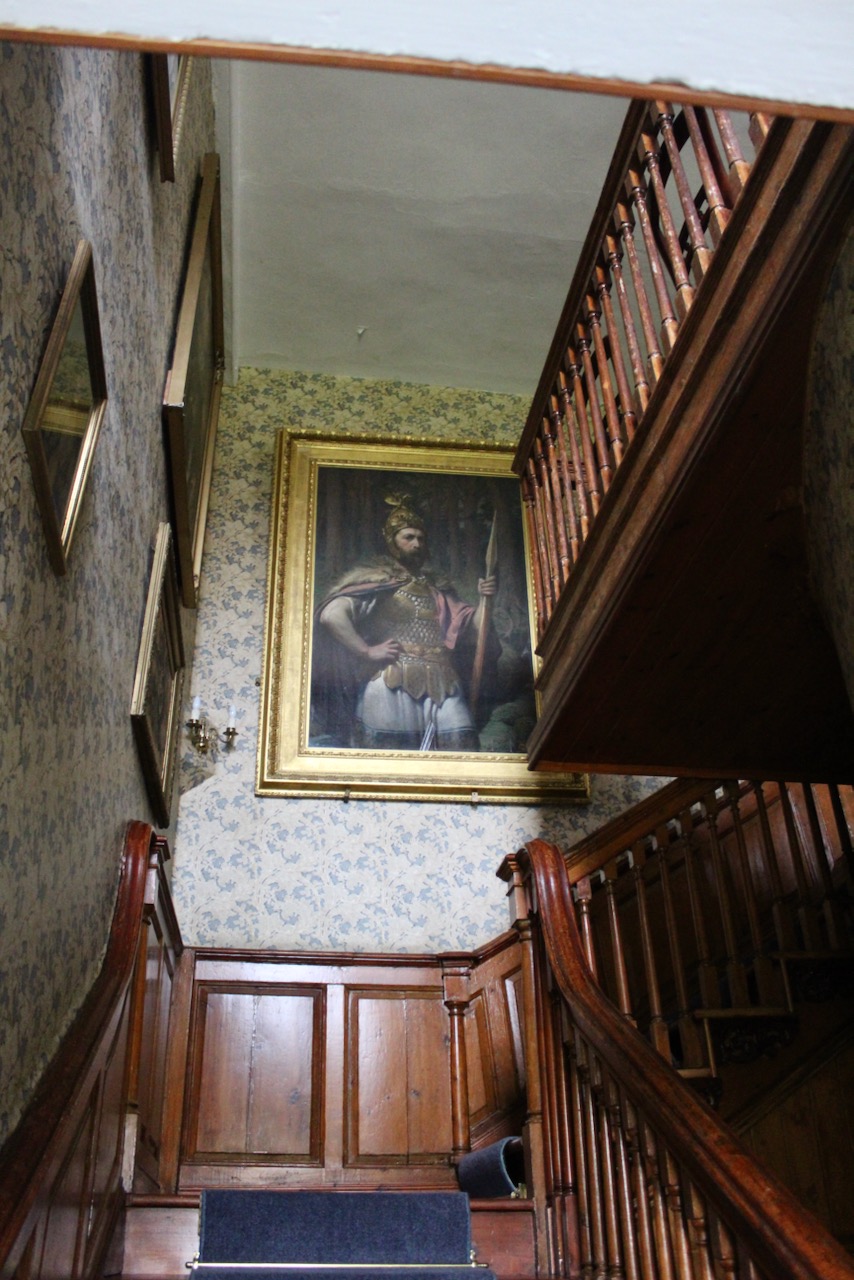

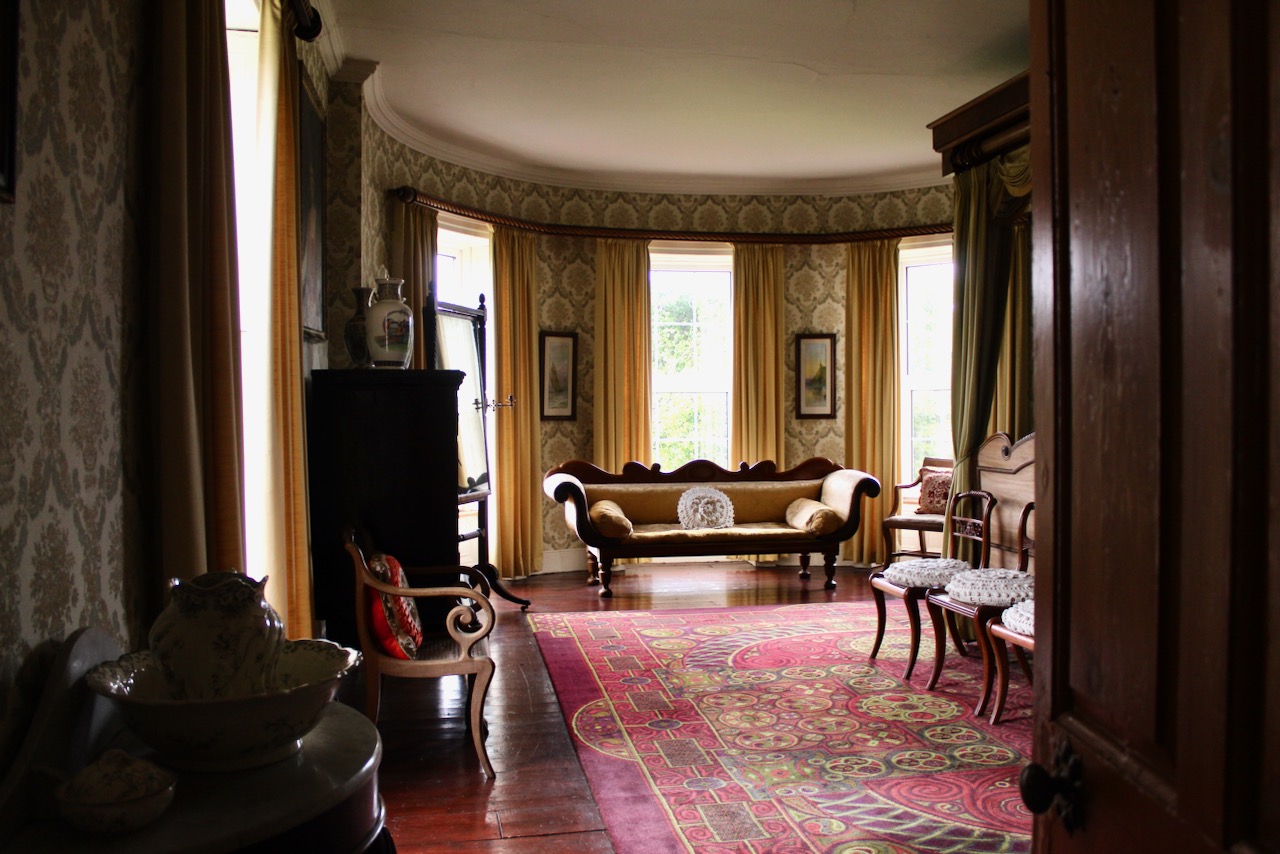

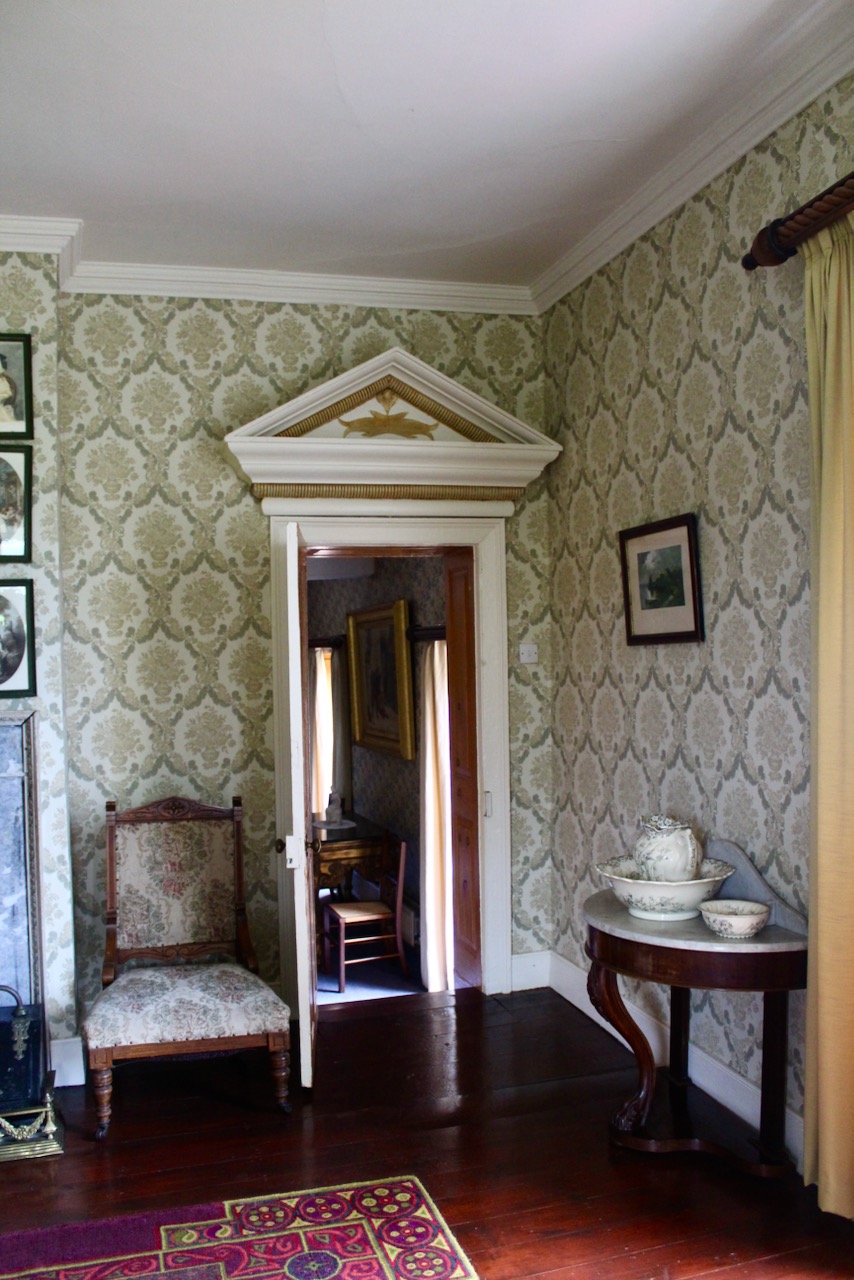
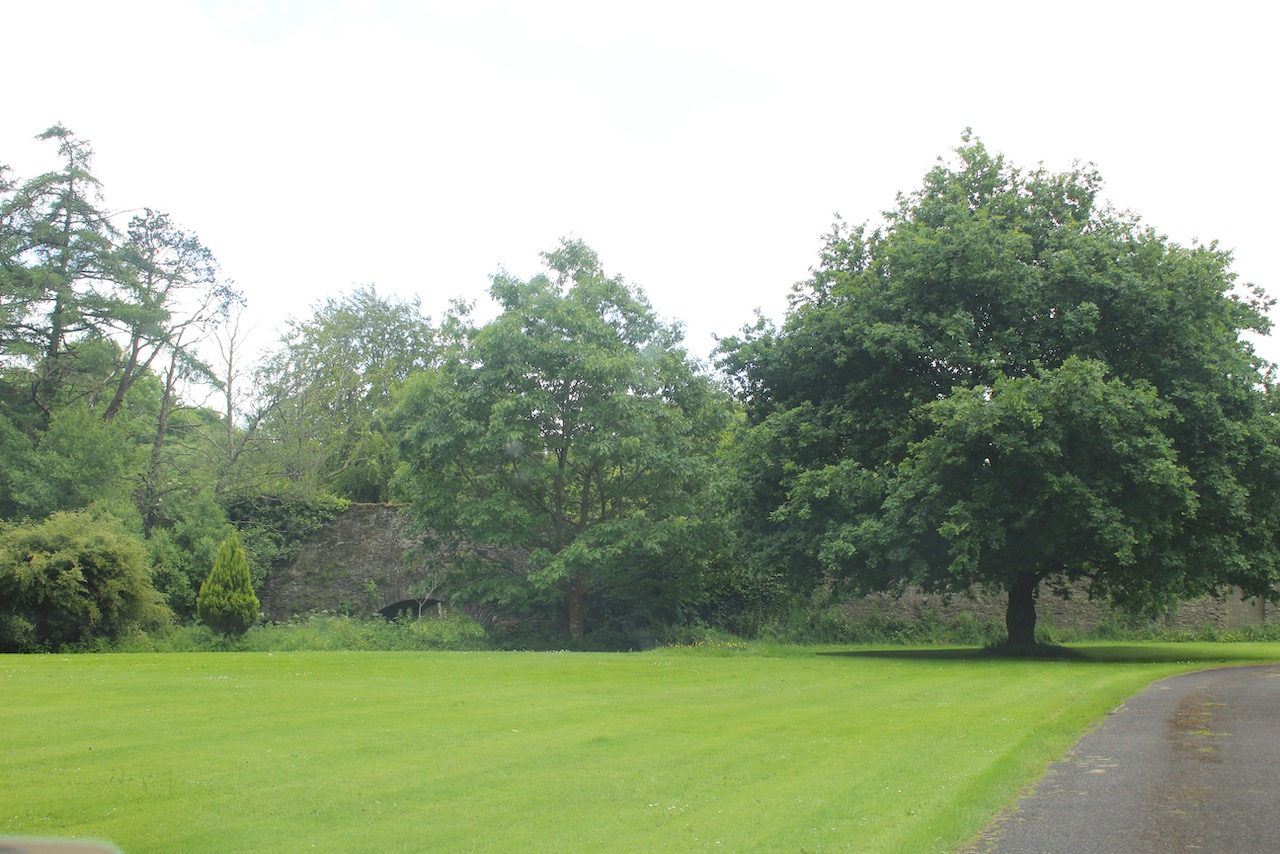
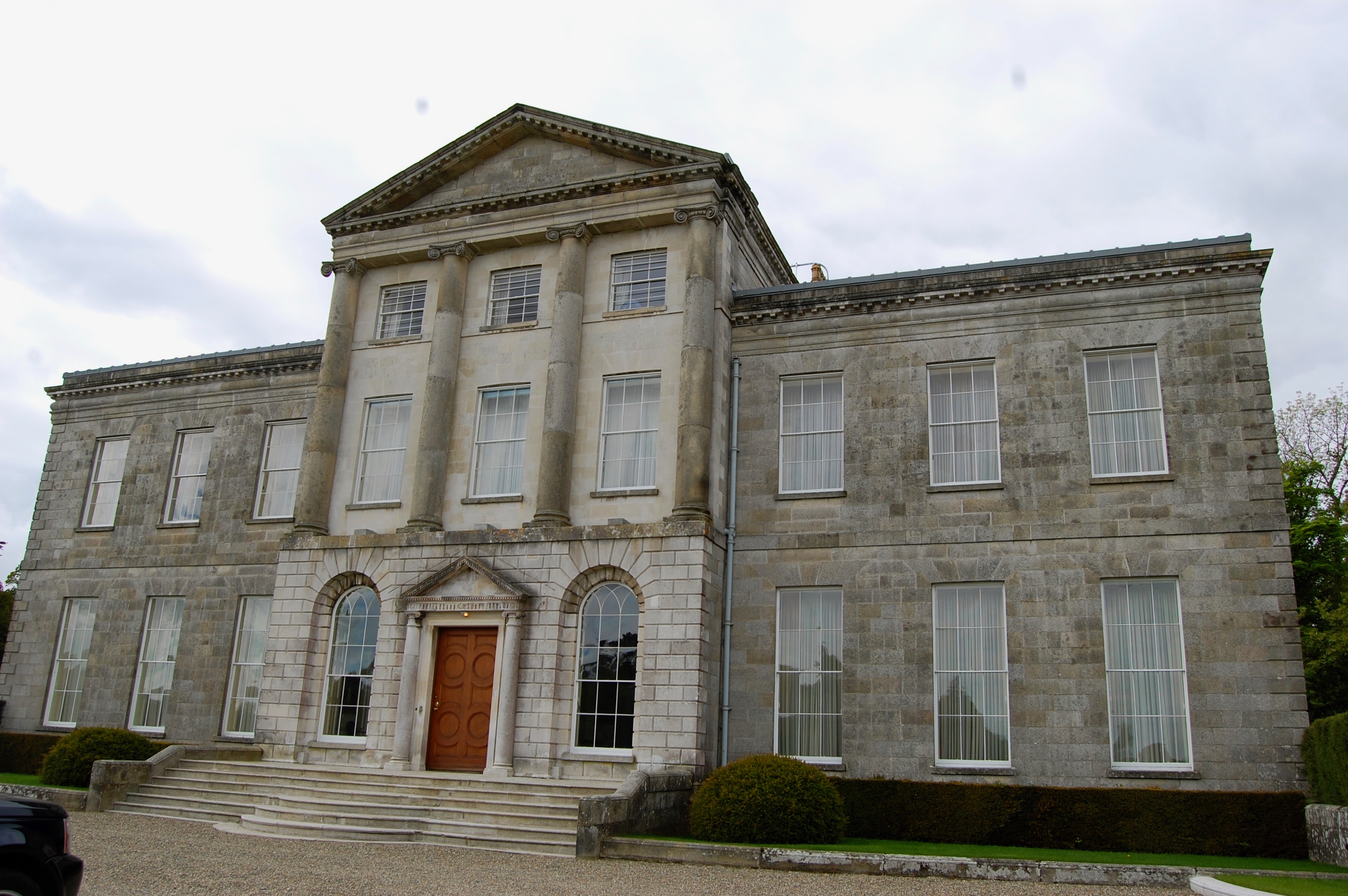
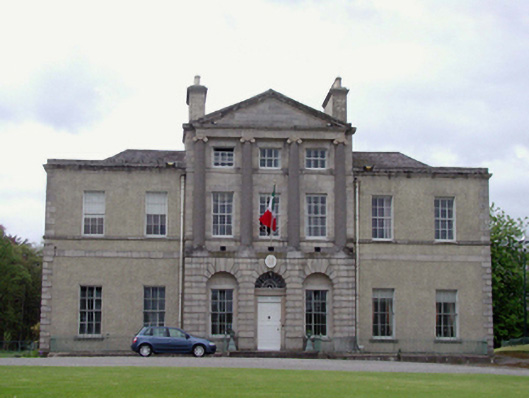
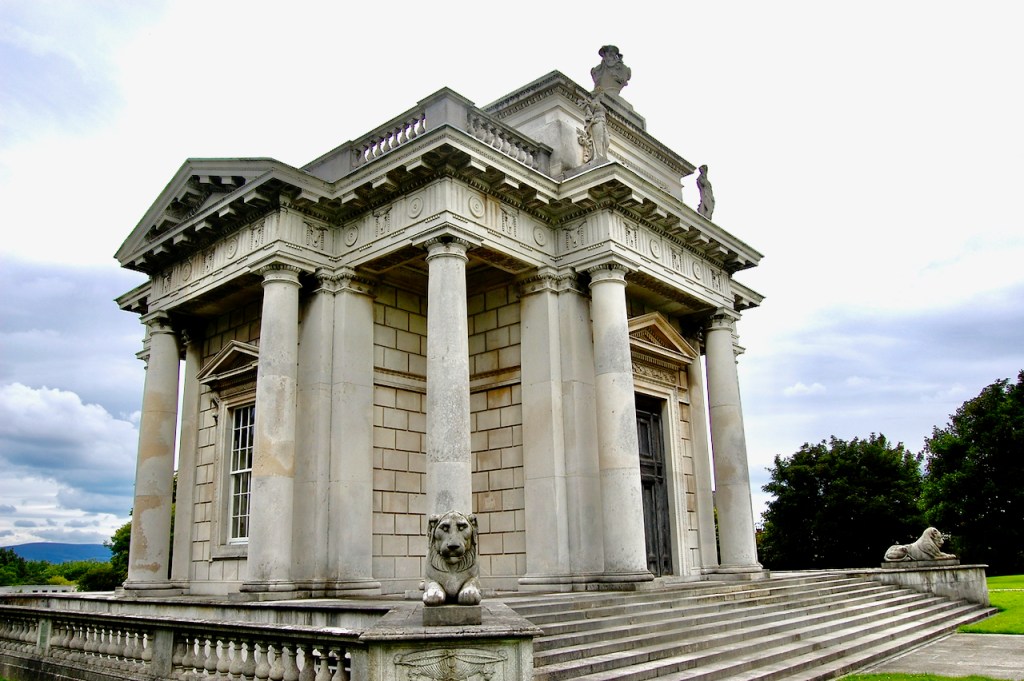
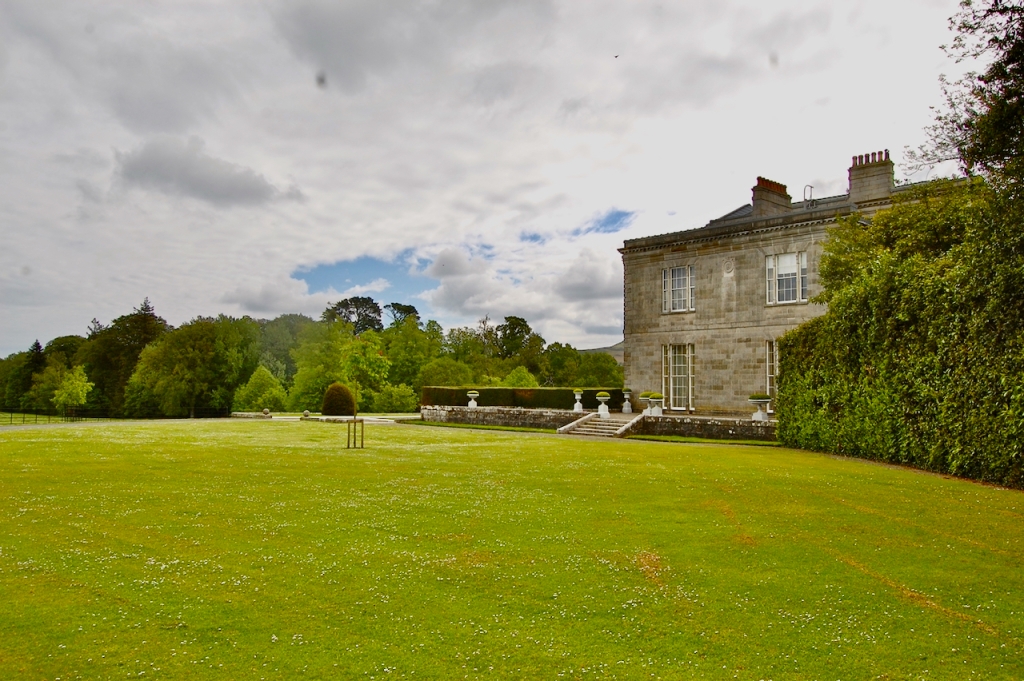

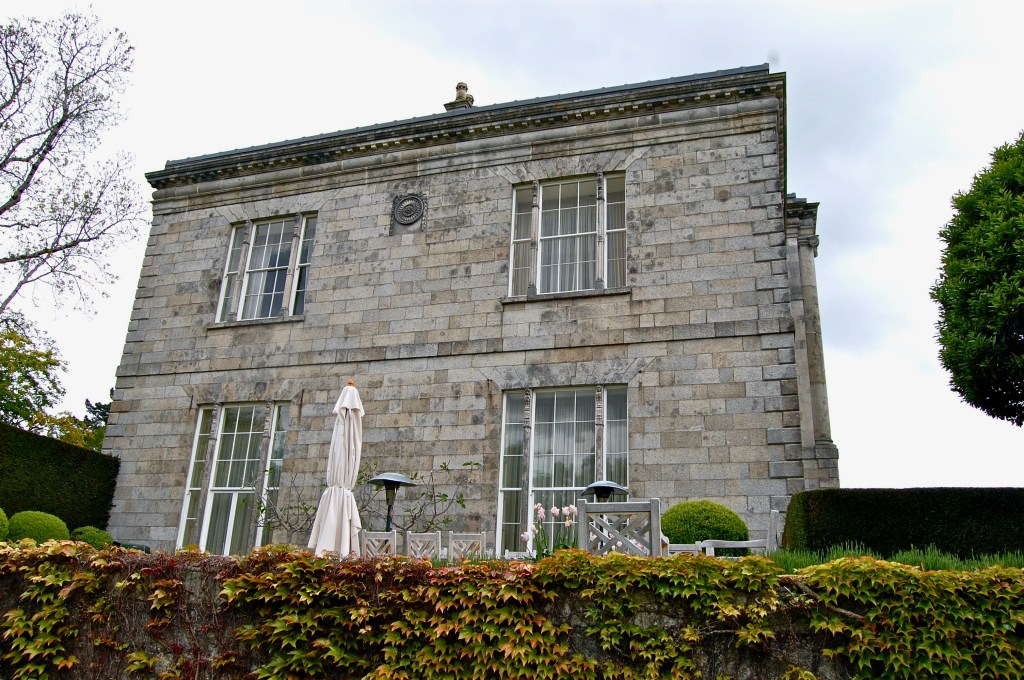
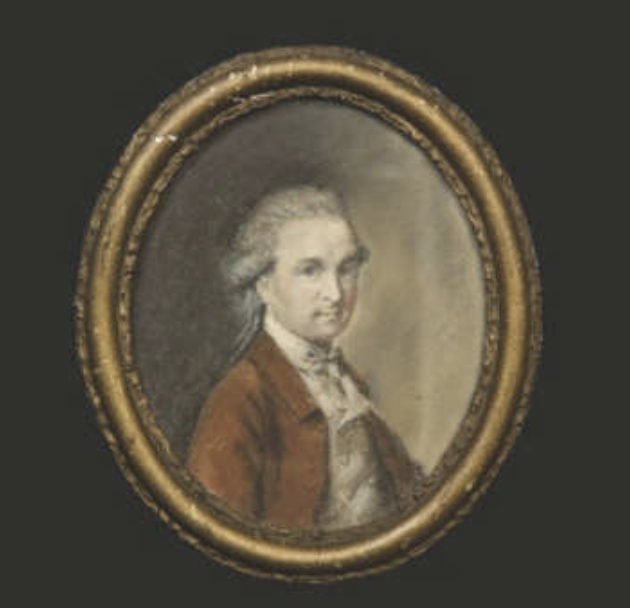
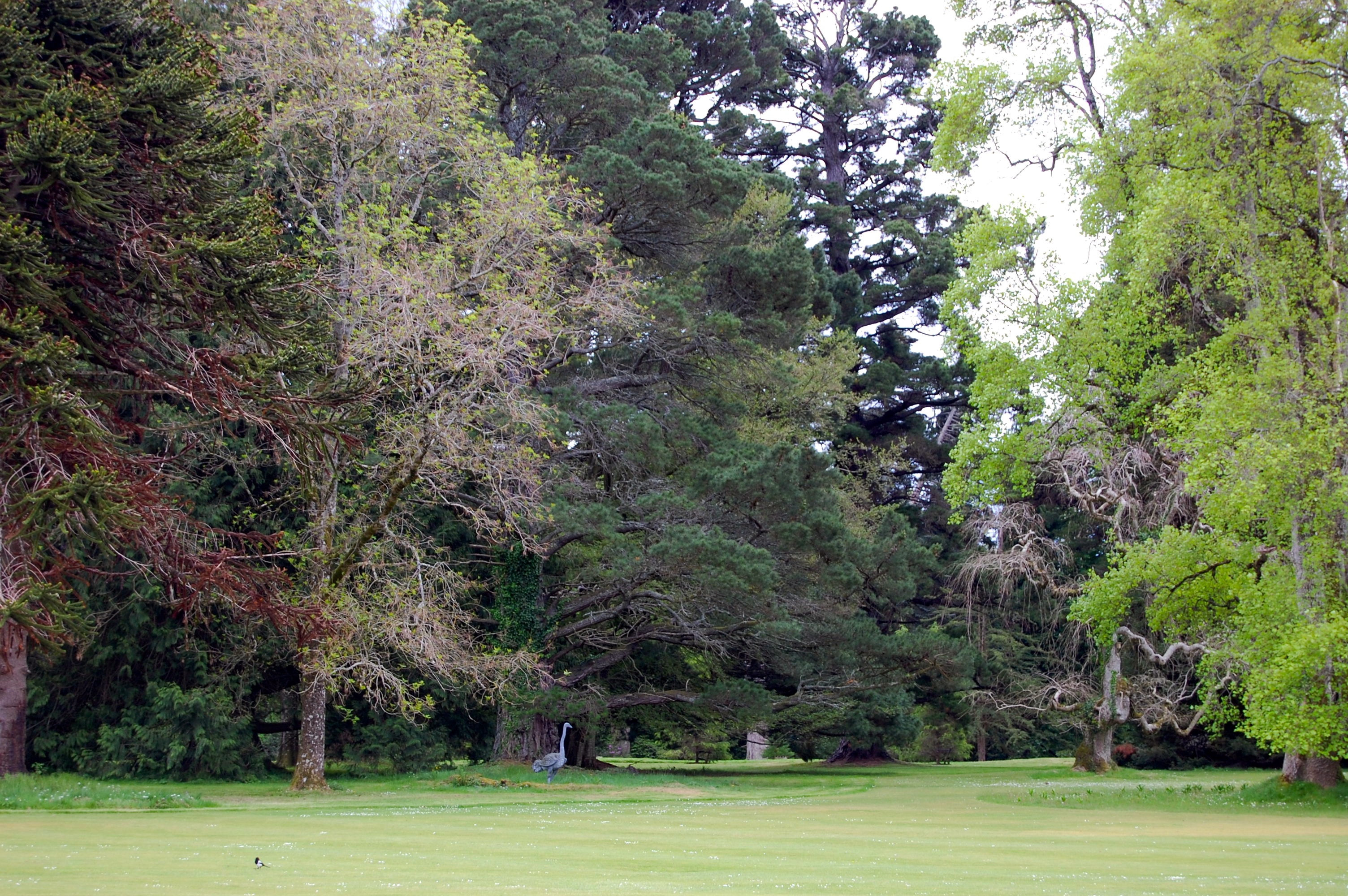
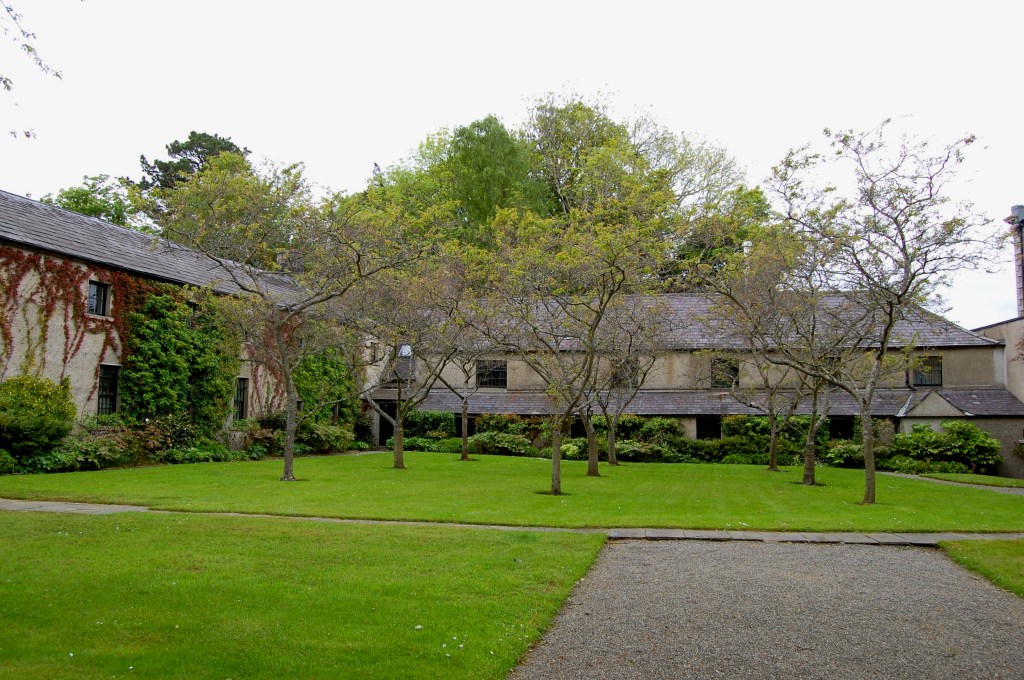
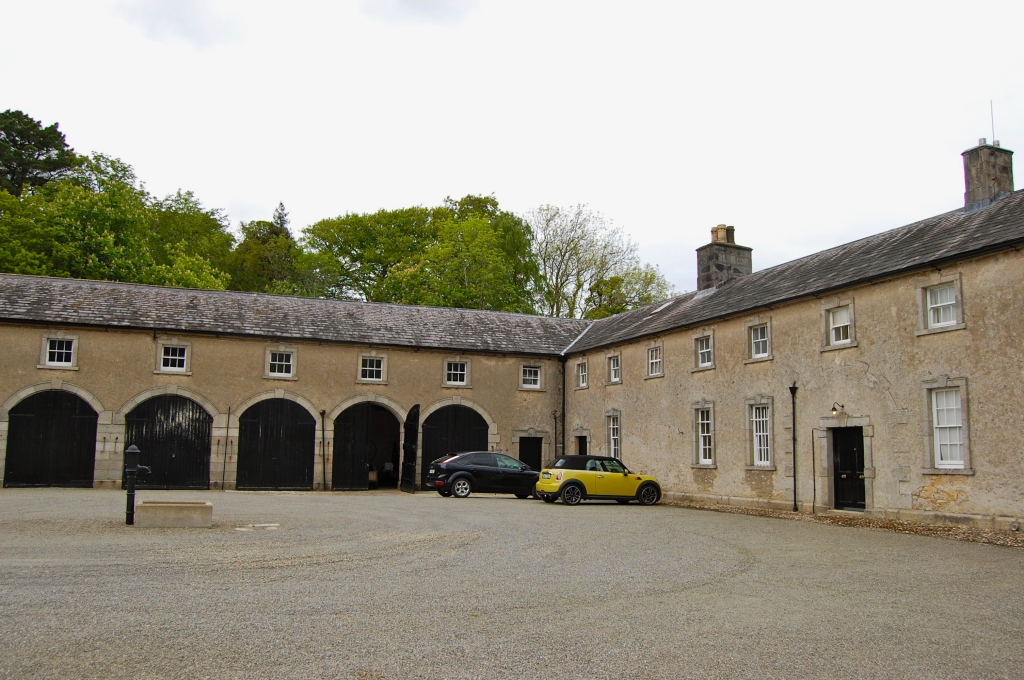
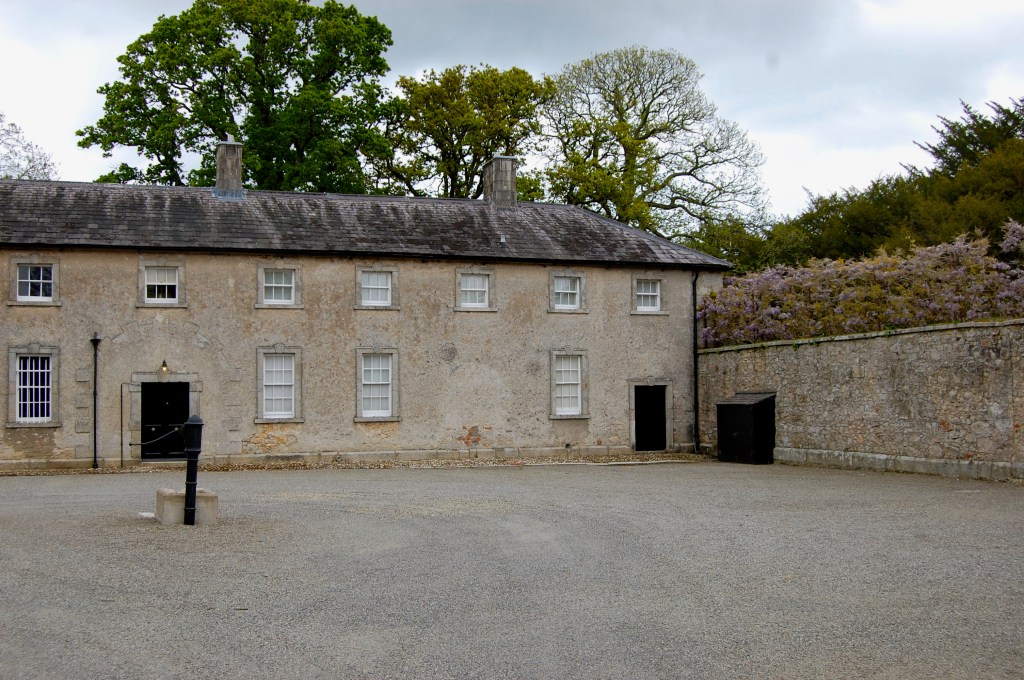

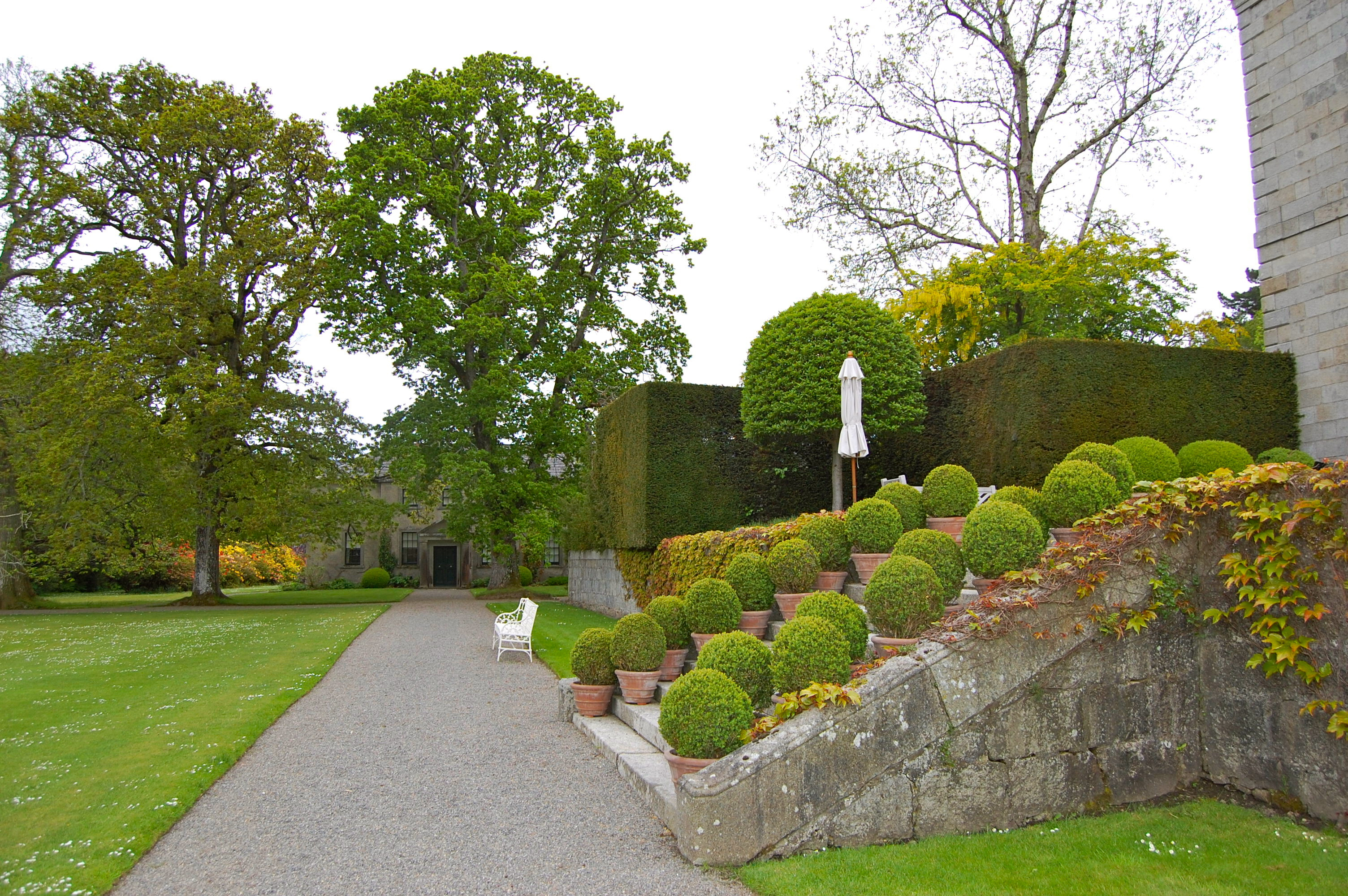

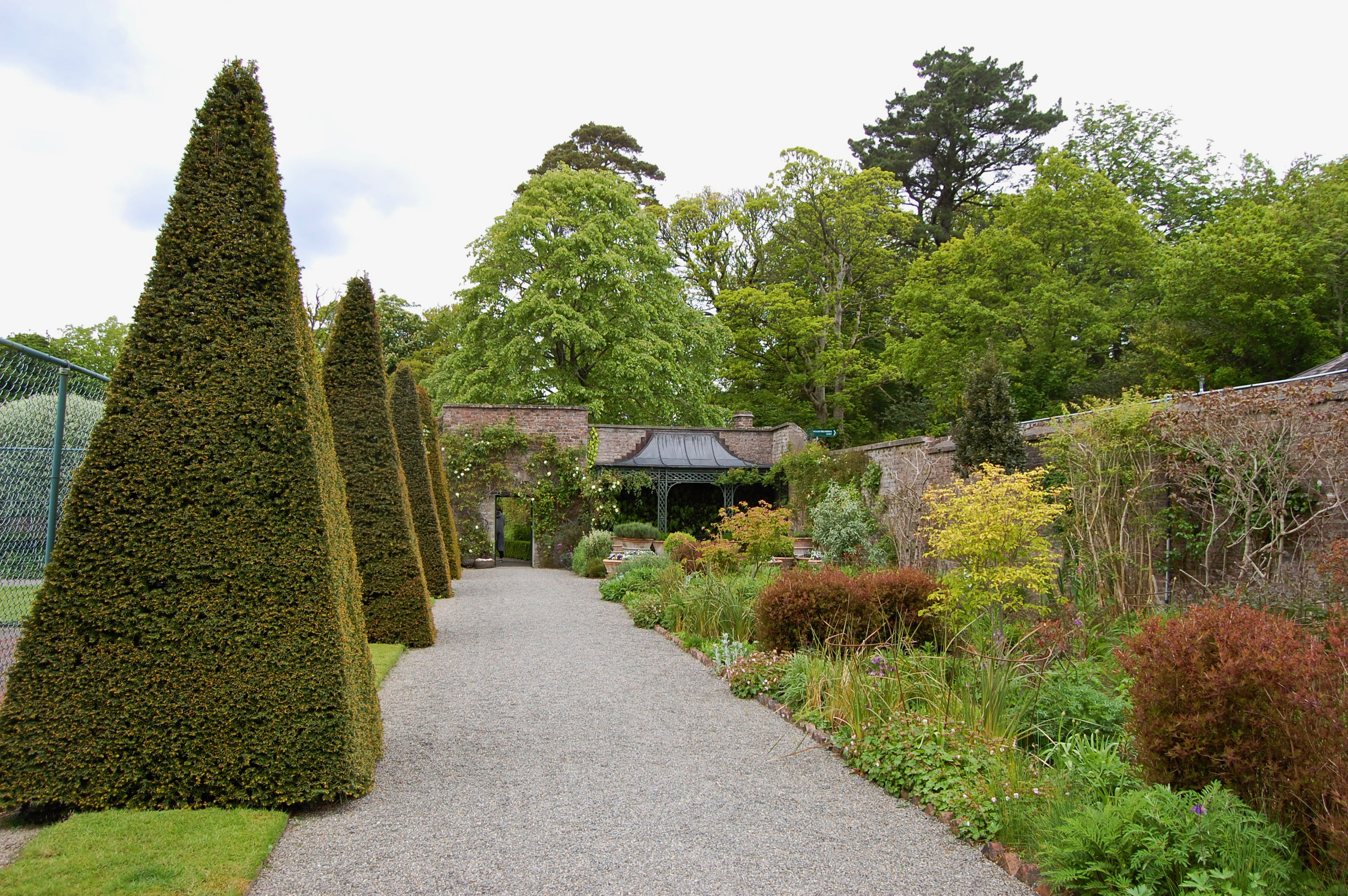
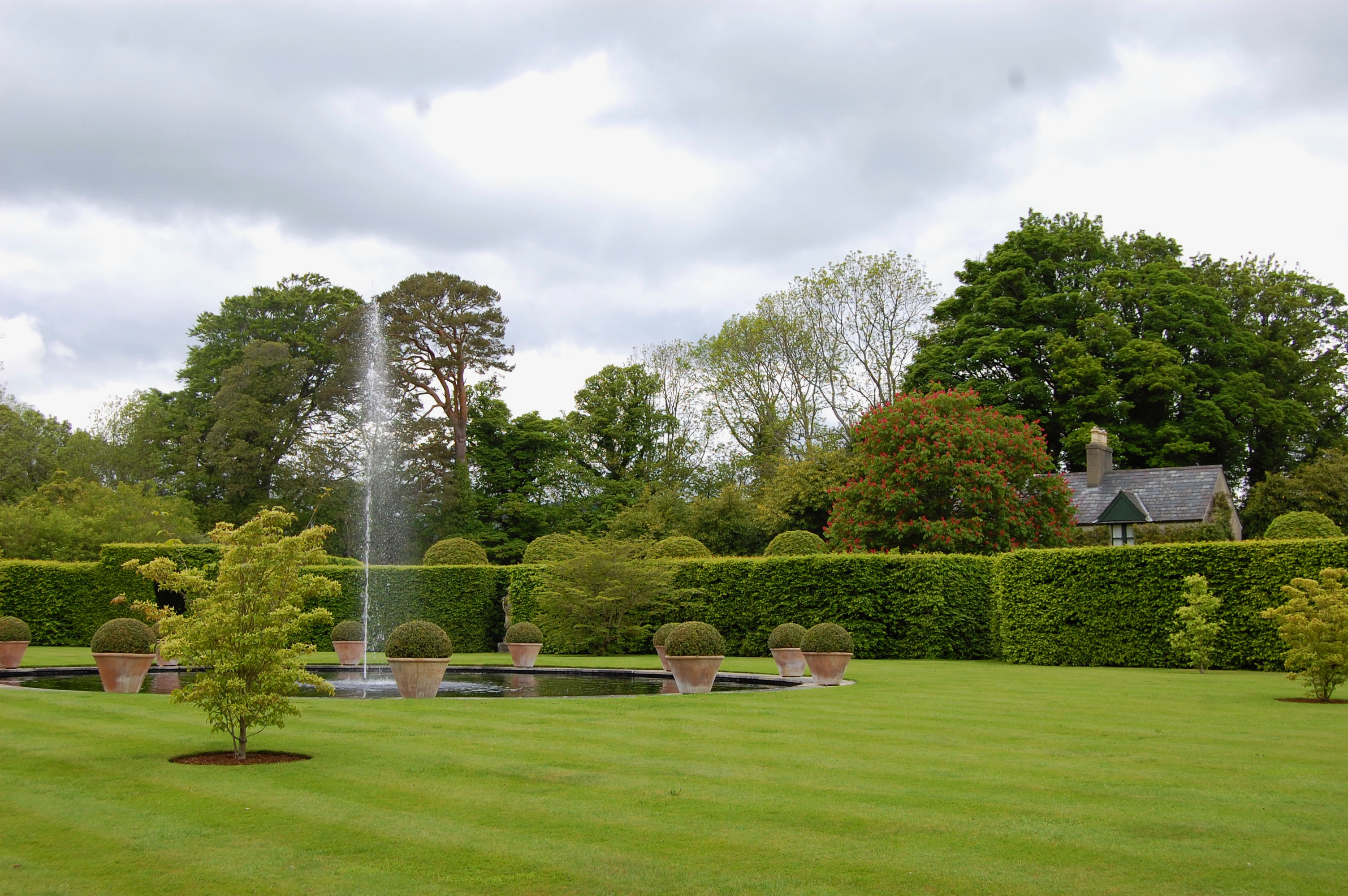
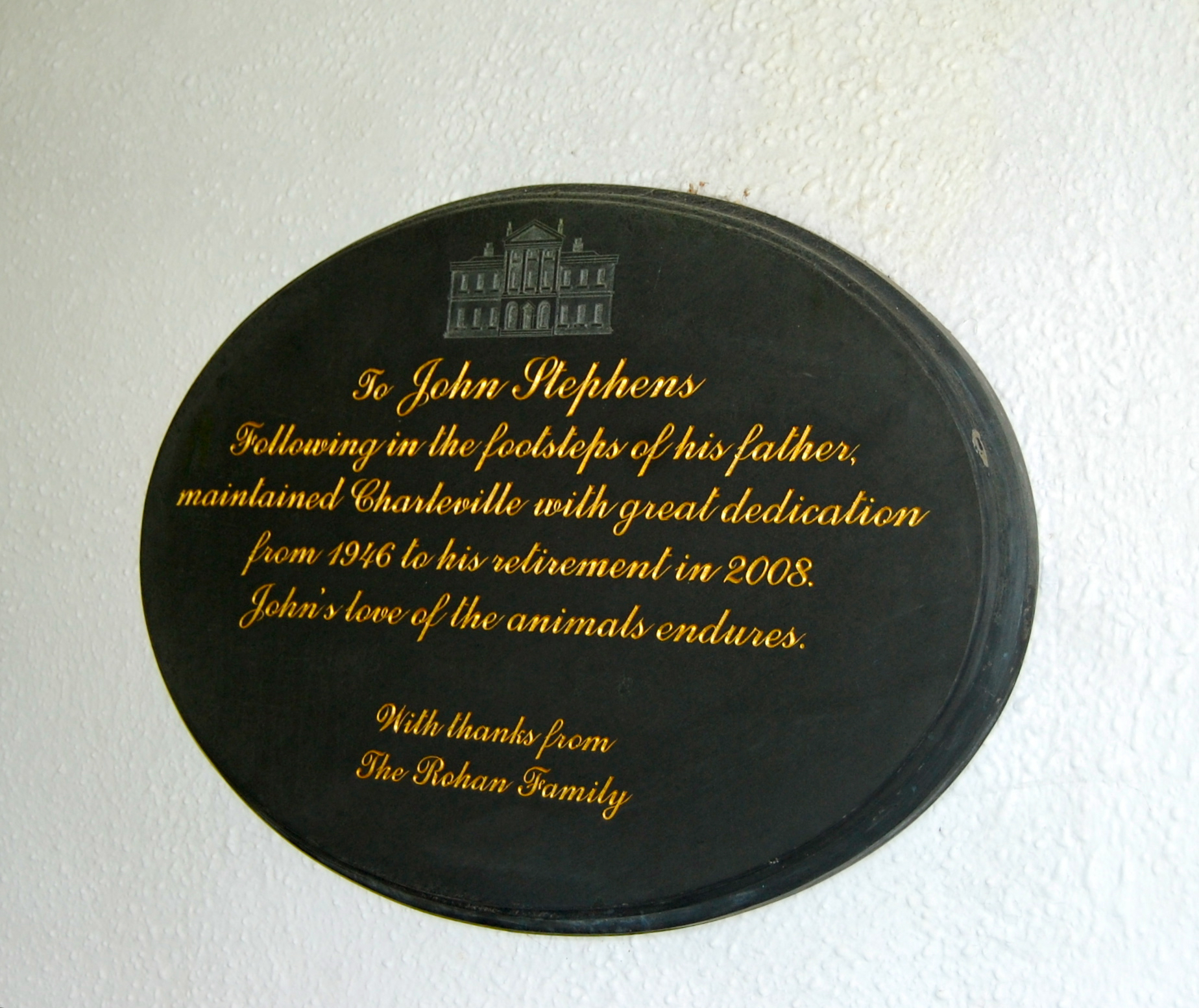

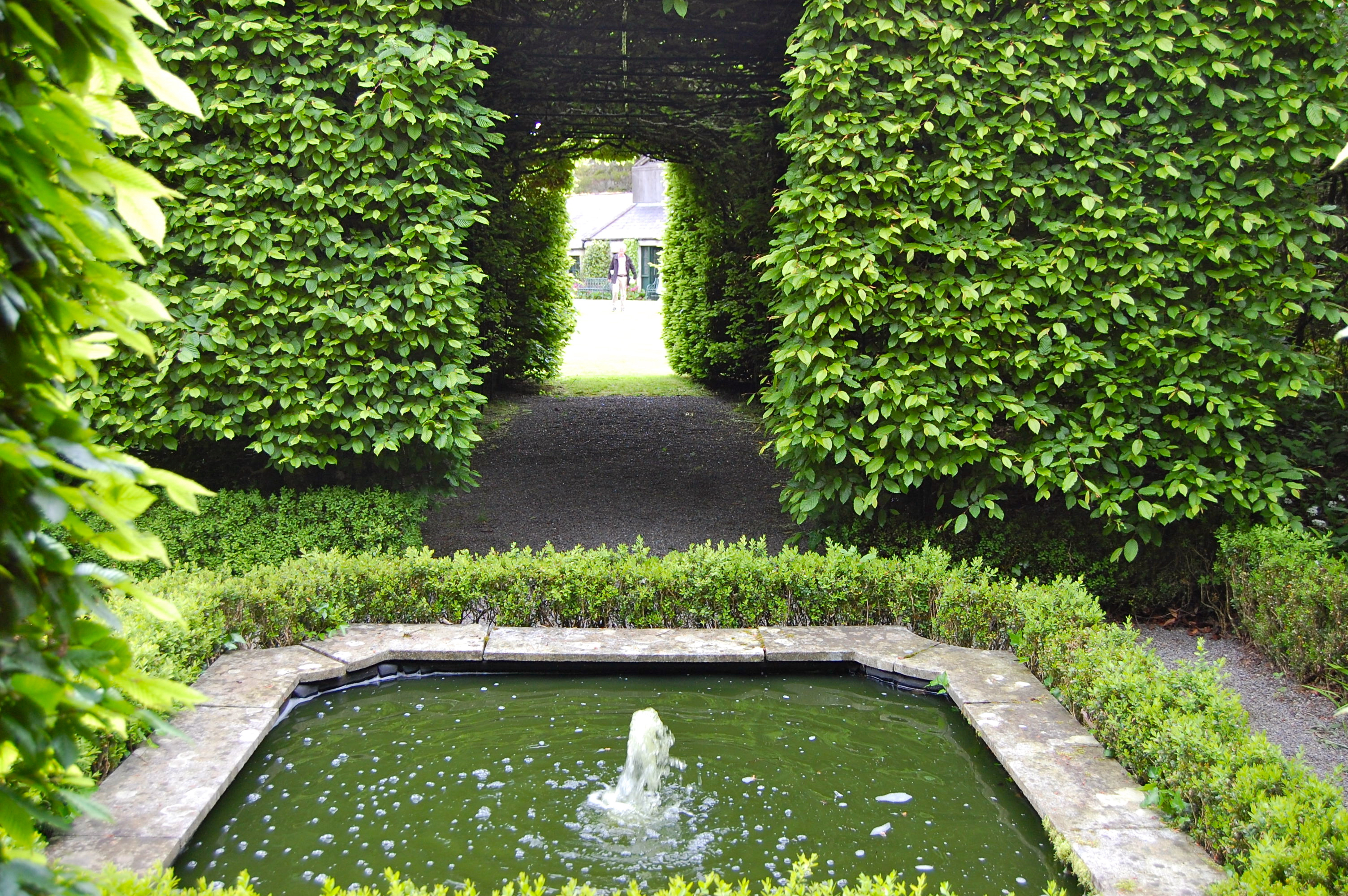

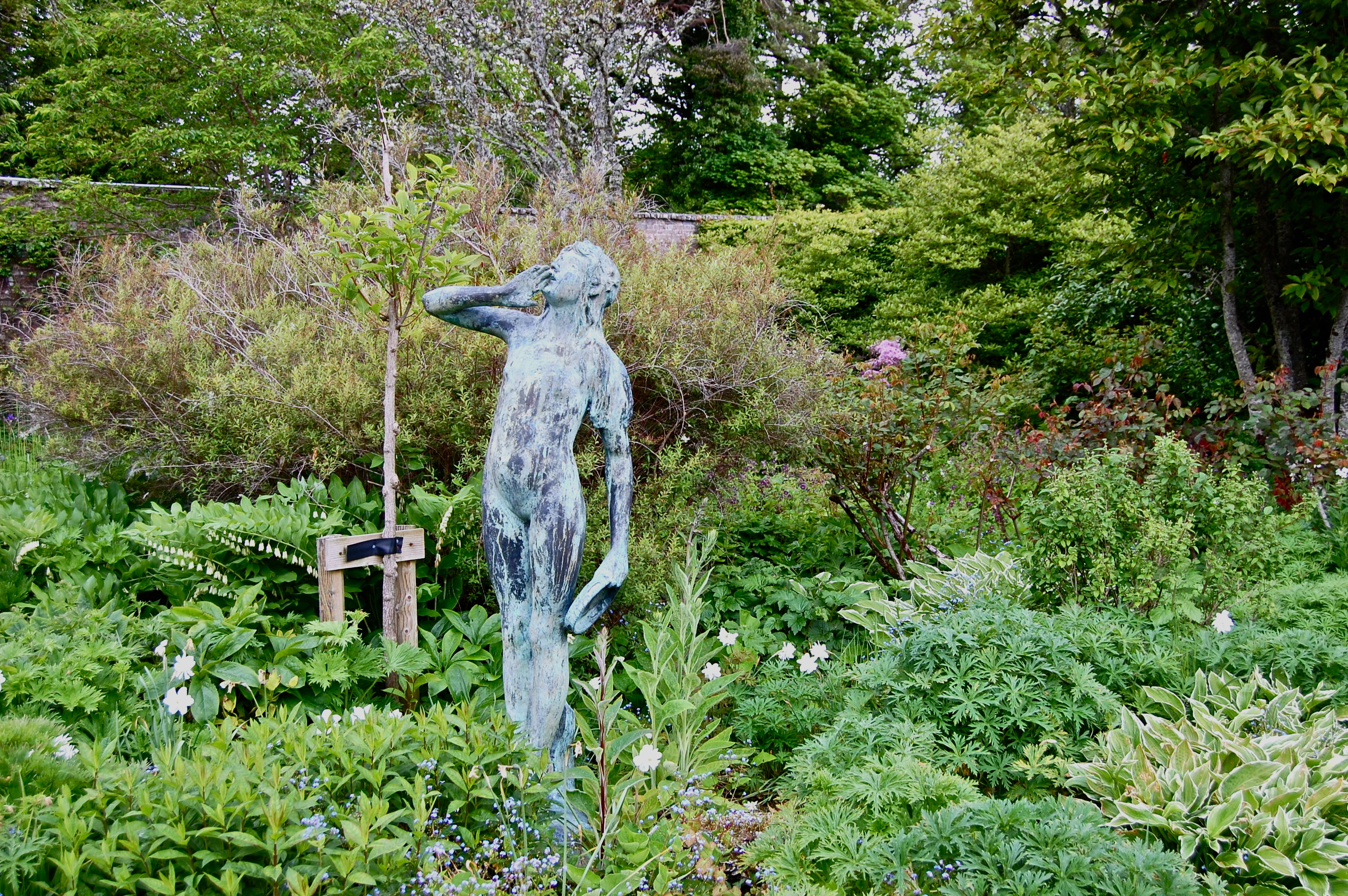
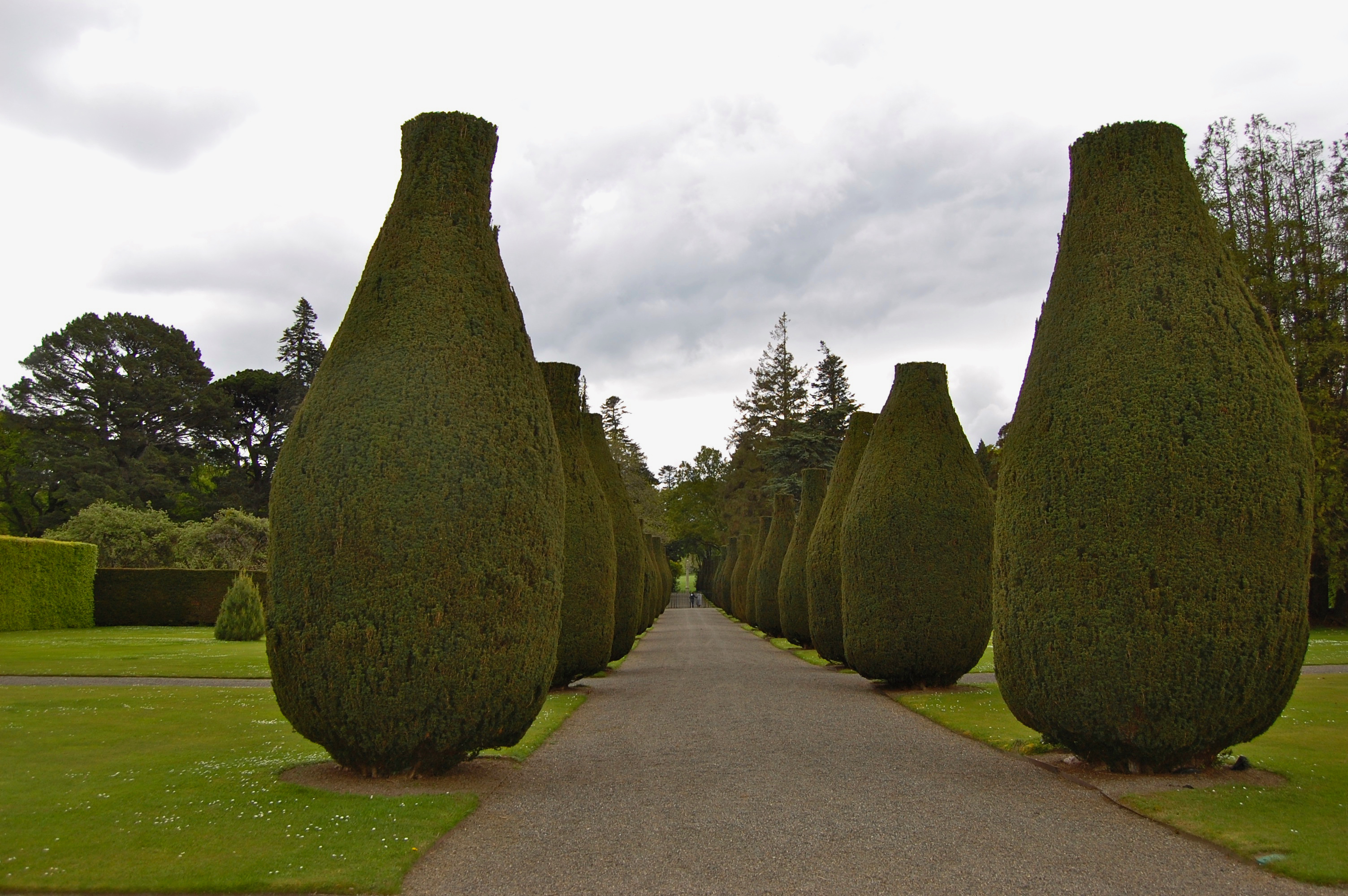
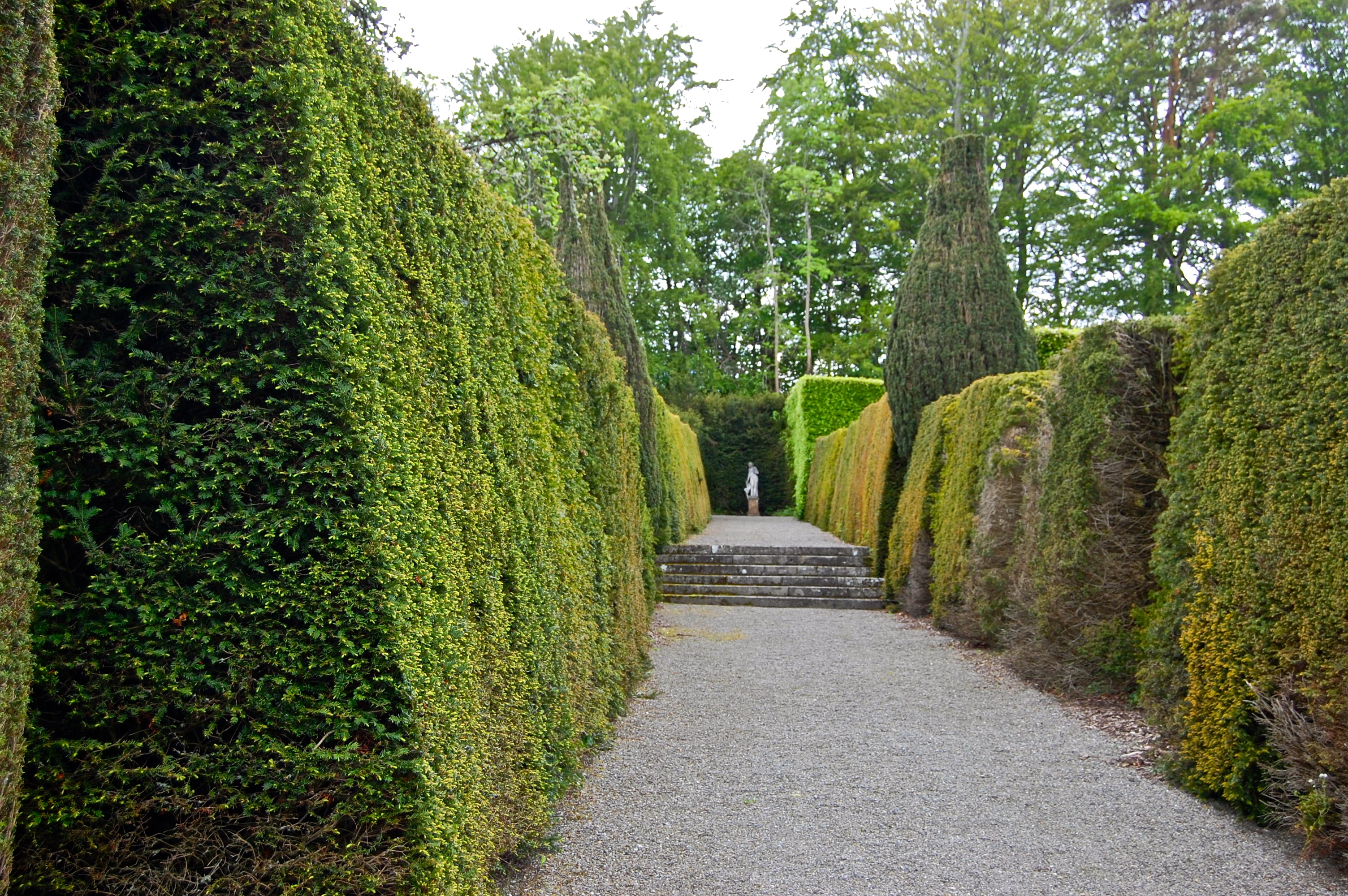
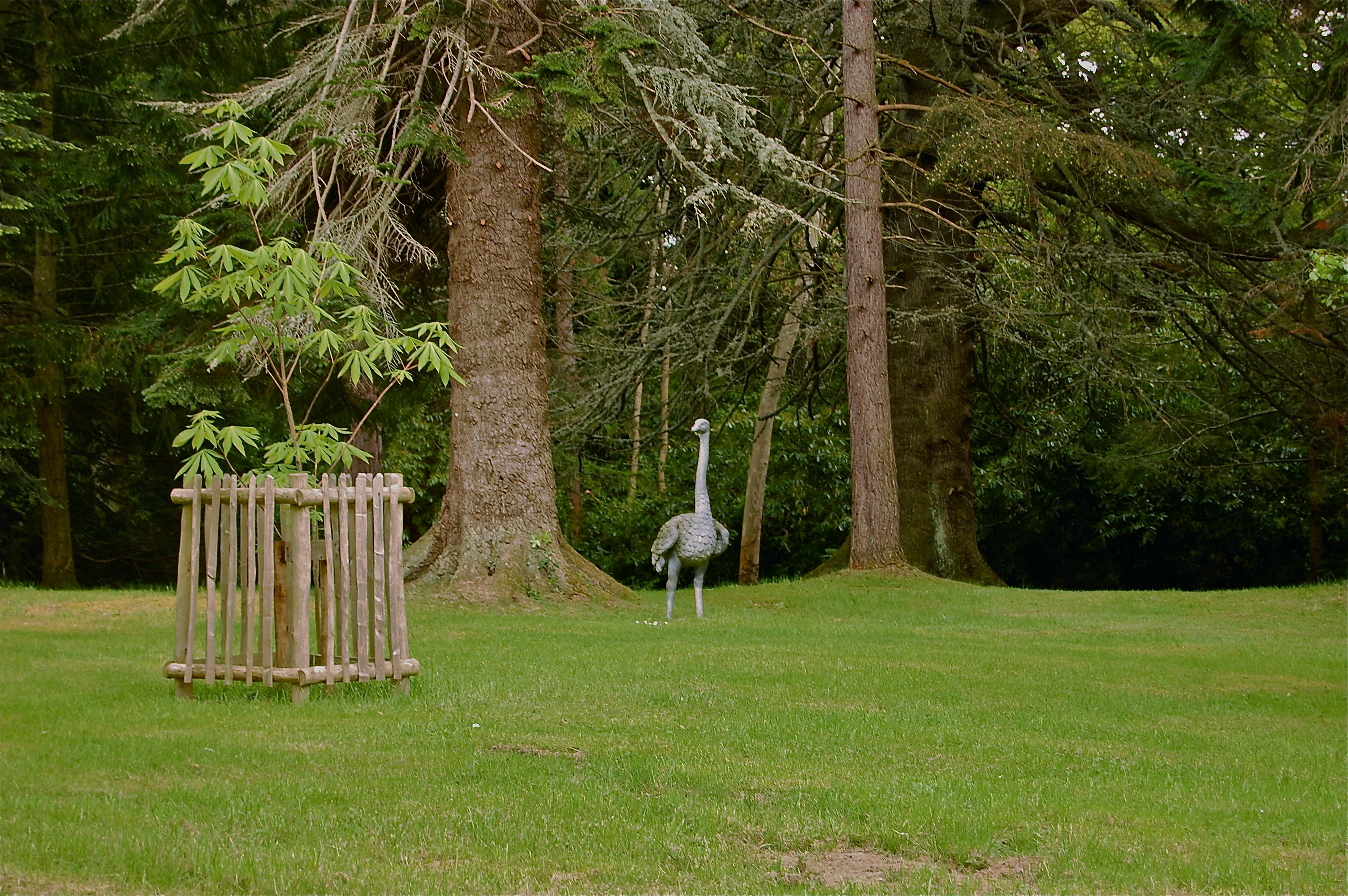

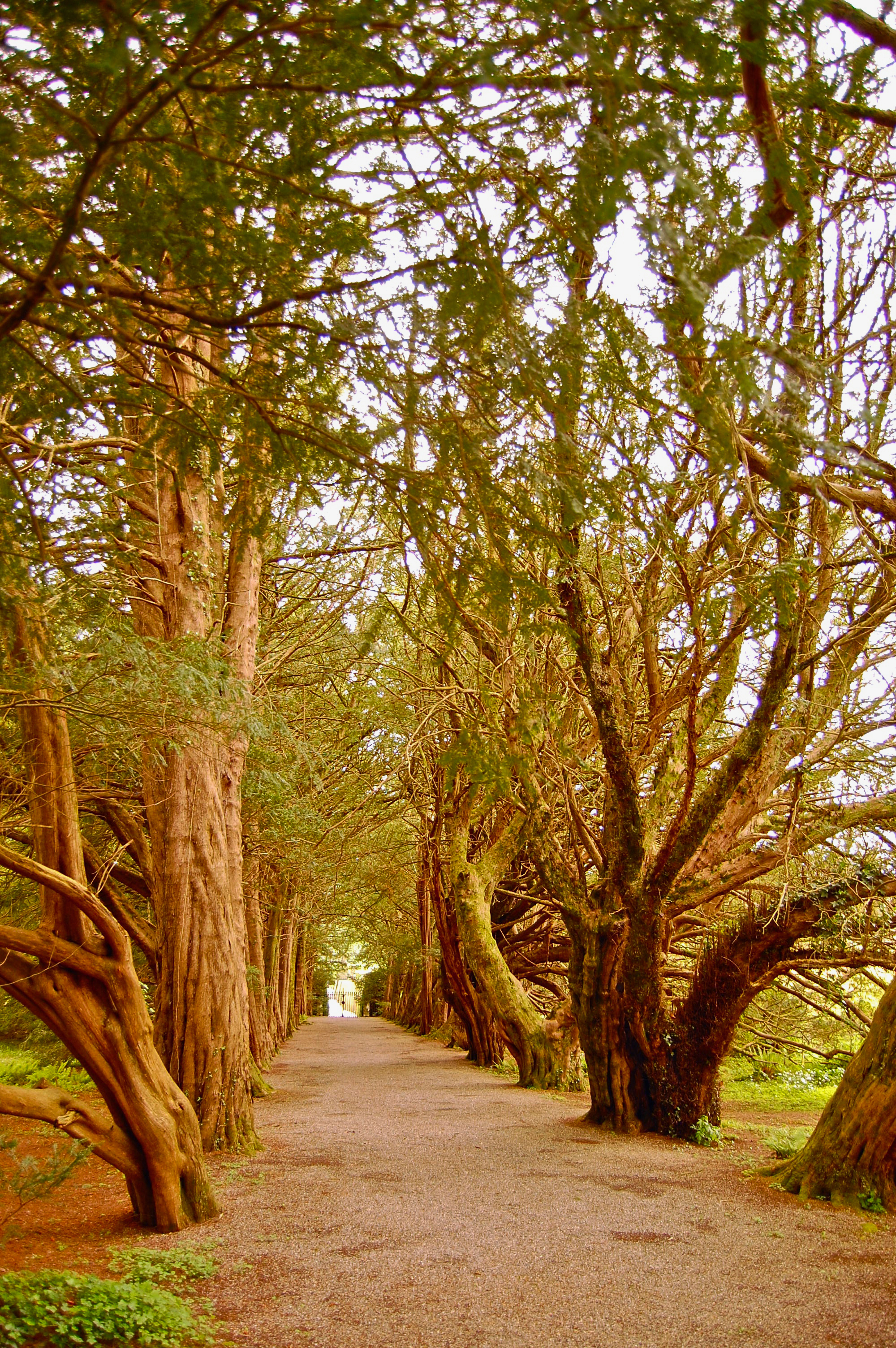
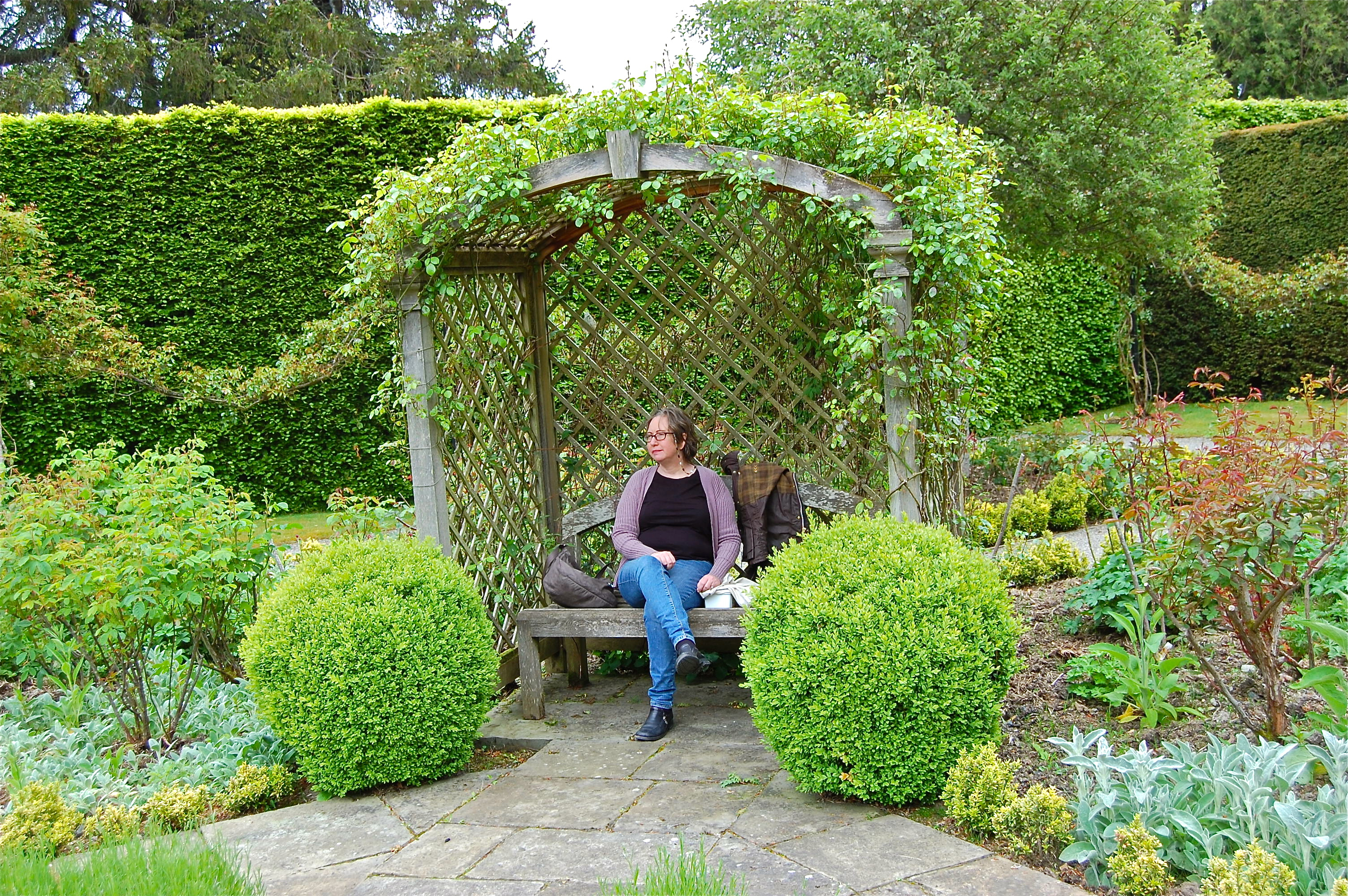

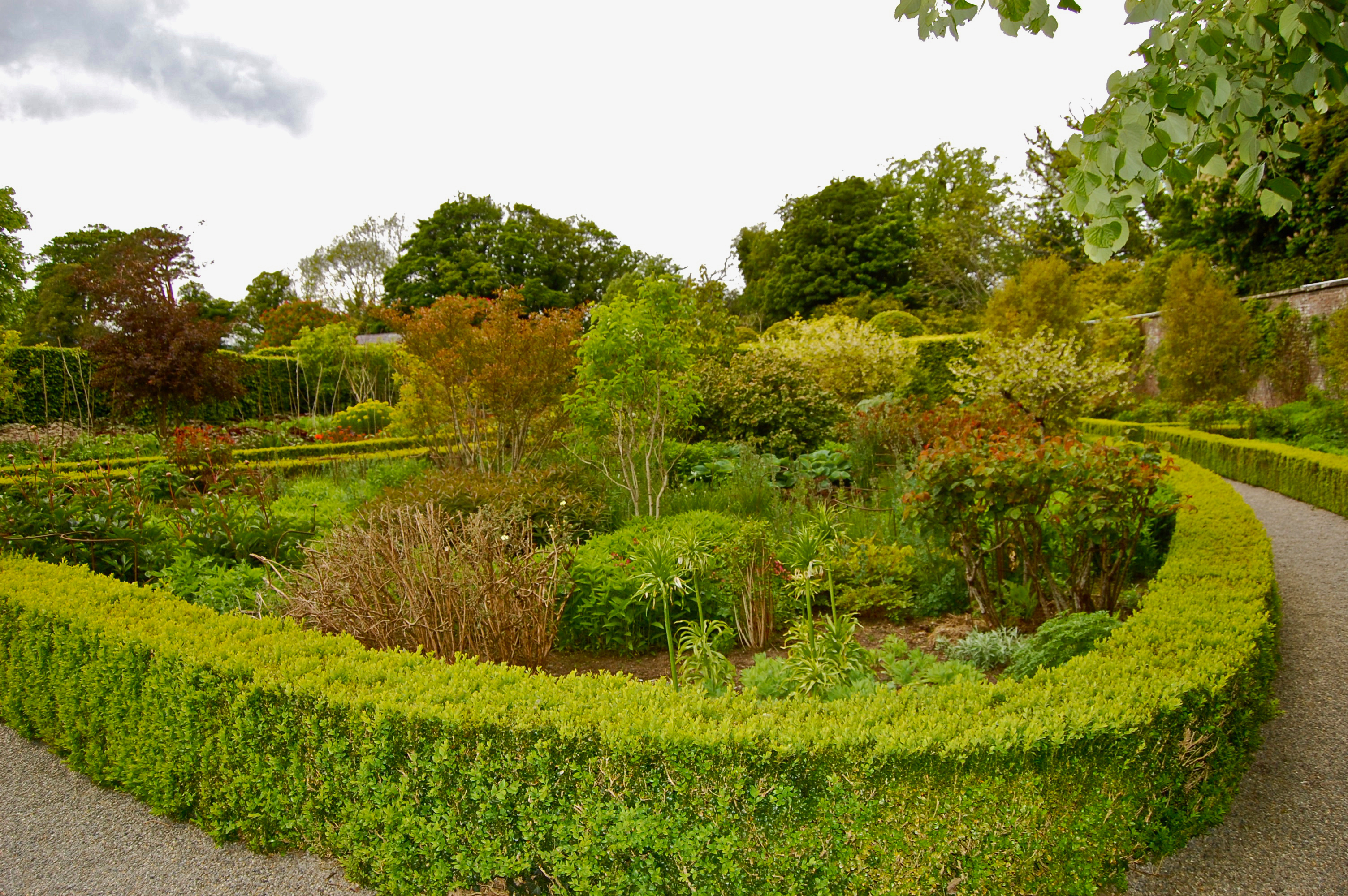
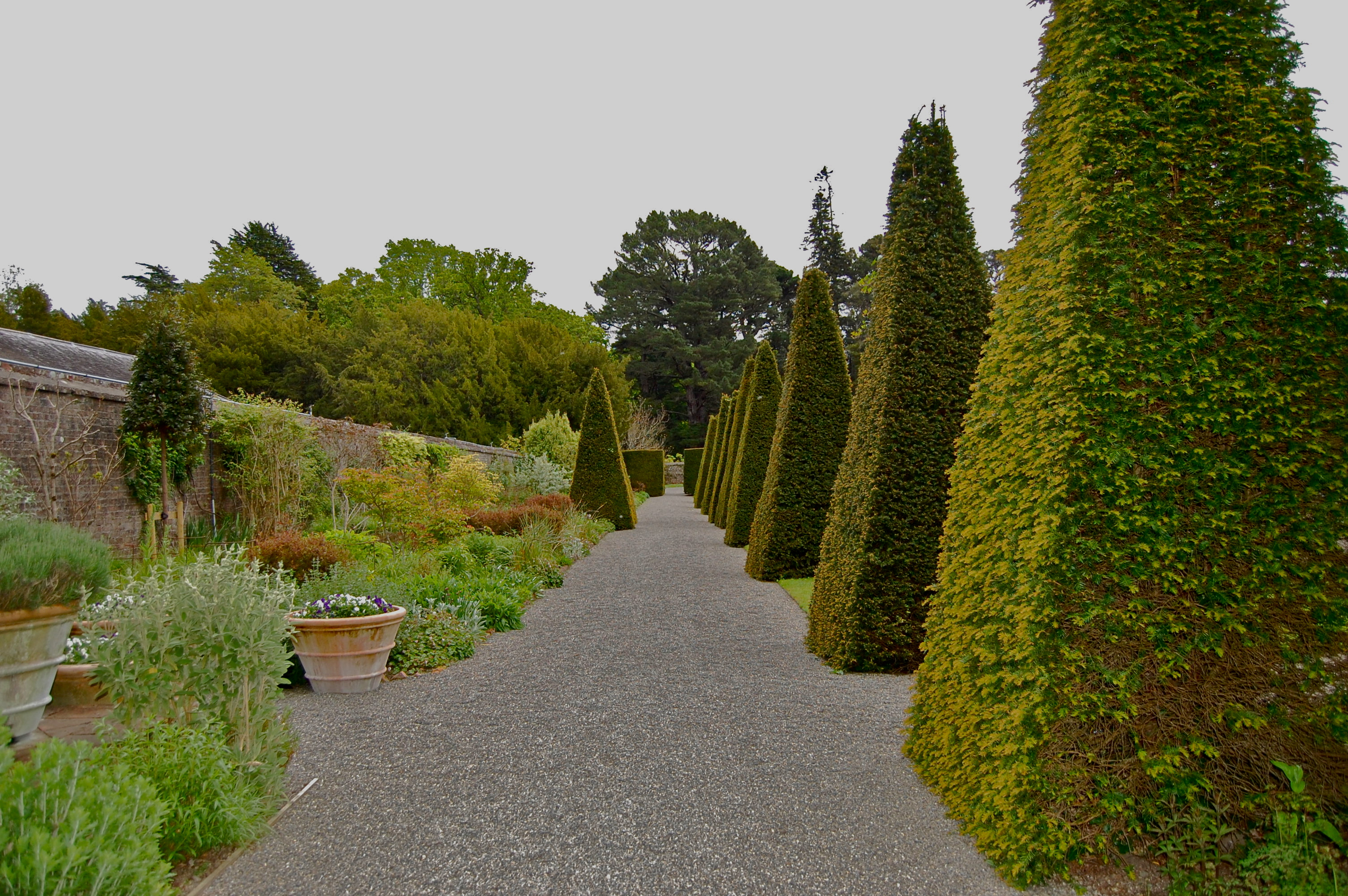
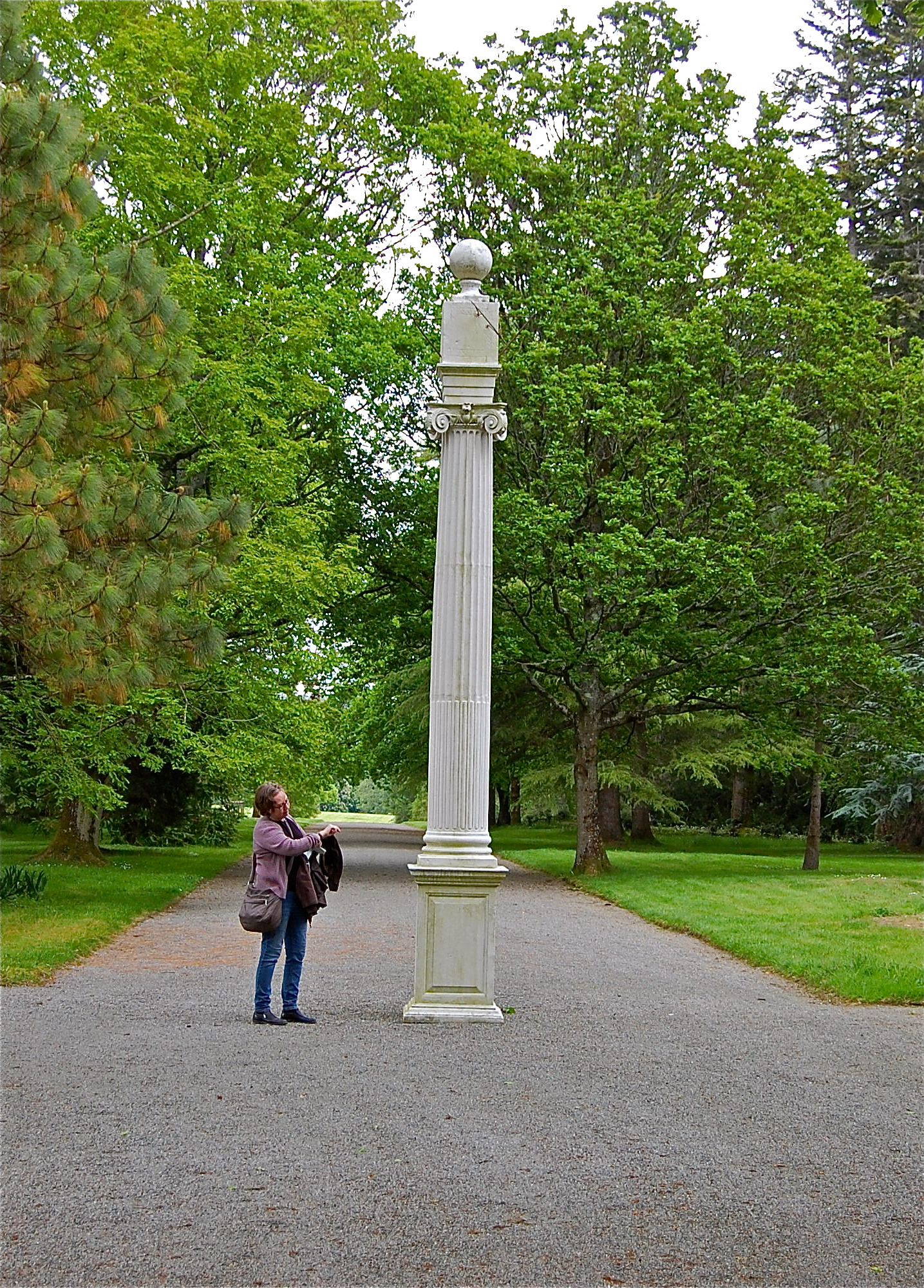
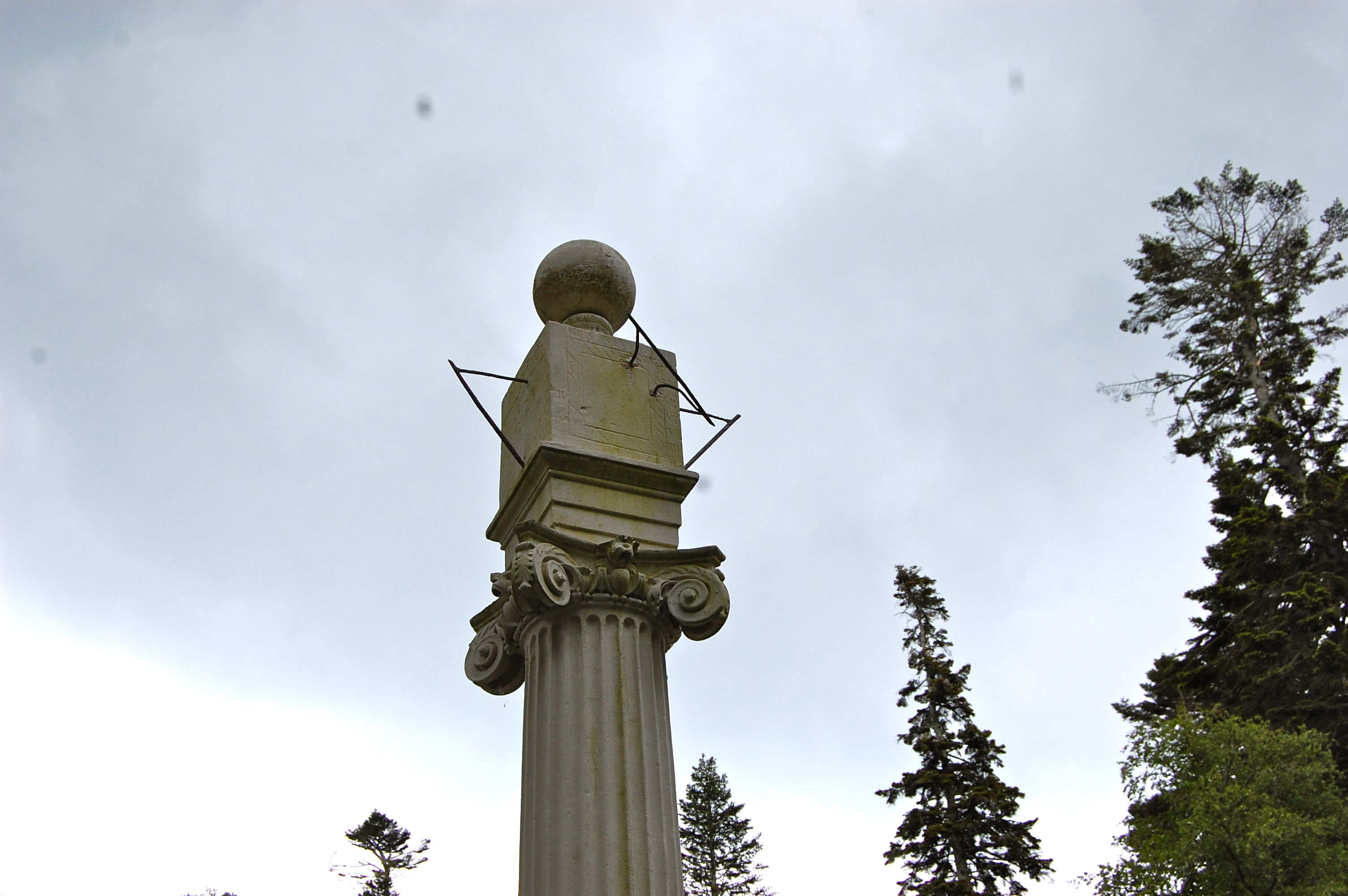
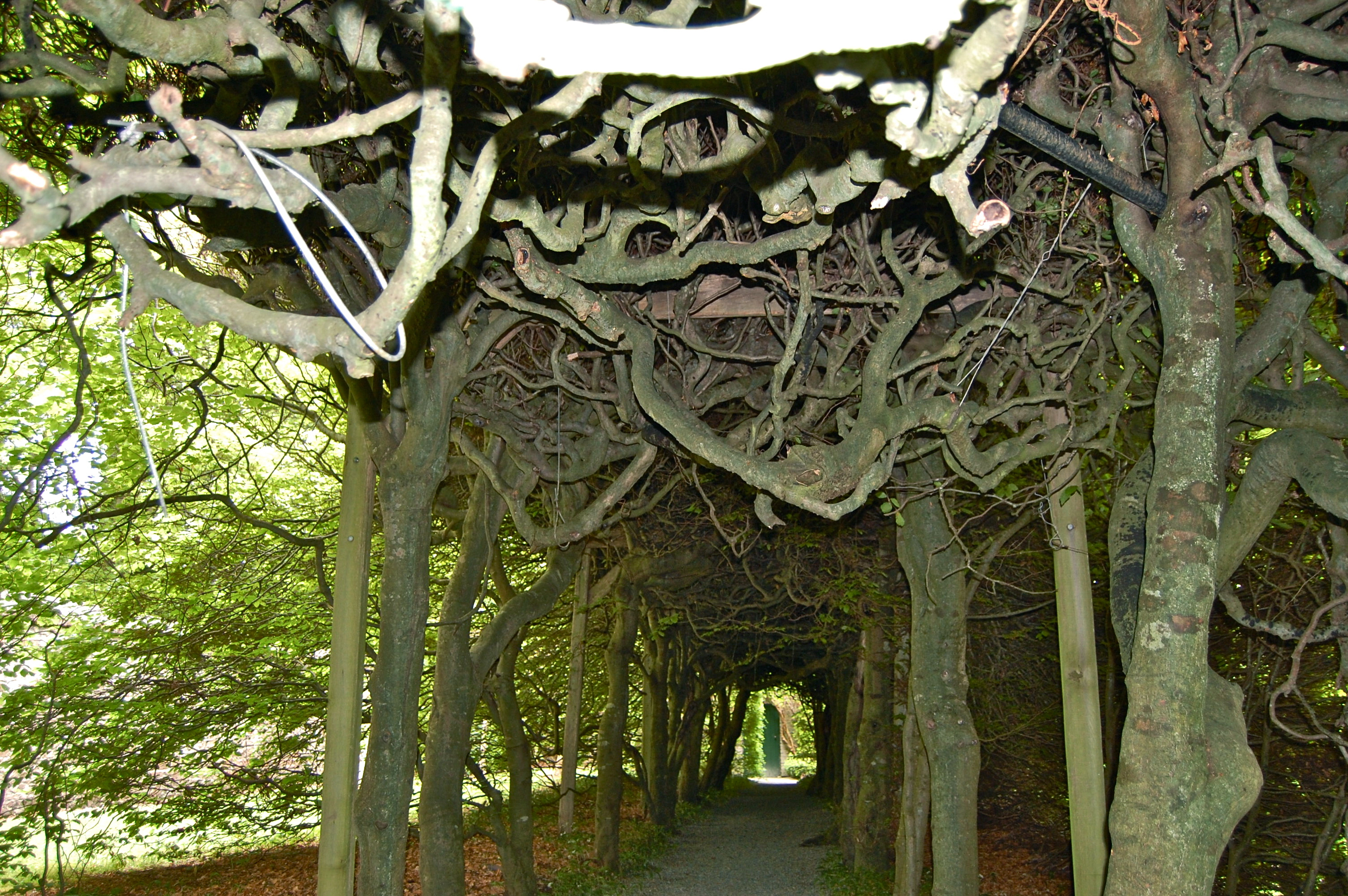

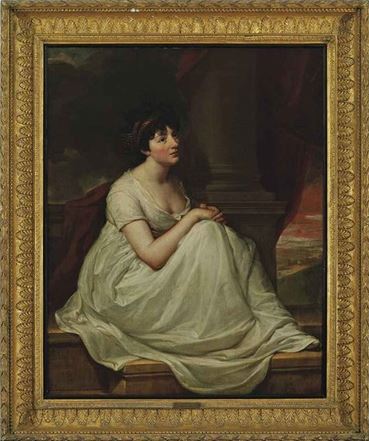
 Irish Historic Houses