Help me to fund my creation and update of this website. It is my “full time job” and created purely out of love for the subject and I receive no payment so any donation is appreciated! My costs include travelling to our destinations from Dublin, accommodation if we need to stay somewhere nearby, and entrance fees. Your donation could also help with the cost of the occasional book I buy for research (though I mostly use the library – thank you Kevin Street library!). Your donation could also help with my Irish Georgian Society membership or attendance for talks and lectures, or the Historic Houses of Ireland annual conference in Maynooth.
€15.00
MOLI (Museum of Literature Ireland), Newman House, 85-86 St. Stephen’s Green, Dublin
“No. 85 St. Stephen’s Green was built in 1738 by Richard Cassels, architect of Powerscourt House and Russborough House, and is notable for its exquisite baroque plasterwork by the Lafranchini brothers. The adjoining townhouse at No. 86 was constructed in 1765 and features superb examples of rococo stuccowork by the distinguished Dublin School of Plaster Workers.“
85 St. Stephen’s Green was built for Captain Hugh Montgomerie. Robert O’Byrne tells us that Hugh was one of five children born to Sir Thomas Montgomerie and Clemence Hovell. Clemence was married to Charles Stuart, who died in 1709, and her children with Thomas Montgomerie were born before her husband’s death so were illegitimate. [1]
In 1738 Hugh Montgomerie married Mary Bingham, eldest daughter of Sir John Bingham 5th Baronet of Castlebar, County Mayo, and it may have been her wealth that helped to build their new house on St. Stephen’s Green designed by Richard Castle (or Cassels). After Hugh Montgomerie’s death, Mary married Vesey Colclough (1734-1745), whom we came across when we saw Tintern Abbey in County Wexford.
86 St Stephen’s Green is a granite-faced townhouse built in 1765 for Richard Chapel Whaley (d. 1796) who was called “Burn Chapel” Whaley due to his anti-Catholic sentiment. The “Chapel” or “Chapell” was really part of his name, from his mother’s family. The Dictionary of Irish Biography tells us “he was a fervent priest-hunter, and once while hunting a priest burned down a catholic chapel when he fired his fowling-piece into the roof and the wadding lodged in the thatch. Forever afterwards he was known as ‘Burn-Chapel ’ Whaley.”
It is ironic that Richard Chapel Whaley’s house is now owned by the Catholic university, University College Dublin, and named for Cardinal John Henry Newman (1801-1890) who famously converted from Protestantism to Catholicism, and by his example, encouraged many others to convert to Catholicism! The house may have been designed by Robert West, more famous as a stuccadore [2]. Much of the stucco work inside is in the style of Robert West – he may have done some of the work and it is thought that others were involved also. [2]
Richard Chapel Whaley (1700–69) wanted to create a house that dwarfed his neighbour in number 85, which was owned at that time by John Meade, 1st Earl Clanwilliam. 85 St. Stephen’s Green was known as Clanwilliam House.
The two houses, 85 and 86, were joined in the mid 19th century and named after Cardinal Newman (1801-90). Together they contain some of the most spectacular plasterwork in Ireland.
The MOLI website continues: “The building takes its name from the theologian and educationalist Dr. John Henry Newman, who was rector when the Catholic University was founded in 1854. UCD Newman House also boasts many literary and cultural associations. The poet Gerard Manley Hopkins lived here during his time as Professor of Classics at the university, and James Joyce was a student here before graduating with a BA in 1902. Other famous Irish writers to have studied at UCD Newman House include Flann O’Brien, Kate O’Brien and Maeve Binchy.
“Explore the stunning surroundings and turbulent history of Numbers 85 and 86 St Stephen’s Green on MoLI’s Historic House Tour.
“These beautiful examples of Georgian opulence – with lavish stuccowork by the famous Lafranchini brothers – have served not only as a university and a museum, but also as the townhouse of Buck Whaley, one of Ireland’s most infamous playboys and adventurers.
“Join your guide as they bring you on a journey through these hidden historic rooms, witness these architectural treasures up close, and learn about the many fascinating characters that have passed through over the centuries.“
86 St. Stephen’s Green is of five bays across, of four storeys over basement. It has a two bay entrance hall flanked by two further rooms, and the service stair is on the transverse axis between the entrance hall and the rear right-hand parlour, Christine Casey tells us. [3]
The stair hall decoration is particularly splendid. Acanthus ornament mixes with Rococo elements such as trophies of musical instruments, asymmetrical scrolls and birds distinctive of the Dublin school of plasterwork.
Richard Chapel Whaley was the father of Thomas “Buck” Whaley (1766-1800). Thomas’s father died when he was only three years old, and Thomas inherited much property and wealth. He gambled away nearly everything he owned and died almost penniless aged just 34. [4] Another house he inherited was Castletown in County Carlow – not to be confused with the more well-known Castletown in County Kildare (or Castletown “Cox” in County Kilkenny), and also Whaley Abbey in County Wicklow. Jimmy O’Toole tells us that his annual income was the equivalent of about £700,000 today. Poor Buck Whaley was a gambler, and he made a bet that he could travel to Israel and back within two years. He won the wager, and £15,000. I read his memoir and he comes across as a lovely man despite his foibles.
Thomas “Buck” Whaley (1766-1800), c. 1780.Buck Whaley’s Memoirs, courtesy Fonsie Mealy auction.The sitter’s maiden name was Maria Courtney but for some seven or eight years before her death in 1798 in Douglas, Isle of Man, she was known as Mrs. Whaley. She was the constant companion of a wealthy and dissolute young Irishman, Thomas, or Buck, Whaley, by whom she had four children: Thomas, Richard, Ann, and Sophia Isabella. They lived in a house Buck Whaley built on the Isle of Man, where this portrait may have hung in the dining room. Portrait is attributed to George Chinnery, c. 1795. Picture courtesy of The Met, New York.
After his lover Maria Courtney died, he married Mary Catherine Lawless, sister of Valentine Lawless 2nd Baron Cloncurry.
Valentine Lawless, 2nd Baron Cloncurry, a portrait in 85 St. Stephen’s Green.
Thomas “Buck” Whaley’s sister Anne married John Fitzgibbon, later 1st Earl of Clare, who became Lord Chancellor of Ireland.
The front ground-floor drawing room is, Casey tells us, virtually identical to the now lost French Room at Charlemont House, the home of James Caulfeild, 1st Earl of Charlemont, a house built in 1763. The plaster and timber panels of the walls, Casey writes, appear to emulate the boiserie interiors of mid eighteenth century France.
The Great Room, three bays wide and overlooking St. Stephen’s Green, is not normally part of the MOLI tour, but our guide let us pop our heads in to marvel at the plasterwork. It is let to the School of Music. It has an elaborate and stylized bird ceiling, similar to one by Filippo Lafranchini at 9 St. Stephen’s Green. [see 3].
The Bishop’s Room is to the rear of the house. It has a Rococo ceiling composed of interlocking C-scrolls and acanthus ornament. The front drawing room has a Rococo ceiling with a flock of birds encircling the central boxx, “rocaille-backed scrolls” in the corners, flower baskets and garlands of flowers.
We then went outside on the tour to enter 85 St Stephen’s Green, next door. This is a smaller building, a Neo-Palladian urban palazzo designed by Richard Castle for Captain Hugh Montgomerie (d. 1741), built for entertaining! It has a rusticated granite street front, a Venetian window overhead formed by pedimented openings, and a balustraded parapet. The strict symmetry of the front hides an asymmetrical interior.
85 St. Stephen’s Green is of three bays and two storeys. Its lower floor is rusticated, and the first floor has a central Venetian window. Inside, it has a two bay entrance hall with a screen of two rounded arches opeing to the stair hall behind. On the right is a single bay front parlour, called the Apollo Room. The stair hall is flanked by a back parlour, and their is a service stair behind the stair hall, and a third room projecting out the back. [3] Christine Casey describes the spatial sequence as Baroque, and points out that it shows us the link Castle had to the Vanbrugh-Pearce circle of architects. The hall retains its eighteenth century flagsone, wainscoting and Kilkenny marble chimneypiece.
I don’t think we entered the Apollo room. Christine Casey tells us that it is rich in stucco ornament, which is accepted to be by Paolo and Filippo Lafranchini. Around the walls are high-relief almost Neoclassical figures of the Nine Muses set in moulded rectangular frames. I mistook the picture in Dublin City Library and Archives (below) to be of Riverstown House in County Cork, which is very similar.
Christine Casey tells us that the stair is mahogany with finely crafted Tuscan balusters and carved tread ends. The upper stair hall, she tells us, was much altered in the nineteenth century and a reconstruction of its ceiling and plasterwork was recently installed, based on an outline of the original scheme found behind the nineteenth century plaster.
At the head of the stair is the ante-room to the saloon, which was much altered c. 1830 by Judge Nicholas Ball (the last private owner), who cut through the ceiling and created an elegant top-lit galleried library. A large extension with a canted bow was built across the back wall of the house in the early nineteenth century, creating a new reception room on each floor, blocking the light into the now windowless ground floor parlour and first floor ante-room.
The Great Room or Saloon is the full width of the house and overlooks St. Stephen’s Green. The stucco work is by the Lafranchini brothers Paolo and Filippo. The room is entered by a pair of Corinthian doorcases. It is lit by a central Venetian window flanked by two sash windows, all with Corinthian frames.
Newman House 1953, Dublin City Library and Archives.A layer of plasterwork has been added below the dentil cornice in this photograph, as we can see in my photographs. [2]
The frieze below the dentil cornice was deed relatively recently and was copied from the saloon frieze at Tyrone House. [see 3]
The cove, Christine Casey tells us, is ornamented with six lobed ovals containing figure groups, two on each of the long walls and one at each end. These are linked by a frieze of putti who grasp and swing from the oak garlands!
The figures of Prudence and Justice at each end of the room derive from paintings by Simon Vouet in the Salon de Mars at Versailles, Christine Casey tells us.
[3] Casey, Christine. The Buildings of Ireland: Dublin. The City Within the Grand and Royal Canals and the Circular Road with the Phoenix Park. Yale University Press, New Haven and London, 2005.
[4] p. 125, O’Toole, Jimmy, The Carlow Gentry: What will the neighbours say! Published by Jimmy O’Toole, Carlow, Ireland, 1993. Printed by Leinster Leader Ltd, Naas, Kildare.
Arthur Chichester, 4th Earl of Donegall (1695–1757)
Lady Lucy Ridgeway was the eldest daughter and co-heir of Robert Ridgeway, 4th Earl of Londonderry (d. 1713/14), she married Arthur Chichester, 4th Earl of Donegal (1695-1757), by Jonathan Richardson courtesy of Sothebys L11304.
Arthur Chichester, 5th Earl of Donegall (1739–1799; created Baron Fisherwick in 1790 and Earl of Belfast and Marquess of Donegall in 1791). He married Anne née Hamilton (1731-1780) who was the daughter of James Brandon Douglas Hamilton 5th Duke of Hamilton, Scotland. Arthur the 5th Earl of Donegall was the son of John Chichester (1700-1746), who was the son of Arthur 3rd Earl of Donegall.
Arthur Chichester, 1st Marquess of Donegall (1739–1799)
Arthur Chichester (1739-1799) 1st Marquess of Donegall, by Thomas Gainsborough, courtesy of Ulster Museum.
George Augustus Chichester, 2nd Marquess of Donegall (1769–1844)
George Augustus Chichester (1769-1844) 2nd Marquess of Donegall, courtesy of Belfast Castle.
George Hamilton Chichester, 3rd Marquess of Donegall, Baron Ennishowen and Carrickfergus (1797–1883). He married Harriet Anne née Butler (1799-1860), daughter of Richard Butler, 1st Earl of Glengall.
Harriet Anne née Butler (1799-1860) Countess of Belfast, wife of George Hamilton Chichester 3rd Marquess of Donegal and daughter of Richard Butler, 1st Earl of Glengall.Frederick Richard Chichester (1827-1853), Earl of Belfast, Courtesy of Ulster Museum.He was the son of the 3rd Marquess of Donegall.Frederick Richard Chichester (1827-1853) Earl of Belfast courtesy of Ulster Museum.
Edward Chichester, 4th Marquess of Donegall (1799–1889)
George Augustus Hamilton Chichester, 5th Marquess of Donegall (1822–1904)
Edward Arthur Donald St George Hamilton Chichester, 6th Marquess of Donegall (1903–1975)
Dermot Richard Claud Chichester, 7th Marquess of Donegall (5th Baron Templemore) (1916–2007)
Arthur Patrick Chichester, 8th Marquess of Donegall (b. 1952) [1]
I refer to Timothy William Ferres’s terrific blog to look at the Cole family of Florence Court in County Fermanagh, a National Trust property.
William Cole married Susannah, daughter and heir of John Croft, of Lancashire, and widow of Stephen Segar, Lieutenant of Dublin Castle, by whom he left at his decease in 1653,
MICHAEL, his heir; John, of Newland, father of Arthur, 1st BARON RANELAGH; Mary; Margaret.
Called Elizabeth Cole Lady Ranelagh, probably really Catherine Cole née Byron (1667-1746) Lady Ranelagh attributed to John Closterman courtesy of National Trust Florence Court. She married Arthur Cole, 1st Baron Ranelagh.
The elder son,
MICHAEL COLE, wedded, in 1640, Catherine, daughter of Sir Laurence Parsons, of Birr, 2nd Baron of the Irish Exchequer, and dvp, administration being granted 1663 to his only surviving child,
SIR MICHAEL COLE, Knight (1644-1710), of Enniskillen Castle, MP for Enniskillen, 1692-3, 95-9, 1703-11, who espoused firstly, Alice (dsp 1671), daughter of Chidley Coote, of Killester; and secondly, 1672, his cousin, Elizabeth (d 1733), daughter of Sir J Cole Bt.
Sir Michael was succeeded by his only surviving child,
JOHN COLE (1680-1726), of Florence Court, MP for Enniskillen, 1703-26, who espoused, in 1707, Florence, only daughter of Sir Bourchier Wrey Bt, of Trebitch, in Cornwall.
Florence Bourchier Wrey (d. 1718), courtesy of National Trust, Florence Court, County Fermanagh.She married John Cole (1680-1726) who built Florence Court, and named it after her.
John and Florence had the following children:
Henry (Rev); JOHN (1709-67) his heir; Letitia; Florence.
Mr Cole was succeeded by his younger son, John Cole (1709-67) MP for Enniskillen, 1730-60. John married in 1728 Elizabeth, daughter of Hugh Willoughby Montgomery, of Carrow, County Fermanagh. Mr Cole was elevated to the peerage, in 1760, in the dignity of Baron Mountflorence, of Florence Court, County Fermanagh.
John Cole (1709-1767) 1st Baron Mountflorence of Florence Court, County Fermanagh, courtesy of National Trust, Florence Court, County Fermanagh.
John and Elizabeth had the following children:
WILLIAM WILLOUGHBY (1736-1803) his heir; Arthur, m in 1780 Caroline Hamilton; Flora Caroline; Catherine.
His lordship was succeeded by his elder son, WILLIAM WILLOUGHBY, 2nd Baron (1736-1803), MP for Enniskillen, 1761-7, who was created Viscount Enniskillen in 1776; and advanced to the dignity of an earldom, in 1789, as EARL OF ENNISKILLEN.
William Willoughby Cole (1736-1803) 1st Earl of Enniskillen, by Nathaniel Hone, courtesy of National Trust, Florence Court, County Fermanagh.He was the son of John Cole 1st Baron Mountflorence.Anne Lowry-Corry, Countess of Enniskillen (1742-1802) by Horace Hone c.1785, watercolour painting on ivory, courtesy National Trust Florence Court. Sister of Armar Lowry-Corry (1740-1802) 1st Earl Belmore and wife of William Willoughby Cole 1st Earl of Enniskillen.
William Willoughby Cole married, in 1763, Anne, daughter of Galbraith Lowry Corry, of Ahenis, County Tyrone, and sister of Armar Corry, Earl of Belmore, and had issue,
JOHN WILLOUGHBY (1768-1840) his successor, who became 2nd Earl; Galbraith Lowry (Sir), GCB, a general in the army; William Montgomery (Very Rev), Dean of Waterford; Arthur Henry, MP for Enniskillen; Henry, died young; Sarah; Elizabeth Anne; Anne; Florence; Henrietta Frances.
JOHN WILLOUGHBY Cole 2nd Earl (1768-1840) married, in 1805, the Lady Charlotte Paget, daughter of Henry, 1st Earl of Uxbridge. The 2nd Earl of Charlotte had the following children:
WILLIAM WILLOUGHBY (1807-86) his successor, who became the 3rd Earl of Enniskillen.
Henry Arthur; John Lowry; Lowry Balfour; Jane Anne Louisa Florence.
William Willoughby Cole (1807-1886) 3rd Earl of Enniskillen, by William Robinson, courtesy of National Trust, Florence Court, County Fermanagh.
WILLIAM WILLOUGHBY, 3rd Earl (1807-86), Honorary Colonel, 3rd Battalion, Royal Inniskilling Fusiliers, married firstly, in 1844, Jane, daughter of James Casamaijor, and had issue,
John Willoughby Michael, styled Viscount Cole (1844-50);
LOWRY EGERTON, 4th Earl;
Arthur Edward Casamaijor;
Florence Mary; Alice Elizabeth; Charlotte June; Jane Evelyn.
He wedded secondly, in 1865, Mary Emma, daughter of Charles, 6th Viscount Midleton.
His lordship was succeeded by his eldest surviving son,
LOWRY EGERTON, 4th Earl (1845-1924), KP JP DL MP, who wedded, in 1869, Charlotte Marion, daughter of Douglas Baird.
Charlotte Marion Baird (1851/2-1937) Countess of Enniskillen, by Henry Richard Graves, courtesy of National Trust, Florence Court, County Fermanagh. She married Lowry Egerton Cole, 4th Earl of Enniskillen.
Nicholas Conway Colthurst (1789-1829) 4th Baronet of Ardrum, County Cork, by Martin Arthur Shee, courtesy of Eton College.He was Member of Parliament (M.P.) for the City of Cork between 1812 and 1829. His son the 5th Earl married Louisa Jane Jefferyes, through whom he acquired Blarney Castle.Ambrose Congreve reading a newspaper at Clonbrock House, Ahascragh, Co. Galway, National Library of Ireland Ref. CLON422.
Timothy William Ferres tells us of the line of the Conolly family who owned Castletown House in County Kildare. [2] It was built by William Conolly (1662-1729), Speaker of the House of Commons in Ireland during the reign of Queen Anne, First Lord of the Treasury until his decease during the reign of GEORGE II, and ten times sworn one of the Lords Justices of Ireland.
THOMAS (1734-1803) his heir; Katherine, m. Ralph, Earl of Ross; Anne, m. G. Byng; mother of Earl of Strafford; Harriet, m. Rt Hon John Staples, of Lissan; Frances, m. 5th Viscount Howe; Caroline, m. 2nd Earl of Buckinghamshire;
Ferres continues, telling us that Thomas Conolly, MP for County Londonderry, 1761-1800, wedded, in 1758, Louisa Augusta Lennox, daughter of Charles, 2nd Duke of Richmond and Lennox.
Thomas and Louisa had no children so the estate passed to a grand-nephew, Edward Michael Pakenham (1786-1849) who assumed the surname Conolly in 1821. Now Edward Michael Conolly of Castletown, County Kildare, and Cliff, County Donegal, Lieutenant-Colonel, Donegal Militia, MP for County Donegal, 1831-49, he married in 1819, Catherine Jane, daughter of Chambré Brabazon Ponsonby-Barker, by the Lady Henrietta Taylour his wife, daughter of Thomas, Earl of Bective. They had issue,
THOMAS (1823-1876) his heir; Chambré Brabazon, d 1835; Frederick William Edward, d 1826; Arthur Wellesley, 1828-54; John Augustus, VC; Richard, d 1870; Louisa Augusta; Henrietta; Mary Margaret; Frances Catherine.
Thomas (1870-1900), killed in action at S Africa; William, 1872-95; EDWARD MICHAEL, of whom hereafter; CATHERINE, Baroness Carew, mother of 6th BARON CAREW.
Mr Conolly was succeeded by his eldest surviving son,
EDWARD MICHAEL CONOLLY CMG (1874-1956), of Castletown, Major, Royal Artillery, who died unmarried, when Castletown passed to his nephew,
William Francis (Conolly-Carew), 6th Baron Carew. [2]
On his terrific website, Timothy William Ferres tells us about the Conyngham family of Springhill, County Derry in Northern Ireland: [3]
Colonel William Cunningham, of Ayrshire settled in the townland of Ballydrum, in which Springhill is situated, in 1609.
Colonel Cunningham’s son, William Conyngham, known as “Good Will” (d. 1721) married Ann, daughter of Arthur Upton, of Castle Norton (later Castle Upton), County Antrim, by his wife Dorothy, daughter of Colonel Michael Beresford, of Coleraine. William “Good Will” Conyngham died in 1721, and was succeeded by his nephew,
William Conyngham (d. 1721), “Good Will”, courtesy of National Trust. Springhill, County Derry.Ann Upton (1664-1753) wife of William “Goodwill” Conyngham (1660-1721), daughter of Arthur Upton (1623-1706) of Castle Upton, County Antrim, courtesy of National Trust. Springhill, County Derry.
William “Goodwill” Conyngham was succeeded by his nephew George Butle Conyngham (d. 1765). He married , in 1721, Anne, daughter of Dr Upton Peacocke, of Cultra.
George Butle Conyngham (d. 1765), courtesy of National Trust, Springhill, County Derry.Anne Peacocke (d. 1754), Mrs George Butle Conyngham, courtesy of National Trust, Springhill, County Derry.
George Butle Conyngham and Anne née Peacocke had children William (1723-84), the heir to Springhill, and David, successor to his brother, John who died unmarried in 1775 and a daughter Anne (1724-1777) who married in 1745 Clotworthy Lenox.
Called Anne Conyngham (1724-1777) Mrs Clotworthy Lenox, courtesy of National Trust. Springhill, County Derry. She was the daughter of George Butle Conyngham.
David who succeeded his brother William died without issue so Springhill passed to his nephew George Lenox (1752-1816), son of his sister Anne, and George adopted the surname of Conyngham. George married, first, Jean née Hamilton (d. 1788), daughter of John Hamilton of Castlefin. They had a son, William Lenox-Conyngham (1792-1858).
Jean Hamilton (d. 1788), wife of William Conyngham (1723-1774) by Joshua Reynolds, courtesy of National Trust. Springhill, County Derry.
George married, second, in 1794, Olivia, fourth daughter of William Irvine, of Castle Irvine, County Fermanagh.
William Burton Conyngham (1733-1796), teller of the Irish Exchequer and treasurer of the Royal Irish Academy, 1780 engraver Valentine Green, after Hugh Douglas Hamilton, courtesy of National Gallery of Ireland.William Burton Conyngham (1733–1796) by Anton Raphael Mengs c. 1754-58, courtesy of wikipedia.He was the son of Francis Burton and Mary Conyngham, and he inherited Slane Castle as well as Donegal estates from his uncle William Conyngham who died in 1781.William Burton Conyngham, engraving After GILBERT STUART courtesy of Adams Country House Collections auction Oct 2023.
Slane Castle passed to William Burton Conyngham’s nephew Henry Conyngham (1766-1832) 1st Marquess Conyngham. Henry married Elizabeth Denison.
Timothy William Ferres also tells us of the Coote family. Charles Coote (1581-1642), 1st Baronet of Castle Cuffe, Queen’s County (Laois): “The Peerage” website tells us that in 1600 he went to Ireland as Captain of 100 Foot under 8th Lord Mountjoy, Queen Elizabeth I’s Lord Deputy of Ireland. He fought in the siege of Kingsale in 1602. He held the office of Provost Marshal of Connaught between 1605 and 1642, for life. He held the office of General Collector and Receiver of the King’s Composition Money for Connaught in 1613, for life. He held the office of Vice-President of Connaught in 1620. He was appointed Privy Counsellor (P.C.) in 1620. He was created 1st Baronet Coote, of Castle Cuffe, Queen’s Co. [Ireland] on 2 April 1621. He held the office of Custos Rotulorum of Queen’s County in 1634. He held the office of Member of Parliament (M.P.) for Queen’s County [Ireland] in 1639. Before 1641 he held Irish lands, mostly in Conaught, worth £4,000 a year. He held the office of Governor of Dublin in 1641. In 1642 he helped relieve Birr, King’s County (now County Offaly), during the Uprising by the Confederation of Kilkenny, his successful operations there and elsewhere in the area, which was called Mountrath, suggesting the title by which his son was ennobled.
He married Dorothea, youngest daughter and co-heir of Hugh Cuffe, of Cuffe’s Wood, County Cork, and had issue, Charles (c.1610 –1661)1st Earl of Mountrath; Chidley (d. 1688) of Killester, Co Dublin and Mount Coote, County Limerick; RICHARD (1620-83) 1st Baron Coote of Colloony, County Sligo, ancestor of the EARL OF BELLAMONT (1st Creation); Thomas, of Coote Hill; Letitia (married Francis Hamilton, 1st Bt of Killaugh, co. Cavan).
Charles Coote 1st Earl of Mountrath (c.1610 –1661), 2nd Baronet, ca. 1642, before he was ennobled, Circle of William Dobson. By Christina Keddie – Own work, Public Domain, https://commons.wikimedia.org/w/index.php?curid=42002789
Charles Coote (c.1610 –1661), 1st Earl of Mountrath married first, Mary Ruish, who gave birth to his heir, Charles Coote (d. 1672) 2nd Earl of Mountrath, Queen’s County. The 1st Earl of Mountrath, Queen’s County, also had the titles 1st Baron Coote of Castle Cuffe, in Queen’s Co. [Ireland] and 1st Viscount Coote of Castle Coote, Co. Roscommon [Ireland].
Charles Coote (c.1610 –1661), 1st Earl of Mountrath married secondly Jane Hannay, and she had a son Richard (1643-1700), who married Penelope, daughter of Arthur Hill of Hillsborough, County Down. Their daughter Penelope Rose married Charles Boyle (d. 1732) 2nd Viscount Blesington. Another daughter, Jane (d. 1729) married William Evans, 1st and last Baronet of Kilcreene, County Kilkenny.
Charles Coote, 2nd Earl of Mountrath married Alice, daughter of Robert Meredyth of Greenhills, County Kildare. His daughter Anne (d. 1725) married Murrough Boyle, 1st Viscount Blesington (d. 1718). His son Charles (1656-1709) succeeded as 3rd Earl of Mountrath, and he was father to the 4th, 5th and 6th Earls.
The son of Algernon Coote (1689-1744) 6th Earl of Mountrath, Charles Henry Coote (d. 1802) 7th Earl of Mountrath had no legitimate male issue and the earldom and its associated titles created in 1660 died with him. The barony of Castle Coote passed according to the special remainder to his kinsman, Charles Coote. The baronetcy of Castle Cuffe also held by the Earl passed to another kinsman, Sir Charles Coote, 9th Baronet.
Let us return now to Charles Coote (1581-1642), 1st Baronet of Castle Cuffe, Queen’s County (Laois) and trace the line of his younger son, RICHARD COOTE (1620-83), for his hearty concurrence with his brother, SIR CHARLES, 2nd Baronet, in promoting the restoration of CHARLES II, was rewarded with the dignity of a peerage of the realm; the same day that his brother was created Earl of Mountrath, Richard Coote was created, in 1660, Baron Coote, of Colloony.
In 1660, Richard was appointed Major to the Duke of Albemarle’s Regiment of Horse; and the same year he was appointed one of the commissioners for executing His Majesty’s declaration for the settlement of Ireland. He was, in 1675, appointed one of the commissioners entrusted for the 49 Officers. In 1676, the 1st Baron resided at Moore Park, County Meath, and Piercetown, County Westmeath. He married Mary, second daughter of George, Lord St. George, and had issue: RICHARD (1636-1701) his successor; Thomas (d. 1741) Lætitia (married Robert Molesworth, 1st Viscount Molesworth of Swords); Mary (married William Stewart, 1st Viscount Mountjoy); Catherine (married Ferdinando Hastings); Elizabeth (married Lt.-Gen. Richard St. George).
Following his decease, in 1683, he was interred at Christ Church Cathedral, Dublin. He was succeeded by his eldest son,
RICHARD, 2nd Baron (1636-1701), Governor of County Leitrim, 1689, Treasurer to the Queen, 1689-93, MP for Droitwich, 1689-95, who was, in 1688, one of the first to join the Prince of Orange. In 1689, he was attainted in his absence by the Irish Parliament of JAMES II. His lordship was created, in 1689, EARL OF BELLAMONT, along with a grant of 77,000 acres of forfeited lands.
Richard Coote (1636-1700/01) 1st Earl Bellomont By Samuel Smith Kilburn (d. 1903) – New York Public Library digital libraryhttp//:digitalgallery.nypl.org/nypldigital/id?423861, Public Domain, https//:commons.wikimedia.org/w/index.php?curid=13014278
Richard 1st Earl of Bellomont was Governor of Massachusetts, 1695, and Governor of New York, 1697-1701. The King had sent Lord Bellomont to New York to suppress the “freebooting.” Unfortunately he was responsible for outfitting the veteran mariner William Kidd, who turned into “Captain Kidd,” who terrorised the merchants until his capture in 1698.
According to Cokayne “he was a man of eminently fair character, upright, courageous and independent. Though a decided Whig he had distinguished himself by bringing before the Parliament at Westminster some tyrannical acts done by Whigs at Dublin.”
The 1st Earl of Bellomont wedded, in 1680, Catharine, daughter and heir of Bridges Nanfan, of Worcestershire, and had issue, NANFAN (1681-1708) his successor as 2nd Earl of Bellomont, and RICHARD (1682-1766), who succeeded his brother.
NANFAN, 2nd Earl (1681-1708) married Lucia Anna van Nassau (1684-1744), daughter of Henry de Nassau, Lord Overkirk, in 1705/6 at St Martin-in-the-Fields Church, London. Nanfan died at Bath, Somerset, from palsy, without male issue, when the family honours devolved upon his brother, RICHARD, 3rd Earl (1682-1766), who, in 1729, sold the family estate of Colloony, County Sligo, for nearly £17,000.
In 1737, he succeeded his mother to the estates of Birtsmorton, Worcestershire. Macaulay described him as “of eminently fair character, upright, courageous and independent.” On his death the earldom expired.
The last Earl was succeeded in the barony of Coote by his first cousin once removed, CHARLES, 5th Baron (1736-1800), KB PC, son of Charles Coote [1695-1750] High Sheriff of County Cavan, 1719, MP for Granard, 1723-27, Cavan County, 1727-50MP for County Cavan, 1761-6, who was son of the HON THOMAS COOTE (c. 1655-1741) a Justice of the Court of the King’s Bench of Ireland, younger son of the 1st Baron. This Thomas’s daughter Elizabeth married Mervyn Pratt (1687-1751) of Cabra Castle.
Sir Charles succeeded his cousin, Richard, in 1766, as 5th Baron Coote; and was created, in 1767, EARL OF BELLAMONT (3rd creation). His lordship was created a baronet, in 1774, designated of Donnybrooke, County Dublin, with remainder to his natural son, Charles Coote, of Dublin.
SIR CHARLES COOTE (1736-1800), KB PC, of Coote Hill (afterwards renamed Bellamont Forest) had an illegitimate son, Charles Coote (1765-1857) who despite his illegitimacy became 2nd Baronet of Bellamont). Charles 1st Earl married, in 1774, the Lady Emily Maria Margaret FitzGerald, daughter of James, 1st Duke of Leinster, and had issue, Charles, Viscount Coote (died age seven, 1778-86); Mary; Prudentia; Emily; Louisa. Following his death in 1800, the titles became extinct as he left no legitimate male issue, though he was succeeded in the baronetcy according to the special remainder by his illegitimate son Charles, 2nd Baronet.
Finally, let us return now to Charles Coote (1581-1642), 1st Baronet of Castle Cuffe, Queen’s County (Laois) and trace the line of his son Chidley Coote (d. 1668). Chidley lived in Mount Coote, County Limerick (later called Ash Hill, a section 482 property, see my entry). He had a son, Chidley (d. 1702) who married Catherine Sandys. They had a daughter Catherine (d. 1725) who married Henry Boyle 1st Earl of Shannon. Another daughter, Anne, married Bartholomew Purdon, MP for Doneraile and later Castlemartyr of County Cork. They had a son Reverend Chidley Coote (1678-1730) who inherited Ash Hill in County Limerick. He married Jane Evans (d. 1763) and it was their grandson Charles Henry Coote (1754-1823) who succeeded as 2nd Baron Castle Coote in 1802. He was the son of Reverend Charles Coote (1713-1796) and Grace Tilson (d. 1766). Another son was Lt.-Gen. Sir Eyre Coote (1762-1823).
Major General Eyre Coote (1762-1823), Governor of Jamaica, 1805 by engraver Antoine Cordon after J.P.J. Lodder, courtesy of National Gallery of Ireland.He was son of Reverend Charles Coote (1713-1796) and Grace Tilson (d. 1766).Eyre Coote (1726-1783) attributed to Henry Robert Morland, c. 1763, National Portrait Gallery of London NPG124. He was the son of Reverend Chidley Coote (1678-1730) who inherited Ash Hill in County Limerick and Jane Evans (d. 1763).Lieutenant General Sir Eyre Coote (1726-1783) Commander-in-Chief in the East Indies (1777-1783) by John Thomas Seton, courtesy of the British Library.He was the son of Reverend Chidley Coote (1678-1730) who inherited Ash Hill in County Limerick and Jane Evans (d. 1763).
Reverend Chidley Coote (1678-1730) who inherited Ash Hill and Jane Evans (d. 1763) had a daughter Elizabeth who married John Bowen. Reverend Childley Coote and Jane Evans’s son Robert (d. 1745) inherited Ash Hill and married his cousin Anne Purdon, daughter of Bartholomew Purdon and Anne Coote. Robert Coote and Anne Purdon’s grandson was Charles Henry Coote (1792-1864) who succeeded as 9th Baronet of Castle Cuffe, Queen’s County, who married Caroline Elizabeth Whaley (d. 1871), daughter of John Whaley (d. 1847) of Dublin.
I have noticed that an inordinate amount of OPW sites are closed ever since Covid restrictions, if not even before that (as in Emo, which seems to be perpetually closed) [these sites are marked in orange here]. I must write to our Minister for Culture and Heritage to complain.
I have written to Minister for Tourism Catherine Martin and received a response in June 2022:
“I wish to acknowledge receipt of your recent correspondence to Catherine Martin, TD. Minister for Tourism, Culture, Arts, Gaeltacht, Sport and Media in connection with OPW Sites.
OPW Sites would fall under the remit of Minister of State Patrick O’Donovan and the Department of Office of Public Works. Minister of State O’Donovan’s office can be reached at ministersoffice@opw.ie and should be able to assist you with your query.“
Well, I have another email to write! I’ll keep you posted…
Dublin:
1. Aras an Uachtarain, Phoenix Park, Dublin
2. Arbour Hill Cemetery, Dublin
3. Ashtown Castle, Phoenix Park, Dublin
4. The Casino at Marino, Dublin
5. Customs House, Dublin
6. Dublin Castle
7. Farmleigh House, Dublin
8. Garden of Remembrance, Dublin
9. Government Buildings Dublin
10. Grangegorman Military Cemetery, Dublin
11. Irish National War Memorial Gardens, Dublin
12. Iveagh Gardens, Dublin
13. Kilmainham Gaol, Dublin
14. National Botanic Gardens, Dublin
15. Phoenix Park, Dublin
16. Rathfarnham Castle, Dublin
17. Royal Hospital Kilmainham in Dublin – historic rooms closed
18. St. Audoen’s, Dublin
19. St. Enda’s Park and Pearse Museum, Dublin
20. St. Stephen’s Green, Dublin
donation
Help me to pay the entrance fee to one of the houses on this website. This site is created purely out of love for the subject and I receive no payment so any donation is appreciated!
“Áras an Uachtaráin started life as a modest brick house, built in 1751 for the Phoenix Park chief ranger. It was later an occasional residence for the lords lieutenant. During that period it evolved into a sizeable and elegant mansion.
“It has been claimed that Irish architect James Hoban used the garden front portico as the model for the façade of the White House.
“After independence, the governors general occupied the building. The first president of the Republic of Ireland, Douglas Hyde, took up residence here in 1938. It has been home to every president since then.” [1]
General enquiries: (01) 821 3021, superintendent.park@opw.ie
From the OPW website:
“The military cemetery at Arbour Hill is the last resting place of 14 of the executed leaders of the 1916 Rising. It is therefore a place of pilgrimage for students and aficionados of this tempestuous moment in Irish history.
“There is an adjoining church, the chapel for Arbour Hill Prison. At the rear of the church lies the old cemetery, containing fascinating memorials to British military personnel.
“The clear focus of Arbour Hill, however, is the legend of the rising. Among those buried here are Patrick Pearse, James Connolly and Major John MacBride. Their bodies were put into an unmarked pit and covered with quicklime, but their grave has now been saved from obscurity with an impressive memorial inscribed in English and Irish.
“Arbour Hill Cemetery is at the rear of the National Museum of Ireland, Collins Barracks, where you can currently find a large display of 1916-related material.“
3. Ashtown Castle, Phoenix Park, Dublin:
Ashtown Castle is in the Phoenix Park. The OPW are currently running one tour per day. From the OPW website:
“Ashtown Castle is a tower house that probably dates from the seventeenth century, but may be as early as the fifteenth.
“For years it was completely hidden within the walls of a Georgian mansion once occupied by the under-secretary for Ireland. When that house was demolished in the late 1980s, the castle was rediscovered. It has since been fully restored and now welcomes visitors.”
General enquiries (01) 833 1618, casinomarino@opw.ie
From the website:
“The Casino is a remarkable building, both in terms of structure and history. Sir William Chambers designed it as a pleasure-house for James Caulfeild, first earl of Charlemont, beside his residence in what was then the countryside. It is a gem of eighteenth-century neo-classical architecture. In fact, it is one of the finest buildings of that style in Europe.
“The term ‘casino’ in this case means ‘little house’, and from the outside it gives an impression of compactness. However, it contains 16 rooms, each of which is finely decorated and endlessly rich in subtle and rare design. The Zodiac Room, for example, has a domed ceiling which represents the sky with astrological symbols modelled around its base.“
Custom House, Dublin, by James Gandon, 1781-91. Photograph by Chris Hill, 2014, for Tourism Ireland. Ireland’s Content Pool. [2]
General enquiries: 086 606 2729, customhousevc@opw.ie
From the website:
“This architectural icon stands on the Liffey quays, which were once Ireland’s major trade route to the wider world. The architect James Gandon completed the building, a masterpiece of European neoclassicism, in 1791. Admire the decorative detail of Edward Smyth’s beautifully executed stonework carvings on the exterior and the famous carved keystones depicting the terrible heads of the river gods. There are 14 of these – one for every major river of Ireland.
“The Custom House witnessed not only the development of a great city, but also some of the most turbulent milestones in its history. The building was destroyed by burning in 1921 and later restored to its former splendour.
“The stories of the building, burning and restoration of Dublin’s Custom House are now brought to life in a new and fascinating exhibition, revealing a rich, many-layered story that spans over 200 years.“
A previous Custom House was located further up the river at Essex Quay, built in 1707. By 1780 it was judged to be unsafe for ships to come all the way up the river to that point, where the Clarence Hotel is now located, and a new building was required. John Beresford (1738-1805) determined position for the new Custom House against much objection as its position affected property prices – raising prices in the area and lowering the value of properties nearer the previous Custom House. Beresford sought to move the city centre eastwards from the Capel Street-Parliament Street axis towards College Green. The new Custom House was built on land reclaimed from the estuary of the Liffey. He wanted to shift the city near to his developer brother-in-law’s estate, the Gardiner estate, where Luke Gardiner Ist Viscount Mountjoy had developed an exclusive area for the gentry to inhabit. Both Luke Gardiner and John Beresford married sisters, daughters of William Montgomery of Magbiehill, 1st Baronet of England, who served as an MP in Ireland.
John Beresford, (1738-1805), First Commissioner of Revenue in Ireland G. Cowen, Dublin and at T. Macklin’s, London, 1st November 1790, Engraver Charles Howard Hodges, English, 1764-1837 After Gilbert Stuart, American, 1755-1828. Photograph courtesy of National Gallery of Ireland.Barbara Montgomery (?1757-1788), second wife of John Beresford (1738-1805) by Hugh Douglas Hamilton, courtesy of National Gallery of Ireland P5547. His first wife was Anne Constantia Ligondes.Montgomery sisters, Barbara, Elizabeth and Anne, as Three Ladies Adorning a Term of Hymen, 1773 by Joshua Reynolds courtesy of Tate Gallery, London. Elizabeth married Luke Gardiner 1st Viscount Mountjoy.John Beresford was related to Luke Gardiner who developed the Gardiner estate.
John Beresford was the son of Marcus Beresford 1st Earl of Tyrone and Catherine De la Poer of Curraghmore in County Waterford.
James Gandon was an English-born architect who settled in Dublin in 1781 and was responsible for three major public buildings there – the Custom House, the Four Courts, and the King’s Inns – as well as for Carlisle Bridge and for extensions to the Parliament House. He also designed Emo in County Laois for John Dawson, 1st Earl of Portarlington (formerly 2nd Viscount Carlow). He was apprenticed to William Chambers, who designed on the Casino at Marino.
James Gandon, (1743-1823), Architect, against the Custom House, Dublin, photograph courtesy of National Gallery of Ireland.
The Custom House has four different but consistent facades, linked by corner pavilions. The south facade is of Portland stone, the others of mountain granite. The exterior is adorned with sculptures by Thomas Banks, Agnostino Carlini and Edward Smyth. Smyth carved the series of sculpted keystones symbolising the rivers of Ireland: the Bann, Barrow, Blackwater, Boyne, Erne, Foyle, Lagan, Lee, Liffey, Nore, Shannon, Slaney and Suir. On the north face are personifications of the four continents of world trade: Africa, America, Asia and Europe. [4]
During the Irish Civil War, the buildings was engulfed in flames and the interior destroyed. The dome was rebuilt with Ardbraccan limestone instead of Portland stone.
Custom House photograph taken 1971, Dublin City Library archives. [see 5]
General Enquiries: 01 645 8813, dublincastle@opw.ie
From the website:
“Just a short walk from Trinity College, on the way to Christchurch, Dublin Castle is well situated for visiting on foot. The history of this city-centre site stretches back to the Viking Age and the castle itself was built in the thirteenth century.
“The building served as a military fortress, a prison, a treasury and courts of law. For 700 years, from 1204 until independence, it was the seat of English (and then British) rule in Ireland.
“Rebuilt as the castle we now know in the seventeenth, eighteenth, nineteenth and twentieth centuries, Dublin Castle is now a government complex and an arena of state ceremony.
“The state apartments, undercroft, chapel royal, heritage centre and restaurant are now open to visitors.“
What is called “Dublin Castle” is a jumble of buildings from different periods and of different styles. The castle was founded in 1204 by order of King John who wanted a fortress constructed for the administration of the city. By the beginning of the seventeenth century, the castle contained law courts, meeting of Parliament, the residence of the Viceroy and a council chamber, as well as a chapel.
The oldest parts remaining are the medieval Record Tower from the thirteenth century and the tenth century stone bank visible in the Castle’s underground excavation.
The Chapel Royal, renamed the Church of the Most Holy Trinity in 1943, was designed by Francis Johnston in 1807. It is built on the site of an earlier church which was built around 1700.
The Drawing room was largely destroyed in a fire in 1941, and was reconstructed in 1968 in 18th century style. It is heavily mirrored with five large Waterford crystal chandeliers.
The Throne Room, originally known as Battleaxe Hall, has a throne created for the visit of King George IV in 1821. The walls are decorated with roundels painted by Gaetano Gandolfi, depicting Jupiter, Juno, Mars and Venus. The Throne Room was created by George Nugent-Temple-Grenville, 1st Marquess of Buckingham, the viceroy of the day.
General enquiries: (01) 821 3021, superintendent.park@opw.ie
From the OPW website:
“This beautiful garden in the centre of the city was designed by architect Dáithí Hanly and dedicated to the memory of ‘all those who gave their lives in the cause of Irish freedom’.
“The garden was officially opened on the fiftieth anniversary of the 1916 Rising.
“The focus point is a magnificent sculpture by Oisín Kelly, based on the legend of the Children of Lir, in which four children are transformed into swans and remain so for 900 years before becoming human again. A poem by Liam Mac Uistin is inscribed on the wall behind the sculpture. It concludes: ‘O generations of freedom remember us, the generations of the vision.’
“The garden is intended as a place of quiet remembrance. It is a perfect place to enjoy some respite from the clamour of the city.“
Garden of Remembrance, Dublin, photo by Anthony Woods, 2021 for Failte Ireland, Ireland’s Content Pool.
and
“In the eighteenth century, it was the location of pleasure gardens which were intended to raise funds for the maternity hospital to the front of Rutland (now Parnell) Square. In the late nineteenth century, thesegardens contained a large temporary building which was used as a hall, and called Rotunda Rink.
“It was at Rotunda Rink in 1913 that the Irish Volunteers were formed, at a meeting reportedly attended by around 7,000 people. In 1916, the Rotunda gardens were also where many of the leaders of the Easter Rising were held, before being taken to Kilmainham Gaol for execution. The site for the Garden of Remembrance was bought from the hospital in 1939, and a competition for its design was announced the year after.” [15]
“Architect Daithí Hanly (1917-2003) was responsible for the design of the Garden. The centre of the plan contains a large cross-shaped pool, with a tiled mosaic pattern as its base. The tiles show a picture of swords, shields, and spears thrown beneath waves; this is a nod to the Celtic custom of casting weapons into water once a battle had ended. Important objects from the history of prehistoric and medieval Ireland were woven into the structure of the Garden elsewhere; in the railings can be seen the shapes of the Trinity College (Brian Boru) harp, the Loughnashade trumpet, and the Ballinderry sword.” [15]
Commemorated by the Garden of Remembrance are:
the 1798 rebellion of the Society of United Irishmen
Irish Government Buildings, Dublin, housing the office of the Prime Minister or Taoiseach, as well as the Department of Finance. Photograph by Dave Walsh, 2009, for Tourism Ireland, Ireland’s Content Pool. (see [2])Government buildings, Photograph by Jeremy Hylton, June 2022.
General Inquiries: 01 645 8813
From the OPW website:
“The imposing complex of Government Buildings on Upper Merrion Street, next door to Leinster House, was the last major public building the British constructed in Ireland. It was intended as accommodation for the Royal College of Science and various departments of the administration.
“Fortuitously, it was complete by 1922. When independence dawned, the new Free State government moved in.
“In more recent times, Taoiseach Charles Haughey converted and entirely refurbished the building to form state-of-the-art accommodation for a number of departments, including the Department of the Taoiseach, the Department of Finance and the Office of the Attorney General. Despite criticism of the expenditure involved, the renovated building won awards for its architectural design when it opened in the 1990s.
“There are free guided tours every Saturday, although they are subject to occasional cancellation for urgent government business.“
The building was constructed between 1904 and 1922 as a combination of Government offices and Royal College of Science, which occupied the centre block. My father went to college there! The function is represented by statues of William Rowan Hamilton, a mathematician, and Richard Boyle, the scientist, in niches flanking the entrance. The architects were Sir Aston Webb of London (who also designed Admiralty Arch in London’s Trafalgar Square) and Sir Thomas Manley Dean, from Cork. 1,000 people were at the opening ceremony. George V knighted the Architects on the day.
Internally the building was one of the most modern of its day. The floors were made of concrete and all the corridors were paved with marble tiles. Many rooms were fitted with fireplaces but it was mainly central heating that was used. Electricity was installed throughout and there was also a lift. Fans ventilated the rooms. It was one of the first colleges to admit women to its privileges.
The College was taken over by University College Dublin in 1926. In 1989 U.C.D. vacated the premises and moved to Belfield. Between January December 1990 and December 1991 the building was renovated by architects of the Office of Public Works to house the Department of the Taoiseach which had previously occupied as side wing. It was occupied by the Department in January 1991.
Stephen and I took the tour of the buildings in 2020 but one is not allowed to take photographs. We were excited to stand in the Office of the Taoiseach – who was Leo Varadkar at the time.
1947, photograph from Digital Repository, Dublin City Archives and Library, for Failte Ireland. [see 5]
10. Grangegorman Military Cemetery, Blackhorse Avenue, Dublin 7:
General enquiries: (01) 821 3021, superintendent.park@opw.ie
From the OPW website:
“The largest military cemetery in Ireland, Grangegorman is a stone’s throw from the landmark Phoenix Park.
“The graveyard was opened in 1876 as a resting place for service personnel of the British Empire and their families. It contains war graves from both world wars, as well as the graves of some of the British soldiers who lost their lives during the 1916 Rising.
“A simply designed screen-wall memorial, built of Irish limestone and standing nearly 2 metres high, commemorates those war casualties whose graves lie elsewhere in Ireland and can no longer be maintained.
“Mature trees and well-maintained lawns cast a sombre and reflective atmosphere over this restful place.” [16]
The cemetery adopts the “garden cemetery” styple promoted by J.C. Louden, the Victorian botanist and garden designer.
11. Irish National War Memorial Gardens, Islandbridge, Dublin:
General enquiries: (01) 475 7816, parkmanager@opw.ie
From the OPW website:
“These gardens in Islandbridge, a Dublin suburb, are one of the most famous memorial gardens in Europe. They are dedicated to the memory of the 49,400 Irish soldiers who died in the First World War. The name of every single soldier is contained in the sumptuously illustrated Harry Clarke manuscripts in the granite bookrooms.” They were created in the 1930s, with the stipulation that labour would be divided with fifty percent coming from ex-soldiers of the British army and fifty percent from ex-soldiers of the Irish army.
“These gardens are not only a place of remembrance; they are also of great architectural interest and beauty. The great Sir Edwin Lutyens (1869-1944) designed them. Lutyens was a prolific garden designer, especially of war memorials, but nonetheless lent his expertise to only four gardens in Ireland.
“Sunken rose gardens, herbaceous borders and extensive tree-planting make for an enjoyable visit in any season. The solemn, serene atmosphere of this elegant garden makes it a perfect place in which to relax and reflect.“
“The site chosen for the Gardens lies on the banks of the River Liffey, and was known as Longmeadows. It is around fifty acres in size. Its location next to this section of the Liffey meant that it was an important ancient and medieval fording point. The earliest Viking burials were discovered in the vicinity in the early nineteenth century. The most recent excavations in 2008 uncovered a grave which contained a sword, spearhead, and ringed pin. In an era when the Liffey was unconstrained by its modern quays, and spread far wider than it does today, Islandbridge was the first navigable point. The Irish National War Memorial Gardens therefore occupy a space that was important at many different points in Irish history.
“Today, the location of the Gardens mean that they are a popular recreational destination for both the local community and international visitors alike. The pathways between the rose gardens, tree avenues, and herbaceous borders allow for pleasant walking. The presence of many boatclubs, mainly along the north side of the Liffey, mean that the park is a significant hub for rowing, and other water sports, in Dublin. The 250m-long weir, dating to the 13th century, attracts a steady stream of anglers who fish its salmon and trout.” [17]
12.Iveagh Gardens, Clonmel Street, Dublin 2:
Iveagh Gardens, Dublin, October 2021.
General Enquiries: 01 475 7816, parkmanager@opw.ie
From the OPW website:
“Tucked away behind the National Concert Hall, the Iveagh Gardens are among the finest, but least known, of Dublin’s parks and gardens.
“They were designed by Ninian Niven in 1865 as the grounds for the Dublin Exhibition Palace – a space ‘where the citizens might meet for the purposes of rational amusement blended with instruction’.
“The gardens contain a unique collection of features, which include rustic grottos, sunken formal panels of lawn with fountain centrepieces, woodlands, a maze, a rosarium, the American garden, rockeries and archery grounds.
“This oasis of tranquillity and beauty, just a stone’s throw from the city centre, can justly claim to be the capital’s best-kept secret.“
The website gives us a wonderfully informative history of the garden:
“In 1777, Harcourt Street was built southwards from the south-west corner of St Stephen’s Green. The following year, its first residence was completed – Clonmel House – now number 17 Harcourt street. The proprietor was John Scott (1739 – 1798), 1st Earl of Clonmell, whose country estate was Temple Hill House in Blackrock, Co Dublin. A lawyer by profession, Scott was a friend, collaborator, and fellow-scoundrel of the infamous ‘Buck’ Whaley (whose house at number 85 St Stephen’s Green backed onto Leeson’s Fields).” John Scott, or “Jack,” was the original “Copper Faced Jack,” so called because of his face red from alcohol.
John Scott, 1st Earl of Clonmel, (1739-1798), Chief Justice of the King’s Bench in Ireland Date after 1798 by Engraver Pierre Condé, French, fl.1806-after 1840 After Richard Cosway, English, 1742-1821, photograph courtesy of National Gallery of Ireland.
“Scott bought eleven acres of Leeson’s Fields as a garden for Clonmel House. Because Harcourt Street separated the two, a subterranean passage was built (believed to be extant), from one of the now-demolished wings of Clonmel House, with two entrances in the garden. In a map of 1789 this site is named ‘Lord Earlsfort’s Lawn’ after Scott’s first title Baron Earlsfort. In the 1790s he became Earl of Clonmell, to which he added an ‘L’ (Clonmell).
“In 1817 this private land was leased, made public, and renamed the ‘Cobourg Gardens’, a name probably suggested by recent events on the Continent. For a brief period the Cobourg Gardens, barely altered from their time as the lawn of Clonmell House, enjoyed a very fashionable position among Dublin’s upper-class society…“
Iveagh Gardens 2014, photograph by James Fennell for Tourism Ireland, Ireland’s Content Pool. (see [2])
“By the 1830s the popularity of the Cobourg Gardens had declined sharply. In 1836, the ground reverted to Thomas, Earl of Clonmell, who seems to have encouraged plans to build a new street across the Garden, parallel to St Stephen’s Green to be called Clonmel Street.
“The gardens … were badly neglected until bought by Benjamin Lee Guinness from John Henry, [3rd] Earl of Clonmell, in 1862.
“Benjamin Lee Guinness acquired the land to act as a garden for his town house mansion Iveagh House (numbers 80 and 81 St Stephen’s Green), which he acquired in 1856. Being characteristic of his conscientious and philanthropic family, he became a trustee of the Dublin Exhibition Palace and Winter Garden Company, established in 1862.
“He sold the land bordered by Harcourt Street, St Stephens Green south, Earlsfort Terrace and Hatch Street, to the Company for the price he had paid for it. This was to be the location of the Company’s planned recreational and cultural centre for Dublin’s citizens…
“Meanwhile, considerable labour was required in the pleasure grounds of the Exhibition Palace. Ninian Niven, famed landscape gardener and former Director of the Botanic Gardens Glasnevin (1834 – 1838), designed the layout…” [you can see a picture of the Exhibition building on the OPW website]. The gardens combined the “French formal” style with “English landscape.” Niven also designed the gardens at a Section 482 property, Hilton Park in County Monaghan, as well as the National Botanic Gardens at Glasnevin at gardens at Aras an Uachtarain.
Iveagh Gardens 2014, photograph by James Fennell for Tourism Ireland, Ireland’s Content Pool. (see [2])
“The heir to the throne, Albert Edward, Prince of Wales, to rapturous enthusiasm, performed the grand opening, on 9 May 1865. In all a huge 930,000 visitors attended the Exhibition between 9 May and 9 November. The Company arranged special railway and other concessions and the Palace was equipped with a telegraph centre, post office branch, railway office, and facilities for a large number of international newspapers.“
The gardens remained open to the public until the exhibition building was sold and then, the land made private again in 1883. They opened again to the public in 1941, first as part of University College Dublin.
“The Gardens feature a unique collection of landscape features, which include a Rustic Grotto and Cascade, sunken formal panels of lawn with Fountain Centre Pieces, Wilderness Woodlands, a Maze, Rosariurn, American Garden, Archery grounds, Rockeries and Rookeries. Happily, many of these features were still visible when the gardens transferred into State care in 1991.
“Accordingly, a plan was put in place immediately to undertake restoration and conservation works to the gardens. Looking around the gardens the fruits of this work are visible, in features such as the Yew maze and the Rosarium with its period collection of roses pre-dating 1865. The two fountains, restored in 1994, form a magnificent centerpiece in the gardens.” [18]
Legend tell us that an elephant is buried near the sunken lawn. It may have been used for dissection in the medical school or by a veterinarian, or else could have died in Dublin zoo. However, no remains have ever been found so its presence may be an urban myth.
General Enquiries: 01 453 5984, kilmainhamgaol@opw.ie
from OPW website:
“Kilmainham Gaol is one of the largest unoccupied gaols in Europe. It opened in 1796 as the new county gaol for Dublin and finally shut its doors as such in 1924. During that period it witnessed some of the most heroic and tragic events in Ireland’s emergence as a modern nation.
“Among those detained – and in some cases executed – here were leaders of the rebellions of 1798, 1803, 1848, 1867 and 1916, as well as members of the Irish republican movement during the War of Independence and Civil War.
“Names like Henry Joy McCracken [founder of the United Irishmen. He entered the Gaol on the 11th of October 1796 and was hanged two years later], Robert Emmet [United Irishman, hung in 1803], Anne Devlin [friend of Robert Emmet, spent two years in Kilmainham Gaol] and Charles Stewart Parnell [leader of the Irish Parliamentary Party at Westminster, and many of his fellow MPs were detained in Kilmainham after their open rejection of the Land Act introduced by the British government in 1881. Parnell was imprisoned in Kilmainham from October 1881 to May 1882] will always be associated with the building. Not to be forgotten, however, are the thousands of men, women and children that Kilmainham held in its capacity as county gaol.
“Kilmainham Gaol is now a major museum. The tour of the prison includes an audio-visual presentation.“
The Gaol was closed as a convict prison in 1910 and handed over to the British Army. It was closed for good as a prison in 1924.
“The Easter Rising of 1916 was devised to take place at a time when the British were distracted by fighting the Great War on the continent. Led by members of the Military Council of the Irish Republican Brotherhood, with support from the Irish Citizen Army, the Irish Volunteers, and Cumann na mBan, the rebels seized key sites in Dublin on the 24th of April 1916. It began with a reading of the Proclamation of the Republic by Patrick Pearse. Fighting lasted for six days, until the British Army suppressed the rebellion and Pearse surrendered.
“James Connolly was badly wounded and brought to Dublin Castle. Patrick Pearse was brought to Arbour Hill, before transferring to where the rest of the leaders were located, in Richmond Barracks. There they were court-martialled and sentenced to death. They were transferred to Kilmainham Gaol. Here, they were visited by loved ones, and wrote their final goodbyes. It was also here that another leader, Joseph Plunkett, married Grace Gifford in the Gaol chapel the night before he was shot. Between the 3rd and 12th of May 1916, fourteen men were executed by firing squad in the Stonebreakers’ Yard of Kilmainham Gaol. Seven of them had been the signatories of the Proclamation. These were Thomas Clarke, Seán Mac Diarmada, Thomas MacDonagh, Patrick Pearse, Éamonn Ceannt, James Connolly, and Joseph Plunkett.” [23]
General enquiries: (01) 804 0300, botanicgardens@opw.ie
From the OPW website:
“The National Botanic Gardens in Glasnevin, just 3 kilometres from Dublin city centre, are renowned for the exquisite plant collections held there. They are home to over 15,000 plant species and cultivars from a variety of habitats from all around the world.
“The jewel in the gardens’ crown is a set of exquisitely restored and planted historic glasshouses. Most notable among these are Richard Turner’s Curvilinear Range and the Great Palm House, both winners of an award for excellence in conservation architecture.
“Conservation plays an important role in the life of the gardens and Glasnevin is home to over 300 endangered plant species, 6 of which are already extinct in the wild.
“The gardens have been closely associated with their counterpart in Kilmacurragh, County Wicklow, since 1854. Unlike the Wicklow branch, though, they provide a calm and beautiful green space in the midst of the nation’s capital.“
“In 1790, the Irish Parliament, with the active support of the Speaker of the House, John Foster, granted funds to the Dublin Society (now the Royal Dublin Society), to establish a public botanic garden.
“In 1795, the Gardens were founded on lands at Glasnevin…The original purpose of the Gardens was to promote a scientific approach to the study of agriculture. In its early years the Gardens demonstrated plants that were useful for animal and human food and medicine and for dyeing but it also grew plants that promoted an understanding of systematic botany or were simply beautiful or interesting in themselves.
By the 1830s, the agricultural purpose of the Gardens had been overtaken by the pursuit of botanical knowledge.
“This was facilitated by the arrival of plants from around the world and by closer contact with the great gardens in Britain, notably Kew and Edinburgh and plant importers such as Messrs. Veitch. By 1838, the basic shape of the Gardens had been established. Ninian Niven as Curator had, in four years, laid out the system of roads and paths, and located many of the garden features that are present today. [Niven had formerly been head gardener at the Chief Secretary’s Lodge in the Phoenix Park, now the residence of the American Ambassador to Ireland).
“The ever increasing plant collection, and especially plants from tropical areas, demanded more and more protected growing conditions and it was left to Niven’s successor, David Moore, to develop the glasshouse accommodation. Richard Turner the great Dublin iron-master, had already supplied an iron house to Belfast Gardens, and he persuaded the Royal Dublin Society that such a house would be a better investment than a wooden house. So indeed it has proved.
“…Moore used the great interest in plants that existed among the estate owners and owners of large gardens in Ireland to expand trial grounds for rare plants not expected to thrive at Glasnevin. The collections at Kilmacurragh, Headford, and Fota, for example, attest to this.
“It was David Moore who first noted potato blight in Ireland at Glasnevin on 20th August 1845, and predicted that the impact on the potato crop would lead to famine in Ireland….
A development plan for the Gardens, published in 1992, led to a dramatic programme of restoration and renewal.
“Primary amongst these was the magnificent restoration of the Turner Curvilinear Range of glasshouses completed for the bicentenary of the Garden in 1995. A new purpose-built herbarium/library was opened in 1997. The 18th century Director’s House and the Curator’s House have been refurbished. New service glasshouses and compost storage bays have been built. Additional lecture rooms for the Teagasc Course in Amenity Horticulture were opened in 1999. Improved visitor and education facilities have been provided in a new Visitor Centre. In tandem with the restoration and expansion of the buildings, upgrading of the collections and displays has also been in progress. The work of plant identification and classification, of documenting, labelling and publishing continues, as does that of education and service to the visiting public.
“The Botanic Gardens came into state care in 1878 and since then have been administered variously by the Department of Art and Industry, the Department of Agriculture, Dúchas the Heritage Service of the Department of Arts, Heritage the Gaeltacht and the Islands, and the Office of Public Works (OPW), which currently has responsibility for the Gardens.” [20]
The gardens include an extensive arboretum as well as rockery, herbaceous border, alpine house, rose garden and woodland garden.
Phoenix Park in snow, 1969, photograph from Dublin City Library archive. [see 5]
General Enquiries: 01 821 3021, superintendent.park@opw.ie
One would think it was named for the bird that rose from the flames, but in fact its name comes from the Irish phrase “Fionn Uisce” meaning “clear water.”
A neolithic burial chamber was discovered in the park in 1838, and the grave of a Viking woman.
“It was originally formed as a royal hunting Park in the 1660s [by James Butler, 1st Duke of Ormond, for King Charles II] and opened to the public in 1747. A large herd of fallow deer still remain to this day. The Park is also home to the Zoological Gardens, Áras an Uachtaráin, and Victorian flower gardens. The Phoenix Park is only a mile and a half from O’Connell Street. Both passive and active recreational pursuits may be viewed or pursued such as walking, running, polo, cricket, hurling, and many more. The Glen Pond is set in very scenic surrounds in the Furry Glen. There are many walks and cycle trails available to the public.“
“The Phoenix Park is open 24 hrs a day, 7 days a week, all year round.”
“The 4th Earl of Chesterfield [Philip Stanhope] was appointed Lord Lieutenant of Ireland in January 1745, and is credited with initiating a series of landscape works, many of which were probably not completed until after his short tenure, having been recalled to London more than a year later. These included considerable replanting of the Park as well as planting of trees on either side of the main avenue and the erection of the Phoenix Column in 1747. He is also credited with opening the Park to the public.
“The dominant eighteenth-century managerial and infrastructural characteristics of the Phoenix Park were reflected in the extensive use of the Park by the military and the number of lodges used by government officers and other lesser officials involved in Park management. Apart from the use of the Park for military manoeuvres and practices, there were also a number of military institutions which included the Royal Hibernian Military School (1766) for children who were orphaned, or whose father was on active military service abroad. The Magazine Fort, constructed in 1736 with additions in 1756, was a major military institution from which small arms, munitions and gunpowder were distributed to other military barracks in the Dublin area. Mountjoy Cavalry Barracks (formerly the home of Luke Gardiner, one of the Keepers of the Park) and the Royal Military Infirmary were two further buildings constructed during the eighteenth century, in 1725 and 1786 respectively. The role of the Salute Battery (for firing cannon on Royal and other special occasions), situated in the environs of the Wellington Testimonial, was discontinued, and the lands it occupied within the Park subsequently became known as the Wellington Fields, and on which the Wellington Testimonial was erected.
“All the important lodges and accompanying demesnes, which were originally occupied by Park Rangers or Keepers, were purchased for Government use as private dwellings for the chief officers of state. These included the Viceregal Lodge for the Lord Lieutenant (now Áras an Uachtaráin), the Chief Secretary’s Residence (now the residence of the U.S. Ambassador to Ireland [called Deerfield]) and the Under-Secretary’s Residence (subsequently the Papal Nunciature and now the Phoenix Park Visitor Centre [Ashtown Castle, next to a Victorian walled kitchen garden]).
“The beginning of the nineteenth century saw the Park in a much-neglected state with poor drainage, the roads in bad order, and most of the trees very old and/or in a state of decay. However with the Commissioners of Woods and Forests taking over the management of the public areas of the Park and the employment of the renowned architect/landscape architect, Decimus Burton, all this was about to change. Burton produced a master plan for the Park which included the building of new gate lodges, the removal and levelling of old hedgerows and shooting butts, tree planting in strategic locations, drainage, the restoration of the boundary wall, creation and realignment of the Park roads, which included Chesterfield Avenue. This latter project involved the relocation of the Phoenix Column on the main avenue. Burton’s involvement for nearly two decades represents the greatest period of landscape change since the Park’s creation by the Duke of Ormond.
“…From the 1830s and particularly after the 1860s, sporting and recreational activities became prominent. The Royal Dublin Zoological Society opened Dublin Zoo in 1830. The Promenade Grounds opened in 1840 (later to be known as the People’s Garden) and were considerably improved in the 1860s with the addition of a Head Gardener’s House, rock garden, and horticultural facilities to allow for flower production for planting in the Gardens. Between the People’s Garden and Dublin Zoo, a bandstand and tearooms were built in the final decade of the nineteenth century.” [21]
Phoenix Park People’s Garden, 1971, photograph from Dublin City Library archive. [see 5]
Next to the visitor’s centre is a Victorian Walled Garden.
An area in the park is designated as People’s Flower Garden:
“A 9-hectare section of the massive Phoenix Park is given over to this enclosed and immaculately manicured Victorian flower garden.
“The garden was laid out and opened in the mid-nineteenth century as the Promenade Grounds. It provides an opportunity to enjoy the horticulture of that era at its best. A large ornamental lake with various fowl, a children’s playground, picnic areas and Victorian bedding schemes are just some of the attractions you will come across here.
“Whether you’re looking to relax in the sun, have a picnic or simply take a pleasant walk, don’t miss this enchanting portion of the capital’s largest green space.“
Phoenix Park People’s Garden, 1959, photograph from Dublin City Library archive. [see 5]
General Enquiries: 01 493 9462, rathfarnhamcastle@opw.ie
From the OPW website:
“The castle at Rathfarnham dates back to the Elizabethan period. It was built [around 1583] for Adam Loftus, a Yorkshire clergyman and politician [1533-1605]. Loftus was ambitious and eventually rose to become Archbishop of Dublin and Lord Chancellor of Ireland.
“Loftus’s castle, with its four flanker towers, is an excellent example of the Elizabethan fortified house in Ireland. In the late eighteenth century, the house was remodelled on a splendid scale employing some of the finest architects of the day including Sir William Chambers and James ‘Athenian’ Stuart. The collection includes family portraits by Angelica Kauffman, Sir Peter Lely, and Hugh Douglas Hamilton.“
In Irish, ‘Kil Maignenn’ means Maignenn’s church, and the area takes its name from that saint, who established a church and monastery here around AD 606. After Strongbow’s arrival in Ireland, the land was granted to the Knights Hospitaller of St John of Jerusalem, who established a priory here.
From the OPW website:
“The building as we know it today was begun in 1680. Leading architects such as William Robinson, Thomas Burgh and Francis Johnson made it the starting point for Dublin’s development into a city of European standing.
“Inspired by Les Invalides in Paris, the building was to be a retirement home for old soldiers. Over the next 247 years, thousands of army pensioners lived out their final days within its walls.
“In 1991, the Royal Hospital Kilmainham became home to the Irish Museum of Modern Art.” [22]
General Enquiries: 01 677 0088, staudoenschurch@opw.ie
From the OPW website:
“Nestled in the heart of the walled medieval city of Dublin, St Audoen’s Church is the only remaining medieval parish church in the capital. It is dedicated to the seventh-century bishop of Rouen and patron saint of Normandy.
“St Audoen’s Church was crucial to the life of the medieval city. Here papal bulls were pronounced and public penances carried out. The Guild Chapel of St Ann houses an award-winning exhibition on the importance of St Audoen’s to medieval Dublin.
“Visitors to St Audoen’s can examine the part of the church still in use by the Church of Ireland. They can also view the stunning fifteenth-century tomb to Baron Portlester and his wife.“
The church is dedicated to St Ouen the 7th century bishop of Rouen and patron saint of Normandy, and was built in 1190 to replace an earlier structure. It is said to have the oldest bells in Ireland with three bells dating from 1423 hanging in the tower. In the main porch is stored an early Christian gravestone known as the Lucky Stone which has been kept here since 1309.
The OPW restored and re-roofed St Anne’s Guild Chapel, which had been without a roof since 1826. This chapel dates back to the time of Henry VI of England, who in 1430 authorised the erection of a chantry here, to be dedicated to St. Anne. The story of this Guild is fascinating as it had most of Dublin’s most important businessmen as its members. After Henry VIII made Protestantism the state religion, the Catholic members of St Anne’s Guild had to have meetings and Catholic masses in secret. They held much property, as wealthy patrons gave land to the church and guild as a way to curry favour in heaven, and so Guild members took to hiding the property deeds to the St Anne’s Guild.
An article written for the OPW tells us more about St. Anne’s Guild:
“Medieval Christians believed that only the truly saintly would enter heaven after death. Others had to spend time in purgatory to purify their souls. The idea of purgatory became widely accepted after 1290, when a chantry house or lay religious guild was established after the death of Queen Eleanor of Castile to pray for her soul. Masses sung or said for a person after death, especially on the anniversary of their death, would speed the journey through purgatory and into heaven. People regularly left money in their wills to provide for these masses.
“Christians came together in sodalities and fraternities to support each other in praying for their dead relatives. St Anne’s Guild, based in St Audoen’s Church, grew out of this movement. There were about six religious guilds in medieval Dublin. St Anne’s is the most well known and probably the most long lived of these.The guild was formally established by charter in 1430, but property deeds relating to the work of the guild go back as far as 1285. The purpose of the guild was to fund chaplains in St Audoen’s church to pray for dead guild members’ souls. Financial support for St Anne’s guild during a person’s lifetime or in their will, was a form of spiritual insurance; your soul would be cared for after your death...
“…All masters and wardens were drawn from the elite of medieval Dublin; Mayors of Dublin, Alderman of Dublin Corporation, Recorders of Dublin (chief magistrates), freemen, citizens, chaplains, knights or merchants. This connection to powerful people was one of the factors that enabled the guild to survive and thrive even through the Reformation.
“…Some of the wealthier members of the guild paid fees to St Audoen’s church so that they could be buried within the walls of the church.
“…Perhaps the most well know endowment at St Audoen’s church was from Sir Roland FitzEustace, Lord of Portlester in 1482. He funded a private chapel to the south east of the church, which was named the Portlester Chapel. FitzEustace was Lord Chancellor of Ireland and it is said he made the donation in thanks for being saved during a perilous sea journey. He also bequeathed a life size cenotaph of himself and his wife Margaret, least anyone forget his generosity. Probably as a gesture of appreciation, St Anne’s guild granted him a messuage; this medieval term referred to a property with buildings, outbuildings, a garden and an orchard. It was located close to St Audoen’s Church and was granted for his and his son’s lifetime.” [23]
The roof of the Portlester Chapel was removed in the 17th century, and the tomb was removed and can be seen in the main porch. The church still holds a weekly Church of Ireland service.
“In 1534, the guild acquired Blakeney’s Inn, located to the east of St Audoen’s Church. The guild purchased the Inn from James Blakeney of Rykynhore in exchange for cash and lands at Saucereston, near Rykynhore in the parish of Swords. The Inn is described as having a garden and a turret. It had been the home of the Blakeney family whose ancestors John and James Blakeney had been among the founders of the guild over a hundred years before. The building was renamed the College of St Anne and was used as accommodation for the guild chaplains. Parts of the College were also rented out to raise income.
“The building is long gone and St Audoen’s Catholic church stands in its place today.
“…From 1541, the new Protestant religion was promoted in Ireland. Henry VIII abolished lay religious guilds across England. Many in Ireland, including St Anne’s Guild, managed to survive. The new Protestant religion, with King Henry VIII at its head, rejected the doctrine of purgatory. This had been a core part of the existence of St Anne’s Guild. Many of the rituals at the core of St Anne’s Guild, such as veneration of shrines, were called into question by the new religion. With the dissolution of the monasteries (1536-41), St Anne’s guild lost some of its properties, such as the lands rented from St Mary’s Abbey. However, they did manage to salvage some lands in Kilmainham that were leased out to the prior of the Hospital of St John.
“Wealthy parishioners continued to support St Anne’s guild and leave money and property in their wills. Chaplains continue to be appointed each year and the property portfolio continued to grow. Affiliation to St Anne’s guild was initially able to transcend the differences between Catholics and Protestants; the guild was able to accommodate both. St Audoen’s Church had been appropriated for Anglican services after 1540s and Catholic services were fully transferred to St Anne’s College by 1611. St Anne’s College was later appropriated by the St Audoen’s Protestant parish clergy and renamed St Audoen’s College.“
“..Conscious that they were coming under attack from the state and established church, the guild recorded the minutes of their meetings meticulously. From 1591, measures were taken to secure all the property deeds of the guild. They were put in a stout chest locked with three keys. The keys were held by the wardens and a senior guild member; all three needed to be present to open it...
“There were many Catholics and recusants, those who refused to adopt the new state Protestant religion, among the membership of the guild. Walter Sedgrave, guild master in 1593, had been arrested for supporting the rebellion of Viscount Baltinglass in the early 1580s and was known to protect priests in his home. Michael Chamberlain, guild master from 1598, and Matthew Handcock, guild warden in 1593, were imprisoned for their recusancy in 1605-6, having refused an order to accompany the governor to Protestant divine service. Catholics Edmund Malone and Nicholas Stephens held guild wardenships from 1605. Stephen’s execution was ordered in 1613 for his leading role in the riot in Dublin after the overturning of the parliamentary election. He was reprieved. Handcock, Malone and Stephens spent the early months of 1606 in prison in Dublin Castle. Guild member, William Talbot, lost his position as Recorder of Dublin because of his refusal to take the Oath of Supremacy. All of these attacks on guild members hindered the administration of the guild. As the guild came under attack, they employed the services of the Lawyer, Henry Burnell. Burnell was also recusant.
“…The decision to refurbish the guild altar in St Audoen’s in 1597 and again in 1605, shows that the shrine was still important to guild members. The hall of St Anne’s college was refurbished in the following years and in 1618 it was said that masses were conducted there – despite being outlawed by the state. Masses were also said in the houses of guild members. It is likely that money paid to Catholic priests was not recorded in the guild accounts. Members of the Sedgrave, Browne and Malone families worked as priests in the Dublin area from 1600-1630 and all had kinfolk in the guild.
“In 1611, the state brought proceedings against the continued existence of St Anne’s Guild, with a view to acquiring the guild’s extensive property portfolio. John Davis, the Attorney General, filed a case against Mathew Hancock, Master, and Nicholas Stephens and Edmond Malone, wardens of St Anne’s Guild. Davis was challenging the practices of St Anne’s Guild; demanding to know the legal basis on which they were founded and challenging their corporate status. The guild successfully relied on the original 1430 charter to defend its right to exist, arguing these rights had been exercised uninterrupted since 1430. The Attorney General argued that this was insufficient to protect their property being seized by the King. But the case seemed to rest there and no action was taken.
“…The argument that the guild was being used to support Catholic members, Catholic priests and ultimately a restoration of the Catholic religion was revived in 1634 when the Anglican Vicar of Christchurch, Reverend Thomas Lowe presented his case to the Archbishop of Dublin. Lowe claimed that a Papal Bull from Pope Pius V dating to 1568-9 was found in the papers of Richard and Christopher Fagan; directing the assets of St Anne’s guild be applied only to the benefit of Catholics. He revived the argument that the guild assets were being divided between its own members, Jesuit priests and popish friars. He also accused the guild of swallowing up all the church means to the detriment of the parish church that was in need of funds.
“Lowe delivered the documents as proof of wrong-doing to The Lord Deputy of Ireland, Thomas Wentworth, in Dublin Castle. Wentworth had already been involved in a wholesale attempt to seize the assets of Irish Catholics. He sought to have these ‘secret misappropriated livings’ returned to the Anglican church. He ordered that the records of the guild be inspected to investigate their expenditure since 1603. The records showed that St Anne’s guild had investments worth over 800 pounds and were only giving a small part of that to the parish church. They attempted to seize some of the guild property for use by the parish church and imposed thirty Protestant luminaries as members of the guild. They also seize the property of St Anne’s College for the use of Anglican priests and renamed it St Audoen’s College. This attempted coup of St Anne’s Guild failed, probably because of the religious upheaval throughout the country at the time. While this attempt to close the guild failed, the membership was now mostly Protestant.
“Lord Deputy Wentworth was recalled to London for ‘high misdemeanours’ and the charges against him specifically refer to his treatment of St Anne’s Guild. Within months, he was taken to the Tower of London where he was executed on the 12th May 1641. Despite the fate of Lord Deputy Wentworth, Reverend Lowe continued his persecution of St Anne’s Guild.“
Thomas Wentworth, the 1st Earl of Strafford (1593-1641).
“…After 1690, Catholics were excluded from holding the roles of master or warden of the guild. In 1695, the assets of the guild were handed over to four trustees; Archbishop Narcissus Marsh, Rev. John Finglass, William Molyneux and Christopher Usher. The trustees later sold a large part of the property portfolio to the Wide Streets Commission for clearance prior to the layout of new wider streets in Dublin.
“The Charitable work continued through this time with funds used for the relief of poverty, the upkeep of the Blue Coat school, the upkeep of the church and the freeing of Christian slaves in Algeria and the Turkish Empire.
Blackhall Place, Dublin, or The Blue Coat School, by Thomas Ivory, 2019.
“Throughout the 18th century, the guild continued its charitable works under the watchful eye of the prebend of St Audoen’s Church. They met every year on the 26th July for their members banquet. Membership remained principally Protestant, although some small number of Catholic families continued to be members. The bonds of friendship between the families still in the guild remained strong and they continued to dispense relief from poverty and distress in a spirit of civic welfare and solidarity.
“The Accounts of the Guild of St Anne shows that guild members continued to collect rents and pay out grants up to 1779. The final property transaction in their records dates to 1817, although some small number of their properties were retained by St Audoen’s Church right up to recent years. In 1773, the parish clergy ordered the removal of the roof at the east side of the chapel, including the Portlester Chapel; the cost of maintaining the building was beyond the means of the church. In 1820, they removed the roof from St Anne’s Chapel for the same reason. In 1835, an act of parliament abolished what remained of the medieval guilds but by then St Anne’s had already ceased operation.” [23]
Photograph from the National Library of Ireland.The arch and old city walls, St. Audoen’s, 1954 photograph from Dublin City Library and Archives. [see 5]
Pearse Museum, St Enda’s Park, Dublin, photograph 2021 by Aoife O’Neill_Aidona Photography for Fáilte Ireland, Ireland’s Content Pool. (see [2])
General Enquiries: 01 493 4208, pearsemuseum@opw.ie
From the OPW website:
“The Pearse Museum in St Enda’s Park is where the leader of the 1916 Rising, Patrick Pearse, lived and operated his pioneering Irish-speaking school from 1910 to 1916.
“Set in nearly 20 hectares of attractive parkland in Rathfarnham, Dublin, the museum tells the story of Patrick Pearse and his brother Willie, both of whom were executed for their part in the 1916 Rising. Here you can peruse a fascinating exhibition on Pearse’s life and wander through the historic rooms where he, his family and his students once lived and worked.
“The romantic landscape surrounding the museum contains a wild river valley, forested areas and some enchanting eighteenth- and nineteenth-century follies.” The follies were built by two generations of the Hudson family.
and
“Edward Hudson, the State Dentist and a Doctor of Physic, signed a lease on the lands known as the ‘Fields of Odin’ in Rathfarnham which were owned by Thomas Connolly of Castletown House in Co. Kildare on 2 April, 1786. He had a home and business premises on St. Stephen’s Green but he also built the house which now houses the Pearse Museum as a country retreat and appropriately named it ‘The Hermitage’.“
We stayed in the country house of Edward Hudson in Cork in 2020, Glenville Park, which later became the home of Mark Bence-Jones.
“Across the road was The Priory, the home of the famous lawyer John Philpot Curran. His daughter, Sarah, was the sweetheart of the rebel Robert Emmet. Legend has it that Hudson allowed the two young lovers to meet in the grounds of the Hermitage away from the disapproving stares of her father. It was this story which first drew Pearse to this area of Rathfarnham in the summer of 1910.
“Edward Hudson was a very learned man with a passionate interest in science and the ancient past. This interest is reflected in the garden monuments and follies which are dotted around the park, many of which were built in imitation of ancient Irish field monuments, including the ogham stone which bears his name. His son William Elliot shared his father’s fascination with Irish history, and in particular the Irish language. He was a founder of the Celtic Society and was a friend of Thomas Davis. He was a lawyer and was involved in the defence of the Young Irelanders, Thomas Francis Meagher and William Smith O’Brien, following their rebellion in 1848. He sold The Hermitage to a legal colleague, Justice Richard Moore, in 1847. Ironically it was Moore who eventually passed sentence on Meagher and Smith O’Brien.
“From Justice Moore the property came into the ownership of Major Richard Doyne, a veteran of the Crimean War, who purchased it in 1859. It was then inherited by his son, Lieutenant-Colonel Philip Kavanagh Doyne, who spent much of his life serving with the British Army in India. In 1898, two years before his death, he sold The Hermitage to William Woodbyrne who had made his fortune in the diamond mines of South Africa. Woodbyrne made many improvements to the grounds, including the creation of the ornamental lake. He never lived in the house as his wife contracted tuberculosis and they had to move to a warmer climate. Instead he rented the house to a series of tenants, including Pearse.
“One other tenant of particular note was Sir Neville Chamberlain, a former officer in the British army in India and the person credited with the invention of the game of snooker. He moved into The Hermitage in 1900 when he was appointed Chief Inspector of the Royal Irish Constabulary, the police force of Ireland at the time. In an amazing historic coincidence, Sir Neville was head of the RIC in 1916 when Pearse led the Rising against British rule in Ireland!
“Surrounded by fifty acres of landscaped parkland, the museum is located in the former home and school of Patrick Pearse, the leader of the 1916 Rising. He founded his school, Scoil Éanna, in 1908 in Cullenswood House, Ranelagh. His initial interest in education stemmed from his involvement in the Gaelic League and the Irish language movement. However he very quickly became passionate about education and its possibilities. His ideas were progressive and radical and he had little time for the exam-focused education system of the time. He felt that schools should nurture the talents of all their pupils, even if those talents lay outside the traditional school subjects.
“For Pearse the key to real learning was inspiration, and he felt that to be a success his school needed a suitably inspiring setting. He was anxious to find a home for his school which would allow his pupils direct access to the natural world. He discovered The Hermitage in Rathfarnham in 1910 while on a historical pilgrimage of sites associated with the revolutionary Robert Emmet. Nestled in the foothills of the Dublin Mountains, it was the ideal location for his school.
“The house was also Patrick Pearse’s family home. His mother, brother and sisters all assisted in the running of the school. In 1916 he and his brother William left to fight in the 1916 Rising, never to return. Pearse was the leader of the uprising and the author of the Proclamation of the Irish Republic. He also oversaw the surrender once all hope of victory was lost. While revolution was raging in Dublin, his mother and sisters waited for news in Rathfarnham. It was there that they heard that both brothers were to be executed. His mother and eldest sister lived on in the house and ran the school there until 1935. Following the death of Pearse’s last surviving sister in 1968, the house and grounds were handed over to the state with the provision that they be used as a memorial to the lives of Patrick and William Pearse. The Pearse Museum was then opened to the public in 1979.” [25]
General Enquiries: 01 475 7816, info@heritageireland.ie
from the OPW website:
“In the very centre of Dublin’s shopping district lies one of Ireland’s best-known public parks.
“Lord Ardilaun [Arthur Edward Guinness, 1st and last Baron Ardilaun of Ashford (1840-1915)] opened it for the citizens of the city in 1880. This 9-hectare green space has been maintained in its original Victorian layout, with extensive tree and shrub planting and spectacular spring and summer bedding. The herbaceous border provides vibrant colour from early spring to late autumn.
“It boasts over 3.5 kilometres of accessible pathways. The waterfall and Pulham rockwork on the western side of the green are well worth a visit. So is the ornamental lake, which provides a home for waterfowl. Several sculptures are located throughout the green, including the James Joyce Memorial Sculpture and a fine specimen by Henry Moore.
“A children’s playground in the park is always popular and, if you visit at lunchtime during the summer months, you might even catch a free concert.”
“The name St Stephen’s Green originates from a church called St Stephen’s in that area in the thirteenth century. Attached to the church was a leper hospital. Around this time the area was a marshy piece of common ground, which extended as far as the River Dodder and was used by the citizens of the city for grazing livestock.
“In 1663 the City Assembly decided that the plot of ground could be used to generate income for the city and a central area of twenty-seven acres was marked out which would define the park boundary, with the remaining ground being let out into ninety building lots. Rent generated was to be used to build walls and paving around the Green. Each tenant also had to plant six sycamore trees near the wall, in order to establish some privacy within the park. In 1670 the first paid gardeners were employed to tend to the park.“
“The Green became a particularly fashionable place during the eighteenth century, owing mainly to the opening of Grafton Street in 1708 and Dawson Street in 1723, and the construction of desirable properties in and around this area. The Beaux Walk situated along the northern perimeter of the park became a popular location for high society to promenade. Lewis’ Dublin Guide of 1787 describes the Beaux Walk as being a scene of elegance and taste. Other walks found in the park included the French Walk found along the western perimeter of the park, and Monk’s Walk and Leeson’s Walk located along the eastern and southern boundaries of the park respectively.
“By the nineteenth century the condition of the park had deteriorated to such an extent that the perimeter wall was broken, and many trees were to be found in bad condition around the park. In 1814 commissioners representing the local householders were handed control of the park. They replaced the broken wall with ornate Victorian railings and set about planting more trees and shrubs in the park. New walks were also constructed to replace the formal paths previously found in the park. However with these improvements, the Green then became a private park accessible only to those who rented keys to the park from the Commission, despite the 1635 law which decreed that the park was available for use by all citizens. This move was widely resented by the public.“
“Sir Arthur Guinness, later known as Lord Ardilaun, grew up in Iveagh House located on St Stephen’s Green, and came from a family well noted for its generosity to the Dublin public. In 1877 Sir Arthur offered to buy the Green from the commission and return it to the public. He paid off the park’s debts and secured an Act which ensured that the park would be managed by the Commissioners of Public Works, now the OPW.
“Sir Arthur’s next objective was to landscape the park, and provide an oasis of peace and tranquility in the city. He took an active part in the design of the redeveloped park, and many of the features in the park are said to have been his suggestions. The main features of the redeveloped park included a three-acre lake with a waterfall, picturesquely-arranged Pulham rockwork, and a bridge, as well as formal flower beds, and fountains. The superintendent’s lodge was designed with Swiss shelters. It is estimated the redevelopment of the park cost £20,000.
“After three long years of construction work, and without a formal ceremony the park reopened its gates on 27th of July 1880, to the delight of the public of Dublin.” [26]
[6] p. 8, Marnham, Niamh. An Introduction to the Architectural Heritage of Dublin South City. Published by the Department of Culture, Heritage and the Gaeltacht, 2017.
[8] p. 6, Marnham, Niamh. An Introduction to the Architectural Heritage of Dublin South City. Published by the Department of Culture, Heritage and the Gaeltacht, 2017.
[10] p. 9, Marnham, Niamh. An Introduction to the Architectural Heritage of Dublin South City. Published by the Department of Culture, Heritage and the Gaeltacht, 2017.
Bibliography: Berry, H. (1904) History of the Religious Guild of St Anne in St Audoen’s Church Dublin 1430- 1740, Taken from its records in the Haliday collection, R.I.A. Proceedings of the Royal Irish Academy: Archaeology, Culture, History, Literature. Volumn 25 (1904/1905) pp. 21- 106. Empey, A. (2002) The layperson in the parish: the medieval inheritance, 1169-1536 , in The Laity and the Church of Ireland 1000-2000 eds. Gillespie,R. and Neely, W.G. Four Court Press, Dublin Lennon, C. (2017) Charitable Property: The Manuscripts of St Anne’s Guild, Dublin. RIA lecture available: https://www.ria.ie/charitable-property-manuscripts-st-annes-guild-dublin Lennon, C. (2011) ‘The Fraternity of St Anne in St Audoen’s parish, Dublin’, in Salvador Ryan & Brendan Leahy (eds), Treasures of Irish Christianity: people and places, images and texts (Dublin: Veritas, 2012), pp 116–18. Lennon, C. (1990) The Chantries in the Irish Reformation: the case of St Anne’s Guild, Dublin, 1550-1630 in Comerford, R.V., Cullen, M, Hill, J and Lennon, C. Religious Conflict and Coexistence in Ireland, 1990 published by Gill and Macmillian Ltd. Dublin McMahon, M (2006) St Audoen’s Church, Cornmarket, Dublin: Archaeology and Architecture. The Stationary Office, Dublin ‘The Case of St Anne’s Guild’ from National Library of Ireland LO2337
Open dates in 2026: Feb 16-20, 23-27, Mar 2-6, 9-13, May 11-22, June 8-19, Aug 15-23, 31, Sept 1-6, 9am-1pm
Fee: adult €10, OAP/student €5, child free, no charge for school visits
donation
Help me to pay the entrance fee to one of the houses on this website. This site is created purely out of love for the subject and I receive no payment so any donation is appreciated!
€15.00
I am publishing my Leixlip Castle blog this week to honour Desmond Guinness who died last month. The Irish Aesthete Robert O’Byrne published a thoughtful tribute on his website. [1]
It was a beautiful sunny day on Saturday June 15th 2019 when we headed to Leixlip Castle. It is just outside of Leixlip, not far from Dublin on the N4, though confusing to find when one drives into Leixlip – don’t get it confused with the Manor! Keep going through the town and you’ll see it on your left as you are heading to veer right – so don’t veer right but turn left instead. You cannot see it in advance so I’m sure one could cause an accident if a car follows close behind!
A note on the gate listed tour times – I think they were every hour at quarter past the hour, on open days. We made it in time for the 11:15 tour. We were early, so had time to walk around the grounds. This is the place so far where I most want to live! It is so beautiful, especially the garden.
We passed a gate lodge on the way in – impressive itself!
Not sure where to park, I parked outside the gate lodge. We then walked up toward the house, along a cobbled driveway with wildflower meadow alongside and gorgeous sylvan landscape.
We approached the castle: impressive with a rounded tower immediately in view and castellated wall, with gothic mullioned windows, approached by a sweeping lawn:
The oldest part of the castle, the round tower, was built in 1172 – there is a stone noting that date [2] – by Adam de Hereford, an Anglo-Norman knight. A lovely coincidence is that when I looked up Adam de Hereford on Wikipedia, I have discovered that amongst the land bestowed by Strongbow on de Hereford, was “half the vill of Aghaboe.” My Grandfather purchased the house and farm at Aghaboe, which contains the Abbey of Aghaboe in County Laois! Unfortunately the Land Commission placed a compulsory purchase order on the land when my Grandfather, John Baggot, died in 1977. Our family was left the house and about ten acres. The family sold the remaining land and house in 1985, much to my disappointment.
John Colgan has complied a chronology of Leixlip, 1200-1499. [3] According to this, the grant from King John to Adam de Hereford is given in 1202. A website called “Curious Ireland” claims that soon after the castle was built, it was used as a hunting base by King John when he was Lord of Ireland in 1185. [4]
According to Mark Bence-Jones in his A Guide to Irish Country Houses, it later belonged to the Crown [more on this later], and was then granted in 1569 to Sir Nicholas Whyte, Master of the Rolls [again, we shall learn more about these details later]. In 1731, it was sold by John Whyte to Rt Hon William Conolly (1712-1754), nephew and heir of Speaker Conolly, the builder of nearby Castletown. William Conolly left Leixlip for Castletown after his aunt’s death in 1752, but it remained in the Conolly family until 1914, being let to a succession of tenants.
Bence-Jones writes that remodelling of the castle appears to date from when William Conolly lived in it, and also perhaps slightly later, during the tenancy of Primate George Stone, which was from 1752 onwards. The wing which forms a projection on the entrance front, balancing the old round tower, was more or less rebuilt at this period, and has a regular three storey four bay front towards the river. The windows on this projection are pointed and have Gothic astragals (a term used loosely to denote the glazing bars in the window). Similar windows, Bence-Jones adds, “were pierced in the thick old wall of the entrance front, and were glazed with diamond panes, in a delightful Batty Langley manner.” [5]
Archbishop George Stone (1708-1754), Primate of Ireland by Alan Ramsay.
Beyond the round tower in the other direction there are steps leading up to a small terrace:
The other side of the cobbled driveway leads to outbuildings with a path down to farmbuildings. Ahead of us, was a doorway in the wall, leading to the gardens.
According to the National Inventory of Architectural Heritage Buildings of Ireland website, the castle was completed in 1837. I find it hard to correlate the descriptions of the castle with the castle itself: the inventory describes:
Detached four-bay two-storey over part-raised basement rubble stone house, completed 1837, incorporating fabric of earlier castle, dated 1172, and subsequent reconstructions with two-bay two-storey advanced end bay to left (north-east), four-bay three-storey side elevation to north-east and single-bay three-storey corner tower to west on a circular plan having battlemented parapet.…Set back from road in own extensive landscaped grounds. [6]
Leixlip Castle has been owned by Desmond Guinness, the founder of the Irish Georgian Society in 1958. The Georgian Society is dedicated to the conservation and research into eighteenth century Irish art and architecture. His wife Penny joined us in the front hall, before Jenny took us on a tour of the house. The tour guide, Jenny, a young Philipino woman who was hired to take care of Desmond’s parents, and has been with the family for seventeen years and at the time we visited, took care of Desmond. Before entering the house, however, we had to find where to enter!
There’s a front door to the front of the castle but moss growing on the steps indicated to me that that door is not used. We went around to the side, to the terrace. The door is small – the handle very low, so I imagined Sleepy, Doc or Grumpy opening the door! Jenny explained that the floor had to be raised and that they just cut the door to make it fit.
Jenny had us sign the book and started to tell us about the castle, when another couple arrived and joined us for the tour. There is an accompanying brochure written by Desmond Guinness about the house and its contents. Jenny told us we are allowed to take photos! I began eagerly to snap away, as well as to take notes.
The pamphlet explains that the Irish name for Leixlip, Leim an Bhradain, means “leap of the salmon,” and that the name derives from the Danish Lax-Hlaup, as the village was first established by the Vikings.
The pamphlet says that the castle was built just after 1192, so this must be the part built on to the earlier 1172 tower. It was built where the Rye Water and the River Liffey meet.
From 1300, a family called Pypard lived in Leixlip. Sources online state that in 1302 Ralph Pypard “surrendered all his castles etc to the Crown, and in consequence Richard de Kakeputz, who was constable of Leixlip, was ordered to deliver it up to the king. [7] “Curious Ireland” adds that in 1316 the castle withstood a four day siege by Edward Bruce’s army.
According to the leaflet written by Desmond Guinness, the Pypards occupied Leixlip until King Henry VII granted Leixlip to Gerald Fitzgerald 8th Earl of Kildare, upon his marriage to Dame Elizabeth Saint John, between 1485-1509. Known as “Garret the Great” (Gearóid Mór) or “The Great Earl”, he was Ireland’s premier peer. He served as Lord Deputy of Ireland from 1477 to 1494, and from 1496 onwards. His power was so great that he was called “the uncrowned King of Ireland”. A legend, retold by Nuala O’Faoláin, says that Fitzgerald was skilled in the black arts, and could shapeshift. However, he would never let his wife see him take on other forms, much to her chagrin. After much pleading, he yielded to her, and turned himself into a goldfinchbefore her very eyes. A sparrowhawk flew into the room, seized the “goldfinch”, and he was never seen again. [8]
Due to the rebellion of Silken Thomas Fitzgerald, 10th Earl of Kildare, in 1534, Leixlip Castle was taken back by the Crown. In 1569 the Manor and Castle were granted to Sir Nicholas Whyte, Master of the Rolls, and the house remained in the family for nearly 200 years.
Thomas FitzGerald, 10th Earl of Kildare, “Silken Thomas,” c. 1530 attributed to Anthony Van Dyck.
An article in The Journal of County Kildare, based on notes on Leixlip principally taken from a pamphlet called “Leixlip Castle,” written by the late Very Rev. James Canon O’Rourke, in 1885 (when Parish Priest of Maynooth), states:
“In 1538 the Manor and Castle of Leixlip were surrendered by Matthew King, of Dublin, on which John Alen, the Chancellor, obtained a lease of them for twenty-one years; in 1561 they passed to William Vernon, gent., for a like period; and in 1569 they were granted to Sir Nicholas Whyte, Master of the Rolls, in whose family they remained till about the beginning of the eighteenth century.” [9]
Nicholas Whyte, or White, c.1532 – 1592, was the son of a Steward for the Earl of Ormond. He served in the Irish Parliament and was Justice of the Peace in County Kilkenny. Master of the Rolls was a senior judicial office in Ireland. Due to political turmoil in his lifetime, he was incarcerated in the Tower of London later in life and died soon after.
Reverend O’Rourke continues: “Sir Nicholas Whyte’s successor at Leixlip was his fourth son, Charles, who had served in Spain, and in 1689 was Governor of the County Kildare; he died about the year 1697, was buried at Leixlip, and was succeeded by his son John, from whom, I believe, the Conollys of Castletown purchased Leixlip, which remains at present in the possession of that family.”
William James Conolly (died 1754), nephew, heir and namesake of Speaker (of the Irish House of Commons) William Conolly (1662-1729) of Castletown, County Kildare, purchased Leixlip Castle in 1731 and it remained the property of the family until 1914. It was frequently let during this period. Desmond Guinness purchased Castletown House in 1967 to preserve it from destruction, nearly ten years after purchasing Leixlip Castle!
Mark Bence-Jones mentions two of the tenants of Leixlip Castle during this period: in the eighteenth century, Primate George Stone, Archbishop of Armagh, “the most powerful man in Ireland in his day,” and 4th Viscount (afterwards 1st Marquess) George Townshend (1724-1807), when he was Viceroy.
George Townshend, 1st Marquess Townshend (1724-1807) by George Romney.
O’Rourke tells us:
“Lewis, in his “ Topographical Dictionary of Ireland,” speaking of Leixlip Castle, says: — “ This venerable mansion was the favourite retreat of several of the viceroys, of whom Lord Townsend usually spent the summer here; it is at present (1837) the residence of the Hon. George Cavendish, by whom it has been modernized and greatly improved.”…
George Cavendish (1766-1849), of Waterpark, County Cork, added “unobtrusive” battlements, according to Mark Bence-Jones. O’Rourke continues:
“In the autumn of 1856, John Michael Henry, Baron de Robeck, then a tenant of the Castle, was drowned in the Liffey during a great flood. He was High Sheriff for the County Kildare in 1834, for the County Dublin in 1838, and for the County Wicklow in 1839. His remains were deposited in the vault in the Maynooth Church tower.”… “In 1878 Captain the Honourable Cornwallis Maude, son and heir to the Earl of Montalt, took up his residence in the Castle after his marriage in this year. When the Boer war broke out, he volunteered for service, and was numbered with the dead after the disastrous Majuba Hill affair on the 27th February, 1881. The present resident in the Castle is William Mooney, Esq., j.p., who so kindly admitted the members of the County Kildare Archaeological Society into his demesne to visit the Salmon Leap, and showed them over the old Castle in 1896.”
John Michael Henry Fock 3rd Baron De Robeck (1790-1856) by unknown artist.
In 1914, John de La Poer Beresford, 5th Baron Decies, Chief Press Censor, purchased the property and added the kitchen wing. Bence-Jones tells us that he replaced some of the Georgian-Gothic windows with Tudor-style mullions, and panelled one or two rooms in oak. Unable to sell it in 1923, the castle was let to more tenants, and for a while served as residence for the French ambassador. In 1945 the castle was sold to William Kavanagh (see [4], and when I googled him, I found, interestingly, a painting for auction by Whytes in 2004 of the Salmon Weir, Leixlip, and it was owned by William Kavanagh, “Rathgar, a well known specialist in the work of O’Connor in the 1920s to 1940s” ). Finally, Desmond Guinness purchased the castle in 1958. His ancestor Richard Guinness had a brewery in Leixlip in the mid eighteenth century, before Richard’s son, Arthur, founded the Guinness brewery in Dublin!
The pamphlet we obtained in the hallway states that an electric dam was built in1947, completely submerging the salmon leap.
Jenny had us sign the Guest Book and then began to tell us of the contents of the grand hallway in which we stood.
Desmond Guinness’s pamphlet describes the contents also. The black Kilkenny marble mantel was originally made for Ardgillan Castle, Balbriggan, County Dublin, in 1744. The coat of arms featured over the fireplace belongs to the Gorges family of Ratoath, County Meath. The tapestry to the right of the fireplace was made in Florence in around 1730 and a manufactory by the name of Bennini, and it has the Medici arms, with the balls. When Stephen and I travelled to Florence for a holiday, we saw these balls on many buildings.
To the right of the side door hangs a mirror from Clonfert Palace, County Galway (palace of the Church of Ireland bishops of Clonfert, unfortunately a ruin since 1950).
The wooden-headed antlers are probably of German origin and come from Powerscourt, County Wicklow. The tapestry is seventeenth century and depicts Theodotus offering the head of Pompey to Caesar. [10]
Desmond Guinness states that the dining room chairs are eighteenth century “Irish Chippendale,” and were purchased at the Malahide Castle sale in 1976, as were the two black side tables.
The tapestries, in the “Chinese taste,” were woven in Bavaria in around 1750. The picture over the fireplace is an early view of Leixlip Castle of unknown origin. The ornate frame came originally from the eighteenth century house that was replaced by the present Dromoland Castle in County Clare. There is also a picture of the Holy Family by Cambiasi, the leaflet tells us.
As we read the pamphlet we can see Desmond Guinness’s love of antiques and history, which brought us the great treasure that is the Georgian Society. His generosity spills from the house, in the way he let us photograph, and he teaches us patiently through his leaflet.
The pamphlet states that the plasterwork in the Library dates from the mid 18th Century. An Irish library cabinet stands between the windows. These windows, and the bookcases, are modern and were installed by the present owner, who also devised the print room decoration on the walls. The prints are laid out in a way similar to those of the Print Room in Castletown House, which were done by the Lennox sisters.
The prints in Leixlip Castle were put up by Nicola Windgate-Saul in 1976. The engravings, according to the pamphlet, relate to the decoration in the Galerie des Glaces in Versailles, executed in 1755 by Jean Baptiste Masse, based on the seventeeth century paintings of Charles le Brun (gardener to Louis XIV I believe – see my entry on Curraghmore).
The gilt mirror over the mantel was originally in a bedroom (Lady Kildare’s, Jenny told us) at Castletown, as well as the golden plasterwork, and was made in Dublin by the firm of Francis and John Booker in the mid-18th century.
We could not identify the origin of the death mask:
There are a lot of mongooses (mongeese?) in Grenada in the West Indies, I remember. They supposedly harbour rabies. One rarely sees one, however. We did have an injured one come into our garden in Grenada, which we discovered due to our dog Minky barking madly from the safety of the patio. The poor mongoose, like the one above, died. Mongoose can kill snakes and snails. I need one for my allotment!
The pamphlet tells of the treat in the Drawing Room: the large 18th century Dolls House that originally came from Newbridge House. It was given to Desmond’s daughter Marina when she was ten years old (his children’s mother is his first wife, Mariga).
The little plates in the dolls’ house are decorated with the initials “JG” for Desmond’s granddaughter Jasmine Guinness, now a model in London. The building blocks beside the dolls’ house were for the boys.
There are also drawings of the six Mitford sisters by William Acton. These sisters are the mother and aunts of Desmond Guinness.
The one on the top left is Nancy Mitford the writer. Diana Mitford, below her, is Desmond Guinness’s mother: she left his father, Bryan Walter Guinness, in order to be with Robert Mosley, the Nazi, and Hitler was the best man at their wedding, five years after she had married Bryan Guinness. Next to Nancy on top is Unity Mitford, a friend of Hitler, and below her, Deborah, who married Andrew Cavendish, 11th Duke of Devonshire, who inherited Lismore Castle in Waterford, a real fairytale-looking castle with gardens which are open to the public.
On the way to the grand staircase we passed another painting of Desmond’s mother – one she was not so fond of, as you can imagine, as it’s a bit risque. It highlights the blue of her eyes, however, which are inherited by her son.
The woodwork of the staircase dates from the early 18th century or late 17th. The window is twentieth century and probably replaces a Venetian window, Guinness tells us in the pamphlet, in an attempt to make the interior look earlier than it is.
The carved wooden heads “supporting” the upstairs landing came from a shop front in Dawson Street, Dublin, where they were unrecognisable due to many layers of paint. They may be the work, Guinness tells us, of Edward Smyth who carved the Riverine heads on the facade of the Custom House in Dublin, besides much of the sculptural ornament on public buildings in Dublin.
The tapestry was woven in Brussels in the seventeenth century and depicts Caesar in a green toga, making the crossing to Brindisium, protected on the way by the goddess Fortuna, who hovers aloft. It was a present to Desmond from his mother, who brought it from France (somehow!).
Our last room, the Tower Room, is not usually one shown to guests, I think, because it’s not always kept tidy, but Jenny found us such enthusiastic guests, along with the other couple, that we were privileged with a view of the room and even the toilet off it.
[5] p. 183. Bence-Jones, Mark. A Guide to Irish Country Houses (originally published as Burke’s Guide to Country Houses volume 1 Ireland by Burke’s Peerage Ltd. 1978); Revised edition 1988 Constable and Company Ltd, London.
“Sir Nicholas Whyte, Knt., was the son of James Whyte, of King’s Meadows, in the County Waterford. He was in 1564 Recorder of Waterford; in 1569 he was appointed Seneschal of the County of Wexford and Constable of the Castle of Wexford; and in 1572 he was made Master of the Rolls — an office which he held till his death on the 20th March, 1593. In 1569 he was granted the lands of St. Catherine’s, on the opposite bank of the Liffey, in the County Dublin, and in the following year he obtained a grant of the Manor of Leixlip, two castles, a water-mill, a salmon-weir, two fishing-places, called the Salmon Leap, on the river Analiffey, Priortown Meade, and other demesne lands of the manor, 6d. rent for licence to have a right of way from Confey to Leixlip, the right of pasture on the great common of Moncronock, and rents out of several townlands, to hold for ever in capite by the service of a fortieth part of a knight’s fee, at a rent of £36 13s. 4d.Irish (or 1227 10s.sterling)….”
[16] And to finish off, if you have had the mammoth attention-span to get through this all in one go (and even if you have not!), we’ll end with a Ghost Story by Charles Robert Maturin (a favourite writer of Oscar Wilde’s):
Bibliographical note: First published in The Literary Souvenir; or, Cabinet of Poetry and Romance (London: Hurst & Robinson 1825); rep. in The Grimoire and Other Supernatural Stories, collected by Montague Summers (Fortune Press 1936), pp.23-27.
Source: The Literary Souvenir, or Cabinet of Poetry and Romance (1825), at “The Literary Gothic Website” [online] – supplied by Dr. Dick Collins (Inchigeela, Co. Cork, Ireland) [accessed 30.11.2007.]
THE INCIDENTS of the following tale are not merely founded on fact, they are facts themselves, which occurred at no very distant period in my own family. The marriage of the parties, their sudden and mysterious separation, and their total alienation from each other until the last period of their mortal existence, are all facts. I cannot vouch for the truth of the supernatural solution given to all these mysteries; but I must still consider the story as a fine specimen of Gothic horrors, and can never forget the impression it made on me when I heard it related for the first time among many other thrilling traditions of the same description.
C.R.M.
The tranquillity of the Catholics of Ireland during the disturbed periods of 1715 and 1745, was most commendable, and somewhat extraordinary; to enter into an analysis of their probable motives, is not at all the object of the writer of this tale, as it is pleasanter to state the fact of their honour, than at this distance of time to assign dubious and unsatisfactory reasons for it. Many of them, however, showed a kind of secret disgust at the existing state of affairs, by quitting their family residences and wandering about like persons who were uncertain of their homes, or possibly expecting better from some near and fortunate contingency.
Among the rest was a Jacobite Baronet, who, sick of his uncongenial situation in a Whig neighbourhood, in the north – where he heard of nothing but the heroic defence of Londonderry; the barbarities of the French generals; and the resistless exhortations of the godly Mr Walker, a Presbyterian clergyman, to whom the citizens gave the title of ‘Evangelist’; – quitted his paternal residence, and about the year 1720 hired the Castle of Leixlip for three years (it was then the property of the Connollys, who let it to triennial tenants); and removed thither with his family, which consisted of three daughters – their mother having long been dead.
The Castle of Leixlip, at that period, possessed a character of romantic beauty and feudal grandeur, such as few buildings in Ireland can claim, and which is now, alas, totally effaced by the destruction of its noble woods; on the destroyers of which the writer would wish ‘a minstrel’s malison were said’. – Leixlip, though about seven miles from Dublin, has all the sequestered and picturesque character that imagination could ascribe to a landscape a hundred miles from, not only the metropolis but an inhabited town. After driving a dull mile (an Irish mile) [1] in passing from Lucan to Leixlip, the road – hedged up on one side of the high wall that bounds the demesne of the Veseys, and on the other by low enclosures, over whose rugged tops you have no view at all – at once opens on Leixlip Bridge, at almost a right angle, and displays a luxury of landscape on which the eye that has seen it even in childhood dwells with delighted recollection. – Leixlip Bridge, a rude but solid structure, projects from a high bank of the Liffey, and slopes rapidly to the opposite side, which there lies remarkably low. To the right the plantations of the Vesey’s demesne – no longer obscured by walls – almost mingle their dark woods in its stream, with the opposite ones of Marshfield and St Catherine’s. The river is scarcely visible, overshadowed as it is by the deep, rich and bending foliage of the trees. To the left it bursts out in all the brilliancy of light, washes the garden steps of the houses of Leixlip, wanders round the low walls of its churchyard, plays, with the pleasure-boat moored under the arches on which the summer-house of the Castle is raised, and then loses itself among the rich woods that once skirted those grounds to its very brink. The contrast on the other side, with the luxuriant walks, scattered shrubberies, temples seated on pinnacles, and thickets that conceal from you the sight of the river until you are on its banks, that mark the character of the grounds which are now the property of Colonel Marly, is peculiarly striking.
Visible above the highest roofs of the town, though a quarter of a mile distant from them, are the ruins of Confy Castle, a right good old predatory tower of the stirring times when blood was shed like water; and as you pass the bridge you catch a glimpse of the waterfall (or salmon-leap, as it is called) on whose noon-day lustre, or moon-light beauty, probably the rough livers of that age when Confy Castle was ‘a tower of strength’, never glanced an eye or cast a thought, as they clattered in their harness over Leixlip Bridge, or waded through the stream before that convenience was in existence.
Whether the solitude in which he lived contributed to tranquillize Sir Redmond Blaney’s feelings, or whether they had begun to rust from want of collision with those of others, it is impossible to say, but certain it is, that the good Baronet began gradually to lose his tenacity in political matters; and except when a Jacobite friend came to dine with him, and drink with many a significant ‘nod and beck and smile’, the King over the water – or the parish-priest (good man) spoke of the hopes of better times, and the final success of the right cause, and the old religion – or a Jacobite servant was heard in the solitude of the large mansion whistling ‘Charlie is my darling’, to which Sir Redmond involuntarily responded in a deep bass voice, somewhat the worse for wear, and marked with more emphasis than good discretion – except, as I have said, on such occasions, the Baronet’s politics, like his life, seemed passing away without notice or effort. Domestic calamities, too, pressed sorely on the old gentleman: of his three daughters the youngest, Jane, had disappeared in so extraordinary a manner in her childhood, that though it is but a wild, remote family tradition, I cannot help relating it:-
The girl was of uncommon beauty and intelligence, and was suffered to wander about the neighbourhood of the castle with the daughter of a servant, who was also called Jane, as a nom de caresse. One evening Jane Blaney and her young companion went far and deep into the woods; their absence created no uneasiness at the time, as these excursions were by no means unusual, till her playfellow returned home alone and weeping, at a very late hour. Her account was, that, in passing through a lane at some distance from the castle, an old woman, in the Fingallian dress (a red petticoat and a long green jacket), suddenly started out of a thicket, and took Jane Blaney by the arm: she had in her hand two rushes, one of which she threw over her shoulder, and giving the other to the child, motioned to her to do the same. Her young companion, terrified at what she saw, was running away, when Jane Blaney called after her – ‘Good-bye, good-bye, it is a long time before you will see me again.’ The girl said they then disappeared, and she found her way home as she could. An indefatigable search was immediately commenced – woods were traversed, thickets were explored, ponds were drained – all in vain. The pursuit and the hope were at length given up. Ten years afterwards, the housekeeper of Sir Redmond, having remembered that she left the key of a closet where sweetmeats were kept, on the kitchen table, returned to fetch it. As she approached the door, she heard a childish voice murmuring – ‘Cold – cold – cold how long it is since I have felt a fire!’ – She advanced, and saw, to her amazement, Jane Blaney, shrunk to half her usual size, and covered with rags, crouching over the embers of the fire. The housekeeper flew in terror from the spot, and roused the servants, but the vision had fled. The child was reported to have been seen several times afterwards, as diminutive in form, as though she had not grown an inch since she was ten years of age, and always crouching over a fire, whether in the turret-room or kitchen, complaining of cold and hunger, and apparently covered with rags. Her existence is still said to be protracted under these dismal circumstances, so unlike those of Lucy Gray in Wordsworth’s beautiful ballad:
Yet some will say, that to this day She is a living child – That they have met sweet Lucy Gray Upon the lonely wild; O’er rough and smooth she trips along, And never looks behind; And hums a solitary song That whistles in the wind.
The fate of the eldest daughter was more melancholy, though less extraordinary; she was addressed by a gentleman of competent fortune and unexceptionable character: he was a Catholic, moreover; and Sir Redmond Blaney signed the marriage articles, in full satisfaction of the security of his daughter’s soul, as well as of her jointure. The marriage was celebrated at the Castle of Leixlip; and, after the bride and bridegroom had retired, the guests still remained drinking to their future happiness, when suddenly, to the great alarm of Sir Redmond and his friends, loud and piercing cries were heard to issue from the part of the castle in which the bridal chamber was situated.
Some of the more courageous hurried up stairs; it was too late – the wretched bridegroom had burst, on that fatal night, into a sudden and most horrible paroxysm of insanity. The mangled form of the unfortunate and expiring lady bore attestation to the mortal virulence with which the disease had operated on the wretched husband, who died a victim to it himself after the involuntary murder of his bride. The bodies were interred, as soon as decency would permit, and the story hushed up.
Sir Redmond’s hopes of Jane’s recovery were diminishing every day, though he still continued to listen to every wild tale told by the domestics; and all his care was supposed to be now directed towards his only surviving daughter. Anne, living in solitude, and partaking only of the very limited education of Irish females of that period, was left very much to the servants, among whom she increased her taste for superstitious and supernatural horrors, to a degree that had a most disastrous effect on her future life.
Among the numerous menials of the Castle, there was one withered crone, who had been nurse to the late Lady Blaney’s mother, and whose memory was a complete Thesaurus terrorum. The mysterious fate of Jane first encouraged her sister to listen to the wild tales of this hag, who avouched, that at one time she saw the fugitive standing before the portrait of her late mother in one of the apartments of the Castle, and muttering to herself – ‘Woe’s me, woe’s me! how little my mother thought her wee Jane would ever come to be what she is!’ But as Anne grew older she began more ‘seriously to incline’ to the hag’s promises that she could show her her future bridegroom, on the performance of certain ceremonies, which she at first revolted from as horrible and impious; but, finally, at the repeated instigation of the old woman, consented to act a part in. The period fixed upon for the performance of these unhallowed rites, was now approaching – it was near the 31st of October – the eventful night, when such ceremonies were, and still are supposed, in the North of Ireland, to be most potent in their effects. All day long the Crone took care to lower the mind of the young lady to the proper key of submissive and trembling credulity, by every horrible story she could relate; and she told them with frightful and supernatural energy. This woman was called Collogue by the family, a name equivalent to Gossip in England, or Cummer in Scotland (though her real name was Bridget Dease); and she verified the name, by the exercise of an unwearied loquacity, an indefatigable memory, and a rage for communicating, and inflicting terror, that spared no victim in the household, from the groom, whom she sent shivering to his rug, [2] to the Lady of the Castle, over whom she felt she held unbounded sway. The 31st of October arrived – the Castle was perfectly quiet before eleven o’clock; half an hour afterwards, the Collogue and Anne Blaney were seen gliding along a passage that led to what is called King John’s Tower, where it is said that monarch received the homage of the Irish princes as Lord of Ireland and which was, at all events, the most ancient part of the structure. [3]
The Collogue opened a small door with a key which she had secreted, about her, and urged the young lady to hurry on. Anne advanced to the postern, and stood there irresolute and trembling like a timid swimmer on the bank of an unknown stream. It was a dark autumnal evening; a heavy wind sighed among the woods of the Castle, and bowed the branches of the lower trees almost to the waves of the Liffey, which, swelled by recent rains, struggled and roared amid the stones that obstructed its channel. The steep descent from the Castle lay before her, with its dark avenue of elms; a few lights still burned in the little village of Leixlip – but from the lateness of the hour it was probable they would soon be extinguished. The lady lingered – ‘And must I go alone?’ said she, foreseeing that the terrors of her fearful journey could be aggravated by her more fearful purpose. ‘Ye must, or al
l will be spoiled,’ said the hag, shading the miserable light, that did not extend its influence above six inches on the path of the victim. ‘Ye must go alone – and I will watch for you here, dear, till you come back, and then see what will come to you at twelve o’clock. The unfortunate girl paused. ‘Oh! Collogue, Collogue, if you would but come with me. Oh! Collogue, come with me, if it be but to the bottom of the castlehill.’
‘If I went with you, dear, we should never reach the top of it alive again, for there are them near that would tear us both in pieces.’
‘Oh! Collogue, Collogue – let me turn back then, and go to my own room – I have advanced too far, and I have done too much.’
‘And that’s what you have, dear, and so you must go further, and do more still, unless, when you return to your own room, you would see the likeness of some one instead of a handsome young bridegroom.’
The young lady looked about her for a moment, terror and wild hope trembling at her heart – then, with a sudden impulse of supernatural courage, she darted like a bird from the terrace of the Castle, the fluttering of her white garments was seen for a few moments, and then the hag who had been shading the flickering light with her hand, bolted the postern, and, placing the candle before a glazed loophole, sat down on a stone seat in the recess of the tower, to watch the event of the spell. It was an hour before the young lady returned; when her face was as pale, and her eyes as fixed, as those of a dead body, but she held in her grasp a dripping garment, a proof that her errand had been performed. She flung it into her companion’s hands, and then stood, panting and gazing wildly about her as if she knew not where she was. The hag herself grew terrified at the insane and breathless state of her victim, and hurried her to her chamber; but here the preparations for the terrible ceremonies of the night were the first objects that struck her, and, shivering at the sight, she covered her eyes with her hands, and stood immovably fixed in the middle of the room. It needed all the hag’s persuasions (aided even by mysterious menaces), combined with the returning faculties and reviving curiosity of the poor girl, to prevail on her to go through the remaining business of the night. At length she said, as if in desperation, ‘I will go through with it: but be in the next room; and if what I dread should happen, I will ring my father’s little silver bell which I have secured for the night – and as you have a soul to be saved, Collogue, come to me at its first sound.’
The hag promised, gave her last instructions with eager and jealous minuteness, and then retired to her own room, which was adjacent to that of the young lady. Her candle had burned out, but she stirred up the embers of her turf fire, and sat, nodding over them, and smoothing the pallet from time to time, but resolved not to lie down while there was a chance of a sound from the lady’s room, for which she herself, withered as her feelings were, waited with a mingled feeling of anxiety and terror.
It was now long past midnight, and all was silent as the grave throughout the Castle. The hag dozed over the embers till her head touched her knees, then started up as the sound of the bell seemed to tinkle in her ears, then dozed again, and again started as the bell appeared to tinkle more distinctly – suddenly she was roused, not by the bell, but by the most piercing and horrible cries from the neighbouring chamber. The Cologue, aghast for the first time, at the possible consequences of the mischief she might have occasioned, hastened to the room. Anne was in convulsions, and the hag was compelled reluctantly to call up the housekeeper (removing meanwhile the implements of the ceremony), and assist in applying all the specifics known at that day, burnt feathers, etc., to restore her. When they had at length succeeded, the housekeeper was dismissed, the door was bolted, and the Collogue was left alone with Anne; the subject of their conference might have been guessed at, but was not known until many years afterwards; but Anne that night held in her hand, in the shape of a weapon with the use of which neither of them was acquainted, an evidence that her chamber had been visited by a being of no earthly form.
This evidence the hag importuned her to destroy, or to remove: but she persisted with fatal tenacity in keeping it. She locked it up, however, immediately, and seemed to think she had acquired a right, since she had grappled so fearfully with the mysteries of futurity, to know all the secrets of which that weapon might yet lead to the disclosure. But from that night it was observed that her character, her manner, and even her countenance, became altered. She grew stern and solitary, shrunk at the sight of her former associates, and imperatively forbade the slightest allusion to the circumstances which had occasioned this mysterious change.
It was a few days subsequent to this event that Anne, who after dinner had left the Chaplain reading the life of St Francis Xavier to Sir Redmond, and retired to her own room to work, and, perhaps, to muse, was surprised to hear the bell at the outer gate ring loudy and repeatedly – a sound she had never heard since her first residence in the Castle; for the few guests who resorted there came, and departed as noiselessly as humble visitors at the house of a great man generally do. Straightway there rode up the avenue of elms, which we have already mentioned, a stately gentleman, followed by four servants, all mounted, the two former having pistols in their holsters, and the two latter carrying saddle-bags before them: though it was the first week in November, the dinner hour being one o’clock, Anne had light enough to notice all these circumstances. The arrival of the stranger seemed to cause much, though not unwelcome tumult in the Castle; orders were loudly and hastily given for the accommodation of the servants and horses – steps were heard traversing the numerous passages for a full hour – then all was still; and it was said that Sir Redmond had locked with his own hand the door of the room where he and the stranger sat, and desired that no one should dare to approach it. About two hours afterwards, a female servant came with orders from her master, to have a plentiful supper ready by eight o’clock, at which he desired the presence of his daughter. The family establishment was on a handsome scale for an Irish house, and Anne had only to descend to the kitchen to order the roasted chickens to be well strewed with brown sugar according to the unrefined fashion of the day, to inspect the mixing of the bowl of sago with its allowance of a bottle of port wine and a large handful of the richest spices, and to order particularly that the pease pudding should have a huge lump of cold salt butter stuck in its centre; and then, her household cares being over, to retire to her room and array herself in a robe of white damask for the occasion.
At eight o’clock she was summoned to the supper-room. She came in, according to the fashion of the times, with the first dish; but as she passed through the ante-room, where the servants were holding lights and bearing the dishes, her sleeve was twitched, and the ghastly face of the Collogue pushed close to hers; while she muttered ‘Did not I say he would come for you, dear?’ Anne’s blood ran cold, but she advanced, saluted her father and the stranger with two low and distinct reverences, and then took her place at the table. Her feelings of awe and perhaps terror at the whisper of her associate, were not diminished by the appearance of the stranger; there was a singular and mute solemnity in his manner during the meal. He ate nothing. Sir Redmond appeared constrained, gloomy and thoughtful. At length, starting, he said (without naming the stranger’s name), ‘You will drink my daughter’s health?’ The stranger intimated his willingness to have that honour, but absently filled his glass with water; Anne put a few drops of wine into hers, and bowed towards him. At that moment, for the first time since they had met, she beheld his face – it was pale as that of a corpse. The deadly whiteness of his cheeks and lips, the hollow and distant sound of his voice, and the strange lustre of his large dark moveless eyes, strongly fixed on her, made her pause and even tremble as she raised the glass to her lips; she set it down, and then with another silent reverence retired to her chamber.
There she found Bridget Dease, busy in collecting the turf that burned on the hearth, for there was no grate in the apartment. ‘Why are you here?’ she said, impatiently.
The hag turned on her, with a ghastly grin of congratulation, ‘Did not I tell you that he would come for you?’
‘I believe he has,’ said the unfortunate girl, sinking into the huge wicker chair by her bedside; ‘for never did I see mortal with such a look.’ ‘But is not he a fine stately gentleman?’ pursued the hag.
‘He looks as if he were not of this world,’ said Anne.
‘Of this world, or of the next,’ said the hag, raising her bony fore-finger, ‘mark my words – so sure as the – (here she repeated some of the horrible formularies of the 31st of October) – so sure he will be your bridegroom.’ ‘Then I shall be the bride of a corpse,’ said Anne; ‘for he I saw tonight is no living man.’
A fortnight elapsed, and whether Anne became reconciled to the features she had thought so ghastly, by the discovery that they were the handsomest she had ever beheld – and that the voice, whose sound at first was so strange and unearthly, was subdued into a tone of plaintive softness when addressing her or whether it is impossible for two young persons with unoccupied hearts to meet in the country, and meet often, to gaze silently on the same stream, wander under the same trees, and listen together to the wind that waves the branches, without experiencing an assimilation of feeling rapidly succeeding an assimilation of taste; – or whether it was from all these causes combined, but in less than a month Anne heard the declaration of the stranger’s passion with many a blush, though without a sigh. He now avowed his name and rank. He stated himself to be a Scottish Baronet, of the name of Sir Richard Maxwell; family misfortunes had driven him from his country, and forever precluded the possibility of his return: he had transferred his property to Ireland, and purposed to fix his residence there for life. Such was his statement. The courtship of those days was brief and simple. Anne became the wife of Sir Richard, and, I believe, they resided with her father till his death, when they removed to their estate in the North. There they remained for several years, in tranquility and happiness, and had a numerous family. Sir Richard’s conduct was marked by but two peculiarities: he not only shunned the intercourse, but the sight of any of his countrymen, and, if he happened to hear that a Scotsman had arrived in the neighbouring town, he shut himself up till assured of the stranger’s departure. The other was his custom of retiring to his own chamber, and remaining invisible to his family on the anniversary of the 31st of October. The lady, who had her own associations connected with that period, only questioned him once on the subject of this seclusion, and was then solemnly and even sternly enjoined never to repeat her inquiry. Matters stood thus, somewhat mysteriously, but not unhappily, when on a sudden, without any cause assigned or assignable, Sir Richard and Lady Maxwell parted, and never more met in this world, nor was she ever permitted to see one of her children to her dying hour. He continued to live at the family mansion and she fixed her residence with a distant relative in a remote part of the country. So total was the disunion, that the name of either was never heard to pass the other’s lips, from the moment of separation until that of dissolution.
Lady Maxwell survived Sir Richard forty years, living to the great age of ninety-six; and, according to a promise, previously given, disclosed to a descendent with whom she had lived, the following extraordinary circumstances.
She said that on the night of the 31st of October, about seventy-five years before, at the instigation of her ill-advising attendant, she had washed one of her garments in a place where four streams met, and peformed other unhallowed ceremonies under the direction of the Collogue, in the expectation that her future husband would appear to her in her chamber at twelve o’clock that night. The critical moment arrived, but with it no lover-like form. A vision of indescribable horror approached her bed, and flinging at her an iron weapon of a shape and construction unknown to her, bade her ‘recognize her future husband by that.’ The terrors of this visit soon deprived her of her senses; but on her recovery, she persisted, as has been said, in keeping the fearful pledge of the reality of the vision, which, on examination, appeared to be incrusted with blood. It remained concealed in the inmost drawer of her cabinet till the morning of the separation. On that morning, Sir Richard Maxwell rose before daylight to join a hunting party – he wanted a knife for some accidental purpose, and, missing his own, called to Lady Maxwell, who was still in bed, to lend him one. The lady, who was half asleep, answered, that in such a drawer of her cabinet he would find one. He went, however, to another, and the next moment she was fully awakened by seeing her husband present the terrible weapon to her throat, and threaten her with instant death unless she disclosed how she came by it. She supplicated for life, and then, in an agony of horror and contrition, told the tale of that eventful night. He gazed at her for a moment with a countenance which rage, hatred, and despair converted, as she avowed, into a living likeness of the demon-visage she had once beheld (so singularly was the fated resemblance fulfilled), and then exclaiming, ‘You won me by the devil’s aid, but you shall not keep me long,’ left her – to meet no more in this world. Her husband’s secret was not unknown to the lady, though the means by which she became possessed of it were wholly unwarrantable. Her curiosity had been strongly excited by her husband’s aversion to his countrymen, and it was so – stimulated by the arrival of a Scottish gentleman in the neighbourhood some time before, who professed himself formerly acquainted with Sir Richard, and spoke mysteriously of the causes that drove him from his country – that she contrived to procure an interview with him under a feigned name, and obtained from him the knowledge of circumstances which embittered her after-life to its latest hour. His story was this:
Sir Richard Maxwell was at deadly feud with a younger brother; a family feast was proposed to reconcile them, and as the use of knives and forks was then unknown in the Highlands, the company met armed with their dirks for the purpose of carving. They drank deeply; the feast, instead of harmonizing, began to inflame their spirits; the topics of old strife were renewed; hands, that at first touched their weapons in defiance, drew them at last in fury, and in the fray, Sir Richard mortally wounded his brother. His life was with difficulty saved from the vengeance of the clan, and he was hurried towards the seacoast, near which the house stood, and concealed there till a vessel could be procured to convey him to Ireland. He embarked on the night of the 31st of October, and while he was traversing the deck in unutterable agony of spirit, his hand accidentally touched the dirk which he had unconsciously worn ever since the fatal night. He drew it, and, praying ‘that the guilt of his brother’s blood might be as far from his soul, as he could fling that weapon from his body,’ sent it with all his strength into the air. This instrument he found secreted in the lady’s cabinet, and whether he really believed her to have become possessed of it by supernatural means, or whether he feared his wife was a secret witness of his crime, has not been ascertained, but the result was what I have stated.
The separation took place on the discovery: – for the rest,
I know not how the truth may be, I tell the Tale as ’twas told to me.
1. An Irish mile – a distance of undetermined length. In the West of Ireland, any distance up to about sixty kilometres may be expressed as ‘about a mile or so.’ 2. His rug – the horse-rug under which he sleeps. 3. King John – king of England 1199-1216. Was Lord of Ireland for a brief period; having mortally insulted the Irish chieftains, he was hastily withdrawn by his father, the great Henry II (1154-1189). This is why he was called ‘John Lackland.’
I have a bigger project than this section 482 houses blog. It helps, when writing about big houses, to know what is out there. So I have studied Mark Bence-Jones’s 1988 publication in great detail,A Guide to Irish Country Houses, and have conducted research with the help of the internet.
For my own interest, and I am sure many of my readers will appreciate, I am compiling a list of all of the “big house” accommodation across Ireland – finding out places to stay for when Stephen and I go on holidays, especially when we go to see the section 482 houses!
I am also discovering what other houses are open to the public. There are plenty to see which are not privately owned or part of the section 482 scheme. In fact many of the larger houses are either owned by the state, or have been converted into hotels.
This Monday, 8th June 2020, Ireland moves to the next phase of the government’s Covid-19 prevention plan, and we are allowed to travel 20km from our home, or to places within our county. Big houses won’t be open for visits, but some will be opening their gardens – already my friend Gary has been to the gardens of Ardgillan Castle for a walk. Stephen and I went there before lockdown, meeting Stephen’s cousin Nessa for a walk. The castle was closed, but we were blown away by the amazing view from the garden, and walked down to the sea.
Here is my list of houses/castles to visit in Dublin. Some are on section 482 so are private houses with very limited visting times; others are state-owned and are open most days – though not during Covid-19 restriction lockdown – they might be open from June 29th but check websites. Some have gardens which are open to the public now for a wander.
The website says “Original home to the Overend family, today Airfield House is an interactive tour and exhibition which brings visitors closer to this admired Dublin family. Here you’ll view family photographs, letters, original clothing and display cases with information on their prize-winning Jersey herd, vintage cars and their much loved Victorian toys and books.
We focus not just on the way of life the family lived at Airfield, but also on their fantastic charitable work for organisations such as St John Ambulance and The Children’s Sunshine Home (now The Laura Lynn Foundation) to name but a few.“
The name was changed from Bess Mount to Airfield circa 1836. It is a working farm, in the middle of suburban Dundrum! The house was built around 1830. [1] It was built for Thomas Mackey Scully, eldest son of James Scully of Maudlins, Co Kildare. Thomas Mackey Scully was a barrister at Law Grays Inn 1833 and called to the bar in 1847. He was a supporter of O’Connell and a member of the Loyal National Repeal Association. In 1852 the house went into the Encumbered Estates, and was purchased by Thomas Cranfield.
The Stillorgan History and Genealogy website tells us that Thomas Cranfield married Anne Keys in 1839. Thomas was a stationer and printer of 23 Westmorland Street. In 1847 he became the first mezzotint printer in Ireland producing copies of a works by Irish artists such as William Brocas. He received an award from the RDS for his print from a portrait of the Earl of Clarendon. He moved to 115 Grafton Street and received a Royal Warrant in 1850. The family moved to Airfield in 1854. Thomas was also an agent for the London Stereoscopic company and moved into photography. He disposed of his business in 1878 to his son and his assistant George Nutter. I recently heard Brian May member of the former rock band Queen discussing his interest in stereoscopic photography, which was fascinating. I wonder has he been to Airfield? It’s a pity there is nothing about it in the house. Thomas moved to England in 1882 after the death of his son Charles.
Thomas’s father was interesting also: the website tells us: “In 1753, Dr Richard Russell published The Use of Sea Water which recommended the use of seawater for healing various diseases. Circa 1790 Richard Cranfield opened sea baths between Sandymount and Irishtown and by 1806 was also offering tepid baths. Originally called the Cranfield baths it was trading as the Tritonville baths by 1806. Richard Cranfield born circa 1731 died in 1809 at Tritonville Lodge outliving his wife by four years to whom he had been married for over 60 years. He was a sculptor and a carver of wood and had a share in the exhibition Hall in William Street which was put up for sale after his death. He was also the treasurer for the Society of Artists in Ireland. He worked at Carton House and Trinity College. His son Richard took over the baths.“
The Stillorgan History and Genealogy website continues. When the Cranfields left Airfield, it was taken over by the Jury family of the Shelbourne hotel in Dublin. William Jury born circa 1805 was a hotel proprietor. He and his second wife went to live at Tolka Park, Cabra and William became proprietor of the Imperial Hotel in Cork and in Belfast and also had an interest ‘Jurys’ in Derry. In 1865 William, together with Charles Cotton, (brother of his wife Margaret) and Christian Goodman, (manager of the Railway Hotel in Killarney) purchased The Shelbourne from the estate of Martin Burke. They closed The Shelbourne in February 1866, purchased additional ground from the Kildare Society, and proceeded with a rebuild and reopened on 21.02.1867. John McCurdy was the architect and Samuel Henry Bolton the builder. The four bronze figures of Assyrian muses/mutes installed at the entrance of the Shelbourne Hotel were designed by the Bronze-founders of Gustave Barbezat & CIE of France.
William’s wife Margaret took over the running of the hotel after the death of her husband. She travelled from Airfield each morning bringing fresh vegetables for use in the hotel. She left Airfield circa 1891.
Four of their sons followed into the hotel business. Their fourth son, Charles, took over the running of The Shelbourne and died in 1946 in Cheshire aged 91 years.
The Overends seem to have taken over Airfield from 1884. Trevor Thomas Letham Overend (1847-1919) was born in Portadown, 3rd son of John Overend of 57 Rutland Square. He married Elizabeth Anne (Lily) Butler 2nd daughter of William Paul Butler and Letitia Gray of Broomville, County Carlow. Their daughters Letitia and Naomi were left well provided for with no necessity to work and instead devoted themselves to volunteer work and never married.
The website continues: “We focus not just on the way of life the family lived at Airfield, but also on their fantastic charitable work for organisations such as St John Ambulance and The Children’s Sunshine Home (now The Laura Lynn Foundation) to name but a few.“
“Airfield Ornamental Gardens Airfield gardens came to prominence under the leadership of Jimi Blake in the early 2000’s. Like all progressive gardens the garden in Airfield is an ever-evolving landscape. The gardens were redesigned in 2014 by internationally renowned garden designer Lady Arabella Lenox Boyd and landscape architect Dermot Foley. The colour and life you see in our gardens today are the result of the hard work and imagination of our Head Gardener Colm O’Driscoll and his team who have since put their stamp on the gardens as they continue to evolve. The gardens are managed organically and regeneratively with a focus on arts and craft style of gardening.
Airfield Food Gardens Certified organic by the Irish Organic Association this productive 2-acre garden supplies the onsite café and farmers market with fresh seasonal produce. Food production is only one element of this dynamic food garden. Education is at the core of this space. Annual crop trails, experimental crops and forward-thinking growing methods are implemented throughout the garden. Soil is at the heart of the approach to growing and and on top of being certified organic the garden is managed under “no dig” principals. These regenerative approaches result in a thriving food garden that is a hive of activity throughout the growing season.”
“The Walled Garden was originally a Victorian-styled kitchen garden that used to supply the fruit, vegetables and cut flower requirements to the house. It is 1 hectare (2.27 acres) in size, and is subdivided by free standing walls into five separate compartments. The walled garden was replanted in 1992 and through the 1990’s, with each section given a different theme.“
“The Victorian Conservatory was originally built in 1880 at Seamount, Malahide, the home of the Jameson family, who became famous for their whiskey all over the world. It was built by a Scottish glasshouse builder McKenzie & Moncur Engineering, and is reputed to be a replica of a glasshouse built at Balmoral in Scotland, the Scottish home of the British Royal Family. The conservatory was donated to Fingal County Council by the present owner of Seamount, the Treacy family and was re-located to the Ardgillan Rose Garden in the mid-1990s by park staff.
“The Department of Arts, Heritage and the Gaeltacht (DAHG) approached Fingal County Council in early 2014 to participate in a pilot project to develop and enhance skill sets in built heritage conservation, under the Traditional Building Skills Training Scheme 2014. The glass house/ conservatory at Ardgillan was selected as part of this project. The glass house has been completely dismantled because it had decayed to such an extent that it was structurally unstable. All parts removed as part of this process are in safe storage. This work is the first stage of a major restoration project being undertaken by the Councils own Direct Labour Crew in the Operations Department supervised by David Curley along with Fingal County Council Architects so that the glasshouse can be re-erected in the garden and can again act as a wonderful backdrop to the rose garden. This is a complex and difficult piece of work which is currently on going and we are hopeful to have the glasshouse back to its former glory as a centrepiece of the visitor offering in Ardgillan Demesne in the near future.“
The Bewleys business began in 1840 as a leading tea and coffee company, started by Samuel Bewley and his son Charles, when they imported tea directly from China. Charles’s brother Joshua established the China Tea Company, the precursor to Bewleys.
The Buildings of Ireland publication on Dublin South City tells us: “Rebuilt in 1926 to designs by Miller and Symes, the playful mosaics framing the ground and mezzanine floors are indebted to the Egyptian style then in vogue following the discovery of Tutankhamun’s tomb. The interior, originally modelled on the grand cafés of Europe and Oriental tearooms, was restructured in 1995 but retains a suite of six stained glass windows designed (1927) by the celebrated Harry Clarke (1889-1931). Four windows lighting the back wall of the tearoom are particularly fine and represent the four orders of architecture.“
Recently Paddy Bewley died, the last of the family directly involved with the running of the cafe and coffee business of Bewleys. Paddy was responsible for starting the coffee supplying end of the Bewley business.
Paddy, like those in his family before him, was a Quaker, and he lived by their ethos. The Bewley family migrated from Cumberland in England to County Offaly in 1700. Their association with coffee and tea dates back to the mid nineteenth centry, when they began to import tea from China.
Mark Bence-Jones writes in his A Guide to Irish Country Houses (1988):
p. 52. [Nugent, Byrne 1863, Ormsby-Hamilton sub Ormsby] A C18 house built round three sides of a square; with well-proportioned rooms and good decoration. Built by that genial Irishman on the C18 English political scene, Robert [1702-1788] 1st and last Earl Nugent, on an estate which belonged to his brother-in-law, George Byrne [or O’Byrne (1717-1763), husband of Clare Née Nugent], and afterwards to his nephew and political protege, Michael Byrne MP. The house was originally known as Clare Hill, Lord Nugent’s 2nd title being Viscount Clare; but it became known as Cabinteely House after being bequeathed by Lord Nugent to the Byrnes, who made it their seat in preference to the original Cabinteely House, which, having been let for a period to John Dwyer – who, confusingly, was secretary to Lord Chancellor Fitzgibbon, 1st Earl of Clare [John Fitzgibbon (1748-1802)] – was demolished at end of C18 and a new house, known as Marlfield and afterwards a seat of the Jessop family (1912), built on the site. The new Cabinteely House (formerly Clare Hill), afterwards passed to the Ormsby-Hamilton family. In recent years, it was the home of Mr. Joseph McGrath, founder of the Irish Sweep and a well-known figure on the Turf.”
Cabinteely House, photograph from Dun Laoghaire Rathdown County Council website.
The National Inventory attributes it to architect Thomas Cooley. It is described as: Detached nine-bay (three-bay deep) two-storey country house, built 1769, on a quadrangular plan originally nine-bay two-storey on a U-shaped plan; six-bay two-storey parallel block (west). Sold, 1883. “Improved” producing present composition” when sold to George Pim (1801-87) of neighbouring Brenanstown House. The Inventory also lists other owners: estate having historic connections with Robert Byrne (d. 1798, a brother to above-mentioned Michael Byrne MP) and his spinster daughters Mary Clare (d. 1810), Clarinda Mary (d. 1850) and Georgina Mary (d. 1864); William Richard O’Byrne (1823-96), one-time High Sheriff of County Wicklow (fl. 1872) [he inherited the house after his cousin Georgiana Mary died]; a succession of tenants of the Pims including Alfred Hamilton Ormsby Hamilton (1852-1935), ‘Barrister – Not Practicing’ (NA 1901); John Hollowey (1858-1928); and Joseph McGrath (1887-1966), one-time Deputy Minister for Labour (fl. 1919-2) and co-founder of the Irish Hospitals’ Sweepstake (1930). [4]
Charlemount House. Photograph from flickr constant commons, National Library of Ireland.
The architect of Charlemount House was William Chambers, and it was built in 1763. The Archiseek website tells us:
“Lord Charlemont [James Caulfeild, 1st Earl, 4th Viscount of Charlemont] had met and befriended Sir William Chambers in Italy while Chambers was studying roman antiquities and Charlemont was on a collecting trip. Years later Charlemont had hired Chambers to design his Casino on his family estate at Marino outside Dublin. When the need arose for a residence in the city Charlemont turned again to Chambers who produced the designs for Charlemont House finished in 1763. The house now the Municipal Gallery of Modern Art consists of a single block of five bays with curved screen walls to either side. The house breaks up the regularity of this side of Parnell Square as it is set back from the other houses…Charlemont house was sold to the government in 1870 becoming the General Register and Census Offices for Ireland and later the Municipal Gallery for Modern Art – a development that Charlemont would undoubtedly would have approved.” [5]
Robert O’Byrne tells us that inside is work by Simon Vierpyl also.
James Caulfeild, 1st Earl of Charlemont (1728-1799) by Richard Livesay, British, 1753-1826.
Open dates in 2026: Apr 17-20, May 1-4, 15-18, 29-31, June 1, 5-8, 15, 19-22, July 17-20, 24-25, Aug 14-24, 28-29, Oct 23-26, Nov 6-9, 20-23, 27-30 Sat -Thurs 9am-1pm, Fridays 3pm -7pm
Open dates in 2026: June 2-30, Tues-Fri, July 1-31, Tue-Sat, Aug 4-23, 10am-2pm
Fee: adult €10, entrance fee is a voluntary donation in honesty box at door
“The house was built in the 1820’s to designs by William Farrell as an Italianate seaside villa. A Mediterranean grove was planted with a Cork tree as its centrepiece. In the remains of this romantic wilderness, the present owner, architect Alfred Cochrane, designed a garden punctuated by a collection of architectural follies salvaged from the demolition of Glendalough House, an 1830’s Tudor revival mansion, built for the Barton family by Daniel Robertson who designed Powerscourt Gardens.”
“There is more fun at Corke Lodge” writes Jane Powers, The Irish Times, where ” the ‘ancient garden’ of box parterres is punctuated by melancholy gothic follies, and emerges eerily from the dense boskage of evergreen oaks, myrtles, and a writhing cork oak tree with deeply corrugated bark. Avenues of cordyline palms and tree ferns, dense planting of sword-leaved New Zealand flax, and clumps of whispering bamboos lend a magical atmosphere to this rampantly imaginative creation.”
Believe it or not, I did my Leaving Certificate examinations in this building! I was extremely lucky and I loved it and the great atmosphere helped me to get the points/grades I wanted!
Dalkey Castle in Dalkey in the suburbs of south Dublin, photograph by Brian Morrison, 2014, from Tourism Ireland. (see [2])
The website tells us: “Dalkey Castle is one of the seven fortified town houses/castles of Dalkey. The castles were built to store the goods which were off-loaded in Dalkey during the Middle Ages, when Dalkey acted as the port for Dublin. The castles all had defensive features to protect the goods from being plundered. These are all still visible on the site: Machicolation, Murder Hole, Battlements and arrow-loop windows. In Dalkey Castle, you will see a fine example of barrel-vaulted ceiling and traces of the wicker work that supported it. Niches have been exposed on the walls where precious goods may have been stored. The Castle is an integral entrance to both the Heritage Centre and Dalkey Town Hall.
Dalkey Castle was called the Castle of Dalkey in the Middle Ages. Later, in the mid to late 1600s it was called Goat Castle when the Cheevers family of Monkstown Castle were the owners.
In 1860s the former living quarters, upstairs, became a meeting room for the Dalkey Town Commissioners. It continued as a meeting room until 1998 when it was incorporated into Dalkey Castle & Heritage Centre. Today, part of the Living History tour takes place there. There is a re-creation of the stocks that were across the street where the entrance to the church is today.“
The website describes the Castle: “Drimnagh Castle is the only castle in Ireland to retain a fully flooded moat. Its rectangular shape enclosing the castle, its gardens and courtyard, created a safe haven for people and animals in times of war and disturbance. The moat is fed by a small stream, called the Bluebell. The present bridge, by which you enter the castle, was erected in 1780 and replaced a drawbridge structure.“
Open dates in 2026: Jan 9-12, 16-19, 23-26, 30-31, Mon-Fri, 9.30pm-1.30pm, Sat-Sun, 1pm-5pm, May 11, 15-18, 29-31, June 5-8, 12-15, 19-22, Aug 14-23, Sept 11-12, 18-21, 25-28, Oct 16-19, 23-24, Mon- Fri 9.30am-1.30pm, Sat-Sun 2pm-6pm
The website tells us: “Fernhill is a former substantial family residence on 34 hectares of land at Stepaside. Fernhill Park and Gardens is Dublin’s newest Public Park, and forms an important component of the historic landscape on the fringe of Dublin City and an impressive example of a small estate dating back to around 1823. The former estate is a unique collection of heritage buildings, gardens, parkland, woodland and agricultural land. The elevated nature of the site, overlooking Dublin Bay on the threshold between the city and the Dublin mountains, lends a particular magic to the place. Fernhill is also home to a unique plant collection, made up of acid-loving plants such as Rhododendrons, Camelias and Magnolias, among others.“
The Stillorgan Genealogy and History website tells us:
“The original house was a single-storey (possibly a hunting lodge) built circa 1723. By 1812 it was substantial family residence with additional out buildings surrounded by gardens, woodlands, parkland and farming land on an elevated location overlooking Dublin Bay. The house itself is a series of rambling interconnecting blocks of one and two stories transcended by a three storey tower which has developed and evolved over the years.
The gardens were planted with exotics such as magnolia and Chilean firetrees but it is also home to an extensive daffodil collection. Originally on 110 acres it now now on about 82 acres. The land was owned by Sir William Verner and part was leased to Joseph Stock. Alderman Frederick Darley purchased the lease from Verner in 1812 and his son William purchased the property outright in 1841.” Another son was the architect Frederick Darley (1798-1872).
20. Georgian House Museum, 29 Lower Fitzwilliam Street, Merrion Square, Dublin 2 – virtual visit only
Mark Bence-Jones. A Guide to Irish Country Houses.[originally published as Burke’s Guide to Country Houses volume 1 Ireland by Burke’s Peerage Ltd. 1978; Revised edition 1988 Constable and Company Ltd, London.]
p. 155. “Gaisford-St. Lawrence/IF) A rambling and romantic castle on the Hill of Howth, which forms the northern side of Dublin bay; the home of the St. Lawrences for 800 years. Basically a massive medieval keep, with corner towers crenellated in the Irish crow-step fashion, to which additions have been made through the centuries. The keep is joined by a hall range to a tower with similar turrets which probably dates from early C16; in front of this tower stands a C15 gatehouse tower, joined to it by a battlemented wall which forms one side of the entrance court, the other side being an early C19 castellated range added by 3rd Earl of Howth. The hall range, in the centre, now has Georgian sash windows and in front of it runs a handsome balustraded terrace with a broad flight of steps leading up to the entrance door, which has a pedimented and rusticated Doric doorcase. These Classical features date from 1738, when the castle was enlarged and modernized by William St. Lawrence, 14th Lord Howth, who frequently entertained his friend Dean Swift here; the Dean described Lady Howth as a “blue eyed nymph.” On the other side of the hall range, a long two storey wing containing the drawing room extends at right angles to it, ending in another tower similar to the keep, with Irish battlemented corner turrets. This last tower was added 1910 for Cmdr Julian Gaisford-St. Lawrence, who inherited Howth from his maternal uncle, 4th and last Earl of Howth, and assumed the additional surname of St Lawrence; it was designed by Sir Edward Lutyens, who also added a corridor with corbelled oriels at the back of the drawing room wing and a loggia at the junction of the wing with the hall range; as well as carrying out some alterations to the interior. The hall has C18 doorcases with shouldered architraves, an early C19 Gothic frieze and a medieval stone fireplace with a surround by Lutyens. The dining room, which Lutyens restored to its original size after it had been partitioned off into several smaller rooms, has a modillion cornice and panelling of C18 style with fluted Corinthian pilasters. The drawing room has a heavily moulded mid-C18 ceiling, probably copied from William Kent’s Works of Inigo Jones; the walls are divided into panels with arched mouldings, a treatment which is repeated in one of the bedrooms. The library, by Lutyens, in his tower, has bookcases and panelling of oak and a ceiling of elm boarding. Lutyens also made a simple and dignified Catholic chapel in early C19 range on one side of the entrance court; it has a barrel-vaulted ceiling and an apse behind the altar. Howth Castle is celebrated for the custom, continuing down to the present day, of laying an extra place at meals for the descendent of the chieftan who, several centuries ago, kidnapped the infant heir of the Lord Howth at the time in retaliation for being refused admittance to the castle because the family was at dinner, only returning him after the family had promised that the gates of the castle should always be kept open at mealtimes and an extra place always set at the table in case the kidnapper’s descendants should wish to avail themselves of it. Famous gardens; formal garden laid out ca 1720, with gigantic beech hedges; early C18 canal; magnificent plantings of rhododendrons.”
“It is with great sadness that we report the death of Pat Herbert, the founder and curator of The Hurdy Gurdy Museum of Vintage Radio, sadly he passed away on the 18th of June, 2020.
The museum has been a very special place since it first opened its doors in 2003. Pat had begun collecting radios and all things connected with communications, when he was working in the construction industry in London in the 1950’s. His collection grew over the years and found its rightful home in the Martello Tower which has a long history with the story of radio in Ireland. Pat had an encyclopedic knowledge on the history of radio and was also a great storyteller. He generously allowed the setting up of the amateur station EI0MAR in the Martello Tower and was always fascinated with the contacts made throughout the world over the airwaves.”
25. Knocknagin House, Coney Hill, Ballbriggan, Co Dublin, K32 YECO – section 482
Open dates in 2026: June 2 – 27, July 1 – 31, Aug 1-14, Tues – Sat, National Heritage Week, Aug 15-23, 9.30am-1.30pm
Lambay Island, photograph courtesy ofwww.visitdublin.comLambay Island, photograph courtesy ofwww.visitdublin.comLambay Castle, Lambay Island. Photograph from Country Life.The east court of Lambay Castle. (see [8])
26. Lissen Hall, Lissenhall Demesne, Swords, Dublin – open by appointment
The Historic Houses of Ireland tells us about Lissen Hall:
“Looking over the Meadow Water near the expanding village of Swords, Lissen Hall presents a tranquil mid-Georgian façade that is typical of rural Leinster. In fact country houses have become a rarity in the suburb of Fingal, formerly North County Dublin, which reuses an ancient place name for one of Ireland’s newest administrative regions. A pair of end bows disguise the fact that Lissen Hall is part of a far earlier building, possibly dating from the very end of the 17th century. The newer five-bay front is a typical mid-Georgian concept, with a tripartite door-case surmounted by a Serlian window.
“The arrangement is repeated on the upper storey, where the central window is flanked by a pair of blind sidelights, and the façade continues upwards to form a high parapet, now adorned with a pair of stone eagles. The building’s other main decorative features, a pair of attached two-storey bows with half conical roofs, have many similarities with Mantua, a now-demolished house that faced Lissen Hall across the Meadow Water in former times. At Mantua, which was probably slightly earlier, the silhouettes of the bow roofs prolonged the hip of the main roof in an uninterrupted upward line. It is difficult to imagine how this arrangement could have been achieved at Lissen Hall without compromising the outer windows on the top floor.
“The principal rooms are not over large but the interior of the mid-Georgian range is largely intact and original, with good joinery and chimneypieces. Architectural drawings from 1765 can be seen in the house, which at that time was owned by John Hatch, MP for Swords in the Irish Parliament in Dublin.
“Lissen Hall has only been sold once in 250 years. It passed from John Hatch to the politically influential Hely-Hutchinson family, one of whose seats was Seafield House in nearby Donabate. In 1950 Terence Chadwick purchased the house and park from the Hely-Hutchinsons and the house was subsequently inherited by his daughter Sheelagh, the wife of Sir Robert Goff.”
The Great Hall has an important collection of Jacobite portraits, on loan from the National Gallery of Ireland. It has corbel heads of King Edward IV (28 April 1442 – 9 April 1483), which are original.
Malahide Castle 1976, Dublin City Library and Archives. (see [6])Malahide Castle 1976, Dublin City Library and Archives. (see [6])
The library wing dates to the seventeenth century and is hung with eighteenth century leather wall hangings.
The pair of drawing rooms were rebuilt c.1770 after a fire in 1760. They contain rococo plasterwork and decorative doorcases. The castle also has turret rooms.
Open dates in 2026: Jan 12-16, 19-23, 26-30, Feb 3-6, 9, May 1-2, 5-9, 25-30, June 2-6, 8-13, 15-20, 22, Aug 15-23, 9am-1pm
Fee: adult €5, OAP/child/student €2
Meander, photograph from National Inventory of Architectural Heritage.
The National Inventory of Architectural Heritage describes it:
“Detached four-bay two-storey mono-pitched house, built 1939, on an asymmetrical plan with single-bay single-storey flat-roofed projecting porch to ground floor abutting single-bay two-storey mono-pitched higher projection; five-bay two-storey rear (south) elevation with single-bay two-storey projection on a shallow segmental bowed plan….A house erected to a design by Alan Hodgson Hope (1909-65) representing an important component of the twentieth-century domestic built heritage of south County Dublin with the architectural value of the composition, one ‘exploring Scandinavian modernism rather than Mediterranean modernism‘ (Becker 1997, 117), confirmed by such attributes as the asymmetrical plan form; the cedar boarded surface finish; the slight diminishing in scale of the openings on each floor producing a graduated visual impression with some of those openings showing horizontal glazing bars; and the oversailing roofline: meanwhile, a cantilevered projection illustrates the later “improvement” of the house expressly to give the architect’s children a room to wallpaper (pers. comm. 12th April 2016). Having been well maintained, the elementary form and massing survive intact together with substantial quantities of the original fabric, both to the exterior and to the plywood-sheeted interior, thus upholding the character or integrity of a house ‘which has grown and matured together with its garden to make an ensemble appealing more to the senses than to the mind’.”
“No. 45 Merrion Square, the home of the Irish Architectural Archive, is one of the great Georgian houses of Dublin. Built for the speculative developer Gustavus Hume in the mid-1790s and situated directly across Merrion Square from Leinster House, this is the largest terraced house on the Square and is the centrepiece of its East Side.
Light-filled, spectacularly-proportioned, interconnected rooms on the piano nobile of this Georgian palazzo offer a range of venues and facilities: meeting rooms for up to 20 people; multimedia lecture facilities for up to 55, dining space for up to 80, and receptions for up to 250. Whether the event is a meeting, a conference with breakout sessions, or a private or corporate reception, the Irish Architectural Archive’s beautifully graceful spaces provide Georgian elegance in the heart of Dublin.”
“Standing four stories over basement, and five bays wide, No. 45 is the largest of the terraced houses on Merrion Square. The house was built circa 1794 for the property developer Gustavus Hume. The architect may have been Samuel Sproule who, in the early 1780s, was responsible for the laying out of much of Holles Street, of both Mount Streets and of the east side of Merrion Square. The first person to live in the house seems to have been Robert la Touche who leased the building in 1795. In 1829 the house was sold to Sir Thomas Staples. It had been built in an ambitious and optimistic age, but in the Dublin of the late 1820s its huge size was somewhat anachronistic and certainly uneconomical, so Sir Thomas had the building carefully divided into two separate houses. Sir Thomas died aged 90 in 1865, the last survivor of the Irish House of Commons.
On his death, both parts of the house passed to Sir John Banks, Regius Professor of Medicine in Trinity College, who, like his predecessor, leased the smaller portion of the divided building, by now numbered Nos. 10 and 11 Merrion Square East. Banks himself lived in No. 11, the larger part, which he maintained in high decorative order. Banks died in 1910, and both parts of the building fell vacant and remained so until 1915 when the whole property was used to accommodate the clerical offices of the National Health Insurance Company. With single occupancy restored, the division of the building, renumbered 44 – 45 Merrion Square, began to be reversed, a process carried on in fits and starts as successive Government departments and agencies moved in and out over the decades. The last to go was the Irish Patents Office, relocated to Kilkenny in 1996.
The house was assigned to Irish Architectural Archive by Ruairí Quinn TD, Minister for Finance, in his budget of 1996. The Office of Public Works carried out an extensive programme of works to the house from 2002 to 2004, including the refurbishment of the historic fabric and the construction of new state-of-the-art archival stores to the rear.“
32. MOLI, Museum of Literature Ireland, Newman House, 85-86 St Stephen’s Green, Dublin
“No. 85 St. Stephen’s Green was built in 1738 by Richard Cassels, architect of Powerscourt House and Russborough House, and is notable for its exquisite baroque plasterwork by the Lafranchini brothers. The adjoining townhouse at No. 86 was constructed in 1765 and features superb examples of rococo stuccowork by the distinguished Dublin School of Plaster Workers.
The building takes its name from the theologian and educationalist Dr. John Henry Newman, who was rector when the Catholic University was founded in 1854.”
One entire room is dedicated as a “cabinet of curiosities.” Desmond Guinness and Desmond FitzGerald tells us in their entry about Newbridge House in Great Irish Houses that the collection may have started life as a shell collection in the 1790s by Elizabeth Beresford (1736-1860), who married the archbishop’s son Colonel Thomas Cobbe (1733-1814). She came from Curraghmore in County Waterford (see my entry on Curraghmore) and would have been familiar with her mother’s Shell Cottage. Much of what we see in the collection today comes from the Indian subcontinent, including a Taj Mahal in alabaster, ostrich eggs, corals, statues of house gods, snake charmer’s box and tusks with carving noting the abolition of slavery [see 12]. The oriental theme is even carried through to the elephant design curtains. The panels on the wall are reproduction of the originals.
An Arts and Crafts Gothic Revival mansion built in the late 1870s by its architect owner George Coppinger Ashlin for himself and his wife, Mary in tribute to her father, the hugely influential Gothic Revival architect, Augustus Pugin, who most famously designed the British Houses of Parliament and a number of Irish churches and Cathedrals. [17]
The website tells us: “Located in the centre of the ancient town Swords Castle contains over 800 years of history and, as a recent surprising discovery of burials beneath the gatehouse shows, it has yet to give up all of its secrets. The castle was built by the Archbishop of Dublin, John Comyn, around 1200, as a residence and administrative centre. The extensive complex of buildings is in the form of a rough pentagon of 0.5 hectares and is enclosed by a perimeter wall of 260 meters. It is a National Monument, and it is the best surviving example of an Archbishop’s Palace in Ireland. The curtain walls enclose over an acre of land that slopes down to the Ward River. This complex of buildings is made up of many phases of reuse and redesign reflecting its long history and changing fortunes.”
Swords Castle, 1971, Dublin City Library and Archives photograph. (see [6])Swords Castle, 1971, Dublin City Library and Archives photograph. (see [6])
47. The Church, Junction of Mary’s Street/Jervis Street, Dublin 1– section 482
The National Inventory tells us it is: “Freestanding former Church of Ireland church, built 1700-4… Now in use as bar and restaurant, with recent glazed stair tower built to northeast, linked with recent elevated glazed walkway to restaurant at upper level within church… Saint Mary’s (former) Church of Ireland was begun c.1700 to the design of Sir William Robinson and was completed by his successor, Thomas Burgh.” [18]
Mark Bence-Jones writes in his A Guide to Irish Country Houses (1988):
“[Guinness/IFR] A Victorian house of two storeys over a basement with plate glass windows, built ca 1860 for Thomas Hosea Guinness and his wife Mary, nee Davis, who was heiress of the estate. Rich plasterwork and Corinthian columns with scagliola shafts in hall.”
The National Inventory adds the following assessment:
“A country house erected for Thomas Hosea Guinness JP (1831-88) to a design by Joseph Maguire (1820-1904) of Great Brunswick Street [Pearse Street], Dublin (Dublin Builder 1st December 1861, 692), representing an integral component of the mid nineteenth-century domestic built heritage of south County Dublin with the architectural value of the composition, one superseding an adjacent farmhouse annotated as “Tibradden House” on the first edition of the Ordnance Survey (surveyed 1837; published 1843), confirmed by such attributes as the deliberate alignment maximising on scenic vistas overlooking rolling grounds and the minor Glin River; the compact near-square plan form centred on a Classically-detailed doorcase demonstrating good quality workmanship; the diminishing in scale of the openings on each floor producing a graduated visual impression; and the open bed pediment embellishing a slightly oversailing roofline. Having been well maintained, the elementary form and massing survive intact together with substantial quantities of the original fabric, both to the exterior and to the interior where contemporary joinery; Classical-style chimneypieces; and decorative plasterwork enrichments, all highlight the artistic potential of the composition. Furthermore, adjacent outbuildings (extant 1909); a walled garden (extant 1837); and a nearby gate lodge (see 60250002), all continue to contribute positively to the group and setting values of a self-contained ensemble having historic connections with the Guinness family including Colonel Charles Davis Guinness (1860-1939), one-time High Sheriff of County Louth (fl. 1918); Major Owen Charles Guinness OBE (1894-1970); and Second Lieutenant Charles Spencer Guinness (1932-2004).“
Current owner Selina Guinness’s memoir The Crocodile by the Door tells us about the house and how she acquired it from her uncle, and the work she has undertaken to run it as a family home, with her adventure of taking up sheep farming to maintain the property and its land.
“Tyrrelstown House & Garden is set in 10 hectare of parkland in Fingal, North County Dublin, just minutes from the M50, off the N3 (Navan Road). There are 2 walled gardens, and an arboretum with woodland walks including 2 hectares of wild flower & pictorial meadows. Lots of spring bulbs and cyclamen adorn this lovely sylvan setting.
The walled gardens are over 600 years old and include a wide range of alkaline and acid loving plants and shrubs and include an organic vegetable garden.
The Wilkinson family arrived here in 1895 & have been farming the land ever since.“
[3] Mark Bence-Jones A Guide to Irish Country Houses (originally published as Burke’s Guide to Country Houses volume 1 Ireland by Burke’s Peerage Ltd. 1978); Revised edition 1988 Constable and Company Ltd, London.

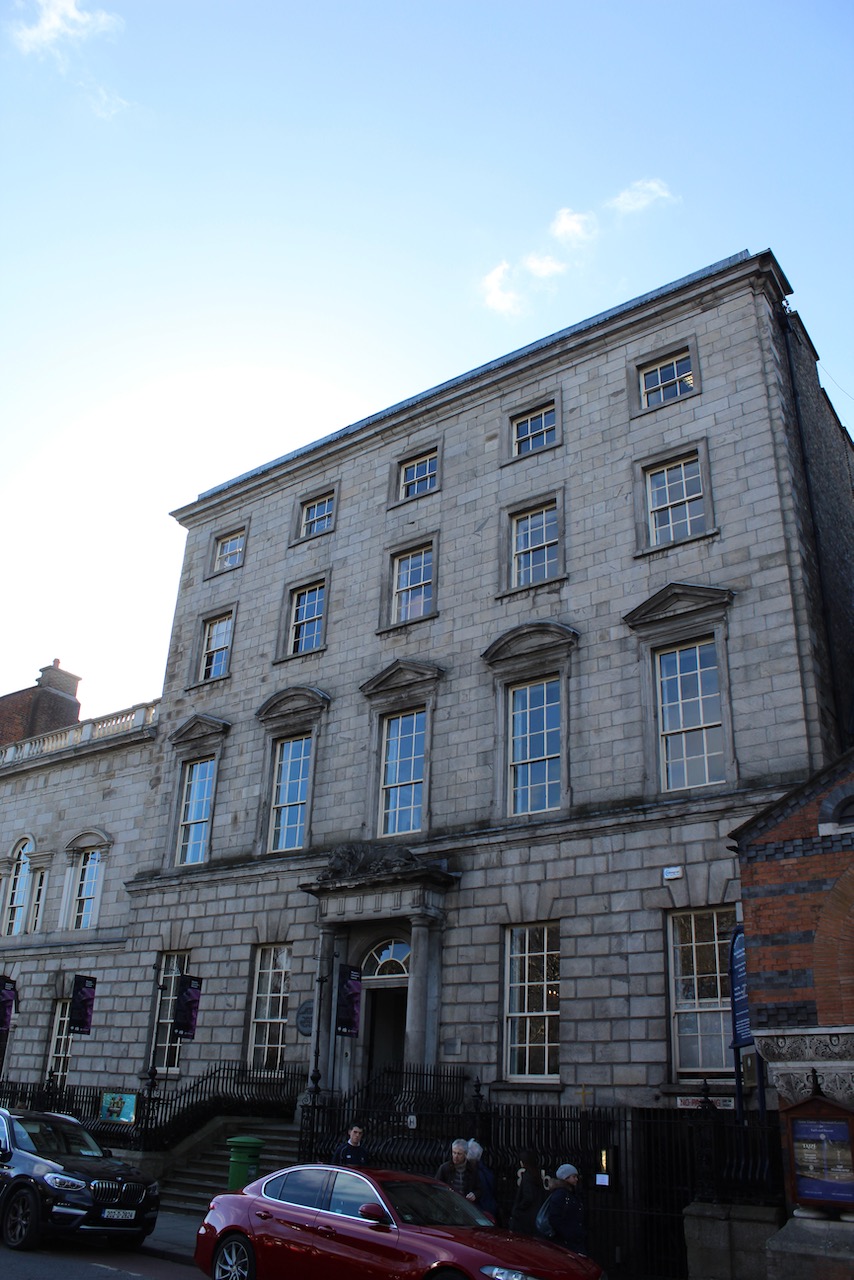
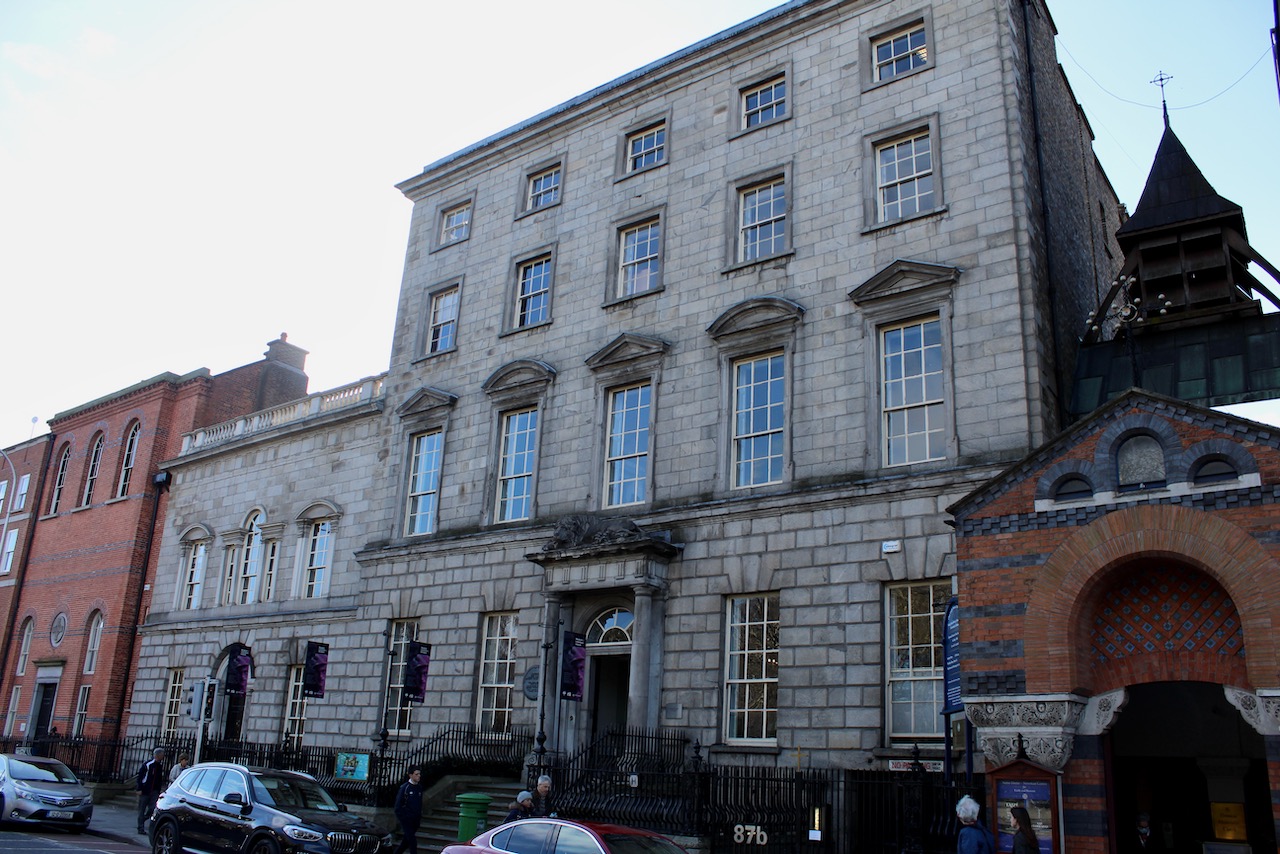
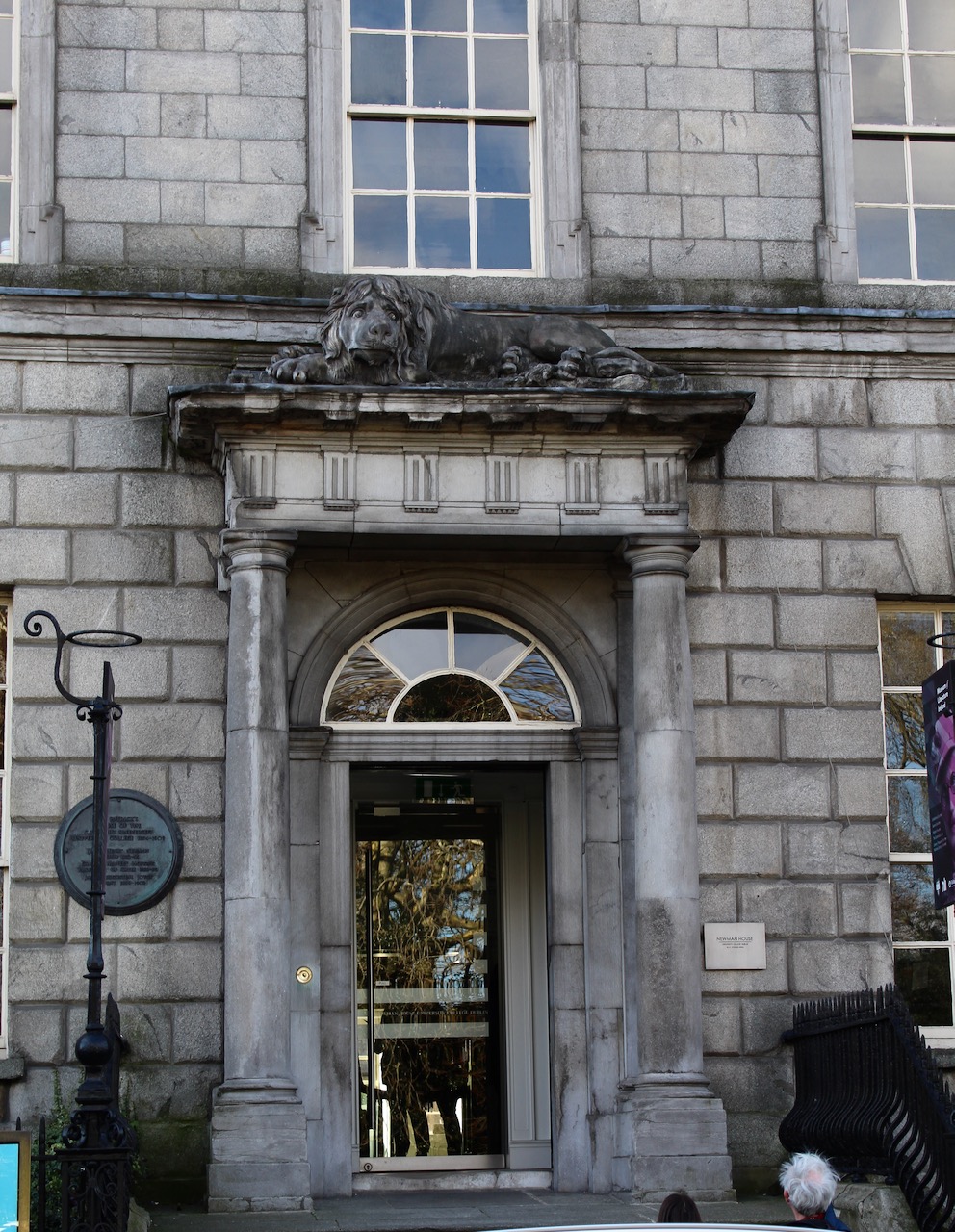
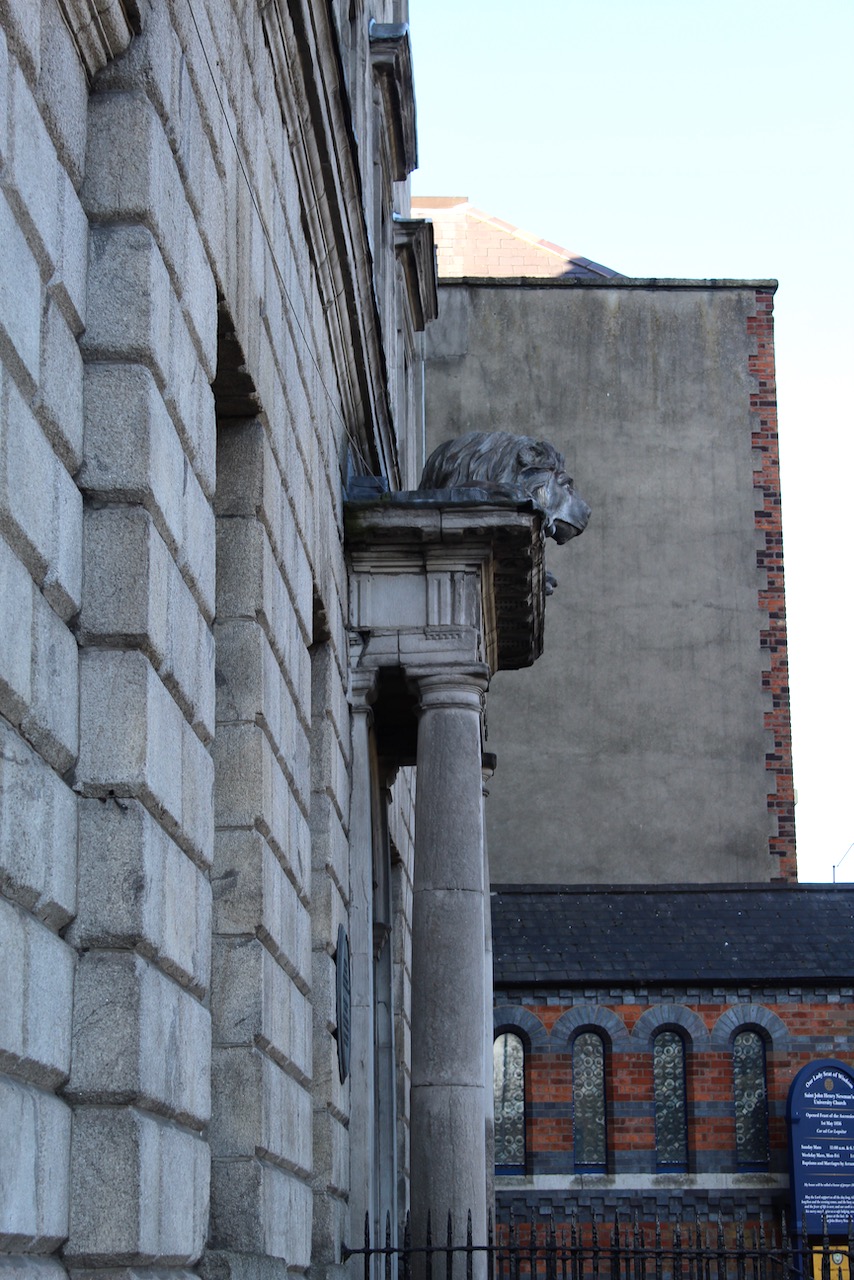
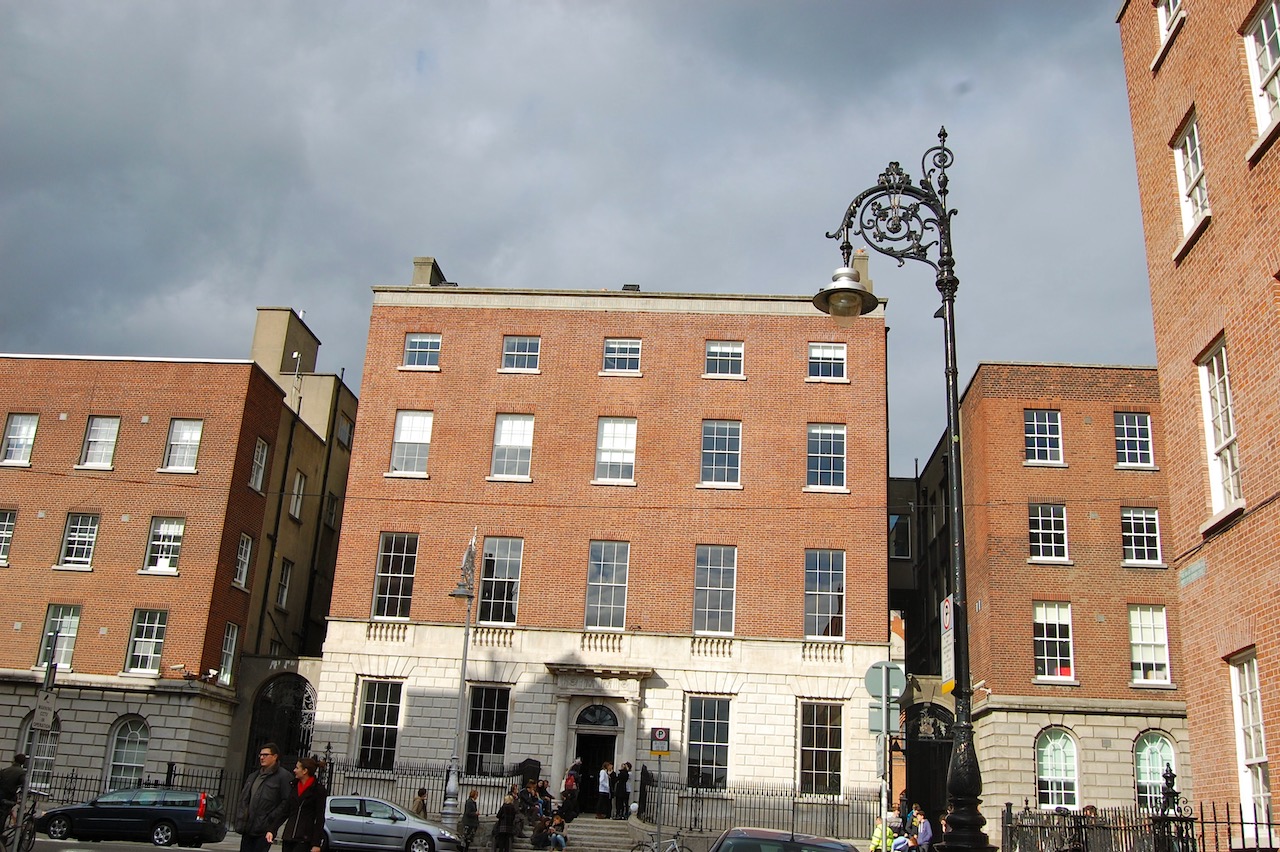

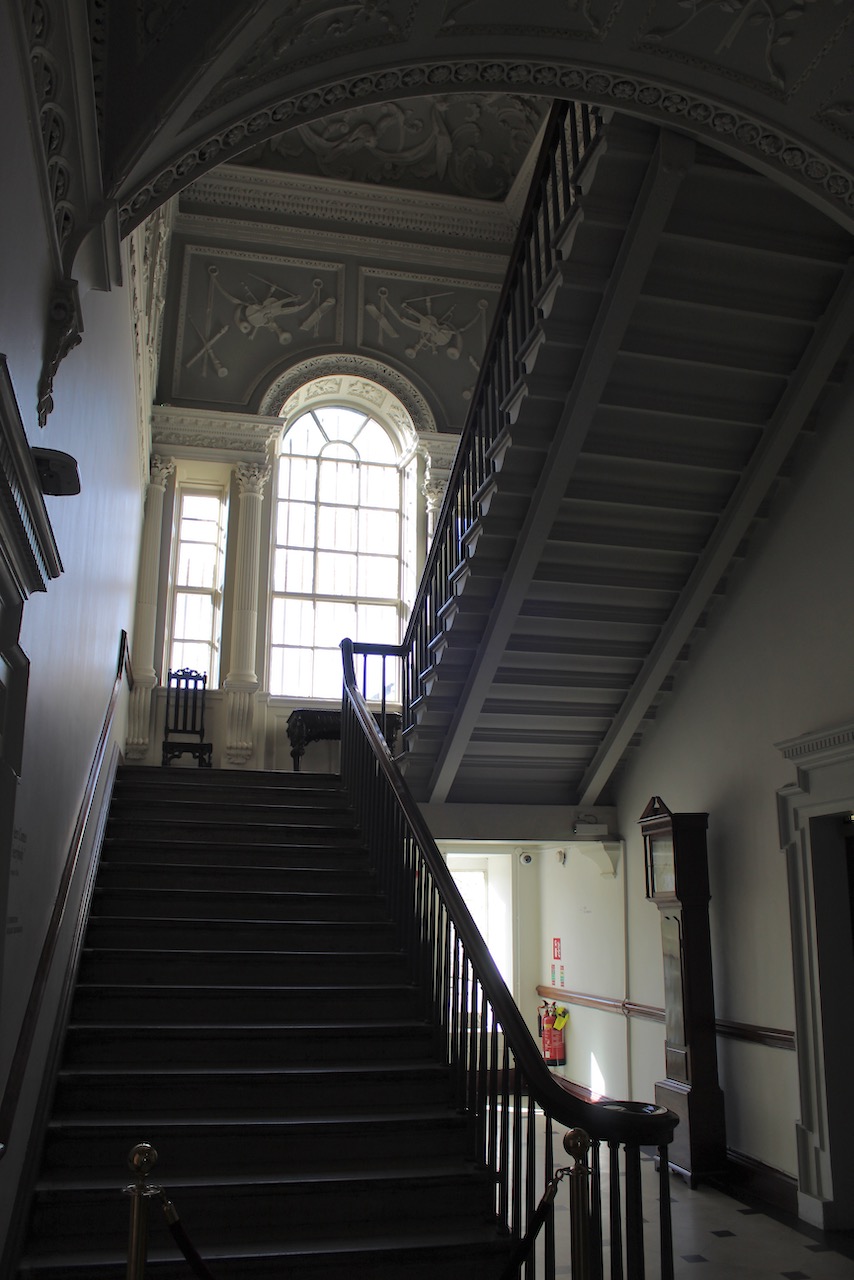
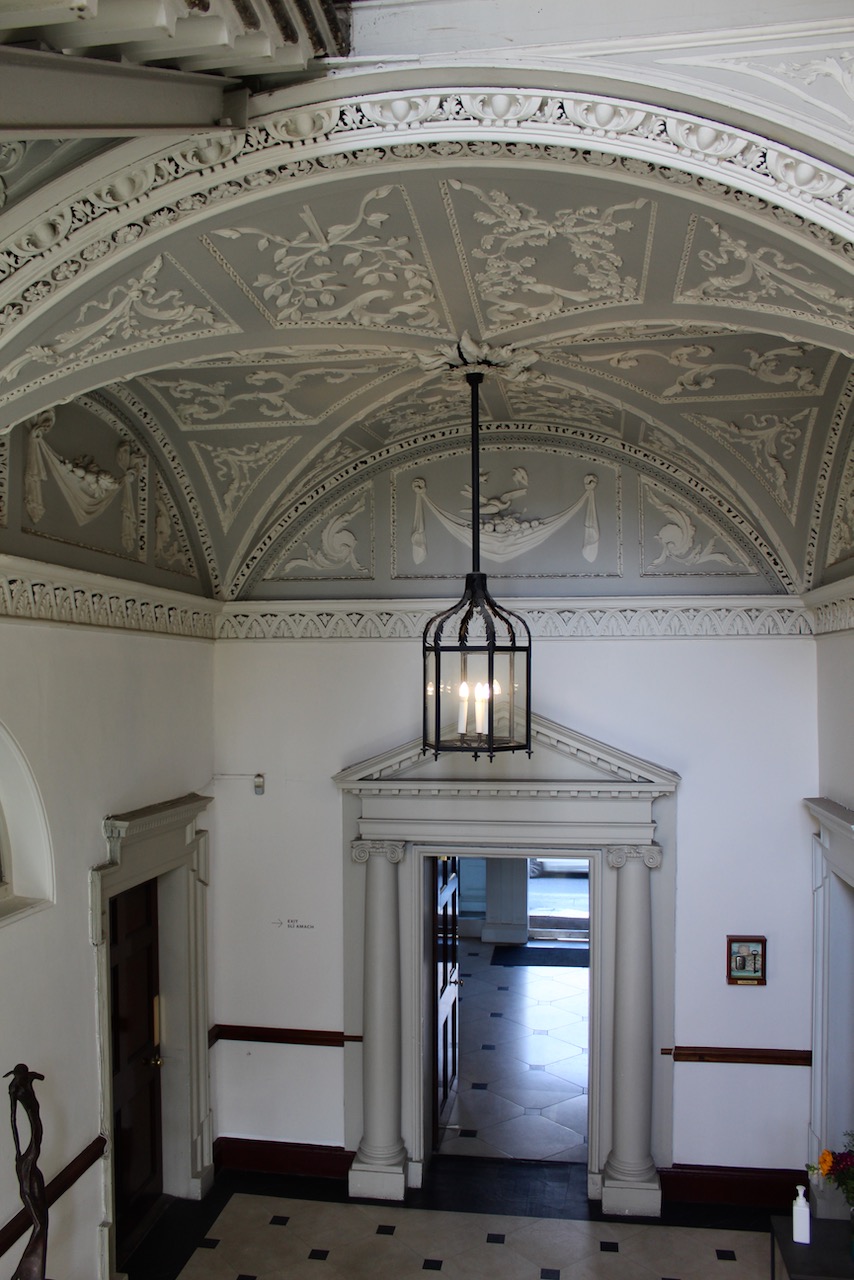
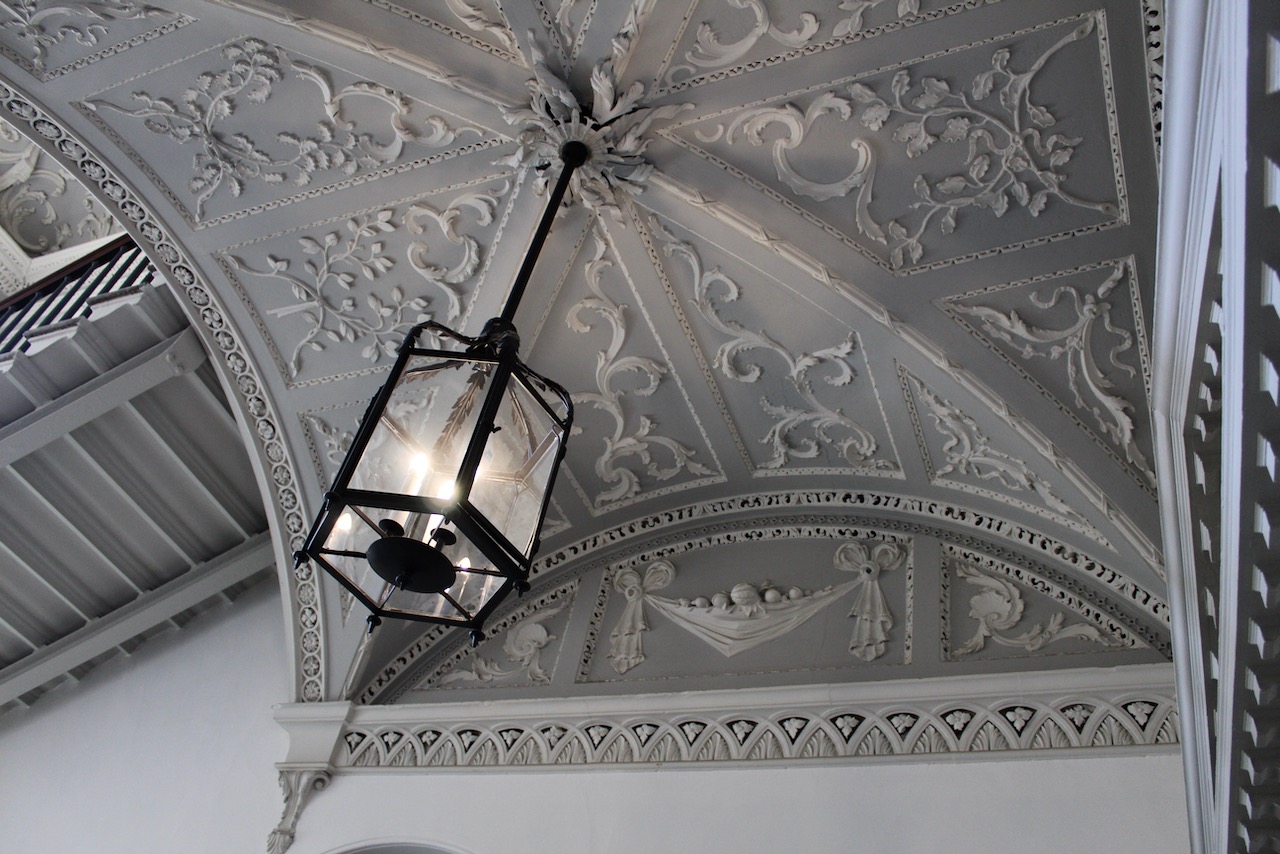
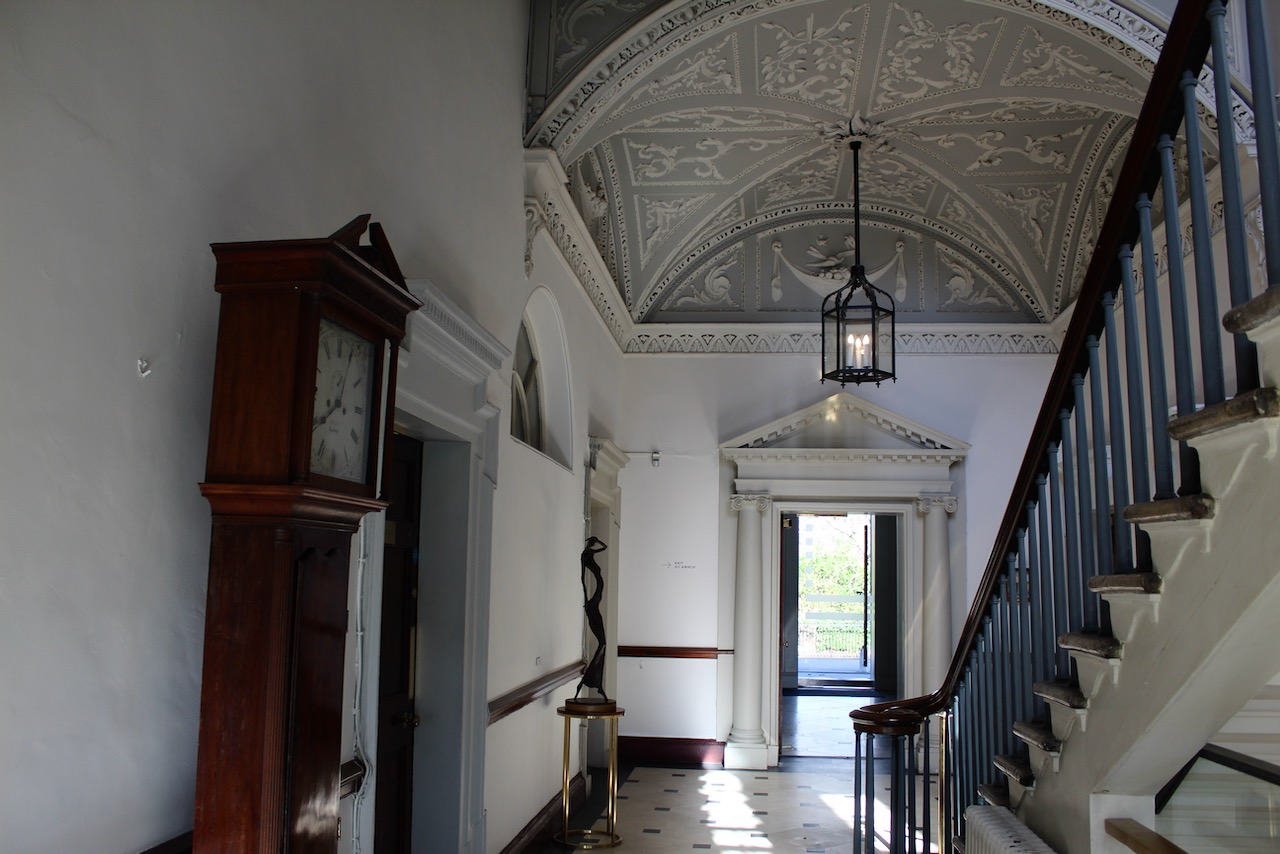
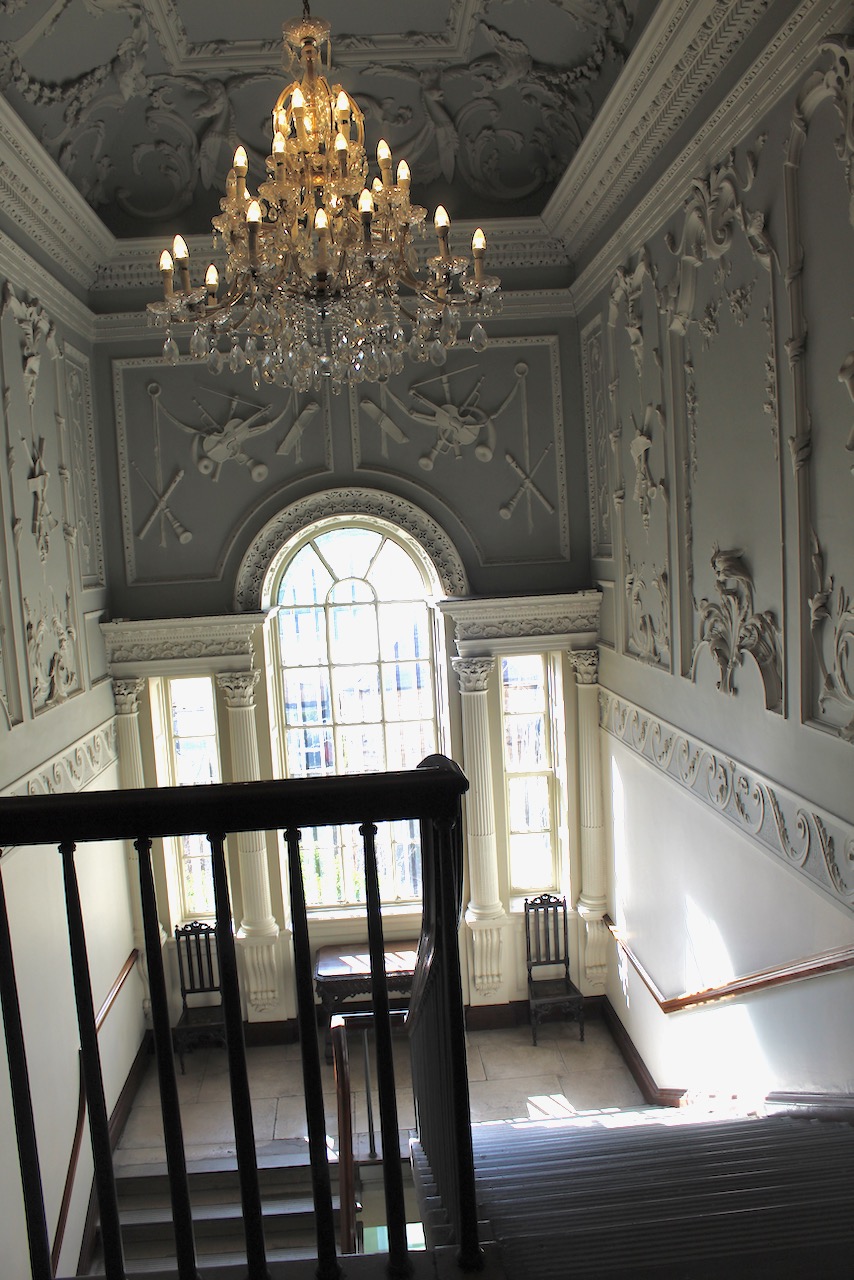
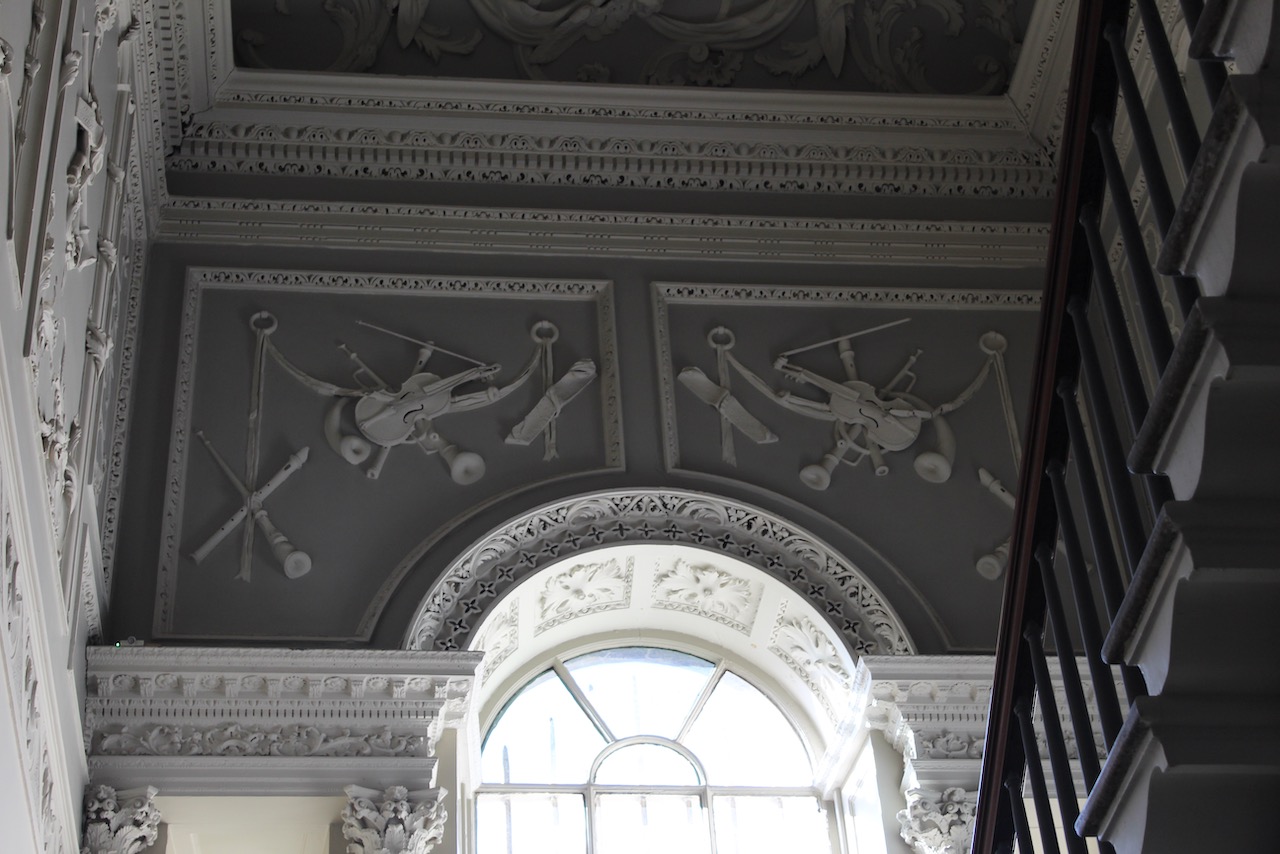
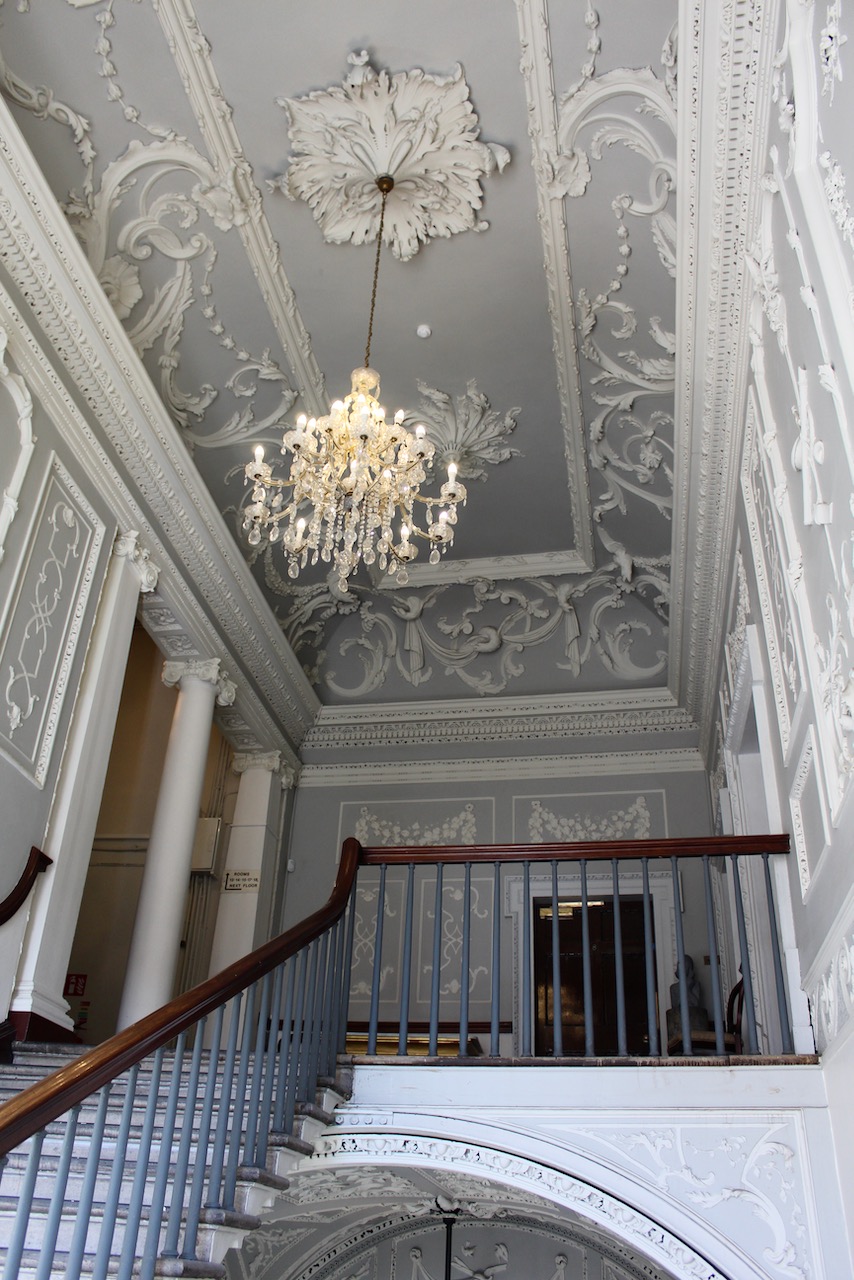


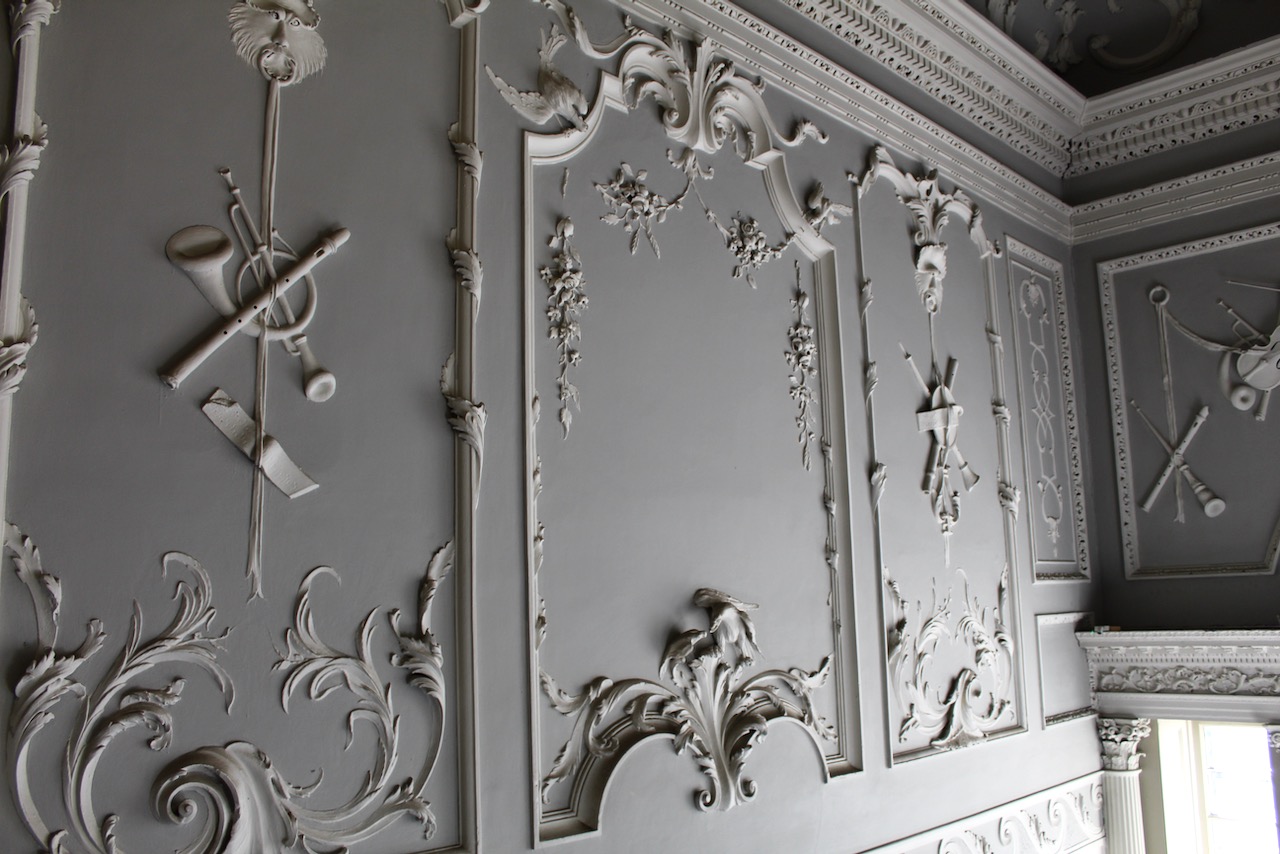

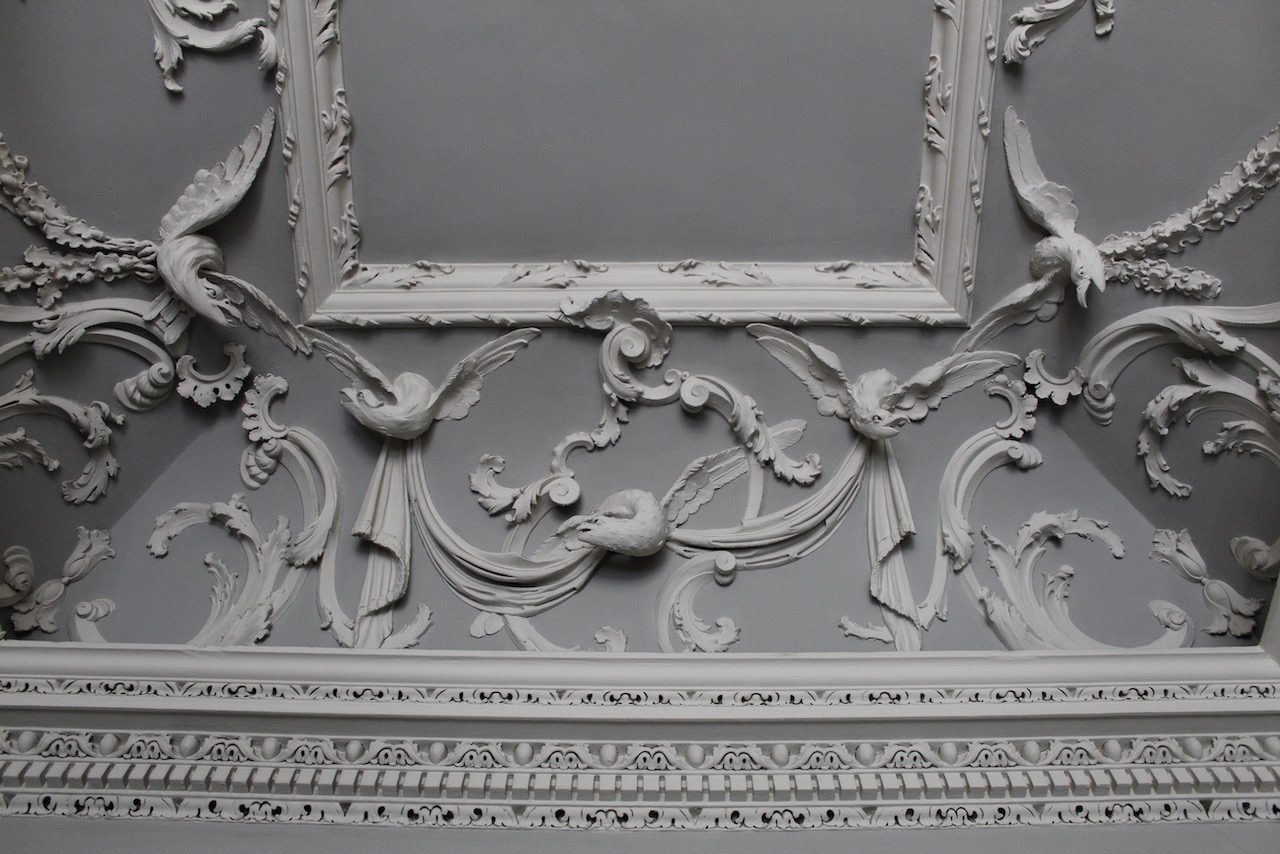
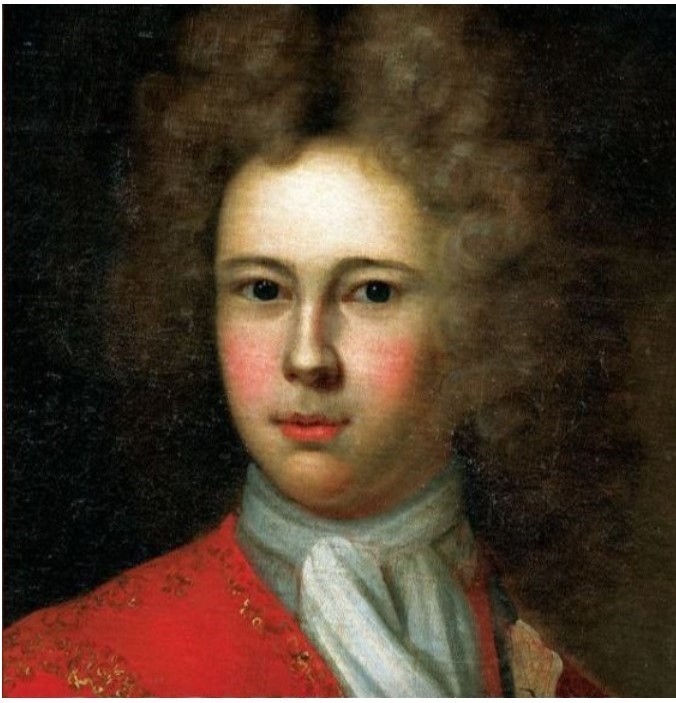
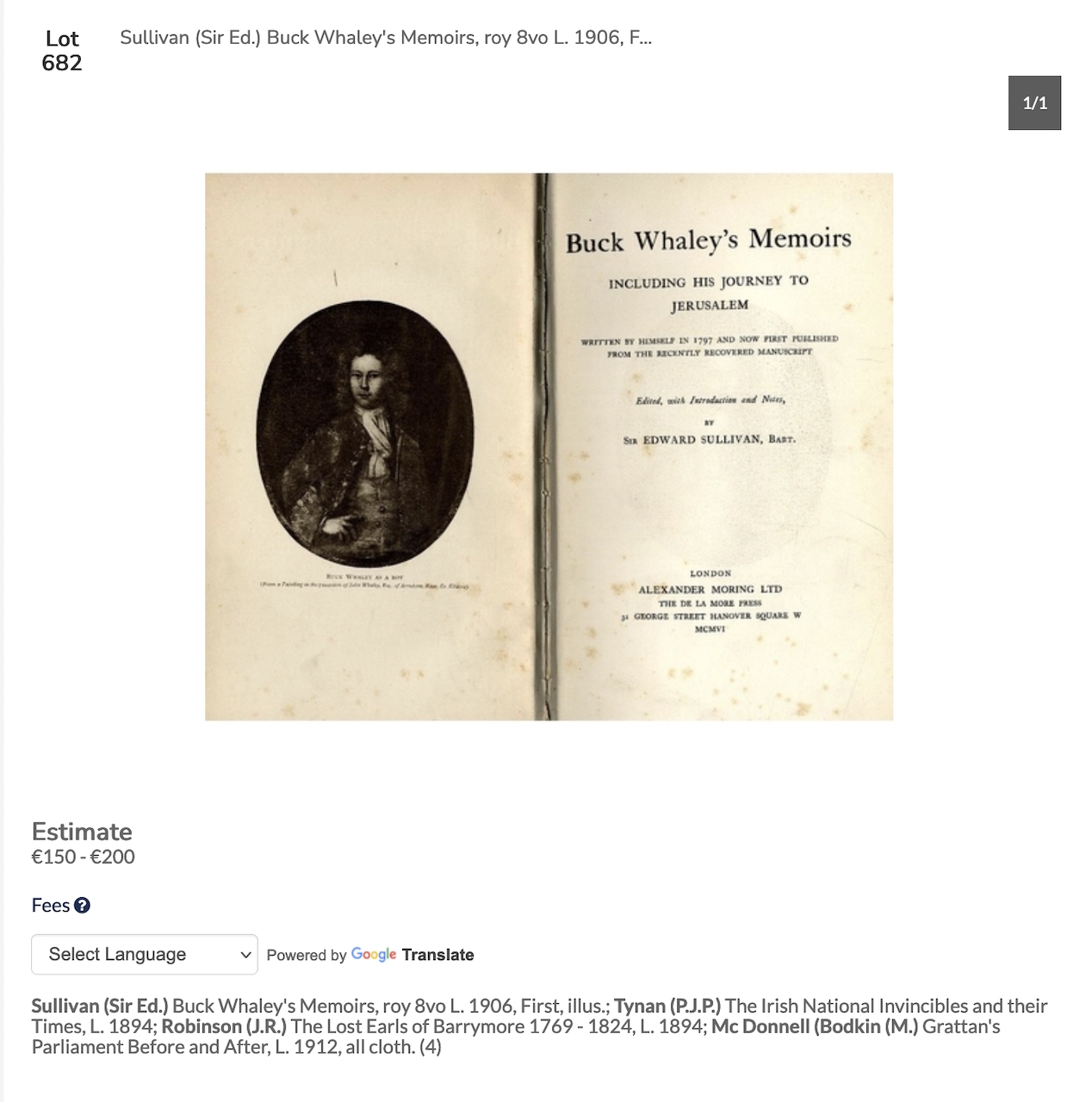

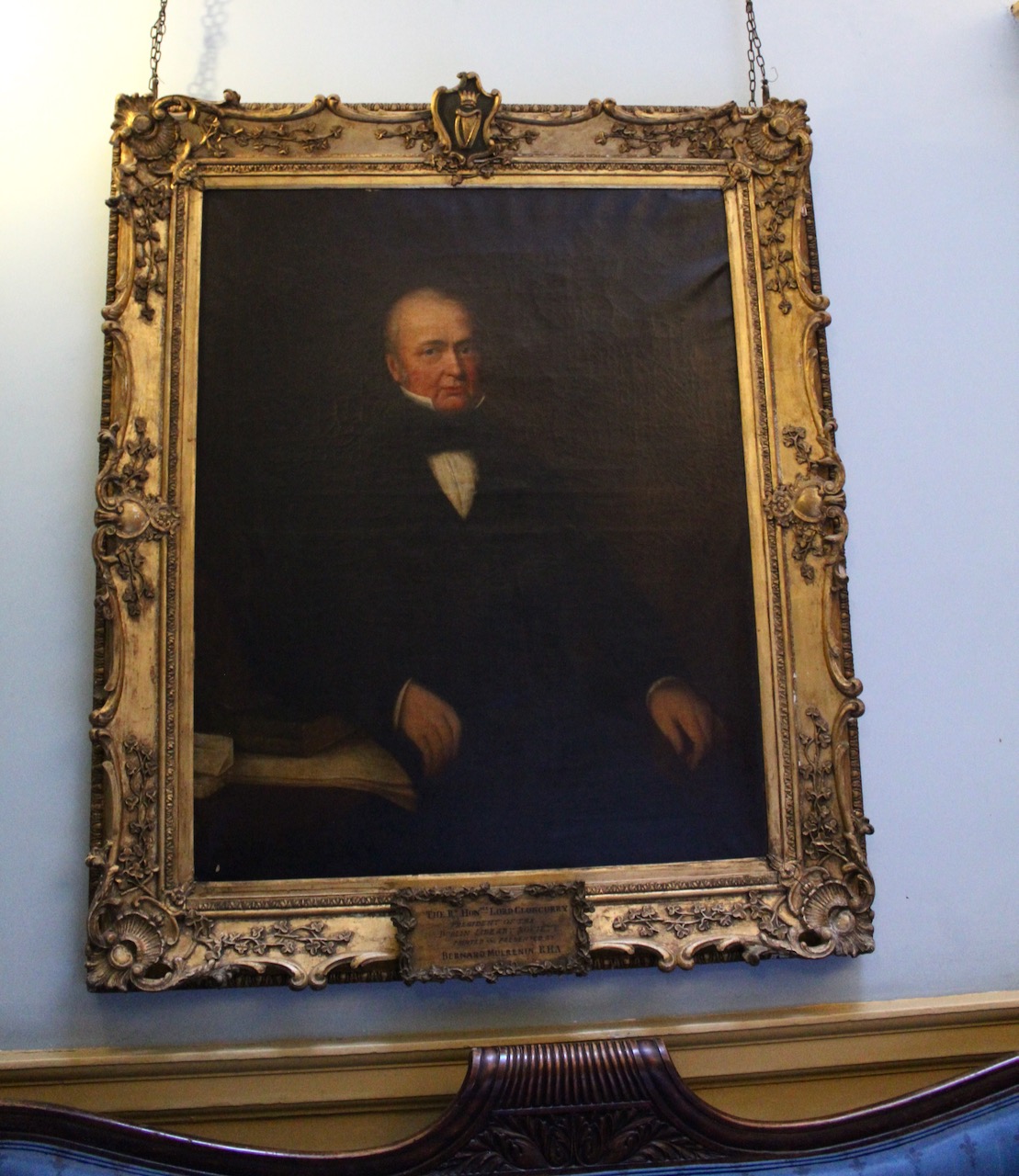
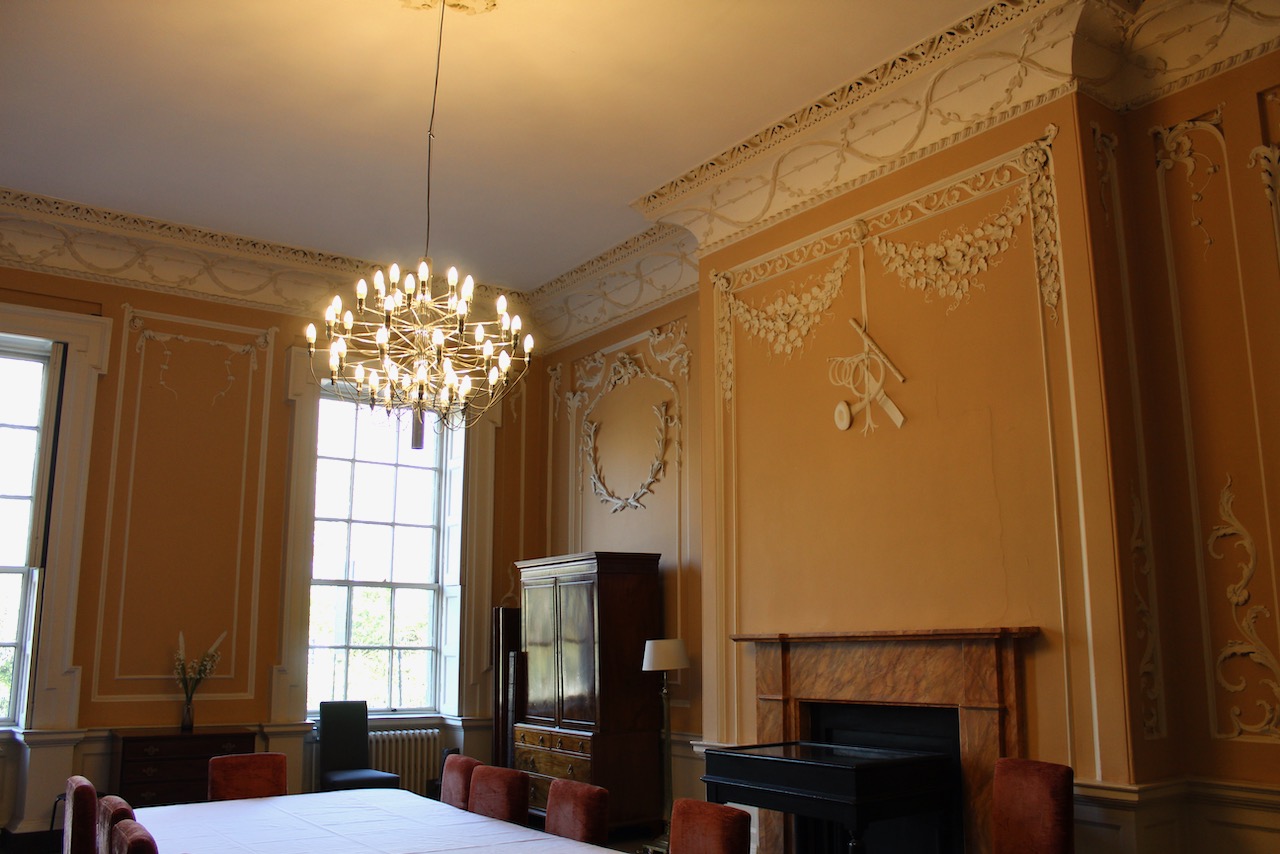
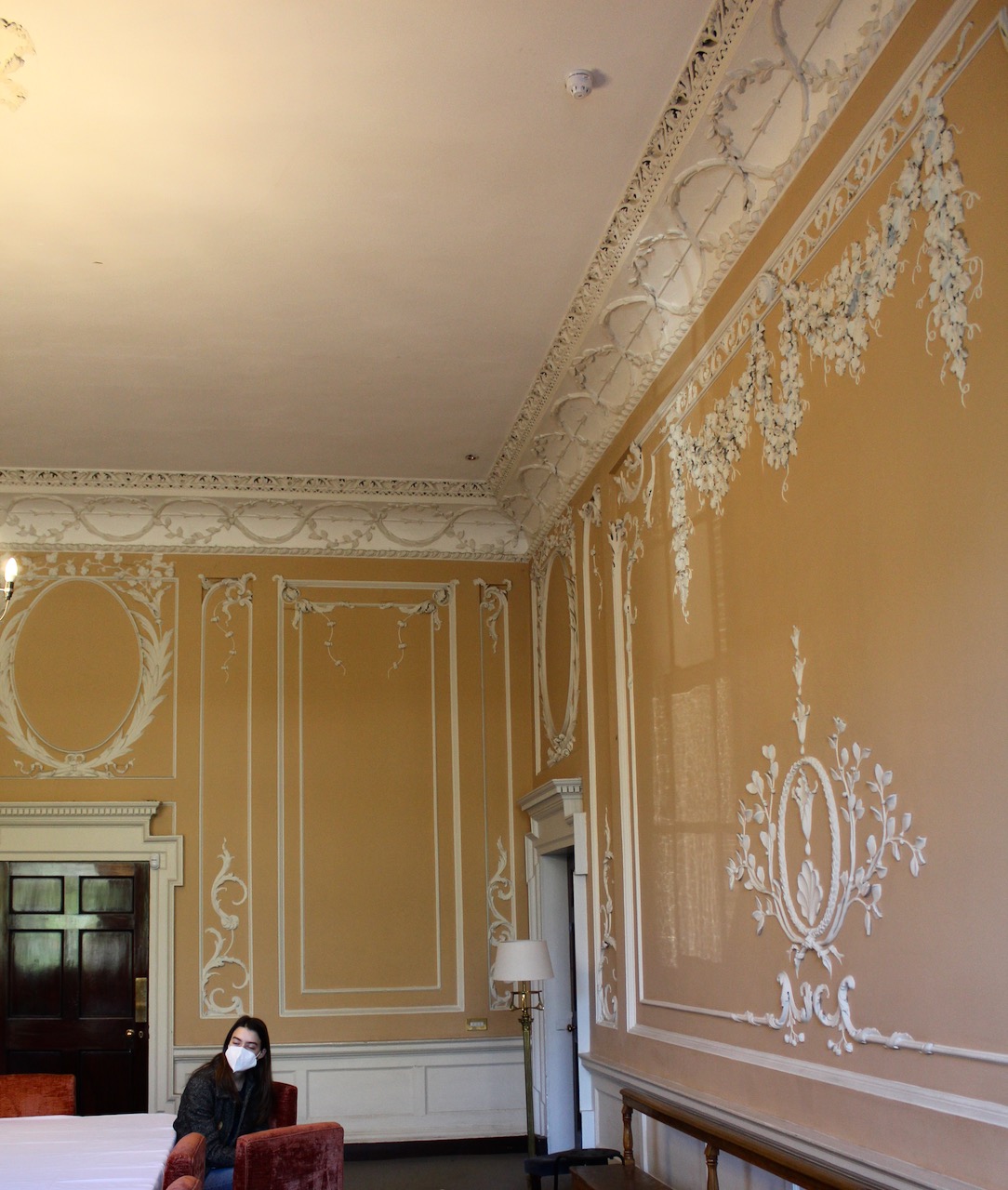
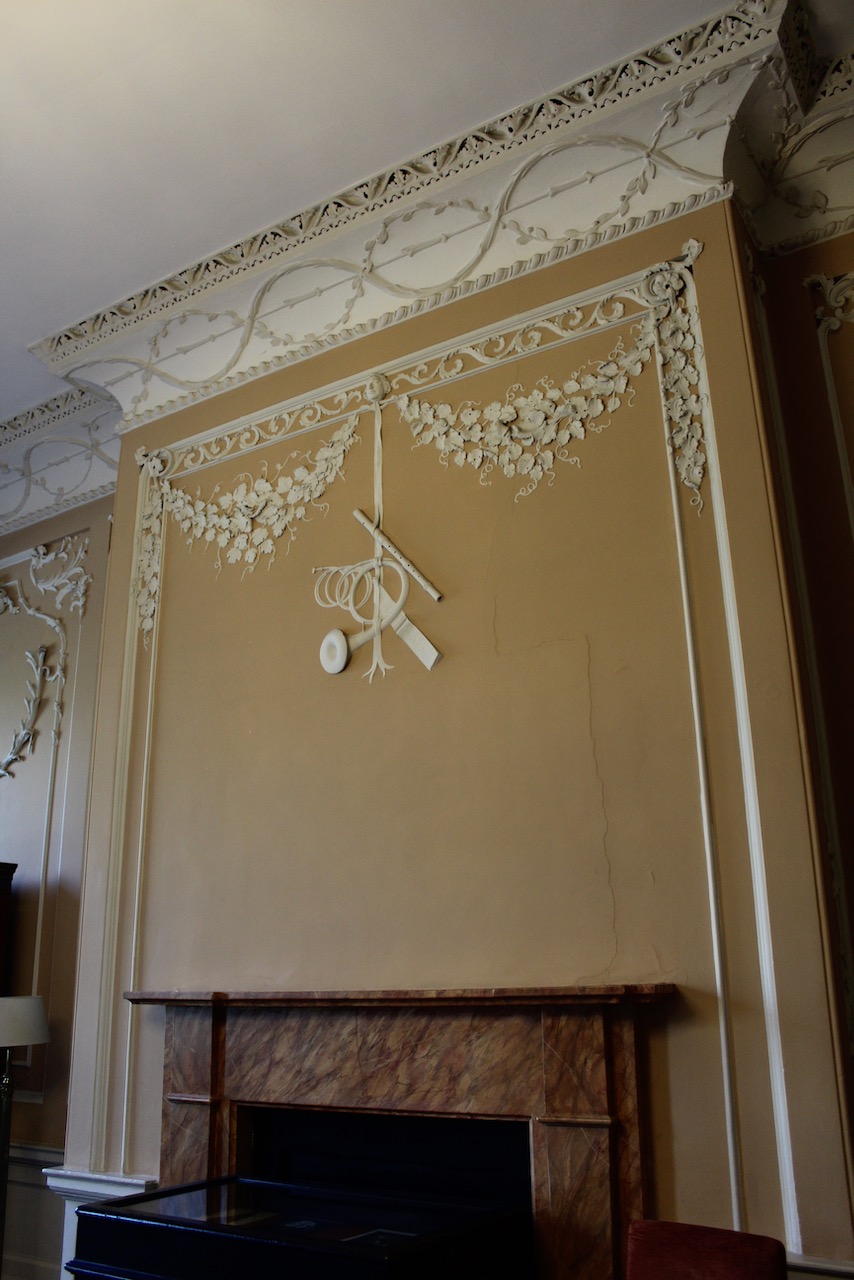
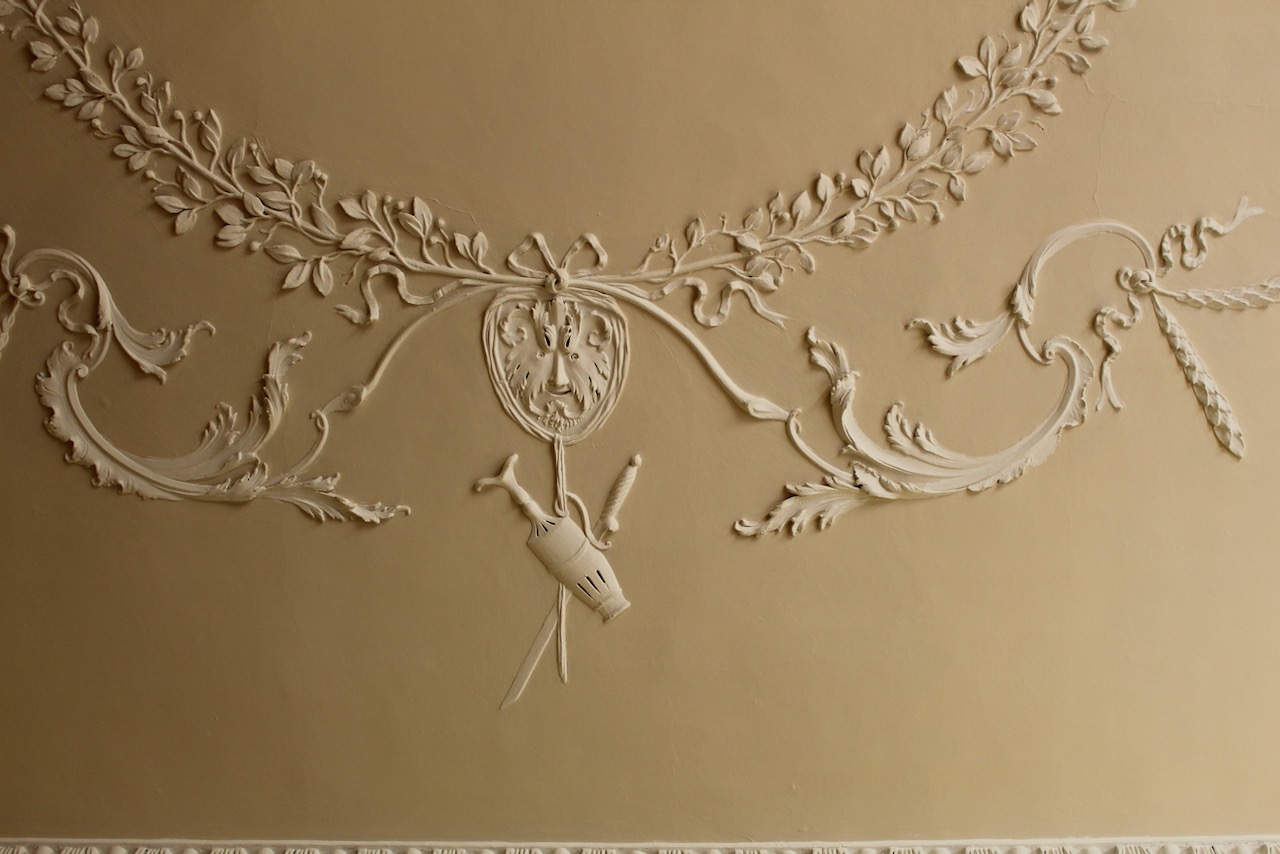

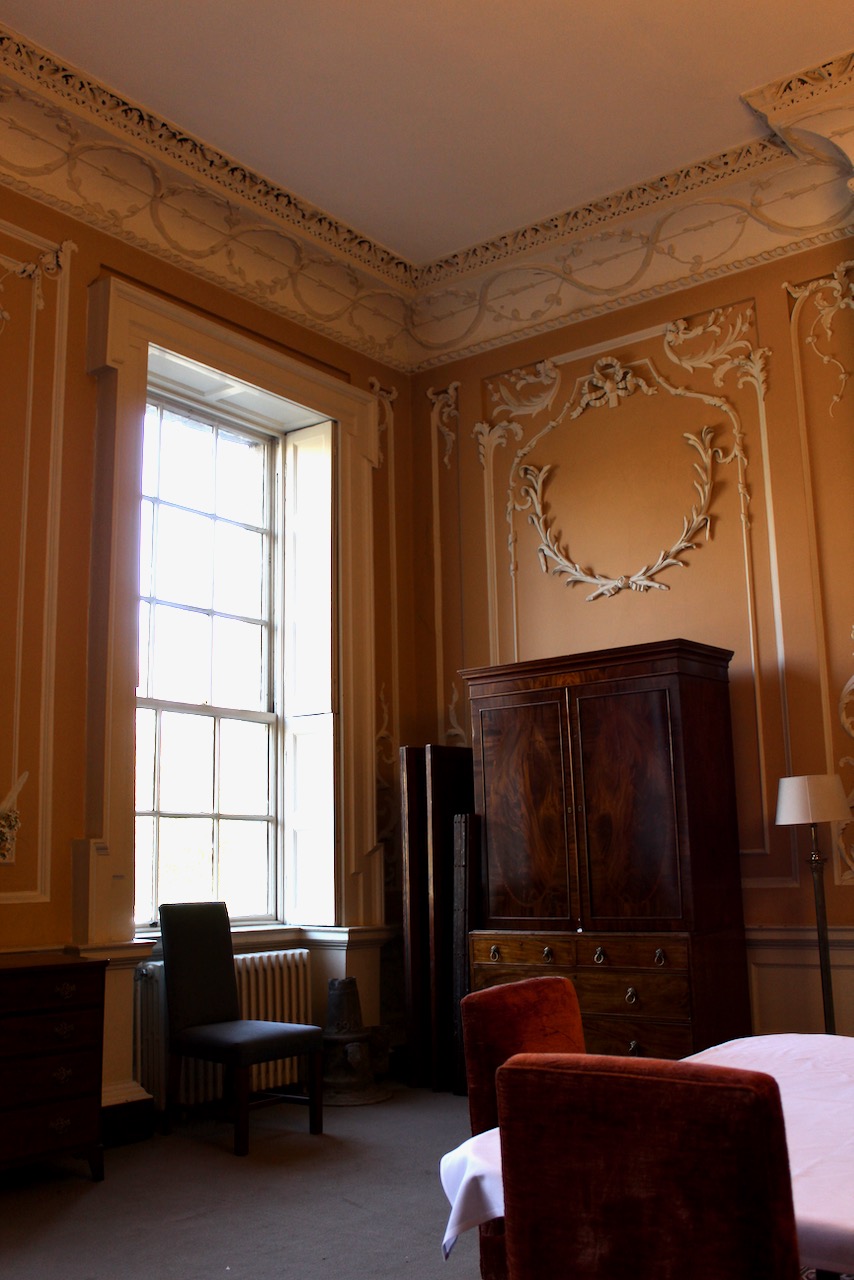
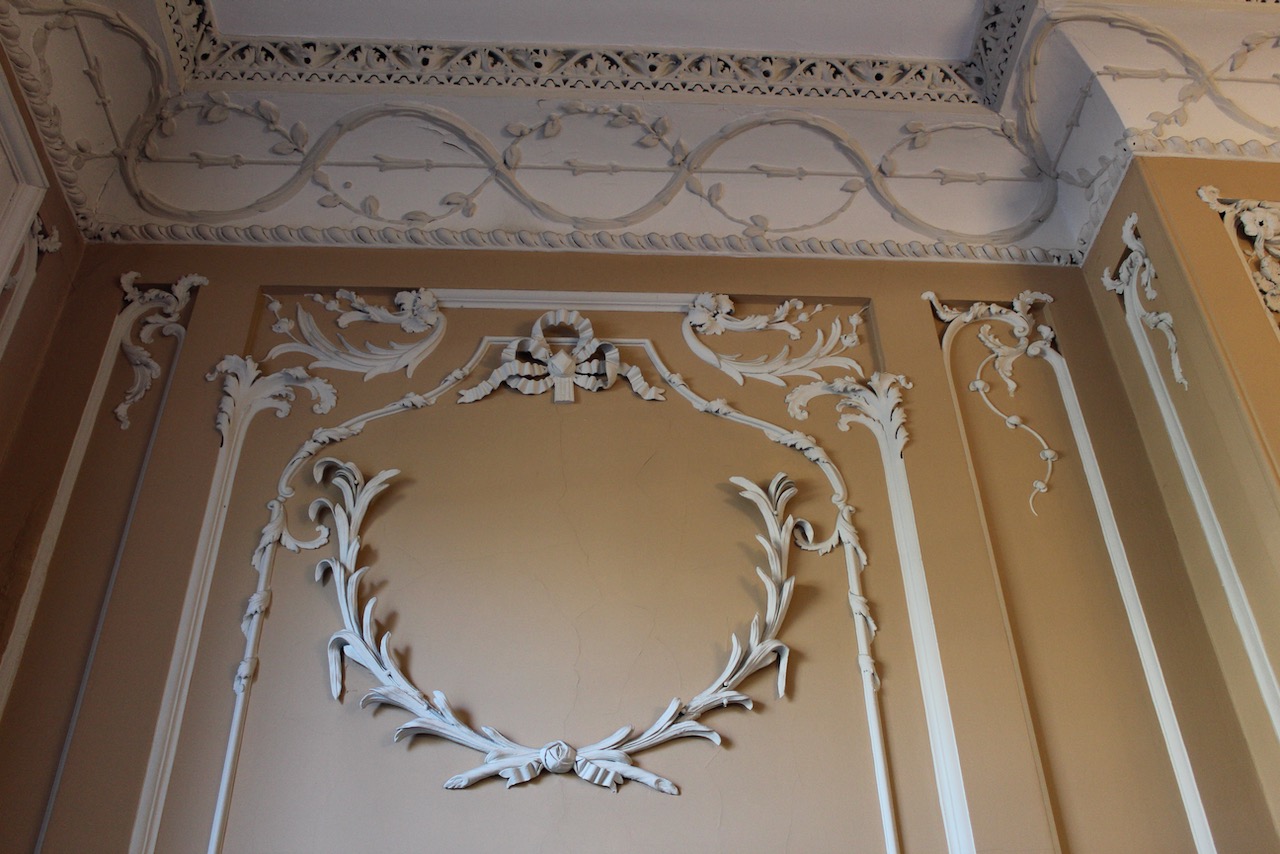

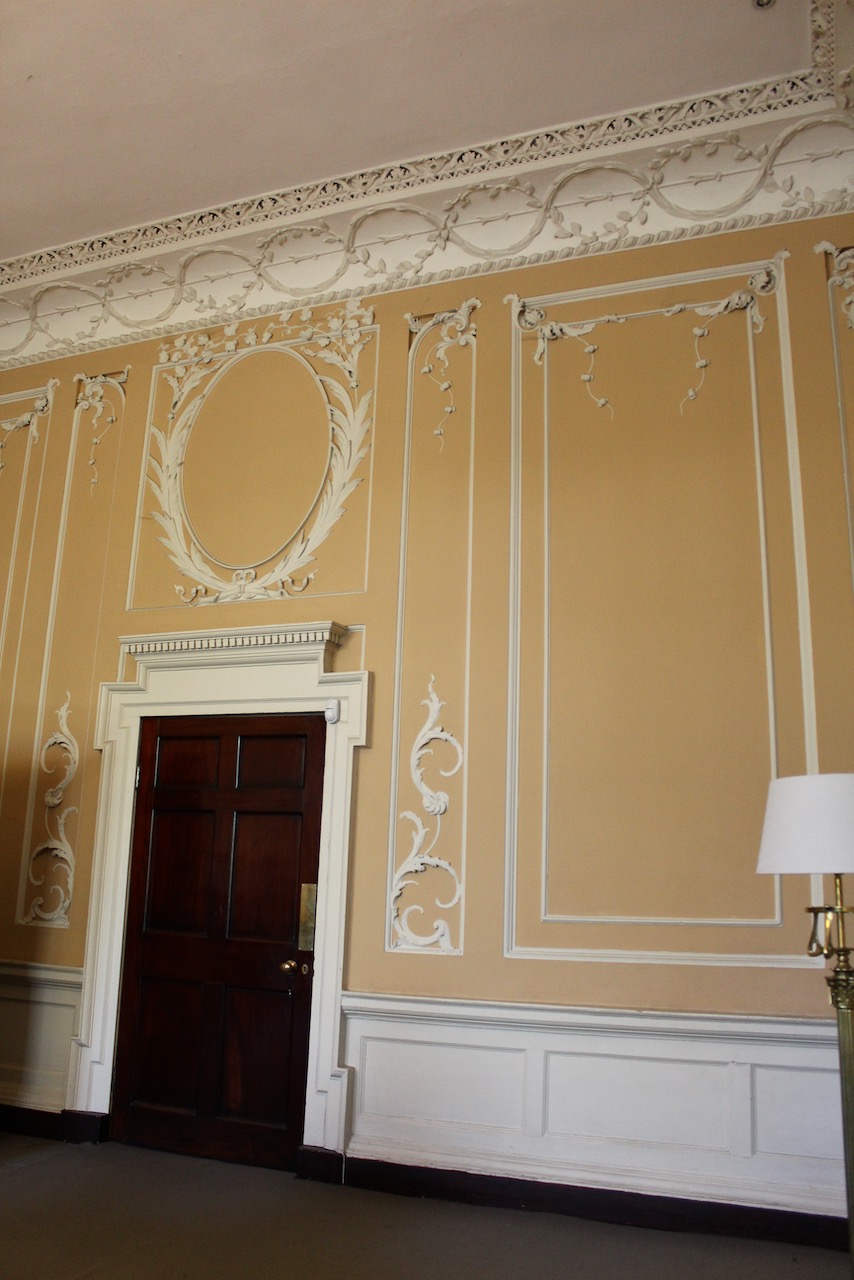
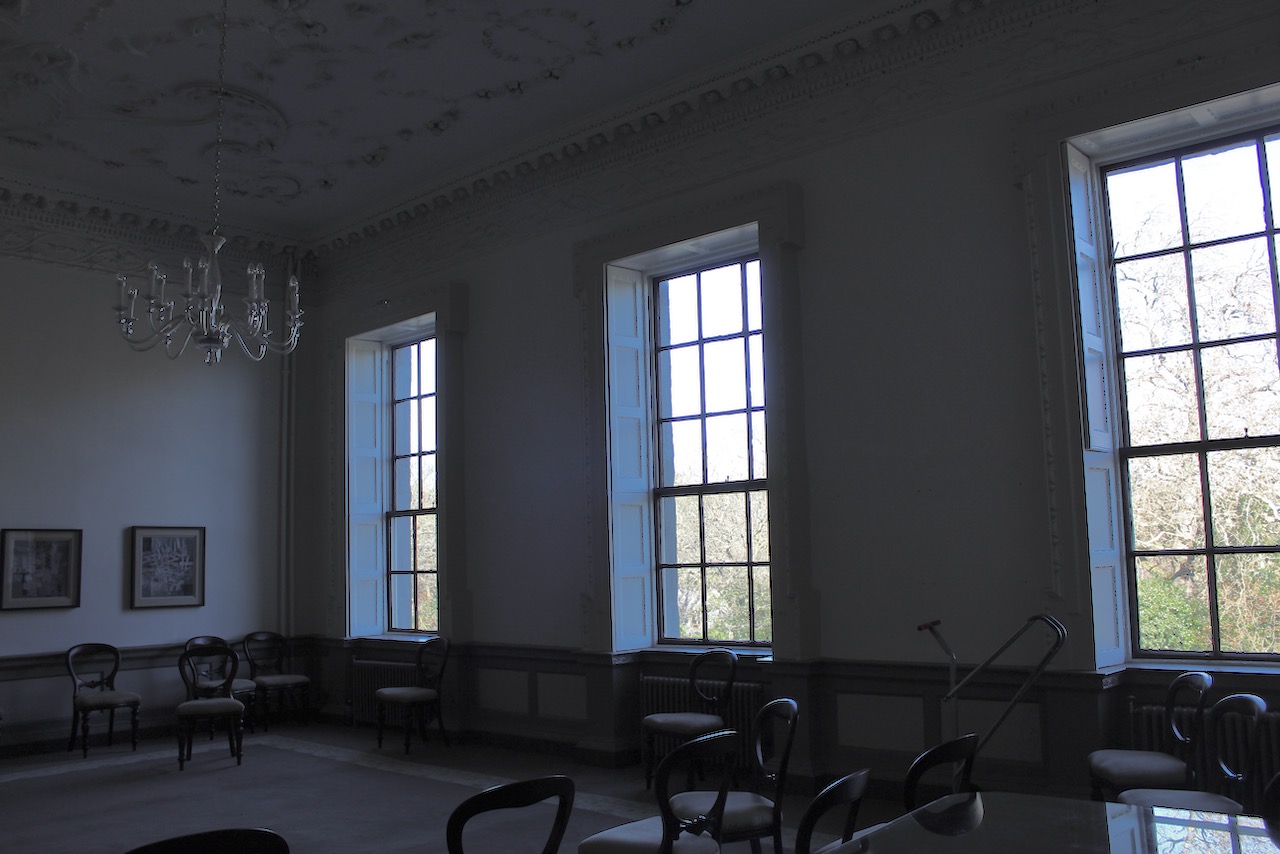
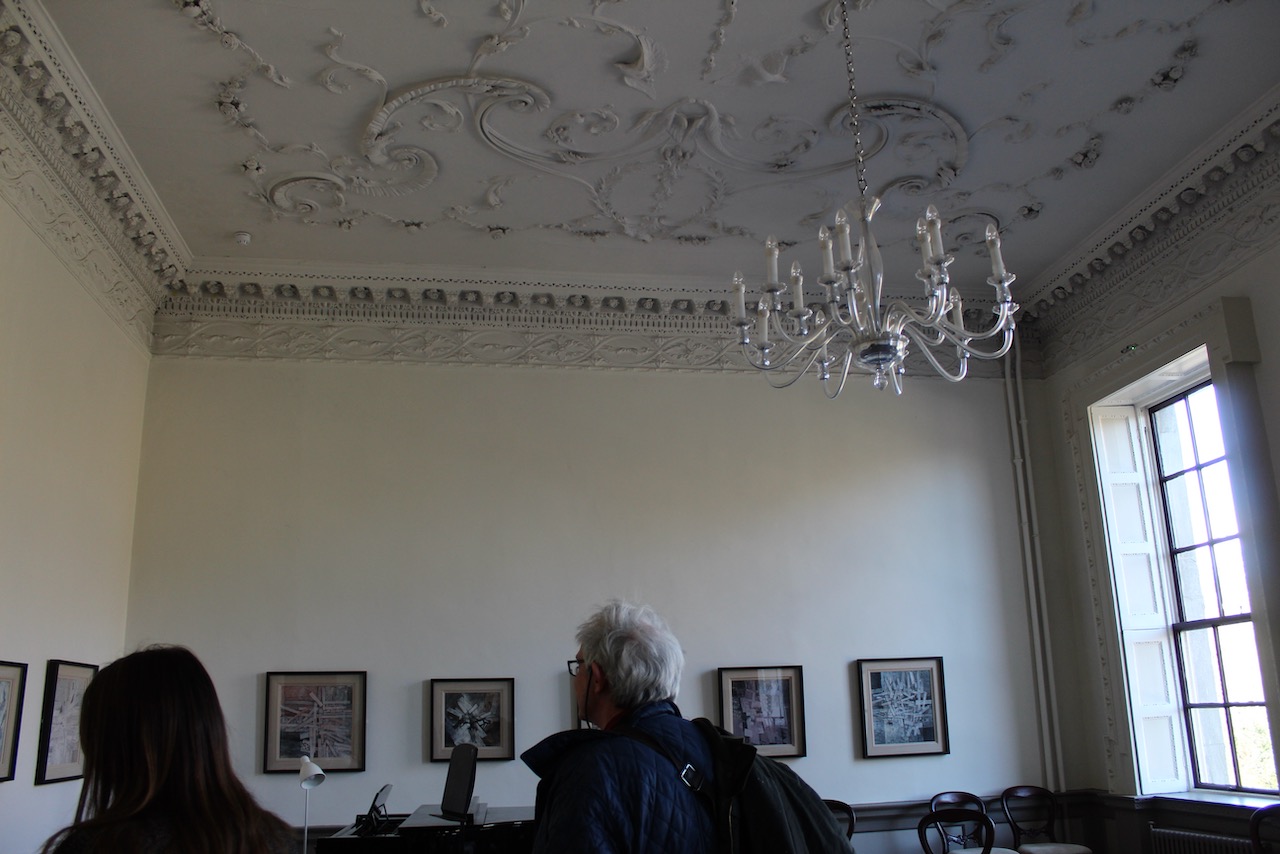
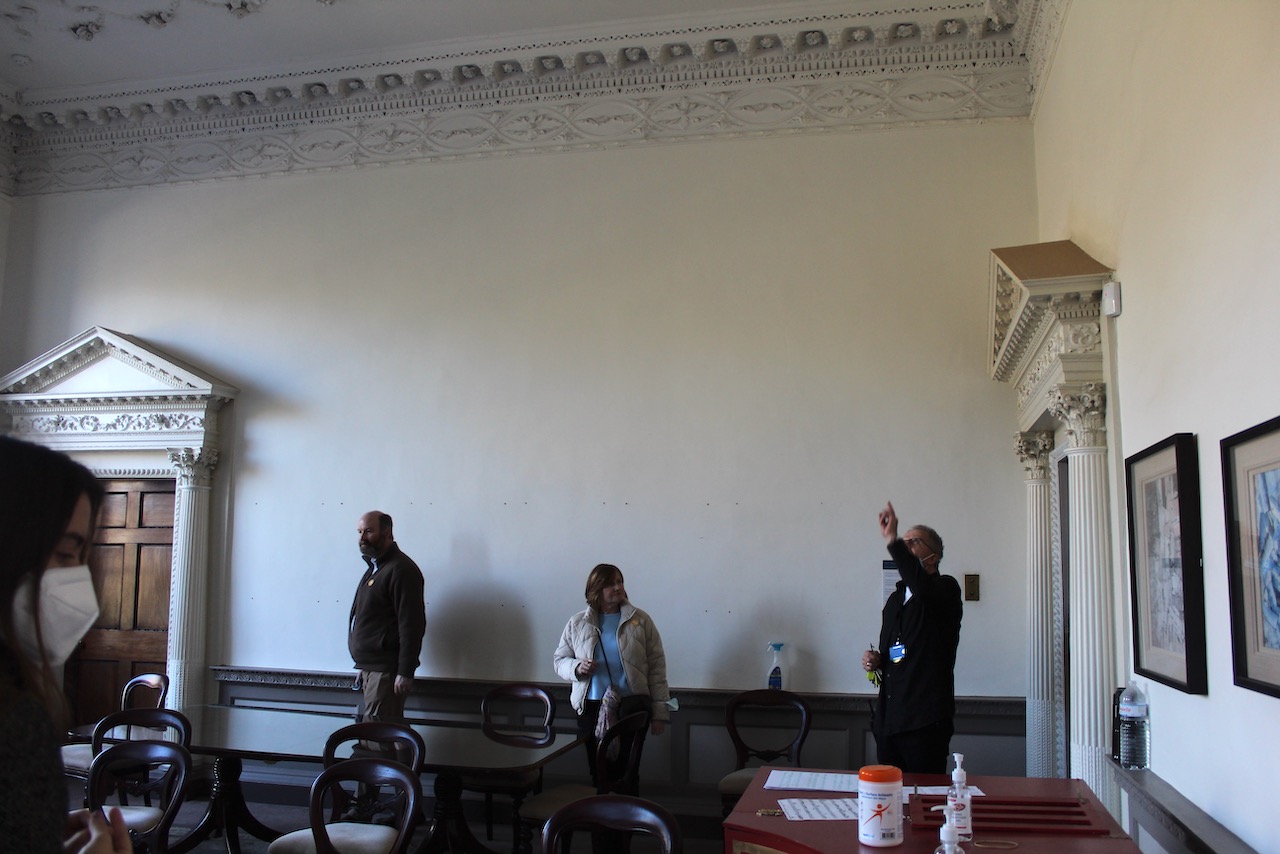

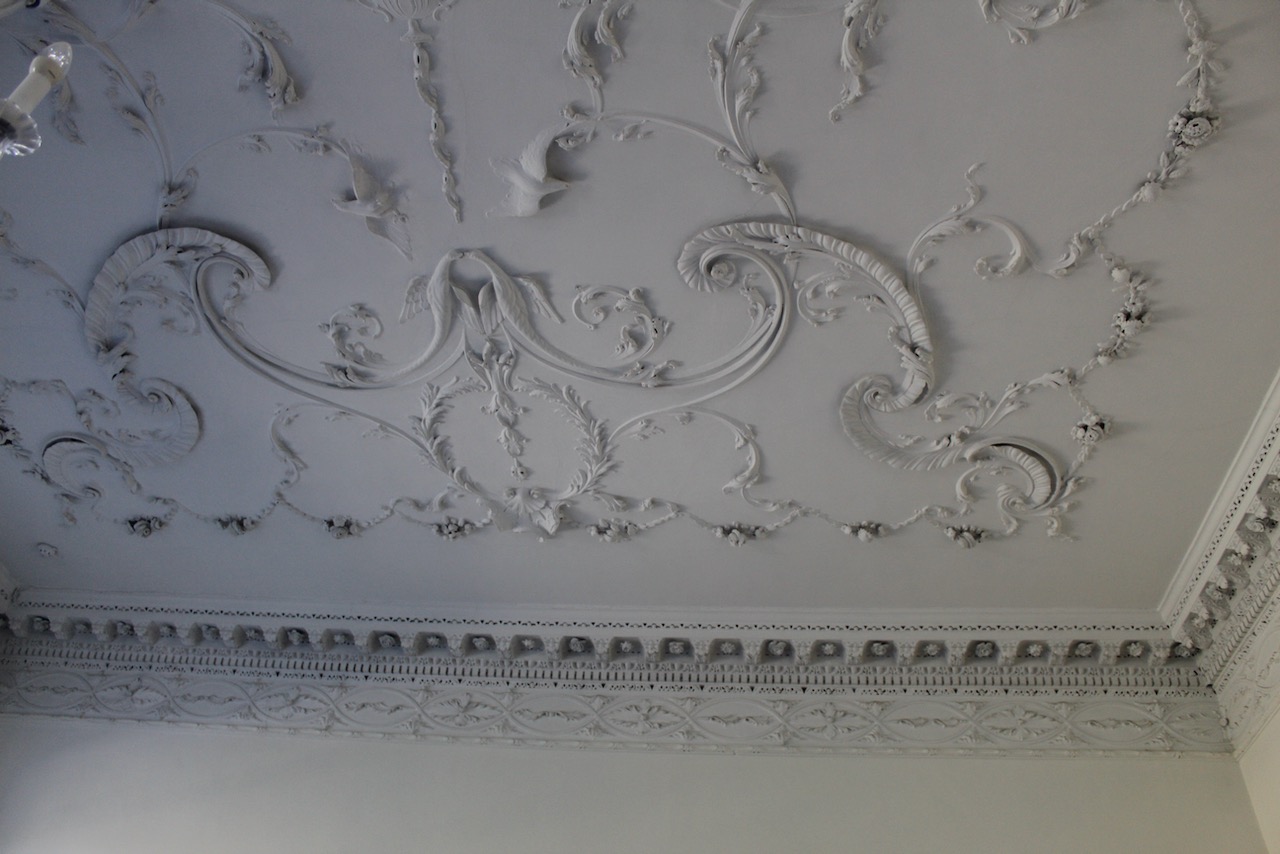
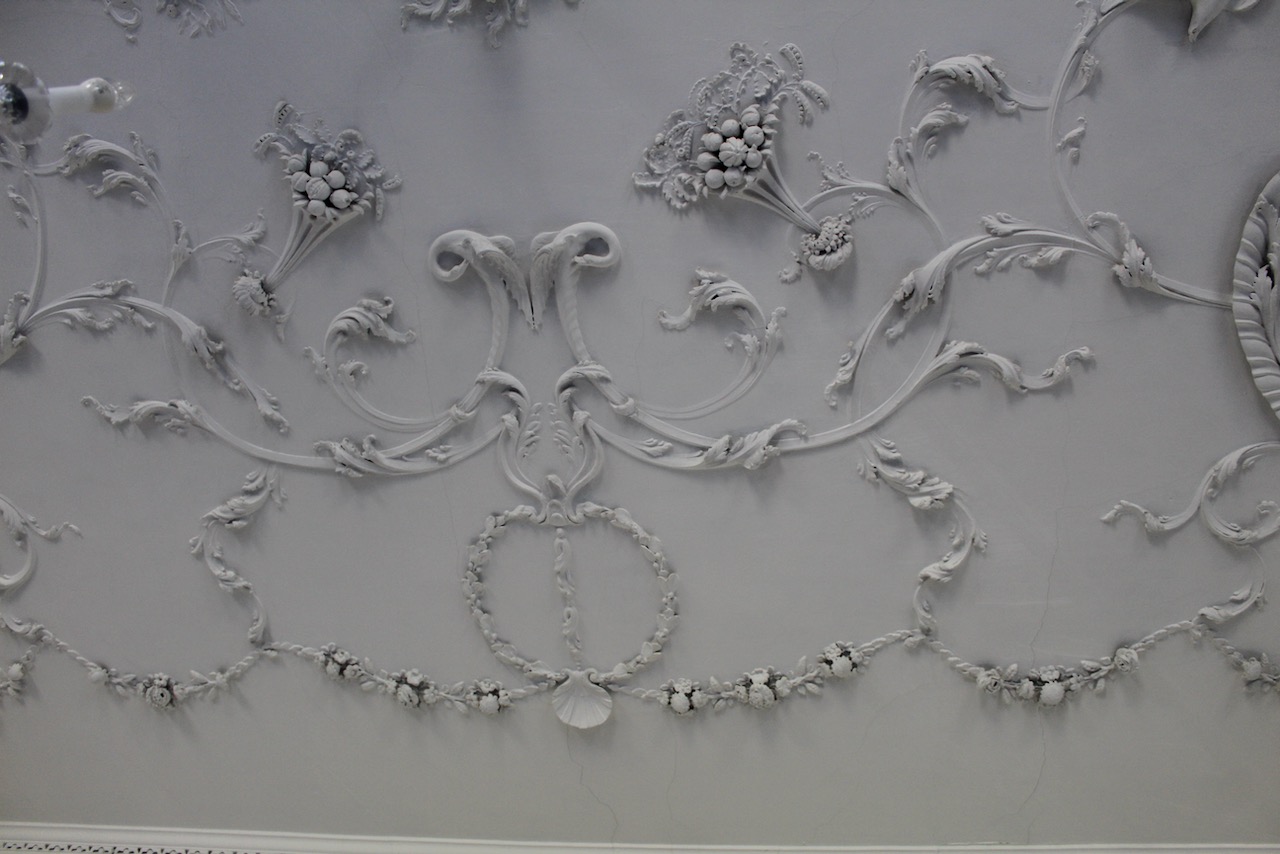


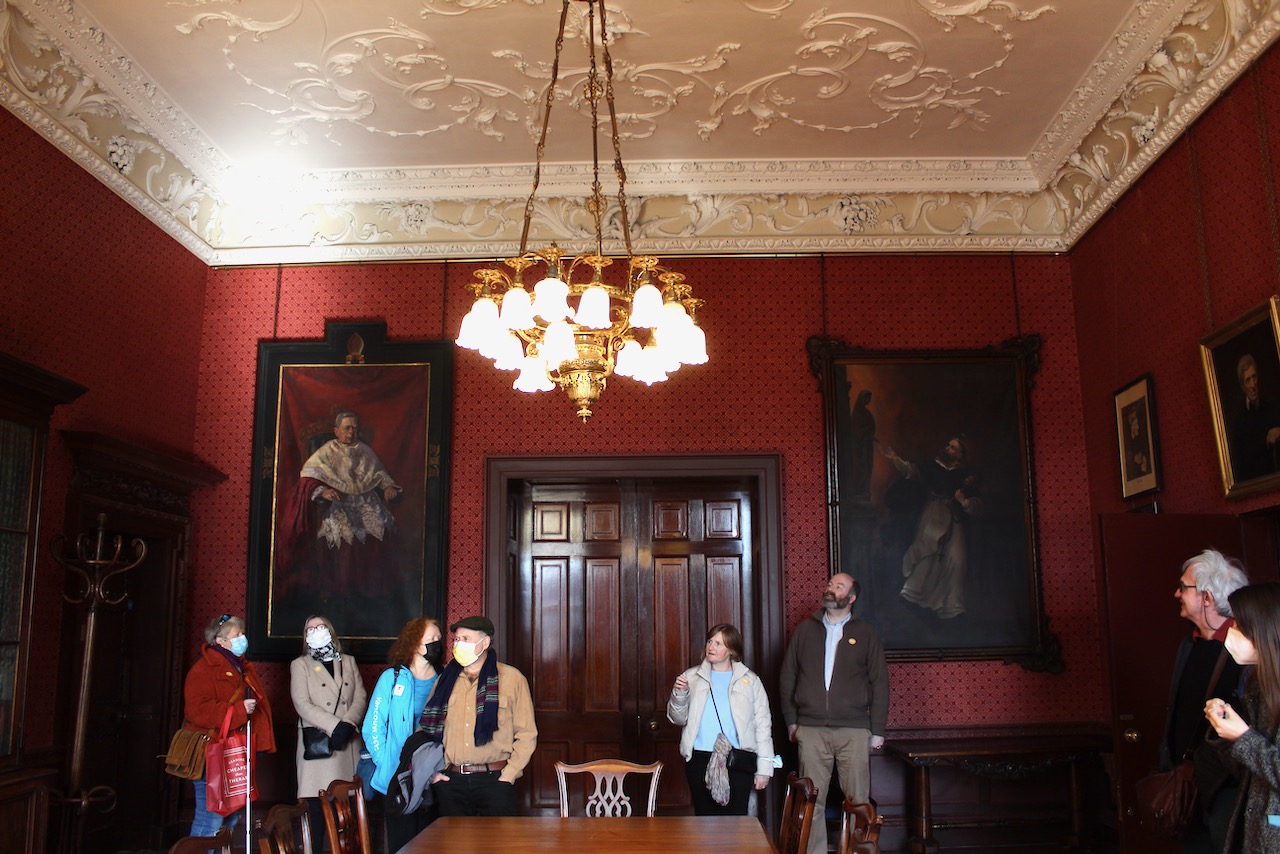
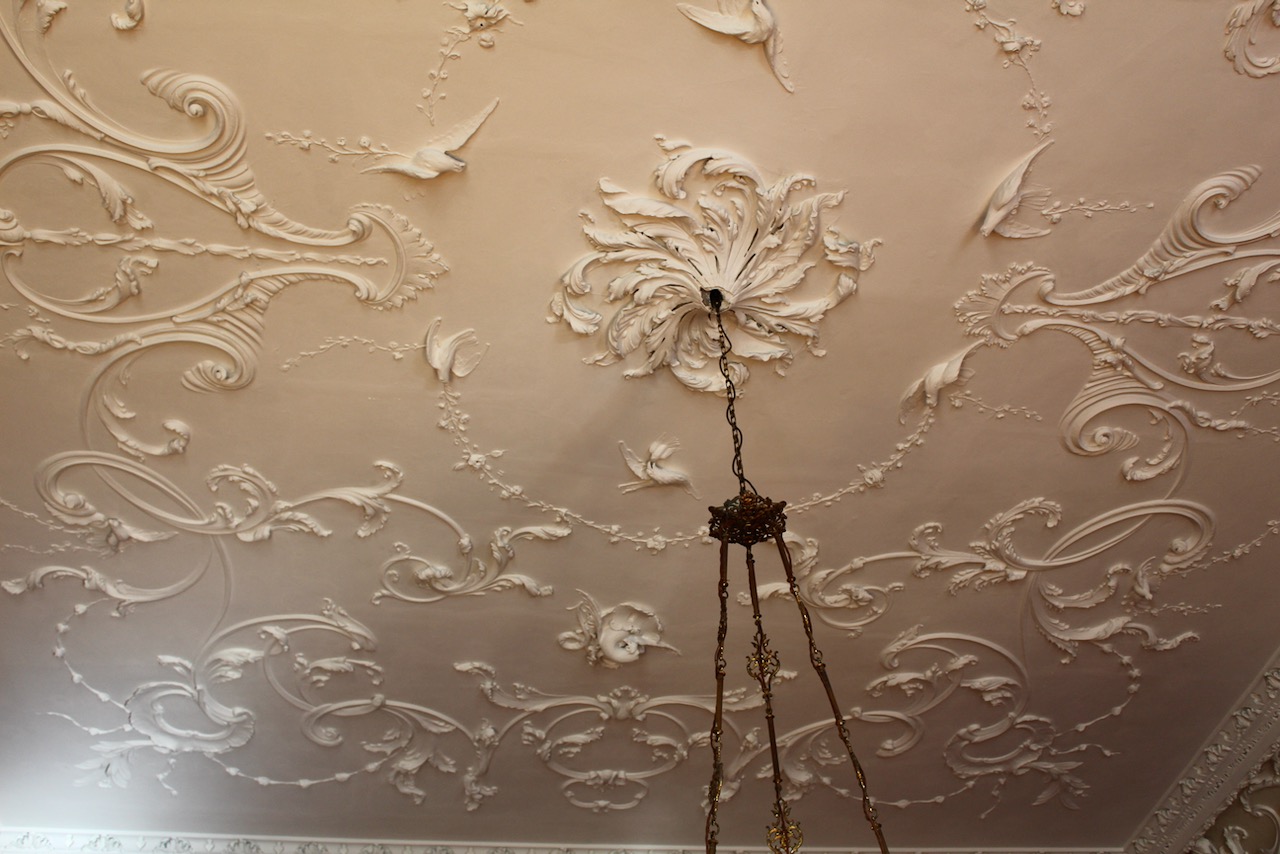

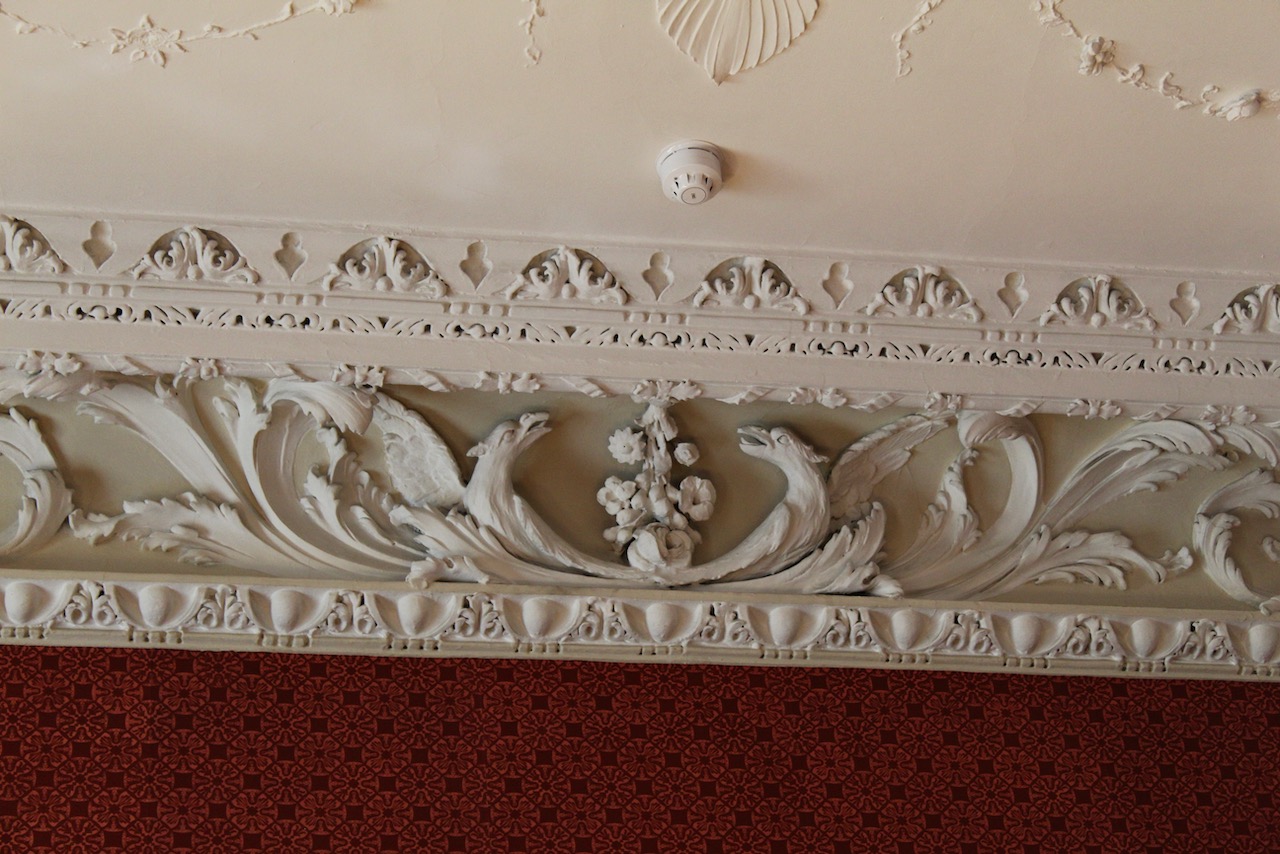
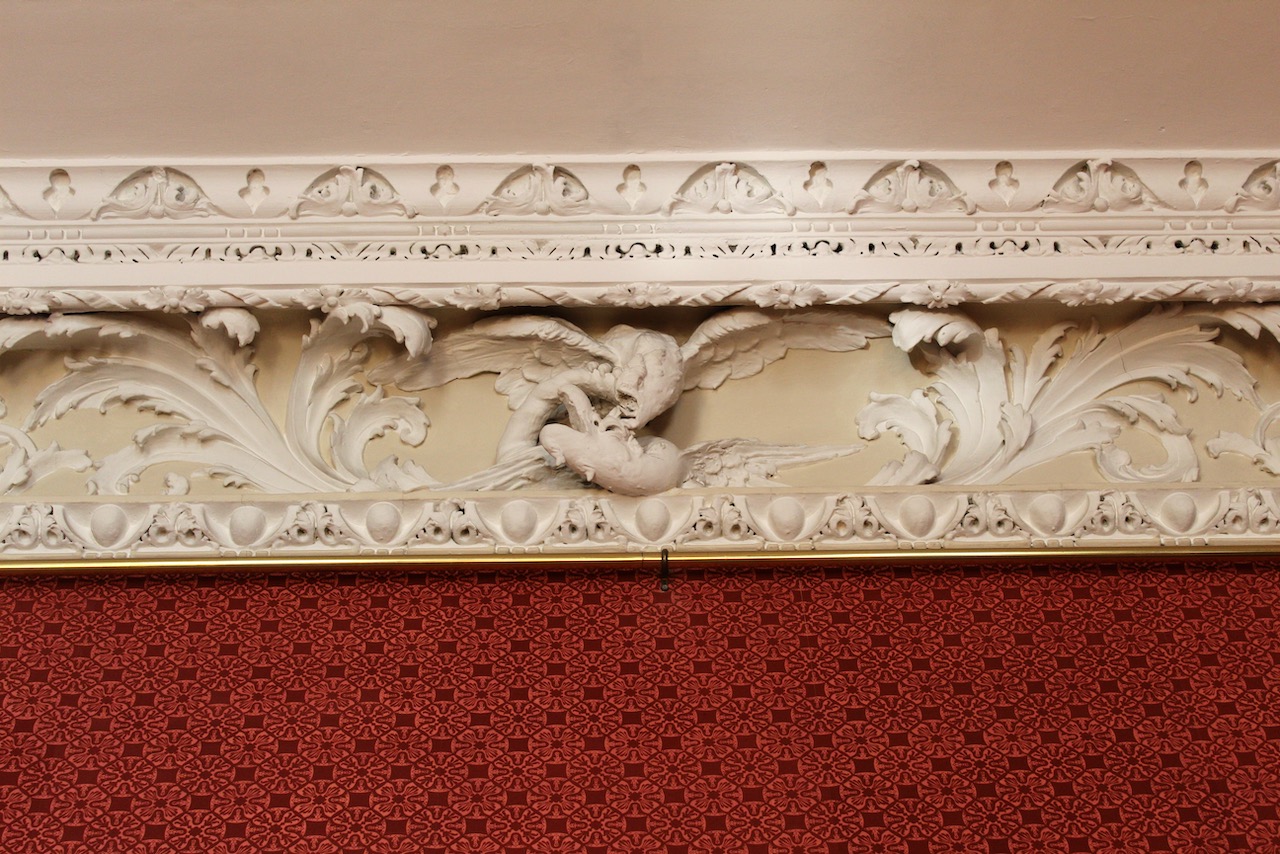
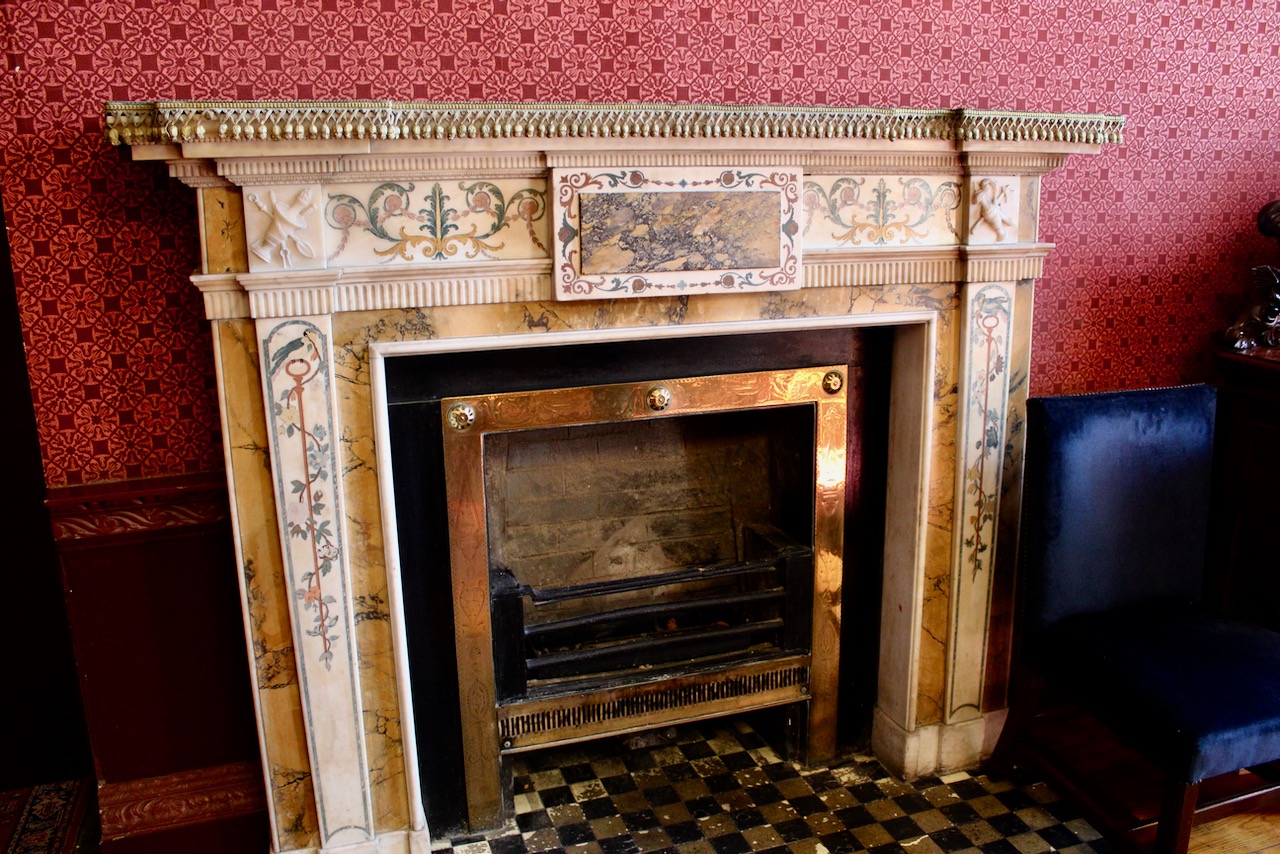
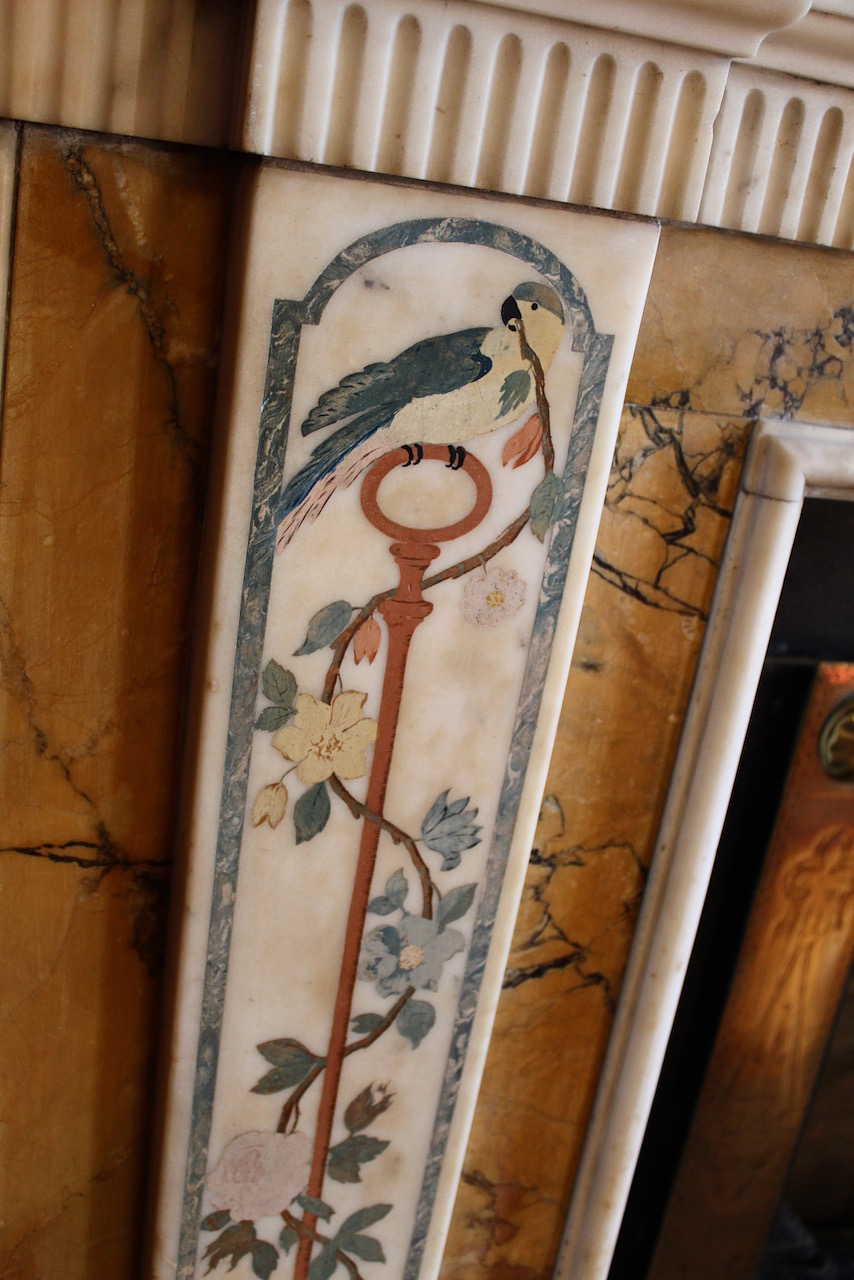

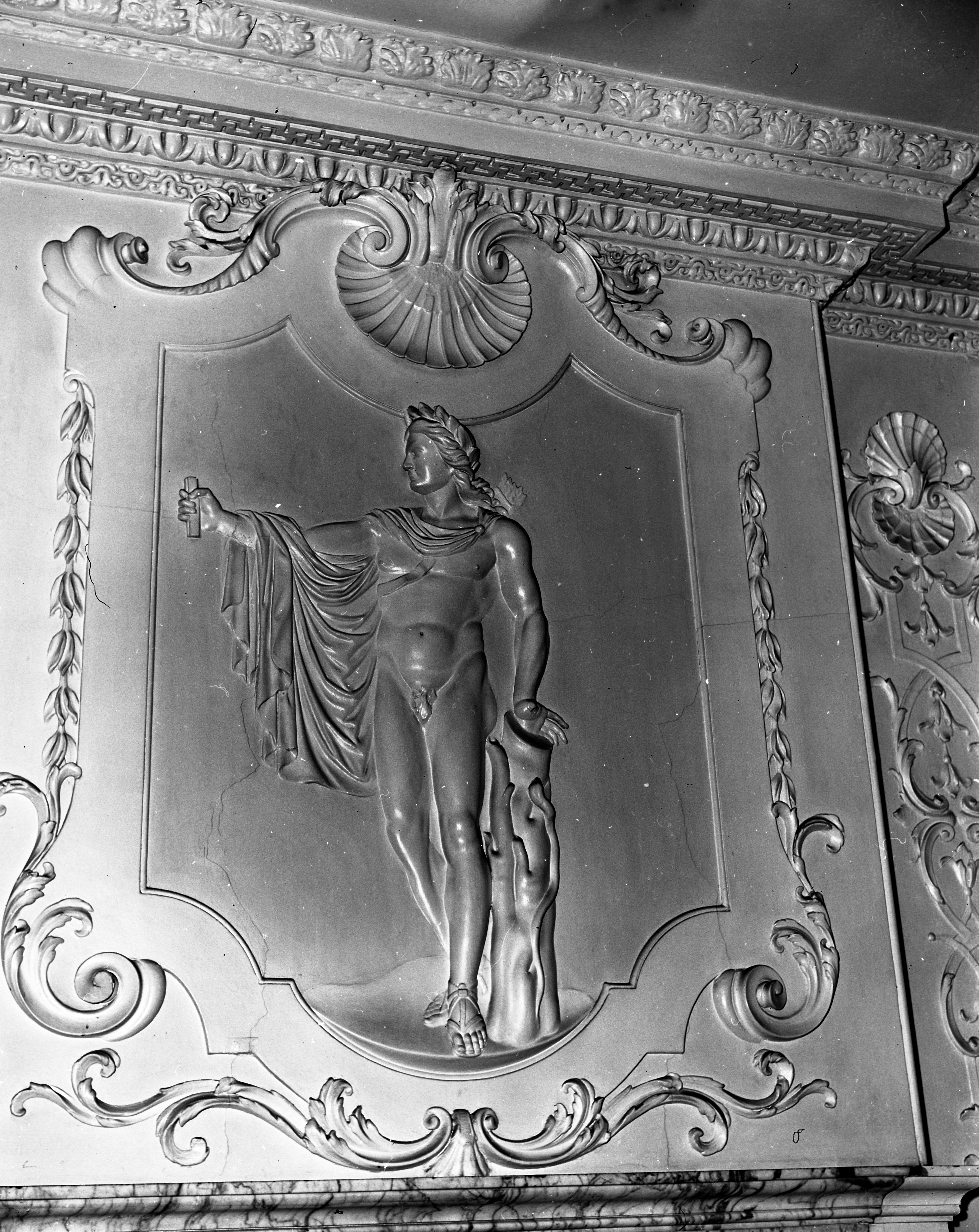

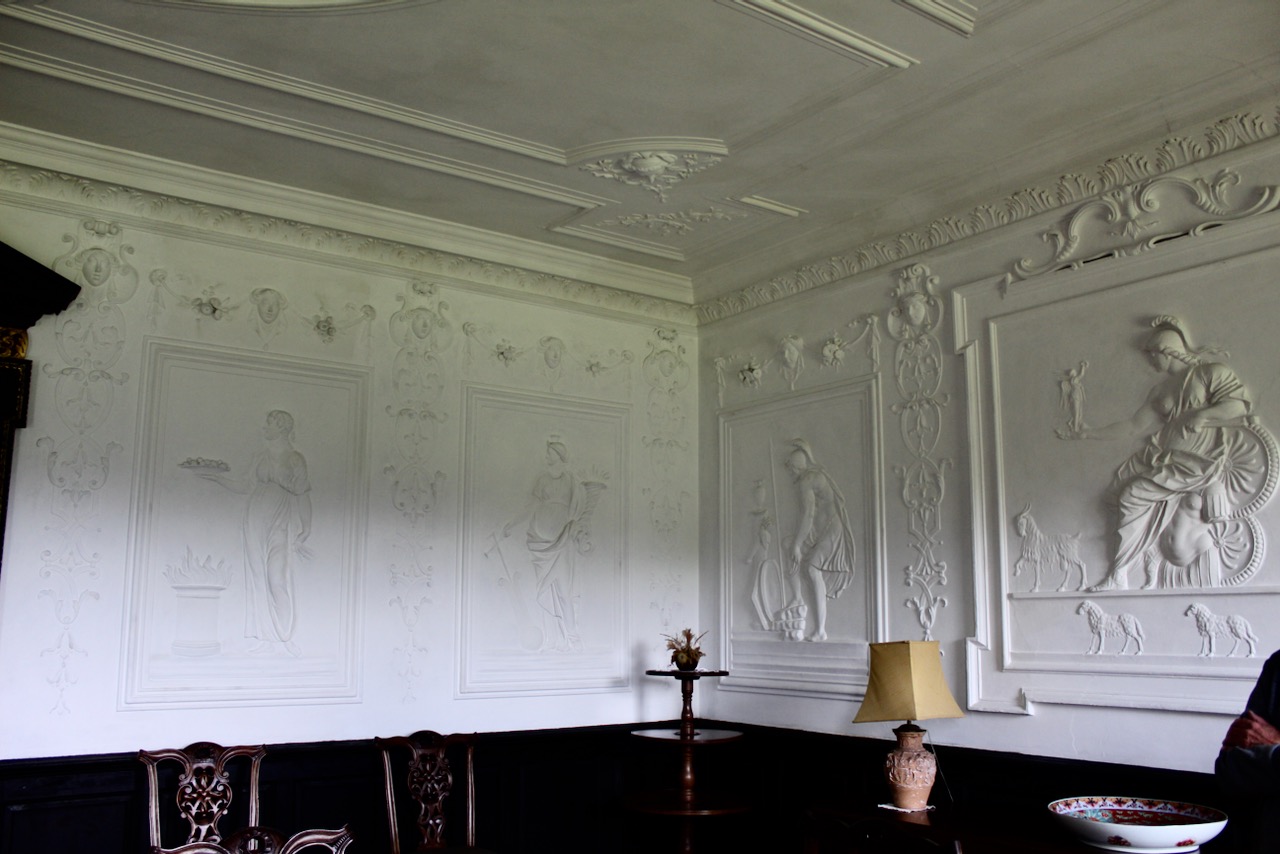


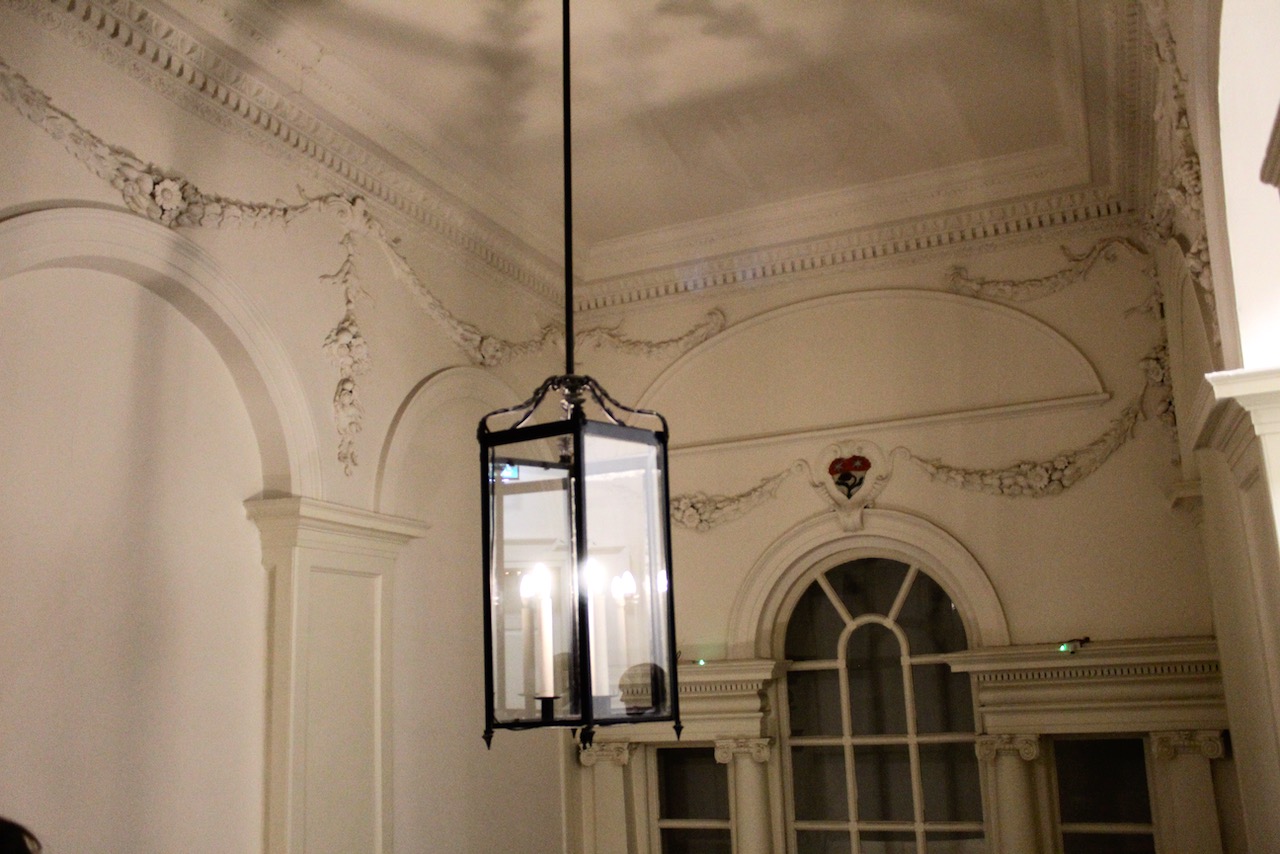

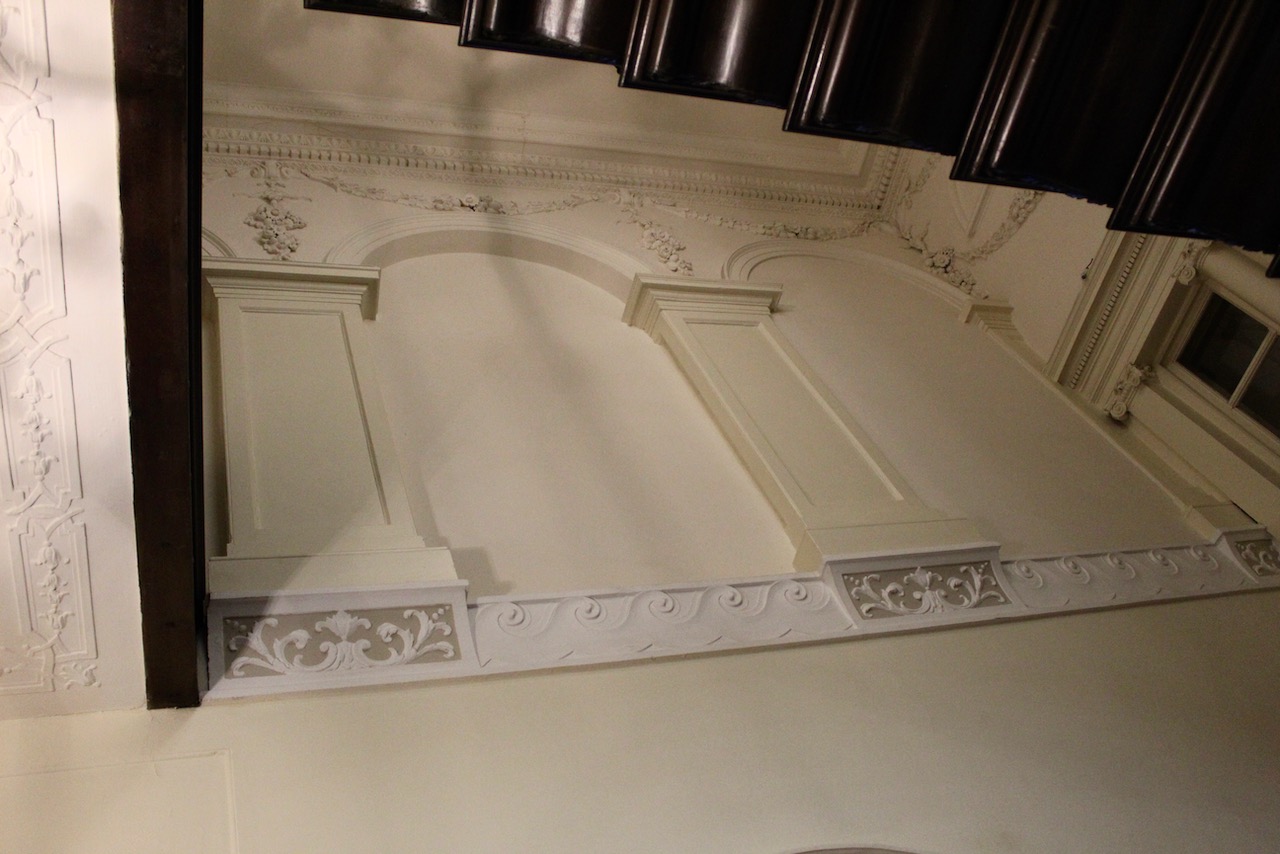


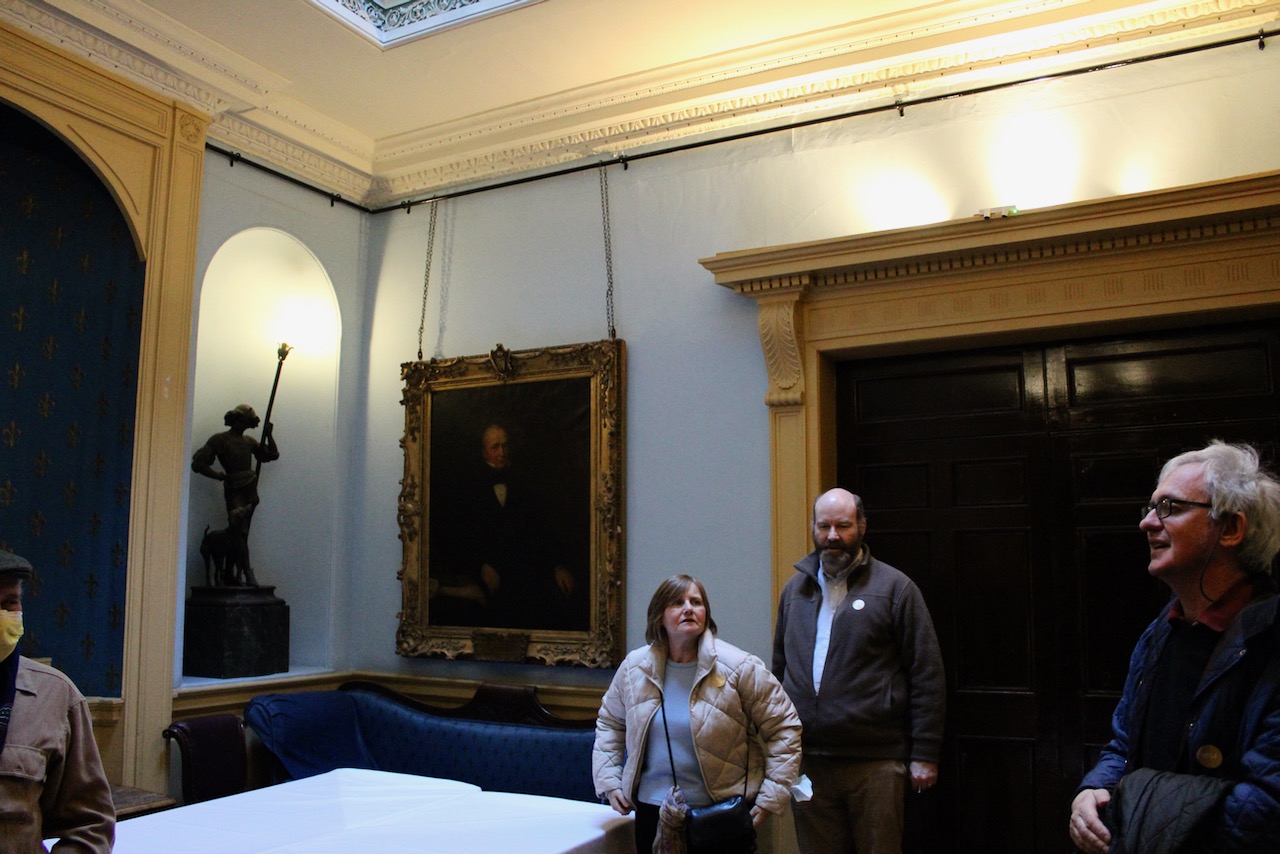

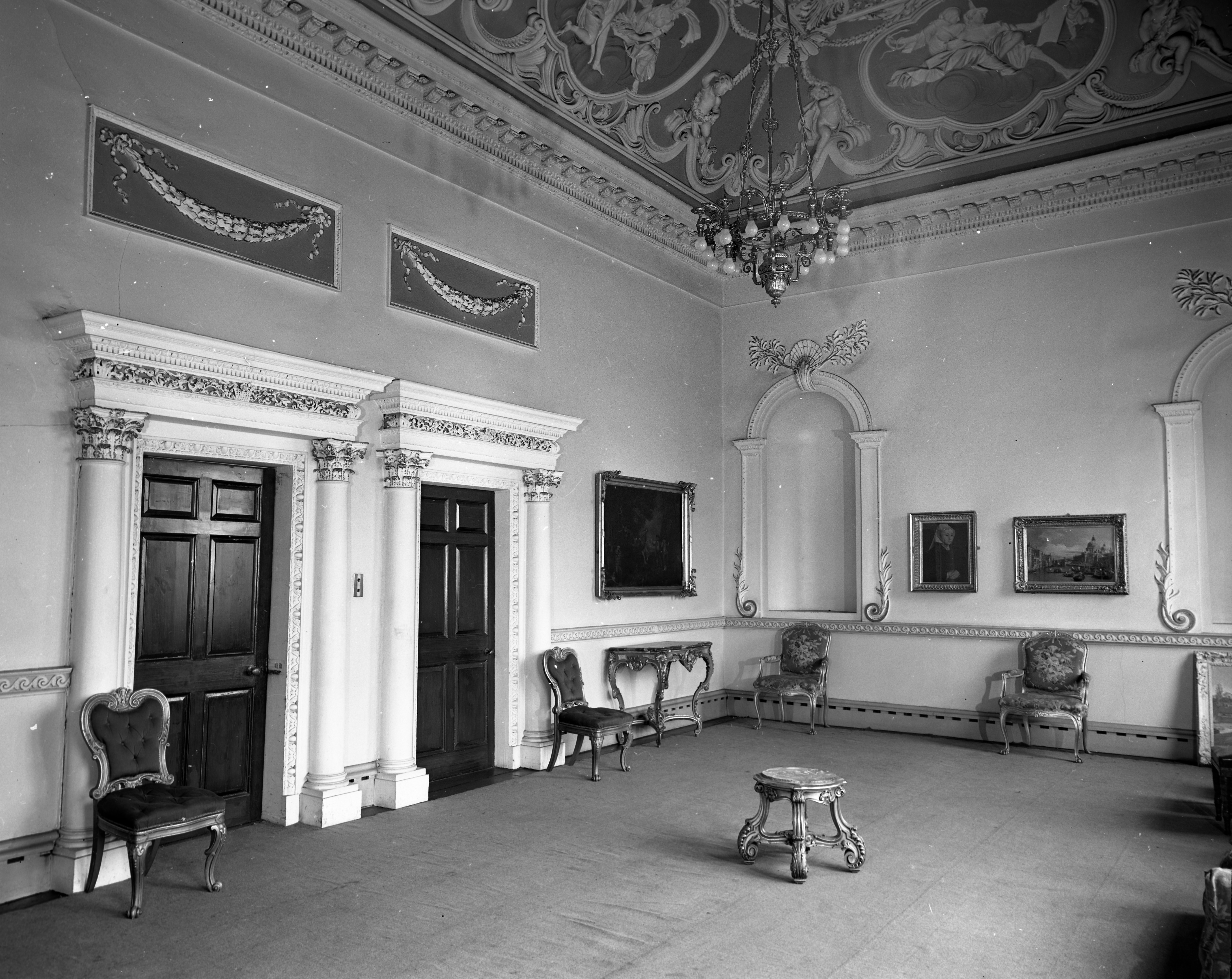
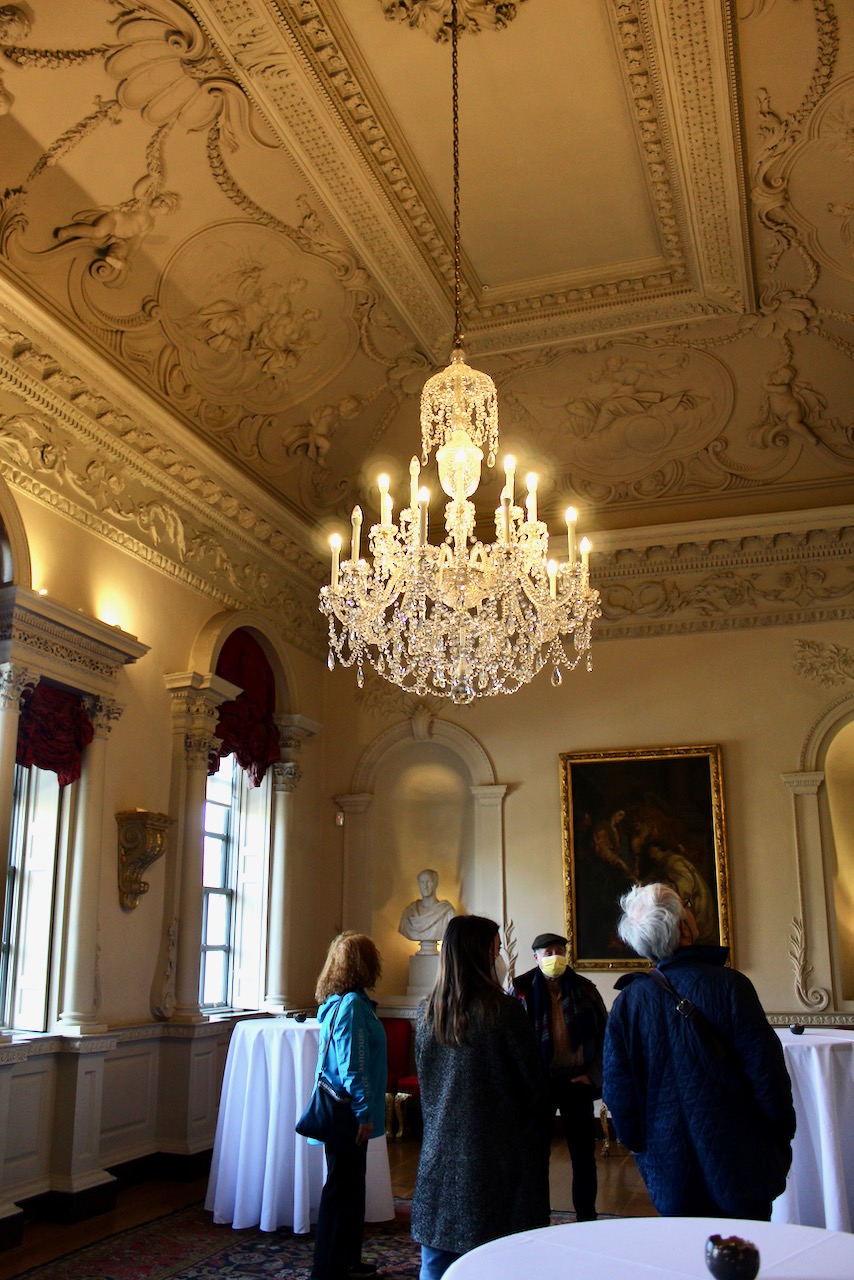


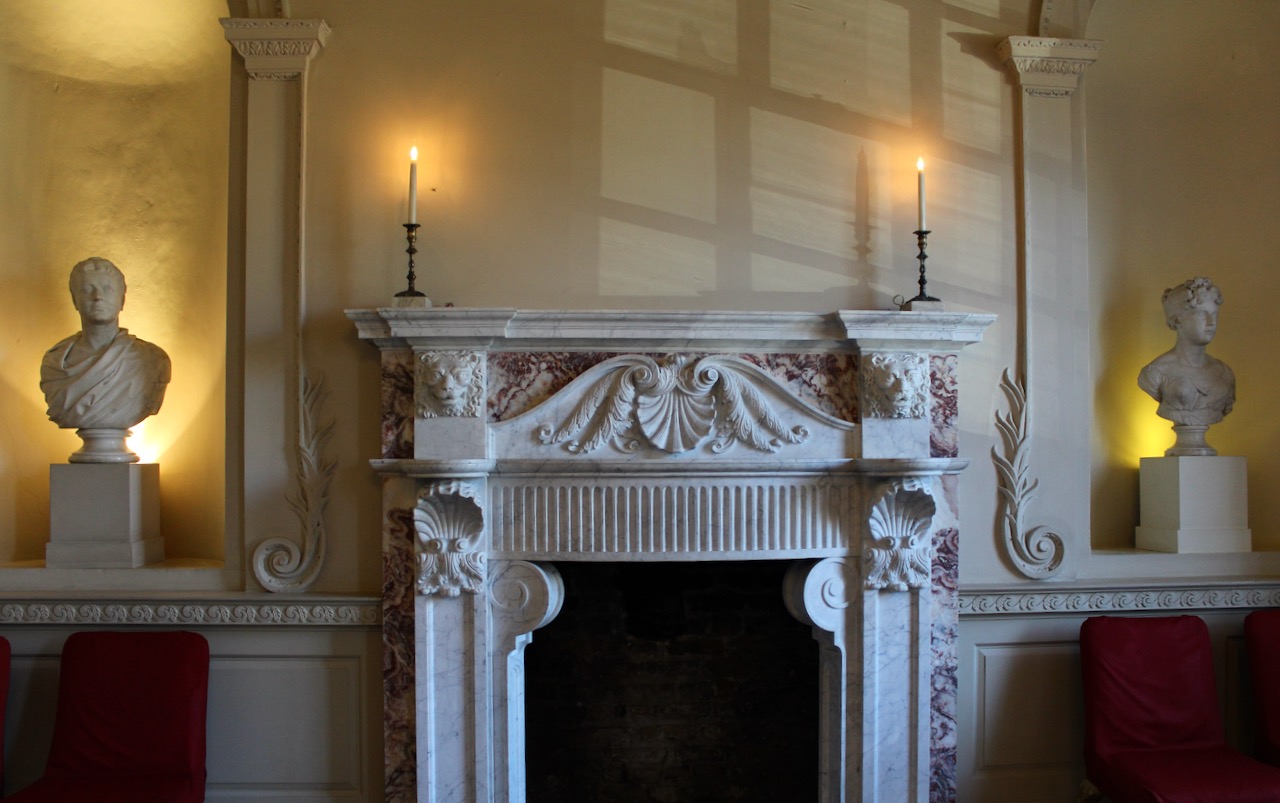
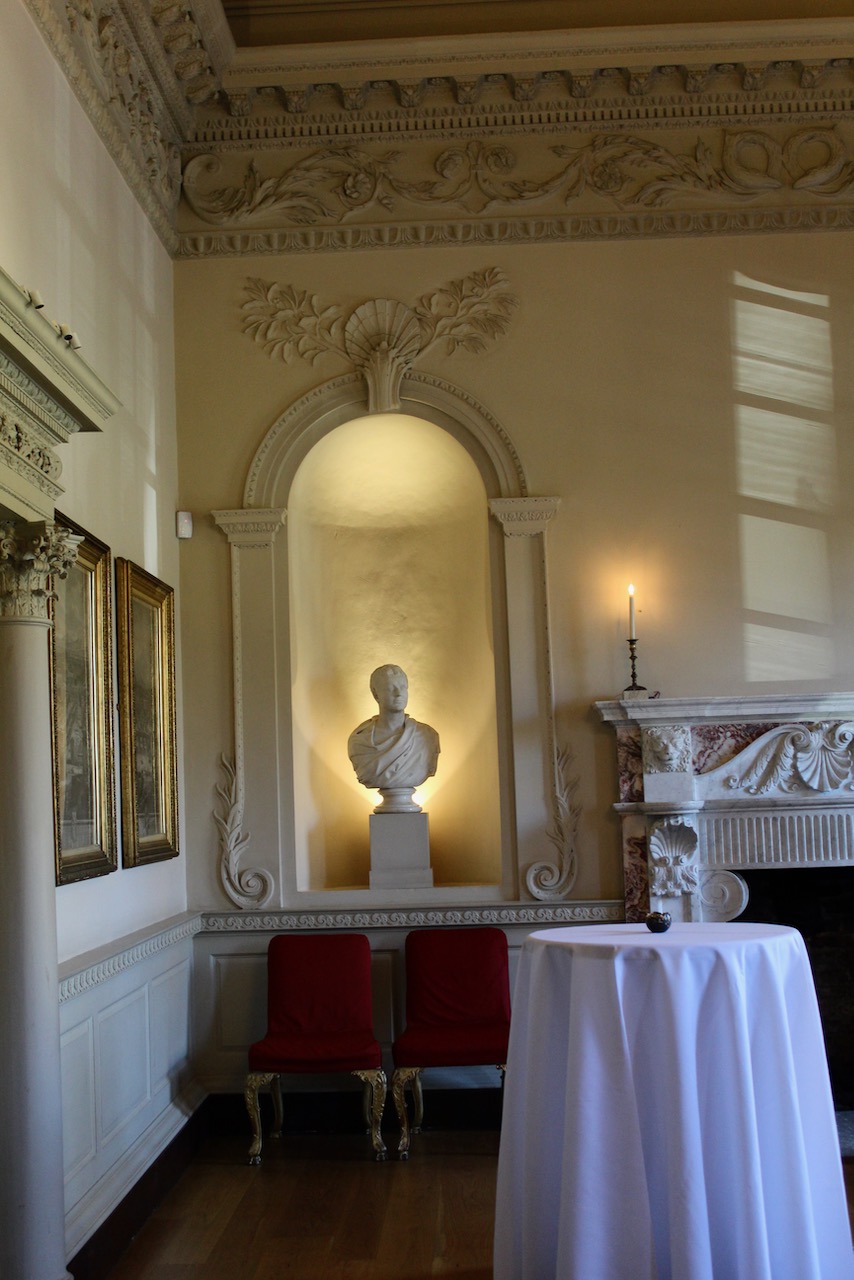


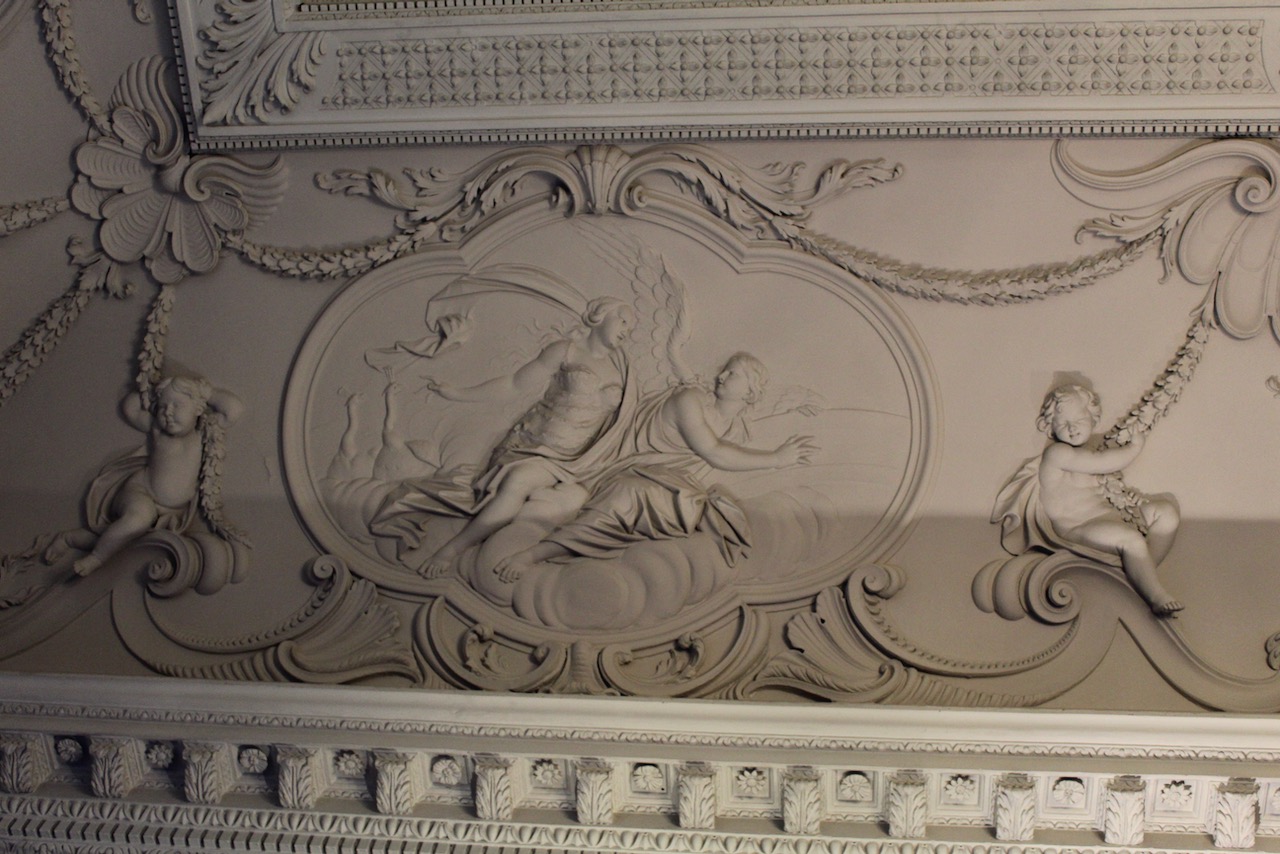
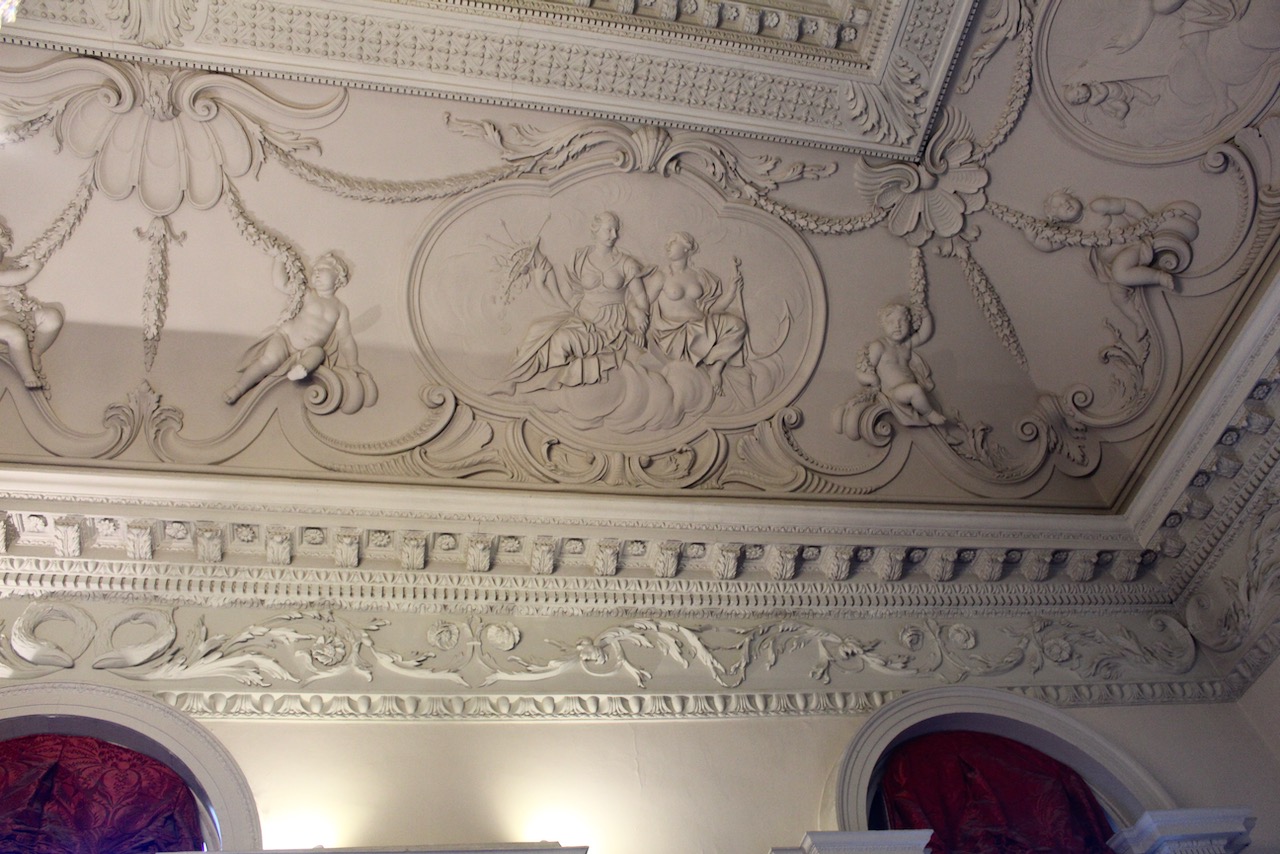
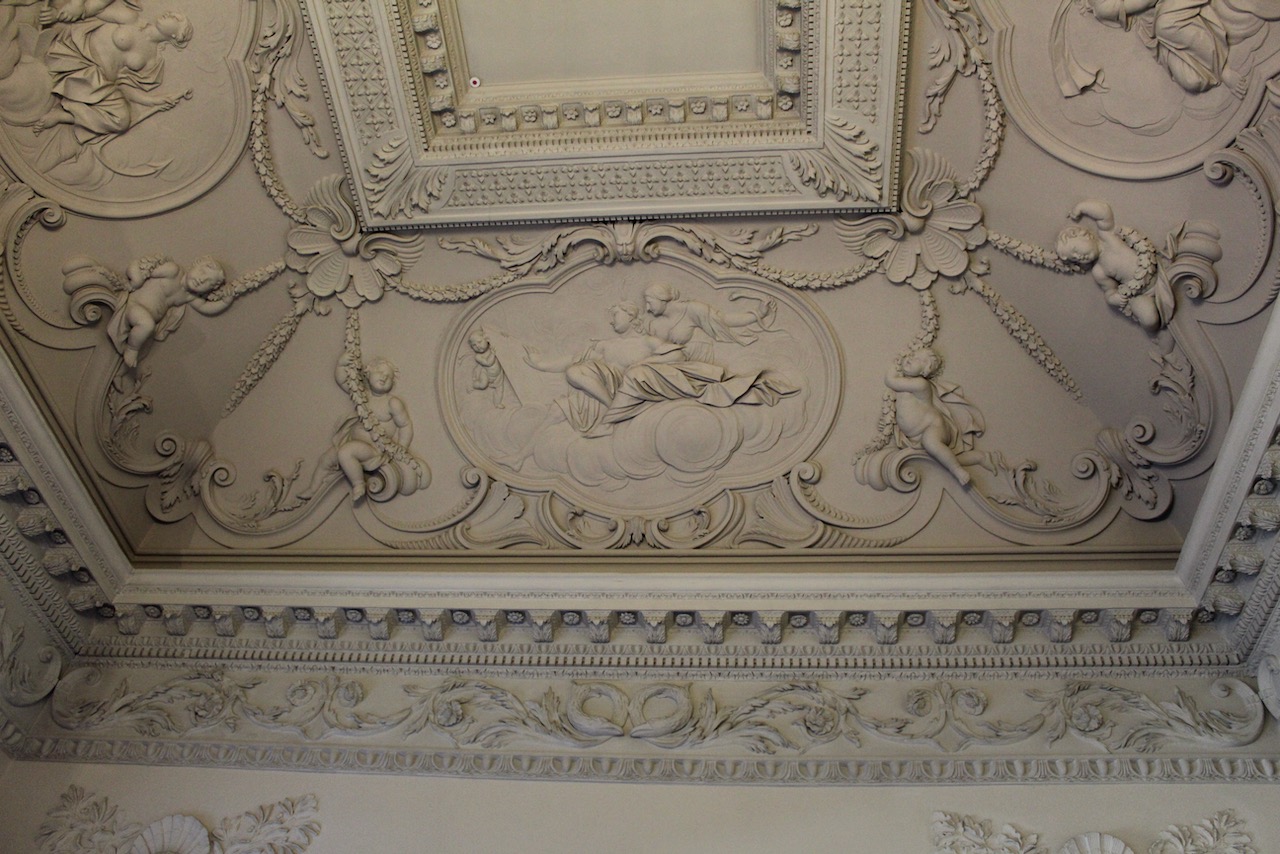
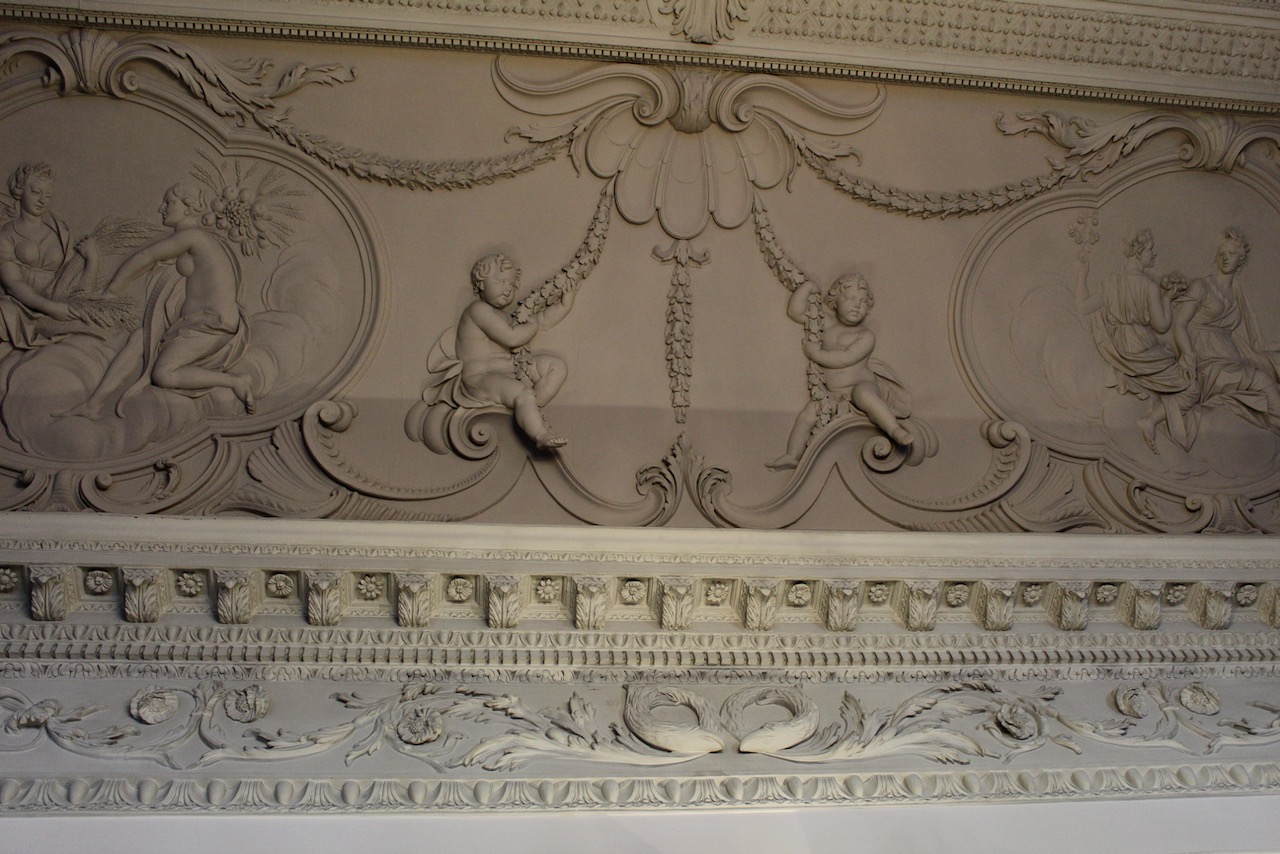
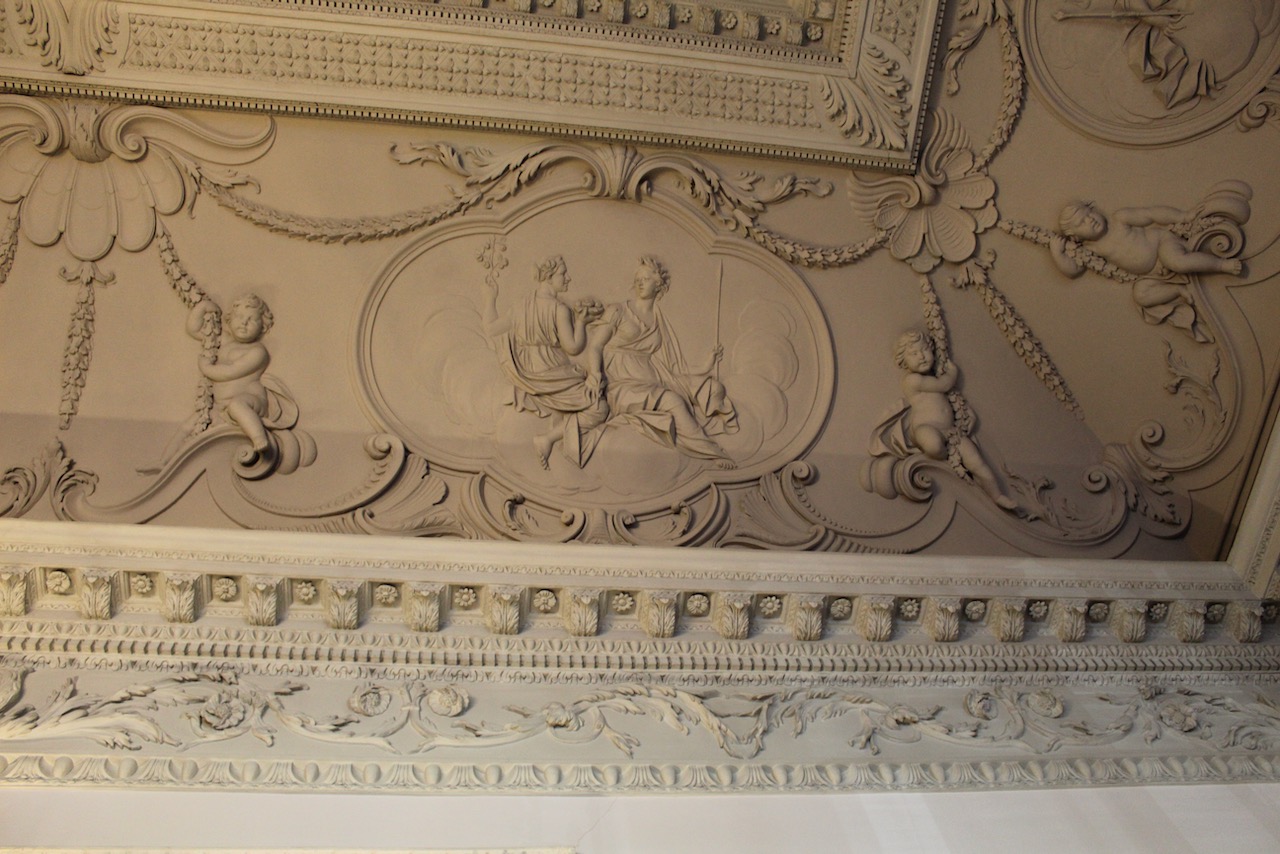

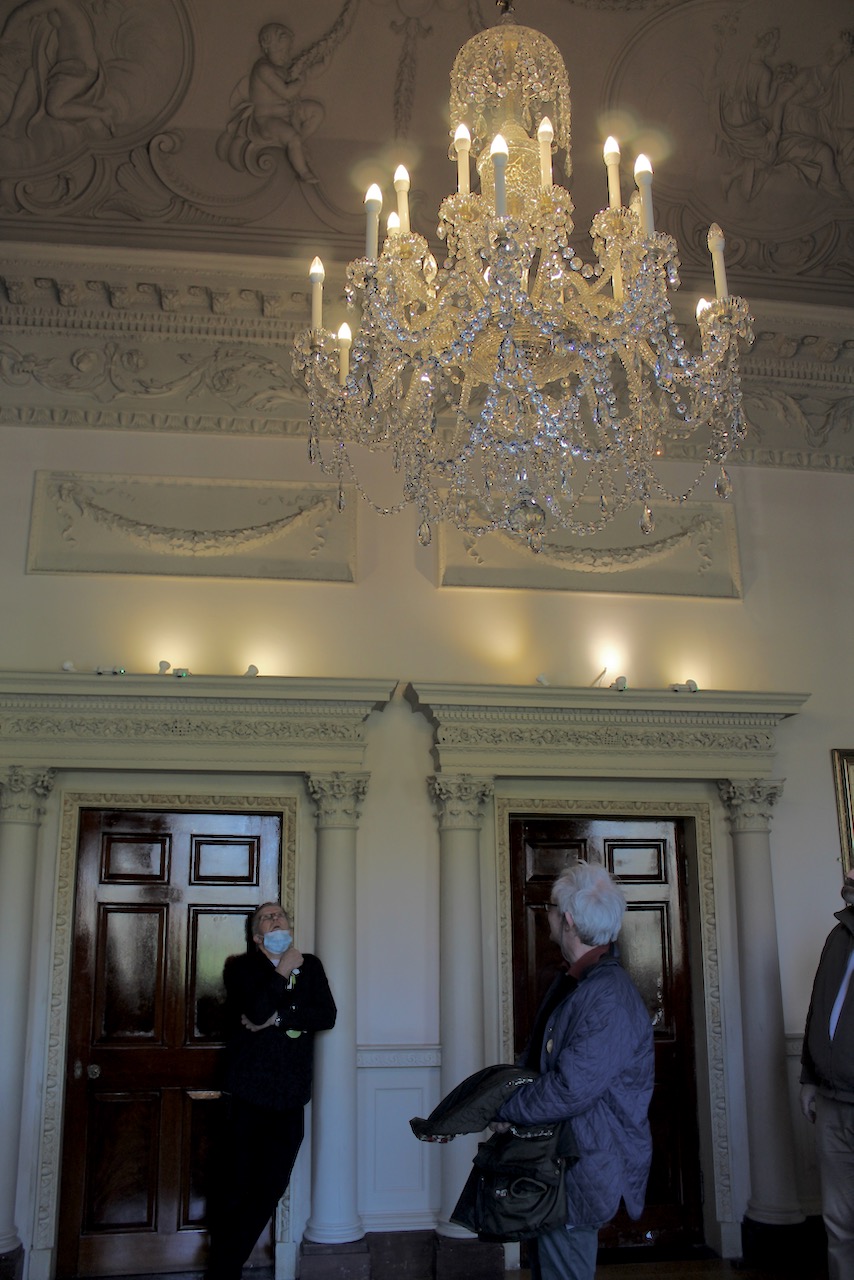


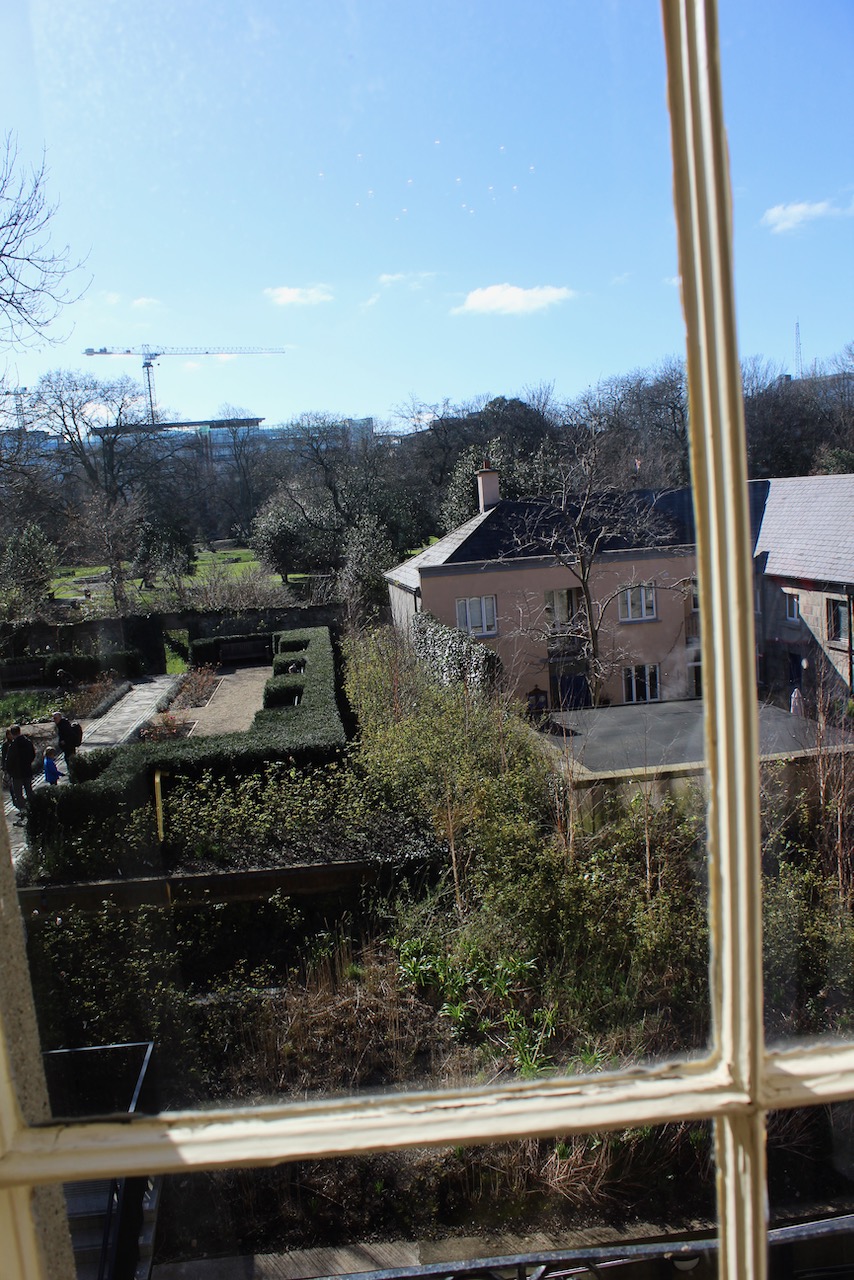
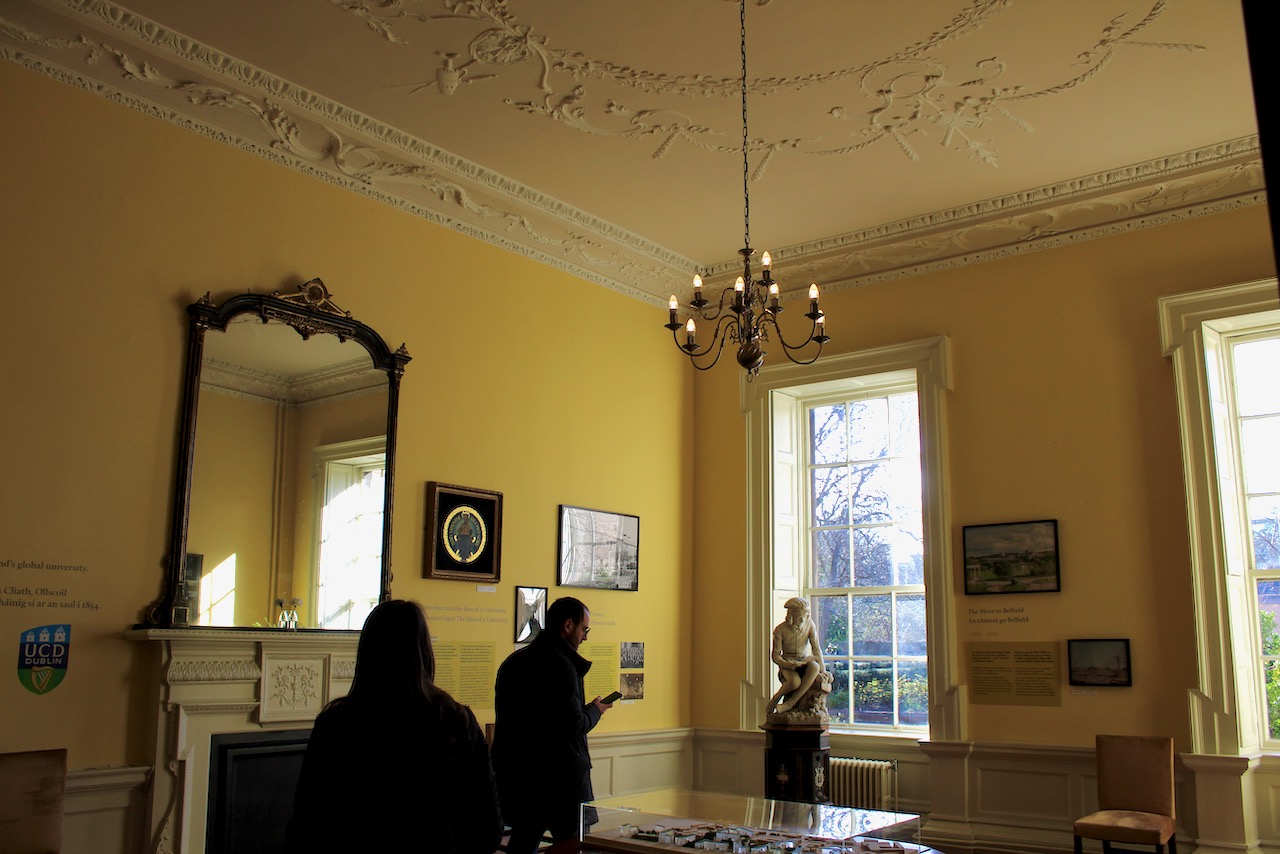
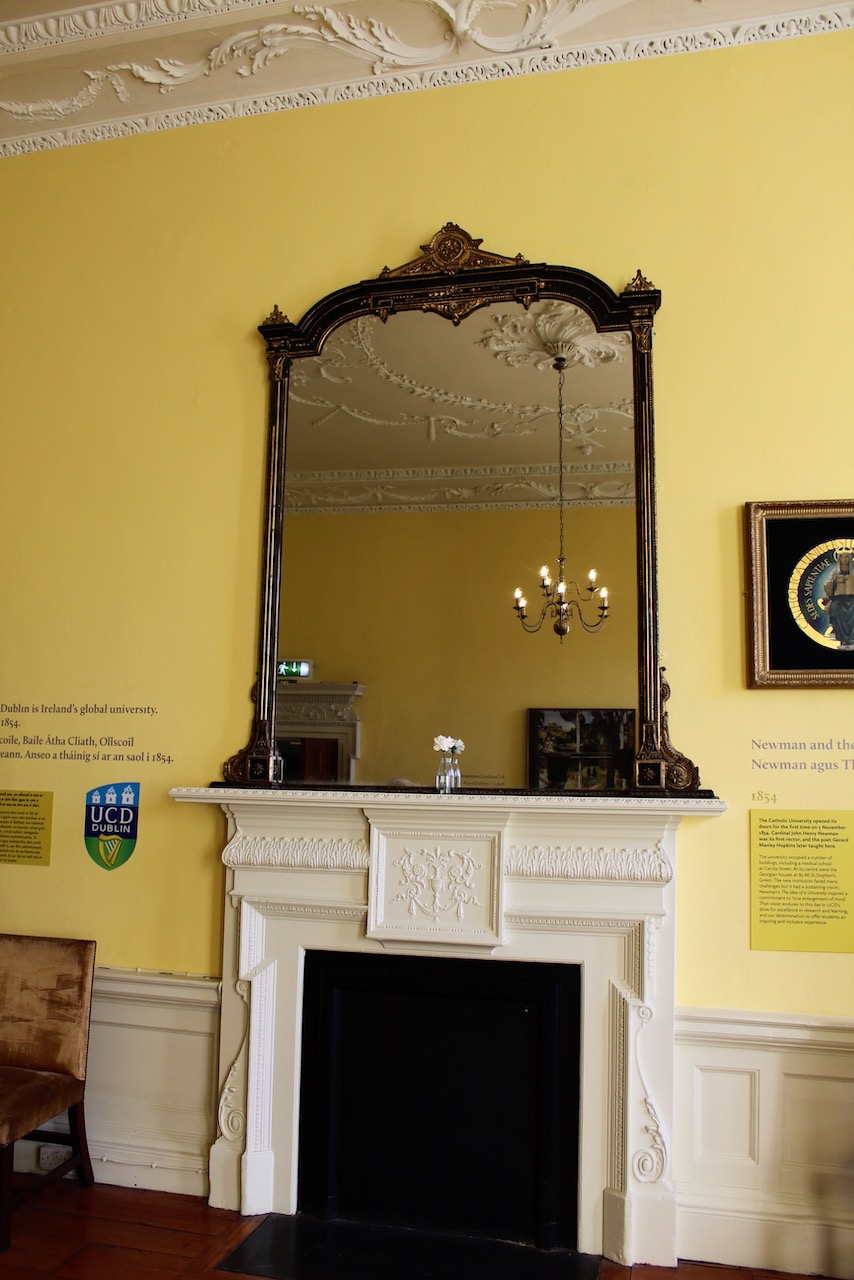
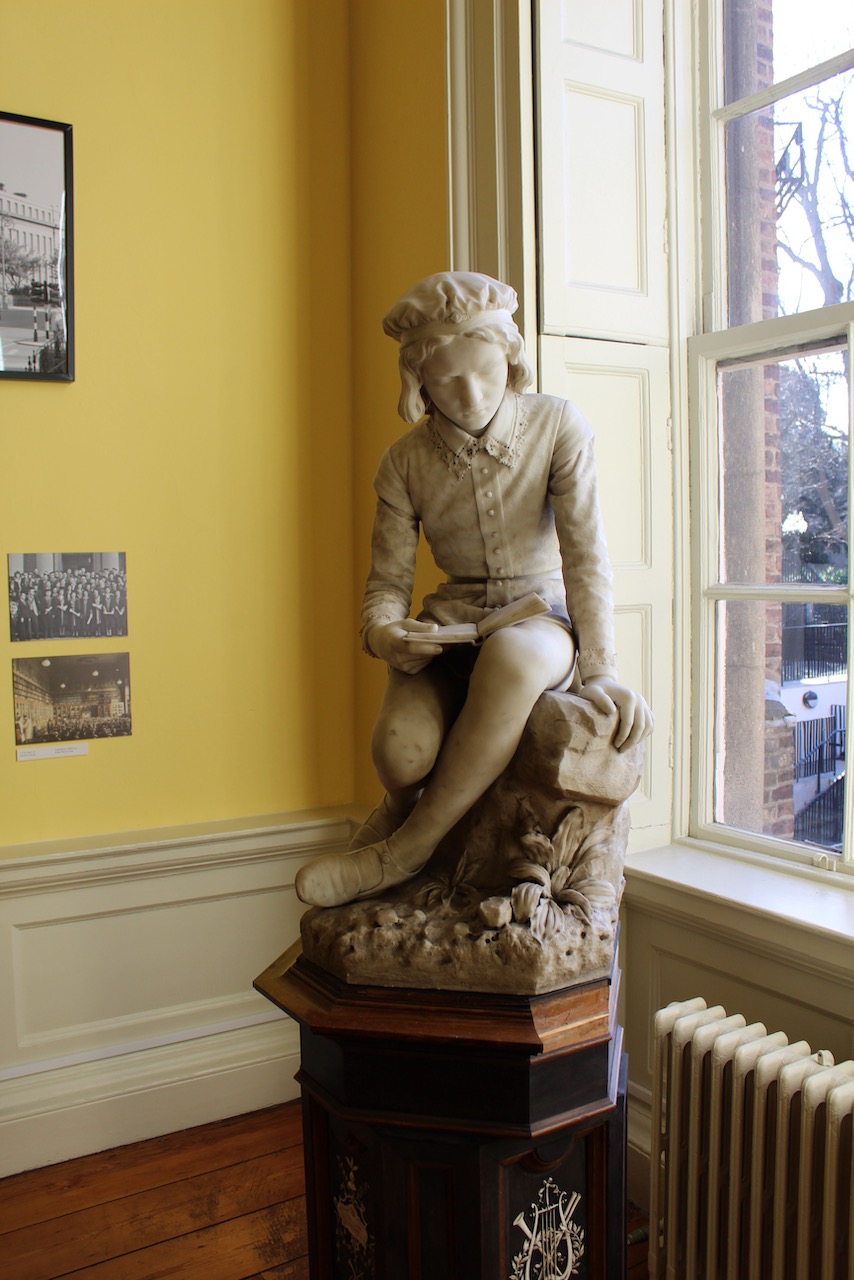
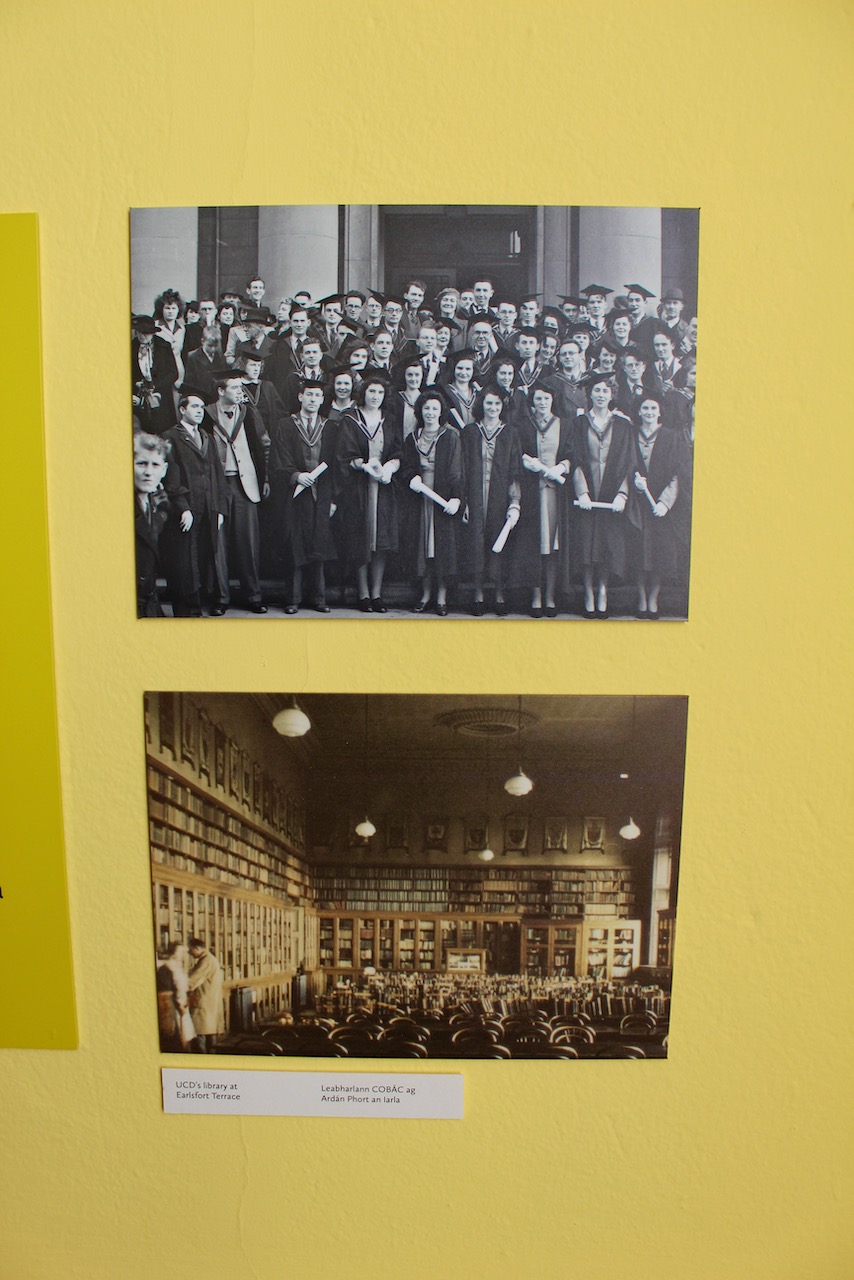
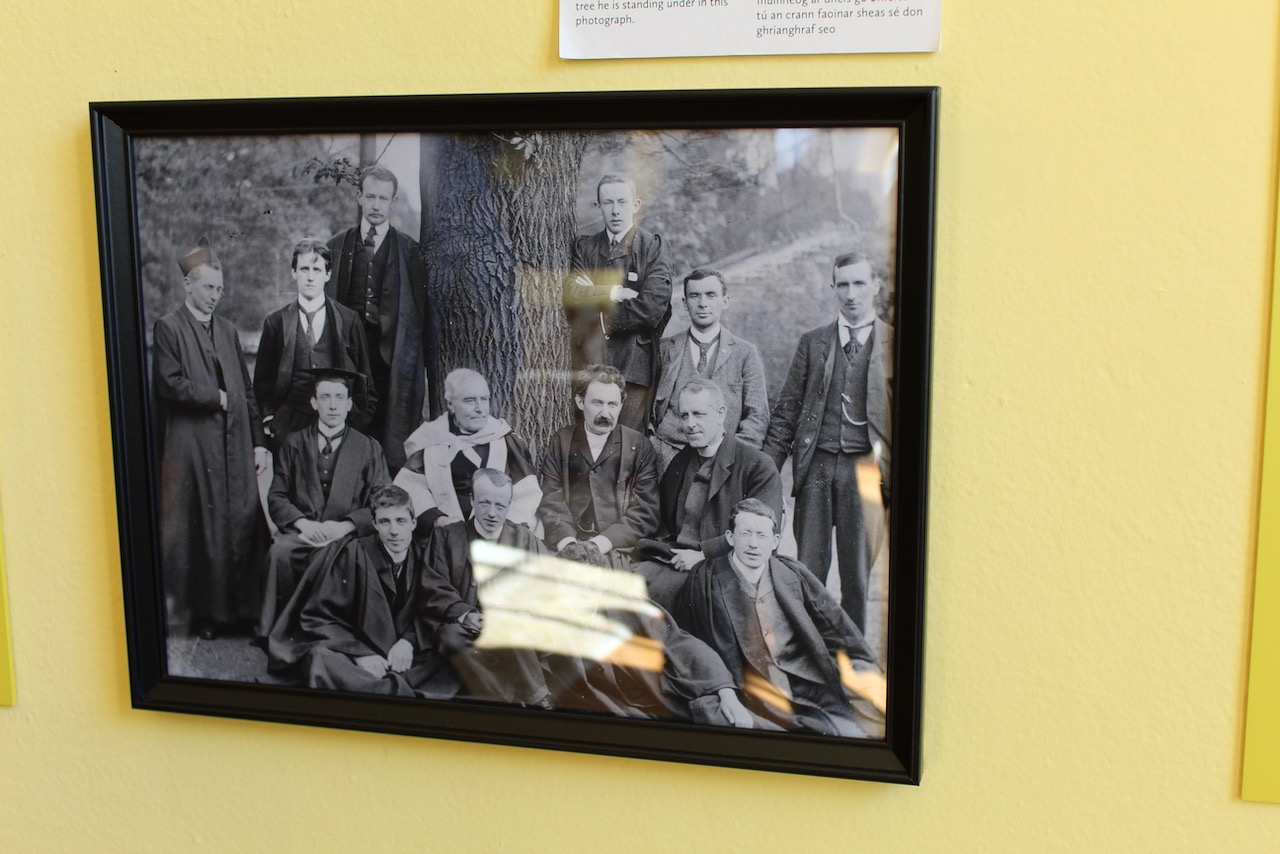
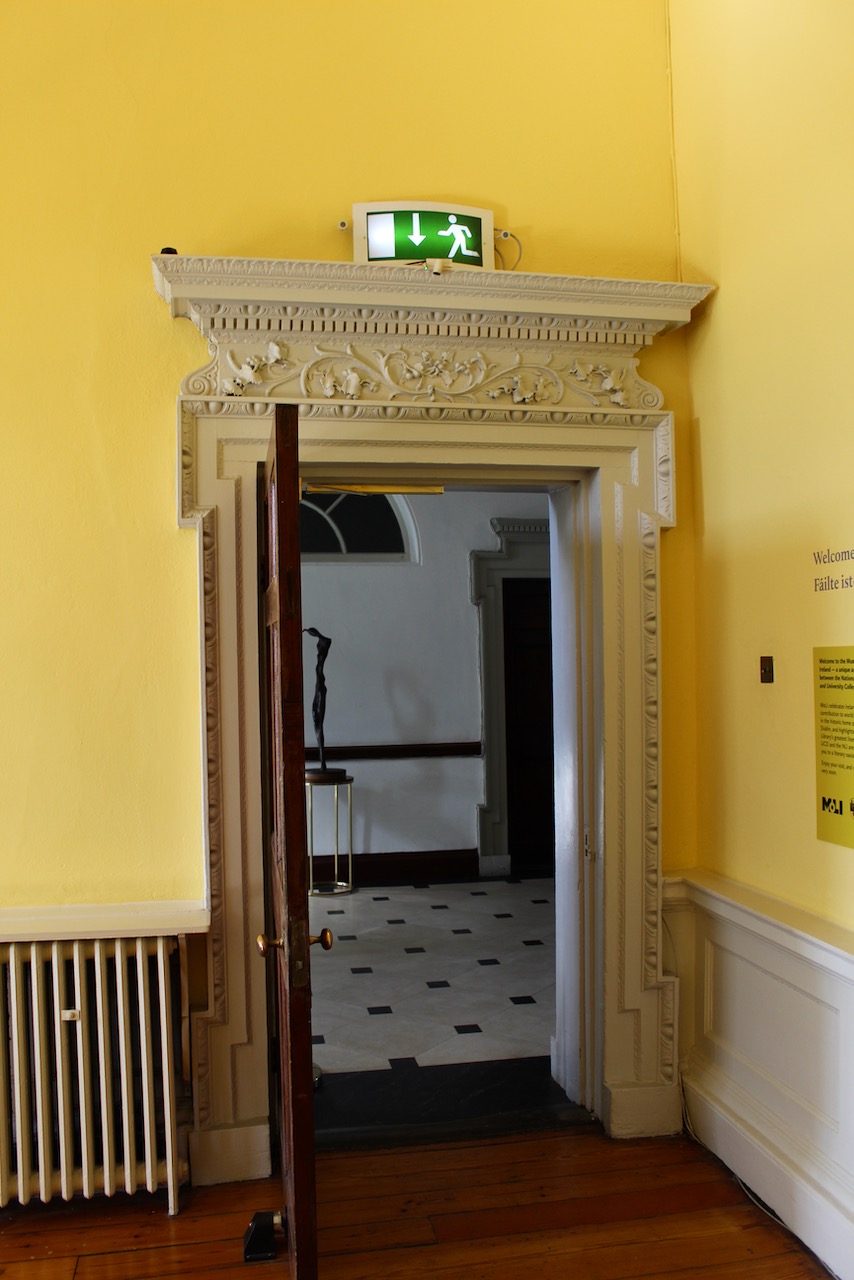
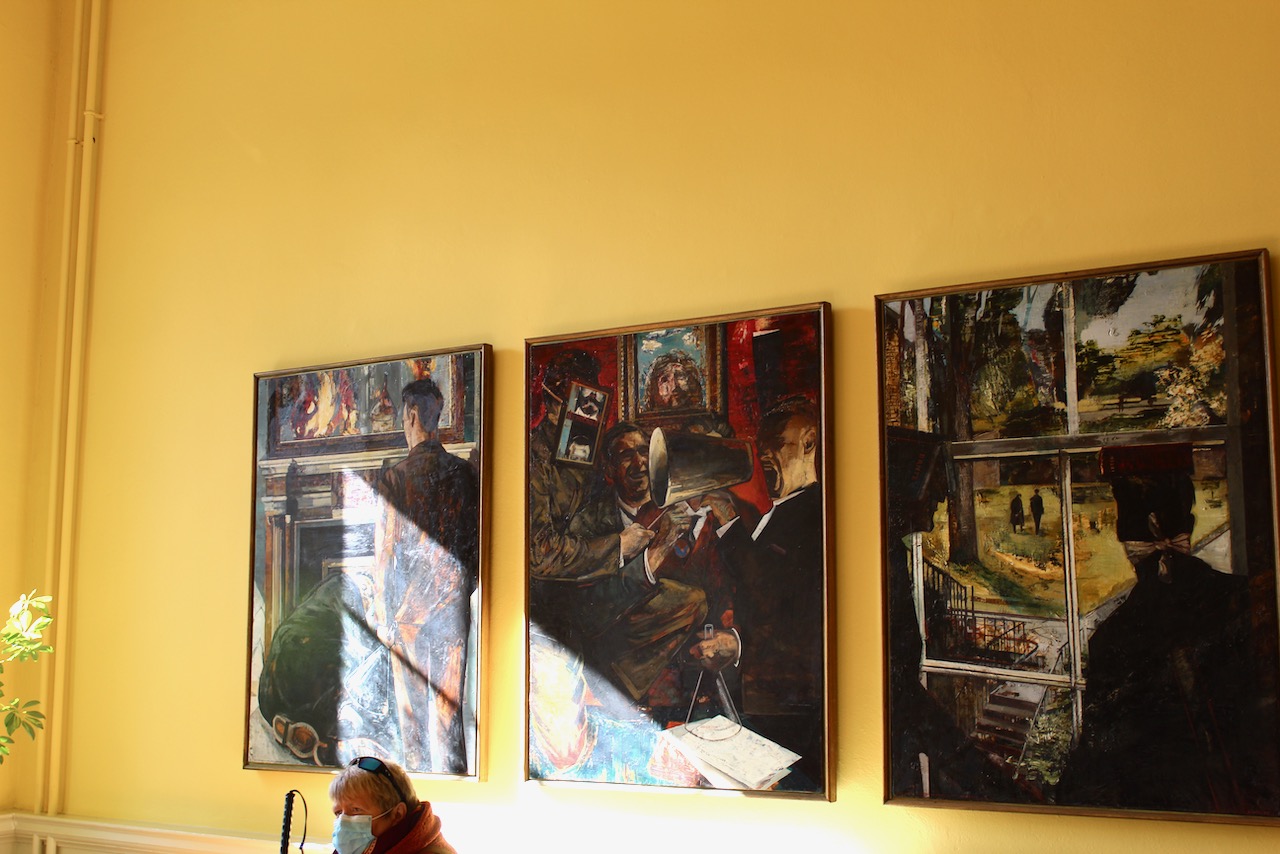
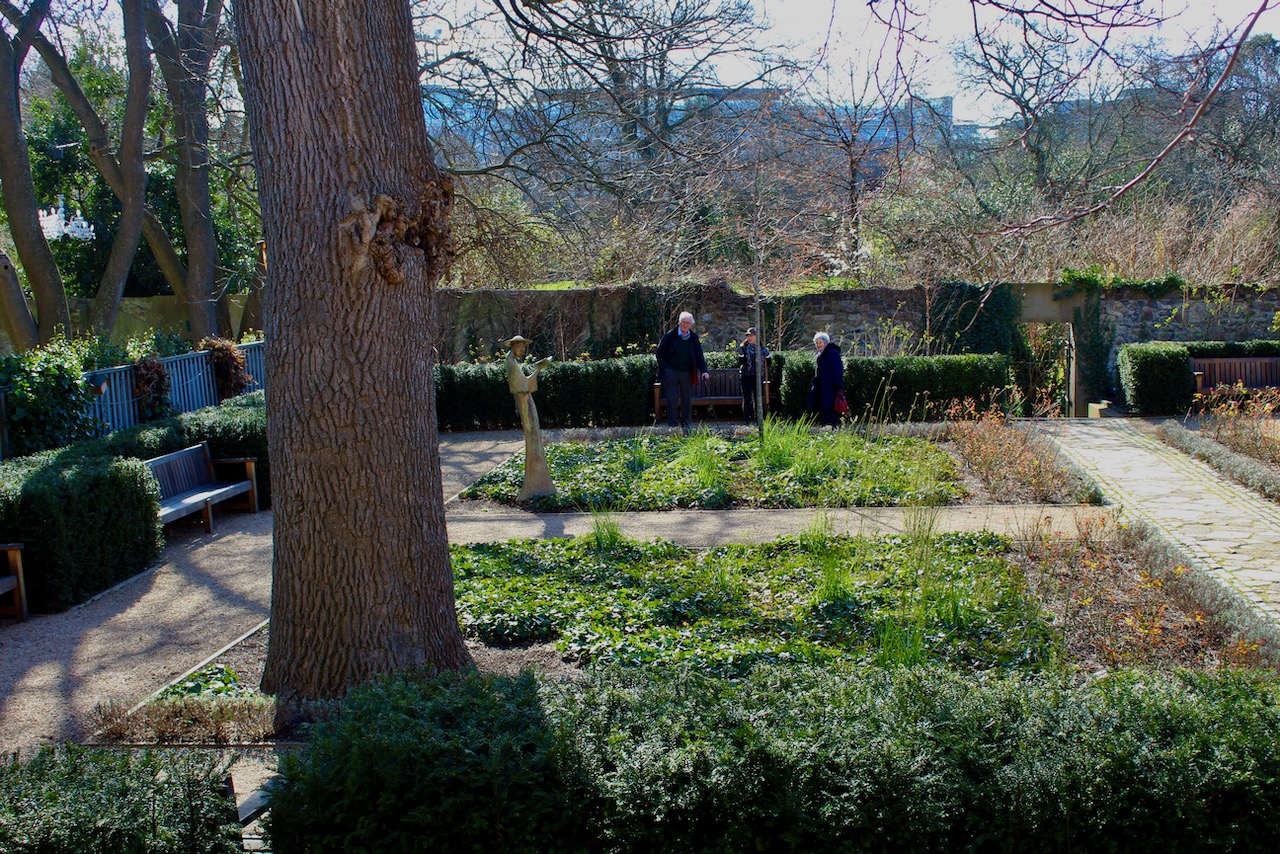

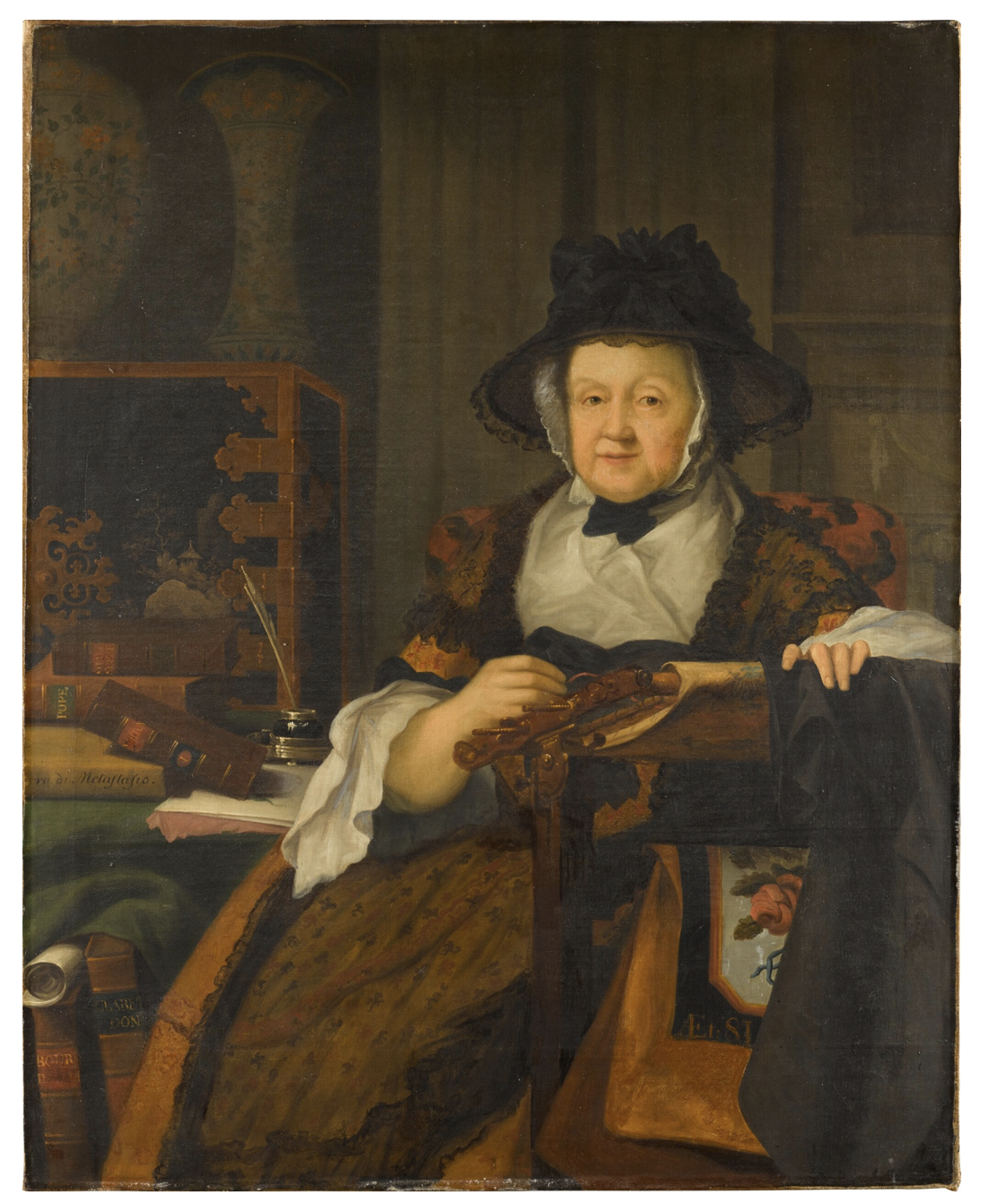
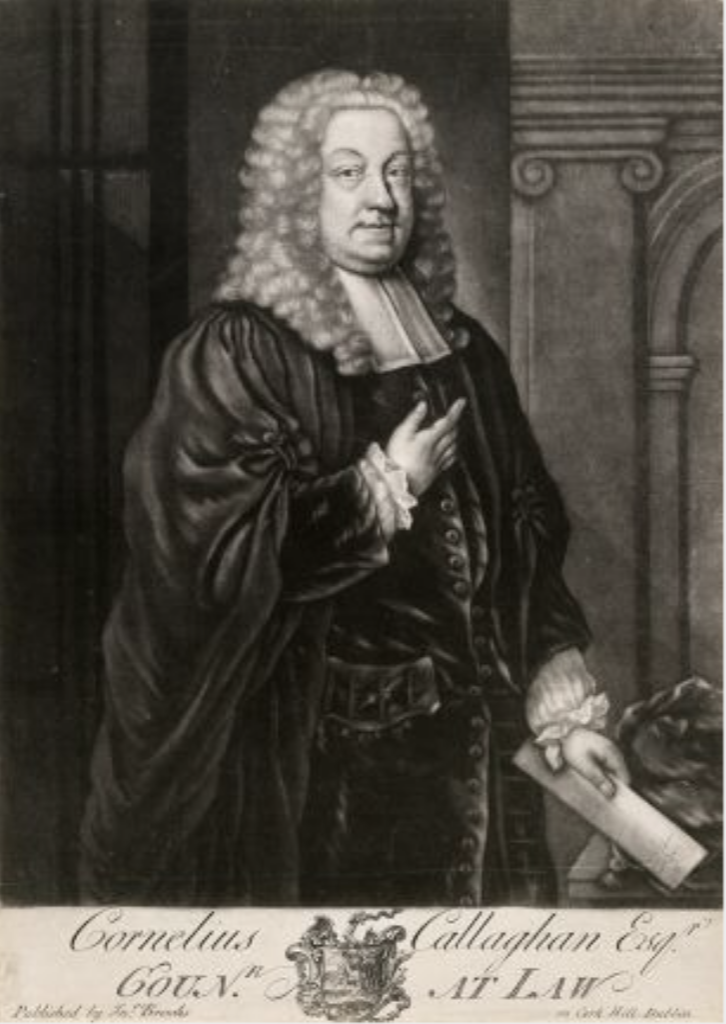

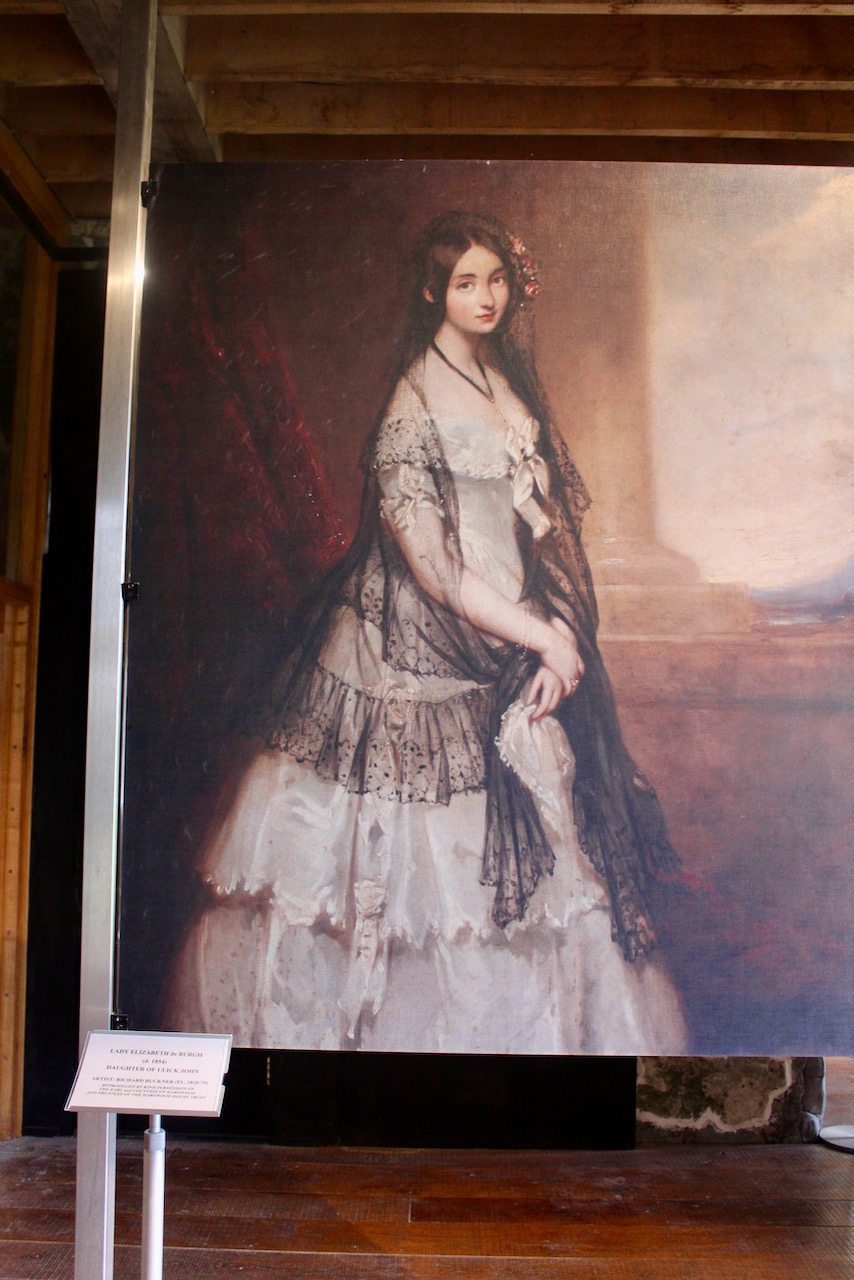
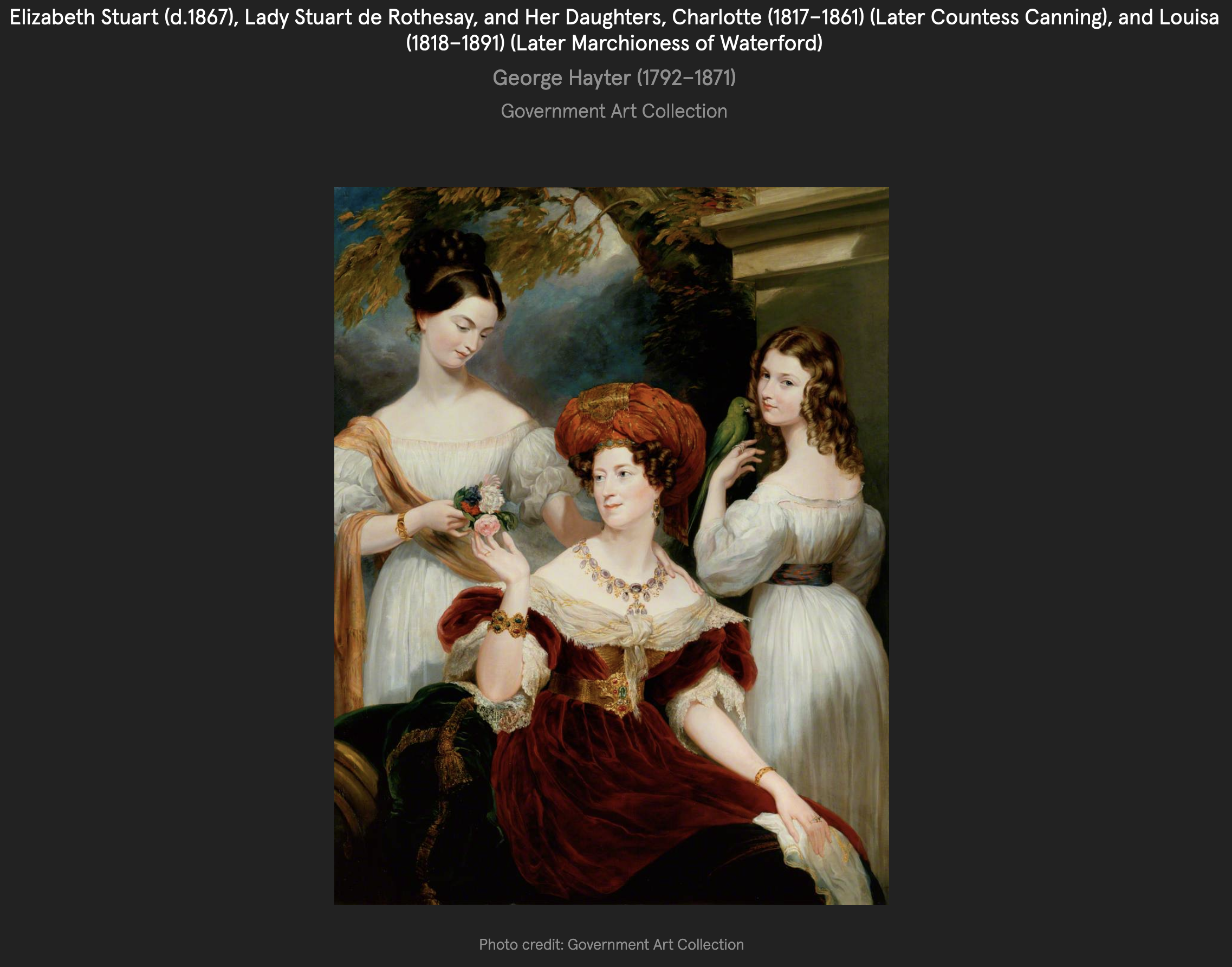

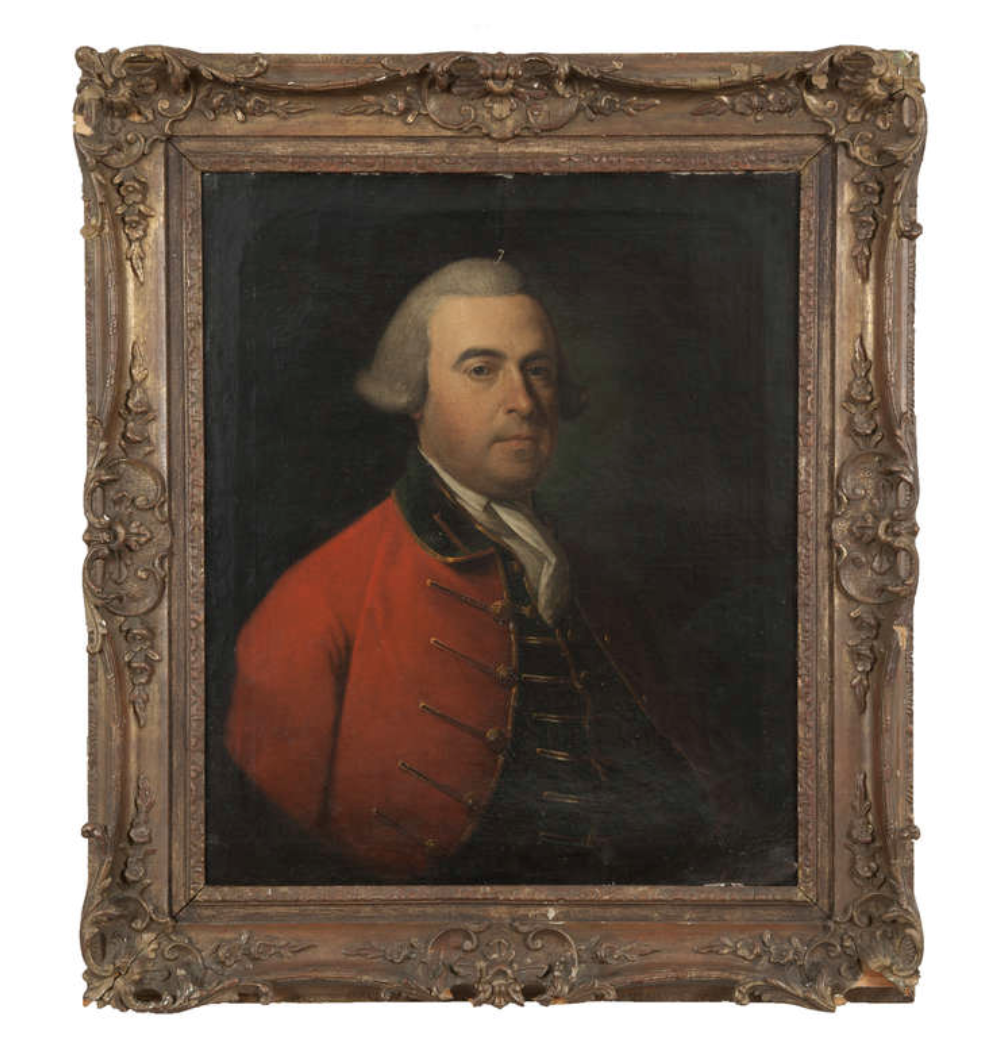
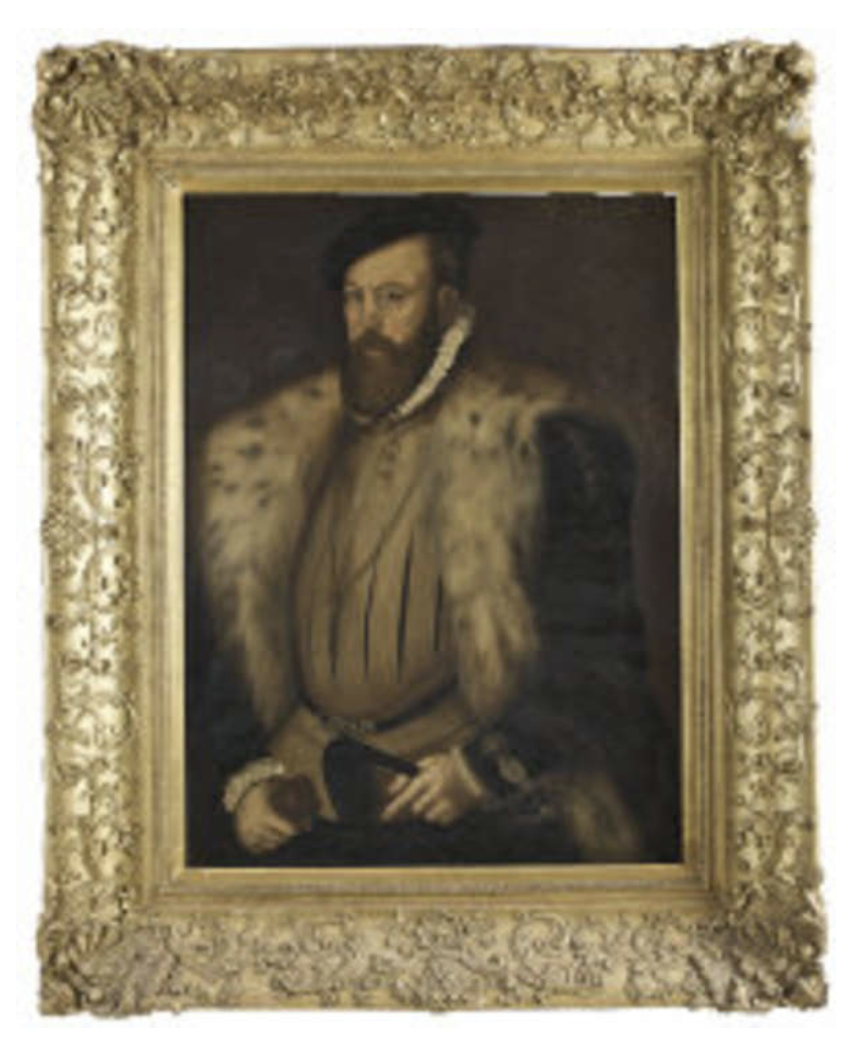
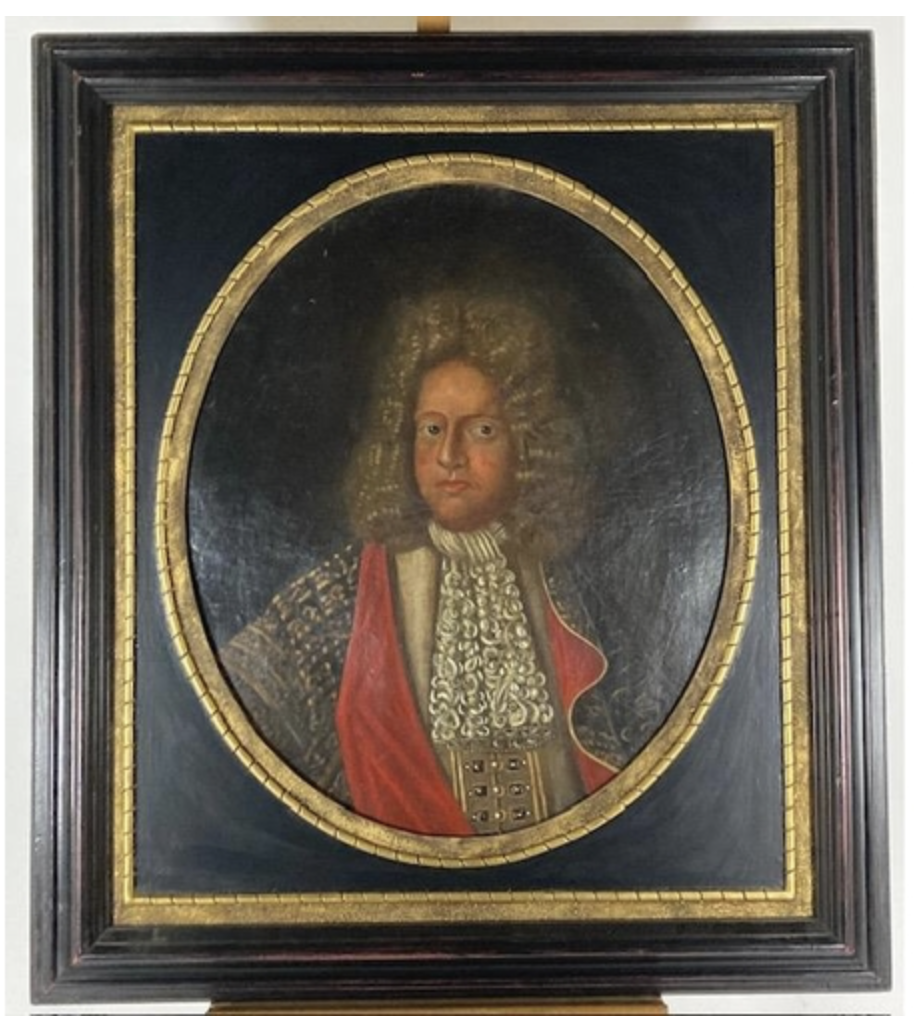
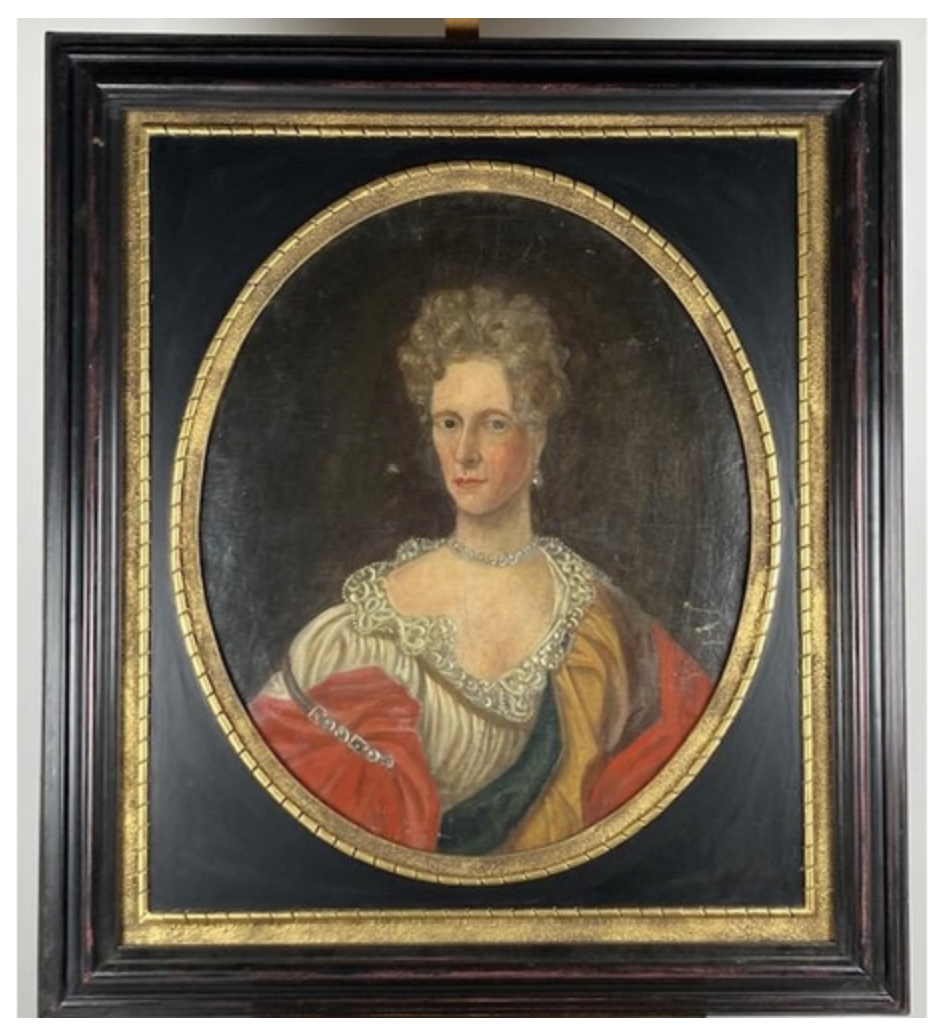
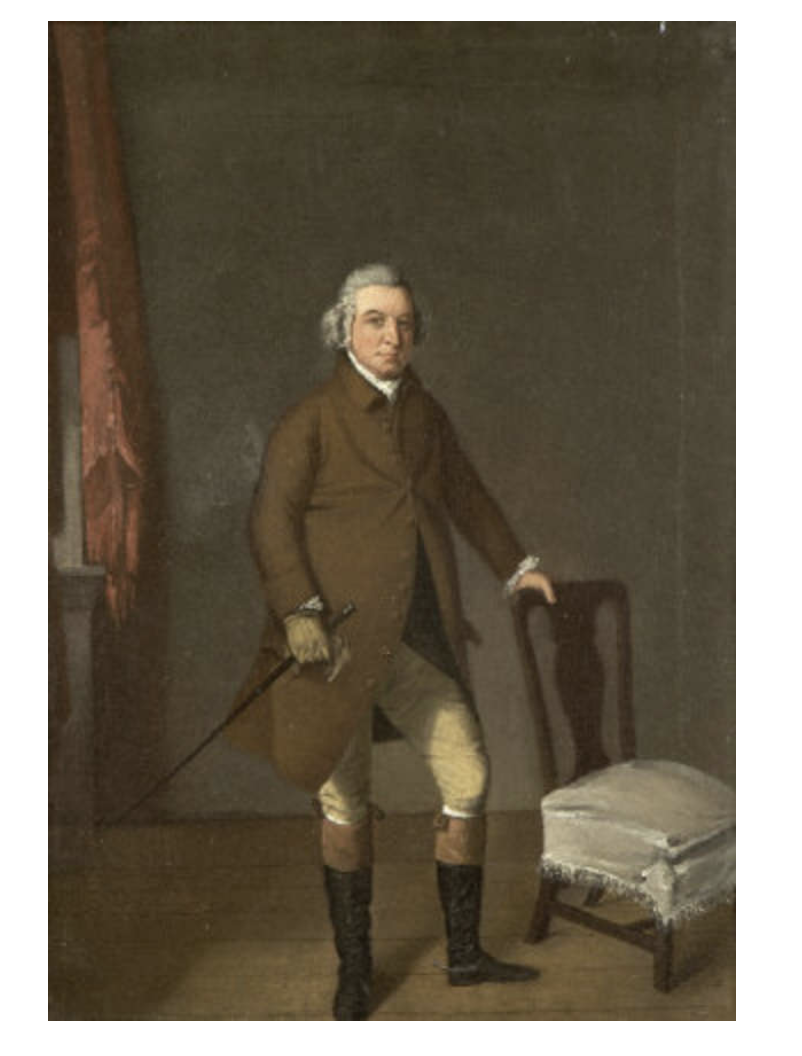
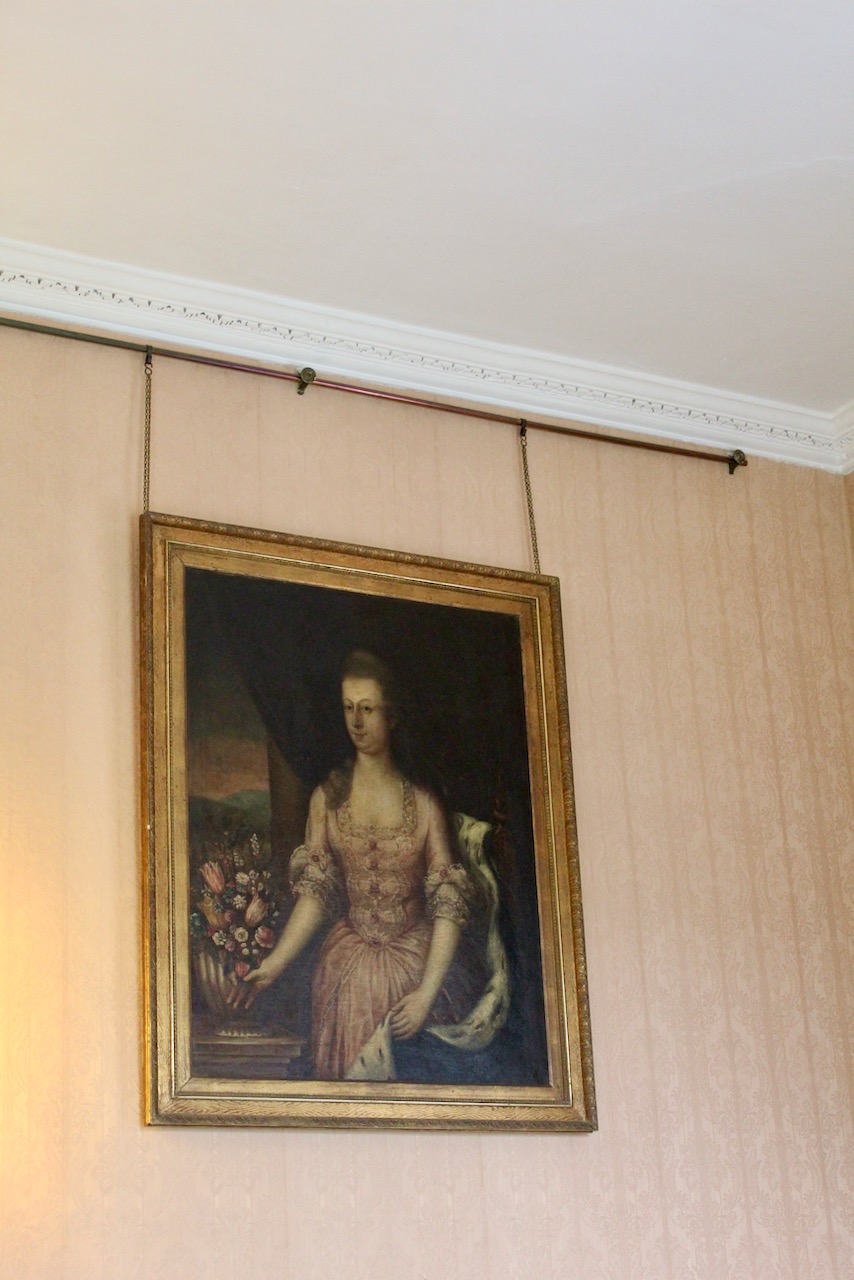

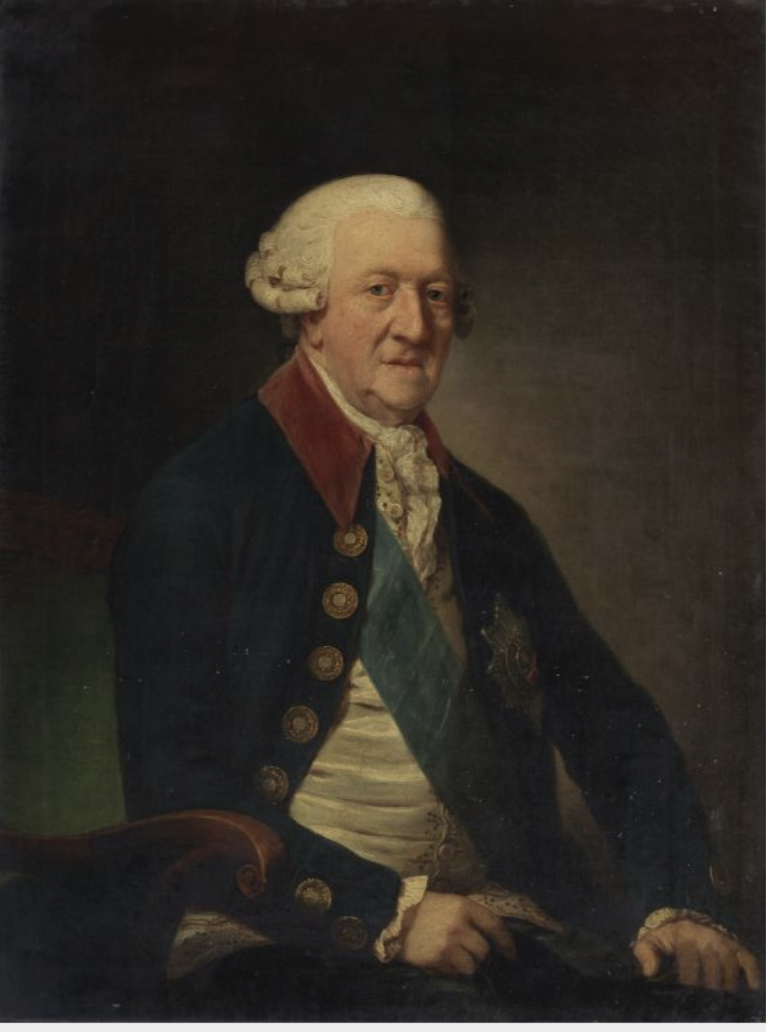

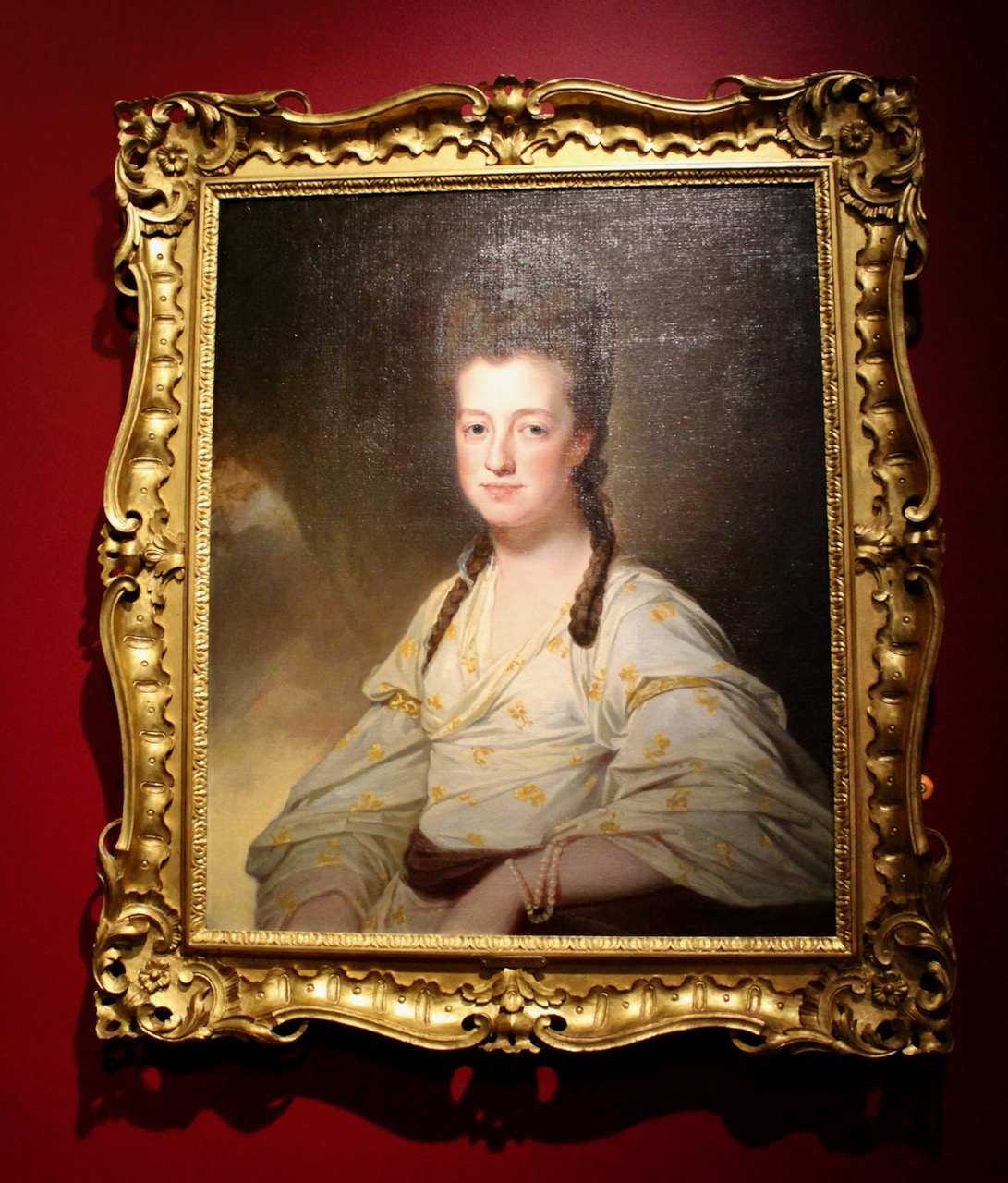
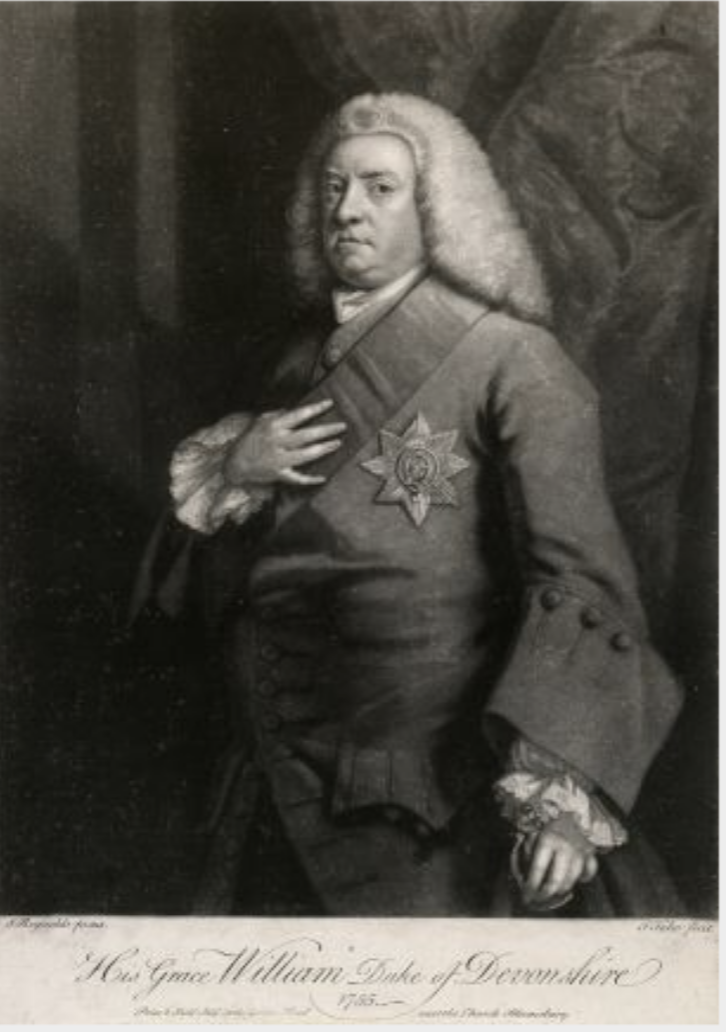

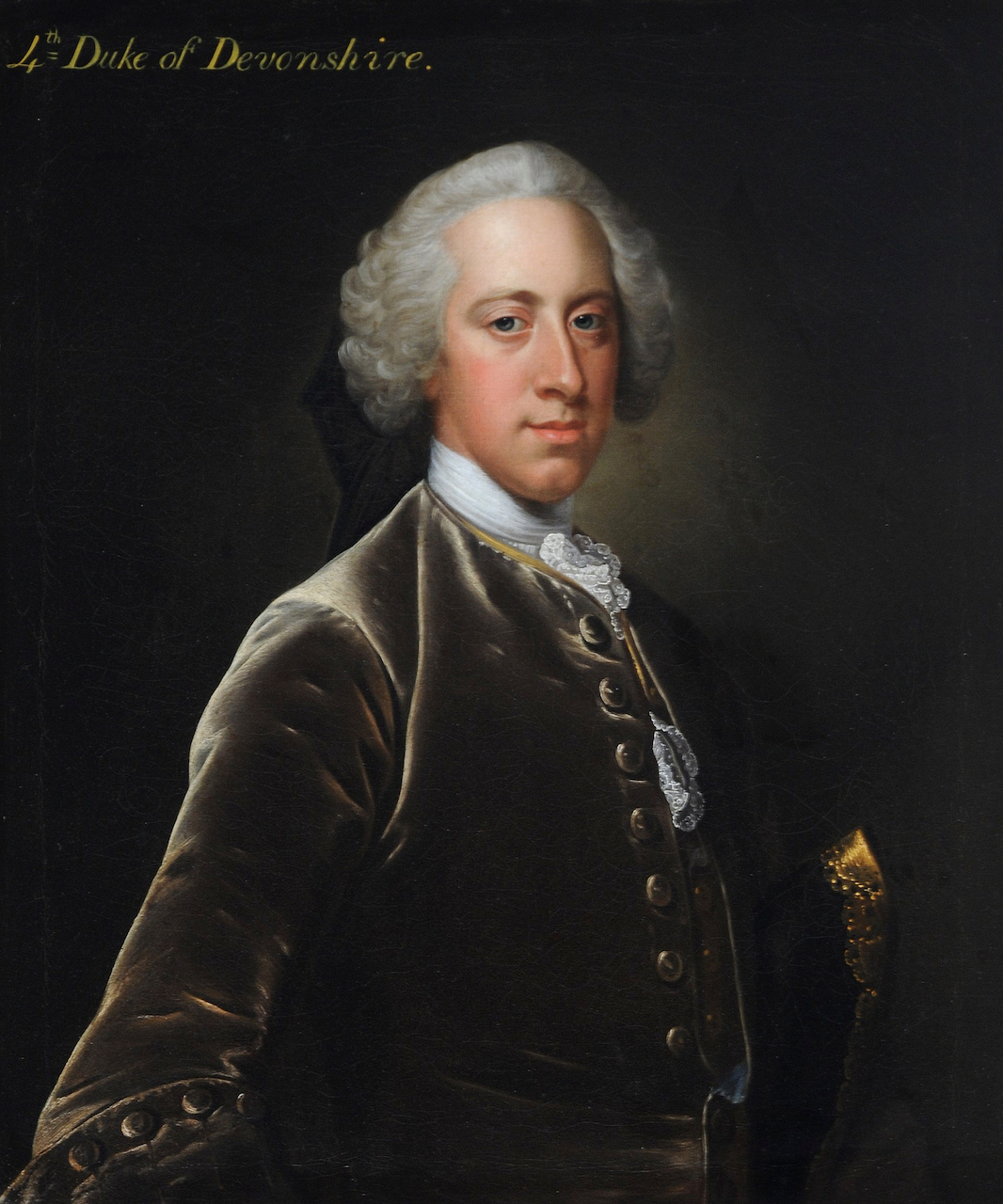

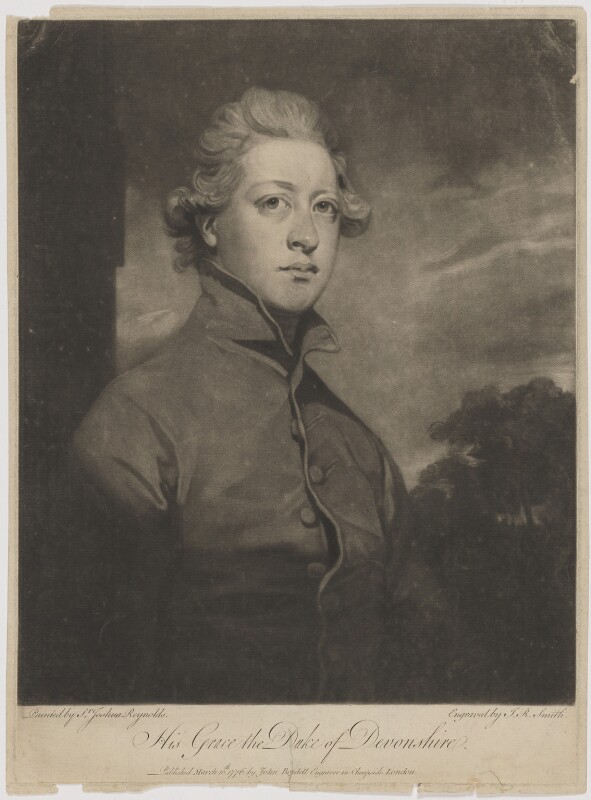
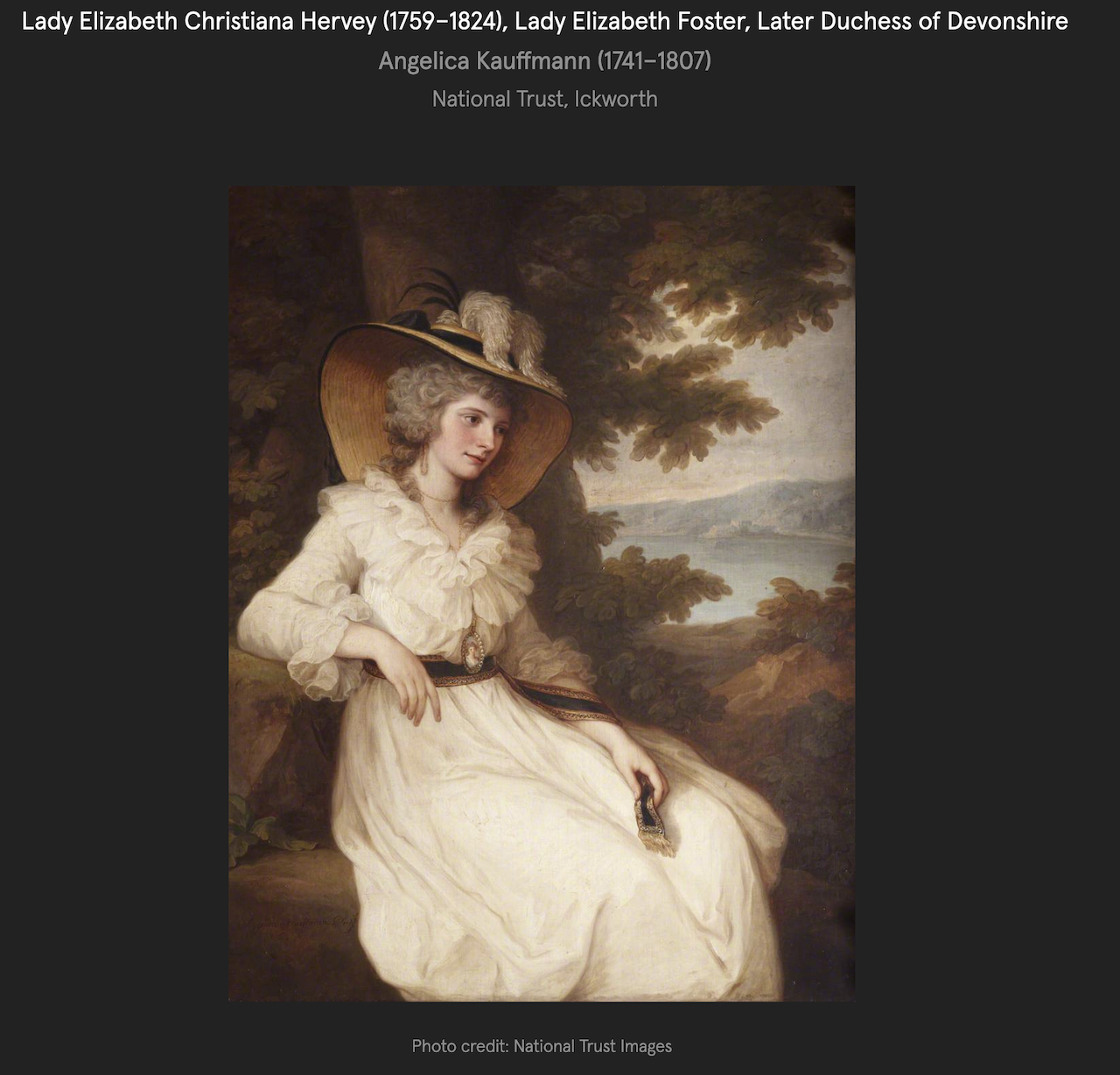
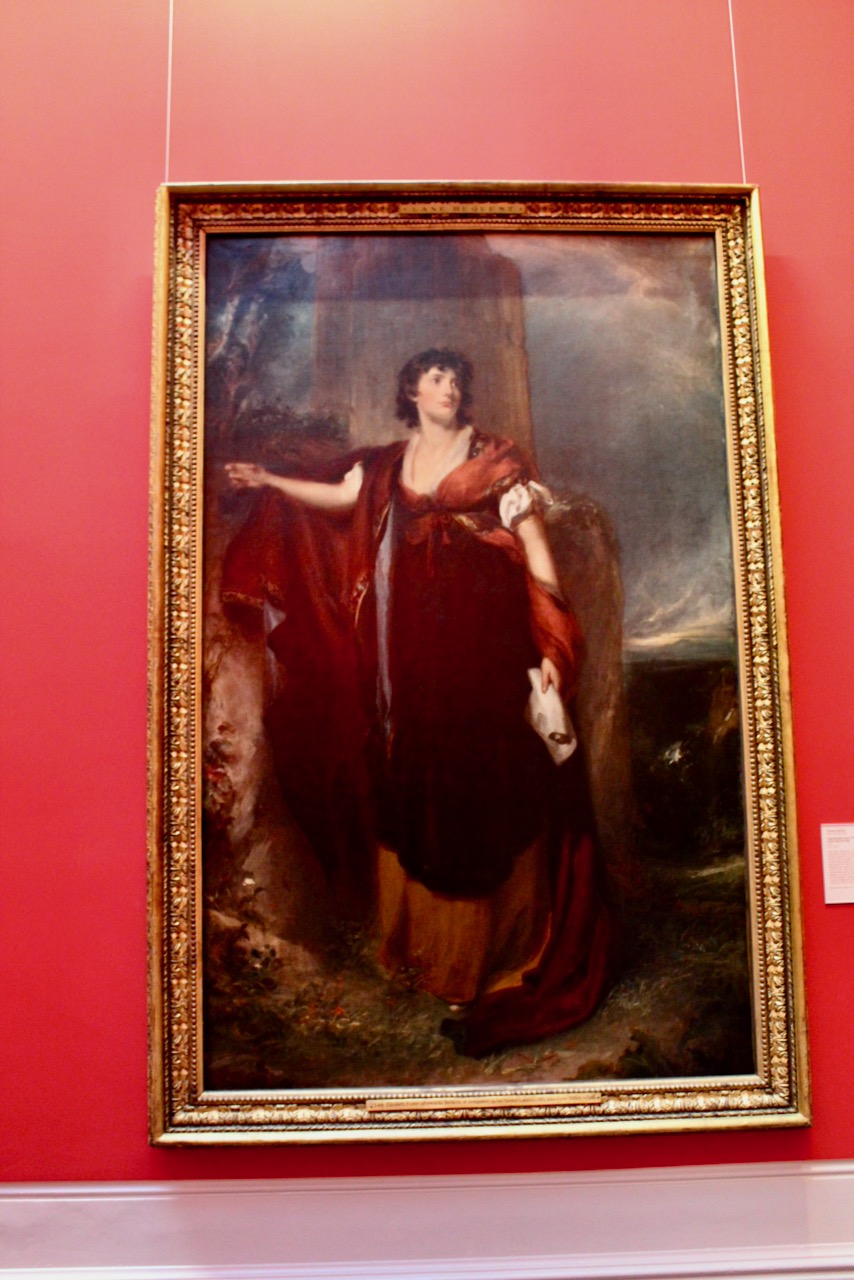
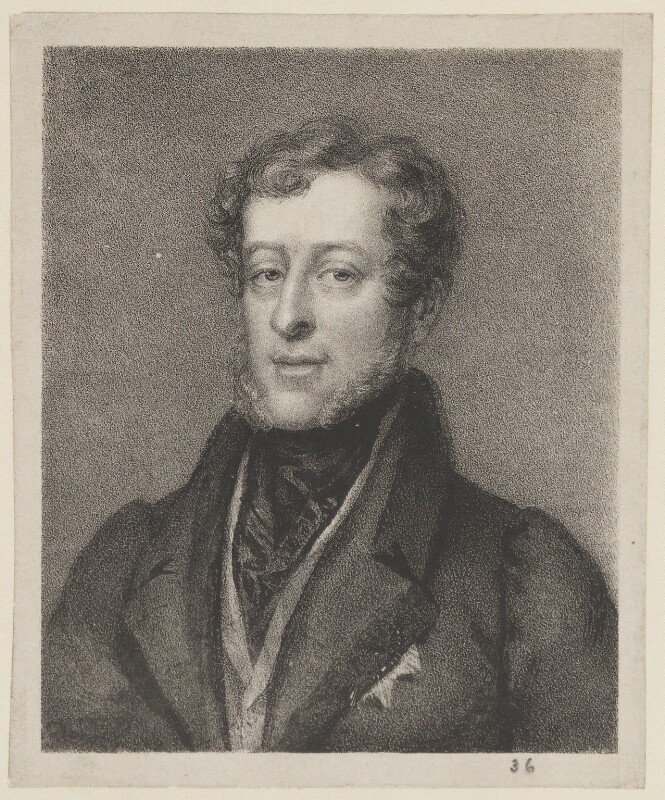


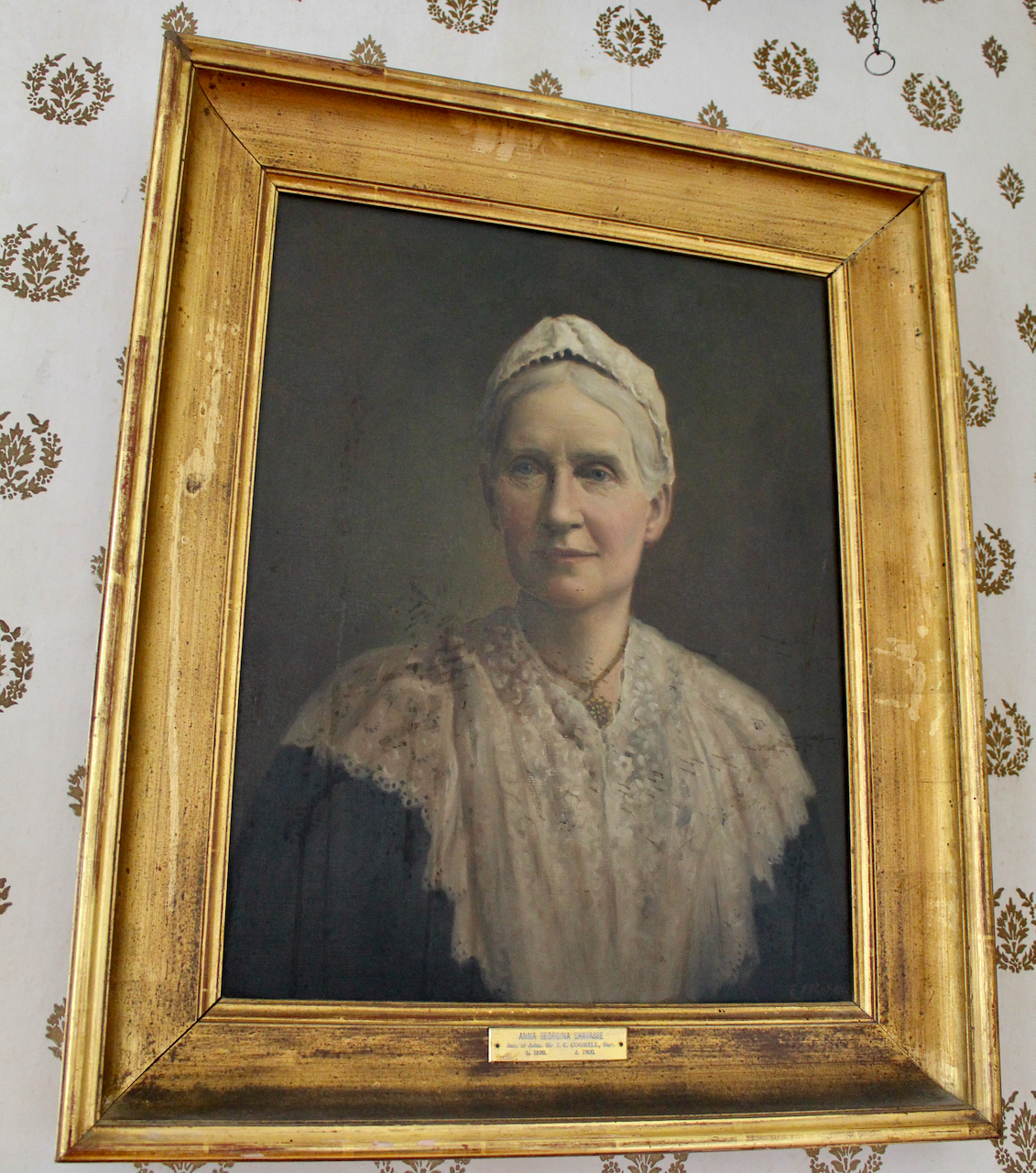
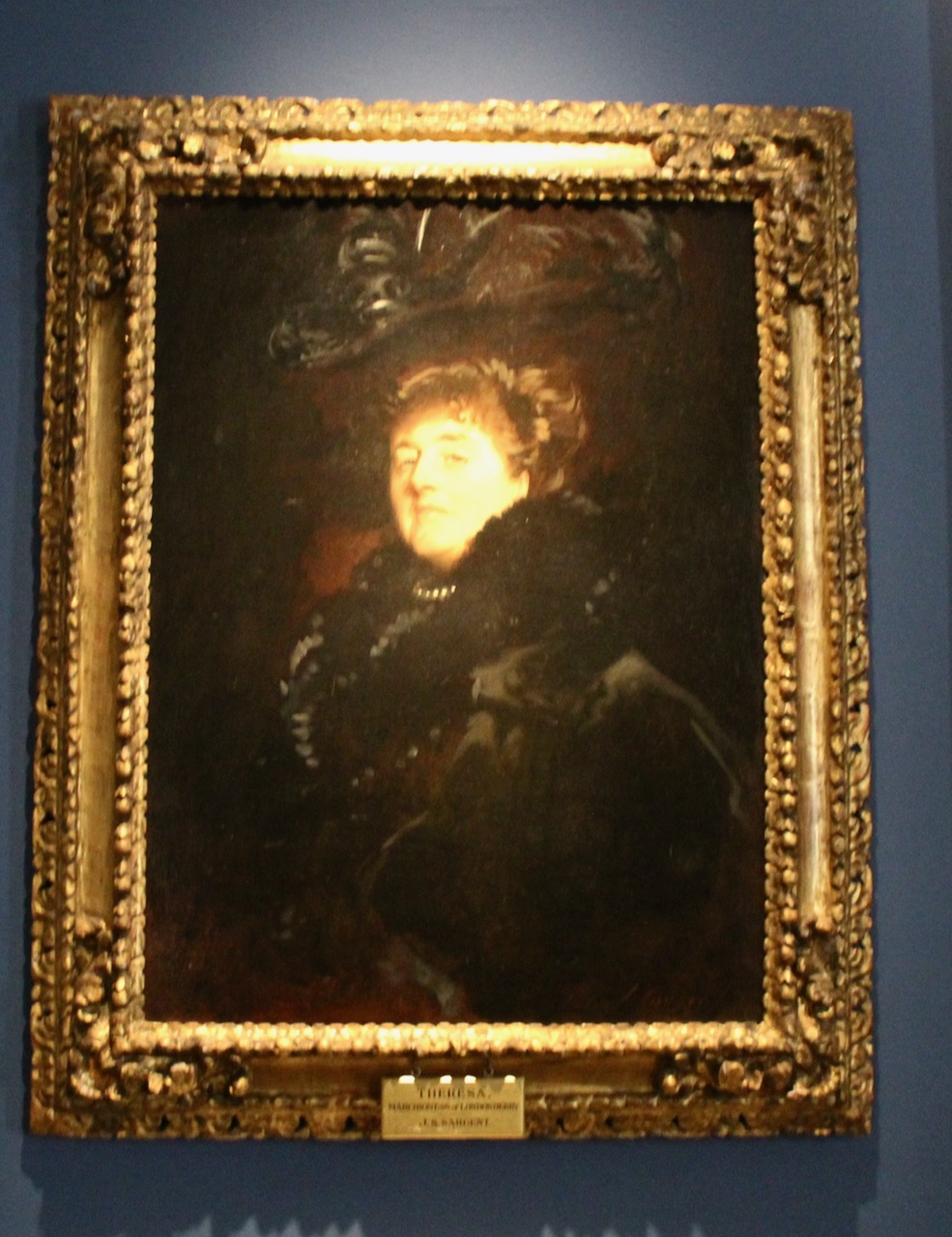
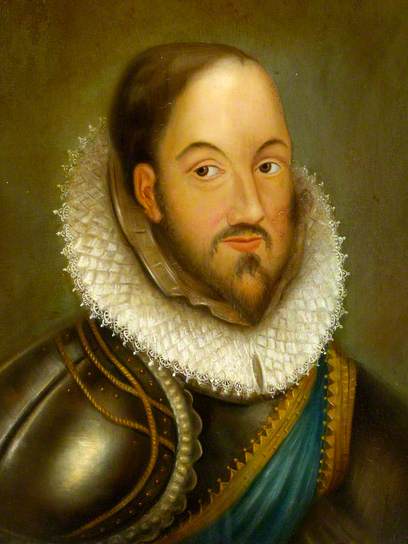
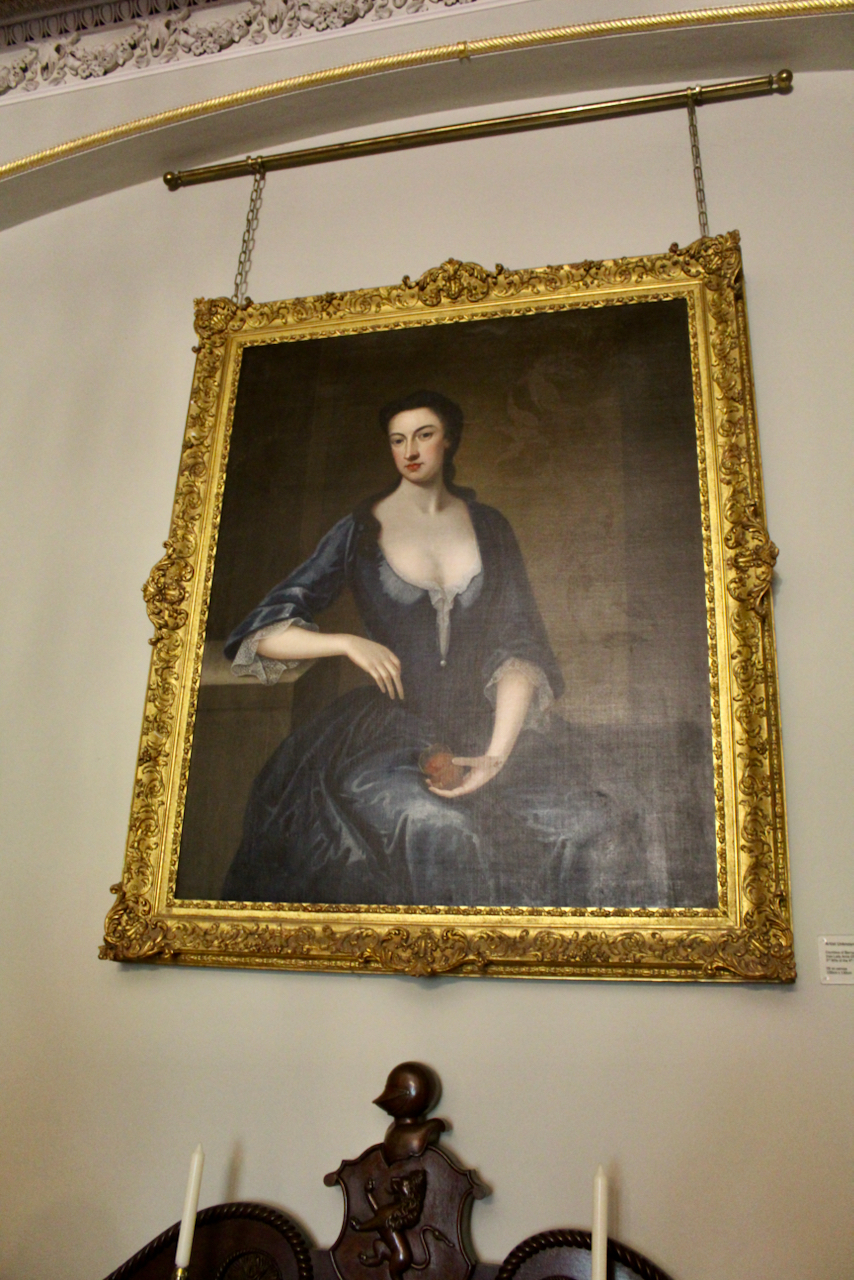
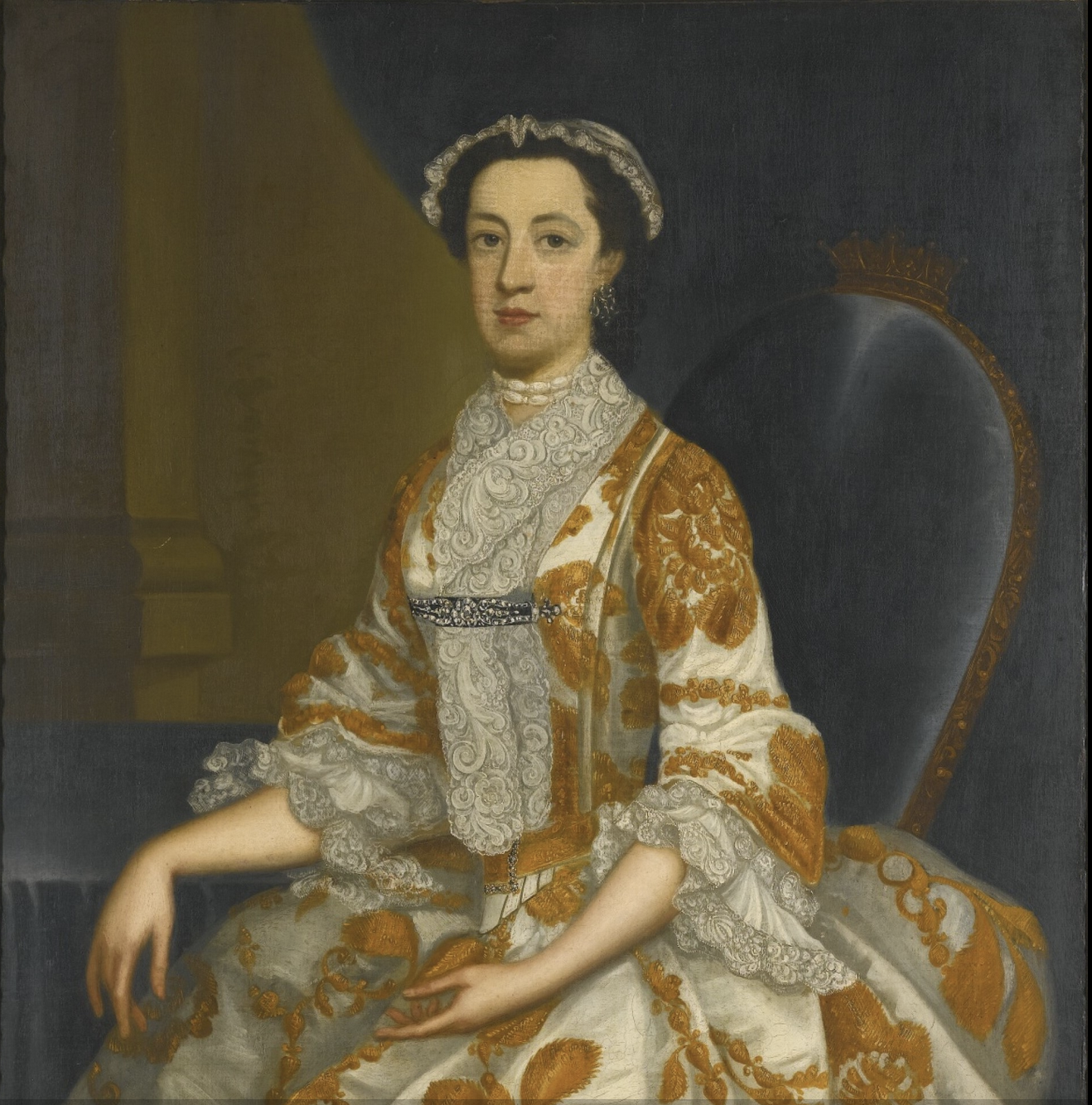


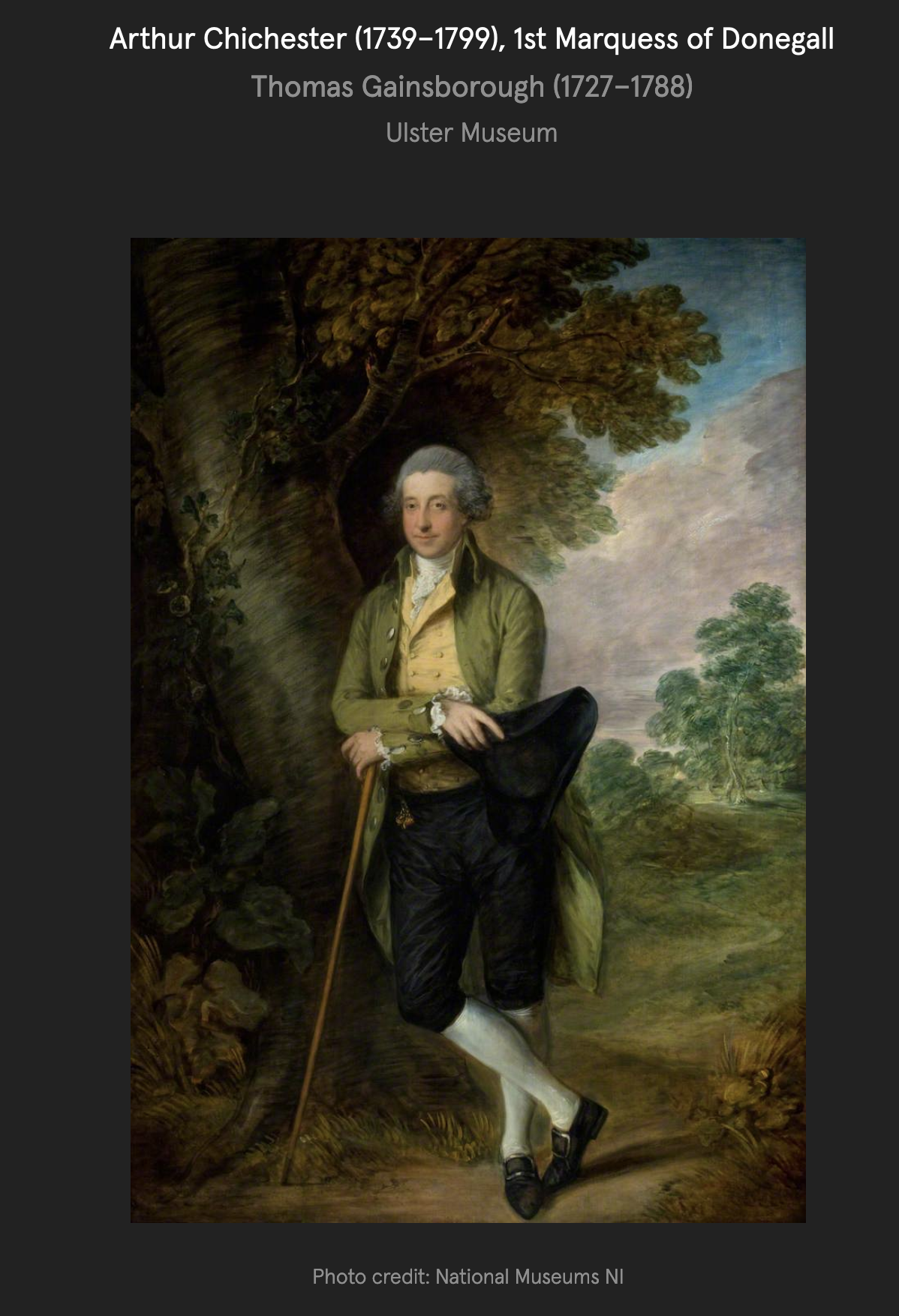

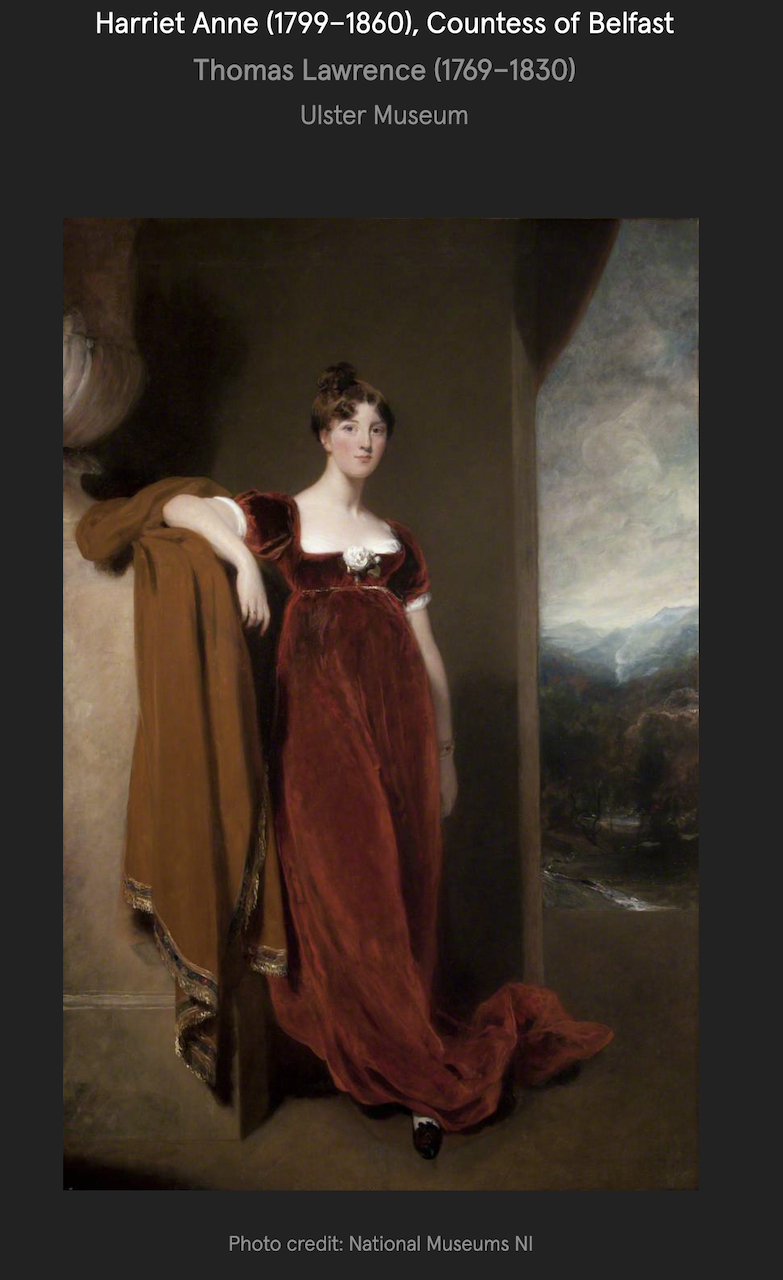

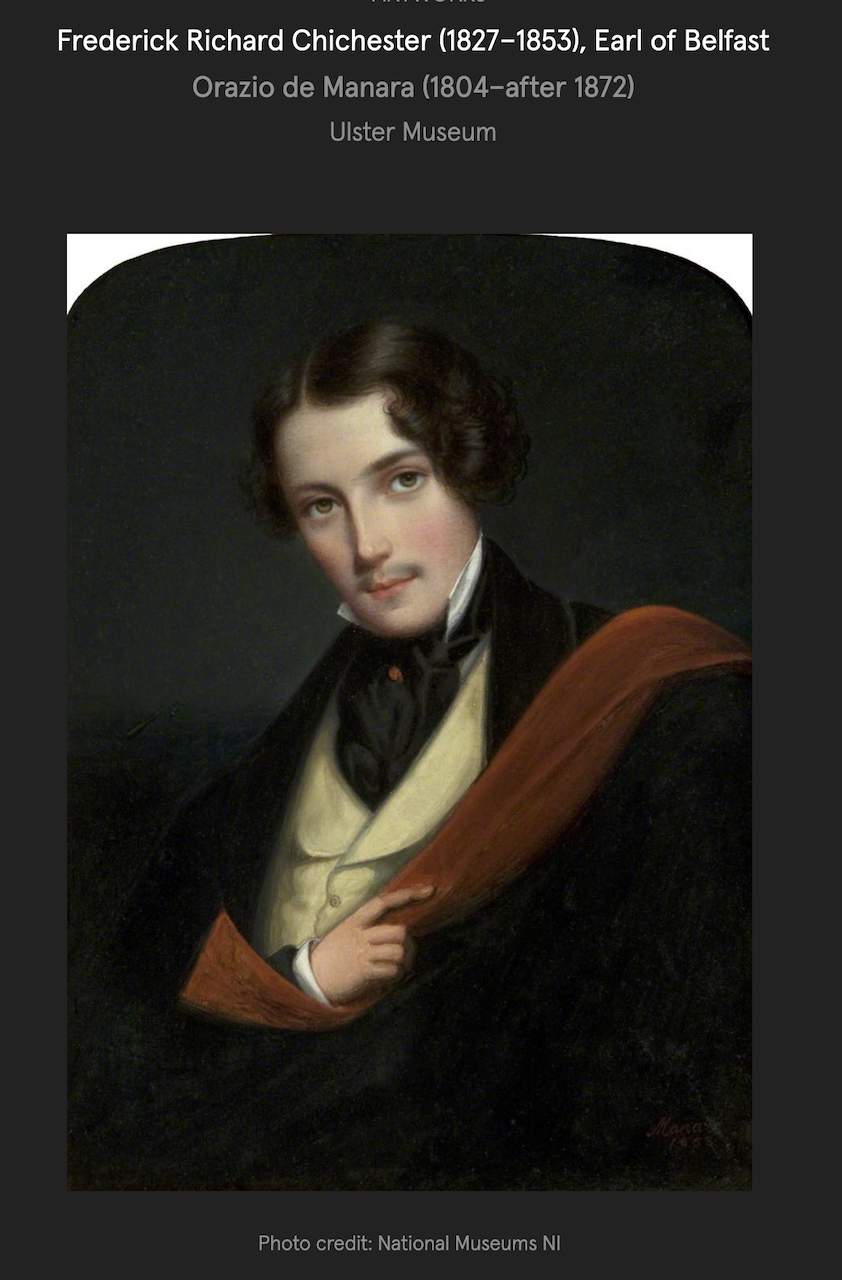

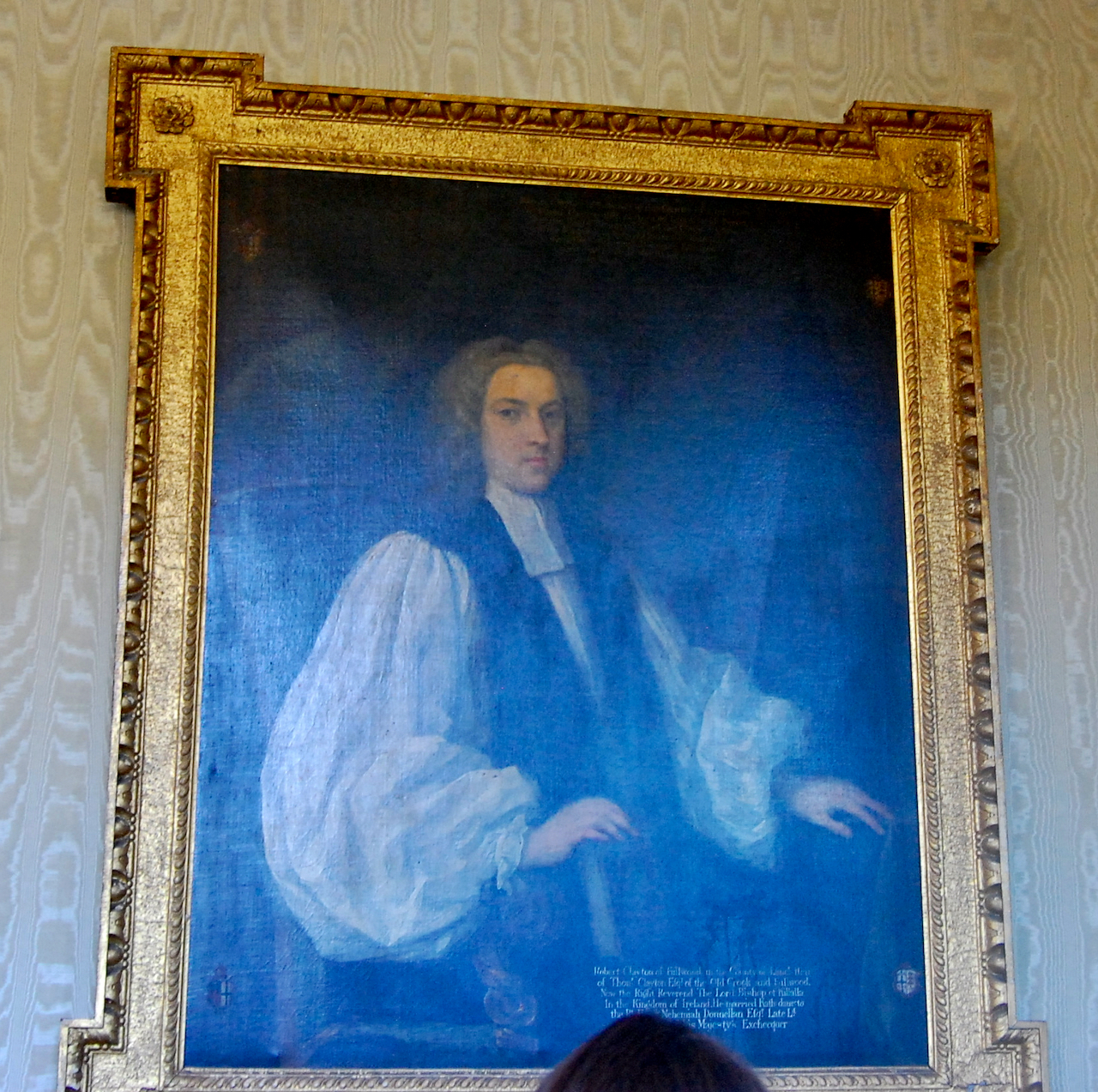
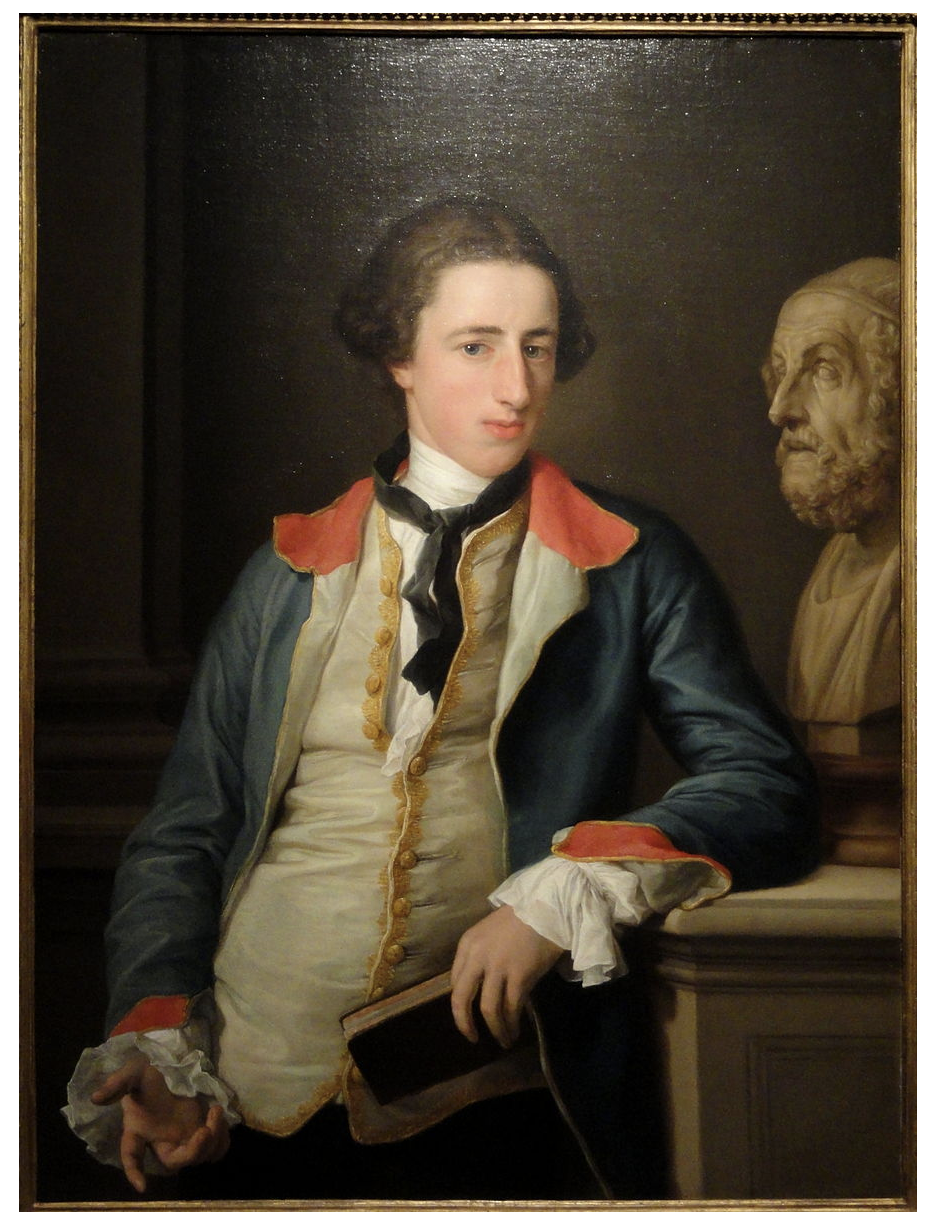
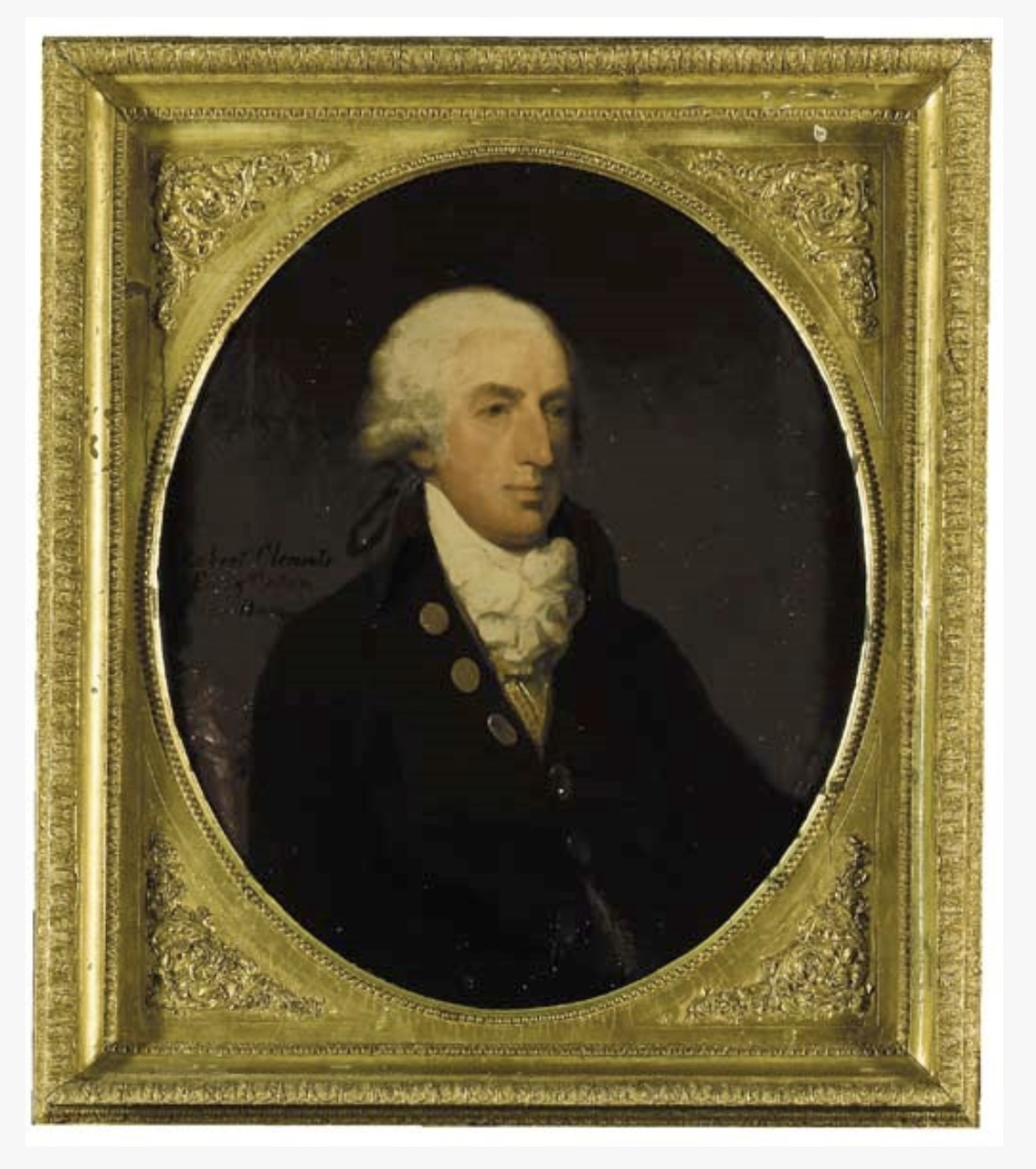
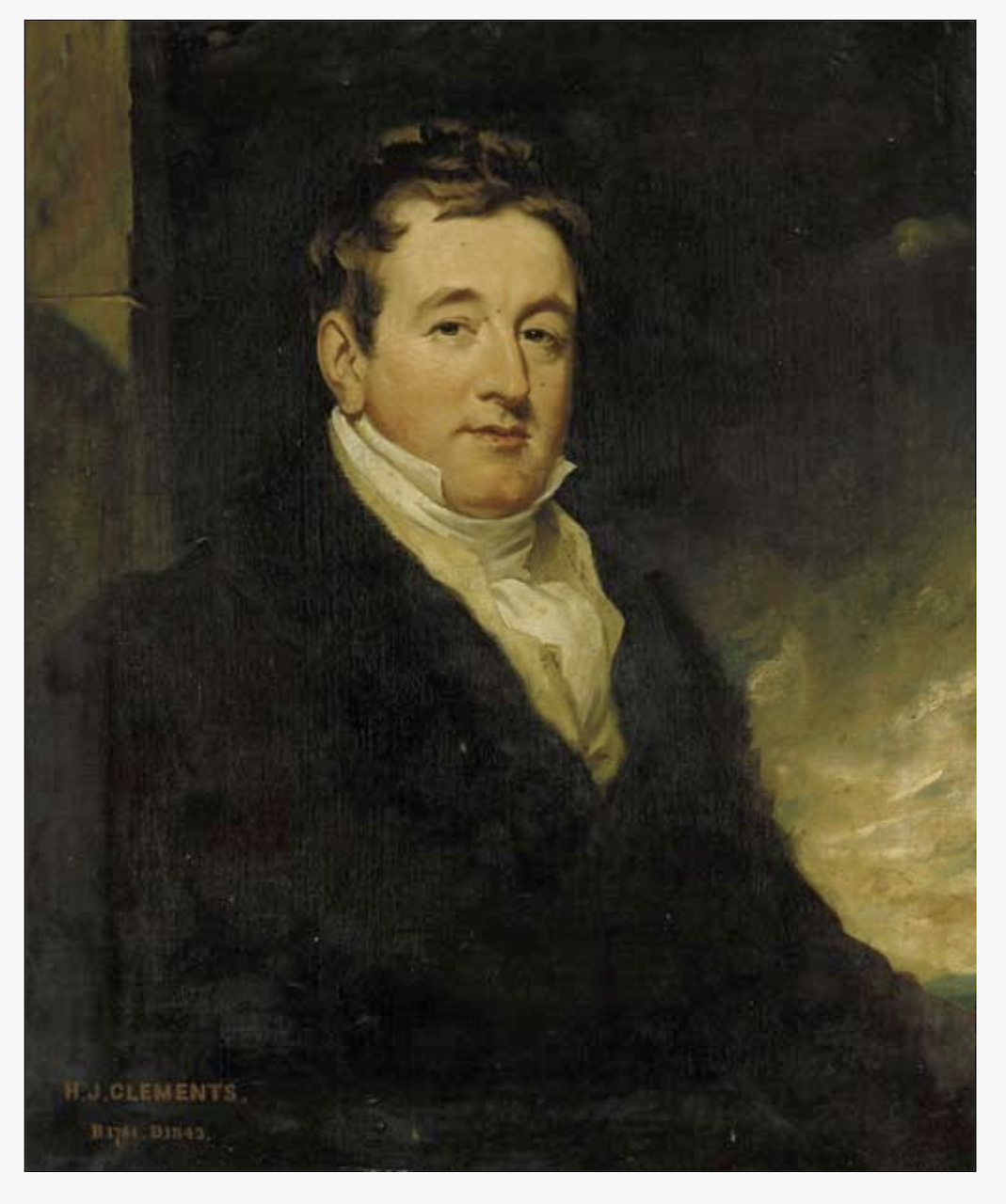
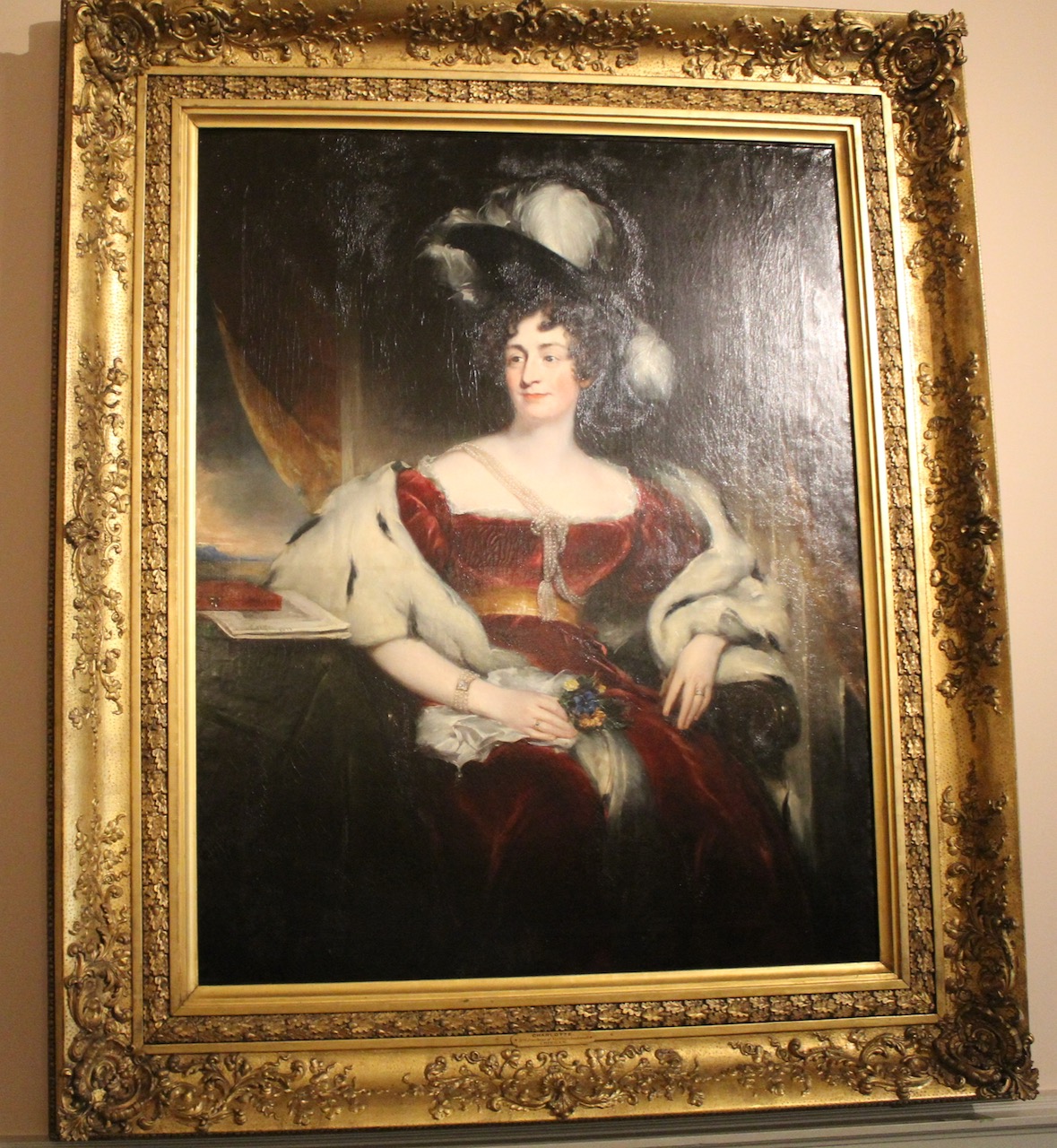
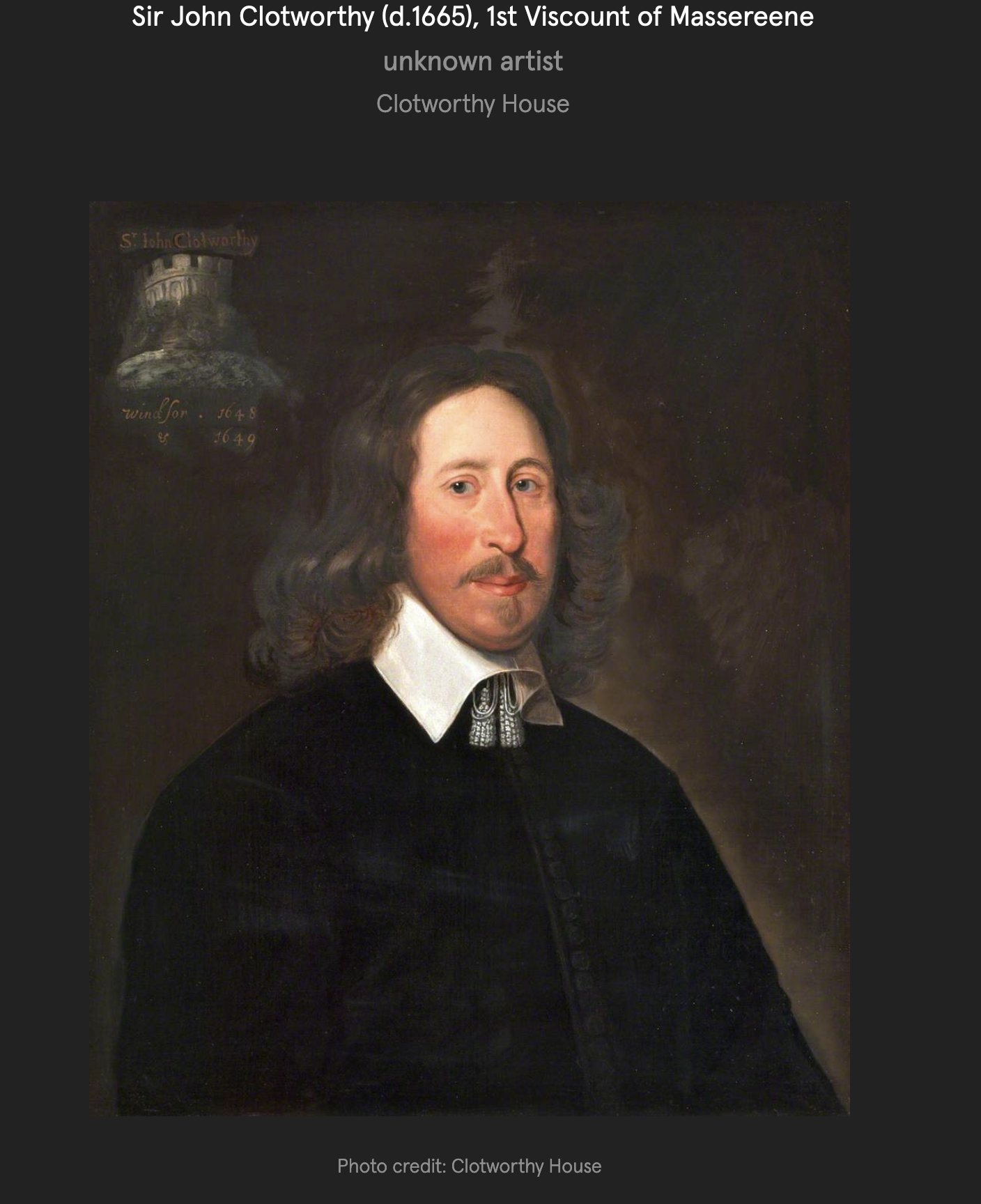
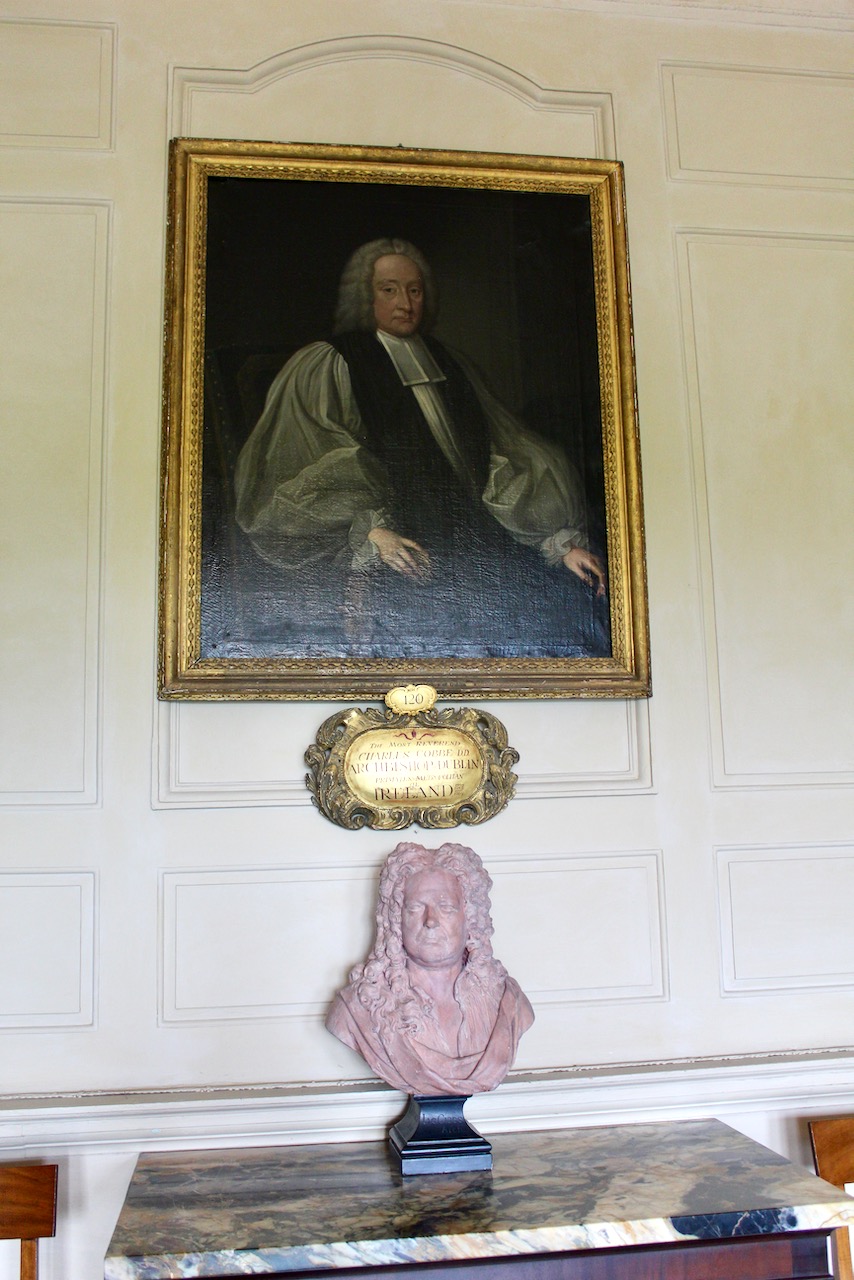


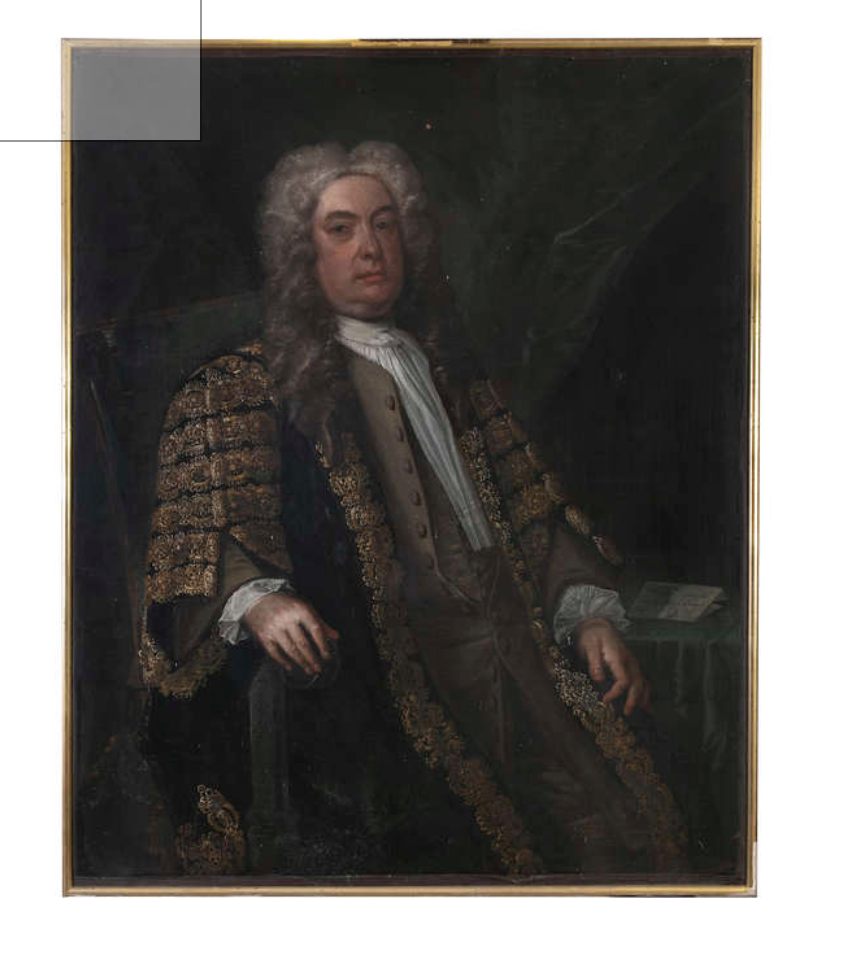
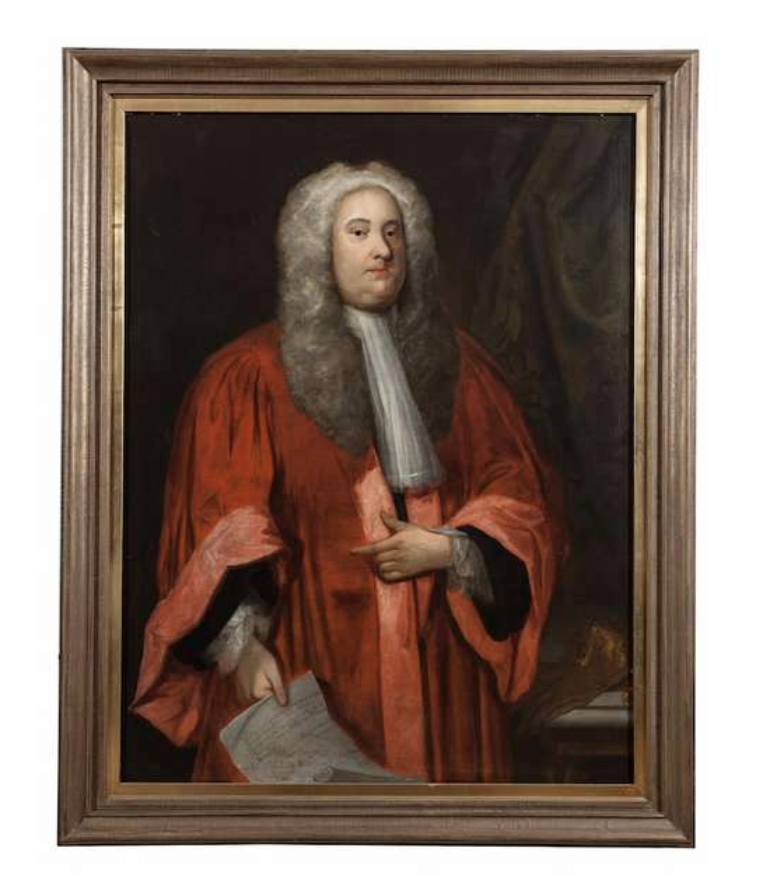
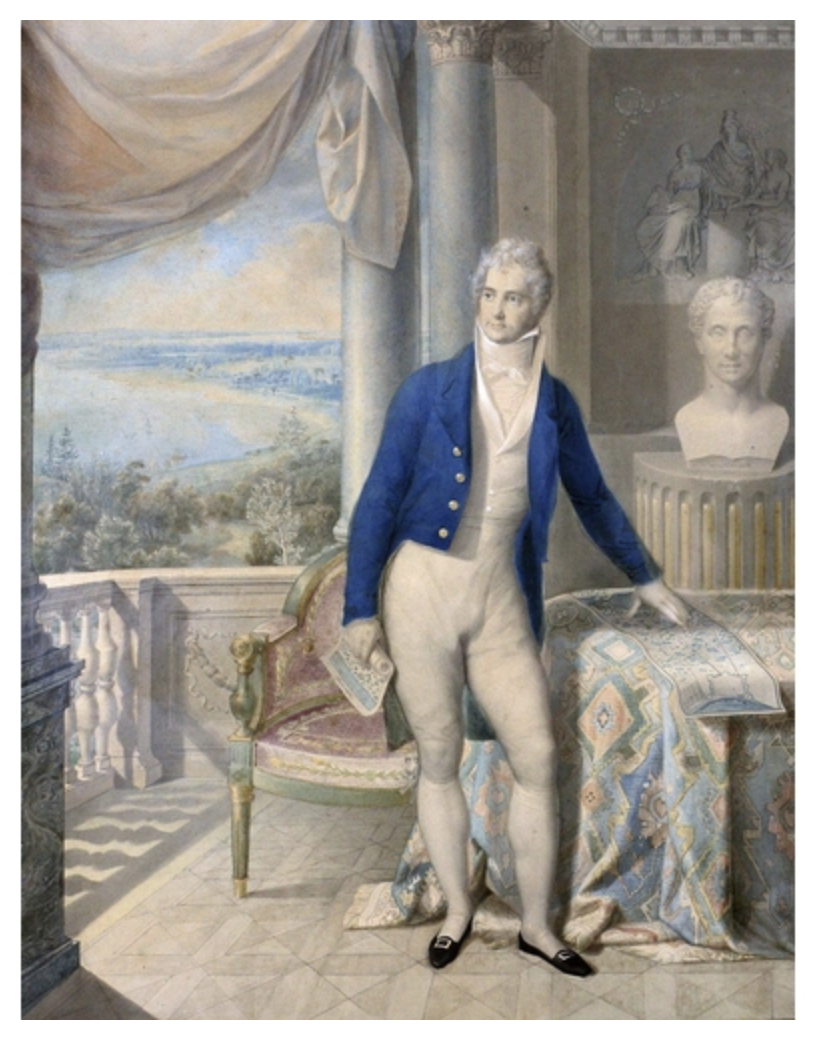

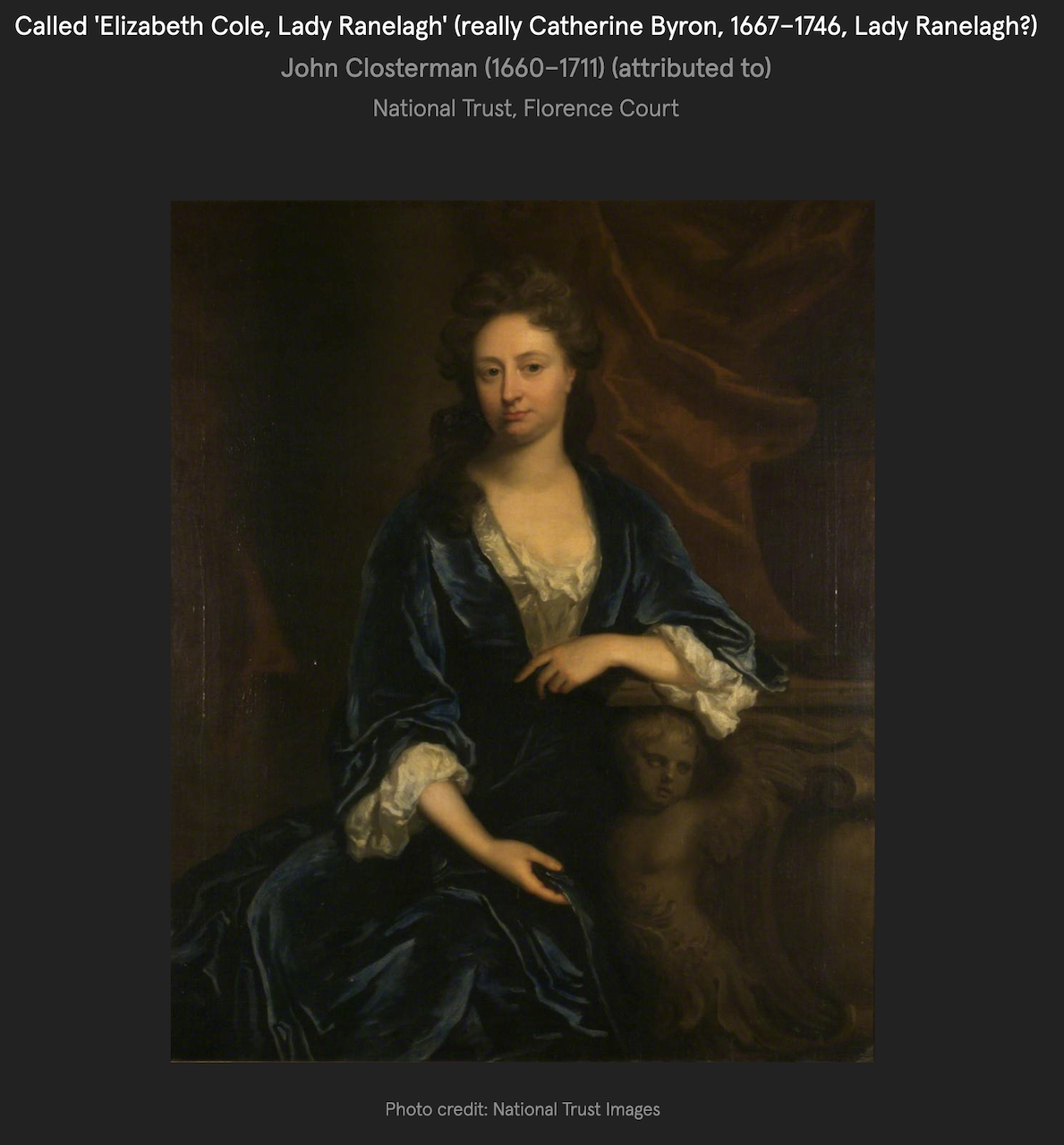
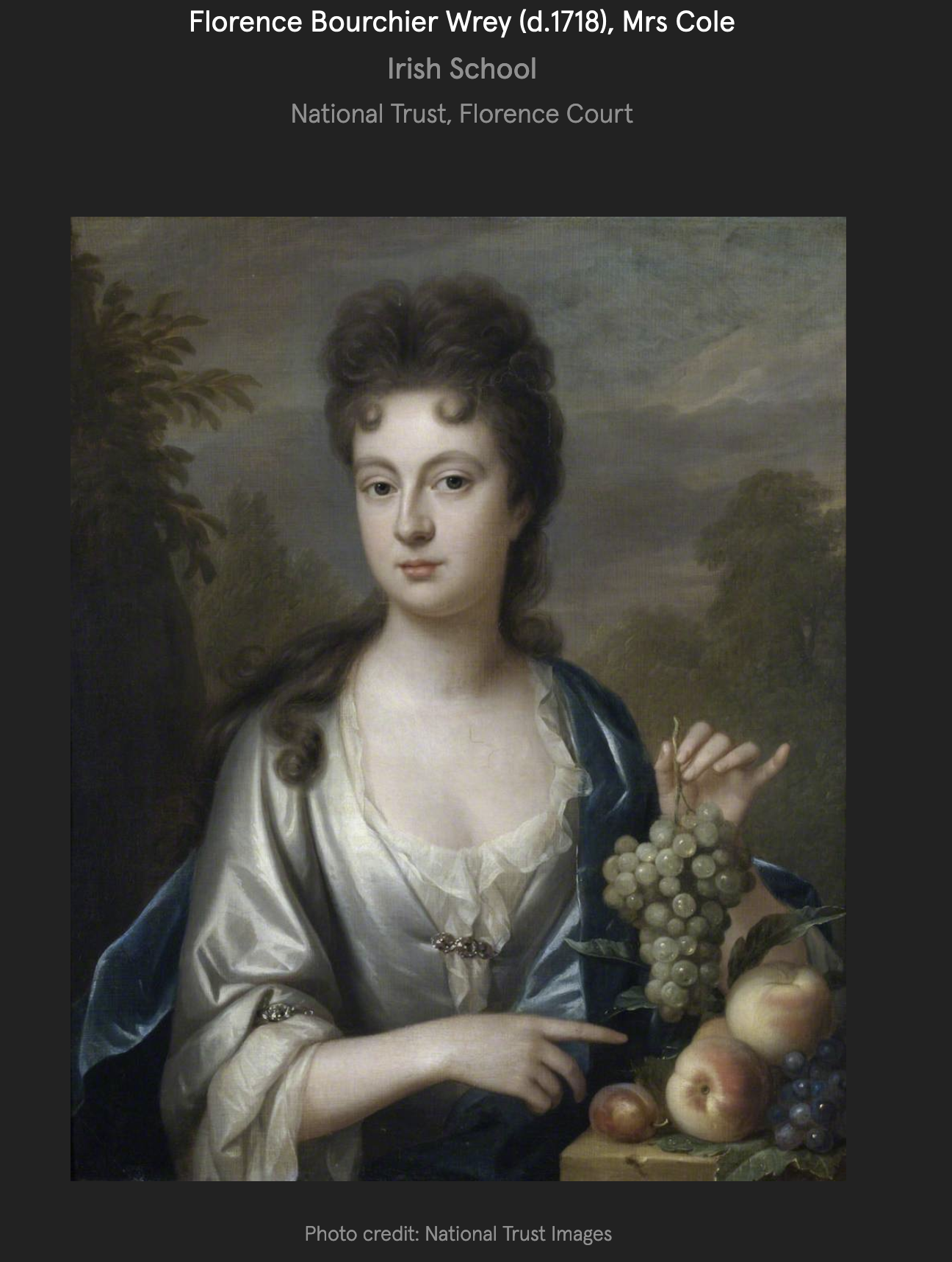
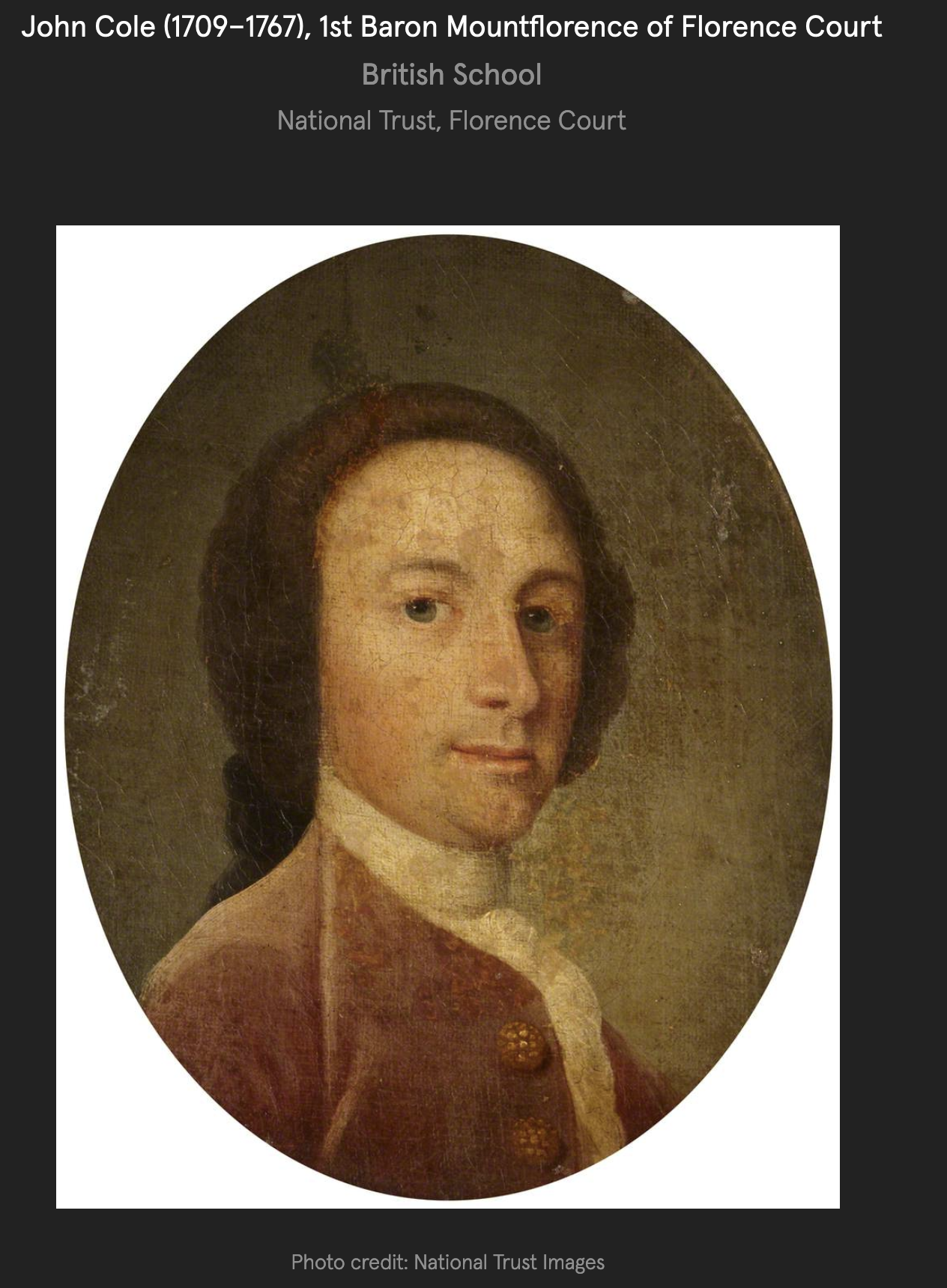
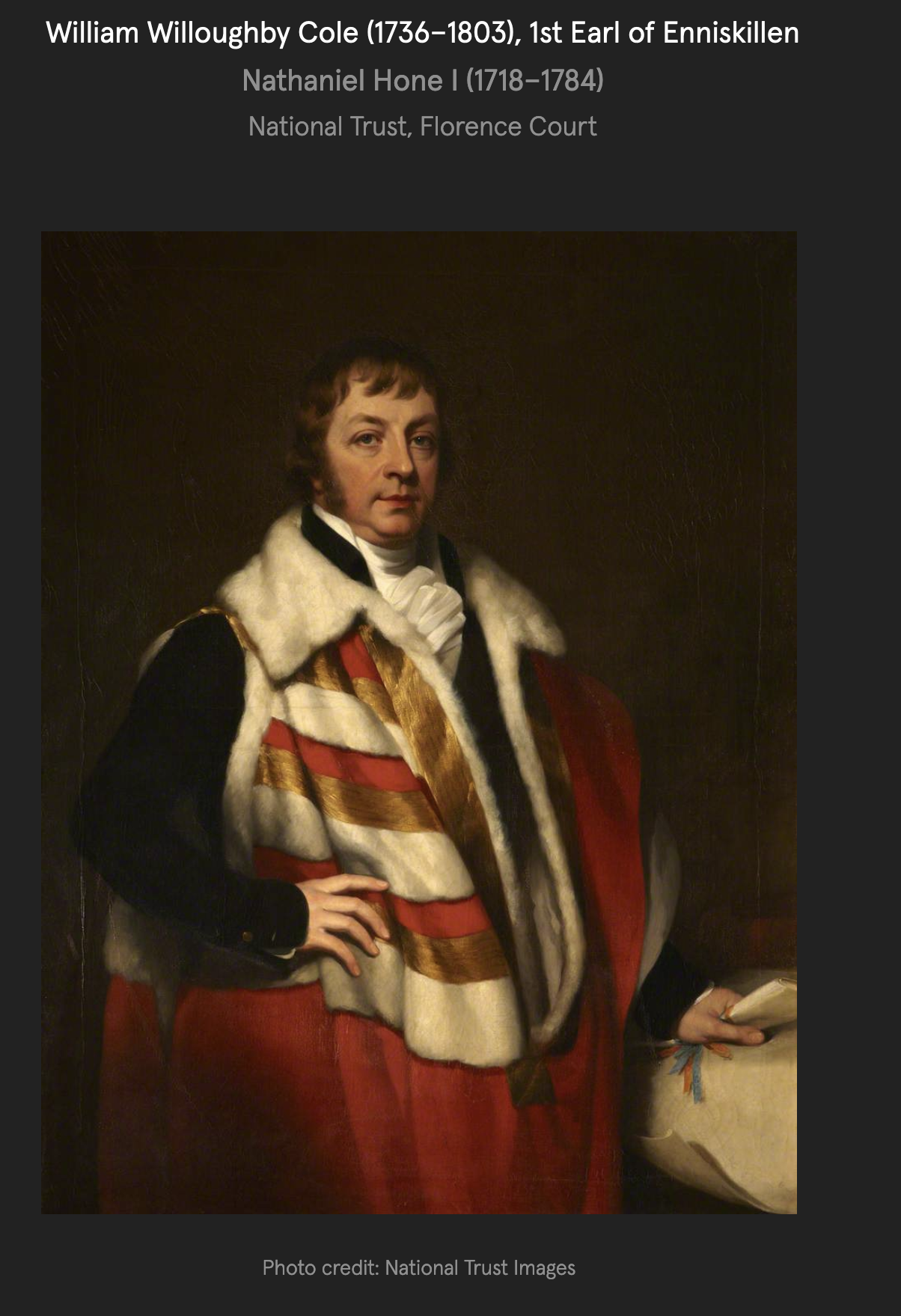
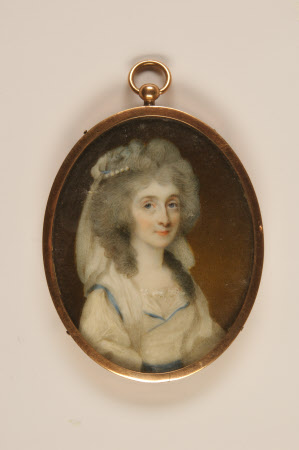
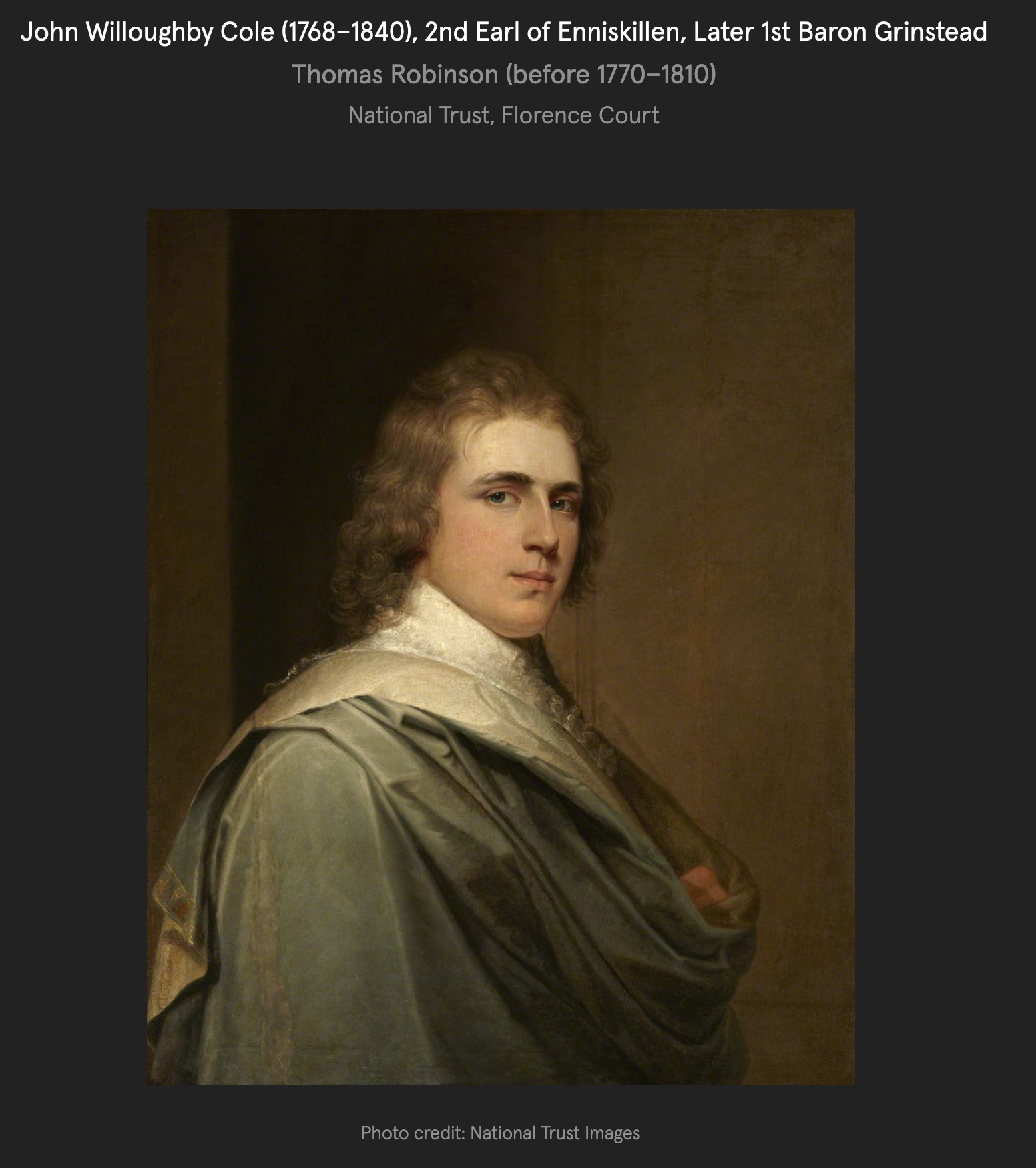
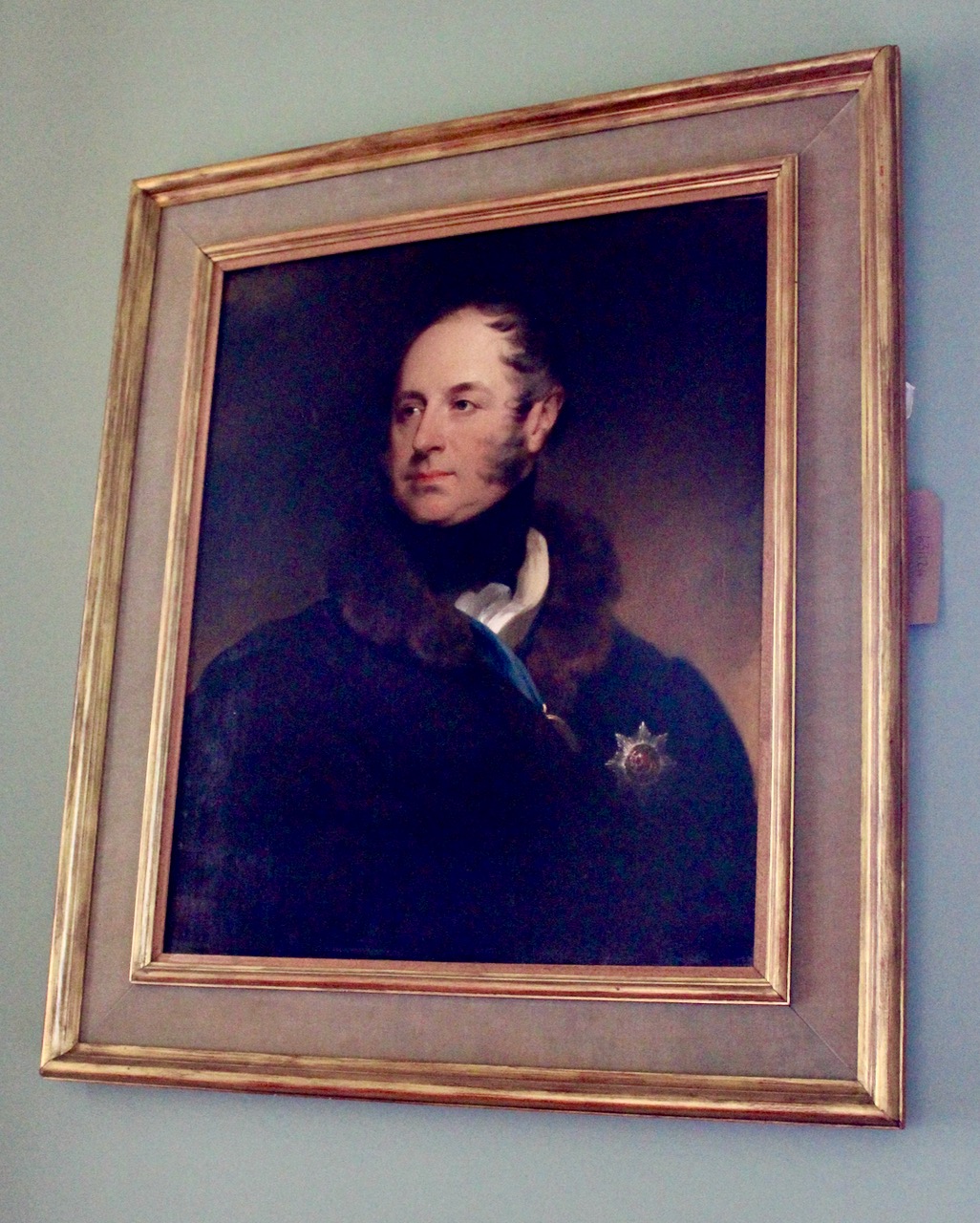
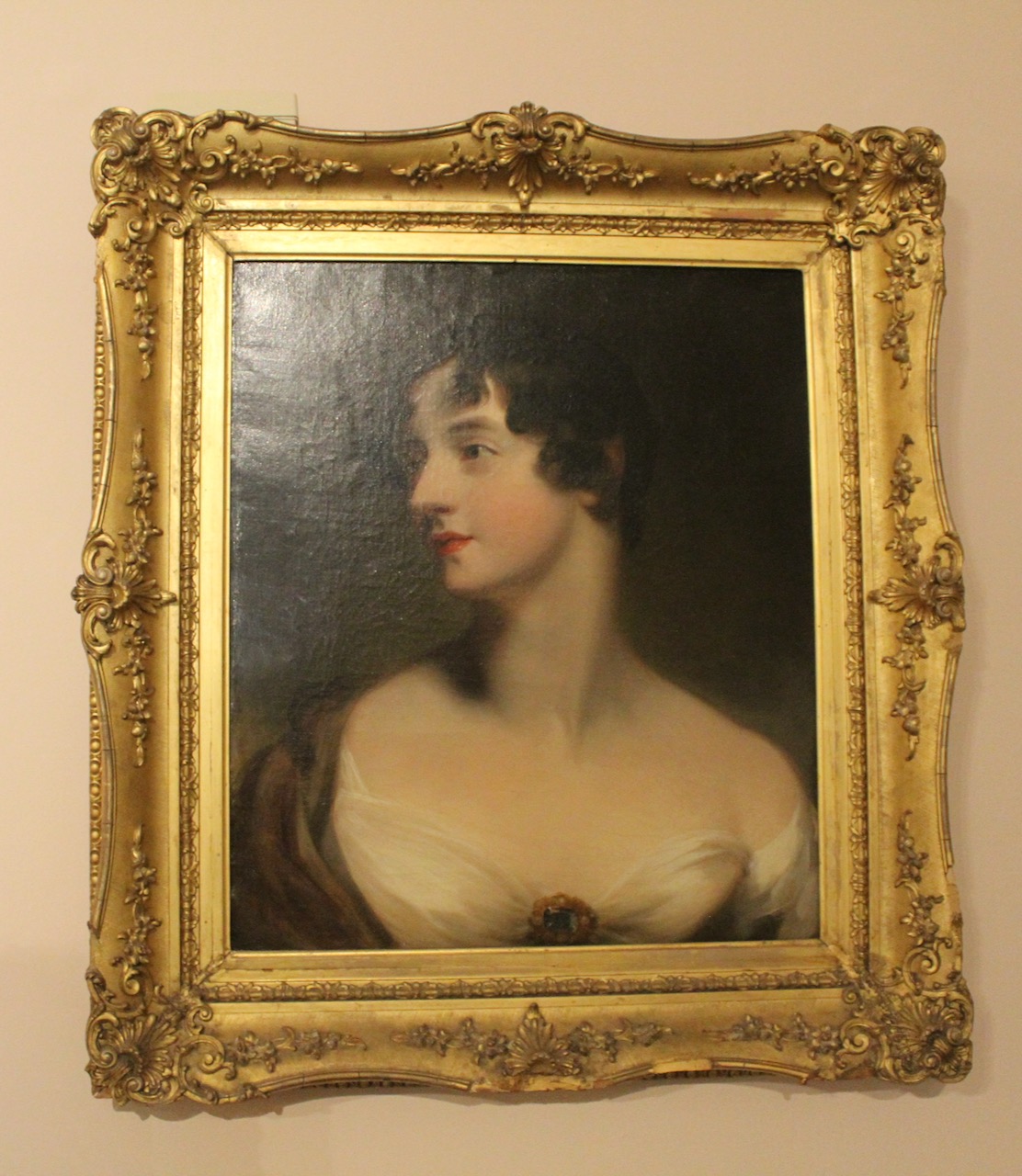


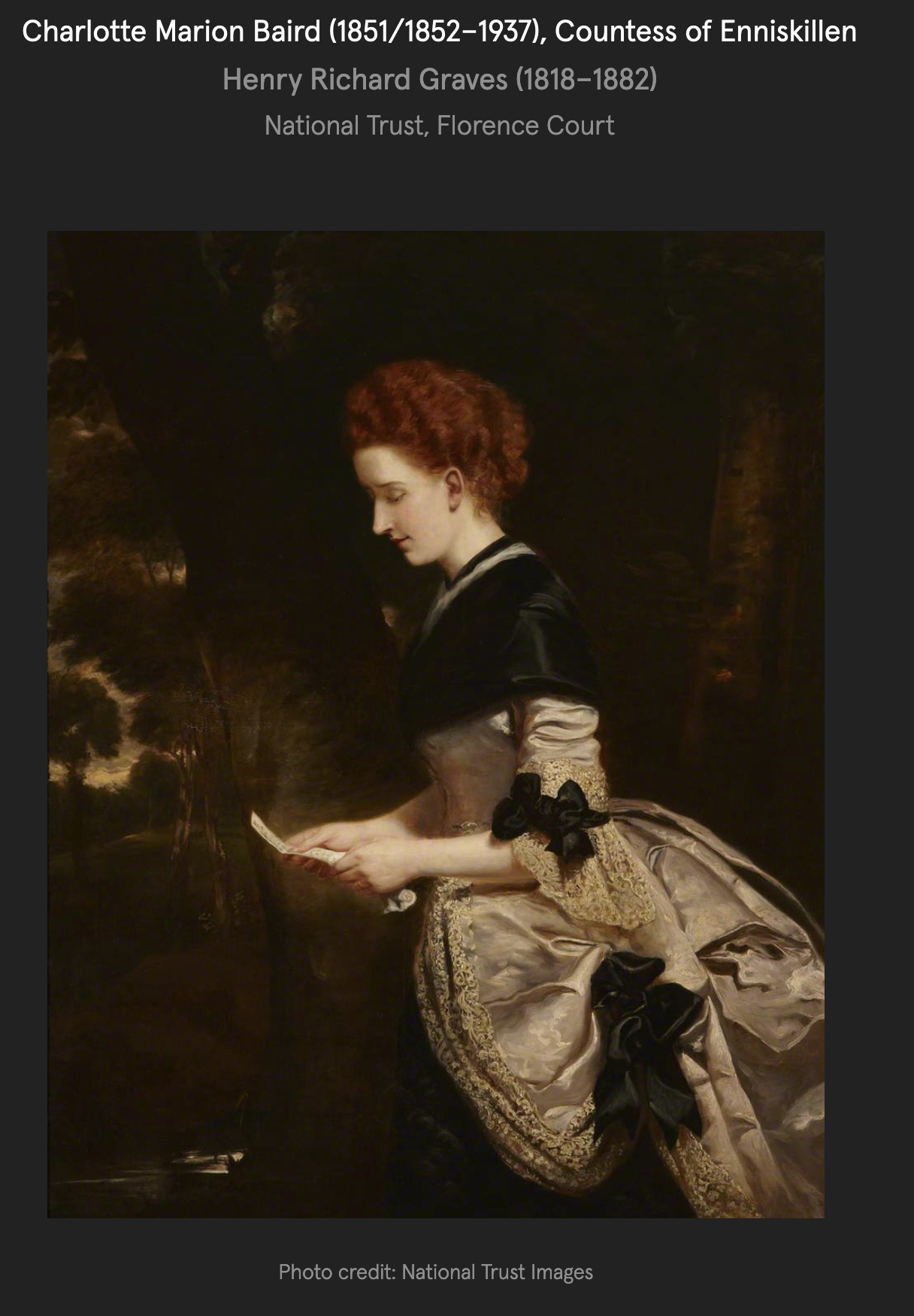


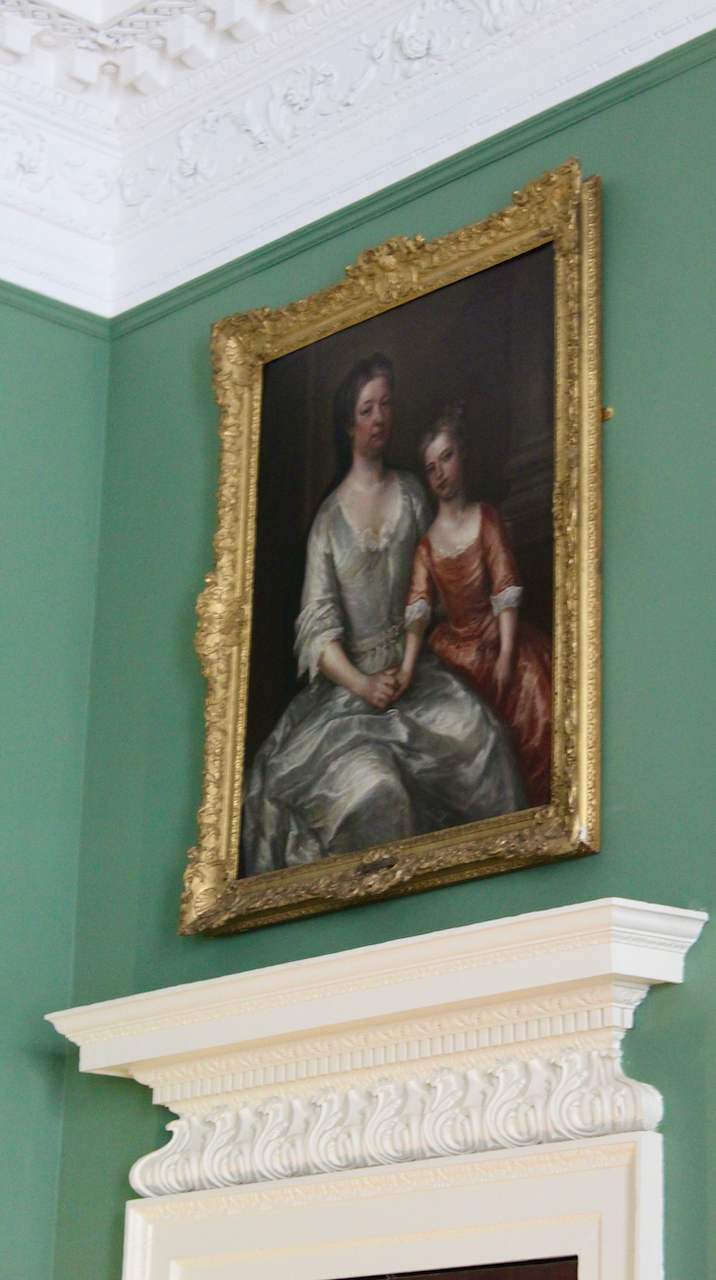

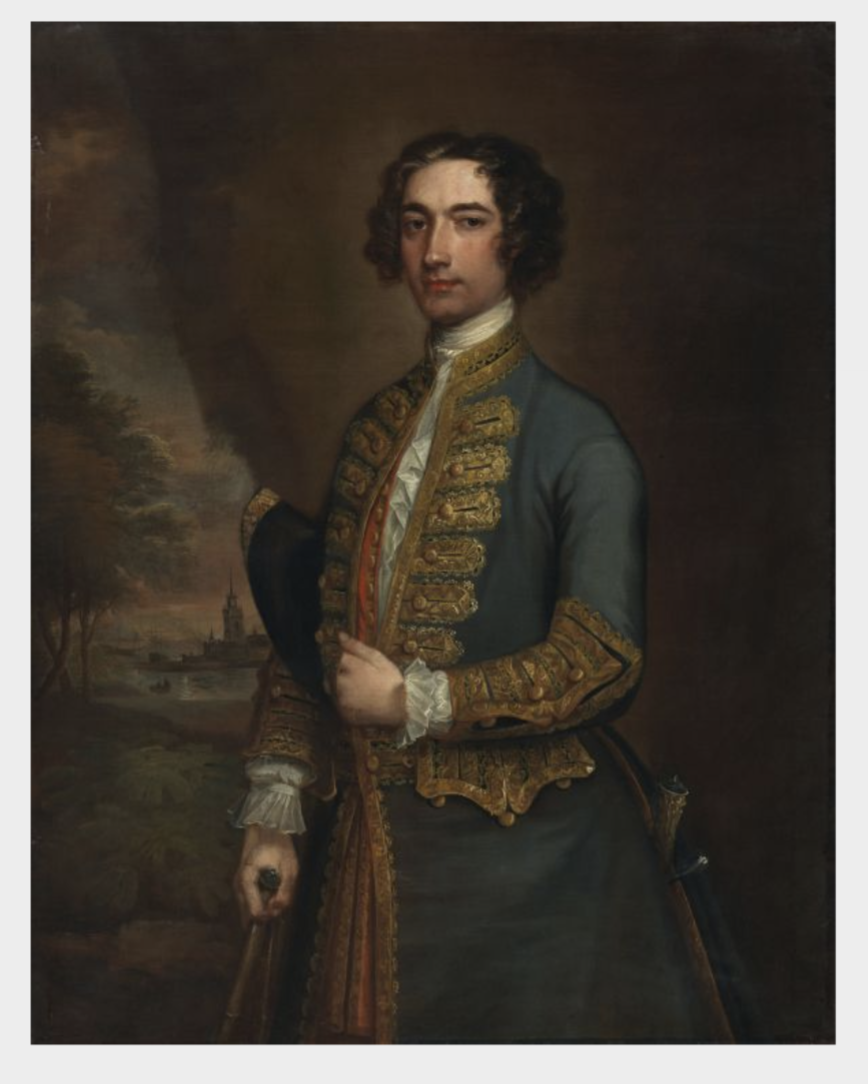
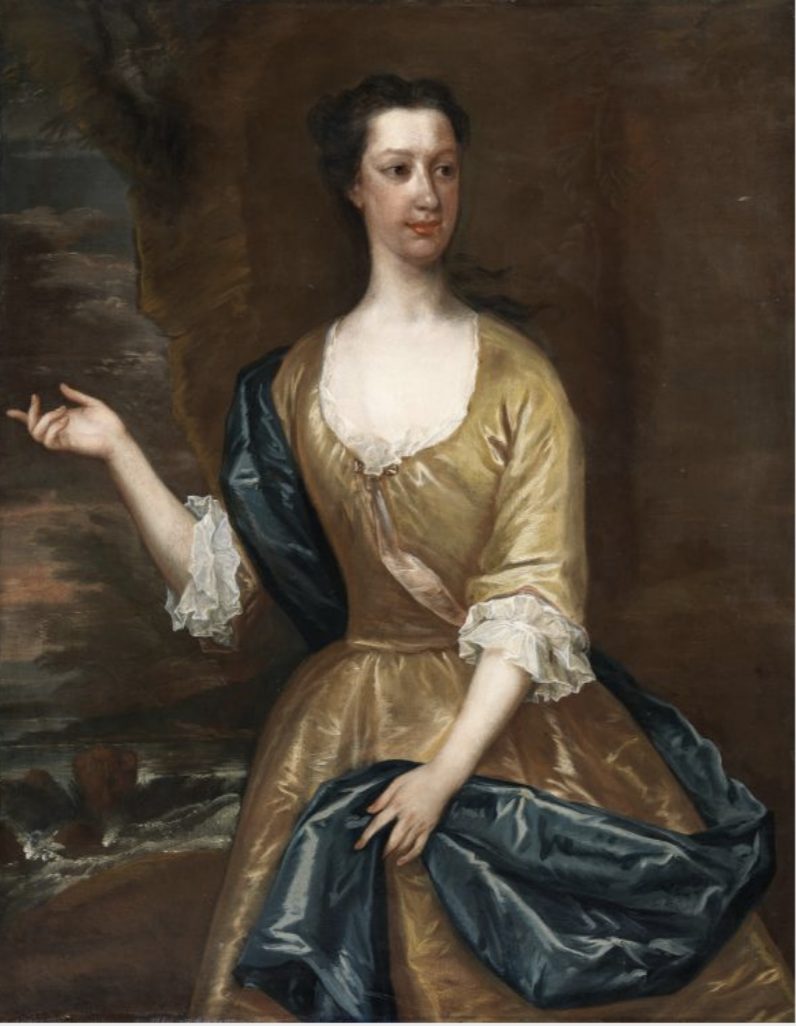
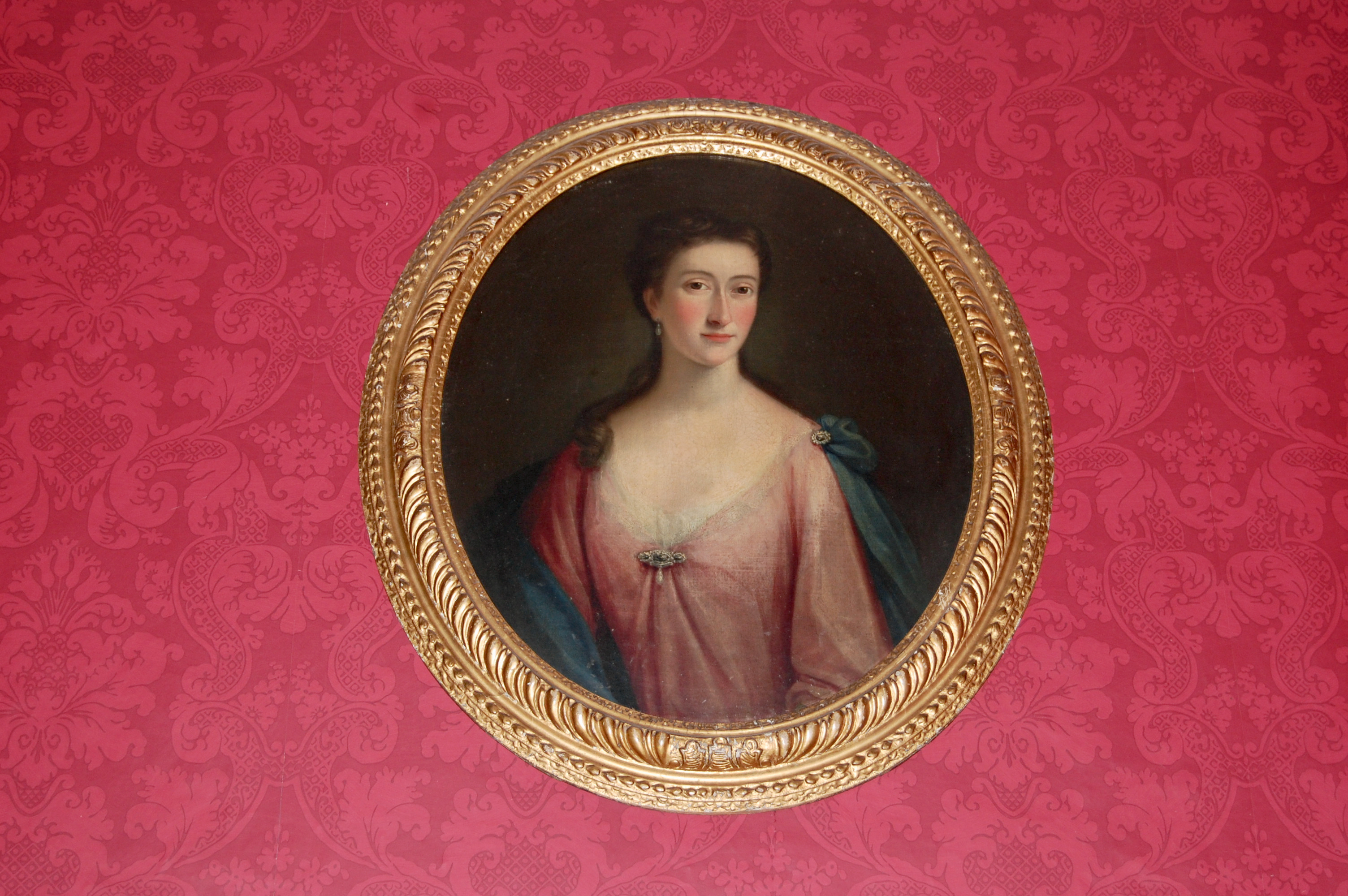


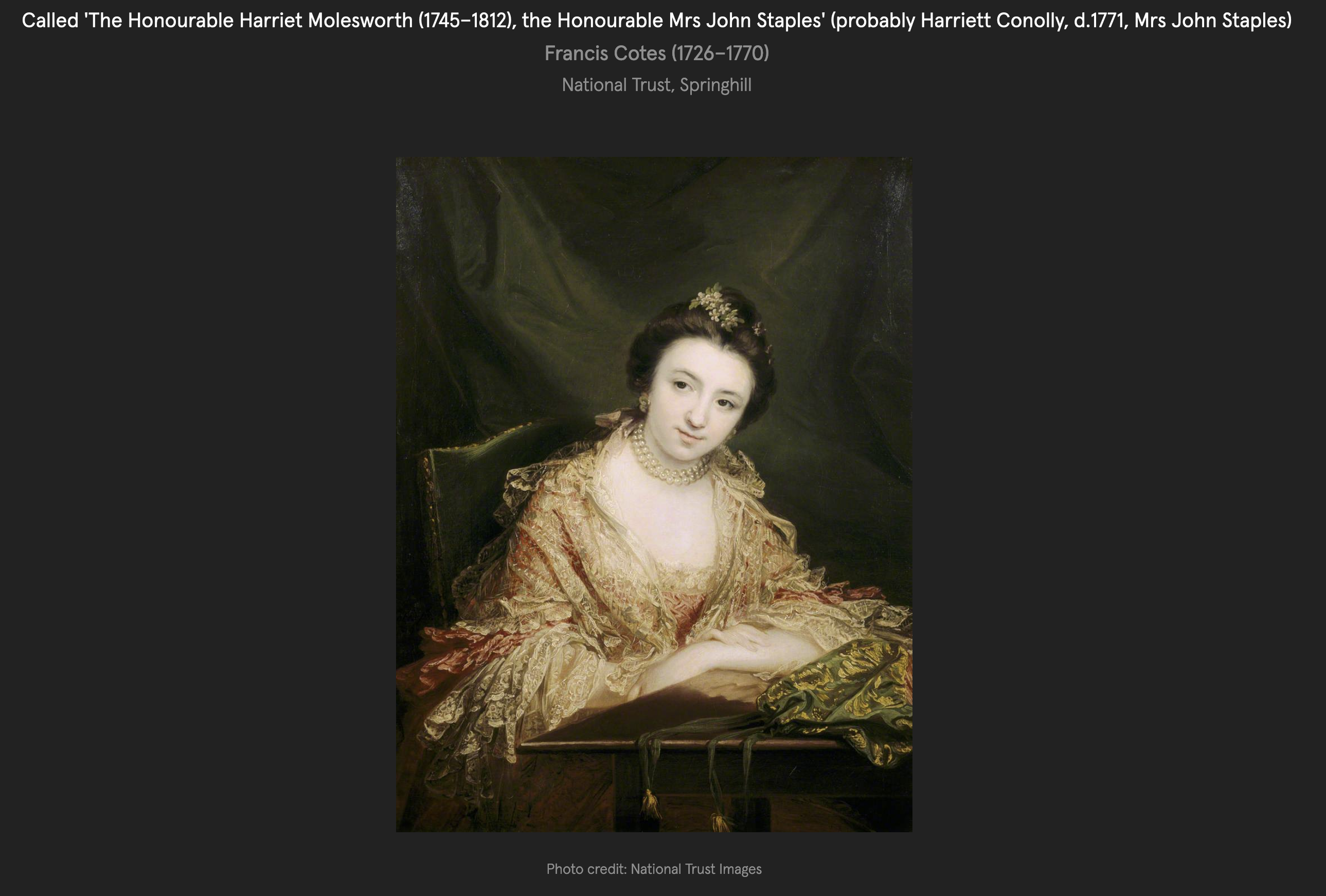

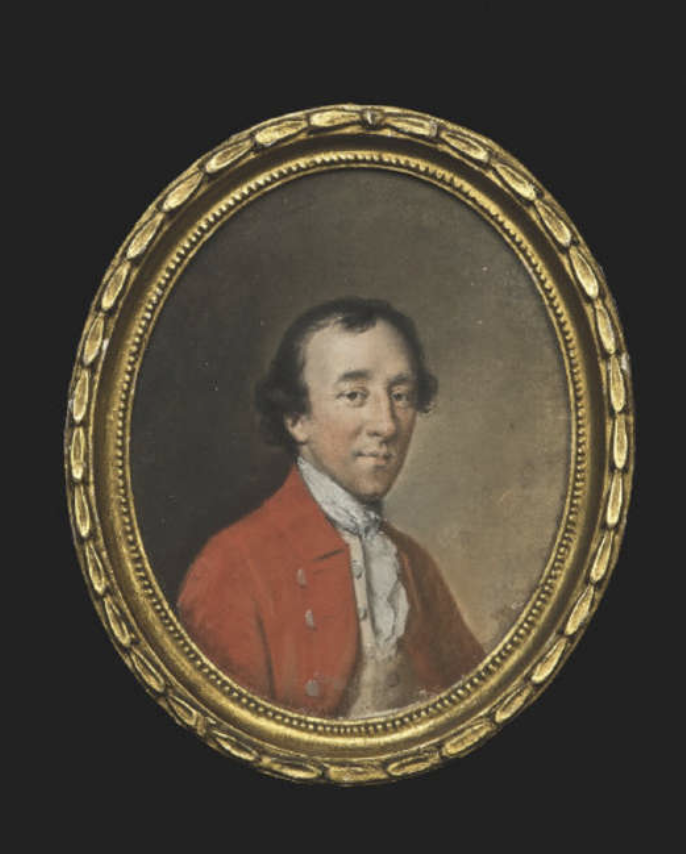


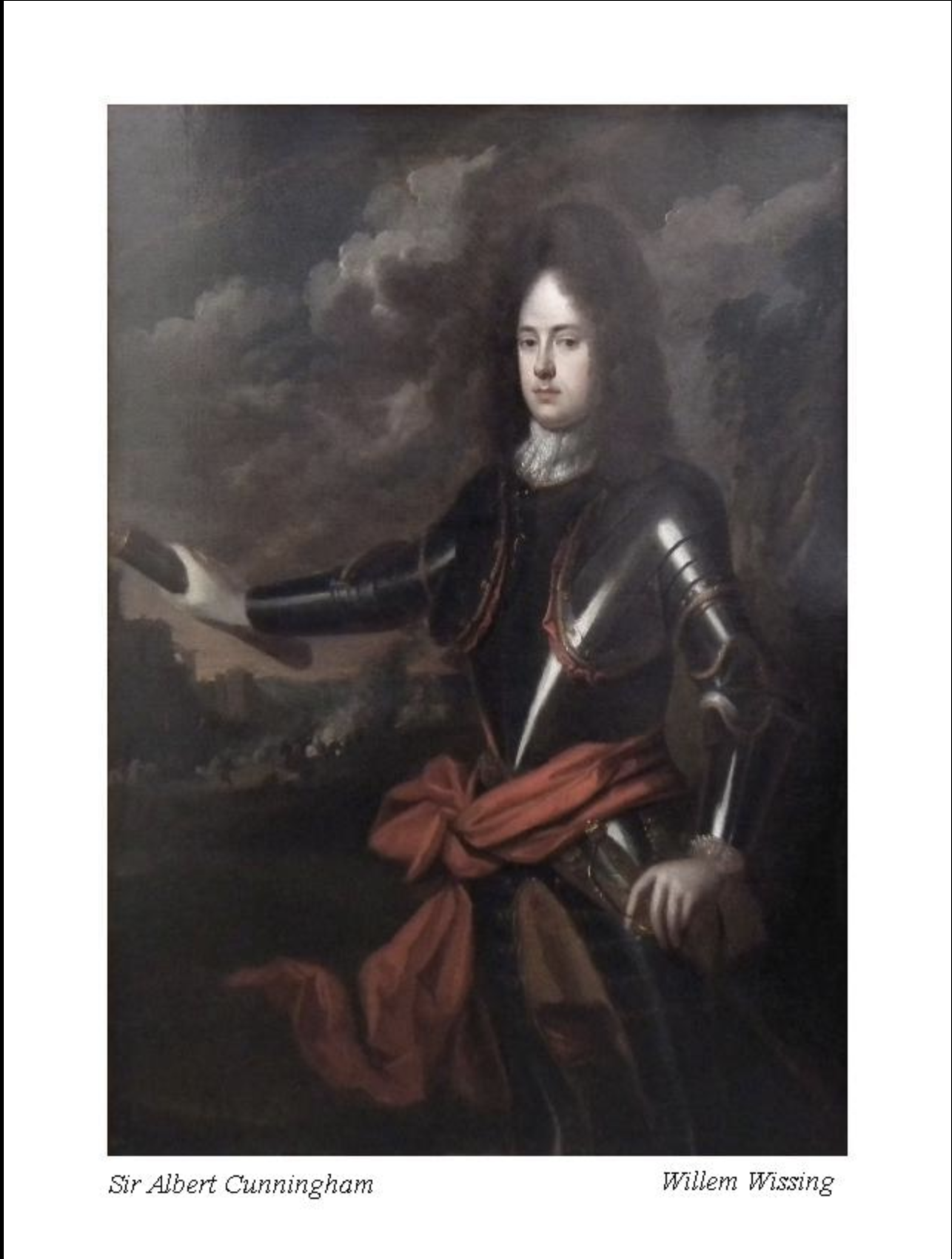

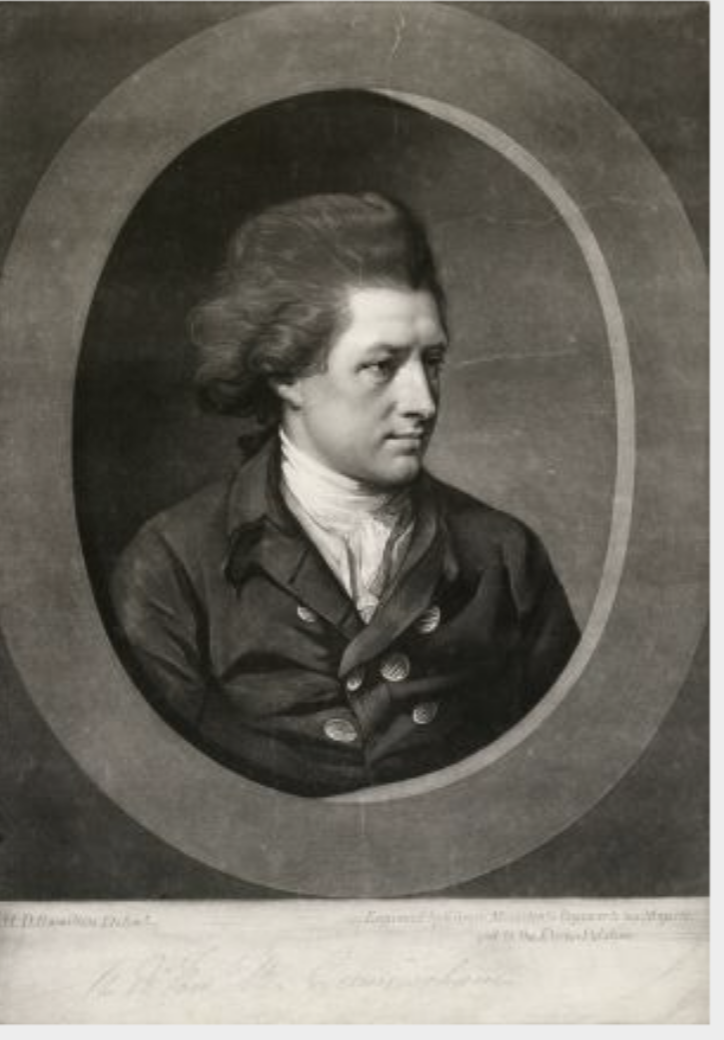
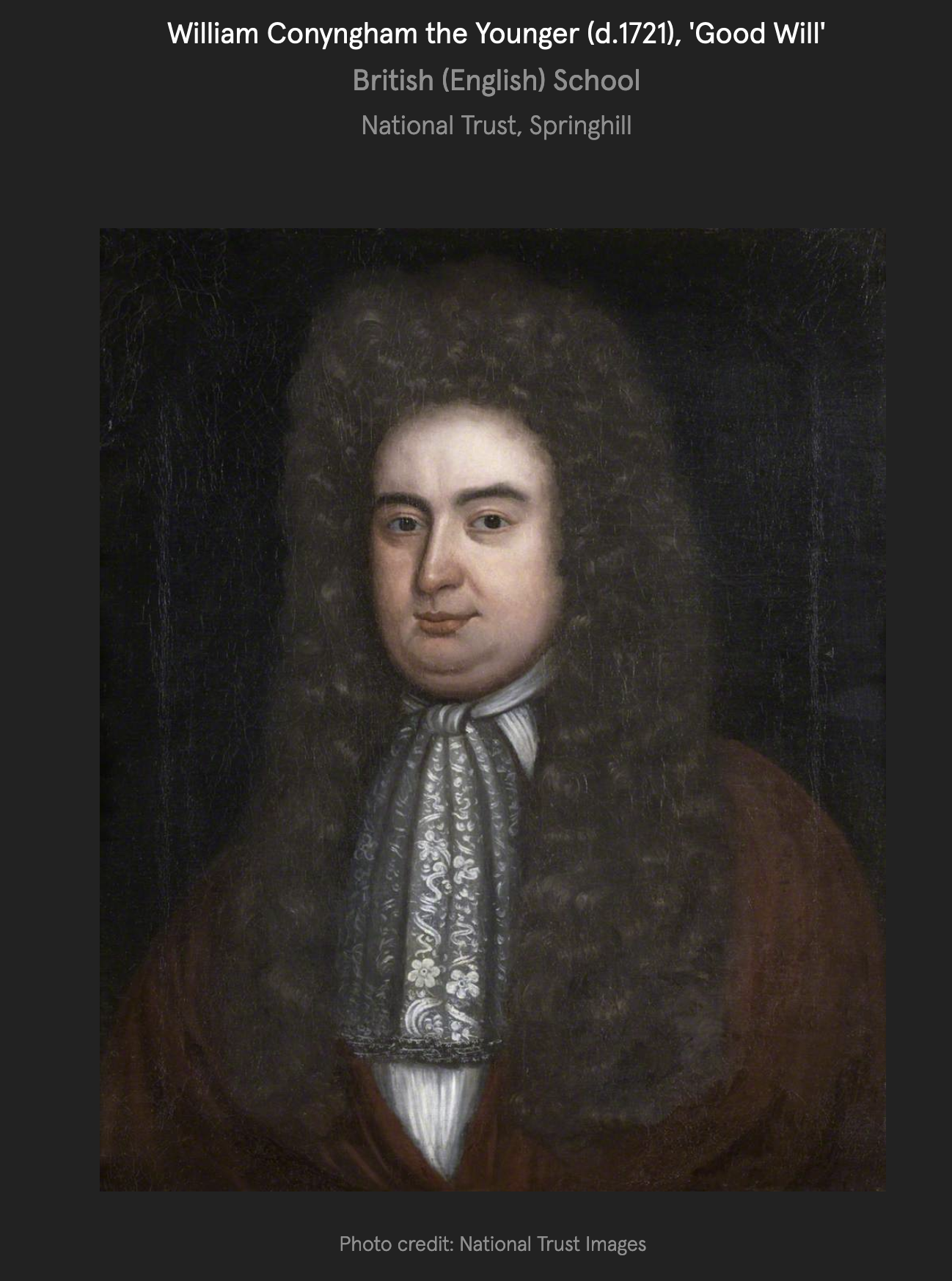
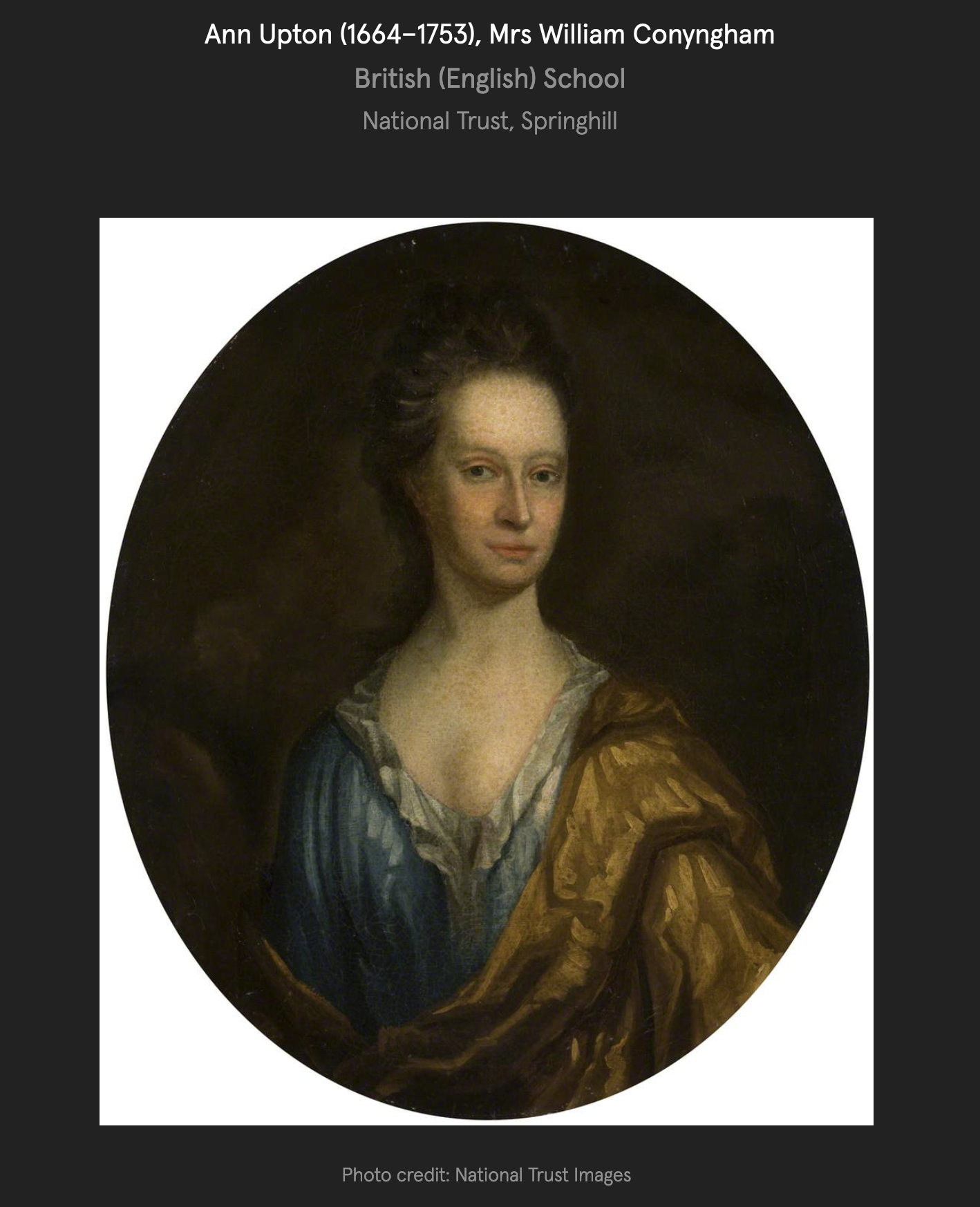
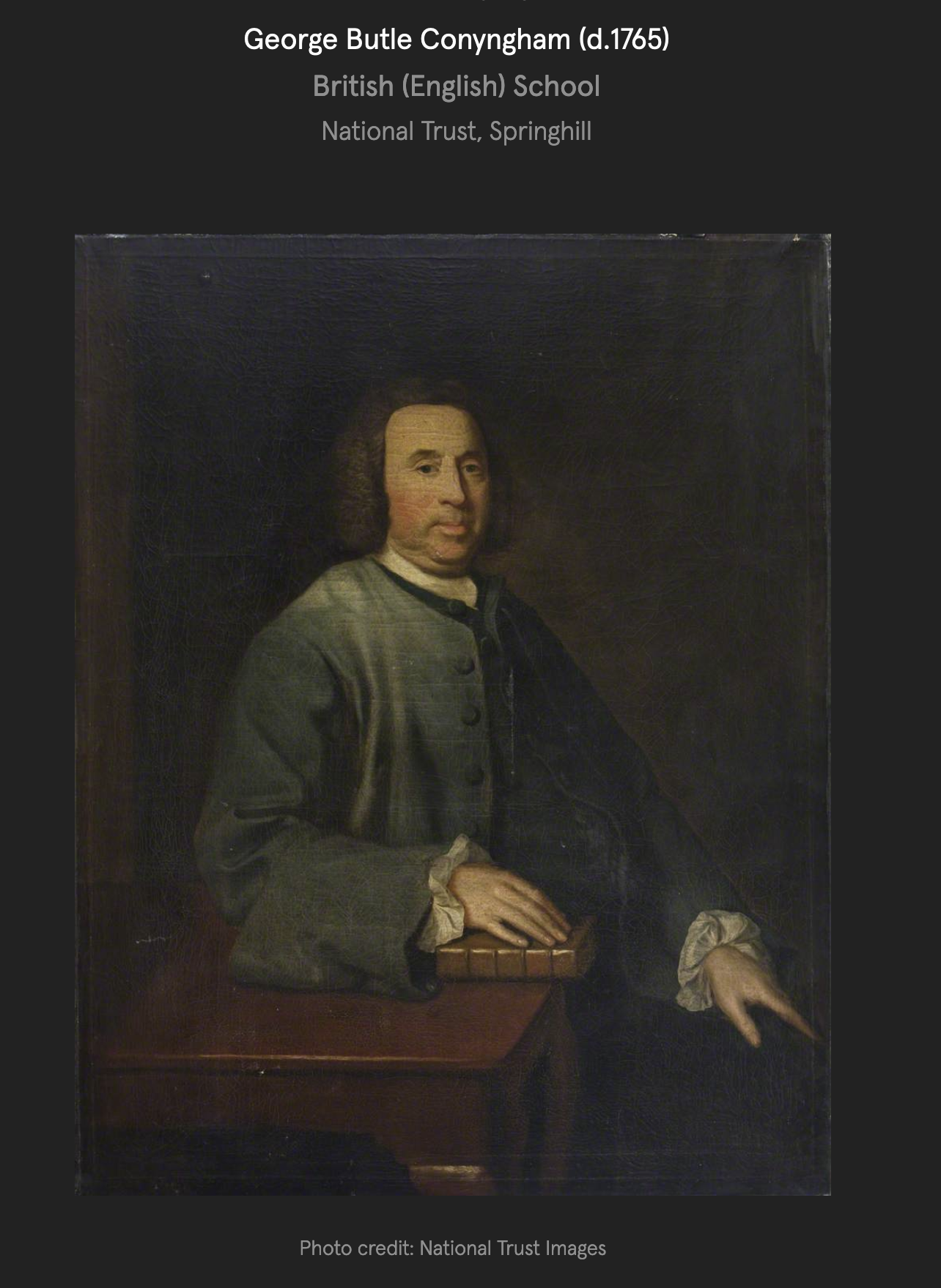
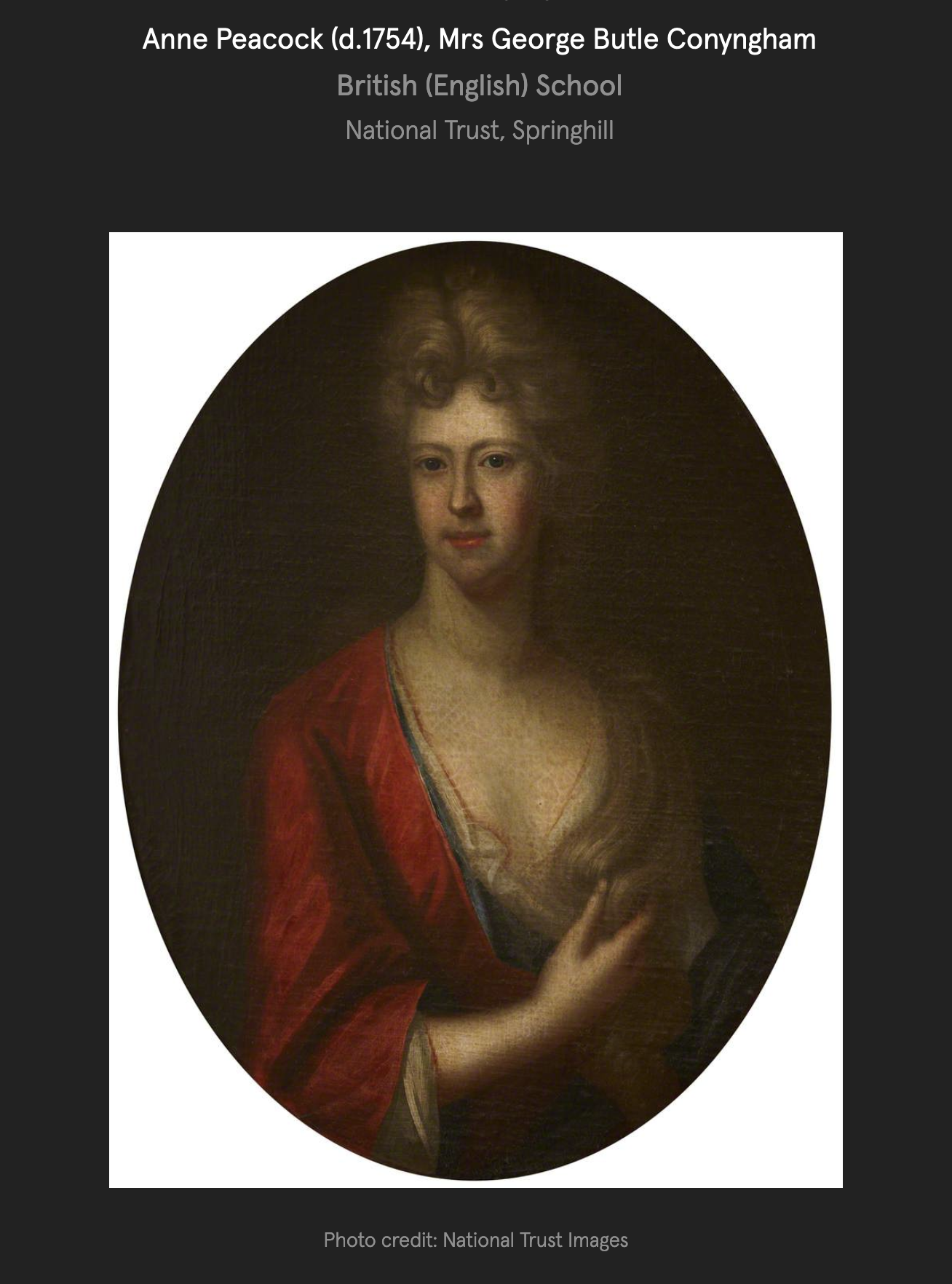
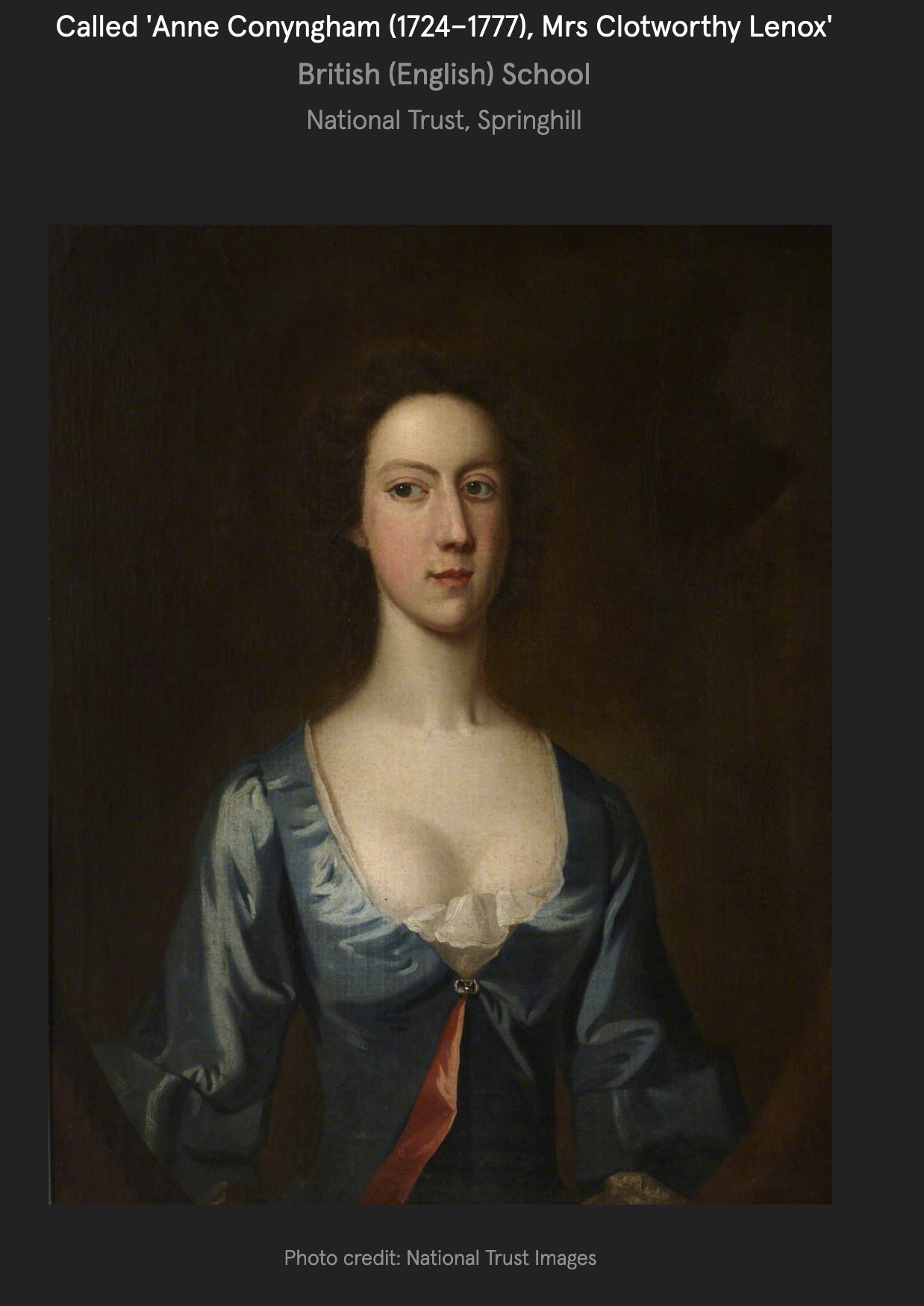

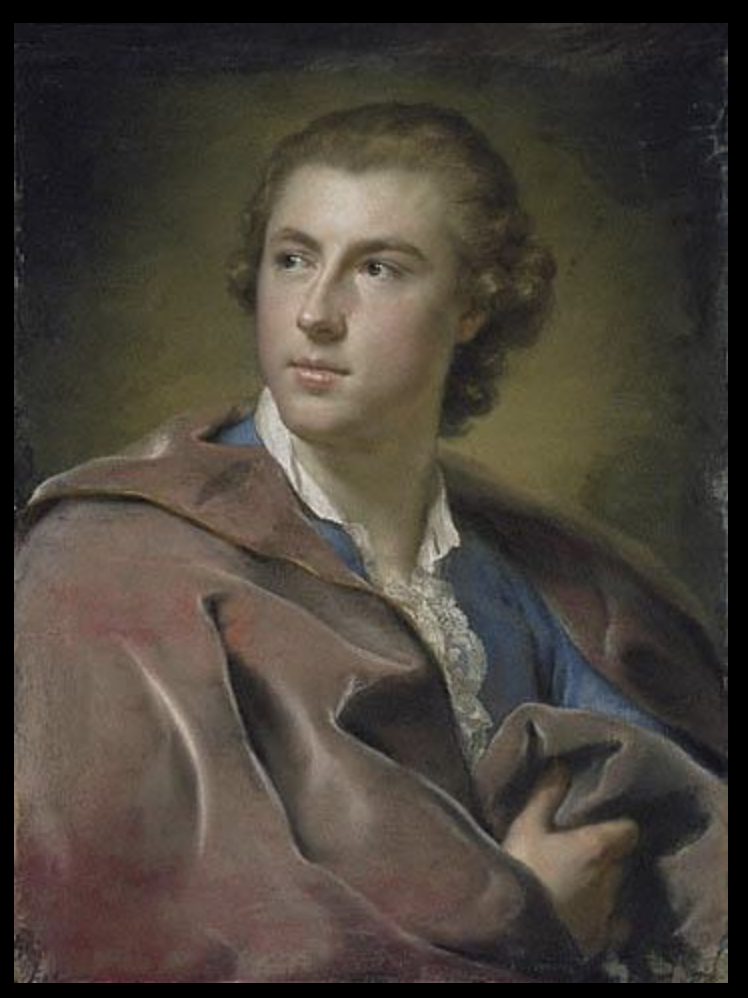
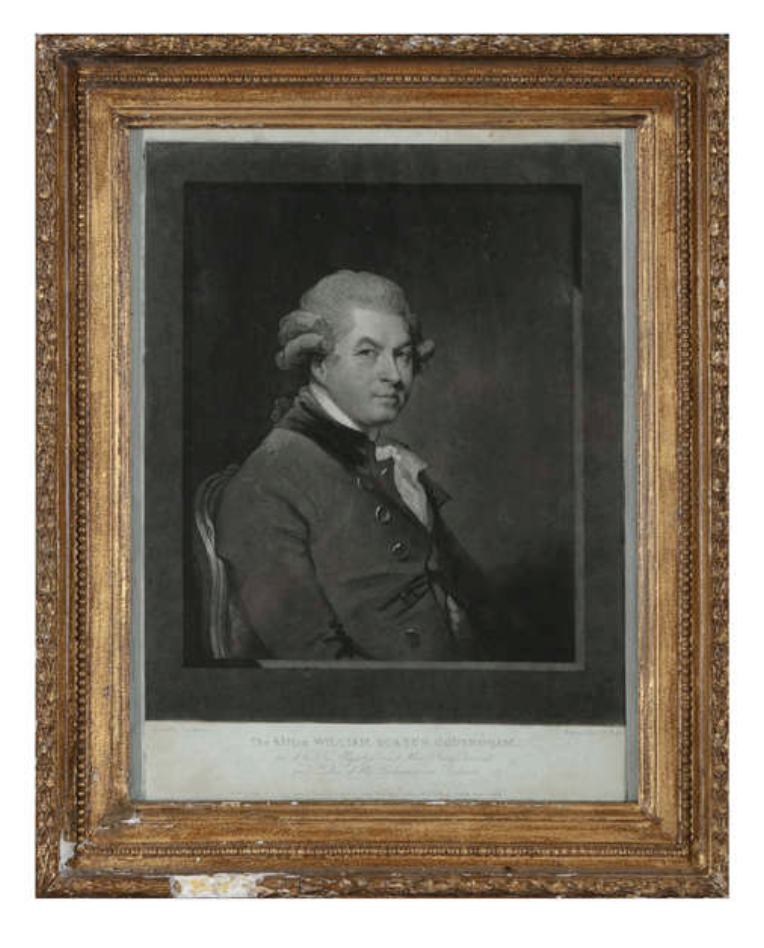


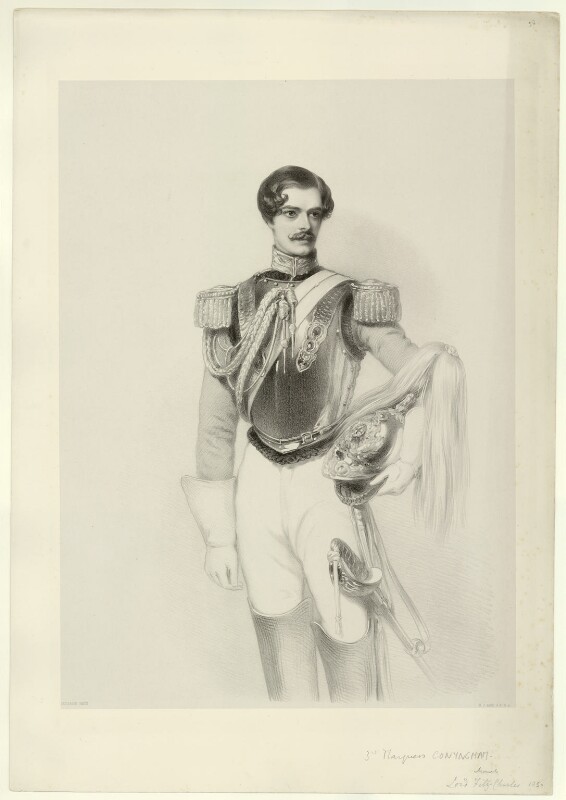

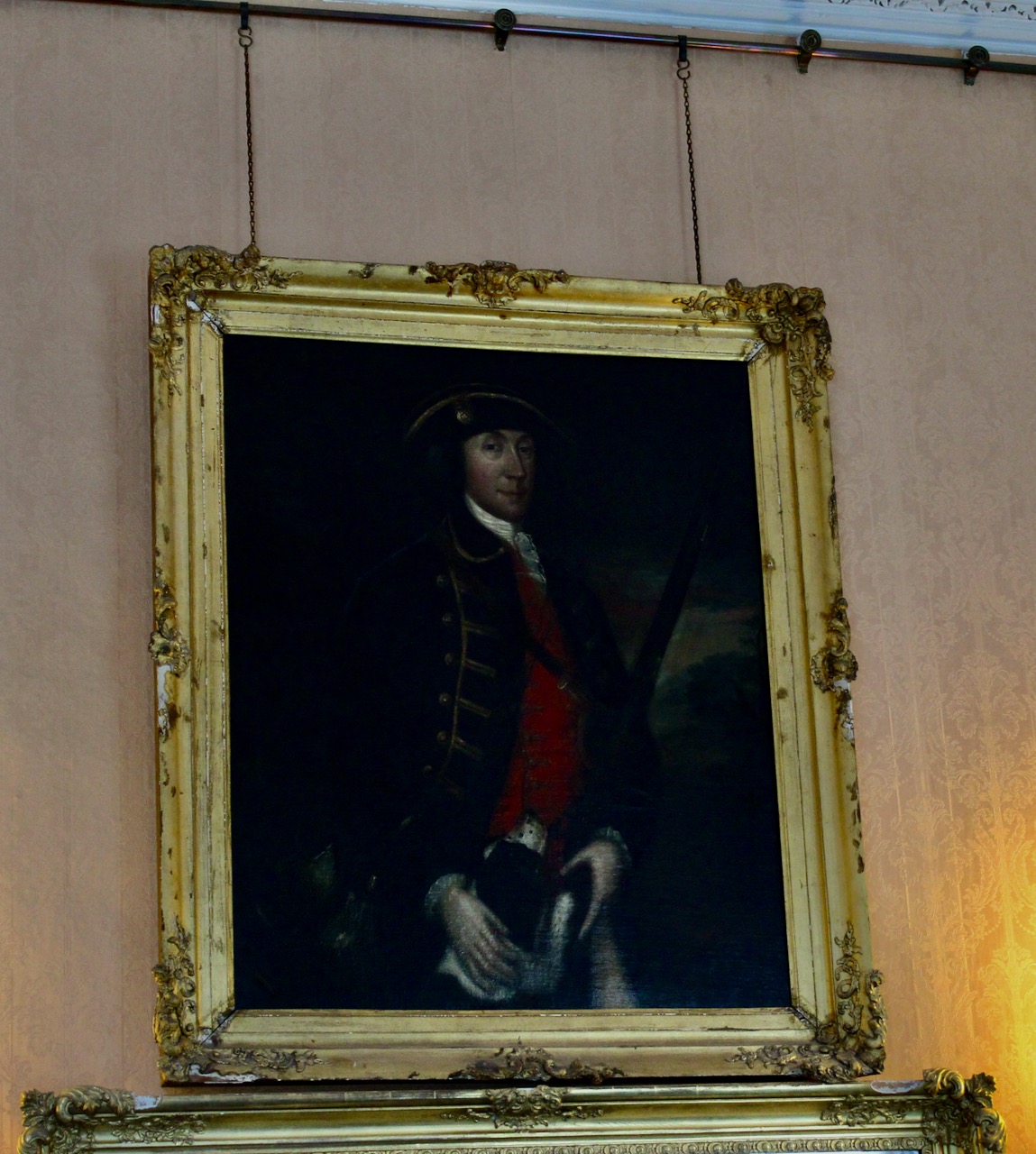


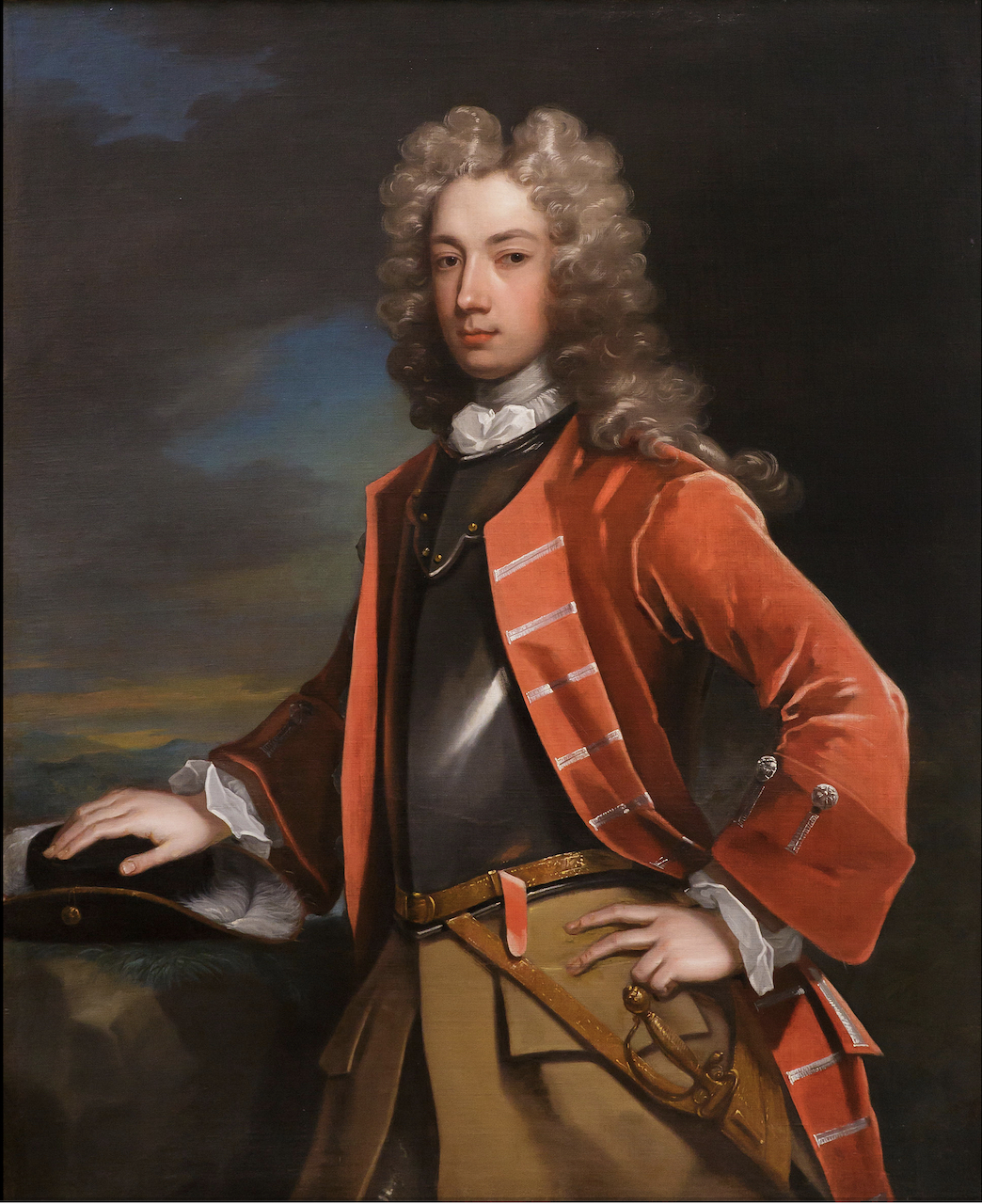
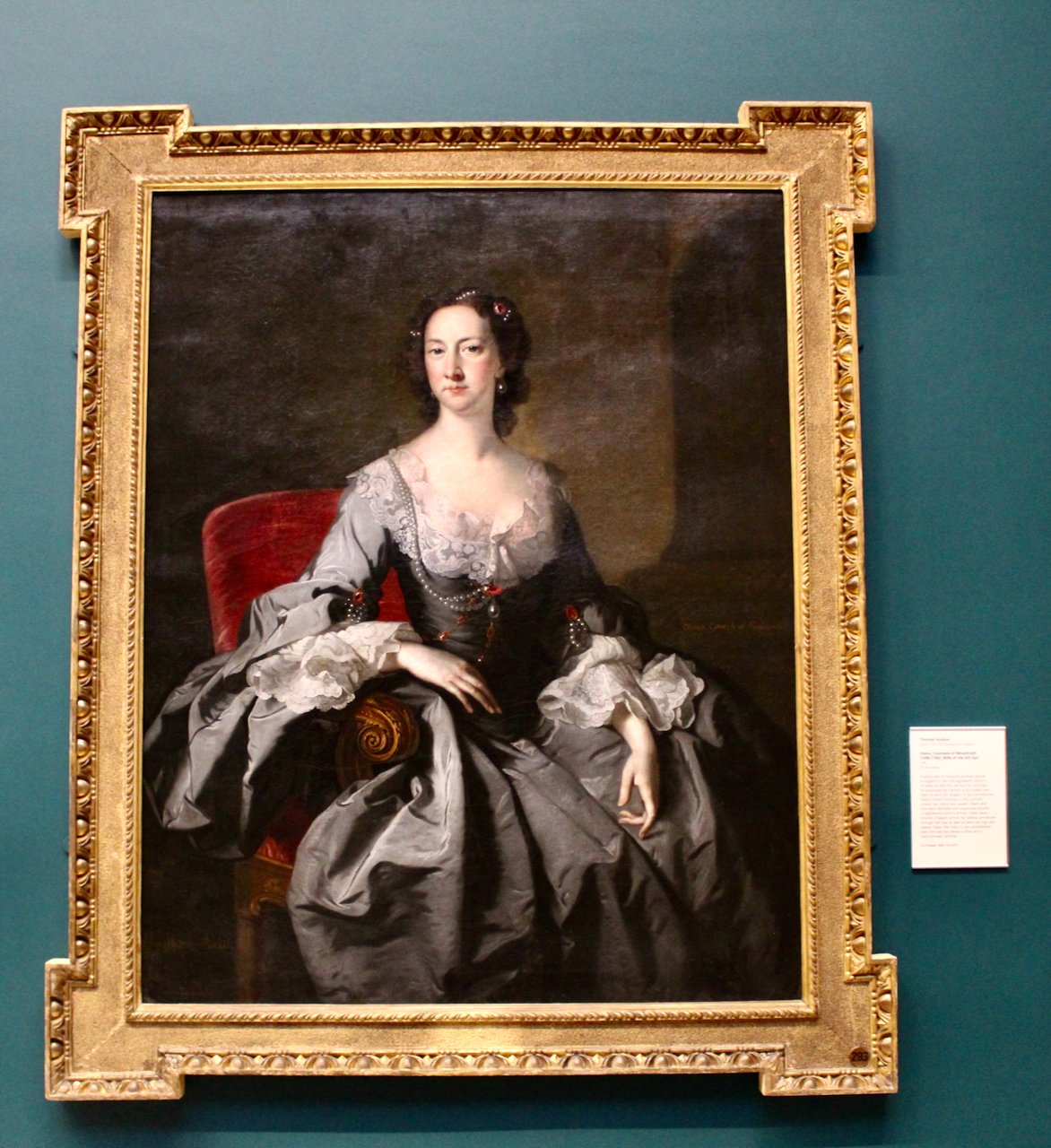
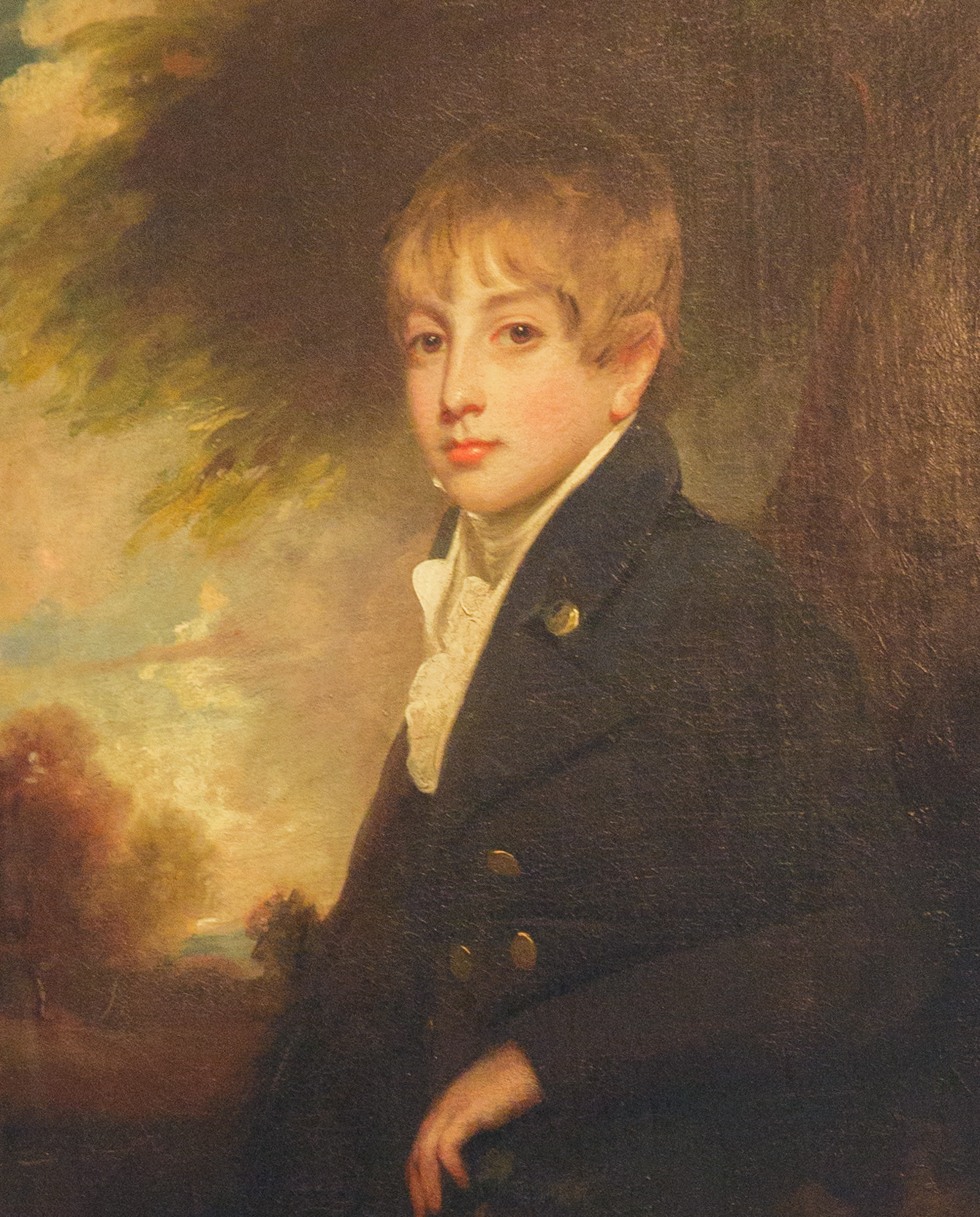

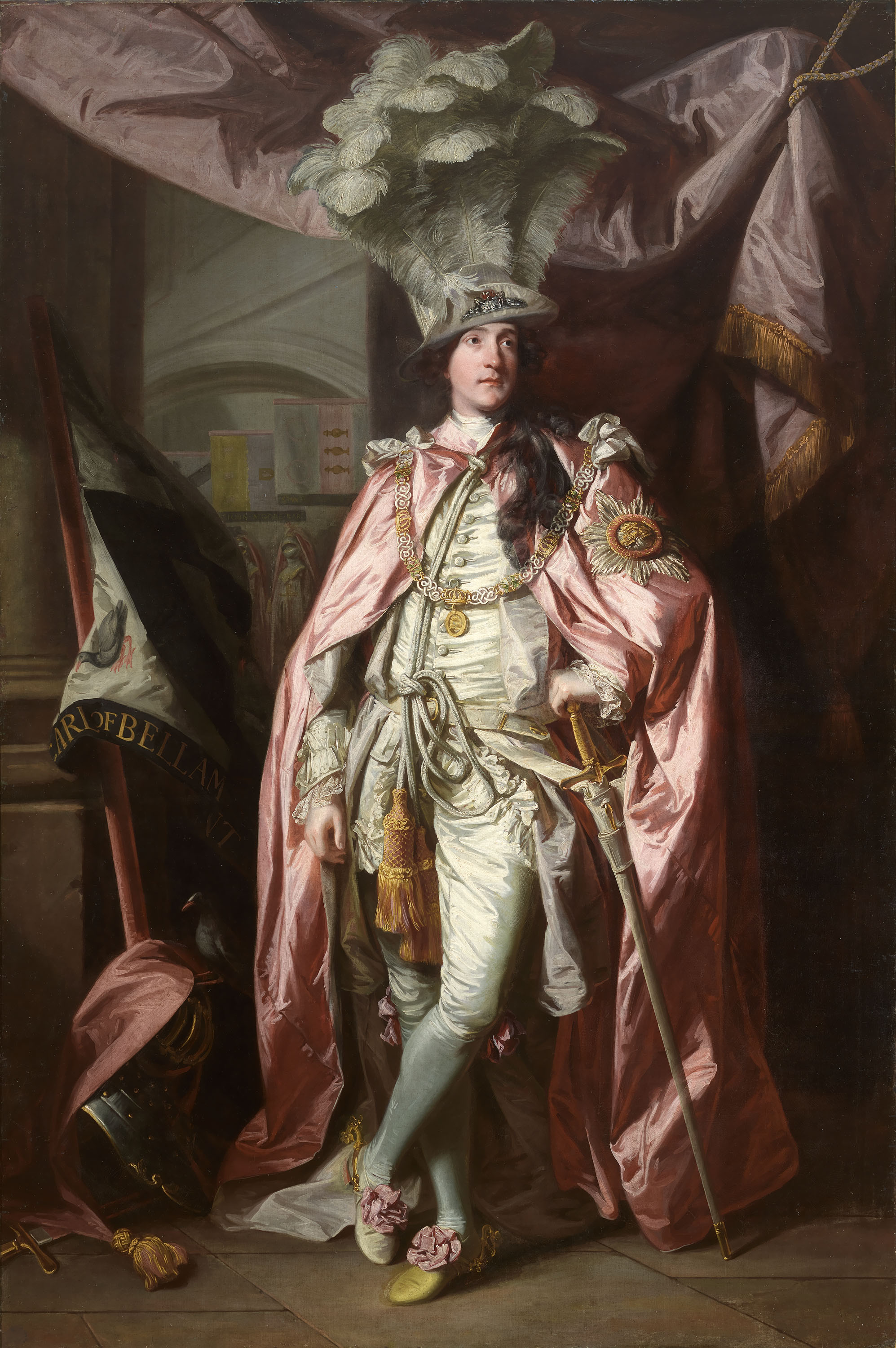


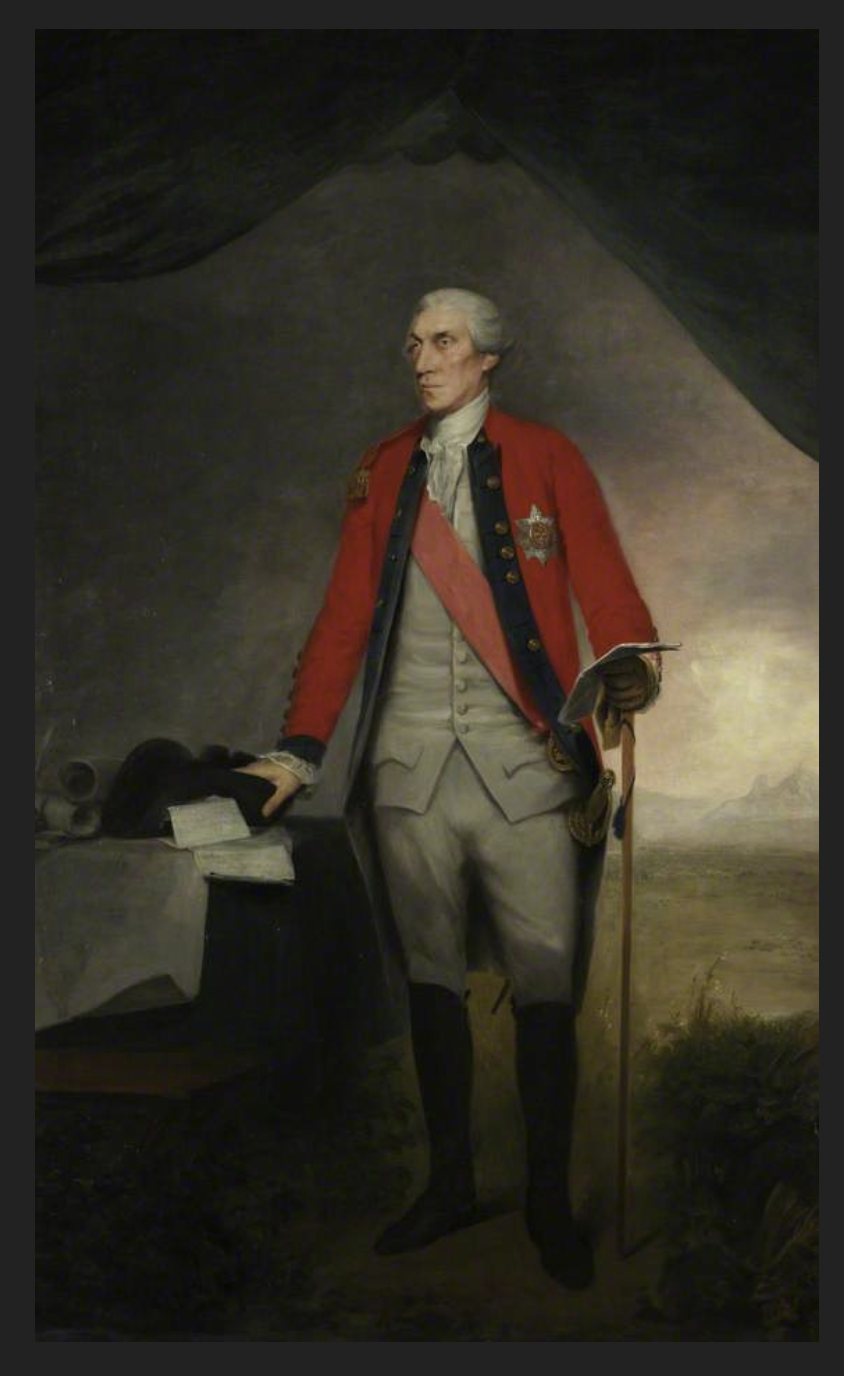
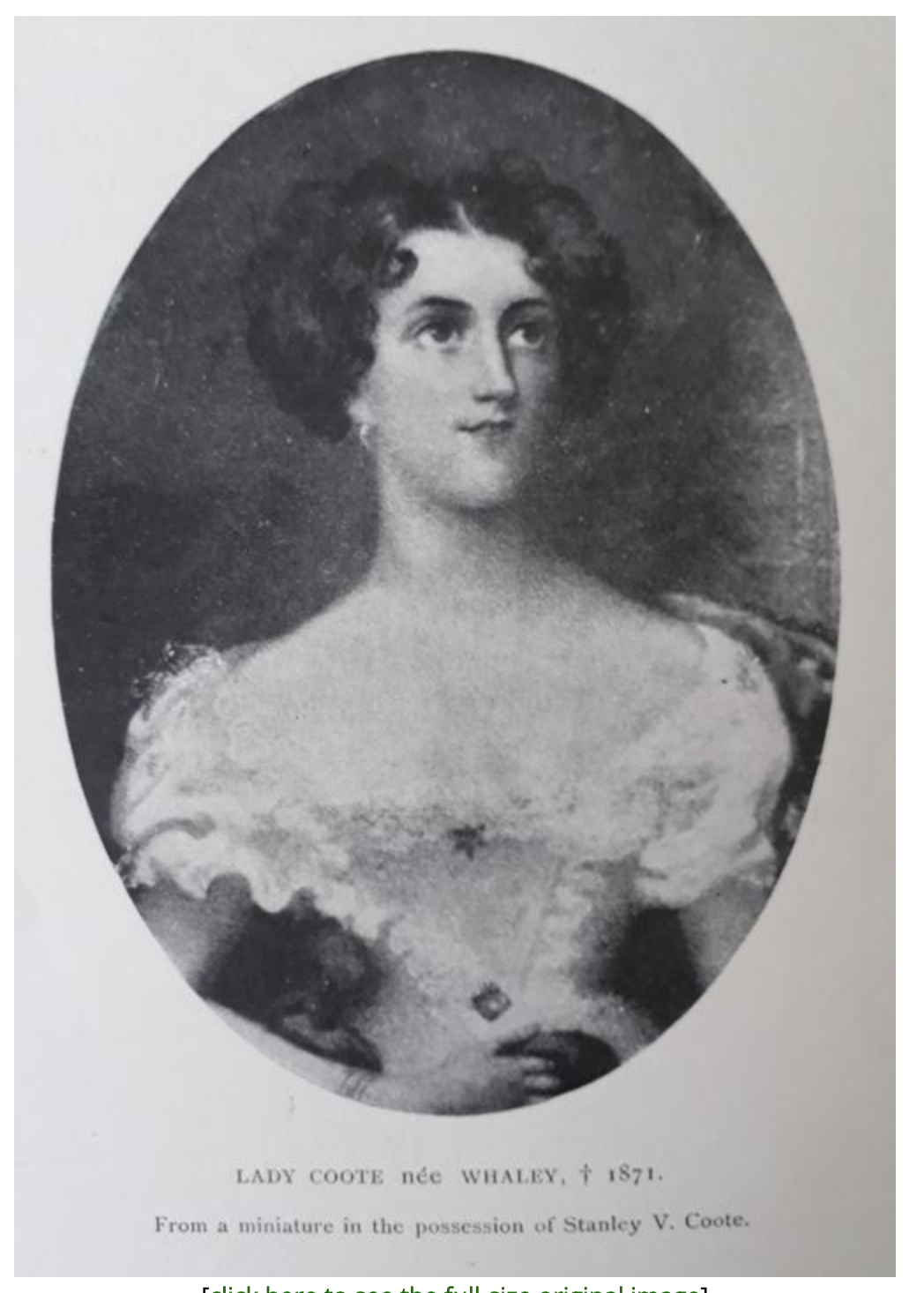




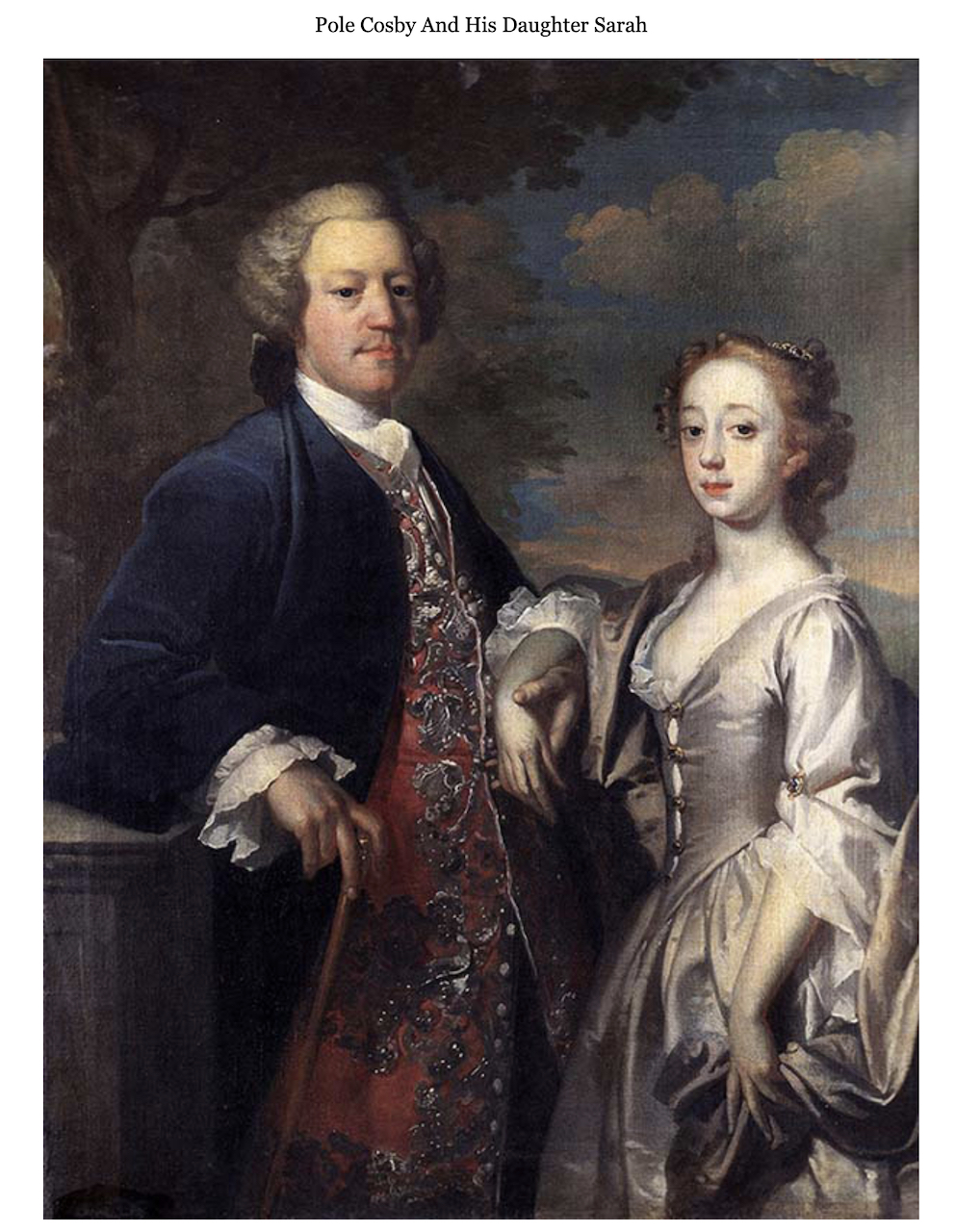

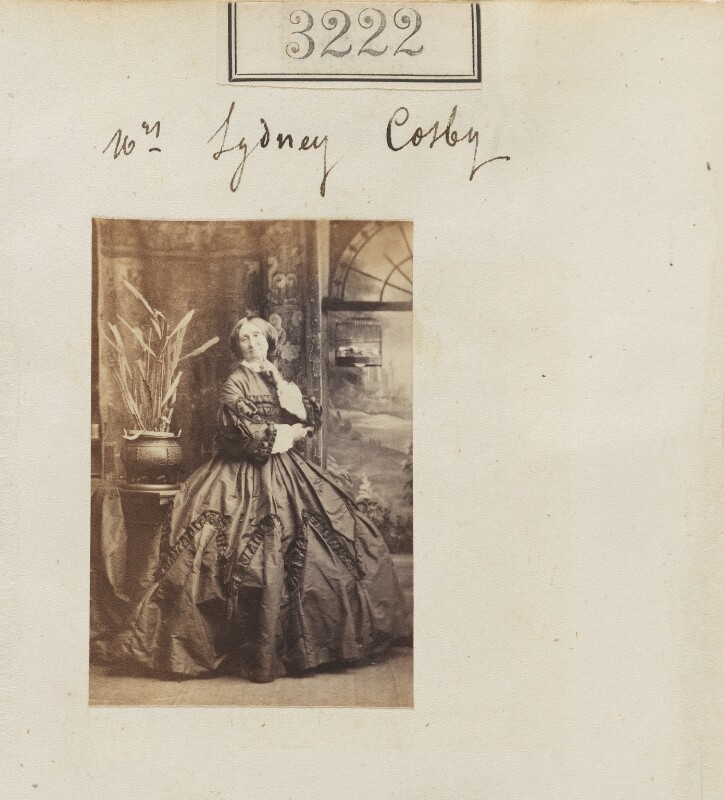
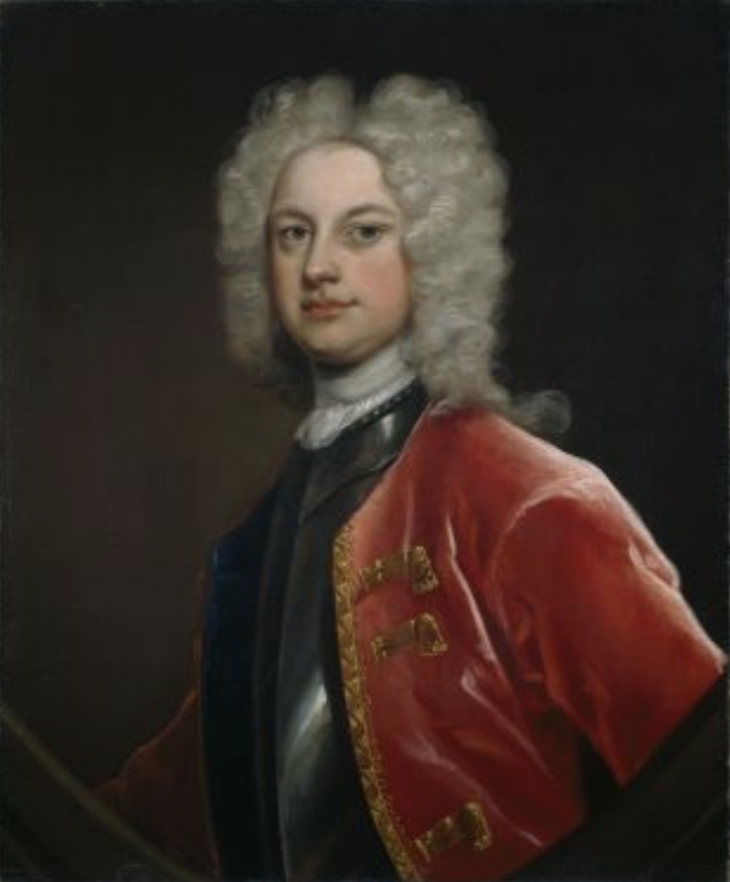
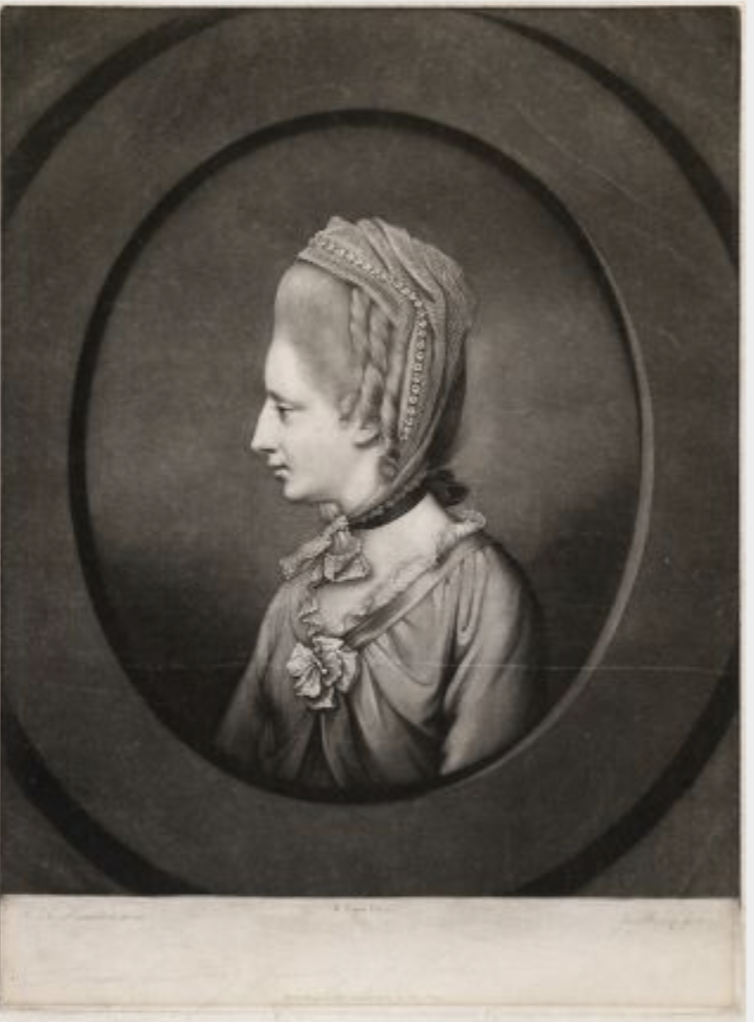
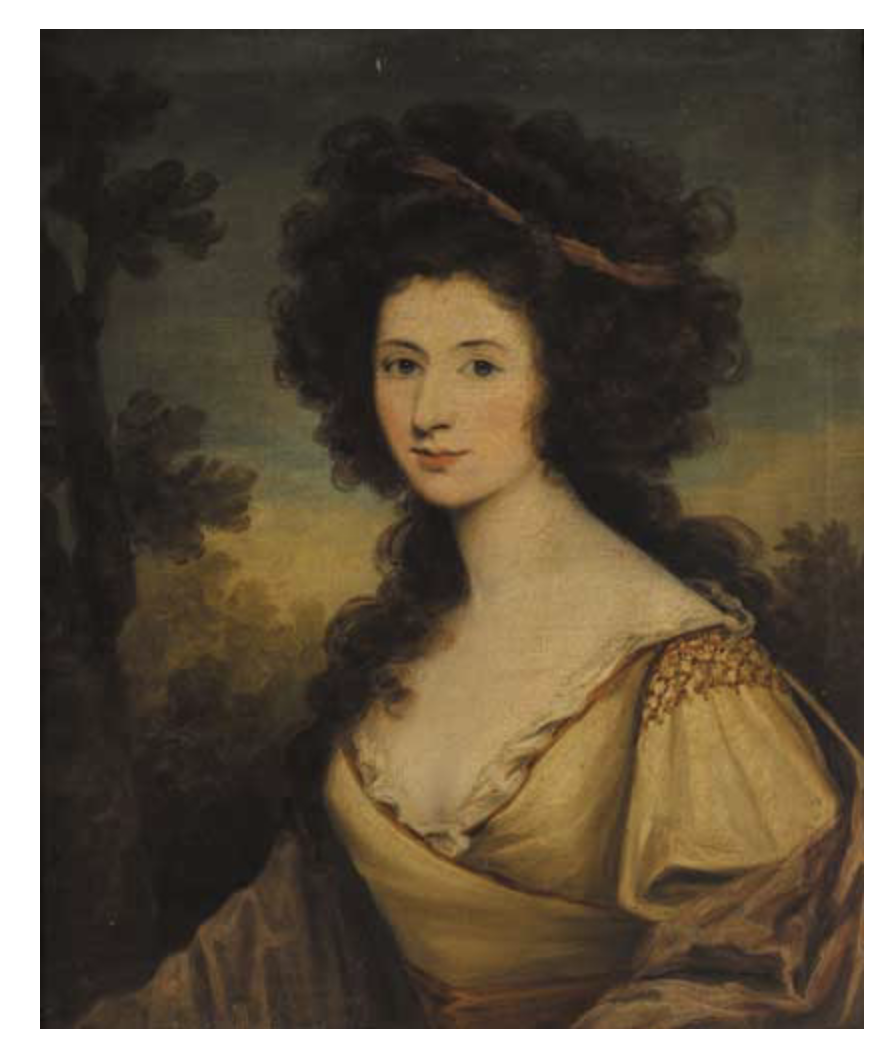
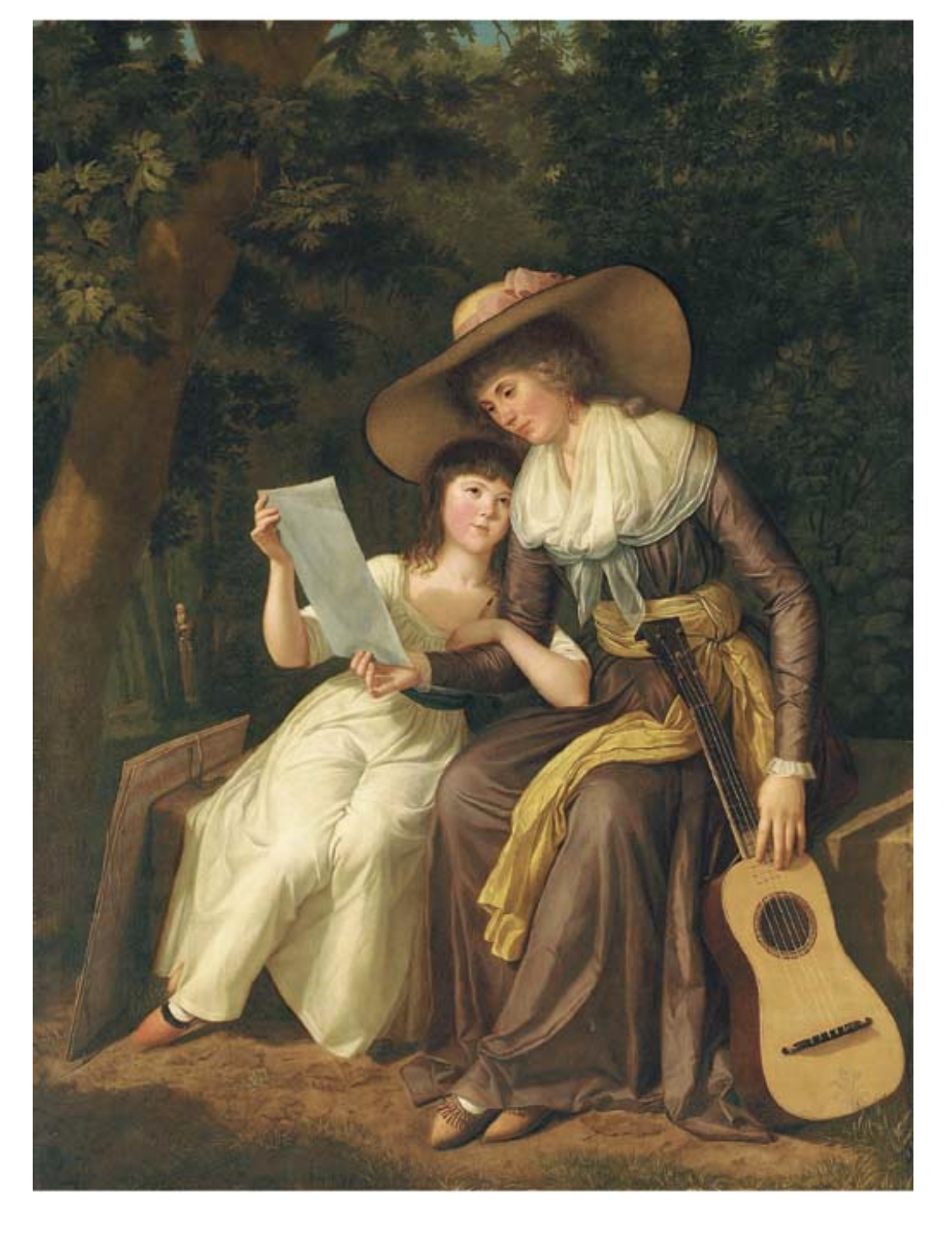
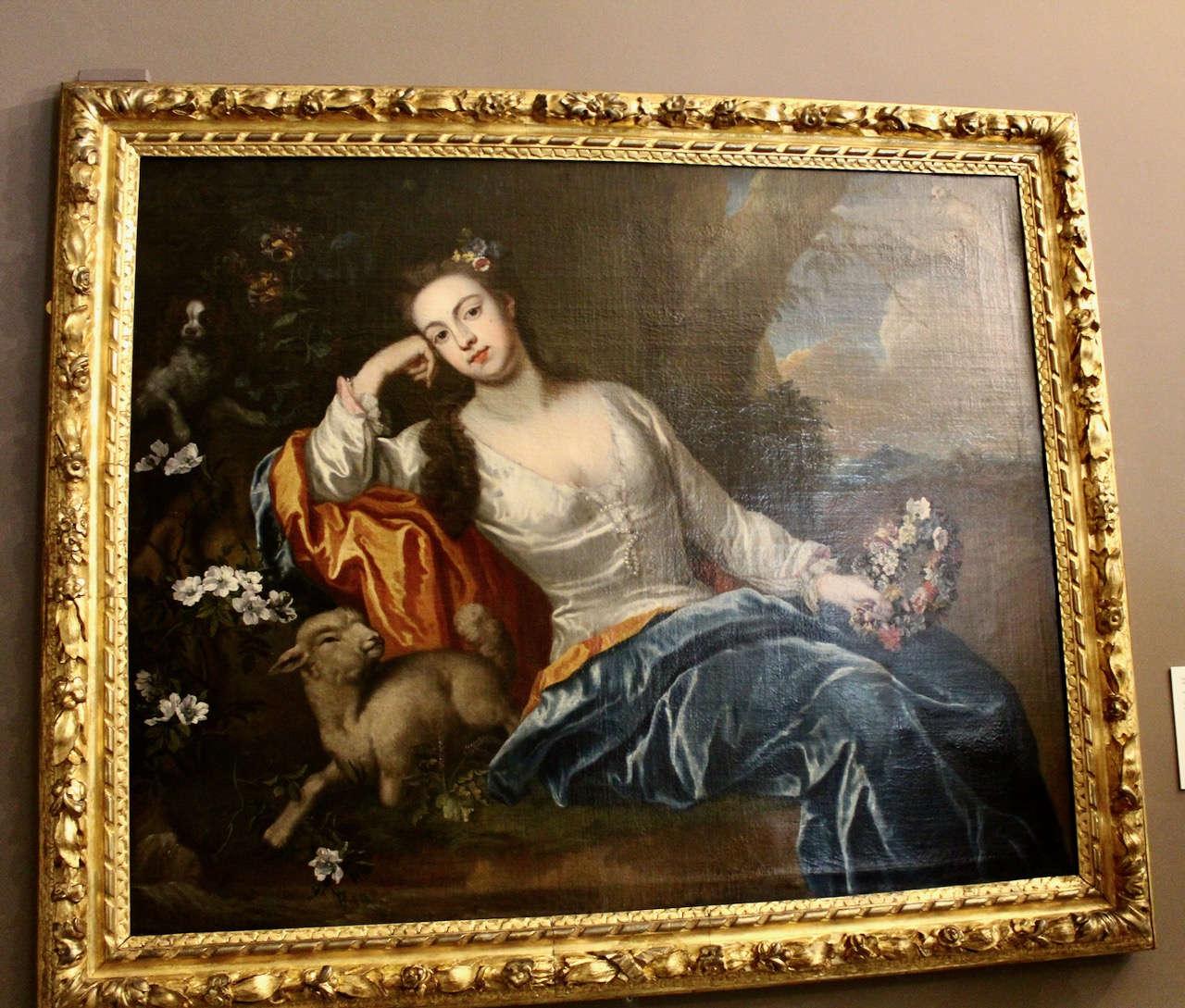
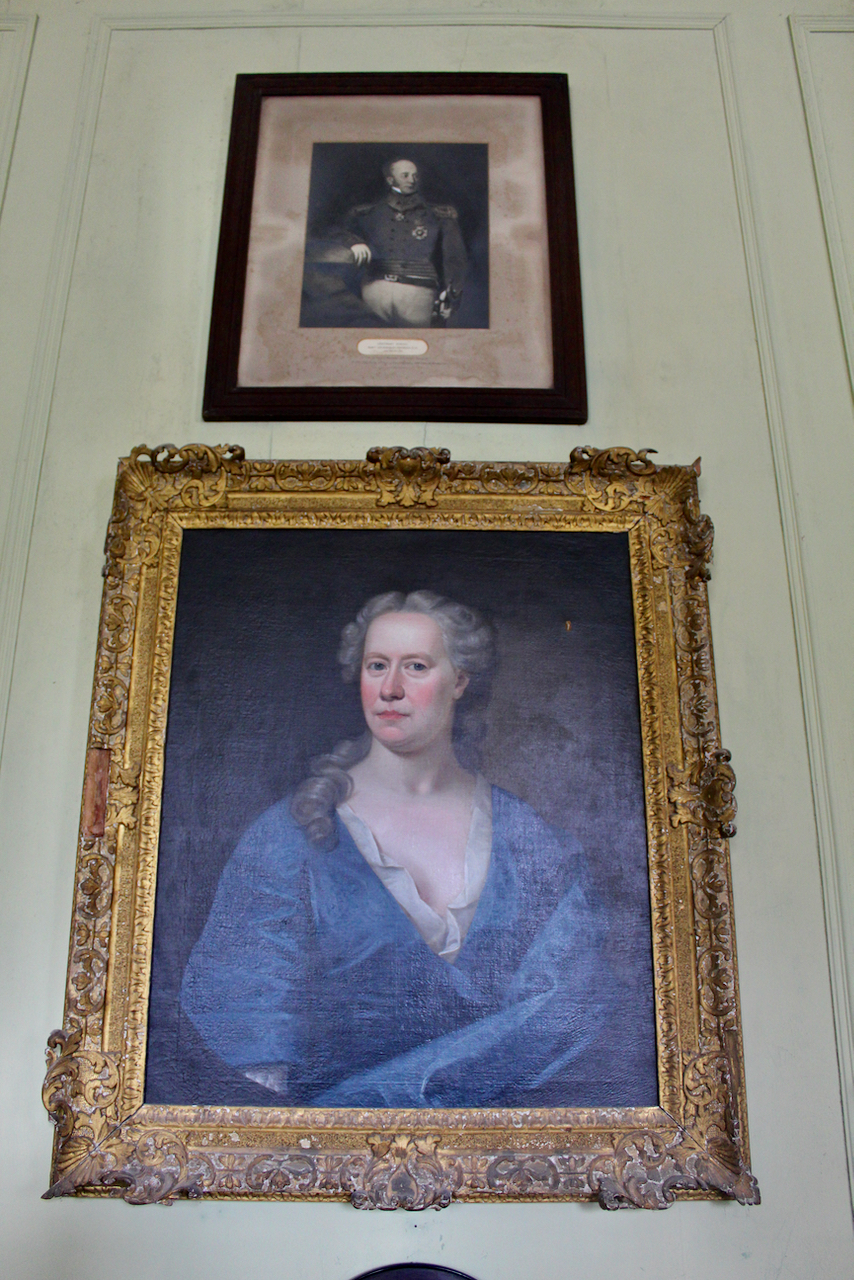
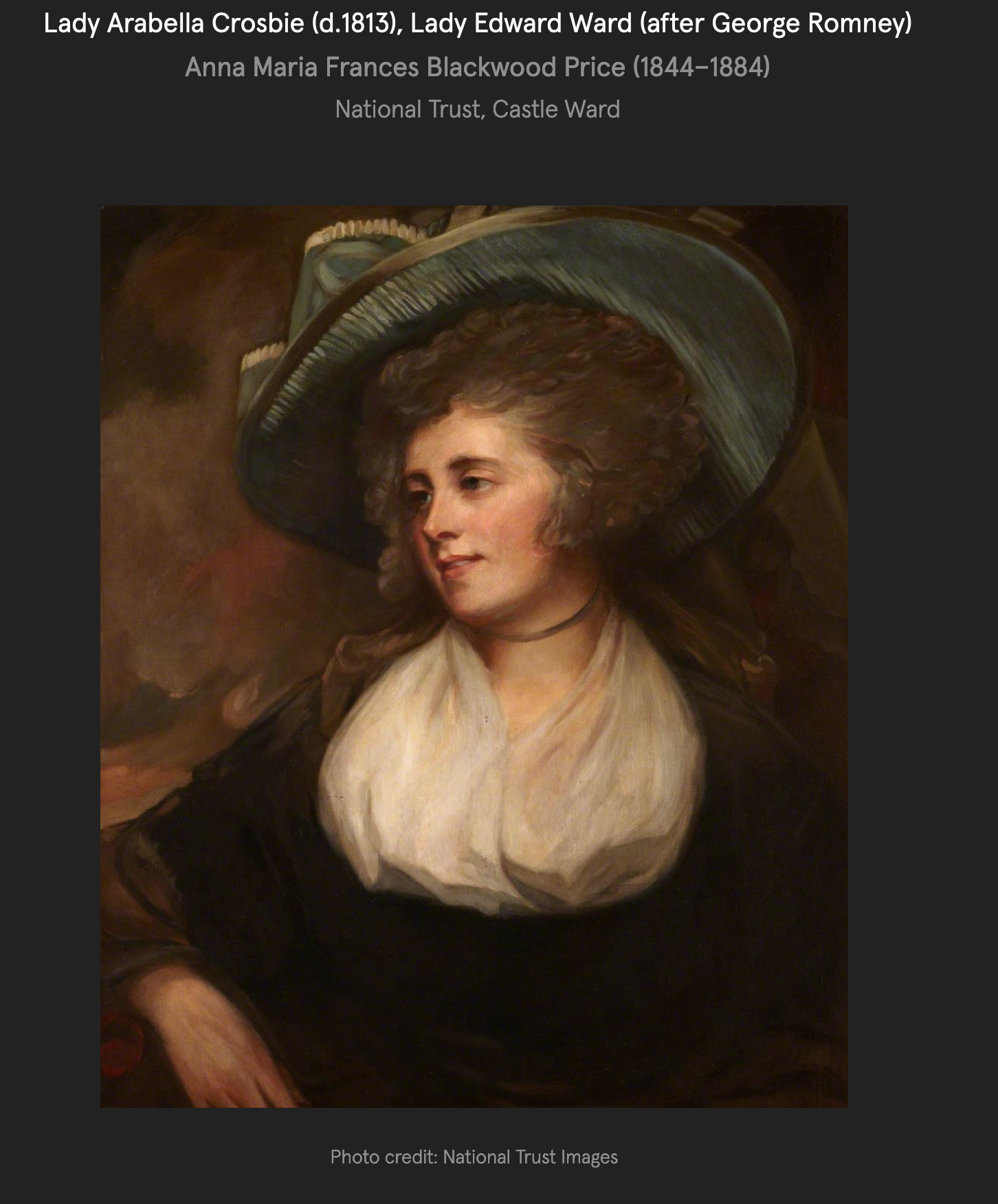
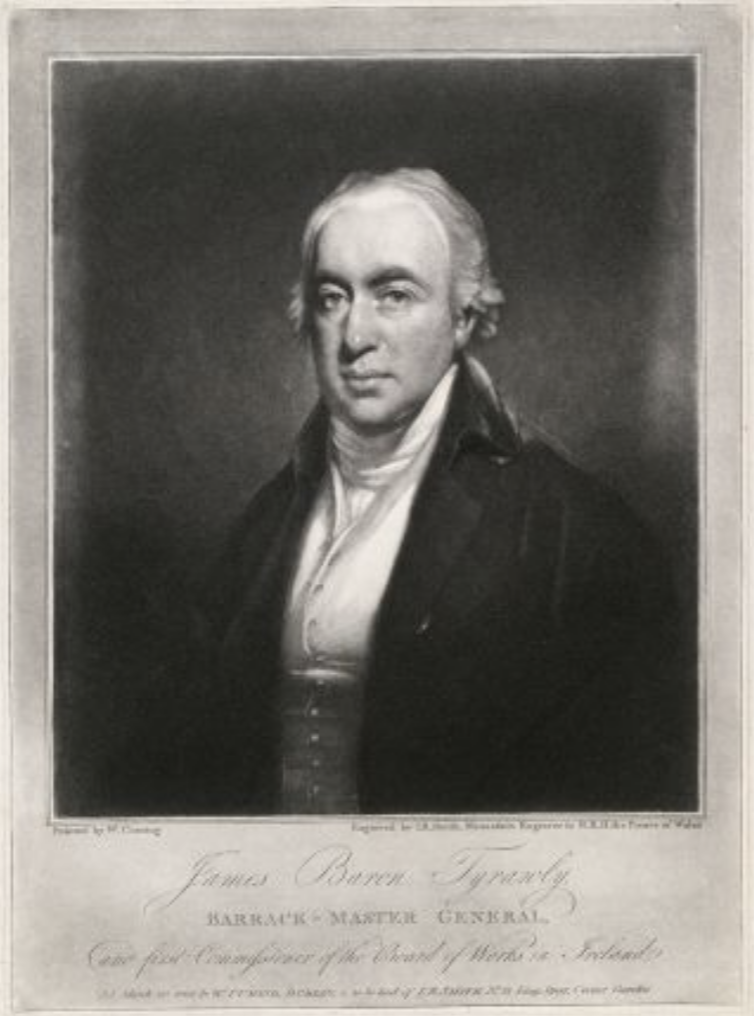


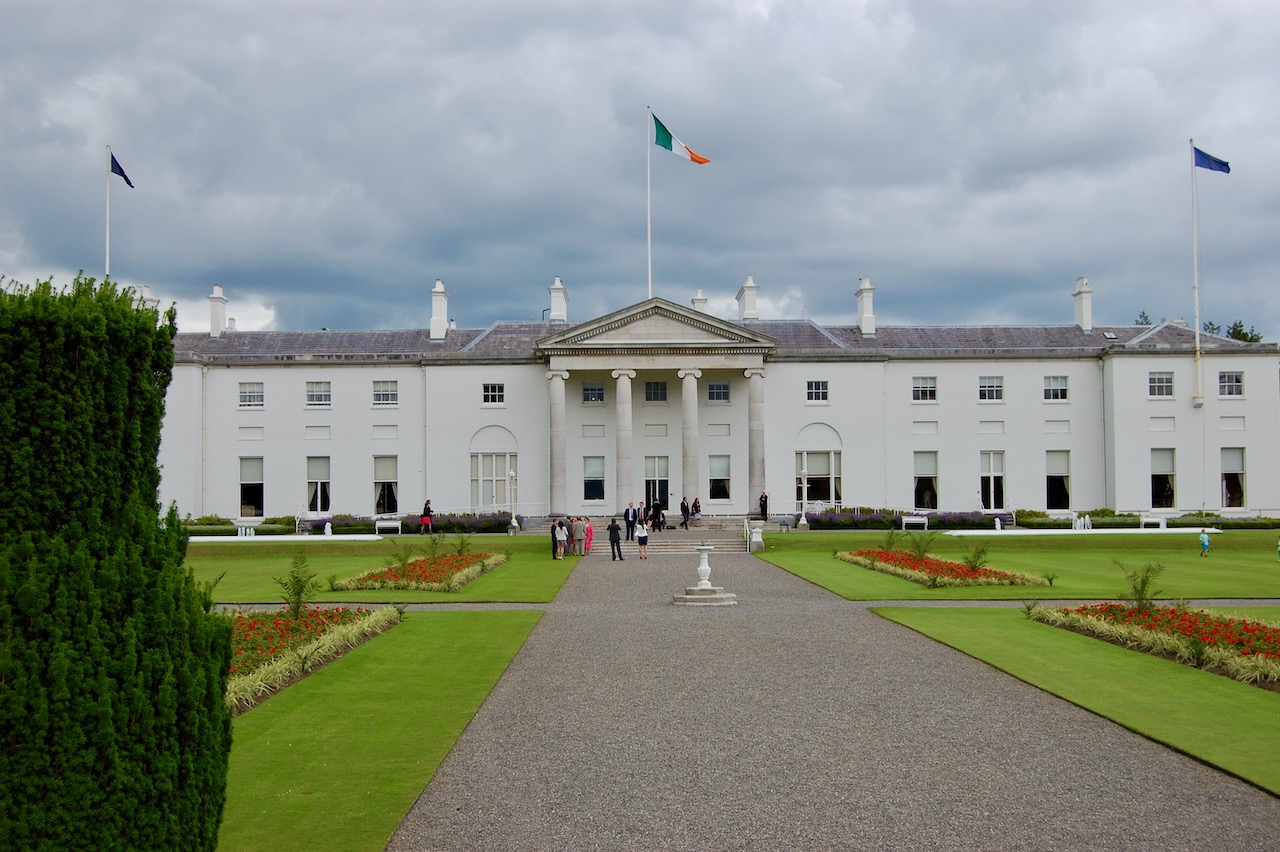
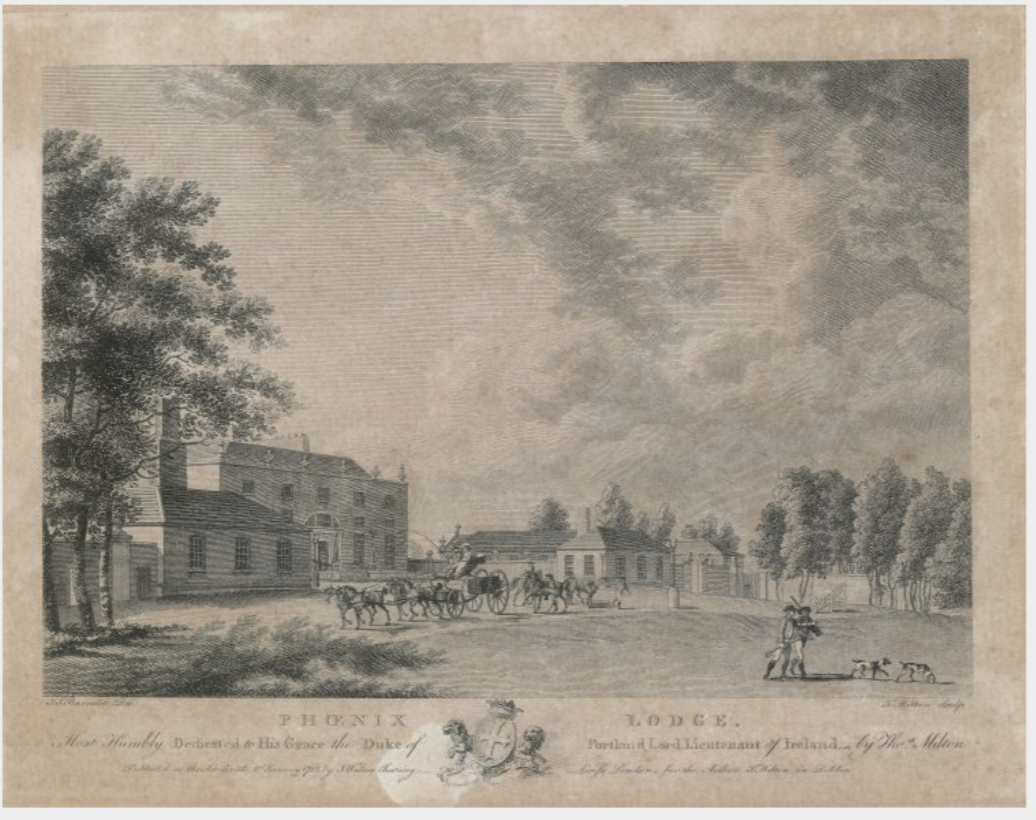
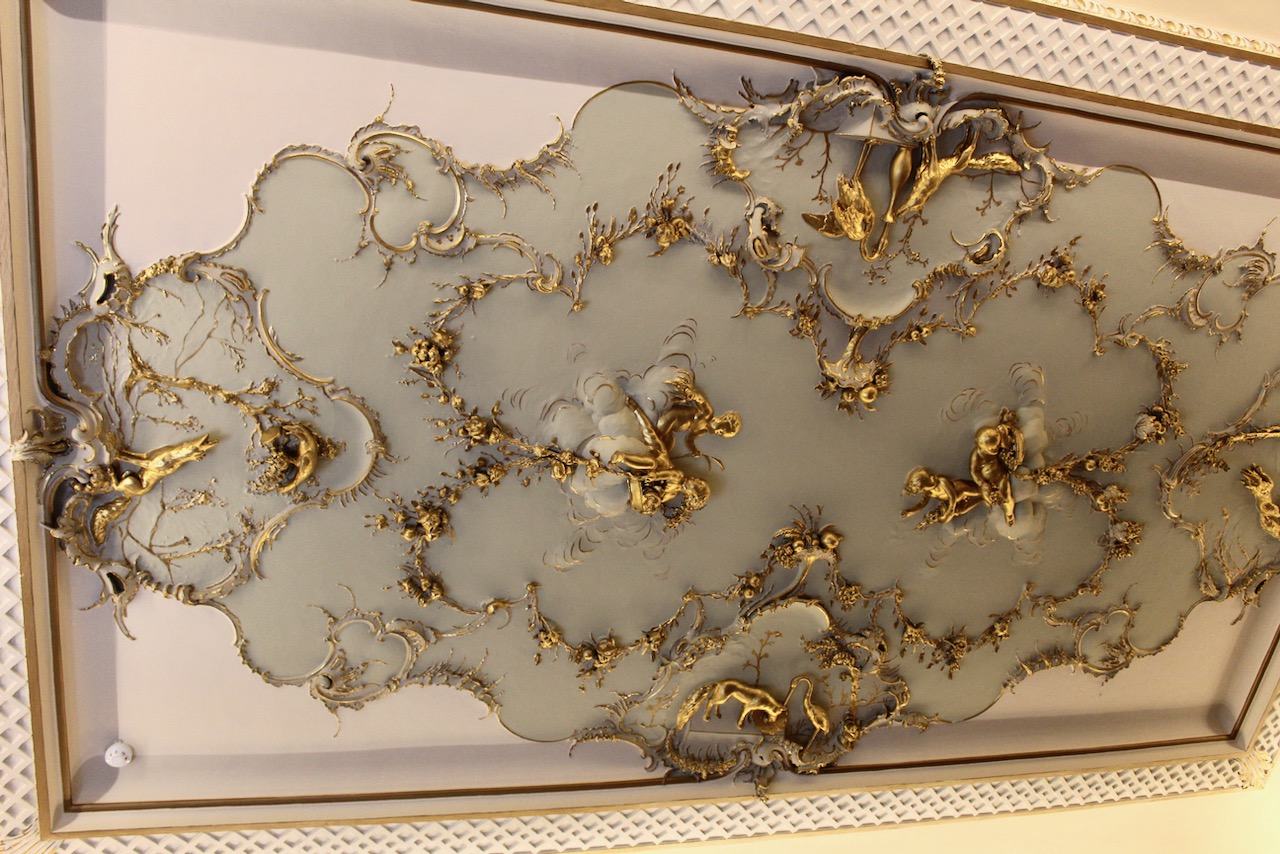
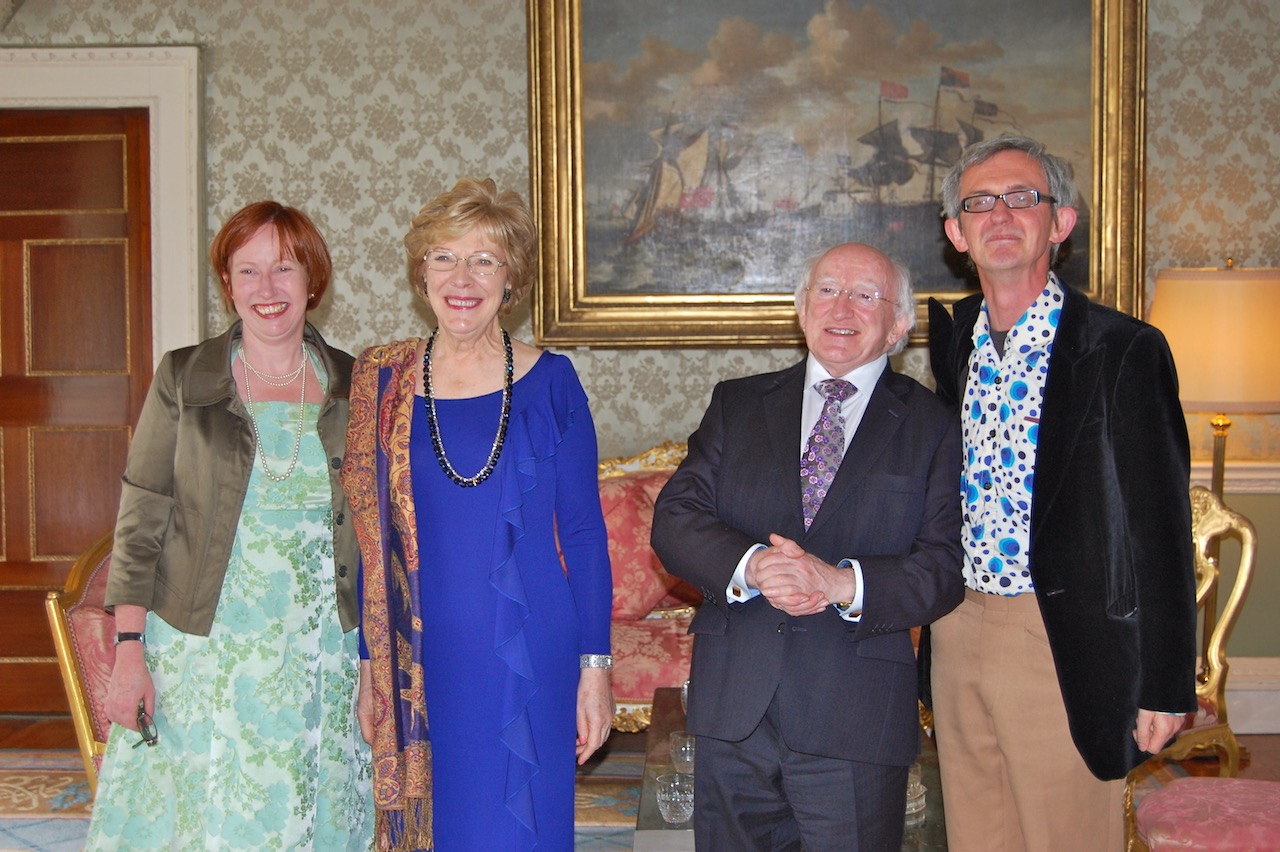
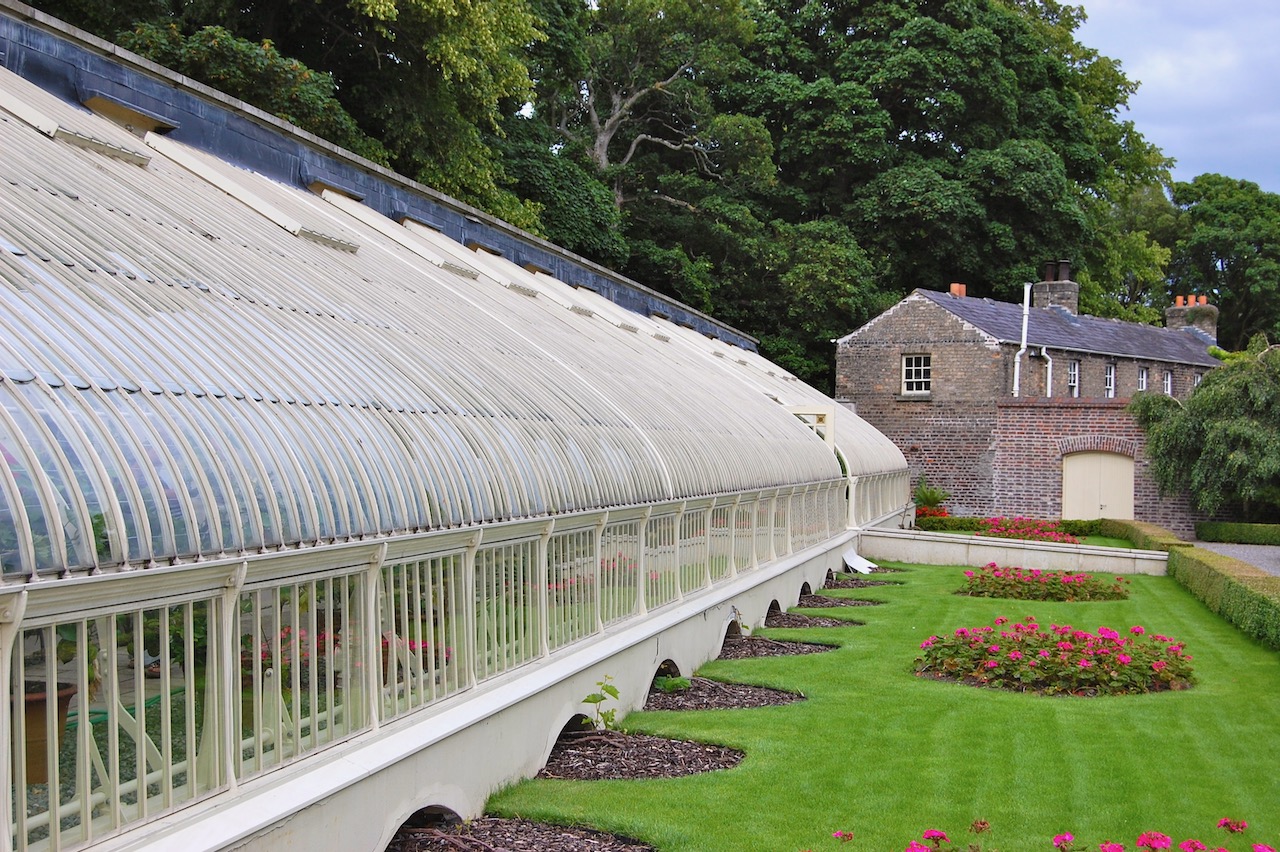
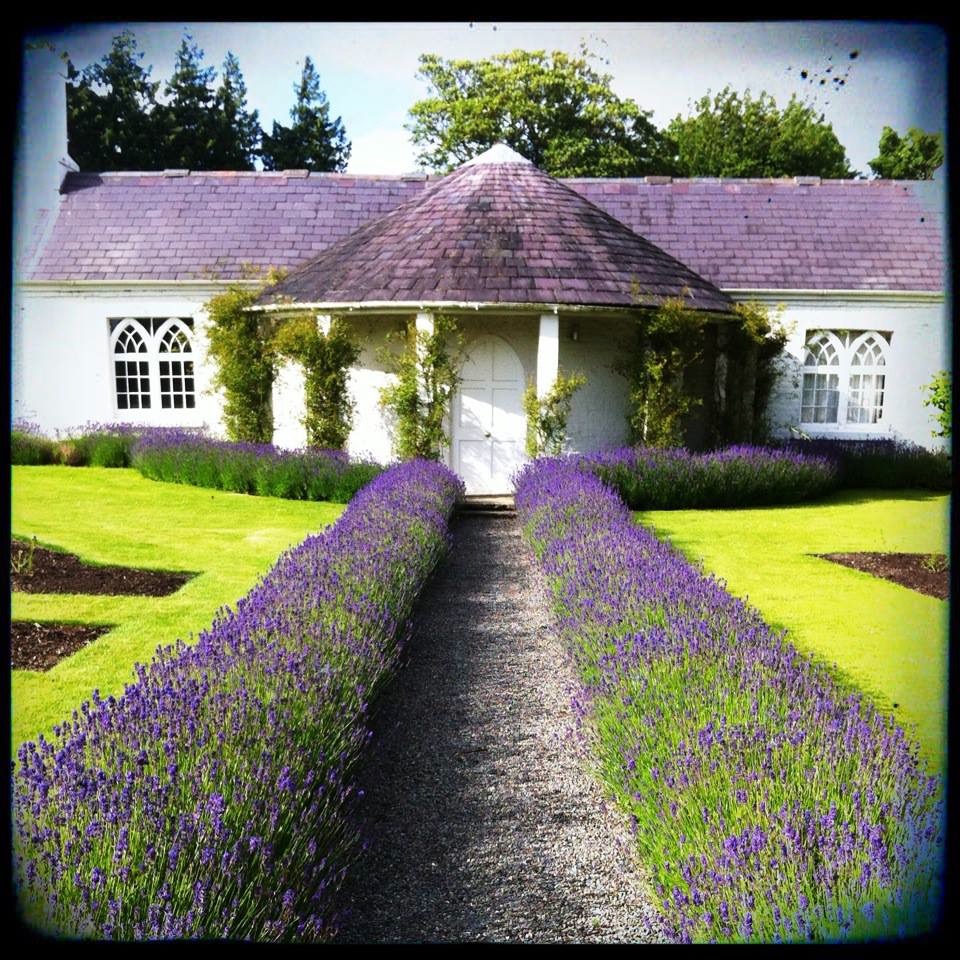
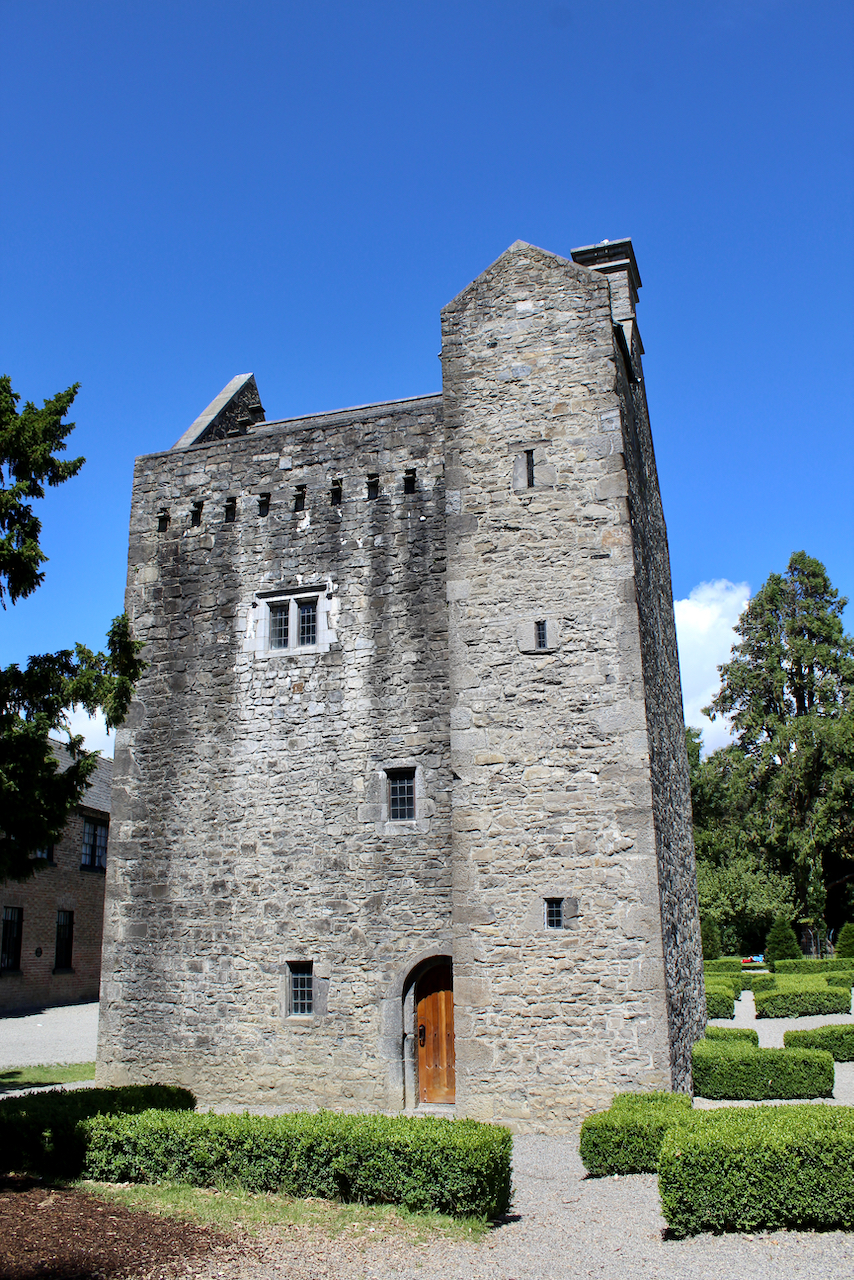
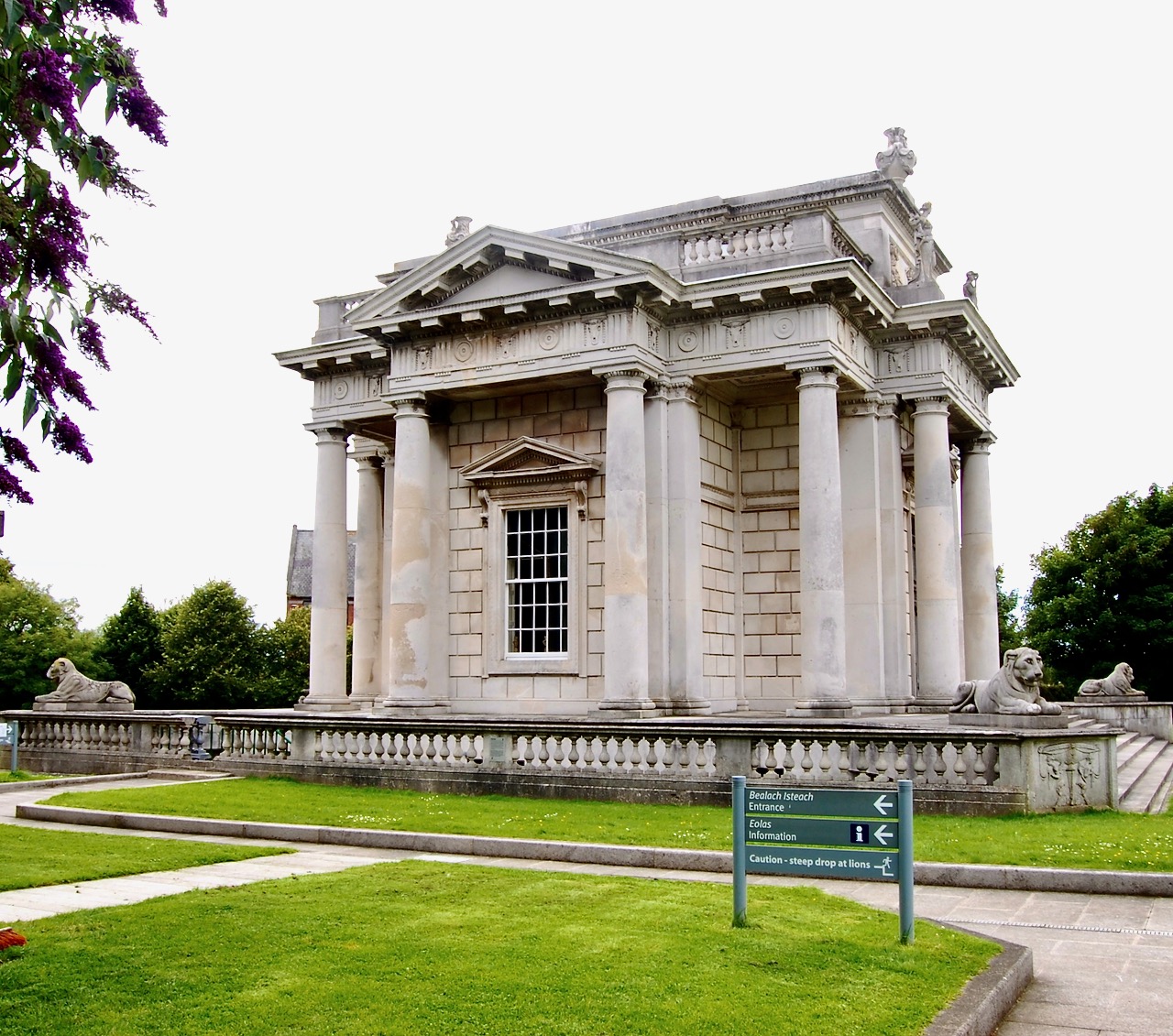
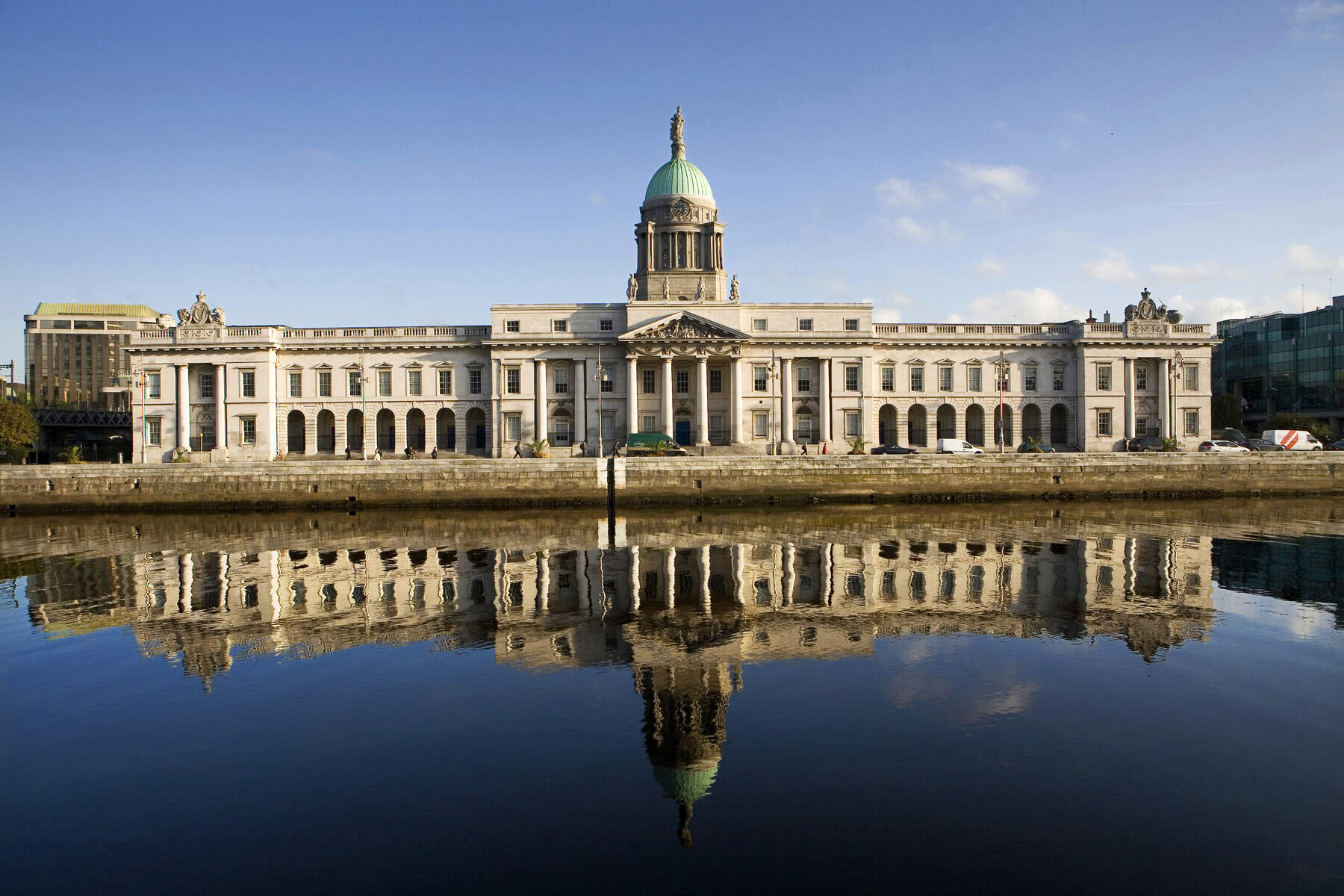

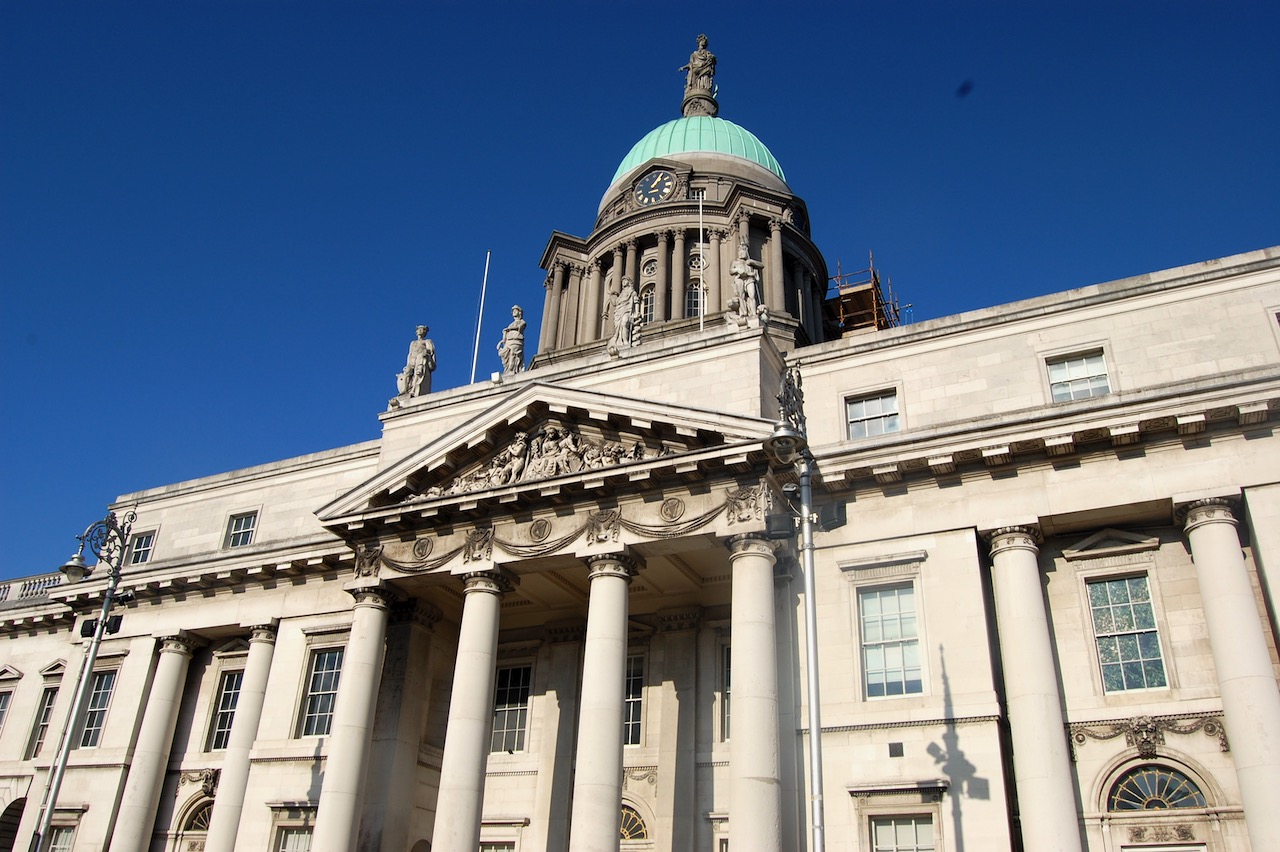
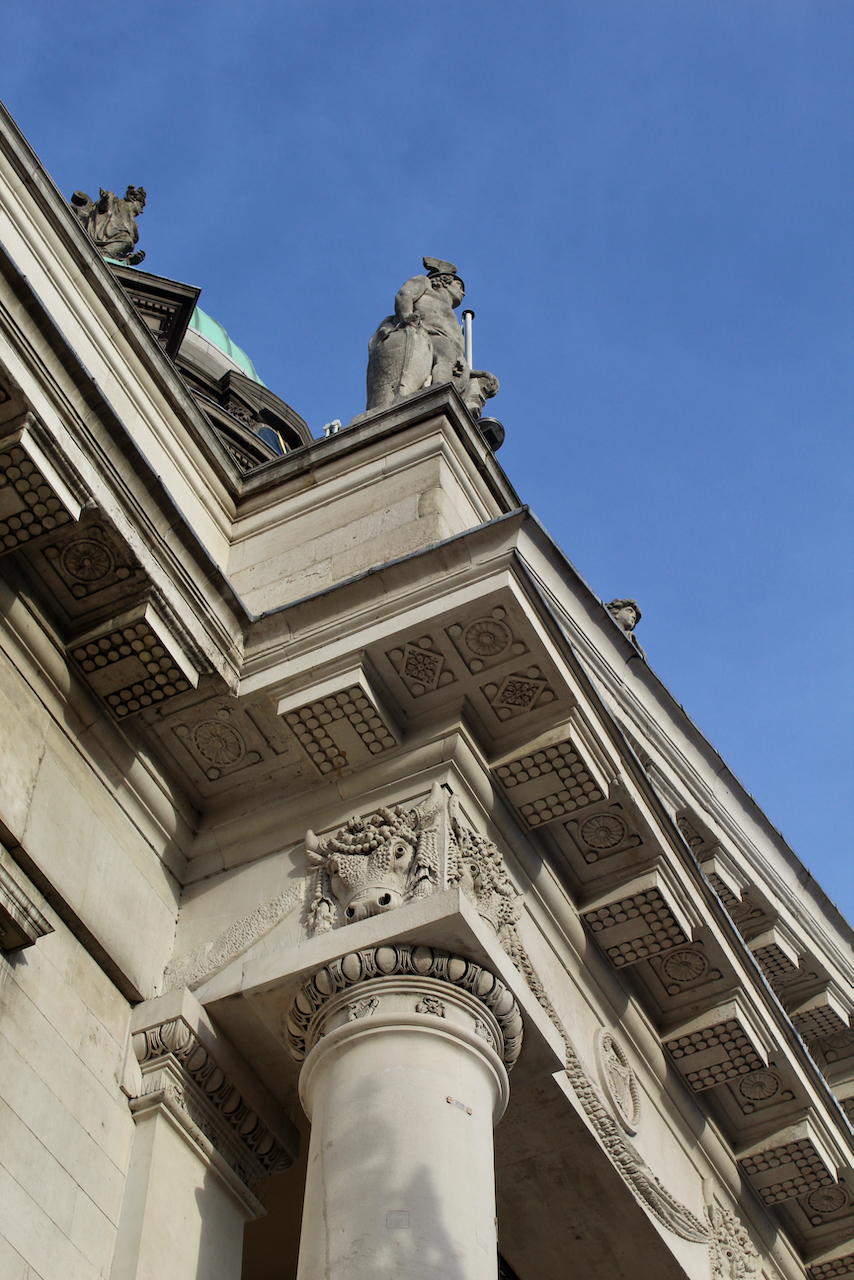

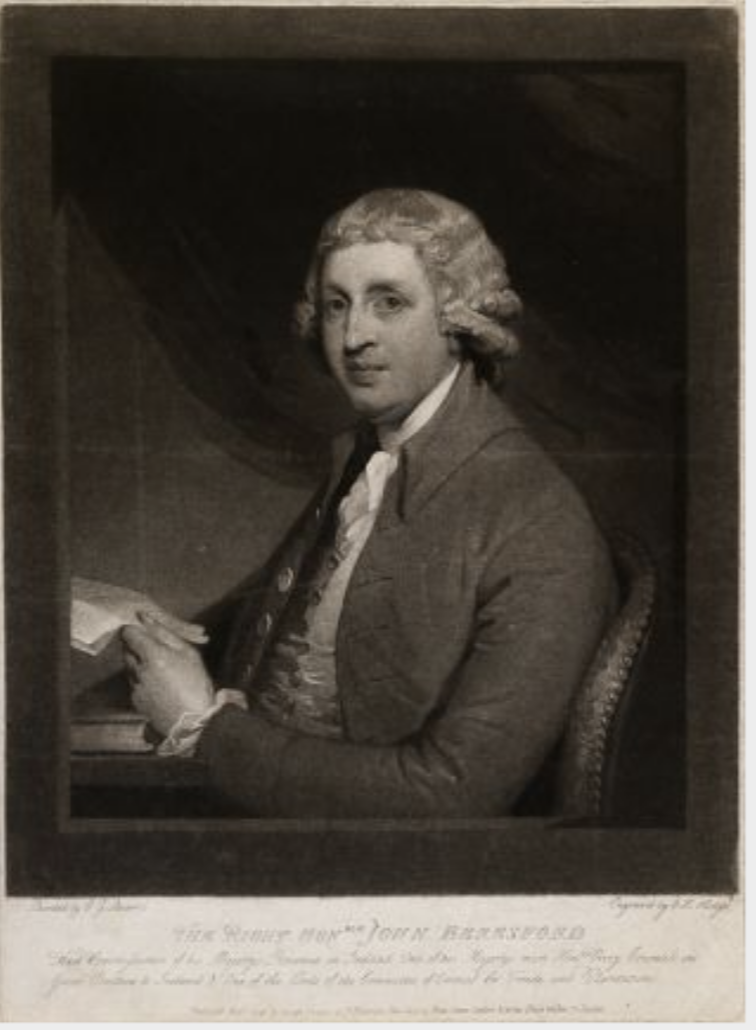

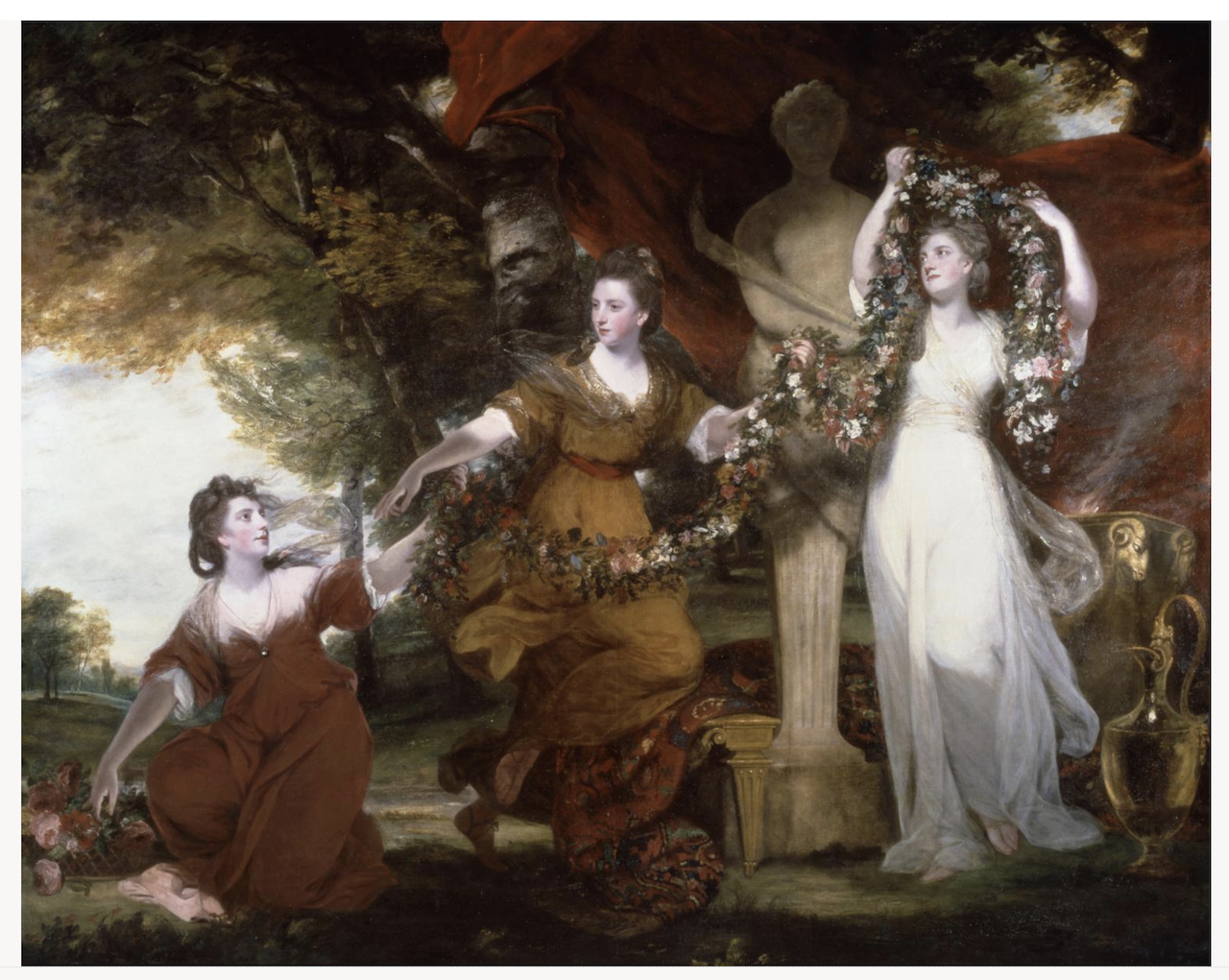


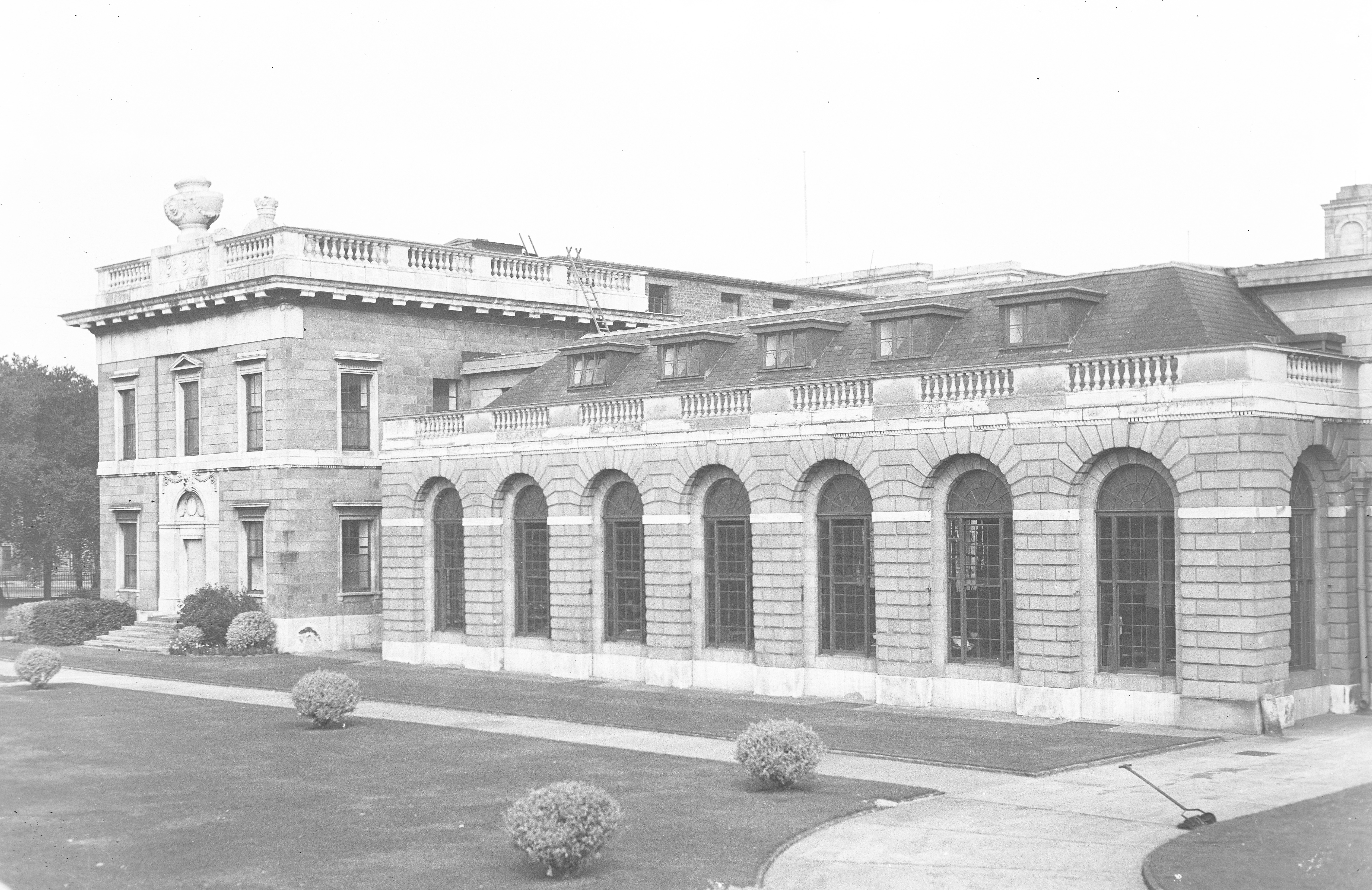

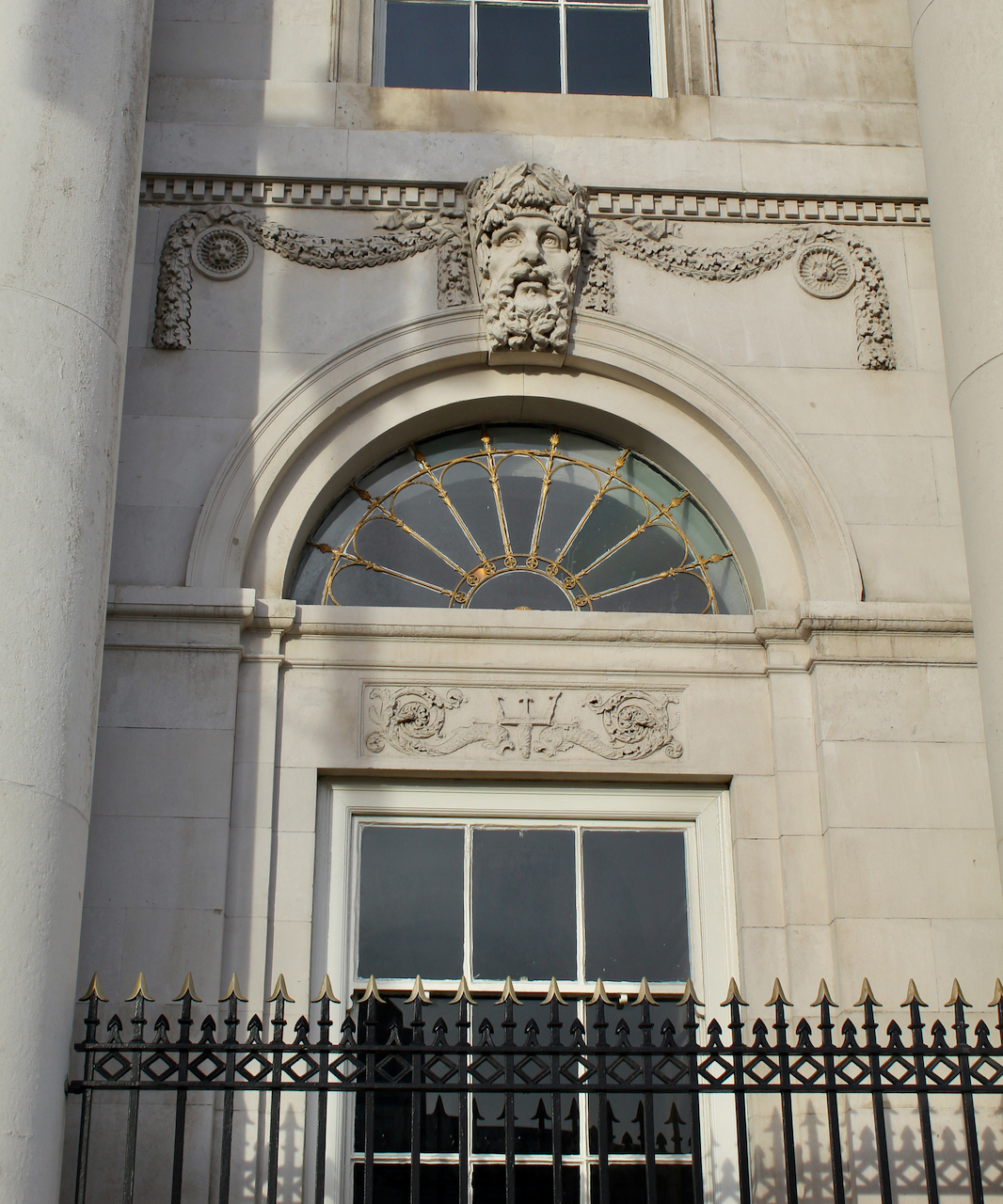
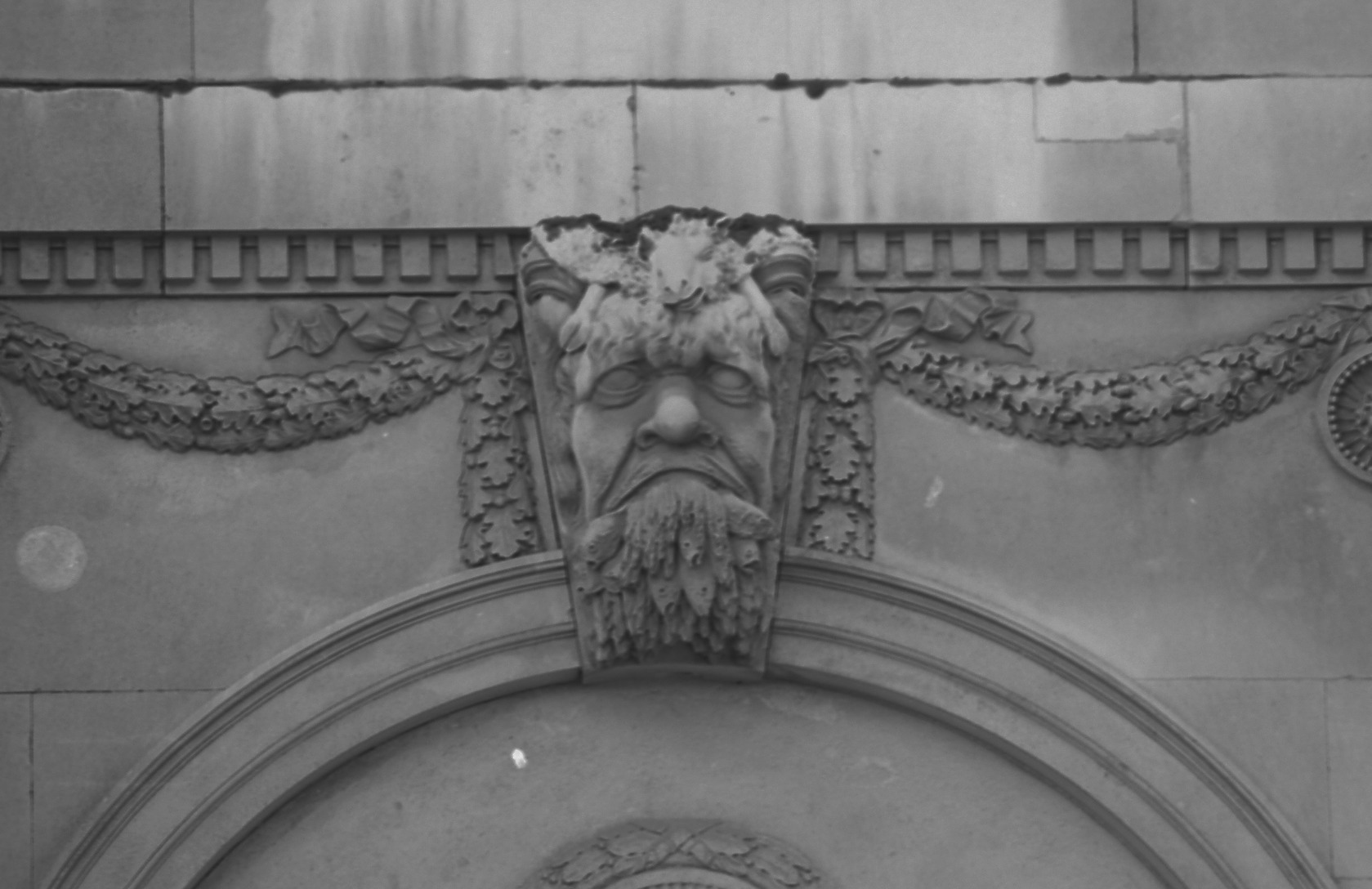

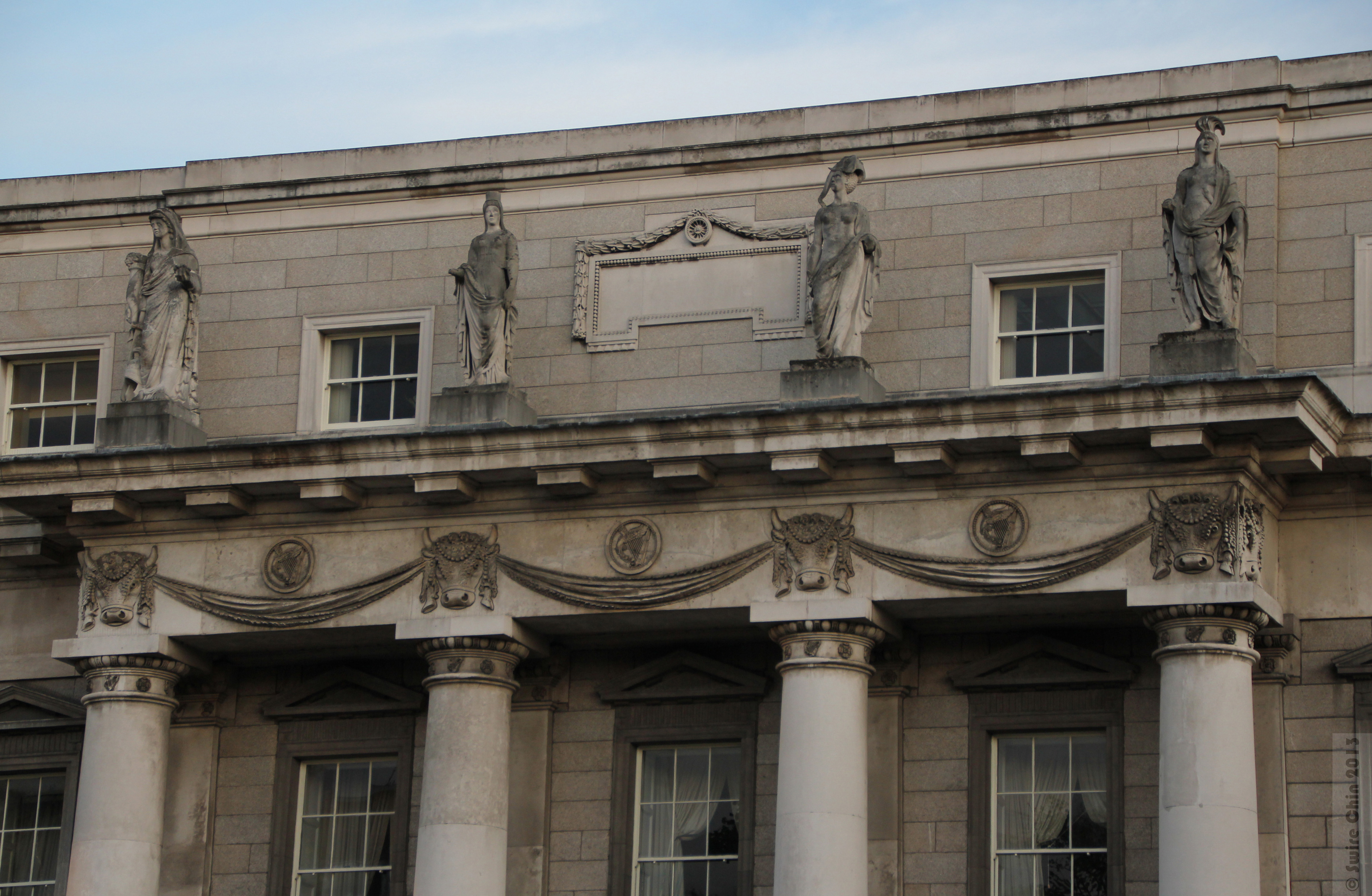
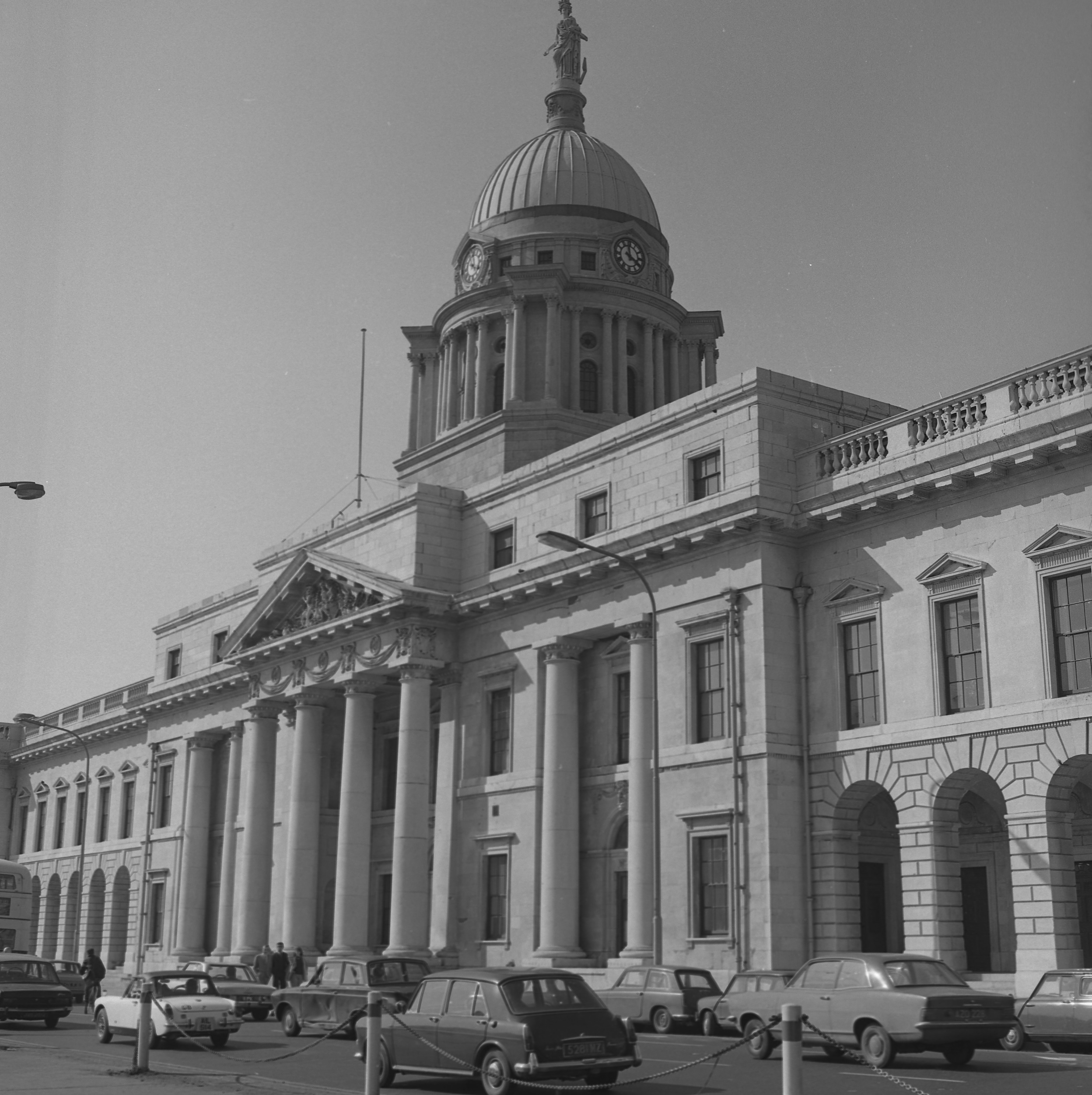


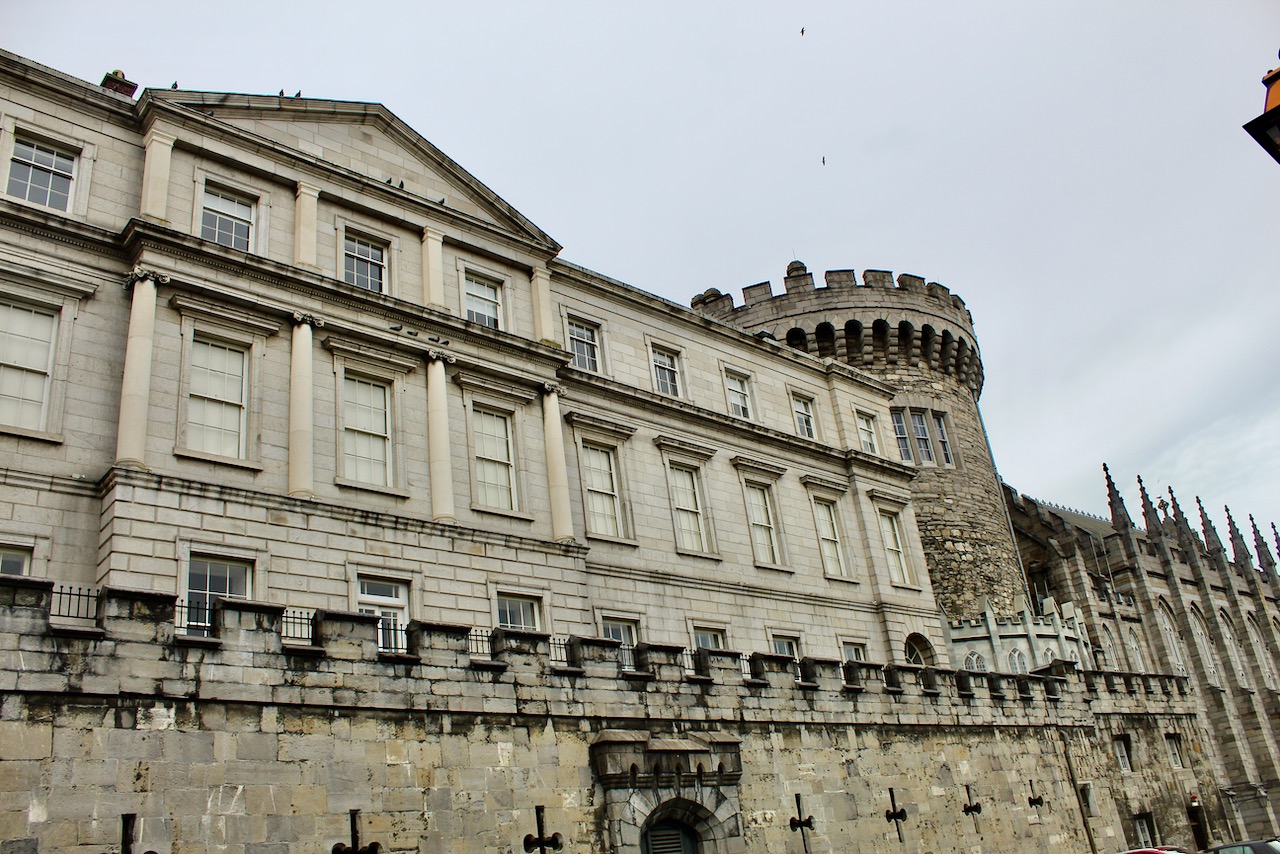

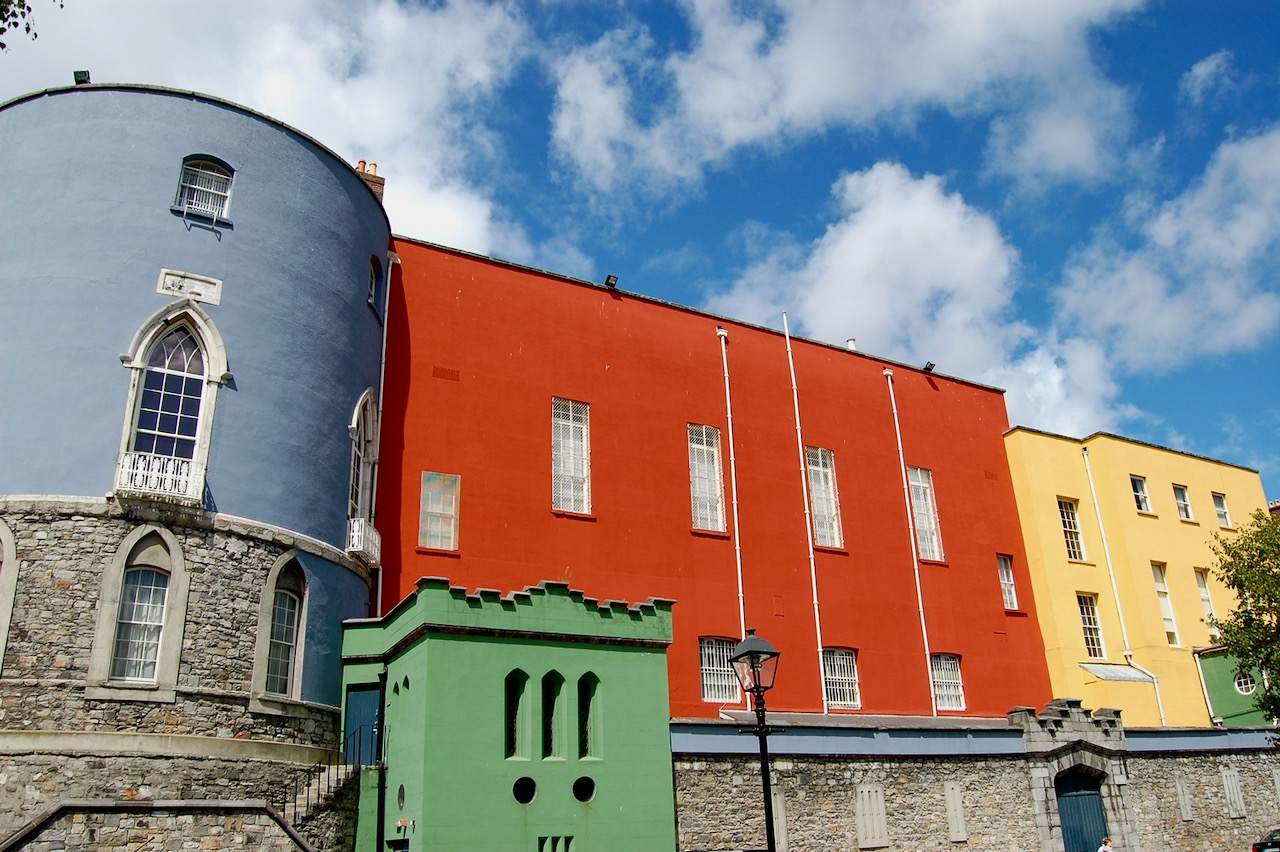
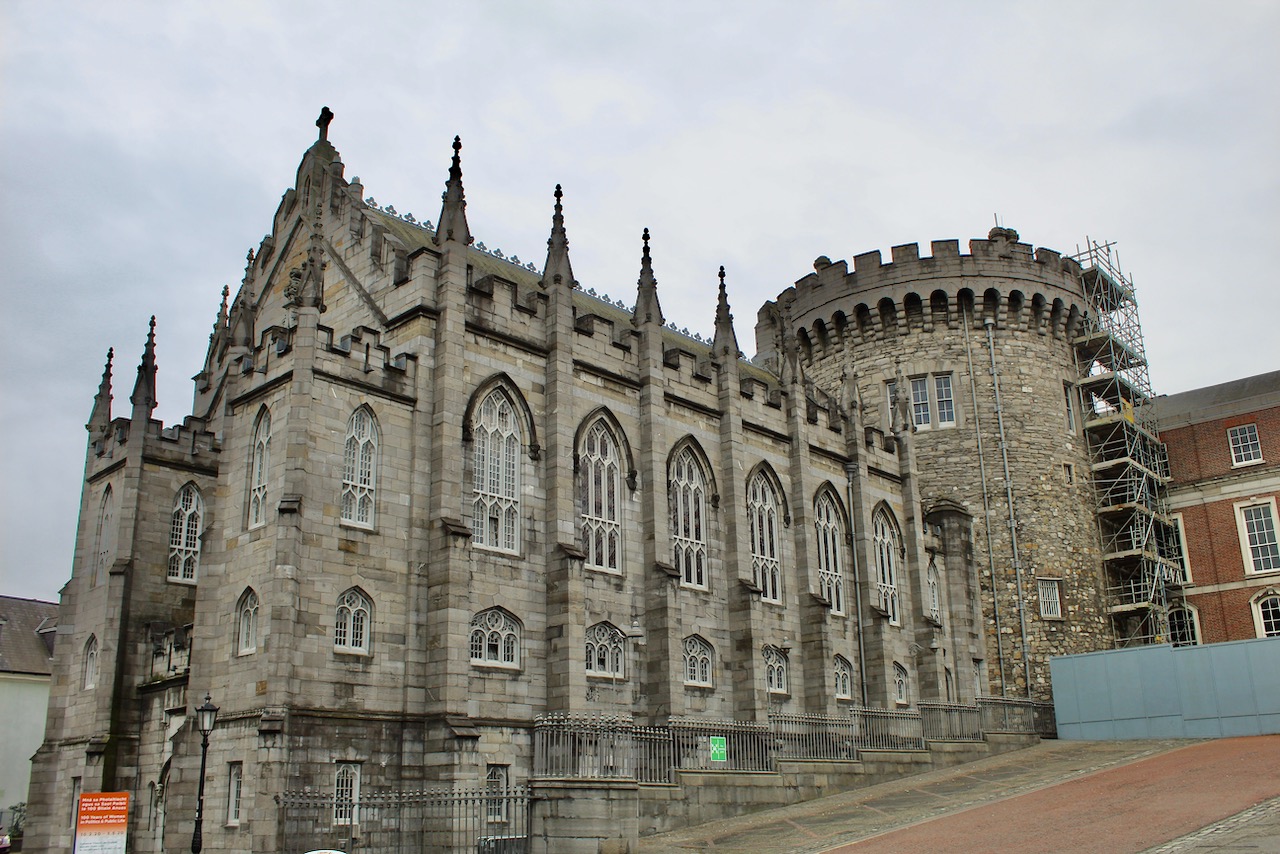
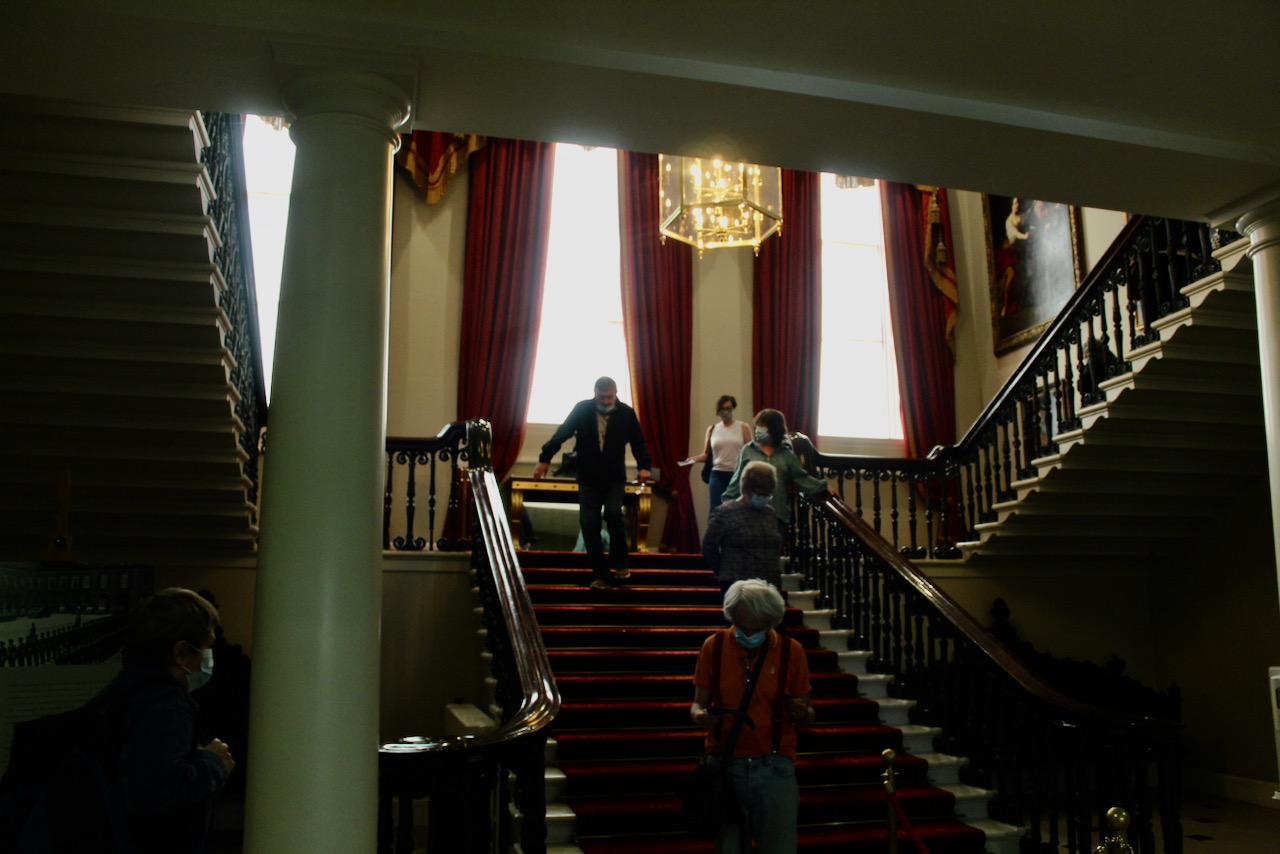


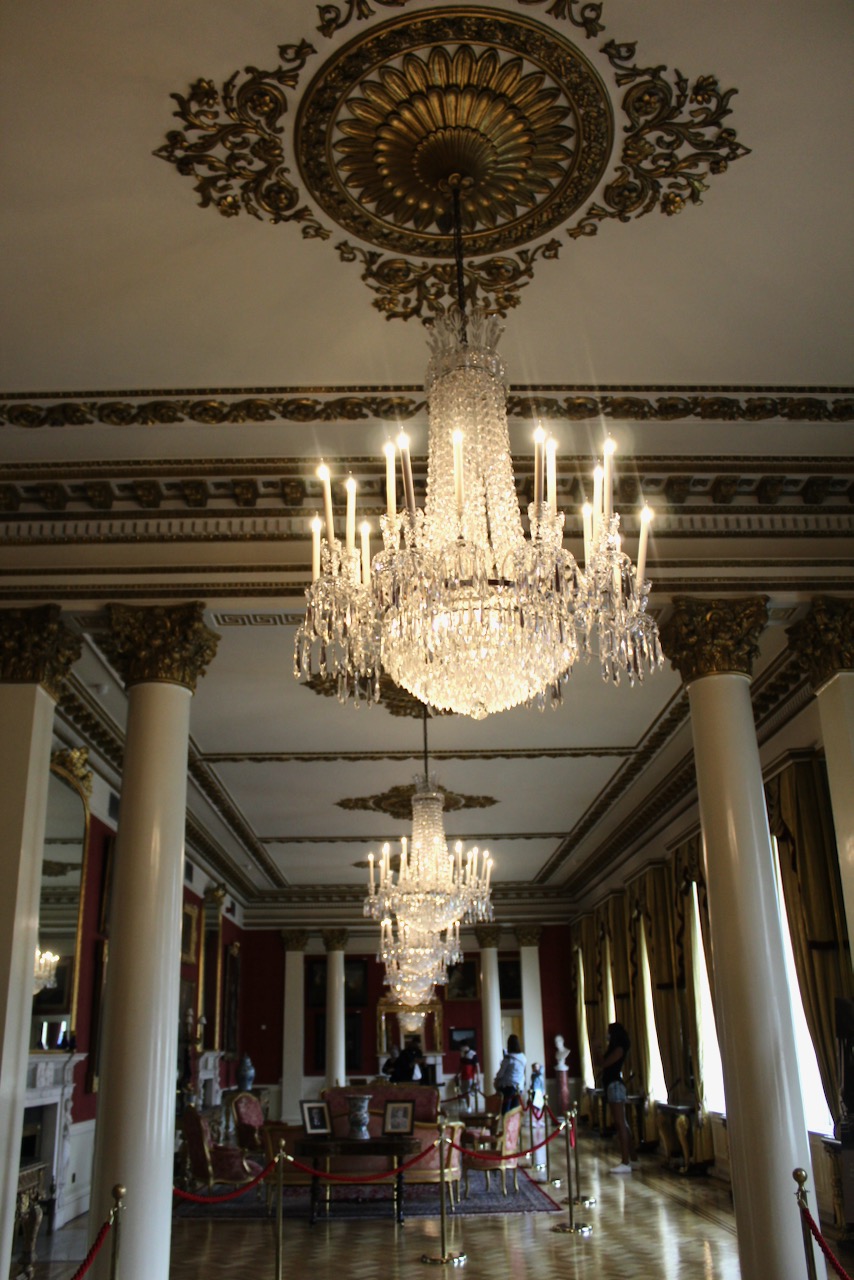

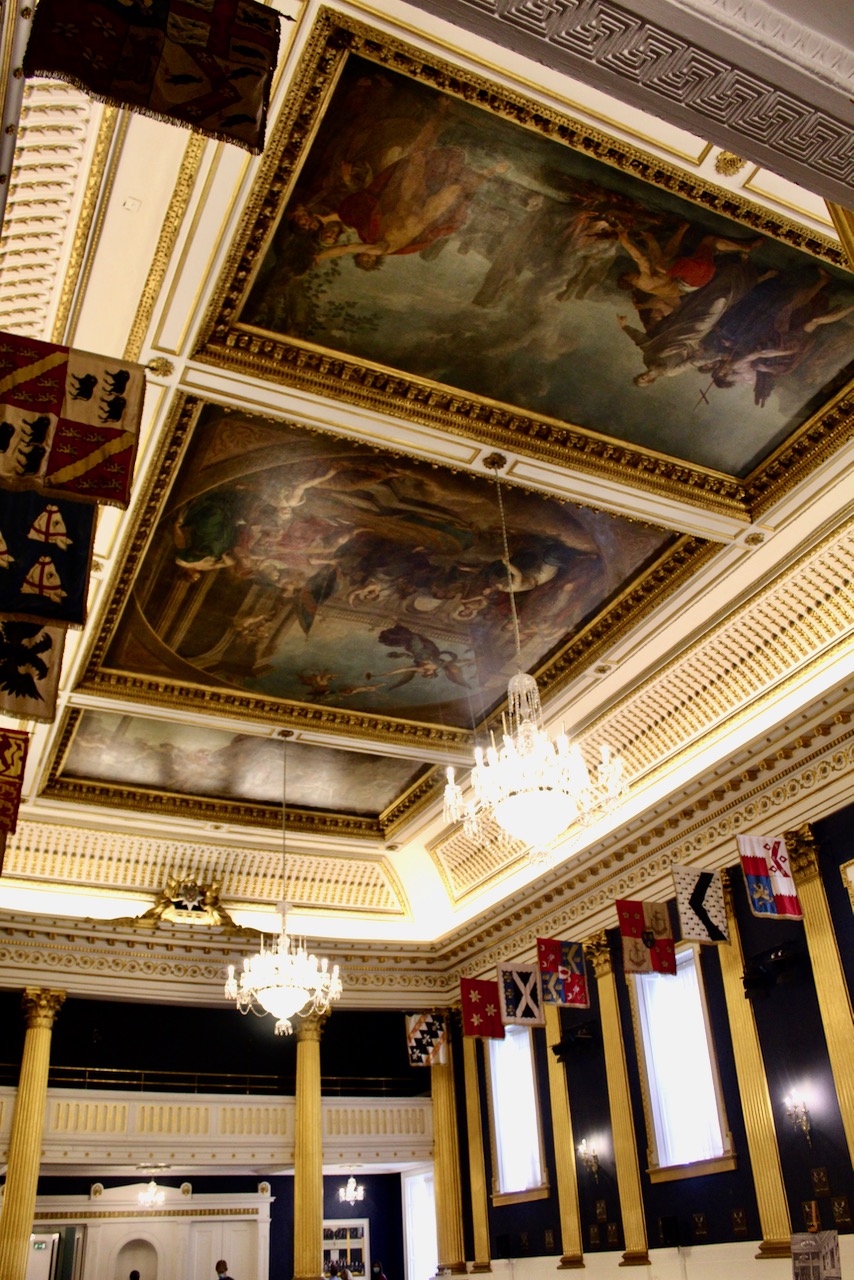
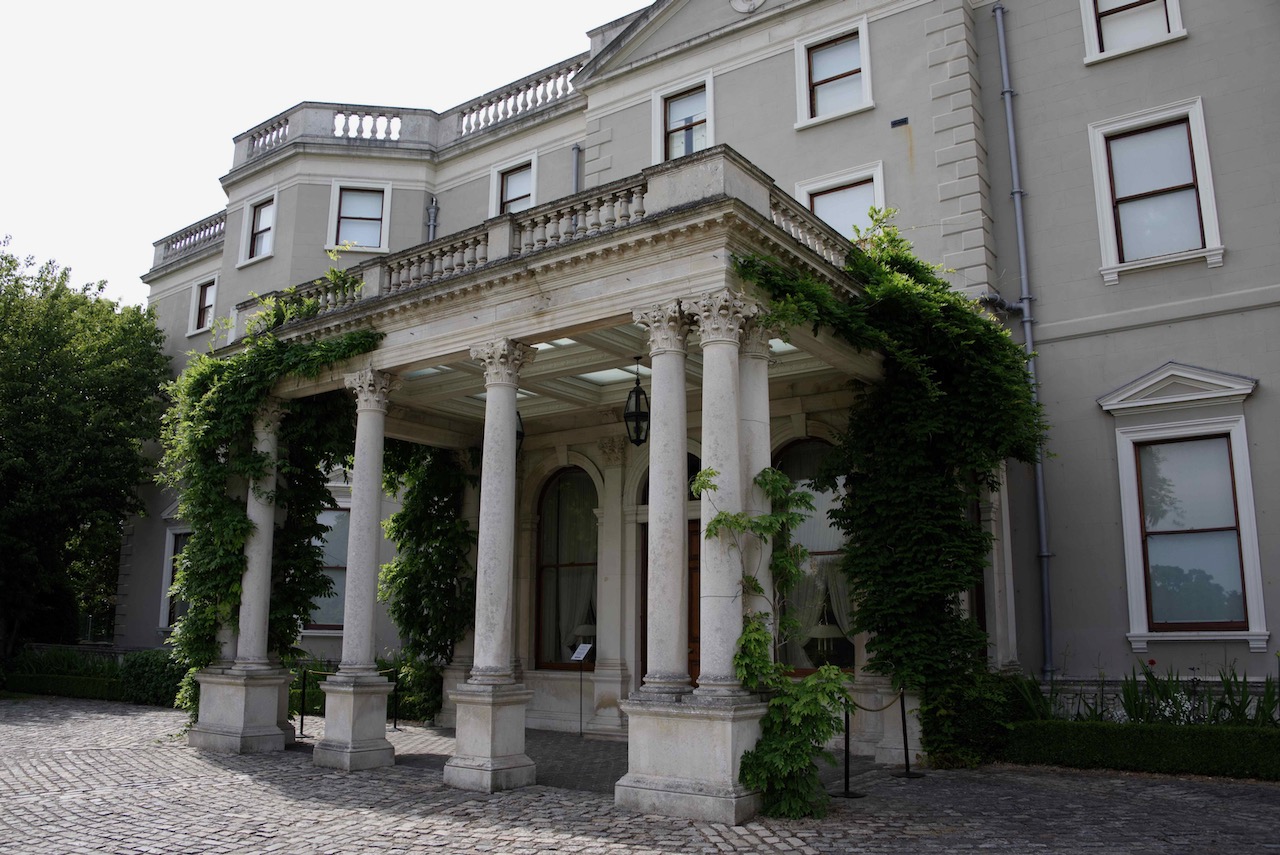
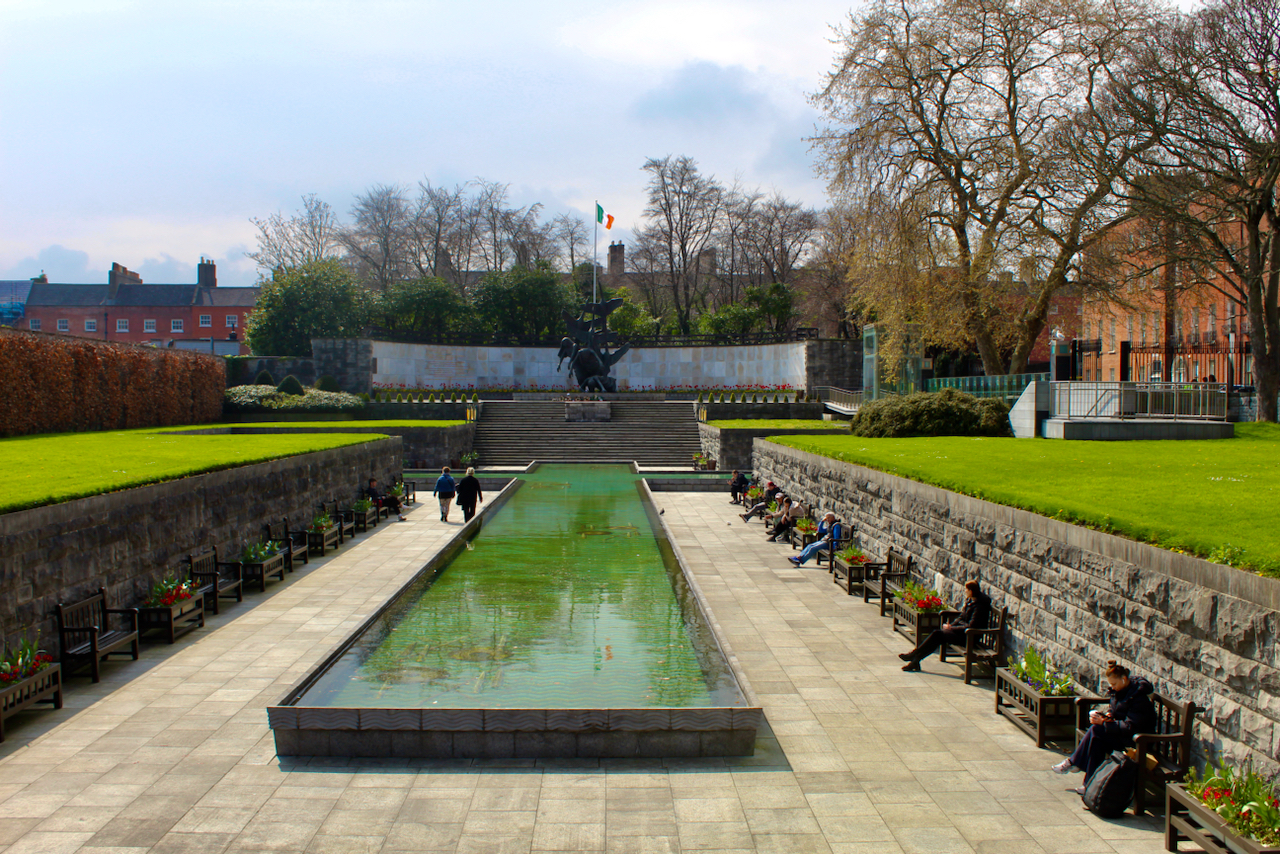
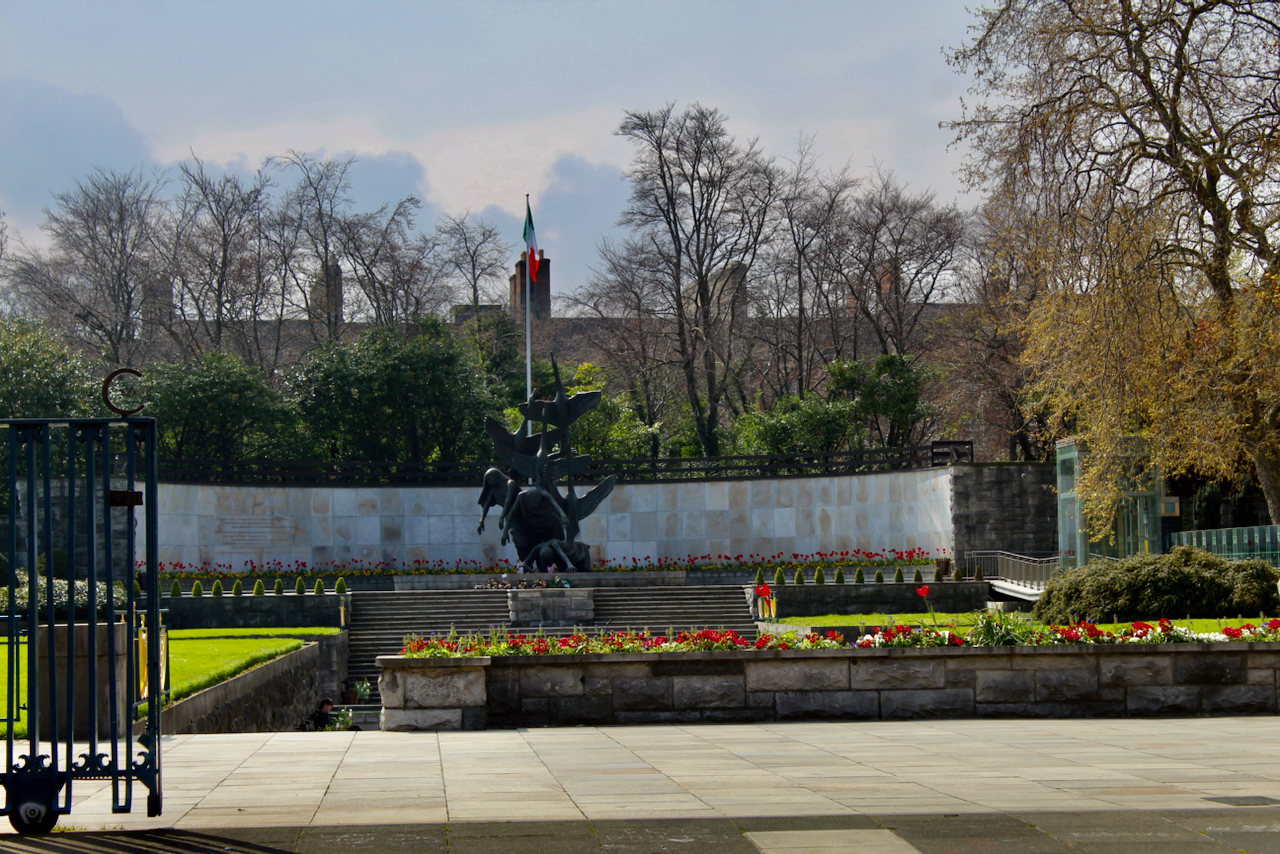


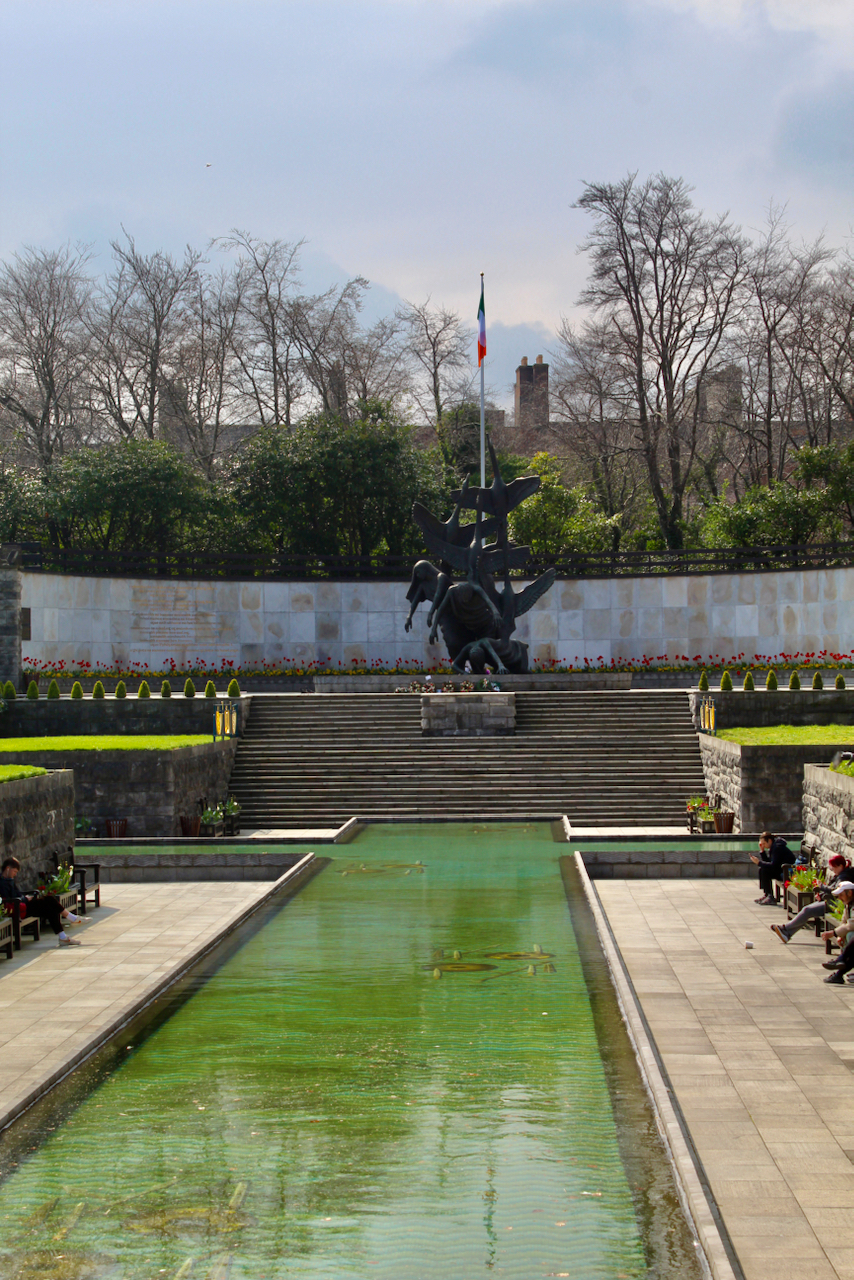
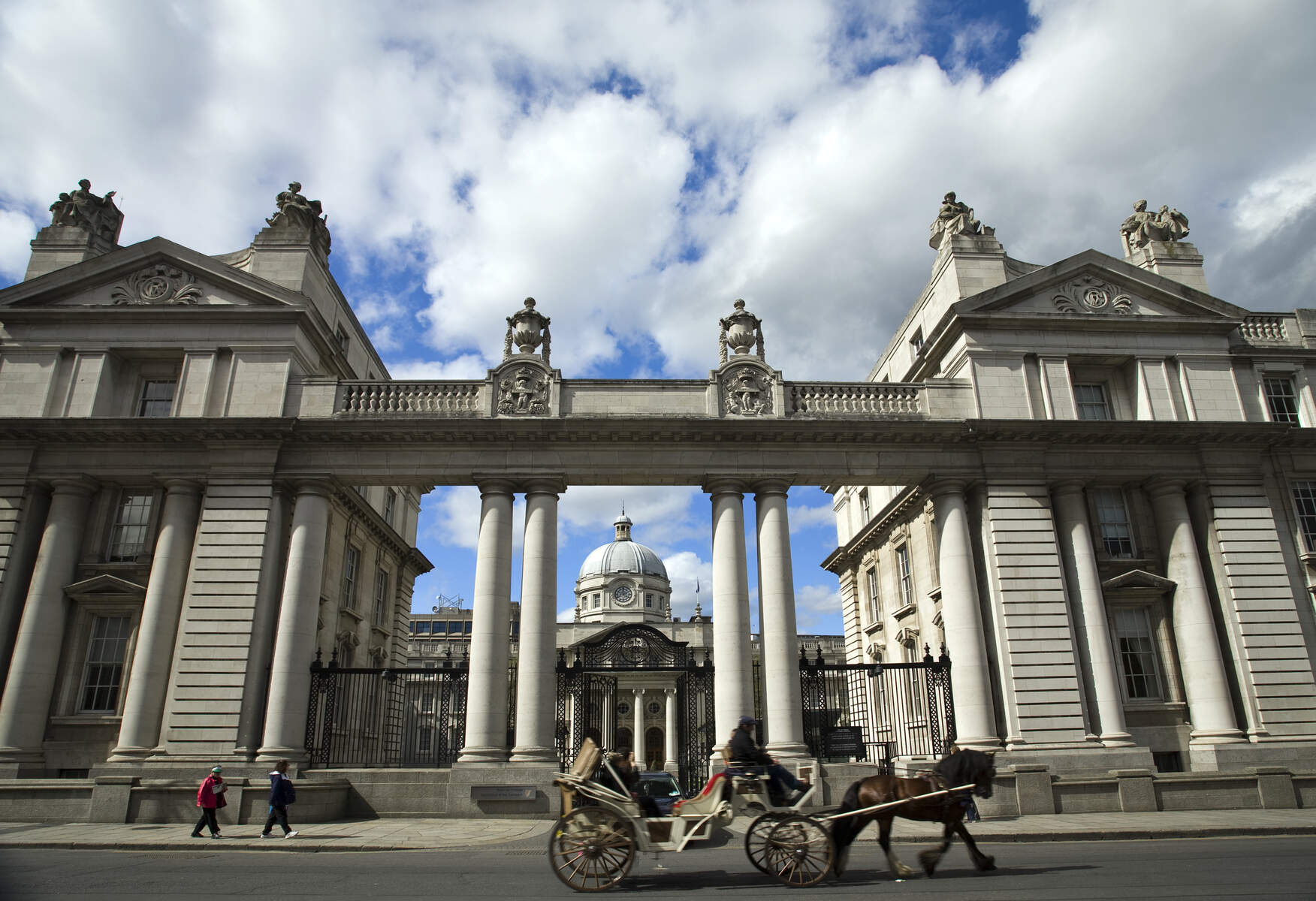
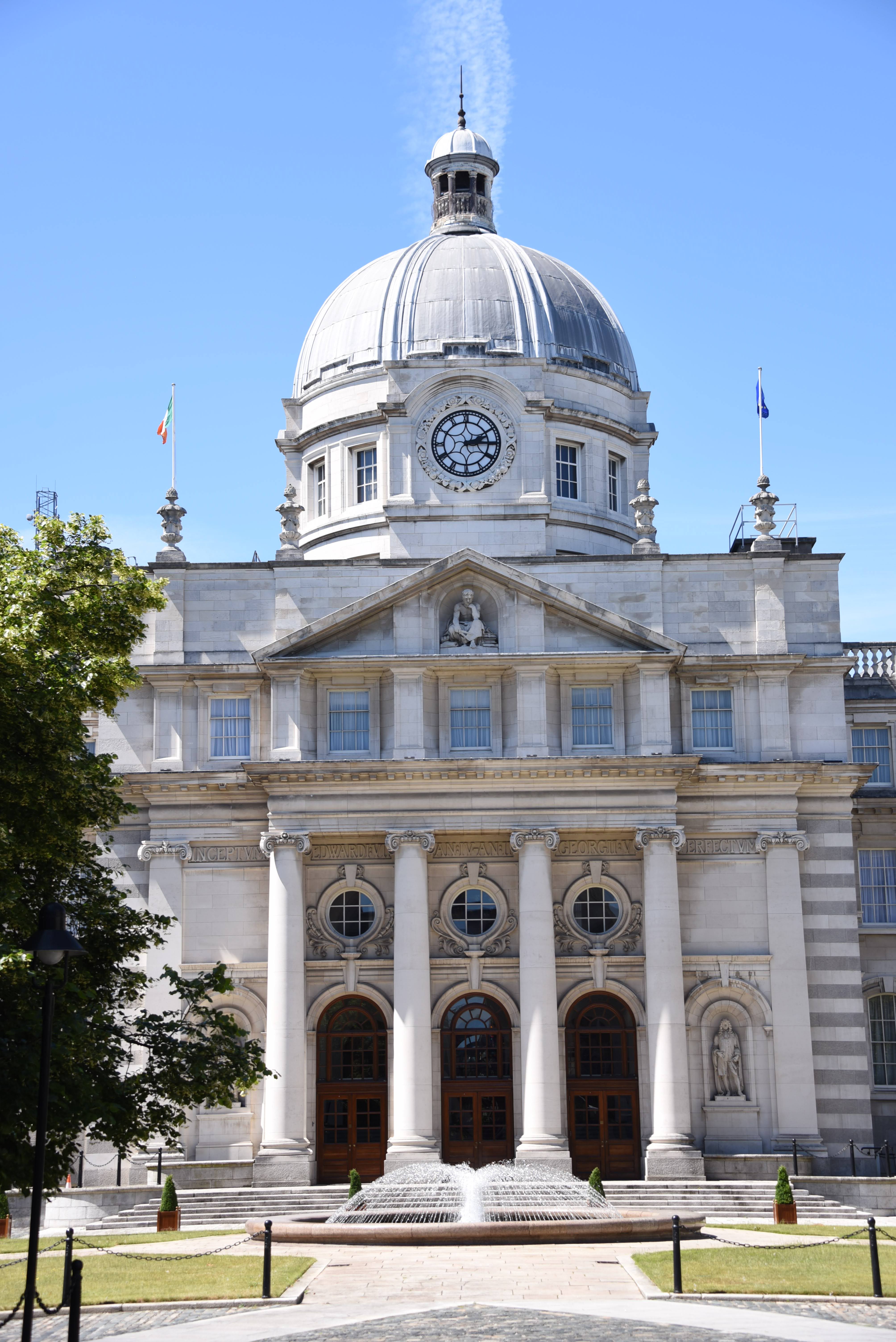
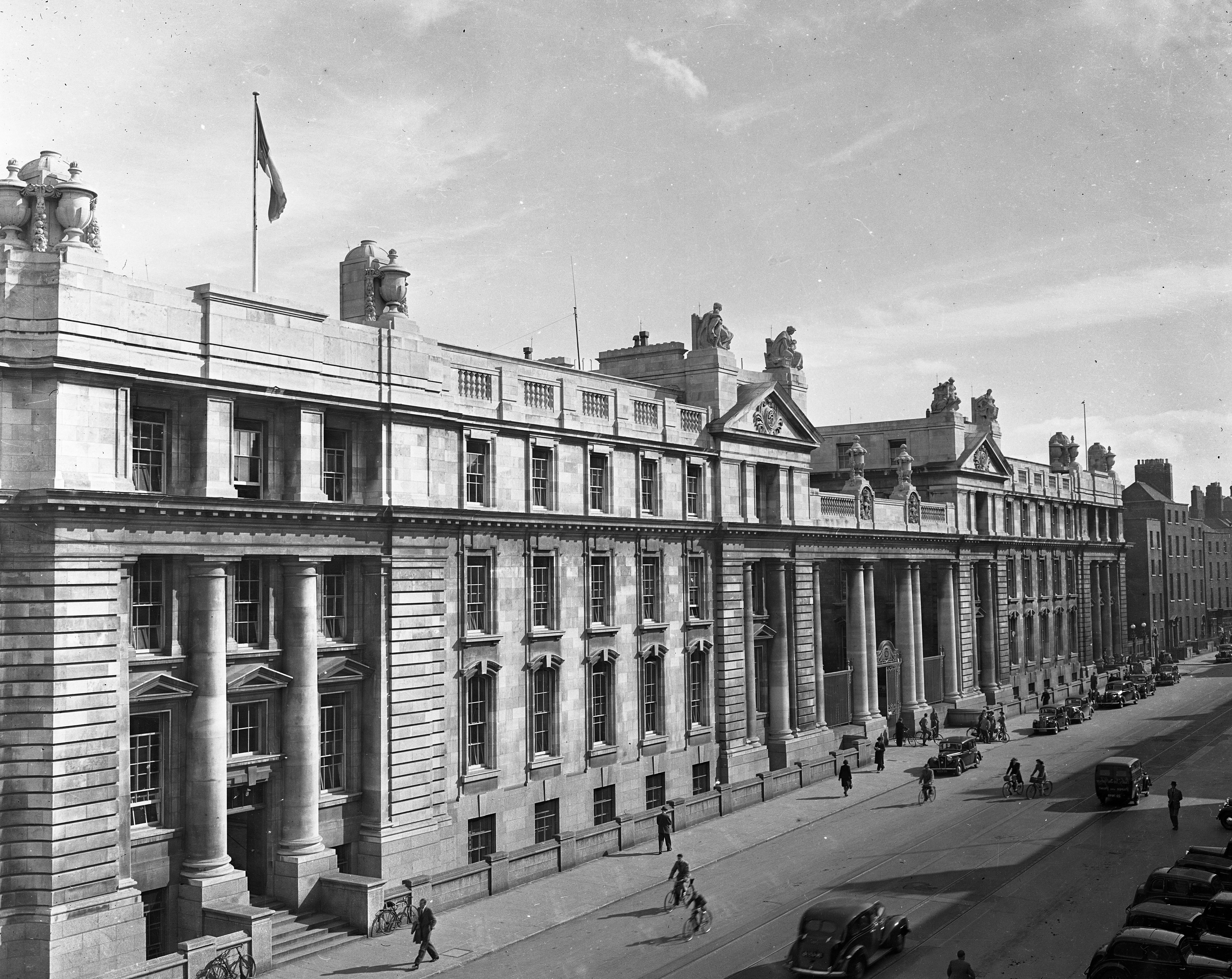
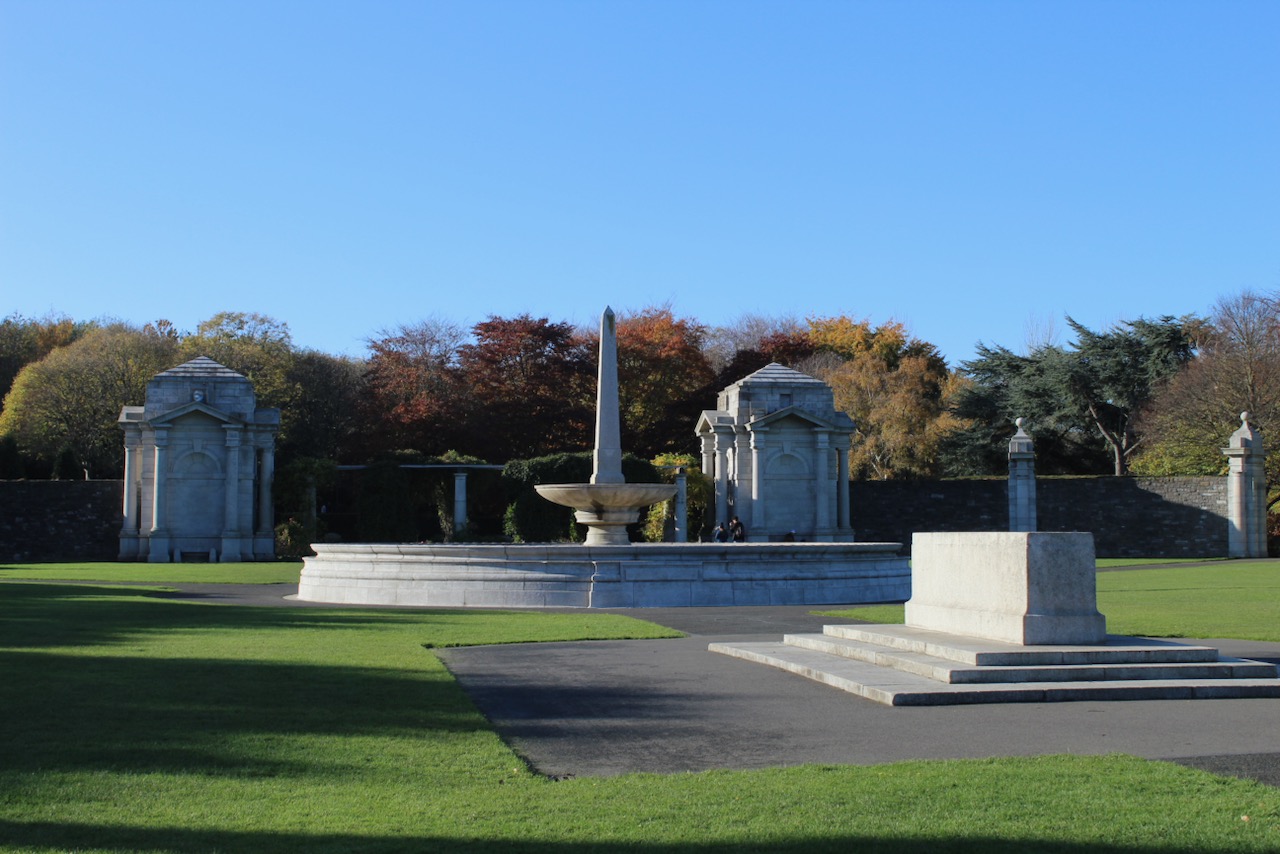

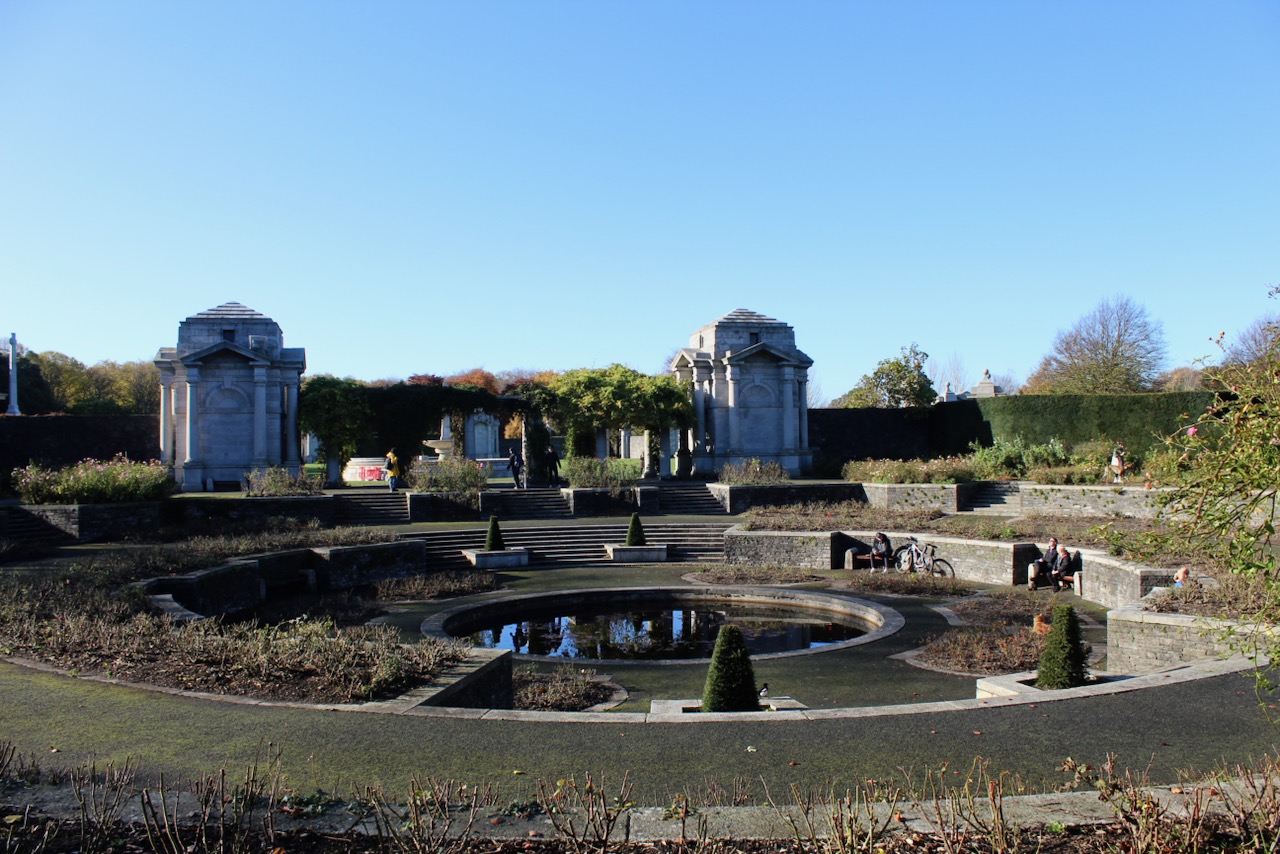
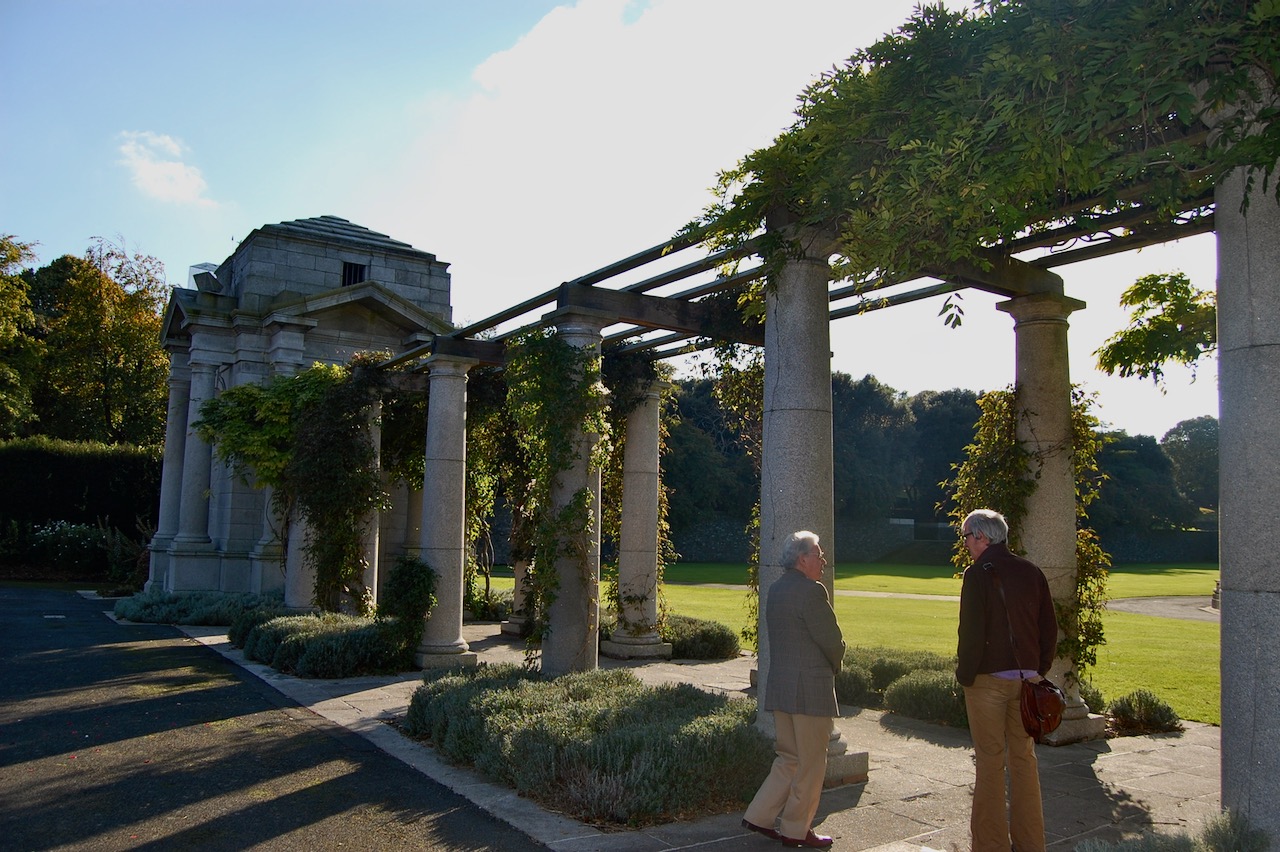
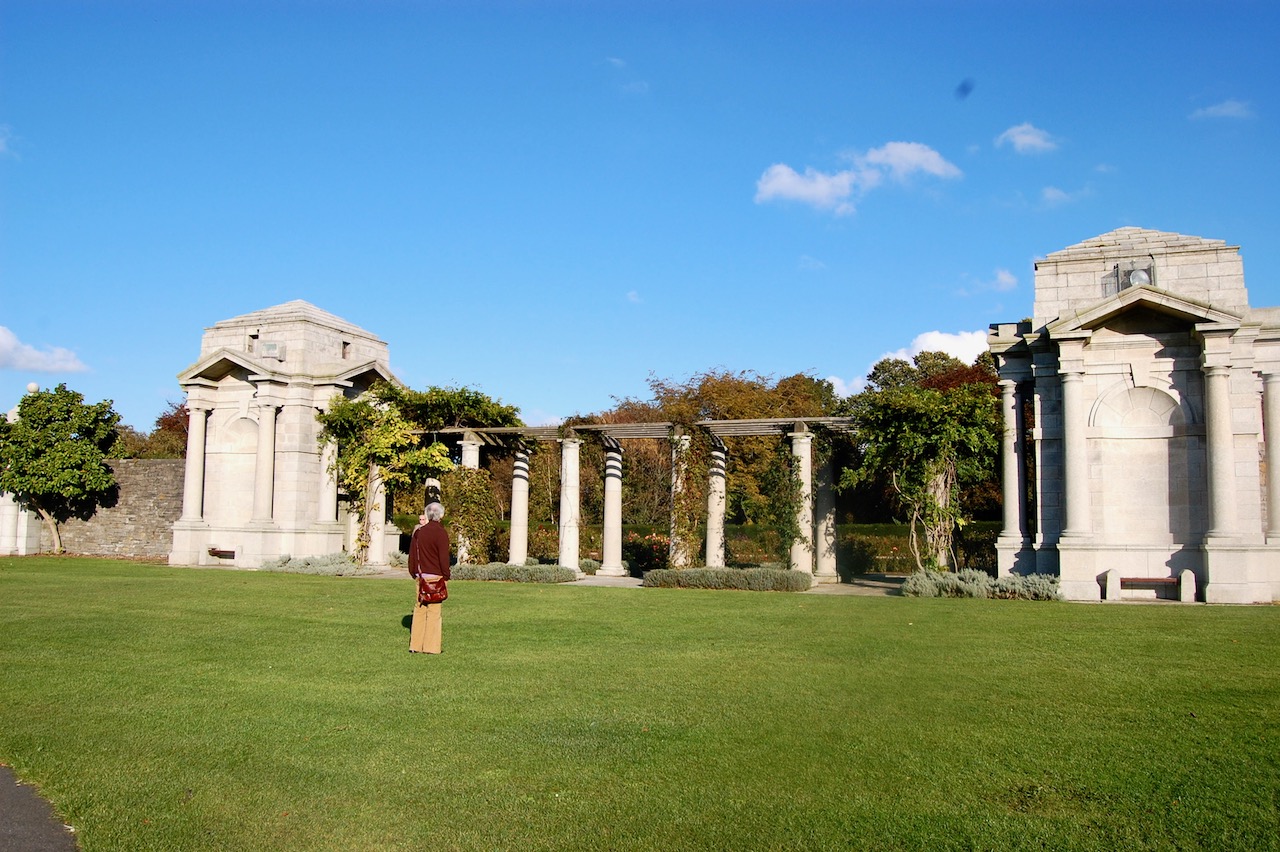

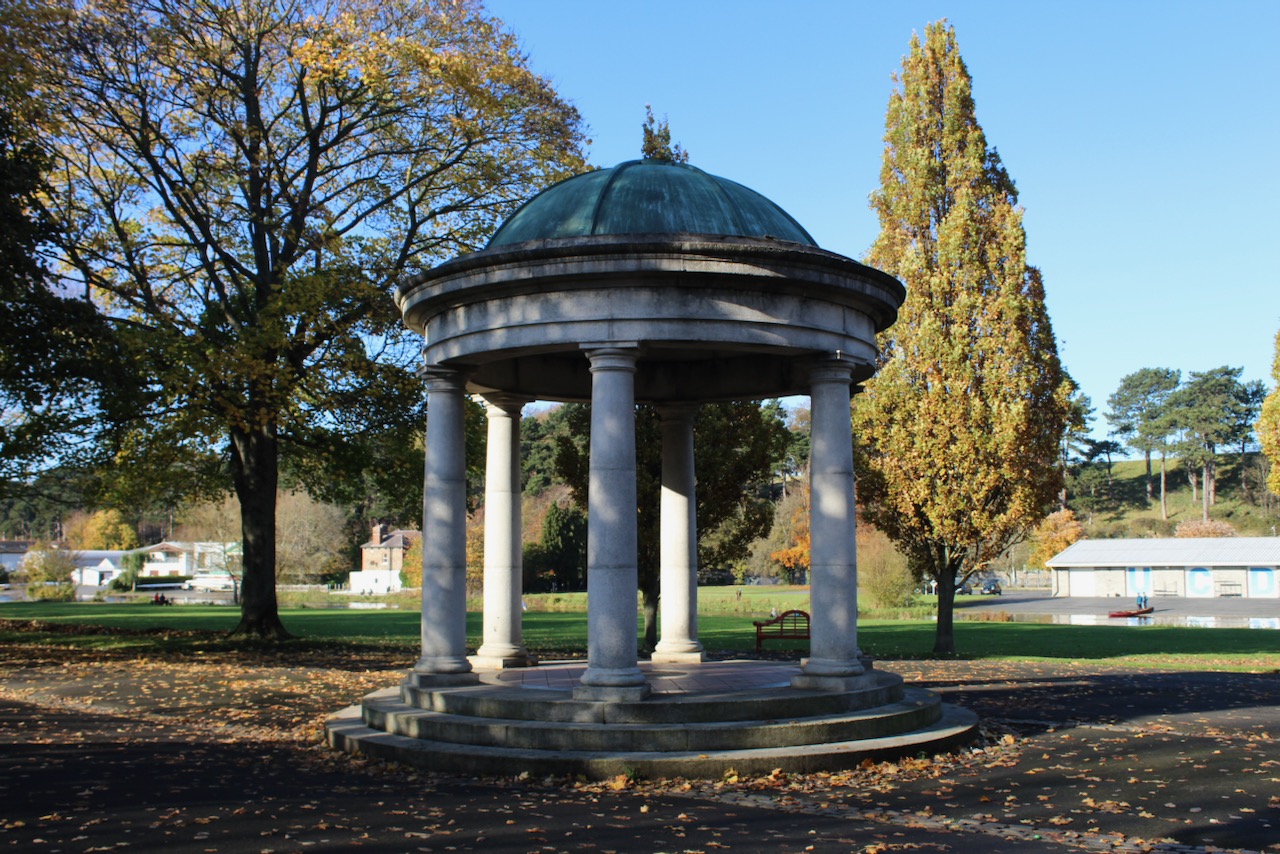
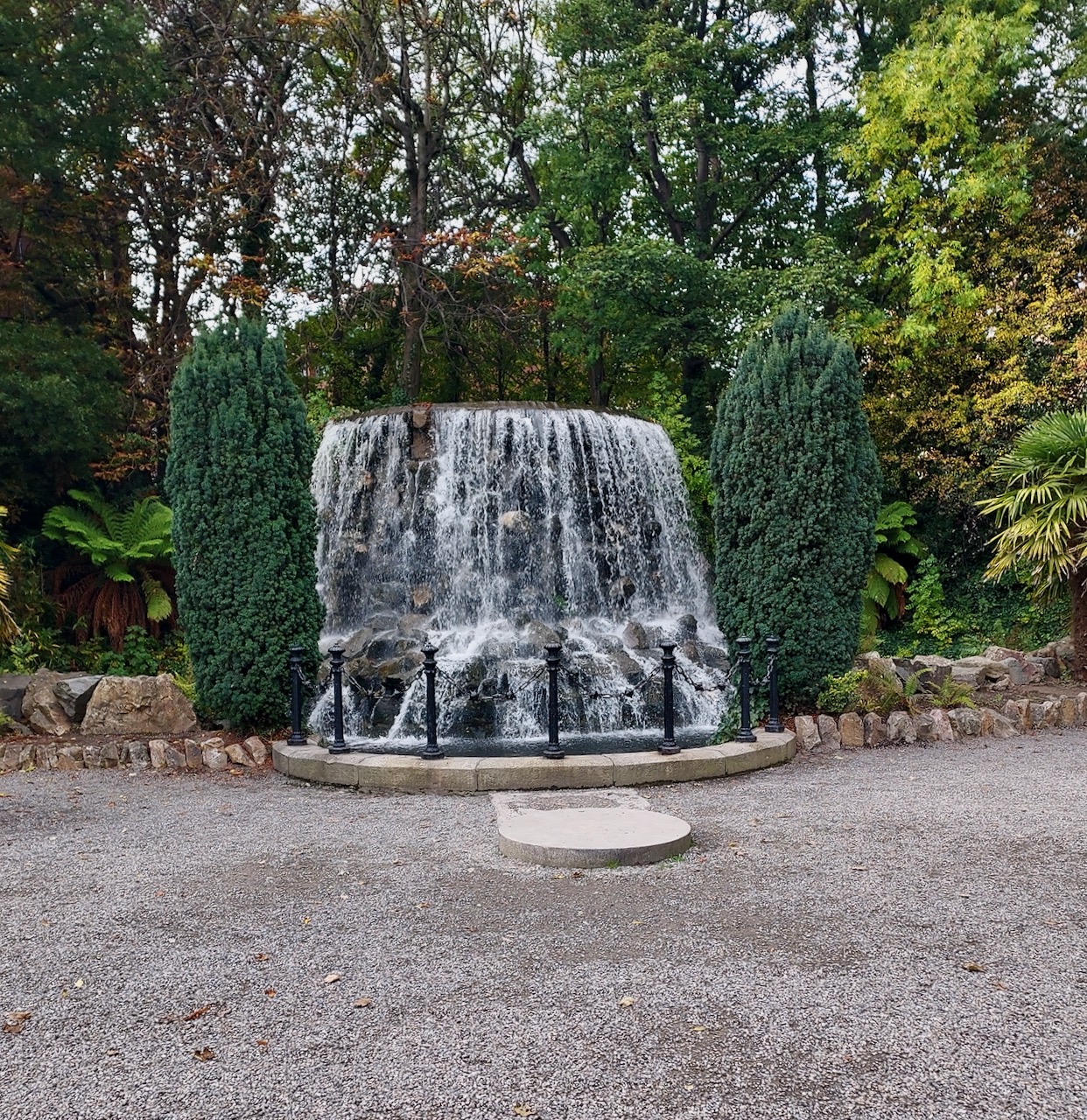

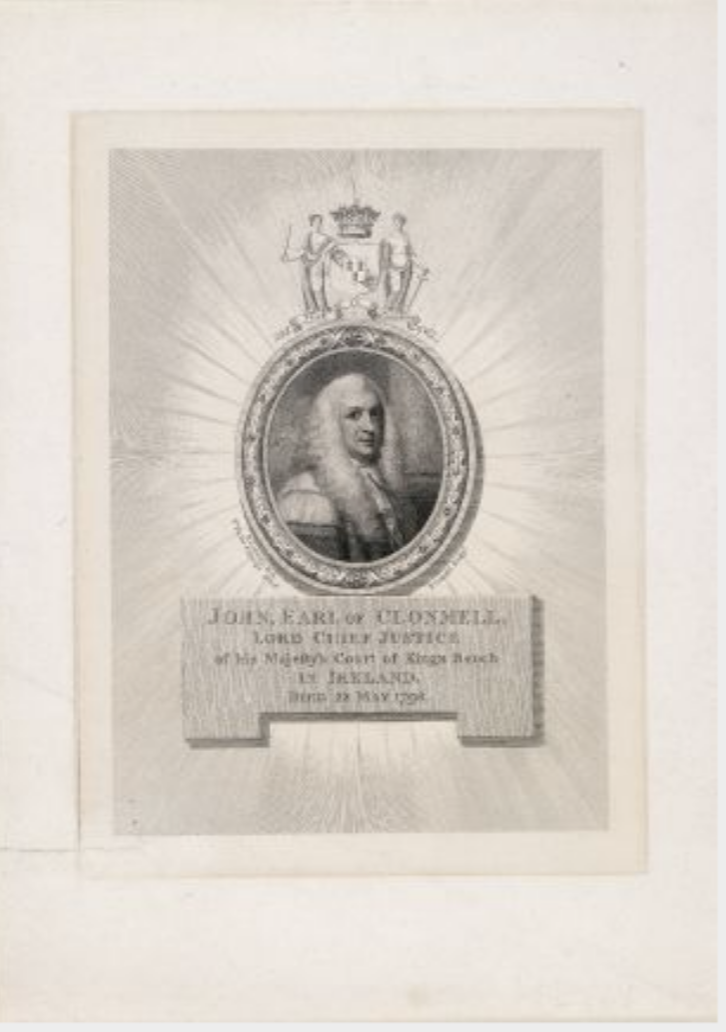
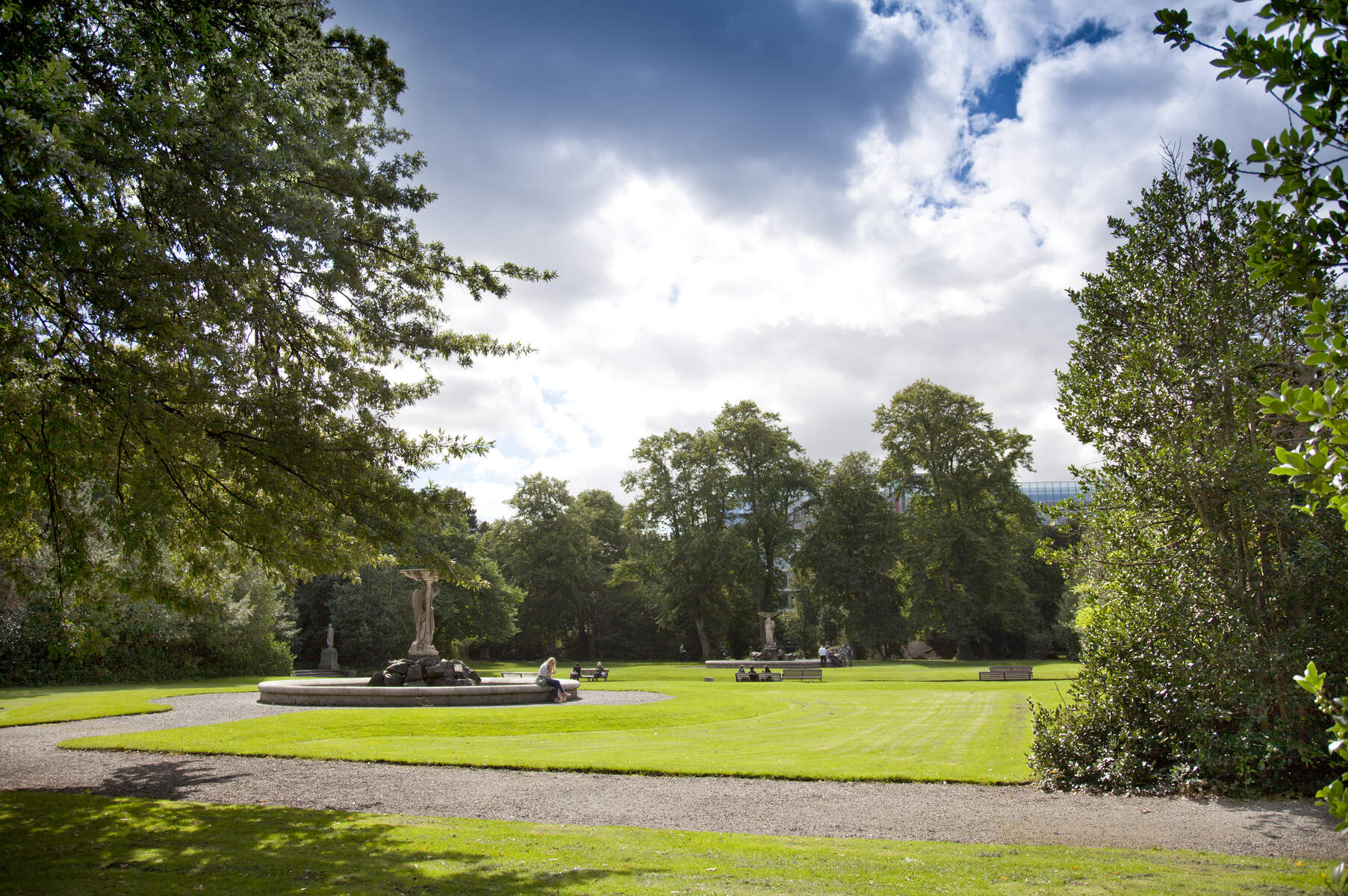

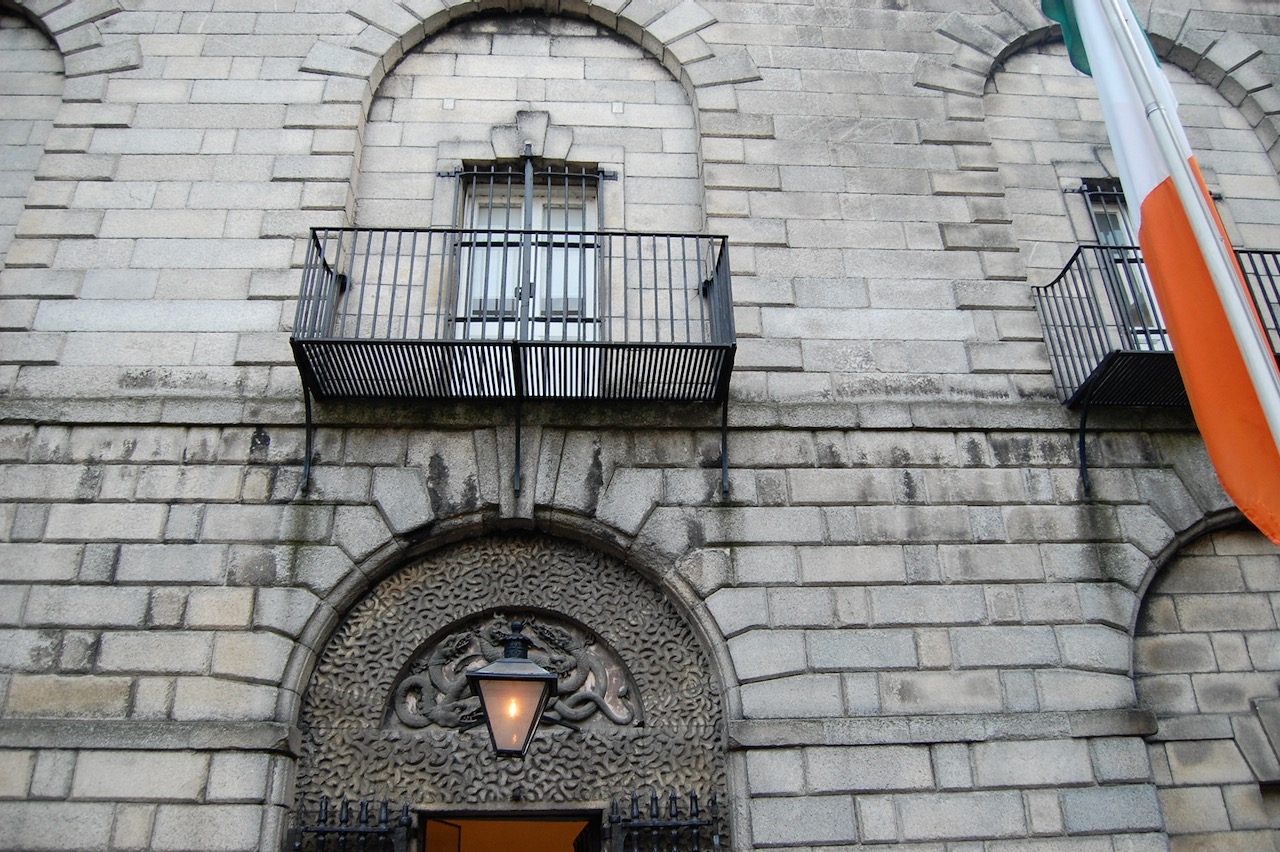
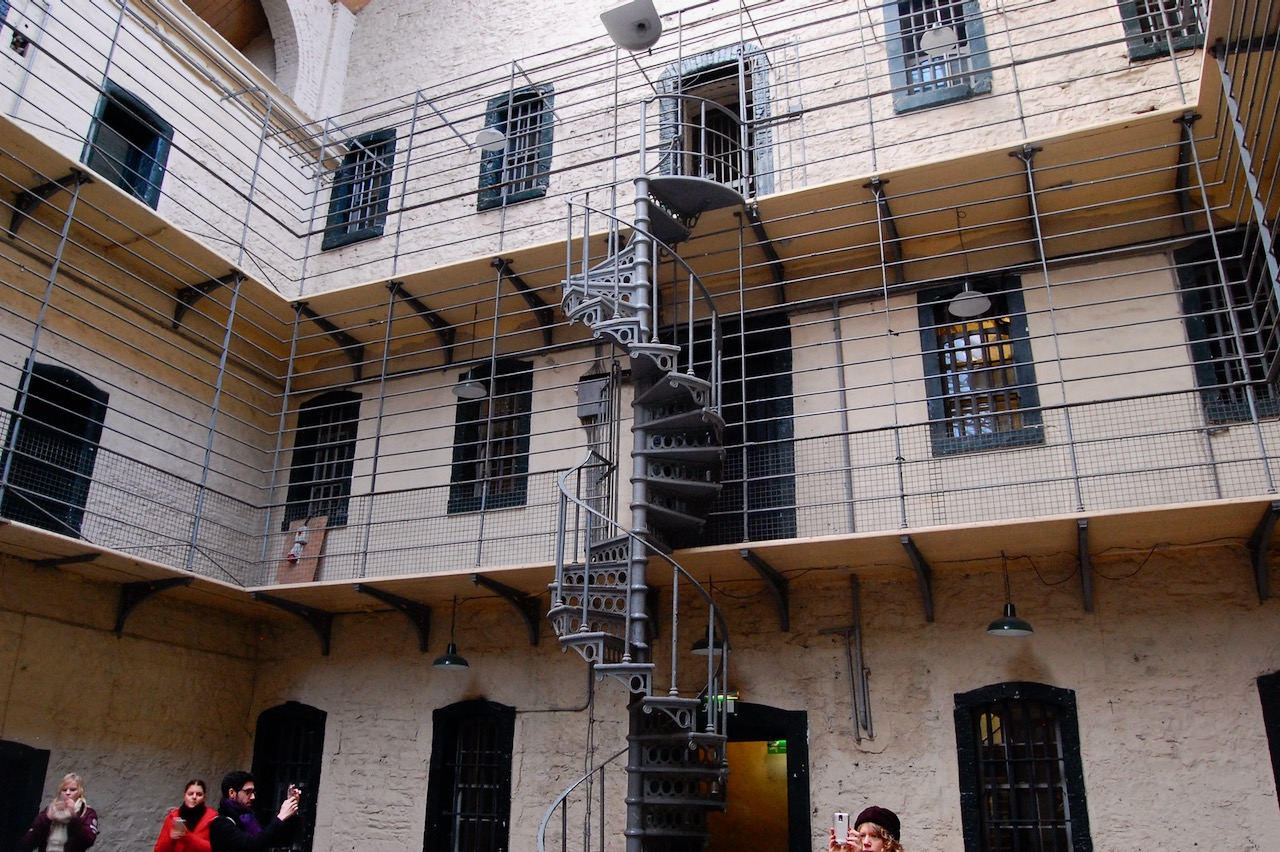
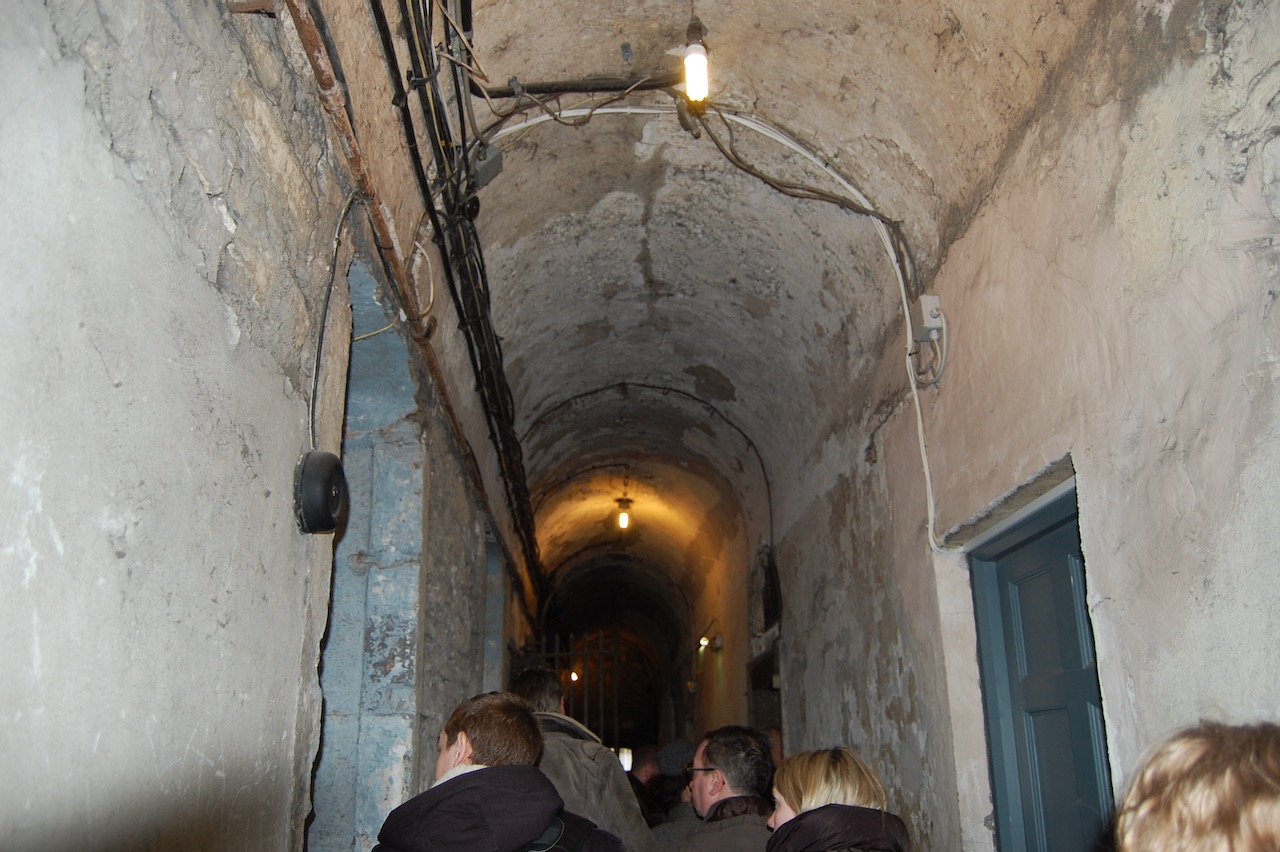
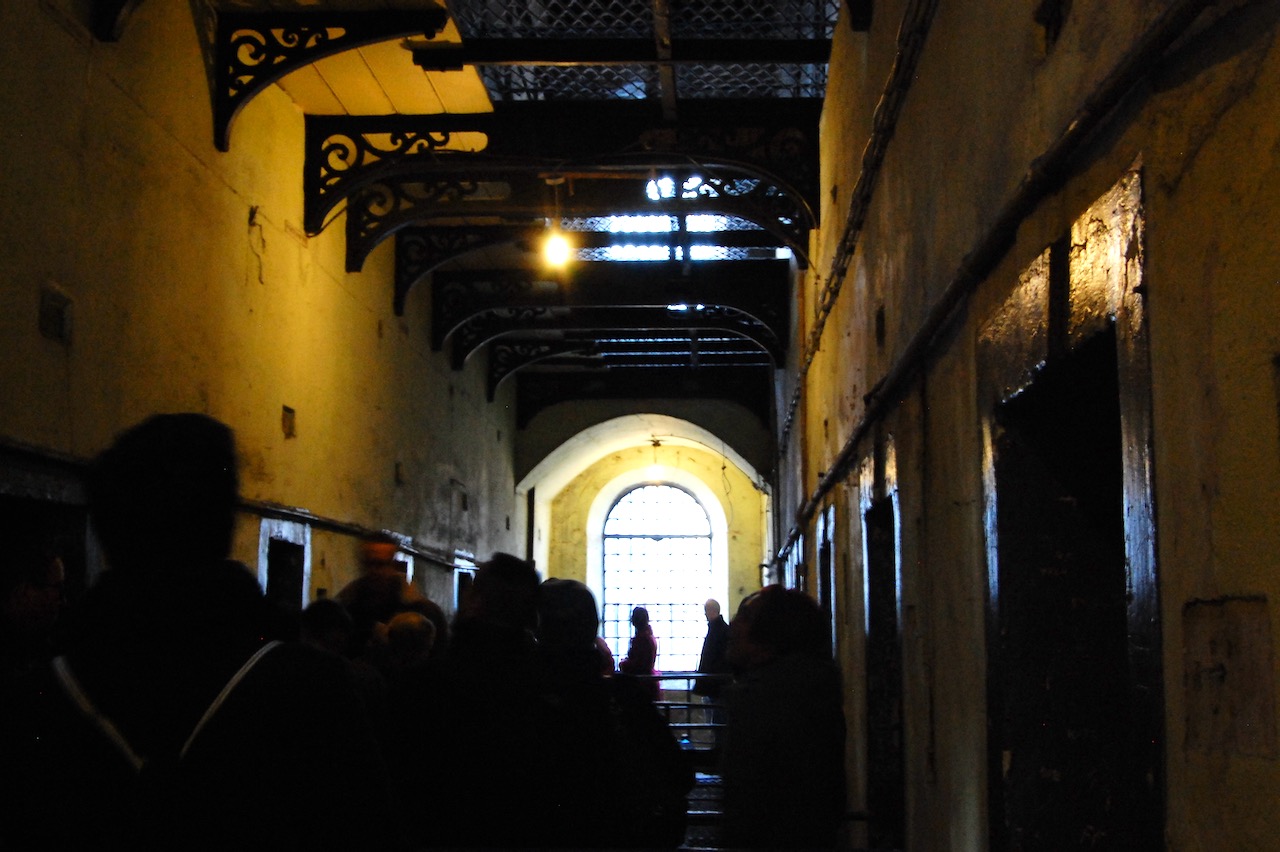
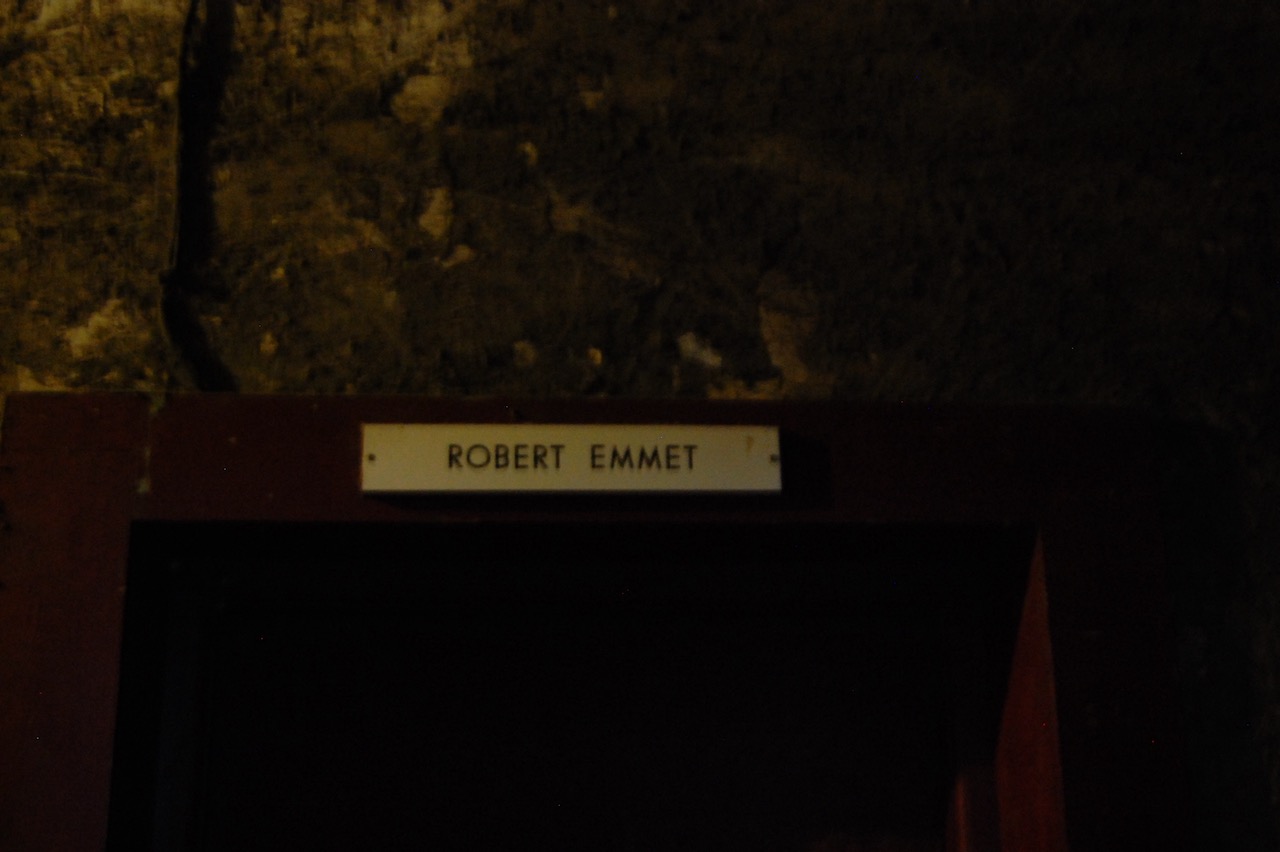
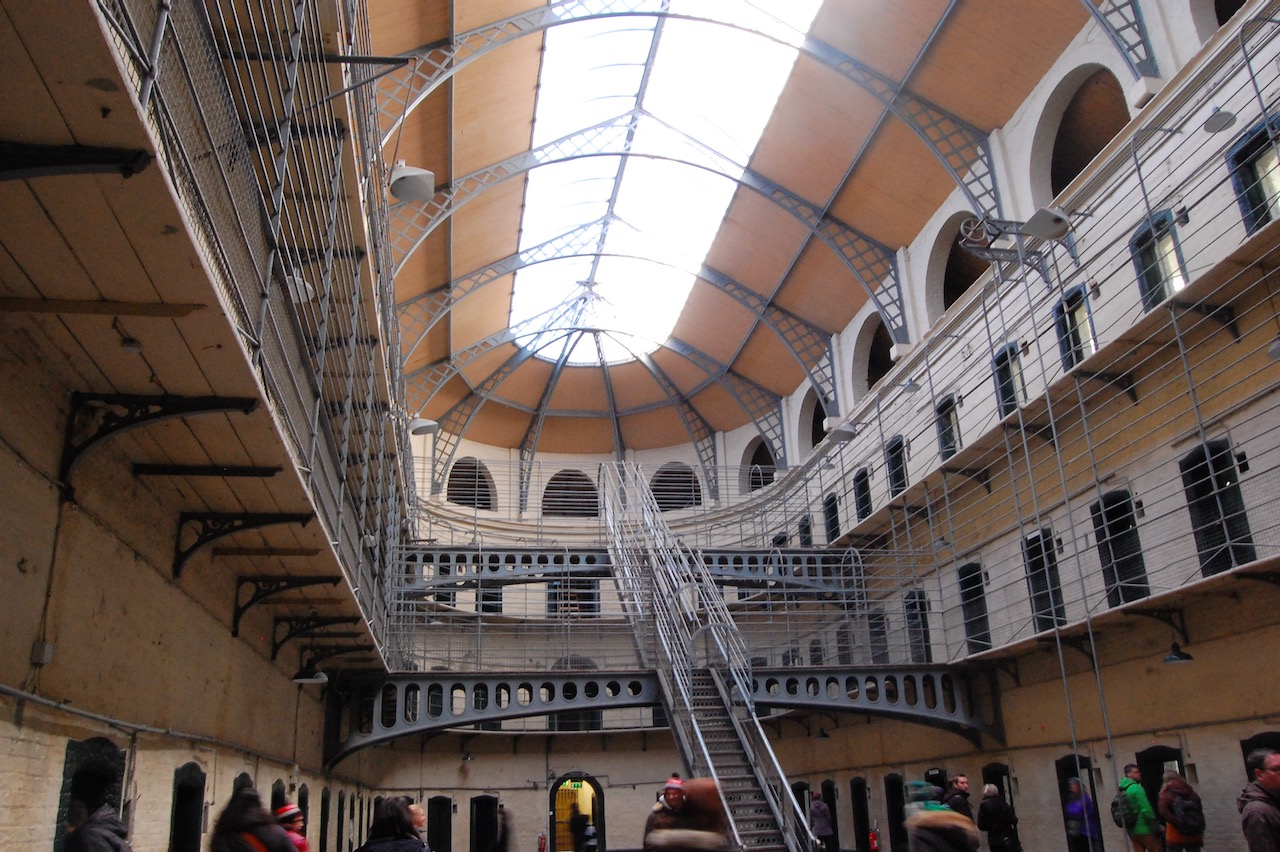
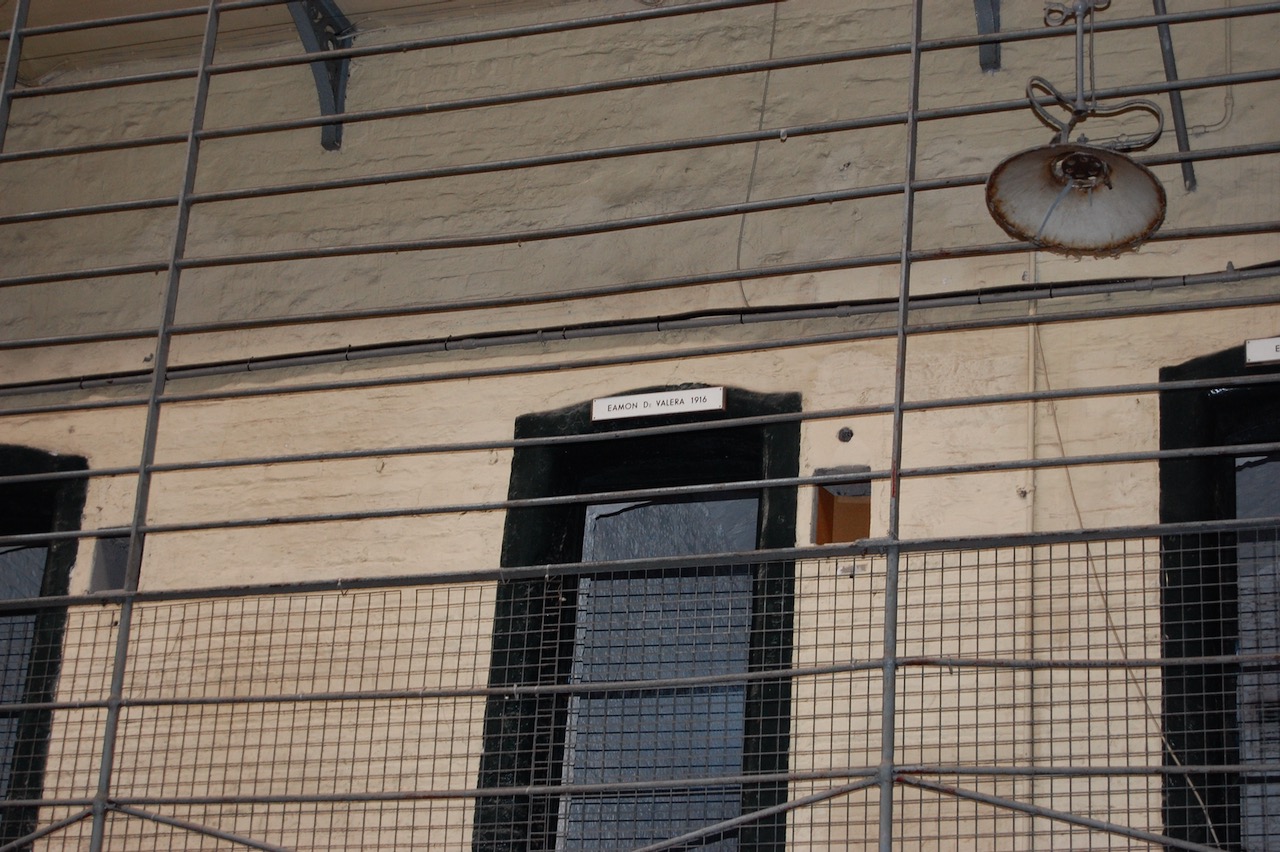
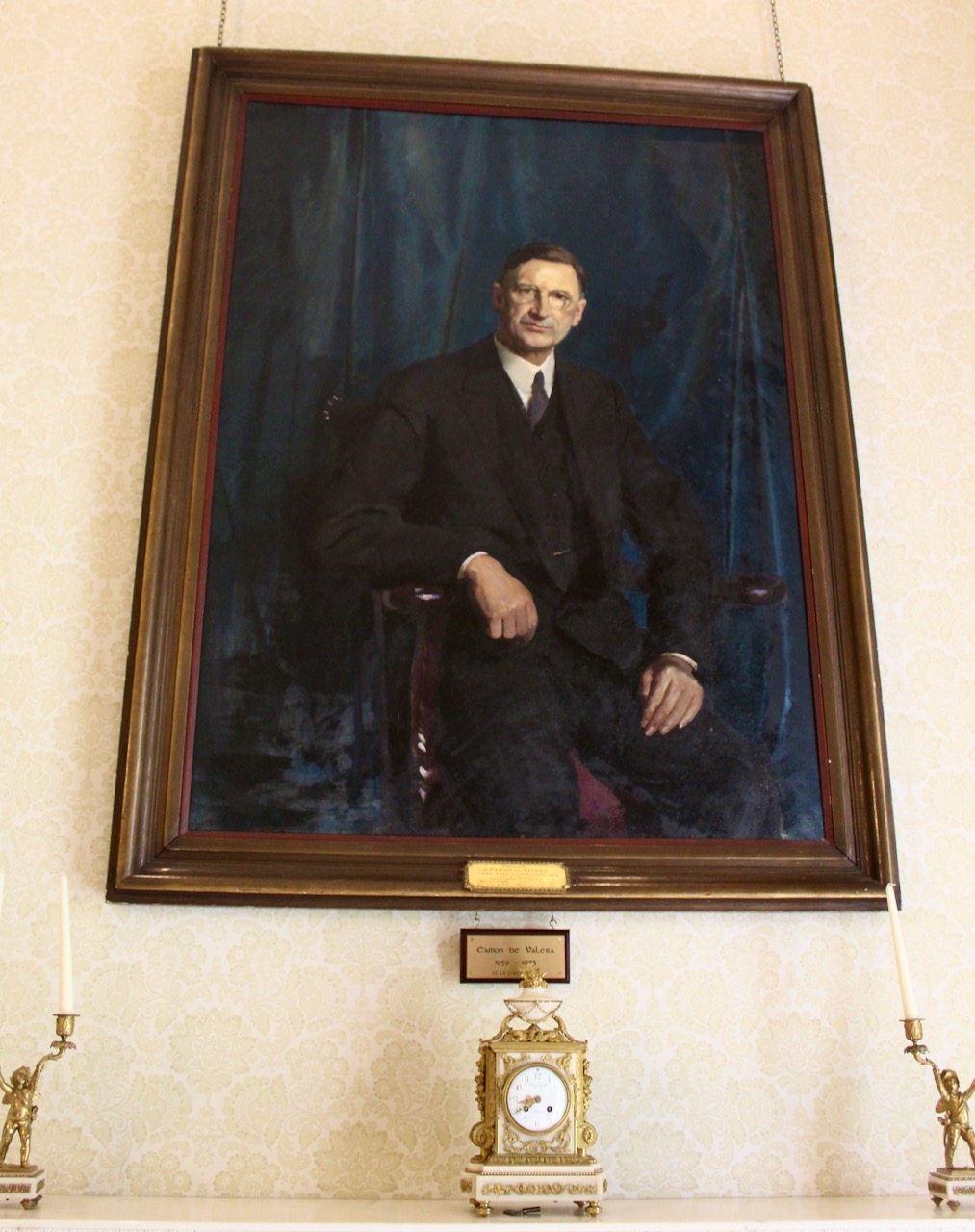
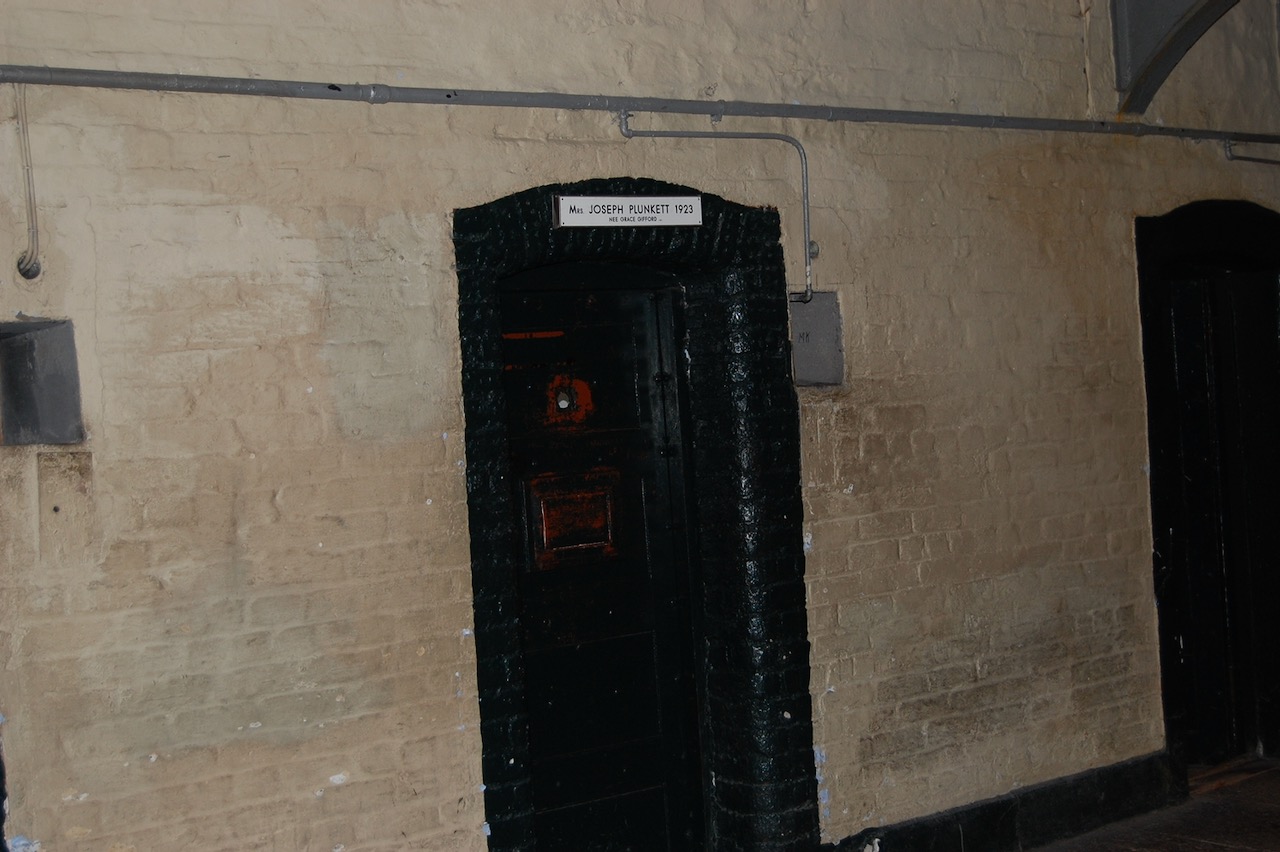
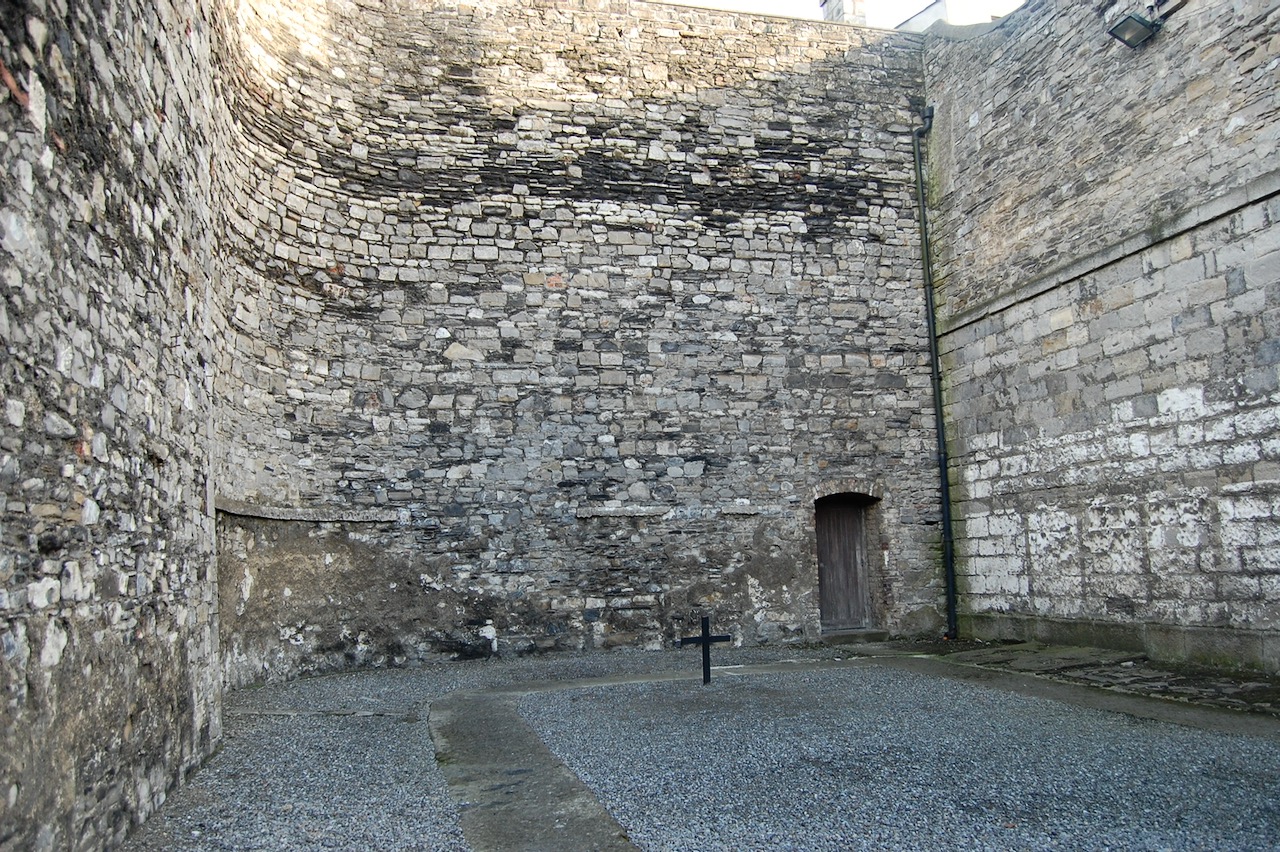
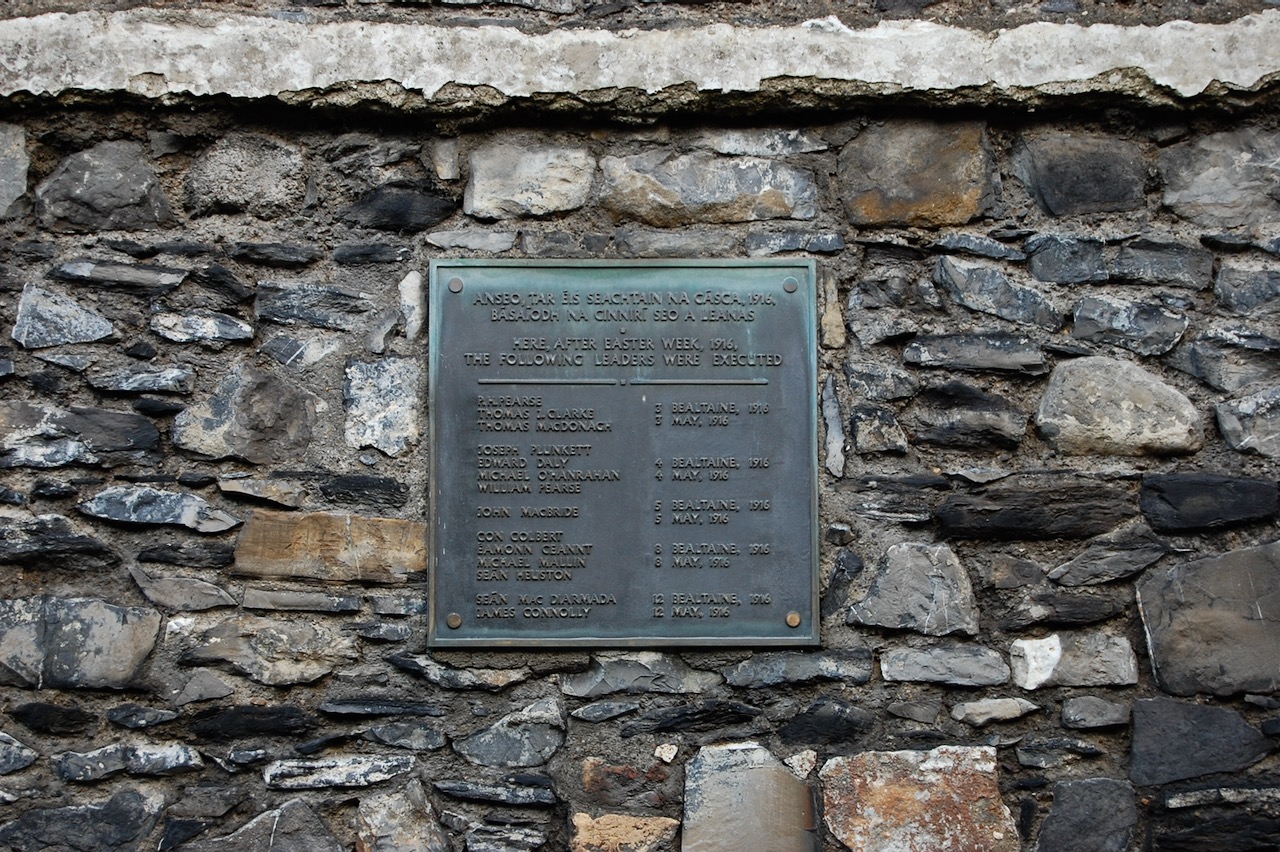
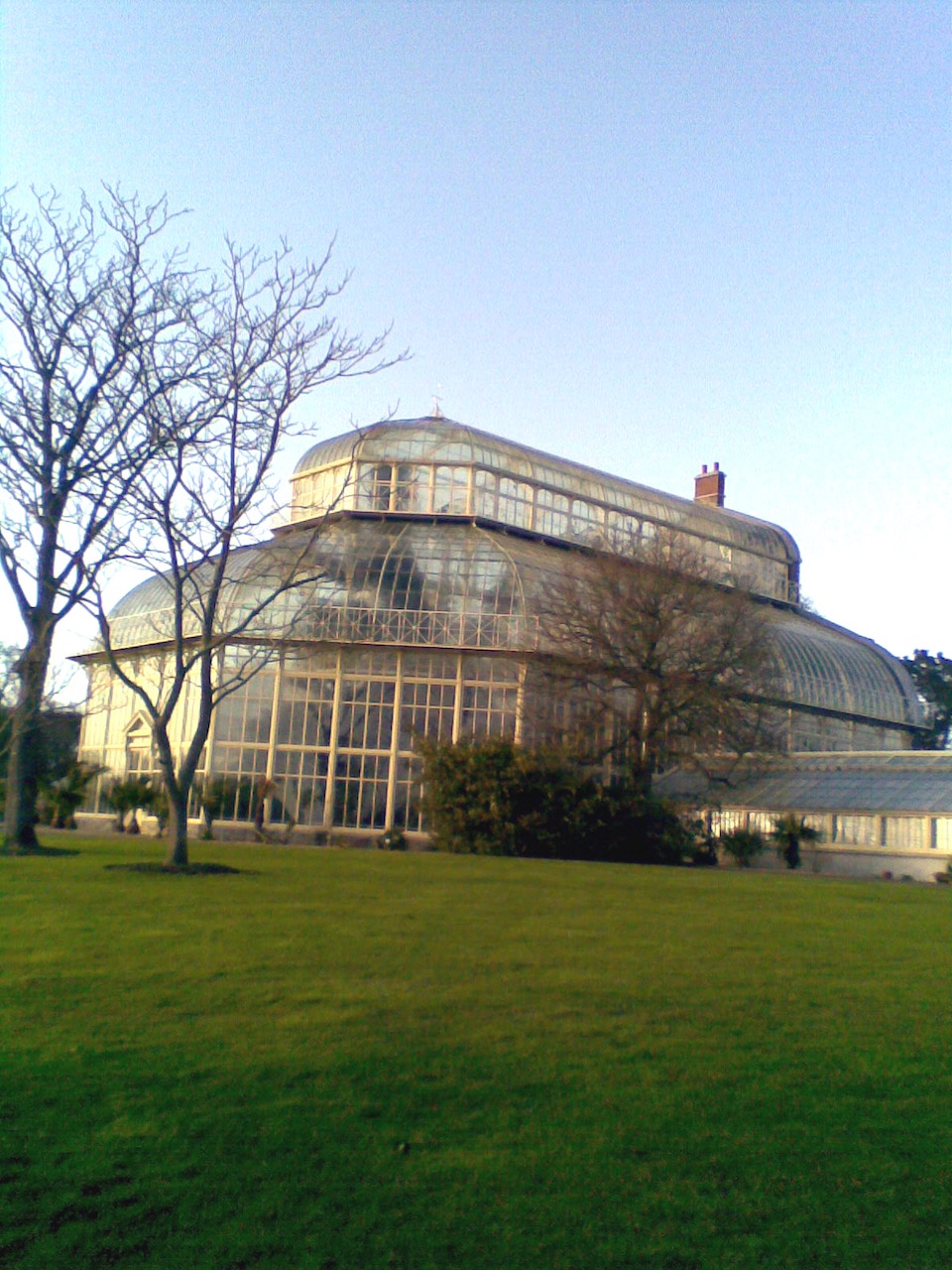
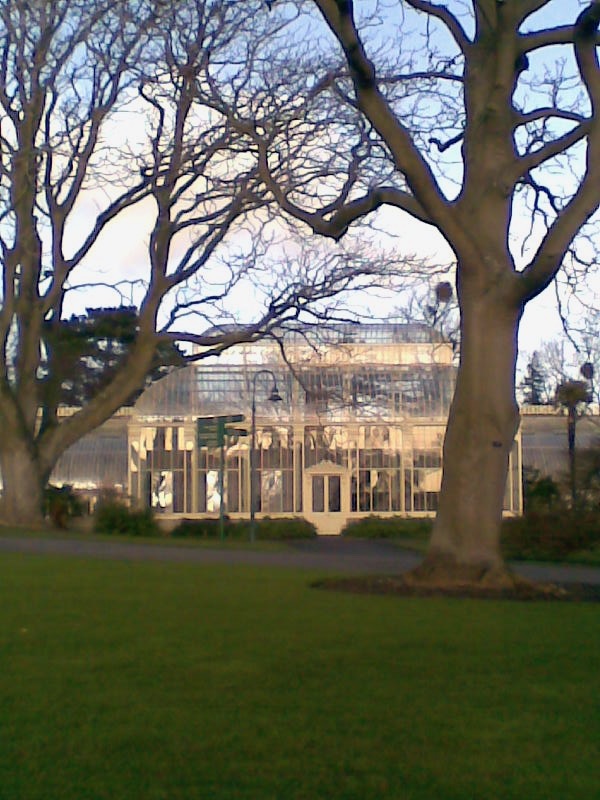
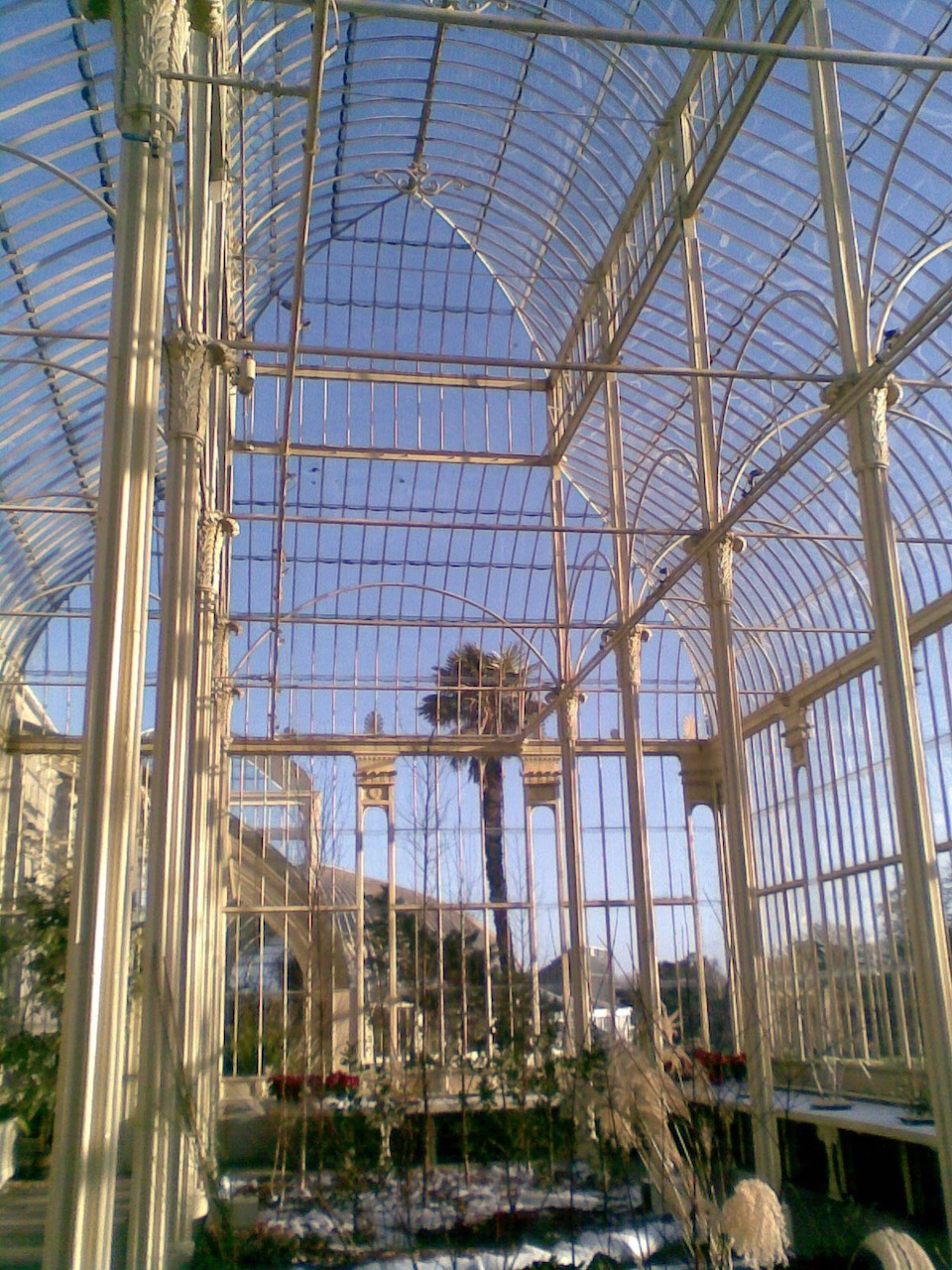
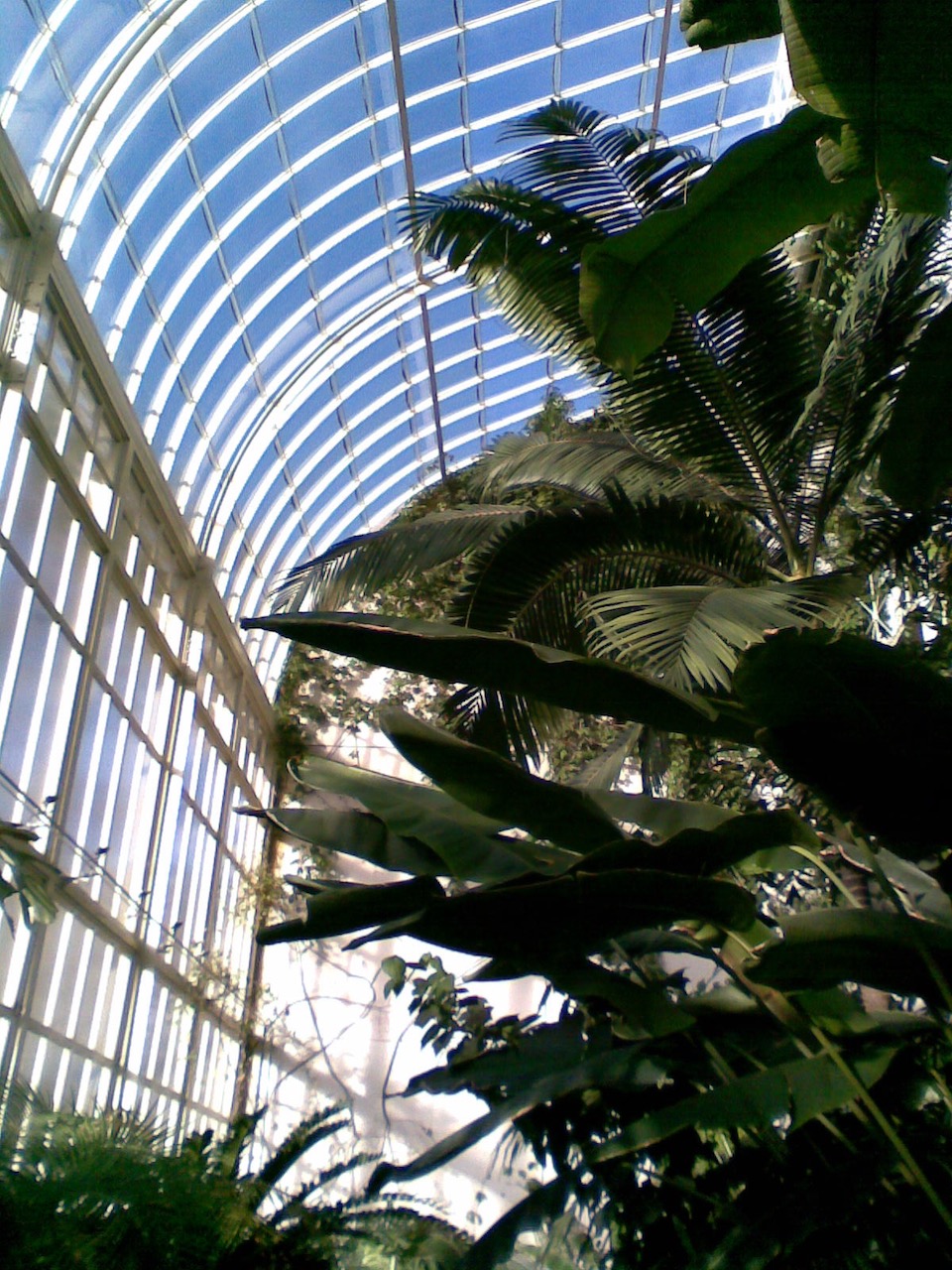
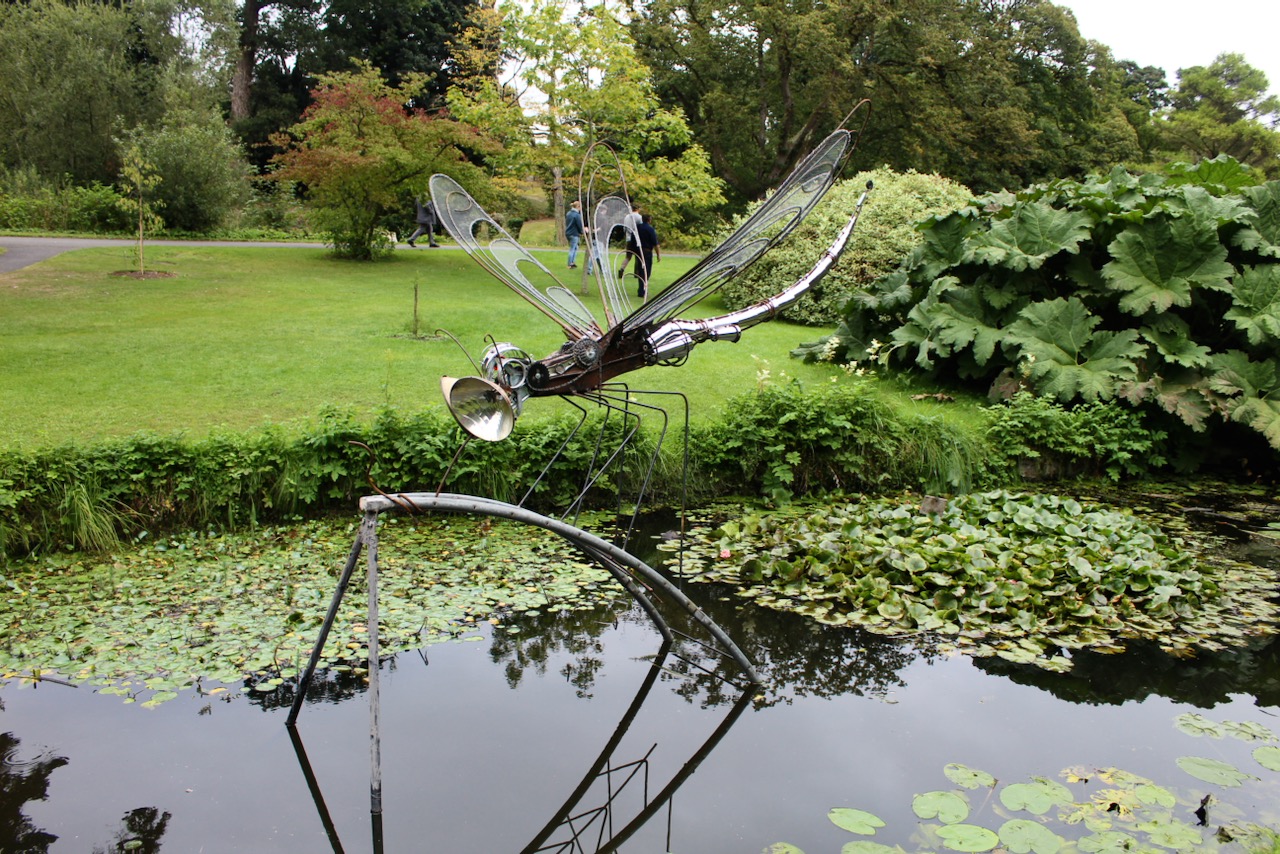

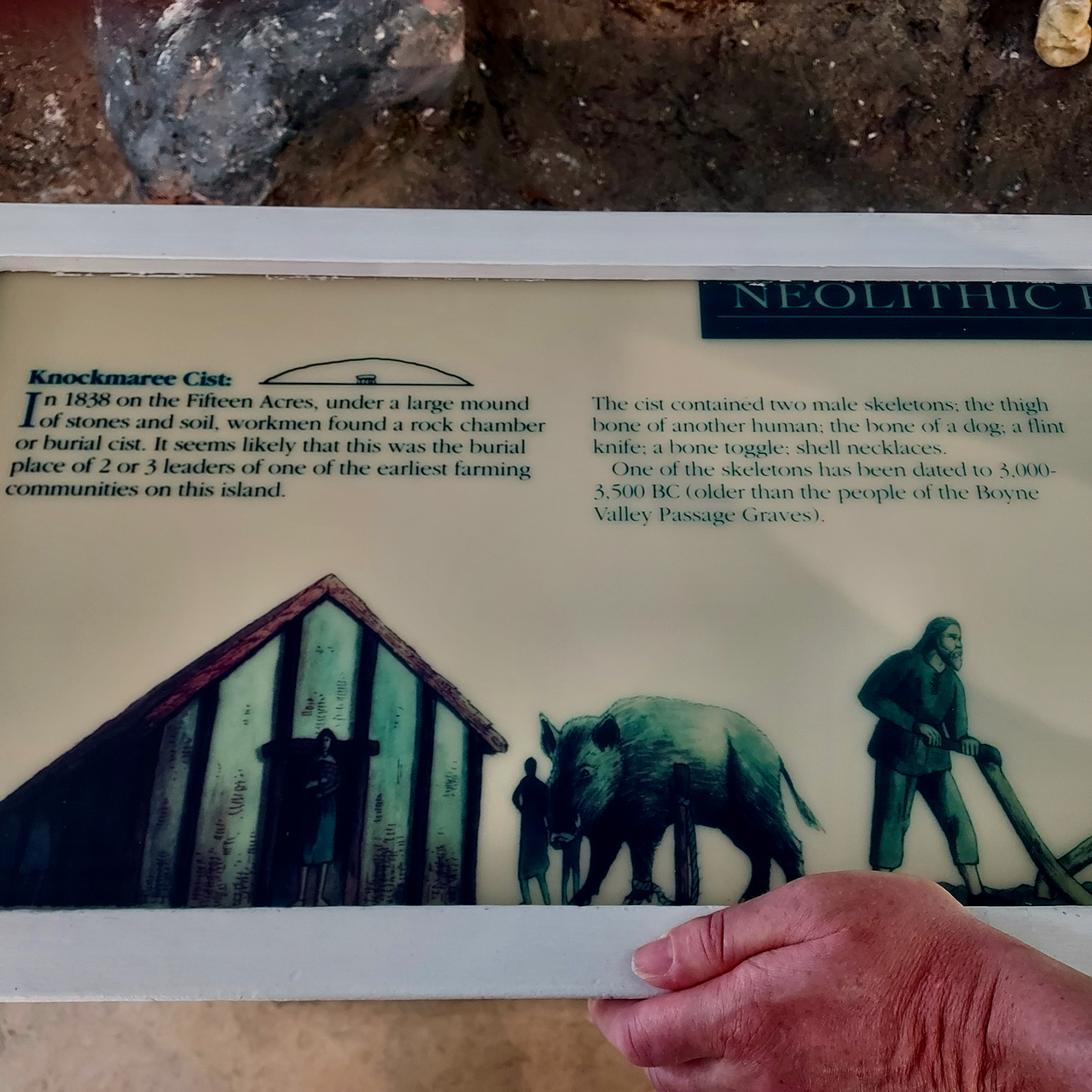
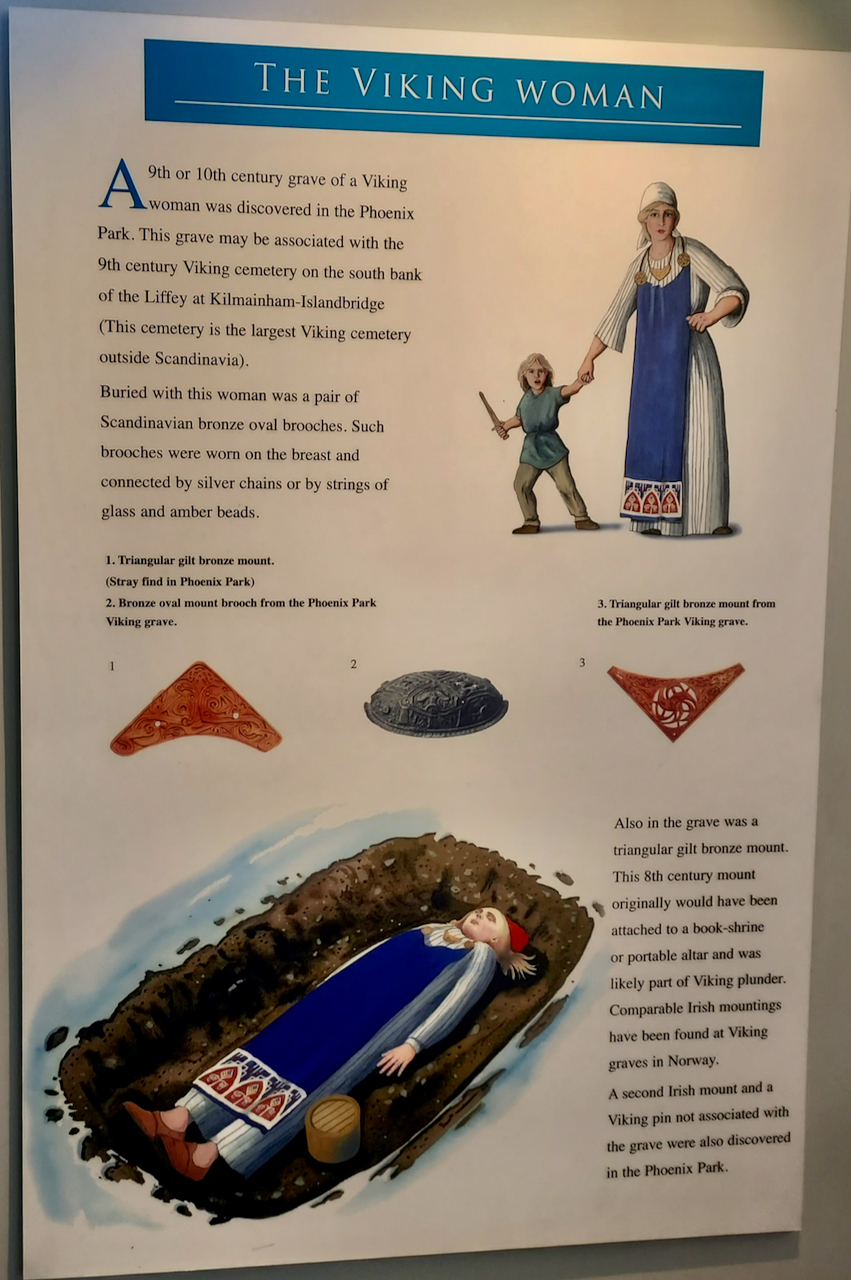
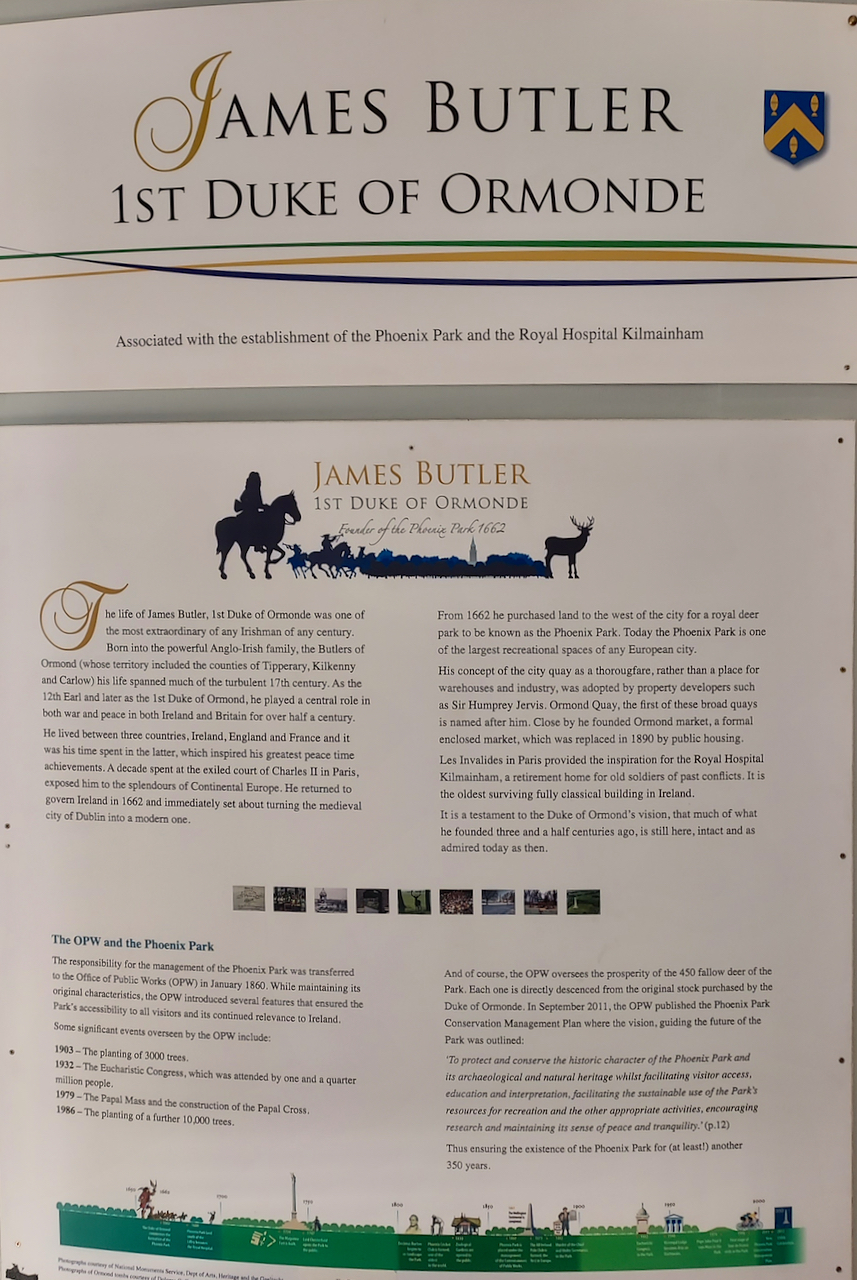
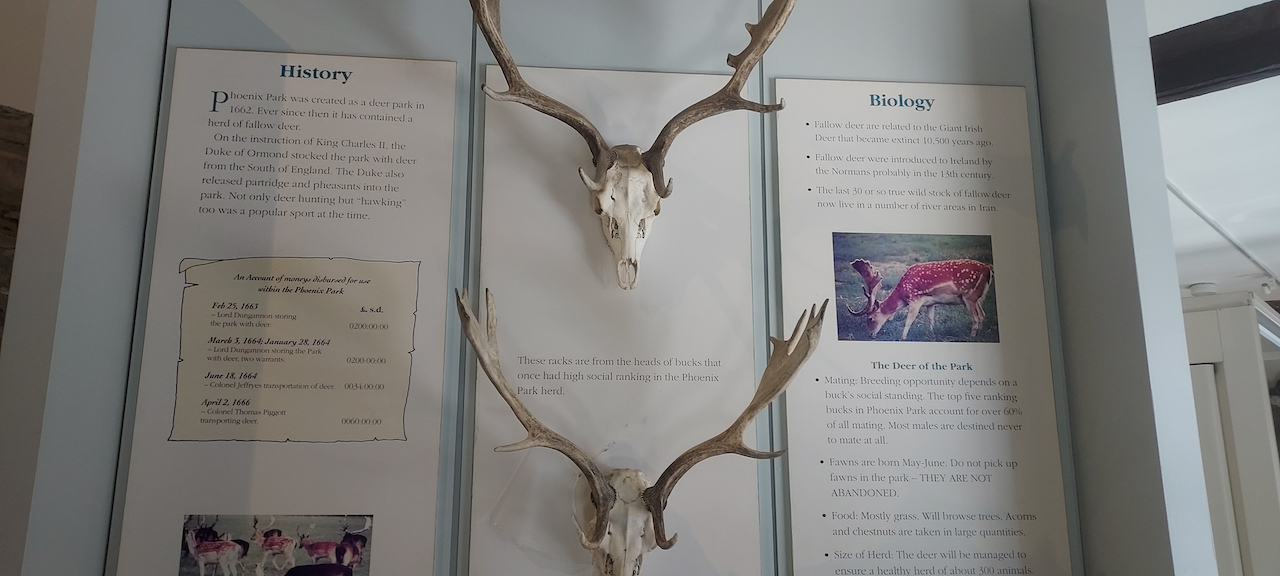

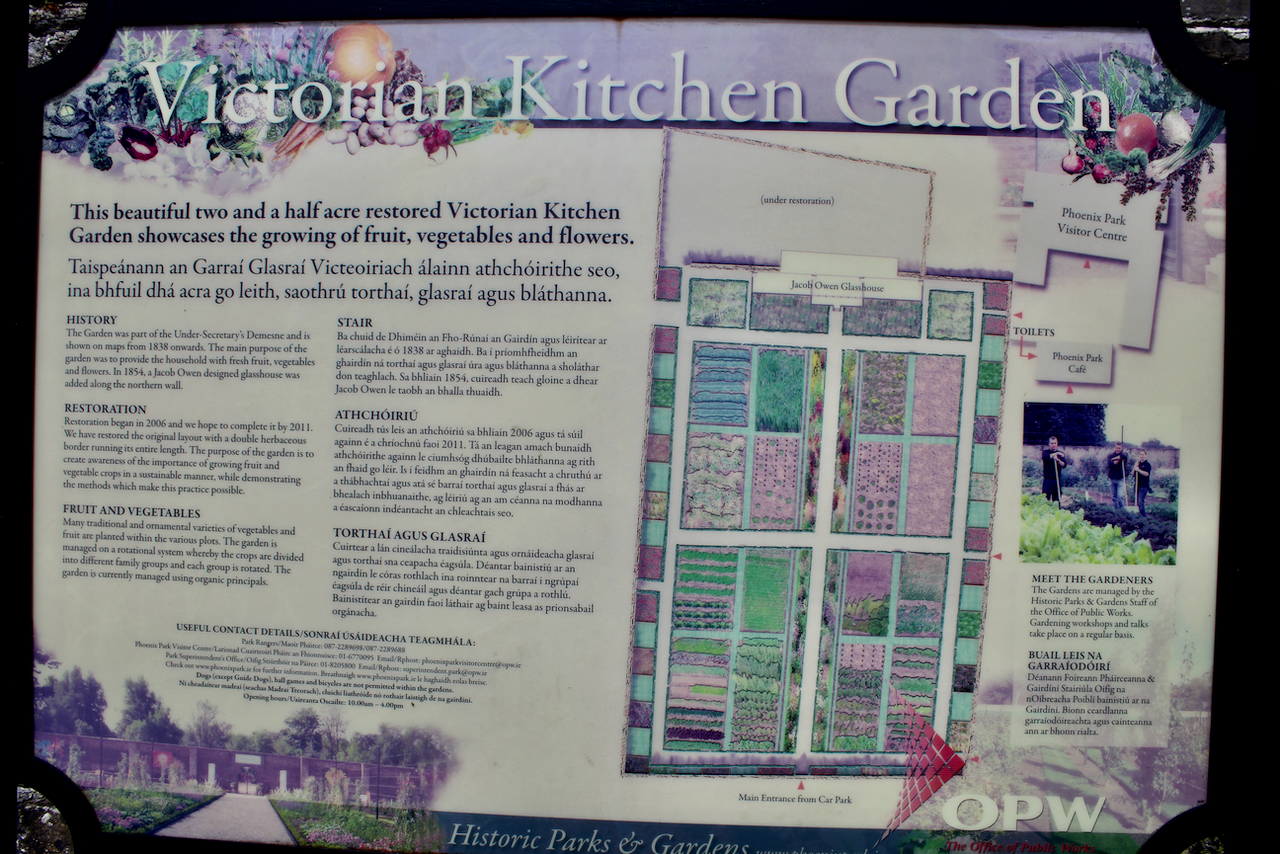
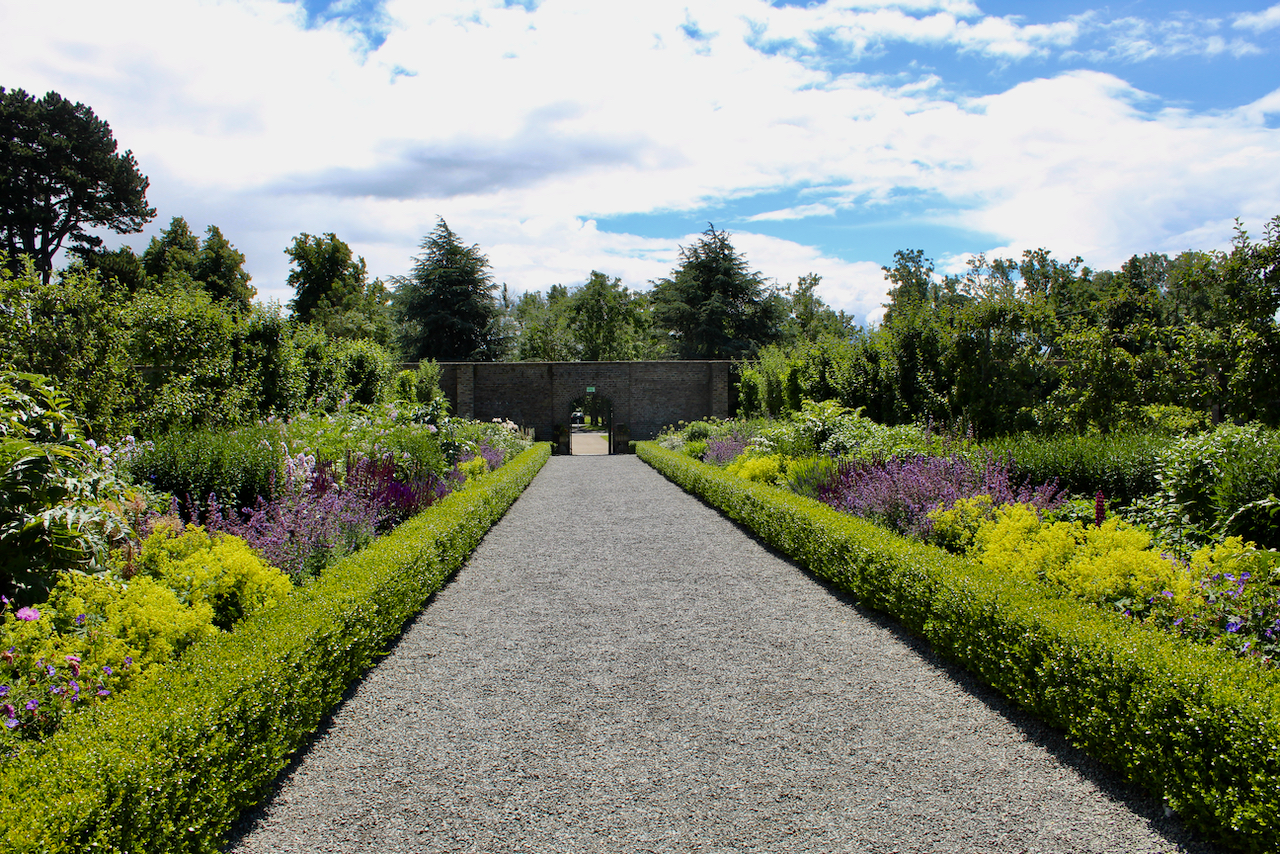
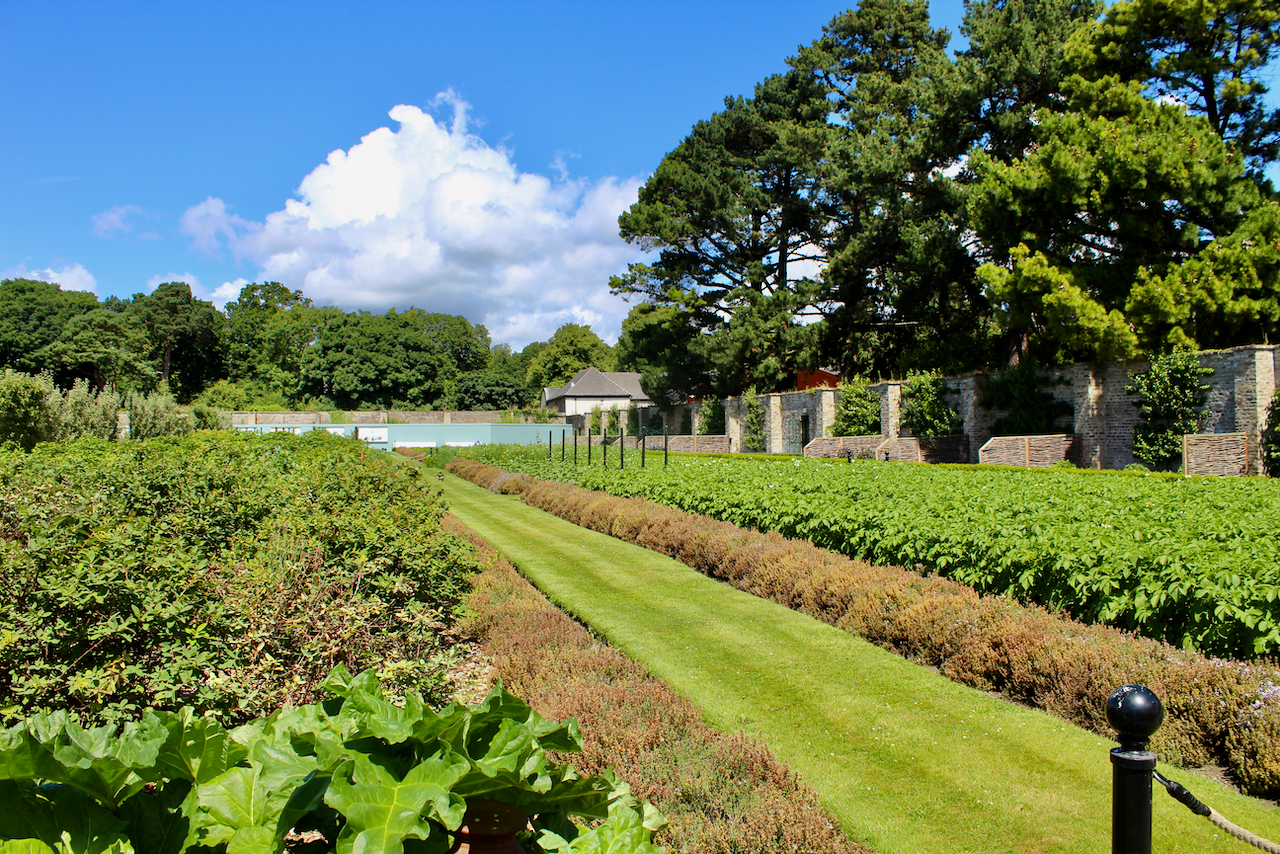
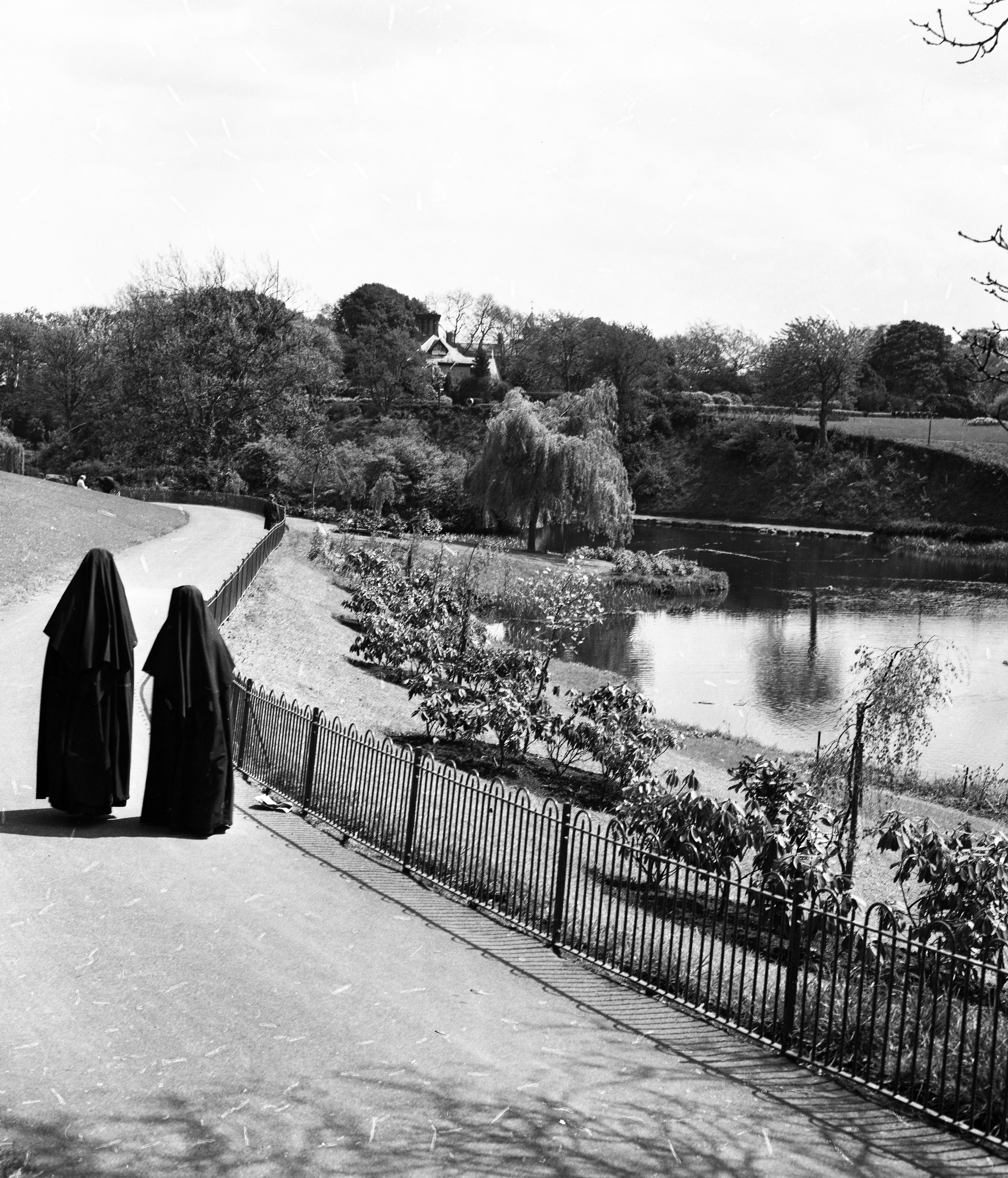
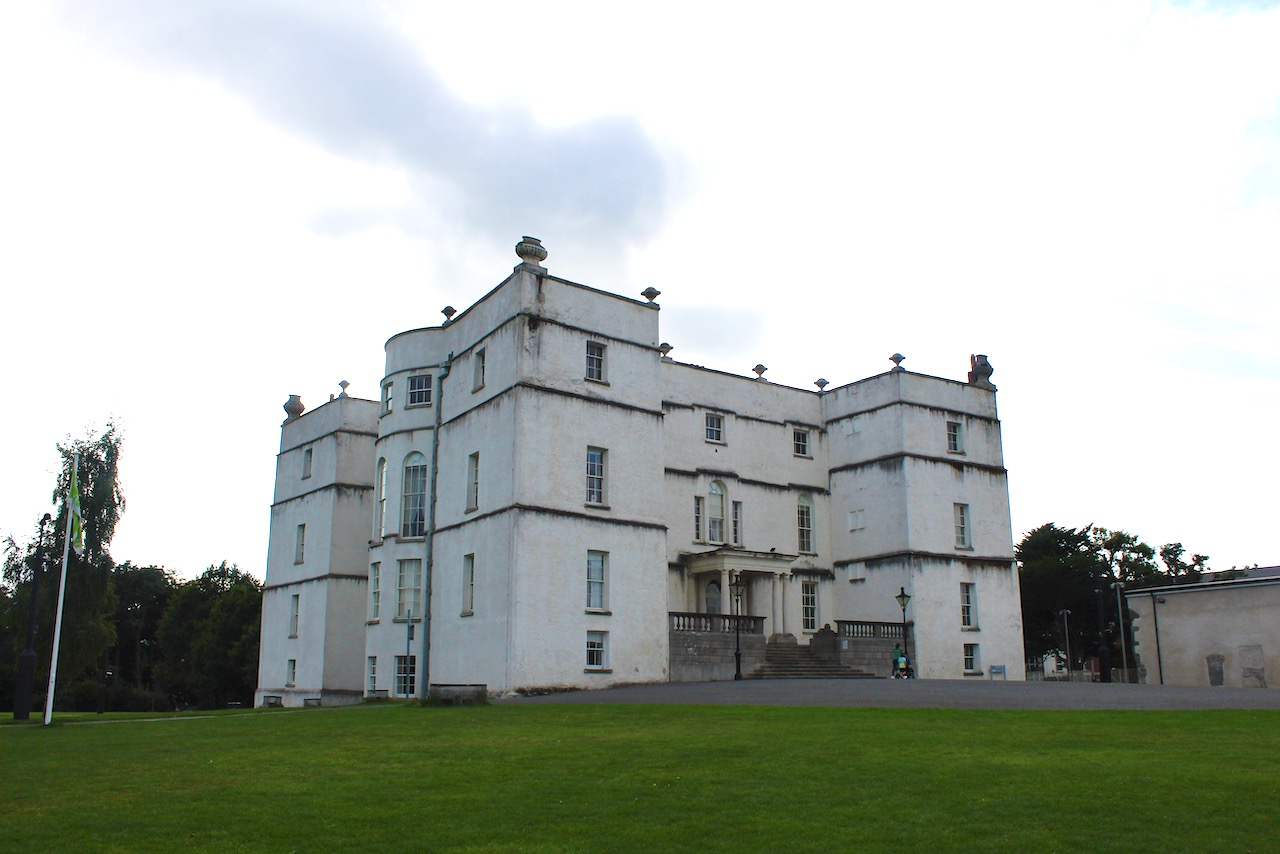
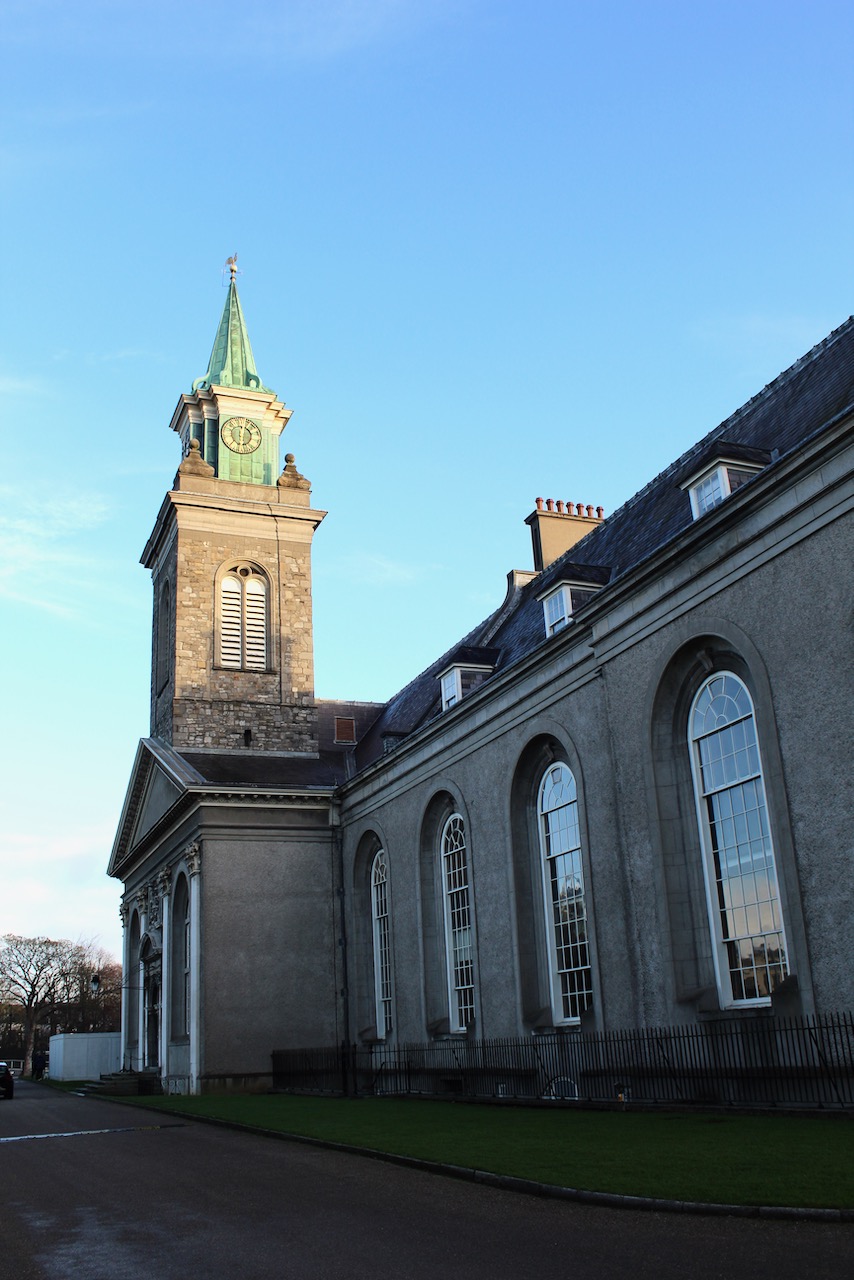
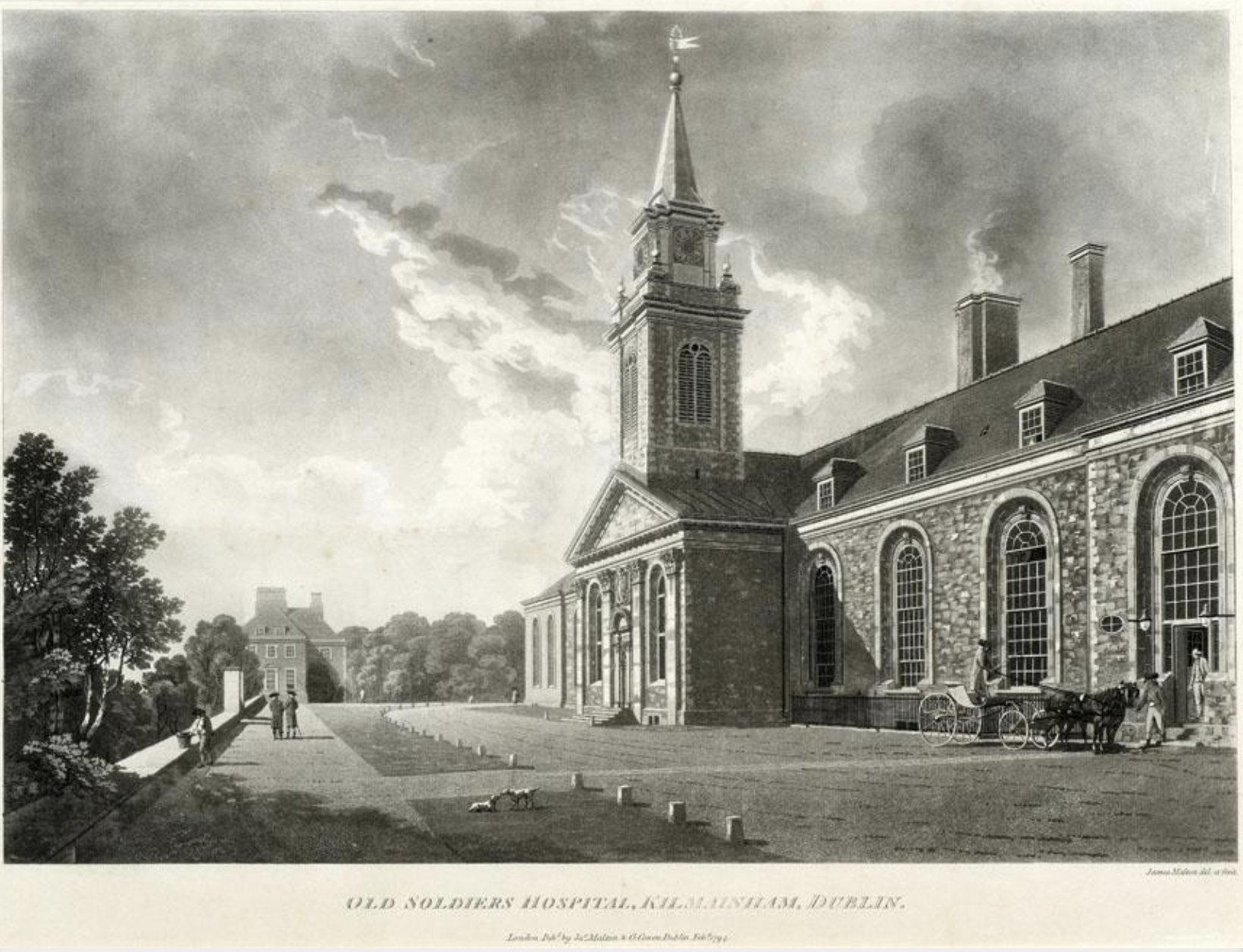

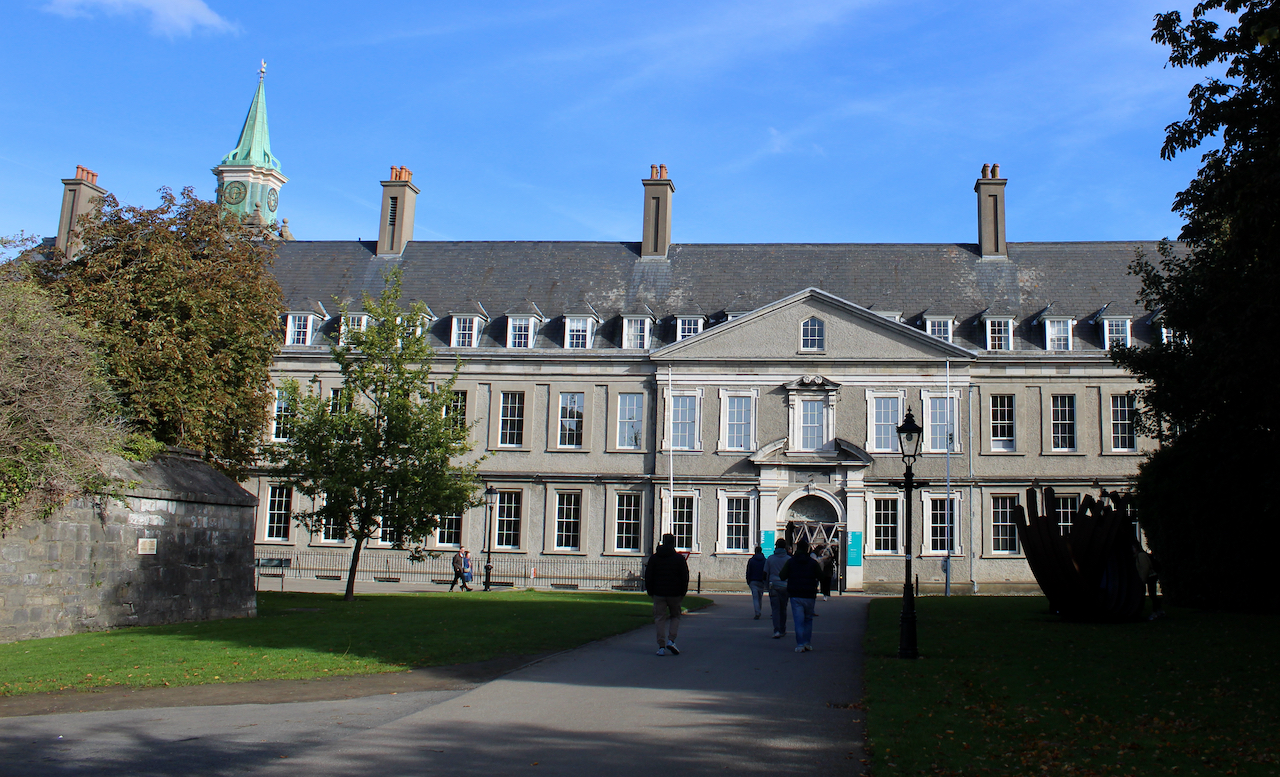

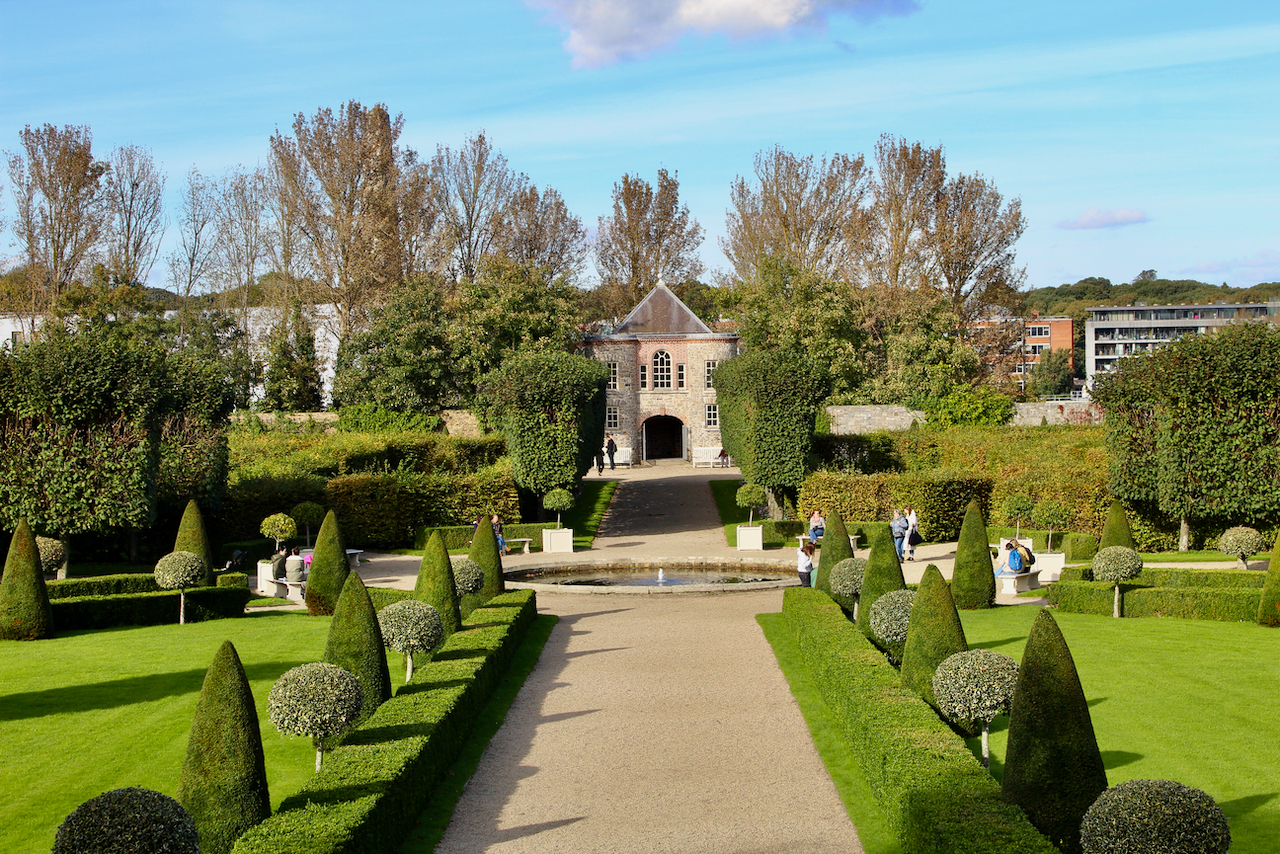

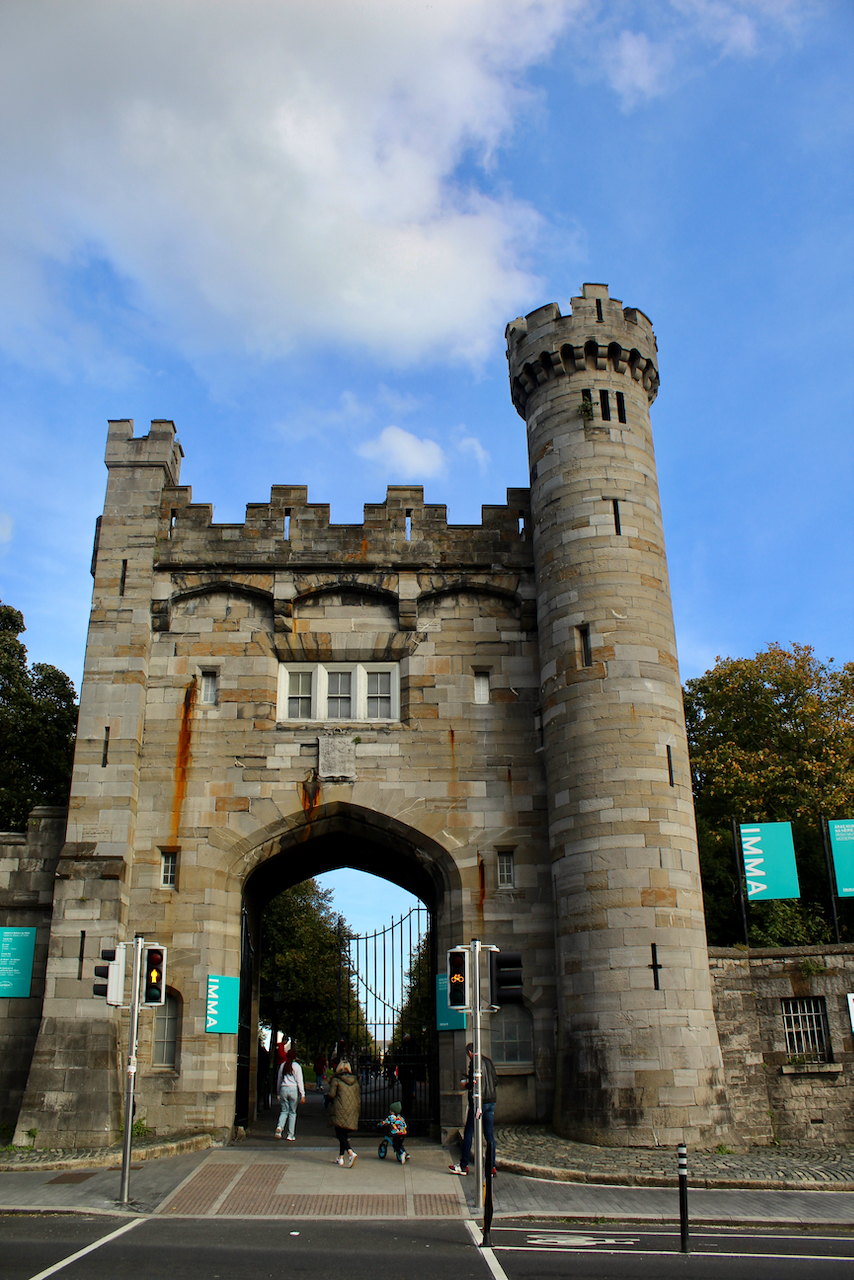


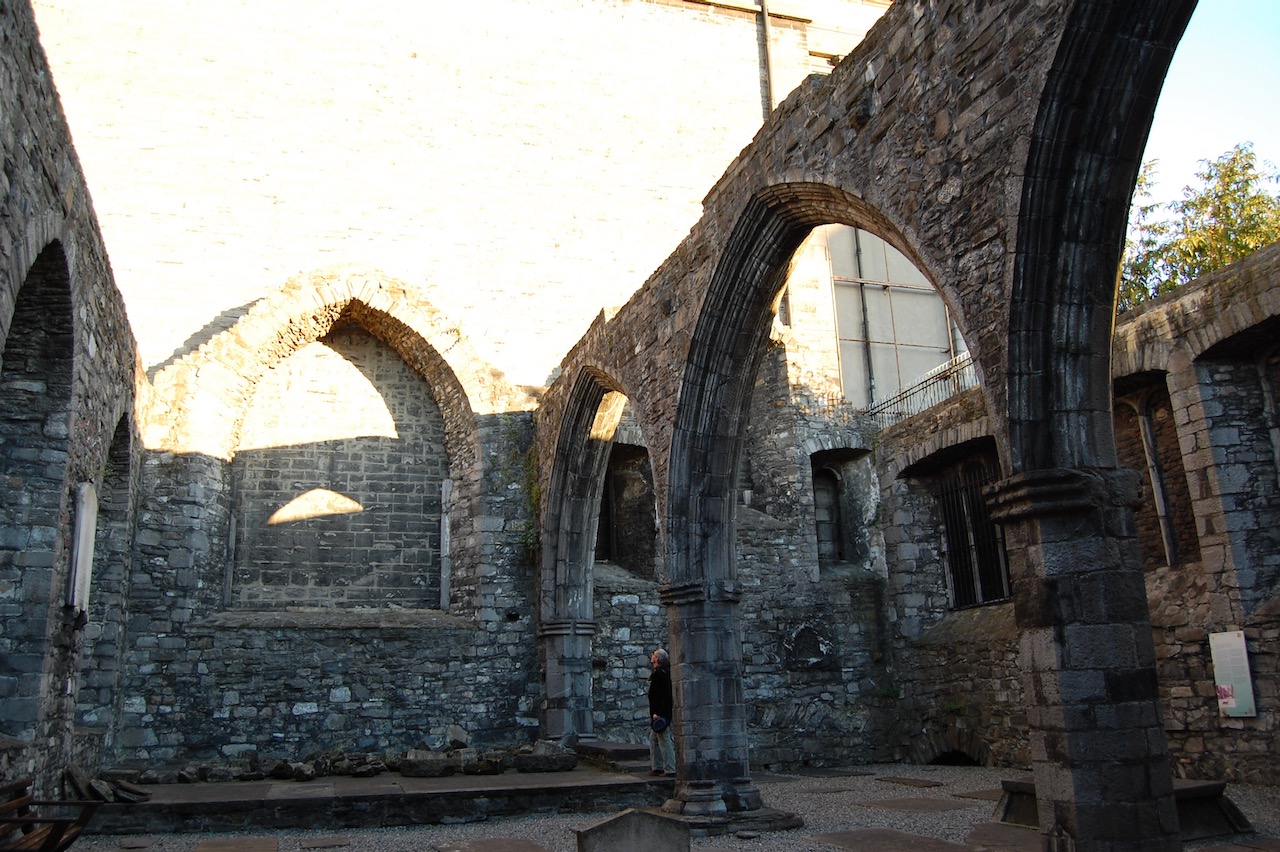
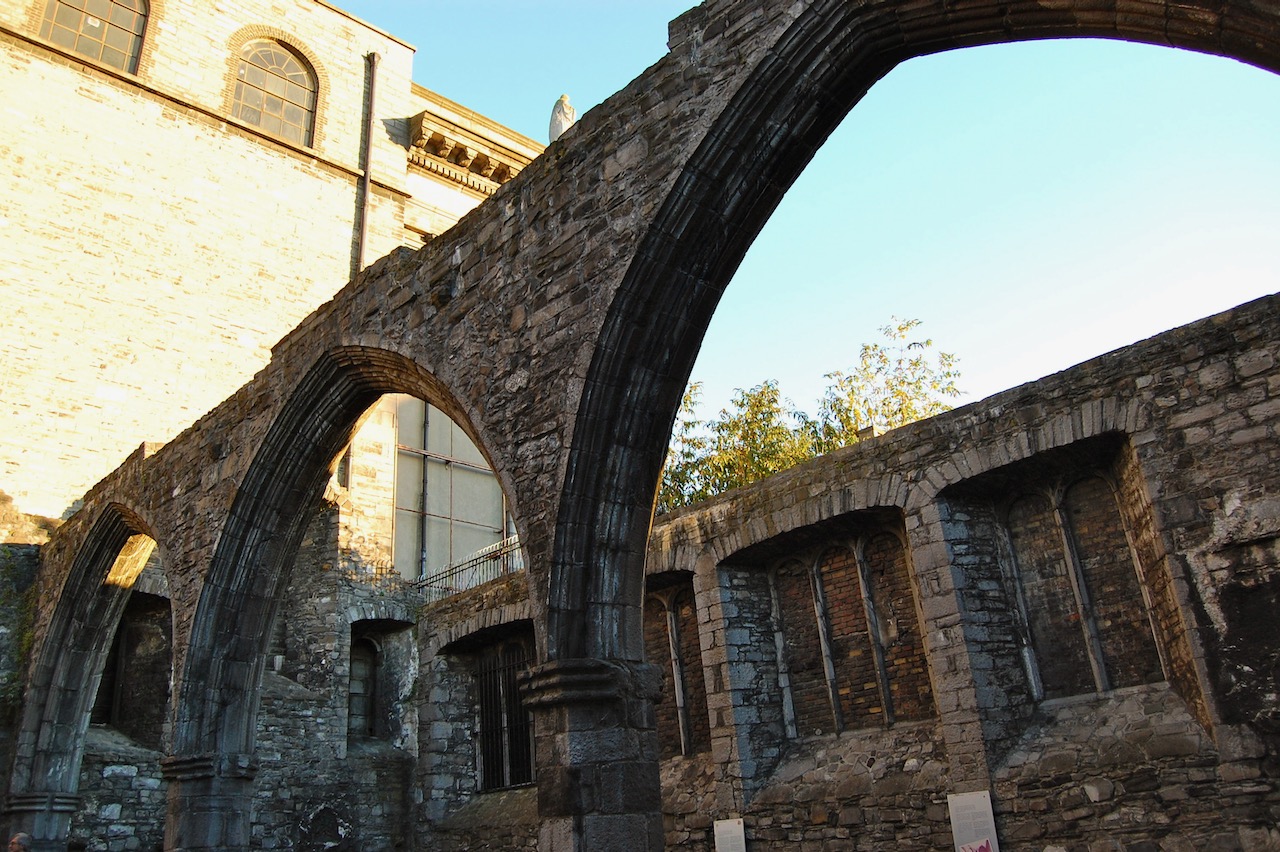
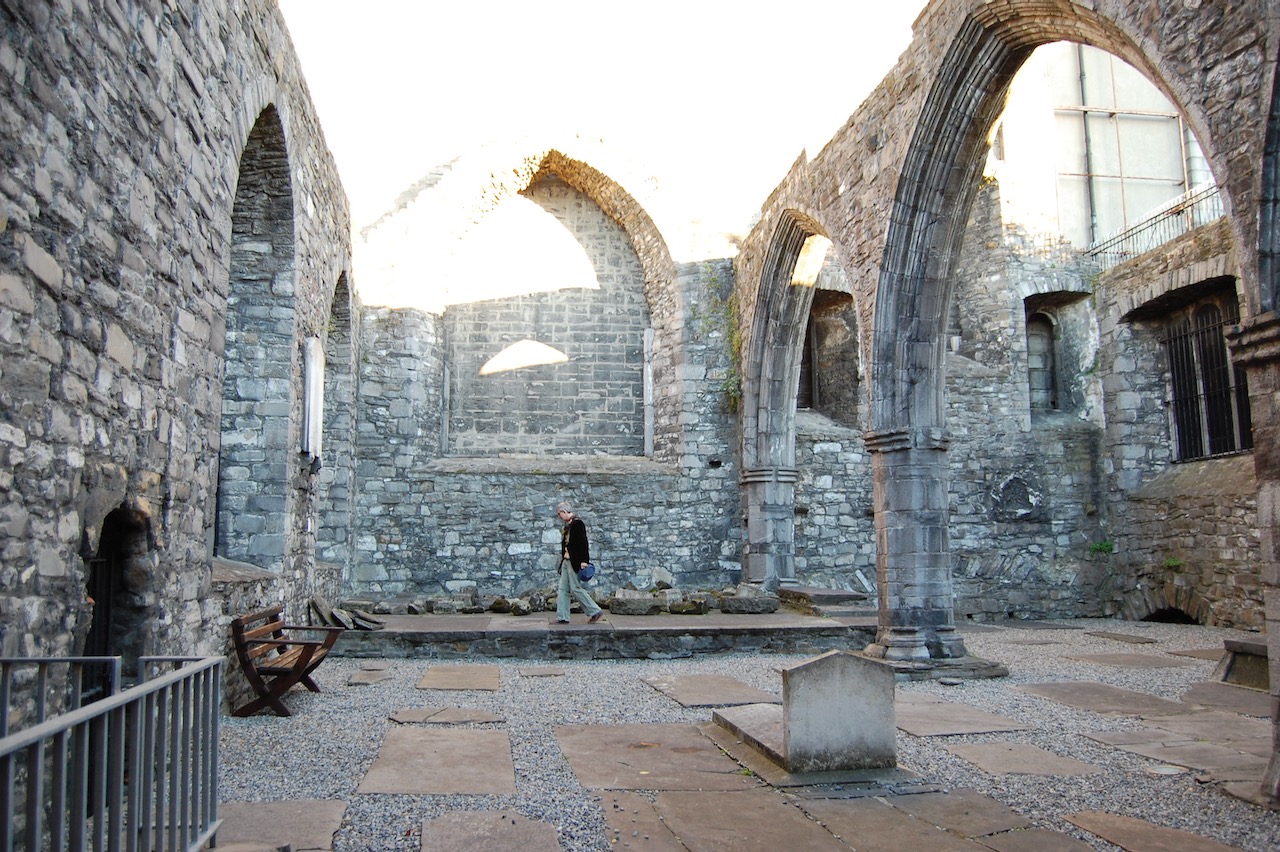
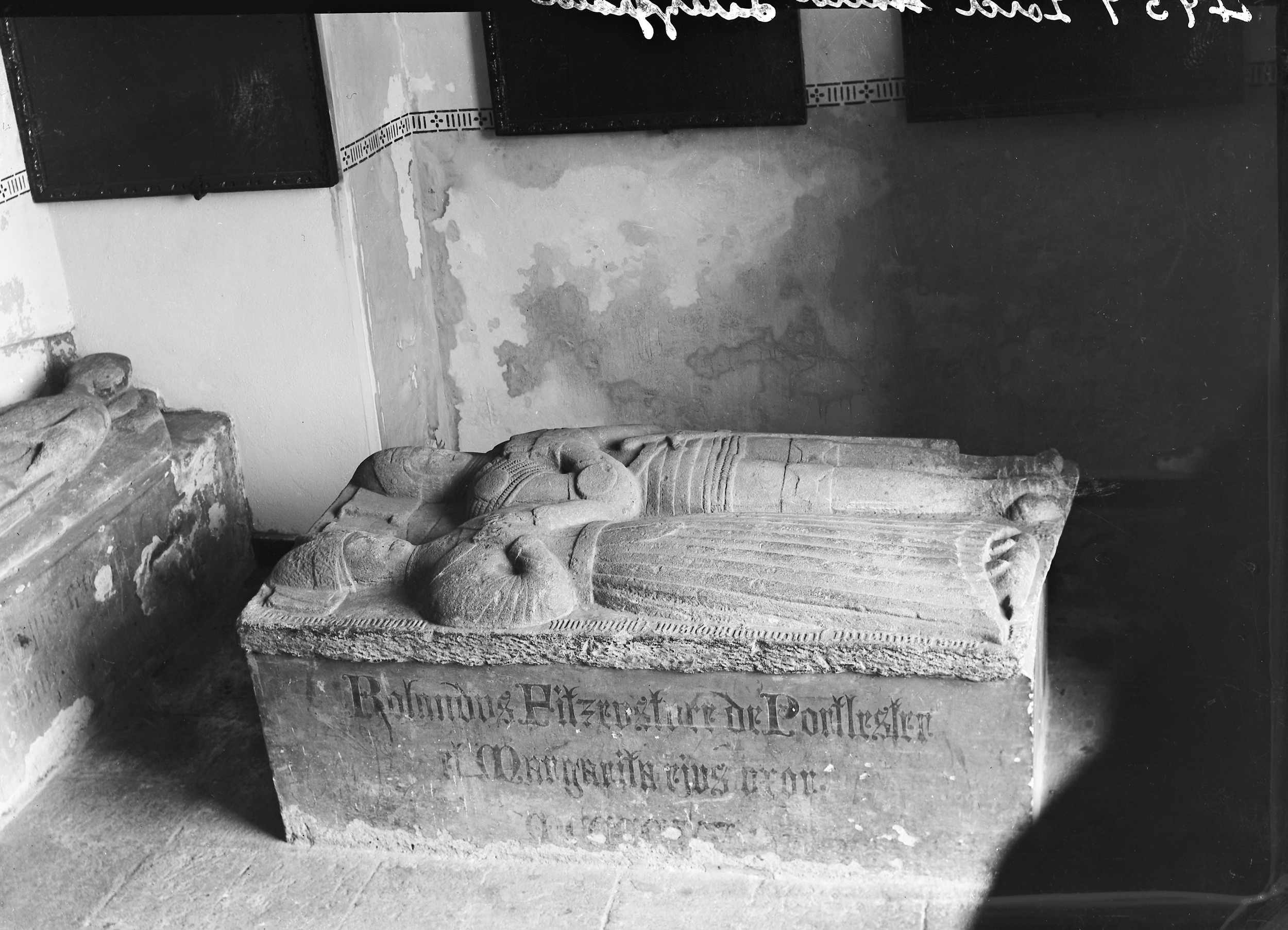

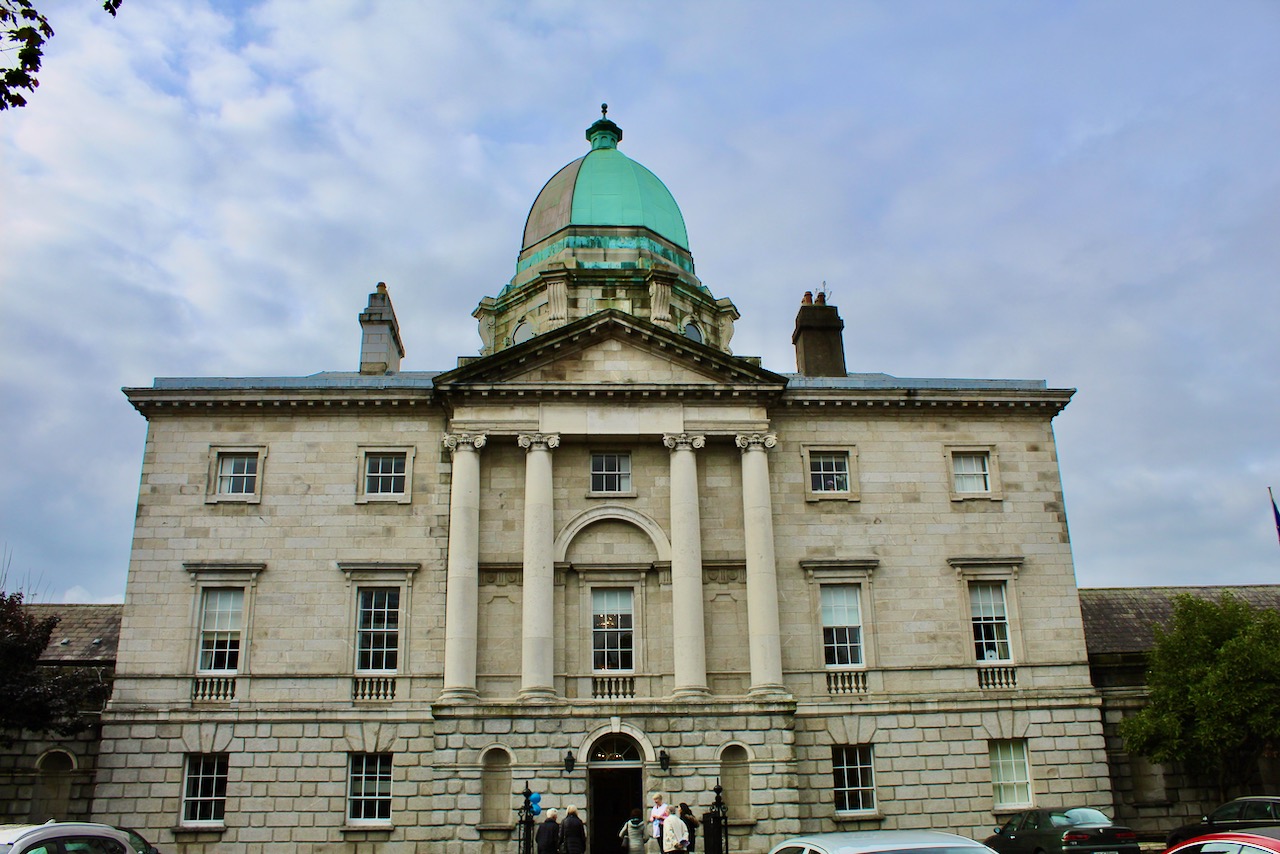

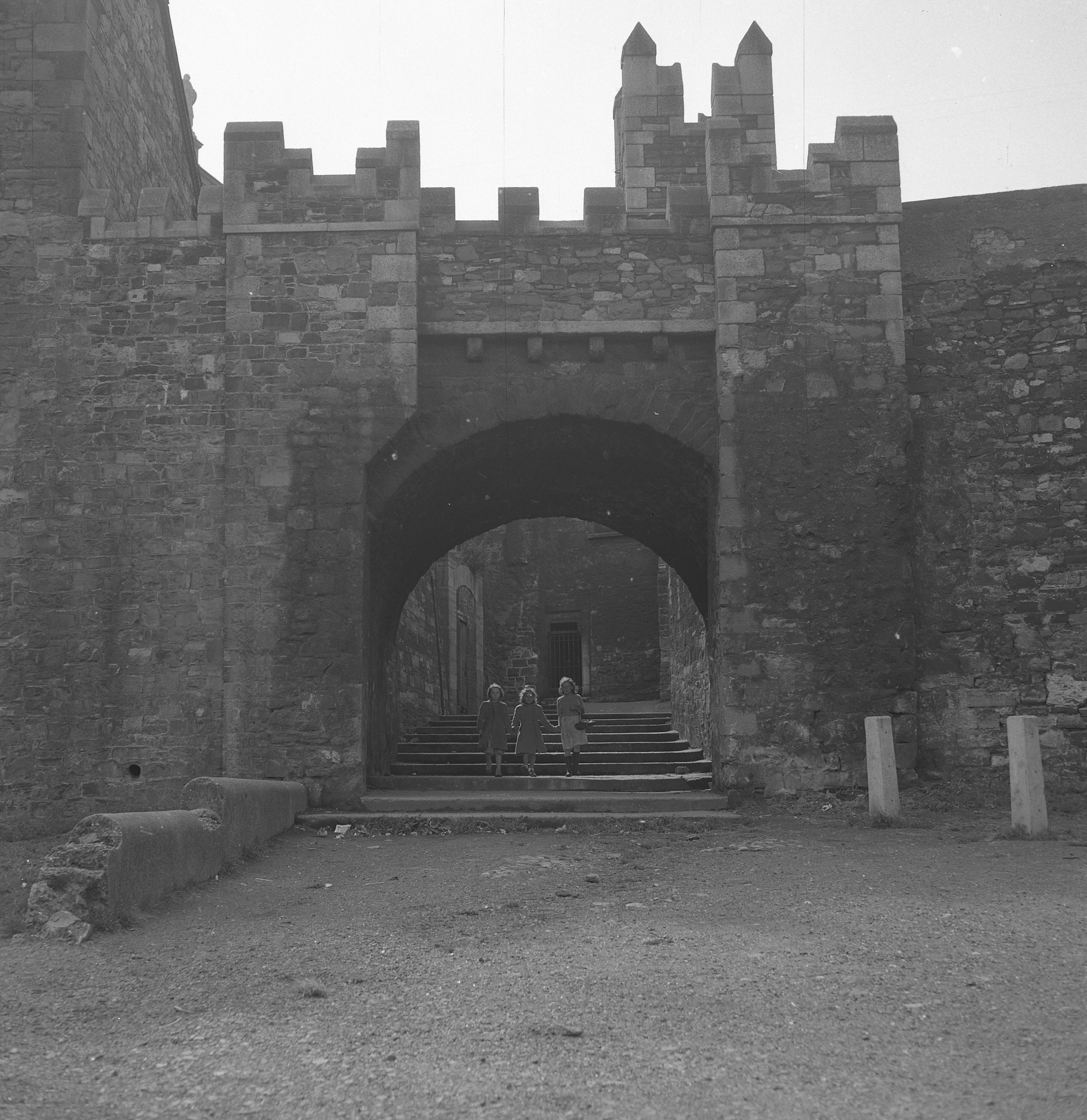
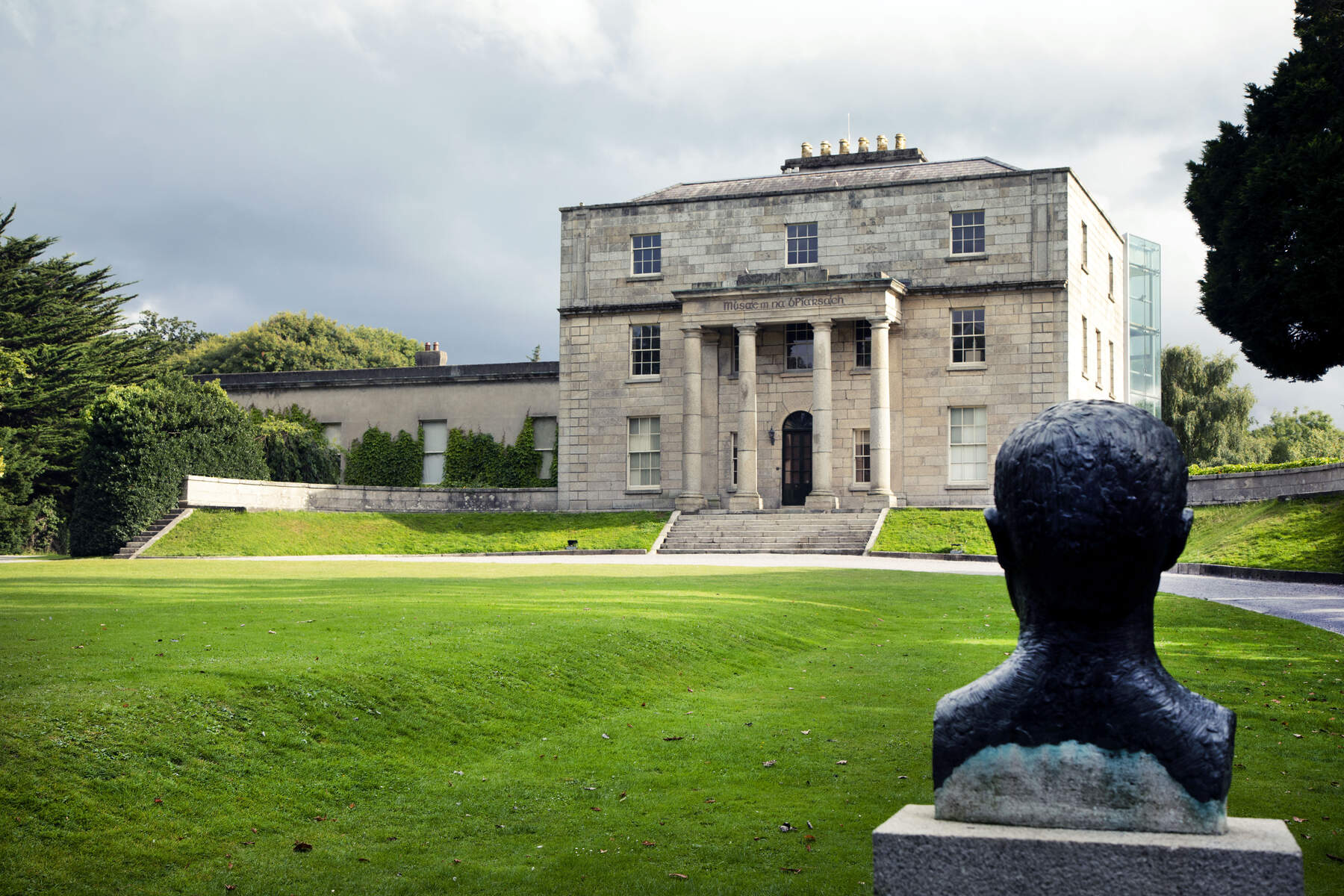
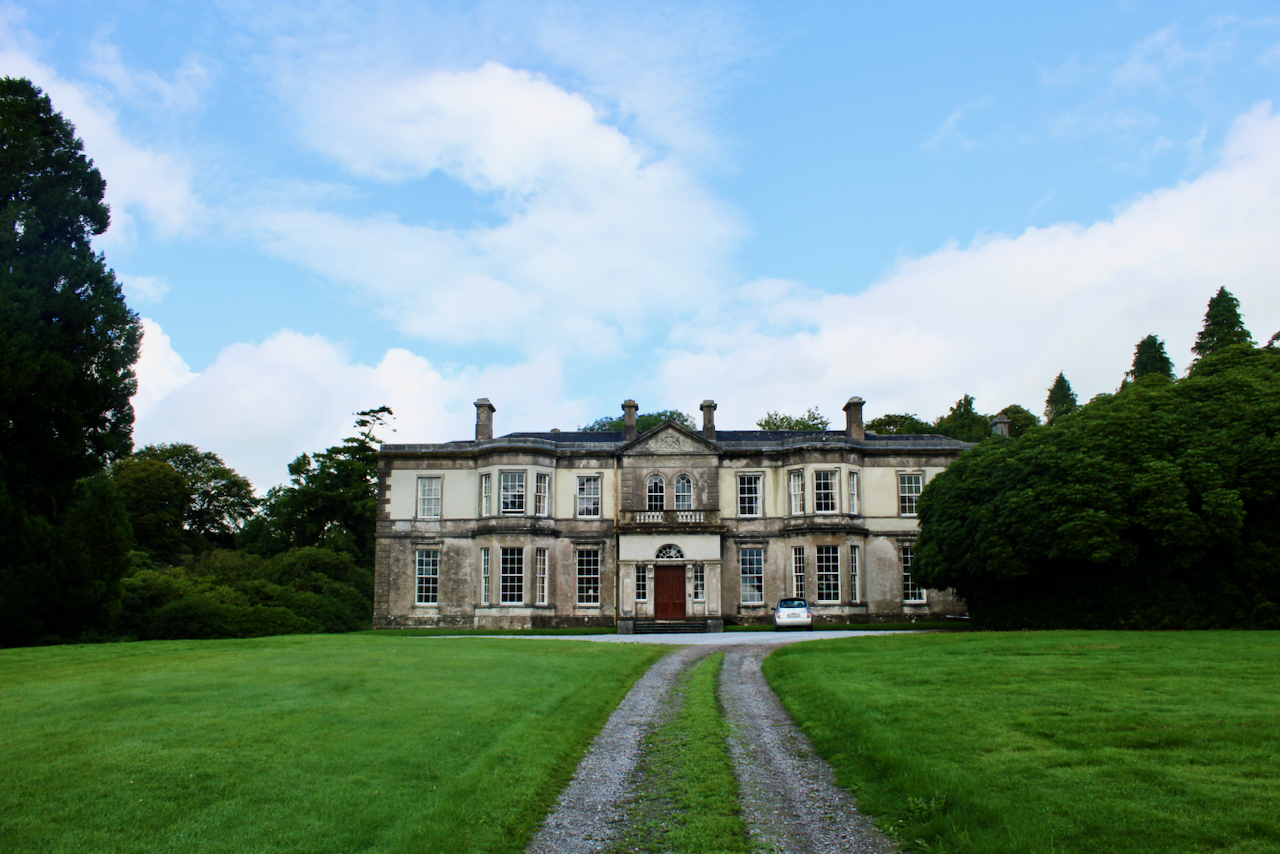
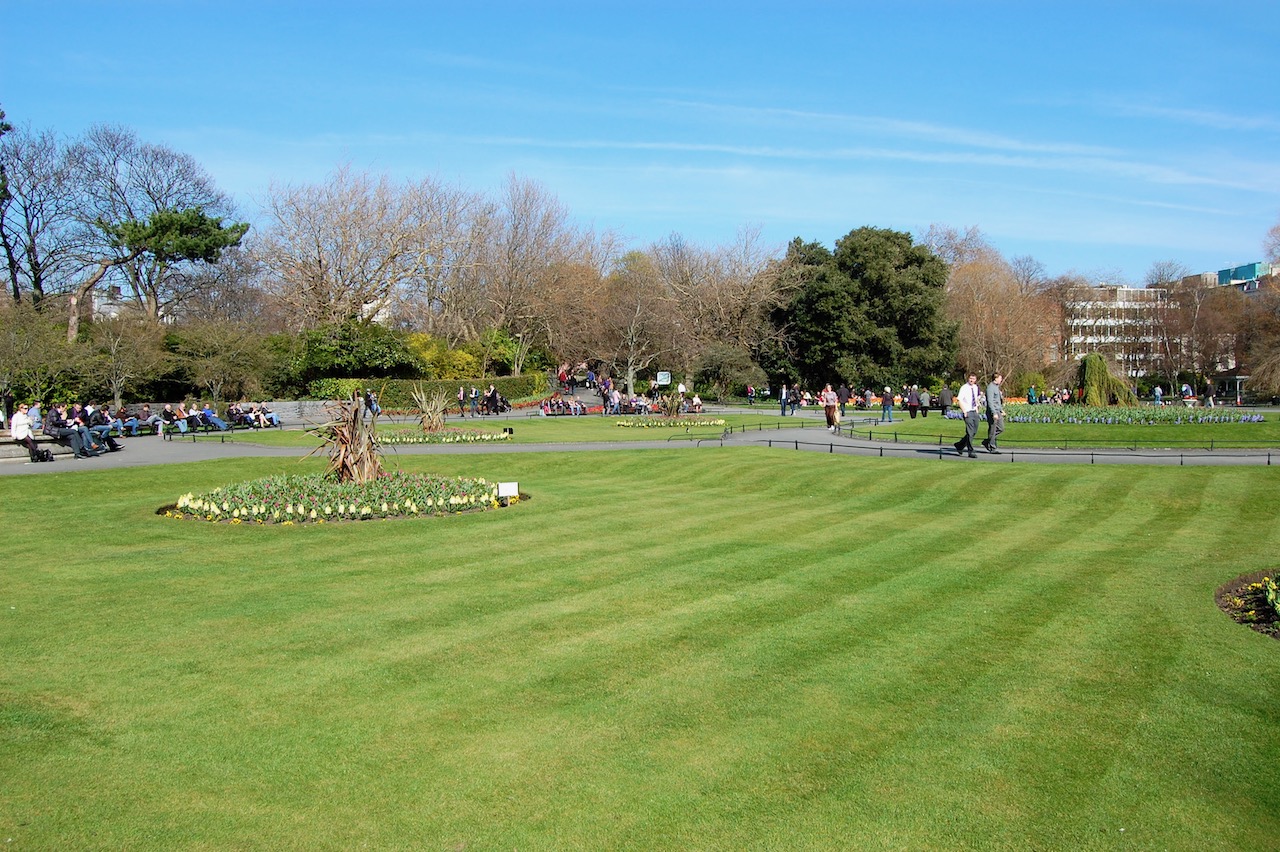


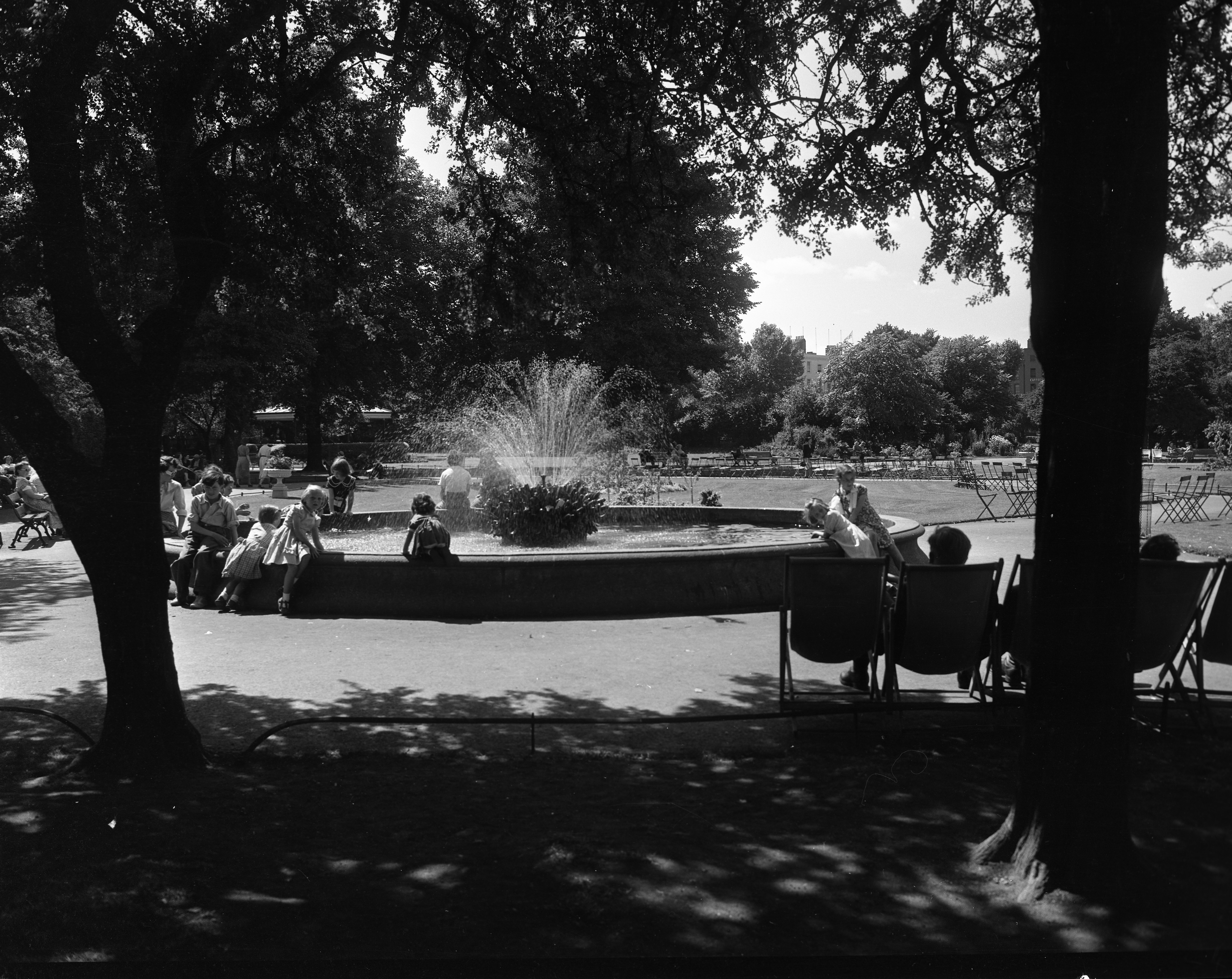
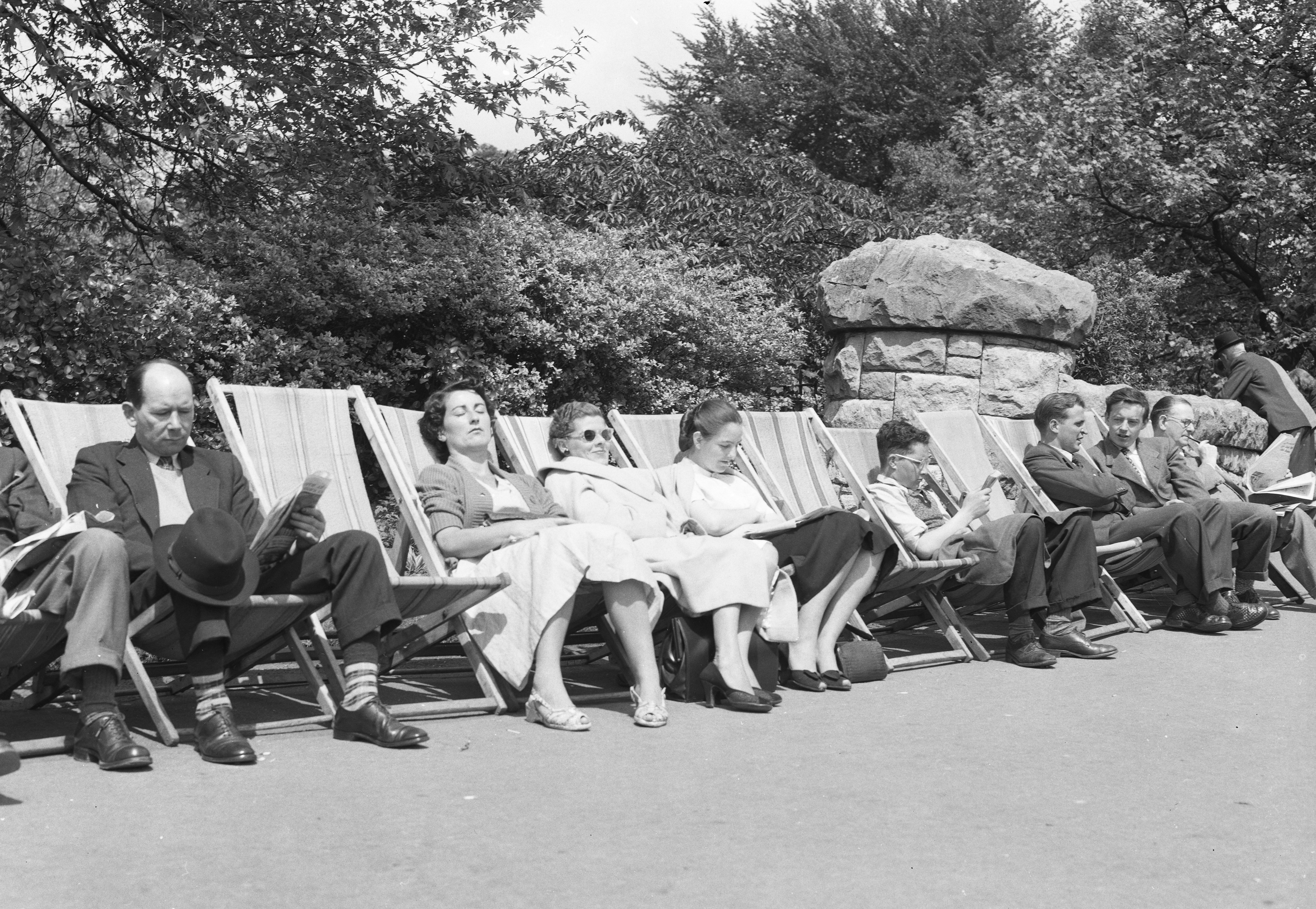
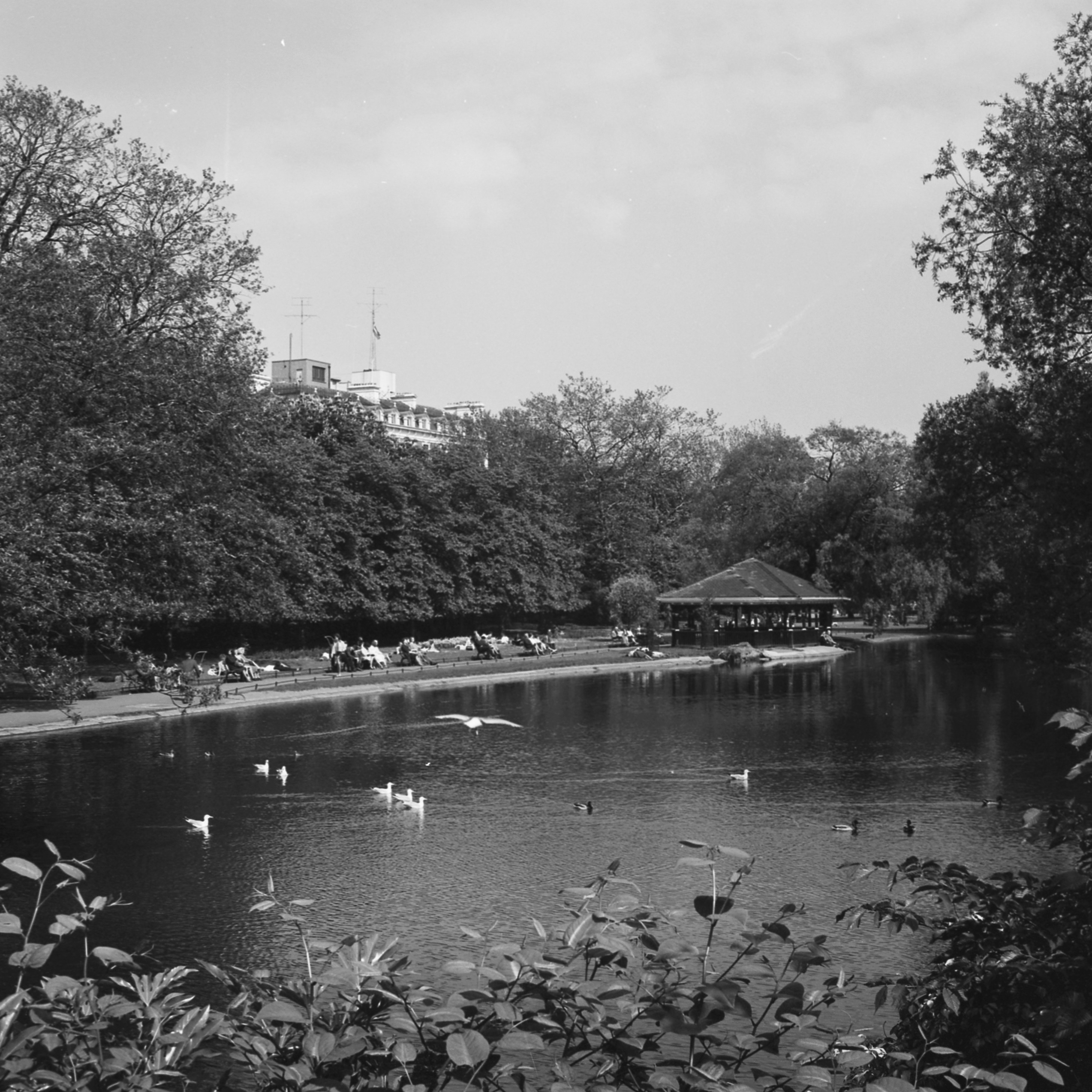

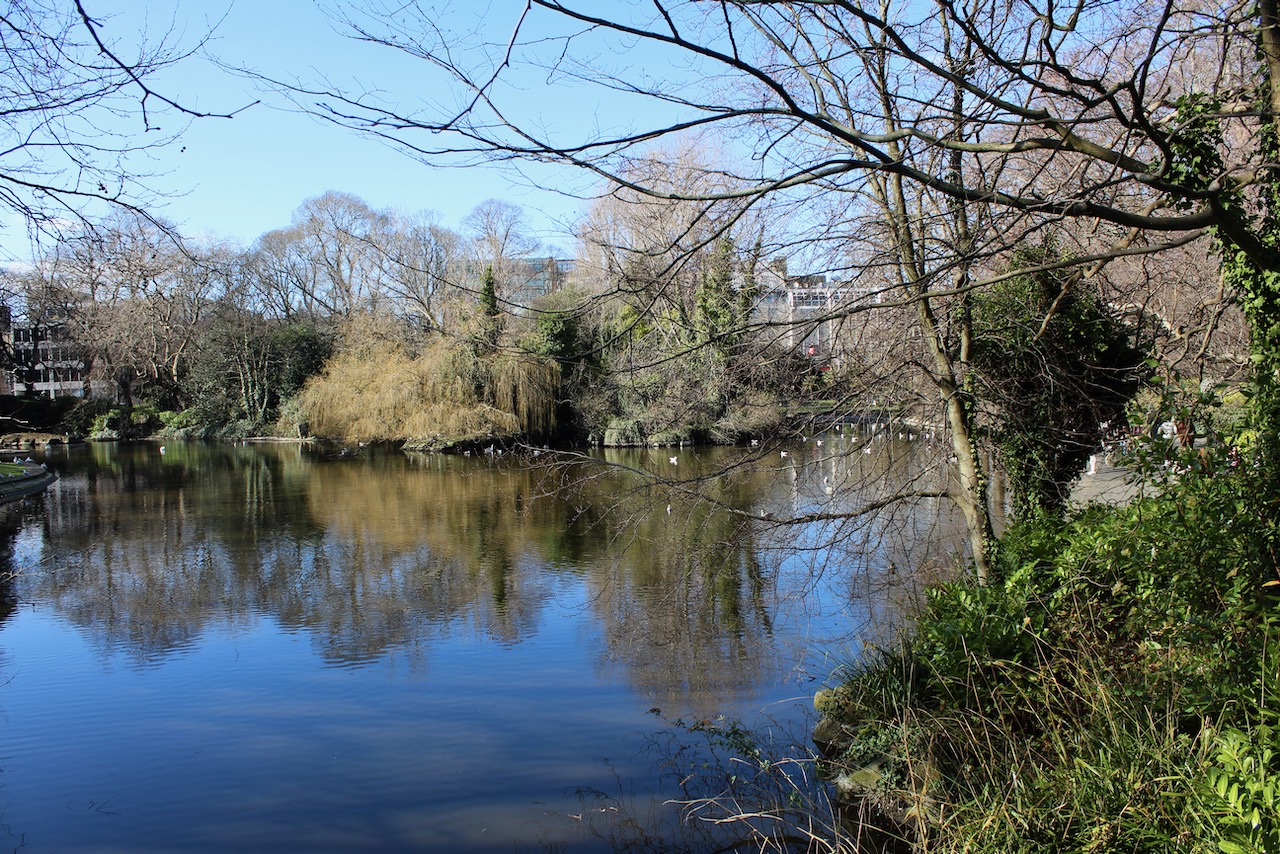
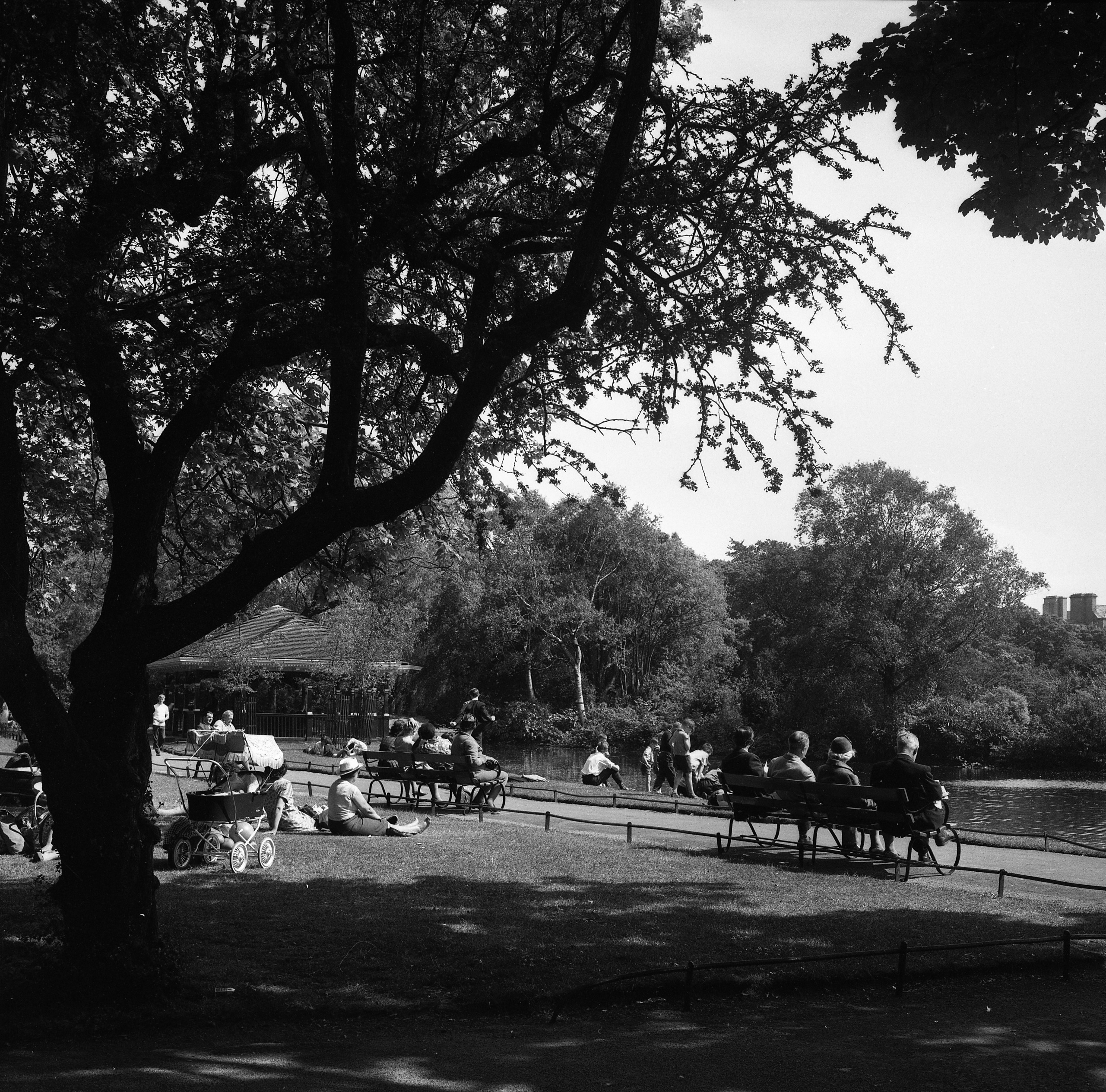
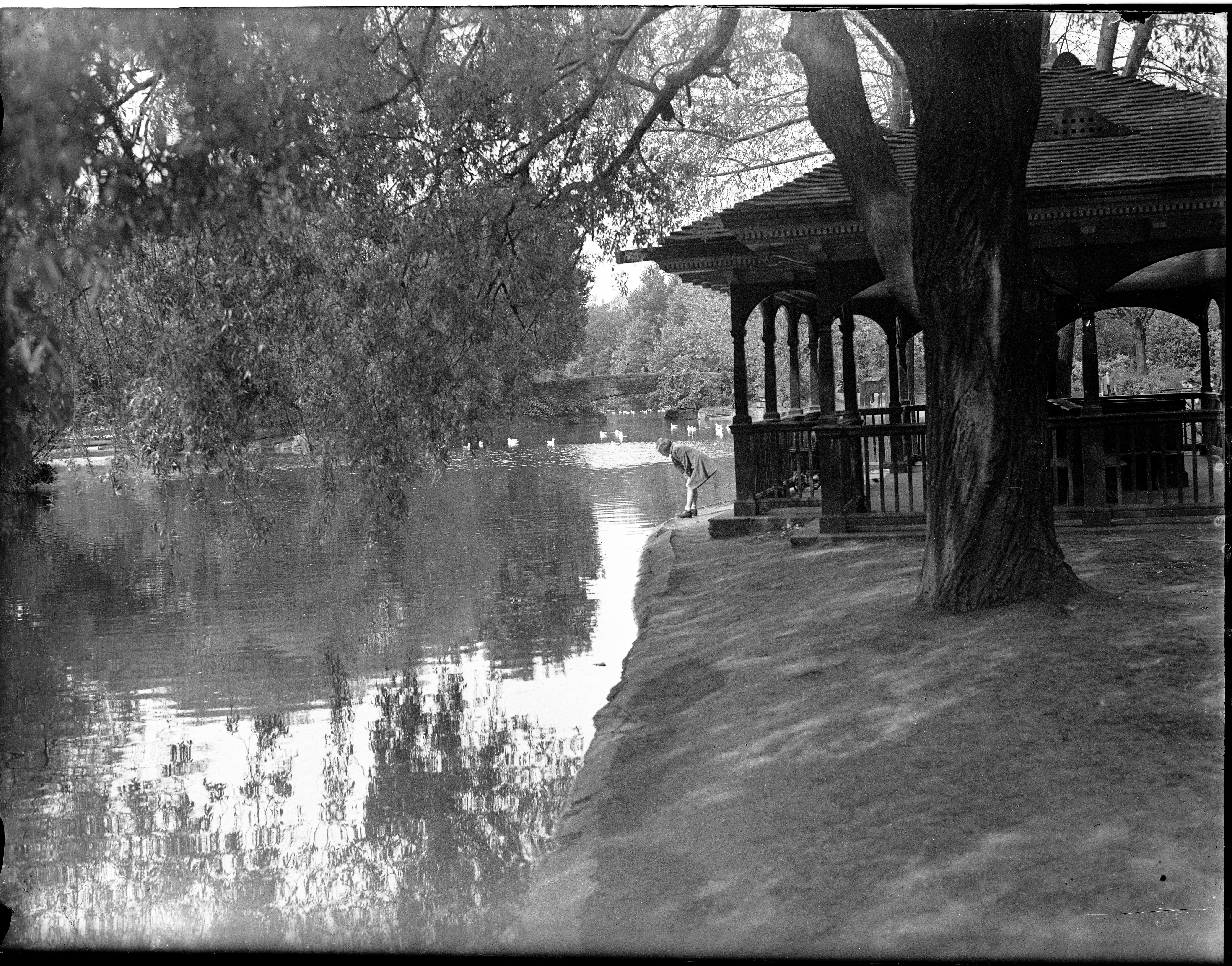

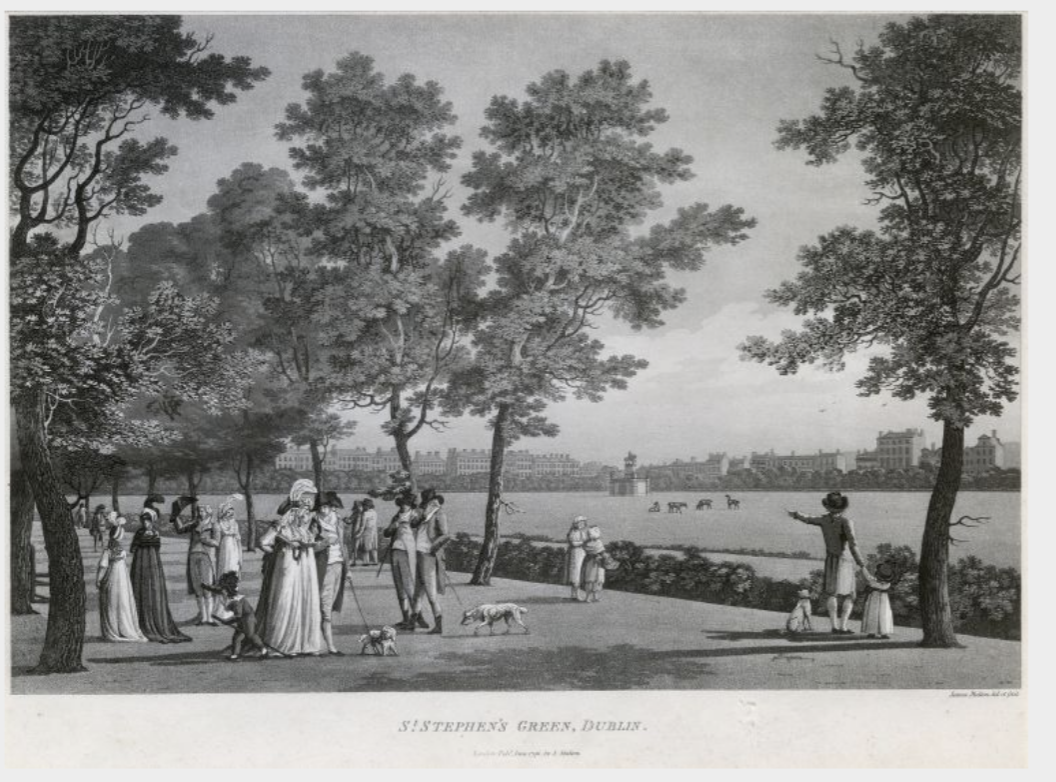
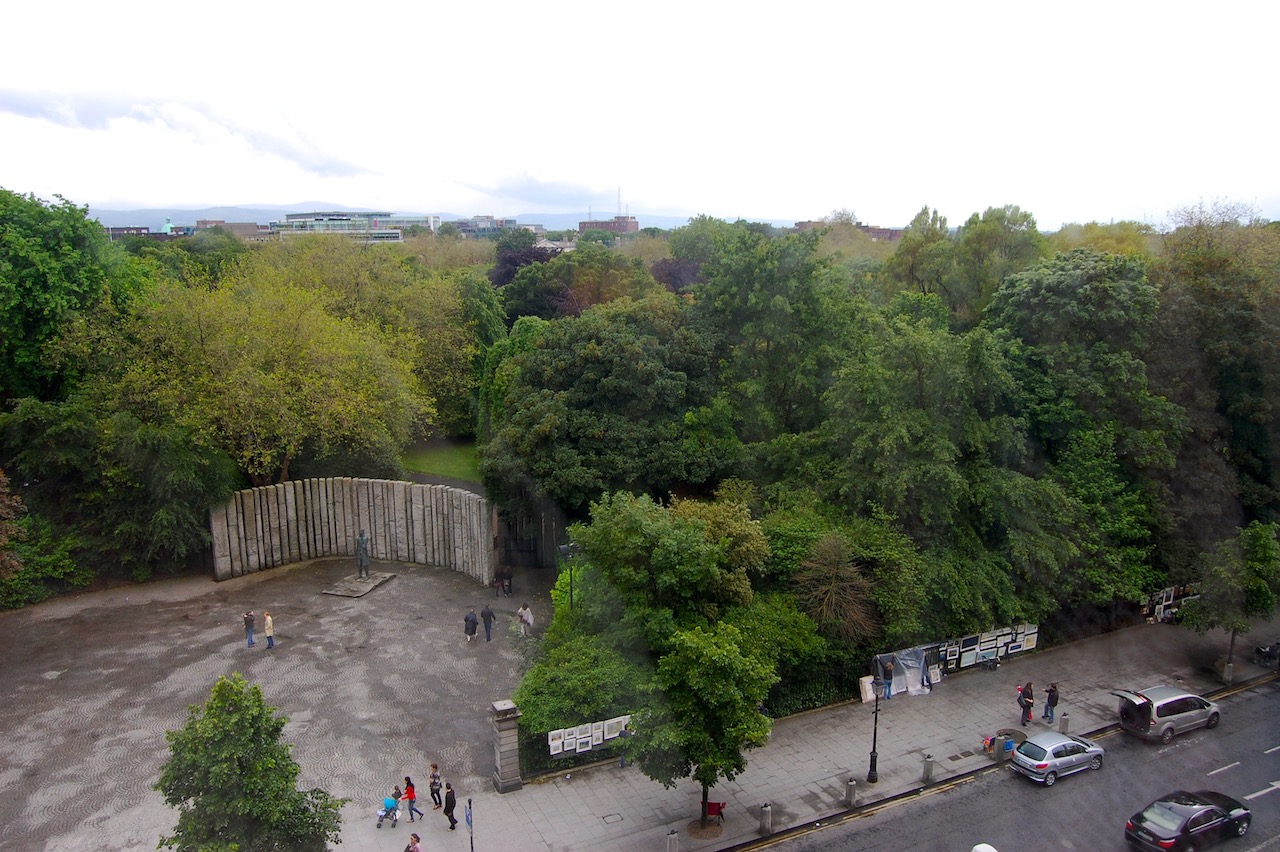
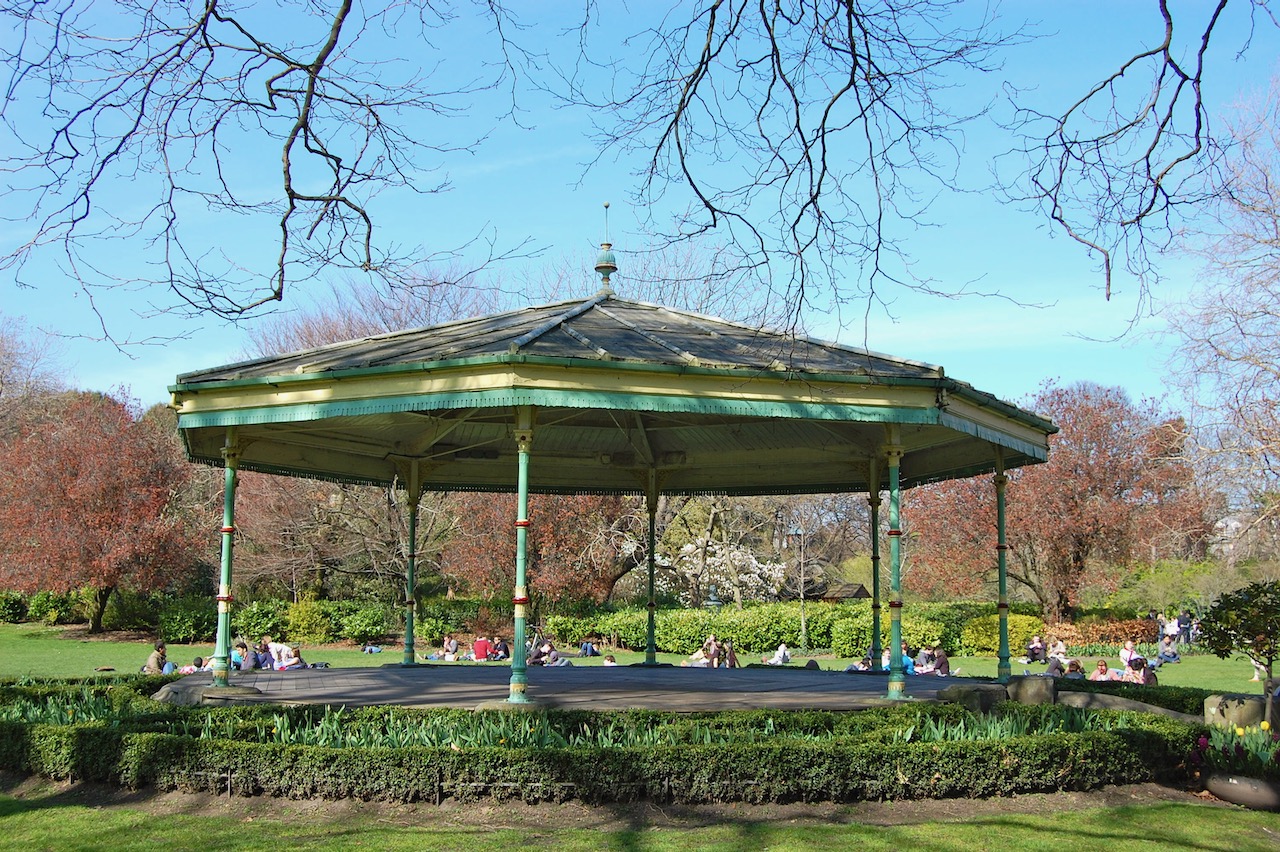

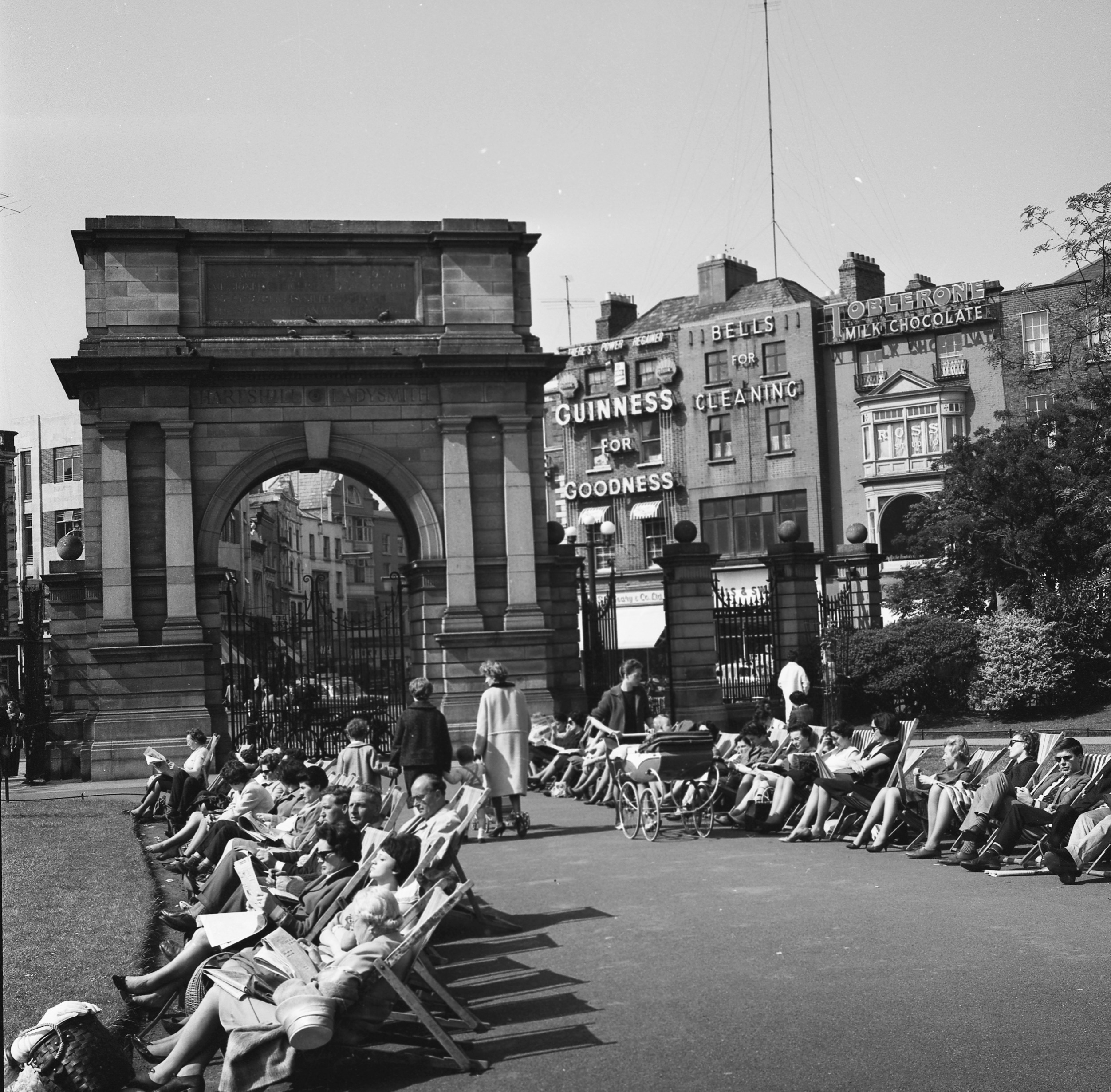
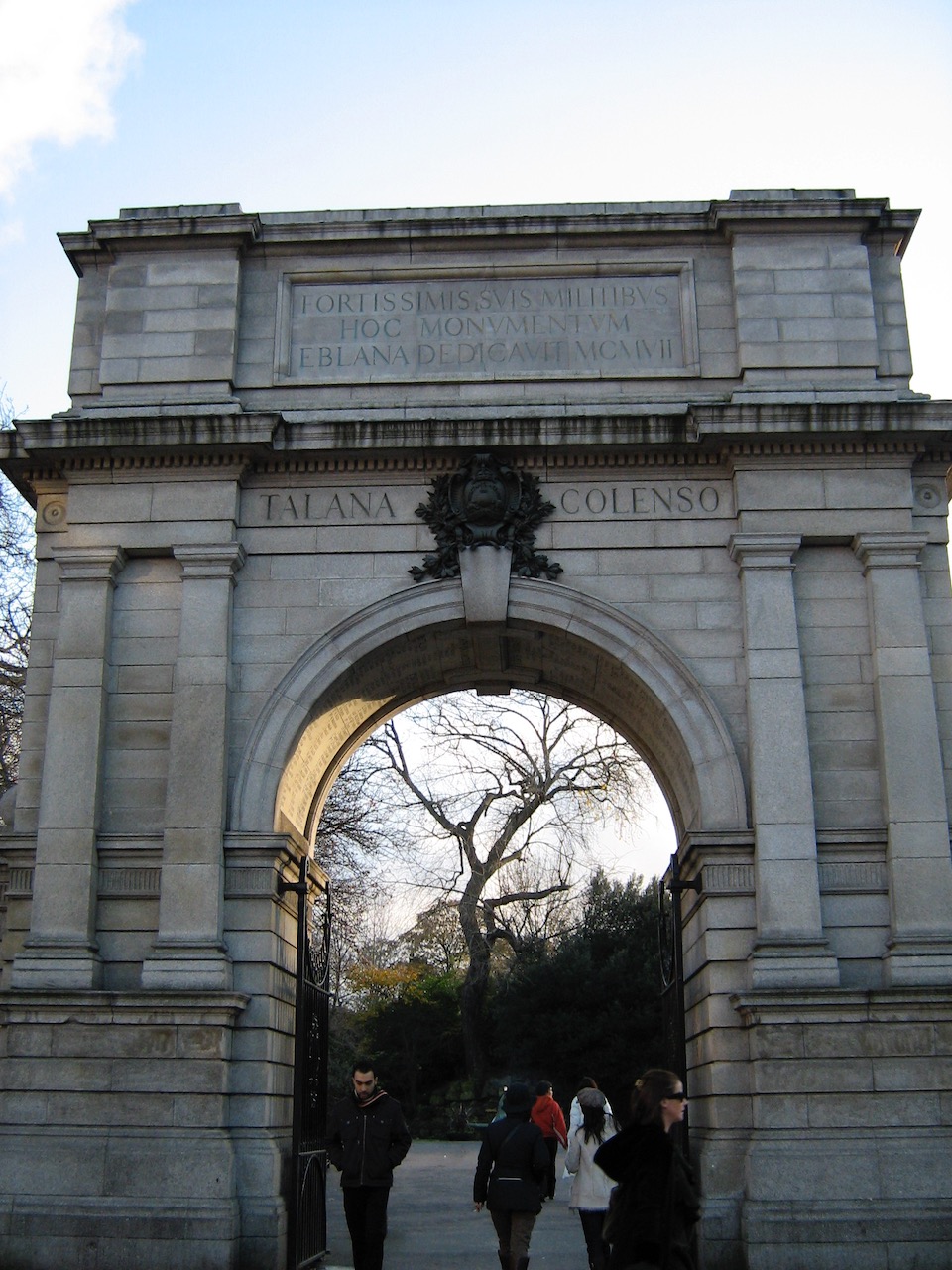




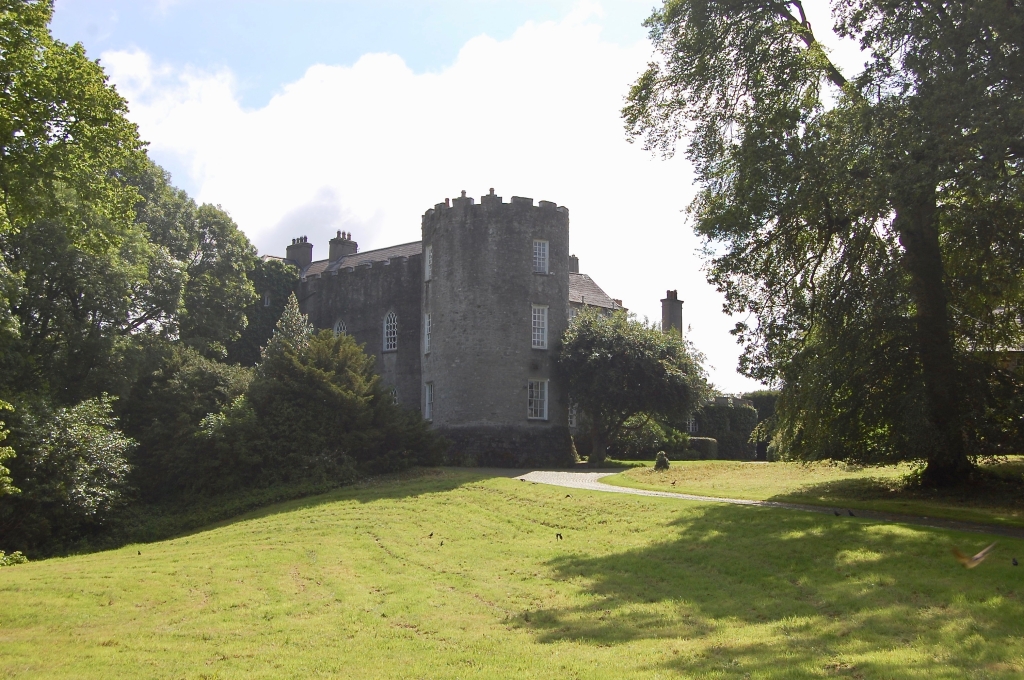
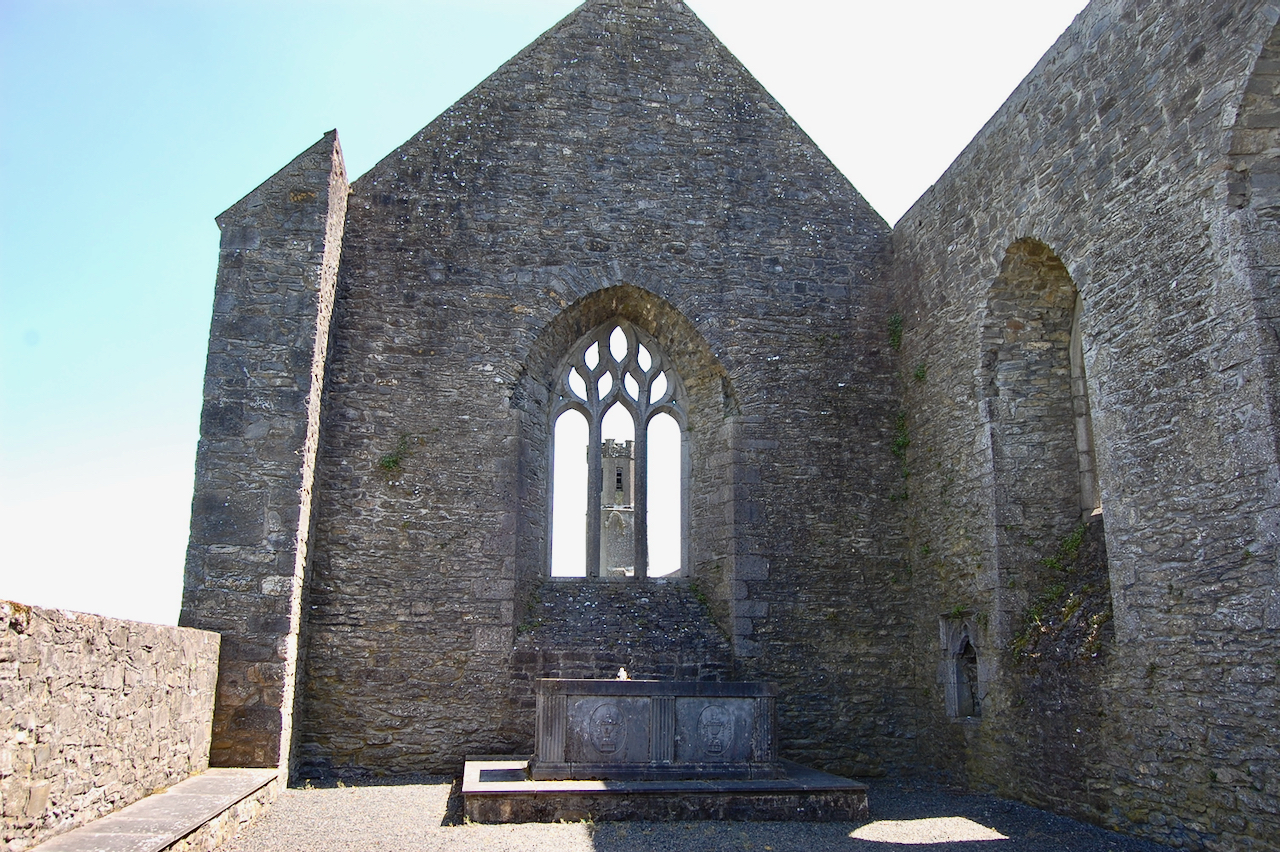
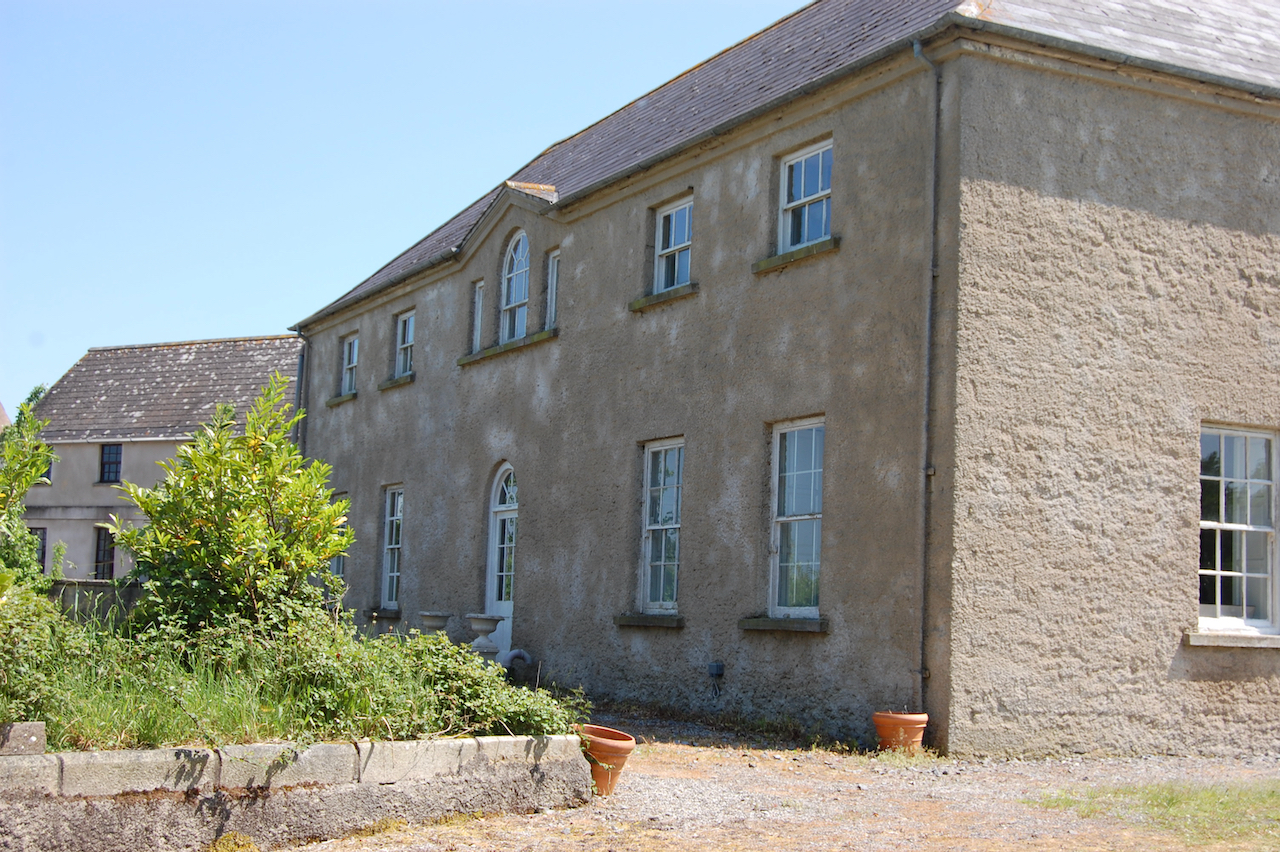

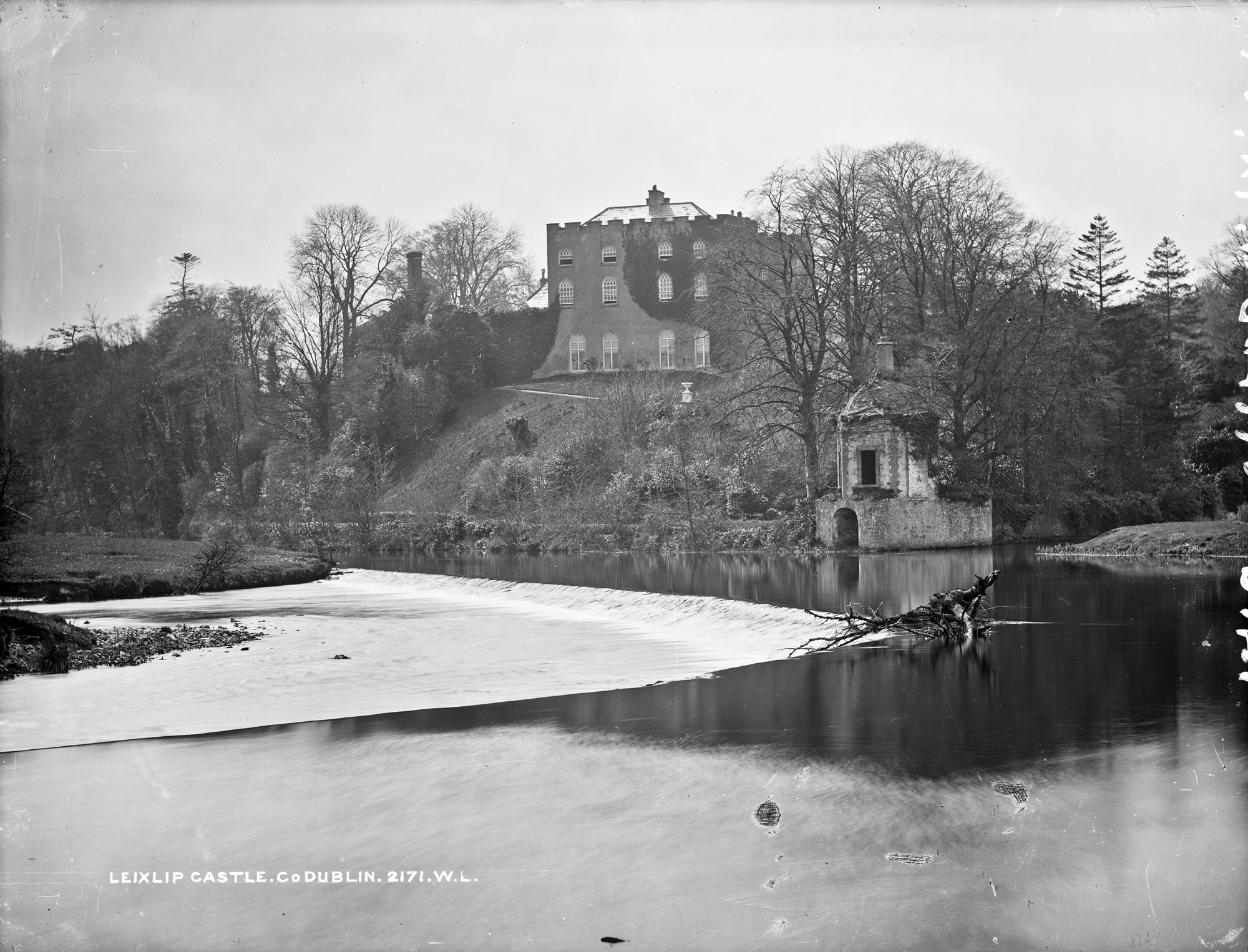
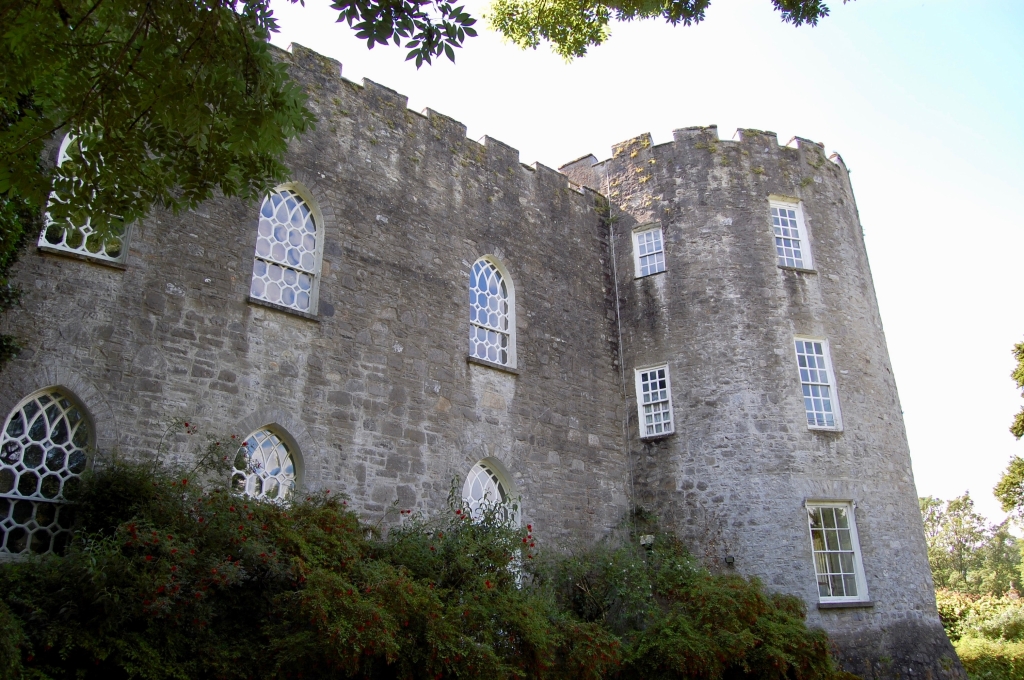
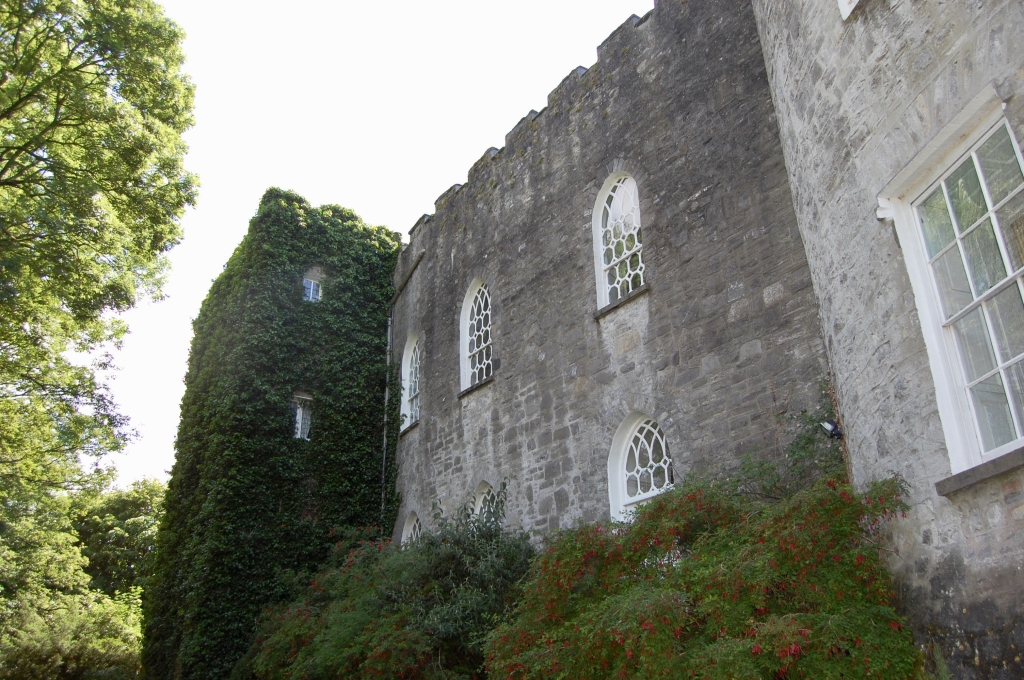


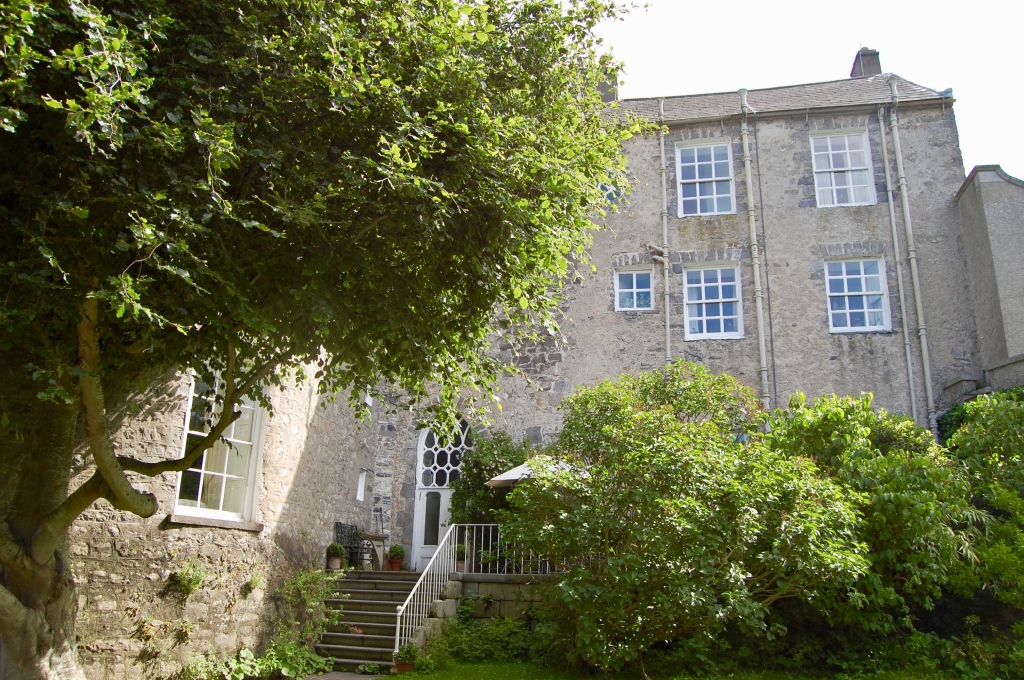
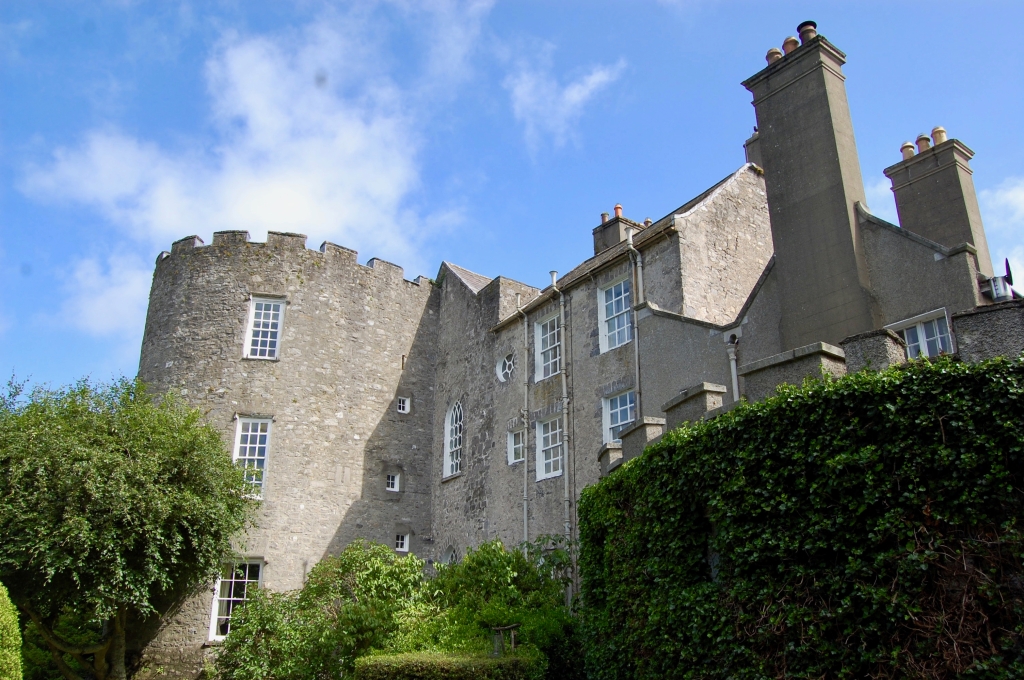

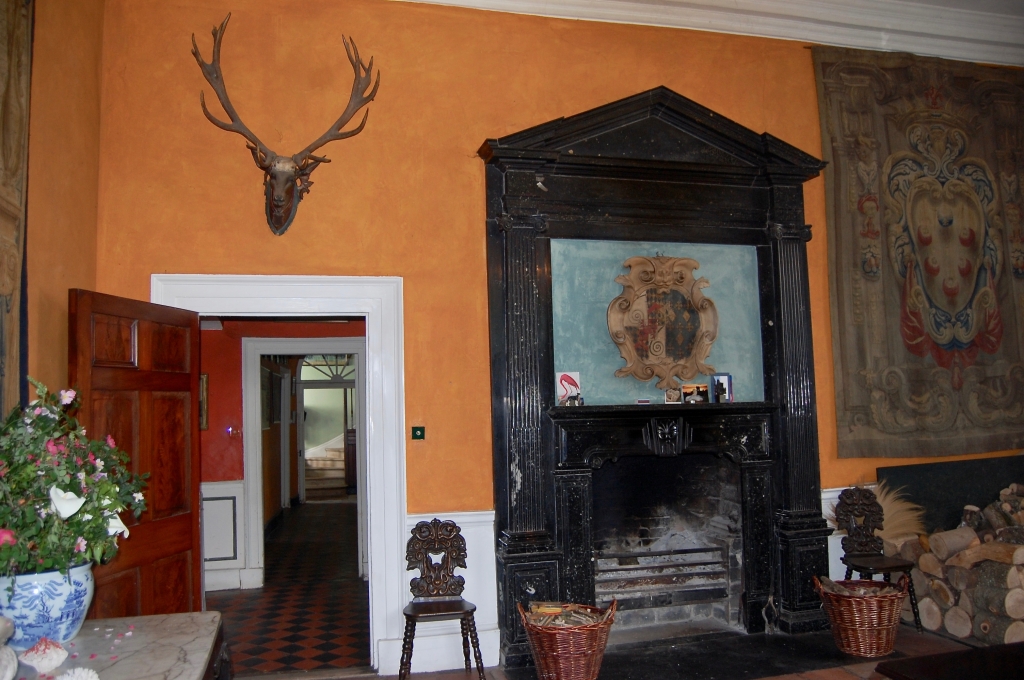
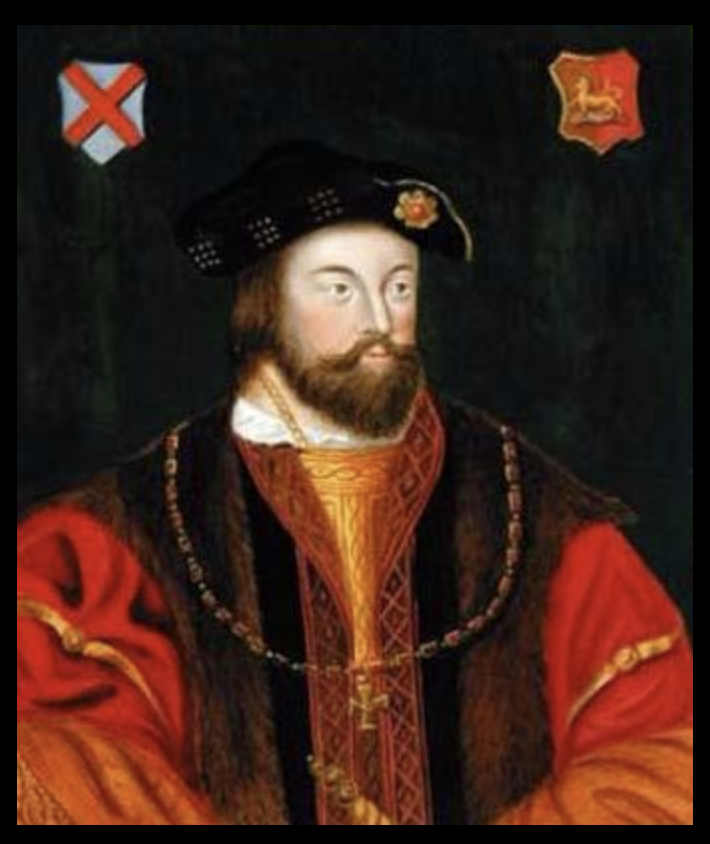
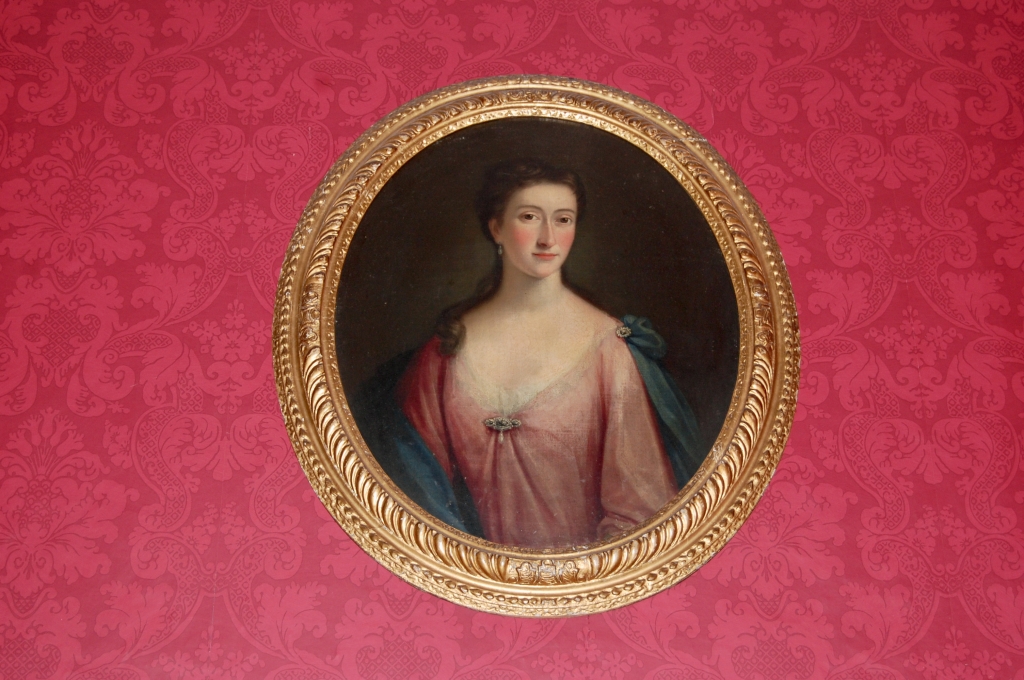
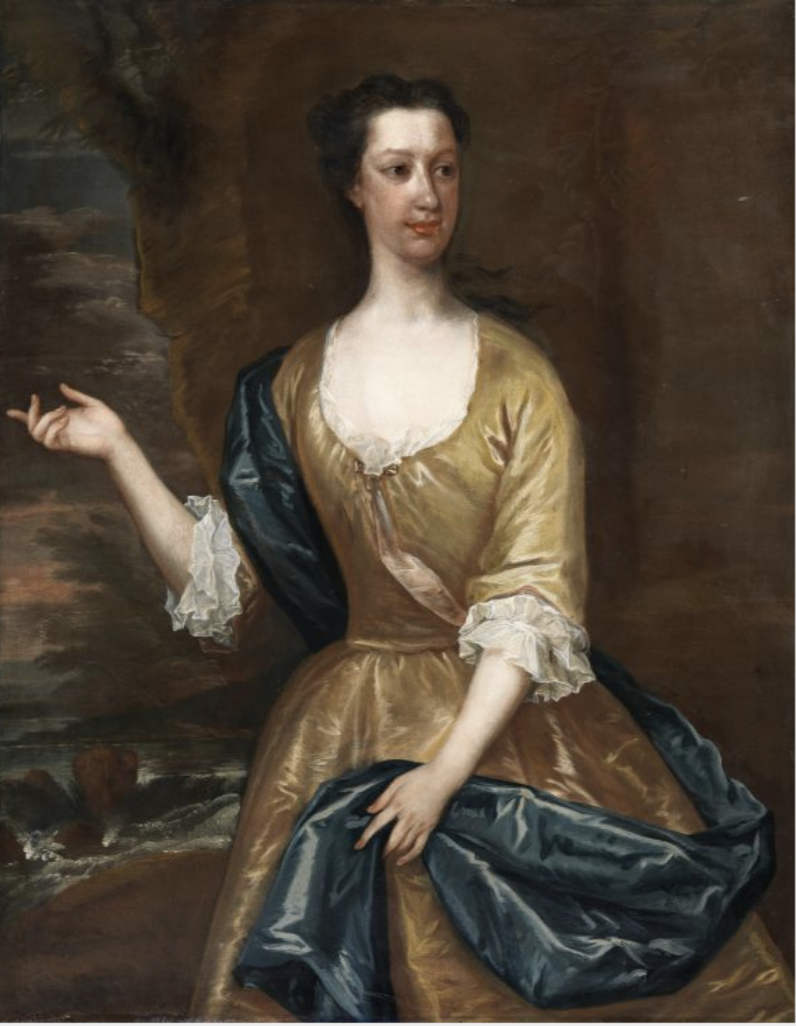


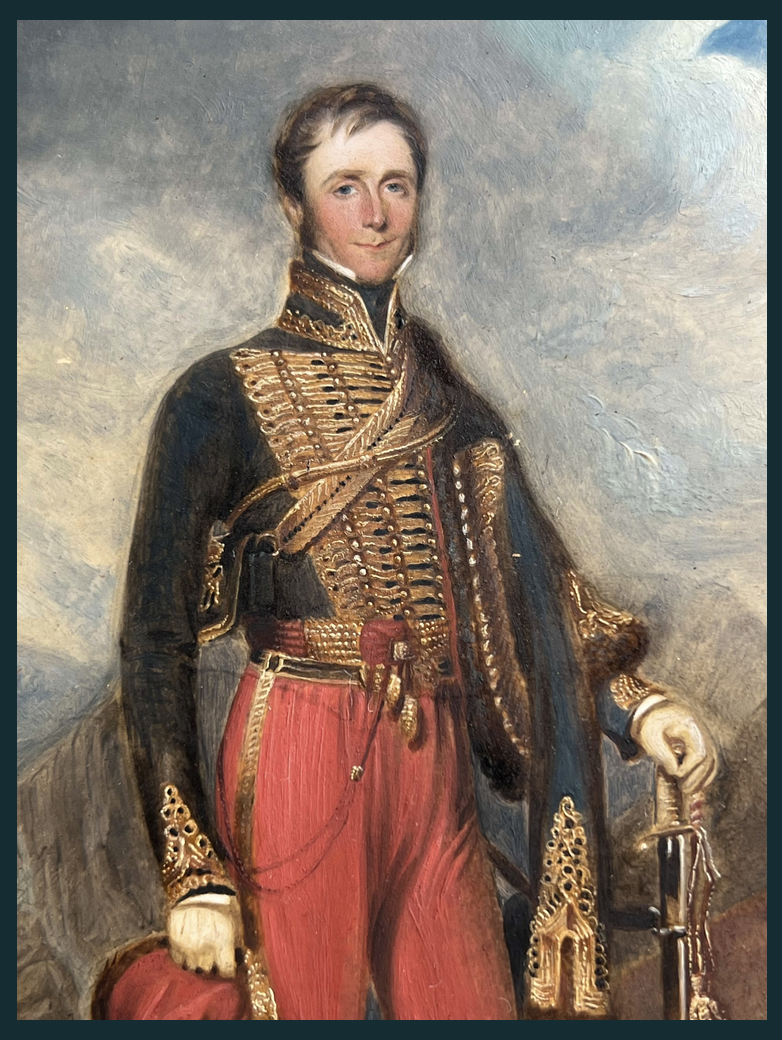
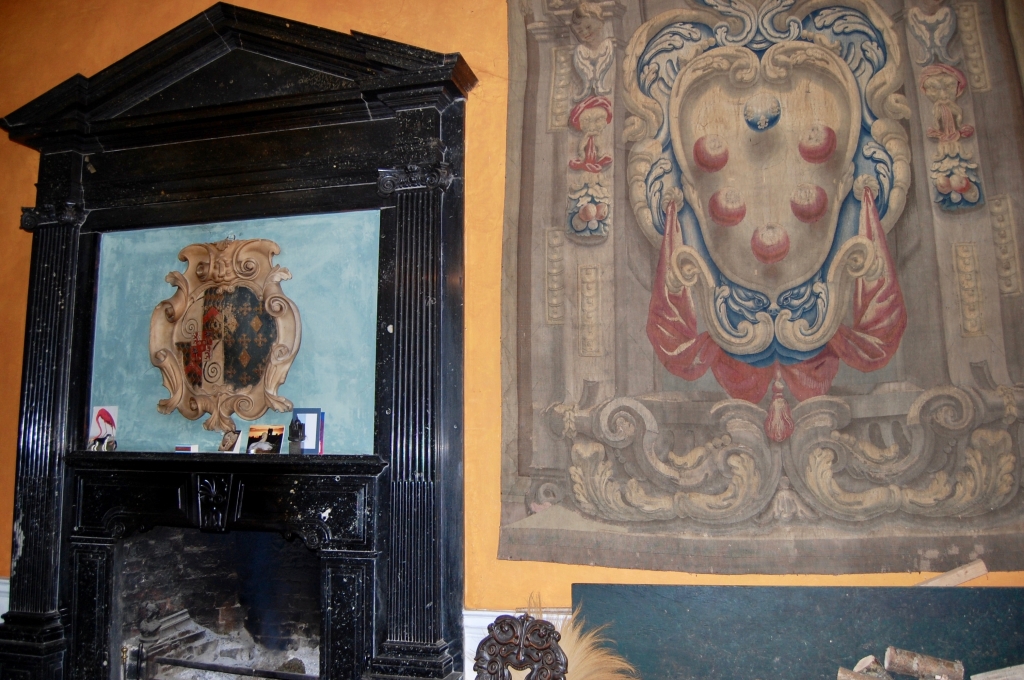

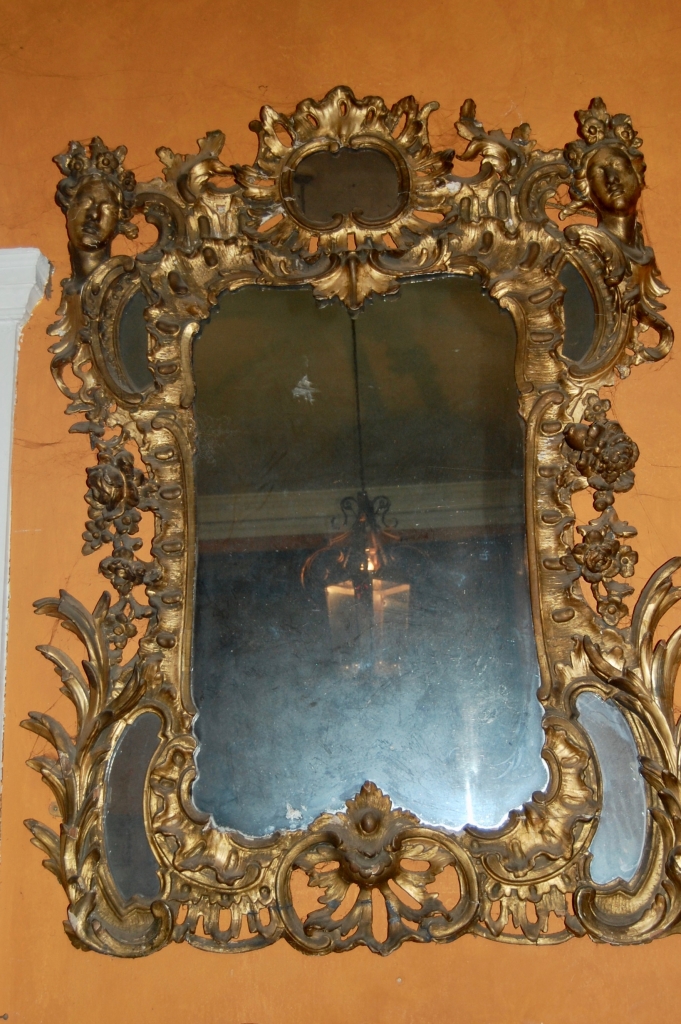
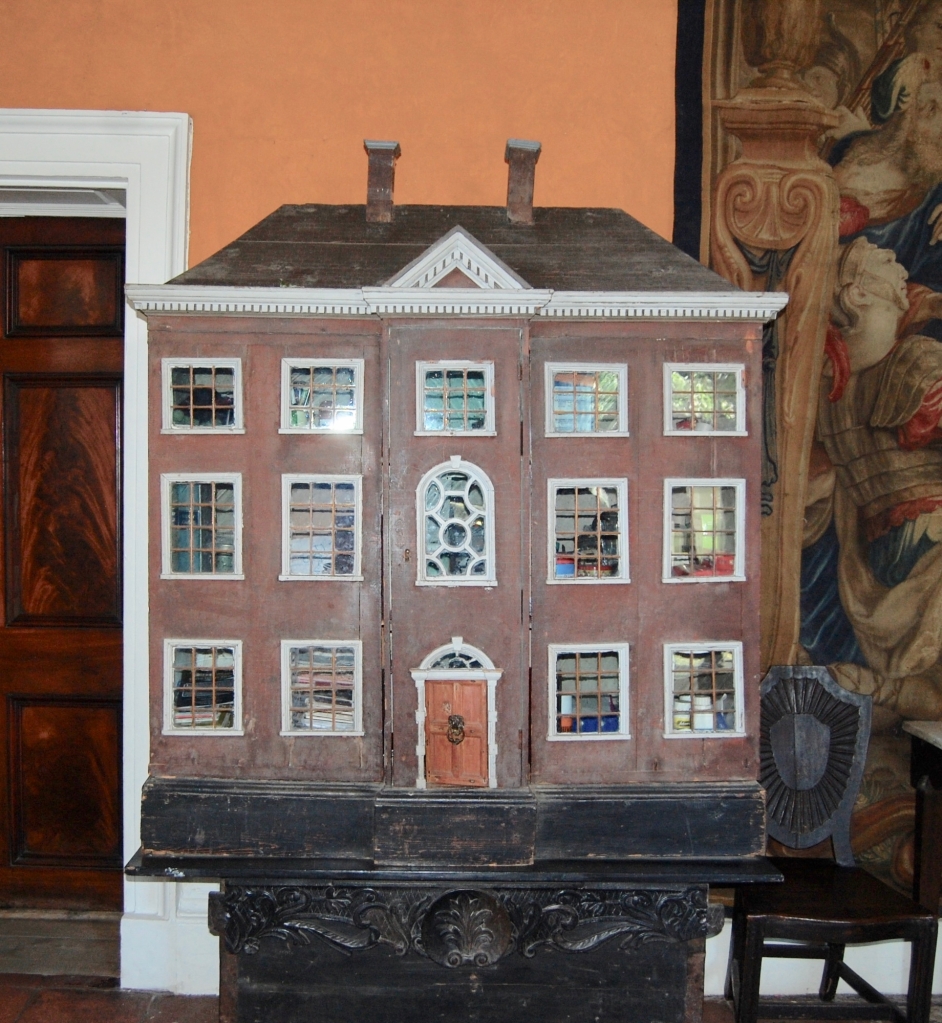

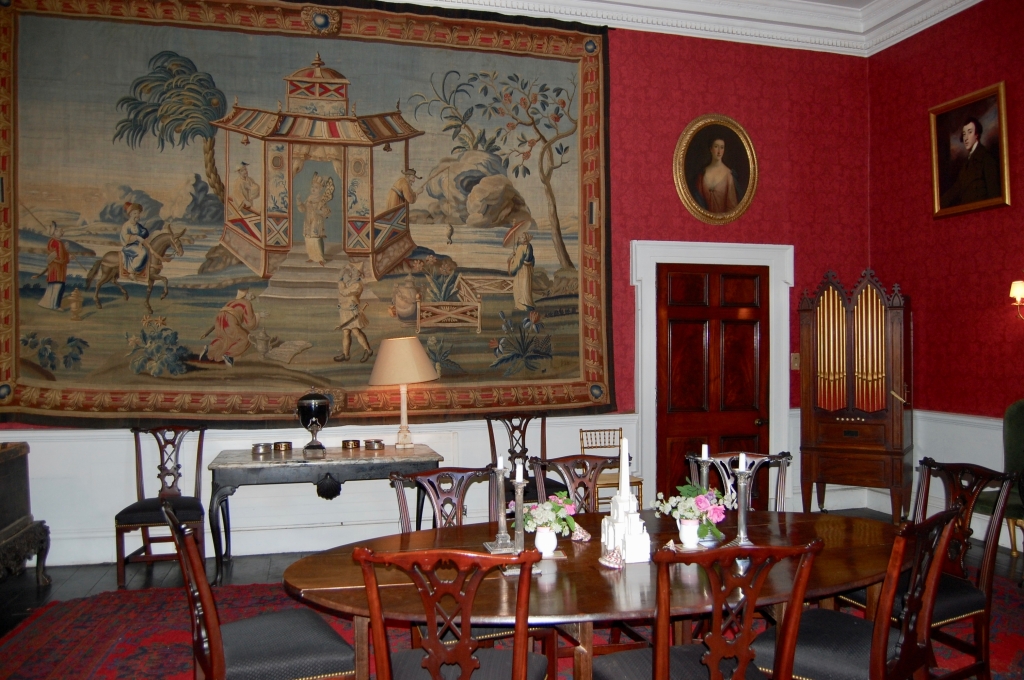
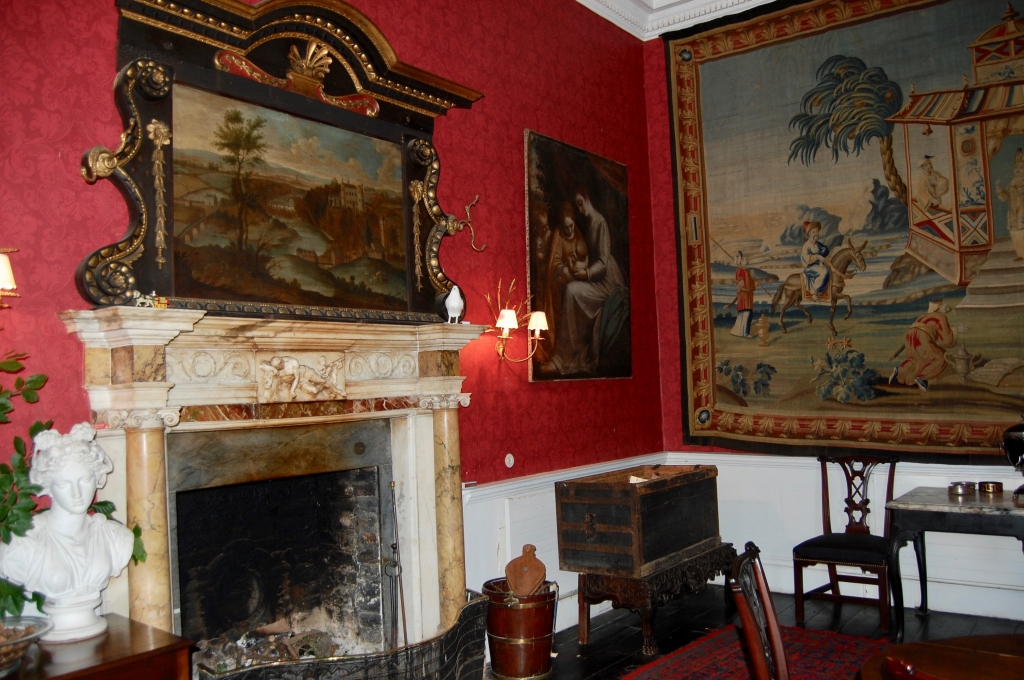


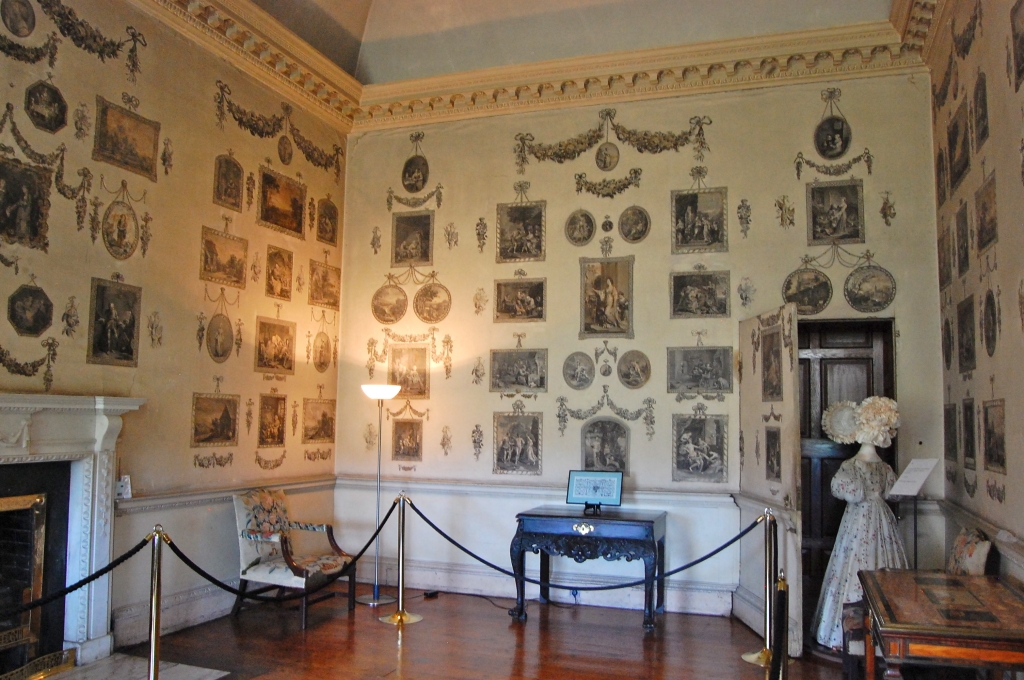
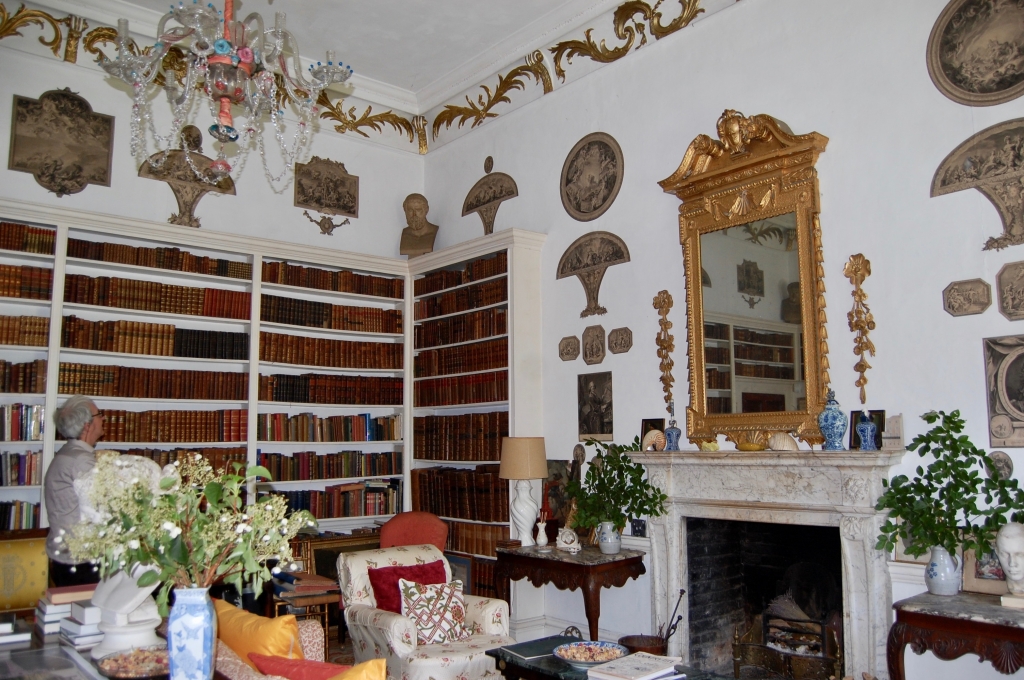



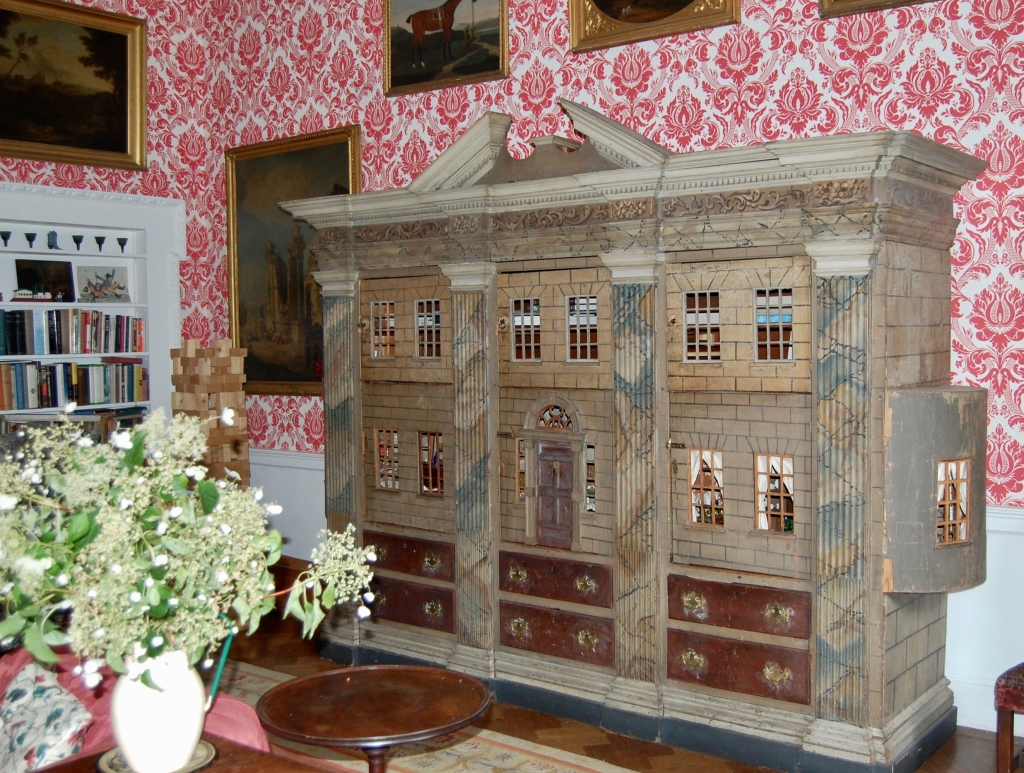

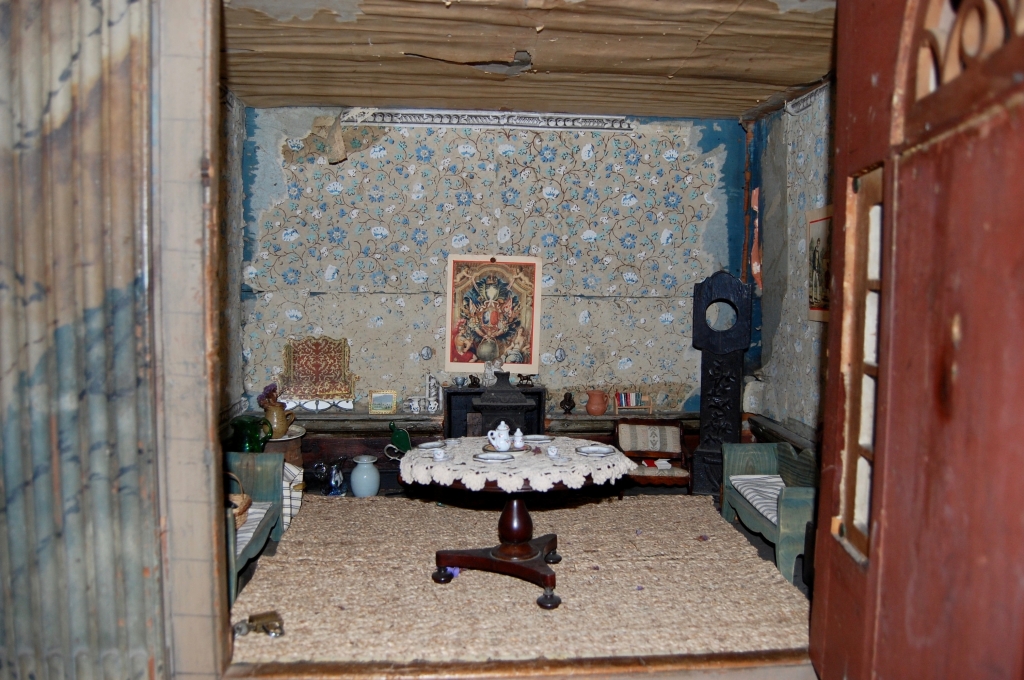

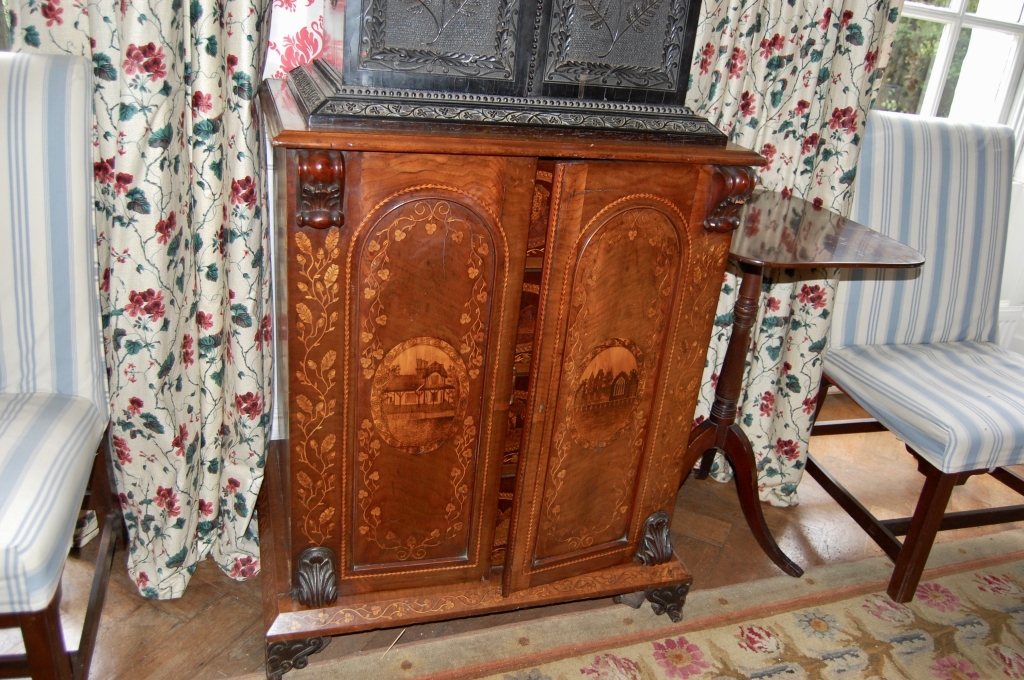
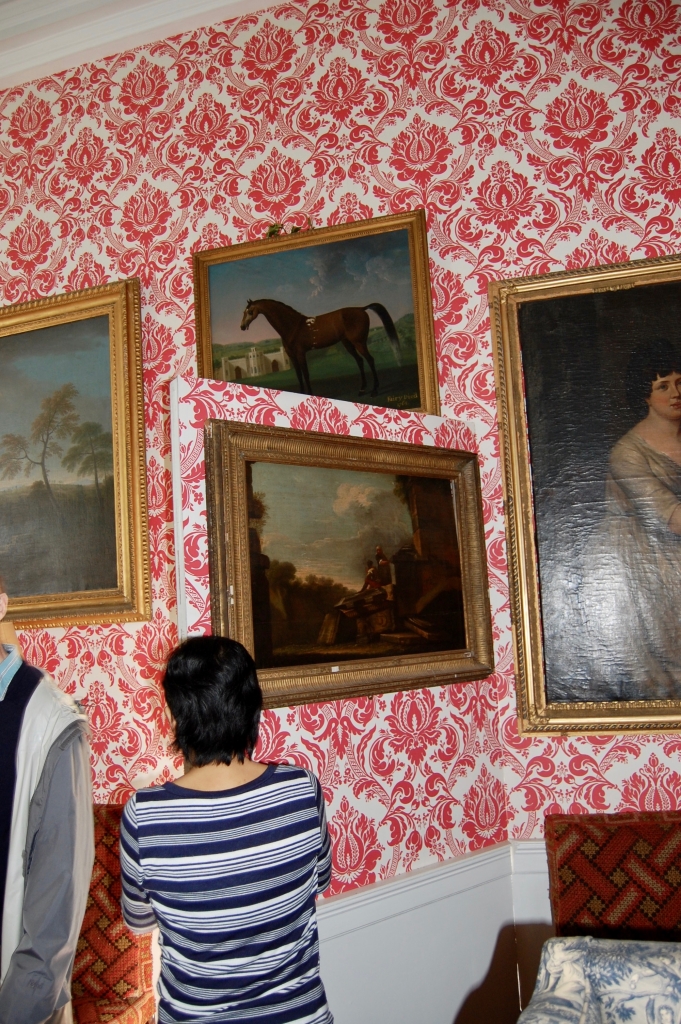

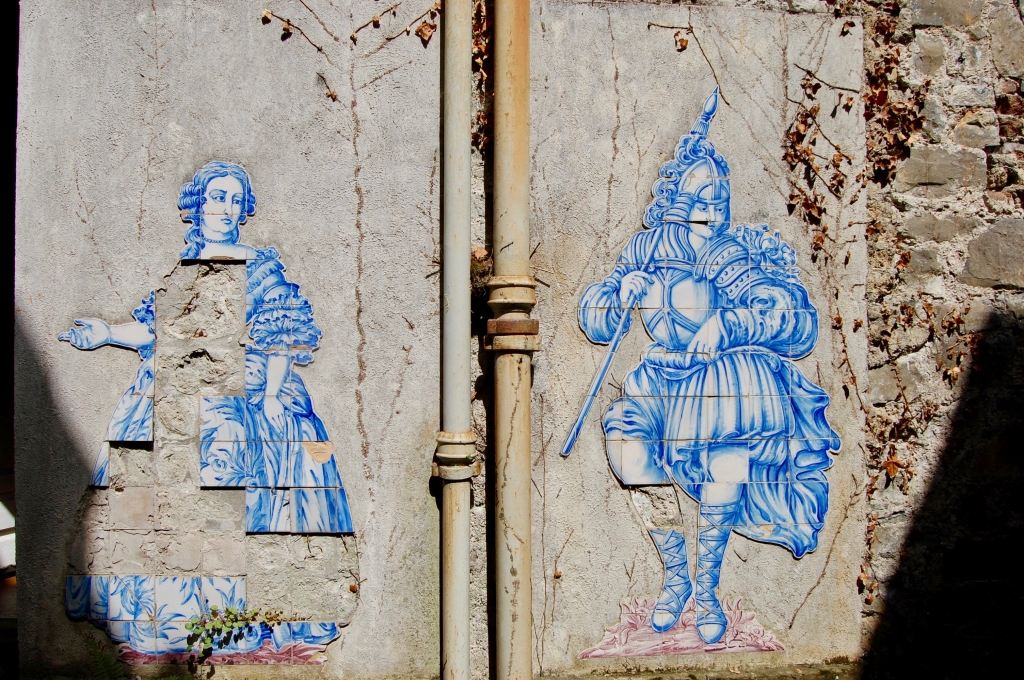

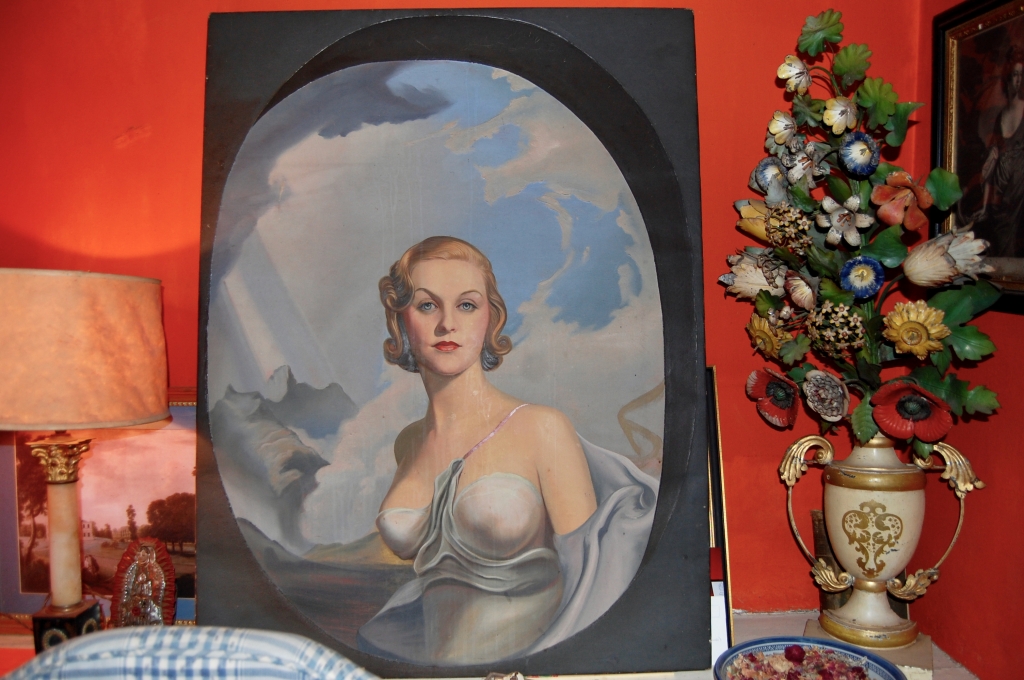

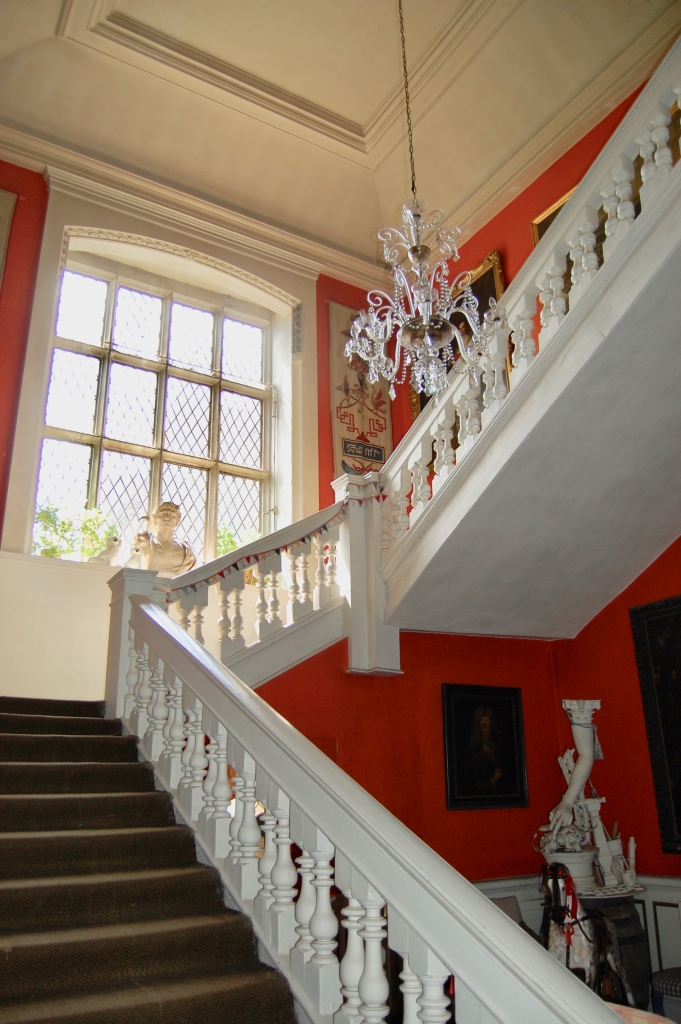


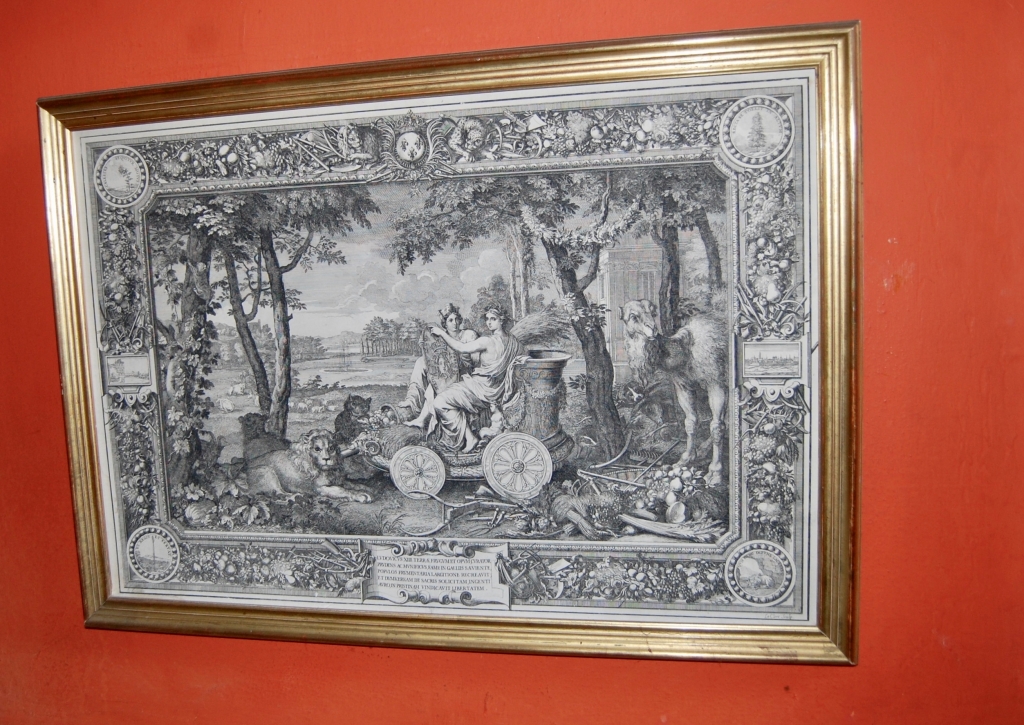
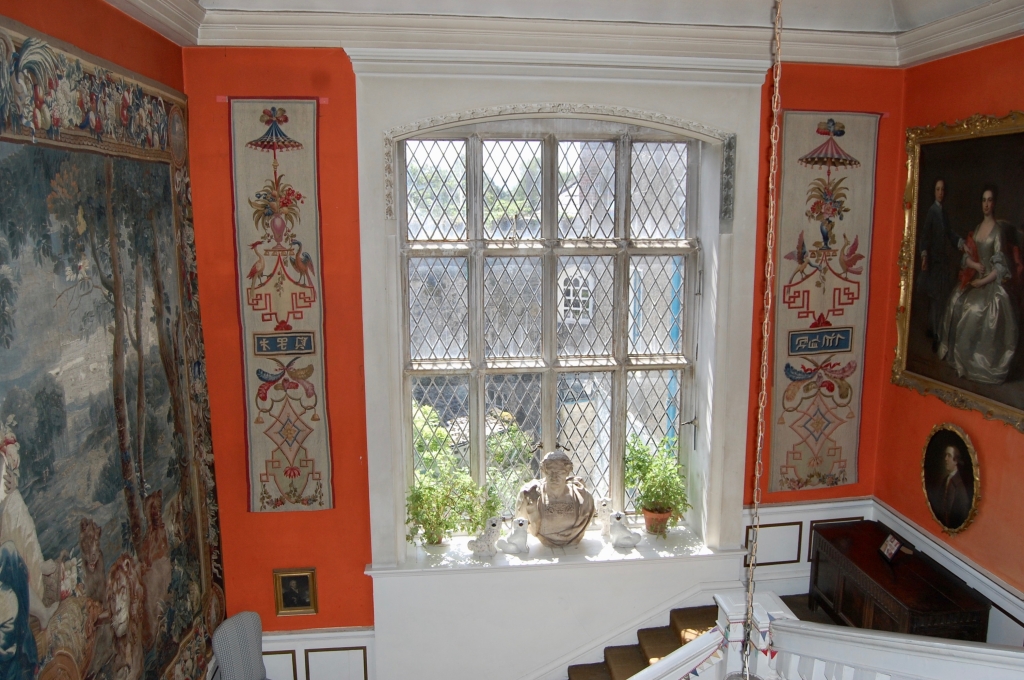
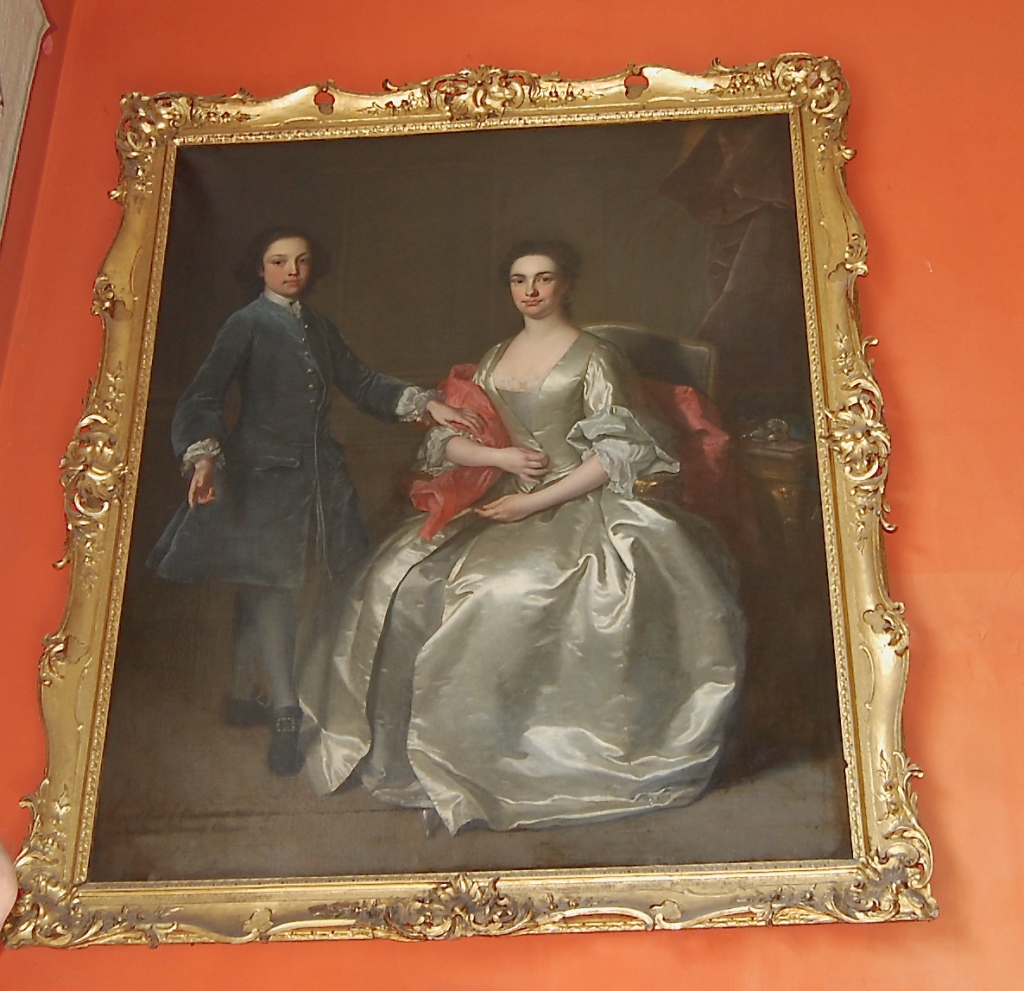

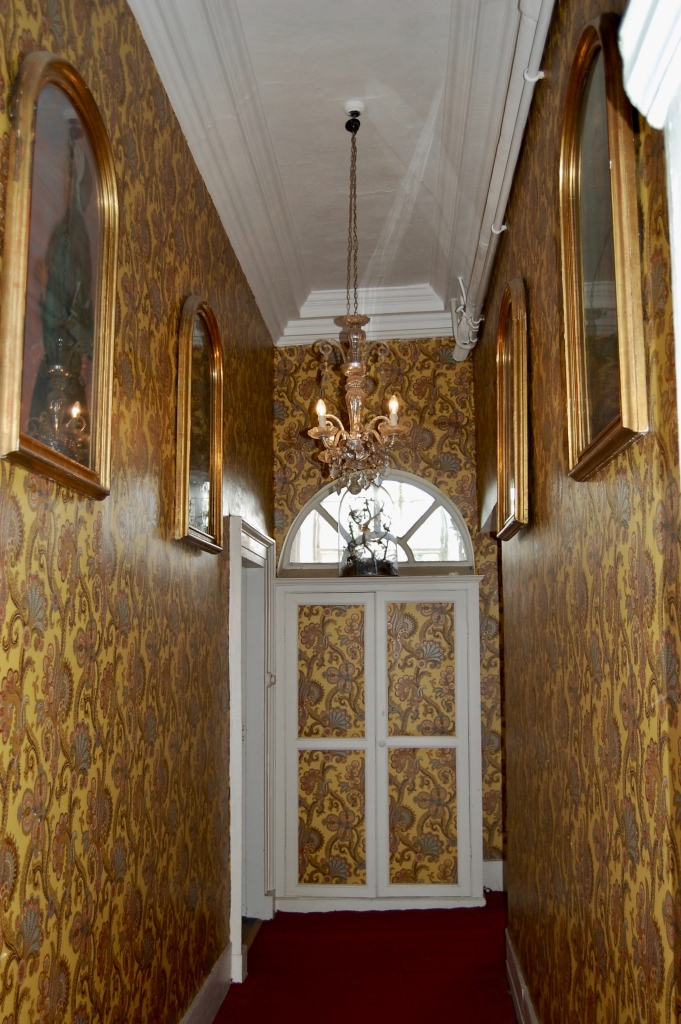
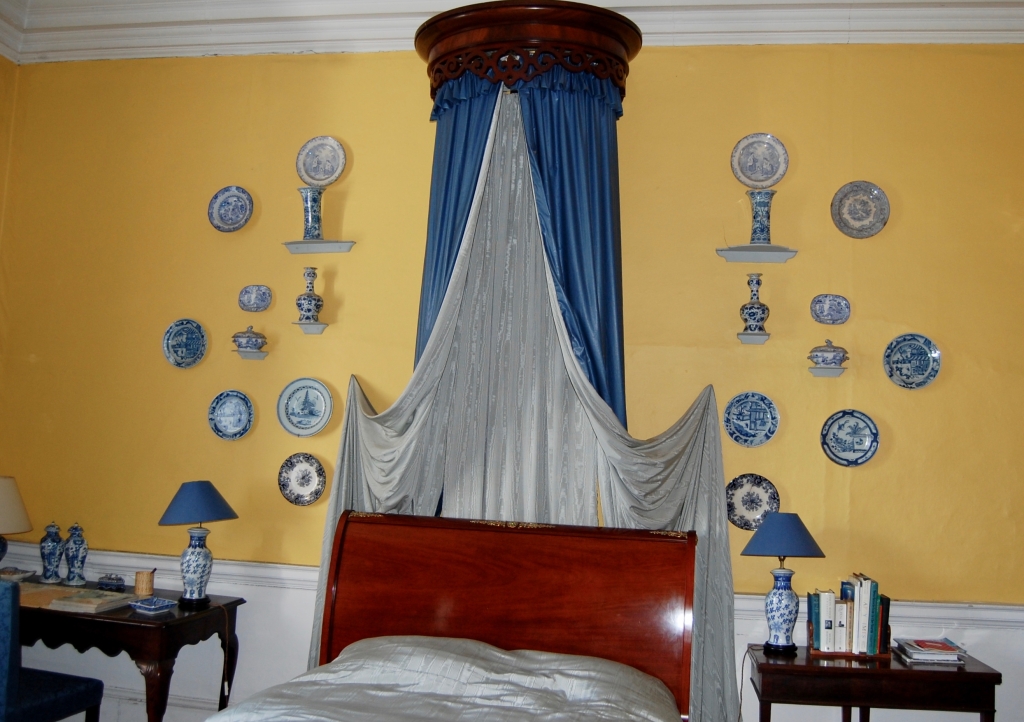

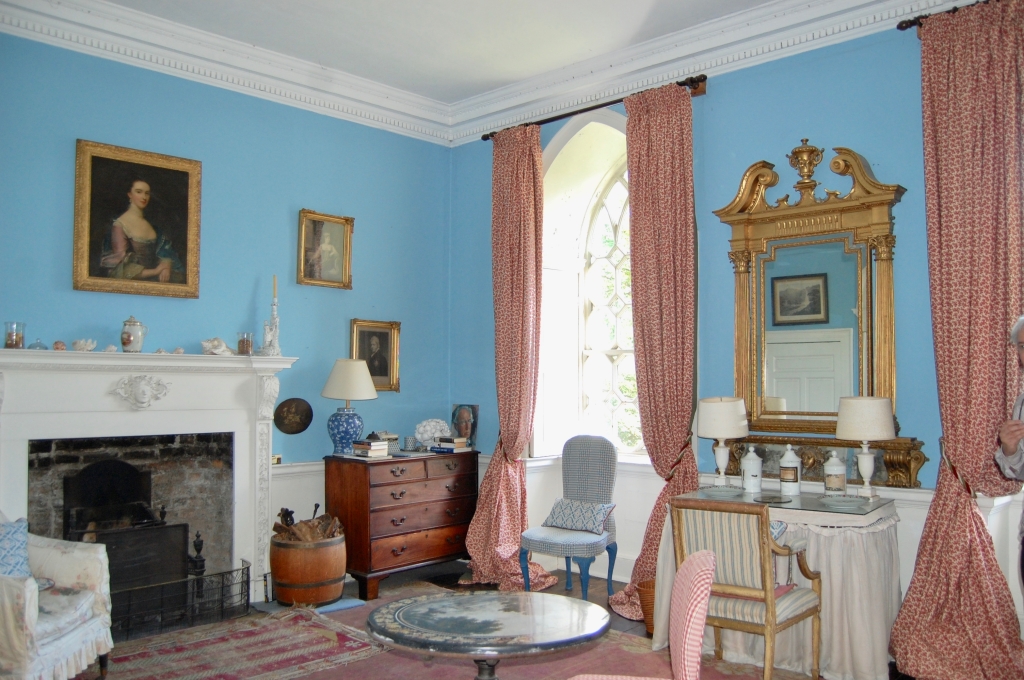
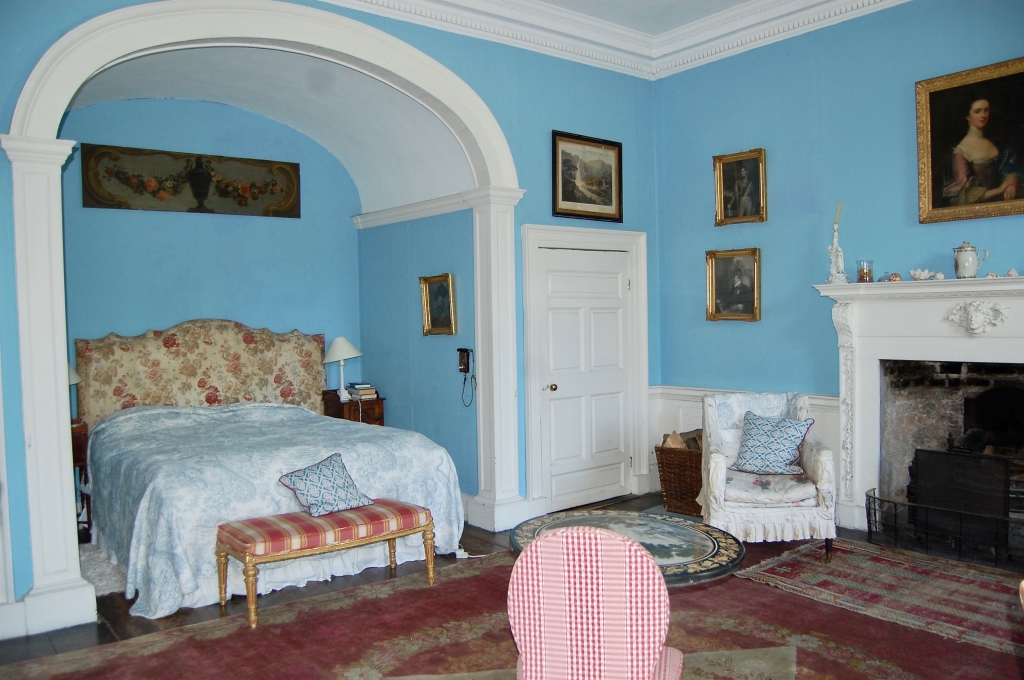
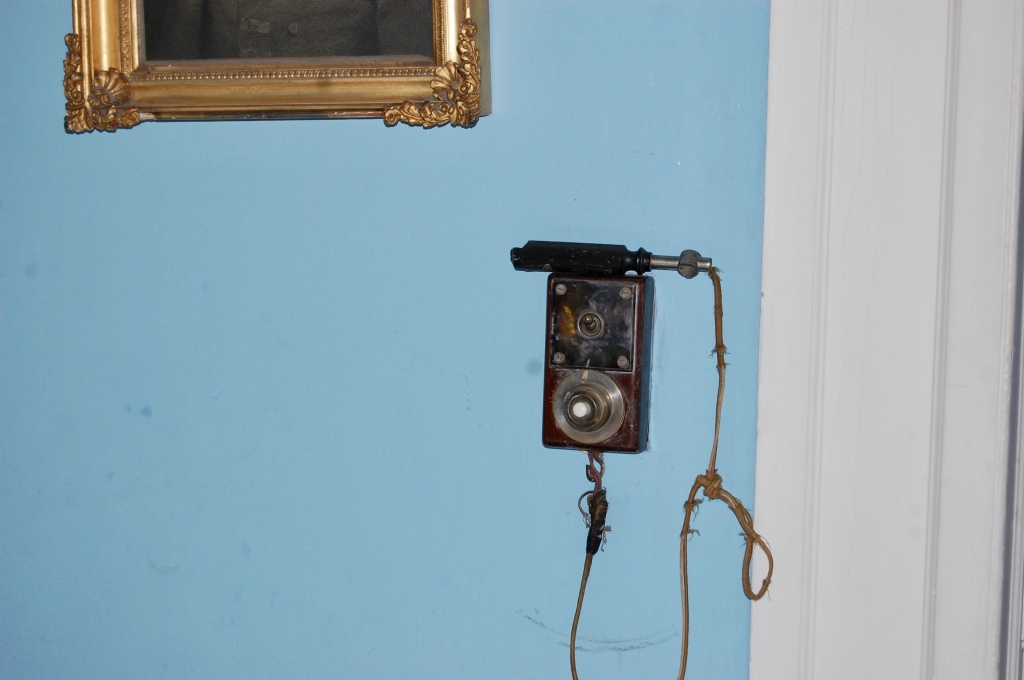
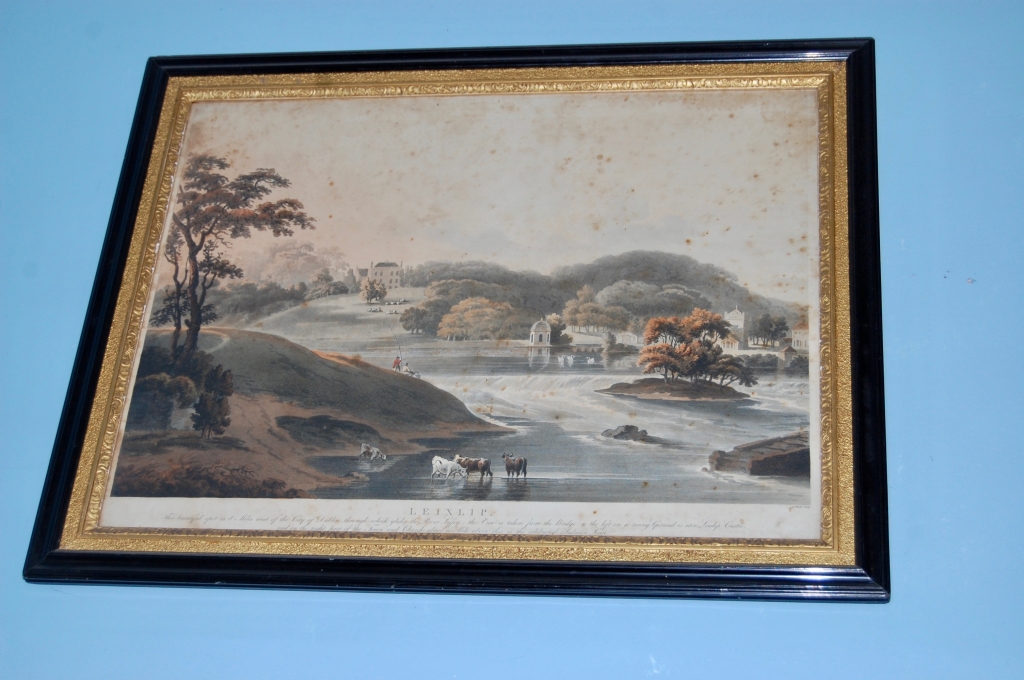

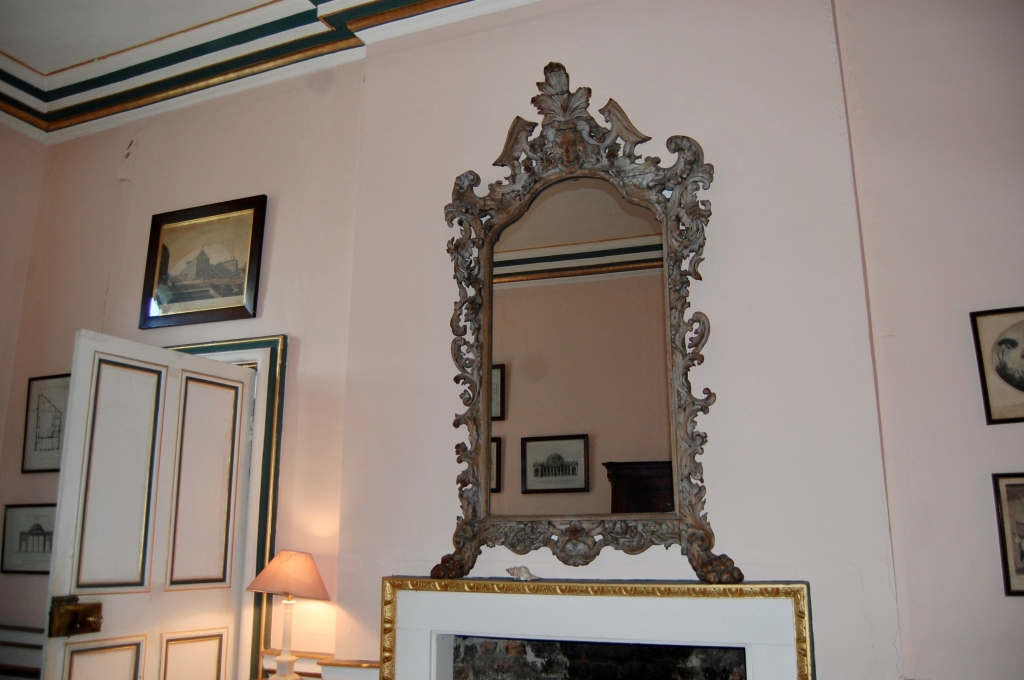


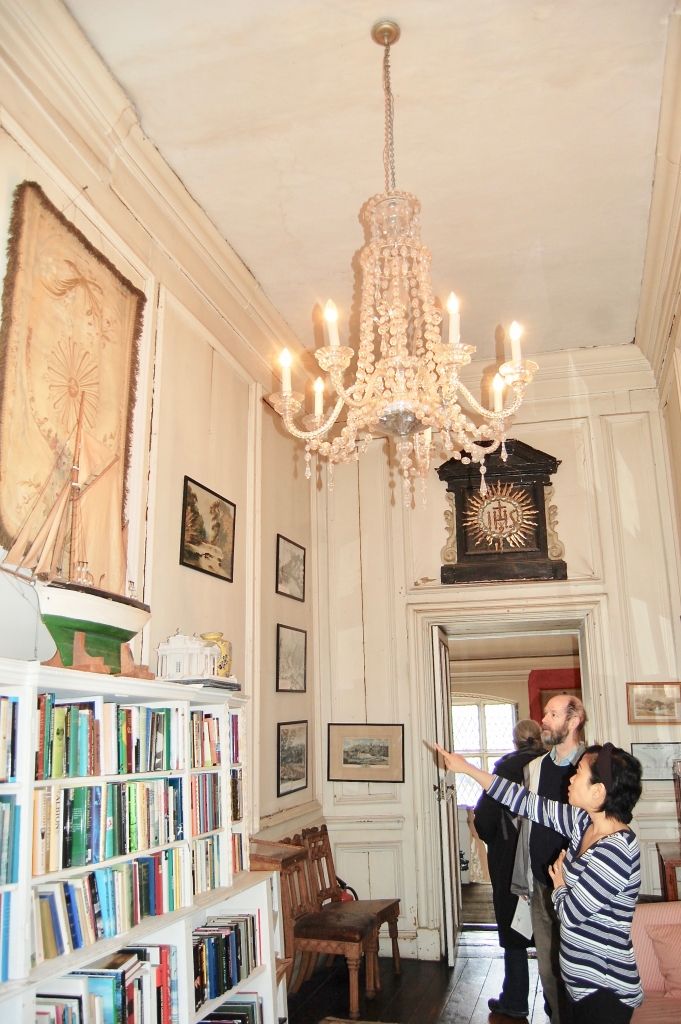
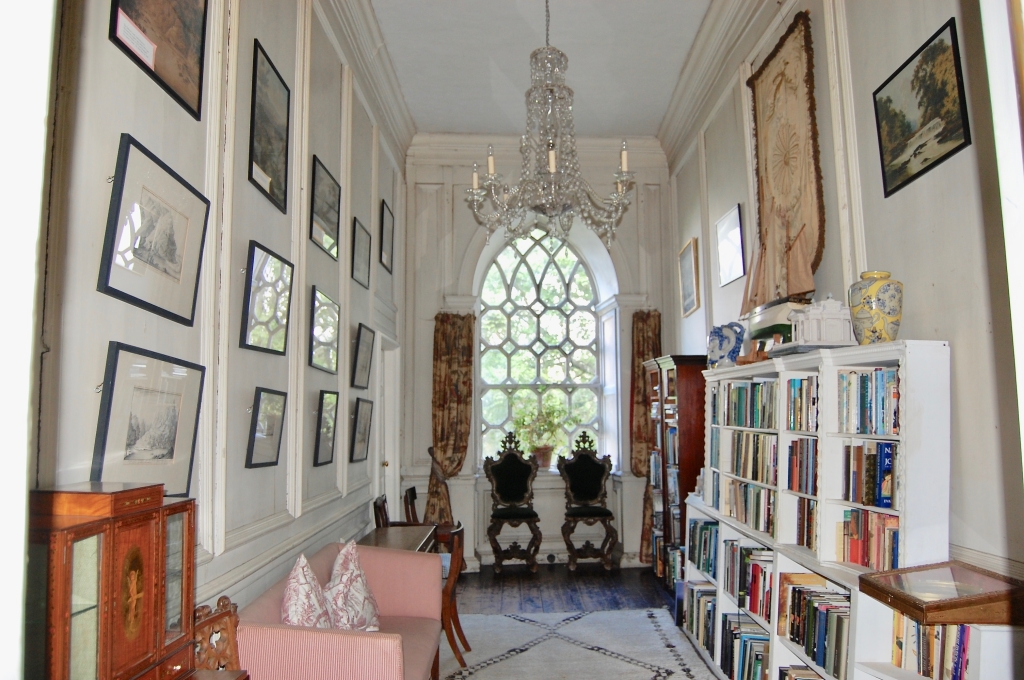


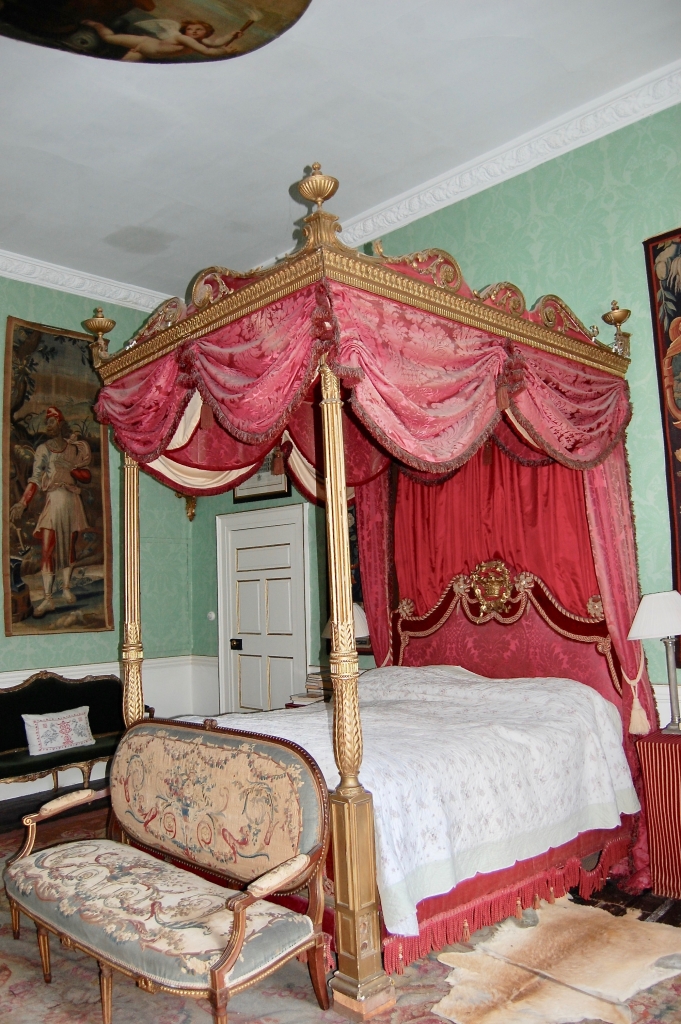
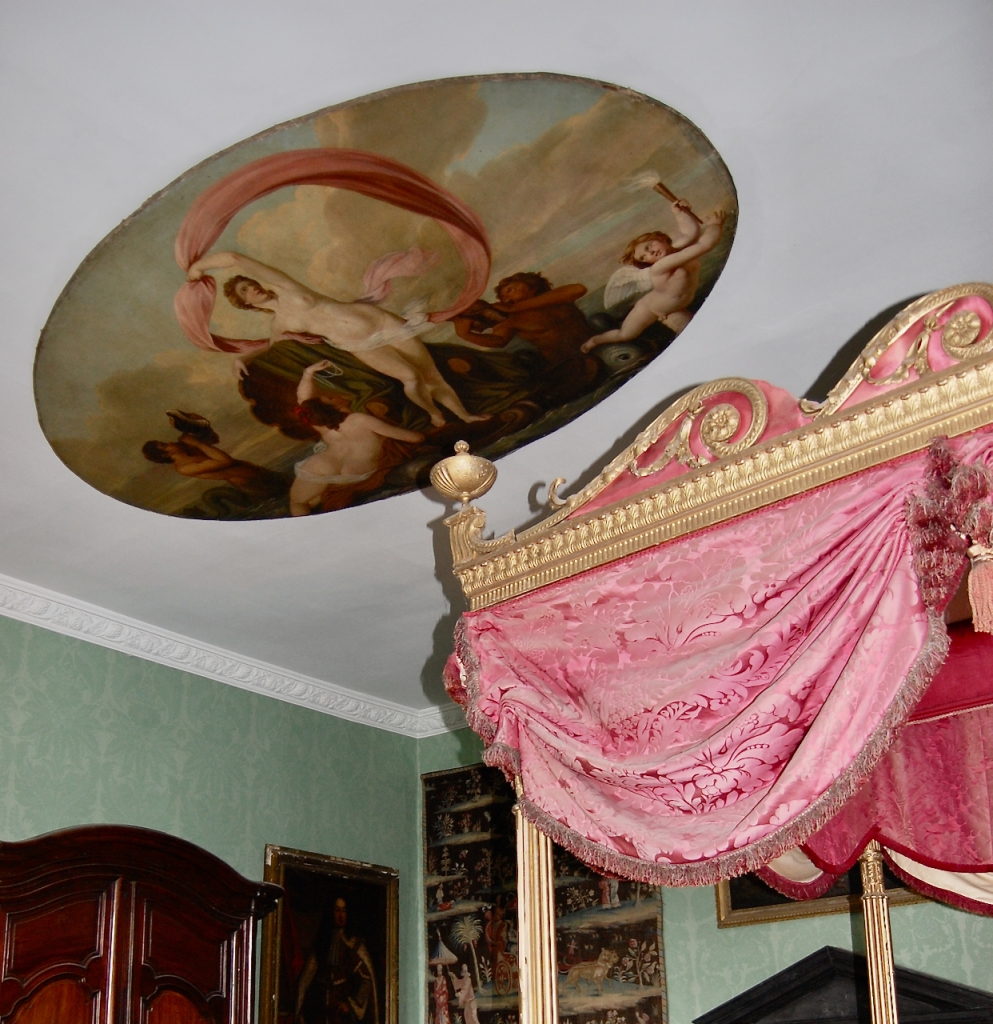
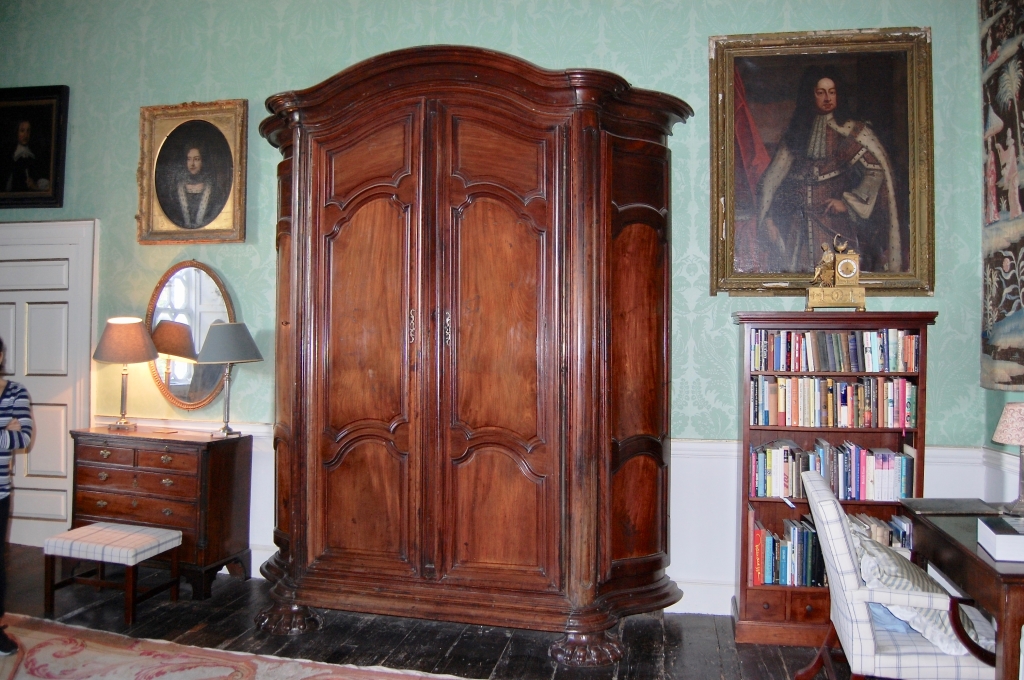

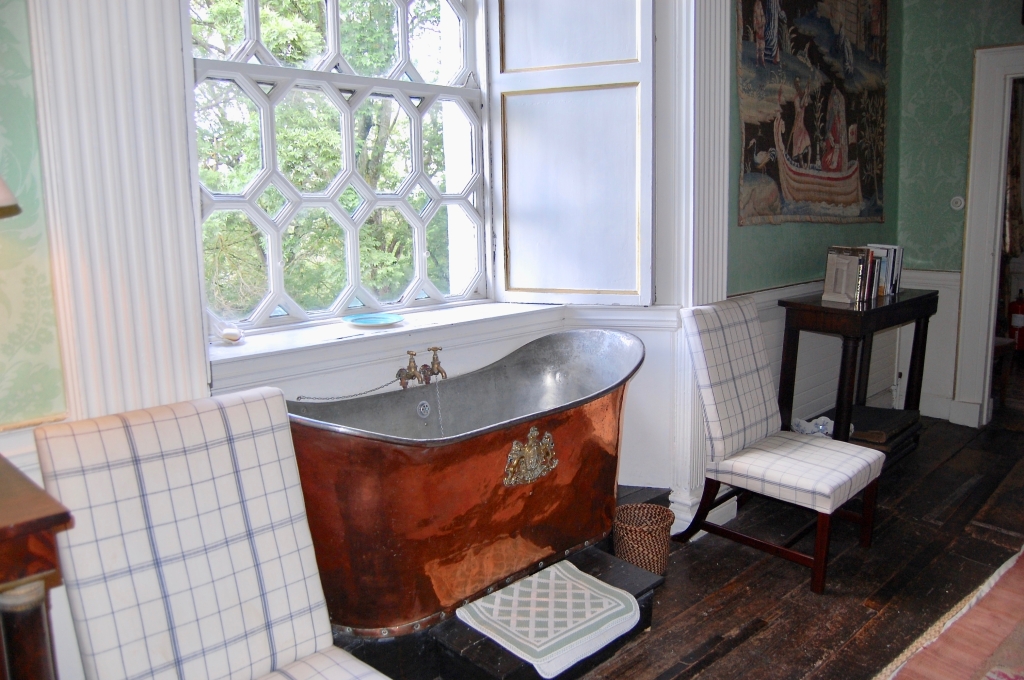

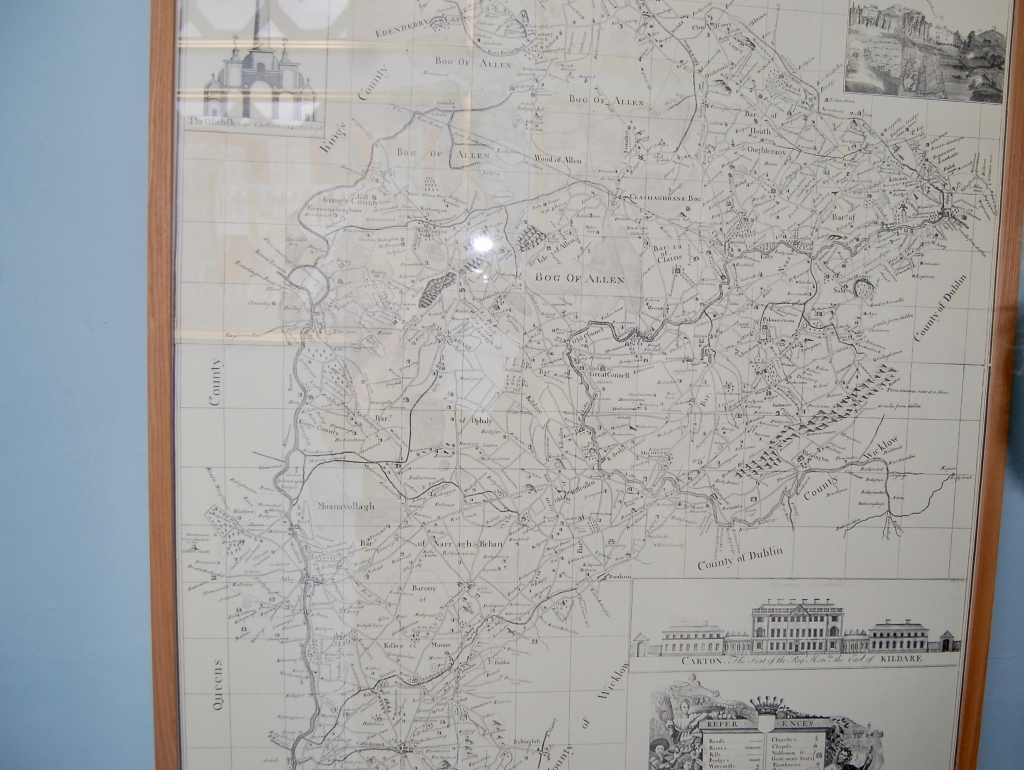

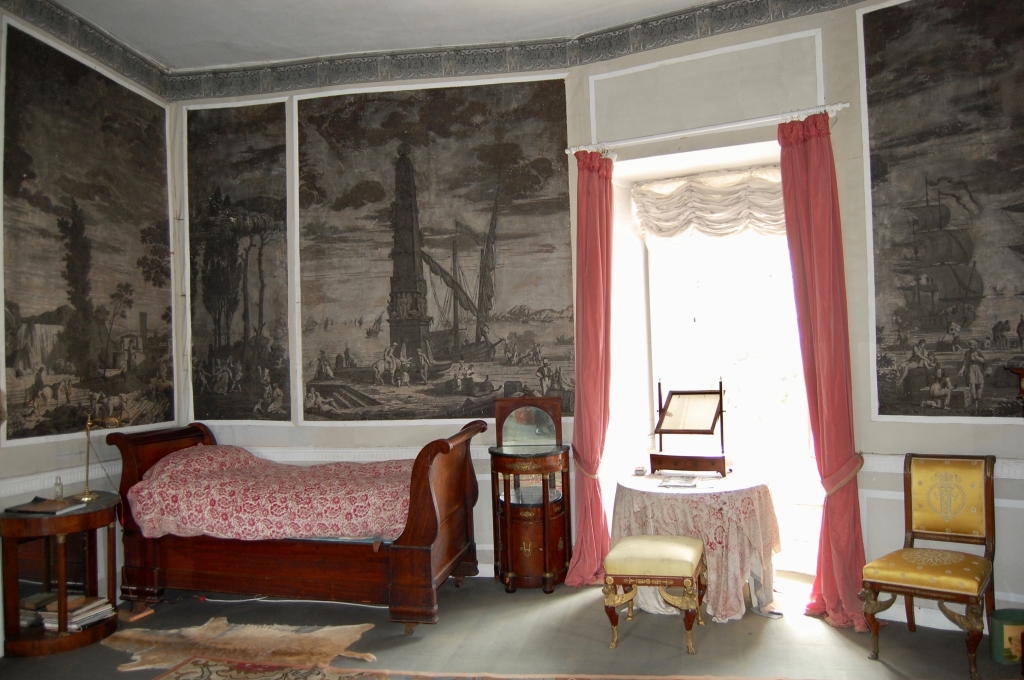
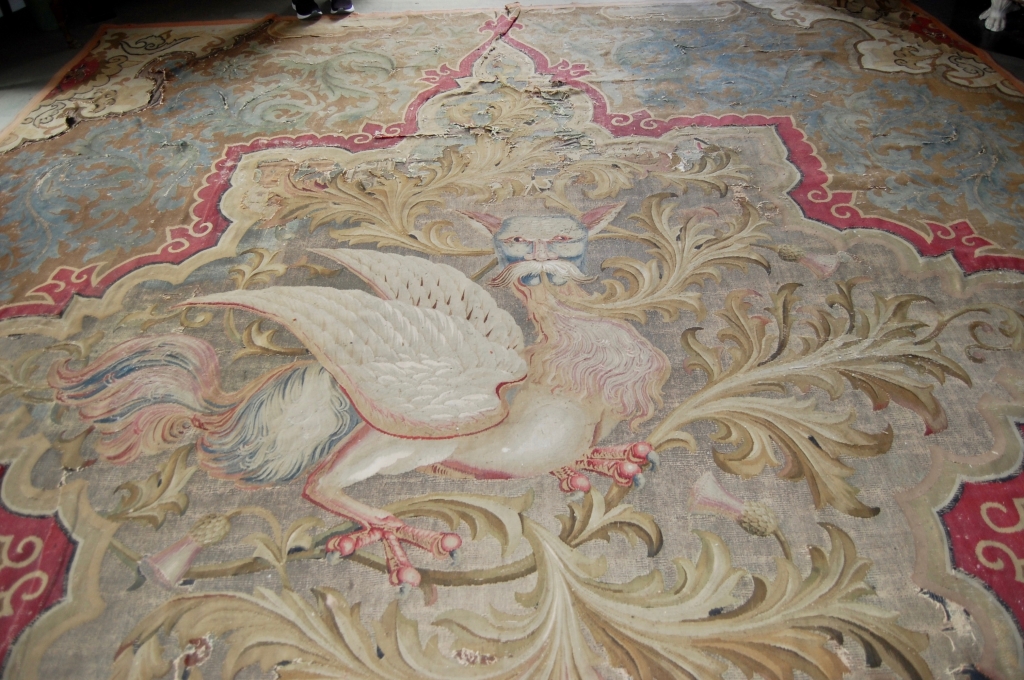
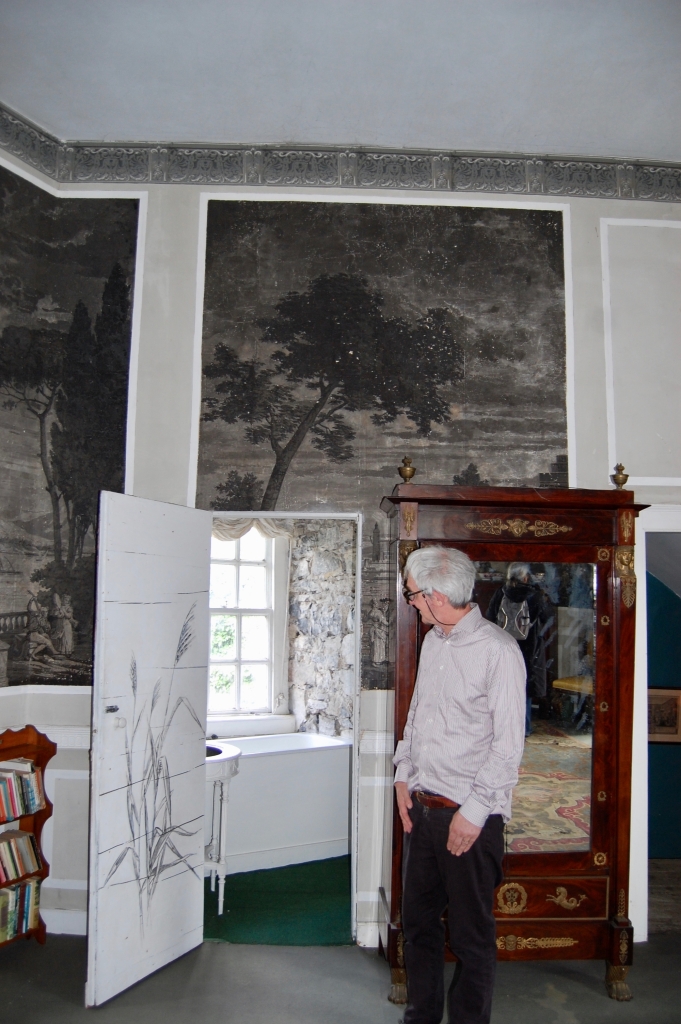
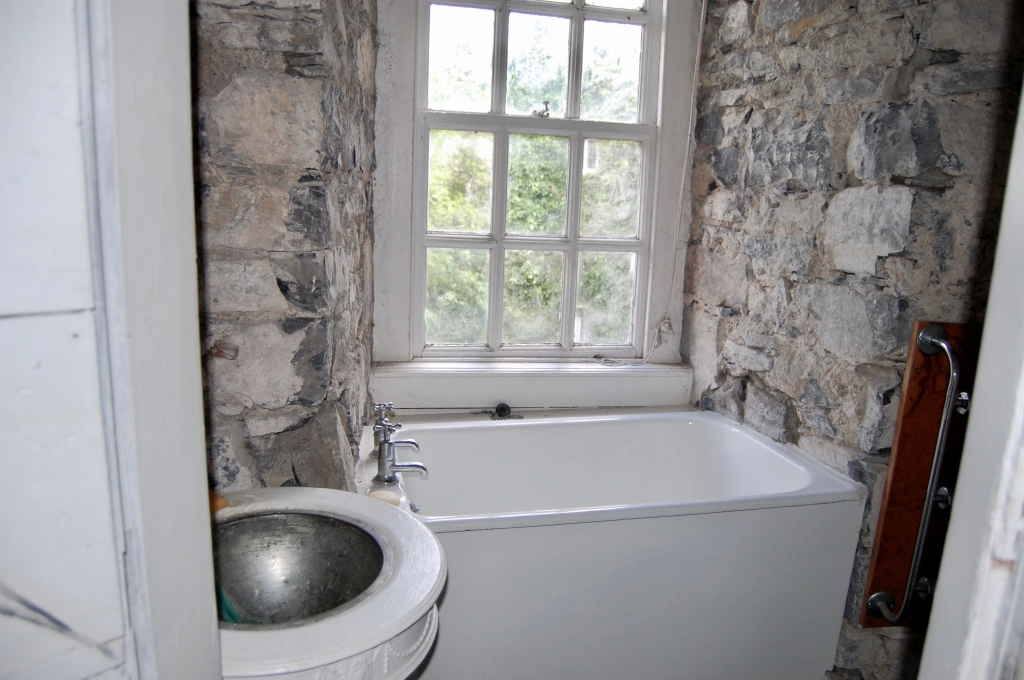
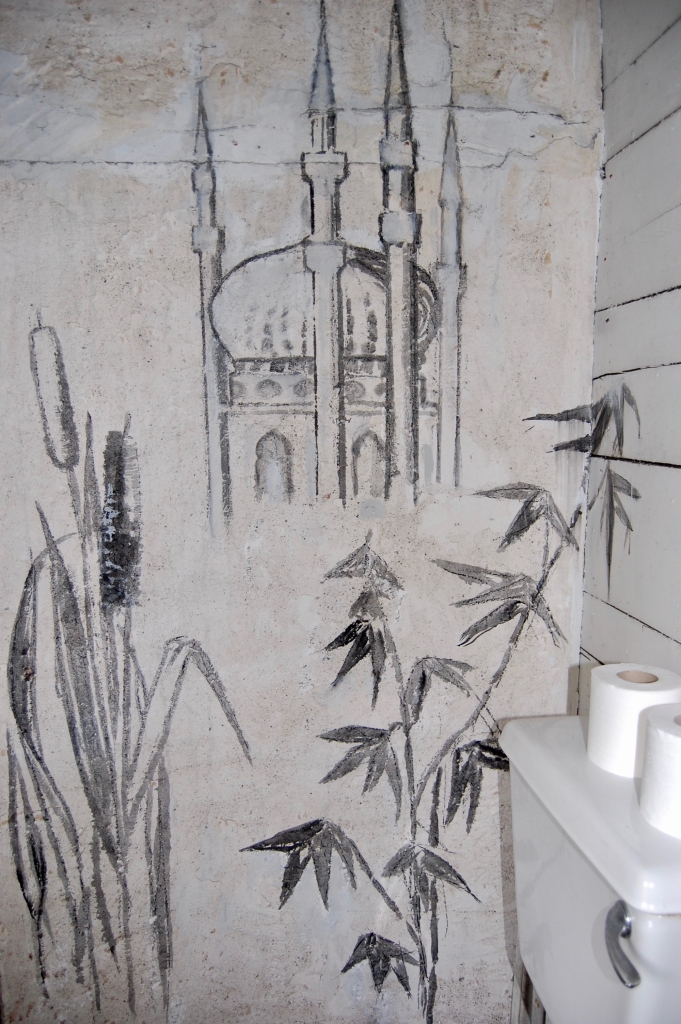
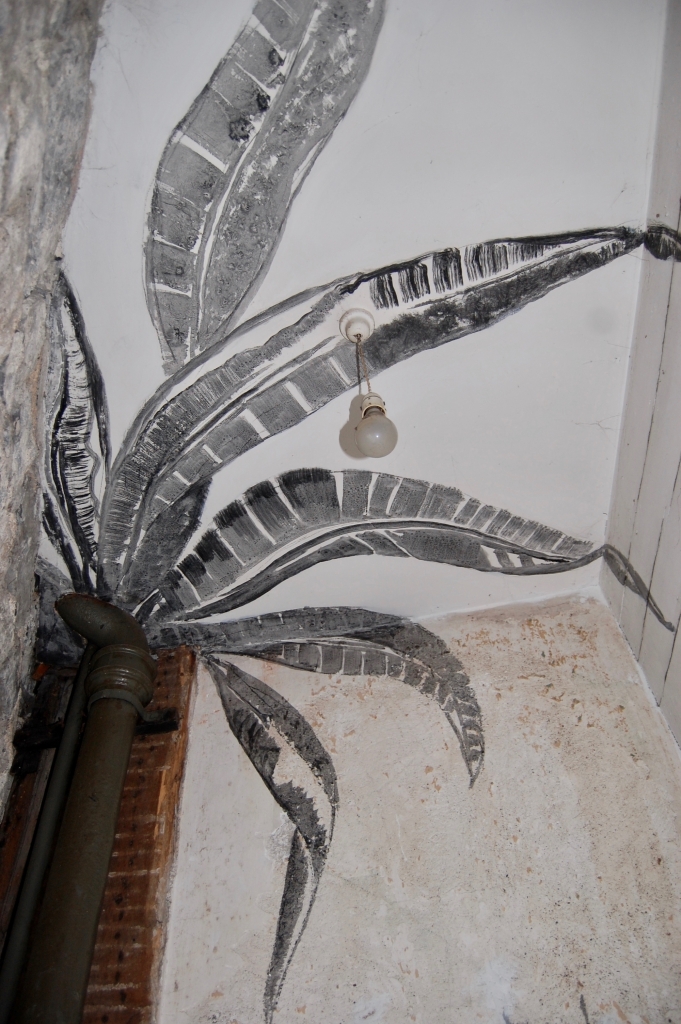
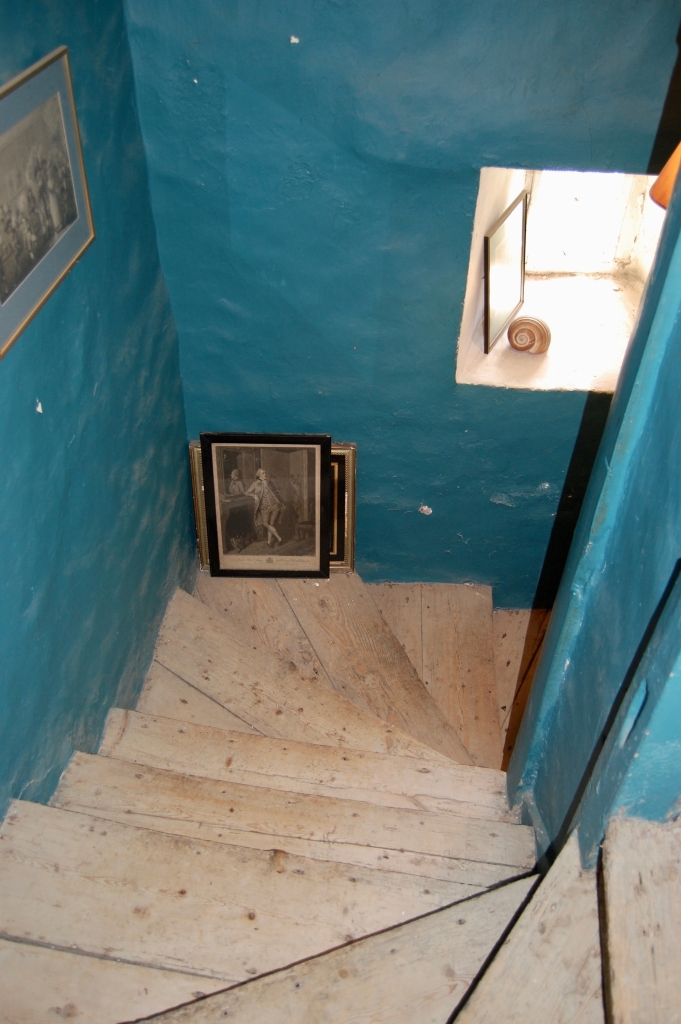












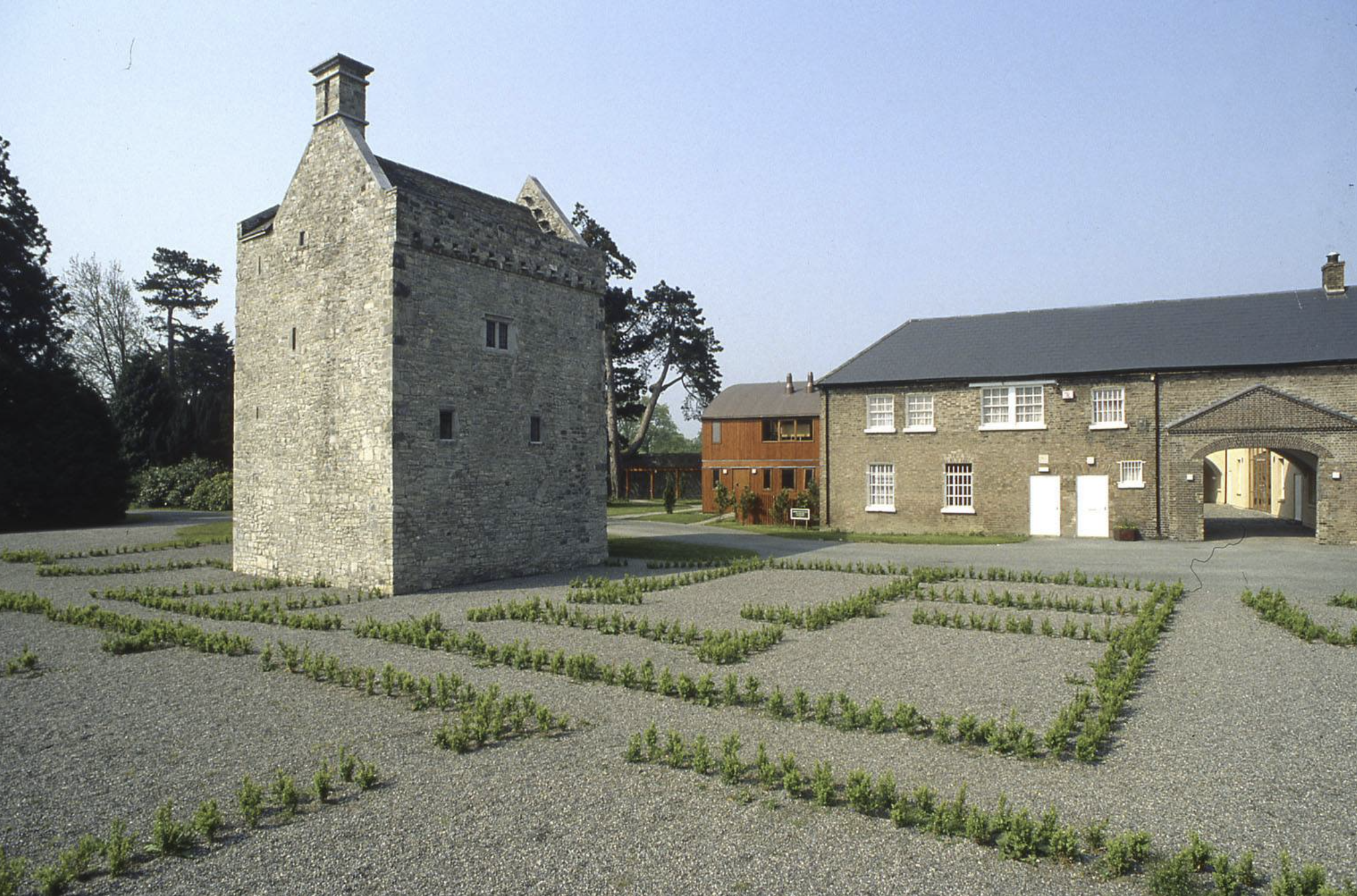

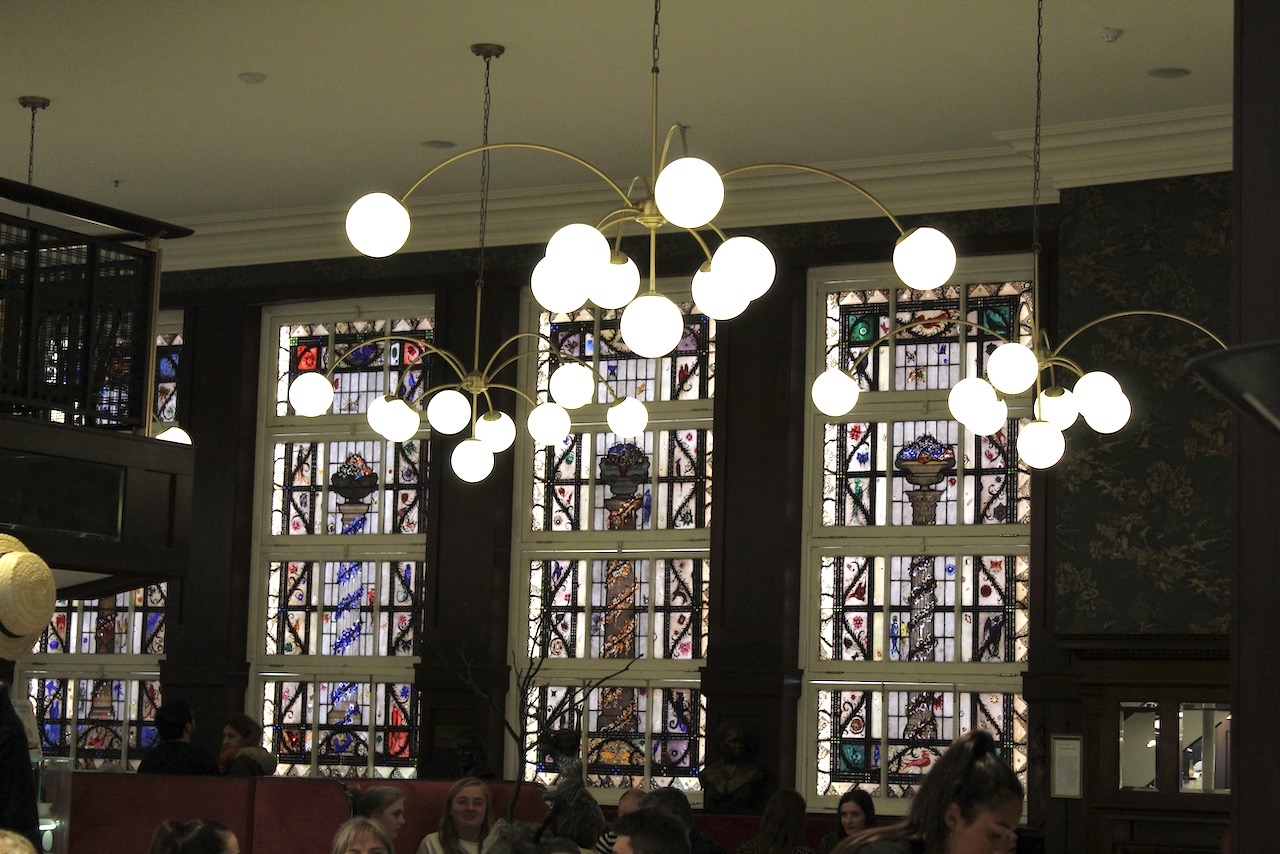
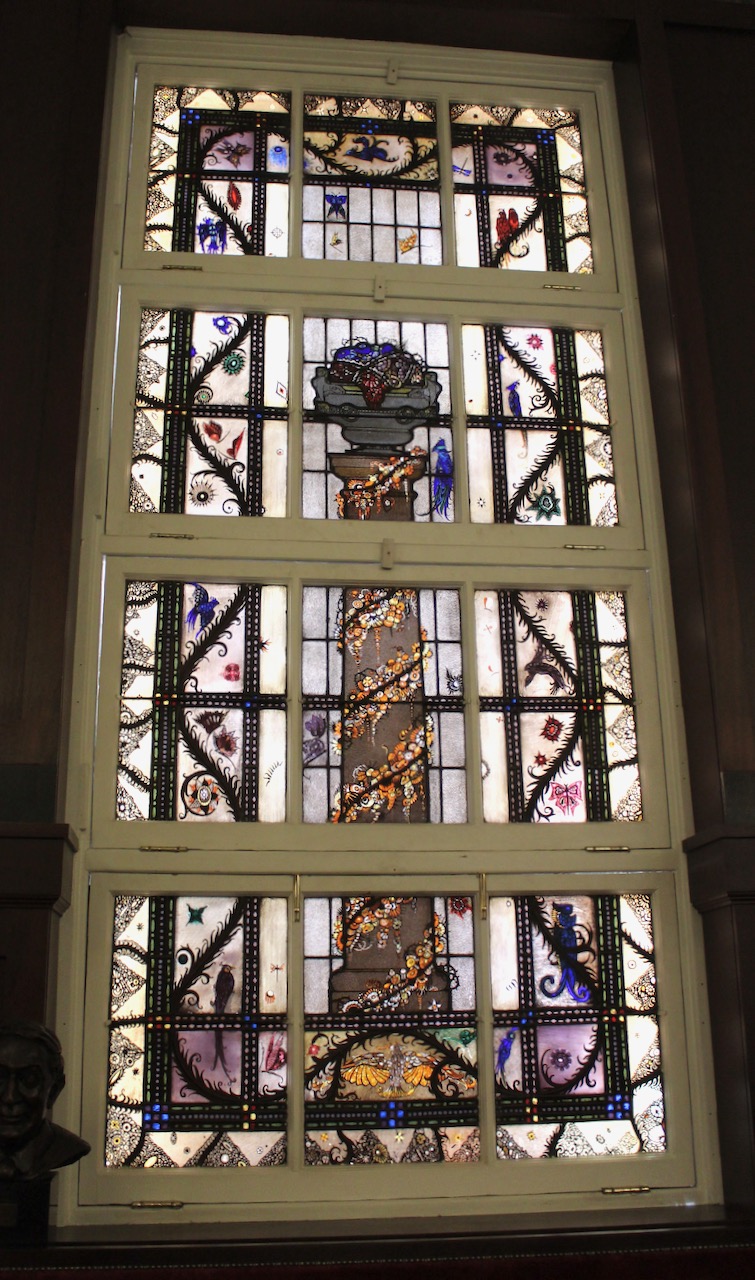


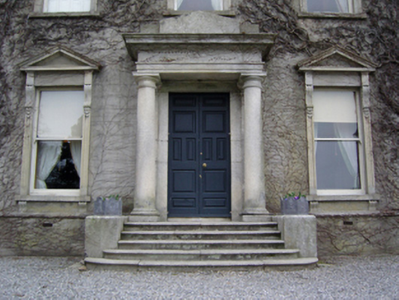


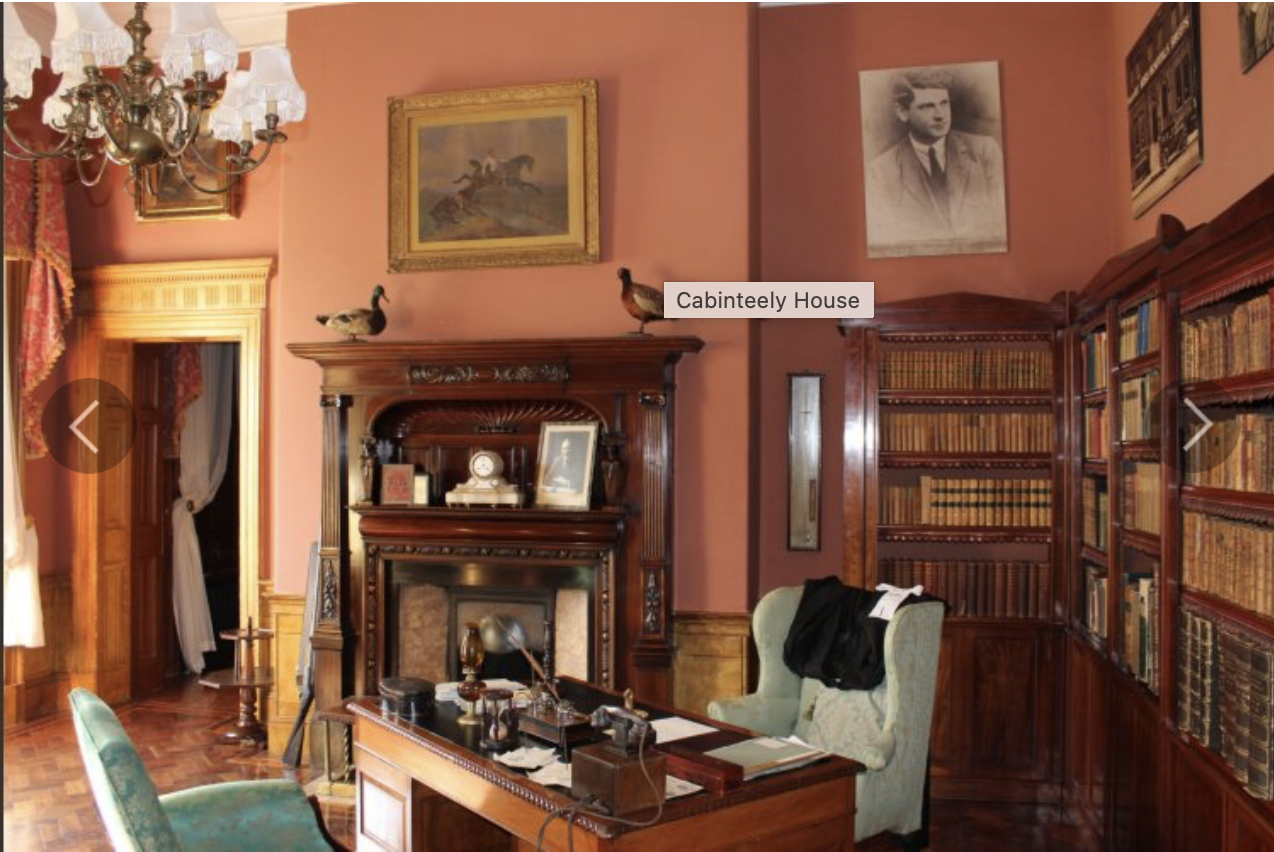
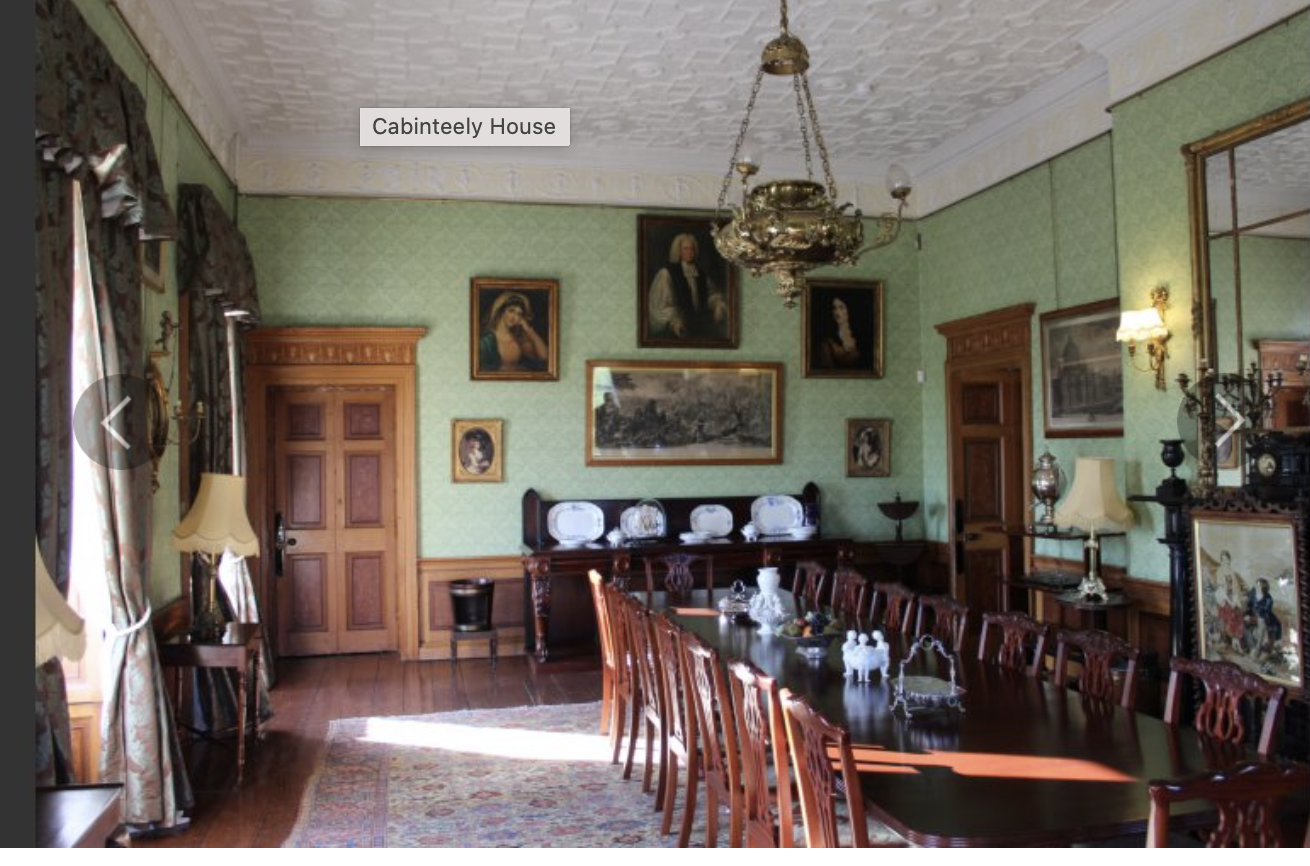
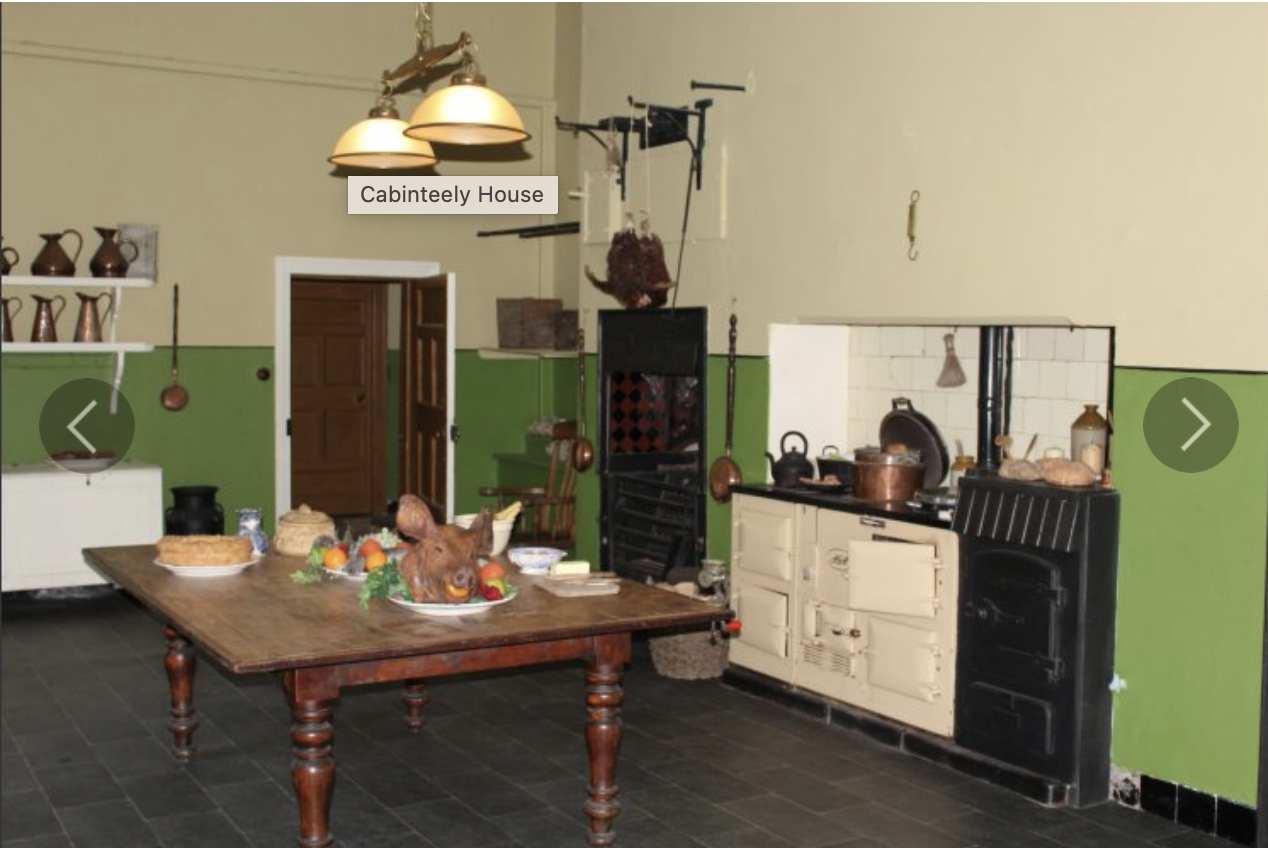

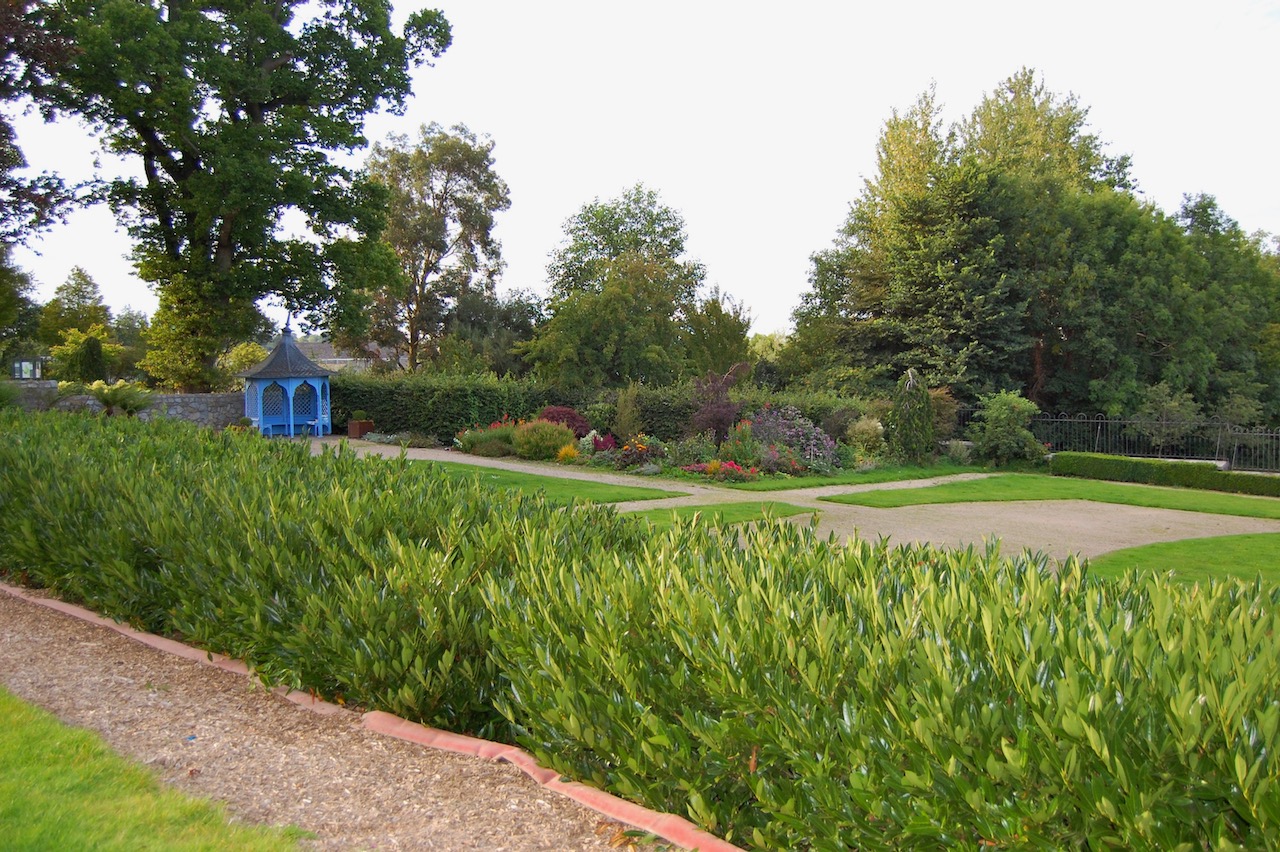
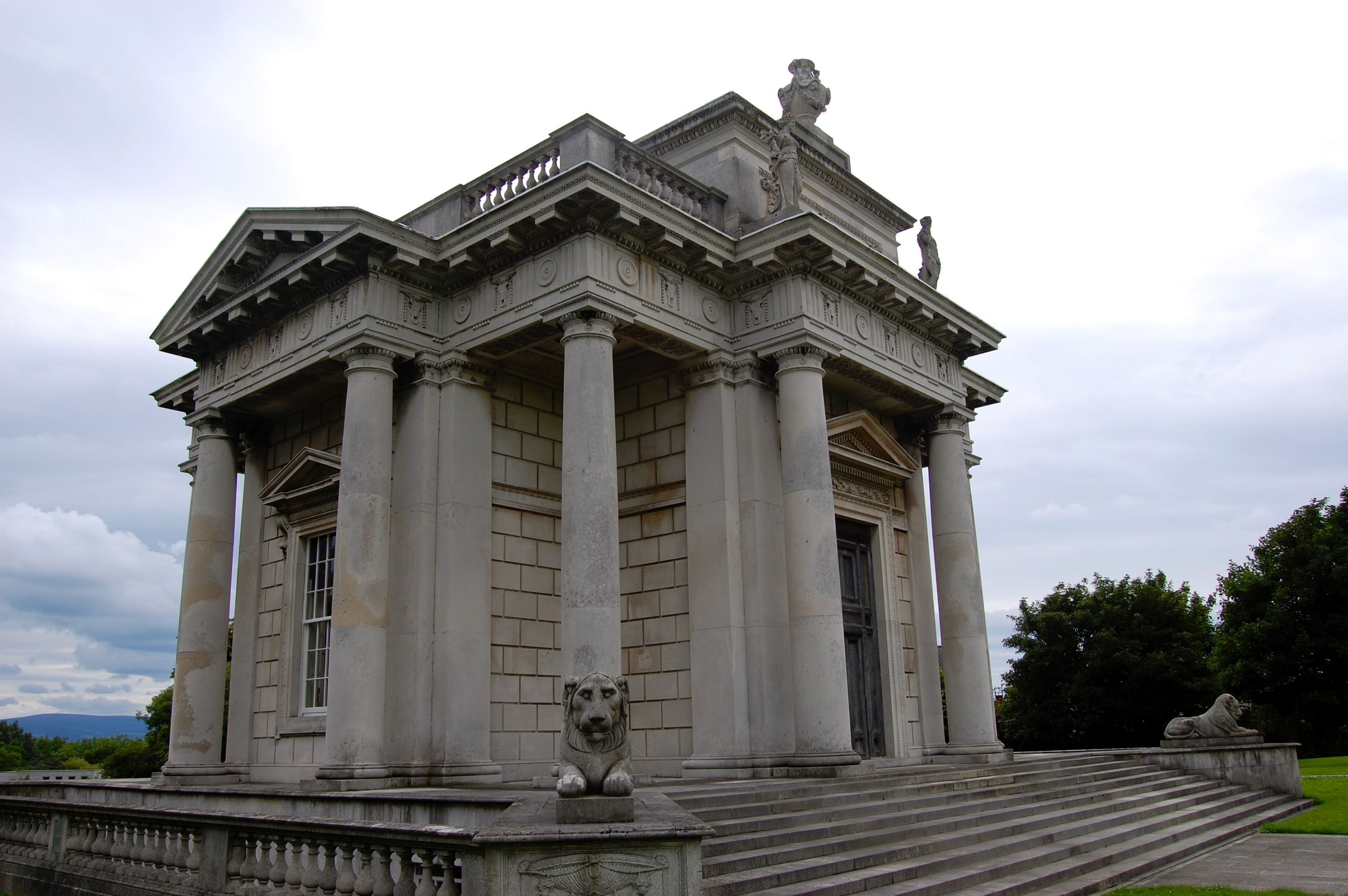


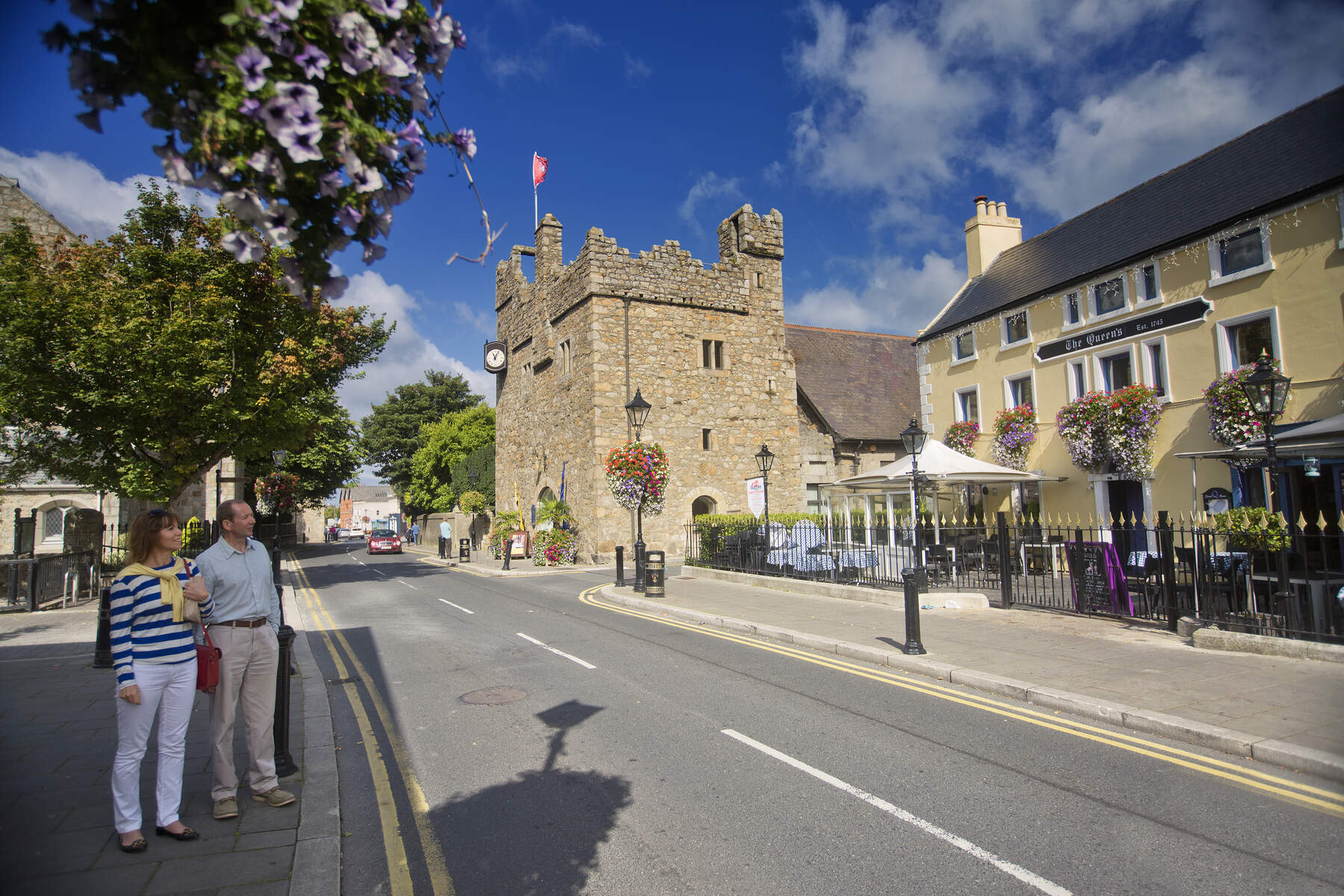
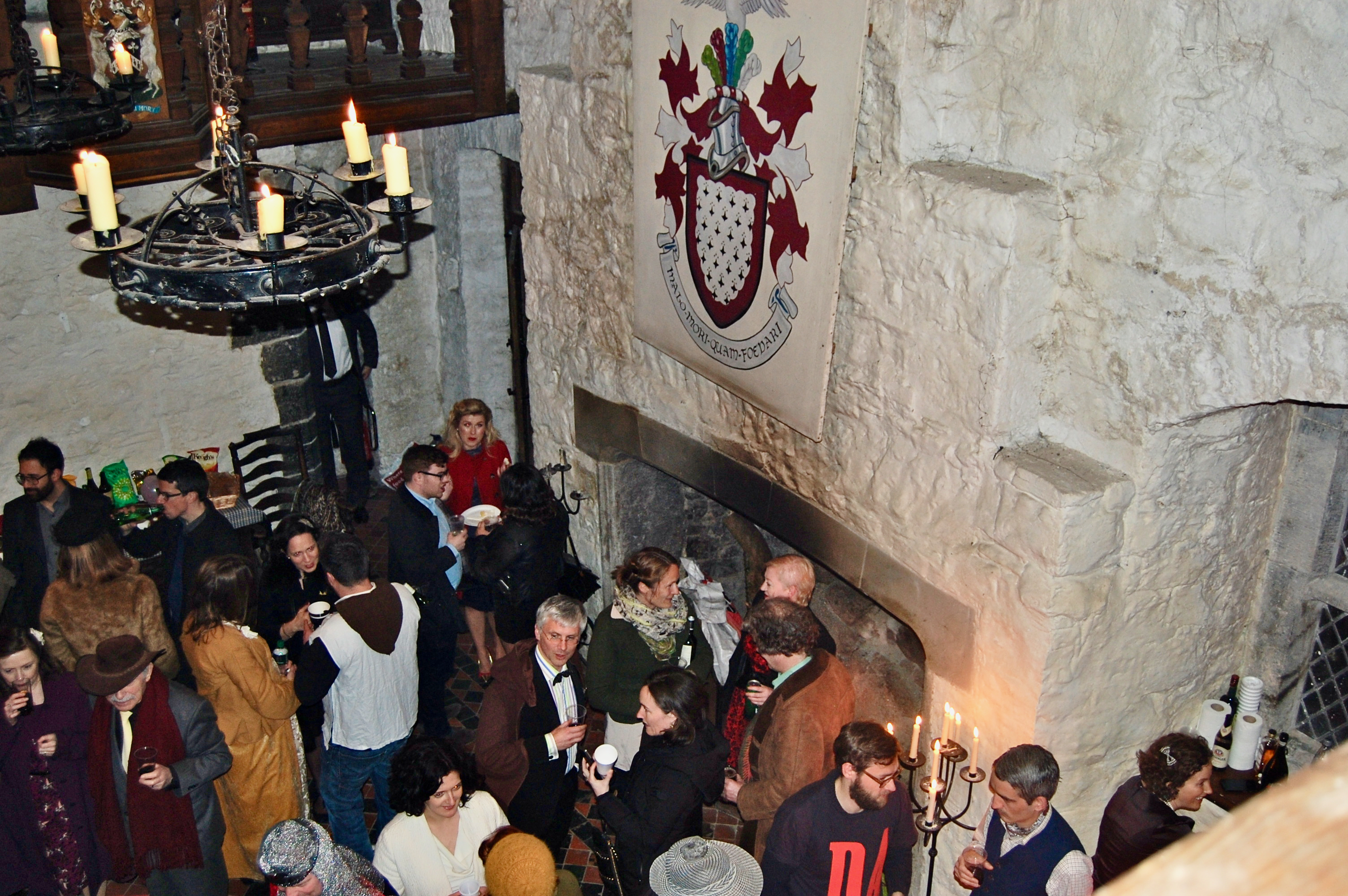
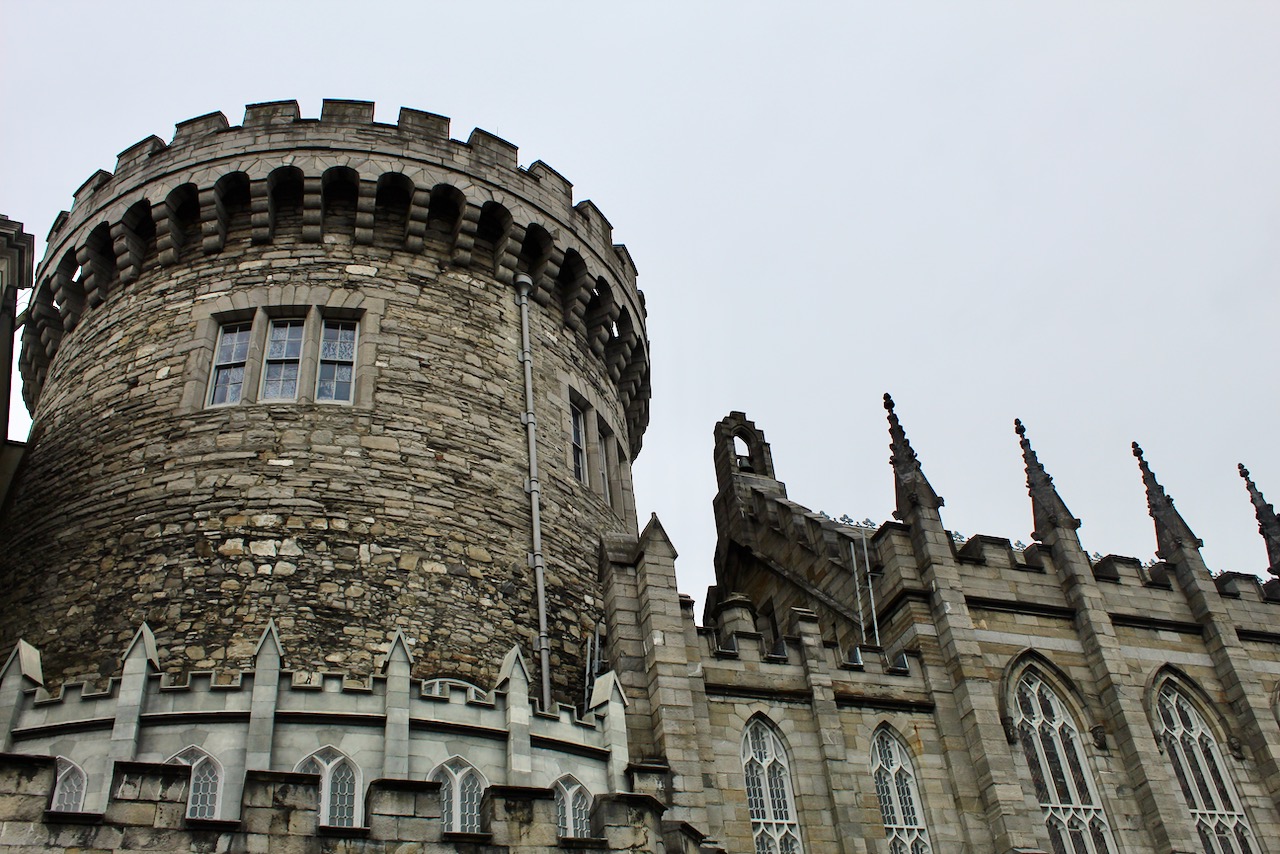
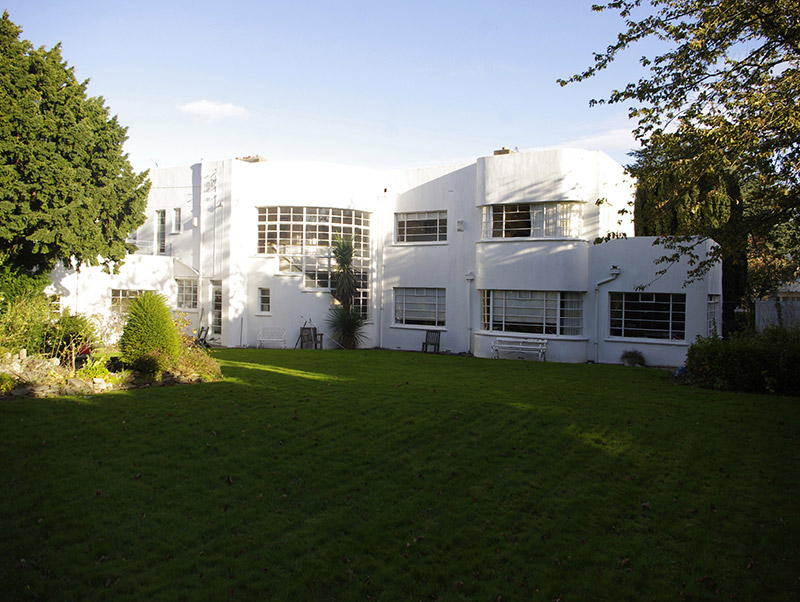

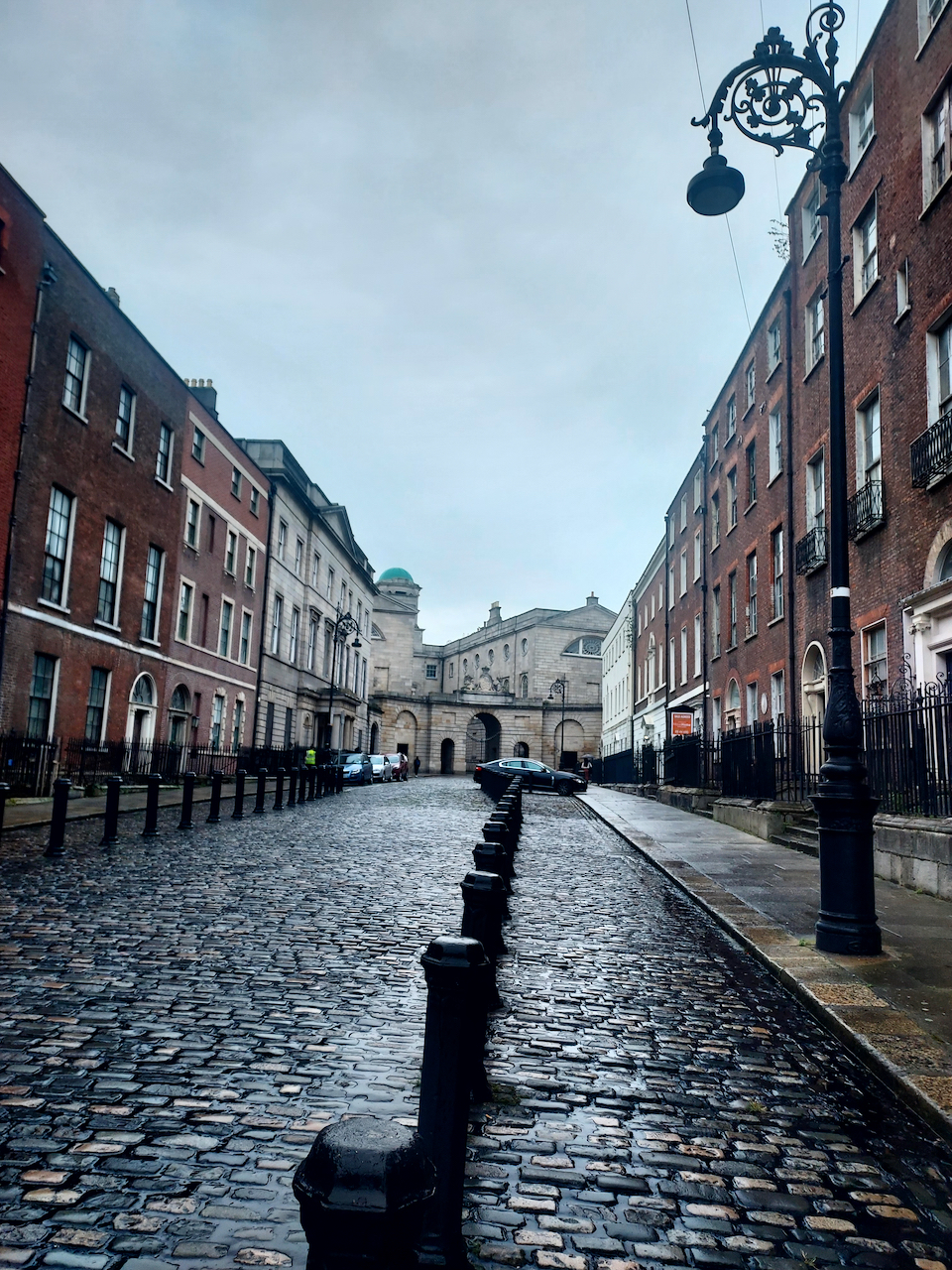
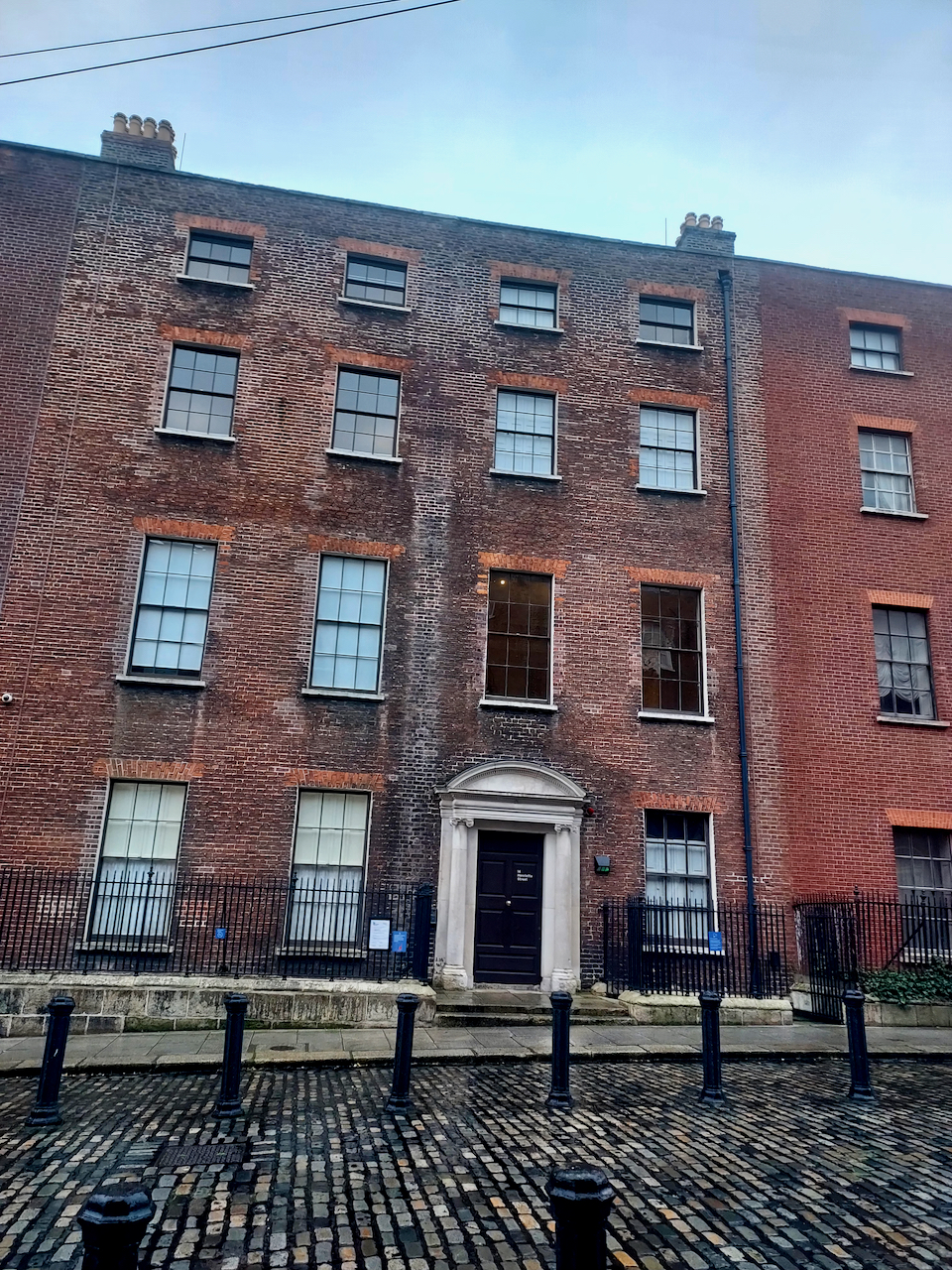


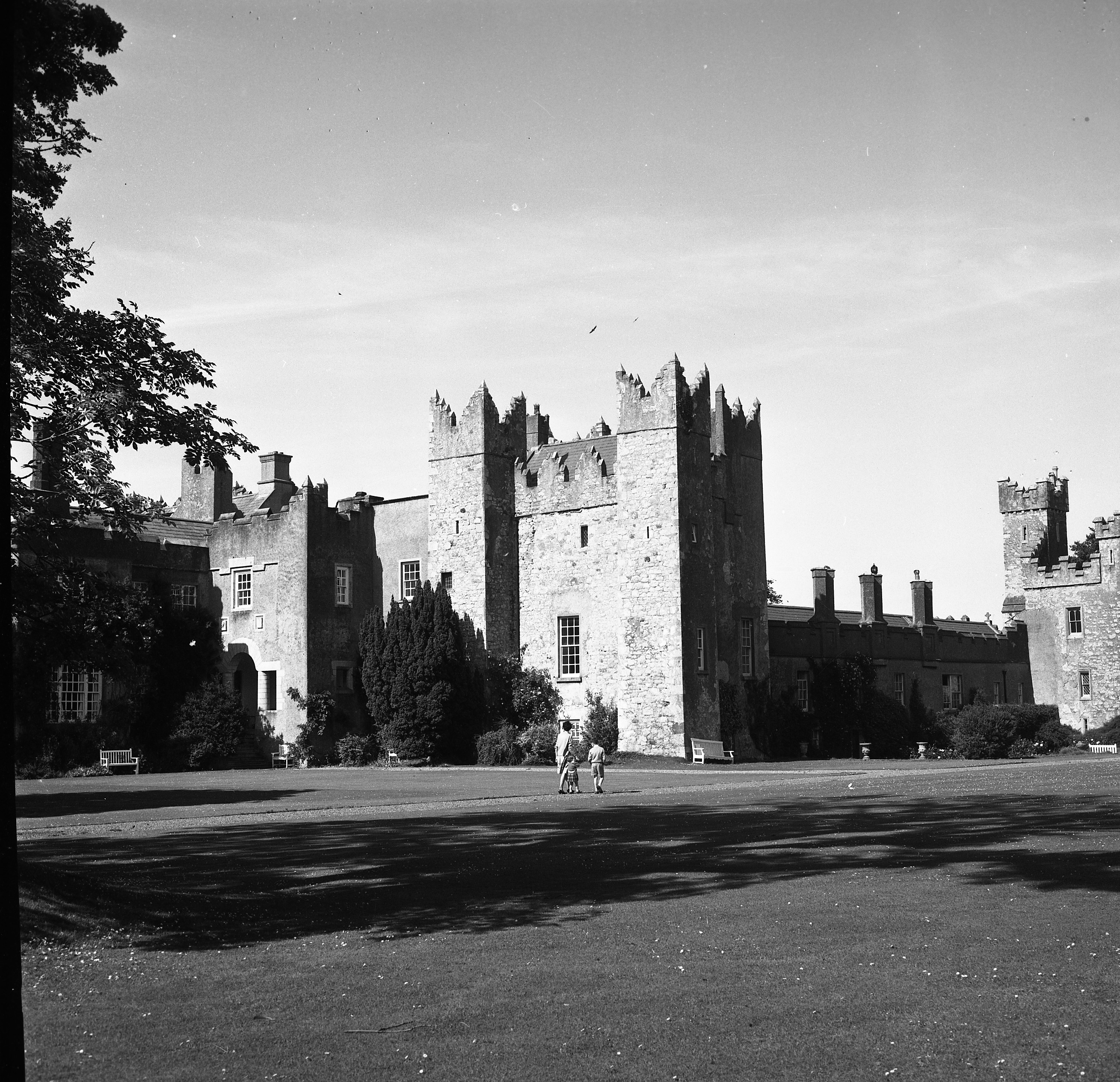
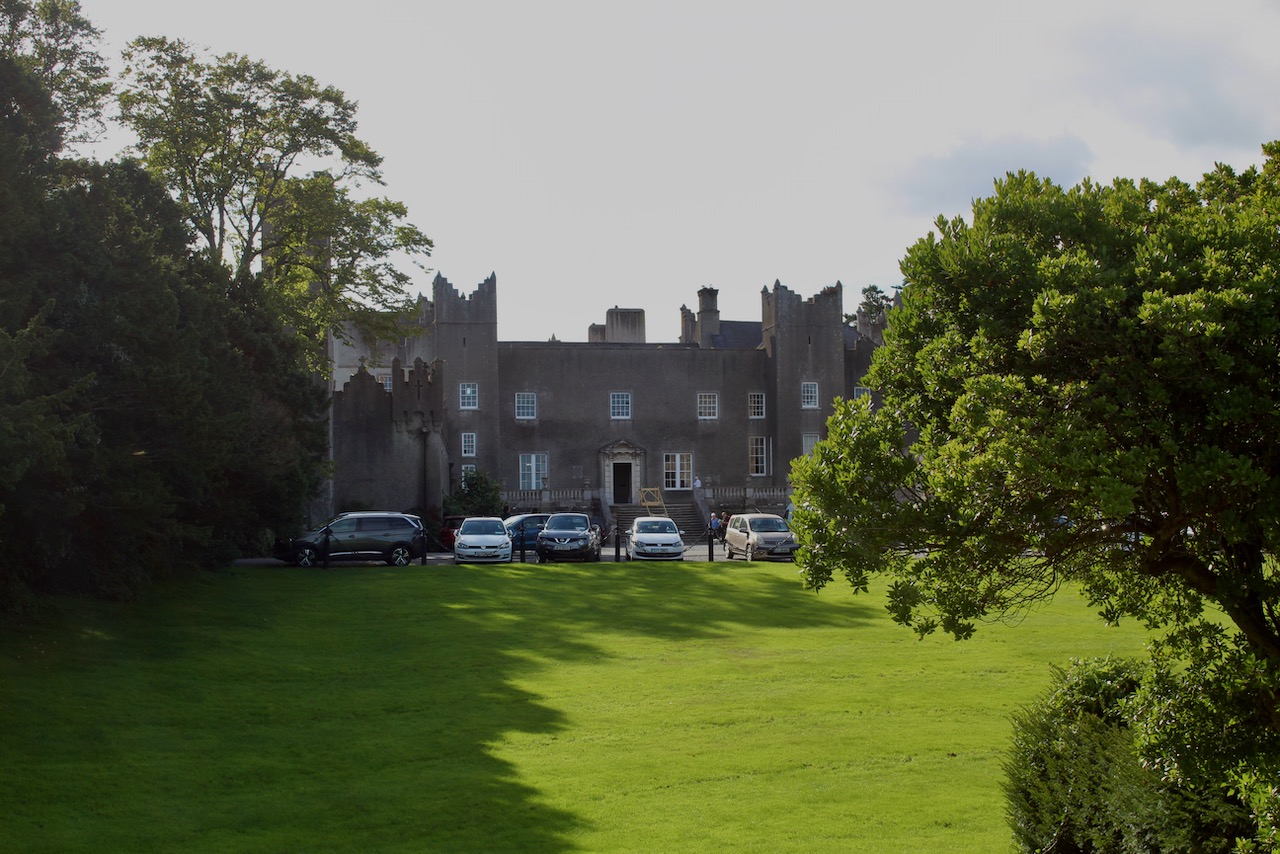
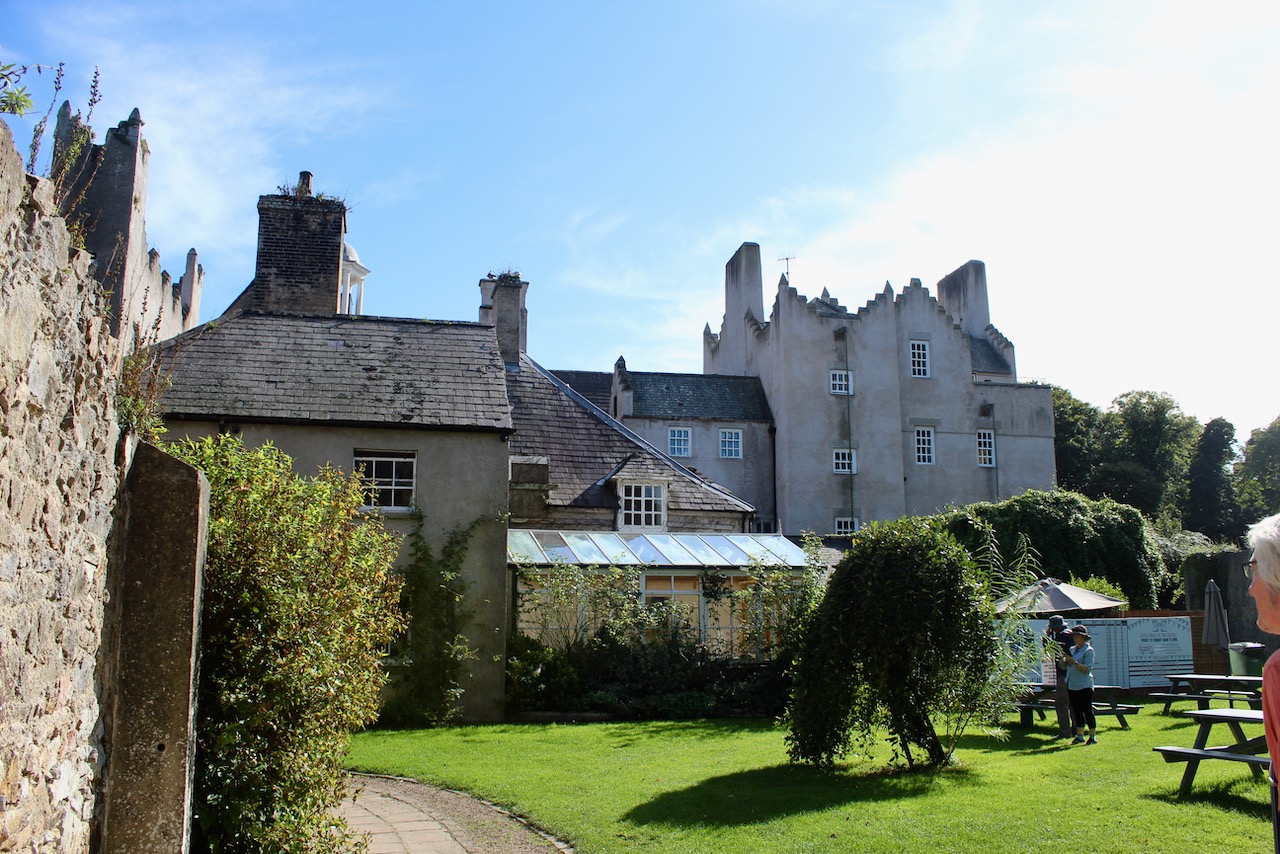
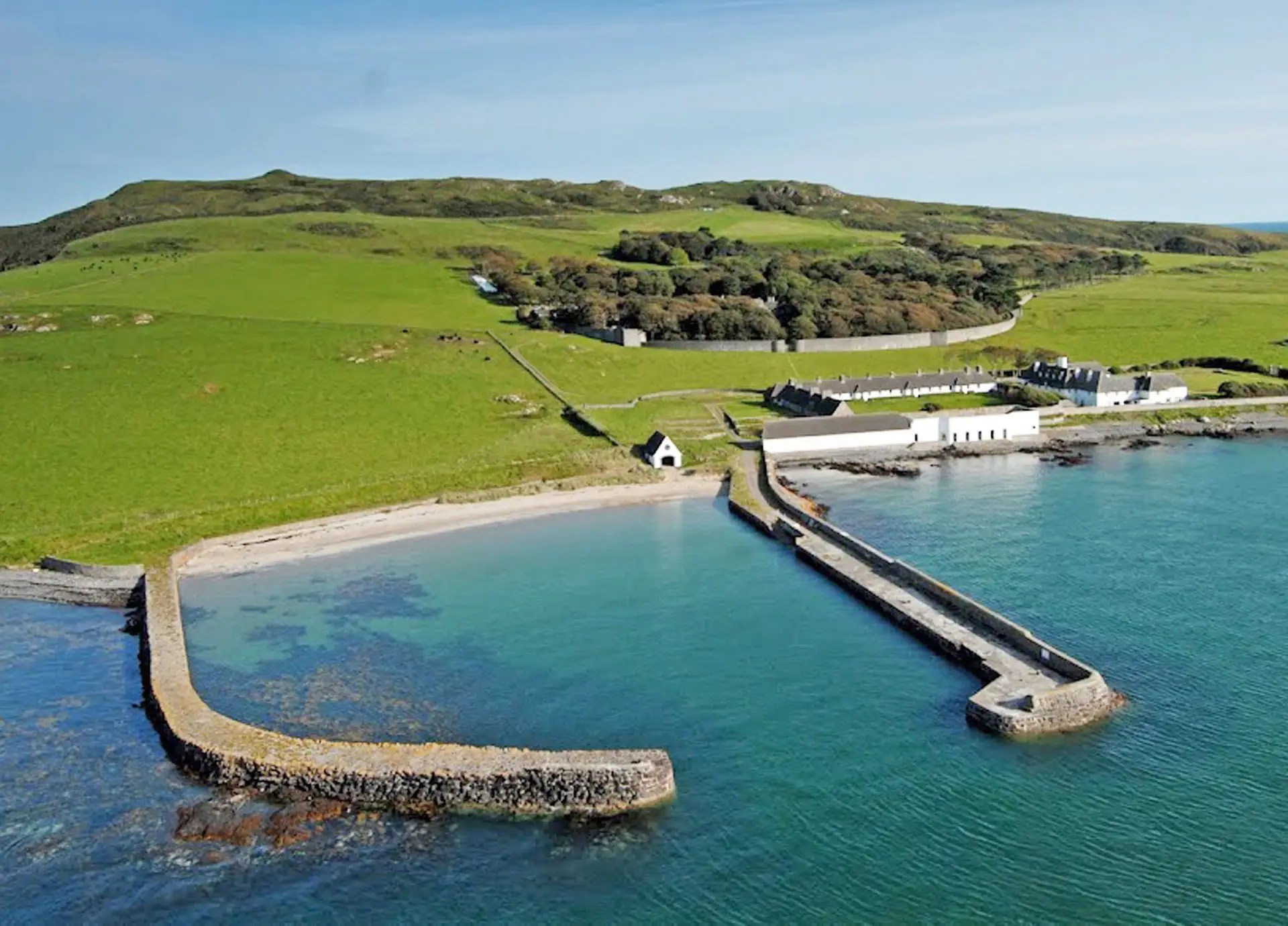
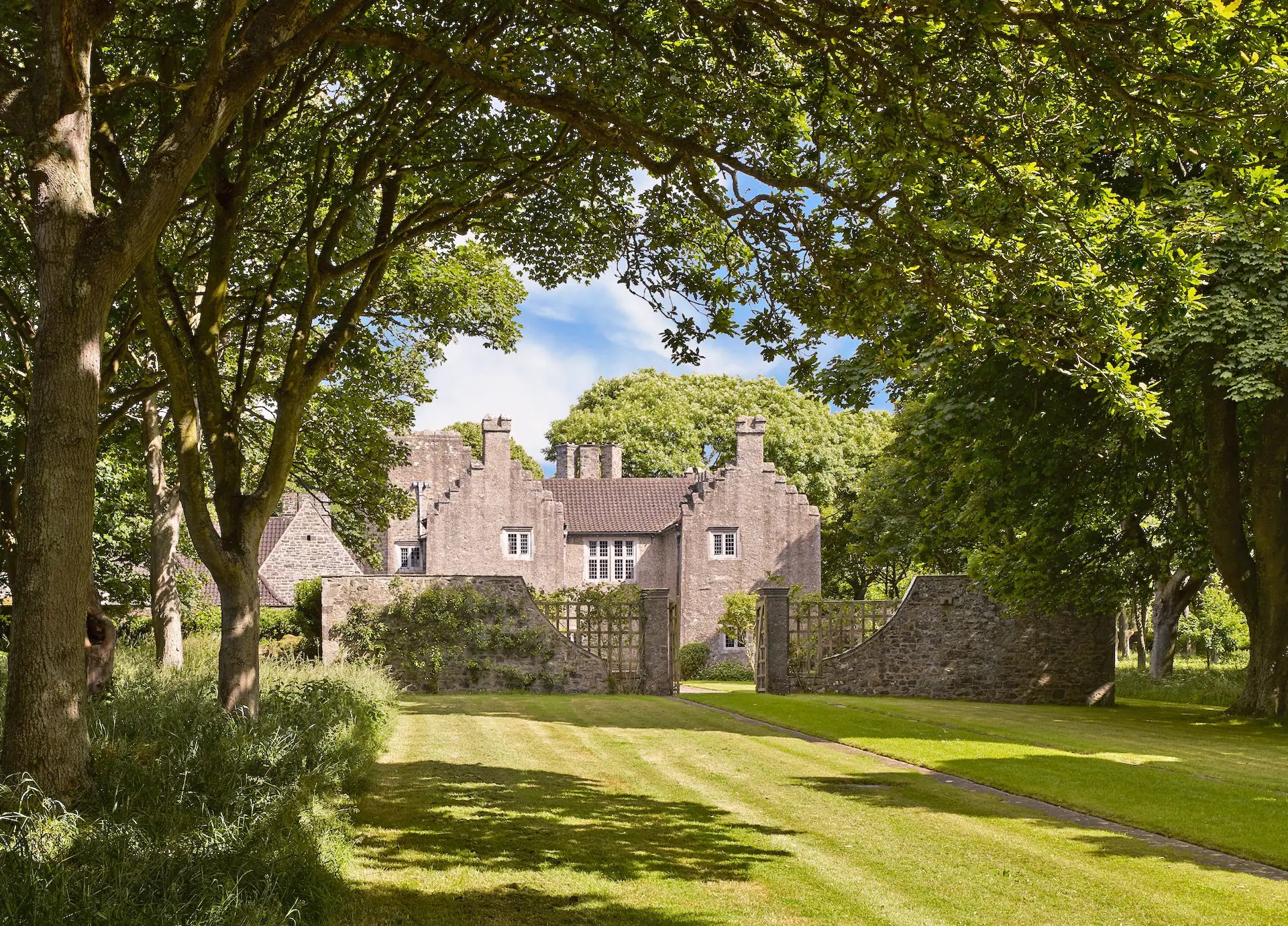
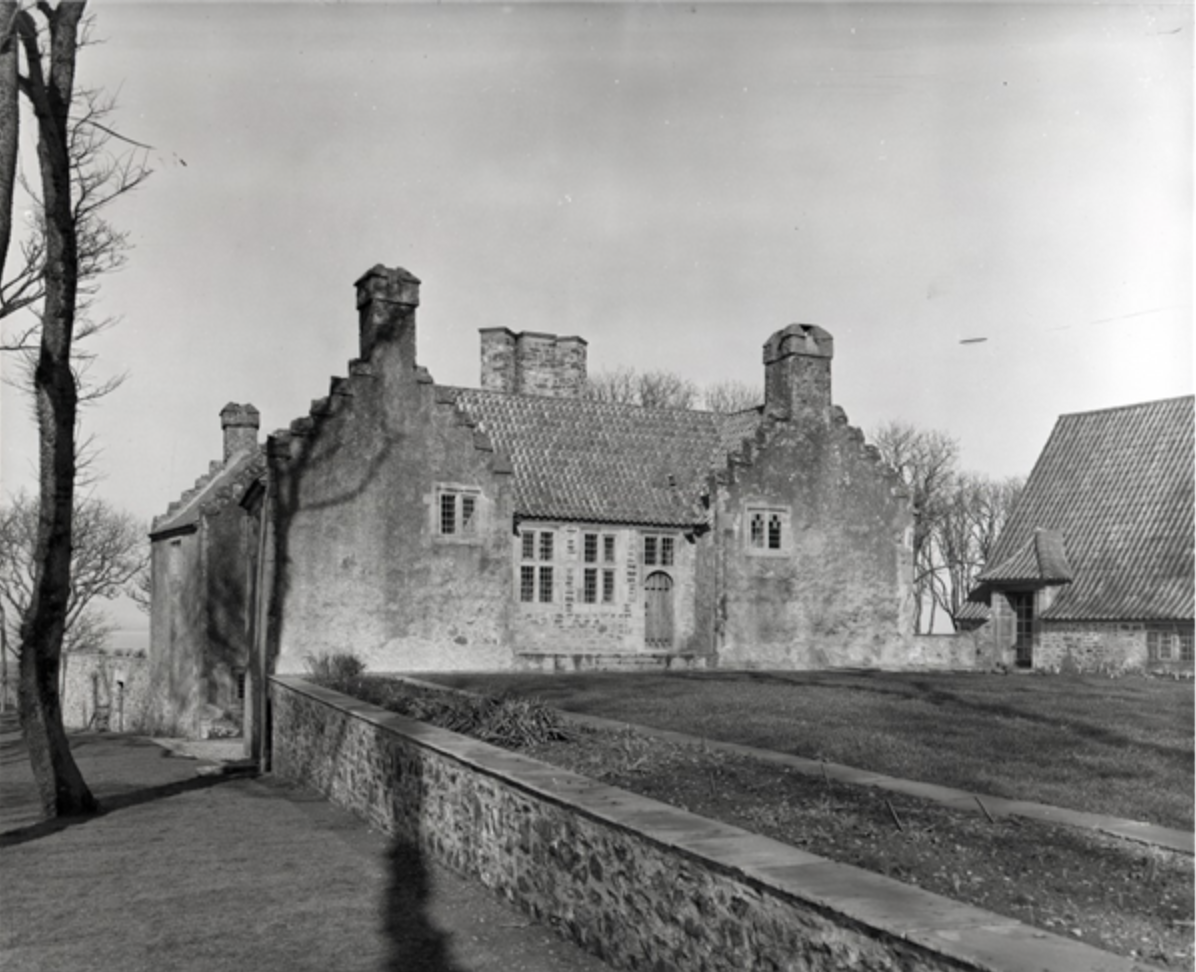
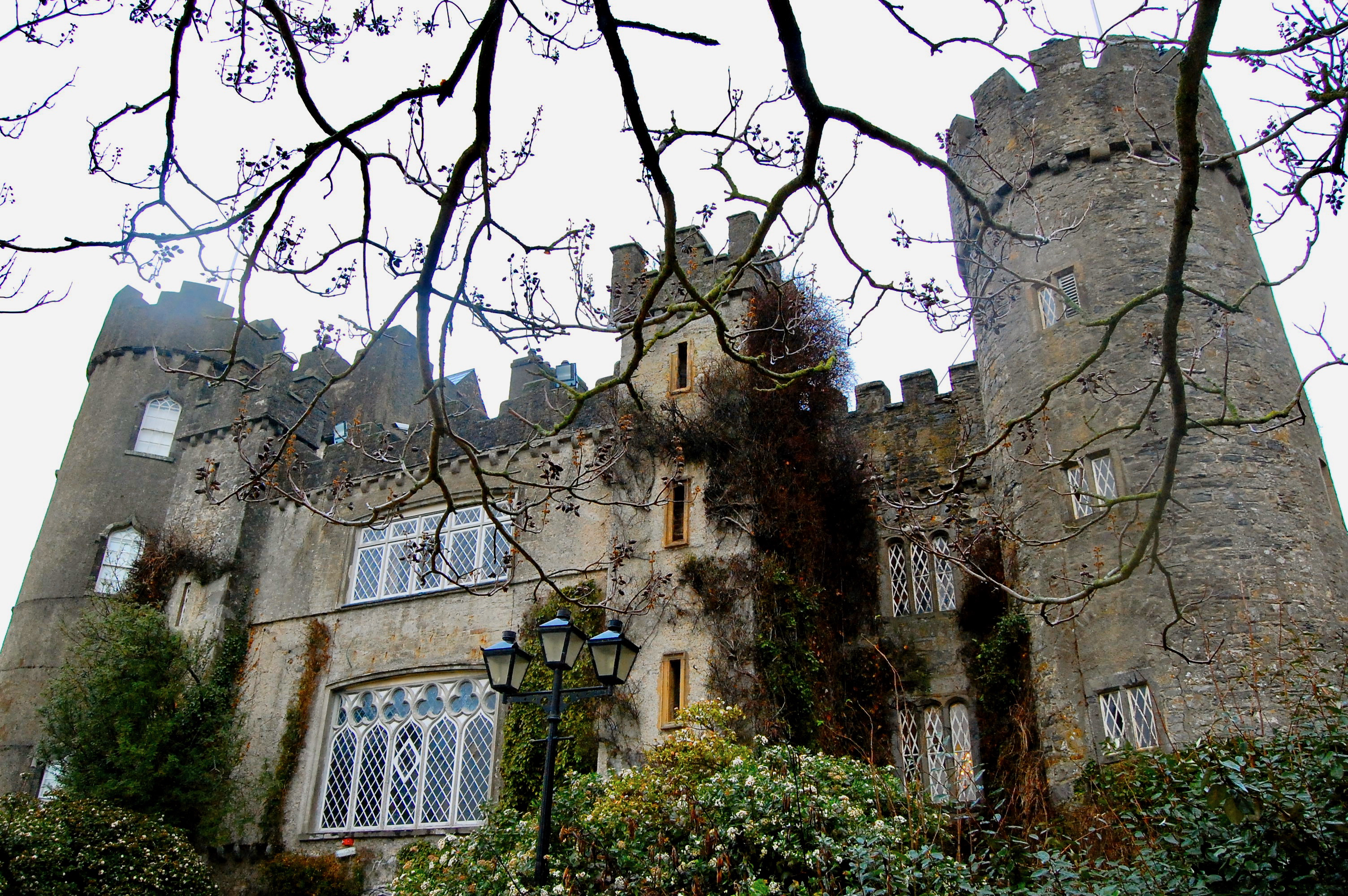
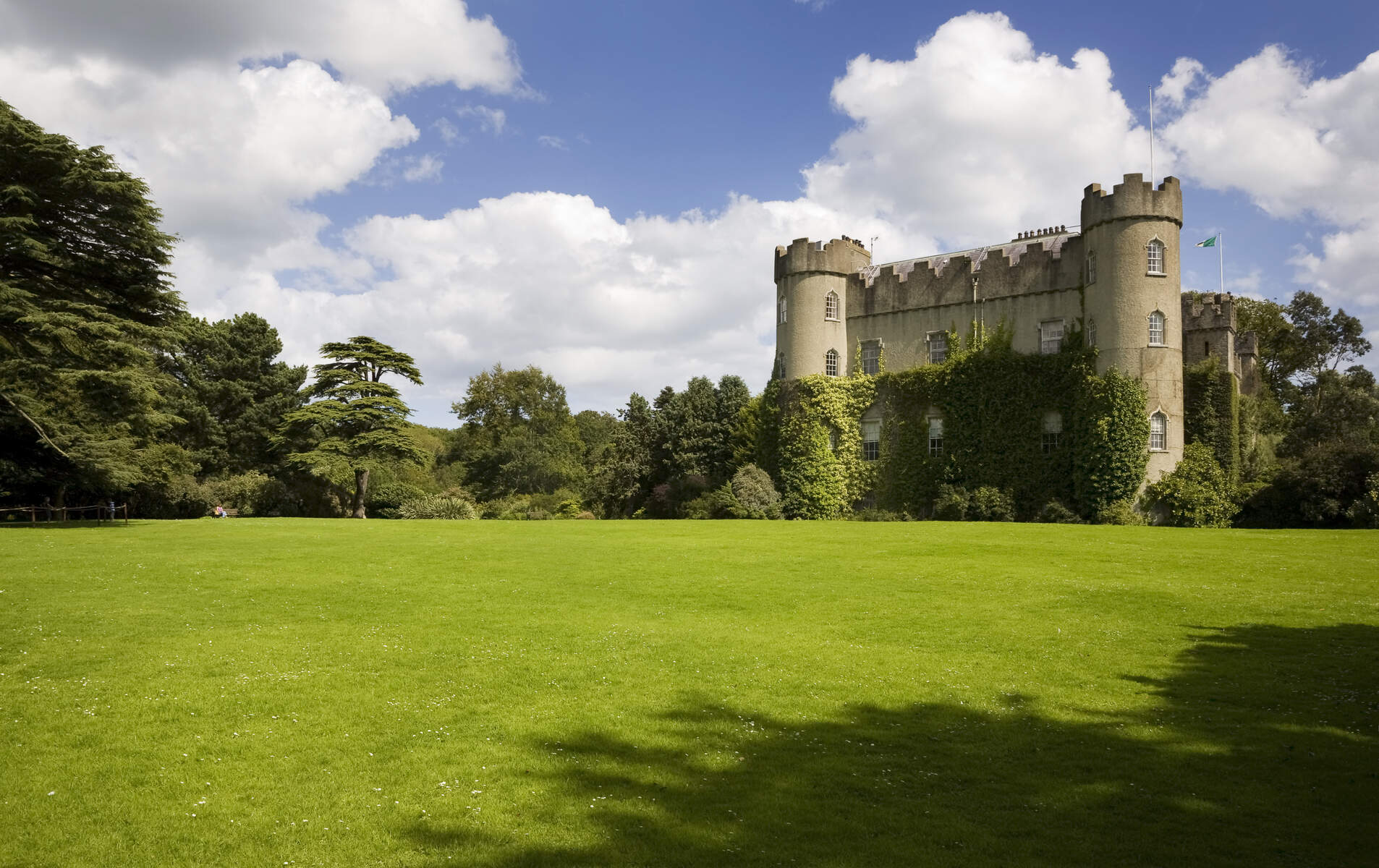
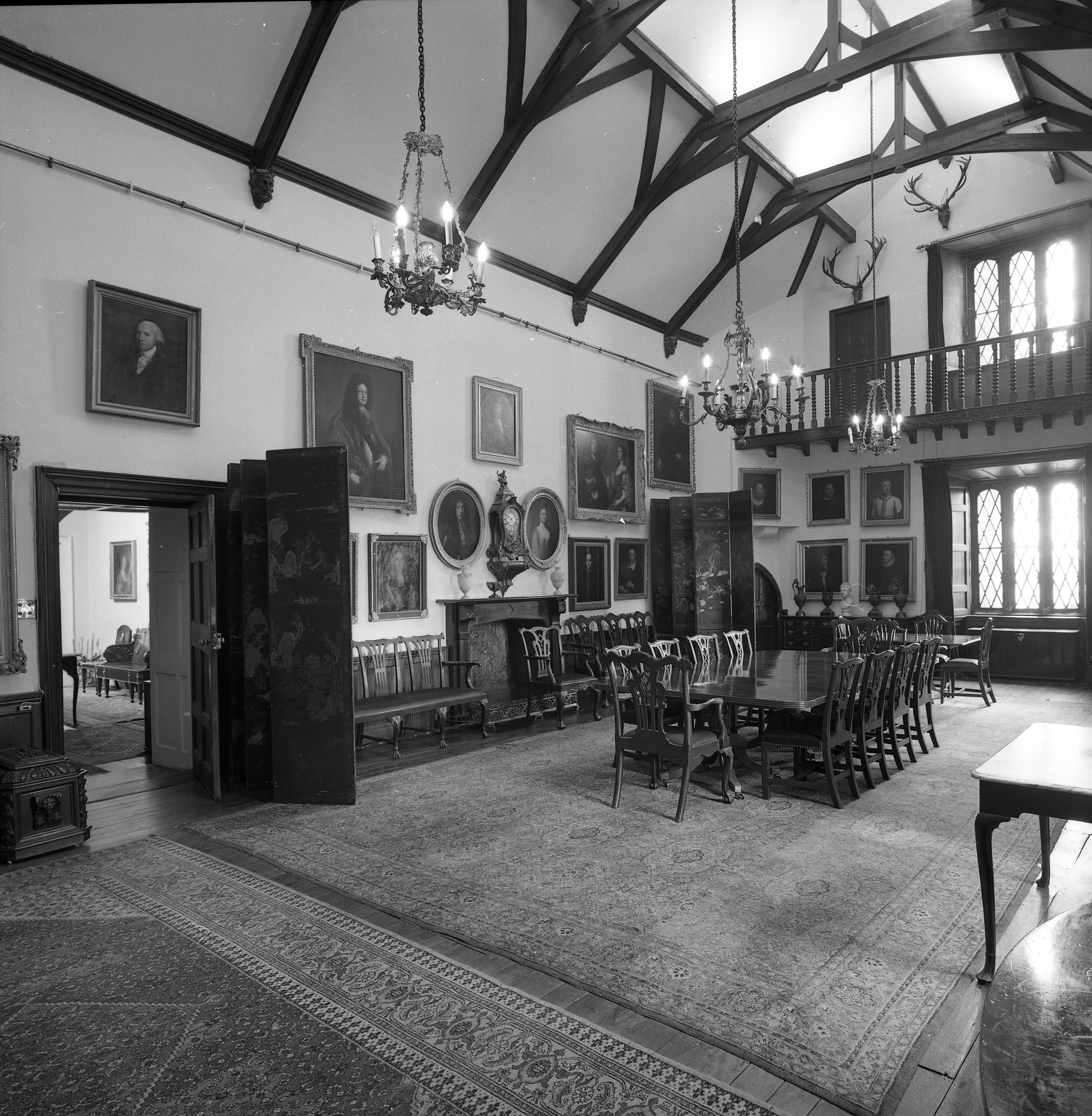
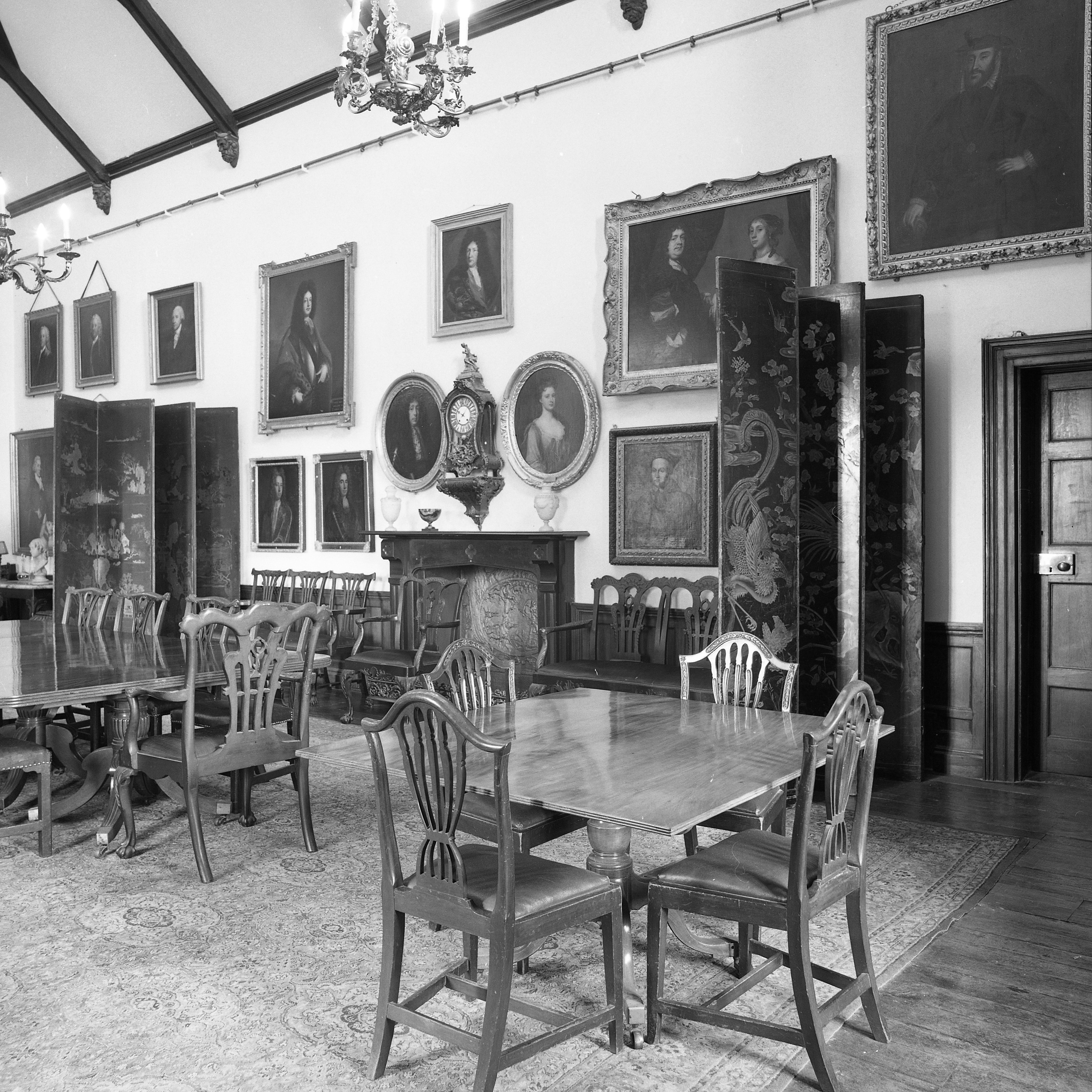
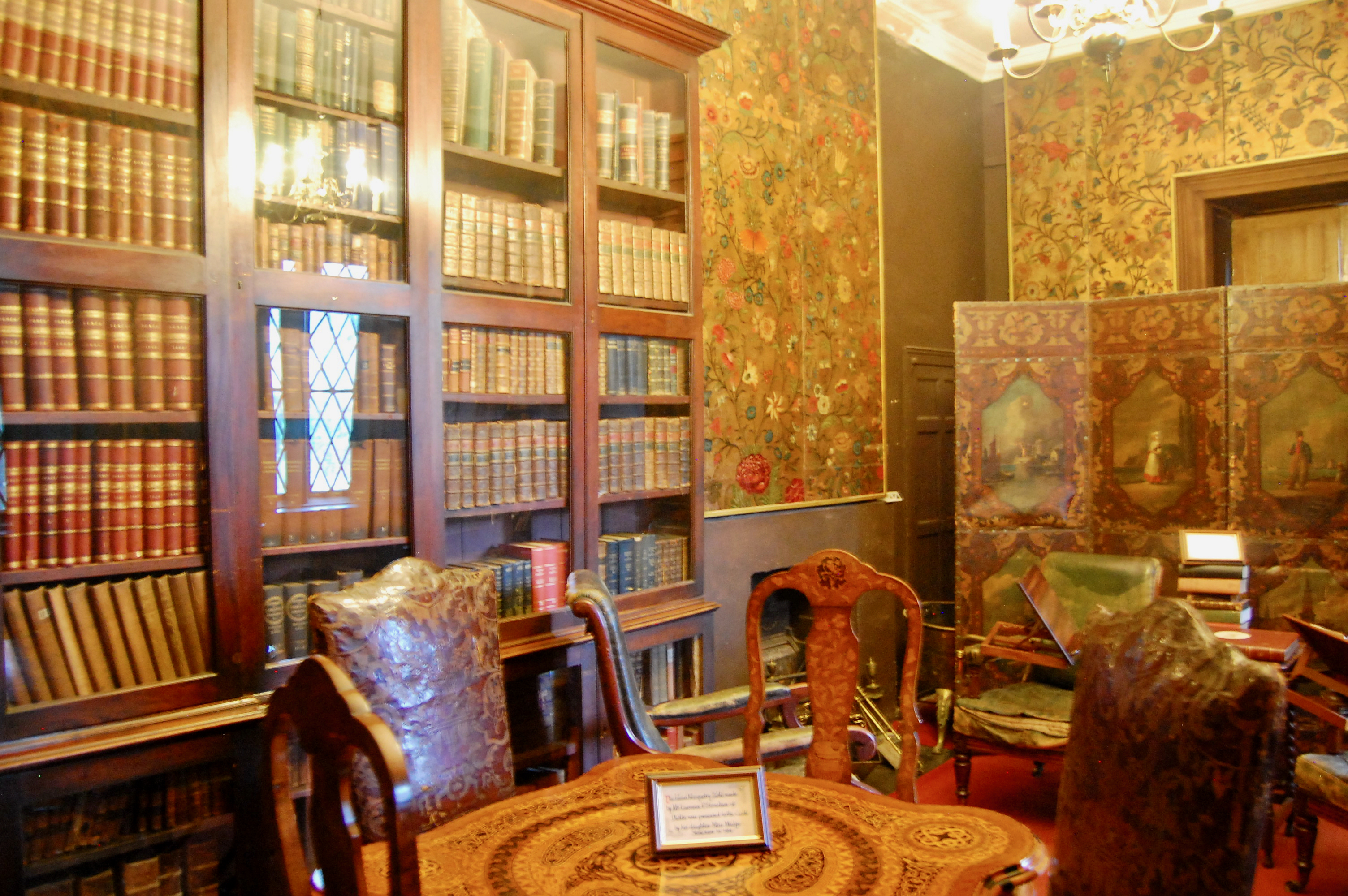
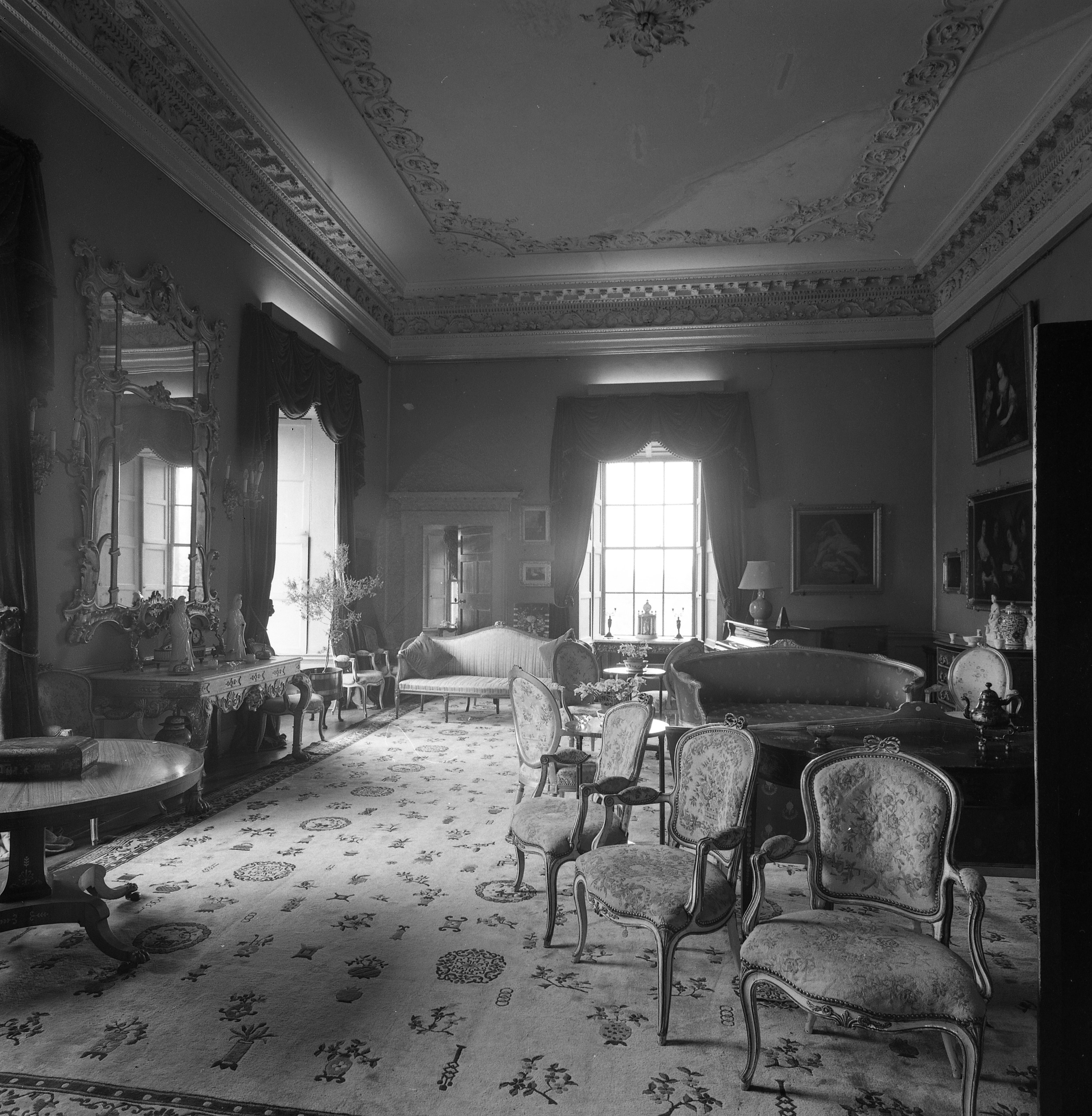

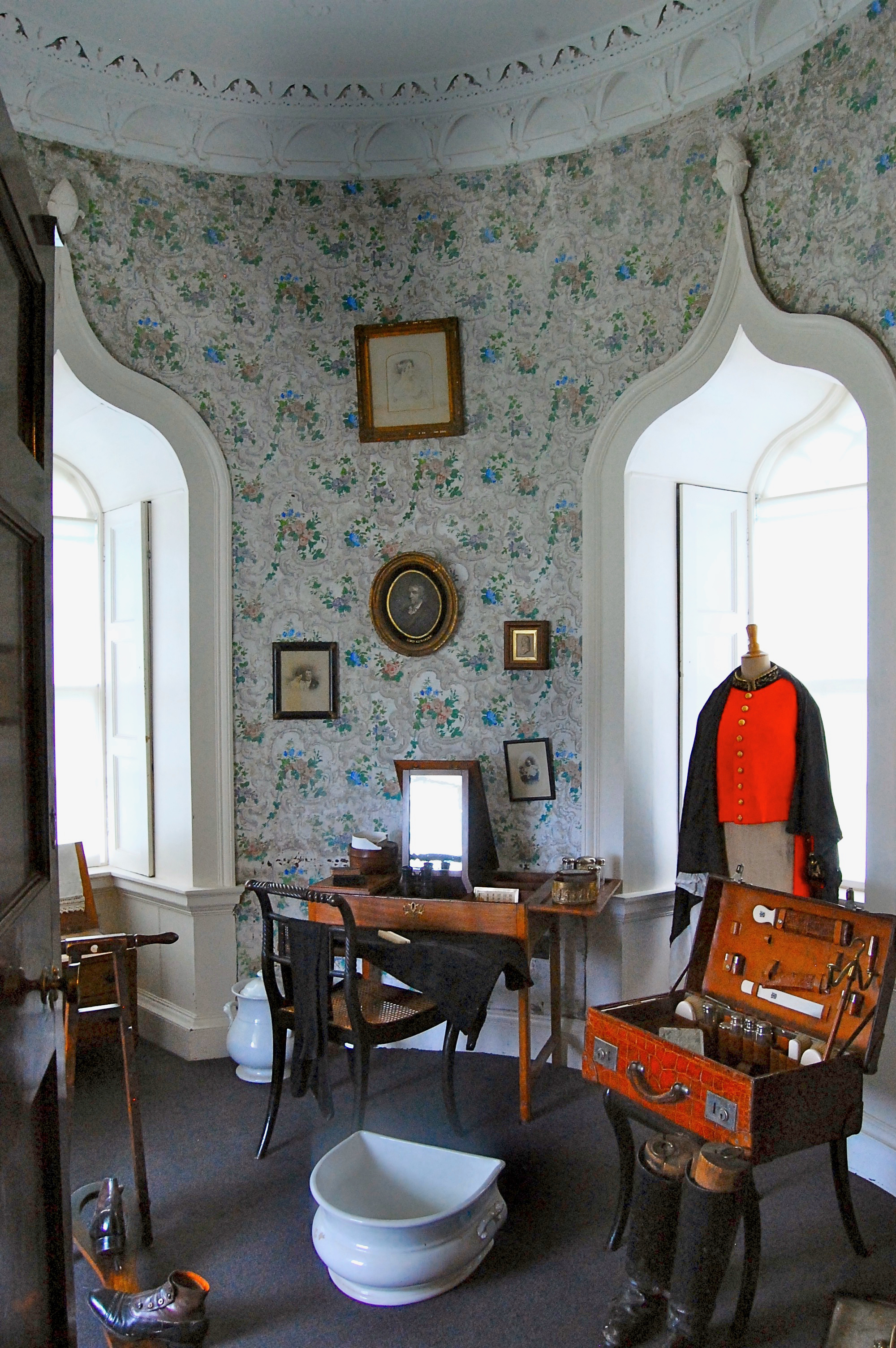
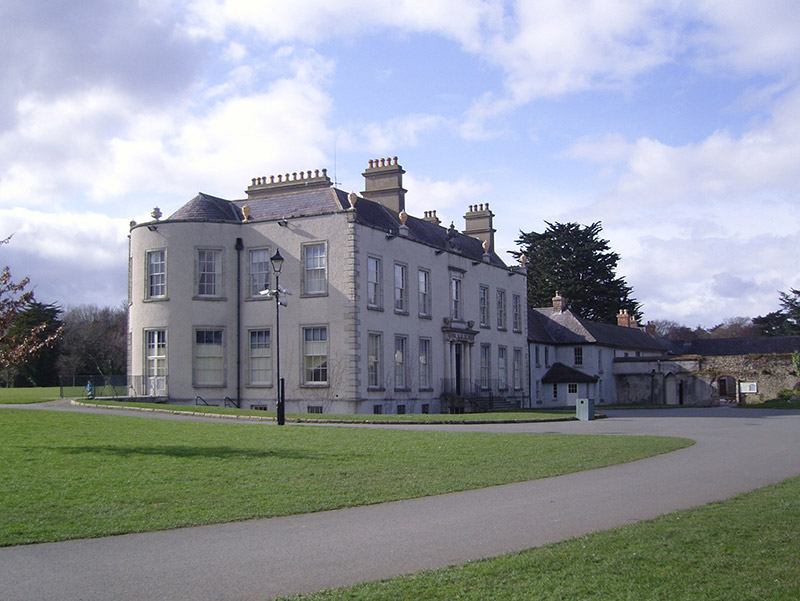
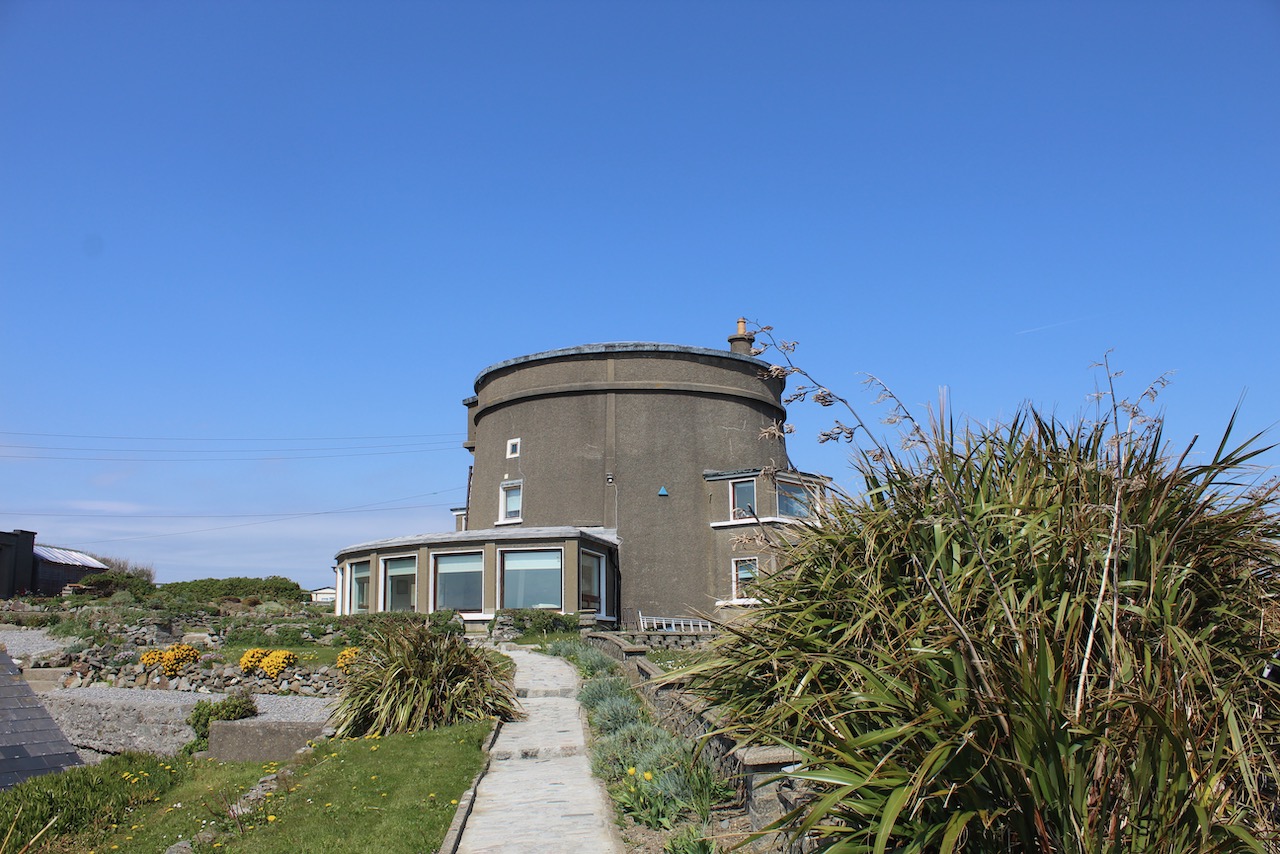
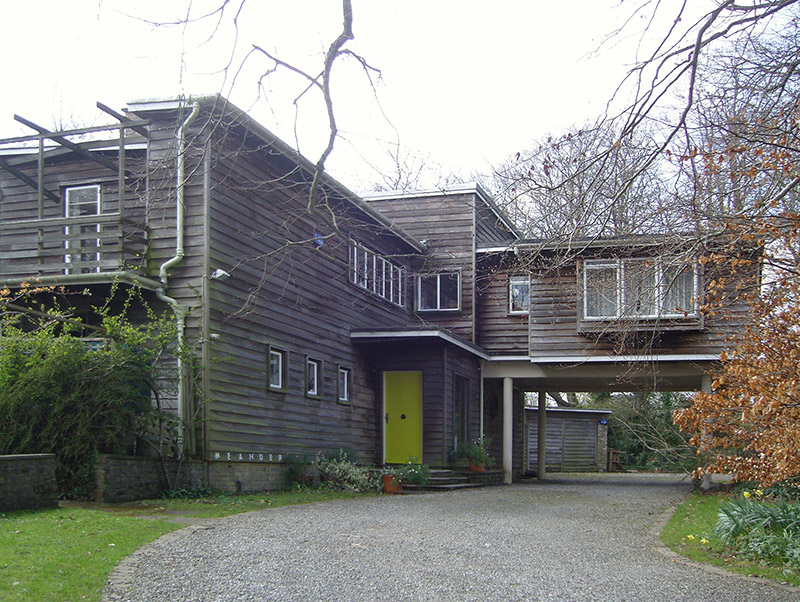

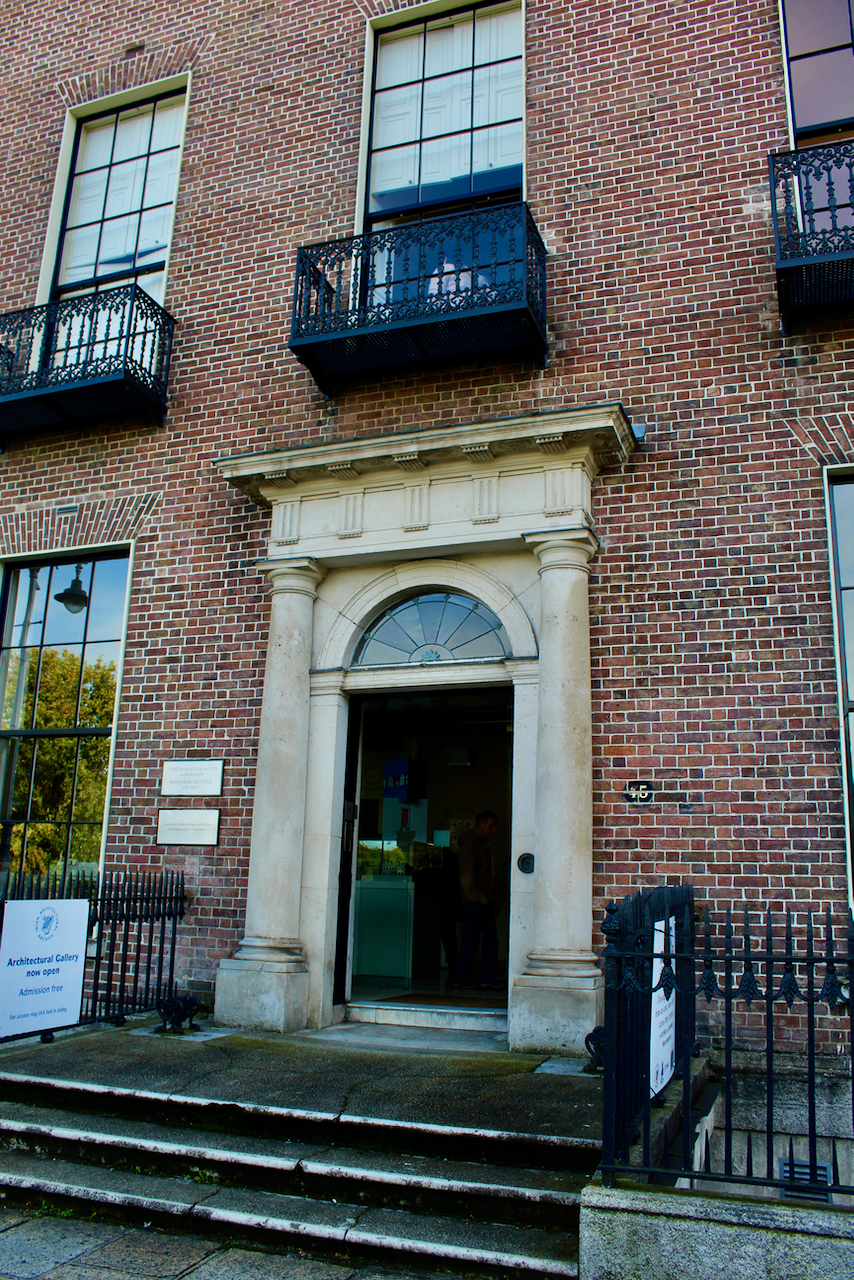
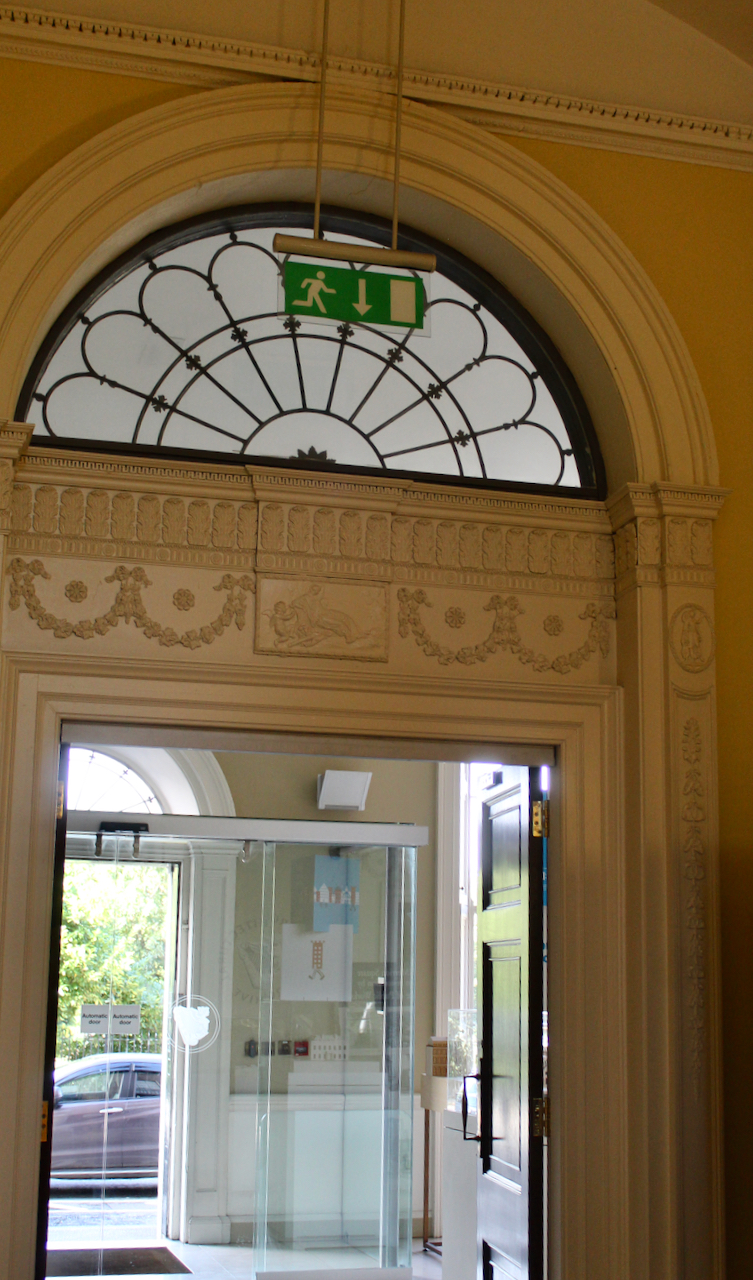

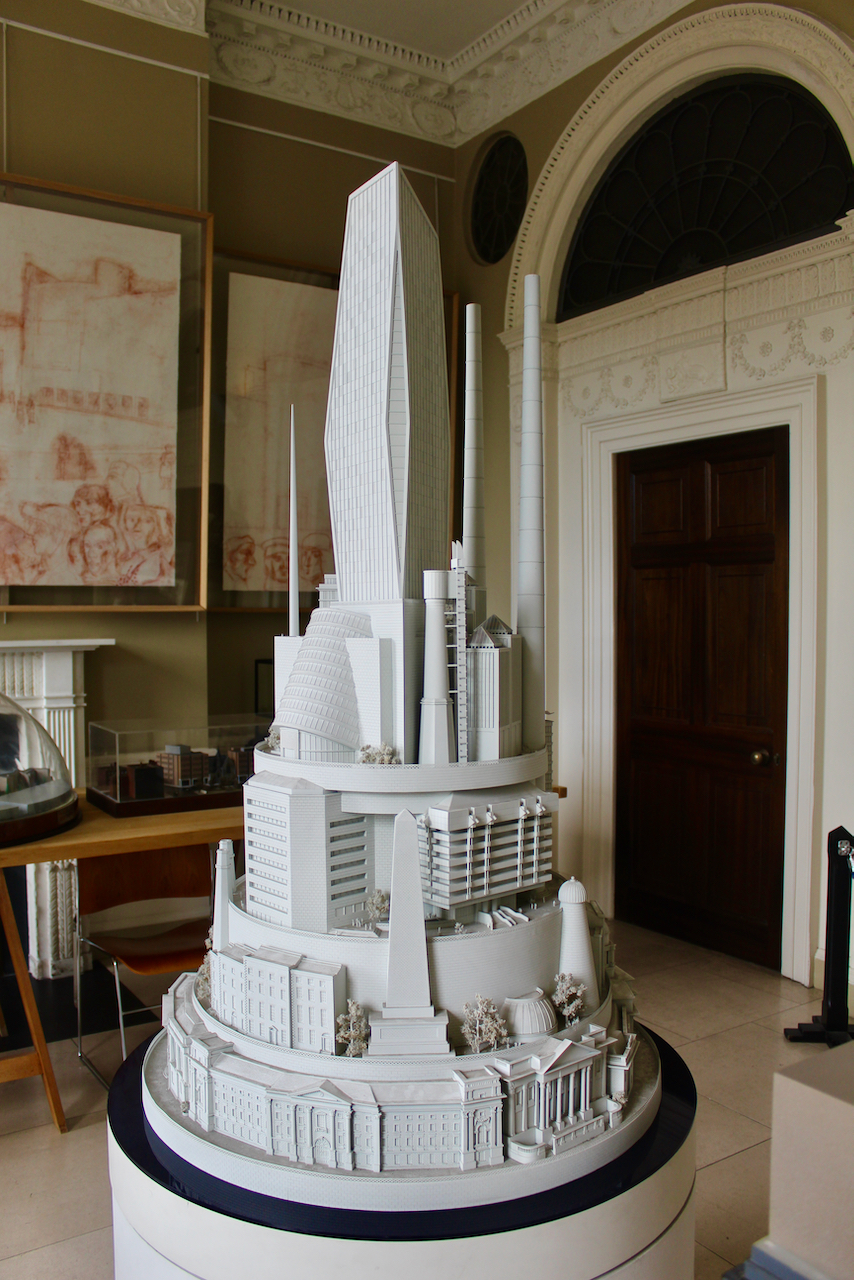
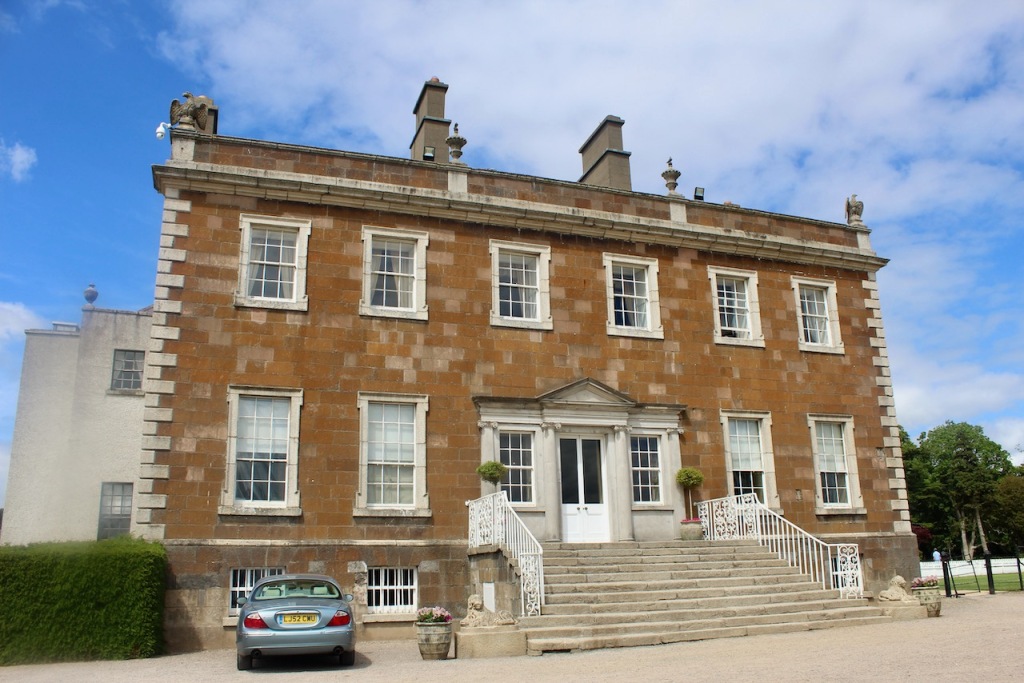


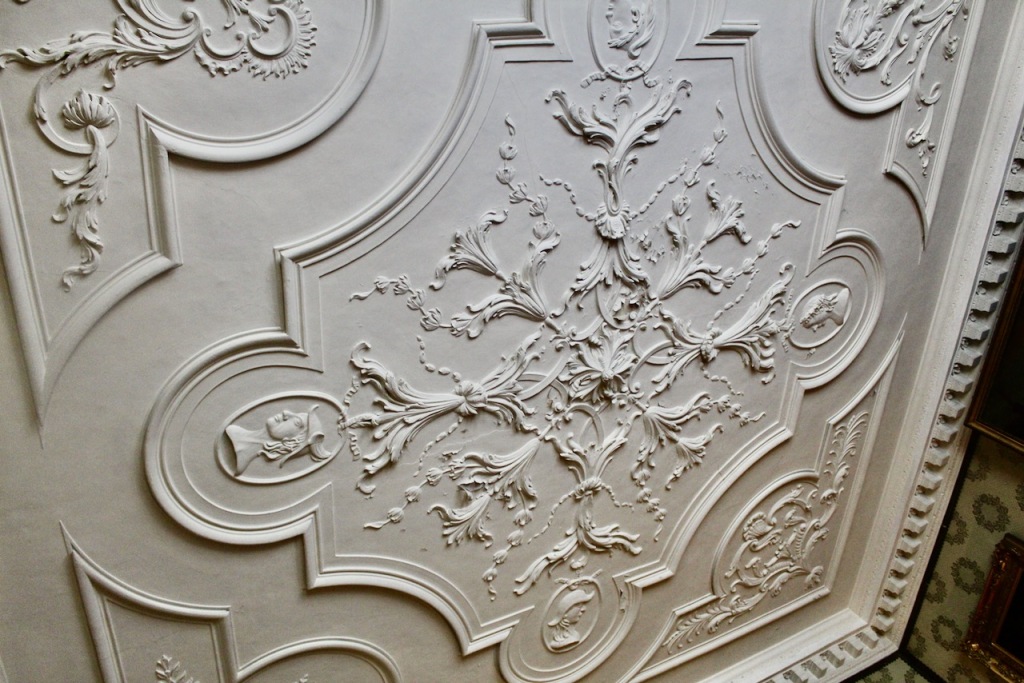
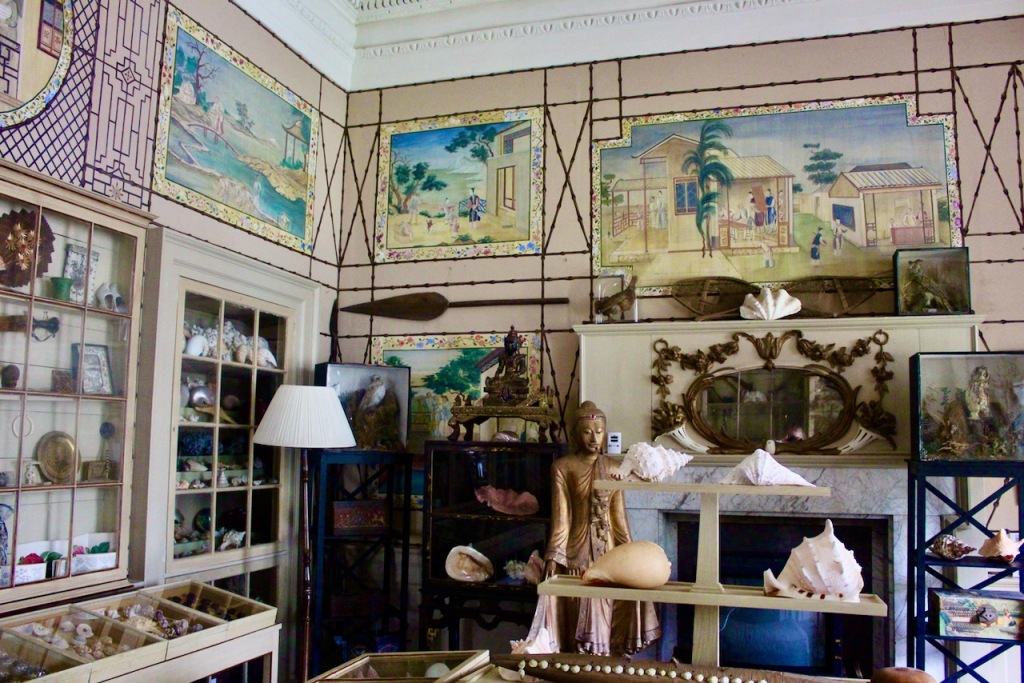

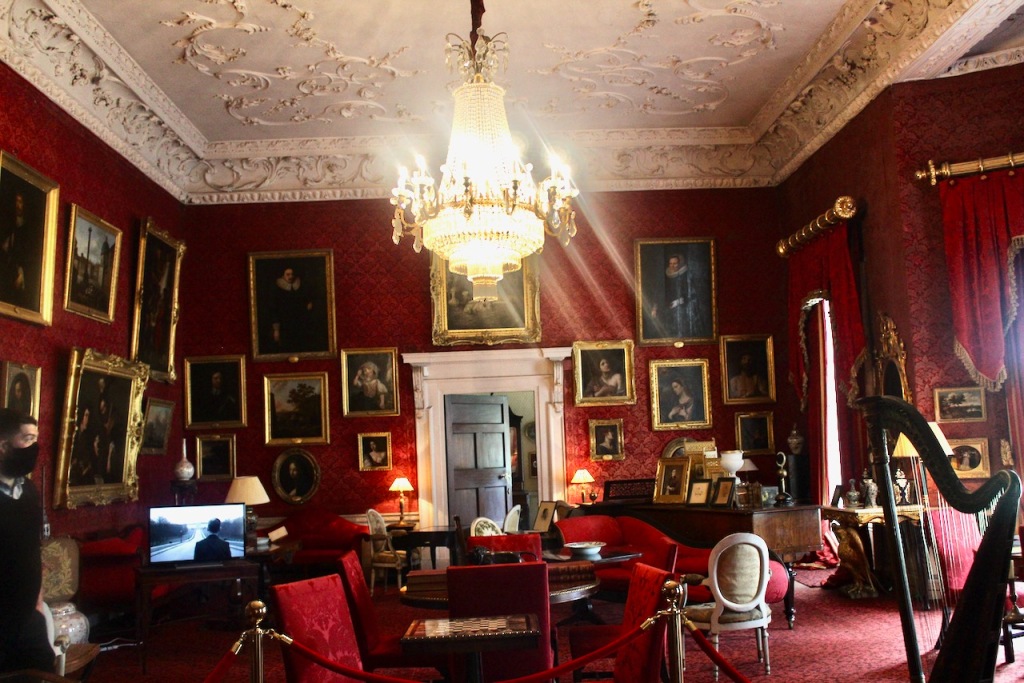


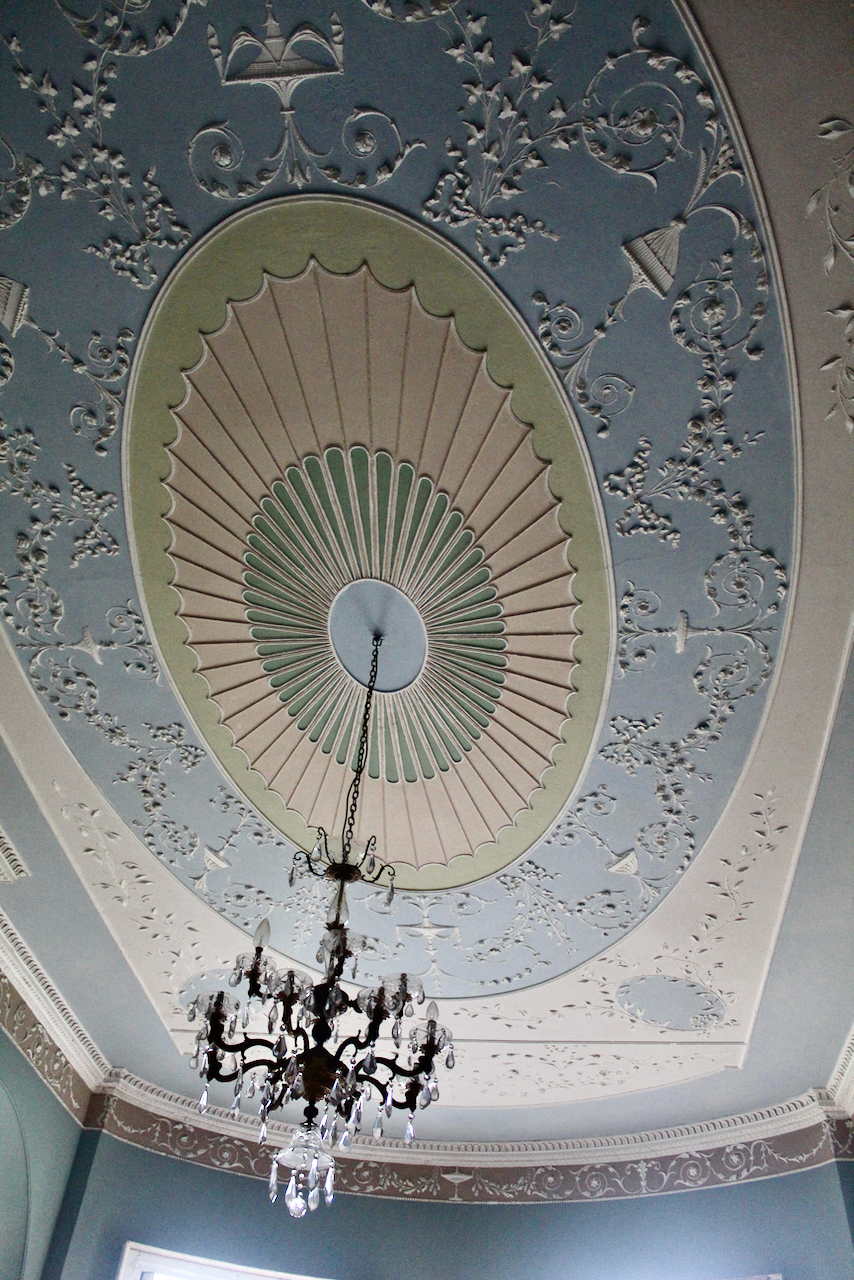


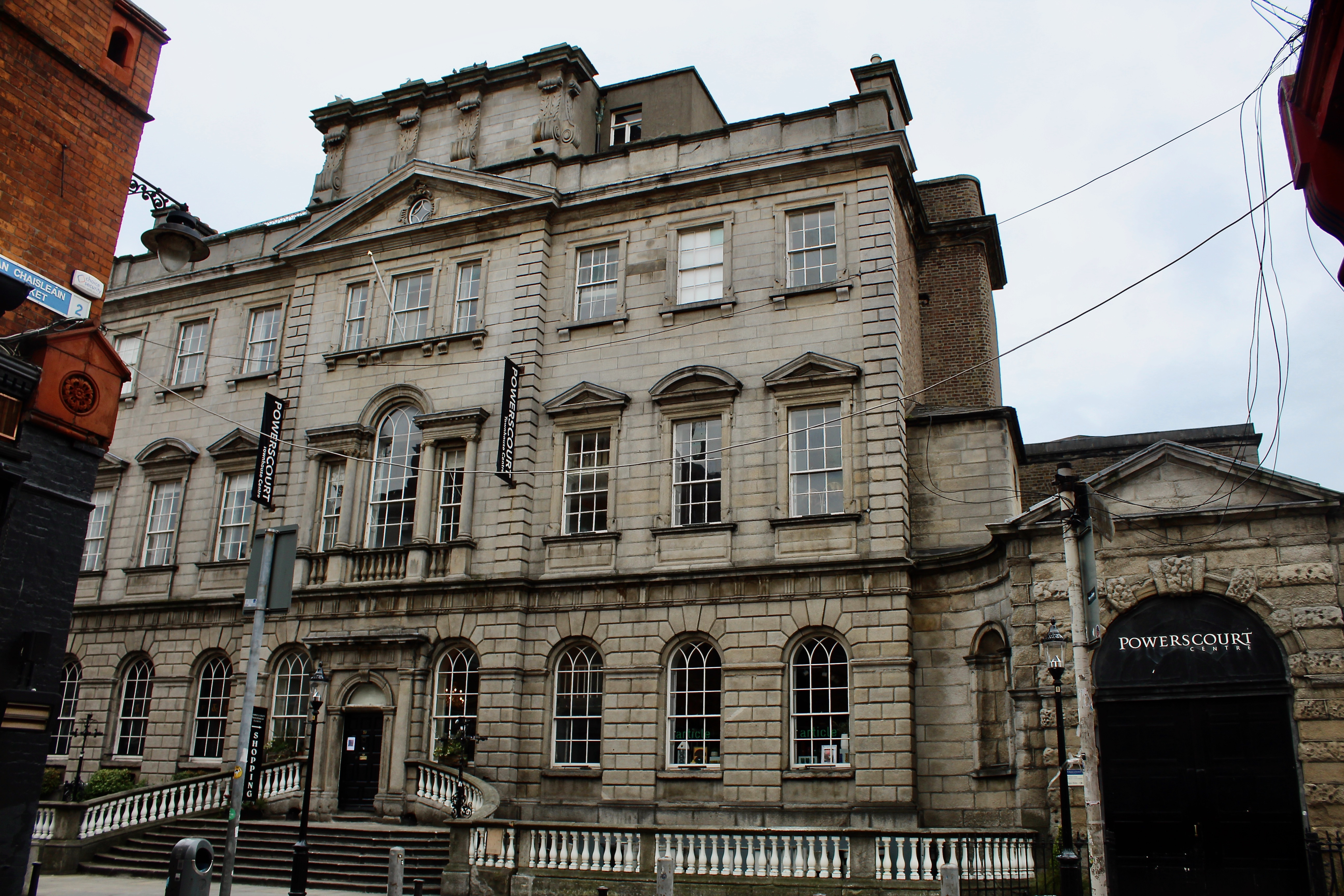
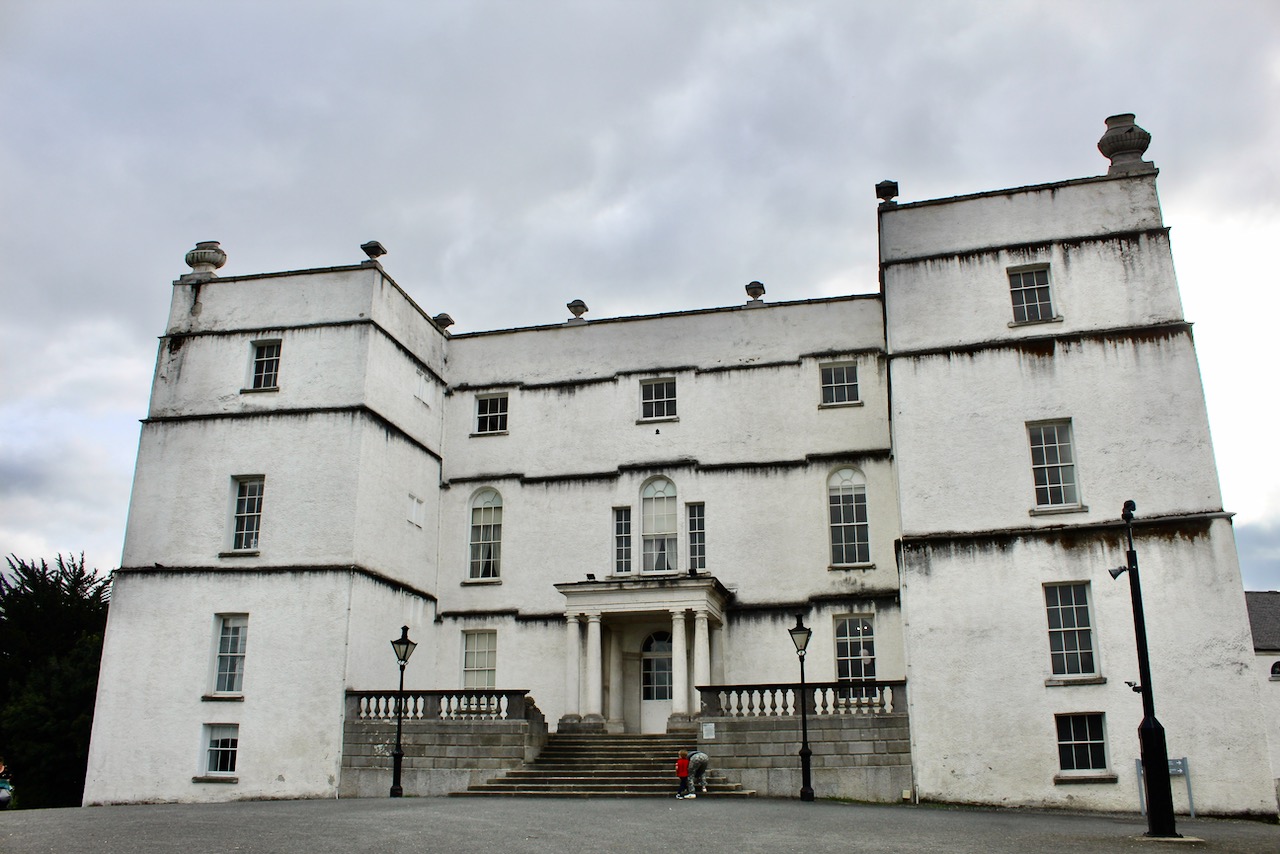


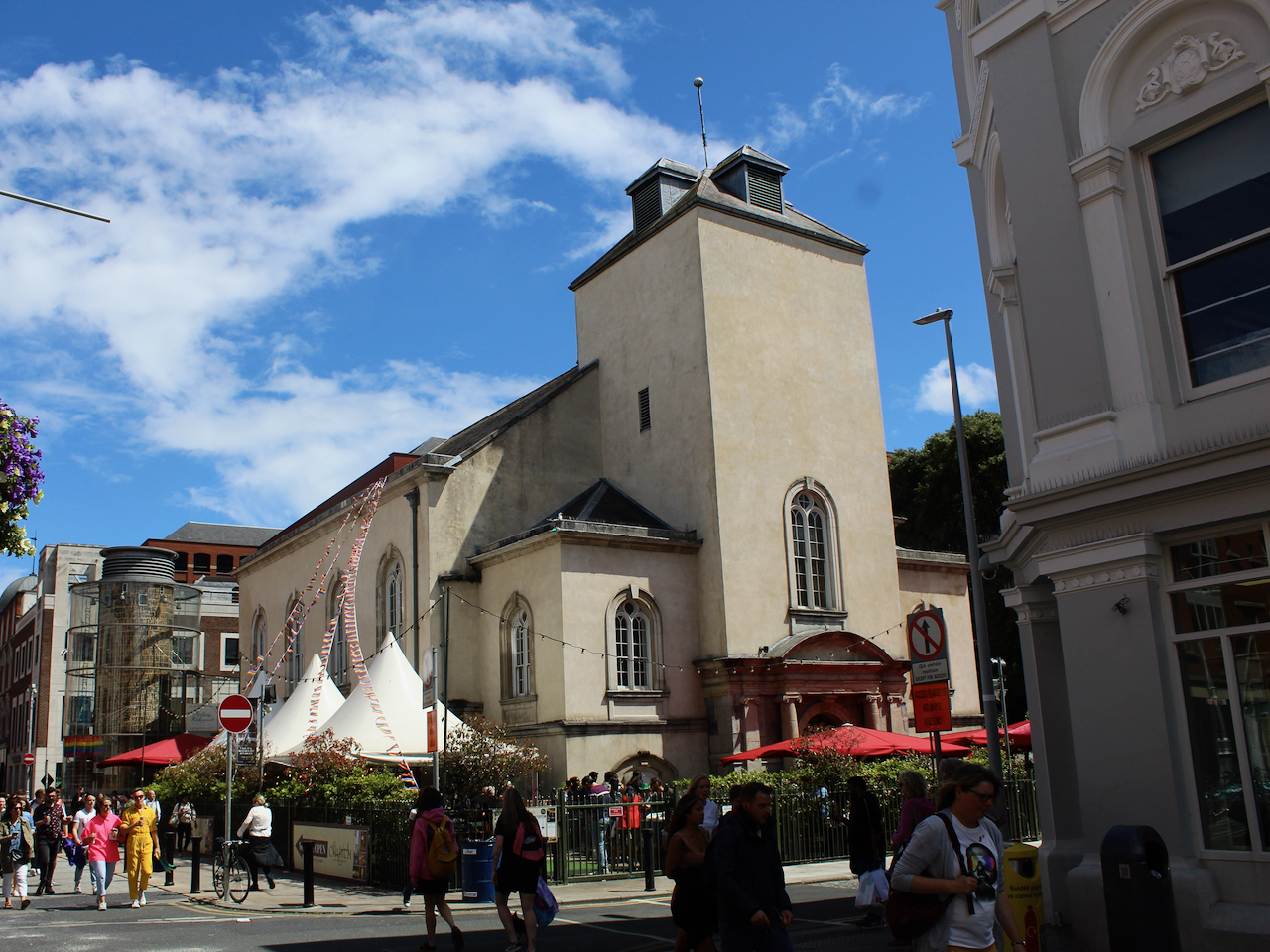
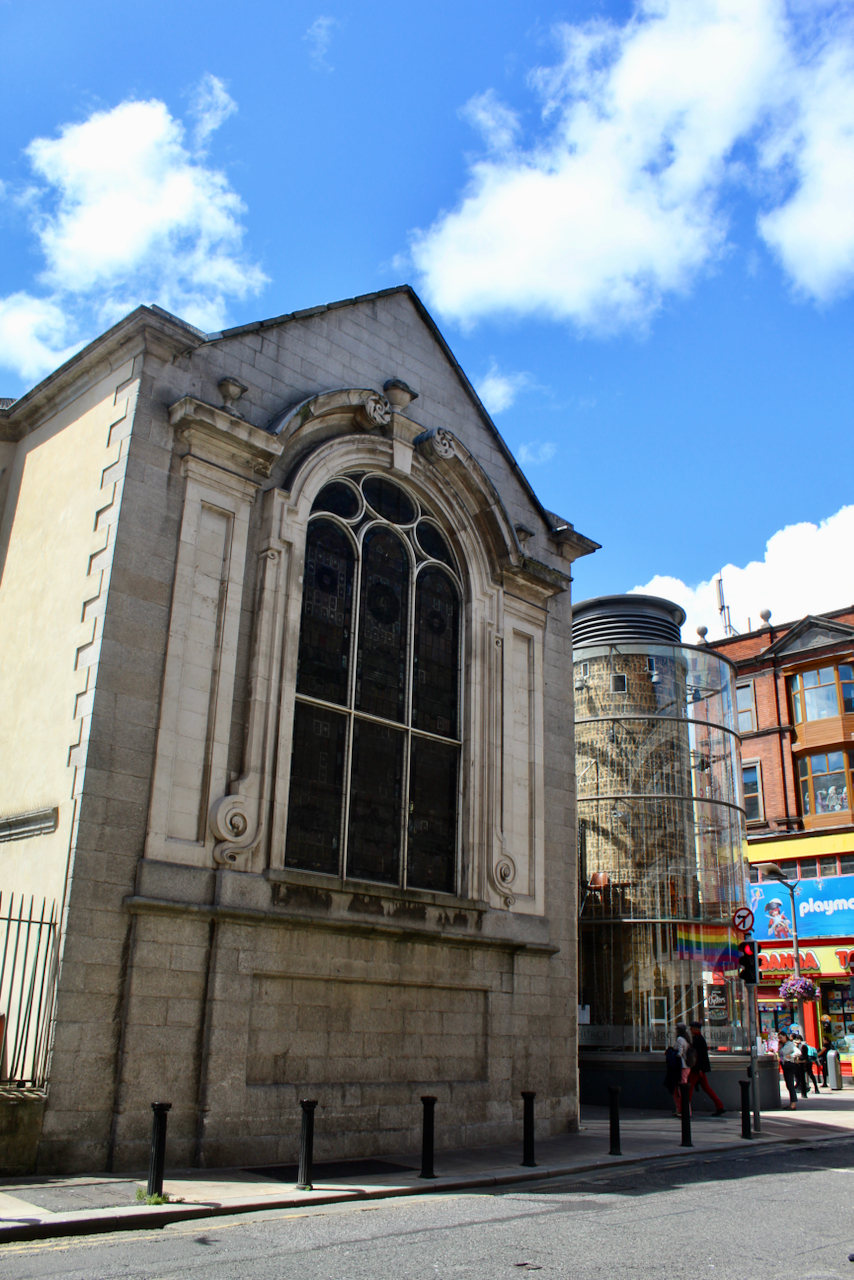

 Irish Historic Houses