On the map above:
blue: places to visit that are not section 482
purple: section 482 properties
red: accommodation
yellow: less expensive accommodation for two
orange: “whole house rental” i.e. those properties that are only for large group accommodations or weddings, e.g. 10 or more people.
green: gardens to visit
grey: ruins

donation
Help me to pay the entrance fee to one of the houses on this website. This site is created purely out of love for the subject and I receive no payment so any donation is appreciated!
€15.00
Cork:
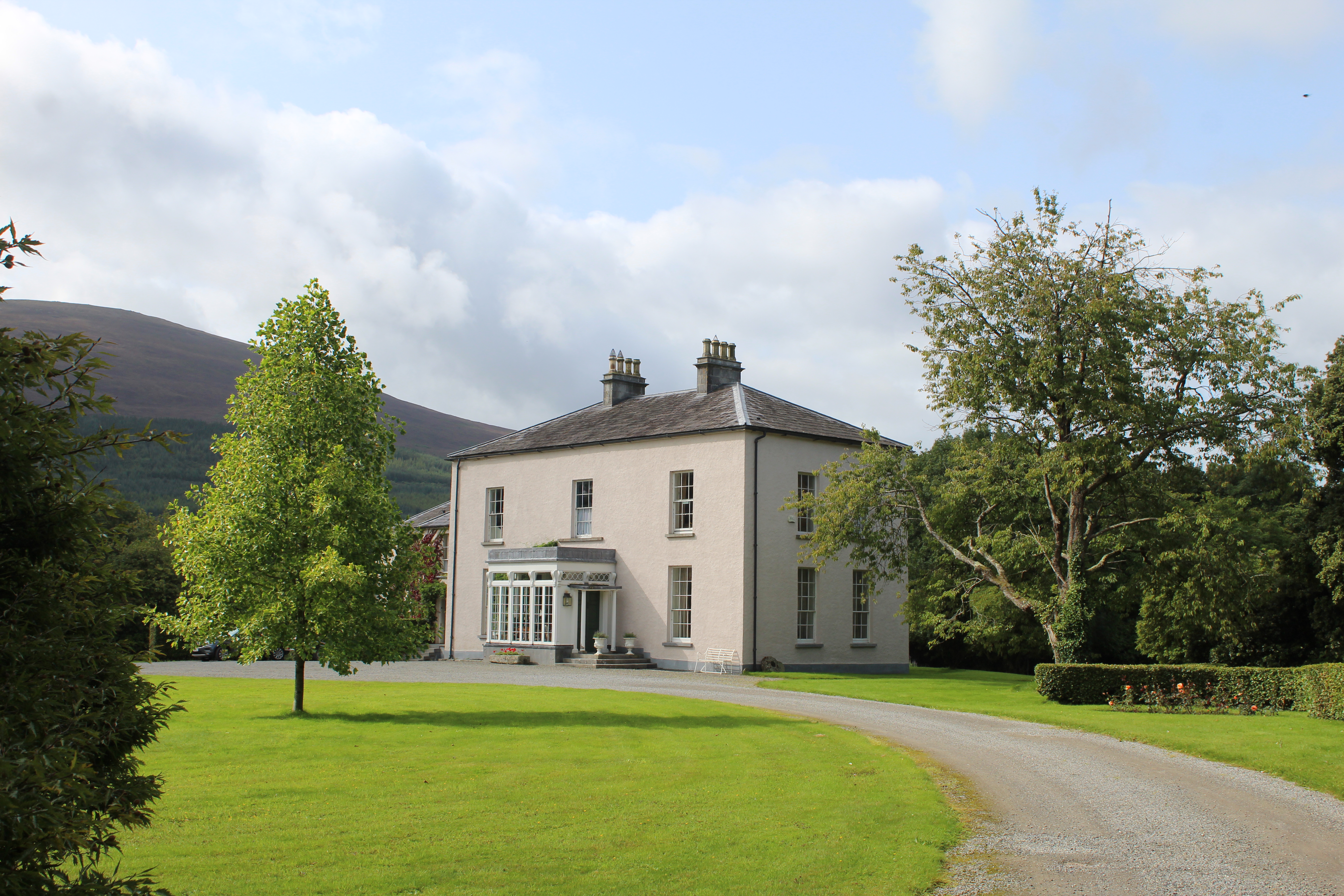
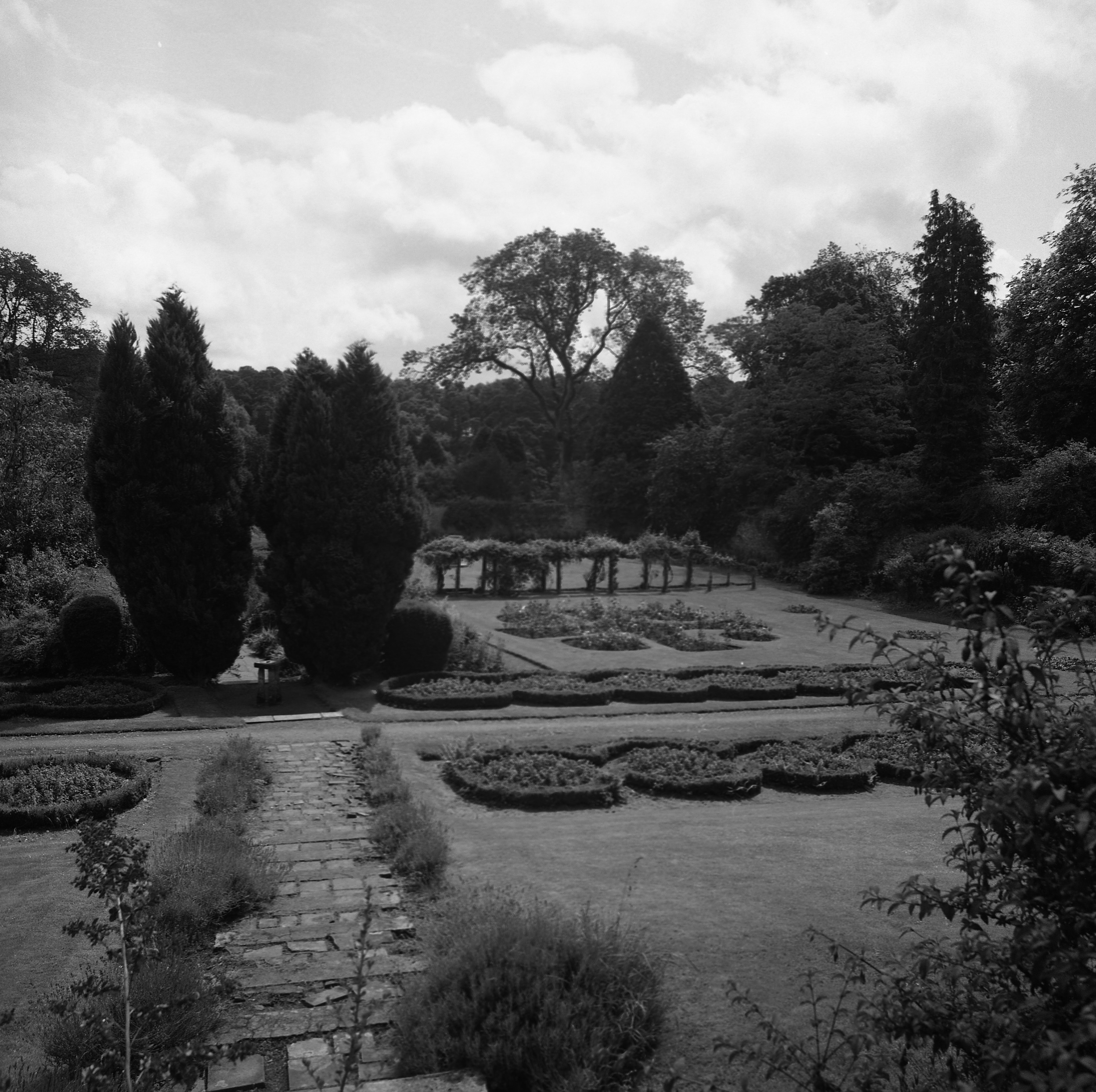
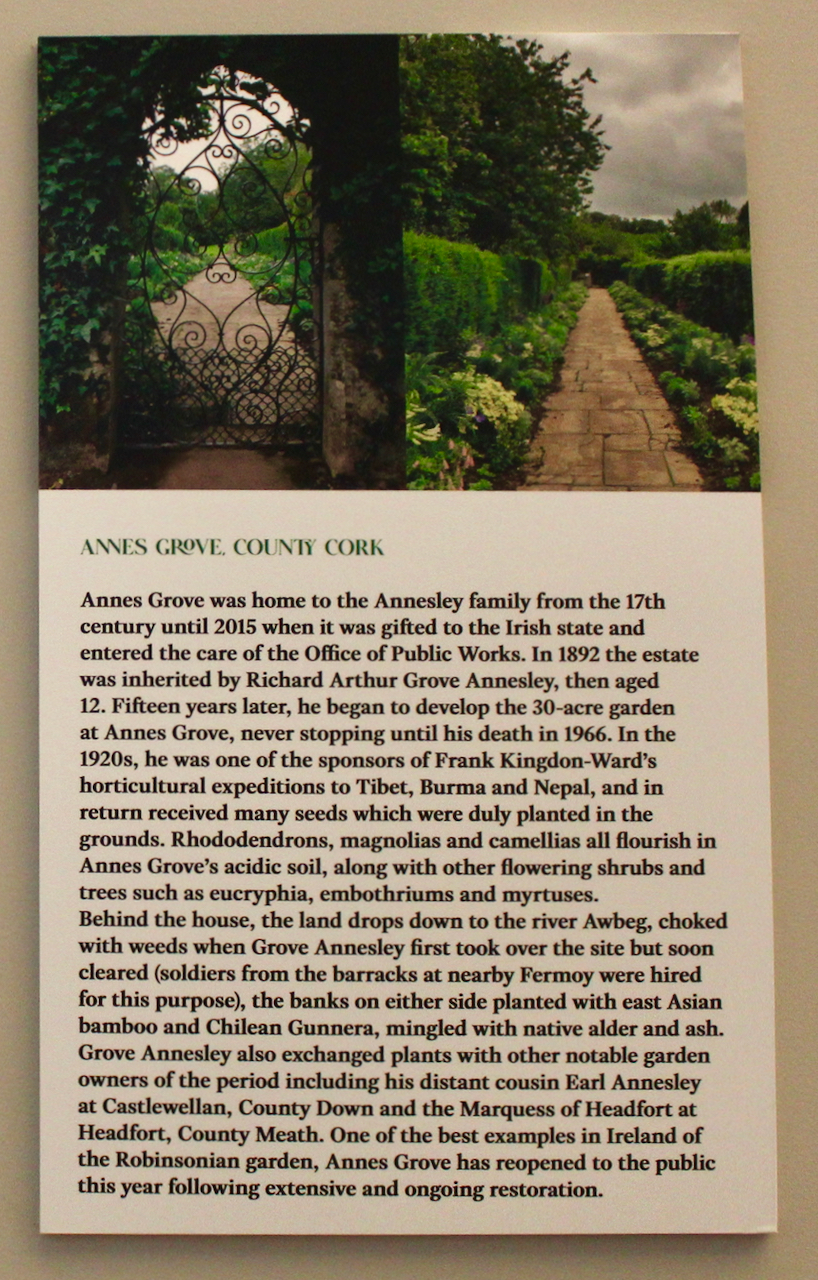
1. Annes Grove Gardens, County Cork – OPW
2. Ashton Grove, Ballingohig, Knockraha, Co. Cork – section 482
3. Ballymaloe House, Cloyne, County Cork – restaurant, gardens and accommodation
4. Ballyvolane, County Cork – section 482 accommodation
5. Bantry House & Garden,Bantry, Co. Cork – section 482
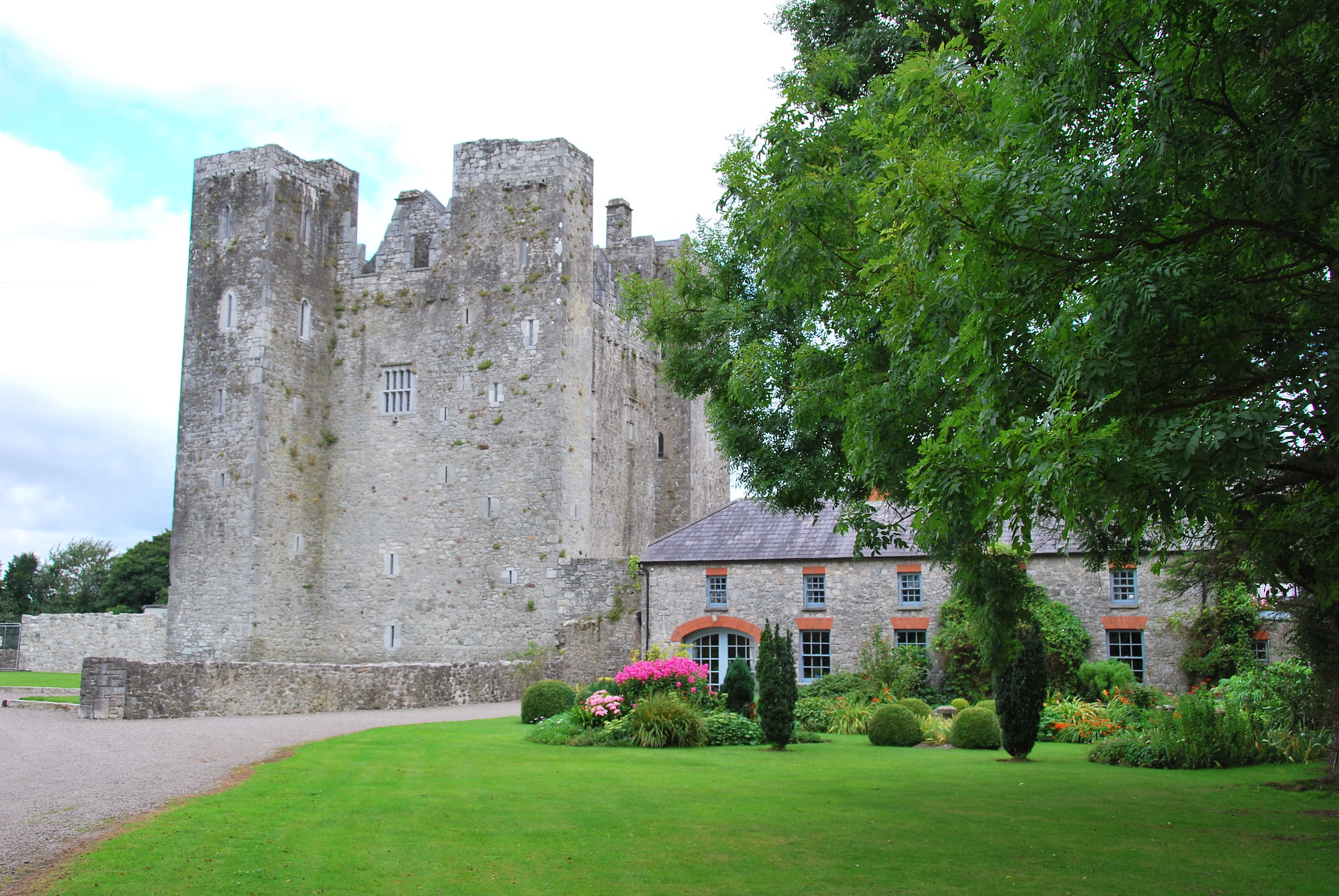
6. Barryscourt Castle, County Cork – OPW
7. Blackrock Castle Observatory, Cork
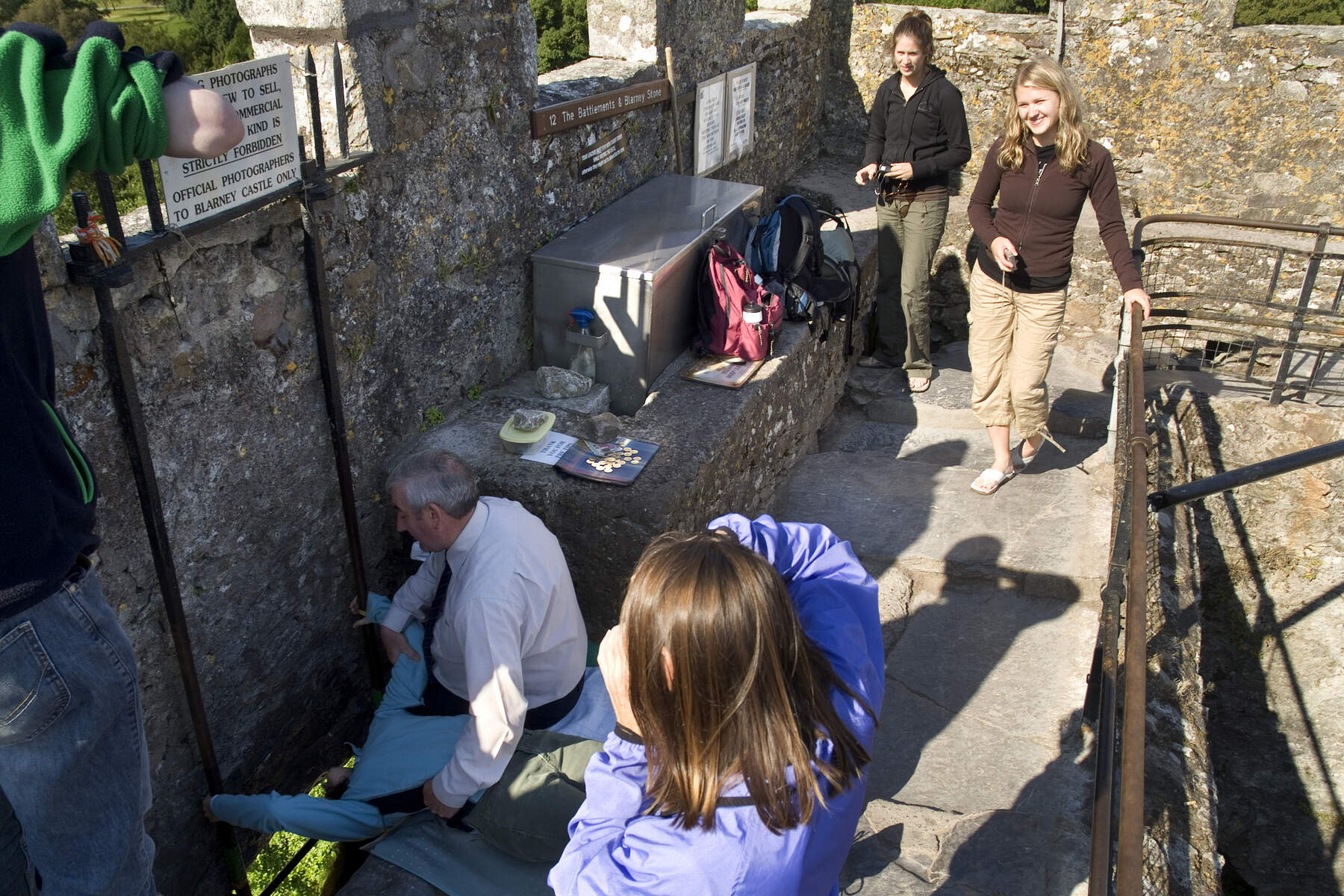
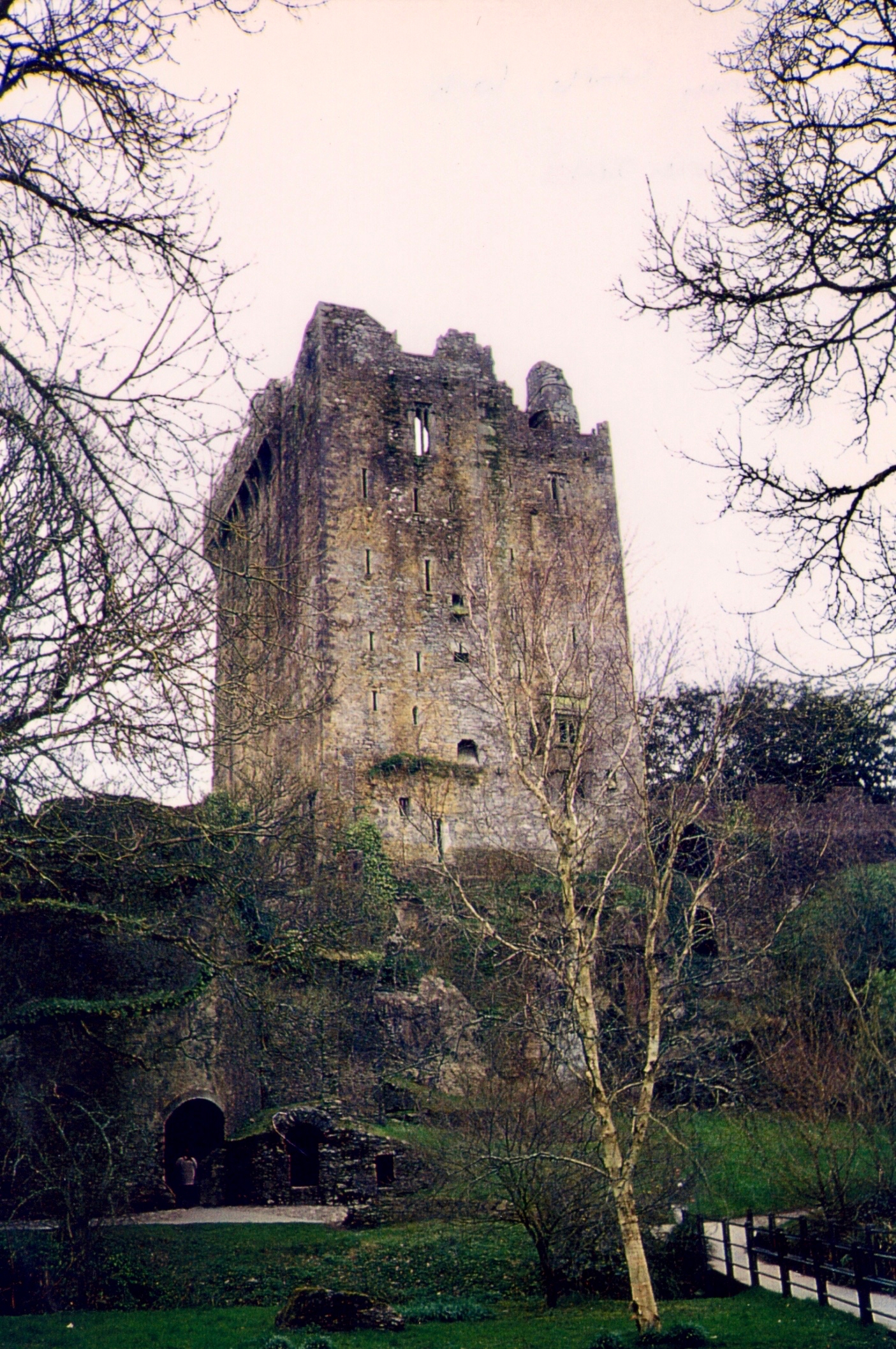
8. Blarney Castle & Rock Close, Blarney, Co. Cork – section 482
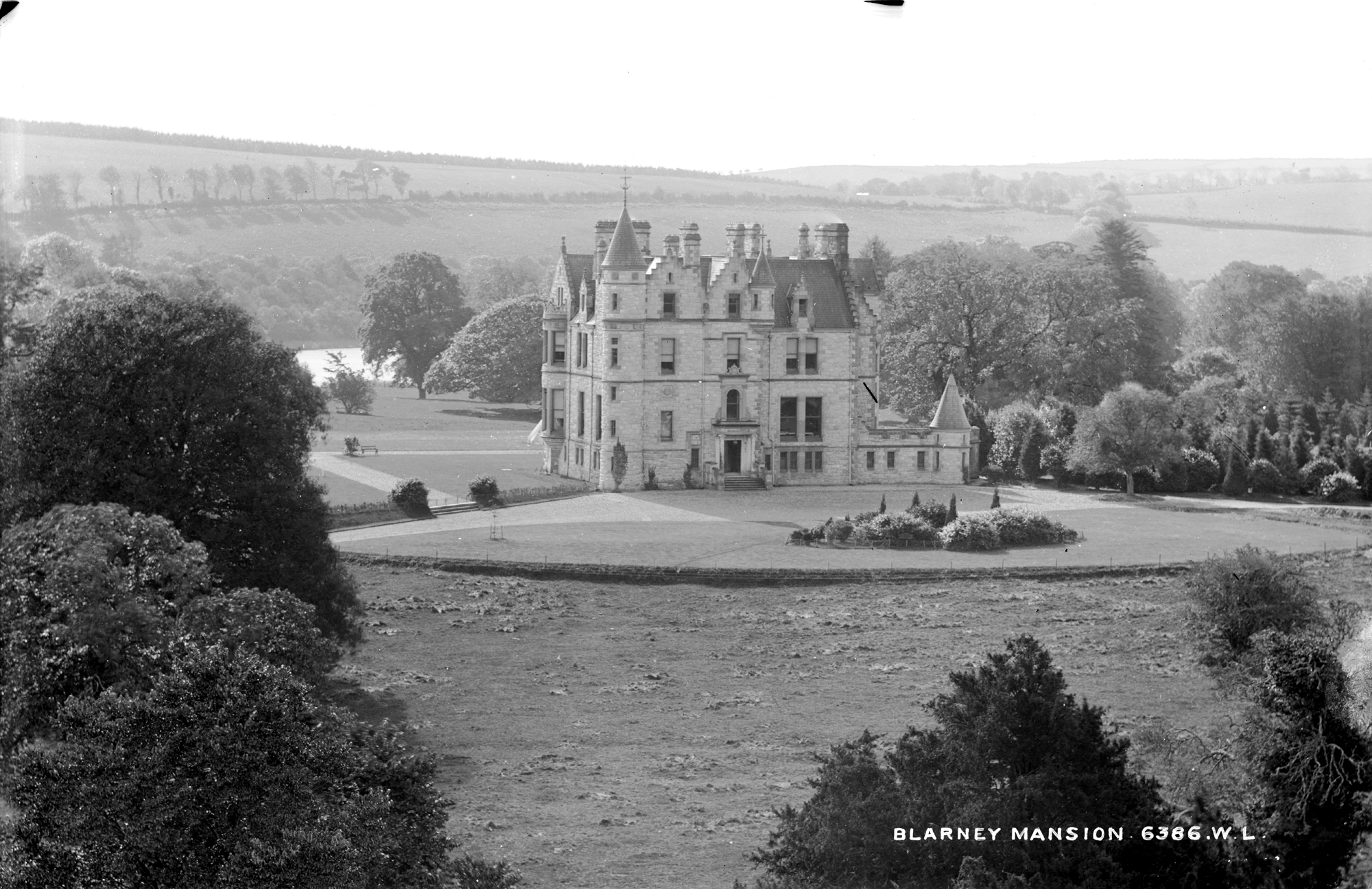
9. Blarney House & Gardens, Blarney, Co. Cork – section 482
10. Brideweir House,Conna, Co. Cork – section 482
11. Burton Park, Churchtown, Mallow, Co. Cork – section 482
12. Desmond Castle, Kinsale, County Cork – OPW
13. Doneraile Court, County Cork – OPW
14. Drishane House, Castletownshend, Co. Cork – section 482
15. Dún Na Séad Castle, Baltimore, Co. Cork – section 482
16. Fota House, Arboretum and Gardens – Heritage Trust and gardens are OPW
17. Garrettstown House, Garrettstown, Kinsale, Co. Cork – section 482
18. Ilnacullin, Garanish Island, County Cork – OPW
19. Inis Beg gardens, Baltimore, County Cork
20. Kilcascan Castle, Ballineen, Co. Cork – section 482
21. Kilshannig House, Rathcormac, Co. Cork – section 482
22. Liss Ard Sky Garden, County Cork
23. Riverstown House, Riverstown, Glanmire, Co. Cork – section 482
24. Woodford Bourne Warehouse, Sheares Street, Cork – section 482
Cork:
1. Annes Grove Gardens, County Cork – OPW
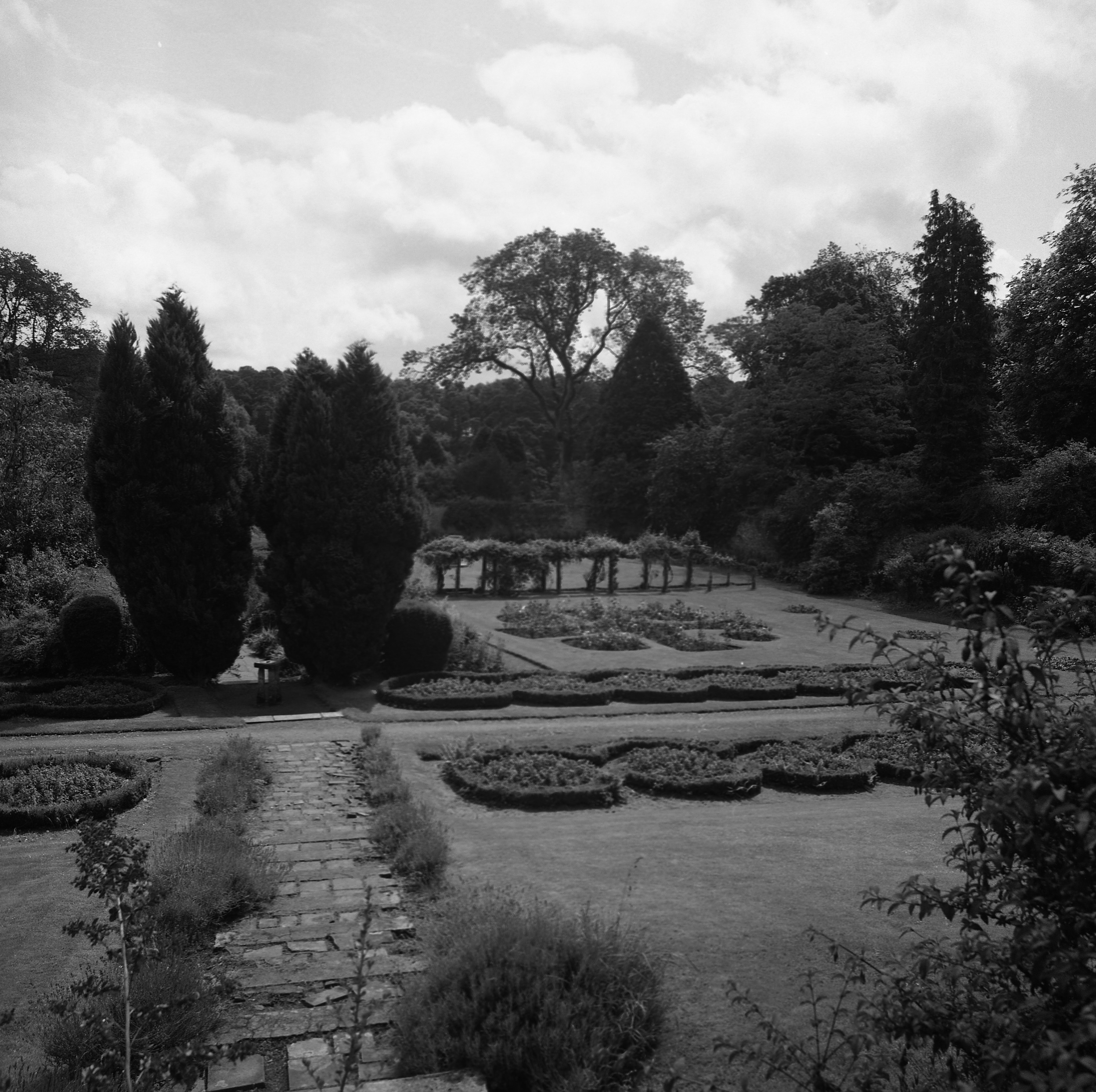
See my OPW write-up. https://irishhistorichouses.com/2022/01/19/office-of-public-works-properties-munster/
2. Ashton Grove, Ballingohig, Knockraha, Co. Cork – section 482
Open dates in 2026: Jan 6, 9-11, 13, 16, 20, 23, 27, 30-31, Feb 1-3, 6, 10, 13, 17, 20, 24, May 5, 8-10, 12, 15-17, 19, 22-24, 26, June 2, 5, 8-12, 15, 19-22, 26, Aug 15-23, Sept 8,11,15,18-20, 8am-12 noon
Fee: adult €6, child €3, student/OAP free
The property has a facebook page and a contact email on it:
ashtongrovegarden@gmail.com
https://www.facebook.com/ashtongrovegardens/
The Landed Estates database has an entry for Ashton Grove:
“This house is marked Ashton Grove on the first Ordnance Surve map. John Cotter was the proprietor of Ashton, Cork, in 1814 and T. Cleary of Ballingohig in 1837. Thomas J. Cleary held the property from Henry Braddell at the time of Griffith’s Valuation when the buildings were valued at £22. Cleary held a cornmill from Braddell in the townland of Kilrussane. James Fitzgerald held 122 acres of untenanted land and buildings valued at £26+ in 1906.” [2]
Under the Braddell family, the landed estates database tells us:
“This family appear to be descended from the Reverend Henry Braddell of Raheengraney, county Wicklow. Henry Braddell held land in the parish of Mallow, county Cork, from at least the early 19th century. Henry Braddell may have been agent to the Earl of Listowel. His nephew John Waller Braddell certainly fulfilled this role in the 1850s and early 1860s until he was murdered in 1863. At the time of Griffith’s Valuation Matthew Braddle held land in the parish of Mourneabbey, barony of Barretts, and Henry Braddle held land in the parishes of Mallow, barony of Fermoy, Castlelyons and Knockmourne, barony of Condons and Clangibbon, Killaspugmullane, barony of Barrymore, county Cork. In the 1870s Henry Braddell of Modelligo, Fermoy, owned 1,872 acres in county Cork.“
and about the Cleary family:
“Thomas J. Cleary held land in the parish of Killaspugmullane, barony of Barrymore, county Cork, at the time of Griffith’s Valuation. In January 1866 the estate of John Thomas Clery at Ashton Grove, Ballingohig, barony of Barrymore, was advertised for sale. His brother Henry Clery was selling his share of Ashton Grove in June 1866. Under tenure in this sale rental a detailed history of the Clerys’ land holding is given. By a fee farm grant dated December 1850 Henry Braddell granted the lands of Kilrossane and Ballingohig to Thomas John Clery, who by his will dated 6 February 1851 left his property divided between his six sons, John Thomas, Henry, Charles, William, George and Richard. In the 1870s William Henry Cleary of Cork owned 2,534 acres in the county.“
An article published on June 2nd 2013 in the Irish Examiner by Peter Dowdall gives a wonderful description of the garden. He writes:
“From tiny little details, such as a glimpse of a marble seat in the distance through an accidental gap in a hedge, to a perfectly-positioned specimen tree, this garden needs senses on high alert.
“If I am to be honest, I was expecting a garden recreated by the book and with a certain degree of interest from the owner. What I discovered was a garden being recreated by a man who is now thinking of the future generations and recreating this garden with a passionate attention to detail. Every plant that goes in is carefully considered; every stone and brick that went into creating an orangery from a derelict pig shed and a belfry from a cowshed were reused from the estate. Fallen slates, which weren’t good enough to use on buildings, create an edge around the rose beds.
“What I love about the place is that the rule book is not evident, trial and error is the order of the day, which to me is real gardening. Except when it comes to the meticulous planning of the box hedges in the potager and the Horological Maze, which at this stage is on its third planting because the original Taxus (yew) failed due to a blight which struck again a few years later. The maze was replanted using Lonicera and is thriving, though it will be a few years before it is truly at its best…I can’t think of a more enjoyable way to spend a Sunday than roaming through the ‘garden rooms’ here.
“Looking down on this garden, which is next to the maze, from an elevated platform you could imagine yourself in the south of France, except for the single-figure temperatures. Other features to admire include the fantastic Anglo-Chinese Regency-style bridge, constructed by the owner’s brother, and the pergola, which has been planted with several climbers including Jasminum, Laburnum, David Austin roses, Wisteria and Passiflora.
“However, no account of a visit to this garden is complete without mentioning the Horological Maze.
“What, I hear you ask is a Horological Maze? Well it’s a design centred on a French mantle clock, which is surrounded by interlocking cog-wheels, pinions and coil springs, all inspired by the workings of a typical mechanism. It also reflects the owner’s interest in horology and provides a balance in its garden sculpture to the turret clock presiding over the courtyard.
“The owner took his inspiration for this creation from visits to Blenheim Palace and Weston Park in England, Shanagarry and Faithlegg in Ireland, and the Summer Palace in Vienna.” [3]
3. Ballymaloe House, Cloyne, County Cork – restaurant, gardens and accommodation

The website tells us:
“Ballymaloe House is a family run Country House Hotel and restaurant on 300 acres of farmland located in beautiful East Cork countryside. Internationally recognised as the birthplace of Modern Irish Cuisine, Ballymaloe House offers you the very best of Irish hospitality and seasonal locally sourced or homegrown food.
A unique Irish Country House experience.”

Mark Bence-Jones writes in A Guide to Irish Country Houses (1988):
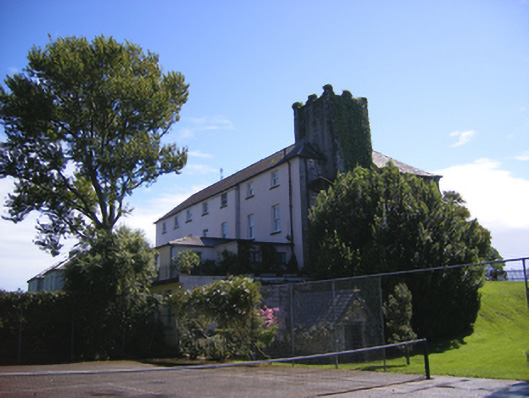
p. 24. “[Boyle, Cork and Orrery, E/PB; Corker sub. Corcor/LGI1912] A castle built towards the end of C16 by the FitzGeralds of Imokilly, enlarged 1602 by Sir John FitzEdmund FitzGerald [b. 1555]; confiscated by Cromwell; occupied for a period after the Restoration by William Penn [1644-1718], of Pennsylvania, when he was managing his father’s estate at Shanagarry, nearby; subsequently occupied by 1st Earl of Orrery [Roger Boyle (1621-1679)], presumably while he was repairing and improving his nearby seat of Castle Martyr; acquired towards end of C17 by Lt-Col Edward Corker; sold by him ante his death 1734 to Hugh Lumley, who added some new buildings to the castle some time ante 1750. As a result of Lumley’s additions, Ballymaloe is now predominantly early C18 in character; consisting of a plain two storey six bay range with an old tower built into one end of it, and a three storey gable-ended range at right angles to the two storey range, and joined to it by a return; forming a house on a “L”- plan. Some of the windows have thick early C18 glazing-bars. A staircase with thin turned balusters rises from the inner end of the hall, which has a ceiling with simple Adamesque decoration. The large room to the right of the hall has simple Adamesque frieze. Ca 1800, Ballymaloe was the residence of the Penn Gaskell family, who were descended from William Penn. In 1814, it was the residence of William Abbott. In 1837, it was owned by a Mr Forster; in 1908, it was occupied by William Litchfield. Until ca 1947, it was the home of Mr and Mrs J.M. Simpson; since then, it has been the home of Mr and Mrs Ivan Allen.” [6]
The Ballymaloe website elaborates the history:
“Ballymaloe was a castle of the Imokilly Geraldines. Richard FitzMaurice FitzGerald was a son of the Knight of Kerry, who was appointed as Seneschal, or governor, of the area by the Earl of Desmond in 1440. The original castle was probably built by him shortly after that time. By the time of the Desmond rebellion, the occupant was John FitzEdmund FitzGerald who was known as ‘the Queen’s John FitzEdmond’ to distinguish him from the Seneschal of the same name who was a leader of the Insurrection and owned nearby Castlemartyr.“
“John FitzEdmund of Ballymaloe castle was an illegitimate son of Edmund by Honor Ni Donagh, ‘a woman of Muskerry’ and was well up in the list of efficient contrivers and gatherers of land of his time. John FitzEdmund appointed himself Sheriff of Cork in 1570 and during the Desmond rising he ‘dyd hang his (legitimate) brother James FitzEdmund’ in 1582. John refused to join O’Neill in 1599 and his lands were devastated, but he survived to be knighted by Mountjoy at Cloyne for his faithfulness in 1602.“
“Despite their differences, the close ties to the Geraldines were apparent when John FitzEdmund’s son, Edmund, was married to Honora, widow of his namesake, the late Seneschal. In 1611 this Edmund died and she was a widow again so old Sir John leased her the lands at a nominal rent before he died the following year aged 85.
“A daughter of her rebellious father, she housed the homeless friars at Ballymaloe. Her son John moved to Ballymaloe where he died in 1640.
“By the time of the Confederate War in 1641, the owner was her grandson, another Edmund and he lost the lands for taking the ‘rebel’ side. They passed to Broghill, (Roger Boyle, son of the Earl of Cork; newly-created Earl of Orrery, but living on a narrow edge of survival since he had escaped a charge of treason in London. Broghill lived at Ballymaloe after his enforced retirement as President of the court of Munster in 1672 before making his last home at Castlemartyr.“
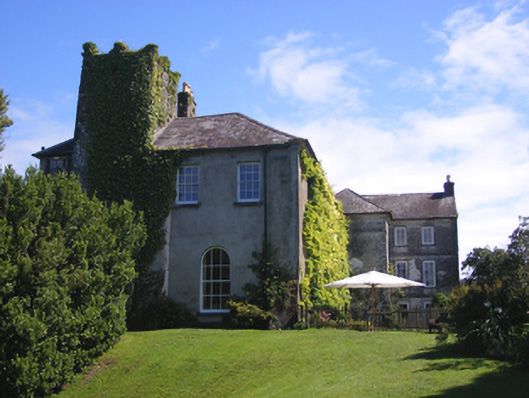
“By the middle of the 18th Century, the occupier was Abraham Forster, and early in the 19th century, his grandson demolished parts of the old castle. It was he who largely build the house into its present form. Sometime later it passed to the Litchfield’s, and in 1924 Simpson, a nephew of the latter family came into possession. Mr. Simpson sold the house and farm to Myrtle and Ivan Allen in 1948 and it remains owned by the Allen family to this day.“
“Myrtle and Ivan Allen bought Ballymaloe in 1948 from the Simpson family. The Simpsons were known in the area for their parties and Myrtle and Ivan had, in fact, met at Ballycotton Lifeboat fundraising dinner at Ballymaloe a few years previously. Ivan had wide farming interests, growing tomatoes and cucumbers in glasshouses and mushrooms in dark wooden sheds at nearby Kinoith as well as managing the orchards there.
“However, Ivan longed for a mixed farm and when Ballymaloe came up for sale he decided to buy it. Myrtle and Ivan spent the next sixteen years farming and bringing up their children. The farm was a success producing milk, butter, cream, eggs, home raised pork and veal as well as fruit and vegetables. Myrtle became highly knowledgeable about cooking their produce and began writing a cookery column in the Irish Farmers Journal.“
“In 1964, Myrtle, encouraged by Ivan, decided to open Ballymaloe as a restaurant. The children were growing up and she could see a different future ahead of her:
“On a winter’s day I sat by the fire alone and wondered what I would do in this big house when they were all grown up – Then I thought about a restaurant.”
“Her aim was to emulate the best Irish Country House cookery. Myrtle and Ivan then placed an advert in the Cork Examiner: Dine in a Historic Country House. Open Tuesday to Saturday. Booking essential. Phone Cloyne 16.
“So Myrtle scrubbed down the kitchen table, and with the help of two local women she began. They cooked on an Aga at first and she was helped front of house by Ivan and their daughter Wendy. Their shepherd Joe Cronin ran the bar.
“The food was good and the restaurant flourished. They cooked using their own produce- unpasteurised milk and cream, veal, pork, homemade sausages and black puddings, herbs, fruit and vegetables. Ivan went to Ballycotton every day for the fresh catch. Local beef and lamb came from Mr.Cuddigan, the butcher in Cloyne. Myrtle also encouraged local farmers’ wives to bring in their surplus produce and blackberries, elderflowers and watercress were brought in by children for pocket money.
“Although times have changed at Ballymaloe, the essential spirit of the place is rooted in these improvised beginnings and in the relationship of the farm to the table which underlies the elegance of Irish Country House cooking.“
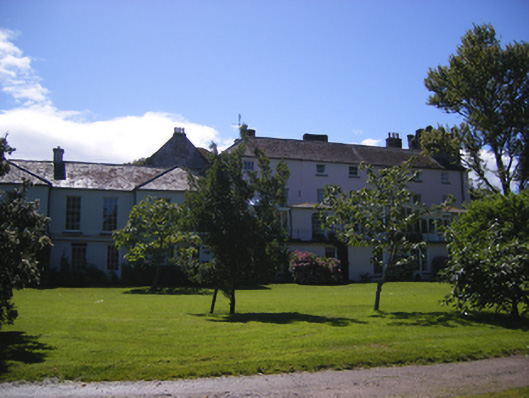
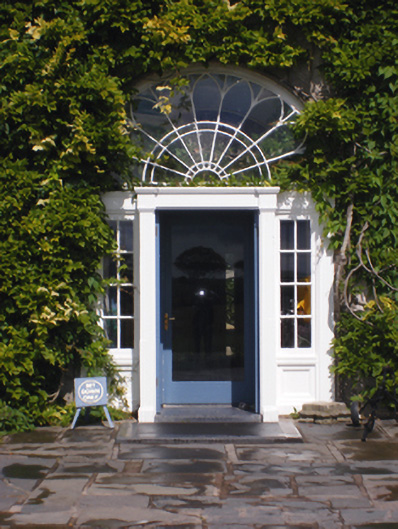
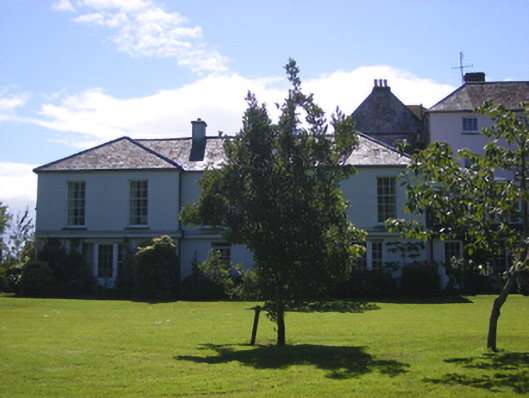
The National Inventory describes it: “Detached six-bay two-storey country house, built c. 1780, with four stories to rear (north) elevation, three bays to rear forming central projection and having single-storey additions to rear. Tower house, c.1450, incorporated into west elevation and taller L-plan three-storey house c. 1730 to east, five-bay two-storey hipped-roofed block with slightly projecting east bay to north-east corner…The fascinating multiphase construction is evident in the variety of styles and blocks which form the house. Formerly the seat of the FitzGeralds of Imokilly, it was enlarged by Sir John FitzEdmund FitzGerald. It was occupied at one time by William Penn of Pennsylvania and by First Earl of Ornery. Its impressive size is enhanced by fine proportions and by the retention of various timber sliding sash windows. The central doorcase and large petal fanlight form the main artistic focus and enhance the impressive and symmetrical façade. The other blocks add tremendous context. The tower house incorporated into the main house is a very notable archaeological feature. The house retains much early fabric and forms a group with related outbuildings and gate lodge.” (see [5])


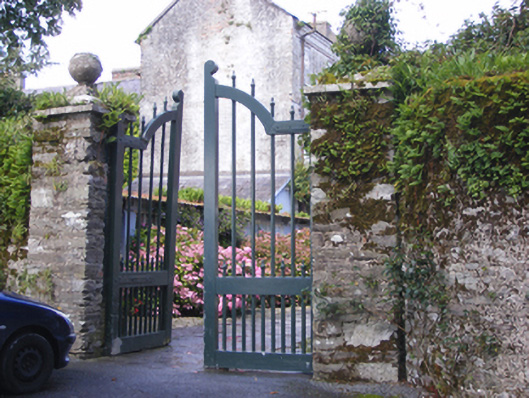

4. Ballyvolane House, Castlelyons, Co. Cork –section 482 accommodation
Tourist Accommodation Facility
Although listed under Accommodation Facility they have a fee on this listing so if you contact them in advance perhaps they will give you a tour.
Open dates in 2026: Jan 7 -31, Feb 4-28, Mar 4-31. Nov 4-30, Dec 2-20, Wed-Sat, Apr 2-30. May 1-31, Sept 1-30, Oct 1-31, Tues-Sun, June 2-30, July 1-31, Aug 1-31, Mon-Sun All Day
Fee: adult €7.50, family €18- up to 2 adults and 3 children
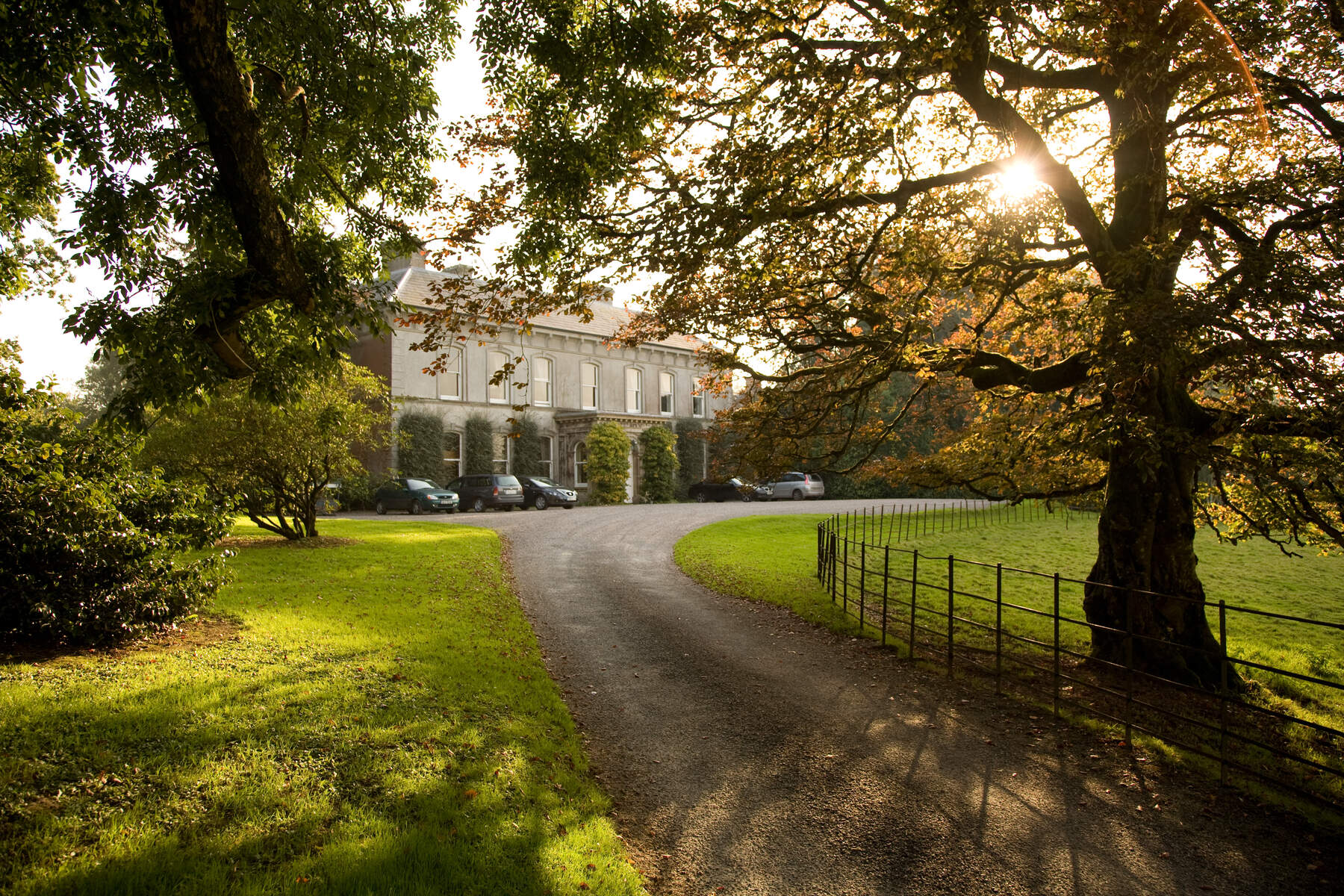
The website tells us: “Welcome to Ballyvolane House, a historic Irish country house of extraordinary warmth, style and comfort that provides luxury manor house accommodation, bespoke intimate weddings, glamping and private house parties/exclusive house rentals, located in the beautiful North Cork countryside of southern Ireland. Ballyvolane House is also home to Bertha’s Revenge Gin.“


The National Inventory describes the house: “Ballyvolane House is a fine example of the Victorian Italianate domestic architecture, in this case being applied to a house which was originally a three-storey early eighteenth-century structure. The top storey was removed when the house was remodelled in 1847. The classically proportioned façade is enlivened by the decorative render dressings including oak-leaf brackets to the eaves, window surrounds and heavy continuous sill course. The porch constitutes the decorative focus of the house and is articulated by pilasters. The doorway is flanked by skillfully carved marble engaged columns with ornate foliate capitals which add further artistic interest to the façade. The block to the west was built to house the servants and is of a simpler design and treatment. This building, together with extensive outbuildings and walled gardens, adds valuable context to the site.“

The website tells us about the history:
“There is an inescapable air of frivolity at Ballyvolane – the name itself means ‘the place of springing heifers’ and is testament to the fertility, richness and natural diversity of the land on which the estate lies.
“Originally built in 1728 by Sir Richard Pyne, a retired Lord Chief Justice of Ireland, Ballyvolane was designed in the classic Georgian country house style with three storeys… An amorous descendent, Arthur Pyne, acquired sufficient capital from his marriage to three wealthy women to have the house considerably enlarged in the early 19th century.
“The three-storey house was again modified in 1872 by George Pyne. He had the building pulled apart and then, by removing the top storey, recreated a two-storey house rendered in Italianate style, with an extensive west end wing.“

The website continues: “Recent research carried out Terence Reeves-Smyth unearthed tender documents for the remodelling of Ballyvolane from this time – the architect was Richard Rolt Brash (1817-1876), a Cork architect, whose father and brother were well known builders in the city. RB Brash is better known as a very active antiquarian and friend of John Windele – he was especially interested in round towers.
“The rebuilding/remodelling in the early 1870s followed the re-acquisition of the house and demesne by the Pyne family in 1869. Arthur Pyne (1747-1839) who probably built the present house around c1800 and laid out the present parkland (which looks Regency in date), was succeeded by his eldest son Jasper Pyne. Unfortunately, when Jasper died in 1860-1 he left no male heirs and as a result his wife and daughters did not inherit the property (the estate had been left by his father Arthur entailed for a life and could only be inherited by male issue). Consequently, following a big court case in May 1861 the property passed to Jasper’s younger brother, the Rev. William Masters Pyne, Rector of Oxted in Surrey. In March 1864 the Rev Pyne put the place on the market through the Encumbered Estates Courts. It remained on the market until bought by another member of the Pyne family in January 1869.
“It appears that Ballyvolane was originally purchased by Sir Richard Pyne in 1702-3 for £696; prior to this it had been the property of Sir Richard Nagle and Edmond Barry, but had been granted (forfeited lands) to Viscount Sidney. At the same time Sir Richard Pyne also purchased three other Co Cork properties from the Commissioners for Sale of Forfeited Estates; one was Blarney, the others were the estates of Ballinaneala and Ardra. He also in England bought Great Codham Hall in Essex, where the family continued to live well into the 19th century.“
“The Pynes built the present house and lived here until 1953, when it was bought by the late Cyril Hall Green (known as Squirrel Green) and his wife Joyce (née Blake), on their return from Malaya, where Squirrel had managed rubber plantations since the 1920’s. Ballyvolane was passed on to Squirrel’s son, Jeremy, who ran it as a mixed tillage and dairy farm until the mid 1980’s when it became one the founding members of the Hidden Ireland group, an association of town and country houses offering a unique and exclusive style of accommodation and chosen for their architectural merit and interesting characteristics.
“Ballyvolane was managed as a successful country house bed and breakfast by Jeremy and his wife, Merrie until January 2004, when the reins were handed to his son Justin and his wife, Jenny. Justin and Jenny are experienced hoteliers having gained international management experience in some of the best hotels in the world namely Mandarin Oriental in Hong Kong, The Legian in Bali, Jumeirah Beach Hotel in Dubai and prior to moving home, Justin was GM of Babington House (part of Soho House) in Somerset. Three generations of the Green Family now live at Ballyvolane.“
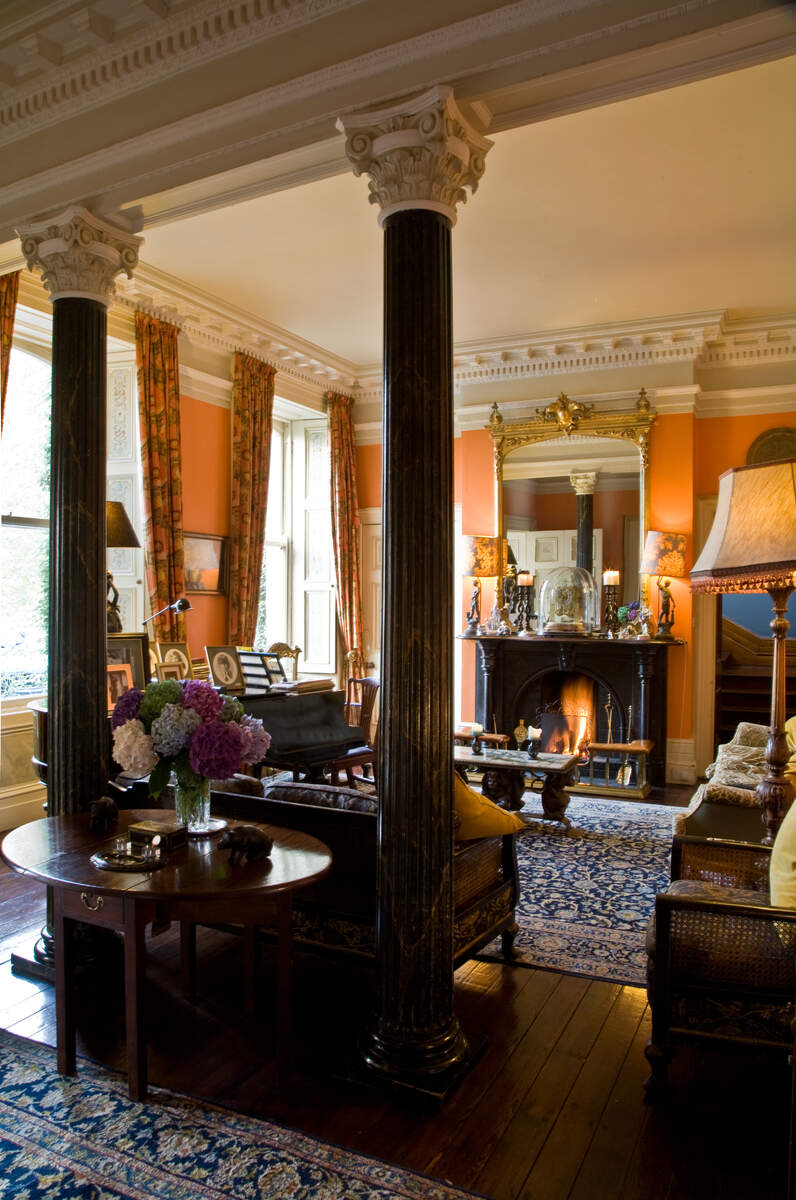

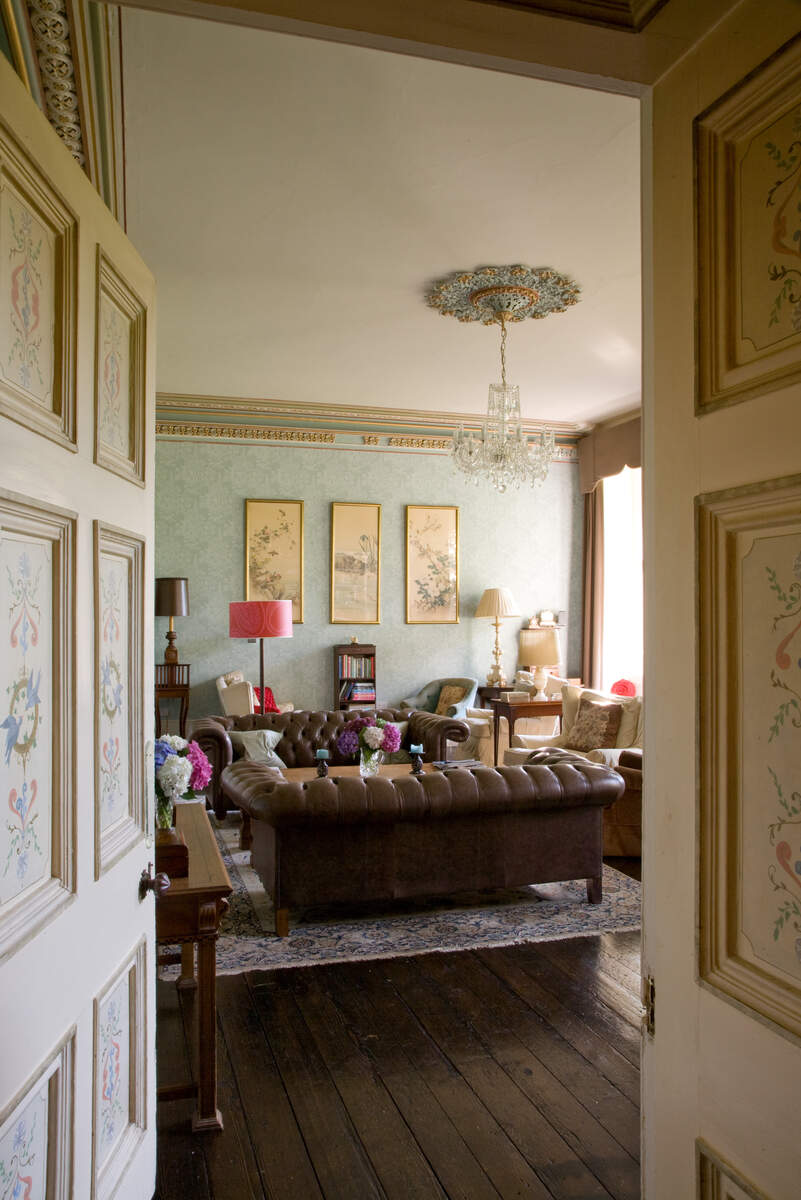


5. Bantry House & Garden,Bantry, Co. Cork 975 T293 – section 482
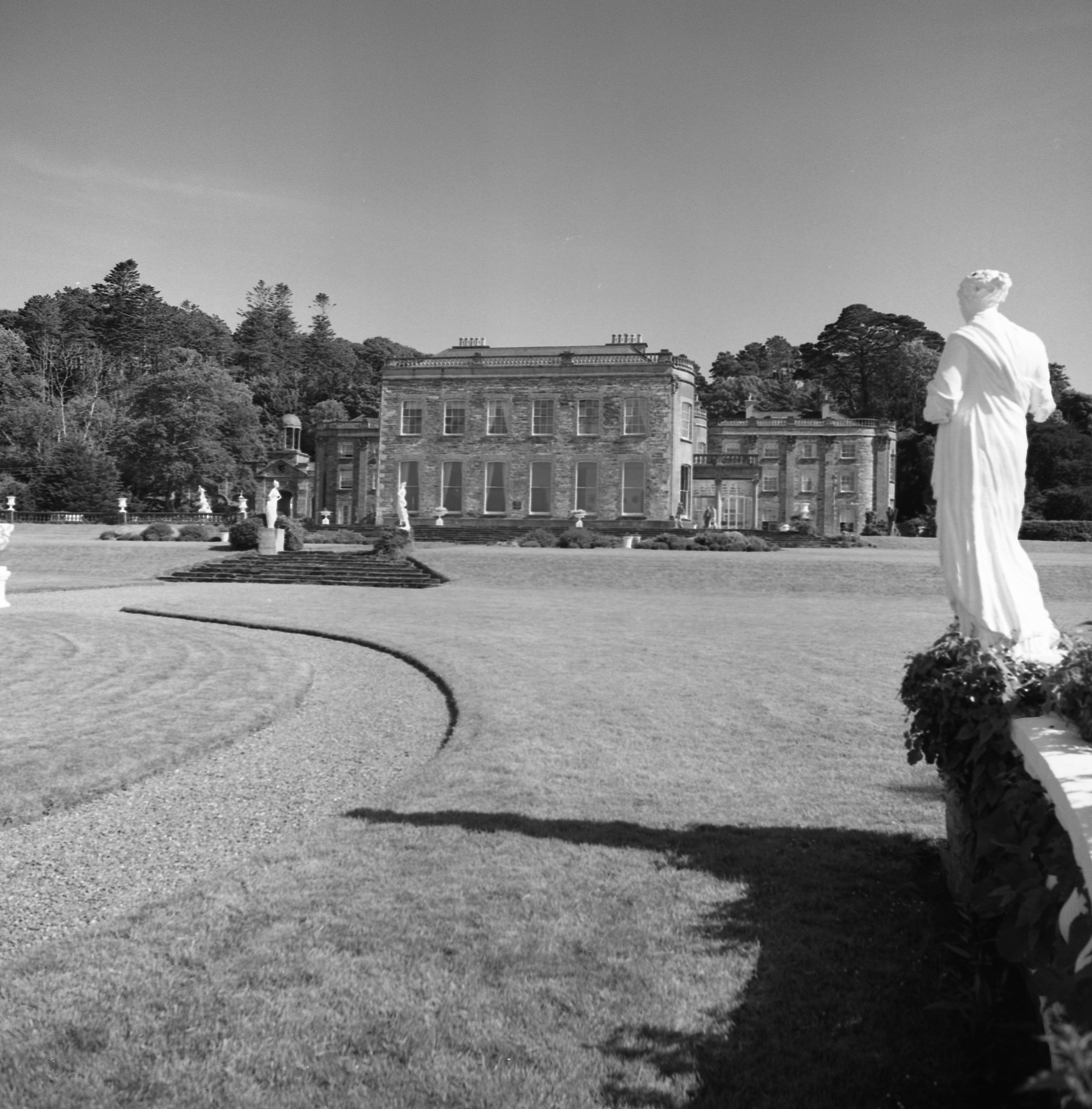
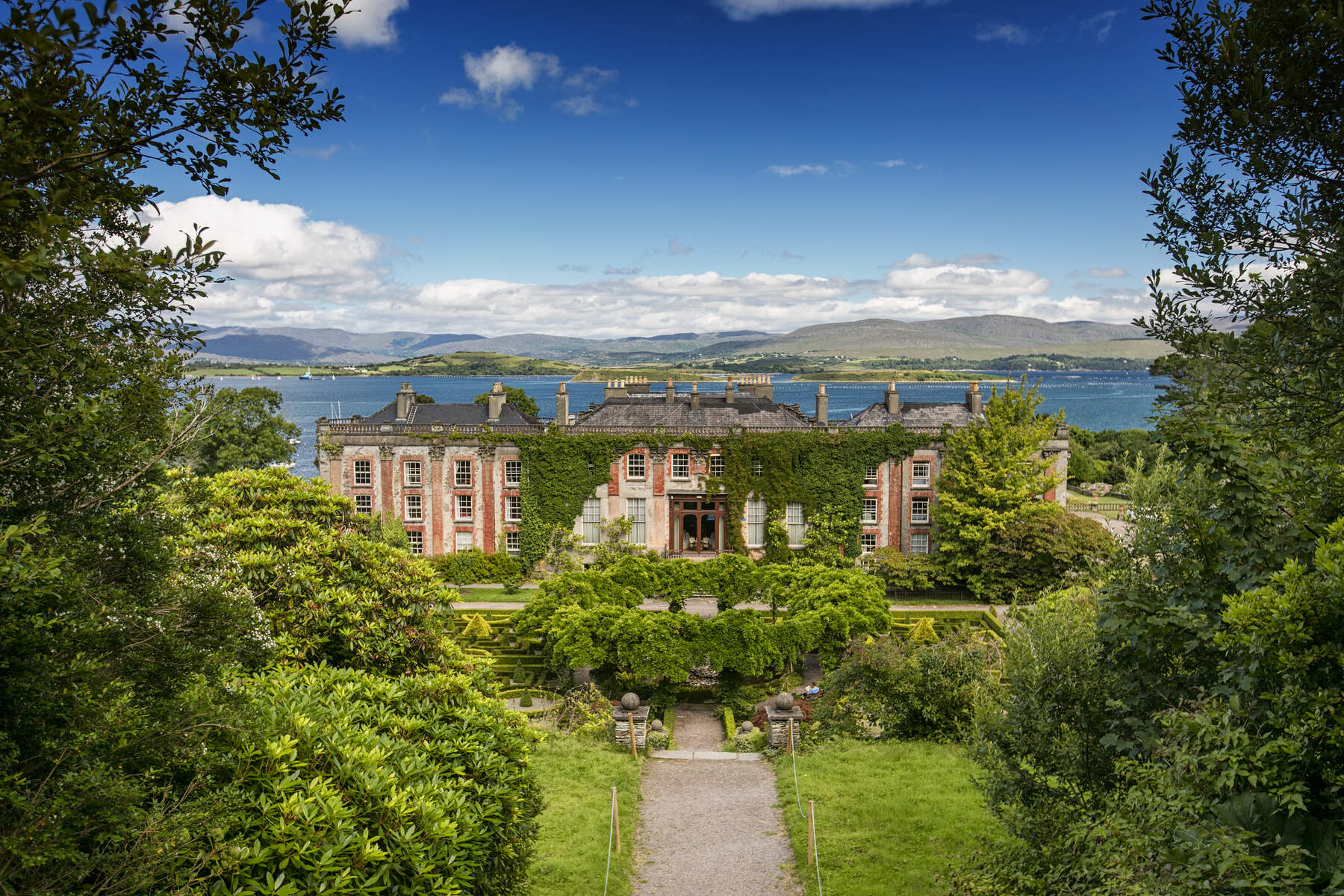
Open dates in 2026: Check website in advance. Mar 30-31, Apr 1-Oct 31, Mon-Sun 10am-5pm
Fee: adult €14, OAP/student €11.50, child €5, groups 8-20 people €10p.p. and groups
of 21 or more people €9p.p.
See my entry https://irishhistorichouses.com/2022/12/01/bantry-house-garden-bantry-co-cork/
6. Barryscourt Castle, County Cork – OPW
See my OPW write-up. https://irishhistorichouses.com/2022/01/19/office-of-public-works-properties-munster/
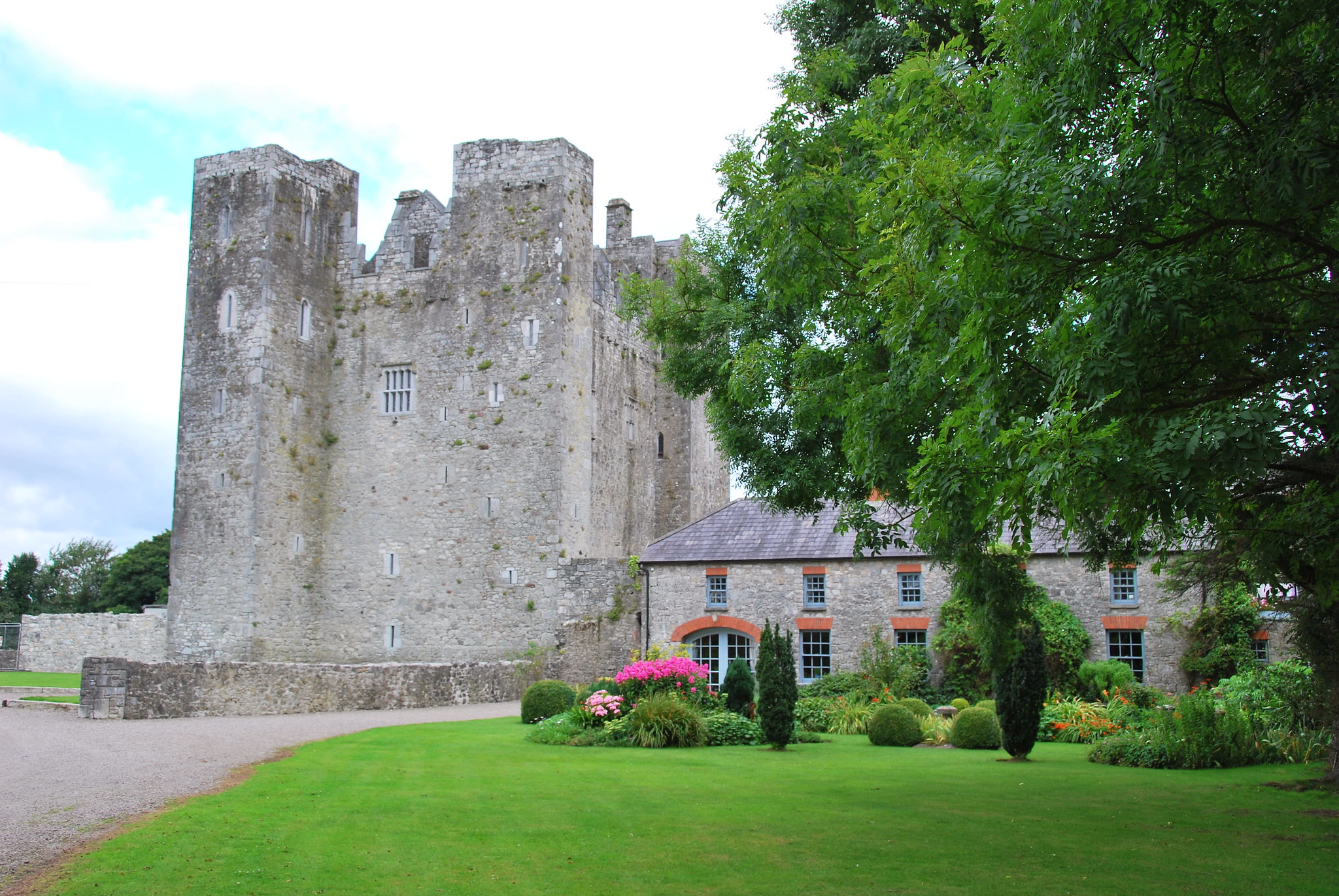
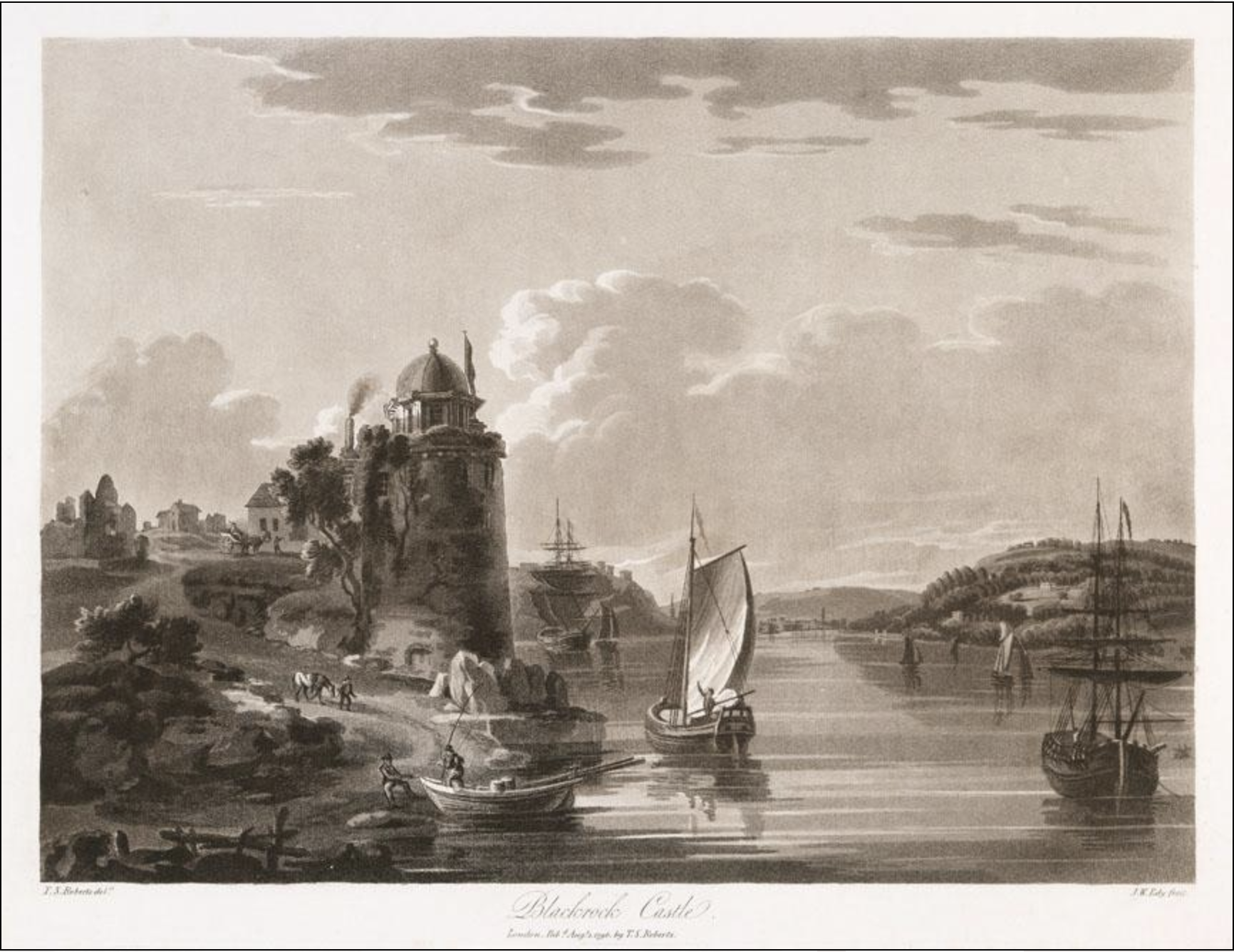
7. Blackrock Castle Observatory, Cork

The Archiseek website tells us:
“Blackrock Castle lies on the shore of the river Lee, in the city of Cork, in County Cork in Ireland.
“The circular watchtower of Blackrock Castle was built in 1604, on the site of an earlier fort. With its 2.2 meter thick walls, it was designed to withstand cannon fire. It was built to defend the city against attacks from pirates and the Spanish, who had landed at Kinsale 3 years earlier. But it also served to protect the English Lord Deputy Mountjoy against the citizens of Cork, who had been slow to acknowledge King James I.
“Later Blackrock Castle was used by the Mayors of Cork for the Admiralty Court. Also known as the Maritime Court, it exercised jurisdiction over all maritime caes and offences.
“In 1827 the castle was gutted by fire following the annual Corporation banquet. Two years later, in 1829, it was rebuilt and enlarged in Gothic Revival style.
“Later it was used as a meeting place, a private residence, a restaurant and commercial offices before it was acquired by the Cork City Council in 2001. At present the castle houses an astronomy center/museum especially aimed at children.” [7]
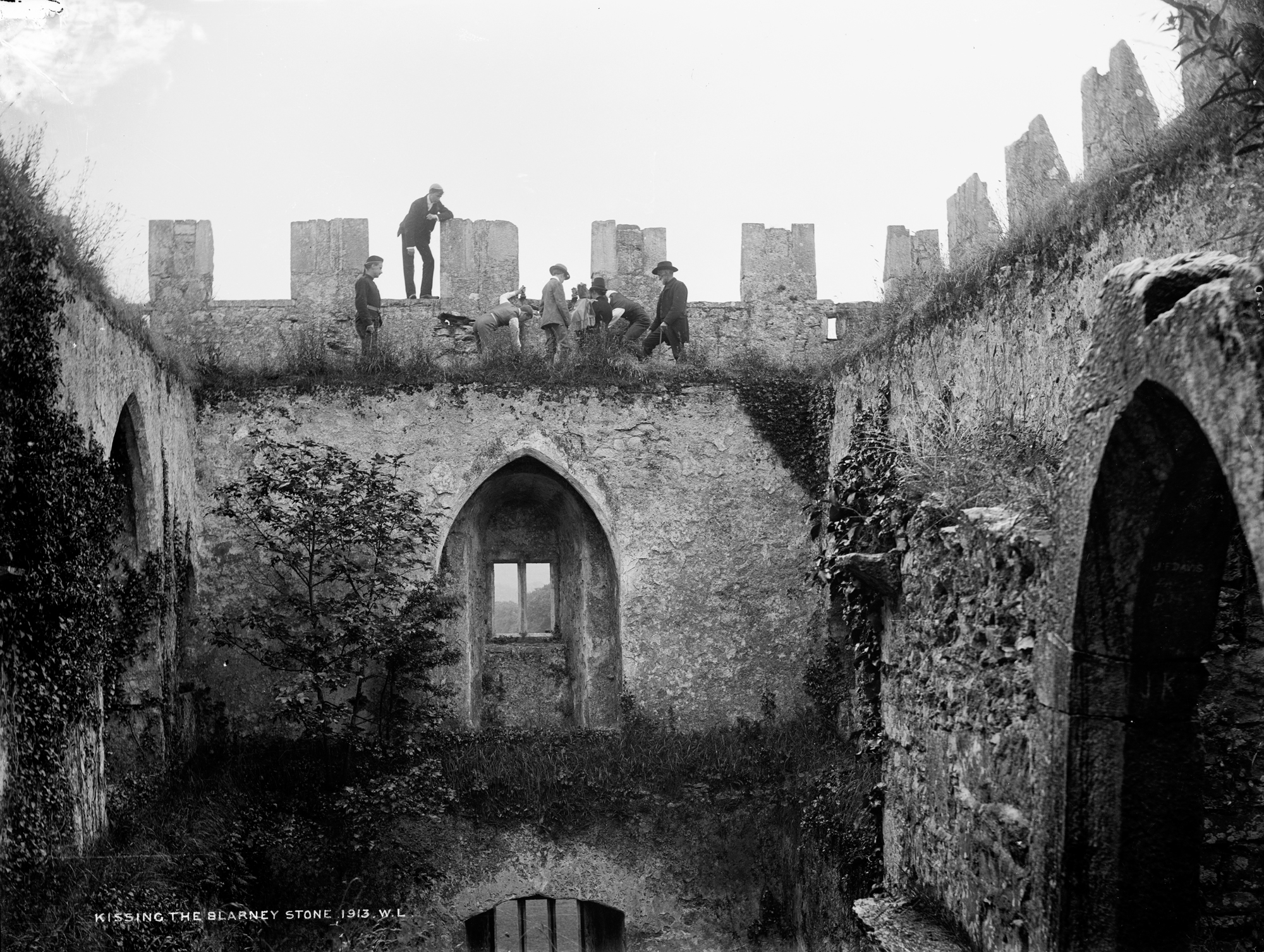
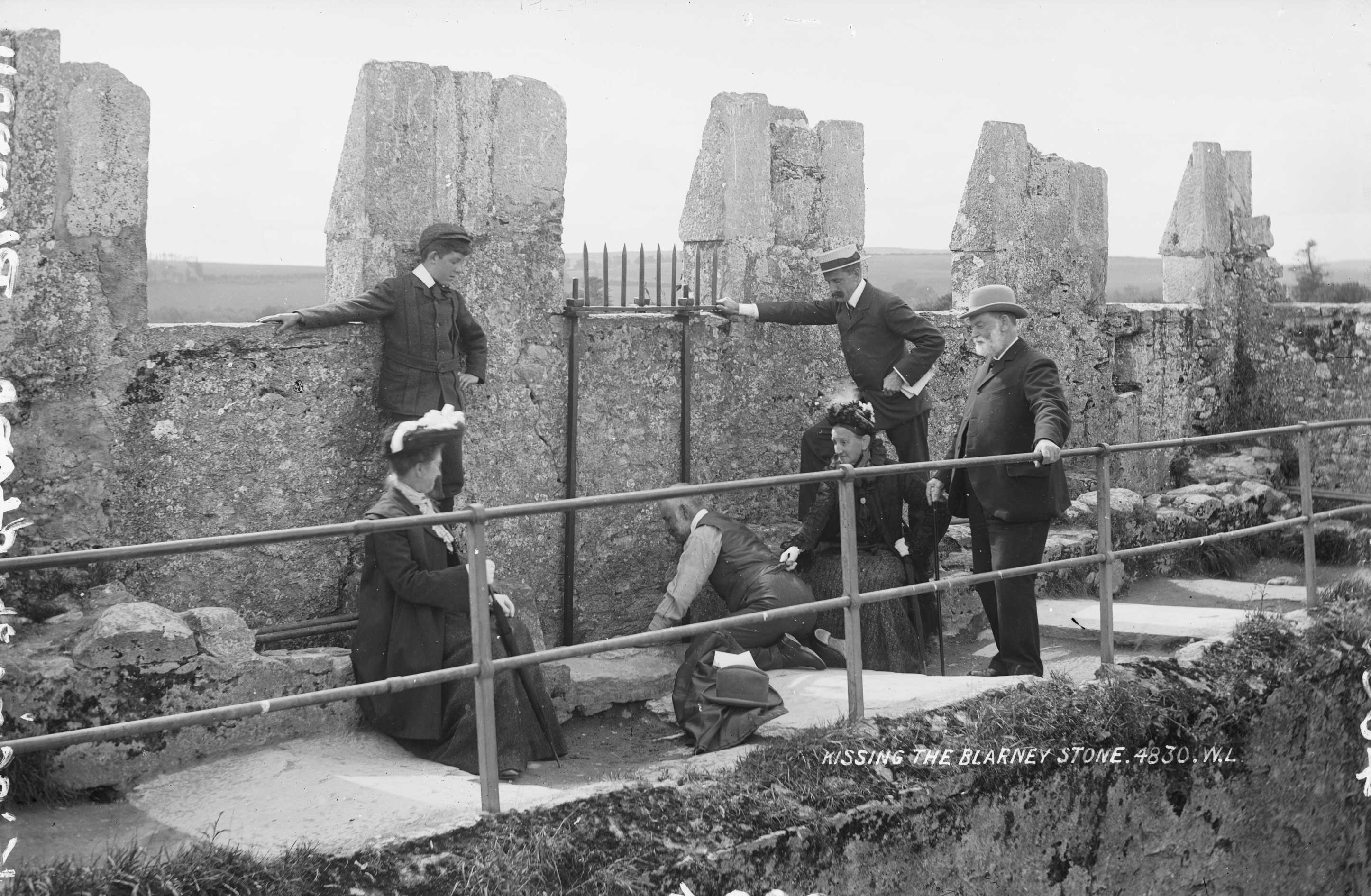
8. Blarney Castle & Rock Close, Blarney, Co. Cork – section 482
See my entry https://irishhistorichouses.com/2022/09/23/blarney-castle-rock-close-blarney-co-cork/
Open dates in 2026: all year, Jan-Mar, Nov, Dec, 9am-5pm, Apr, Oct, 9am-5.30pm, May- Sept
9am-6pm
Fee: adult €24, OAP/student €19, child €12
9. Blarney House & Gardens, Blarney, Co. Cork – section 482
Open dates in 2026: June 1-Aug 31, Mon-Sat, National Heritage Week, Aug 15-23, 10am-2pm
Fee: adult €10, OAP/student €8, child €6
See my entry https://irishhistorichouses.com/2022/09/30/blarney-house-gardens-blarney-co-cork/
10. Brideweir House,Conna, Co. Cork P51 FD36 – section 482
Open dates in 2026: May 4-5, 11-12, Aug 1-31, Sept 1-30, Nov 2-10, 9am-1pm
Fee: adult €15, child/student €10, OAP free
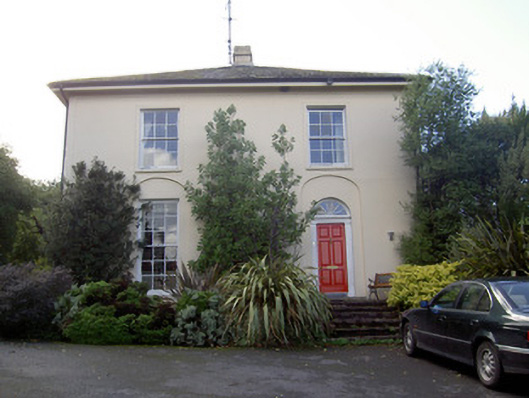
The website tells us: “Every house has its tales to tell and Brideweir House in Conna, Co Cork is no exception. In the year 1822 famine had hit Ireland. In Conna the local Reverend Ludlow Tonson chaired a meeting of the parish on 29th July in favour of constructing a bridge over the River Bride.
“Its purpose was “to facilitate communications in the area, and to offer employment”. A petition was sent to Dublin Castle and the rest, as they say, is history. The bridge still has pride of place today over the River Bride.
“But it’s safe to say that the reverend Tonson must have had a vested interest in seeing the bridge built. It was to be just a stone’s throw from the location of his two storey over basement rectory, Brideweir House, built in 1822, the same year he helped raise the petition.
“The Reverend’s house, completed for the princely sum of £923 (thanks to a gift and a grant, both of £300 from the Board of First Fruits), was situated on a glebe of seven acres and boasted a fine coach house and stables, all still in existence today.“
11. Burton Park, Churchtown, Mallow, Co. Cork – section 482
Open dates in 2026: Apr 1-Oct 10, Sat-Sun, National Heritage Week, Aug 15-23, 2pm-6pm
Fee: adult €9
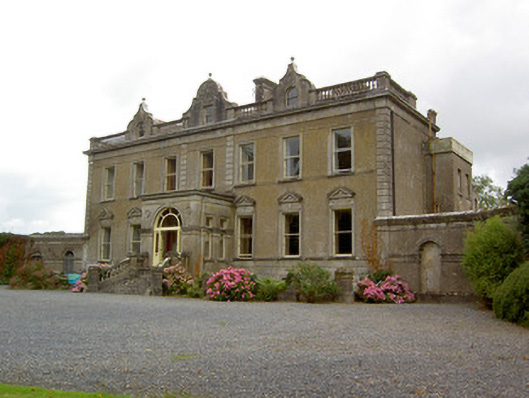
See my entry https://irishhistorichouses.com/2024/02/08/burton-park-churchtown-mallow-county-cork-p51-vn8h/
12. Desmond Castle, Kinsale, County Cork – OPW
See my OPW write-up. https://irishhistorichouses.com/2022/01/19/office-of-public-works-properties-munster/
13. Doneraile Court, County Cork – OPW

See my entry https://irishhistorichouses.com/2024/04/19/doneraile-court-county-cork-an-office-of-public-works-property/
14. Drishane House, Castletownshend, Co. Cork – section 482
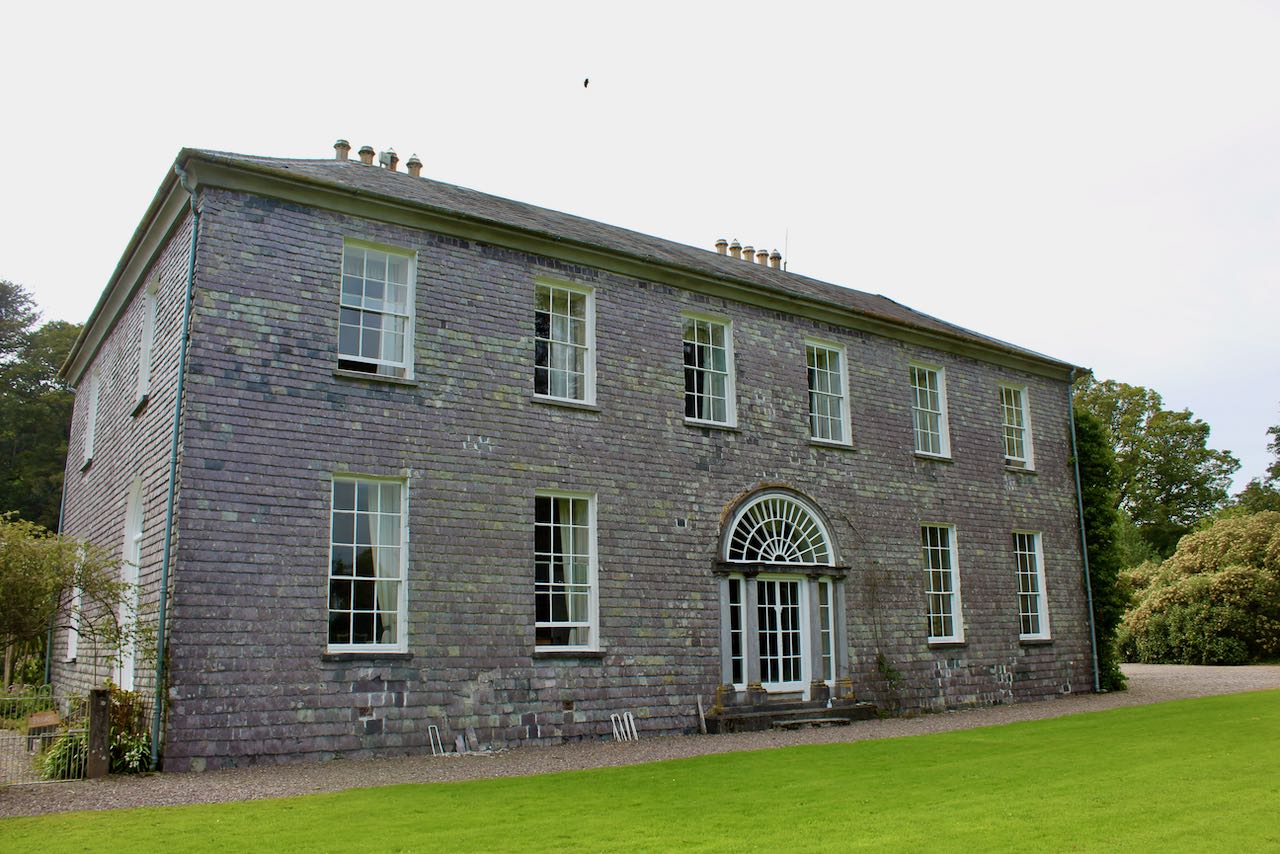
See my write-up:
https://irishhistorichouses.com/2021/03/07/drishane-house-castletownshend-co-cork/
www.drishane.com
Open dates in 2026: May 1-31, Aug 15-23, Oct 3-22, 11am-3pm
Fee: adult €12, OAP €10, student/child €8, child under 6 years free
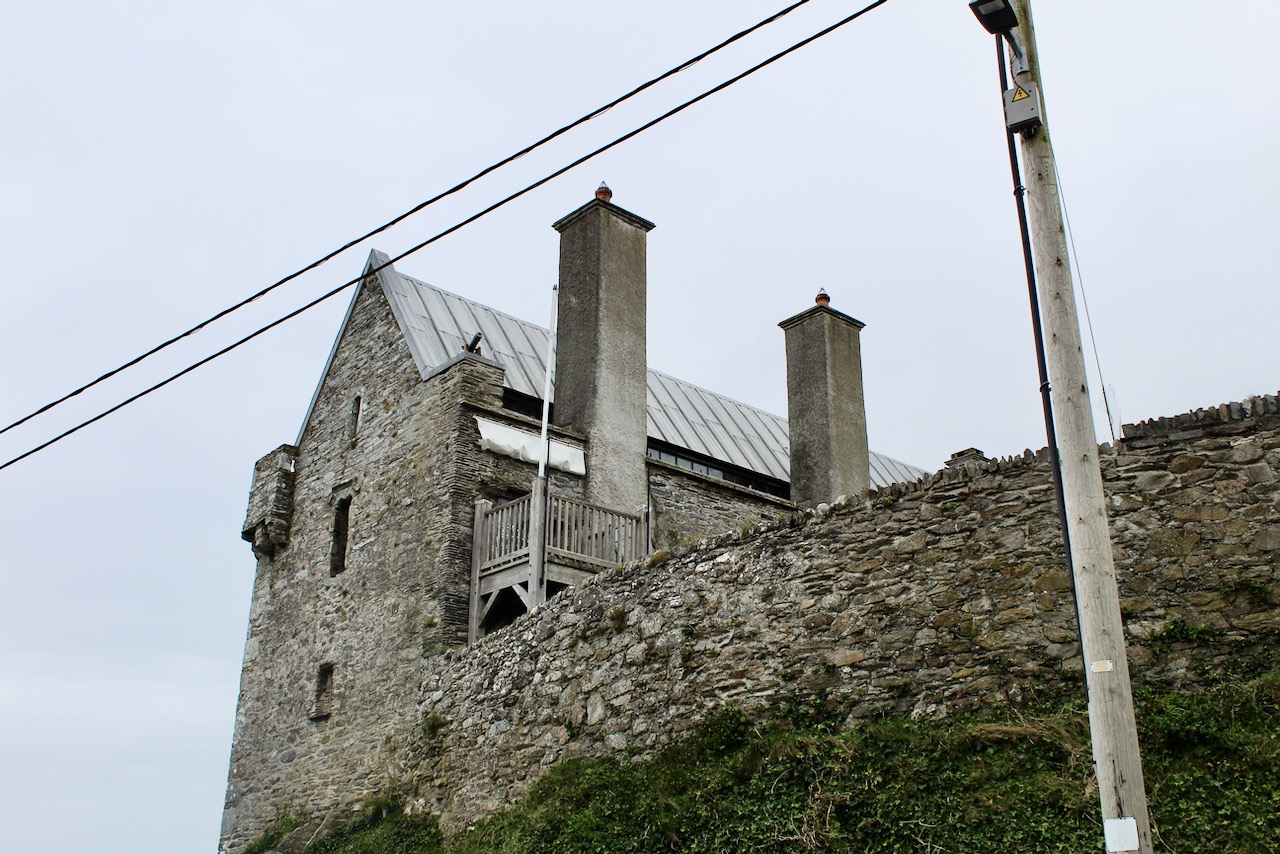
15. Dún Na Séad Castle (Baltimore Castle), Baltimore, Co. Cork, 981 X968 – section 482
Open dates in 2026: Apr 1-Oct 31, 10am-5pm
Fee: adult/OAP/student €6, child free with an adult
See my entry https://irishhistorichouses.com/2023/12/28/dun-na-sead-castle-baltimore-co-cork-981-x968/

Between 1997 and 2005 the ruined castle was rebuilt, at first as a private residence. At present it is a small museum.

16. Fota House, Arboretum and Gardens – OPW and Irish Heritage Trust
The house is maintained by the Irish Heritage Trust, and the gardens by OPW.

General enquiries: (021) 481 5543 https://fotahouse.com/
fota.arboretum@opw.ie
From the OPW website: https://heritageireland.ie/visit/places-to-visit/fota-arboretum-and-gardens/
“Fota House was designed by 19th century architects Richard and William Morrison. From the beautifully proportioned rooms with exquisite plasterwork, to the preserved service wing and kitchens, Fota House offers visitors an intimate look at how life was lived in the past, for the cooks, butlers, footmen and maids who supported the lavish lifestyle of the gentry. Our painting collection is considered to be one of the finest collections of landscape painting outside the National Gallery of Ireland and includes works by William Ashford PRHA, Robert Carver, Jonathan Fisher and Thomas Roberts.” [8]

17. Garrettstown House, Garrettstown, Kinsale, Co. Cork – section 482
Open dates in 2026: May 8-Sept 12, 12 noon-5pm
Fee: adult €7, OAP/student/child €5, groups (10 or more) €5 per person

Mark Bence-Jones writes in his 1988 A Guide to Irish Country Houses (1988):
p. 132. “(Cuthbert-Kearney/LG1863; Franks/IFR) Some time ante mid-C18, the Kearney family – who, like other families along the south-west coast of Ireland, are reputed to have become rich through smuggling – began building themselves a grand house with two wings facing each other across a forecourt in the Palladian manner; levelling a site for it out of the solid rock above the sea at great expense. The two wings, of an attractive golden stone, their handsome pedimented facades, each with a rusticated doorway, facing each other across the forecourt, fwere completed. But whether the house itself was actually built is uncertain; though Charles Smith (writing 1750) implies that it was. If it existed, it cannot have survived very long; for one of the wings subsequently became the house, being enlarge dfor this purpose…Towards the end of C19, Garrettstown was inherited by the Franks family, who sold it ca 1950. It is now ruinous.” It is no longer ruinous and has undergone major renovation.
The National Inventory of Architectural Heritage gives the following appraisal:
“Built by the Kearney family between the years 1702 and 1720, with changes and additions being made until 1740, this building was originally a wing of a substantial country house. The main house was never started due to financial reasons and this, one of the flanking buildings, was subsequently turned into a stable block. The money saved by not building the main house was spent on improving the gardens and grounds. The house was passed down through the female line, staying within that lineage until 1950 when it was sold to the Land Commission. Although now in use as offices, the building retains much of its original form and character seen in the tooled limestone detailing and its grand scale. The retention of many of the original outbuildings and the extensive gardens on the site give further evidence to the wealth and status of this former country house.”
18. Ilnacullin, Garanish Island, County Cork – OPW
See my OPW write-up:
https://irishhistorichouses.com/2022/01/19/office-of-public-works-properties-munster/
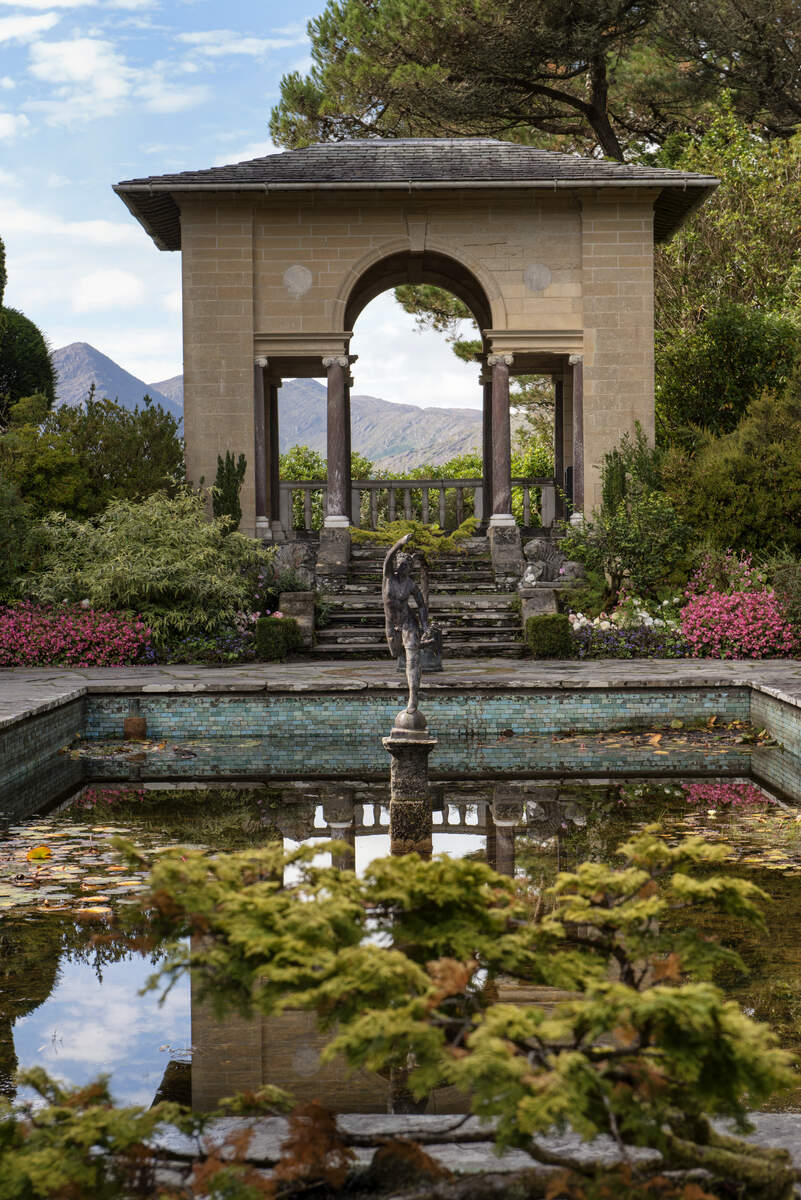
19. Inis Beg gardens, Baltimore, County Cork
https://www.inishbeg.com/homepage/
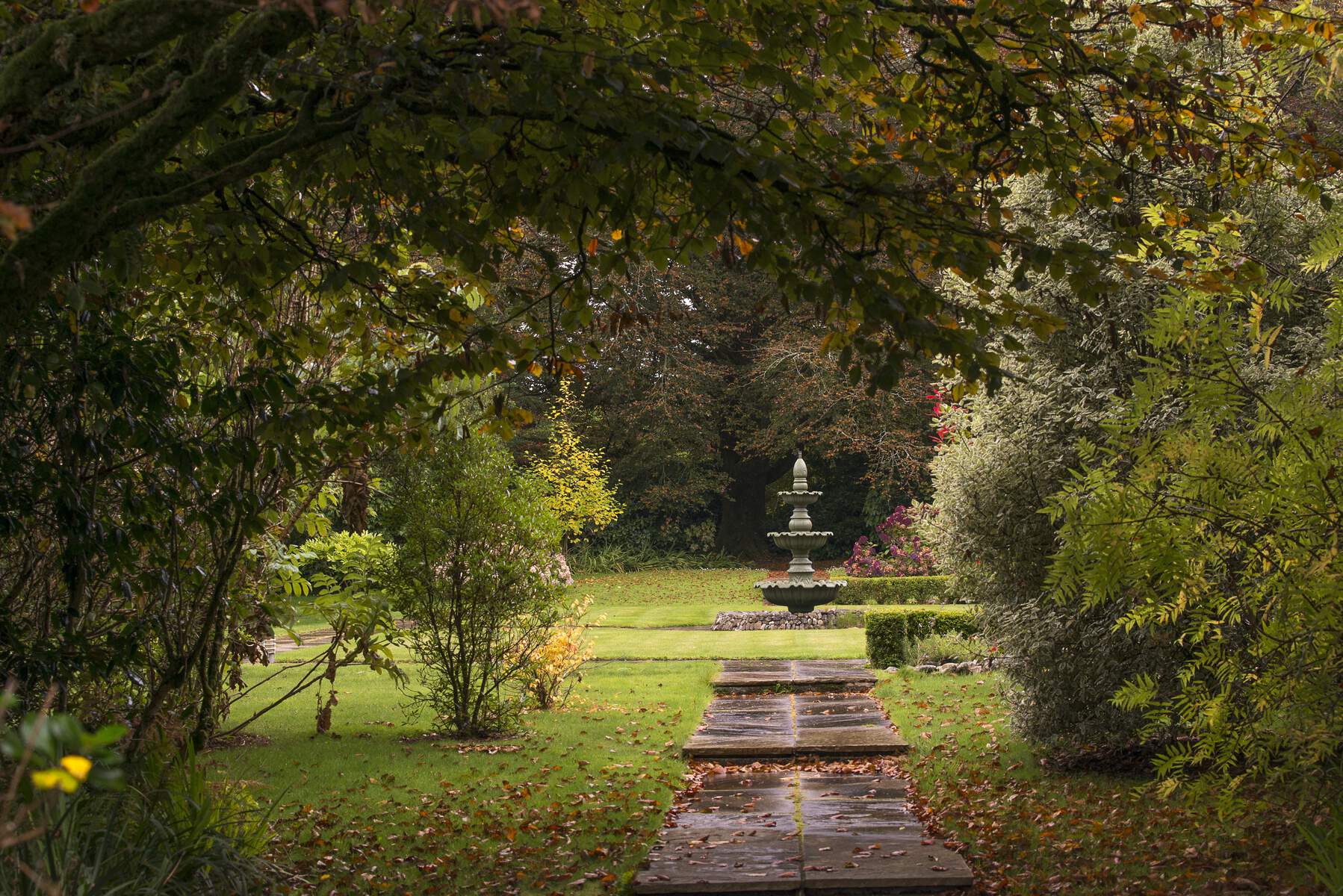
The website tells us:
“Inish Beg, Irish for “small island”, is the most northerly of the Carbery Hundred Islands of County Cork Ireland and lies in the unspoilt tidal estuary of the Ilen River. There is a bronze age Cromlech (boulder burial) within the grounds, as well as a tree covered Lissaghaun (little fort or fairy mound) in front of the main house.The local saint, St. Fachtna is recorded as having been given the “Book of Dues” on the island in the 6th century.The island belonged to a Richard White in the 17th Century and was acquired by the MacCarthy Morrough family in 1830. Initially used as a sporting estate, the main house was finally finished in 1899.The population of the island followed a familiar pattern to that of much of the rural west of Ireland. Lewis quotes 109 inhabitants in 1837, but the numbers then declined to 11 by 1901 following the famine years of the mid nineteenth century and the agricultural depression of the 1880’s.
“In 1908 Kay Summersby was born at Inish Beg House. She came to notoriety as a close companion of Dwight D. Eisenhower.“

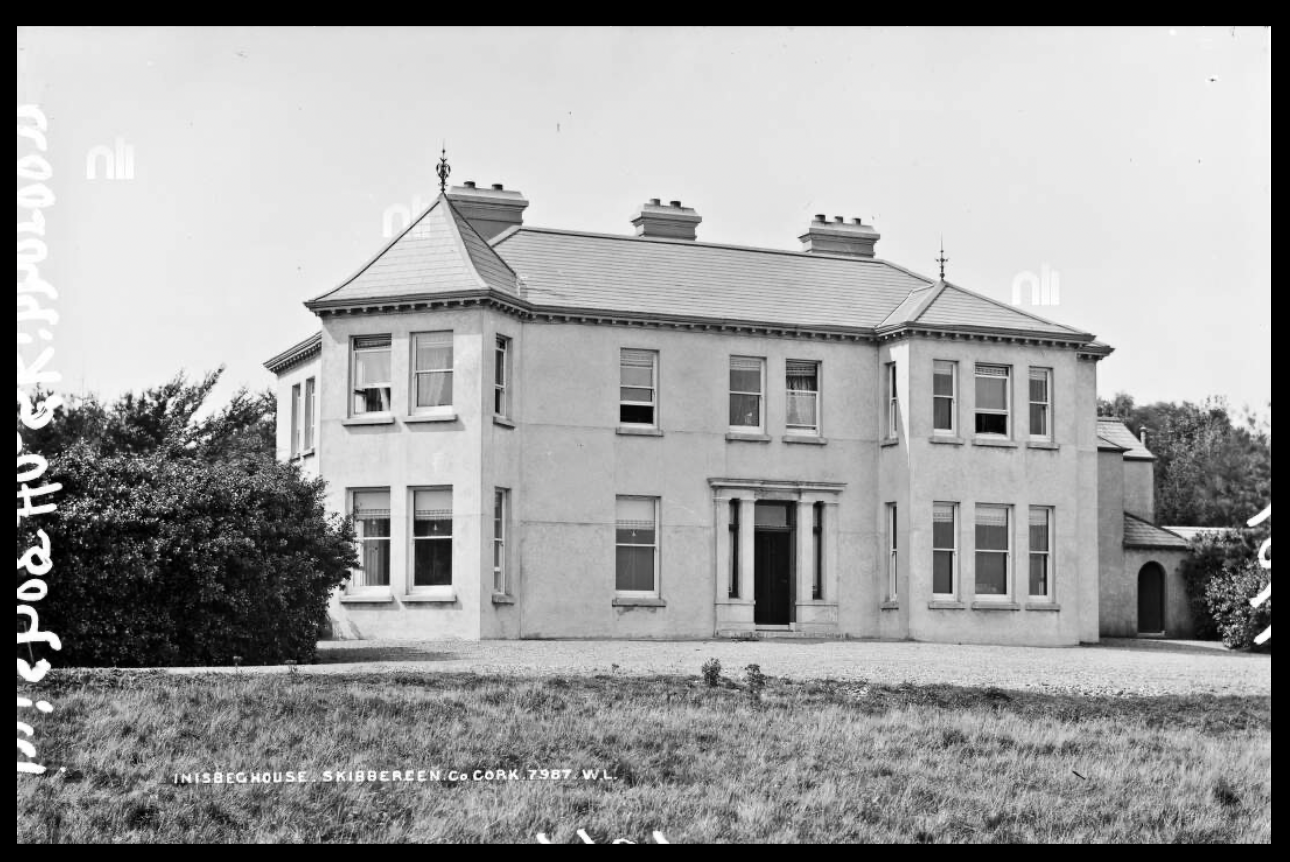
Inish Beg Estate comprises 97 acres;
- 42 of these are birdsong-filled woodlands which are sympathetically managed and include exceptional tree ferns, bamboo, several ponds, bird hides and carriage drives,
- 42 acres are green fields sweeping down to the Ilen Estuary where sheep and ponies graze, for this is a working farm run on organic principles.
- the remaining 13 acres is taken up with buildings, a walled garden with glass house and fruit cages, a sunken garden with fountain, a cherry drive, an orchard, a daffodil lined avenue and two woodland gardens.
- see also https://westcorkgardentrail.com
20. Kilcascan Castle, Ballineen, Co. Cork 947 R286 – section 482
Open dates in 2026: Aug 1-31, Sept 1-30, 9.30am-1.30pm
Fee: Free
See my entry https://irishhistorichouses.com/2023/12/14/kilcascan-castle-ballineen-co-cork-947-r286/

21. Kilshannig House, Rathcormac, Co. Cork P61 AW77 – section 482
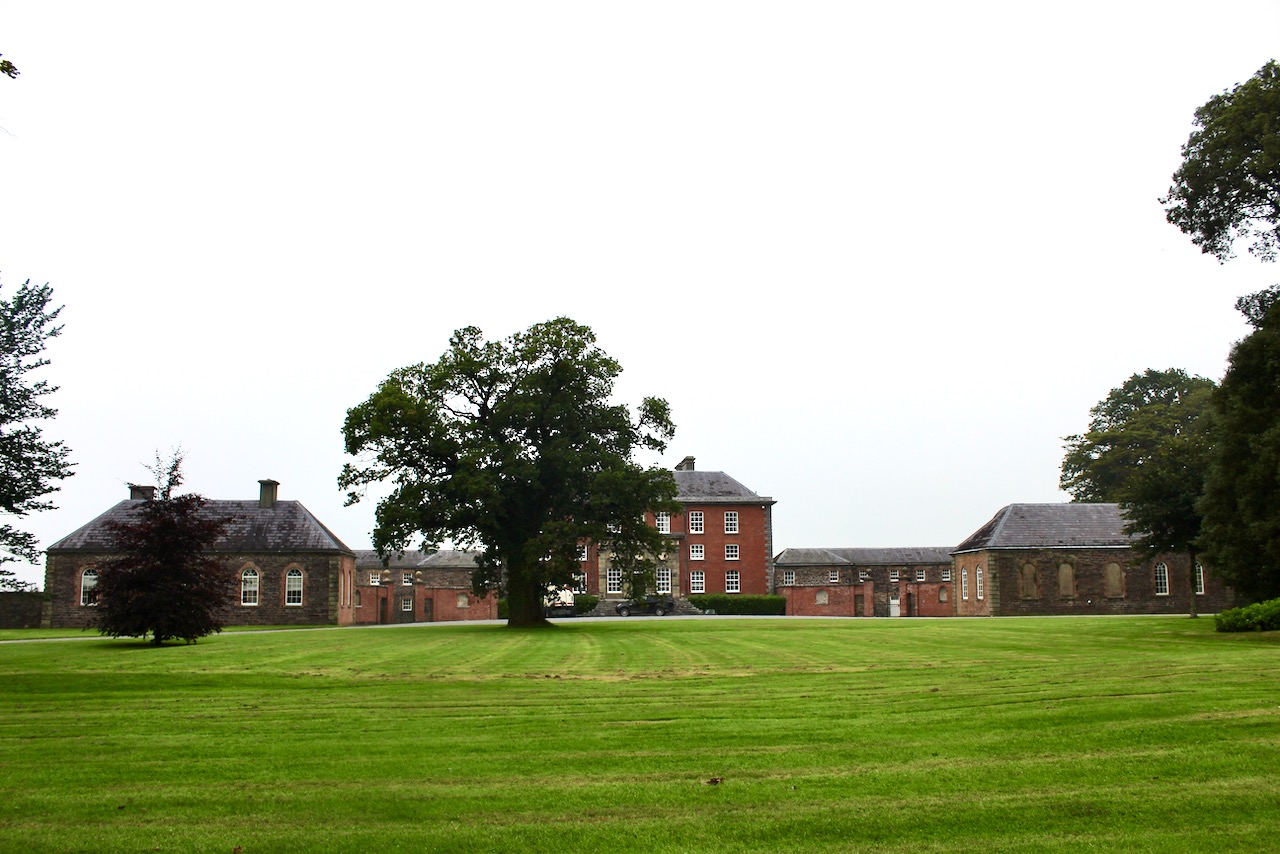
See my entry: https://irishhistorichouses.com/2020/12/10/kilshannig-house-rathcormac-county-cork/
Open dates in 2026: March 18-19, 21, 24, 26-27, April2, 4-7, 9, 11-12,15, 21, 23, 25, May 12, 14, 16-17, 19, 21, 23-26, 28, 30, June 2, 4, 6-9, 11, 13, 16, 25, 27-29, July 2, 4-7, 14, 16, 18-20, 28, 30, Aug 1- 4, 6, 8, 11, 13, 15-25, Sept 18, 20, 22-25, 27, 29, 8.30am-3pm,
Fee: adult €14, OAP €12, student €10, child €8
22. Liss Ard Sky Garden, County Cork – hotel
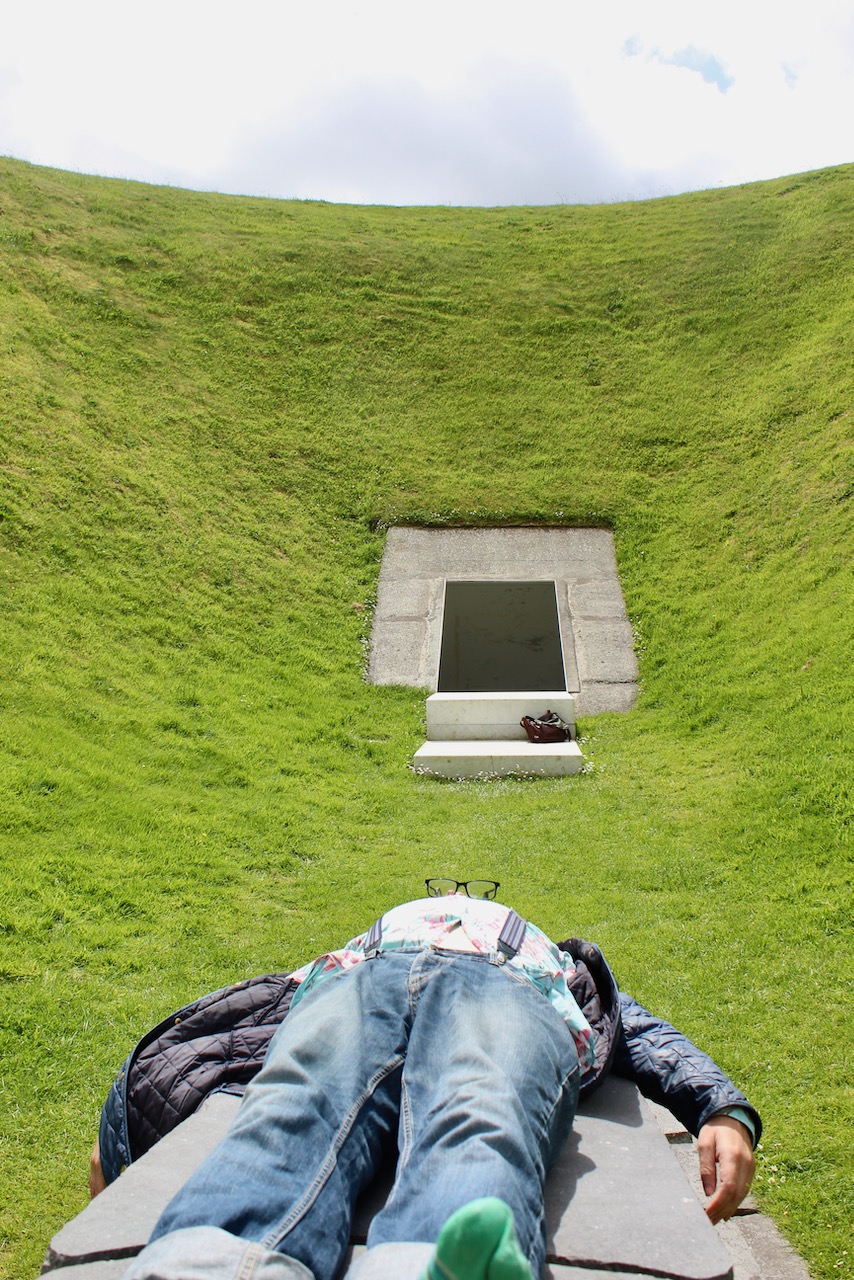
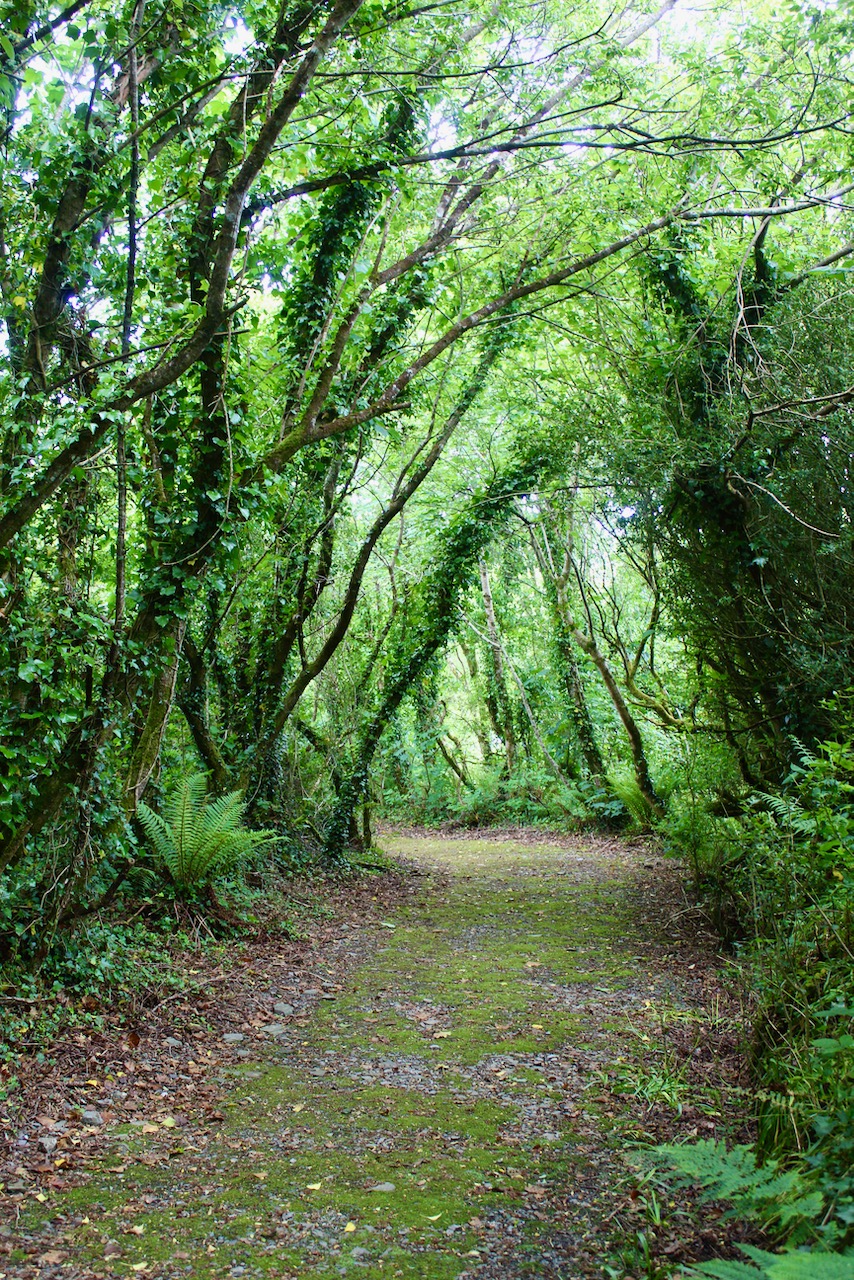
Liss Ard estate is now a hotel, but you can book lunch and a visit to the Sky Garden, and wander around the gardens of the estate. The hotel is surrounded by miles of trails, which weave whimsically and which reveal magical settings with artfully placed walls and steps. It is also the site of a ring fort: the Irish “Lios Aird” means high fort. For more about the hotel, see the accommodation section below.
The art dealers/collectors Claudia and Veith Turske purchased Liss Ard estate and in the 1990s and created public gardens with waterfalls, an arboretum with 10,000 newly-planted trees and had plans to create further land artworks after James Turrell’s installation, which was created in 1992. The property has since changed hands. It first came to my attention when a music festival was held in its grounds.
The website describes James Turrell’s The Irish Sky Garden
“For over half a century, the internationally renowned landscape artist James Turrell has worked directly with light and space to create artworks that engage viewers with the limits and wonder of human perception. New Yorker critic Calvin Tompkins writes, “His work is not about light, or a record of light; it is light — the physical presence of light made manifest in sensory form.” ”
The Irish Public Art directory describes the Sky Garden:
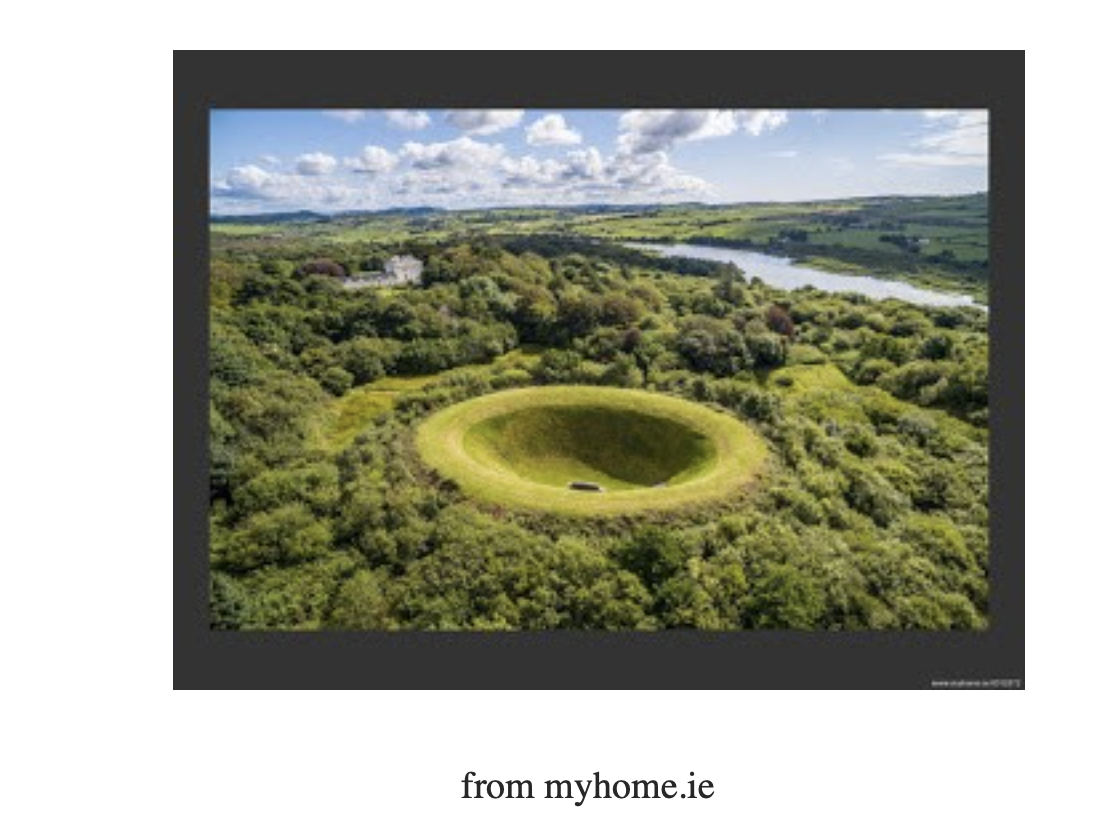
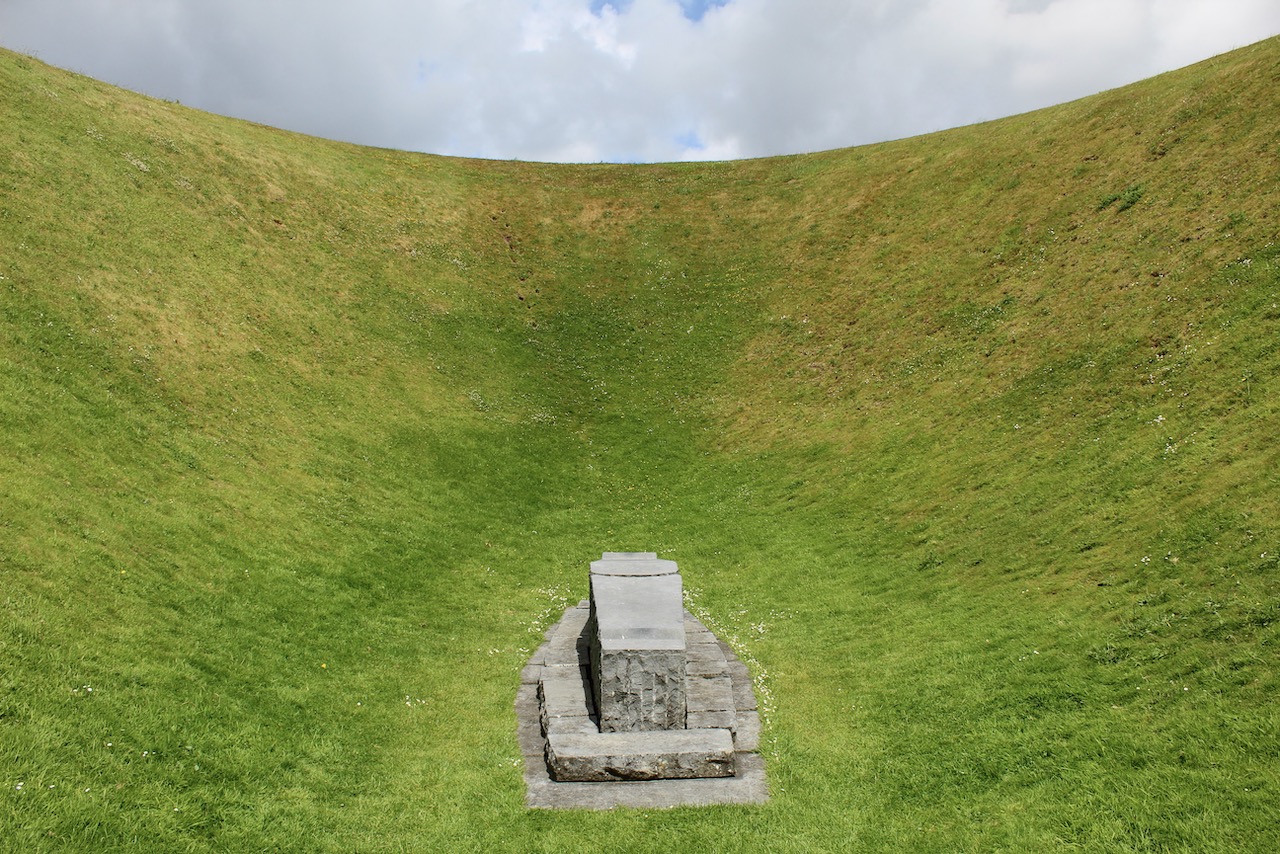
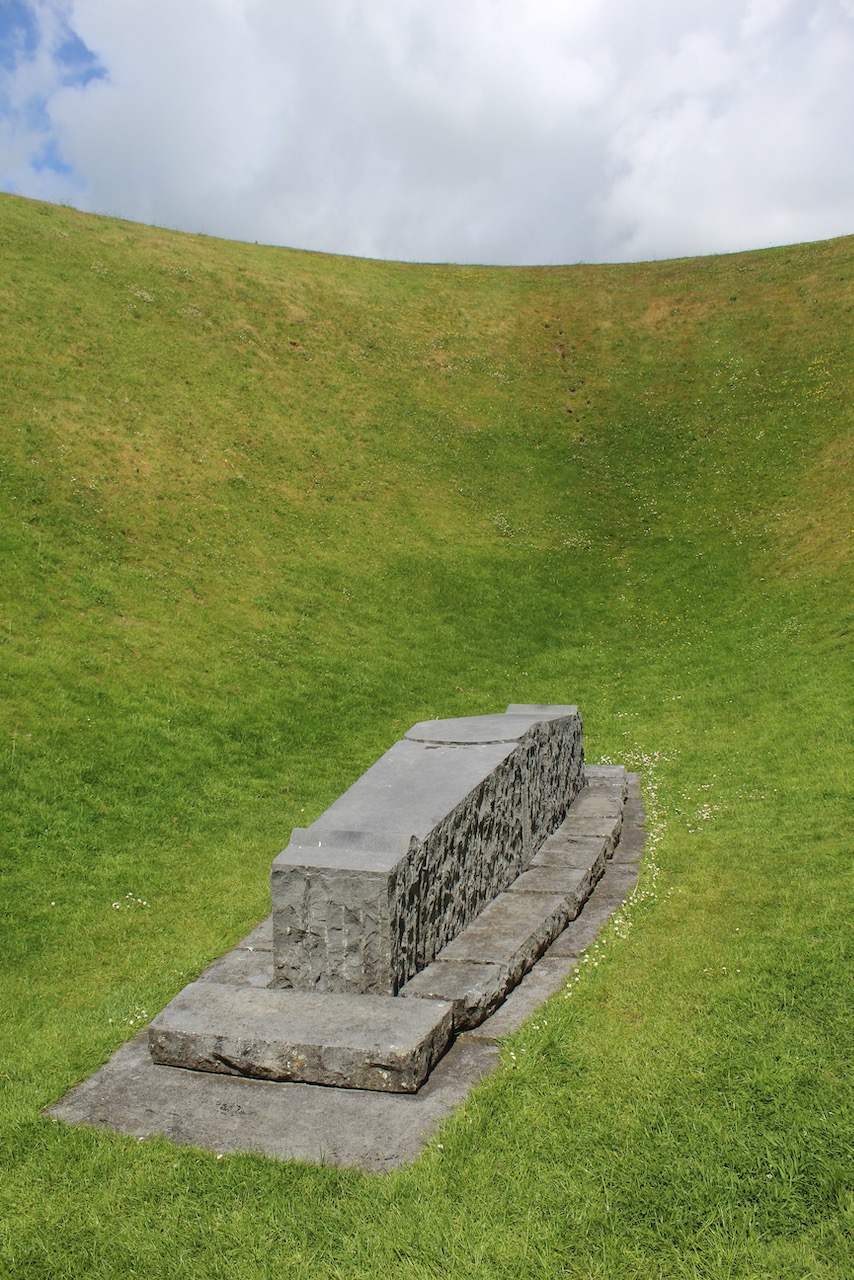
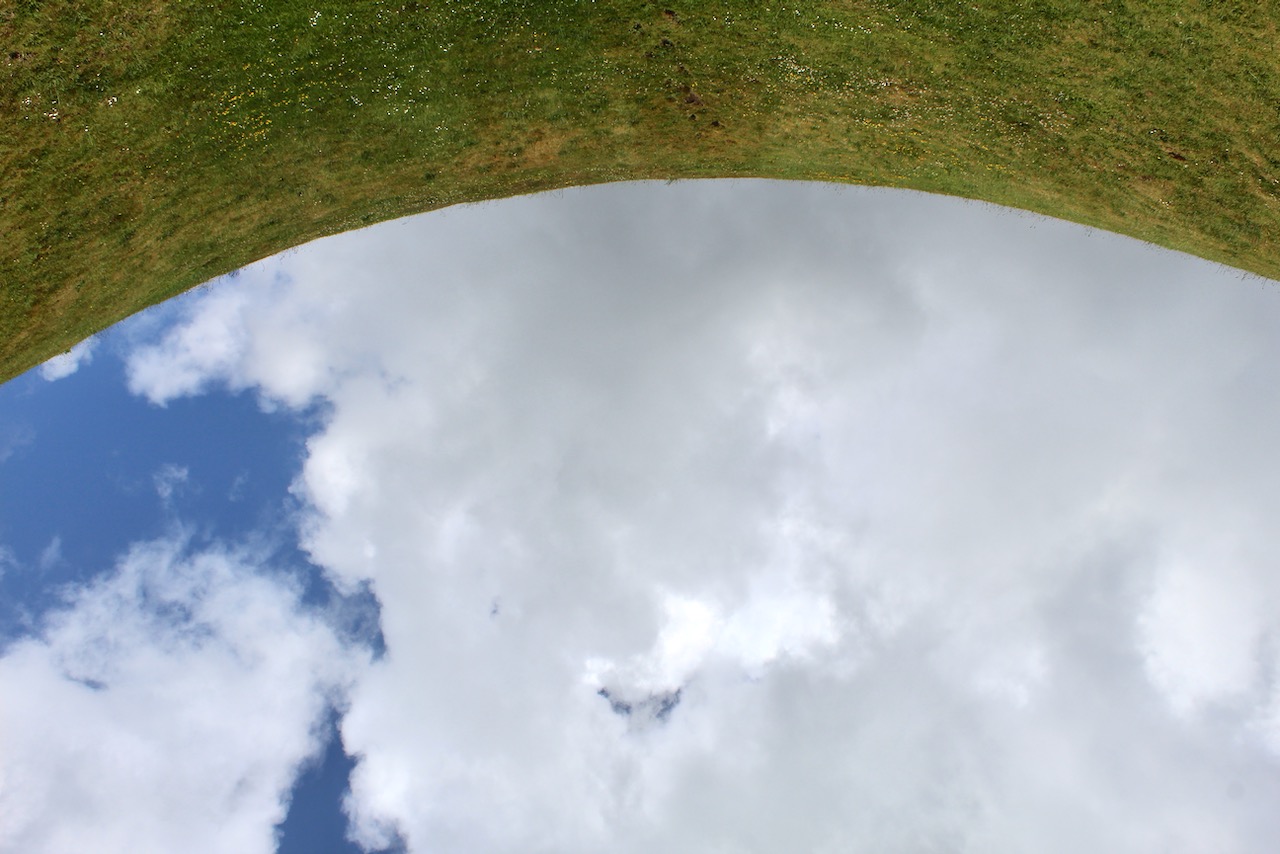
“The ‘Irish Sky Garden’ is a giant earth and stone crater embedded into the landscape of the Liss Ard Estate gardens. The artwork consists of an archway, a long megalithic-like passage, and stairs leading to an oval shaped, grass-lined crater, which measures 50 x 25 metres. In the centre of the crater’s ‘bowl’ is a large stone ‘vault purchase’ or plinth (not unlike an Egyptian sarcophagus). This is where the visitor should lie back and look at the sky, which is framed by the edges of the elliptical crater.
”The most important thing is that inside turns into outside and the other way around, in the sense that relationships between the Irish landscape and the Irish sky changes” (James Turrell).”


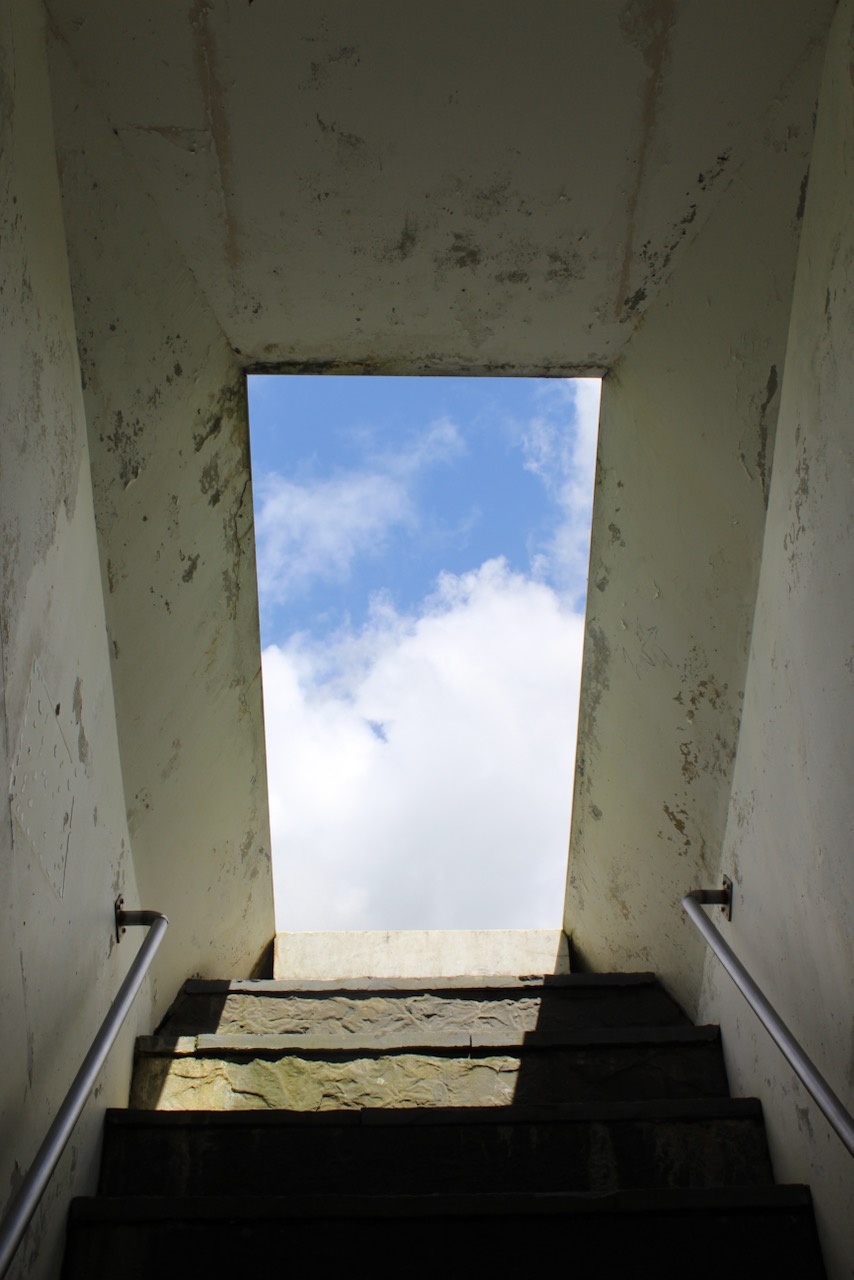
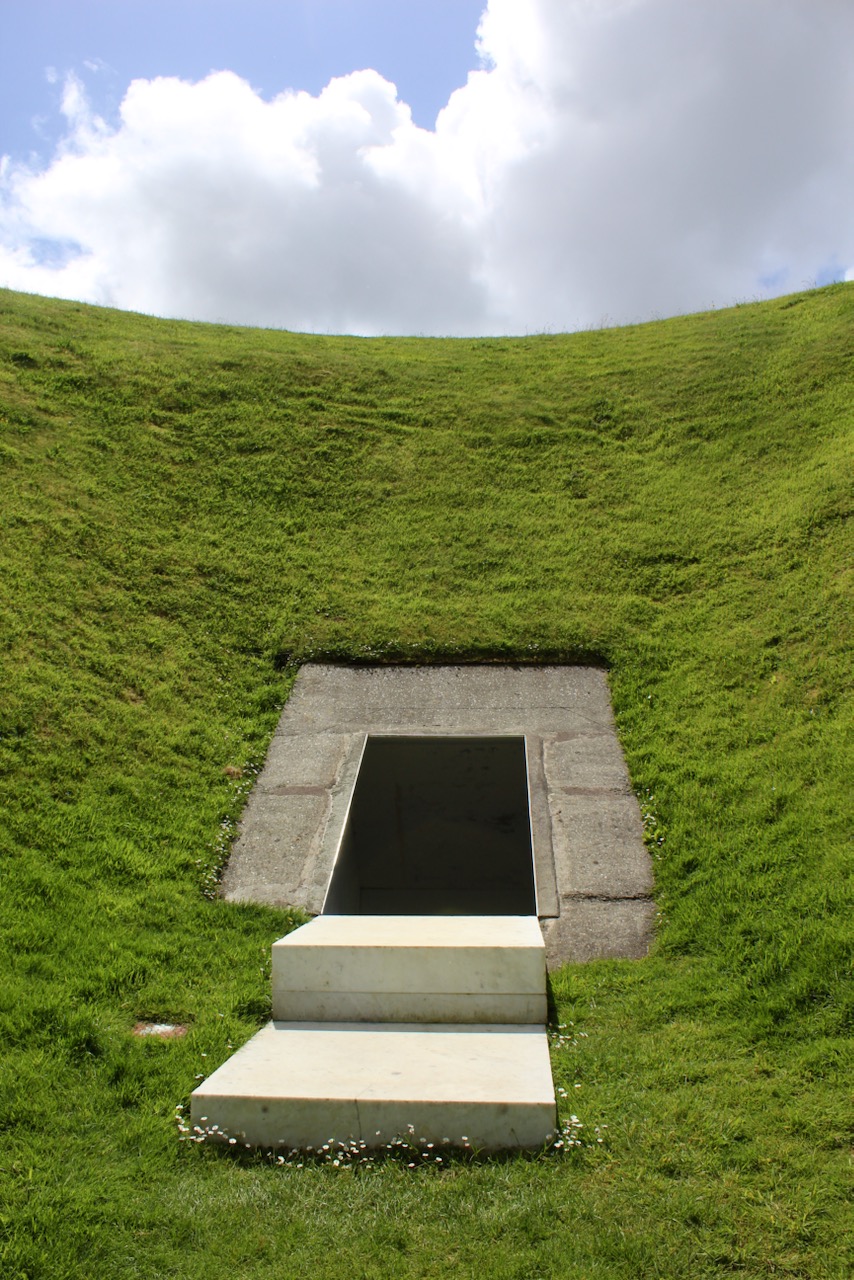
It is impossible to capture the feel of the earth work creation in a photograph although the aerial view from the ‘myhome’ website gives us an idea.
23. Riverstown House, Riverstown, Glanmire, Co. Cork T45 HY45 – section 482
Open dates in 2026: May 1-2, 7-9, 14-16, 21-23, 28-30, June 4-6, 10-12, 18-20, 25-27, July 2-4, 9-11, 16-18, 23-25, 30-31, Aug 1, 6-8, 13-23, 27-29 Sept 3-5, 2pm-6pm
Fee: adult €10, OAP €7, student €6, child €3
See my entry https://irishhistorichouses.com/2023/02/25/riverstown-house-riverstown-glanmire-county-cork-t45-hy45/

24. Woodford Bourne Warehouse, Sheares Street, Cork – section 482
www.woodfordbournewarehouse.com
Open dates in 2026: all year, except Christmas Eve, Christmas Day, 12 noon-10pm
Fee: Free
Now a fast food outlet, this used to be a warehouse, and the Architect is William Henry Hill (1837-1911).
[1] https://repository.dri.ie/catalog
[2] https://landedestates.ie/property/3505
[4] https://www.irelandscontentpool.com/en
[6] Bence-Jones, Mark. A Guide to Irish Country Houses (originally published as Burke’s Guide to Country Houses volume 1 Ireland by Burke’s Peerage Ltd. 1978); Revised edition 1988 Constable and Company Ltd, London.
[7] https://archiseek.com/2012/blackrock-castle-cork/
[8] fotahouse.com
[9] Keohane, Frank. The Buildings of Ireland: Cork City and County. Yale University Press: New Haven and London, 2020.
[10] O’Hea O’Keeffe, Jane. Voices from the Great Houses: Cork and Kerry (Mercier Press, Cork, 2013).
Text © Jennifer Winder-Baggot, www.irishhistorichouses.com












 Irish Historic Houses