Clonskeagh Castle, Dublin – section 482

www.clonskeaghcastle.com

Open dates in 2025: Jan 5-9, Feb 28, Mar 1-7, 9, May 1-10, June 1-10, July 1-10, Aug 16-25, Nov 4-6, Dec 2-4, 10am-2pm

Fee: adult €12, student/OAP/groups €8, groups over 4 people €8 each

donation

Help me to pay the entrance fee to one of the houses on this website. This site is created purely out of love for the subject and I receive no payment so any donation is appreciated!

€15.00

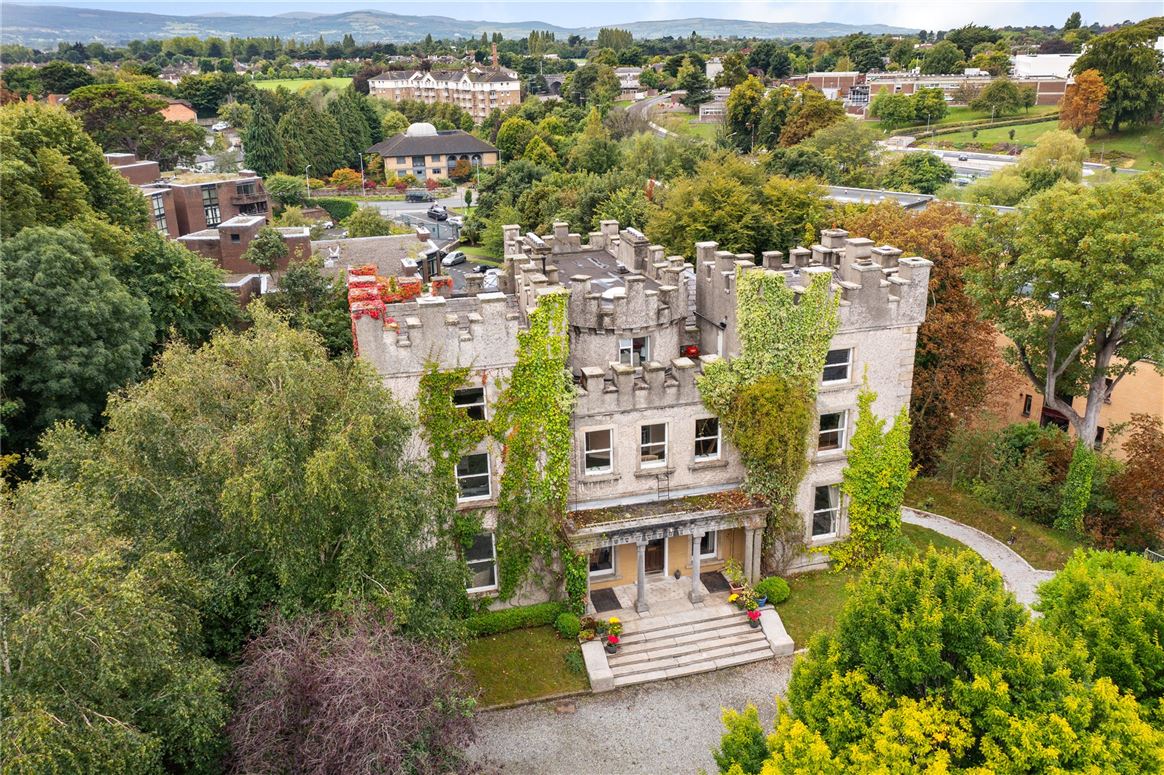
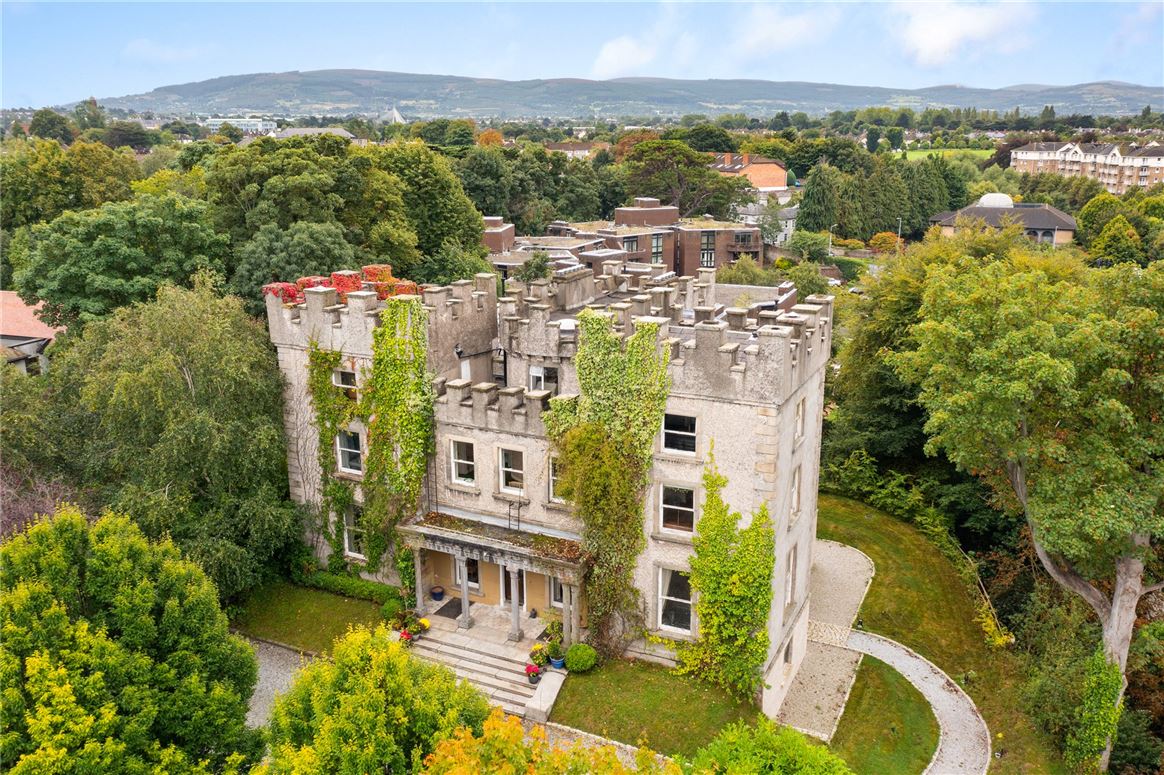
Clonskeagh Castle, photograph courtesy of Sherry Fitzgerald and myhome.ie

We visited Clonskeagh Castle in December 2023. The name Clonskeagh comes from the Irish “Cluain Sceach” – the meadow of the white thorns. The house was built around 1789 as a country residence (he also had a house in the city) for Henry Jackson (d. 1817), who owned an iron foundry.

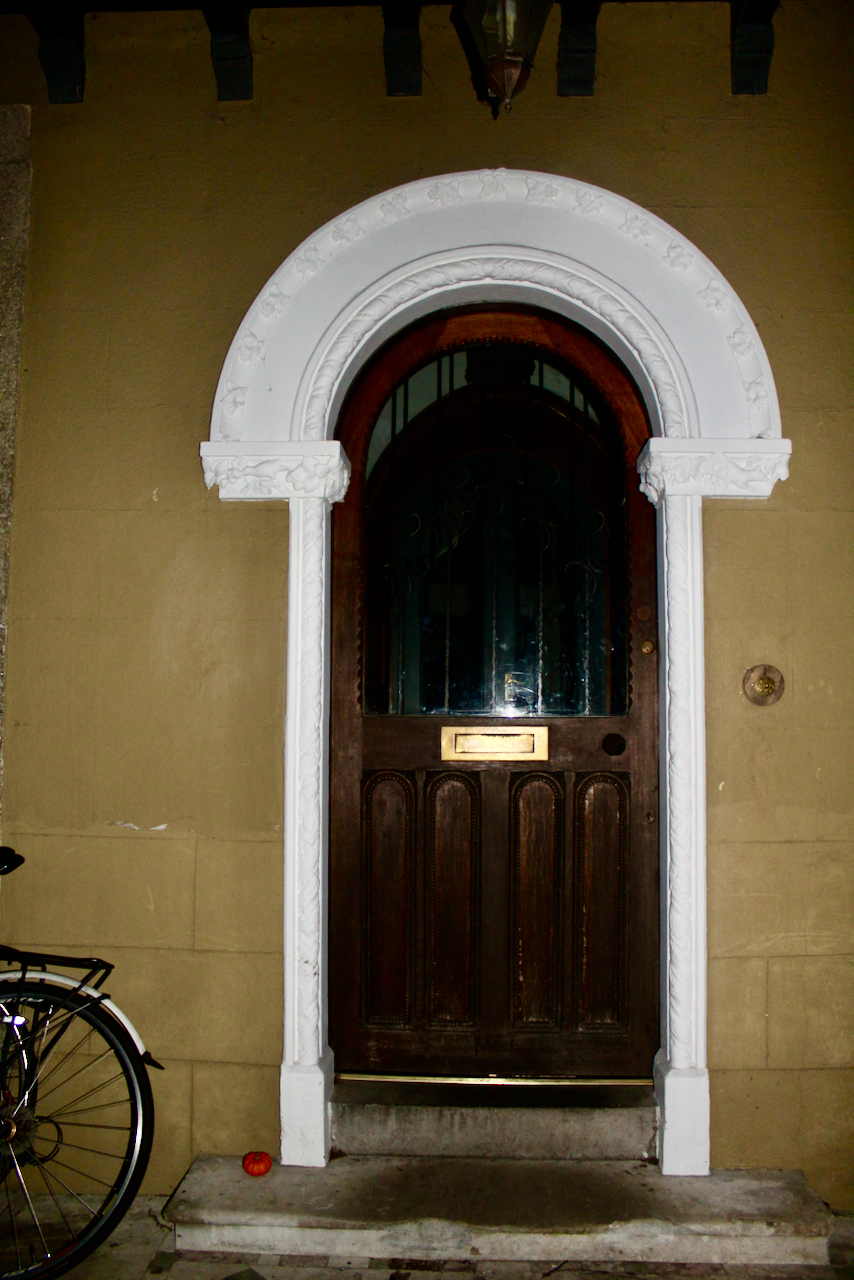
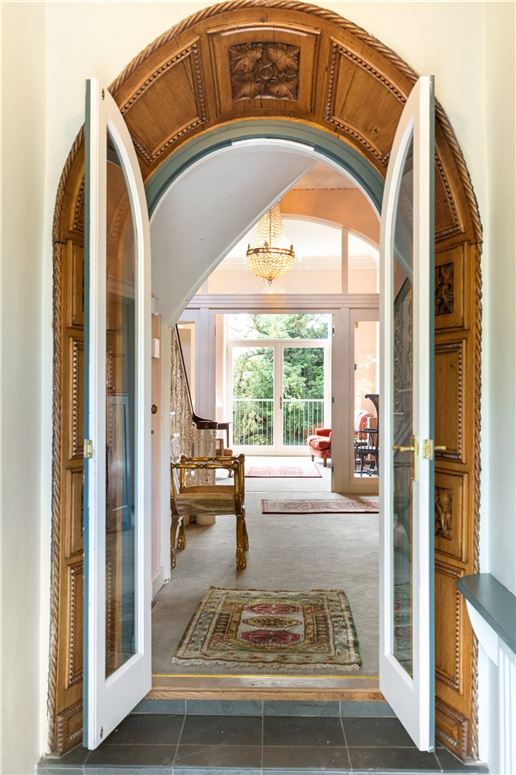
The house was built on an elevated site, and originally faced a toward the Dodder River. It was more compact than the “castle” as we see it today as it did not have the porch or the two towers that now stand at the present front of the house. The front door is less impressive than one would expect but this is because it was not the original front. The portico was added around 1886 when the house was inherited by Robert Wade Thompson.

Owner Frank showed us notes written by architect Marc Kilkenny and architectural historian Alastair Rowan, with a photograph of the original arched entrance to the demesne.
A photograph of the house taken at the beginning of the twentieth century, which shows the landscaped gardens.
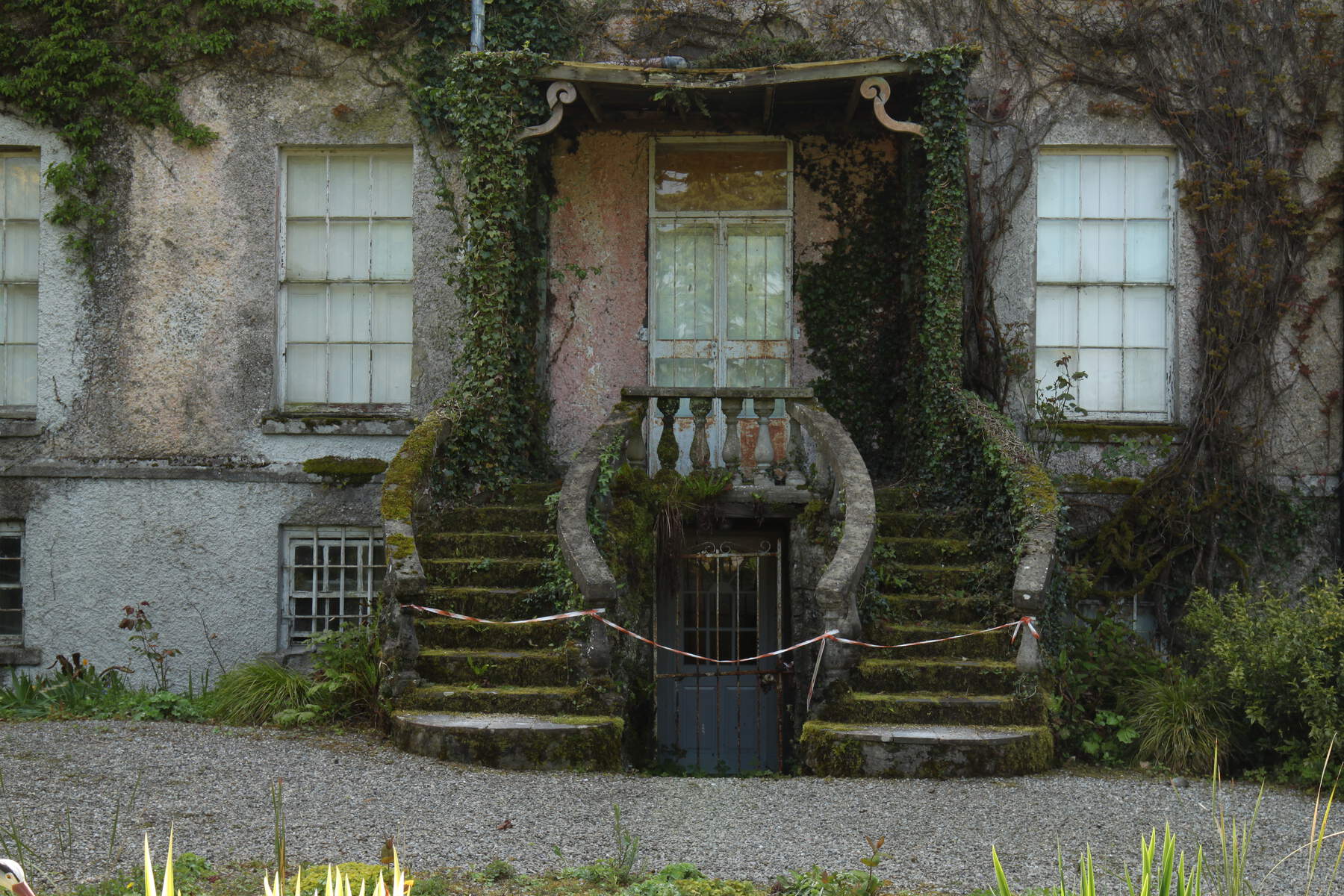
The front door of Clonskeagh Castle. Photograph © Jennifer Winder-Baggot, www.irishhistorichouses.com

The house was purchased by the parents of the current owner in 1992. The house had been converted into flats and the Armstrongs converted it back into use as a family home. They carried out much work on the building, with the benefit of research and guidance of architectural historian, Professor Alistair Rowan. The website tells us:

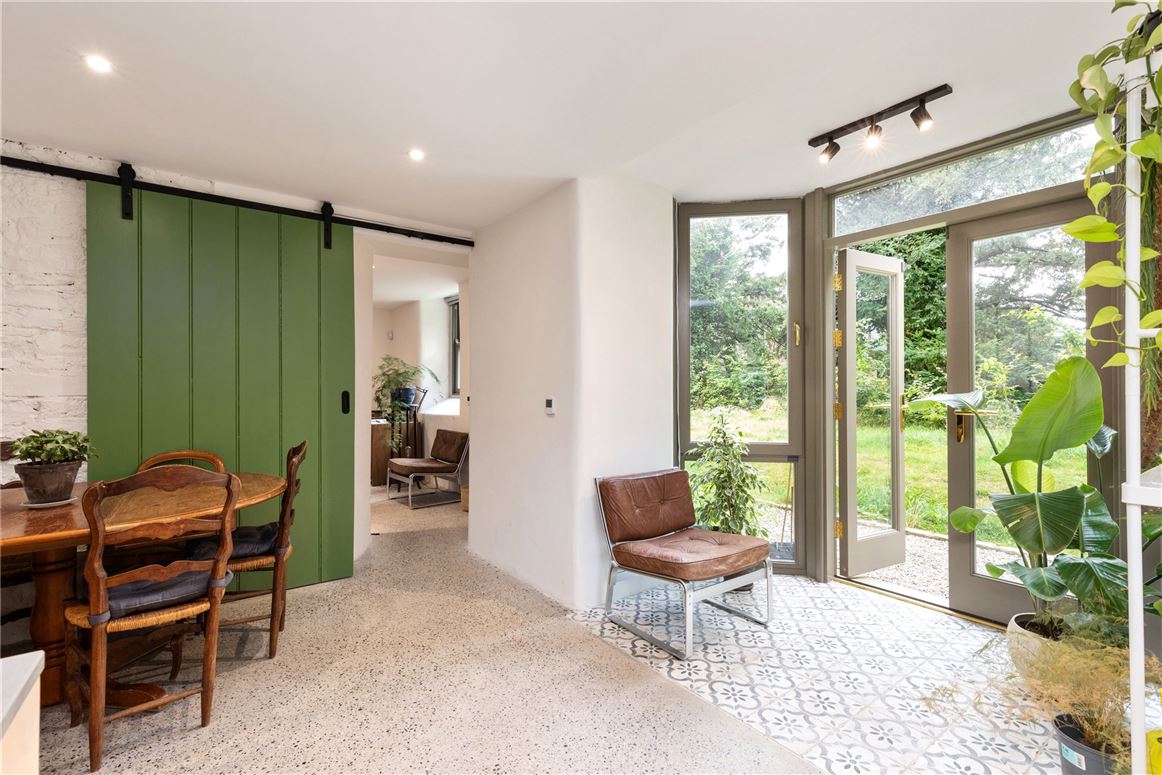
The recent works [in 2019] have included restoration of the major portions of the parapet roof in accordance with best conservation practice; withdrawal of earth from the curtailage of the building, which had been piled up over at least a century giving rise to dampness in the walls; and restoration of rooms in what had been the servants’ quarters to create a small apartment.

These works have been executed by Rory McArdle, heritage contractor, under the supervision of award-winning architect Marc Kilkenny, with frequent reference to the conservation experts at Dun Laoghaire-Rathdown County Council. Fionan de Barra, architect, also provided valuable consultation at the early stages of the project.

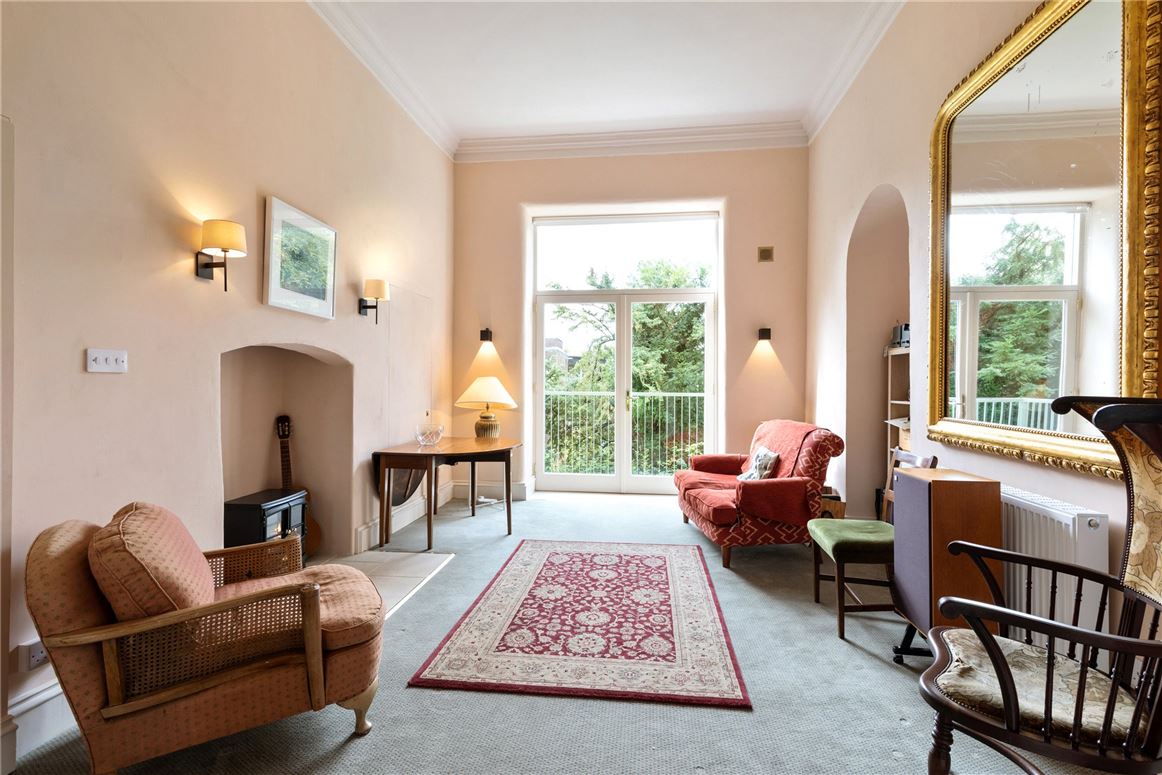
Clonskeagh Castle, photograph courtesy of Sherry Fitzgerald and myhome.ie

Frank Armstrong, the owner who showed us around, edits a magazine, https://cassandravoices.com/

In an article in the Irish Times published on October 6th 2022 written by Elizabeth Birdthistle, Marc Kilkenny said: “Working with my father-in-law at Clonskeagh Castle was an immense privilege. This house was like a member of the family and I felt honoured to be entrusted with the works… We reopened the original 18th century entrance to create a new sitting room which reintroduced south light into the entrance hall. We replaced the main roof and rerouted rainwater and transformed part of the basement into a light and spacious apartment with associated garden and steps up to a new terrace by the main kitchen. All works were carried out to the highest conservation standards.” [1]
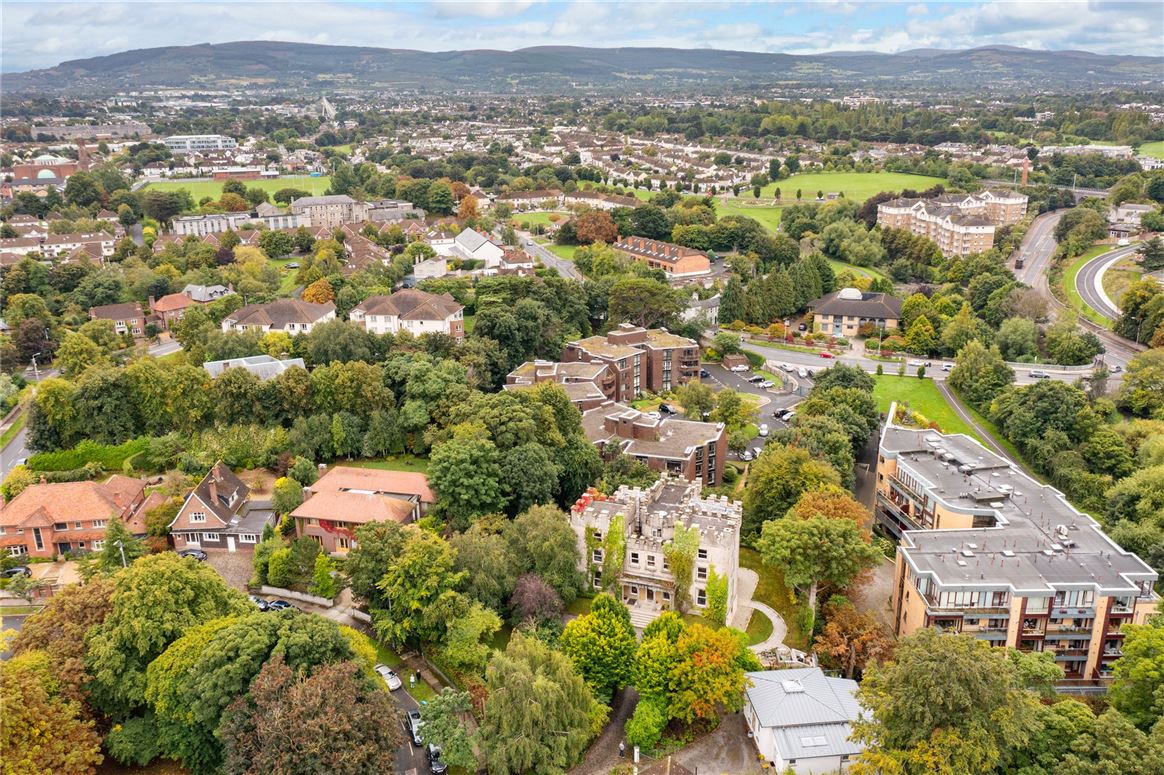
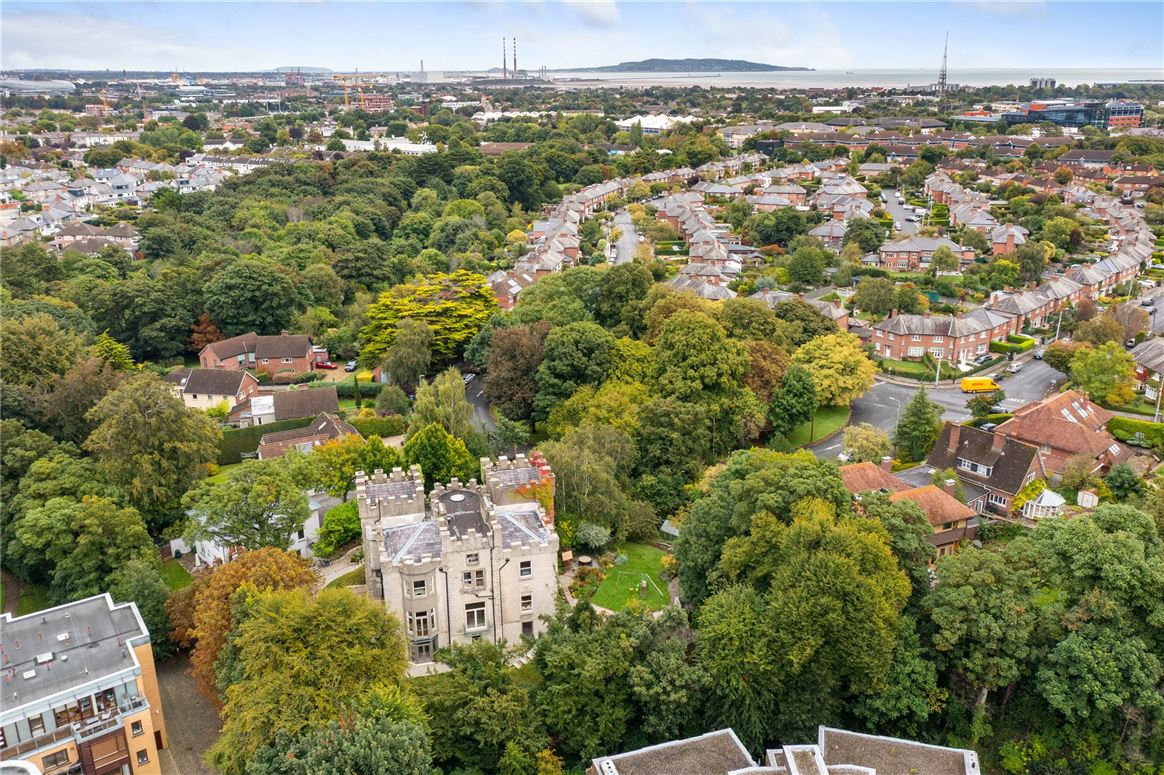
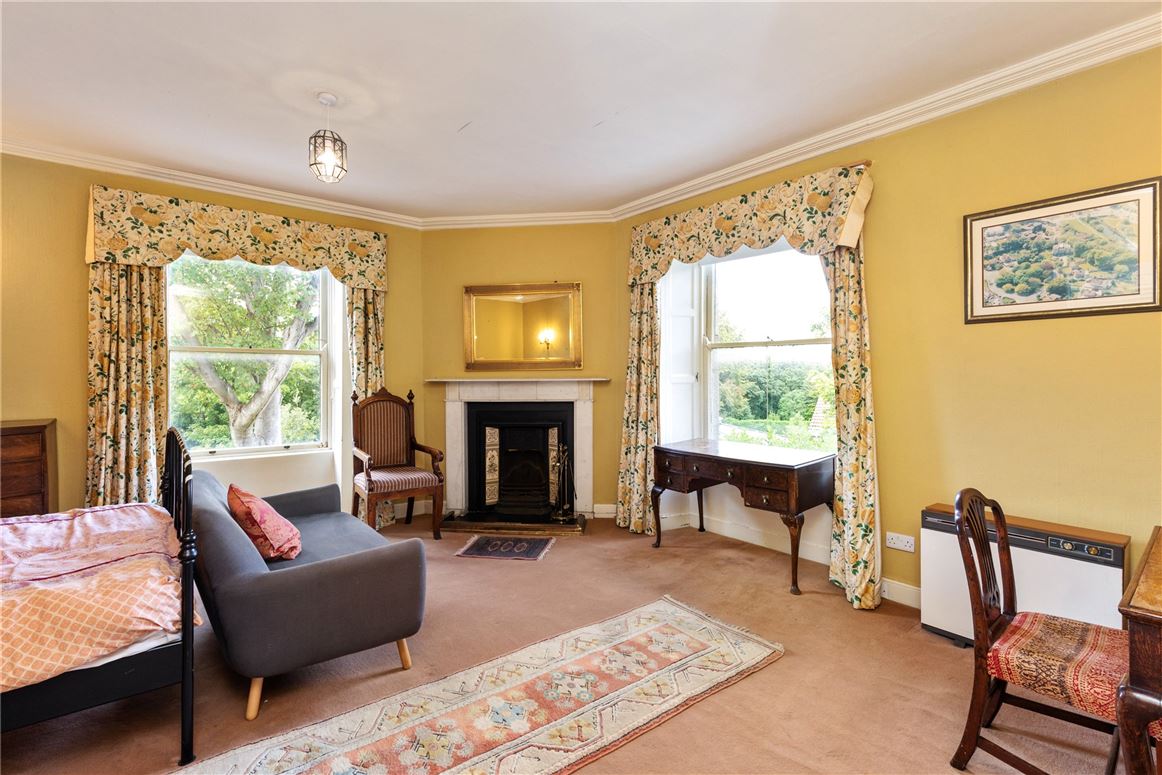
Clonskeagh Castle, photograph courtesy of Sherry Fitzgerald and myhome.ie

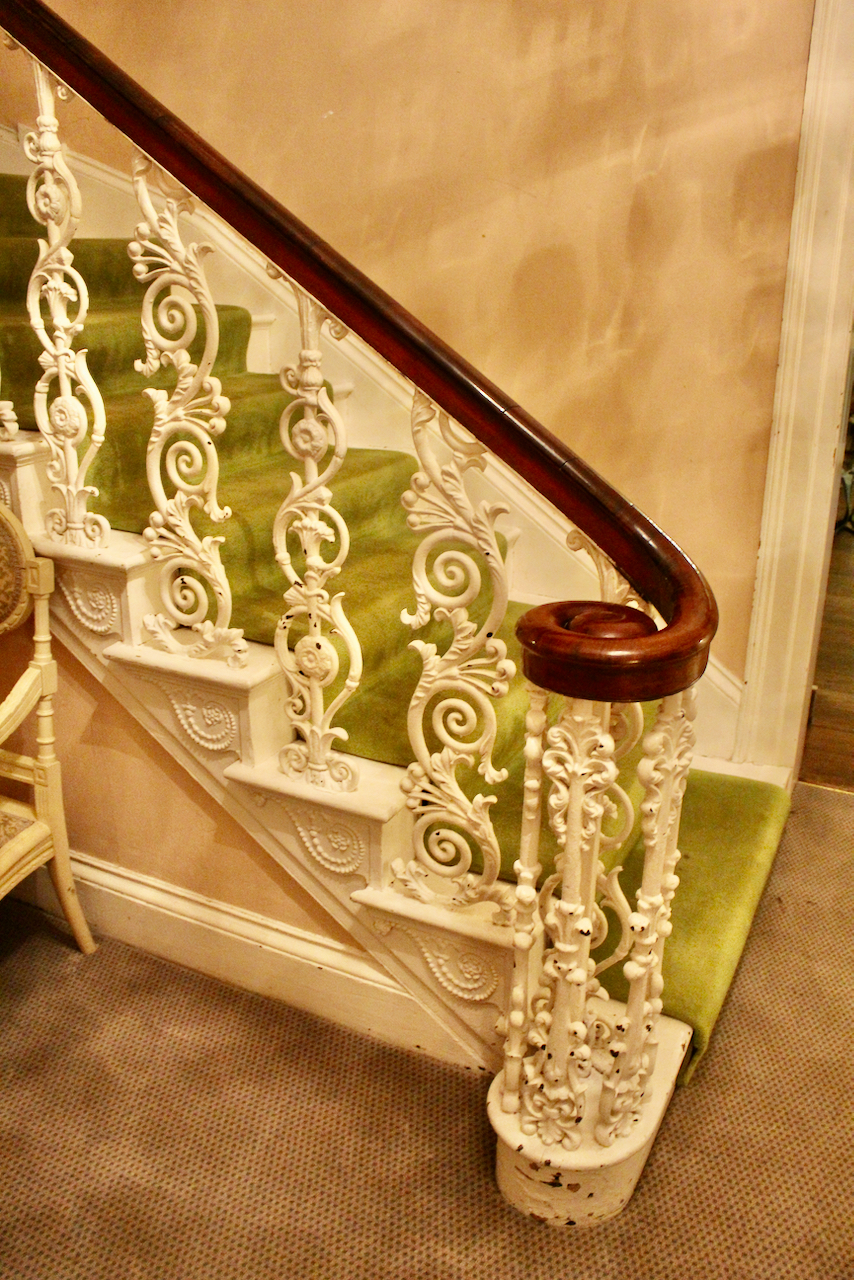
The house contains a beautiful curving staircase with iron balusters, and a spacious upstairs lobby with arches and large sash casement windows letting in the light.

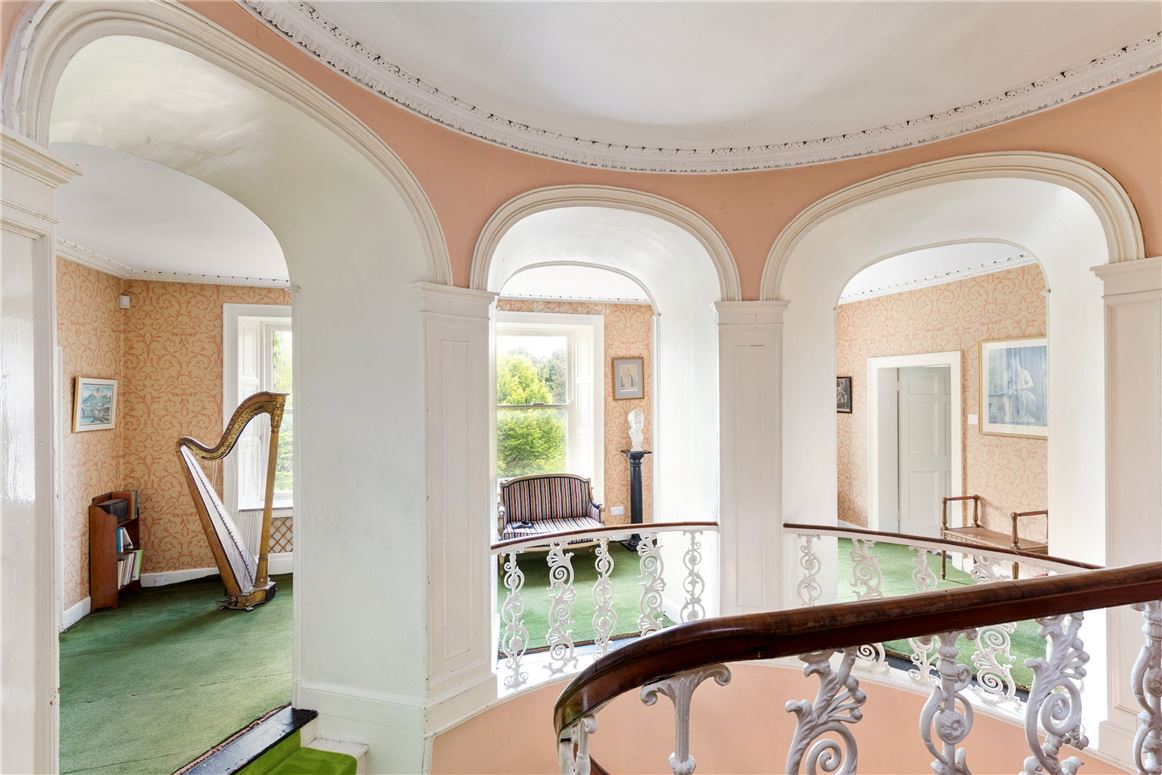
Clonskeagh Castle, photograph courtesy of Sherry Fitzgerald and myhome.ie
The wooden banisters were changed to more decorative cast iron banisters around 1850 and decorative cornicing was added to stair hall and upstairs lobby. Photograph © Jennifer Winder-Baggot, www.irishhistorichouses.com

The original owner of the house, Henry Jackson, was the fourth son of Hugh Jackson (1710?–77) of Creeve, Co. Monaghan, and his wife Eleanor (née Gault), who belonged to a family engaged in the linen trade. [2] Hugh Jackson introduced the linen trade to Ballybay, Co. Monaghan, and generally improved the town.

Henry Jackson started in business as an ironmonger in 1766. The Dictionary of Irish Biography tells us that he is listed in the Dublin Directory from 1768 as an ironmonger in Pill Lane, and from 1787 as an iron founder or iron and brass founder in Old Church Street. In 1798 he also had mills for rolling and slitting iron on the quays and for grinding corn in Phoenix Street (both also steam powered) and iron mills at Clonskeagh.

Henry Jackson joined the United Irishmen. He was influenced by the writings of Thomas Paine, the author of The Rights of Man, and Jackson named the house “Fort Paine.” The Society of United Irishmen was formed at a gathering in a Belfast tavern in October 1791. They were influenced by the ideals of the French Revolution, and they wanted to secure “an equal representation of all the people” in a national government. The founders were mostly Presbyterian but they vowed to make common cause with Irish Catholics. Presbyterians as well as Catholics had suffered under the Penal Laws in Ireland, as Presbyterians were “dissenters” from the established Protestant religion. Most of the original United Irishmen were members of the Irish Volunteers, which were local militias set up to keep order and safety when British soldiers were withdrawn from Ireland to fight in the American Revolutionary War (or as those in America call it, the War of Independence).

In Dublin on 4 November 1779, the Volunteers took advantage of the annual commemoration of King William III’s birthday, marching to his statue in College Green and demonstrating for the cause of free trade between Ireland and Great Britain. Previously, under the Navigation Acts, Irish goods had been subject to tariffs upon entering Britain, whereas British goods could pass freely into Ireland.
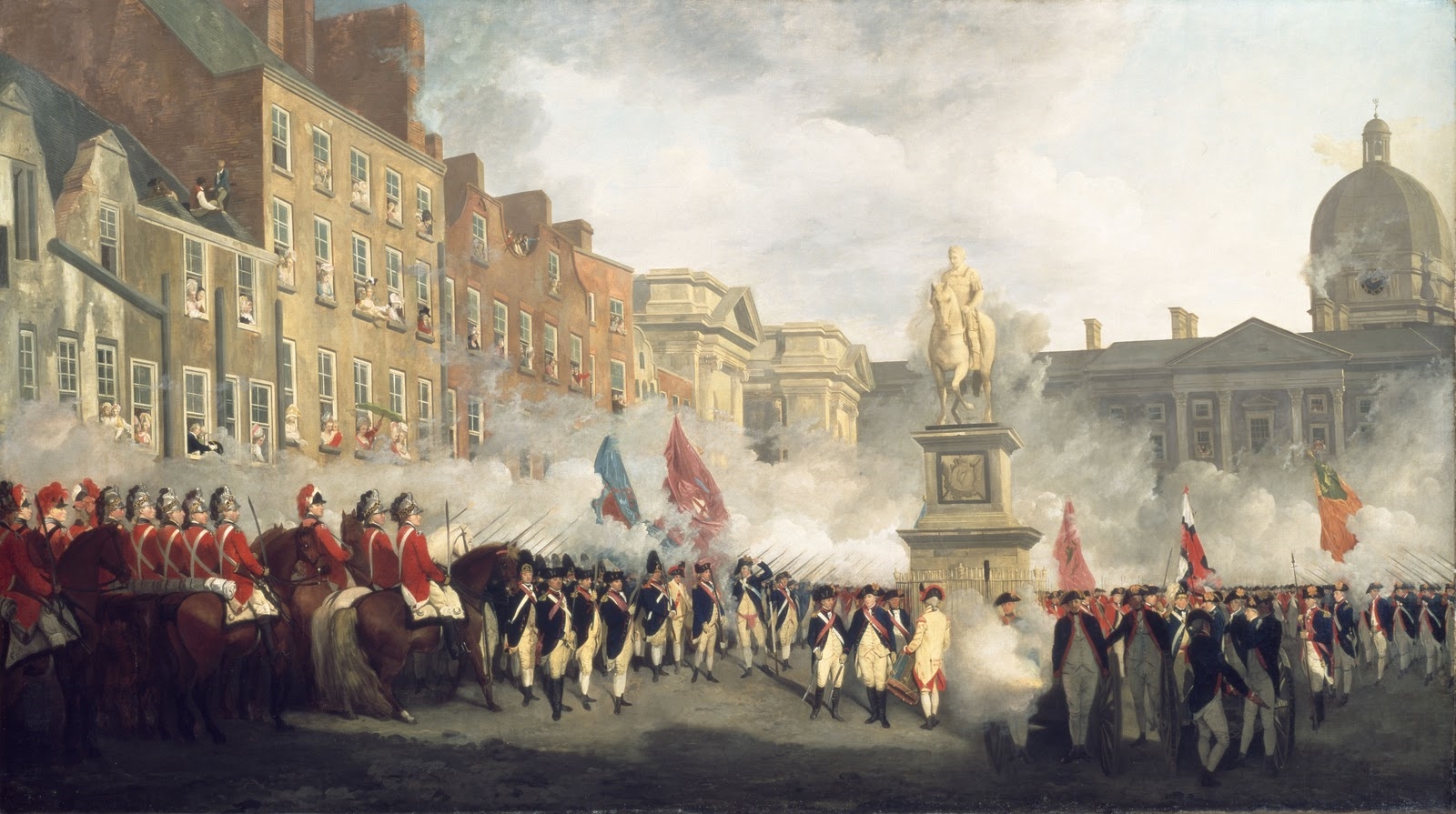
Painting by Francis Wheatley depicting the Dublin Volunteers on College Green, 1779.

Theobald Wolfe Tone was one of the founders of the United Irishmen. Thomas Russell had invited Tone, as the author of An Argument on behalf of the Catholics of Ireland, to the Belfast gathering in October 1791. By 1798, Tone instigated Rebellion for independence and the formation of a republic in Ireland, and he sought the help of the French. Although Protestant, Tone was secretary to Dublin’s Catholic Committee, a group which had been formed to seek repeal of the Penal Laws. The Catholic Committee was formed in 1757 by Charles O’Conor of Belanagare in County Sligo (see my entry about Clonalis).
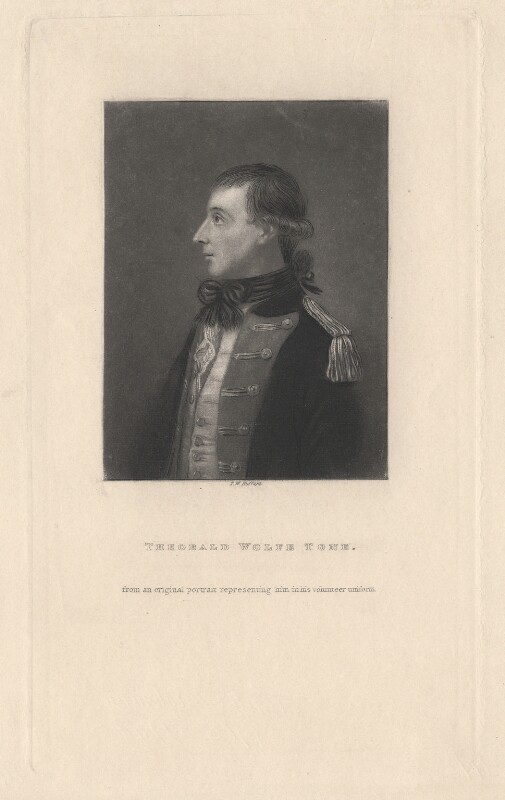
Theobald Wolfe Tone, courtesy of National Gallery of Ireland.

In 1786 Henry Jackson, who was from a Presbyterian family, joined his son-in-law Oliver Bond, along with James Napper Tandy and Archibald Hamilton Rowan, to form a Dublin battalion of the Volunteers. He was also a member of the Dublin Society of United Irishmen. He sat on several of its committees, acting as its secretary and later as its treasurer, and was present at what proved to be the final meeting of the society when it was raided by the police (23 May 1794).
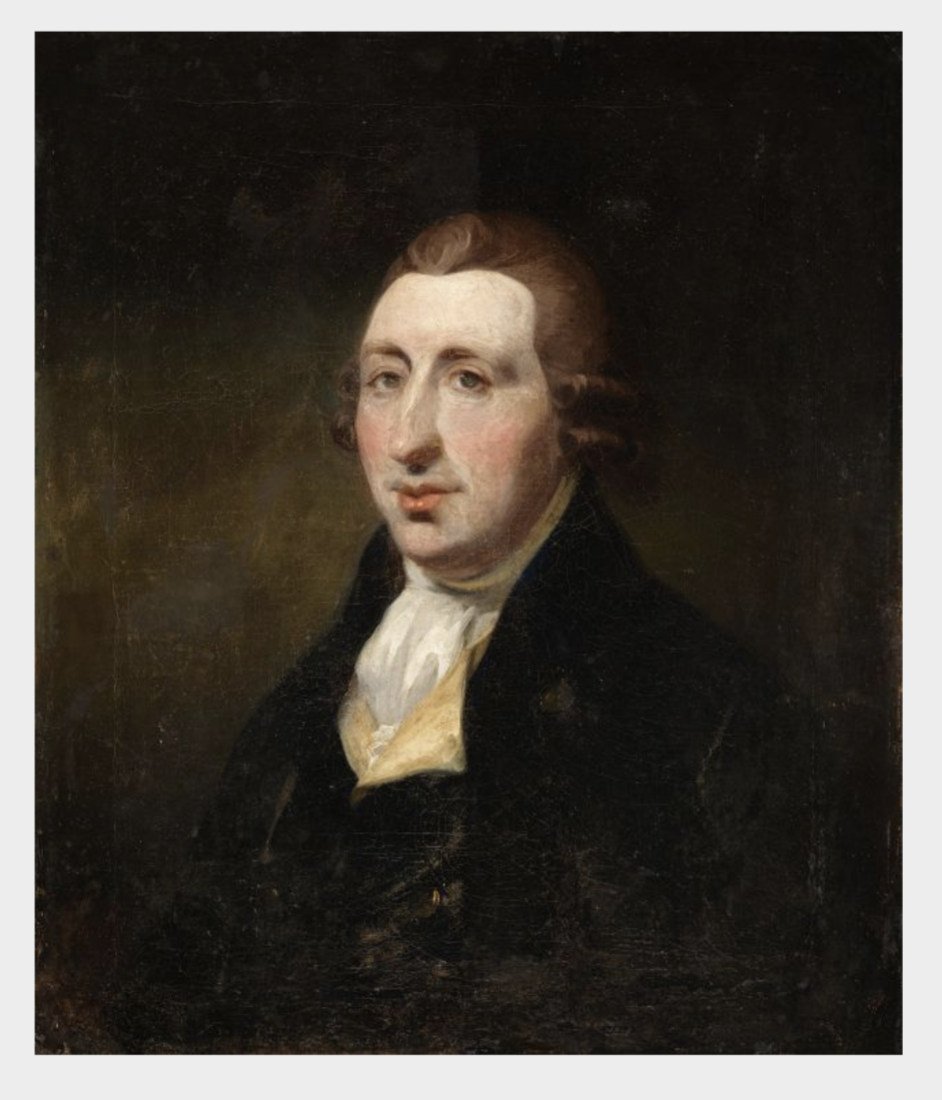
James Napper Tandy (1740-1803), United Irishman, by unknown artist, presented to National Gallery of Ireland by Mr. Parker 1872, object number NGI 429.

Henry Jackson of Clonskeagh Castle used his foundry to make pikes for the 1798 Rebellion. The website tells us:

Jackson was involved in preparations for the 1798 Rebellion, and his foundries were engaged to manufacture pikes for combat, and also iron balls of the correct bore to fit French cannons, in anticipation of an expected invasion. His son-in-law Oliver Bond was also heavily implicated in these plans.

In the event, Jackson was arrested before the ill-fated Rebellion, and imprisoned in England. After some time he was released on condition that he went into exile in America. He died in the city of Baltimore, Maryland in 1817.

Frank told us that the lyrics of the song “By the Rising of the Moon” may refer to the foundry in Clonskeagh. The lyrics of the song include:

At the rising of the moon, at the rising of the moon
For the pikes must be together at the rising of the moon
And come tell me Sean O’Farrell, where the gathering is to be
At the old spot by the river quite well known to you and me.

Clonskeagh Castle, photograph courtesy of Sherry Fitzgerald and myhome.ie

There are tunnels under the house which were perhaps used by Jackson to store his pikes and cannonballs.

The tunnels under Clonskeagh Castle. Photograph © Jennifer Winder-Baggot, www.irishhistorichouses.com
This looks like it could have been an outlet from the tunnels, and faces the original front of the house, toward the Dodder River. Photograph © Jennifer Winder-Baggot, www.irishhistorichouses.com

The Clonskeagh Castle website continues: “In 1811 the Castle was purchased by George Thompson, a landed proprietor, who had a post in the Irish Treasury, and it remained in the ownership of that family until the early twentieth century. It is interesting to note that whereas Henry Jackson was fired by the objective of Irish independence, the last Thompson family member to occupy the house was vehemently insistent on the preservation of the Union.

Thompson made alterations to the house and made what was formerly the back of the house into the front. The Armstrongs note that the hallway was thus left quite dark, and they did renovation work to allow light to penetrate from the south.
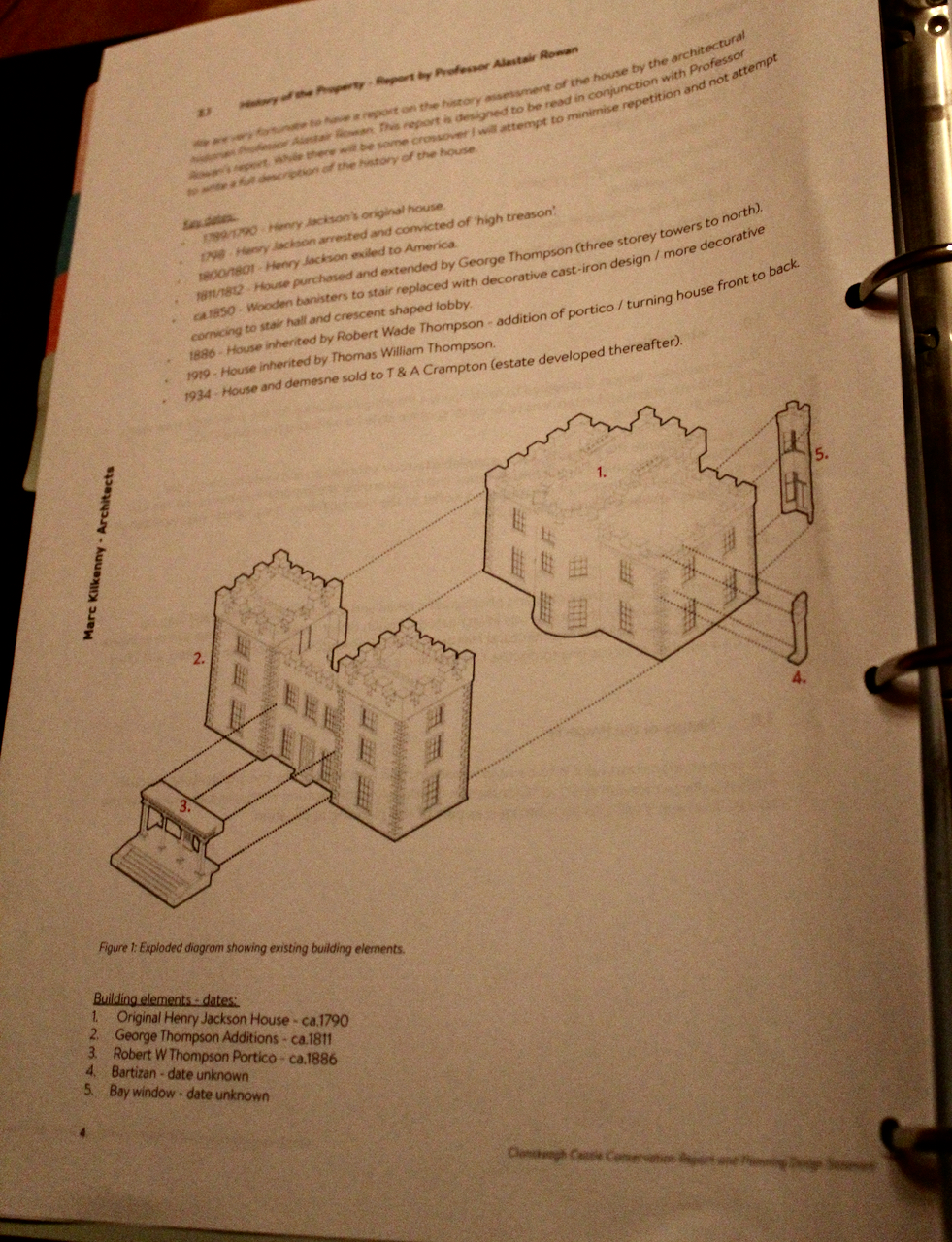
Notes from a report written by Alastair Rowan, with drawings of the original Henry Jackson house, and the George Thompson additions.
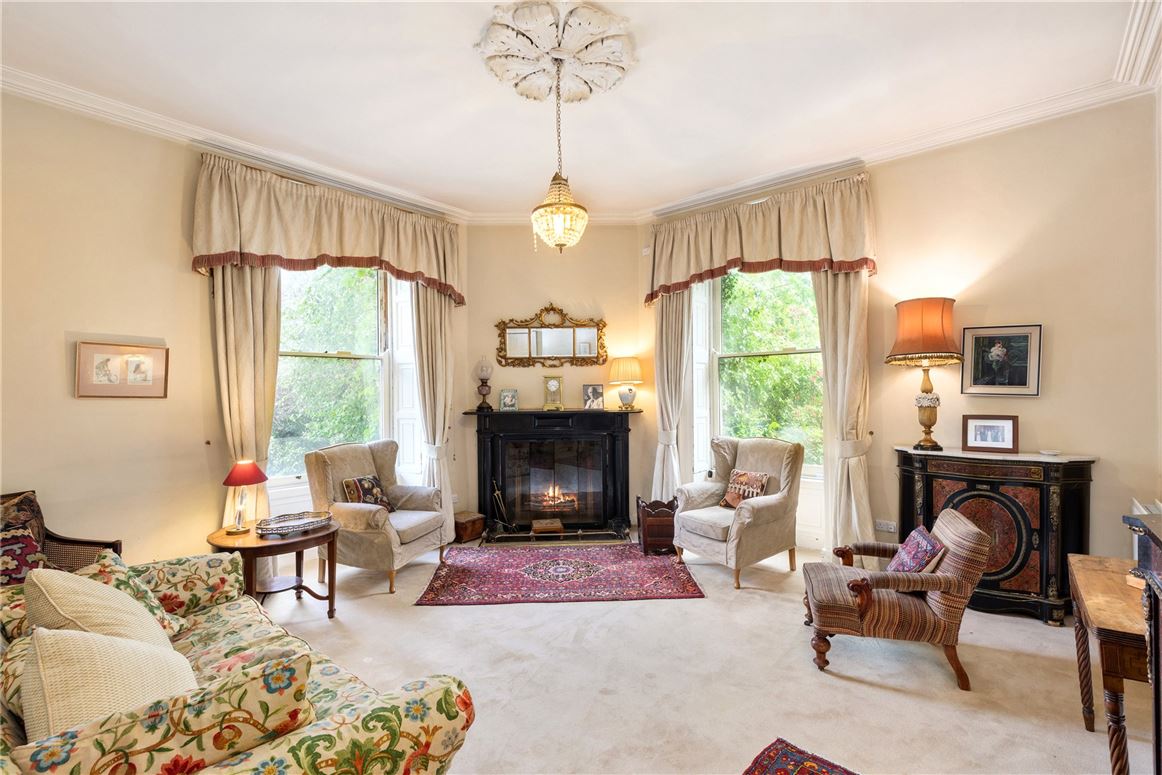
Clonskeagh Castle, photograph courtesy of Sherry Fitzgerald and myhome.ie. We can see that the hall is now made bright by opening up the space to the outside.
Clonskeagh Castle, photograph courtesy of Sherry Fitzgerald and myhome.ie

The house passed from George Thompson (1769-1860) to his son Thomas Higinbotham Thompson, to his son Robert Wade Thompson (1845-1919). [3] Robert Wade Thompson was a barrister, who married Edith Isabella Jameson, daughter of Reverend William Jameson (1811-1886) and Elizabeth Guinness (1813-1897). Reverend William Jameson was son of John Jameson of Jameson’s Whiskey Company. Elizabeth was the daughter of Arthur Hart Guinness (1768-1855) who was the son of Arthur Guinness (1725-1803), founder of Guinness Brewery.

The house then passed to Robert Wade Thompson’s son Thomas William Thompson in 1919.

The website tells us: “During the War of Independence (1919-1921) the Castle was occupied by the British military, and was used for some time to incarcerate Irish Republicans.

The castle was purchased in 1934 by G&T Crampton, a property development company who later developed the redbrick houses that now stand on the nearby Whitethorn, Whitebeam and Maple Roads.

“Clonskeagh Castle,” held by G. & T. Crampton. © Unknown. Digital content by Assoc. Prof. Joseph Brady, published by UCD Library, University College Dublin.

Frank showed us a couple of books about the area. The house was for sale when we visited. The new owners will be very lucky to own piece of Irish history.
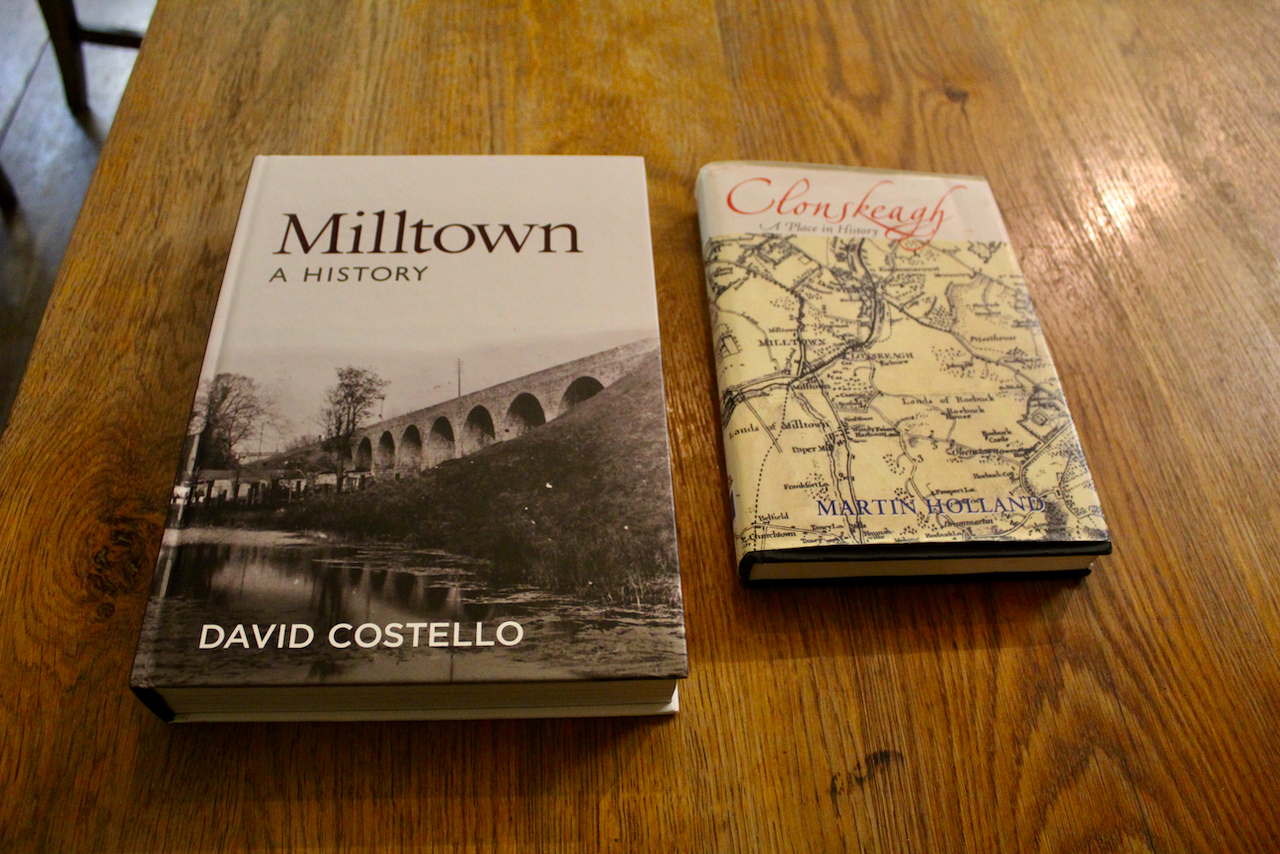
Books that Frank showed us about the area. Photograph © Jennifer Winder-Baggot, www.irishhistorichouses.com
Clonskeagh Castle, photograph courtesy of Sherry Fitzgerald and myhome.ie
Frank told us that in the large dining room they held musical events. Photograph © Jennifer Winder-Baggot, www.irishhistorichouses.com
Clonskeagh Castle, photograph courtesy of Sherry Fitzgerald and myhome.ie

[1] https://www.irishtimes.com/property/residential/2022/10/06/clonskeagh-castle-complete-with-tunnel-and-secret-staircases-for-sale-for-295m/

[2] https://www.dib.ie/biography/jackson-henry-a4235

[3] https://www.famousjamesons.com

Text © Jennifer Winder-Baggot, www.irishhistorichouses.com
Portraits T-U-V

T

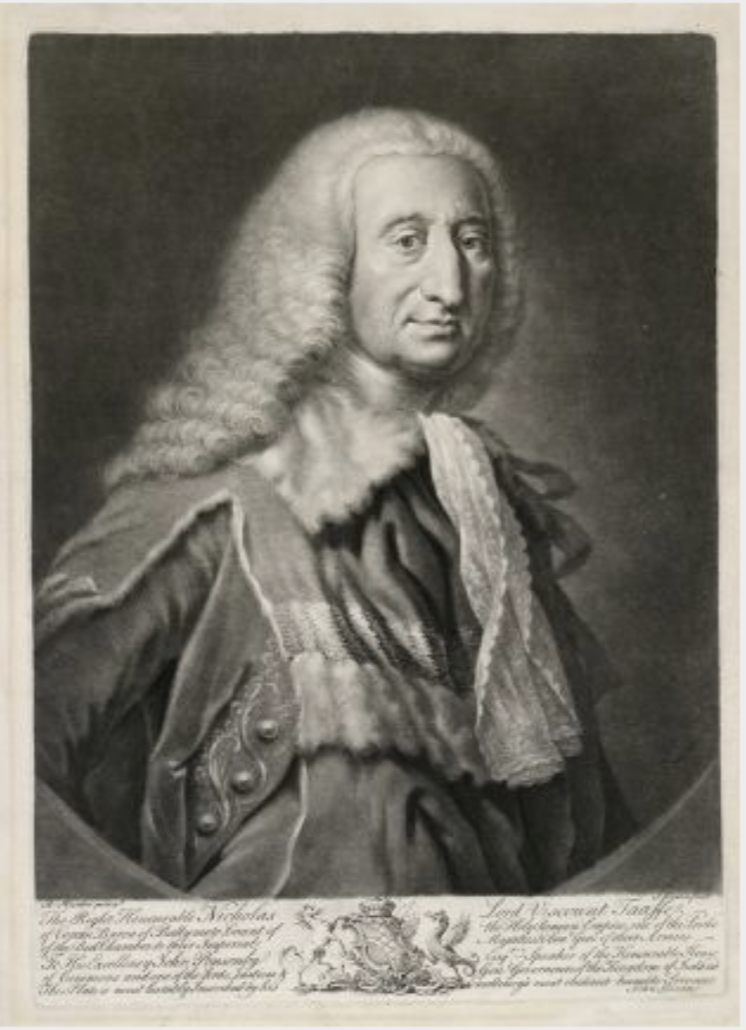
Nicholas Taafe, 6th Viscount Taafe, (1677-1769), Lieut.-General in the Austrian Army Date 1763 Engraver John Dixon, Irish, c.1740-1811 After Robert Hunter, Irish, 1715/1720-c.1803.
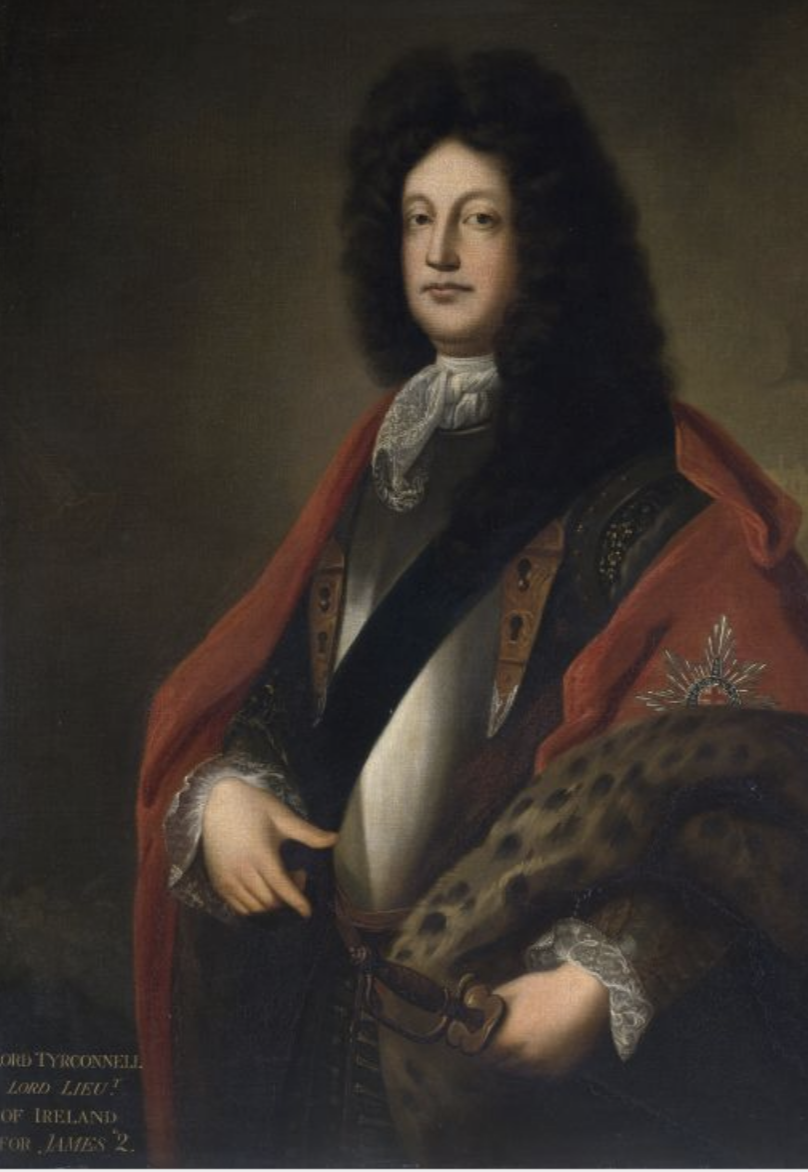
Richard Talbot (1630-1691), 1st Duke of Tyrconnell, Lord Lieutenant of Ireland for King James II, courtesy of National Gallery of Ireland. Portrait by Francois De Troy, court painter for James II while in exile.
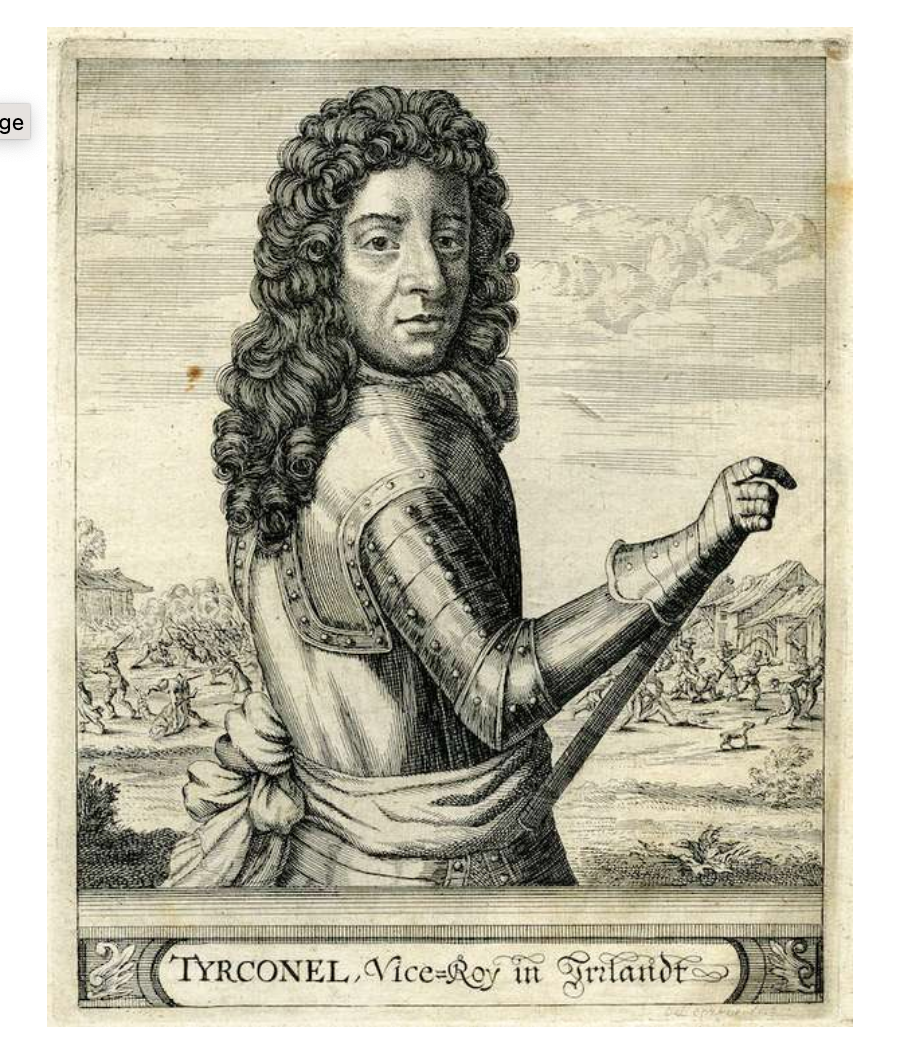
Richard Talbot 1st Duke of Tyrconnel ”Tyrconel, Vice-Roy in Irelande’ courtesy of Adam’s auction 30 April 2013, A late 17th Century engraving.
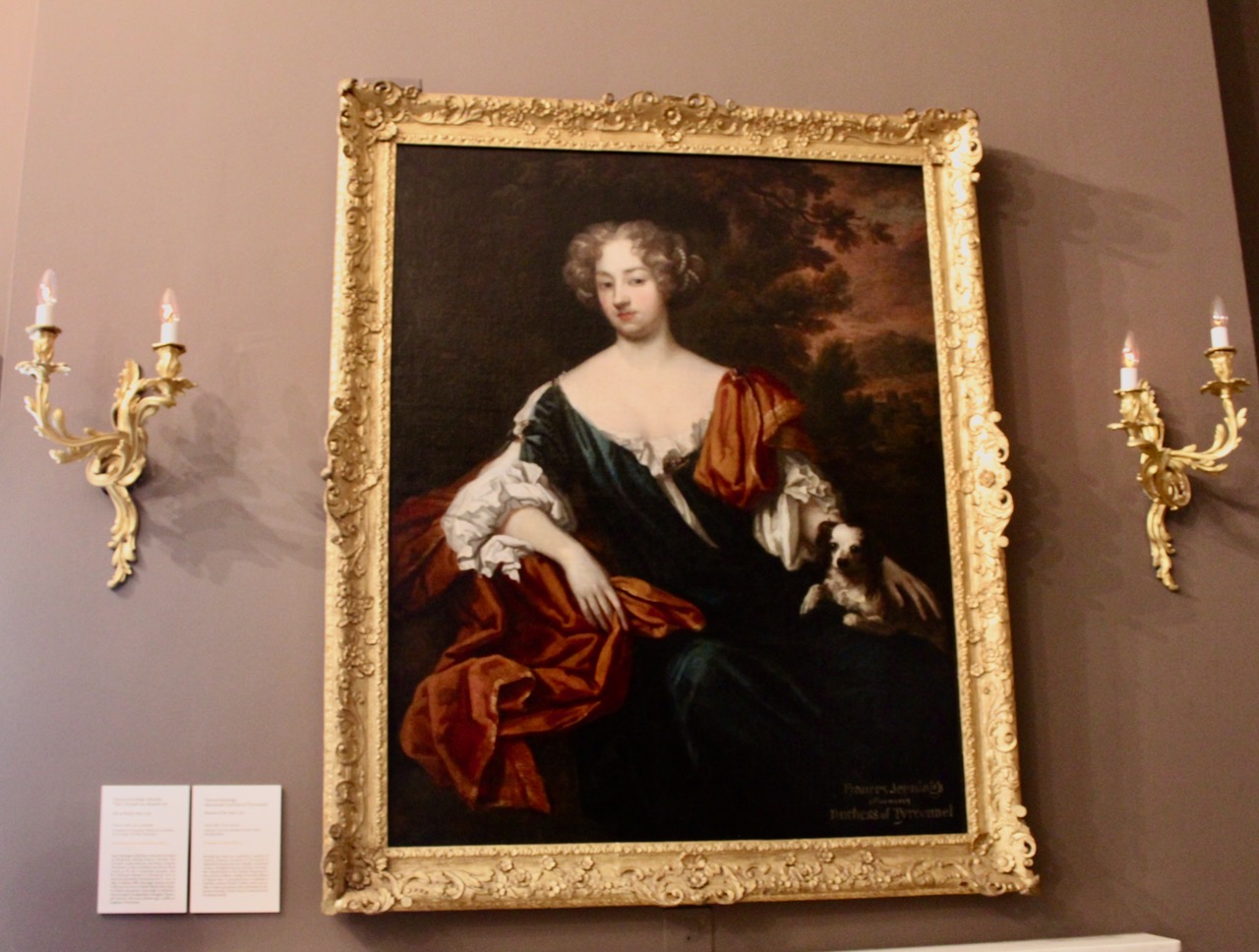
Frances née Jennings (1647-1730), Vicereine of Ireland 1687-89, Duchess of Tyrconnell. She was married to Richard Talbot, 1st Duke of Tyrconnell (1630-1691). Photograph © Jennifer Winder-Baggot, www.irishhistorichouses.com
Richard Talbot (1638-1703) of Malahide, painting attributed to Peter Lely, photograph courtesy of National Gallery of Ireland.
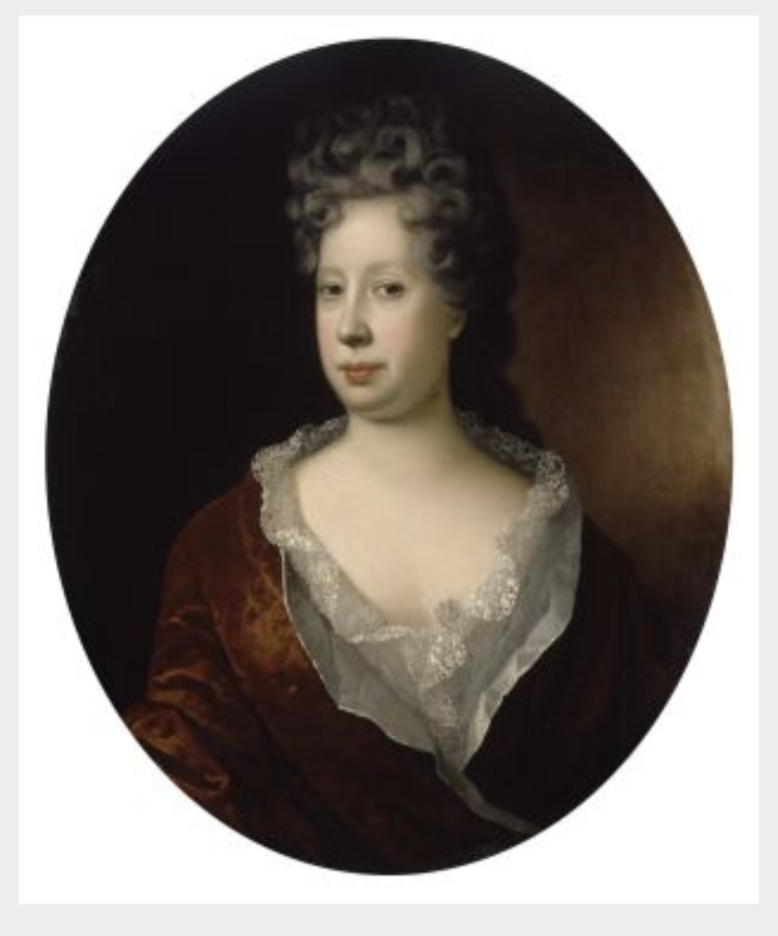
Frances Talbot (c.1670-1718) by Garret Morphy courtesy National Gallery of Ireland NGI 4150. She was the daughter of Robert Talbot, 2nd Baronet of Carton, County Kildare, and wife of Richard Talbot (1638-1703) of Malahide.
Frances Thomasine, Countess Talbot (née Lambart), (1782-1819), Wife of the 3rd Earl Talbot Date 1822 Engraver John Samuel Agar, British, c.1773-1858 After Charles Robertson, Irish, 1759-1821, courtesy of National Gallery of Ireland.
Colonel Richard Wogan Talbot (c. 1766-1849) 2nd Baron Talbot of Malahide, 1840 by Giovanni Battista Canevari, courtesy of National Gallery of Ireland.
James Talbot, 4th Baron Talbot de Malahide (1805-1883) by John Collier courtesy National Gallery of Ireland NGI 4654.
Maria Margaretta Murray (d. 1873), Lady Talbot, married to James 4th Baron Talbot of Malahide, by Thomas Lawrence.
Gertrude Talbot, Daughter of the 18th Earl of Shrewsbury, married 13th Earl of Pembroke in 1874, Adam’s County House Collections auction 12th October 2020.
James Napper Tandy (c. 1740-1819) when a French General, by James Petrie, Scottish, 1750-1819.
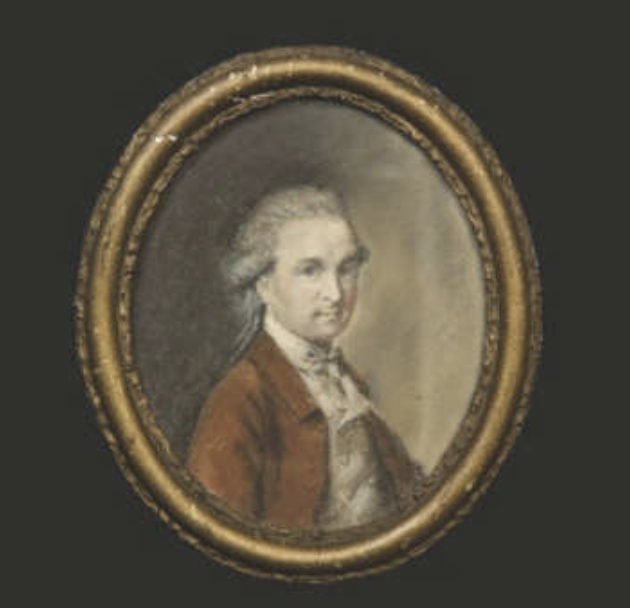
James Napper Tandy (1740-1803), United Irishman, by unknown artist, presented to National Gallery of Ireland by Mr. Parker 1872, object number NGI 429

Timothy William Ferres tells us in his wonderful blog [1]:

THE RT HON THOMAS TAYLOR (1662-1736), who was created a baronet, 1704, designated of Kells, County Meath, and sworn of the Privy Council in 1726. Sir Thomas wedded Anne, daughter of Sir Robert Cotton Bt, of Combermere, and had issue, THOMAS (1657-96) his heir;
Robert (Very Rev) (d. 1744), Dean of Clonfert;
Henry;
James (1700-1747);
Henrietta; Salisbury (married first William Fitzgerand, Bishop of Clonfert and second, Brig.-Gen. James Crofts, son of James Scott, 1st and last Duke of Monmouth); Anne.

Sir Thomas was succeeded by his eldest son, THE RT HON SIR THOMAS TAYLOR (1657-96), 2nd Baronet, MP for Maidstone, 1689-96, Privy Counsellor, who married Mary, daughter of John Graham, of Platten, County Meath, and left, with a daughter, Henrietta (who married Richard Moore of Barne, County Tipperary), an only son, 

THE RT HON SIR THOMAS TAYLOR, 3rd Baronet (1724-95), KP, MP for Kells, 1747-60, who wedded, in 1754, Jane, eldest daughter of the Rt Hon Hercules Langford Rowley, by Elizabeth, Viscountess Langford, and had issue,

THOMAS (1757-1829) his successor;
Robert, a general in the army;
Clotworthy (1763-1825) created 1st Baron Langford of Summerhill, he took the surname Rowley when his wife Frances Rowley inherited her uncle Lord Langford’s estate;
Henry Edward, in holy orders;
Henrietta (married Chambré Brabazon Ponsonby-Barker (1762-1834) of Kilcooley Abbey, County Kilkenny).

Sir Thomas was elevated to the peerage, in 1760, in the dignity of Baron Headfort; and advanced to a viscountcy, in 1762,as Viscount Headfort. His lordship was further advanced, in 1766, to the dignity of an earldom, as Earl of Bective.

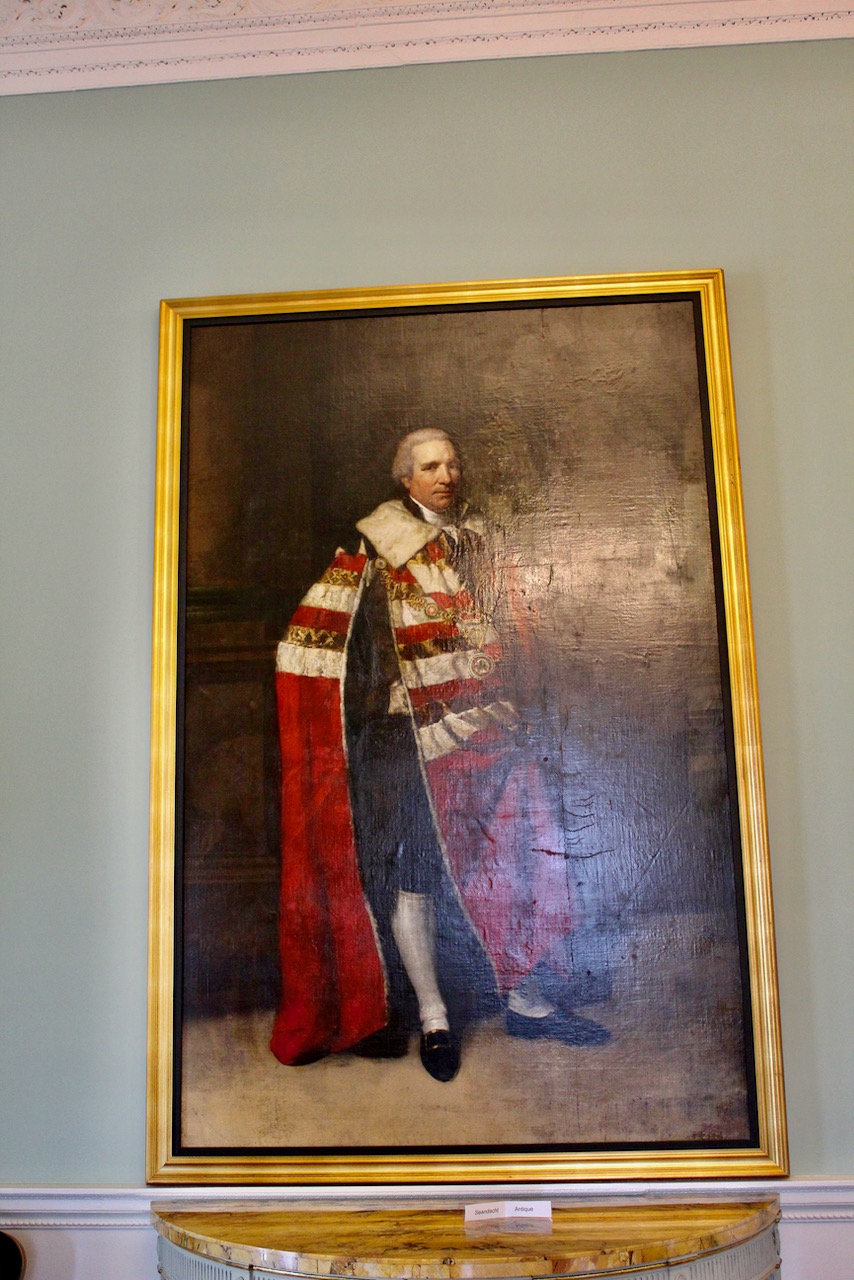
Thomas Taylour (1724-1795) 1st Earl of Bective wearing the star and sash of the Order of St. Patrick by Gilbert Stuart and studio courtesy of Sotheby’s, Public Domain, https//:commons.wikimedia.org/w/index.php?curid=27947645.jpg
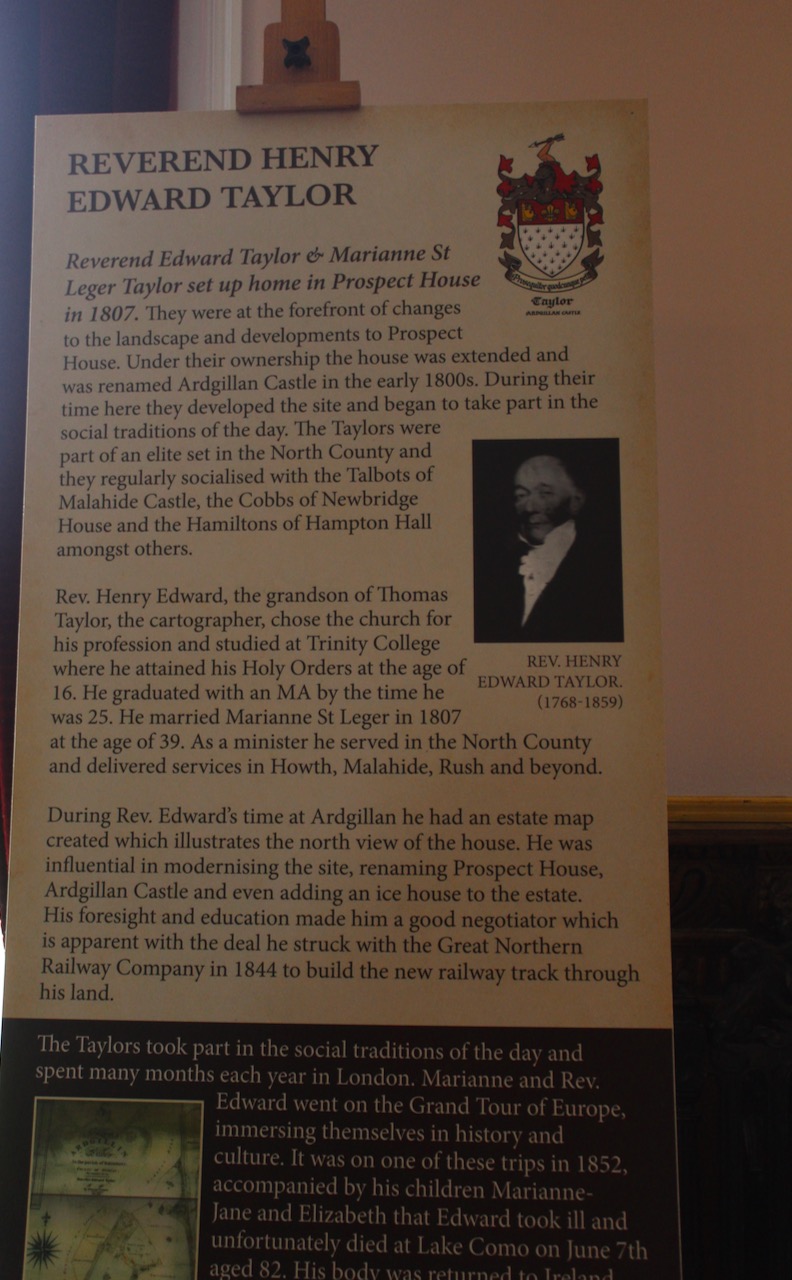
Reverend Henry Edward Taylor of Ardgillan Castle, County Dublin, who was a son of Thomas Taylour (1724-1795) 1st Earl of Bective.

In 1783 he was installed as a Founder Knight of St Patrick (KP), and sworn of the Privy Council of Ireland. His lordship was succeeded by his eldest son, THOMAS, 2nd Earl (1757-1829), who espoused, in 1778, Mary, only daughter and heir of George Quin, of Quinsborough, County Clare, and had issue: THOMAS (1787-1870) his successor;
George;
Mary; Elizabeth Jane.

Thomas Taylour (1757-1829) 1st Marquess of Headfort by Pompeo Batoni courtesy of Google Art Project By Pompeo Batoni – 9QE_ZzFPQzDZiQ at Google Cultural Institute, Public Domain, https//:commons.wikimedia.org/w/index.php?curid=29800995
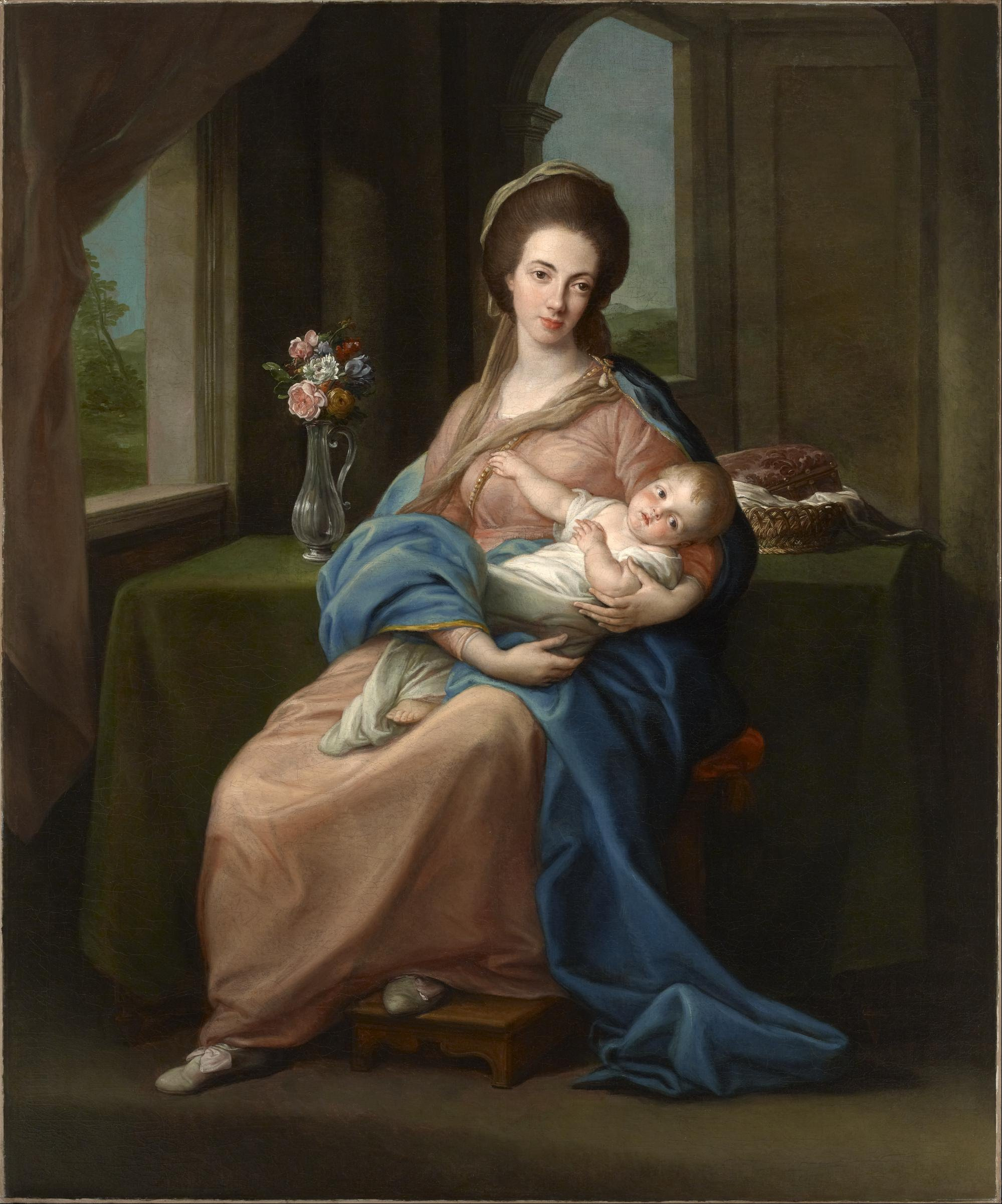
Mary née Quin (the daughter of George Quin and Caroline Cavendish) The Marchioness of Headfort, wife of Thomas Taylour (1757-1829) 1st Marquess of Headfort, holding her Daughter Mary, 1782, by Pompeo Batoni, Google_Art_Project 6wGvrQuQJ1yERA at Google Cultural Institute, Public Domain, https//:commons.wikimedia.org/w/index.php?curid=29801821.jpg

His lordship was created, in 1800, MARQUESS OF HEADFORT.

The Taylour family became very much involved in the political life of the locality, and several members of the family served as MPs for Kells and the county of Meath. [1]

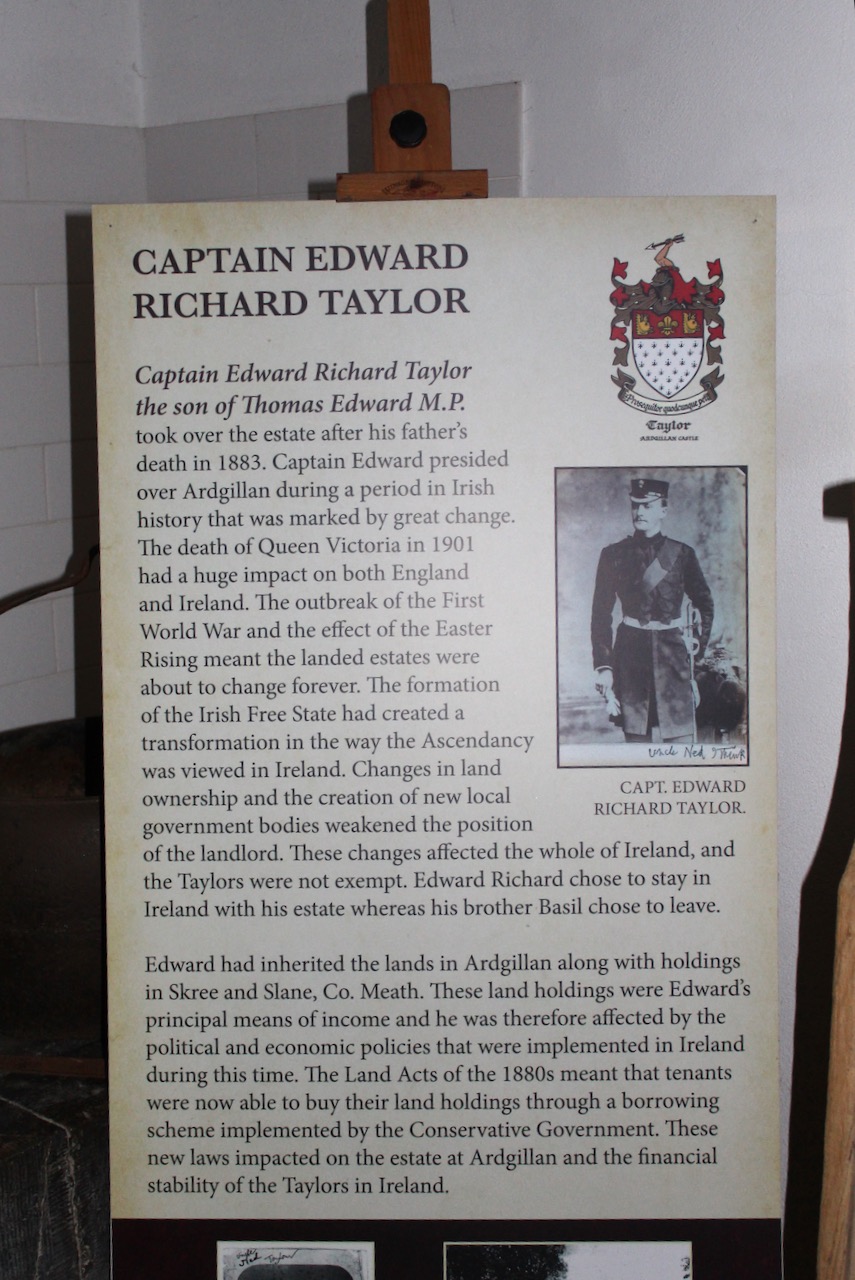
Captain Edward Richard Taylor of Ardgillan Castle, County Dublin.
Charles Thorpe (1772-1820) by engraver Patrick Maguire, photograph courtesy of National Gallery of Ireland.
Caroline Hamilton née Tighe (1777-1861), photograph courtesy of Hamwood house website.
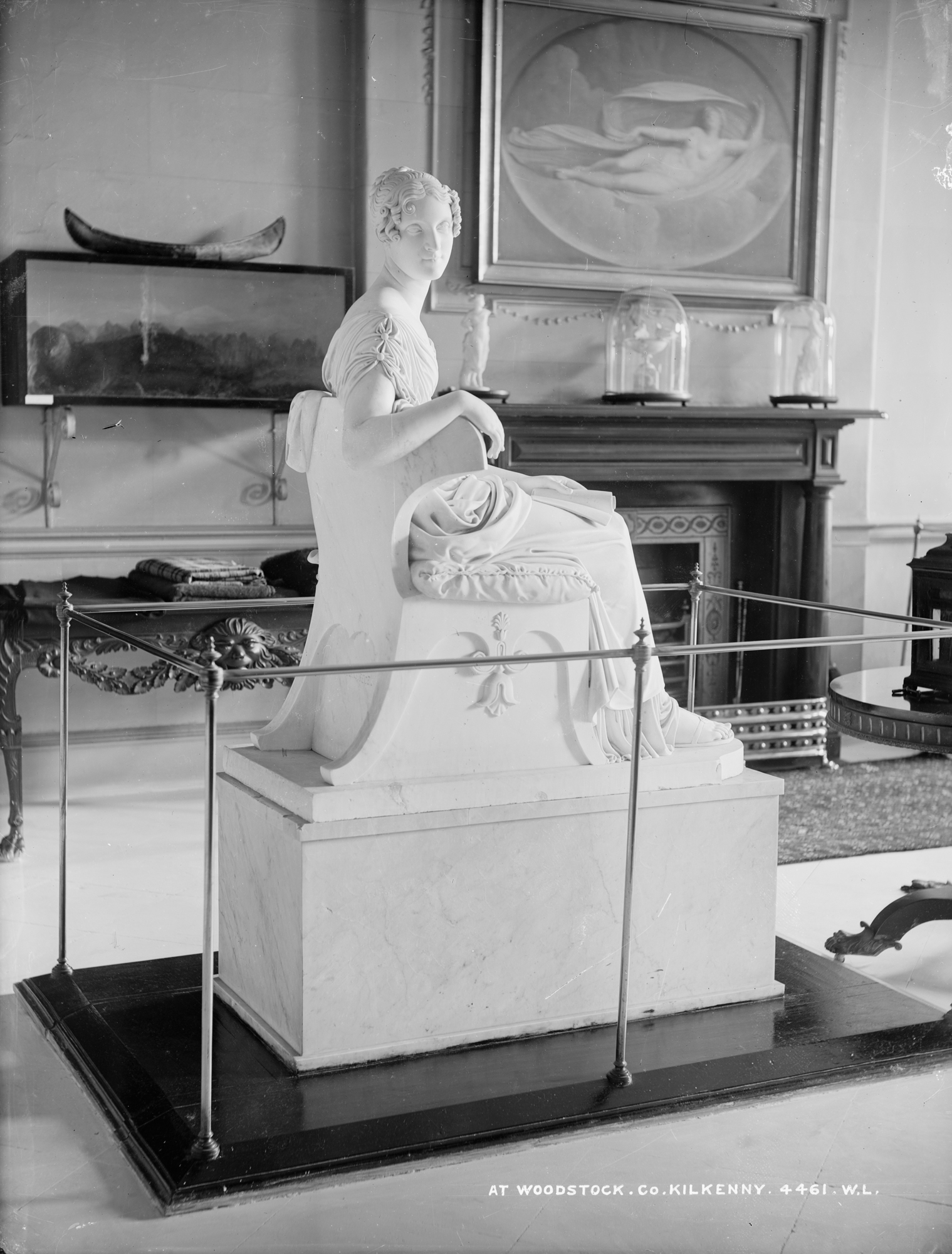
Mary Tighe née Blachford (1772-1810) as sculpted by Lorenzo Bartolini ca. 1820, photograph courtesy of National Library of Ireland.
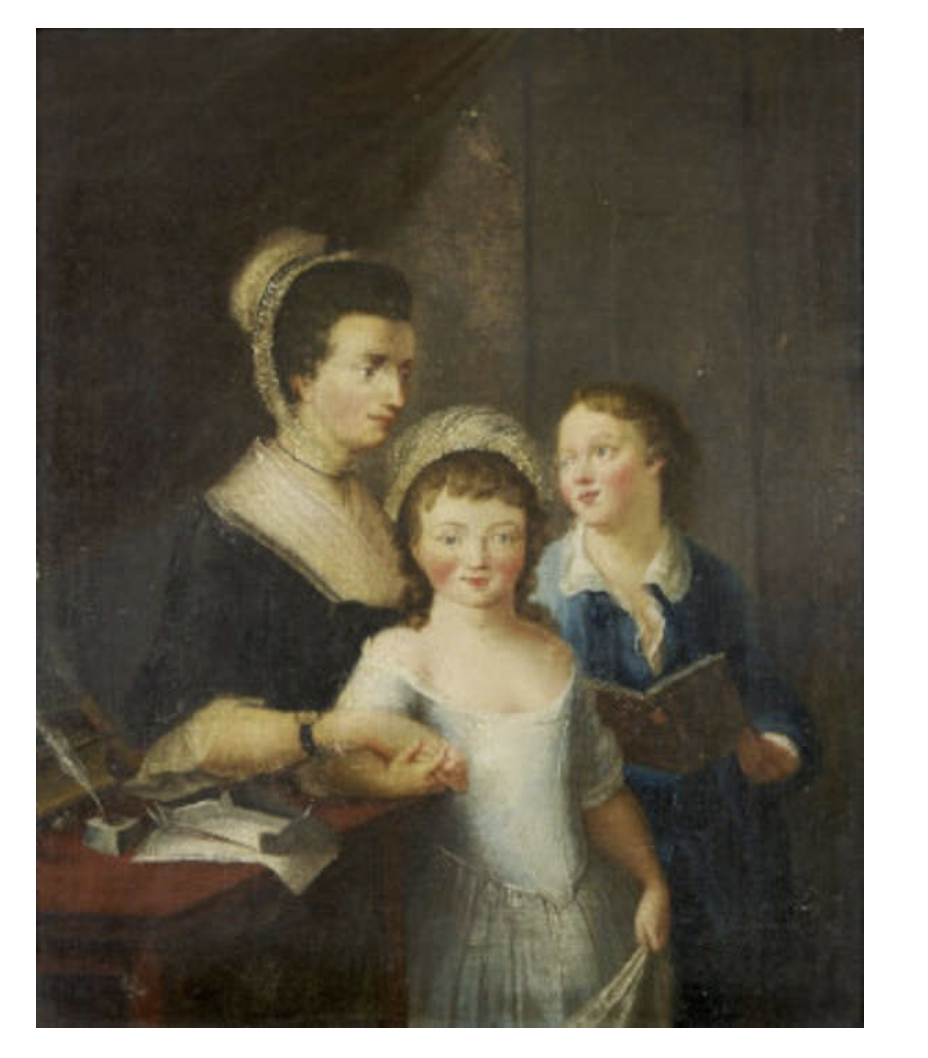
Theodosia Blachford née Tighe (c.1780) A self portrait, seated three-quarter length, with her children, Mary (1772-1810) and John (1771-1817) courtesy of Adam’s 2 April 2008. Theodosia was married to William Acton Blachford (1729-1773) of Altidore, County Wicklow, and she was the daughter of William Tighe (1710-1766) of Rosanna, County Wicklow.
William Tighe of Rosanna! Portrait by by Charles Jervas (c.1675-1739), courtesy of Adams auction 19 Oct 2021.
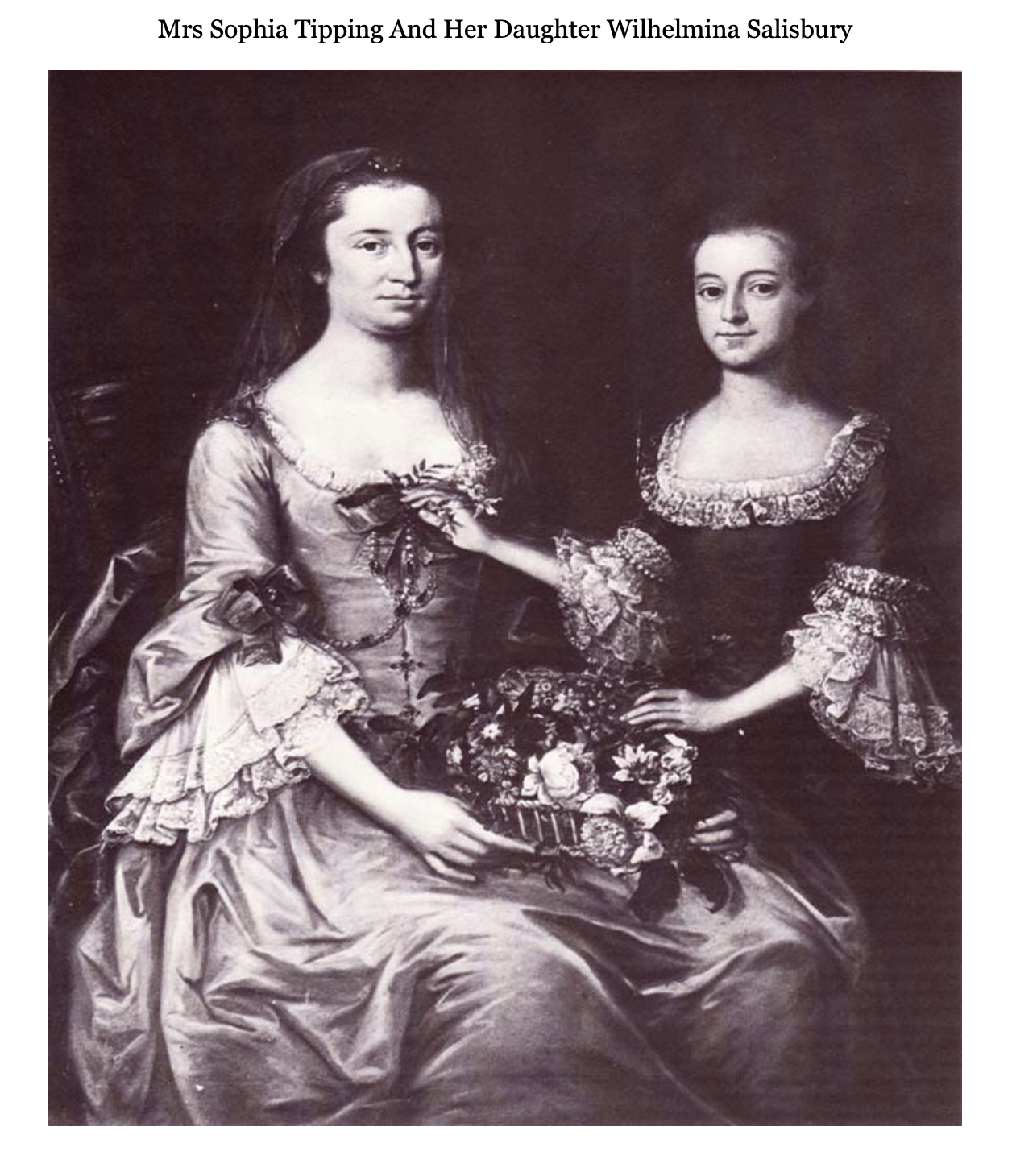
Mrs Sophia Tipping and her Daughter Wilhelmina Salisbury by Philip Hussey.
Theobald Wolfe Tone, courtesy of National Gallery of Ireland.
Charles Tottenham in his Boots (1685-1758), 1731 by James Latham. Photograph © Jennifer Winder-Baggot, www.irishhistorichouses.com
Charles Tottenham Loftus (1737-1806), 1st Marquess of Ely by Hugh Douglas Hamilton. Photograph © Jennifer Winder-Baggot, www.irishhistorichouses.com
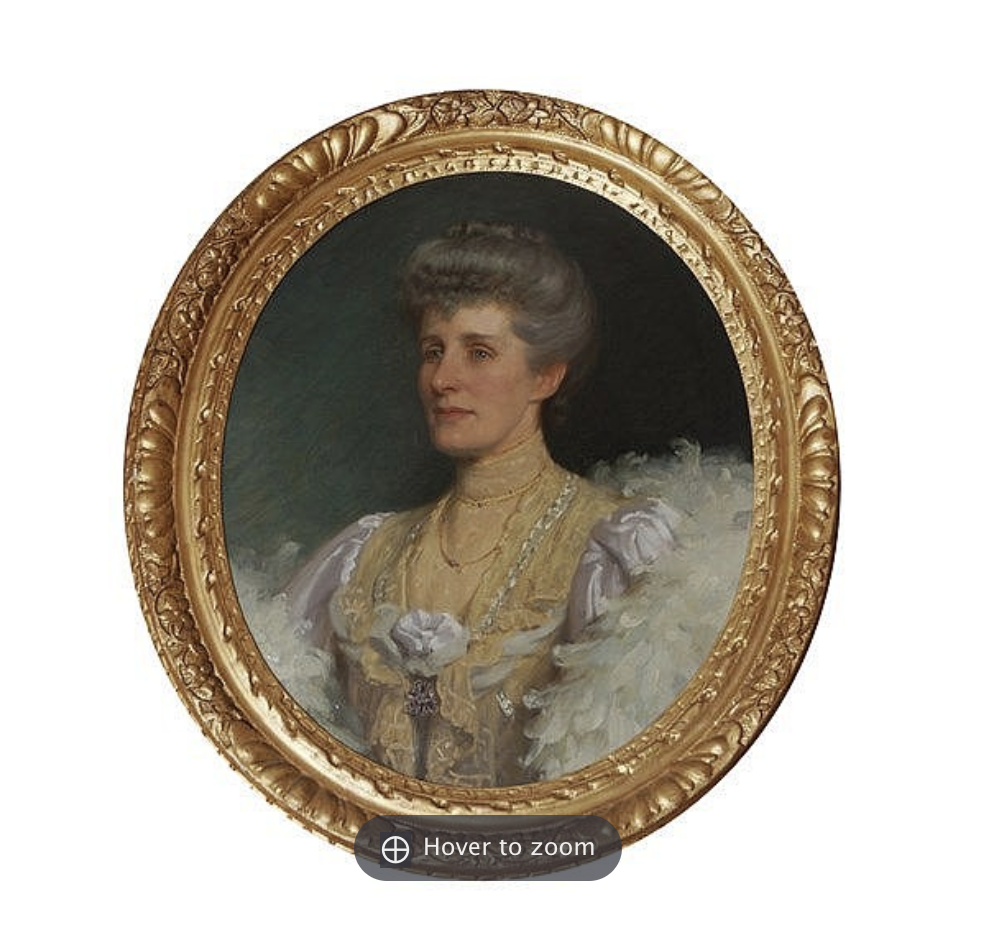
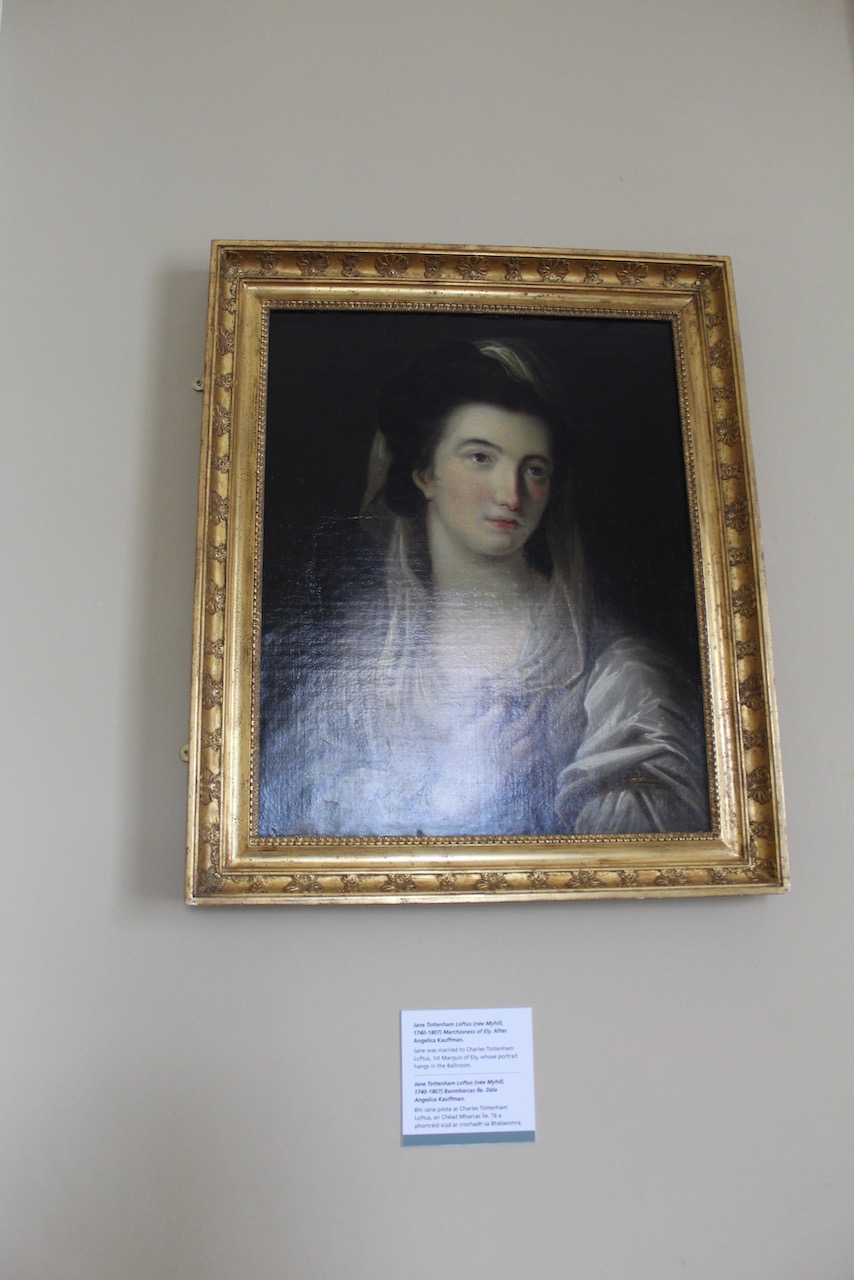
Jane Tottenham-Loftus (née Myhill), 1740-1807, Marchioness of Ely. She was the daughter of Robert Myhill of Killarney, Co Kilkenny and she married Charles Tottenham Loftus 1st Marquess of Ely. Photograph © Jennifer Winder-Baggot, www.irishhistorichouses.com
Portrait of Mary, daughter of Hamilton Townley, married Blayney Townley (Balfour) of Townley Hall, ENGLISH SCHOOL (MID 18TH CENTURY) courtesy Adam’s 11 Oct 2011.
John Henry Townshend (1827-1869). Photograph © Jennifer Winder-Baggot, www.irishhistorichouses.com
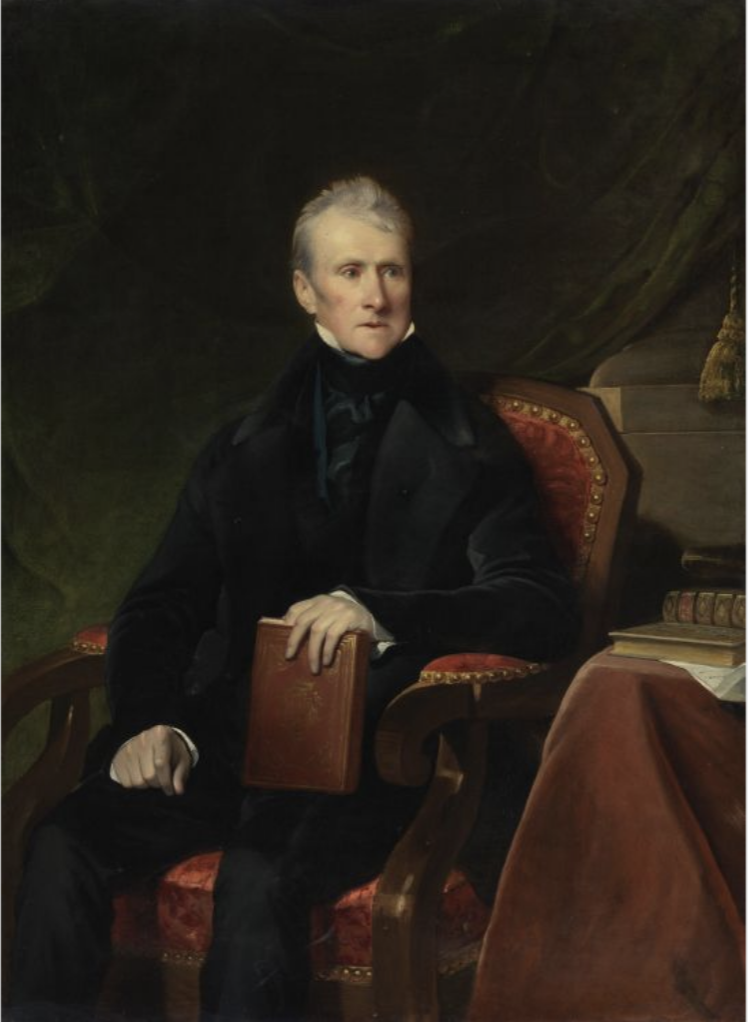
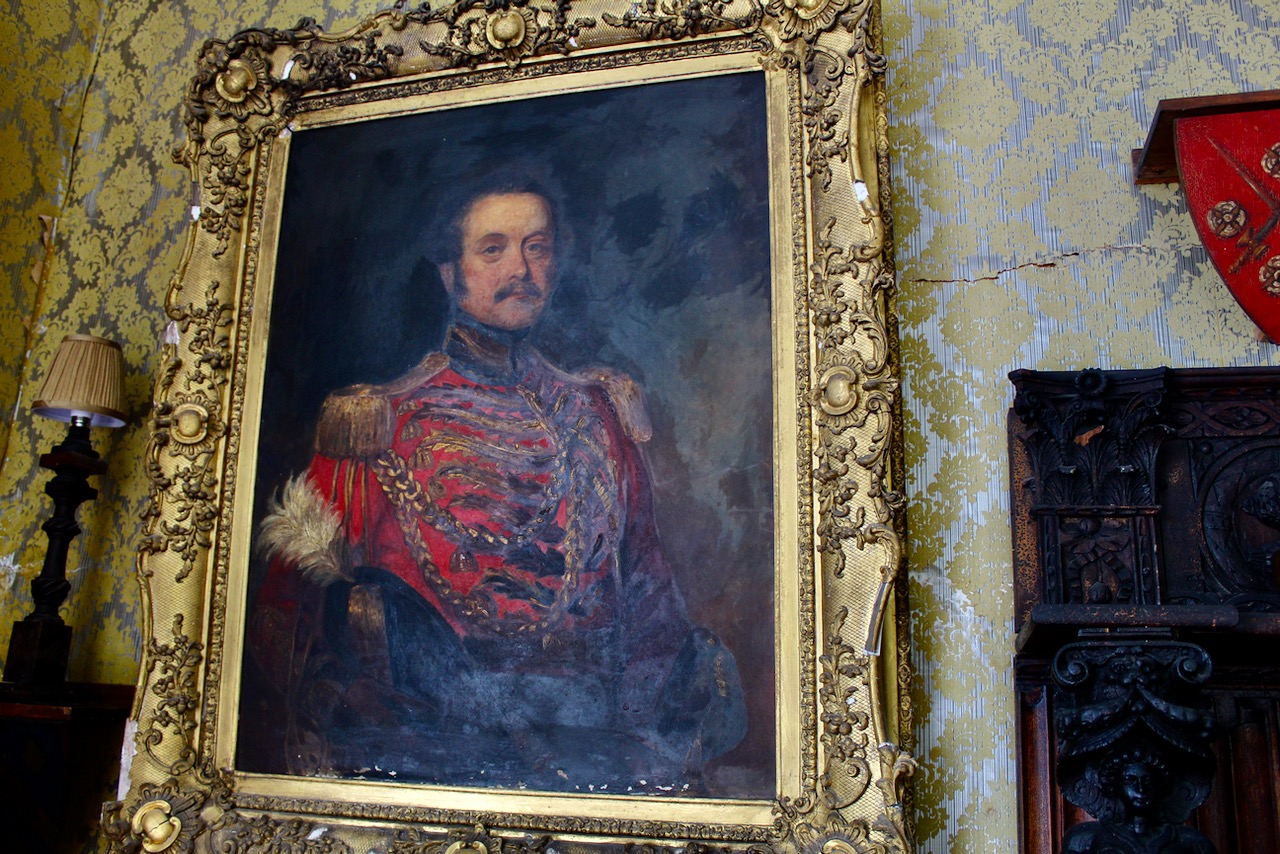
Lieutenant-Colonel John Townsend, of the 14th Light Dragoons (d. 1845). Photograph © Jennifer Winder-Baggot, www.irishhistorichouses.com
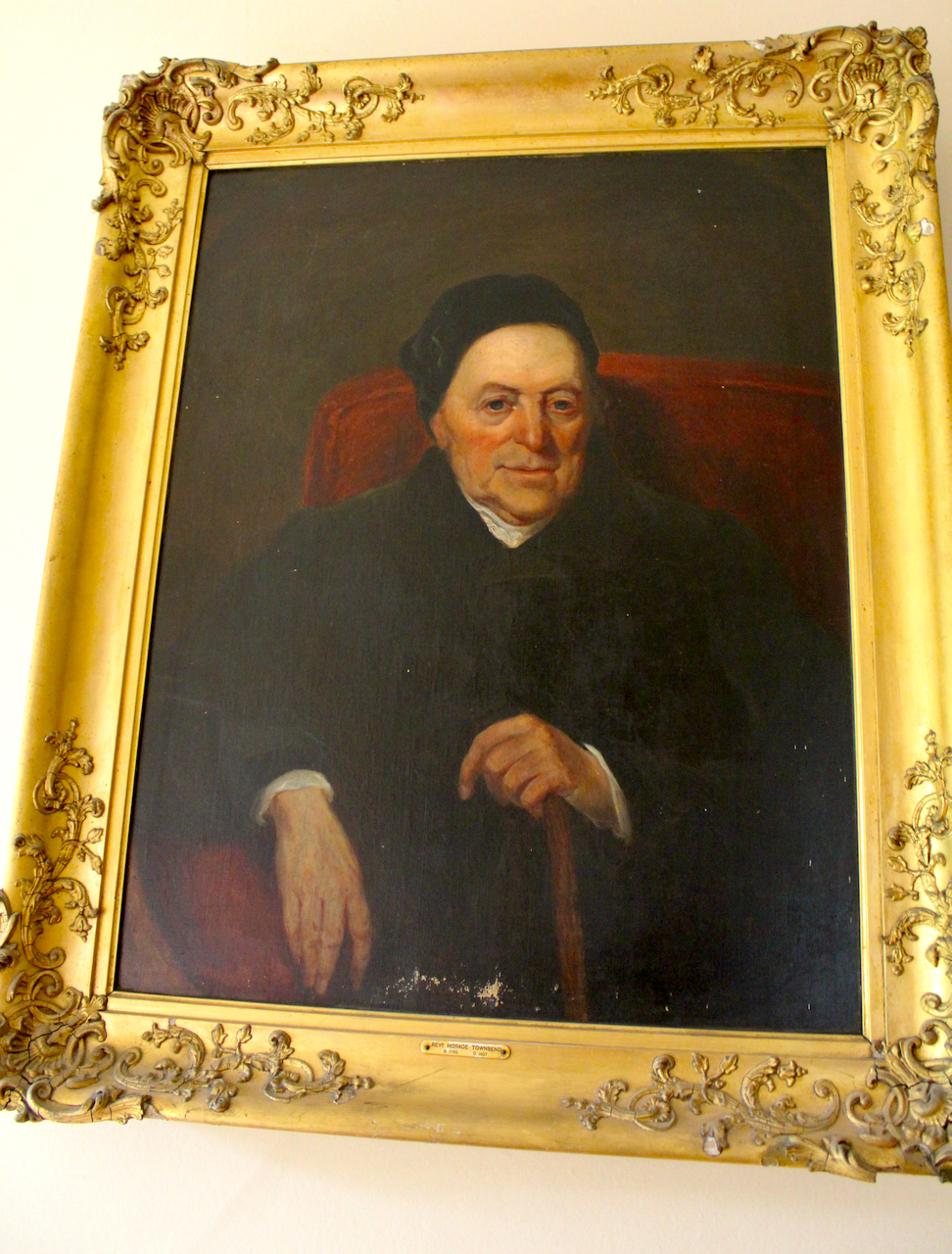
Reverend Horace Townsend (1750-1837). He was from the Townshend family of the Castle at Castletownshend, County Cork.
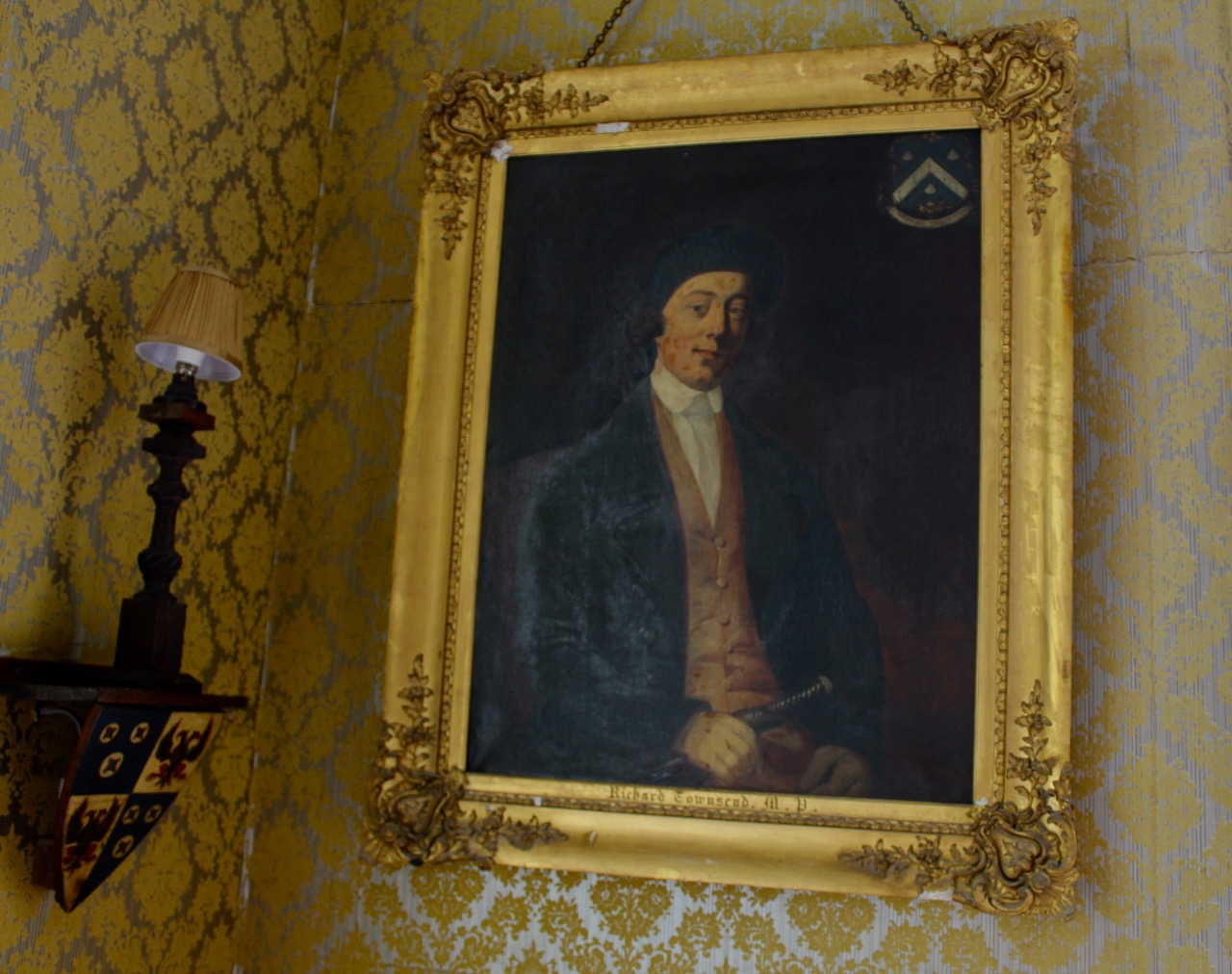
Richard Townsend (1725-1783), served as MP and high sheriff and lived at Castletownshend. He married Elizabeth Fitzgerald. Photograph © Jennifer Winder-Baggot, www.irishhistorichouses.com
Elizabeth Townsend née Fitzgerald, wife of Richard Townsend. Elizabeth Fitzgerald was daughter of John Fitzgerald (1706-1741), 15th Knight of Kerry, and married to Richard Townsend (1725-1783). Photograph © Jennifer Winder-Baggot, www.irishhistorichouses.com
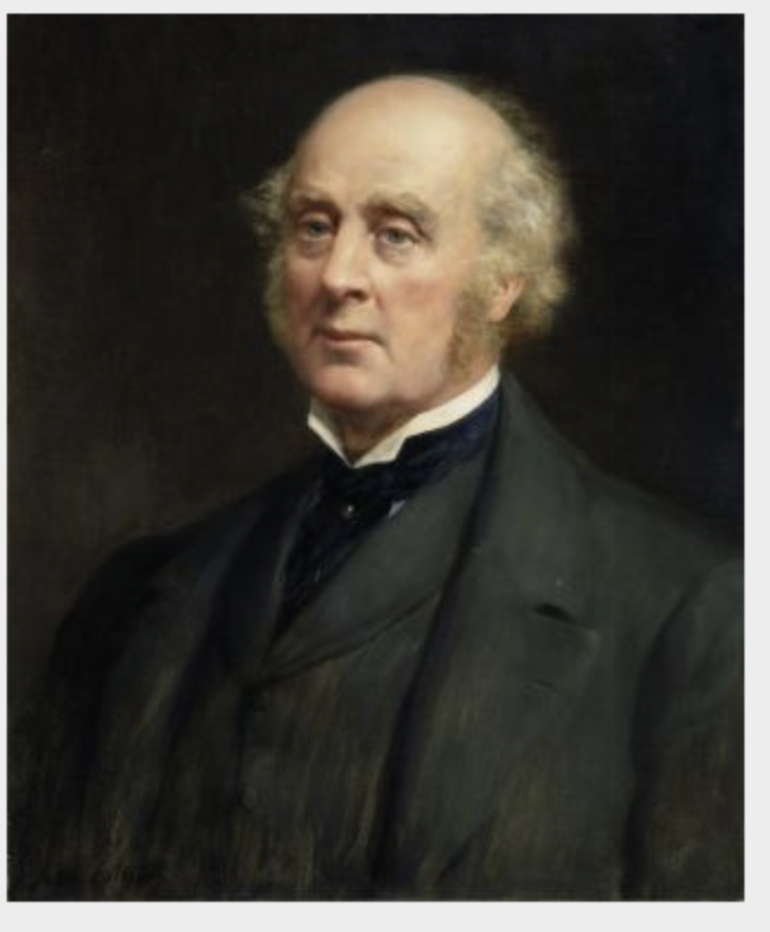
I think this is a portrait of Henrietta Townsend née Newenham (1764-1848). She married Richard Boyle Townsend and was daughter of John Newenham (1738-1785) of Maryborough, County Cork and Harriet Vereker of Roxborough, County Limerick. Photograph © Jennifer Winder-Baggot, www.irishhistorichouses.com
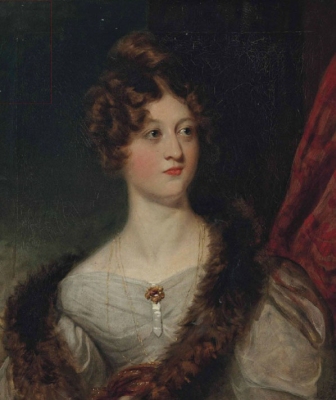
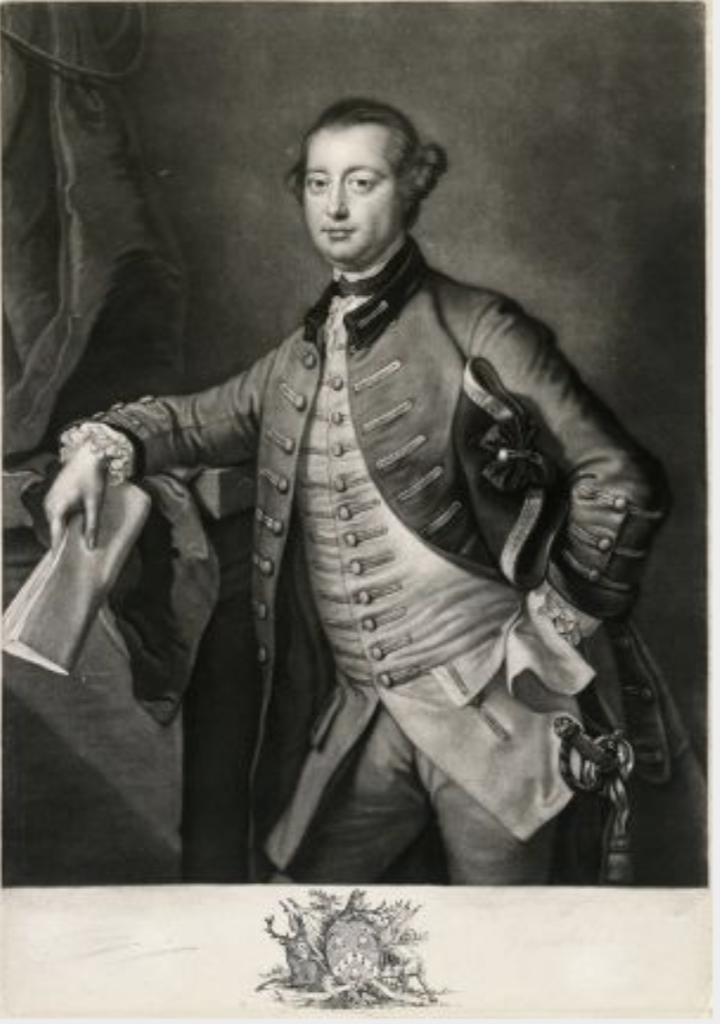
George Townshend, (1724-1807), later 4th Viscount and 1st Marquess Townshend, also Lord Lieutenant of Ireland Engraver James McArdell, Irish, c.1729-1765 After Thomas Hudson, English, 1701-1779
George Townshend, 1st Marquess Townshend (1724-1807) by George Romney.
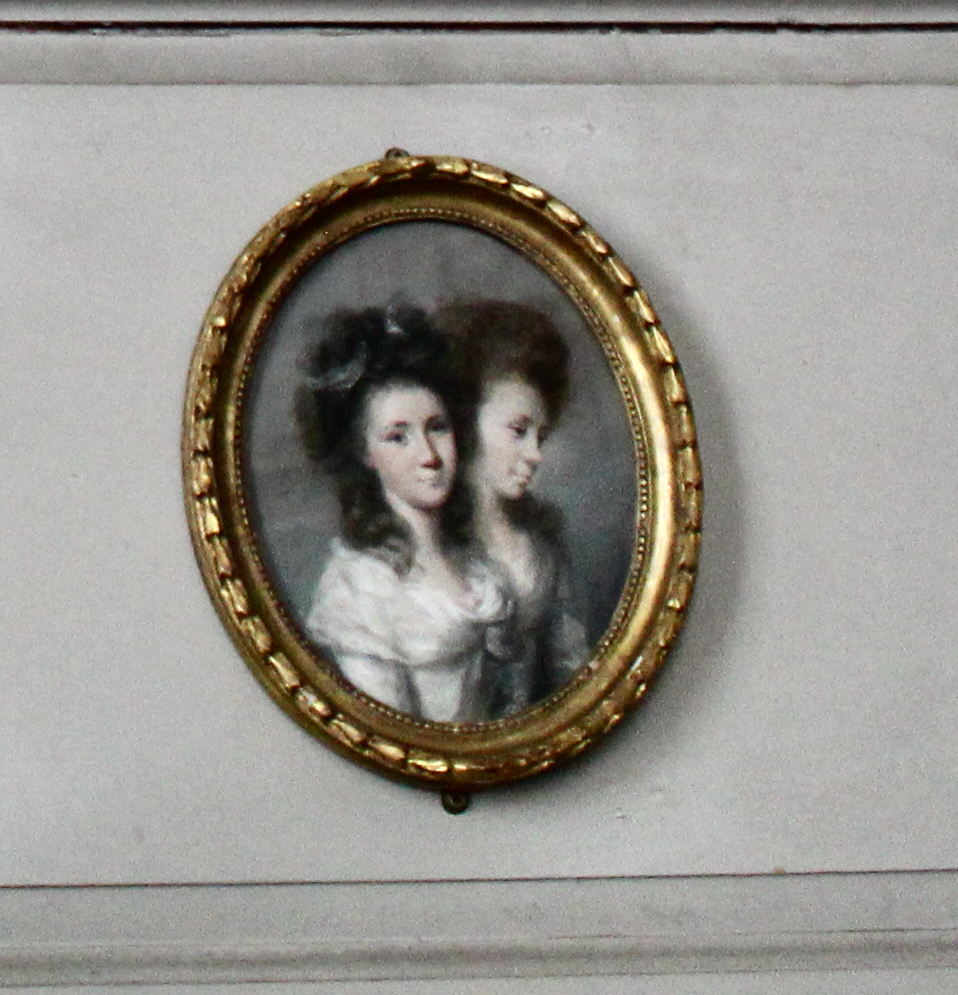
Louisa Anne Pakenham née Staples (1770-1833) and her sister Henrietta Margaret Trench née Staples (1770-1847) Countess of Clancarty (c.1770-1847) by Hugh Douglas Hamilton. Louisa was married to Thomas Pakenham (1757-1836) and Henrietta was married to Richard Power Keating Le Poer Trench (1767-1837) 2nd Earl of Clancarty. Their father was John Staples (1736-1820) of County Tyrone, and their mother was Harriet Conolly (1739-1771) of Castletown House, County Kildare. Photograph © Jennifer Winder-Baggot, www.irishhistorichouses.com
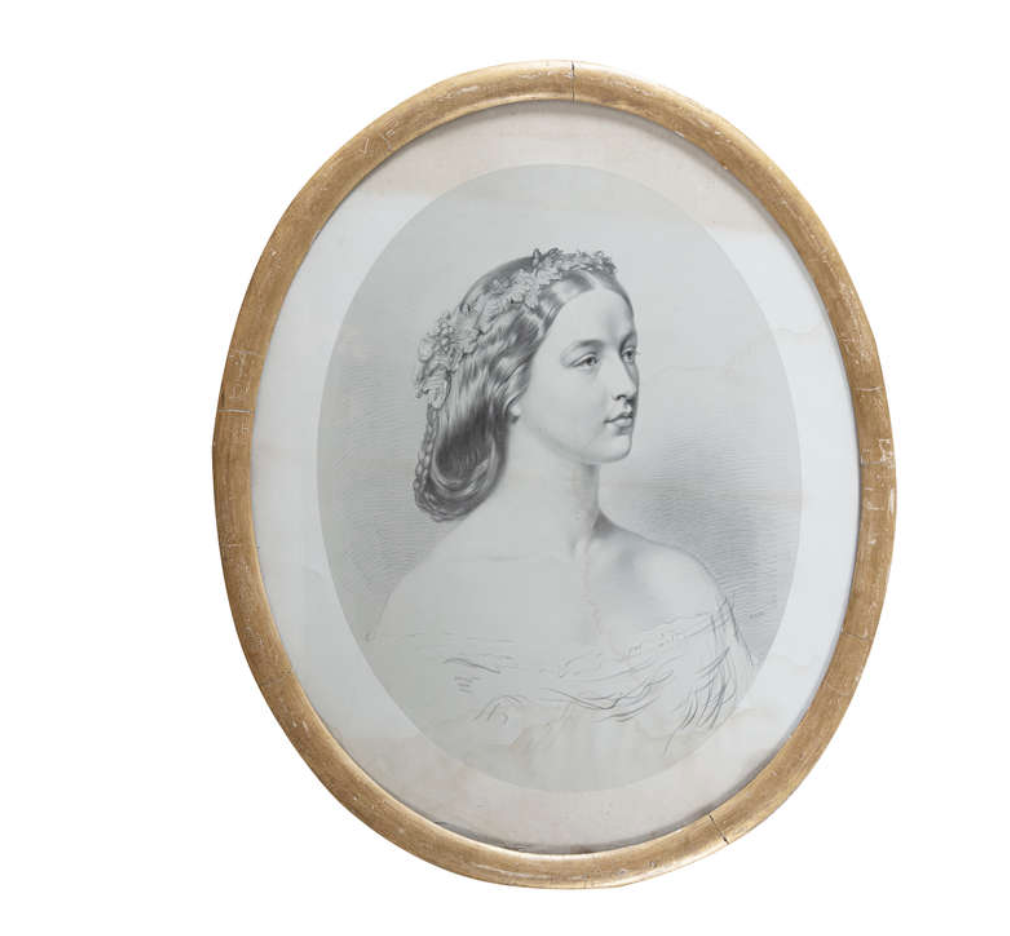
A portrait of Mr Trench, dated 1920, from Loughton house sale, 2016, Shepphards. I’m not sure which Mr. Trench he is.
William Power Keating Trench (1741-1805) (later first Earl of Clancarty) by Hugh Douglas Hamilton (1739-1808), courtesy Adam’s 28 March 2012. He was the father of Frances Mary, who married Henry Stanley Monck, 2nd Viscount of Ballytrammon, County Wexford and 1st Earl of Rathdowne.
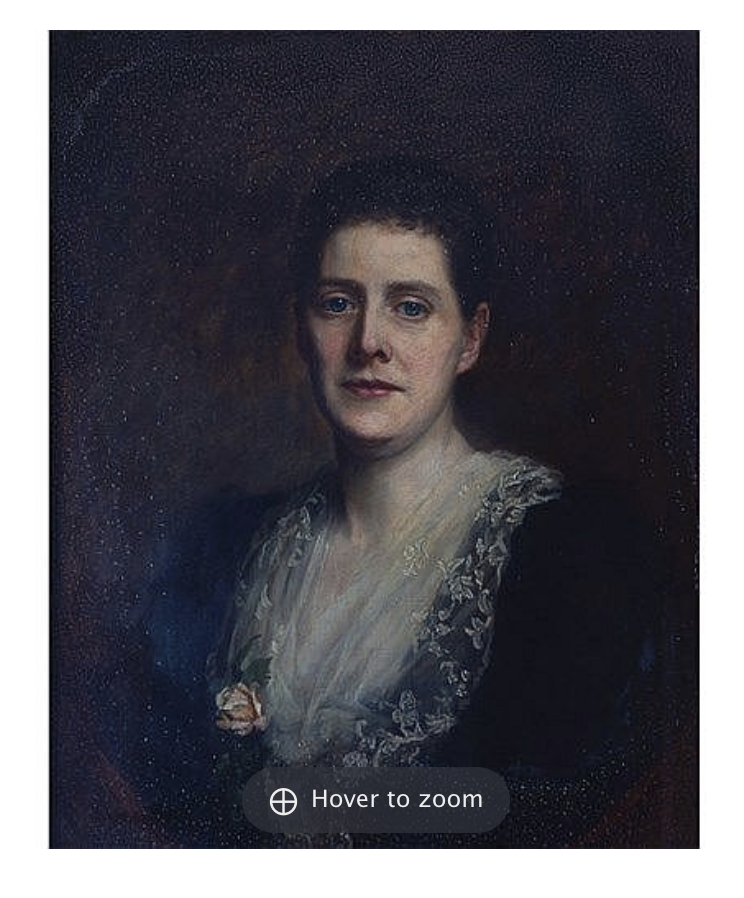
A portrait of Dora Agnes Caroline Trench (1858-1899) née Turnor, wife of Benjamin Bloomfield Trench, from Loughton house sale, 2016, Shepphards.
A portrait of Blanche Trench (1852-1937), from Loughton house sale, 2016, Shepphards. She was a daughter of Henry Trench and Georgiana née Bloomfield.
Frederick Trench (1755-1840) 1st Baron Ashtown from Loughton sale Sept 2016 by Shepphards. He was an uncle of Henry Trench who married Georgiana Bloomfield.
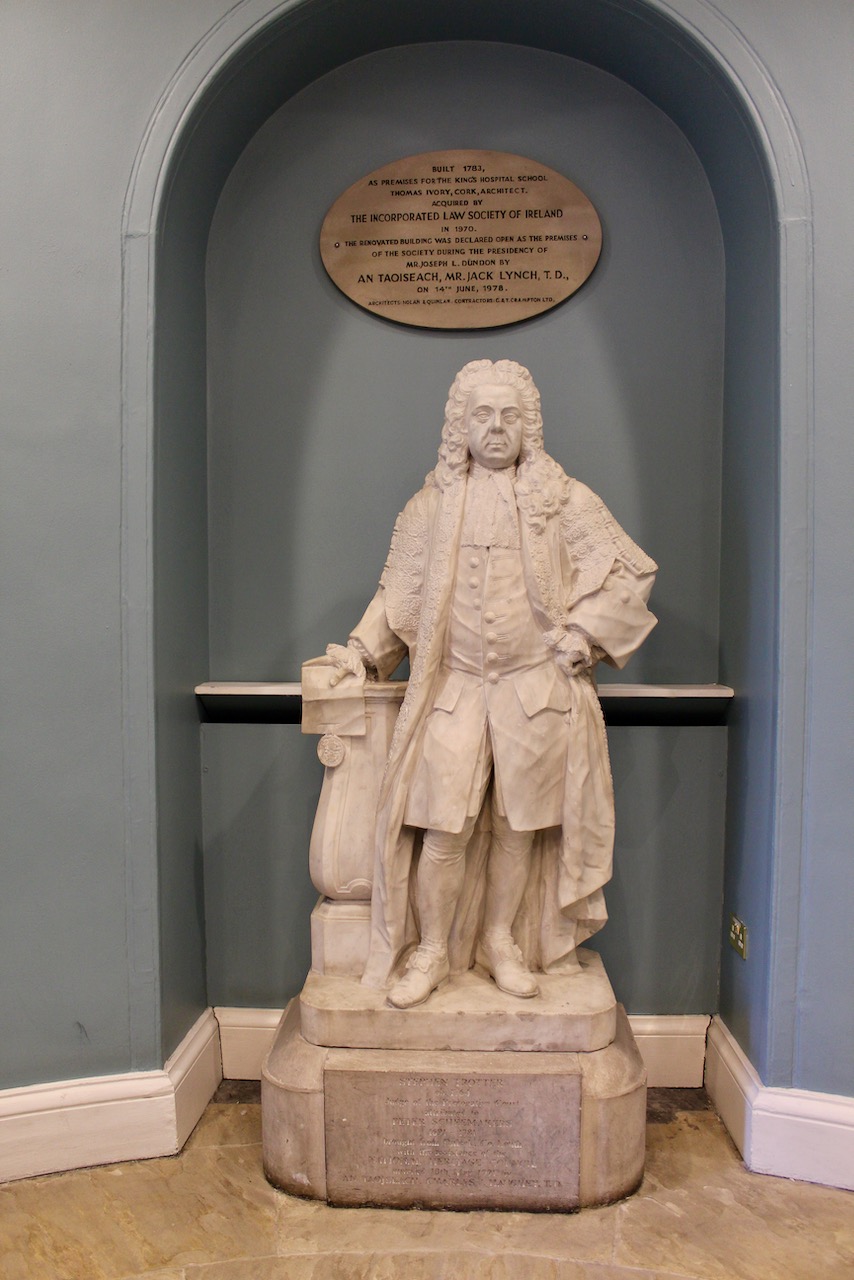
Stephen Trotter, King’s Inn, Blackhall Place. Photograph © Jennifer Winder-Baggot, www.irishhistorichouses.com
Richard Turner, from “In Harmony with Nature, The Irish Country House Garden 1600-1900” in the Irish Georgian Society, July 2022, curated by Robert O’Byrne. Photograph © Jennifer Winder-Baggot, www.irishhistorichouses.com
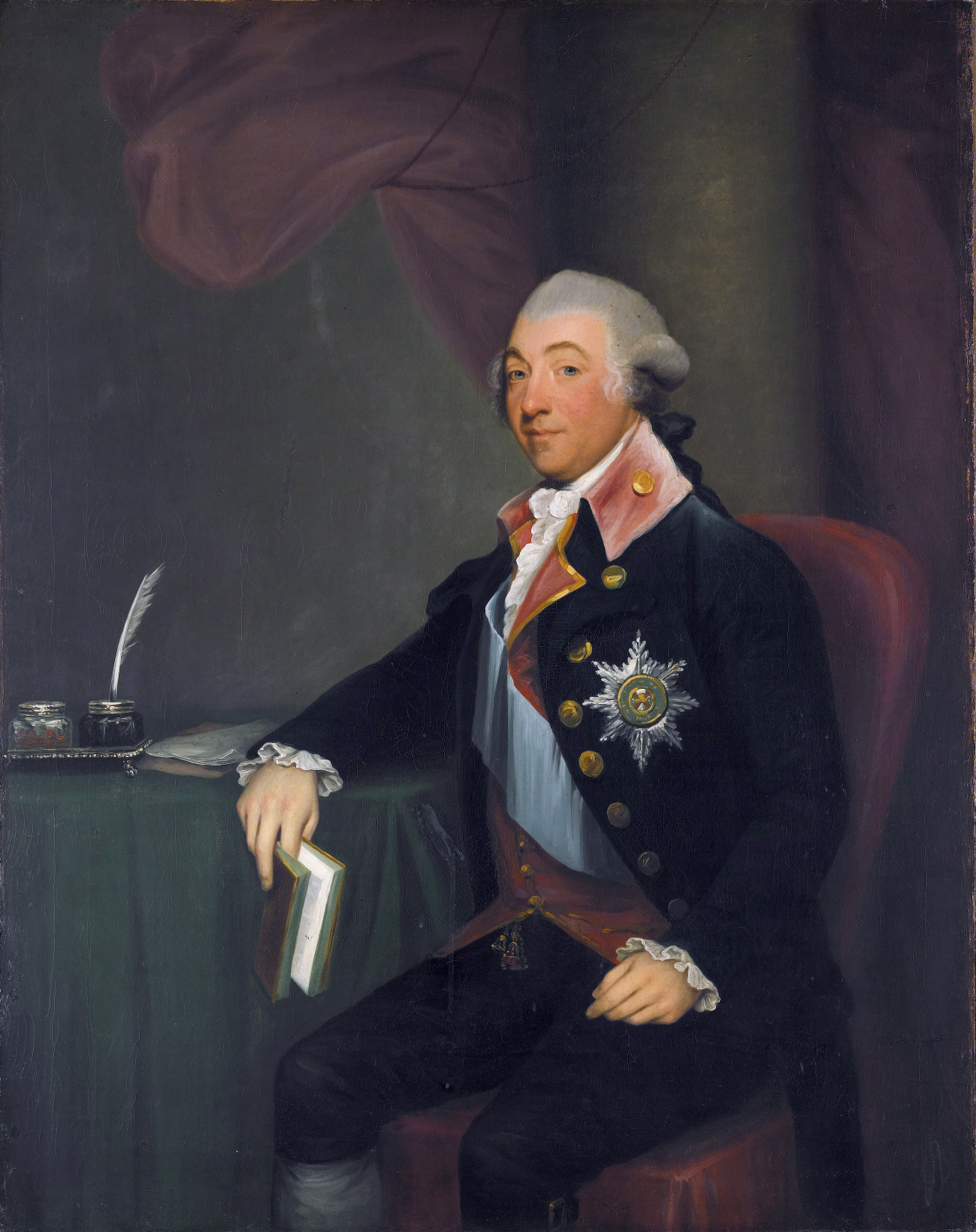
U

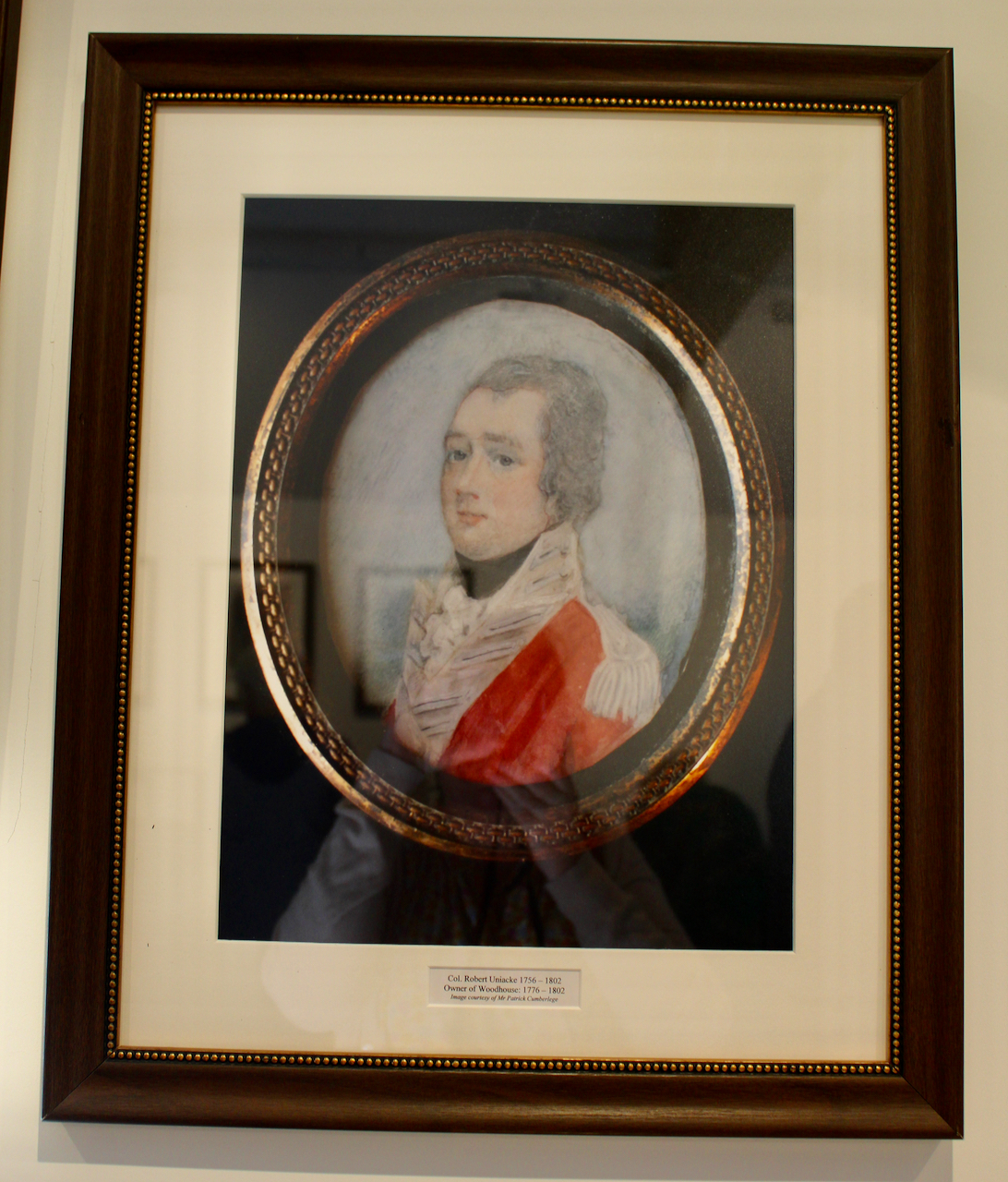
Colonel Robert Uniacke (1756-1802). Photograph © Jennifer Winder-Baggot, www.irishhistorichouses.com
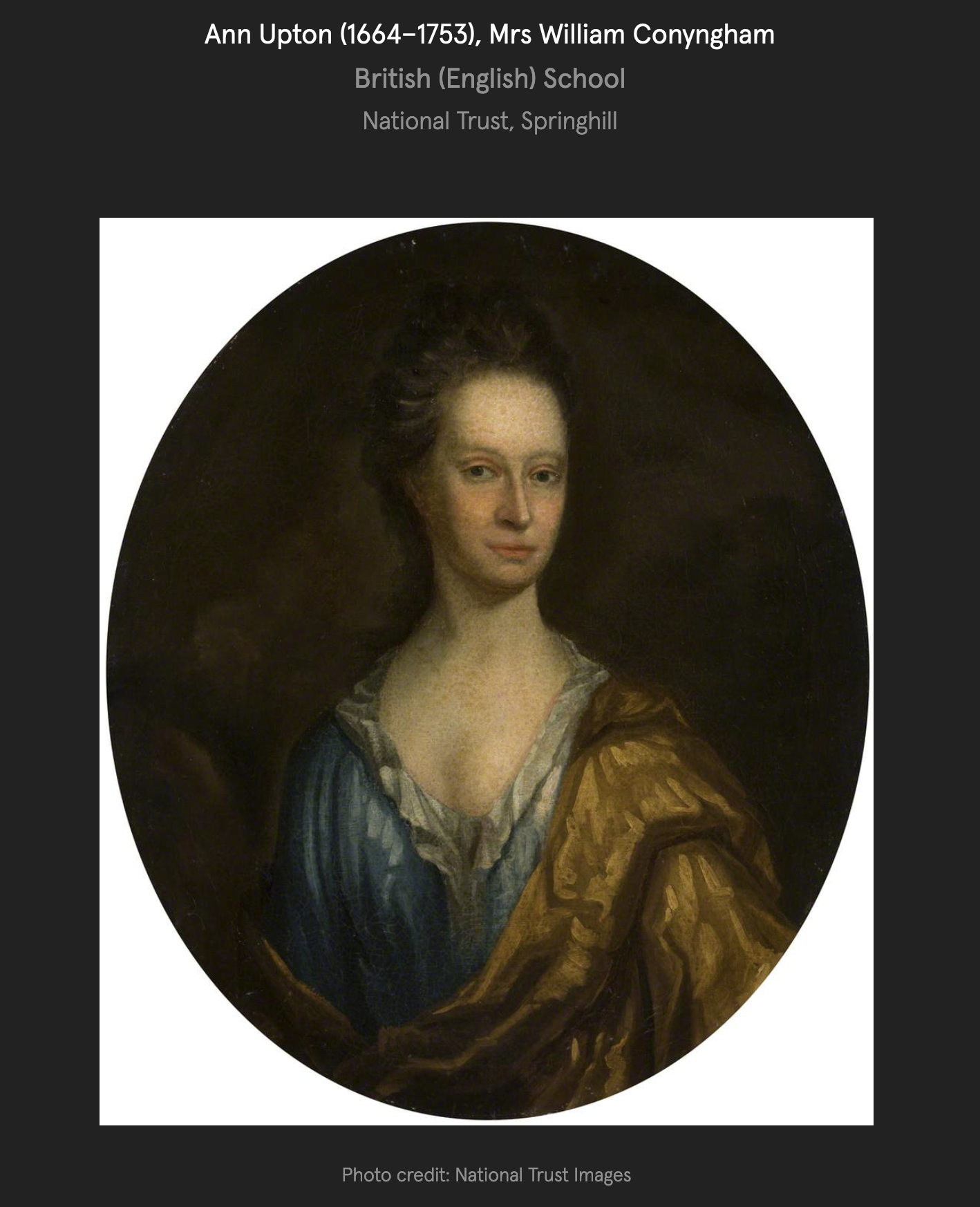
Ann Upton (1664-1753) wife of William “Goodwill” Conyngham (1660-1721), daughter of Arthur Upton (1623-1706) of Castle Upton, County Antrim, courtesy of National Trust. Springhill, County Derry.
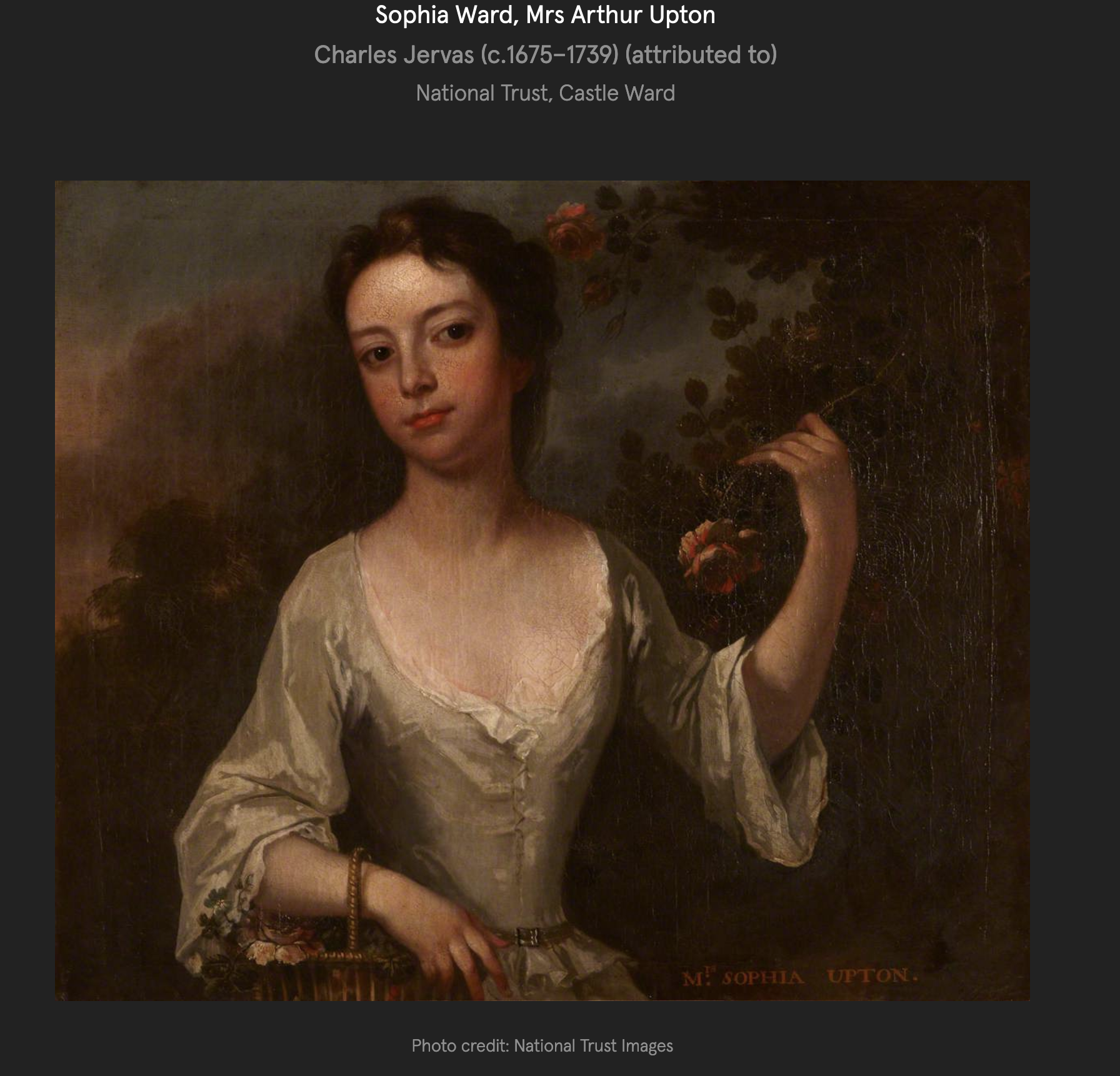
Sophia Ward, daughter of Michael Ward (1683-1759) of Castle Ward, County Down, who married Arthur Upton (1715-1768), by Charles Jervas, courtesy of National Trust, Castle Ward.
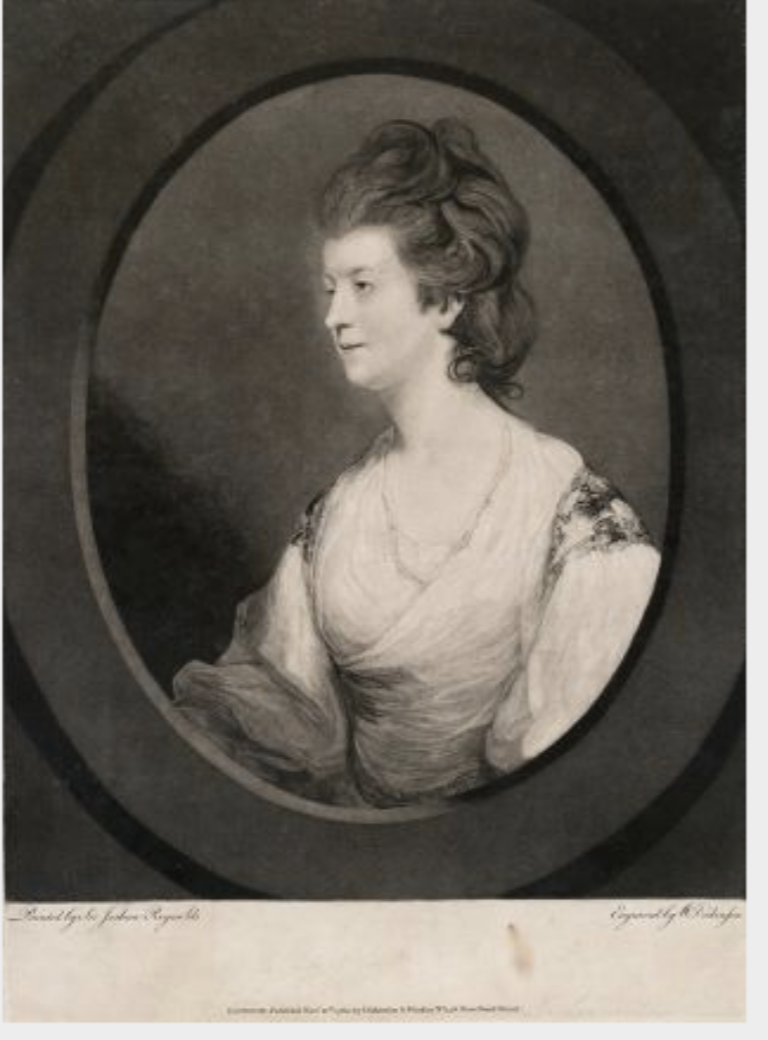
Emilia Olivia née Usher St. George (1759-1798), Duchess of Leinster, wife of 2nd Duke, 1780 engraver William Dickinson after Joshua Reynolds, courtesy of National Gallery of Ireland.
Mary Jenny Ussher (1682-1763), who married Richard Molesworth 3rd Viscount of Swords, Dublin. 14 Henrietta Street, Dublin, 10th September 2023. Photograph © Jennifer Winder-Baggot, www.irishhistorichouses.com
James Ussher (1580-1656) Archbishop of Armagh aged 74 by Peter Lely, courtesy of National Trust Hatchlands.

V

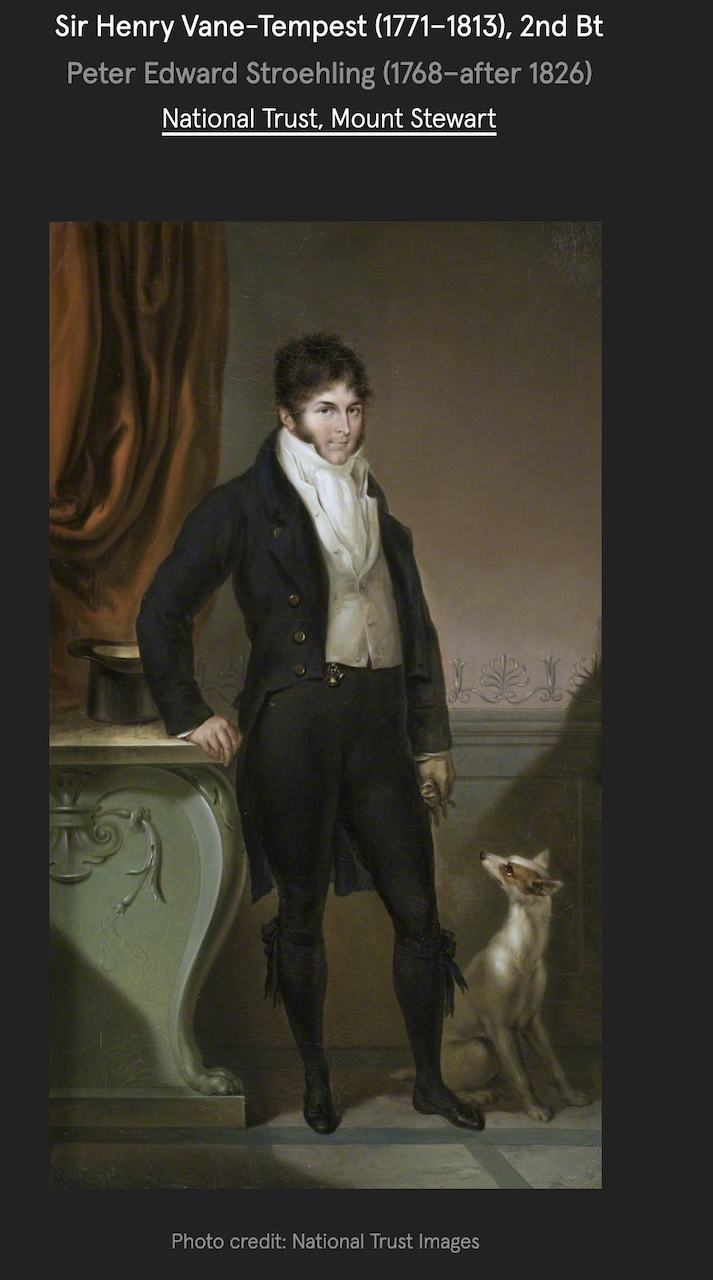
Henry Vane-Tempest (1771–1813), 2nd Bt, the source of much of the Mount Stewart family income, as the 3rd Marquess married his heiress daughter. The portrait is by Peter Edward Stroehling. Courtesy of National Trust Mount Stewart, County Down.
Frances Anne (1800-1865) Marchioness of Londonderry, and her son George Herny (1827-1828) Viscount Seaham, by Thomas Lawrence, courtesy of National Trust, Mount Stewart. She married Charles Stewart later Vane, 3rd Marquess of Londonderry, and she was daughter of Henry Vane-Tempest (1771–1813), 2nd Bt.
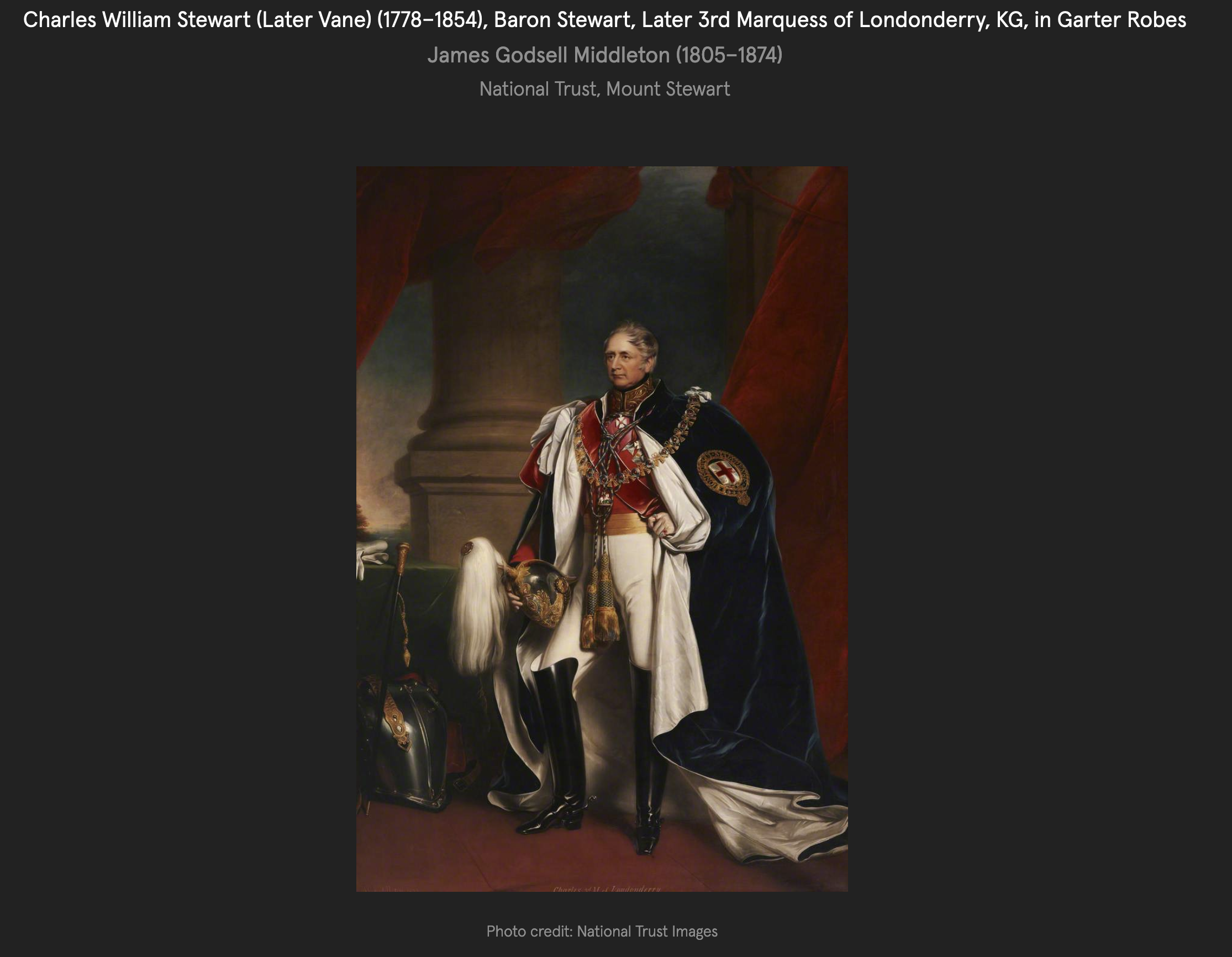
Charles William Stewart (later Vane) (1778-1854), later 3rd Marquess of Londonderry, in Garter Robes, by James Godsell Middleton, courtesy of National Trust, Mount Stewart.
Alexandra Octavia Maria Vane (1823-1874), she married John Henry Reuben Dawson-Damer, 3rd Earl of Portarlington, of Emo in County Laois, and was daughter of Charles Willam Vane 3rd Marquess of Londonderry (son of Robert Stewart 1st Marquess of Londonderry) and Frances Anne Emily Vane-Tempest. The portrait is by James Godsell Middleton; courtesy of National Trust, Mount Stewart.
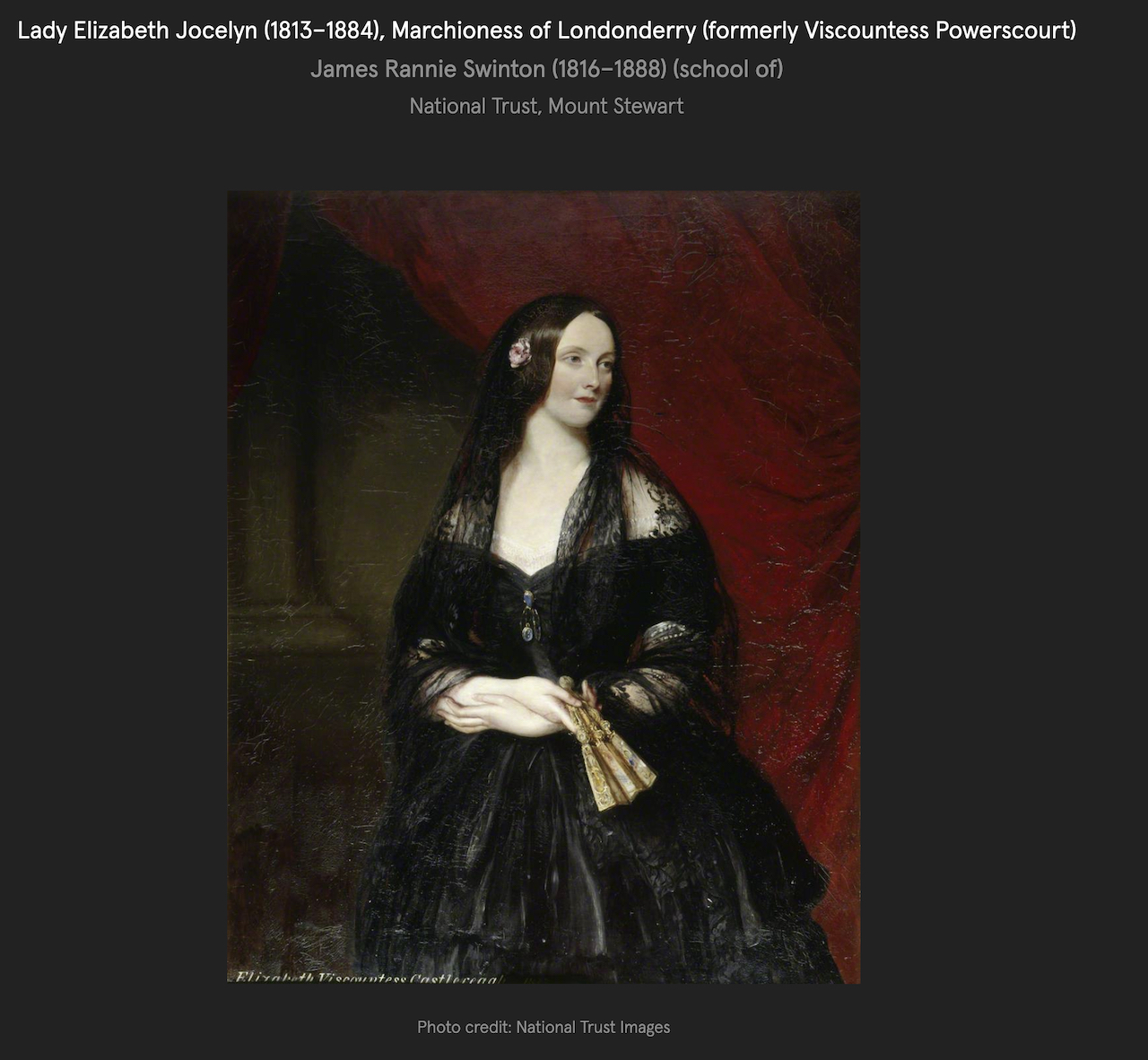
Elizabeth Jocelyn (1813-1884), Marchioness of Londonderry, wife of 4th Marquess of Londonderry, formerly Viscountess Powerscourt, wife of 6th Viscount Powerscourt, by James Rannie Swinton, courtesy of Mount Stewart National Trust.
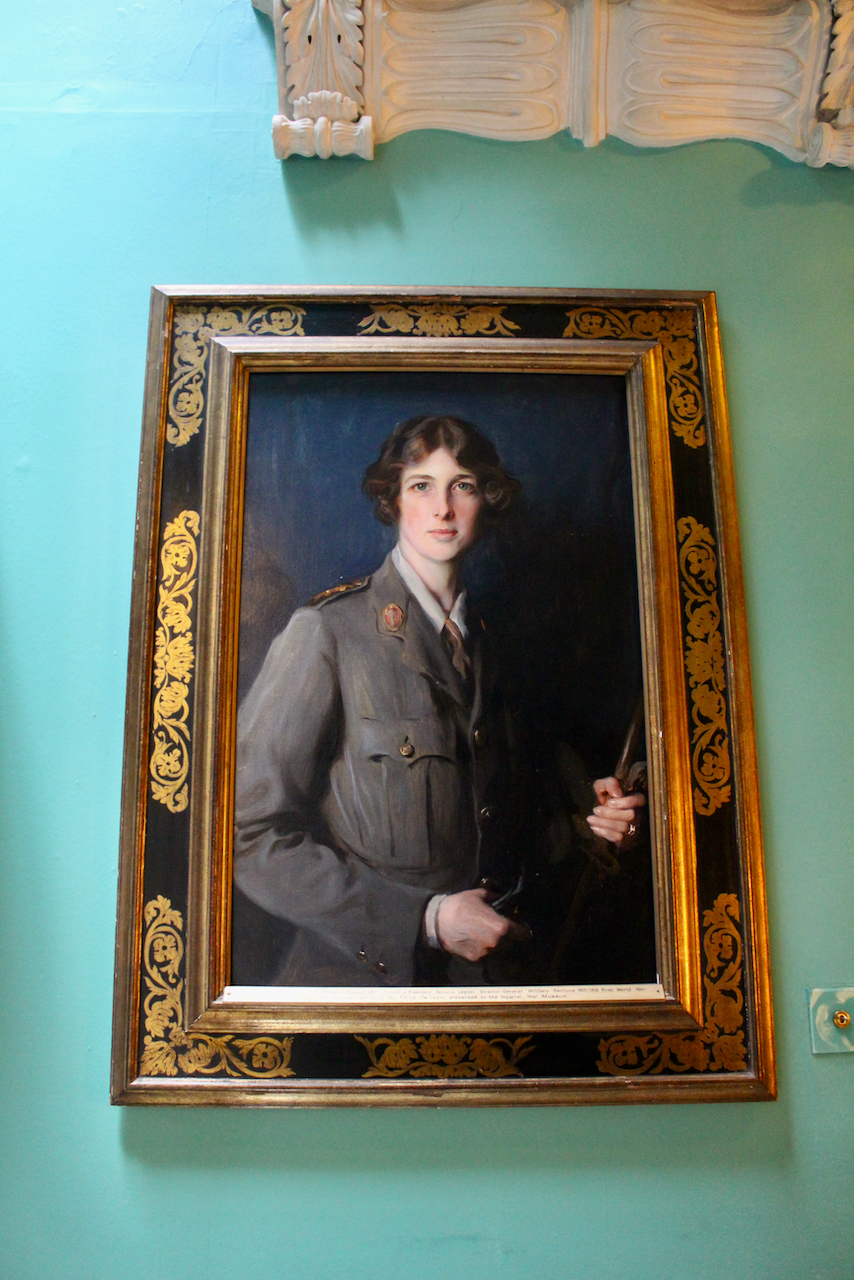
Oil painting on canvas, Lady Edith Helen Vane-Tempest-Stewart née Chaplin, Marchioness of Londonderry, DBE (1878-1959) in Uniform of the Women’s Army Auxiliary Corps by Philip Alexius de László de Lombos (Budapest 1869 – London 1937), 1918. She was the wife of the 7th Marquess of Londonderry. Mount Stewart, County Down, June 2023. Photograph © Jennifer Winder-Baggot, www.irishhistorichouses.com
Edward Charles Stewart Robert Vane-Tempest-Stewart (1902–1955), Lord Stewart, 8th Marquess of Londonderry, as a Page at the Coronation of George V, 1911, by Philip Alexius de László. Mount Stewart, County Down, June 2023. Photograph © Jennifer Winder-Baggot, www.irishhistorichouses.com
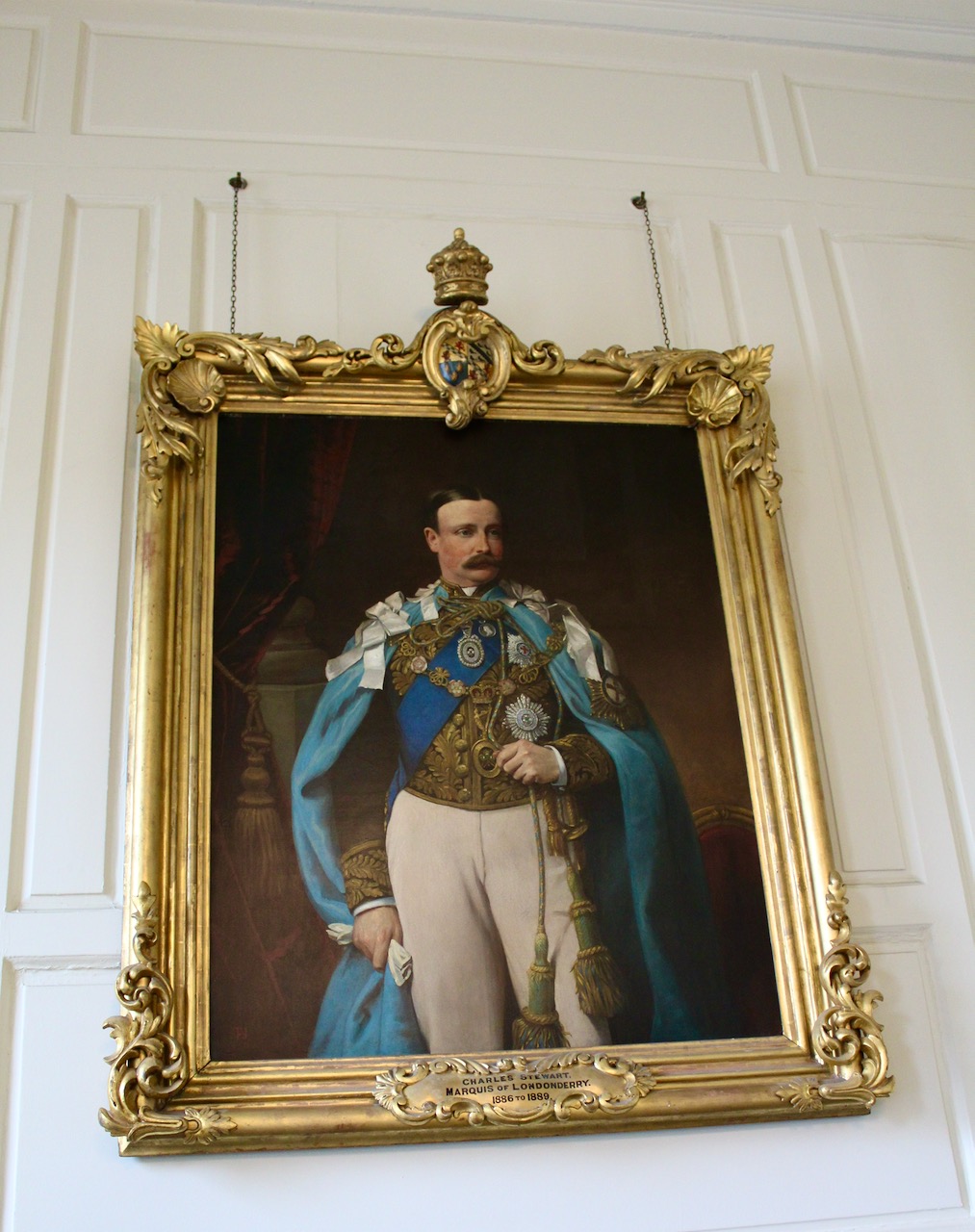
Charles Vane-Tempest-Stewart (1852-1915), 6th Marquess of Londonderry. Photograph © Jennifer Winder-Baggot, www.irishhistorichouses.com
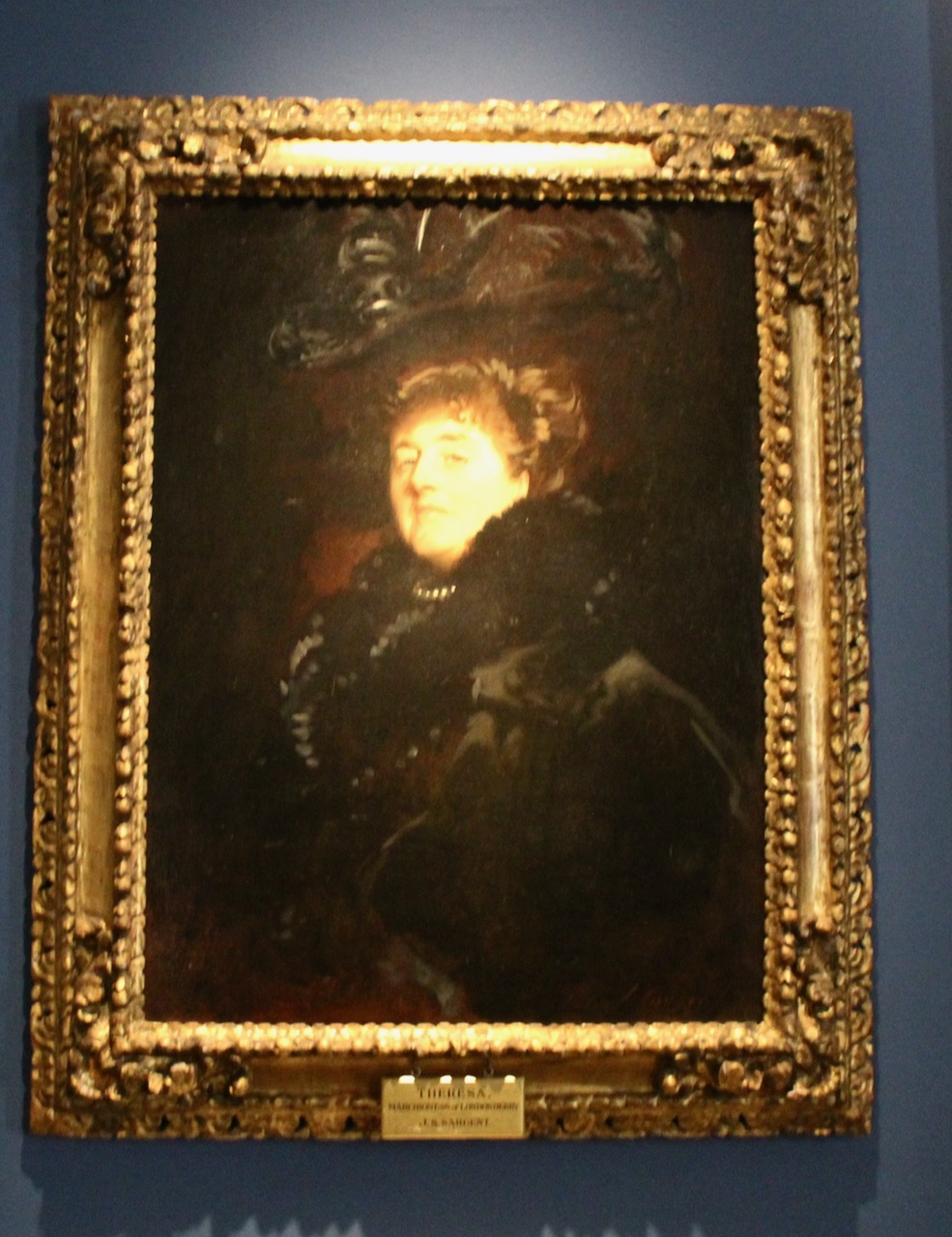
Theresa Susey Helen Vane-Tempest-Stewart née Chetwynd-Talbot, Marchioness of Londonderry (1856-1919) by John Singer Sargent, Vicereine 1886-89, wife of Charles Stewart Vane-Tempest-Stewart, 6th Marquess of Londonderry. Photograph © Jennifer Winder-Baggot, www.irishhistorichouses.com
Possibly a portrait of Hester Van Homreigh (1690-1723), Jonathan Swift’s “Vanessa,” courtesy of National Gallery of Ireland.
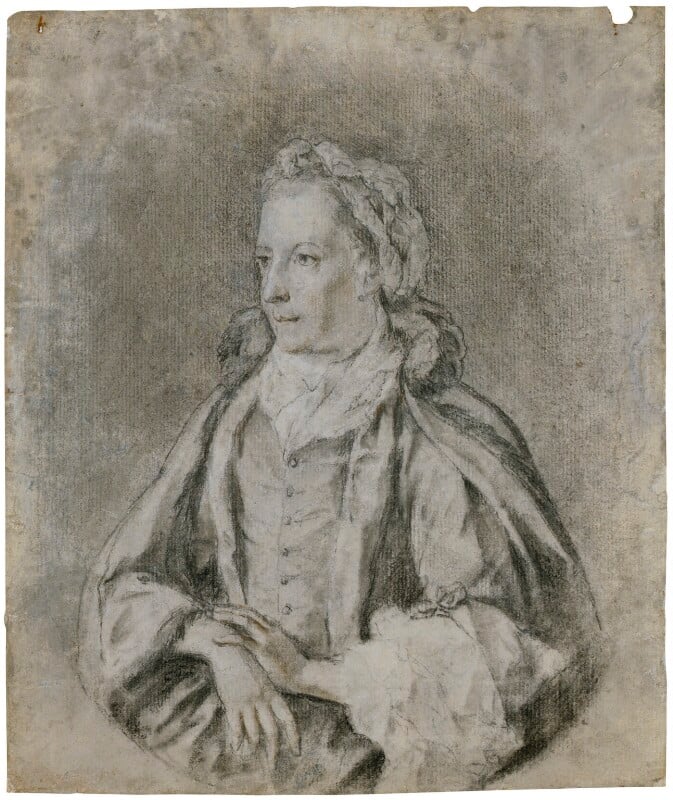
Mrs Letitia Pilkington (née Van Lewen), (1712-1750), Adventuress and Author Date: c.1760 Engraver: Richard Purcell, Irish, c.1736-c.1766 After Nathaniel Hone the Elder, Irish, 1718-1784.
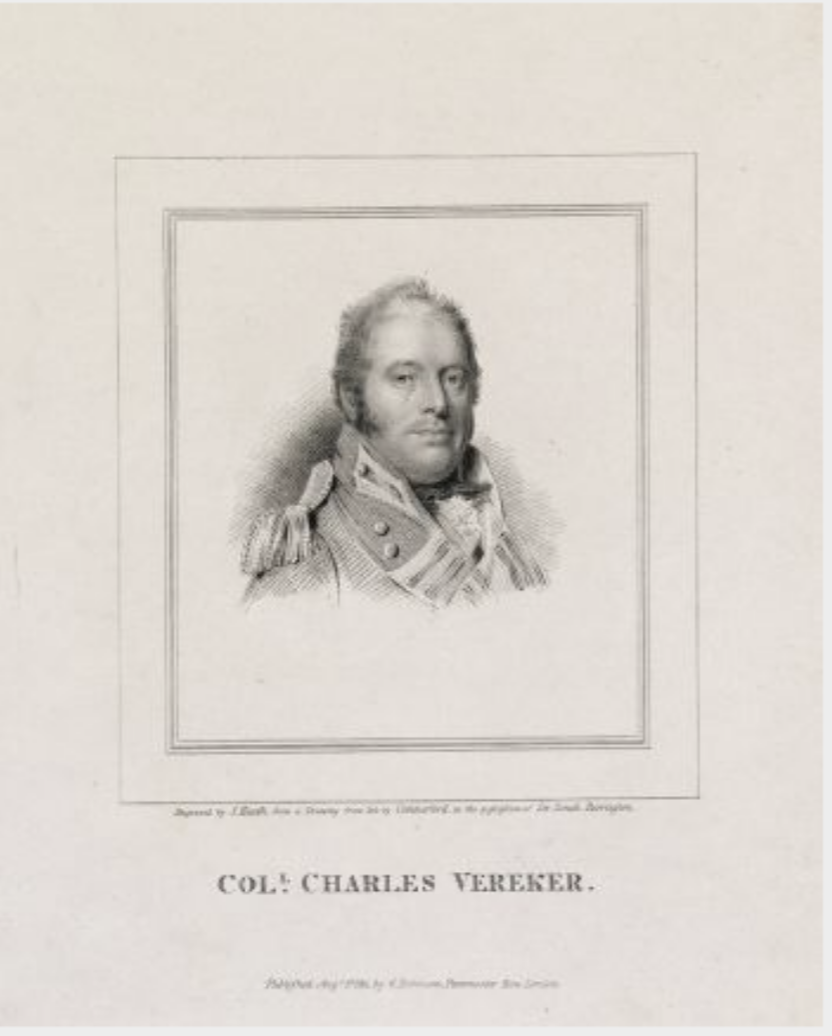
Colonel Charles Vereker (1768-1842), Constable of Limerick Castle, later 2nd Viscount Gort, engraver James Heath after John Comerford, courtesy of National Gallery of Ireland.
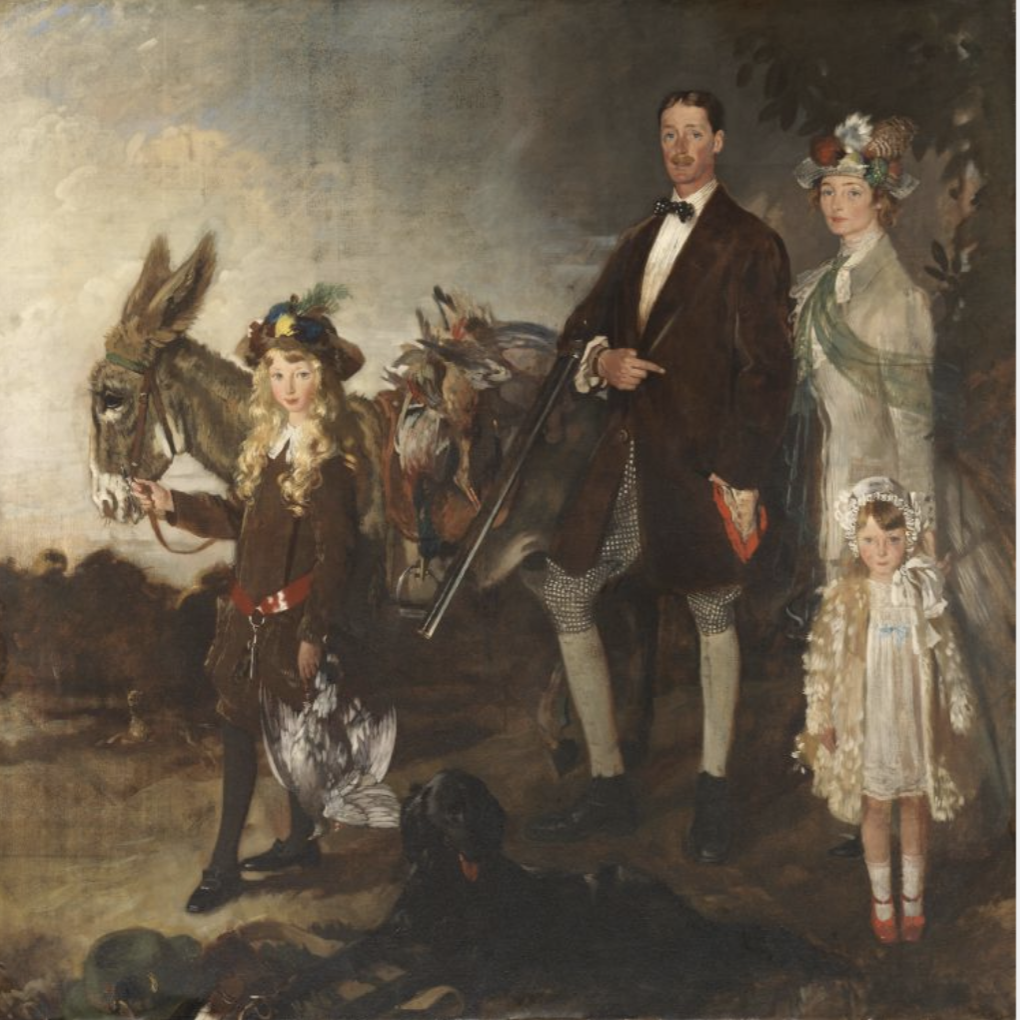
The Vere Foster Family Date 1907 byWilliam Orpen, Irish, 1878-1931 courtesy of National Gallery of Ireland.
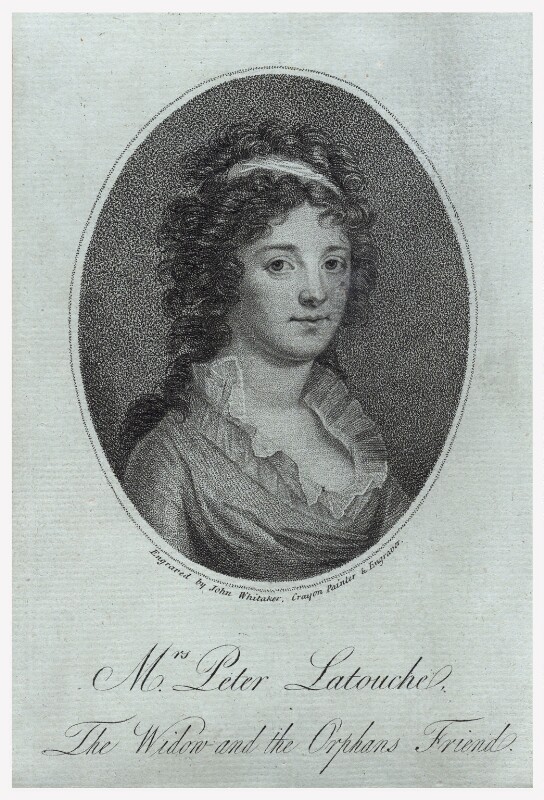
Elizabeth La Touche née Vicars (1756-1842), wife of Peter La Touche, by John Whitaker NPG D18415.
John Villiers (c.1684 – 1766) 1st Earl Grandison by Alan Ramsay.
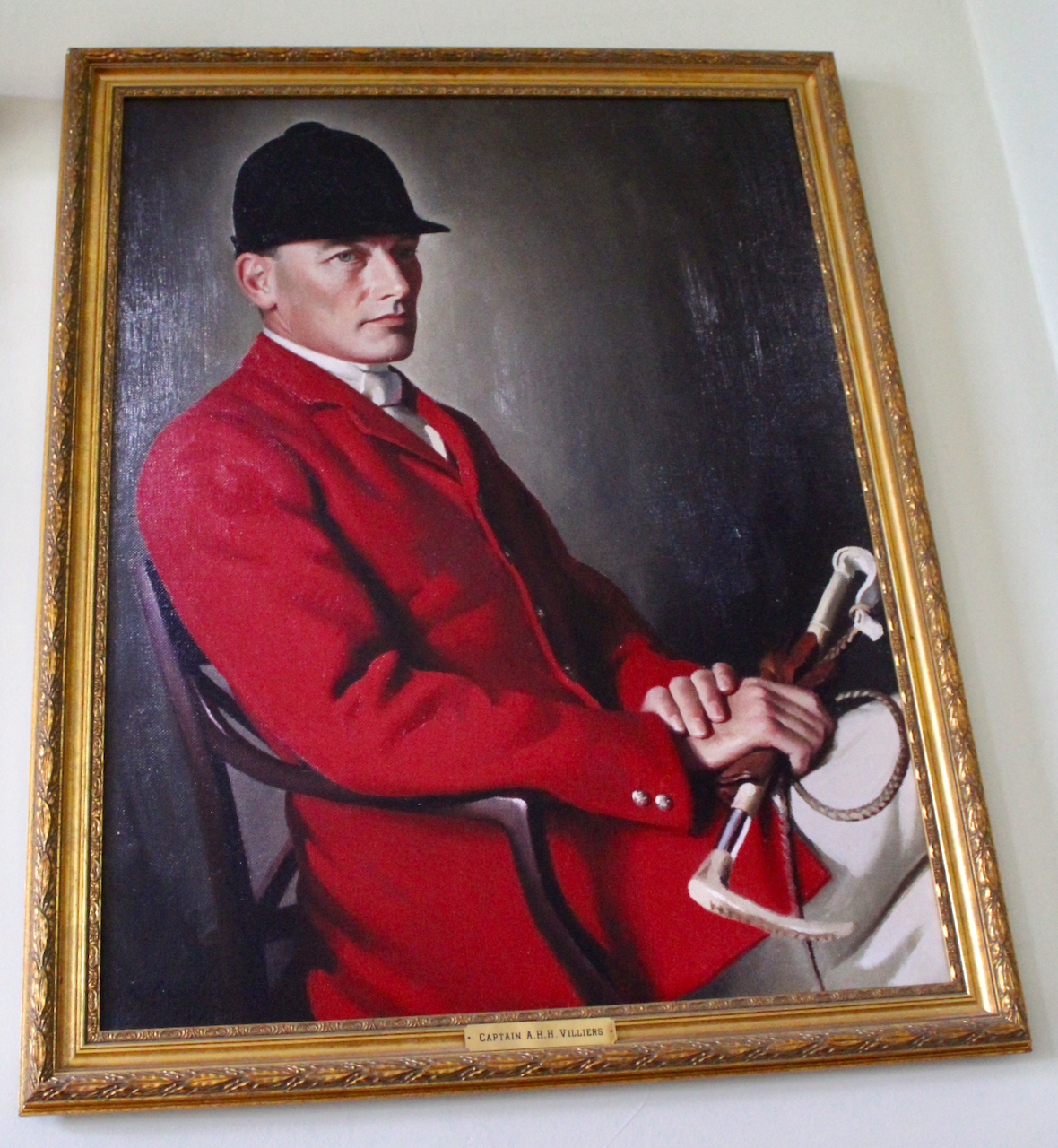
Captain A. H. H. Villiers, Fota House, County Cork, August 2023. Photograph © Jennifer Winder-Baggot, www.irishhistorichouses.com
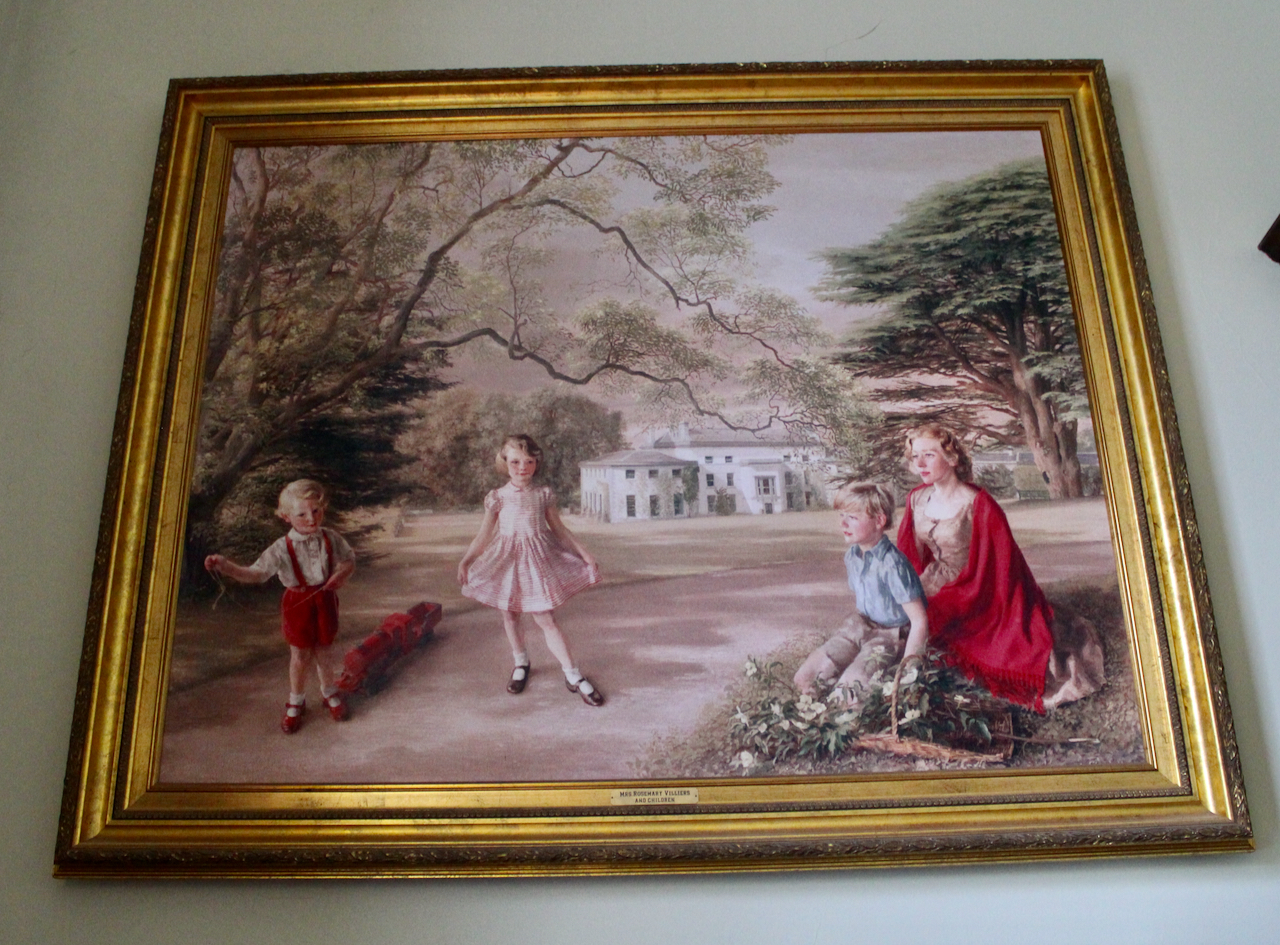
Rosemarie Villiers and Children, Fota House, County Cork. Photograph © Jennifer Winder-Baggot, www.irishhistorichouses.com
[1] http://lordbelmontinnorthernireland.blogspot.com/2013/07/virginia-park.html

Office of Public Works properties: Leinster: Carlow, Kildare

Just to finish up my entries about Office of Public Works properties: Carlow, Dublin, Kildare, Kilkenny, Laois, Longford, Louth, Meath, Offaly, Westmeath, Wexford and Wicklow are the counties that make up the Leinster region.

Carlow:

1. Altamont Gardens

Kildare:

2. Castletown House, County Kildare

3. Maynooth Castle, County Kildare

Carlow:

1. Altamont House and Gardens, Bunclody Road, Altamont, Ballon, County Carlow:

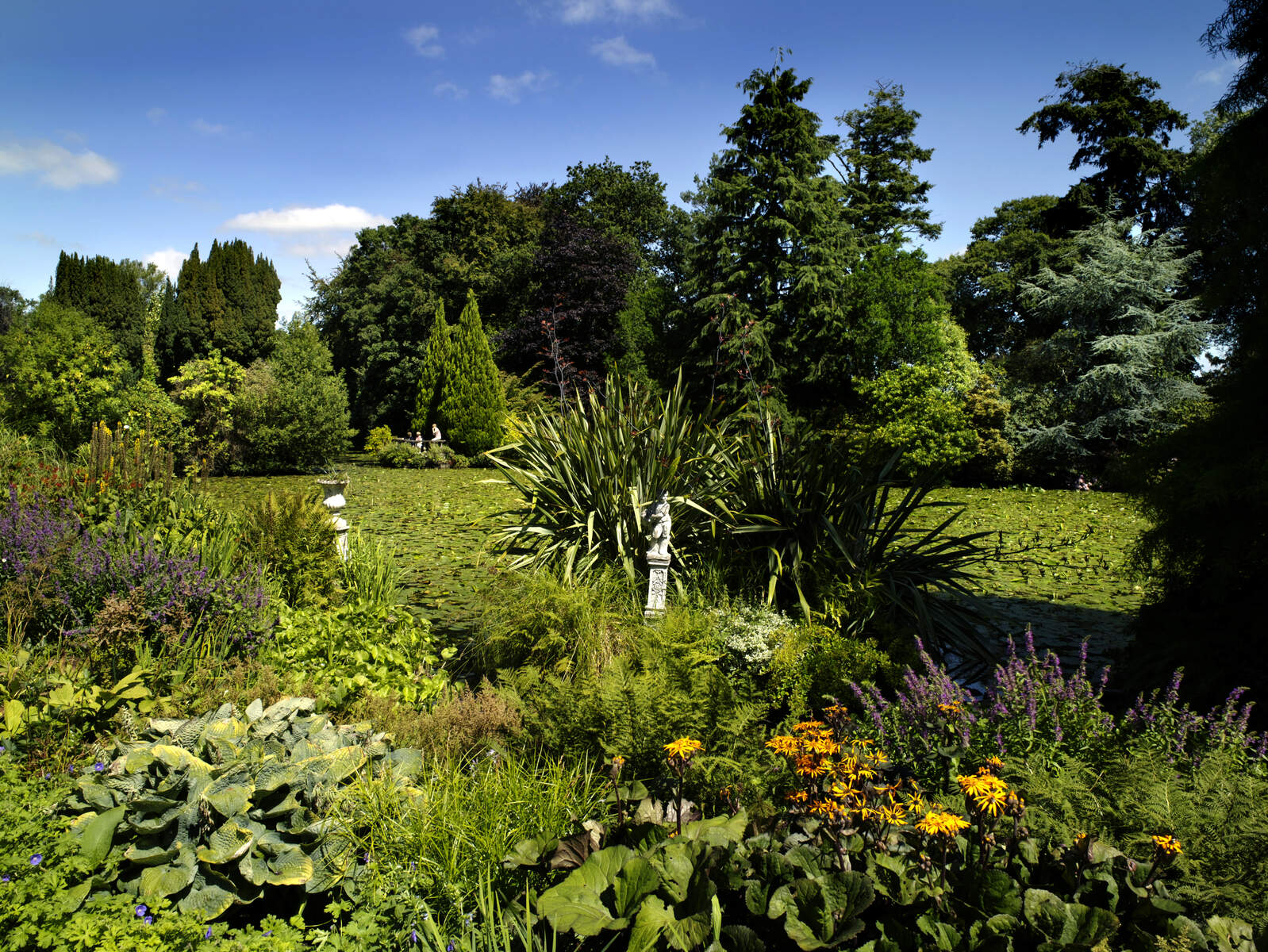
Altamont House and Gardens, photograph by Sonder Visuals, 2015, for Tourism Ireland, from Ireland’s Content Pool. [1]

General information: (059) 915 9444

altamontgardens@opw.ie

https://heritageireland.ie/visit/places-to-visit/altamont-gardens/

From the OPW website:

A large and beautiful estate covering 16 hectares in total, Altamont Gardens is laid out in the style of William Robinson, which strives for ‘honest simplicity’. The design situates an excellent plant collection perfectly within the natural landscape.

For example, there are lawns and sculpted yews that slope down to a lake ringed by rare trees and rhododendrons. A fascinating walk through the Arboretum, Bog Garden and Ice Age Glen, sheltered by ancient oaks and flanked by huge stone outcrops, leads to the banks of the River Slaney. Visit in summer to experience the glorious perfume of roses and herbaceous plants in the air.

With their sensitive balance of formal and informal, nature and artistry, Altamont Gardens have a unique – and wholly enchanting – character.” [2]

From “In Harmony with Nature, The Irish Country House Garden 1600-1900” in the Irish Georgian Society, July 2022, curated by Robert O’Byrne.
Altamont, photograph by Sonder Visuals 2017 for Tourism Ireland, Ireland’s Content Pool. [see 1]

From Living Legacies: Ireland’s National Historic Properties in the care of the OPW, Government Publications, Dublin, 2018:

Altamont House was constructed in the 1720s, incorporating parts of an earlier structure said to have been a medieval nunnery. In the 1850s, a lake was excavated in the grounds of the house, but it was when the Lecky-Watsons, a local Quaker family, acquired Altamont in 1924 that the gardens truly came into their own.

Feilding Lecky-Watson had worked as a tea planter in Ceylon (Sri Lanka) where he nurtured his love of exotic plants, and of rhododendrons in particular. Back in Ireland, he became an expert in the species, cultivating plants for the botanical gardnes at Glasnevin, Kew and Edinburgh. So passionate was he about these plants that when his wife, Isobel, gave birth to a daughter in 1922, she was named Corona, after his favourite variety of rhododendron.” [3]

Altamont House and Gardens lake, photograph by Sonder Visuals, 2015, for Tourism Ireland, from Ireland’s Content Pool. [see 1]

Around the lake are mature conifers that were planted in the 1800s, including a giant Wellingtonia which commemorates the Battle of Waterloo. [3] Corona continued in her father’s footsteps, planing rhododendrons, magnolia and Japanese maples. Another feature is the “100 steps” hand-cut in granite, leading down to the River Slaney. There are red squirrels, otters in the lake and river, and peacocks. Before her death, Corona handed Altamont over to the Irish state to ensure its preservation.

The Temple, Altamont House and Gardens, photograph by Sonder Visuals, 2015, for Tourism Ireland, from Ireland’s Content Pool. [see 1]

Kildare:

2. Castletown House and Parklands, Celbridge, County Kildare.

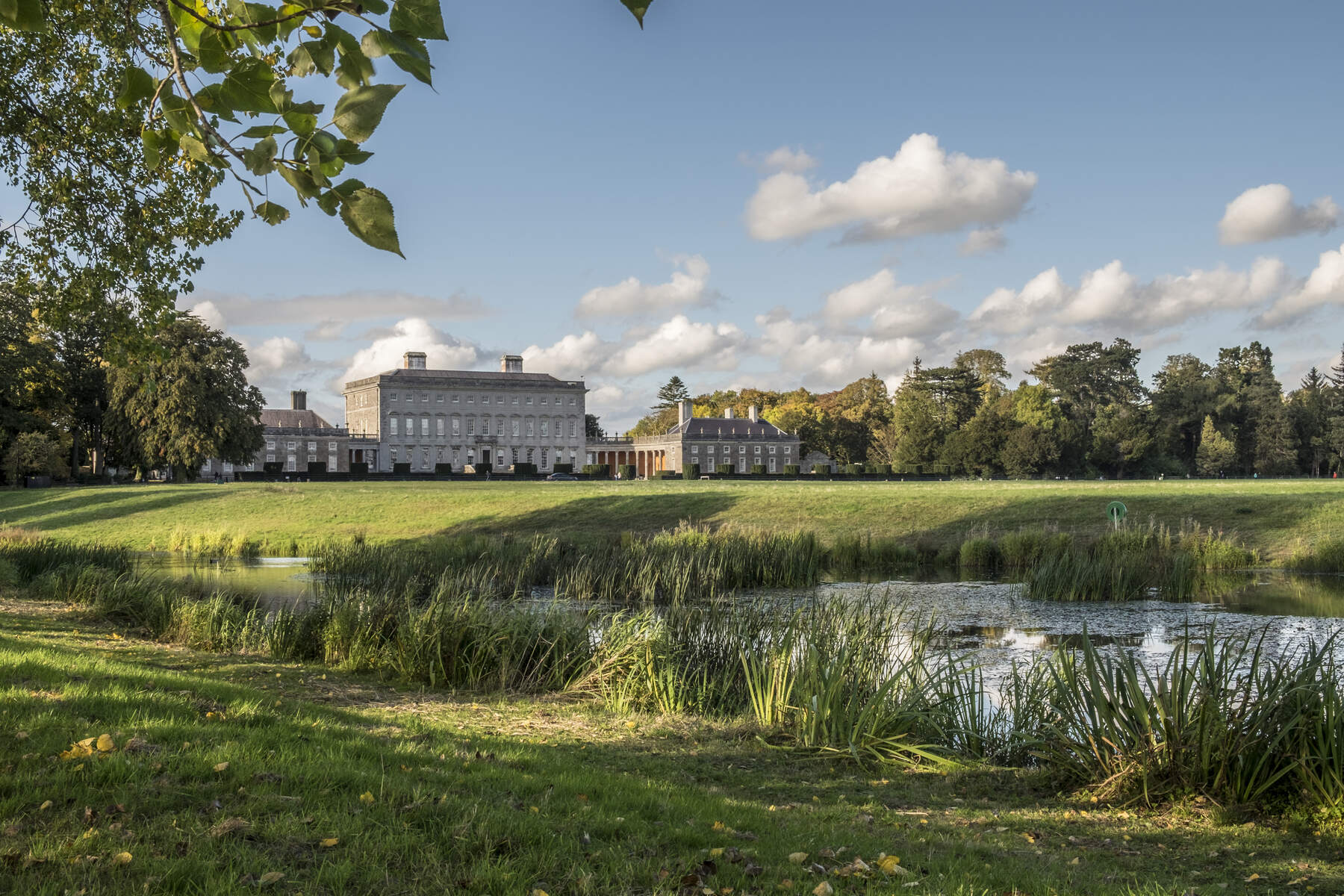
Castletown House, County Kildare, Photo by Mark Wesley 2016, Tourism Ireland, from Ireland’s Content Pool. [see 1]

General Information: castletown@opw.ie

https://castletown.ie

see my entry: https://irishhistorichouses.com/2024/03/15/castletown-house-and-parklands-celbridge-county-kildare-an-office-of-public-works-property/

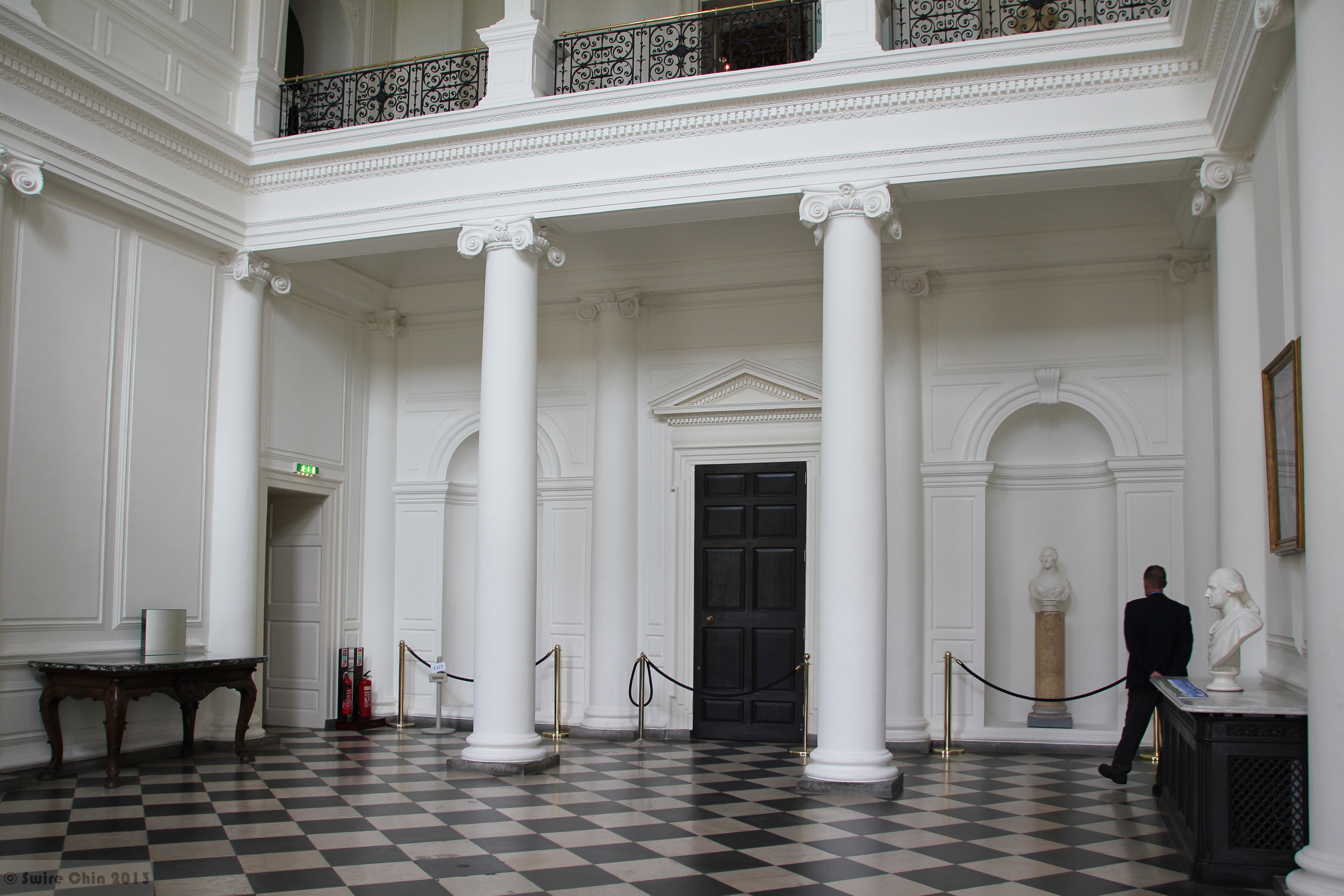
Great Hall, photograph by Swire Chin, Toronto, May 2013 flickr constant commons.
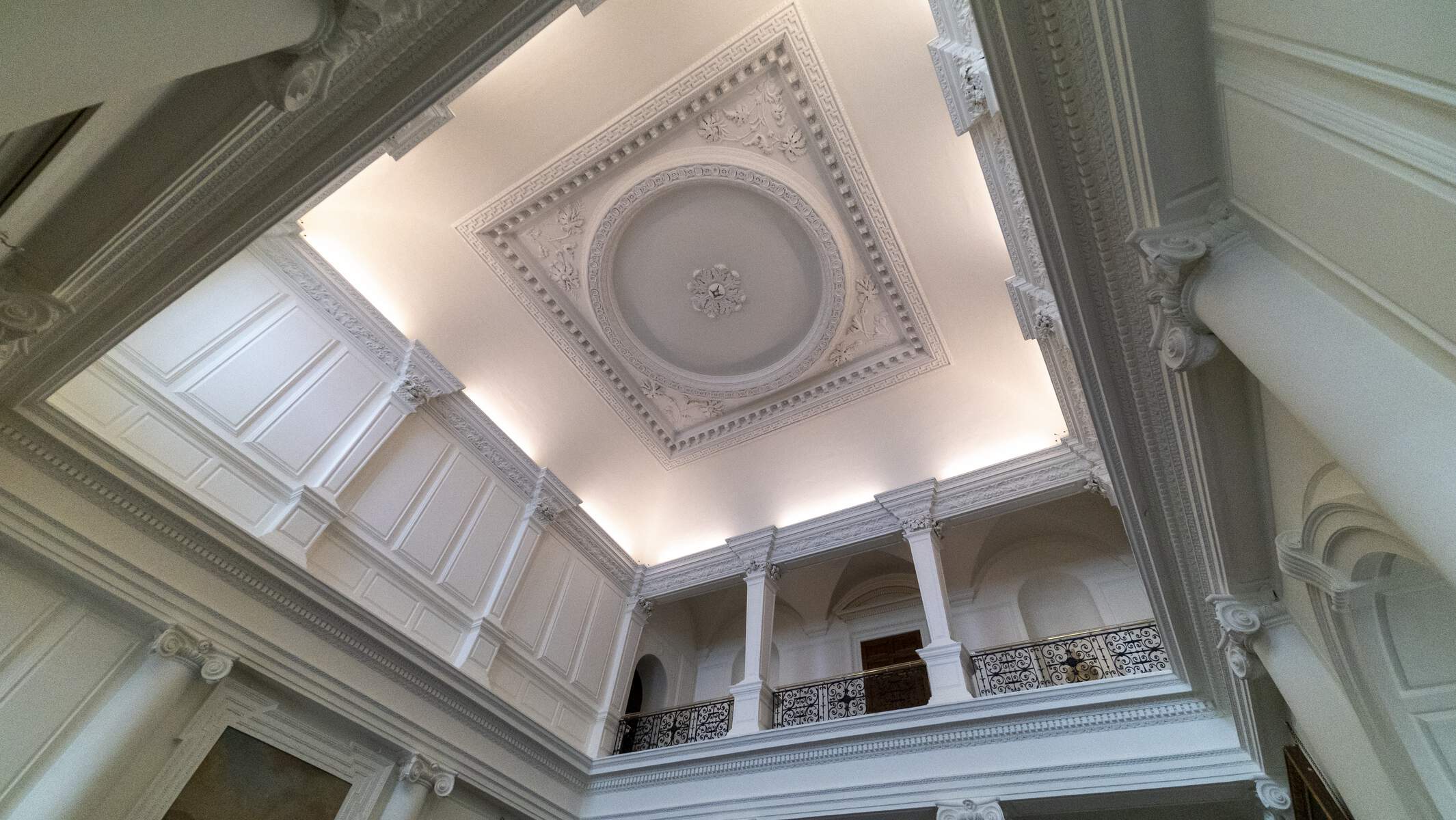
Great Hall, Castletown House, Celbridge, Co Kildare, photograph by Sonder Visuals 2022 for Failte Ireland.
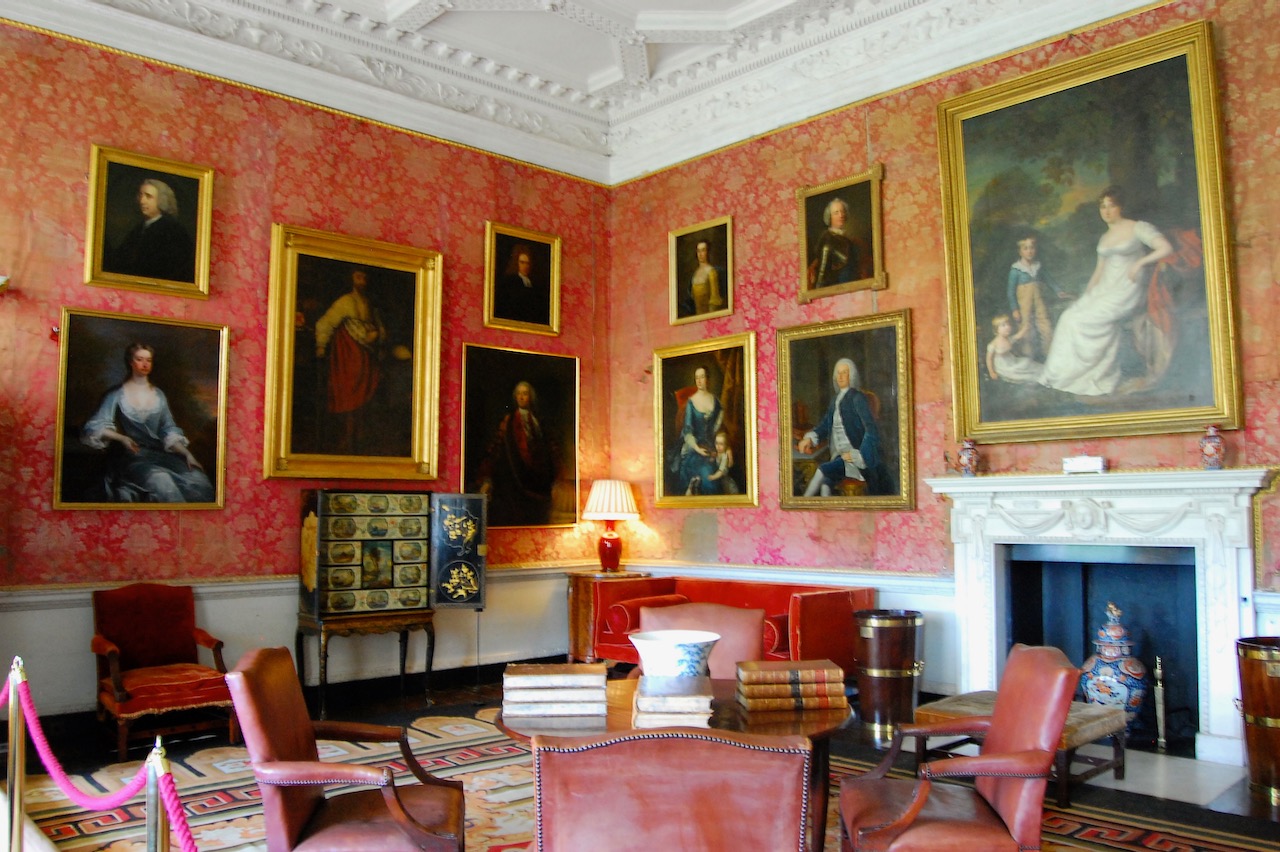
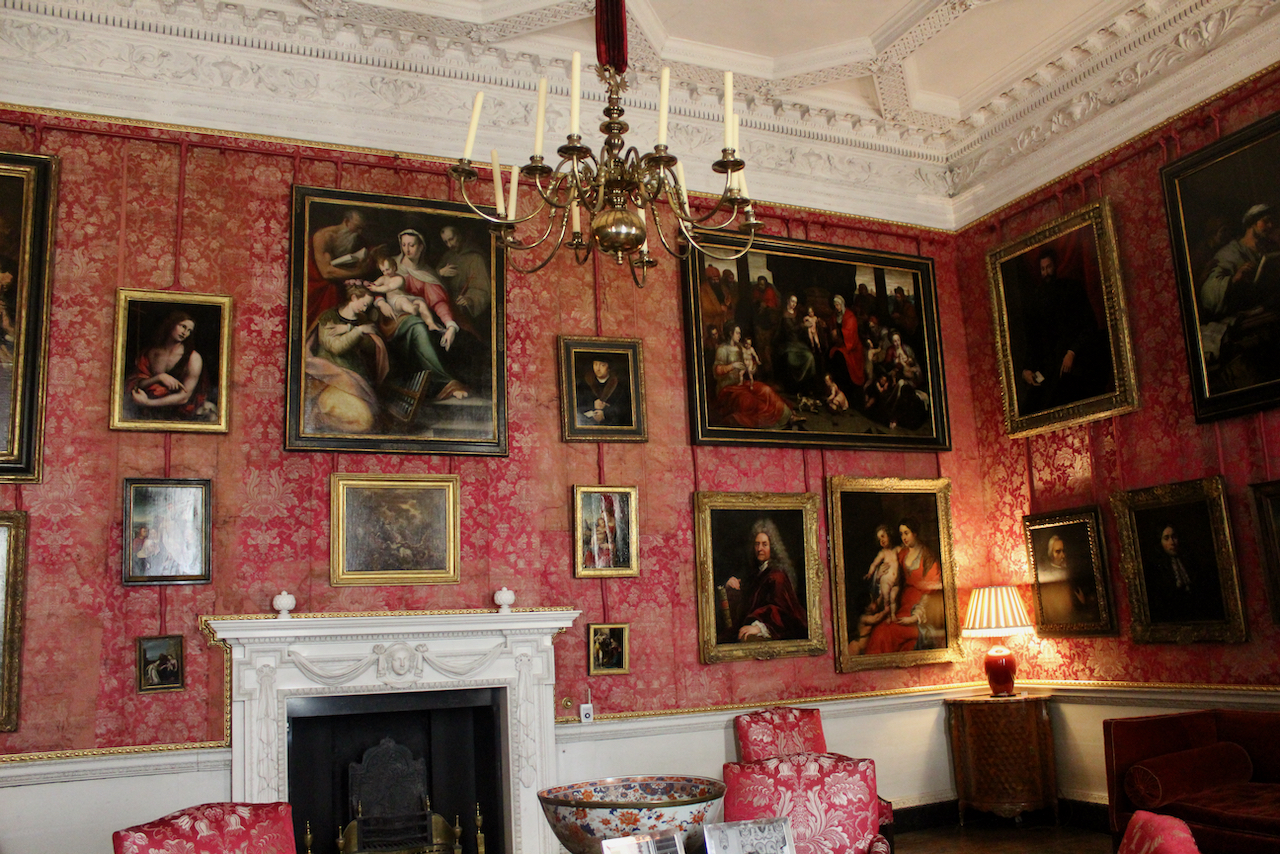
The Red Drawing Room in Castletown House, June 2015. Photograph © Jennifer Winder-Baggot, www.irishhistorichouses.com
The Red Drawing Room in October 2022. Photograph © Jennifer Winder-Baggot, www.irishhistorichouses.com
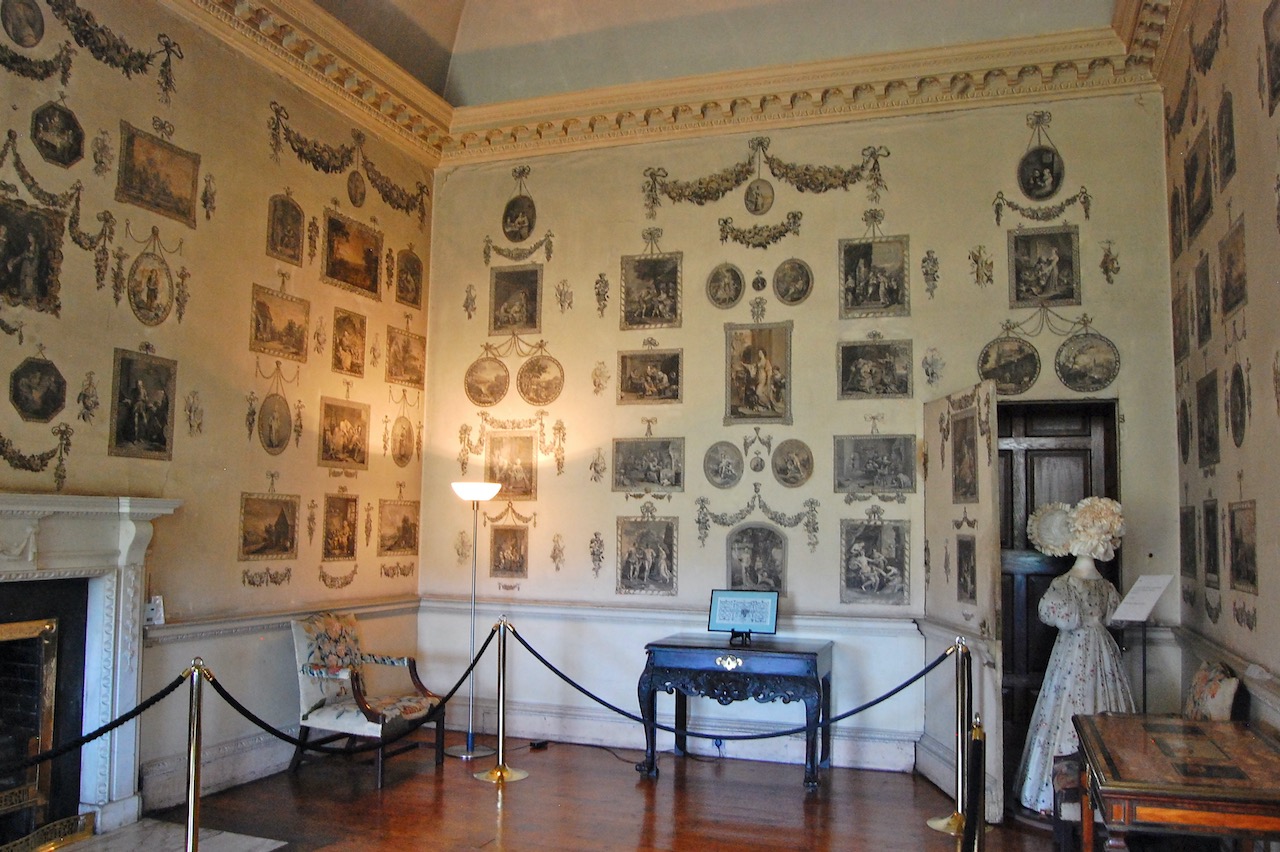
The Print Room, Castletown House, June 2015. Photograph © Jennifer Winder-Baggot, www.irishhistorichouses.com
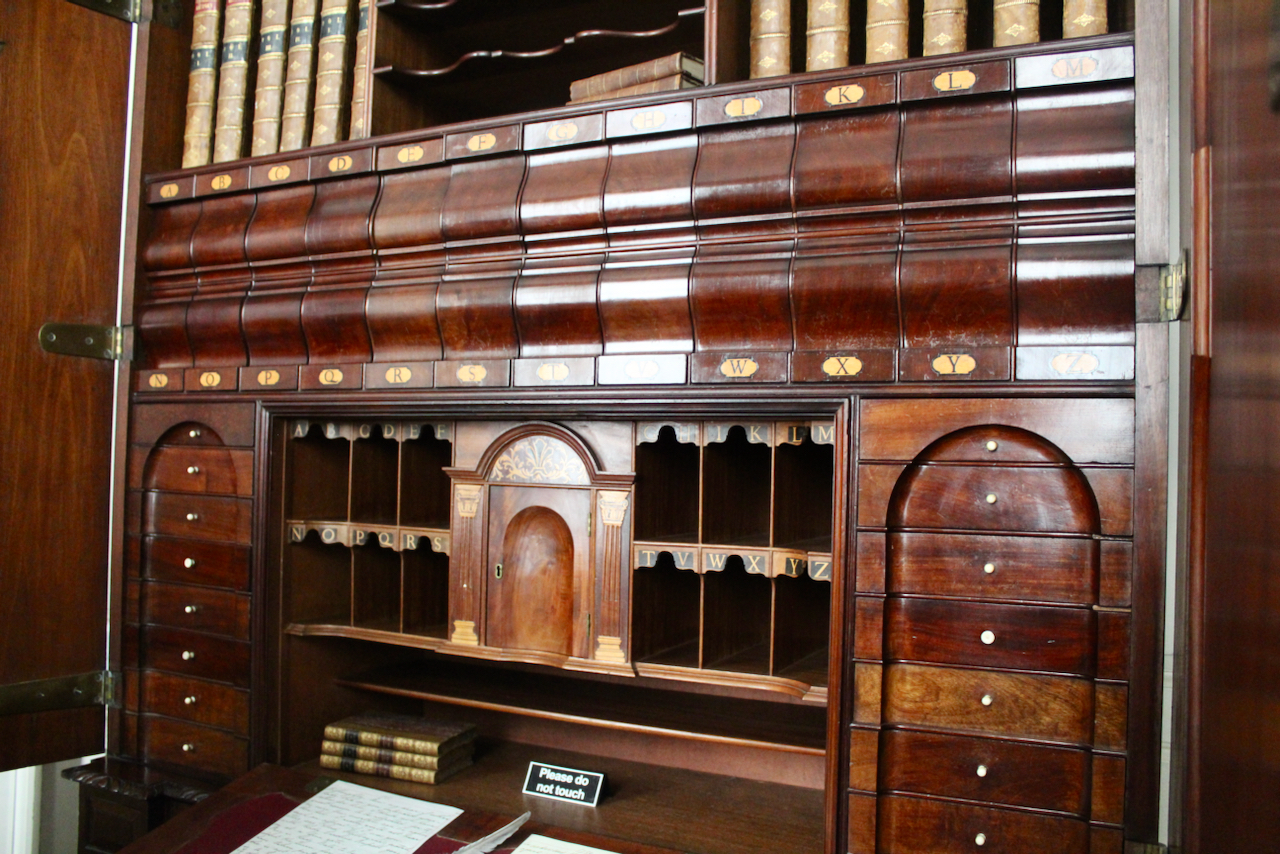
The Boudoir, Castletown House, July 2017. The website tells us about the writing bureau, Irish-made around 1760: A George III mahogany cabinet with dentilled-scrolled broken pediment carved with rosettes. Throughout her life, Lady Louisa maintained a regular correspondence with her sisters and brothers in Ireland and England, and it is easy to picture her writing her epistles at this bureau and filing the letters she received in the initialled pigeonholes and drawers. A handwritten transcription of her letters to her siblings can be accessed in the OPW-Maynooth University Archive and Research Centre in Castletown.  Photograph © Jennifer Winder-Baggot, www.irishhistorichouses.com
The writing bureau has no “J” or “U” as they are not in the Latin alphabet. Photograph © Jennifer Winder-Baggot, www.irishhistorichouses.com
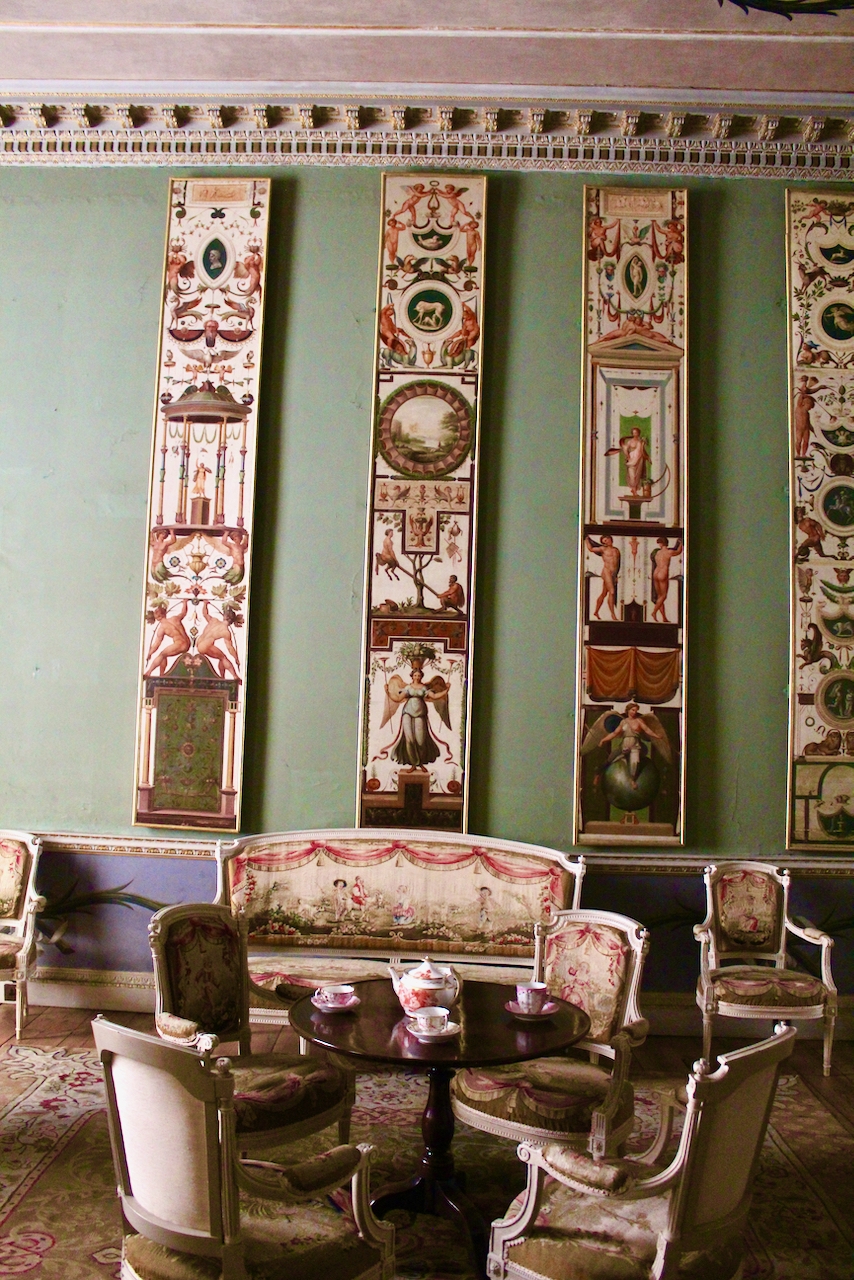
The wall panels, or grotesques, after Raphael date from the early nineteenth century and formerly hung in the Long Gallery. Photograph © Jennifer Winder-Baggot, www.irishhistorichouses.com
In 2022, Louisa’s bedroom now features a tremendous bed. Photograph © Jennifer Winder-Baggot, www.irishhistorichouses.com
Upstairs, The Long Gallery, Castletown House, June 2015. Photograph © Jennifer Winder-Baggot, www.irishhistorichouses.com
The Long Gallery in the 1880s, photograph from the album of Henry Shaw. Photograph © Jennifer Winder-Baggot, www.irishhistorichouses.com
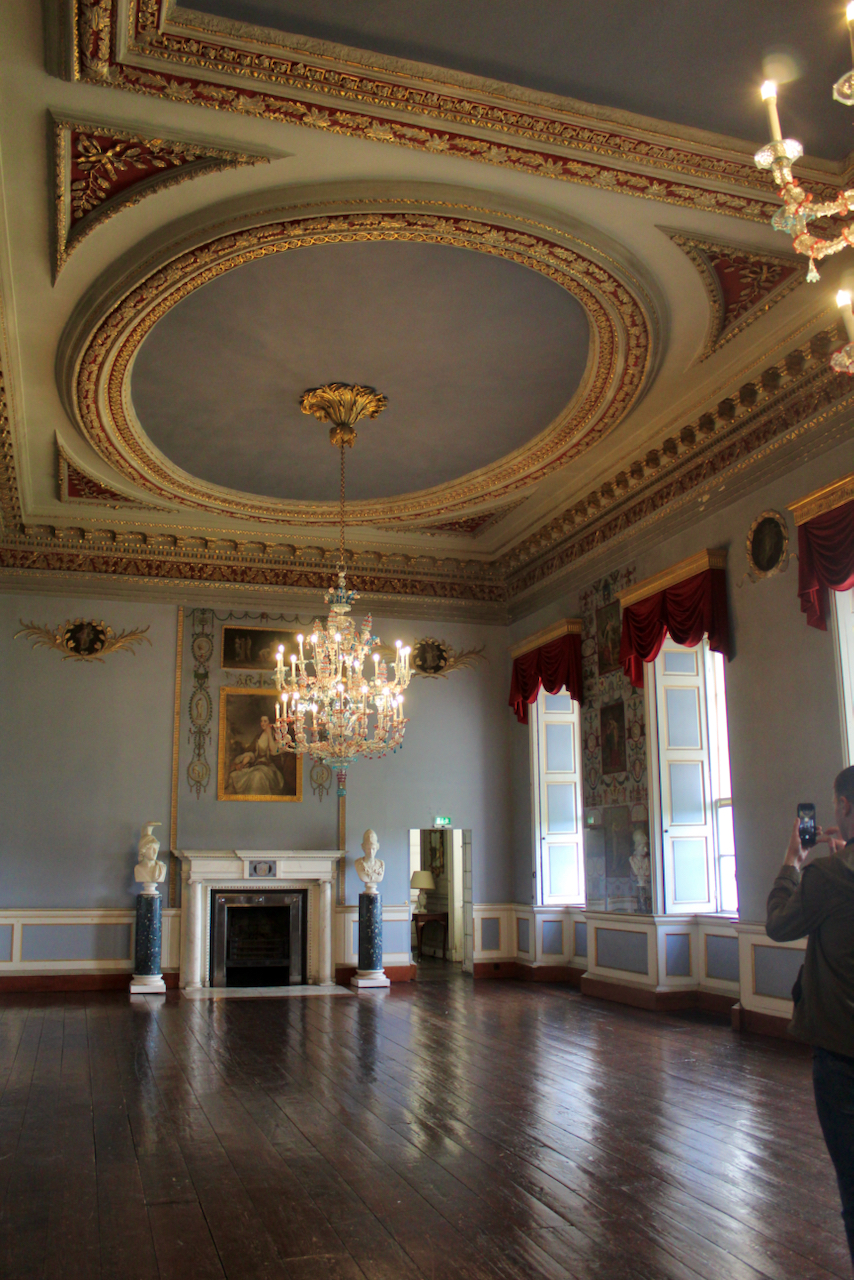
The Long Gallery: its heavy ceiling compartments and frieze dates from the 1720s and is by Edward Lovett Pearce. It was painted and gilded in the 1770s. Photograph © Jennifer Winder-Baggot, www.irishhistorichouses.com
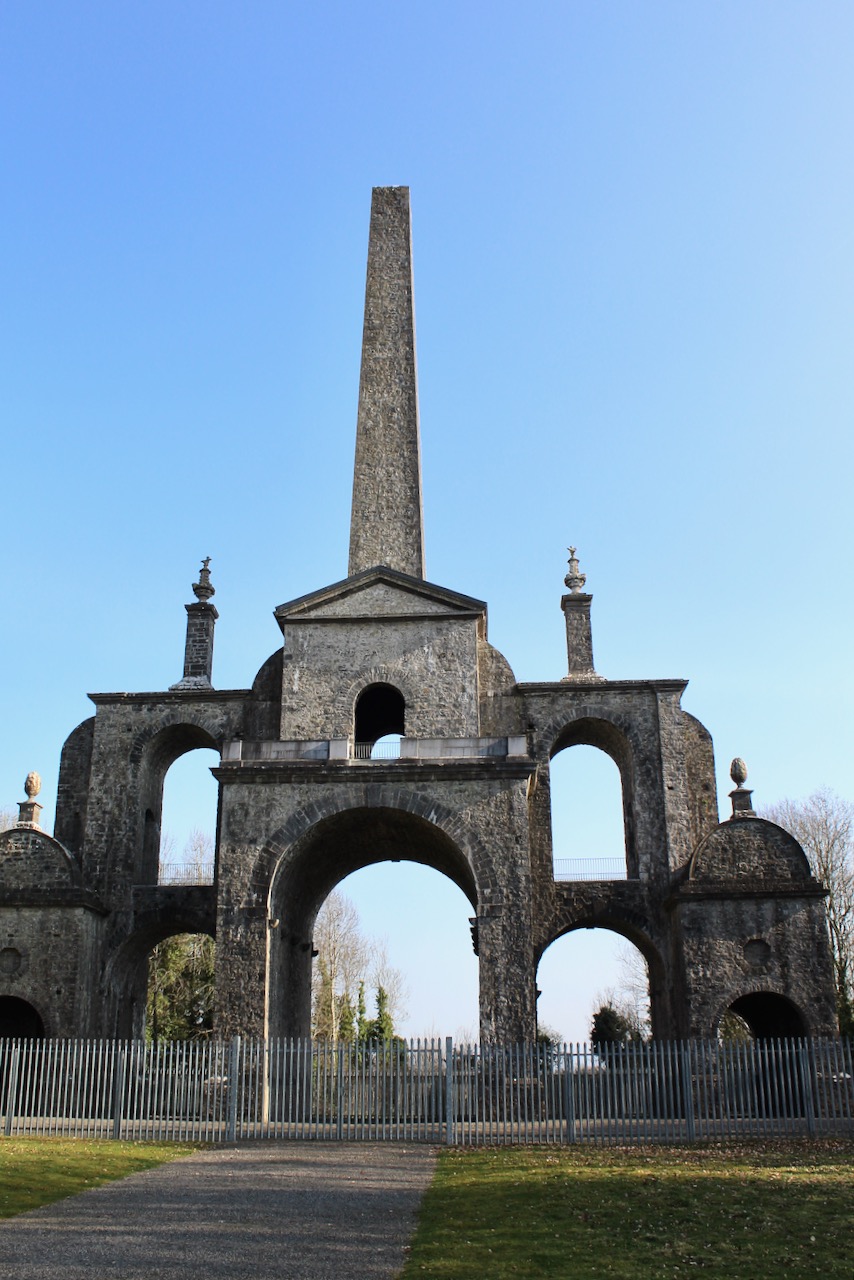
The Obelisk, or Conolly Folly, was reputedly built to give employment during an episode of famine. It was restored by the Irish Georgian Society in 1960.

Obelisk, Castletown, attributed to Richard Castle, March 2022. Desmond Guinness’s wife Mariga, who played a great role in the Irish Georgian Society, is buried below. Photograph © Jennifer Winder-Baggot, www.irishhistorichouses.com
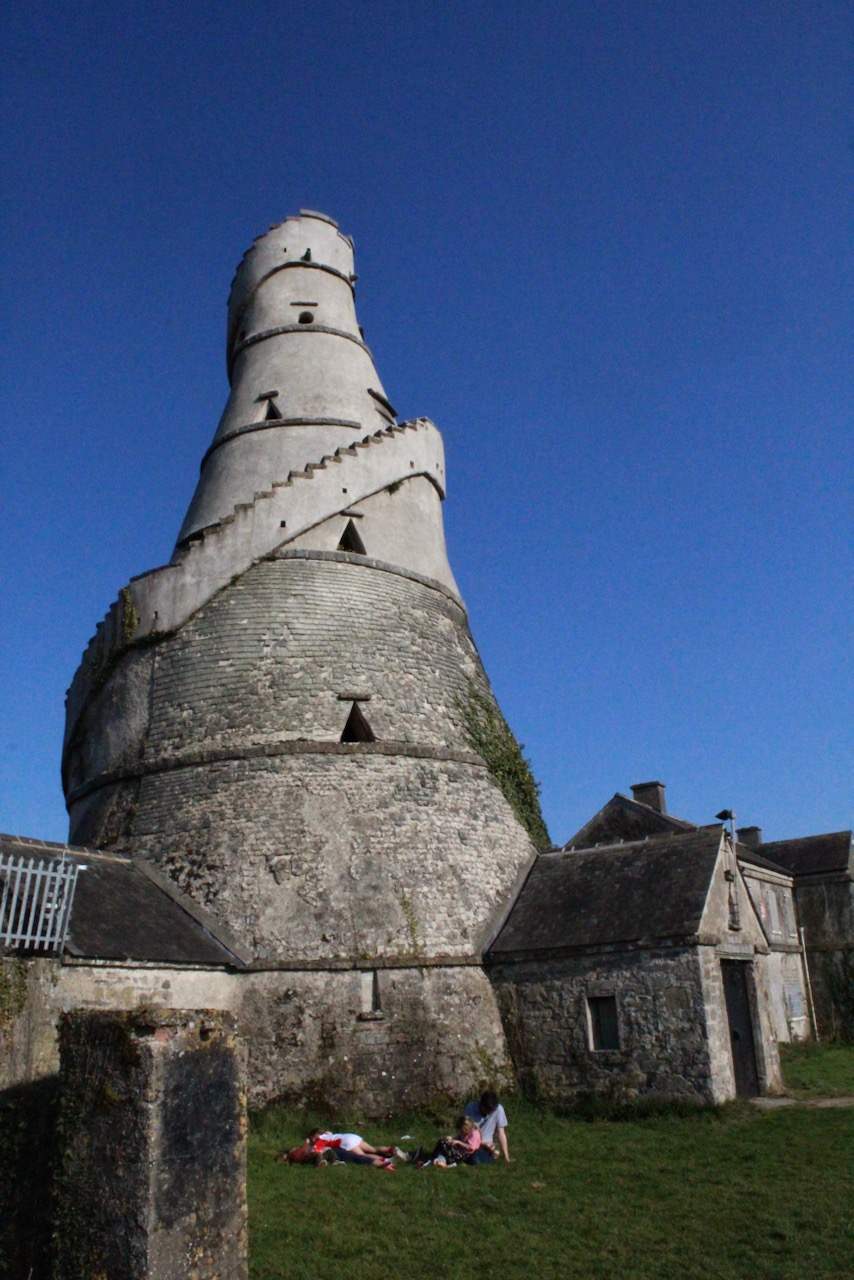
The Wonderful Barn, Castletown by Robert French, Lawrence Photographic Collection NLI, flickr constant commons.
The Wonderful Barn, March 2022, created in 1743. Photograph © Jennifer Winder-Baggot, www.irishhistorichouses.com
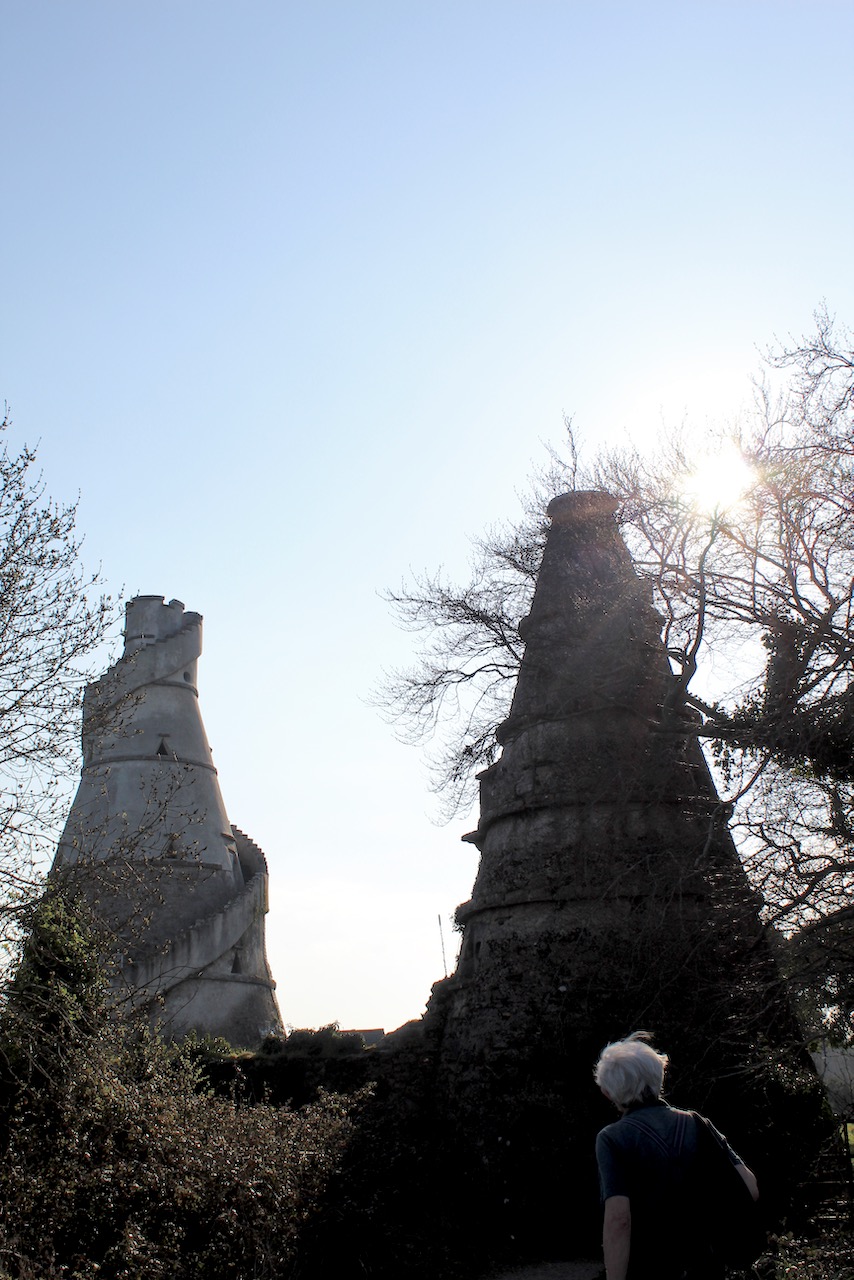
When we went to find the Wonderful Barn, we discovered there is not just one but in fact three Wonderful Barns! Photograph © Jennifer Winder-Baggot, www.irishhistorichouses.com
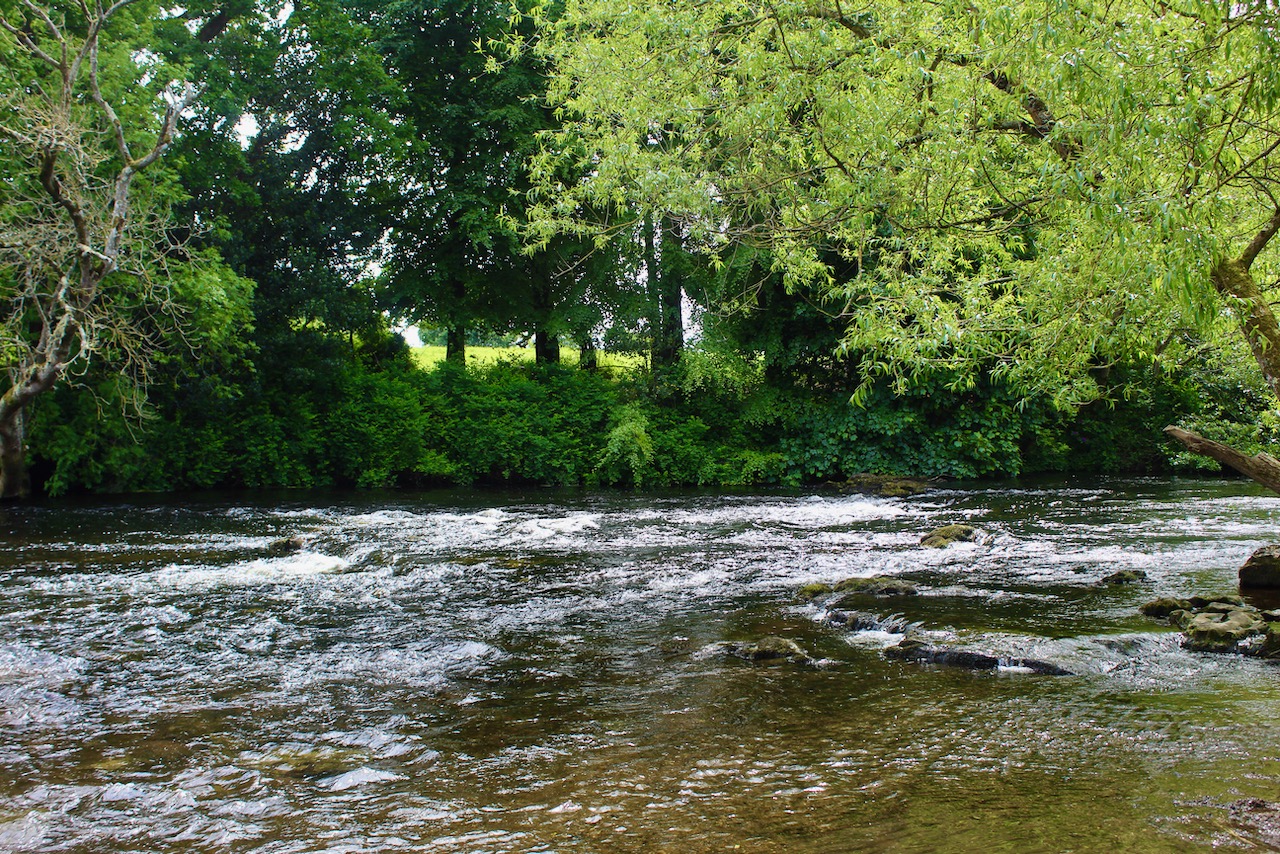
The grounds around Castletown are beautiful and one can walk along the Liffey. Photograph © Jennifer Winder-Baggot, www.irishhistorichouses.com

3. Maynooth Castle, County Kildare:

Maynooth Castle, photograph by Gail Connaughton 2020, for Faitle Ireland, Ireland’s Content Pool. [see 1]

General information: 01 628 6744, maynoothcastle@opw.ie

From the OPW website https://heritageireland.ie/visit/places-to-visit/maynooth-castle/:

This majestic stone castle was founded in the early thirteenth century. It became the seat of power for the FitzGeralds, the earls of Kildare, as they emerged as one of the most powerful families in Ireland. Garret Mór, known as the Great Earl of Kildare, governed Ireland in the name of the king from 1487 to 1513.

Maynooth Castle was one of the largest and richest Geraldine dwellings. The original keep, begun around 1200, was one of the largest of its kind in Ireland. Inside, the great hall was a nerve centre of political power and culture.

Only 30 kilometres from Dublin, Maynooth Castle occupies a deceptively secluded spot in the centre of the town, with well-kept grounds and plenty of greenery. There is a captivating exhibition in the keep on the history of the castle and the family.

[1] https://www.irelandscontentpool.com
[2] https://heritageireland.ie/visit/places-to-visit/altamont-gardens/

[3] p. 8, Living Legacies: Ireland’s National Historic Properties in the Care of the OPW. Government Publications, Dublin 2, 2018.

[4] p. xiii, Jennings, Marie-Louise and Gabrielle M. Ashford (eds.), The Letters of Katherine Conolly, 1707-1747. Irish Manuscripts Commission 2018. The editors reference TCD, MS 3974/121-125; Capel Street and environs, draft architectural conservation area (Dublin City Council) and Olwyn James, Capel Street, a study of the past, a vision of the future (Dublin, 2001), pp. 9, 13, 15-17.

[5] http://kildarelocalhistory.ie/celbridge See also my entry on Castletown House in my entry for OPW properties in Kildare, https://irishhistorichouses.com/2022/02/21/office-of-public-works-properties-leinster-carlow-kildare-kilkenny/

[6] https://archiseek.com/2011/1770s-castletown-house-celbridge-co-kildare/

[7] p. 75. Bence-Jones, Mark. A Guide to Irish Country Houses (originally published as Burke’s Guide to Country Houses volume 1 Ireland by Burke’s Peerage Ltd. 1978); Revised edition 1988 Constable and Company Ltd, London.

[8] p. 129. Great Irish Houses. Forewards by Desmond FitzGerald, Desmond Guinness. IMAGE Publications, 2008. 

[9] https://castletown.ie/collection-highlights/

Text © Jennifer Winder-Baggot, www.irishhistorichouses.com