Open dates in 2026: Jan 10-12, 19-20, May 1-3, June 24-30, July 19-26, Aug 15-23, Sept 1-13, Nov 4-8, Dec 1-10, 10am-2pm
Fee: adult €12, student/OAP/groups €8
donation
Help me to pay the entrance fee to one of the houses on this website. This site is created purely out of love for the subject and I receive no payment so any donation is appreciated!
€15.00
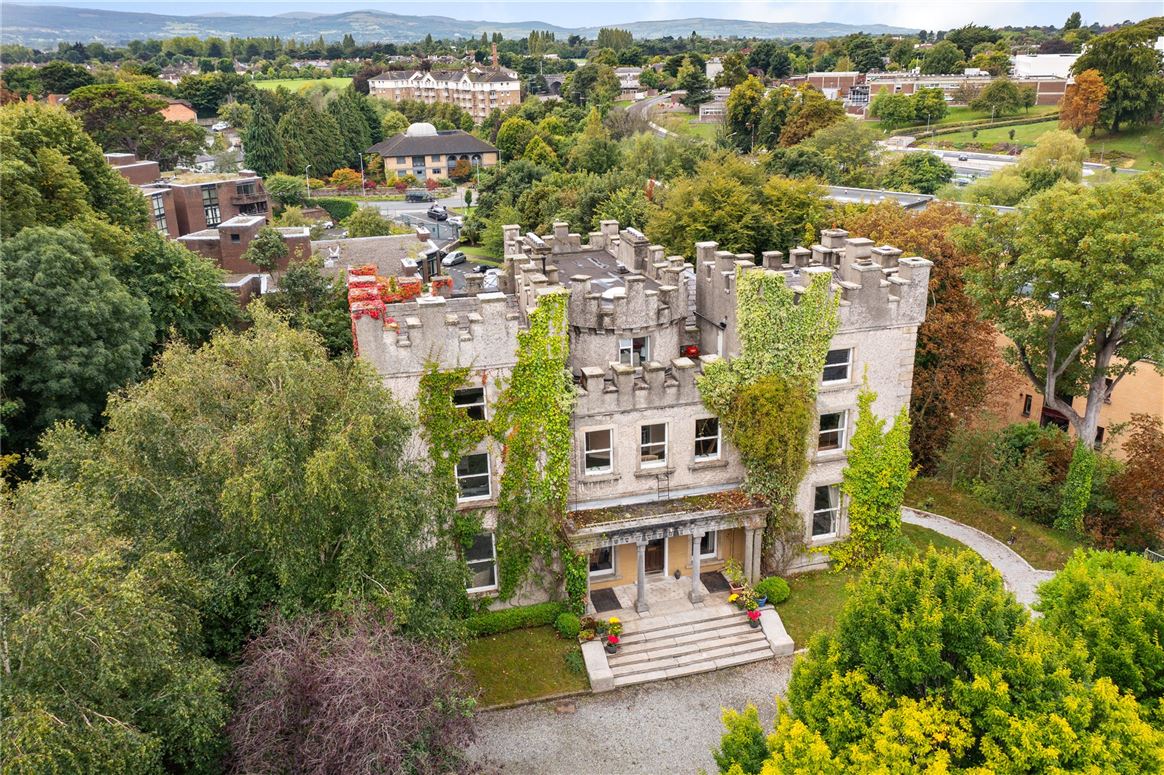
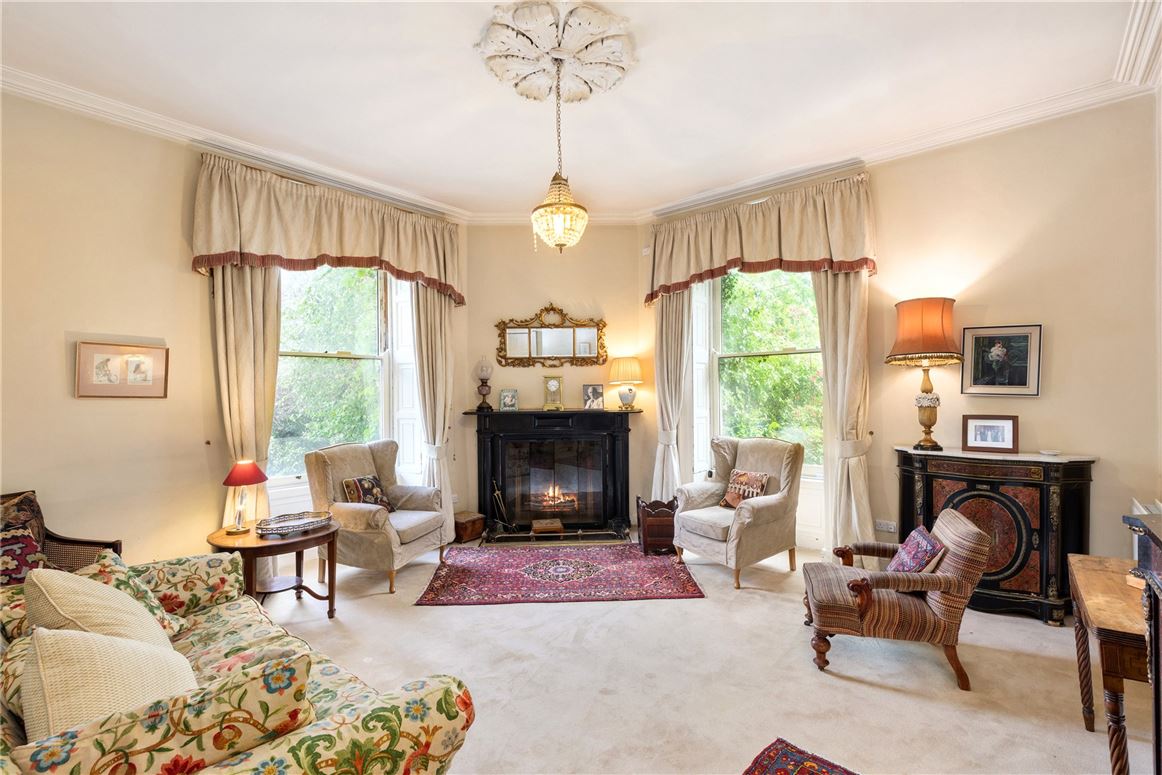
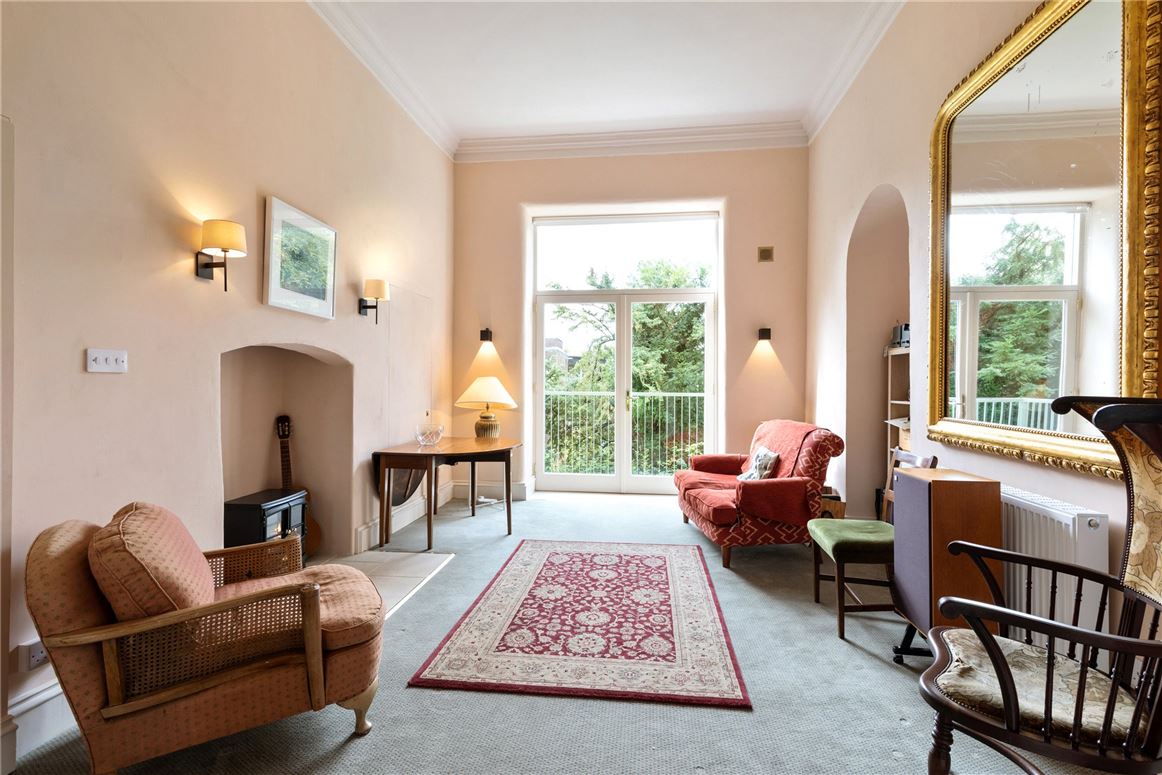
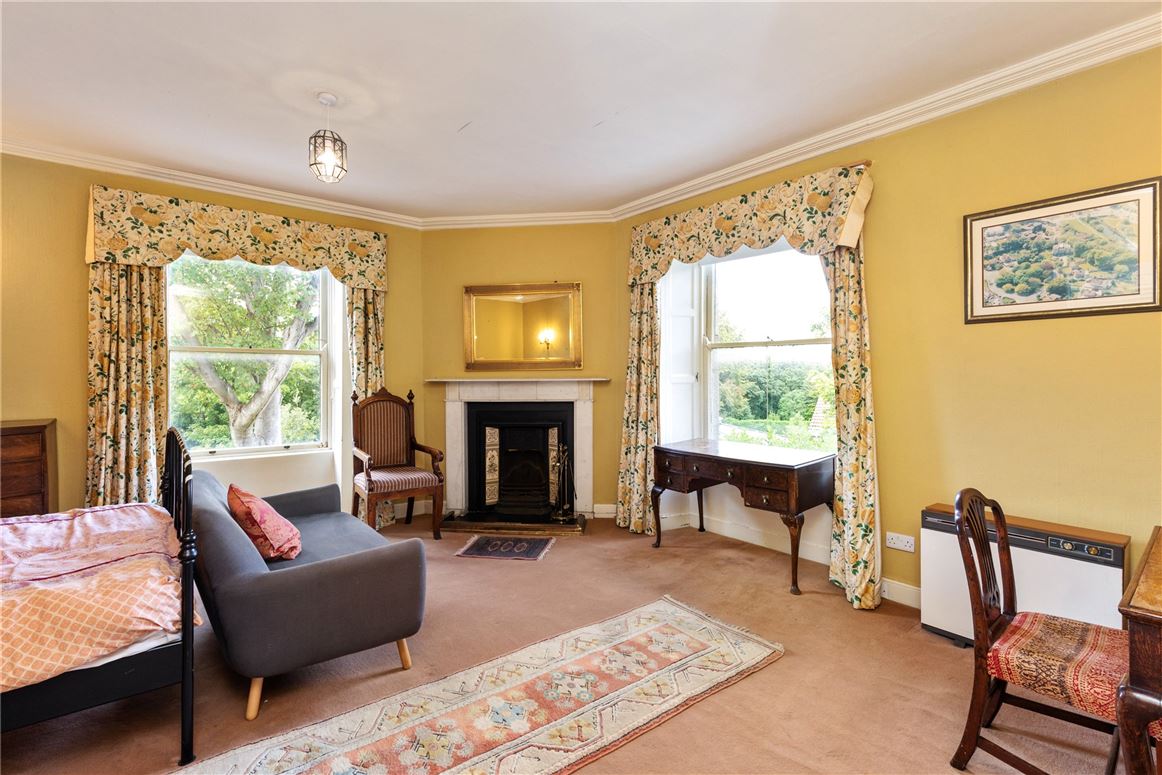
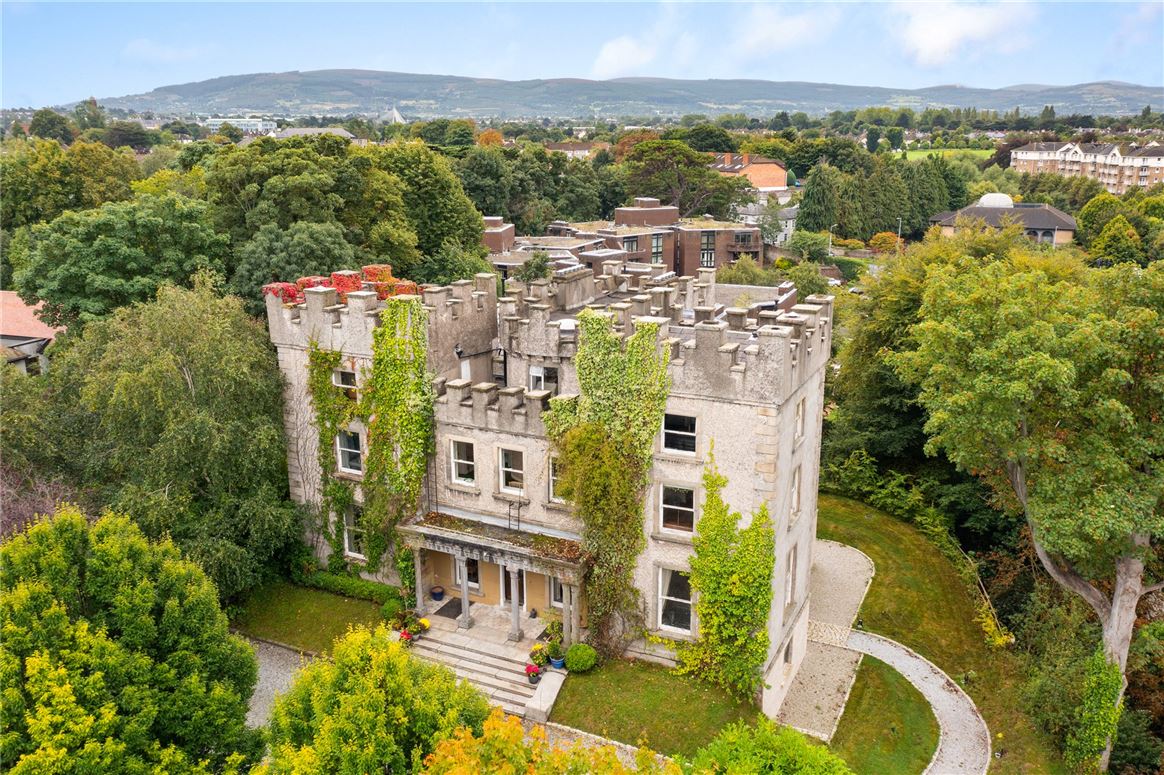
Clonskeagh Castle, photograph courtesy of Sherry Fitzgerald and myhome.ie
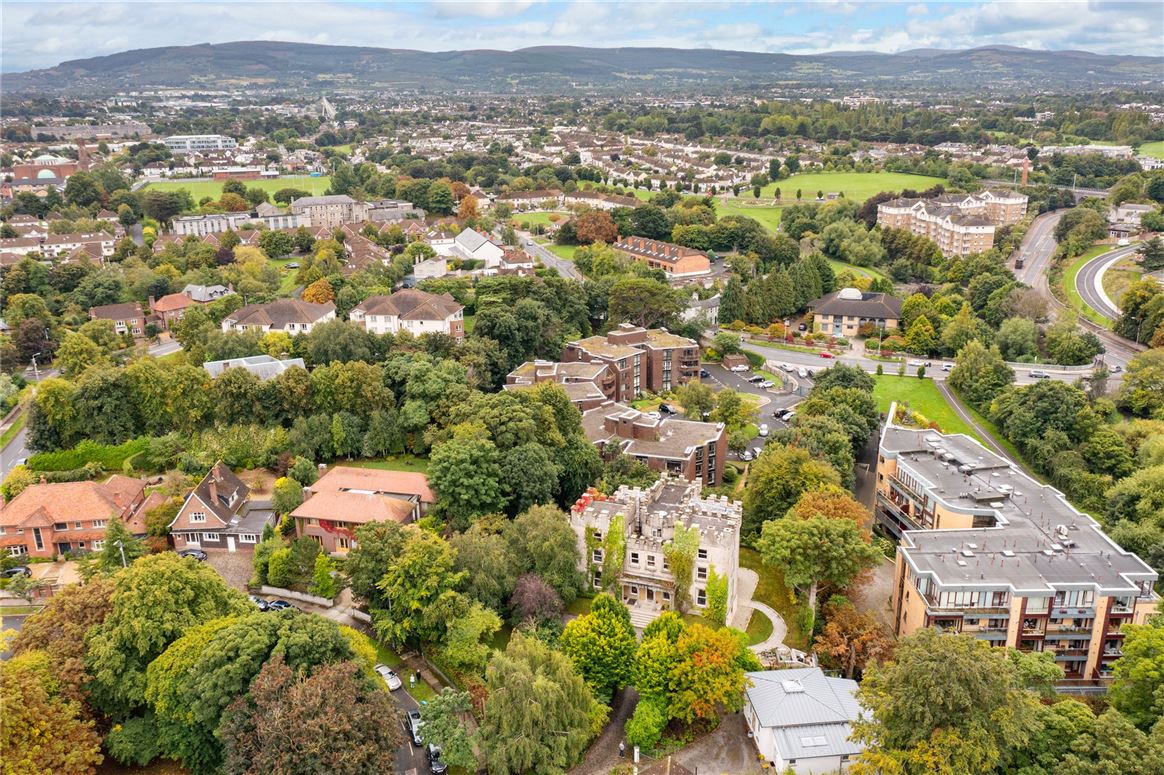
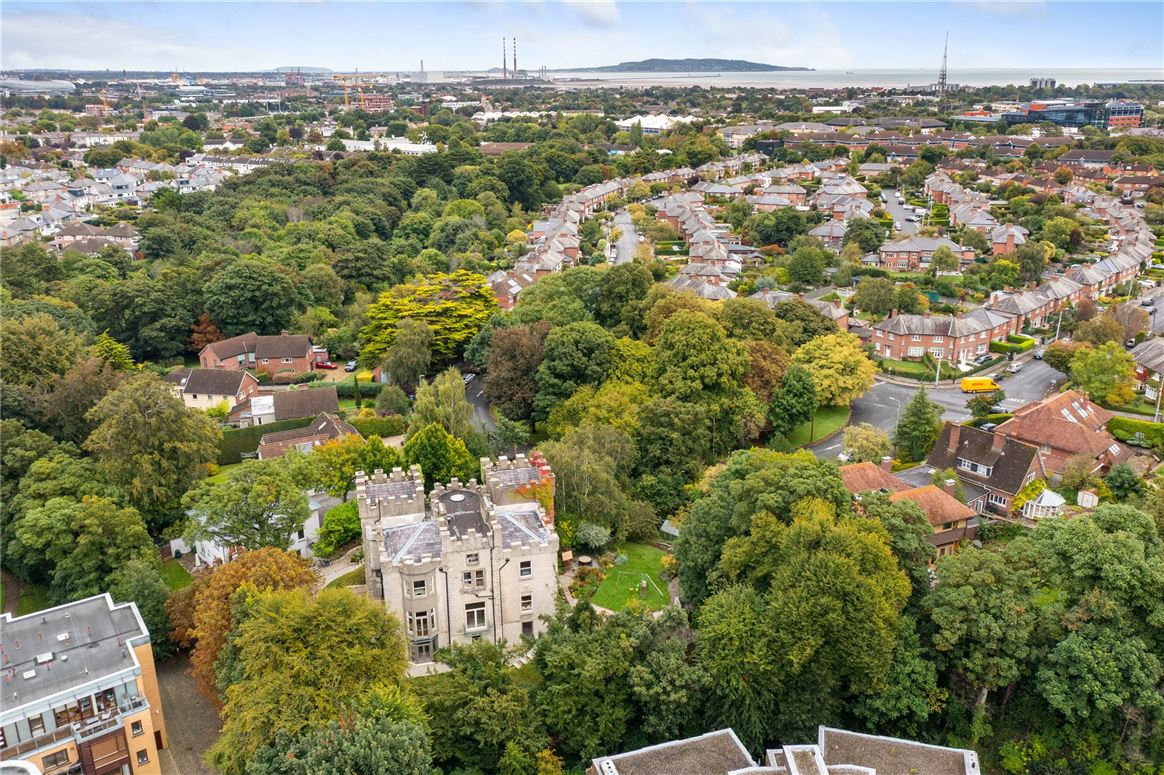
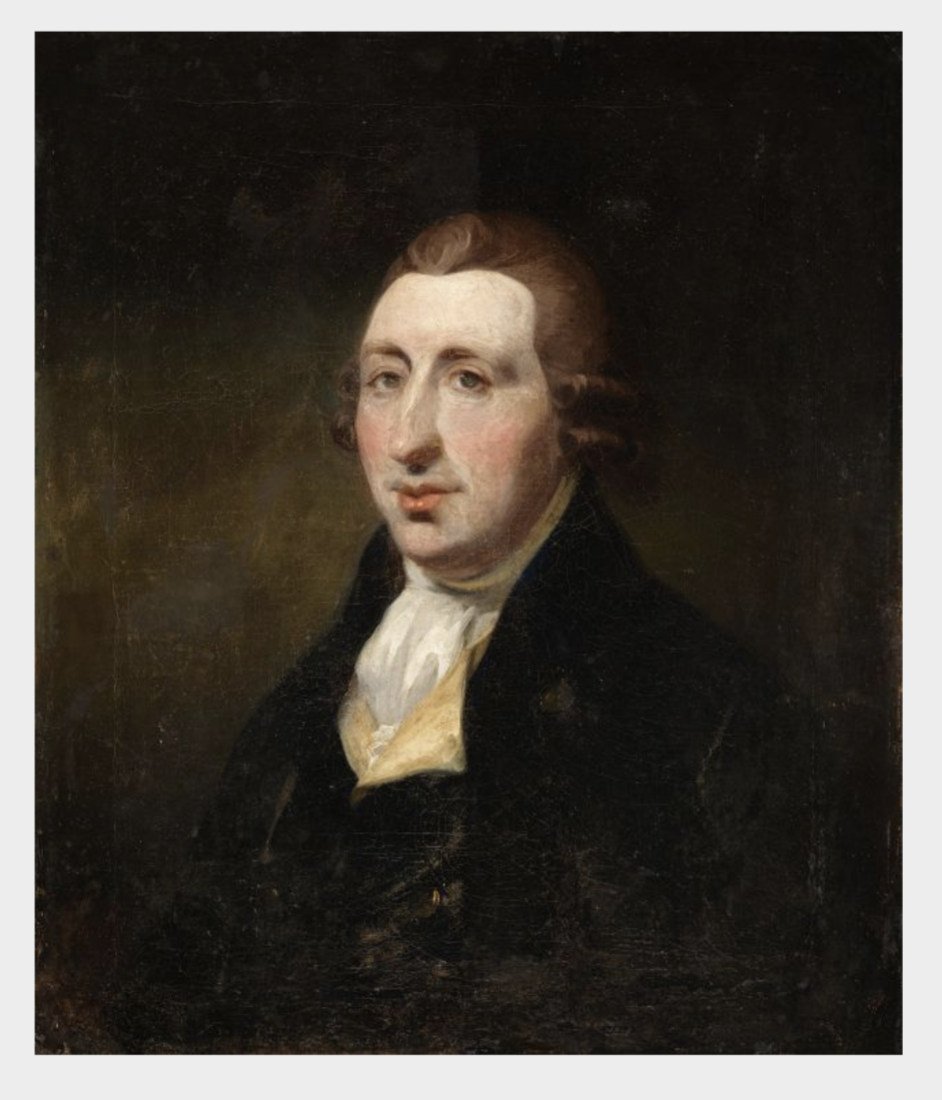
We visited Clonskeagh Castle in December 2023. The name Clonskeagh comes from the Irish “Cluain Sceach” – the meadow of the white thorns. The house was built around 1789 as a country residence (he also had a house in the city) for Henry Jackson (d. 1817), who owned an iron foundry.
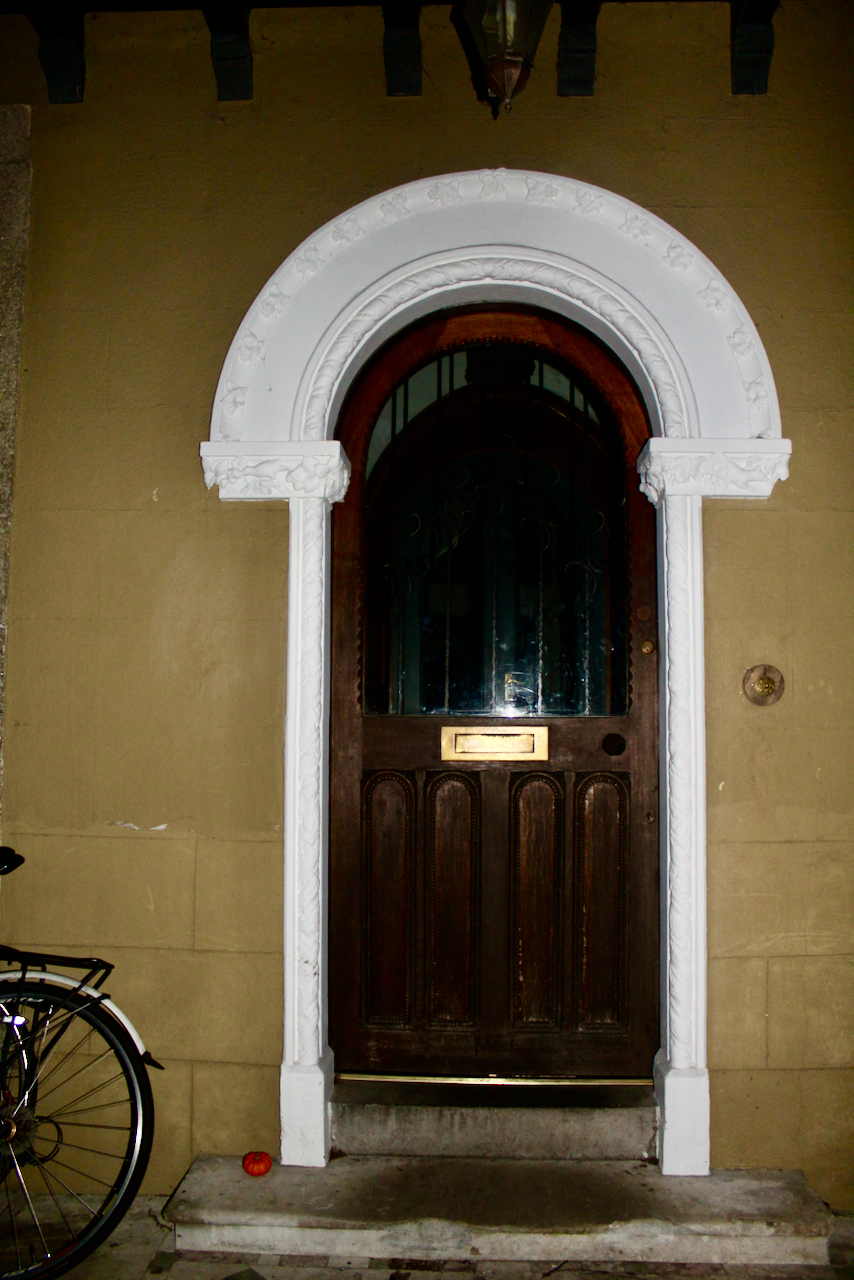
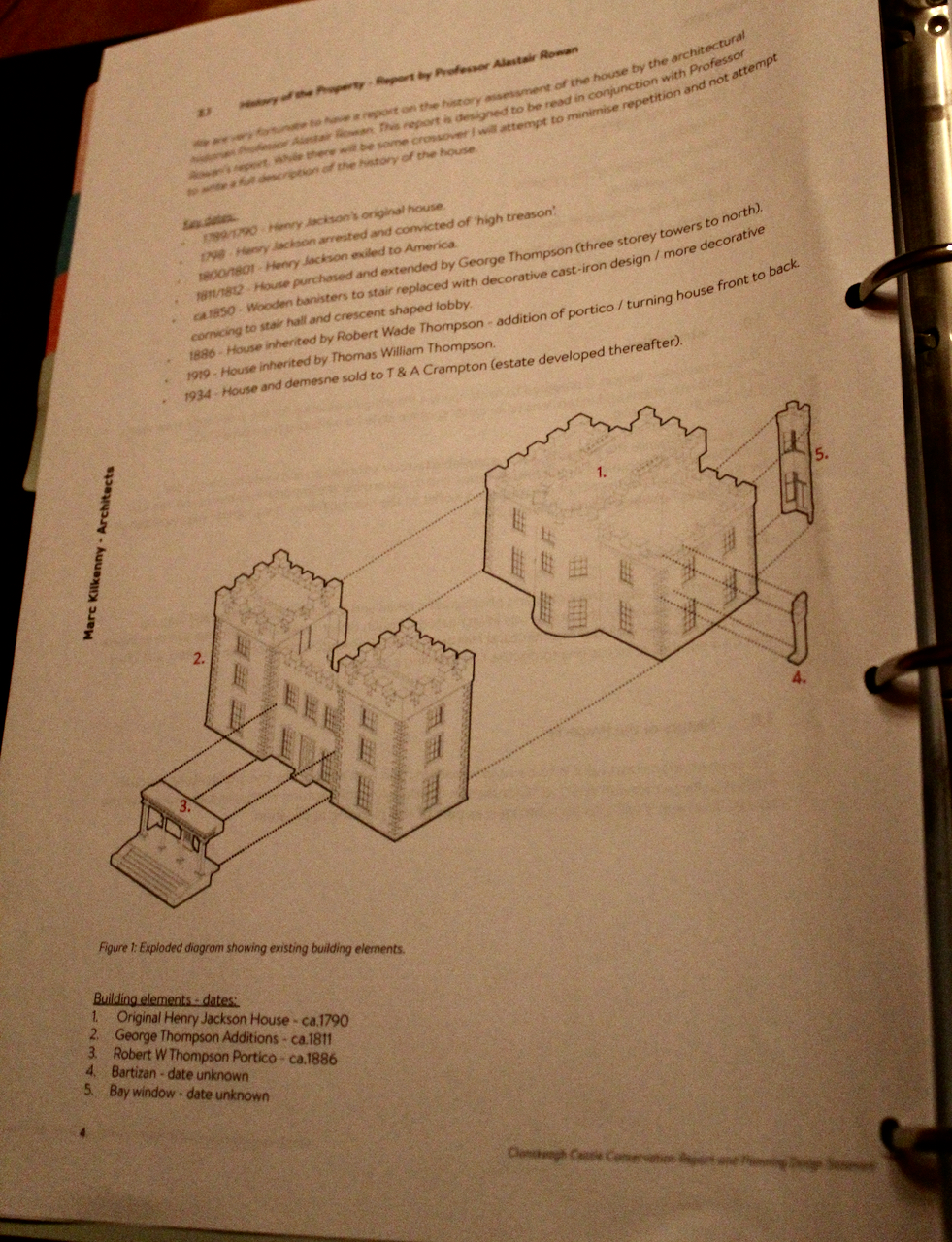
The house was built on an elevated site, and originally faced a toward the Dodder River. It was more compact than the “castle” as we see it today as it did not have the porch or the two towers that now stand at the present front of the house. The front door is less impressive than one would expect but this is because it was not the original front. The portico was added around 1886 when the house was inherited by Robert Wade Thompson.
The house was purchased by the parents of the current owner in 1992. The house had been converted into flats and the Armstrongs converted it back into use as a family home. They carried out much work on the building, with the benefit of research and guidance of architectural historian, Professor Alistair Rowan. The website tells us:
“The recent works [in 2019] have included restoration of the major portions of the parapet roof in accordance with best conservation practice; withdrawal of earth from the curtailage of the building, which had been piled up over at least a century giving rise to dampness in the walls; and restoration of rooms in what had been the servants’ quarters to create a small apartment.
“These works have been executed by Rory McArdle, heritage contractor, under the supervision of award-winning architect Marc Kilkenny, with frequent reference to the conservation experts at Dun Laoghaire-Rathdown County Council. Fionan de Barra, architect, also provided valuable consultation at the early stages of the project.“
Clonskeagh Castle, photograph courtesy of Sherry Fitzgerald and myhome.ie
In an article in the Irish Times published on October 6th 2022 written by Elizabeth Birdthistle, Marc Kilkenny said: “Working with my father-in-law at Clonskeagh Castle was an immense privilege. This house was like a member of the family and I felt honoured to be entrusted with the works… We reopened the original 18th century entrance to create a new sitting room which reintroduced south light into the entrance hall. We replaced the main roof and rerouted rainwater and transformed part of the basement into a light and spacious apartment with associated garden and steps up to a new terrace by the main kitchen. All works were carried out to the highest conservation standards.” [1]
Clonskeagh Castle, photograph courtesy of Sherry Fitzgerald and myhome.ieClonskeagh Castle, photograph courtesy of Sherry Fitzgerald and myhome.ie
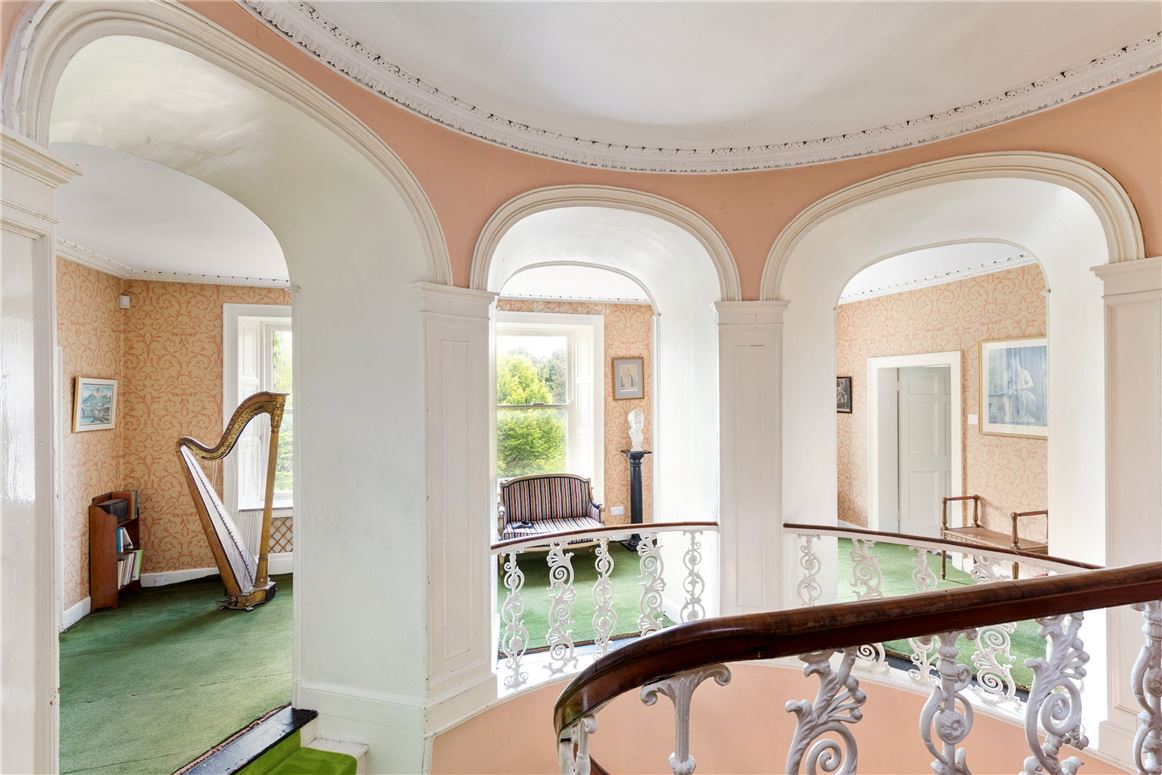
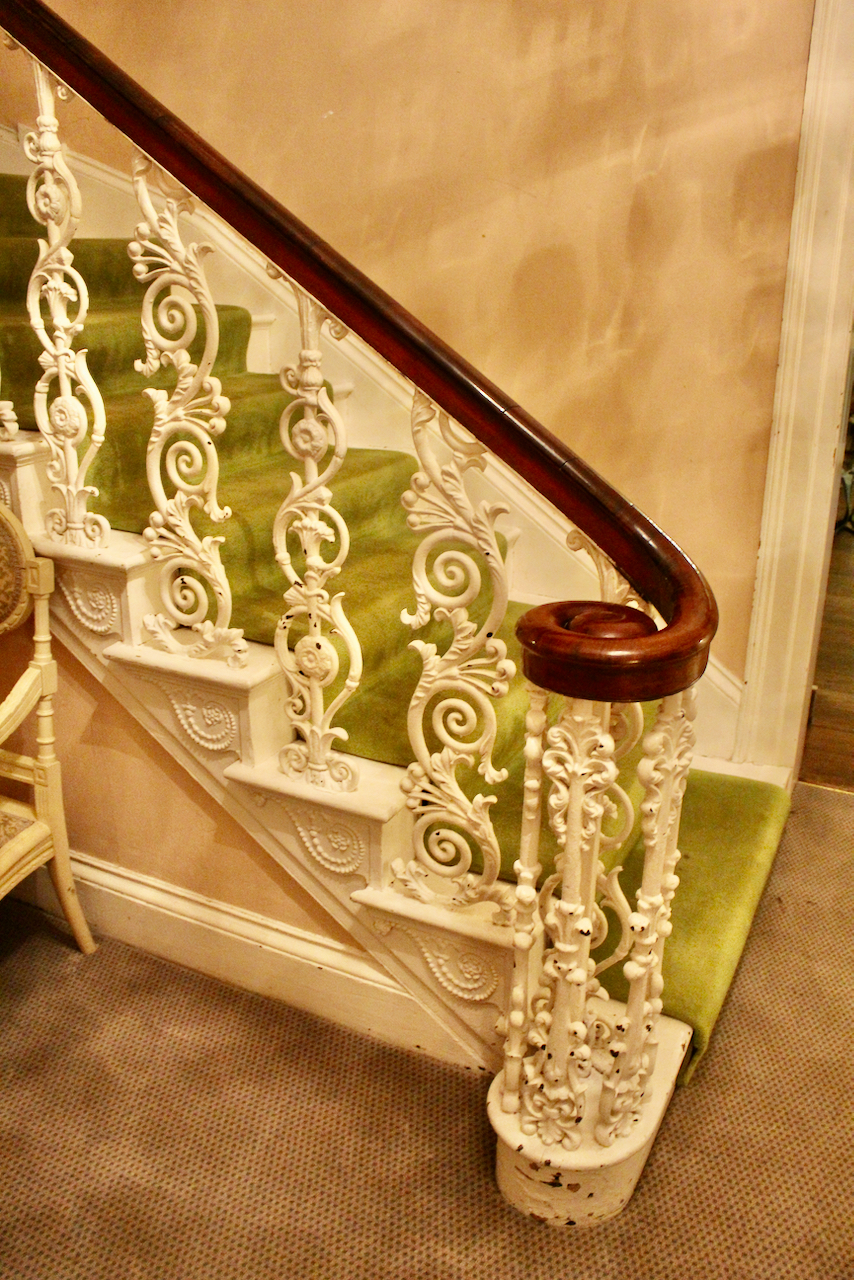
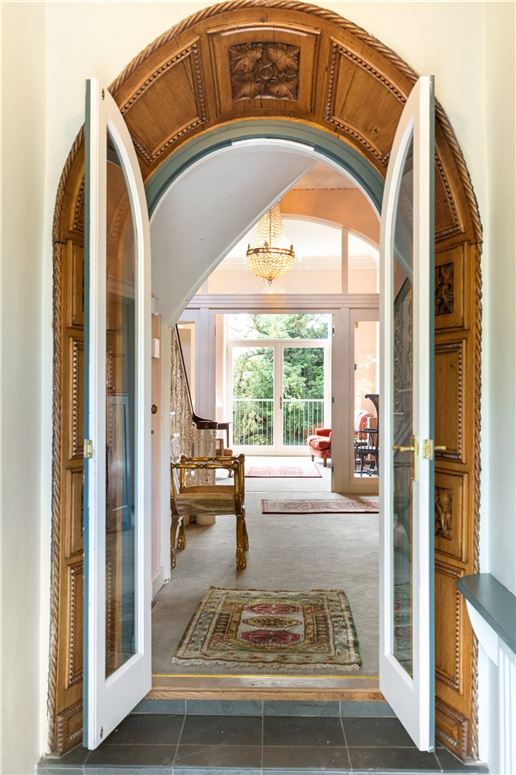
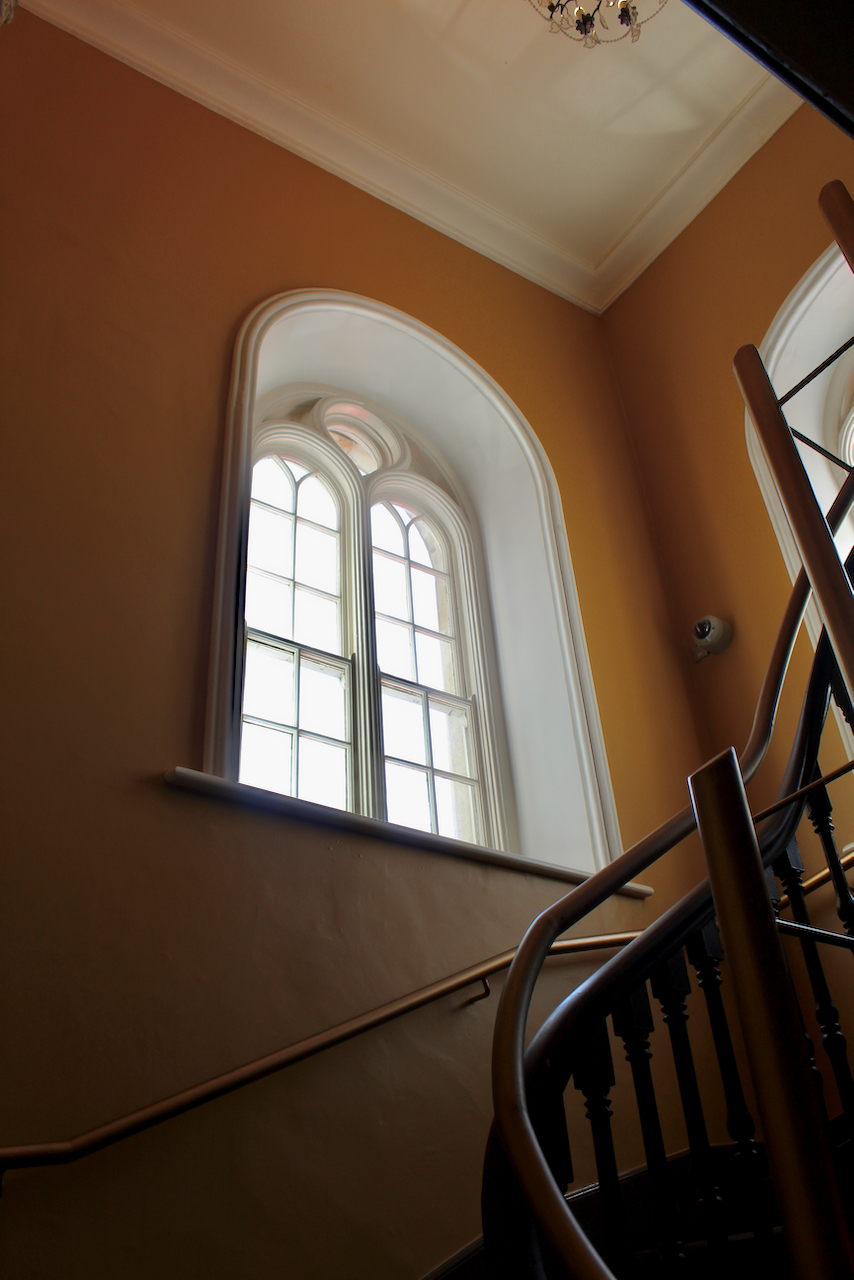
The house contains a beautiful curving staircase with iron balusters, and a spacious upstairs lobby with arches and large sash casement windows letting in the light.
The original owner of the house, Henry Jackson, was the fourth son of Hugh Jackson (1710?–77) of Creeve, Co. Monaghan, and his wife Eleanor (née Gault), who belonged to a family engaged in the linen trade. [2] Hugh Jackson introduced the linen trade to Ballybay, Co. Monaghan, and generally improved the town.
Henry Jackson started in business as an ironmonger in 1766. The Dictionary of Irish Biography tells us that he is listed in the Dublin Directory from 1768 as an ironmonger in Pill Lane, and from 1787 as an iron founder or iron and brass founder in Old Church Street. In 1798 he also had mills for rolling and slitting iron on the quays and for grinding corn in Phoenix Street (both also steam powered) and iron mills at Clonskeagh.
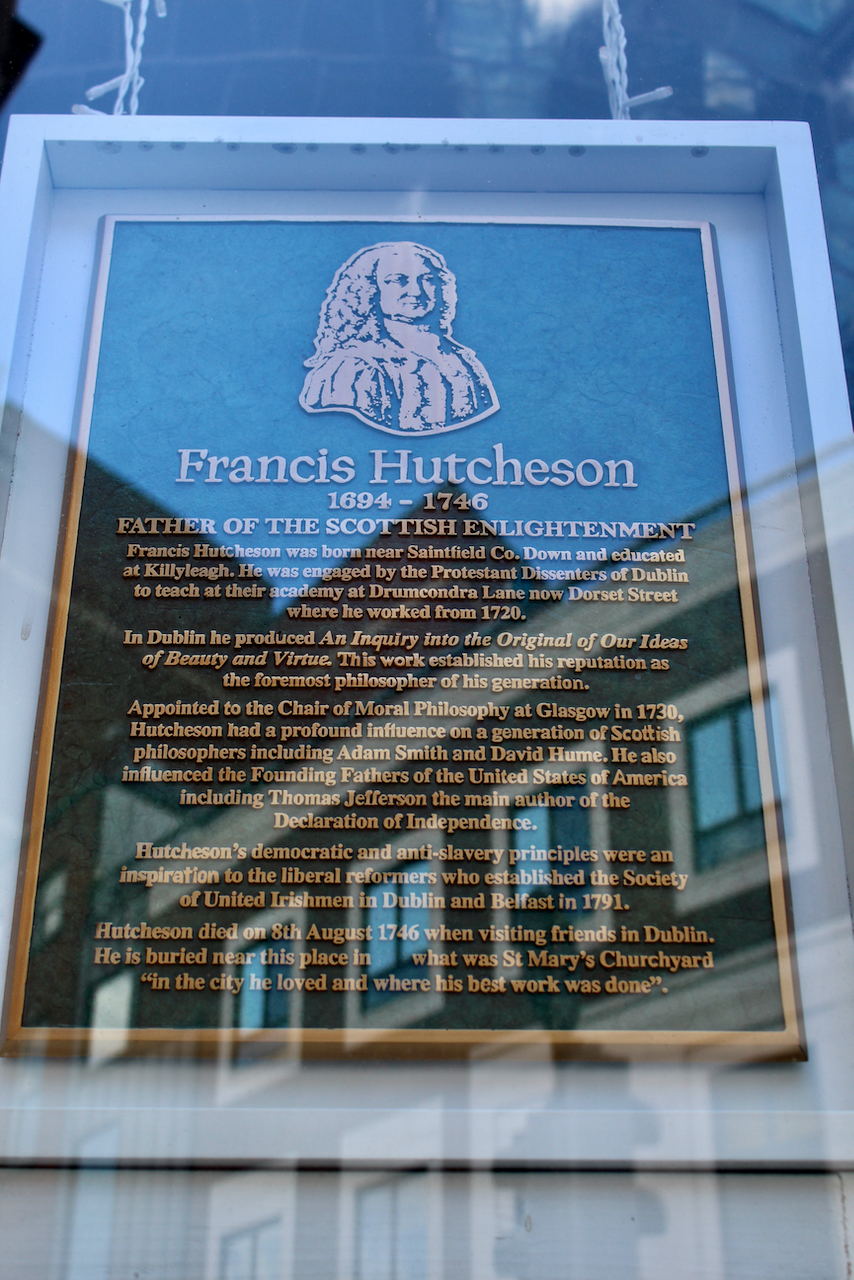
Henry Jackson joined the United Irishmen. He was influenced by the writings of Thomas Paine, the author of The Rights of Man, and Jackson named the house “Fort Paine.” The Society of United Irishmen was formed at a gathering in a Belfast tavern in October 1791. They were influenced by the ideals of the French Revolution, and they wanted to secure “an equal representation of all the people” in a national government. The founders were mostly Presbyterian but they vowed to make common cause with Irish Catholics. Presbyterians as well as Catholics had suffered under the Penal Laws in Ireland, as Presbyterians were “dissenters” from the established Protestant religion. Most of the original United Irishmen were members of the Irish Volunteers, which were local militias set up to keep order and safety when British soldiers were withdrawn from Ireland to fight in the American Revolutionary War (or as those in America call it, the War of Independence).
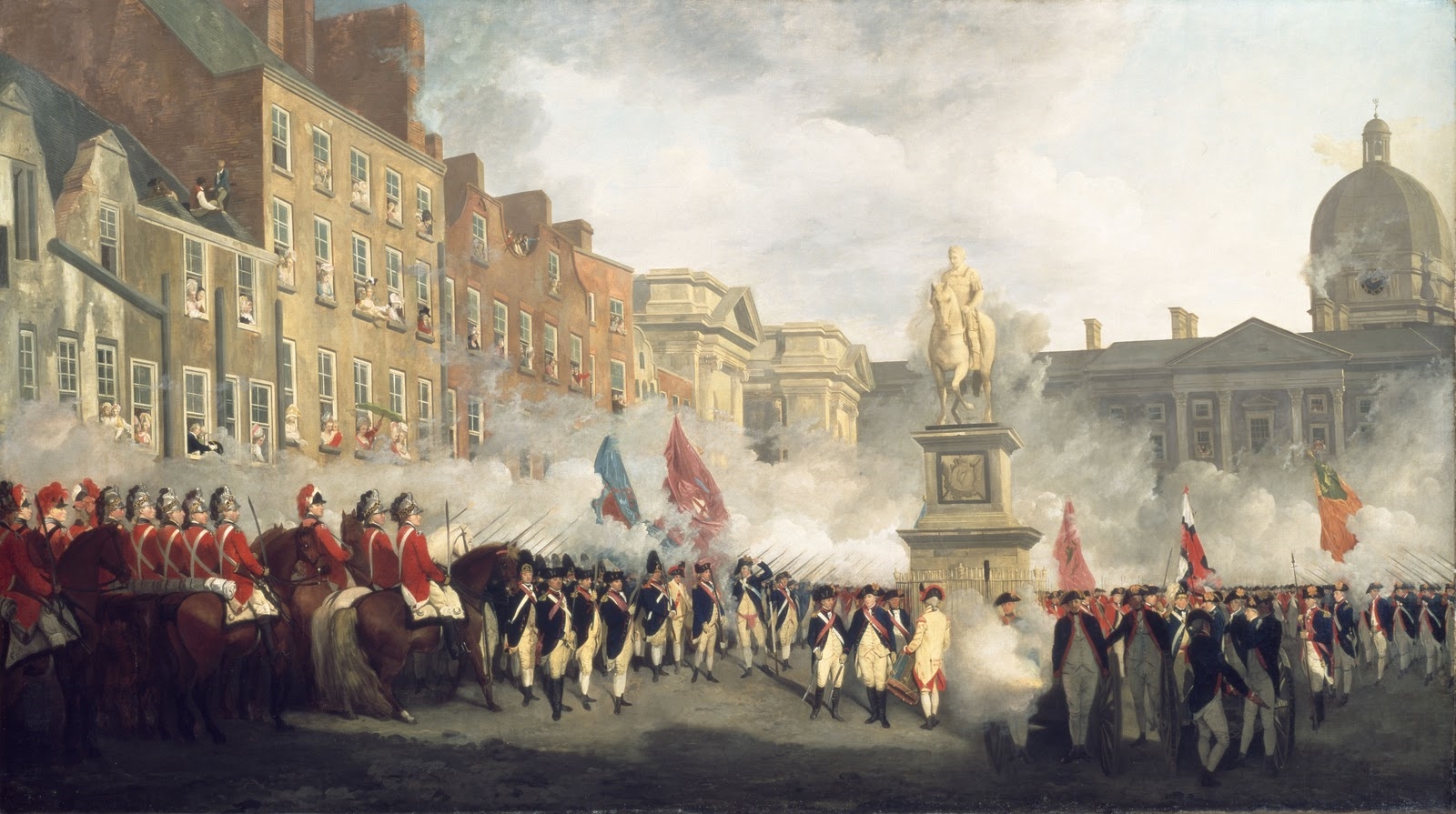
In Dublin on 4 November 1779, the Volunteers took advantage of the annual commemoration of King William III’s birthday, marching to his statue in College Green and demonstrating for the cause of free trade between Ireland and Great Britain. Previously, under the Navigation Acts, Irish goods had been subject to tariffs upon entering Britain, whereas British goods could pass freely into Ireland.
Painting by Francis Wheatley depicting the Dublin Volunteers on College Green, 1779.
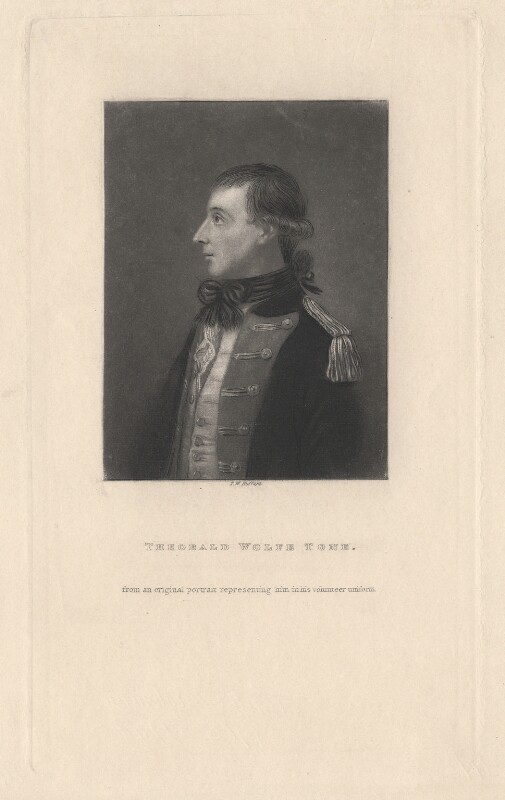
Theobald Wolfe Tone was one of the founders of the United Irishmen. Thomas Russell had invited Tone, as the author of An Argument on behalf of the Catholics of Ireland, to the Belfast gathering in October 1791. By 1798, Tone instigated Rebellion for independence and the formation of a republic in Ireland, and he sought the help of the French. Although Protestant, Tone was secretary to Dublin’s Catholic Committee, a group which had been formed to seek repeal of the Penal Laws. The Catholic Committee was formed in 1757 by Charles O’Conor of Belanagare in County Sligo (see my entry about Clonalis).
Theobald Wolfe Tone, courtesy of National Gallery of Ireland.
In 1786 Henry Jackson, who was from a Presbyterian family, joined his son-in-law Oliver Bond, along with James Napper Tandy and Archibald Hamilton Rowan, to form a Dublin battalion of the Volunteers. He was also a member of the Dublin Society of United Irishmen. He sat on several of its committees, acting as its secretary and later as its treasurer, and was present at what proved to be the final meeting of the society when it was raided by the police (23 May 1794).
James Napper Tandy (1740-1803), United Irishman, by unknown artist, presented to National Gallery of Ireland by Mr. Parker 1872, object number NGI 429.
Henry Jackson of Clonskeagh Castle used his foundry to make pikes for the 1798 Rebellion. The website tells us:
“Jackson was involved in preparations for the 1798 Rebellion, and his foundries were engaged to manufacture pikes for combat, and also iron balls of the correct bore to fit French cannons, in anticipation of an expected invasion. His son-in-law Oliver Bond was also heavily implicated in these plans.
“In the event, Jackson was arrested before the ill-fated Rebellion, and imprisoned in England. After some time he was released on condition that he went into exile in America. He died in the city of Baltimore, Maryland in 1817.“
Frank told us that the lyrics of the song “By the Rising of the Moon” may refer to the foundry in Clonskeagh. The lyrics of the song include:
“At the rising of the moon, at the rising of the moon For the pikes must be together at the rising of the moon And come tell me Sean O’Farrell, where the gathering is to be At the old spot by the river quite well known to you and me.“
Clonskeagh Castle, photograph courtesy of Sherry Fitzgerald and myhome.ie
There are tunnels under the house which were perhaps used by Jackson to store his pikes and cannonballs.
The Clonskeagh Castle website continues: “In 1811 the Castle was purchased by George Thompson, a landed proprietor, who had a post in the Irish Treasury, and it remained in the ownership of that family until the early twentieth century. It is interesting to note that whereas Henry Jackson was fired by the objective of Irish independence, the last Thompson family member to occupy the house was vehemently insistent on the preservation of the Union.“
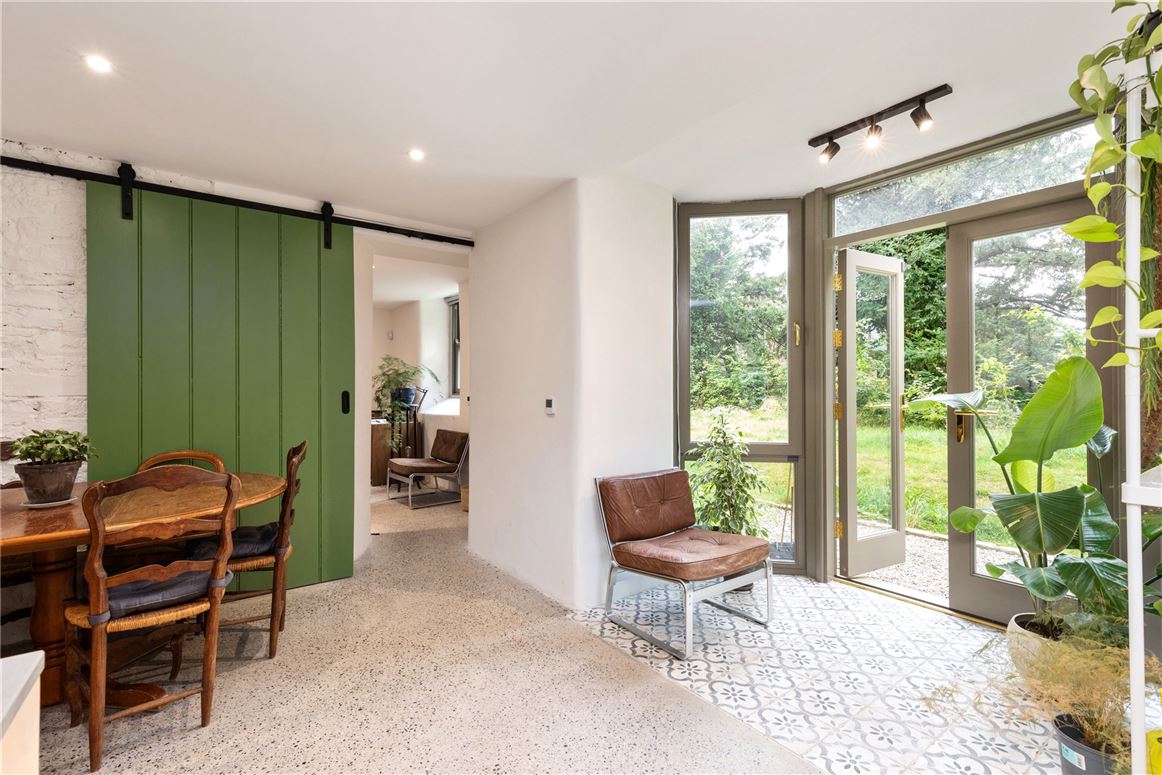
Thompson made alterations to the house and made what was formerly the back of the house into the front. The Armstrongs note that the hallway was thus left quite dark, and they did renovation work to allow light to penetrate from the south.
Notes from a report written by Alastair Rowan, with drawings of the original Henry Jackson house, and the George Thompson additions. Clonskeagh Castle, photograph courtesy of Sherry Fitzgerald and myhome.ie. We can see that the hall is now made bright by opening up the space to the outside.Clonskeagh Castle, photograph courtesy of Sherry Fitzgerald and myhome.ie
The house passed from George Thompson (1769-1860) to his son Thomas Higinbotham Thompson, to his son Robert Wade Thompson (1845-1919). [3] Robert Wade Thompson was a barrister, who married Edith Isabella Jameson, daughter of Reverend William Jameson (1811-1886) and Elizabeth Guinness (1813-1897). Reverend William Jameson was son of John Jameson of Jameson’s Whiskey Company. Elizabeth was the daughter of Arthur Hart Guinness (1768-1855) who was the son of Arthur Guinness (1725-1803), founder of Guinness Brewery.
The house then passed to Robert Wade Thompson’s son Thomas William Thompson in 1919.
The website tells us: “During the War of Independence (1919-1921) the Castle was occupied by the British military, and was used for some time to incarcerate Irish Republicans.“
The castle was purchased in 1934 by G&T Crampton, a property development company who later developed the redbrick houses that now stand on the nearby Whitethorn, Whitebeam and Maple Roads.
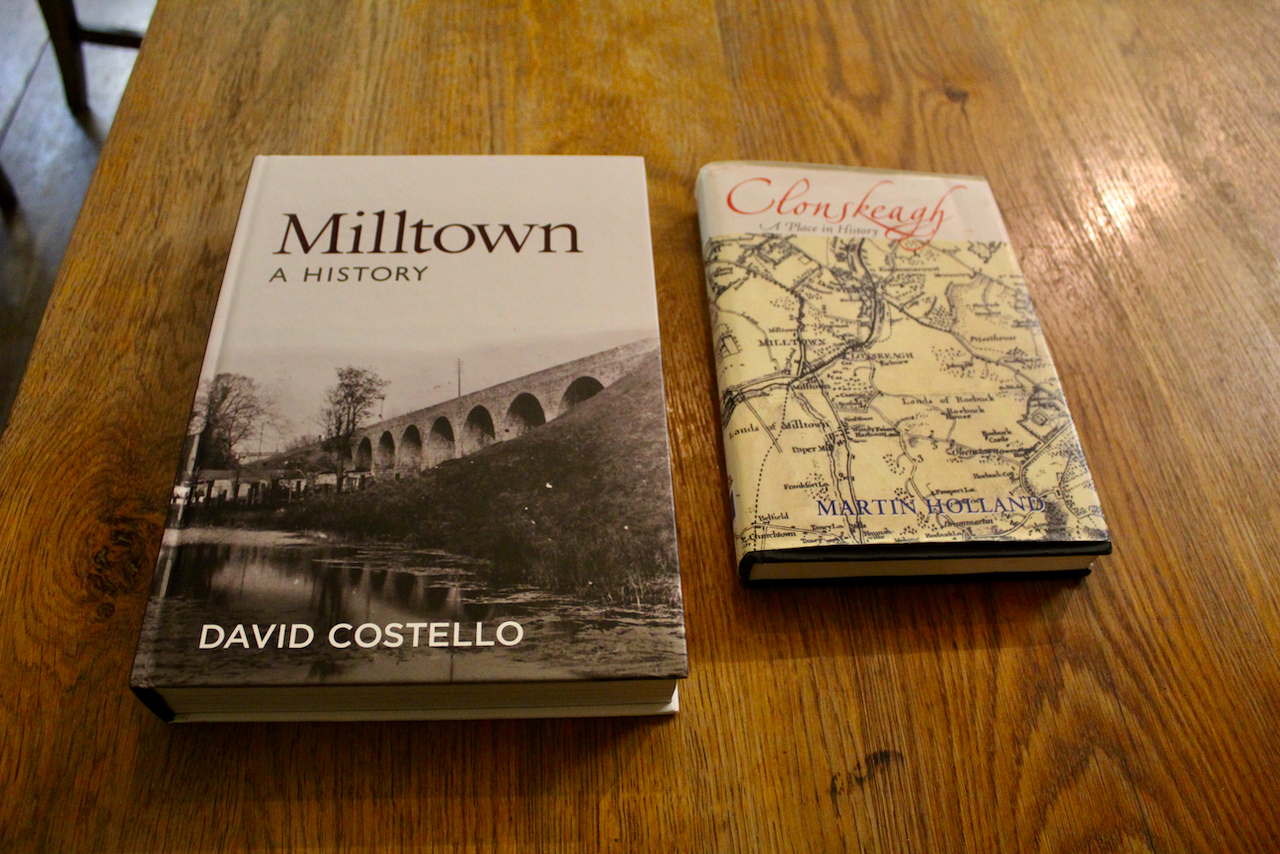
Frank showed us a couple of books about the area. The house was for sale when we visited. The new owners will be very lucky to own piece of Irish history.
Timothy William Ferres tells us in his wonderful blog [1]:
THE RT HON THOMAS TAYLOR (1662-1736), who was created a baronet, 1704, designated of Kells, County Meath, and sworn of the Privy Council in 1726. Sir Thomas wedded Anne, daughter of Sir Robert Cotton Bt, of Combermere, and had issue, THOMAS (1657-96) his heir; Robert (Very Rev) (d. 1744), Dean of Clonfert; Henry; James (1700-1747); Henrietta; Salisbury (married first William Fitzgerand, Bishop of Clonfert and second, Brig.-Gen. James Crofts, son of James Scott, 1st and last Duke of Monmouth); Anne.
Sir Thomas was succeeded by his eldest son, THE RT HON SIR THOMAS TAYLOR (1657-96), 2nd Baronet, MP for Maidstone, 1689-96, Privy Counsellor, who married Mary, daughter of John Graham, of Platten, County Meath, and left, with a daughter, Henrietta (who married Richard Moore of Barne, County Tipperary), an only son,
THE RT HON SIR THOMAS TAYLOR, 3rd Baronet (1724-95), KP, MP for Kells, 1747-60, who wedded, in 1754, Jane, eldest daughter of the Rt Hon Hercules Langford Rowley, by Elizabeth, Viscountess Langford, and had issue,
THOMAS (1757-1829) his successor; Robert, a general in the army; Clotworthy (1763-1825) created 1st Baron Langford of Summerhill, he took the surname Rowley when his wife Frances Rowley inherited her uncle Lord Langford’s estate; Henry Edward, in holy orders; Henrietta (married Chambré Brabazon Ponsonby-Barker (1762-1834) of Kilcooley Abbey, County Kilkenny).
Sir Thomas was elevated to the peerage, in 1760, in the dignity of Baron Headfort; and advanced to a viscountcy, in 1762,as Viscount Headfort. His lordship was further advanced, in 1766, to the dignity of an earldom, as Earl of Bective.
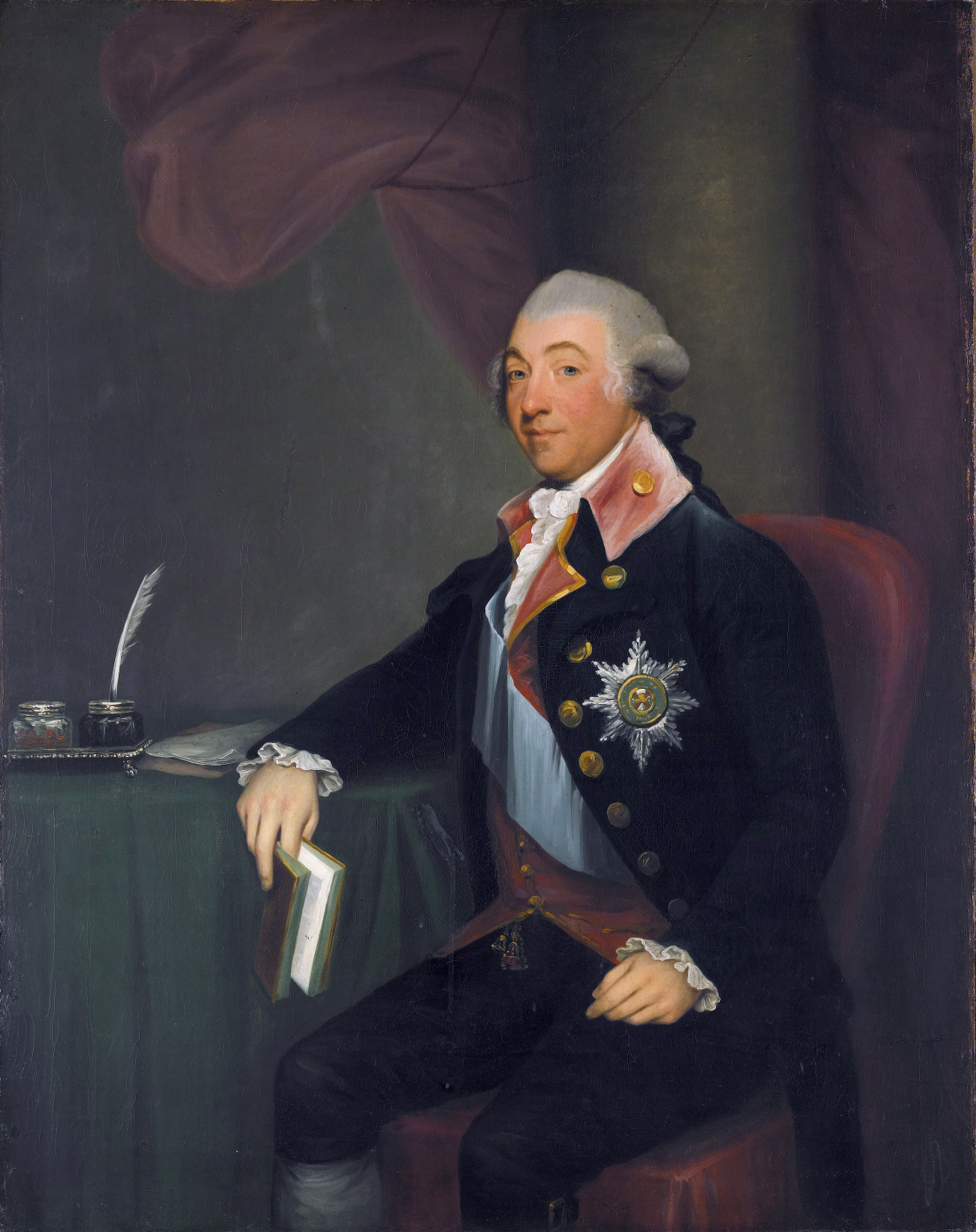
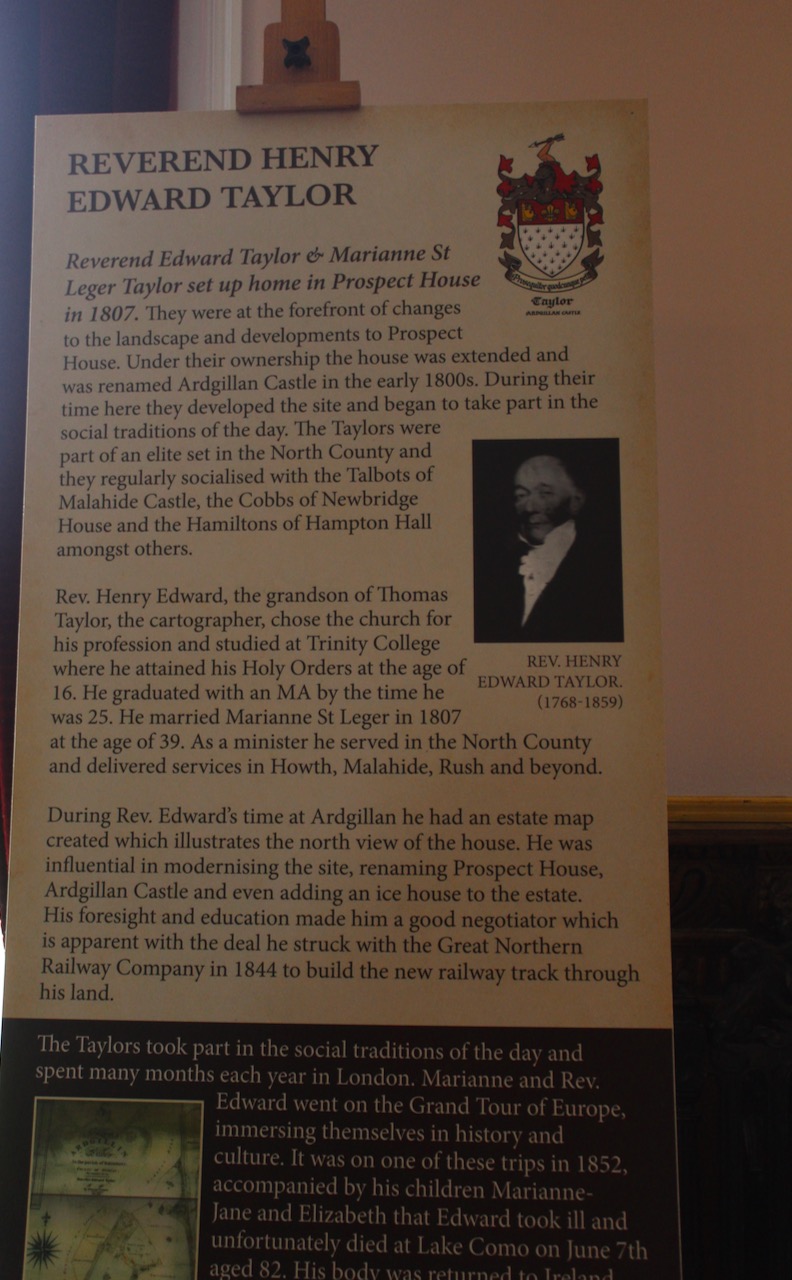
Thomas Taylour (1724-1795) 1st Earl of Bective wearing the star and sash of the Order of St. Patrick by Gilbert Stuart and studio courtesy of Sotheby’s, Public Domain,https//:commons.wikimedia.org/w/index.php?curid=27947645.jpgReverend Henry Edward Taylor of Ardgillan Castle, County Dublin, who was a son of Thomas Taylour (1724-1795) 1st Earl of Bective.
In 1783 he was installed as a Founder Knight of St Patrick (KP), and sworn of the Privy Council of Ireland. His lordship was succeeded by his eldest son, THOMAS, 2nd Earl (1757-1829), who espoused, in 1778, Mary, only daughter and heir of George Quin, of Quinsborough, County Clare, and had issue: THOMAS (1787-1870) his successor; George; Mary; Elizabeth Jane.
Thomas Taylour (1757-1829) 1st Marquess of Headfort by Pompeo Batoni courtesy of Google Art Project By Pompeo Batoni – 9QE_ZzFPQzDZiQ at Google Cultural Institute, Public Domain, https//:commons.wikimedia.org/w/index.php?curid=29800995
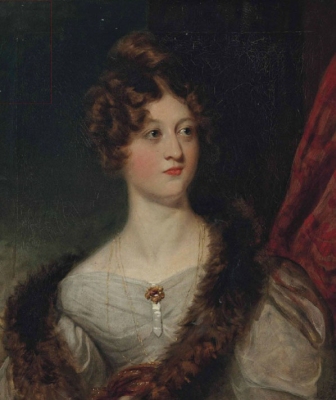
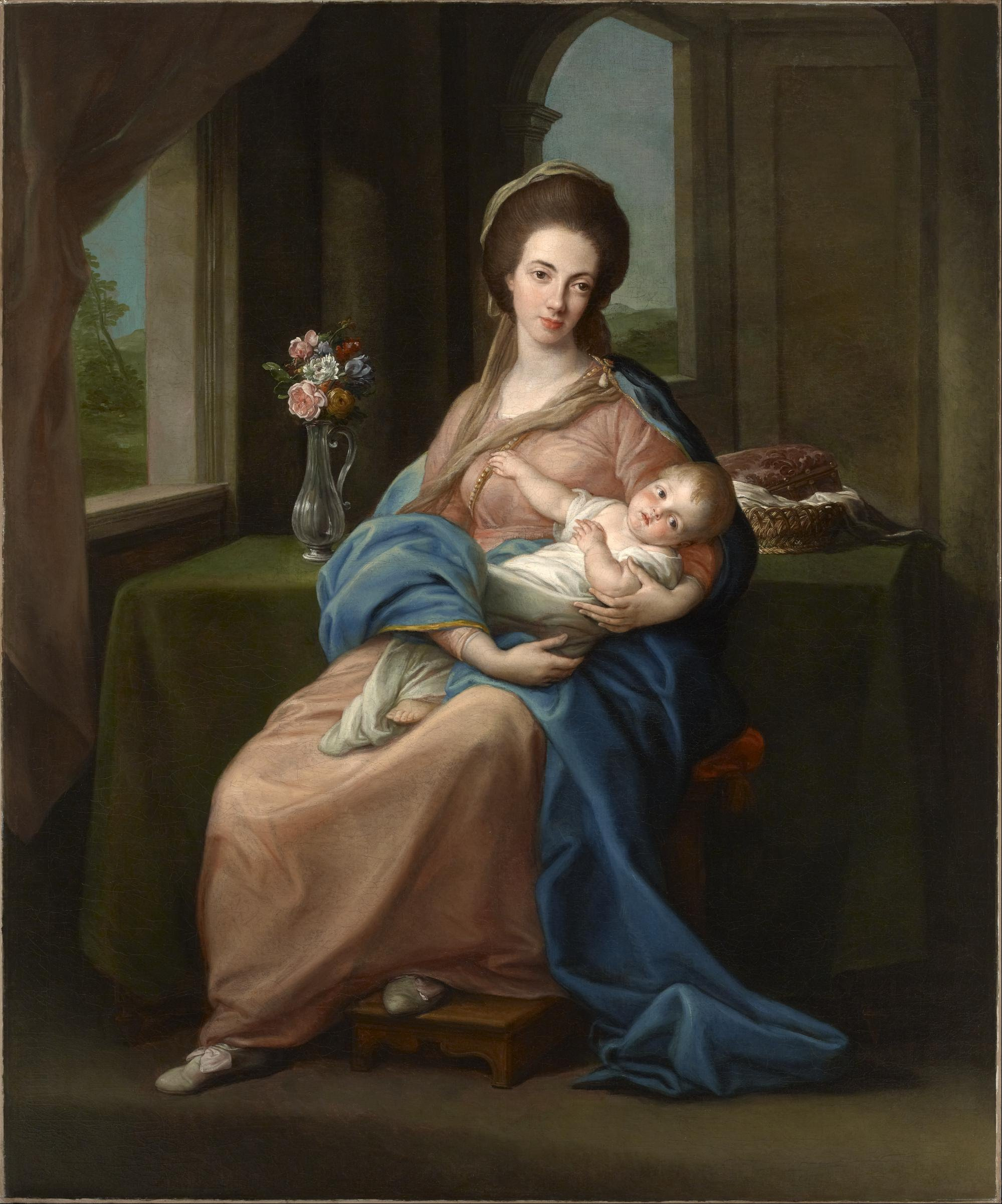
Mary née Quin (the daughter of George Quin and Caroline Cavendish) The Marchioness of Headfort, wife of Thomas Taylour (1757-1829) 1st Marquess of Headfort, holding her Daughter Mary, 1782, by Pompeo Batoni, Google_Art_Project 6wGvrQuQJ1yERA at Google Cultural Institute, Public Domain,https//:commons.wikimedia.org/w/index.php?curid=29801821.jpg
His lordship was created, in 1800, MARQUESS OF HEADFORT.
The Taylour family became very much involved in the political life of the locality, and several members of the family served as MPs for Kells and the county of Meath. [1]
Open dates in 2026: Check website in advance. Mar 30-31, Apr 1-Oct 31, Mon-Sun 10am-5pm
Fee: adult €14, OAP/student €11.50, child €5, groups 8-20 people €10p.p. and groups of 21 or more people €9p.p.
donation
Help me to pay the entrance fee to one of the houses on this website. This site is created purely out of love for the subject and I receive no payment so any donation is appreciated!
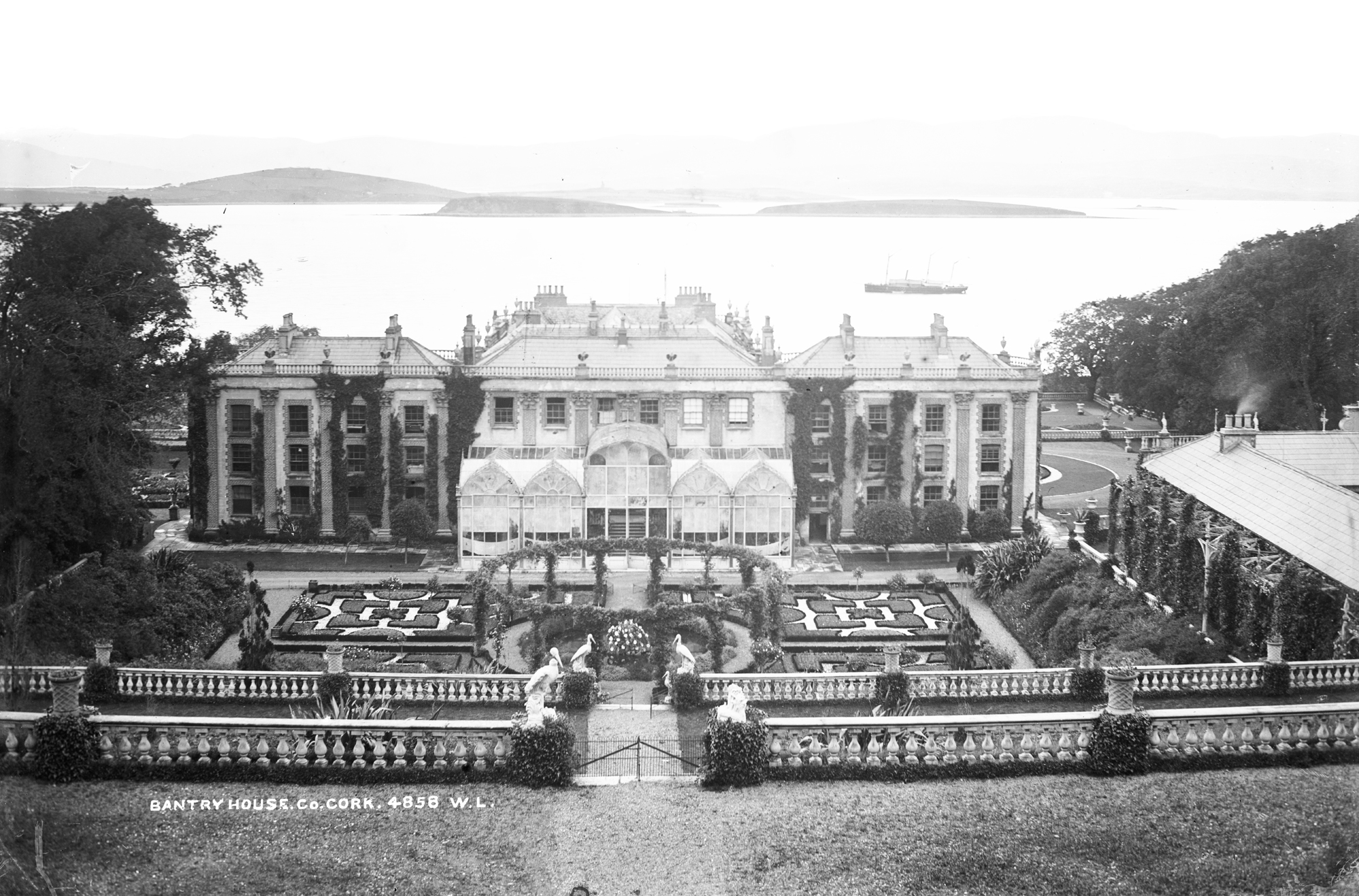
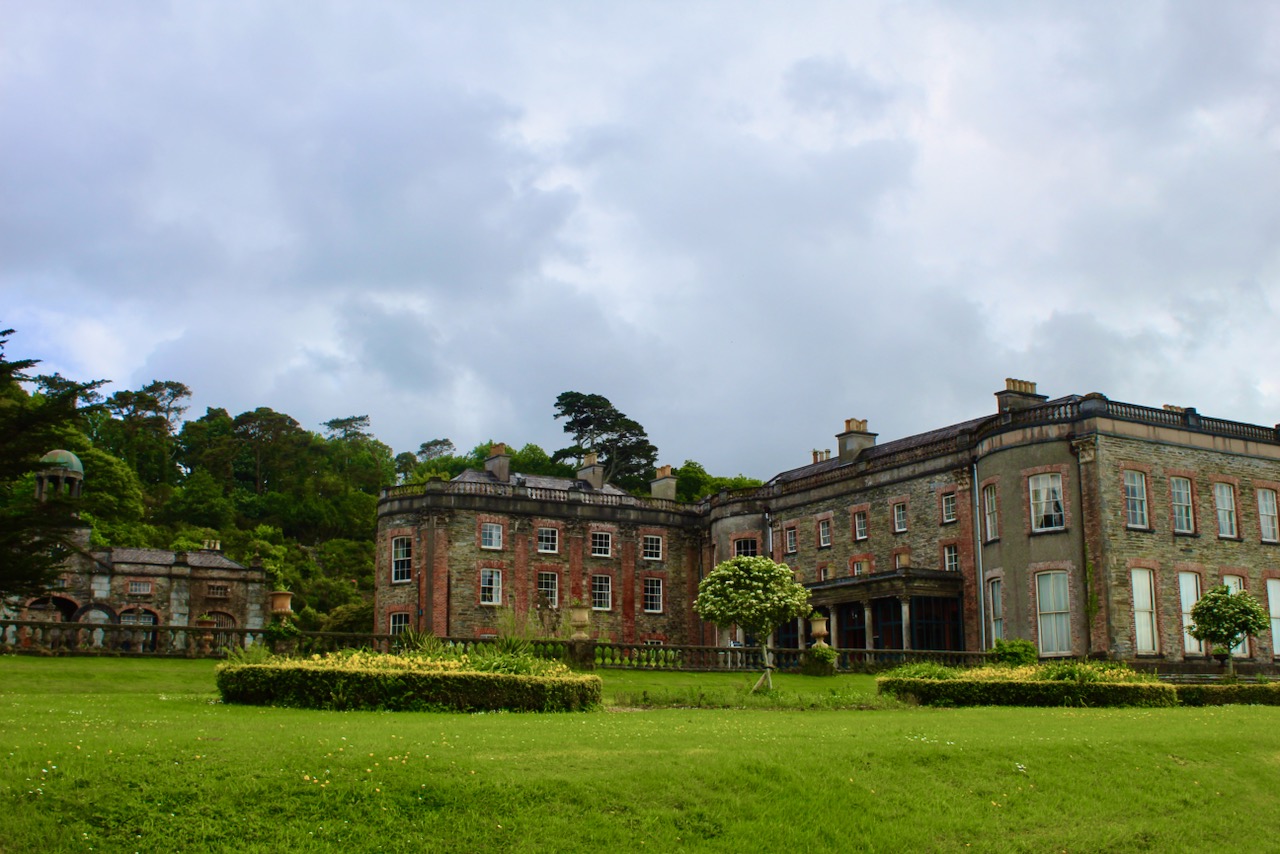
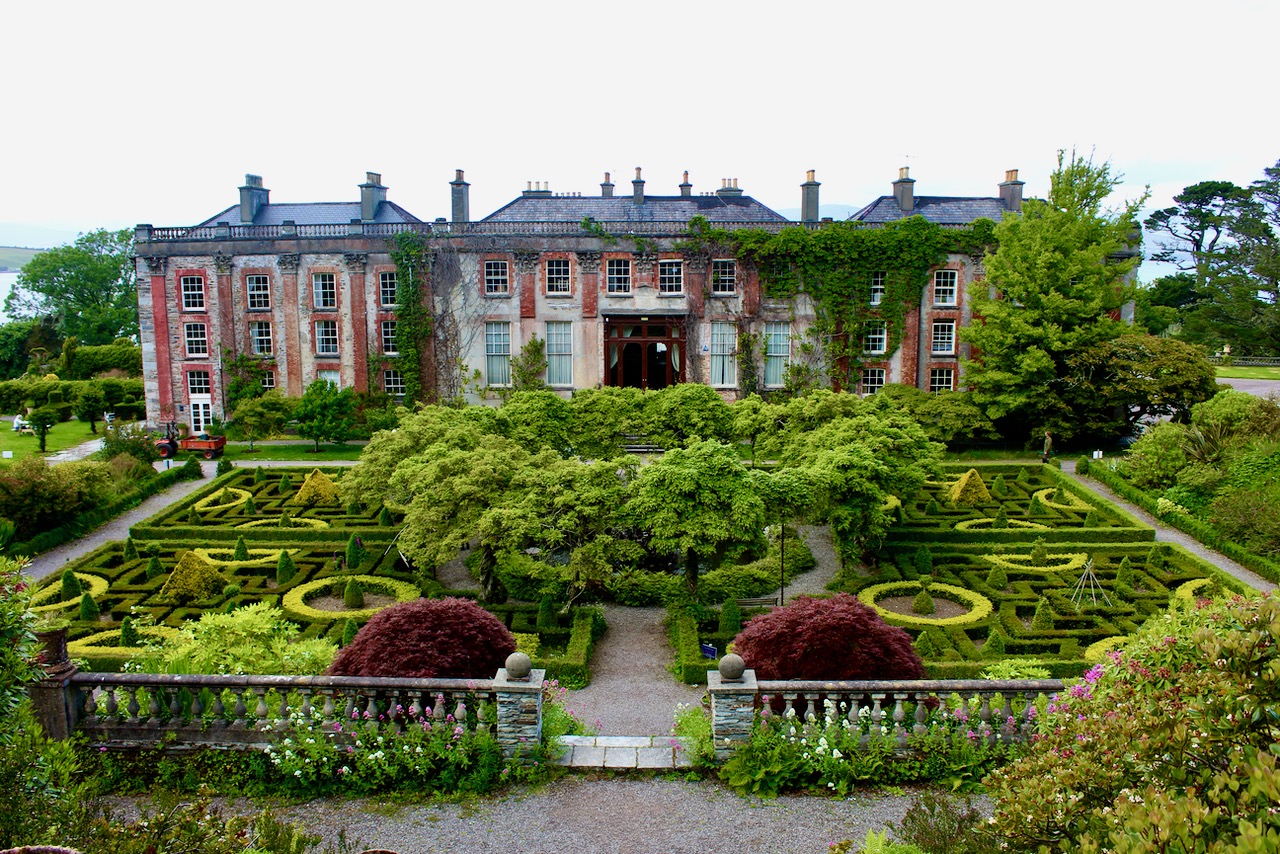
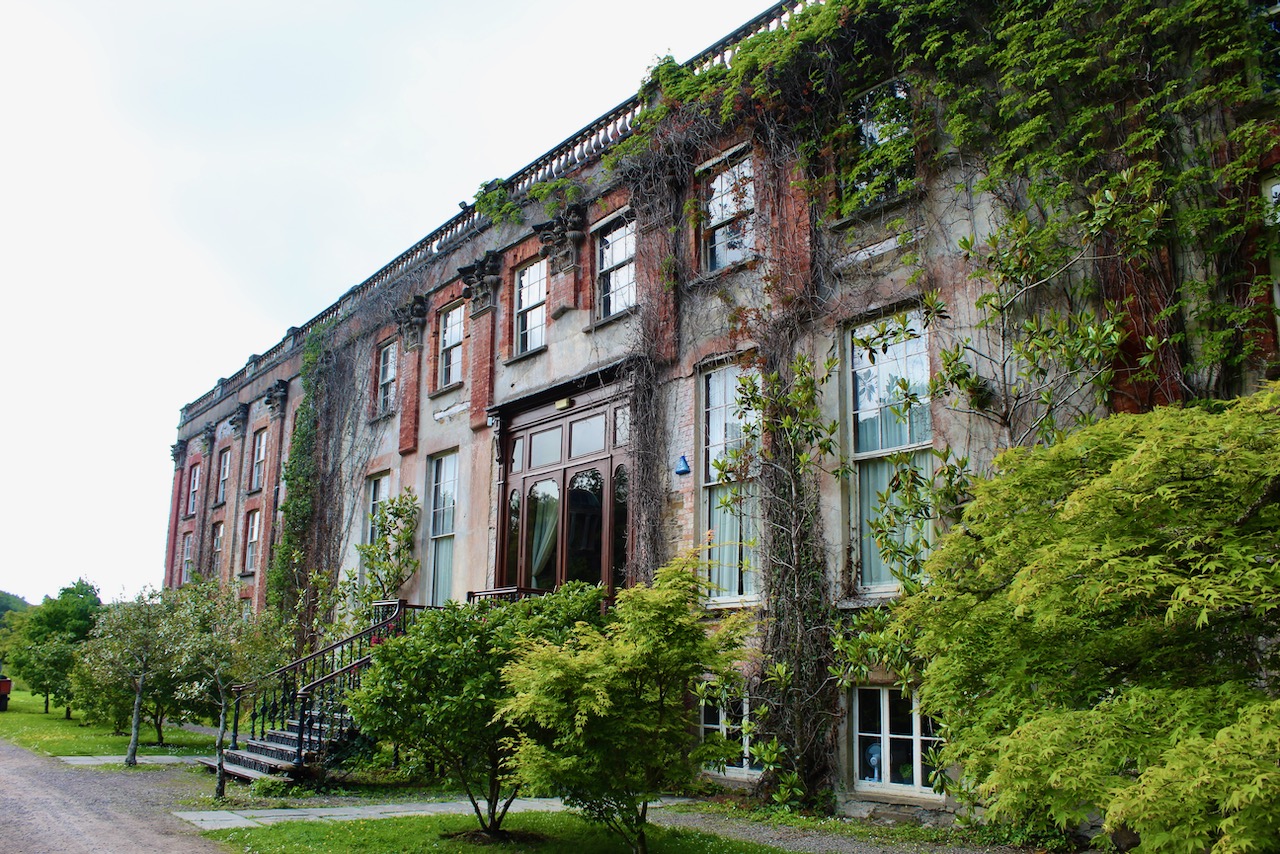
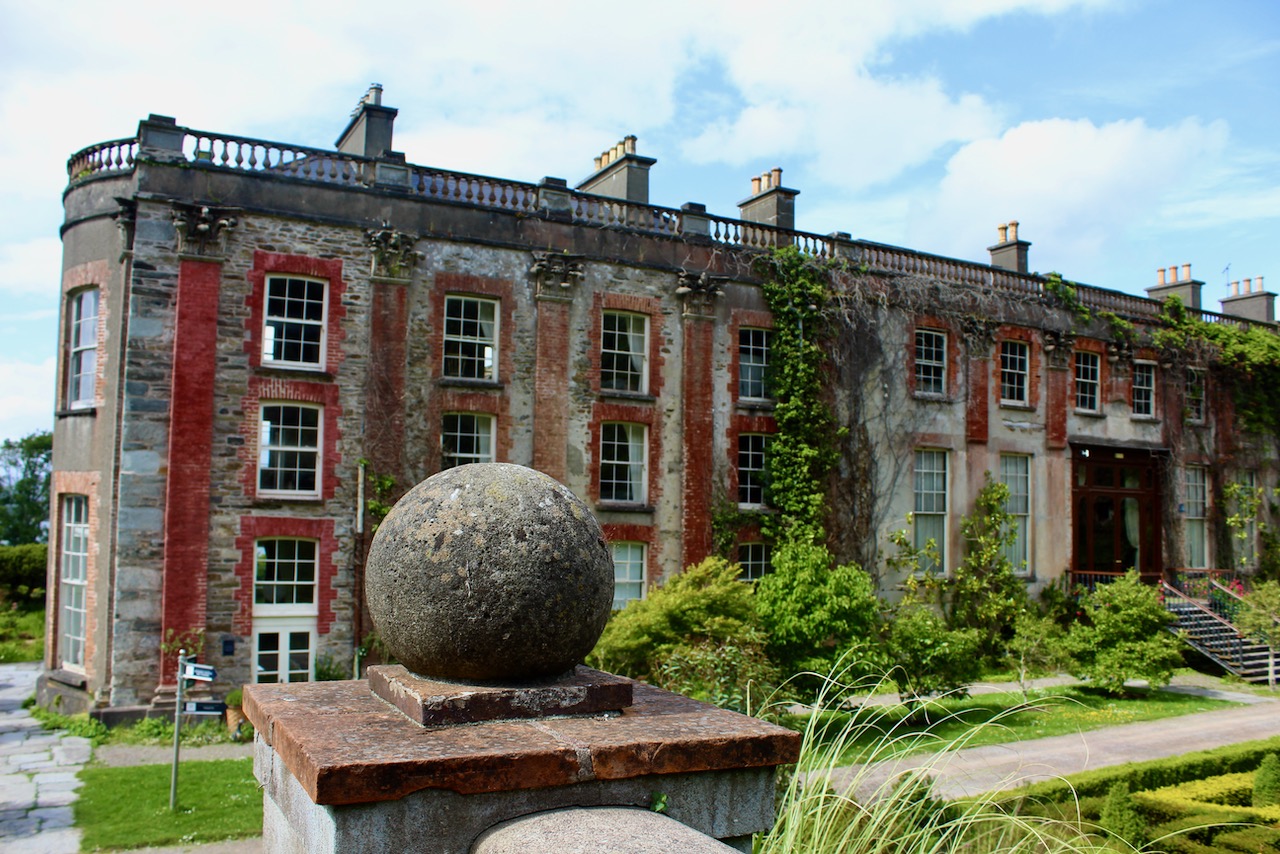
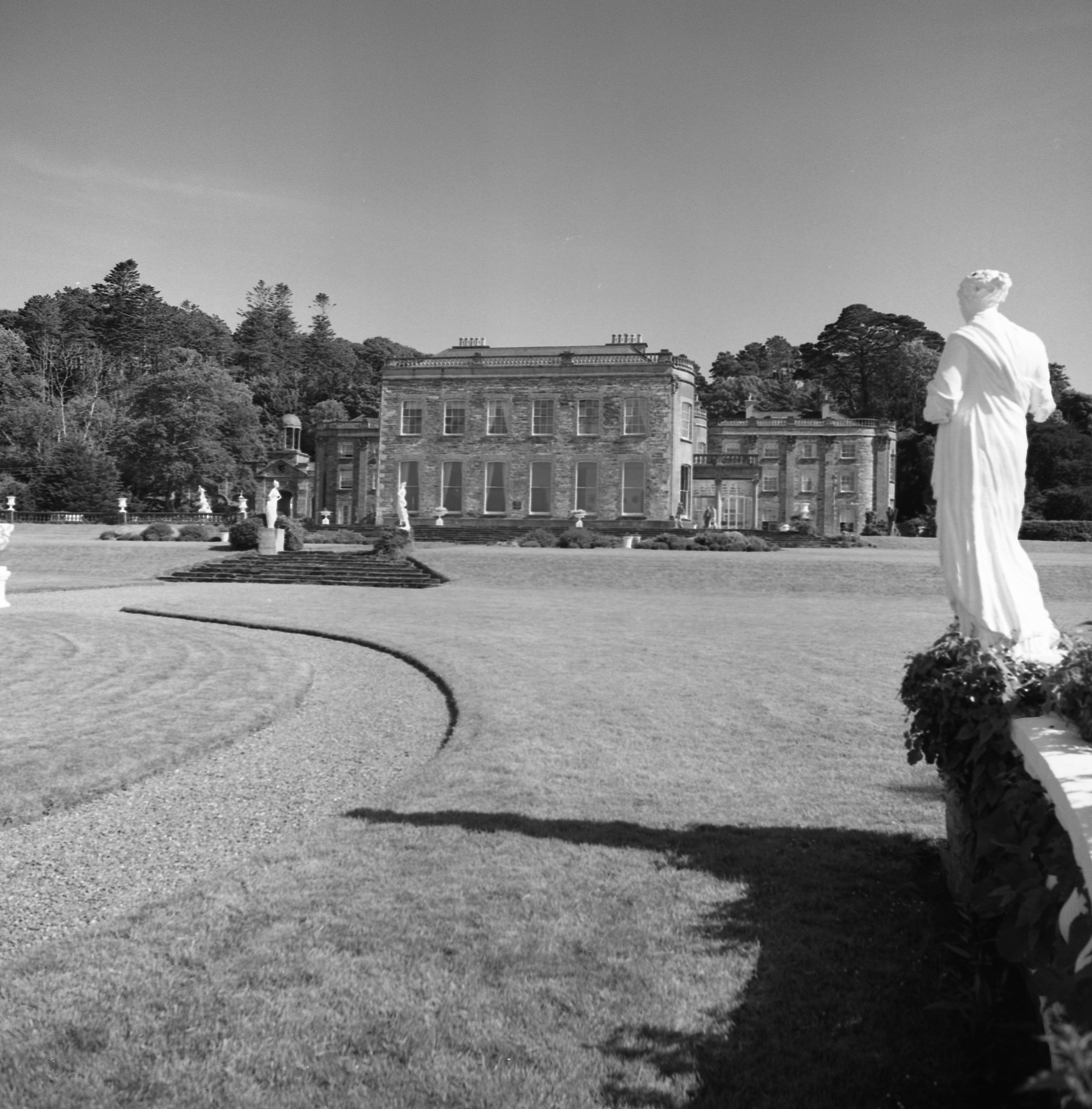
What we see today at Bantry House started as a more humble abode: a three storey five bay house built for Samuel Hutchinson in around 1690. It was called Blackrock. A wing was added in 1820, and a large further addition in 1845.
In the 1760s it was purchased by Captain Richard White (1700-1776). He was from a Limerick mercantile family and he had settled previously on Whiddy Island, the largest island in Bantry Bay. The Bantry website tells us that he had amassed a fortune from pilchard-fishing, iron-smelting and probably from smuggling, and that through a series of purchases, he acquired most of the land around Bantry including large parts of the Beare Peninsula, from Arthur Annesley, 5th Earl of Anglesey. The house is still occupied by his descendants, the Shelswell-White family.
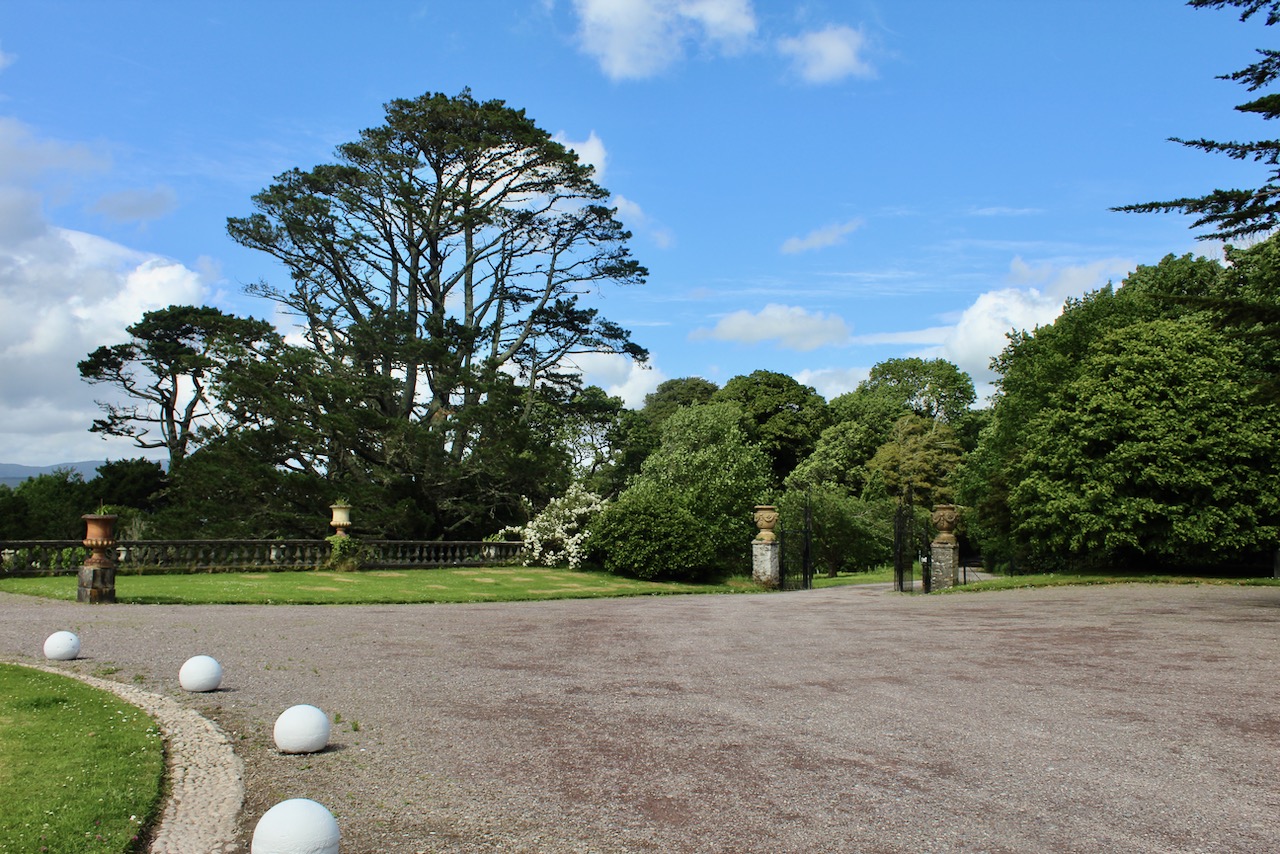
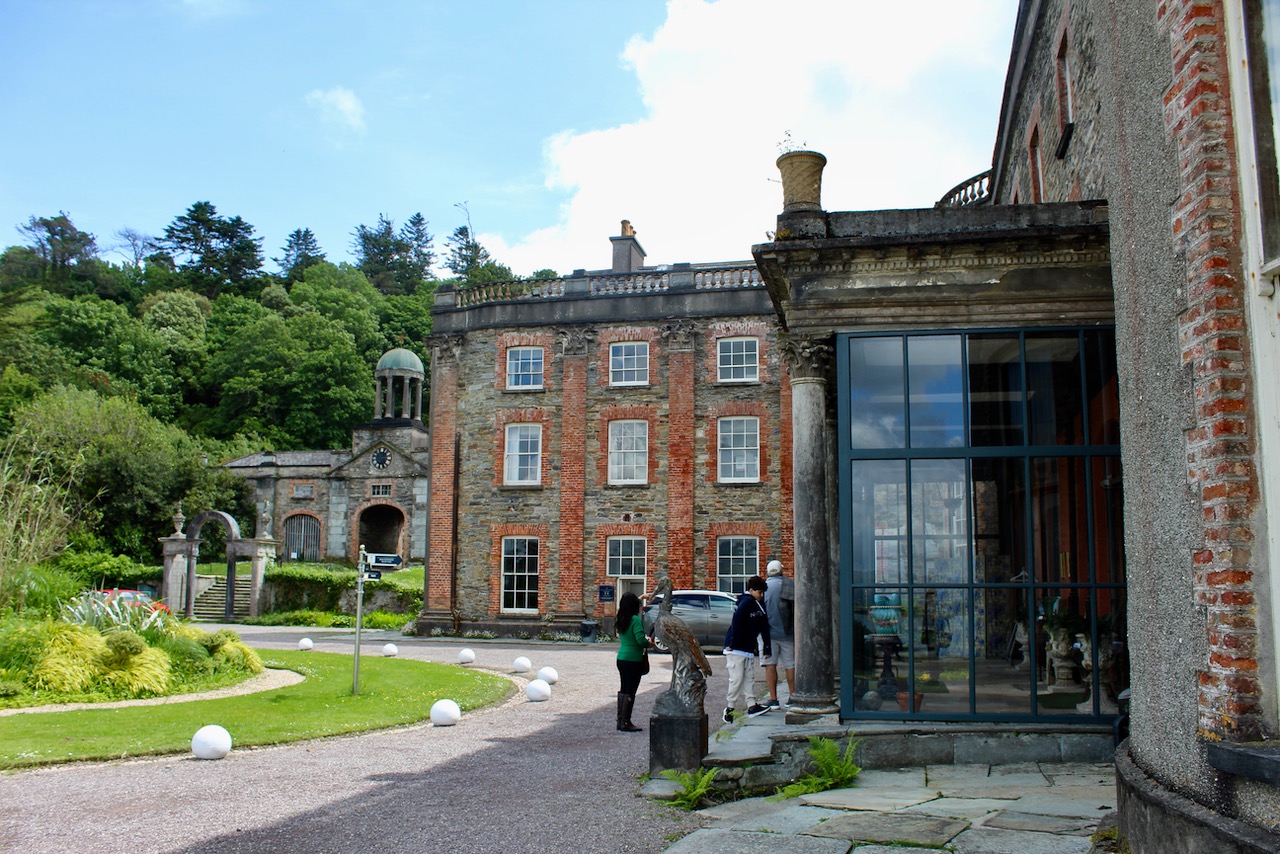
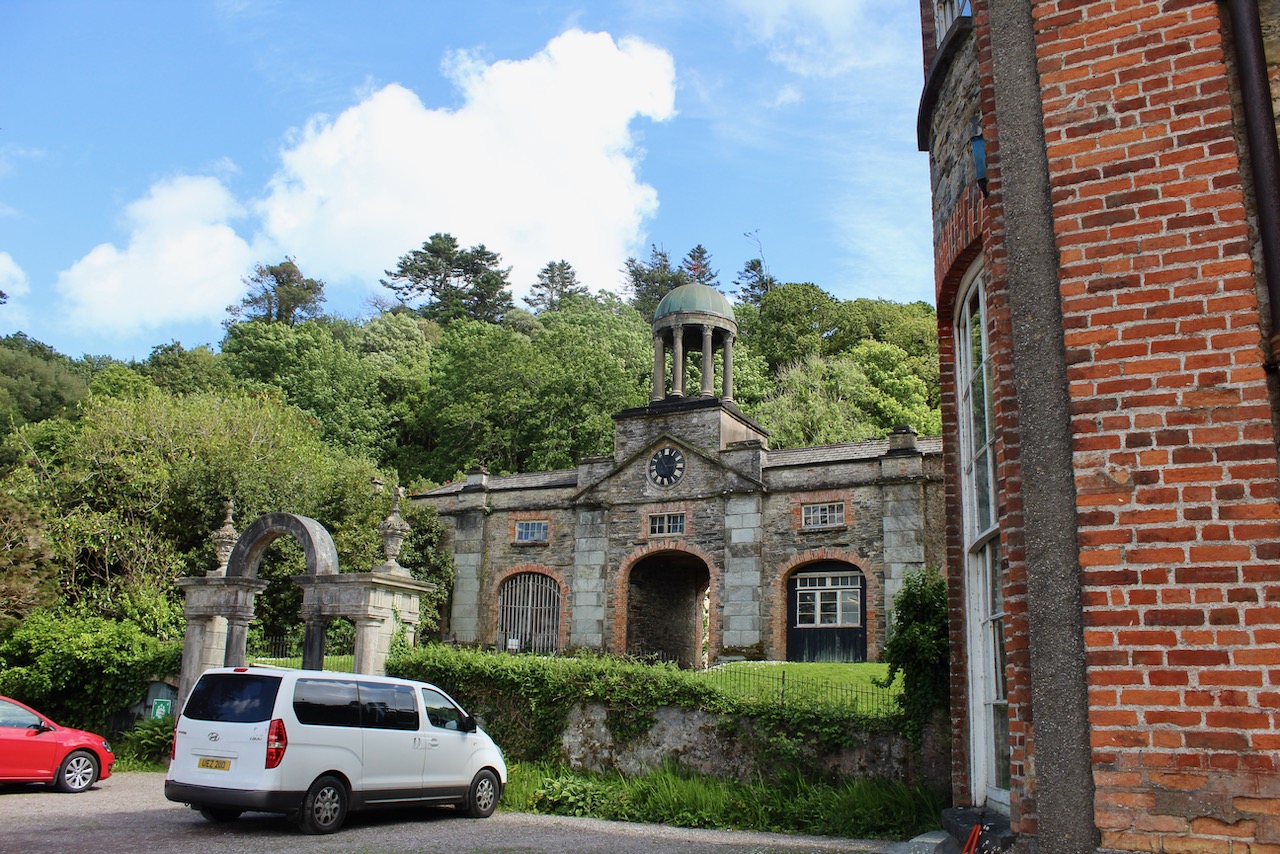
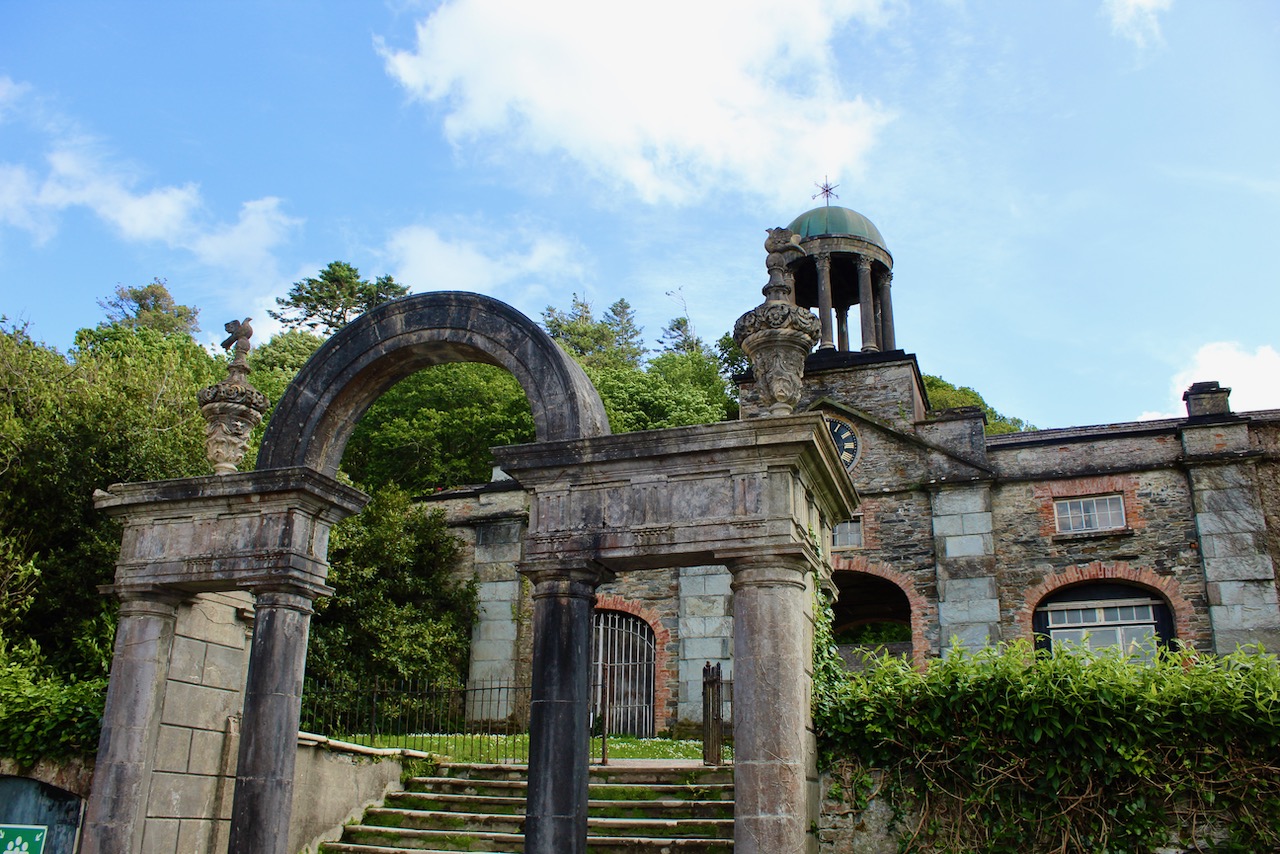
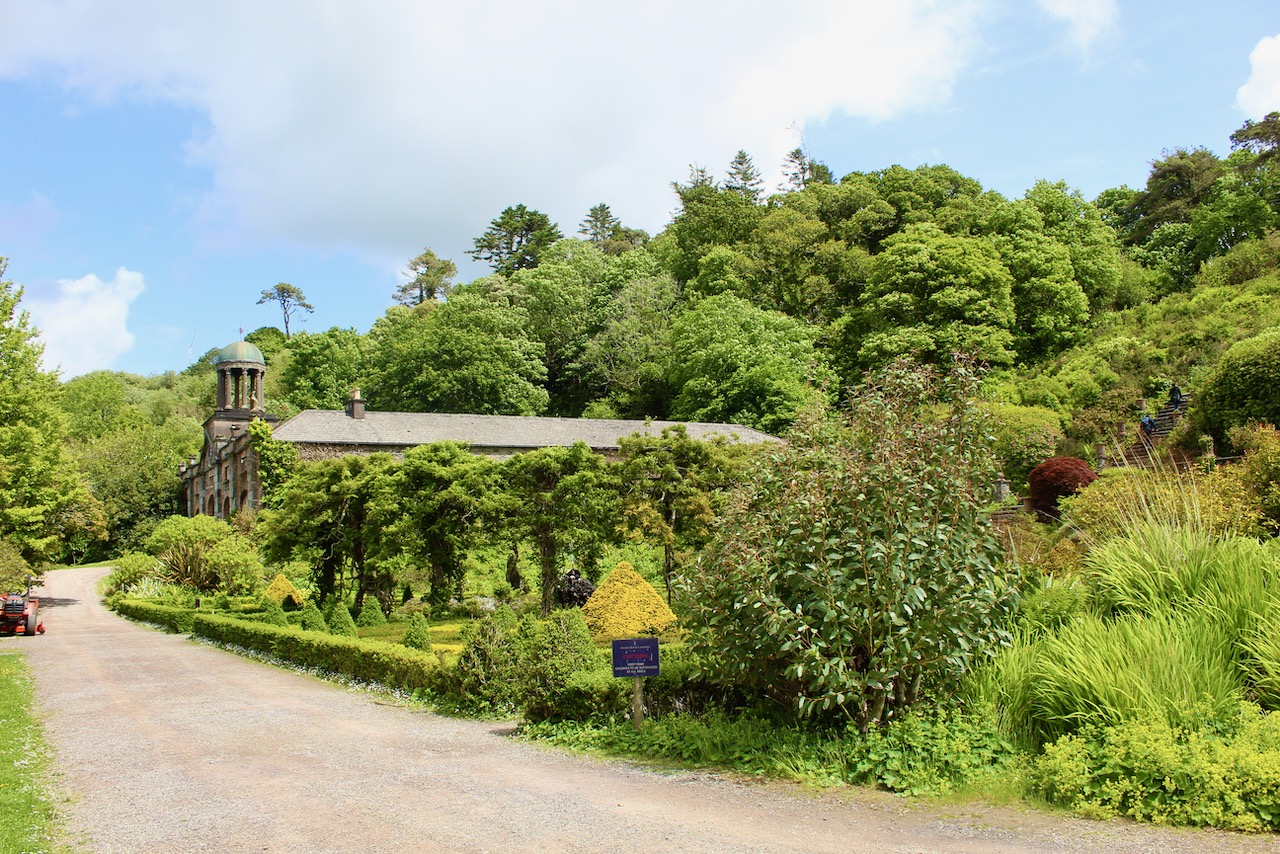
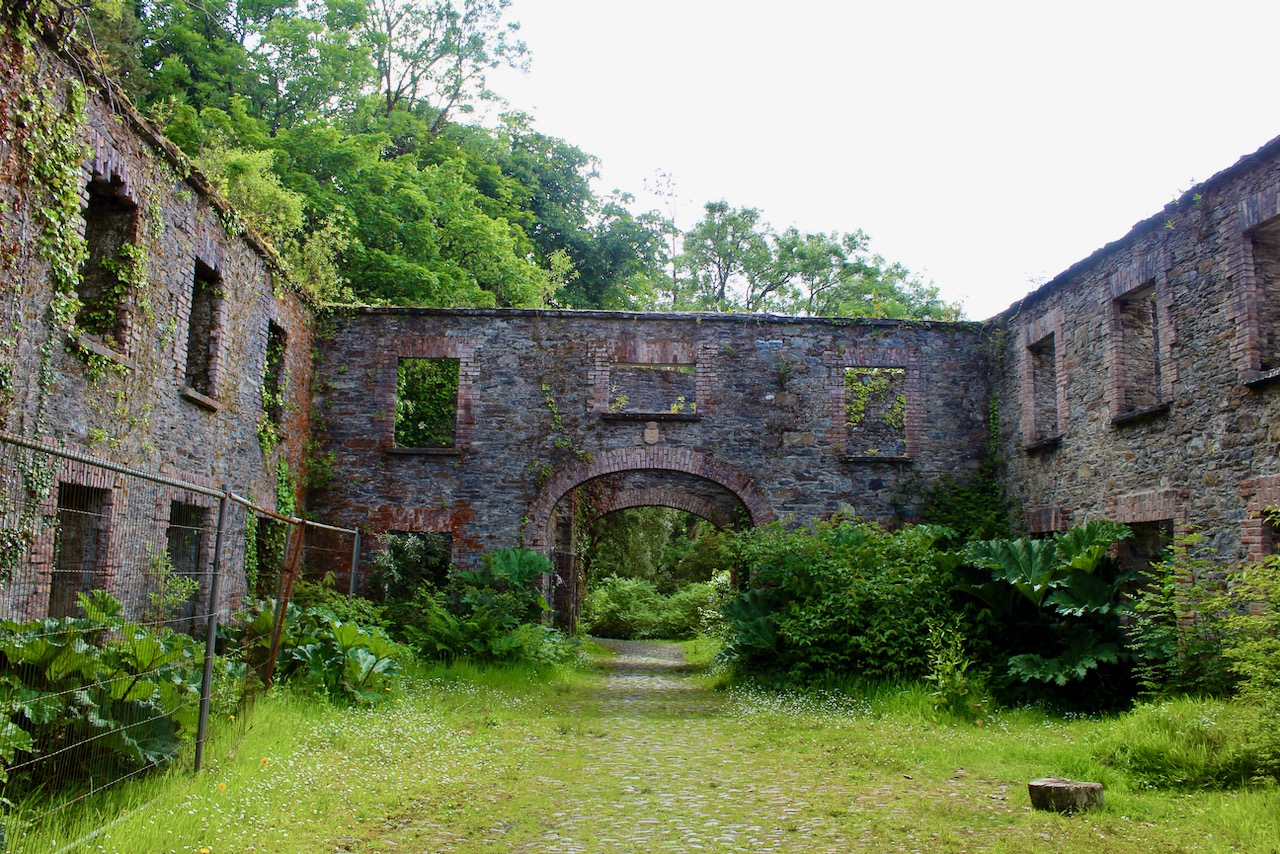
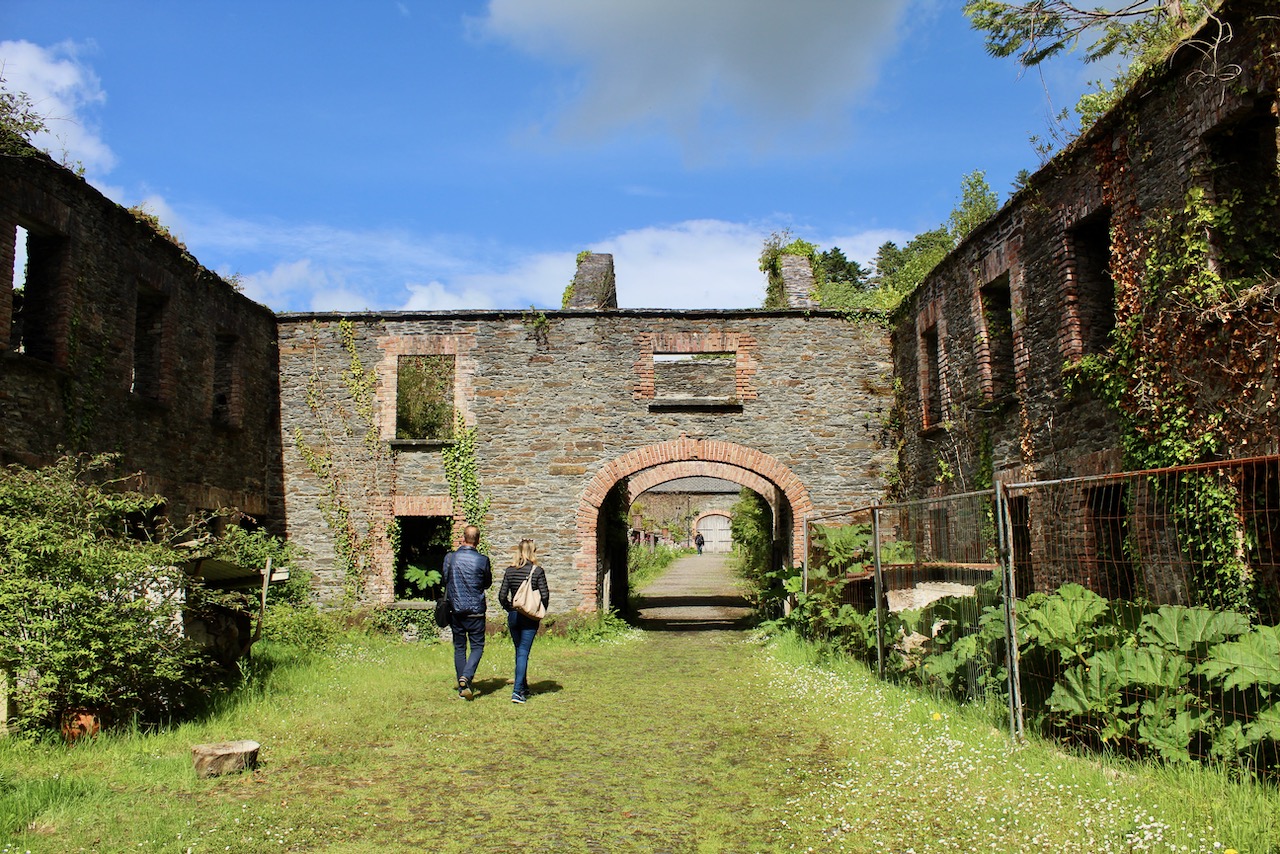
Driving from Castletownshend, we entered the back way and not through the town. From the car park we walked up a path which gave us glimpses of the outbuildings, the west stables, and we walked all around the house to reach the visitors’ entrance. We were lucky that the earlier rain stopped and the sun came out to show off Bantry House at its best. I was excited to see this house, which is one of the most impressive of the Section 482 houses.
We missed the beginning of the tour, so raced up the stairs to join the once-a-day tour in June 2022. Unfortunately I had not been able to find anything about tour times on the website. We will definitely have to go back for the full tour! The house is incredible, and is full of treasures like a museum. I’d also love to stay there – one can book accommodation in one wing.
Captain Richard White married Martha Davies, daughter of Rowland Davies, Dean of Cork and Ross. During his time, Bantry House was called Seafield. They had a son named Simon (1739-1776), who married Frances Hedges-Eyre from Macroom Castle in County Cork. Their daughter Margaret married Richard Longfield, 1st Viscount Longueville.
Eyre family portrait of Robert Hedges-Eyre son of Richard Hedges-Eyre of Macroom Castle Co. Cork, courtesy Purcell Auctioneers Feb 2016. Robert Hedges Eyre (d.1840) restored Macroom castle and his daughter married the 3rd Earl of Bantry. Inherited by Olive White who married Lord Ardilaun it was eventually destroyed in 1922 by Republican forces long after it had ceased to have any military significance.Macroom Castle, County Cork, photograph by Robert French, (between ca. 1865-1914), Lawrence Photograph Collection, National Library of Ireland.
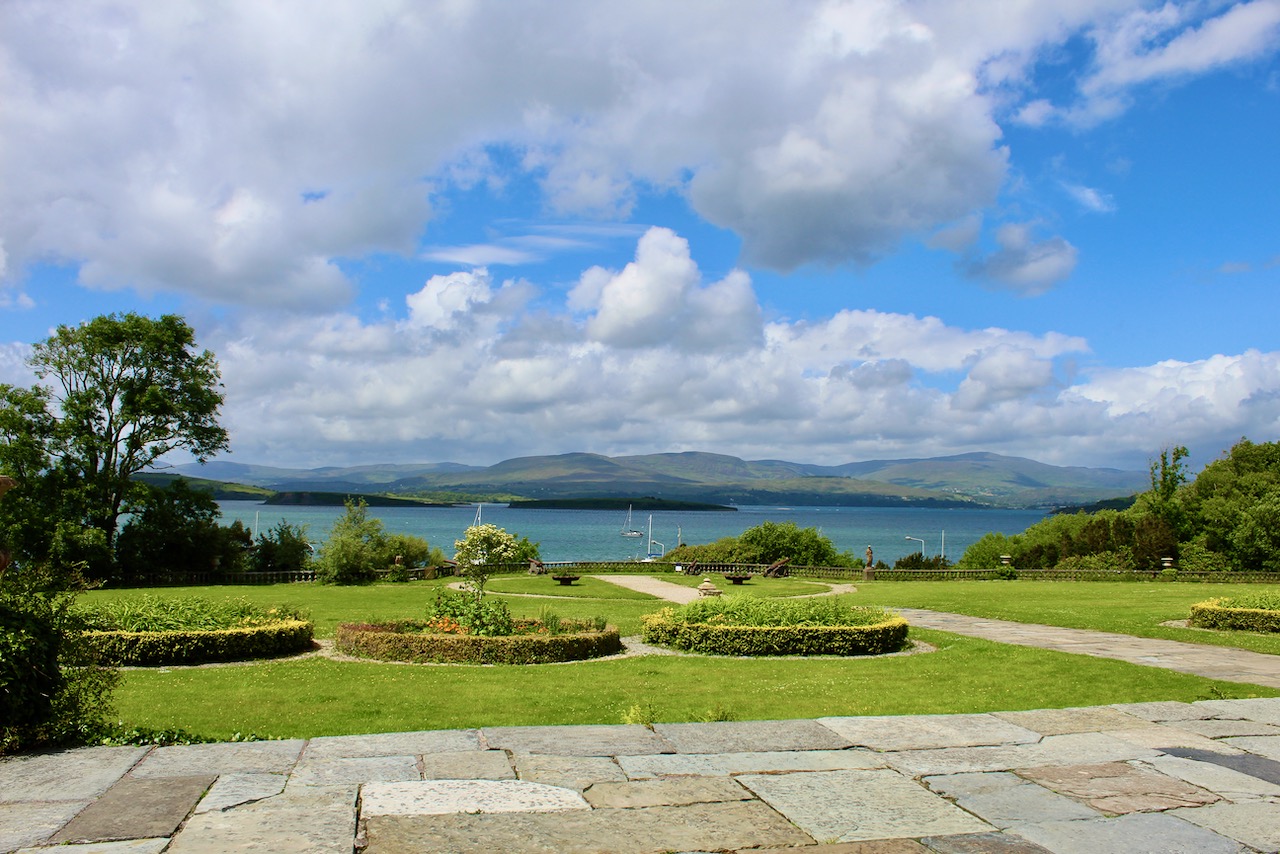
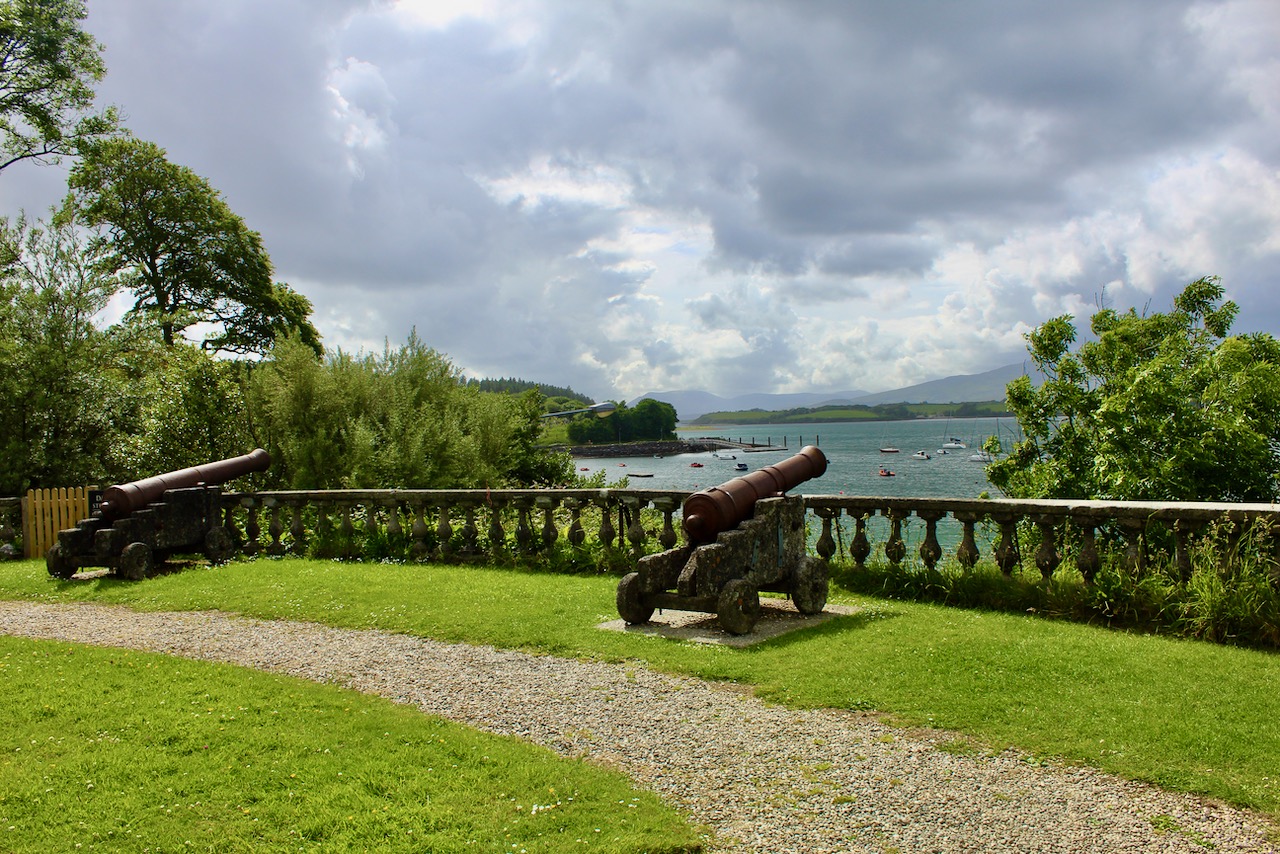
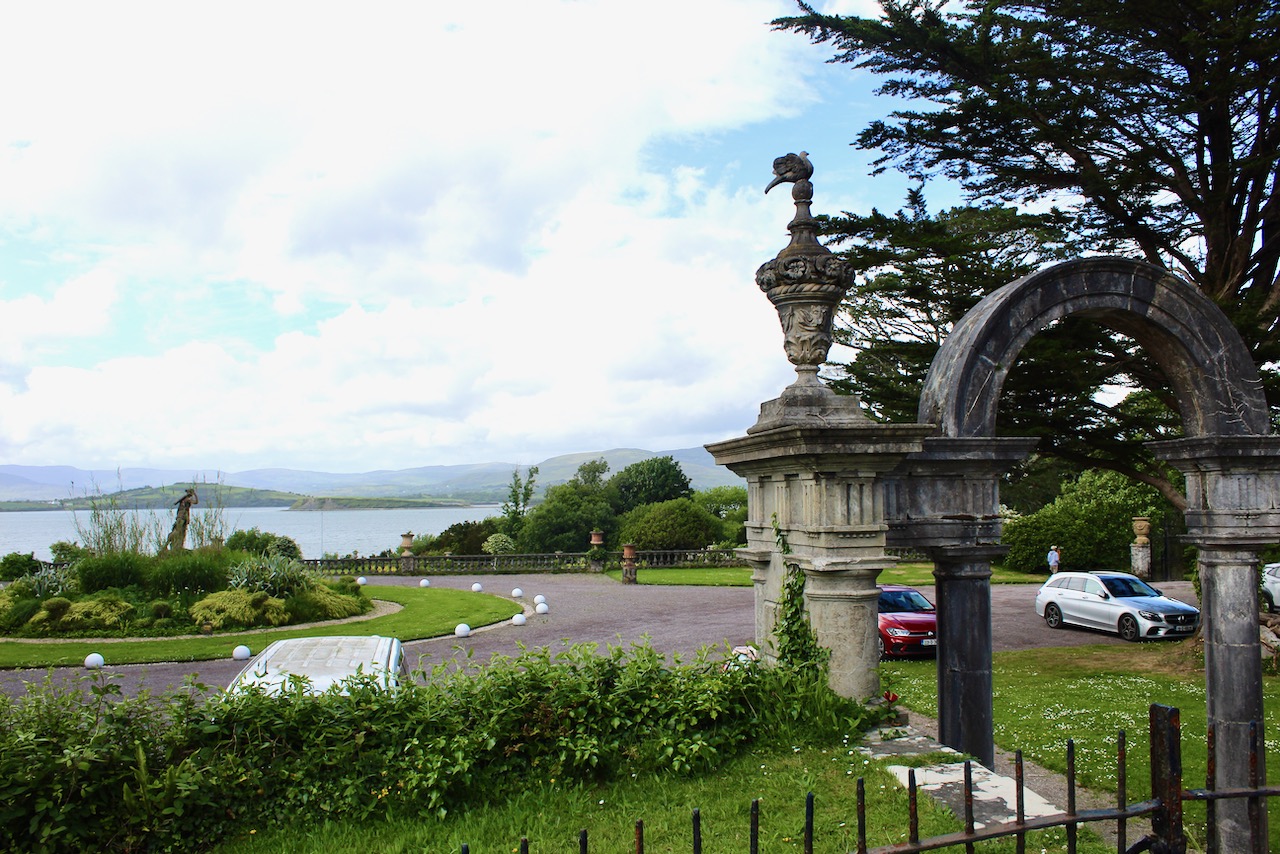
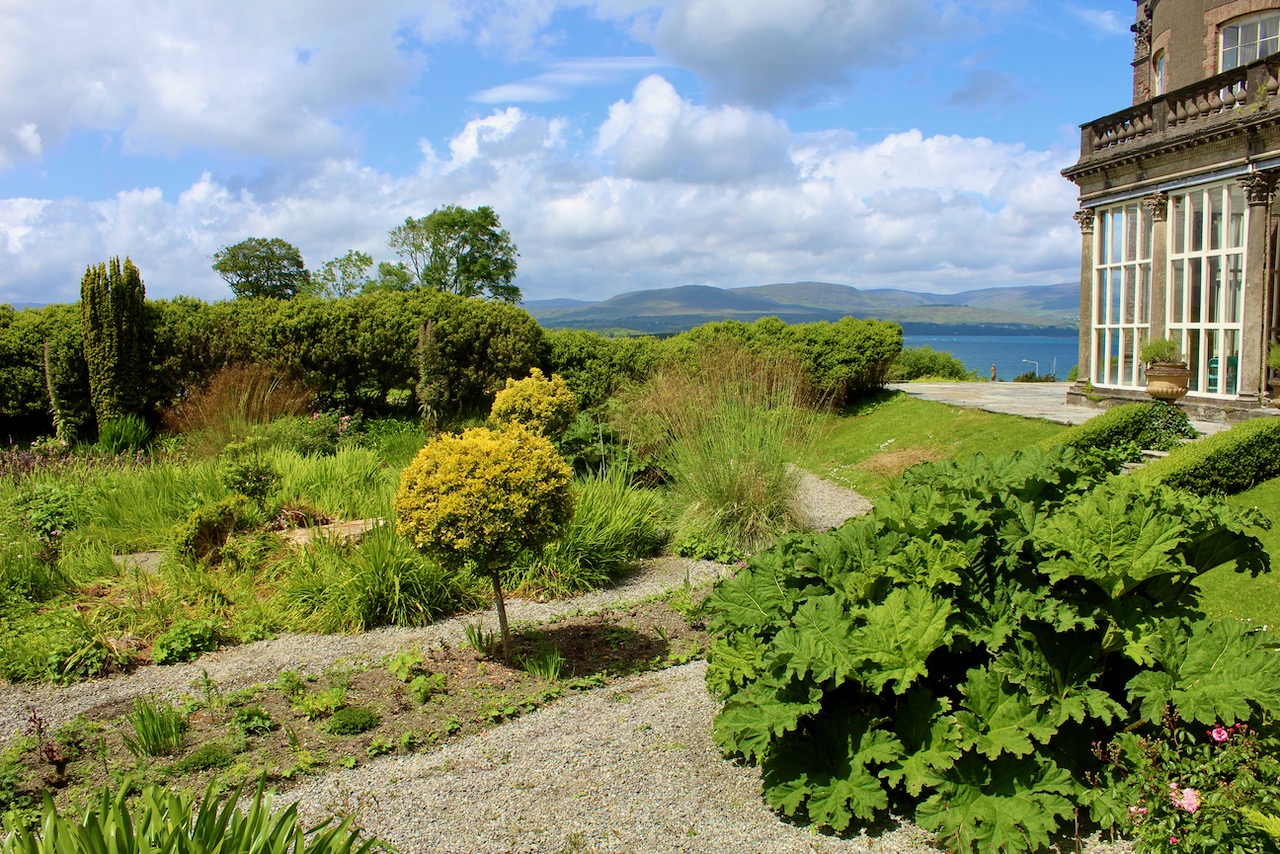
The house overlooks Bantry Bay which is formative in its history because thanks to its views, Richard’s grandson was elevated to an Earldom.
Frances Jane and Simon had a son, Richard (1767-1851), who saw French ships sail into Bantry Bay in 1796. The British and French were at war from February 1793. It was in gratitude for Richard’s courage and foresight in raising a local militia against the French that Richard was given a title.
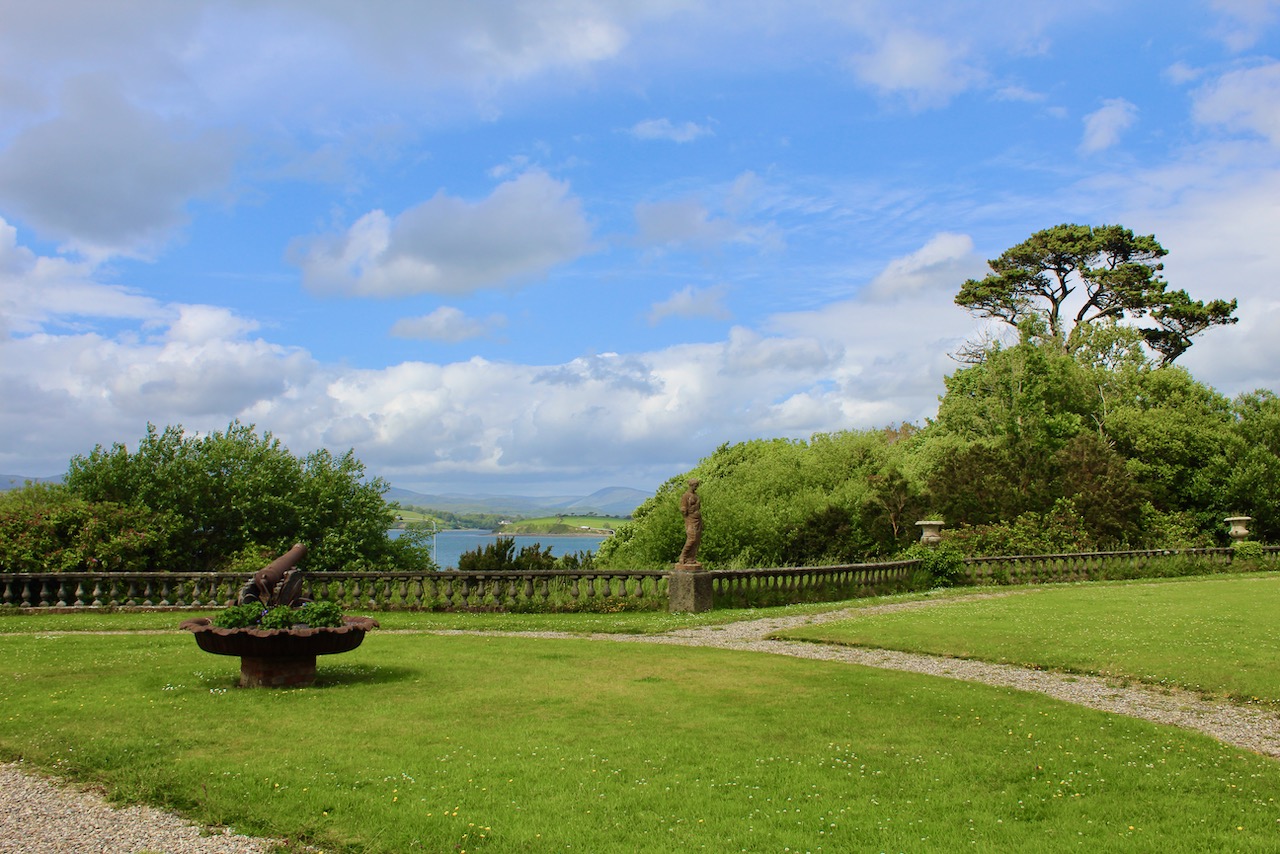
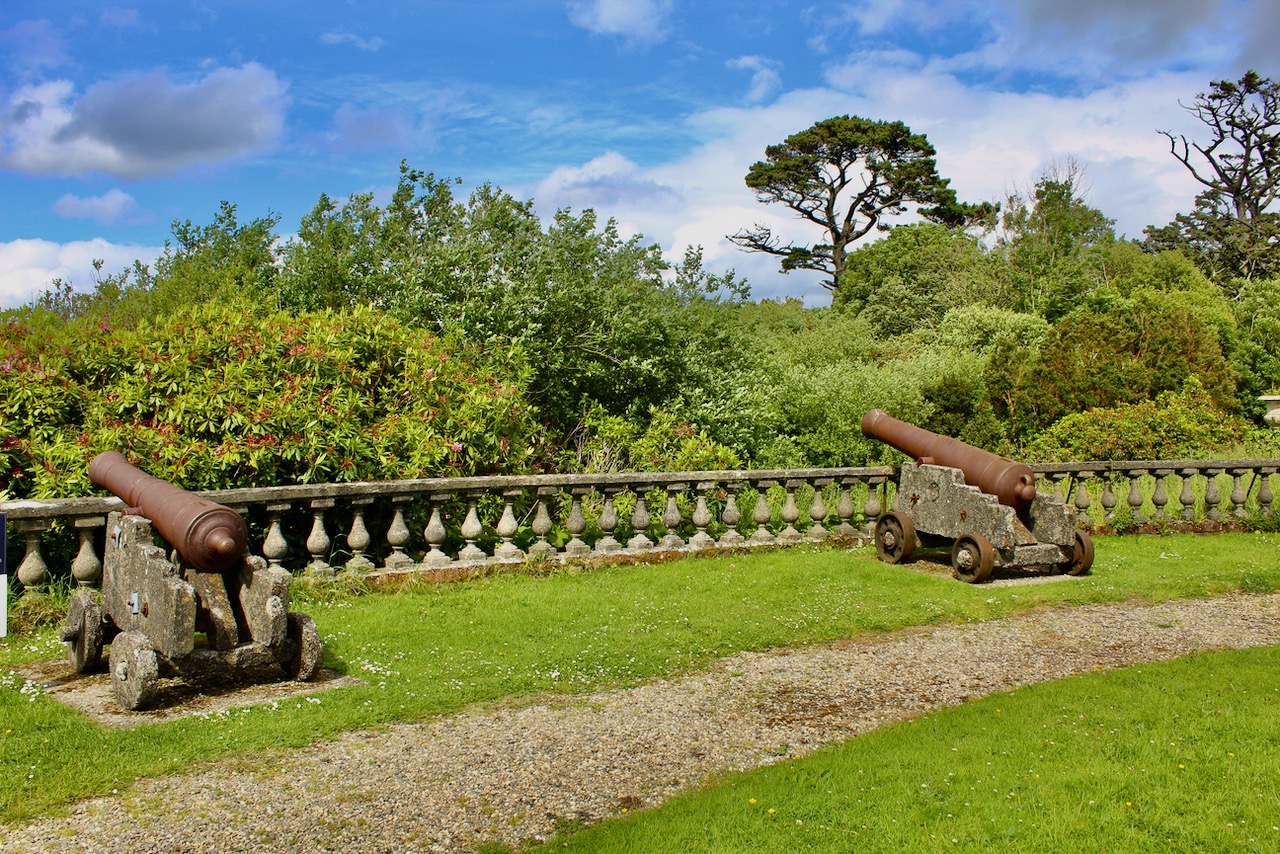
There are four guns overlooking the bay. The two smaller ones are from 1780, and the larger one is dated 1796. One is French and dated 1795 and may have been captured from an invading French ship.
United Irishman Theobald Wolfe Tone was on one of the French ships, which were under command of French Louis Lazare Hoche.
Theobald Wolfe Tone (1763–98) (named after his godfather, Theobald Wolfe) had sought French support for an uprising against British rule in Ireland. The United Irishmen sought equal representation of all people in Parliament. Tone wanted more than the Catholic Emancipation which Henry Grattan advocated, and for him,the Catholic Relief Act of 1793 did not go far enough, as it did not give Catholics the right to sit in the Irish House of Commons. Tone was inspired by the French and American Revolutions. The British had specifically passed the Catholic Relief Act in the hope of preventing Catholics from joining with the French.
Theobald Wolf Tone, who was on the ships which Richard White spotted in Bantry Bay carrying the French who were coming to support Irish Independence.
The Dictionary of Irish Biography tells us that
“With the outbreak of war with France, Dublin Castle instituted a crackdown on Irish reformers who had professed admiration for the French, and by the end of the year the United Irishmen and the reform movement were in disarray. In quick succession, the Volunteers were proscribed, the holding of elected conventions was banned, and a number of United Irishmen… were hauled before the courts on charges of seditious libel.“
Tone went to the U.S. and thought he might have to settle there but with others’ encouragement he continued in his work for liberating Ireland. He went to France for support. As a result 43 ships were sent to France.
“In July 1796 Tone was appointed chef de brigade (brigadier-general) in Hoche’s army ... Finally, on 16 December 1796, a French fleet sailed from Brest crammed with 14,450 soldiers. On board one of the sails of the line, the Indomptable, was ‘Citoyen Wolfe Tone, chef de brigade in the service of the republic.’” [1]
Richard White had trained a militia in order to defend the area, and stored munitions in his house. When he saw the ships in the bay he raised defenses. However, it was stormy weather and not his militia that prevented the invasion. Tone wrote of the expedition in his diary, saying that “We were close enough to toss a biscuit ashore”.
The French retreated home to France, but ten French ships were lost in the storm and one, the Surveillante, sank and remained on the bottom of Bantry bay for almost 200 years.
For his efforts in preparing the local defences against the French, Richard White was created Baron Bantry in 1797 in recognition of his “spirited conduct and important service.” In 1799 he married Margaret Anne Hare (1779-1835), daughter of William the 1st Earl of Listowel in County Kerry, who brought with her a substantial dowry. In 1801 he was made a viscount, and in 1815 he became Viscount Berehaven and Earl of Bantry. He became a very successful lawyer and made an immense fortune.
Richard was not Simon White’s only son. Simon’s son Simon became a Colonel and married Sarah Newenham of Maryborough, County Cork. They lived in Glengariff Castle. Young Simon’s sister Helen married a brother of Sarah Newenham, Richard, who inherited Maryborough. Another daughter, Martha, married Michael Goold-Adams of Jamesbrook, County Cork and another daughter, Frances, married General E. Dunne of Brittas, County Laois. Another son, Hamilton, married Lucinda Heaphy.
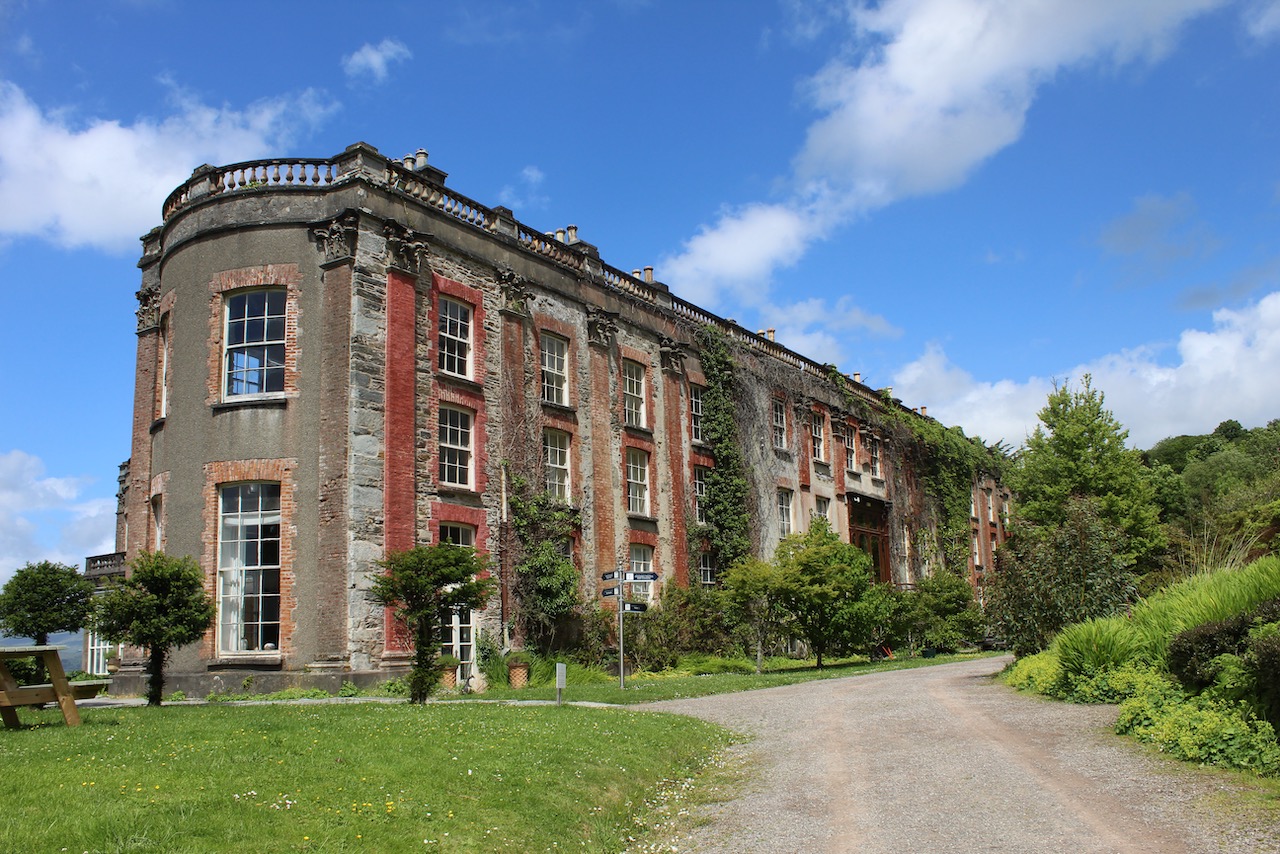
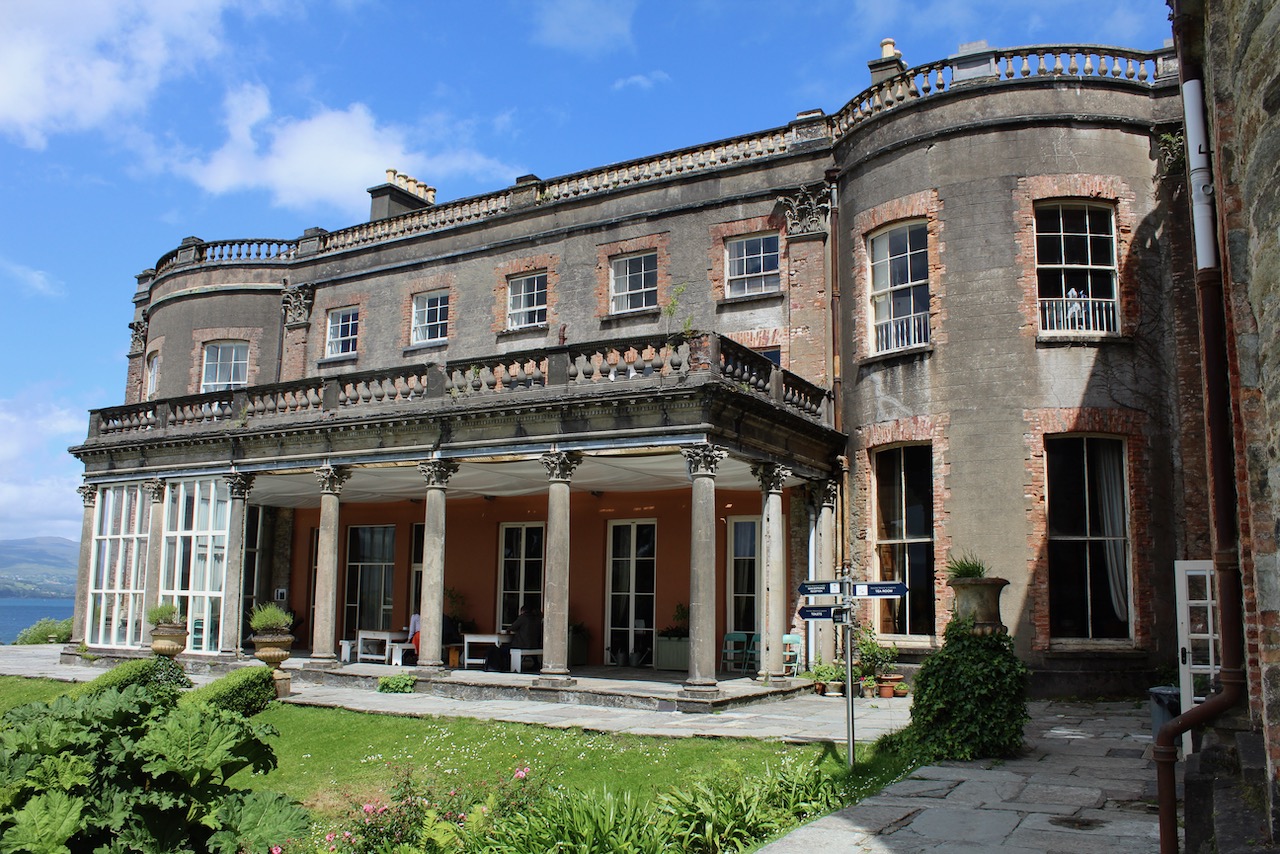
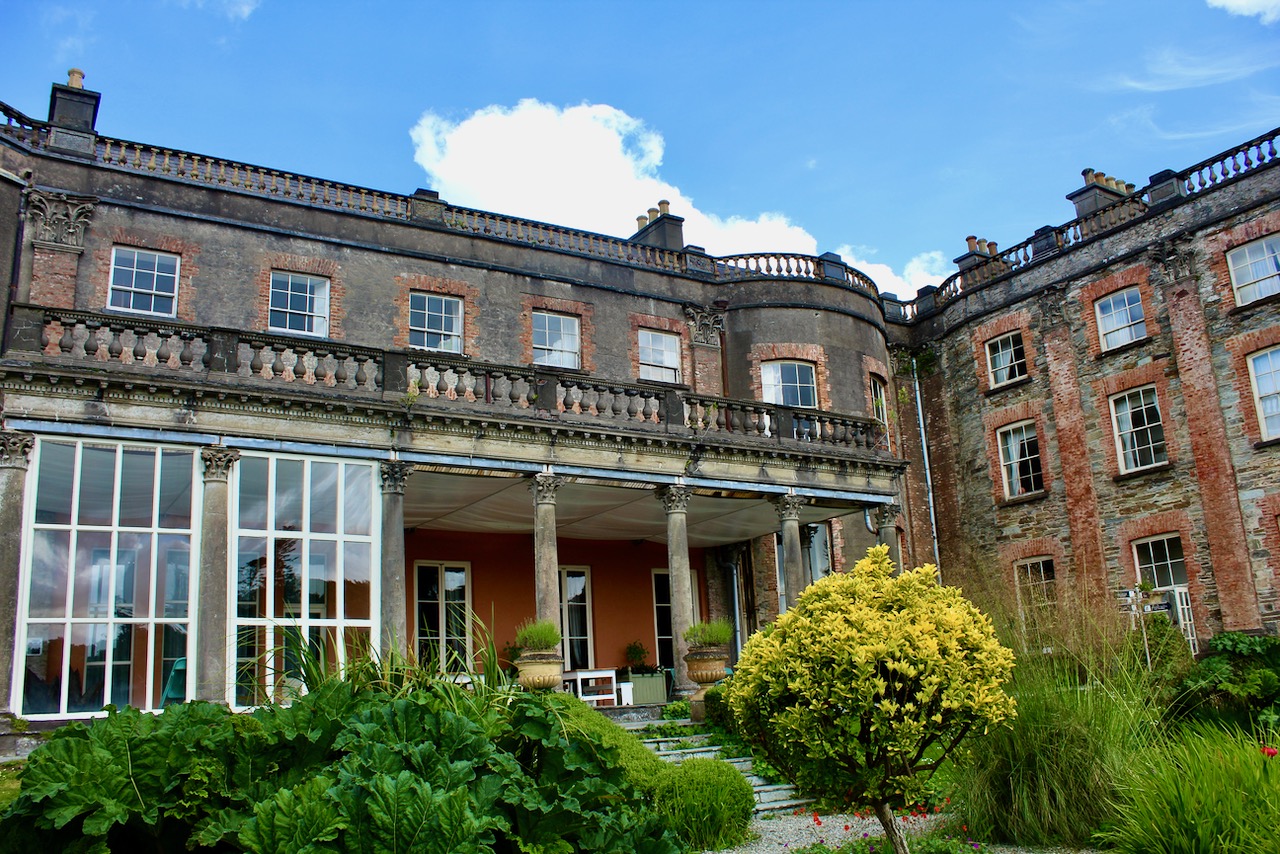
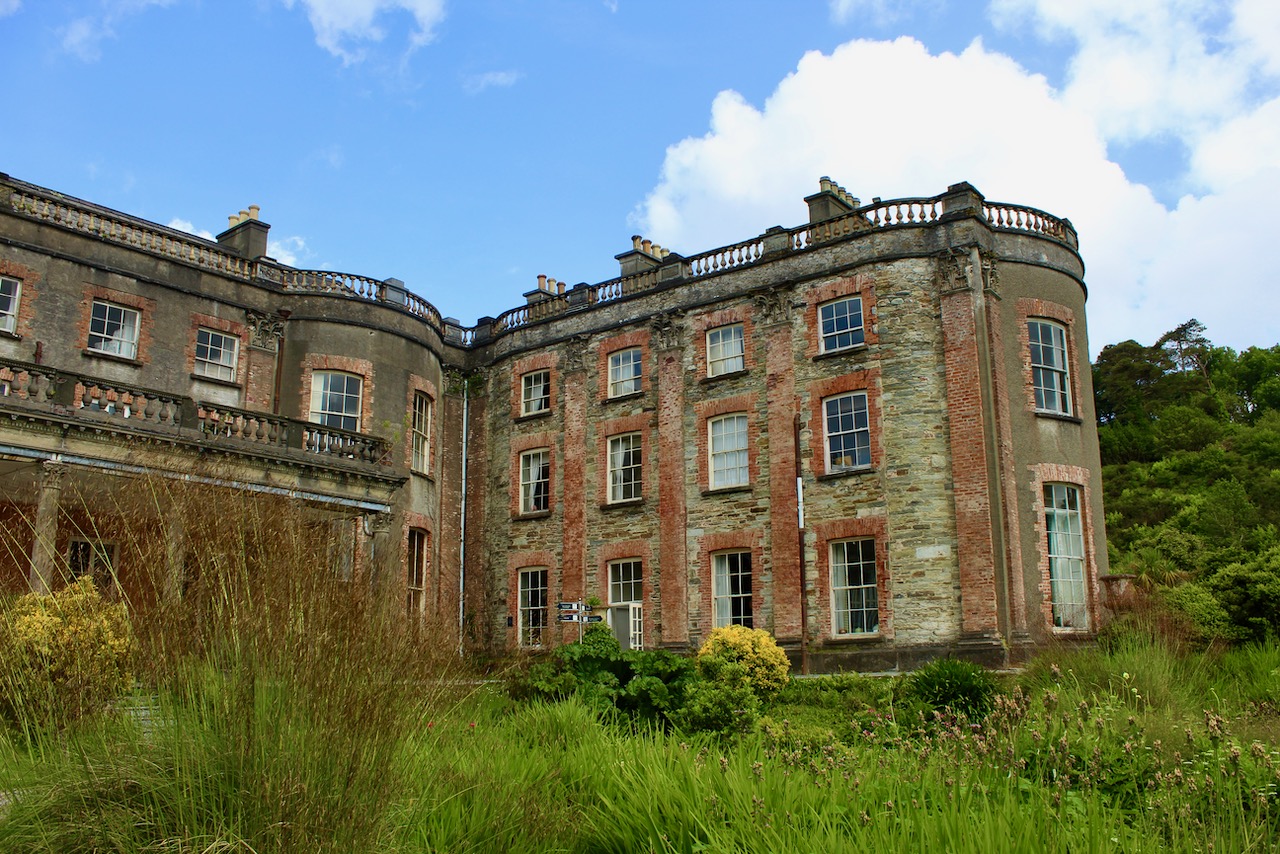
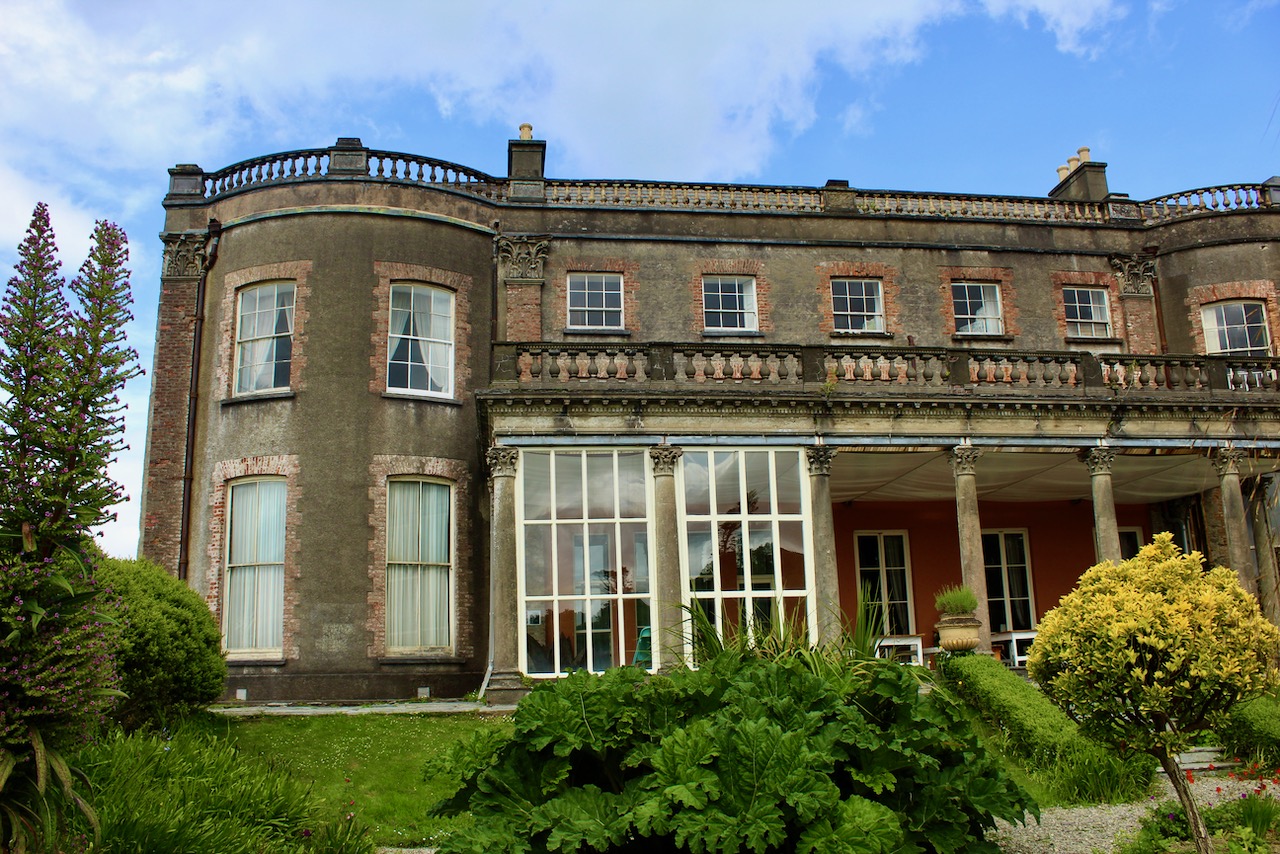
A wing was added to the house in 1820 in the time of the 1st Earl of Bantry. This wing is the same height as the original block, but of only two storeys, and faces out to the sea. It has a curved bow at the front and back and a six bay elevation at the side. This made space for two large drawing rooms, and more bedrooms upstairs.
The house was greatly enlarged and remodelled in 1845 by the son of the 1st Earl, Richard (1800-1867). The 1st Earl had moved out to live in a hunting lodge in Glengariff. This son Richard was styled as Viscount Berehaven between 1816 and 1851 until his father died, when he then succeeded to become 2nd Earl of Bantry. He married Mary O’Brien, daughter of William, 2nd Marquess of Thomond, in 1836.
The 2nd Earl of Bantry and his wife travelled extensively and purchased many of the treasures in the house. The website tells us he was a passionate art collector who travelled regularly across Europe, visiting Russia, Poland, France and Italy. He brought back shiploads of exotic goods between 1820 and 1840.
To accommodate his new furnishings he built a fourteen bay block on the side of the house opposite to the 1820 addition, consisting of a six-bay centre of two storeys over basement flanked by four-storey bow end wings.
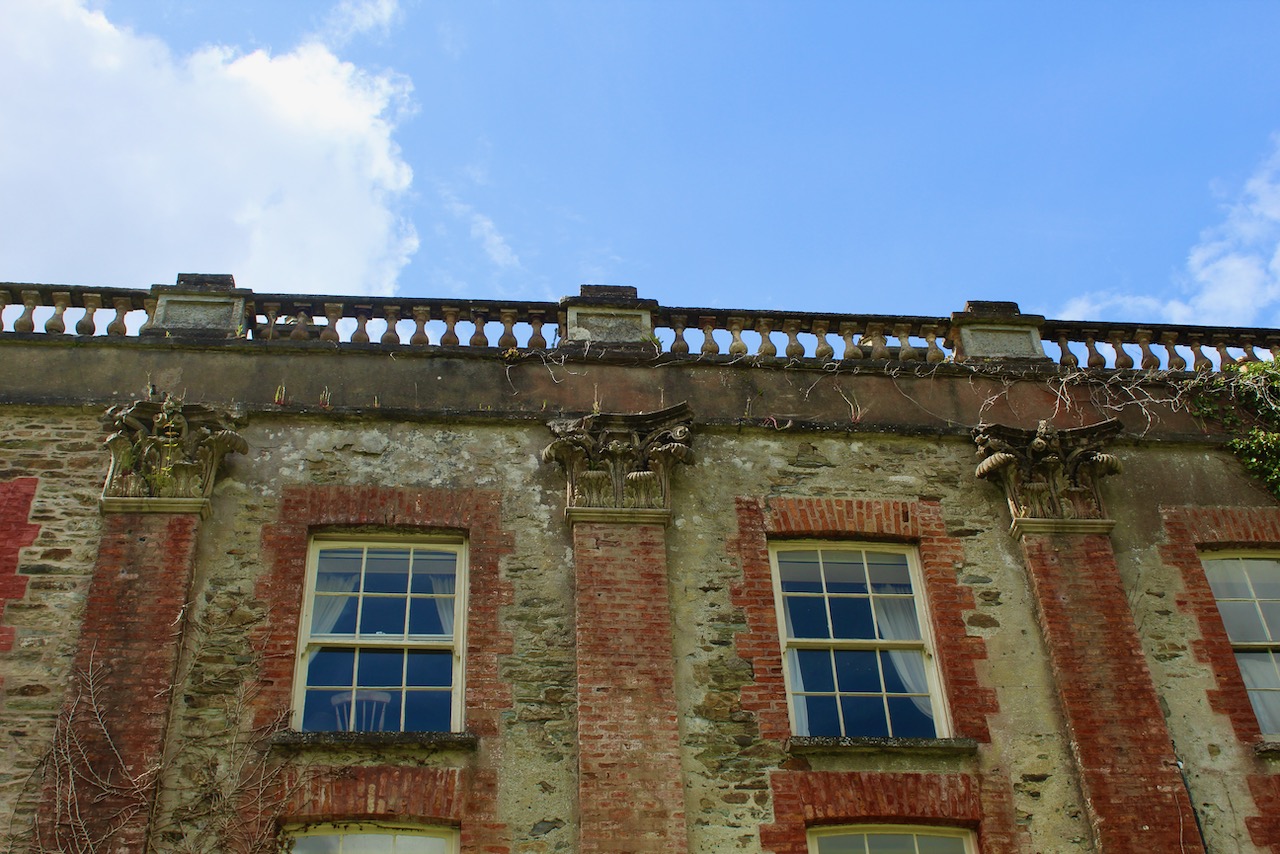
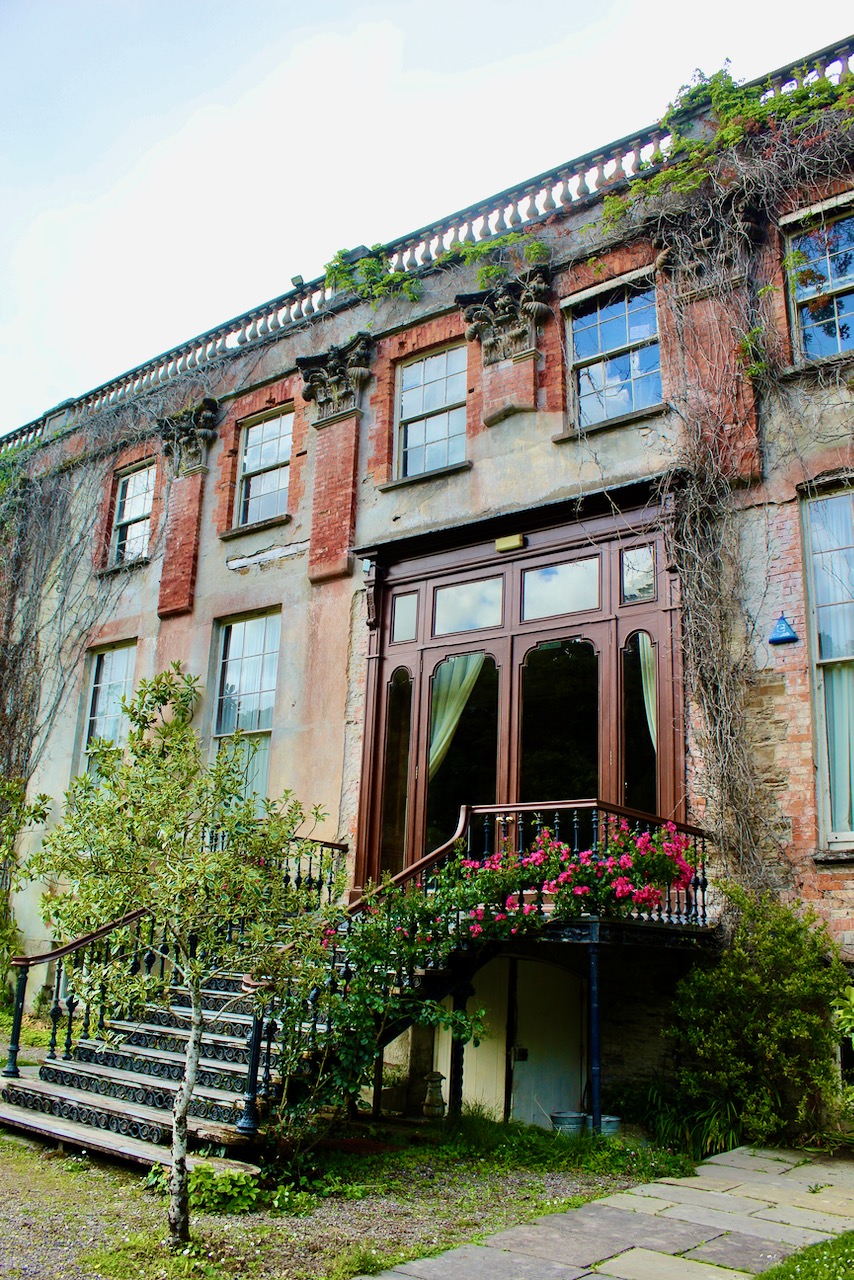
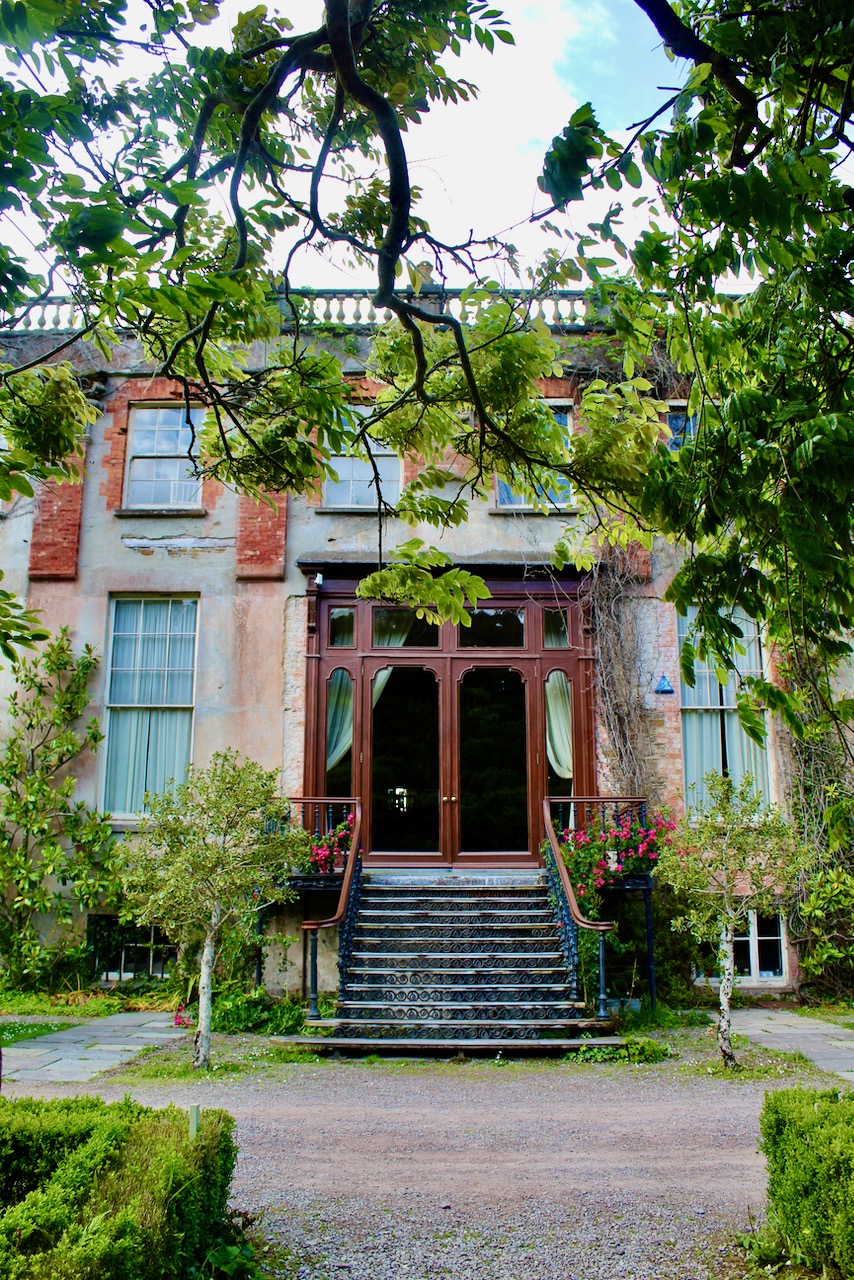
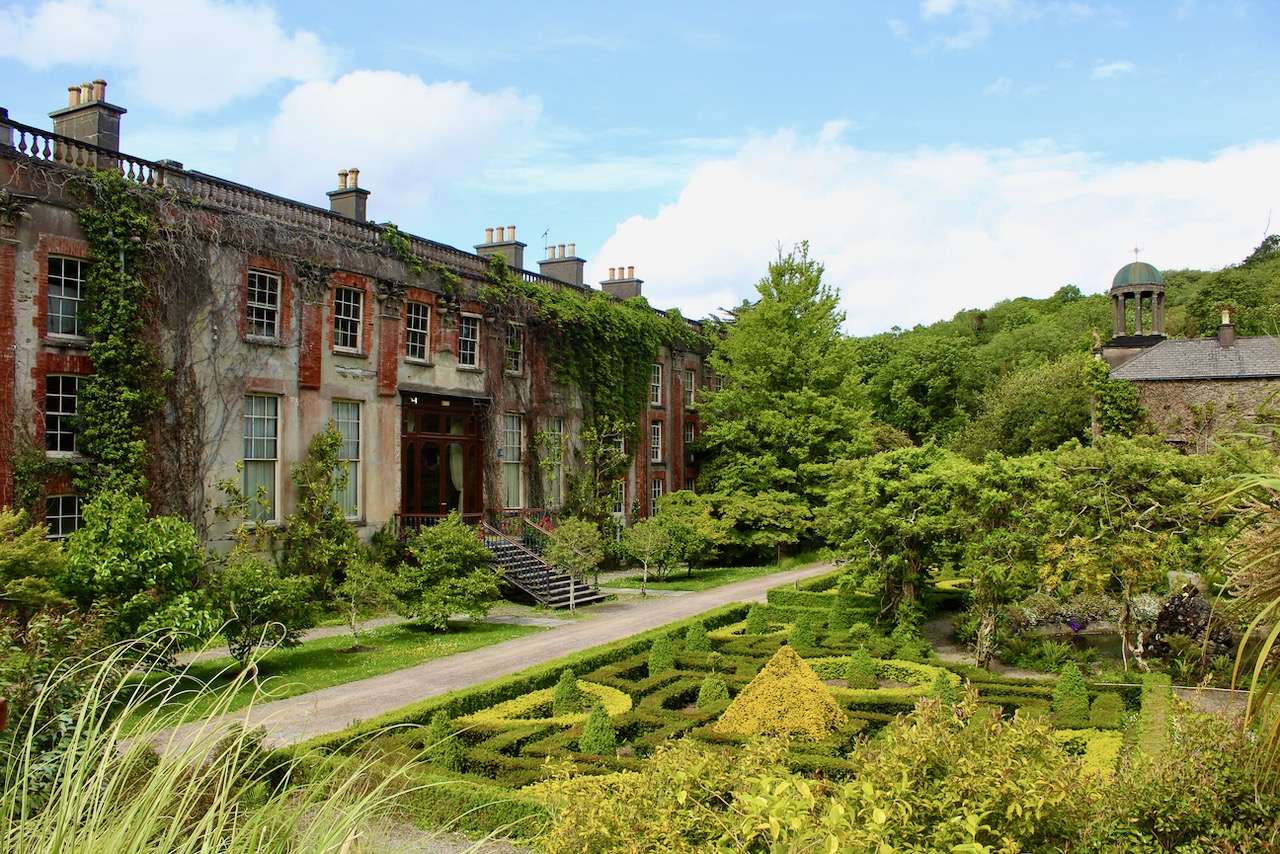
.”..No doubt inspired by the grand baroque palaces of Germany, he gave the house a sense of architectural unity by lining the walls with giant red brick pilasters with Coade-stone Corinthian capitals, the intervening spaces consisting of grey stucco and the parapet adorned with an attractive stone balustrade.“
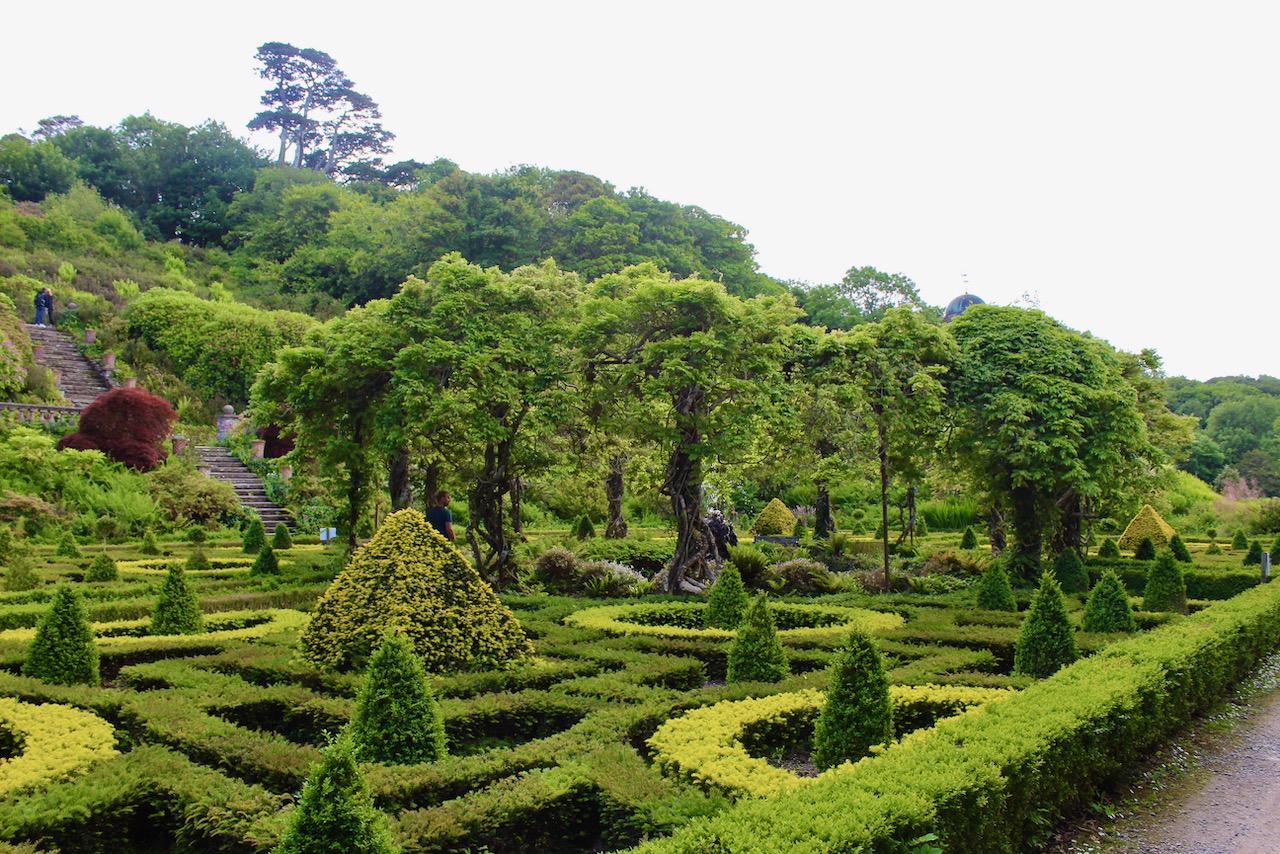
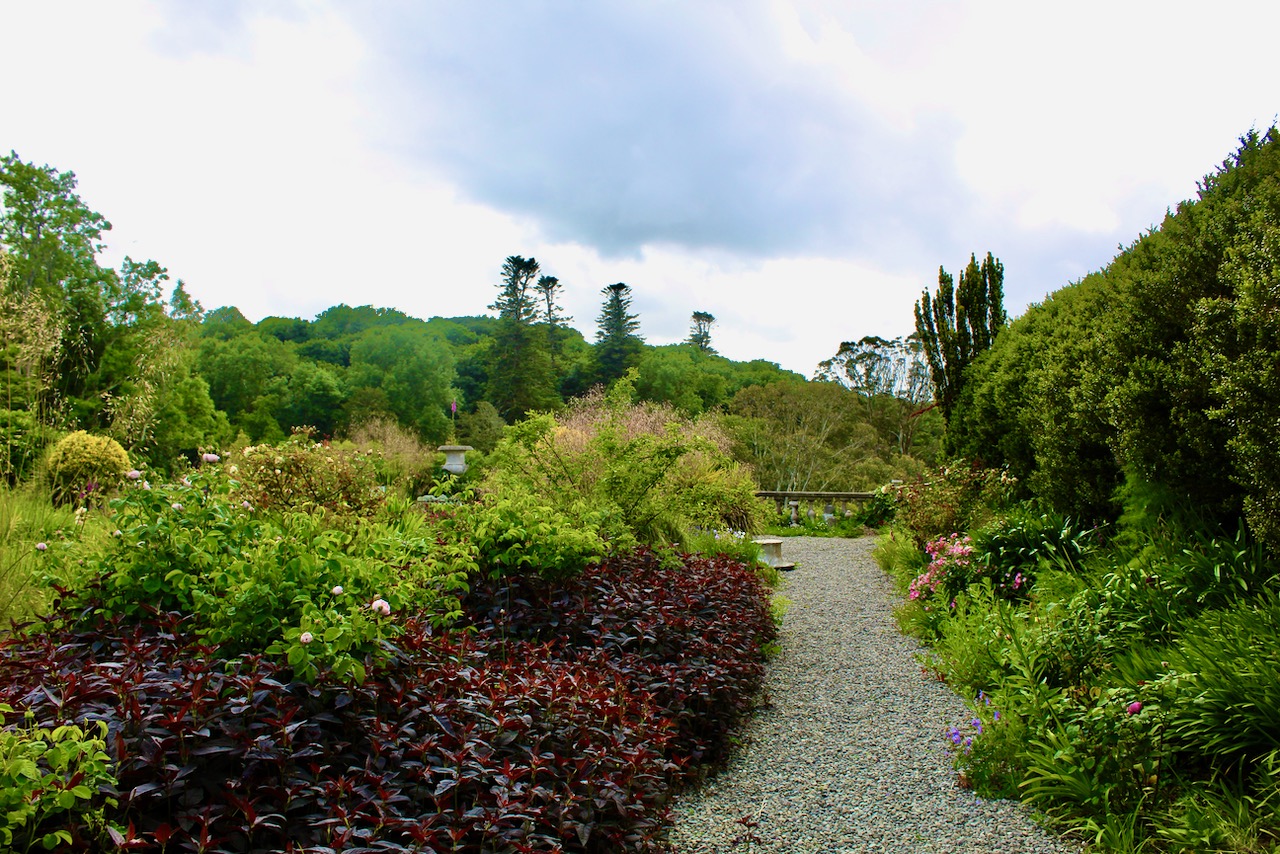
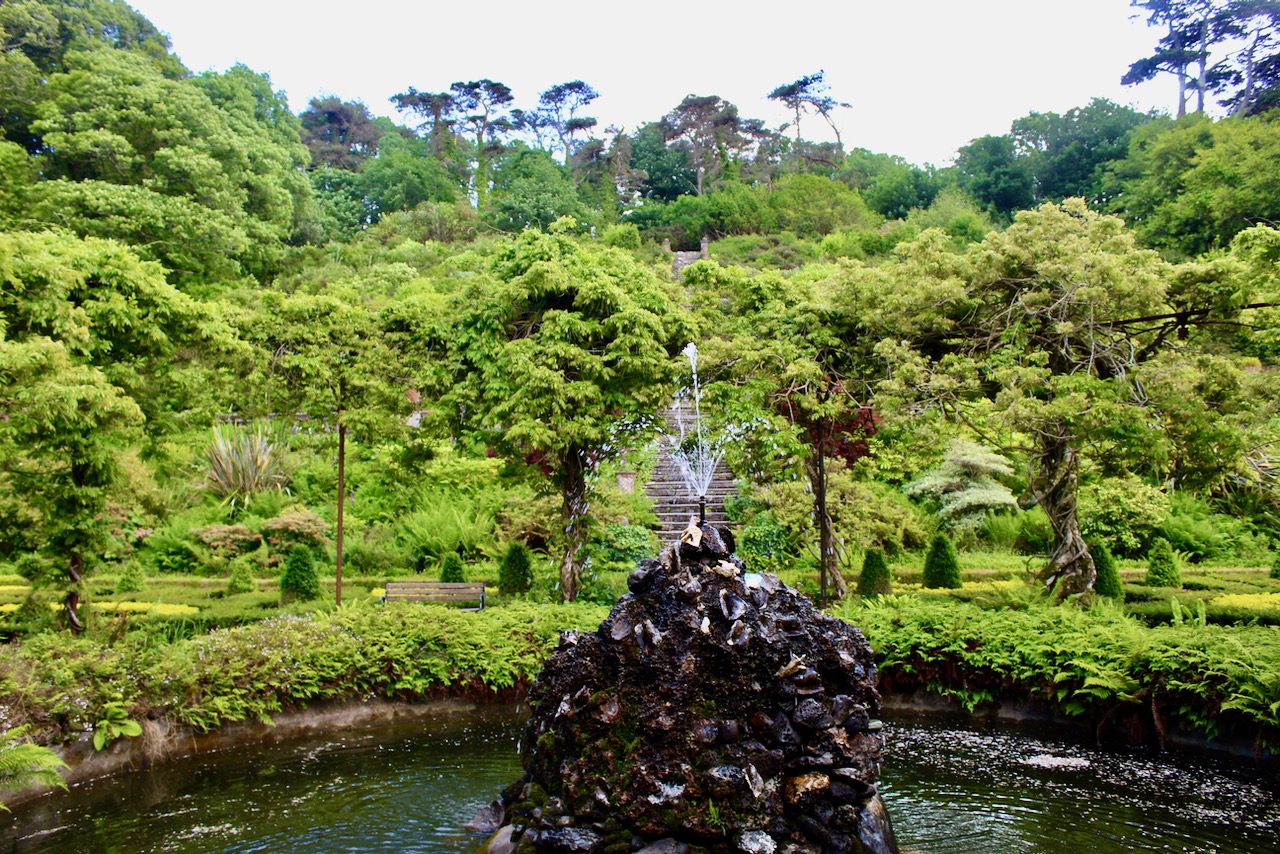
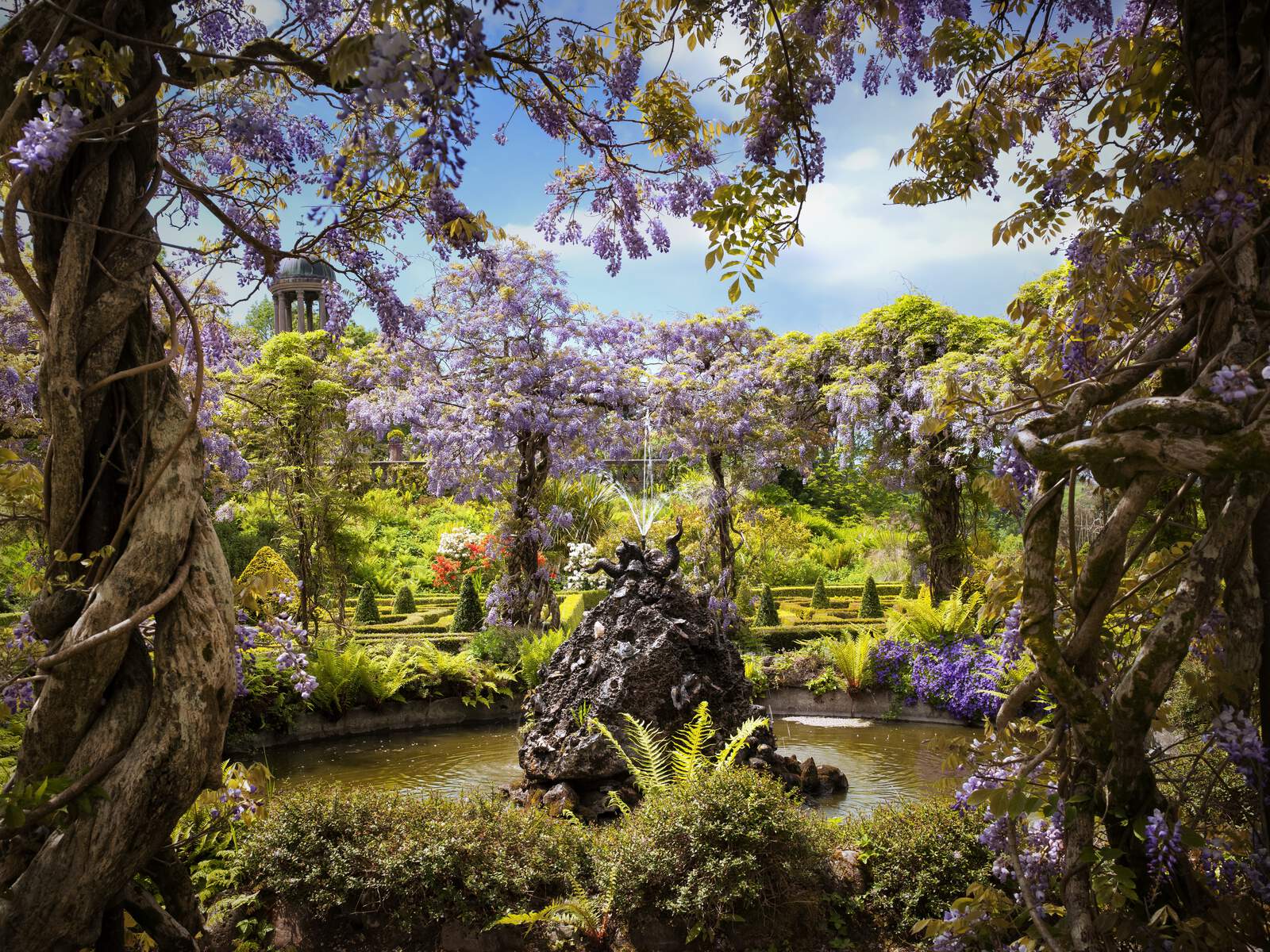
He also lay out the Italianate gardens, including the magnificent terraces on the hillside behind the house, most of which was undertaken after he had succeeded his father as the second Earl of Bantry in 1851.
After his death in 1867 the property was inherited by his brother William, the third Earl (1801-1884), his grandson William the fourth and last Earl (1854-91), and then passed through the female line to the present owner, Mr. Shelswell-White.
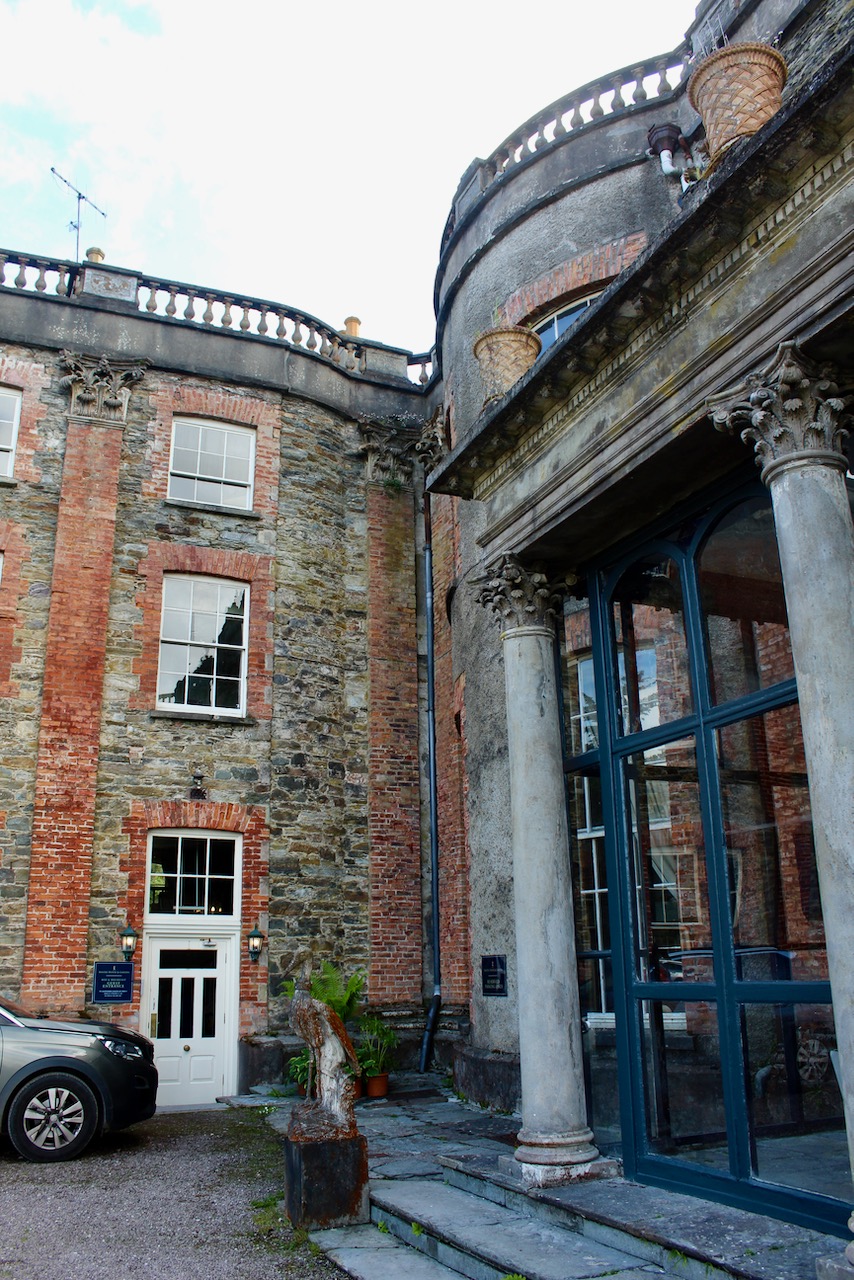
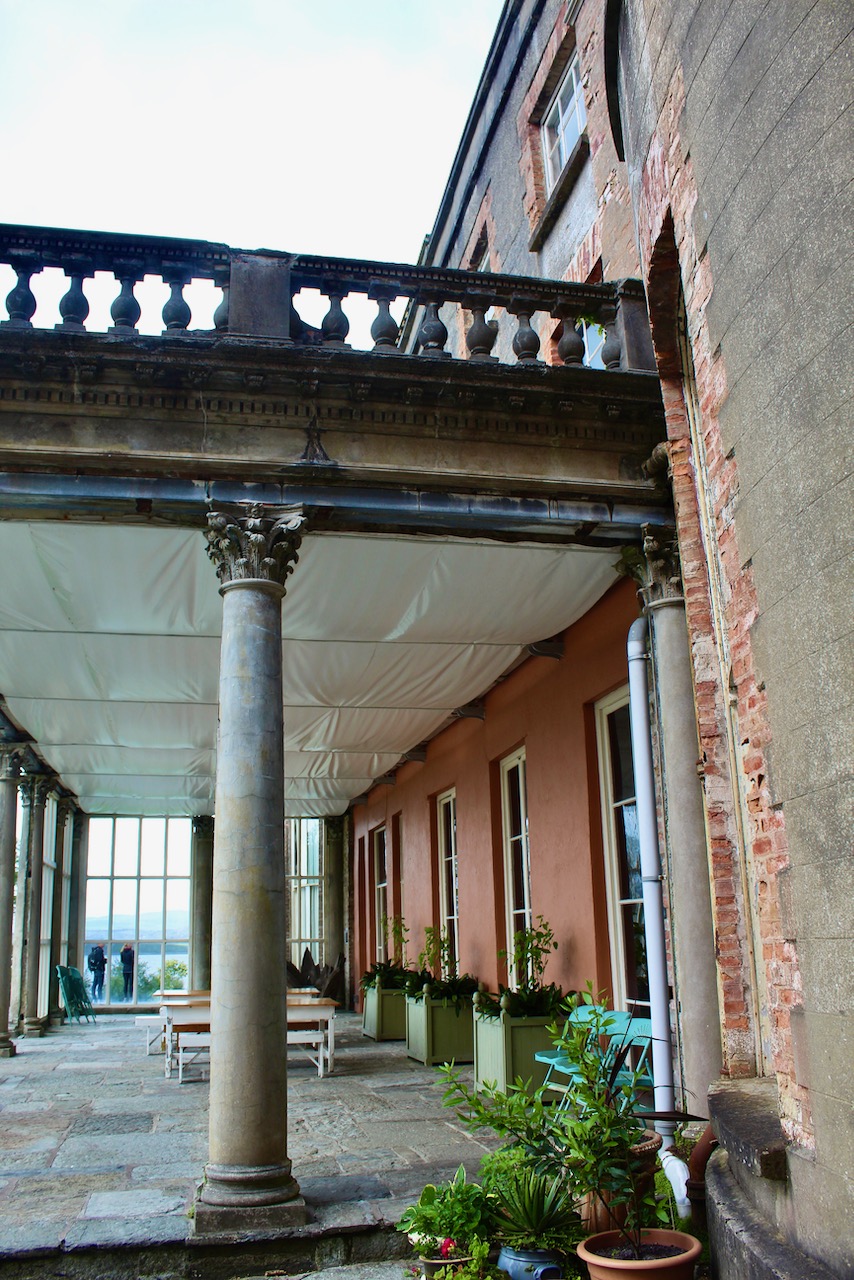
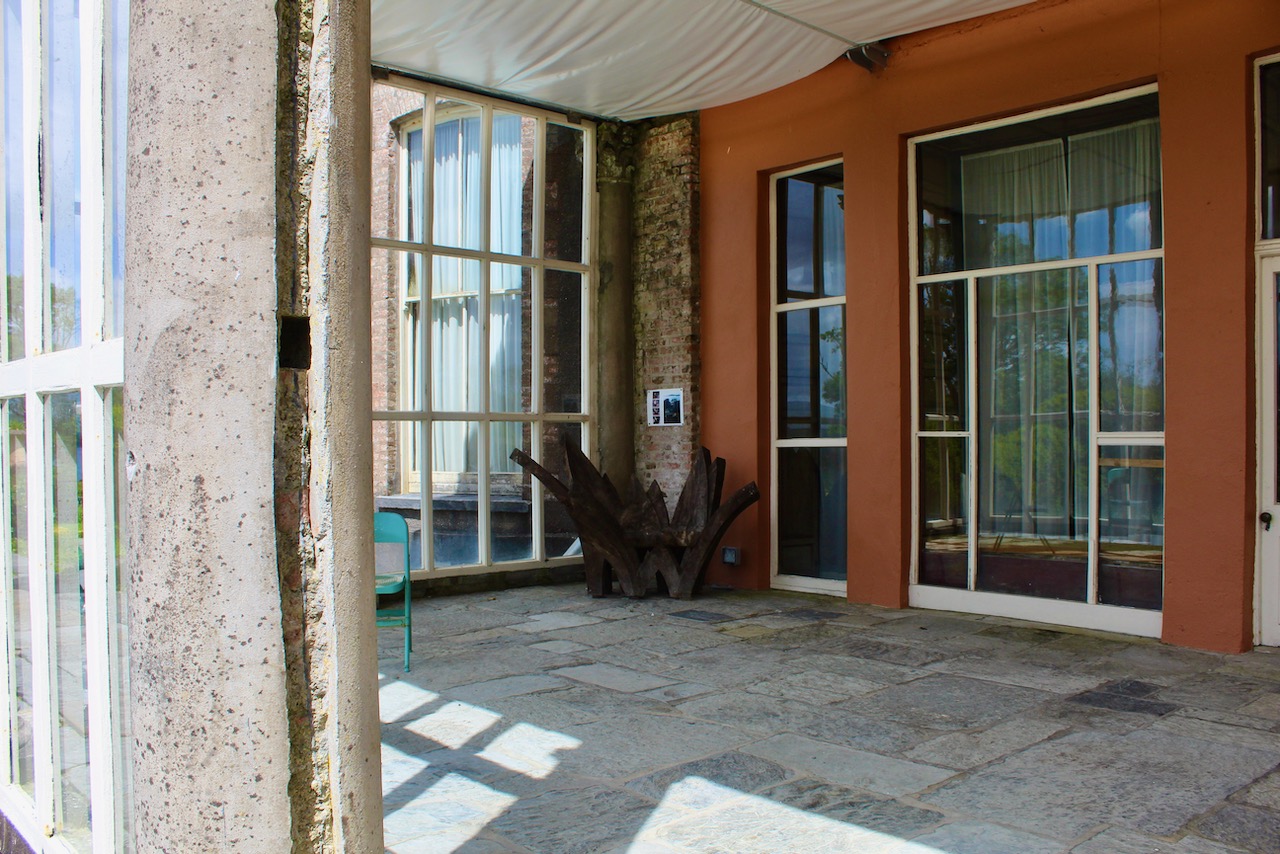
Mark Bence-Jones tells us: “The house is entered through a glazed Corinthian colonnade, built onto the original eighteenth century front in the nineteenth century; there is a similar colonnade on the original garden front.” [2]
Unfortunately we were not allowed to take photographs inside. You can see photographs of the incredible interior on the Bantry house website, and on the Irish Aesthete Robert O’Byrne’s blog. [3]
The rooms are magnificent, with their rich furnishings, ceilings and columns. Old black and white photographs show that even the ceilings were at one time covered in tapestries. The Spanish leather wallpaper in the stair hall is particularly impressive.
Mark Bence-Jones continues: “The hall is large but low-ceilinged and of irregular shape, having been formed by throwing together two rooms and the staircase hall of the mid-eighteenth century block; it has early nineteenth century plasterwork and a floor of black and white pavement, incorporating some ancient Roman tiles from Pompeii. From one corner rises the original staircase of eighteenth century joinery.”
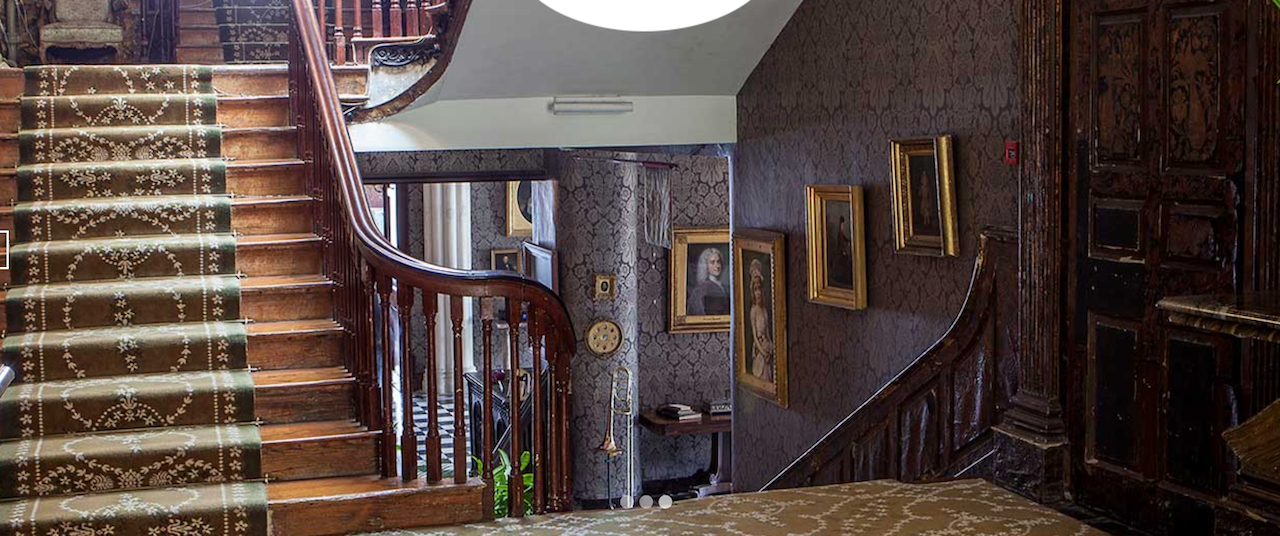
Staircase in Bantry House, photograph courtesy of Bantry house website.
The website tells us: “Today the house remains much as the second earl left it, with an important part of his great collection still intact. Nowhere is this more son than the hall where visitors will find an eclectic collection garnered from a grand tour, which includes an Arab chest, a Japanese inlaid chest, a Russian travelling shrine with fifteenth and sixteenth century icons and a Fresian clock. There is also a fine wooden seventeenth century Flemish overmantel and rows of family portraits on the walls. The hall was created by combining two rooms with the staircase hall of the original house and consequently has a rather muddled shape, though crisp black and white Dutch floor tiles lend the room a sense of unity.. Incorporated into this floor are four mosaic panels collected by Viscount Berehaven from Pompeii in 1828 and bearing the inscriptions “Cave Canem” and “Salve.” Other unusual items on show include a mosque lamp from Damascus in the porch and a sixteenth century Spanish marriage chest which can be seen in the lobby.“
Bence-Jones continues: “The two large bow-ended drawing rooms which occupy the ground floor of the late eighteenth century wing are hung with Gobelins tapestries; one of them with a particularly beautiful rose-coloured set said to have been made for Marie Antoinette.“
The Drawing Room in Bantry House, photograph courtesy of Bantry house website.
The Royal Aubusson tapestries in the Rose drawing room, comprising four panels, are reputed to have been a gift from the Dauphin to his young wife-to-be Marie Antoinette. In the adjoining Gobelin drawing room, one panel of tapestries is said to have belonged to Louis Philippe, Duc D’Orleans, a cousin of Louis XV.
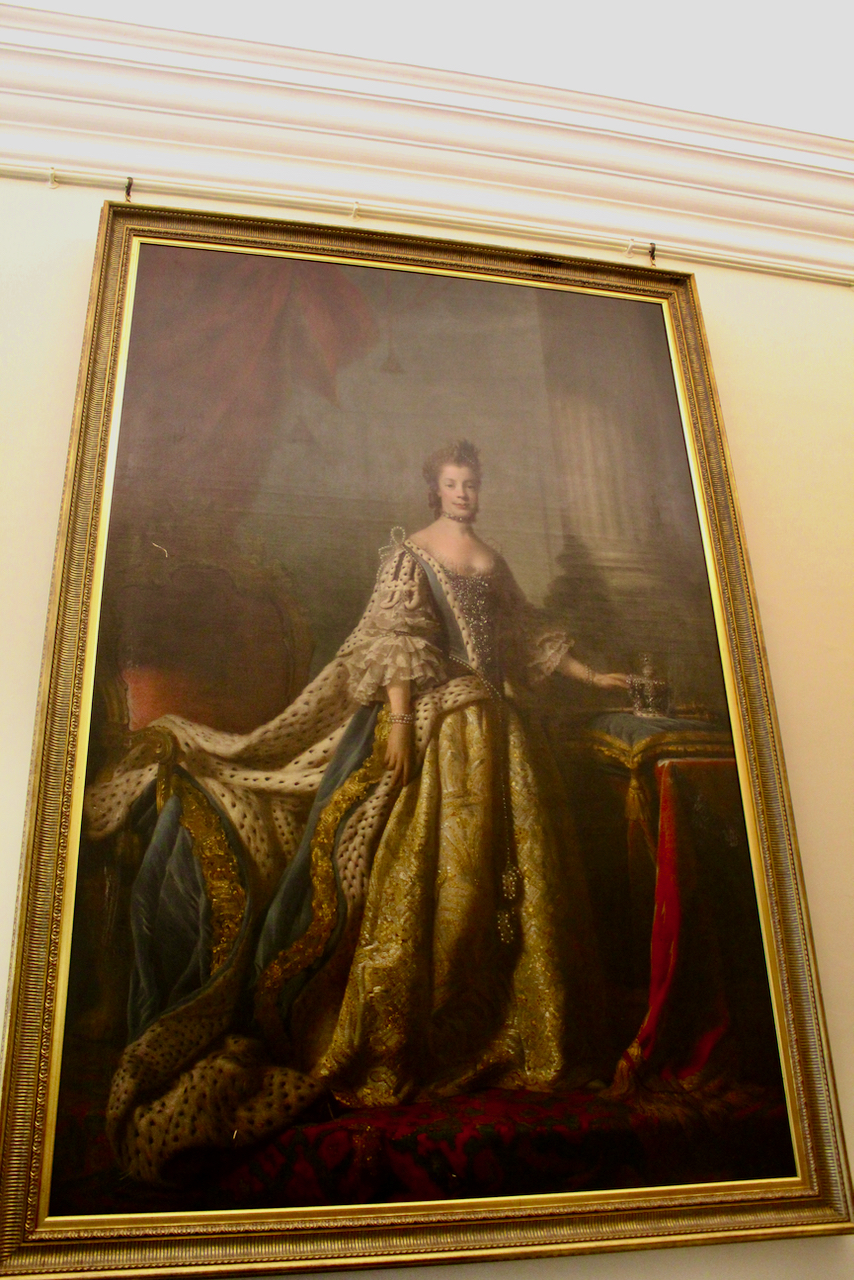
The website tells us: “The most spectacular room is the dining-room, dominated by copies of Allan Ramsay’s full-length portraits of George III and Queen Charlotte, whose elaborate gilt frames are set off by royal blue walls. The ceiling was once decorated with Guardi panels, but these have long since been removed and sold to passing dealers at a fraction of their worth. The differing heights of the room are due to the fact that they are partly incorporated in the original house and in the 1845 extension, their incongruity disguised by a screen of marble columns with gilded Corinthian capitals. Much of the furniture has been here since the second Earl, including the George III dining table, Chippendale chairs, mahogany teapoy, sideboards made for the room, and the enormous painting The Fruit Market by Snyders revealing figures reputedly drawn by Rubens – a wedding present to the first Countess.“
The Chippendale chairs and the George III dining table were made for the room.
King George III, a reproduction in Castletown, County Kildare.Queen Charlotte, wife of King George III, a reproduction in Castletown, County Kildare.
The description on the website continues: “The first flight of the staircase from the hall belongs to the original early eighteenth century house, as does the half-landing with its lugged architraves. This leads into the great library, built around 1845 and the last major addition to the house. The library is over sixty feet long, has screens of marble Corinthian columns, a compartmented ceiling and Dublin-made mantelpieces at each end with overhanging mirrors. The furnishing retains a fine rosewood grand piano by Bluthner of Leipzig, still occasionally used for concerts. The windows of this room once looked into an immense glass conservatory, but this has now been removed and visitors can look out upon restored gardens and the steep sloping terraces behind. “
The Library in Bantry House, photograph courtesy of Bantry house website.
The third Earl, William Henry (1801-1884), succeeded his brother, who died in 1868. On 7 September 1840 William Henry’s surname was legally changed to William Henry Hedges-White by Royal Licence, adding Hedges, a name passed down by his paternal grandmother.
His grandmother was Frances Jane Eyre and her father was Richard Hedges Eyre. Richard Hedges of Macroom Castle and Mount Hedges, County Cork, married Mary Eyre. Richard Hedges Eyre was their son. He married Helena Herbert of Muckross, County Kerry. In 1760 their daughter, Frances Jane, married Simon White of Bantry, William Henry’s grandfather. When her brother Robert Hedges Eyre died without heirs in 1840 his estates were divided and William Henry the 3rd Earl of Bantry inherited the Macroom estate. [4] Until his brother’s death in 1868, William Henry Hedges-White had been living in Macroom Castle. [5]
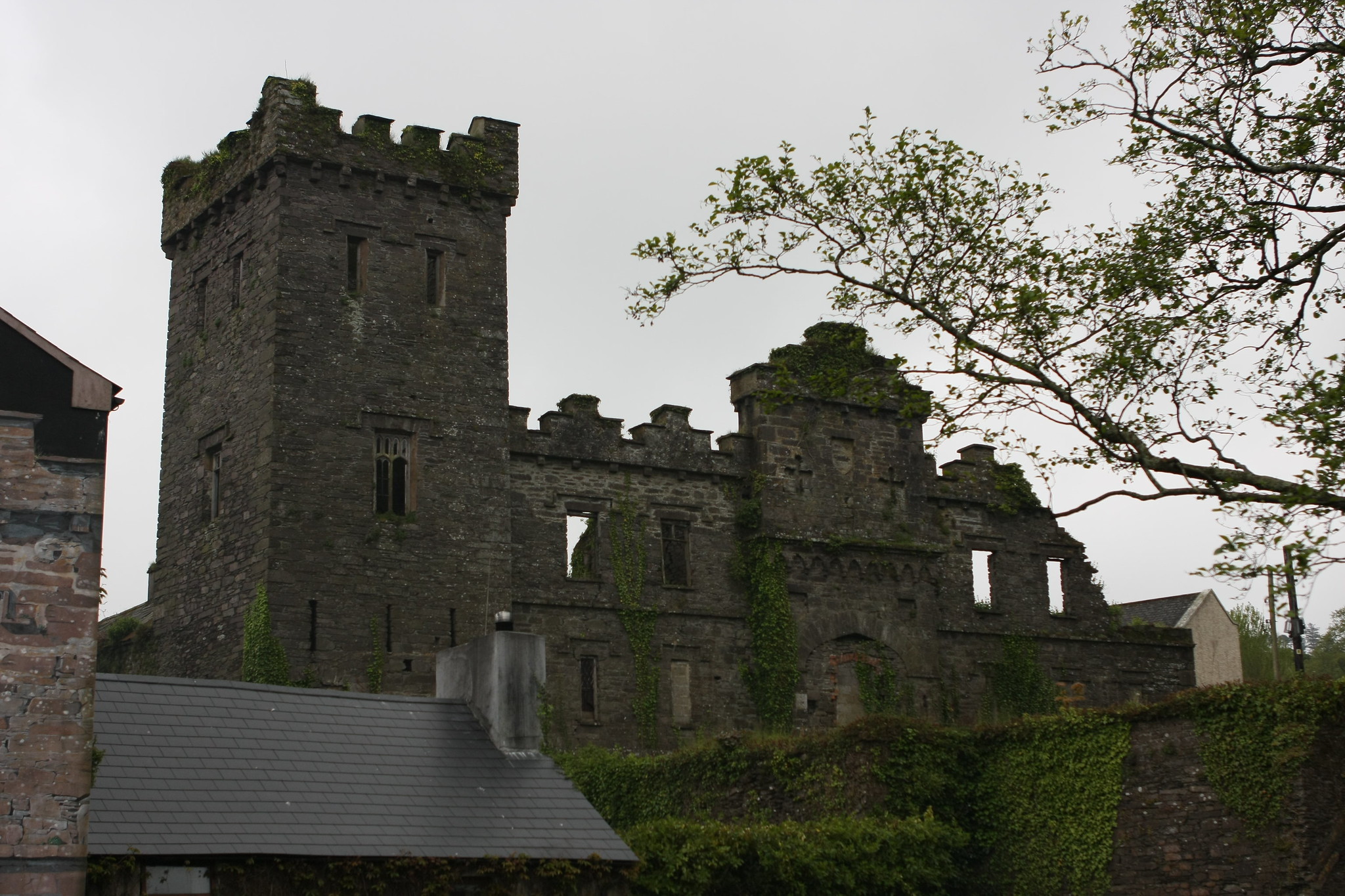
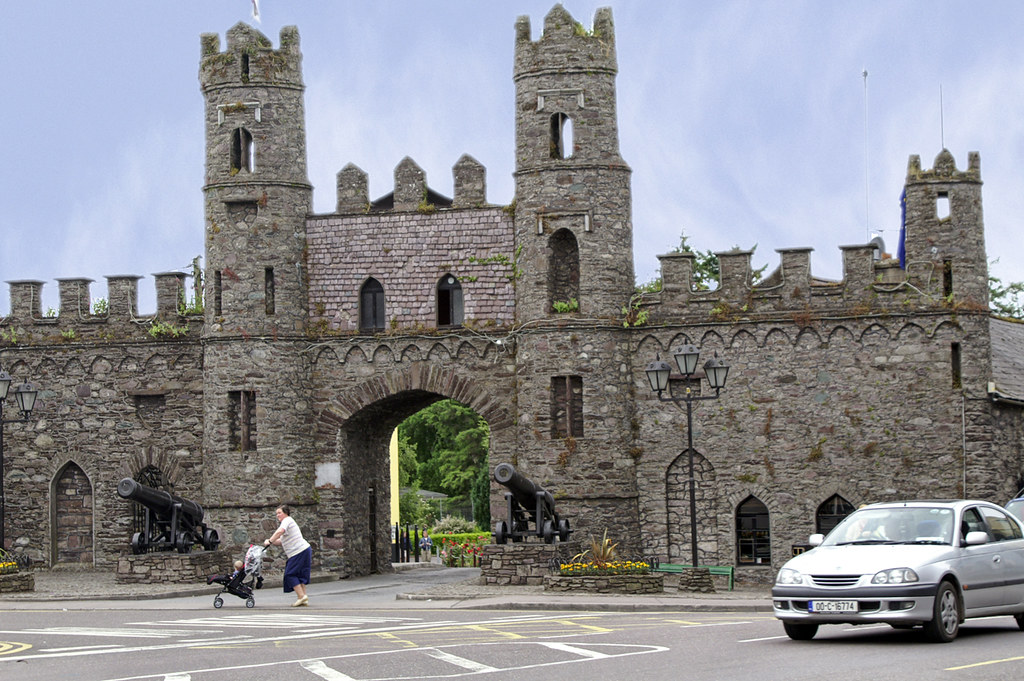
Macroom Castle, photograph taken 2009 by “Shiny Things,” flickr constant commons.Macroom Castle gate house, photograph taken 2007 by Carole Waller, flickr constant commons.
William Henry Hedges-White married Jane Herbert in 1845, daughter of Charles John Herbert of Muckross Abbey in County Kerry (see my entry about places to visit in County Kerry).
In November 1853, over 33,000 acres of the Bantry estate were offered for sale in the Encumbered Estates Court, and a separate sale disposed of Bere Island. The following year more than 6,000 further acres were sold, again through the Encumbered Estates Court. Nevertheless in the 1870s the third earl still owned 69,500 acres of land in County Cork.
His son, the 4th Earl, died childless in 1891. The title lapsed, and the estate passed to his nephew, Edward Egerton Leigh (1876-1920), the son of the 4th Earl’s oldest sister, Elizabeth Mary, who had married Egerton Leigh of Cheshire, England. This nephew, born Edward Egerton Leigh, added White to his surname upon his inheritance. He was only fifteen years old when he inherited, so his uncle Lord Ardilaun looked after the estate until Edward came of age in 1897. William Henry Hedges-White’s daughter Olivia Charlotte Hedges-White had married Arthur Edward Guinness, 1st and last Baron Ardilaun. Edward Egerton’s mother had died in 1880 when he was only four years old, and his father remarried in 1889.
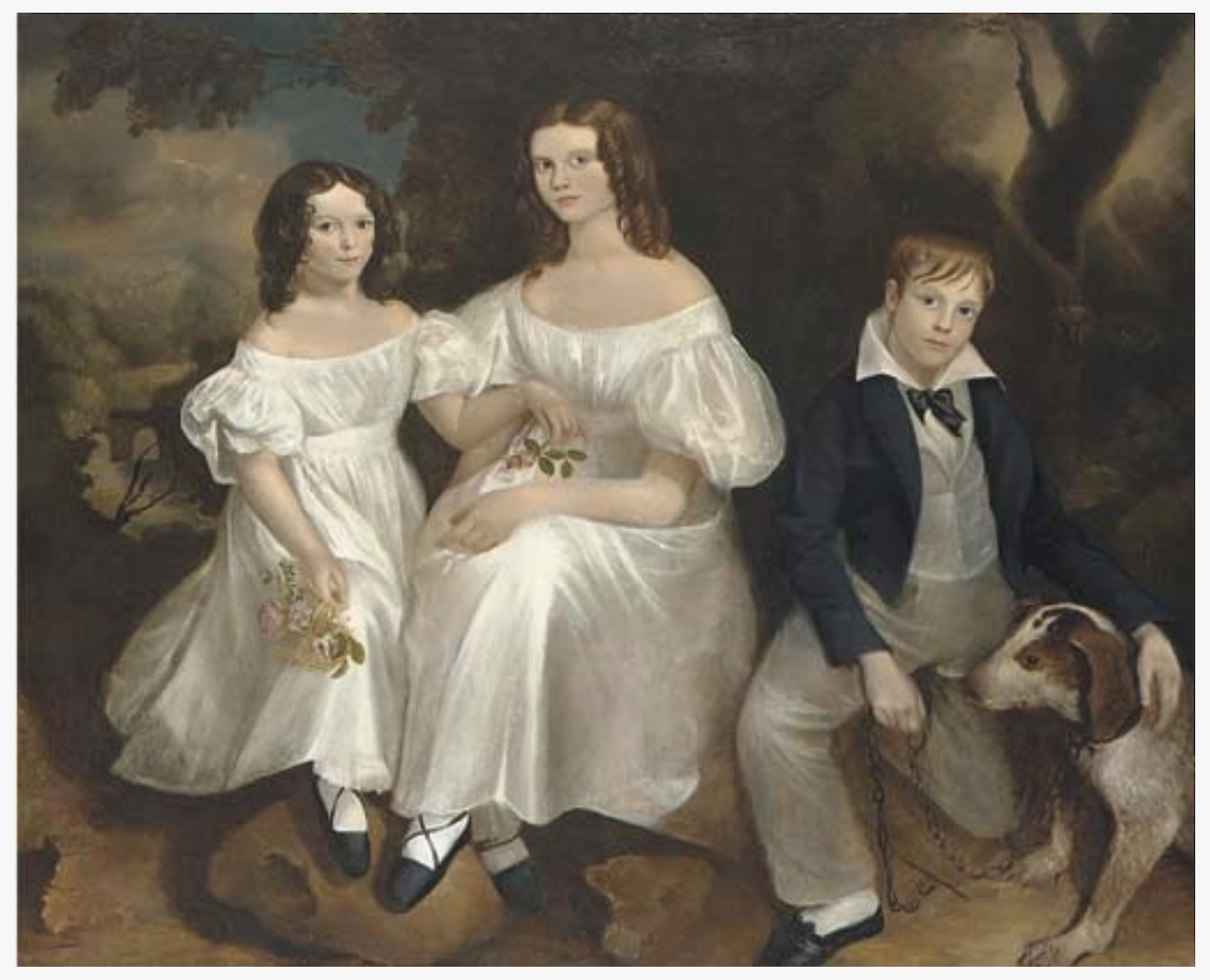
Lady Olivia-Charlotte White, Lady Elizabeth-Mary White and William, 4th Earl of Bantry, with a dog, Irish school c. 1860 courtesy Christies Irish Sale 2004. William Henry Hare Hedges-White (1801-1884) was the son of William Hedges-White, 3rd Earl of Bantry. His sister Olivia Charlotte Hedges-White married Arthur Edward Guinness (1840-1915), Baron Ardilaun, and they lived in Ashford Castle in County Mayo. Elizabeth Mary Gore Hedges-White, another sister, married Egerton Leigh.Bantry House, County Cork, photograph 1989 from the National Library, flickr constant commons.
Edward Egerton married Arethusa Flora Gartside Hawker in 1904. She was a cousin through his father’s second marriage. They had two daughters, Clodagh and Rachel. In March 1916 an offer from the Congested Districts’ Board was accepted by Edward Egerton Leigh White for 61,589 tenanted acres of the estate. [6] Edward Egerton died in 1920.
Patrick Comerford tells us in his blog that during the Irish Civil War in 1922-1923, the Cottage Hospital in Bantry was destroyed by fire. Arethusa Leigh-White offered Bantry House as a hospital to the nuns of the Convent of Mercy, who were running the hospital. Arethusa only made one proviso: that the injured on both sides of the conflict should be cared for. A chapel was set up in the library and the nuns and their patients moved in for five years. [7]
In 1926, Clodagh Leigh-White came of age and assumed responsibility for the estate. Later that year, she travelled to Zanzibar, Africa, where she met and married Geoffrey Shelswell, then the Assistant District Commissioner of Zanzibar. (see [7])
Geoffrey Shelswell added “White” to his surname when in 1926 Clodagh inherited Bantry estate after the death of her father. They had a son, Egerton Shelswell-White (1933-2012), and two daughters, Delia and Oonagh.
During the Second World War, the house and stables were occupied by the Second Cyclist Squadron of the Irish Army, and they brought electricity and the telephone to the estate.
Clodagh opened the house in 1946 to paying visitors with the help of her sister Rachel who lived nearby. Her daughter Oonagh moved with her family into the Stable Yard.
Clodagh remained living in the house after her husband died in 1962, until her death in 1978. Brigittte, wife of Clodagh’s son Egerton, writes:
“As far as I know it never occurred to Clodagh to live elsewhere. She thought nothing of having her sitting room downstairs, her kitchen and bedroom upstairs and her bathroom across the landing. No en suite for her! In the winter when the freezing wing howled through the house, she more or less lived in her fur coat, by all accounts cheerful and contented. She loved bridge and held parties, which took place in the Rose Drawing Room, or in the room next to the kitchen, called the Morning Room.“
Brigitte also tells of wonderful evenings of music and dance hosted by Clodagh and her friend Ian Montague, who had been a ballet dancer with the Royal Swedish Ballet. Ian put on plays and dancing in period costumes. Members of the audience were taught about eighteenth century dance and were encouraged to join in. I think we should hold such dances in the lovely octagon room of the Irish Georgian Society!
Clodagh’s son Egerton had moved to the United States with his wife Jill, where he taught in a school called Indian Springs. When his mother died he returned to Bantry. The house was in poor repair, the roof leaking and both wings derelict. Jill decided to remain in the United States with their children who were teenagers at the time and settled into their life there.
Bantry House features in Great Irish Houses, which has a foreward by Desmond FitzGerald and Desmond Guinness (IMAGE Publications, 2008). In the book, Egerton is interviewed. He tells us:
p. 68. “The family don’t go into the public rooms very much. We live in the self-contained area. I remember before the war as children we used the dining rooms and the state bedrooms, but after the war my parents moved into this private area of the house. It feels like home and the other rooms are our business. You never think of all that furniture as being your own. You think of it more as the assets of the company.”
The relatively modest private living quarters were completed in 1985. Sophie Shelswell-White, Egerton’s daughter, says, “When we were younger we shied away from the main house because of the intrusion from the public. Everyone imagines we play hide and seek all day long and we did play it a bit. We also used to run around looking for secret tunnels and passageways. I used to believe one day I’d push something and it would open a secret room, but it never happened.”
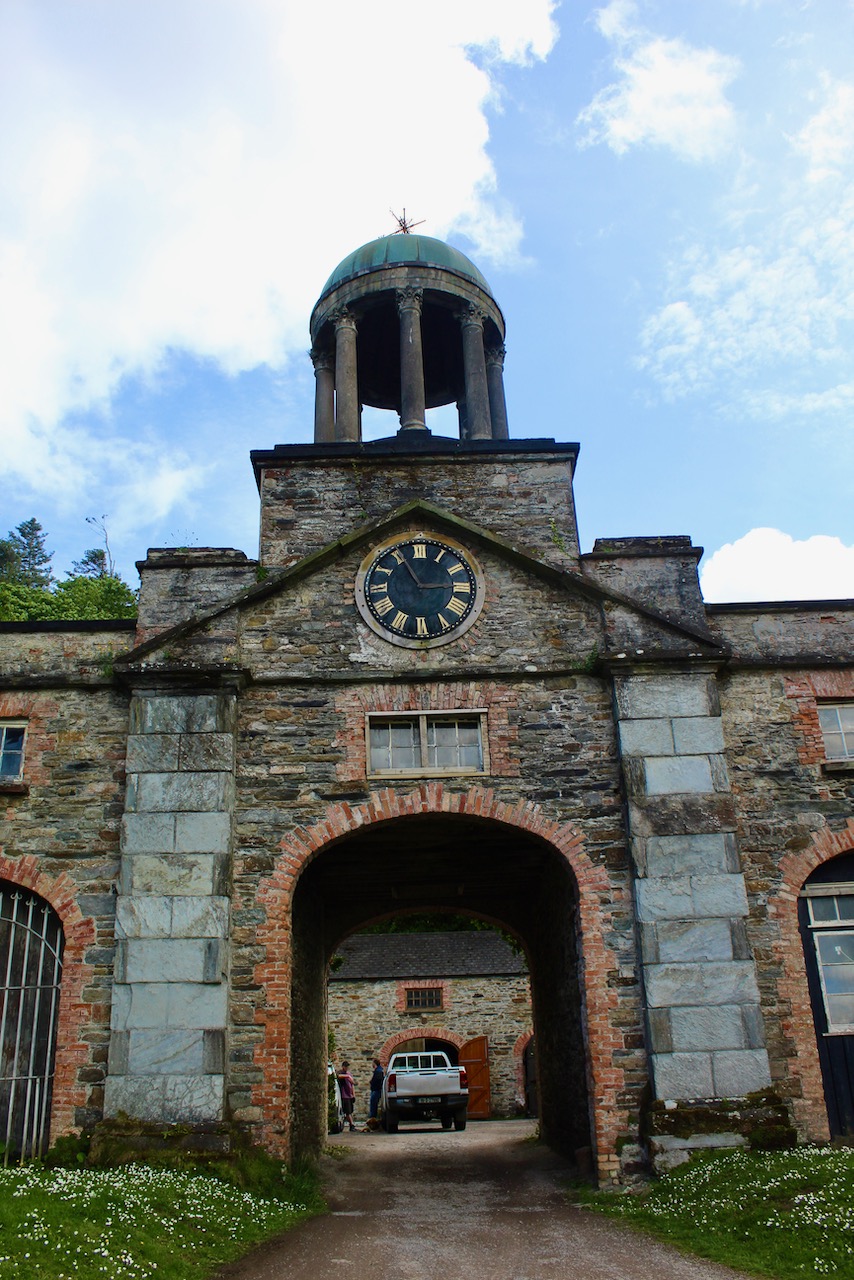
Mark Bence-Jones continues his description, moving to the stables: “Flanking the entrance front is an imposing stable range, with a pediment and cupola. The house is surrounded by Italian gardens with balustrades and statues and has a magnificent view over Bantry Bay to the mountains on the far shore. The demesne is entered by a fine archway.” (see [2])
The National Inventory tells us about the East Stables:
“A classically inspired outbuilding forming part of an architectural set-piece, the formal design of which dates to the middle of the nineteenth century when Richard White, Viscount Berehaven and later second Earl of Bantry, undertook a large remodelling of Bantry House. At this time the house was extended laterally with flanking six-bay wings that overlook the bay. This stable block and the pair to the south-west are sited to appear as further lateral extensions of the house beyond its wings; when viewed from the bay they might be read as lower flanking wings in the Palladian manner. This elaborate architectural scheme exhibits many finely crafted features including a distinguished cupola, playful sculptural detailing as well as cut stone pilasters to the façade. The survival of early materials is visible in a variety of fine timber sliding sash windows, which add to the history of the site.“
Egerton married Brigitte in 1981. They undertook many of the repairs themselves. They started a tearoom with the help of a friend, Abi Sutton, who also helped with the house. Egerton played the trombone and opened the house to musical events. They continued to open the house for tours. They renovated the went wing and opened it for bed and breakfast guests.
Coffee is served on the terrace, similar to that in the front, but only partly glazed. Unfortunately we arrived too late for a snack. Bantry House is breathtaking and its gardens and location magnify the grandeur. I like that the grandeur, like Curraghmore, is slightly faded: a lady’s fox fur worn down to the leather and shiny in places.
The balustraded area on the side of the house where tea and coffee are served overlooks a garden.
Brigitte and Egerton continued restoration of the house and started to tackle the garden. They repaired the fountain and started work on the Italian parterre. In 1998 they applied for an EEC grant for renovation of the garden. They restored the statues, balustrades, 100 Steps, Parterre, Diana’s Bed and fourteen round beds overlooking the sea.
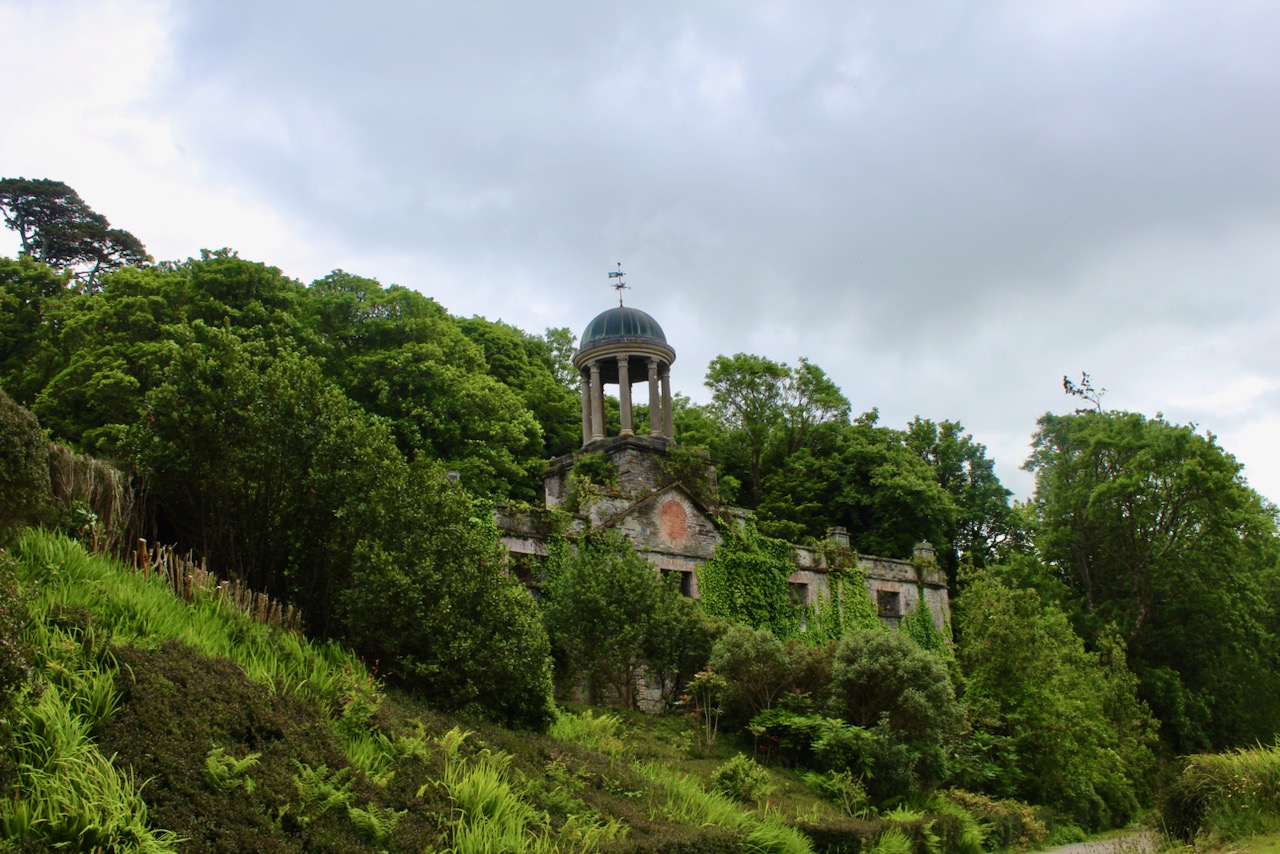
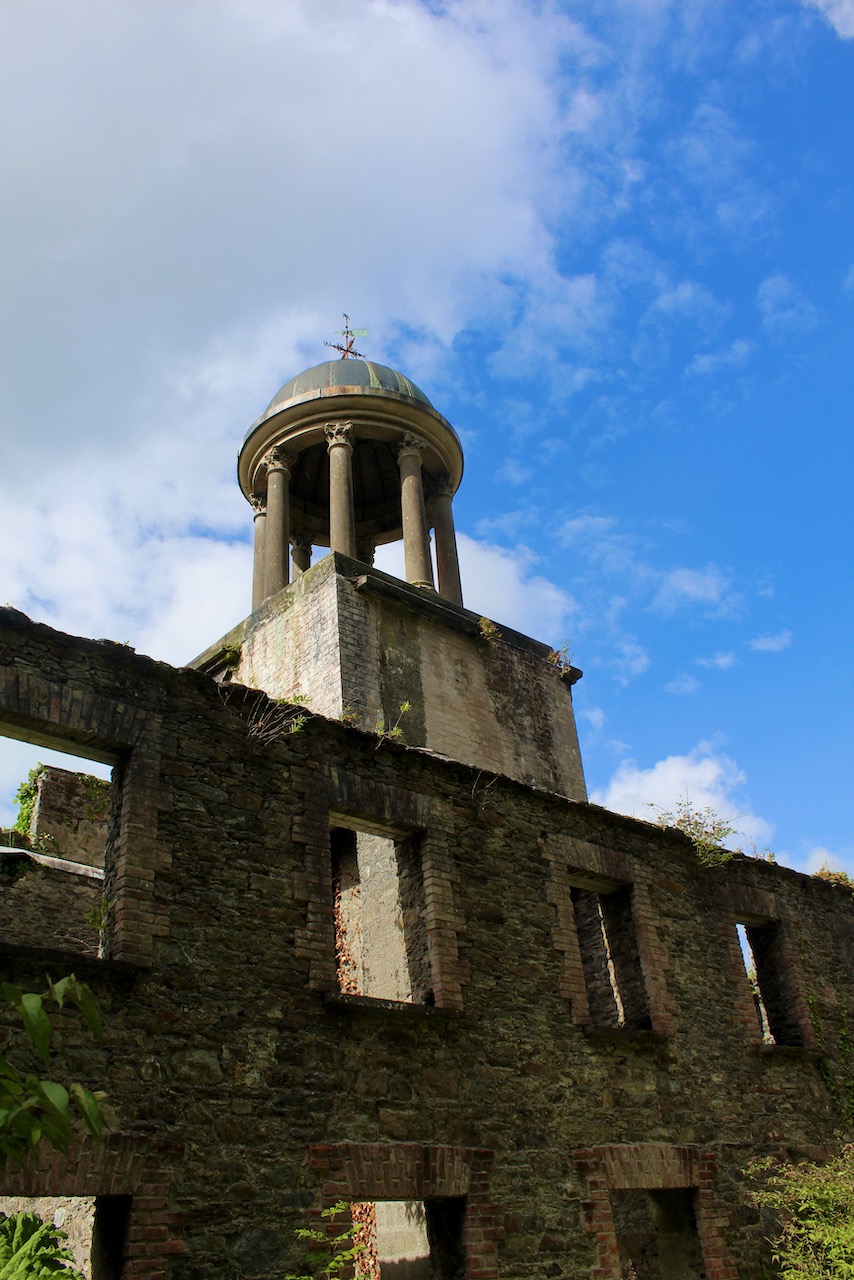
The National Inventory tells us the five-bay two-storey west stables were also built c.1845. They have a pedimented central bay with cupola above, which has a copper dome, finial, plinth and six Tuscan-Corinthian columns. [8] The West Stables were used as a workshop for outdoor maintenance and repairs. They had fallen into disrepair but were repaired to rectify deteriorating elements with the help of the Heritage Council in 2010-11.
[2] Bence-Jones, Mark. A Guide to Irish Country Houses (originally published as Burke’s Guide to Country Houses volume 1 Ireland by Burke’s Peerage Ltd. 1978); Revised edition 1988, Constable and Company Ltd, London.
[5] Shelswell-White, Sophie. Bantry House & Garden, The History of a family home in Ireland. This booklet includes an article by Geoffrey Shelswell-White, “The Story of Bantry House” which had appeared in the Irish Tatler and Sketch, May 1951.
Help me to pay the entrance fee to one of the houses on this website. This site is created purely out of love for the subject and I receive no payment so any donation is appreciated!
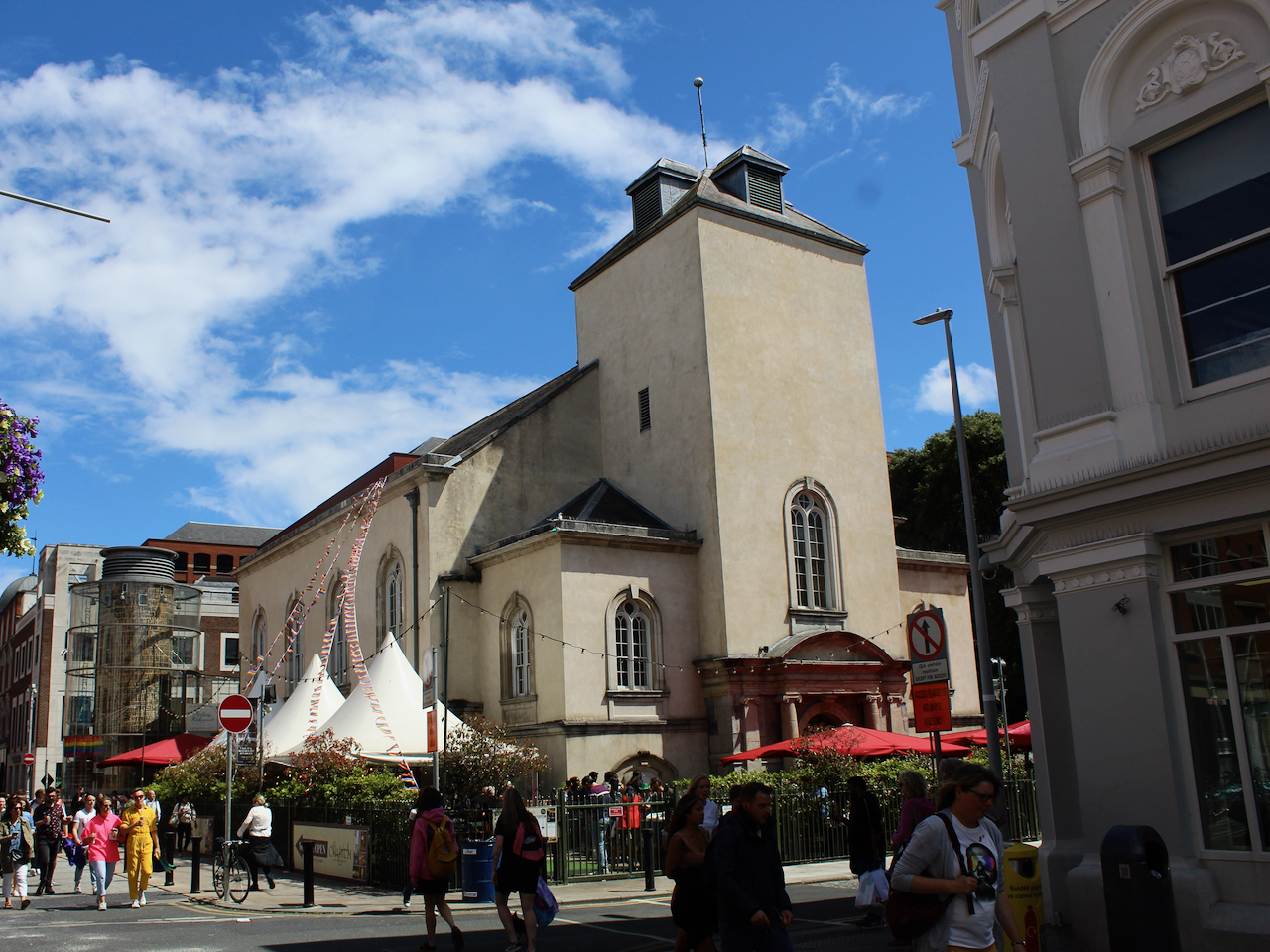
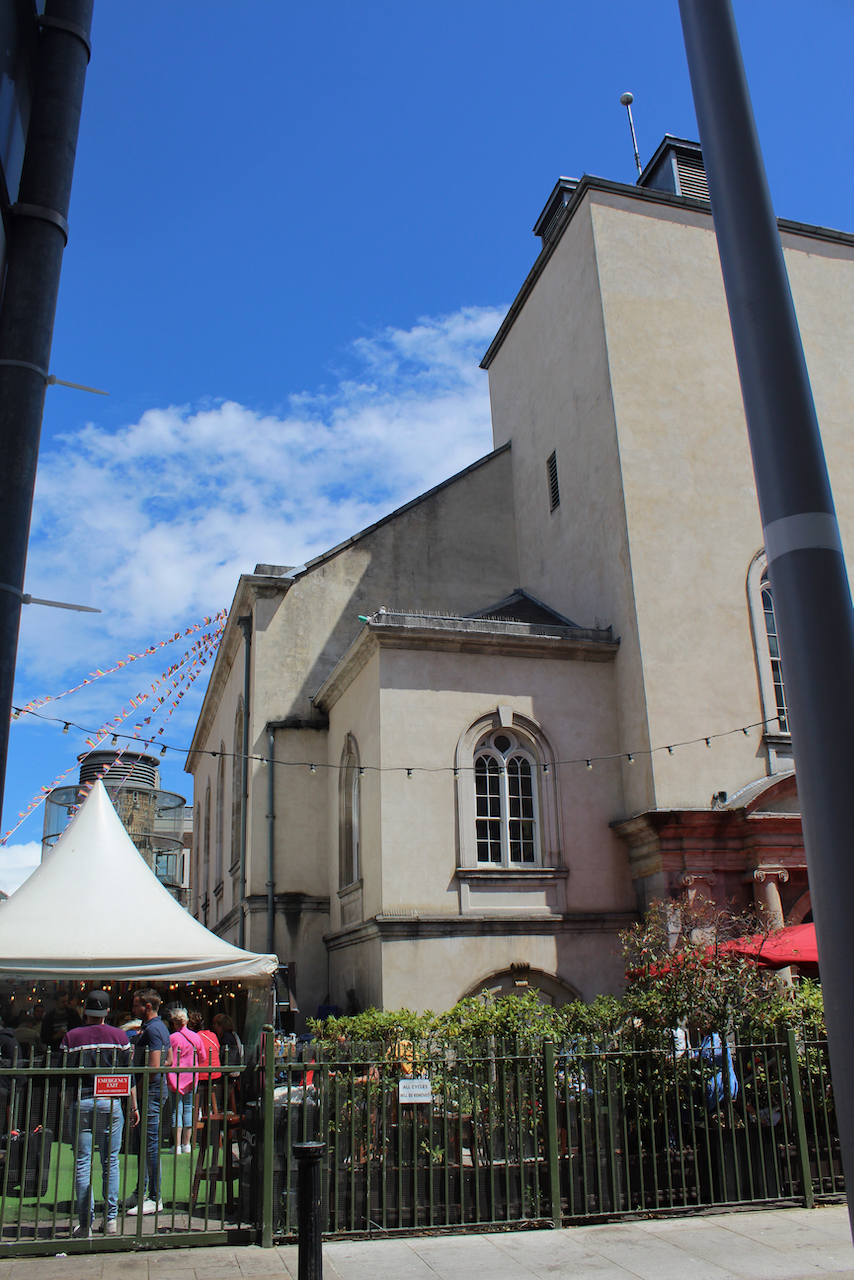
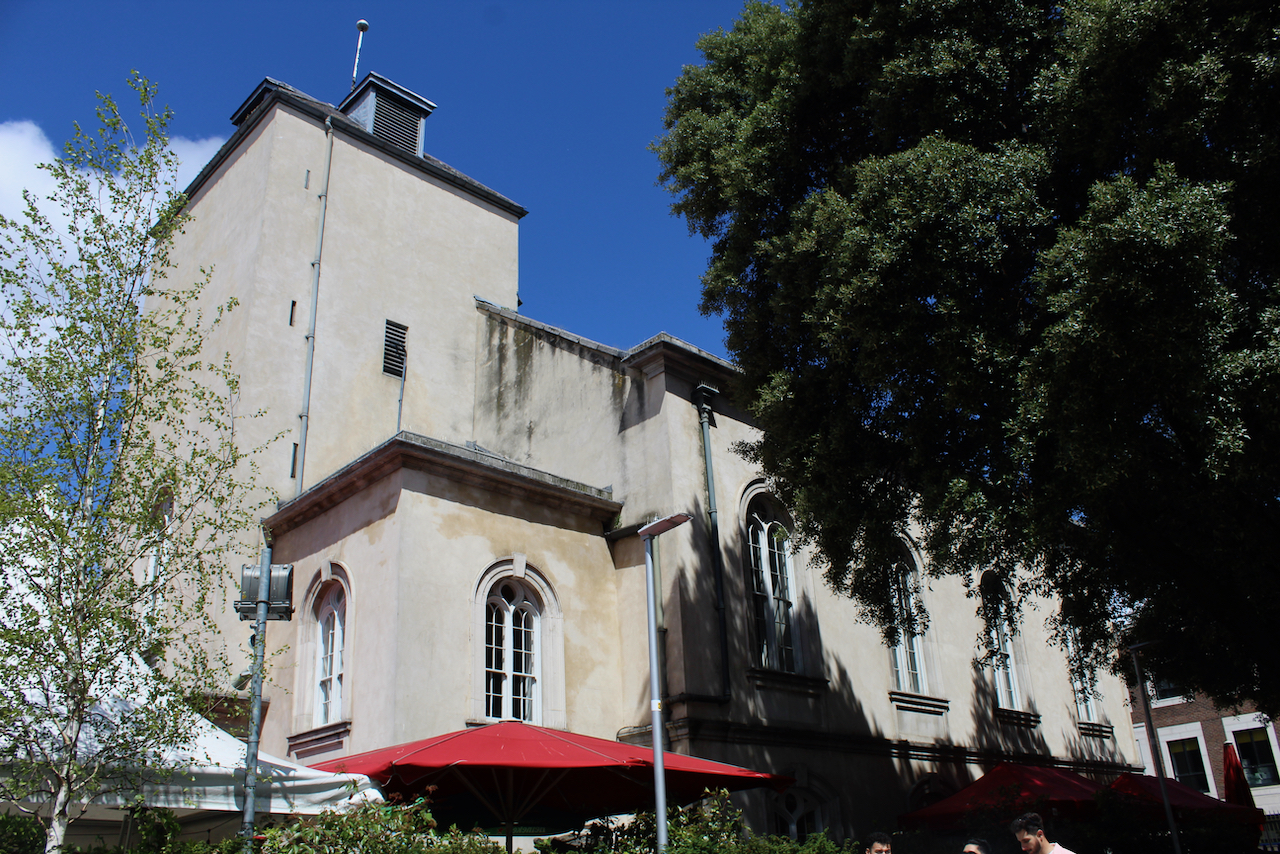
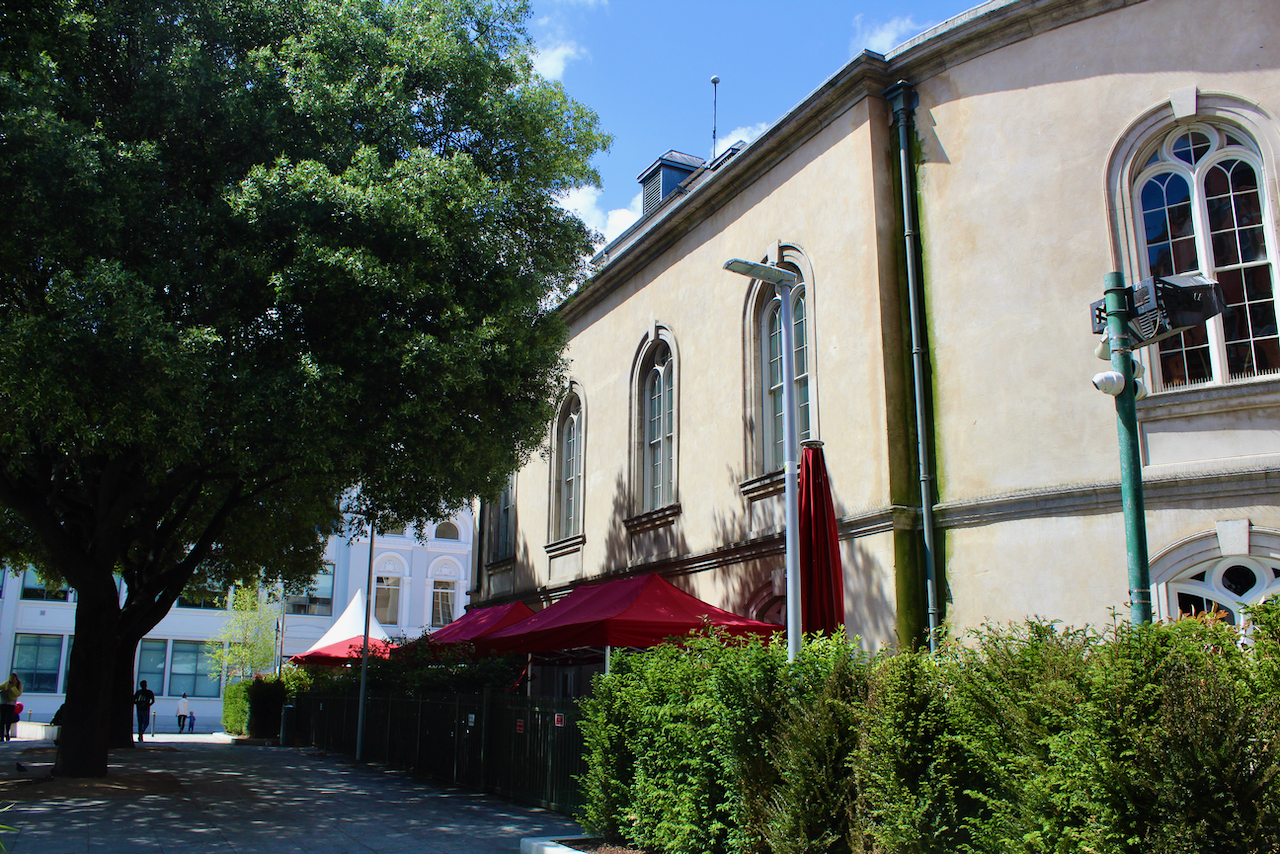
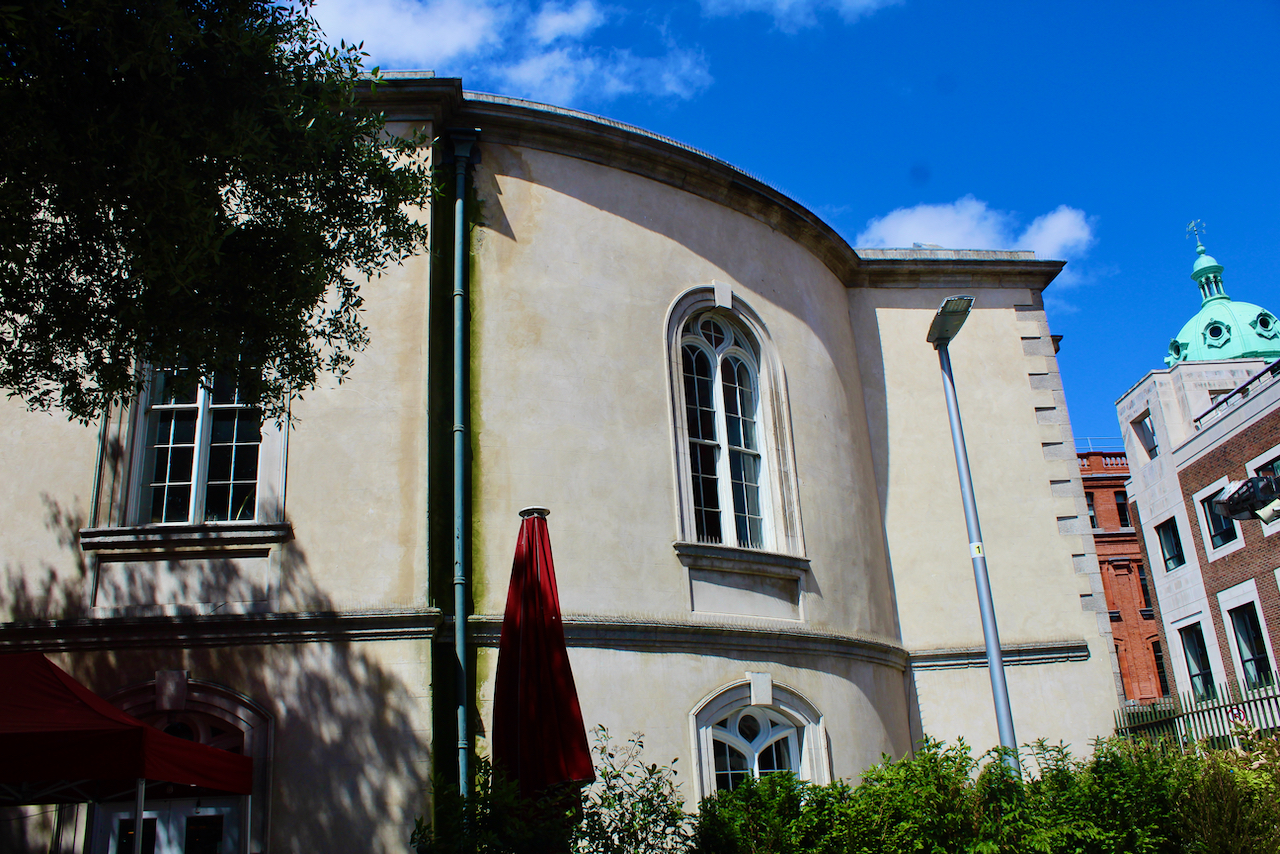
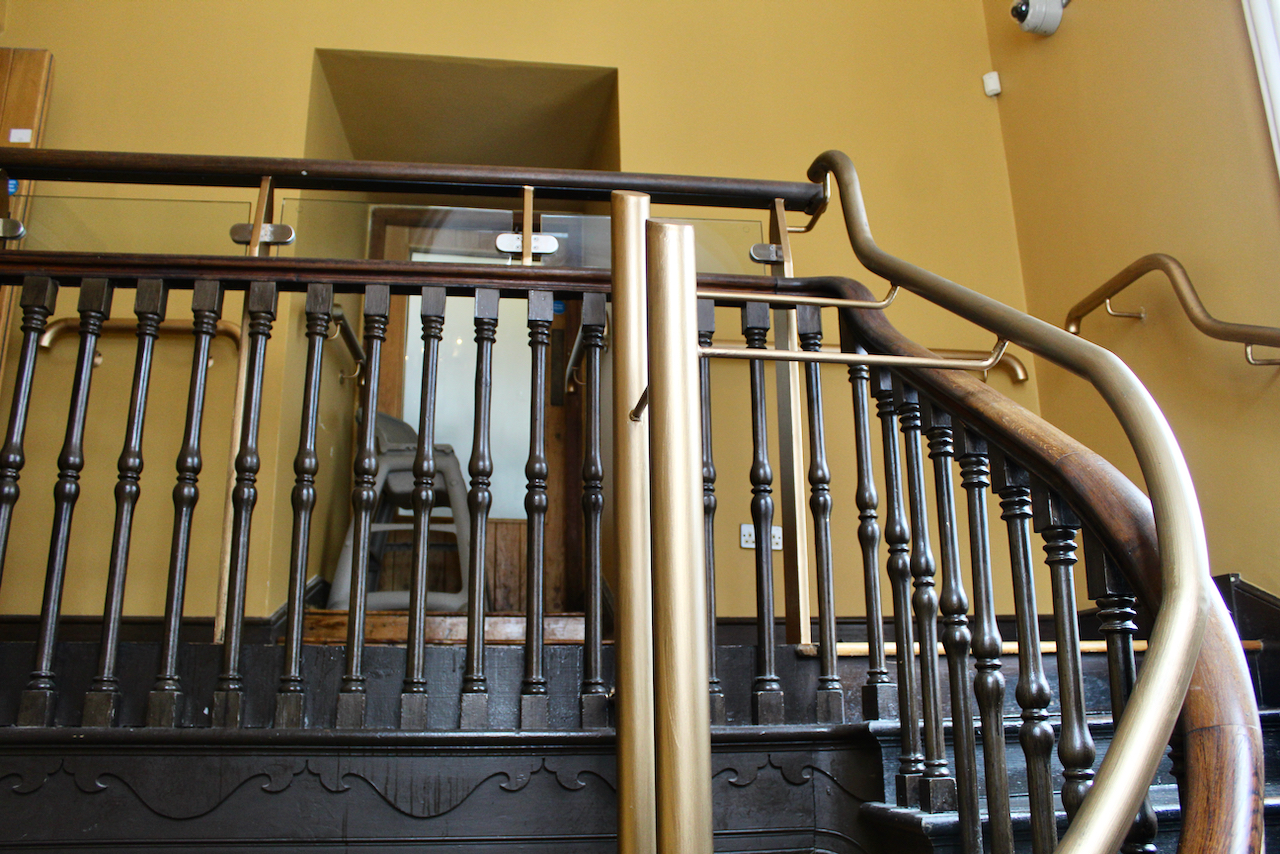
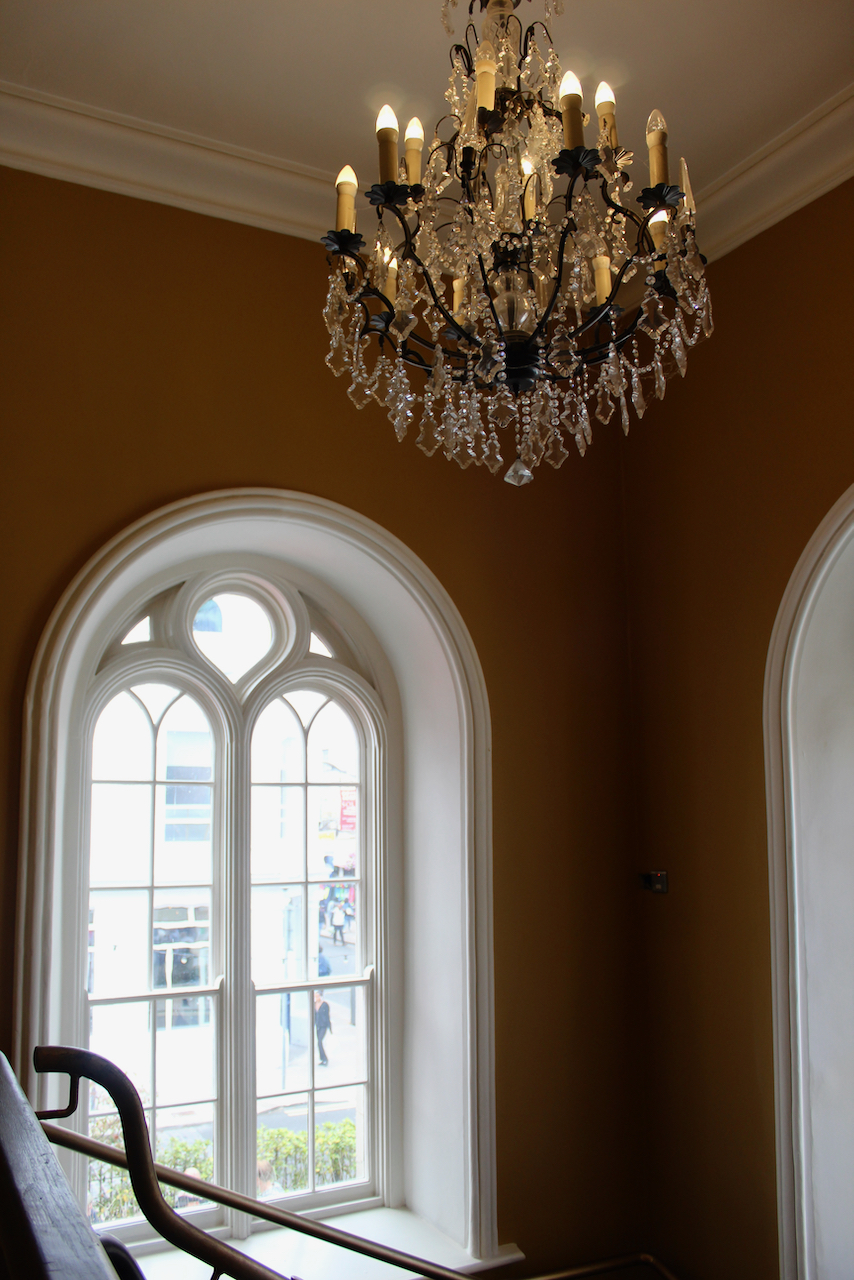
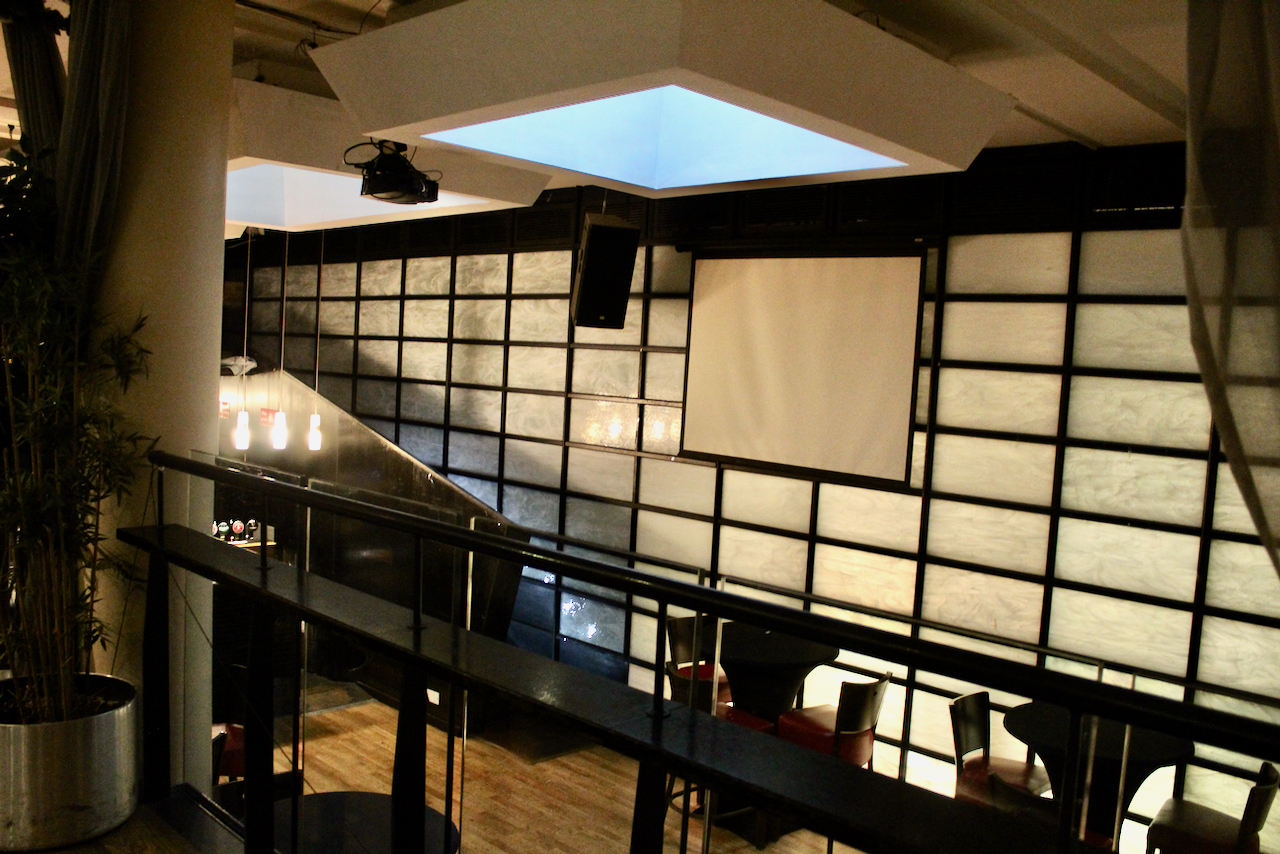
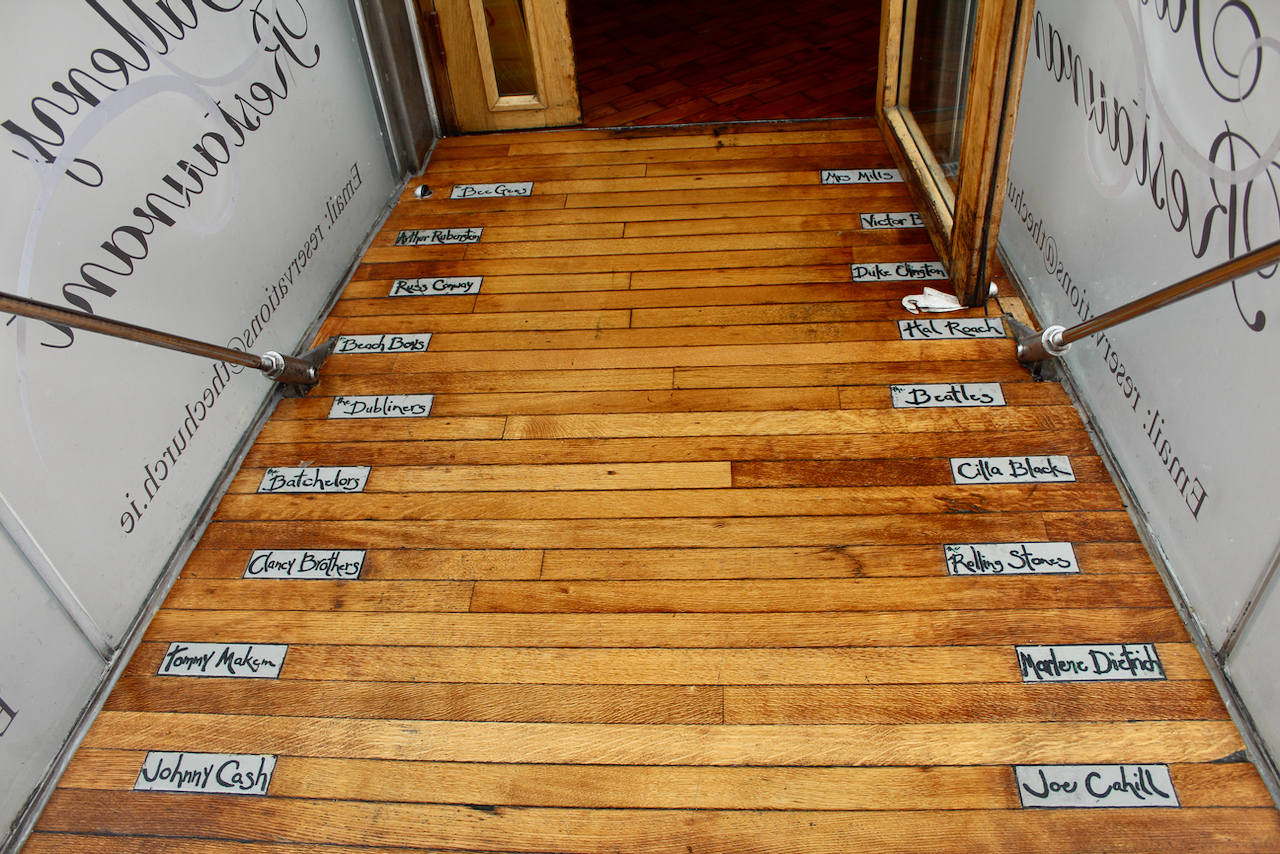
The former St. Mary’s Church of Ireland was built from 1700-1704. It is now in use as bar and restaurant, with modern glazed stair tower built to northeast, linked with an elevated glazed walkway to the restaurant at the upper level within the church. The National Inventory tells us that it was designed by William Robinson and completed by his successor, Thomas Burgh.
The church has a special place in my husband’s heart because his ancestor John Winder visited Dublin to preach a sermon here in around 1720, when he was rector at Kilroot in County Antrim, a position he obtained after Jonathan Swift. St. Mary’s parish was founded in 1697, the second parish on the north side of the River Liffey (the first must have been St. Michans). It took its name from the medieval monastery of St. Mary’s Abbey that had occupied most of the north side of the river from 1139 until its dissolution in 1539.
It was closed as a church in 1986 due to the fall of parishioners, as residents moved from the city centre. The building was used for various purposes until purchased by publican John Keating in 1997. Until it was changed for use as a bar it contained the oldest unaltered church interior in Dublin, and much of this has been preserved.
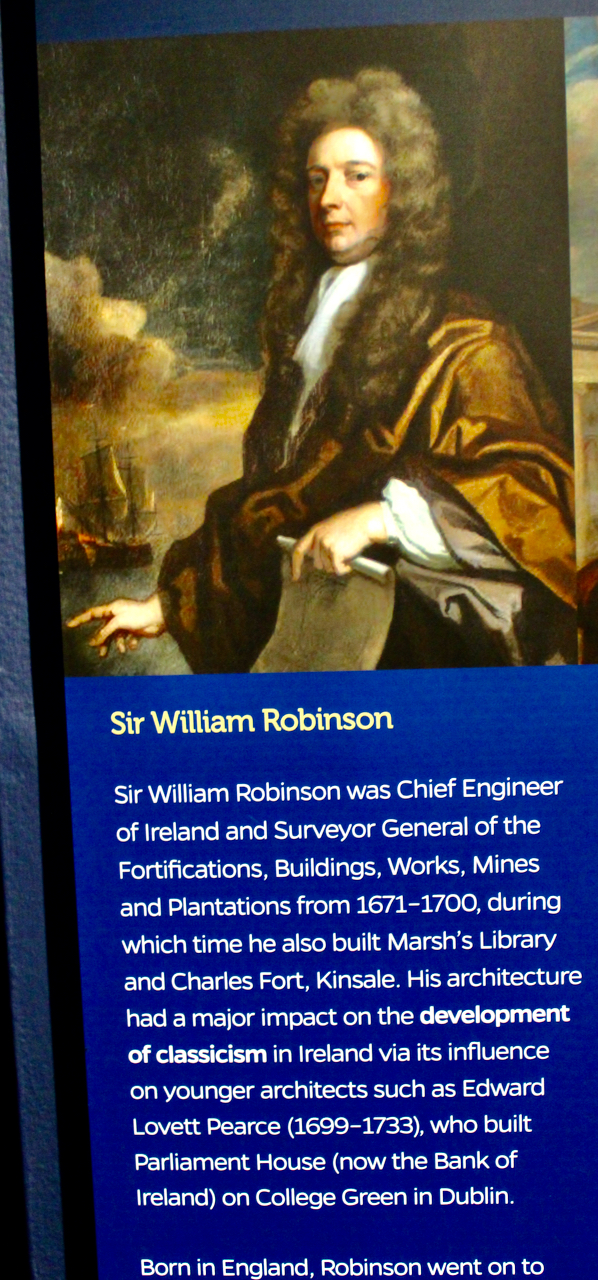
William Robinson was made surveyor general of buildings in Ireland in 1671. He was also engineer general and master of ordinance, so was responsible for fortifications. He built Charles Fort in Kinsale, and in 1677–8 he was adviser and contractor on the construction of Essex Bridge in Dublin. In 1679 was involved in the rebuilding of Lismore cathedral, Co. Waterford, and designed the Royal Hospital, Kilmainham (1680–84). [1] In 1682 he oversaw the construction of Ormond Bridge in Dublin.
William Robinson, information board at Royal Hospital Kilmainham, 15th October 2023.
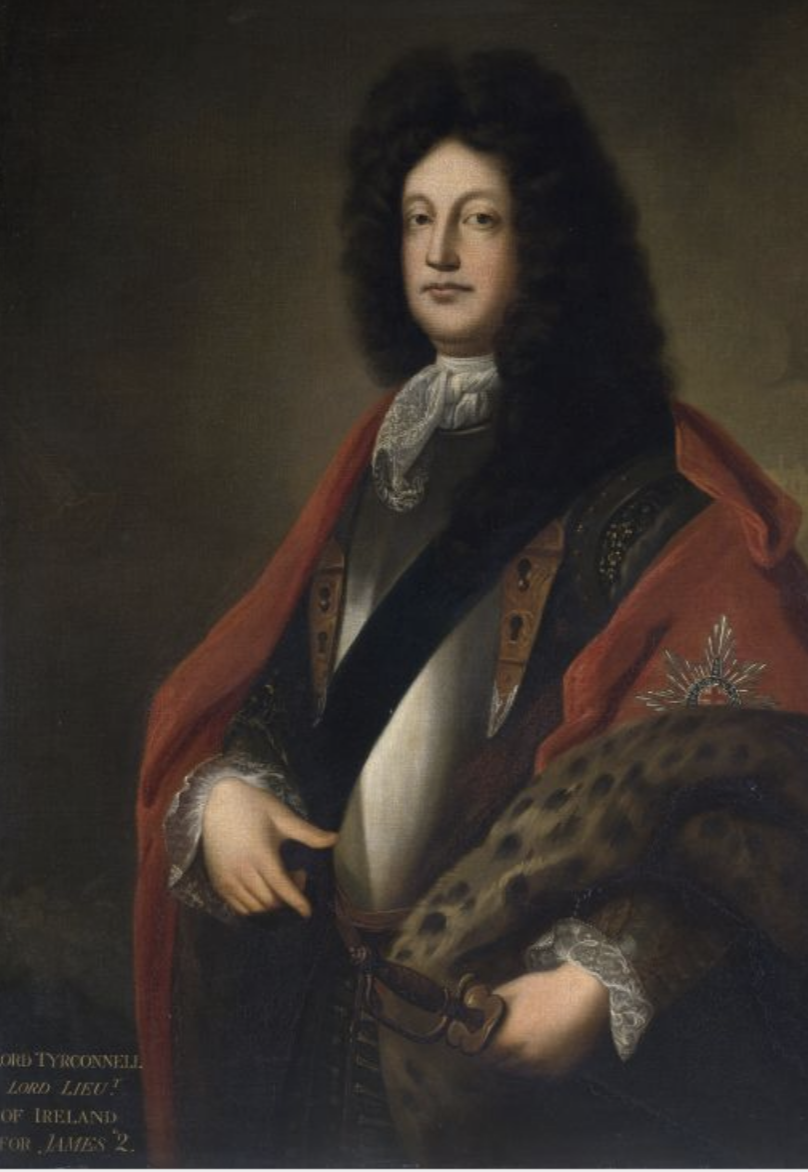
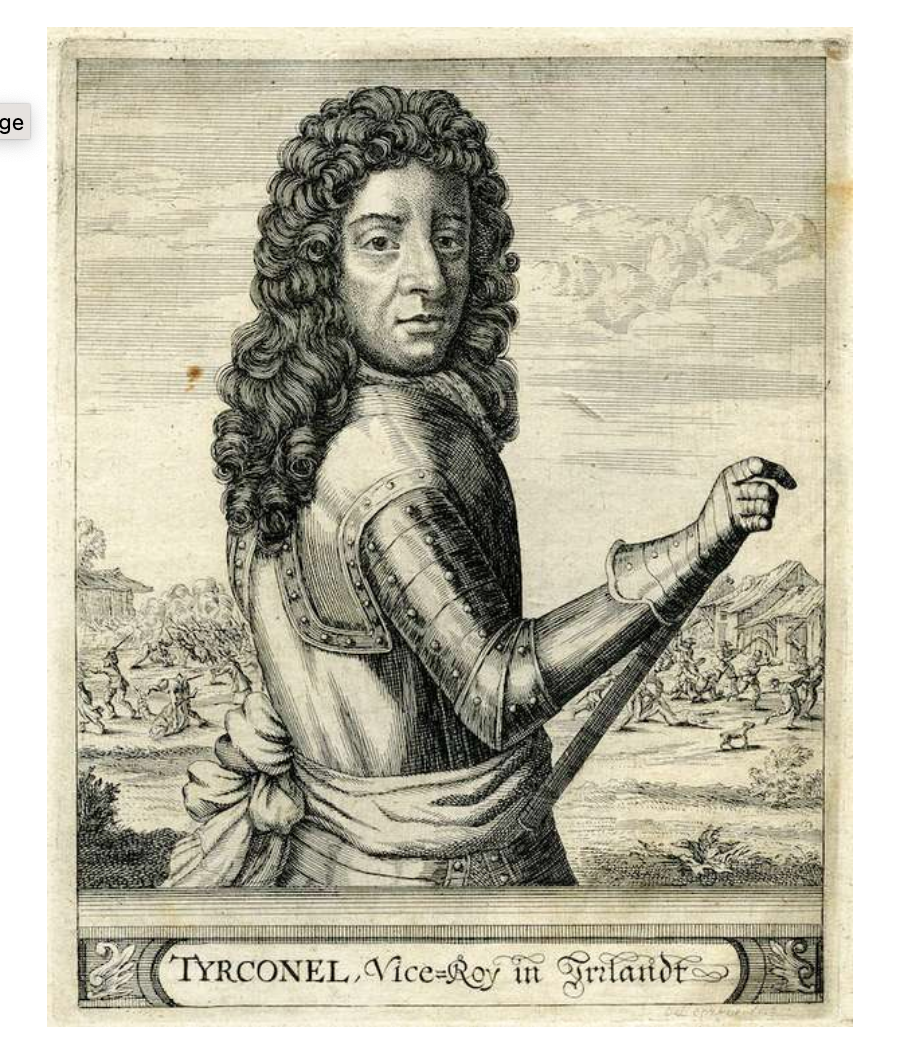
The Dictionary of Irish Biography tells us that William Robinson’s patent as surveyor general was renewed in 1684, though he now shared the post with William Molyneux (1656–98), who later oversaw the partial construction of Robinson’s design for the courtyard of Dublin castle when he and Robinson were deprived of the surveryorship by the lord deputy, the earl of Tyrconnell. Robinson went to England during Tyrconnell’s deputyship and Molyneux remained in Ireland and carried out extensive building work at Dublin castle, presumably to Robinson’s designs.
In 1689 Robinson was appointed comptroller general of provisions and commissary general of pay and provisions in the Williamite army, the latter position being shared with Bartholomew van Homrigh (the father of Jonathan Swift’s friend, whom he called “Vanessa”).
Robinson returned to Ireland, and was Elected MP for Knocktopher, Co. Kilkenny (1692–3) and Wicklow town (1695–9) and in 1702 was appointed to the Privy Council in Ireland. In 1695 he rebuilt Dublin’s Four Courts, and in 1703–4 he designed Marsh’s Library in Dublin, his last major work.
Robinson served as MP for Dublin University 1703–12, and he purchased forfeited lands in Carlow and Louth in April and June 1703. His career ended in disgrace however as he was accused of shady financial dealings and misrepresenting public accounts for which he was responsible. (see [1])
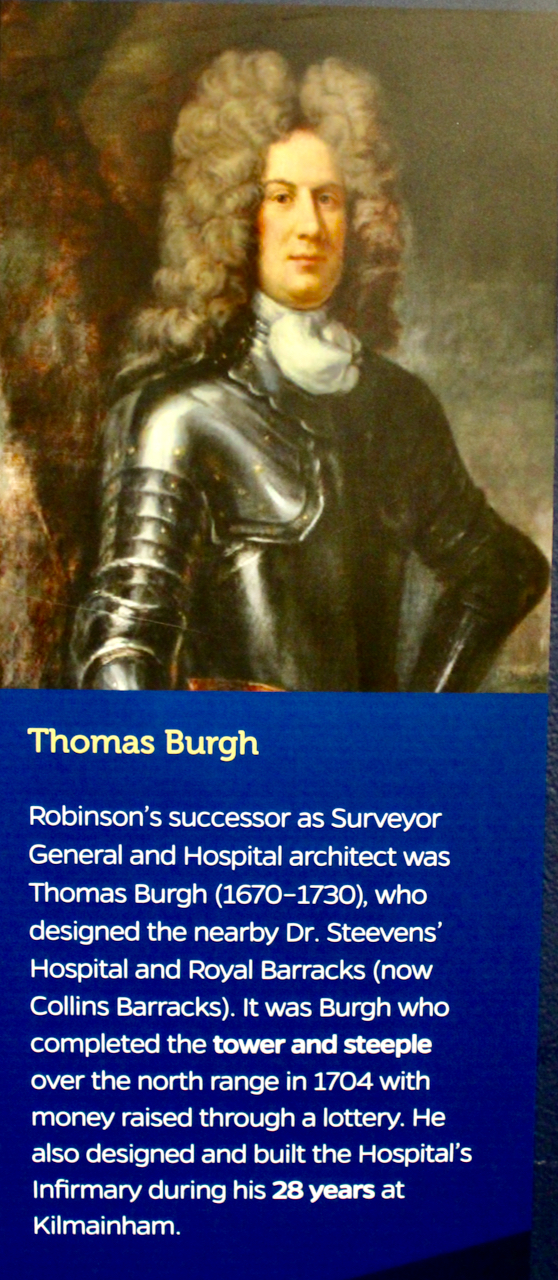
Thomas Burgh, information board at Royal Hospital Kilmainham, 15th October 2023.
Thomas Burgh (1670–1730) succeeded Molyneux and Robinson in 1700 as surveyor-general, and was also made lieutenant of the ordnance in Ireland. The rebuilding of Dublin castle, started by Robinson, advanced considerably under Burgh, but his undisputed masterpiece was to be TCD library. His work designing and building the lower part of the library began in 1712 and continued into the next decade. It was finally opened in 1732. He may have been responsible for designing Kildrought house in Celbridge, Kildare (see my entry). He too had engineering interests including navigation and coalmining. He lived in Oldtown, County Kildare, and became high sheriff of the county in 1712 and was MP for Naas 1713–30. [2]
It is difficult to photograph the church, as it is in the middle of city streets, and Christine Casey writes in her The Buildings of Ireland: Dublin (2005) that it exhibits “a curious amalgam of awkwardness and aplomb”! [3]
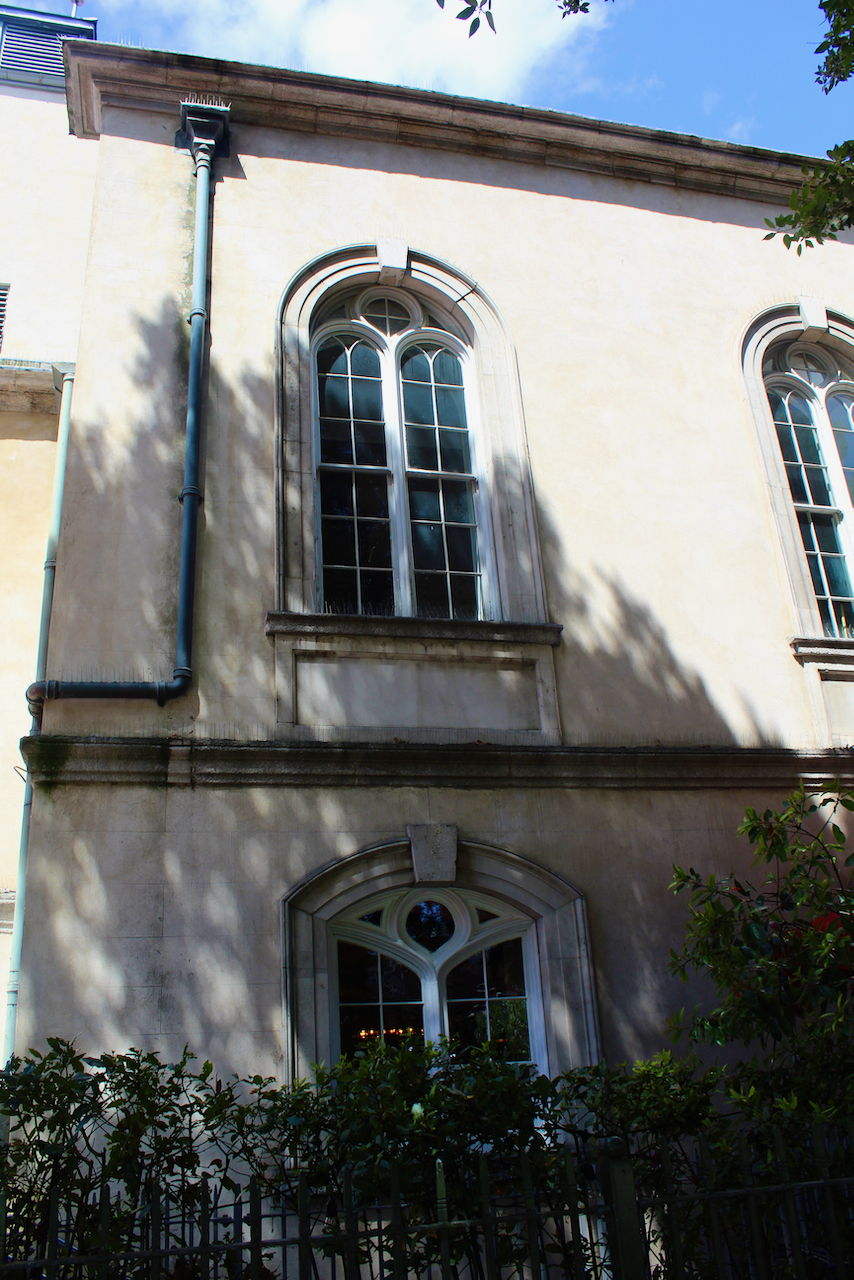
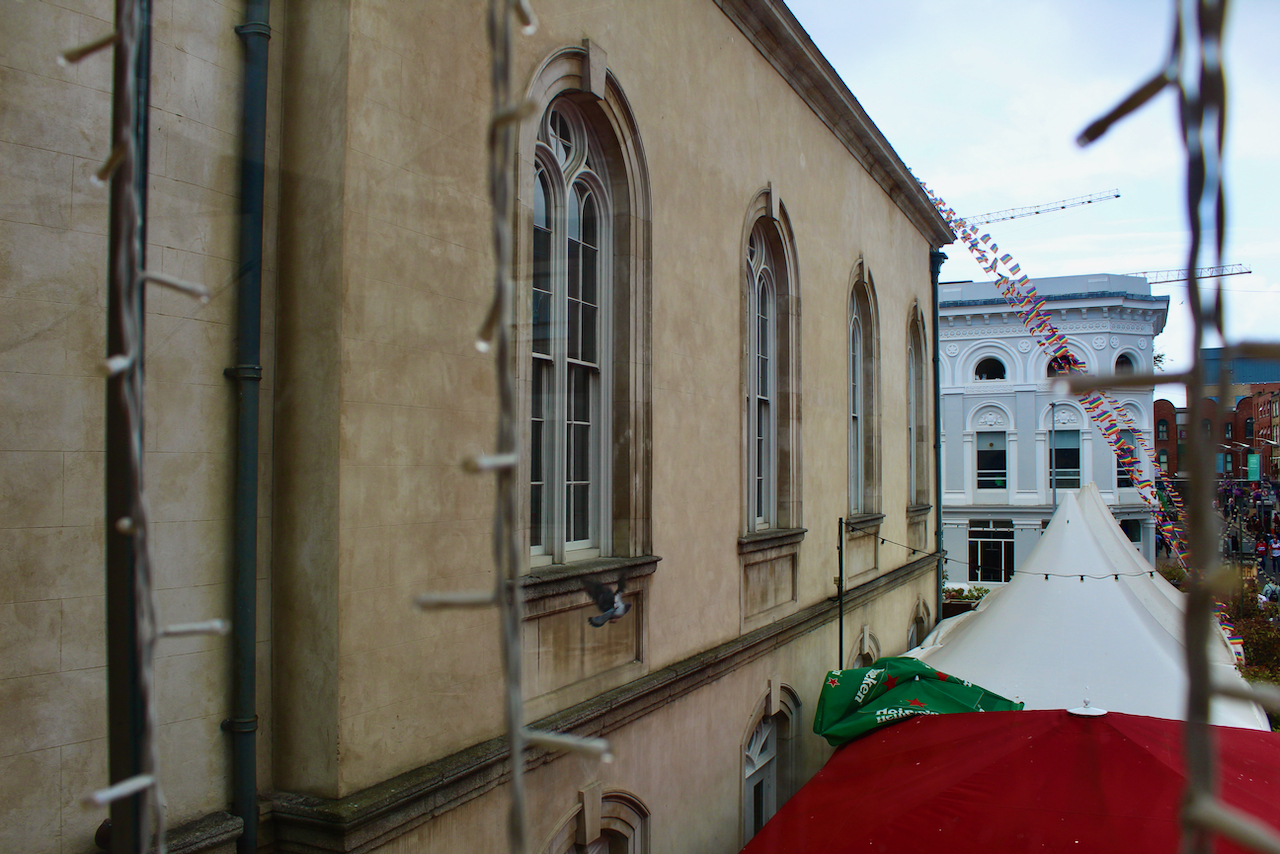
St. Mary’s church has four-bay double-height side elevations, with convex quadrant single-bay links to a shallow chancel which contains a lovely chancel window. It has a three-stage tower at the opposite end flanked by lower two-storey vestibules. It does not have a spire.
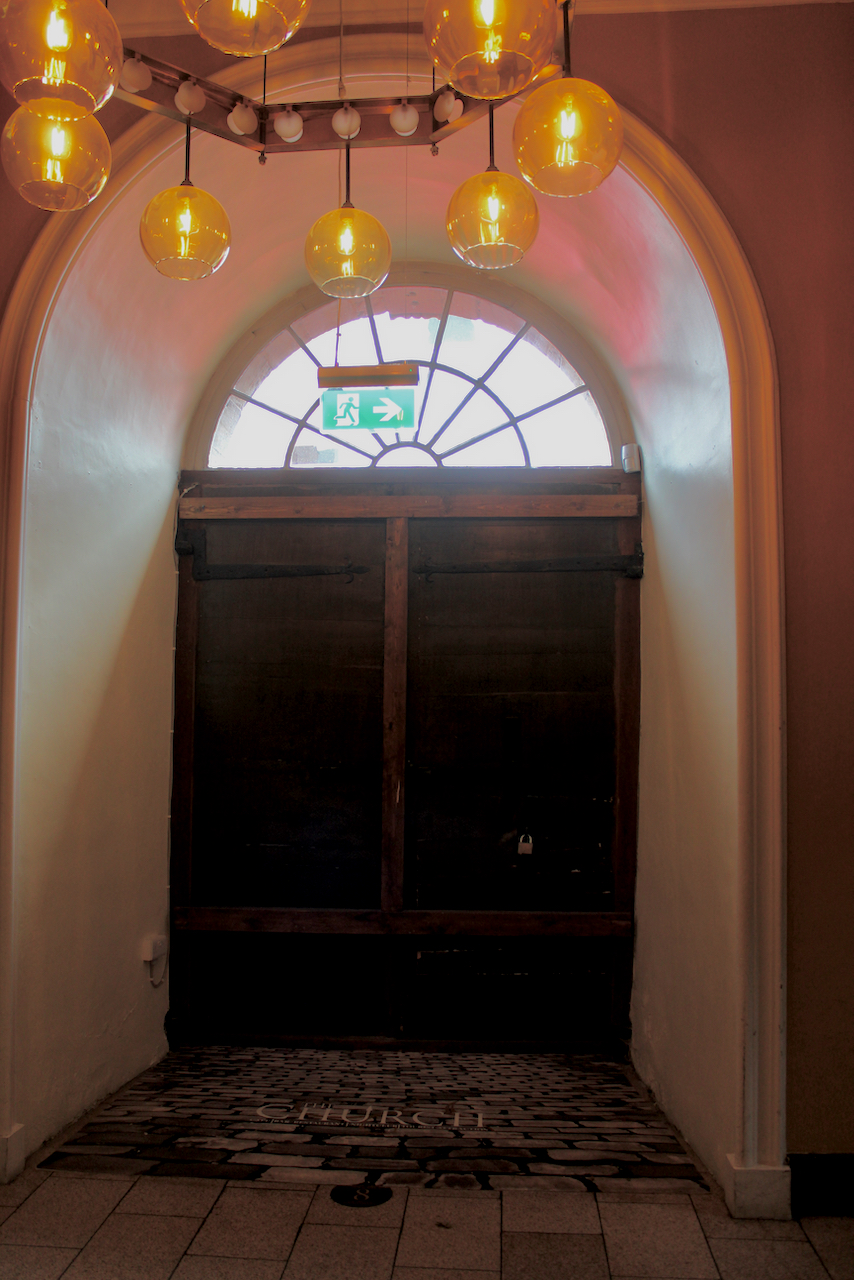
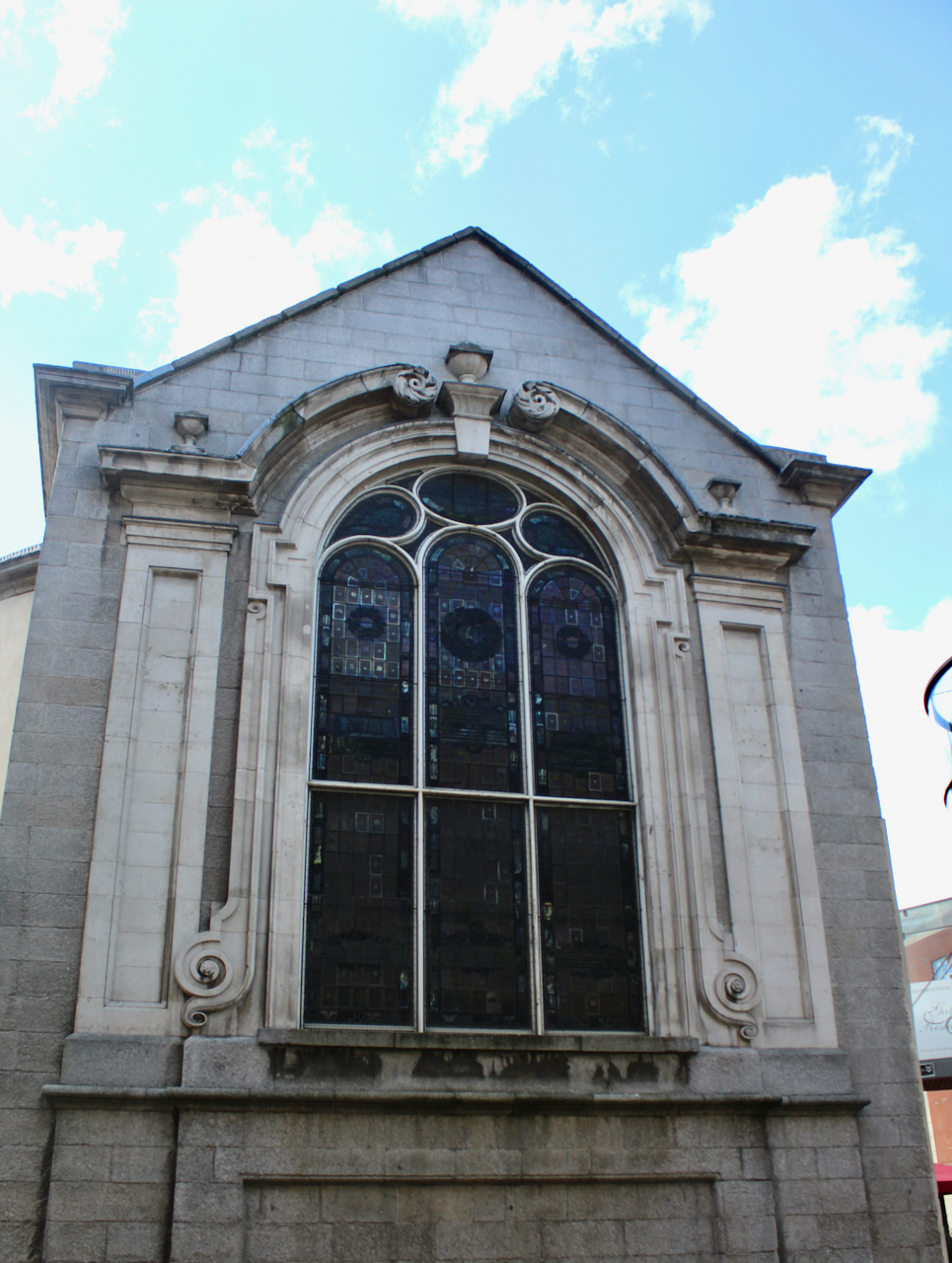
The west front has the main entrance door (no longer in use as the main door, which is on the north facade). Unfortunately I was unable to take a good photograph due to the position of outdoor tables and sheltering umbrellas. The doorcase is of Portland stone with Ionic columns and an entablature. Casey tells us that the lugged surrounds of the outer vestibule door are of brown sandstone.
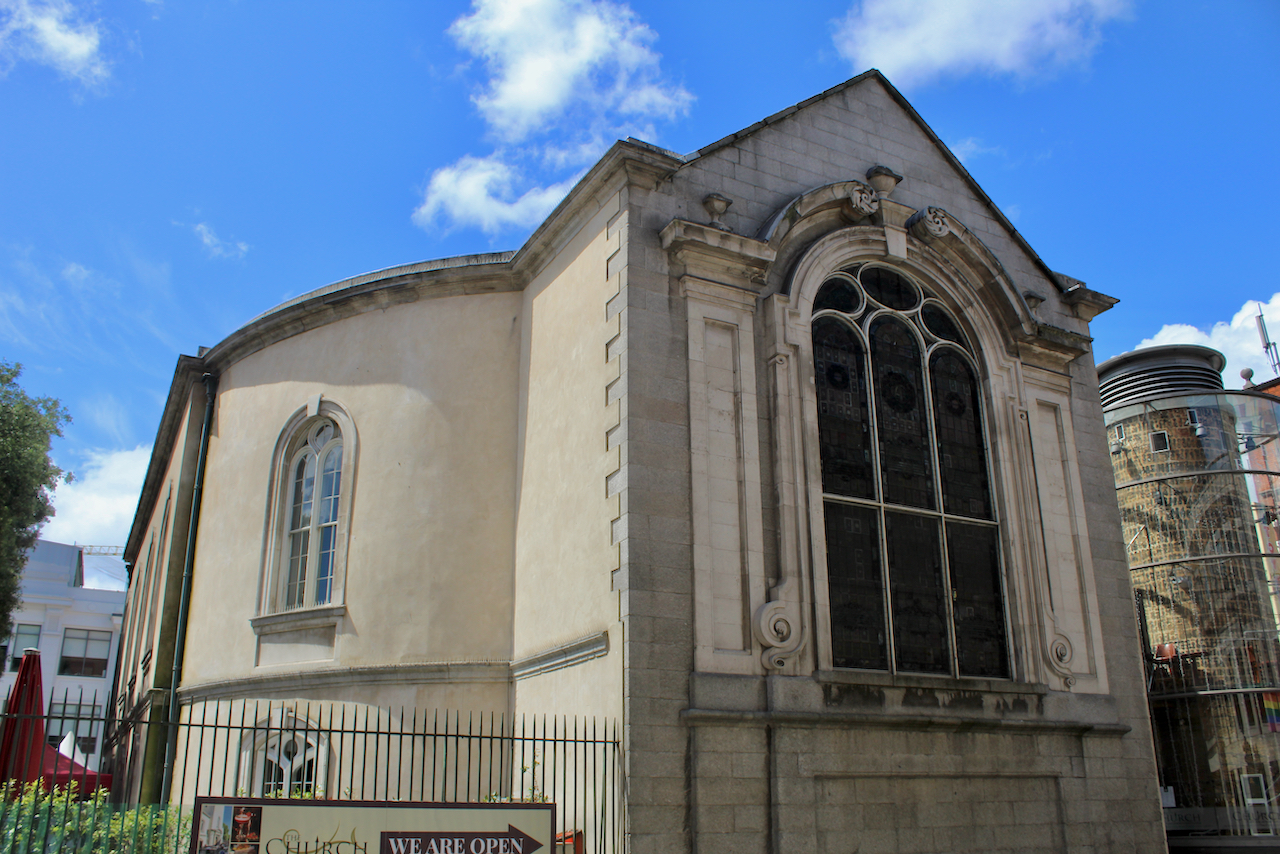
The window frame on the east end chancel is of Portland stone, which Casey tells us “has a vigour and plasticity rare in a city by-passed by the Baroque.” She describes the window:
“Above a raised granite plinth, two broad panelled pilasters support an emphatic curved scroll-topped hood-moulding with urns to centre and ends, while successive inner lugged framed have scrolled base terminals.”
Casey suggests that the gable on this end may be a later addition.
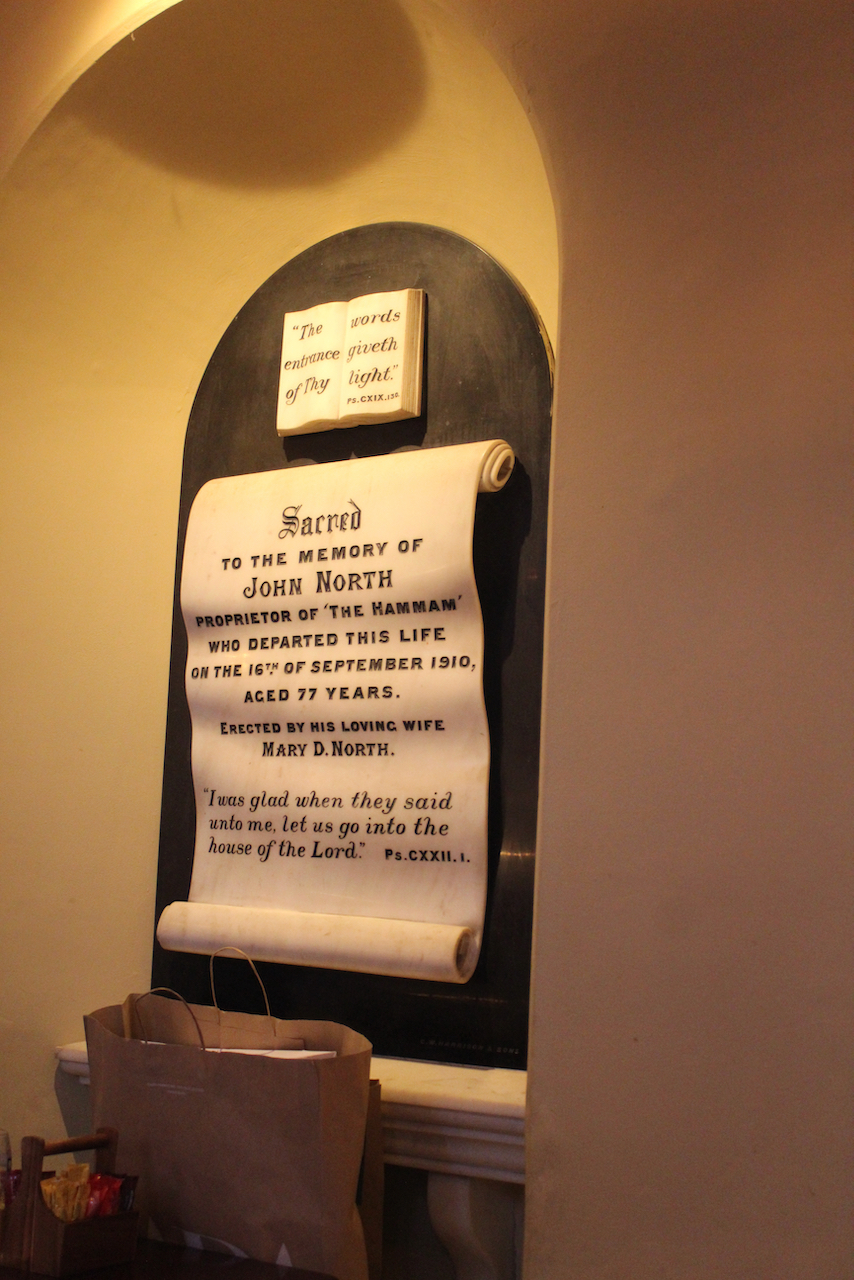
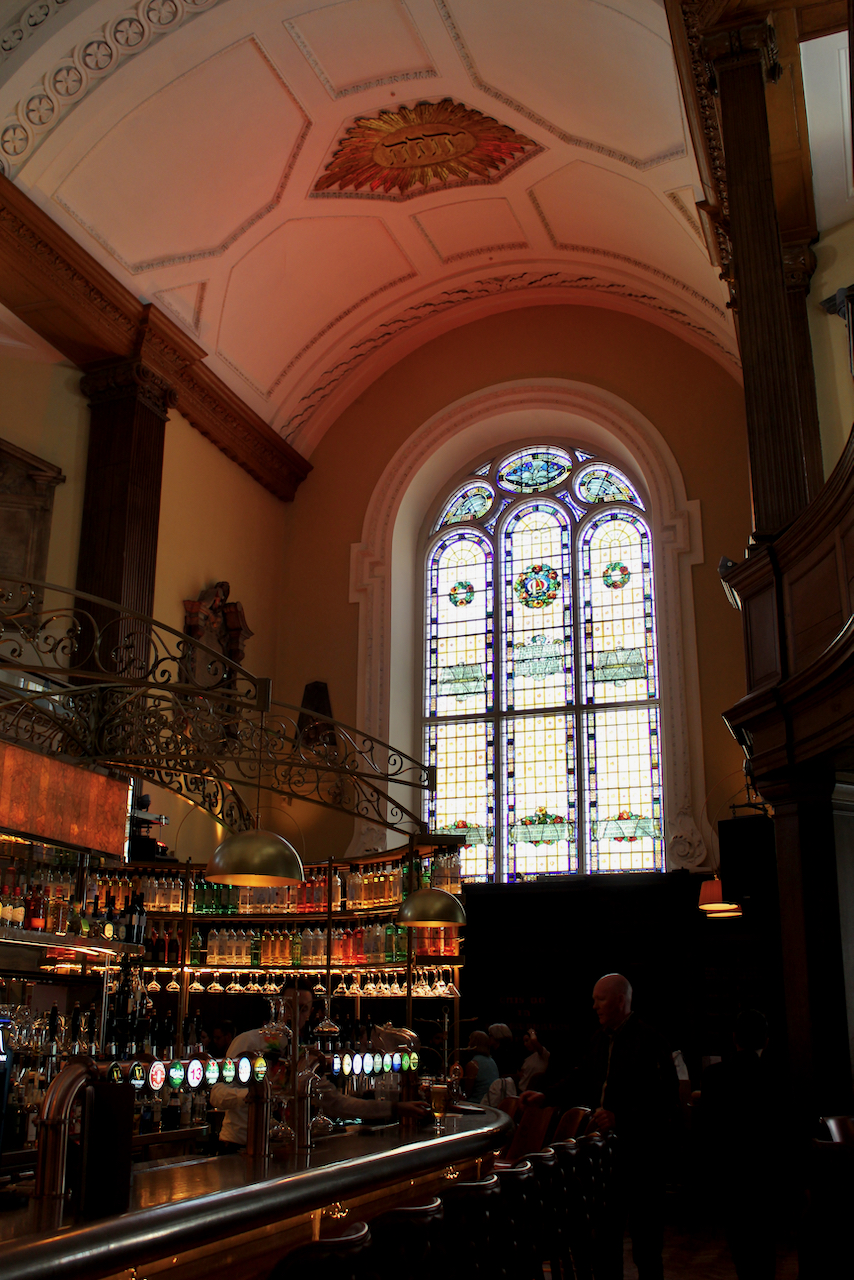
William Robinson prepared a model for this window, and may have designed the unusual plan for the church. It was completed by Thomas Burgh in 1704 and in 1863, S. Symes may have inserted new windows as well as replacing the perimeter wall with railings. The original chancel window of St. Mary’s was smashed by vandals on the result of polling at the election in 1852. The current window was set in 1910, commissioned in 1909 by John North, the proprietor of the “Hammam,” a Turkish Bath on O’Connell (then called Sackville) Street. The new window reads: “To the glory of God and in affectionate memory of his daughters Maria North (Molly) and Rosanna (Rose) wife of Joseph Armstrong also his grandchild John Hubert Armstrong (Jack) erected by John North 1909.”
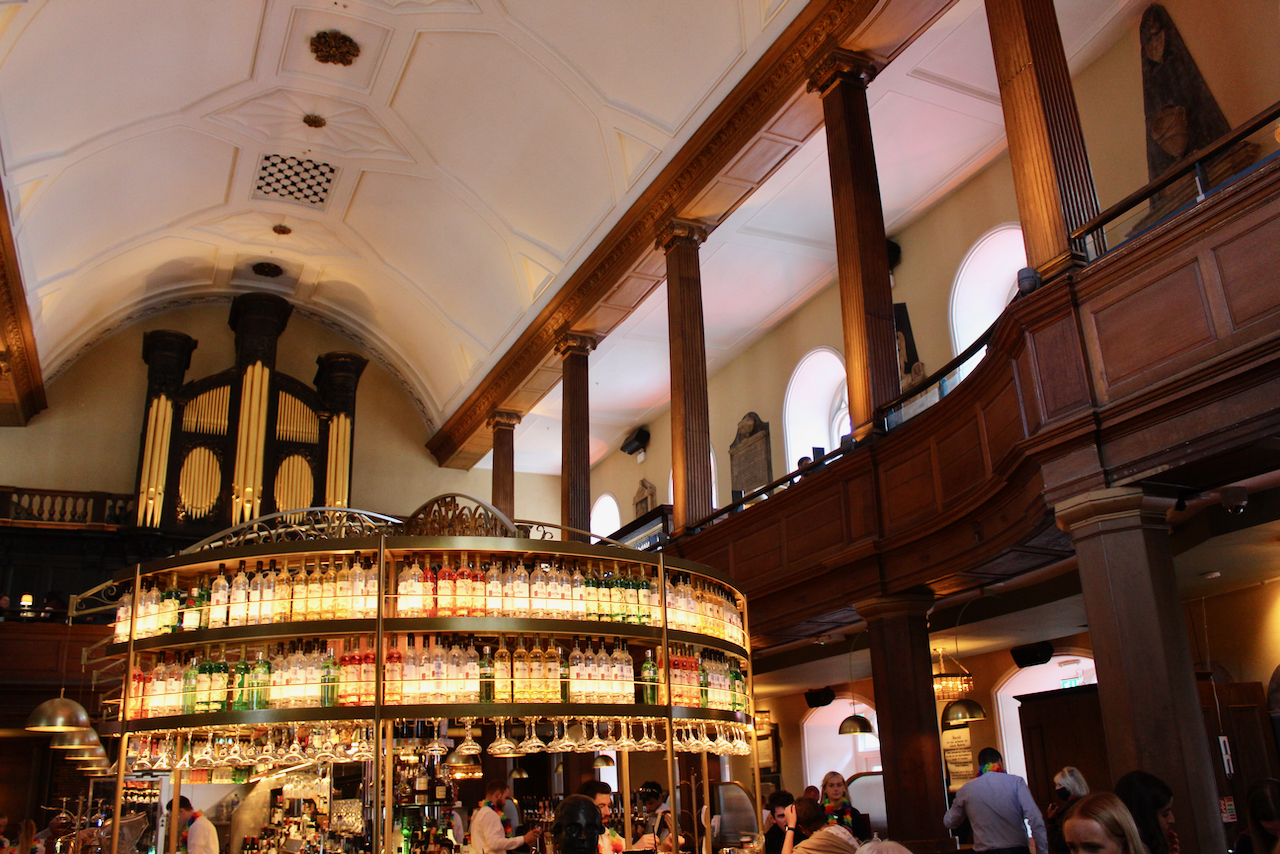
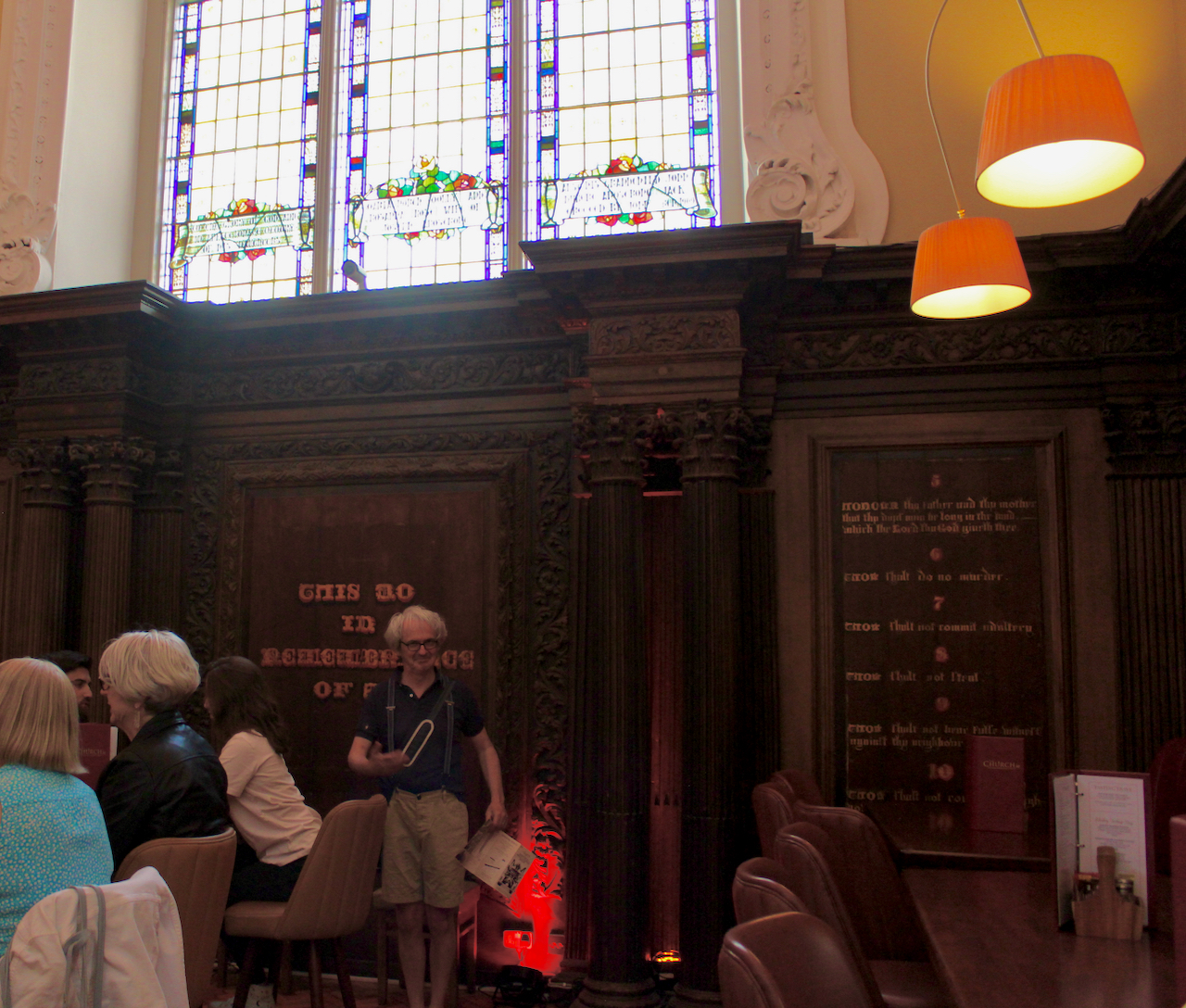
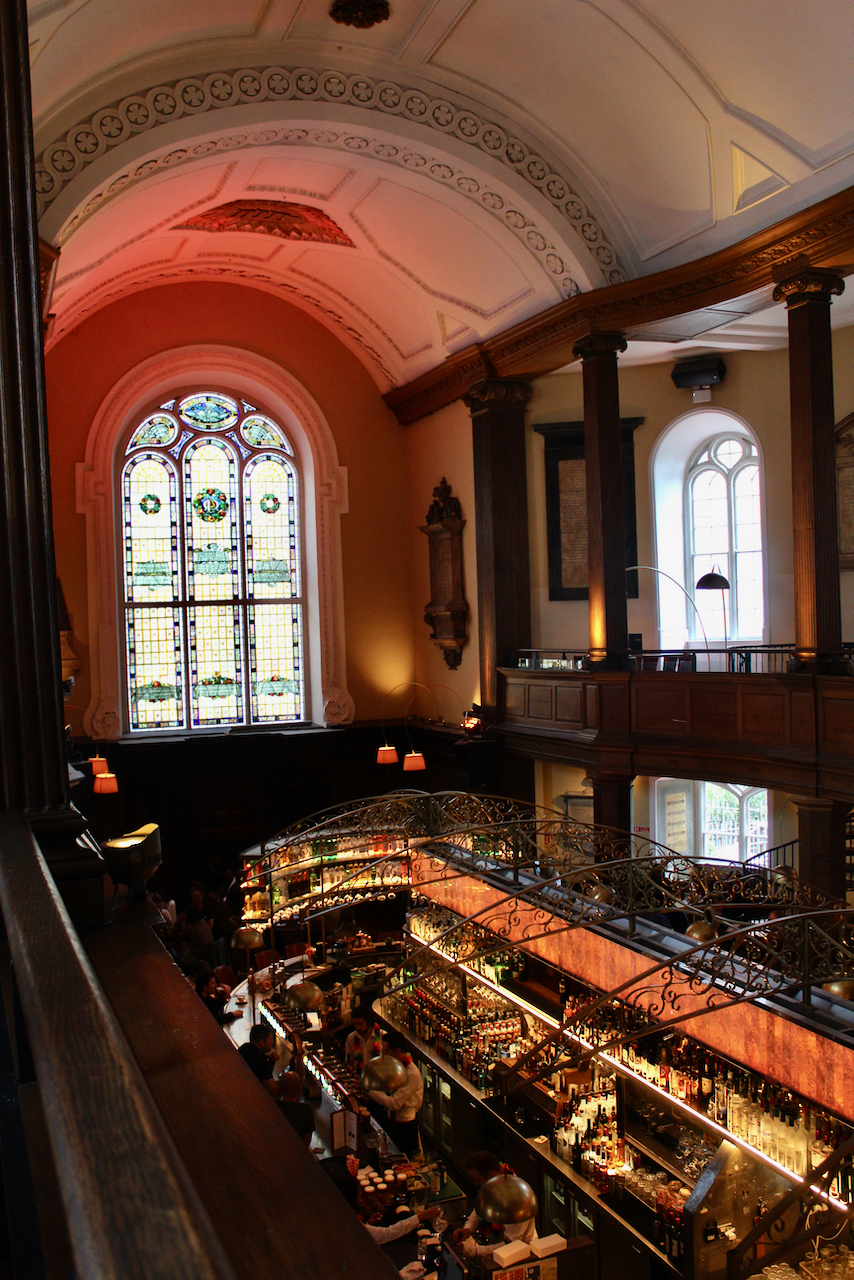
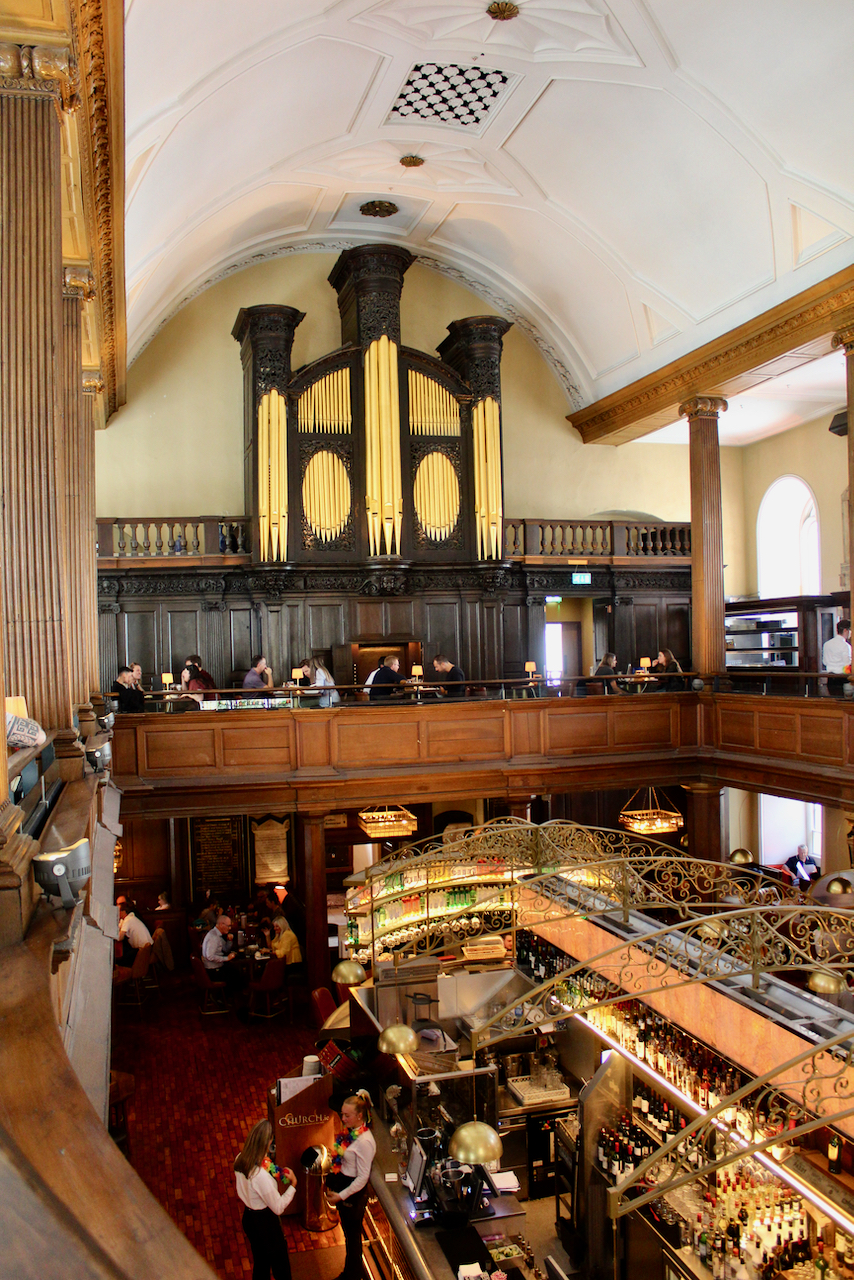
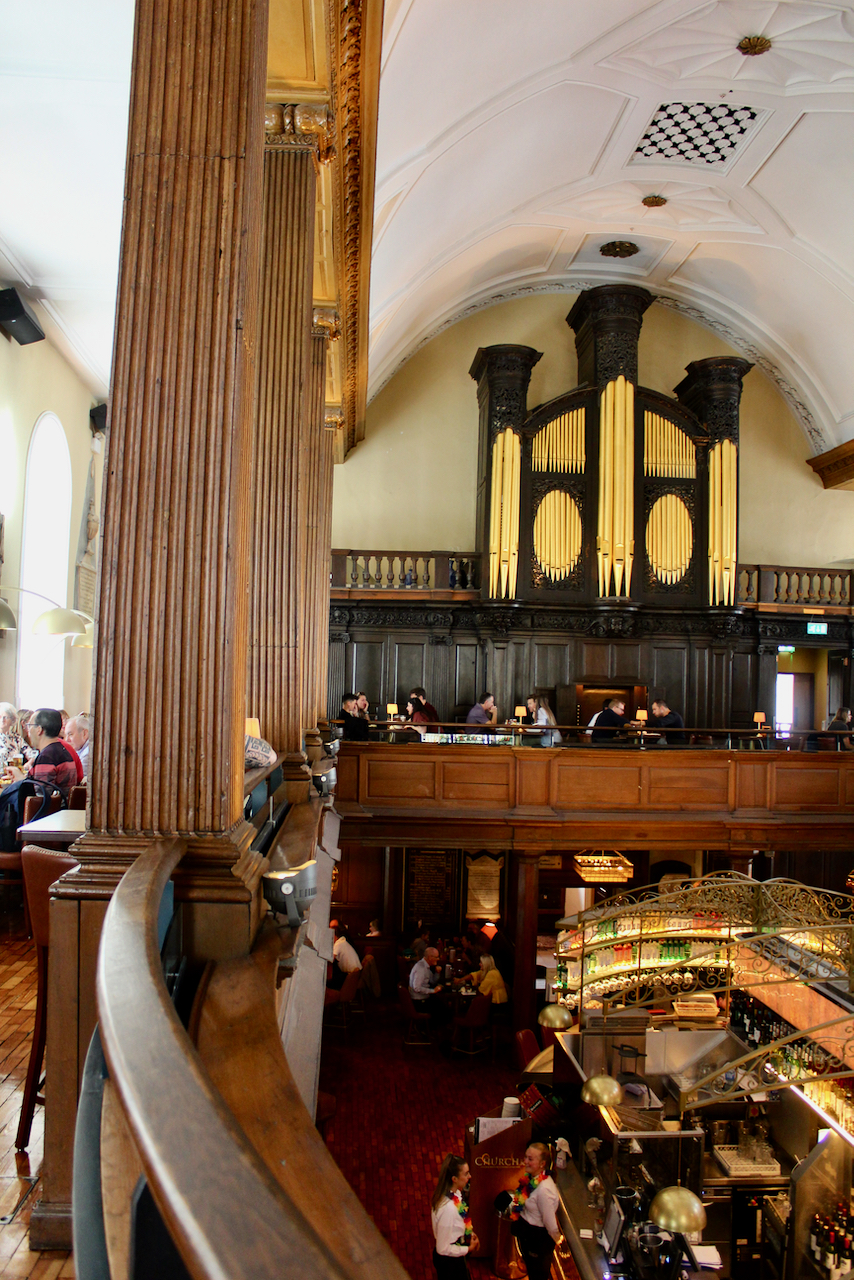
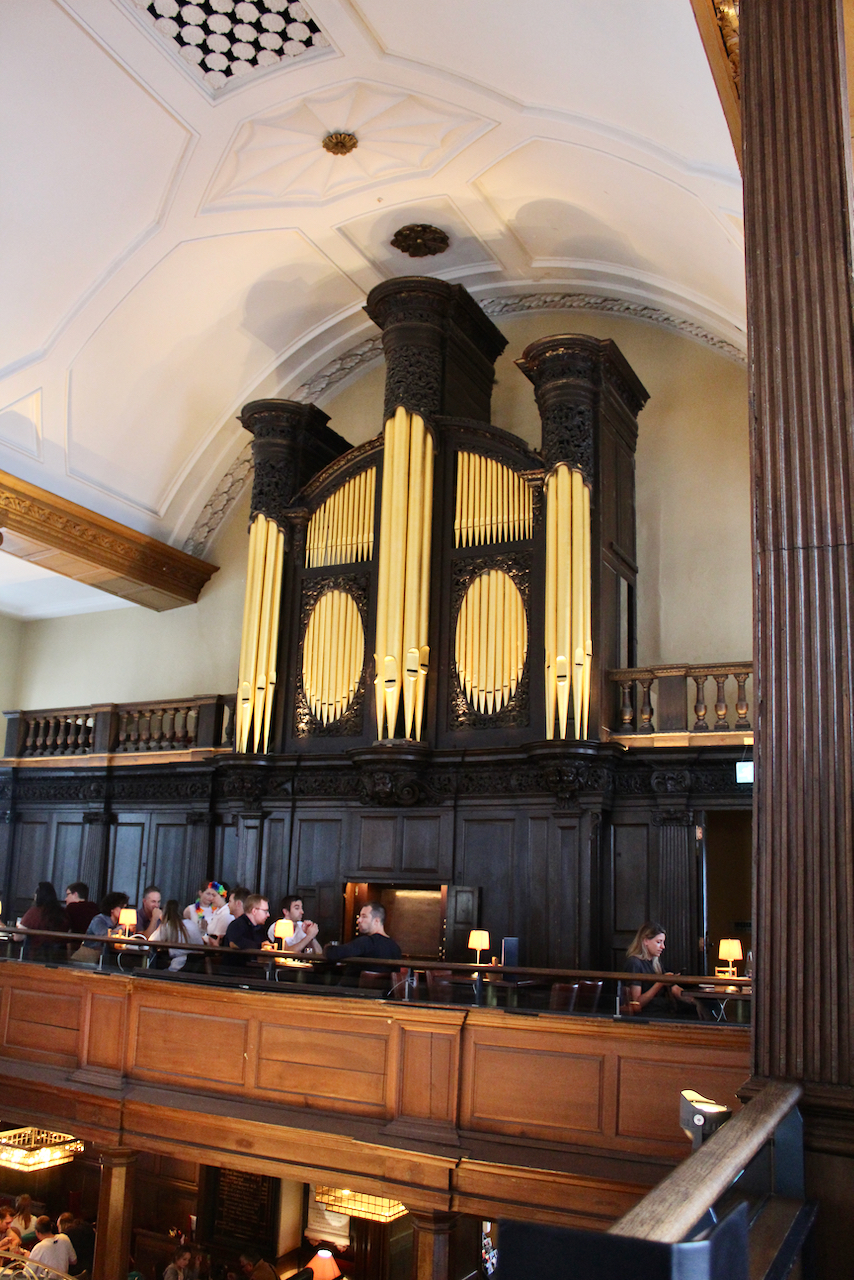
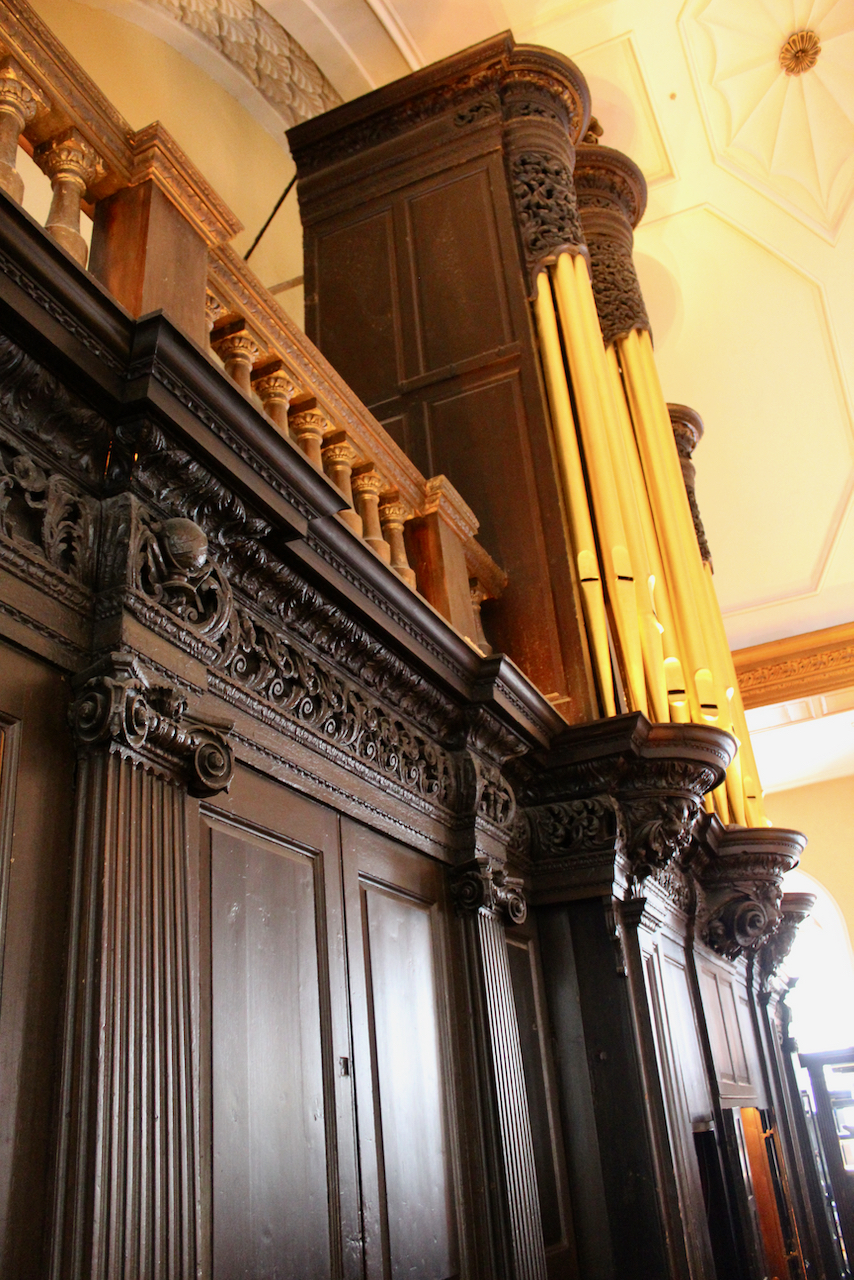
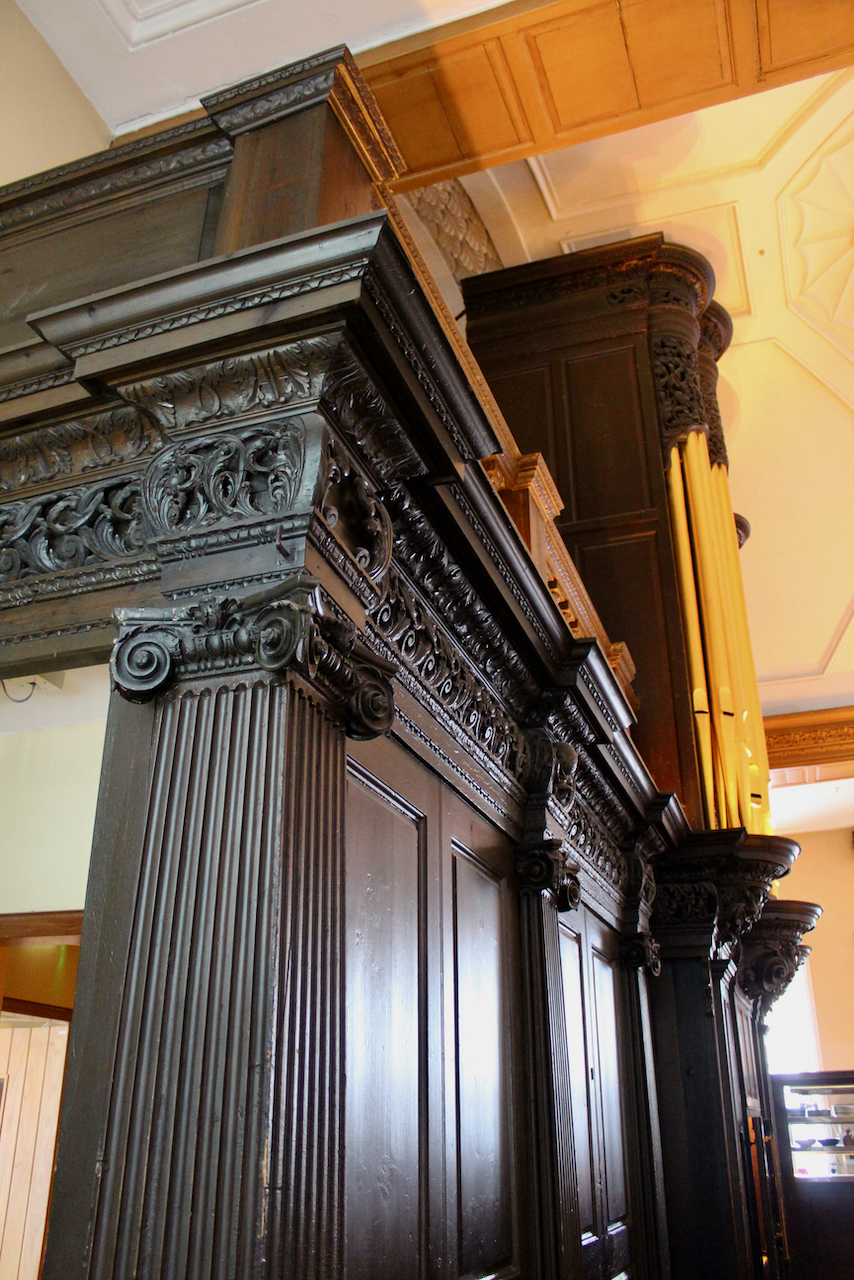
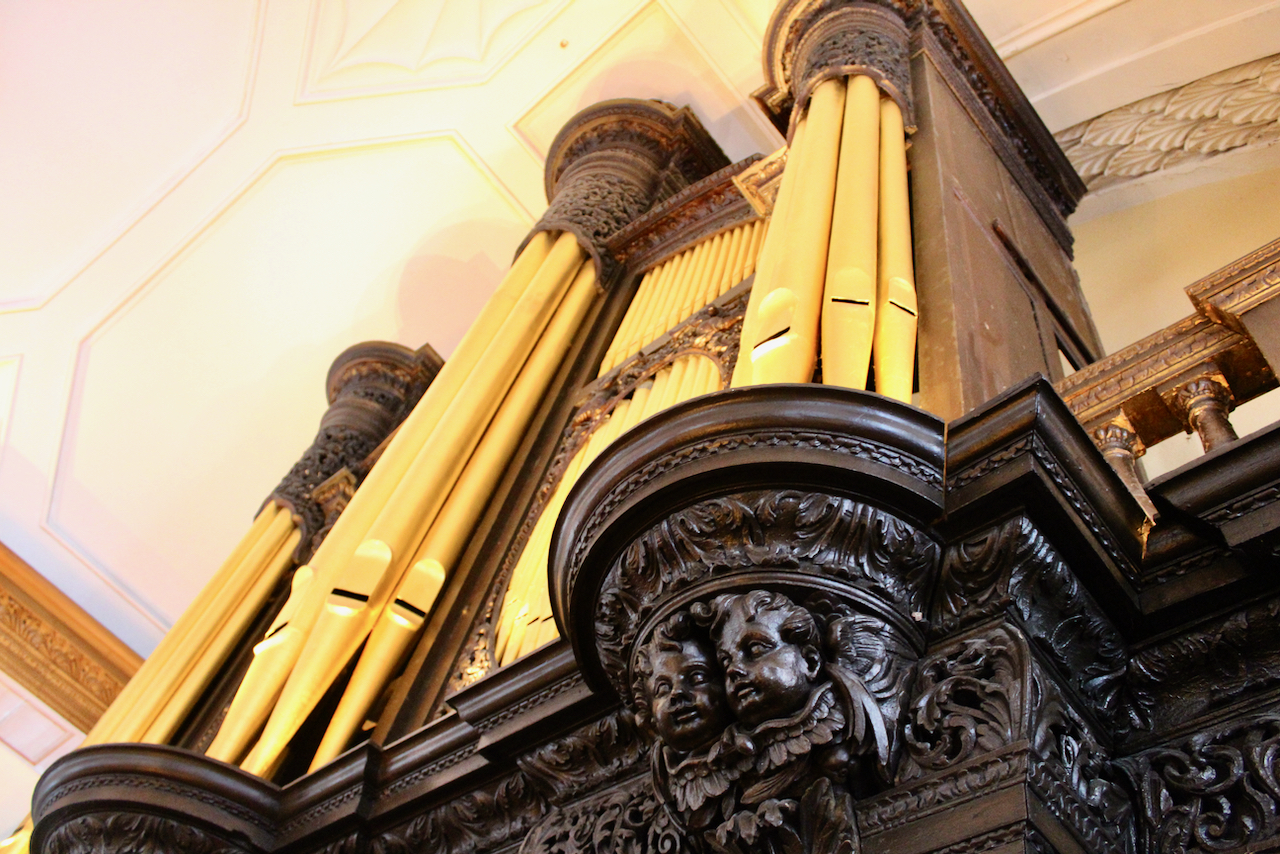
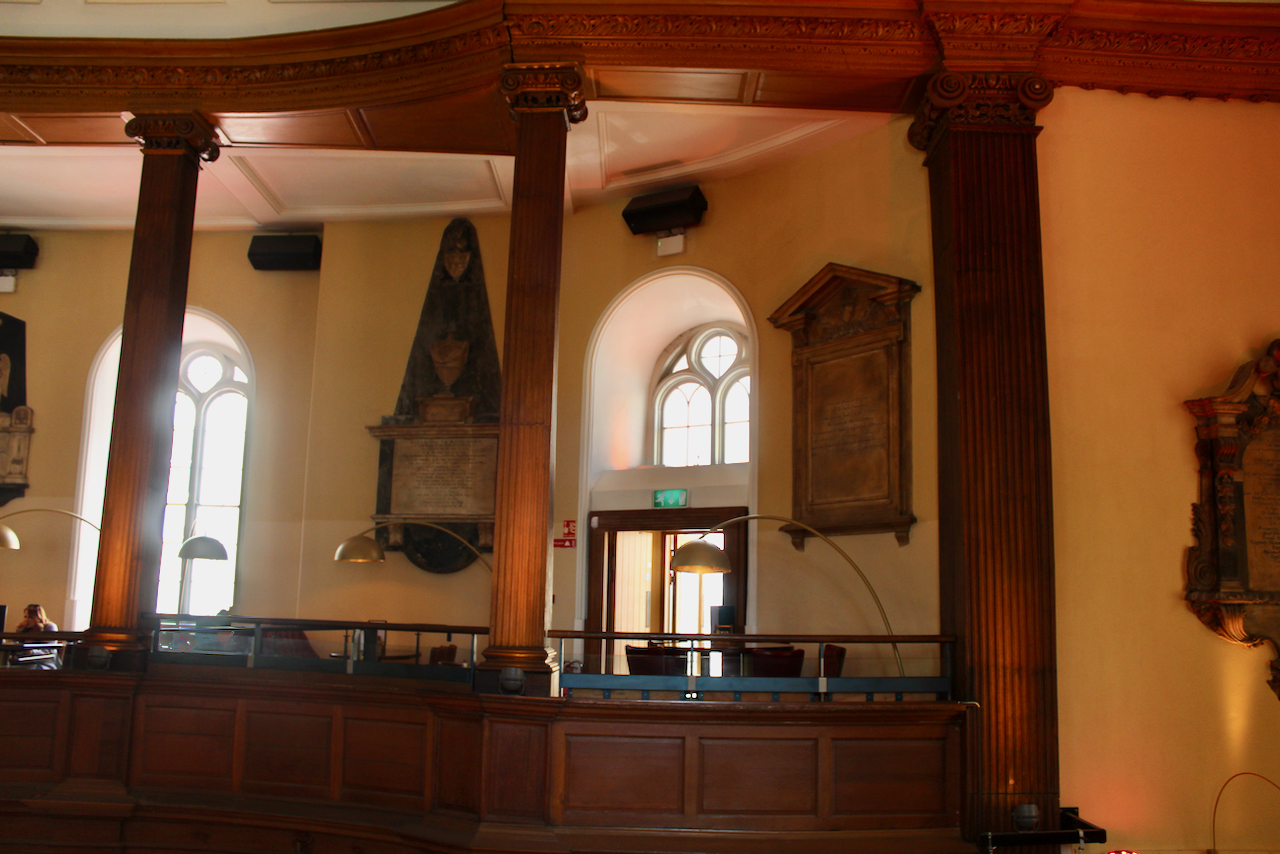
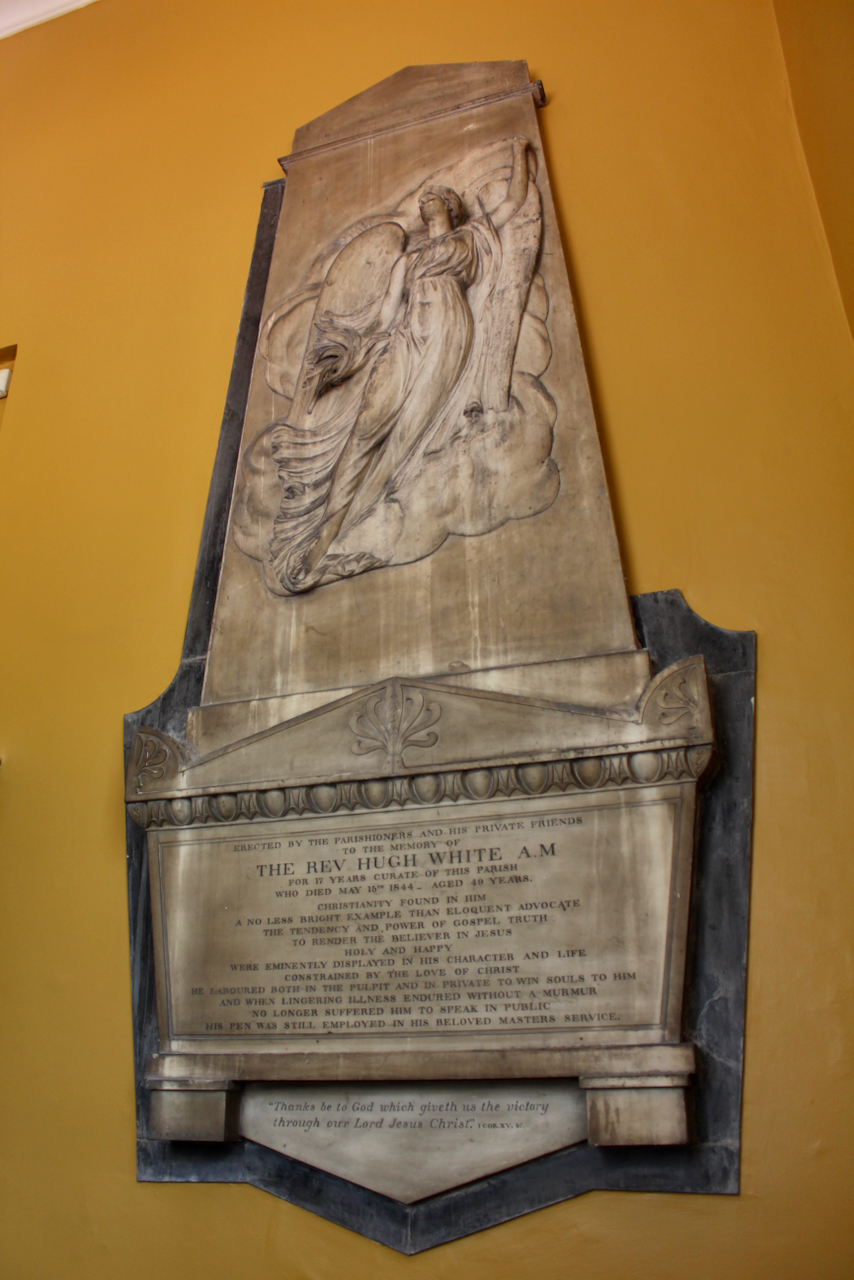
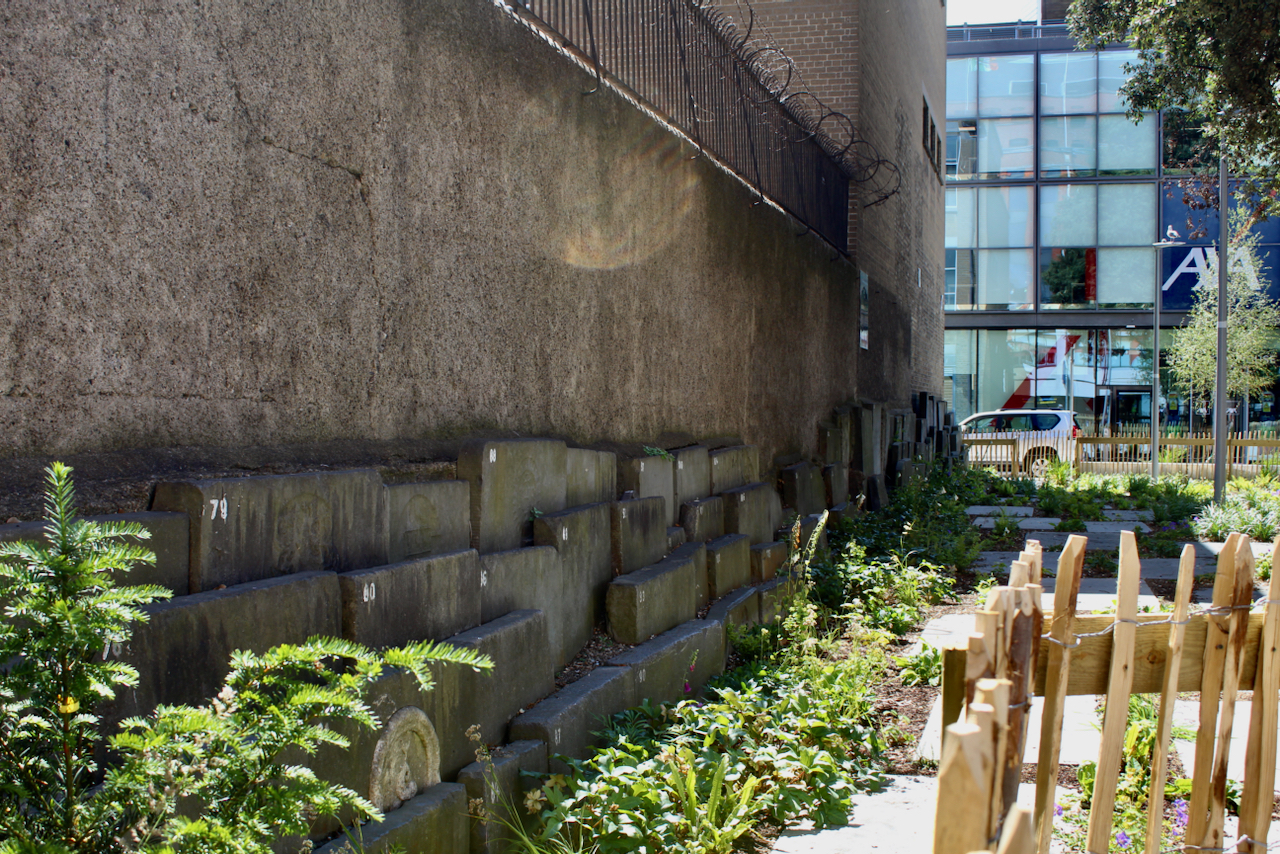
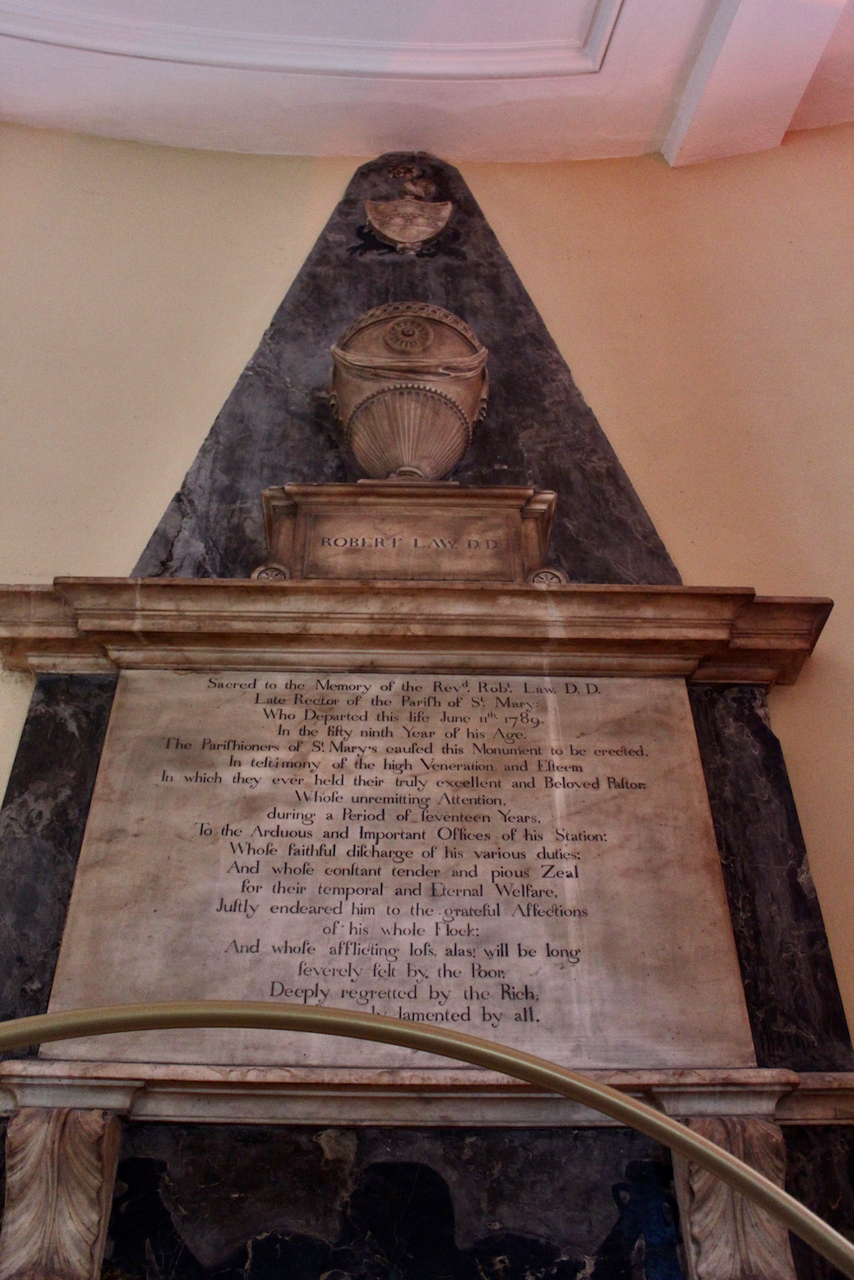
Inside, it is of double height with a gallery surrounding three sides. On the fourth side is the east window. The west end has a large organ on the upper floor. The centre of the floor is taken up with an oval shaped bar which is made attractive by its arrangement of bottles and glasses. The gallery is carried on octagonal timber-clad limestone shafts. Above, the gallery reaches up to the ceiling with fluted square Ionic columns. The ceiling is barrel-vaulted. Memorial monuments still line the walls. Outside, the gravestones have been moved to one end of the public square.
The east Chancel window has a lugged and scrolled surround.
Casey tells us that the building was remodelled in 2002-5 as a bar and restaurant by Duffy Mitchell Donoghue, who filled in the crypt and altered the floor level of the nave. The glazed tower holds a cylindrical elevator.
In 1761 Arthur Guinness (1725-1803), founder of the Brewery, married Olivia Whitmore in the church. His son, also named Arthur, married here also.
The National Inventory tells us: “It was the first classical parish church in the city and was the site of Arthur Guinness’s marriage in 1761. Wolfe Tone was baptized here and the church also witnessed John Wesley’s first Irish sermon... The galleried interior is one of the earliest in Dublin, and is a triumph of Classical timber design. Grand proportions combine with the set-pieces of the original organ case, east window and surviving Corinthian reredos, connected by an ornate mix of joinery and innovative modern alterations, to create a sumptuous and exuberant space. Mary Street was laid out by Humphrey Jervis from the mid-1690s and in 1697 the parish of Saint Michan’s was divided into three which precipitated the construction of Saint Mary’s. Jervis Street was named for the developer himself and was once home to seventeenth and eighteenth-century buildings. The streets are much altered now and consist largely of Victorian buildings, leaving Saint Mary’s to ground the district in its earlier historic milieu. As such, it makes a highly significant contribution to the streetscape and to Dublin’s overall architectural fabric.”
A rather simple baptismal font in the church is the font in which Theobald Wolfe Tone was baptised, and also Sean O’Casey the playwright.
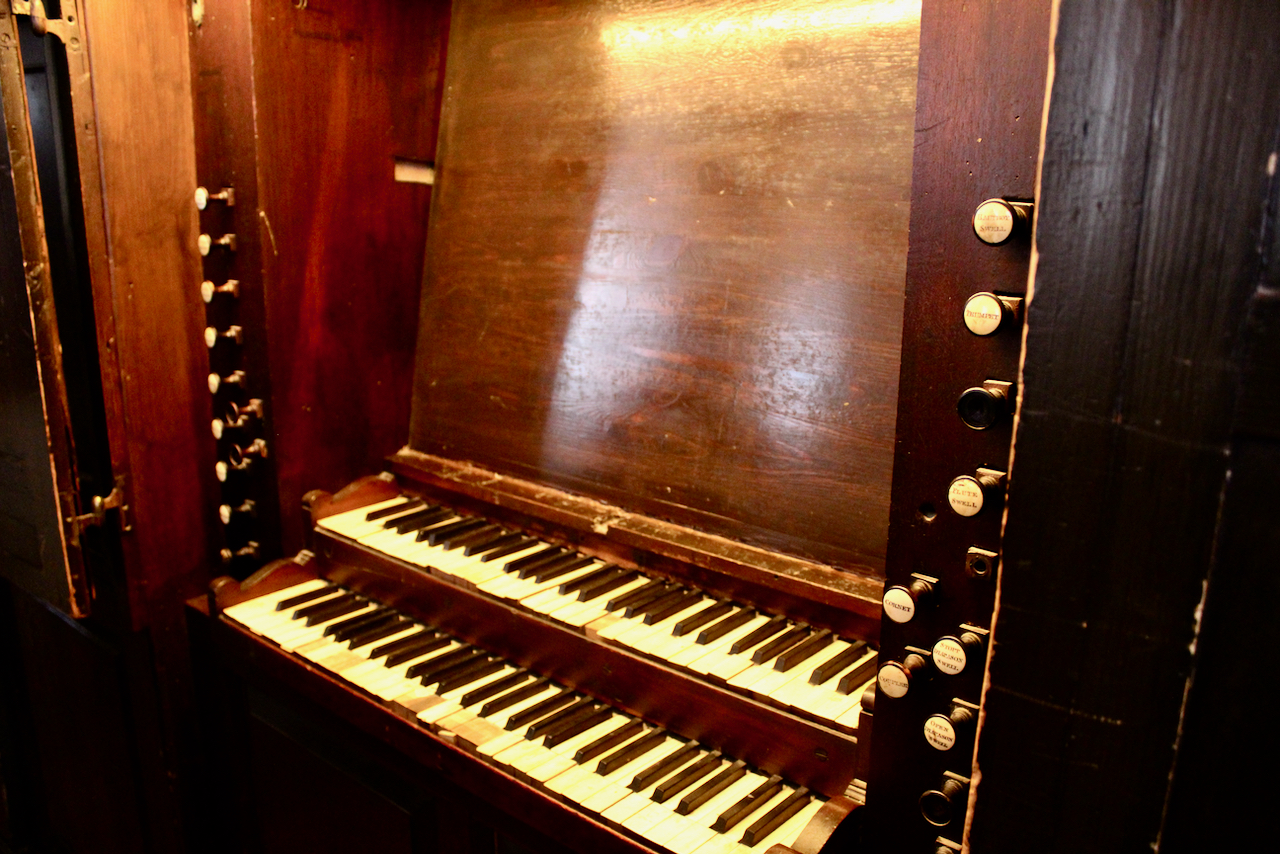
The organ was designed by Renatus Harris. George Frederick Handel, who wrote the famous “Messiah,” lived nearby on Abbey Street and was a regular visitor to Mary’s to play on this organ.
Below ground, is the Cellar Bar. These function rooms are located in an area that was excavated out from underneath the church, and are not part of the original building. There are six crypts in the basement of the church, and 32 skeletons were removed and reinterred elsewhere when the church was converted to its current use. Access to the crypt was by an external stairwell in the church.
[3] p. 89-91. Casey, Christine. Buildings of Ireland: Dublin, The City within the Grand and Royal Canals and the Circular Road with the Phoenix Park. Yale University Press, New Haven and London, 2005.
Just to finish up my entries about Office of Public Works properties: Carlow, Dublin, Kildare, Kilkenny, Laois, Longford, Louth, Meath, Offaly, Westmeath, Wexford and Wicklow are the counties that make up the Leinster region.
Carlow:
1. Altamont Gardens
Kildare:
2. Castletown House, County Kildare
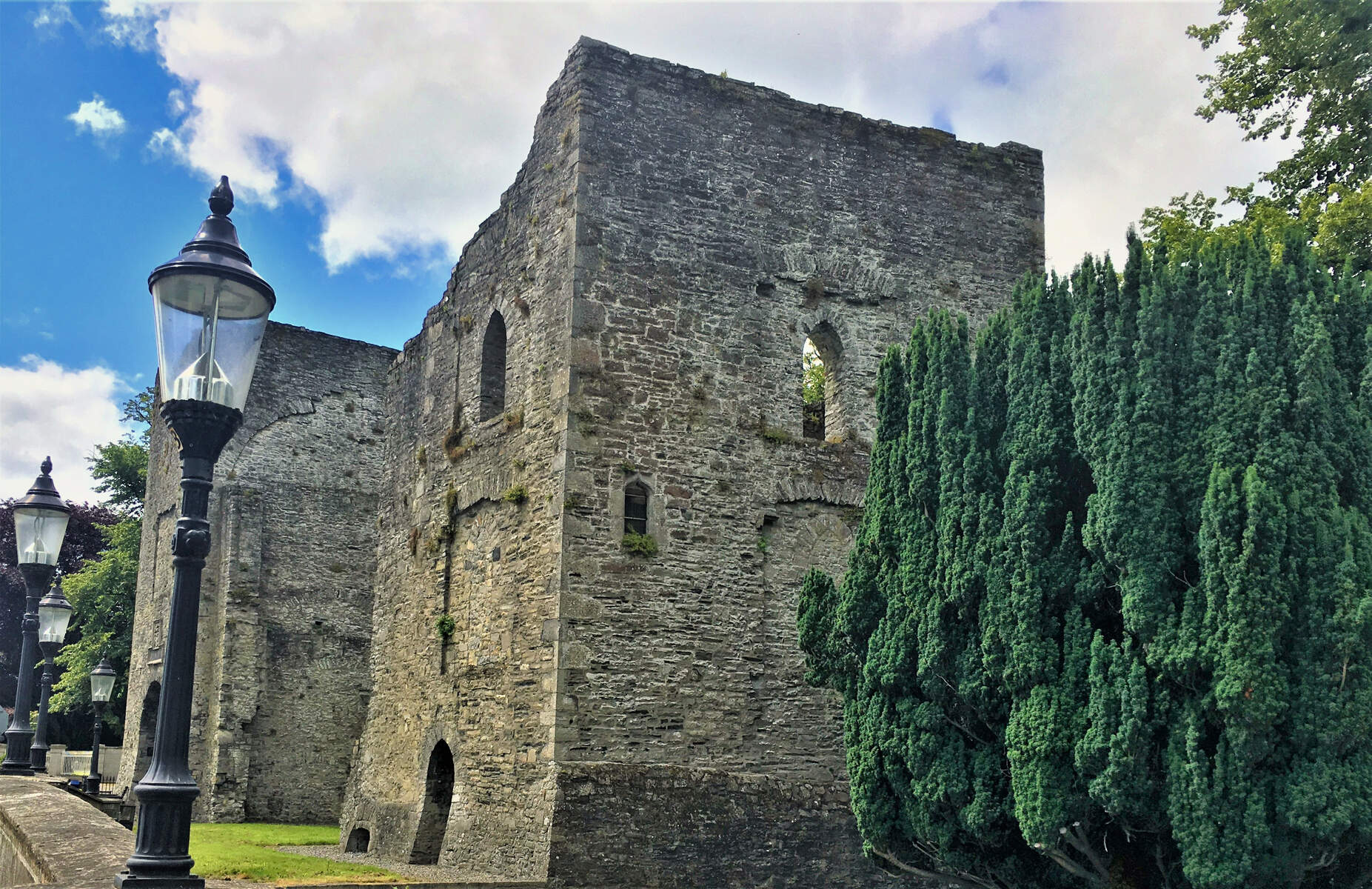
3. Maynooth Castle, County Kildare
Carlow:
1. Altamont House and Gardens, Bunclody Road, Altamont, Ballon, County Carlow:
Altamont House and Gardens, photograph by Sonder Visuals, 2015, for Tourism Ireland, from Ireland’s Content Pool. [1]
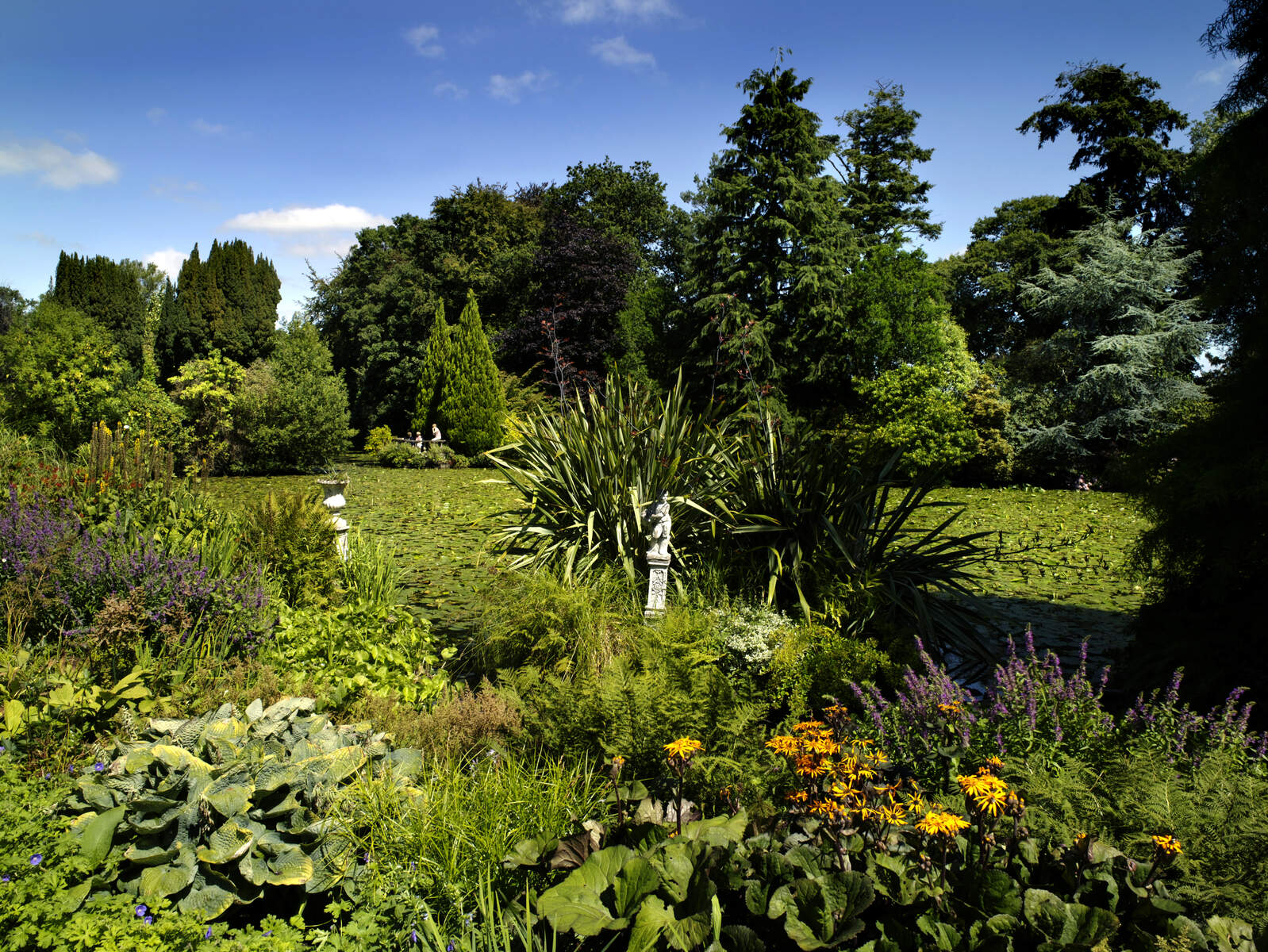
“A large and beautiful estate covering 16 hectares in total, Altamont Gardens is laid out in the style of William Robinson, which strives for ‘honest simplicity’. The design situates an excellent plant collection perfectly within the natural landscape.
“For example, there are lawns and sculpted yews that slope down to a lake ringed by rare trees and rhododendrons. A fascinating walk through the Arboretum, Bog Garden and Ice Age Glen, sheltered by ancient oaks and flanked by huge stone outcrops, leads to the banks of the River Slaney. Visit in summer to experience the glorious perfume of roses and herbaceous plants in the air.
“With their sensitive balance of formal and informal, nature and artistry, Altamont Gardens have a unique – and wholly enchanting – character.” [2]
From “In Harmony with Nature, The Irish Country House Garden 1600-1900” in the Irish Georgian Society, July 2022, curated by Robert O’Byrne.Altamont, photograph by Sonder Visuals 2017 for Tourism Ireland, Ireland’s Content Pool. [see 1]
From Living Legacies: Ireland’s National Historic Properties in the care of the OPW, Government Publications, Dublin, 2018:
“Altamont House was constructed in the 1720s, incorporating parts of an earlier structure said to have been a medieval nunnery. In the 1850s, a lake was excavated in the grounds of the house, but it was when the Lecky-Watsons, a local Quaker family, acquired Altamont in 1924 that the gardens truly came into their own.
“Feilding Lecky-Watson had worked as a tea planter in Ceylon (Sri Lanka) where he nurtured his love of exotic plants, and of rhododendrons in particular. Back in Ireland, he became an expert in the species, cultivating plants for the botanical gardnes at Glasnevin, Kew and Edinburgh. So passionate was he about these plants that when his wife, Isobel, gave birth to a daughter in 1922, she was named Corona, after his favourite variety of rhododendron.” [3]
Altamont House and Gardens lake, photograph by Sonder Visuals, 2015, for Tourism Ireland, from Ireland’s Content Pool. [see 1]
Around the lake are mature conifers that were planted in the 1800s, including a giant Wellingtonia which commemorates the Battle of Waterloo. [3] Corona continued in her father’s footsteps, planing rhododendrons, magnolia and Japanese maples. Another feature is the “100 steps” hand-cut in granite, leading down to the River Slaney. There are red squirrels, otters in the lake and river, and peacocks. Before her death, Corona handed Altamont over to the Irish state to ensure its preservation.
The Temple,Altamont House and Gardens, photograph by Sonder Visuals, 2015, for Tourism Ireland, from Ireland’s Content Pool. [see 1]
Kildare:
2.Castletown House and Parklands, Celbridge, County Kildare.
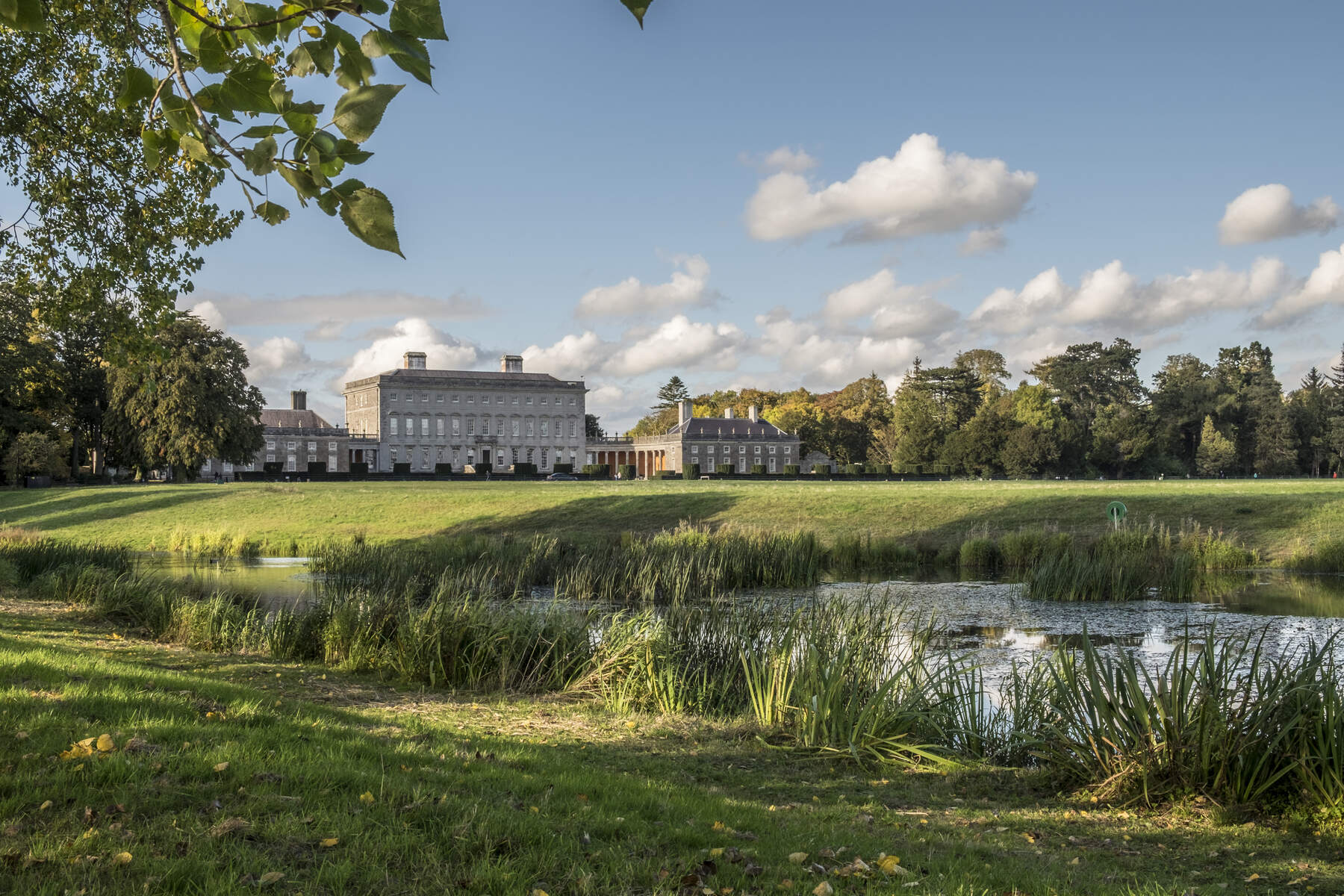
Castletown House, County Kildare, Photo by Mark Wesley 2016, Tourism Ireland, from Ireland’s Content Pool. [see 1]
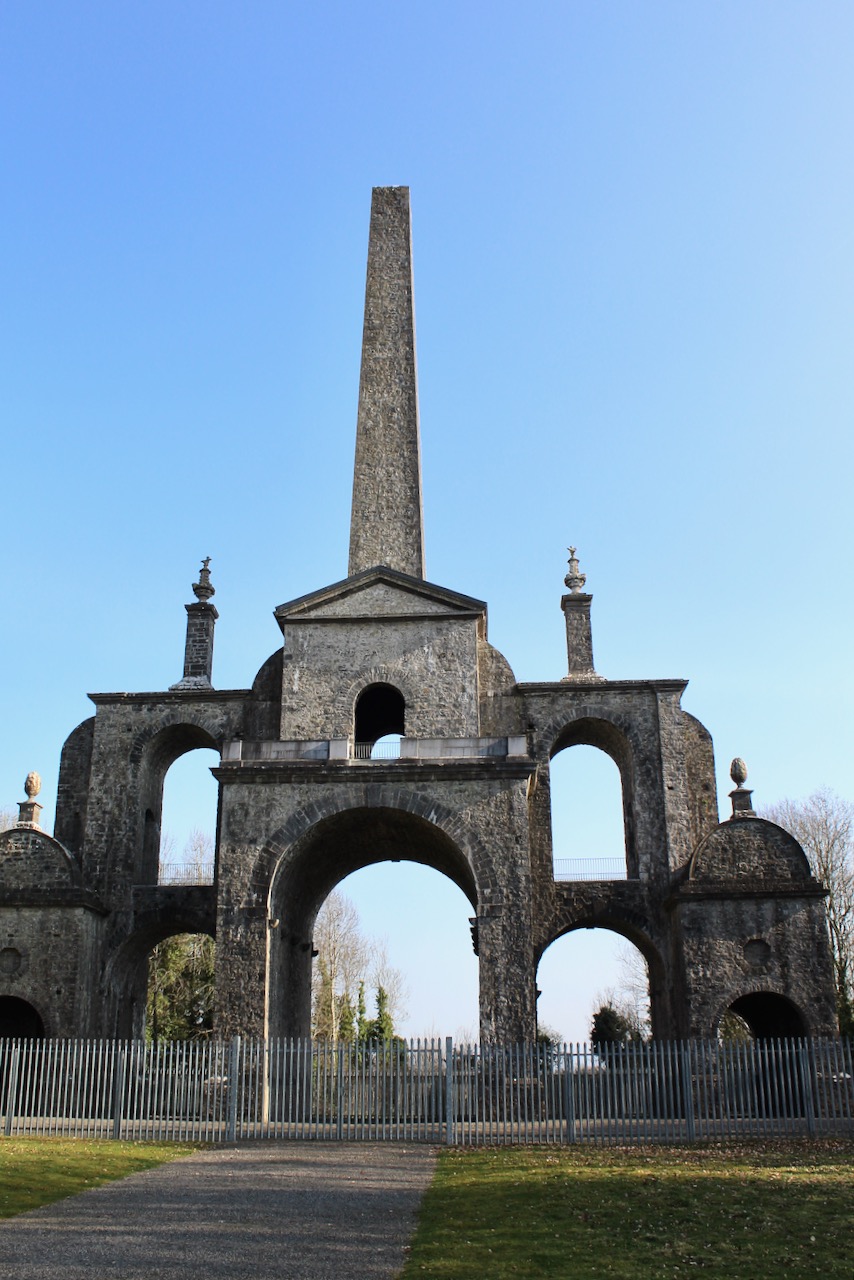
The Obelisk, or Conolly Folly, was reputedly built to give employment during an episode of famine. It was restored by the Irish Georgian Society in 1960.
“This majestic stone castle was founded in the early thirteenth century. It became the seat of power for the FitzGeralds, the earls of Kildare, as they emerged as one of the most powerful families in Ireland. Garret Mór, known as the Great Earl of Kildare, governed Ireland in the name of the king from 1487 to 1513.
Maynooth Castle was one of the largest and richest Geraldine dwellings. The original keep, begun around 1200, was one of the largest of its kind in Ireland. Inside, the great hall was a nerve centre of political power and culture.
Only 30 kilometres from Dublin, Maynooth Castle occupies a deceptively secluded spot in the centre of the town, with well-kept grounds and plenty of greenery. There is a captivating exhibition in the keep on the history of the castle and the family.“
Gerald Fitzgerald (1487-1534) 9th Earl of Kildare, courtesy Bodleian Library.
[3] p. 8, Living Legacies: Ireland’s National Historic Properties in the Care of the OPW. Government Publications, Dublin 2, 2018.
[4] p. xiii, Jennings, Marie-Louise and Gabrielle M. Ashford (eds.), The Letters of Katherine Conolly, 1707-1747. Irish Manuscripts Commission 2018. The editors reference TCD, MS 3974/121-125; Capel Street and environs, draft architectural conservation area (Dublin City Council) and Olwyn James, Capel Street, a study of the past, a vision of the future (Dublin, 2001), pp. 9, 13, 15-17.
[7] p. 75. Bence-Jones, Mark. A Guide to Irish Country Houses (originally published as Burke’s Guide to Country Houses volume 1 Ireland by Burke’s Peerage Ltd. 1978); Revised edition 1988 Constable and Company Ltd, London.
[8] p. 129. Great Irish Houses. Forewards by Desmond FitzGerald, Desmond Guinness. IMAGE Publications, 2008.








































































 Irish Historic Houses