“Lismore Castle’s 800-year history is everywhere you look, from the stained-glass windows and thick stone walls, to the centuries-old gardens and the exceptional artworks by Old Masters and leading contemporary artists. Available for rent, this exclusive use castle in Ireland’s county Waterford is the perfect retreat for you and your guests.“
You can’t visit the castle inside but you can visit the beautiful gardens.
Photograph courtesy of The Hall and Lismore Castle website.
If anyone wants to give me a present, could you book me in for a week at Lismore Castle?
Lismore Castle Gardens, Co Waterford, photograph Courtesy of Celtic Routes 2019 for Tourism Ireland (see [1])Lismore Castle Gardens, Co Waterford, photograph Courtesy of Celtic Routes 2019 for Tourism Ireland (see [1])
Mark Bence-Jones writes of Lismore Castle:
p. 186. “(Boyle, Cork and Orrery, E.PB; Cavendish, Devonshire, D/PB)…Now predominantly of early C17 and C19; but incorporating some of the towers of the medieval castle of the Bishops of Lismore which itself took the place of a castle built by King John [around 1185] where there had formerly been a famous monastery founded by St. Carthagh and a university which was a great centre of civilisation and learning in the Dark Ages. The first Protestant Bishop, the notorious Myler McGrath, granted the castle and its lands to Sir Walter Raleigh; who, however, seldom lived here, preferring his house in Youghal, now known as Myrtle Grove.” [2]
Mark Bence-Jones continues the history of the castle: “In 1602, Raleigh sold Lismore and all his Irish estates to Richard Boyle, afterwards 1st Earl of Cork, one of the most remarkable of Elizabethan adventurers; who, having come to Ireland as a penniless young man, ended as one of the richest and most powerful nobles in the kingdom. From ca. 1610 onwards, he rebuilt Lismore Castle as his home, surrounding the castle courtyard with three storey gabled ranges joining the old corner-towers, which were given Jacobean ogival roofs; the principal living rooms being on the side above the Blackwater, the parlour and dining-chamber in a wing projecting outwards to the very edge of the precipice, with an oriel window from which there is a sheer drop to the river far below. On the furthest side from the river Lord Cork built a gatehouse tower, incorporating an old Celtic-Romanesque arch which must have survived from Lismore’s monastic days. He also built a fortified wall – so thick that there is a walk along the top of it – enclosing a garden on this side of the castle; and an outer gatehouse with gabled towers known as the Riding House because it originally sheltered a mounted guard. The garden walls served an important defensive purpose when the castle was besieged by the Confederates 1642, the year before the “Great Earl’s” death. On this occasion the besiegers were repulsed; but in 1645 it fell to another Confederate Army and was sacked.”
Mark Bence-Jones continues the fascinating history: “It was made habitable again by the 2nd Earl of Cork – James II stayed a night here in 1689 and almost fainted when he looked out of the dining room window and saw the great drop – but it was neglected in C18 and became largely ruinous; the subsequent Earls of Cork, who were also Earls of Burlington, preferring to live on their estates in England.“
I’m not sure if it’s this window that nearly made King James II faint! Photograph courtesy of The Hall and Lismore Castle website.Richard Boyle (1612-1698) 1st Earl of Burlington and 2nd Earl of Cork, possibly after Sir Anthony van Dyck c.1640, NPG 893.This photograph shows the portrait of Robert Boyle (1627-1691) on the wall, Photograph courtesy of The Hall and Lismore Castle website.Robert Boyle F. R. S. (1627-1691) by Johann Kerseboom, 1689, courtesy of Science History Institute.He was the brother of the 2nd Earl of Cork.Oil painting on canvas, Lady Elizabeth Clifford, Countess of Burlington (1621 – 1698) by Sir Anthony Van Dyck (Antwerp 1599 – London 1641). Three-quarter length portrait, profile to left, head facing, wearing wbite satin dress and blue scarf, pointing with her left hand in a landscape. She married Richard Boyle, 2nd Earl of Cork and 1st Earl of Burlington.Charles Boyle (c. 1662-1704) 3rd Earl of Cork and 2nd Earl of Burlington, by Godfrey Kneller, courtesy of National Trust Hardwick Hall.Richard Boyle, 3rd Earl of Burlington (1694-1753) by Jonathan Richardson, courtesy of London’s National Portrait Gallery NPG 4818.Richard Boyle 4th Earl of Cork and 3rd Earl of Burlington and Dorothy Savile attributed to Aikman, William Aikman (1682-1731).Oil painting on canvas, Possibly Lady Dorothy Savile, Countess of Burlington and Countess of Cork (1699-1758) by Michael Dahl, circa 1720. Inscribed top right in gold: Lady Dorothy Saville / Daughter to the Marquis of Halifax / married to the Earl of Burlington. A half-length portrait of a young woman, facing, wearing white decollete dres with blue ribbon.Lady Dorothy Savile, Countess of Burlington (1699-1758) with her Daughter Lady Dorothy Boyle, later Countess of Euston (1724-1742) by Michael Dahl (Stockholm 1656/9 ? London 1743), inscribed top right in gold: Lady Burlington / & Lady Dorothy Boyle. Two bust-length portraits, the mother at the right, wearing red, the daughter dressed in white.
“Through the marriage of the daughter and heiress of the architect Earl of Burlington [Charlotte Elizabeth Boyle (1731-1754), daughter of Richard Boyle, 3rd Earl of Burlington, 4th Earl of Cork] and Cork to the 4th Duke of Devonshire [William Cavendish (1720-1764)], Lismore passed to the Cavendishes. The 4th and 5th Dukes took no more interest in the castle than the Earls of Burlington had done; but the 6th Duke [William George Spenser Cavendish (1790-1858)] – remembered as the “Bachelor Duke” – began work at Lismore as soon as he succeeded his father 1811.”
William Cavendish (1720-1764) 4th Duke of Devonshire, after Thomas Hudson, briefly Prime Minister between 1756 and 1757.Charlotte Boyle (1731-1754) daughter of Richard Boyle (1694-1753) 3rd Earl of Burlington 4th Earl of Cork who married William Cavendish (1720-1764) 4th Duke of Devonshire and brought Lismore Castle, County Waterford, into the Cavendish family. Painting after style of George Knapton, courtesy of Chiswick House collection.As the heir of her father, she succeeded to the title of Baroness Clifford of Londesborough suo jure.
We came across the 5th Duke of Devonshire before as he had an affair with and then, after his wife died, married Elizabeth Christina Hervey. Elizabeth Christina had been married to John Thomas Foster (1747-1796), MP for Dunleer, County Louth, of Glyde Court (see my entry on Cabra Castle). After the 5th Duke of Devonshire died, Elizabeth Christina married for a third time, to Valentine Richard Quin 1st Earl of Dunraven and Mount Earl, of Adare Manor in Limerick.
The 6th Duke, William George Spenser Cavendish (1790-1858), son of the 5th Duke’s first wife Georgiana née Spencer, began work at Lismore as soon as he succeeded his father 1811.
William George Spencer Cavendish (1790-1858) 6th Duke of Devonshire, the “Bachelor Duke,” by George Edward Madeley, National Portrait Gallery of London D15276.Photograph courtesy of The Hall and Lismore Castle website, the portrait looks like the 6th Duke of Devonshire.Lismore Castle gardens, County Waterford, 20th August 2023.Photograph courtesy of The Hall and Lismore Castle website.
I love the story of the Bachelor Duke: “By 1812 the castle was habitable enough for him to entertain his cousin, Lady Caroline Lamb [nee Ponsonby], her husband William, and her mother, Lady Bessborough, here. Caroline, who had been brought to Ireland in the hope that it would make her forget Byron, was bitterly disappointed by the castle; she had expected “vast apartments full of tattered furniture and gloom”; instead, as Lady Bessborough reported, “Hart handed her into, not a Gothic hall, but two small dapper parlours neatly furnished, in the newest Inn fashion, much like a Cit’s villa at Highgate.” Hart – the Bachelor Duke [He succeeded as the 6th Marquess of Hartington, co. Derby [E., 1694] on 29 July 1811] – had in fact already commissioned the architect William Atkinson to restore the range above the river in a suitably medieval style, and the work actually began in that same year. Battlements replaced the Great Earl of Cork’s gables and the principal rooms – including the dining room with the famous window, which became the drawing room – where given ceilings of simple plaster vaulting.“
From the website, we can see the interiors of the rooms of the Gothic windows we can see from the Lower Garden.
Photograph courtesy of The Hall and Lismore Castle website.Photograph courtesy of The Hall and Lismore Castle website.Photograph courtesy of The Hall and Lismore Castle website.Photograph courtesy of The Hall and Lismore Castle website.Photograph courtesy of The Hall and Lismore Castle website.
“The Bachelor Duke, who became increasingly attached to Lismore, began a second and more ambitious phase of rebuilding 1850, towards the end of his life. This time his architect was Sir Joseph Paxton, that versatile genius who designed the Crystal Palace and who, having started as the Bachelor Duke’s gardener, became his close friend and right hand man. During the next few years, the three remaining sides of the courtyard were rebuilt in an impressive C19 castle style, with battlemented towers and turrets; all faced in cut-stone shipped over from Derbyshire. The Great Earl’s gatehouse tower, with its pyramidal roof, was however, left as it was, and also the Riding House.“
Mark Bence-Jones continues: “The ruined chapel of the Bishops, adjoining the range containing the Great Earl’s living rooms, was restored as a banqueting hall or ballroom of ecclesiastical character; with choirstalls, a vast Perpendicular stained glass window at either end, and richly coloured Gothic stencilling on the walls and the timbers of the open roof. The decoration of the room was carried out by John Gregory Crace, some of it being designed by Pugin, including the chimneypiece, which was exhibited in the Medieval Court at the Great Exhibition. The banqueting hall is the only really large room in the castle, the interior of which is on a much more modest and homely scale than might be expected from the great extent of the building; but in fact one side of the courtyard was designed to be a separate house for the agent, and another side to be the estate office. Subsequent Dukes of Devonshire have loved Lismore as much as the Bachelor Duke did, though their English commitments have naturally prevented them from coming here for more than occasional visits. From 1932 until his death 1944, the castle was continuously occupied by Lord Charles Cavendish, younger son of the 9th Duke, and his wife, the former Miss Adele Astaire, the dancer and actress, who still comes here every year. The present Duke and Duchess have carried out many improvements to the garden, which consist of the original upper garden, surrounded by the Great Earl’s fortified walls, and a more naturalistic garden below the approach to the castle; the two being linked in a charming and unexpected way by a staircase in the Riding House.”
[2] Bence-Jones, Mark. A Guide to Irish Country Houses (originally published as Burke’s Guide to Country Houses volume 1 Ireland by Burke’s Peerage Ltd. 1978); Revised edition 1988 Constable and Company Ltd, London.
The garden front of Kilkenny Castle, photograph by macmillan media 2016 for Tourism Ireland, Ireland’s Content Pool. It sits on the banks of the River Nore. [1]
From the OPW website:
“Built in the twelfth century, Kilkenny Castle was the principal seat of the Butlers, earls, marquesses and dukes of Ormond for almost 600 years. Under the powerful Butler family, Kilkenny grew into a thriving and vibrant city. Its lively atmosphere can still be felt today.
“The castle, set in extensive parkland, was remodelled in Victorian times. It was formally taken over by the Irish State in 1969 and since then has undergone ambitious restoration works. It now welcomes thousands of visitors a year.“
Kilkenny Castle, photograph by unknown 2014 for Failte Ireland, Ireland’s Content Pool. [see 1]
Kilkenny Castle has been standing for over eight hundred years, dominating Kilkenny City and the South East of Ireland. Originally built in the 13th century by William Marshall, 4th Earl of Pembroke as a symbol of Norman control, Kilkenny Castle reflected the fortunes of the powerful Butlers of Ormonde for over six hundred years. [2]
The Butlers fought for the king in Ireland, France and Scotland, and held positions of power including Lord Lieutenant of Ireland, the monarch’s representative in Ireland. Mark Bence-Jones tells us that several monarchs have stayed in Kilkenny Castle during the course of its history, including Richard II, James II, Willam III, Edvard VII and George V. [3]
In 1935 the Ormondes ceased to live in the castle, which for the next thirty years stood empty and deteriorating. In 1967 James Arthur Norman Butler (1893-1971), 6th Marquess and 24th Earl of Ormonde sold the Castle to the Kilkenny Castle Restoration Committee for £50. Two years later it went into state ownership.
William Marshall (about 1146-1219) married Isabel the daughter of “Strongbow” Richard de Clare, 2nd Earl of Pembroke. With the marriage, he gained land and eventually the title Earl of Pembroke. Isabel inherited the title of 4th Countess of Pembroke “suo jure” i.e. herself (her brother, who died a minor, was the 3rd Earl). Hence William Marshall became the 4th Earl through his wife, but then then was created the 1st Earl of Pembroke himself ten years after their marriage. They settled in Ireland, beginning with setting up the town of New Ross and then restoring Kilkenny town and castle – a castle had pre-dated them, according to the Kilkenny Castle website.
The present-day castle is based on the stone fortress that Marshall designed, comprising an irregular rectangular fortress with a drum-shaped tower at each corner. Three of these towers survive to this day.
Kilkenny Castle, County Kilkenny, overhead shot courtesy Air Experience AFTA website.Kilkenny Castle, photograph by Mark Wesley 2016 for Failte Ireland, Ireland’s Content Pool. [see 1]
There is an introductory film for visitors in the one of the old round towers. Inside, you can see the thickness of the walls.
By 1200, Kilkenny was the capital of Norman Leinster and New Ross was its principal port. The Marshalls also founded the Cistercian abbeys at Tintern in County Wexford and Duiske in Graiguenamanagh, County Kilkenny, as well as the castles at Ferns and Enniscorthy. Marshall died and was buried in England. [4]
In 1317, the de Clare family sold the Kilkenny castle to Hugh Despenser. The Despensers were absentee landlords. In 1391 the Despensers sold the castle to James Butler, 3rd Earl of Ormond, 9th Chief Butler of Ireland (1360–1405).
The first Butler to come to Ireland was Theobald Walter Le Botiller or Butler (1165–1206), 1st Baron Butler, 1st Chief Butler of Ireland.
In 1185, Prince John landed at Waterford and around this time he granted the hereditary office of Chief Butler of Ireland to Theobald. Before this, there was a Chief Bulter of England, a position Theobald held, but the office of Chief Butler of Ireland was freshly created. The hereditary office was a position of “serjeanty.” Under feudalism in France and England during the Middle Ages, tenure by serjeanty was a form of tenure in return for a specified duty other than standard knight-service. The duty of this serjeanty was to to attend the Kings of England at their coronation and to pour their first cup of wine. [5]
It is said that he was called “Le Botiller” because he received the monopoly of the taxes on wines being imported into Ireland. Timothy William Ferres tells us that it was Theobald, 4th Butler (1242-85) who received the prisage, from King Edward I. As the Chief Butler had to provide the wine, he was given this “prisage” to help perform his role. This privilege only ceased in 1811 when the right was purchased back by the Crown from the Marquess of Ormonde for £216,000. [6]
Theobald the 1st Chief Butler was the first of the family to use the surname Butler. He was involved in the Irish campaigns of King Henry II and King John of England. He built Arklow Castle in County Wicklow. His descendant, the 4th Chief Butler, constructed a stone fortress on the site in the 1280s which became the family’s regional stronghold.
Conjectural reconstruction drawing of Arklow Castle, County Wicklow by Sara Nylund courtesy County Wicklow Heritage.
Over the following centuries, as the Butlers grew into Earls and eventually Dukes of Ormonde centered in Kilkenny, they retained Arklow Castle and the surrounding lands by appointing constables. The 1st Duke of Ormond sold Arklow Castle in 1714 to John Allen of Stillorgan. Today only fragments remain. [see https://surnamearts.com/history/butler/butler-castles-in-ireland/ ]
Theobald died in 1206 and was buried at Wotheney Abbey in Limerick.
He is also said to have built Nenagh Castle.
The OPW website tells us that Nenagh Castle is a fine example of a Norman structure, dating between 1200 – 1220. There are 101 steps in total to reach the top of the tower, and it is five storeys high. The second floor is believed to have once been the main public hall, while the third floor was the lord’s private residence. What stands today is the last remaining tower of three, which were surrounded by a curtain wall. There would have also been a two-towered gatehouse, and it was likely defended by a moat.The castle changed hands multiple times throughout its history, initially acting as the main residence for Theobald Walter, and was the seat of his ancestors, the Butler family, until the mid-14th century. The Mac Ibrien family owned the building in the 15th century, and was returned to the Butler’s in 1533. Photograph by Gramscis Cousin, CC BY-SA 3.0
His son, Theobald le Botiller (1200–1230) 2nd Baron Butler was summoned in 1229 cum equis et armis (Latin: “with horses and arms”) to attend the King in Brittany. He died on 19 July 1230 in Poitou, France, and was buried in the Abbey of Arklow, County Wicklow.
Timothy William Ferres gives us an excellent summary of the Butler genealogy and there are great notes on the Kilkenny Castle website. [6]
The 2nd Baron Butler’s widow was his second wife, Roesia/Rohese de Verdun (c. 1204–1247). She became one of the most powerful women in 13th century Ireland. In 1236 she built Castleroche in County Louth to defend her lands against Irish raiders. The castle was practically impregnable thanks to its position and design.
Castleroche, County Louth, built by Rohese de Verdun, wife of Theobald le Botiller (1200–1230) 2nd Baron Butler. Photograph courtesy of Tourism Ireland.
Theobald Butler 3rd Baron acquired considerable property by marrying Margery, eldest daughter of Richard de Burgh (ancestor of the Earls of Clanricarde). He served as Chief Justiciar of Ireland. His son Theobald (1242-85) succeeded as 4th Baron Butler sat in the Parliament of Ireland. He assisted King Edward I in his wars in Scotland. By his marriage, the 4th Baron acquired considerable land in England.
The 5th and 6th Barons were both sons of the 4th Baron. Theobald’s son Edmond (c.1270-1321) succeeded his brother as 6th Baron and 6th Chief Butler of Ireland in 1299. He was appointed Lord Deputy of Ireland in 1312. He married Joan, the daughter of the 1st Earl of Kildare. In 1315 Edward II granted him the manors of Carrick-on-Suir and Roscrea in Tipperary, with the title of Earl of Carrick. His descendants from his second son, John, later became Earls of Carrick and also Viscounts Ikerrin.
The Earl of Carrick’s son James Butler (c. 1305-38) who succeeded as 7th Baron married Eleanor, whose mother was a daughter of King Edward I. In consequence of this alliance, in 1328 King Edward III named James Earl of Ormond.
His son James Butler (1331–1382) 2nd Earl of Ormond was called the Noble Earl due to his links with King Edward I. He served as Lord Justice of Ireland.
James Butler (1360–1405) who succeeded as 3rd Earl of Ormond on his father’s death made Gowran Castle his usual residence so was called Earl of Gowran. The original Gowran Castle was built in the late 14th century by the Earls of Ormonde. Badly damaged in the Cromwellian wars, it was all but a ruin when Charles Agar acquired a lease of it about 1660 and repaired it. After a fire in 1713, his son James Agar rebuilt it. The house was rebuilt for the 2nd Viscount Clifden in 1817-19 to the designs of William Robertson.
In 1391 James Butler 3rd Earl of Ormond purchased Kilkenny Castle. In 1399 King Richard II stayed in Kilkenny Castle, where he was entertained for fourteen days.
James 3rd Earl was succeeded by his eldest son, James, 4th Earl (1392-1452), who was called The White Earl, and was esteemed for his learning. James was one of the most important figures in Irish politics in the early 15th century. He was Lord Justice of Ireland in 1407, and again in 1440. He died in 1452.
He was succeeded by his eldest son James (1420-61) 5th Earl. He married Avice Stafford in 1438, by whom he inherited substantial lands in the west country of England. After the death of his first wife, he married Eleanor Beaufort, sister of the Duke of Somerset. In 1451, was was made Lord Deputy of Ireland and the next year, Lord Lieutenant of Ireland. He served as Lord High Treasurer in 1455 and was installed a Knight of the Garter.
The Butler Family become embroiled in the War of the Roses in the 15th Century. When the Wars of the Roses gripped England from the 1450s through to 1487, the opposing houses of Lancaster (the red rose) and York (the white rose) were supported by the earls of Ormond and Kildare, respectively. The 5th Earl of Ormond was loyal to the Lancastrians and Henry VI, who made him Earl of Wiltshire in England. The title of Earl of Wiltshire expired when the throne passed into the hands of the Yorkists in 1461, and the 5th Earl was captured and executed at Newcastle in 1461. In England, Richard Plantagenet 3rd Duke of York’s son came to the throne as King Edward IV.
After the execution of his brother the 5th Earl in 1461, John (1422–1477), who succeeded as the 6th Earl, fled to Scotland with the Lancastrians. He attempted a new Lancastrian uprising in Ireland but the revolt ended with the defeat of his kinsmen by the 8th Earl of Desmond at the Battle of Piltown in the summer of 1462. John was not present at the battle. He went into exile in Portugal and France from 1464. He returned to England 1470-71 on the restoration of Henry VI.
Edward IV, of the House of York, was returned to the throne, however, in 1471. Richard III became king in 1473, until he died in 1475, when Henry VII became king. Henry VII of the Lancaster dynasty married Edward IV’s daughter Elizabeth of York, thus uniting the families.
The 6th Earl of Ormond’s brother Thomas (1426-1515), who succeeded as 7th Earl, was attainted as a Lancastrian, but restored by King Henry VII. He was known as ‘Earl of the Wool.’ Under Henry VII he managed to recover the family position in England and his lands were restored. He was appointed Chamberlain to the Queen in 1486 and Ambassador to Brittany in 1491 and Burgundy in 1497.
From the 1490s he faced troubles in Ireland, as he lacked a male heir. His two daughters became co-heiresses who inherited the Butler estates in England. His daughter Margaret Butler (1465–1537) married Sir William Boleyn and they were the grandparents of Anne Boleyn, Queen of England, second wife of Henry VIII.
When the 7th Earl of Ormond died in 1515, the next male in the family line was Piers Butler (1467-1539). Both the 7th Earl and Piers descended from the 3rd Earl of Ormond. Piers Butler was the son James Butler and Sabh Kavanagh. He was the great grandnephew of James, the 3rd Earl. Before the 7th Earl’s death, Piers’s father laid claims to the Ormond land and title, as the 7th Earl lived mostly abroad.
Someone else could claim to be heir of the 7th Earl of Ormond. James Butler 6th Earl had illegitimate children, though he never married. His son James was called James Ormond, or James Dubh Butler. He was the 7th Earl’s agent in Ireland while the 7th Earl lived in England. Piers Butler murdered him, but was pardoneed for the murder.
In 1485 Piers Butler married Margaret Fitzgerald, daughter of the 8th Earl of Kildare – a political marriage to merge the two dynasties.
In 1498, he and Margaret had seized Kilkenny Castle and made it their chief residence. Through her considerable efforts, the standard of living inside the castle was greatly improved.
Margaret was sometimes styled the “Great Countess of Ormond.” She signed herself “Margaret Fitzgerald of the Geraldines,” and occupied herself in legal matters regarding her family and the Ormond estates. She worked with Piers to develop the estate, expanding and rebuilding manor houses. She also established Kilkenny Grammar School. She urged Piers to bring over skilled weavers and artificers from Flanders and helped establish industries for the production of carpets, tapestries and diapers (a type of cloth). Margaret and her husband commissioned significant additions to the castles of Granagh, and rebuilt Gowran Castle, which had been originally constructed in 1385 by James Butler, 3rd Earl of Ormond. She is also said to have built Ballyragget Castle in County Kilkenny.
Ballyragget castle, County Kilkenny, by Gabriel Berenger, courtesy Royal Irish Academy MS 3 C 30/54.
As Anne Boleyn grew in King Henry VIII’s favour, so did her father Thomas. In 1529, the King persuaded Piers Butler to relinquish the title Earl of Ormond, and the king gave this title to Thomas Boleyn, Viscount Rochford. Piers was created, instead, Earl of Ossory. The king hoped Piers would improve the Crown’s grip over southern Ireland. Piers gained much from Crown.
Thomas Boleyn, Earl of Ormond, died without issue in 1539 and the King restored Piers Butler Earl of Ossory to his original title of Ormond. Piers succeeded as the 8th Earl of Ormond.
Piers is buried in St Canice’s Cathedral, Kilkenny with his wife.
Piers and Margaret’s daughters married well, continuing to build ties with other powerful families. They had daughters Ellen (d. 1597) who married Donough O’Brien (d. 1553) 1st Earl of Thomond; Margaret married Barnaby FitzPatrick, 1st Baron of Upper Ossory; Joan married James Butler, 10th Baron Dunboyne; Eleanor married Thomas Butler 1st Baron Caher; Katherine married Richard Power, 1st Baron le Power and Coroghmore first and secondly, James FitzJohn FitzGerald, 13th Earl of Desmond; Ellice married Gerald FitzJohn FitzGerald (d. 1553, father of 1st Viscount Decies).
Piers’s eldest son James (1496–1546) succeeded him in 1539 as 9th Earl of Ormond, 15th Chief Butler, and 2nd Earl of Ossory. Piers’s second son, Richard (d.1571), was created 1st Viscount Mountgarret in 1550. Another son, John Butler (d. 1570) who lived in Kilcash, County Tipperary, was father of Walter (1569-1632) 11th Earl of Ormond.
James Butler (1504-1564), Soldier, 9th Earl of Ormond and Ossory by Francesco Bartolozzi, published by John Chamberlaine, after Hans Holbein the Younger publ. 1797, courtesy of National Portrait Gallery NPG D39383.
In 1520 there was a plan to marry the eldest son James to a daughter of Thomas Boleyn in an effort to end the controversy over the earldom – but nothing came of it. James married Joan Fitzgerald, daughter of James Fitzgerald, 11th Earl of Desmond.
James was nicknamed ‘The Lame’ because of a limp he acquired in the 1513 invasion of France as part of Henry VII’s army. He had been reared at the Court of Henry VIII and he was created Viscount of Thurles during the lifetime of his father. Henry VIII appointed him Lord Treasurer of Ireland (1532) and he was given seven religious houses on the dissolution of the Monasteries. He was held in high regard by Henry, with the decline of the Geraldines. He died 1546, aged 42, of food poisoning, eleven days after attending a supper at Ely House, Holborn. He and the seventeen of his household who died with him may have been deliberately poisoned. His host, John Dudley, 1st Duke of Northumberland had no motive as he had no quarrel with Ormond. Historian James Murray suggests that Anthony St Leger, Lord Deputy of Ireland, may have been invovled. [8]
As well as his heir, Thomas, the 9th Earl also had a son Edmond (d. 1602) who lived in Cloughgrenan, County Carlow, who gave rise to the Baronets of Cloughgrenan.
As a young boy, Thomas Butler (c.1531-1614), later 10th Earl of Ormond, was fostered with Rory O’More, son of the lord of Laois before being sent to London to be educated with the future Edward VI. He was the first member of the Butler family to be brought up in the protestant faith. In 1546, he inherited the Ormond earldom following the sudden death of his father.
Thomas Butler 10th Earl of Ormond by Steven Van der Meulen. He is holding a wheelcock pistol with his coat of arms in the upper left corner.
Thomas Butler was highly regarded by Queen Elizabeth, to whom he was related through her mother Anne Boleyn. Anne Boleyn was the granddaughter of the 7th Earl of Ormond making Elizabeth and Thomas cousins. Due to his dark hair, he was called “Black Tom,” and the Queen called him “her dark husband” and it is even rumoured that she had a son with him.
Queen Elizabeth promoted him to Lord Treasurer of Ireland in 1559.
The OPW website tells us that after the death of his mother, Joan Fitzgerald, the old feud between the Butlers and the Fitzgeralds broke out again and Black Tom defeated the Earl of Desmond at Affane (1565), the last pitched battle in Britain or Ireland.
He was made Knight of the Garter in 1588 and Earl Marshal of England in 1591.
Carrick-On-Suir, Co Tipperary Courtesy Tipperary Tourism photo by Kerry Kissane All Around Ireland 2021
The Desmond Rebellions in Munster in 1569–1573 and 1579–1583 were motivated primarily by the desire to maintain the independence of feudal lords from the English monarch but also had an element of religious antagonism between Catholic Geraldines (Fitzgeralds, Earls of Desmond) and the Protestant English state. Some of Thomas the 10th Earl’s brothers supported the Fitzgeralds in their rebellion: Edmund Butler (1534-1602) of Cloghgrennan, County Carlow, Edward and Piers (1541-1601). Edmund, Edward and Piers were attainted in April 1570. That meant that Edmund ceased to be Ormond’s heir presumptive and the next brother, John Butler of Kilcash, took his place. However, John predeceased Thomas, in 1570, and John’s eldest son Walter Butler (1559–1633) became heir presumptive.
Kilcash Castle, County Tipperary, photograph by Mike Searle.
Thomas married three times but left no direct male heir. He died in 1614 and was buried in St Canice’s cathedral, Kilkenny. He had a daughter, Elizabeth. She married her cousin, Theobald Butler (1565-1614), 1st Viscount Tulleophelim, who was the son of Black Tom’s brother Edmund (1534-1602) of Cloghgrennan, County Carlow. He died, however, the same year as Black Tom.
King James then orchestrated the marriage of Elizabeth Butler to his Scottish favourite Richard Preston (1589-1628) 1st Baron Dingwall. James I made sure that Black Tom’s daughter Elizabeth (1590-1628) inherited most of the Ormond estate.
Although he did not inherit the majority of the land, Walter Butler (1559–1633) inherited the title and became the 11th Earl of Ormond. Unlike his uncle, who had been raised at Court and reared a Protestant, Walter was Catholic. Because of his devotion to his faith, he was called Walter of the Beads.
Walter Butler’s claim to the family estates was blocked by King James I. Walter he spent much time and money in litigation opposing the King’s decision and was imprisoned for eight years in the Fleet, London, as a result. He was released 1625. The King gave Richard Preston the title Earl of Desmond, as the Fitzgeralds had lost the title of Earl of Desmond due to their rebellion.
The Butler genealogy.
Walter’s son Thomas, Viscount Thurles, predeceased him, so when he died his nine-year-old grandson James (1610-1688) became the heir to the titles. The estates, including Kilkenny Castle, had passed to Elizabeth and her husband Richard Preston Baron Dingwall. Before he died, Walter arranged a marriage between his heir James and Elizabeth and Richard Preston’s daughter in order to unite the estates with the Earl of Ormond title. In 1629 James married his cousin Elizabeth Preston and reunited the Ormond estates.
James Butler (1610-88) 12th Earl of Ormond (later 1st Duke of Ormond) was the eldest son of Thomas Butler, Viscount Thurles, and his wife Elizabeth Poyntz. Following his father’s death in 1619, 9-year-old James was made a royal ward, and was educated at Lambeth Palace under the tutelage of George Abbot, Archbishop of Canterbury.
The marriage took place on Christmas 1629. In 1630, James and his wife Elizabeth lived in the castle in Carrick-on-Suir.
James succeeded to the Ormond titles in 1633 on the death of his grandfather, Walter Butler, 11th Earl of Ormond. James and Elizabeth Butler’s estates in Ireland consisted of close to 300,000 acres, spread over seven counties, mostly in Counties Kilkenny and Tipperary. However, both he and his wife inherited debts. Debt was to plague James all his life.
James 12th Earl of Ormond and Elizabeth had eight sons and two daughters but only three of those sons survived infancy: Thomas, later Earl of Ossory, born in 1634, John, later Earl of Gowran, also born in 1634, and Richard, later 1st Earl of Arran in 1639. Their daughters were Mary, born in 1640, later Duchess of Devonshire and Elizabeth, born in 1646, later Countess of Chesterfield.
James 12th Earl of Ormond remained loyal to the monarchy and to King Charles I at the time of the 1641 Rebellion and the Civil War. He was appointed commander-in-chief of the army in Ireland in 1641. The family was living at Carrick when the 1641 rebellion broke out. The earl went to Dublin to command the army and Elizabeth and her children moved to Kilkenny Castle.
The Catholic Confederacy, an alliance of Catholics and Anglo-Irish, made Kilkenny their base. James the 12th Earl negotiated on behalf of the king with the Catholic Confederacy. However, Cromwell came to Ireland in 1649 and captured Kilkenny. He ransacked the Cathedral, and attacked Kilkenny Castle.
The castle now forms a “u” shape, because in the time of Oliver Cromwell’s invasion, the fourth wall fell. [7]
James Butler served as Lord Lieutenant of Ireland from 1648-1650, the first of three periods as Lord Lieutenant. Following the defeat of the monarchy, he went into exile, moving around Europe with the exiled court of Charles II.
Lady Ormond was highly regarded at Court and was godmother to Princess Mary, daughter of King James II, later Queen Mary. The Kilkenny Castle website tells us that Elizabeth is author of the largest body of extant correspondence of any woman from 17th century Ireland.
Lady Ormond spent a short period in exile with her husband and family in France during the early 1650s. By August 1652, poverty forced her to travel to England to plead with Cromwell for permission to live with her children on a portion of her Irish estates. She argued that it was she who inherited the estates and not her husband. Permission was granted in February 1653 on condition that she ceased all communication with her husband. They reunited later. She returned to her house at Dunmore, Co. Kilkenny.
After the restoration of the monarchy, James Butler was given an Irish Dukedom as Duke of Ormond, in 1661. He was raised to a dukedom in the English peerage in 1682.
The Kilkenny castle website continues: “After the restoration of the monarchy in England, Ormond was rewarded with a dukedom and several high offices by a grateful king. Though he enjoyed the king’s favour, Ormond had enemies at court and as a result of the machinations of the Cabal, which included powerful figures such as the Earl of Shaftesbury, he was dismissed from his post as Lord Lieutenant in 1669.“
Note that the “Cabal” was the term used to refer to the clique around the king. The term comes from an acronym of their names, Sir Thomas Clifford 1st Baron Clifford, Henry Benet 1st Earl of Arlington, George Villiers 2nd Duke of Buckingham, Anthony Ashley Cooper, Lord Ashley 1st Earl of Shaftesbury and John Maitland, 1st Duke and 2nd Earl of Lauderdale.
Ormond served his last term as Lord Lieutenant from 1677-1685. During this time he founded the Royal Hospital in Kilmainham in Dublin for old soldiers. William Robinson served as Surveyor General and architect of the Royal Hospital. He also worked on Kilkenny Castle. As Lord Lieutenant, the Duke lived in Dublin Castle’s State Apartments, and he had work carried out there also.
William Robinson, Royal Hospital Kilmainham.
Mark Bence-Jones describes the Duke’s renovations of Kilkenny Castle:
“The Great Duke transformed the castle from a medieval fortress into a pleasant country house, rather like the chateau or schloss of contemporary European princeling; with high-pitched roofs and cupolas surmounted by vanes and gilded ducal coronets on the old round towers. Outworks gave place to gardens with terraces, a “waterhouse” a fountain probably carved by William de Keyser, and statues copied from those in Charles II’s Privy Gardens. The Duchess seems to have been the prime mover in the work, in which William (afterwards Sir William) Robinson, Surveyor-General and architect of the Royal Hospital, Kilmainham, was probably involved, supervising the construction of the Presence Chamber 1679.” [see 3]
A rather amusing article in the Dublin Penny Journal in September 1832 criticises the Duke of Ormond’s renovation “in the bad style of architecture then prevailing on the Continent, a taste for which had probably been imbibed by the Duke in his repeated visits to France. It retained, however, three of the ancient towers, but changed in character and disfigured by fantastic decorations to make them harmonize in style with the newer portions of the building.” The article tells us that the building has been put to right again by the present owner, the Marquess of Ormond, by architect Robertson of Kilkenny.
There has been an entrance hall here at least since the 17th century rebuilding of the castle. The black and white stone floor is laid with Kilkenny Black Marble and local sandstone, laid in the 19th century. The north doorway through the massive curtain wall was remodelled on two occasions in the 19th century. This room has been redecorated using organic naturally pigmented copper green paint. This colour is based on two Edwardian Irish Country house schemes; the Entrance Hall at Beaulieu, Co. Louth and the Saloon at Headford, Co. Meath.
When Ormond retired to England in 1682, the duchess accompanied him and they settled at Kingston House (Kingston Lacy) in Dorset. She died two years later at their town house, Ormonde House, in St. James’s Square, London. Sir Peter Lely painted the duchess but no portrait of her by the artist has been traced. A portrait of her by Henri Gascars is recorded in seventeenth-century Ormonde inventories.
Kingston Lacy, which belonged to James Butler Duke of Ormond, photograph by Vauxhall, licensed under the Creative Commons Attribution-Share Alike 4.0 International license.
The last decade of the Duke’s life was marked by tragedy: all three of his sons as well as his wife died. His daughter Elizabeth, who had married Philip Stanhope, 2nd Earl of Chesterfield, had already died at the young age of 25 in 1665. She was Stanhope’s second wife. Stanhope was one of the lovers of the notorious Barbara Villiers, mistress of King Charles II. Her portrait is in the stair hall of Kilkenny Castle.
John, 1st and last Earl of Gowran, died in 1677. Thomas 6th Earl of Ossory died in 1680. His wife Elizabeth died in 1684, and Richard, 1st and last Earl of Arran, in 1686. He himself died in 1688 at Kingston Lacy and was buried in Westminster Abbey.
Thomas Butler (1634-1680) 6th Earl of Ossory, studio of Sir Peter Lely, circa 1678, courtesy of National Portrait Gallery NPG 371.He was the second son of the Duke and Duchess of Ormond and father of 2nd Duke of Ormonde.Richard Butler (1639-1685) 1st Earl of Arran, son of the Duke of Ormonde, by Godfrey Kneller, courtesy of National Trust Hardwick Hall.Daughter of the 1st Earl of Ormond, Elizabeth Stanhope née Butler Countess of Chesterfield By Peter Lely –http://www.thepeerage.com/p951.htm#i9503, Public Domain, https://commons.wikimedia.org
His daughter Mary (1646-1710) married William Cavendish, 1st Duke of Devonshire.
Daughter of the 1st Earl of Ormond, Mary Butler (1646-1710) Duchess of Devonshire in the style of Willem Wissing courtesy of National Trust Hardwick Hall. She married William Cavendish, 1st Duke of Devonshire.
Thomas Butler (1634-1682) 6th Earl of Ossory was the father of the 2nd Duke of Ormond. Thomas was a soldier and Naval Commander, known as ‘Gallant Ossory.’ Born at Kilkenny Castle in 1634, his childhood was spent at Kilkenny until he went with his father and brother Richard to England in 1647. They then went to France, where he was educated at Caen and Paris at Monsieur de Camps’ Academy. In Holland he married Amelia of Nassau, daughter of Lodewyk van Nassau, Heer van Beverweerd, a natural son of Prince Maurice of Nassau.
Thomas enjoyed the favour and support of both King Charles II and his queen. Because of his wife’s Dutch connections he was frequently sent on royal missions to Holland. In 1661 Thomas Butler became a member of both the English and Irish houses of Commons, representing Bristol in the former and Dublin University in the latter House. In 1665 he was appointed lieutenant-general of the army in Ireland and in 1666 was created an English peer as Lord Butler.
Having proven himself as an expert military strategist, and whilst visiting France in 1672, he rejected the liberal offers made by Louis XIV to induce him to enter the service of France, and returning to England he added to his high reputation by his conduct during the Battle of Texel in August 1673. From 1677 until 1679, he served alongside his father as a Lord of the Admiralty.
In 1670 he conducted William of Orange to England. In 1677 he joined the allied army in the Netherlands, commanding the British section and winning great fame at the siege of Mons in 1678. He acted as deputy for his father, who was lord-lieutenant of Ireland, and in parliament he defended Ormonde’s Irish administration with great vigour. In 1680 he was appointed governor of English Tangier, but his death prevented him from taking up his new duties.
John Evelyn, the diarist, was a close friend and referred to him as ‘a good natured, generous and perfectly obliging friend’. He died suddenly in 1680, possibly from food poisoning, at Arlington House in London. He was buried in Westminster Abbey
Ossory had eleven children, including James Butler (1665-1745), the eldest surviving son of Thomas the 6th Earl of Ossory, who became the 2nd Duke of Ormonde.
Following his father’s death in 1680, James became the heir to his grandfather, James Butler, 1st Duke of Ormond, whom he succeeded in 1688. James Butler 2nd Duke of Ormonde (the ‘e’ was added to the name around this time) inherited all of the Ormonde properties and titles, from both his grandfather and grandmother including her Dingwall title.
James Butler (1665-1745) 2nd Duke of Ormonde courtesy of National Maritime Museum, Greenwich, London.Oil painting on canvas, James Butler, 2nd Duke of Ormonde (1665-1745) by Sir Godfrey Kneller (Lubeck 1646/9 – London 1723). A three-quarter length portrait, turned slightly to the right, facing, gazing at spectator, wearing armour, blue sash and white jabot, a baton in his right hand, his left on his hip, his helmet placed at the left; cavalry in the distance, right.
James the 2nd Duke married twice: first to Anne Hyde, daughter of Laurence, 1st Earl of Rochester, and a niece Anne Hyde the wife of the duke of York, the future James II. After she died, he married Mary Somerset, a daughter of Henry Somerset, 1st Duke of Beaufort. She married James, then Lord Ossory in 1685 as his second wife. They had one son and five daughters. Only two daughters survived infancy: Lady Elizabeth, unmarried (d.1750) and Lady Mary (d.1713) who married John, Lord Ashburnham in 1710.
The duchess Mary was delighted with the reception she received on her first visit to Ireland. During this visit, she wrote to John Ellis telling him, ‘I have been received with as much respect as the greatest woman in the world could have been both by civil, military and clerical…’
Queen Anne appointed her Lady of the Bedchamber (1702-14). John Dryden dedicated his work Palamon and Arcite to her. The duchess did not join her husband in exile in France but that did not spare her from the humiliation of having her pew in St. James’s Church taken from her at Christmas in 1715. On this occasion she wrote to Ellis complaining that ‘this treatment appears to me very extraordinary, that before anybody has made out their title to the House in the parish I should be turned out of the church after living 30 years myself in the Parish…’ From 1720 until her death in 1733, she lived at Paradise Row in Chelsea, London. She was buried in Westminster Abbey, London.
James 2nd Earl was appointed a Lord of the Bedchamber in 1685; and serving in the army, participated in the victory over the Duke of Monmouth, at Sedgemore. [see 6]
James Butler (1665-1745) 2nd Duke of Ormond, studio of Michael Dahl, oil on canvas, circa 1713 courtesy of National Portrait Gallery NPG 78.
The 2nd Duke carried out more work on Kilkenny Castle. Bence-Jones continues: “[William] Robinson is also believed to have designed the magnificent entrance gateway of Portland and Caen stone with a pediment, Corinthian pilasters and swags which the second Duke erected on the street front of the castle ca 1709. Not much else was done to the castle in C18, for the Ormondes suffered a period of eclipse following the attainder and exile of the 2nd Duke, who became a Jacobite after the accession of George I.” [3]
Although he was later a Jacobite, favouring the return of James III to the throne rather than George I, James 2nd Duke favoured William III over James II. He took up arms under William Prince of Orange. He was present at the Boyne, and during William’s stay in Ireland entertained the king in extravagant style at Kilkenny castle.
Lots of stone carved heads decorate the exterior of the castle. I’m not sure when they were added, but if they were there at the time of King William’s visit the military headgear of some was bound to impress.
There are also stone heads inside the front corridor. I think the corridor’s inner wall was originally an external wall of the castle. The heads inside are regal, not militant.
Once William and Mary were established on the throne of England, he began to reap the rewards of his allegiance. He attended the coronation of the new king and queen as lord high constable of England, and was named as a gentleman of the king’s bedchamber. Later he became a privy councillor in both Ireland and England. The dictionary of national biography tells us that if Ormond had prospered in William’s reign, he was to reach new heights of favour under Queen Anne. In February 1703 Ormond was appointed lord lieutenant of Ireland.
However, his fortunes went downhill, and instead of supporting the accession of George I, he became a Jacobite. He was a supporter of James II’s son James Francis Stuart (1688-1766) and his son Charles Edward Stuart, “Bonnie Prince Charlie.”
Following his involvement in a Jacobite rising, a Bill of Attainder was passed against him. He was impeached for high treason. His English and Scottish honours, including the order of the Garter, and his English estates were seized. Timothy William Ferres tells us that Parliament passed an act which annulled the regalities and liberties of the County Palatine of Tipperary, vested his lands in the Crown, and proclaimed a reward of £10,000 for his apprehension, should he attempt to land in Ireland. [see 6] He fled to France in 1715.
The crown administered his estates until 1721, when parliament passed an act to enable the Duke’s brother, Charles to repurchase the estates.
The 2nd Earl lived out his life in exile, and died at Avignon in France. Despite this, he was buried in 1746 in Westminster Abbey.
The attainder on the 2nd Duke’s estate did not cause the forfeiture of the Irish titles or estates. At the time of forfeiture, it was supposed that the Duke’s honours were all forfeited under the act of attainder passed by Parliament, but it was subsequently decided that no proceeding of the English legislature could affect Irish dignities. James the 2nd Duke had no son, so his brother Charles Butler (1671-1758) succeeded him as 14th Earl of Ormonde and de jure 3rd Duke of Ormonde in the peerage of Ireland. However, Timothy William Ferres tells us that in 1683, Charles had been created Baron Butler, and in 1693, Baron Cloughgrenan, Viscount Tullogh, and Earl of Arran, but he never assumed or was aware of possessing the English and Irish Dukedom or Marquessate.
Charles Butler, 1st Earl of Arran (1671-1758), 14th Earl of Ormond, by James Thornhill. He was the brother of the 2nd Duke of Ormond – http://www.odl.ox.ac.uk/oxfordportraits
The Kilkenny Castle website tells us that Charles attended the University of Oxford and took the Grand tour of Europe. Charles reaped rewards and titles in his support for William III, becoming Baron Butler of Weston in the English Peerage (1694) and Earl of Arran in the Irish Peerage (1694). He rose through the ranks in the British Army. He succeeded his brother as High Steward of Westminster and Chancellor of Oxford University, two posts he held until his death. He was fifty years old when he was able to repurchase the Ormonde estates. He lived in St. James’s Place and Grosvenor St. in London, and a country house in Bagshot Park, Surrey. Upon his death in 1758, the Dukedom and Marquisate became extinct.
He had no children, however, so the title passed to a cousin.
Since there is the portrait of James Wandesforde Butler (1774-1838), 1st Marquess of Ormonde (3rd creation), 19th Earl of Ormonde in the front hall, let’s continue with the genealogy of the Ormondes before we continue further into the castle.
After the childless 14th Earl of Ormonde, the successor was a cousin, John Butler (d. 1766) of Kilcash and Garryricken. His father was Thomas Butler of Kilcash (d. 1738), a grandson of Richard Butler (d. 1701) of Kilcash, a brother of the 1st Duke of Ormond.
Family tree of the Butlers, showing the genealogy of the 15th Earl of Ormonde.Colonel Thomas Butler (d. 1738)of Kilcash and Garryricken by James Latham. Thomas was the father of the 15th Earl of Ormonde, John Butler (d. 1766) of Kilcash and Garryricken.
Colonel Thomas Butler (d. 1738) of Kilcash and Garryricken, father of the 15th Earl of Ormonde, had a brother who became a Catholic Archbishop of Cashel and Emly. Their portraits, by James Latham, hang in the picture gallery of Kilkenny Castle.
Thomas (d. 1738) inherited Kilcash from his grandfather Richard Butler (d. 1701) of Kilcash. A Colonel of a Regiment of Foot in the army of King James II, Thomas married Margaret Bourke, widow of 5th Viscount Iveagh and daughter of William, 7th Earl of Clanricarde. They had three sons: Richard (d.1711), Walter who died in Paris and John Butler of Kilcash, who succeeded to the Ormonde titles as de jure 15th Earl in 1758 on the death of his cousin Amelia, sister of James Butler, 2nd Duke of Ormonde. The couple also had five daughters: one, Honora married Valentine Brown, Lord Kenmare.
The 15th Earl had no children so the title then passed to a cousin, Walter Butler (1703-1783), another of the Garryricken branch, who also became the 9th Earl of Ossory. He was the only son and heir of John Butler of Garricken and Frances, daughter of George Butler of Ballyragget. Walter inherited the Ormonde titles in 1766 which he did not assume, so is called the “de jure” 16th Earl. “De jure” describes practices that are officially recognised by laws or other formal norms, regardless of whether the practice exists in reality.
Walter succeeded to the family estates on 1766 on the death of the 15th Earl and thus moved from Garryricken House to Kilkenny Castle. Walter de jure 16th Earl was a Catholic so was unable to exercise a political role. He undertook the restoration of the Castle, decorating some of the rooms with simple late eighteenth century plasterwork, and also built the stable block across the road from the Castle, today the Design Centre and National Craft Centre. He also built the Dower House, now a hotel called Butler House.
After Walter’s death in 1783, Eleanor moved into the Dower House. His youngest daughter, Eleanor, is known as one of the ‘Ladies of Llangollen,’ who moved with her female partner to a home in Wales.
In 1768 the thirteen-year-old Sarah Ponsonby arrived in Kilkenny to attend a local school. Following her visit to the Butler family at Kilkenny castle, and despite the difference in age, the two formed an immediate friendship and corresponded secretly. In their first attempt to flee in March 1778, they left for Waterford disguised as men and wielding pistols, but their families managed to catch up with them.
The Ladies of Llangollen, Sarah Ponsonby and Charlotte Eleanor Butler, by Richard James Lane, printed by Jérémie Graf, after Lady Mary Leighton (née Parker) courtesy of National Portrait Gallery NPG D32504.
Eleanor was then sent to the home of her brother-in-law Thomas ‘Monarch’ Kavanagh of Borris, Co. Carlow, but made a second, successful attempt and ran away to find Sarah in Woodstock, County Kilkenny. Her persistence won out when both families finally capitulated and accepted their plans to live together.
Walter and Eleanor’s son John (1740-1795) became known as “Jack of the Castle” and was the 17th Earl. Jack’s sister Susannah married Thomas Kavanagh of Borris House in County Carlow (see my entry about Borris House https://irishhistorichouses.com/2020/10/04/borris-house-county-carlow/).
Jack married Anne Wandesford, becoming a Protestant in order to marry her. This allowed him to stand as a member of Parliament. Their sons Her sons Walter and James became 18th and 19th Earls of Ormonde while a younger son Charles inherited the Wandesforde estates and took the name Wandesforde. The Kilkenny Castle website tells us that Anne placed a strong emphasis on health. In Castlecomer she had organised a fever hospital, dispensary and infirmary during the difficult period of the nineteenth century.
Jack and Anne’s son Walter (1770-1820) was given the title Viscount Thurles in 1791. When his father died in 1795 he became the 18th Earl and 1st Marquess of Ormonde. He was made Knight of the Order of St. Patrick in1798 and in 1801 he was created Baron Butler of Lanthony, Co. Monmouth.
After voting for the Act of Union in 1800, Walter took his seat in the House of Lords. He was said to haven a profligate spender, moving in the circle of the Regent, Prince George (later George IV).
In 1805, he married a wealthy heiress, Anna Maria Catherine Price-Clarke (1789-1817).
His Irish estates were worth £22,000 per annum in 1799. In 1811, probably needing money, he negotiated the sale of the presage of wines granted to his ancestor in 1327, and Parliament granted him £216,000 as compensation. He was created Marquess of Ormonde in 1816.
Walter Butler (1770-1820) 1st Marquess of Ormonde (2nd creation), 18th Earl of Ormonde, in the manner of William Beechy.
The walls of the Chinese Withdrawing Room have remnants of hand painted Chinese wallpaper original to the room, with the monochrome grey and white infill carried out by the studio of David Skinner. This delicate paper was probably ordered as part of the redecorations done to the castle by Walter Butler (1770-1820) 1st Marquess of Ormonde (2nd creation), 18th Earl of Ormonde. Walter had three rooms decorated with Chinese Paper in 1801 of which only fragments of one survive. Walter belonged to the circle of the Prince Regent and the paper in Kilkenny is similar to that chosen by the future king for the saloon at the Royal Pavilion, Brighton, and to another set which the regent presented to the owners of Temple Newsam, Leeds.
During the 19th century ladies withdrew here from the dining room leaving the men to enjoy their port and cigars after dinner, as was the social convention.
When Walter the 18th Earl died, the Marquessate of Ormonde and the Barony of Butler of Lanthony became extinct. He was described by Barrington in his Personal Sketches ‘as engaging a person, as many manly qualities, and to the full as much intellectual promise, as any young man of his country,’ but these were ‘either blunted by dissipation or absorbed in the licentious influence of fashionable connection’.
The 18th Earl had no sons so his brother James Wandesford Butler (1774-1838) succeeded him. Upon his death, it was found that Walter’s estate was massively bankrupt. It was left to his successor James, the next Earl of Ormond and his younger brother Charles to bring order to the families’ financial affairs.
James Butler (1774-1838), 1st Marquess of Ormonde, 19th Earl of Ormonde, unknown artist. This portrait hangs in the library of Kilkenny Castle. James Butler was born at Kilkenny Castle the 15th July 1774, third son of John Butler, 17th Earl of Ormonde and Lady Frances Susannah Anne Wandesforde. He was educated at Eton and succeeded his brother Walter as Earl of Ormonde in 1820 becoming one of the largest landowners of Ireland. He and his younger brother Charles Harward were friends of the Prince of Wales. He married Grace Louisa Staples in 1807.
James Butler (1774-1838) was born at Kilkenny Castle the 15th July 1774, third son of John Butler, 17th Earl of Ormonde and Lady Frances Susannah Anne Wandesforde. He was educated at Eton.
After the Act of Union in 1800, James Wandesford Butler (1774-1838) took his seat in London as MP for Kilkenny (1801-20). In 1807 he married Grace Louisa Staples. They had ten children.
Grace Louisa Staples (1779-1860) Marchioness of Ormonde by John Saunders (1750-1825) hanging in the picture gallery of Kilkenny Castle. Daughter of the Rt Hon John Stapes of Lissan, near Dungannon and Henrietta, fourth daughter of Richard, 3rd Viscount Molesworth, she married James Butler, 19th Earl and 1st Marquess of Ormonde (3rd creation) in 1807.
James succeeded his brother in 1820 and because the English honours had become extinct at Walter’s death, it was not until 1821 that he was created Baron Ormonde of Lanthony, Knight of St. Patrick, in the same year. Four years later he was created 1st Marquess of Ormonde (of the 3rd creation).
He officiated as Chief Butler of Ireland at the Coronation of George IV.
He was Vice Admiral of Leinster, Lord Lieutenant of Co. Kilkenny (1831-38) and Militia ADC to King William IV and to Queen Victoria from 1837 until his death.
James Wandesforde Butler (1774-1838), 1st Marquess of Ormonde (3rd creation), 19th Earl of Ormonde, by Richard Rothwell (1800-1868), the portrait hangs in the Hall of Kilkenny Castle. He succeeded his brother Walter as Earl of Ormonde in 1820, becoming one of the largest landowners in Ireland with an estate worth more than £20,000 a year. He was created Marquess of Ormonde in 1825 and officiated as Chief Butler of Ireland at the Coronation of George IV. He married Grace Louisa Staples in 1807, they had ten children. He died in Dublin in 1838 and was succeeded by his eldest son John. In this portrait, the marquess is depicted wearing a dark coat with the blue ribbon of the Order of St Patrick. Rothwell, an Irish artist who had worked as Sir Thomas Lawrence’s chief assistant, was a highly regarded portrait painter.Marquess James Butler, Ormonde (1774 – 1838), 1830, After John Comerford (around 1762 Kilkenny – 1832 Dublin).
It was during James Wandesford Butler the 19th Earl and 1st Marquess’ time that major reconstruction work was carried out at Kilkenny Castle, around 1816 by William Robertson.
After some refurbishment had been carried out at Butler House, the family moved to live there for some years during the reconstruction work of the late 1830s and the 1840s. Robertson, an architect from Kilkenny, practically rebuilt the castle, except the three old towers and the outer walls. The front entrance by the 2nd Duke remains. Robertson swept away the 1st Duke’s embellishments.
The picture gallery of Kilkenny Castle has a wonderful drawing by William Robertson around 1816 of the castle.
Robertson replaced one of two missing sides of the courtyard with a new wing containing an immense picture gallery. The original gallery, on the top floor of the principal range, had been divided into bedrooms.
“Ca. 1826, the Kilkenny architect, William Robertson, when walking in the castle courtyard with the Lady Ormonde of the day, noticed that a main wall was out of true and consequently unsafe. One suspects it may have been wishful thinking on his part, for it landed him the commission to rebuild the castle, which he did so thoroughly that virtually nothing remains from before his time except for the three old towers, the outer walls and – fortunately – the 2nd Duke’s gateway. Apart from the latter, the exterior of the castle became uncompromisingly C19 feudal; all the 1st Duke’s charming features being swept away. Robertson also replaced one of two missing sides of the courtyard with a new wing containing an immense picture gallery; the original gallery, on the top floor of the principal range, having been divided into bedrooms. Robertson left the interior of the castle extremely dull, with plain or monotonously ribbed ceilings and unvarying Louis Quinze style chimneypieces.” [see 3]
On the ground floor of the castle, along with the Entrance Hall are the Chinese Withdrawing Room and the State Dining Room. In a corridor there is a plan of the different floors – I don’t know when it was made, but maybe around 1826 at the time of Willliam Robertsons’s renovation.
Kilkenny Castle: this shows the ground floor with the hall, dining room and withdrawing room, and the Tapestry room in a round tower.Kilkenny Castle.
The ground floor also contains the State Dining Room. The website tells us that this was the formal dining room in the 1860’s. Historic evidence shows that this room was hung in the late 19th century with a red flock paper when it was a billiard room. The strong blue on the walls echoes the colour in the original 19th century-stained glass windows and provides a backdrop for the Langrishe family portraits, which originated in Knocktopher Abbey, Kilkenny, and are now in the care of the State.
Knocktopher Abbey in County Kilkenny, a house incorporating the remains of the first Carmelite friary in Ireland, rebuilt for Lieutenant-Colonel Sir James Langrishe JP DL (1832-1910) after a fire. It was rebuilt around 1866 in High Victorian Gothic to the design of John McCurdy. The paintings on display are part of a generous bequest to Kilkenny Castle from Lady Grania Langrishe in July of 2012. See my footnotes for a description of the portraits of the Langrishe family which are on display. [9]
John Langrishe (1660-1735), son of Hercules Langrishe (the first member of the family who settled in Ireland), became proprietor of the borough of Knocktopher, County Kilkenny.
Knocktopher Abbey, Knocktopher, Co. Kilkenny, photograph courtesy DNG Country Homes & Estates, November 2024.
Most large estate houses would have had both a formal and informal Dining Room. The collection of silverware contains some pieces from the original 18th century collection, purchased by Walter Butler, the 18th Earl, after his marriage to the wealthy heiress Anna Maria Price Clarke.
The 19th century mahogany staircase was designed and made by the local firm of Furniss & Son, Kilkenny and leads to the Tapestry Room and first floor. The use of mahogany in domestic furniture, which is so synonymous with the Grand House, is virtually unknown before the 18th century. Most of the wood imported came from the Jamaican Plantations which were cleared in order to plant sugar cane and cotton. During the 19th century this staircase was hung with several beautiful tapestries from the Decius Mus suite, some of which are now housed in the Tapestry Room.
On the first floor we can visit the Tapestry Room, and then a suite of rooms, the Anteroom, Library and Drawing Room.
The first floor of Kilkenny Castle, with the Tapestry Room then the suite of rooms containing the anteroom, library and drawing room.
The Tapestry Room in the North Tower shows how the medieval castle was transformed in the 17th century to become a magnificent baroque ducal palace. This room was called the Great Chamber in the 17th century and the walls were decorated with embossed and gilded leather hangings on the walls; a fragment of a late 17th/ early 18th century leather has been hung beside the door to give an impression of how rich the room must have been. In the 18th century, they were replaced by a set of tapestries. There are two tapestries from the “Decius” suite in the Tapestry room. The tapestries are attributed to the workshop of Jan Raes, after designs by Sir Peter Paul Rubens.
The ‘Decius’ suite had been in the ownership of the Ormonde family for over 300 years and was displayed in several of their residences before being acquired by OPW for display in Kilkenny Castle. Tapestries were an important feature of the interior decoration of large houses in Europe during the 16th and 17th centuries and helped provide interior interest, warmth, and colour. There area more of this series of tapestries in the picture gallery of the castle.
The Gothic block wallpaper that goes halfway up the walls is a reproduction of an eighteenth century Irish wallpaper, reproduced by David Skinner.
The ceiling outlines the keyhole shape of this room, created by the addition of a square tower to the circular medieval tower during the 15th century.
From the website: “Today the first floor space is occupied by three rooms: Anteroom, Library and Drawing Room, as it was in the 19th century. The processional lay out of the rooms, each opening into the next is characteristic of the Baroque style of the 17th century and was know as an ‘enfilade’ suite of rooms. Baroque protocol dictated that visitors of lower rank than their host would be escorted by servants down the enfilade to the nearest room that their status allowed.
“In the 16th and 17th century the State Rooms were situated on this floor. 17th century history records that it was in these state apartments that James Butler 1st Duke of Ormonde received the Papal Nuncio Giovanni Battista Rinuccini during the Irish Confederate Wars of that century.“
James Butler, 1st Duke of Ormonde (1610–1688) after John Michael Wright courtesy of National Trust images.
The Kilkenny castle website continues: “An Anteroom was a small room used as a waiting room, that leads into a larger and more important room. The Anteroom and the room below, today the Serving Room, were constructed in the area where an earlier stone staircase was situated.” The anteroom features a reproduction poplin wallpaper and bronze figurines in niches.
The anteroom leads to the library. “The interior decoration is a faithful recreation of the furnishing style of the mid to late 19th century. Thanks to a salvaged fabric remnant found behind a skirting board, it was possible to commission the French silk poplin on the walls in its original pattern and colour from the firm of Prelle in Lyons in France. The claret silk damask curtains are also based on the originals were made in Ireland.“
For identification of the portraits in this room, see my footnotes. [10] Not all of the sitters seem to be immediately connected to the Ormonde family.
The Library. Briefly, the portraits on the wall over the door are, from the left, an unknown lady; possibly Rachel Russell the wife of William, 2nd Duke of Devonshire. Rachel was related by marriage to the Ormonde family, her husband was the son of Mary Butler, 1st Duchess of Devonshire; James Butler (1774-1838), 1st Marquess of Ormonde, 19th Earl of Ormonde; Elizabeth Jones (1665-1758), after William Wissing. Wife of John Fitzgerald, 18th Earl of Kildare; and an unknown lady. Photograph courtesy of Kilkenny Castle website.
“One of the nine massive curtain pelmets is original and an Irish firm of Master Gilders faithfully reproduced matching gilt reproductions. The bookcases were also reproduced based on one original bookcase acquired by the OPW in the 1980s, this original with its 19th century glass stands in the right end corner of the library. The matching pair of pier mirrors over the mantelpieces was conserved and re gilded.”
Berber style rugs were designed and woven for this room by the firm of Woodward Grosvenor in the 1990s. The restoration team were fortunate in finding the original receipt for the carpet in the family papers, and were able to trace the original company who had retained the design records. The design is based on patterns adapted from Izmir motifs. The Woodward Grosvenor company was based in Kidderminster, England. The town has been a centre of weaving for many centuries, and in the mid – late 18th century began to specialize in new forms of carpet weaving, earning the title of Carpet Capital of Britain. The company was founded in 1790 by Henry Woodward. in 1855 with his partner Benjamin Grosvenor, he build the Stour valley Mill, the first steam-powered carpet mill in Britain.
The Drawing Room is typically the room in a house where guests and visitors are entertained. Drawing rooms were previously known as ‘withdrawing rooms’ or ‘withdrawing chambers’ which originated in sixteenth century.
The fabrics in this room are vintage glazed and block printed English and French chintzes and have been chosen to recreate the style of the rooms as they appeared in the 19th century family photographs. The Drawing Room picture hang reflects the Edward Ledwich description in his 1789 “Antiquities of Ireland!” when this room was the Presence Chamber or Alcove.
The watercolours on display were painted by Anne Wynne née Butler, daughter of John Wandesford Butler, 1st Marquess, and his wife Grace Louisa Staples. Grace herself painted and exhibited her paintings, and she made sure that all of her children learned to paint. Anne married J.A. Wynne of Hazelwood House in County Sligo in 1838.
The photograph shows how much work the OPW had to do to make the bedroom fit for visitors.
The Blue Bedroom, Kilkenny Castle.
James 1st Marquess of 3rd creation died in Dublin in 1838 and was succeeded by his eldest son John Butler (1808-1854), who became 2nd Marquess, 20th Earl of Ormonde, Earl of Ossory and Viscount Thurles, Baron Ormonde of Lanthony, and Chief Butler of Ireland. John Butler travelled extensively. His Journals, now in the National Library of Ireland, record his many journeys across Europe to Italy and Sicily. He published an account of his travels, Autumn in Sicily, and he also wrote an account of the life of St. Canice, based on a Latin manuscript in the Burgundian library in Brussels.
He married Frances Jane Paget in 1843. He continued the work of rebuilding Kilkenny castle that was started by his father. The castle website tells us that his journals show him to have a deep interest in art, and there are careful descriptions of several of the great galleries in Italy to be found in his writing.
Although he continued to write in his journals during the years 1847 to 1850, no mention of the Irish famine is made.
He died while bathing in the sea near Loftus hall on Hook Head, Co. Wexford. A marble tomb was erected in his memory in St. Canice’s Cathedral, Kilkenny.
The Blue Bedroom, Kilkenny Castle. Top: Wedding of John Butler 2nd Marquess of Ormonde & Frances Jane Paget, 1843 Artist Edmund Fitzpatrick (fl. 1848-1883) The wedding procession in front of Kilkenny Castle, with groups of local people in the streets as the couple are recieved at the Gates. Below: Funeral of John Butler 2nd Marquess of Ormonde, 1854, Artist Edmund Fitzpatrick. The funeral procession in front of Kilkenny Castle, groups of local people in the streets.
The children were still young when their father died in 1854. Frances Jane looked after the Ormonde estates and continued the rebuilding of Kilkenny castle. During the early years of her marriage (1844-1849), she was the Lady of the bedchamber to the Queen Dowager, Adelaide.
Another bedroom is the Chinese Bedroom, connected to the blue bedroom by double doors. This bedroom is decorated with a modern reproduction of a hand painted Chinese wallpaper, part of the Chinoiserie theme of the room. The wallpaper was based on a design from Lissan House in County Tyrone, owned by the Staples family, Grace Louisa Staples became Marchioness of Ormonde when she married James Butler, 19th Earl, 1st Marquess of Ormonde in 1807.
Educated at Harrow, the 3rd Marquess served as Captain for ten years with the First Life Gaurds and was appointed Lord Lieutenant of Co. Kilkenny in 1878, a post he held until his death. During the marquess’s time, a number of royal visitors came to Kilkenny Castle; these included the Duke and Duchess of York in 1899, followed in 1904 by King Edward VII and Queen Alexandria.
From the Poole photographic collection, National Library of Ireland.Royal visitors to the Picture Gallery of Kilkenny Castle: the Duke and Duchess of York (later King George V and Queen Mary with James Butler the 3rd Marquess of Ormond and his wife Elizabeth Grosvenor, also Two other Ormondes (likely the Marquess’ daughter & brother), Marshal & Lady Roberts (Frederick Roberts & Nora Bews), 4th Viscount & Viscountess De Vesci (John Vesey & Evelyn Charteris), Lady Eva Dugdale (later Lady of the Bedchamber), Earl of Ava (Hamilton-Temple-Blackwood d.1900), Sir Charles Leopold Cust (baronet), Sir Francis De Winton, Mr J. T Seigne JP (officer of Ormonde’s estate – we came across him when we visited Kilfane, as he lived in the house there), and “Mr Moncrieffe” James Edward William Theobald Butler (1844-1919) 3rd Marquess of Ormonde by Walter Stoneman 1917, courtesy of National Portrait Gallery NPG x43817.James Edward William Theobald Butler (1844-1919) 3rd Marquess of Ormonde, probably with his wife.
James 3rd Marquess was an Officer of the Life Guards and a Knight of the Order of St. Patrick.
It was during the 3rd Marquess’s time that changes were made to the rather plain picture gallery block created by William Robertson. It was built on earlier foundations, primarily to house the Butler Family’s collection of paintings. Initially the gallery was built with a flat roof that had begun to cause problems shortly after its completion.
The architectural firm of Deane and Woodward was called in during the 1860s to make changes to the overall design of the picture gallery block and corrections to Robertson’s work. These changes included the insertions of four oriels in the west wall and the blocking up of the eight windows, while another oriel added to the east wall.
Woodward and Deane also built the fantastical Moorish staircase to give better access to the picture gallery. Charles Harrison (1835-1903), the stone carver, is credited with the carved naturalistic foliage and small animals which adorn the stairs.
The magnificent Picture Gallery is situated in the east wing of Kilkenny Castle. Deane and Woodward changed the flat roof to a toplit one with impressive wooden beams.
The hammer beam roof structure by Deane and Woodward is supported on carved stone corbels, carved by the O’Shea brothers from Kilkenny. The ceiling was hand painted by John Hungerford Pollen (1820-1902), Professor of Fine Arts at Newman College in Dublin. The decoration is from the quasi-medieval and pre-Raphaelite, and reminds me of Seán Leslie’s painting on beams in Castle Leslie. The cross beams of the gallery feature gilded animal and bird heads. It has taken me several visits to Kilkenny Castle to take it all in!
The large marble fireplace is also designed by John Hungerford Pollen.It was supplied by the firm of Ballyntyne of Dorset Street, Dublin. Foliage carving attributed to Charles Harrison covers the chimneypiece and a frieze beneath is decorated with seven panels, showing the family coat of arms and significant episodes from the family’s long history.
James was the last marquess to live at Kilkenny Castle. He died there and is buried in the private family cemetery. The 3rd Marquess’s brother James Arthur Wellington Foley Butler (1849-1943) became 4th Marquess (and 22nd Earl) of Ormonde in 1919. James’ principal home was at Gennings, Kent where he died in 1943. It seems such a pity his father had improved the picture gallery and he didn’t live there!
He was educated at Harrow and joined the army becoming a lieutenant in the 1st Life Guards. He was state steward to the Earl of Carnarvon when Lord Lieutenant of Ireland. In 1887 he married Ellen Stager, daughter of American General Anson Stager.
Lord and Lady Arthur Butler purchased Gennings Park in Kent in 1901. The purchase of country estate after fourteen years of marriage was reportedly made following the death of Lord Arthur’s cousin George O’Callaghan, 2nd Viscount Lismore in 1899; Lord Lismore had reportedly informed his family that, following the deaths of his two sons, Lord Arthur Butler would be the heir to his estates (a 47,000-acre estate in Ireland centred on Shanbally Castle worth £18,435 annually). [11] Following Lord Lismore’s death in 1898, his Will revealed that he had instead named Lord Arthur’s nieces Lady Beatrice and Lady Constance Butler as the beneficiaries of his estate. [12]
Shanbally Castle, County Tipperary, photograph by Robert French, (between ca. 1865-1914), Lawrence Photograph Collection, National Library of Ireland.
Gennings Park remained the home of Ellen, Lady Arthur Butler (later Marchioness of Ormonde) until her death in 1951. Her son was James George Anson Butler, 23rd Earl, 5th Marquess, 24th Chief Butler (1890–1959). George was educated at Harrow and Sandhurst. In 1915 he married Sybil Fellowes, daughter of 2nd Lord de Ramsey and Winston Churchill’s first cousin. They had two children, Moira and Anthony. George and Sybil were in residence at Kilkenny Castle in 1922 when the building was occupied by Republicans and besieged by troops of the Free State.
He oversaw the 1935 auction of contents at Kilkenny Castle. His younger brother succeeded him, James Arthur Norman Butler, 24th Earl, 6th Marquess, 30th Chief Butler (1893–1971). Arthur was educated at Harrow and Sandhurst. He pursued a military career and served in both world wars. From 1945 onwards, Arthur lived at Gennings Park in Kent with his widowed mother Ellen. In 1955, after her death, he moved with his wife to Cantley Farm, Wokingham, Berkshire. In 1967 he sold the Castle to the Kilkenny Castle Restoration Committee for £50. Two years later it went into state ownership.
As I mentioned earlier, it was James Arthur Norman Butler (1893-1971), 6th Marquess and 24th Earl of Ormonde, youngest son of James Arthur, 4th Marquess of Ormonde, who in 1967 sold the Castle.
The next Earl was a cousin, James Hubert Theobald Charles Butler, 25th Earl, 7th Marquess, 31st Chief Butler (1899–1997). He was a grandson of James Butler, 21st Earl of Ormonde and a cousin of the 23rd and 24th Earls of Ormonde. Upon his death, the Marquessate of Ormonde became extinct and the Earldoms of Ormonde and Ossory and the Viscountcy of Thurles became dormant.
It is now a wonderful place to visit, and has fifty acres of rolling parkland, a terraced rose garden, playground, tearoom and man-made lake, for visitors to enjoy. We enjoyed a delicious moist slice of fruitcake in the vaulted café, which must have been the kitchen, before heading out for a walk around the park.
[3] p. 167. Bence-Jones, Mark. A Guide to Irish Country Houses (originally published as Burke’s Guide to Country Houses volume 1 Ireland by Burke’s Peerage Ltd. 1978); Revised edition 1988 Constable and Company Ltd, London.
[8] p. 192. Murray, James (2009). Enforcing the English Reformation in Ireland. Cambridge: Cambridge University Press, “Whether Ormond’s death was directly attributable to the viceroy’s actions, or simply a remarkable coincidence, is now impossible to determine.”
[9] Knocktopher Abbey in County Kilkenny, a house incorporating the remains of the first Carmelite friary in Ireland, rebuilt for Lieutenant-Colonel Sir James Langrishe JP DL (1832-1910) after a fire. It was rebuilt around 1866 in High Victorian Gothic to the design of John McCurdy. The paintings on display are part of a generous bequest to Kilkenny Castle from Lady Grania Langrishe in July of 2012.
John Langrishe (1660-1735), son of Hercules Langrishe (the first member of the family who settled in Ireland), became proprietor of the borough of Knocktopher, County Kilkenny.
Mr Langrishe, High Sheriff of County Kilkenny, 1696, married firstly, Alicia, second daughter of Harry, 2nd Baron Blayney, and widow of Thomas Sandford, of Sandford Court; and secondly, Miss Sandford, daughter of Colonel Sandford; but had issue by neither of those ladies.
He wedded thirdly, Mary, daughter of Robert Grace, feudal baron of Courtstown, and had an only son, his successor, Robert Langrishe (c.1696-1769).
Robert served as High Sheriff of County Kilkenny in 1740 amd Gentleman Usher of the Black Rod in Ireland 1745-9. His son and heir Hercules Langrishe (1731-1811) served as MP for Knocktopher 1761-1800. Hercules was created a baronet in 1777, denominated of Knocktopher Abbey, County Kilkenny.
Sir Hercules, who was a member of the Privy Council, represented the borough of Knocktopher in the Irish parliament for forty years, during which period he ranked amongst the most distinguished of its members, and was the first who advocated and obtained a partial relaxation of the most atrocious code of laws which oppressed the Roman Catholics of Ireland, a code that consigned 80% of the population to unmitigated and grinding slavery, and reduced the whole of the state to semi-barbarism. He was Commissioner of Excise and Revenue.
In 1755 he married Hannah, daughter and co-heir of Robert Myhill, of Killarney, County Kilkenny, and sister of Jane, wife of Charles, 1st Marquess of Ely. His successor was his son Robert Langrishe, 2nd Baronet (1756-1835).
Open dates in 2026: May 1-31 closed Sundays, Aug 15-23, Sept 1-30, closed Sundays, 2pm-6pm,
Tours: booking essential for National Heritage Week
Fee: adult €20, OAP €10, child €10 over 12 years and under 18 years
donation
Help me to pay the entrance fee to one of the houses on this website. This site is created purely out of love for the subject and I receive no payment so any donation is appreciated!
Historic Family Home Tours is a company which brings visitors to three historic houses: twelfth century Castlegarde in County Limerick with its 1820s extension by the Pain brothers, Grenane House, and Lismacue in County Tipperary, https://www.hfhtours.ie/
Unfortunately the tours are for groups, but I’d love to see the other two houses as well some time. However, you can visit Grenane house separately as it is listed on Revenue Section 482.
The house at Grenane in County Tipperary was built by and is still owned by members of the Mansergh family. It was lovely to meet the current owner, Philippa, who is very knowledgeable about the history of the house and her family.
Before the house was built there was a castle on the property. The Civil Survey of 1654 mentions the Grenane property in the parish of Templenoe, recorded as consisting of “the castle and town of Grenane and Ballyhosty” (Ballyhusty) and 660 plantation acres. The castle is described as a garrisoned castle, with thirty thatched cabins and houses nearby, forming the “town.” [1] There is a still a field which is called the “castle field” but the castle was pulled down to build the new house.
The house was probably built between 1700-1710, in time of Daniel and Mary Mansergh, from the stones of the castle. The main house, a three-bay Georgian house of middle size, dates from around 1730. [2] Philippa told us that the house had three storeys originally but the third was removed when the west wing was built, around 1740.
Art Kavanagh and William Hayes tell us that three brothers, Brian, James and Robert Mansergh, came to Ireland from Westmoreland in northwest England, with their uncle Daniel Redman, around 1650. [3]
They became involved in the Cromwellian campaign. However, in 1659, after Cromwell’s death, Daniel Redman entered into secret negotiations with the restored Charles II and was formally pardoned for his support of Cromwell. By 1688, Kavanagh and Hayes tell us, Redman was owner of nearly 13,000 acres in Kilkenny. In the land settlement of 1661, James Mansergh received a grant of Macrony Castle in County Cork. This is still occupied today. Brian and Robert Mansergh settled near their uncle in Kilkenny. Brian acquired Ballybur Castle in County Kilkenny, which is now also a Section 482 property, which we have yet to visit. Redman’s daughter Eleanor married James Butler, 3rd Viscount Ikerrin, and his daughter Elizabeth married John Meade, 1st Baronet of Ballintubber, County Cork. [4]
Brian served as High Sheriff and Justice of the Peace for County Kilkenny. He had a son, Daniel (1664-1735). It was through Daniel’s marriage that Grenane came into the ownership of the Mansergh family. Daniel also inherited Macrony Castle from his uncle Colonel James Mansergh, as James’s son George had no children.
Colonel James’s daughter Eleanor married into the Grenane lands in 1684 when she married Nicholas Southcote. Her daughter and heiress Mary Southcote married Daniel Mansergh and brought with her the Grenane property. It was probably in Daniel and Mary’s time that the current house at Grenane was built.
In The Tipperary Gentry, Kavanagh and Hayes tell us the interesting history of the area. Before coming into Mansergh ownership, the land at Grenane was leased to Hardress Waller (1604-1666). He was from a wealthy family from Kent in England, but moved to Ireland after he married an heiress to Irish property, Elizabeth, daughter and coheir of John Dowdall of Kilfinny, Co. Limerick. [5] He served as MP for Askeaton, County Limerick, in the Irish Parliament. At first he supported the Catholic “Old English” who did not want plantation of Protestant settlers in Munster.
However, with the outbreak of the Catholic rebellion in 1641, Waller turned against the “Confederates.” The Confederates were mostly Catholic and many were “Old English” who had settled in Ireland, who wanted to retain their lands despite retaining their Catholic faith. They asserted their loyalty to the King along with their right to keep their faith and their land. The Duke of Ormond James Butler tried to navigate a peaceful means for them to obtain their rights while maintaining loyalty to King Charles I.
The Catholic church became involved in the person of Cardinal Rinuccini, acting on behalf of Pope Innocent X. He came to Ireland in 1645 and brought with him arms and ammunition. The Confederate cause was split, with the emphasis upon the Catholic faith trumping the interest of the Old English who wanted to keep their land and maintain loyalty to the Crown and to King Charles I.
It was a complicated time politically. The Dictionary of Irish Biography tells us that during the summer of 1643 Waller became increasingly critical of the king.
In the spring of 1645 Hardress Waller was serving in the west of Ireland in the Parliamentarian army, possibly under his cousin, William Waller. By April he had taken the solemn league and covenant, and was then appointed as a colonel in the recently formed New Model Army. The Dictionary of Irish Biography continues, telling us that in January 1649 Waller was chosen as a commissioner for the high court of justice to try the king. He attended the trial proceedings as many times as Cromwell, and, on 29 January, signed the king’s death warrant – the only Irish Protestant to do so. After the reinstatement of the Stuart monarchy with King Charles II, Waller was sentenced to death, but the sentence was commuted to life imprisonment on the island of Jersey, where he died.
Waller’s daughter, Elizabeth, married William Petty, author of the Civil Survey of 1654. Another daughter married Nicholas Southcote, a Royalist from Devon.
Nicholas Southcote and Elizabeth had a son, also named Nicholas, who in 1684 married Eleanor Mansergh, daughter of Captain James Mansergh of Macrony Castle, County Cork. The name “Southcote” has been used as an added Christian name in later Mansergh generations.
It was Nicholas and Eleanor Southcote’s daughter and heiress Mary who married her cousin Daniel Mansergh (1664-1735) of Macrony Castle.
Philippa brought us inside and we were shown into the library and sitting room. The drawing room has a Wedgewood frieze around the room and a Bossi fireplace.
The second son of Daniel and Mary, Nicholas Southcote Mansergh (d. 1768), inherited Grenane in 1735, Kavanagh and Hayes tell us. His elder brother James (d. 1774) inherited Macrony Castle. James married Mary St. George and his son Richard inherited the St. George estates and added St. George to his surname.
Richard Mansergh St. George (1756/9-1798) at his wife’s tomb by Hugh Douglas Hamilton courtesy of National Gallery of Ireland ID 8757.The portrait is misleading as it shows him with a full head of hair, whereas in reality he fought in the British army during the American War of Independence and was shot in the head. Miraculously he survived and part of his skull was replaced by a silver plate, and from then on, he wore a cap to cover his head.He is also interesting as he was a friend of artist Henry Fuseli, who was beloved of Mary Wollestonecraft.He inherited the Headfort estate in County Galway, and was murdered by rebels in 1798.Richard Mansergh St. George’s wife Anne St. George née Stepney of Durrow Abbey County Offaly, and Child, 1971, by George Romney courtesy of August Heckscher Collection 1959.147English School c.1828 Headford Castle, Co. Galway (now a ruin), Watercolour, inscribed in pencil, Headford Castle, Co. Galway, Ireland Richard St George Esq. courtesy of The History Sale Adams April 2018.
Nicholas Southcote Mansergh owned Grenane for 33 years. He married Elizabeth, daughter of Richard Lockwood of Castle Leake (Castlelake), Cashel, in 1750. His two eldest sons, Nicholas Southcote (d. 1818) and Daniel (d. 1823) continued the Tipperary branches of the family.
In 1770 Nicholas married Elizabeth, daughter of John Carden of Templemore, County Tipperary and sister of John Craven Carden, 1st Baronet of Templemore. It was during their time in Grenane House that the top storey was removed and the south wing, a long two-storey structure, was built.
John Craven Carden, 1st Baronet of Templemore, County Tipperary, by Robert Hunter courtesy of Country House Collections at Slane Castle 13th October 2015.
Nicholas Mansergh the second owned Grenane for around fifty years, outliving his eldest son John Southcote, JP, who died in 1817. John had married Mary, daughter of Richard Martin of Clifford, Co Cork. The Christian name Martin came to be used subsequently in the Mansergh family.
Grenane passed to their son, Richard Martin Southcote Mansergh (1800-1876). A younger son, Charles Carden Mansergh, married Elizabeth Bland, daughter of Captain Loftus Otway Bland. Charles Mansergh and Elizabeth Bland’s daughter Georgiana Constance Antoinette Mansergh married Robert St. John Cole Bowen, of Bowen’s Court in County Cork, and was the grandmother of the writer Elizabeth Bowen – whose short stories I am currently reading!
Richard Martin Southcote inherited Grenane at the age of 18. He married Jane Rosetta, daughter of Robert Bomford and Maria Massy-Dawson of Rahinston, County Meath. He owned Grenane House and estate for about 60 years. He served as a local magistrate.
Richard Mansergh was chairman of the jury in the trial of William Smith O’Brien (1803-1864), a Young Irelander, in 1848. William Smith O’Brien was a politician and served as a member of parliament. Young Irelanders sought Irish independence. O’Brien was arrested at Thurles railway station shortly after his abortive Young Ireland rising which fizzled out at the Widow McCormack’s farmhouse at Ballingarry in July 1848. At the subsequent trial before a jury, O’Brien was found guilty of high treason. Richard Mansergh as chairman of the jury had to announce the verdict. In association with the jury he made a plea for O’Brien’s life in the following terms: “We earnestly recommend the prisoner to the merciful consideration of the government, being unanimous of the opinion that, for many reasons, his life should be spared.”
William Smith O’Brien (1803-1864) by George Francis Mulvaney, courtesy of National Gallery of Ireland P1934.
The jury also included Southcote Mansergh of Grallagh Castle, County Tipperary, a former property of a junior branch of the Butlers. Smith O’Brien, whom Mansergh regarded as a good friend, was transported to Tasmania, and pardoned six years later.
In The Tipperary Gentry, we are told: “Richard Mansergh was a member of the Select Vestry of Tipperary Church of Ireland parish, which approved of the building of the new parish church in the town in 1829. He paid £300 for the family box pew. He always drove by himself to church, and according to family tradition, after going into his family pew he spread a handkerchief over his face and went to sleep. On other outings as magistrate he drove in a coach and four with two postillions dressed in the family livery of buff with scarlet edging.
“He did not employ a land agent. On the occasions on the Spring and Autumn gale days, the days on which the rents were due, it was his custom to sit at a table under a lime tree at the corner of the avenue, receiving the rent from his seventy or so tenants, listening to whatever complaints they were brave enough to voice, and “dispensing justice as he thought fit.” His eldest son and heir, John Southcote [1823-1899], popularly called Colonel Johnny, stood beside him, “and sometimes helped to soften the decision.”
Philippa told us that during the Famine, nobody at Grenane died nor emigrated. The walled garden was built and trees were planted, as ways of providing employment and pay. Kavanagh and Hayes tell us that:
“During the years of the Great Famine, Colonel Johnny was chairman of the Tipperary Town Relief Committee, the function of which was to submit orders for Indian meal, raise subscriptions, apply for matching government grants and supervise public works. The main works undertaken were whitewashing the poorer houses, putting in sewers and footpaths to try to reduce the risk of fever, and leveling and draining number of roads leading out of the town.”
Colonel Johnny also gave practical help by allowing a sewing project for women on the estate in the late 1840s.
He married Sissy Wyatt of Flintstone, but only about six months after his father’s death in 1876 he and Sissy moved to London where they continued to live until their death. It was at that stage that Grenane became heavily mortgaged and was let.
Johnny had a brother, Richard St. George Mansergh (1832-1897). The house passed eventually to his son, Philip St. George Mansergh (1863-1928).
Philip’s elder brother, Richard Southcote Mansergh who had succeeded to Grenane, went to live in Friarsfield House, built by the family as a dower house around 1860. [6] This is now occupied by former senator Martin Mansergh, a cousin of the current owner of Grenane, Philippa Mansergh-Wallace. They are both grandchildren of Philip St. George Mansergh.
Philip St. George Mansergh (1863-1928) had been sent to Australia at the age of 18 with only £40 in his pocket and his passage. He had trained as an engineer. Kavanagh and Hayes tell us that he was involved with construction of railway lines in Queensland, Australia, in New Zealand and in Africa on the “Cape to Cairo” railway. His descendant Philippa, current resident of Grenane, has wonderful photographs from this period. Philip married his cousin Ethel Marguerite Otway Louise Mansergh. They had two sons.
Philip returned from his railway engineering career in Africa in 1906, by which time the estate was reduced to its demesne lands. [7] Much land was dispersed in the Land Purchase Acts.
Martin Mansergh’s father (Philip) Nicholas Seton Mansergh (1910–91) was a historian who wrote many books about Ireland including The Irish Free State: its government and politics (1934), The government of Northern Ireland: a study in devolution (1936) and Ireland in the age of reform and revolution, published in 1940 (and in a revised edition as The Irish question, 1840–1921 in 1975). The unresolved question: the Anglo-Irish settlement and its undoing, 1912–72 (1991) was published after his death, as were two volumes of essays, edited by his widow, Diana: Nationalism and independence: selected Irish papers (1997), and Independence years: the selected Indian and commonwealth papers of Nicholas Mansergh (1999). [7]
There is a charming playroom in Grenane house which has every surface covered by gorgeous painting by Marion McDonnell of Tipperary depicting “The Mice of Brambley Hedge.” This took two years to paint. I could have looked at it for hours, it is so detailed and wonderful.
The playroom completely hand painted by Marion McDonnell of Tipperary depicting “The Mice of Brambley Hedge,” courtesy of Grenane House website.
Philippa then brought us outside to see the garden. These feature a hazelnut walk, the only one in Ireland. There is a summerhouse in the shape of an old 50 pence. The terraces were laid out around 1860 by a great aunt, Charlotte Mansergh. Philippa has planted a forest of trees. Unfortunately it was starting to rain so we didn’t linger as long as we would have liked. It was a lovely visit.
[1] p. 127. Kavanagh, Art and William Hayes. The Tipperary Gentry. By William Hayes and Art Kavanagh. Published by Irish Family Names, c/o Eneclann, Unit 1, The Trinity Enterprise Centre, Pearse St, Dublin 2, 11 Emerald Cottages, Grand Canal St, Dublin 4 and Market Square, Bunclody, Co Wexford, Ireland. 2003.
p. 127 refers to R.S. Simington, ed. Civil Survey of Ireland, Co Tipperary, Vol. 2, p. 42, 1934.
General information: 052 744 1011, cahircastle@opw.ie
Stephen and I visited Cahir Castle in June 2022, and I was very impressed. I had no idea that we have such an old castle in Ireland with so much intact.
“Cahir Castle is one of Ireland’s largest and best-preserved castles. It stands proudly on a rocky island on the River Suir.
“The castle was was built in the thirteenth century and served as the stronghold of the powerful Butler family. [The Archiseek website tells us it was built in 1142 by Conor O’Brien, Prince of Thomond] So effective was its design that it was believed to be impregnable, but it finally fell to the earl of Essex in 1599 when heavy artillery was used against it for the first time. During the Irish Confederate Wars it was besieged twice more.
“At the time of building, Cahir Castle was at the cutting edge of defensive castle design and much of the original structure remains.“
Our tour guide took us through the castle as if we were invaders and showed us all of the protective methods used. We were free then to roam the castle ourselves.
The name derives from the Irish ‘an ChathairDhun Iascaigh’ meaning stone fort of the earthen fort of the fish.
The information leaflet tells us that the area was owned by the O’Briens of Thomond in 1169 at the time of the Anglo-Norman invasion. The area around Cahir was granted to Phillip of Worcester in 1192 by John, Lord of Ireland, who later became King John. His nephew William was his heir – I’m not sure of his surname! But then his great-granddaughter, Basilia, married Milo (or Meiler) de Bermingham (he died in 1263). They lived in Athenry and their son was the 1st Lord Athenry, Piers Bermingham (died 1307).
Edward III (1312-1377) granted the castle to the James Butler 3rd Earl of Ormond in 1357 and also awarded him the title of Baron of Cahir in recognition of his loyalty. The 3rd Earl of Ormond purchased Kilkenny Castle in c. 1392. Cahir Castle passed to his illegitimate son James Gallda Butler. James Gallda was loyal to his mother’s family, the Desmonds, who were rivals to his father’s family, the Butlers.
In their book The Tipperary Gentry, William Hayes and Art Kavanagh tell us that the rivalry between the Butlers of Ormond and the Fitzgeralds of Desmond turned to enmity when the War of the Roses broke out in England, with the Ormonds supporting the House of Lancaster and the Desmonds the House of York. The enmity found expression in the battle at Pilltown in 1462. The enmity continued for over a century, and the last private battle between the Ormonds and the Desmonds was the Battle of Affane, County Waterford, in 1565. [2]
A descendant of James Gallda Butler, Thomas Butler (d. 1558) was elevated to the peerage of Ireland, on 10 November 1543, by the title of Baron of Caher (of the second creation). He married Eleanor, a daughter of Piers Butler, 8th Earl of Ormond (d. 1539) and Margaret Fitzgerald, daughter of Gerald FitzGerald, 8th Earl of Kildare (d. 1513). His son Edmund became the 2nd Baron (d. 1560) but as there were no legitimate male heirs the title died out.
It was Piers Rua Butler, the 8th Earl of Ormond (c. 1467–1539), who brought peace between the warring factions of Fitzgeralds of Desmond and the Butlers of Ormond. He married Margaret Fitzgerald, daughter of Gerald (or Garret) Fitzgerald (1455-1513) 8th Earl of Kildare. His efforts culminated in a treaty called the Composition of Clonmel. It stated that Edmund Butler of Cahir should receive the manor of Cahir on condition that he and all his heirs “shall be in all things faithful to the Earl [of Ormond] and his heirs.” The Barons of Cahir were not allowed to keep their own private army nor to exact forced labour for the building or repair of their castle or houses. (see [2]).
The brother of Thomas 1st Baron Caher, Piers Butler (d. after February 1567/68) had a son Theobald (d. 1596) who was then created 1st Baron Caher (Ireland, of the 3rd creation) in 1583. [3]
There’s an excellent history of Cahir on the Cahir Social and Historical Website:
“Throughout the reigns of Elizabeth I and Charles I, Cahir Castle appears as a frequent and important scene in the melancholy drama of which Ireland was a stage. The Castle was taken and re-taken, but rarely damaged and through it all remained in the hands of the Roman Catholic Butlers of Cahir. By this time Cahir had become a great centre of learning for poets and musicians. Theobald, Lord Cahir [I assume this was 1st Baron Cahir of second creation who died in 1596] was said by the Four Masters “to be a man of great benevolence and bounty, with the greatest collection of poems of any of the Normans in Ireland”. [4]
Cahir Castle, June 2022.
This storyboard tells us that Ireland was dramatically different from Renaissance England in its language, customs, religion, costume and law. It was divided into 90 or so individual “lordships” of which about 60 were ruled by independent Gaelic chieftains. The rest were ruled by Anglo-Irish lords. Queen Elizabeth saw Ireland as a source of much-needed revenue. She did not have sufficient resources nor a strong enough army to conquer Ireland so she encouraged her authorities in Dublin to form alliances between the crown and any local chieftains who would submit to her authority. Many chieftains who submitted did so in order to assist them in their own power struggles against their neighbours. Elizabeth especially needed this support in order to ensure that if Spain invaded Ireland she would be able to quell rebellion.
Walter Devereux (1541-1576) 1st Earl of Essex, courtesy of National Portrait Gallery, London.
Walter Devereux, 1st Earl of Essex, travelled to Ireland to subjugate Ulster and Shane O’Neill (“The O’Neill) in 1573. He failed, and had to sell of much of his land in England to pay debts accrued from raising an army. He died in Dublin of typhoid in 1576.
His son, the 2nd Earl of Essex came to Ireland to quell a rebellion which included the rise of Hugh O’Neill, 2nd Earl of Tyrone (1550-1616), cousin of Shane O’Neill.
Cahir Castle, June 2022.Cahir Castle, June 2022.
The storyboard tells us that Hugh O’Neill fought alongside the 1st Earl of Essex in Ulster between 1573 and 1575. He also fought for Queen Elizabeth in 1580 against the rebel Gerald Fitzgerald, 14th Earl of Desmond (circa 1533, d. 11 November 1583), and as thanks he was made Earl of Tyrone. However, he turned against the crown in 1594 and formed an alliance with Red Hugh O’Donnell to fight against the Queen’s troops, in the Nine Years War.
The ties between the Earls of Essex and Queen Elizabeth I are complicated. When Walter Devereux the 1st Earl died in Ireland, his wife, Lettice Knollys, remarried. She and Queen Elizabeth’s favourite, Robert Dudley Earl of Leicester, married secretly, a fact which enraged the disappointed Queen. It was Robert Dudley who introduced his stepson Robert Devereux 2nd Earl of Essex to Elizabeth and he subsequently became her favourite, alongside Walter Raleigh. However, Elizabeth was to be angered again when this next favourite, Devereux, also secretly married, this time to Frances Walsingham, who was the widow of Sir Philip Sidney. We came across her before when we visited Portumna Castle as she later married Richard Bourke 4th Earl of Clanricarde. Philip Sidney was the son of Henry Sidney (or Sydney) who had been Lord Deputy of Ireland.
Lord Deputy Henry Sidney is shown crossing a moat leaving Dublin Castle, setting out on a campaign. Above the gate are a number of severed heads!The submission of Turlough Luineach O’Neill to Lord Deputy Sir Henry Sidney in 1575.Sir Henry Sidney (1529-1586), Lord Deputy of Ireland, after painter Arnold Van Brounkhorst, courtesy of National Gallery of Ireland.Portrait of Frances Walsingham, along with her husband Robert Devereux, 2nd Earl of Essex, and in the small picture, Sir Philip Sydney, from information board in Portumna Castle.
Robert Devereux the 2nd Earl of Essex sought to re-win courtly favour by going to fight in Ireland, following the footsteps of his father, and persuaded Elizabeth to name him Lord Lieutenant of Ireland.
In May 1599, Essex and his troops besieged Cahir Castle. He arrived with around two to three thousand men, a cannon and a culverin, a smaller and more accurate piece of heavy artillery.
Thomas Butler the 10th Earl of Ormond, who owned the castle in Carrick-on-Suir and was another favourite of the Queen, as he had grown up with her in the English court. However, the storyboards tell us that he at first rebelled, alongside Thomas Butler 2nd Baron Cahir (or Caher – they seem to be spelled interchangeably in historical records) and Edmond Butler, 2nd Viscount Mountgarret (1540-1602), another titled branch of the Butler family.
Thomas Butler 10th Earl of Ormond by Steven Van der Meulen. He is holding a wheelcock pistol with his coat of arms in the upper left corner.
By the time of the 1599 siege, the Earl of Ormond was fighting alongside Essex, and Cahir Castle was held by rebels, including Thomas Butler’s brother James Gallada Butler (not to be confused with the earlier James Galda Butler who died in 1434). Thomas Butler 2nd Baron Cahir travelled with Essex toward the castle. Baron Cahir sent messengers to ask his brother to surrender the castle but the rebels refused. Thomas Butler 2nd Baron Cahir was suspected of being involved with the rebels. Thomas was convicted of treason but received a full pardon in 1601 and occupied Cahir Castle until his death in 1627. James Gallada Butler claimed that he had been forced by the rebels to fight against Essex. Essex and his men managed to capture the castle.
During the three days of the siege, the castle incurred little damage, mostly because the larger cannon broke down on the first day! Eighty of the defenders of the castle were killed, but James Gallada Butler and a few others escaped by swimming under the water mill. This siege was to be the only time that castle was taken by force. James Gallada recaptured the castle the following year and held it for some months. The Butlers regained possession of the castle in 1601.
Cahir Castle taken by the 2nd Earl of Essex in 1599.Cahir Castle, June 2022.
Inside the castle in one room was a wonderful diorama of this siege of Cahir Castle, with terrifically informative information boards.
The Diorama of the 1599 Siege.The Diorama of the 1599 Siege.The Diorama of the 1599 Siege.The siege map and diorama show the wall of the barbican extending further than it does now, to the bridge across to the island. The plan also shows a number of buildings in the inner ward that no longer exist.The shape of the islands and riverbanks changed following construction of a weir.The Diorama of the 1599 Siege.Someone must have had great fun setting up the little toy soldiers in their fight formations in the diorama.The Diorama of the 1599 Siege.The Diorama of the 1599 Siege.
Failing to win in his battles in Ireland, however, Essex made an unauthorised truce with Hugh O’Neill. This made him a traitor. The Queen did not accept the truce and forbid Essex from returning from Ireland. He summoned the Irish Council in September 1599, put the Earl of Ormond in command of the army, and went to England. He tried to raise followers to oust his enemies at Elizabeth’s court but in doing so, he brought a small army to court and was found guilty of treason and executed.
The Cahir Social and Historical Website continues:
“A study of the Butler Family in Cahir in the sixteenth and seventeenth centuries reveals the rise and fall of one of the minor branches of the House of Ormond. At the end of the fifteenth century, they possessed extensive powers, good territorial possessions and a tenuous link with the main branch of the Butler family. During the sixteenth century, their possession was strengthened by the grant of the title of Baron of Cahir with subsequent further acquisition of land, but they came under closer central government control.”
The Cahir website continues: “A complete reversal in their relations with the Earls of Ormond occurred, strengthened by various marriage alliances. They also participated in political action, both in the Liberty of Tipperary and at National Level. In the late sixteenth and early seventeenth centuries their position was affected by their adherence to Roman Catholicism, which resulted in their revolt during the Nine Years War, and subsequent exclusion from power by the Central Administration. They formed part of the Old English Group and as such, suffered from the discriminatory politics practiced by the Government. From 1641 they became minor landowners keeping their lands by virtue of the favour of their relative, the Duke of Ormond. In 1647 the Castle was surrendered to Lord Inchiquin for Parliament but re-taken in 1650 by Cromwell himself, whose letter describing acceptable terms of surrender still survives.
Murrough O’Brien (1614-1674) 1st Earl of Inchiquin by John Michael Wright courtesy of Manchester Art Gallery.
Murrough O’Brien fought on the side of the Crown – his ancestor Murrough O’Brien was created 1st Baron Inchiquin in 1543 by the Crown in return for converting to Protestantism and pledging allegiance to the King (Henry VIII). Since he took the castle for the crown, it implies that at this time Lord Caher fought against the crown again – and since the information boards tell us that the 1599 siege was the only time it was taken by force, force must not have been used at this later time.
Once invaders get through the portcullis they are trapped in a small area, where defenders can fire arrows and stones at them. The walls of this area slope outwards towards the bottom, known as a base batter, so falling rocks bounce off them to hit the invaders.
Oliver Cromwell took the castle in 1650 and the occupants, under the 4th Baron Caher Piers Butler (d. 1676), surrendered peacefully.
The Butlers of Ormond also had to forfeit their land in the time of Oliver Cromwell’s Protectorate. Both branches of the Butlers had their lands restored with the restoration of the monarchy with Charles II in 1662.
The Cahir website continues: “At the restoration of Charles II, in 1660, George Matthews, (as Warden of Cahir Castle and half-brother to the Duke of Ormond), retained the Cahir lands for the Lord Cahir, then a minor.” [4] George Matthew (or “Mathew,” 1645-1735) was married to Eleanor Butler, daughter of Edmond Butler, 3rd/13th Baron Dunboyne. She seems to have married twice: first to Edmond Butler son of 3rd Baron Cahir, then to to George Matthew. Her son was Piers Butler, 4th Baron Cahir, who was just seven when his father died.
Piers Butler 4th Baron Cahir (1641-1676) married George Mathew’s niece, Elizabeth Mathew (1647-1704). They had no male issue, but two daughters. His daughter Margaret married Theobald Butler, 5th Baron Cahir (d. 1700), great-grandson of the 1st Baron Cahir.
Margaret Butler daughter of the 4th Baron Cahir was the 5th Baron Cahir’s second wife. His first wife, Mary Everard, gave birth to his heir, Thomas (1680-1744), 6th Baron Cahir. Thomas had several sons, who became 7th (d. 1786) and 8th Barons Cahir (d. 1788), but they did not have children, so that title went to a cousin, James Butler (d. 1788), who became 9th Baron Cahir.
The Cahir website tells us: “Despite embracing the Jacobite Cause in the Williamite Wars, the Cahir estate remained relatively intact. However, the Butlers never again lived at Cahir Castle but rather at their country manor, Rehill House, where they lived in peace and seclusion from the mid-seventeenth century, when not living abroad in England and France.
“…By 1700 a sizeable town had grown around the Castle, although hardly any other buildings survive from this period. Agriculture, milling and a wide range of trades would have brought quite a bustle to the muddy precursors of our present streets. At this time, the Castle was quite dilapidated and was let to the Quaker William Fennell, who resided and kept a number of wool combers at work there.” [4]
The castle layout was changed considerably and enlarged during work to repair some of the damage caused by the battles, but was then left abandoned until 1840 when the partial rebuilding of the Great Hall took place. [4]
Female member of Butler family, Cahir Castle, courtesy of Fonsie Mealy auction.
The Cahir website tells us: “On the completion of Cahir House [in the town, now Cahir House Hotel] in the later 1770’s, Fennell rented Rehill House from Lord Cahir and lived there over half a century. [The Barons moved to Cahir House.] A strong Roman Catholic middle class emerged. James [d. 1788], 9th Lord Cahir [d. 1788], practiced his religion openly. He maintained strong links with Jacobite France, and paid regular visits to England. While not a permanent resident, he kept his Cahir Estates in impeccable order and was largely responsible for the general layout of the Town of Cahir. Under his patronage, some of the more prominent buildings such as Cahir House, the Market House and the Inn were built during the late 1770s and early 1780s. In addition, the Quakers built the Manor Mills on the Bridge of Cahir, the Suir Mills (Cahir Bakery), and the Cahir Abbey Mills in the period 1775-90.” [4]
The son of the 9th Baron Cahir, Richard (1775-1819), became 10th Baron and 1st Earl of Glengall. It was he and his wife who had the Swiss Cottage built outside Cahir.
“… The young Lord Cahir married Miss Emily Jeffereys of Blarney Castle and together they led Cahir through the most colourful period of its development…Richard, Lord Cahir, sat in The House of Lords as one of the Irish Representative Peers, and in 1816 was created Earl of Glengall, a title he enjoyed for just 3 years. He died at Cahir House of typhus in January 1819, at the age of 43 years. Richard, Viscount Caher, (now 2nd Earl of Glengall), had already taken his place in political circles while his mother, Emily, ran the Estate with an iron fist.” [4]
Richard Butler (1794-1858) 2nd Earl of Glengall, by Richard James Lane, lithograph, 1854, National Portrait Gallery of London D22384.Margaret Lauretta Butler (née Mellish), Countess of Glengall, wife of the 2nd Earl of Glengall by Richard James Lane courtesy of National Portrait Gallery London NPG D22383.Harriet Anne née Butler (1799-1860) Countess of Belfast, wife of George Hamilton Chichester 3rd Marquess of Donegal and daughter of Richard Butler, 1st Earl of Glengall.Cahir Castle 1943, photograph from Dublin City Library archives. [5]
“During the Great Famine (1846-51), Lord and Lady Glengall did much for the relief of the poor and the starving. Lord Glengall’s town improvement plan was shelved in 1847 due to a resulting lack of funds and his wife’s fortune being tied up in a Trust Fund. The Cahir Estates were sold in 1853, the largest portion being purchased by the Trustees of Lady Glengall. This sale came about due to Lord Glengall being declared bankrupt. The Grubbs had by now become the most important Quaker family in the district and bought parts of the Cahir Estate during the 1853 sale...
“In the interim, Lady Margaret Butler (elder daughter and heir of Lord Glengall) had married Lieut. Col. Hon. Richard Charteris, 2nd son of the 9th Earl of Wemyss & March. Using a combination of her mother’s Trust and Charteris funds, Cahir Town and Kilcommon Demesne were repurchased.
“Lady Margaret, although an absentee landlord, resident in London, kept a close watch on her Cahir Estates through two excellent managers, Major Hutchinson and his successor William Rochfort… Her son, Richard Butler Charteris took over her role in 1915 and remained resident in Cahir from 1916 until his death in 1961. In 1962, the House, and circa 750 acre estate core (within the walls of Cahir Park and Kilcommon Demesne) were auctioned…And so ended the direct line of Butler ownership in Cahir, almost 600 years.“ [4]
The castle became the property of the state after the death of Lord Cahir in 1961; it was classified as a national monument and taken into the care of the Office of Public Works. [6]
The dining hall has a magnificent ceiling. The building would have originally been of two storeys, and taller. The appearance today owes much to restoratation work carried out by William Tinsley in 1840, when the building was converted into a private chapel for the Butler family. The hammer-beam roof and the south and east wall belong to this period. The external wall dates from the 13th century.
[2] p. 58. Hayes, William and Art Kavanagh, The Tipperary Gentry volume 1 published by Irish Family Names, c/o Eneclann, Unit 1, The Trinity Enterprise Centre, Pearse Street, Dublin 2, 2003.
[3] http://www.thepeerage.com/index.htm and G.E. Cokayne; with Vicary Gibbs, H.A. Doubleday, Geoffrey H. White, Duncan Warrand and Lord Howard de Walden, editors, The Complete Peerage of England, Scotland, Ireland, Great Britain and the United Kingdom, Extant, Extinct or Dormant, new ed., 13 volumes in 14 (1910-1959; reprint in 6 volumes, Gloucester, U.K.: Alan Sutton Publishing, 2000), volume IX, page 440.
“Castle Coole is one of the greatest neo-classical country houses in Ireland. Home to the Earls of Belmore, it was commissioned and built to impress by the first Earl of Belmore by Amar Lowry Corry, 1st Earl Belmore (1740-1802) and furnished largely by Somerset Lowry Corry, 2nd Earl (1774-1841).”
Armar Lowry-Corry (1740-1802) 1st Earl Belmore.
Mark Bence-Jones writes in his A Guide to Irish Country Houses (1988):
p. 64. “(Lowry-Corry, Belmore, E/PB) The most palatial late C18 house in Ireland, built 1790-98 by 1st Earl Belmore to the design of James Wyatt, who adapted earlier designs by Richard Johnston, and also showed himself to be much influenced by Stuart and Revett’s Antiquities of Athens, so that the house is an unusually perfect example of late C18 Hellenism, massive and unrestrained; yet keeping certain Palladian features such as Venetian windows and a balustraded roof parapet; and following the traditional Palladian plan of a centre block and wings.” [2]
James Wyatt (1746-1813) was an English architect who, despite living in England, had a flourishing country house practice in Ireland from the early 1770s until his appointment as Surveyor General of the King’s Works in England in 1796. [3] He designed Abbeyleix House in County Laois around 1772. We came across work by Wyatt at Slane Castle in County Meath and at Curraghmore in County Waterford.
The property came into ownership of the Lowry-Corry family in 1655 when it was purchased by John Corry, a merchant from Scotland, from one of the settlers who came to Ireland during the Ulster Plantation. He filled the office of High Sheriff of County Fermanagh.
His son James was a supporter of William of Orange, and a castle at Coole was burned down during the fighting between Williamites and Jacobites. James also acted as High Sheriff for County Fermanagh, as well as for County Monaghan, and was Member of Parliament (M.P.) for County Fermanagh between 1692 and 1718. He died in 1718.
James married Sarah Anketell, daughter of Oliver Anketell of Anketell Grove in County Monaghan. They had a son, John (1666-1726). He too served in the role of High Sheriff and of MP for County Fermanagh.
Colonel John Corry, MP (1666–1726), courtesy of National Trust Castle Coole.
The Castle Coole website tells us that a replacement habitation was built around 1707. This building was of brick, with sash windows and tall chimneys, which indicate that the inhabitants did not expect an attack as the building was not fortified.
John Corry married Sarah Leslie. They had several children, and named their son Leslie (1712-1741). Leslie inherited the estate of Castle Coole in 1726 when he was still a minor. The estate was managed by his cousin, Margetson Armar, who married Leslie’s sister Mary in 1736. Sarah Leslie’s sister Martha married Reverend William Armar, Archdeacon of Connor and Margetson Armar was their son.
Leslie died unmarried.
John Corry and Sarah Leslie’s other children were all daughters. Only one of the daughters, Sarah, went on to have children of her own, so the property passed to her offspring. Sarah married Galbraith Lowry (1706-1769). Due to the fact that she brought an inheritance with her to the marriage, Galbraith added Corry to his surname to become Lowry-Corry. He came from County Tyrone, and served as High Sheriff for County Tyrone and also for County Monaghan, and was MP for County Tyrone. His wife gave birth to their heir, Armar Lowry-Corry (1740-1802) who built Castle Coole. A daughter, Anne, married William Willoughby Cole, 1st Earl of Enniskillen, of Florence Court in County Fermanagh.
Sarah née Corry (1709-1779) who married Galbraith Lowry (1706-1779) who added Corry to his surname.Galbraith Lowry (1706-1779) who added Corry to his surname.
The website continues: “Through marriages and connections, the combined estates of the Lowry, Corry and Armar families (amounting to over 70,000 acres of tenanted land by 1779) were all inherited by Armar Lowry Corry in 1779. Armar, MP for Tyrone, was raised to the peerage as Lord Belmore in 1780 (and earl in 1797) and began to plan a new house, more suited to contemporary taste and his position in society. Architect Richard Johnston from Dublin was employed in 1789 but Belmore switched to James Wyatt, then at the height of his career and particularly skilled in the neoclassical style. Wyatt never visited the site, sending all his drawings from England. Much of the building work was carried out by skilled Irish builders and craftsmen and some of the furniture designed by Wyatt was made by the Irish joiners, including a great mahogany sideboard, and a large wine cooler for the dining room. The house is faced with Portland limestone from England; specialist plasterers under Joseph Rose created the decoration to the ceilings and walls; marble chimneypieces were commissioned from Richard Westmacott and Domenico Bartoli created scagliola columns and pilasters.“
Armar had the house built in a new location, at the top of the hill, since he suffered from rheumatism so wanted to avoid damp. The old house burned down in 1797 while the new house was being built.
Mark Bence-Jones writes: “The centre block is of two storeys and nine bays, with a pedimented portico of four giant Ionic columns on the entrance front, and a curved central bow lined with giant fluted Ionic columns on the garden front; the wings single storey and consisting, on the entrance front, of deep colonnades of fluted Doric columns ending in small Doric pavilions, and on the garden front of five bay links and end pavilions with Venetian windows. The ends of the wings have central features of four fluted Doric columns and are as perfectly finished as the major elevations; all being of beautifully cut masonry in a pale silvery Portland stone which was brought here at great expense, being shipped to Ballyshannon, taken overland to Lough Erne, shipped to Enniskillen and taken the last two miles in bullock carts.” [see 2]
The website continues: “Castle Coole boasts some of the finest neoclassical architecture, interiors, furniture and Regency furnishings in Ireland. Original drawings by the architects, the building records, inventories and invoices recording the daily work of the joiners, plasterers and painters in the 1790s and the furnishing of the house 1807 to 1821 helped guide the restoration of Castle Coole in the 1980s. This combination of place, collection and archival record must be unique in Ireland where so many records and collections have been dispersed. It speaks of careful husbandry by generations of the family who cherished the past.“
The website continues its description of Castle Coole: “The ground floor of the central block contains the principal receptions rooms. The wings and first floor bedrooms were the family’s private quarters. The vast basement contains service rooms with separate areas governed by Housekeeper, Butler and Cook, who could come and go via a large service tunnel that connected the basement to the service yards.“
One is not allowed to photograph inside, because the furnishings are owned by the present 8th Earl. You can see photographs of the sumptuous interiors on the website. The house was handed to the National Trust by the 7th Earl in 1951 but the family still occupy a wing.
Bence-Jones continues: “it seems that the austerity of the interior plasterwork was to some degree for reasons of economy; though in fact it is entirely suited to the Grecian purity of the house. The single-storey hall is of great depth and dramatic simplicity, its only adornments being a Doric frieze, a pair of small Doric chimneypieces by Westmacott facing each other on either side and a screen of Doric columns in porphyry scagliola at the inner end.‘
Castle Coole, Fermanagh, Tourism Northern Ireland 2018 (see [1]). It has a wonderfully large front hall, intended to resemble a Roman atrium, with scagliola (imitation marble, the recipe for scagliola died with the man who created it) Doric columns and lovely plasterwork, which matches the Carrara marble fireplace. Specialist plasterers under Joseph Rose created the decoration to the ceilings and walls; marble chimneypieces were commissioned from Richard Westmacott and Domenico Bartoli created scagliola columns and pilasters.The rosettes in the frieze are from an old Corry coat of arms, and chalices are from the Lowry coat of arms.
For more about the wonderful interior of the house, of which one can take a tour, see the website. The tour takes in the centre block. It includes the library, drawing room, dining room, morning breakfast room, and the round impressive Saloon with its bow front.
Mark Bence-Jones writes: “The splendour is reserved for the oval saloon in the middle of the garden front, which is lined with grey scagliola Corinthian pilasters and has a frieze of swags and delicate ornament on the flat of the ceiling; it is flanked by the drawing room and the dining room, forming a magnificent enfilade. The library, which has its original delicately moulded bookcases, is on one side of the hall, separated from the drawing room by the staircase hall, which contains a double stone staircase of great length, leading up to a landing with a screen of yellow and brown scagliola Doric columns.”
The Library, which has a particularly impressive pelmet which end with what our guide told us have been called griffin heads but she thinks, and I agree, that they look more like camels, reflecting the 2nd Earl’s passion for travel. He travelled extensively in Egypt, travelling up the Nile, and he sponsored excavations and began a collection of Egyptian antiquities. He sold some of these later to the British Museum in 1842 to pay off debts. The unusual tentlike ceiling of the kitchens is made of a special fireproof material as it is underneath the room where the 2nd Earl stored his treasures.
The stair hall has a staircase that breaks into two, to create a “floating” imperial staircase, with iron balusters that contain gilded rosettes, with a slim mahogany handrail. At the bottom of the stairs is a table with many lamps for the residents and guests to bring up to their room at night.
Bence-Jones describes: “The first floor lobby, lit by glass domes, rises into an attic storey which is not visible from the outside of the house; and is surrounded by a gallery with a colonnade probably inspired by the interiorsof the Parthenon and the Temple of Poseidon at Paestuum. In 1797, just before the present house was completed, the earlier house, which was small, built 1709 and with a rather heavy pediment, was burnt to the ground. The earlier family pictures and furniture were probably lost in this fire, which would explain why the house contains comparatively few portraits, making for large stretches of unrelieved wall, again very much in keeping with the Grecian simplicity. As a contrast, however, there is the sumptuous gilt Regency furniture in the saloon, introduced by 2nd Earl, and the bed, festooned with flame silk, in the state bedroom, said to have been decorated for George IV, who, however, never slept here. The garden front of the house overlooks a lake on which there is the oldest nonmigratory flock of greylag geese in the British Isles; it is said that if ever they go, the Belmores will also go. There are some wonderful trees in the park, and fine stables by Sir Richard Morrison. Castlecoole has been maintained by the Northern Ireland National Trust since 1951 and is open to the public.”
Upstairs above the saloon is the bow room, decorated with Chinese style wallpaper, curtains and covered furniture. This room was used by the ladies during the day for sewing, reading and playing cards. Also upstairs is a lovely double-height lobby that has more pretty plasterwork, and the state bedroom decorated for King George IV, with a particularly beautiful tester bed with gorgeous folded swags of curtains, original tassels and fringes, pleated sunburst lining and a generous rosette of scarlet silk above the bed inside the curtains. Bed steps flank the bed, like the ones we came across and used during our stay in “Norman’s Room” in Castle Leslie, and the bed is topped with gold coronets and gilt poles), as we have come across before in other houses (Charleville in County Wicklow and Loughton in Offaly). The lobby is lit by an impressive oval skylight and two further circular skylights. On the upper, attic, floor, that one can see from the lobby, are more Doric columns painted to look like marble, and a iron balustrade that matches the staircase. Doors off the lobby lead to the bow room and the state room, and two doors either side lead to the four principal bedrooms in the corners.
Armar Lowry-Corry served as MP and High Sheriff for County Tyrone and after he inherited Castle Coole, High Sheriff of County Fermanagh. He married Margaret Butler, daughter of Somerset Butler, the 1st Earl of Carrick, County Tipperary.
Armar Lowry-Corry was married to Margaret Butler (1748-1775) daughter of Somerset Hamilton Butler, 8th Viscount Ikerrin, 1st Earl of Carrick, County Tipperary.Allegorical scene with Juliana, Countess of Carrick as Wisdom directing her younger daughters, Lady Henrietta Butler and Lady Margaret Butler/Lowry-Corry, as Beauty and Virtue, by Richard Cosway, courtesy of National Trust Castle Coole.
They had a son, Somerset (1774-1841) who became the 2nd Earl of Belmore. Margaret died young, and Armar remarried, this time to Lady Henrietta Hobart, the daughter of the Earl of Buckinghamshire, who was Lord Lieutenant at the time. Henrietta however was not happy at Castle Coole and was twenty two years younger than her husband so they divorced, which would have been unusual at the time. He married a third time, this time to Mary Anne Caldwell, in 1794, from nearby Castle Caldwell in County Fermanagh (now a ruin).
Somerset Lowry-Corry, 2nd Earl of Belmore by Hugh Douglas Hamilton, courtesy of National Trust Castle Coole.
Somerset held the office of Member of Parliament (M.P.) (Tory) for Tyrone between 1797 and 1802. In 1800 he married Juliana Butler, daughter of Henry Thomas Butler, 2nd Earl of Carrick
The website continues: “The 2nd Earl [Somerset (1774-1841)] had campaigned fiercely against the Act of Union of 1800 which led to the abolition of the independent Irish parliament. He lost his parliamentary seat, only becoming a representative peer in the British House of Lords in 1819. In the meantime, he concentrated on the furnishing of Castle Coole, commissioning John and Nathaniel Preston of Dublin to supply complete rooms of furniture from 1807 onwards. Inspired no doubt by the interiors he saw in London where he had a house, Castle Coole was as lavishly furnished as the greatest Regency interiors.
“To add to the splendour the Second Earl of Belmore commissioned furniture from Preston’s of Dublin in 1807, in lavish French Empire style. Preston’s also made the most extravagant piece of furniture in the house, the State bed, which was commissioned for the visit of George IV in 1821, although in the end he never visited Castle Coole meaning the ornate decoration has stayed in perfect condition.
“Perhaps to escape creditors, Somerset took his family away for a 4-year tour of the Mediterranean in 1816, visiting Malta, Egypt and the Holy Land. He acquired a paid position as Governor of Jamaica [appointed by his friend the Duke of Wellington, who was prime minister at the time] in 1828 finding himself in the middle of a highly volatile situation. Leading up to the abolition of slavery, the British government sought to improve the living conditions of the [300,000] enslaved people, but this was resented by the plantation owners who dominated the local assembly [in Jamaica]. Belmore’s attempts at moderation were not welcomed by either side. In December 1831 many of the enslaved people rebelled, martial law declared, and the leaders executed. Belmore was blamed for mis-handling the situation and recalled to London. His conduct was subsequently vindicated, but it must have been a bitter end to his posting.“
Somerset’s son Armar Lowry-Corry (1801-1845) became the 3rd Earl of Belmore but died a few years after his father and his brother Somerset (1835-1913) succeeded as the 4th Earl.
Henry Thomas Lowry-Corry (1803-1873) by and published by William Walker 1867, NPG Ax15852. He was the son of Somerset Lowry-Corry (1774-1841) 2nd Earl of Belmore and Juliana née Butler, daughter of Henry Thomas Butler (1746-1813) 2nd Earl of Carrick.
The website continues: “The 4th Earl, Somerset (1835-1913), rescued the family’s finances by selling land, reducing the estate to some 20,000 acres, enabling a partial redecoration of Castle Coole. In 1867 Somerset was appointed Governor General of New South Wales, where he supported the development of the railways. The 5thEarl never married but lived on modestly at Castle Coole with five unmarried siblings [one of whom was his brother Cecil the 6th Earl]. By the time the 7thEarl [a great nephew of the 4th Earl, grandson of the 3rd Earl, Major Galbraith Lowry-Corry (1913-1960)] inherited in 1949, the burden of taxes and the expense of maintaining the house led to the house and 70 acres of land being transferred to the National Trust with a grant from the Ulster Land Fund, the contents remaining on loan.“
Somerset Richard Lowry-Corry 4th Earl of Belmore by Stephen Pearse courtesy of National Trust Castle Coole.
“The present 8th Earl lives nearby and continues to take an active interest in the house and demesne.“
Castle Coole, Fermanagh, Tourism Northern Ireland 2018 (see [1]).
The house is very cleverly surrounded by tunnels for the servants, which run along the basement level outside the house. The tunnels allow light to reach down to the tall sash windows of the basement. There is a special entrance for horse riders, where they can enter the tunnels after their hunt to go into the basement of the house where a special area for changing and washing was created in the basement with a unique Roman bath-style plunge pool down a few steps for the home owners and their guests, which would be filled by the servants with heated water. The changing area is beautifully designed and the tunnels are covered with grills which let in the light, so that the basement lets in the sunlight.
Another underground tunnel leads down to the Grand Yard. It was created in order to avoid a servants’ entrance at ground level. Deliveries could be made by driving up the tunnel to a back door into the basement area.
The Castle Coole website tells us: “The Grand Yard was designed by Richard Morrison for the 2nd Earl of Belmore in 1817. The area was used for several purposes including dairy, stables, laundry house, candle factory and servants accommodation quarters [including the Steward’s House, which is still owned by Lord Belmore, as well as the farm yard].
“The Grand Yard is surrounded by stables and coach houses. The stables and coach houses not only housed the family’s work horses, coach horses and coaches but also had space available to accommodate visitor’s horses and coaches – Strangers Stables and Coachhouses as they were referred to on plans.“
[2] Bence-Jones, Mark. A Guide to Irish Country Houses (originally published as Burke’s Guide to Country Houses volume 1 Ireland by Burke’s Peerage Ltd. 1978); Revised edition 1988 Constable and Company Ltd, London.
[4] Castle Coole, County Fermanagh, booklet published by the National Trust, originally written by Peter Marlow, revised by Oliver Garnett, with a forward by the 8th Earl of Belmore, 2013.
1. Castlecor House, County Longford – accommodation
2. Newcastle House Hotel, Ballymahon, County Longford
3. Viewmount House, Longford – accommodation and weddings
donation
Help me to pay the entrance fee to one of the houses on this website. This site is created purely out of love for the subject and I receive no payment so any donation is appreciated!
€15.00
Places to visit in County Longford:
1. Castlecor House, County Longford, open by previous arrangement:
Castlecor House, County Longford, photograph from the National Inventory of Architectural Heritage [1]
I’ve been looking forward to staying in Castlecor house, after seeing a photograph of its incredible octagonal room.
Castlecor House, County Longford, photograph from the National Inventory of Architectural Heritage [1]
The website tells us:
“The construction of this magnificent residence, as it stands today, spanned 300 years, originally built in the mid 1700’s as a Hunting Lodge with additions in the 19th & 20th century.“
The website continues: “It was built by the Very Revd. Cutts Harman (1706 – 1784), son of the important Harman family of nearby Newcastle House [which offers accommodation]. He was Dean of Waterford cathedral from 1759 and was married to Bridget Gore (1723-1762) from Tashinny [Tennalick, now a ruin, which passed from the Sankey family to the Gore family by the marriage of Bridget’s mother Bridget Sankey to George Gore, son of Sir Arthur Gore, 1st Baronet of Newtown Gore, County Mayo] in c. 1740.“
The National Inventory of Architectural Heritage (www.buildingsofIreland.ie) gives the building an unusually long appraisal which explains the unusual building:
“It was originally built as a symmetrical two-storey block on octagonal-plan with short (single-room) projecting wings to four sides (in cross pattern on alternating sides), and with tall round-headed window openings between to the remaining four walls. The single wide room to the octagon at first floor level has an extraordinary central chimneypiece (on square-plan) with marble fireplaces to its four faces; which are framed by Corinthian columns that support richly-detailed marble entablatures over. The marble fireplaces themselves are delicately detailed with egg-and-dart mouldings and are probably original. This room must rank as one of the most unusual and interesting rooms built anywhere in Ireland during the eighteenth-century.“
Castlecor House, County Longford, photograph from the National Inventory of Architectural Heritage: “The single wide room to the octagon at first floor level has an extraordinary central chimneypiece (on square-plan) with marble fireplaces to its four faces; which are framed by Corinthian columns that support richly-detailed marble entablatures over. The marble fireplaces themselves are delicately detailed with egg-and-dart mouldings and are probably original.” [1]Castlecor House, County Longford, photograph from the National Inventory of Architectural Heritage: “The walls of the octagonal room are decorated with Neo-Egyptian artwork.” [1]Castlecor House, County Longford, photograph from the National Inventory of Architectural Heritage [1]
The National Inventory continues: “The walls of the octagonal room are decorated with Neo-Egyptian artwork, which may have been inspired by illustrations in Owen Jones’ book ‘Decoration’, published in 1856. The inspiration for this distinctive octagonal block is not known. Some sources suggest an Italian inspiration, such as the pattern books of the noted architect Sebastiano Serlio (1475 – 1554) [Mark Bence-Jones suggests this [2]], or that it was based on the designs of the much larger hunting lodge (Palazzina di caccia of Stupinigi) that was built for the Duke of Savoy, near Turin, between 1729 and c. 1731 (The later seems a highly fanciful idea but there are some similarities in plan, albeit on a much larger scale at Stupinigi); while Craig (1977, 15) suggests that the ‘inspiration is clearly the hunting lodge at Clemenswerth in Lower Saxony, Germany’, which was constructed between 1737 – 1747 to designs by Johann Conrad Schlaun for Prince Clemens August, a structure that Castlecor resembles in terms of scale and plan. However, it may be that the plan of this building was inspired by William Halfpenny (died 1755), an English Palladian architect who created a number of unexecuted designs for Waterford Church of Ireland cathedral and for an associated bishop’s palace from c. 1739. Interestingly, a number of these unexecuted plans for the bishop’s palace included a central octagonal block with projecting wings, while a number of the church plans included an unusual separate baptismal building attached to the nave, which is also on an octagonal-plan. The Very Revd. Cutts Harman may well have been aware of Halfpenny’s unexecuted designs, being Dean of the cathedral from 1759 and was probably associated with the diocese from an earlier date, and perhaps he used these as his inspiration for the designs of Castlecor. The central four-sided chimneypiece is reminiscent of the centerpiece of the Rotunda of Ranelagh Gardens, London, (built to designs by William Jones 1741 – 2; demolished c. 1803) albeit on a much reduced scale at Castlecor. The plan of Castlecor is also similar to a number of buildings (some not executed) in Scotland, including Hamilton Parish Church (built c. 1733 to designs by William Adam (1698 – 1748) and the designs for a small Neoclassical villa prepared by James Adam (1732 – 92), c. 1765, for Sir Thomas Kennedy. The exact construction date of Castlecor is not known, however the traditional building date is usual given as c. 1765. The architectural detailing to the interior of the original block, and perhaps the personal life of Very Revd. Cutts Harman (married in 1751 to a daughter of Lord Annaly of Tennalick 13402348; his duties at Waterford cathedral from 1759; Cutts Harmon leased out a number of plots of land in Longford from c. 1768) would suggest an earlier date of, perhaps, the 1740s. The architect is also unknown although it is possible that Harman designed the house himself (perhaps inspired by a pattern book or by Halfpenny’s unexecuted designs); while Craig (1977) suggest that the architect may have been Davis Ducart (Daviso de Arcort; died 1780/1), an Italian or French architect and engineer who worked extensively in Ireland (particularly the southern half of the island) during the 1760s and 1770s.” We saw Ducart’s work at Kilshannig in County Cork, another section 482 property, see my entry [3].
Castlecor House, County Longford, see the octagonal Great Hall in the centre of the house. photograph from the National Inventory of Architectural Heritage [1]. Castlecor House, County Longford, photograph from the National Inventory of Architectural Heritage [1]Castlecor House, County Longford, photograph from the National Inventory of Architectural Heritage [1]
The website tells us:”The Rev. Cutts Harman who had Castlecor built died without issue, it was inherited by his niece’s son [or was it his sister Anne’s son? If so, it was her son Lawrence Harman Parsons (1749-1807); she married Laurence Parsons, 3rd Baronet of Birr Castle. Her son added Harman to his surname when he inherited Castlecor from his uncle], Laurence Harman- Harman, later Lord Oxmantown, and finally Earl of Rosse. Peyton Johnston, the Earl’s nephew, rented the house during this time. Captain Thomas Hussey, Royal Marines; purchased Castlecor in c.I820. There is very little documentary evidence relative to Captain Hussey’s occupancy. He resided there from 1832/3 to 1856 and was High Sheriff of Longford.“
Mark Bence-Jones adds: “To make the house more habitable, a conventional two storey front was built onto it early in C19, either by Peyton Johnston, who rented the house after it had been inherited by the Earl of Rosse, or by Thomas Hussey, the subsequent tenant who bought the property ante 1825. This front joins two of the wings so that its ends and theirs form obtuse angles. In the space between it and the octagon is a top-lit stair. Early in the present century, a wider front of two storeys and three bays in C18 manner, with a tripartite pedimented doorway, was built onto the front of the early C19 front. Castlecor subsequently passed to a branch of the Bonds, and was eventually inherited by Mrs C. J. Clerk (nee Bond).”
Castlecor House, County Longford, photograph from the National Inventory of Architectural Heritage [1]
The National Inventory continues to tell us the history of the house: “The building was extended c. 1850 (the house appears on its original plan on the Ordnance Survey first edition six-inch map 1838) by the construction of a two-storey block to the northeast corner of the house, between two of the wings of the original structure. The earlier wing to the west may have been extended at this time also. The lion’s head motifs to the rainwater goods throughout the building (built around and before c. 1850) are very similar to those found at the gate lodge serving Castlecor to the northwest, built c. 1855, suggesting that the house was altered at this time, possibly as part of wider program of works at the estate.”
The lion’s head motifs to the rainwater goods throughout the building: Castlecor House, County Longford, photograph from the National Inventory of Architectural Heritage [1]
The National Inventory continues: “The projection to the south wing having the box bay window also looks of mid-to-late nineteenth century date and may also have been added at this time. The Castlecor estate was bought by the Hussey family during the late-eighteenth century following the death of Cutts Harman, and the first series of works may have been carried out when Capt. Thomas Hussey (1777 – 1866), High Sheriff of Longford from 1840 – 44, was in residence. However, the Castlecor estate was offered for sale by Commissioners of Incumbered Estates in 1855 when it was bought by a branch of the Bond family and, perhaps, the house was extended just after this date by the new owners. The Bonds were an important landed family in Longford at the time, and owned a number of estates to the centre of the county, to the north of Castlecor, and a branch also lived at adjacent Moygh/Moigh House (13402606) [still standing and in private hands] during the second half of the nineteenth century. Thomas Bond (1786 – 1869) [of Edgeworthstown] was probably the first Bond in residence at Castlecor. A John Bond, later of Castlecor, was High Sheriff of Longford in 1856. The last Bond owner/resident was probably a Mrs Clerk (nee Bond) [Emily Constance Smyth Bond] who was in residence in 1920. She married a Charles James Clerk (J.P. and High Sheriff of Longford in 1906) in 1901/2, and he was responsible for the three-bay two-storey block that now forms the main entrance, built c. 1913. This block was built to designs by A. G. C. Millar, an architect based on Kildare Street, Dublin. This block is built in a style that is reminiscent of a mid-eighteenth century house, having a central pedimented tripartite doorcase and a rigid symmetry to the front elevation. The house became a convent (Ladies of Mary) sometime after 1925 until c. 1980, and was later in use as a nursing home until c. 2007. This building, particularly the original block, is one of the more eccentric and interesting elements of the built heritage of Longford, and forms the centrepiece of a group of related structures.” [1]
The website tells us thatthe four wings adjoining the original octagonal hunting lodge align with the four cardinal compass points.
In 2009, the current owners Loretta Grogan and Brian Ginty set about purchasing the house, with the aspiration to restore Castlecor House, its grounds, native woodland and walled garden with pond and orchard to its former glory, opening it to the public by appointment and also welcoming guests.
2. Maria Edgeworth Visitor Centre, Longford, County Longford.
“The Maria Edgeworth Centre, in County Longford, is located in one of Ireland’s oldest school buildings that opened in 1841. Using a combination of audio, imagery and interactive displays, the centre tells the story of the Edgeworth family and the origins of the National School system. You will also learn about the role the family played in the educational, scientific, political and cultural life in Ireland. Maria Edgeworth was a notable pioneer of literature and education, a feminist and a social commentator of her time. Audios and displays are available in seven languages.”
Open dates in 2026: Aug 1-31, Sept 1-29, 9.30am-1.30pm Fee: adult/OAP/student/child €8
Moorhill House, photograph from the National Inventory of Architectural Heritage.[4]
The National Inventory describes it:
“Detached three-bay two-storey over basement house on L-shaped plan, built c. 1815, having two-storey-storey return to rear (northwest) with pitched slate roof. Two-storey extension attached to the northwest end of rear return. Recently renovated. Possibly incorporating fabric of earlier building/structure. …This appealing and well-proportioned middle-sized house, of early nineteenth-century appearance, retains its early form, character and fabric. Its form is typical of houses of its type and date in rural Ireland, with a three-bay two-storey main elevation, hipped natural slate roof with a pair of centralised chimneystacks, and central round-headed door opening with fanlight. The influence of classicism can be seen in the tall ground floor window openings and the rigid symmetry to the front facade. The simple doorcase with the delicate petal fanlight over provides a central focus and enlivens the plain front elevation. The return to the rear has unusually thick walls and a relative dearth of openings, possibly indicating that it contains earlier fabric. This house forms an interesting group with the entrance gates to the southeast, the outbuildings (13401509) and walled garden to the rear, and the highly ornate railings to the southwest side featuring a sinuous vine leaf motif. The quality of these railings is such that their appearance is equally fine from both sides, the vine leaves being cast in three dimensions. They are notable examples of their type and date, and add substantial to the setting of this fine composition, which is an important element of the built heritage of the local area. Moorhill was the home of a R. (Robert or Richard) Blackall, Esq. in 1837 (Lewis). The Blackalls were an important family in the locality and built nearby Coolamber Manor c. 1837 [built for Major Samuel Wesley Blackhall (1809 – 1871)…to designs by the eminent architect John Hargrave (c. 1788 – 1833). Hargrave worked extensively in County Longford during the 1820s and was responsible for the designs for the governor’s house at Longford Town Jail in 1824; works at Ardagh House in 1826; the rebuilding of St. Paul’s Church of Ireland church at Newtown-Forbes; the remodelling of Castle Forbes, nearby Farragh/Farraghroe House (demolished); Doory Hall now ruinous; St. Paul’s Church of Ireland church, Ballinalee; and possibly for the designs of St. Catherine’s Church of Ireland church at nearby Killoe. …and [Coolamber Manor] may have replaced an earlier house associated with the Blackall family at Coolamber (a Robert Blackall (1764 – 1855), father of the above, lived in Longford in the late-eighteenth century)].
Moorhill House “was possibly the home of Robert Blackall, the father of Samuel Wensley, who was responsible for the construction of Coolamber Manor and later served as M.P. (1847 – 51) for the county before serving as Governor of Queensland, Australia from 1868 until his death in 1871. Moorhill may have been the residence of a Francis Taylor in 1894 (Slater’s Directory).”
Newcastle House (now a hotel), County Longford, photograph from Newcastlehousehotel.iephotograph from the Newcastlehousehotel.ie
Newcastle House is a 300-year-old manor house, set on the banks of the River Inny near Ballymahon, in Co. Longford.
The website tells us; “Standing on 44 acres of mature parkland and surrounded by 900 acres of forest, Newcastle House is only one and half hour’s drive from Dublin, making it an excellent base to see, explore and enjoy the natural wonders of Ireland. So whether you are looking for a peaceful place to stay (to get away from it all) or perhaps need a location to hold an event, or that most important wedding, give us a call.”
Newcastle House (now a hotel), County Longford, photograph from the National Inventory of Architectural Heritage. [5]
The website previously included a brief history of the inhabitants of Newcastle:
“Newcastle Wood was once part of Newcastle Demesne, an estate of some 11,000 hectares run by the King- Harman family in the 1800’s. The beautiful, historic nearby Newcastle House was where the King- Harmans lived and there are many features and place names in the woodland which refer back to that time.“
We came across Lawrence Harman Parsons (1749-1807) who became the 1st Earl of Rosse, and who added Harman to his surname to become Lawrence Harman Parsons Harman, when he inherited Castlecor in County Longford. He married Jane King, daughter of Edward Thomas King, 1st Earl of Kingston, from Boyle, County Roscommon. They had a daughter, Frances Parsons-Harmon, who married Robert Edward King (1773-1854), 1st Viscount Lorton of Boyle, County Roscommon. Their second son, Lawrence Harman King assumed the additional name of Harman to become Lawrence Harman King-Harman (1816-1875). It was his family who lived at Newcastle Wood.
The old website continued: “The King- Harmans were generally regarded as good landlords by the local populace. They employed many local people in all sorts of trades. The last of the King- Harmans died in 1949. King- Harman sold lands to the Forestry Department in 1934 and over the following two years it was planted with a mixture of coniferous and broadleaf trees.“
Then National Inventory describes the house:
“Detached double-pile seven-bay three-storey over basement former country house, built c. 1730 and altered and extended at various dates throughout the eighteenth and nineteenth century, having curvilinear Dutch-type gable to the central bay and later gable-fronted single-bay single-storey entrance porch with matching curvilinear Dutch-type gable to the centre of the main block (southeast elevation), built c. 1820. Advanced three-bay single-storey over basement wing flanking main block to northeast, and advanced four-bay two-storey over basement wing flanking main block to southwest, both built c. 1785. Recessed single-bay single-storey over basement Tudor Gothic style addition attached to northeast elevation having gable-fronted rear elevation and chamfered corners at ground floor level having dressed ashlar limestone masonry , built c. 1850, and two-storey extension to southwest, built c. 1880. Possibly incorporating the fabric of earlier house(s) to site c. 1660. Later in use as a convent and now in use as a hotel…Round-headed door opening to front face of porch (southeast) having carved limestone surround with architrave, square-headed timber battened door with decorative cast-iron hinge motifs, wrought-iron overlight, and having moulded render label moulding over.…Painted stuccoed ceilings and ceiling cornices, some with a neoclassical character, a number of early panelled timber doors and marble fireplaces survive to interior...” [5]
Newcastle House, photograph from National Inventory of Architectural Heritage: “Round-headed door opening to front face of porch (southeast) having carved limestone surround with architrave, square-headed timber battened door with decorative cast-iron hinge motifs, wrought-iron overlight, and having moulded render label moulding over.” The Inventory tells us that the carved coat of arms is probably of the King family. [5]Newcastle House, photograph from Newcastlehousehotel.ie: “Painted stuccoed ceilings and ceiling cornices, some with a neoclassical character.” [5]photograph from the Newcastlehousehotel.ie
Before belonging to the King-Harman family, Newcastle belonged to the Sheppard family. It came to the King-Harman family through the marriage of Frances Sheppard (d. 1766) daughter of Anthony Sheppard of Newcastle to Wentworth Harman (d. 1714) of Moyle, County Longford.
The National Inventory adds:
“The lands and house at Newcastle were successively in the possession of the Chappoyne/Chappayne/Choppin, the Sheppard, the Harman and the King-Harman families. The earliest mention of the estate is references to an Anthony Chappoyne at Newcastle in 1660, although this may have been the site of an earlier ‘castle’ from as early as the fourteenth century (as the placename suggests). In 1680 a Robert Choppayne appears to have purchased/consolidated the lands of Newcastle from Gerald Fitzgerald, 17th Earl of Kildare. Dowdall (1682) describes the site as ‘..on the southside of the river is Newcastle, the antient Estate of the Earl of Kildare now the estate and habitation of Robert Choppin Esqr where he hath lately built a fair house and a wooden bridge over said river’. The estate passed into the ownership of Anthony Sheppard (born 1668 – 1738), heir (son?) of Robert Chappoyne, c. 1693, who served as High Sheriff of County Longford in 1698. His son, also Anthony, was M.P. for Longford in 1727. The estate later passed by marriage into the ownership into the Harman family at the very end of the seventeenth century. Robert Harman (1699 – 1765; M.P. for Longford c. 1760 -5) [son of Wentworth Harman and Frances Sheppard] was in possession of the estate of much of the middle of the eighteenth century and it is likely that he was responsible for much of the early work on the house. The Very Revd. Cutts Harman, who built the quirky hunting/fishing lodge at nearby Castlecor, inherited the house c. 1765 following the death of his brother Robert. The estate later passed into the ownership of Lawrence Parsons-Harman (1749 – 1807) in 1784 (M.P. for Longford 1776 – 1792; Baron Oxmantown in 1792; Viscount Oxmantown in 1795; Earl of Rosse 1806; sat was one of the original Irish Representative Peers in the British House of Lords) and he greatly increased the Newcastle estate, and by his death (1807) its size had doubled to approximately 31,000 acres in size. It is likely that he was responsible for the construction of the side wings to the main block and general improvements to the house from 1784. The estate passed into the ownership of his wife Jane, Countess of Rosse (who partially funded the construction of a number of Church of Ireland churches and funded a number of schools in County Longford during the first half of the nineteenth century), who left the estate to her grandson Laurence King-Harman (1816 – 1878) after falling out with her son.Laurence King-Harman has probably responsible for the vaguely Tudor Gothic extension to the northeast elevation. The brick chimneystacks also look of mid-nineteenth century date and may have been added around the same time this wing was constructed. The King family had extensive estates in Ireland during the nineteenth century, owning the magnificent Rockingham House (demolished) and King House [also a Section 482 property which I hope to visit later this year], Boyle, both in County Roscommon;as well as Mitchelstown Castle in County Cork, burnt in 1922 (memorial plaques and carved stone heads from Mitchelstown Castle were built into the northeast elevation of Newcastle House c. 1925, but have been removed and returned to Cork in recent years). The estate reached its largest extent in 1888, some 38,616 acres in size, when Wentworth Henry King-Harman was in residence. The estate was described in 1900 as ‘a master-piece of smooth and intricate organisation, with walled gardens and glasshouses, its diary, its laundry, its carpenters, masons and handymen of all estate crafts, the home farm, the gamekeepers and retrievers kennels, its saw-mill and paint shop and deer park for the provision of venison. The place is self supporting to a much greater degree than most country houses in England’. The estate went in to decline during the first decades of the twentieth century, and with dwindled in size to 800 acres by 1911. The house and estate remained in the ownership of the King-Harman family until c. 1951, when Capt. Robert Douglas King-Harman sold the house to an order of African Missionary nuns (house and contents sold for £11,000). It was later in use as a hotel from c. 1980.” [5]
Viewmount House, photograph from National Inventory of Architectural Heritage. [6]
The website tells us:
“Discover this boutique gem, a secret tucked away in the heart of Ireland. This magnificent 17th century manor is complemented by its incredible countryside surroundings, and by the four acres of meticulously-maintained garden that surround it. Within the manor you’ll find a place of character, with open fires, beautiful furniture, fresh flowers and Irish literature. The manor retains its stately, historic charm, and blends it with thoughtful renovation that incorporates modern comfort.
“Here, you will unwind into the exceptionally relaxing atmosphere, a restful world where all you hear is peace, quiet and birdsong.“
This house was advertised for sale in recent years. The National Inventory describes it:
“Detached three-bay three-storey house, built c. 1750 and remodeled c. 1860, having single-bay single-storey porch with flat roof to the centre of the front elevation (north). Renovated c. 1994. Formerly in use as a Church of Ireland charter school (c. 1753 – 1826)…This elegant mid-sized Georgian house is a fine example of the language of classical architecture reduced to its essential elements. It retains its early character and form despite recent alterations….Set in extensive mature grounds, this fine structure is a worthy addition to the architectural heritage of County Longford….This house was the home of the Cuffe family during the first half of the eighteenth century. It was later inherited by Thomas Pakenham (later [1st] Baron Longford [of Pakenham Hall, or Tullynally, County Westmeath, another section 482 property, see my entry]) following his marriage to Elizabeth Cuffe (1714-94) in 1739 or 1740. It is possible that Viewmount House was constructed shortly after this date and it may have replaced an earlier Cuffe family house on or close to the present site. The house was never lived in by the Pakenham family but it was used by their agent to administer the Longford estate, c. 1860. It was apparently in use as a charter school from 1753 until 1826, originally founded under the patronage of Thomas Pakenham. There is a ‘charter school’ indicated here (or close to here) on the Taylor and Skinner map (from Maps of the Roads of Ireland) of the area, dated between 1777 – 1783. A ‘free charter school’ at Knockahaw, Longford Town, with 32 boys, is mentioned in an Irish Education Board Report, dated 1826 – 7 (Ir. Educ. Rept 2, 692 – 3).” [6]
[2] p. 66. Bence-Jones, Mark. A Guide to Irish Country Houses (originally published as Burke’s Guide to Country Houses volume 1 Ireland by Burke’s Peerage Ltd. 1978); Revised edition 1988 Constable and Company Ltd, London.
“Castletown is set amongst beautiful eighteenth-century parklands on the banks of the Liffey in Celbridge, County Kildare.
“The house was built around 1722 for the speaker of the Irish House of Commons, William Conolly, to designs by several renowned architects. It was intended to reflect Conolly’s power and to serve as a venue for political entertaining on a grand scale. At the time Castletown was built, commentators expected it to be ‘the epitome of the Kingdom, and all the rarities she can afford’.
“The estate flourished under William Conolly’s great-nephew Thomas and his wife, Lady Louisa, who devoted much of her life to improving her home.
“Today, Castletown is home to a significant collection of paintings, furnishings and objets d’art. Highlights include three eighteenth-century Murano-glass chandeliers and the only fully intact eighteenth-century print room in the country.
“It is still the most splendid Palladian-style country house in Ireland.“
This photo was taken probably by Robert French, chief photographer of William Lawrence Photographic Studios of Dublin, National Library of Ireland flickr constant commons.
The Conolly family sold Castletown in 1965. Mark Bence-Jones tells us that the estate was bought for development and for two years the house stood empty and deteriorating. In 1967, Hon Desmond Guinness courageously bought the house with 120 acres, to be the headquarters of the Irish Georgian Society, and in order to save it for posterity. Since then the house has been restored and it now contains an appropriate collection of furniture, pictures and objects, which has either been bought for the house, presented to it by benefactors, or loaned. It is now maintained by the Office of Public Works and the Castletown Trust.
William Conolly (1662-1729) rose from modest beginnings to be the richest man in Ireland in his day. He was a lawyer from Ballyshannon, County Donegal, who made an enormous fortune out of land transactions in the unsettled period after the Williamite wars.
William Conolly had property on Capel Street in Dublin, before moving to Celbridge. Conolly’s house was on the corner of Capel Street and Little Britain Street and was demolished around 1770. [2] The Kildare Local History webpage gives us an excellent description of William Conolly’s rise to wealth:
William Conolly (1662-1729) in his robes as Speaker of the Irish House of Commons, by Stephen Catterson Smith the Elder(1806-1872), portrait in Hall of Castletown.The portrait was donated by Mr and Mrs Galen Weston. This posthumous portrait was based on Jervas’s portrait of the Speaker in the Green Drawing Room.
“In November 1688, William Conolly was one of the Protestants who fled Dublin to join the Williamites in Chester alongside his late Celbridge neighbour Bartholomew Van Homrigh.
“On the victory of William III, he acquired a central role dealing in estates forfeited by supporters of James II, commencing his rise to fortune with the forfeited estates of the McDonnells of Antrim.
“In 1691 he purchased Rodanstown outside Kilcock, which became his country residence until he purchased Castletown in 1709.
“A dowry of £2,300 came his way in 1694 when he married Katherine Conyngham, daughter of Albert Conyngham, a Williamite General who had been killed in the war at Collooney in 1691.
“He was appointed Collector and Receiver of Revenue for the towns of Derry and Coleraine on May 2nd 1698.
“Conolly was the largest purchaser of forfeited estates in the period 1699–1703, acquiring also 20,000 acres spread over five counties at a cost of just £7,000.” [3]
William Conolly purchased land in County Kildare which had been owned by Thomas Dongan (1634-1715), 2nd Earl of Limerick, in 1709. Dongan’s estate had been confiscated as he was a Jacobite supporter of James II (he became first governor of the Duke of York’s province of New York! The Earldom ended at his death). Dongan’s mother was the daughter of William Talbot, 1st Baronet of Carton (see my entry about Carton, County Kildare, under Places to stay in County Kildare https://irishhistorichouses.com/2023/06/08/places-to-visit-and-stay-in-county-kildare/ ).
Conolly rose to become Speaker of the House of Commons in the Irish Parliament. He married Katherine Conyngham of Mount Charles, County Donegal, whose brother purchased Slane Castle in County Meath (see my entry https://irishhistorichouses.com/2019/07/19/slane-castle-county-meath/). As well as earning money himself, his wife brought a large dowry.
The Archiseek website tells us about the design of Castletown House:
“Soon after the project got underway Conolly met Alessandro Galilei (1691-1737), an Italian architect, who had been employed in Ireland by Lord Molesworth in 1718 [John Molesworth, 2nd Viscount, who had been British envoy to Florence]. He designed the façade of the main block in the style of a 16th century Italian town palace. He returned to Italy in 1719 and was not associated with the actual construction of the house which began in 1722. Sir Edward Lovett Pearce (died 1733), a young Irish architect, on his Italian grand tour became acquainted with Galilei in Florence and through this connection he was employed by the Speaker to complete Castletown when he returned to Ireland in 1724. Pearce had first hand knowledge of the work of the Italian architect Andrea Palladio (1508-1580) and his annotated copy of Palladio’s Quattro libri dell’architettura survives. It was Pearce who added the Palladian colonnades and the terminating pavillions. This layout was the first major Palladian scheme in Ireland and soon had many imitators.” [4]
Mark Bence-Jones describes Castletown in his A Guide to Irish Country Houses. The centre block is of three storeys over basement, and has two almost identical thirteen bay fronts “reminiscent of the façade of an Italian Renaissance town palazzo; with no pediment or central feature and no ornamentation except for doorcase, entablatures over the ground floor windows, alternate segmental and triangular pediments over the windows of the storey above and a balustraded roof parapet. Despite the many windows and the lack of a central feature, there is no sense of monotony or heaviness; the effect being one of great beauty and serenity.” [5] The centre block is made of Edenderry limestone, and is topped by cornice and balustrade. On the ground floor the windows have frieze, cornice and lugged architrave, and on the first floor, alternating triangular and segmental pediments.
William died in 1729 aged just 67, so he had only a few years to enjoy his house. His wife Katherine lived on in the house another twenty-three years until her death at the age of 90 in 1752. William and Katherine had no children, so his estate passed to his nephew William James Conolly (1712-1754), son of William’s brother Patrick. We came across William James Conolly before in Leixlip Castle (another Section 482 property), which he also inherited. William James married Lady Anne Wentworth, the daughter of the Earl of Strafford. Her father, Thomas Wentworth 1st Earl of Strafford is not the more famous Thomas Wentworth 1st Earl of Strafford who was executed (of whom there is at least one portrait in Castletown) but a later one, of the second creation. William James died just two years after Katherine Conolly, so the estate then passed to his son Thomas Conolly (1738-1803).
William Conolly, M.P. (d.1754) by Anthony Lee c. 1727 courtesy of National Gallery of Ireland NGI 421Lady Anne Conolly (née Wentworth) (1713-1797) Attributed to Anthony Lee, Irish, fl.1724-1767. Photograph courtesy of National Gallery of Ireland.She was the wife of William Conolly, M.P. (d.1754).Lady Anne Conolly (born Wentworth (1712/1713-1797), daughter of Thomas Wentworth (1672-1739) 1st Earl of Strafford). She was married to William James Conolly (1712-1754), of Castletown, County Kildare. She was the mother of Thomas Conolly (1734-1803).Thomas Conolly (1738-1803) by Anton Raphael Mengs, painted 1758. The German painter Mengs captured Conolly as a 19 year old on his Grand Tour. He is shown posting in front of a Roman sarcophagus, the “Relief of the Muses,” now in the Louvre. He is wearing a rich satin suit with gilt braid, portraying a young cultured aristocrat. In reality he displayed little interest in ancient civilisation, and brought back no souvenirs from Rome save for this portrait. Portrait in the National Gallery of Ireland.Thomas Conolly. He was the son and heir of William James Conolly (d.1754) of Castletown House, by his wife Lady Anne Wentworth. Thomas Conolly married Lady Louisa Lennox, a daughter of Charles Lennox, the 2nd Duke of Richmond. Caroline Conolly, Countess of Buckinghamshire (c.1755 – 1817) by Thomas Gainsborough RA (Sudbury 1727 – London 1788), 1784. She was a daughter of William James Conolly (1712-1754), and the second wife of the 2nd Earl of Buckinghamshire, painted in white court dress and gold sash, with gilt embroidered skirt, and white train, with her right elbow resting on state robes of red velvet ermine-trimmed cloak and coronet behind her. Two black wristbands, black shoes, pearl necklace. Grey powdered hair. Green curtain with tassels behind her with landscape in background.Portrait called The Honourable Harriet Molesworth (1745-1812), wife of John Staples (1736-1820) (probably Harriet Conolly, d. 1771), a daughter of William James Conolly, by Francis Cotes, courtesy of National Trust. Springhill, County Derry.
Thomas married Louisa Lennox in 1758, one of five Lennox sisters, daughters of the Charles Lennox, 2nd Duke of Richmond. From the age of eight she had lived at nearby Carton with her sister Emily, who was married to James Fitzgerald, the 20th Earl of Kildare (who became the 1st Duke of Leinster). At Carton, Louisa was exposed to the fashionable ideas of the day in architecture, decoration, horticulture and landscaping. [6] Louisa loved Castletown and continually planned improvements, planting trees, designing the lake and building bridges.
Archiseek continues: “The Castletown papers, estate records and account books, together with Lady Louisa’s [i.e. Louisa Lennox, wife of Tom Conolly] diaries and correspondence with her sisters, provide a valuable record of life at Castletown and also of the reorganisation of the house. Lady Louisa’s letters from the 1750s onwards are revealing of the fashions in costume design, fabric patterns and furniture. She played an important part in the alteration and redecoration of Castletown during the 1760s and 1770s. As no single architect was responsible for all of the work carried out, she supervised most of it herself. Much of the redecoration of the house was done to the published designs of the English architect Sir William Chambers (1723-1796) who never came to Ireland himself. Chambers also worked for Lady Louisa’s brother, the 3rd Duke of Richmond, at Goodwood in Sussex. In a letter, written in July 1759, Lady Louisa mentions instructions given by Chambers to his assistant Simon Vierpyl who supervised the work at Castletown.” (see [6])
Description of the Hall, from Archiseek: “This impressive two-storeyed room with a black and white chequered floor, was designed by Sir Edward Lovett Pearce. The Ionic order on the lower storey is similar to that of the colonnades outside and at gallery level there are tapering pilasters with baskets of flowers and fruit carved in wood. The coved ceiling has a central moulding comprising a square Greek key patterned frame and central roundel with shell decoration.” [see 6]
Great Hall,photograph by Swire Chin, Toronto, May 2013 flickr constant commons.The Gallery of the Great Hall. Photograph by Swire Chin, Toronto, May 2013 flickr constant commons.Photograph by Swire Chin, Toronto, May 2013 flickr constant commons.
The polished limestone floor with its chequered design and the Kilkenny marble fireplace reflect William Conolly’s desire to build the house solely of native Irish materials. Unfortunately when we visited in October 2022, the hall was half hidden with a large two storey curtain, as the windows are all being repaired. As we can see in the photograph, the room has an Ionic colonnade to the rear, and a gallery at first floor level, and the stair hall is through an archway in the east wall.
From the entrance hall, one enters the magnificent Stair Hall. The Castletown website describes the stair hall:
“The Portland stone staircase at Castletown is one of the largest cantilevered staircases in Ireland. It was built in 1759 under the direction of the master builder Simon Vierpyl (c.1725–1811). Prior to this the space was a shell, although a plan attributed to Edward Lovett Pearce suggests that a circular staircase was previously intended.
“The solid brass balustrade was installed by Anthony King, later Lord Mayor of Dublin. He signed and dated three of the banisters, ‘A. King Dublin 1760’. The opulent rococo plasterwork was created by the Swiss-Italian stuccadore Filippo Lafranchini, who, with his older brother Paolo, had worked at Carton and Leinster House for Lady Lousia’s brother-in-law, the first Duke of Leinster, as well as at Russborough in Co. Wicklow. Shells, cornucopias, dragons and masks feature in the light-hearted decoration which represents the final development of the Lafranchini style. Family portraits are also included with Tom Conolly at the foot of the stairs and Louisa above to his right. The four seasons are represented on the piers and on either side of the arched screen.“
“In the following year, Tom Conolly and Lady Louisa employed the Francini to decorate the walls of thestaircase hall with rococo stuccowork; and in 1760 the grand staircase itself – of cantilevered stone, with a noble balustrade of brass columns – was installed; the work beign carried out by Simon Vierpyl, a protégé of Sir William Chambers. The principal reception rooms, which form an enfilade along the garden front and were mostly decorated at this time, are believed to be by Chambers himself; they have ceilings of geometrical plasterwork, very characteristic of him. Also in this style is the dining room, to the left of the entrance hall. It was here that, according to the story, Tom Conolly found himself giving supper to the Devil, whom he had met out hunting and invited back, believing him to be merely a dark stranger; but had realised the truth when his guest’s boots were removed, revealing him to have unusually hairy feet. He therefore sent for the priest, who threw his breviary at the unwelcome guest, which missed him and cracked a mirror. This, however, was enough to scare the Devil, who vanished through the hearthstone. Whatever the truth of this story, the hearthstone in the dining room is shattered, and one of the mirrors is cracked.“
“This room dates from the 1760s redecoration of Castletown undertaken by Lady Louisa Conolly and reflects the mid-eighteenth century fashion for separate dining rooms. Originally, there were two smaller panelled rooms here. It was reconstructed to designs by Sir William Chambers, with a compartmentalised ceiling similar to one by Inigo Jones in the Queen’s House at Greenwich. The chimney-piece and door cases are in the manner of Chambers. Of the four doors, two are false.
“Furniture original to Castletown includes the two eighteenth-century giltwood side tables. Their frieze is decorated with berried laurel foliage similar to the door entablatures in the Red and Green Drawing Rooms. The three elaborate pier glasses are original to the Dining Room. The frames are carved fruiting vines, symbols of Bacchus and festivity. These are probably the work of the Dublin carver Richard Cranfield (1713-1809) who, with the firm of Thomas Jackson of Essex Bridge, Dublin, was paid large sums for carving and gilding throughout the house.“
Between the front of the house, with its Entrance Hall, Stair Hall and Dining Room is a corridor, or rather, two corridors, one to the west and one to the east of the Entrance Hall. This corridor is on every storey, including the basement. To the rear (north) of the house on the ground floor is an enfilade of rooms: the Brown Study to the west end, next to another staircase, then the Red Drawing Room, the Green Drawing Room, the Print Room, the State Bedroom, and then small rooms called the Healy Room and the Map Room.
Next to the Dining Room at the front of the house is the Butler’s Pantry, which contains photographs of the servants of Castletown, and a portrait of a housekeeper, Mrs Parnel Moore (1649–1761). It’s unusual to have a portrait of a housekeeper but perhaps someone painted her because she was a beloved member of the household, as she lived to be at least 112 years! This is a very old portrait dating back to the 1700s.
The Castletown website tells us about the Butler’s Pantry: “The Butler’s Pantry dates from the 1760s and connected the newly created Dining Room with the kitchens in the West Wing. Food was carried in from the kitchens through the colonnade passageway and then reheated in the pantry before being served. The great kitchens were on the ground floor of the west wing, with servants’ quarters upstairs. Upwards of 80 servants would have been employed in the house and kitchens in the late eighteenth century under the direction of the Butler and the Housekeeper.”
A house like Castletown relied on an army of servants and this portrait of former housekeeper Mrs Parnel Moore – aged 112 according to the inscription – dates back to the beginnings of Castletown and is one of the oldest original items in the collection.English servants of Castletown, photograph in Butler’s Pantry of Castletown.Irish servants of Castletown, photograph in Butler’s Pantry of Castletown.Enfilade of rooms on the north side, photograph by Swire Chin, Toronto, May 2013 flickr constant commons.
The Red Drawing Room, description from Archiseek:
“It is one of a series of State Rooms that form an enfilade and were used on important occasions in the eighteenth century. This room was redesigned in the mid 1760s in the manner of Sir William Chambers. The chimney-piece, ceiling and pier glasses are typical of his designs.
“The walls are covered in red damask which is probably French and dates from the 1820s. Lady Shelburne recorded in her journal seeing a four coloured damask, predominently red, in this room. The Aubusson carpet dates from about 1850 and may have been made for the room. Much of the furniture has always been in the house and Lady Louisa Conolly paid 11/2 guineas for each of the Chinese Chippendale armchairs which she considered very expensive. The chairs and settee were made in Dublin and they are displayed in a formal arrangement against the walls as they would have been in the eighteenth century. The bureau was made for Lady Louisa in the 1760s.“
The neoclassical ceiling, which replaced the vaulted original, is based on published designs by the Italian Renaissance architect, Sebastiano Serlio, and is modelled after one in Leinster House (belonging to Lady Louisa’s sister’s husband the Earl of Kildare). The white Carrara chimney-piece came to the house in 1768.
The Green Drawing Room, description from Archiseek:
“The Conollys formally received important visitors to the house in the Green Drawing Room which was the saloon or principal reception room. The room was redecorated in the 1760s and like the other state rooms reflects the neo-classical taste of the architect Sir William Chambers. The Greek key decoration on the ceiling is repeated on the pier glasses and the chimney-piece. Originally these were pier tables with a Greek key frieze and copies of these may be made in the future. The chimney-piece is similar to one designed by Chambers for Lord Charlemont’s Casino at Marino.”
The Castletown website tells us: “The Green Drawing Room was the main reception room or saloon on the ground floor. Visitors could enter from the Entrance Hall or the garden front. Like the other state rooms it was extensively remodelled between 1764 and 1768. The influence of the published designs of Serlio and the leading British architect Isaac Ware can be seen in the neo-classical ceiling, door cases and chimney-piece...The walls were first lined with a pale green silk damask in the 1760s. Fragments of this silk, which was replaced by a dark green mid-nineteenth century silk, survived and the present silk was woven as a direct colour match in 1985 by Prelle et Cie in Lyon, France.”
The Brown Study is at one end of this enfilade of rooms. The website describes it:
“The Brown Study with its wood-panelled walls, tall oak doors, corner chimney-piece, built-in desk and vaulted ceiling is decorated as it was in the 1720s when the house was first built. This room was used as a bedroom in the late nineteenth century and then as a breakfast parlour in the early twentieth century.
Between the windows is a piece of the ‘Volunteer fabric’. Printed on a mixture of linen and cotton in Harpur’s Mills in nearby Leixlip, it depicts the review of the Leinster Volunteers in the Phoenix Park in 1782. Thomas Conolly was active in the Volunteer leadership in both Counties Derry and Kildare. The Volunteers were a local militia force established during the American War of Independence to defend Ireland from possible French invasion while the regular troops were in America. They were later linked to the Patriot party in the Irish House of Commons led by Henry Grattan and to their campaigns for political reform.“
Mark Bence-Jones continues: “The doing-up of the house was largely supervised by Lady Louisa, and two of the rooms bear her especial stamp: the print room, which she and her sister, Lady Sarah Napier made ca. 1775; and the splendid long gallery on the first floor, which she had decorated with wall paintings in the Pompeian manner by Thomas Riley 1776.“
The website tells us about the Print Room, completed in 1769: “More than any other room in Castletown, the Print Room bears the imprint of Lady Louisa, who assiduously collected, cut out, and arranged individual prints, frames and decorations. The prints were glued on panels of off-white painted paper which was later attached to the walls on battens covered with cloth. Lady Louisa thus created an intimate, highly individual room which has survived changing tastes and fashions and is now the only fully intact eighteenth-century print room in Ireland.”
Print rooms were fashionable in the 18th century – ladies would collect their favourite prints and paste the walls with them. Prints featured include Le Bas, Rembrandt and Teniers, the actor David Garrick and Sarah Cibber, Louisa’s sister Sarah, Charles I and Charles II as a boy, with whom Louisa shared a bloodline.
The room was later used as a billiards room, and this helped inadvertedly to save the prints, as our guide told us, as the smoke from their pipes helped to protect against silverfish insects which eat wallpaper.
Next to the Print Room is the State Bedroom. The website tells us:
“In the 1720s, when the house was first laid out, this room, along with the rooms either side, probably formed William Conolly’s bedroom suite. It was intended that he would receive guests in the morning while sitting up in bed or being dressed in the manner of the French court at Versailles. In the nineteenth century, the room was converted into a library and the mock leather Victorian wall paper dates from this time. Sadly, the Castletown library was dispersed in the 1960s and today the furniture reflects the room’s original use.“
Next to the State Bedroom is The Healy Room: “This room originally served as a dressing room or closet attached to the adjoining State Bedroom. It was used as a small sitting room and later became Major Edward Conolly’s bedroom in the mid-twentieth century, as it was one of the few rooms that could be kept warm in winter. It is now known as the Healy room after the pictures of the Castletown horses by the Irish artist Robert Healy (d.1771).”
Upstairs has more bedrooms, and the beautiful Long Gallery. A corridor overlooks the Great Hall.
To one side of the Stair Hall upstairs is Lady Kildare’s Room, named after Lady Louisa’s sister Emily, Countess of Kildare and later Duchess of Leinster, who had raised Louisa and the two younger sisters Sarah and Cecilia at nearby Carton House after their parents’ death. Currently being renovated, in the past the room housed the Berkeley Costume Collection. Made in France, Italy, and England, the dresses on display consist of rich embroidered bodices and full skirts made from silk and gold thread.
Across the upstairs East Corridor from Lady Kildare’s room is the Blue Bedroom. The website tells us that the Blue Bedroom provides a fine example of an early Victorian bedroom. Like the Boudoir, it forms part of an apartment with two adjoining dressing rooms, one of which was upgraded into a bathroom with sink and bathtub. The principal bedrooms, used by the family and honoured guests, were on this floor. Bedrooms on the second floor were also used for guests and for children, while the servants slept in the basement. This room has a lovely pink canopied bed, but we did not see the room when we visited in 2022.
At the front of the house on the other side of the Great Hall upstairs are the Boudoir, and Lady Louisa’s Bedroom, and across the West Corridor upstairs, the Pastel Room. The website tells us:
“The Boudoir and the adjoining two rooms formed Lady Louisa’s personal apartment. The Boudoir served as a private sitting room for Louisa and subsequent ladies of the house. The painted ceiling, dado rail and window shutters possibly date from the late eighteenth century and were restored in the 1970s by artist Philippa Garner. The wall panels, or grotesques, after Raphael date from the early nineteenth century and formerly hung in the Long Gallery. Amongst the items inside the built-in glass cabinet are pieces of glass and china featuring the Conolly crest.
“In the adjoining room, Lady Louisa’s Bedroom, OPW’s conservation architects have left exposed the walls to offer visitors a glimpse of the different historic layers in the room, from the original brick walls, supported by trusses, to wooden panelling to fragments of whimsical printed wall paper that once embellished the room.“
The Pastel Room, the website tells us, was originally an anteroom to the adjoining Long Gallery. It was used as a school room in the nineteenth century and is now known as the Pastel Room because of the fine collection of pastel portraits. The smaller pastels surrounding the fireplace include a pair of portraits of Thomas and Louisa Conolly by the leading Irish pastel artist of the eighteenth century, Hugh Douglas Hamilton.
The small medallion in the centre is Lady Louisa by Hugh Douglas Hamilton. The one of the two girls on the right is of Louisa Staples and her sister, by Hugh Douglas Hamilton. William James Conolly (1712-1754) was the nephew of William Conolly who built Castletown, and he inherited the estate. He was the father of Thomas Conolly (1734-1803). Thomas’s sister Harriet married John Staples, and their daughter was Louisa Staples. Louisa married Thomas Pakenham (1757-1836). It was their son, Edward Michael (1786-1849) who inherited Castletown, and added Conolly to his surname, to become Pakenham Conolly.The pastel on the top left is Thomas Conolly (1734-1803), Louisa’s husband.Thomas Connolly of Castletown by Hugh Douglas Hamilton (1739-1808), courtesy Adam’s auction 28 March 2012.The parents of Louisa and Emily: Sarah Cadogen (1705-1751) and Charles Lennox (1701-1750) 2nd Duke of Richmond.Pastel of Lady Louisa Lennox, from the circle of Geoge Knapton, c.1747, it depicts Lady Louisa at the tender age of four. Louisa was the daughter of Charles Lennox, 2nd Duke of Richmond, and his wife, Lady Sarah Cadogan. Her parents died when she was eight years old, and both she and her two younger sisters, Sarah and Cecilia, went to live with their older sister Emily, Countess of Kildare, in Ireland.Charlotte Lennox née Gordon (1768-1842), Duchess of Richmond, Vicereine 1807-1813, wife of Charles Lennox, 4th Duke of Richmond.
From the Pastel Room, we enter the Long Gallery. The website tells us about this room:
“Originally laid out as a picture gallery with portraits of William Conolly’s patrons on display, its function and layout changed under Lady Louisa. In 1760, she had the original doorways to the upper east and west corridors removed, replacing them with the central doorway above the Entrance Hall. The new doorcases as well as new fireplaces at either end were designed by leading English architect, Sir William Chambers, while the actual execution was overseen by Simon Vierpyl. The Pompeian style decoration on the walls dates from the 1770s and was inspired by Montfaucon’s publications on the excavations at Pompeii and Herculaneum and by Raphael’s designs for the Vatican. The murals were the work of an English artist and engraver Charles Ruben Riley (1752–98). The Long Gallery became a space for informal entertaining and was full of life and activity as the following excerpt from one of Louisa’s letters suggests: “Our gallery was in great vogue, and really is a charming room for there is such a variety of occupations in it, that people cannot be formal in it. Lord Harcourt was writing, some of us played at whist, others at billiards, Mrs Gardiner at the harpsichord, others at chess, others at reading and supper at one end. I have seldom seen twenty people in a room so easily disposed of.”
“…measuring almost 80 by 23 feet, with its heavy ceiling compartments and frieze dates from the 1720s. Originally there were four doors in the room and the walls were panelled in stucco similar to the entrance Hall. In 1776 the plaster panels and swags were removed but traces of them were found behind the painted canvas panels when they were taken down for cleaning during recent conservation work.”
Archiseek continues: “In the mid 1770s the room was redecorated in the Pompeian manner by two English artists, Charles Reuben Riley (c.1752-1798) and Thomas Ryder (1746-1810). Tom and Louisa’s portraits are at either end of the room over the chimney-pieces and the end piers are decorated with cyphers of the initals of their families: The portrait of Lady Louisa is after Reynolds (the original is in the Fogg Art Museum, Harvard) and that of Tom after Anton Raphael Mengs (the original is in the National Gallery of Ireland).
Archiseek tells us: “The subjects of the wall paintings were mostly taken from engraving in d’Hancarville’s Antiquites Etrusques, Greques, et Romaines (1766-67) and de Montfaucon’s L’antiquite expliquee et representee en figures (1719). The busts of the poets and philosophers are placed on gilded brackets designed by Chambers. In the central niche stands a seventeenth-century statue of Diana. Above is a lunette of Aurora, the godess of the dawn, derived from a ceiling decoration by Guido Reni, the seventeenth century Bolognese painter.
“The three glass chandeliers were made for the room in Venice and the four large sheets of mirrored glass came from France. In the 1770s the Long Gallery was used as a living room and was filled with exquisite furniture. Originally in the room, there were a pair of side tables attributed to John Linnell, with marble tops attributed to Bossi, a pair of commodes by Pierre Langlois, that were purchased in London for Lady Louisa by Lady Caroline Fox and a pair of bookcases at either end of the room.
“In 1989 major conservation work was carried out on the Long Gallery. The wall paintings that had been flaking for many years were conserved. The original eighteenth-century gilding has been cleaned and the chandeliers restored. The project was funded by the American Ireland Fund, the Irish Georgian Society and by private donations.“
Mark Bence-Jones tells us: “The gallery, and the other rooms on the garden front, face along a two mile vista to the Conolly Folly, an obelisk raised on arches which was built by Speaker Conolly’s widow 1740, probably to the design of Richard Castle. The ground on which it stands did not then belong to the Conollys, but to their neighbour, the Earl of Kildare, whose seat, Carton, is nearby. The folly continued to be a part of the Carton estate until 1968, when it was bought by an American benefactress and presented to Castletown. At the end of another vista, the Speaker’s widow built a remarkable corkscrew-shaped structure for storing grain, known as the Wonderful Barn. One of the entrances to the demesne has a Gothic lodge, from a design published by Batty Langley 1741. The principal entrance gates are from a design by Chambers.“
The Obelisk, or Conolly Folly, was reputedly built to give employment during an episode of famine. It was restored by the Irish Georgian Society in 1960.
As Bence-Jones tells us, Castletown was inherited by Tom Conolly’s nephew, Edward Michael Pakenham, who took the name of Conolly, to become Pakenham Conolly. Thomas and Louisa had no children, and Thomas’s sister Harriet married John Staples, and their daughter was Louisa Staples. Louisa married Thomas Pakenham (1757-1836). It was their son, Edward Michael (1786-1849) who inherited Castletown.
The house then passed to his son, another Thomas Conolly (1823-1876). He was an adventourous character who travelled widely and kept a diary. Stephen and I recently attended a viewing of portraits of Thomas and his wife Sarah Eliza, which are to be sold by Bonhams. His diary of his trip to the United States during the time of the Civil War is being published.
Sarah Eliza was the daughter of a prosperous Celbridge paper mill owner, Joseph Shaw. Her substantial dowry helped to fund her husband’s adventurous lifestyle! A photograph album which belonged to her brother Henry Shaw, of a visit to Castletown, was rescued from the rubble of his home in London when it was destroyed by a German bomb in 1944. Sadly, he died in the bombing. The photograph album is on display in Castletown.
Thomas Conolly (1823-1876)and his wife Sarah Eliza.
Sarah Eliza and Thomas had four children. Thomas, born in 1870, died in the Boer War in 1900. William died at the age of 22. Edward Michael (Ted), born in 1874, lived until his death in Castletown, in 1956. Their daughter Catherine married Gerald Shapland Carew, 5th Baron Carew, the grandson of Robert Carew, 1st Baron Carew of Castleboro House, County Wexford (today an impressive ruin), and son of Shapland Francis Carew and his wife Hester Georgiana Browne, daughter of Howe Peter Browne, 2nd Marquess of Sligo.
Sarah Eliza sits reading while her daughter Catherine descends the stairs.Photographs of the Conolly family. Thomas Conolly who died in the Boer War is pictured on the left in the striped cap.View of Castletown House from the meadow from Henry Shaw’s album.Sarah Eliza with Catherine and her children seated at the table in the Dining Room.William Francis in foreground.
Catherine’s son, William Francis Conolly-Carew (1905-1994), 6th Baron Carew, inherited Castletown, and added Conolly to his surname.
[2] p. xiii, Jennings, Marie-Louise and Gabrielle M. Ashford (eds.), The Letters of Katherine Conolly, 1707-1747. Irish Manuscripts Commission 2018. The editors reference TCD, MS 3974/121-125; Capel Street and environs, draft architectural conservation area (Dublin City Council) and Olwyn James, Capel Street, a study of the past, a vision of the future (Dublin, 2001), pp. 9, 13, 15-17.
[5] p. 75. Bence-Jones, Mark. A Guide to Irish Country Houses (originally published as Burke’s Guide to Country Houses volume 1 Ireland by Burke’s Peerage Ltd. 1978); Revised edition 1988 Constable and Company Ltd, London.
[6] p. 129. Great Irish Houses. Forewards by Desmond FitzGerald, Desmond Guinness. IMAGE Publications, 2008.
[3] p. 8, Living Legacies: Ireland’s National Historic Properties in the Care of the OPW. Government Publications, Dublin 2, 2018.
I published this entry as part of my “Places to visit and stay in County Cork” page, but as that page is so long, I am publishing it as a separate entry. Also, Stephen and I are still busy looking for a small place in the country to buy, so I can grow our own fruit and vegetables – and maybe keep chickens! – so we have not had time to visit more historic houses. I am still working on my write-up about our visit to Grenane House in County Tipperary during Heritage Week last year, and I still have to write up about Clonskeagh Castle in Dublin and Gravelmount.
Fota House is maintained by the Irish Heritage Trust, and the gardens by the Office of Public Works.
“Fota House was designed by 19th century architects Richard and William Morrison. From the beautifully proportioned rooms with exquisite plasterwork, to the preserved service wing and kitchens, Fota House offers visitors an intimate look at how life was lived in the past, for the cooks, butlers, footmen and maids who supported the lavish lifestyle of the gentry. Our painting collection is considered to be one of the finest collections of landscape painting outside the National Gallery of Ireland and includes works by William Ashford PRHA, Robert Carver, Jonathan Fisher and Thomas Roberts.” [1]
Mark Bence-Jones writes in his A Guide to Irish Country Houses:
“(Smith-Barry (now Villiers)/IFR) After Barry’s Court had been abandoned by the Barrymores, a hunting box was built on the nearby Fota Island, in Cork Harbour, by Hon John Smith-Barry [1725-1784], a younger son of 4th Earl of Barrymore, to whom Fota and some of the other Barrymore estates were given 1714.” [2]
John Smith-Barry, born John Barry (1725-1784) of Fota, County Cork.
John Barry (1725-1784), who added the name Smith to his surname after his marriage to a wealthy heiress, was the son of James Barry, 4th Earl of Barrymore, of Castlelyons, County Cork, and Barry’s third wife, Anne Chichester, daughter of Arthur Chichester, 3rd Earl of Donegall (it was spelled with two ‘l’s in the title, unlike the county).
James Barry, 4th Earl of Barrymore (1667-1748) (Lieutenant-General), Studio of Sir Godfrey Knellercourtesy of Sothebys 2013 collection l13304 lot 95.James Barry, 4th Earl of Barrymore, (1667-1747), portrait in Fota House.
James Barry 4th Earl of Barrymore had first married Elizabeth Boyle, daughter of Charles Boyle 2nd Baron Clifford of Lanesborough, son of Richard, 1st Earl Burlington, 2nd Earl of Cork.
Second, after the death of his first wife, James Barry 4th Earl married Elizabeth Savage, daughter of Richard, 4th Earl Rivers.
Elizabeth Barry née Savage (d. 1714) wife of James Barry 4th Earl of Barrymore, daughter and heir of Richard Savage 4th Earl Rivers and Penelope Downes, seated with her daughter Penelope.This painting is attributed by Sotheby’s to Thomas Worldige.Elizabeth Barry née Savage (d. 1714), 2nd wife of James 4th Earl of Barrymore.She and the 4th Earl had three daughters, and a son who died in his first year.
Thirdly, he married Anne Chichester.
Anne née Chichester, (1697-1753) Countess of Barrymore, 3rd wife of the 4th Earl of Barrymore, mother of John Smith-Barry (1725-1784) of Fota. This portrait is in Fota House.Lady Anne Chichester, Countess of Barrymore (d. 1753) Attributed to Philip Hussey, she was daughter of Major-General Arthur Chichester, 3rd Earl of Donegall (1666-1706) and his wife Lady Catherine Forbes (d. 1743), and she married James Barry 4th Earl of Barrymore, and was the mother of James Smith-Barry.Arthur Barry (1723-1770) by Francis Cotes courtesy of Sotheby’s L11304. This portrait belonged to the Smith-Barry family and was sold in an auction at Sotheby’s in 2013. Arthur was another son of James Barry, 4th Earl of Barrymore, he died unmarried and his property went to the Smith-Barry family.Captain the Hon. Richard Barry R.N. (1721-1787), with his spaniel by John Lewis, second son of James Barry 4th Earl of Barrymore. This portrait is also courtesy of Sotheby’s L11304. This portrait belonged to the Smith-Barry family and was sold in an auction at Sotheby’s in 2013. We can see it in the old photograph of the library.
John Barry was a younger son so inherited no land. His brother James became the 5th Earl of Barrymore. However, he married Dorothy Smith, daughter of Hugh Smith of Weald Hall, Essex, and John added Smith to his surname. He and his wife lived at Marbury Hall in Cheshire, England, and he built Fota as a hunting lodge.
Dorothy née Smith (1727-1756) wife of John Hugh Smith Barry (1725-1784).Hugh Smith of Weald Hall, father of Dorothy who married John Hugh Smith Barry (1725-1784).Dorothy Smith née Barrett, Mrs. Smith of Weald Hall, mother of Dorothy.
John and Dorothy’s oldest son and heir was James Hugh Smith-Barry (1746-1801). He never married, but had several children. He inherited from two uncles, his father’s brothers, as well as from his father.
James Hugh Smith-Barry (1746-1801), who never married but had several children.James Hugh Smith-Barry by William Orpen 1904, courtesy of Fonsie Mealy auction 2022.
The Landed Families website tells us:
“Through the deaths without surviving issue of Arthur Barry in 1770 and Capt. Richard Barry in 1787, and the death of his father in 1784, James Hugh Smith-Barry inherited almost all the extensive property held by the three brothers, but if it made him rich it does not seem to have made him happy. As a young man he had racketed around Europe and the Near East with a group of friends on an extended Grand Tour, and amassed a large collection of art and antiques. On his return, however, he did not marry and settle down to raise a family, but became increasingly reclusive, perhaps as a result of depression. In about 1790 he bought Swerford Park in Oxfordshire and established a mistress called Ann Tanner there, by whom he eventually had five children. They appear not to have lived together since Ann stayed at Swerford and James lived increasingly at Fota; the children were brought up at Swerford. The children were all acknowledged and the elder son, John Smith-Barry (1793-1837) became James’ principal heir, but they were all quite young when James died in 1801. He left Ann the Swerford estate for life, and an annuity of £500 a year, and clearly envisaged that she would remain there and bring up the children to adulthood, even if she subsequently married. However, when she did marry in 1802, James’ trustees saw fit to take the children away from their mother and place them in the guardianship of relatives in Ireland (probably the Courtenays at Ballyedmond, as Robert Courtenay was one of the trustees). Ann remained at Swerford until about 1805 but then moved away, and Swerford was eventually sold in about 1820.” [3]
Frank Keohane tells us that John Smith-Barry (1783-1837), son of James Hugh Smith-Barry (1746-1801) settled here after his marriage to Eliza Courtenay of Ballyedmond, Midleton, County Cork. He was illegitimate, so perhaps he built the home to establish his reputation. [4] He wanted to claim the title of Earl of Barrymore when the last Earl, Henry Barry, 8th Earl of Barrymore died in 1823, but the crown would not allow it.
John Smith-Barry (1783-1837), who hired the Morrisons to enlarge the house.Eliza Mary née Courtenay (1797-1828) who married John Smith-Barry.She was the daughter of Robert Courteney of Ballyedmond in County Cork.
Other children of James Hugh Smith-Barry (1746-1801)were Narcissa, who married George William Massy, son of Hugh, 3rd Baron of Duntrileague, County Limerick; James, who lived at Lota Lodge in County Cork (it is now the Vienna Woods Hotel); Caroline who married George Courtenay; and Louisa, who married Thomas Berry Cusack-Smith, son of William, 2nd Baronet Smith, of Newton, King’s County.
John Smith-Barry (1783-1837), who hired the Morrisons to enlarge the house.I think this is probably also Eliza Mary née Courtenay (1797-1828) who married John Smith-Barry.Portrait Of A Lady traditionally identified as Caroline Courtenay Née Smith-Barry, courtesy of Whyte’s Sept 2007, daughter of James Smith-Barry (1746-1801) of Fota House, County Cork, she married George Courtenay of Ballyedmond House, County Cork (no longer exists).
John Smith-Barry (1783-1837) hired Richard and William Vitruvius Morrison to enlarge the hunting lodge which had been built by his grandfather. He also built sea walls around the island and re-routed the public road to form a deer park and carriage drives around the shore.
Bence-Jones continues: “This house, of three storeys and seven bays, was greatly enlarged ca. 1820 by John Smith-Barry [1783-1837, grandson of his earlier namesake] to the design of Sir Richard Morrison, so that it became a wide-spreading Regency mansion of stucco with stone dressings. The original house, given a single-storey Doric portico with fluted columns and acroteria beneath a pedimented Wyatt window, remained the centre of the composition; flanked by two storey projecting wings with pedimented ends on the entrance front and curved bows on the garden front. A long two storey service range was added at one side. In 1856, a billiard room wing, in the same style as the Morrison wings but of one storey only, was added on the entrance front, projecting from the end of the service range. The space between this and the main building was filled in ca 1900 by Arthur Smith-Barry, 1st (and last) Lord Barrymore of a new creation [(1843-1925), grandson of John Smith-Barry], with a single-storey range containing a long gallery.” (see [2]) The long gallery was designed by William H. Hill.
Bence-Jones continues:“The exterior simplicity of Fota is a foil to the splendours within; for the interior has that richness which Sir Richard Morrison and his son, William Vitruvius, were so well able to create. The hall, which runs the entire length of the front of the original house, is divided by screens of paired Ionic columns with yellow scagliola.”
The Drawing Room Ceiling has deep borders with floral wreaths containing doves, alternating with lozenges of bay leaf containing Apollonian trophies of musical and hunting instruments. The drawing room and ante-room ceilings were added to in the 1890s with stencilwork and gilding by Sibthorpe & Son of Dublin.
To the left of the hall is the Dining Room. It has a screen of grey scagliola Corinthian columns at the sideboard end, and rich plasterwork with a ceiling border of vines on a trellis ground and a frieze of bucrania draped with garlands.
The Fota website tells us: “Also on display in the main reception rooms is a fine collection of art work described as the most significant of its type outside the National Gallery of Ireland. Masterpieces of the eighteenth-century Irish Landscape School include works by William Ashford (1746-1824); George Barret (1730-84); Robert Carver (c.1730-91); and Thomas Roberts (1748-78). Nineteenth-century art is represented by Daniel Maclise (1806-70); Erskine Nicol (1825-1904); and James Arthur O’Connor (1792-1841). An entire room is dedicated to Irish watercolours and features the work of Mildred Anne Butler (1858-1941); Hugh Douglas Hamilton (c.1740-1808); and George Petrie (1790-1866).” [6]
At the back of the house is the study, which extends into one of the bows. It has a simple frieze of wreaths.
John and his wife Eliza née Courtenay had several children. A younger son, Captain Richard Hugh Smith-Barry, inherited Ballyedmond, County Cork, from his mother’s brother John Courtenay.
Captain Richard Hugh Smith-Barry (1823-1894).
The oldest son, James Hugh Smith-Barry (1816-1856), inherited Fota and also Marbury Hall in Cheshire. He served as Deputy Lieutenant, Justice of the Peace and High Sheriff of County Cork. He married Elizabeth Jacson of Cheshire. After her husband died, she married George Fleming Warren, 2nd Baron de Tabley of Tabley House, County Chester.
Arthur Hugh Smith-Barry (1843-1925), the oldest son of James and Elizabeth, inherited Fota and also Marbury Hall. He too served as Deputy Lieutenant, Justice of the Peace and High Sheriff of County Cork as well as Member of Parliament (M.P.) (Conservative) for County Cork between 1867 and 1874. He held the office of Member of Parliament (M.P.) (Conservative) for South Huntingdonshire in England between 1886 and 1900. In 1902 he was created 1st (and last) Baron Barrymore of County Cork.
Arthur’s younger brother James Hugh Smith-Barry (1845-1927) married Charlotte June Cole, daughter of William Willoughby Cole, 3rd Earl of Enniskillen, of Florence Court, County Fermanagh (see my entry for places to see in County Fermanagh). A daughter, Geraldine, married Colonel Henry Verney, 18th Lord Willoughby de Broke, and Maude married Richard Alexander Oswald.
Arthur married twice. First he married Mary Frances Wyndham-Quin in 1868, daughter of Edwin Richard Wyndham-Quin, 3rd Earl of Dunraven and Mount-Earl, of Adare Manor in County Limerick. She died in 1884 and their only son died when less than one year old. Arthur married secondly Elizabeth Wadsworth, widow of Arthur Post, daughter of an American General James Samuel Wadsworth.
They had a daughter, Dorothy (1894-1975), who purchased Fota. The Landed Families website tells us:
“As the elder son, Arthur inherited the Marbury and Fota estates, and also had a town house in London. As a largely absentee landlord and politician in the forefront of resistance to land reform, his estates became a particular focus for agitation by the National League, and his agents were threatened with physical violence. He had two daughters but no surviving son, so the peerage died with him and the Fota and Marbury estates passed under an entail to his younger brother’s son, Col. Robert Raymond Smith-Barry (1886-1949). Col. Smith-Barry, who made a notable contribution to air warfare during the First World War by establish a system for the rigorous training of pilots, also inherited property in Wiltshire from his father. He sold Marbury Hall in 1932 for conversion into a country club, and in 1939 he sold Fota and the family’s Huntingdonshire estate to Lord Barrymore’s younger daughter, Mrs. Dorothy Bell (1894-1975). After the Second World War he moved to South Africa, where he died in 1949. Mrs Bell remained the enthusiastic custodian of Fota until her death in 1975, when her heirs sold the estate to University College, Cork.“
A painting at Fota.
Bence-Jones continues: “A doorway opposite the entrance door leads into the staircase hall, which is of modest size, being the staircase hall of the original house; but it has been greatly enriched with plasterwork. The ceiling is domed, with wreaths on the pendentives and eagles in the lunettes; there is a frieze of wreaths and at the head of the stairs two fluted Tower of Winds columns frame an enchanting vista to a second and smaller staircase, leading up to the top storey.” The stairs are of cantilevered Portland stone, with brass balusters and a mahogany handrail.
At the top of the stairs is a small recess, leading up to the secondary stair, with a pair of shell-headed niches, a Greek-key border and a pair of Tower of the Winds columns.
The principal bedroom suite is placed over the Dining Room and communicates directly with nurseries in the service wing. The suite contains a boudoir with barrel-vaulted ceiling and a half-dome decorated with doves trailing garlands. Plaster drapery fills the lunette to the vault with a little top-lit skylight at the apex of the dome with amber and blue coloured glazing.
Dorothy (1894-1975), the last of the clan to live on the Barry estates, was the daughter of Arthur Hugh Smith-Barry, 1st and last Baron Barrymore. She married Major William Bertram Bell. They had three daughters.
Major William Bertram Bell (1881-1971).
Their daughter Rosemary Elizabeth (1924-2011) married Captain Anthony Henry Heber Villiers (1821-2004).
Captain A.H.H. Villiers.Rosemarie Villiers and Children, Fota House, County Cork.
Fota was sold to University College Cork and in 1983, Richard Wood took a lease of the house and restored it with John O’Connell as architect, to display his collection of Irish art to the public. It was then sold and the pictures removed, and in 1991 the house and arboretum passed to the Fota Trust and in 1999 extensive conservation work was carried out under the direction of John Cahill of the Office of Public Works. [7]
To pass from the family’s quarters to the servants’ quarters, one passes through a tradition “green baize door,” baize being the material used on billiards tables, probably used on doors to suppress the sound from travelling.
Bence-Jones writes: “In mid-C19, James Hugh Smith-Barry laid out formal gardens behind the house, with lawns and hedges, wrought-iron gates and rusticated piers, a temple and an orangery. He also began to plant the arboretum, which has since become world-famous. Theplanting was continued for more than a century after his death by his son, [Arthur Hugh Smith-Barry (1843-1925)] Lord Barrymore [1st Baron Barrymore], and by Lord Barrymore’s son-in-law and daughter, Major [William Bertram] and Hon Mrs [Dorothy] Bell; in the mild climate of Fota many rare and tender species flourish. The demesne of Fota extends over the entire island, which is skirted by the road and railway from Cork to Cobh; there are impressive Classical entrance gates by Morrison similar to those at Ballyfin, Co Laois and Killruddery, Co Wicklow. On the point of the island is an early C19 castellated turret, by John Hargrave of Cork. Fota was sold 1975 to University College Cork.”
The arboretum and gardens on Fota Island, just 16 kilometres from Cork city centre, are an essential destination for any one of a horticultural bent.
The arboretum extends over 11 hectares and contains one of the finest collections of rare, tender trees and shrubs grown outdoors in Europe. The unique conditions at Fota – its warm soil and sheltered location – enable many excellent examples of exotics from the southern hemisphere to flourish.
The gardens include such stunning features as the ornamental pond, formal pleasure gardens, orangery and sun temple. James Hugh Smith-Barry laid them out in the first half of the nineteenth century. Fota House, the Smith-Barrys’ ancestral home, still stands. The house, arboretum and gardens share the island with a hotel and golf resort and a wildlife park. [8]
[2] p. 127. Mark Bence-Jones. A Guide to Irish Country Houses (originally published as Burke’s Guide to Country Houses volume 1 Ireland by Burke’s Peerage Ltd. 1978); Revised edition 1988 Constable and Company Ltd, London.
As I mentioned last week, the new list is published. Here it is:
According to Revenue website:
“Section 482 of the Taxes Consolidation Act, 1997, as amended, provides tax relief to the owner/occupier of an approved building (including surrounding garden), or an approved garden existing independently, in respect of expenditure incurred on its repair, maintenance or restoration.”
donation
Help me to pay the entrance fee to one of the houses on this website. This site is created purely out of love for the subject and I receive no payment so any donation is appreciated!
€10.00
Donation towards accommodation
I receive no funding nor aid to create and maintain this website, it is a labour of love. I travel all over Ireland to visit Section 482 properties and sometimes this entails an overnight stay. A donation would help to fund my accommodation.
€150.00
Note that properties which list with the Revenue as Accommodation have different requirements and do not have to open to the public.
Open – February, March & April Saturdays & Sundays 1pm, 2pm & 3pm
Open – May, June, July, August & September Daily 1pm, 2pm, 3pm & 4pm
Open – October, November & December Saturdays & Sundays 1pm, 2pm & 3pm Fee: house/garden, adult €12.95, garden €6.50, OAP/student, house/garden €12, garden €6, child, house/garden €6.50, garden €3.50, group and family discounts available
www.corravahan.com Open dates in 2024: Jan 4-5, 11-12, 18-19, 25-26, Feb 1-2, 8-9, 15-16, 22-23, 29, Mar 1, 7-8, May 2-4, 9-11, 16-18, 23-25, 30-31, June 1, 6-8, 13-15, 20-22, 27-29, July 4-6, Aug 16-25, 9am-1pm, Sundays, 2pm-6pm
Fee: adult €10, OAP/student/child €5
Tours on the hour, or by appointment. Last admission 1 hour before closing time. CCTV in operation
Open for accommodation: all year Although listed under Accommodation Facility they have a fee on this listing so if you contact them in advance perhaps they will give you a tour: adult €6, family €16
Ballyvolane, County Cork, photo taken 2014 for Tourism Ireland, Ireland’s Content Pool.
Bantry House & Garden, Bantry, County Cork975 T293
www.bantryhouse.com Open dates in 2024: Apr 1-Oct 31, 10am-5pm but check the website in advance. Fee: adult €14, OAP/student €11.50, child €5, groups over 8-20, €9 and groups of 21 or more €8
Drishane Castle & Gardens, Drishanemore, Millstreet Town, County Cork www.millstreet.ie Open dates in 2024: Jan 2- May 31, Mon-Fri, June 1- Sept 30, Mon-Sat, Oct 1- Dec 31, Mon- Fri, National Heritage Week, Aug 17-25, 9am-5pm
Fee: adult €5, OAP/student free, child free when accompanied by adult
Dún Na Séad Castle, Baltimore, County Cork981 X968 www.baltimorecastle.ie Open dates in 2024: April 1st – Sept 30, 11am -5pm Fee: adult/OAP/student €5, children under 12 free
Garrettstown House, Garrettstown, Kinsale, County Cork www.garrettstownhouse.com Open dates in 2024: May 14-Sept 6, 12 noon-5pm Fee: adult €10, OAP/student/child €5, groups of 10+ adults €5 per person
Kilcascan Castle, Ballineen, County Cork947 R286 Open dates in 2024: Aug 1-31, Sept 1-30, 9.30am-1.30pm Fee: Free
Open dates in 2024: May 1, 3-4, 9-12, June 1, 3-8, 10-15, 17-22, 24-29, July 1-6, 8-13, 15-20, 22-27, 29-31, Aug 1-3, 5-10, 12-31, Sept 1-10, 21, 23, 25, 8.30am-3pm,
Open dates in 2024: Mar 20-24, 27-31, Apr 1, 3-7, 10-14, 17-21, 24-28, May 1-5, 8-12, 15-19, 22-26, 29-31, June 1-30, July 1-31, Aug 1-31, Sept 1, 4-8, 11-15, 18-22, 25-29, Oct 5-13, Nov 27-30, Dec 1, 4-8, 11-15, 18-22, Mar, Apr, May, Sept, Oct, 12 noon-6pm, June, July, Aug, 11am-6pm, Nov, Dec, 4pm-10pm, Sundays, 4.30pm-10pm
81 North King Street, Smithfield, Dublin 7 Open dates in 2024: Apr 1-6, 8-13, 15-20, 22-27, June 1, 3-8, 10-15, 17-22, 24-29, Aug 1-3, 5-10, 12-31, 12 noon-4pm Fee: Free
The Odeon(formerly the Old Harcourt Street Railway Station), 57 Harcourt Street, Dublin 2 www.odeon.ie Open in 2024: all year Tue-Sat, National Heritage Week, Aug 17-25, 12 noon to 12 midnight
Corke Lodge Garden, Shankill, Co. DublinA98 X264– garden only Postal address Woodbrook, Bray, Co. Wicklow www.corkelodge.com Open dates in 2024: June 3-28, Mon-Fri, July 2-27, Tue-Sat, Aug 5-25, 10am-2pm
Fee: €8, paid voluntarily in honesty box to benefit Our Lady’s Hospice
Meander, Westminister Road, Foxrock, Dublin 18, D18 E2T9 Open dates in 2024: Jan 8-9, 10-12, 15-19, 22-26, 29-31, Feb 1-2, May 7-11, 15-18, 21-25, June 4-8, 10-15, 17-22, Aug 17-25, 9am-1pm
Fee: adult €5, OAP/child/student €2
Primrose Hill, Very Top of Primrose Lane, Lucan, Co. Dublin Open dates in 2024: Feb 1-28, June 1-30, July 1-7, Aug 17-25, 2pm-6pm
Tibradden House, Mutton Lane, Rathfarnham, Dublin 16D16 XV97 Open dates in 2024: Jan 15-19, Feb 19-23, Mar 4-8, Apr 8-12, May 4-5, 6-10, 13-17, 20-24, June 4-7, 11-14, Aug 17-25, Sept 21-22, 26-29, Jan-Apr and June, 9am-1pm, May and Sept, Sat-Sun 10am-2pm, Mon-Fri, 9am-1pm, Aug, 2pm-6pm
Fee: adult/OAP €8, student €5, child free, Members of An Taisce and The Irish Georgian Society (with membership card) €5
CountyGalway
Castle Ellen House, Athenry, Co. Galway http://www.castleellen.ie/ Open dates in 2024: May 22-23, 26-30, June 2-6, 9-13, 16-20, 23-27, 30, July 1-4, 7-11, 14-18, 21-25, 28-31, Aug 17-25, 12 noon-4pm
Lisdonagh House, Caherlistrane, Co. GalwayH91 PFW6 Tourist Accommodation Facility– not open to the public www.lisdonagh.com Open for accommodation: May 1-Nov 1
The Grammer School, College Road, Galway www.yeatscollege.ie Open dates in 2024: May 4-5, 11-12, 18-19, 25-26, June 8-9, July 1-31, Aug 1-12, 17-25, 9am-5pm
Fee: adult/OAP/student €5, child under 12 free
Signal Tower & Lighthouse, Eochaill, Inis Mór, Aran Islands, Co. Galway www.aranislands.ie Open in 2024: June-Sept, 9am-5pm.
Fee: adult €2.50, child €.50, OAP/student free, family €5, group rates depending on numbers
Woodville House Dovecote & Walls of Walled Garden– garden only Craughwell, Co. Galway
www.woodvillewalledgarden.com Open dates in 2024: Feb 2-5, 9-12, 16-19, 23-26, Mar 1-4, June 1-30, Aug 17-26, Feb-Mar, 12 noon-4pm, June and August, 11am-5pm-last entry 4.30pm
Fee: adult €10, OAP €8, student, €6, child €3 must be accompanied by adult, family €25, 2 adults and 2 children
Derreen Gardens, Lauragh, Tuosist, Kenmare, Co. Kerry– garden only https://www.derreengarden.com/ Open: all year, 10am-6pm Fee: adult/OAP/student €9, child €4, family ticket (2 adults and all children + 2 maps) €25
Open in 2024: Jan 1-7, Feb 3-Dec 21, 28-31, Jan-Mar, Nov-Dec 9.30am-5pm, Apr-Oct 9.30am-6pm
Fee: adult €8.75, purchase in the gardens €9.50, child €6.75, purchase in the garden €7.50, family €28, purchase in the gardens €30, OAP/student free, any other concessions see: http://www.kellsgardens.ie/garden-tickets/
Burtown House and Garden, Athy, Co. KildareR14 AE67 www.burtownhouse.ie Open dates in 2024: May 1-4, 8-11, 15-18, 22-25, 29-31, June 5-8, 12-15, 19-22, 26-29, August 17-25, Sept 4-7, 11-14, 18-21, 25-28, 9am-1pm
Farmersvale House, Badgerhill, Kill, Co. Kildare W91 PP99 Open dates in 2024: Jan 12-31, July 17-31, Aug 1-25, 9.30am-1.30pm Fee: adult €5, student/child/OAP €3, (Irish Georgian Society members free)
Griesemount House, Ballitore, Co KildareR14 WF64 www.griesemounthouse.ie Open dates in 2024: Feb 12-25, 26, May 13-24, June 17-28, July 8-19, Aug 17-25, 2pm-6pm
Moyglare Glebe, Moyglare, Maynooth, Co. Kildare Open dates in 2024: Jan 2-26, 29, May 1-31, Aug 17-25, 8.30am-12.30pm Fee: adult €6, OAP/student/child €3
Steam Museum Lodge Park Heritage Centre, Lodge Park, Straffan, Co. Kildare www.steam-museum.com Open dates in 2024: Apr 30, May 4-6, 11-12, 18-19, 25-26, June 1-3, 7-9, 14-16, 21-23, 28-30, July 5-7, 12-14, 19-21, 26-28, Aug 2-5, 9-11, 16-25, 31, Sept 1, 7-8, 14-15, 21-22, 28-29, 1pm-5pm
Fee: Garden and Museum, adult Fri/Sat, €12, Sun €15 steam, child/OAP/student €6, family €25, scenic railway €5 when open
Templemills House, Newtown Road, Celbridge, Co. KildareW23 YK26 Open dates in 2024: Jan 14-26, Feb 3-9, May 1-31, Aug 17-25, 9am-1pm
Fee: adult €12, child/student/OAP €8
CountyKilkenny
Aylwardstown, Glenmore, Co Kilkenny www.kelvale.com Open dates in 2024: Aug 1-31, Sept 1-30, 9am-5pm
Fee: adult €5, OAP/student €3, child free
Ballybur Castle Ballybur Upper, Cuffesgrange, Co. Kilkenny www.ballyburcastle.com Open dates in 2024: Aug 1-31, Sept 1-30, 2pm-6pm Fee: Free
Ballysallagh House, Johnswell, Co Kilkenny R95 A6P1
Kilpeacon House, Crecora, Co. Limerick Open dates in 2024: May 1-June 30, Mon- Sat, Aug 17-25, 10am-2pm
Fee: adult/child/OAP €8
Mount Trenchard House and Garden, Foynes, Co. Limerick Open in 2024: June 3-7, 10-14, 17-21, 24-28, July 1-5, 8-12, 15-19, 22-26, 29-31, Aug 1-31, Sept 1, 9am-1pm
www.enniscoe.com (Tourist Accommodation Facility) Open for accommodation: April 1-Oct 31
Although listed under accommodation they have open dates listed for the house and gardens – ring in advance if you would like to make a visit to the house. Open: garden, April 1-Oct 31, closed Mondays 10am-4pm
Fee: garden & heritage centre, adult €8, OAP €6, child/student €3 under 4 years free, family 2 adults and 2 children €15, tour of house €5 per adult, free tour in National Heritage Week
Old Coastguard Station, Rosmoney, Westport, Co. Mayo www.jamescahill.com/coastguardstation.html Open dates in 2024: July 1-6, 8-13, 15-20, 22-27, 29-31, Aug 1-3, 5-10, 12-31, Sept 2-7, 11am-4pm Fee: adult €1, child/OAP/student free
Owenmore, Garranard, Ballina, Co. Mayo
Tourist Accommodation Facility– not open to the public
Cillghrian Glebe now known as Boyne House Slane, Chapel Street, Slane, Co. MeathC15 P657(hotel) www.boynehouseslane.ie Open dates in 2024: all year, National Heritage Week, Aug 17-25, 9am-1pm
Fee: Free
“Boyne House Slane boasts 6 tastefully appointed luxury ensuite Heritage Bedrooms in the Main House along with 4 additional Bedrooms in the Coach House, offering luxurious accommodation and private rental in the heart of Slane village.” Photograph courtesy of website.
Dunsany Castle, Dunsany, Co. Meath www.dunsany.com Open dates in 2024: June 27-30, July 1-31, Aug 1-25, 10am-2pm Fee: adult €25, OAP €20, student €15, child under 12 years free
Gravelmount House, Castletown, Kilpatrick, Navan, Co. Meath Open dates in 2024: Jan 1-20, May 1-31, Aug 17-25, 9am-1pm
Fee: adult €6, OAP/student/child €3
Hamwood House, Dunboyne, Co. Meath www.hamwood.ie Open dates in 2024: March 4-8, 11-15, Apr 8-12, 15-19, May 24-31, June 21-28, July 24-31, August 17-25, Sept 2-6, 9-10, 11am-1pm, 3pm-5pm Fee: adult/OAP/student €10, child under 12 free
Hamwood House, County Meath, photograph from Hamwood house website. This is better than my photographs since it was November when we visited and the light was fading.
Killeen Mill, Clavinstown, Drumree, Co. Meath
www.killeenmill.ie Tourists Accommodation Facility– not open to the public
Open for accommodation: April 1- Sept 30
Loughcrew House, Loughcrew, Old Castle, Co. Meath Tourist Accommodation Facility– gardens only
Hilton Park House, Clones, Co. Monaghan www.hiltonpark.ie Tourist Accommodation Facility Open for accommodation: April- Sept
Listed open dates in 2024: Open: Jan 8-12, 15-19, Feb 1-2, 5-9, 27-29, May 1-3, 5-10, 12-17, 19-24, 26-31, June 2, 7-9, Aug 17-25, weekdays, 9am-1pm, Sunday, 1pm-5pm Fee: adult €10, OAP/student €8, child €5
Open dates in 2024: Feb 1-20, July 23-31, Aug 1-31, 2pm-6pm. Fee: Free, refreshments always offered
Ballindoolin House, Edenderry, Co. Offaly Open dates in 2024: Mar 4-7, 11-14, April 15-18, 22-25, May 1-2, 4-5, 6-8, 13-16, 22-24, June 3-6, 8-9, 10-13, 17-20, Aug 17-25, Sept 2-5, 9-12, 28-29, 10am-2pm
Open dates in 2024: Feb 24-25, May 20-27, June 7-9, 14-16, 21-23, 28-30, July 6-7, Aug 15-31, Sept 1, Oct 26-31, Nov 1-3, 28-30, Dec 1, 27-31, 2pm-6pm Fee: Free
Castlecoote House, Castlecoote, Co. RoscommonF42 H288 www.castlecootehouse.com Open in 2024: June 4-9, 11-16, 18-23, 25-30, July 2-7, 9-14, 16-21, 23-28, 30-31, Aug 16-25, 2pm-5.30pm
Fee: adult €12, OAP/student €10, children under 12 free
Tourist Accommodation Facility open for accommodation April 1-Oct 1 www.clonalishouse.com
Despite being listed as Accommodation, Clonalis has some listed Open dates in 2024. Check the website in advance to see if they are open for a visit in 2024: Jun 21-Aug 31, Mon-Sat, National Heritage Week, Aug 17-25, 11am-3.45pm
Open dates in 2024: April 2-7, 9-14, 16-21, 23-28, 30, May 1-5, 7-12, 14-19, 21-26, 28-31, June 1-30, July 1-31, Aug 1-31, Sept 1, 2-8, 10-15, 17-22, 24-29, Oct 1-6, 8-13, 15-20, 22-27, 29-31, weekdays 11am-5pm, Sun-11am-4pm
Fee: adult €10, OAP/student/child €7, groups €6, family €30 (2 adults & 2 children)
Despite being listed as a Tourist Accommodation Facility, it might be open for a vist – check the website or call in advance: Open dates in 2024: April-Sept Tues-Sat, 11am-5pm Fee: adult €10, OAP/student/child €5
Lissadell House & Gardens, Lissadell, Ballinfull, Co. Sligo www.lissadell.com Open dates in 2024: June 1-3, 5-9, 12-16, 19-26, 26-30, July 1-31, Aug 1-31, 10.30am-6pm
Fee: adult €16 but discounted for groups, OAP/student €13.50, child over 5 years €8, group discounts €13
Markree Castle Home Farm Collooney, Co. Sligo Open dates in 2024: Jun 1-30, July 1-31, closed Sundays, Aug 1-31, Sept 2-30, closed Sundays 10am-4pm Fee: Free
Newpark House and Demesne, Newpark, Ballymote, Co. SligoF56 X985
Open for accommodation in 2024: April 1-October 31
CountyTipperary
Beechwood House, Ballbrunoge, Cullen, Co. TipperaryE34 HK00 Open dates in 2024: Jan 25-28, Feb 22-25, Mar 7-10, April 11-14, 18-21, May 9-12, 16-19, 23-26, June 6-9, 13-16, July 11-14, Aug 17-25, Sept 5-8, 12-15, 9.15am-1.15pm Fee: adult €5, OAP/student €2, child free, fees donated to charity
Open dates in 2024: Feb 1-9, 12-23, May 1-17, 27-31, June 10-18, Aug 17-25, 10am-2pm Fee: adult €8, OAP/student €6, child free under 5 years, adult supervision essential, group rates available
Open dates in 2024: June 7-28, July 9-31, Aug 6-25, 28-31, Sept 1-4, 2.30pm-6.30pm, Sunday 18 and 25 August, 10am-2pm Fee: adult €10, OAP/student/child €5, cash only
Tourist Accommodation Facility– not open to the public
Open for accommodation in 2024: May 1-Sept 30
Silversprings House, Clonmel, Co. TipperaryE91 NT32 Open dates in 2024: May 1-31, June 1-30, Aug 17-25, 12 noon-4pm Fee: adult €5, OAP €3, child free
CountyWaterford
Cappagh House (Old and New), Cappagh, Dungarvan, Co WaterfordX35 RH51 www.cappaghhouse.ie Open dates in 2024: April, June, Aug, Wed & Thurs, May & Sept, Wed, Thurs & Sat, National Heritage Week, Aug 17-25, 9.30am-1.30pm
The Presentation Convent, Waterford Healthpark, Slievekeel Road, Waterford Open dates in 2024: Jan 2-31, Feb 1-4, 6-29, Mar 1-17, 19-28, 30-31, April 2-30, May 1-5, 7-31, June 4-28, July 1-31, Aug 1-4, 6-30, Sept 2-30, Oct 1-27, 29-31, Nov 1-29, Dec 2-23, 27-30, closed Bank Holidays, 8.30am-5.30pm
Fee: Free
Tourin House & Gardens, Tourin, Cappoquin, Co. WaterfordP51 YYIK
Lough Park House, Castlepollard, Co. Westmeath Open dates in 2024: Mar 15-21, 28-31, Apr 1-3, May 1-7, June 1-9, July 12-25, Aug 1-7, 17-25, 2pm-6pm
Fee: adult €6
Rockfield Ecological Estate, Rathaspic, Rathowen, Mullingar, Co. Westmeath Open dates in 2024: May 20-30, June 19-30, July 19-30, Aug 15-25, Sept 11-30, 2pm-6pm
Fee: Free
St. John’s Church, Loughstown, Drumcree, Collinstown, Co. Westmeath Open in 2024: July 1-31, Aug 1-30, 2pm-6pm
www.tullynallycastle.com Open dates in 2024: Castle, May 2-31, June 1-29, July 4-20, Aug 1-31, Sept 5-21, Thurs- Sat, National Heritage Week, Aug 17-25, 11am-3pm
Garden, May 2-Sept 29, Thurs-Sundays, and Bank Holidays, National Heritage Week, Aug 17-25, 11am-5pm
Fee: castle/garden adult €16.50, child over 10 years €8.50, OAP/student free, garden, adult €8.50, child €4, family ticket (2 adults + 2 children) €23, adult season ticket €56, family season ticket €70, special needs visitor with support carer €4
www.sigginstowncastle.com Open dates in 2024: Mar 29-31, April 1, 12-14, 26-28, May 10-12, 17-19, 24-26, June 7-9, 14-16, 21-23, 28-30, July 5-7, 12-14, 19-21, 26-28, Aug 2-11, 16-25, 30-31, Sept 6-8, 13-15, 20-22, 27-29, 1pm-5pm
Fee: adult €10, child/OAP/student €8, groups 6 or more €8 per person
Woodbrook House, Killanne, Enniscorthy, Co. WexfordY21 TP 92 Tourist Accommodation Facility– not open to the public www.woodbrookhouse.ie Open for accommodation: May 1-October 31
Greenan More, Ballintombay,Rathdrum, Co Wicklow www.greenanmore.ie Open dates in 2024: May 1-5, 8-12, 15-19, 22-26, 29-31, June 1-2, 5-9, 12-16, Aug 14-25, 28-31, Sept 1, 4-8, 11-15, 10am-3pm
Fee: adult €6, child/OAP/student €3
Killruddery House & Gardens, Southern Cross Road, Bray, Co. Wicklow www.killruddery.com Open dates in 2024: March 23, 26-30, Apr 1-7, 9-14, 16-21, 23-28, 30, May 1-12, 14-19, 21-26, 28-31, June 1-9, 11-16, 18-23, 25-30, July 2-7, 9-14, 16-21, 23-28, 30-31, Aug 1-11, 13-25, 27-31, Sept 1, 3-8, 10-18, 17-22, 24-29, Oct 1-6, 8-13, 15-20, 22-27, 29-31, Nov 1-3, Mar, Oct, Nov, 9.30- 5pm, Apr-Sept 9.30am-6pm
Fee: adult house and garden tour €15.50, garden €8.50, OAP/student house and garden tour €13, garden €7.50, child €3, house and garden tour €5.50, free entry for members
I just received the Revenue Section 482 list for 2024! Very exciting! I am sad to see, however, that there are no additions to last year, so far.
What changes have we this year, from last year?
I see that Lorum Rectory in County Carlow has dropped off the list. It is still open for accommodation, as far as I know, see their website https://lorum.com/
In County Cork, Fenns Quay, 4 & 5 Sheares Street, Cork City has been removed. I didn’t have time to visit it before it was removed from the listing.
Oranmore Castle has dropped off the list in County Galway.
Oranmore Castle, County Galway.
Creamery House, Castlecomer, Co Kilkenny is no longer listed, though the website tells us a restaurant is coming soon, https://www.creameryhouse.com
In County Meath, Slane Castle is no longer listed, and neither is the Former Parochial House in Slane. You may be able to book a tour for Slane Castle, but they have only selective open days for tours, see the website, https://www.slanecastle.ie/about/opening-hours
Slane Castle, County Meath.
Corolanty in County Offaly has dropped off the list this year. I didn’t get to visit Castletown Manor, Cottlestown, Co. Sligo, unfortunately, before it dropped off the list.
I’m not surprised that Ballynatray gardens in County Waterford is no longer listed. You can probably still book a cottage for accommodation in the lovely surroundings, but their website seems to have been taken down.
Ballynatray, County Waterford, 19th August 2023.
There is still plenty to see!
I made a tentative schedule for myself last December, but since we have been busy preparing a property to sell, and looking to buy something small in the countryside, I have not had time to visit any Section 482 properties yet this year. I still have a few places to write about that we have visited, so more posts soon!
Happy visiting!
Grenane House, County Tipperary, August 2023 – write up coming soon!Stephen going into Gravelmount in December 2023.Clonskeagh Castle, Dublin 14 – I have yet to write about it after our December visit.
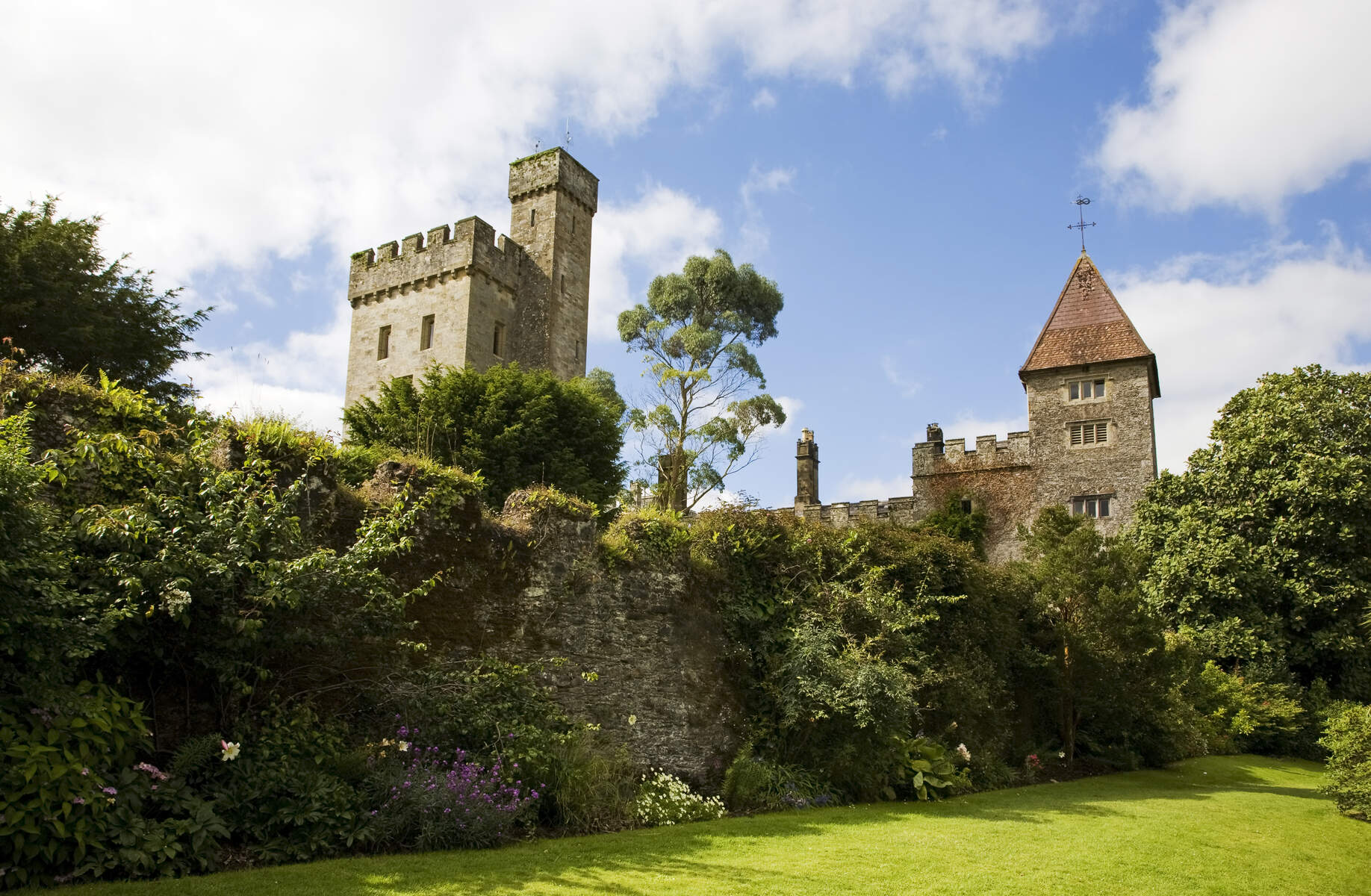


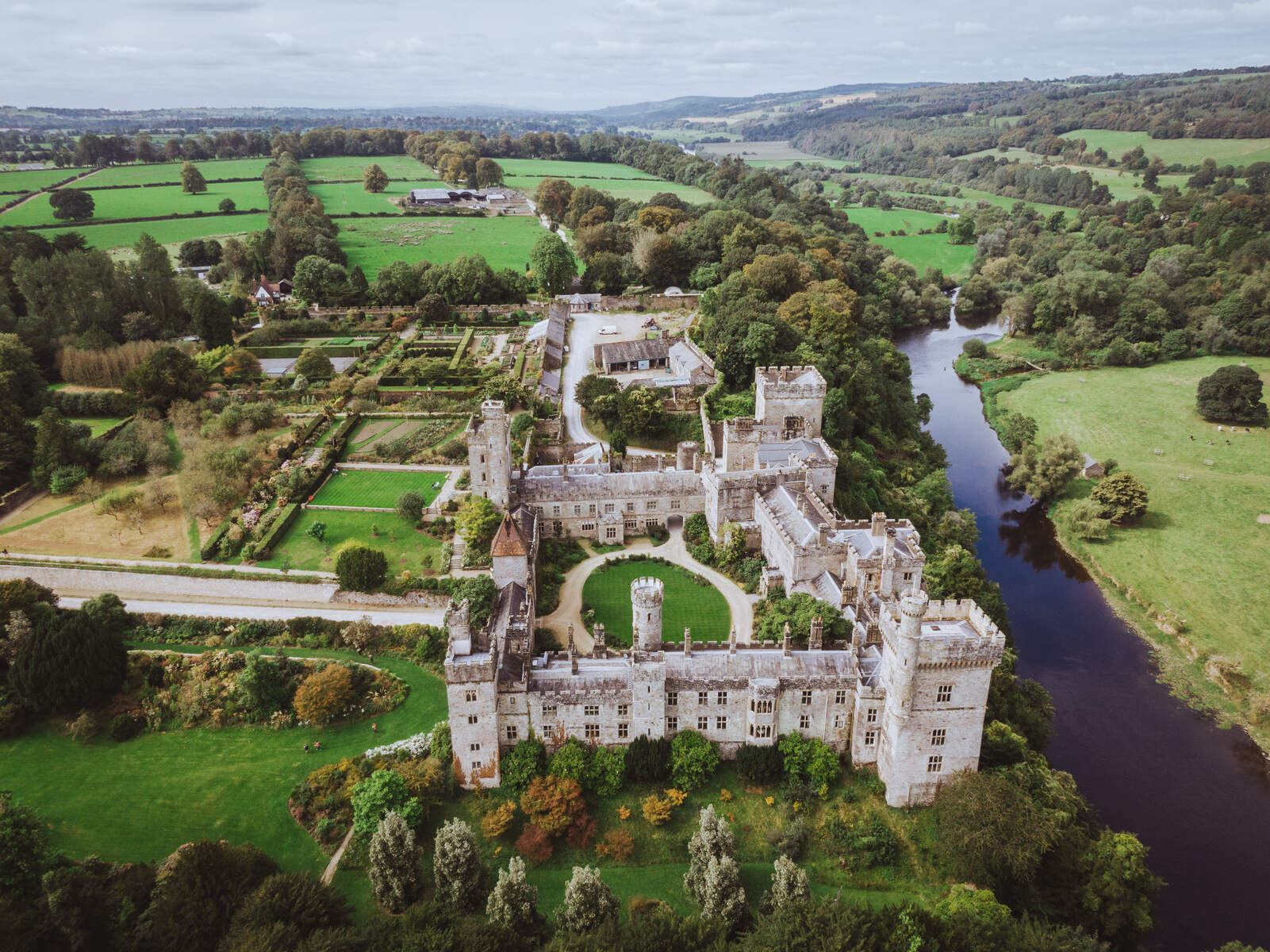

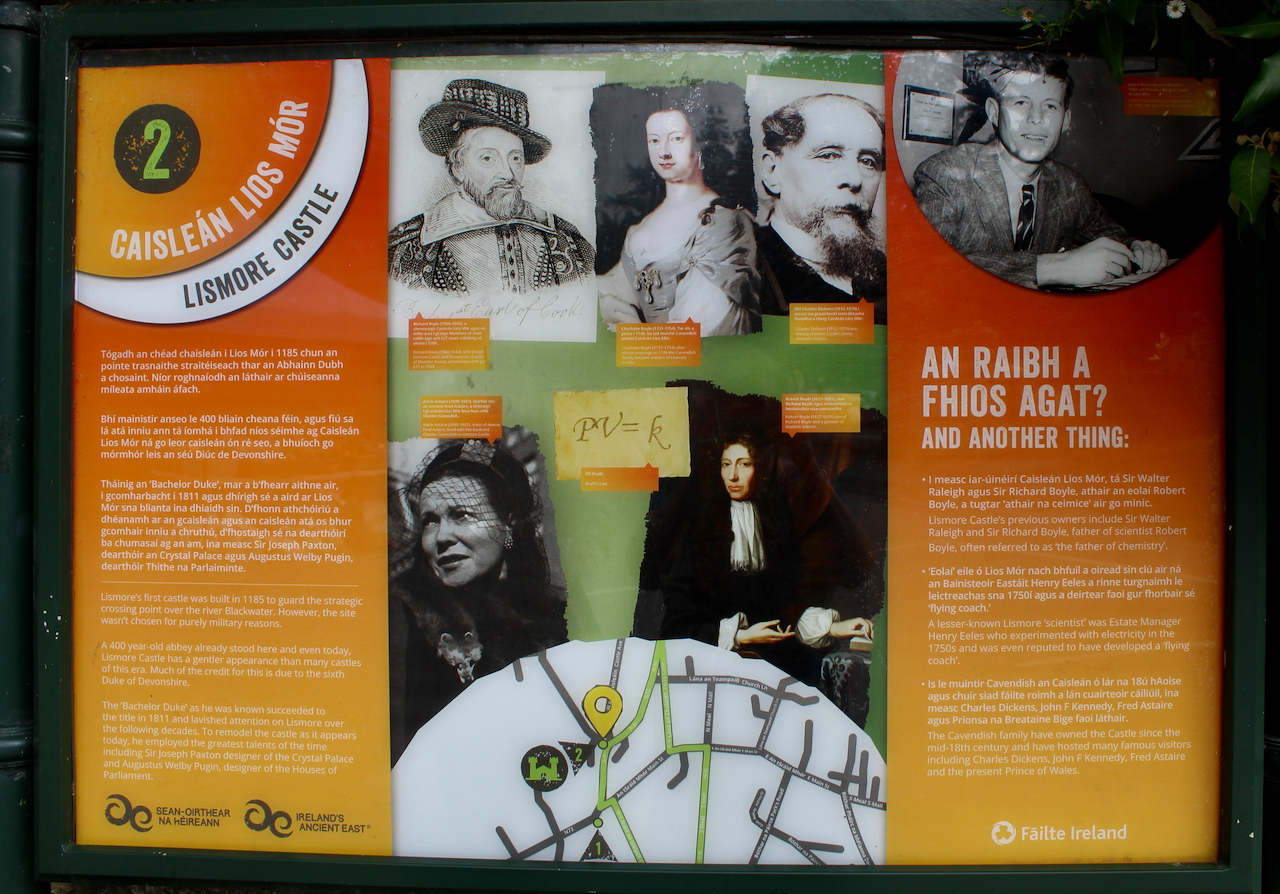
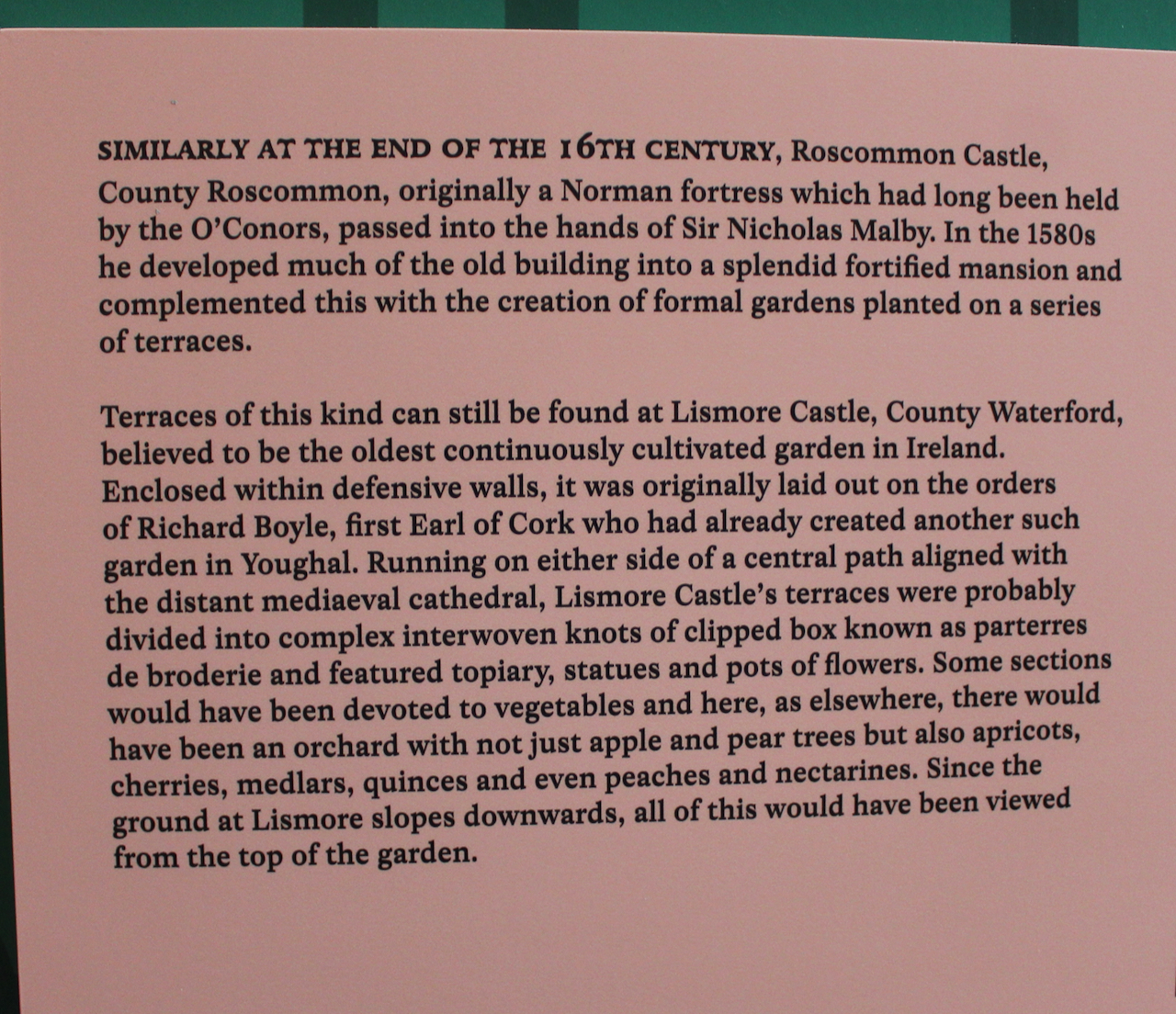
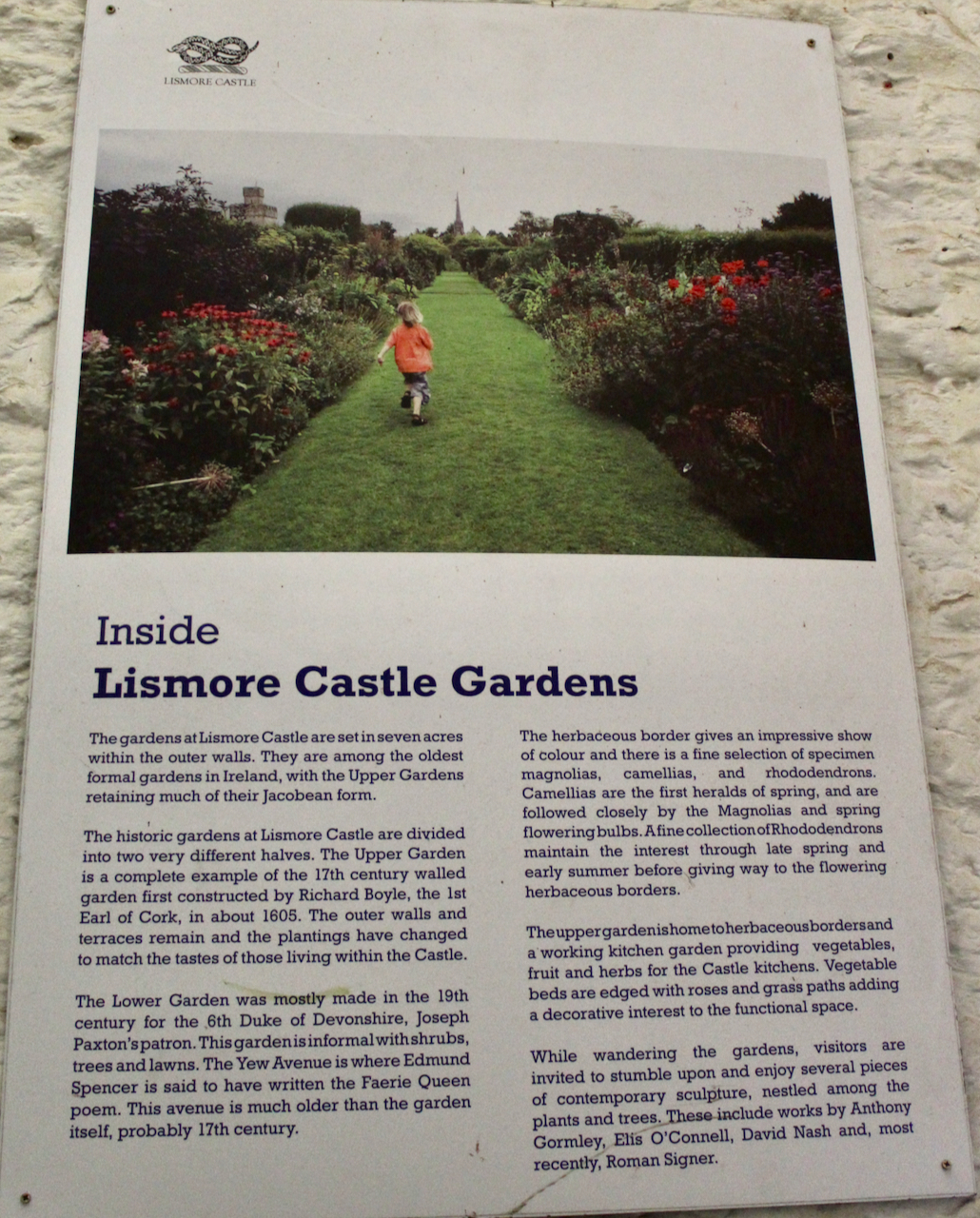

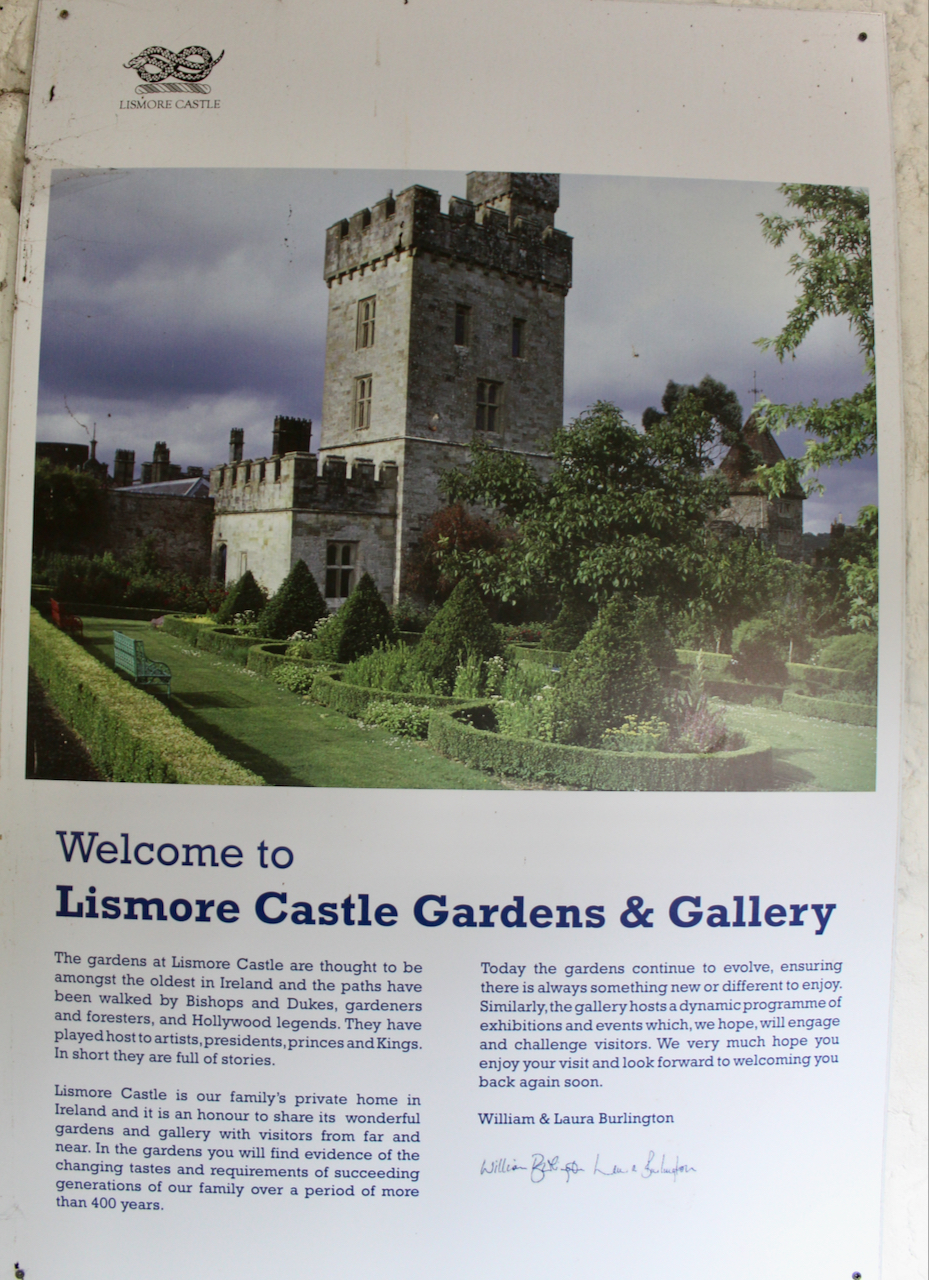
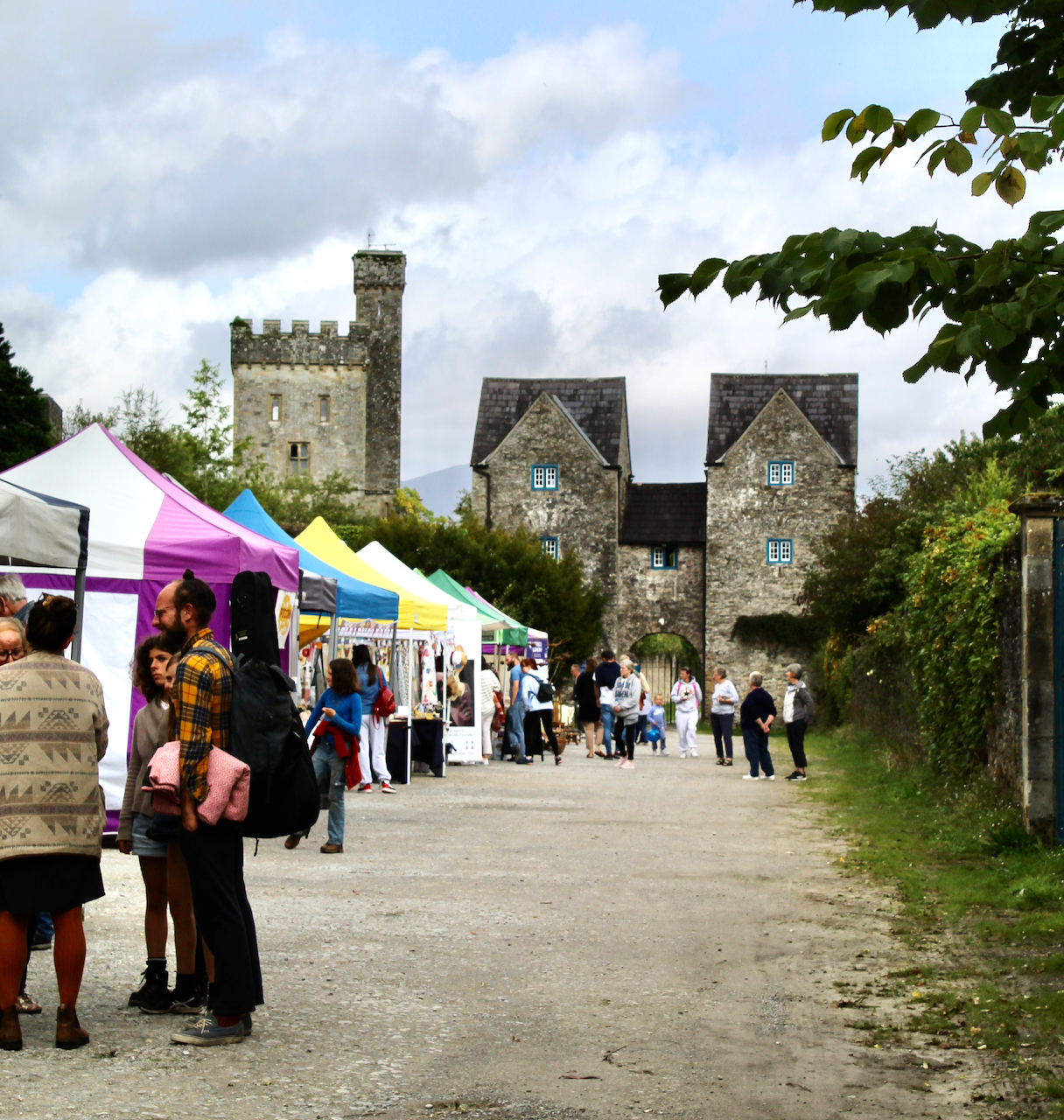
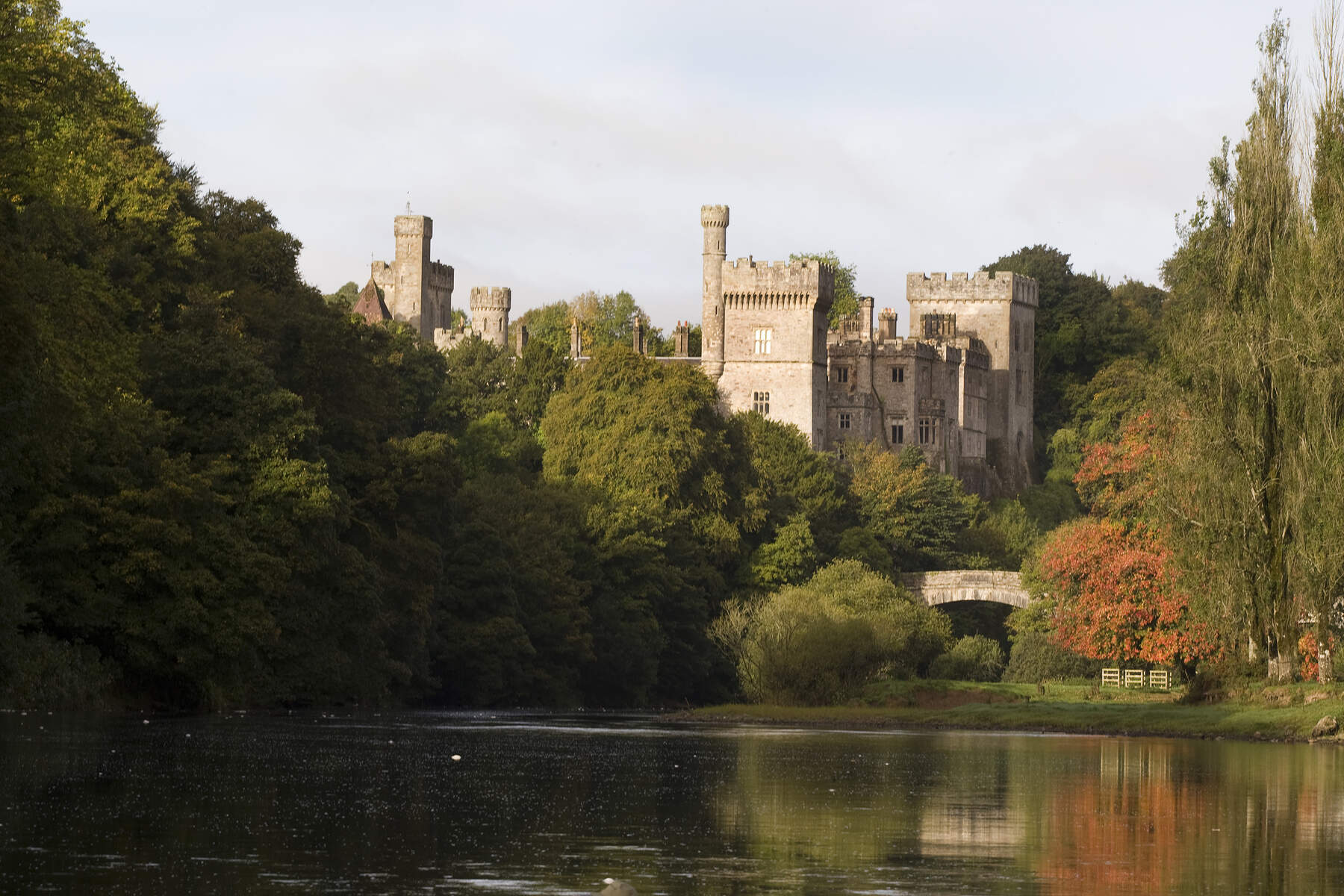


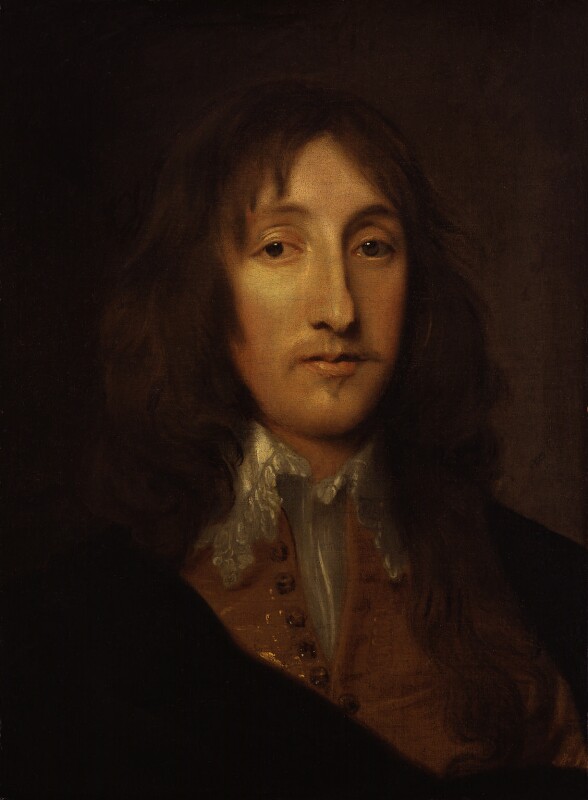
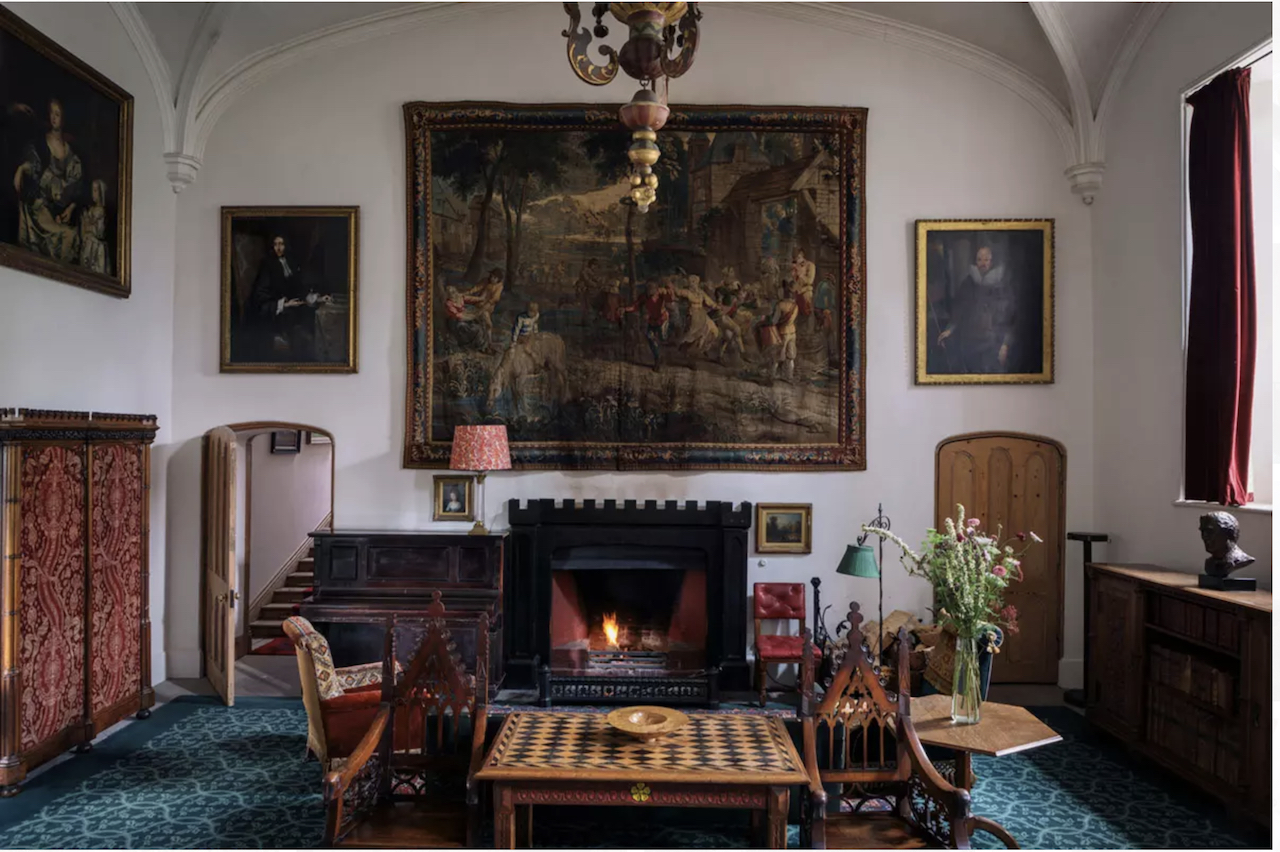

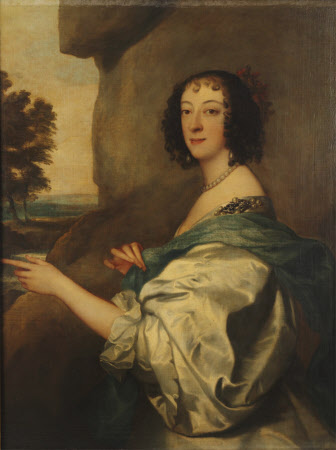

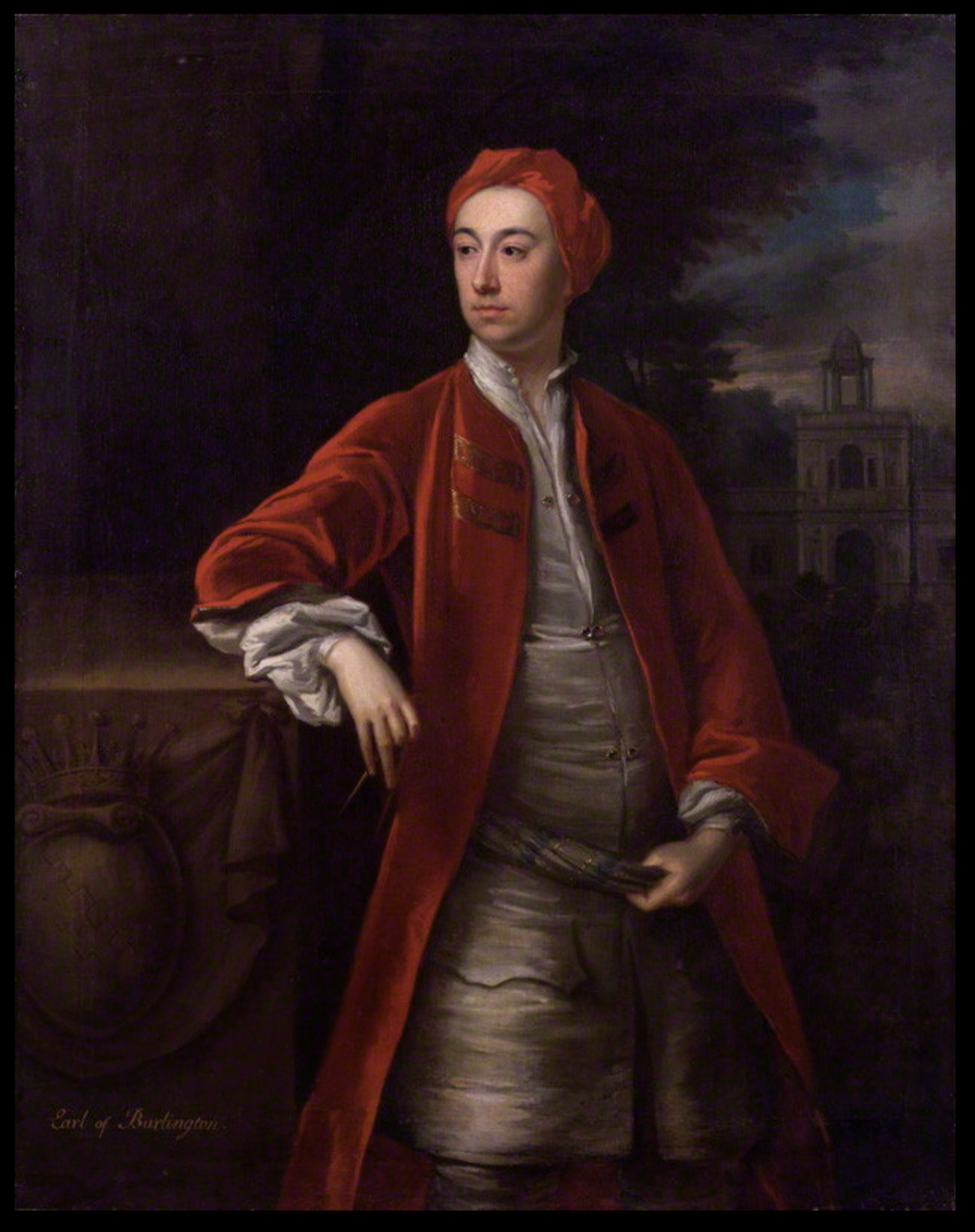
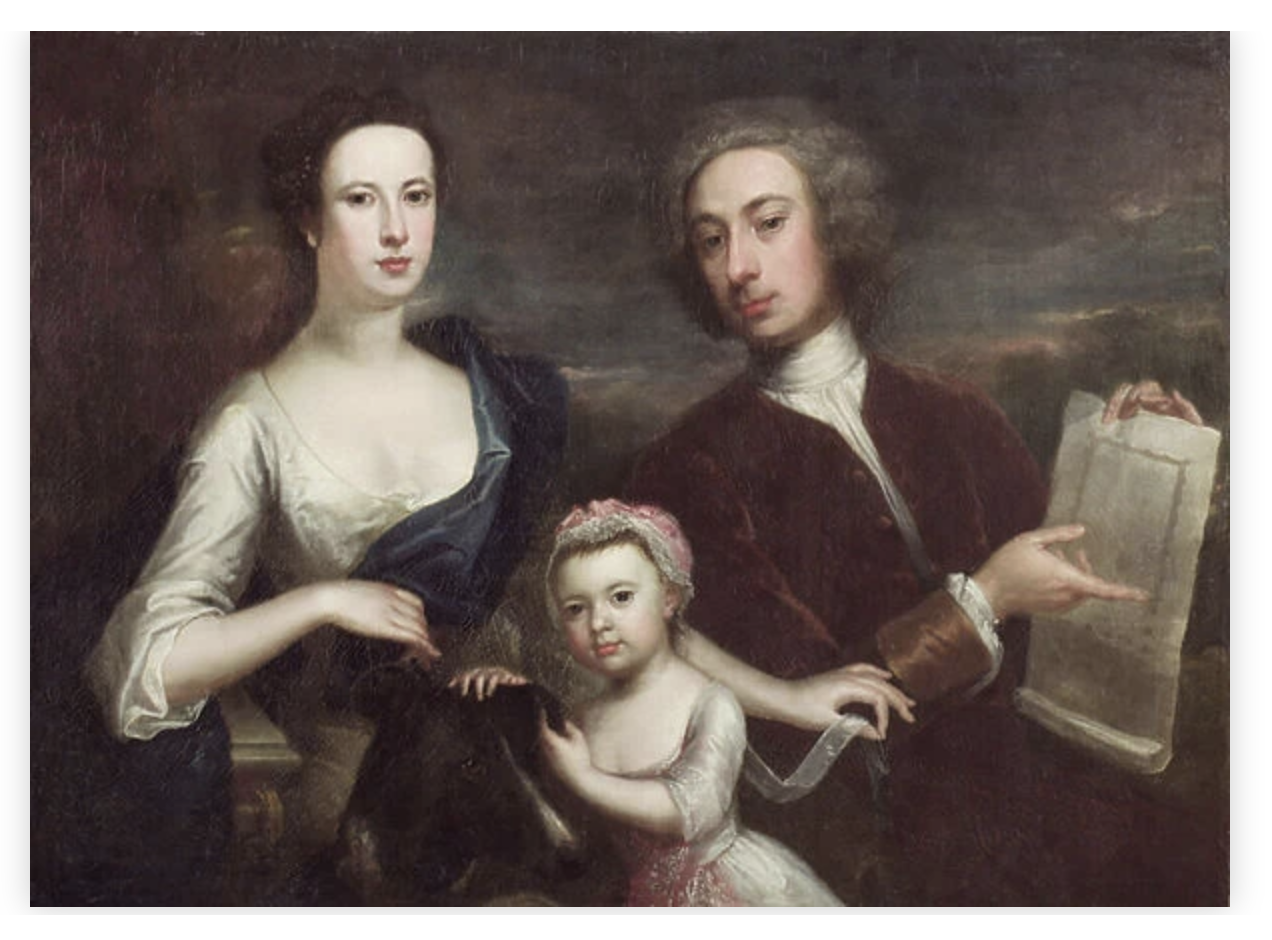
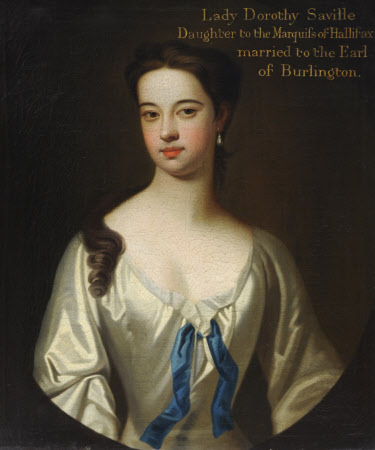
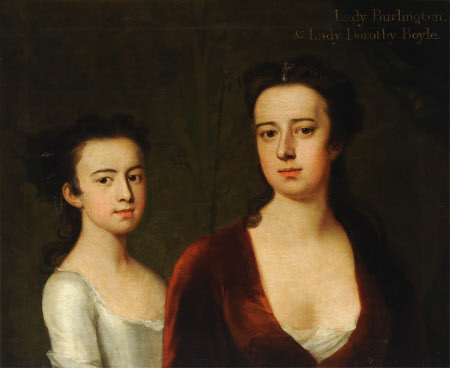
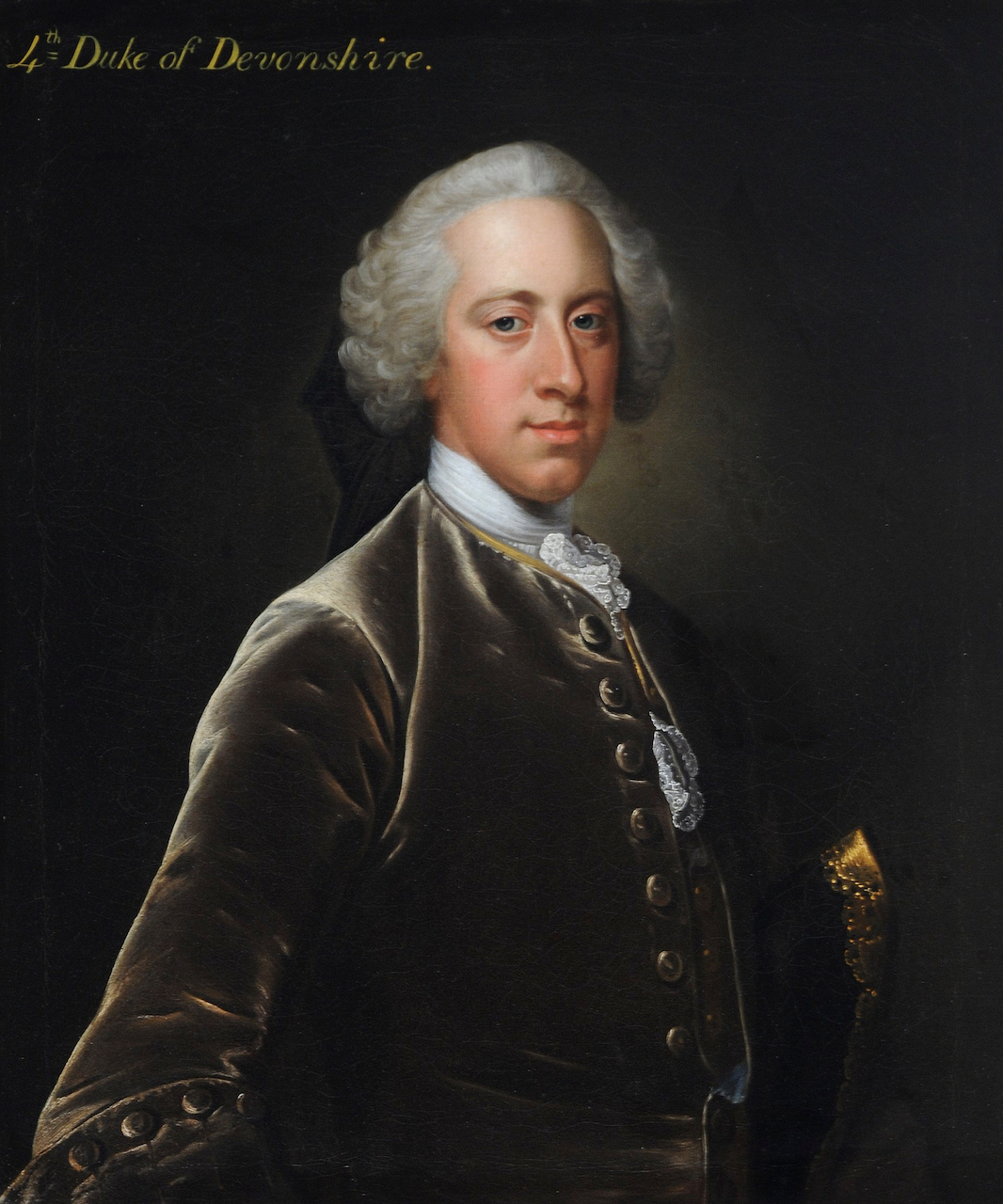

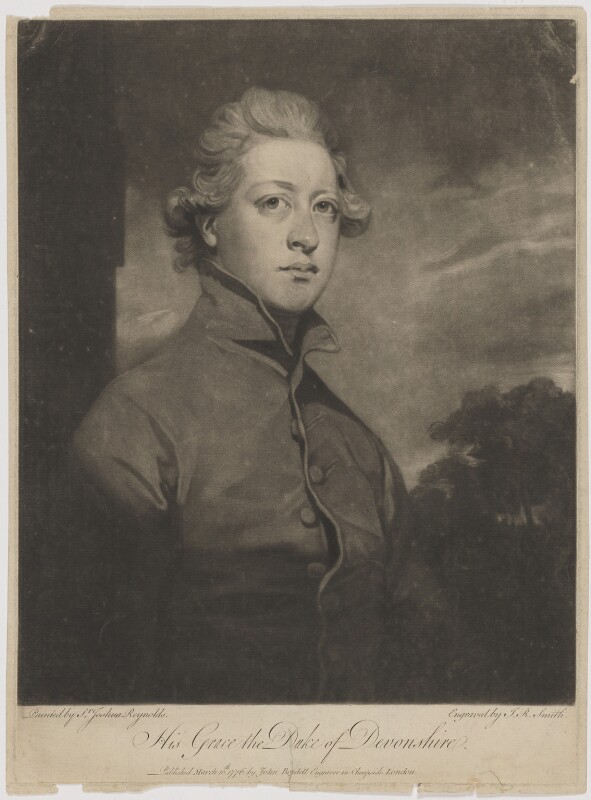
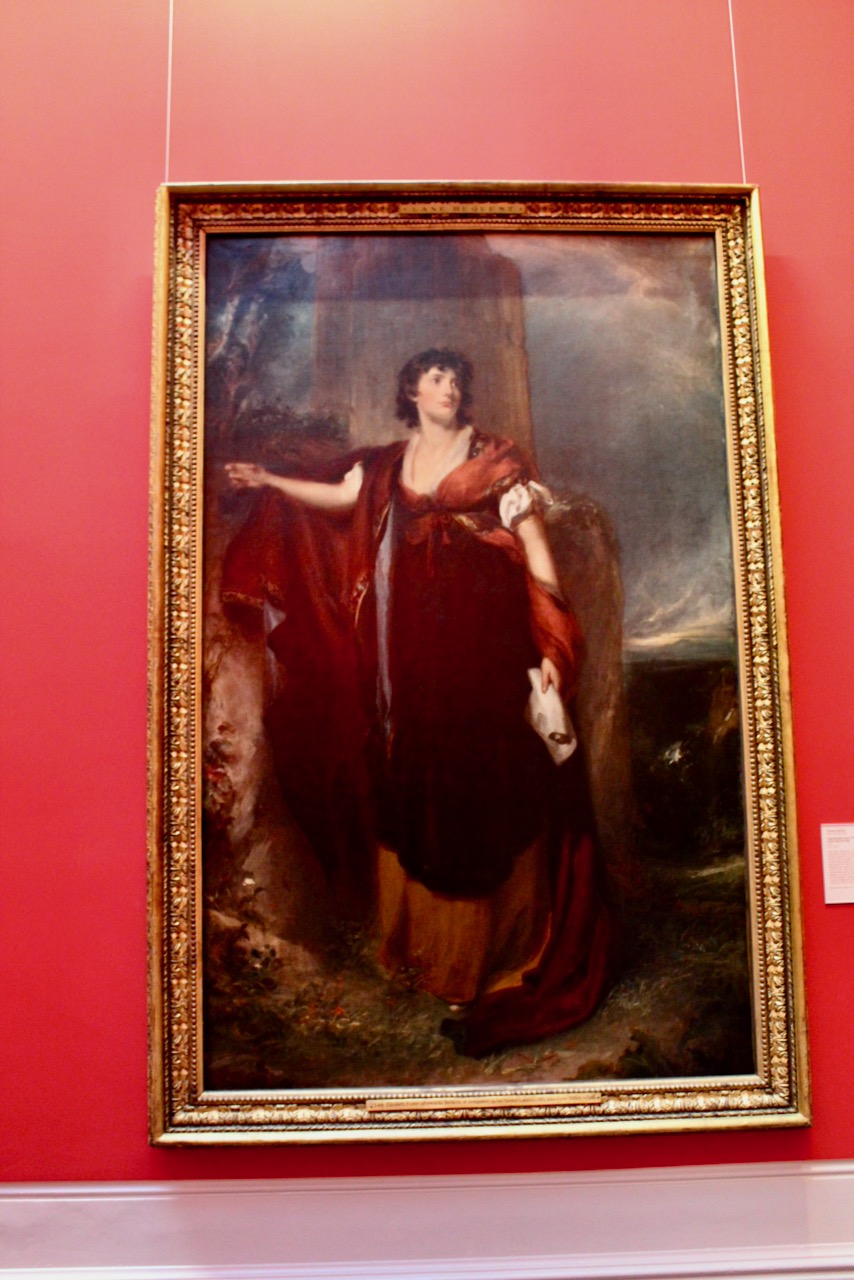
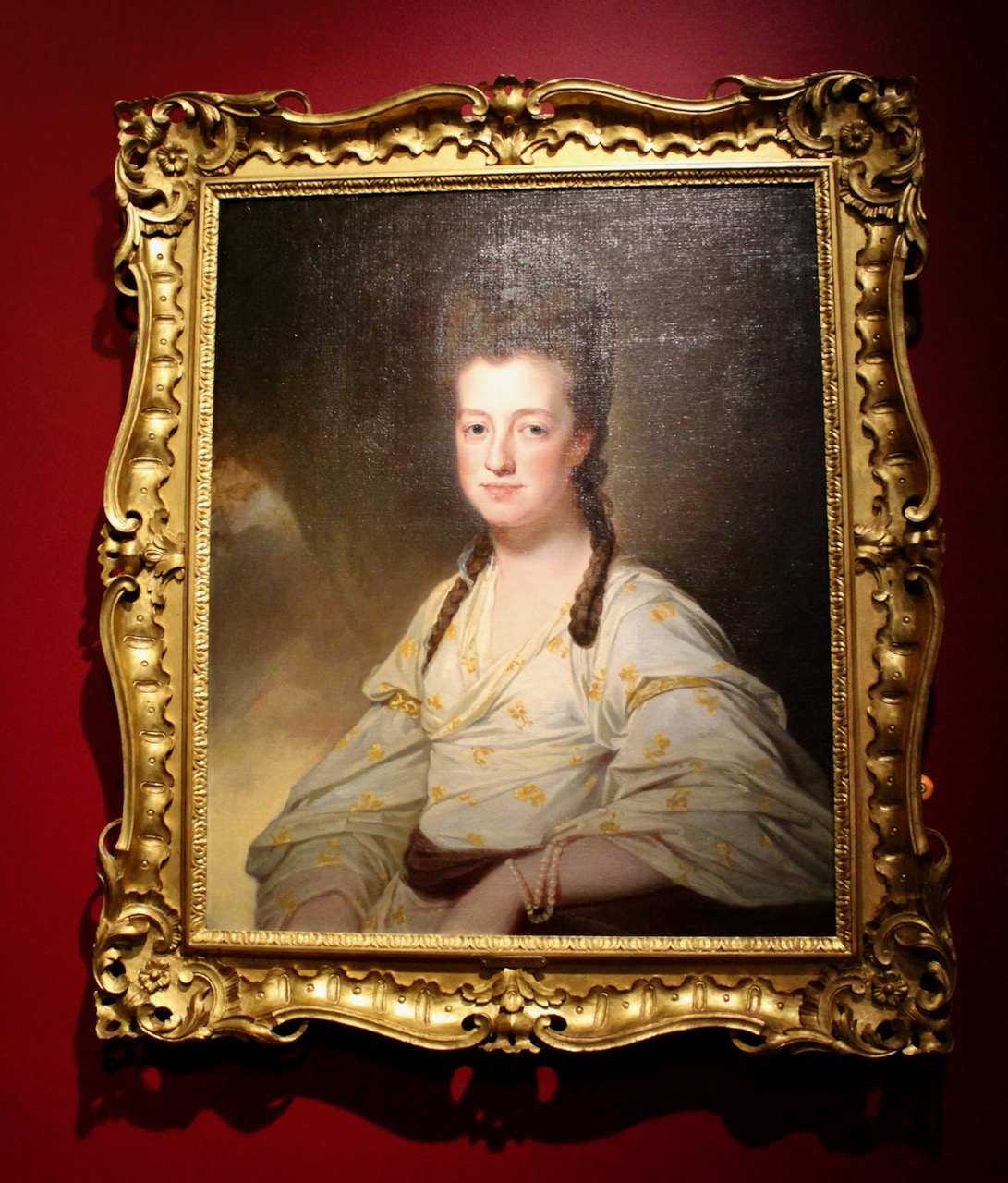
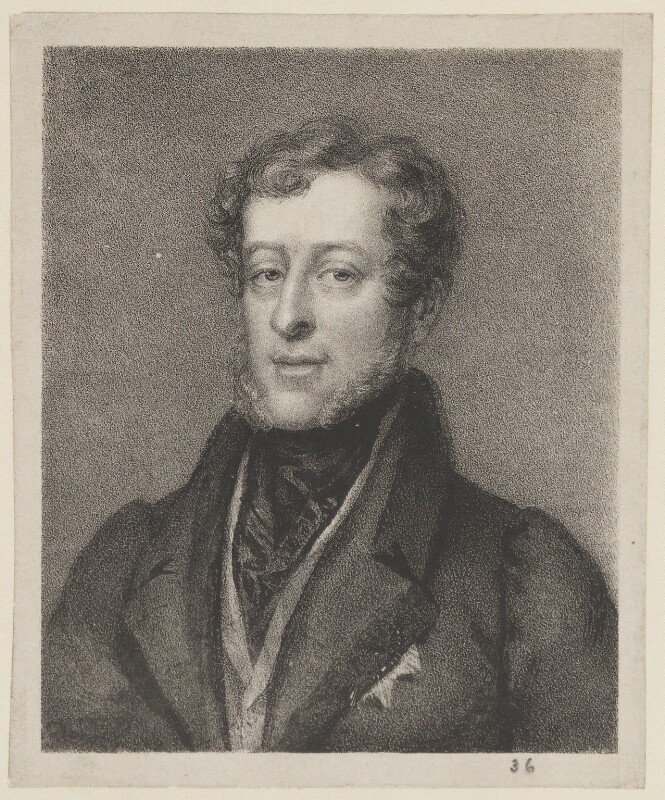
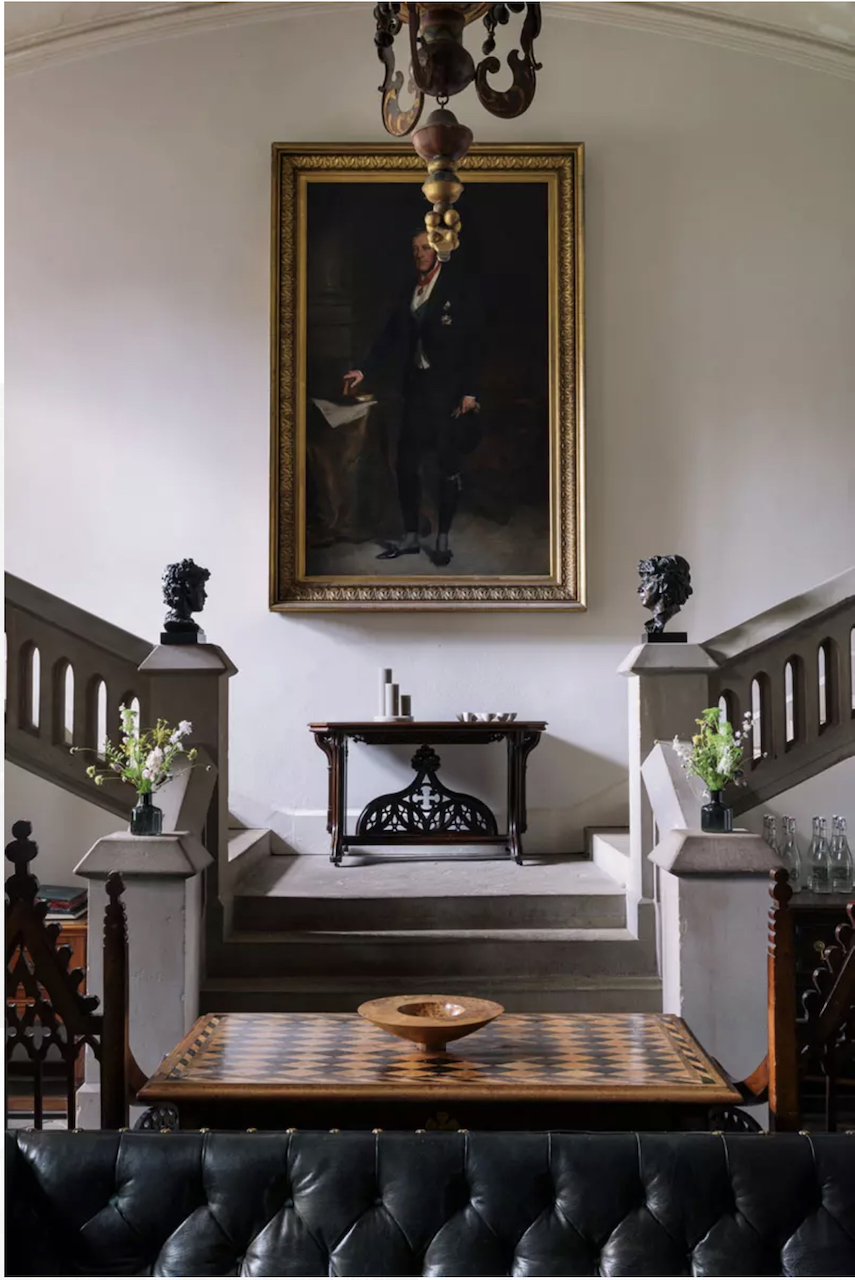


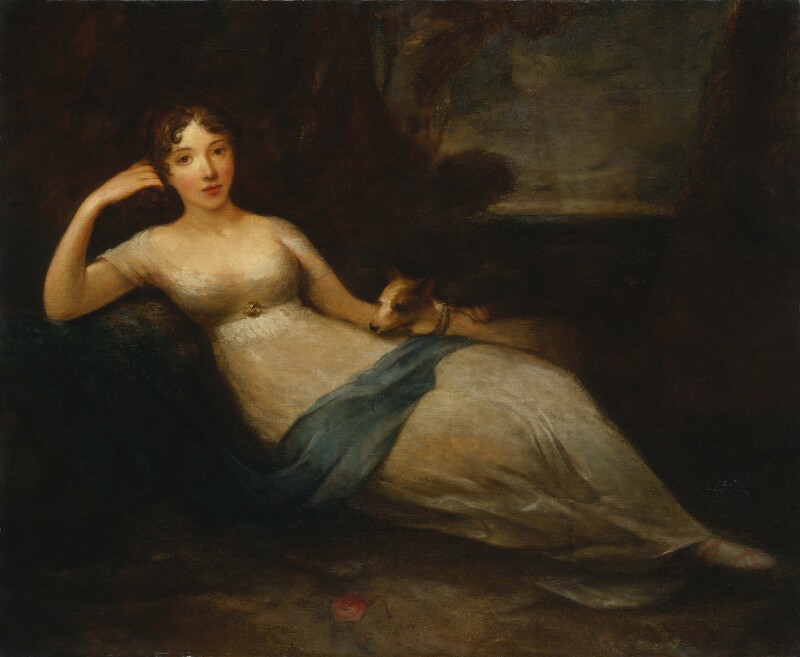
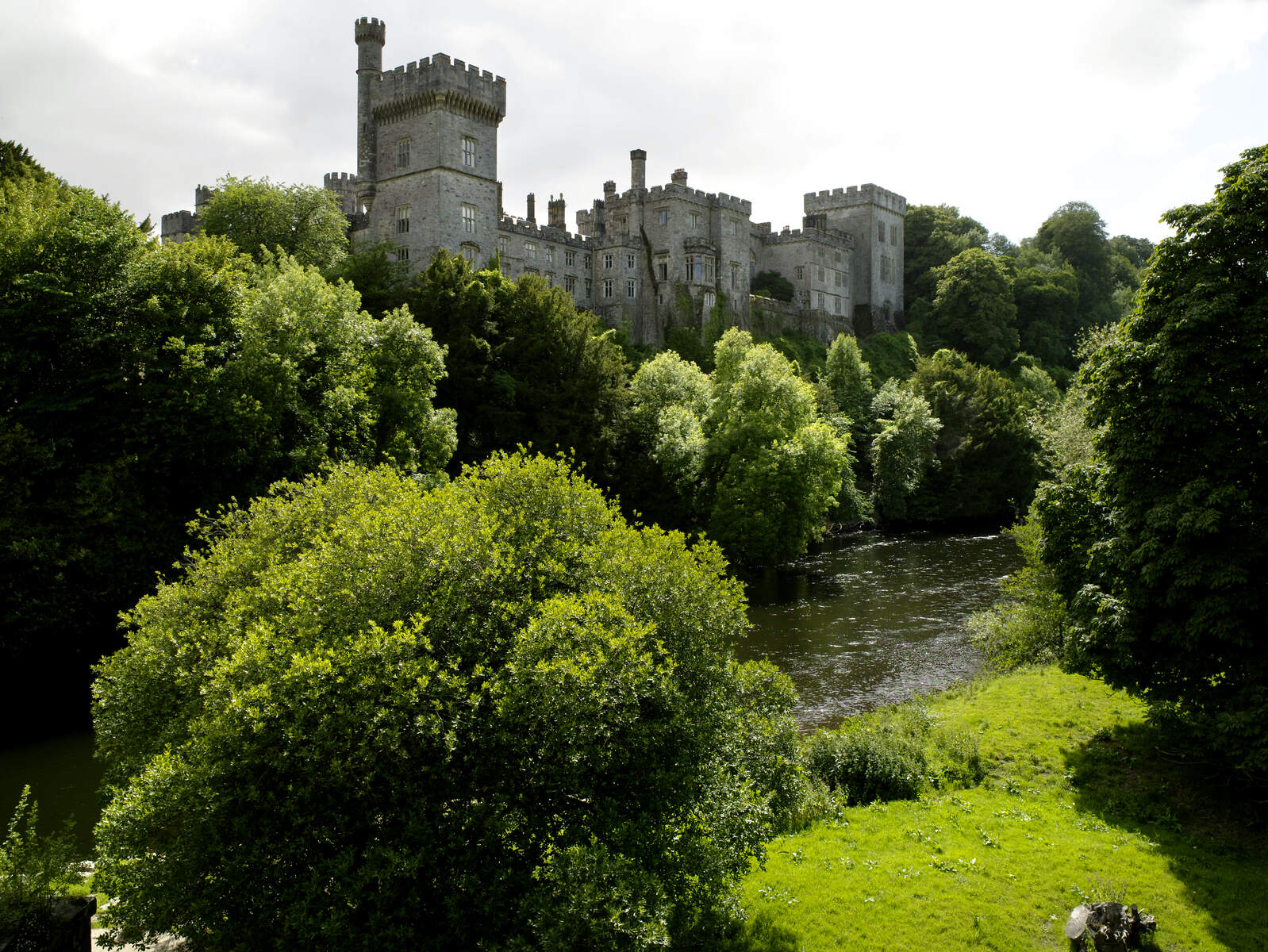
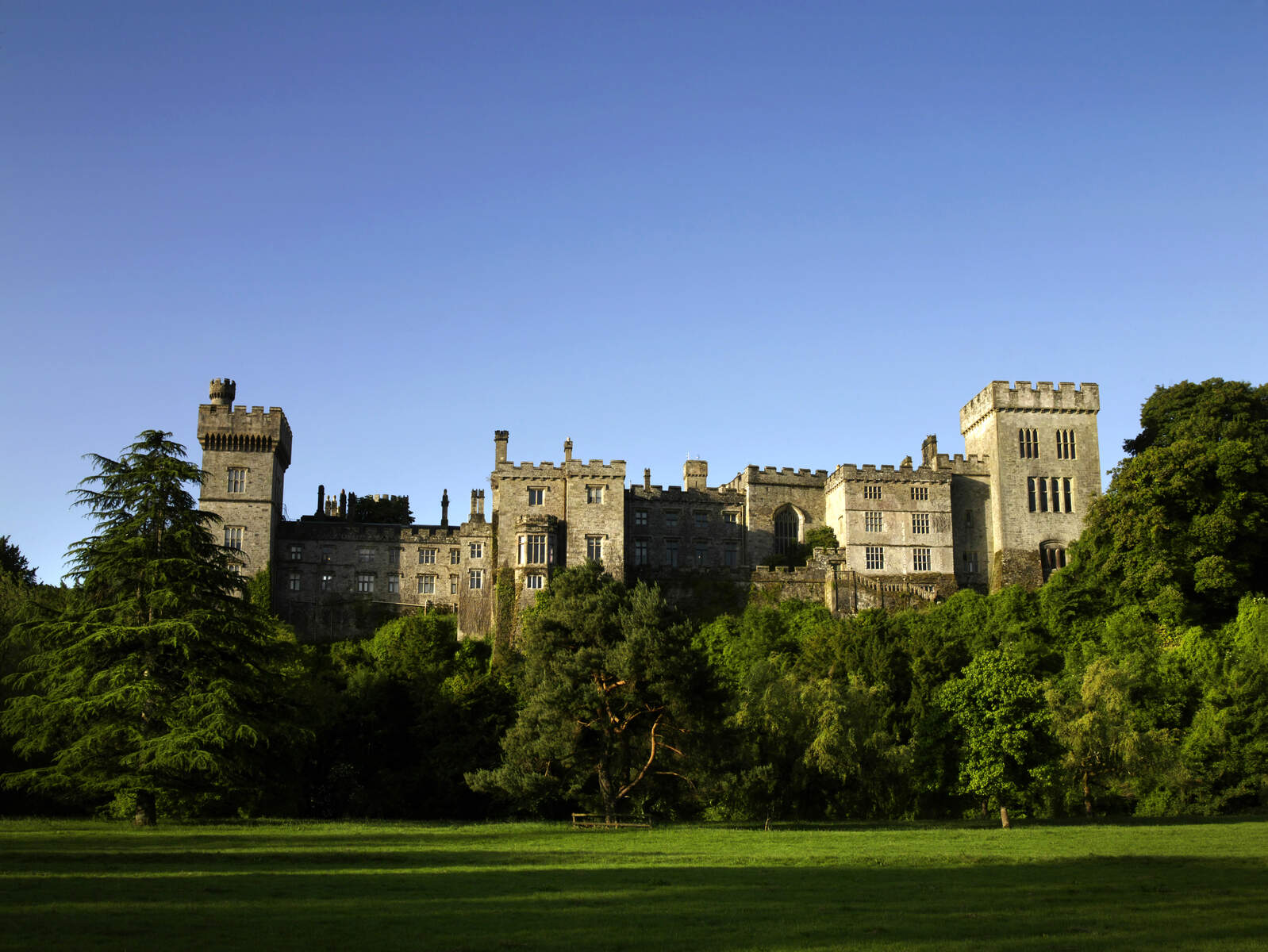

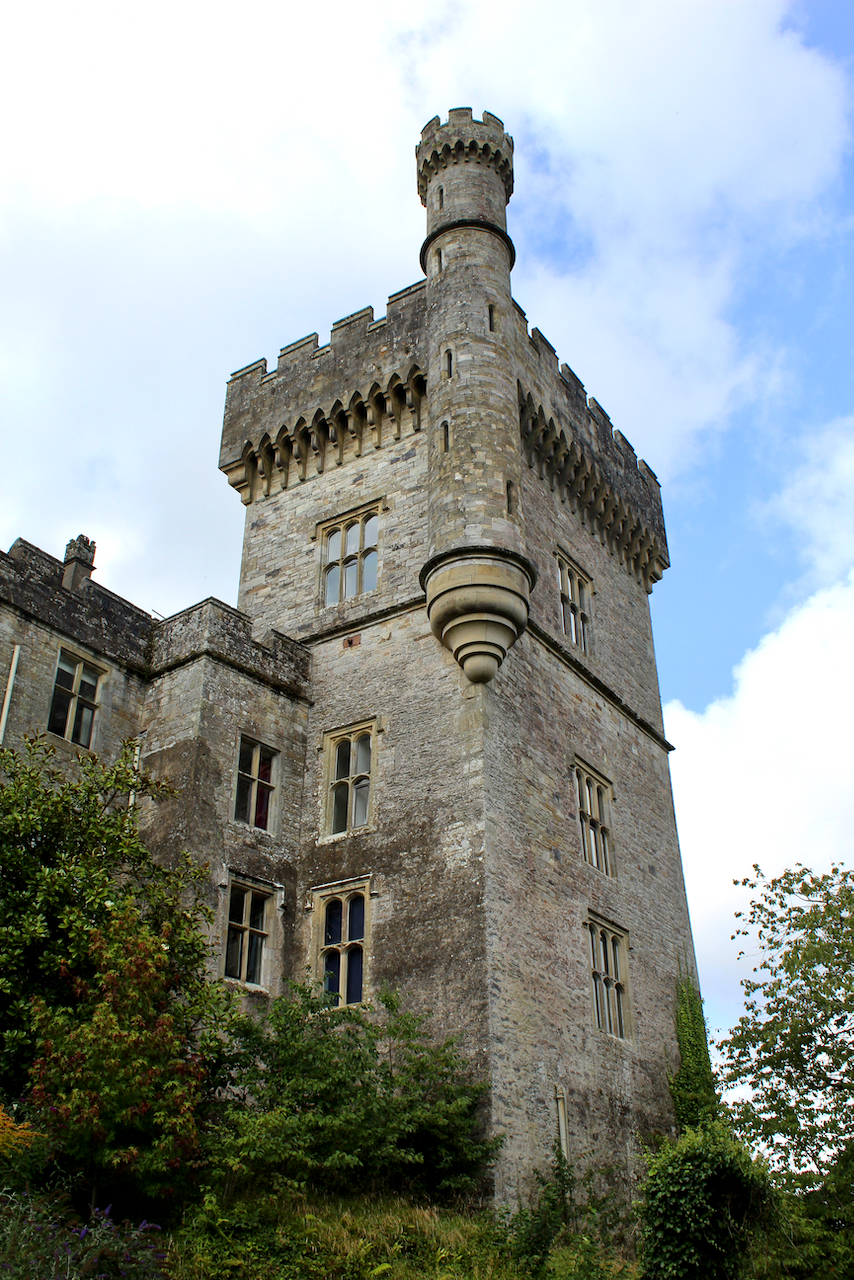
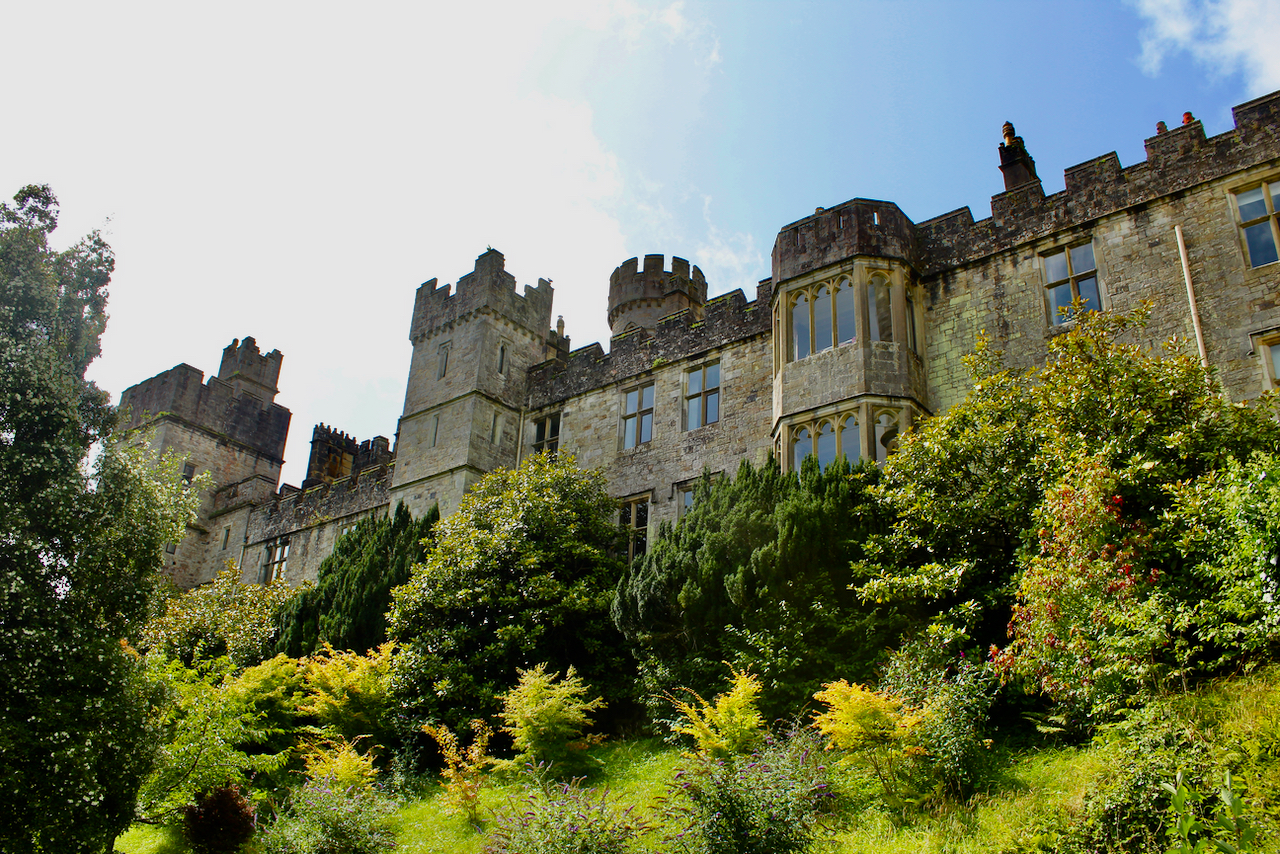
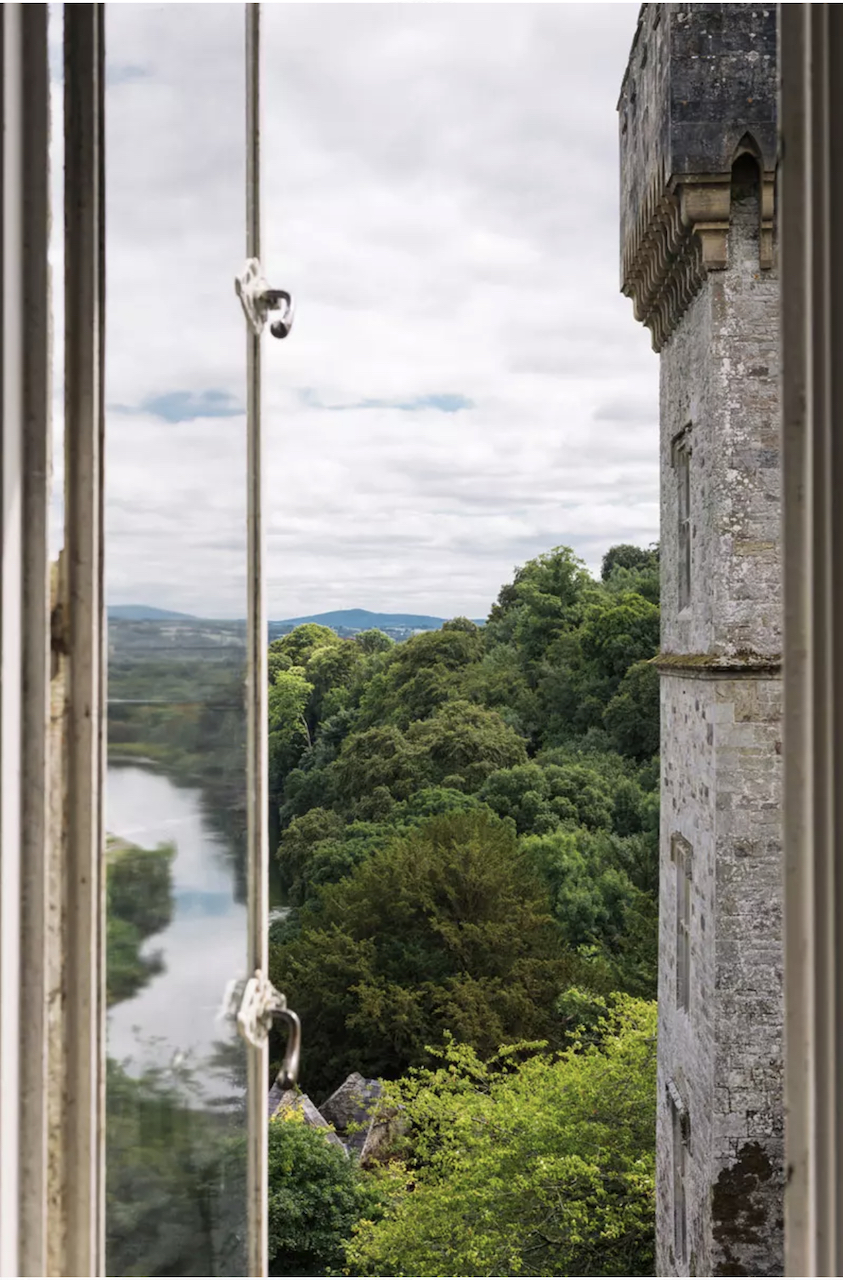
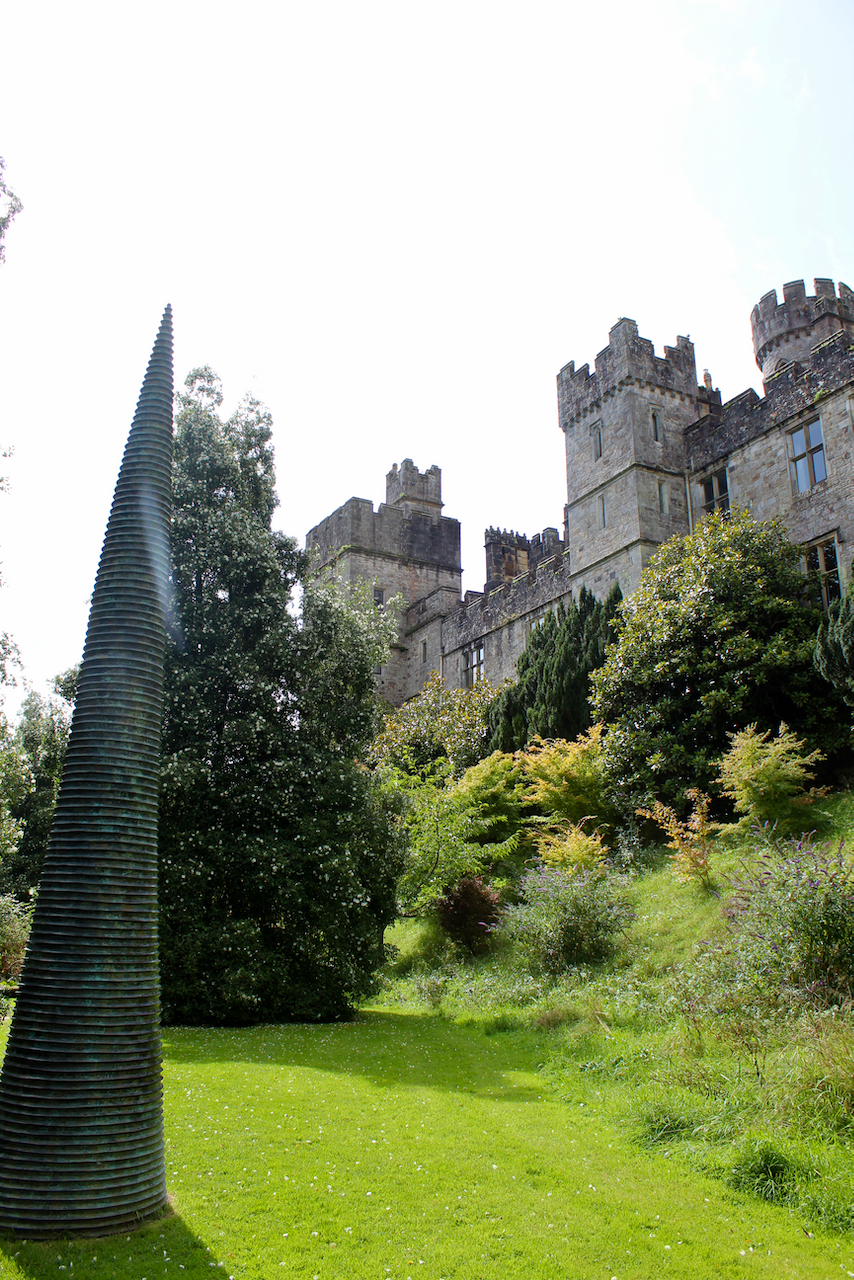

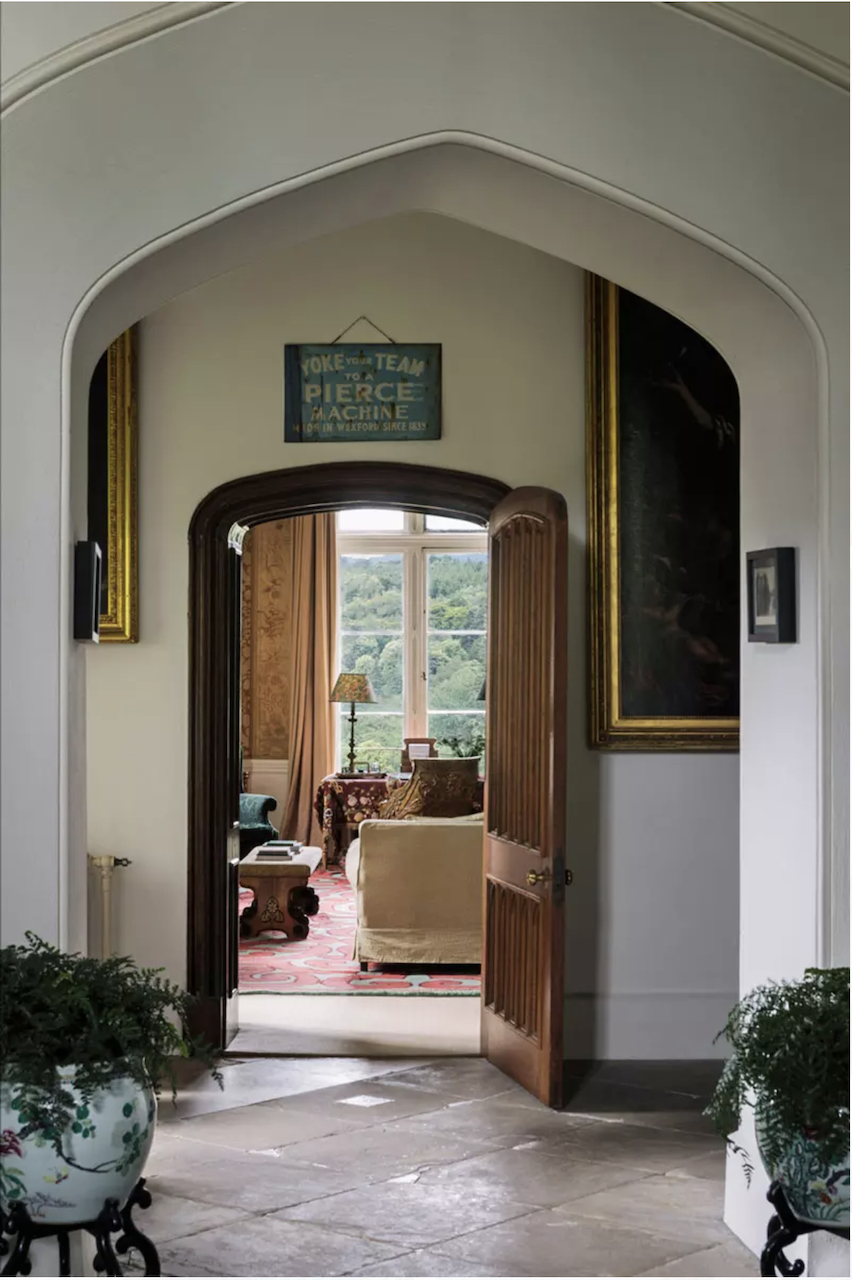
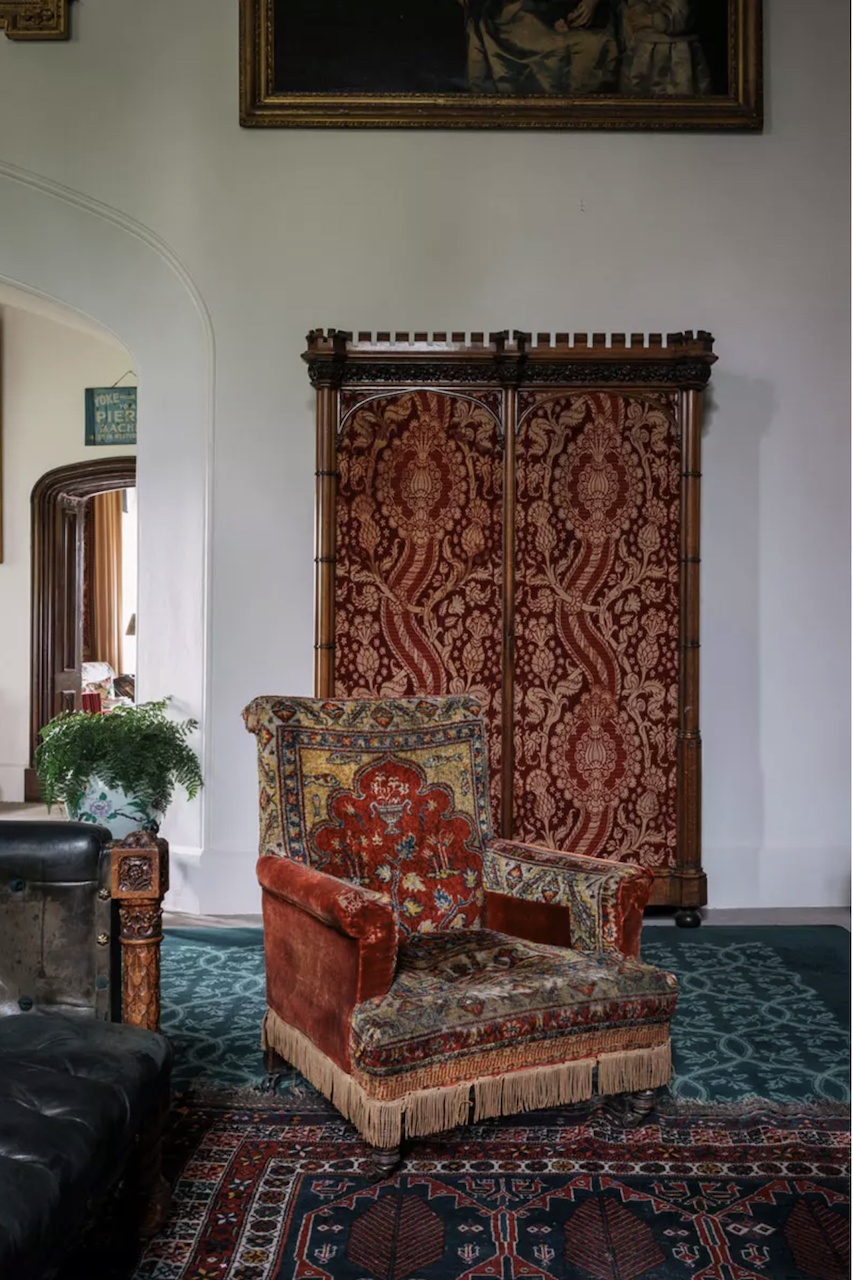
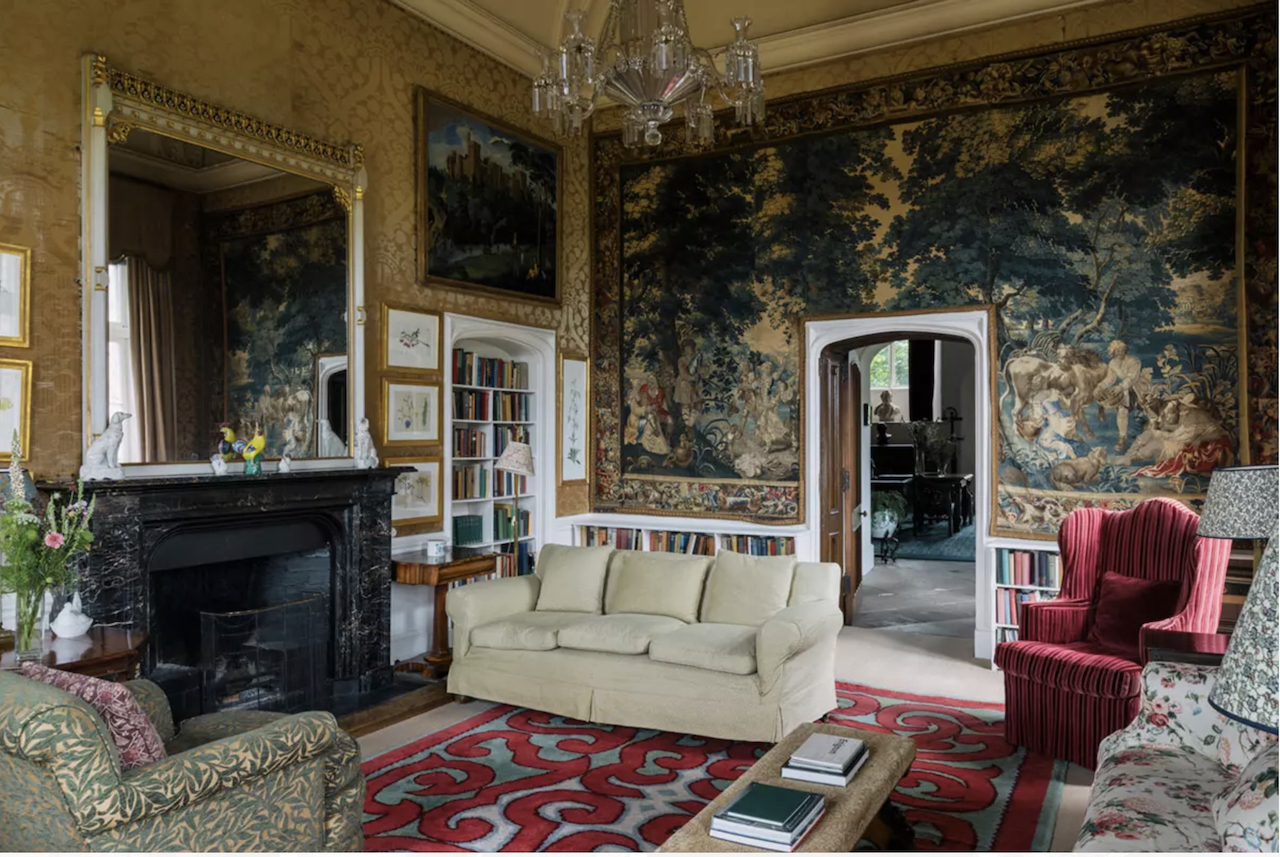
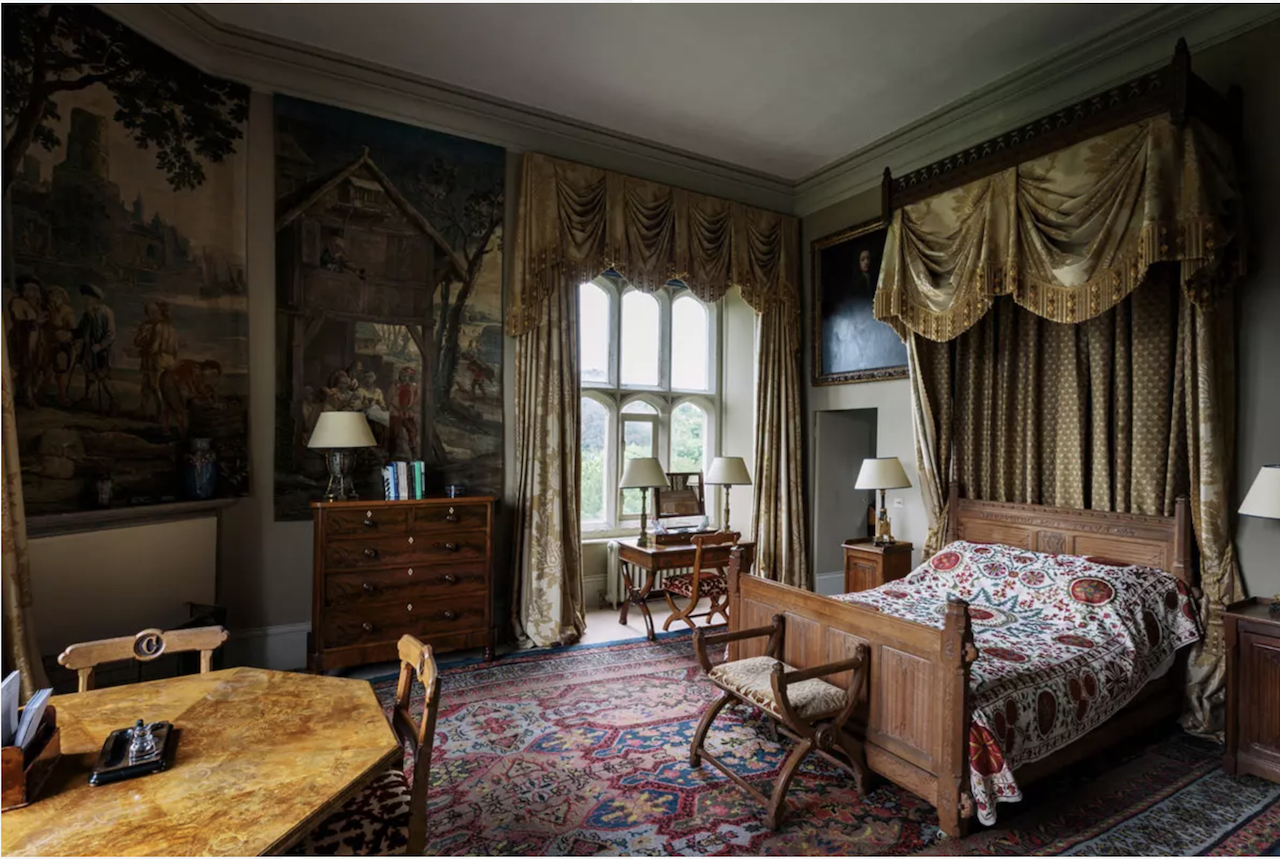
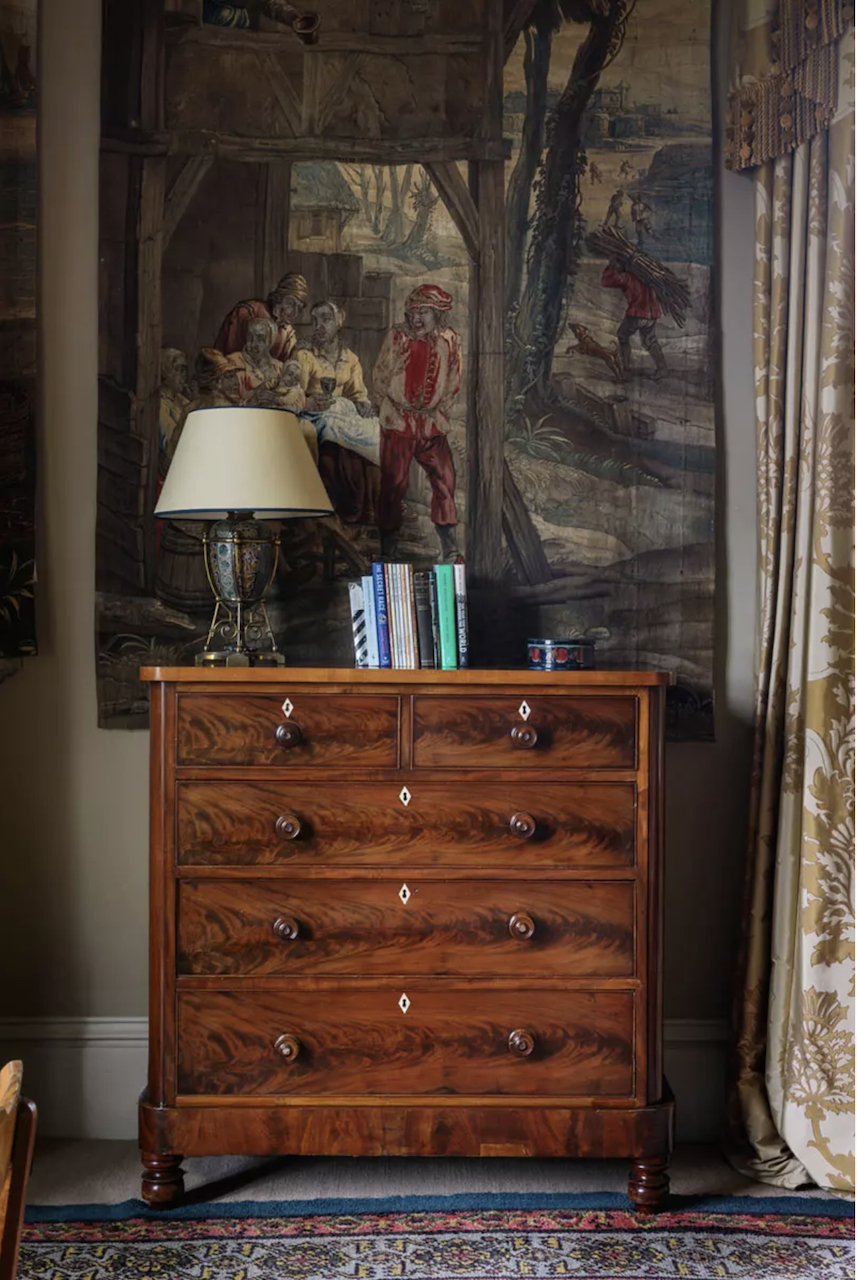
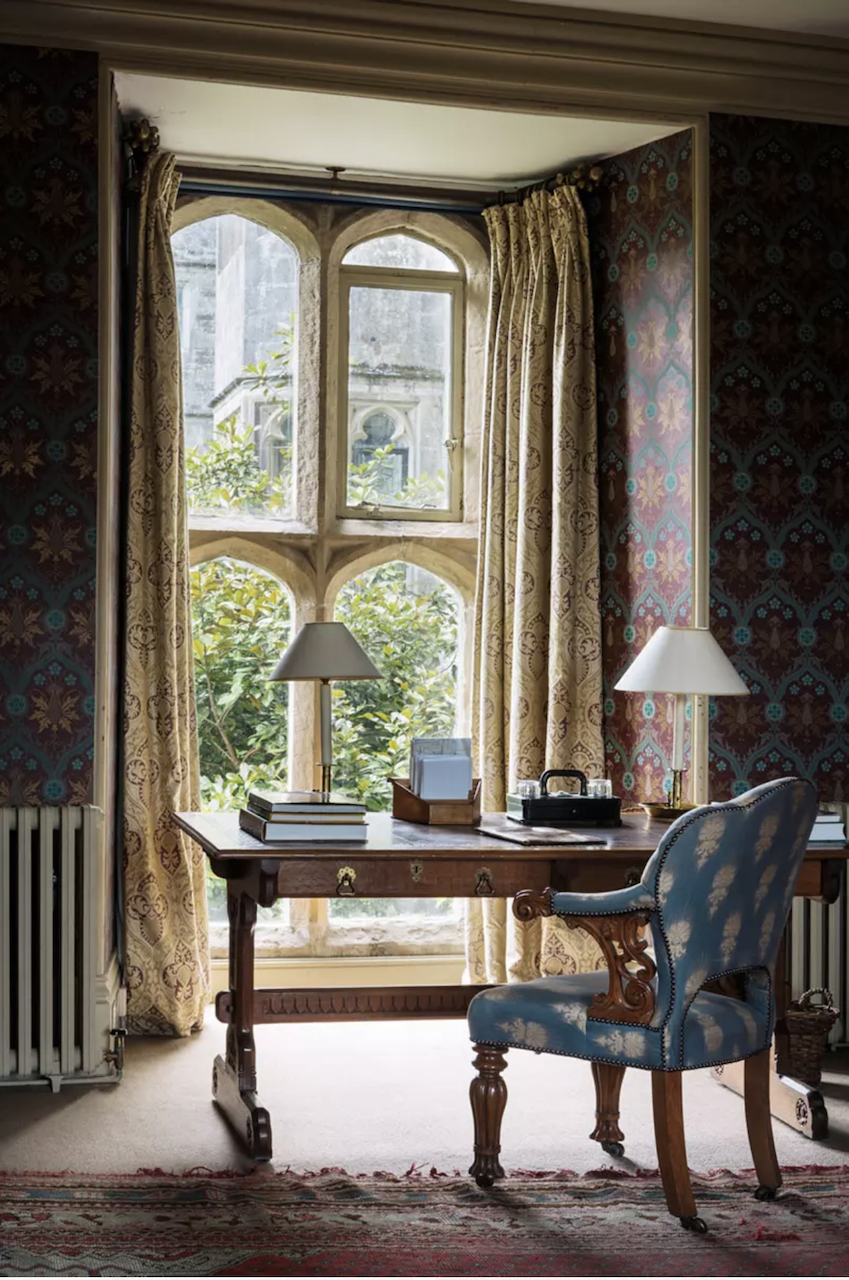
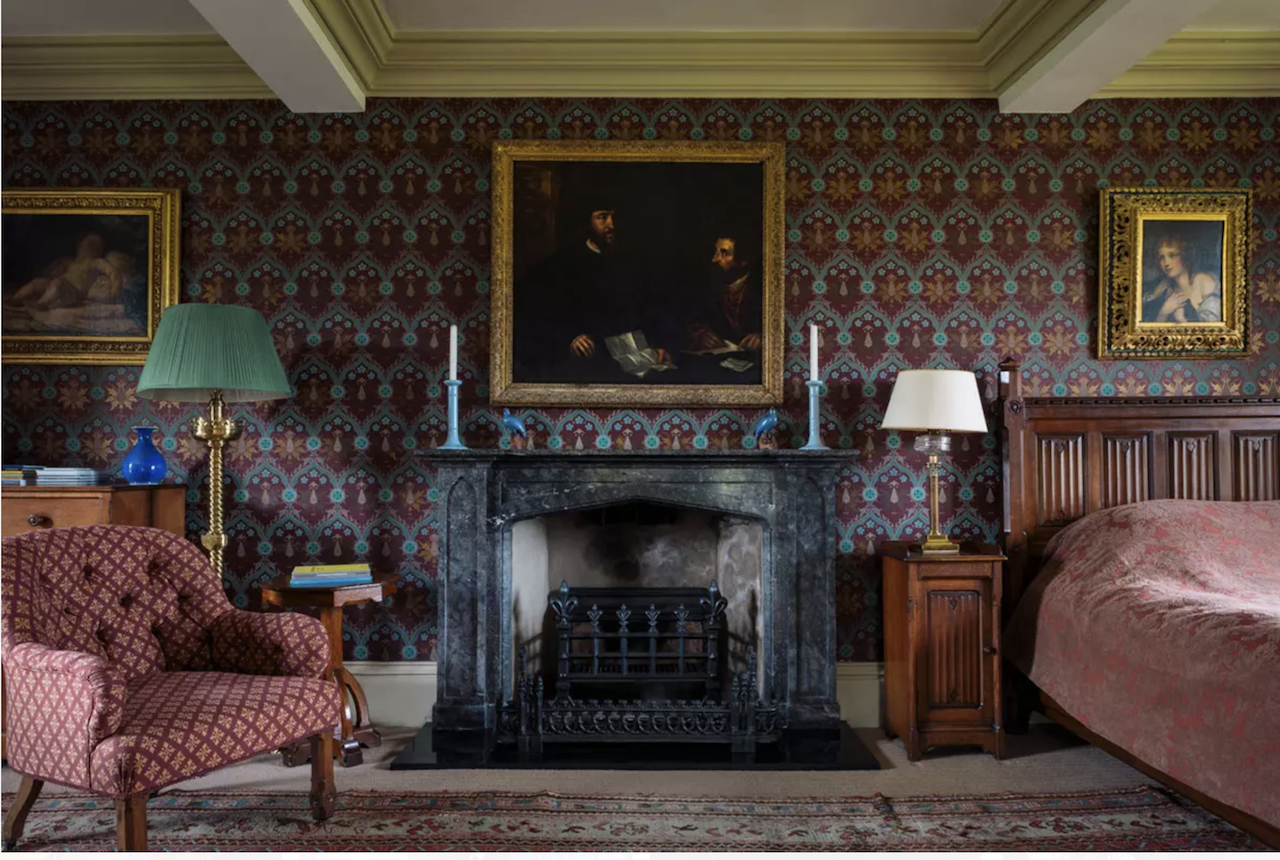

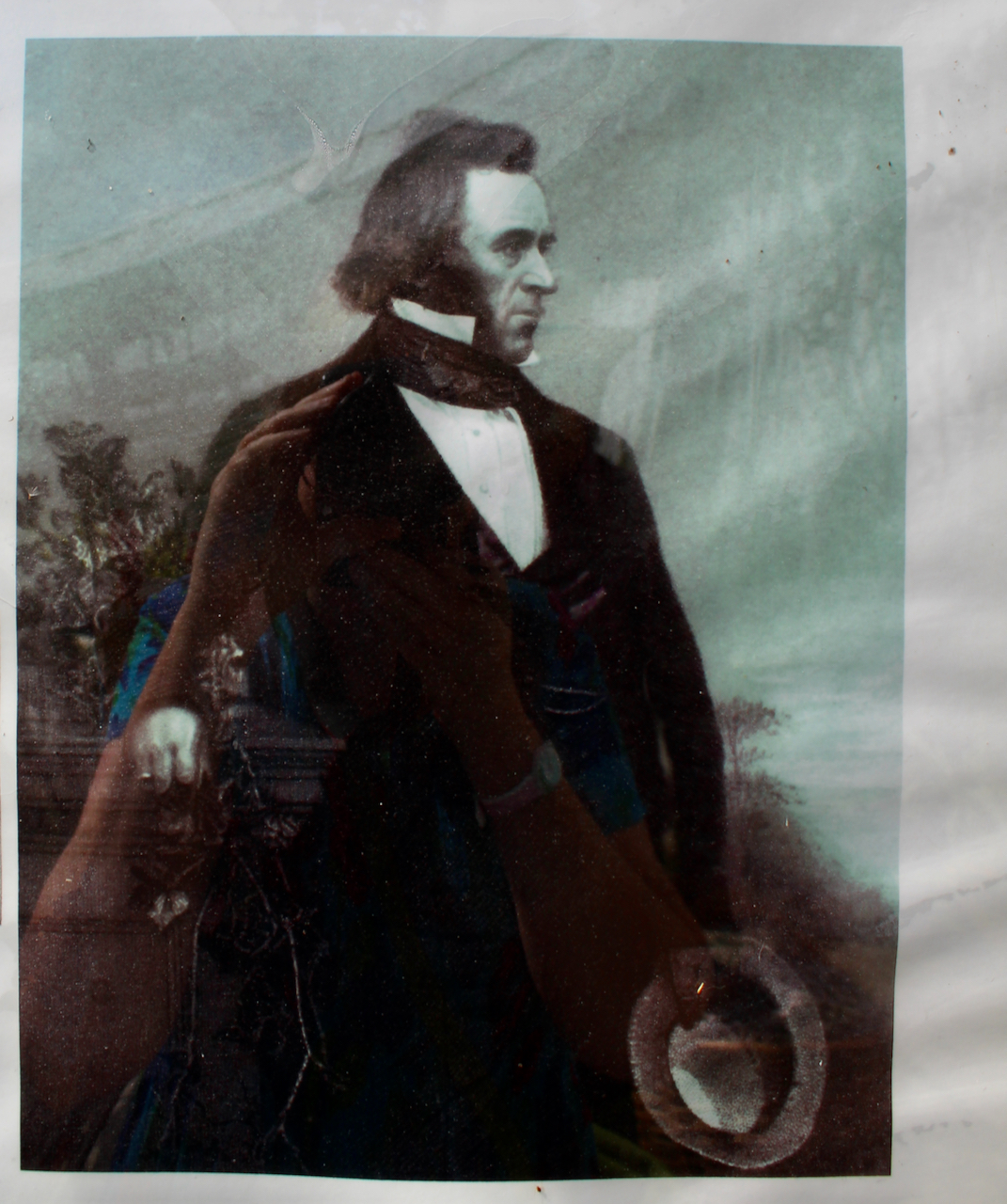
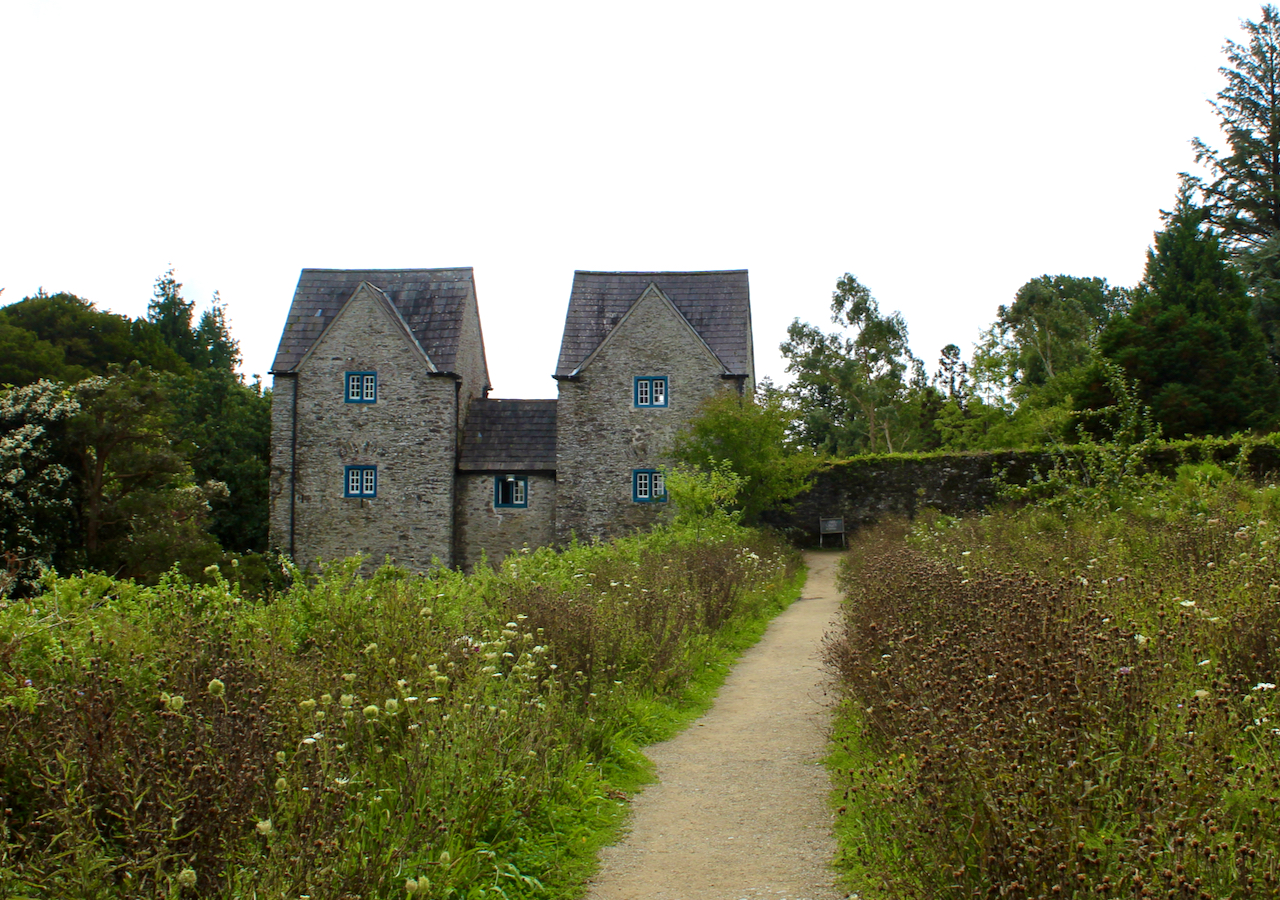
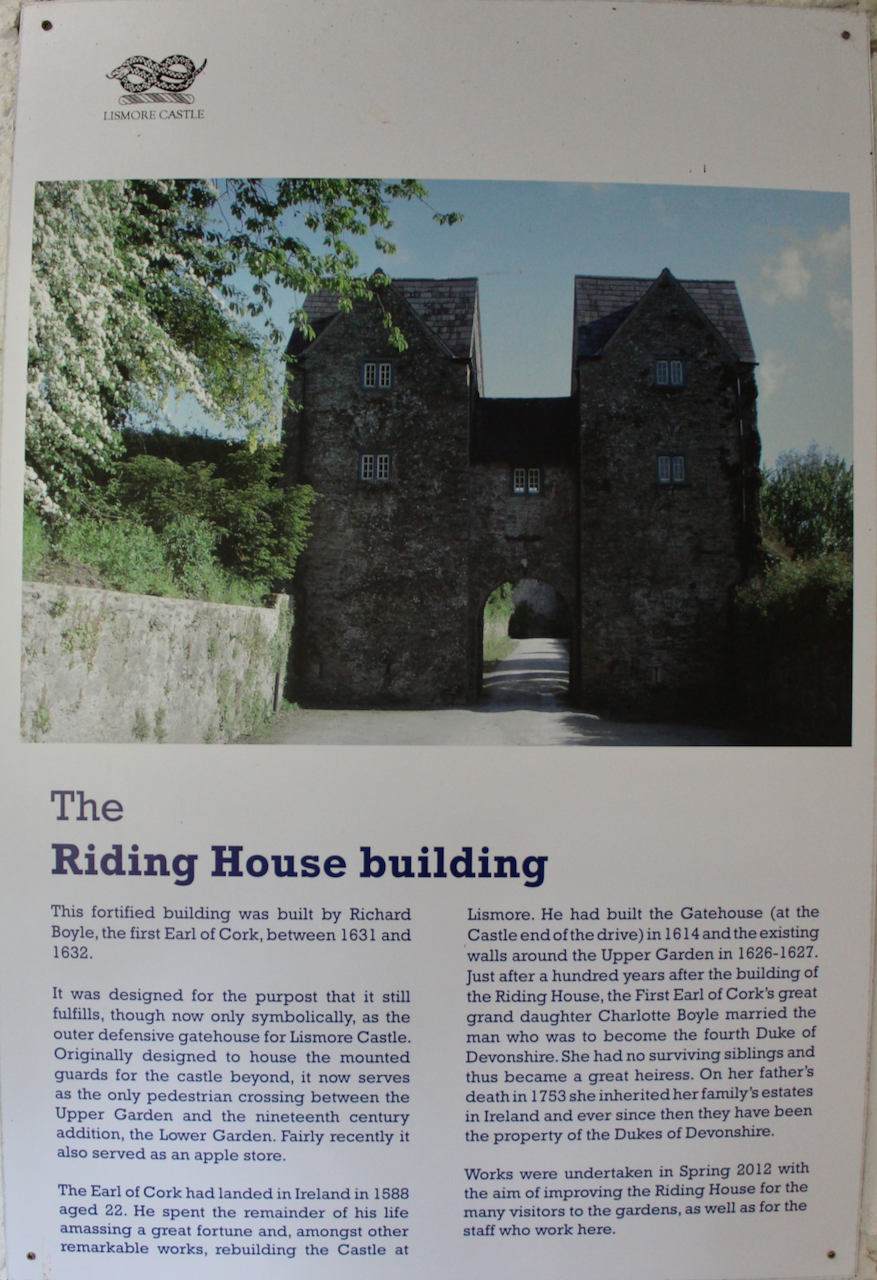

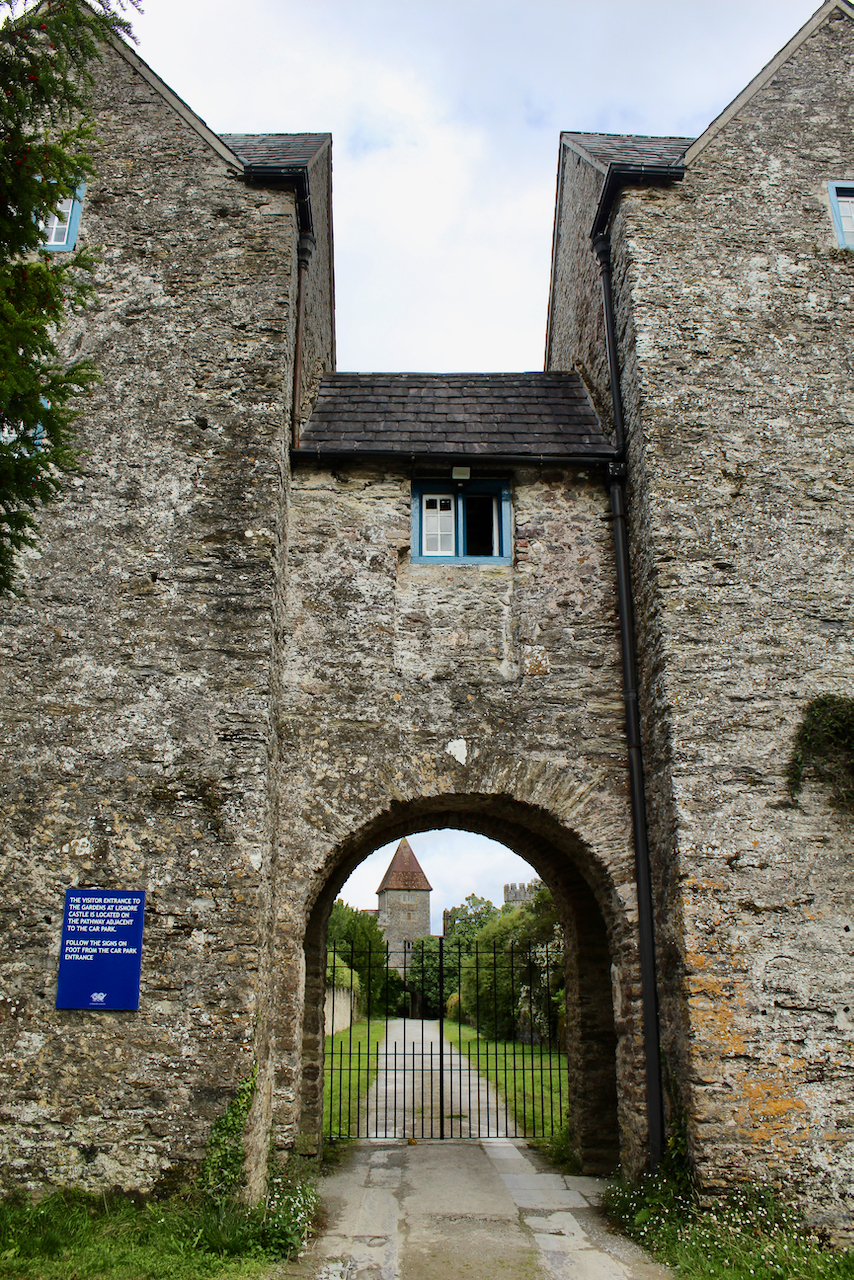
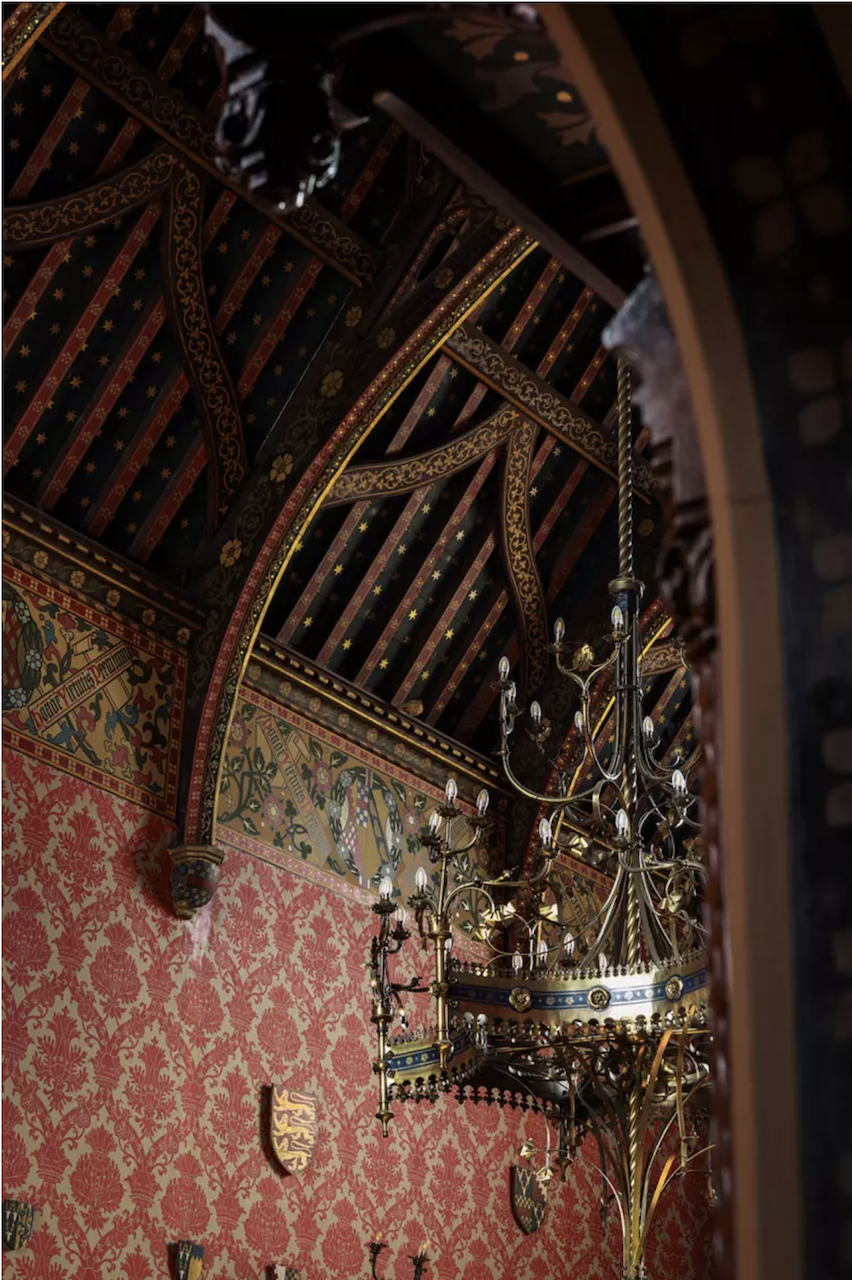
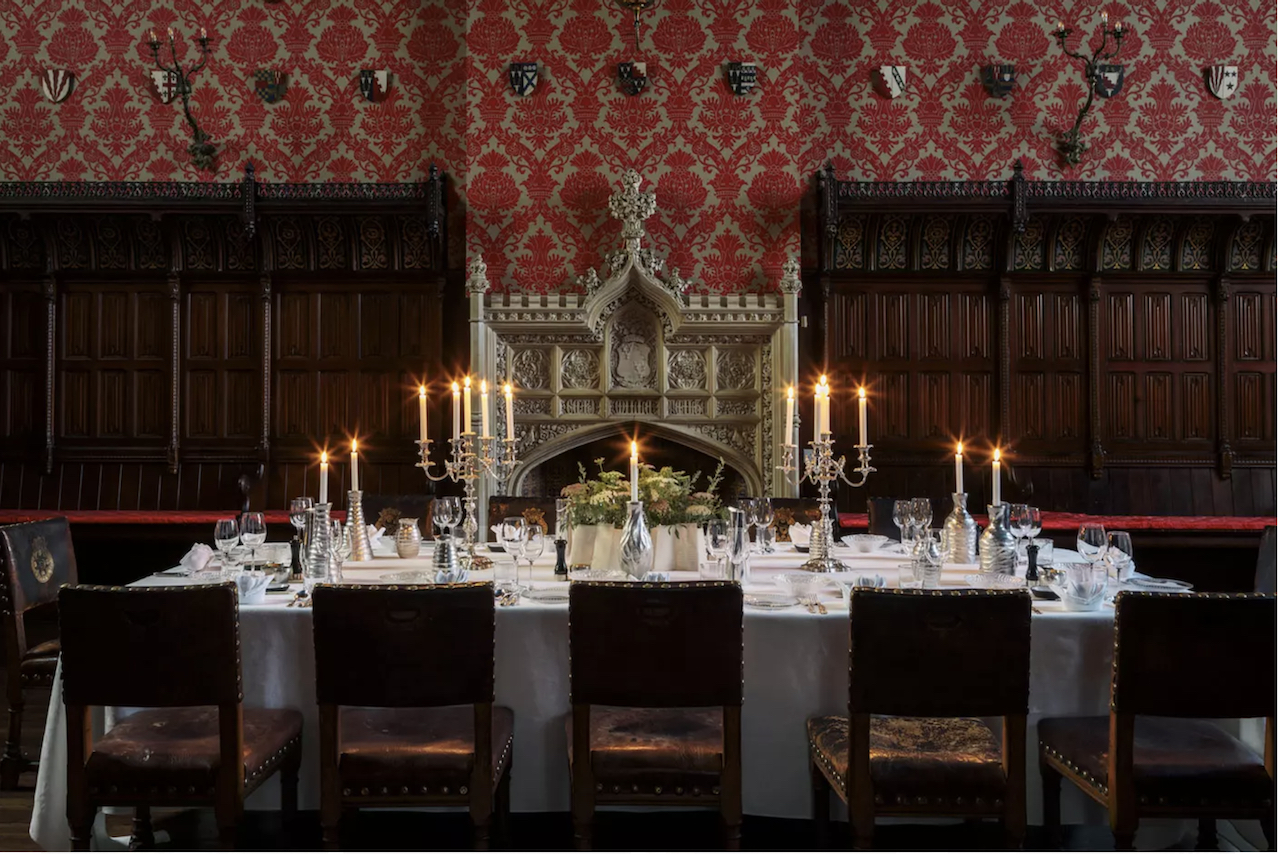
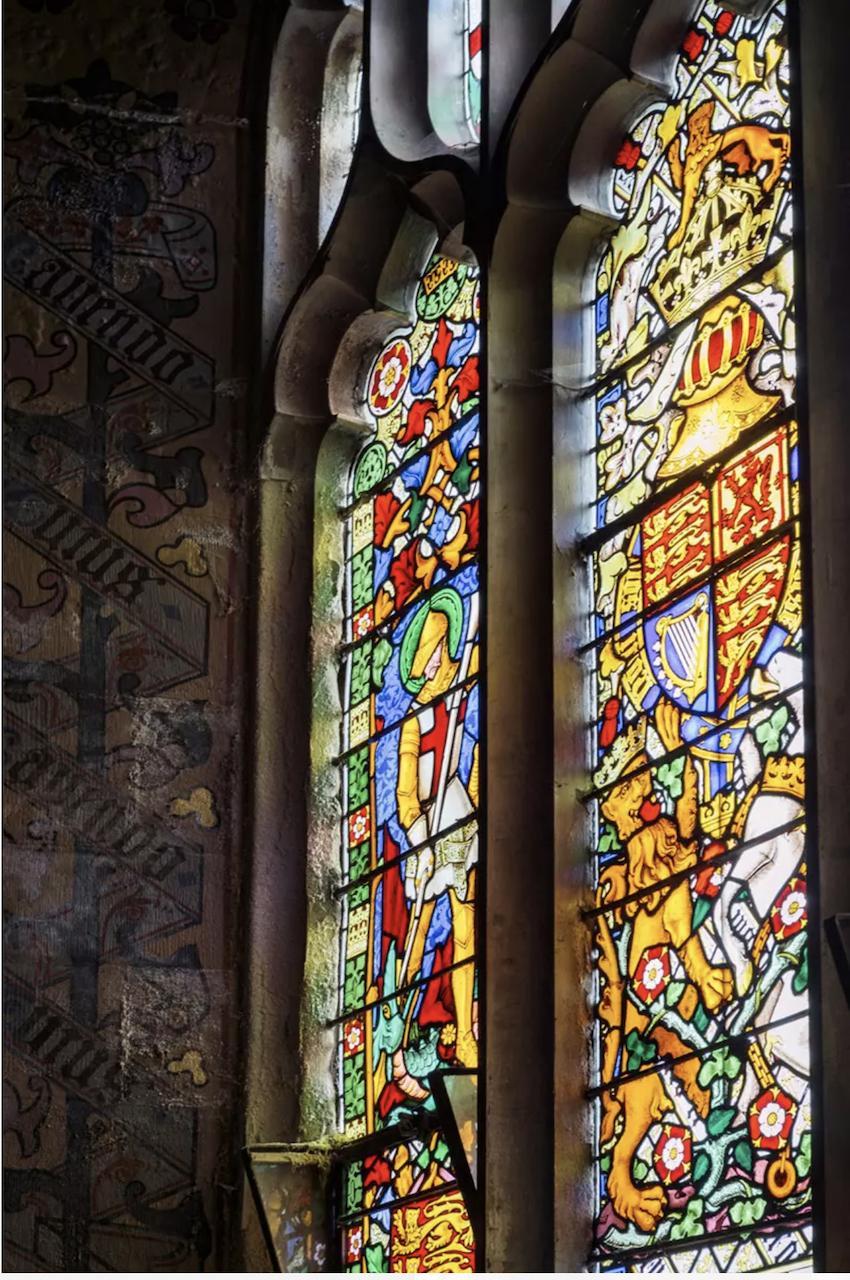

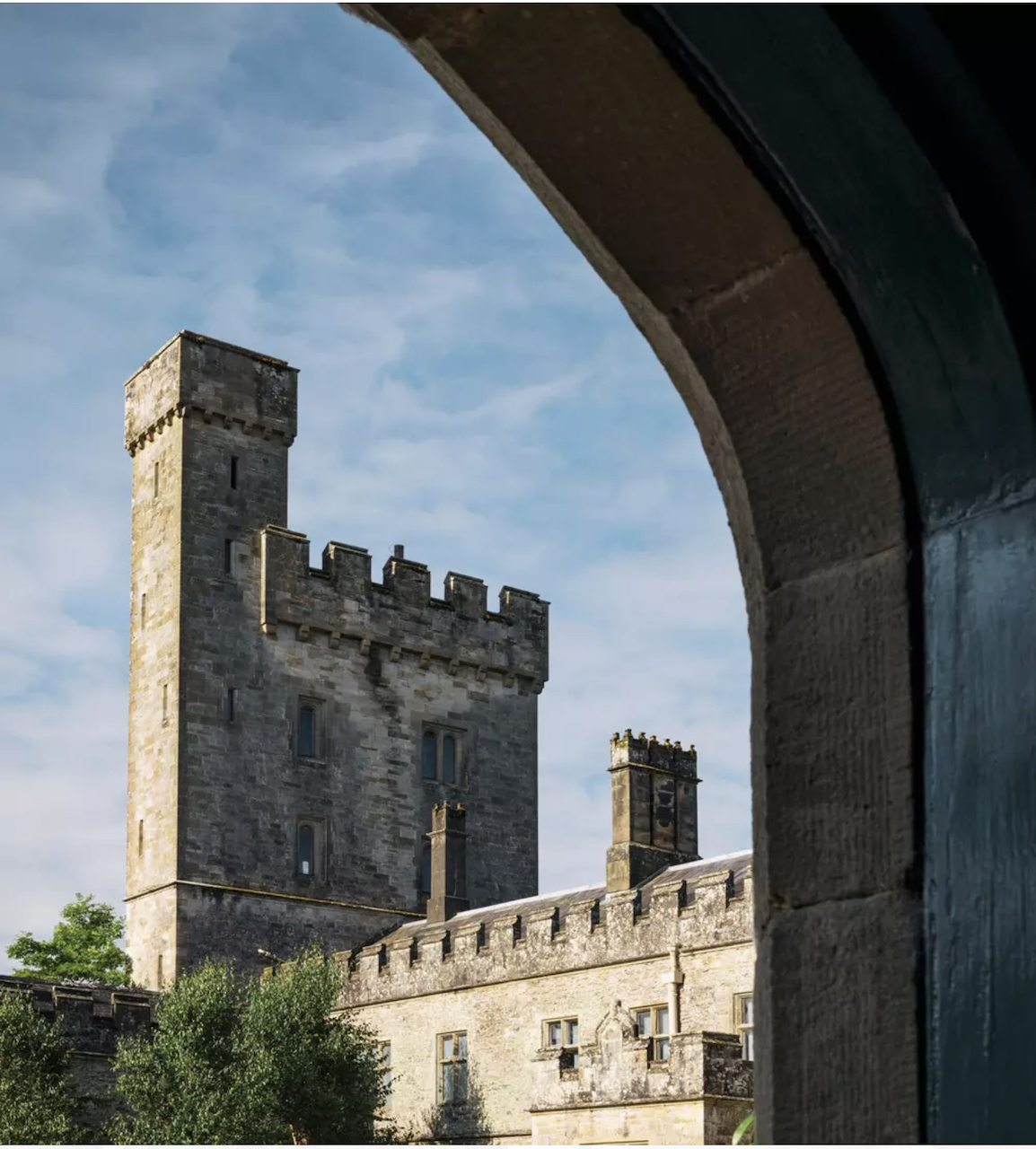
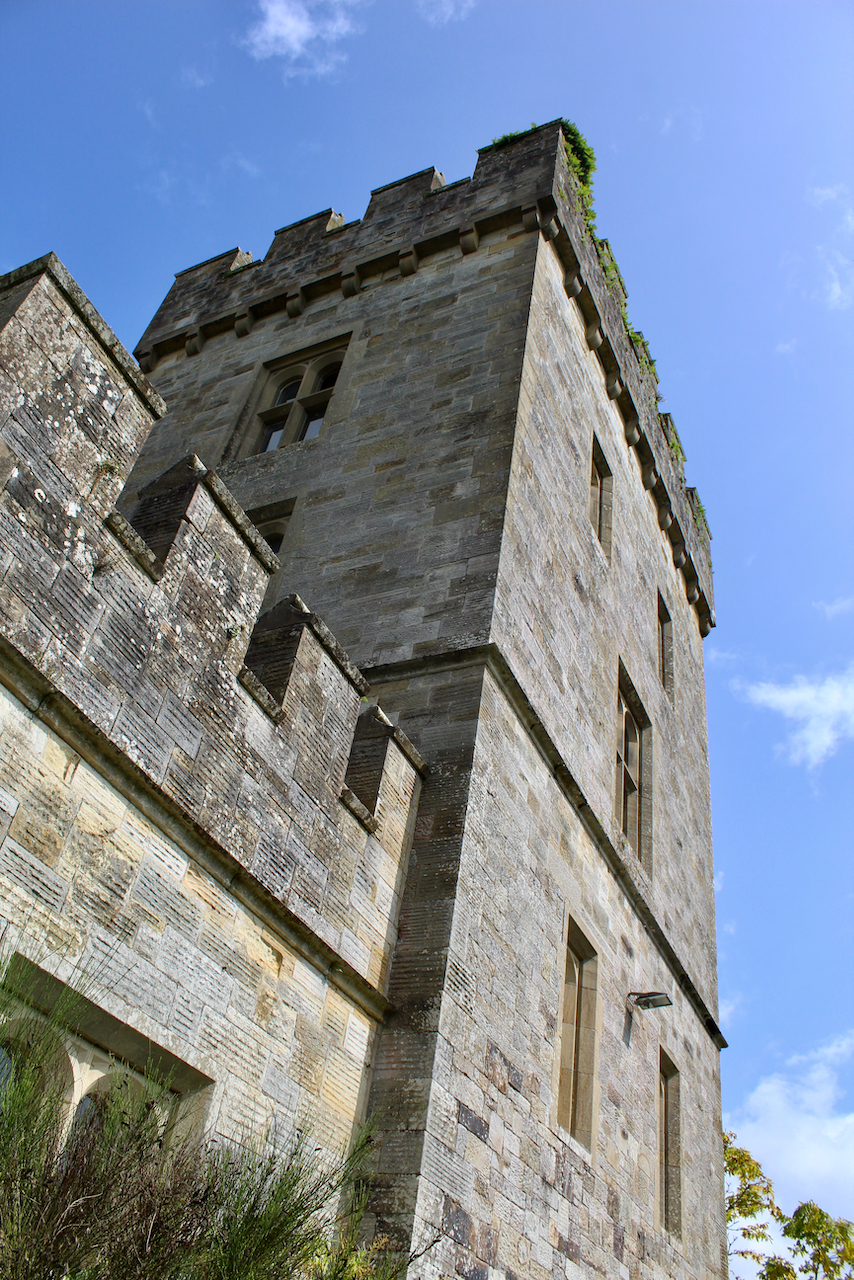

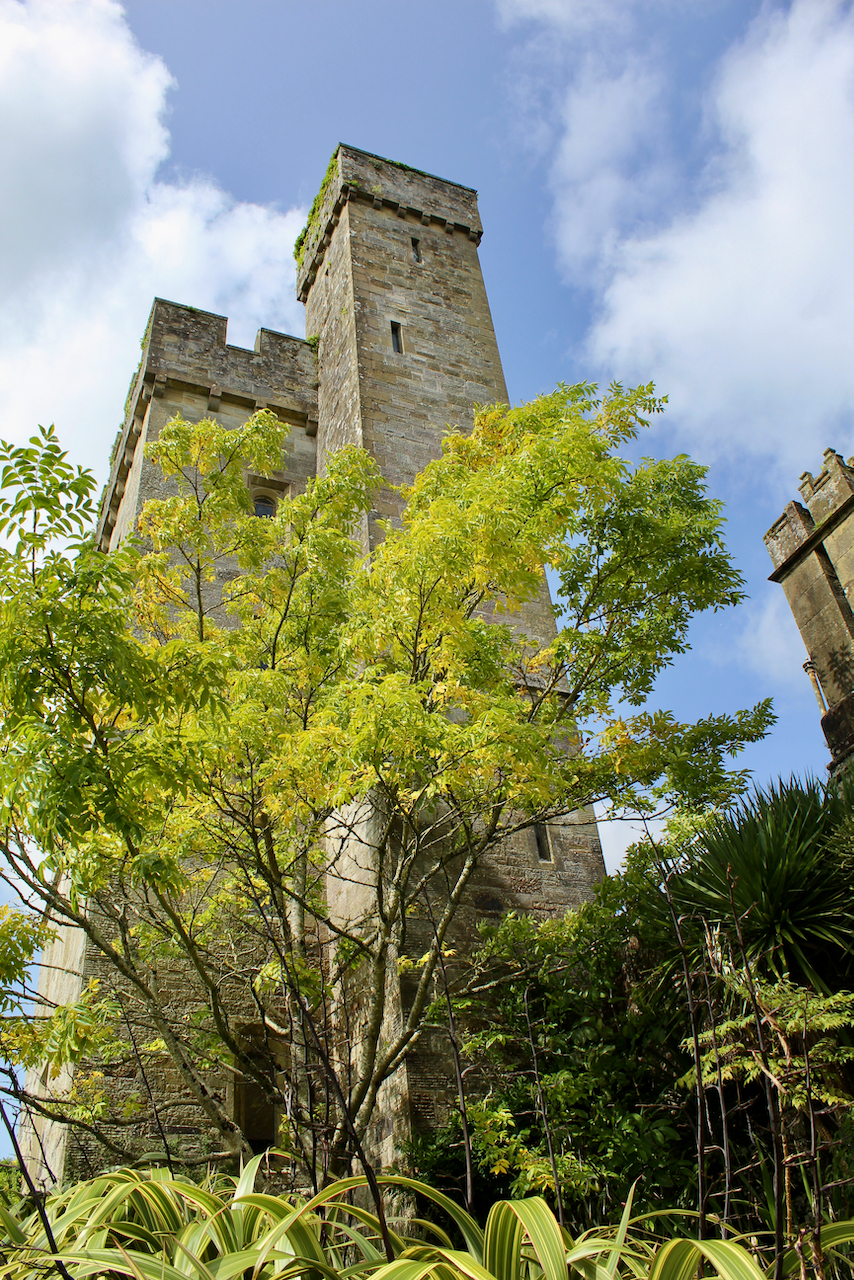


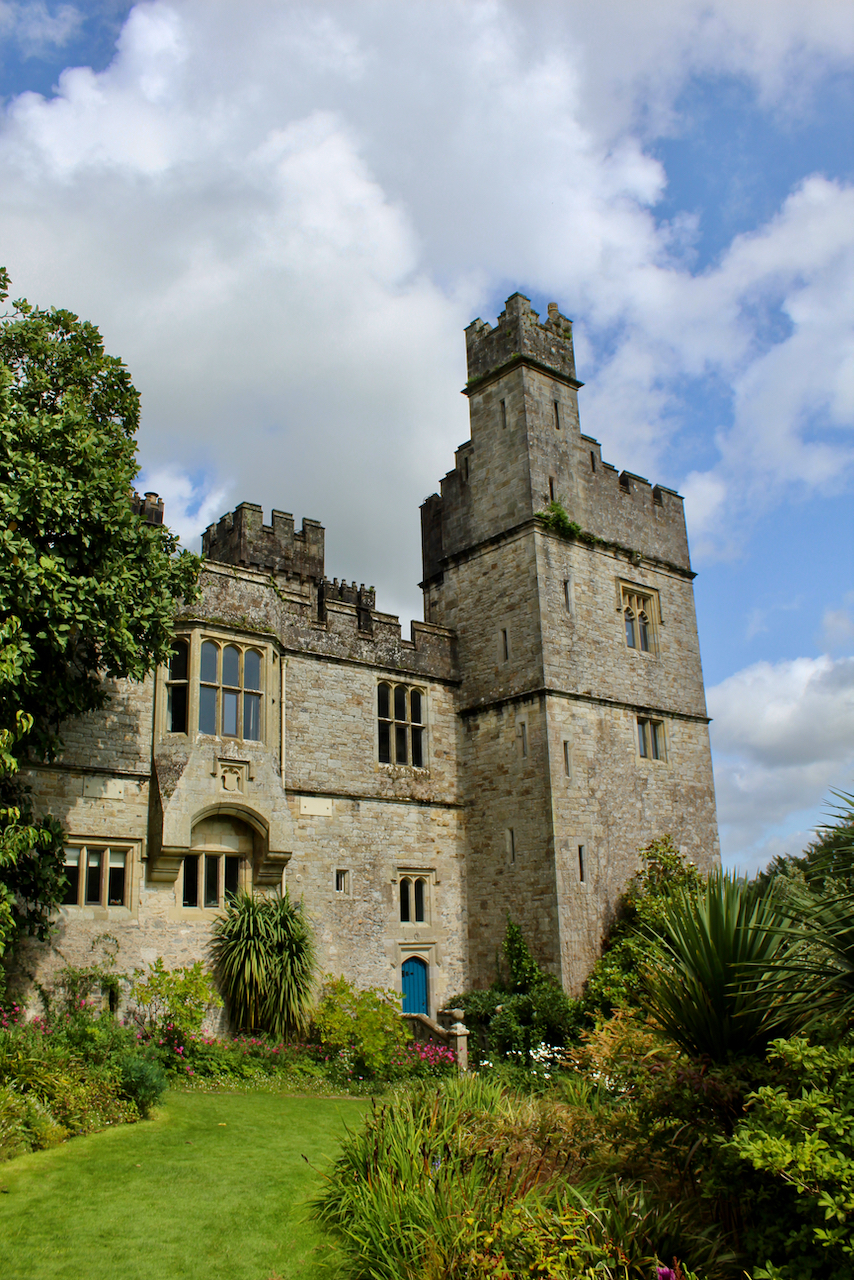
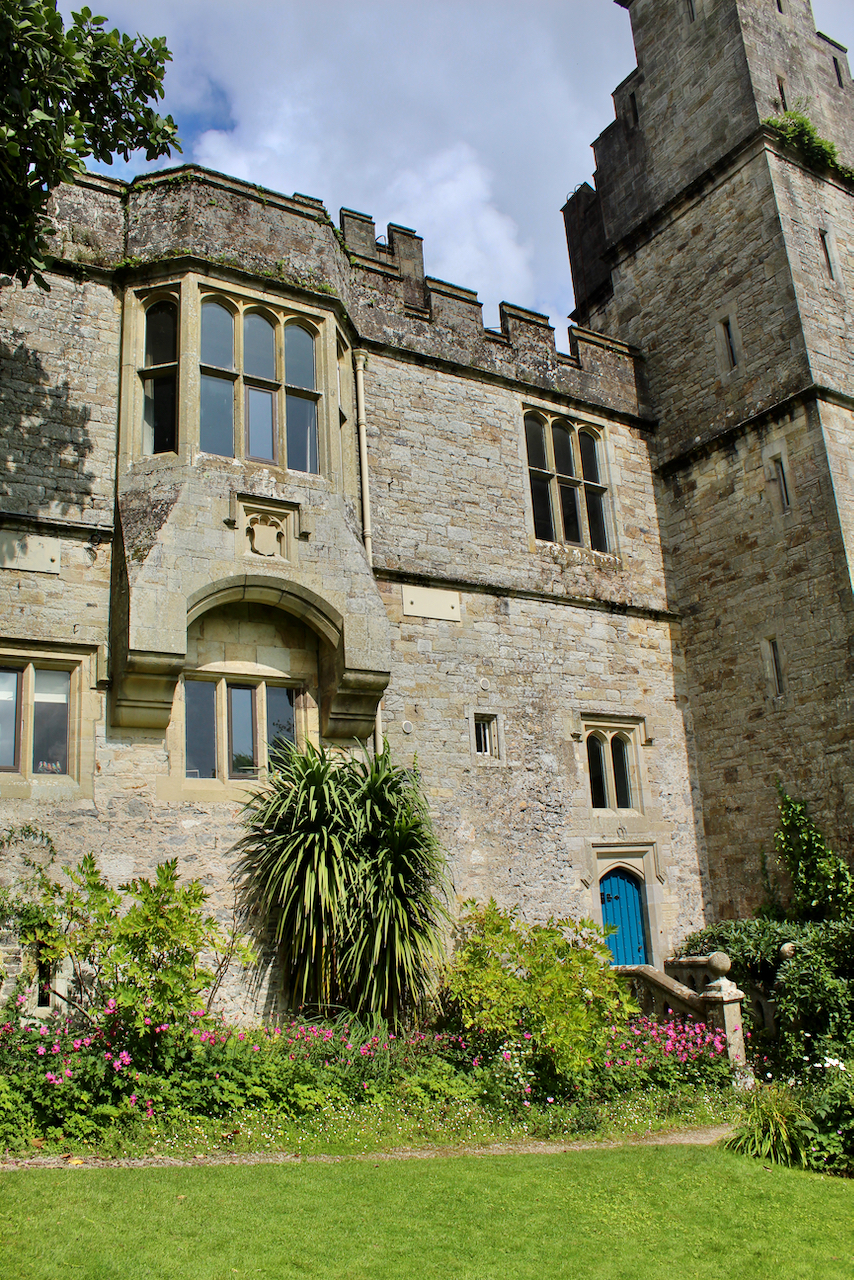

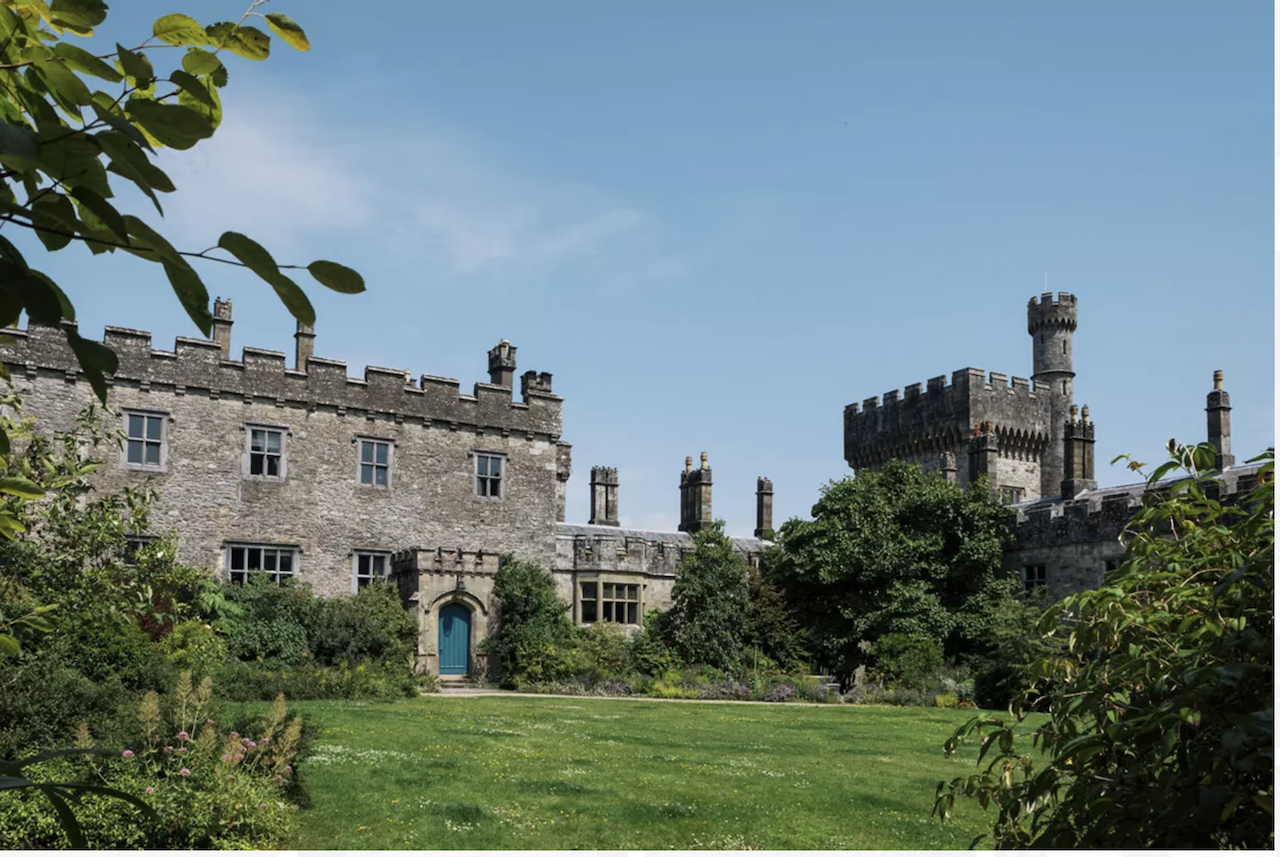
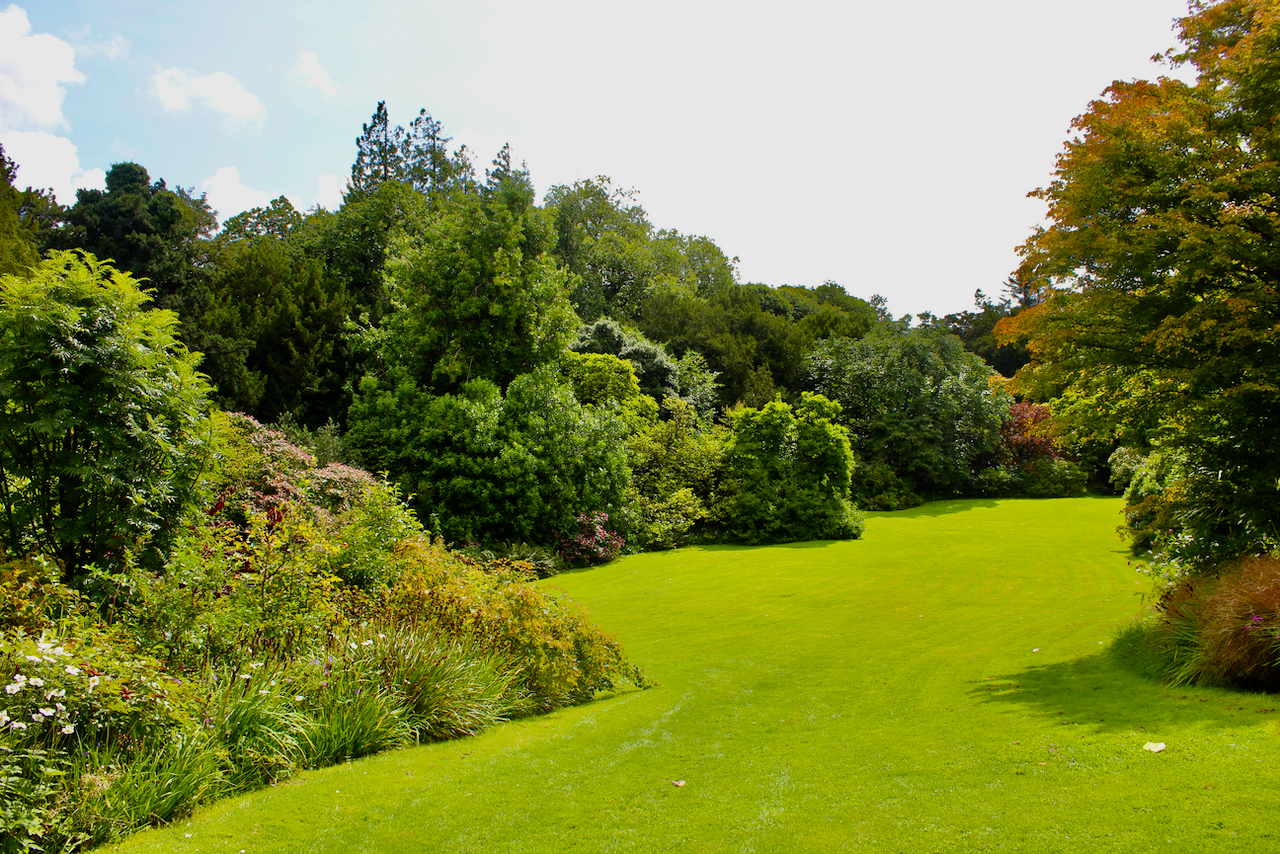
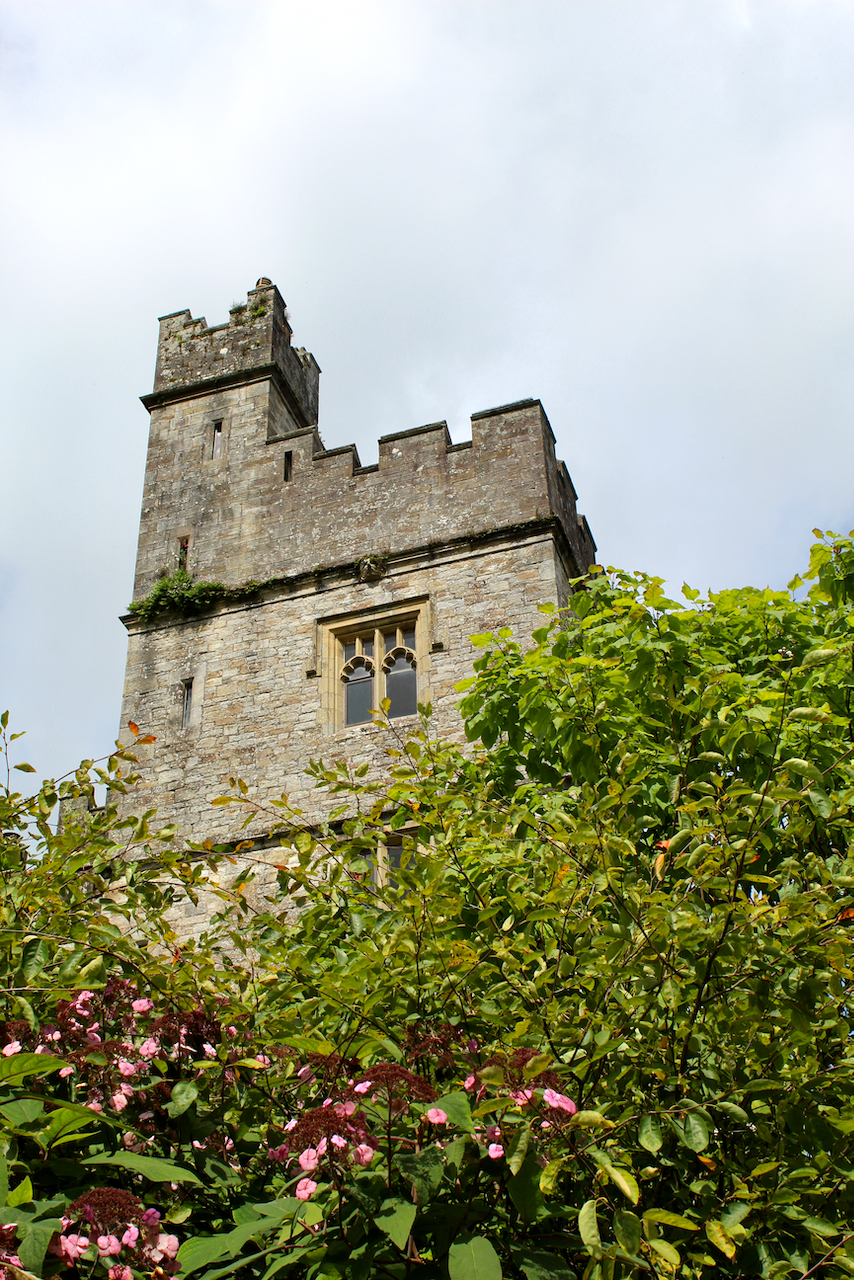
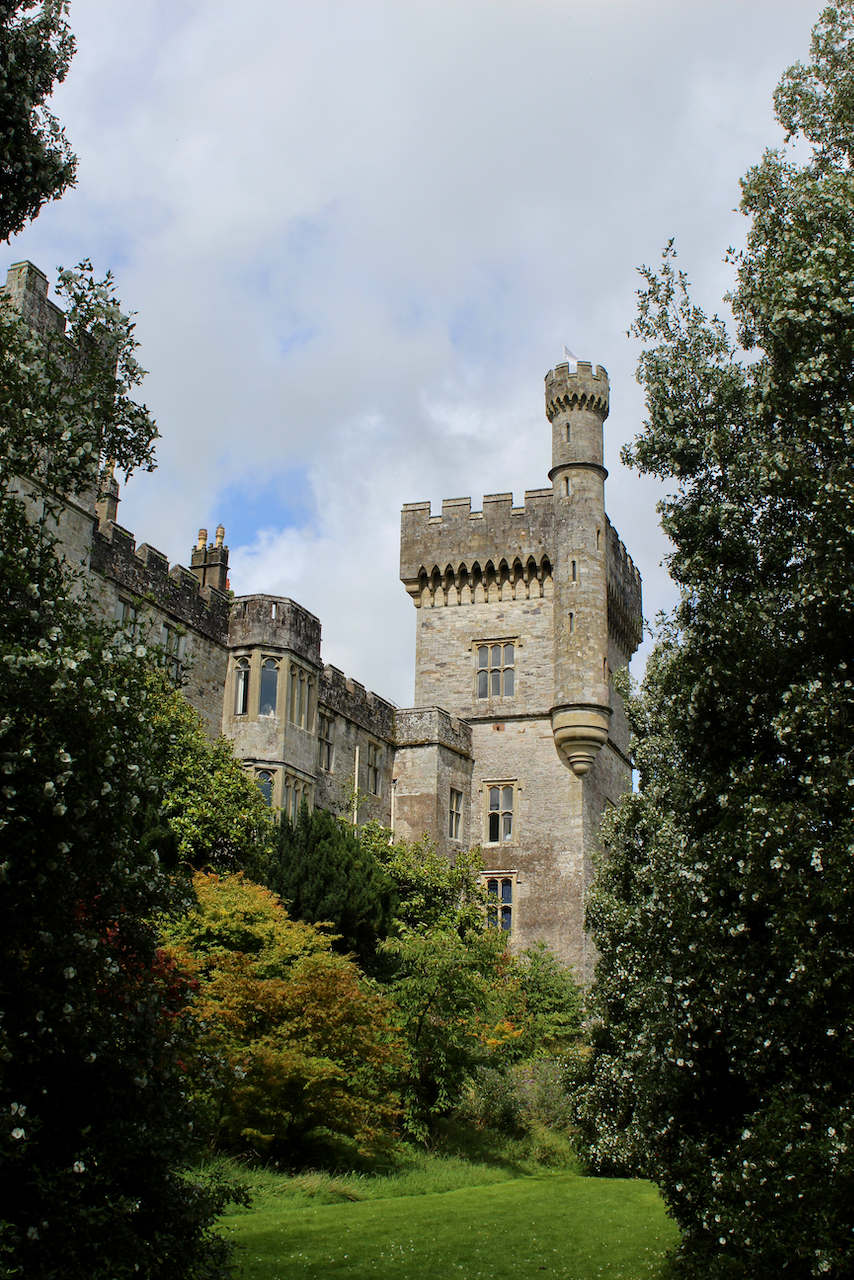
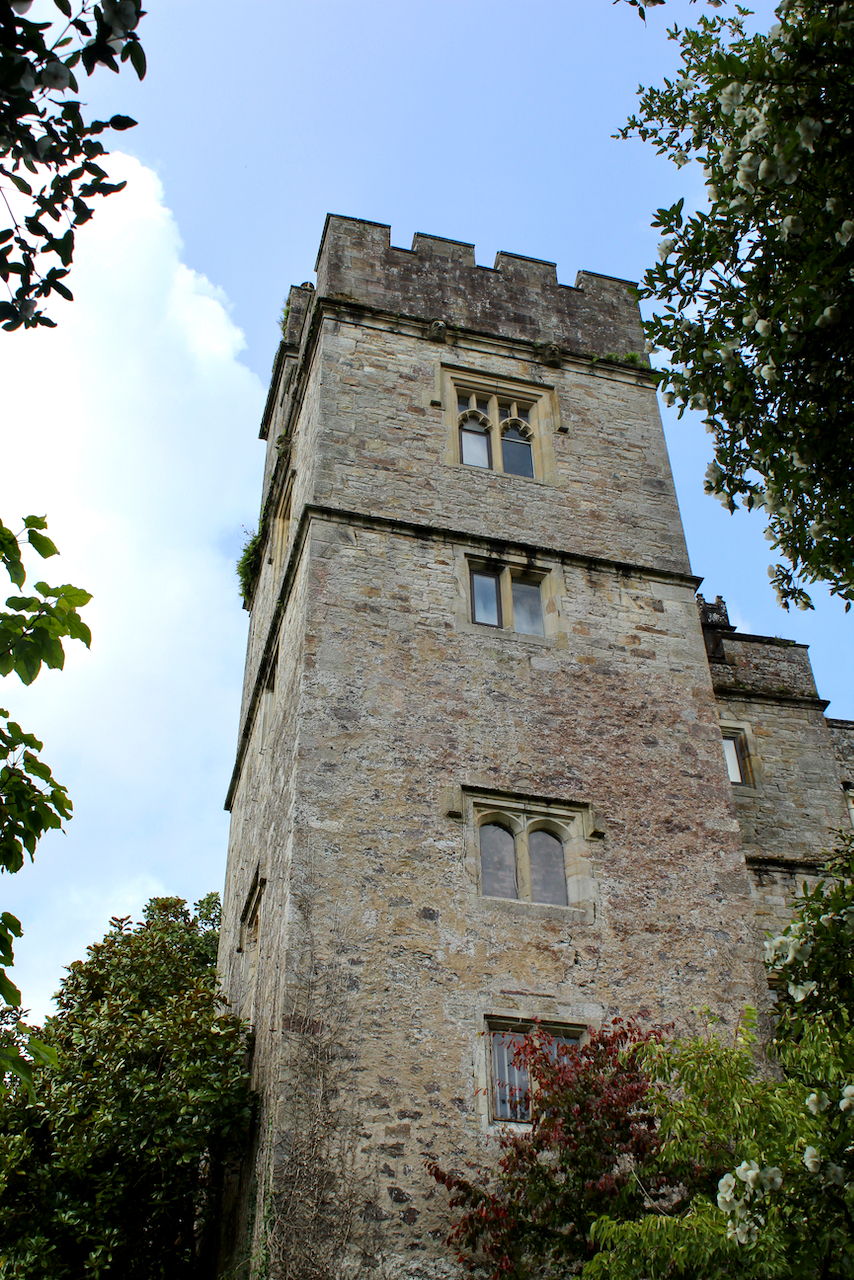

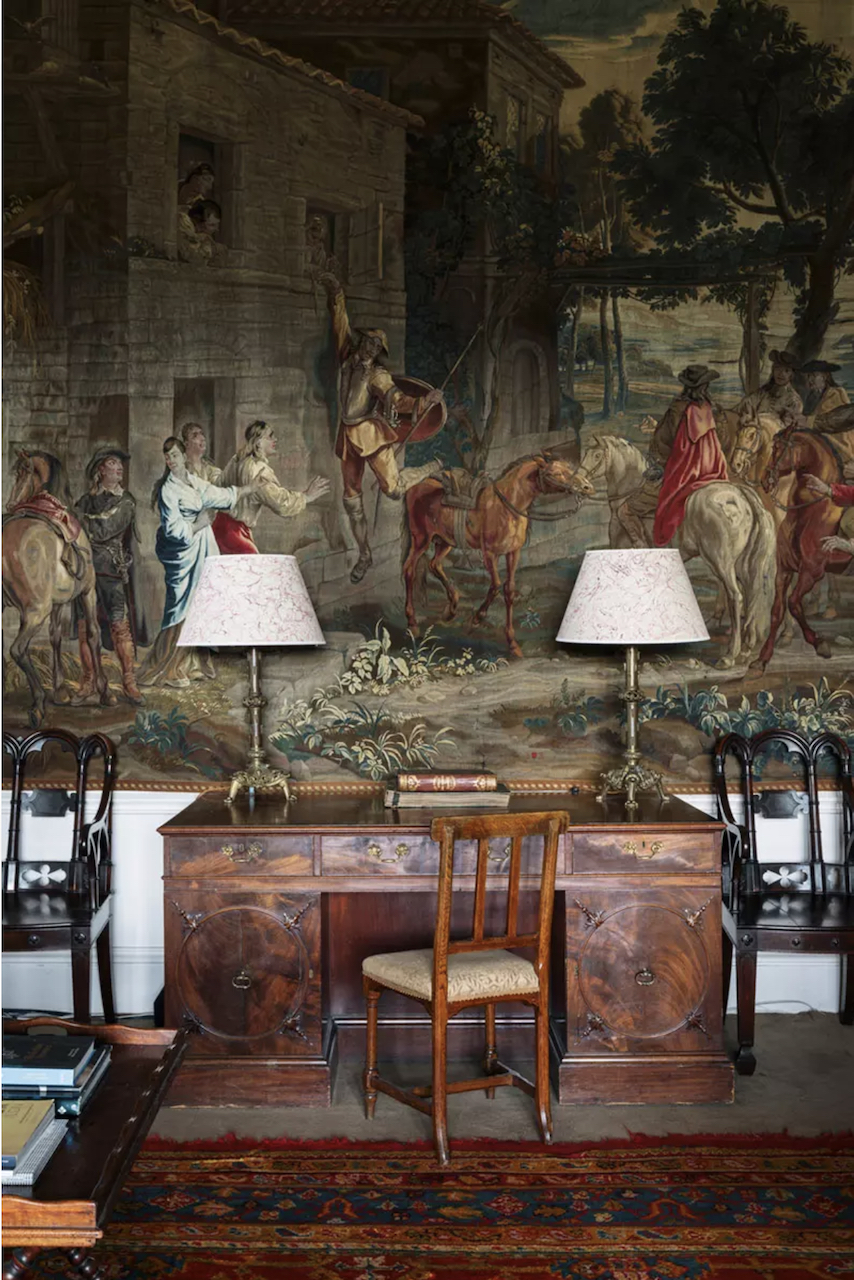
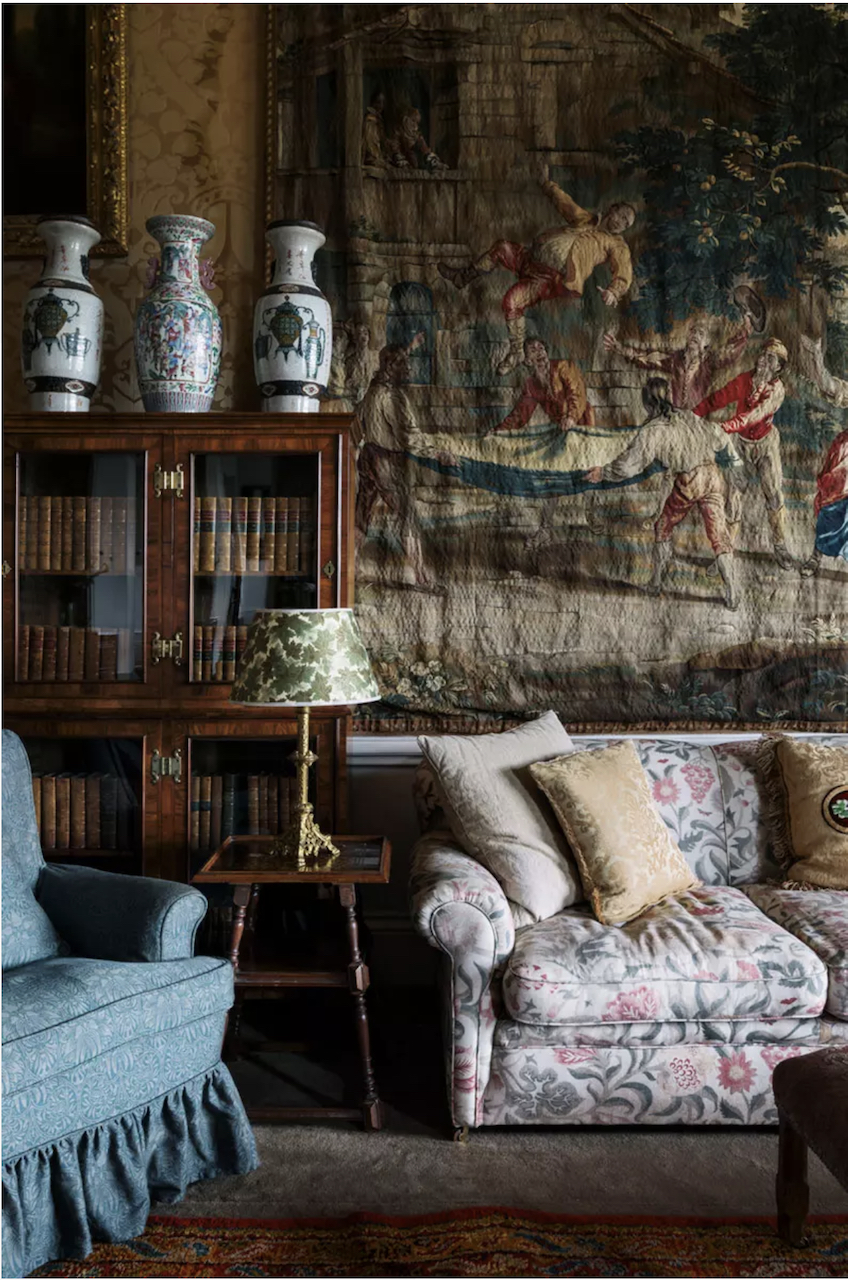
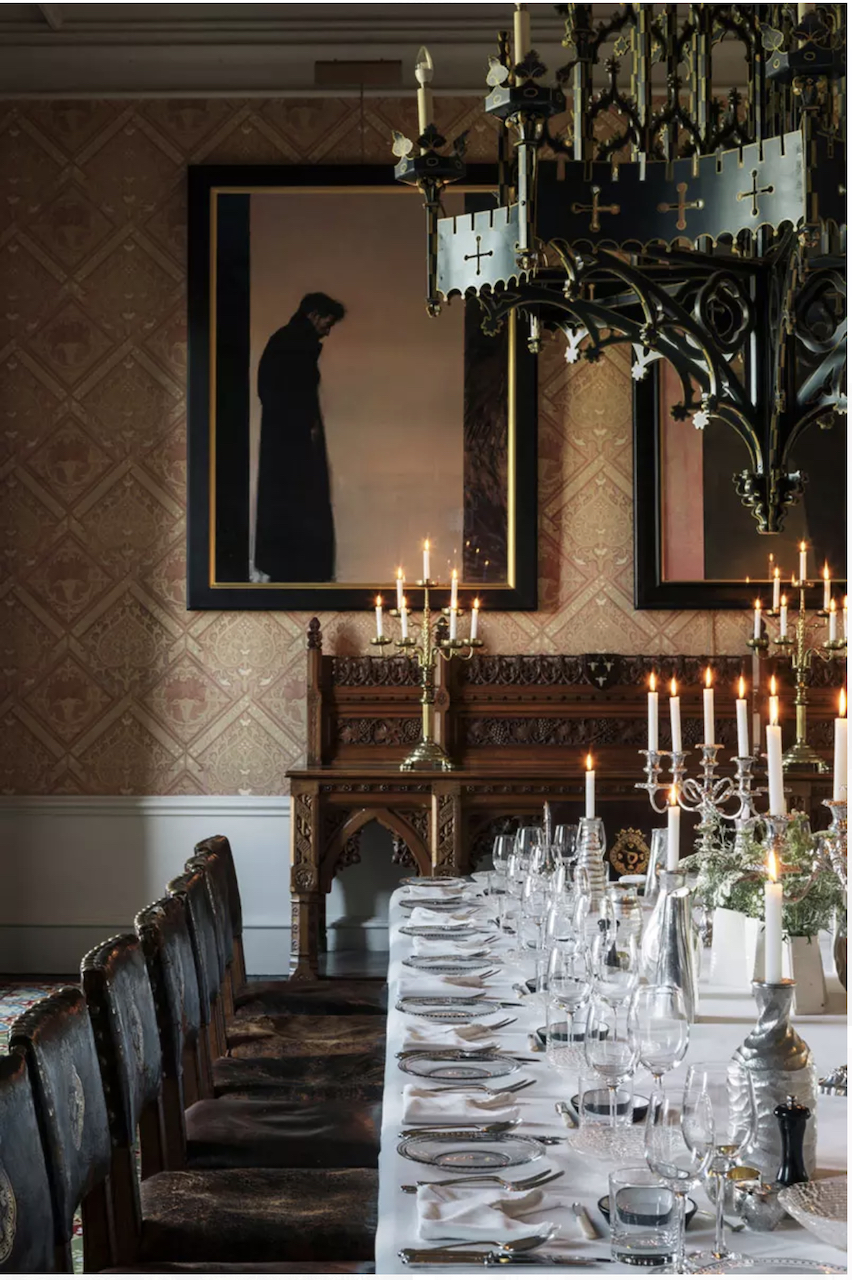
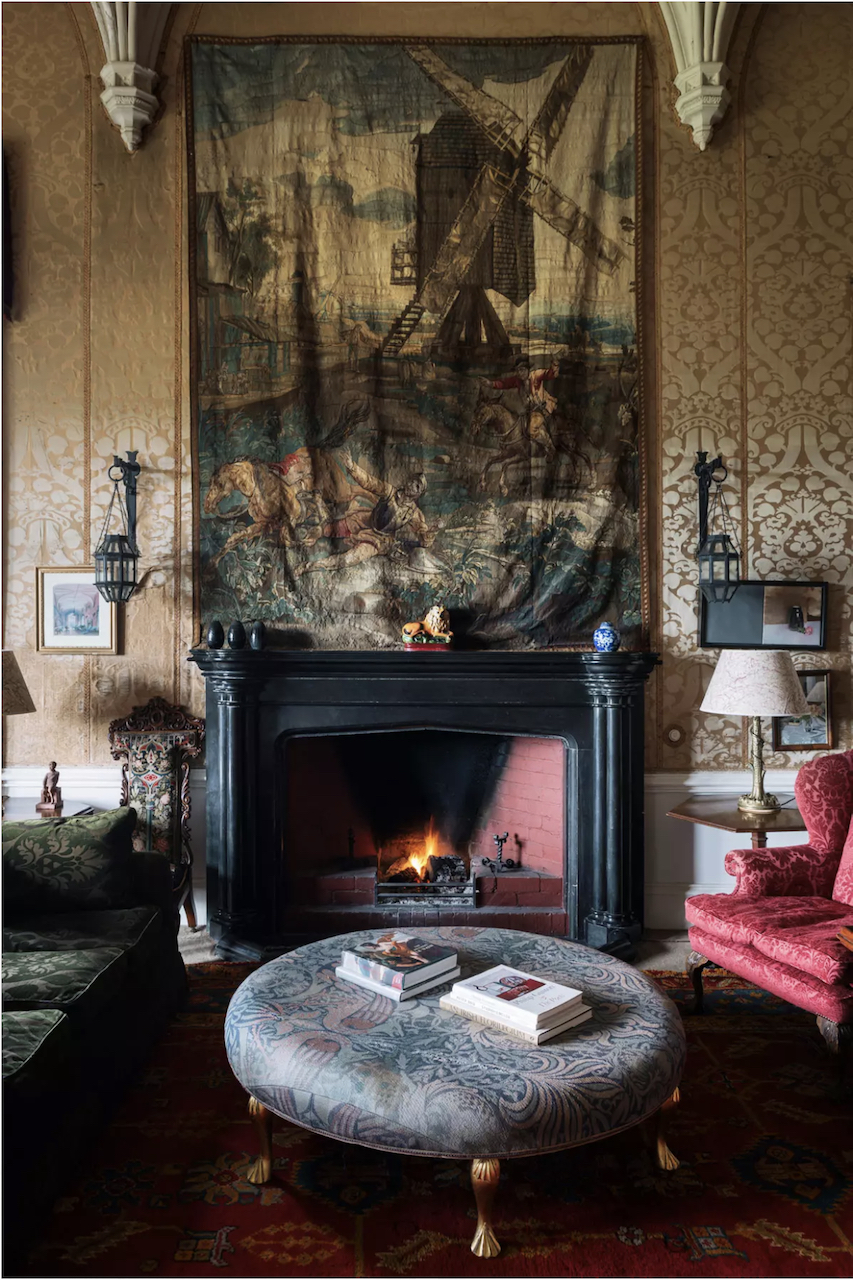
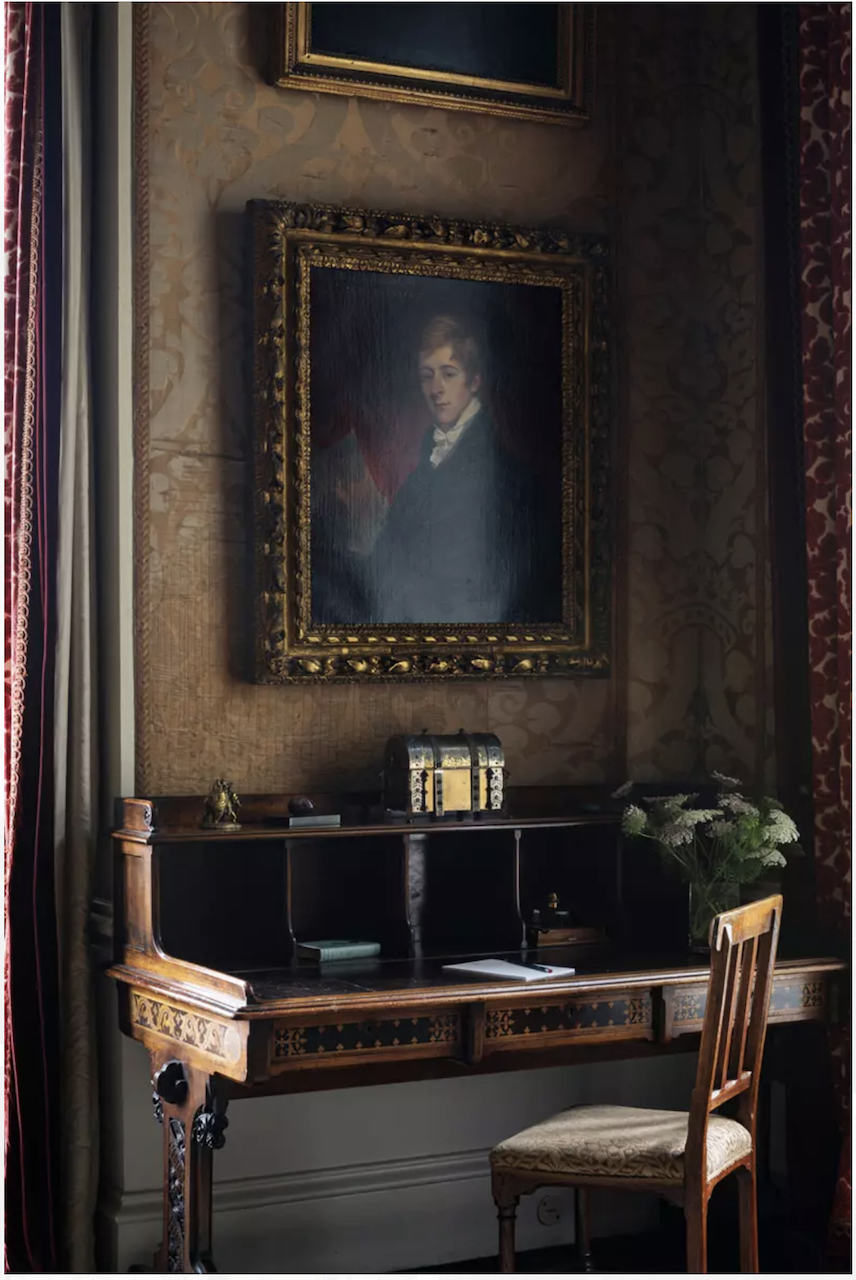
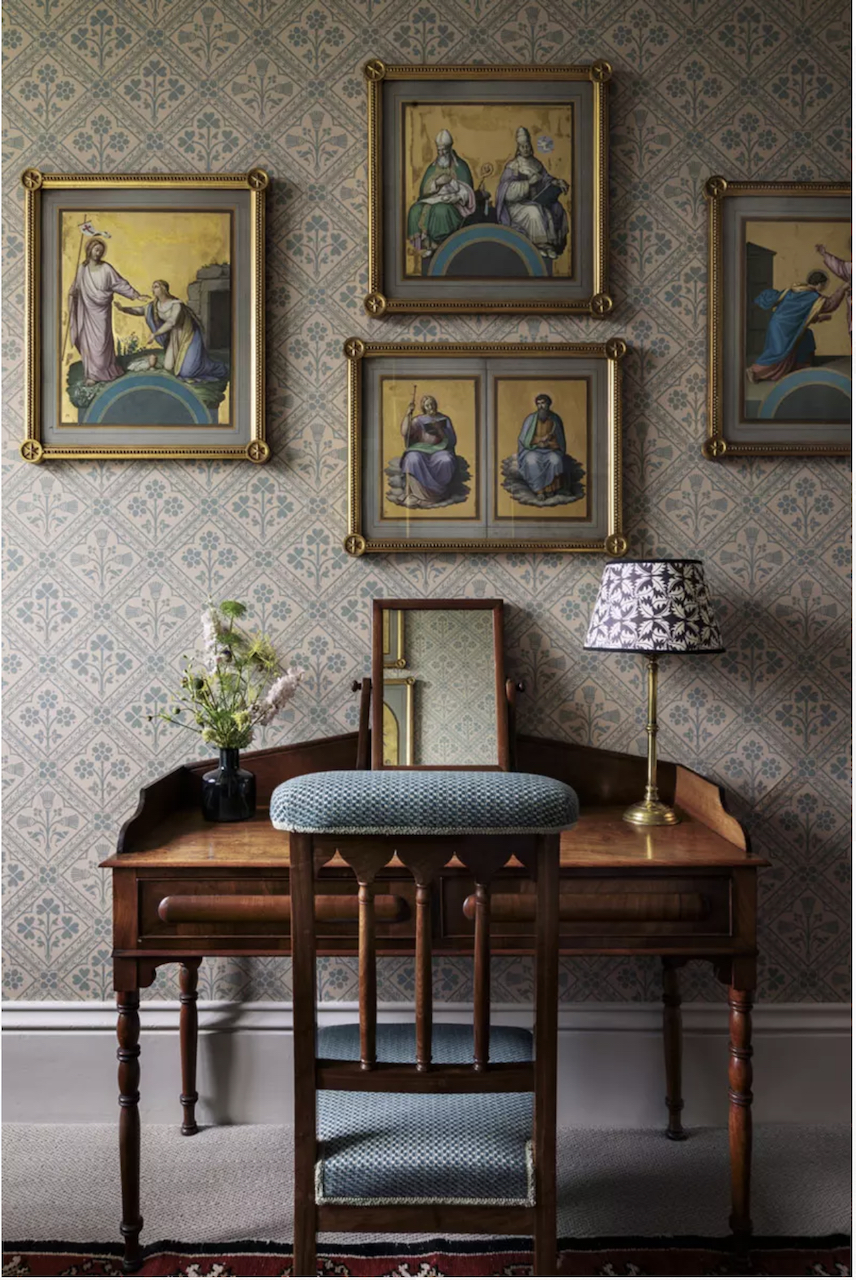
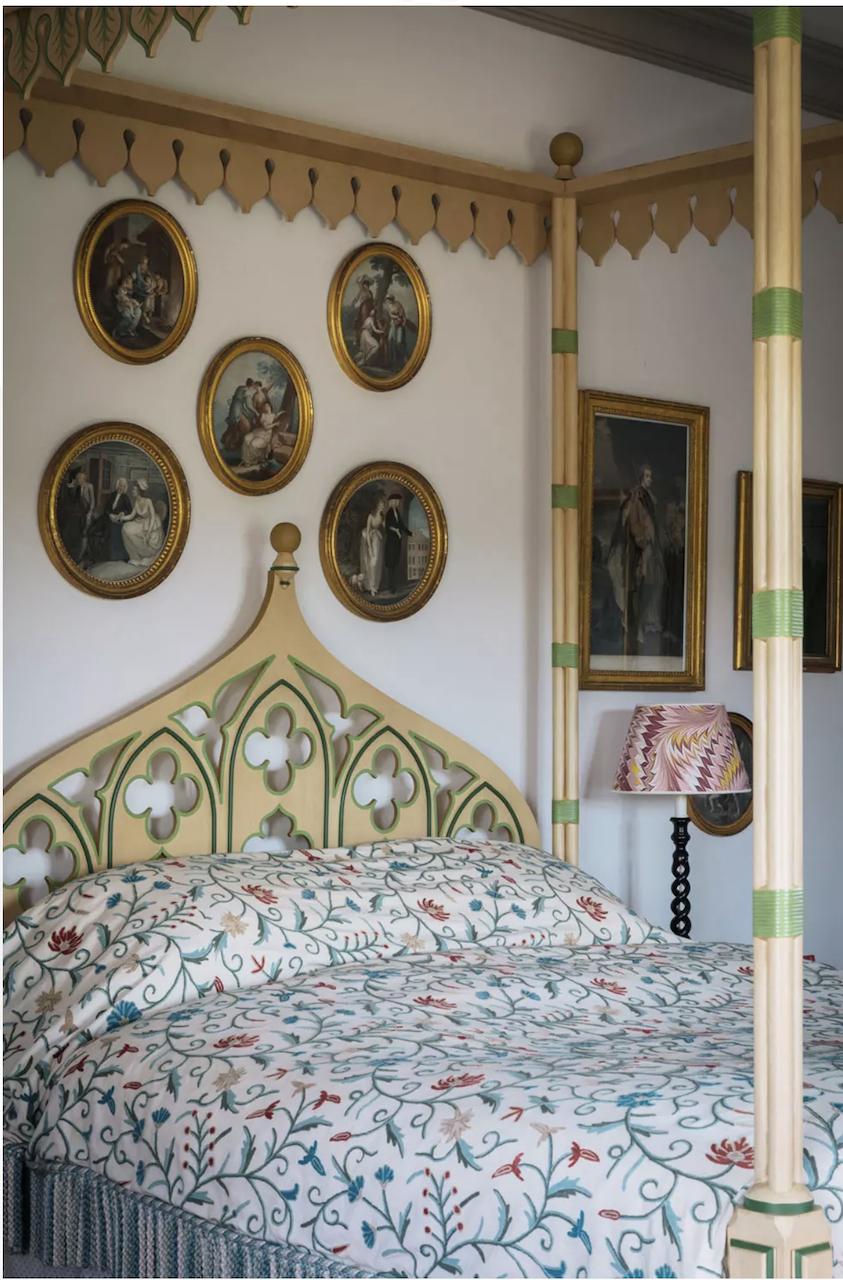


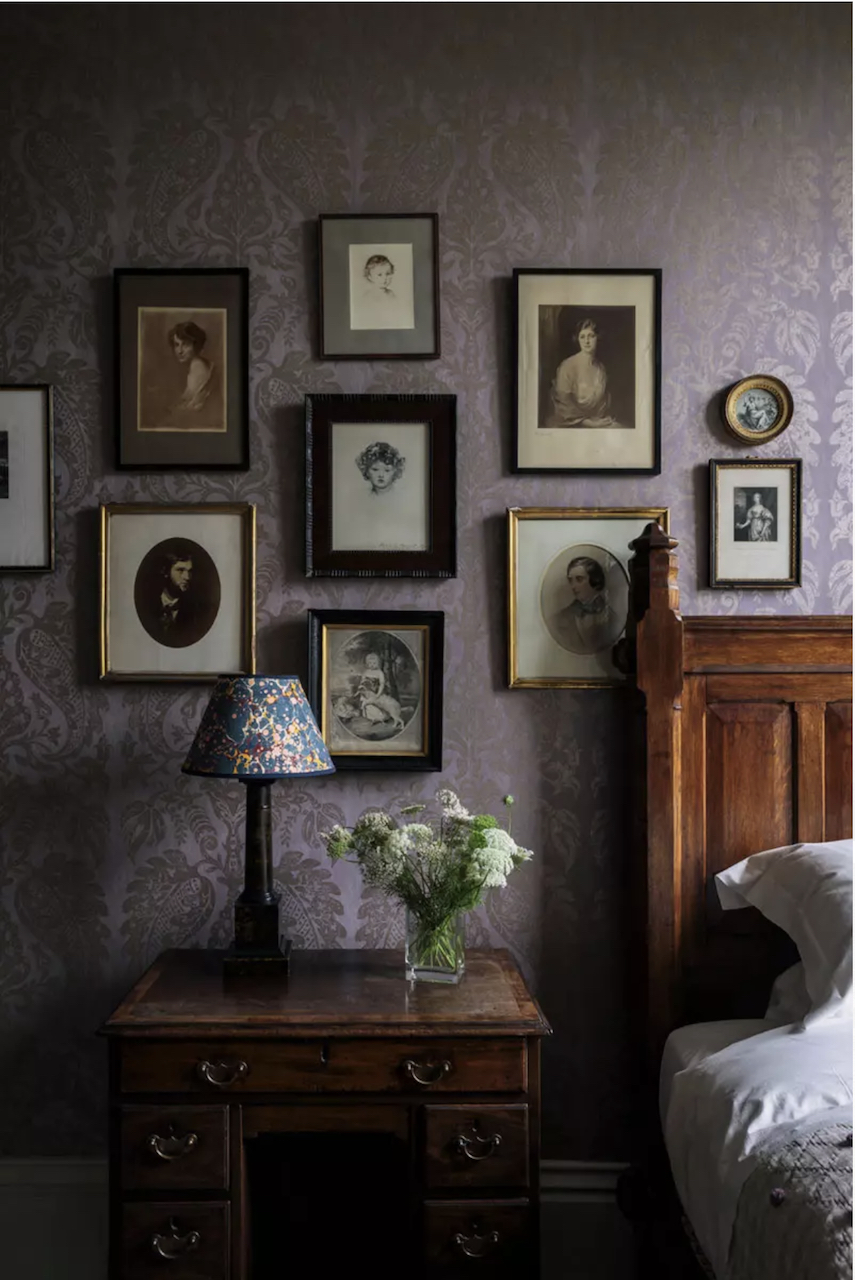
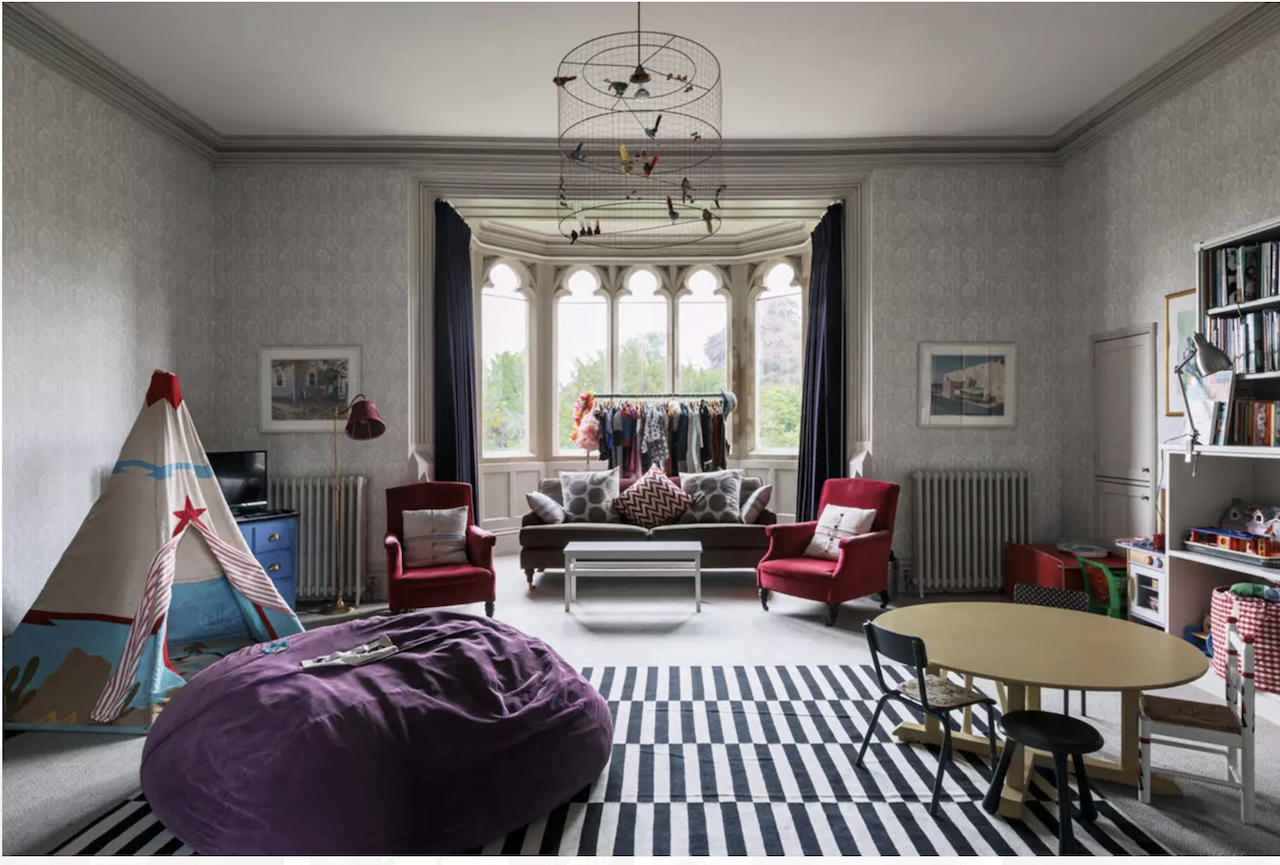

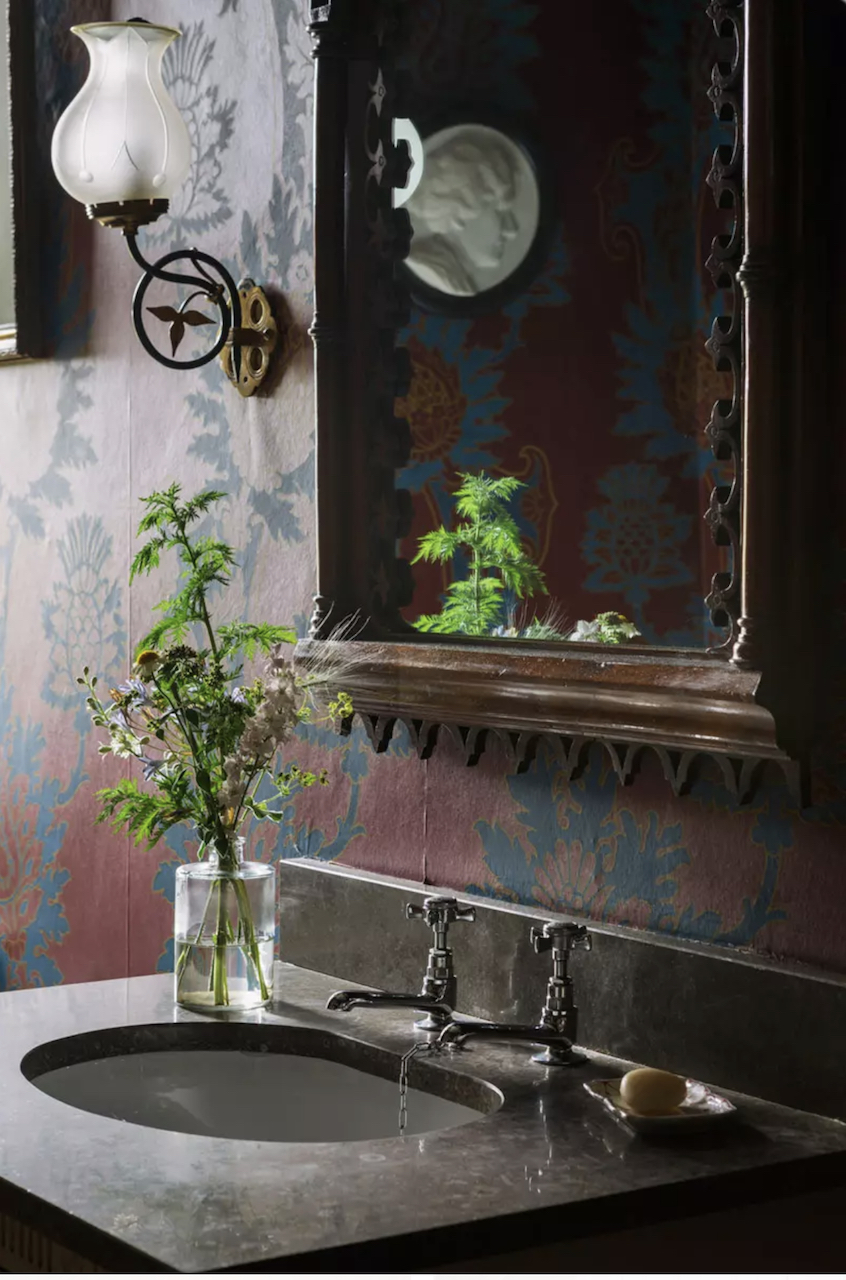

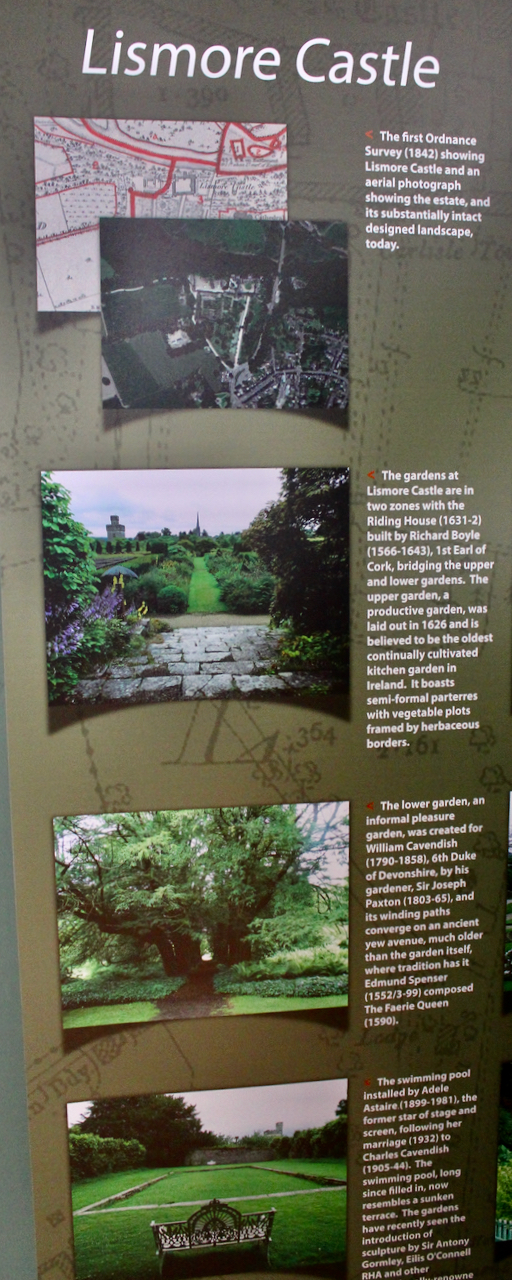
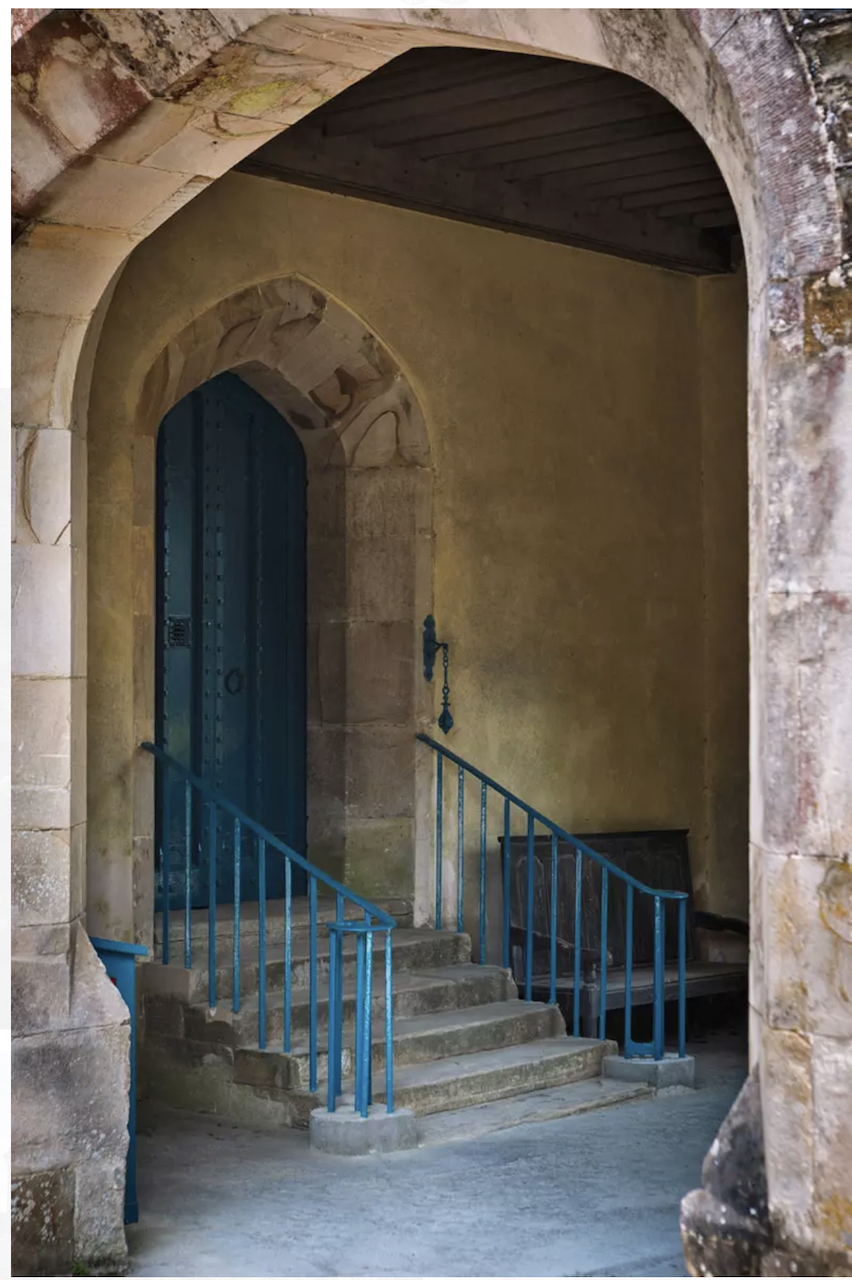

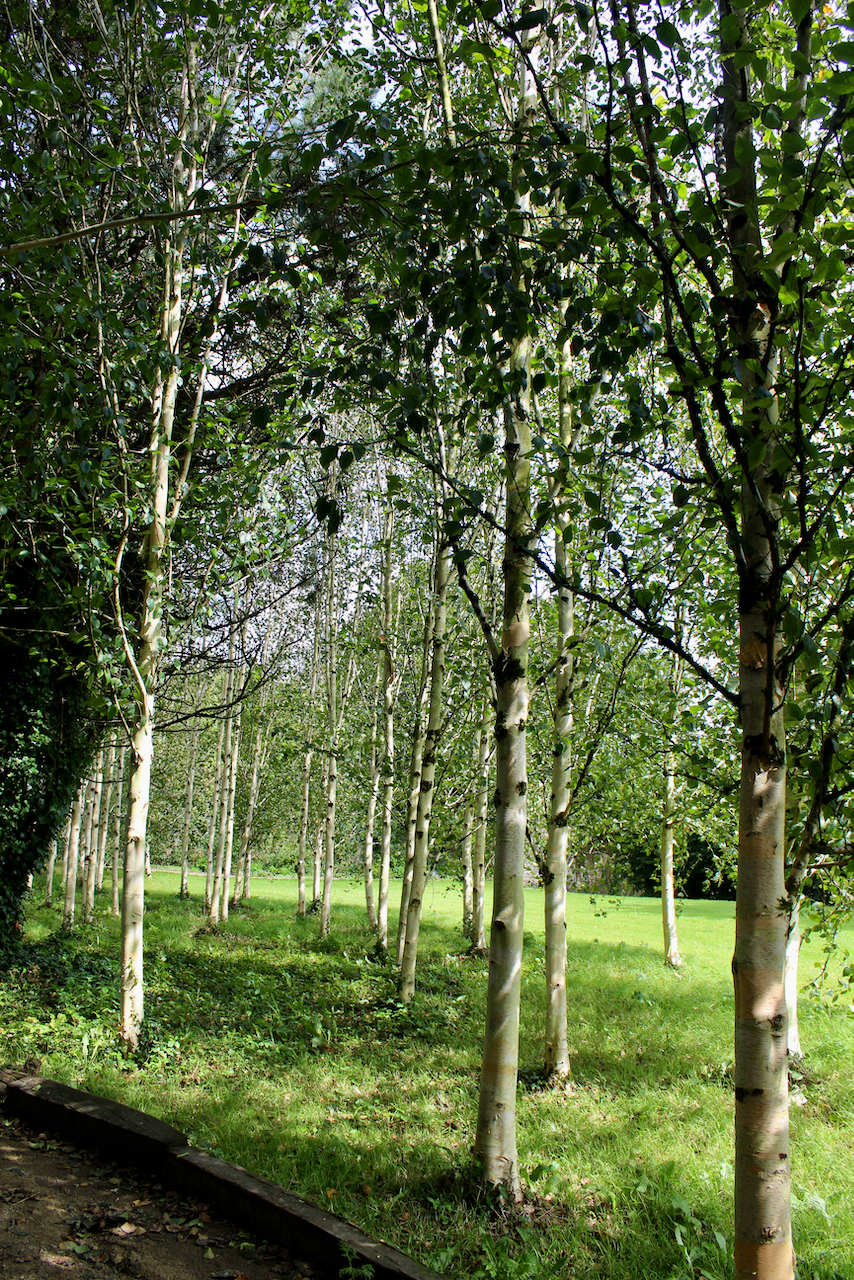

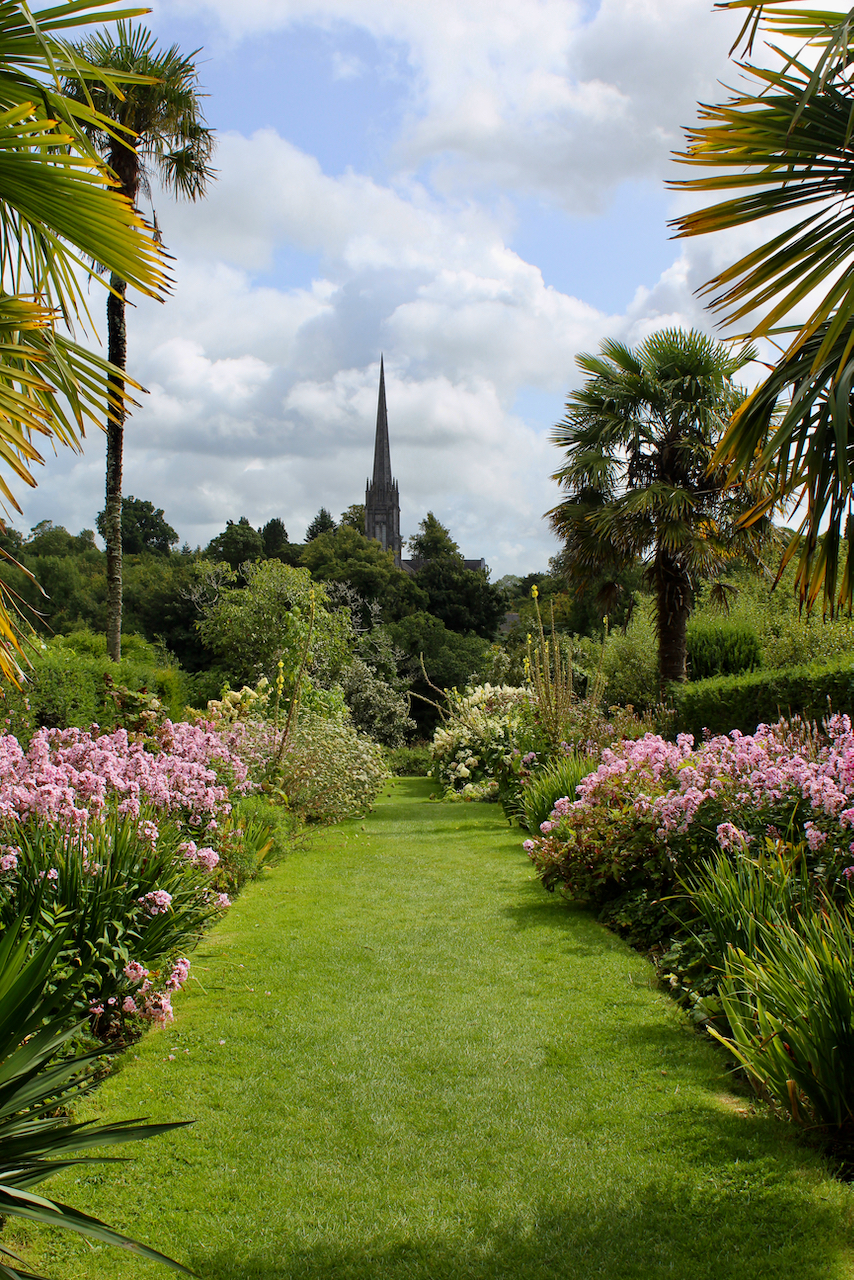
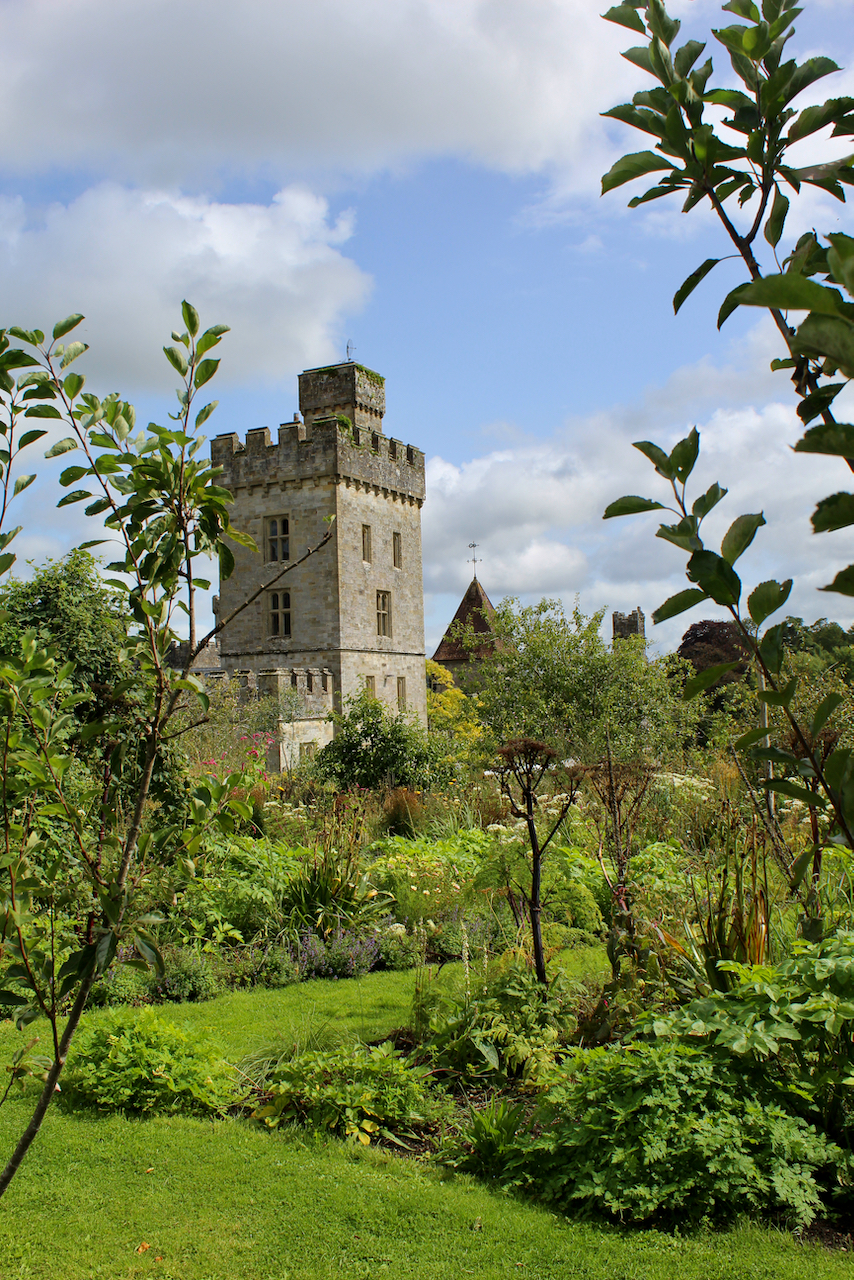
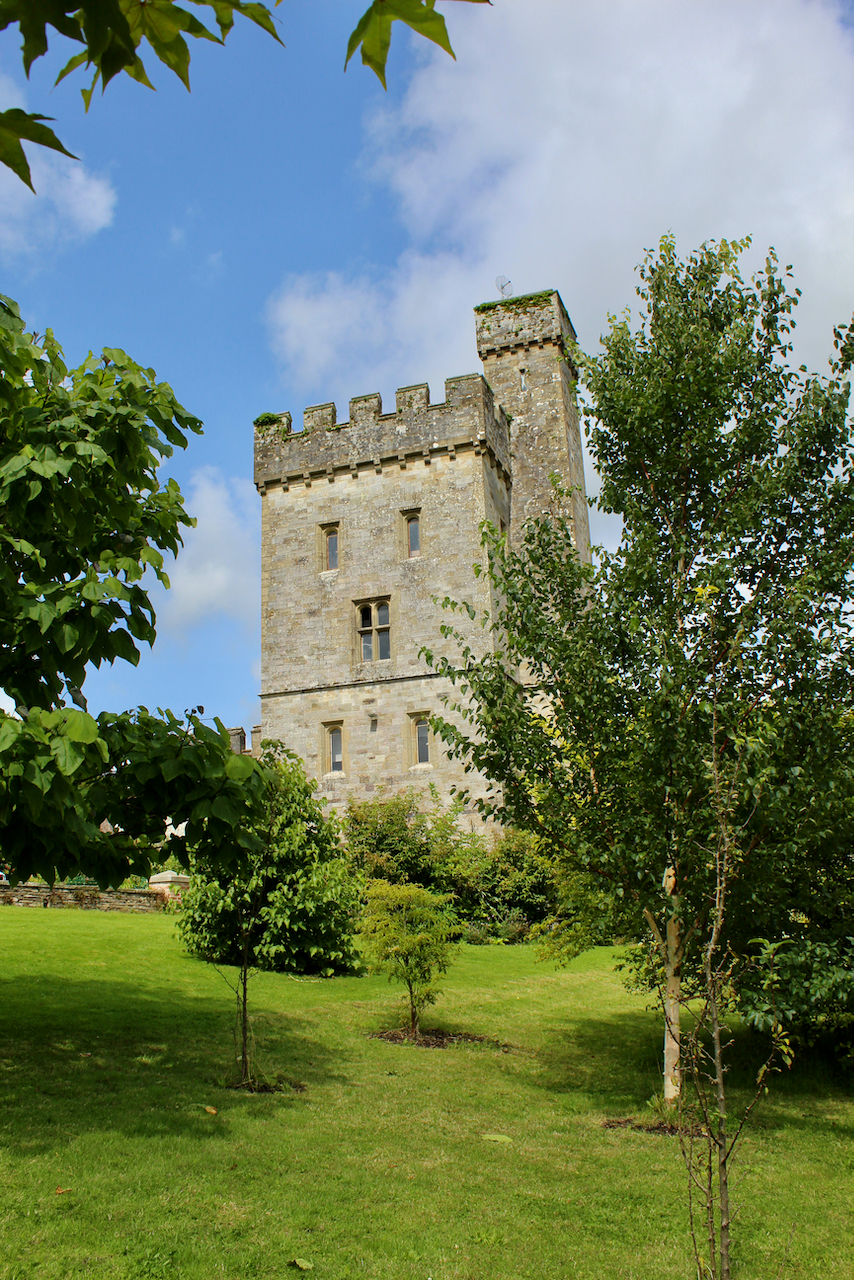

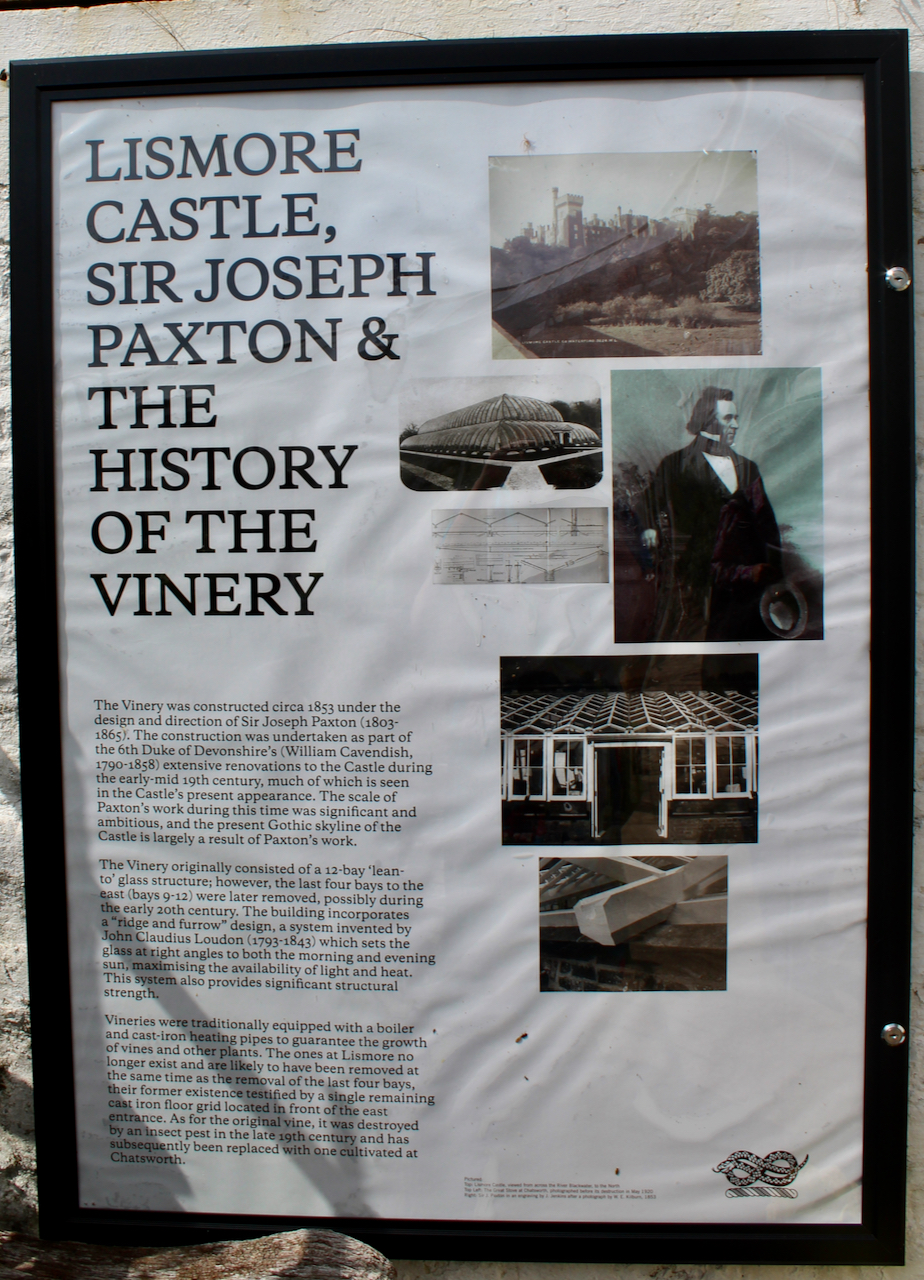

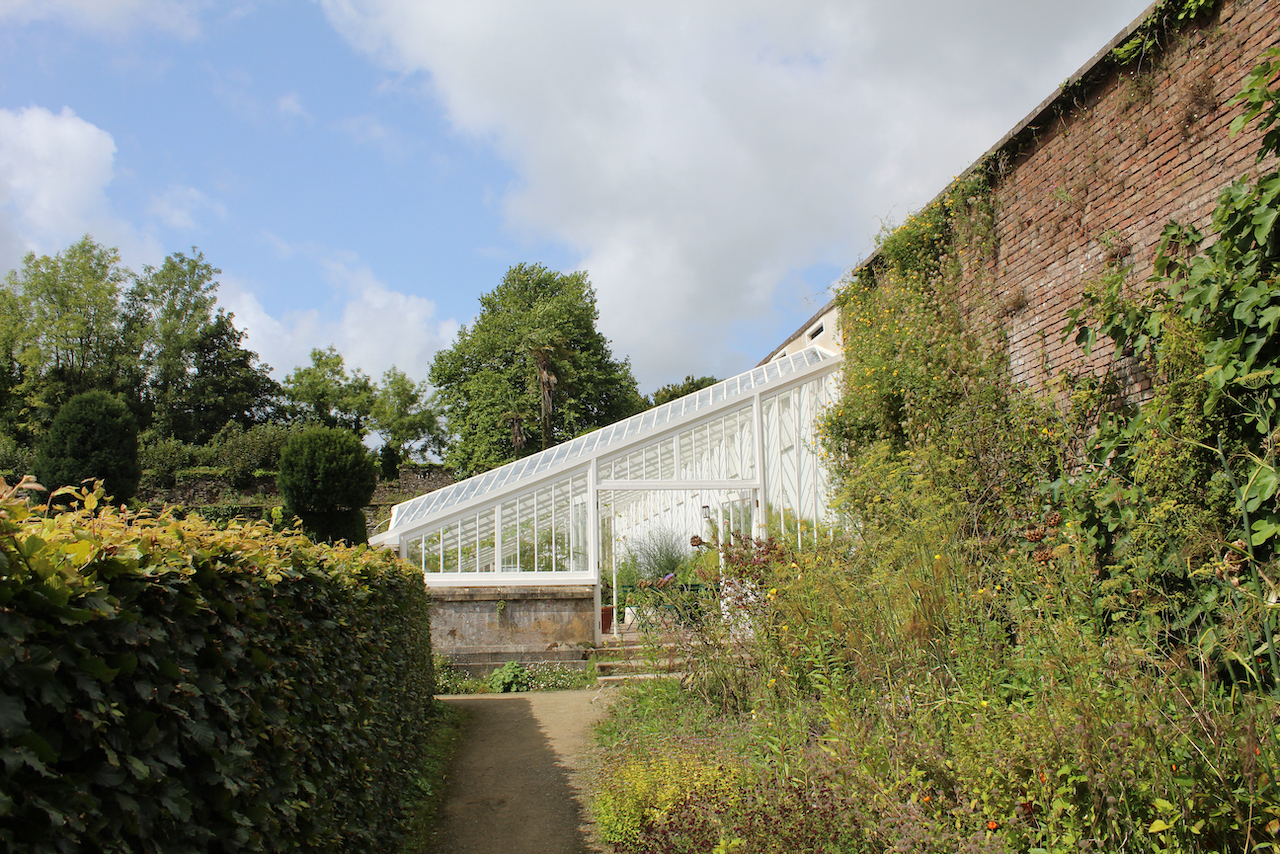


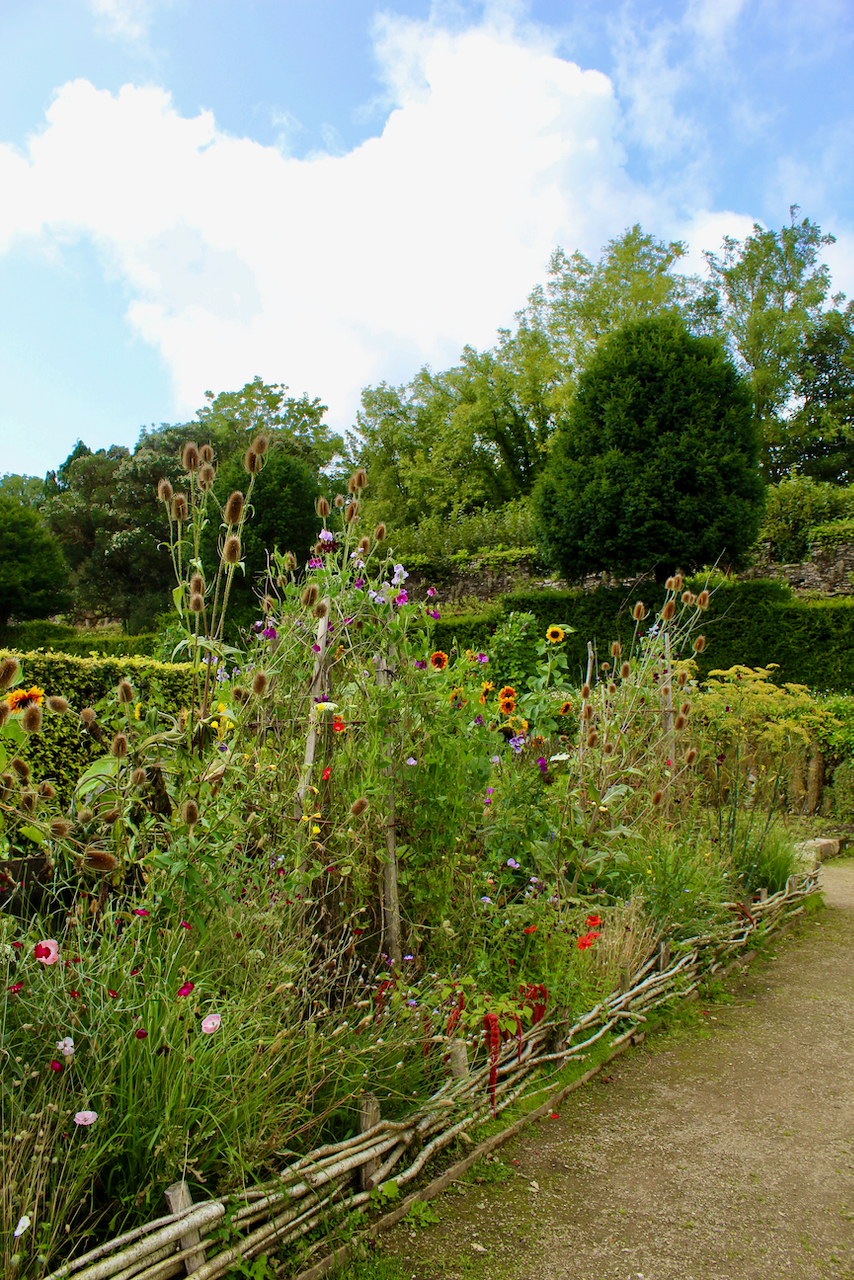
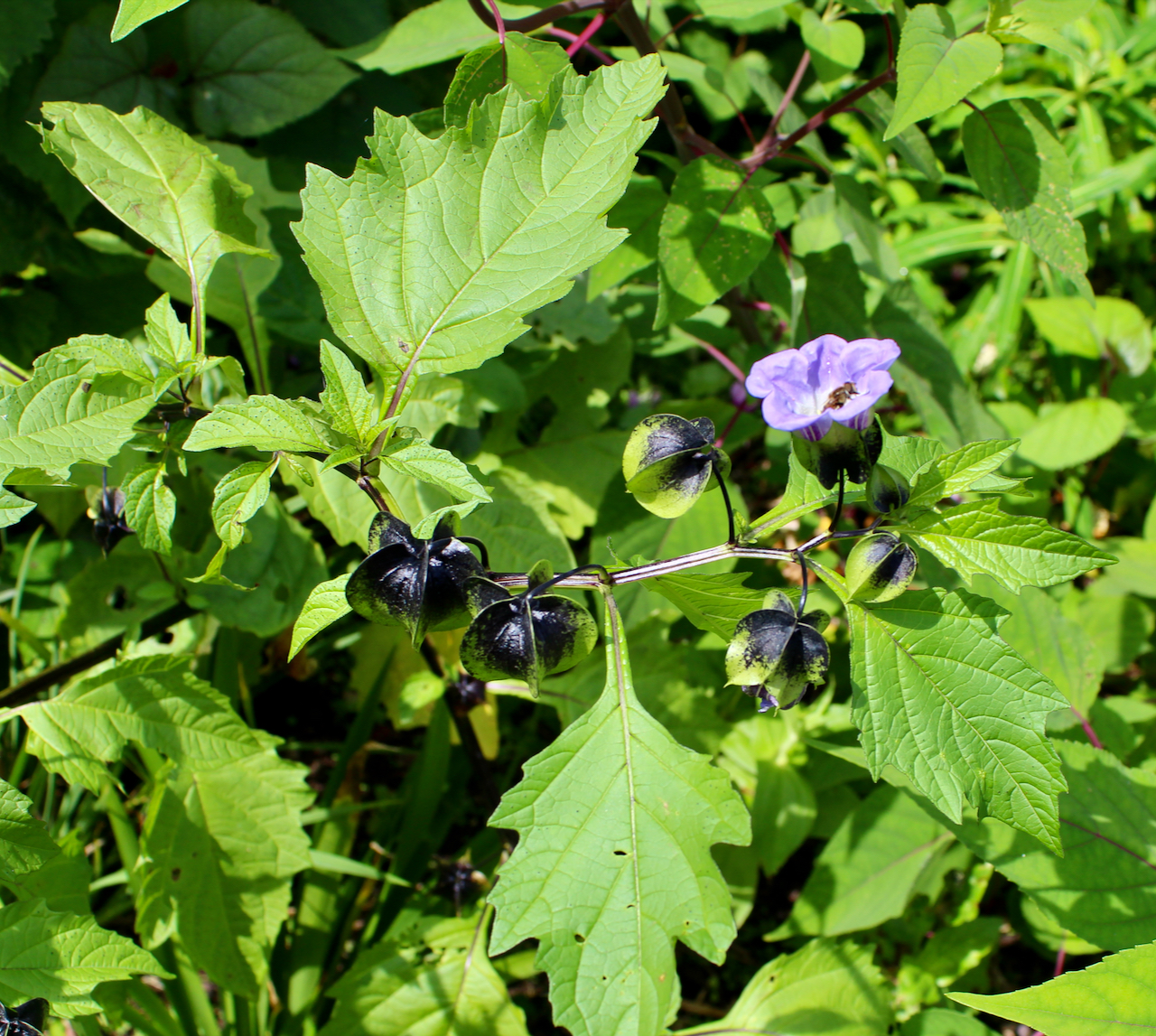
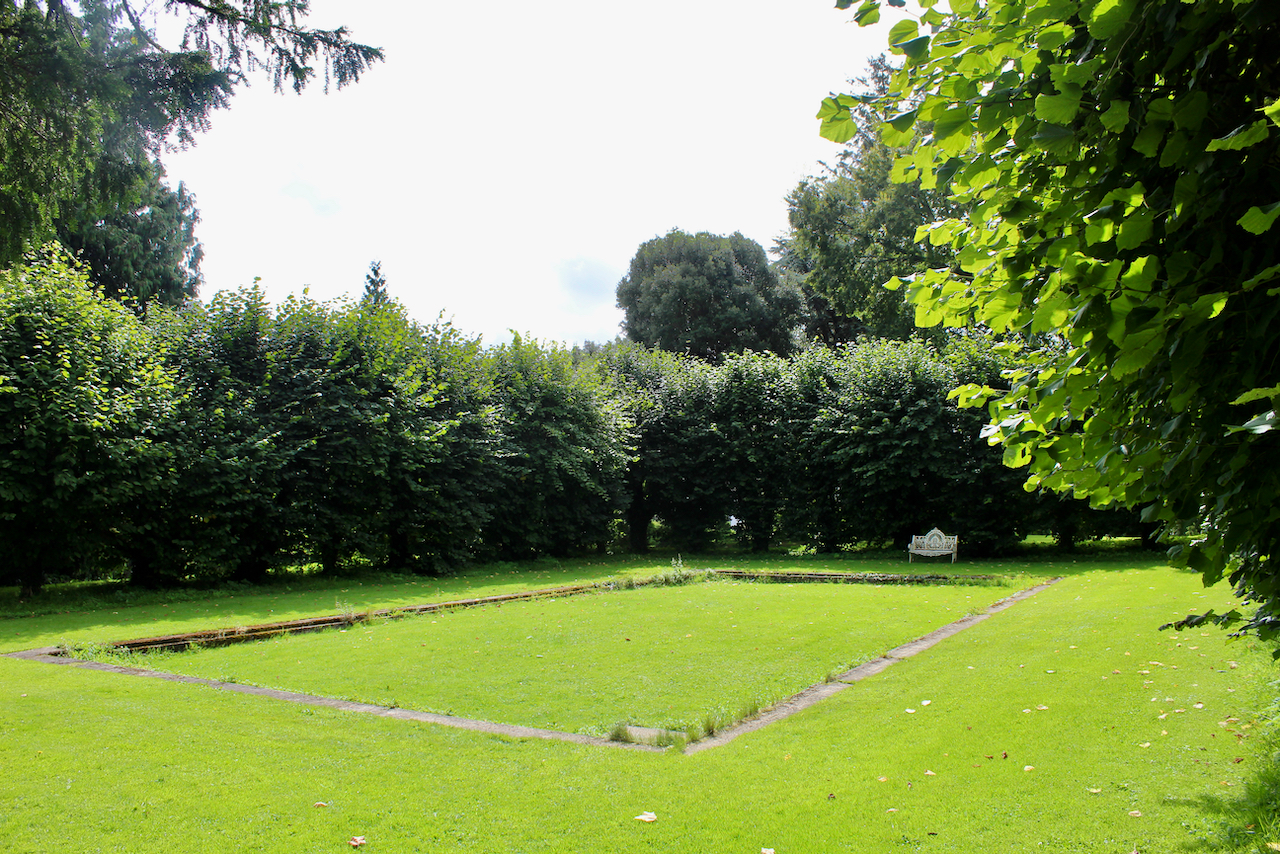
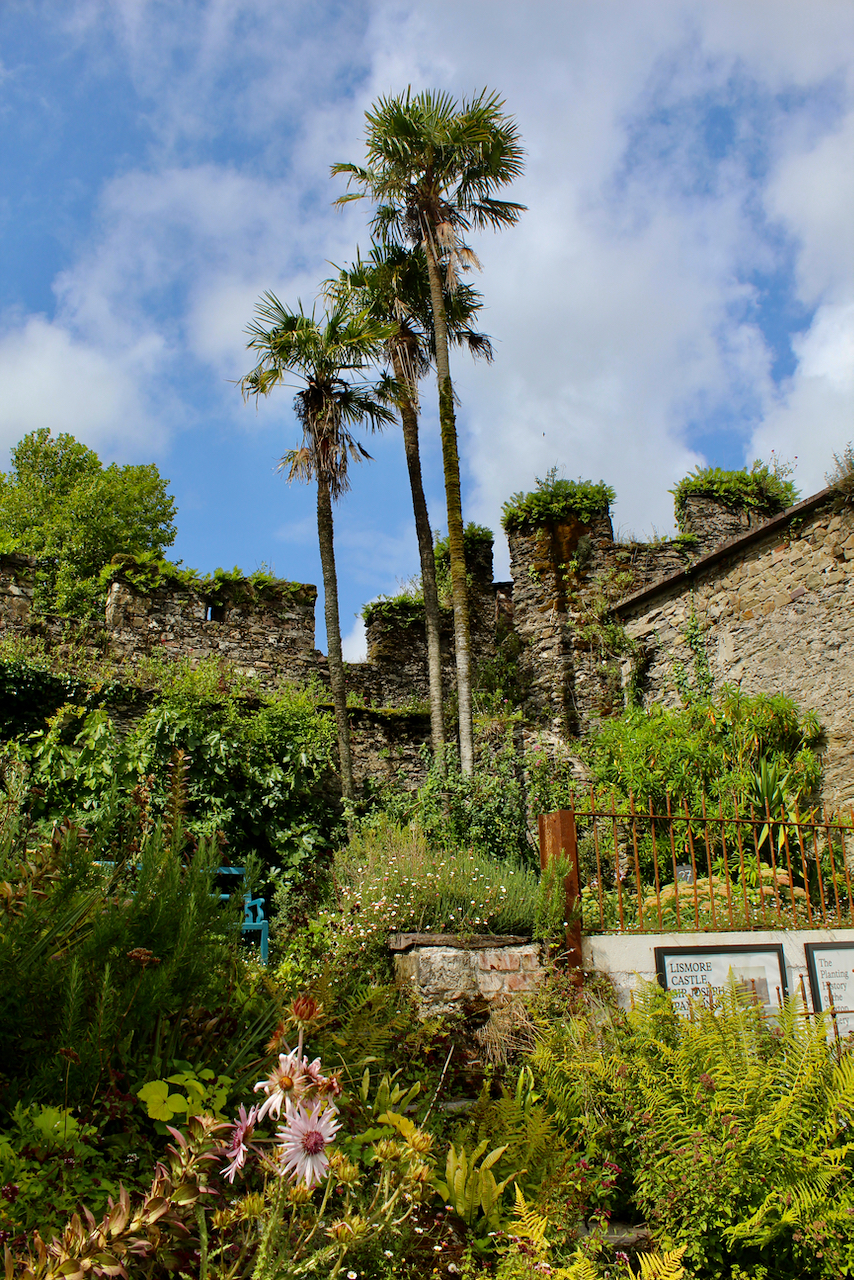
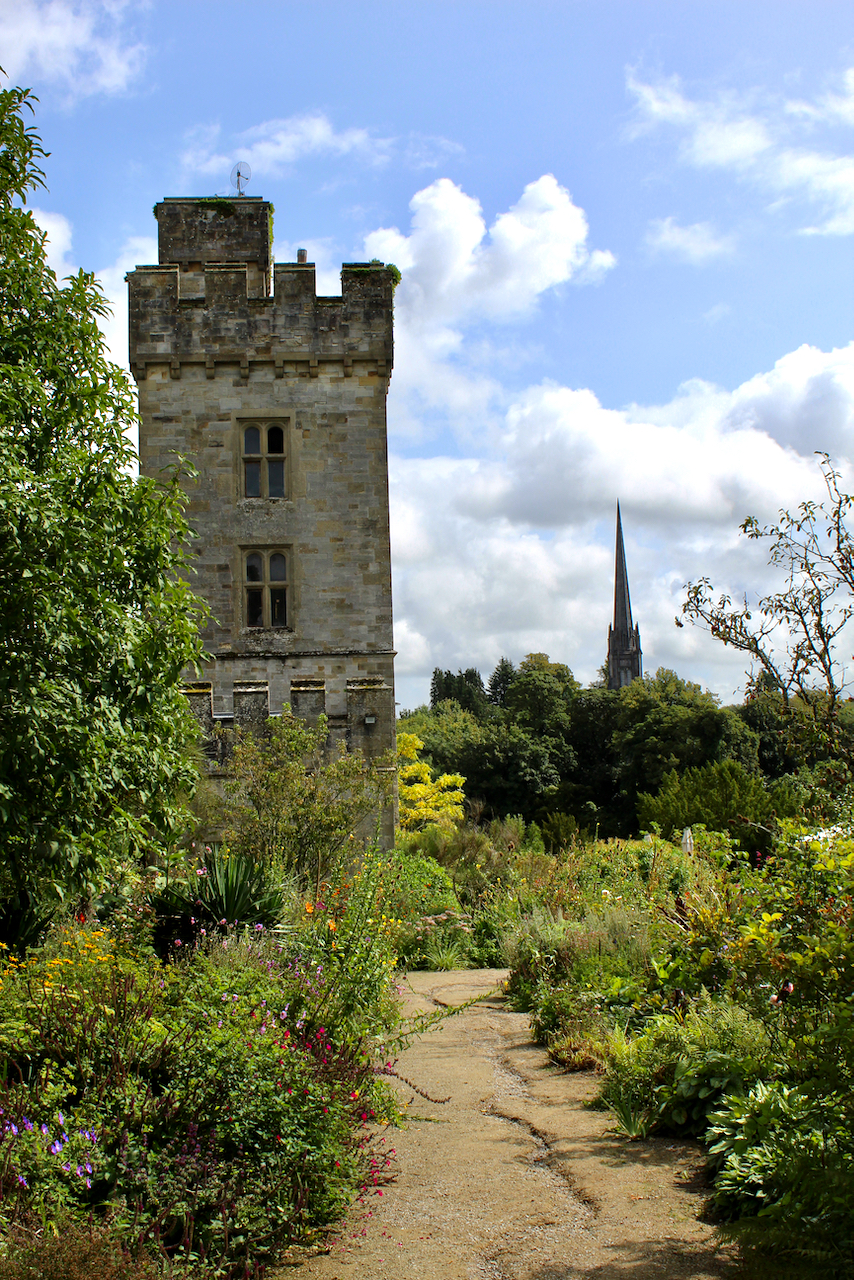

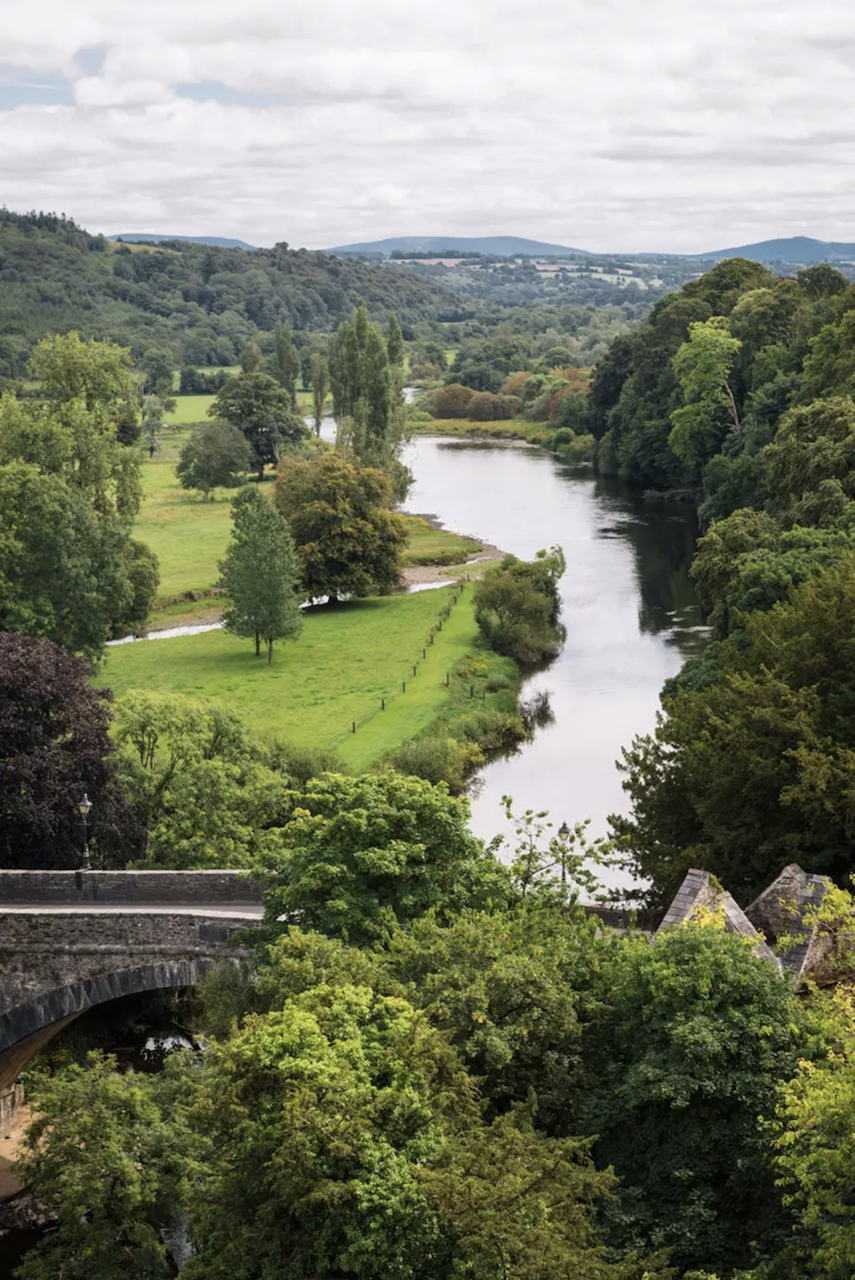

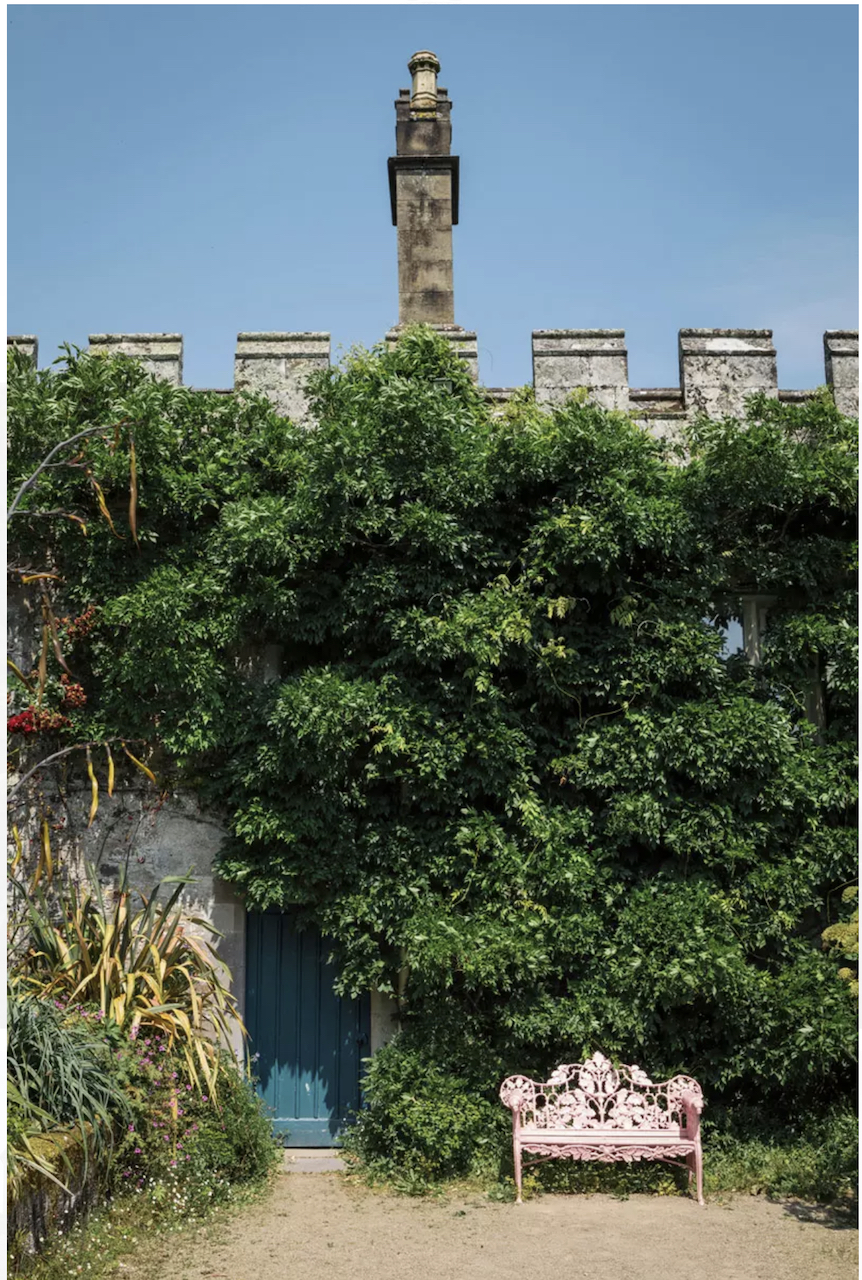

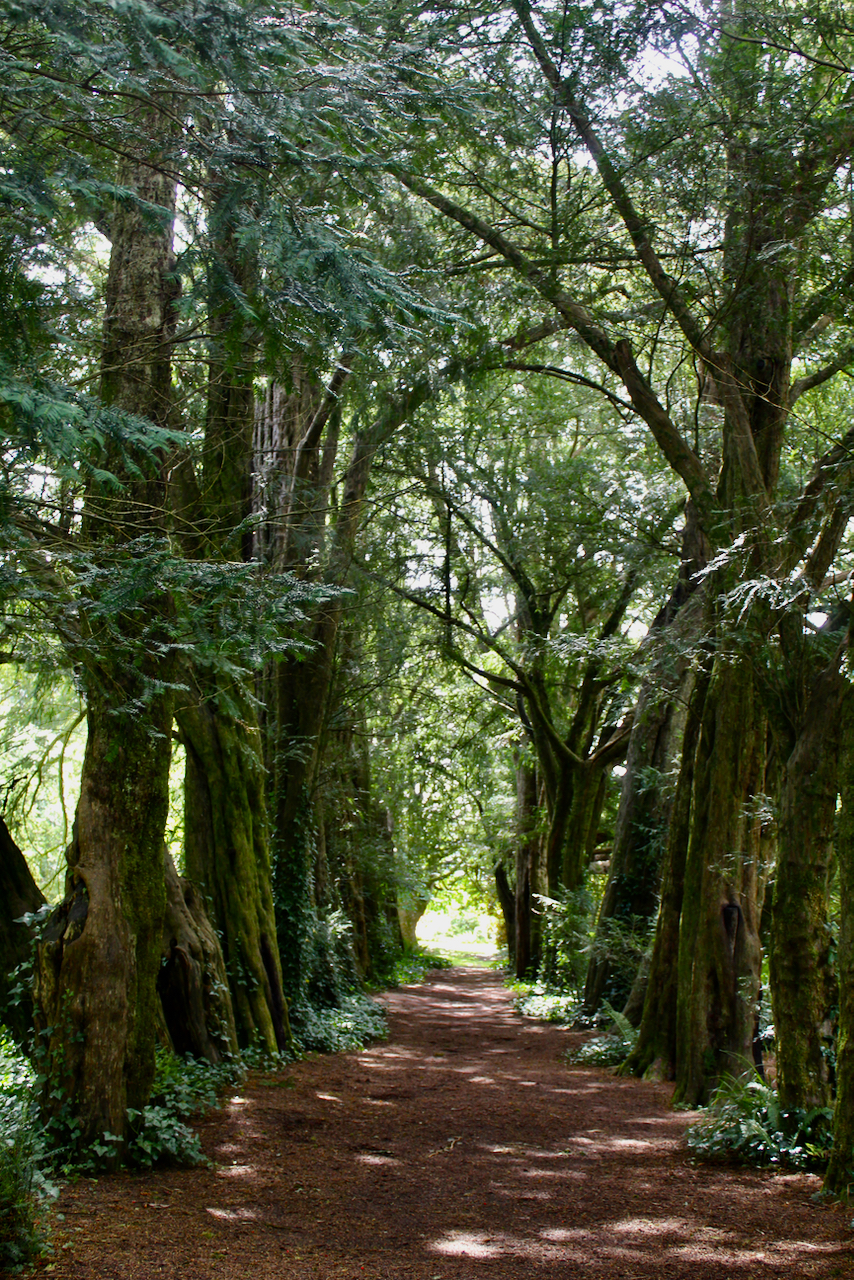
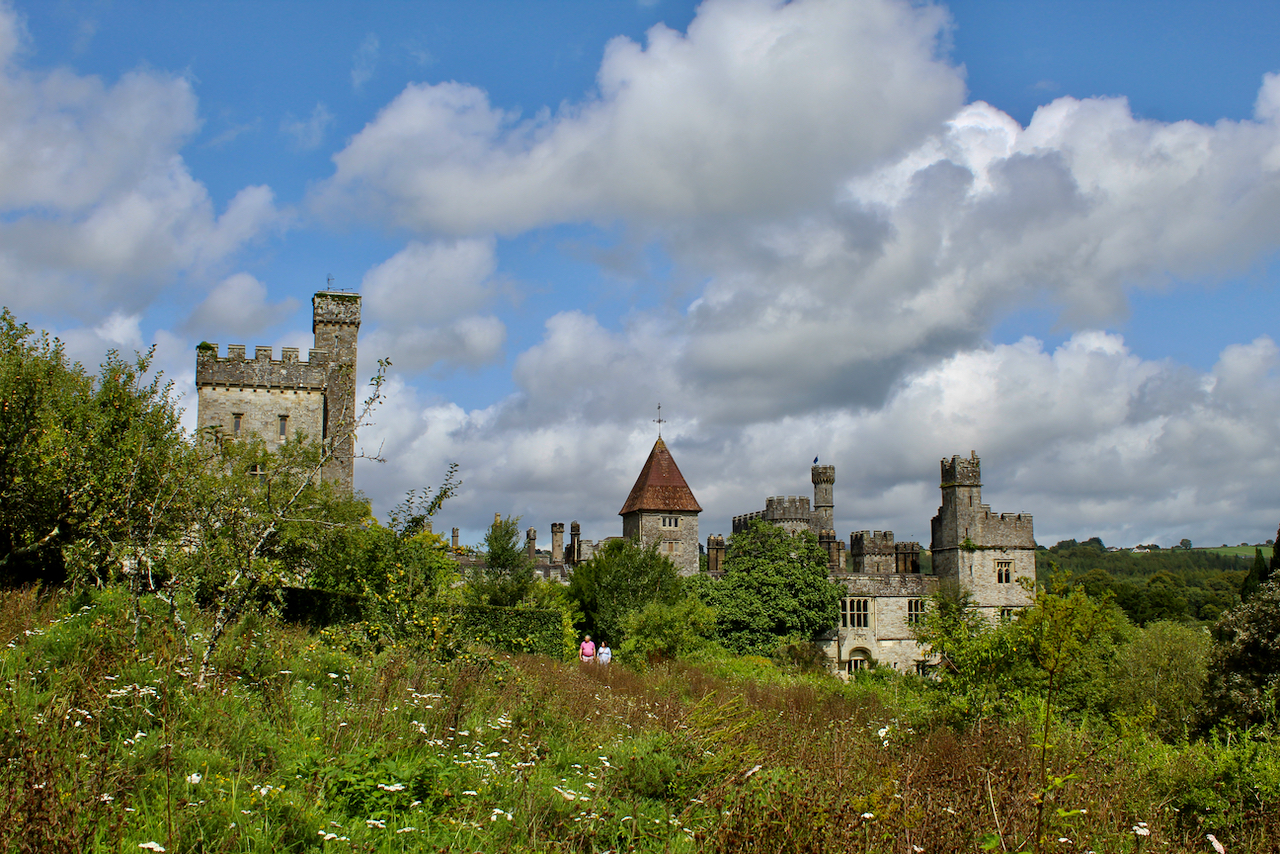

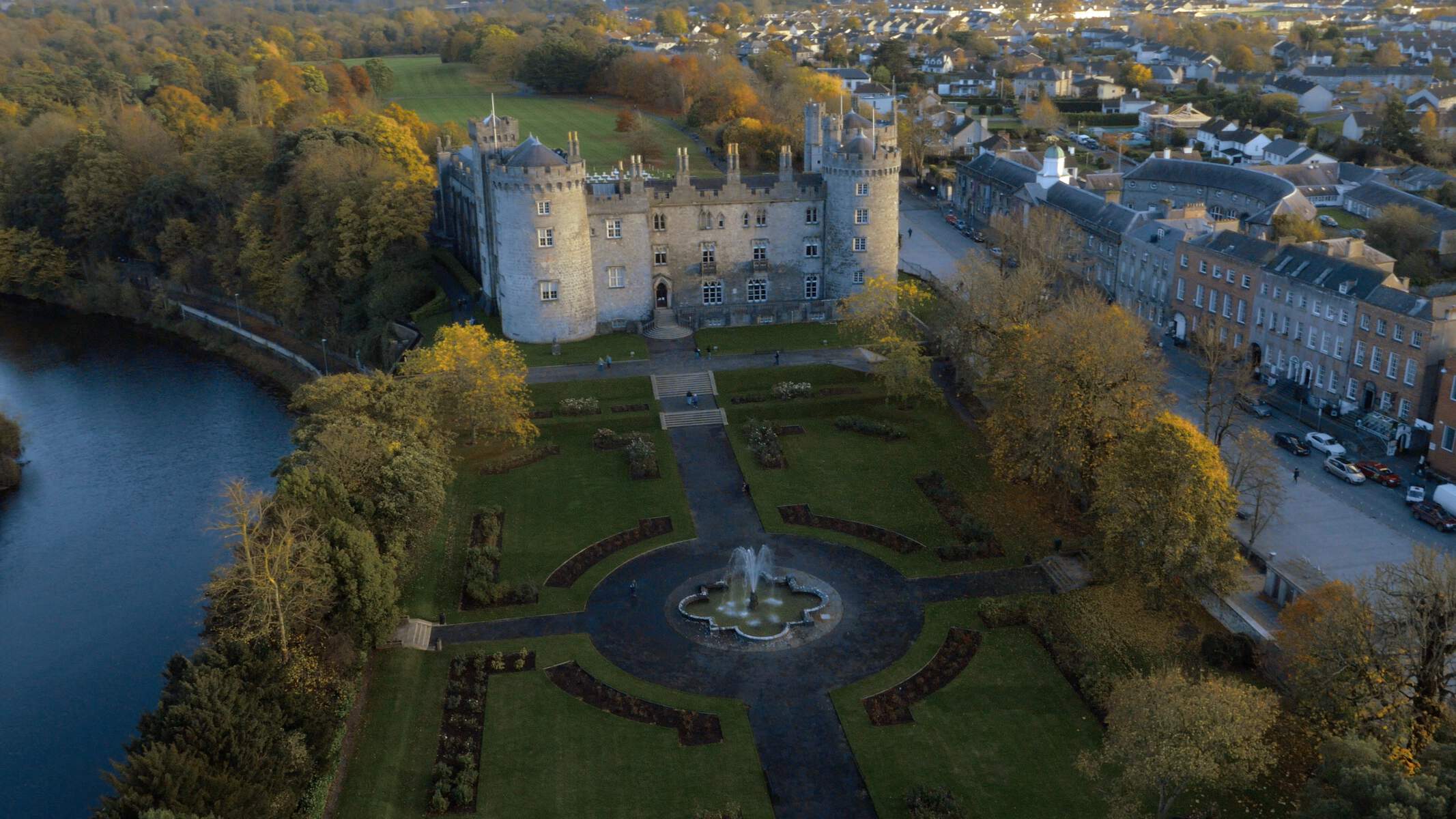
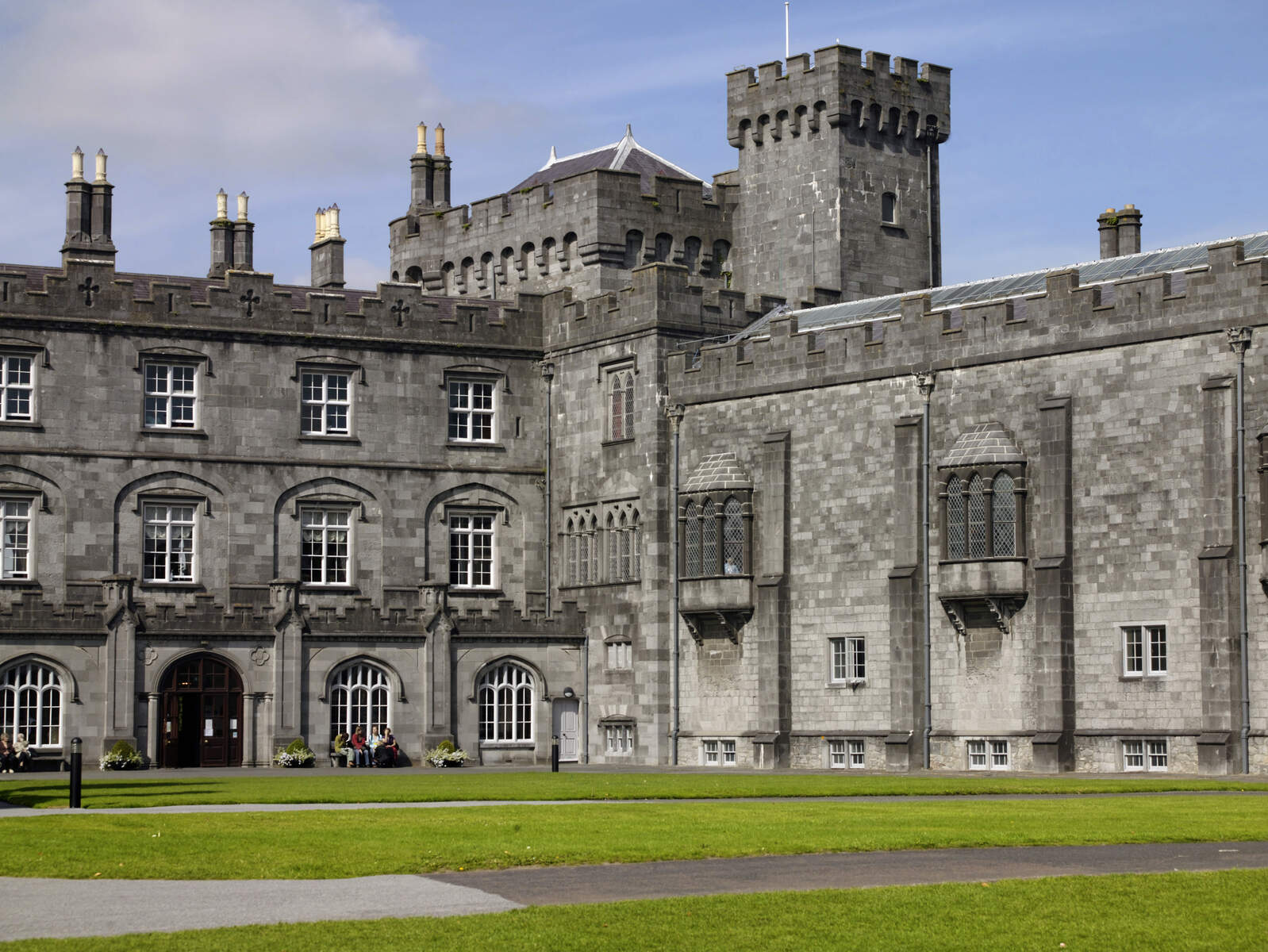
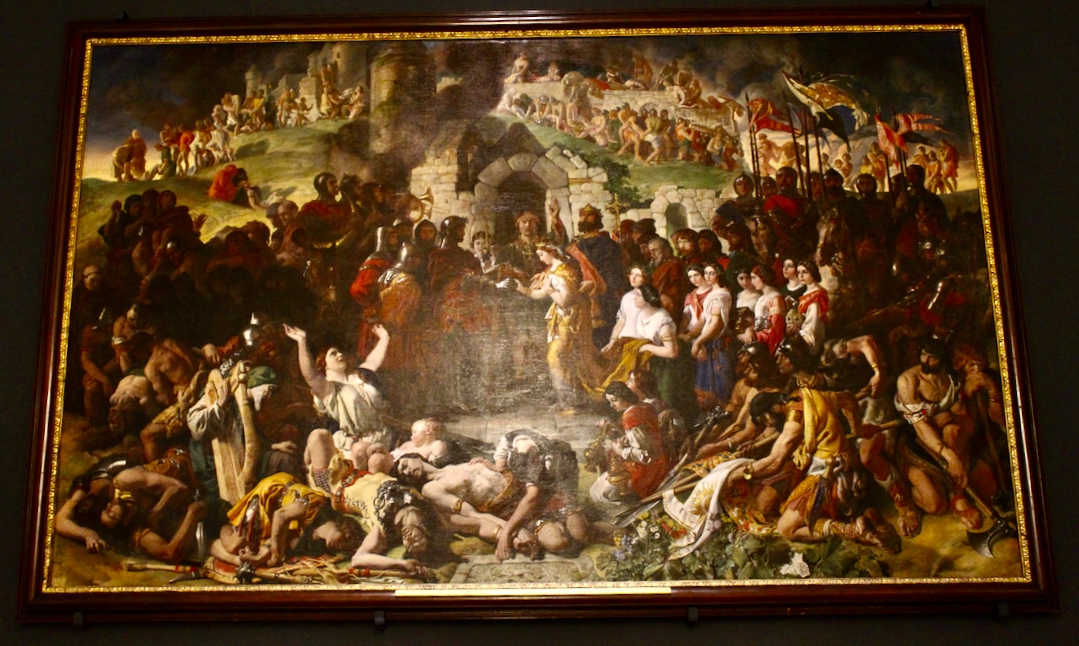
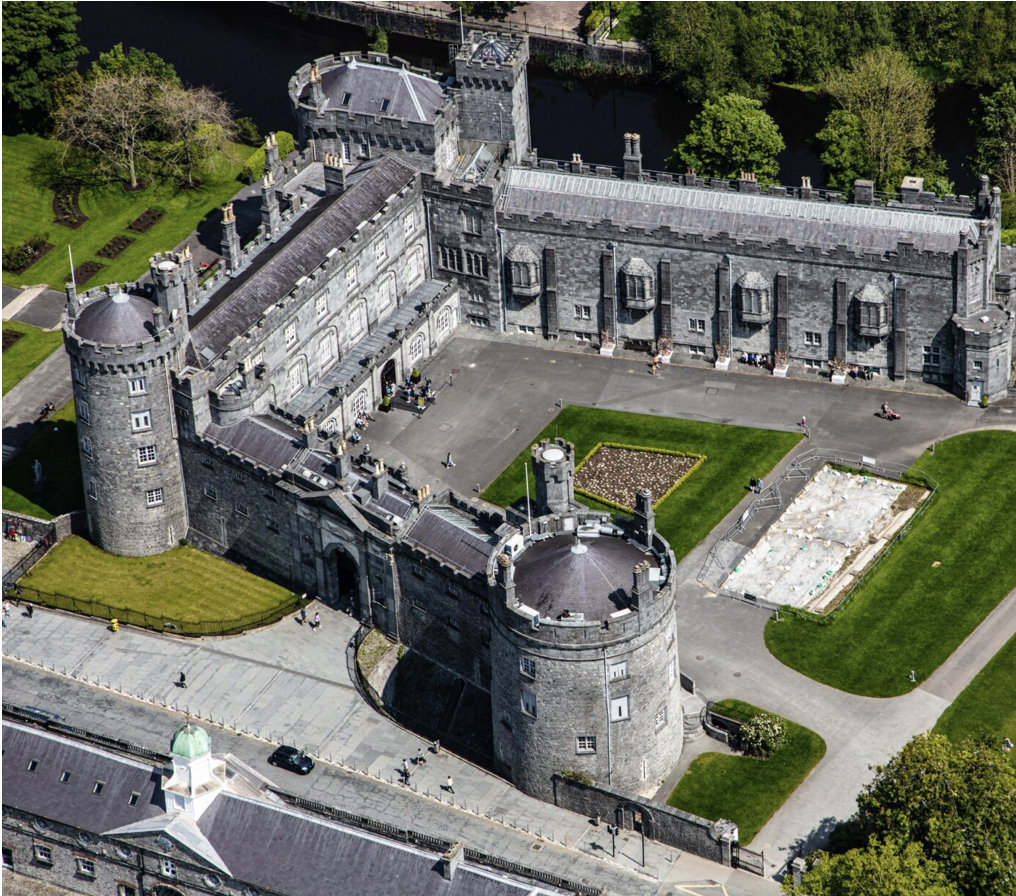
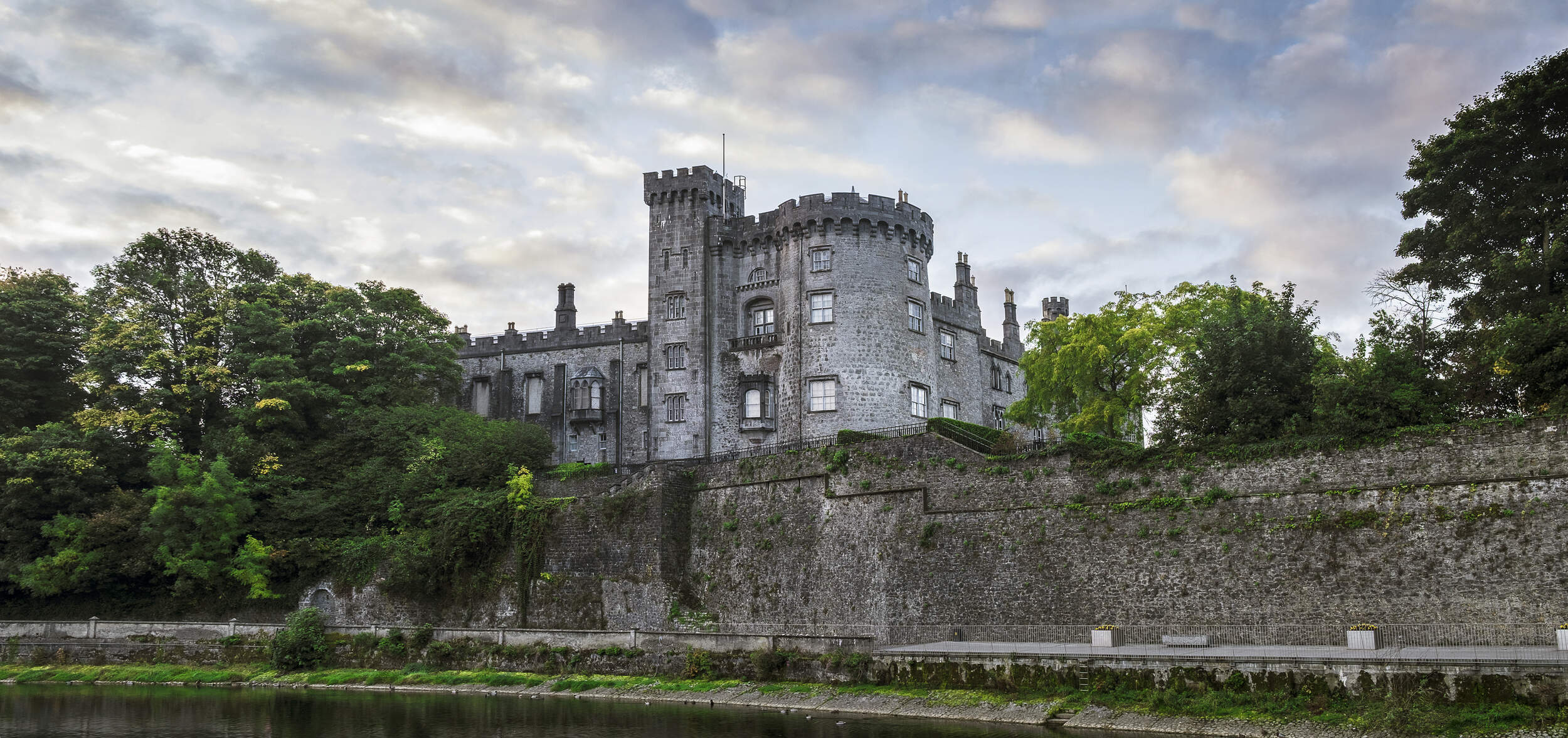
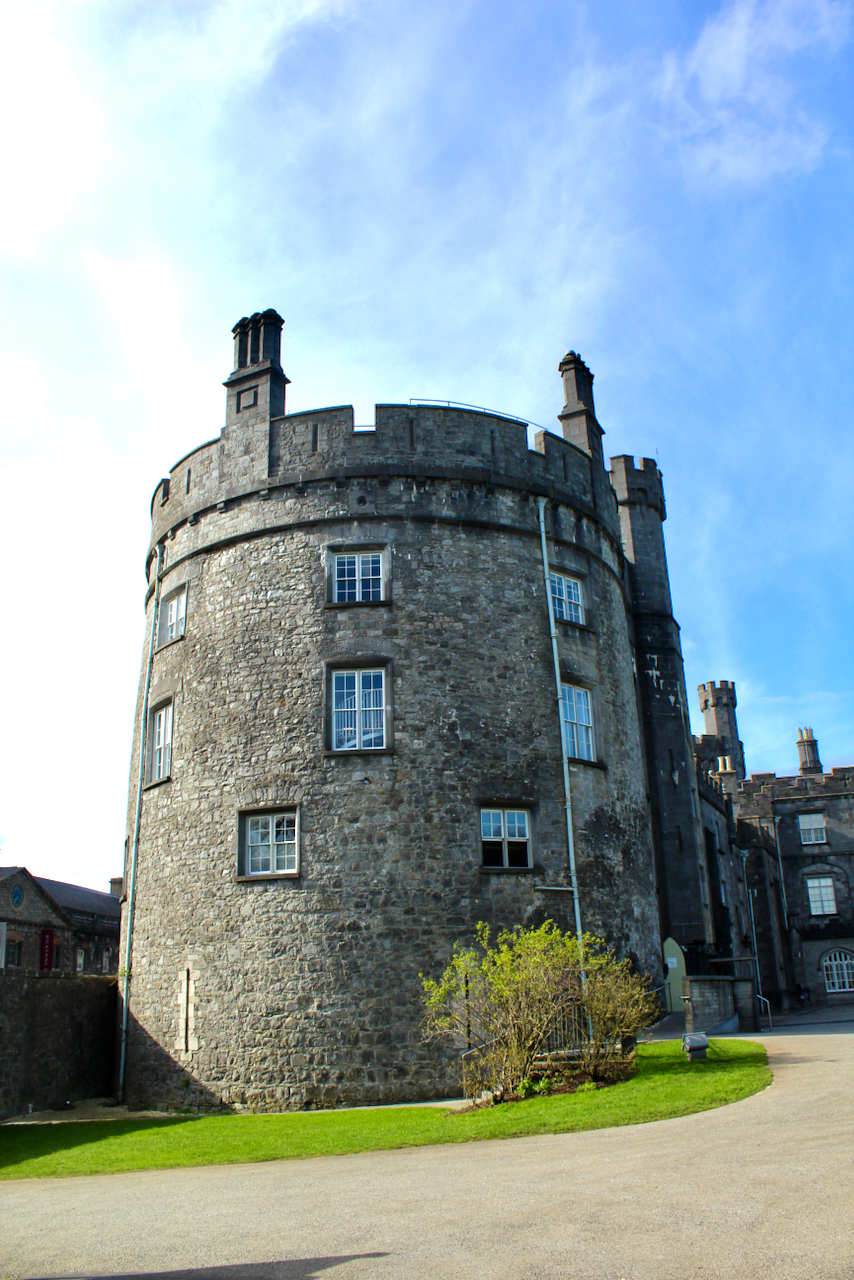
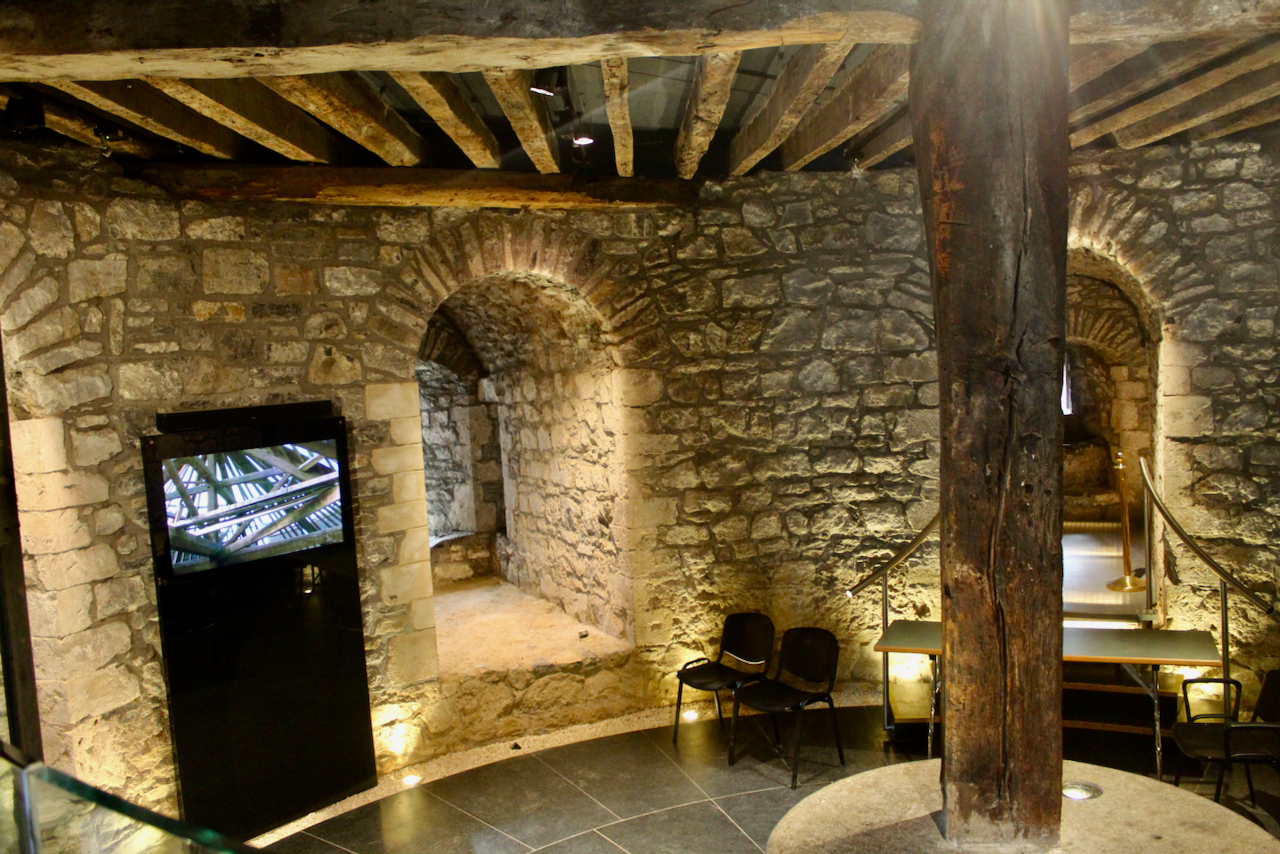
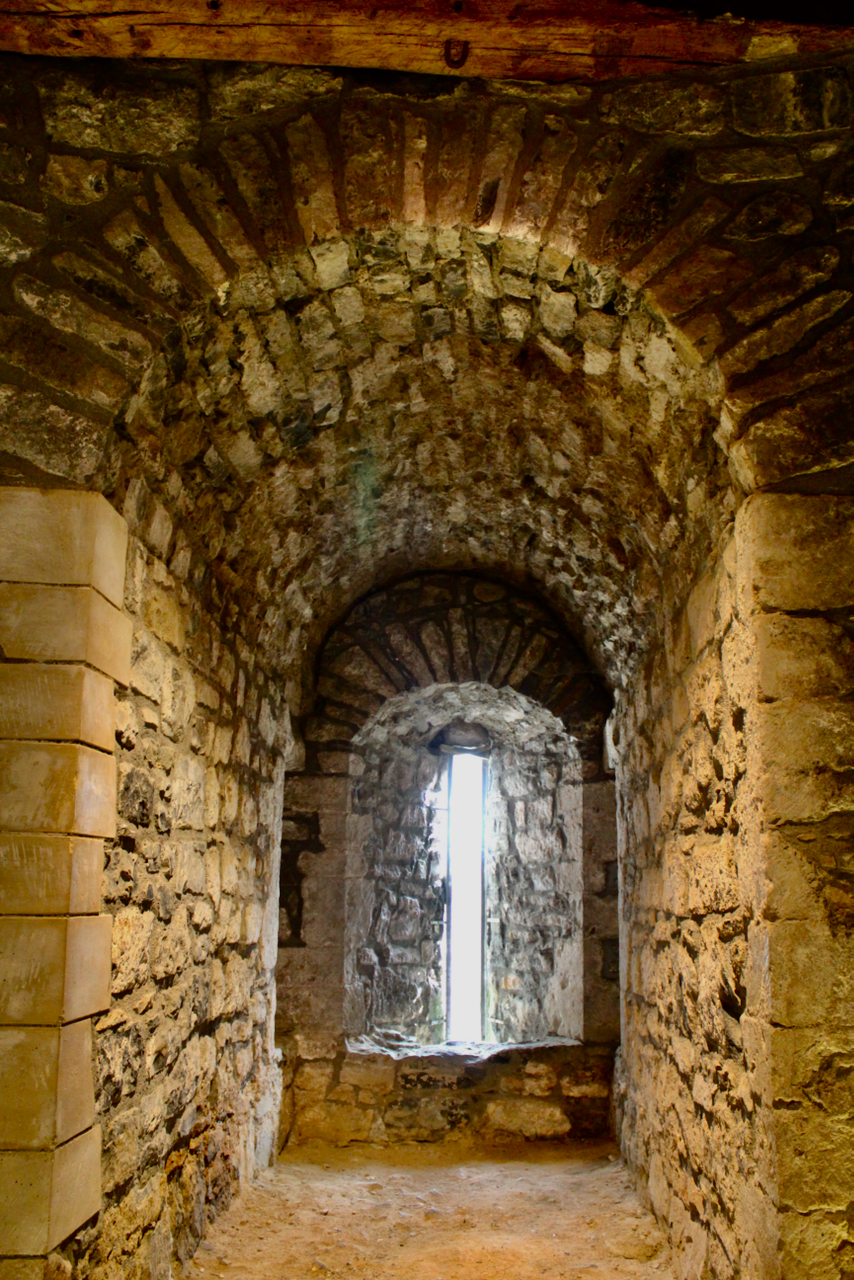
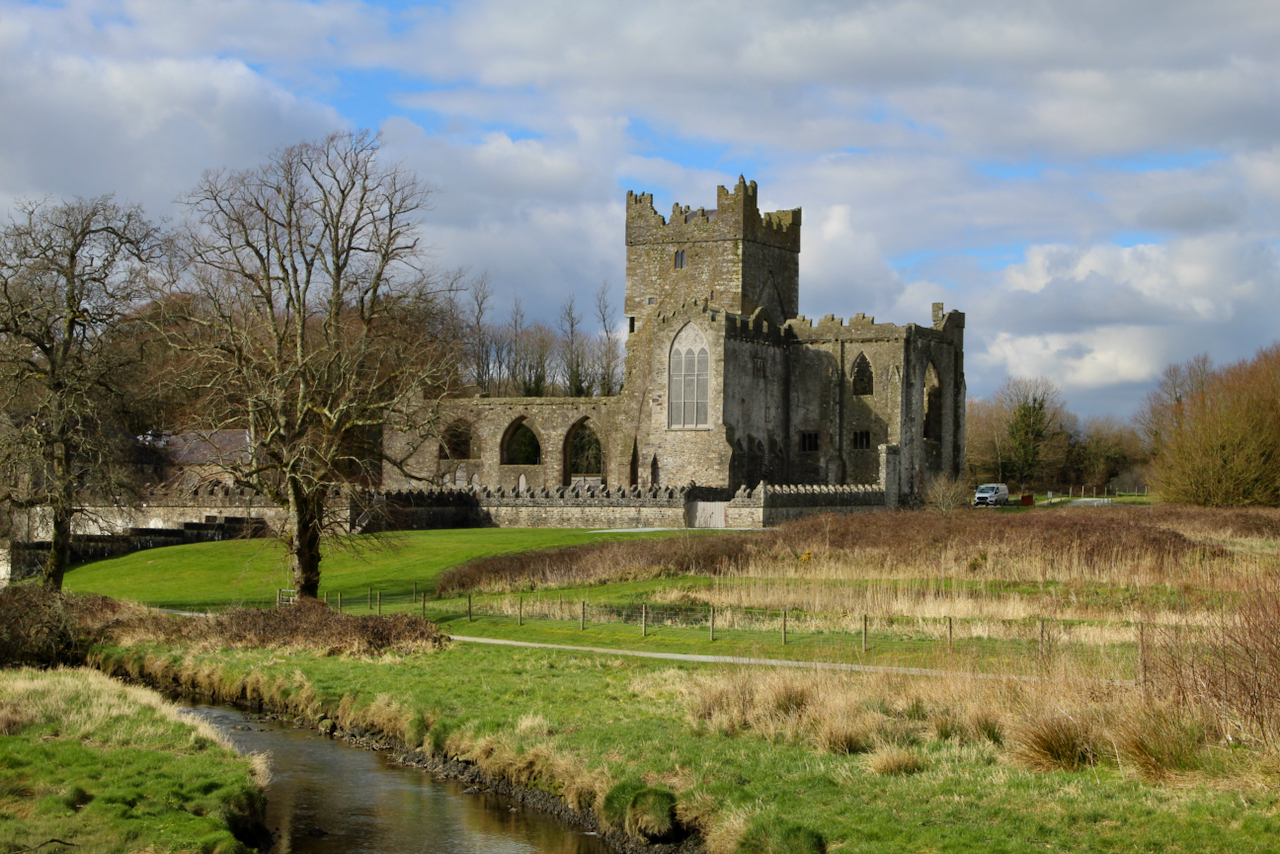
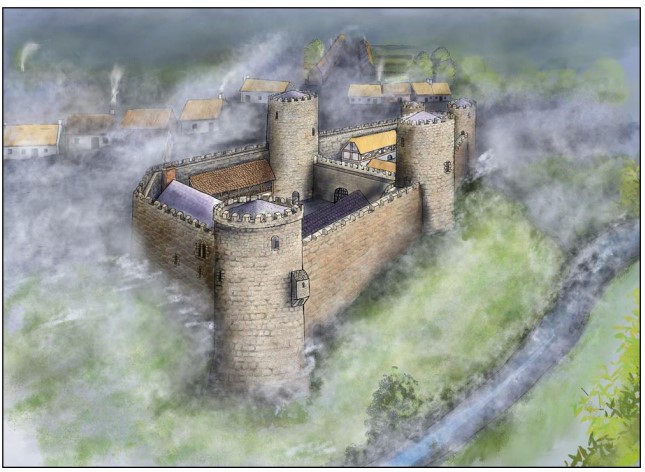
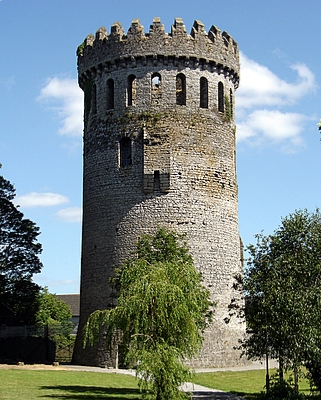
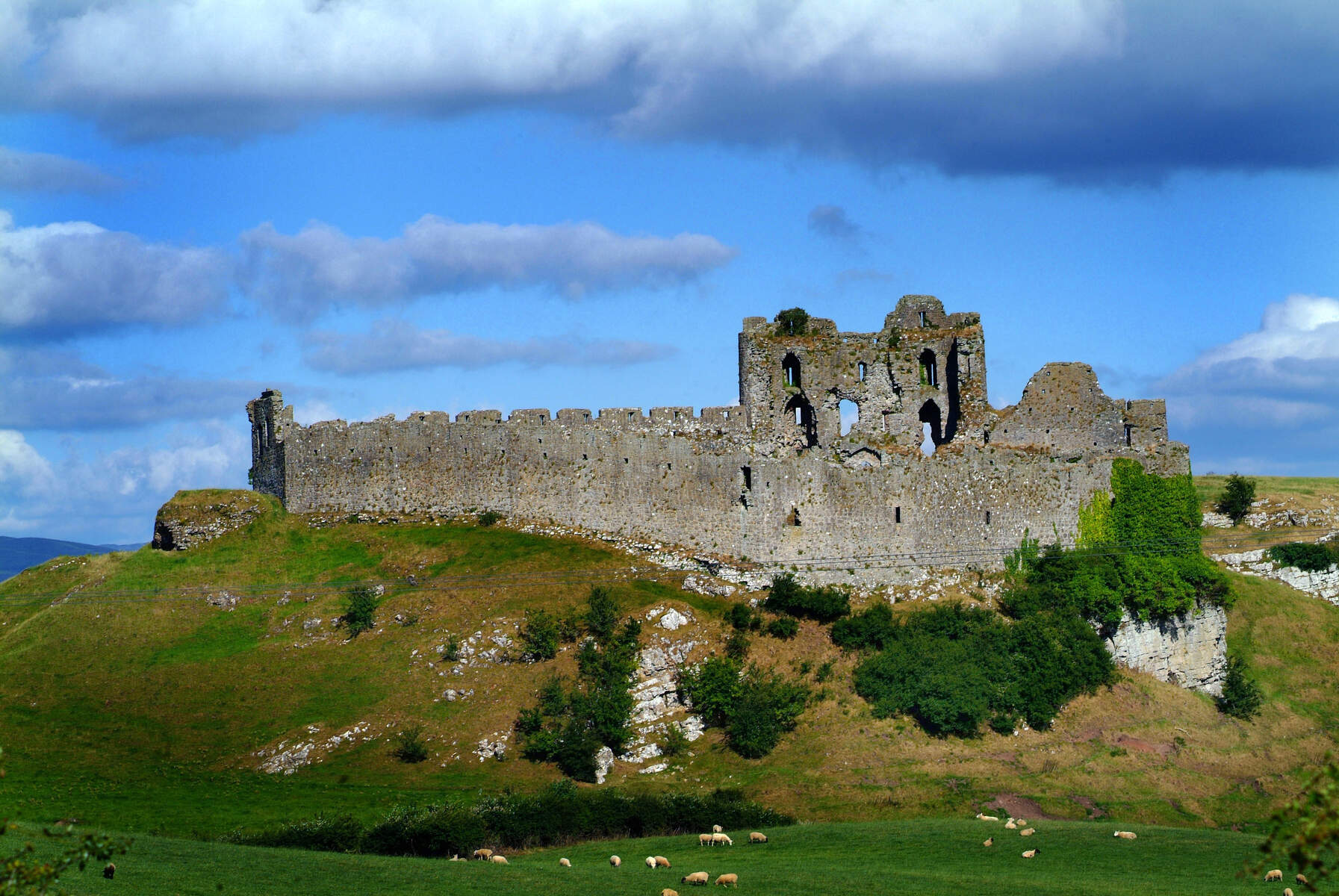
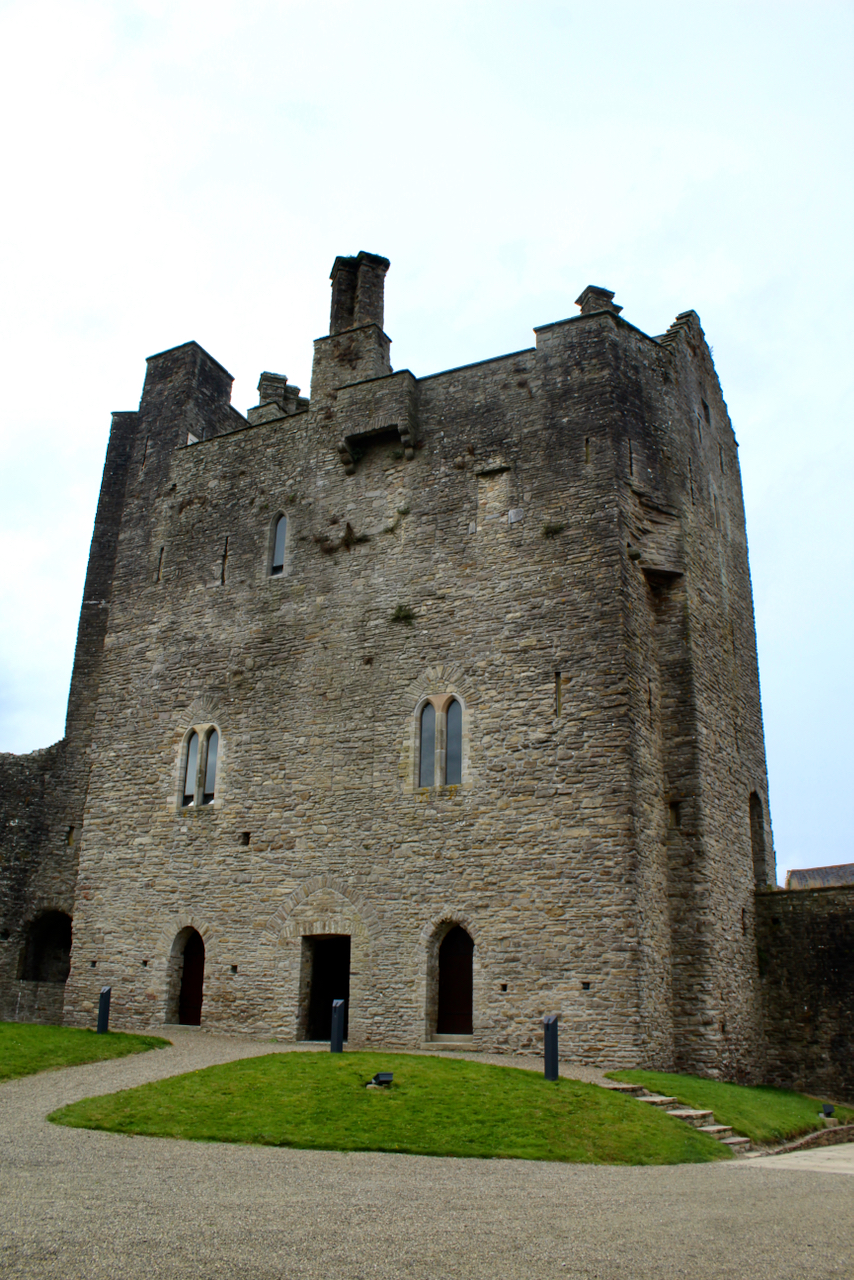
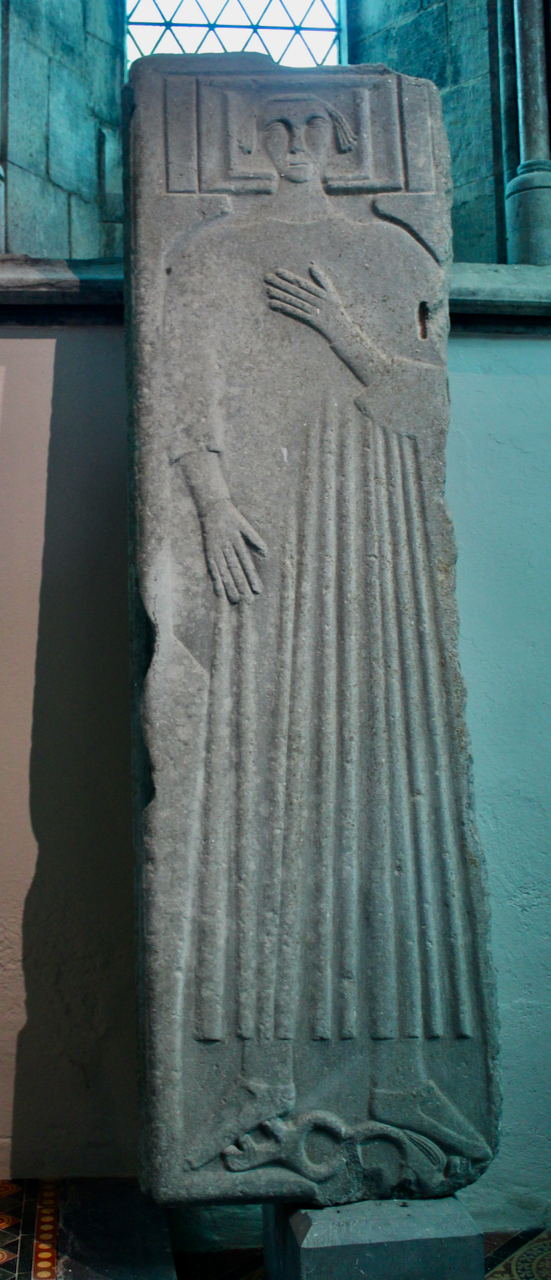
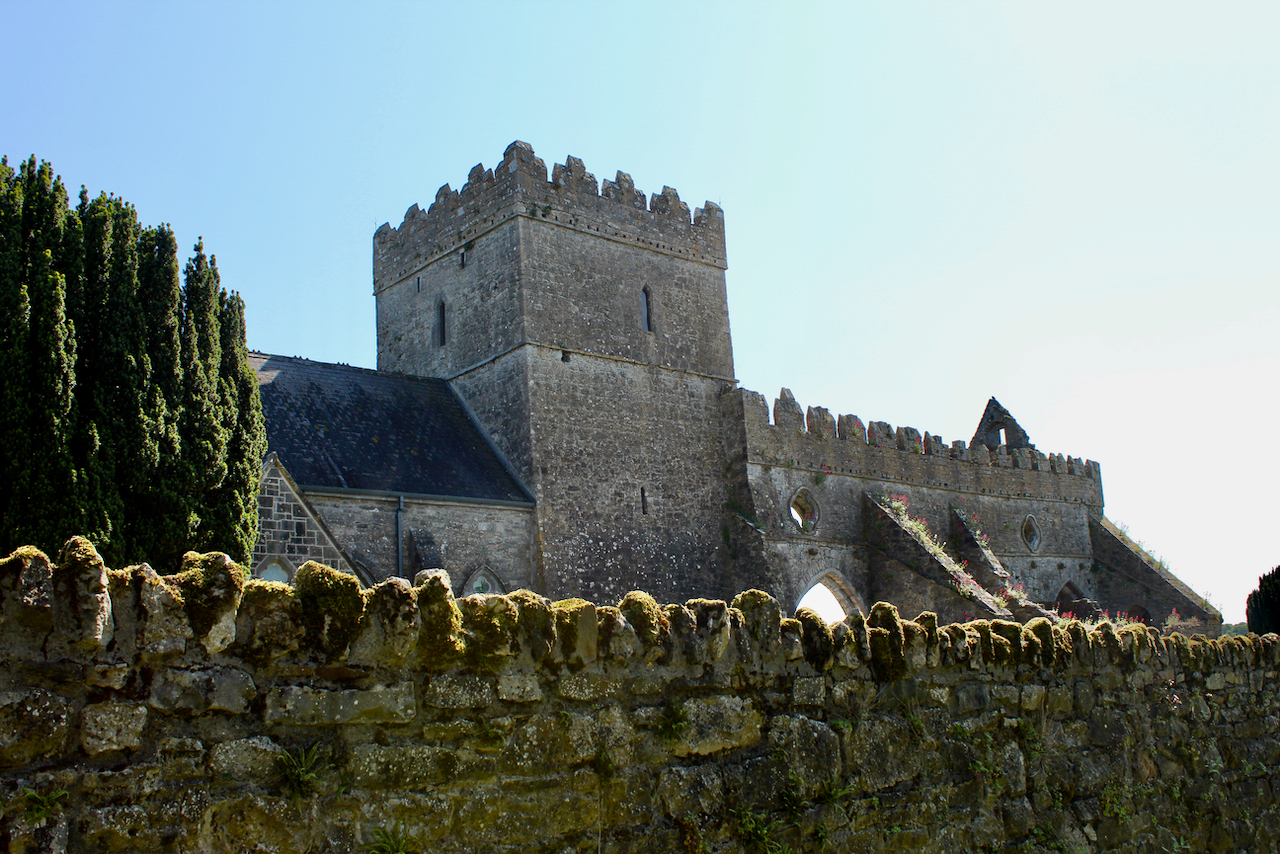
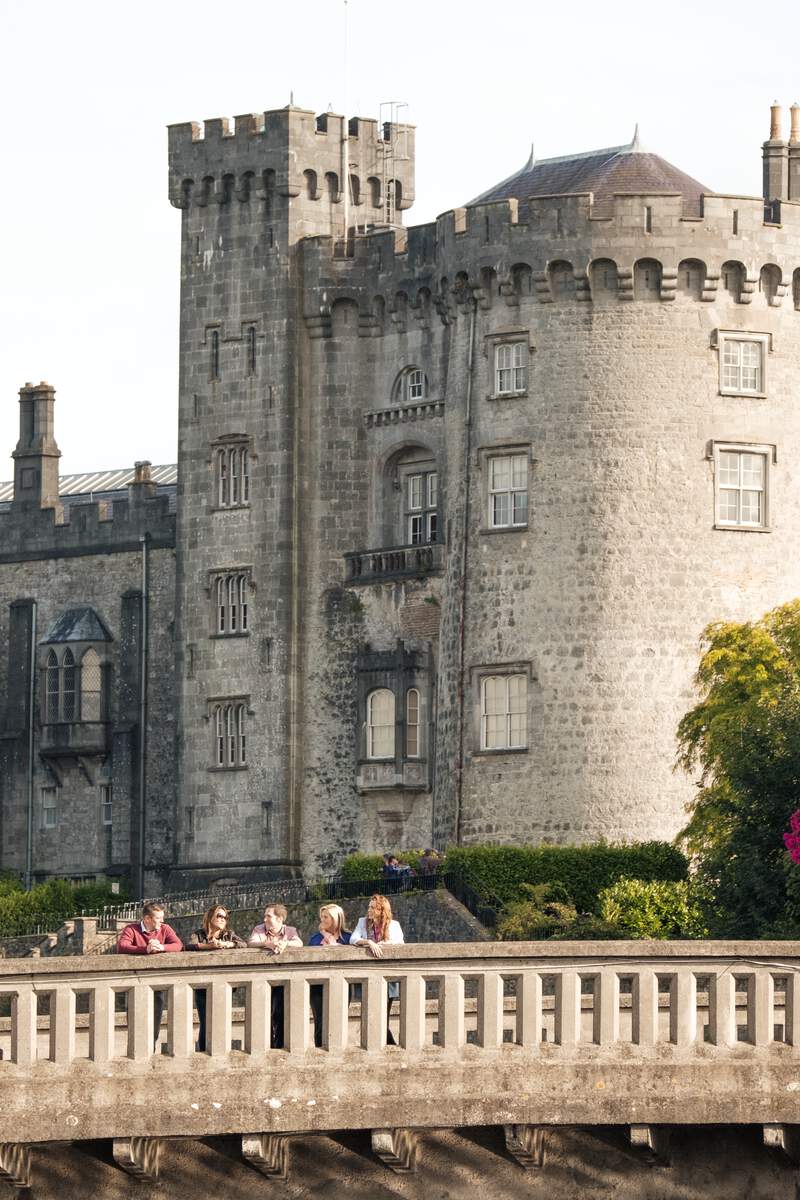
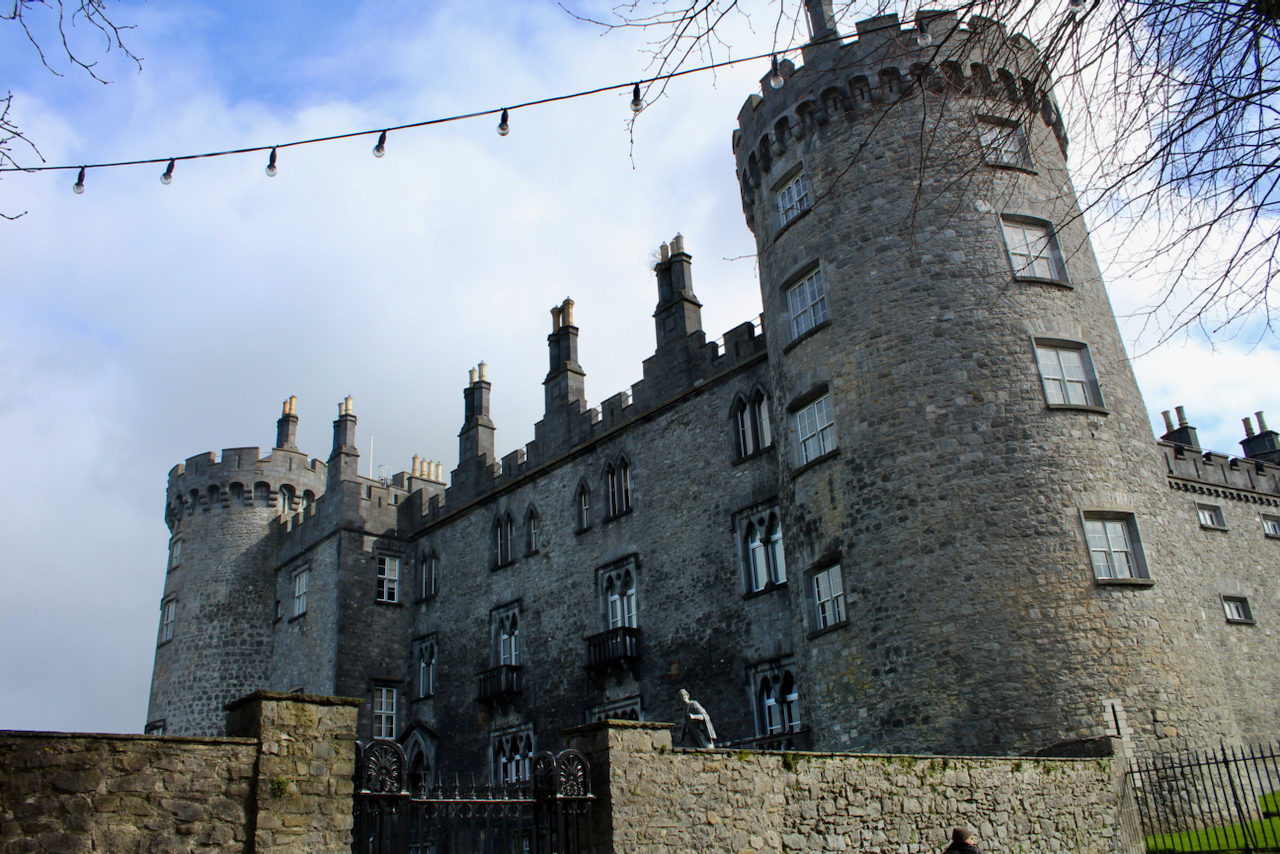
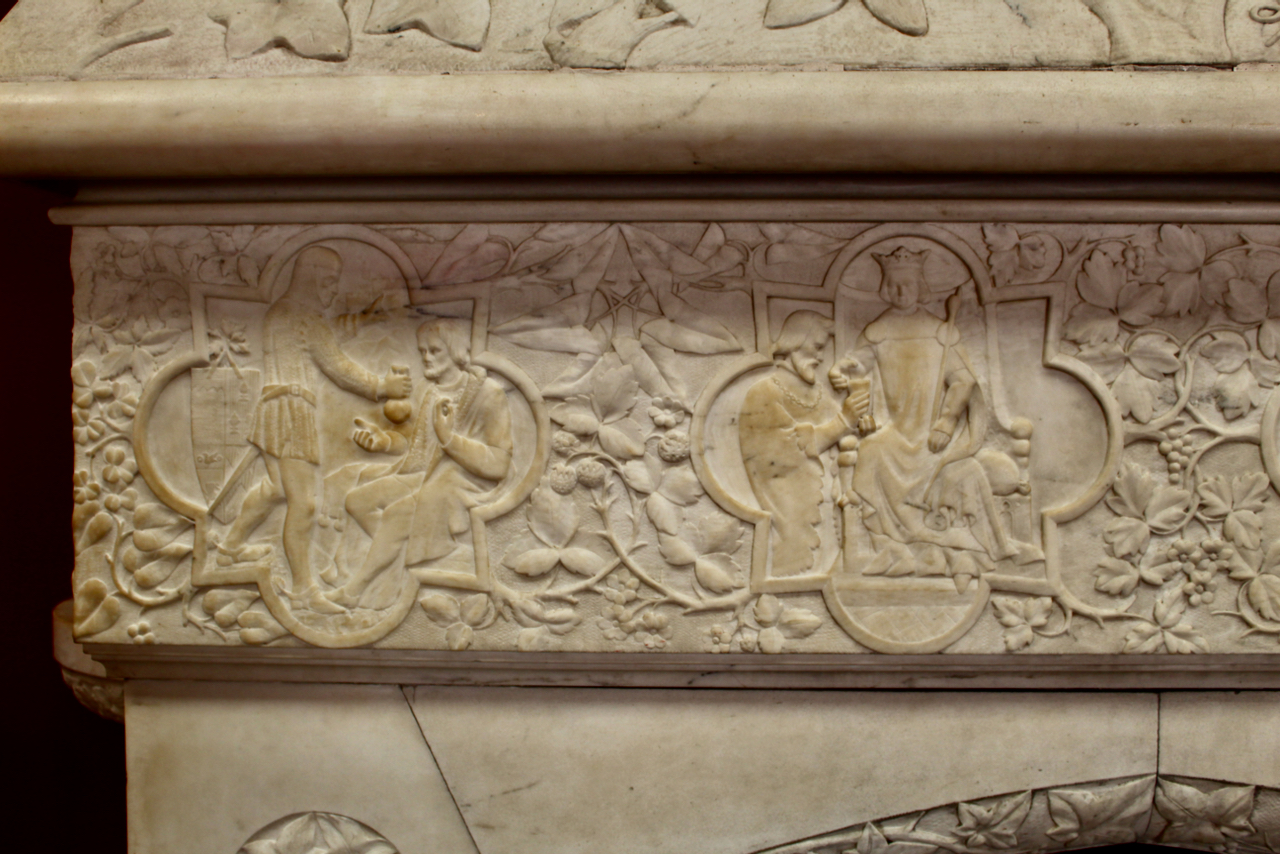
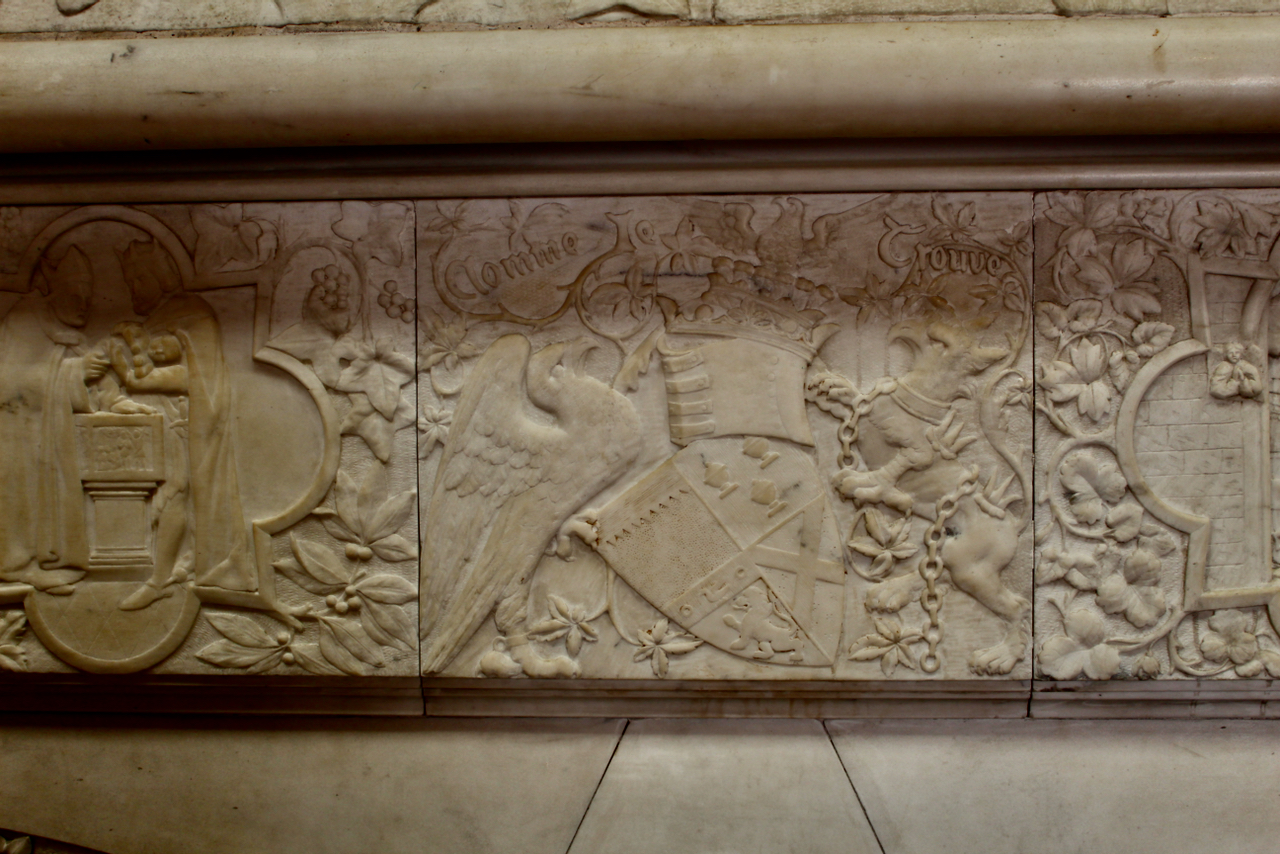
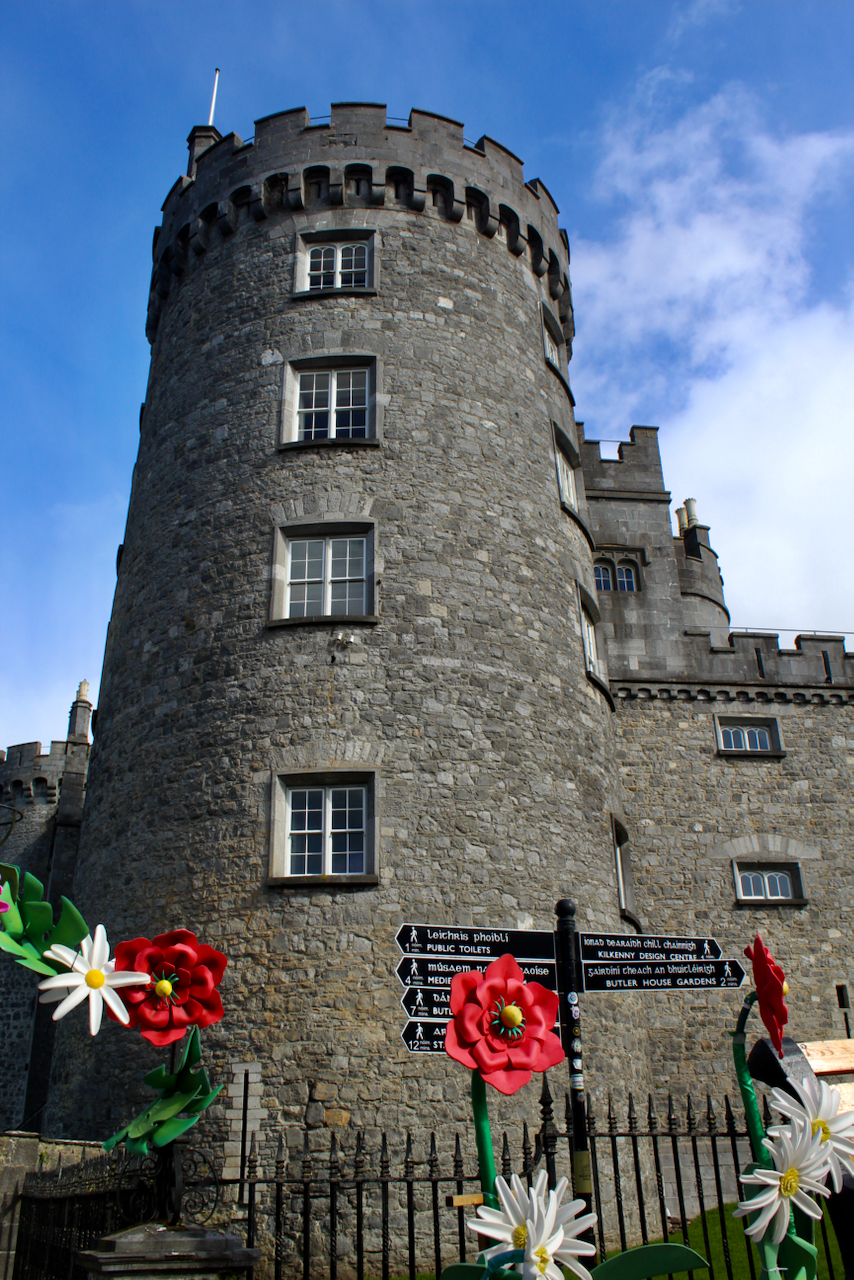
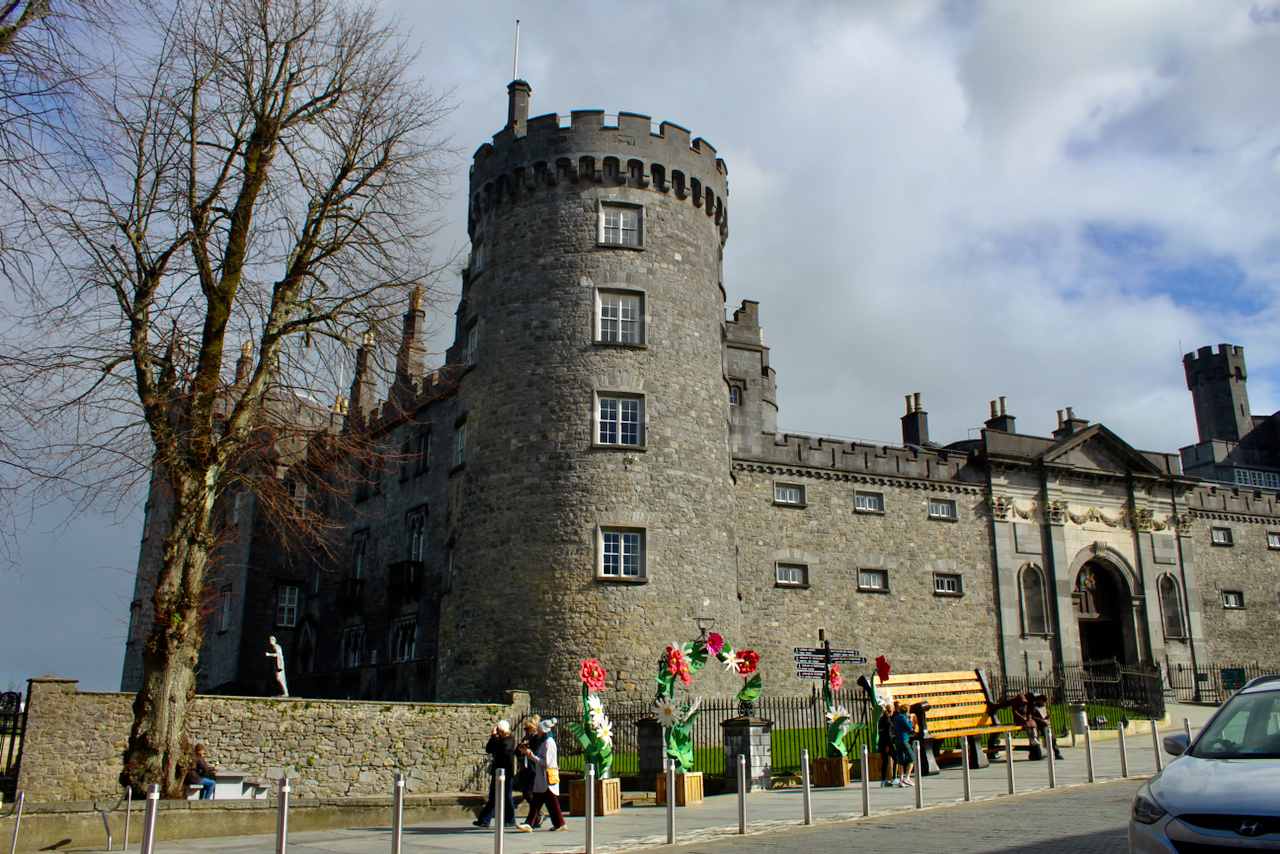
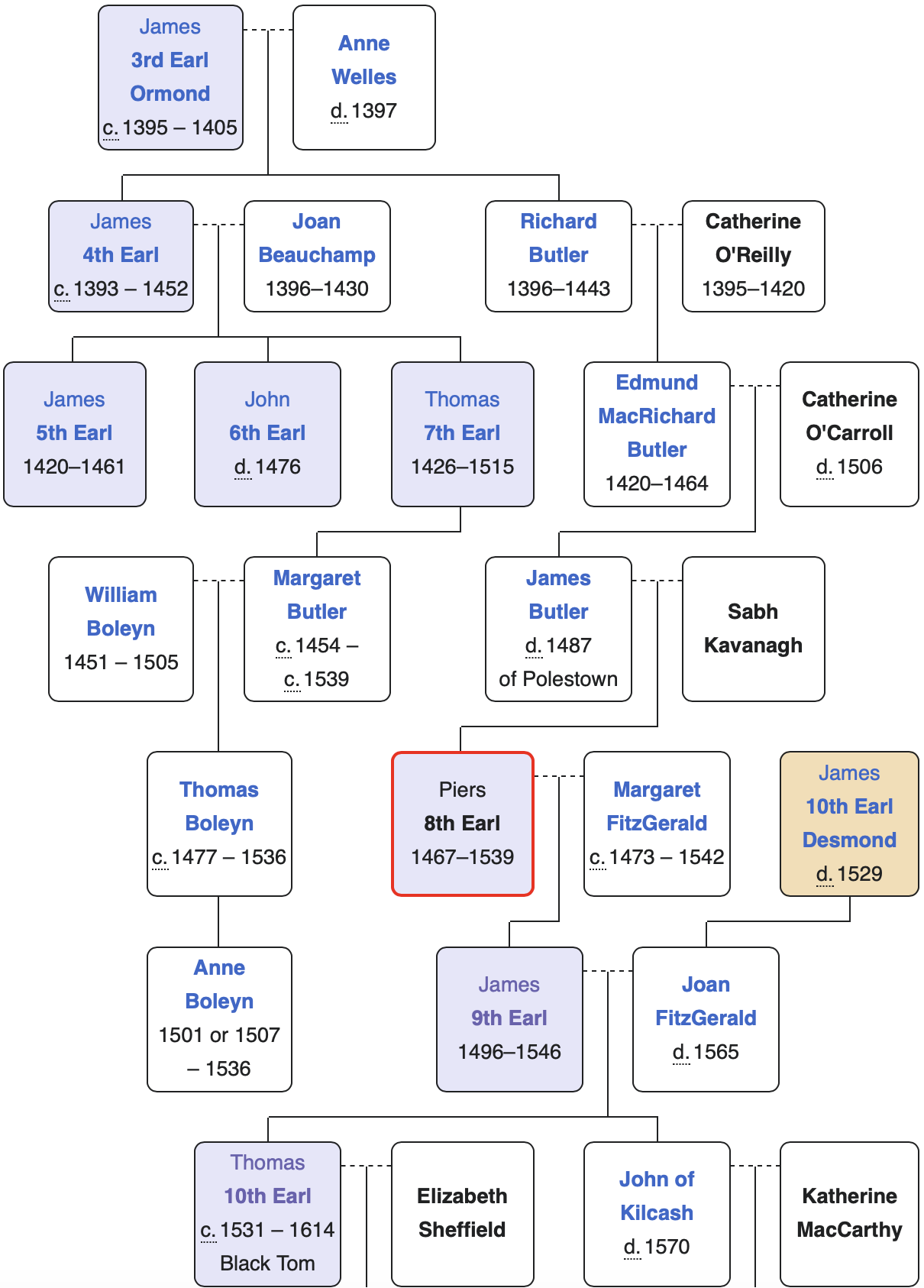
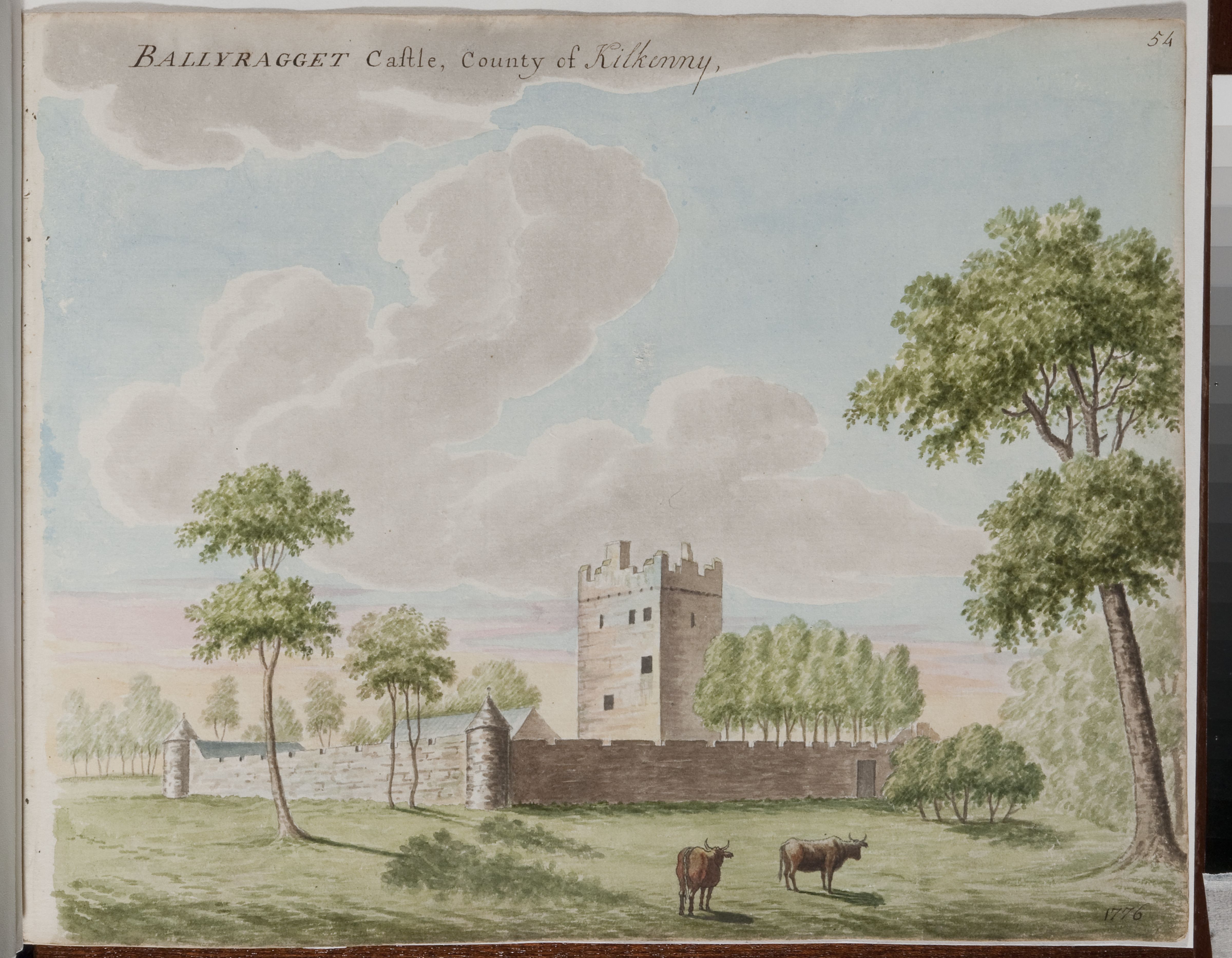
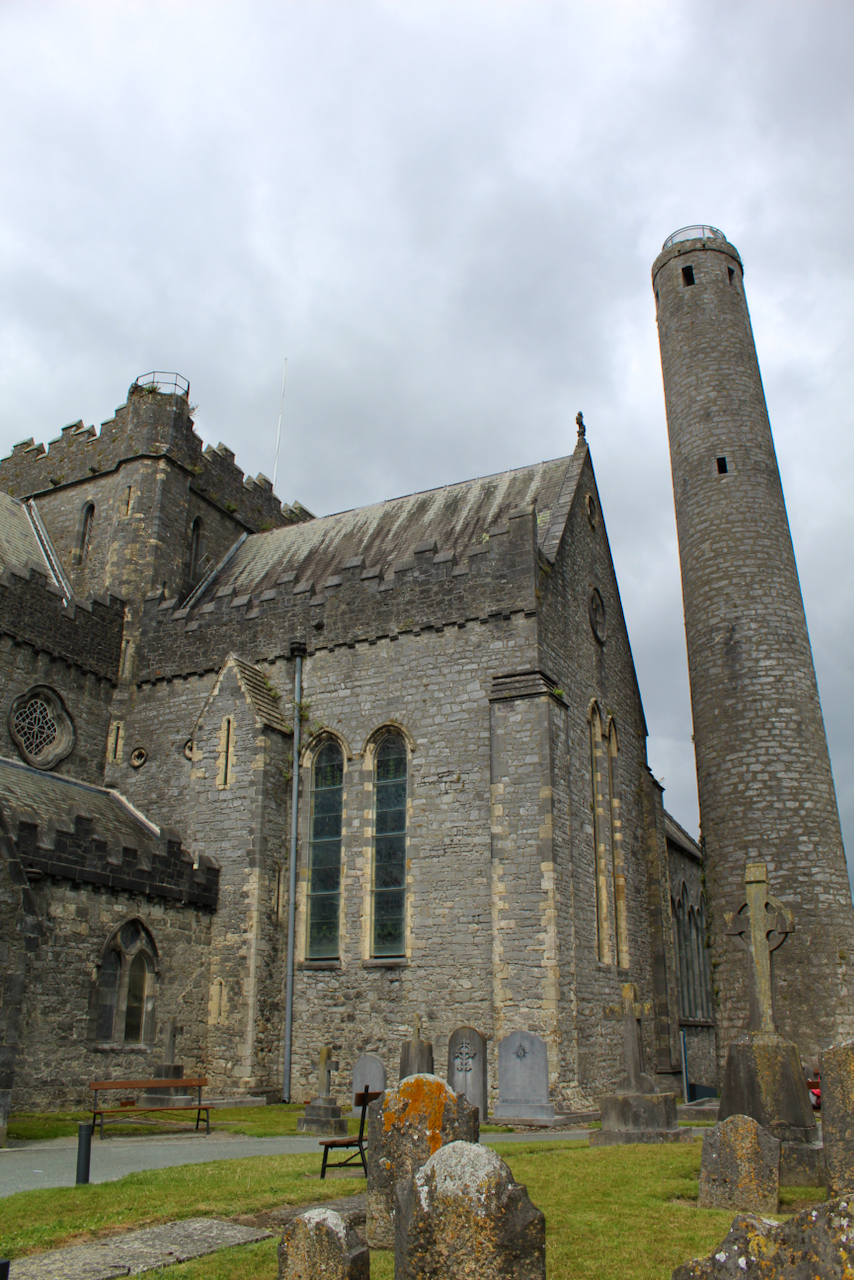
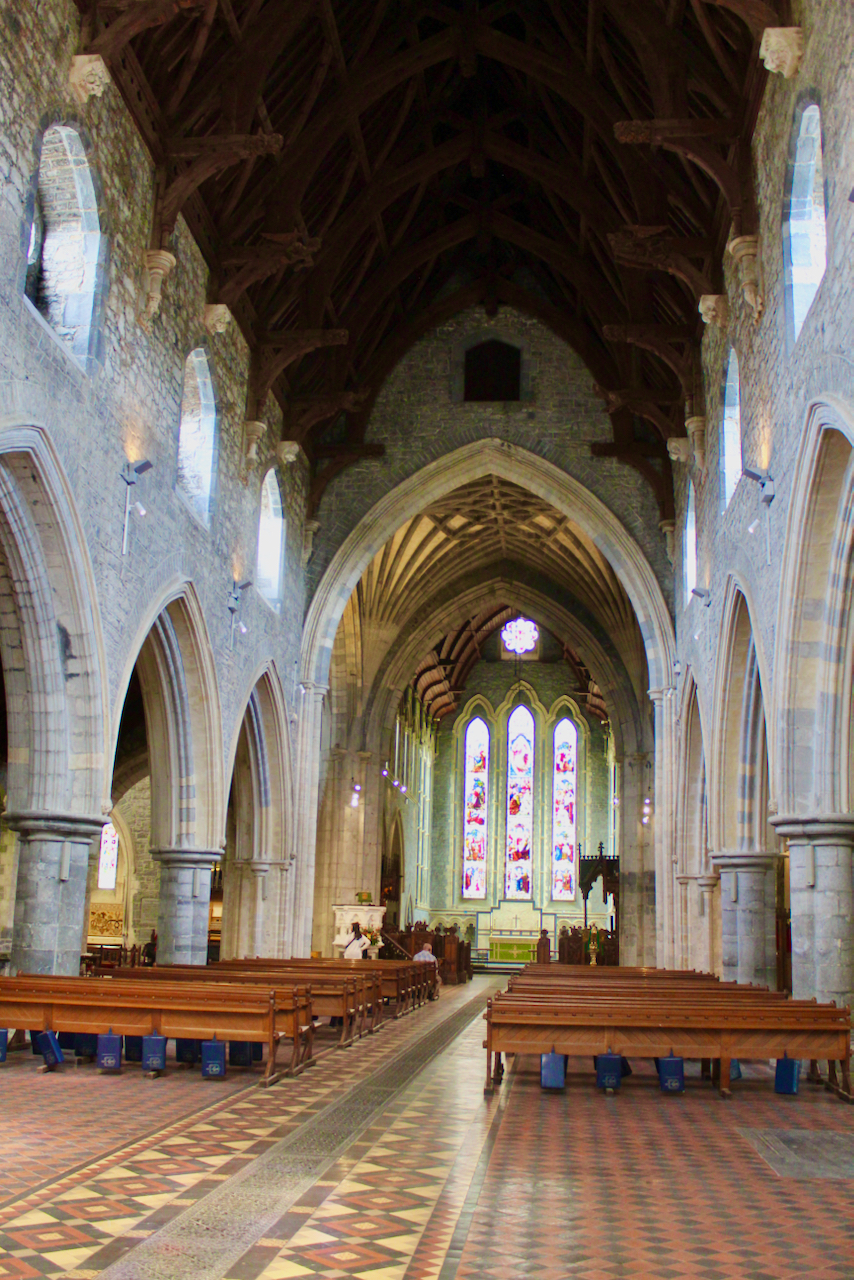
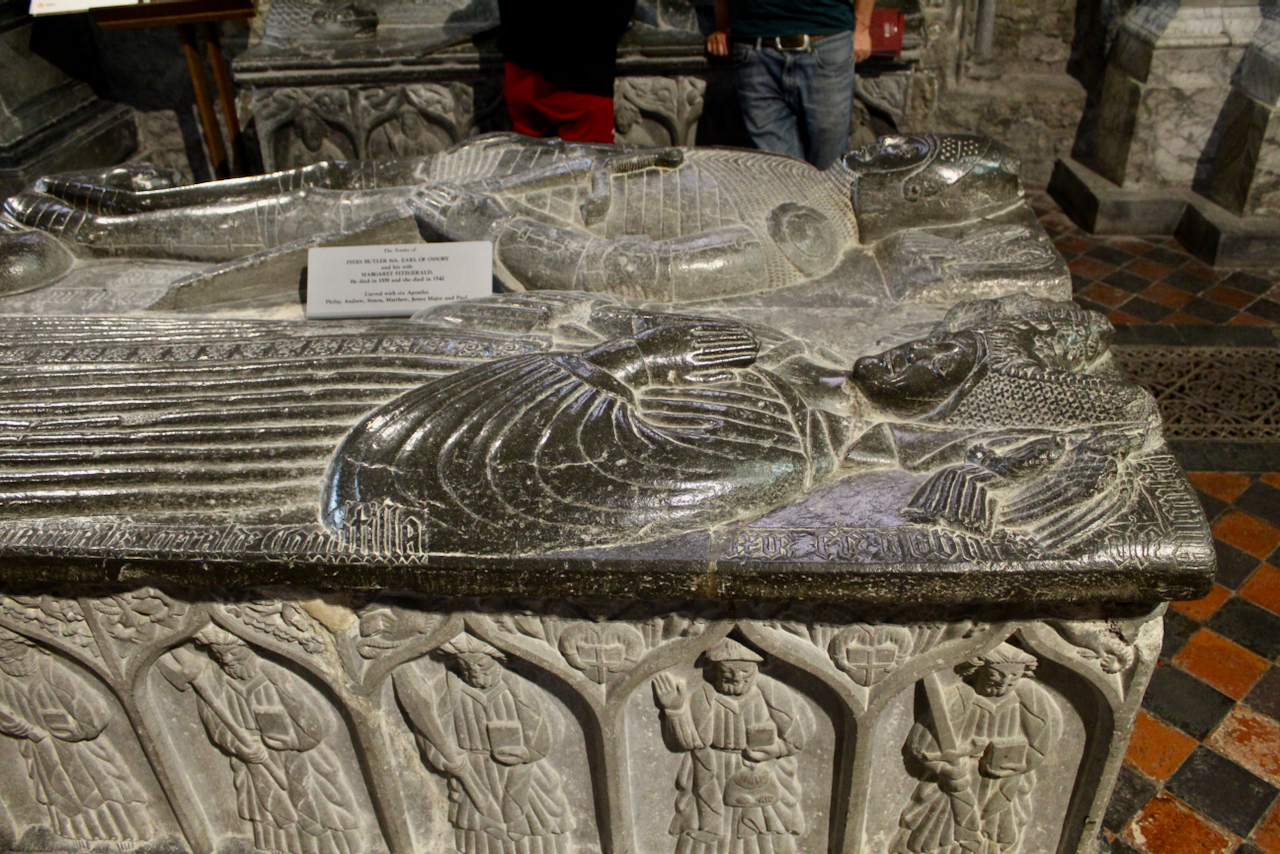
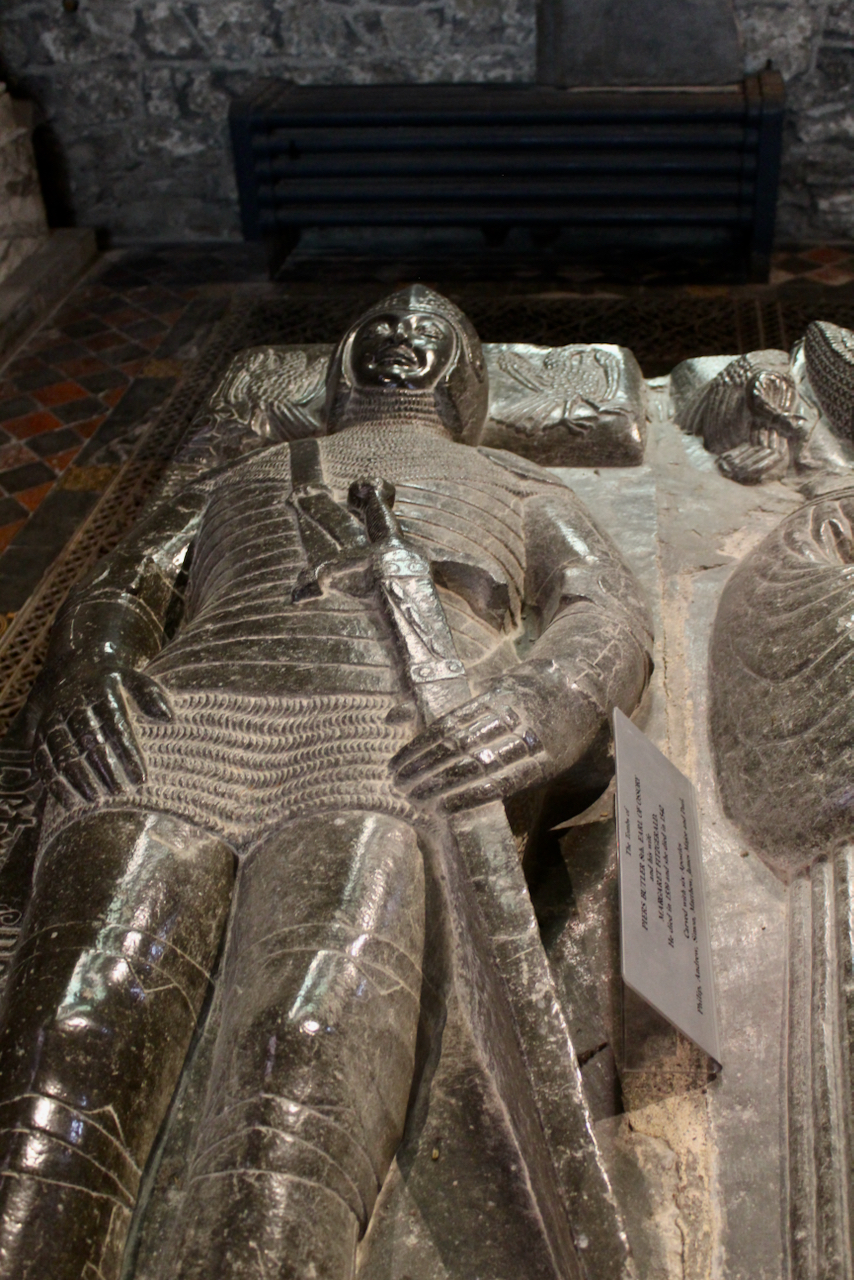
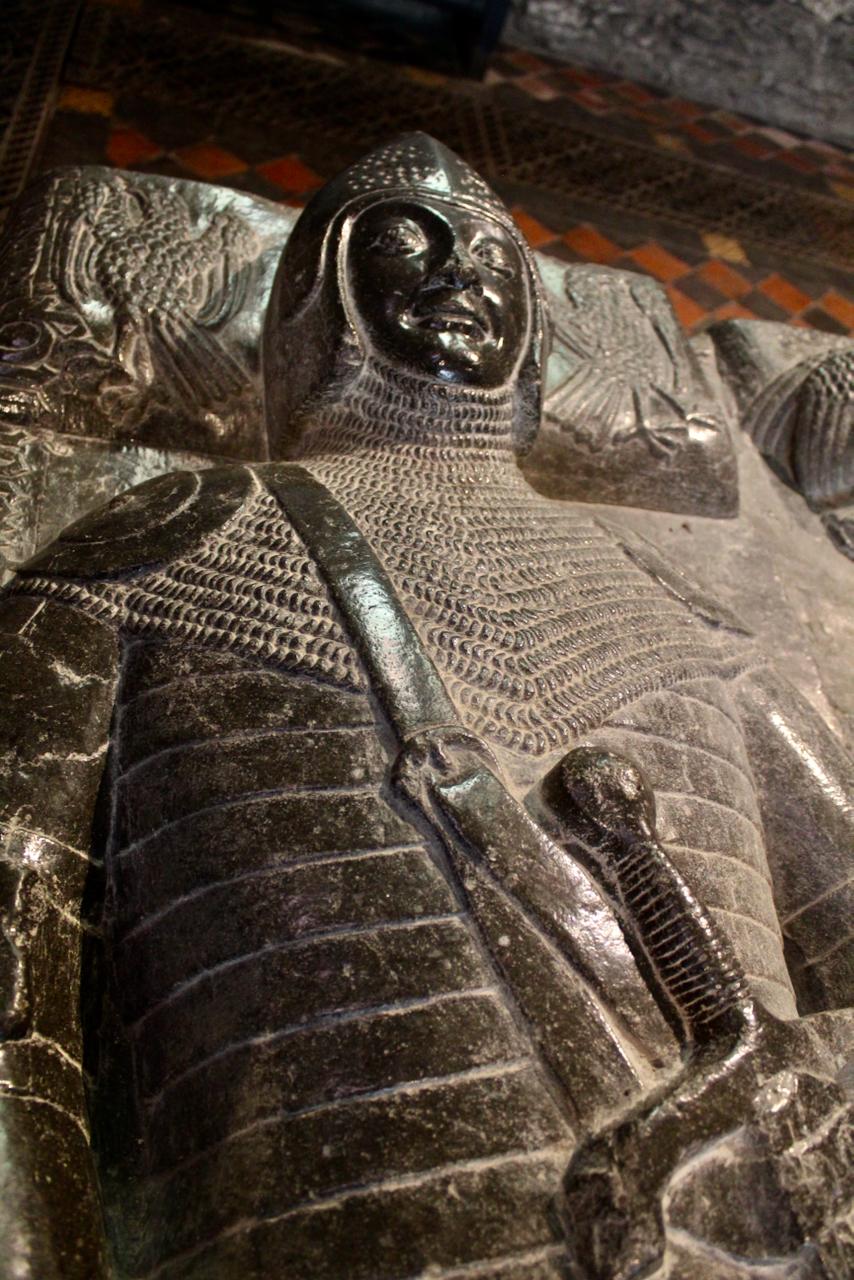
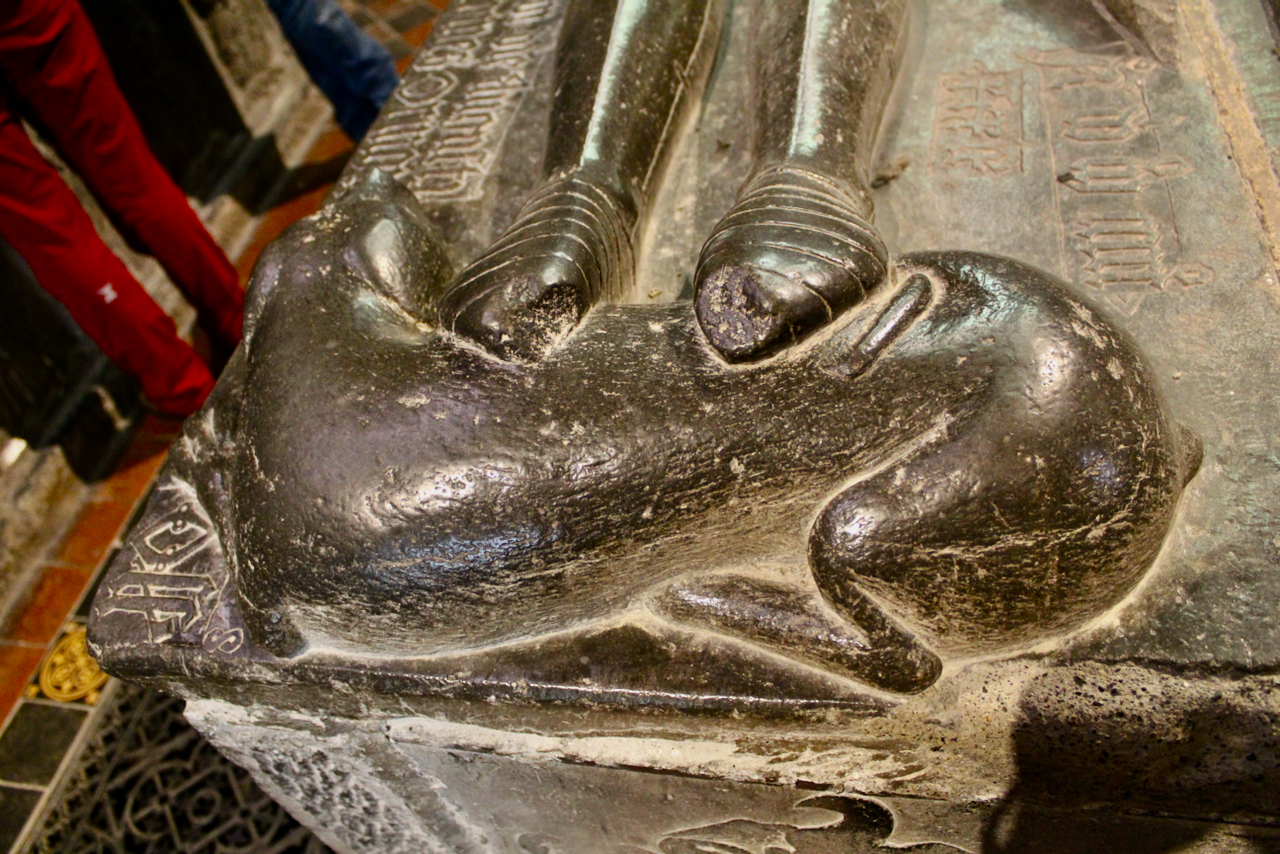
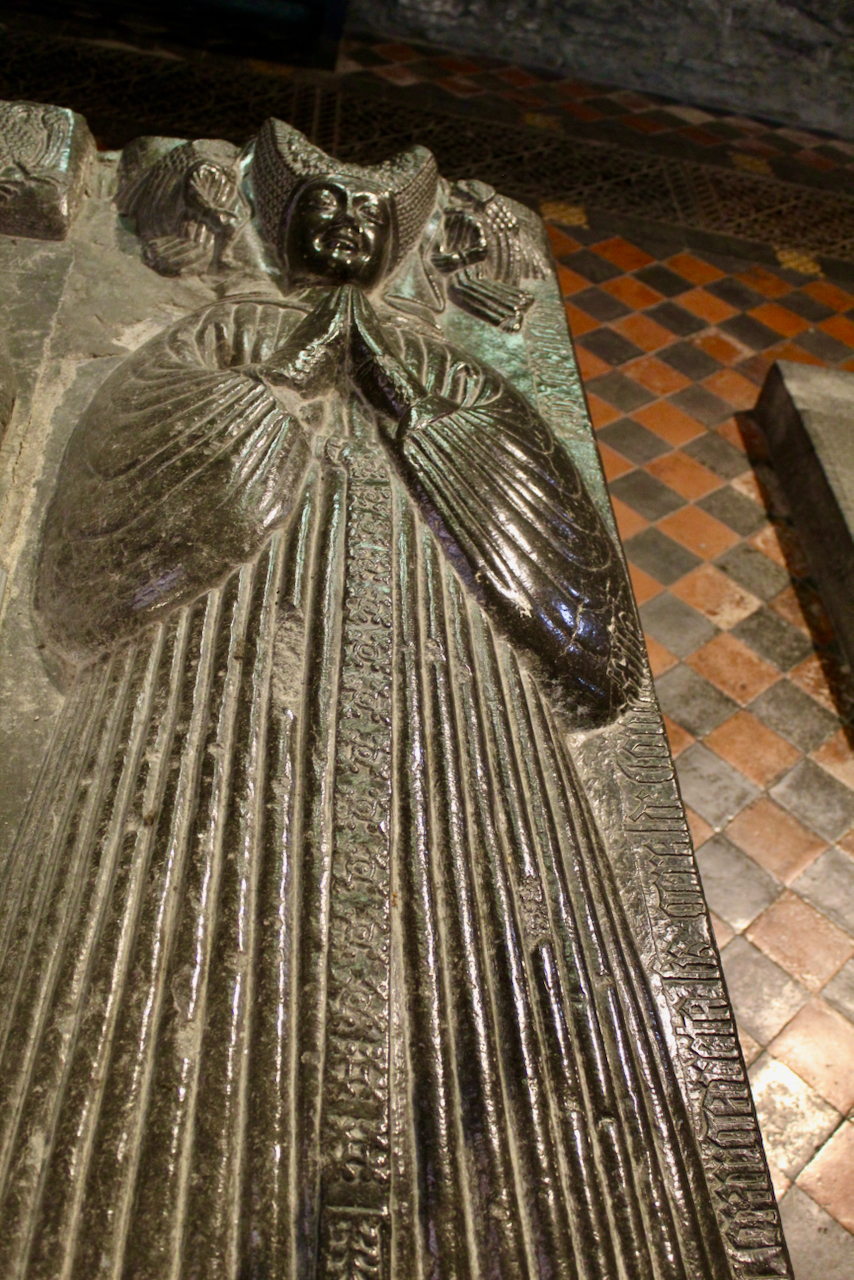

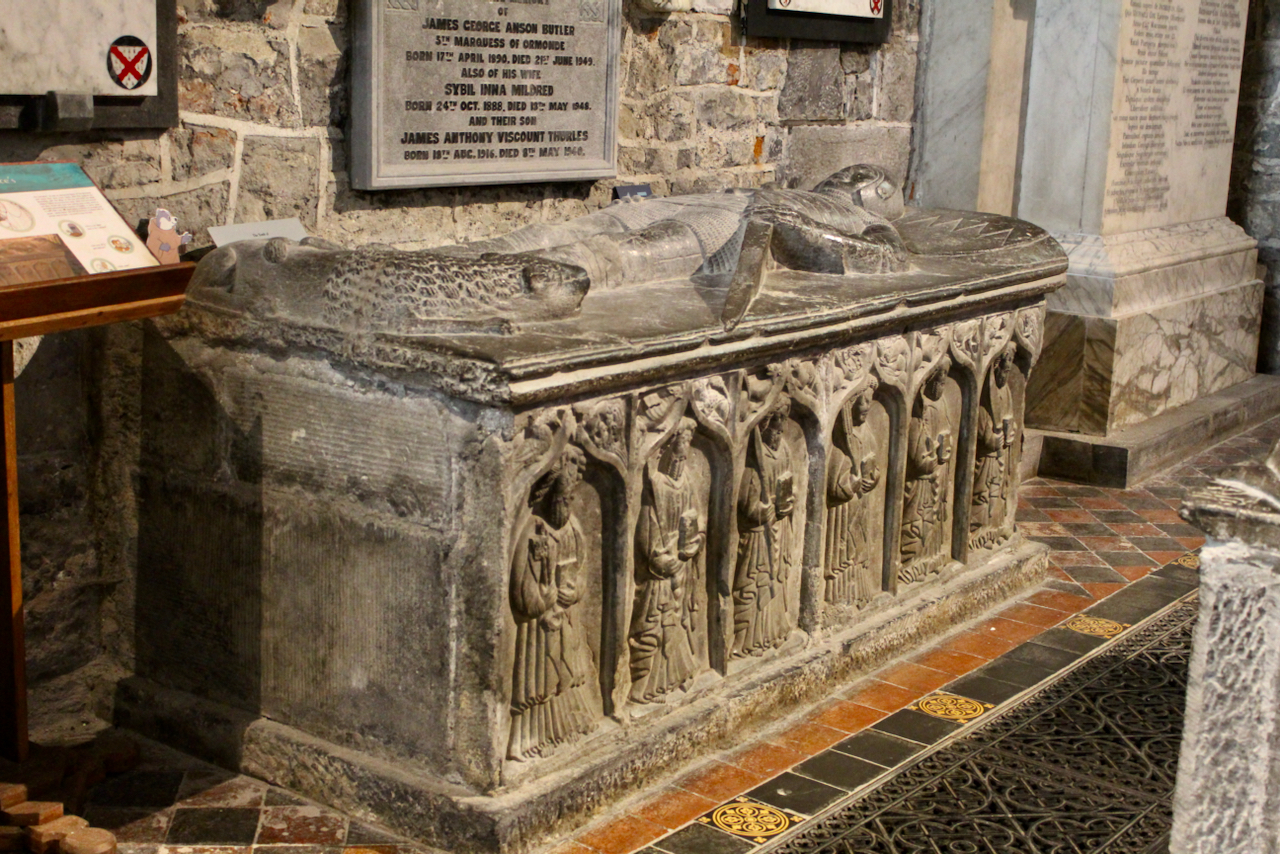
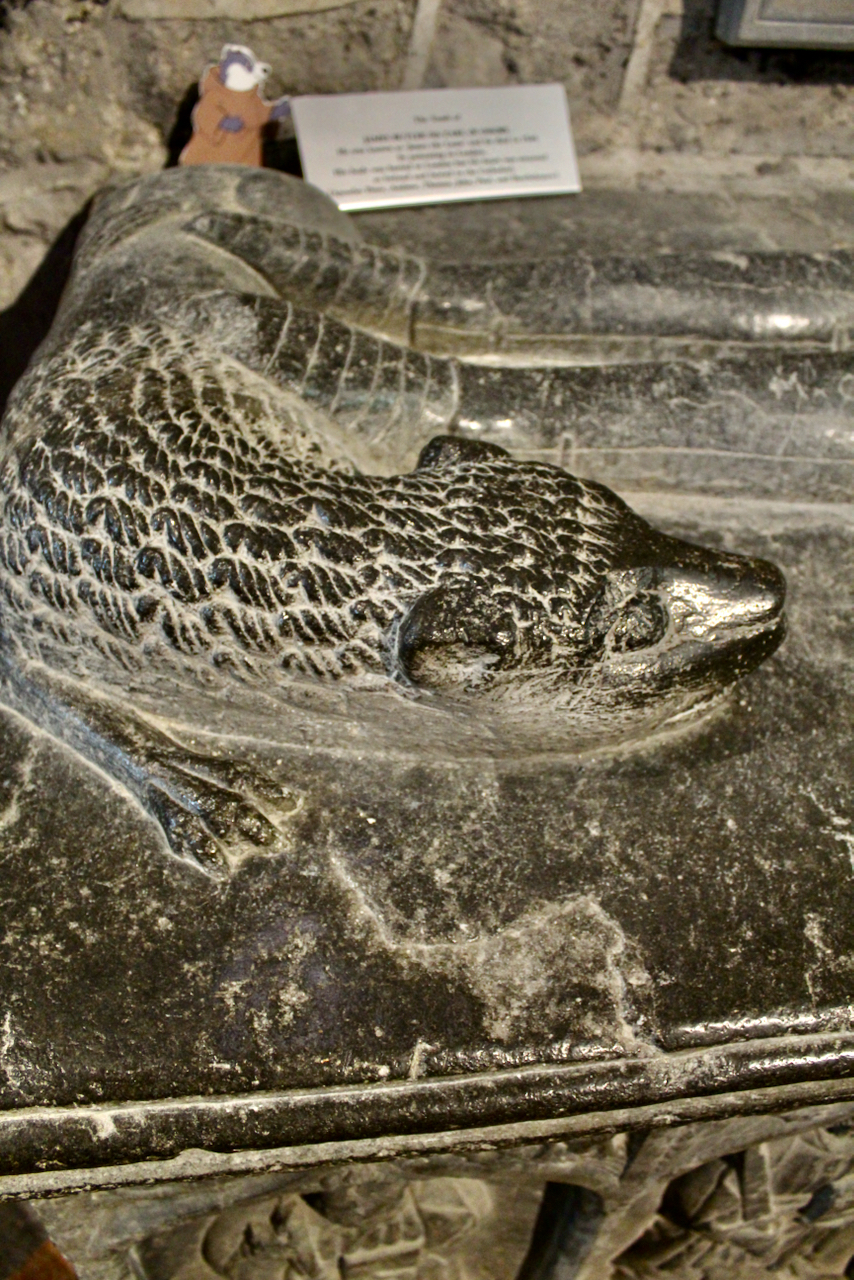
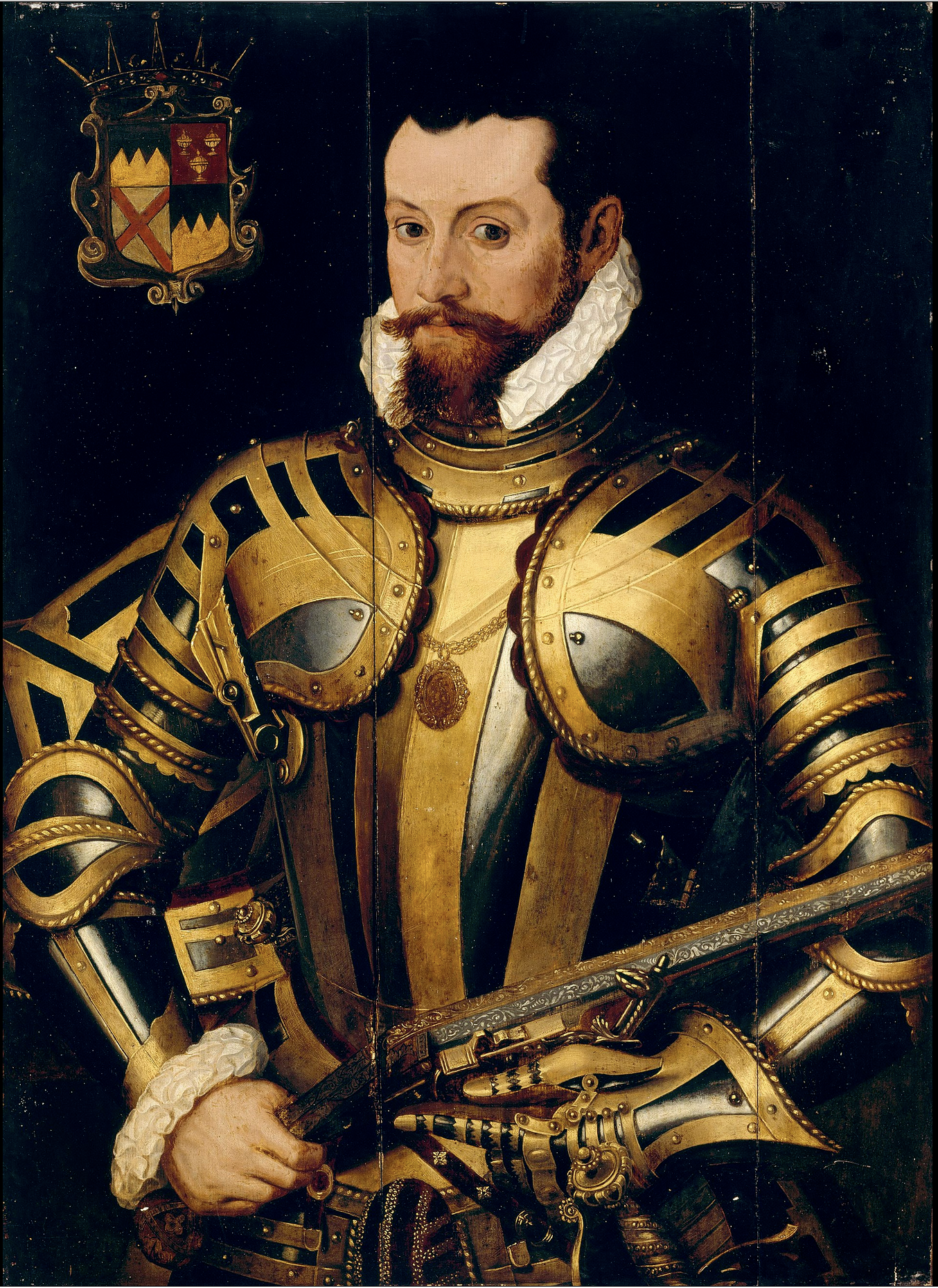
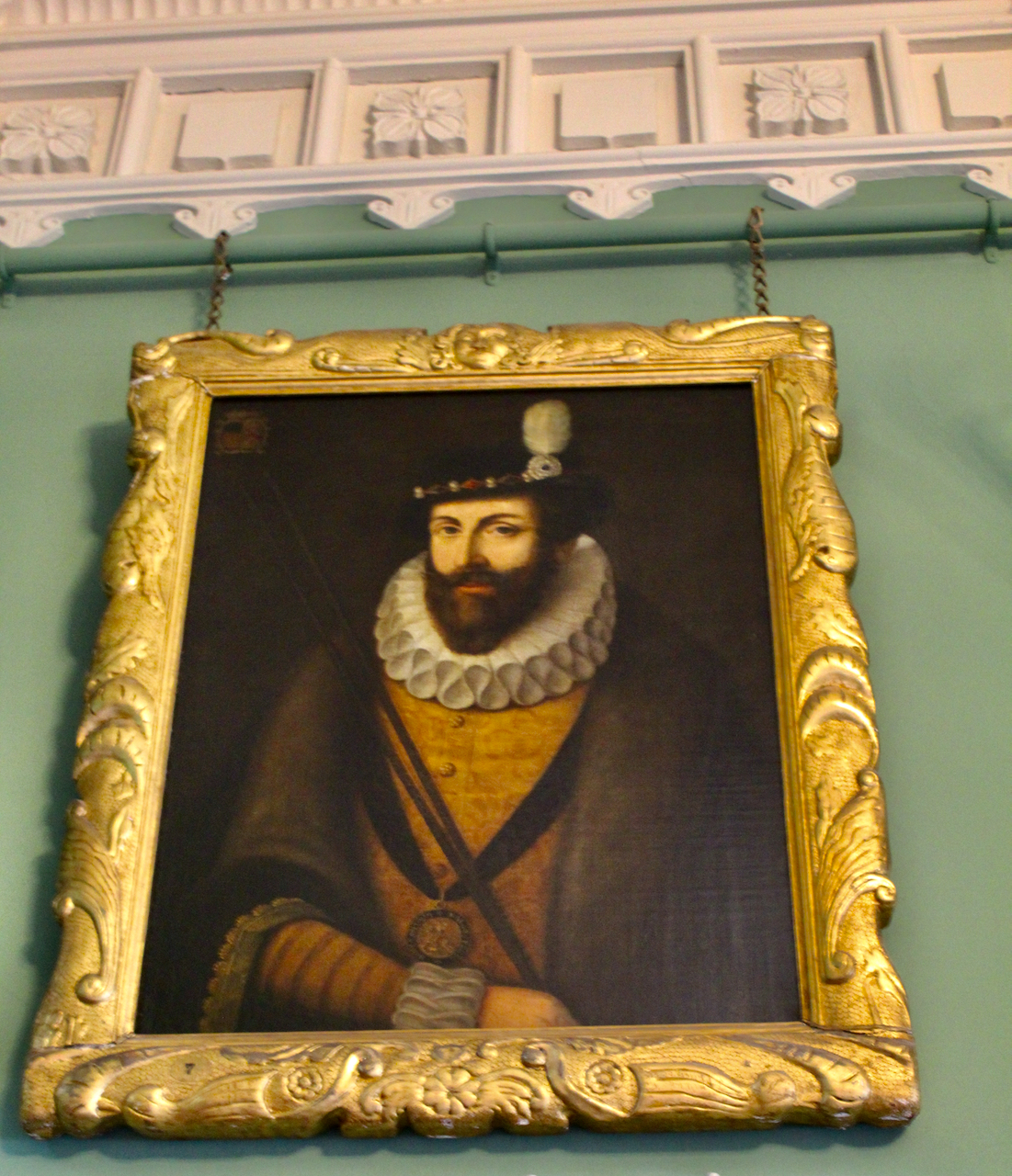
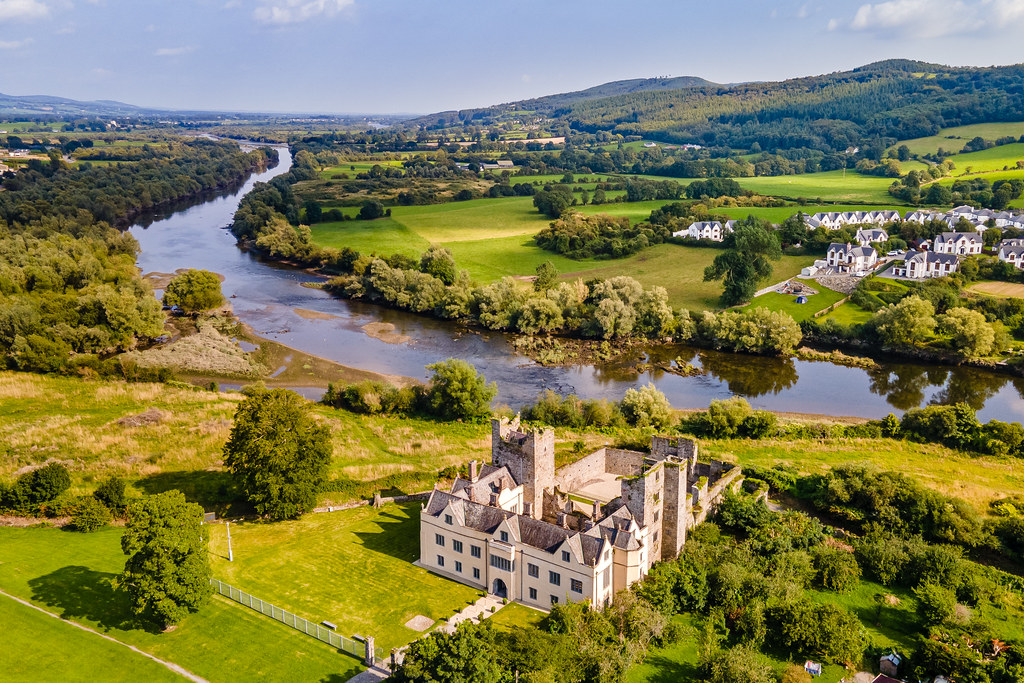
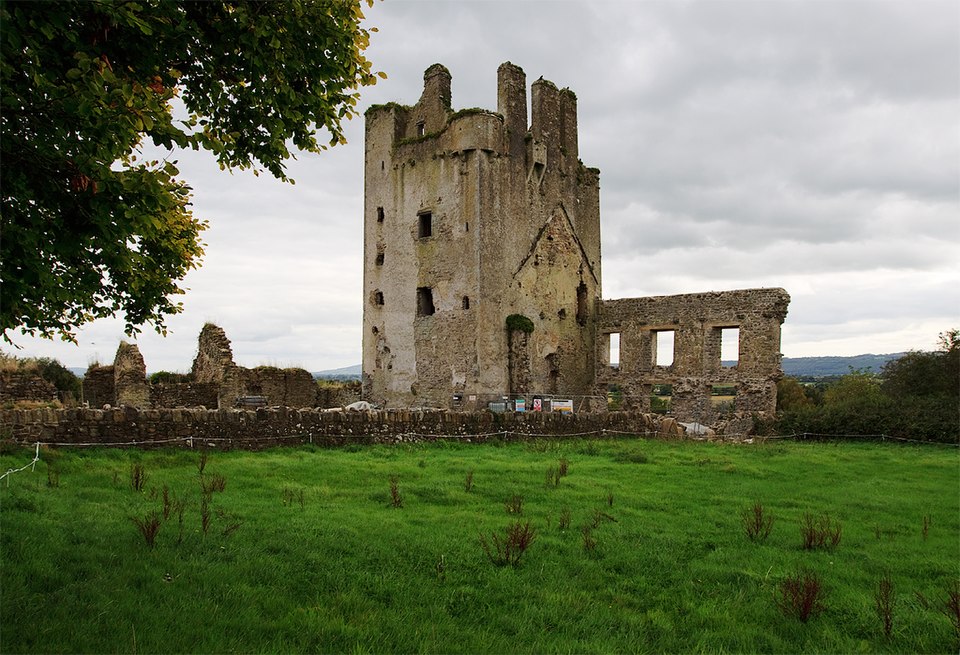
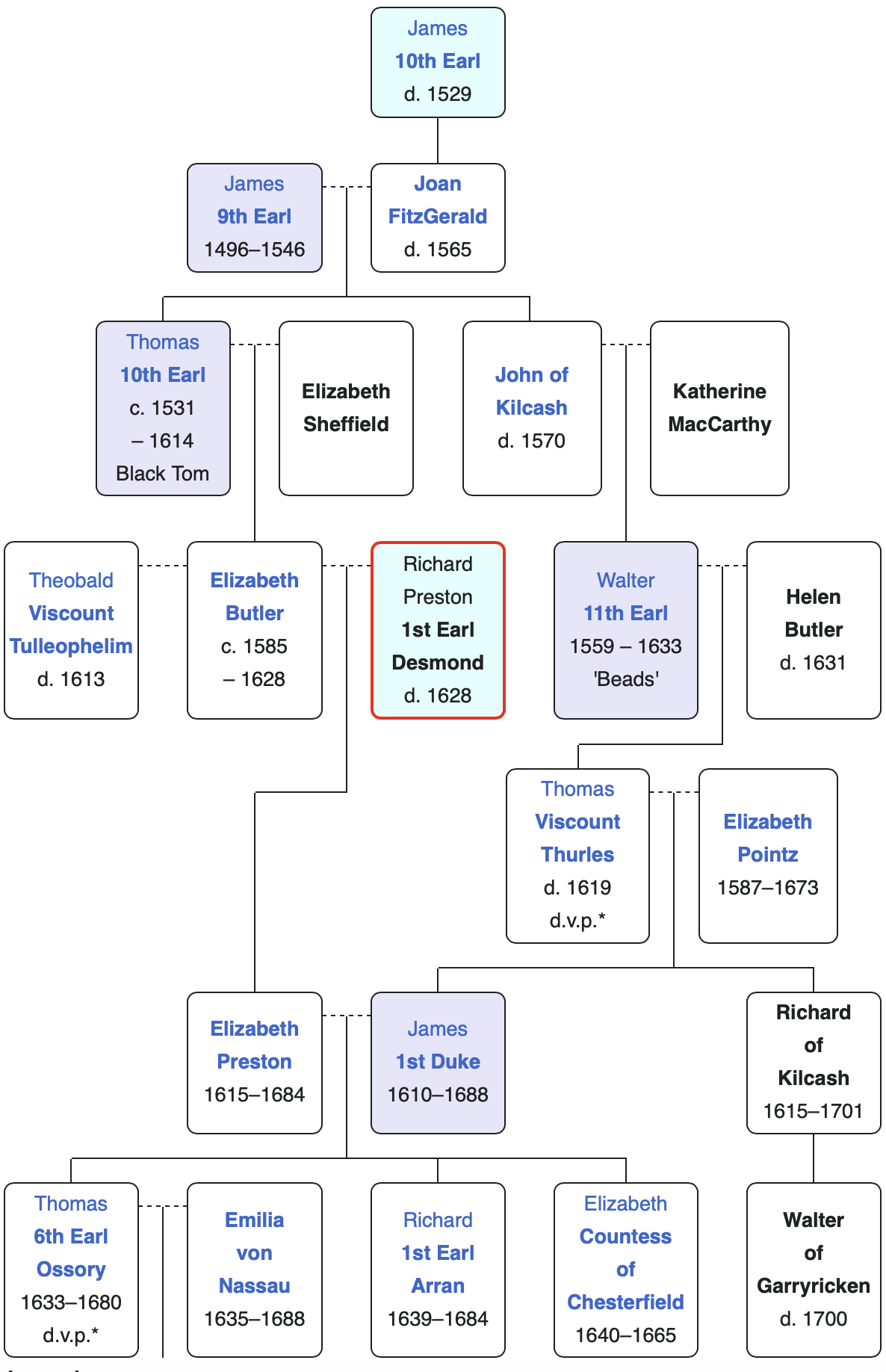
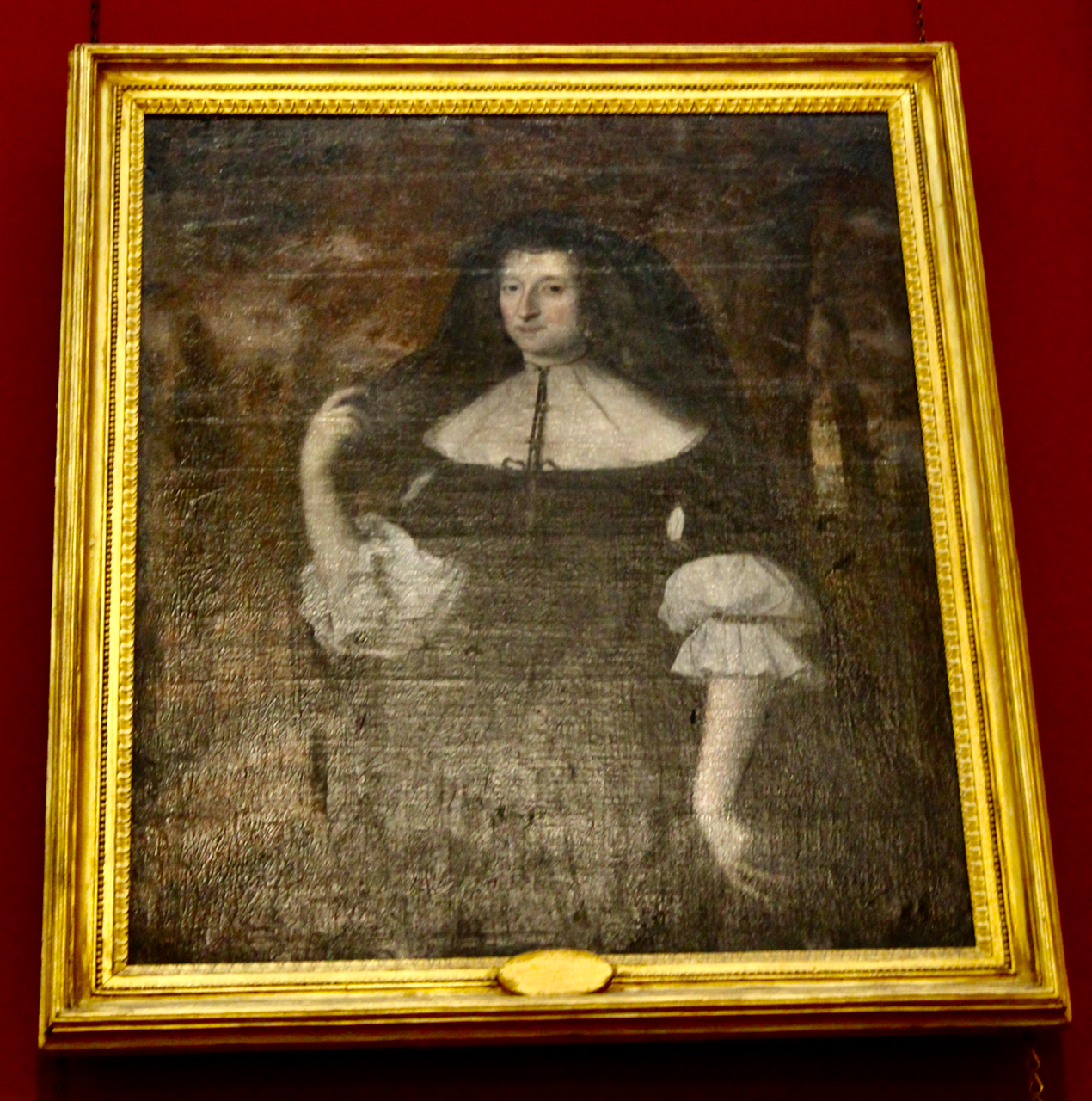
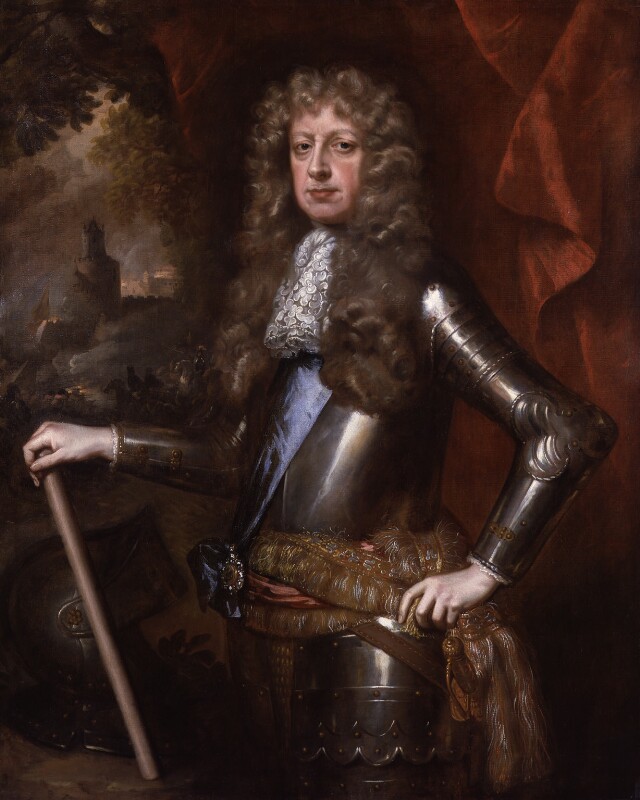
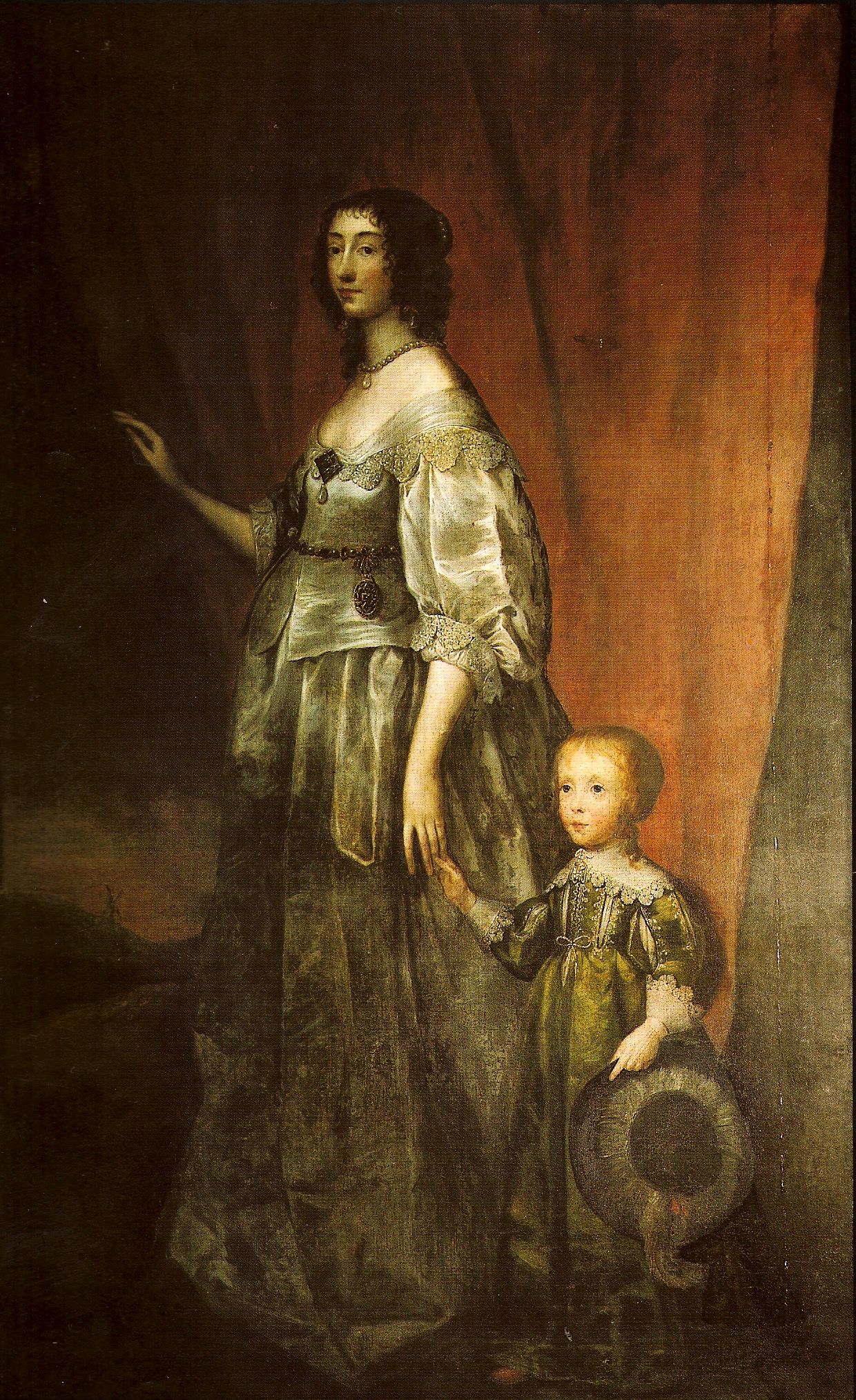

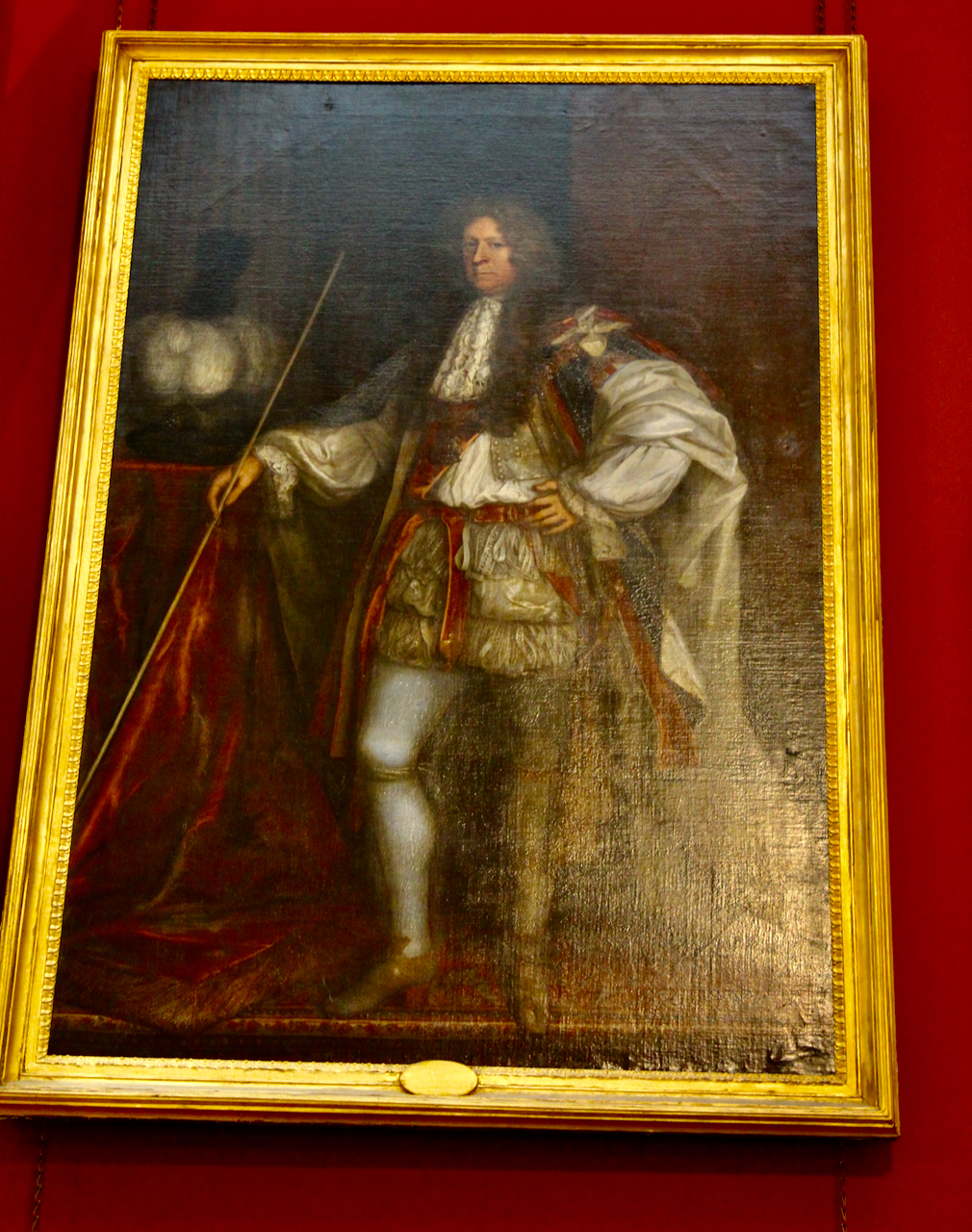
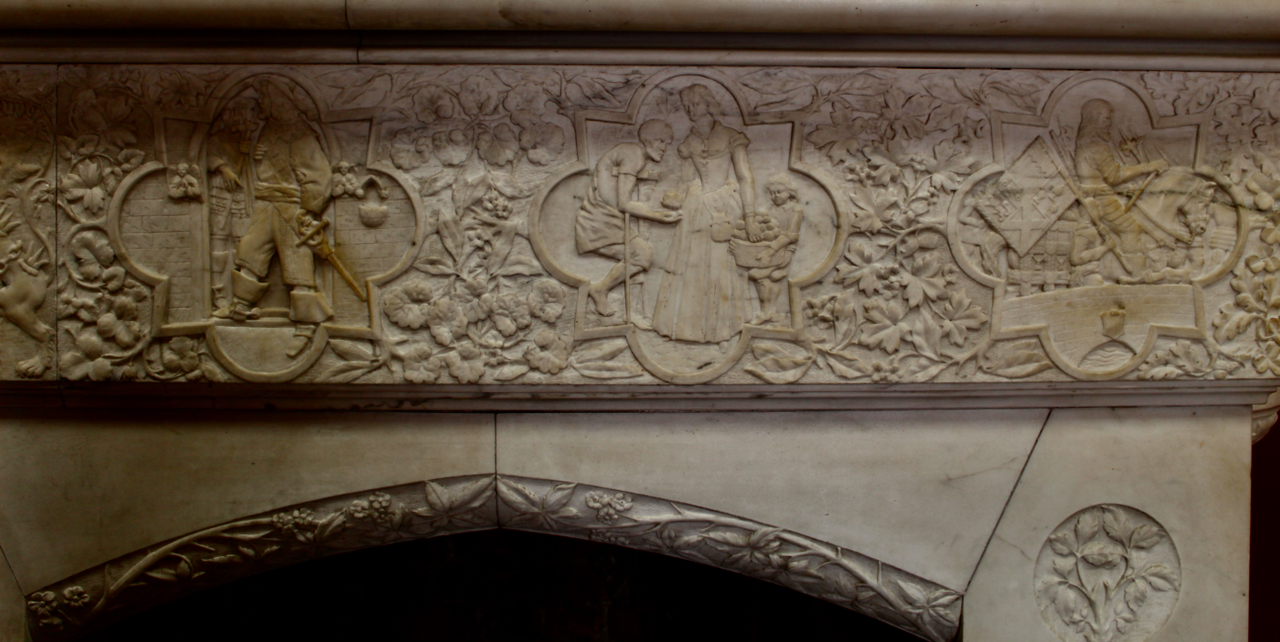
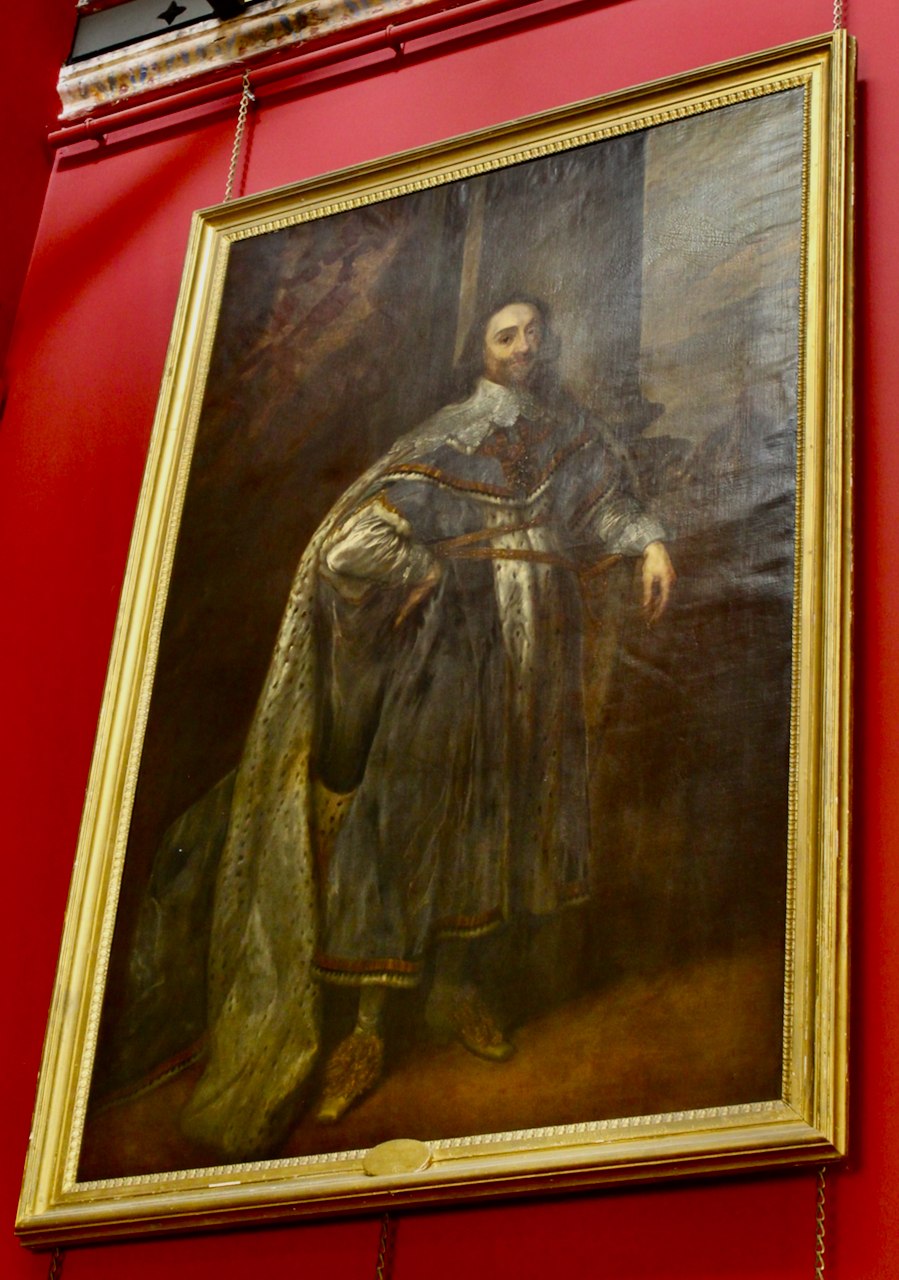
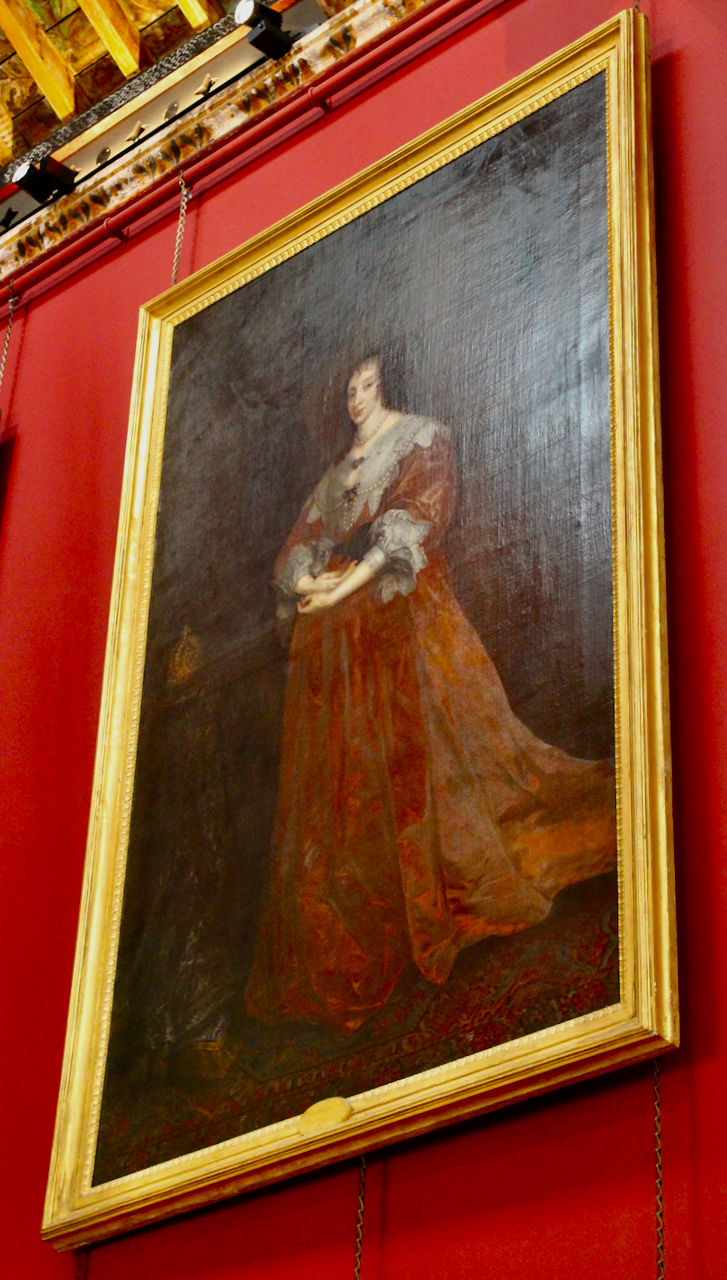
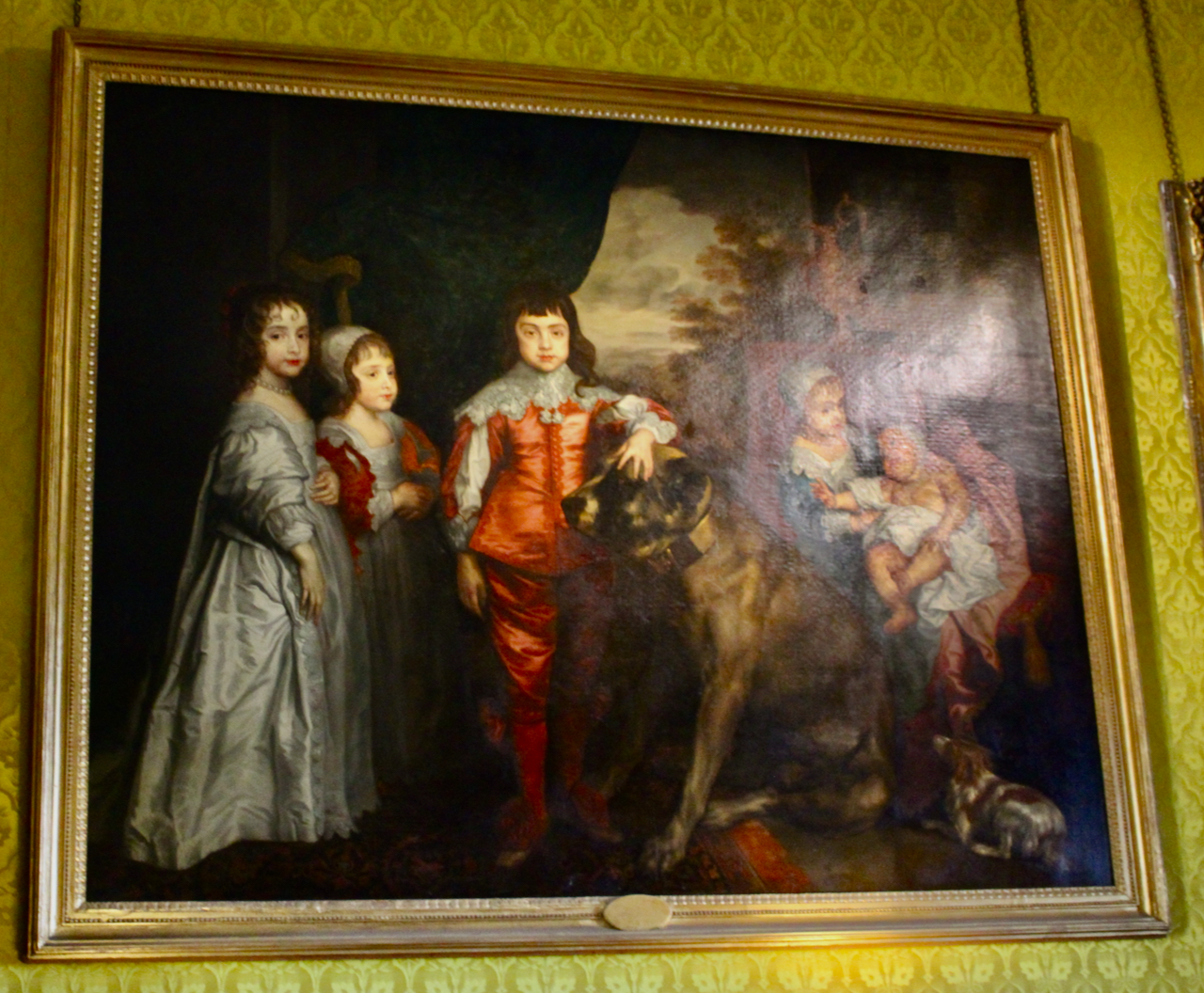
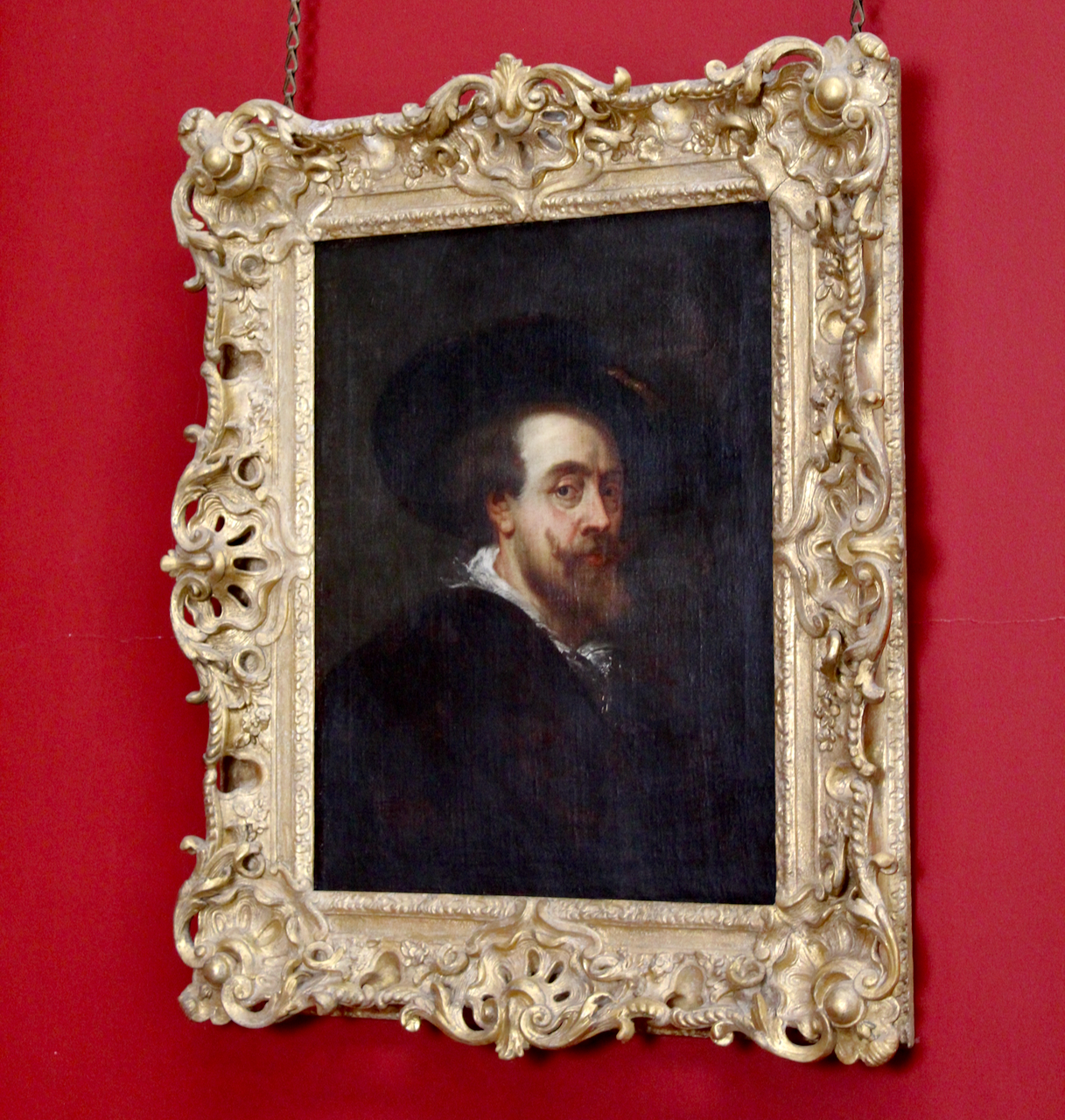
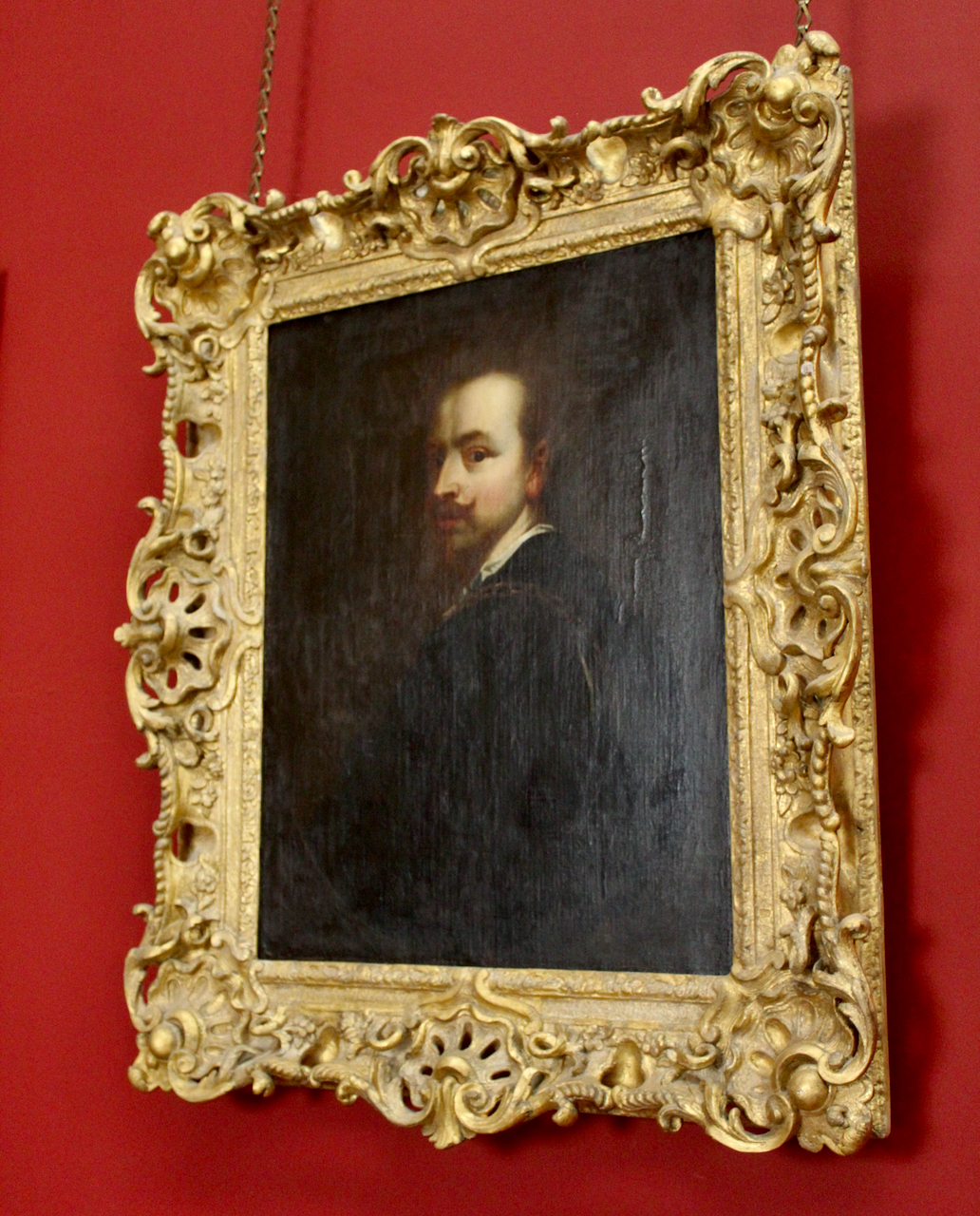
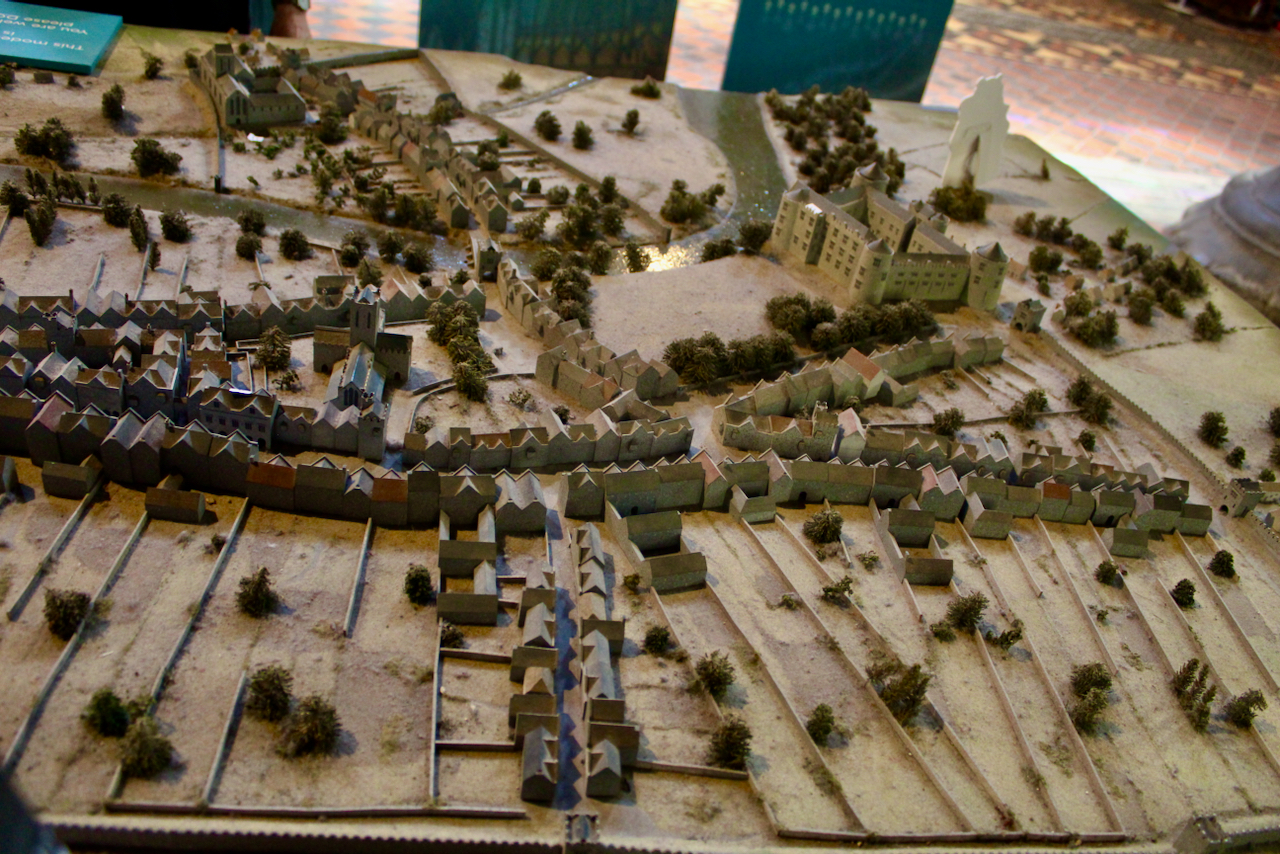
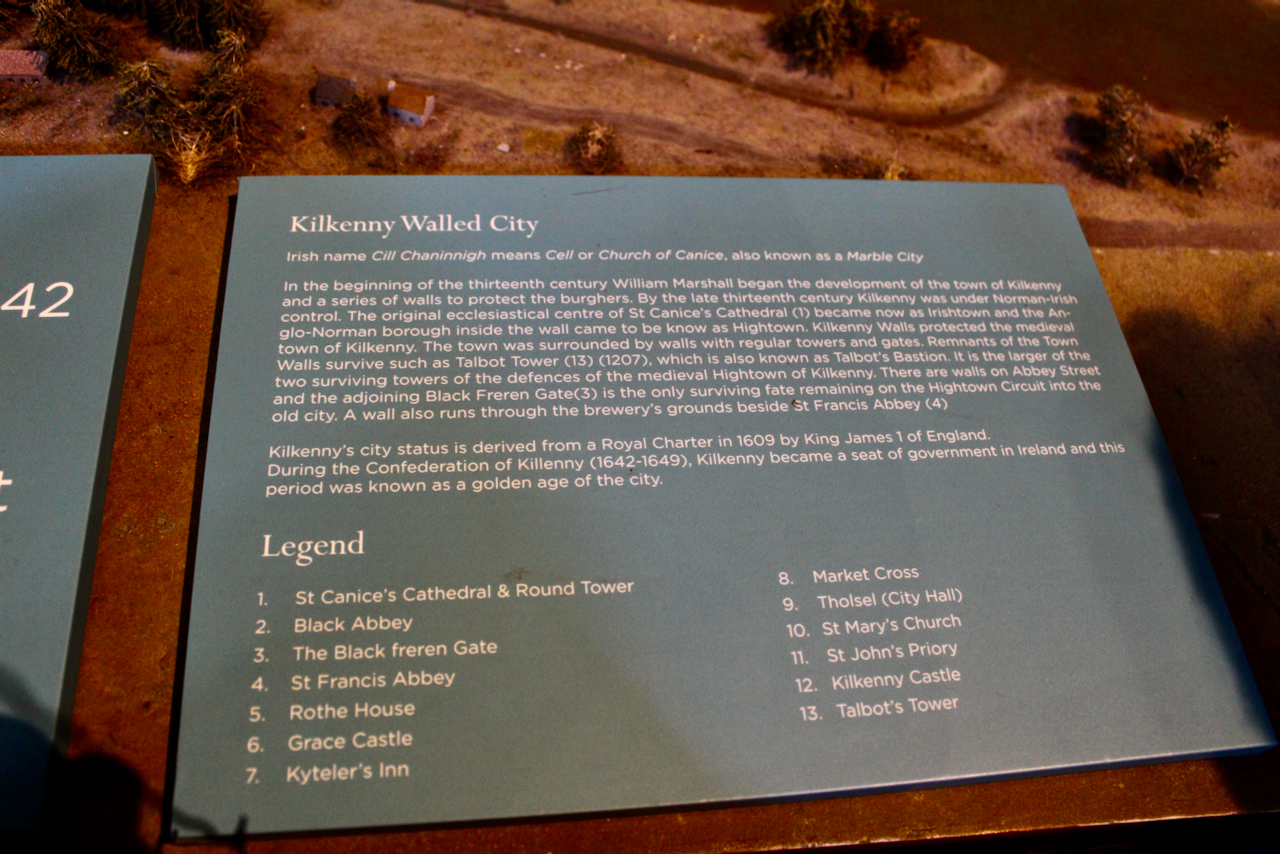

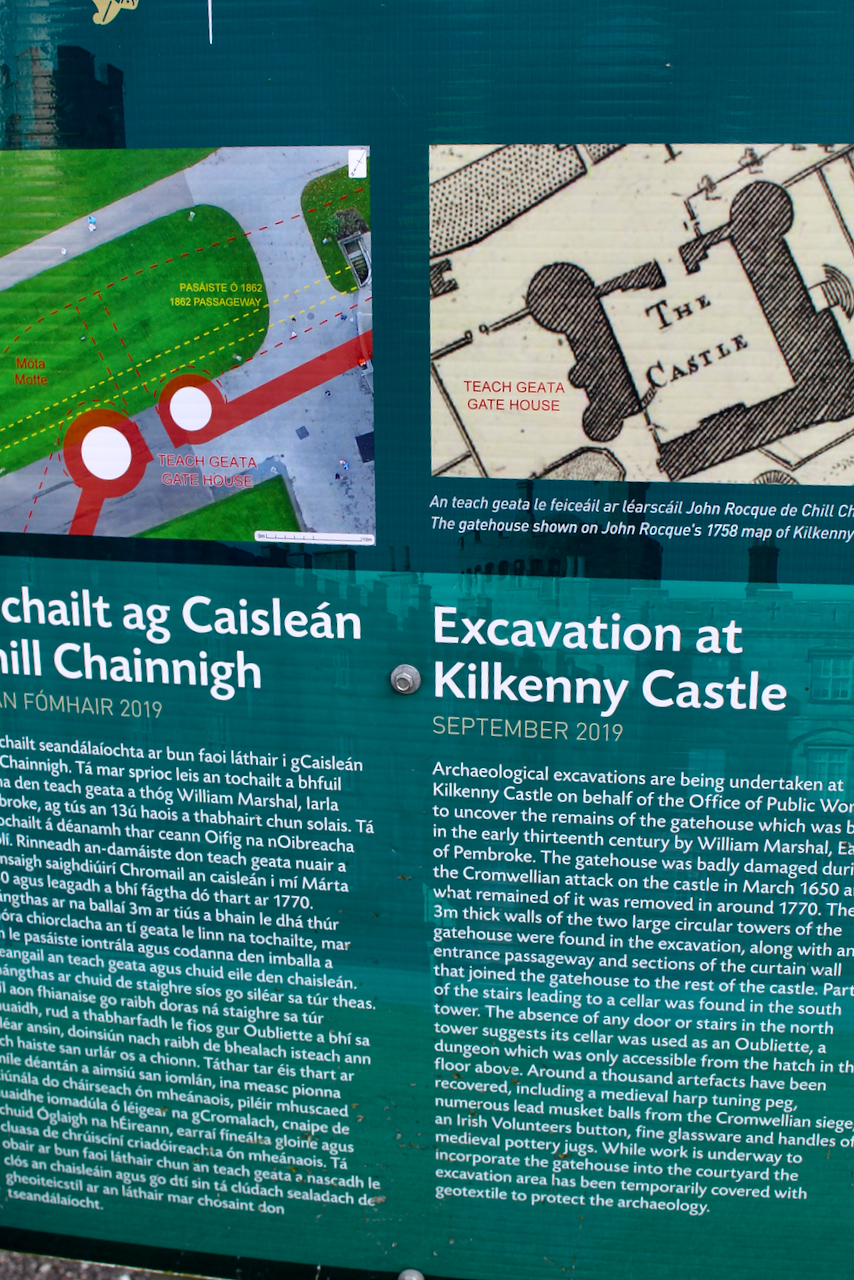
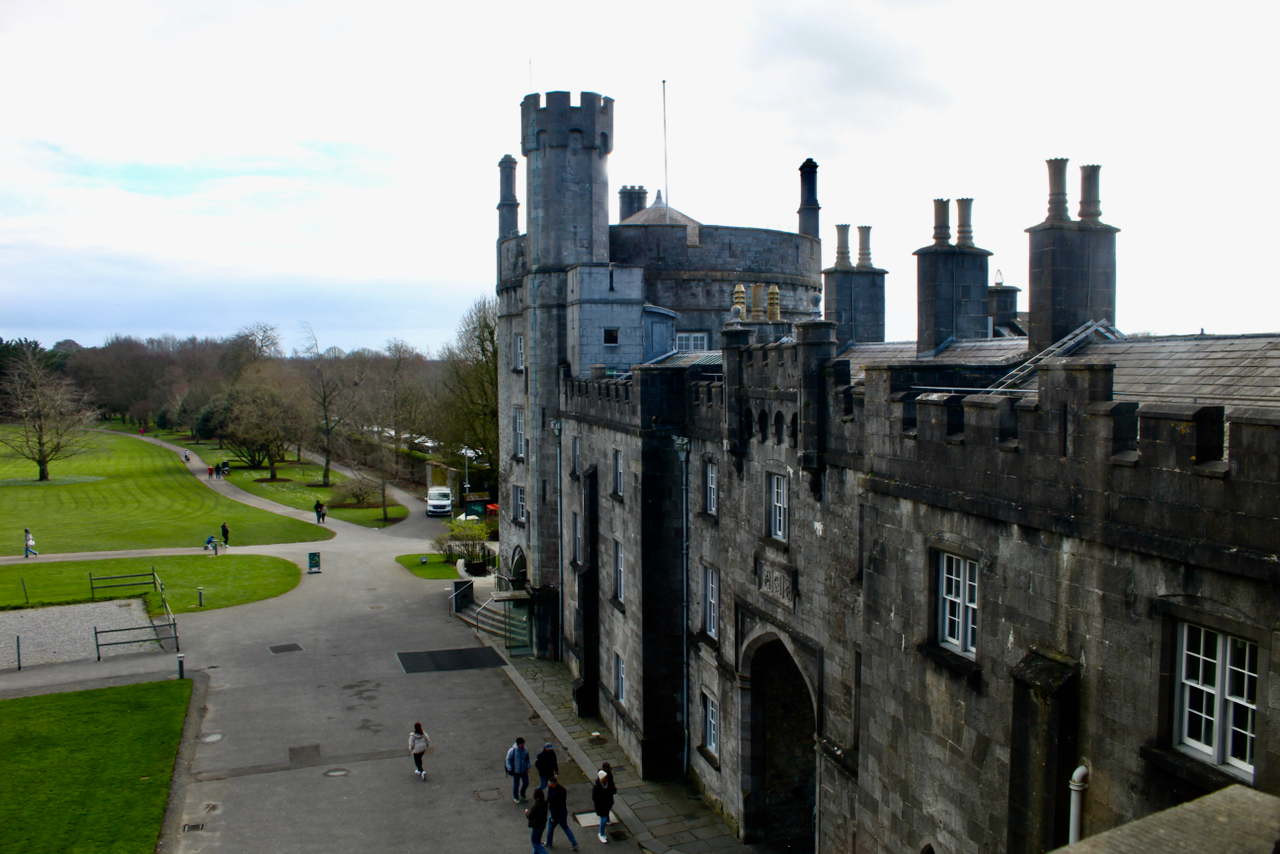
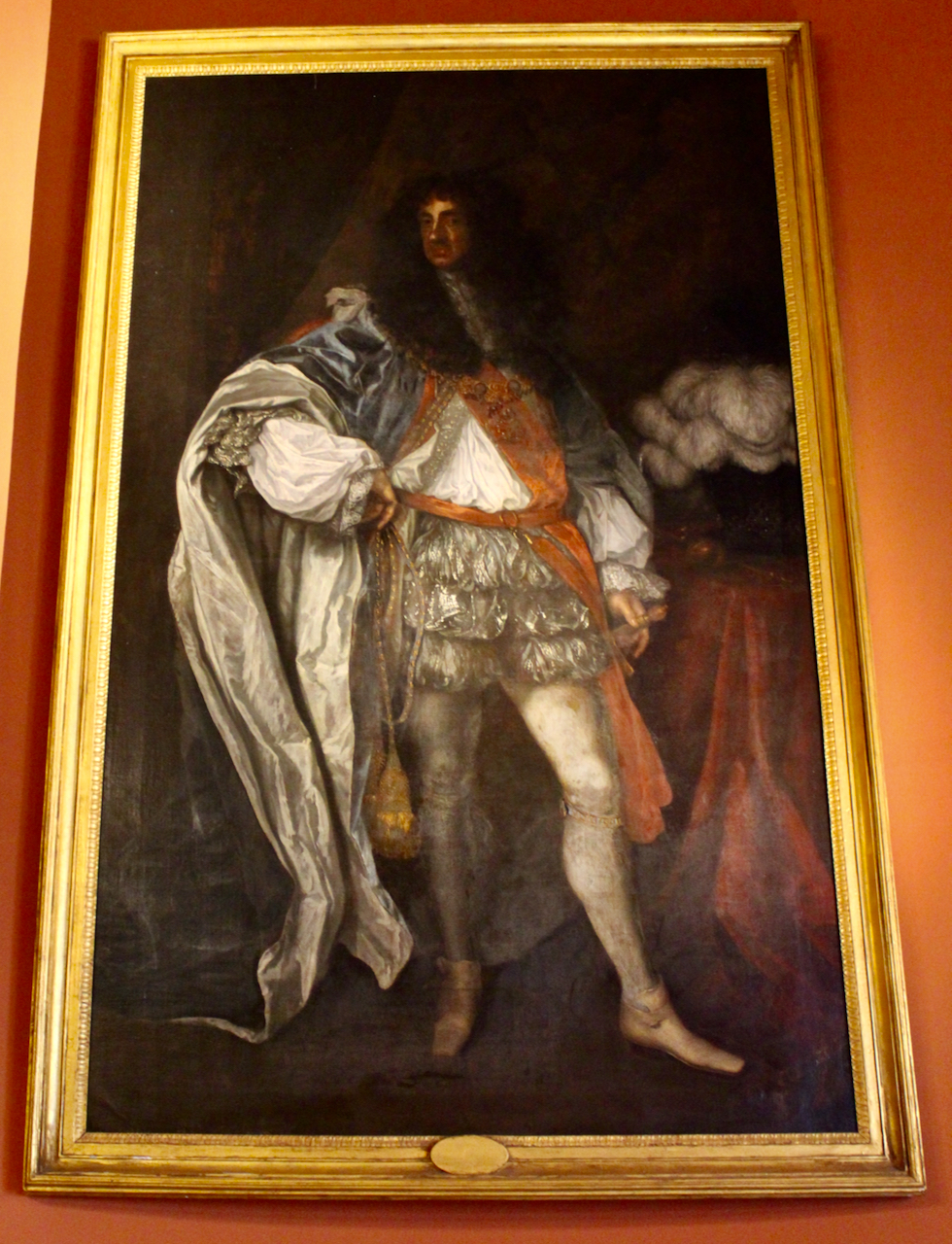
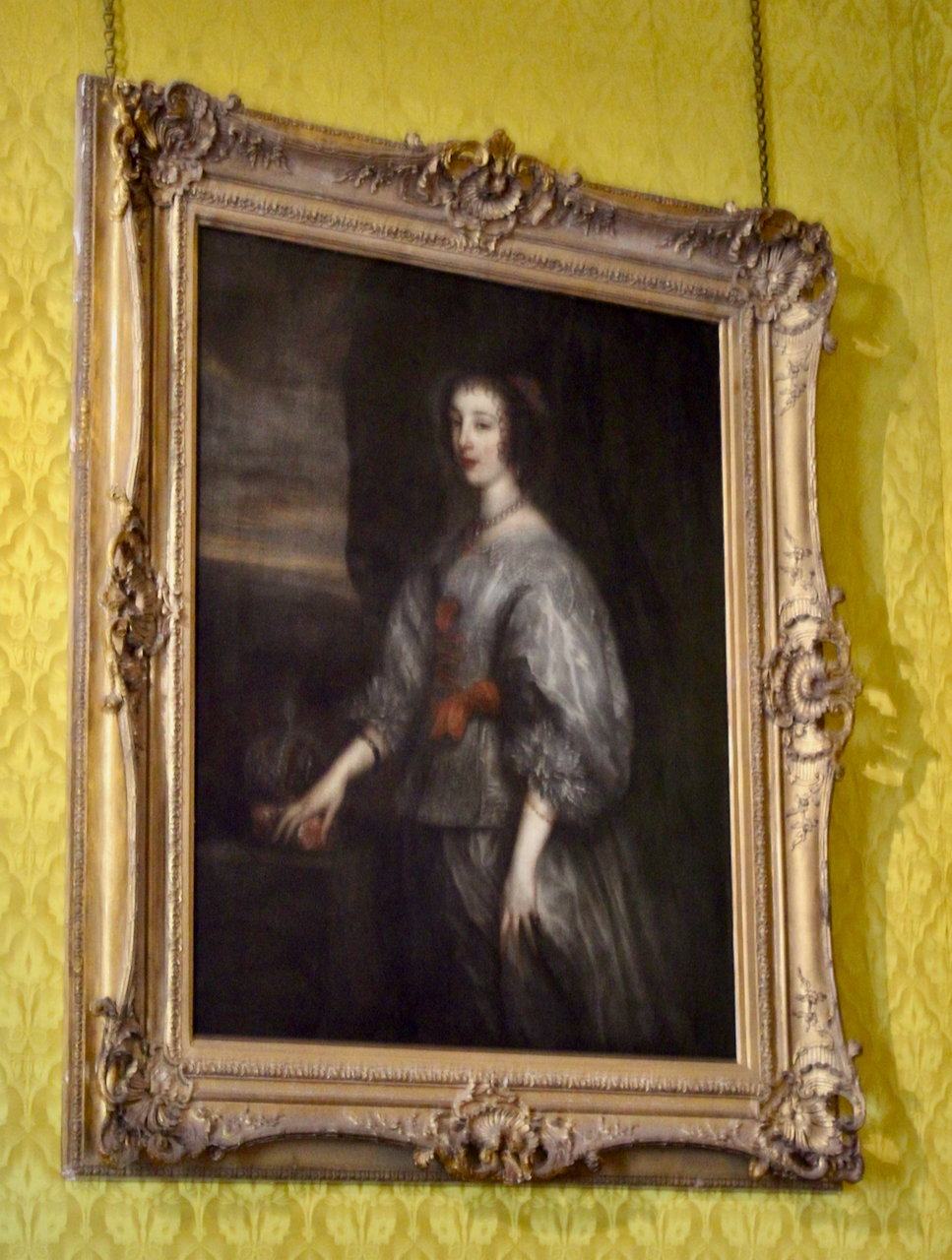
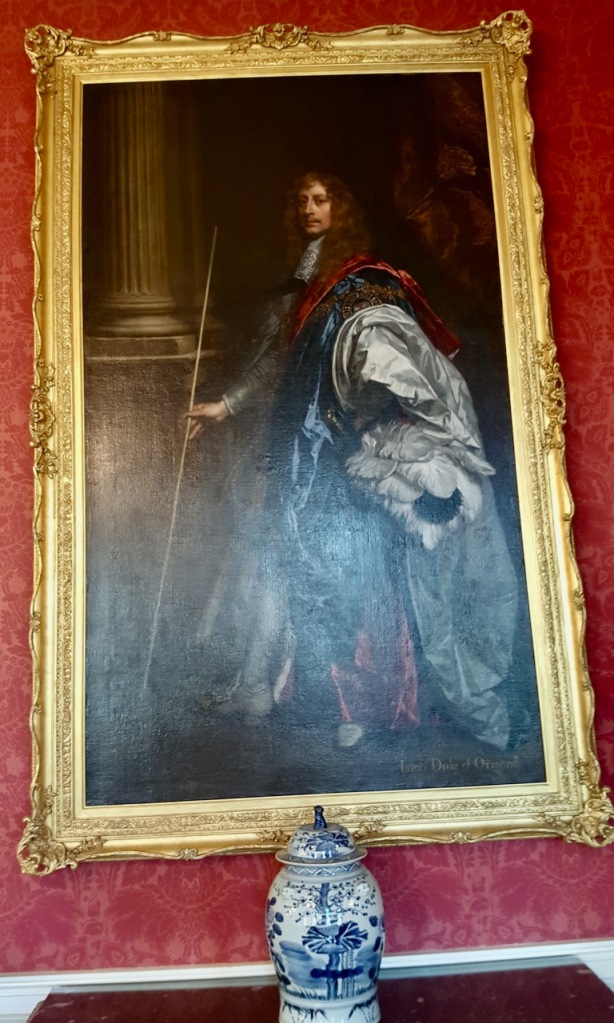
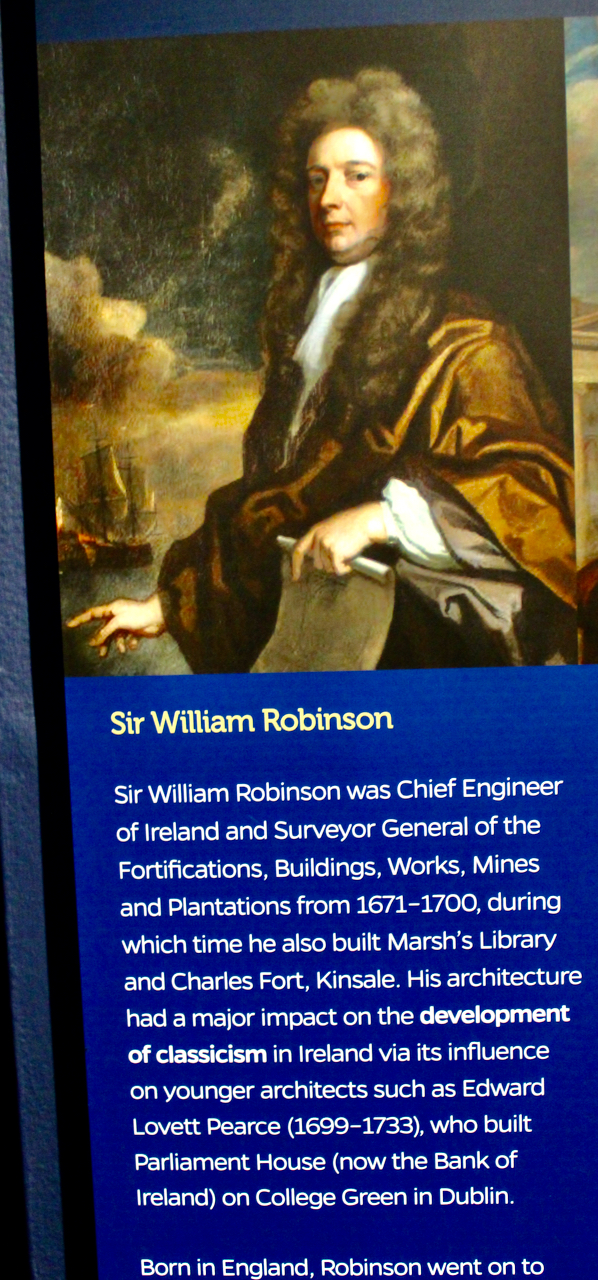
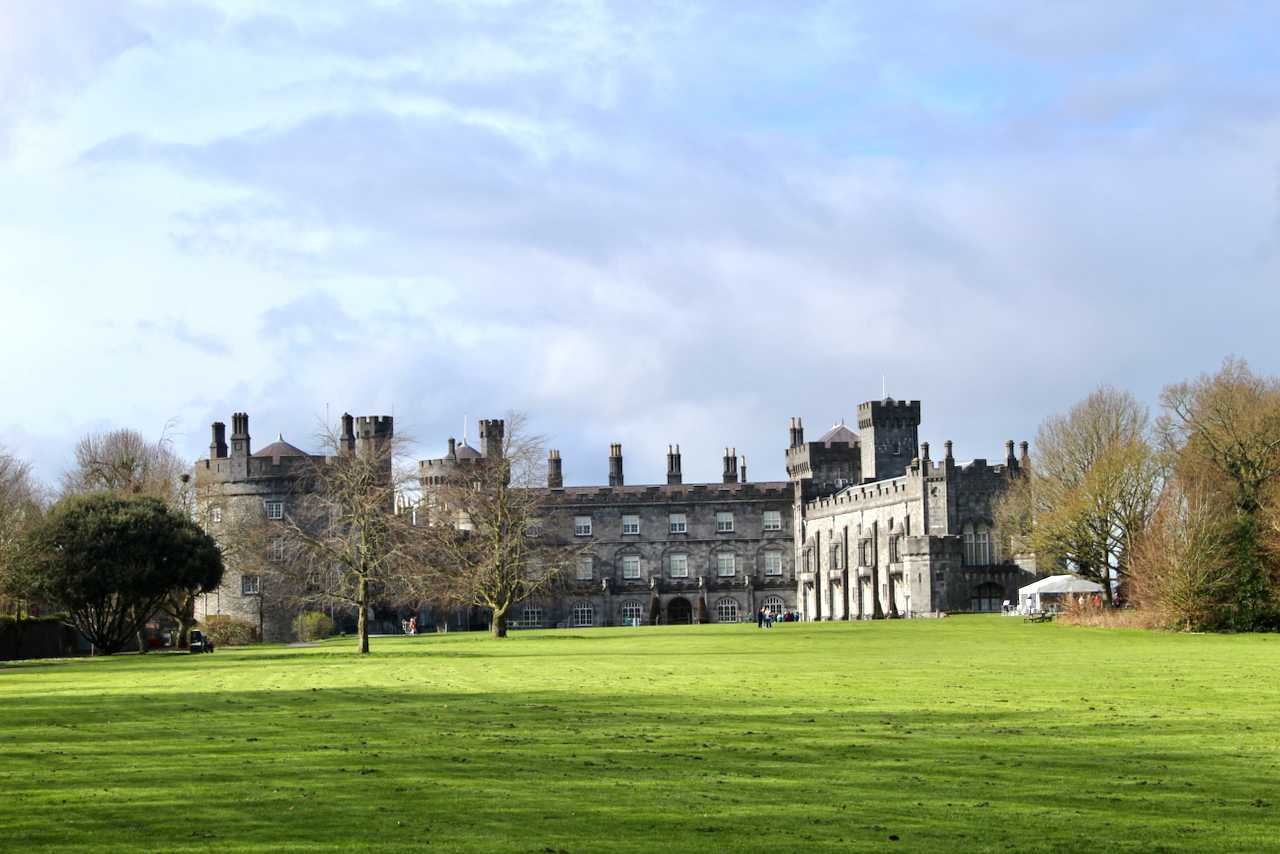
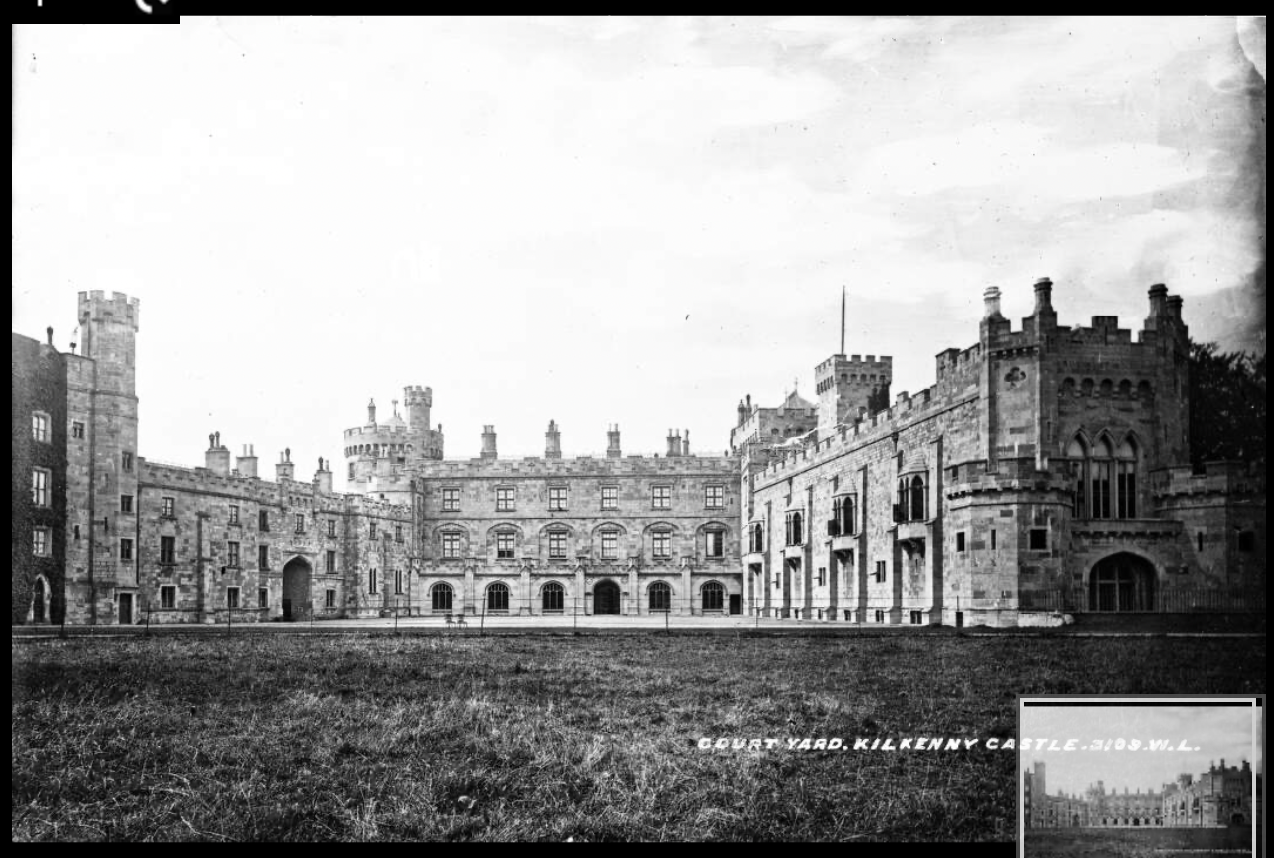
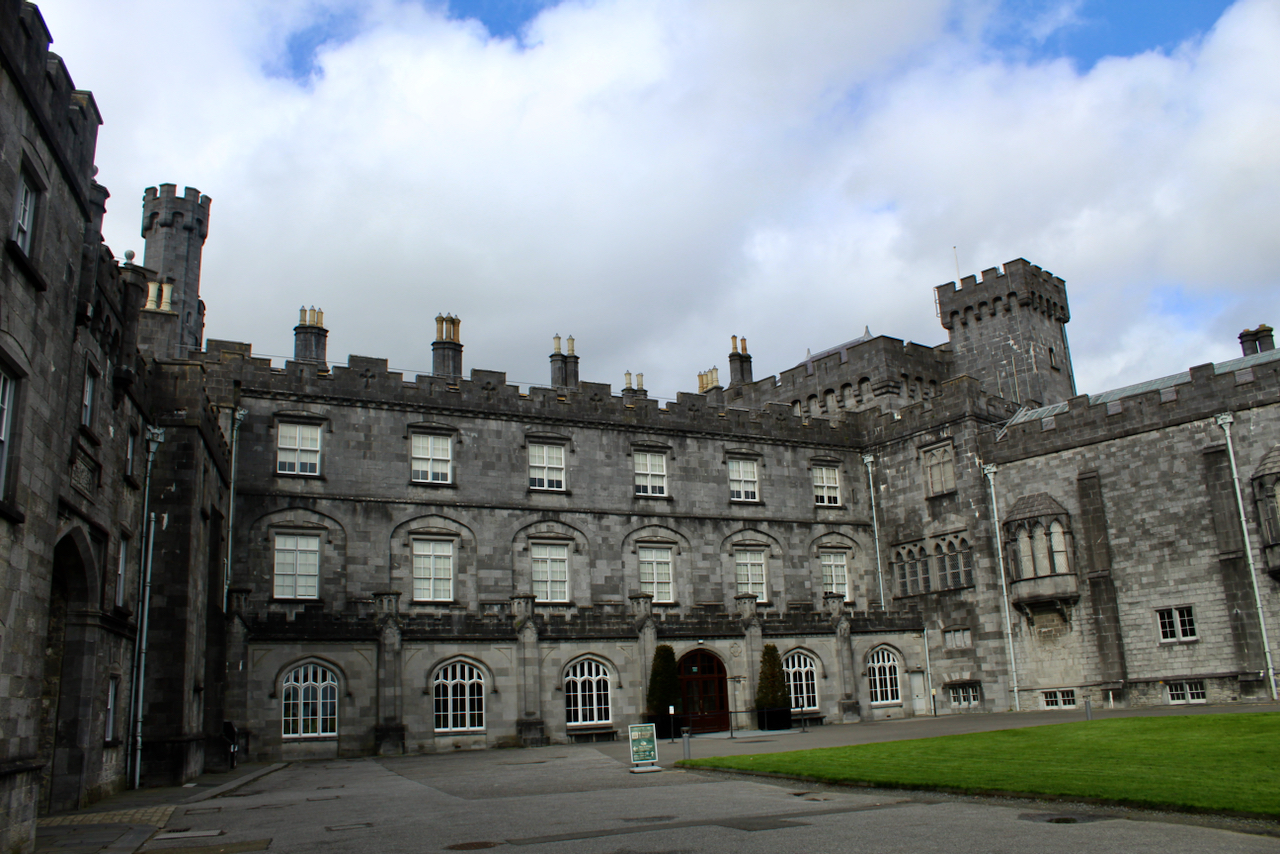
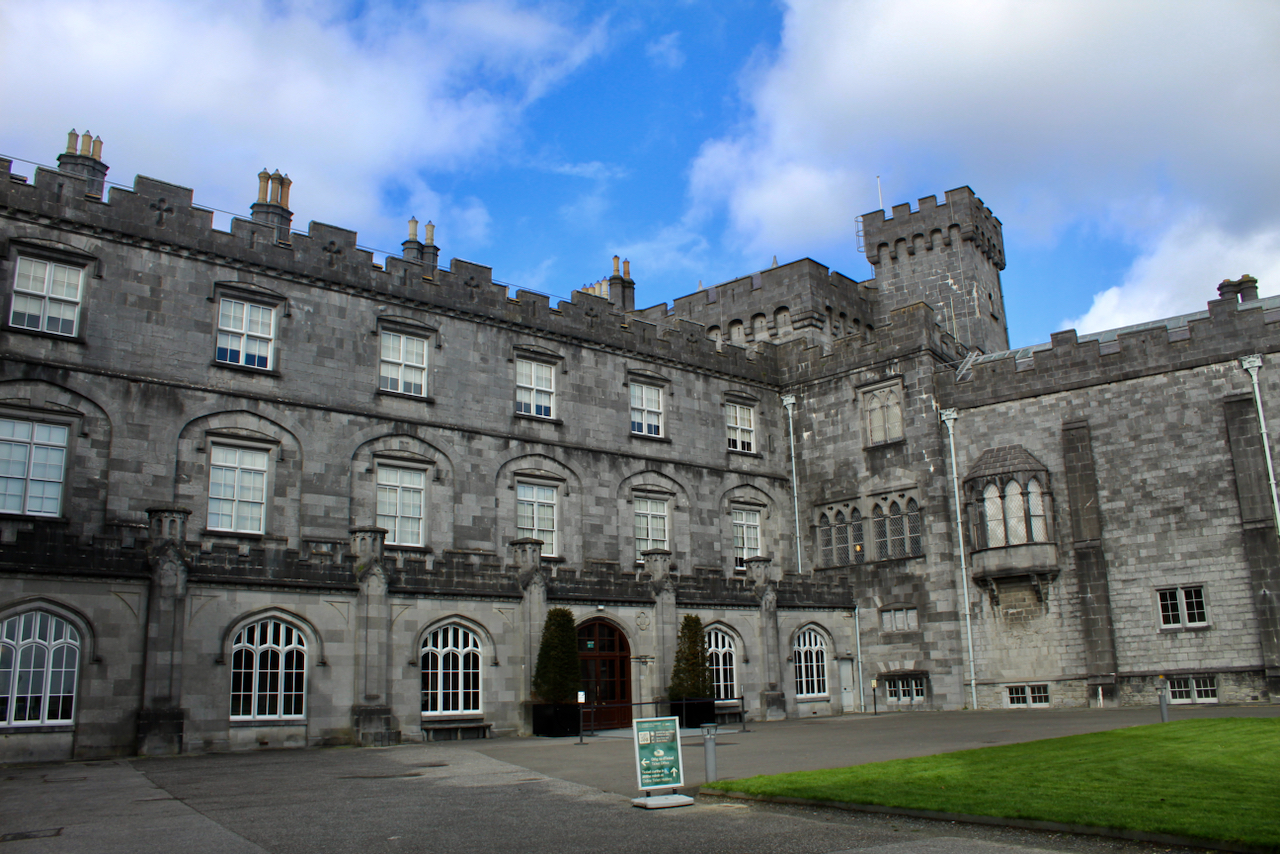
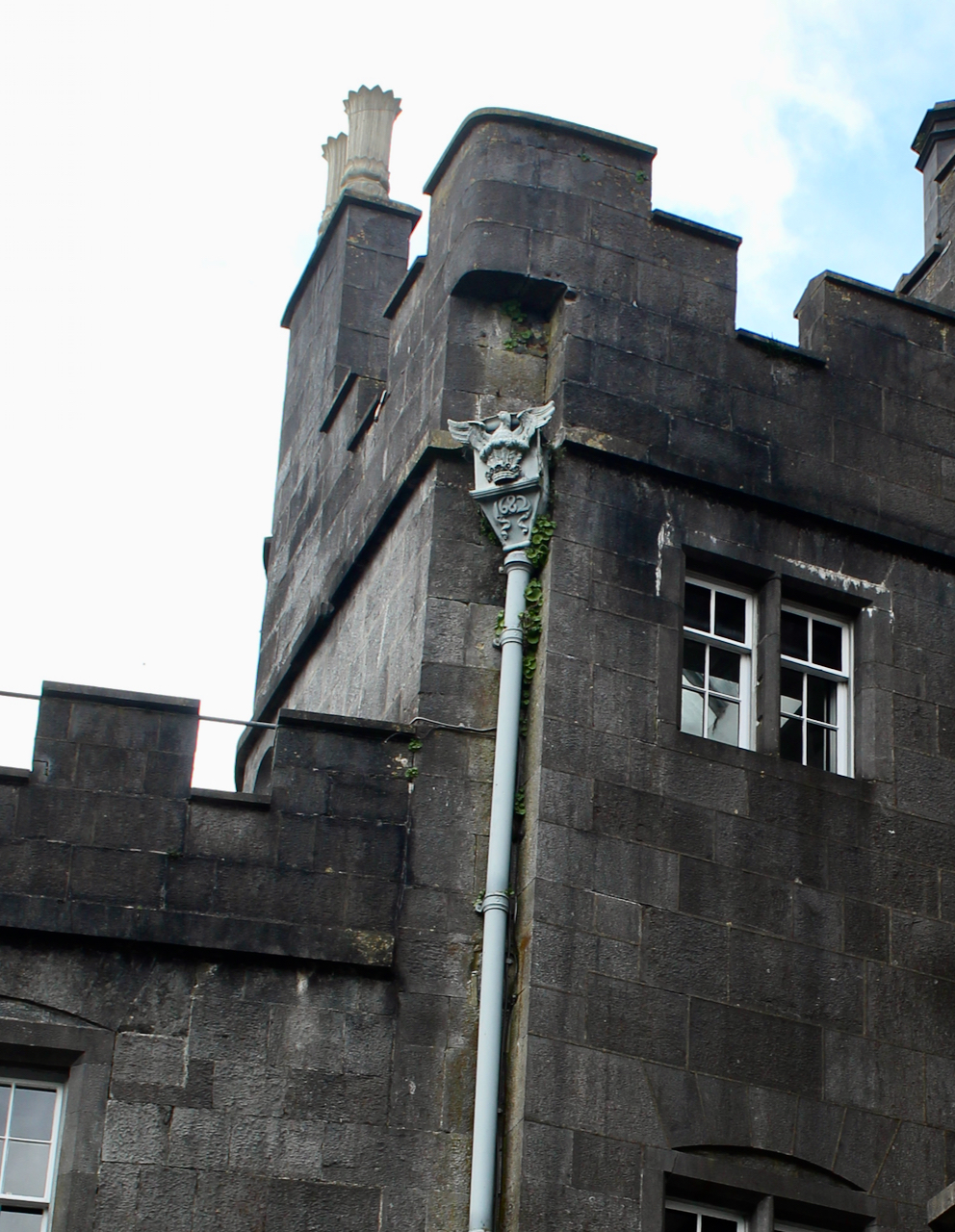
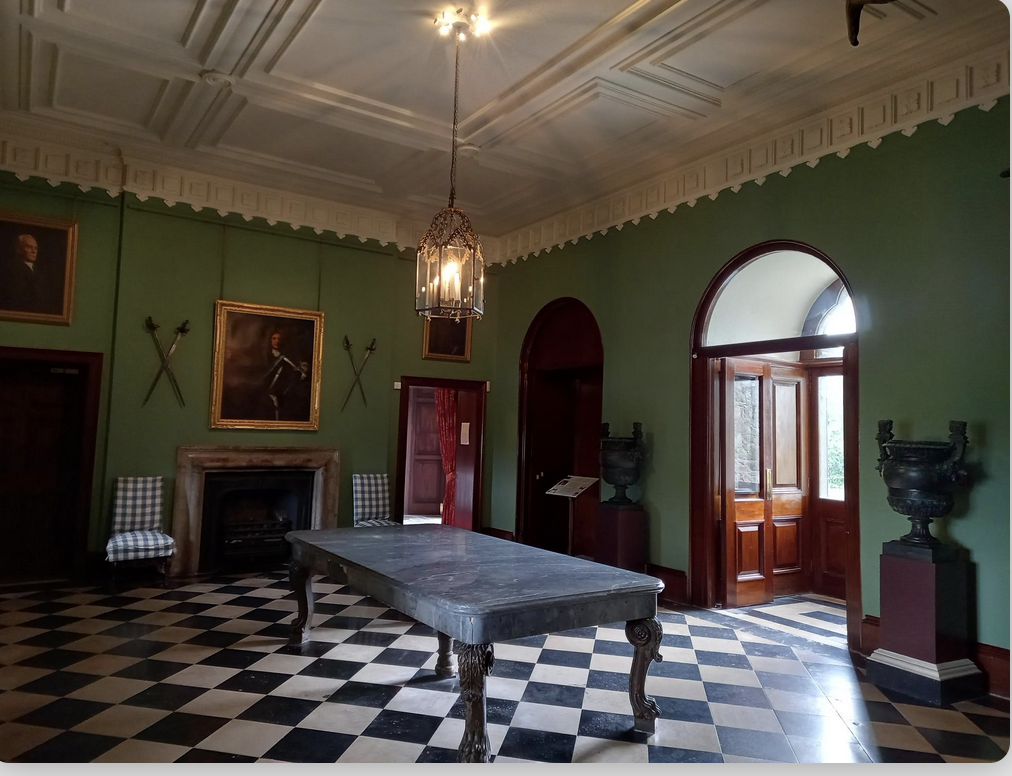
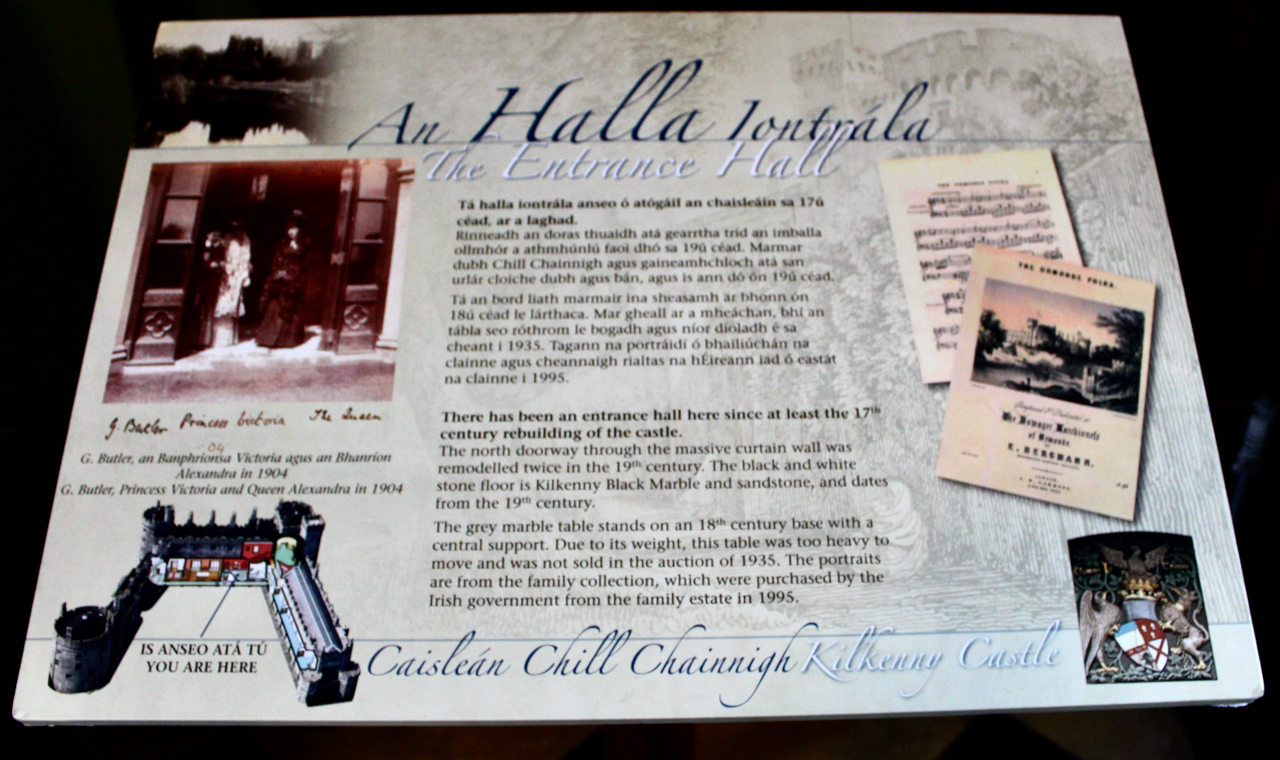
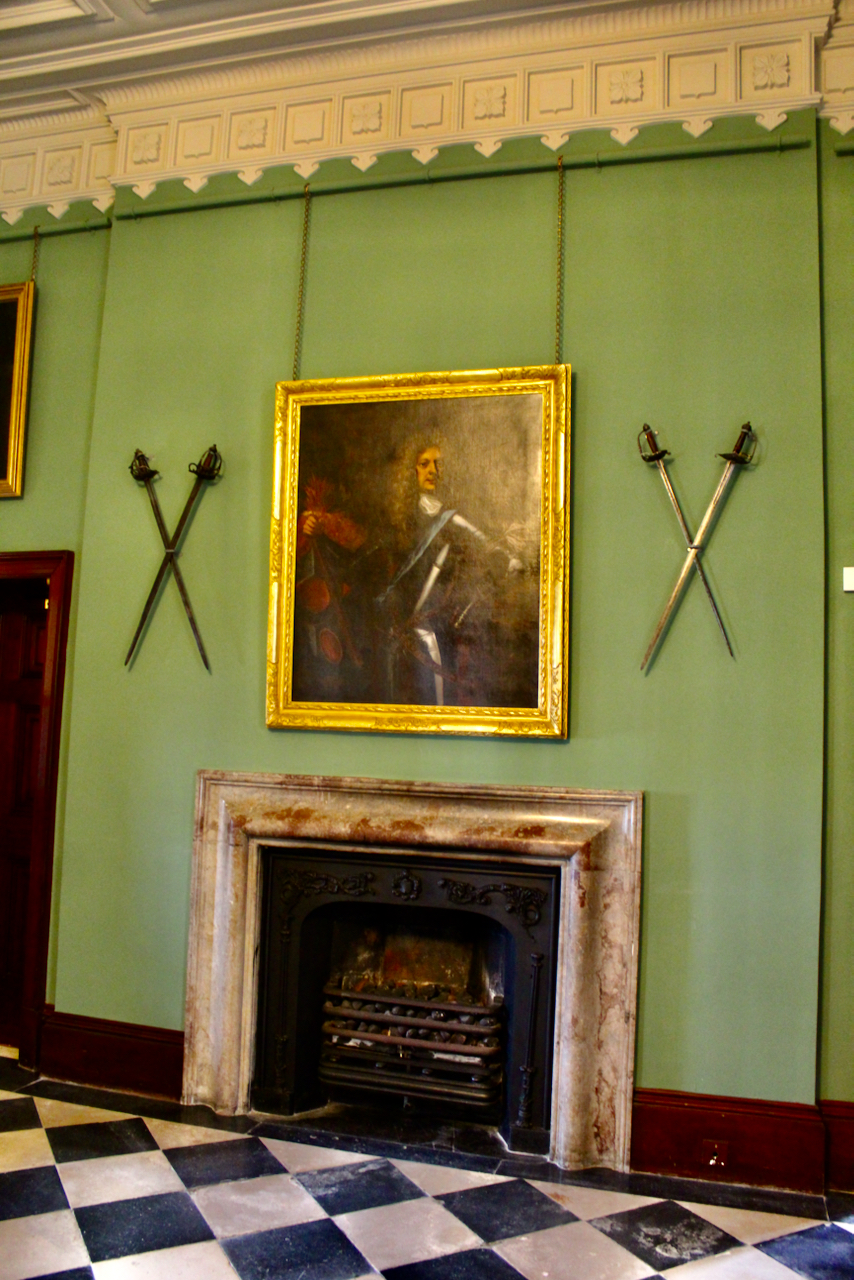
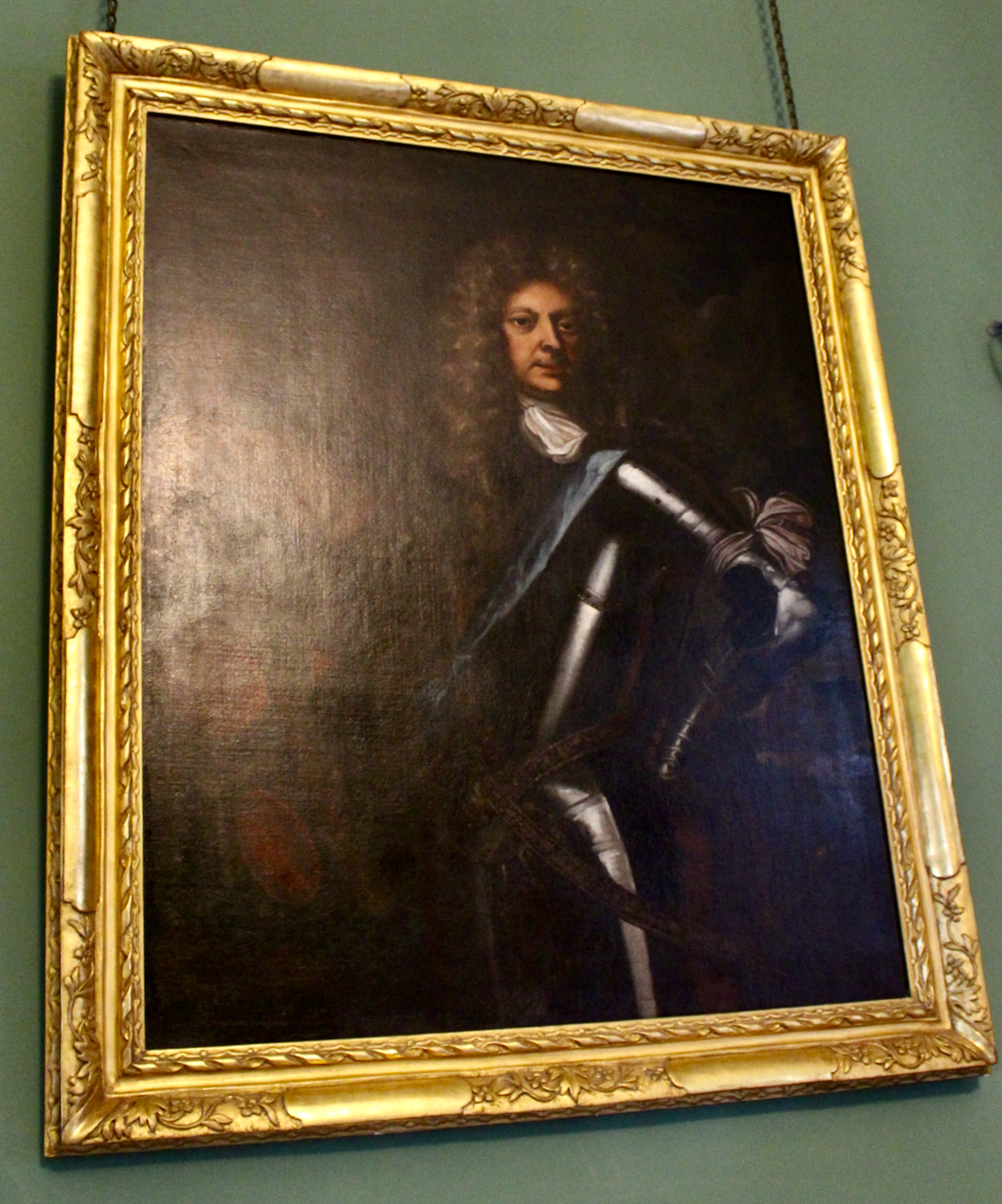
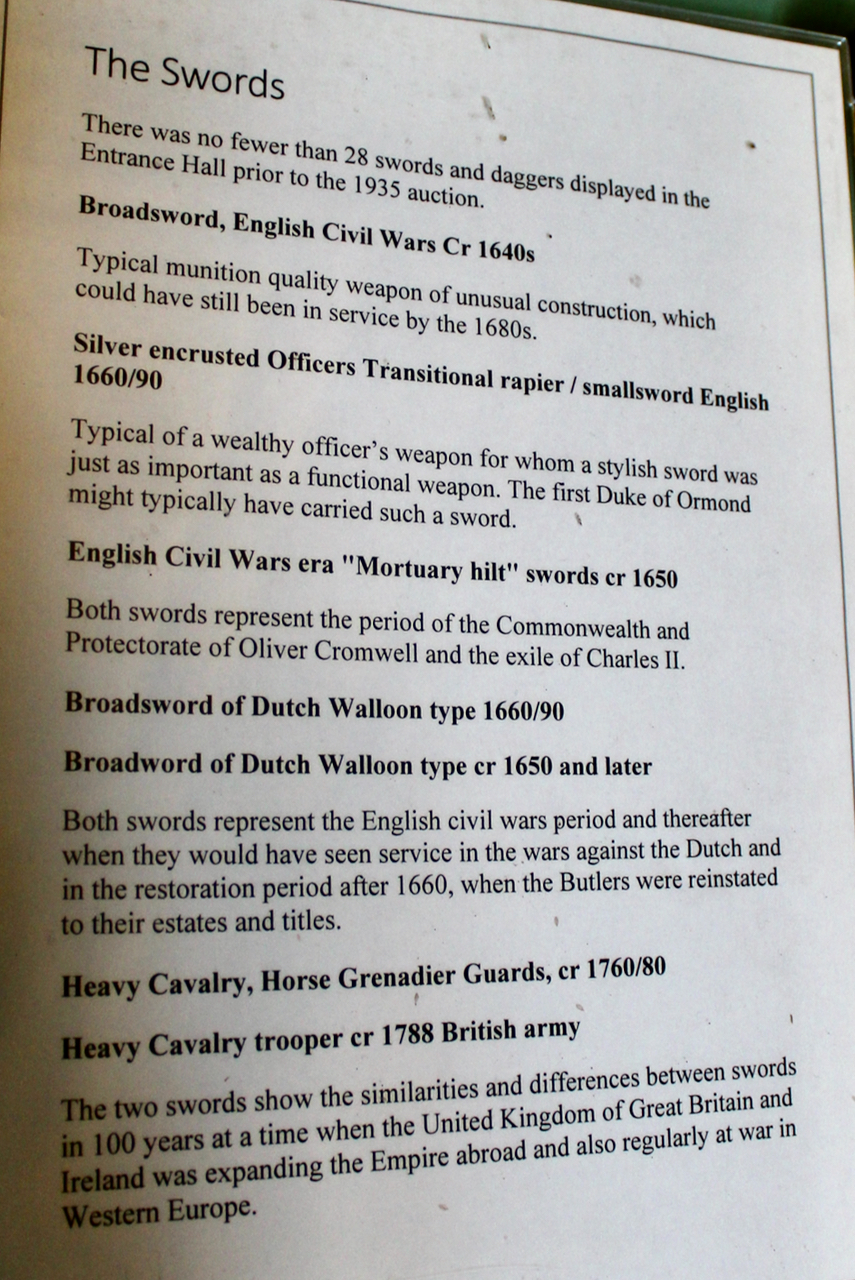
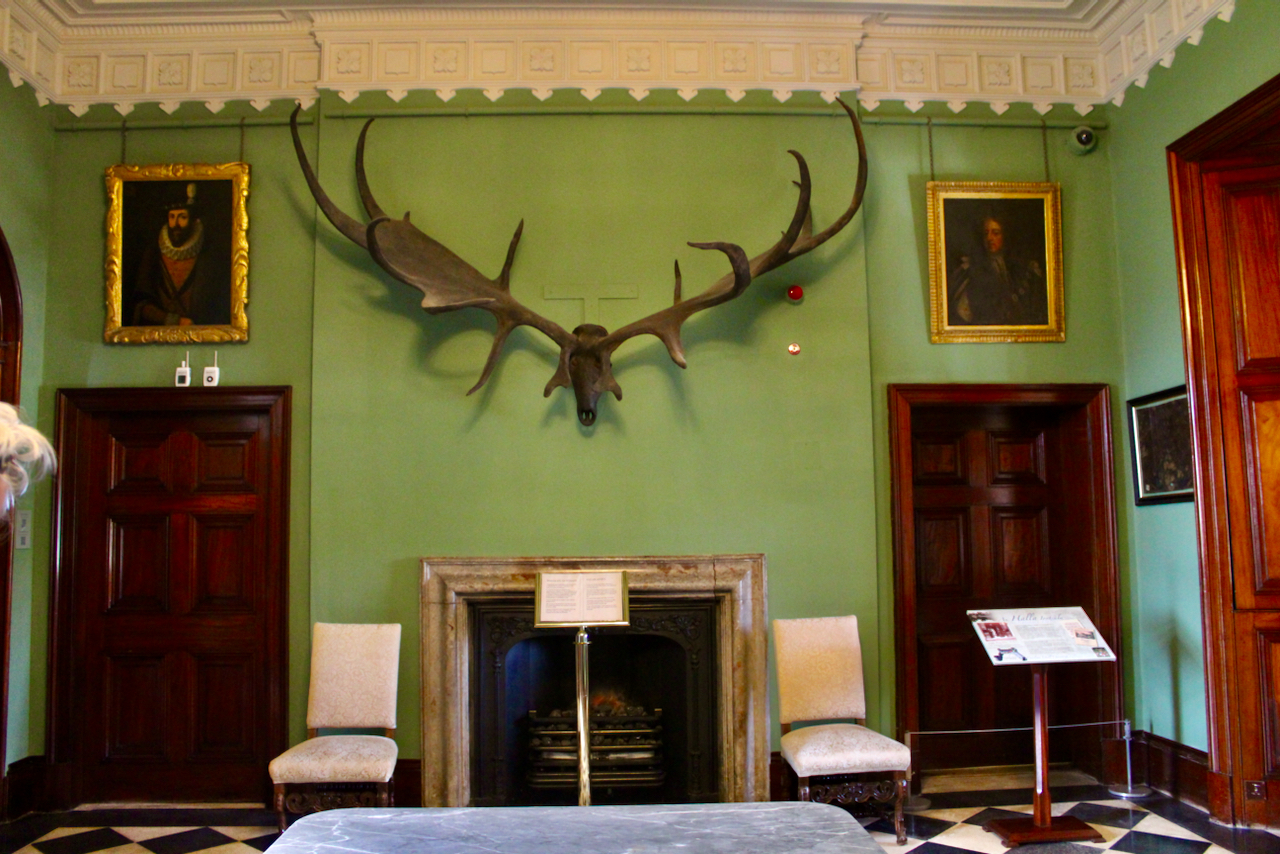
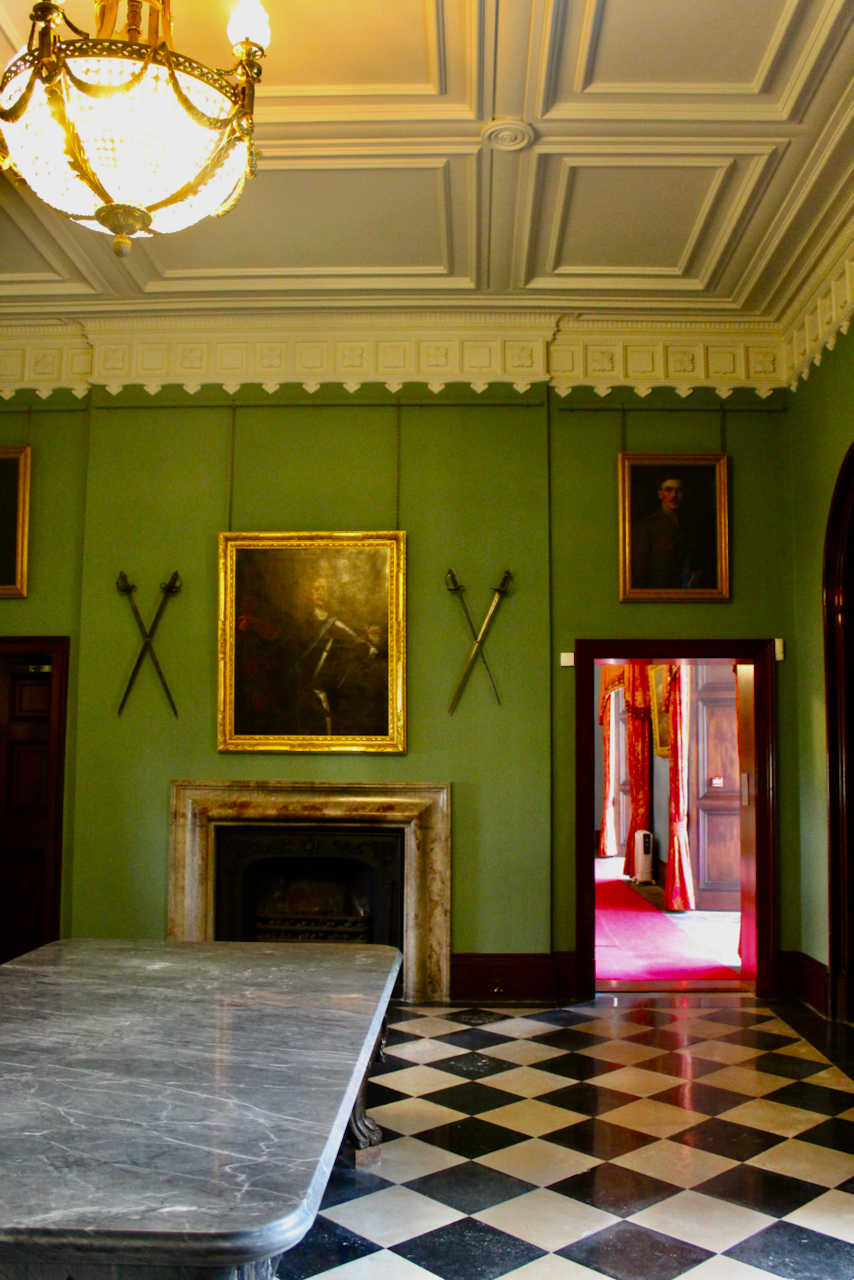
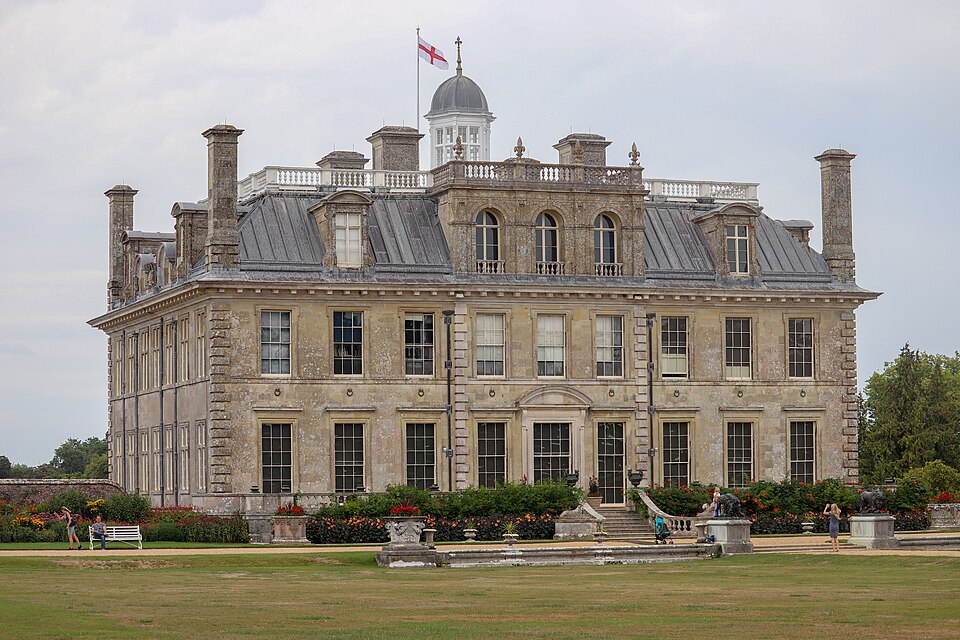
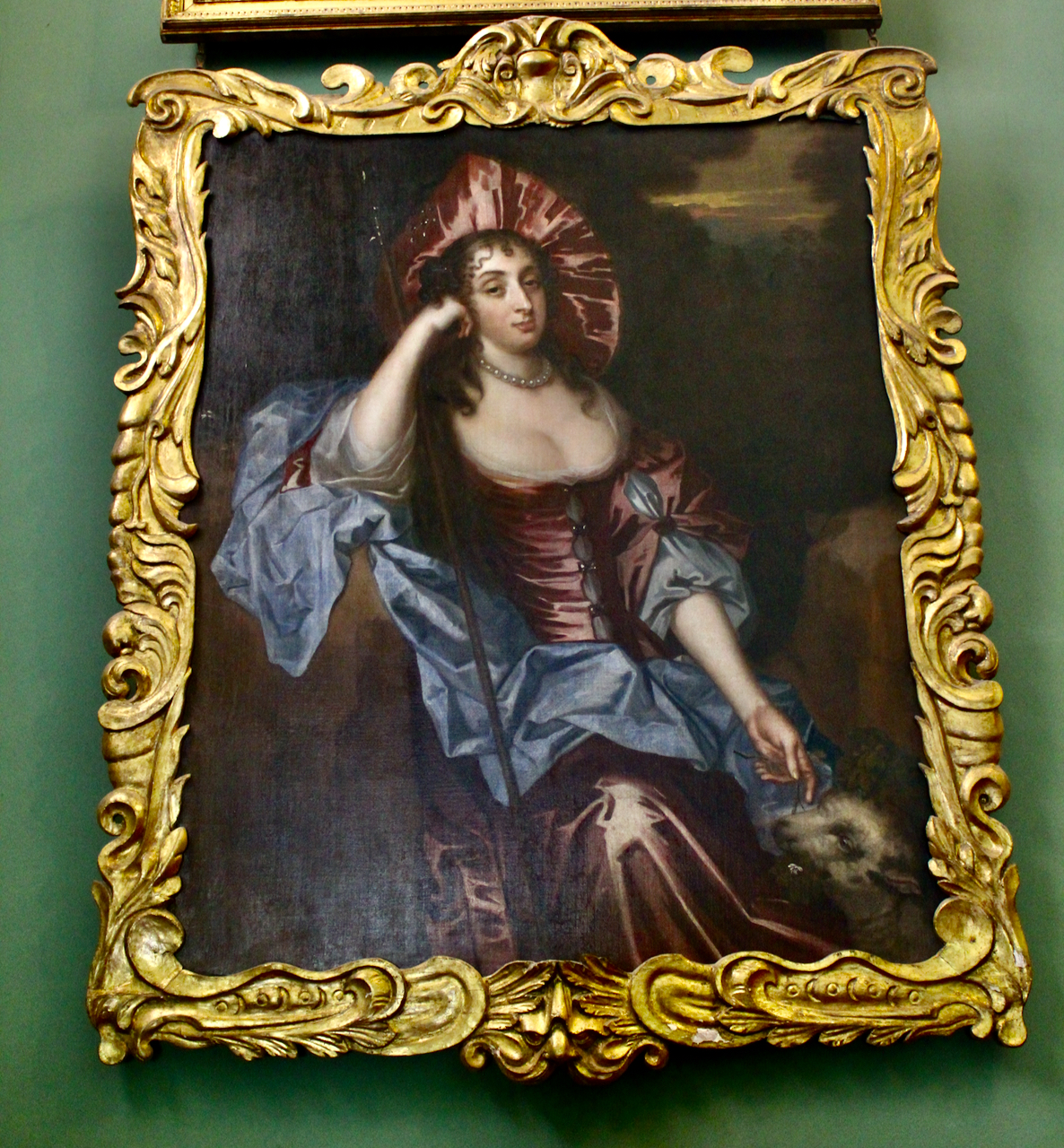
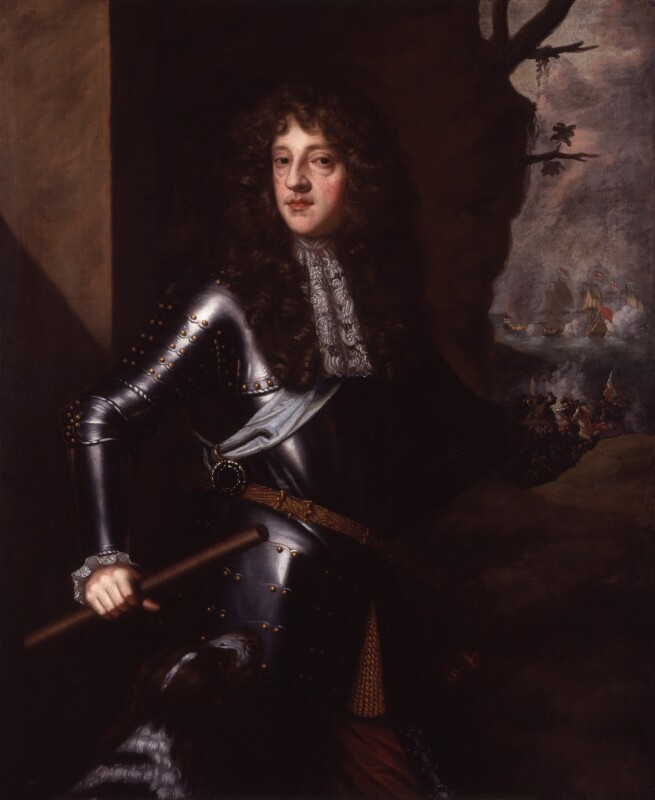
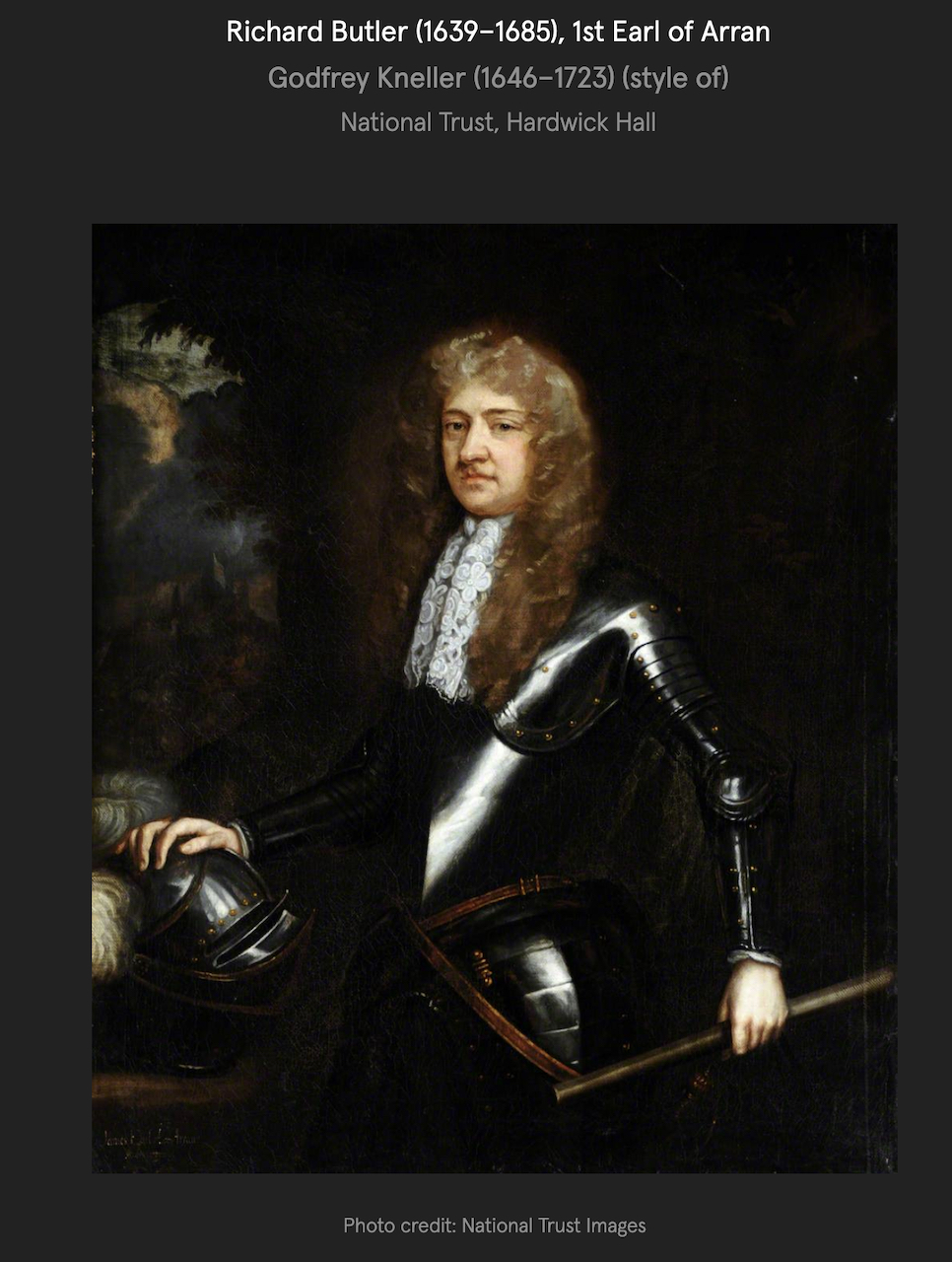
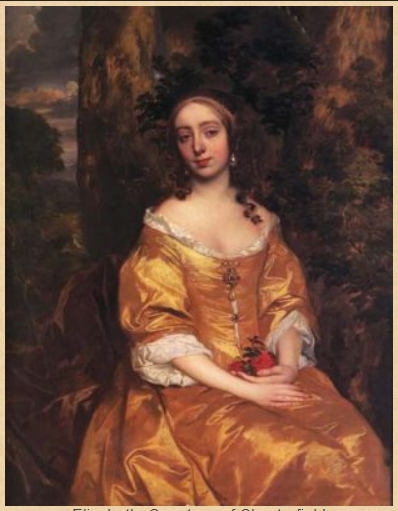
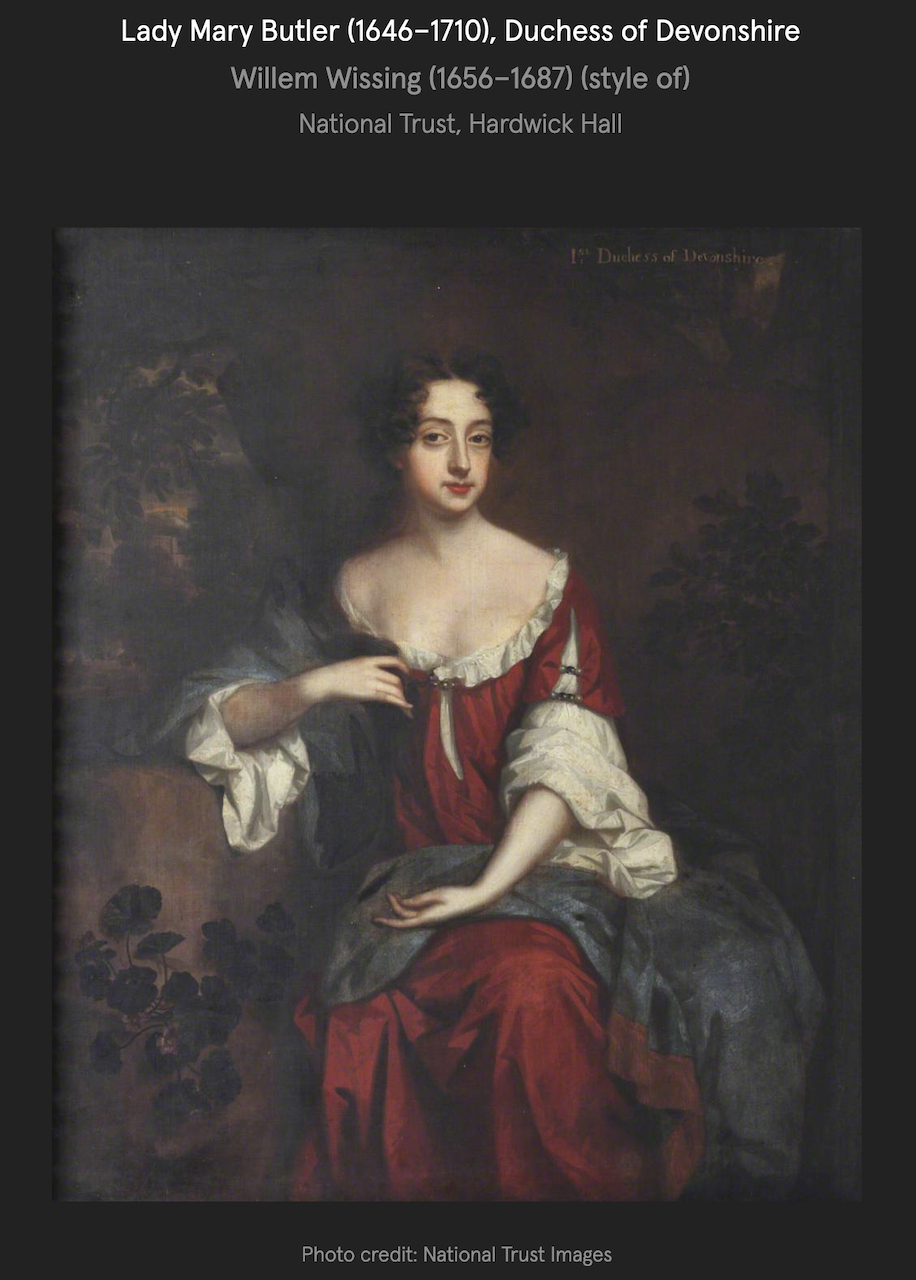
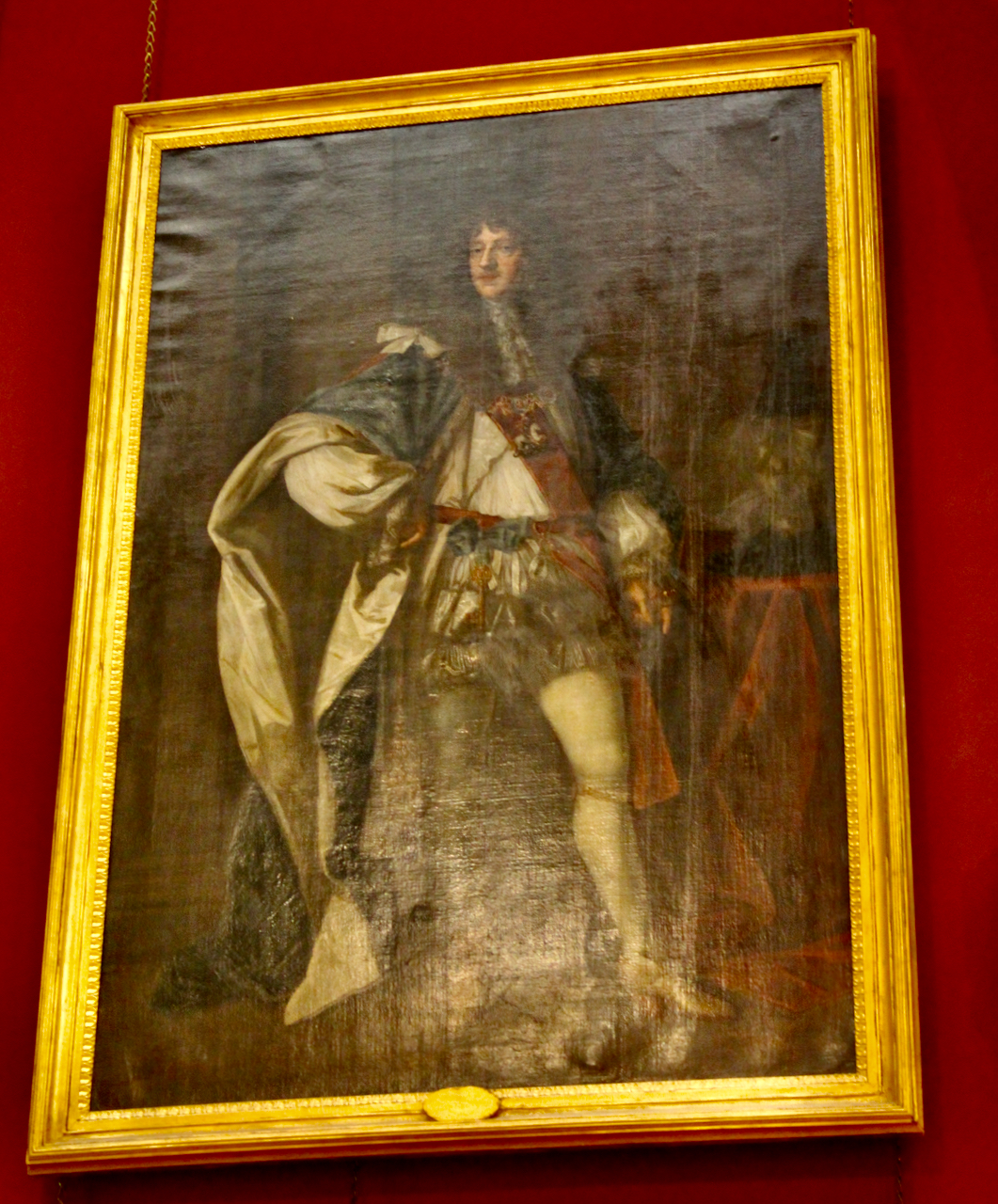
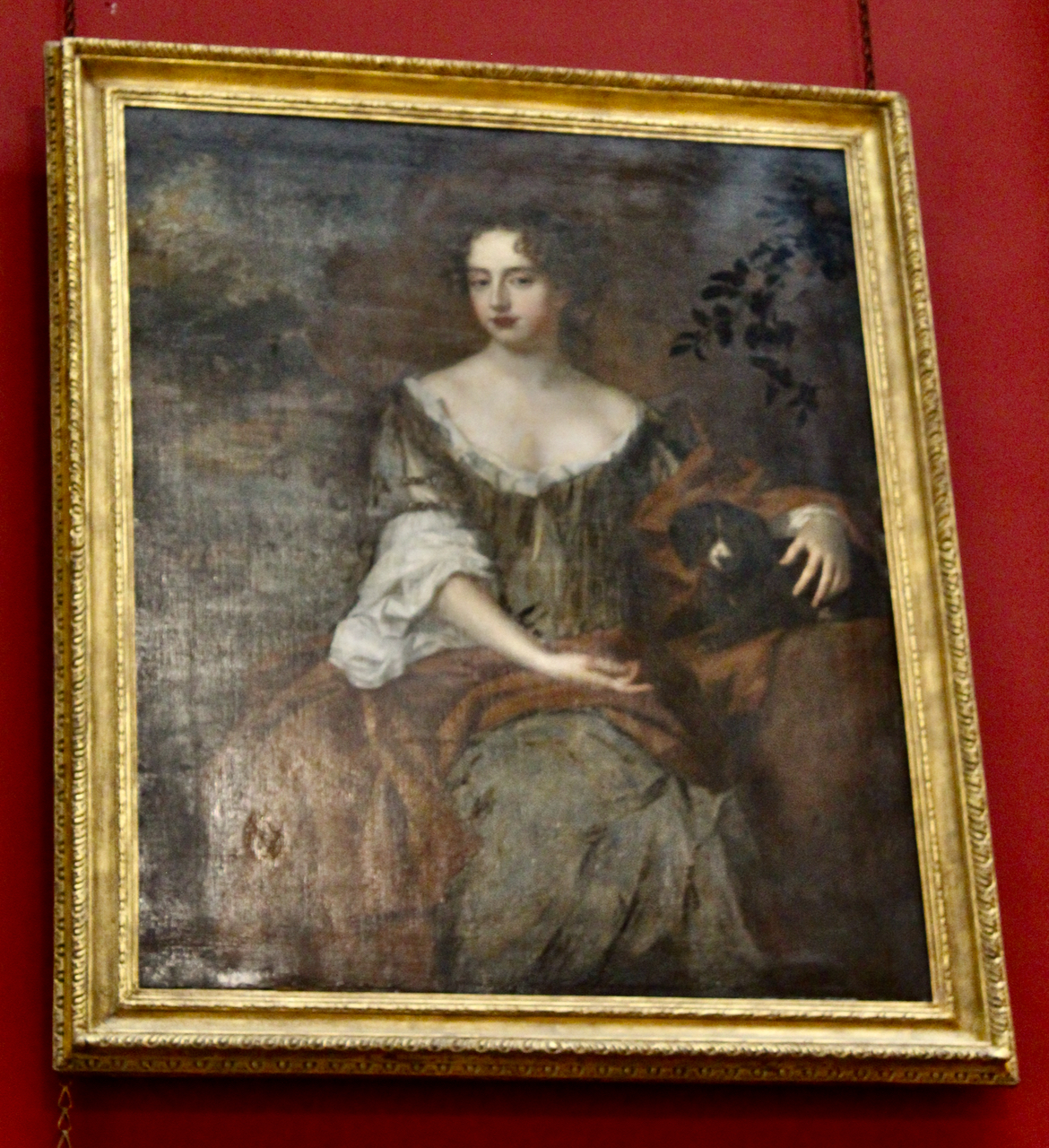
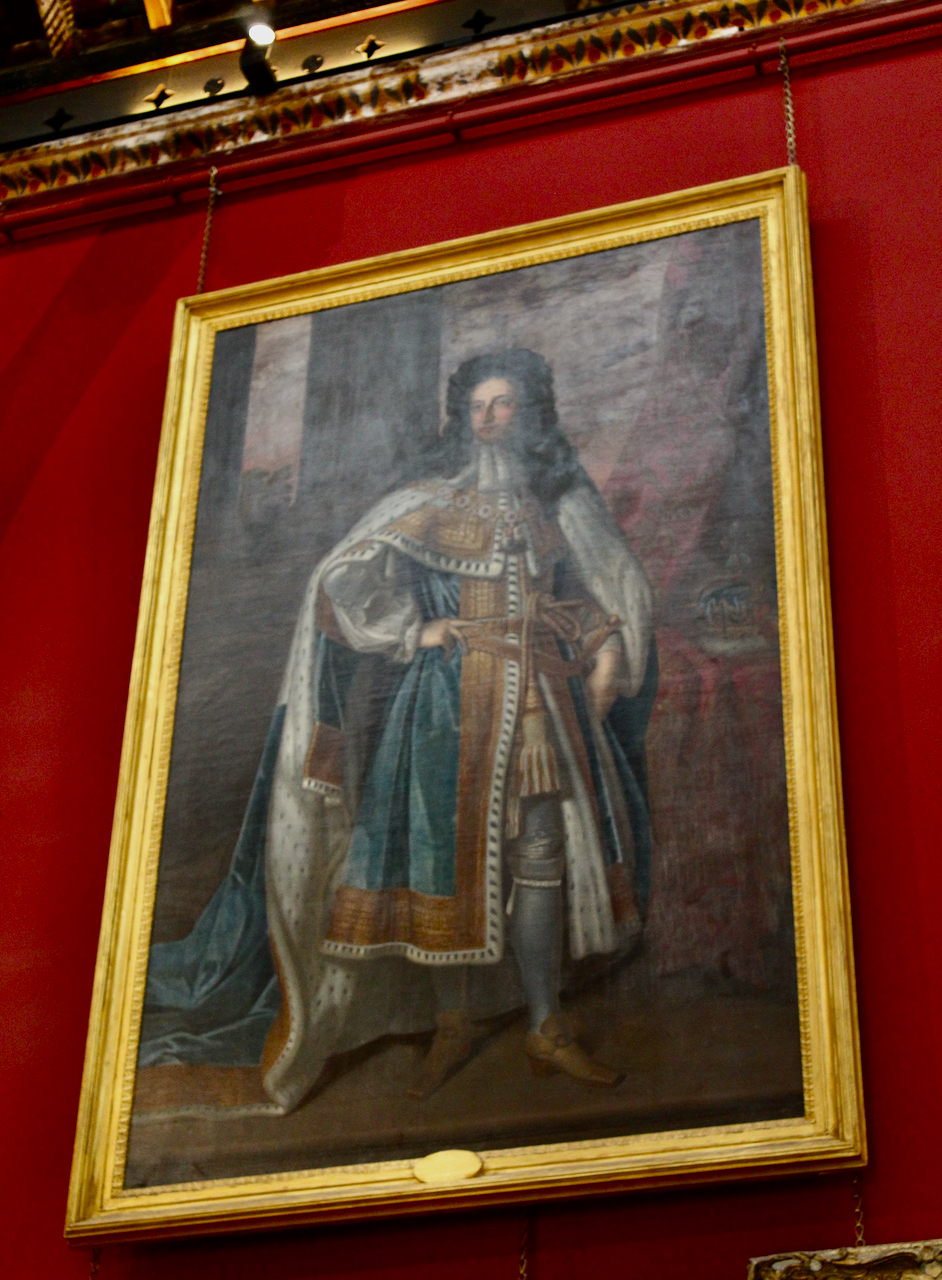
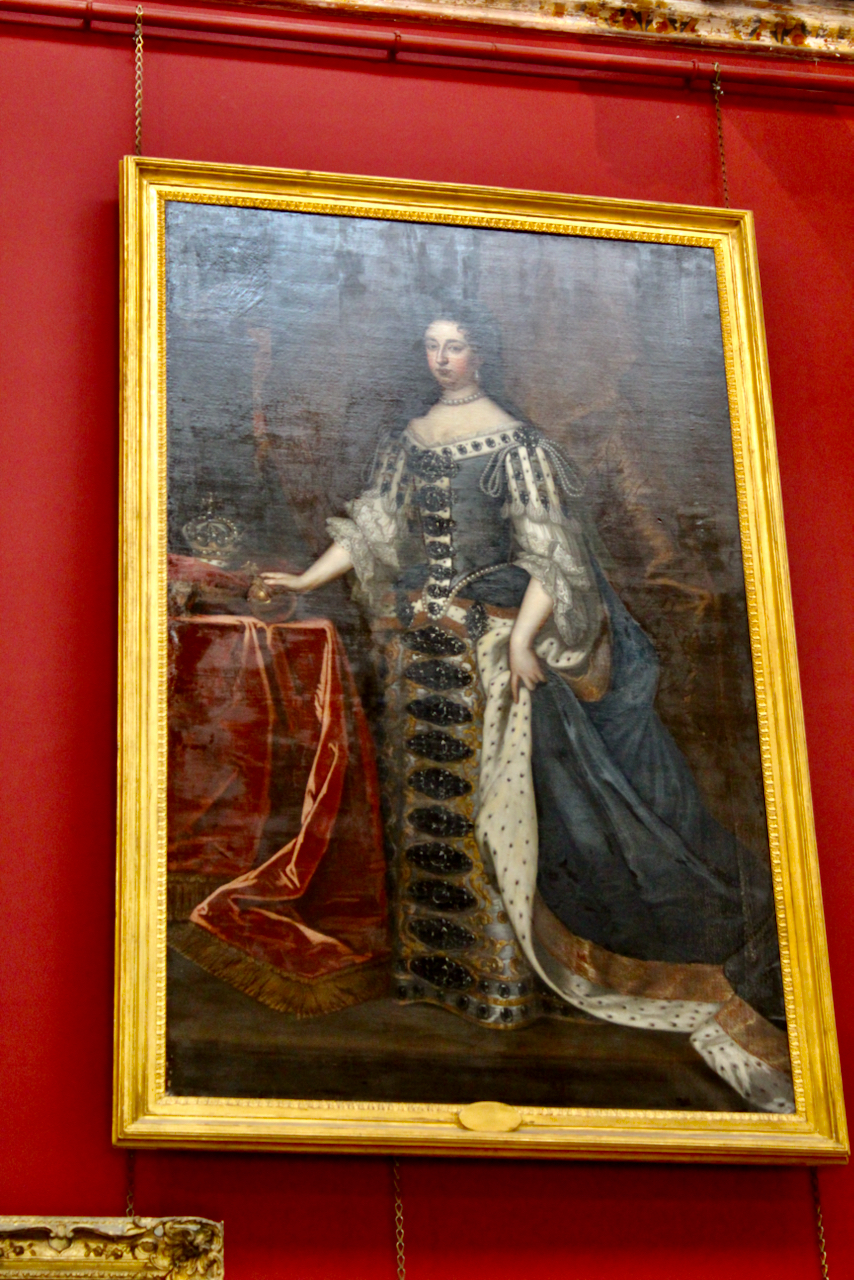


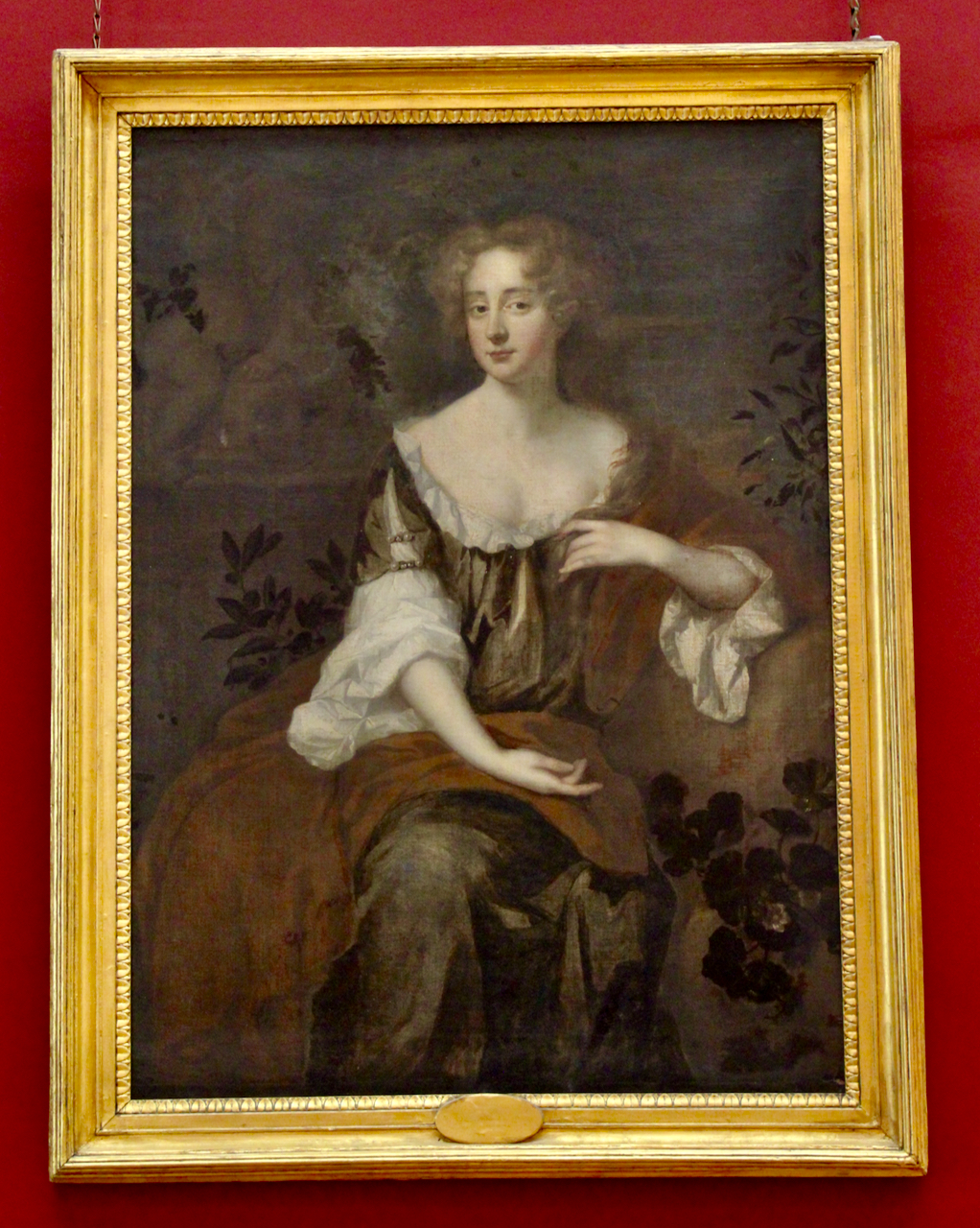
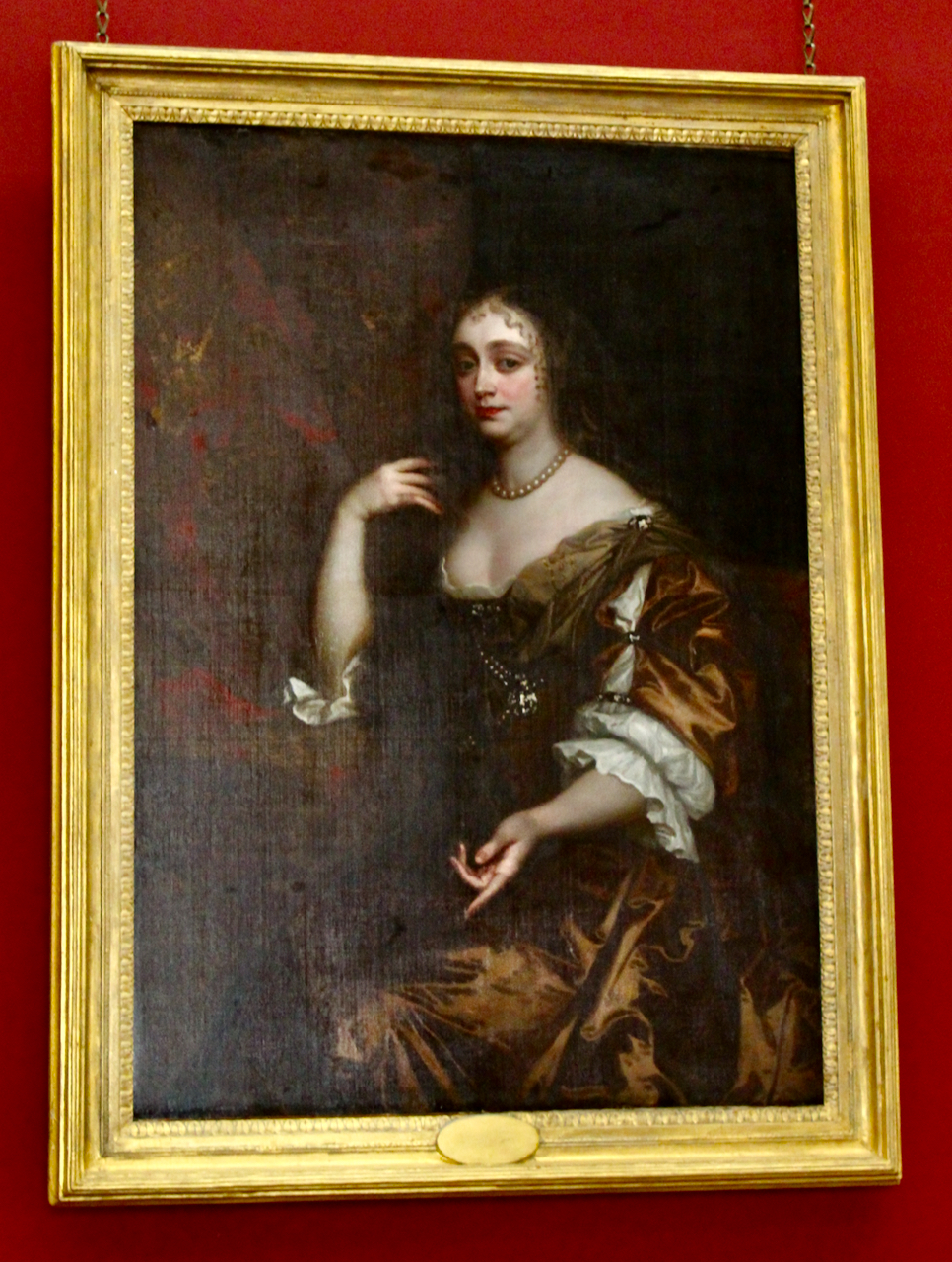
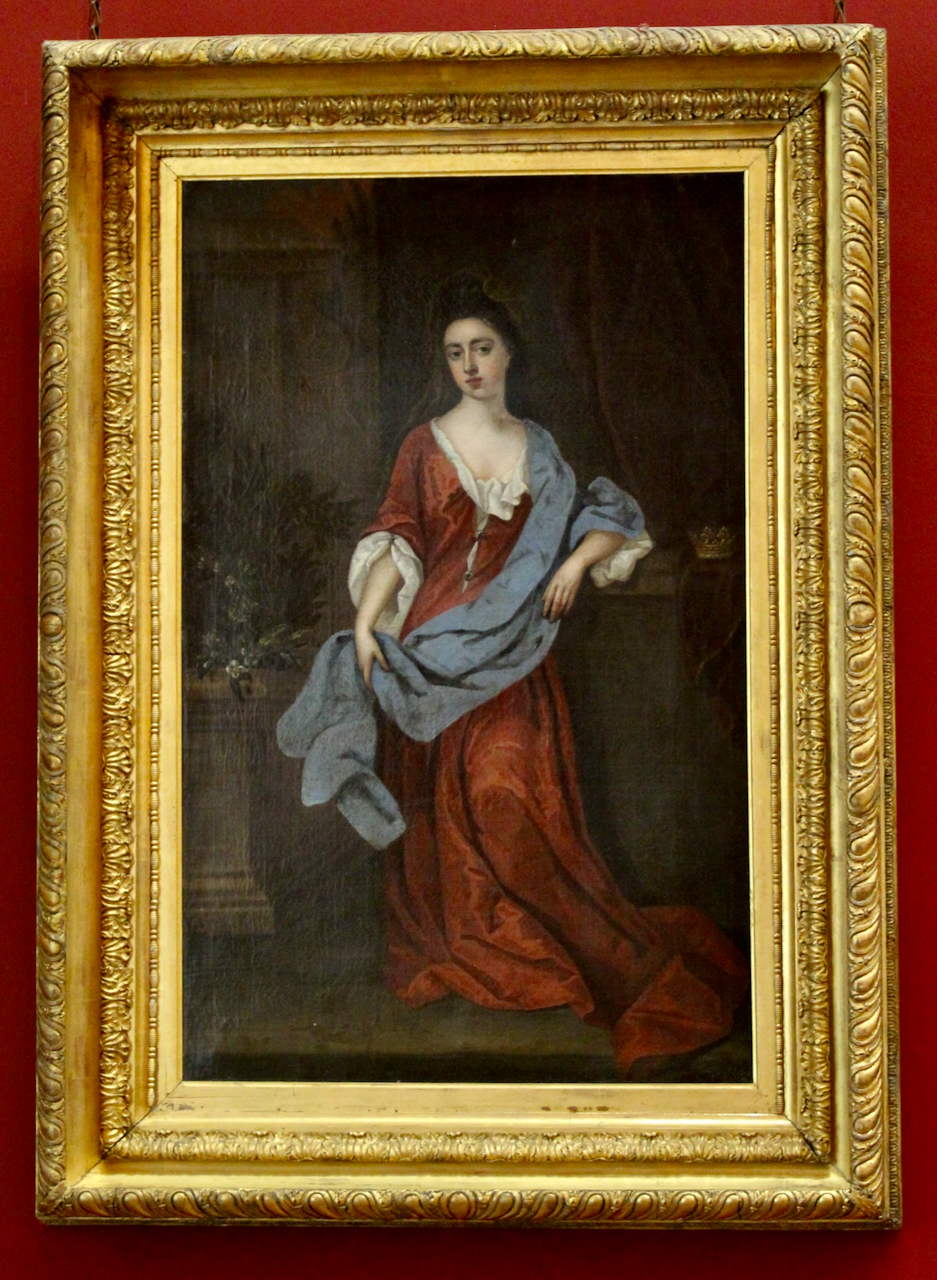
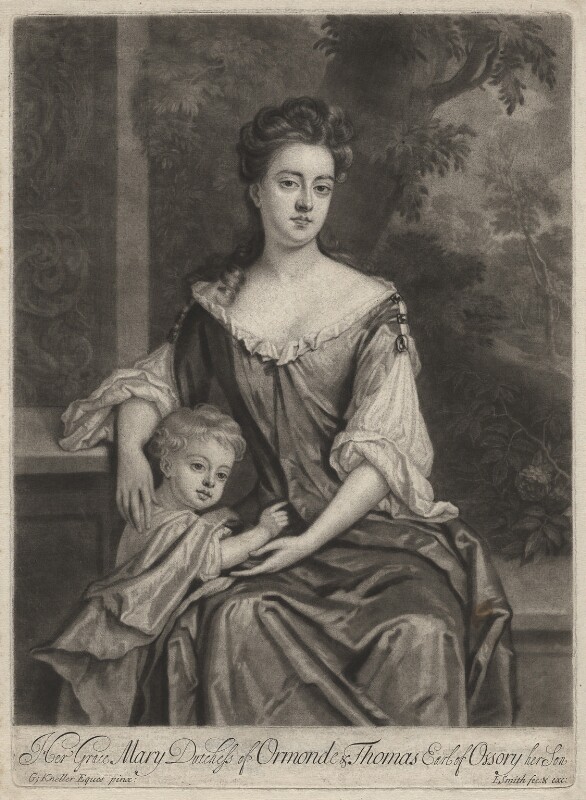
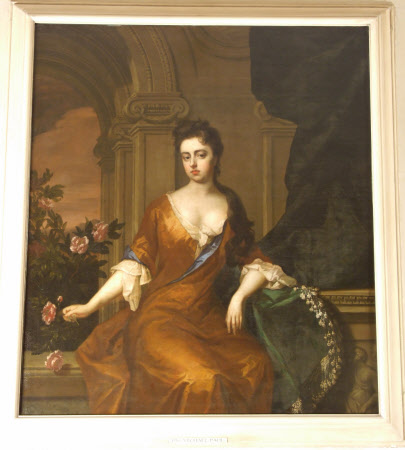

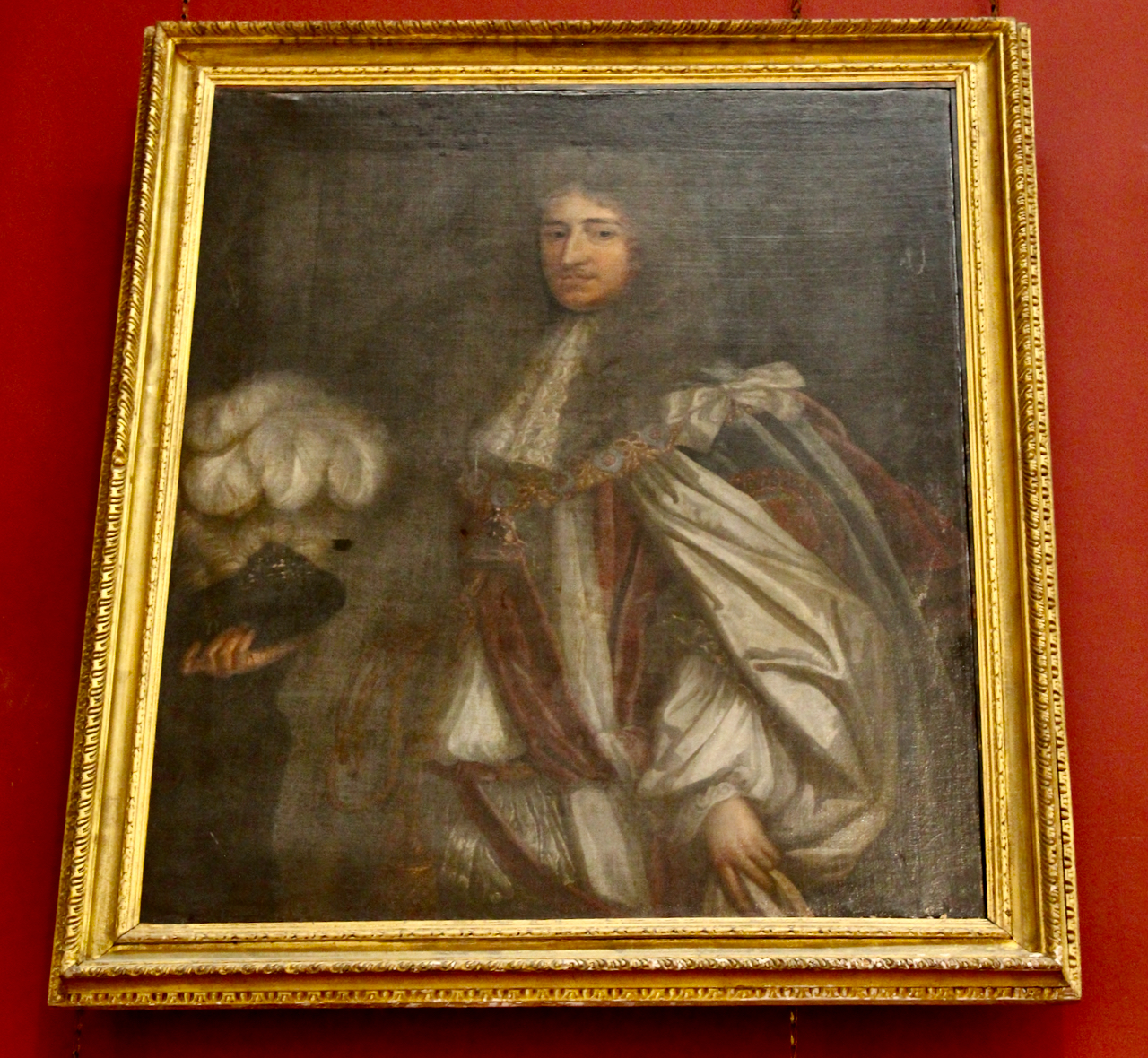
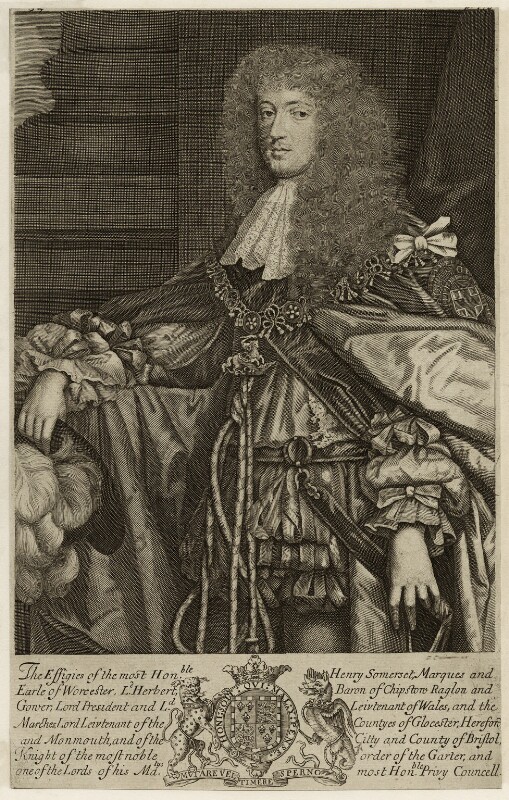


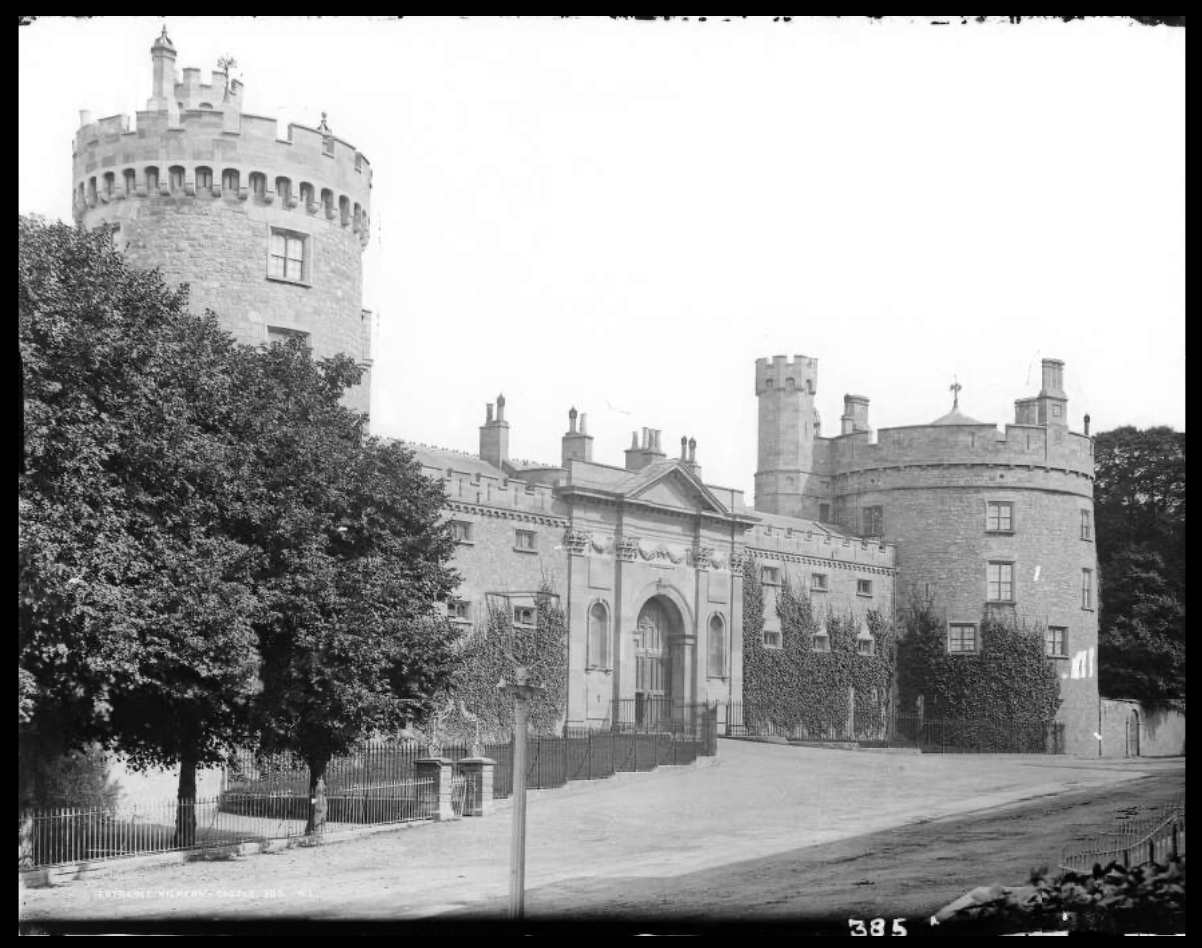
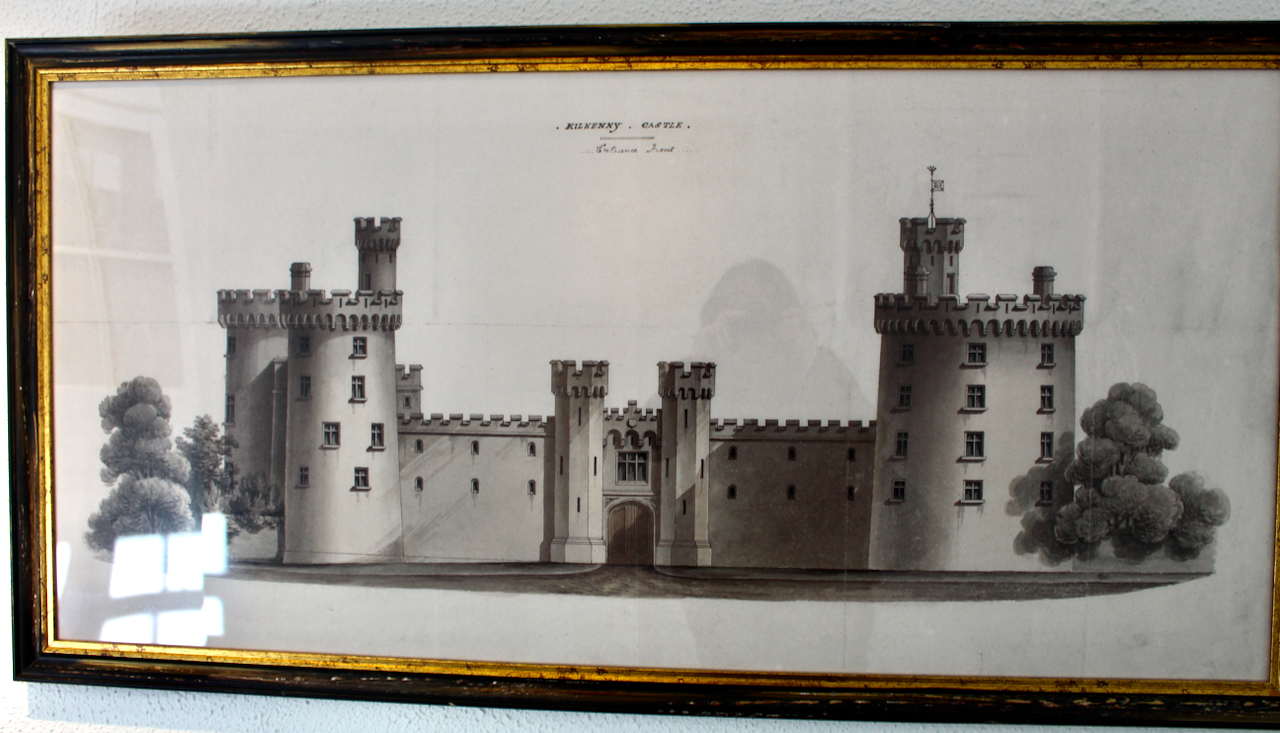
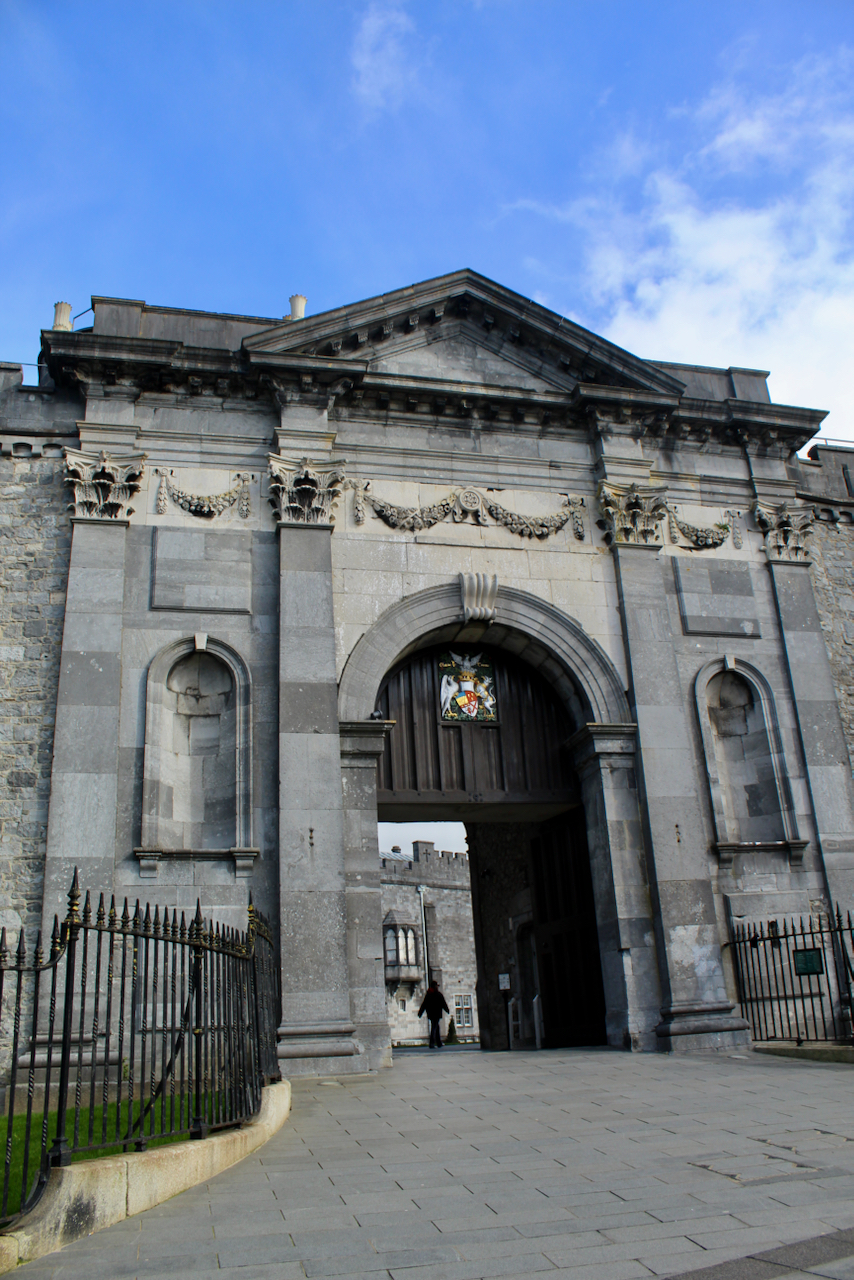
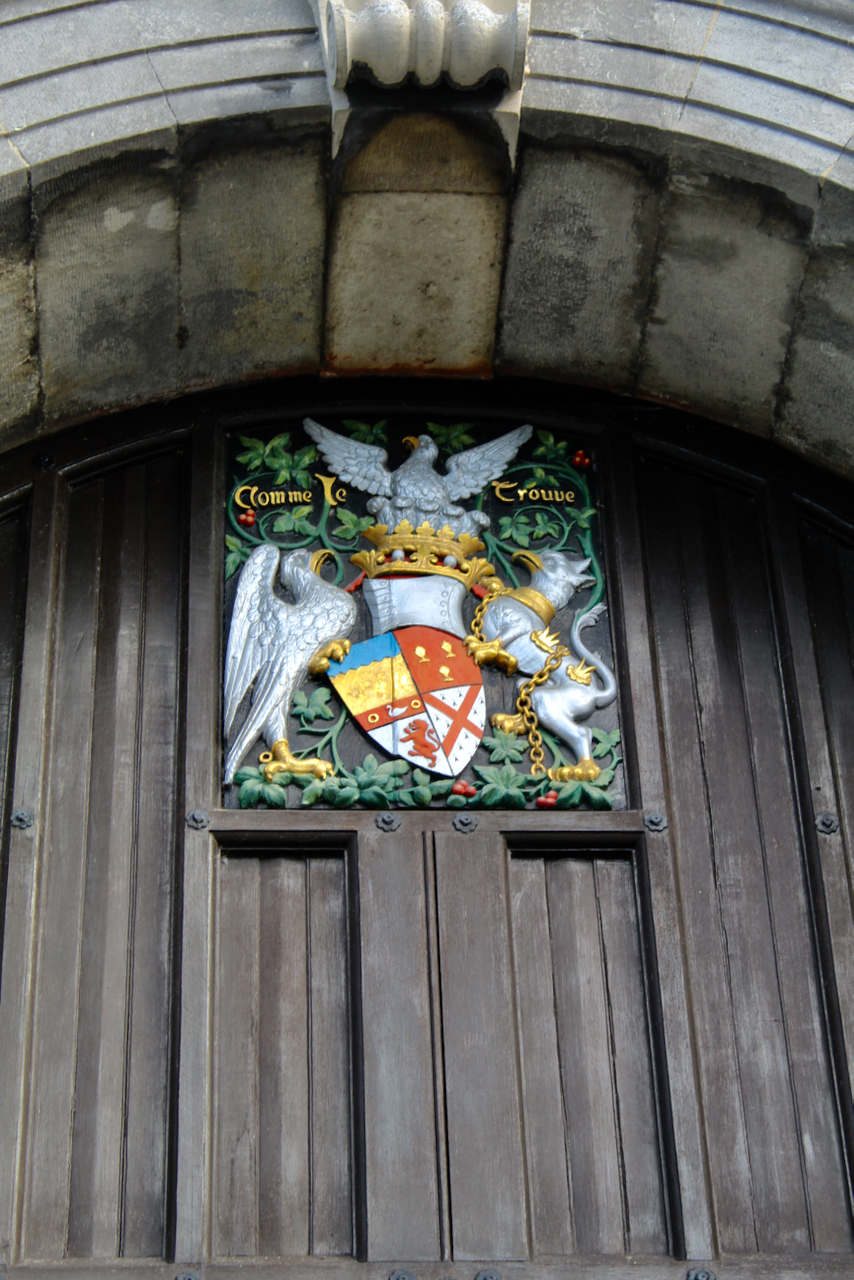
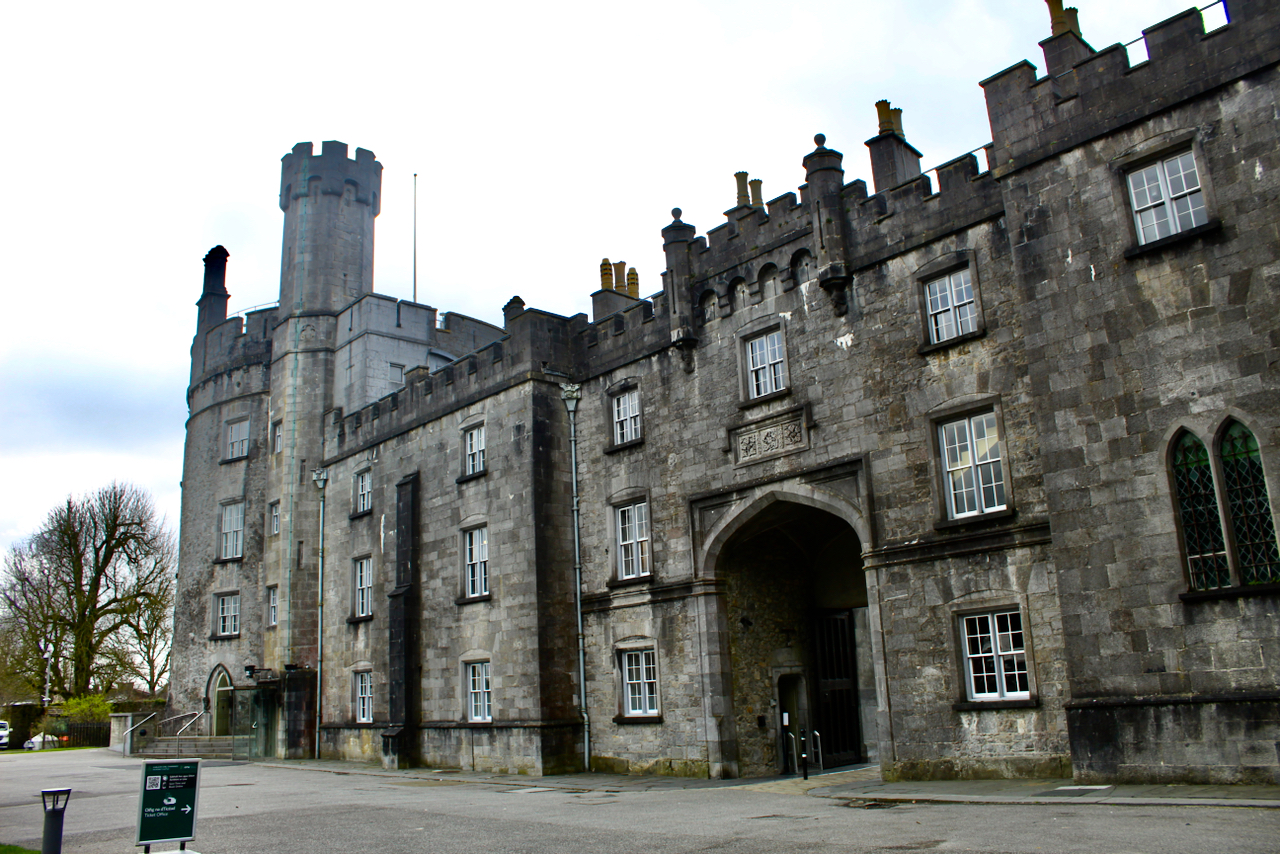
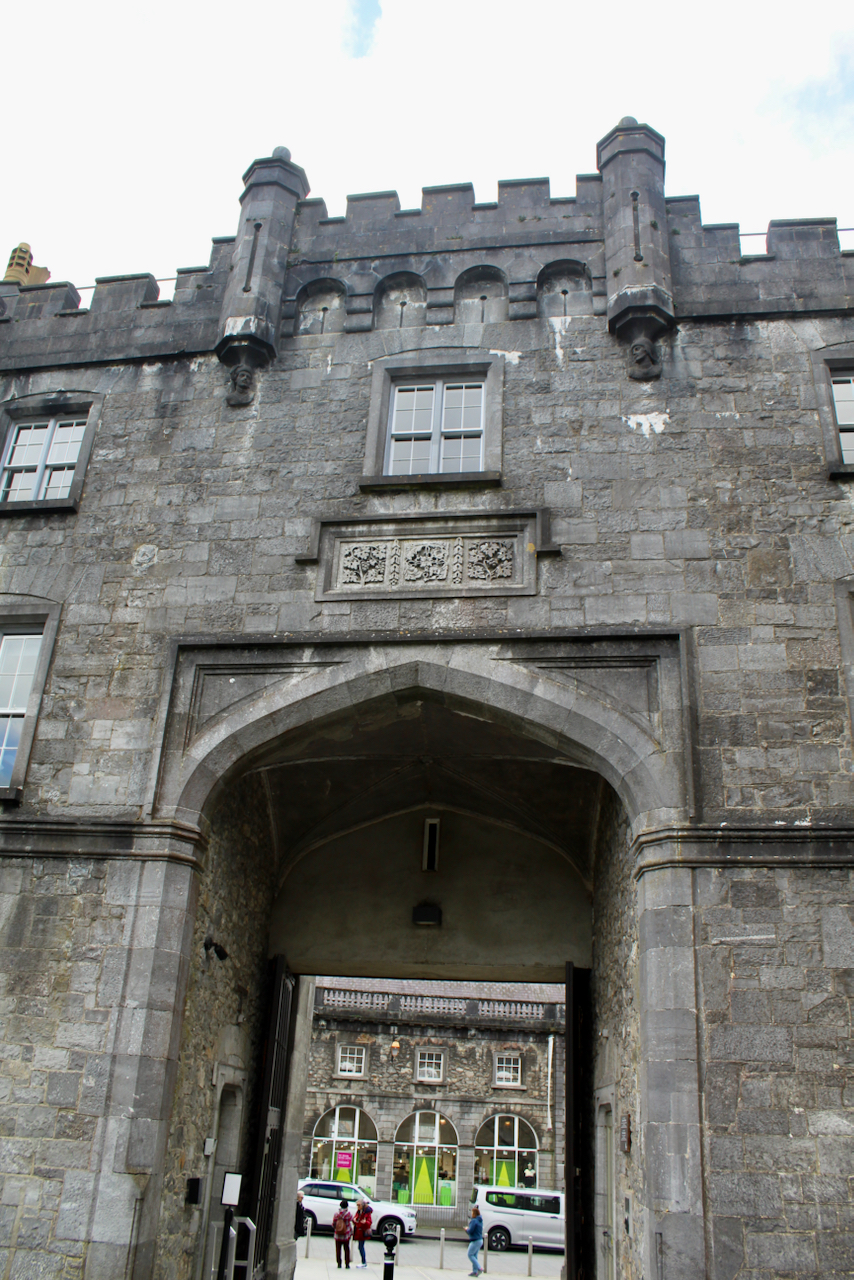
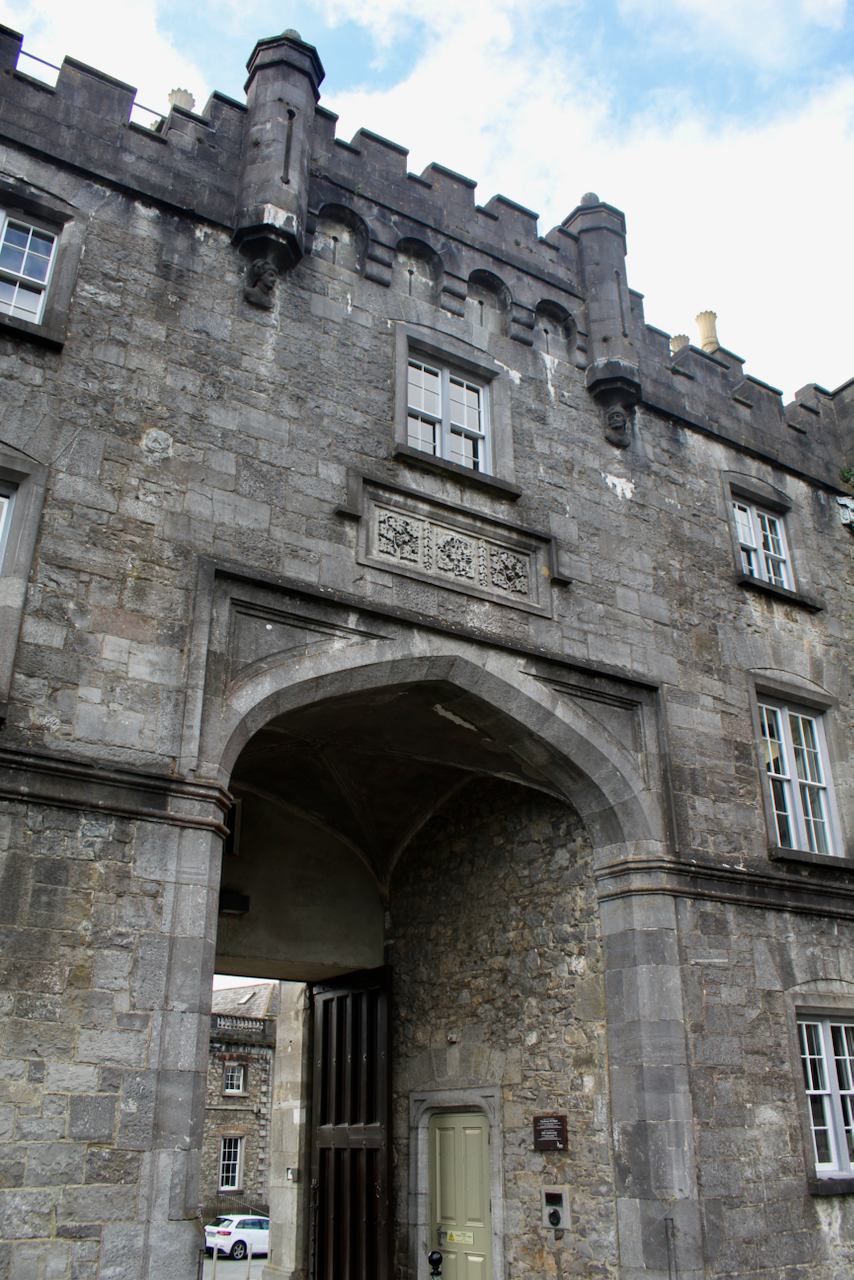
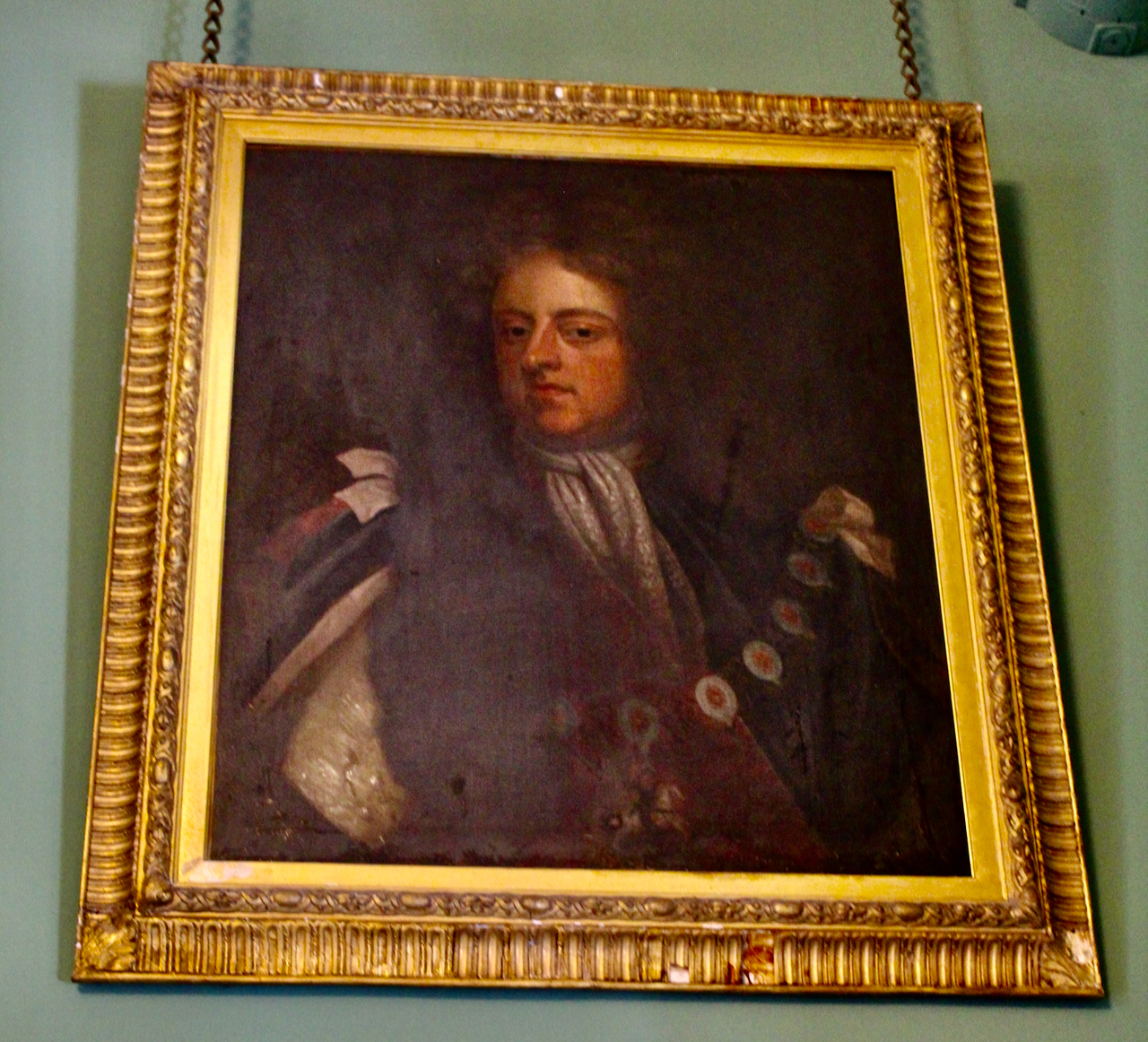
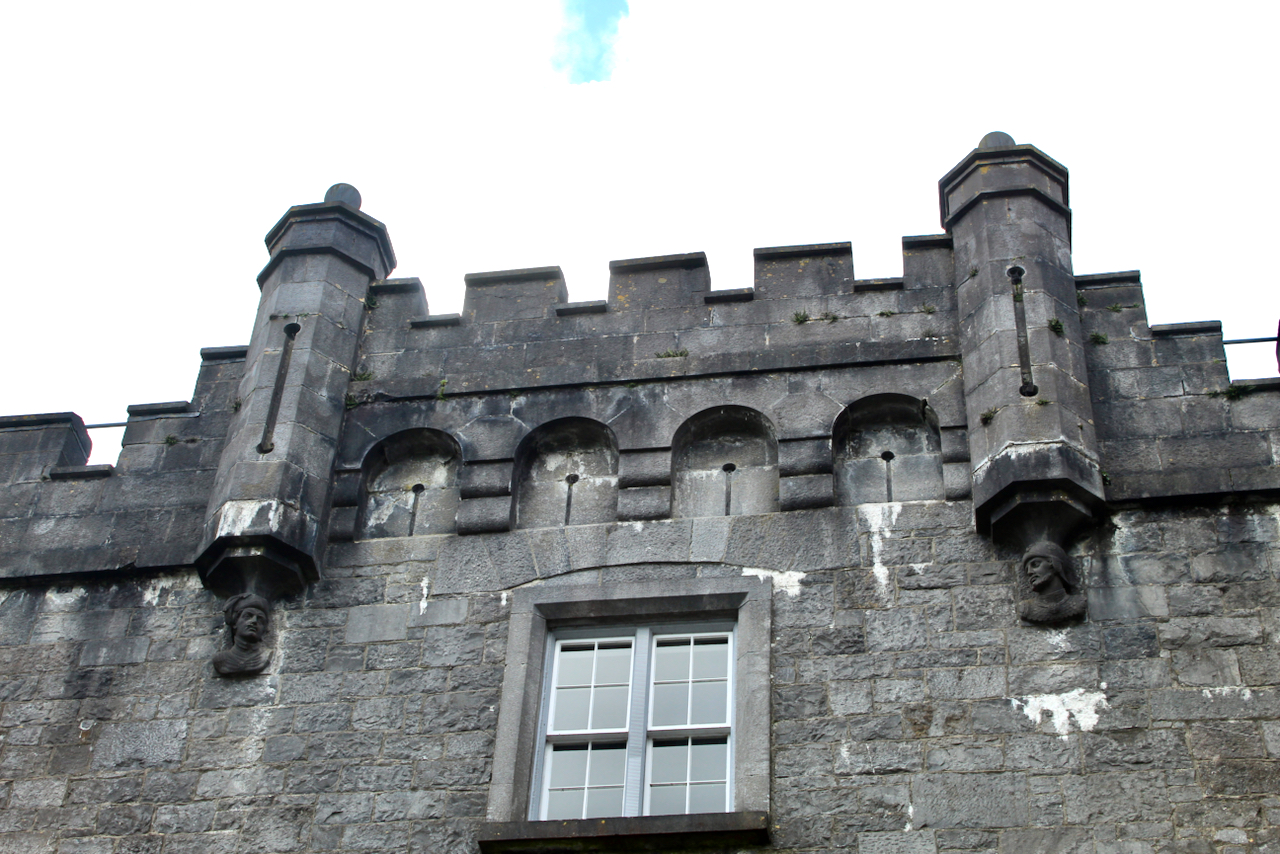
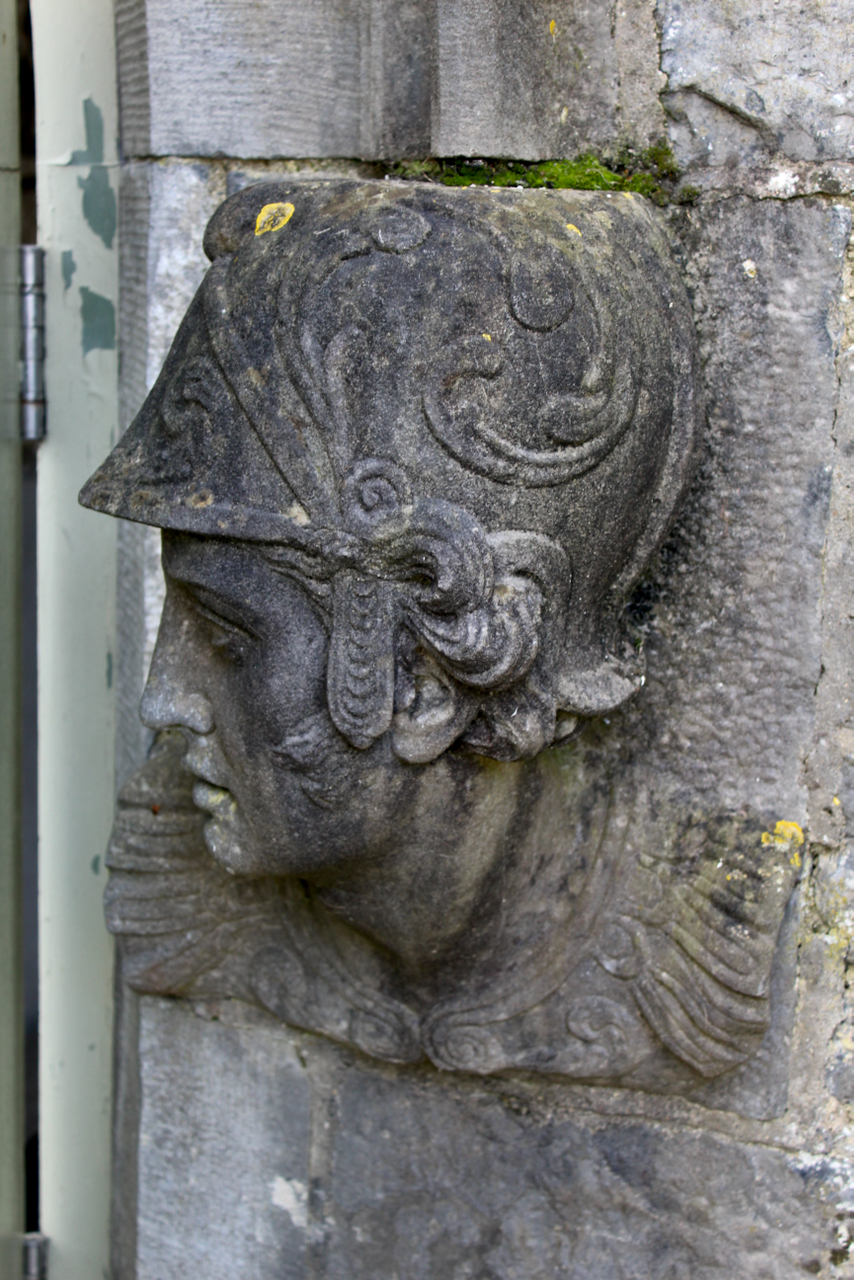
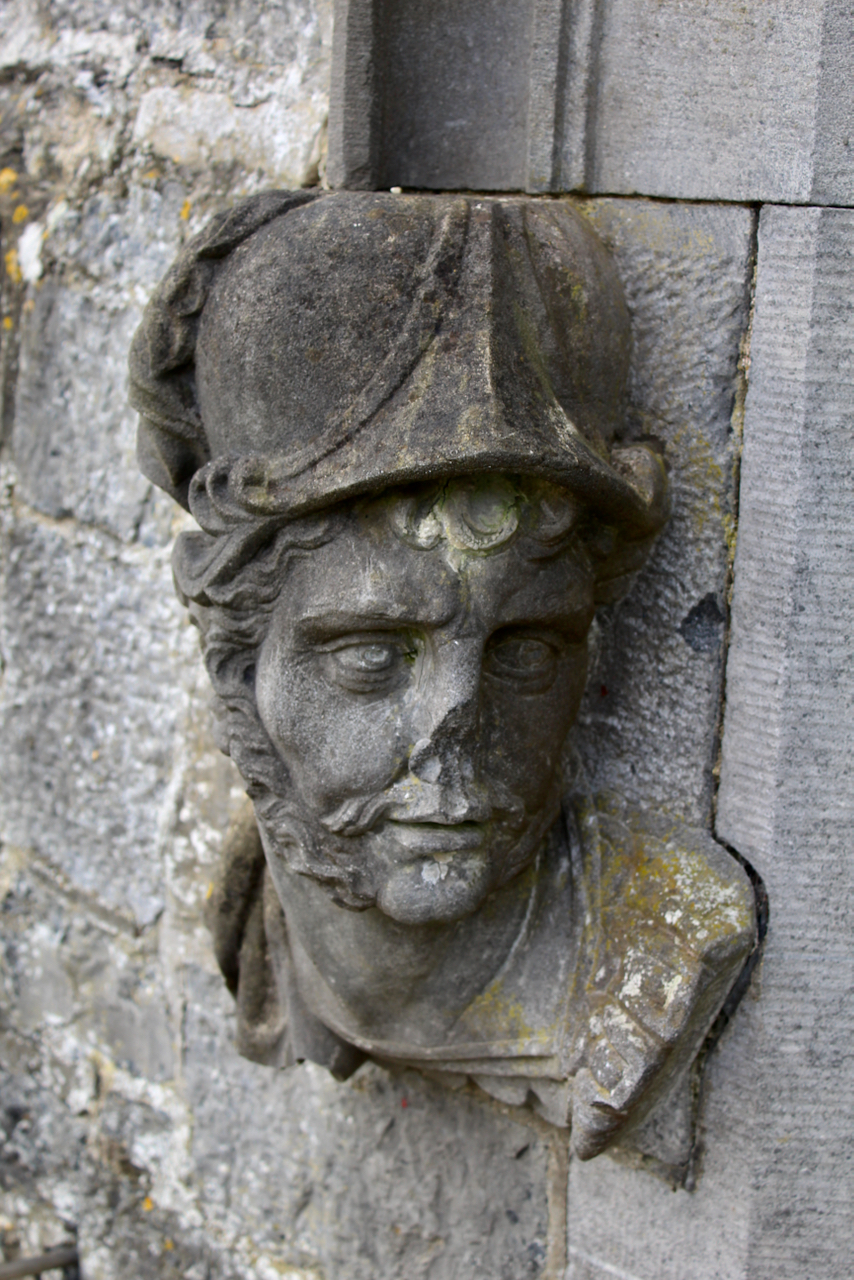
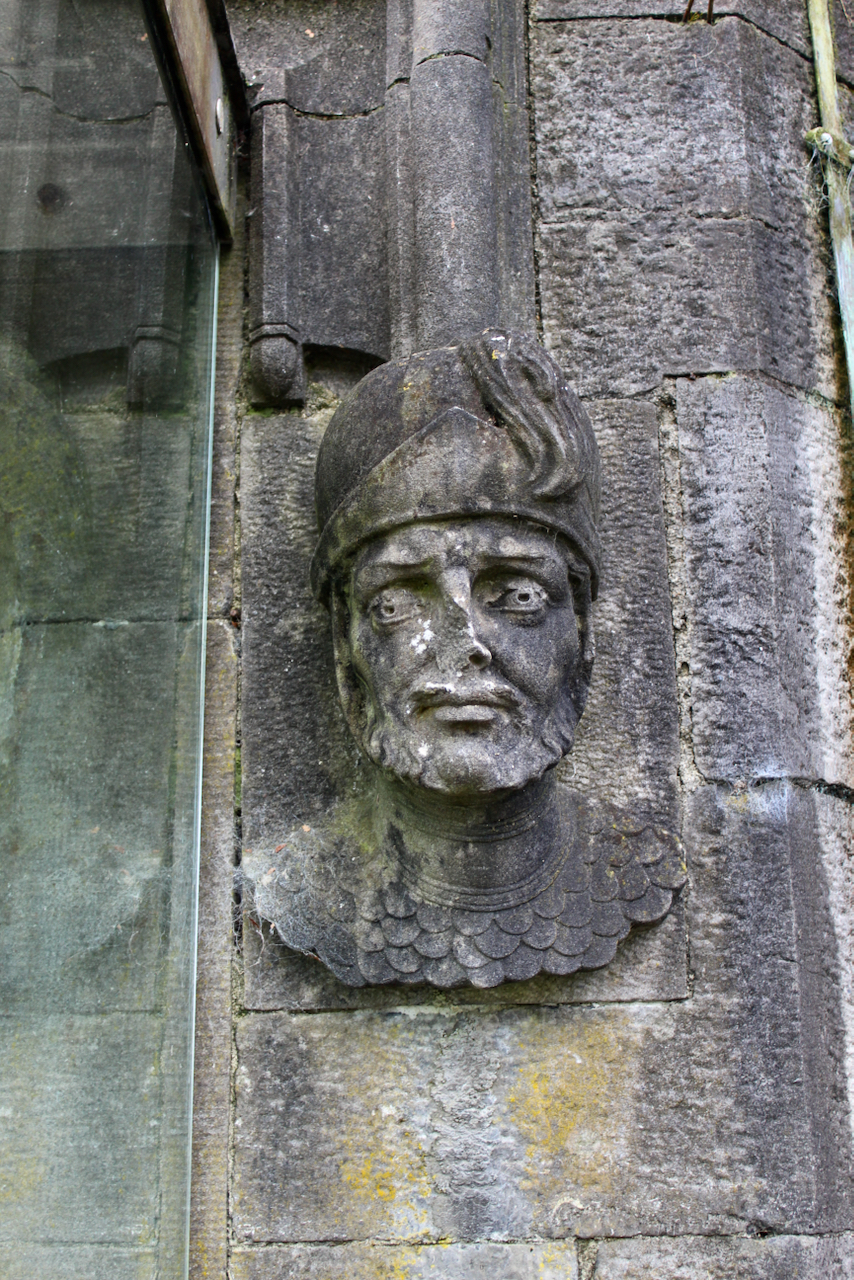
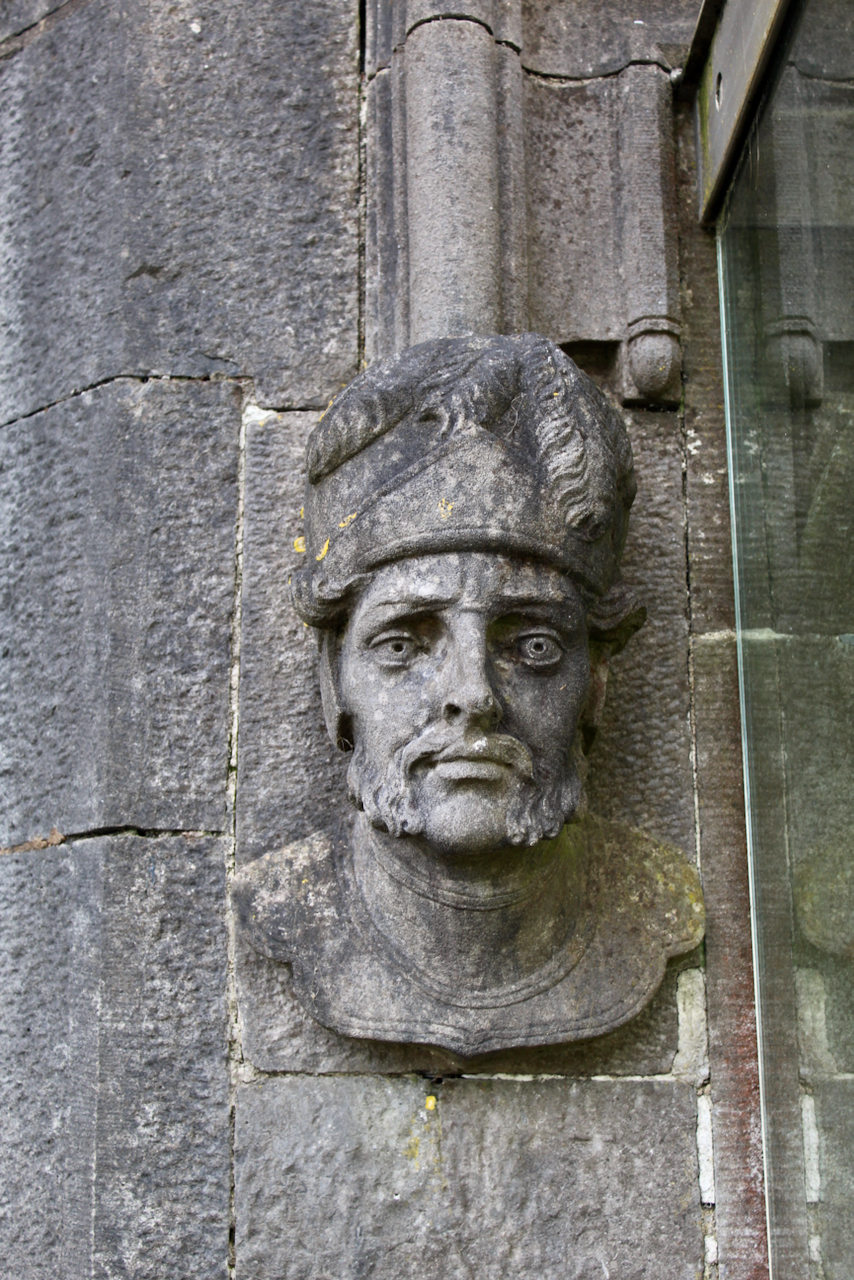
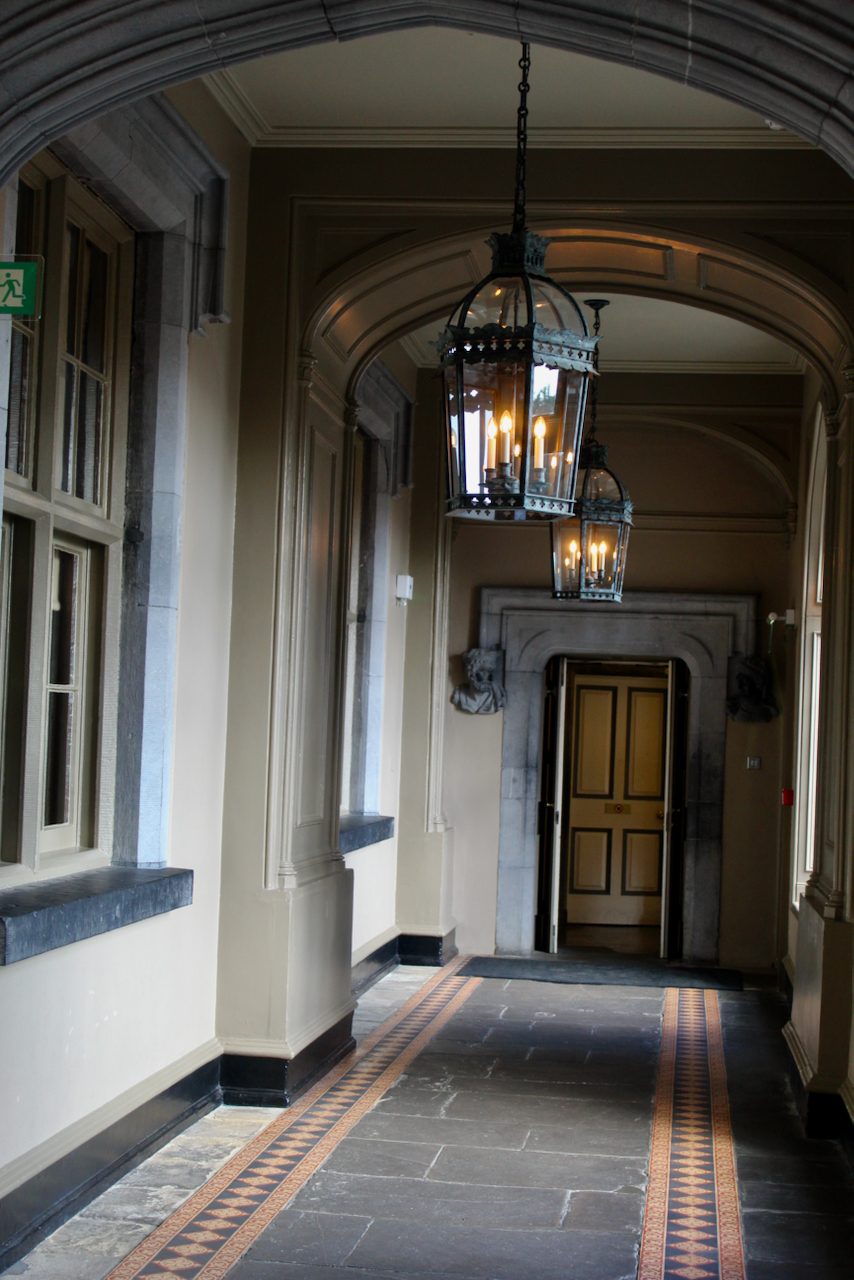
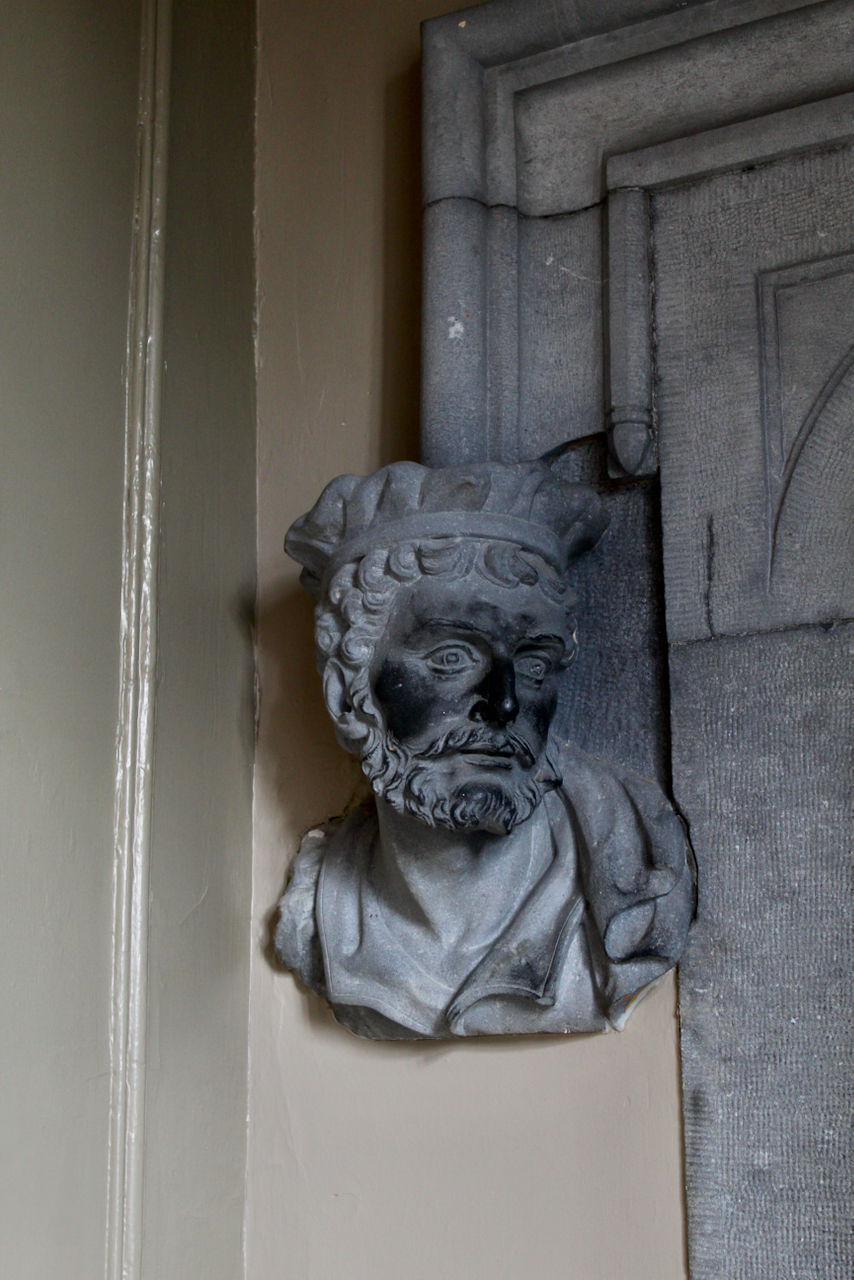
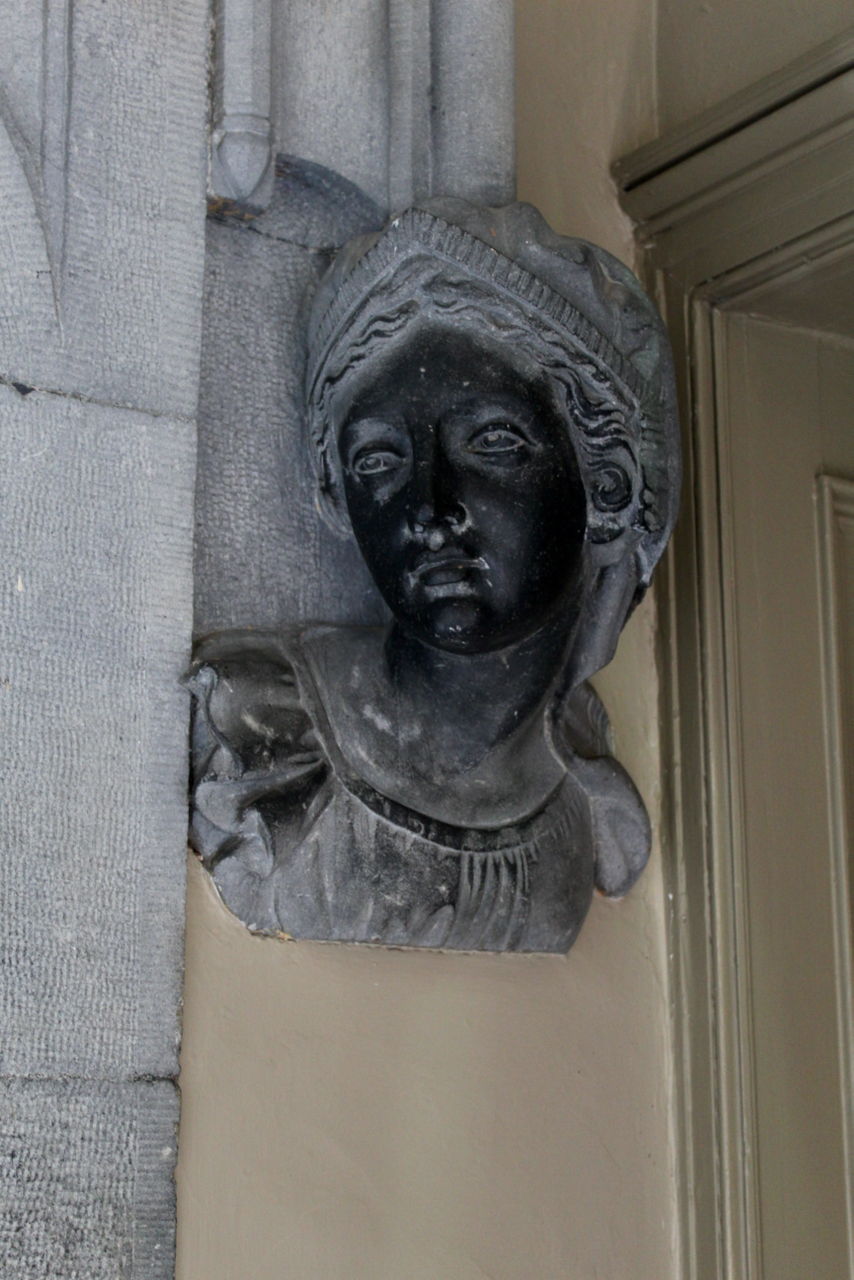
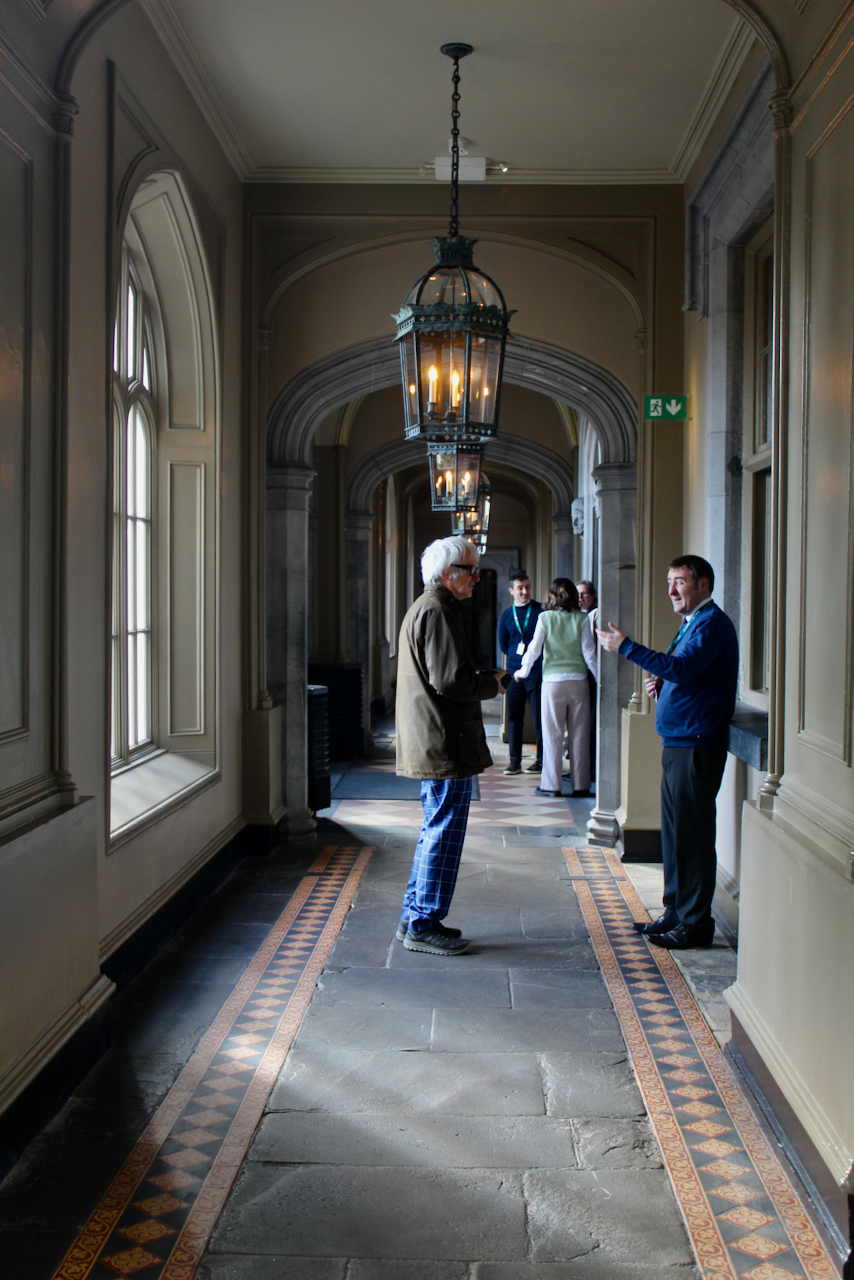
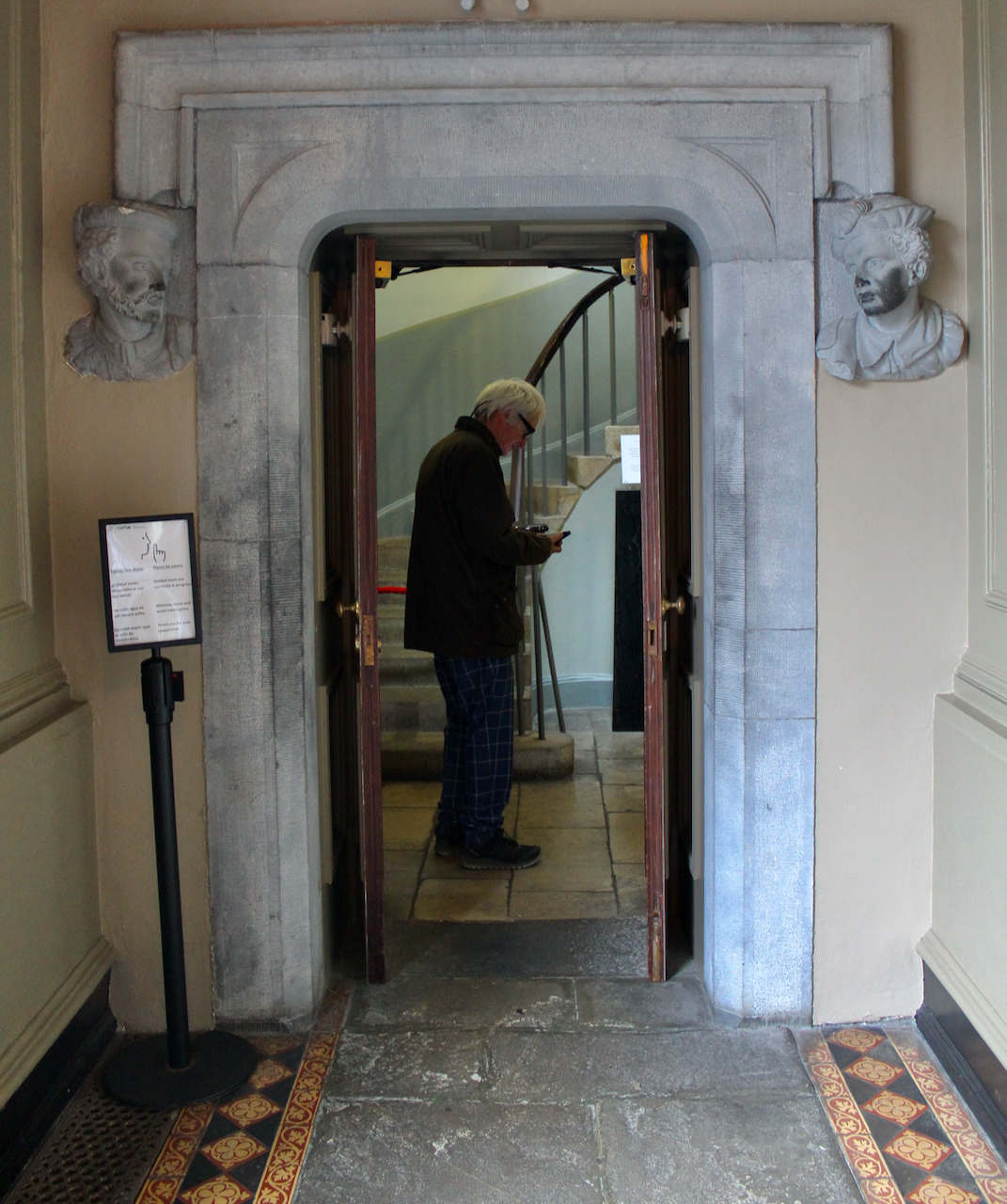
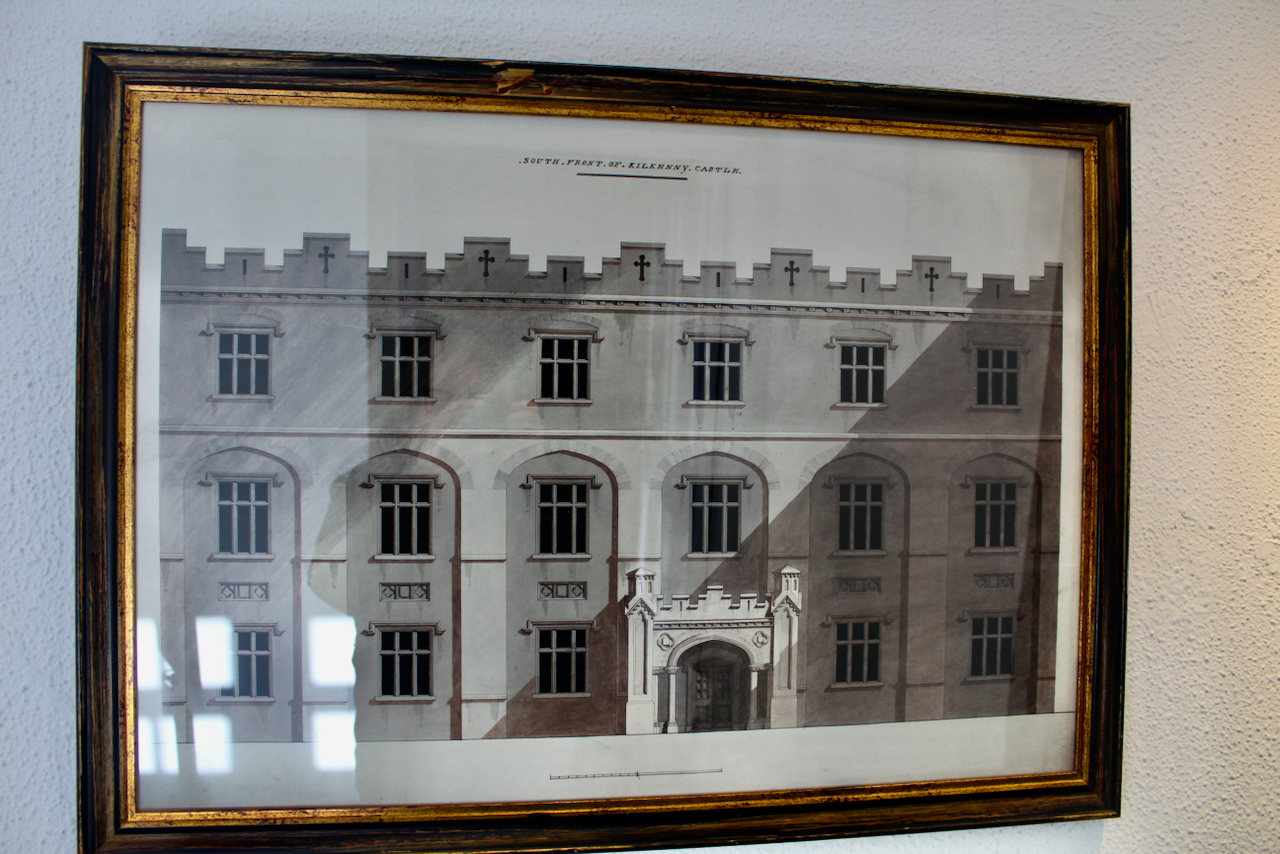
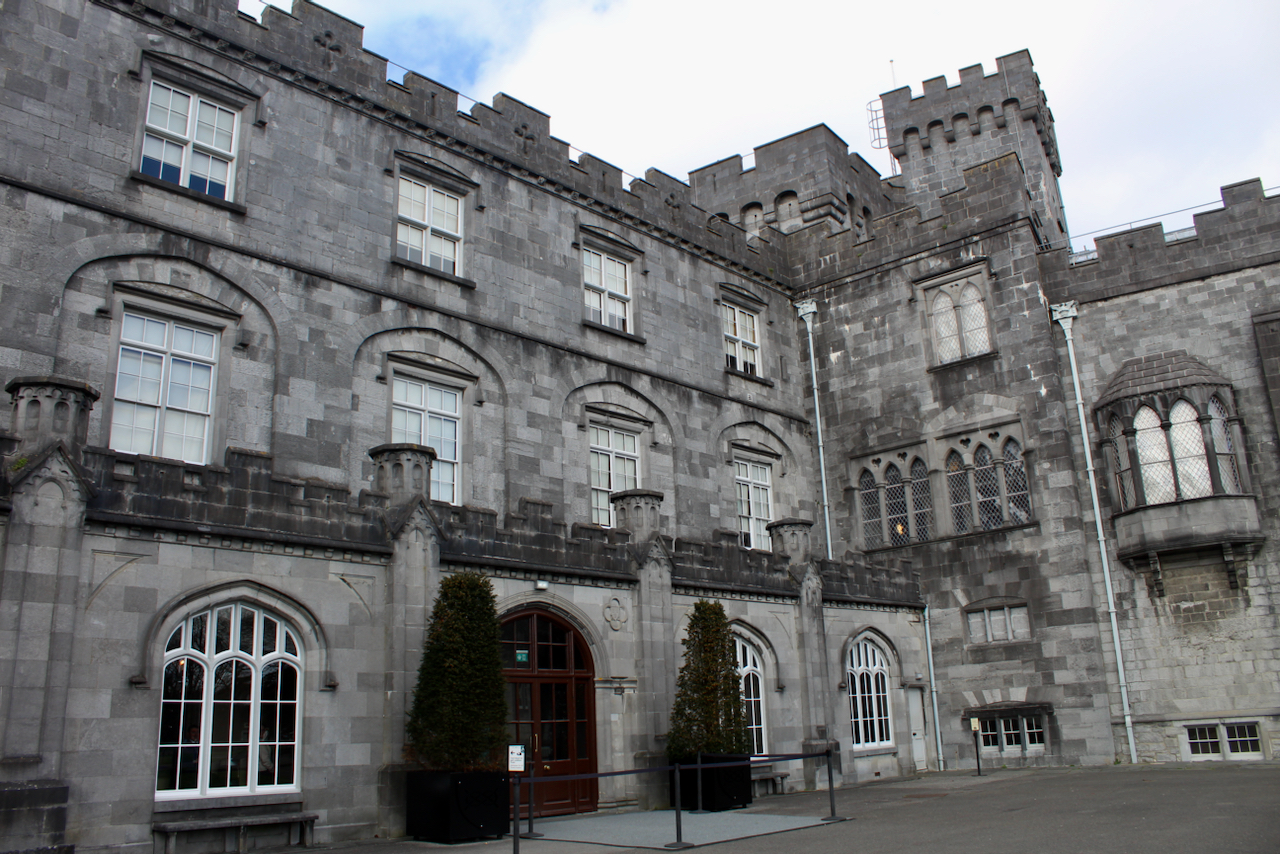
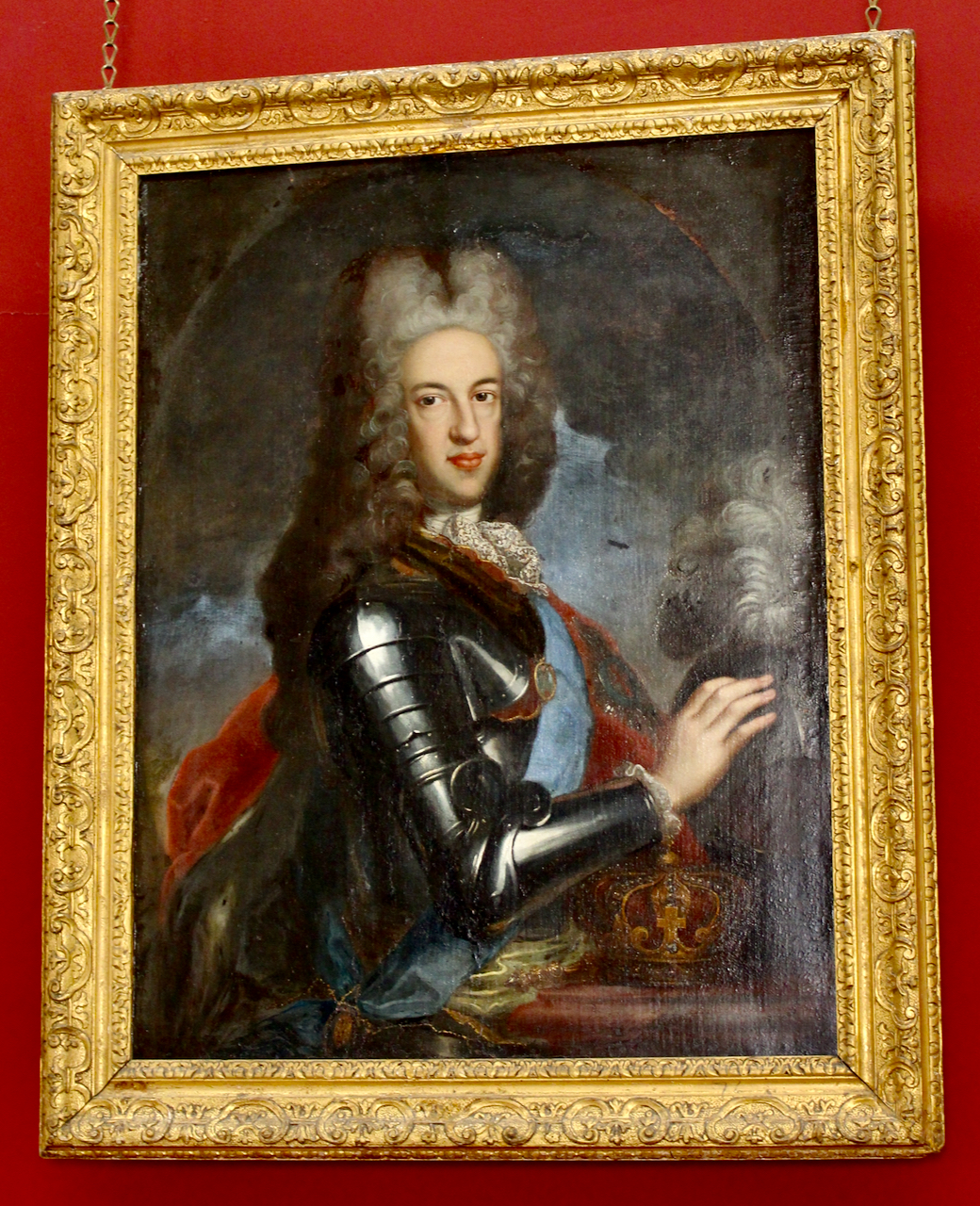
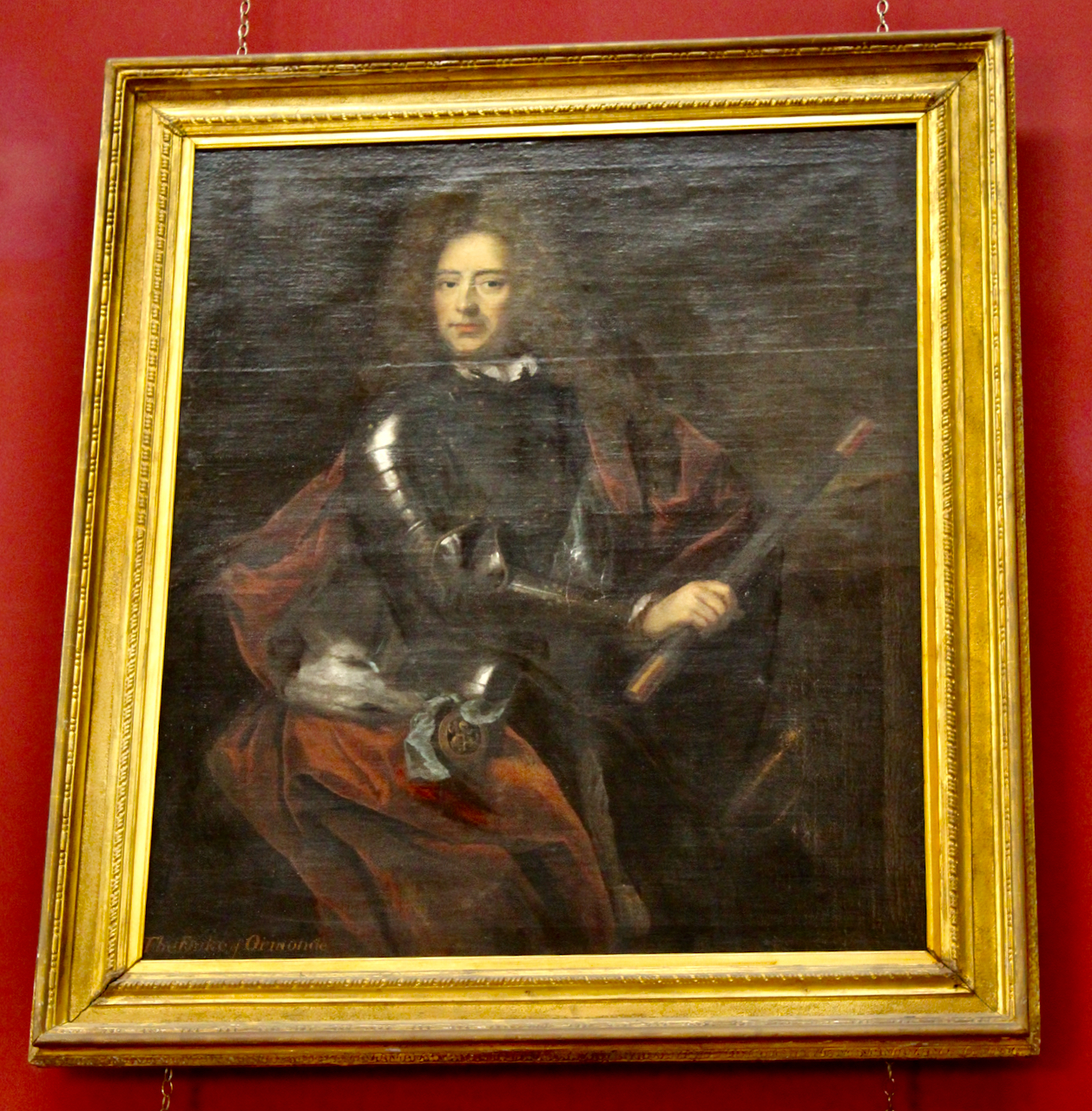
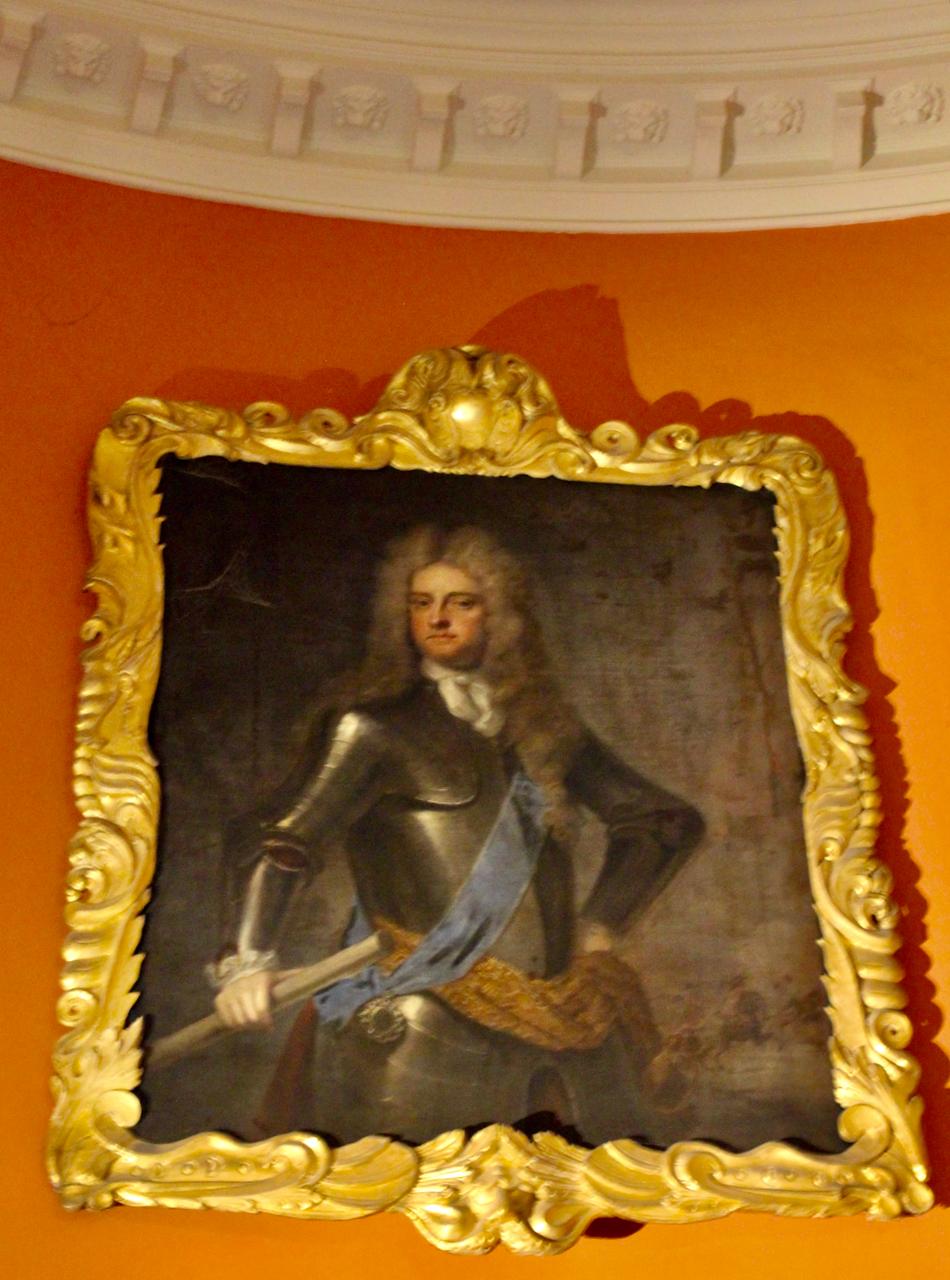
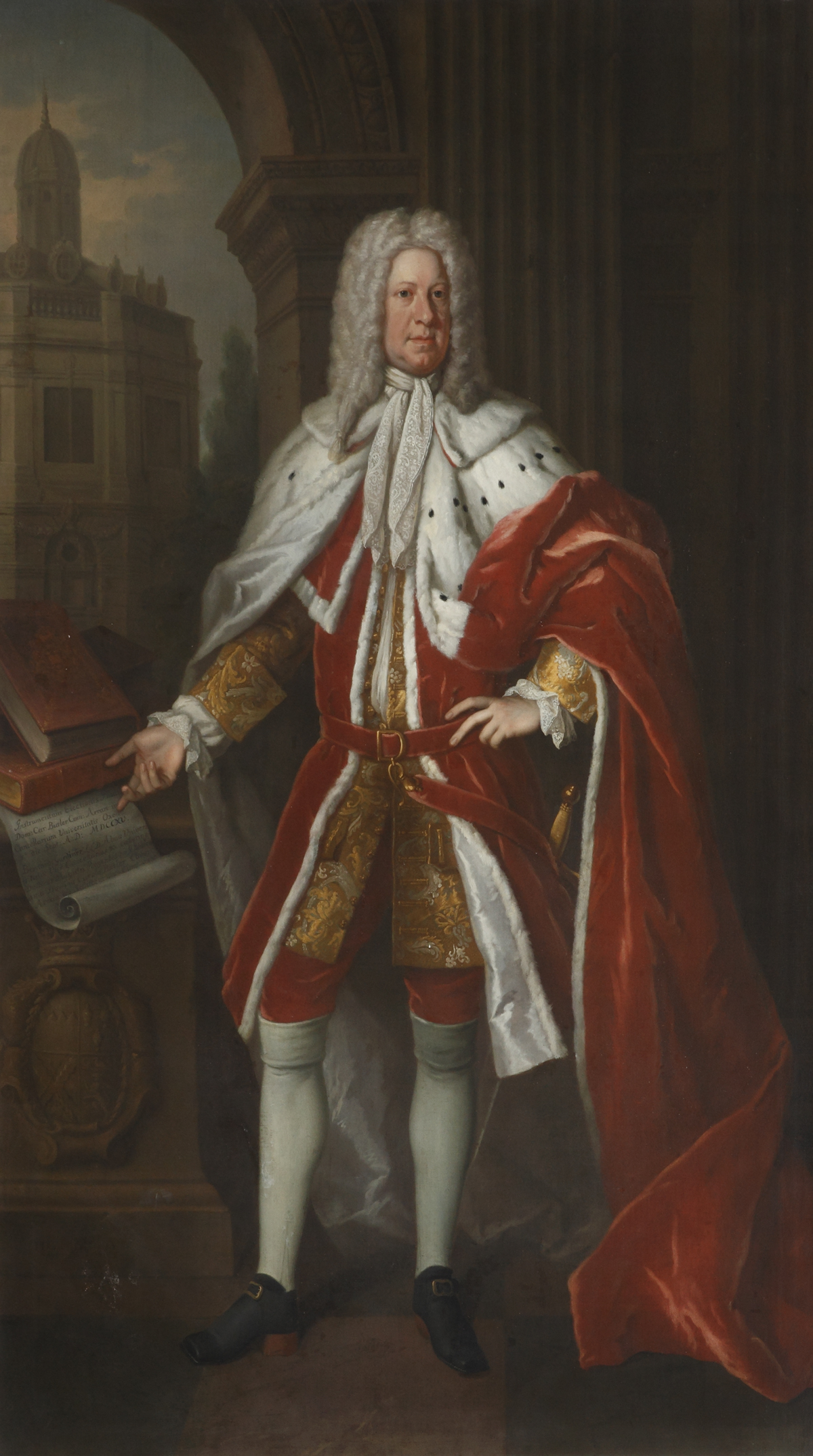
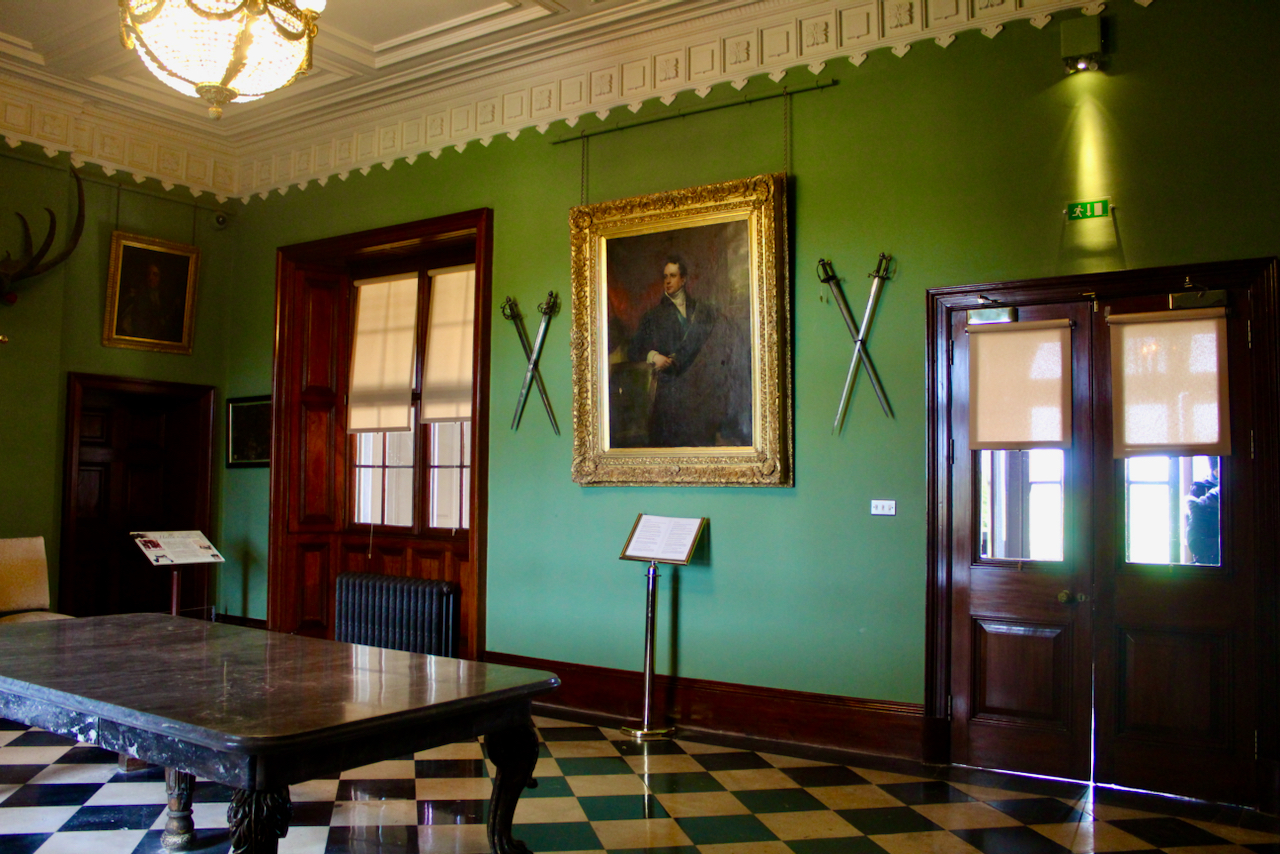
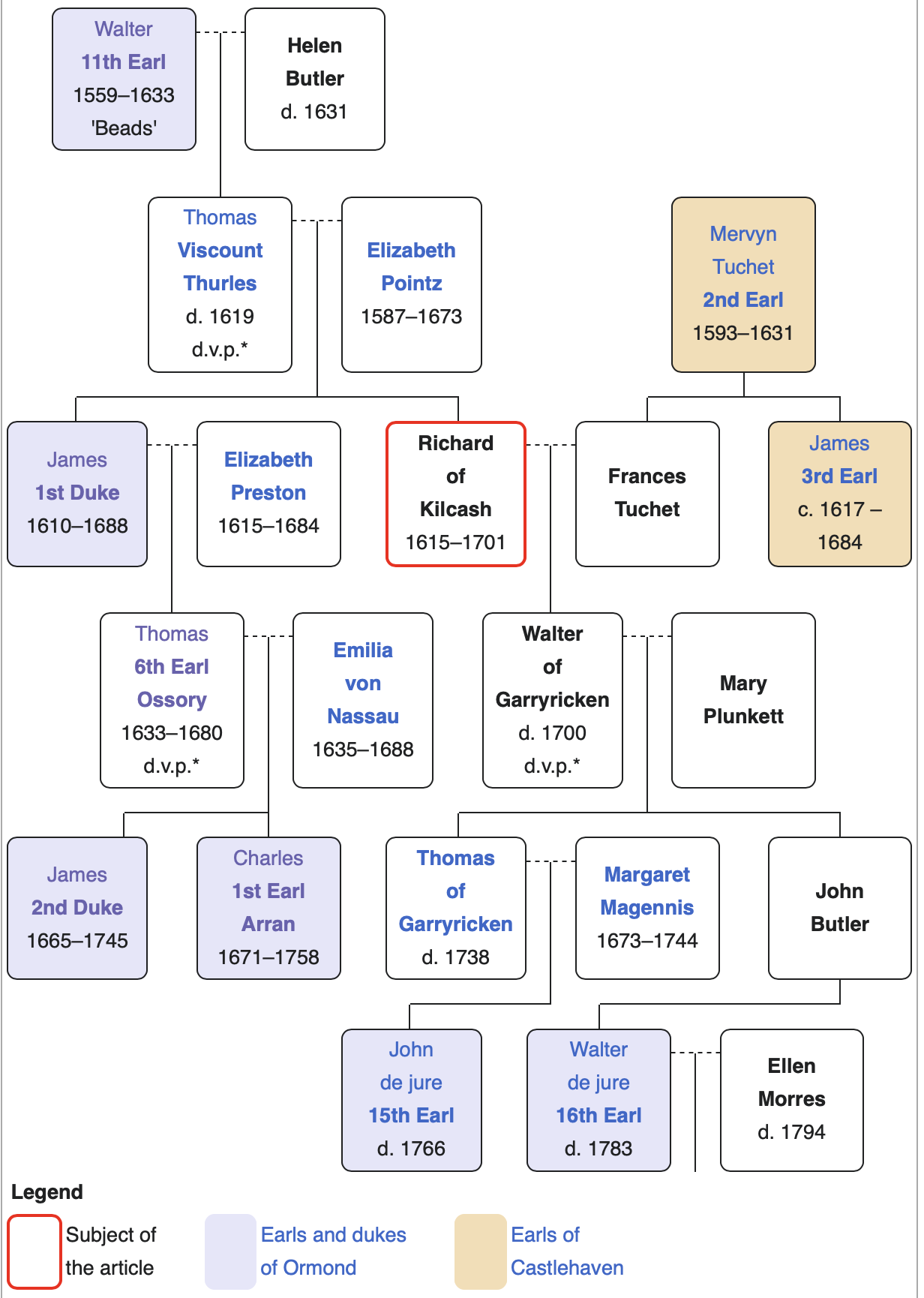

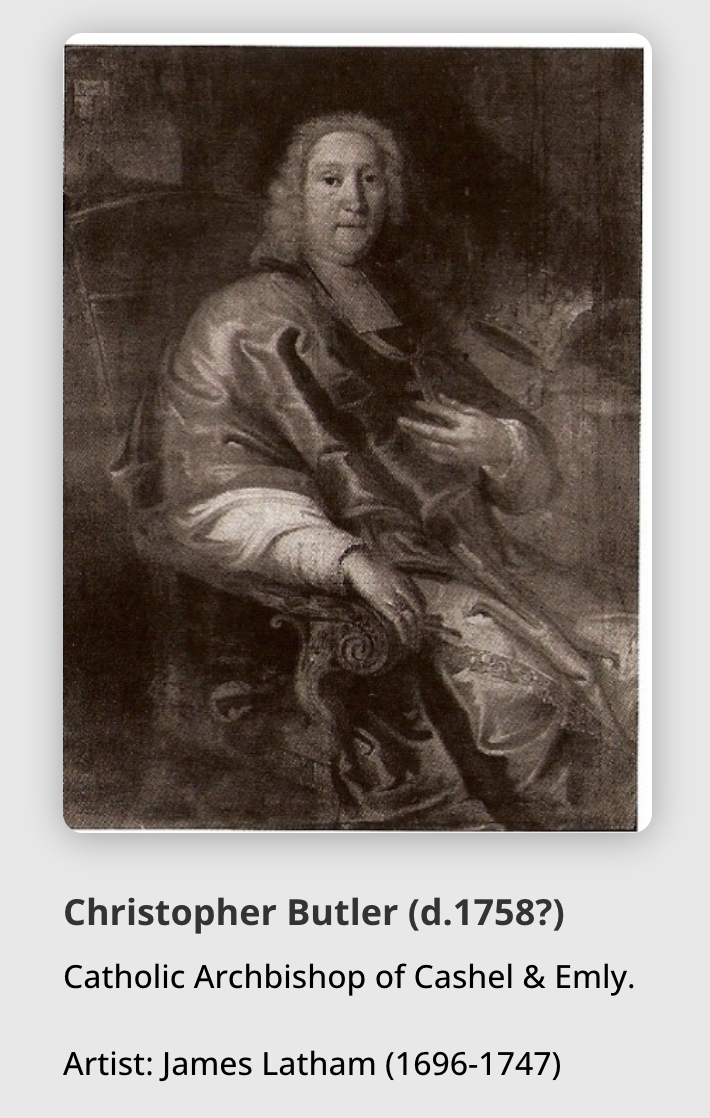
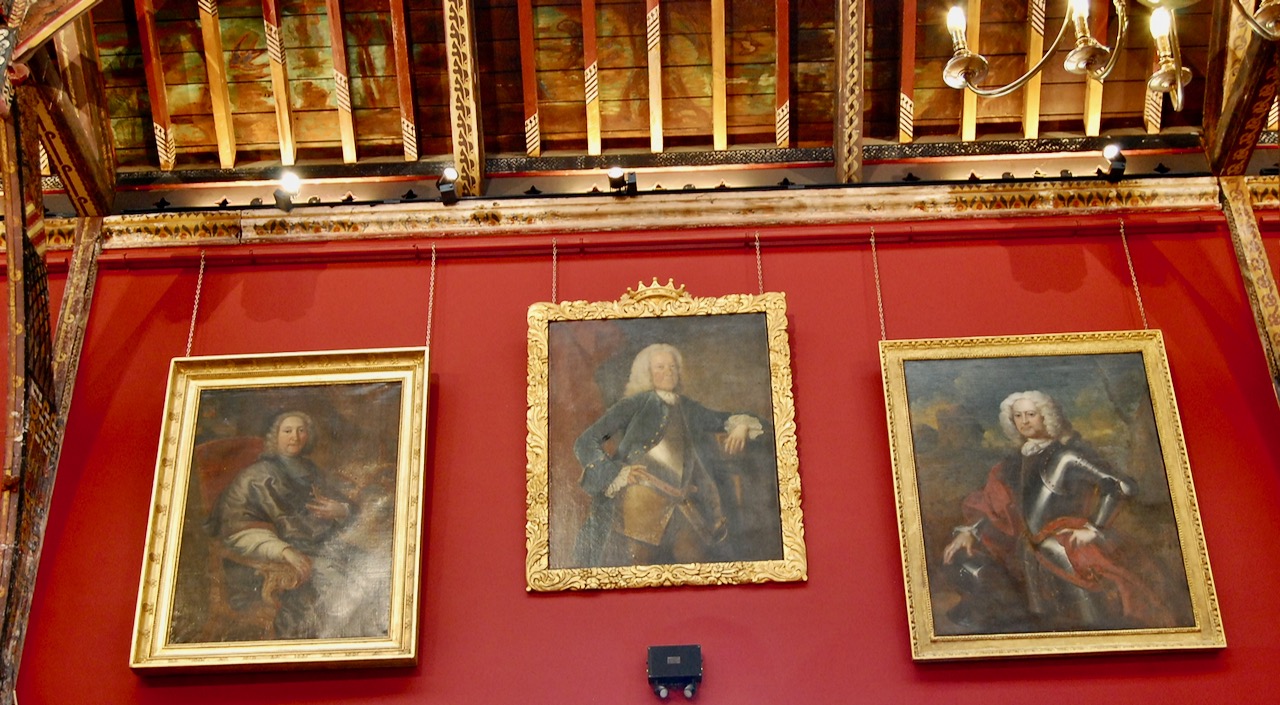
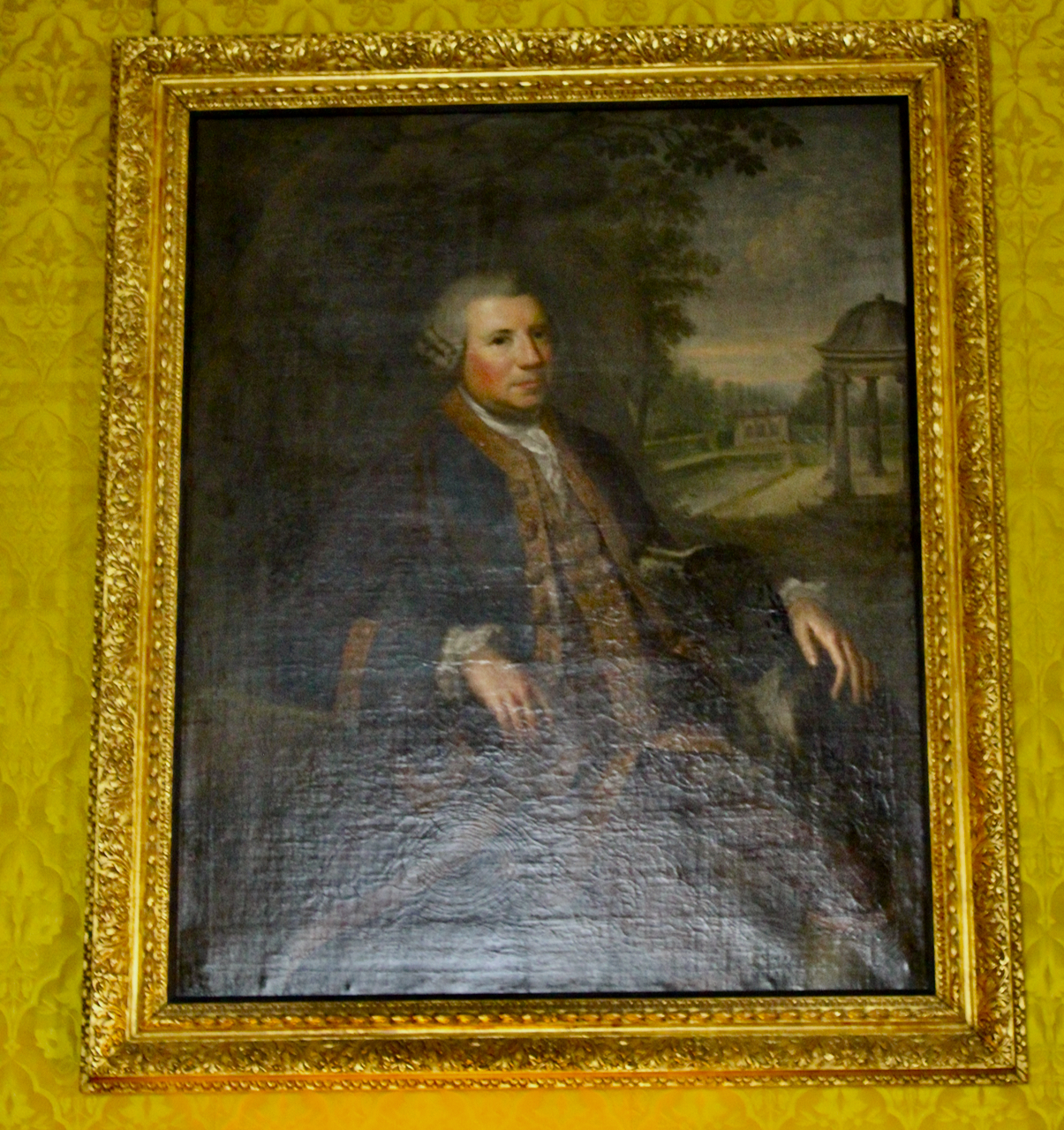
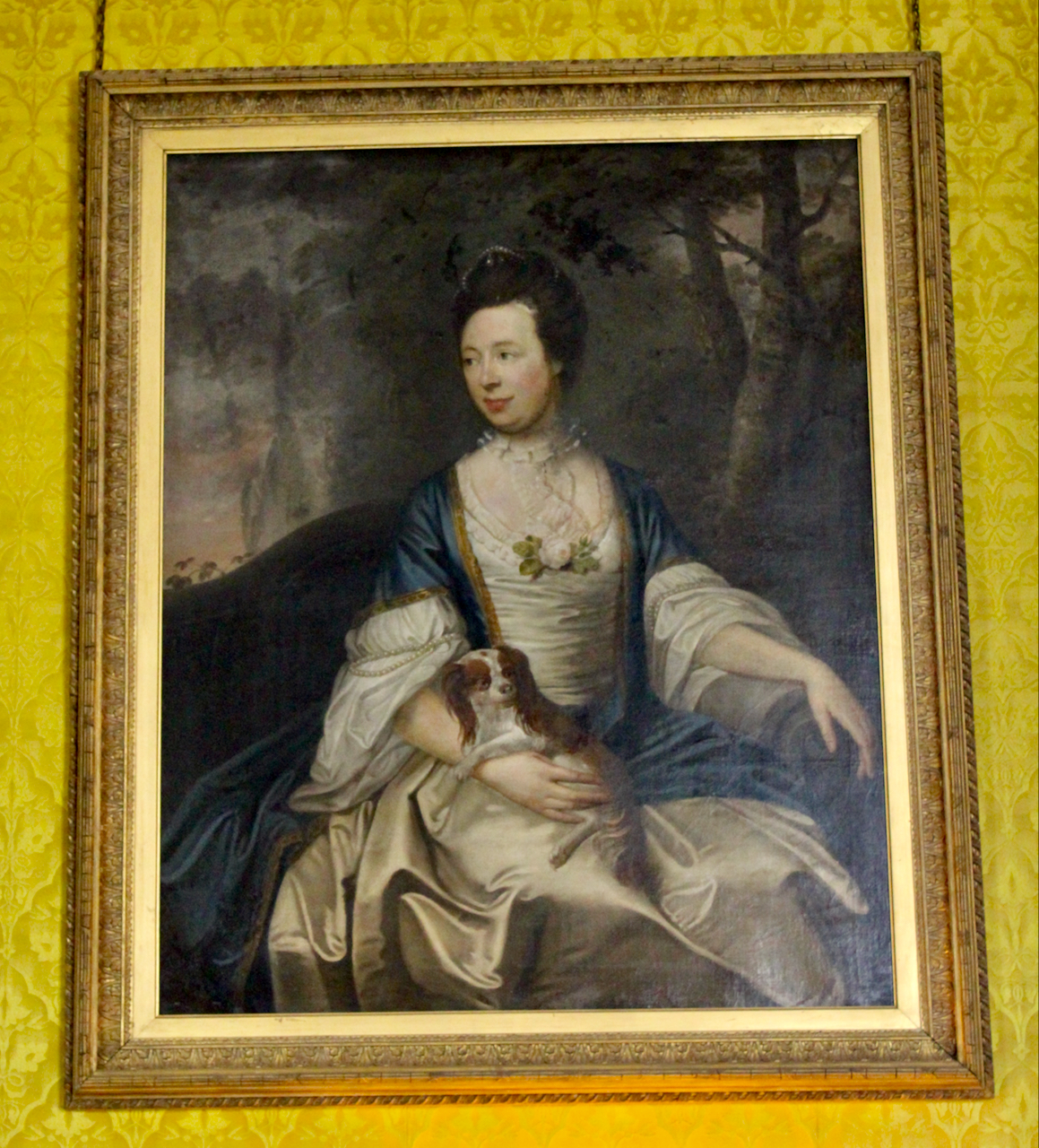
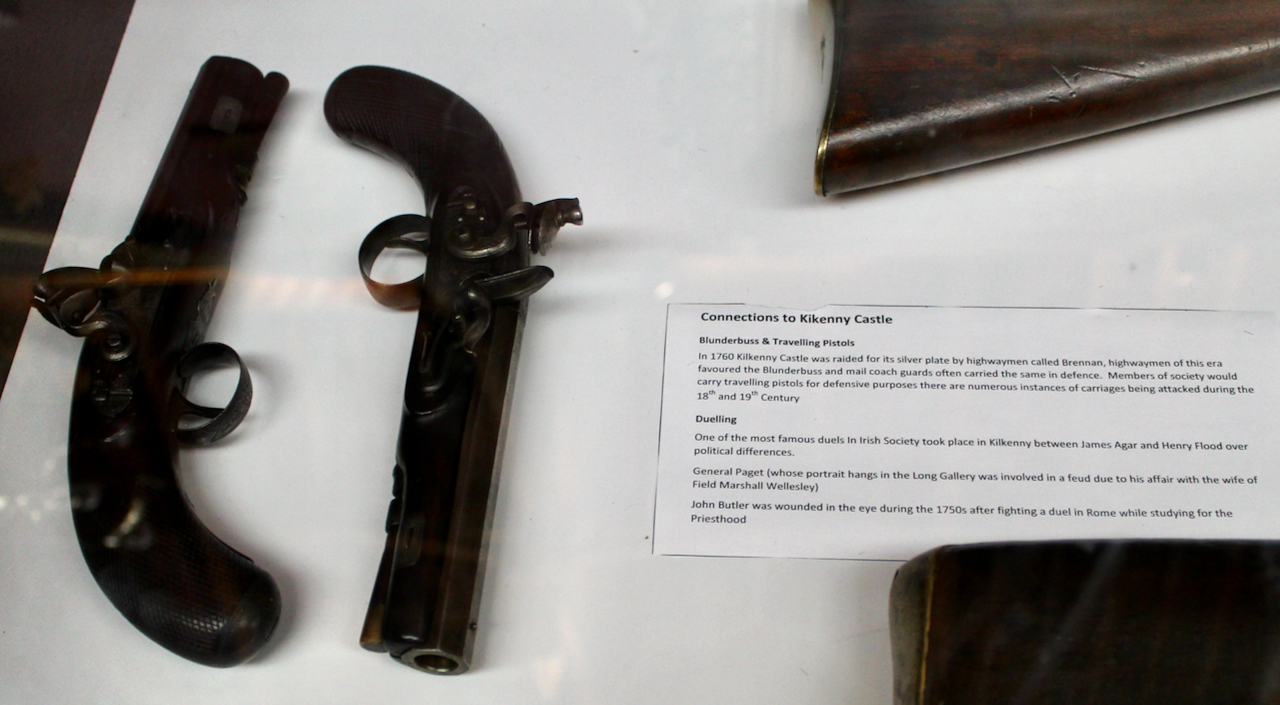
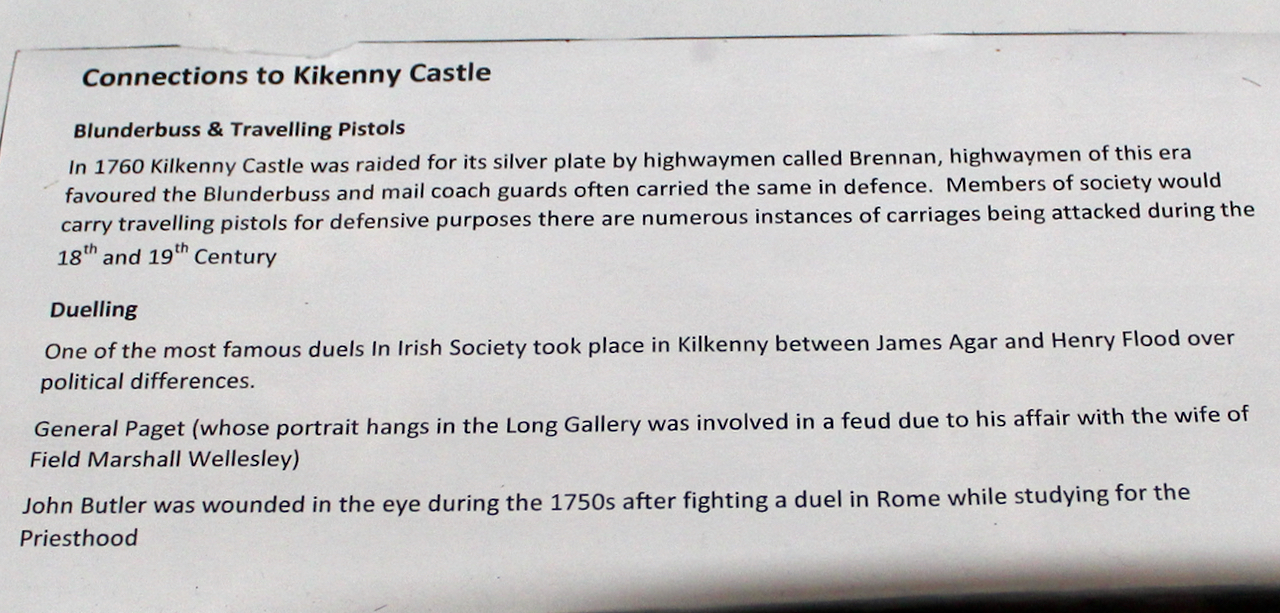
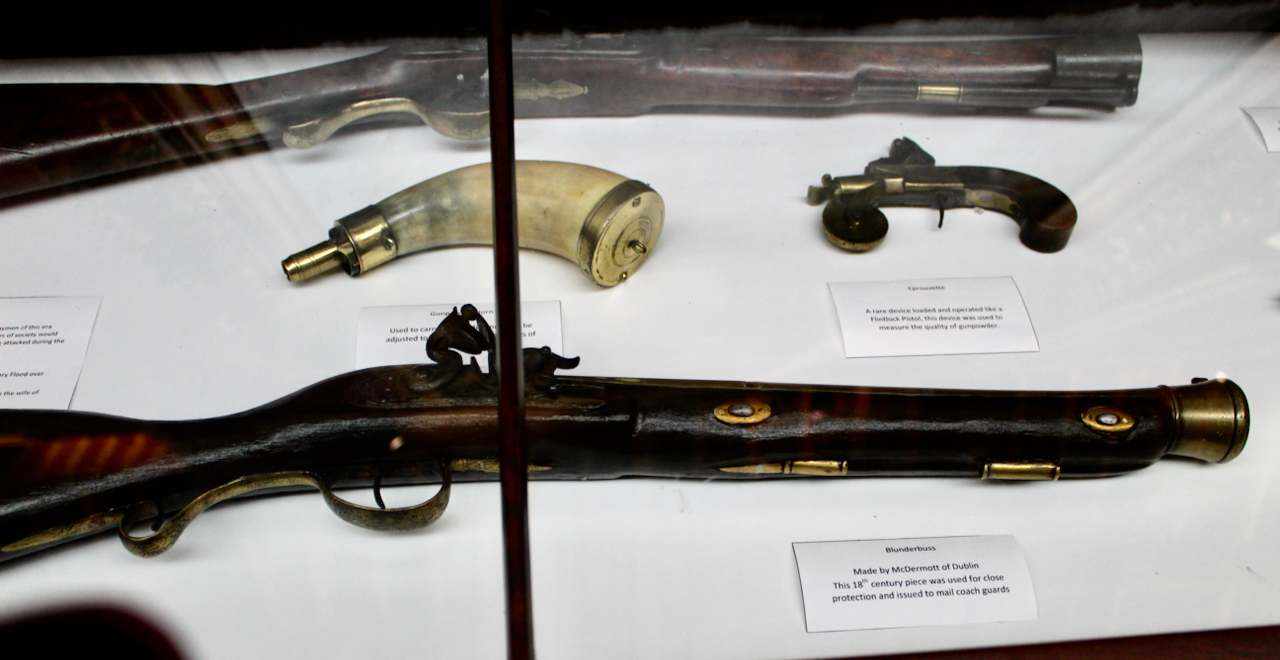
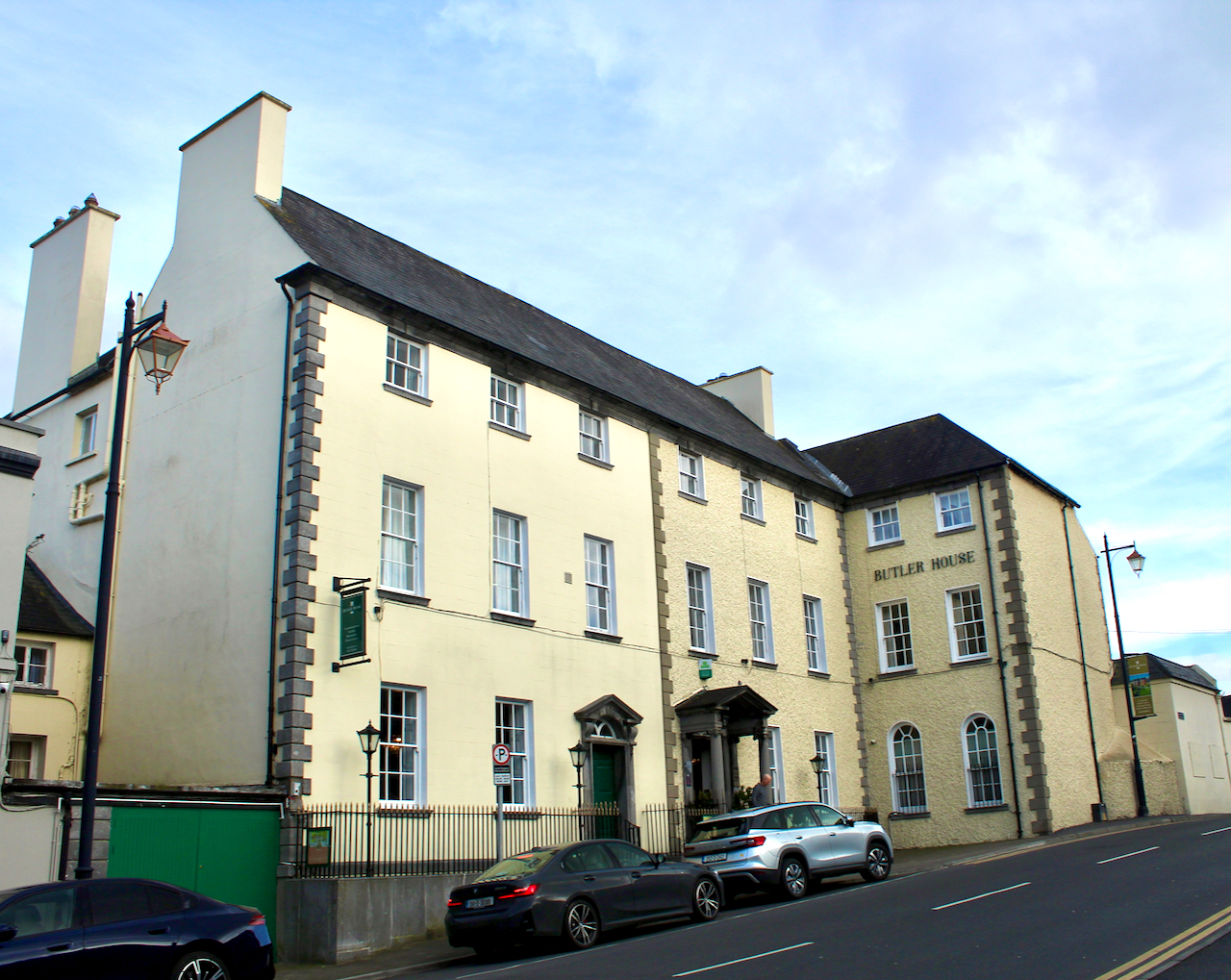

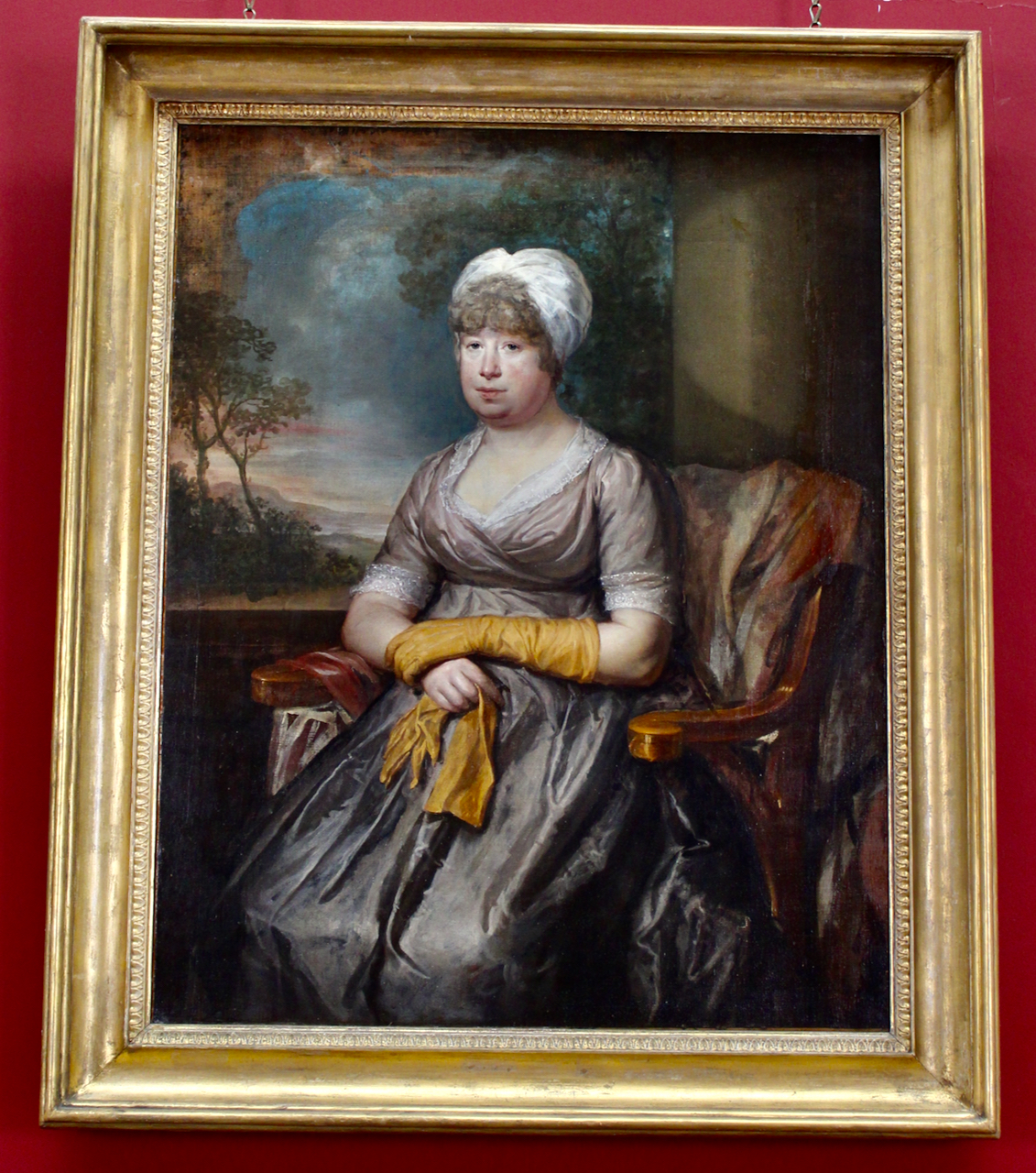
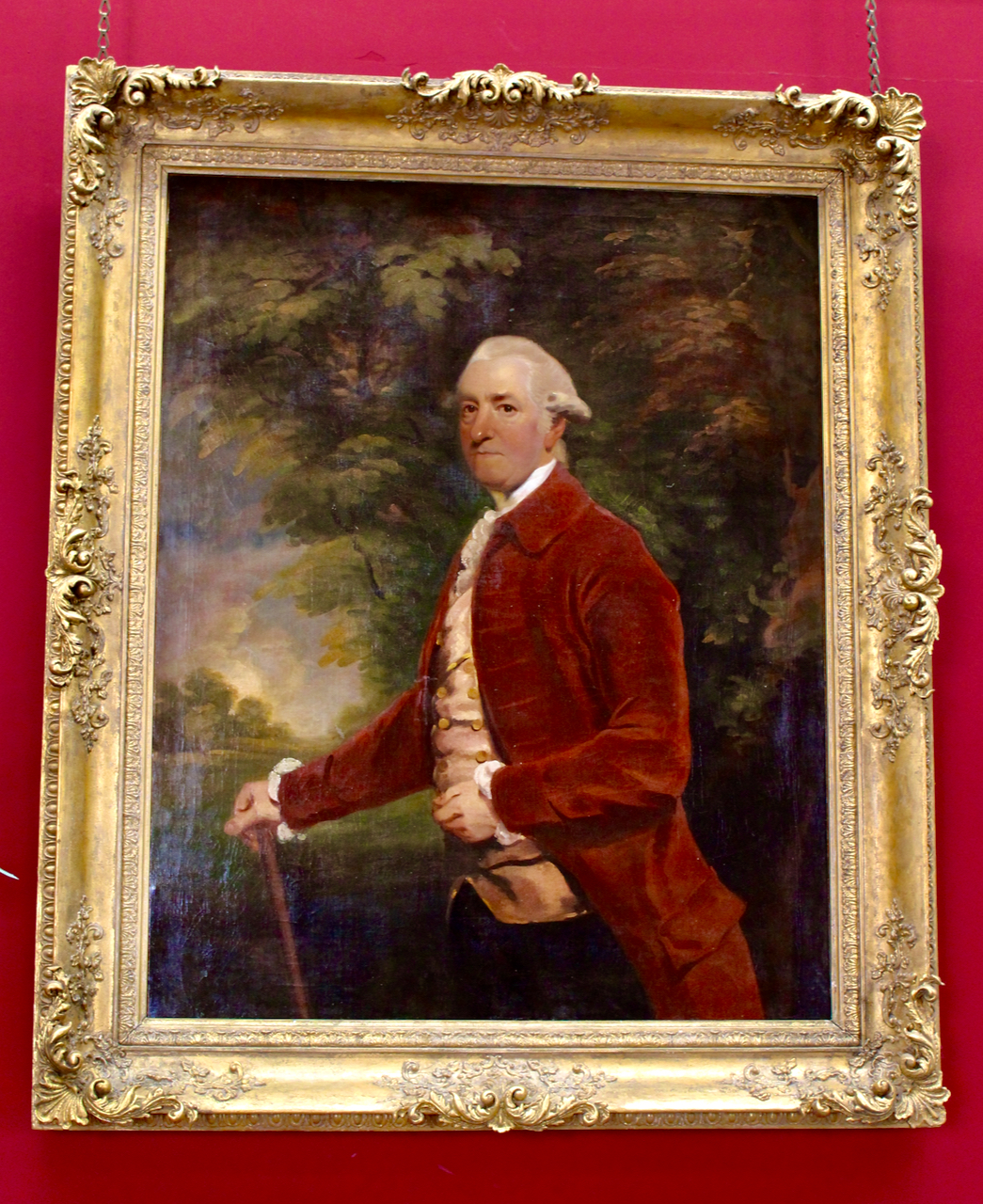
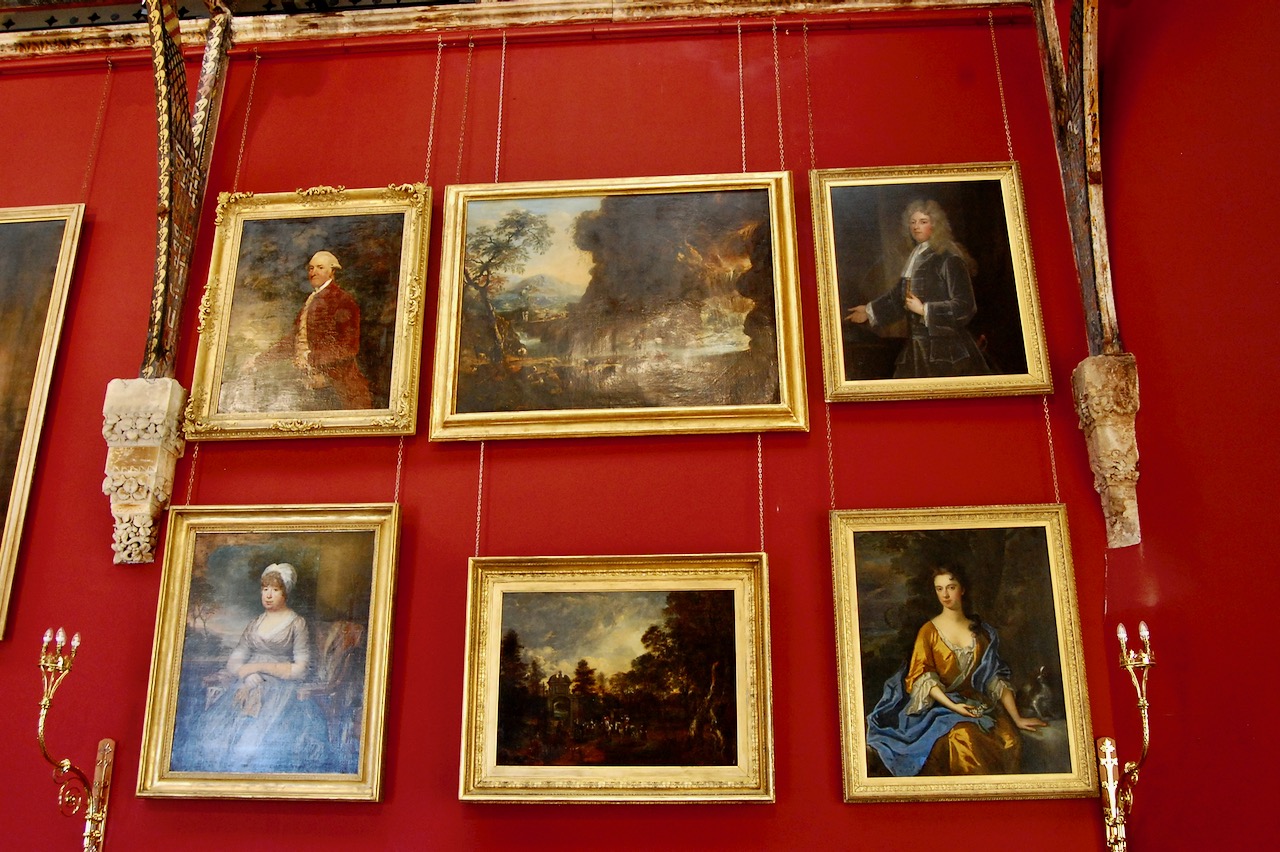
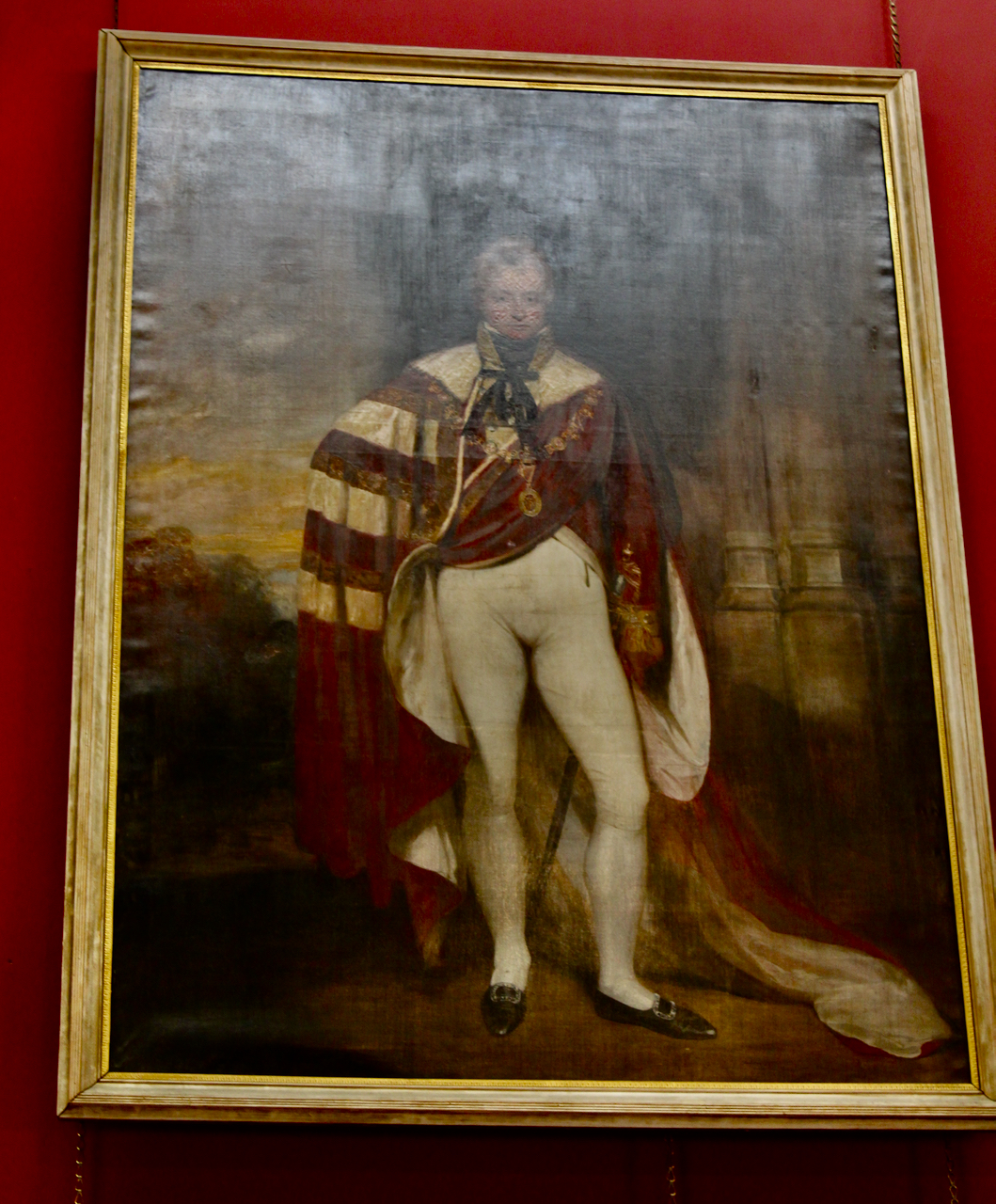
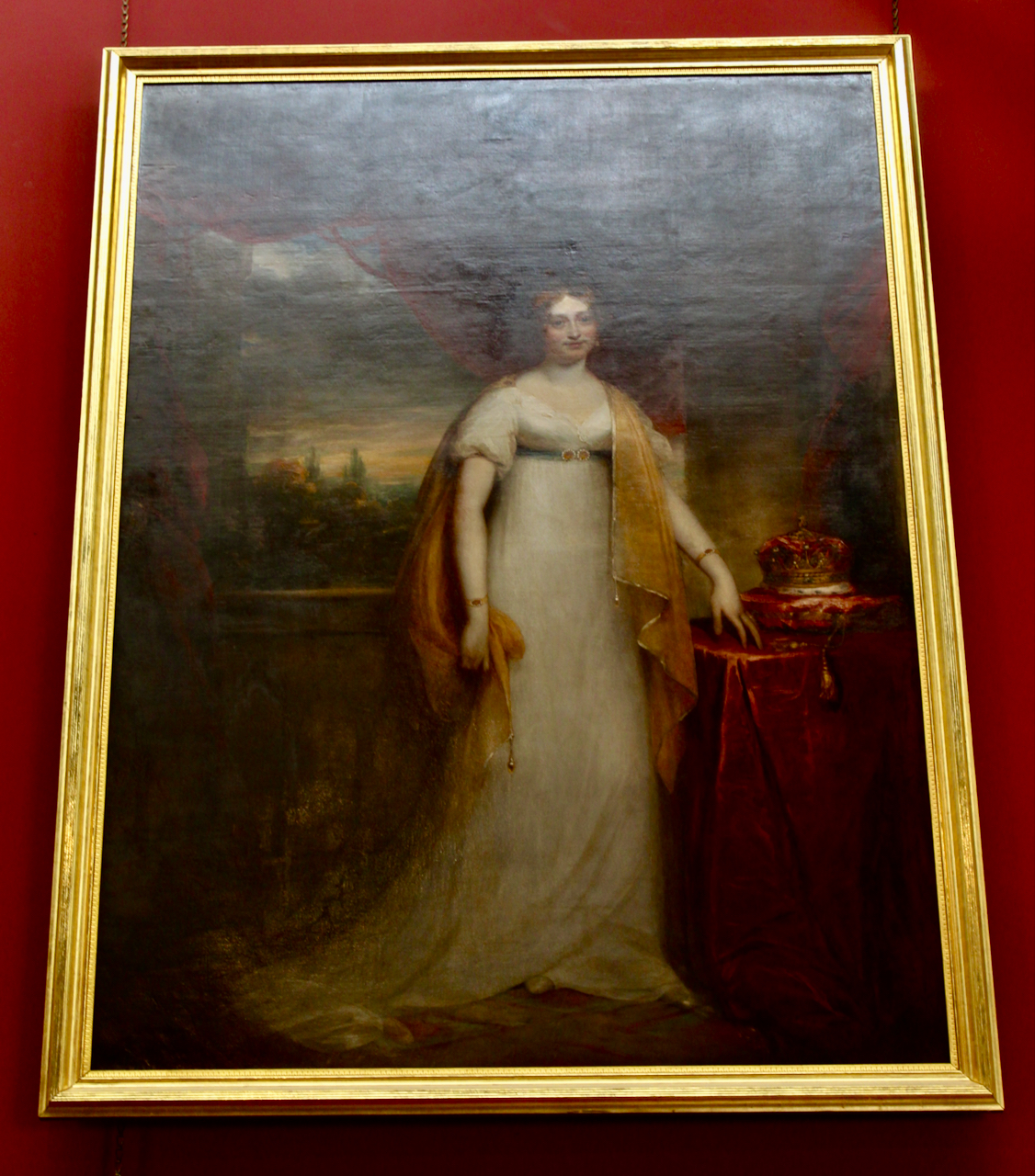
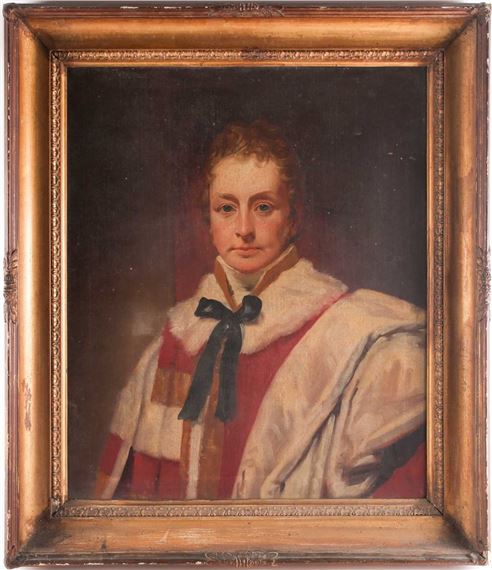
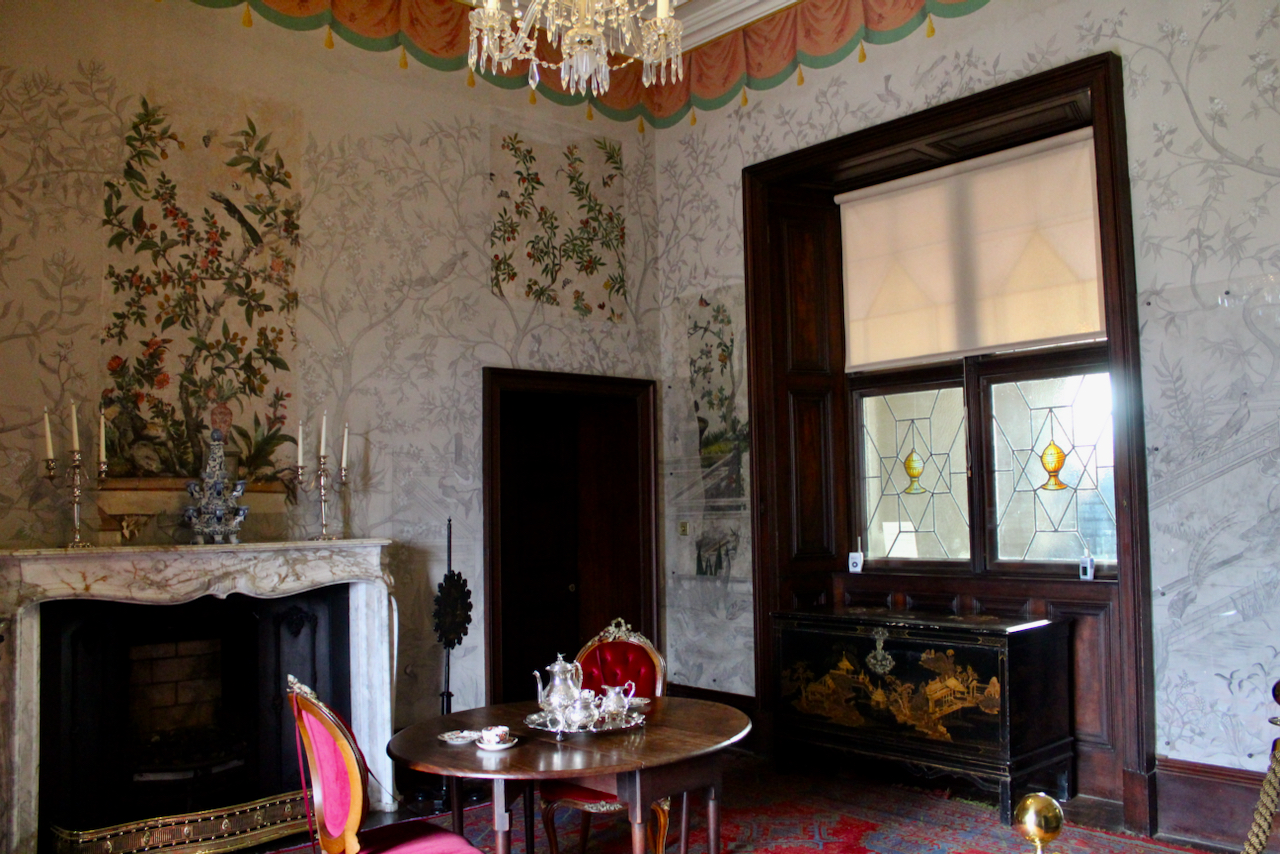
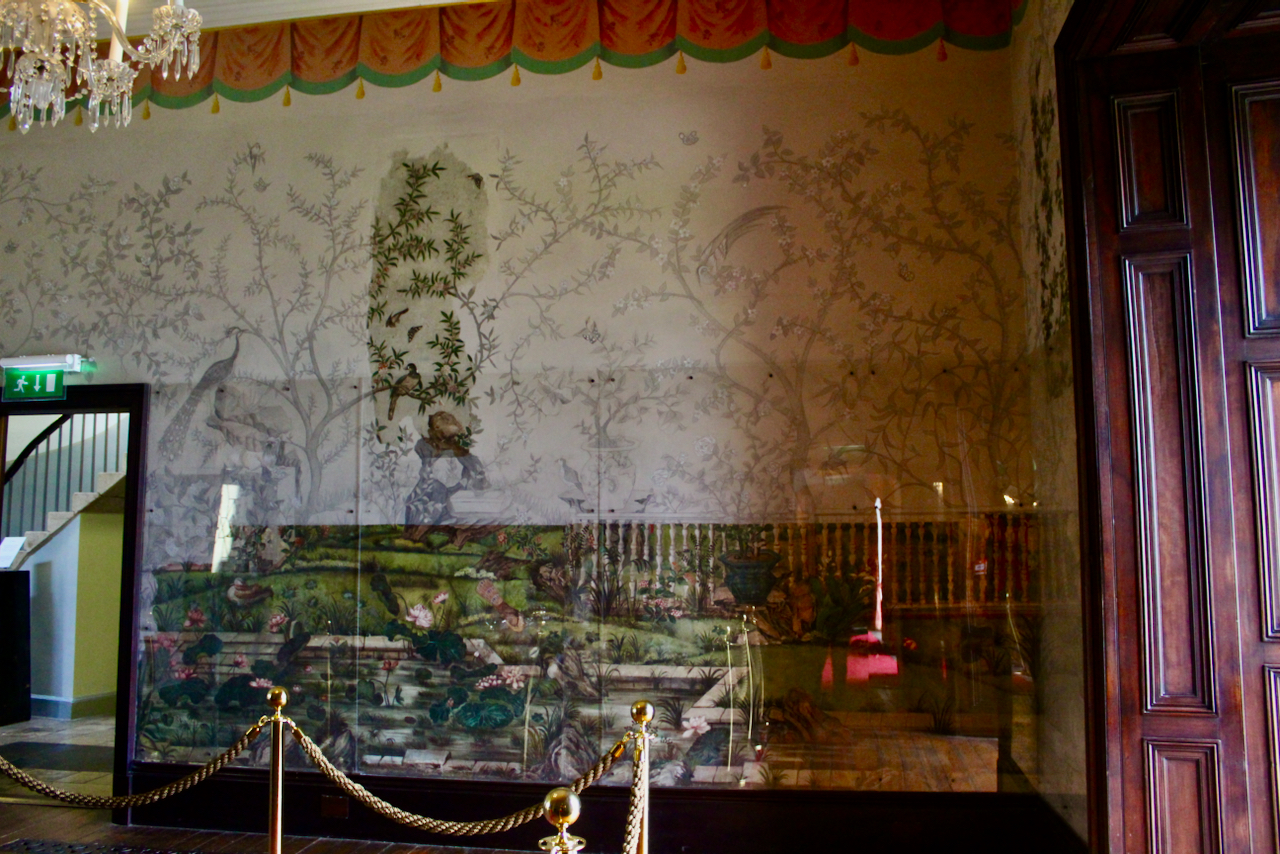
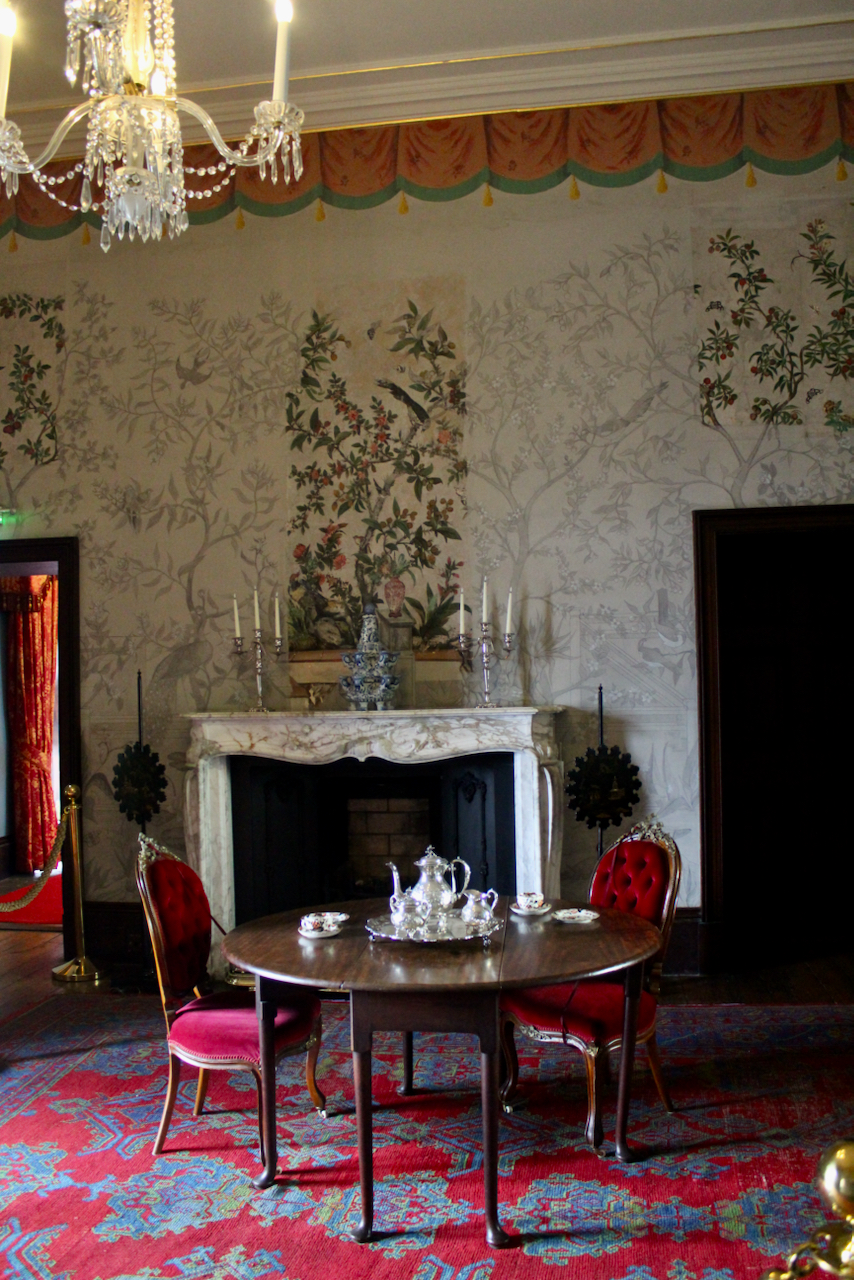
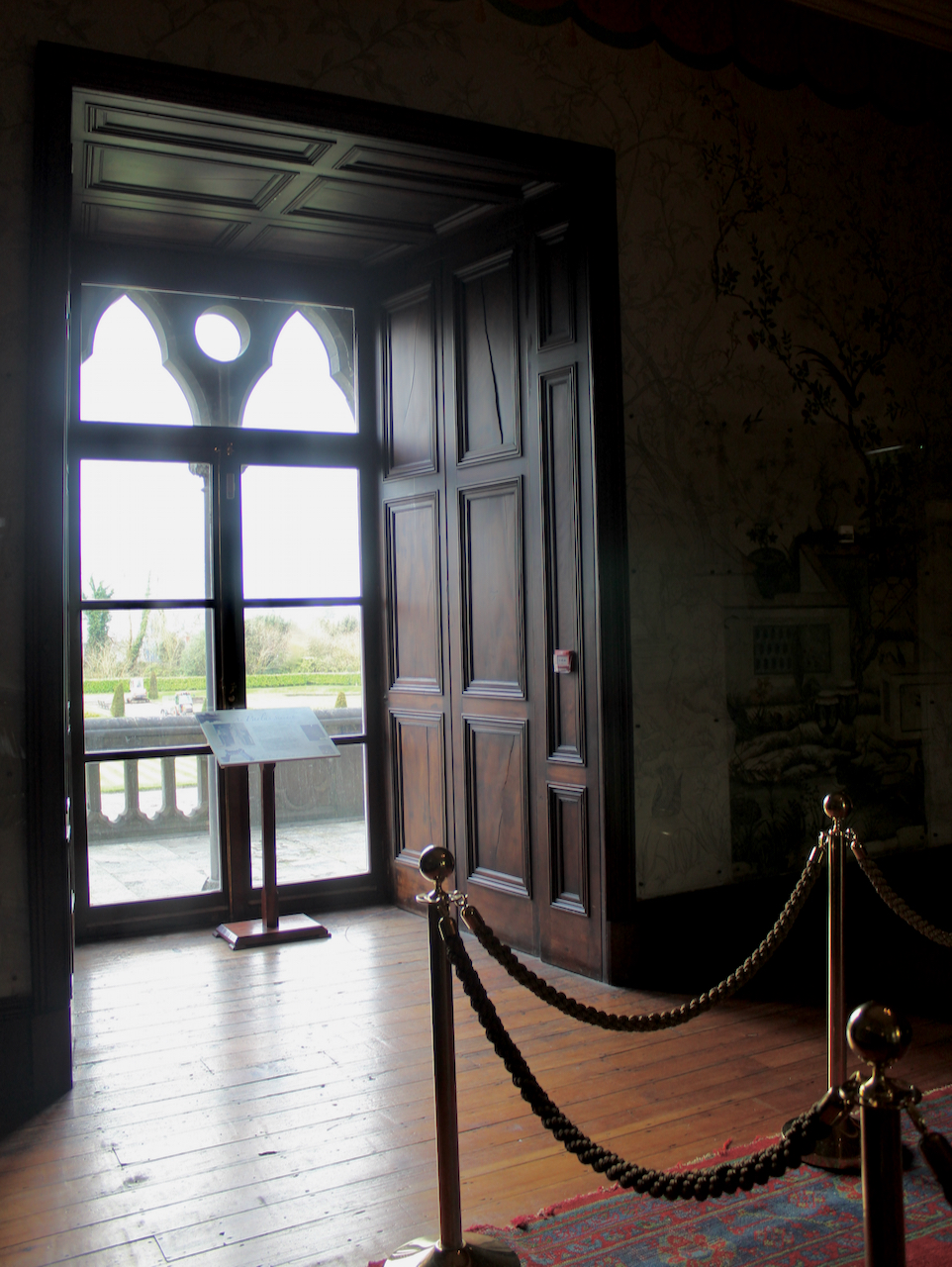
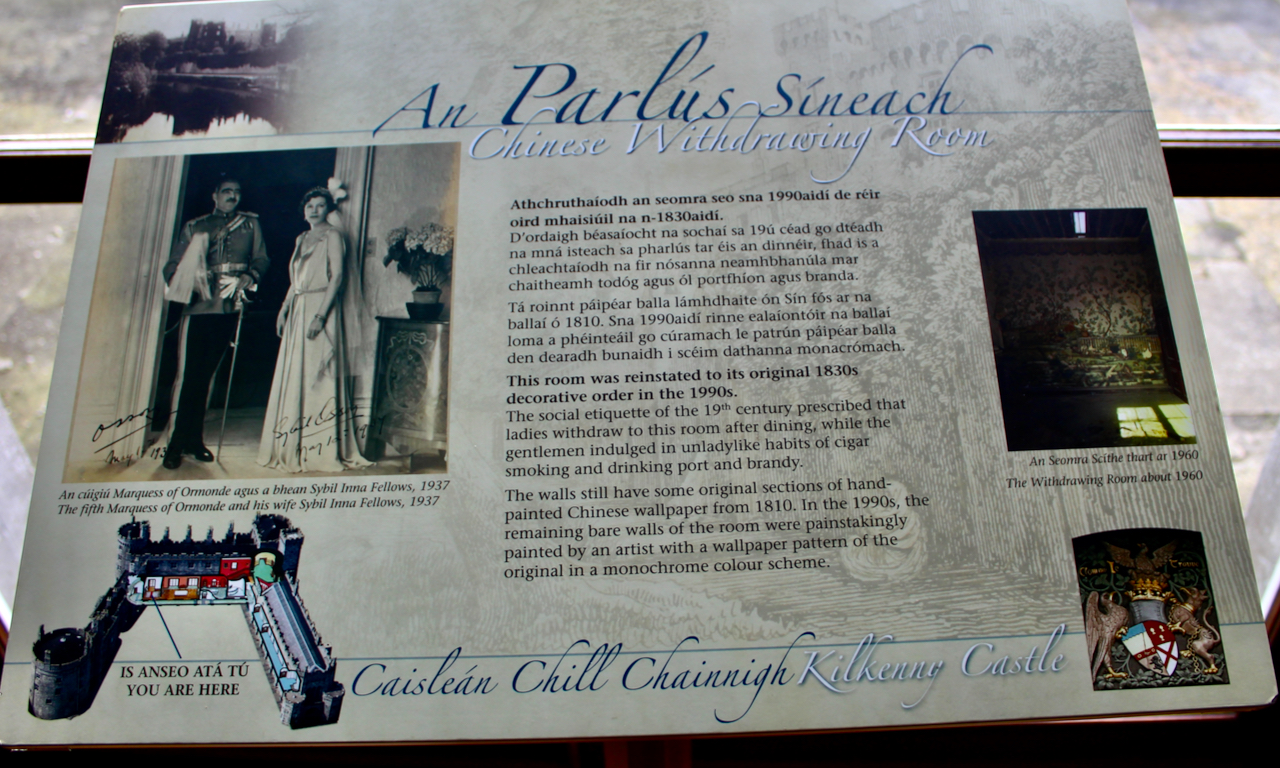
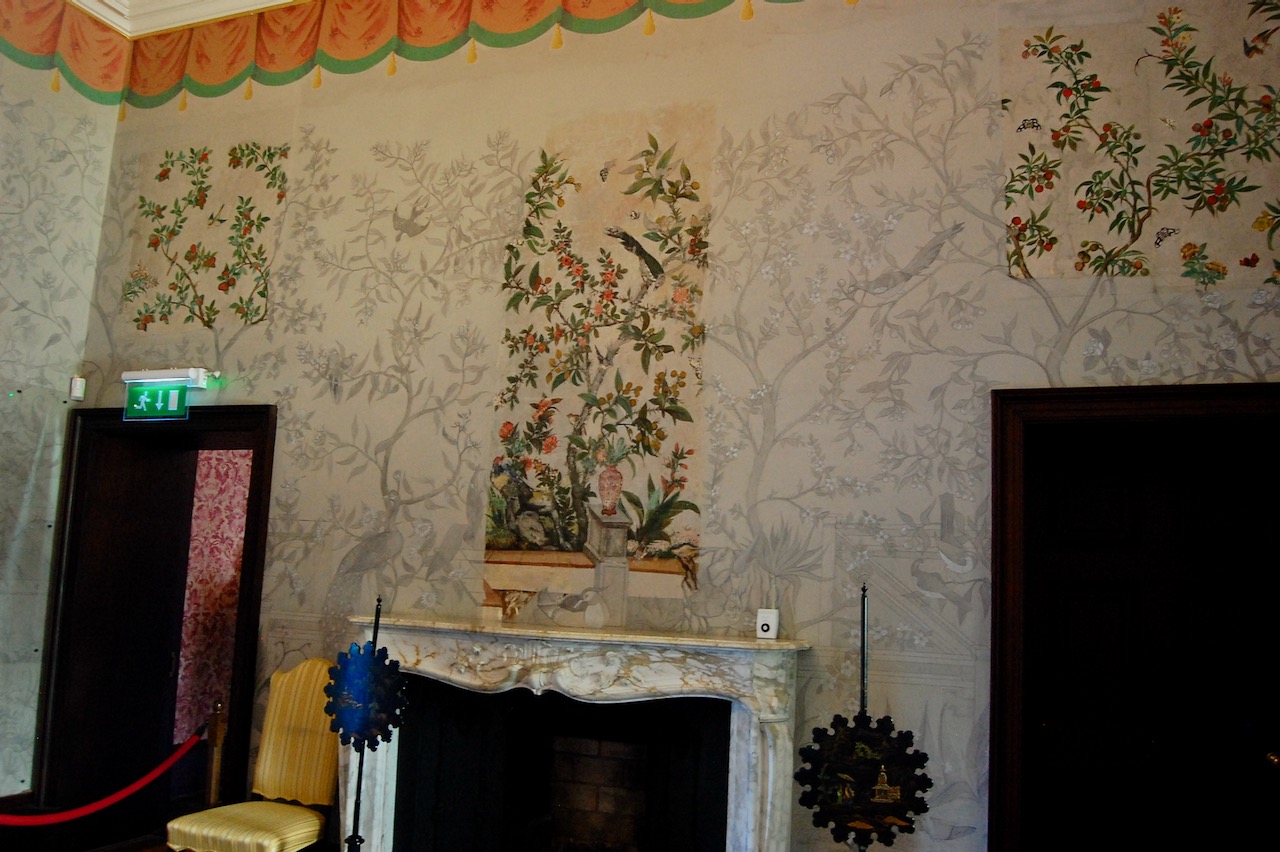
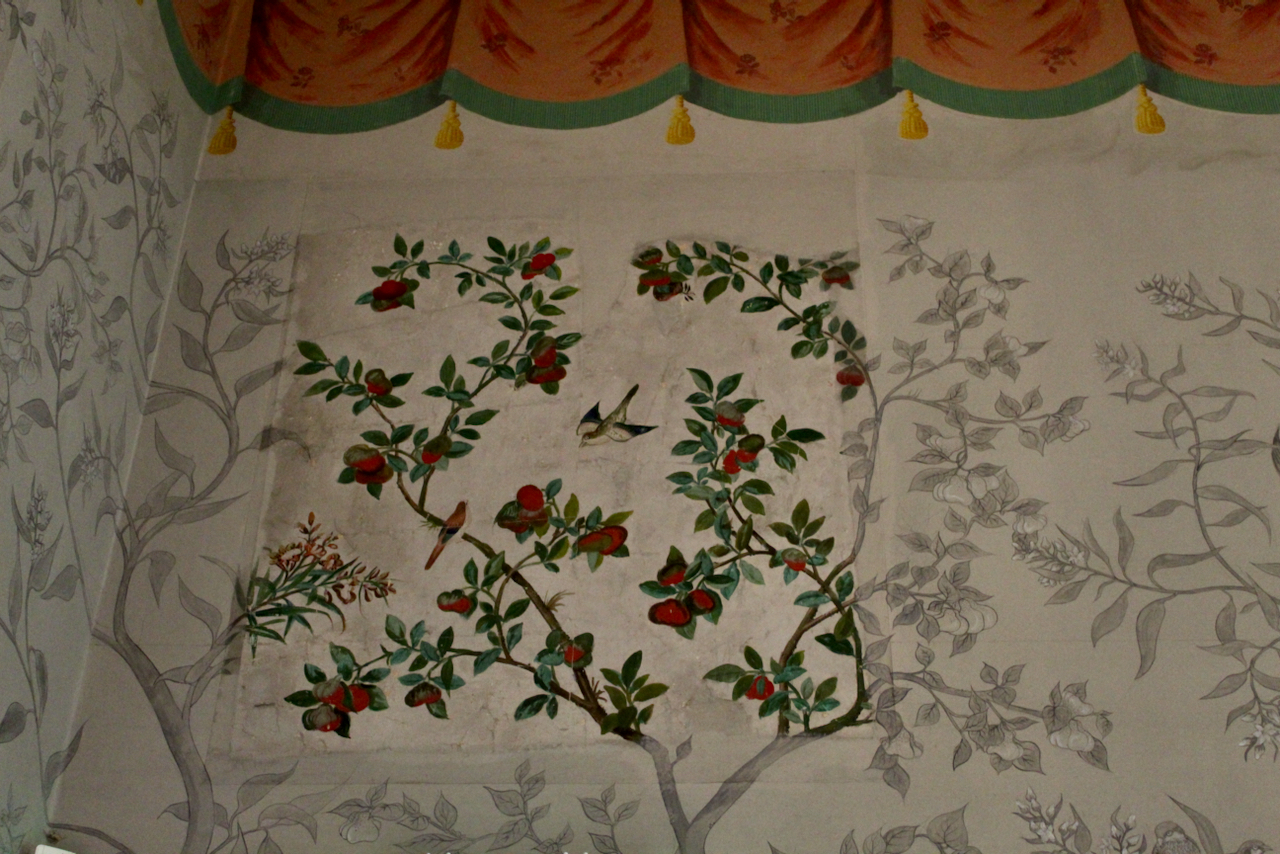
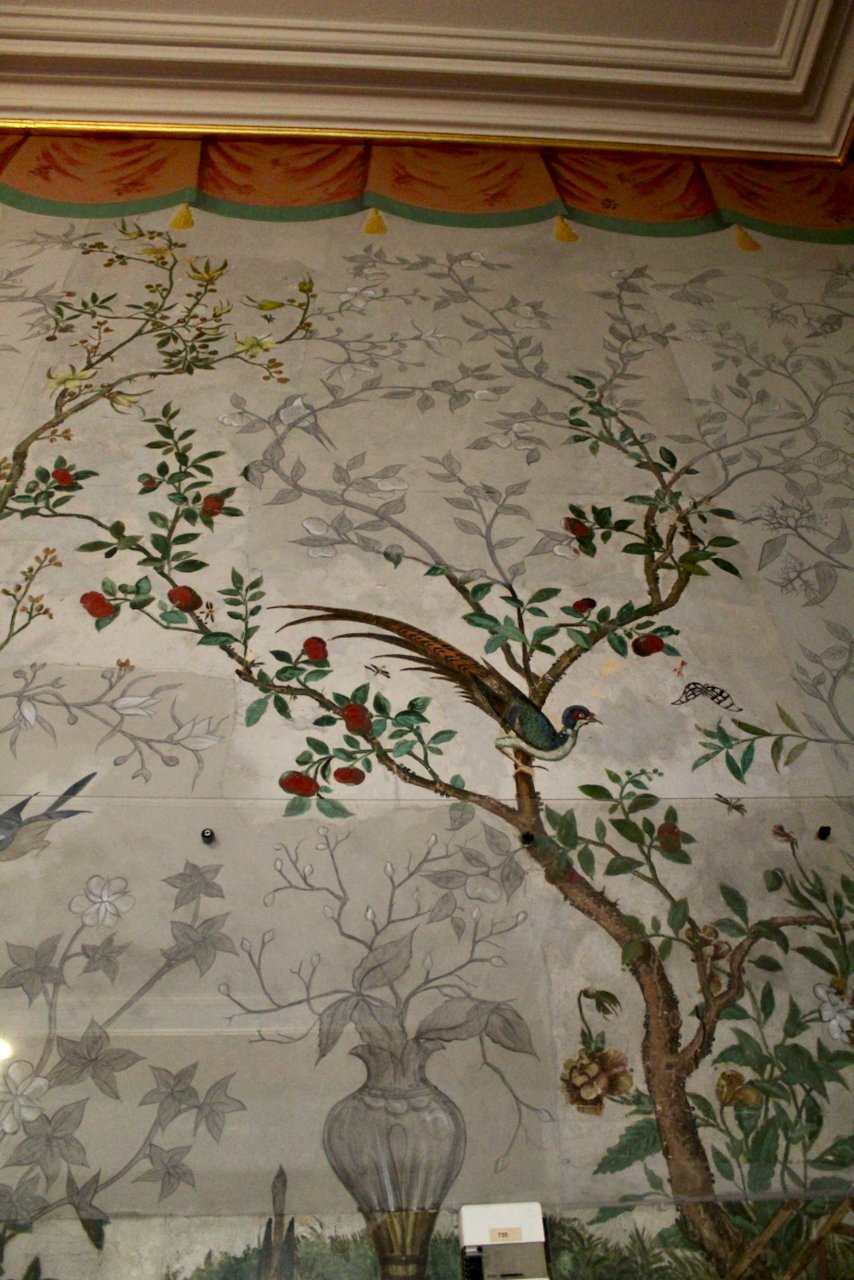
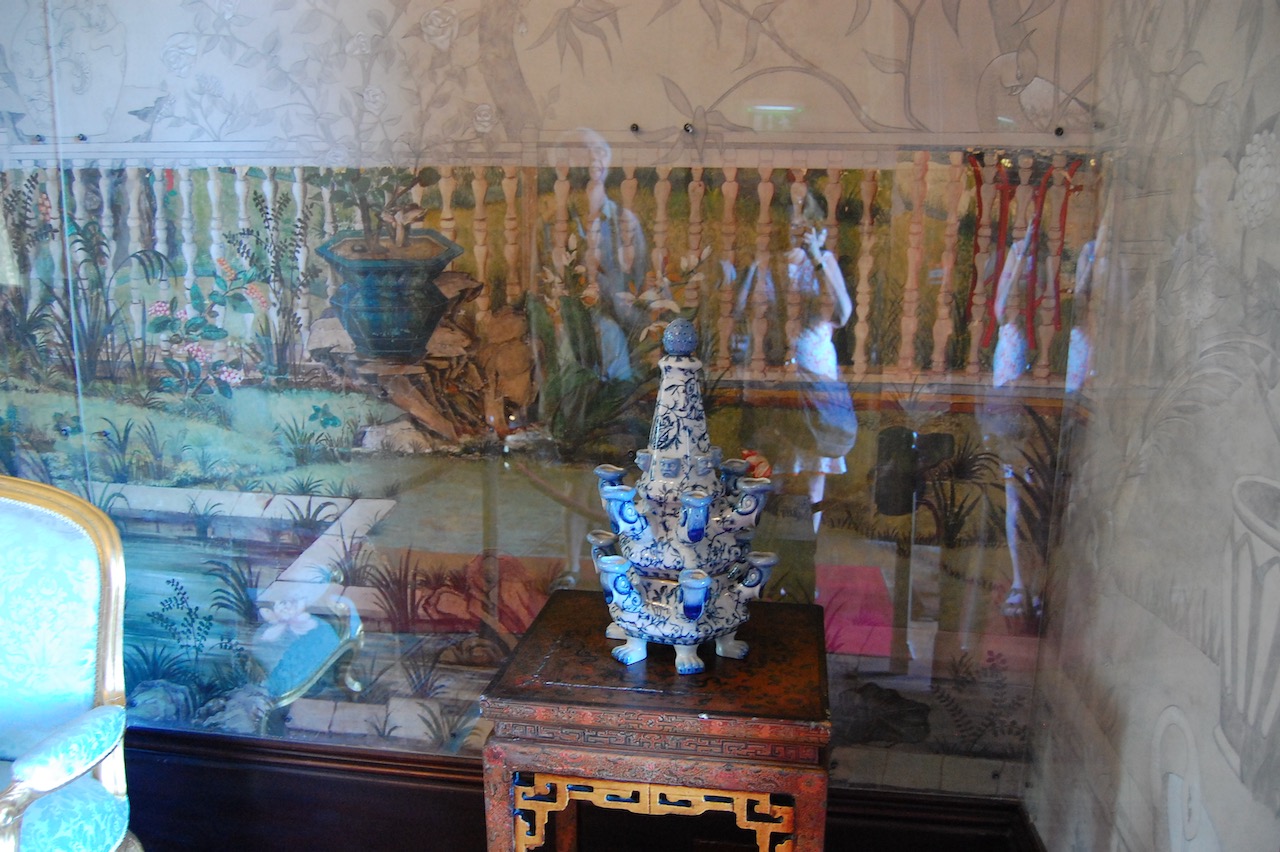
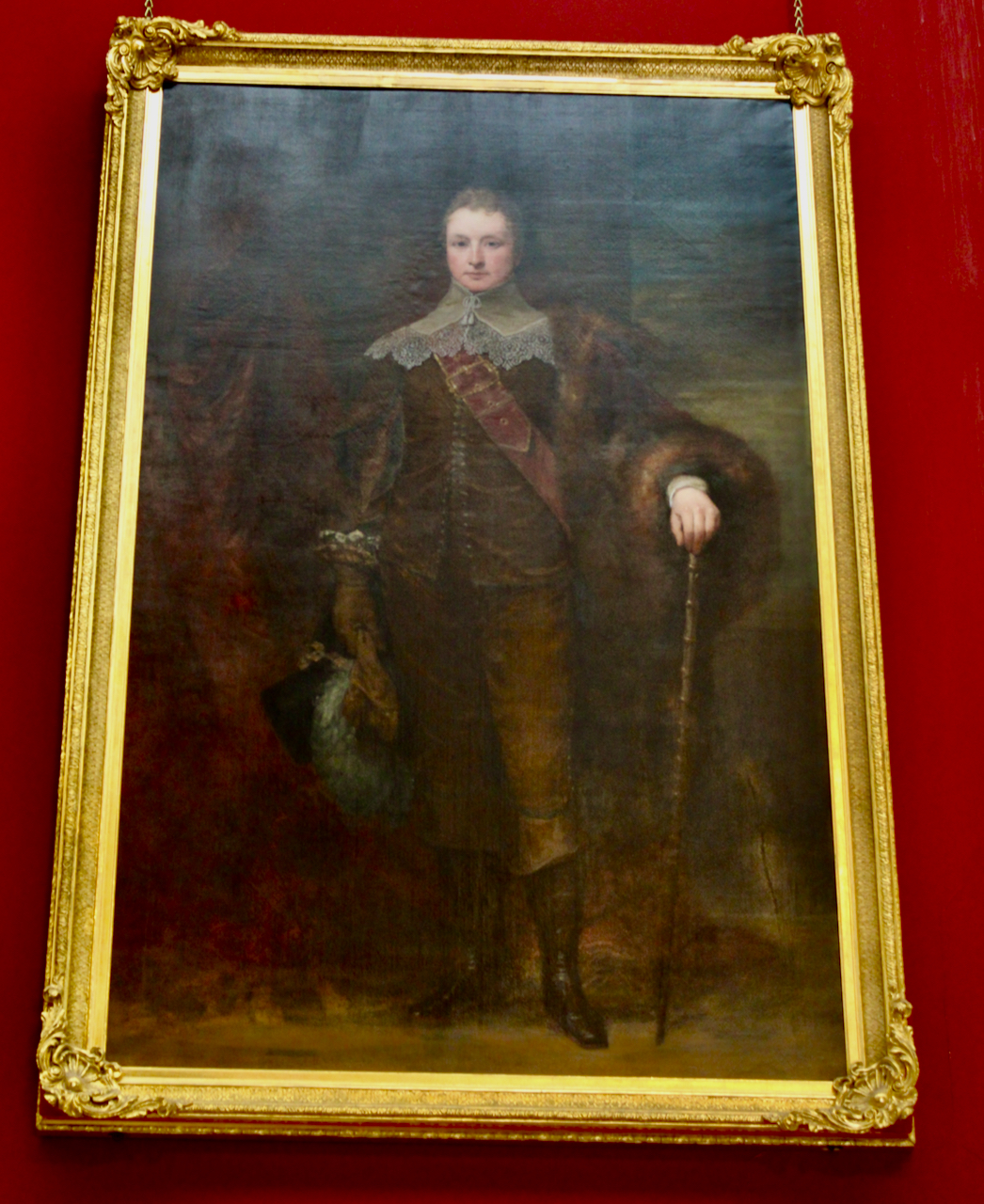
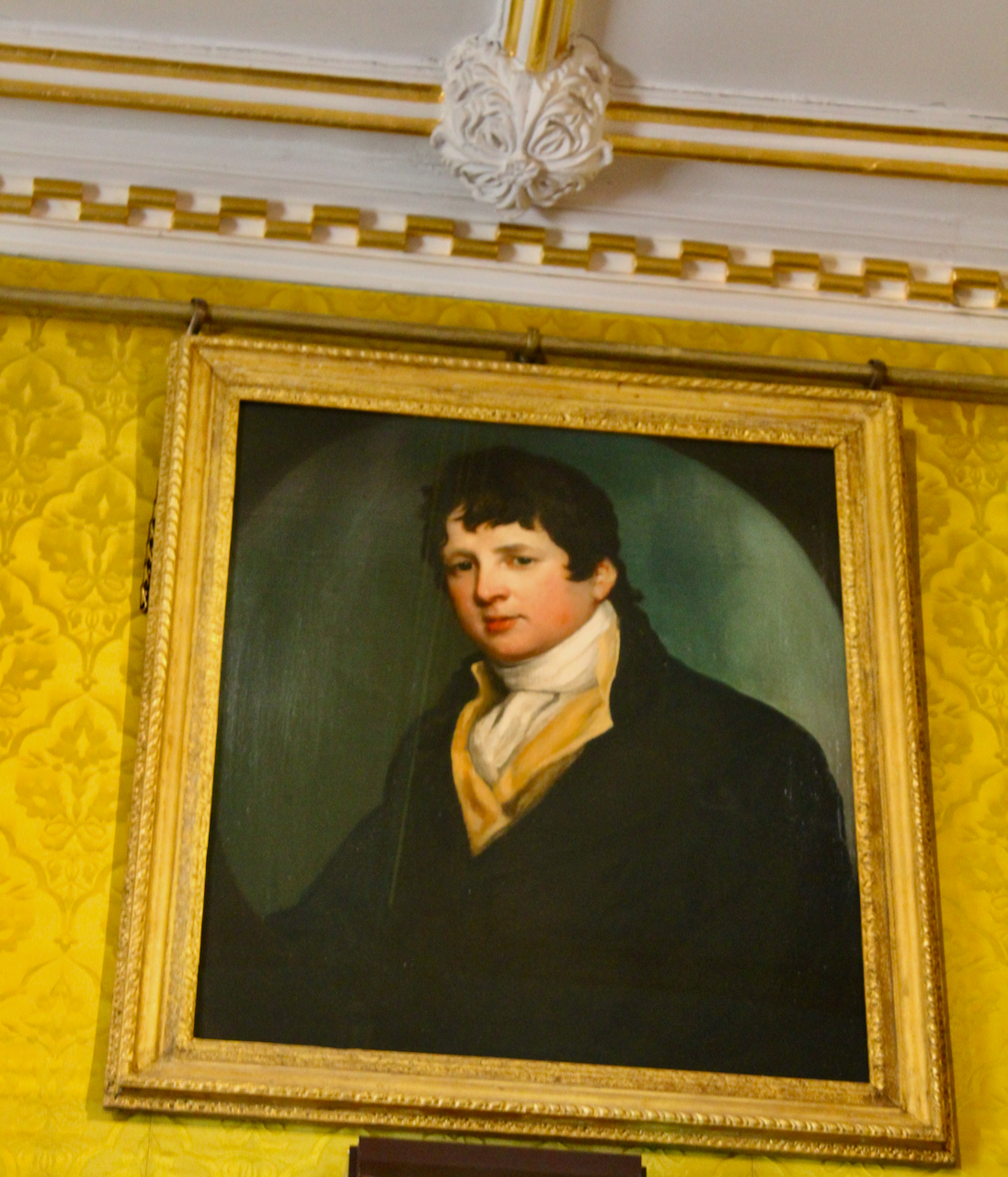
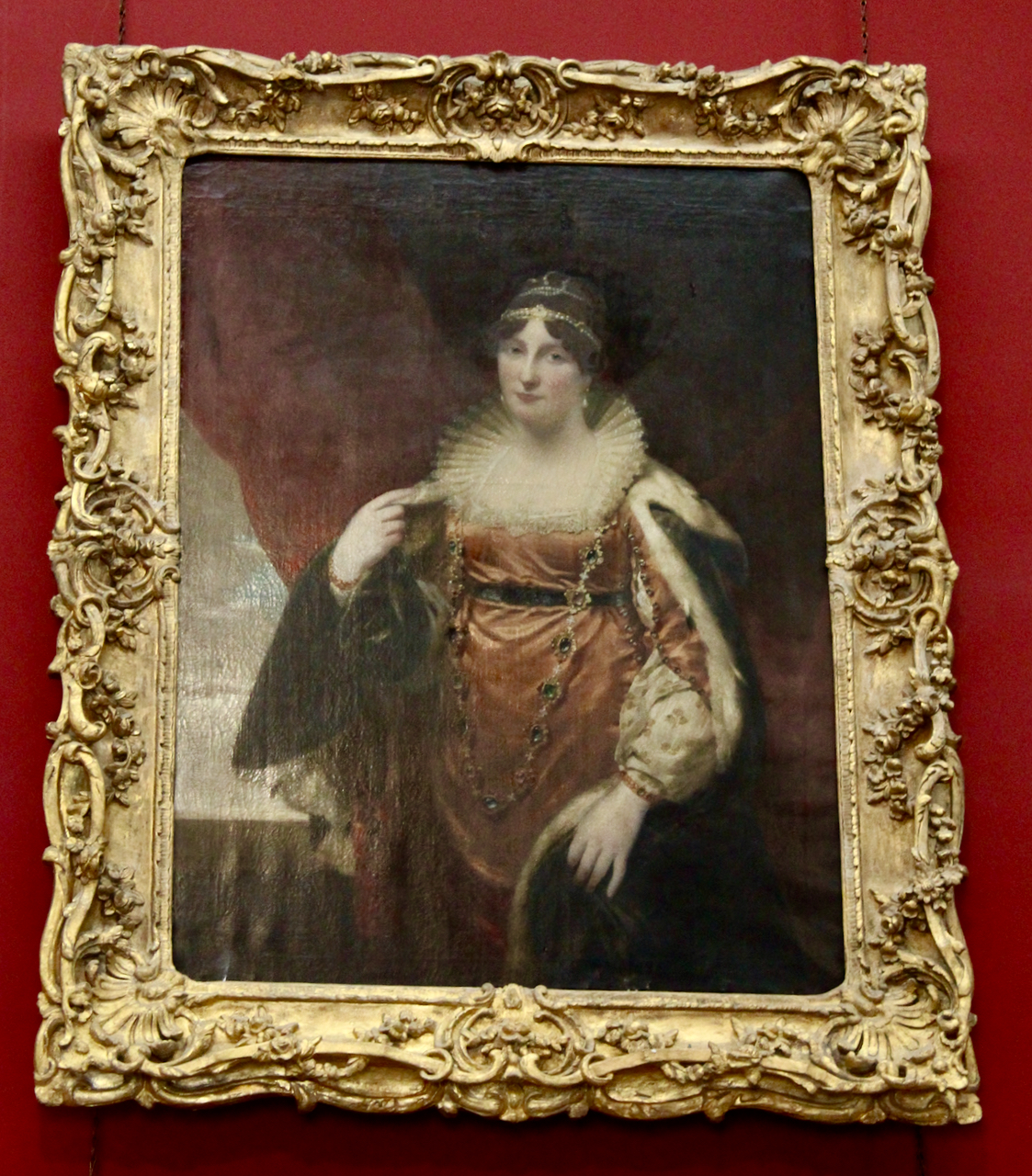
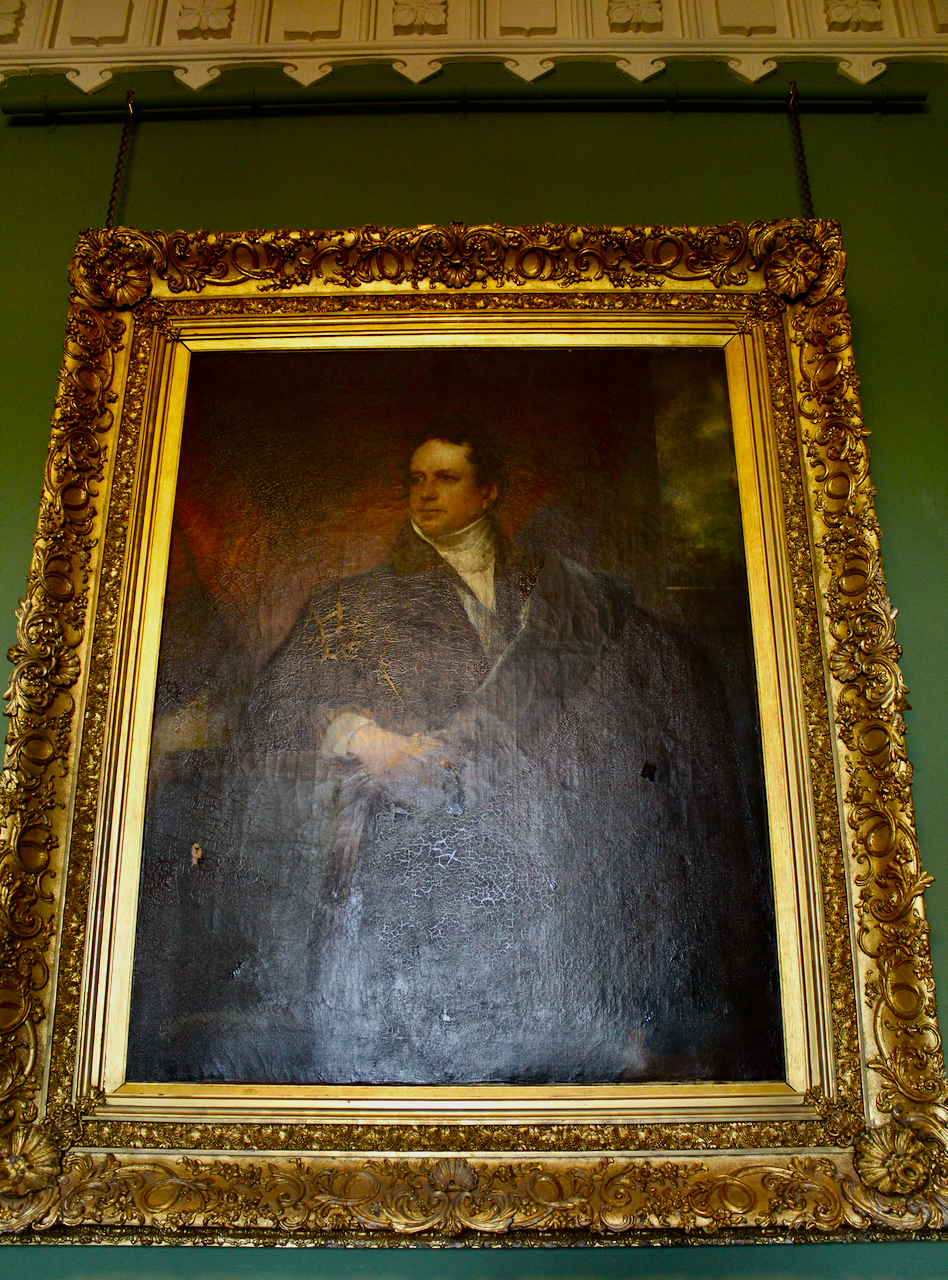
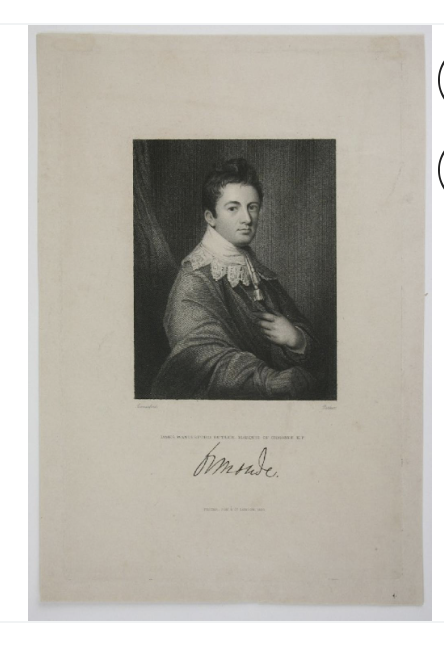
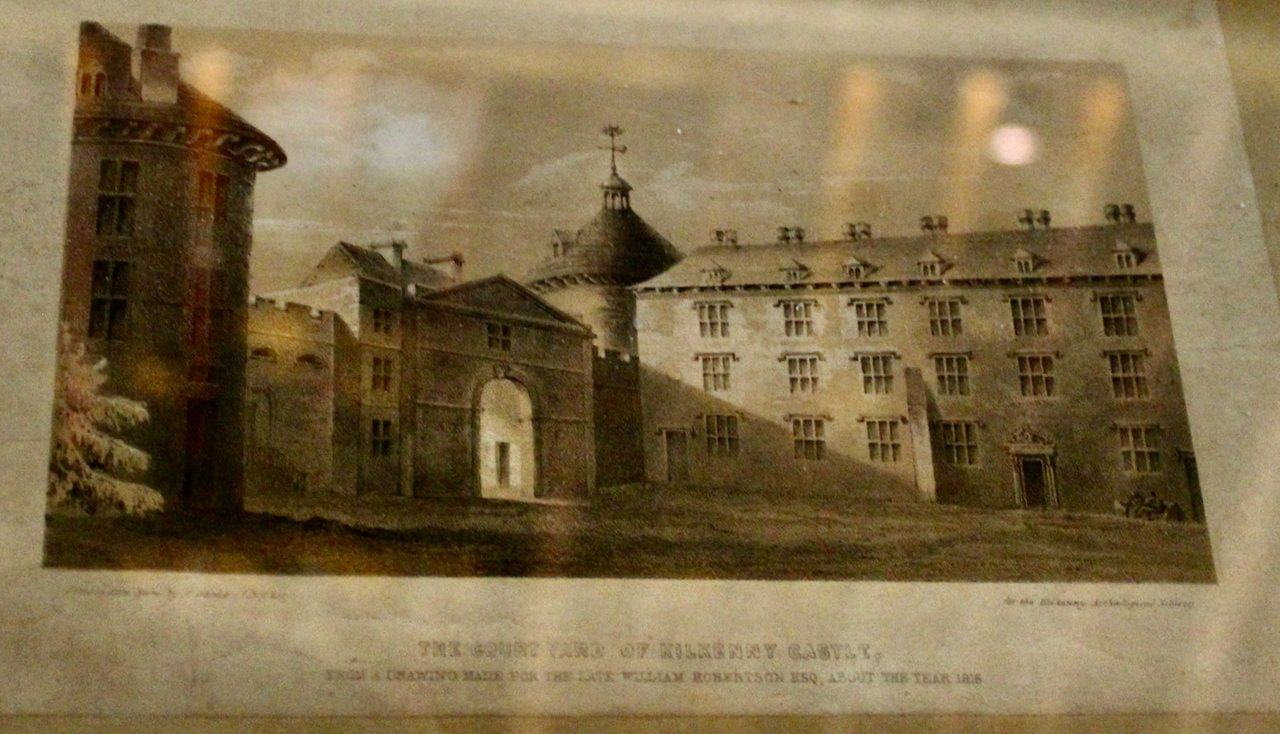

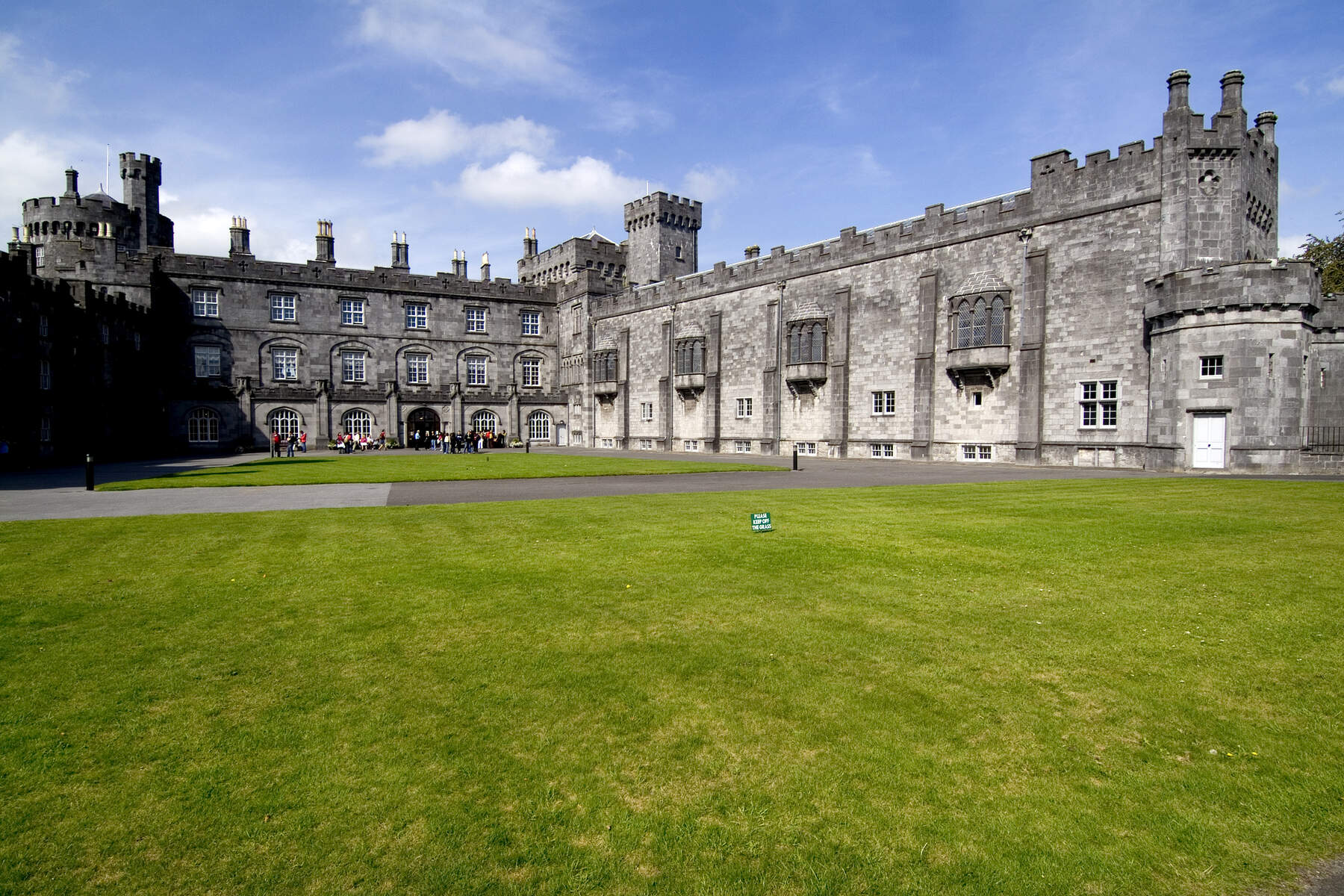
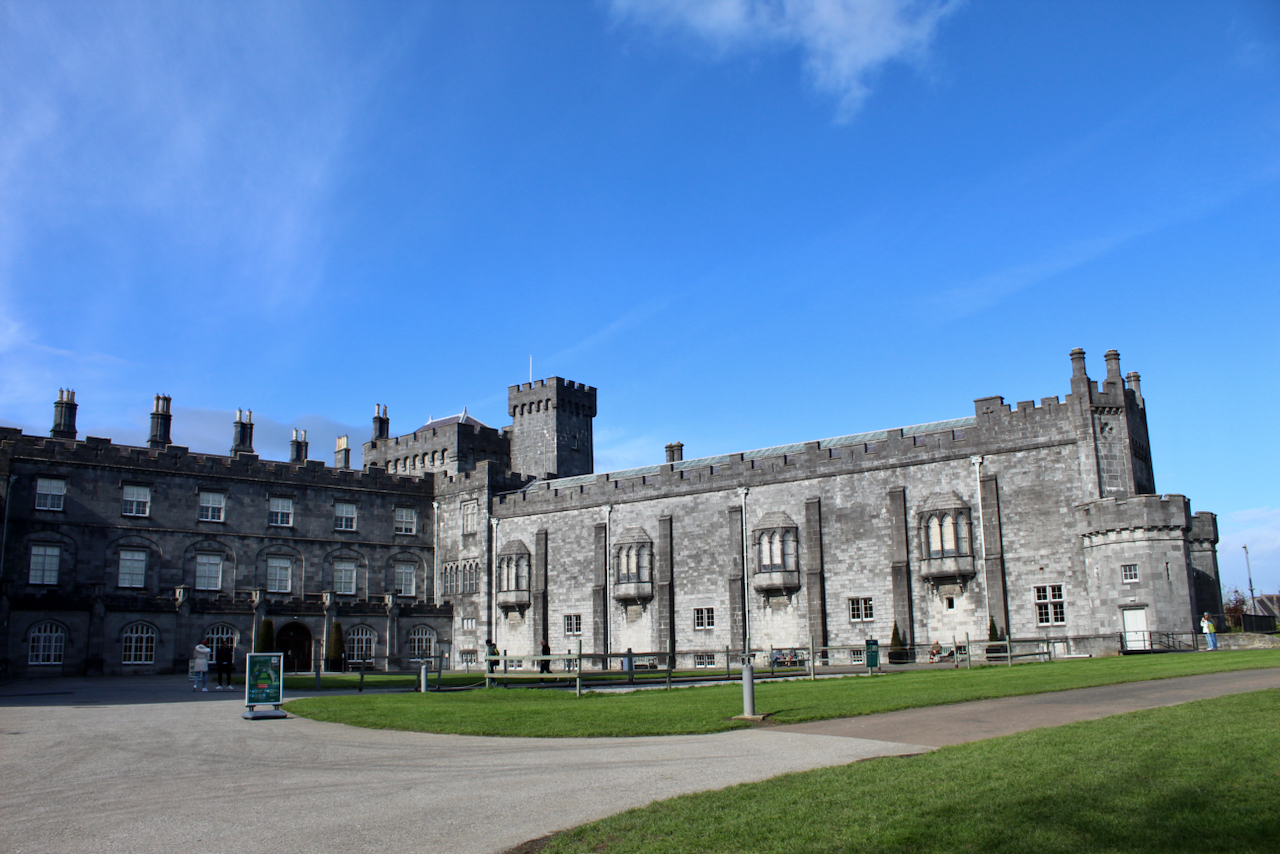
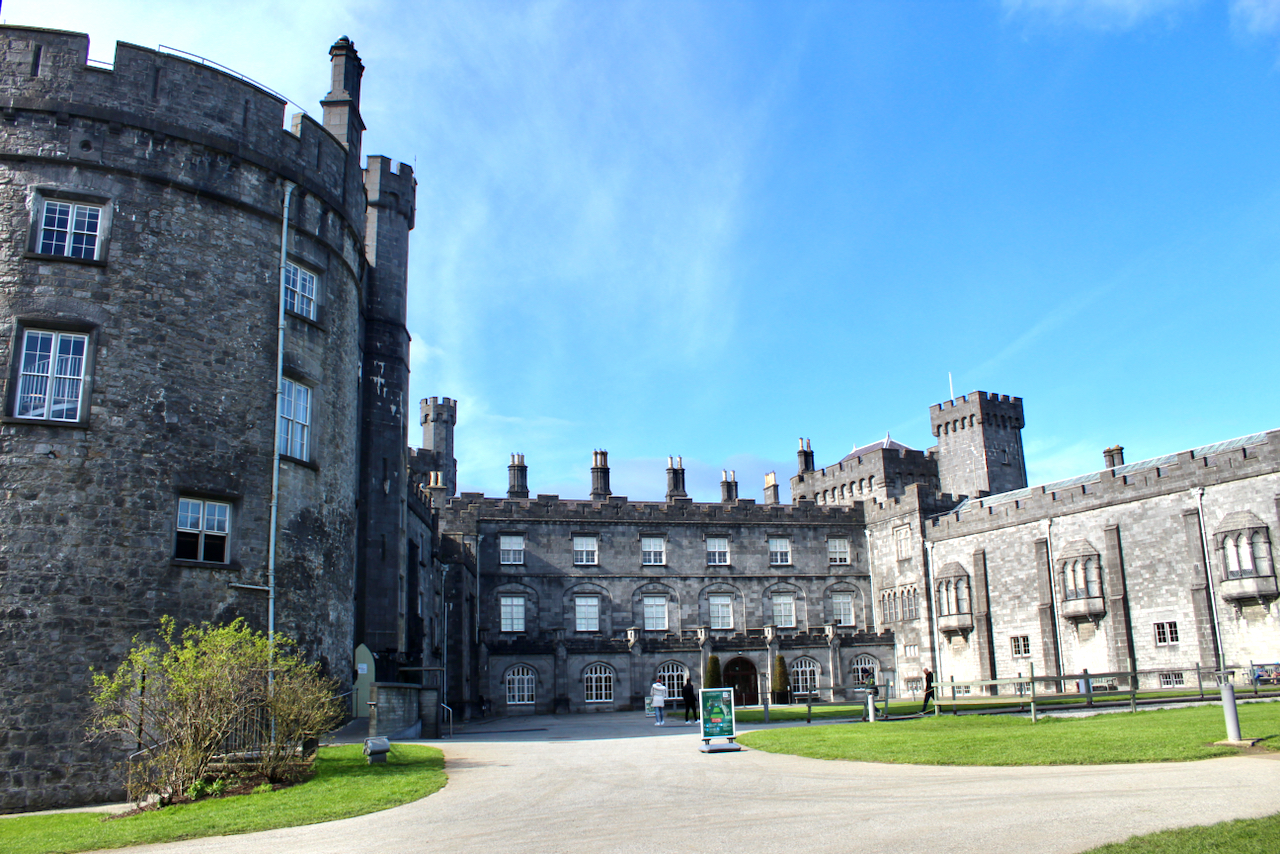
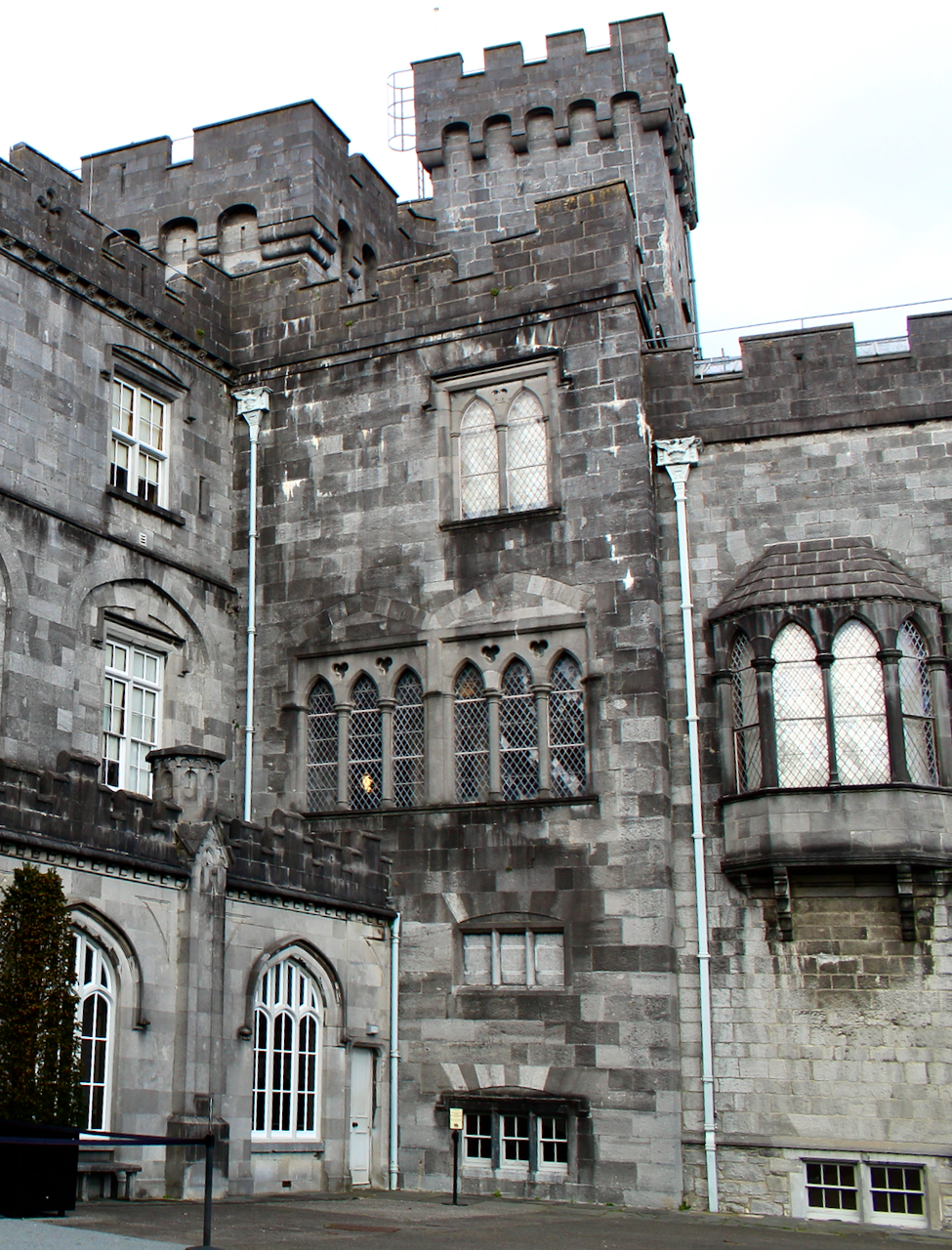
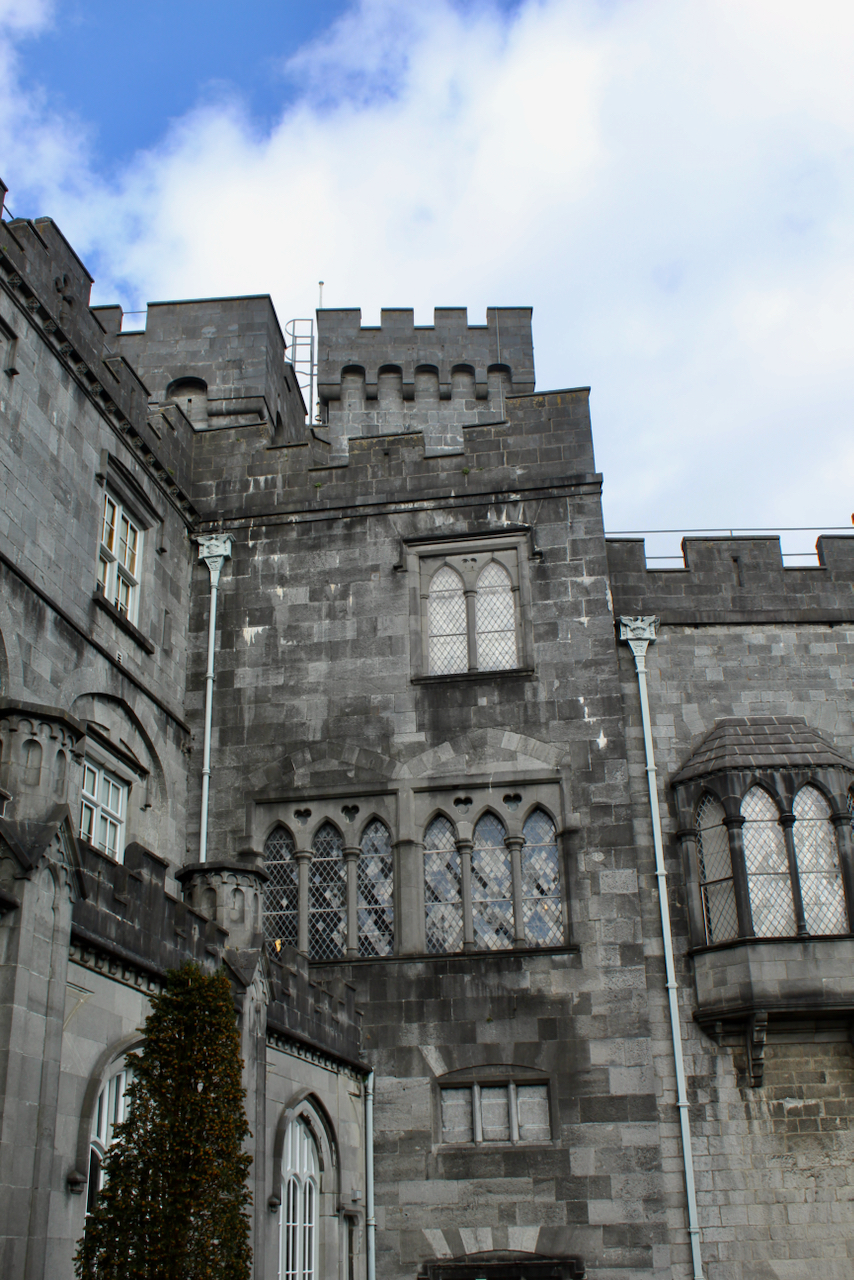
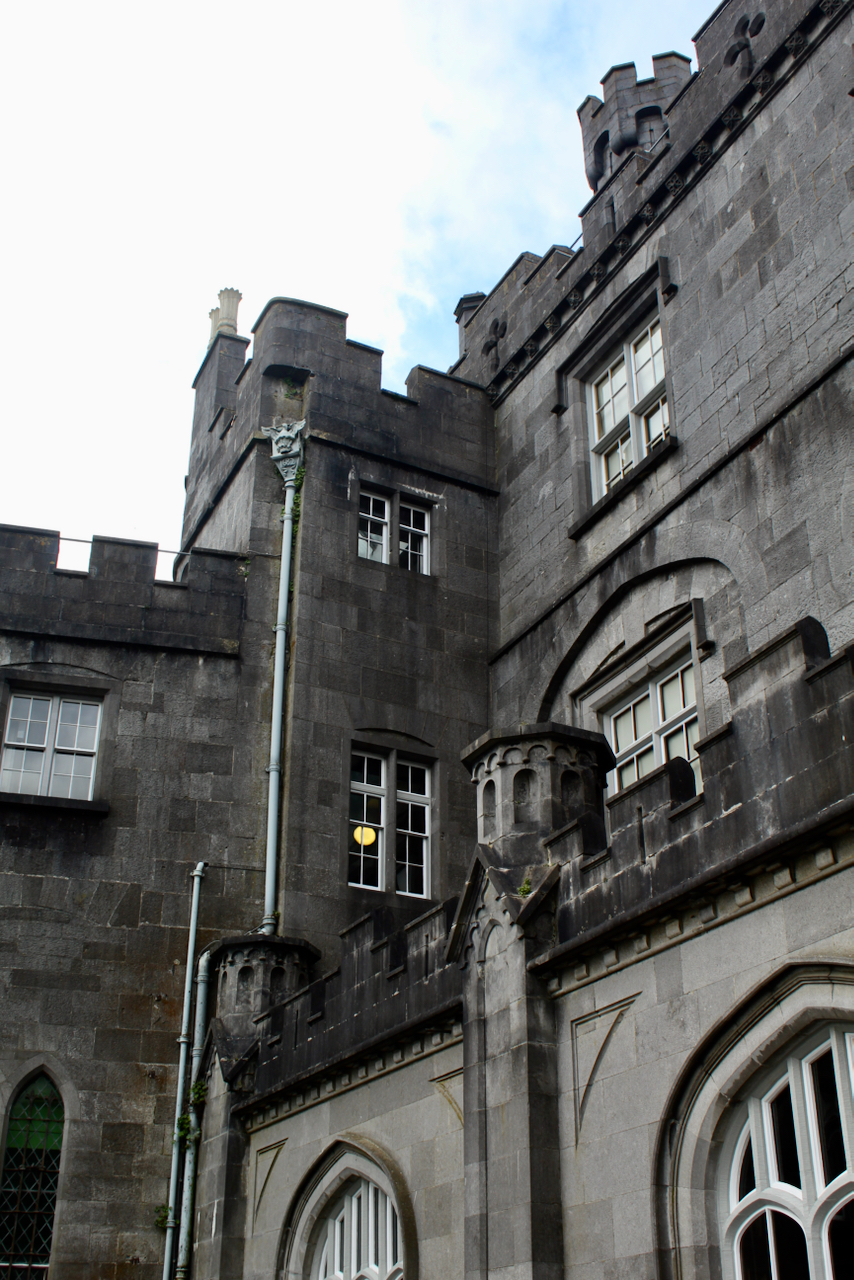
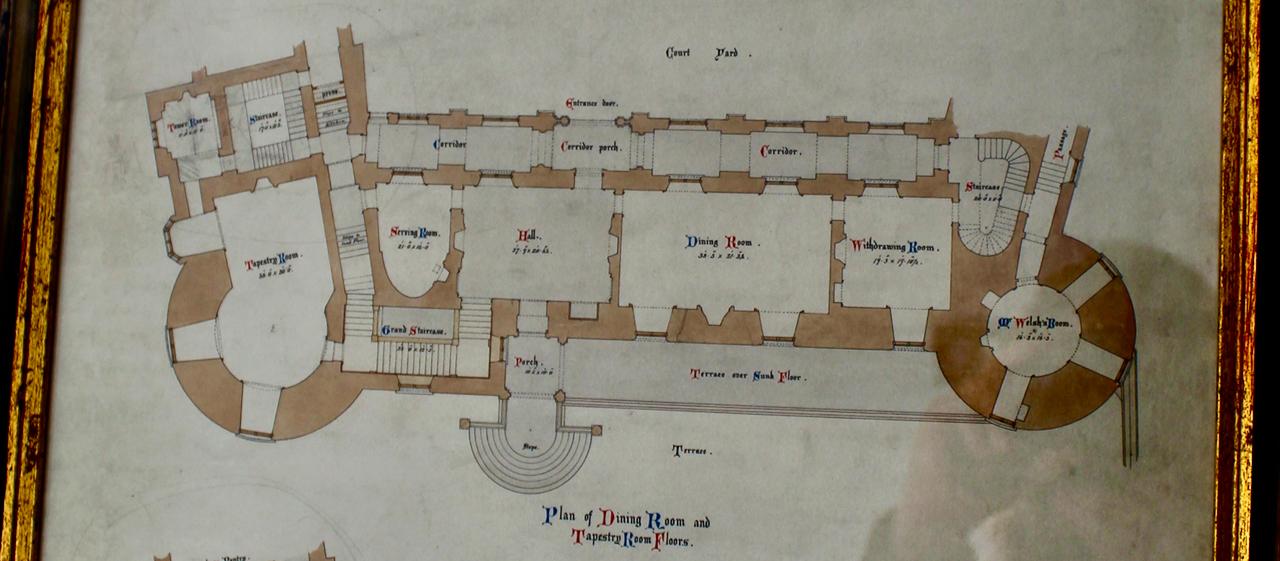
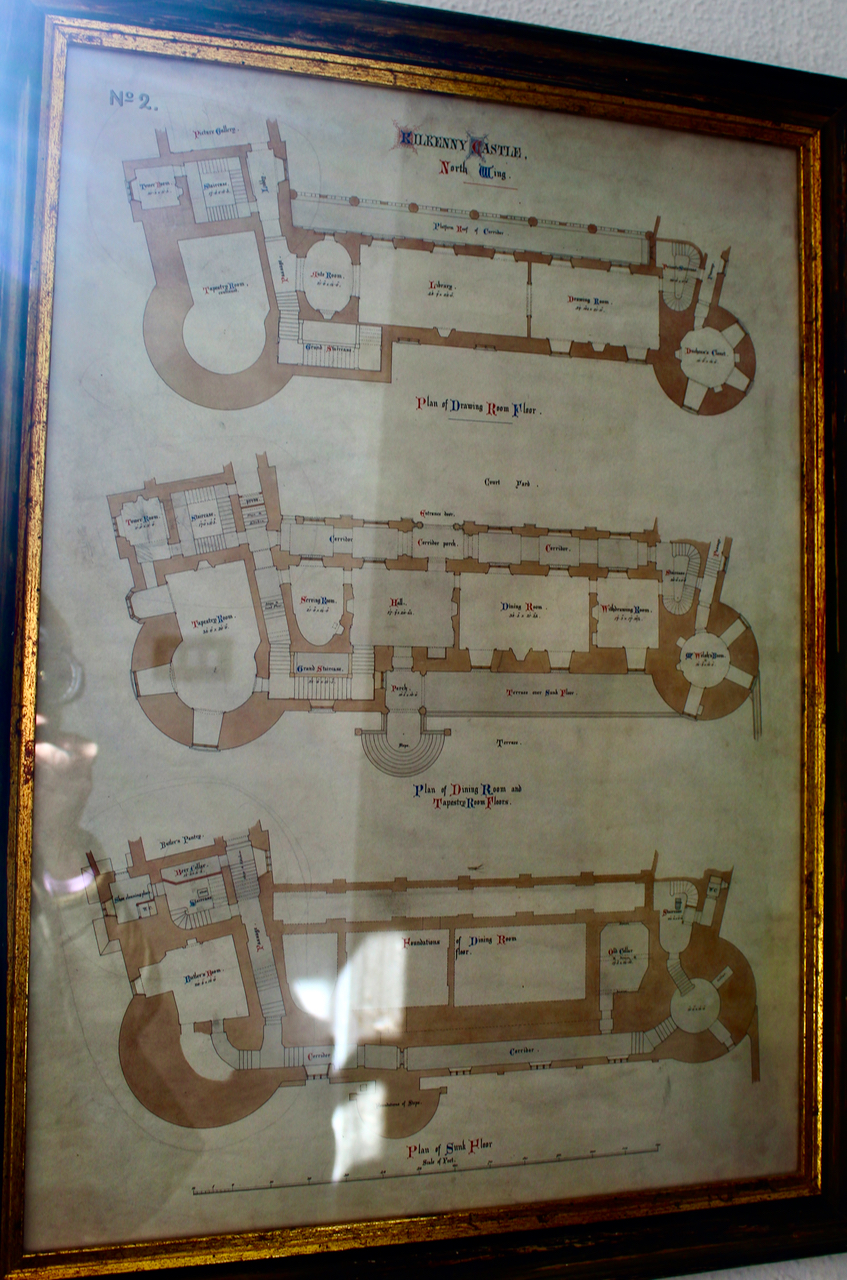
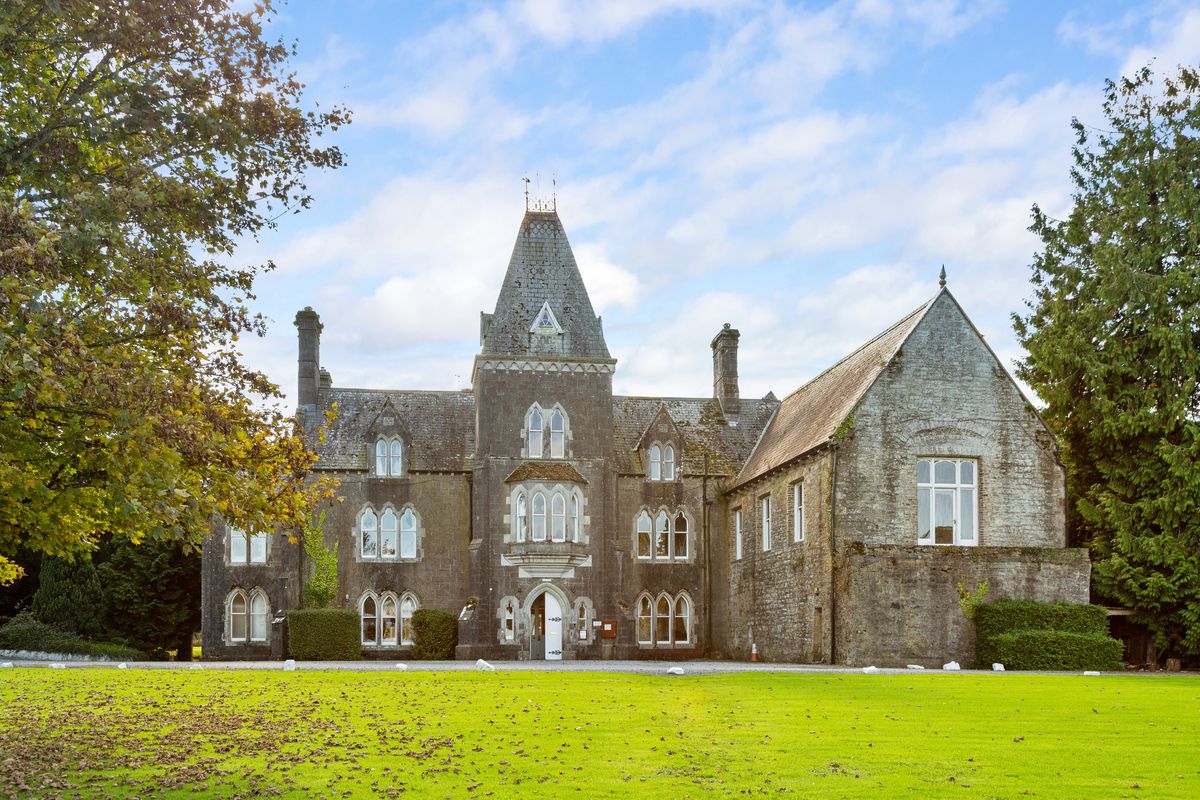
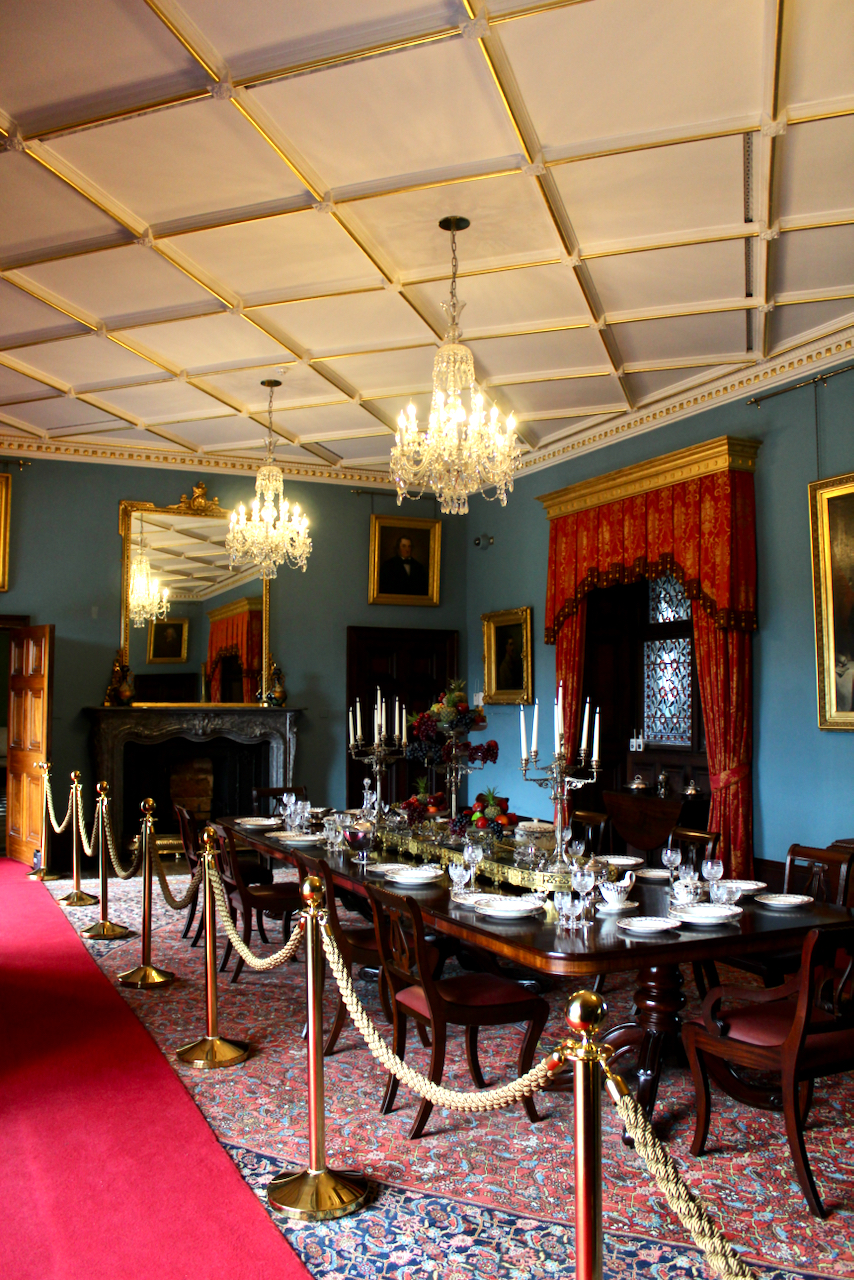
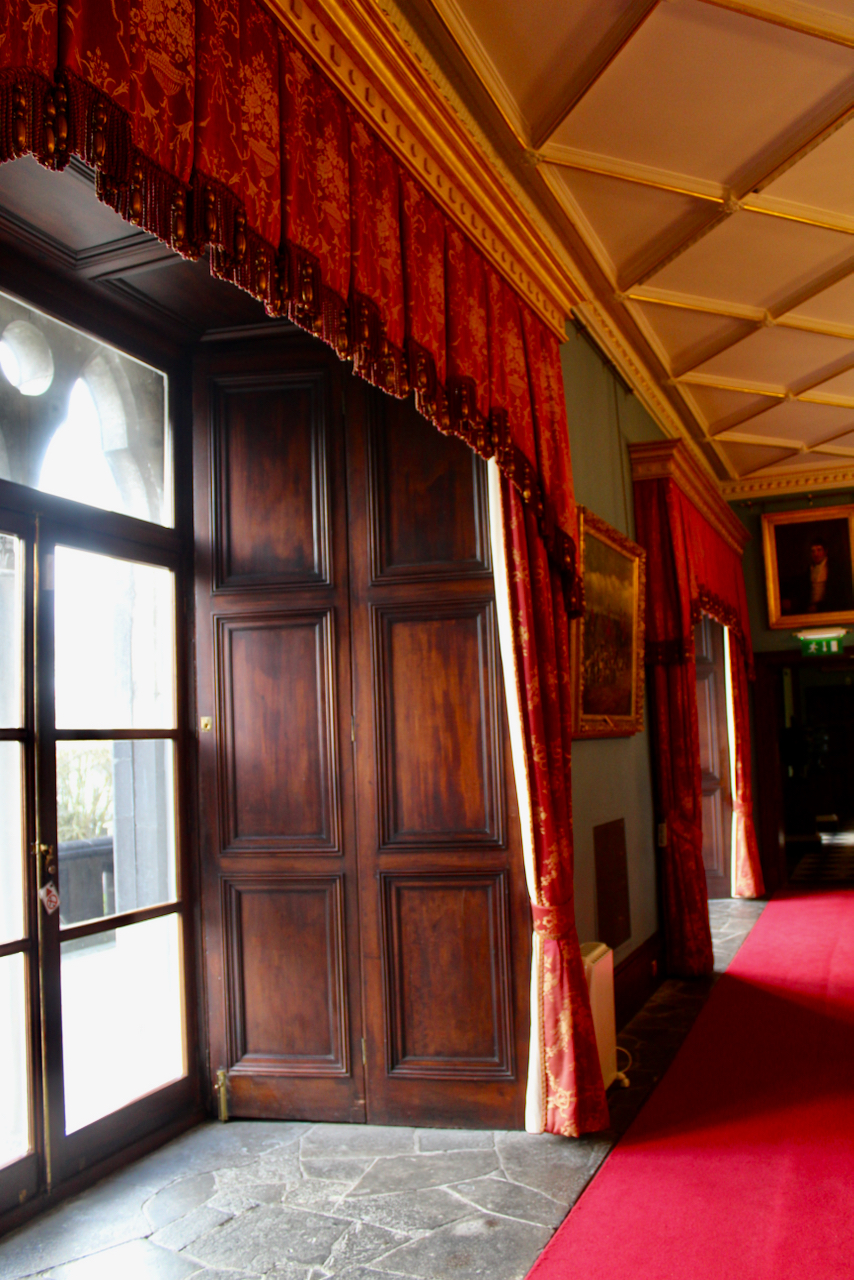
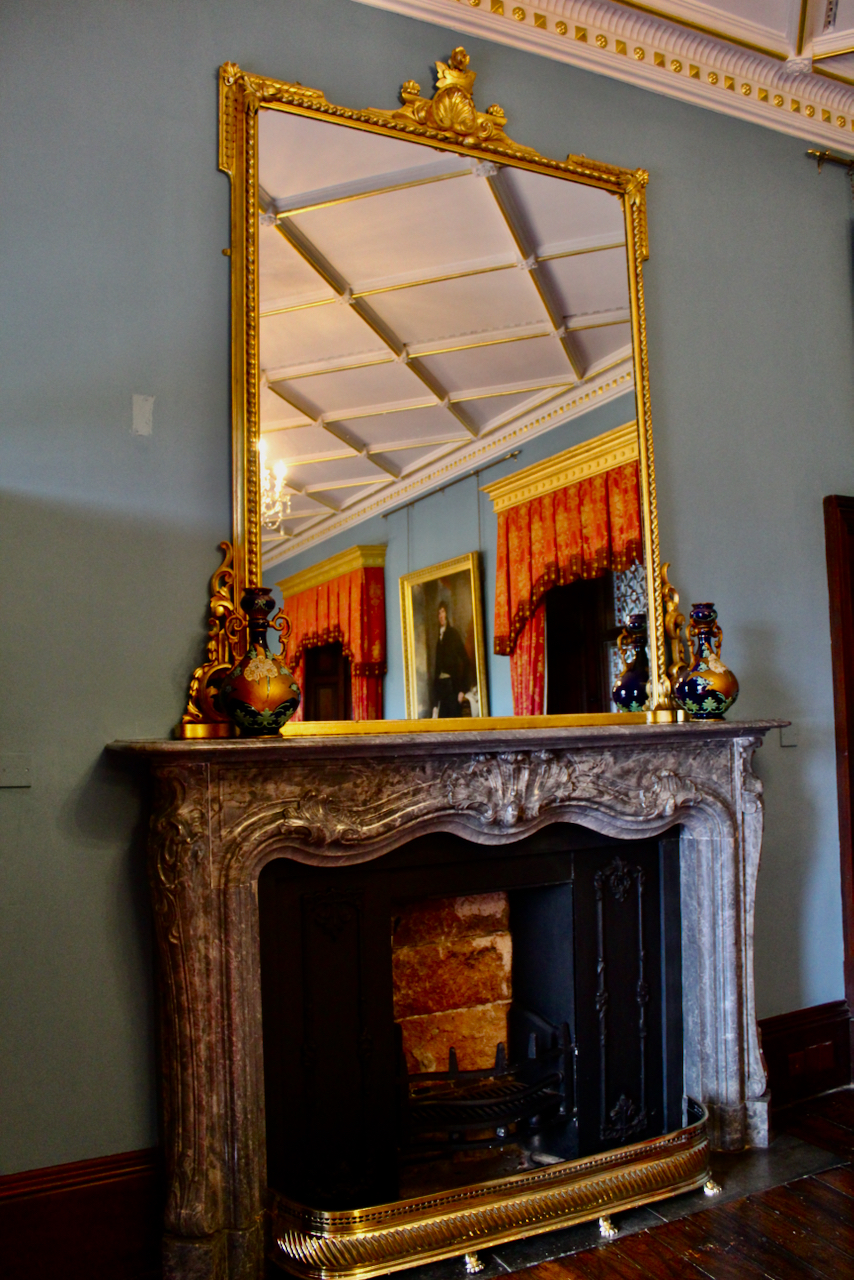
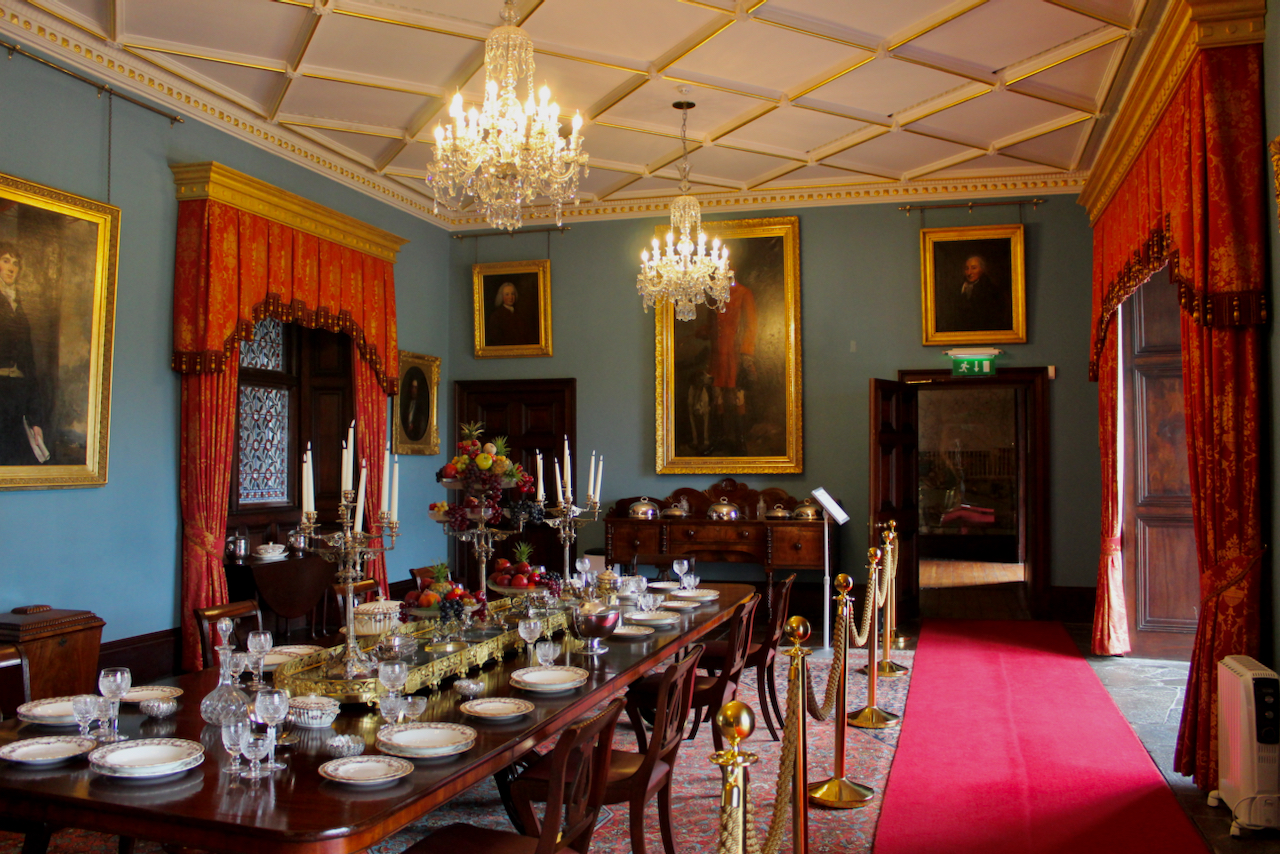
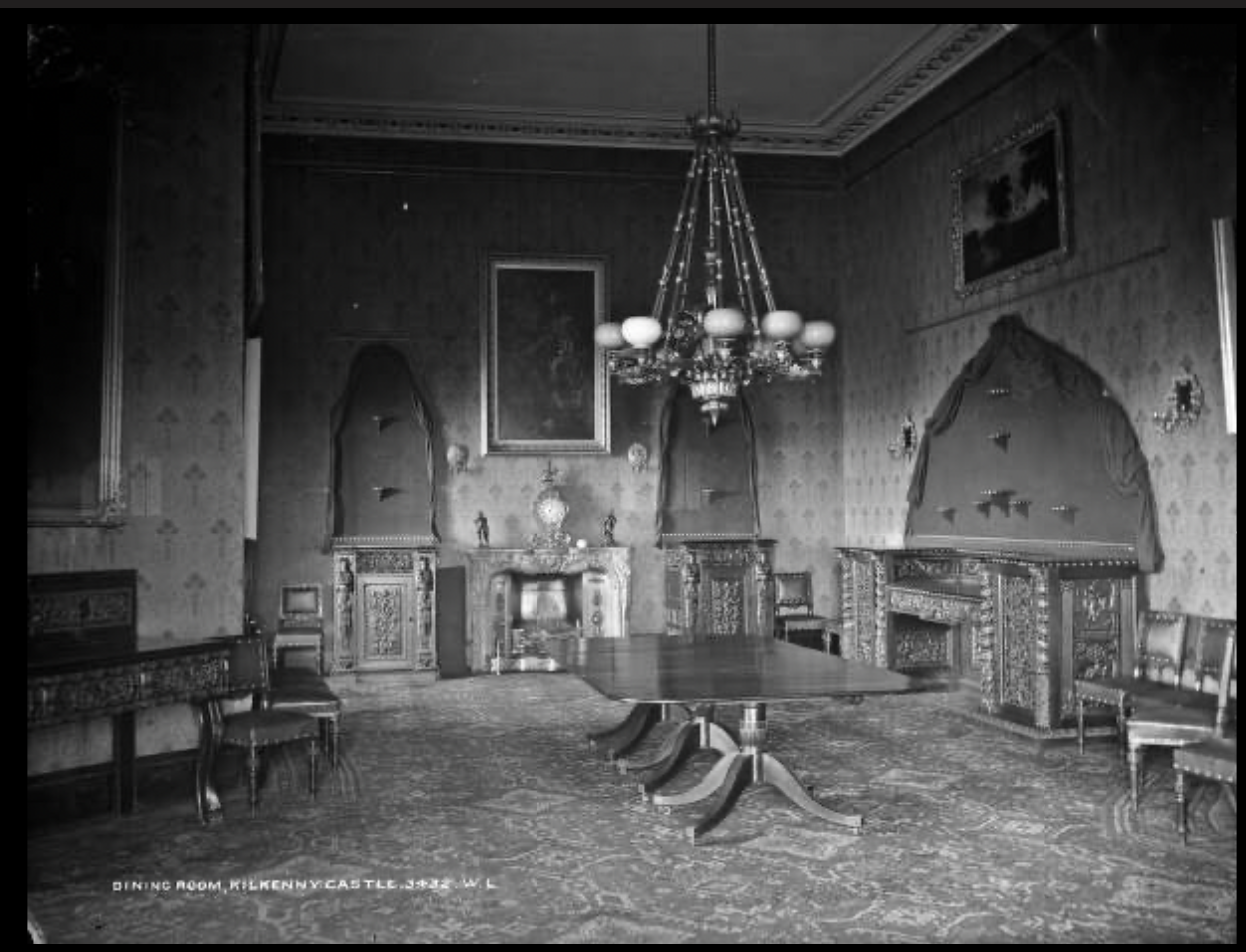
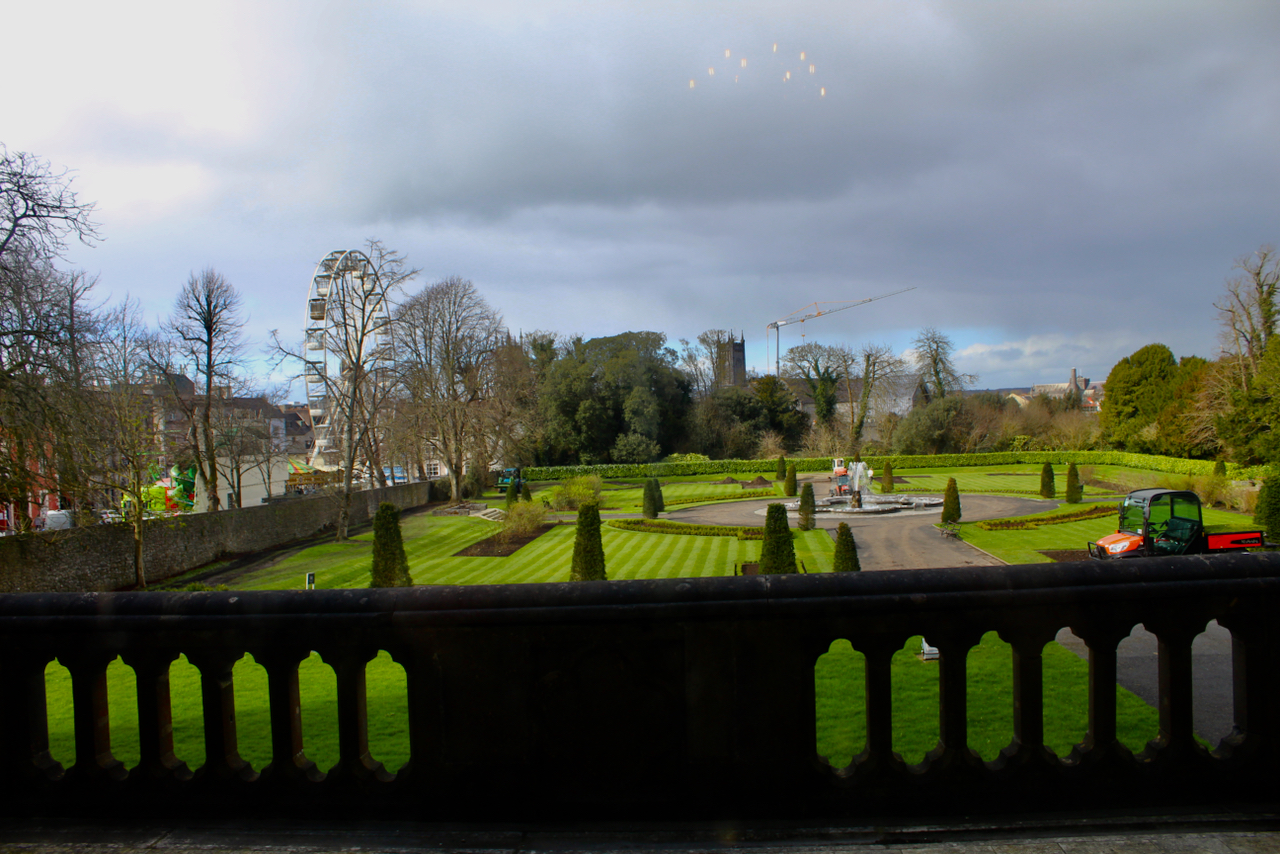

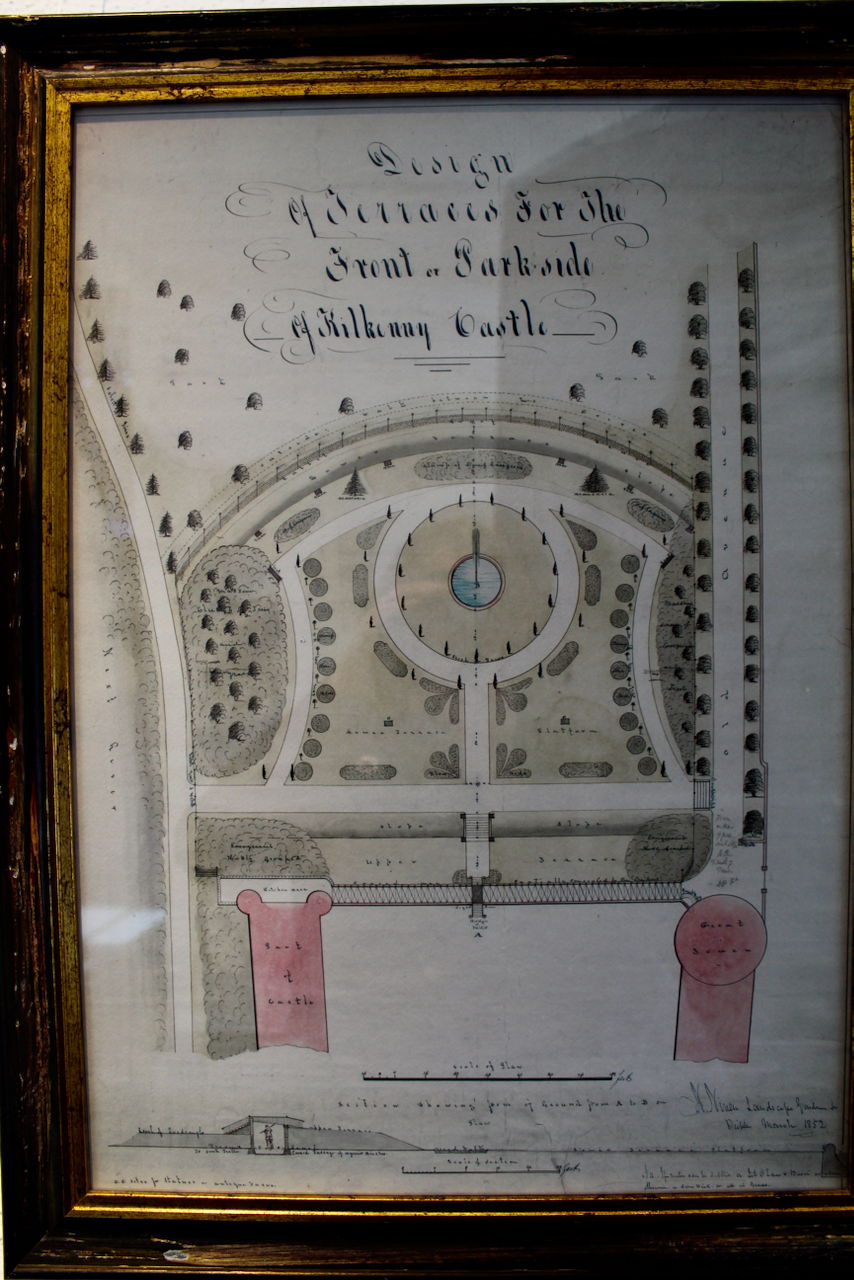
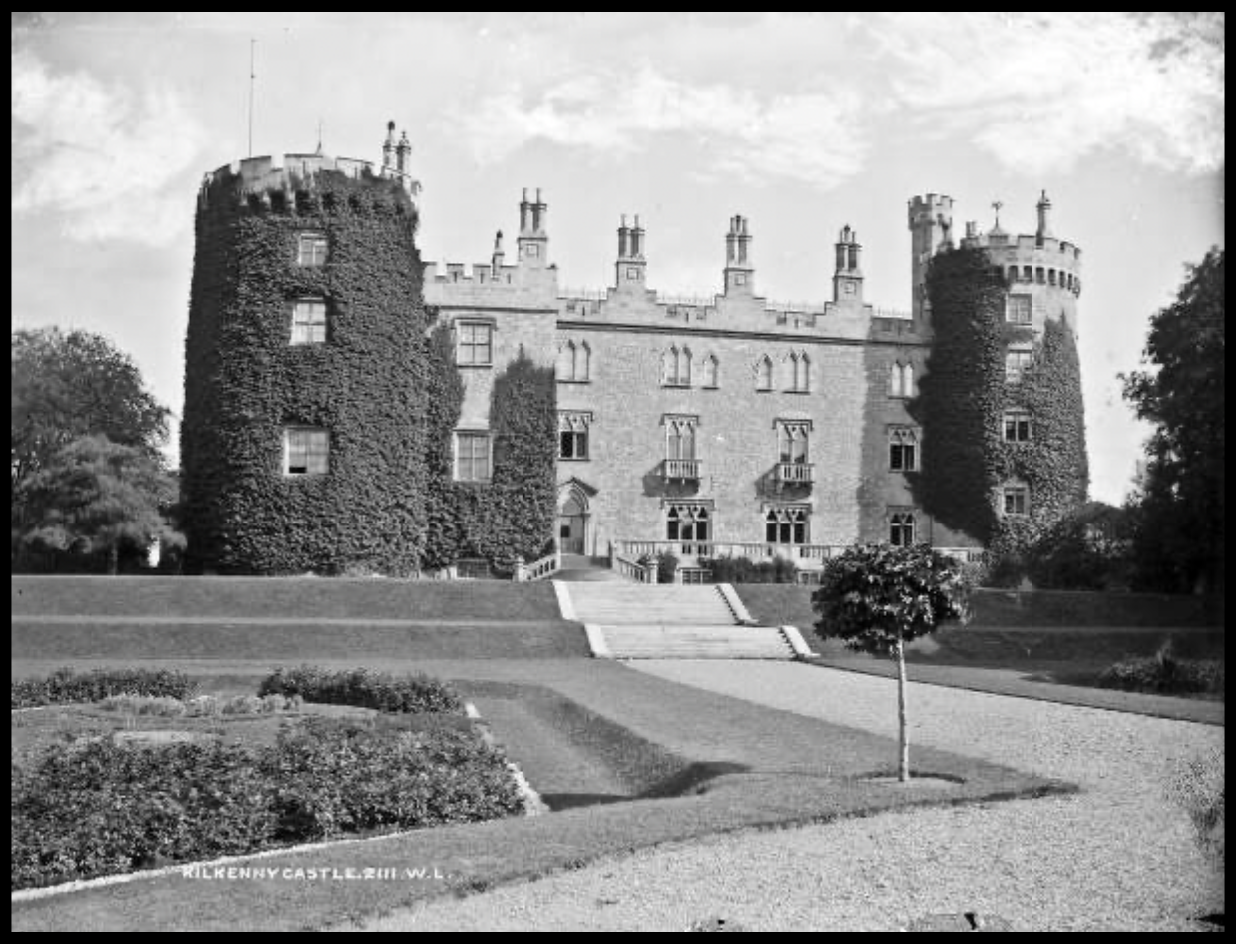
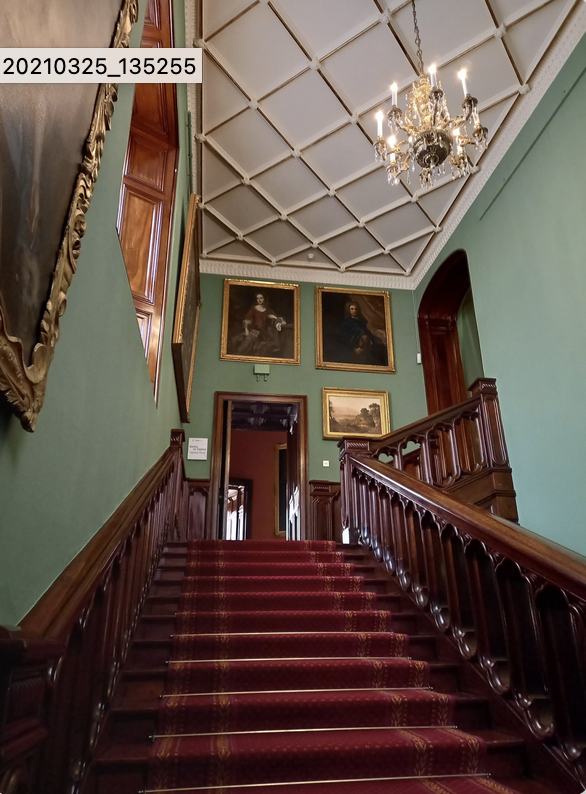
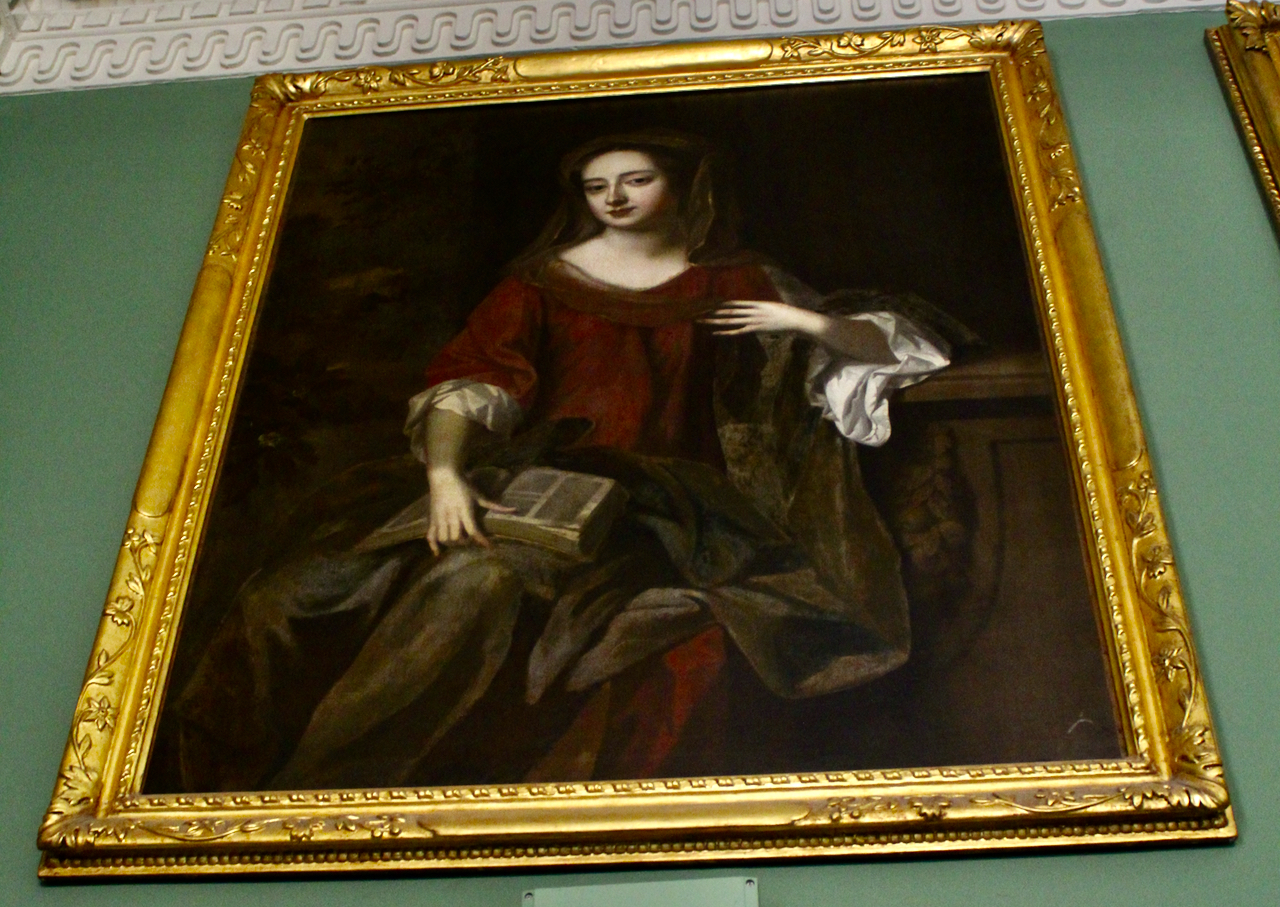
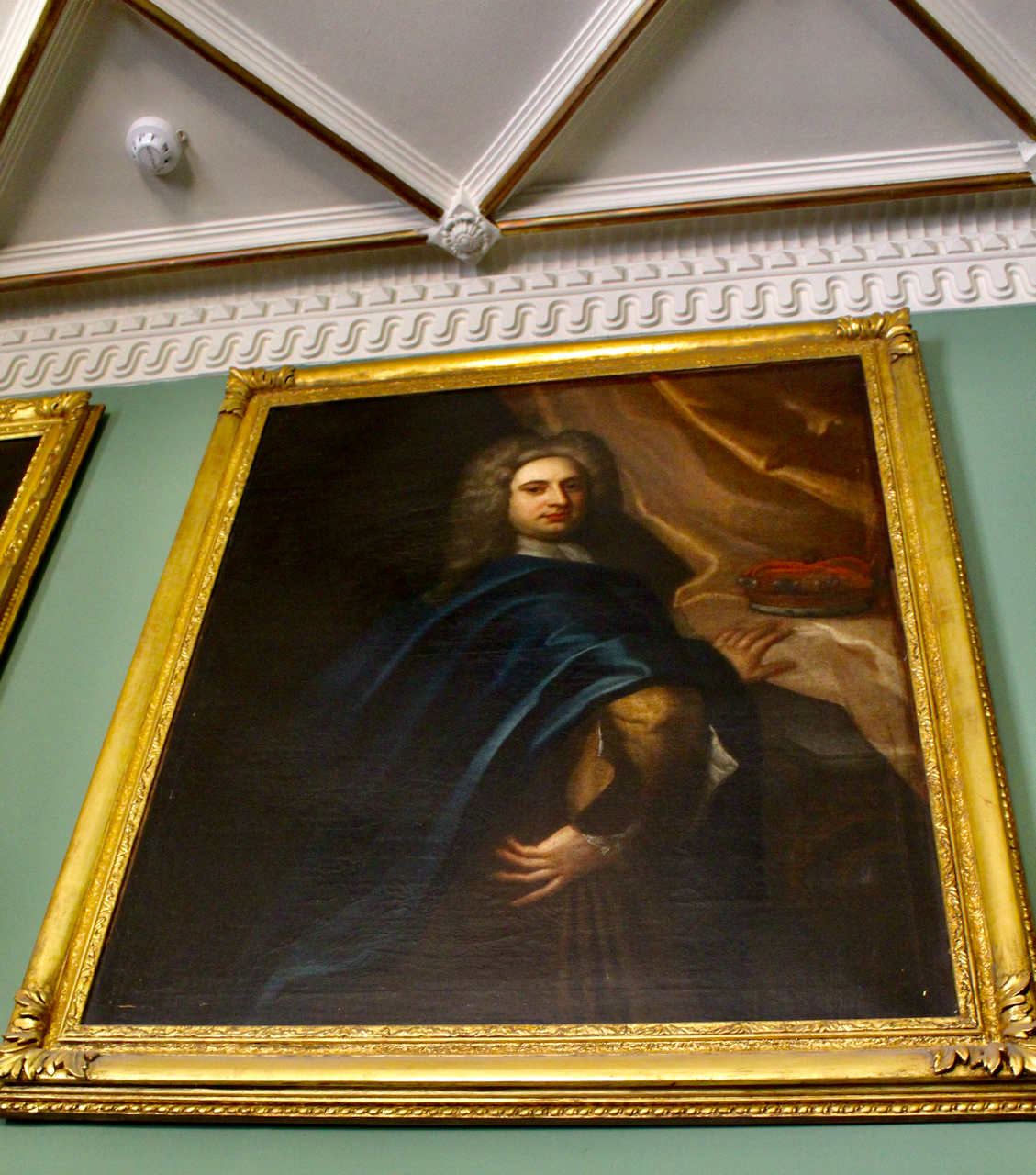
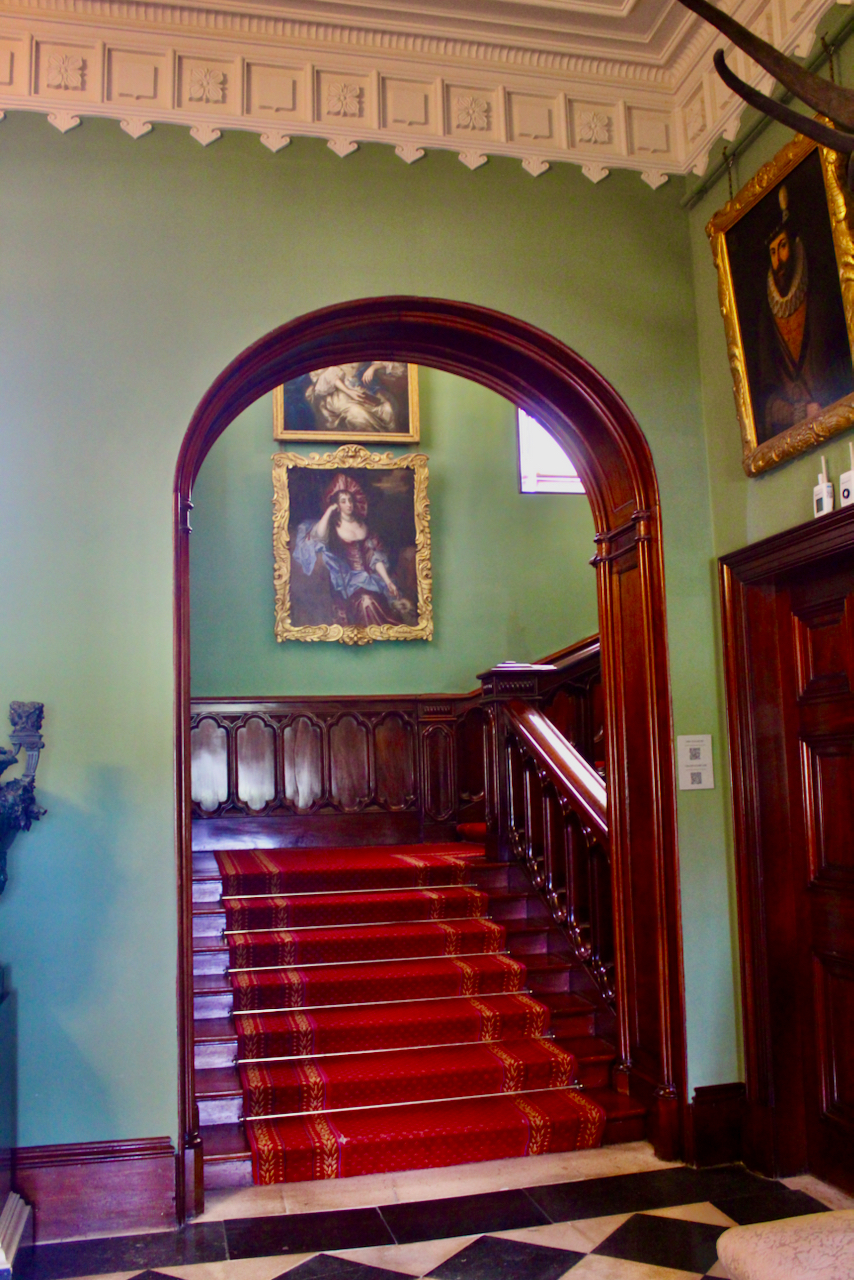
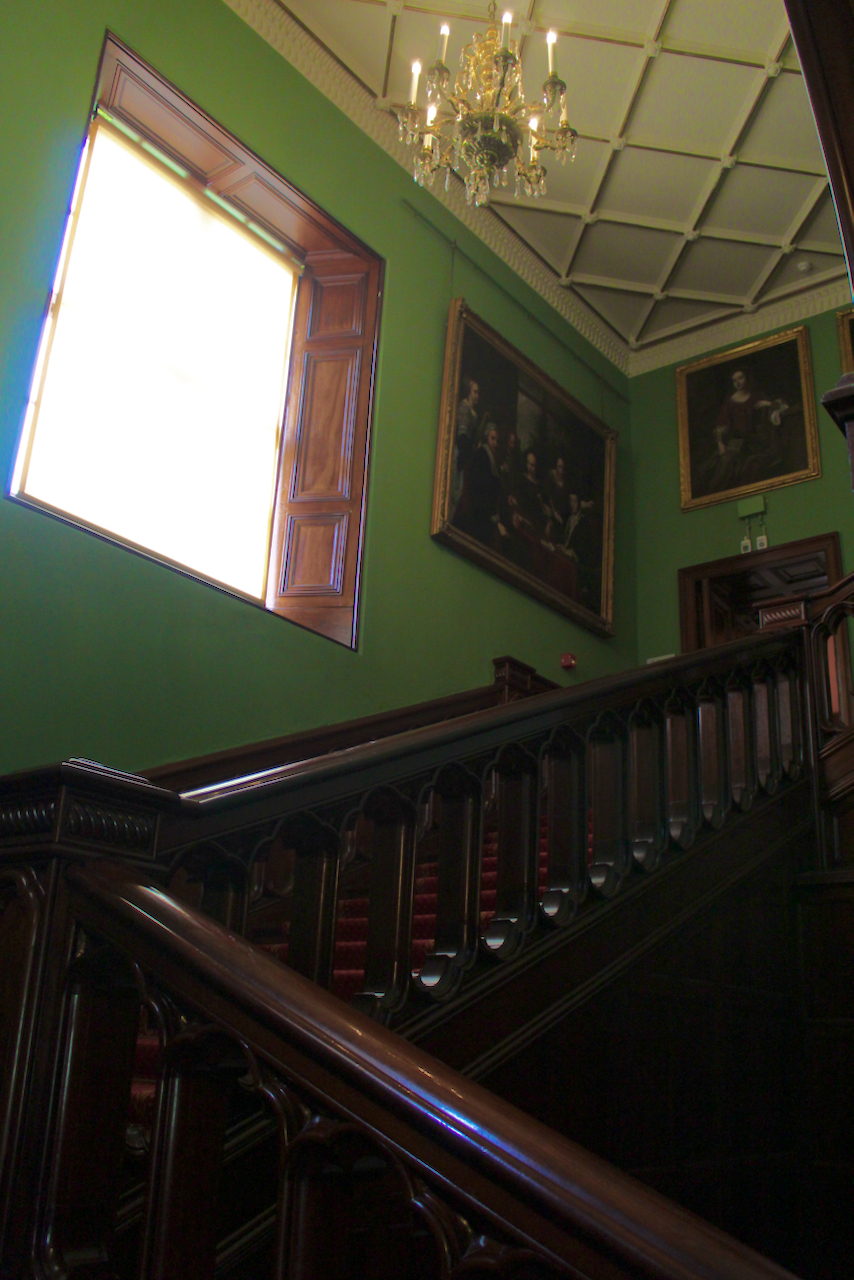
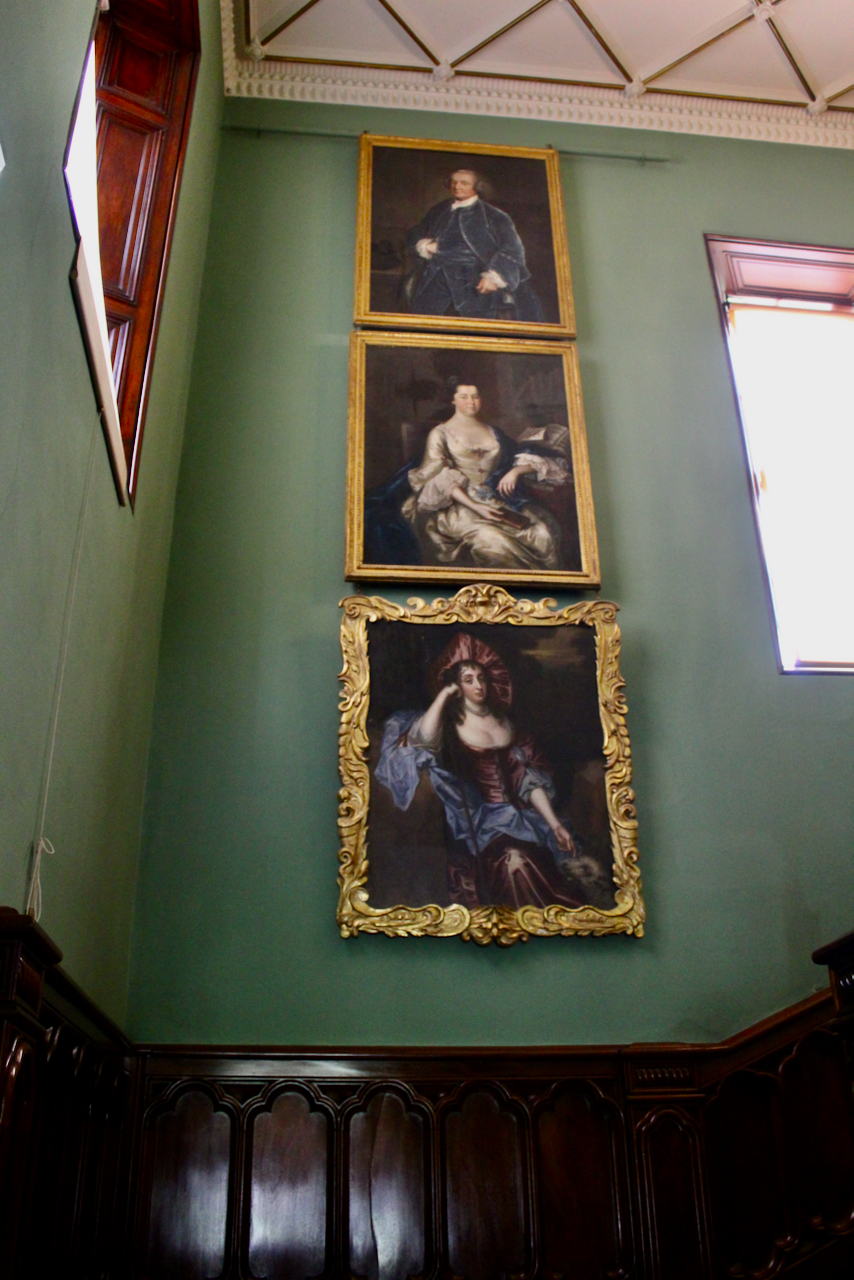
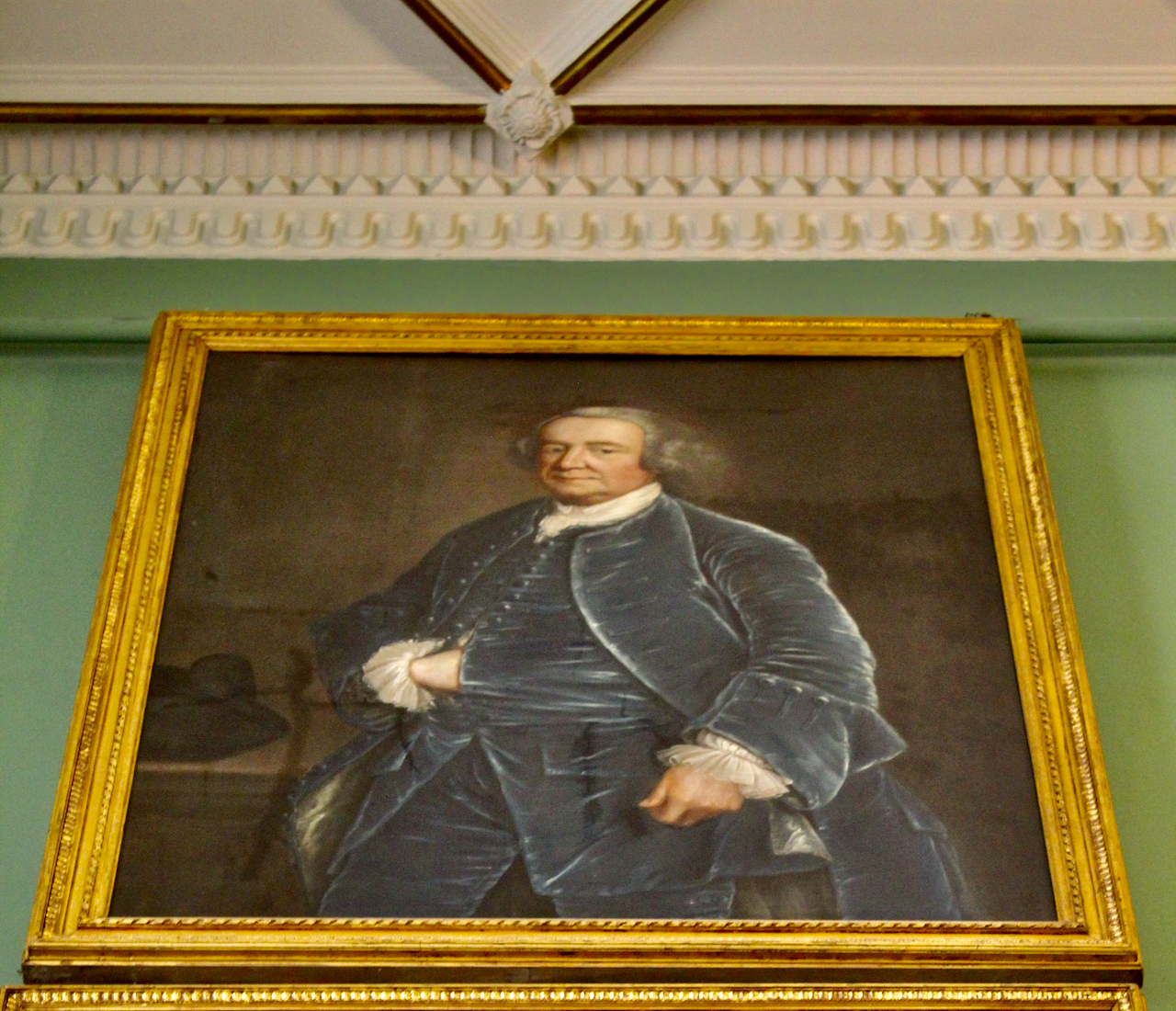
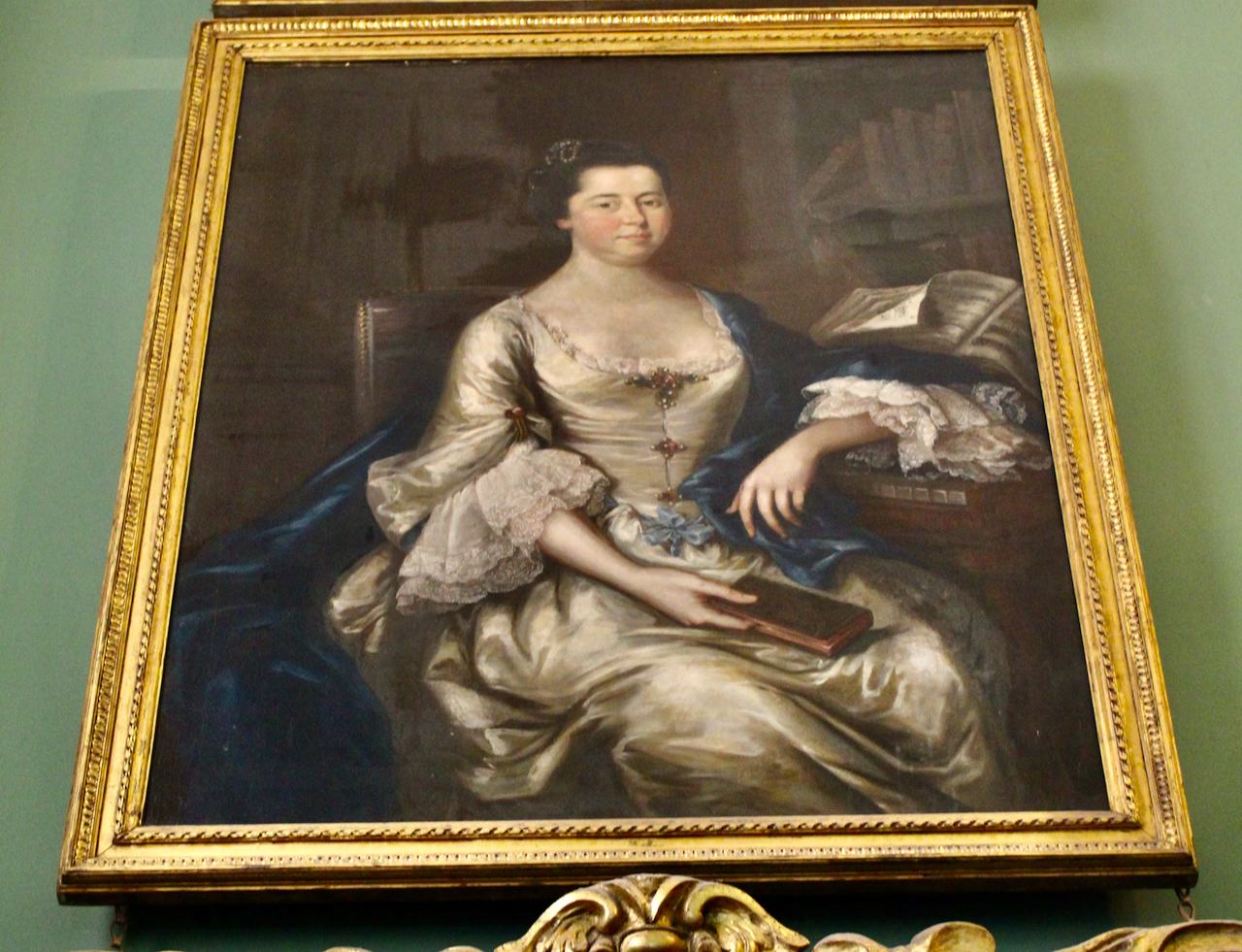
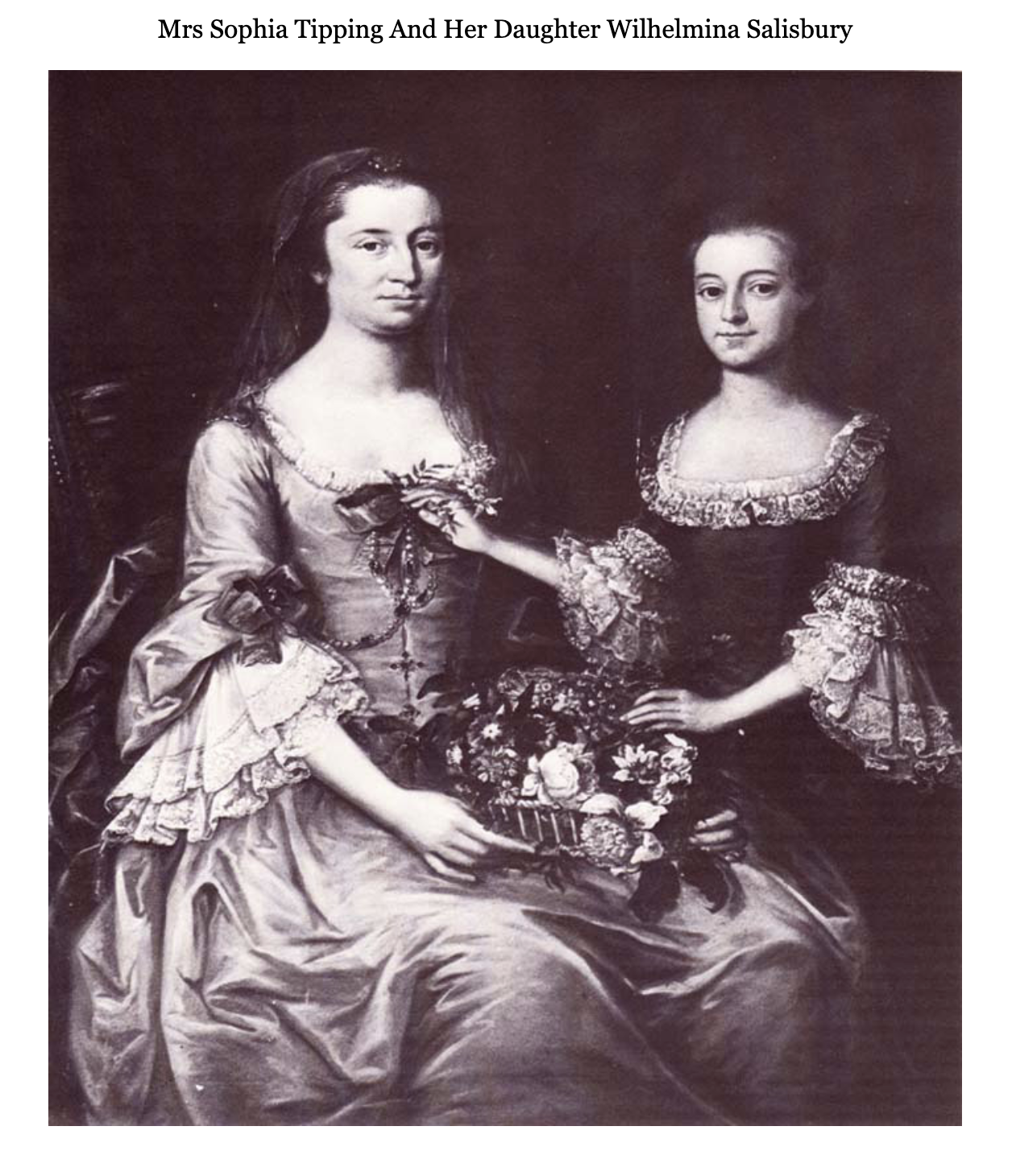
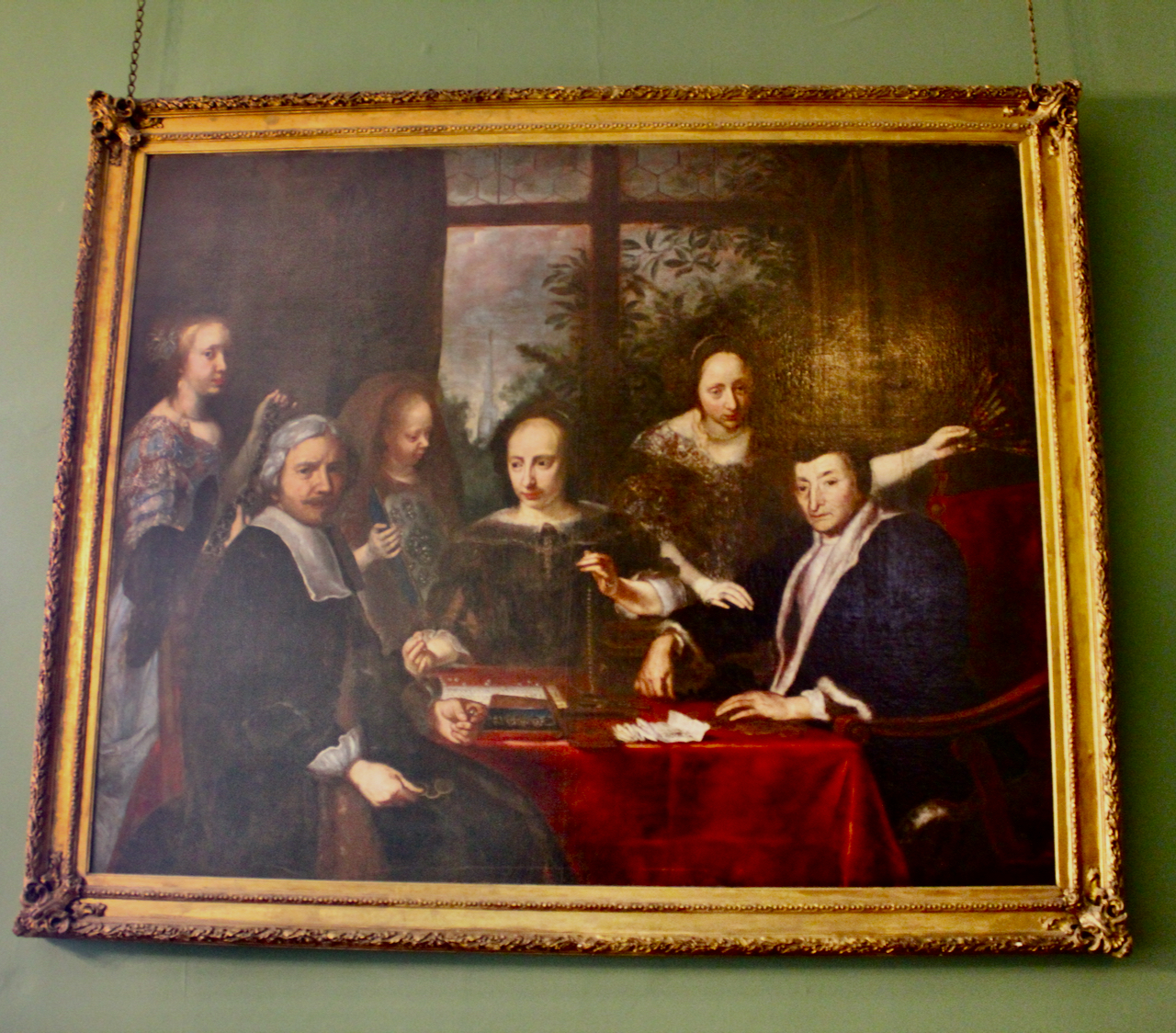
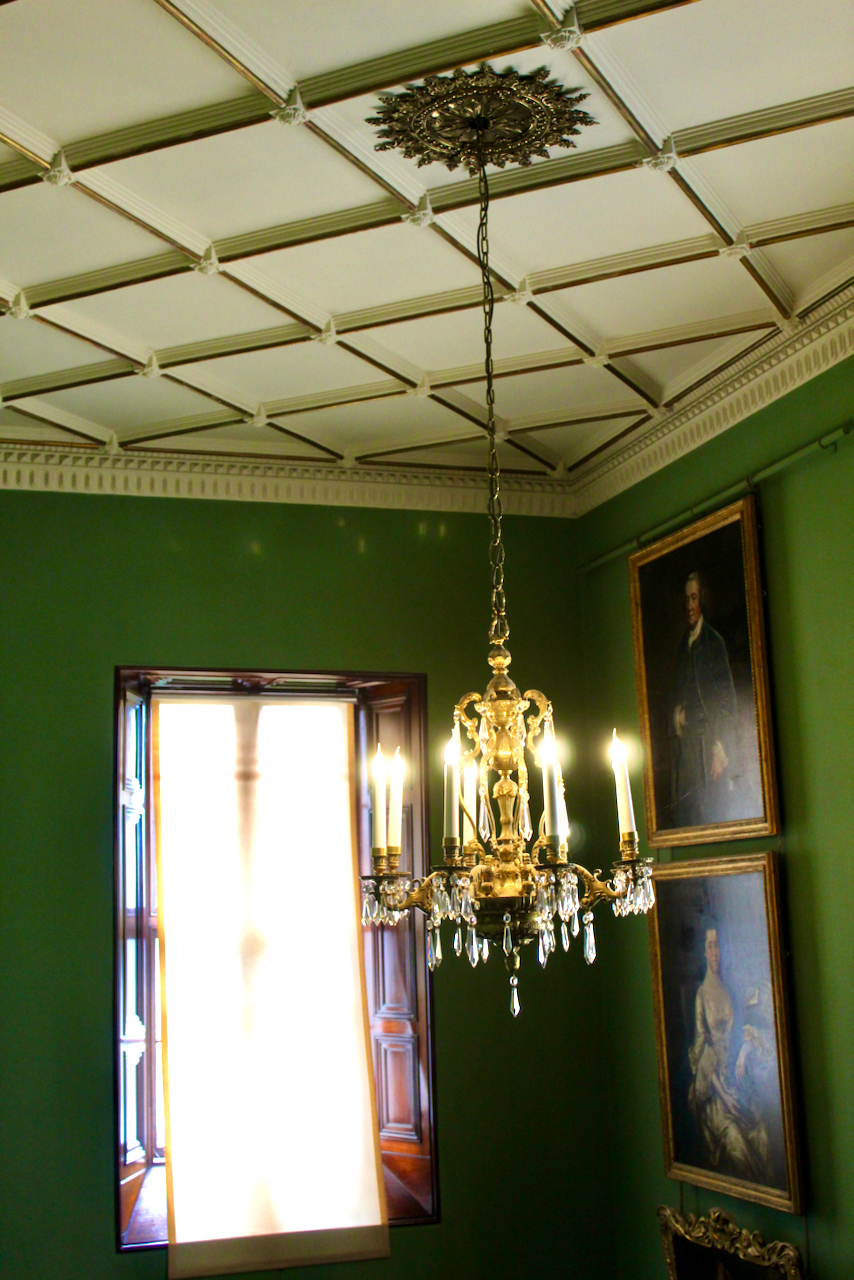
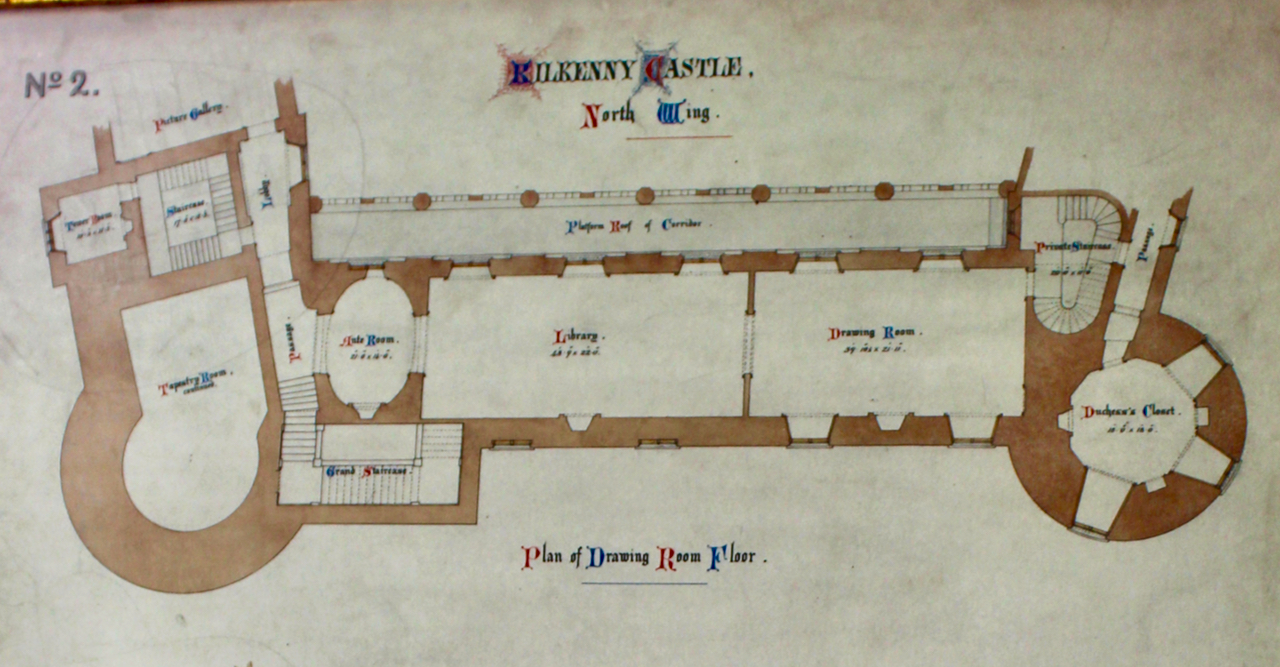
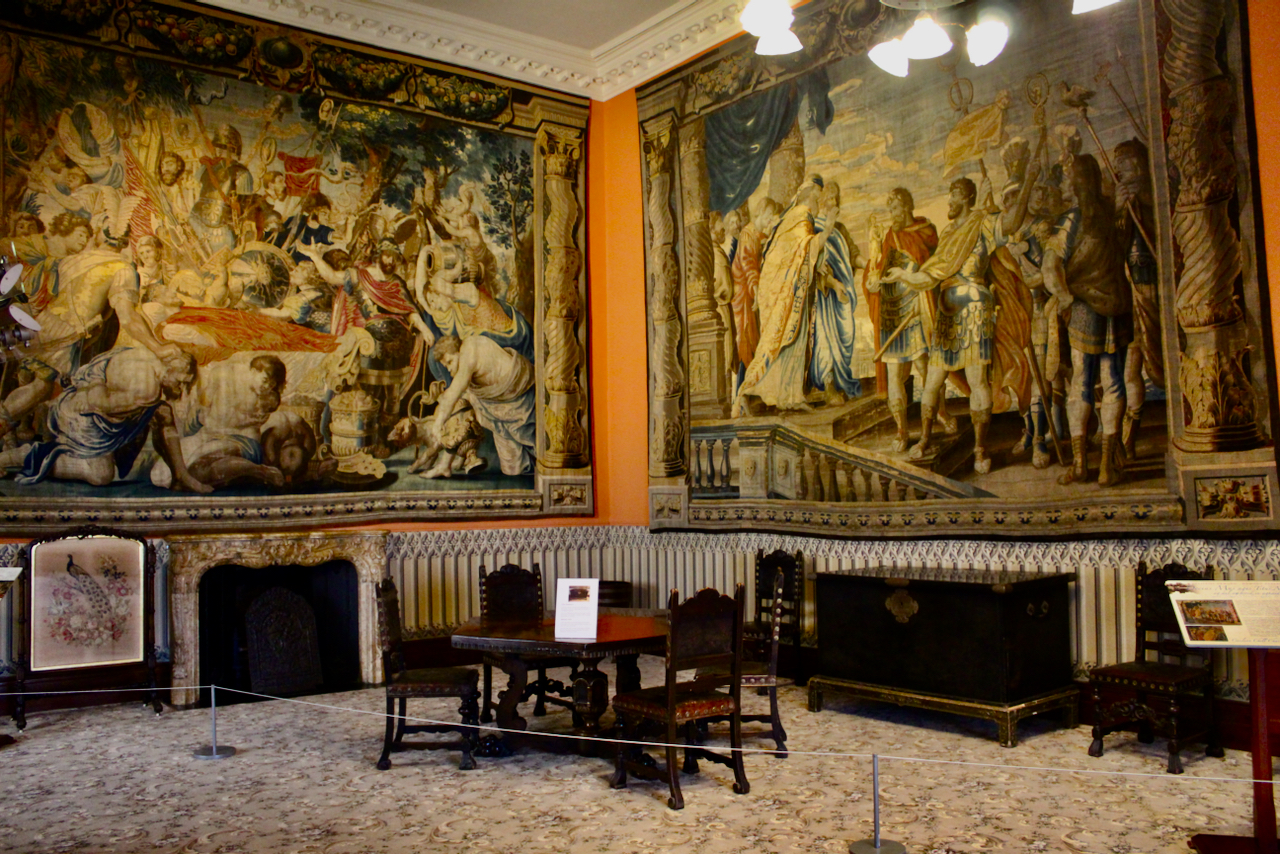
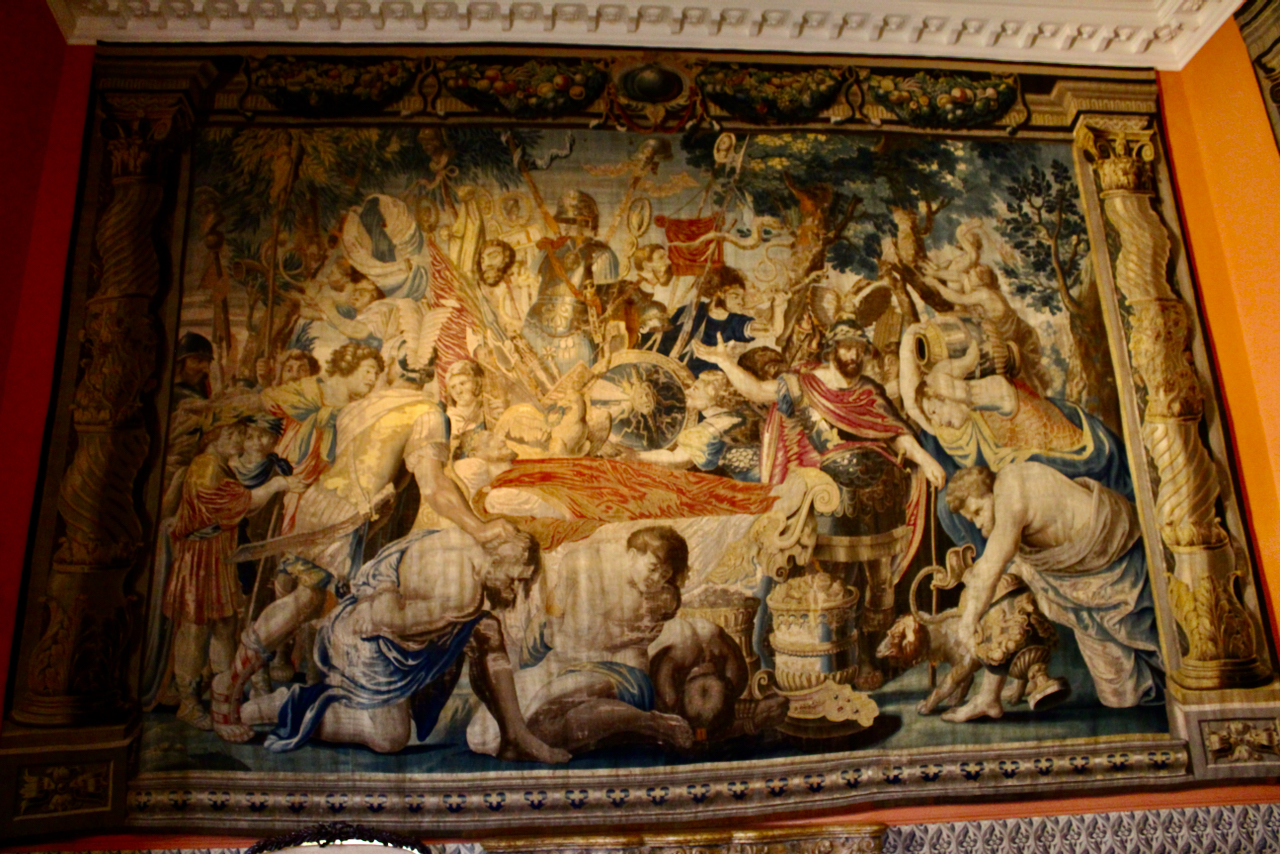
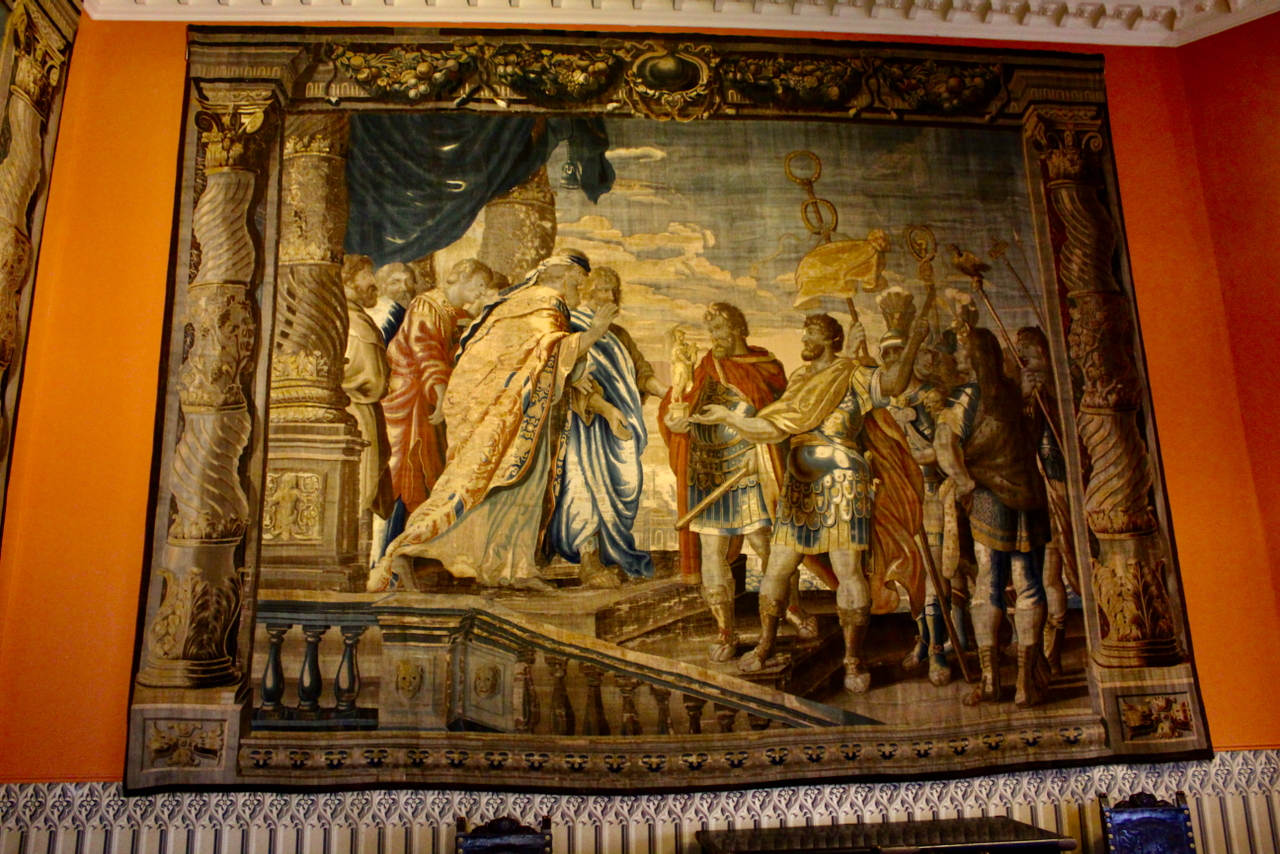
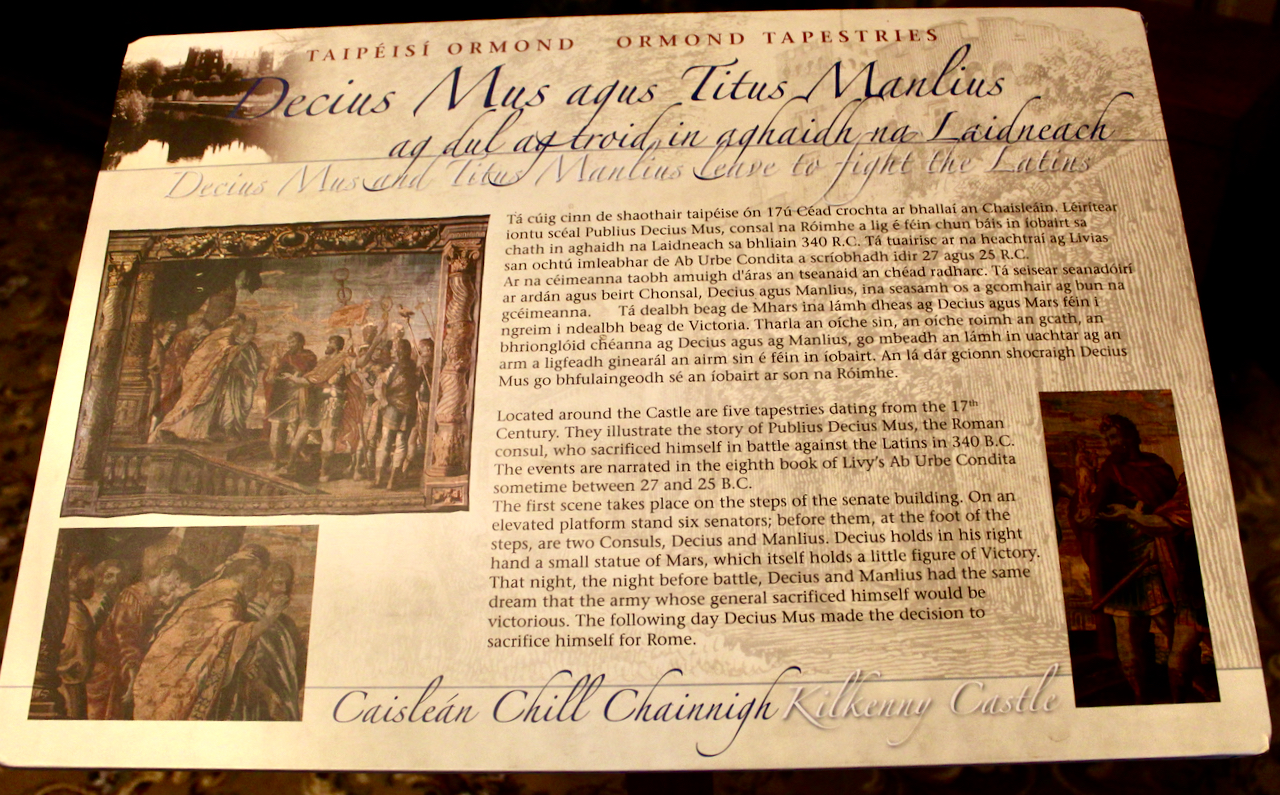
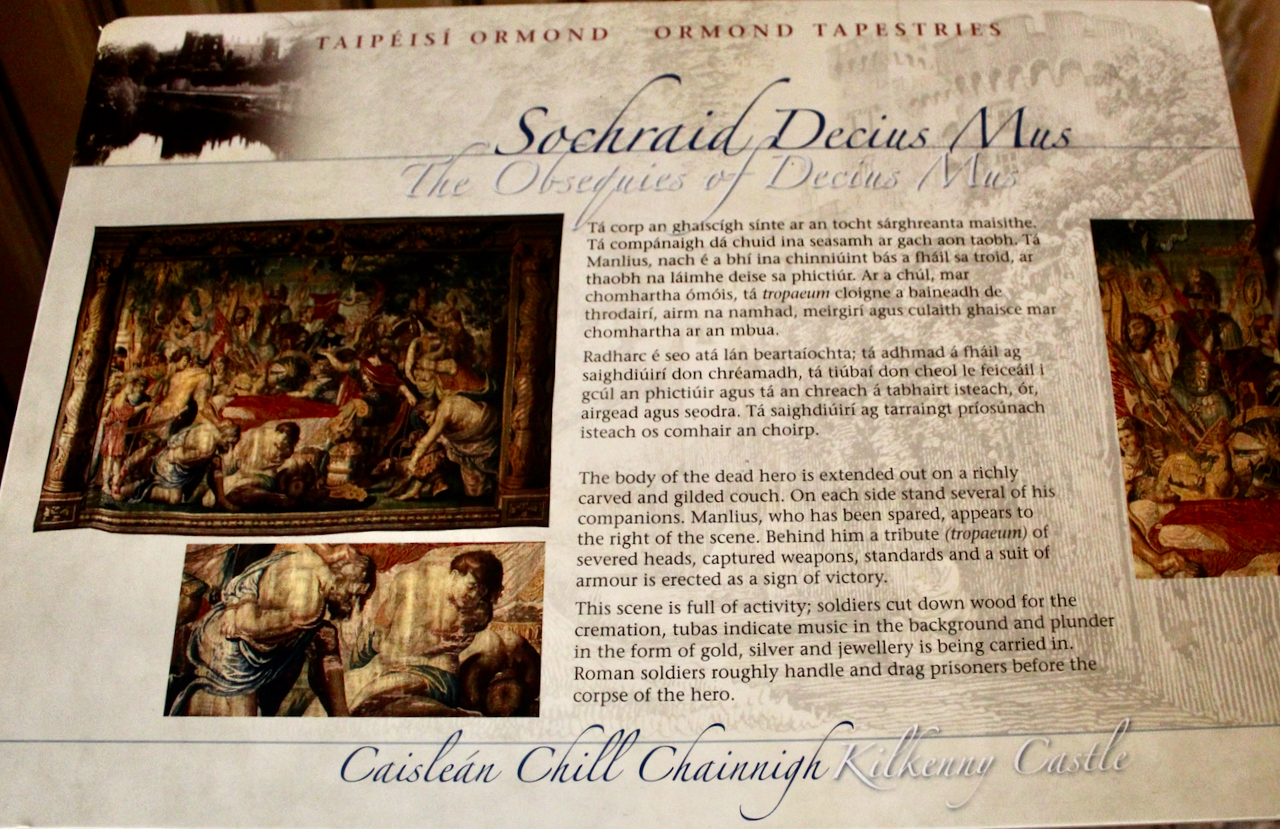
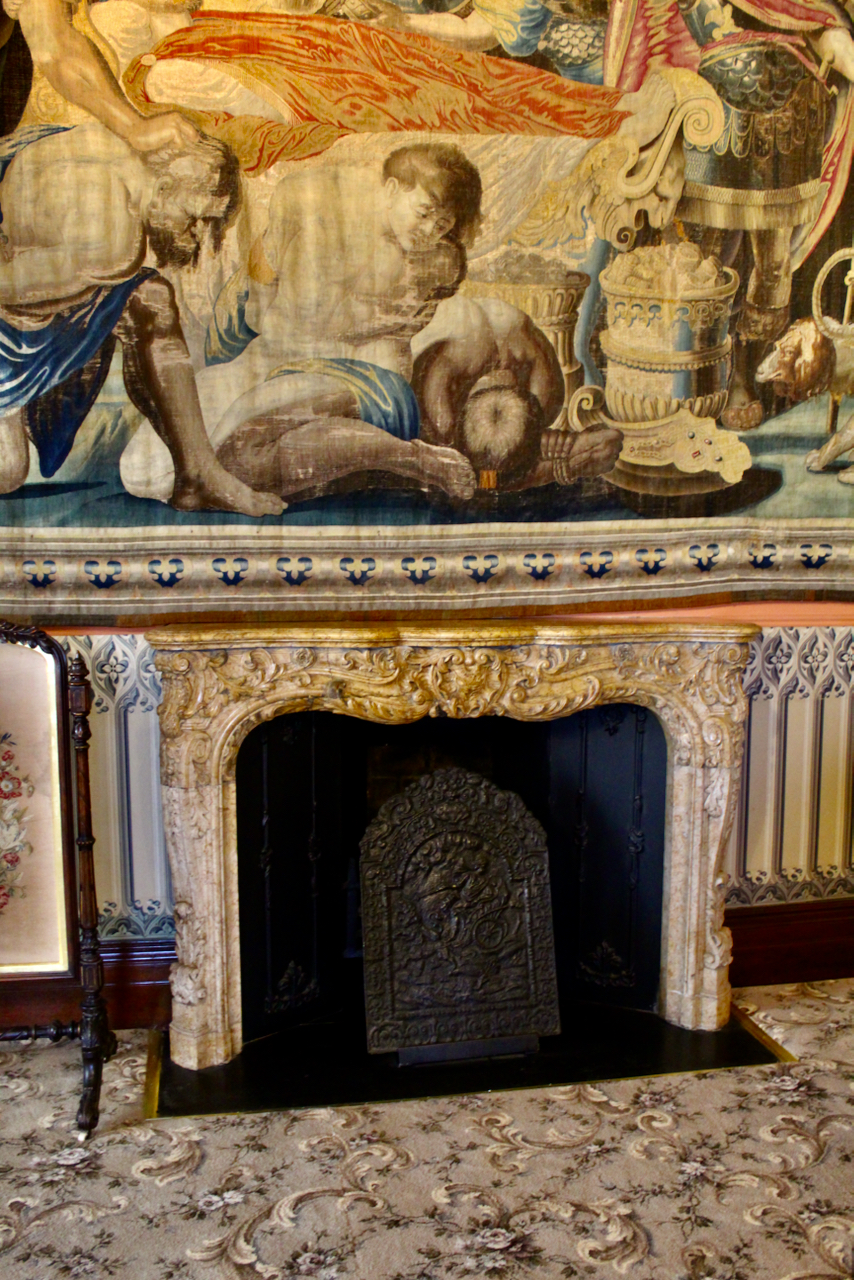
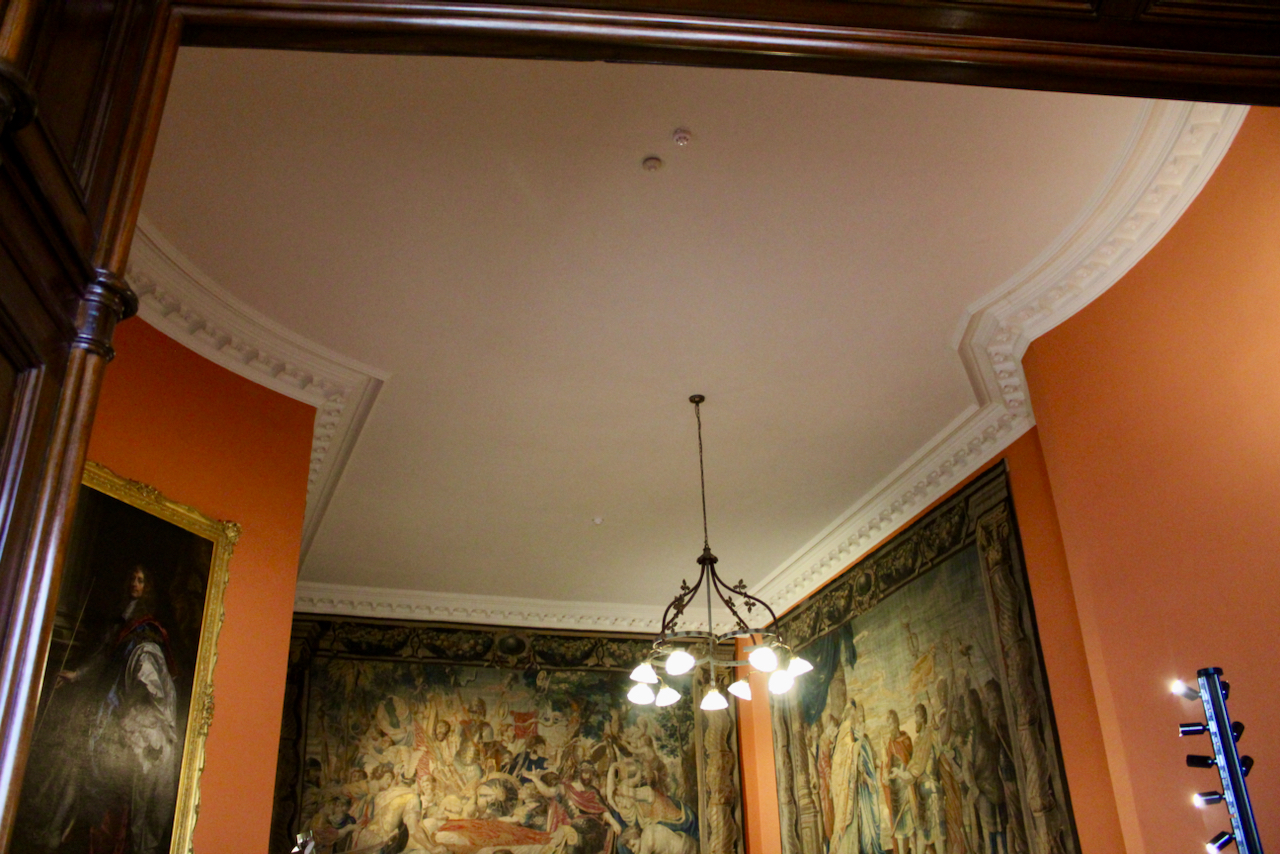
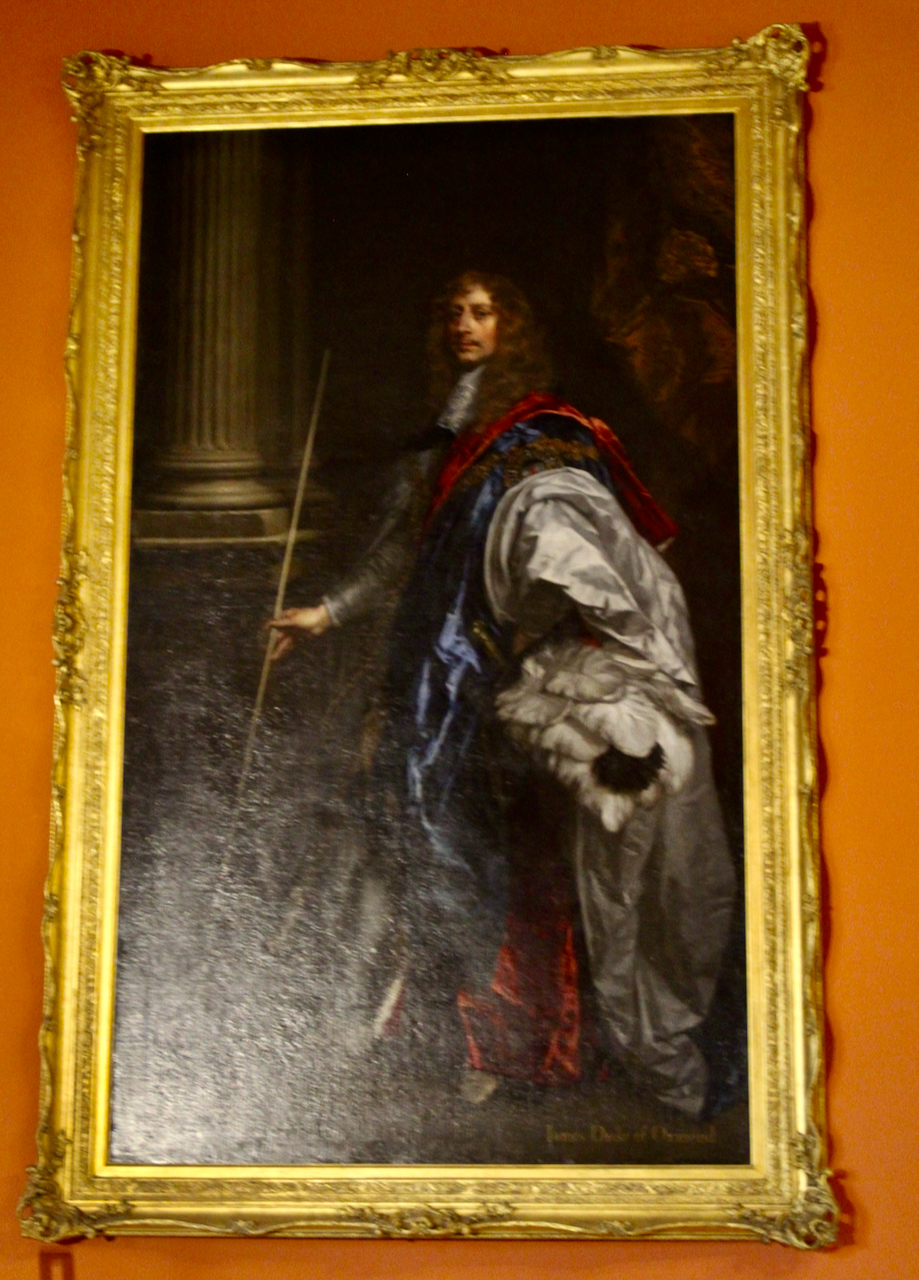
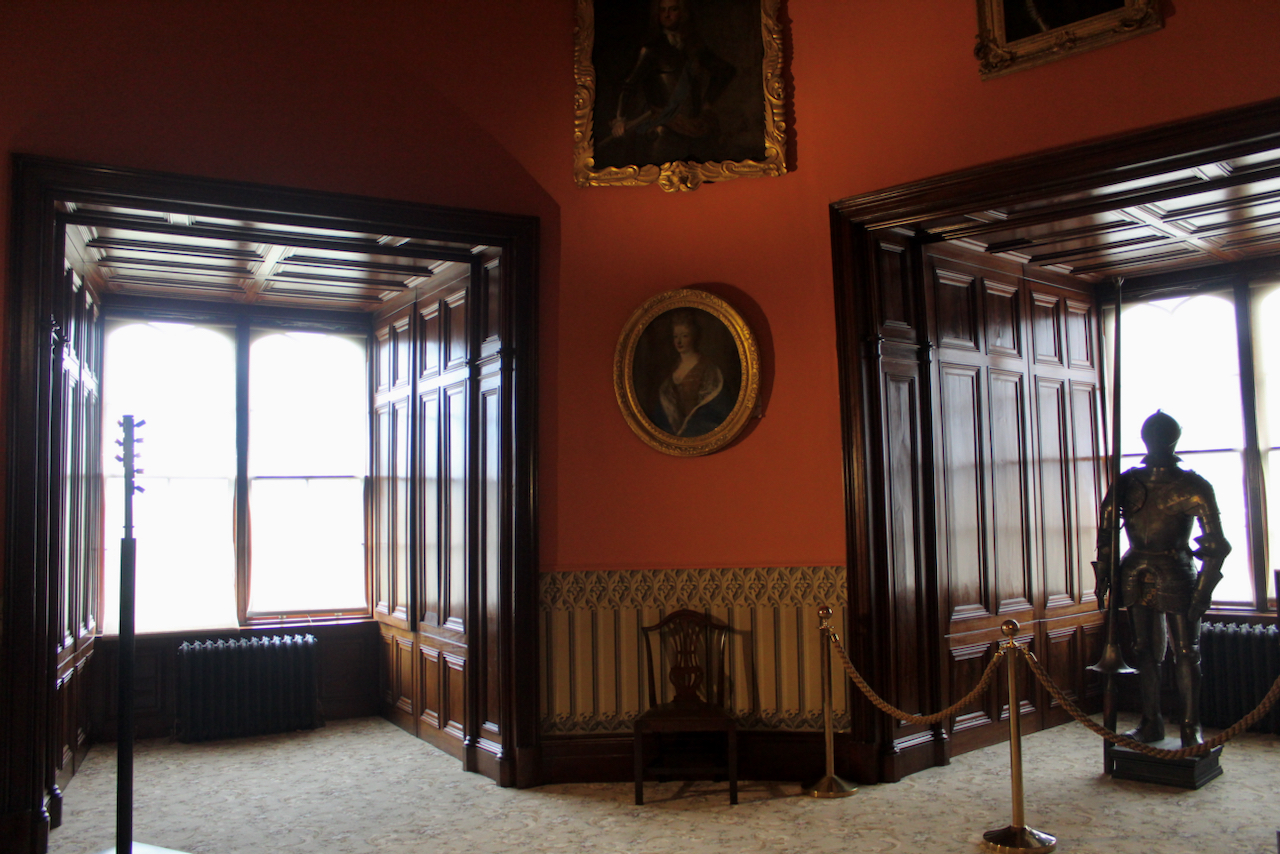
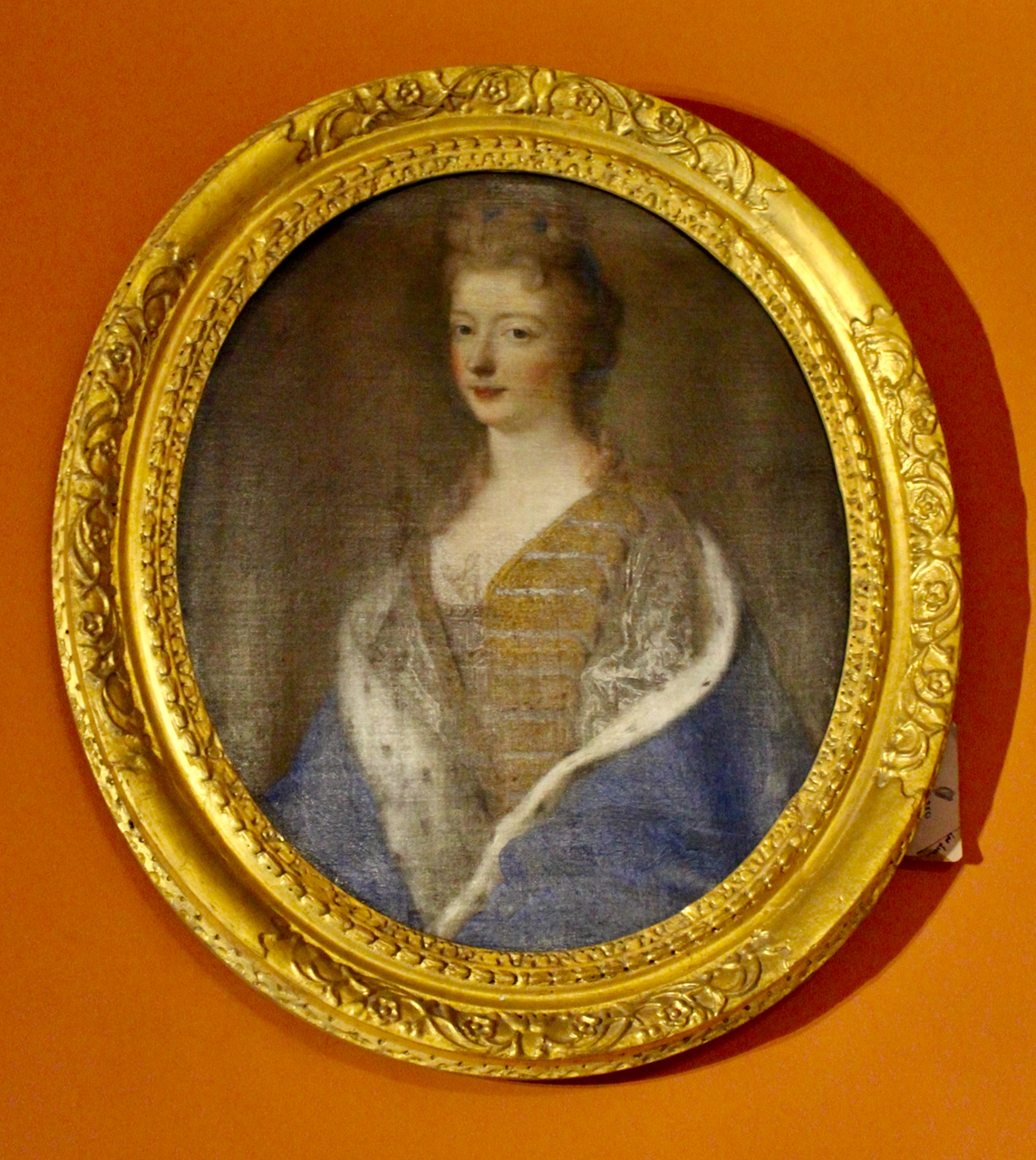
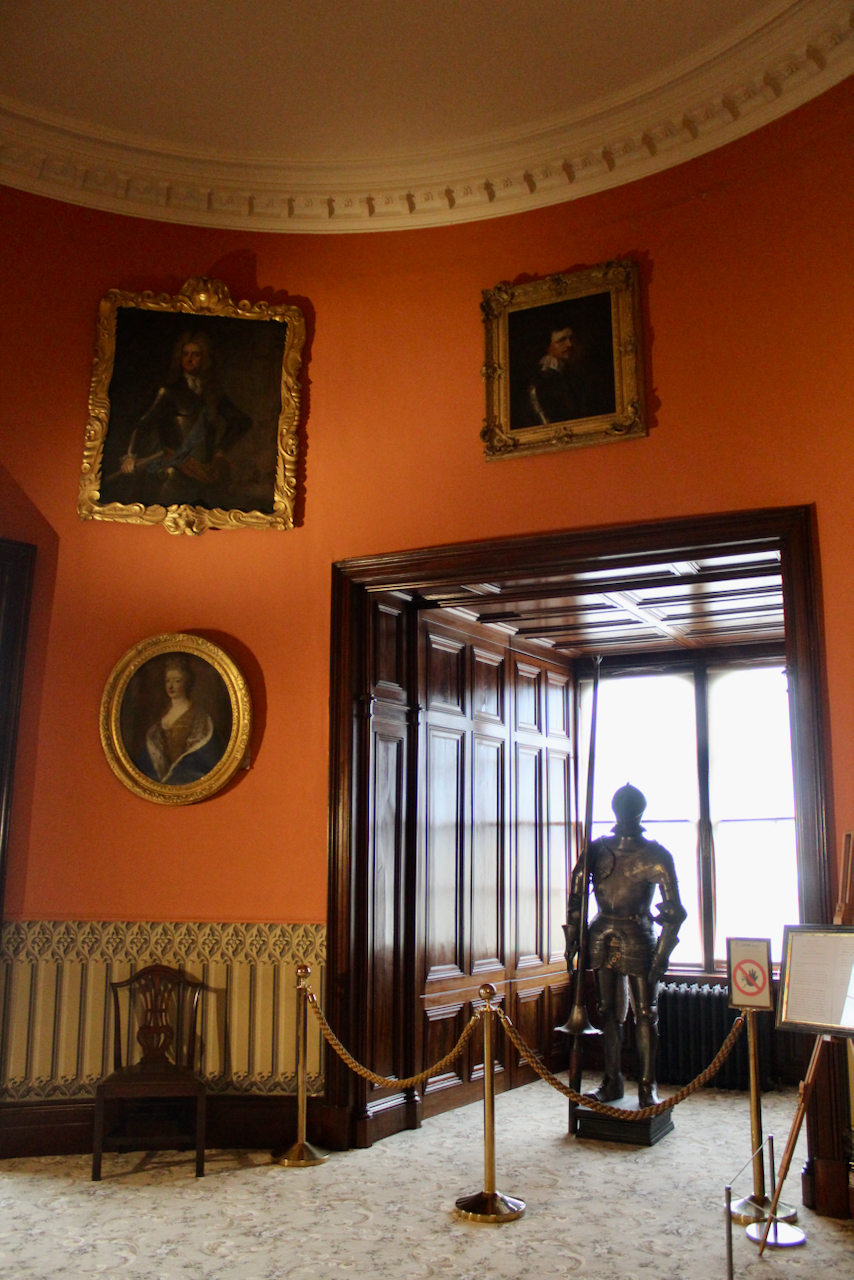
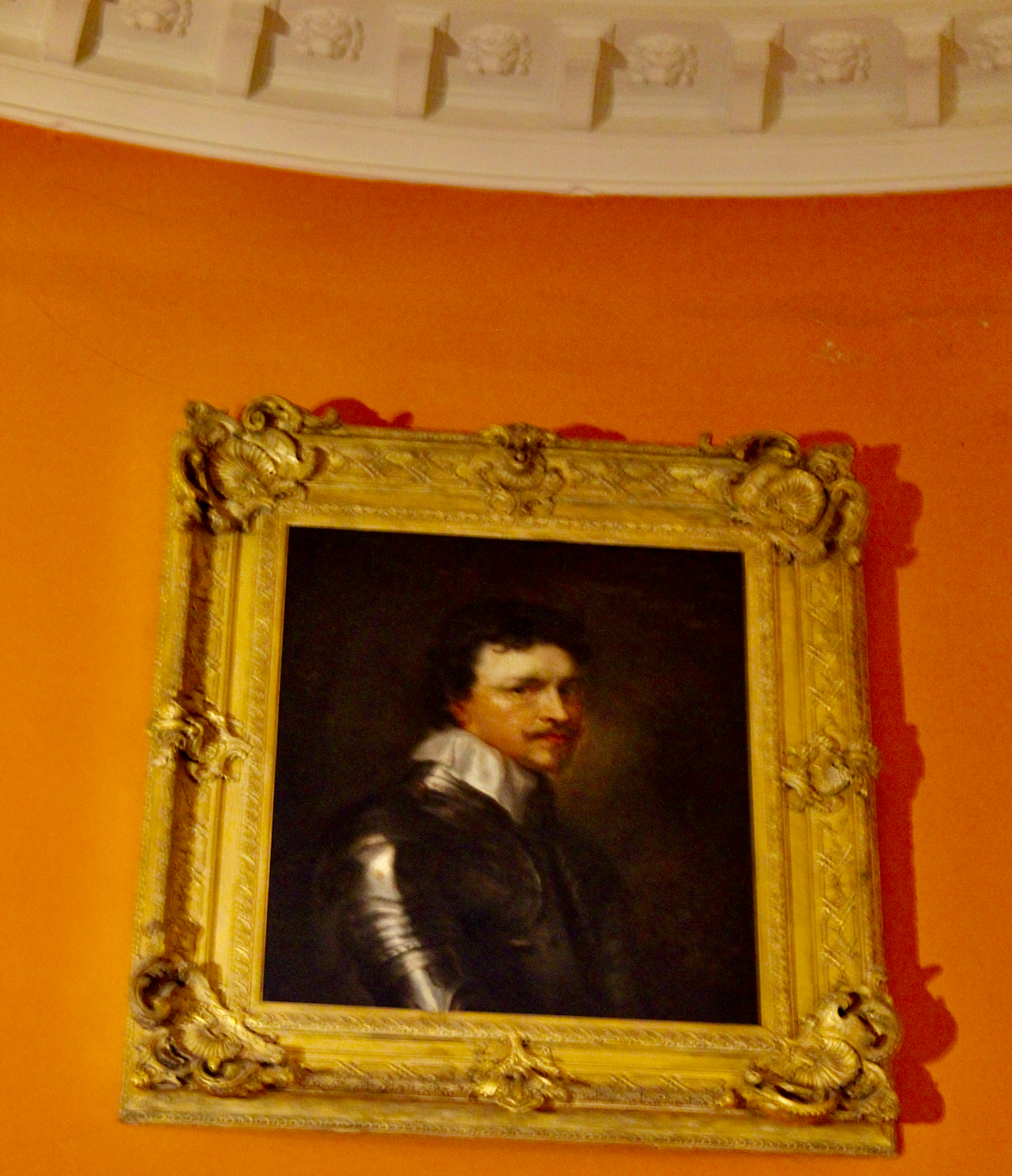
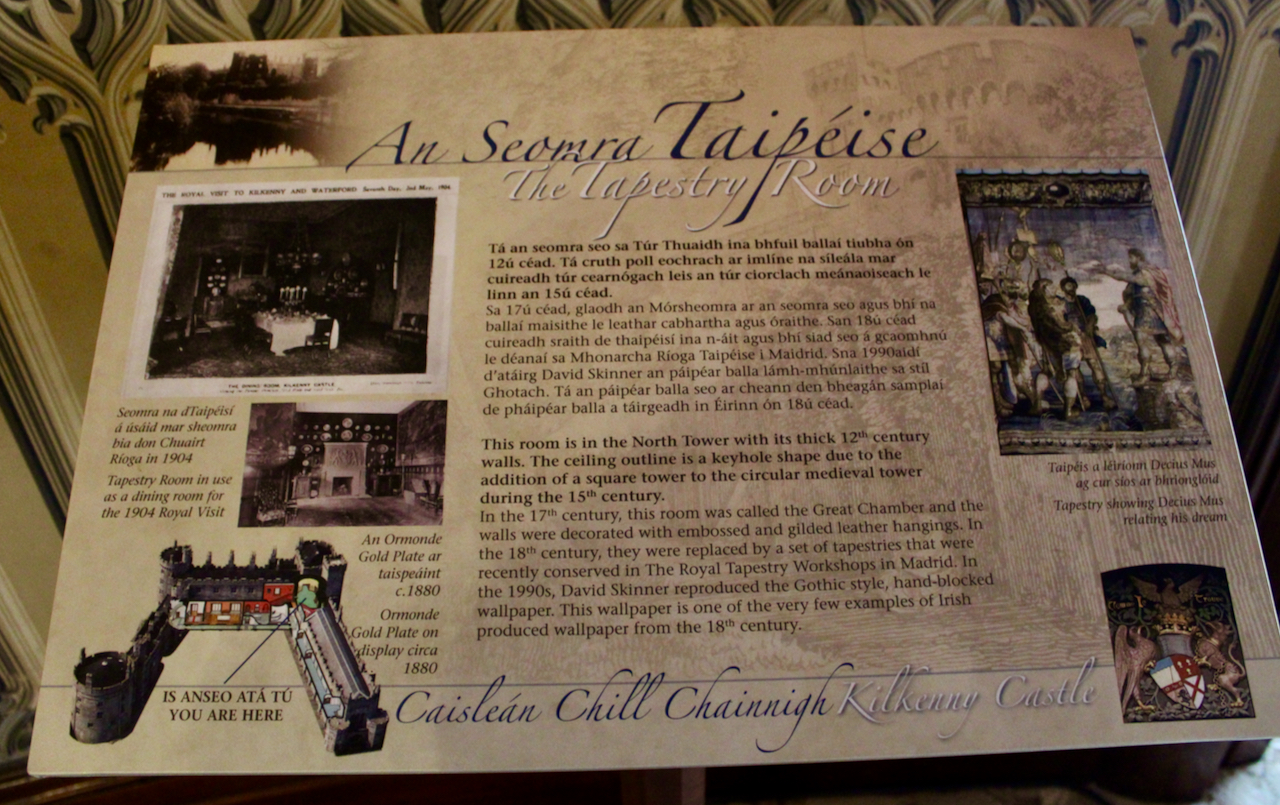
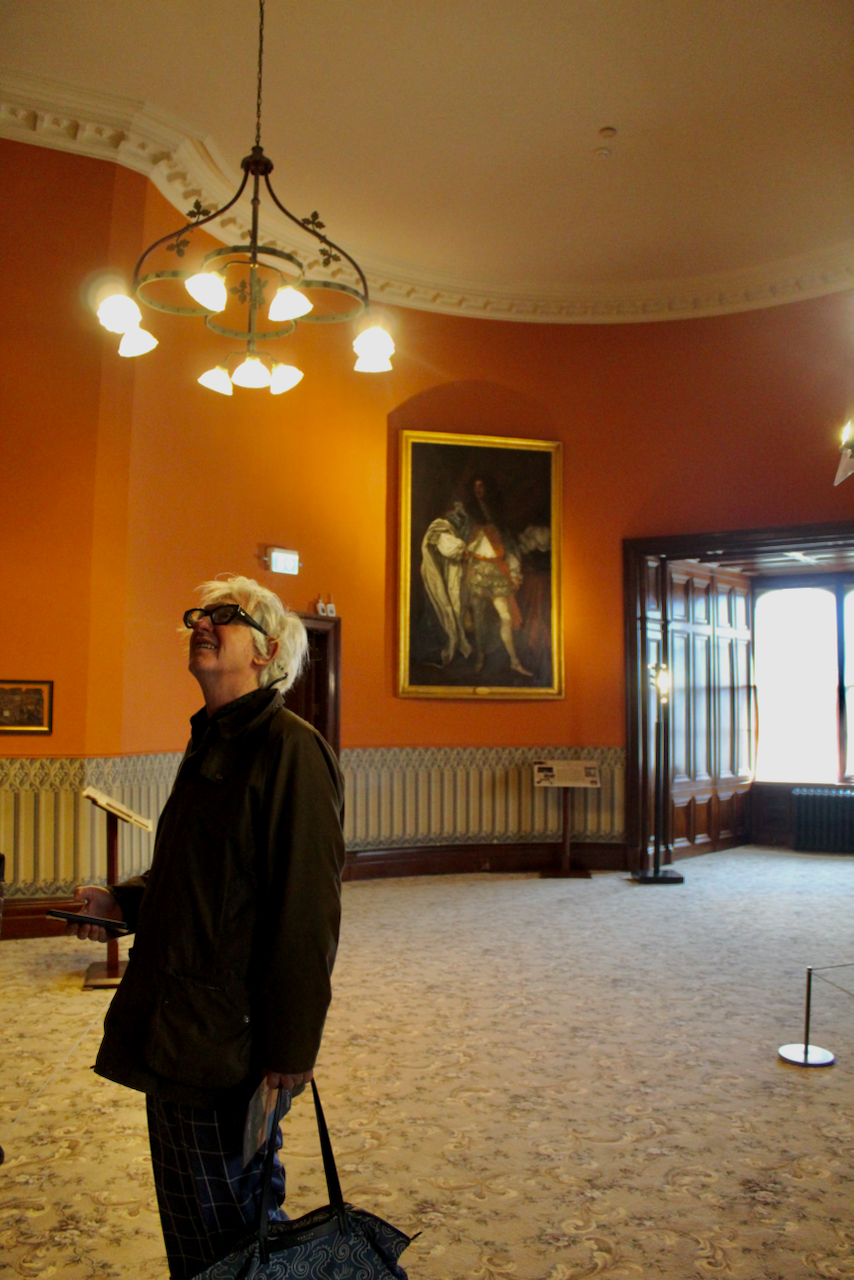
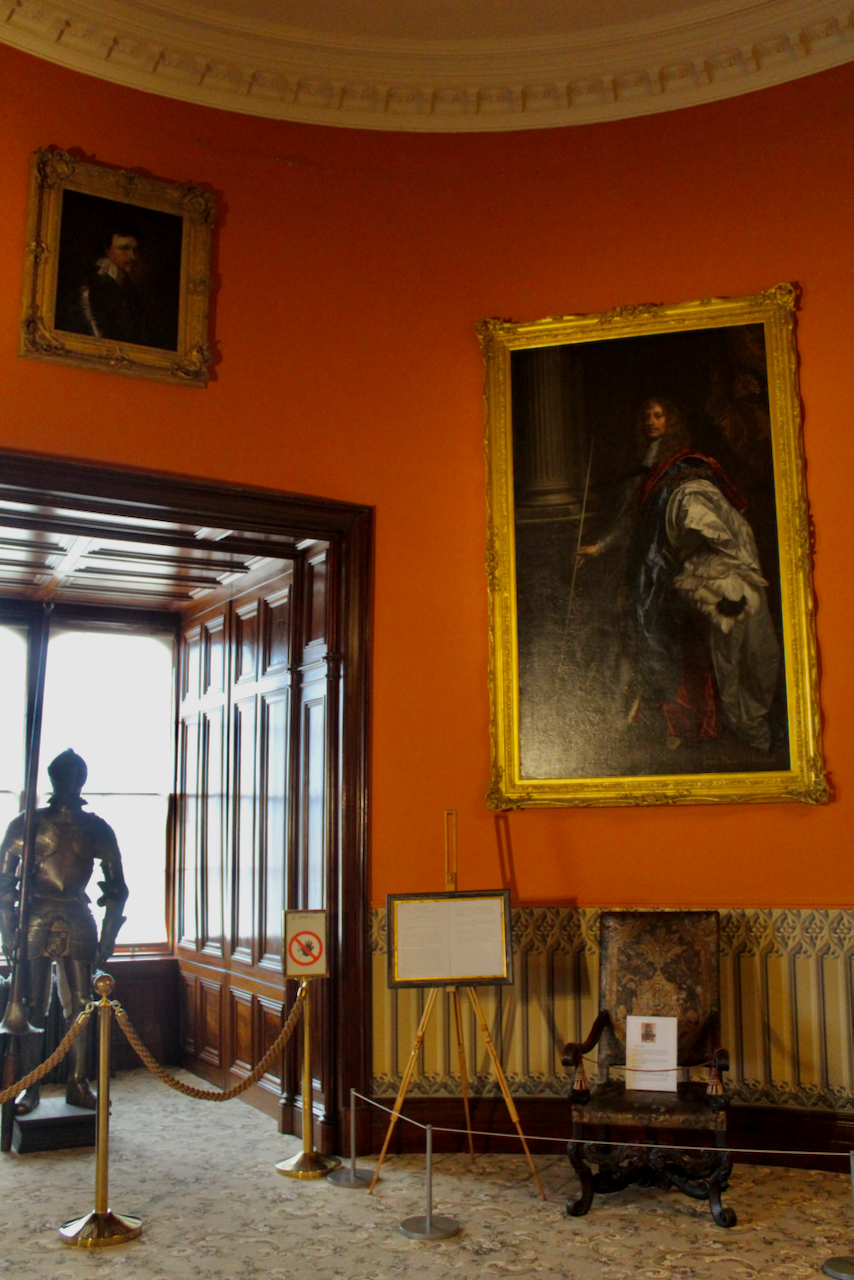
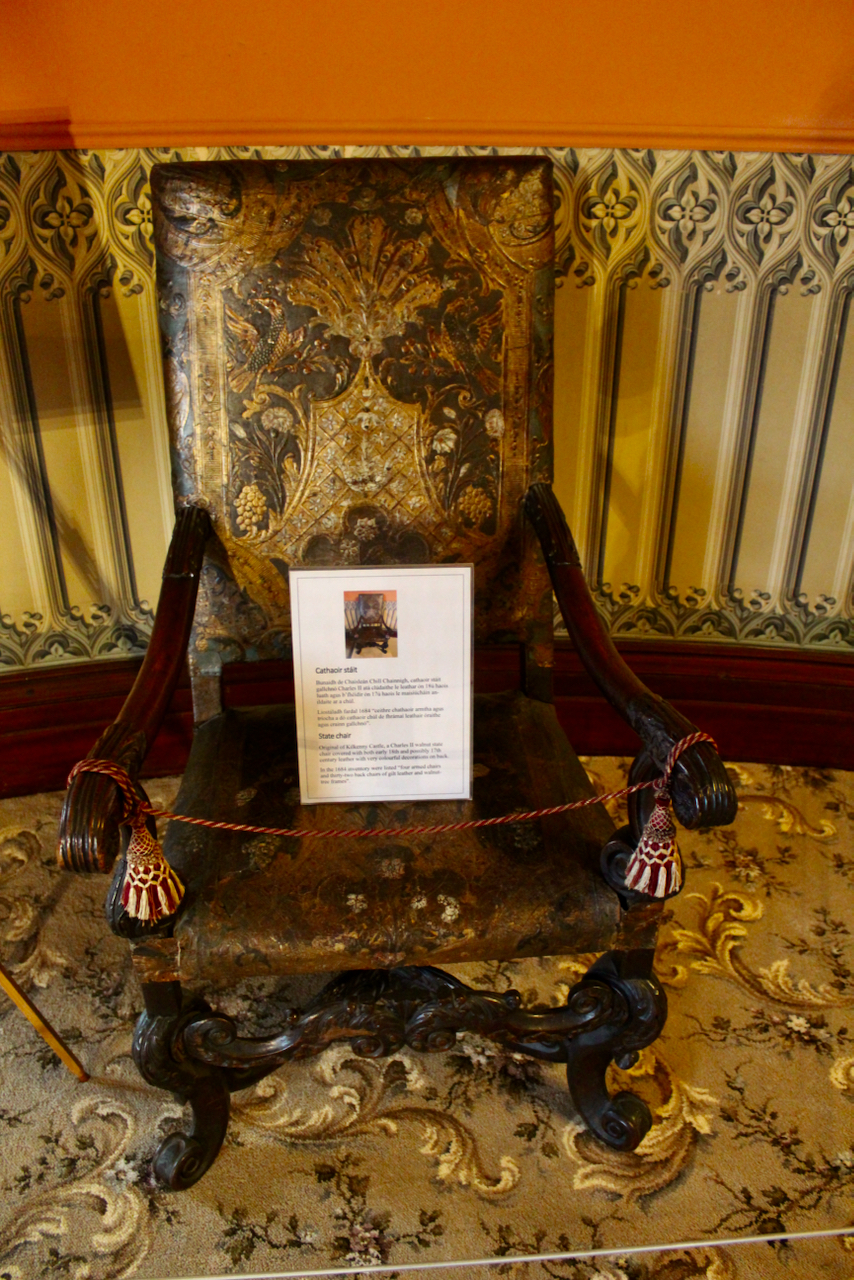
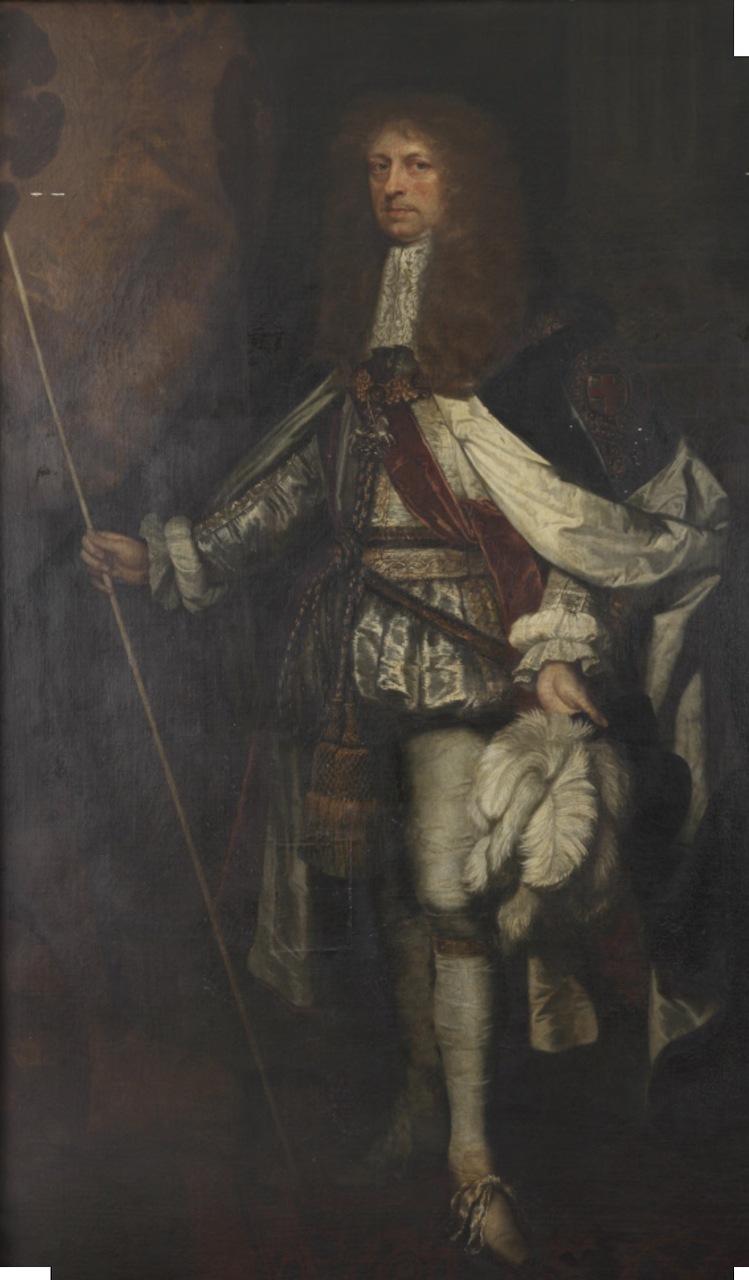

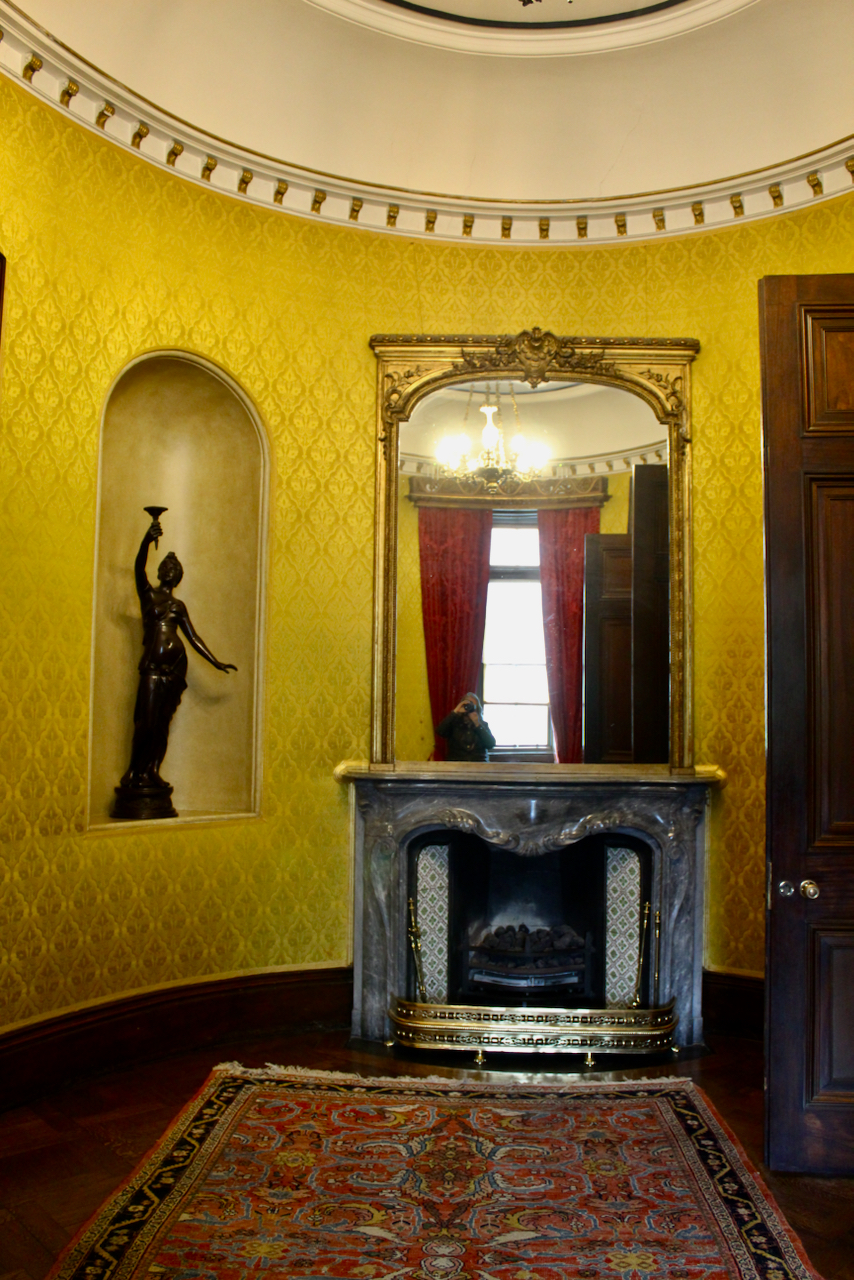

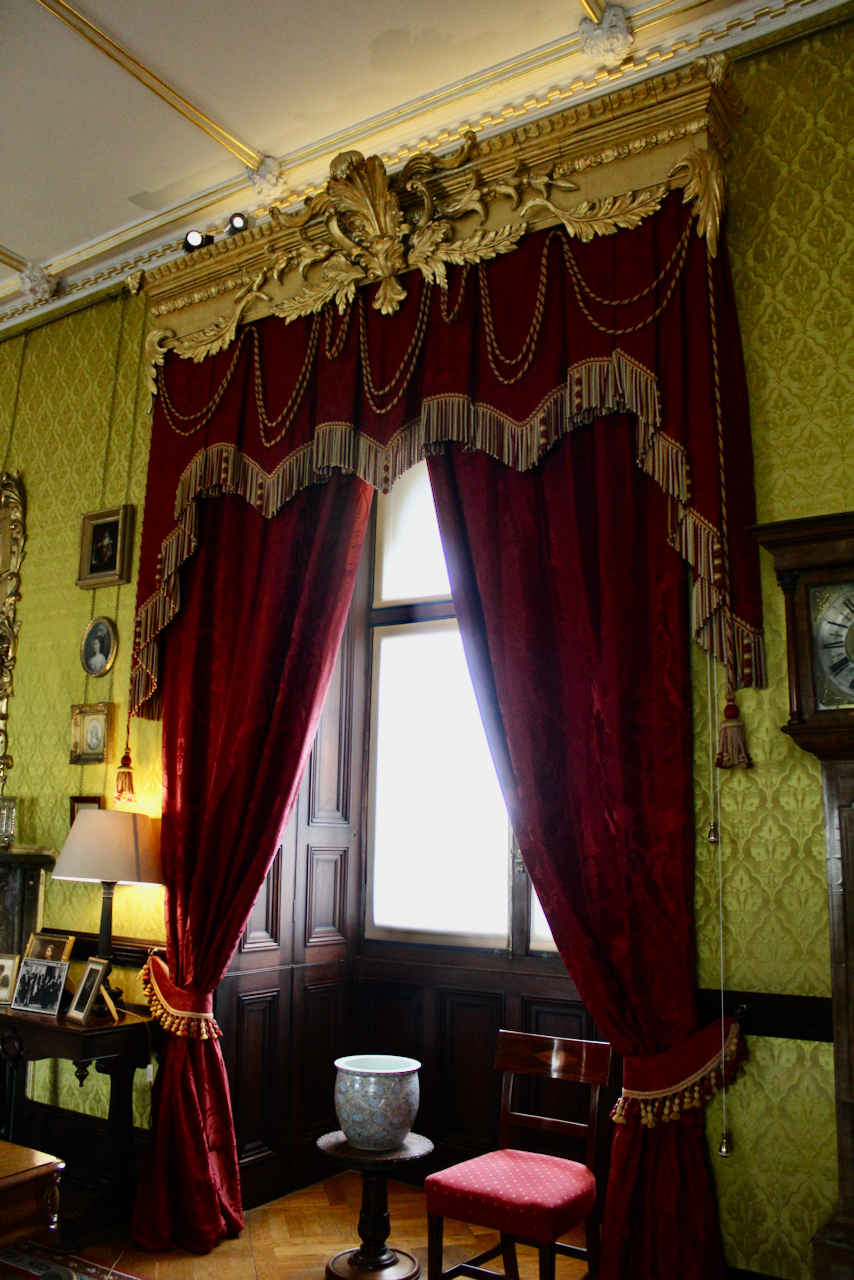
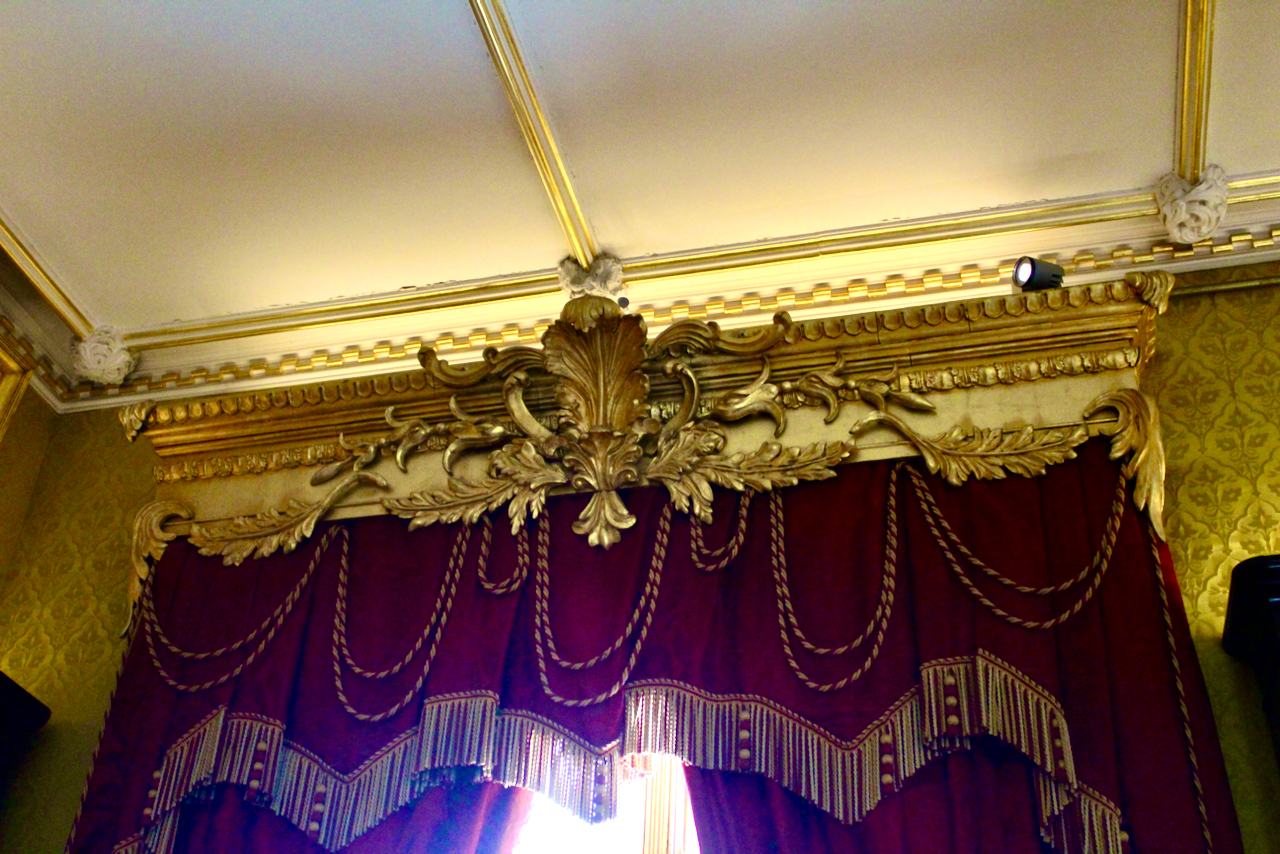
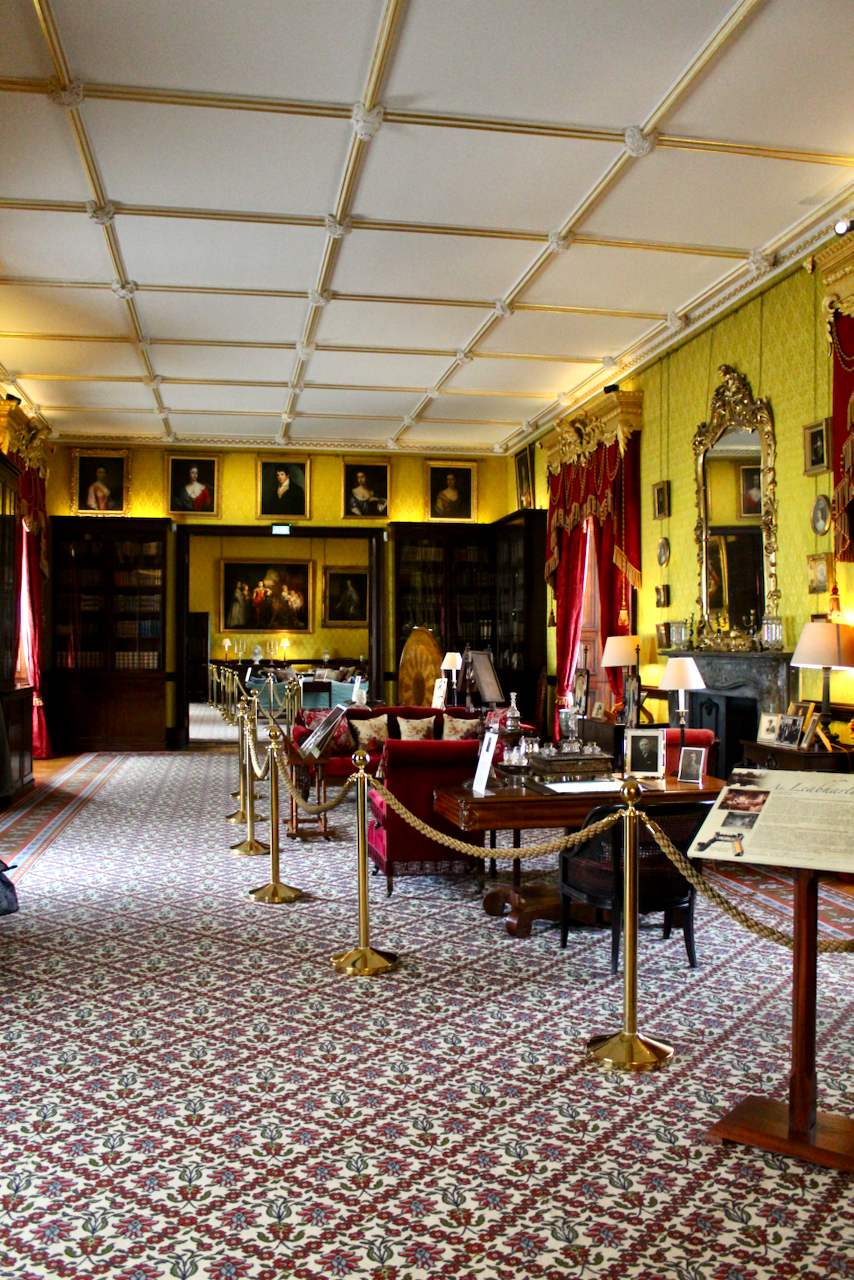
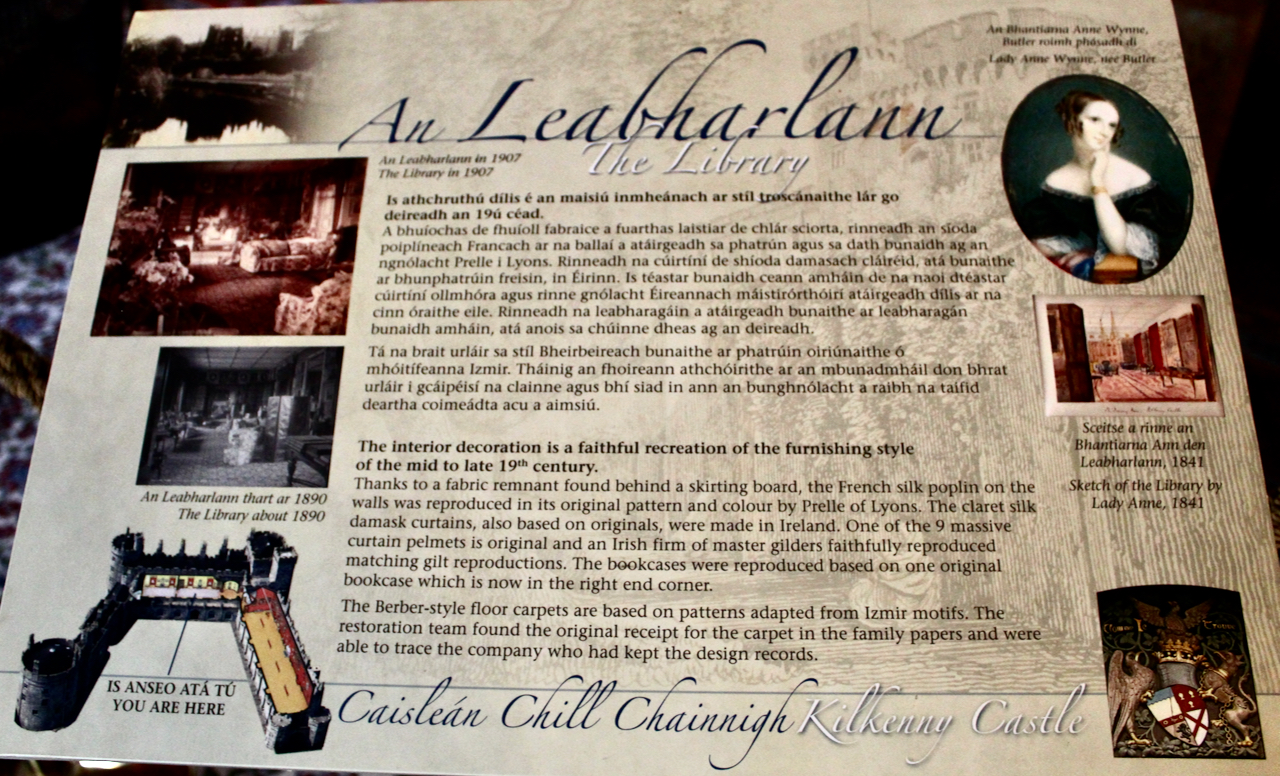
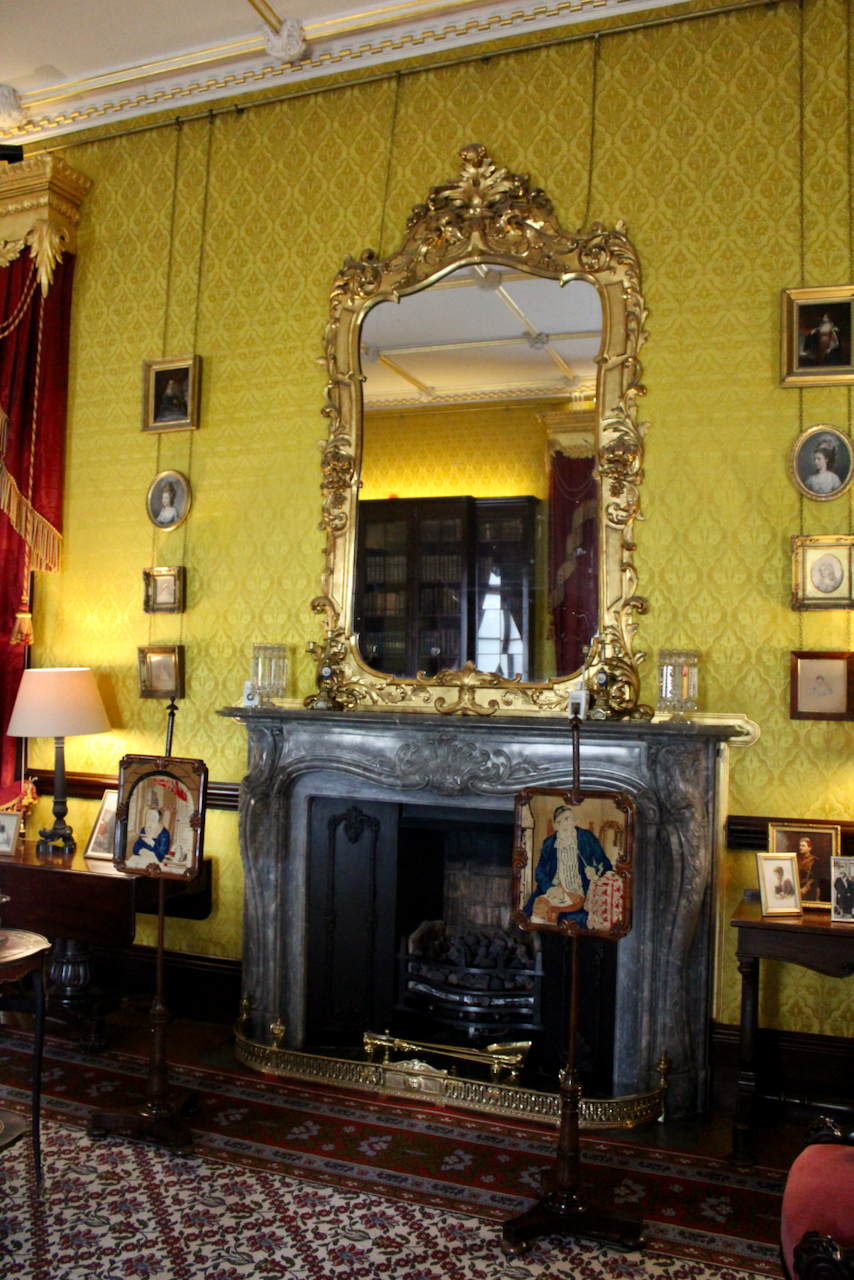
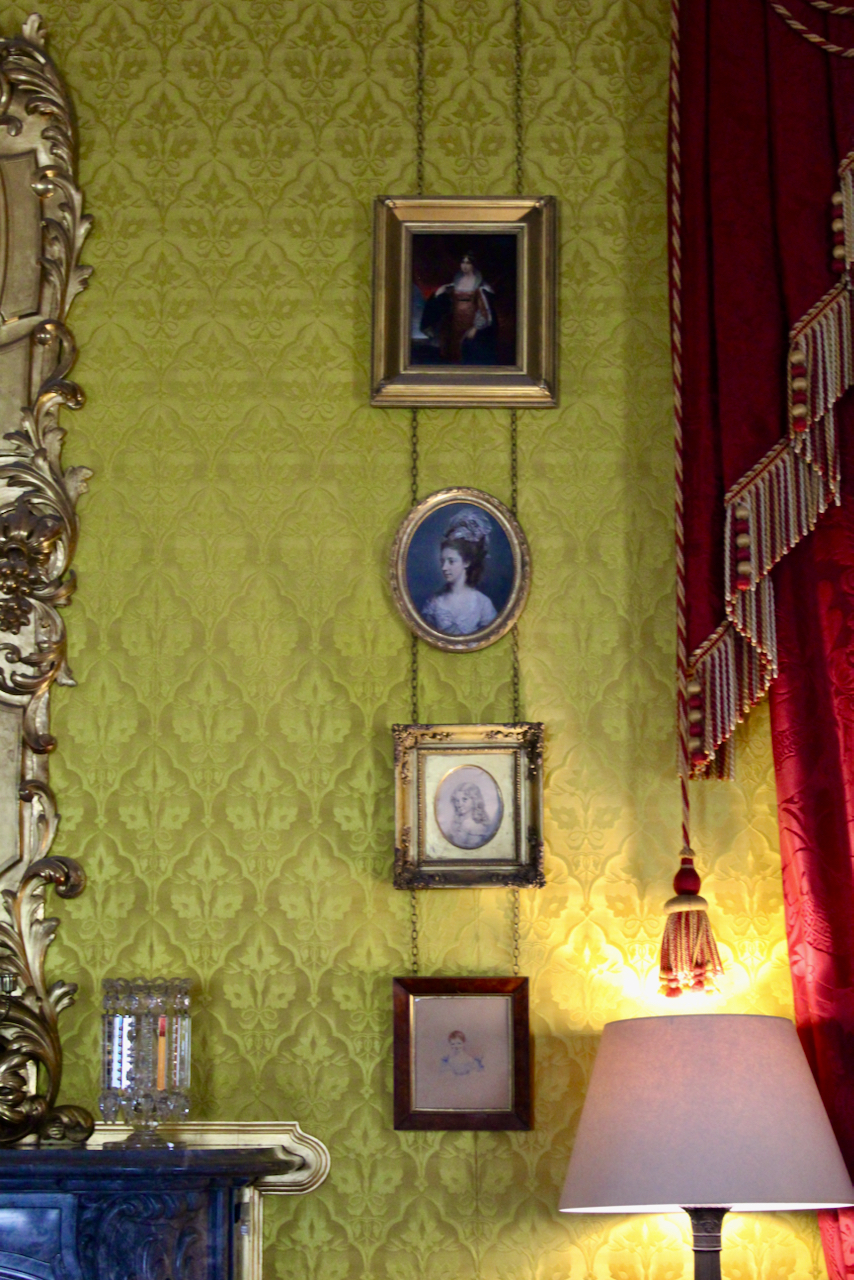
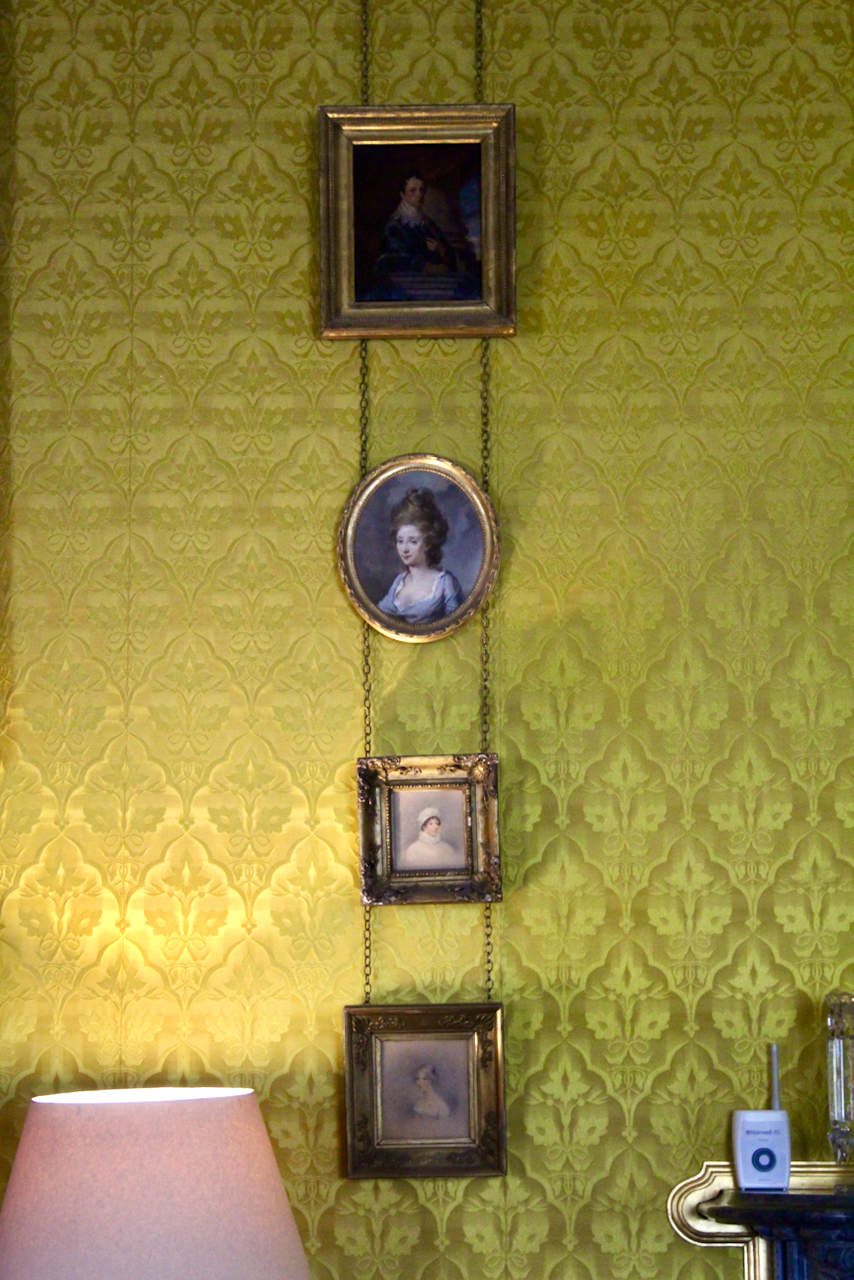
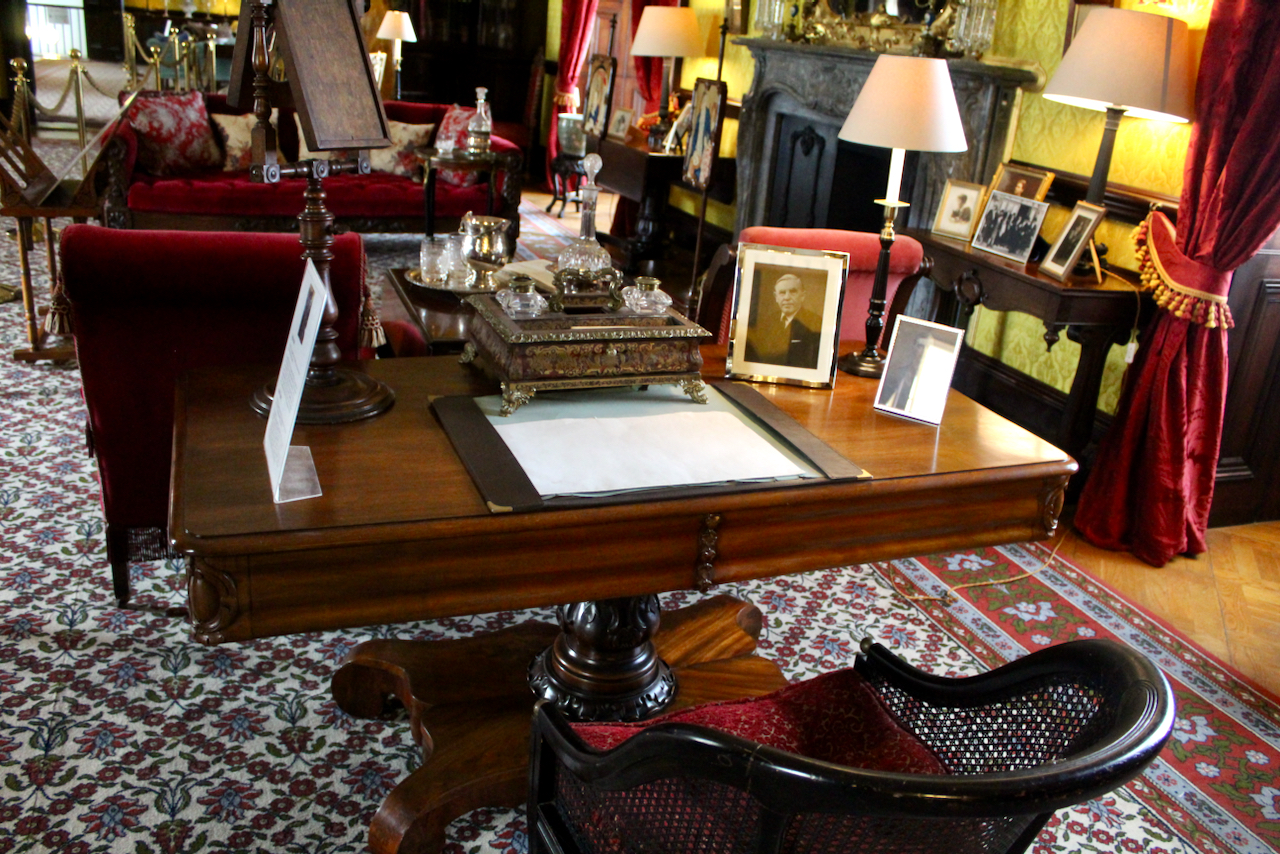
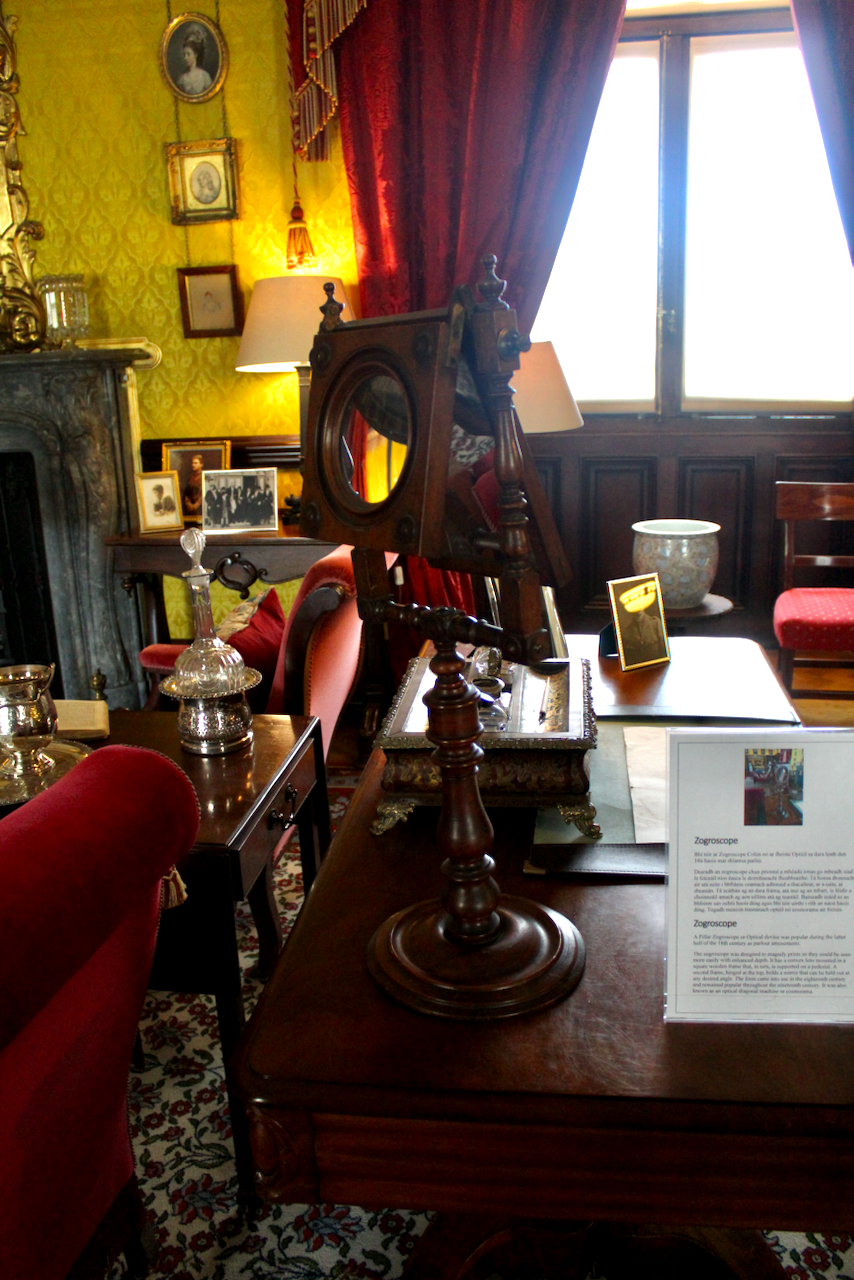
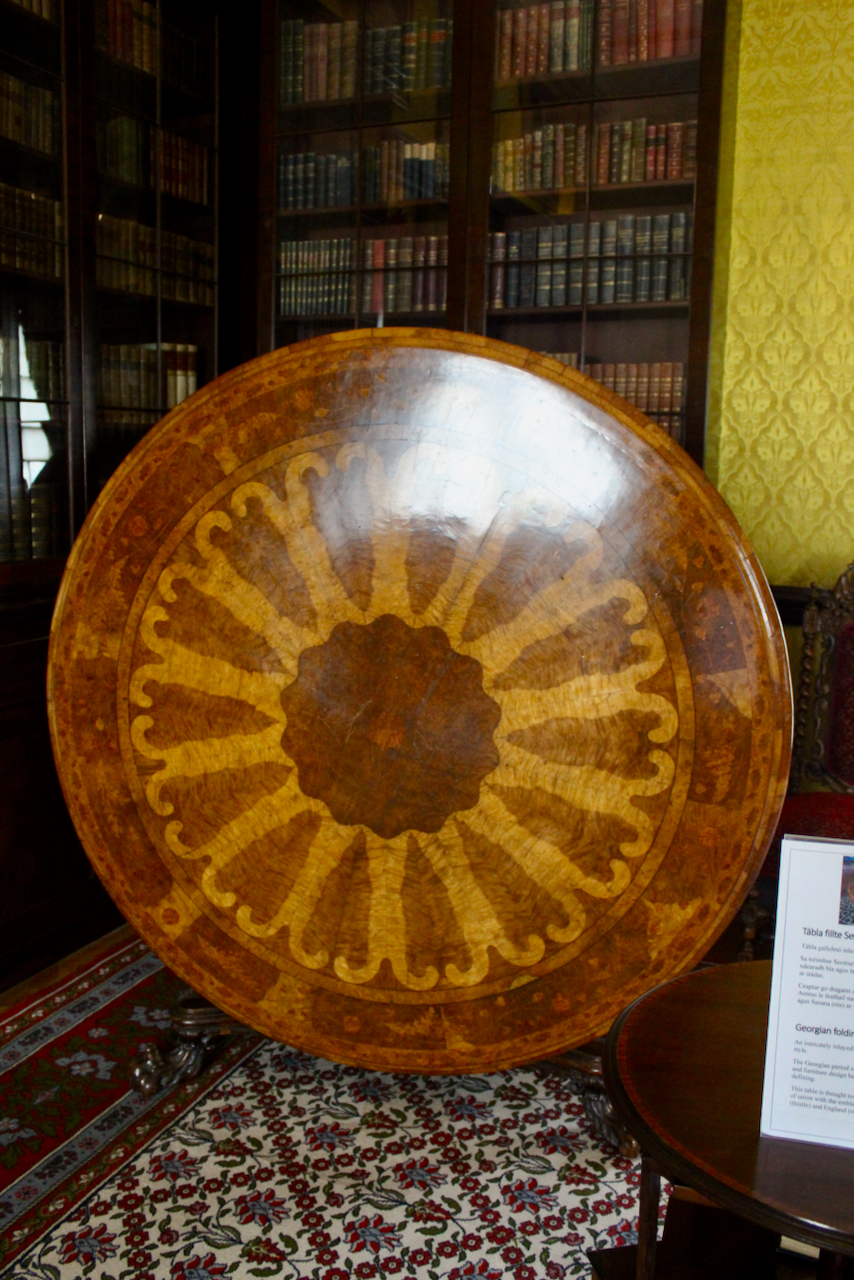
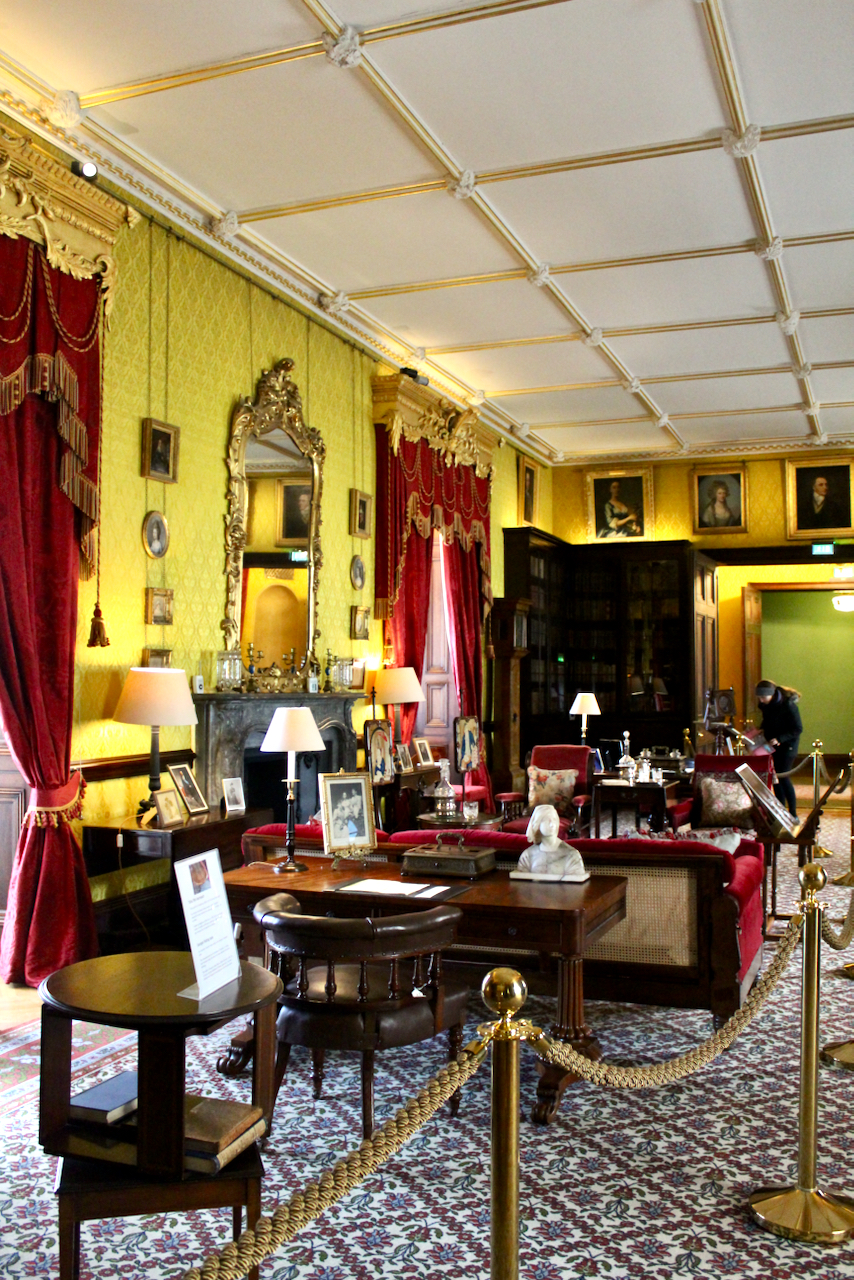

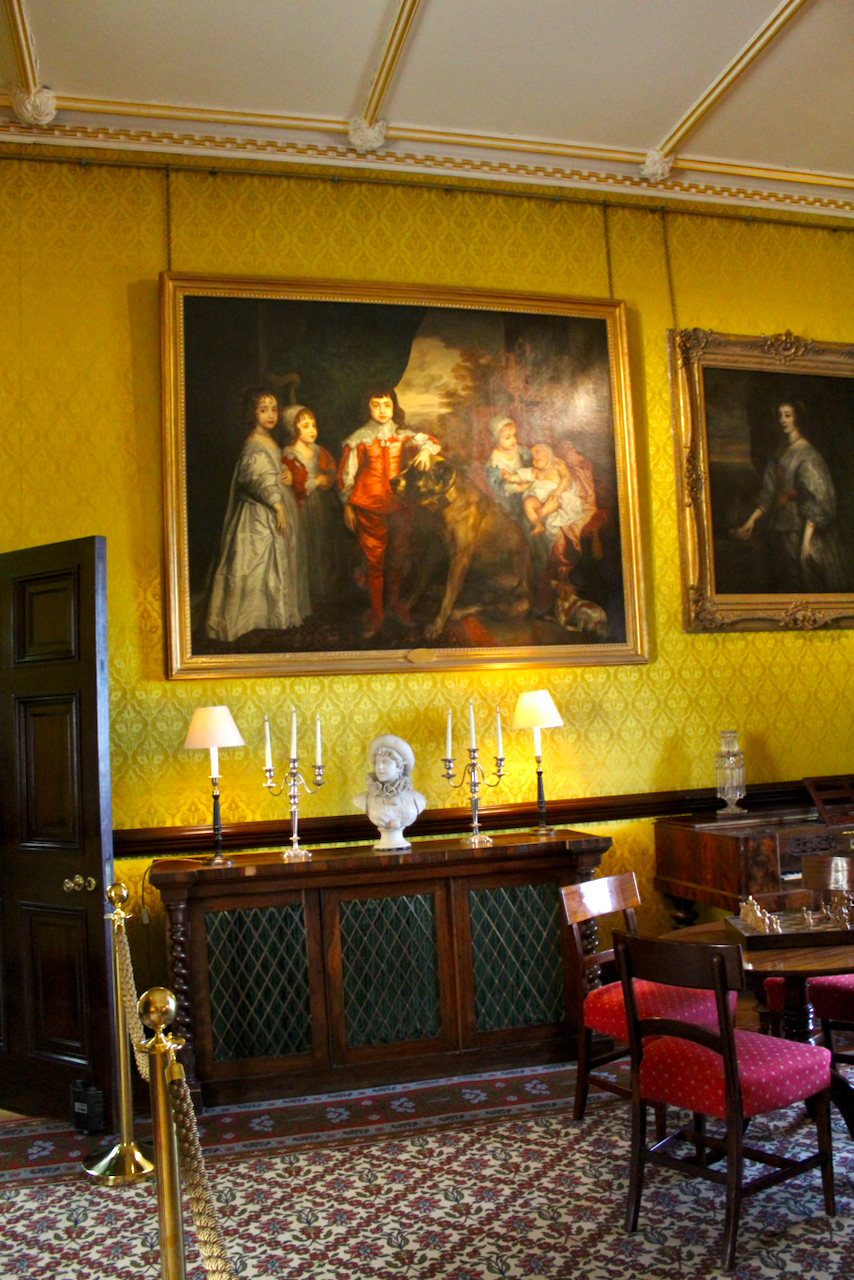
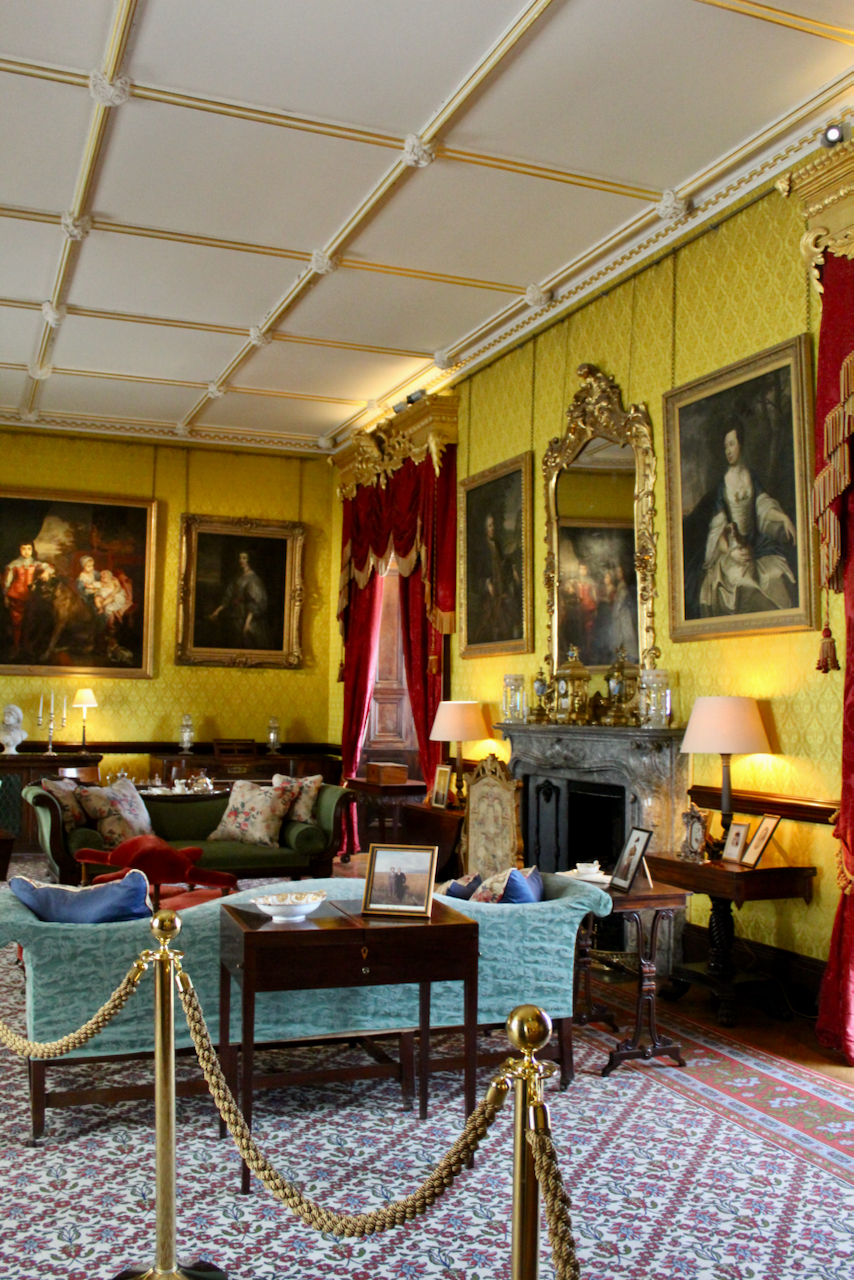
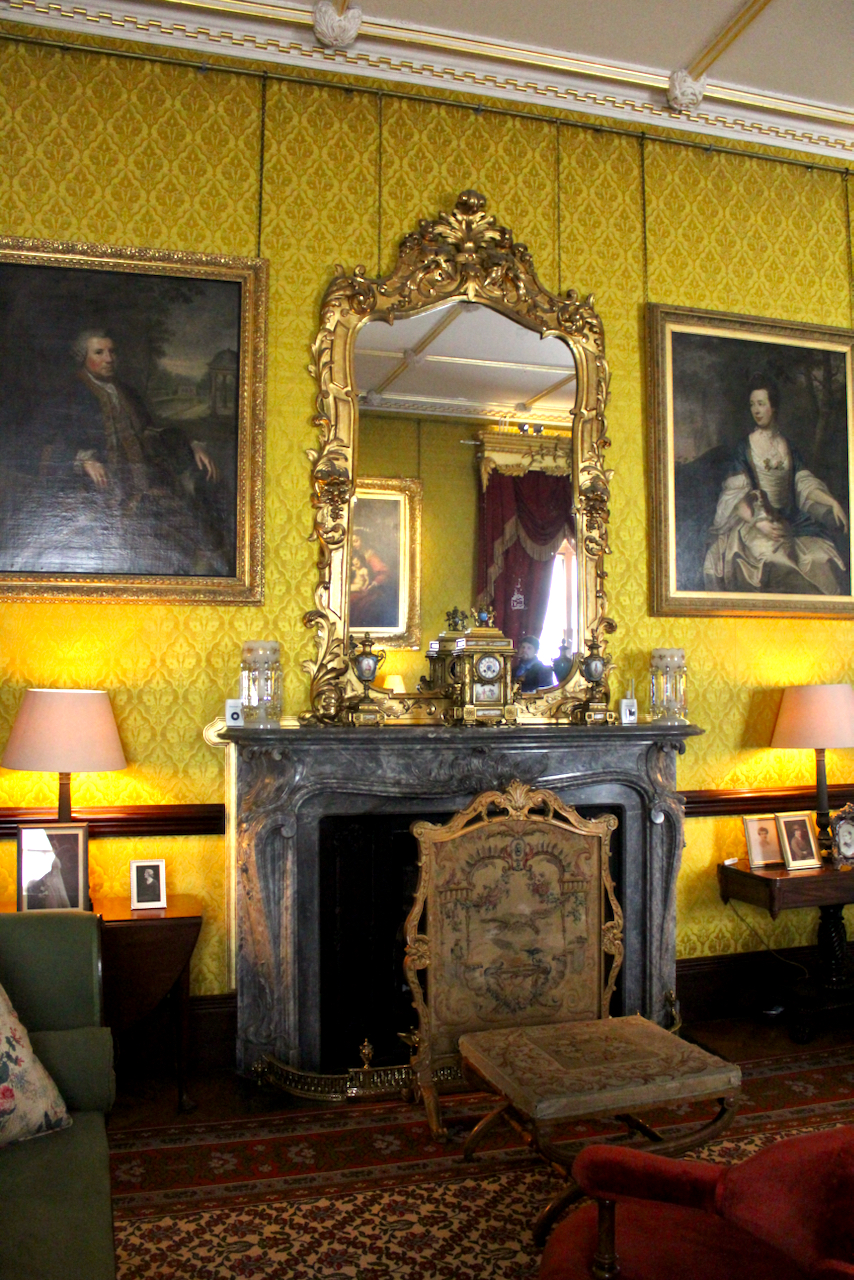
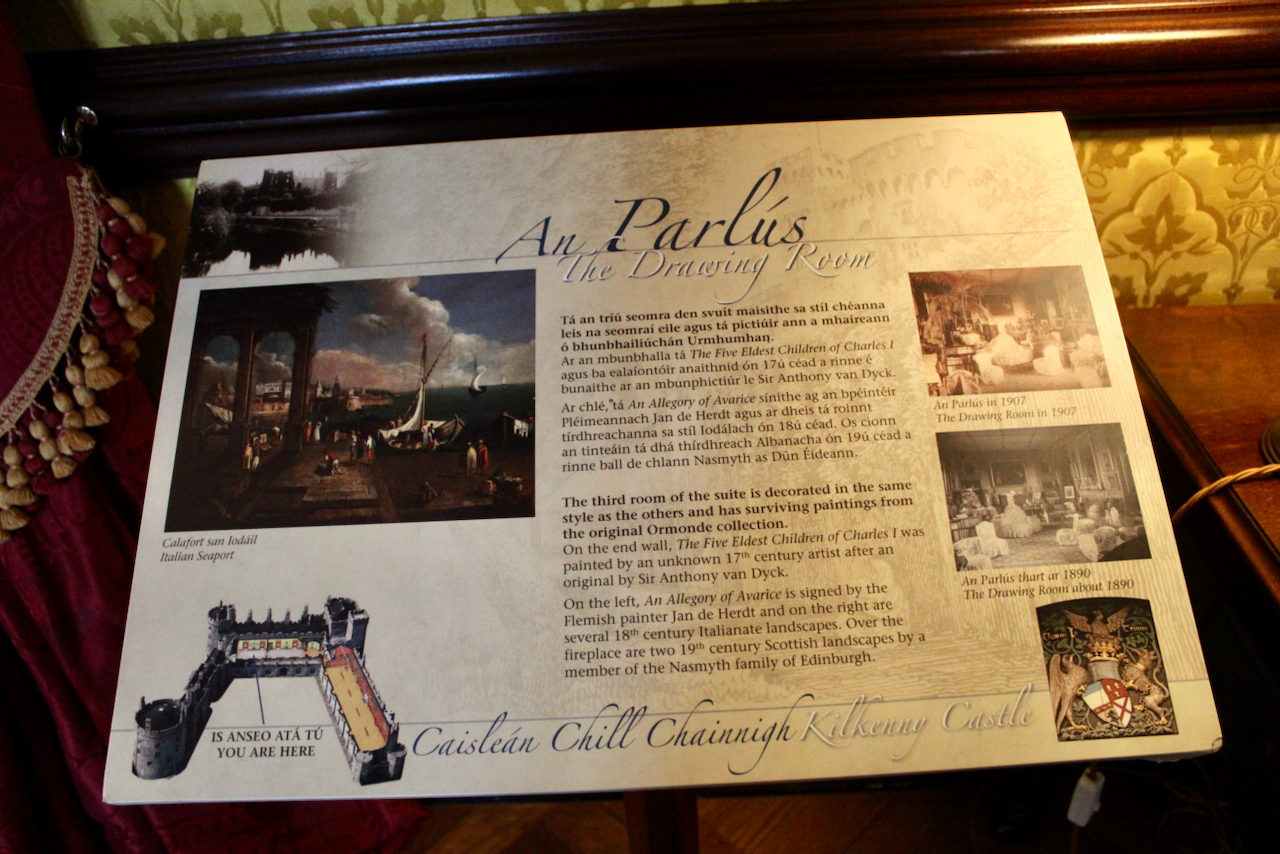
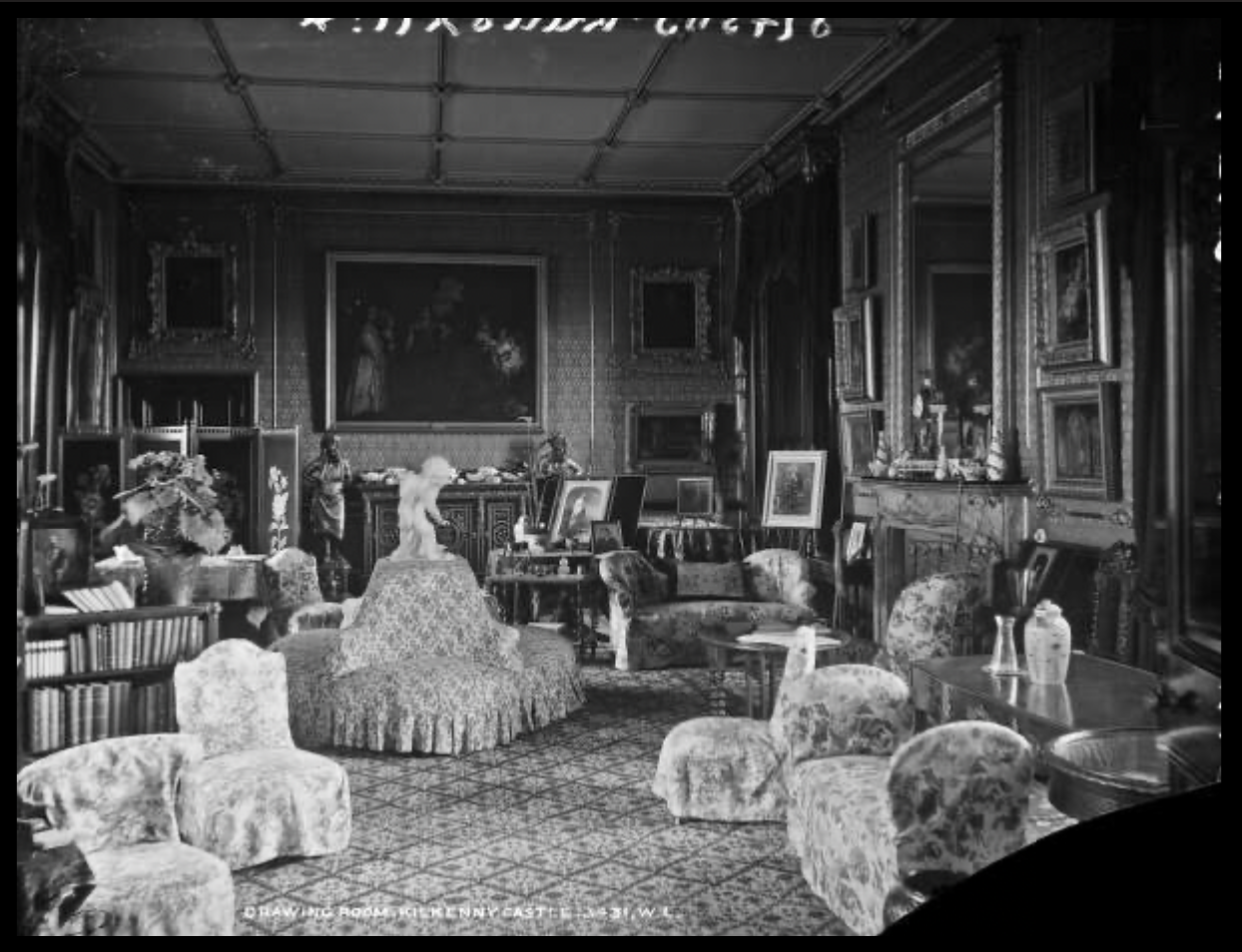
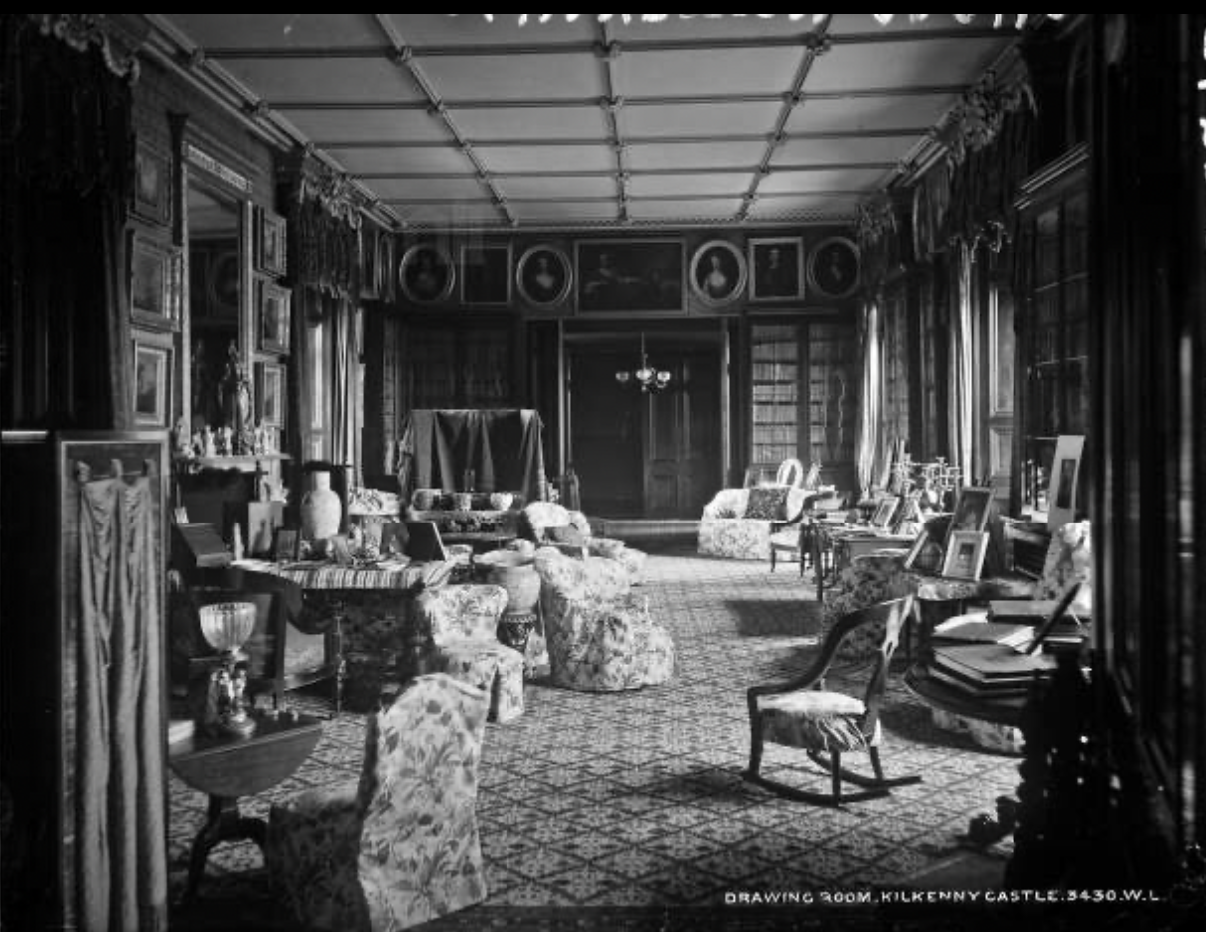
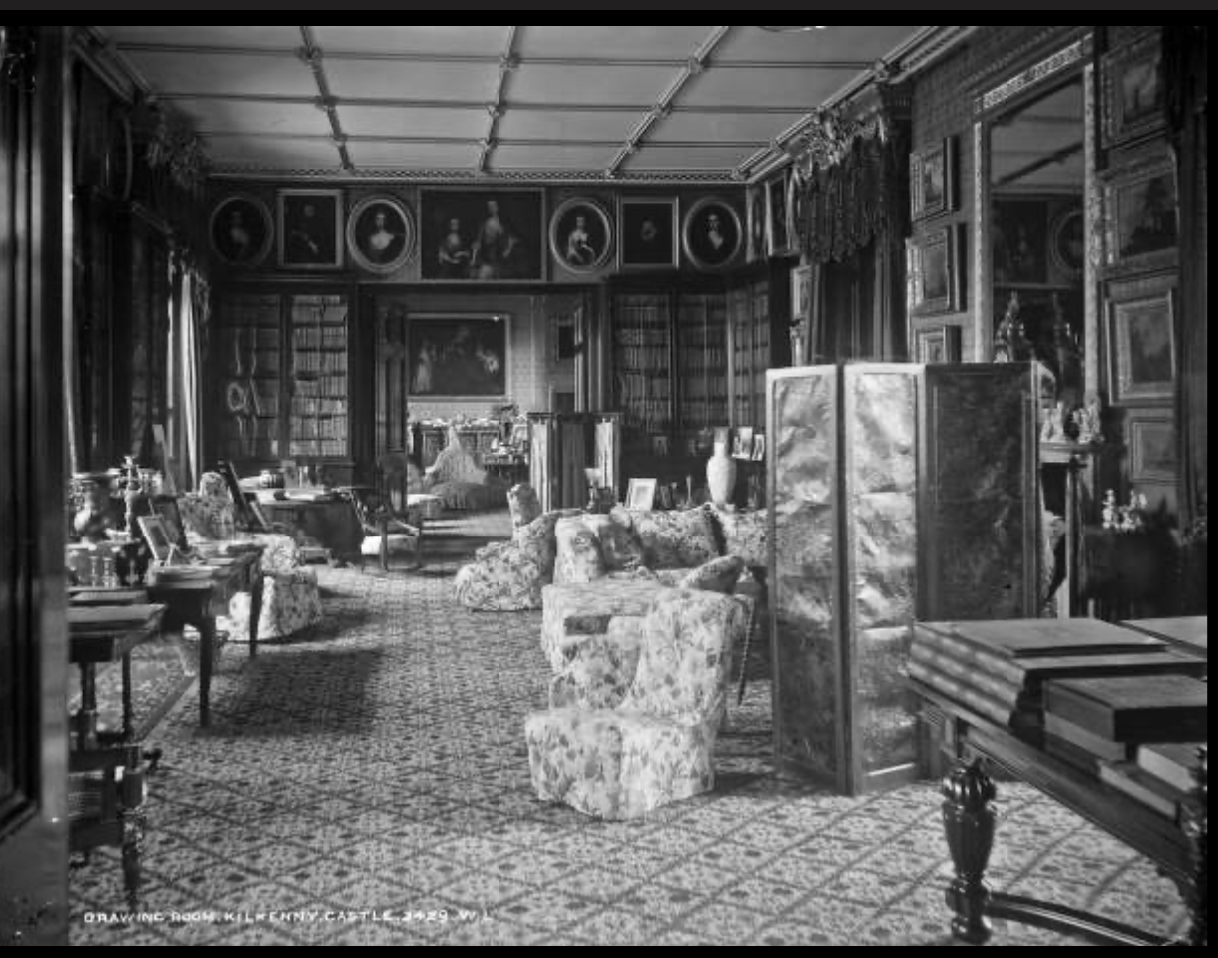
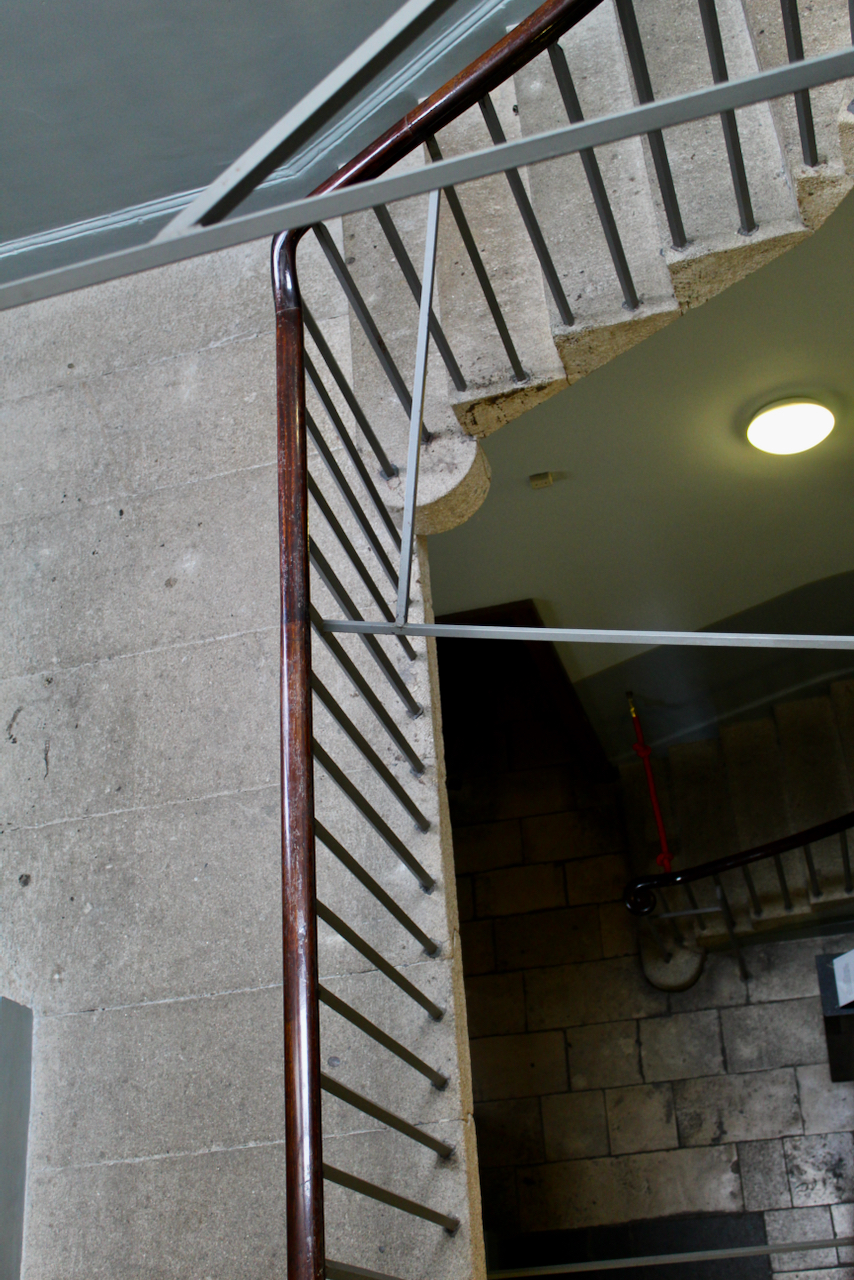
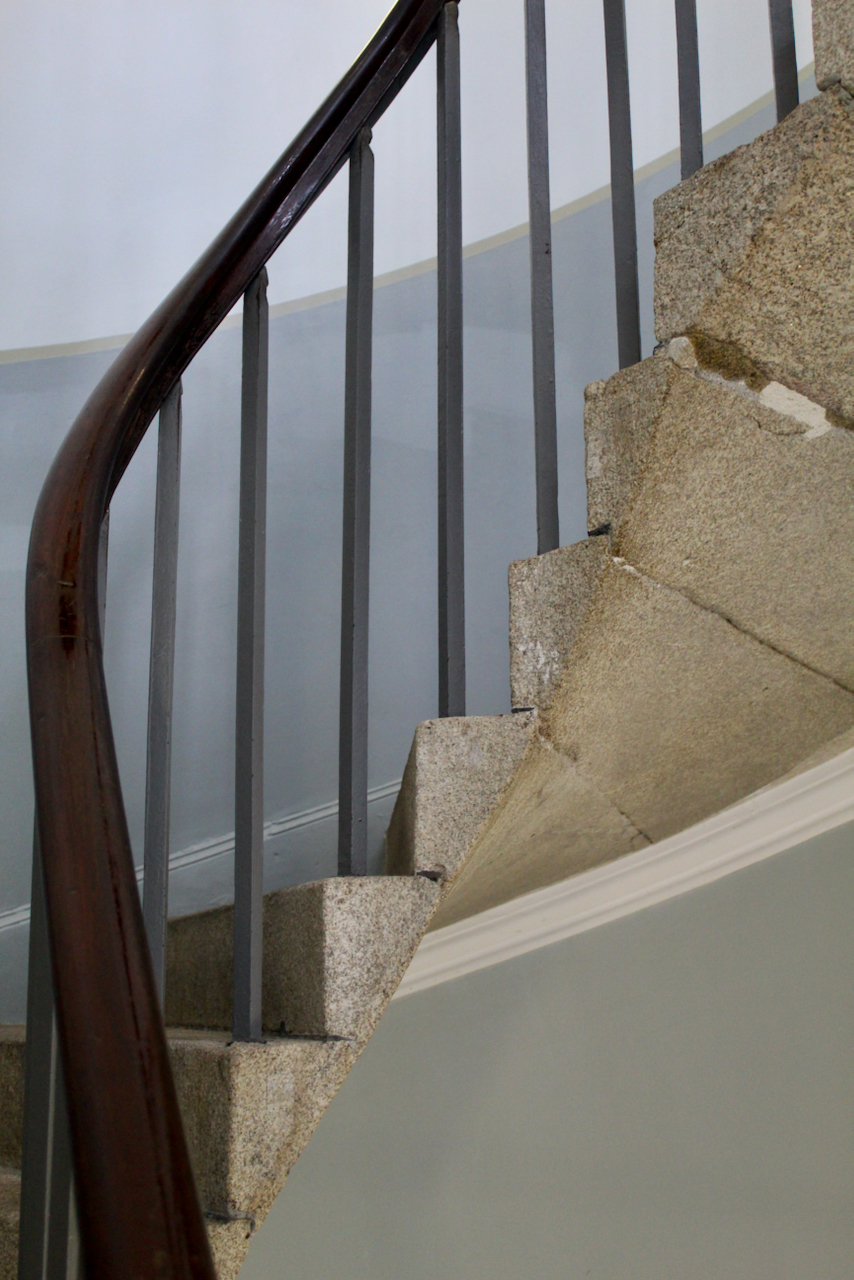
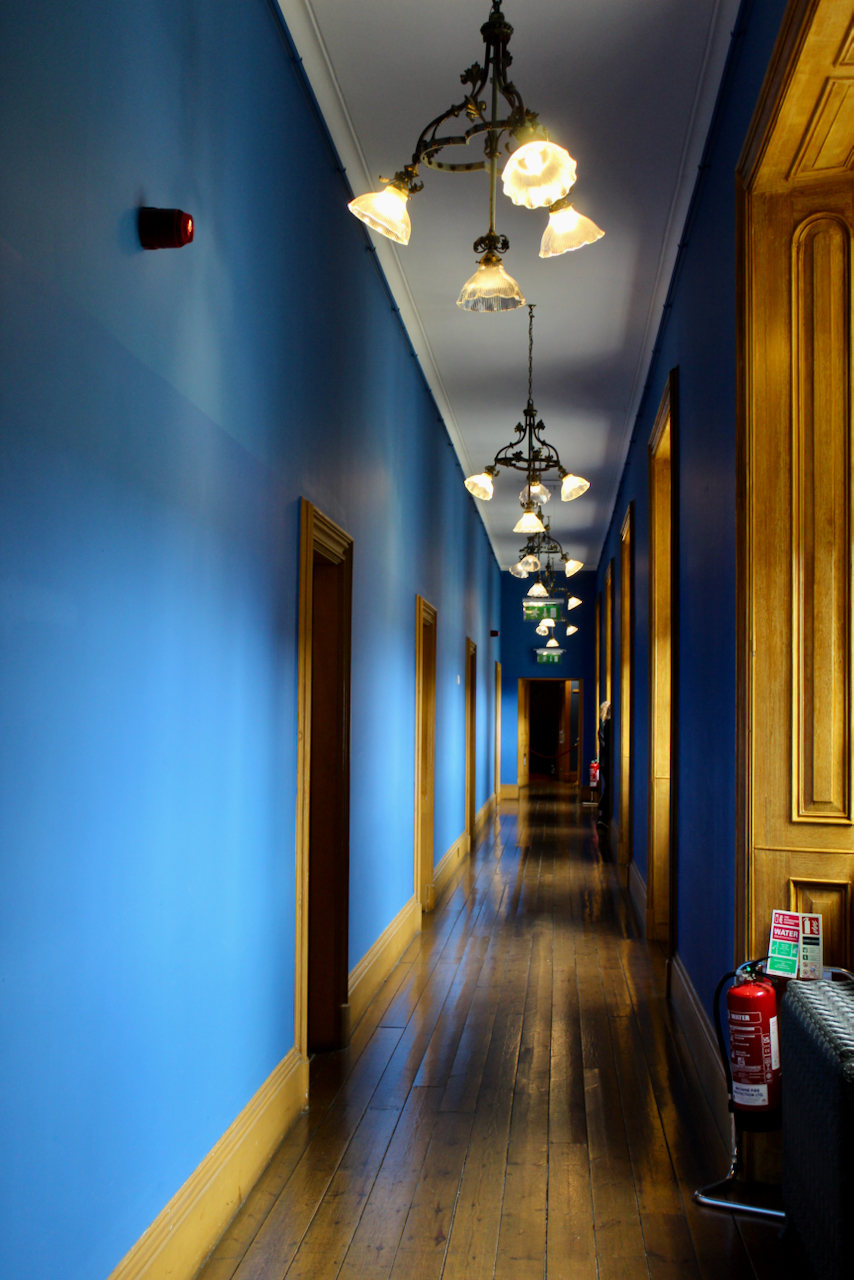
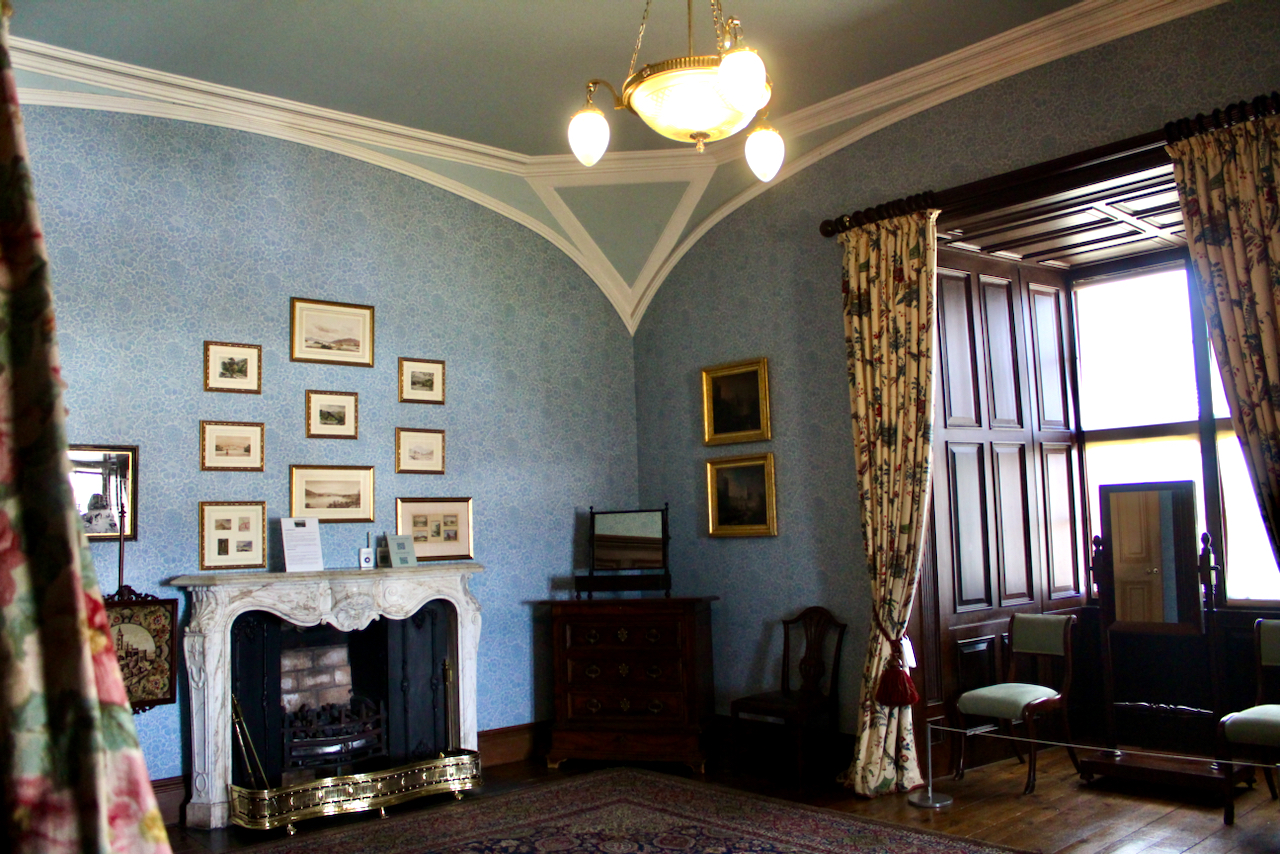
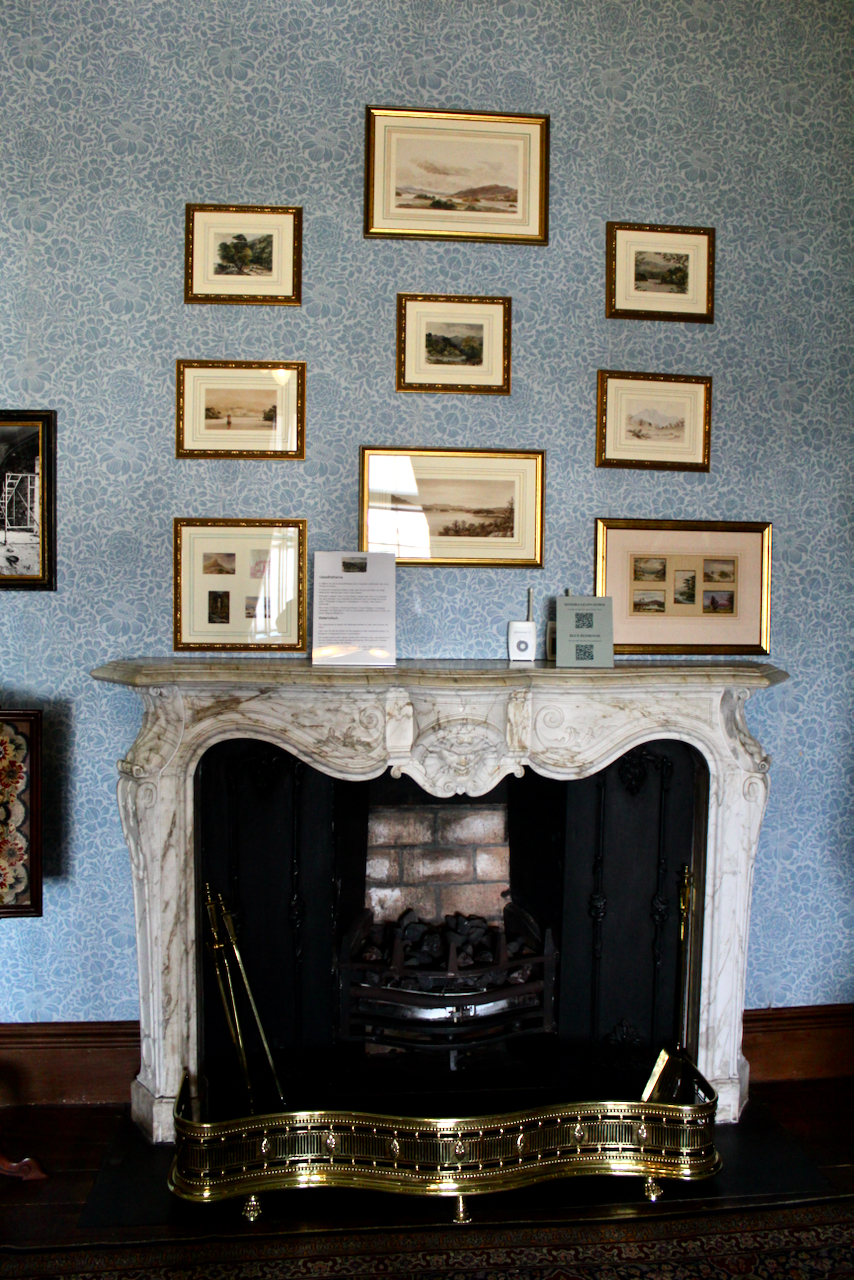
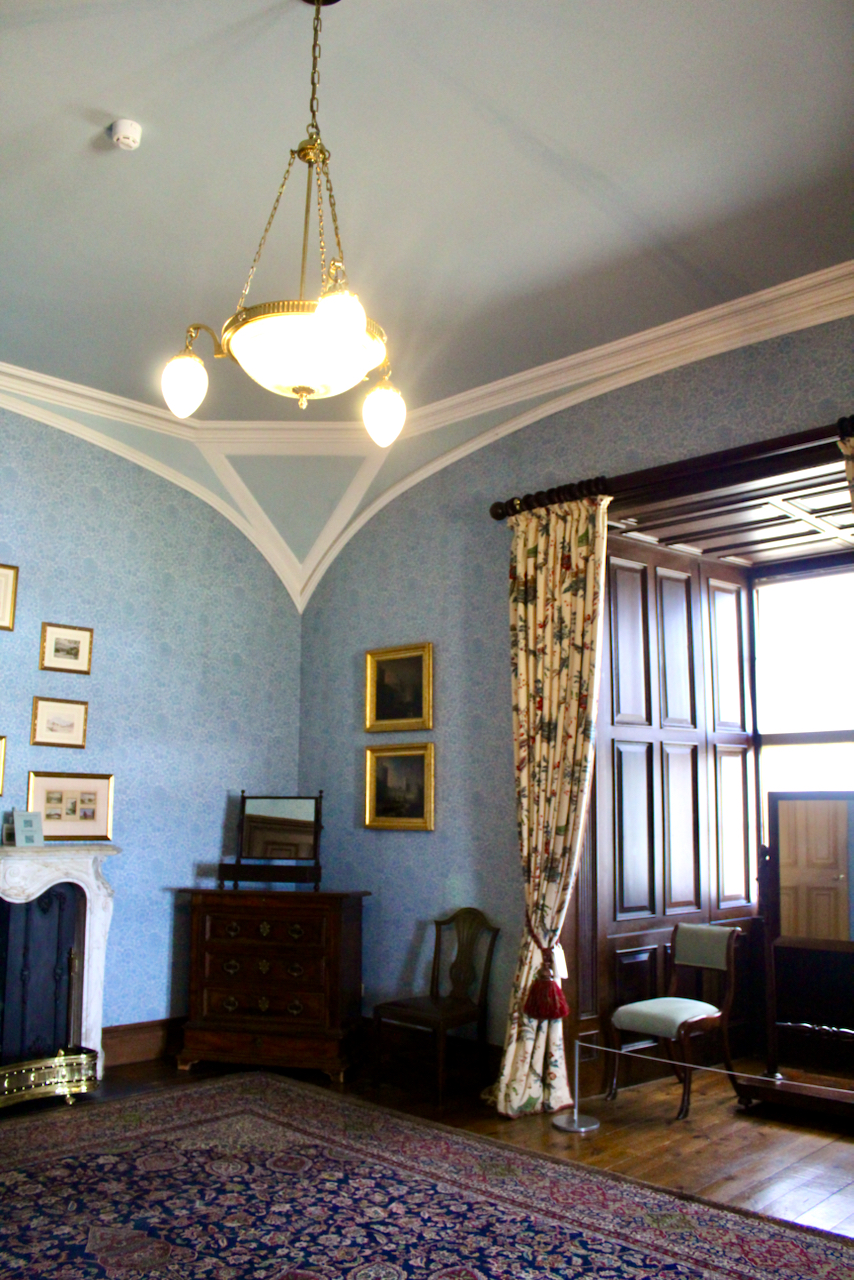
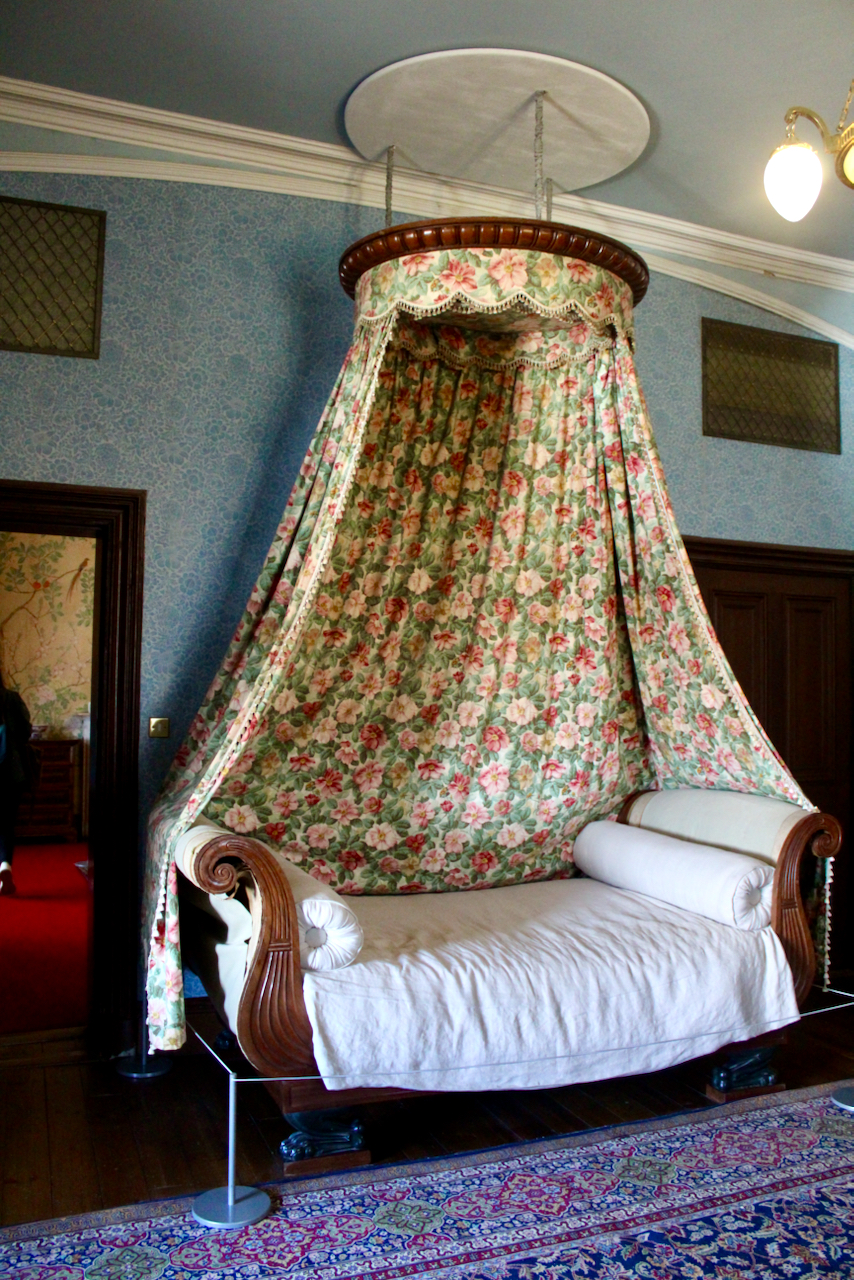
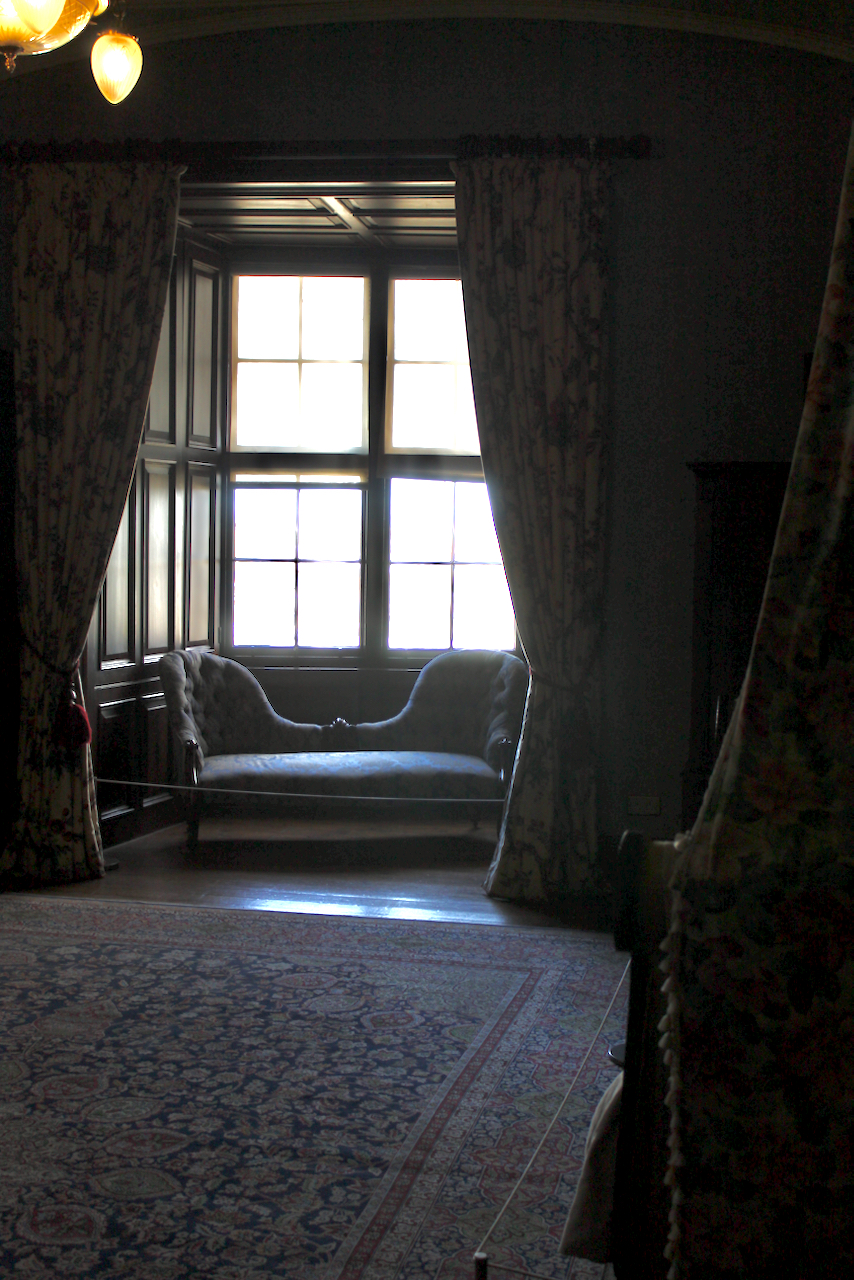
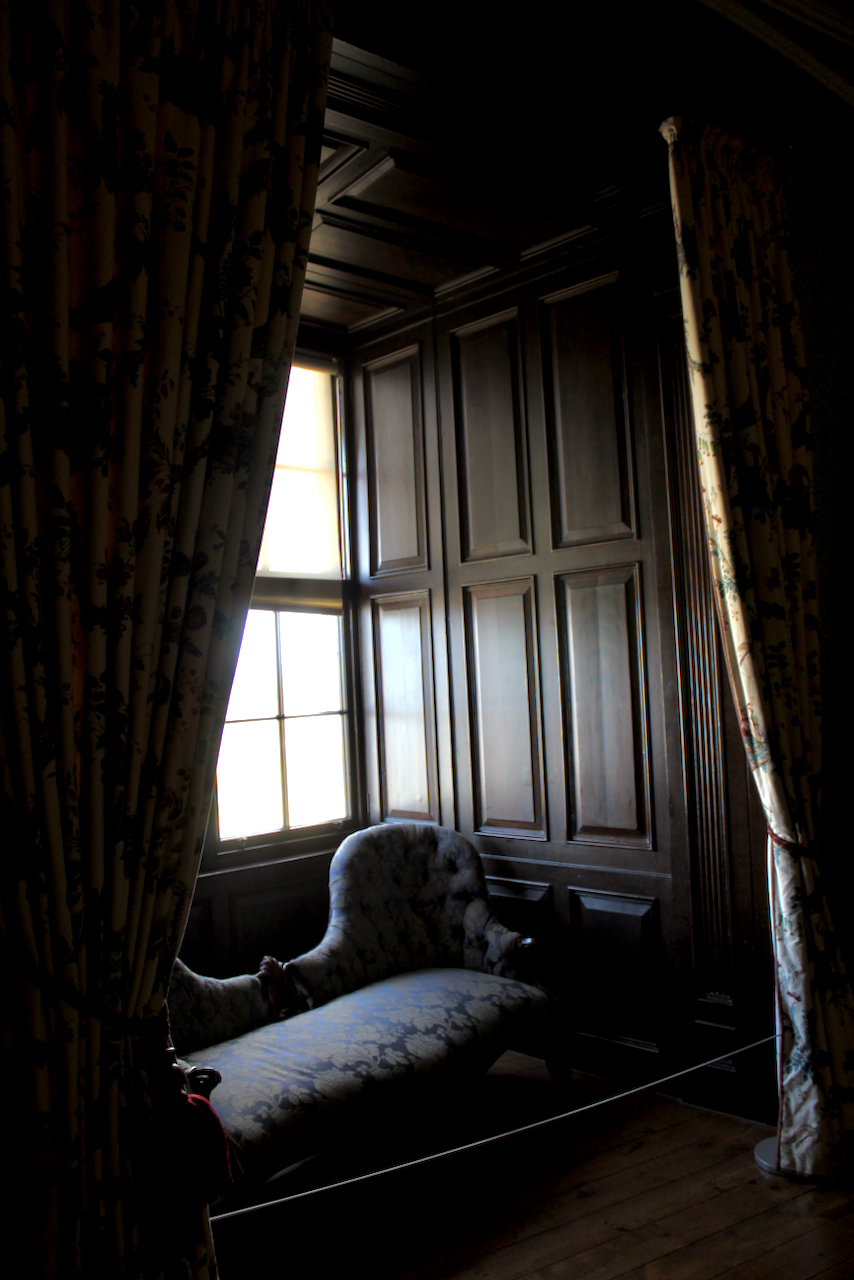
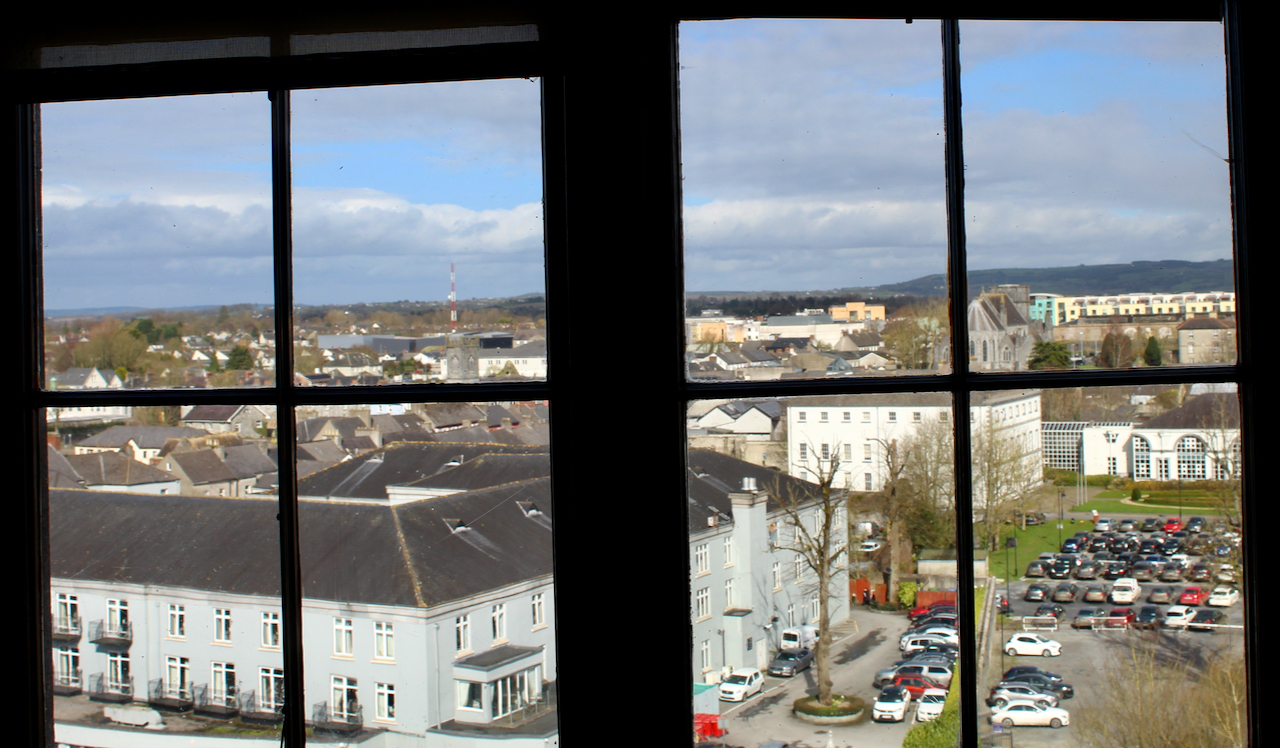
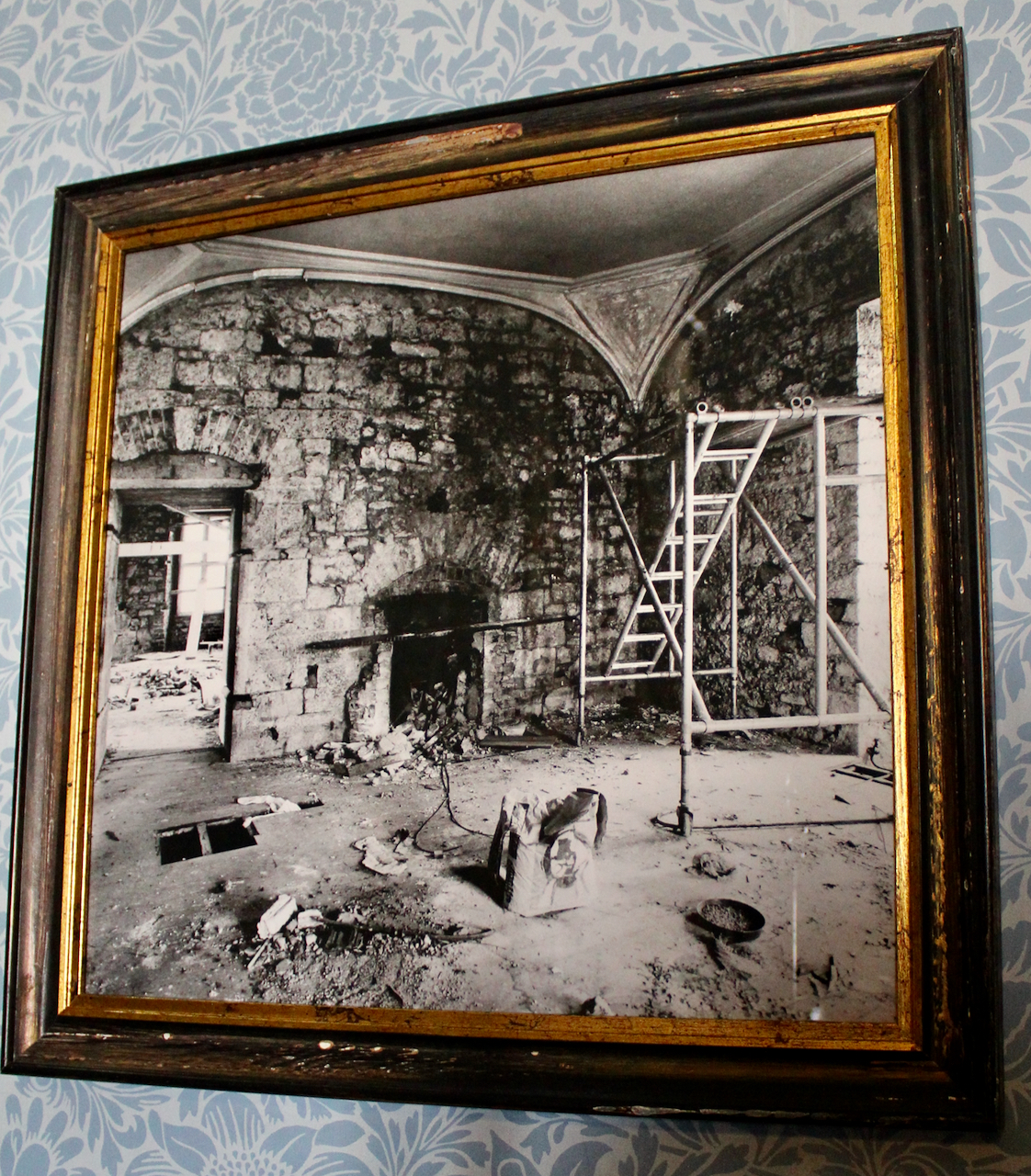
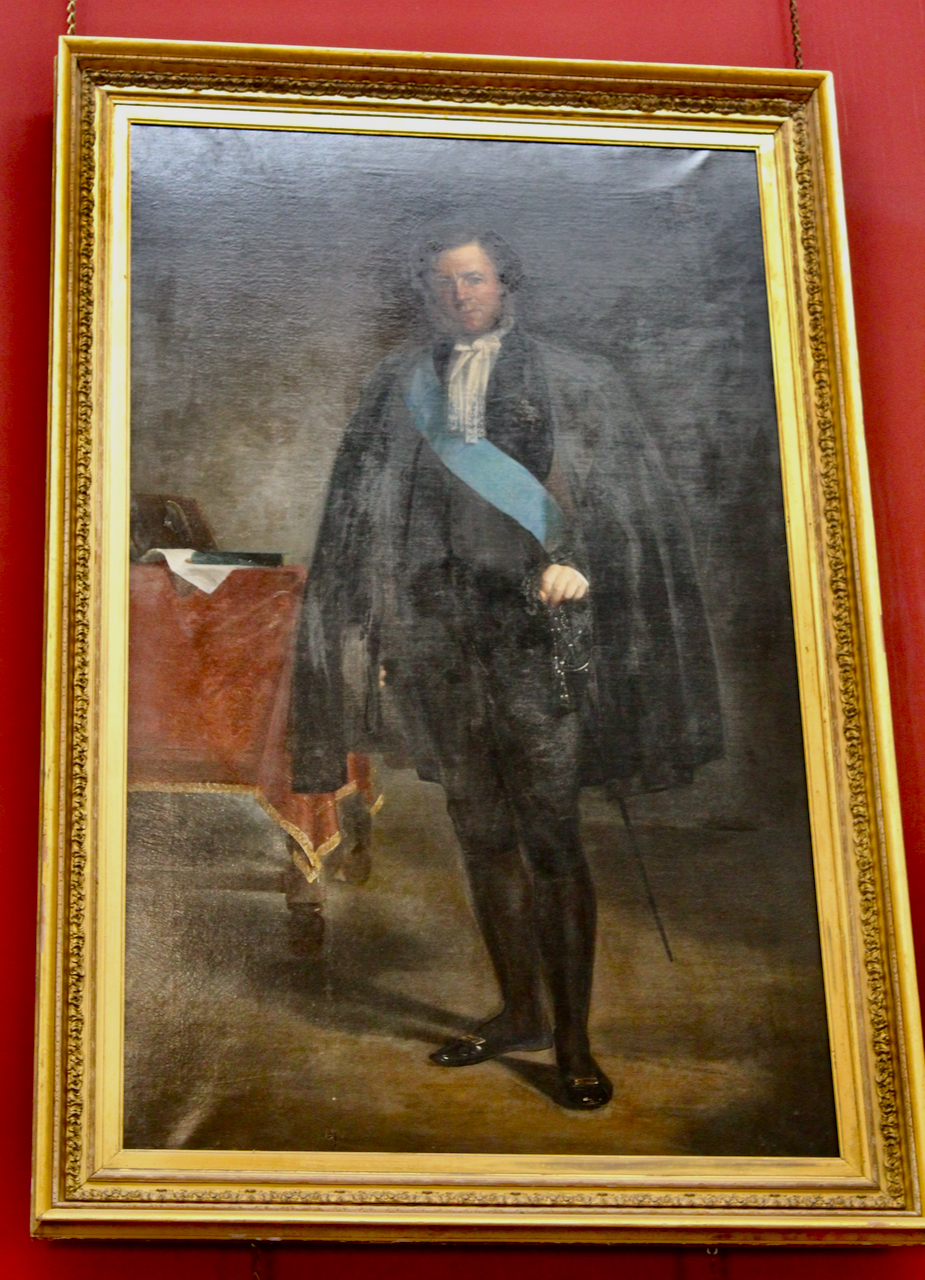
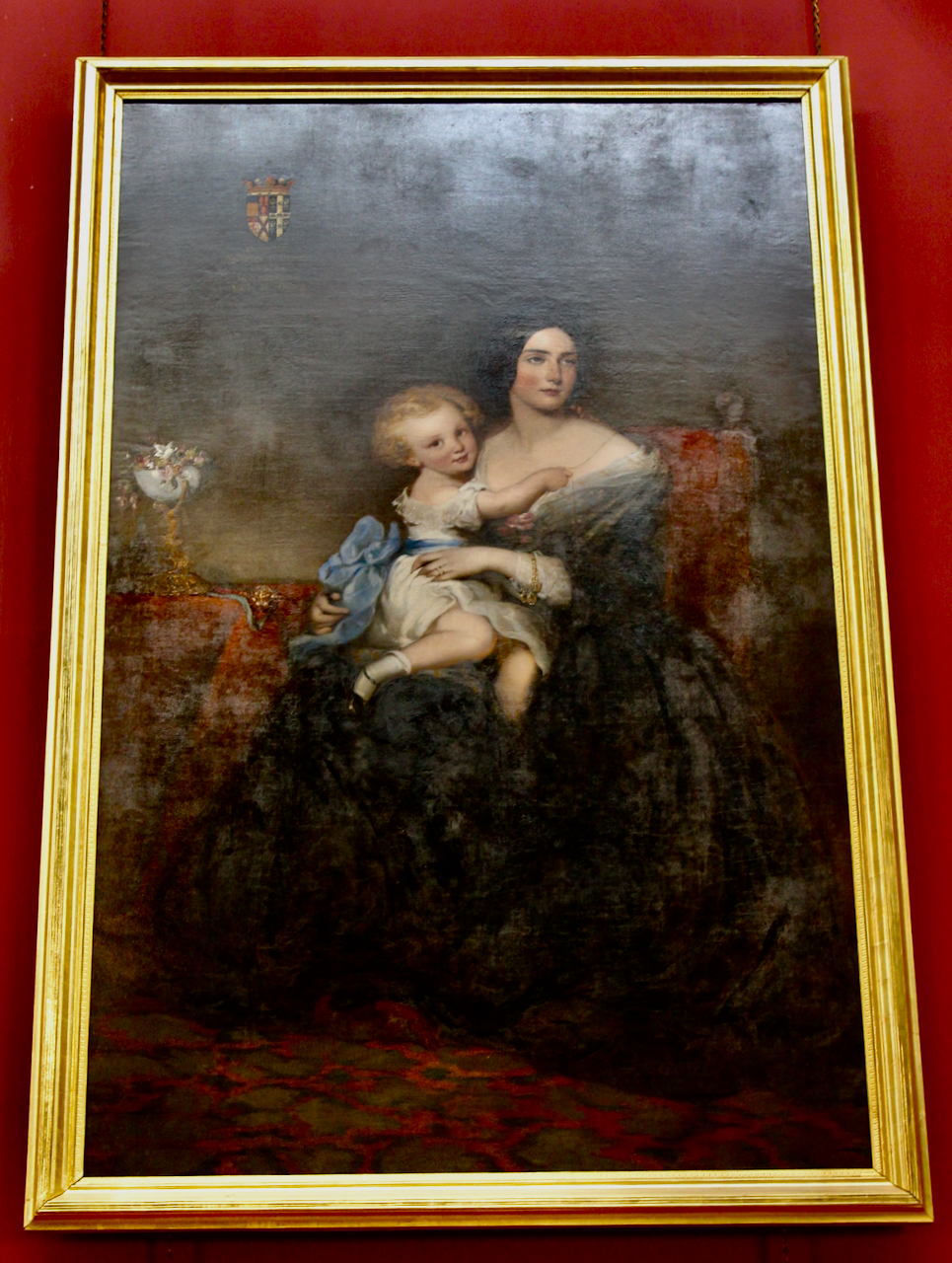
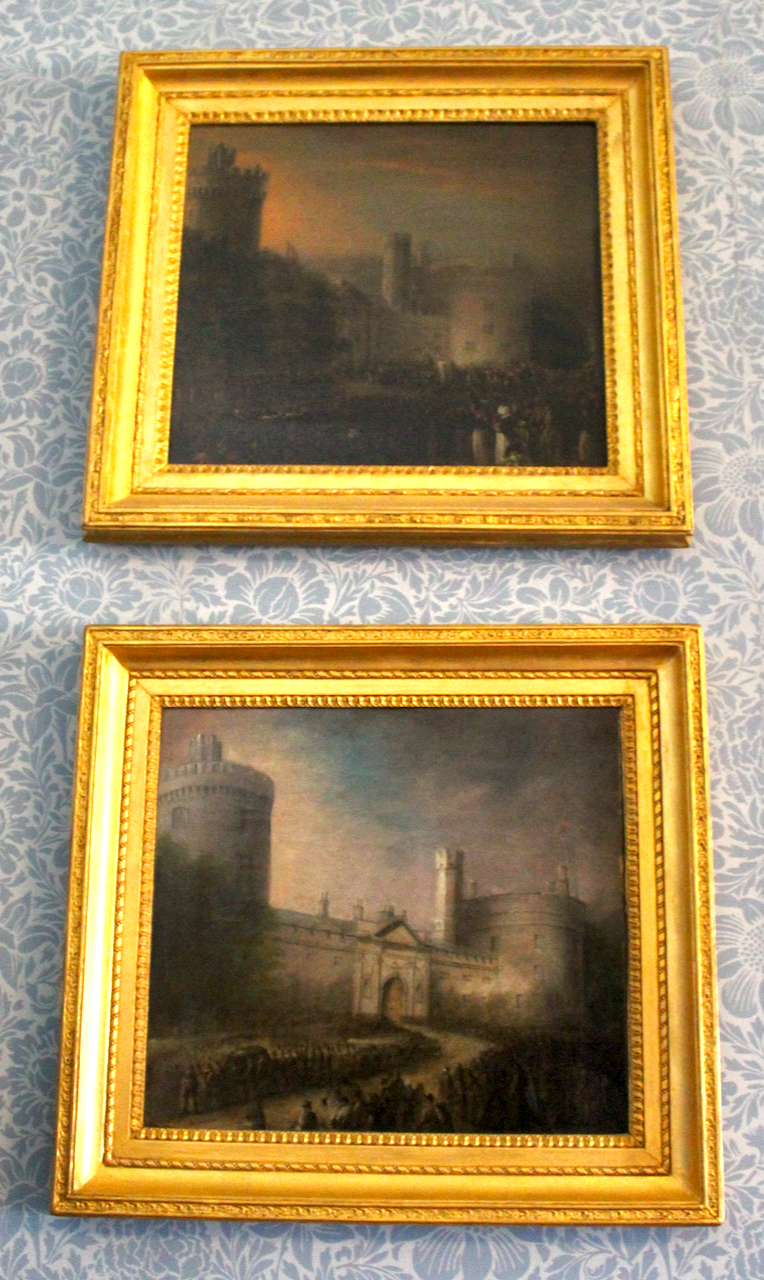
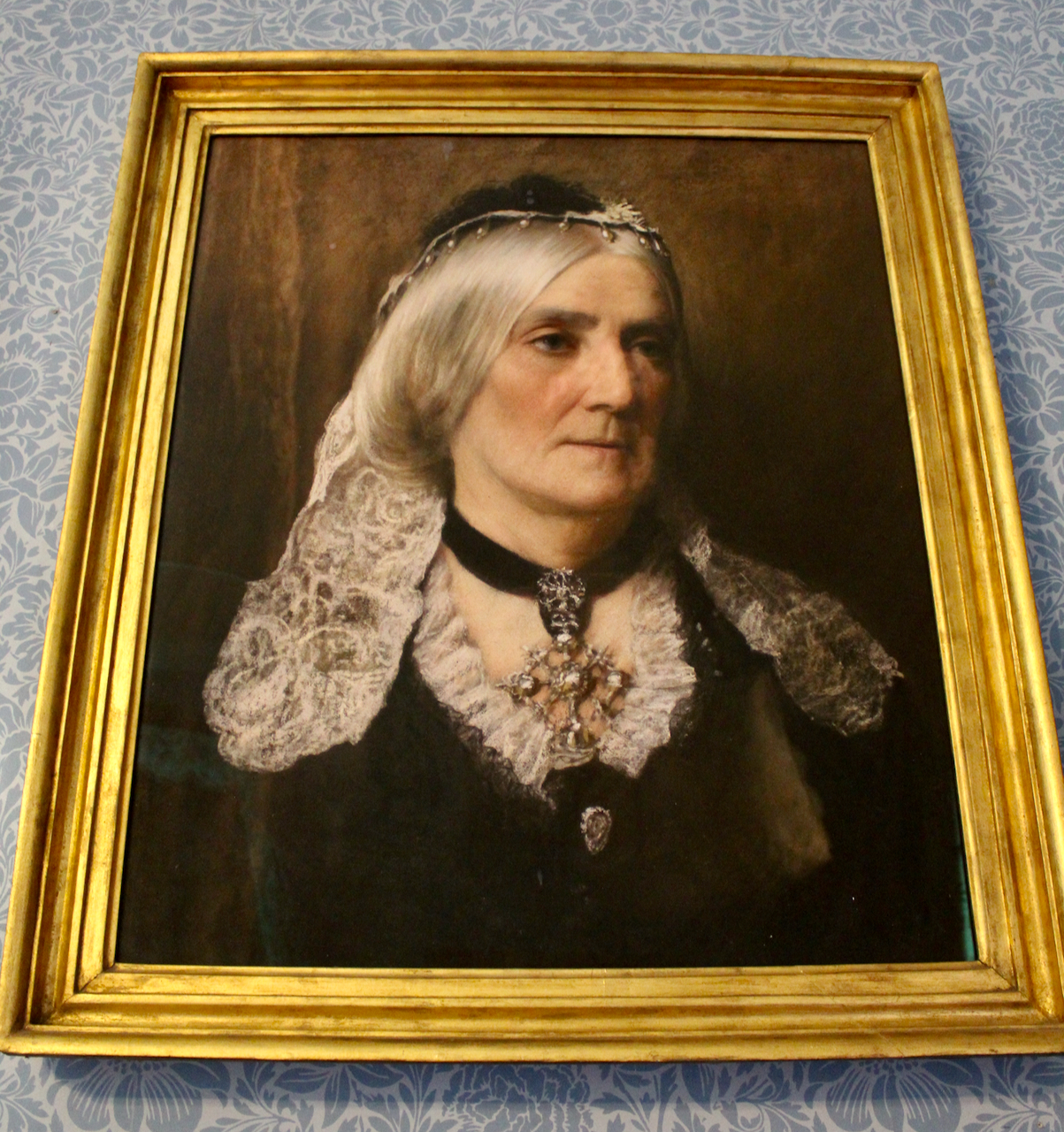
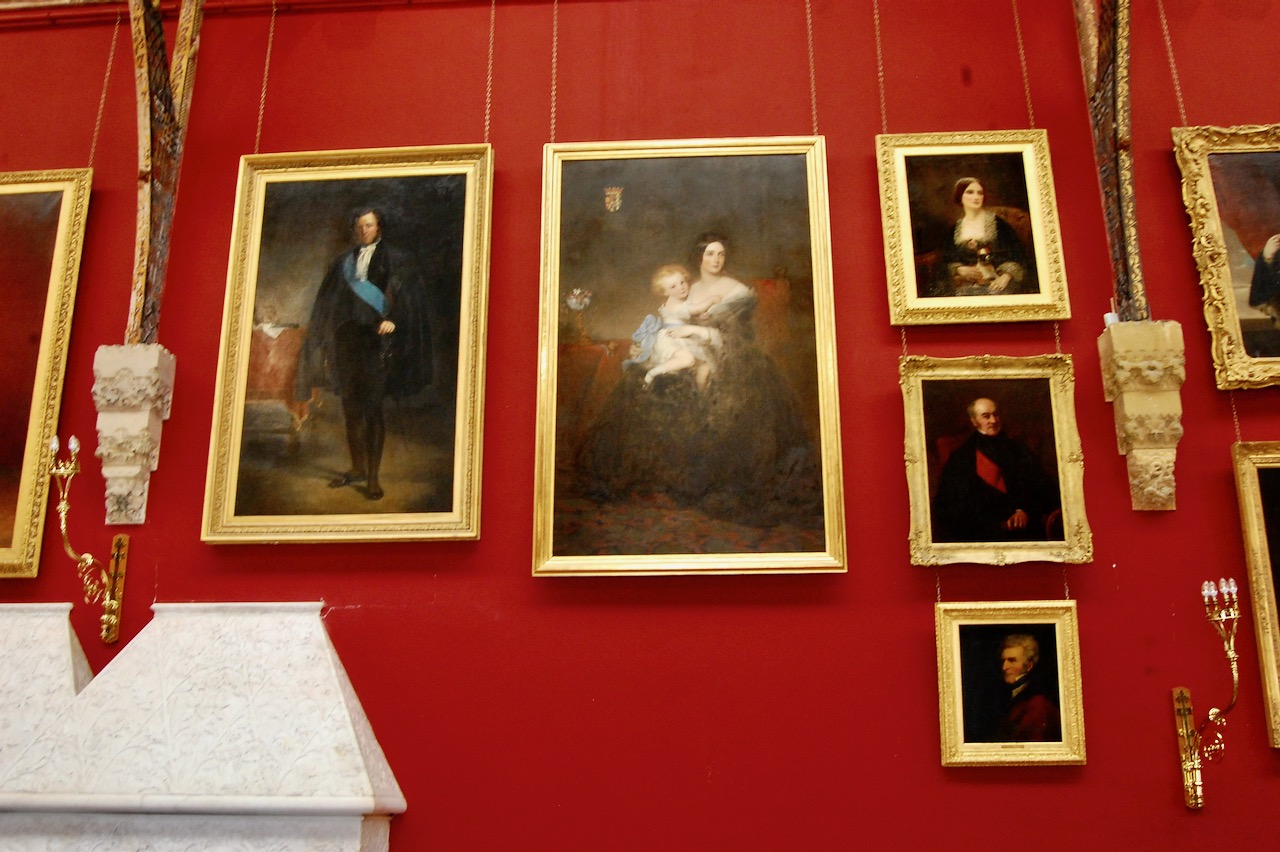
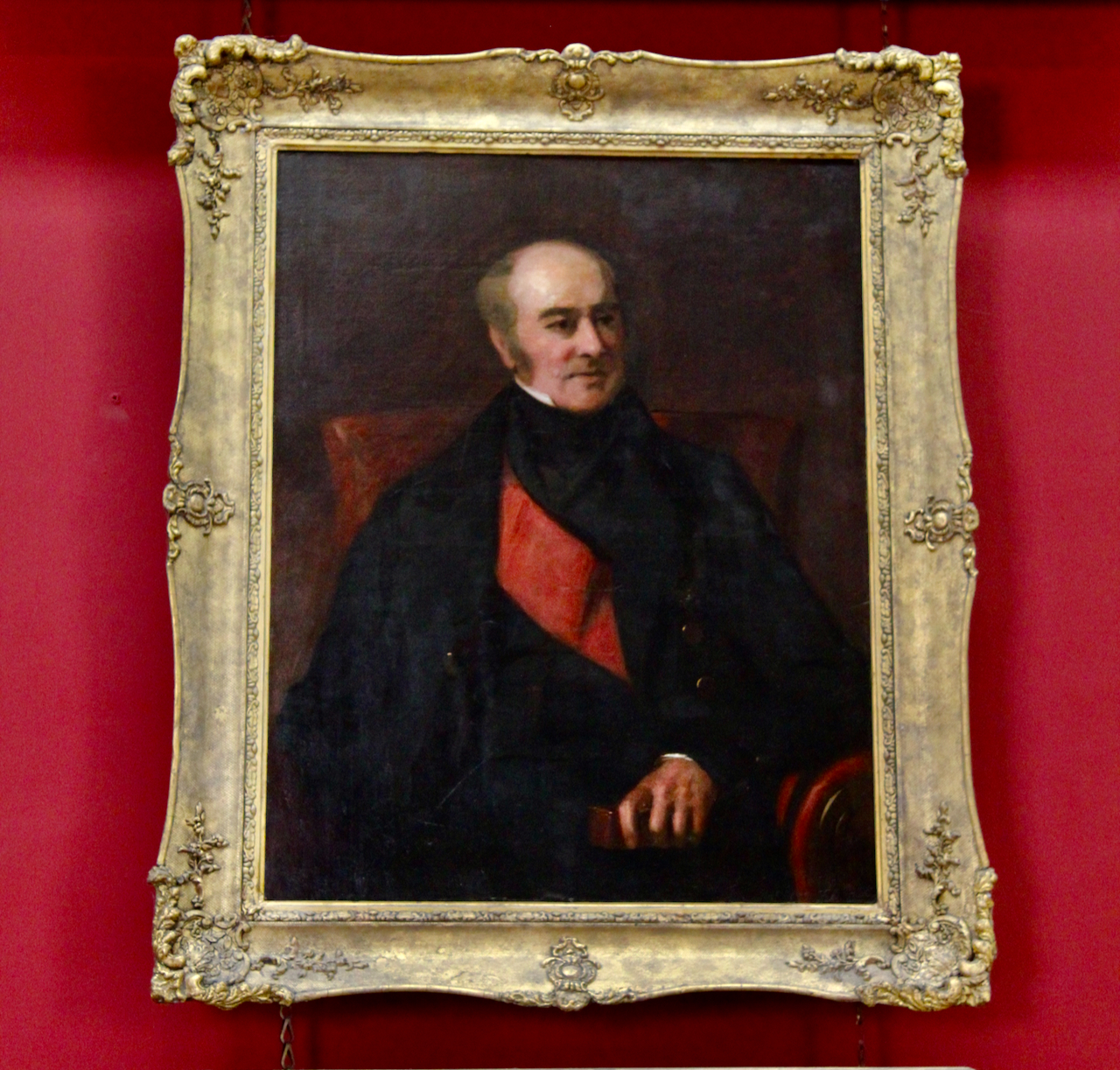
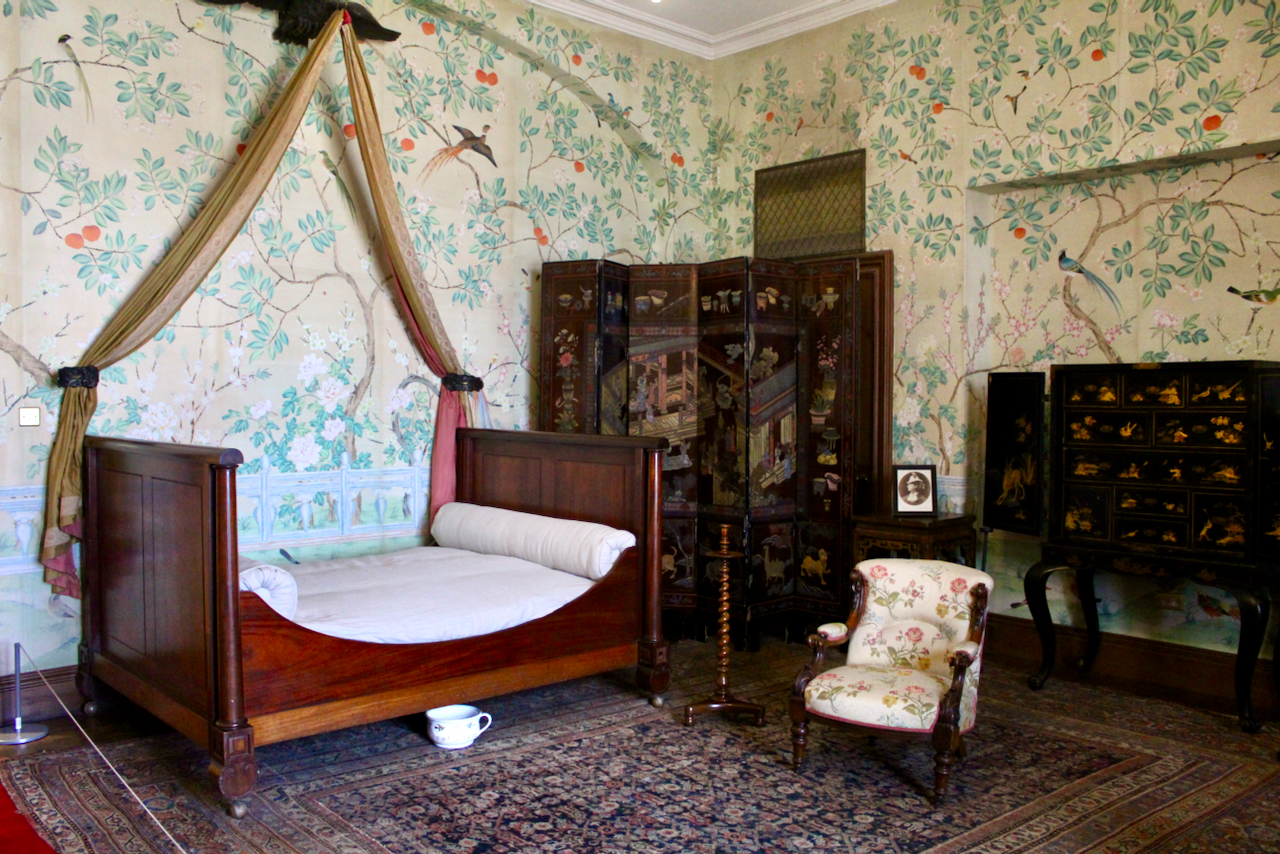
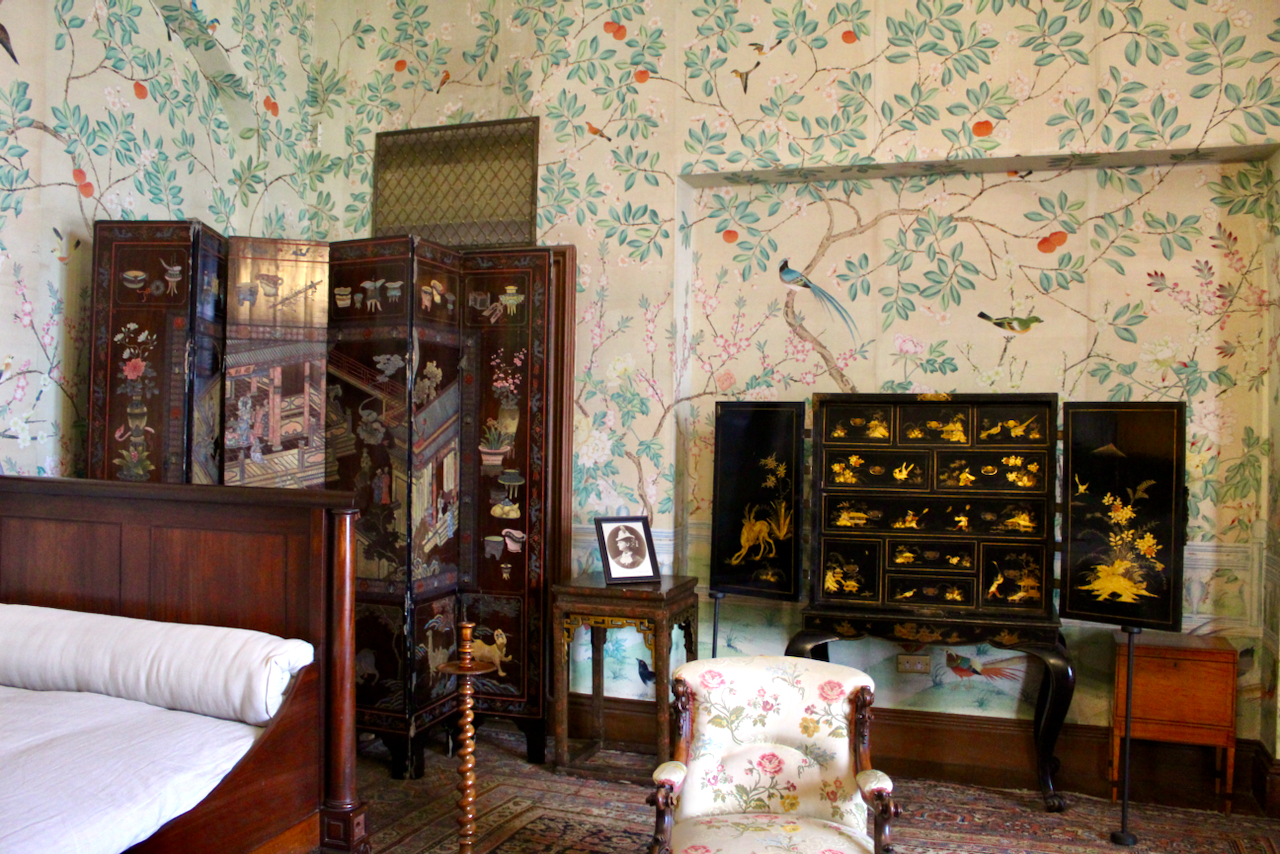
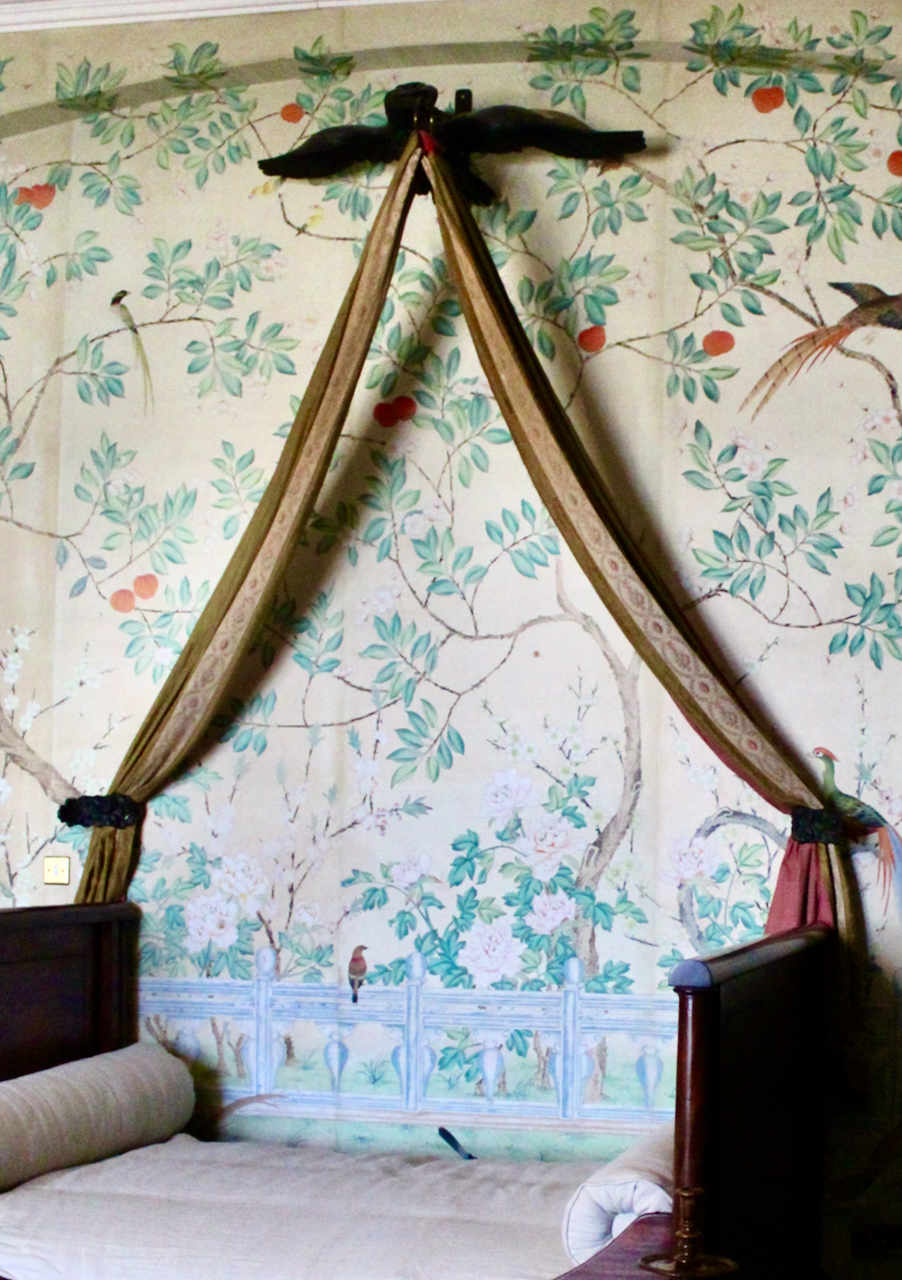

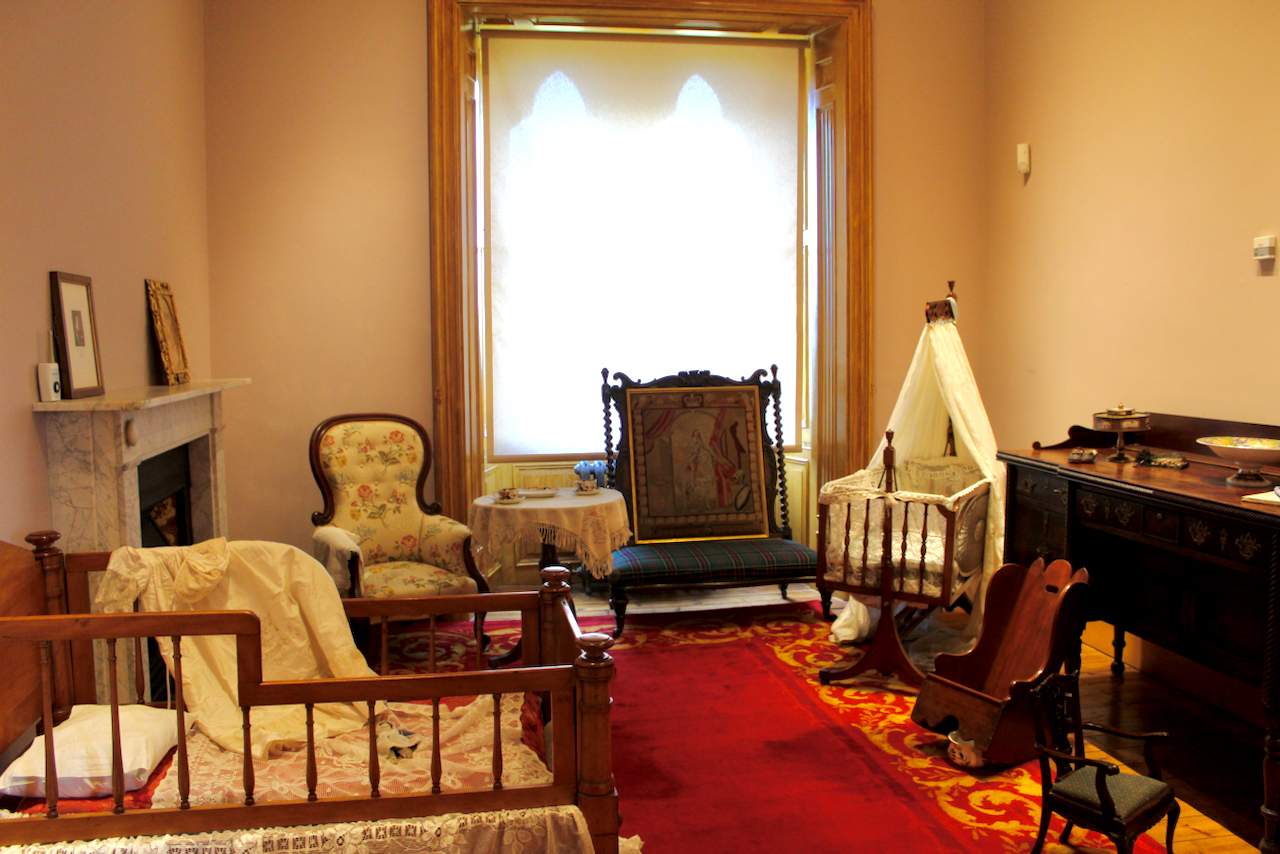
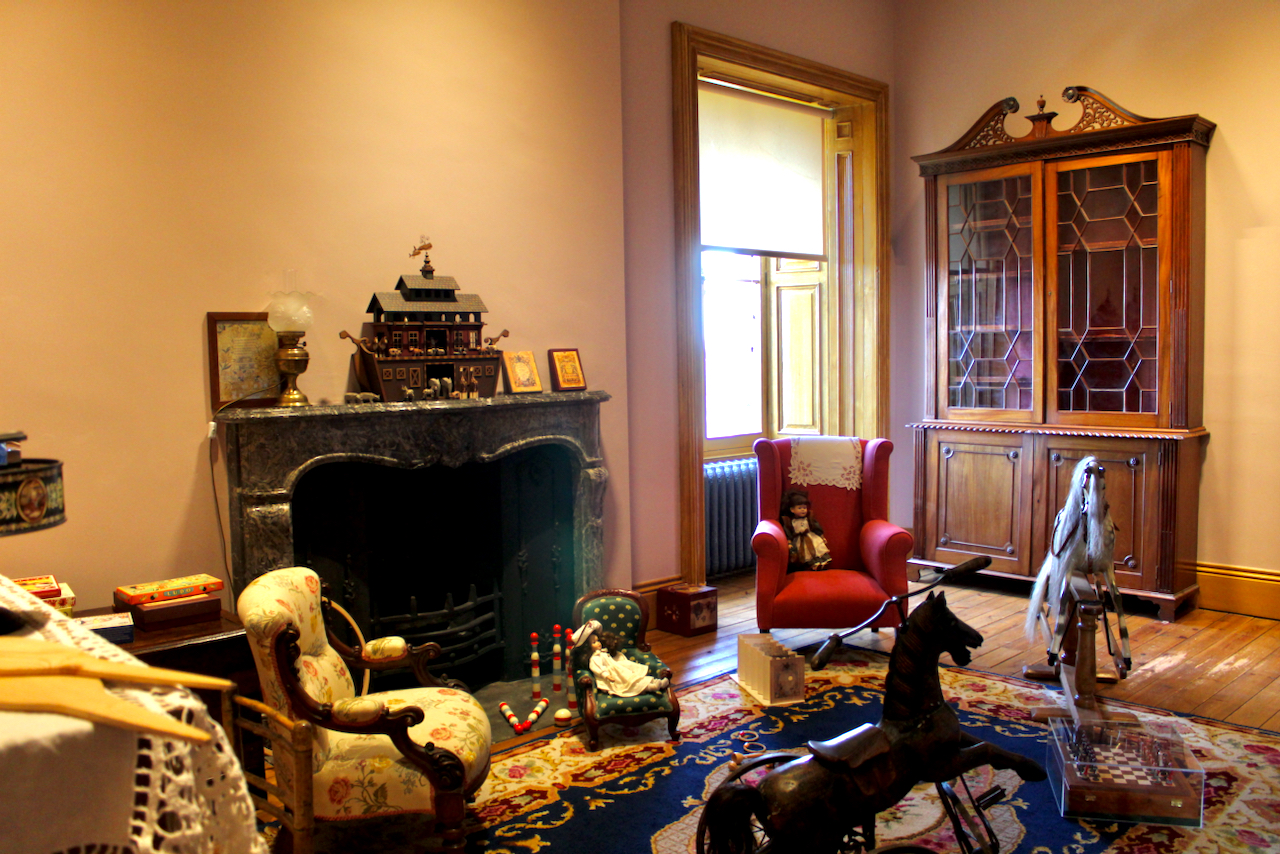
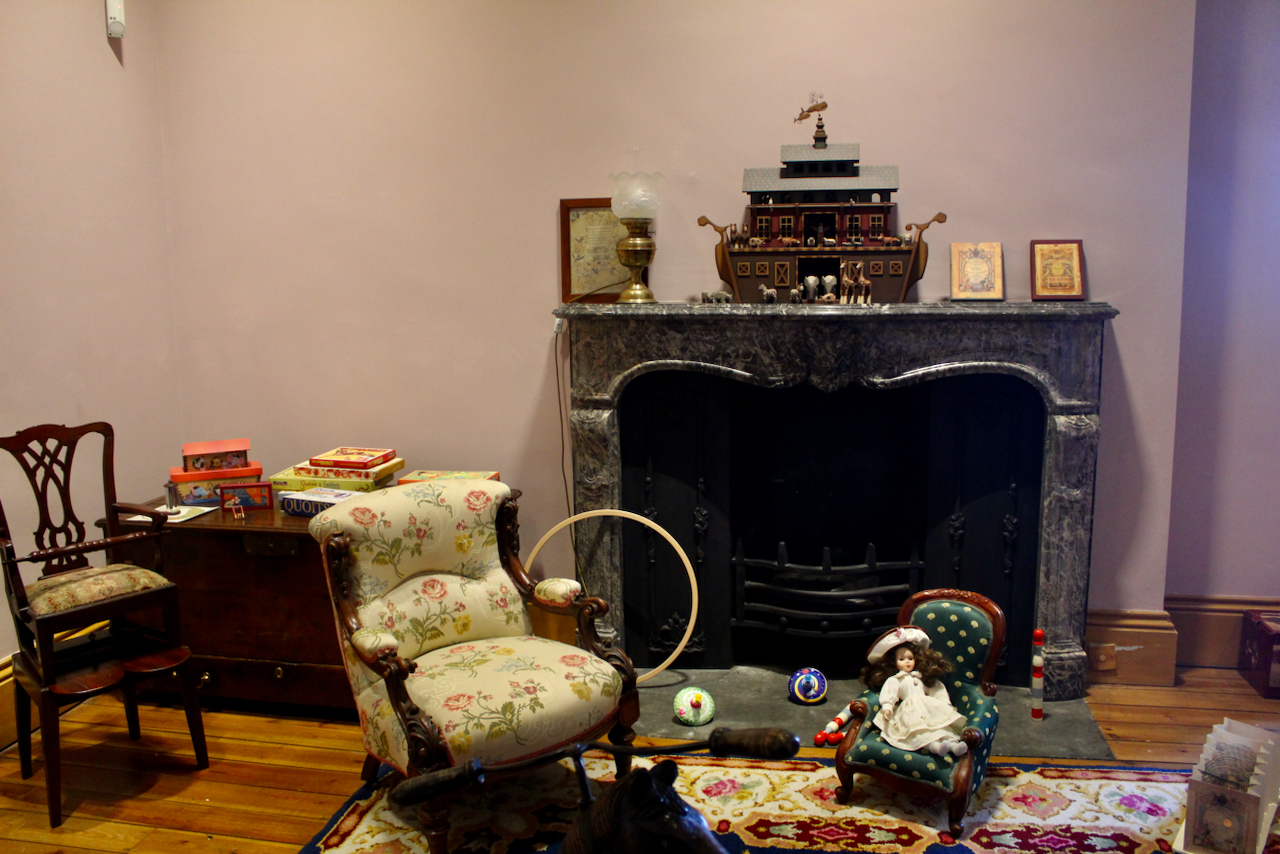
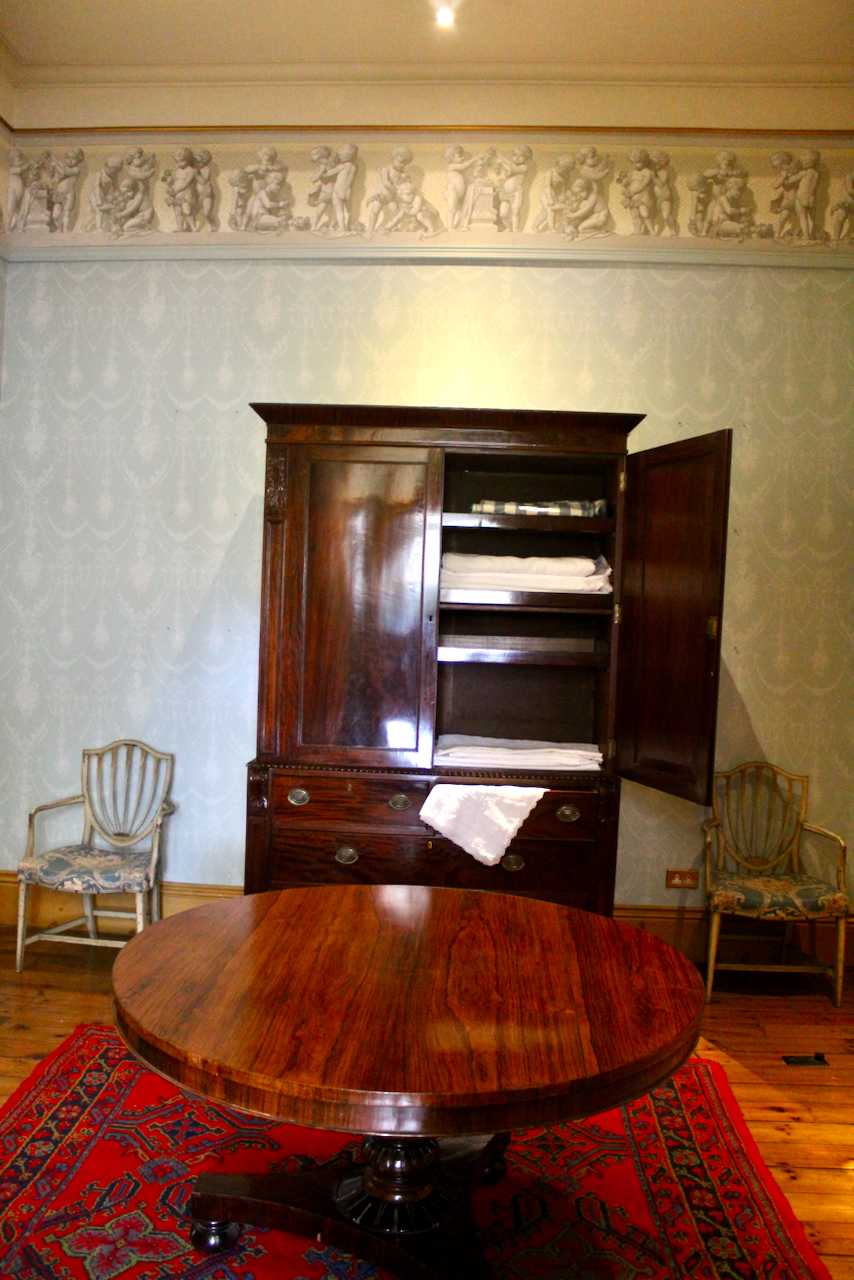
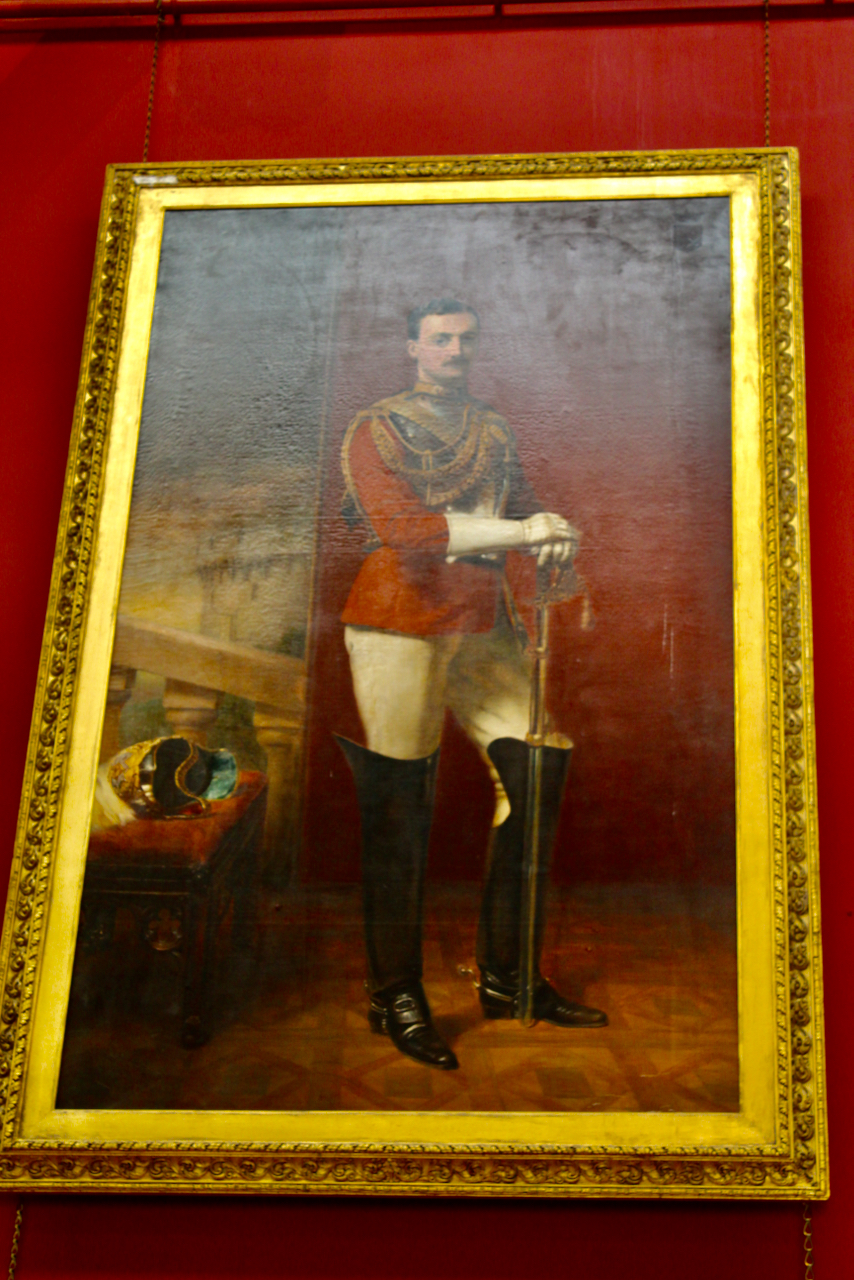
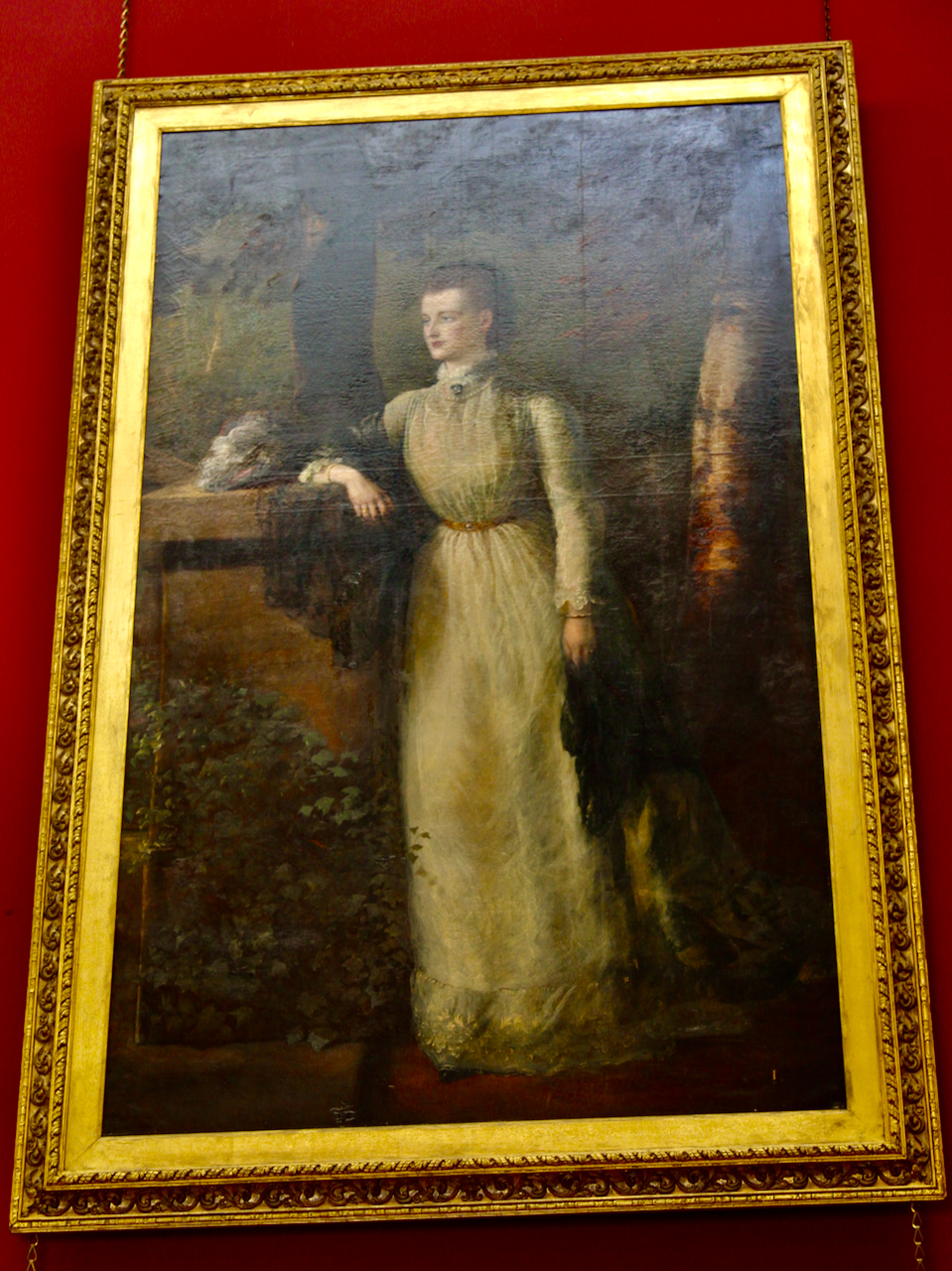
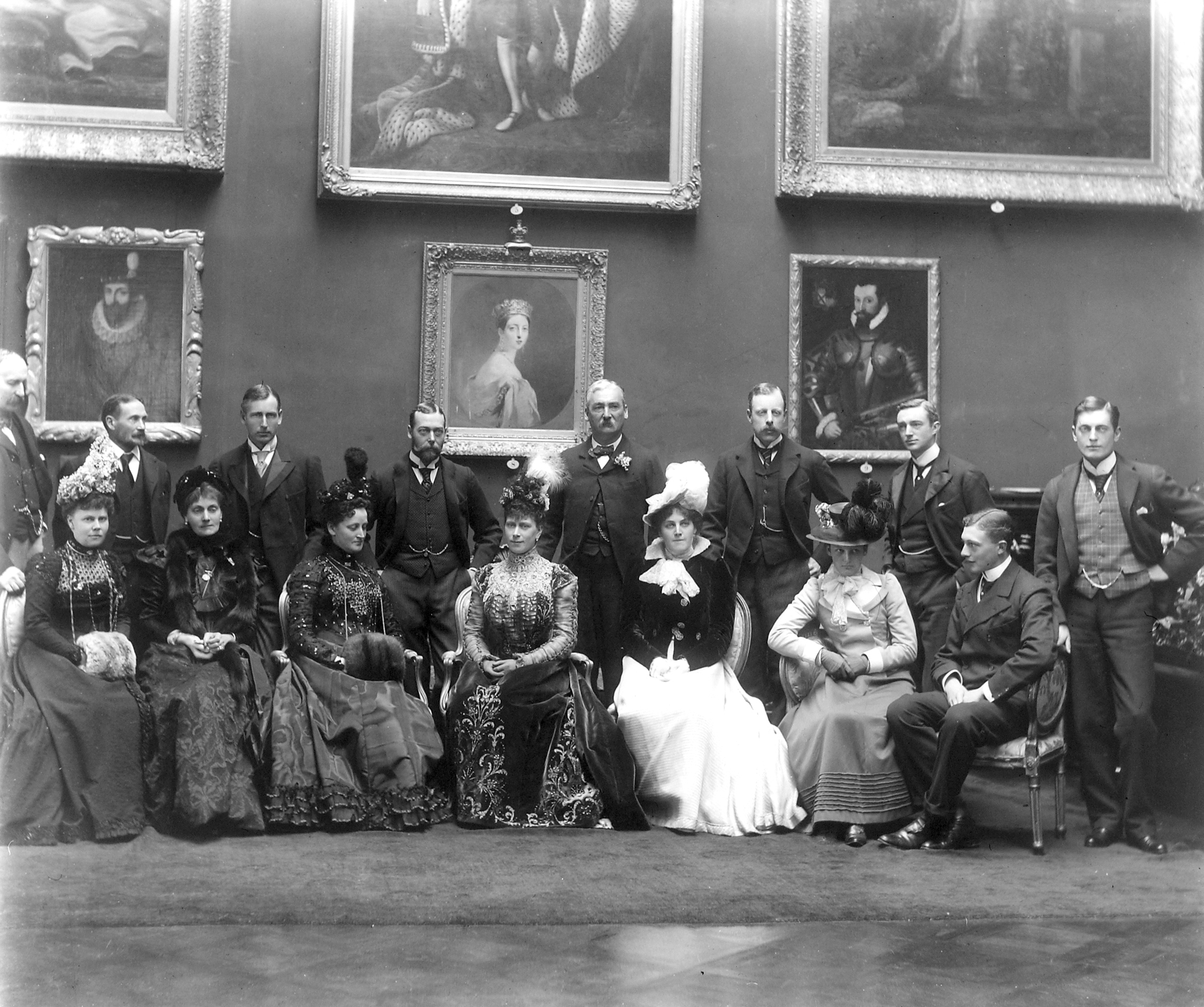
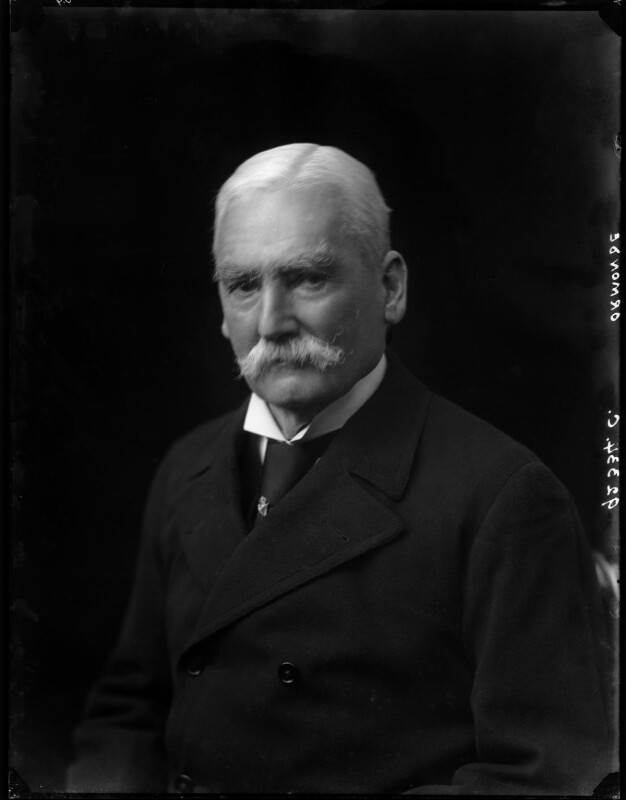
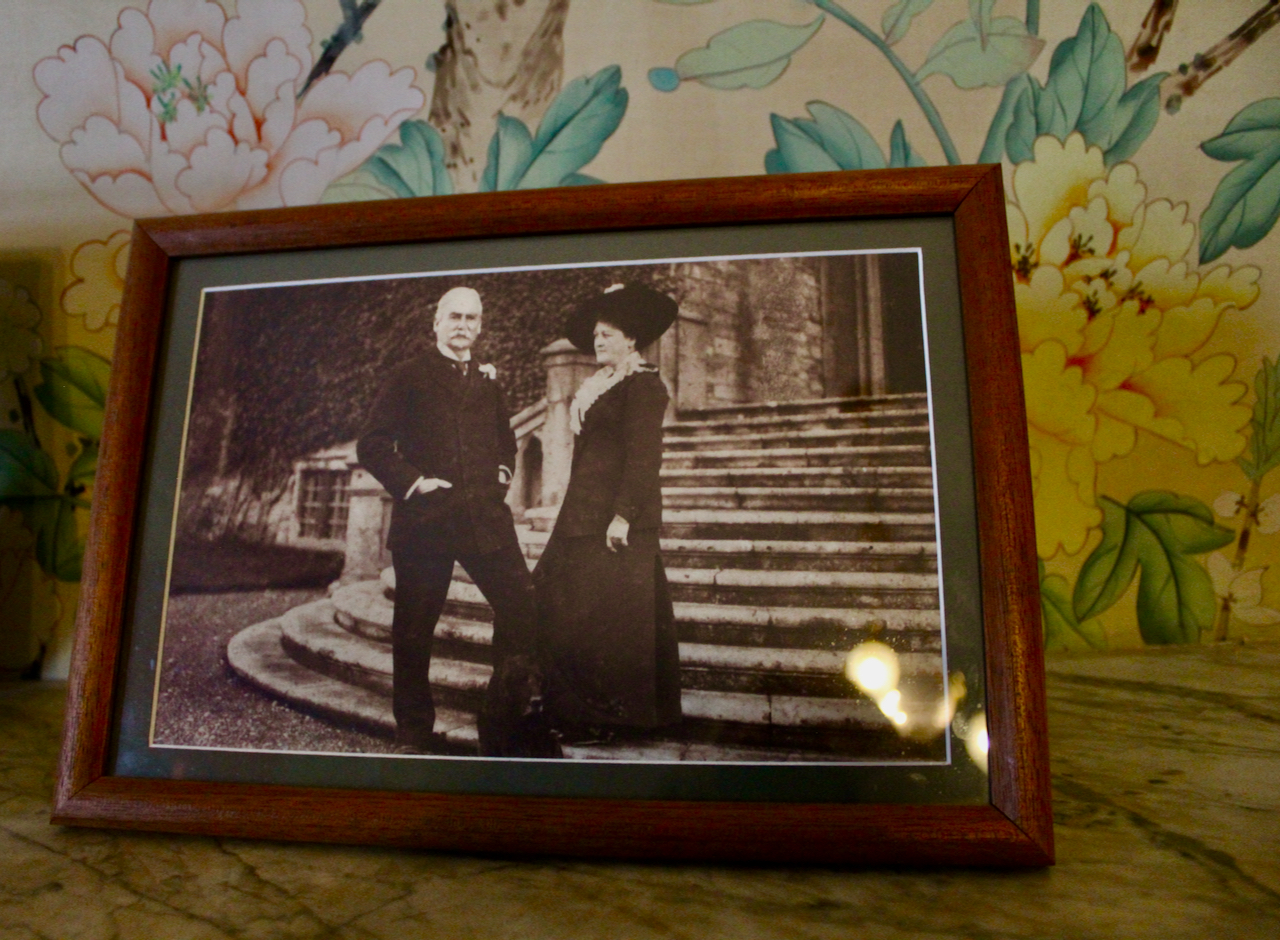
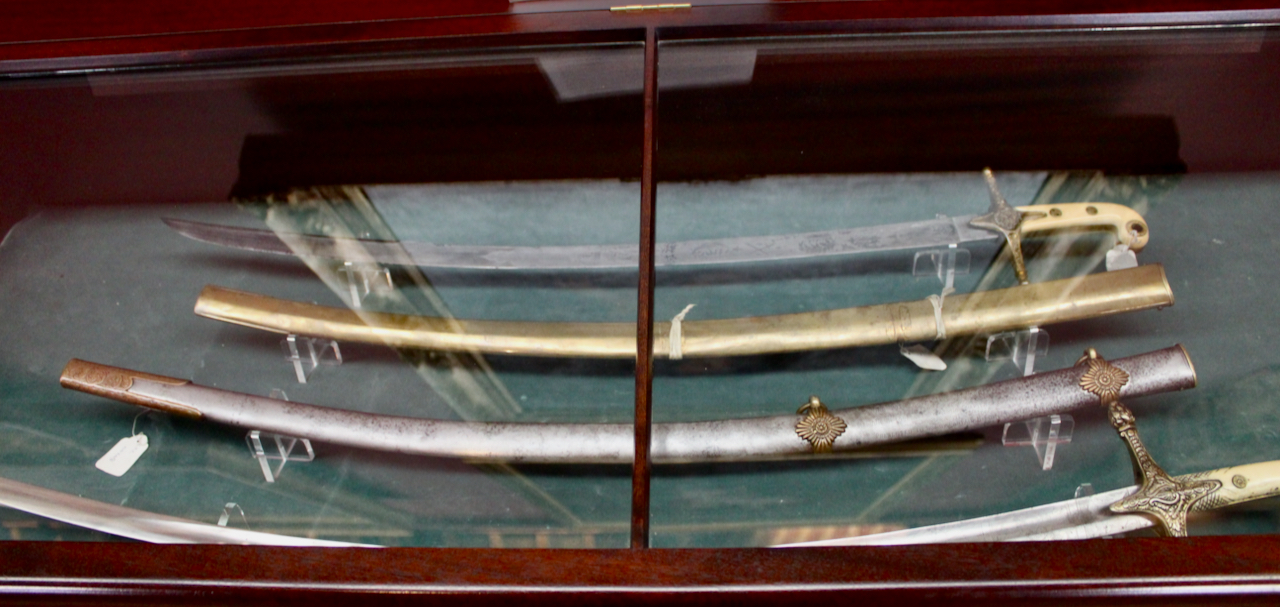
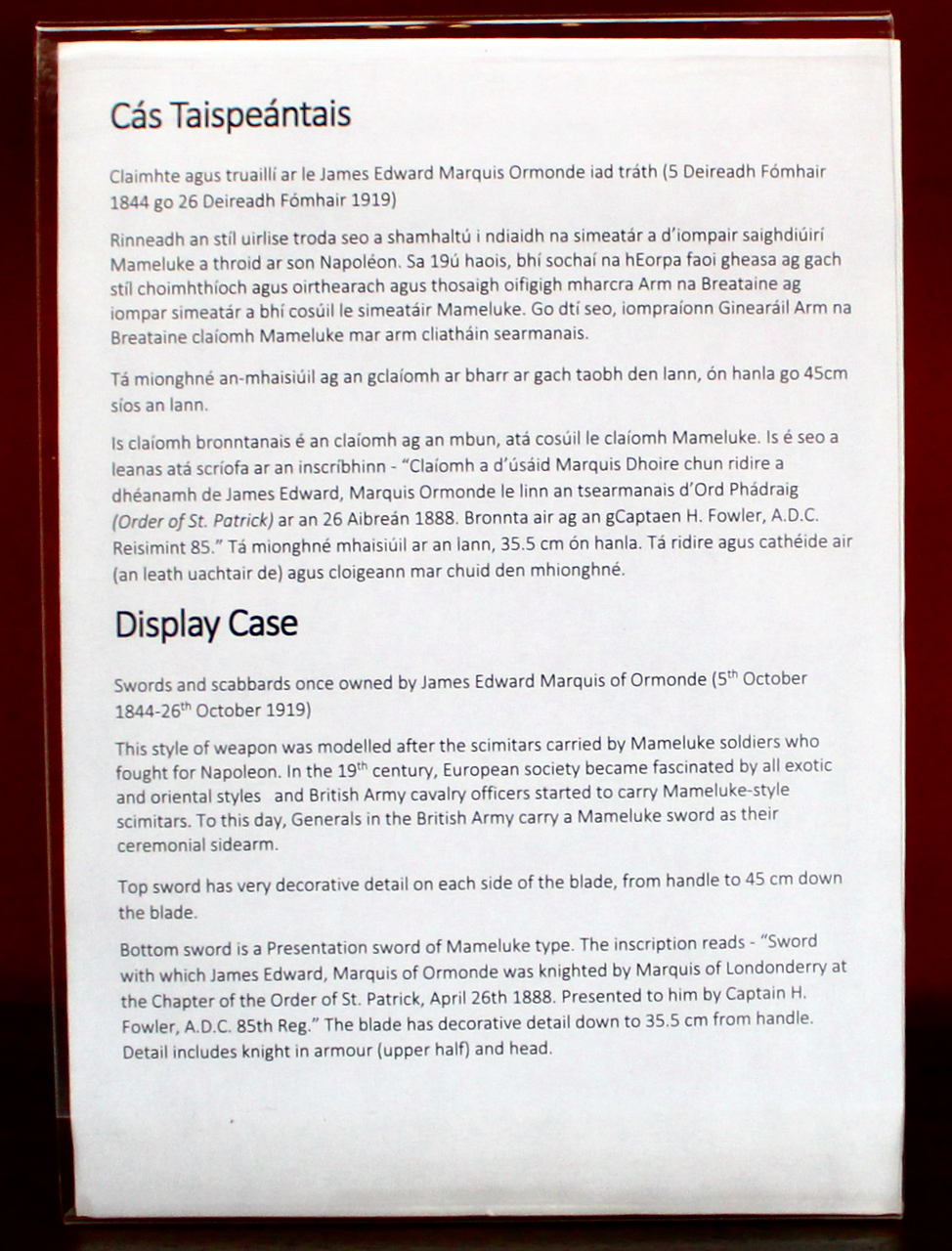
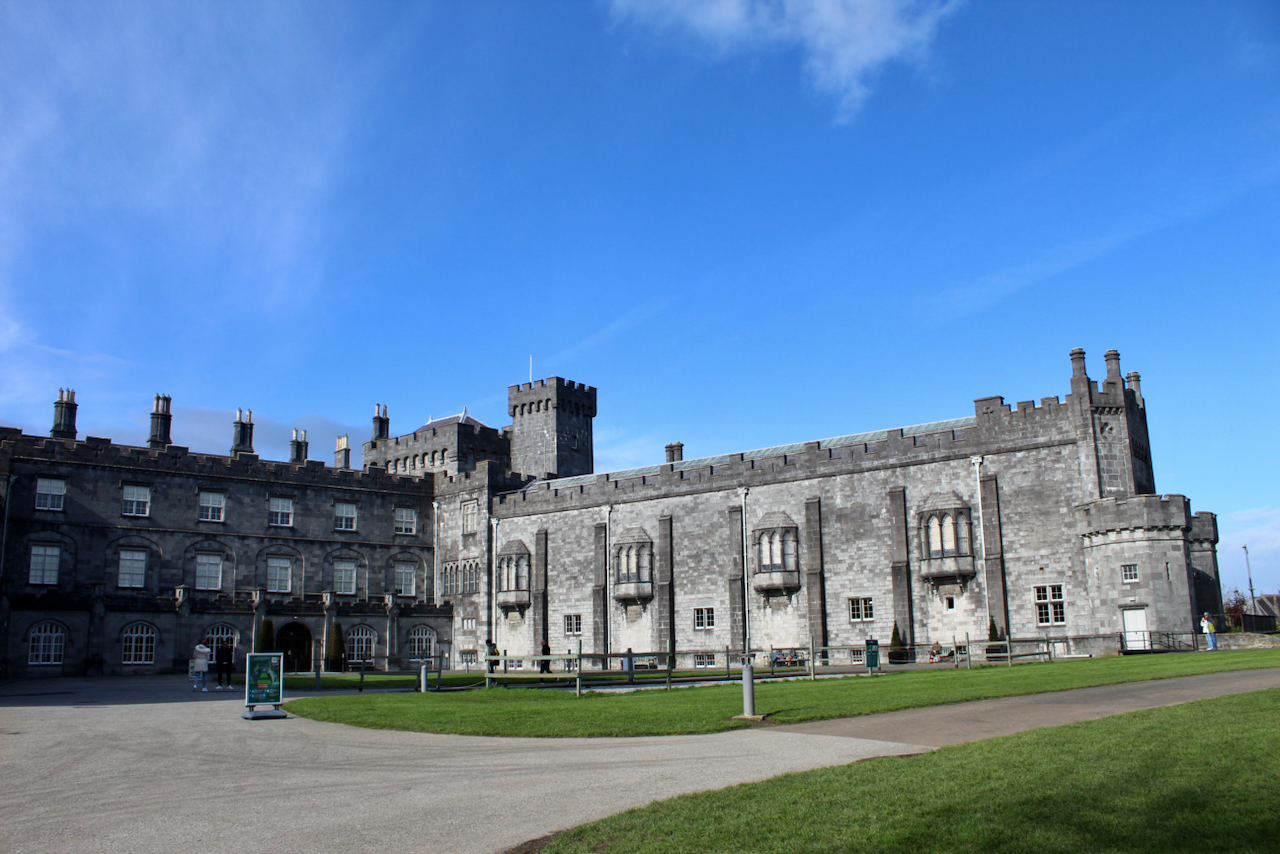
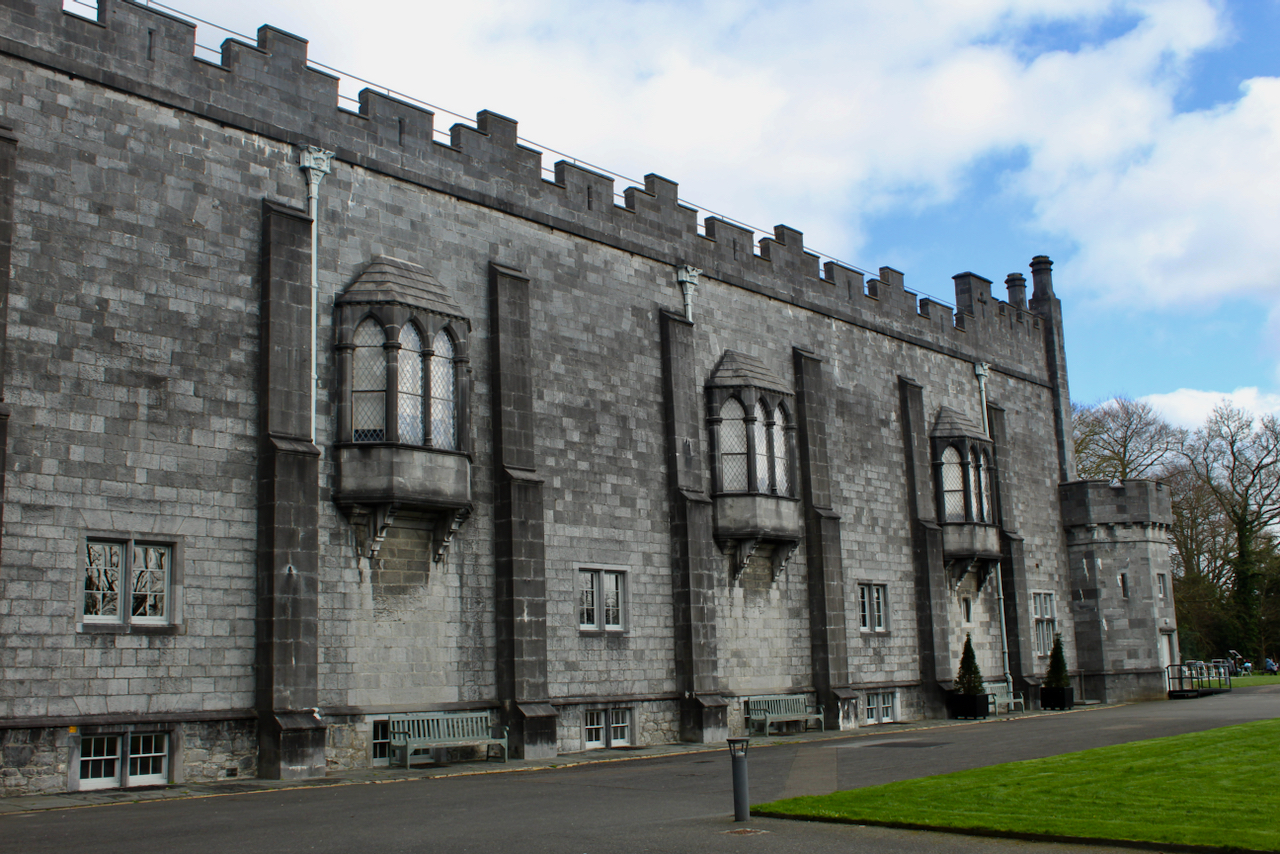
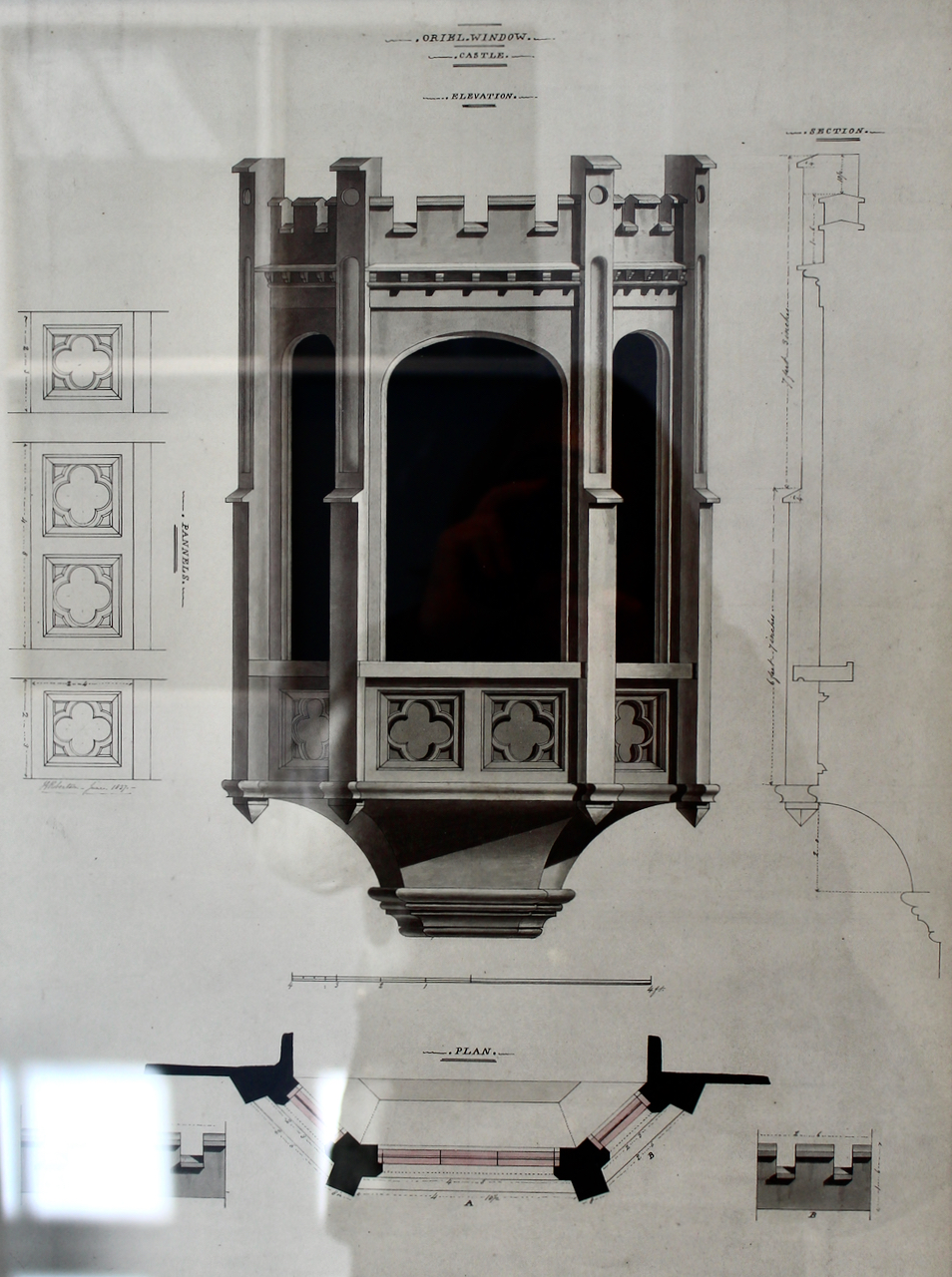
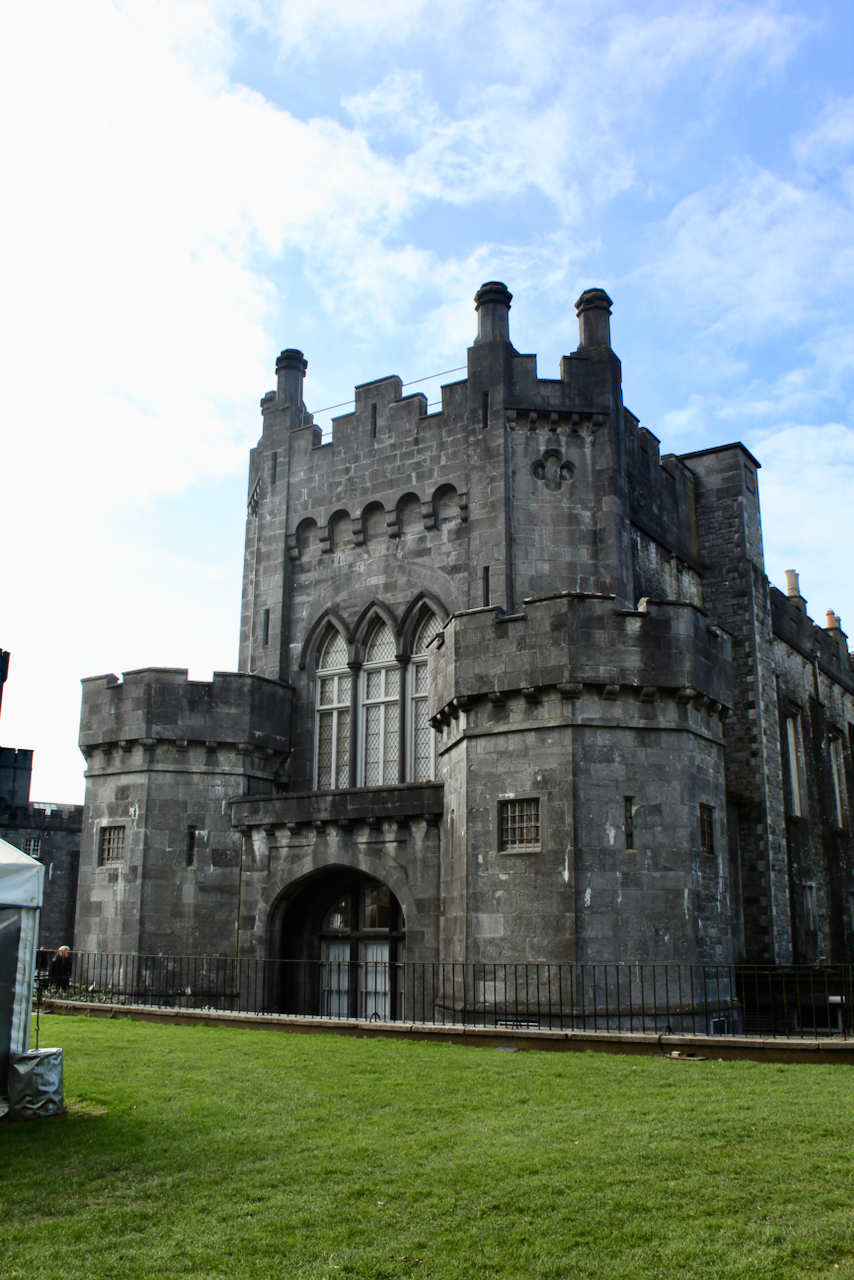
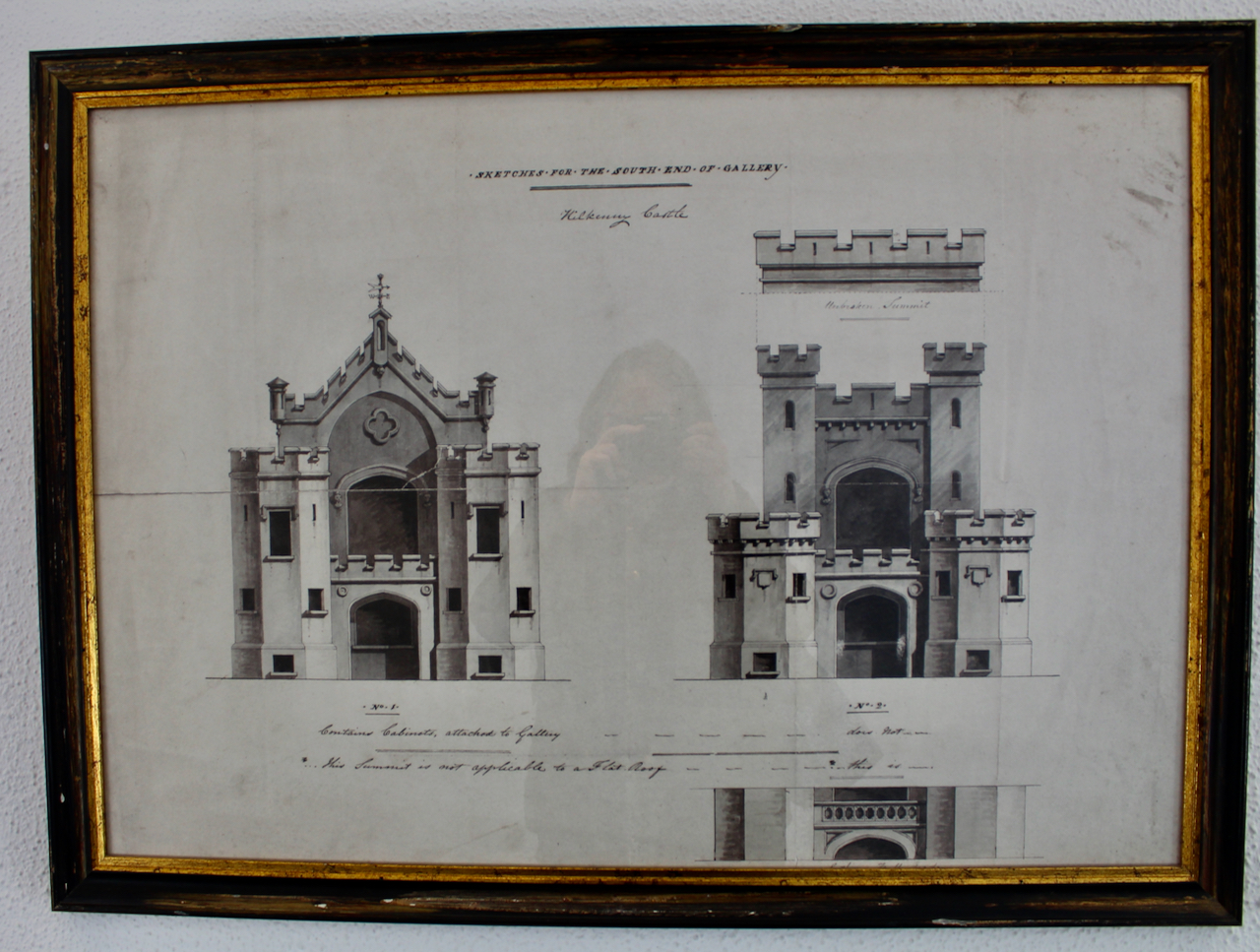
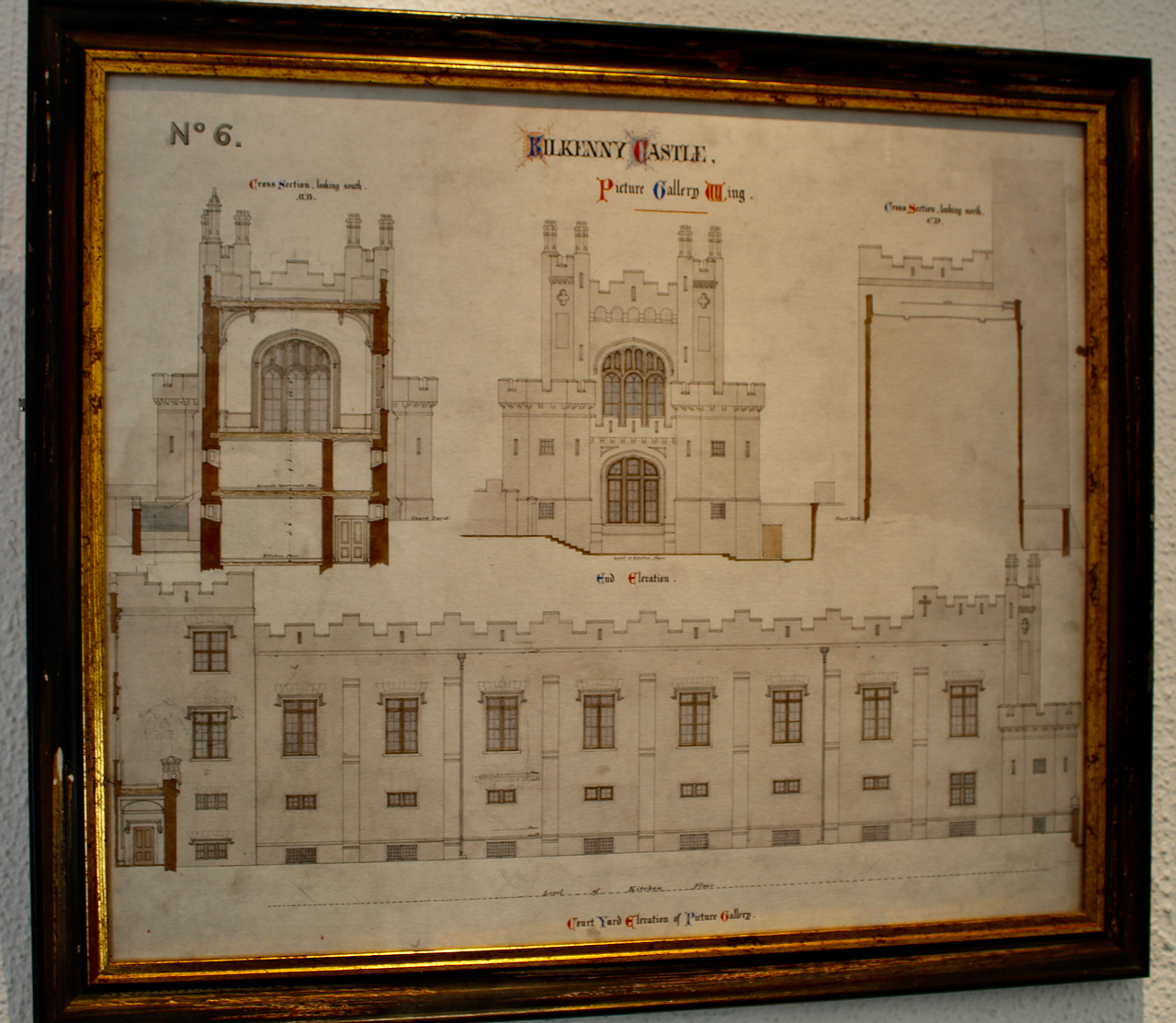
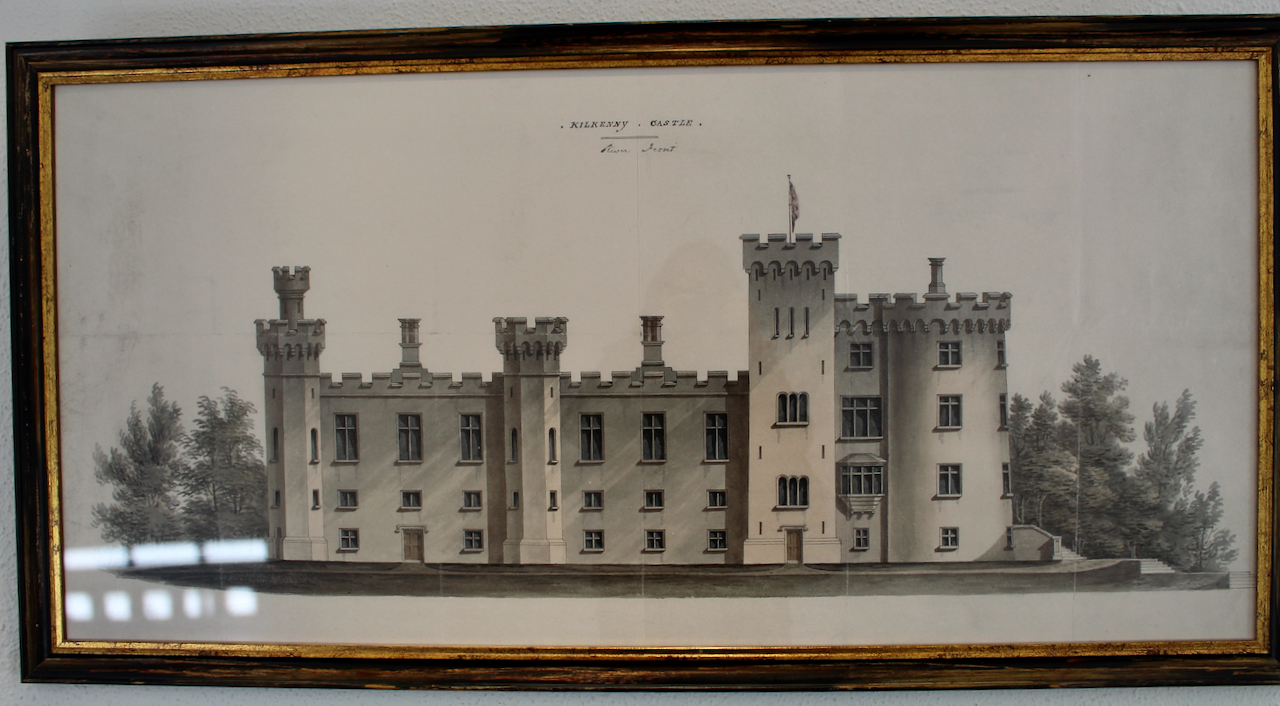
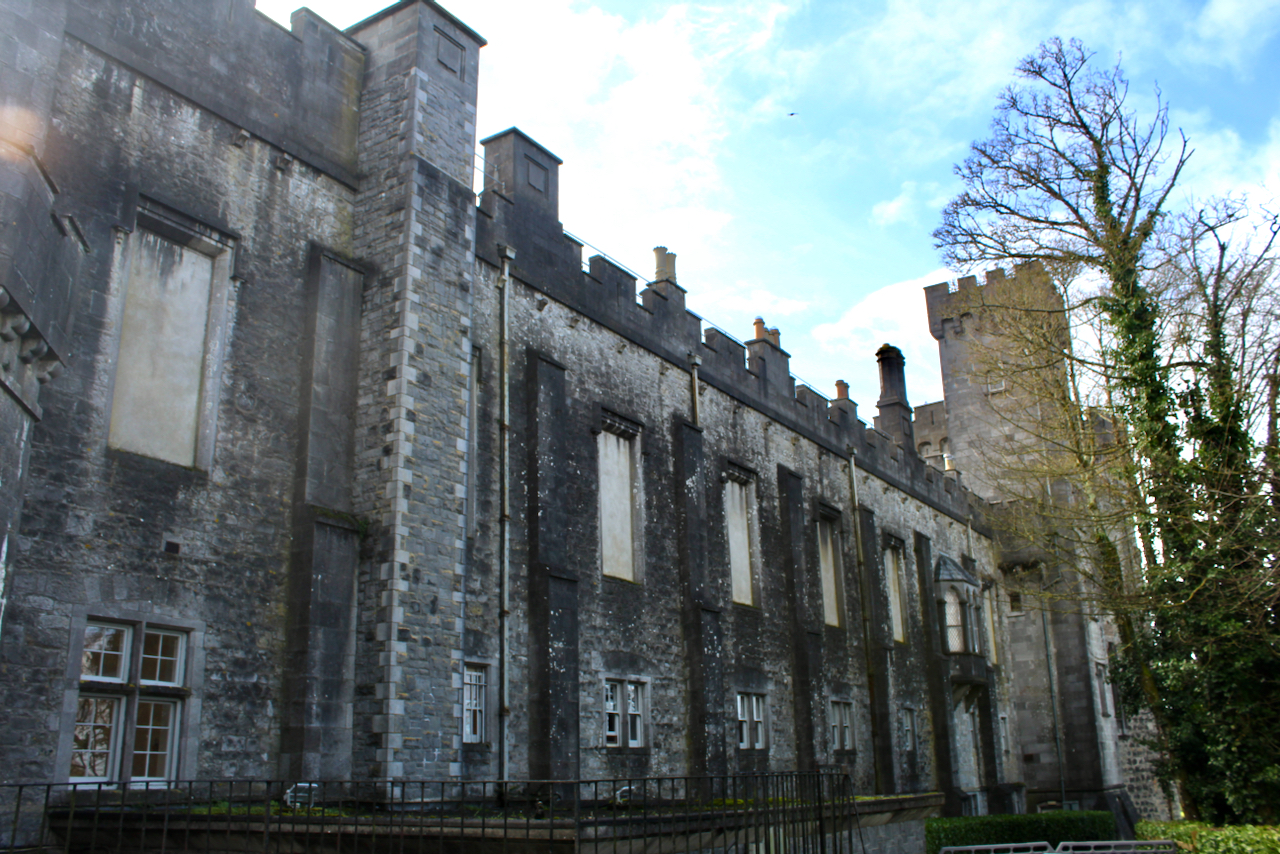
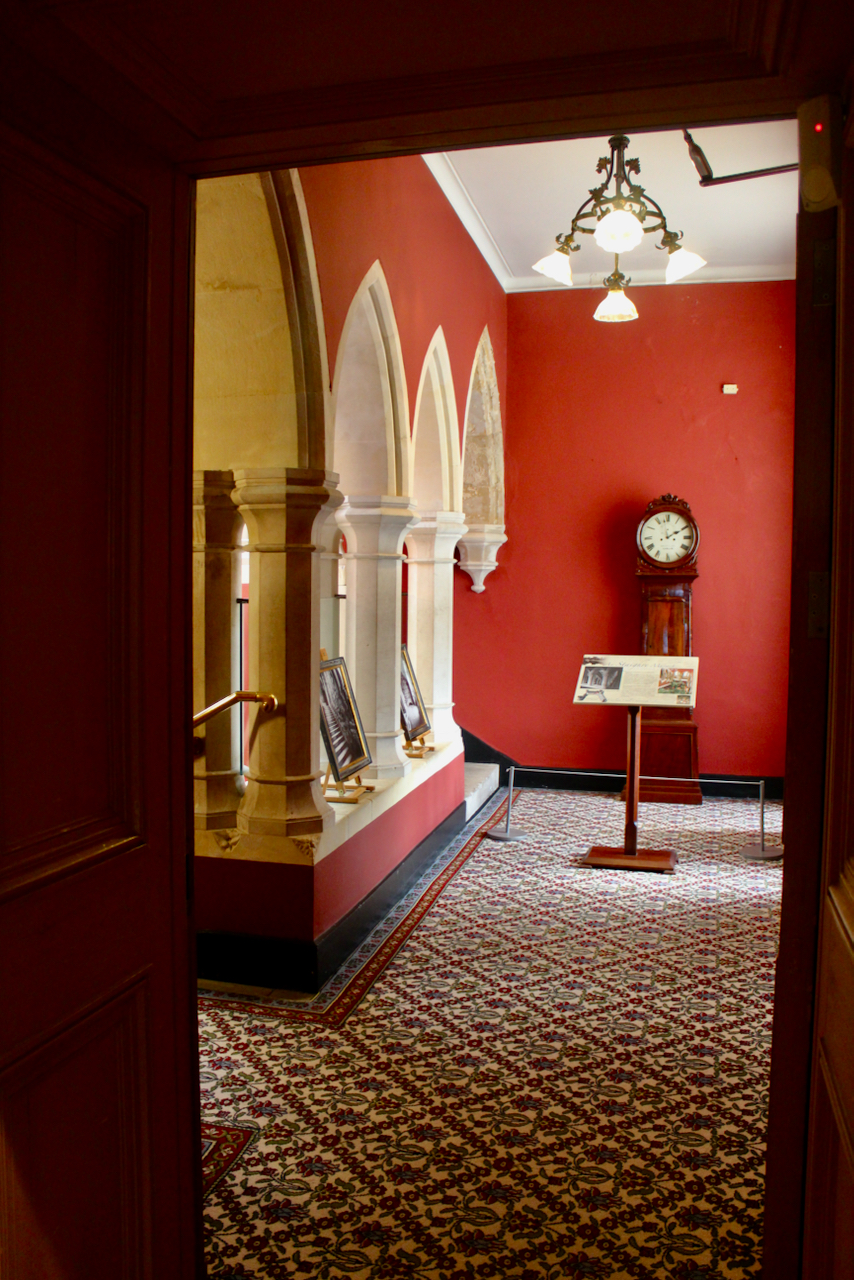
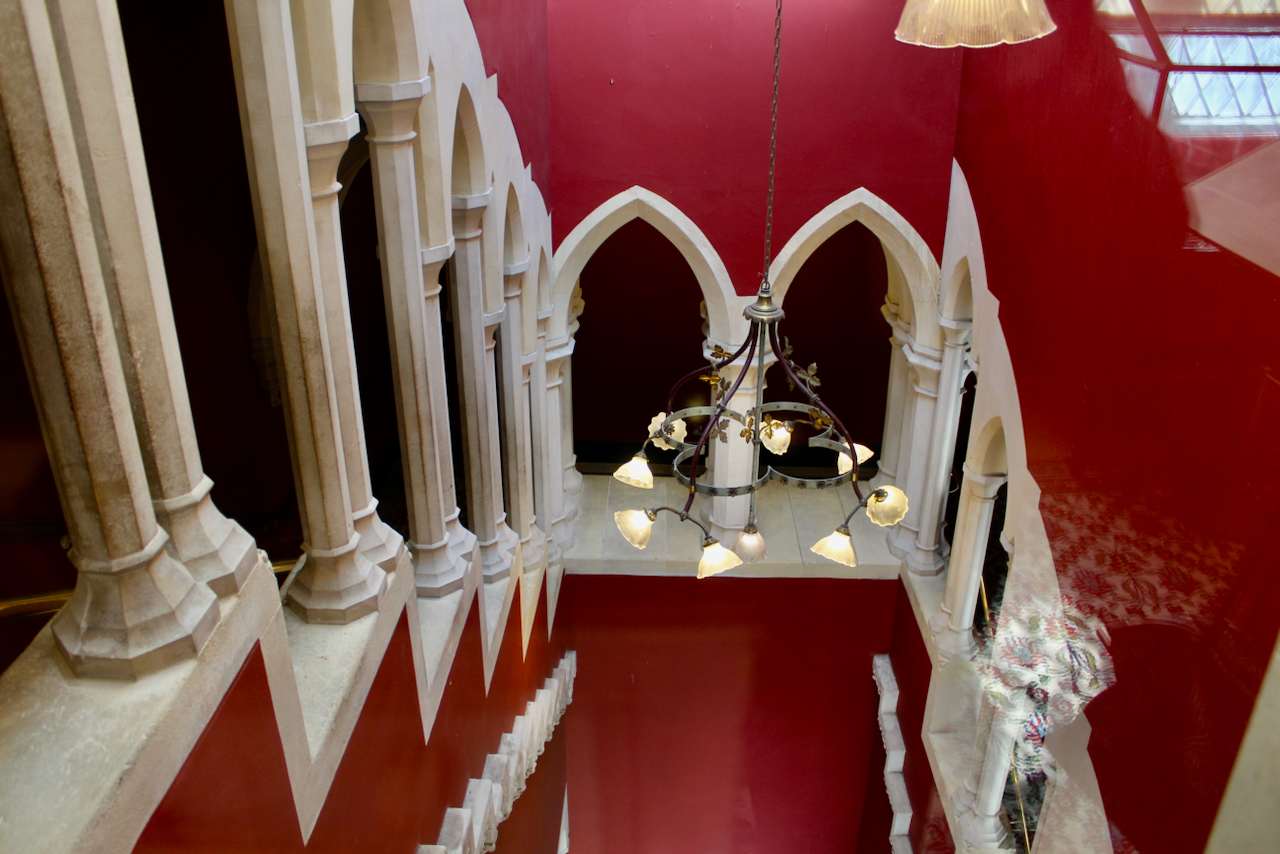
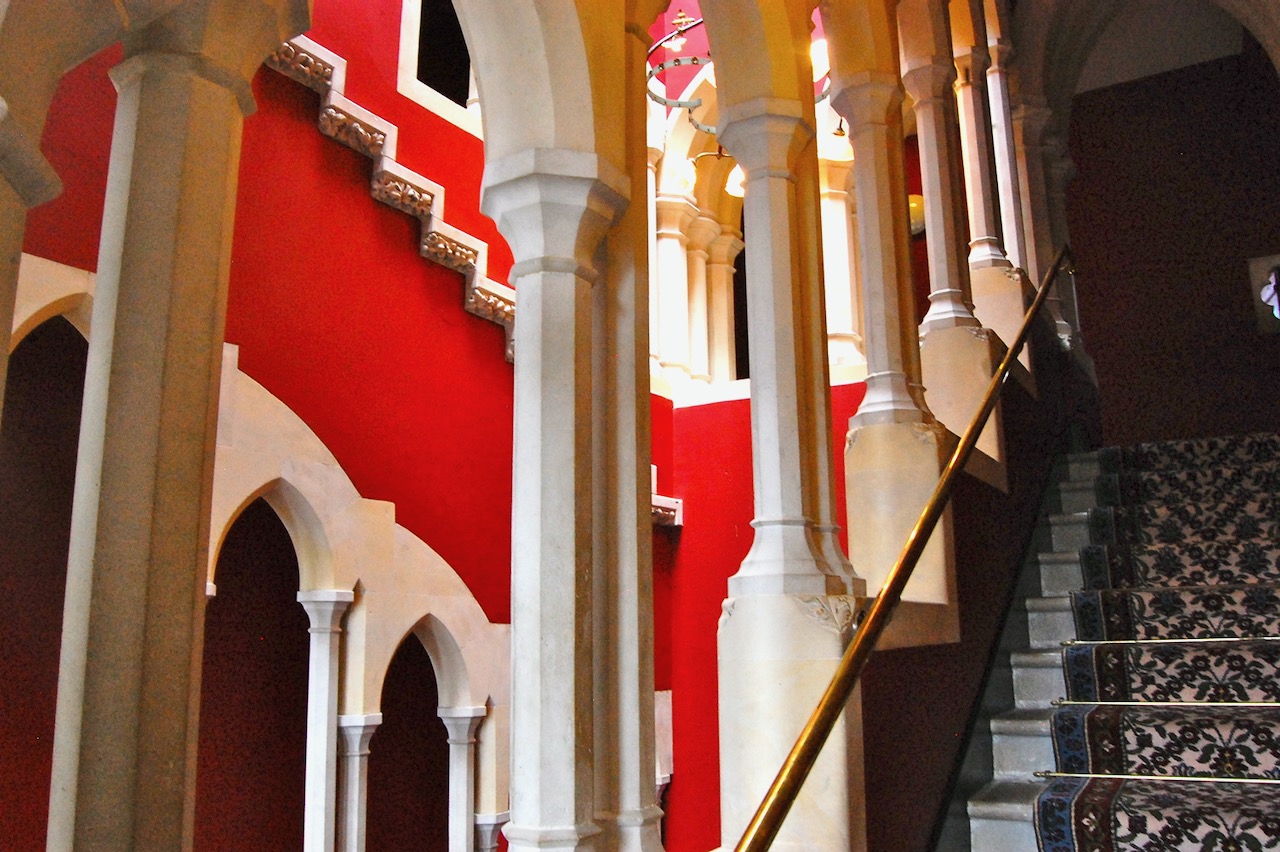

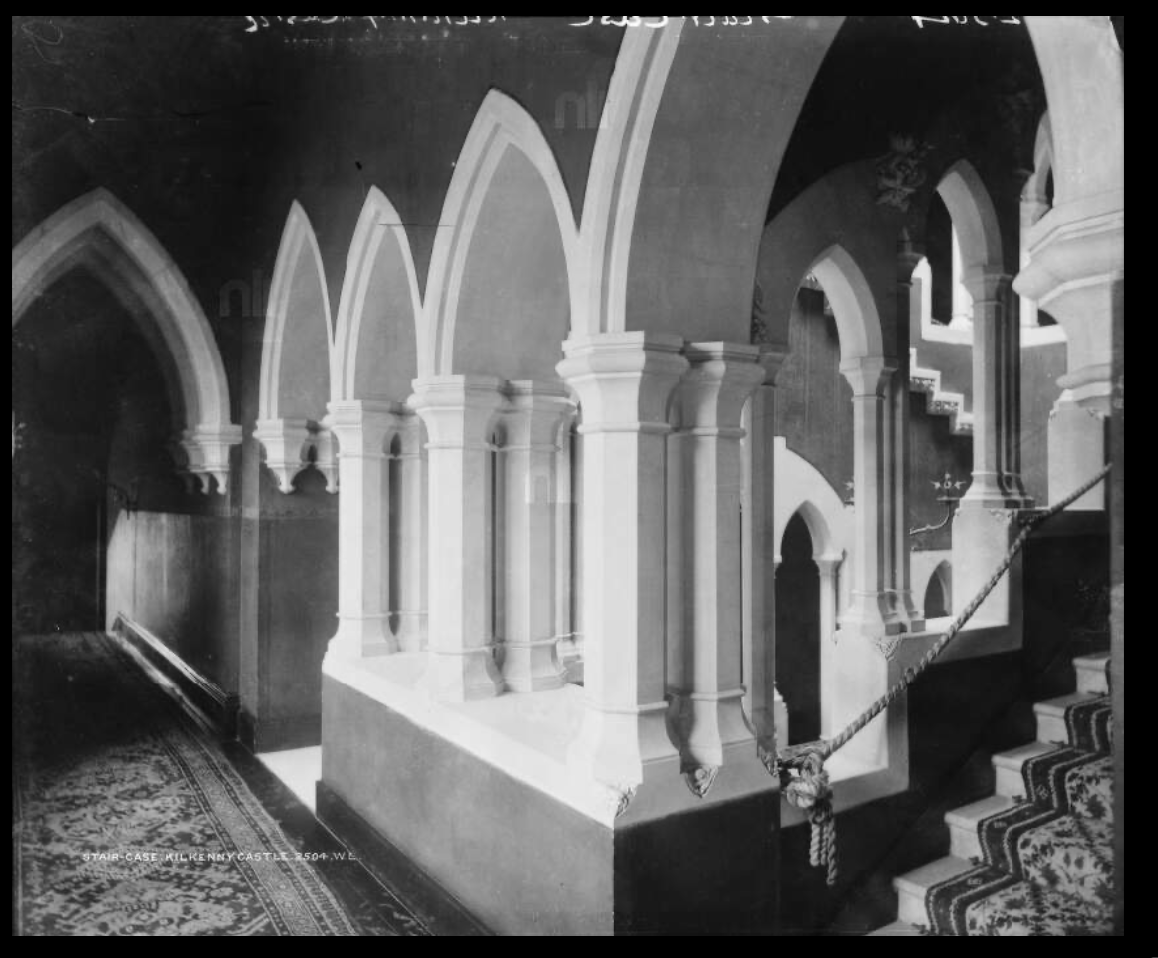
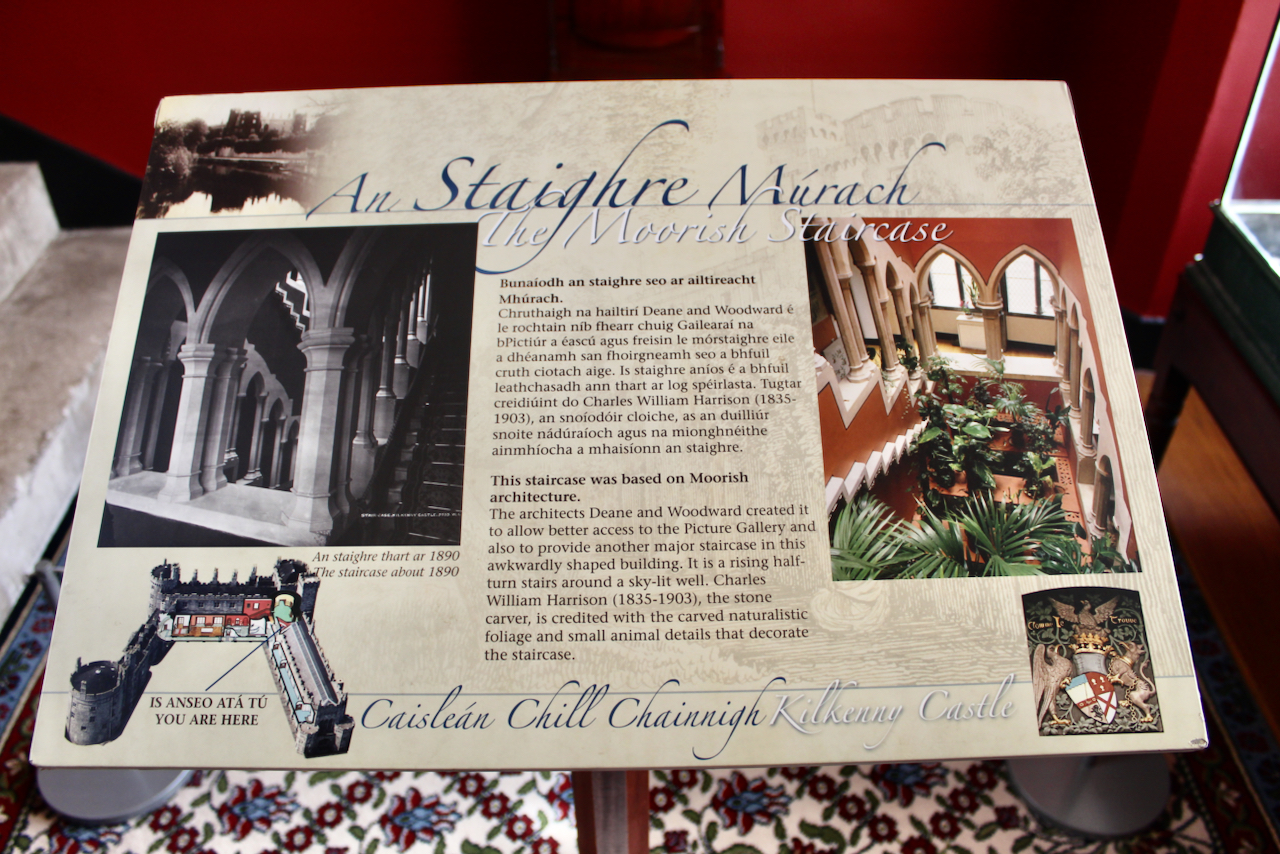
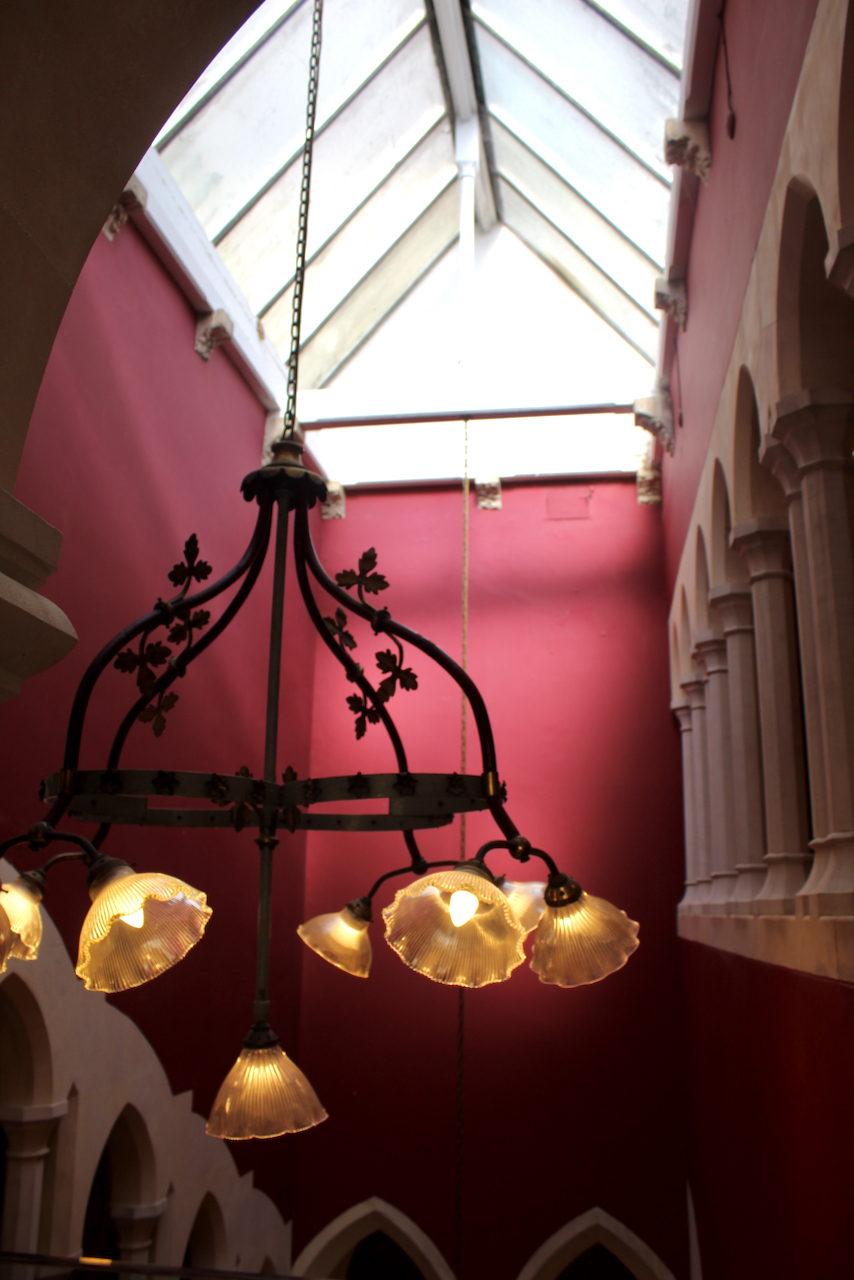
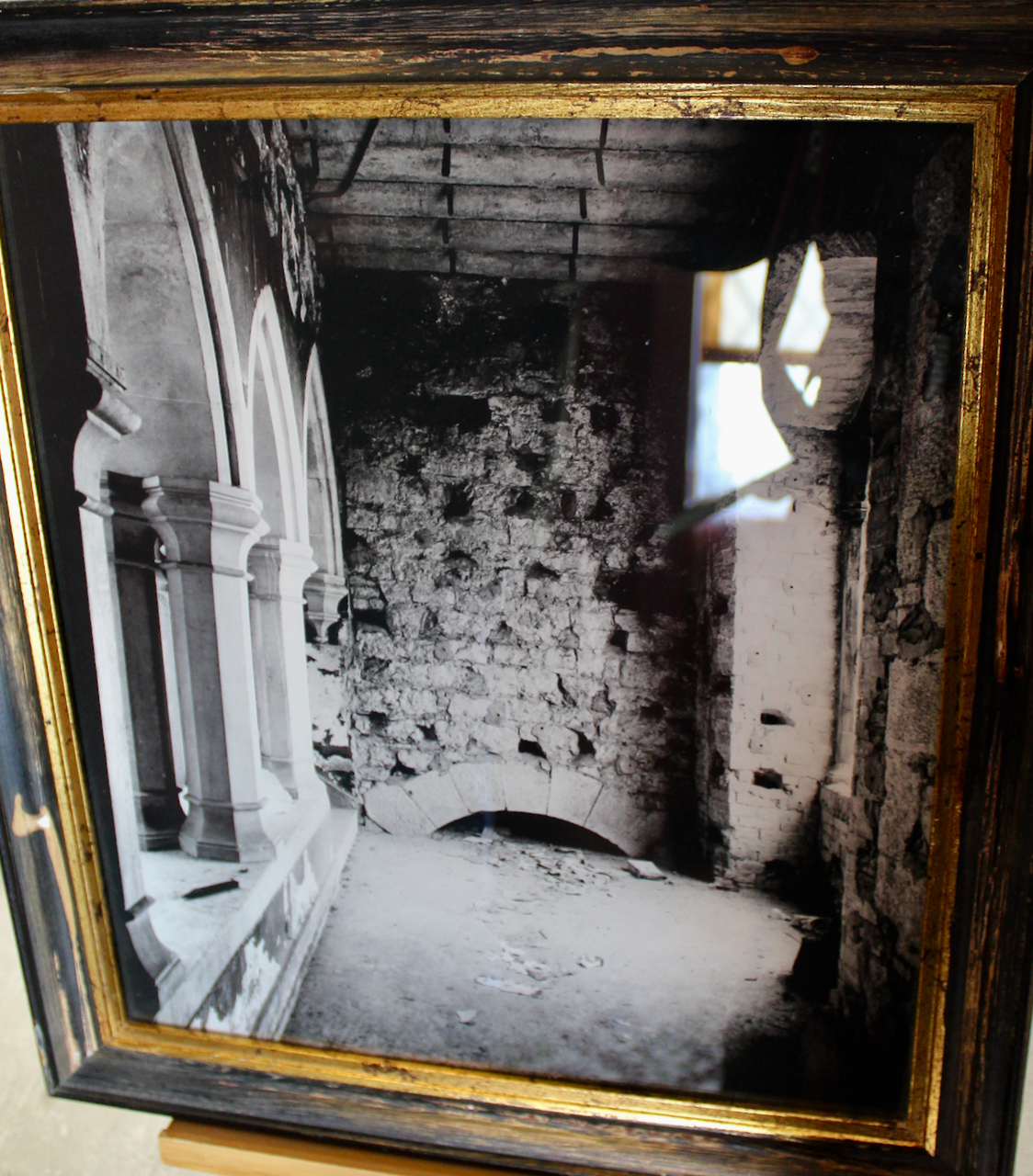
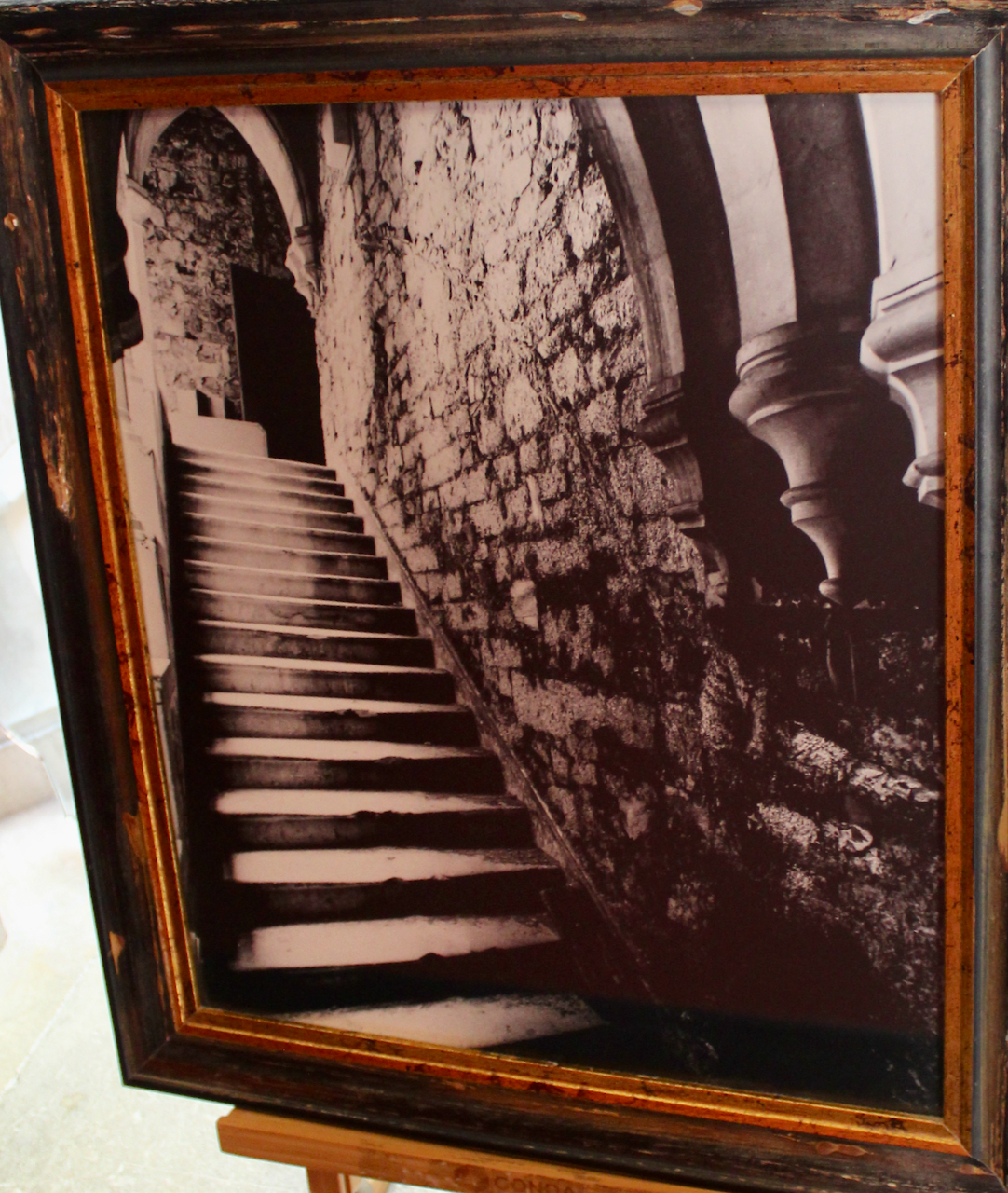
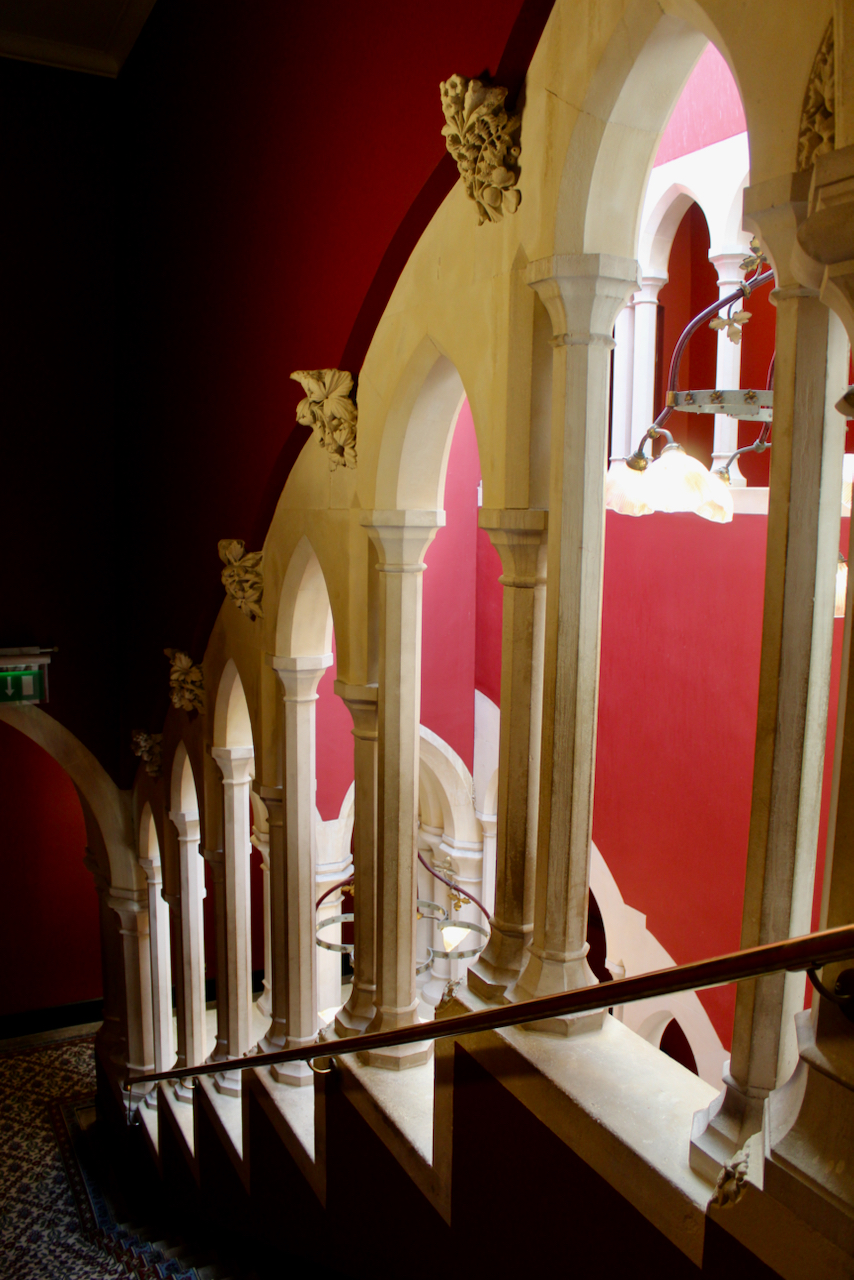
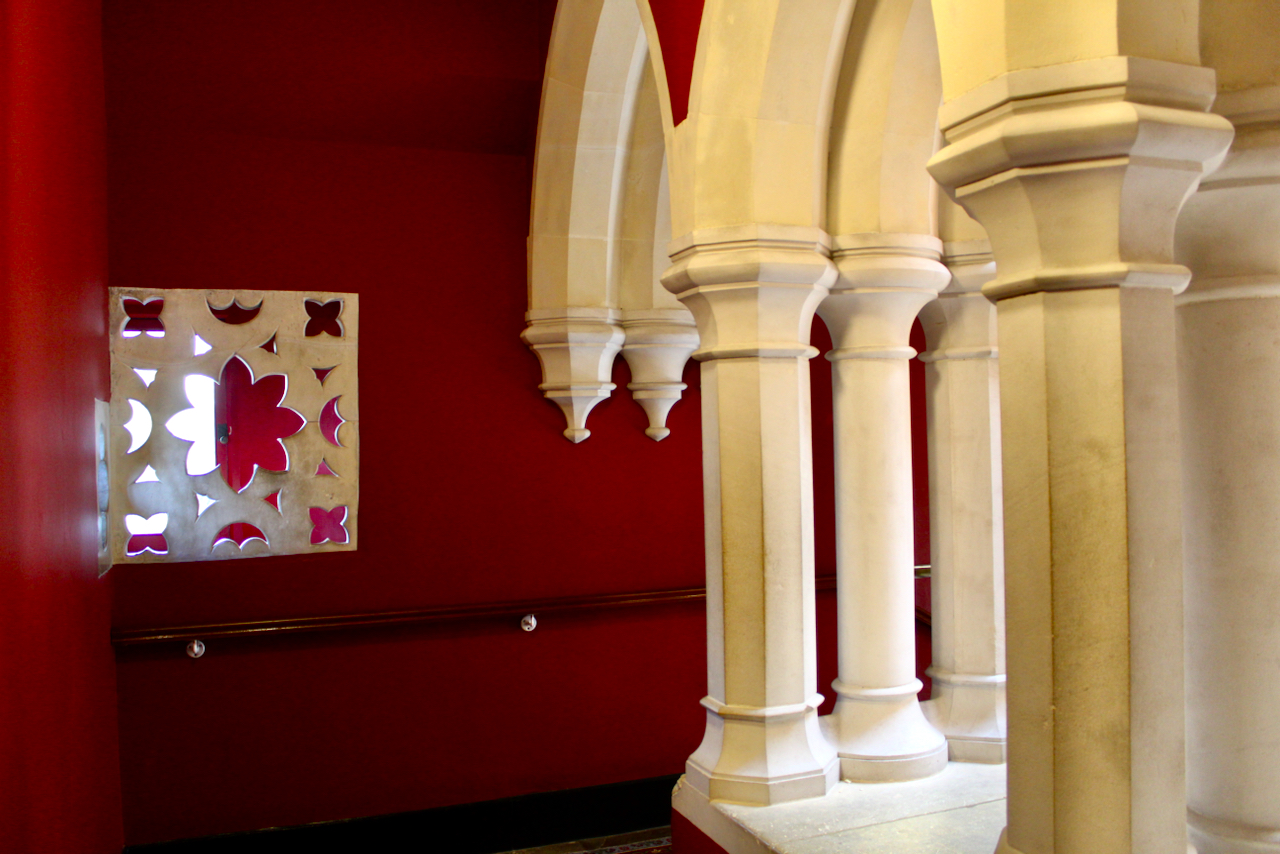
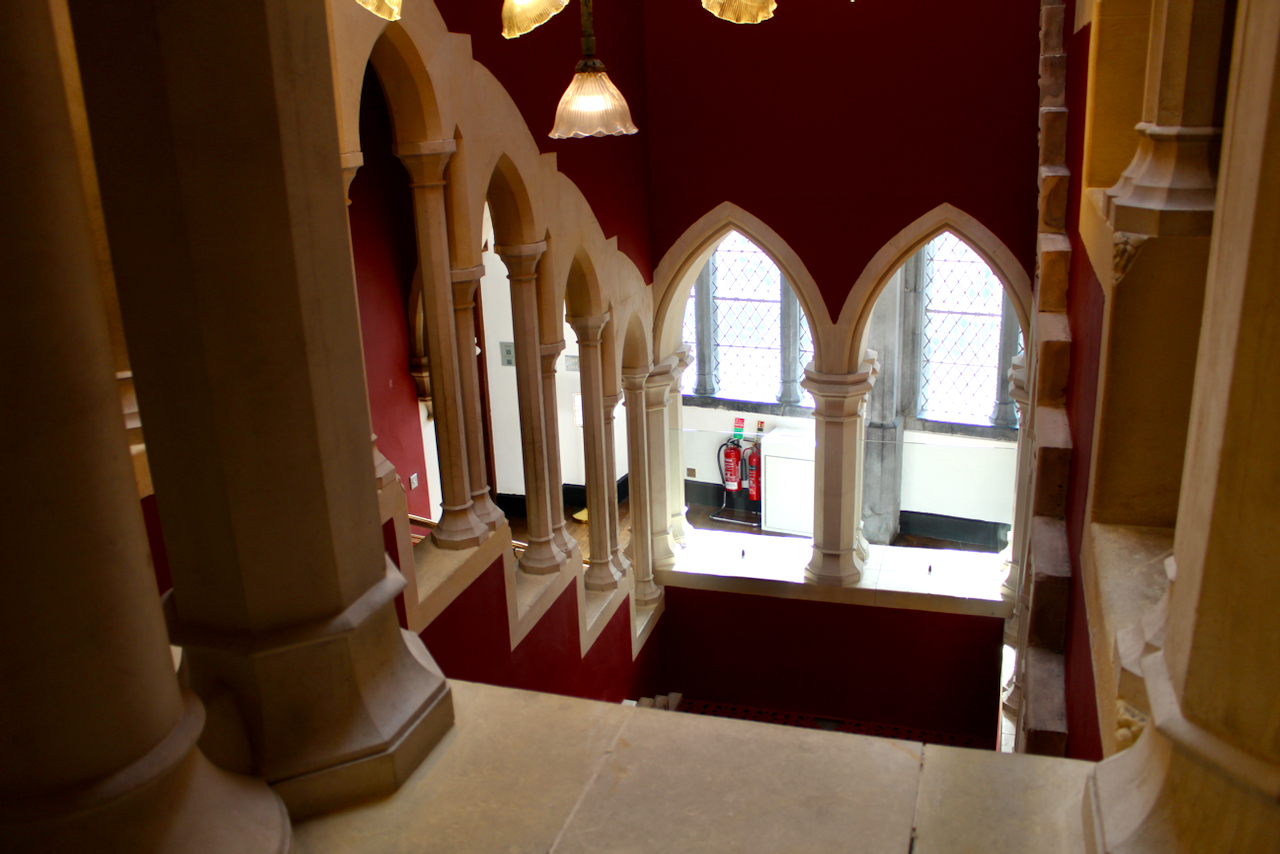
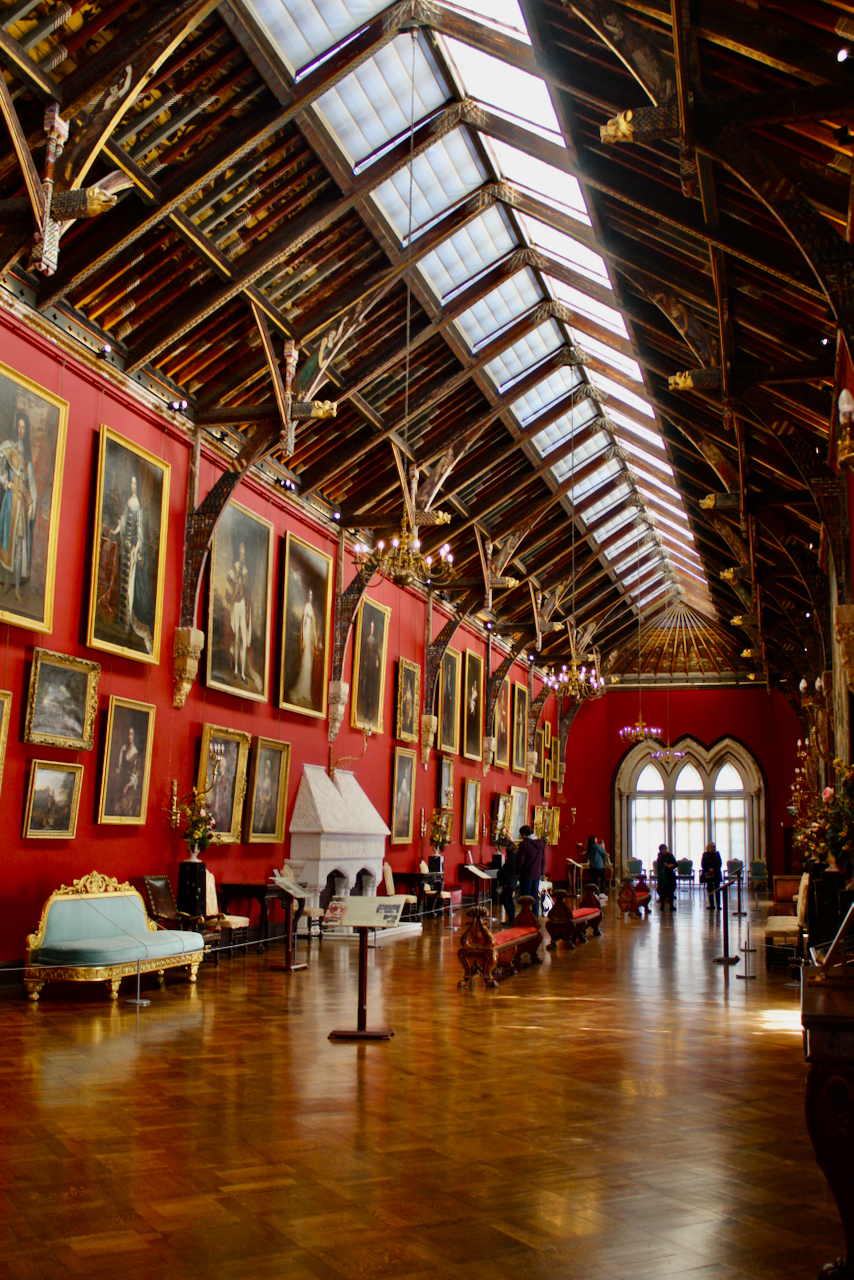
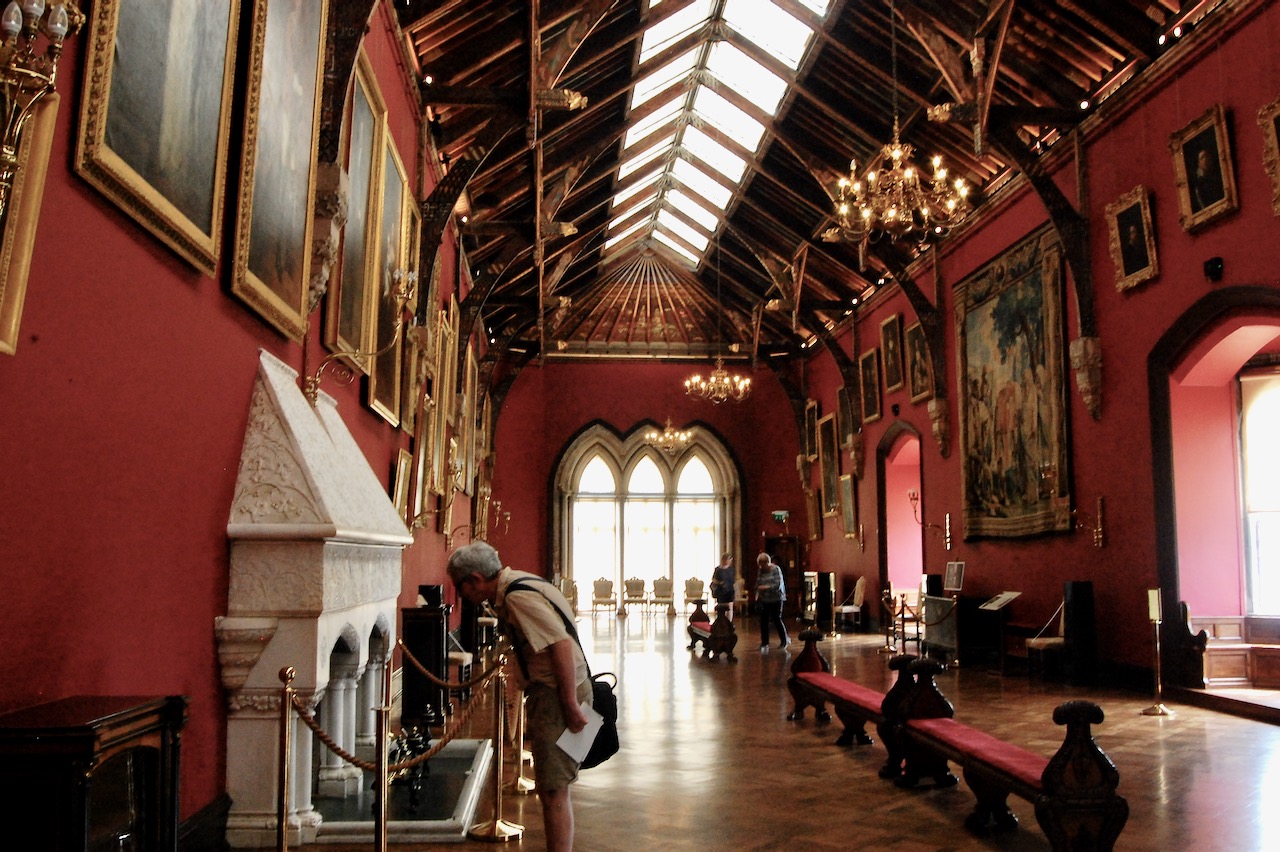
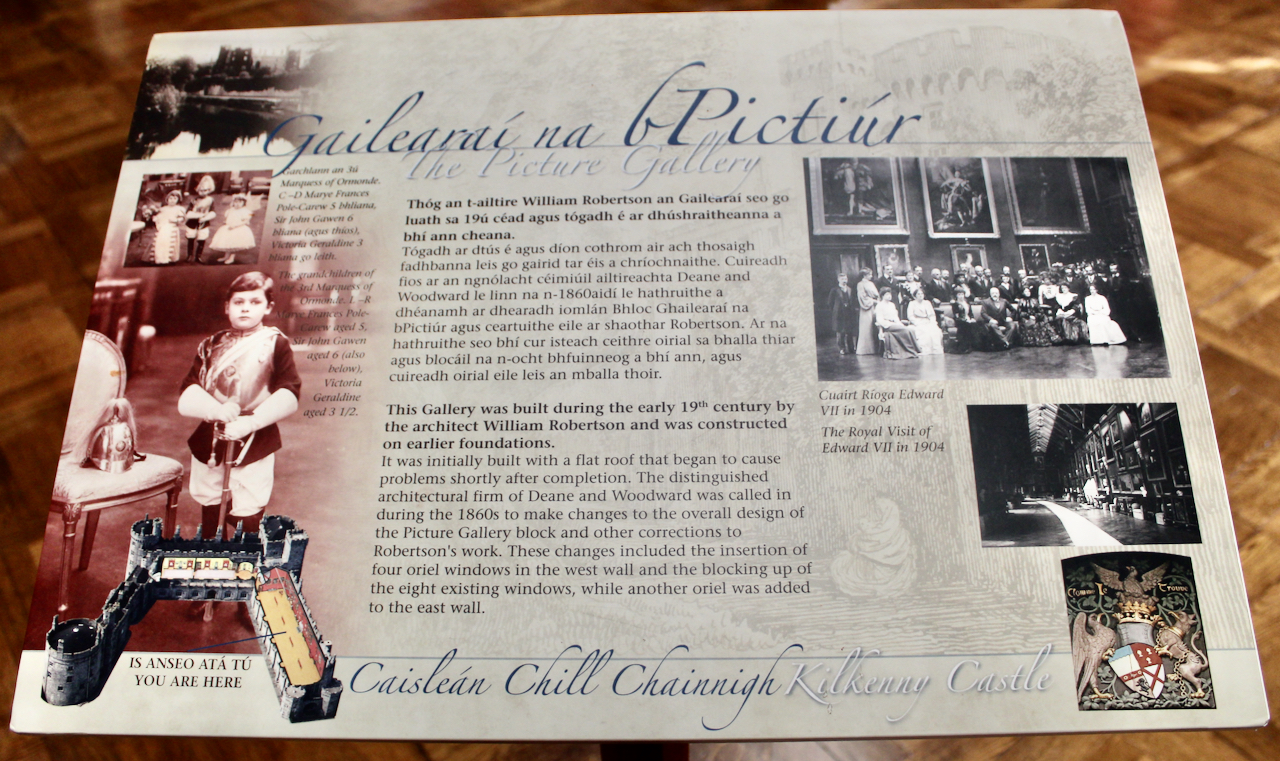
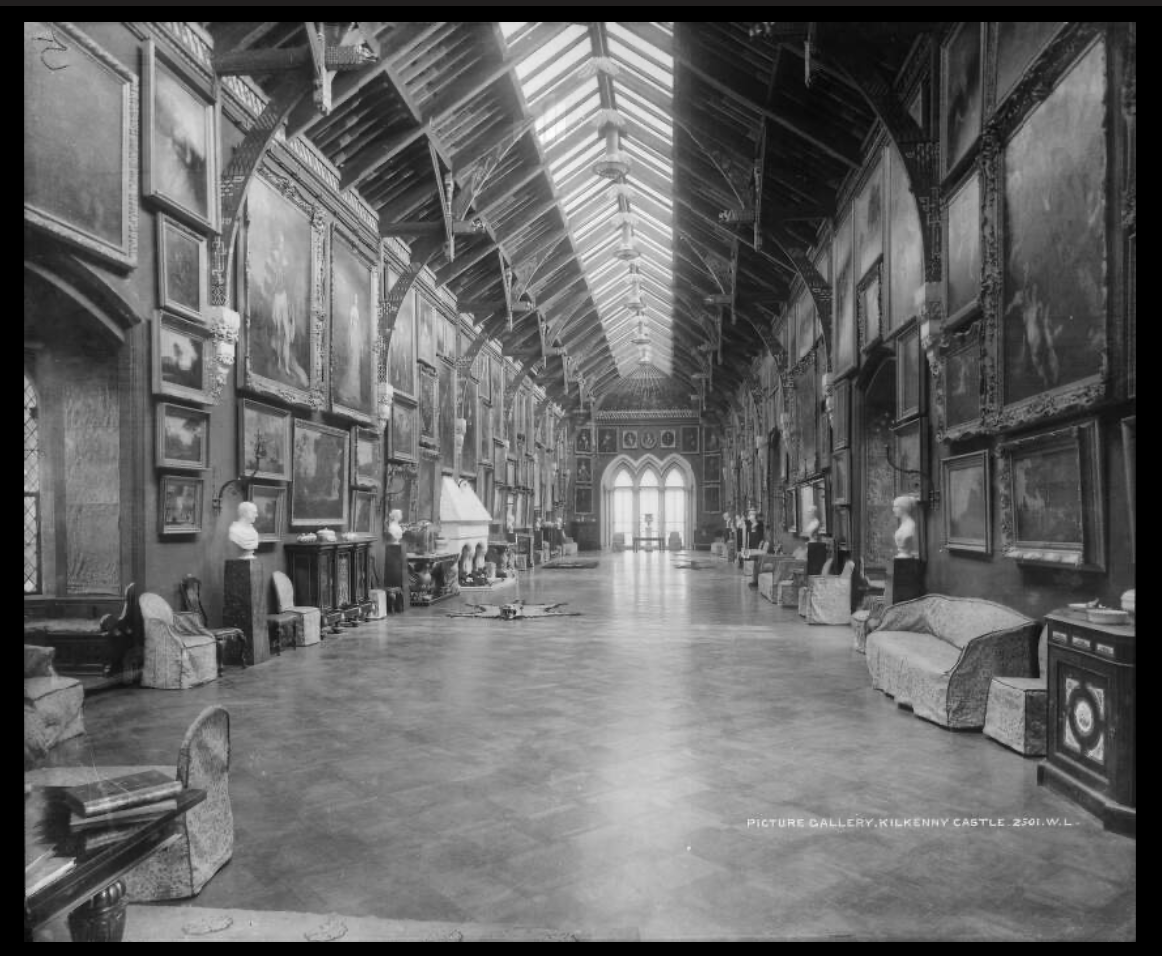
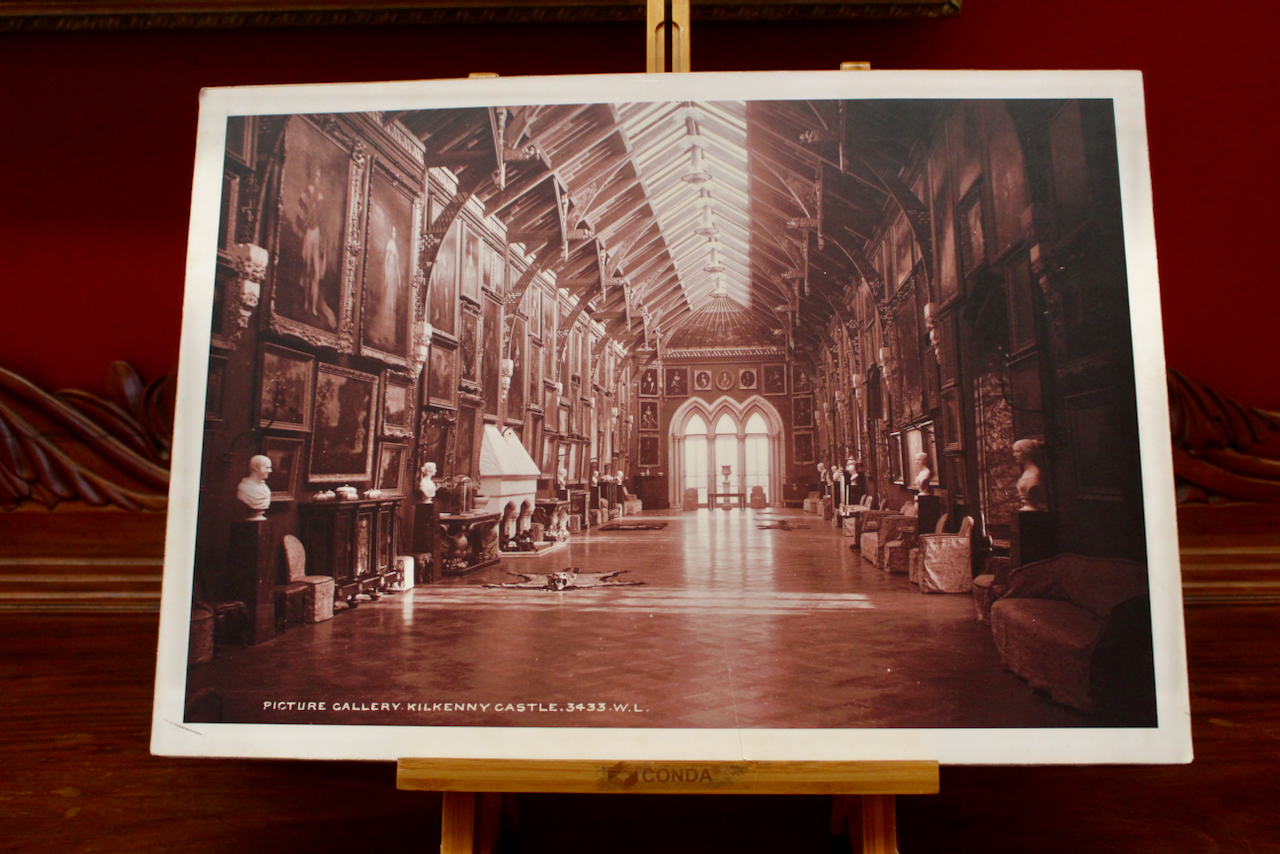
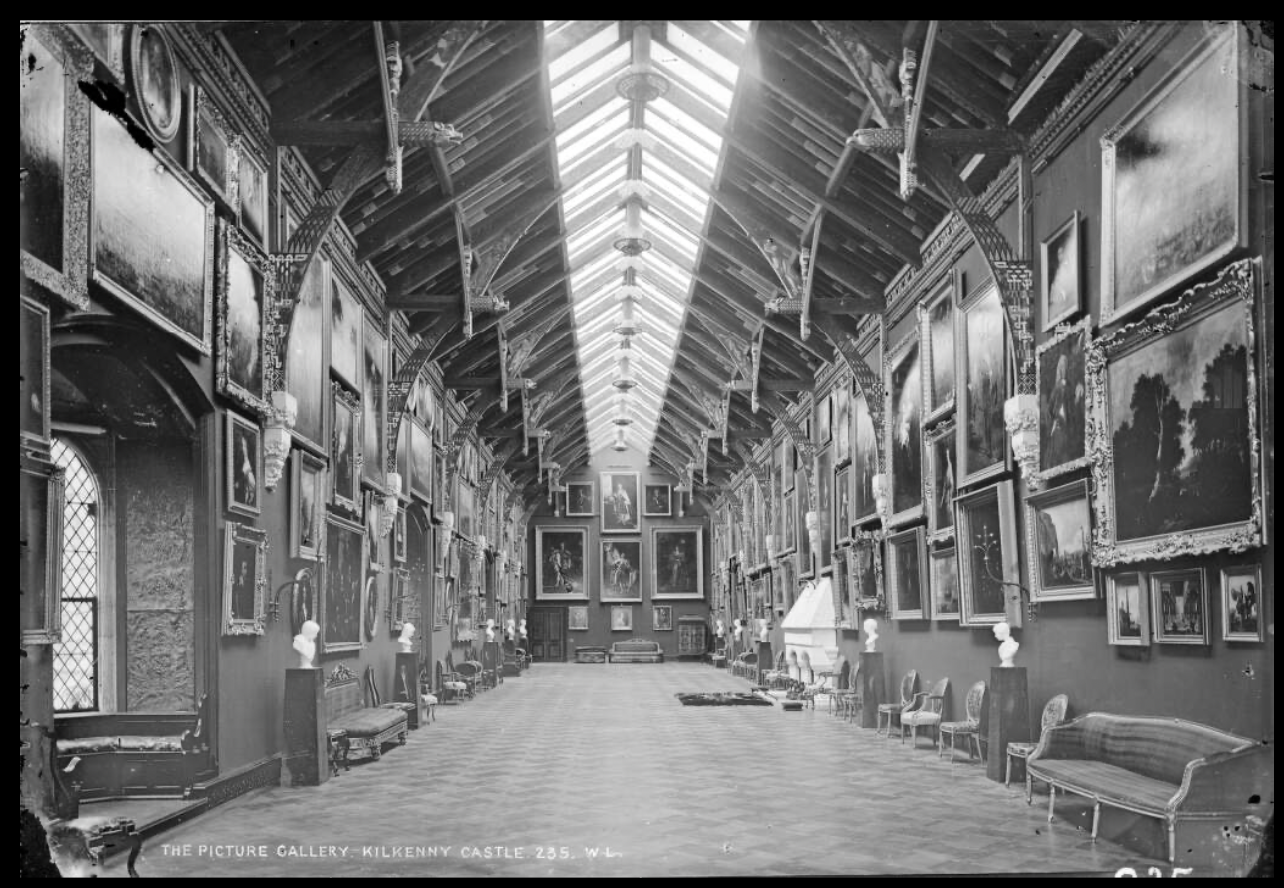
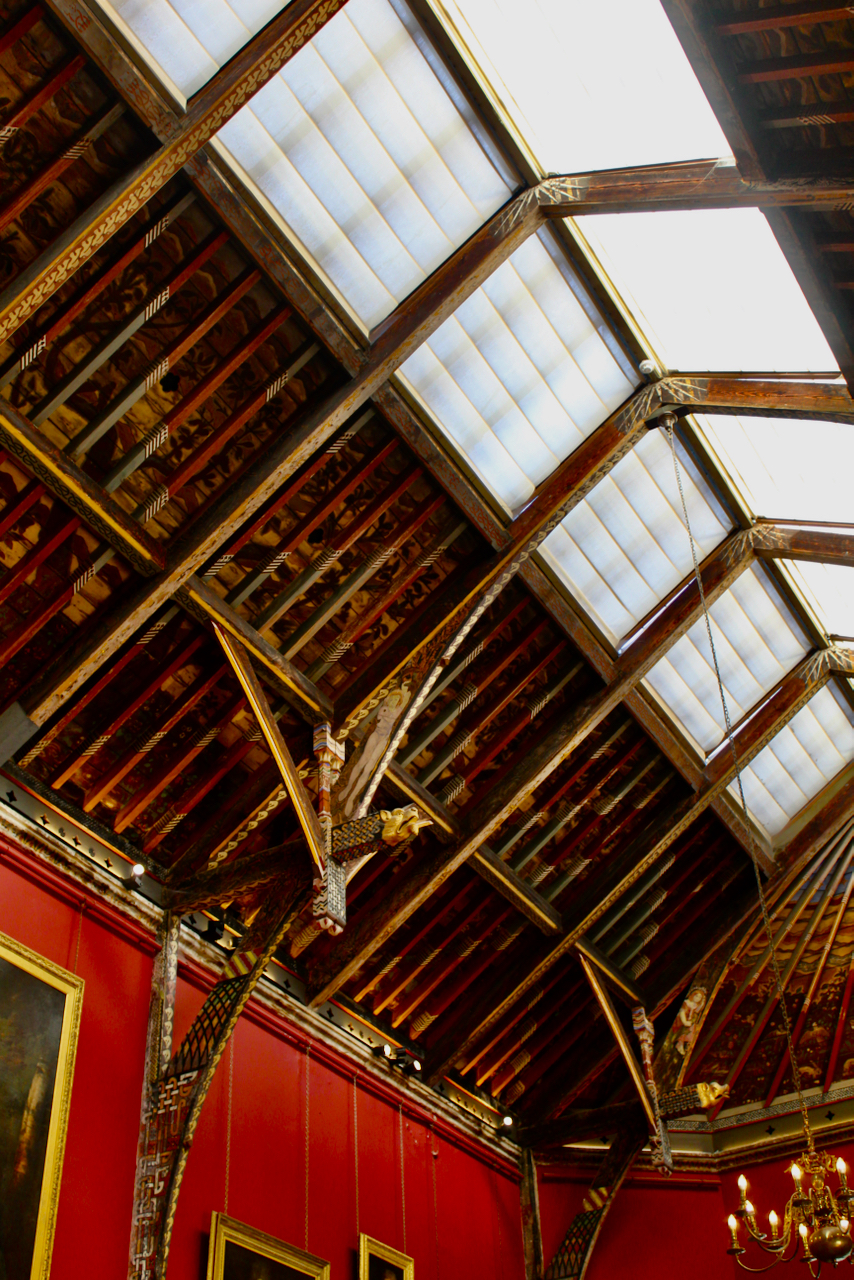
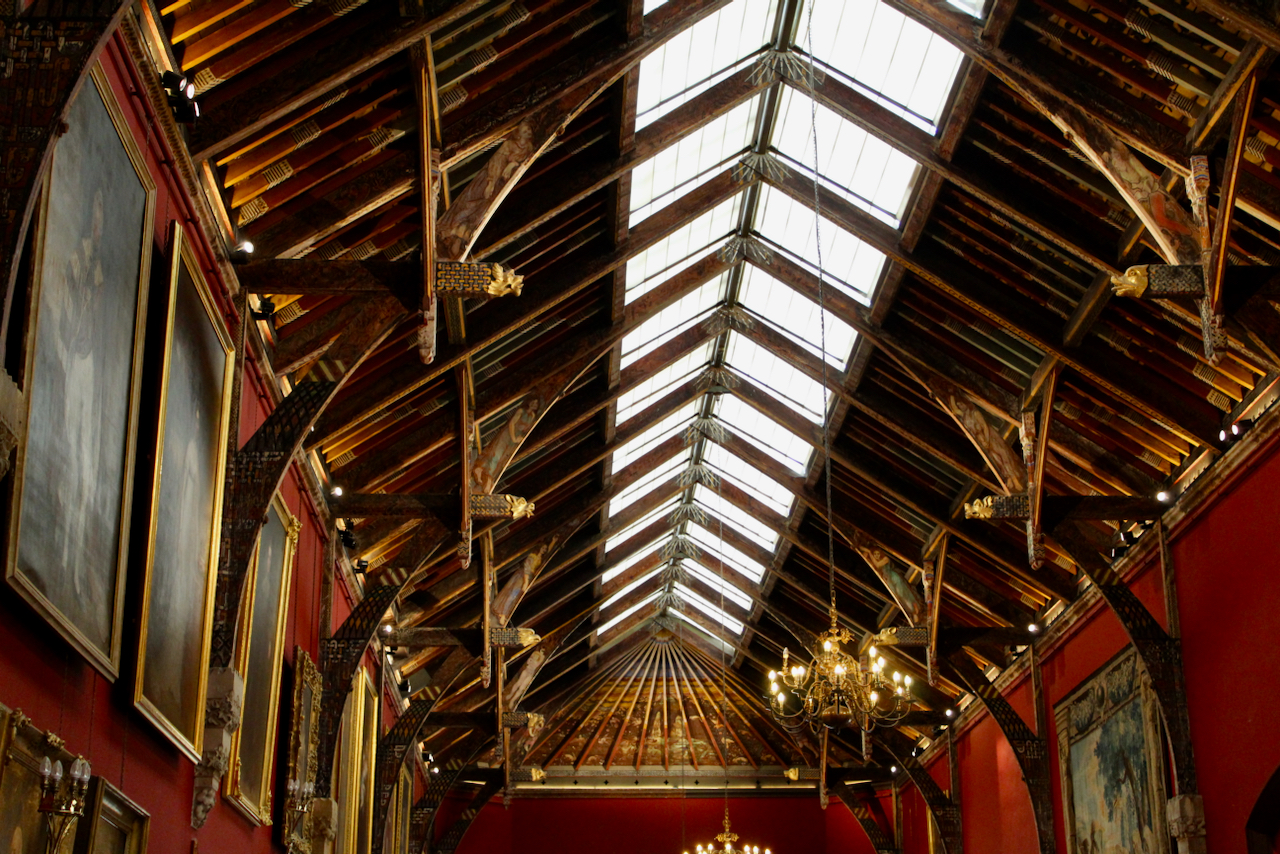
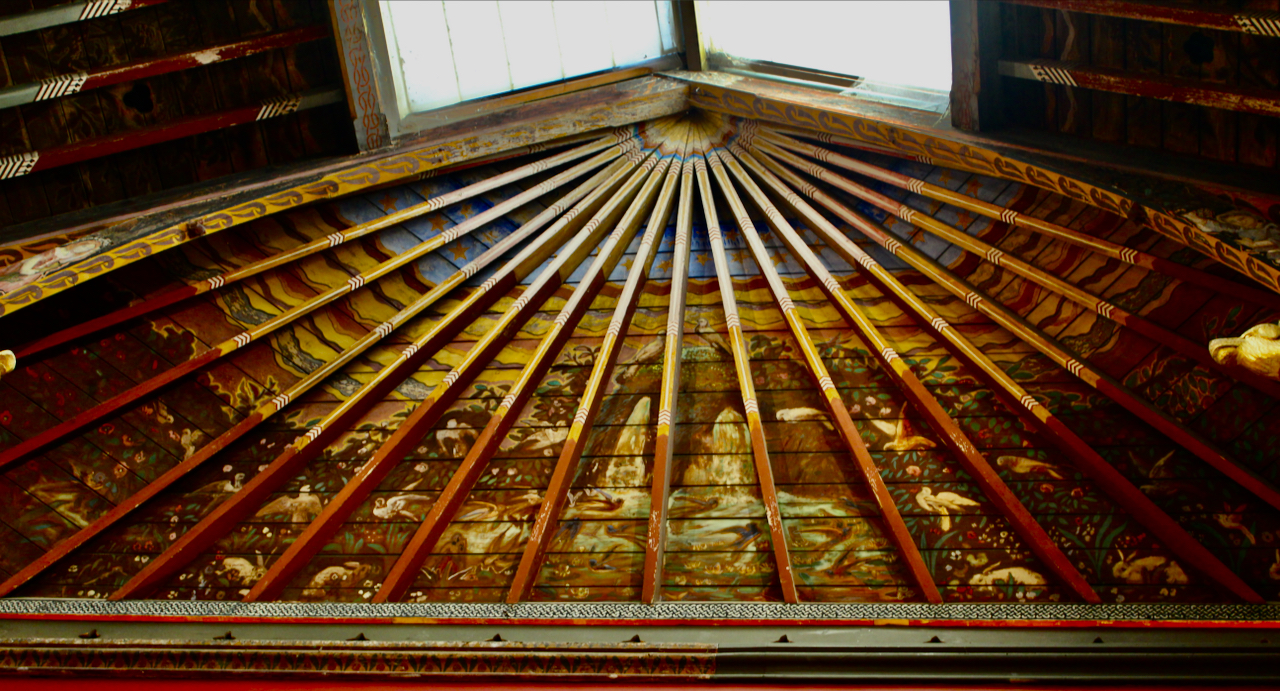
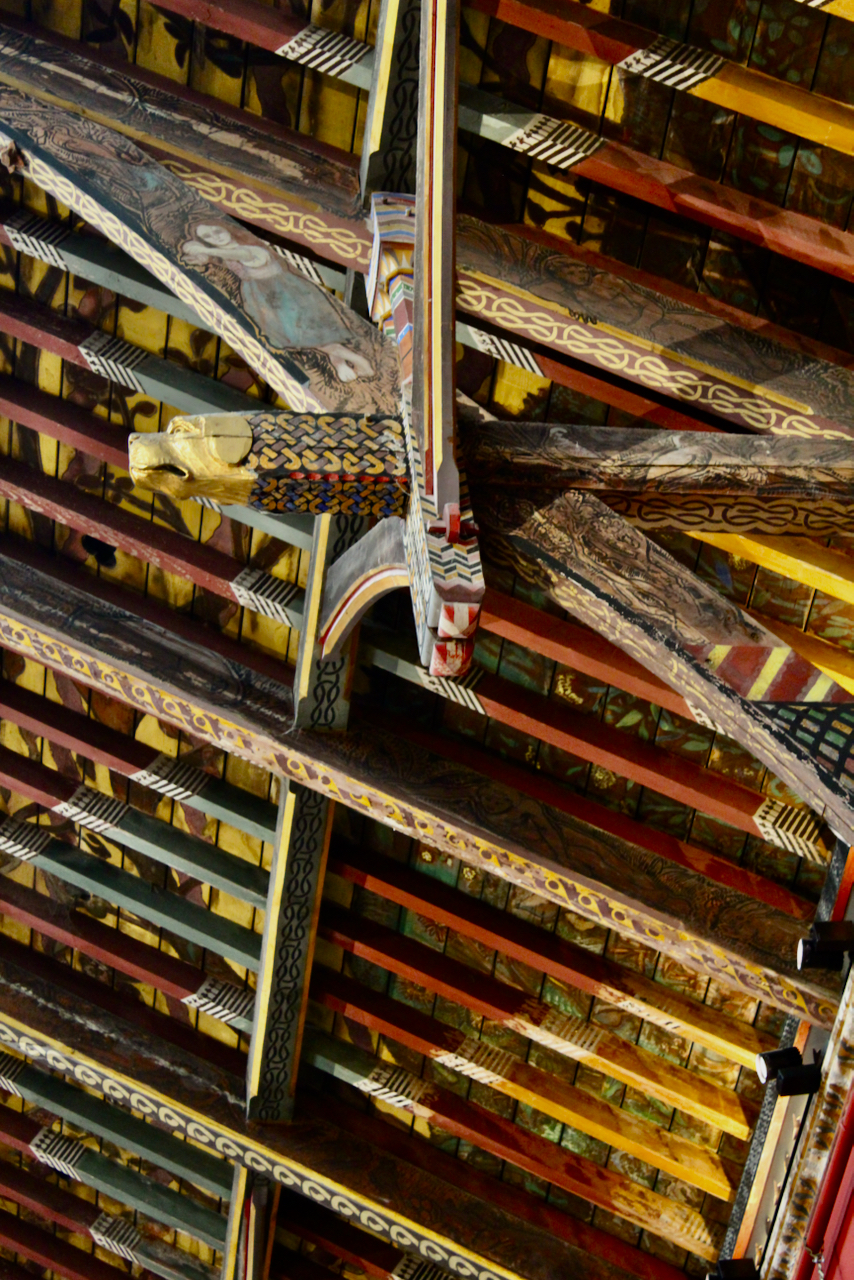
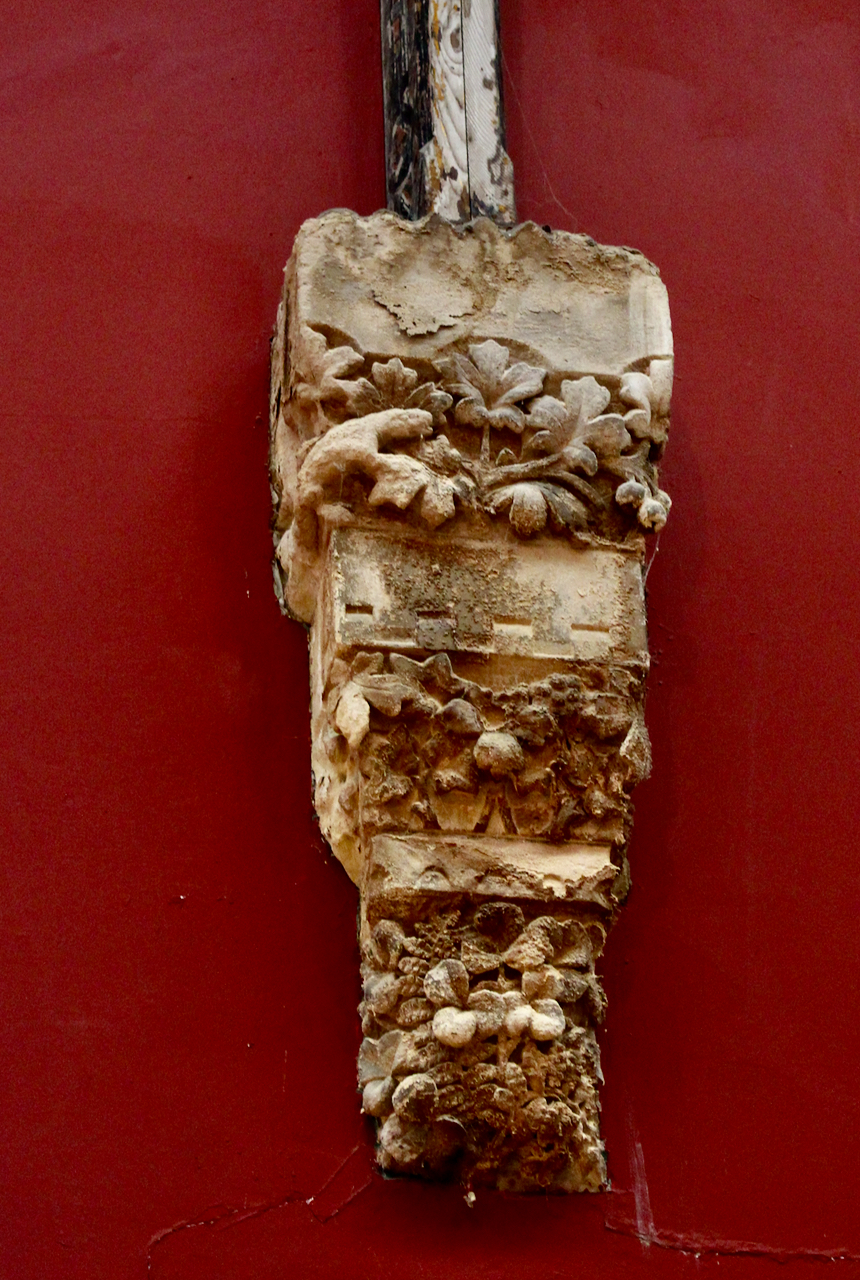
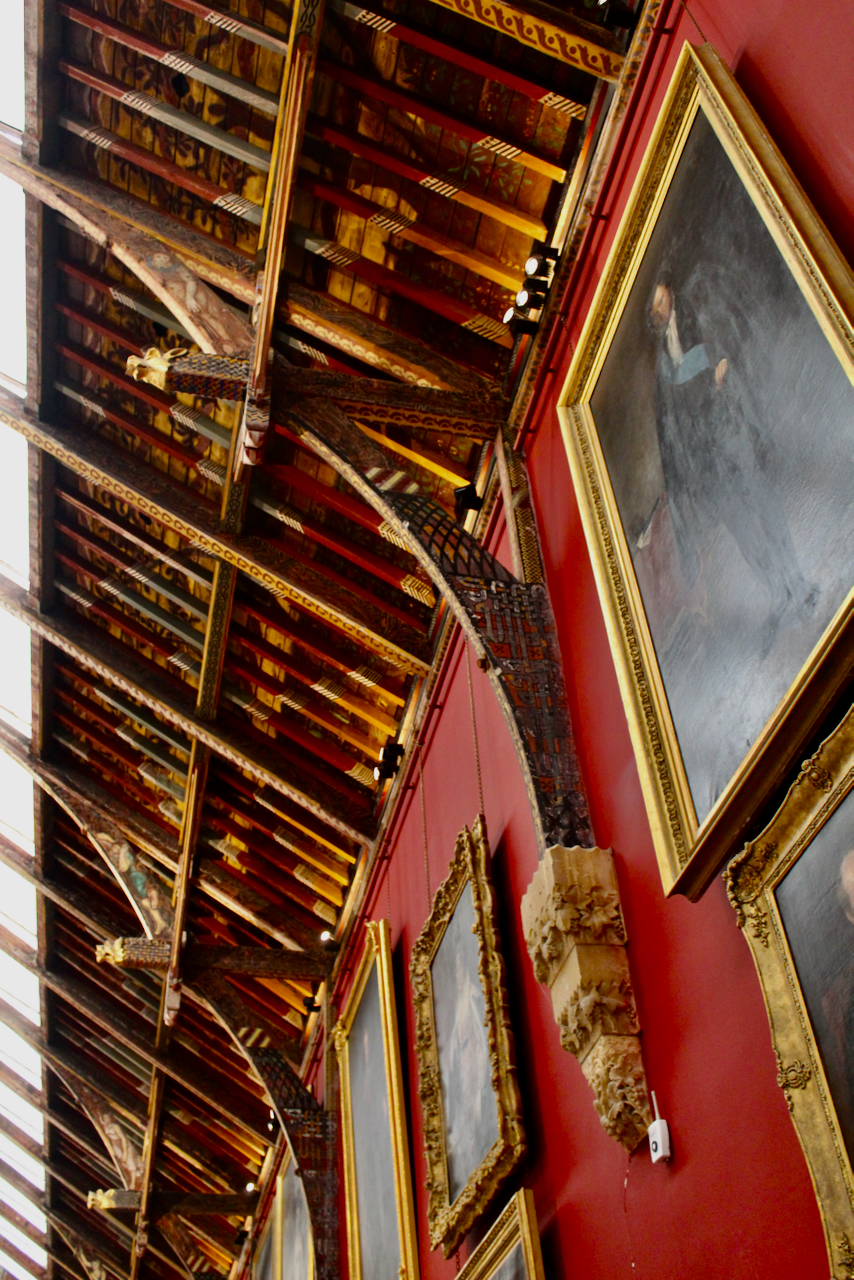
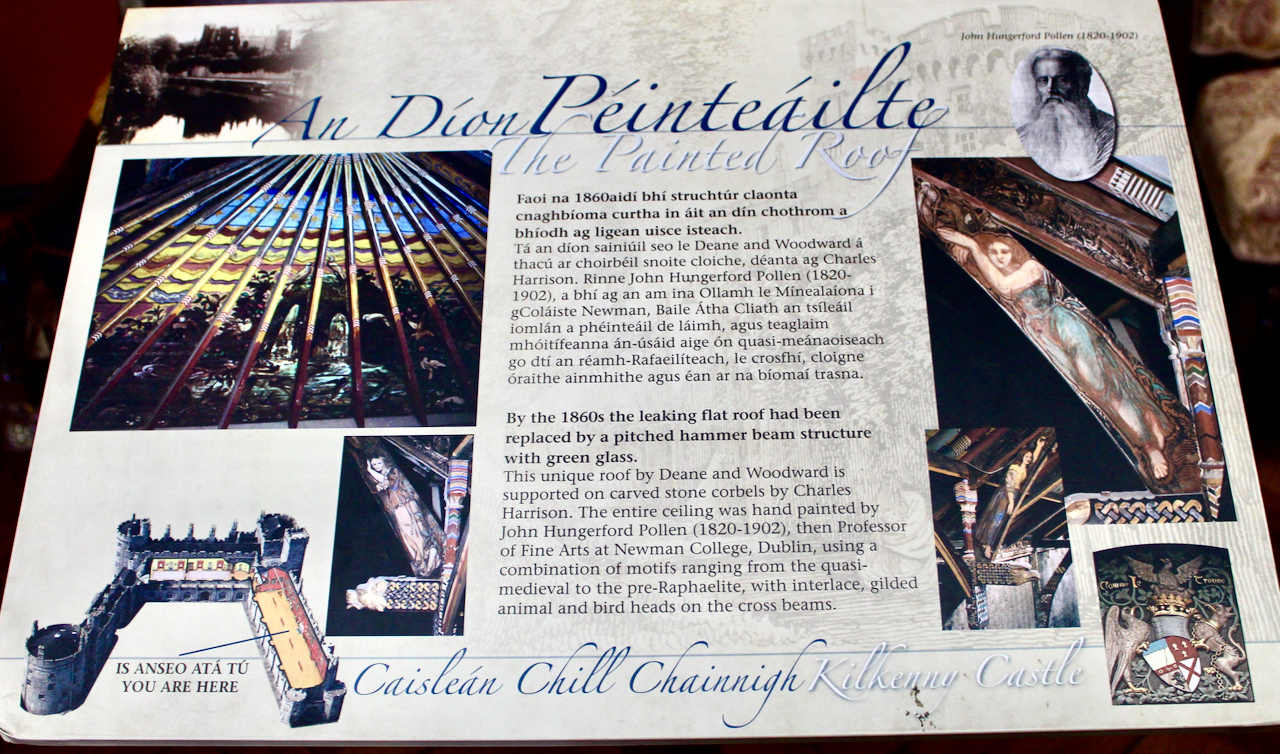
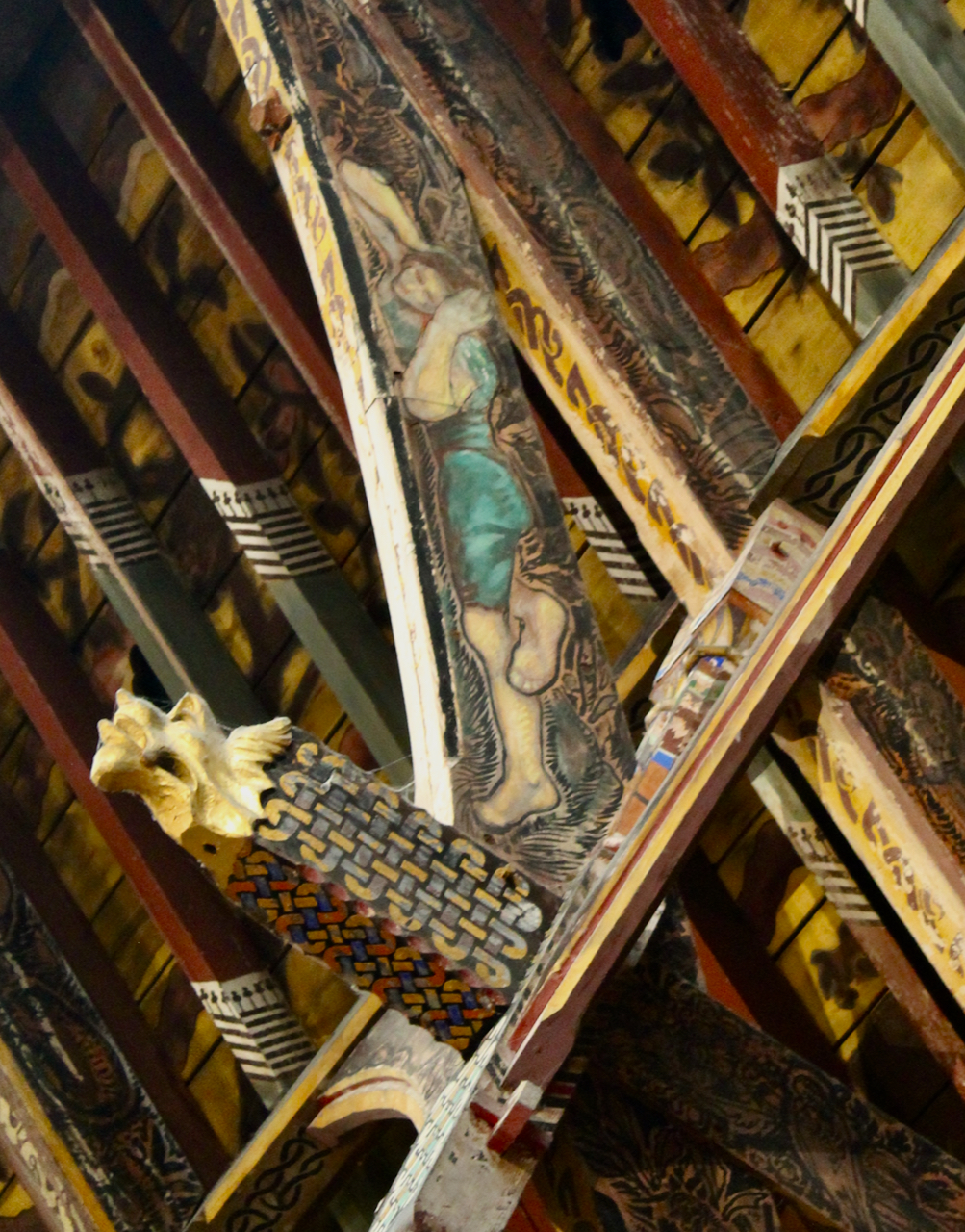
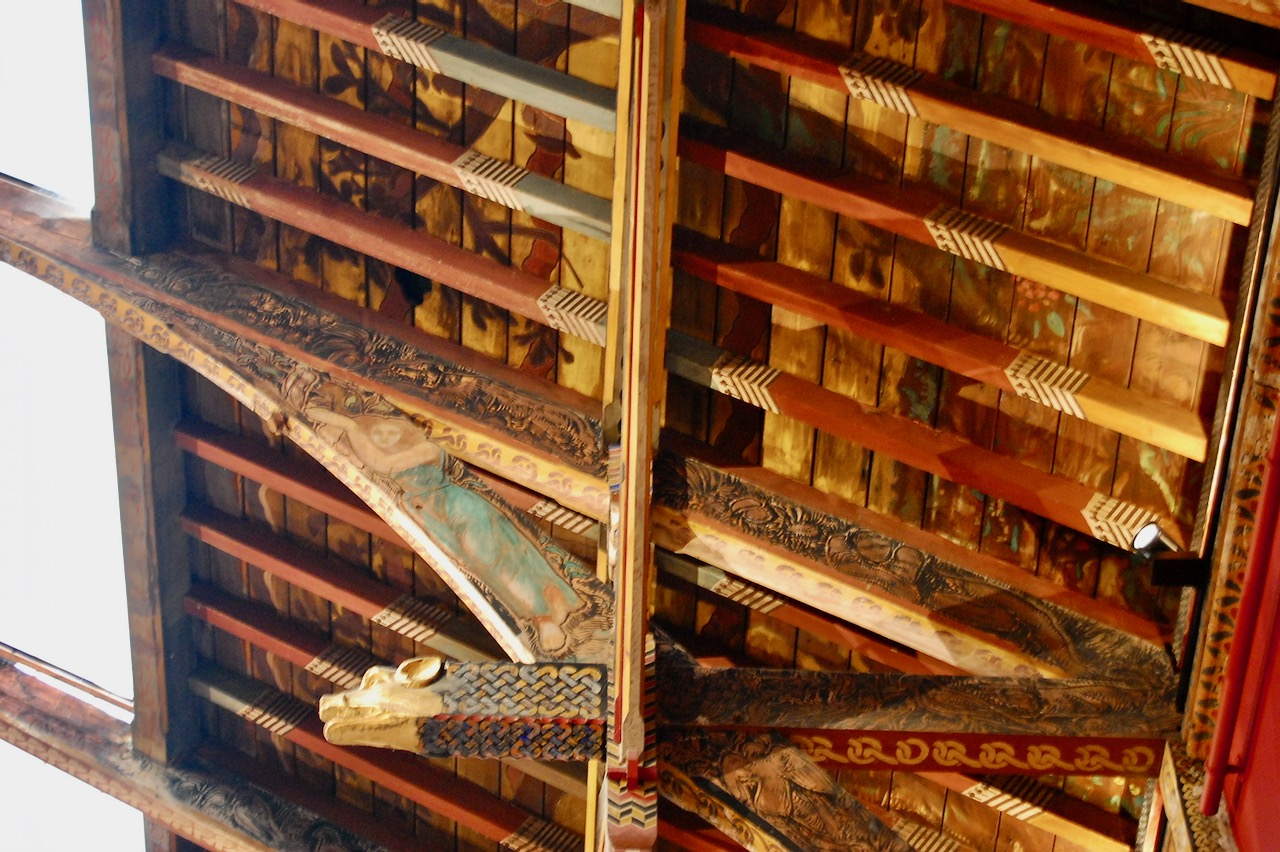
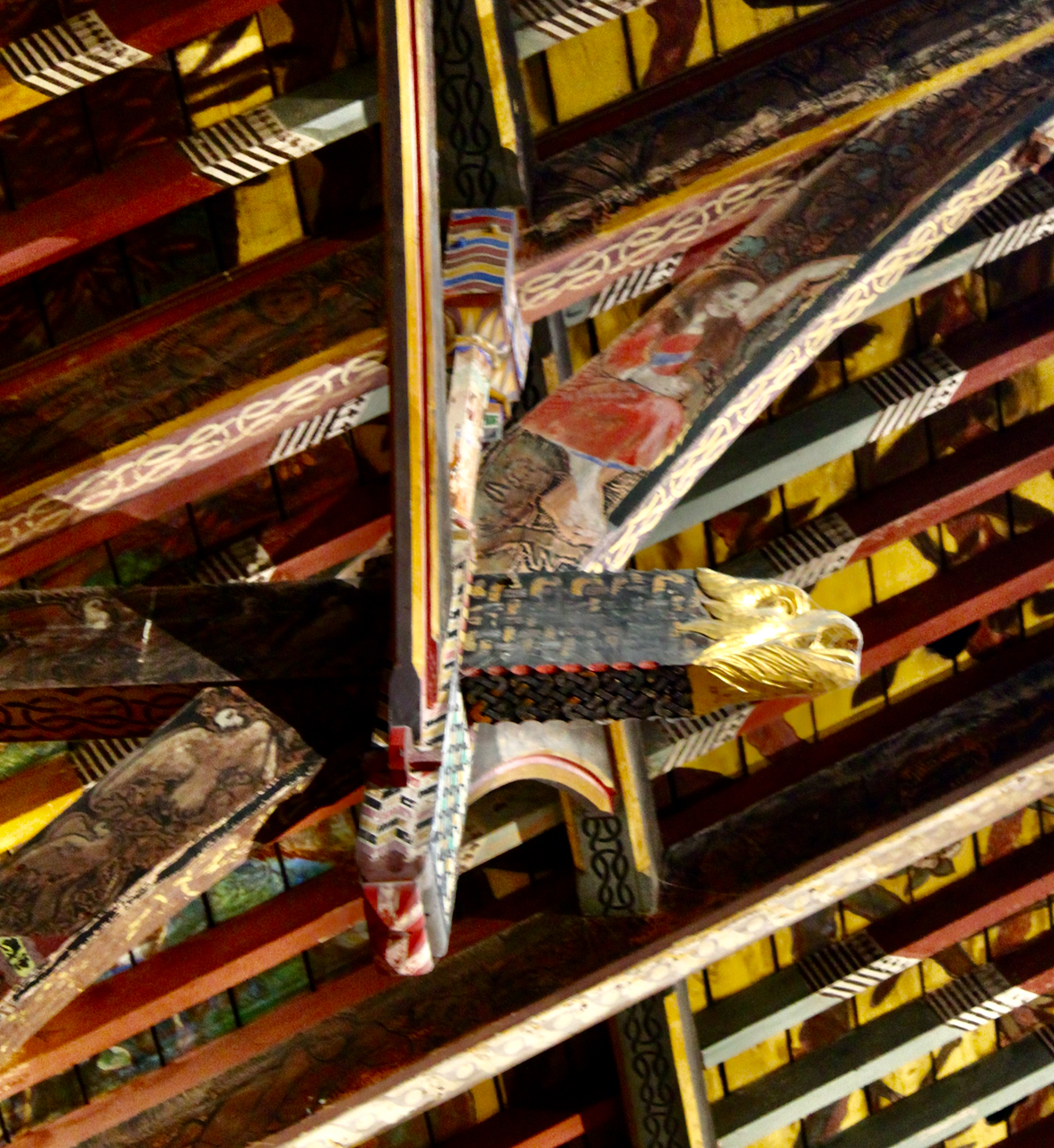
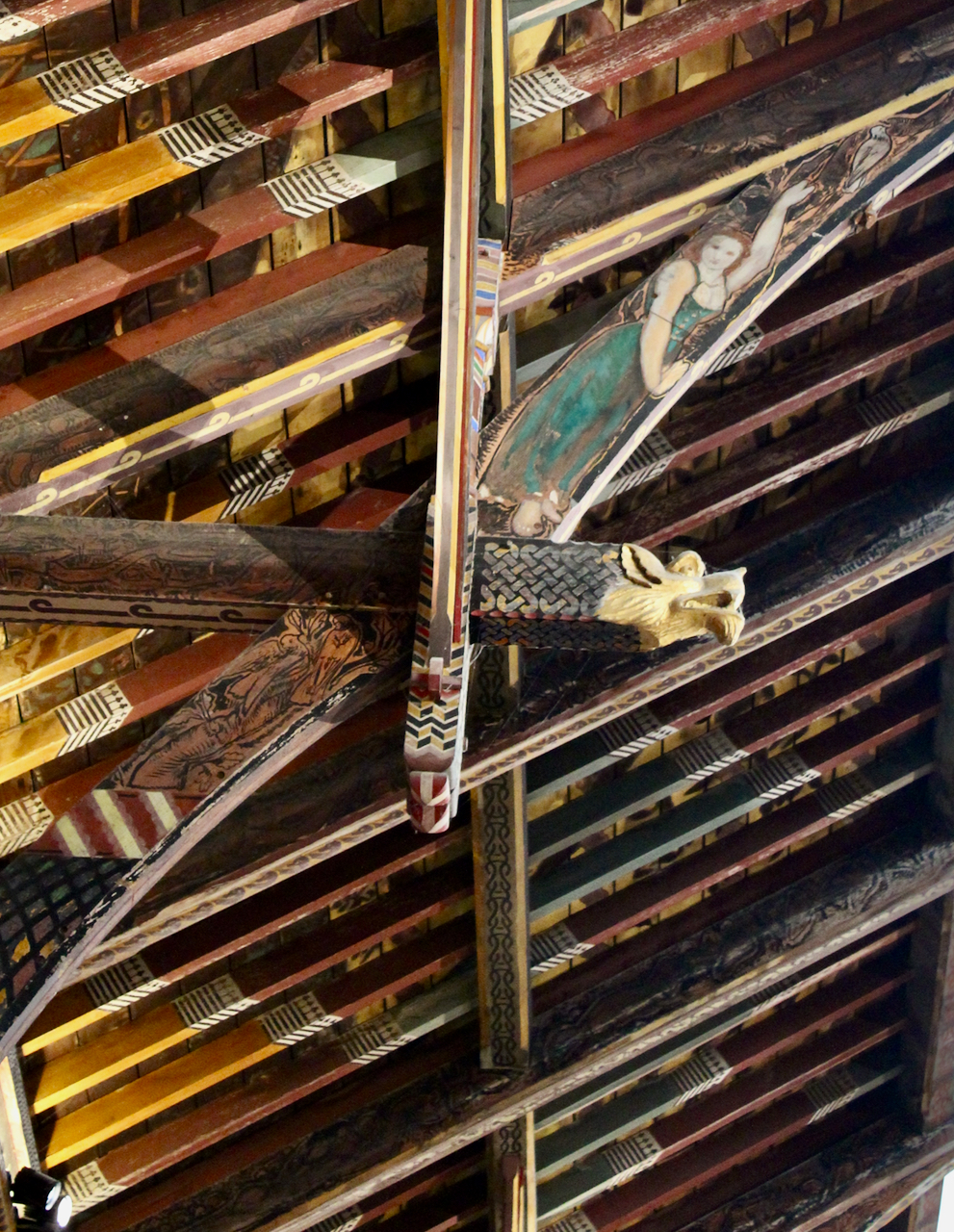
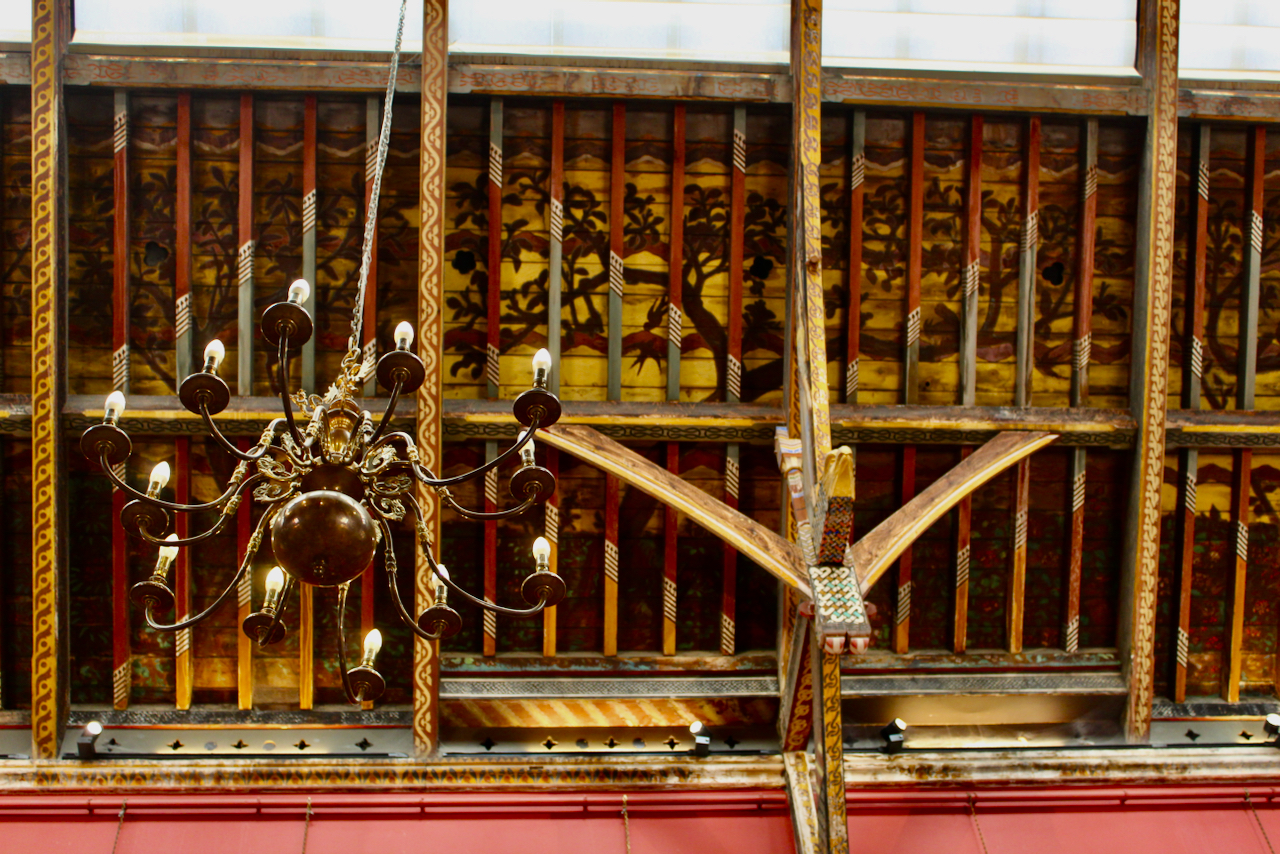
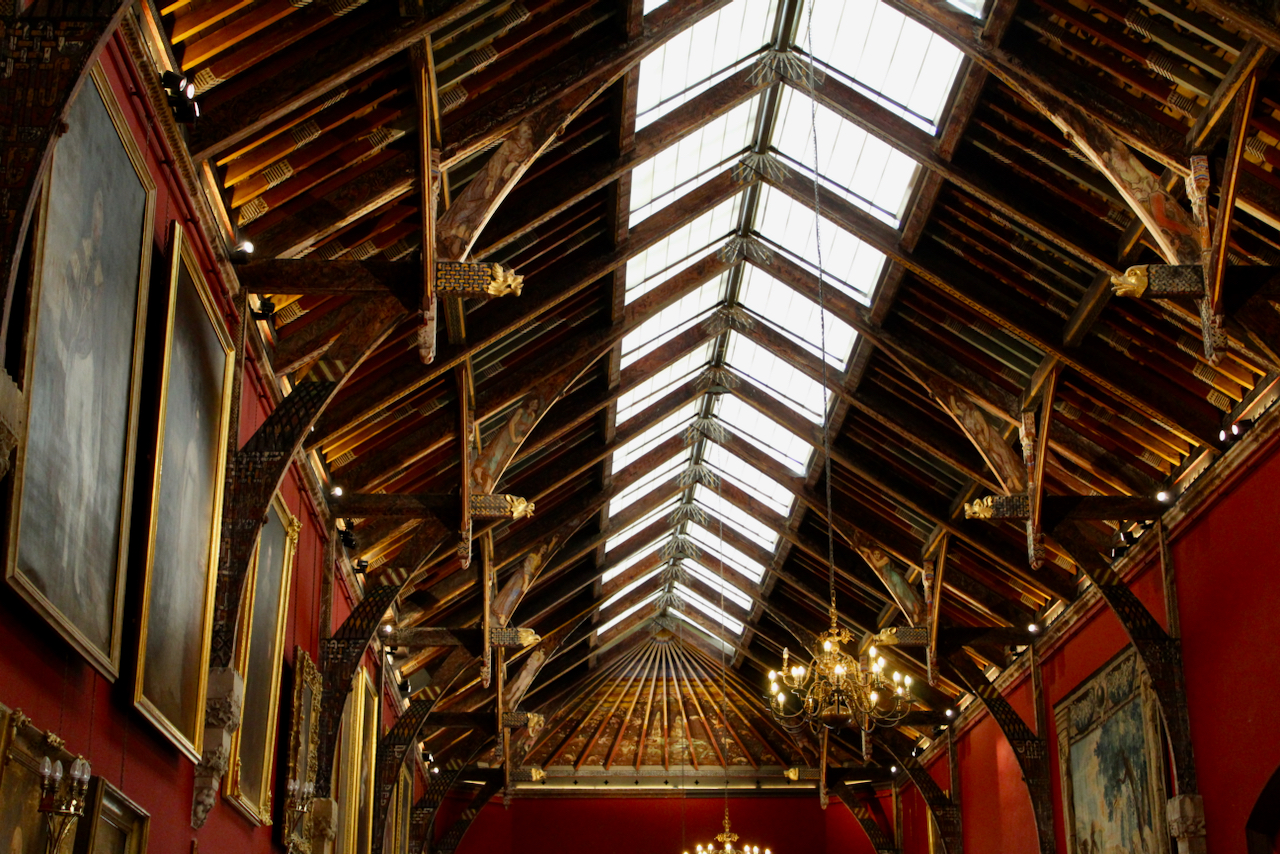
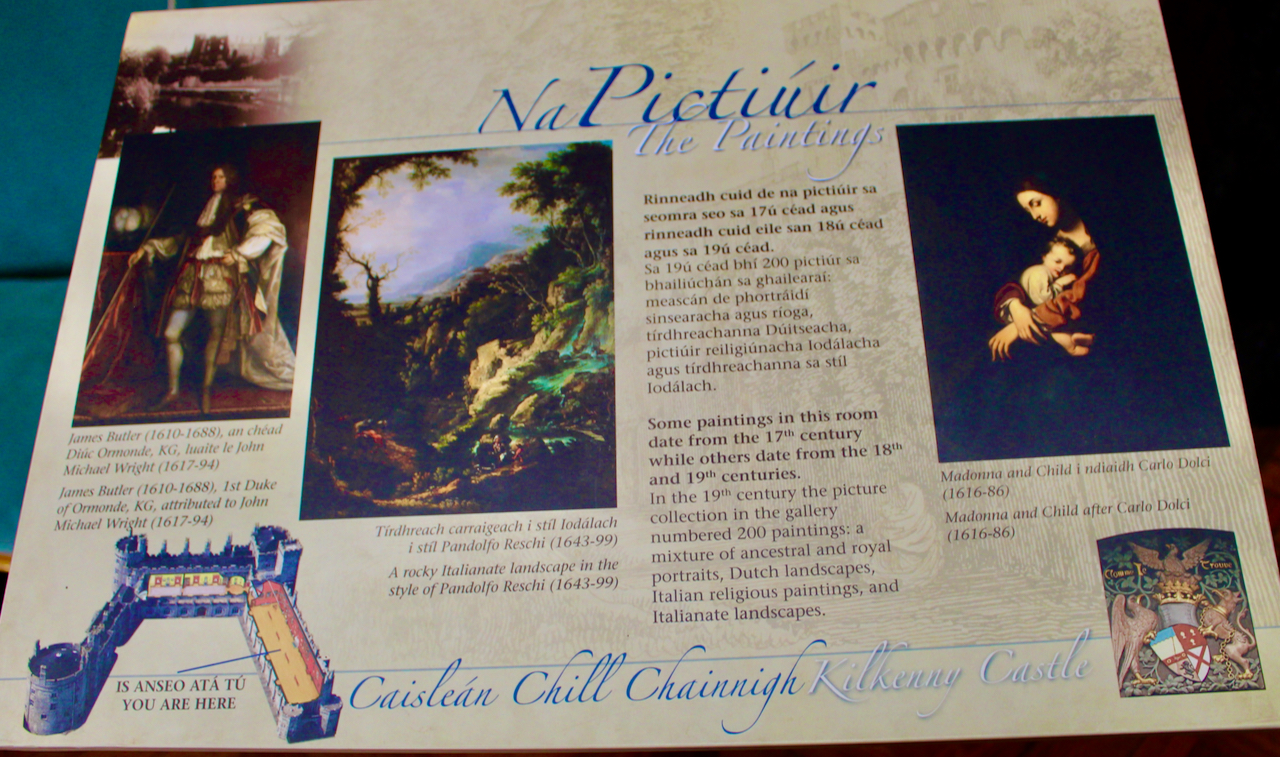
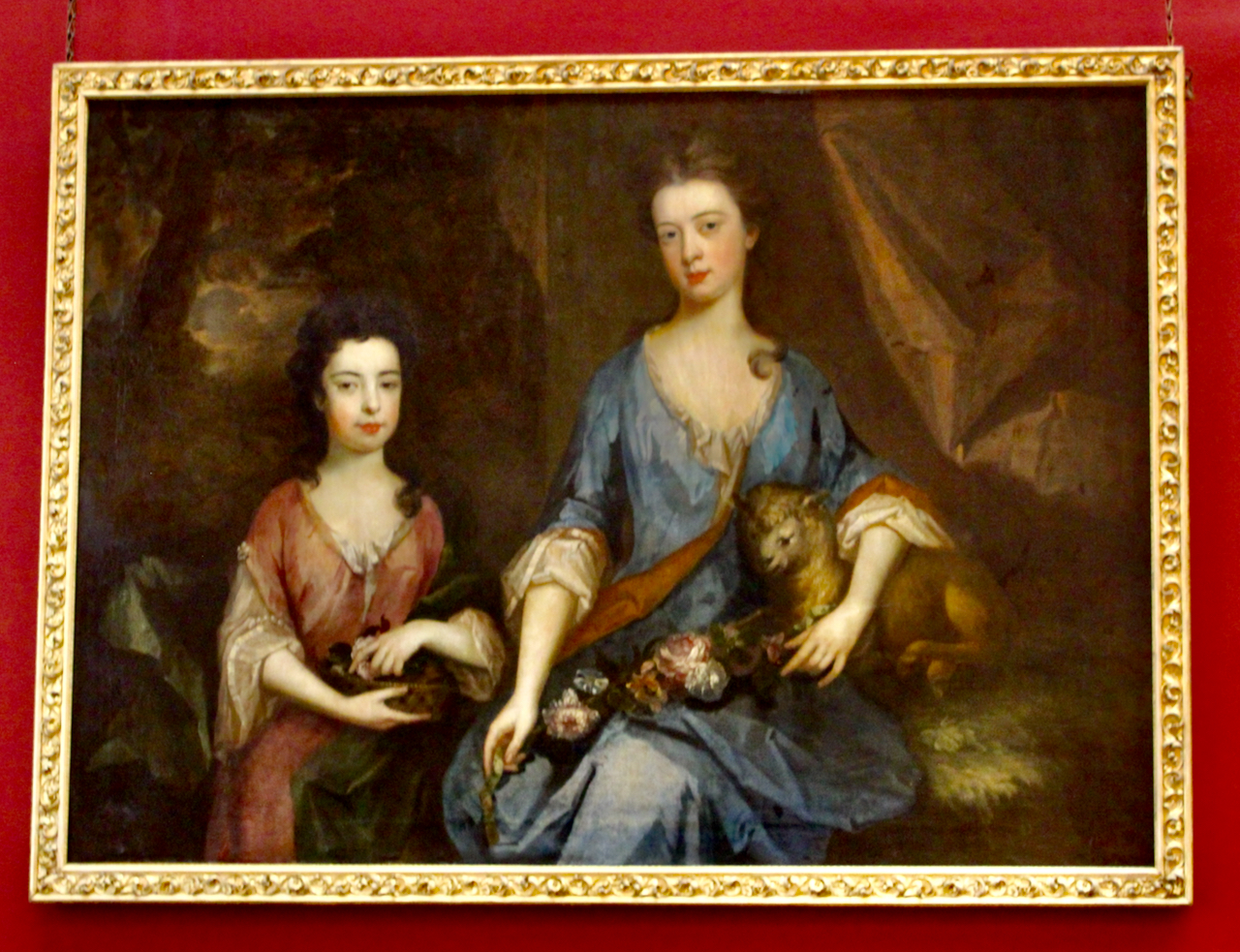
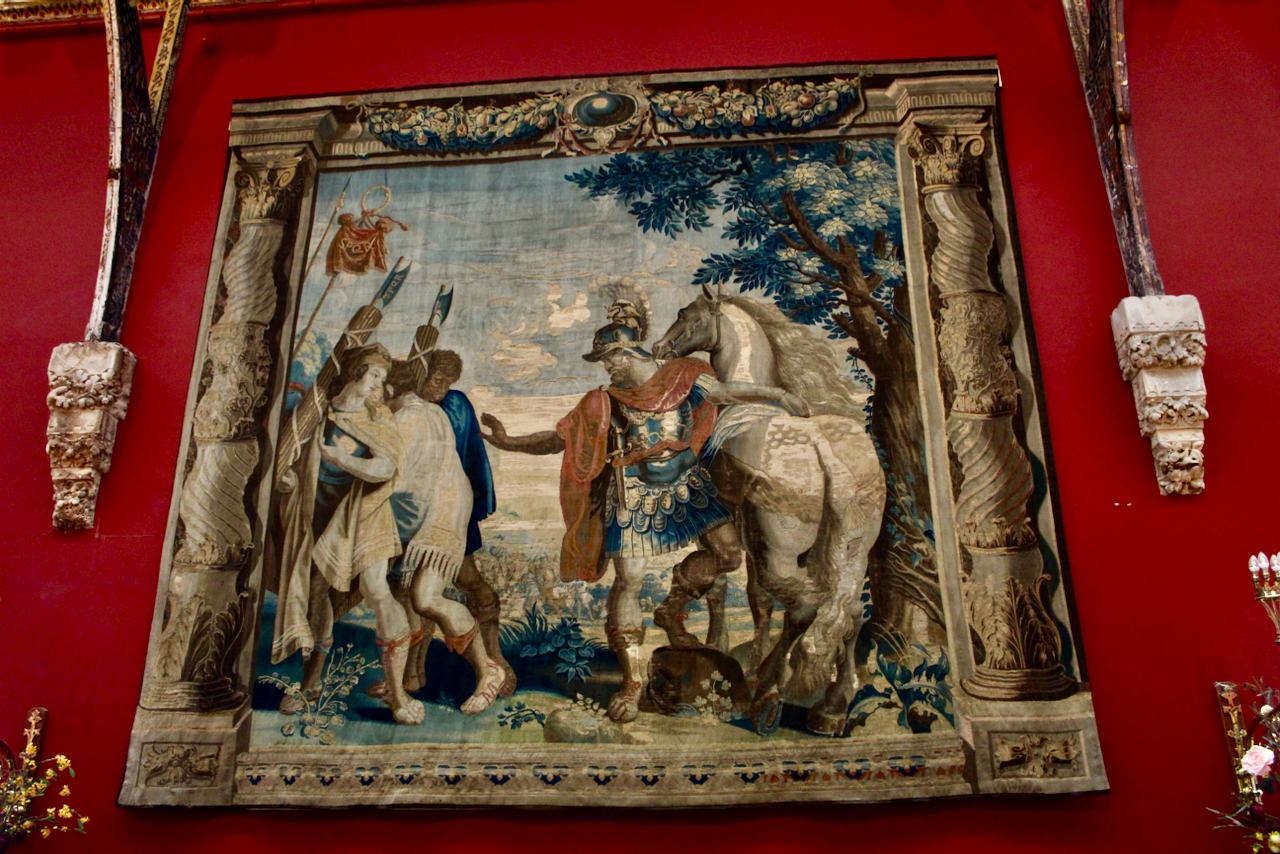
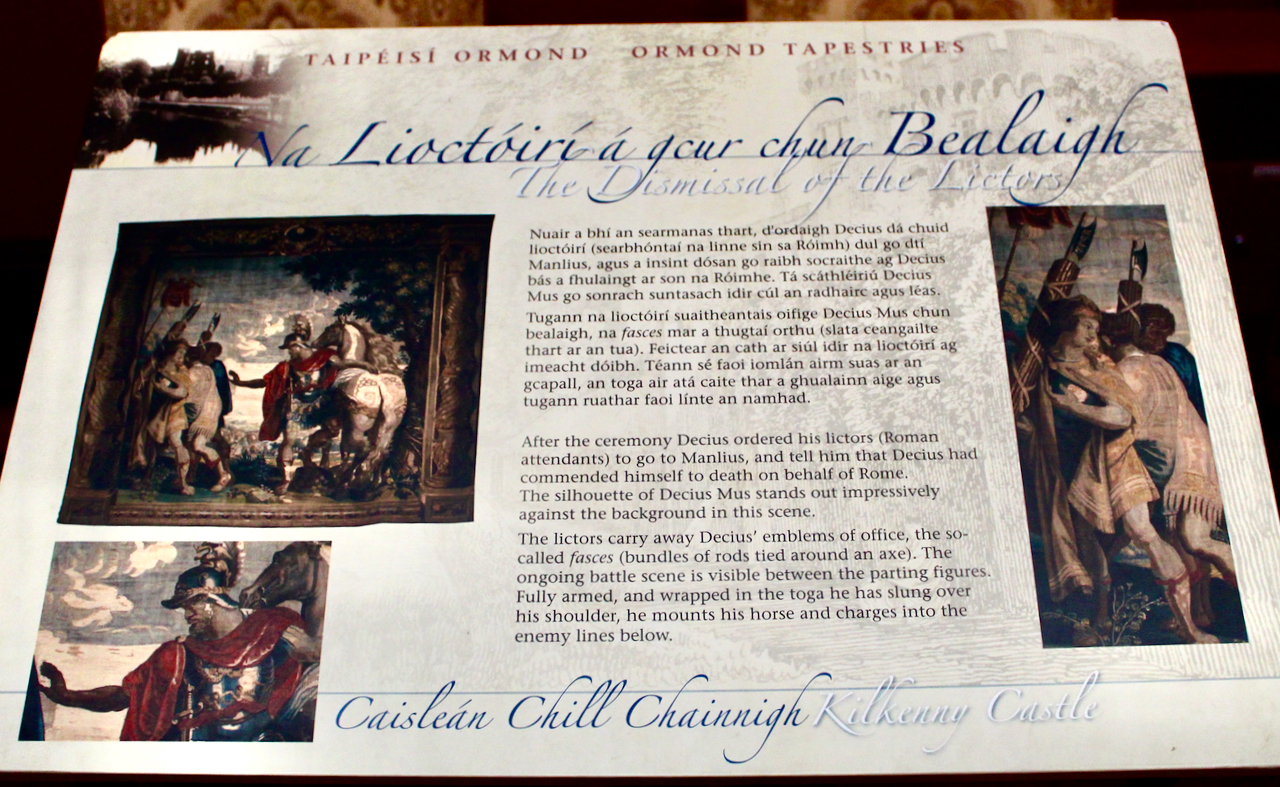
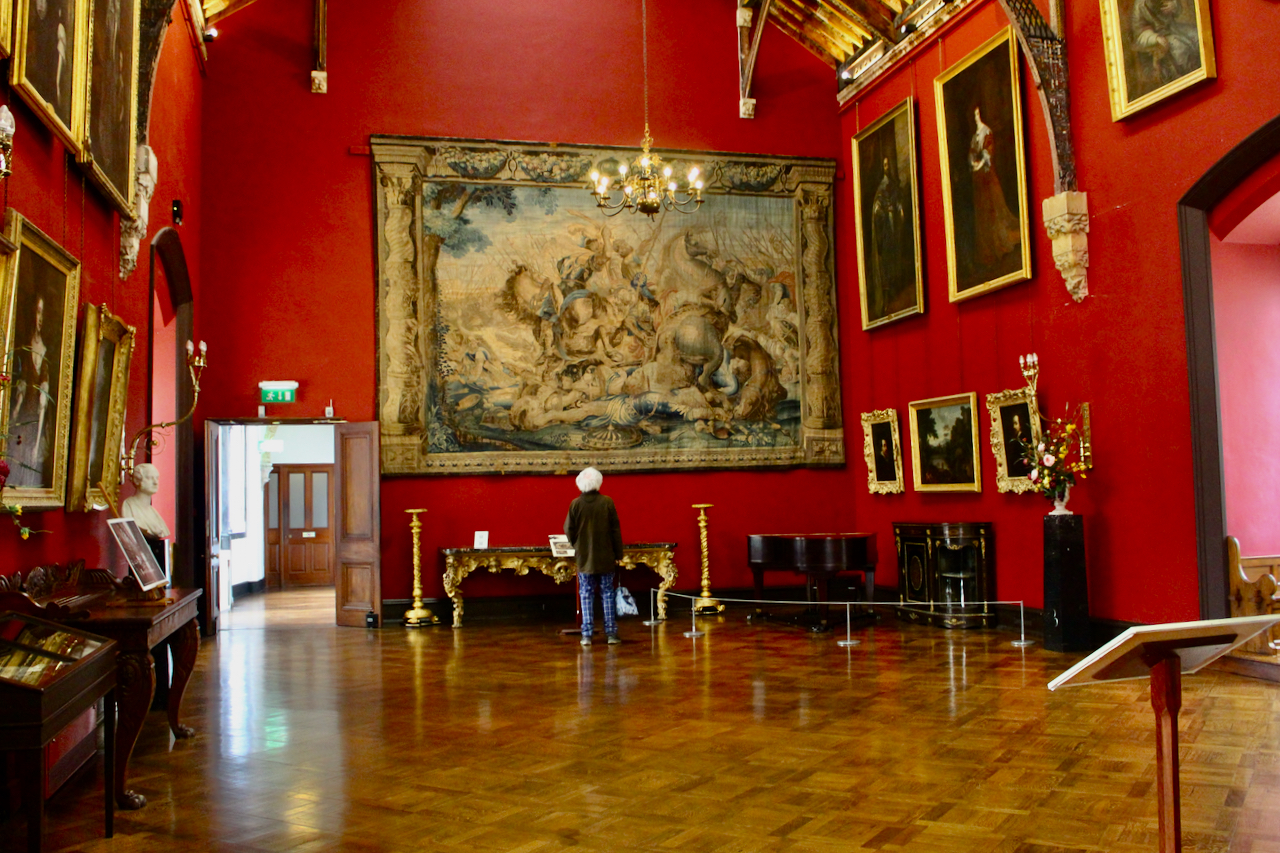
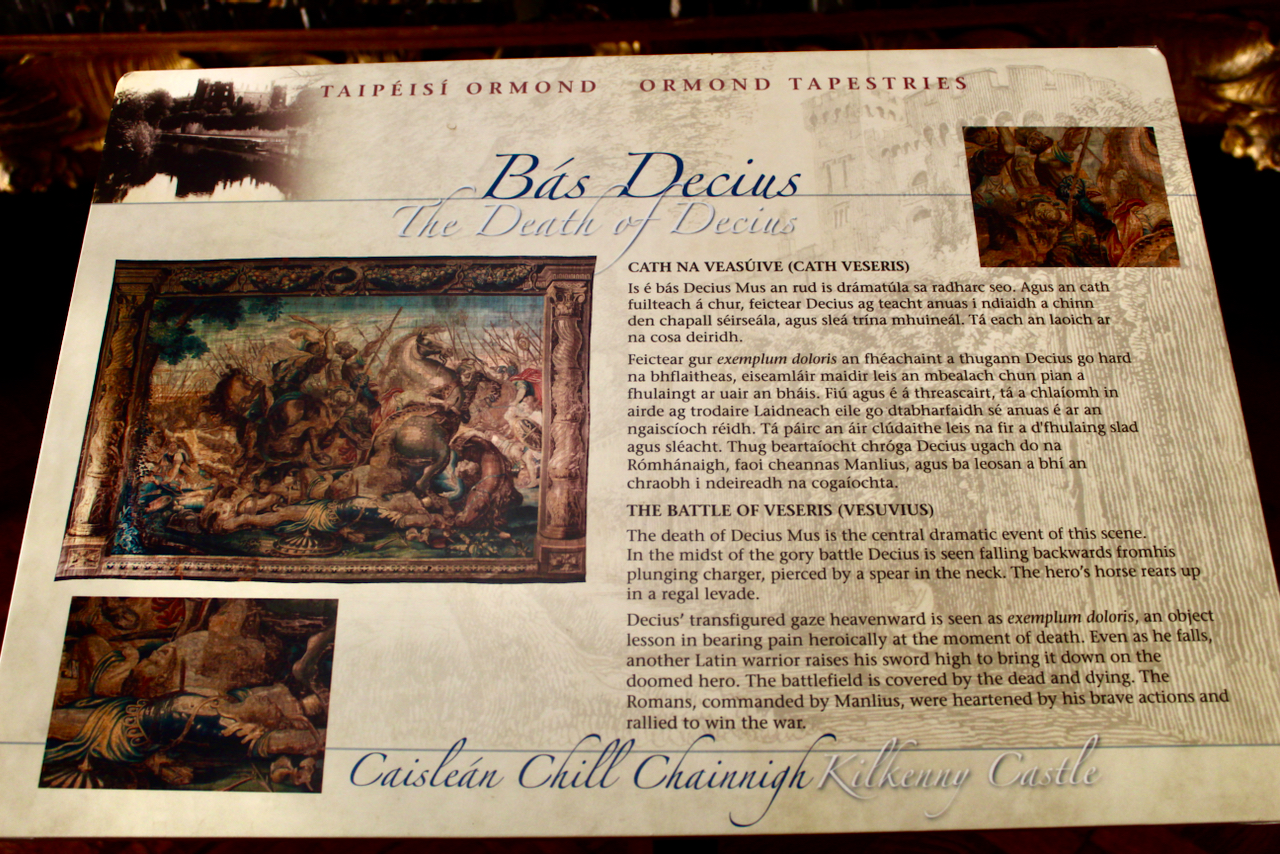
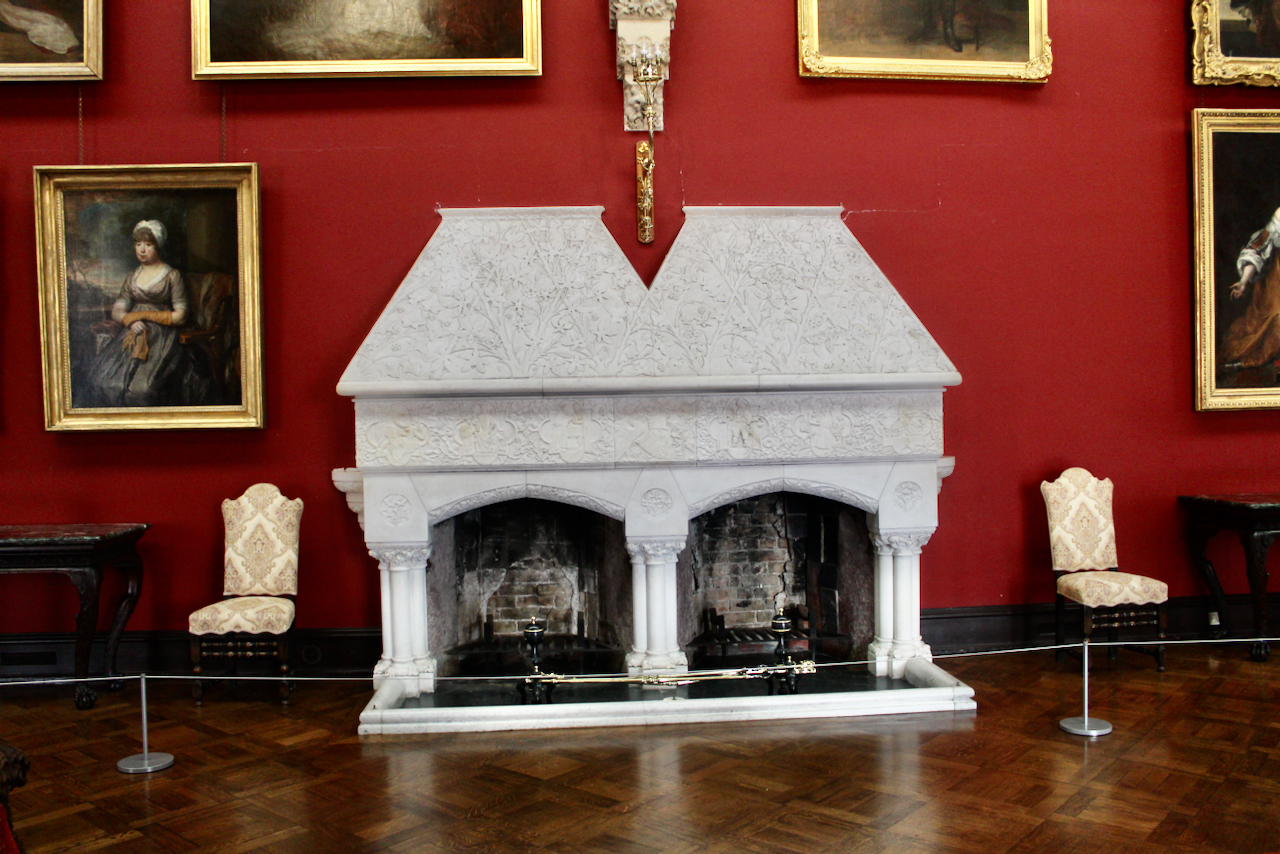
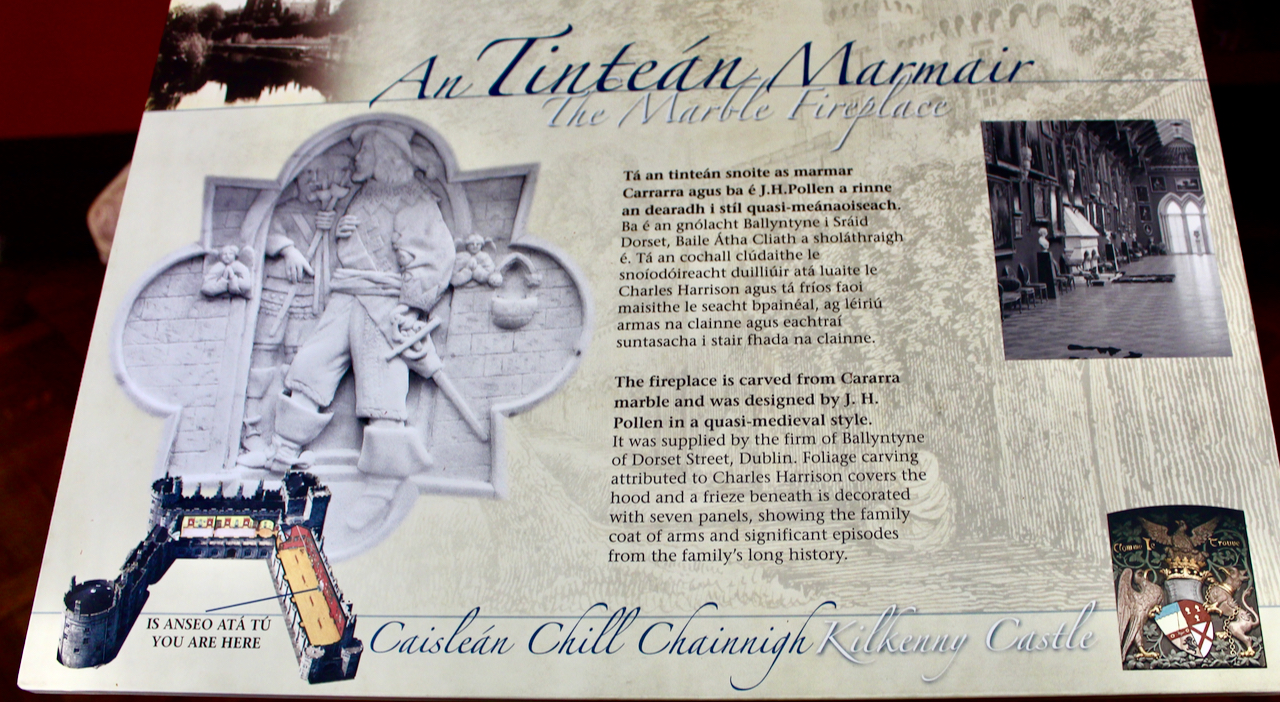
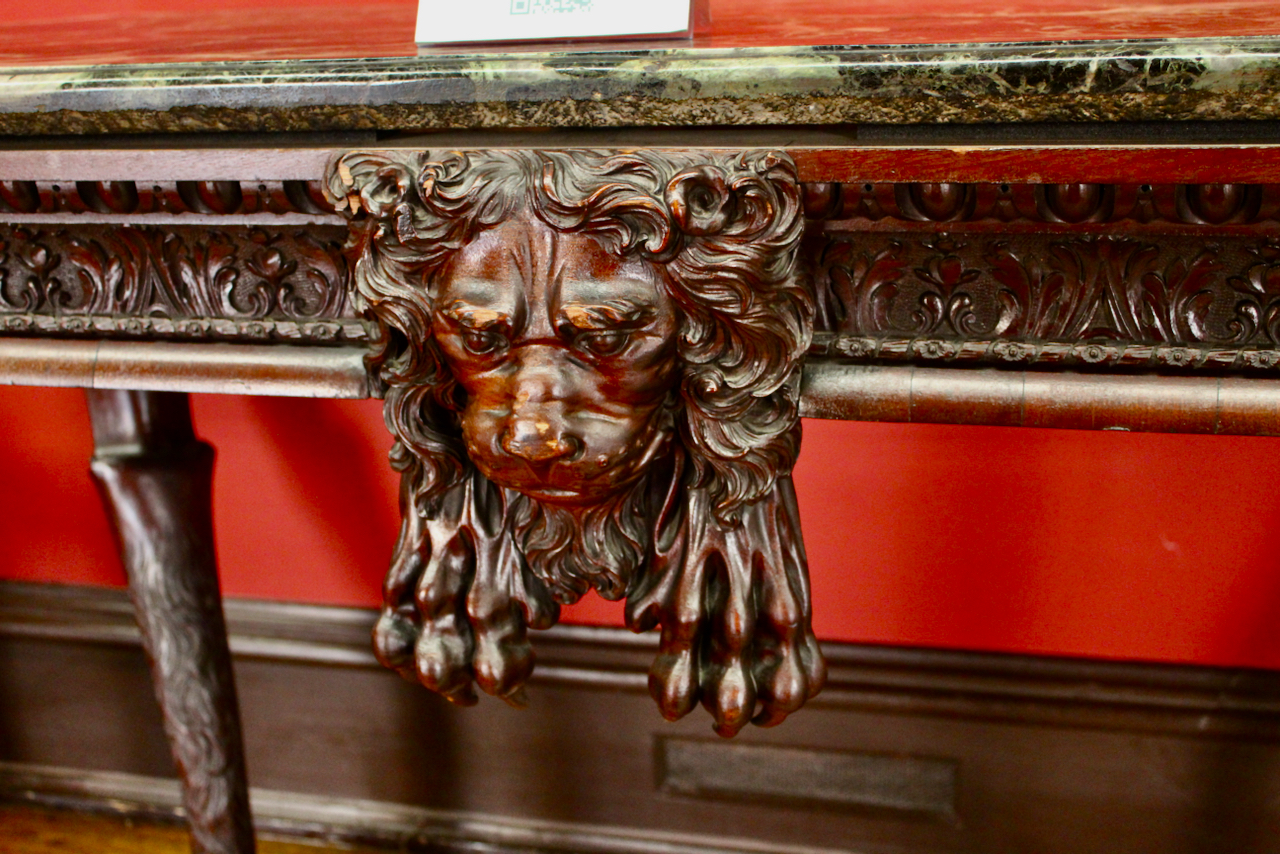
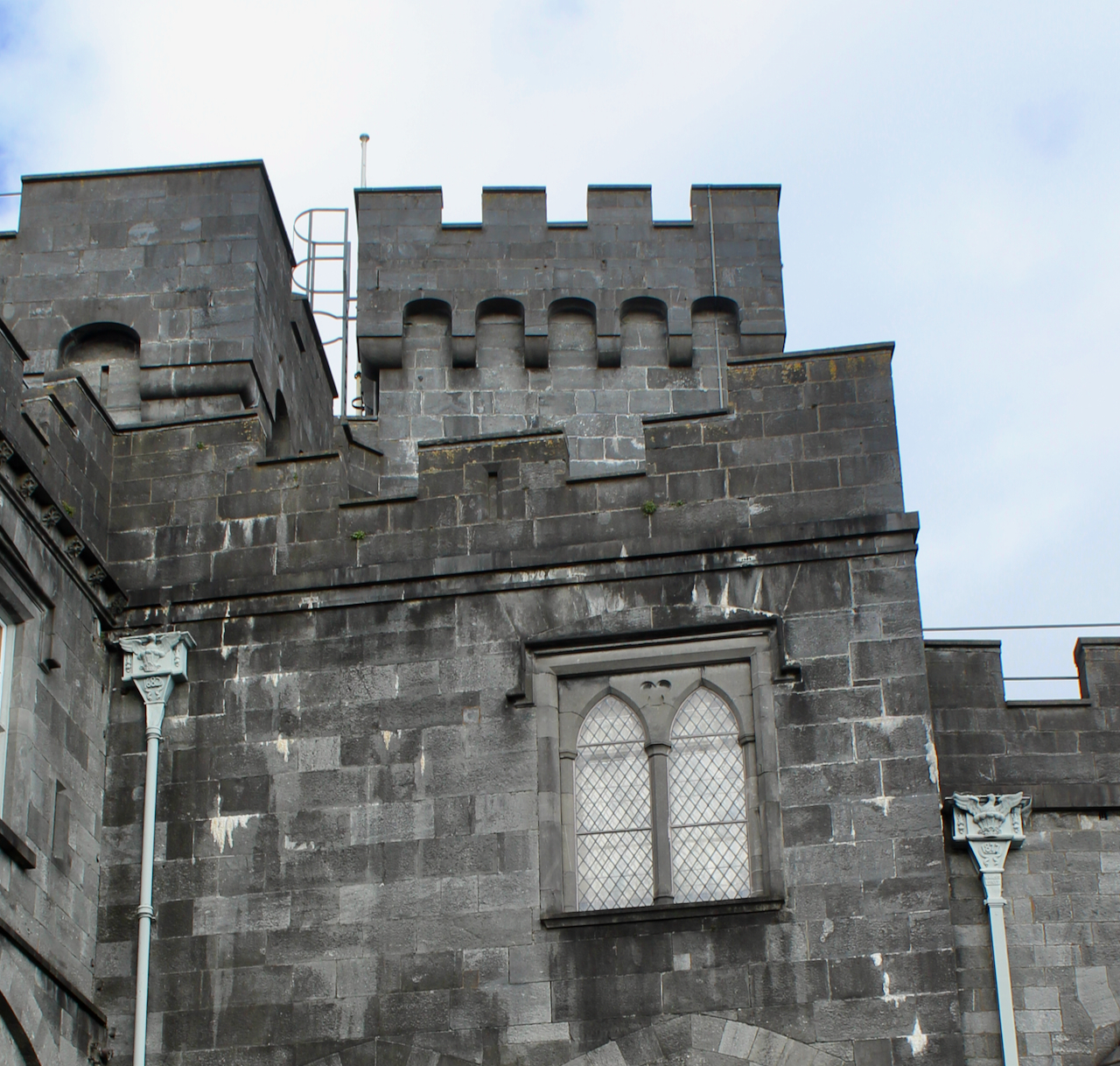
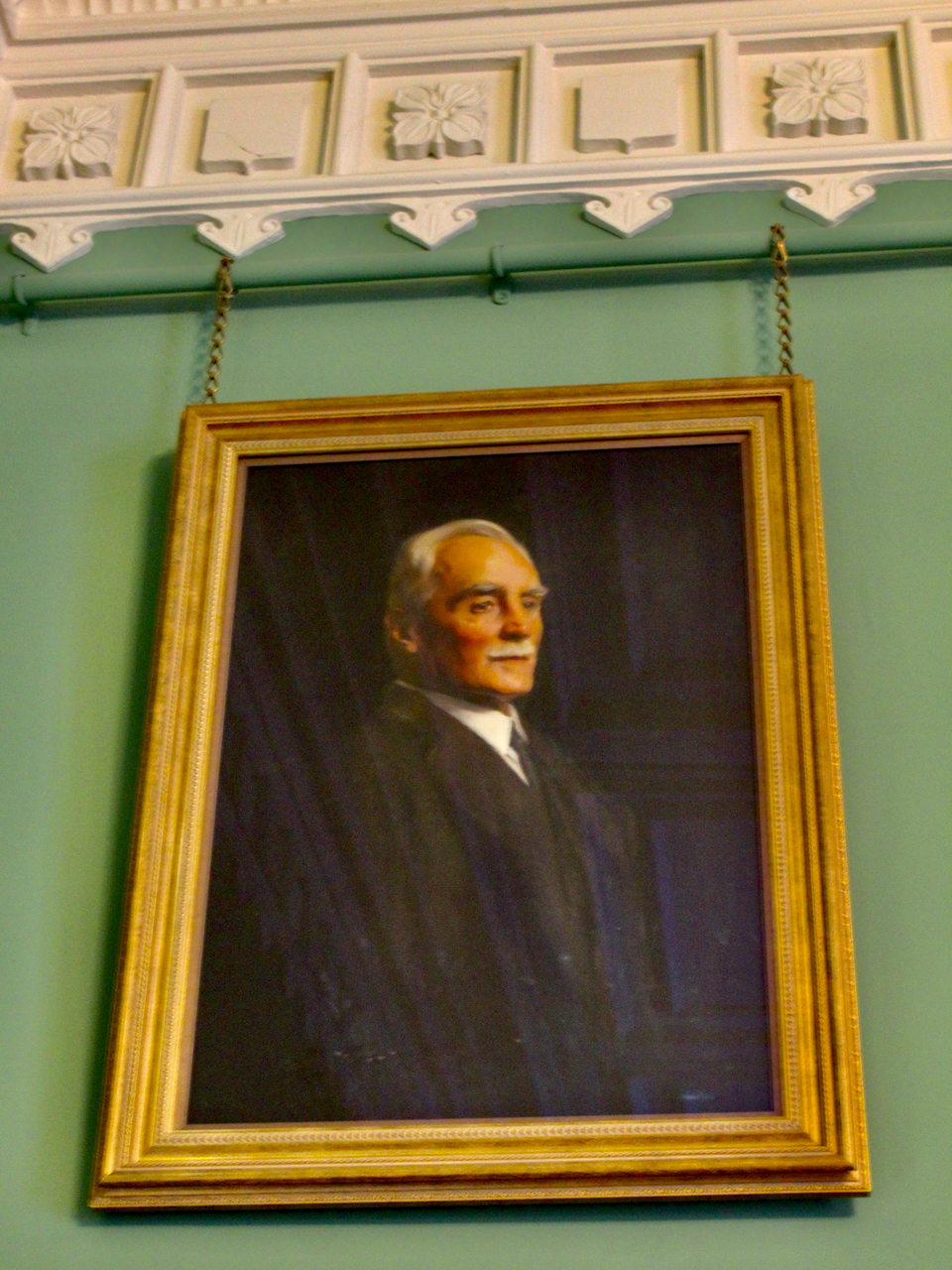
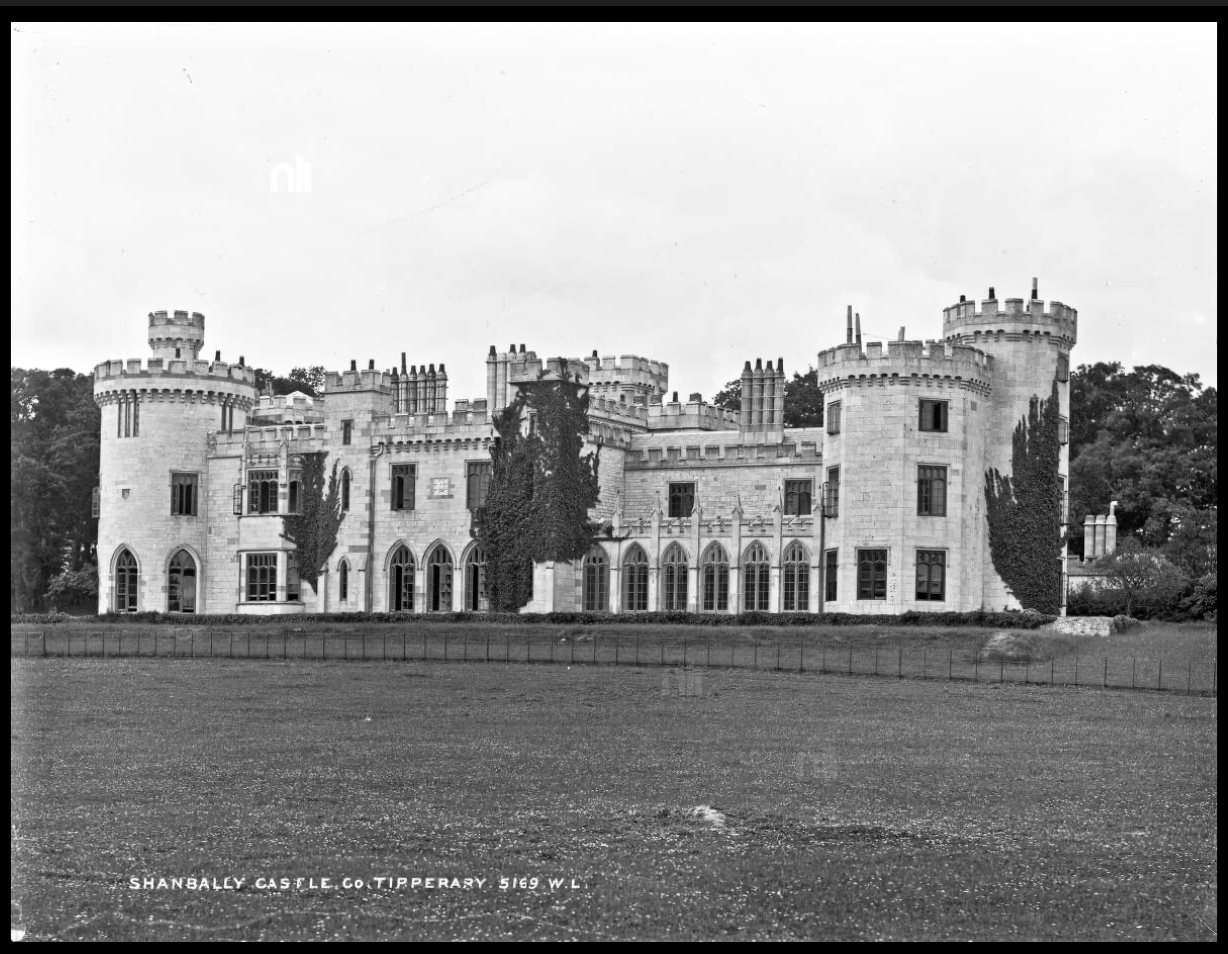
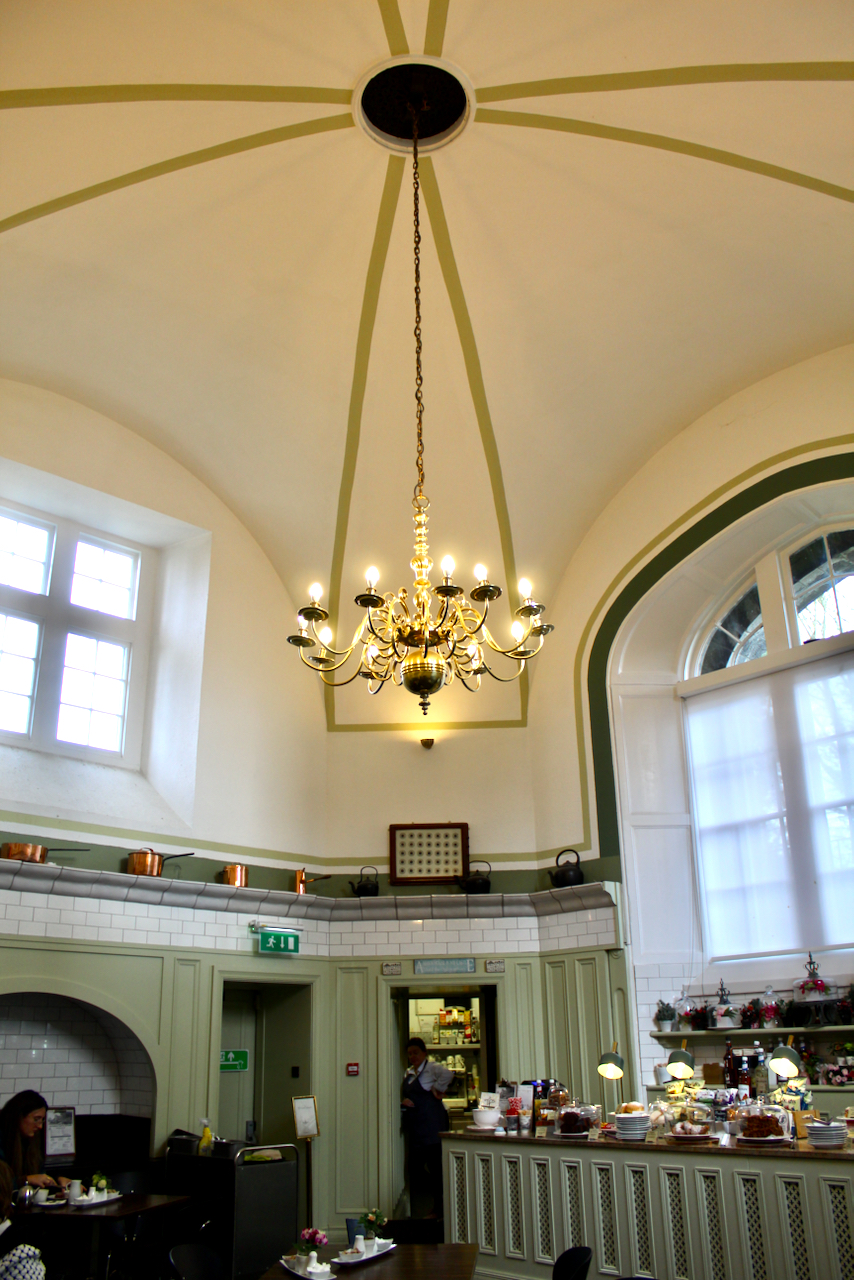
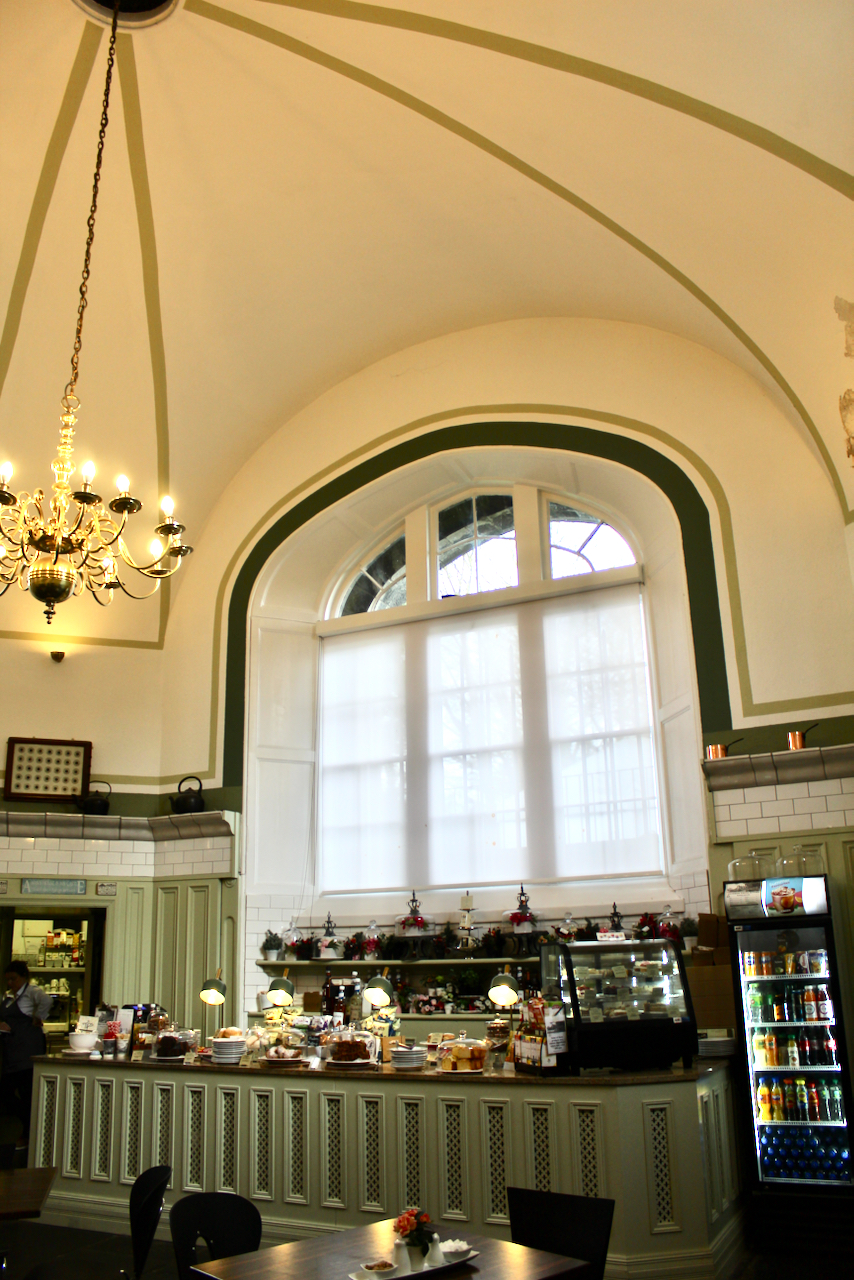
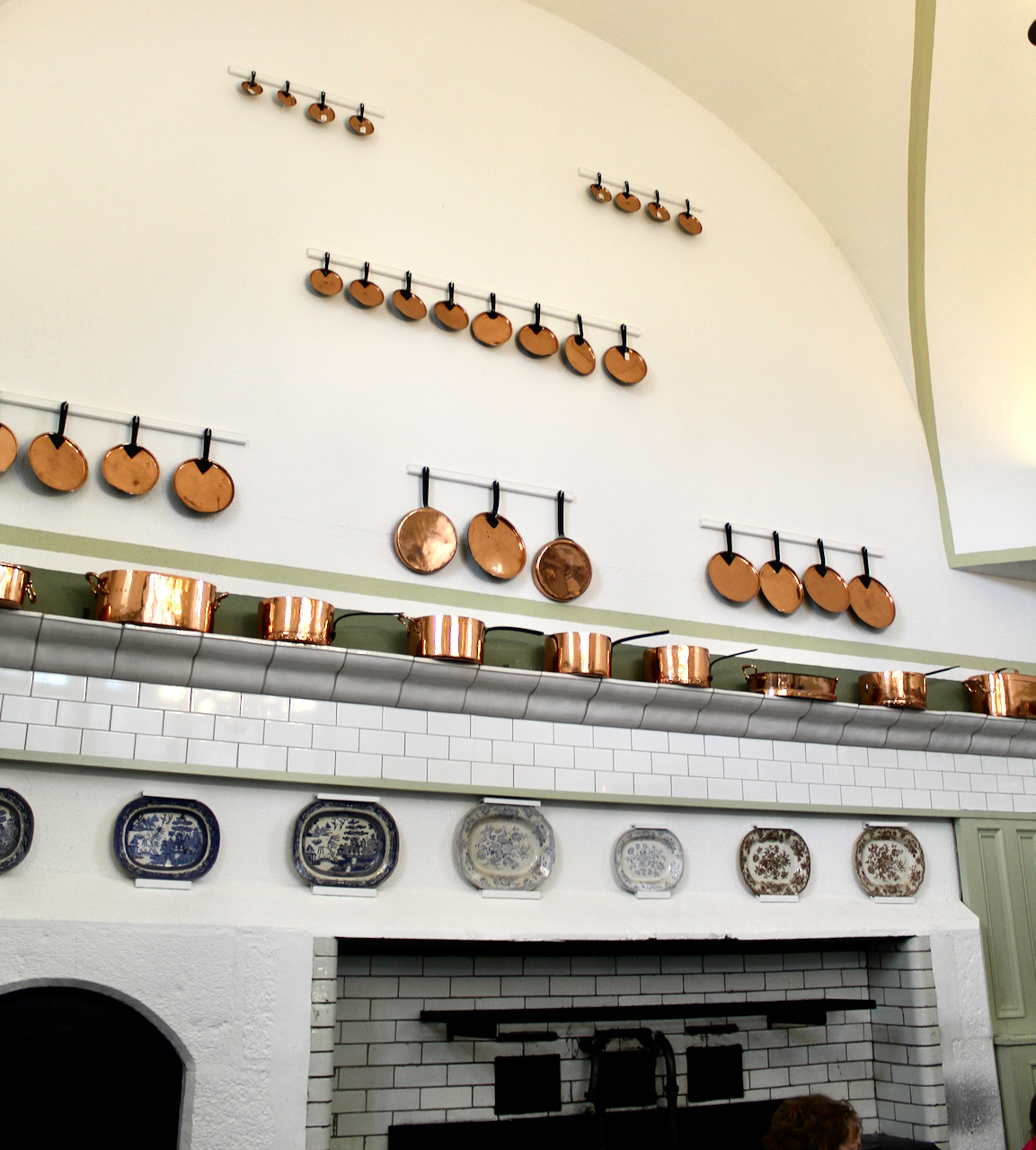
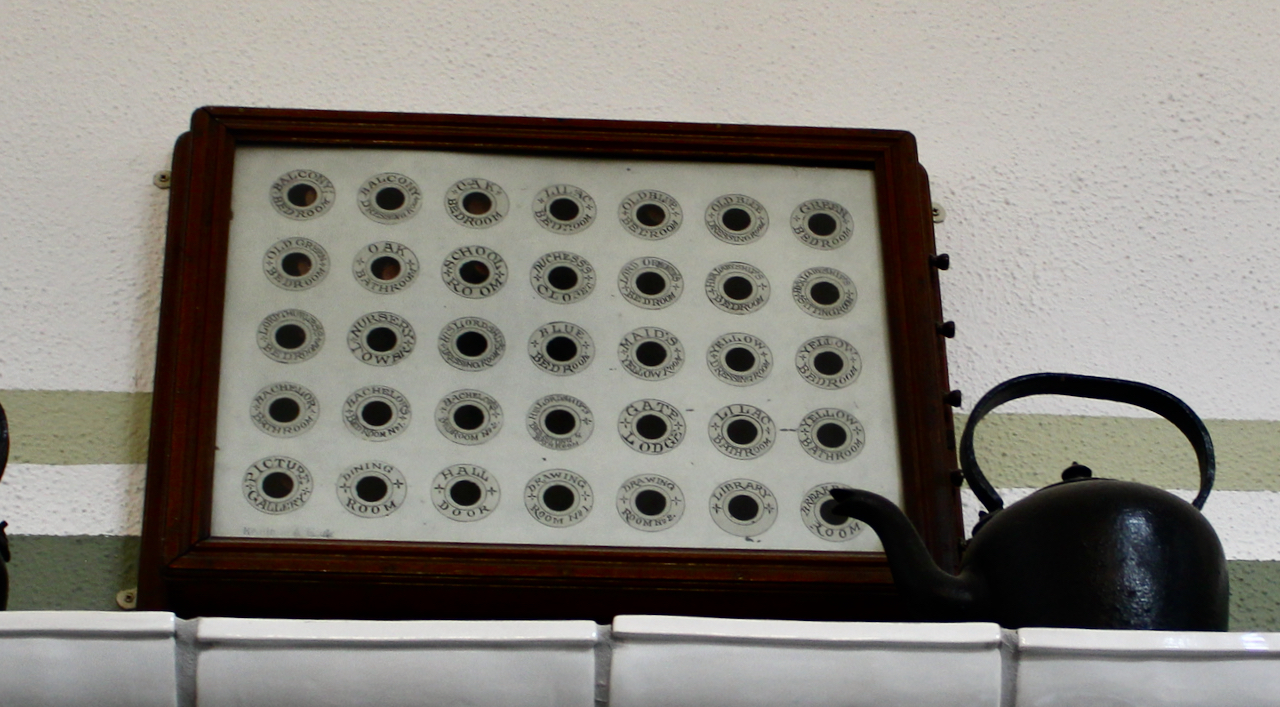
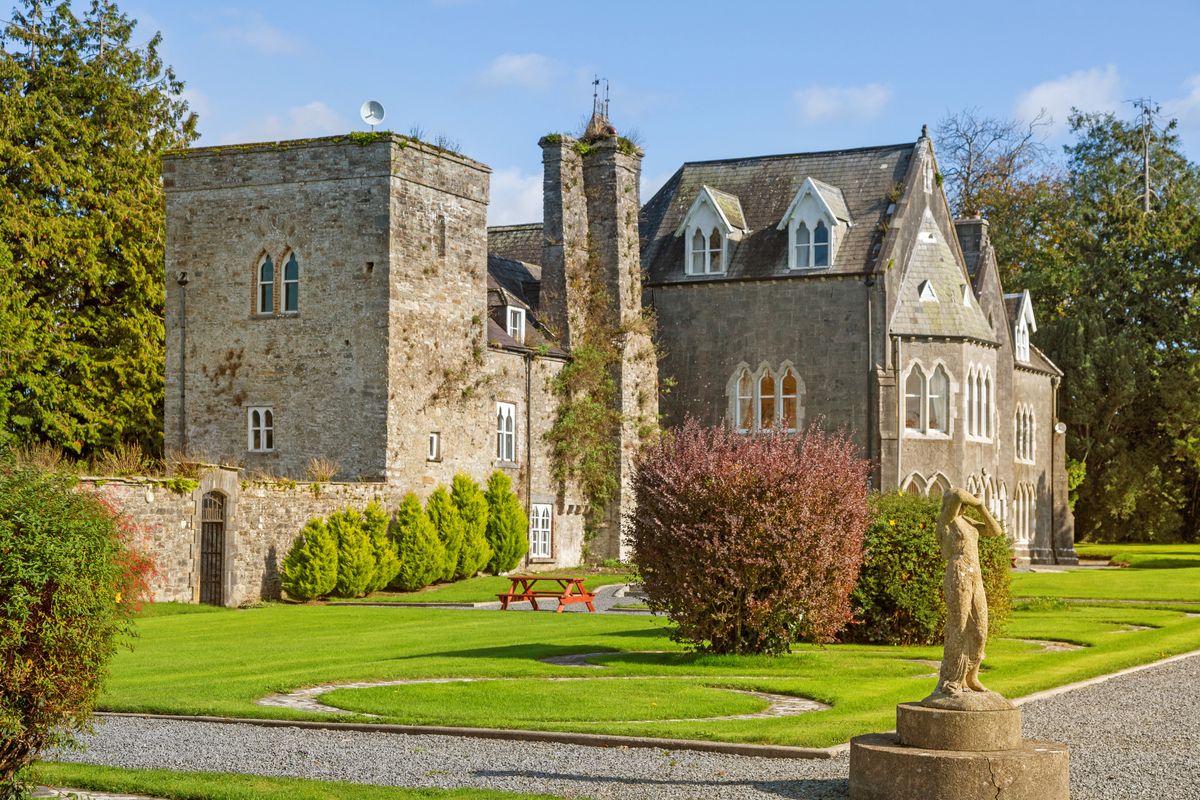
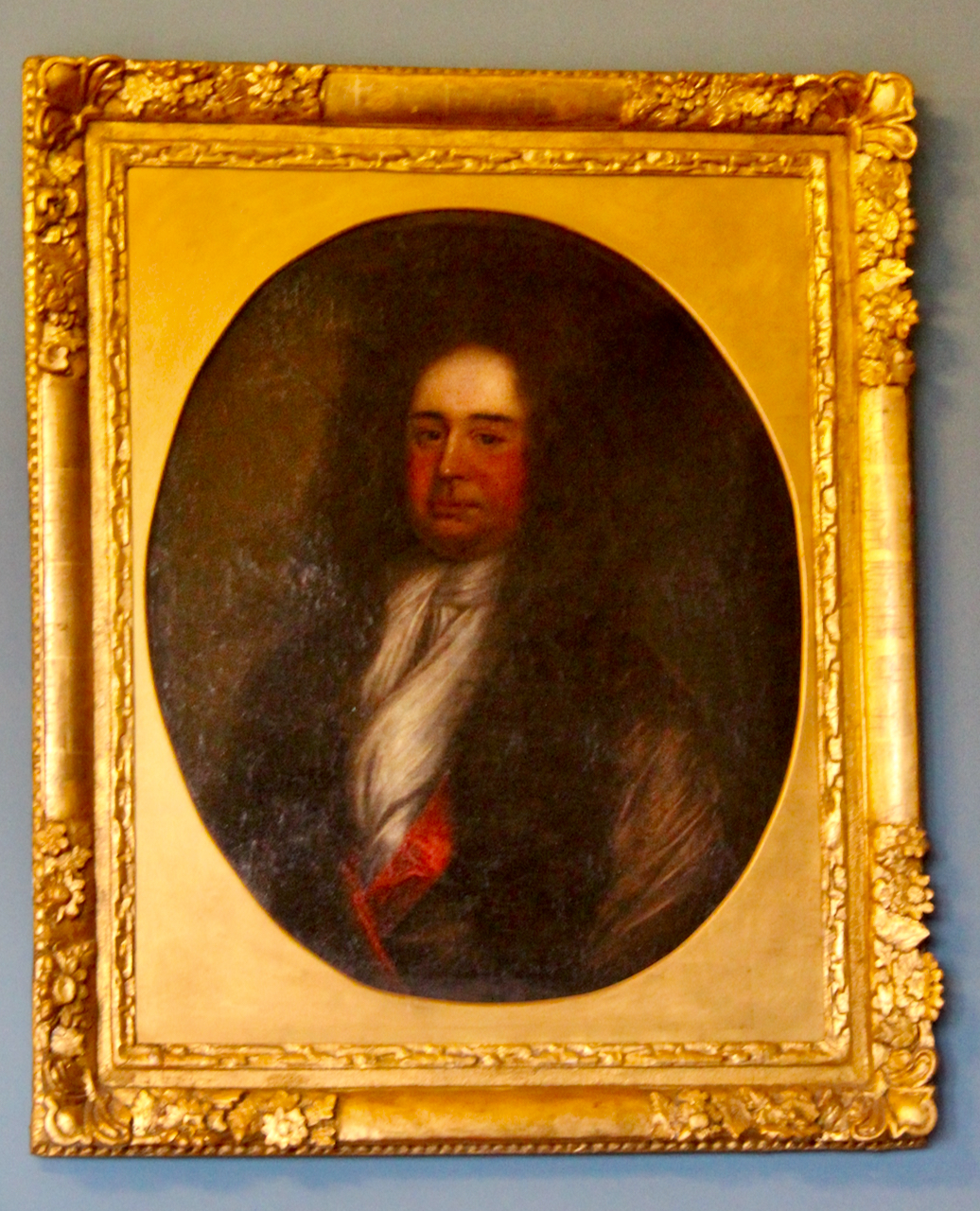
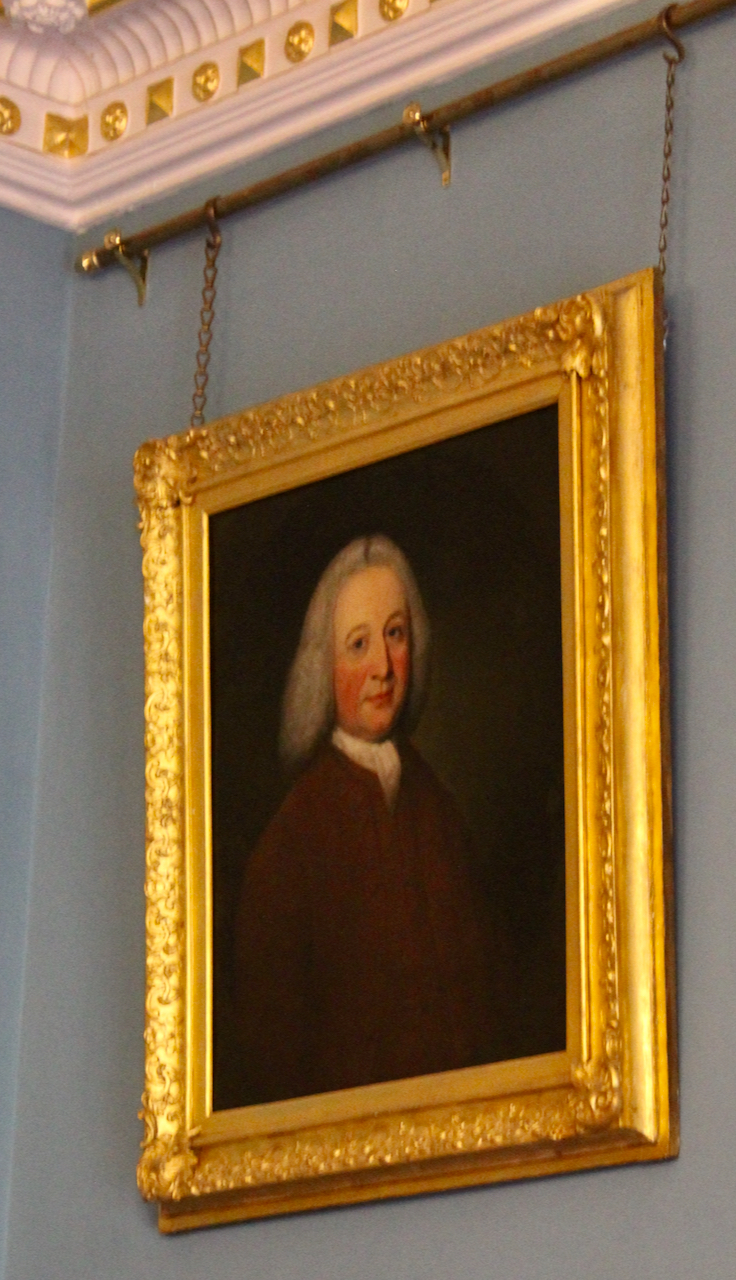
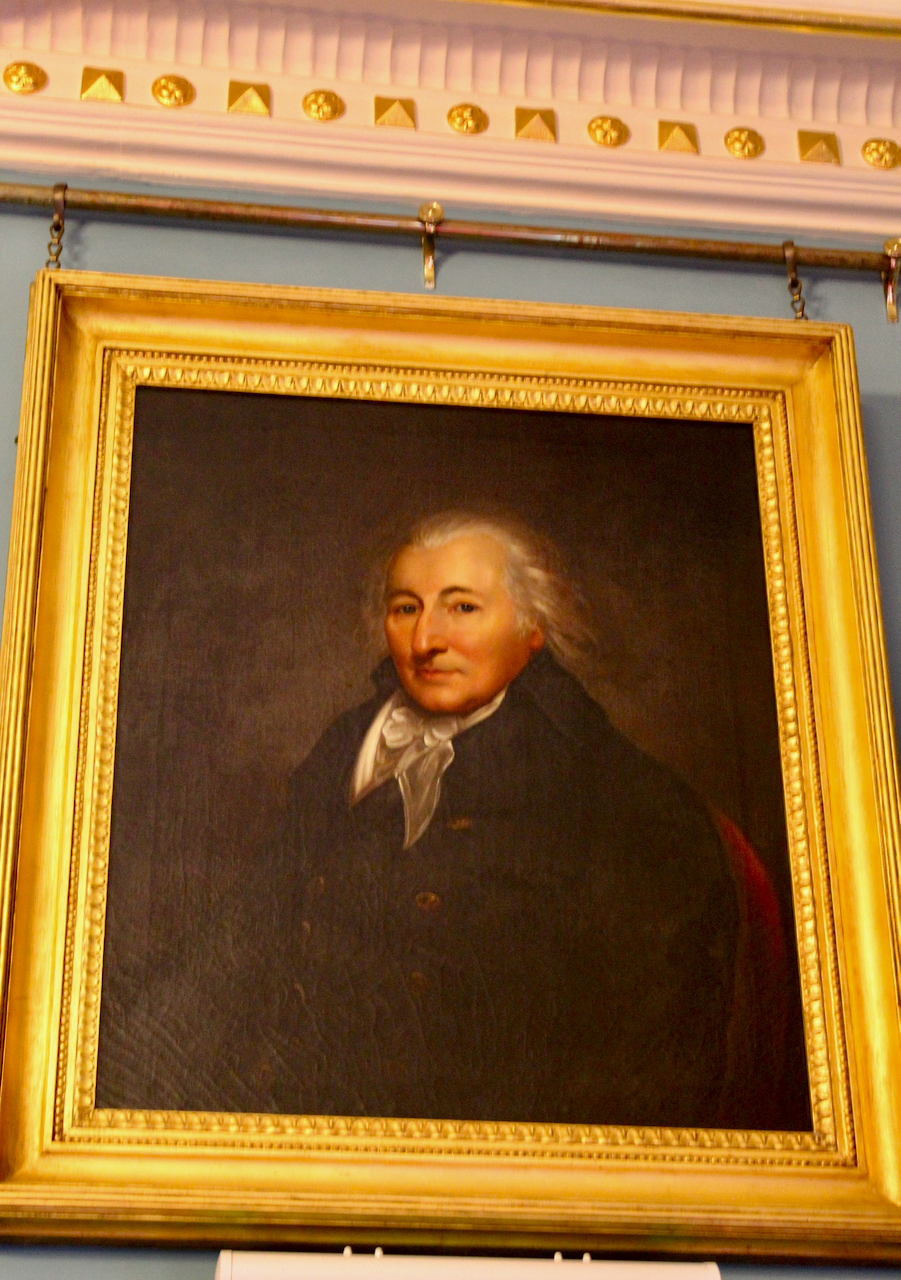
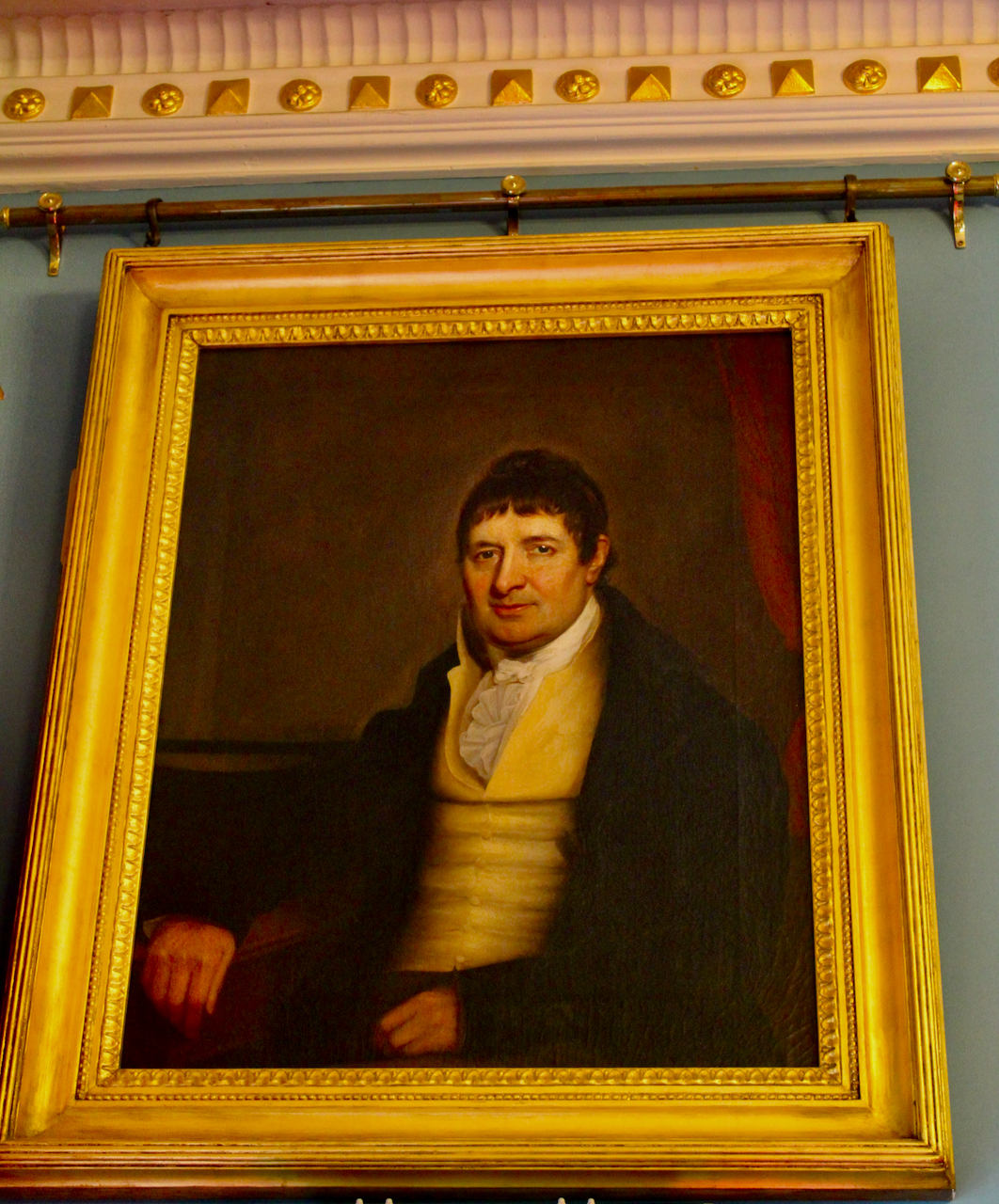
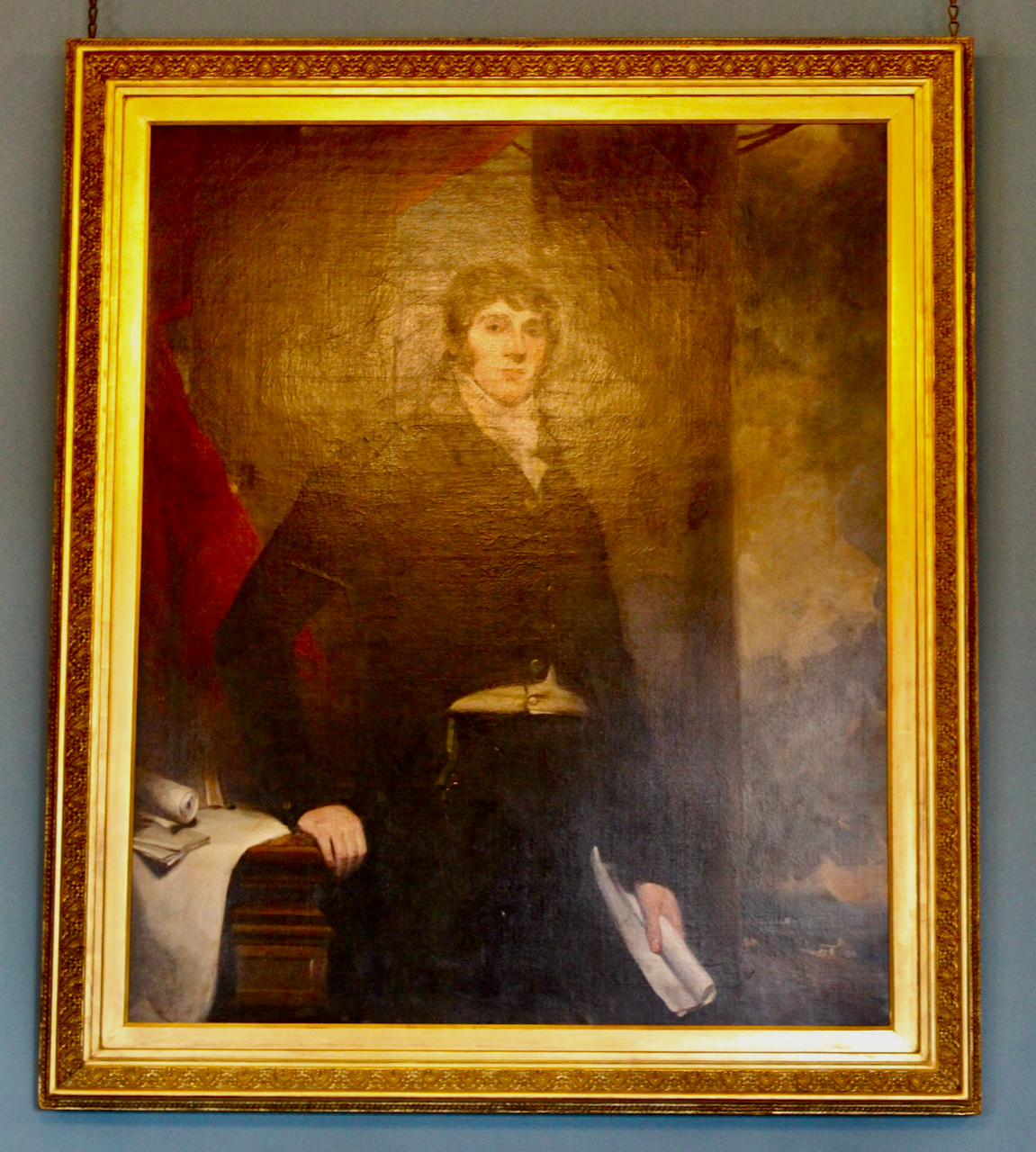
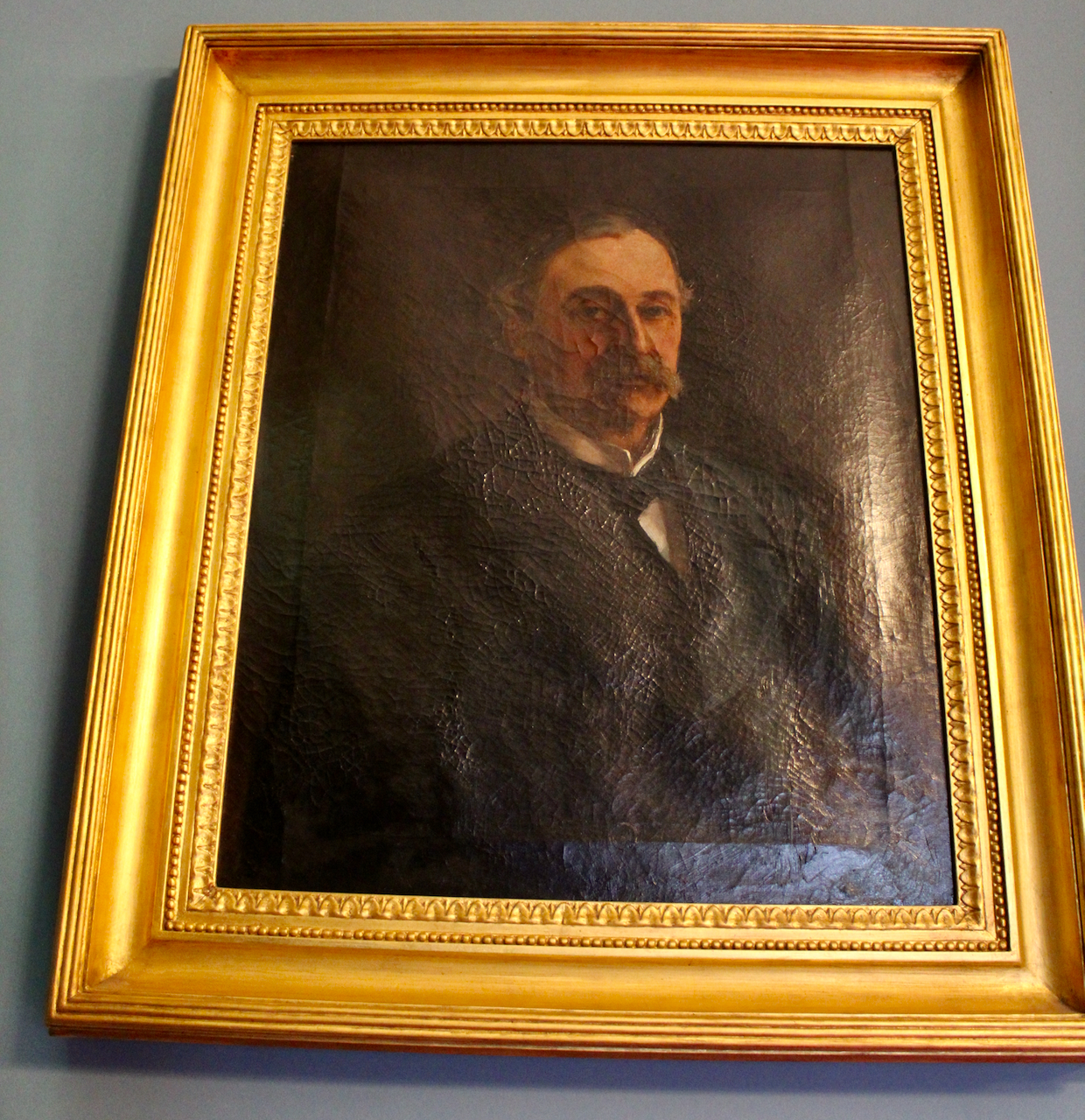
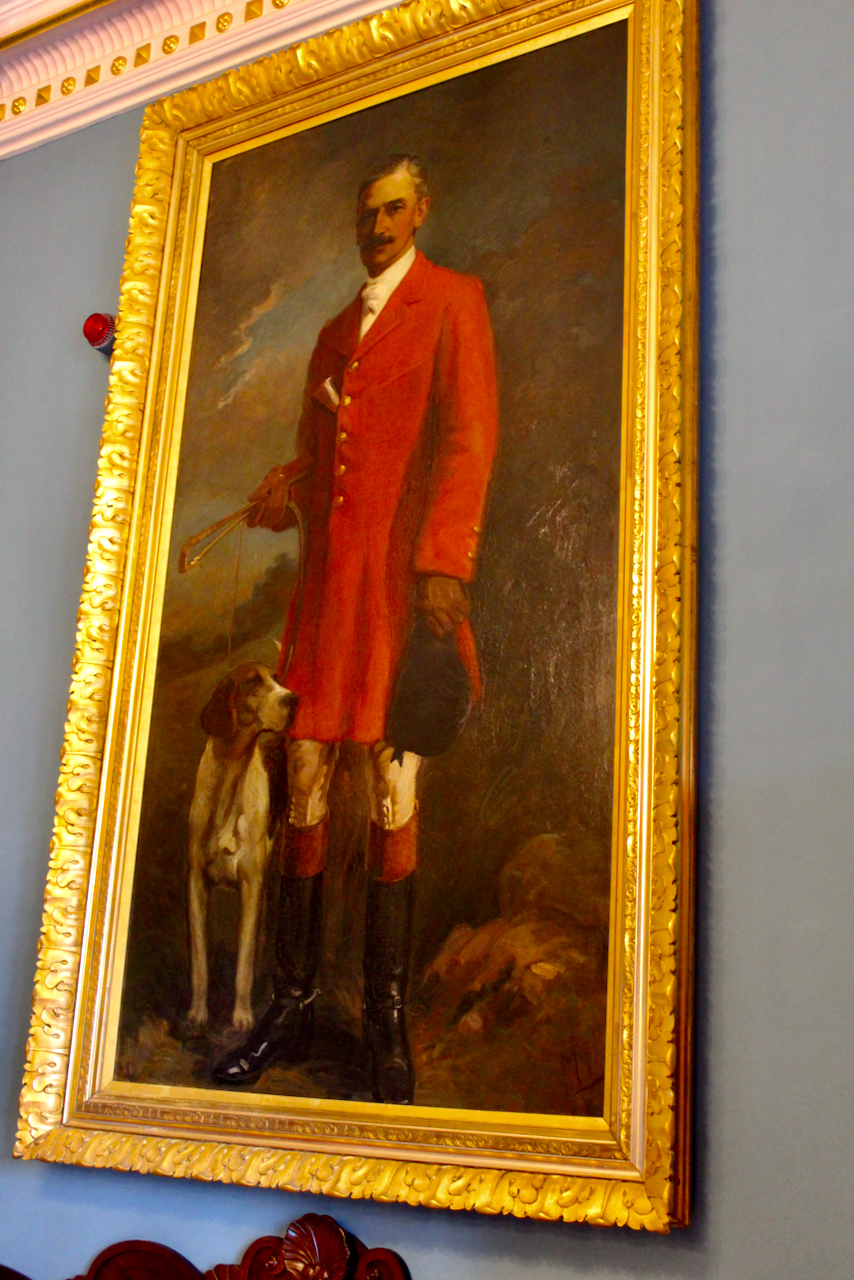
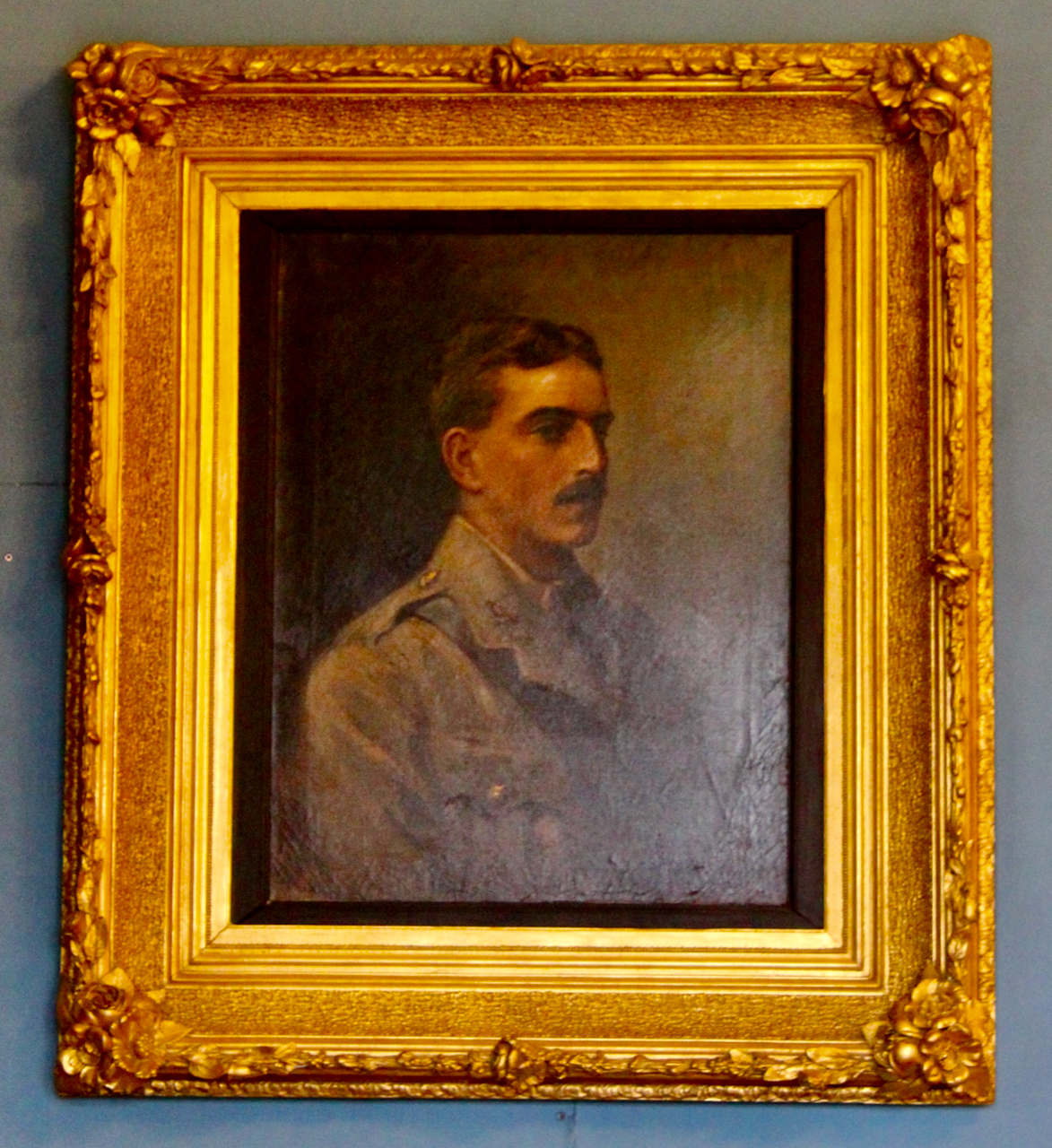
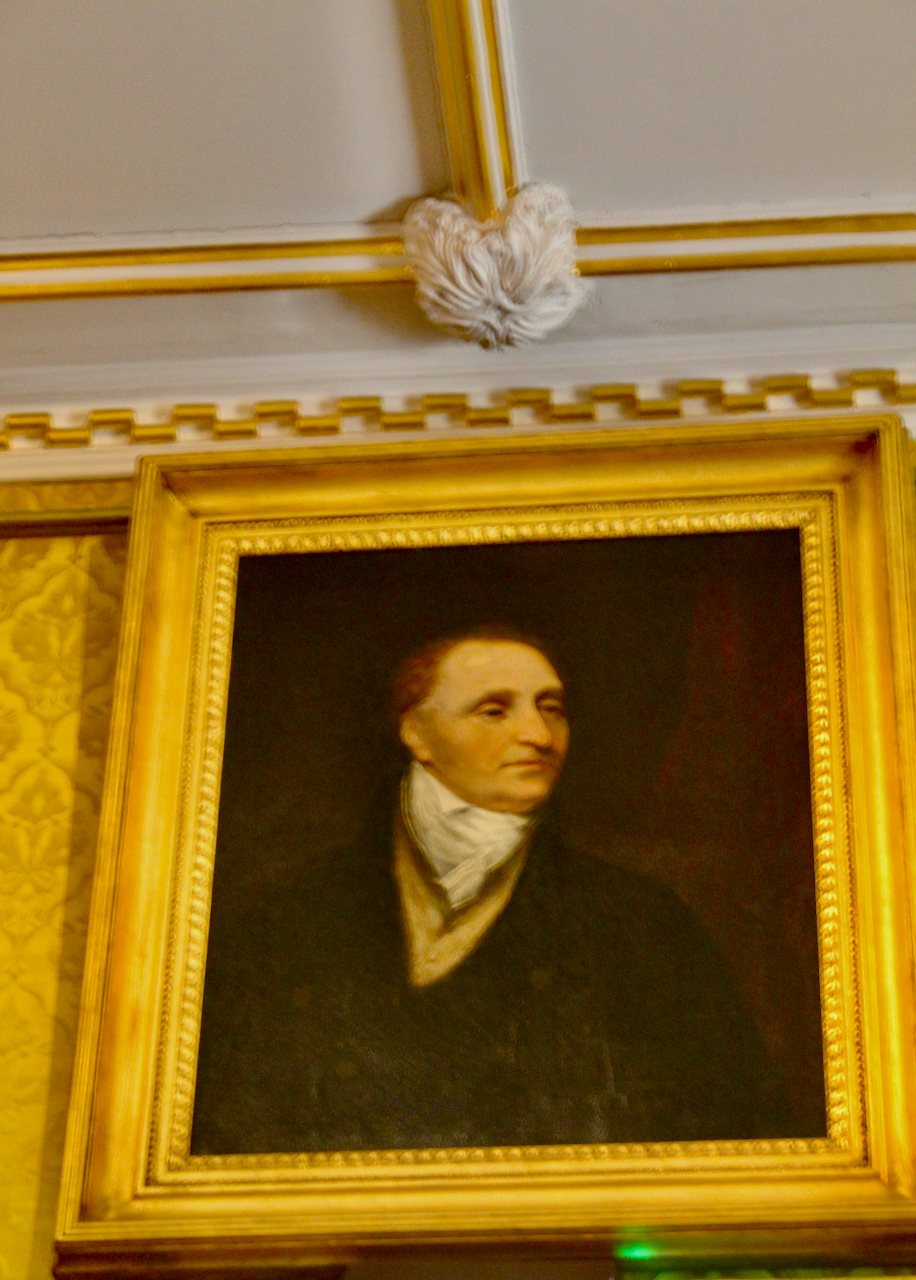
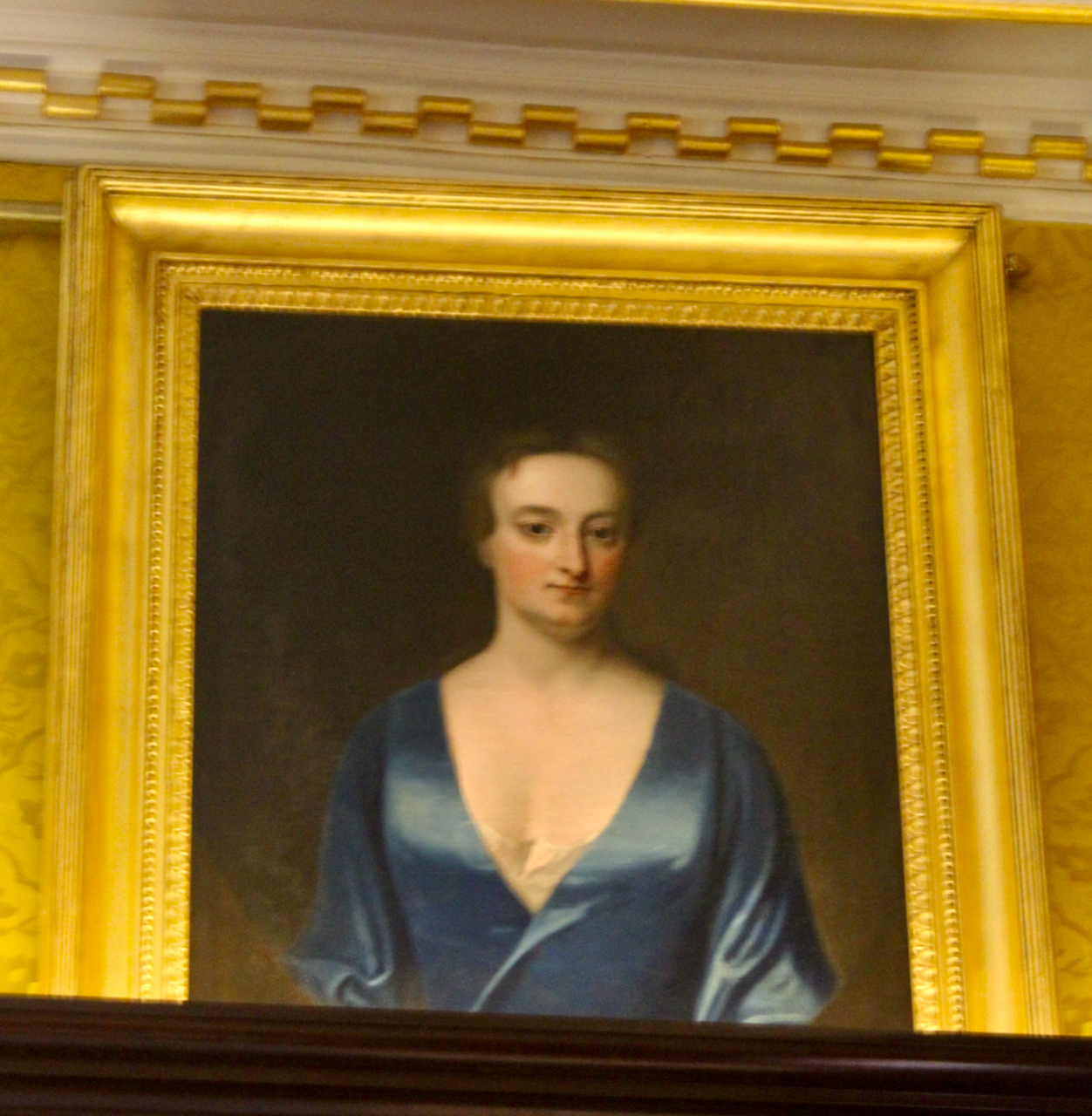
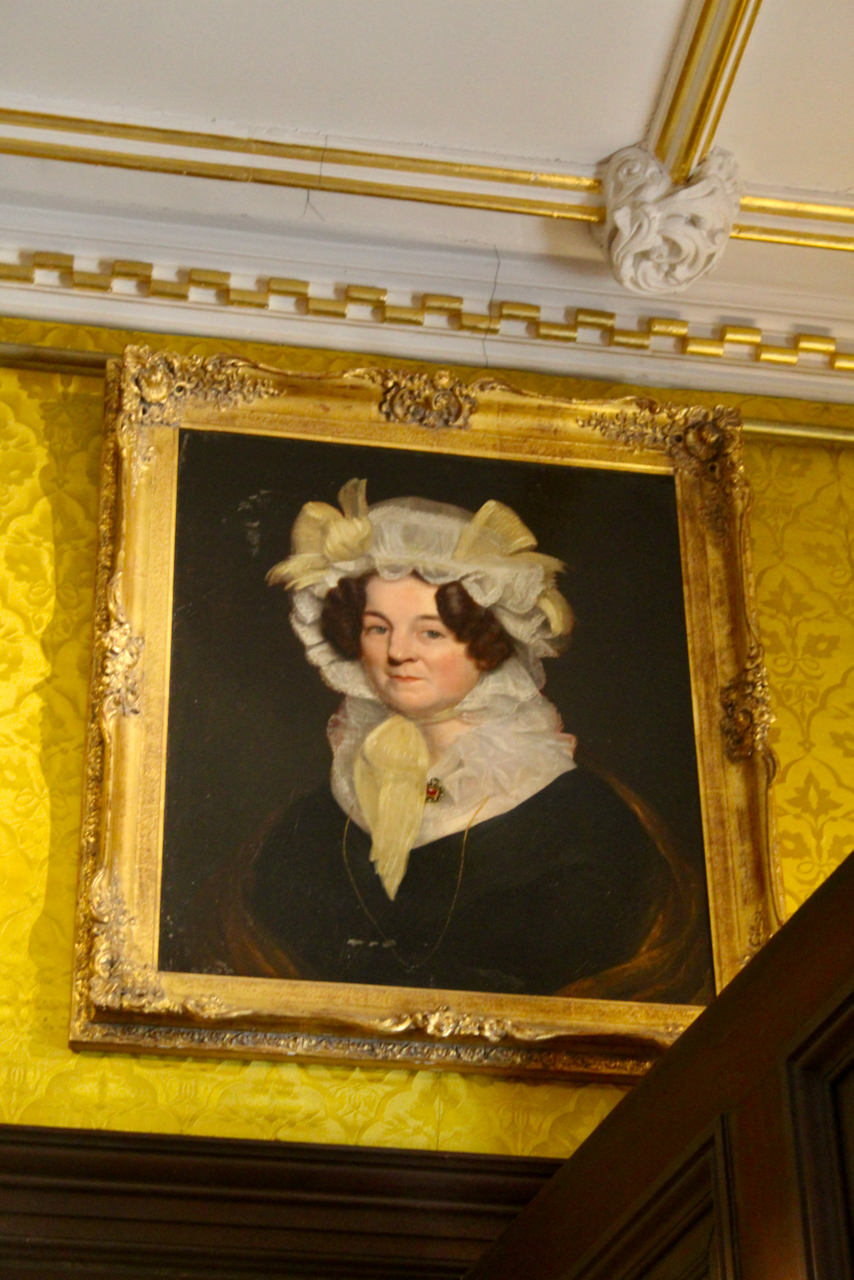
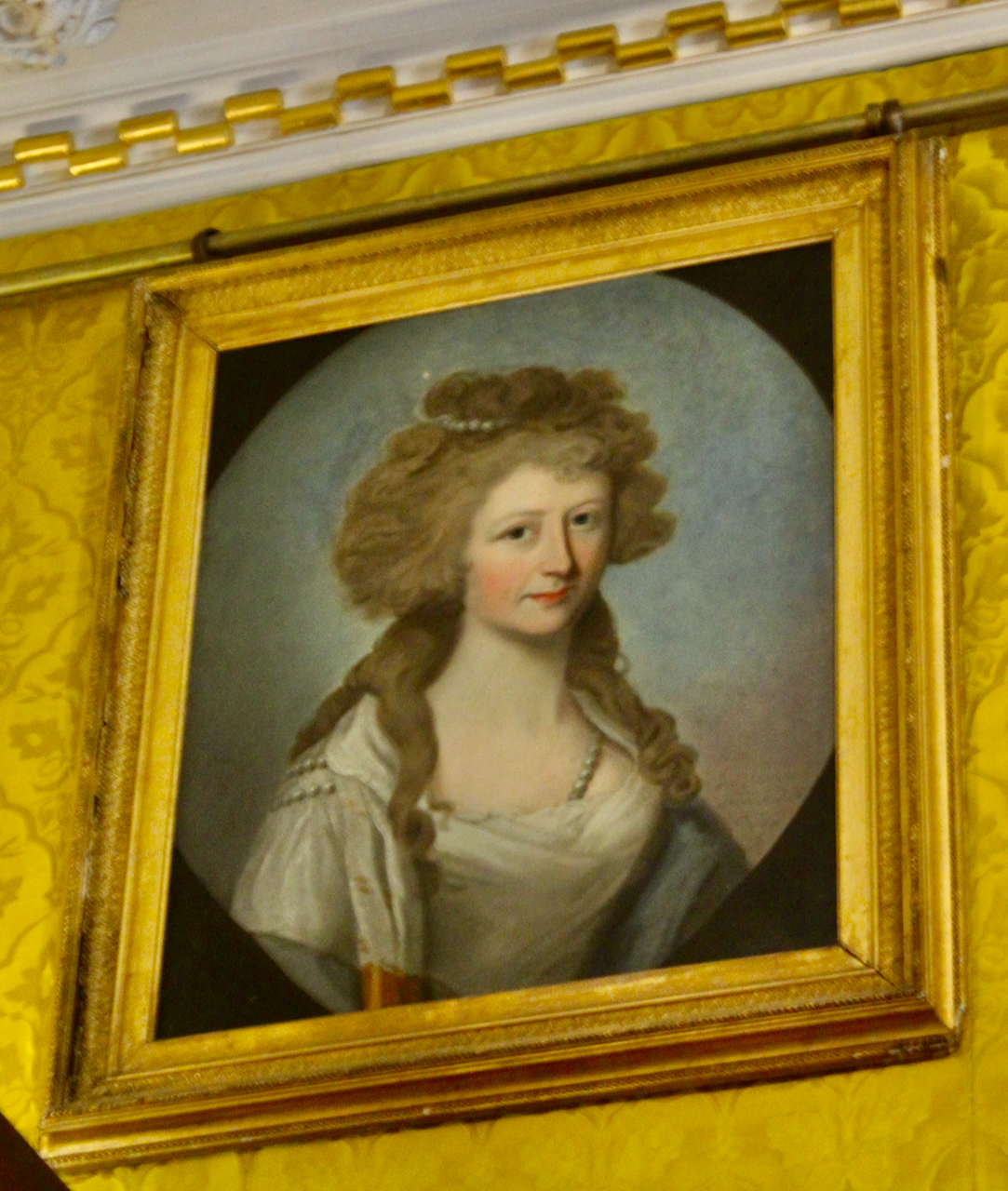
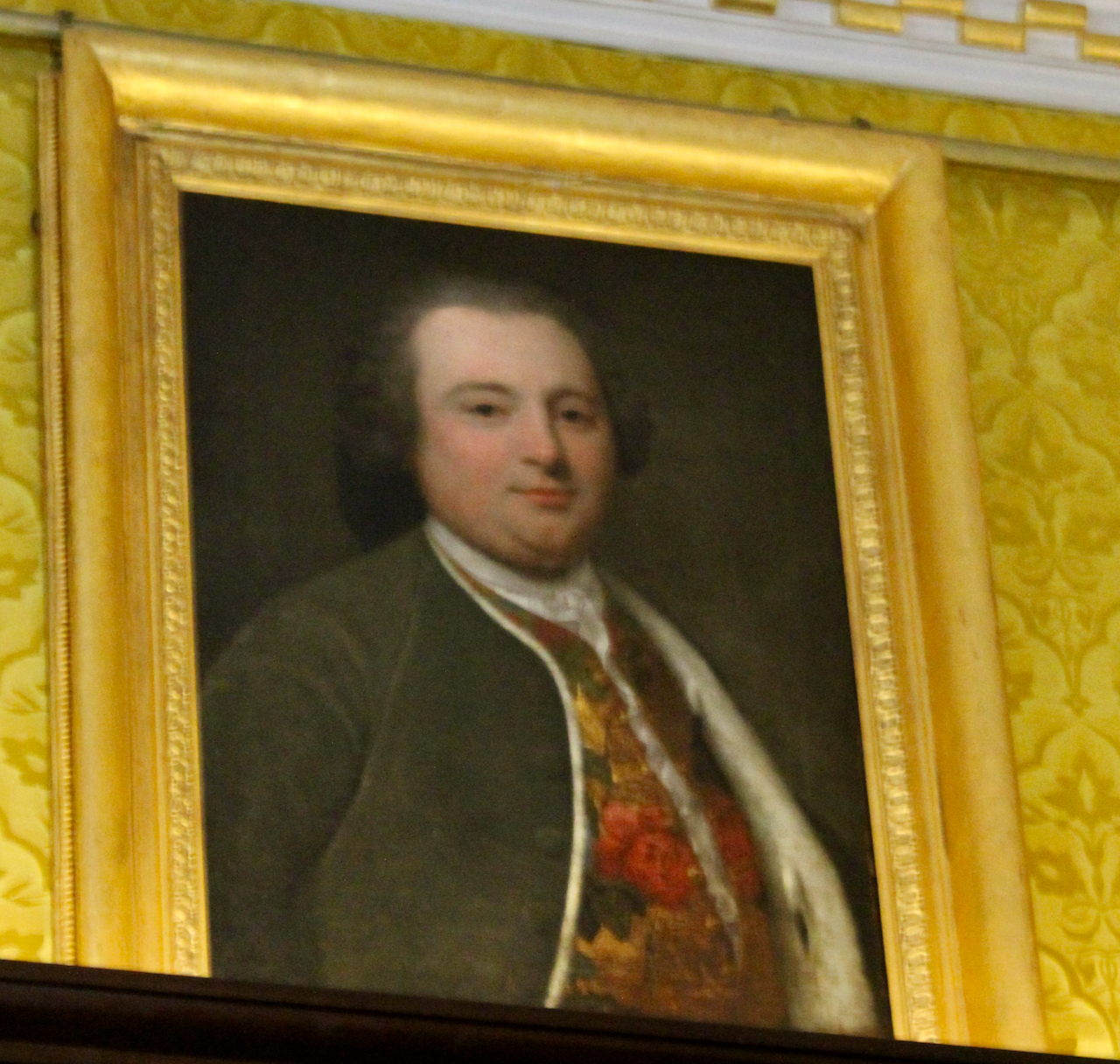

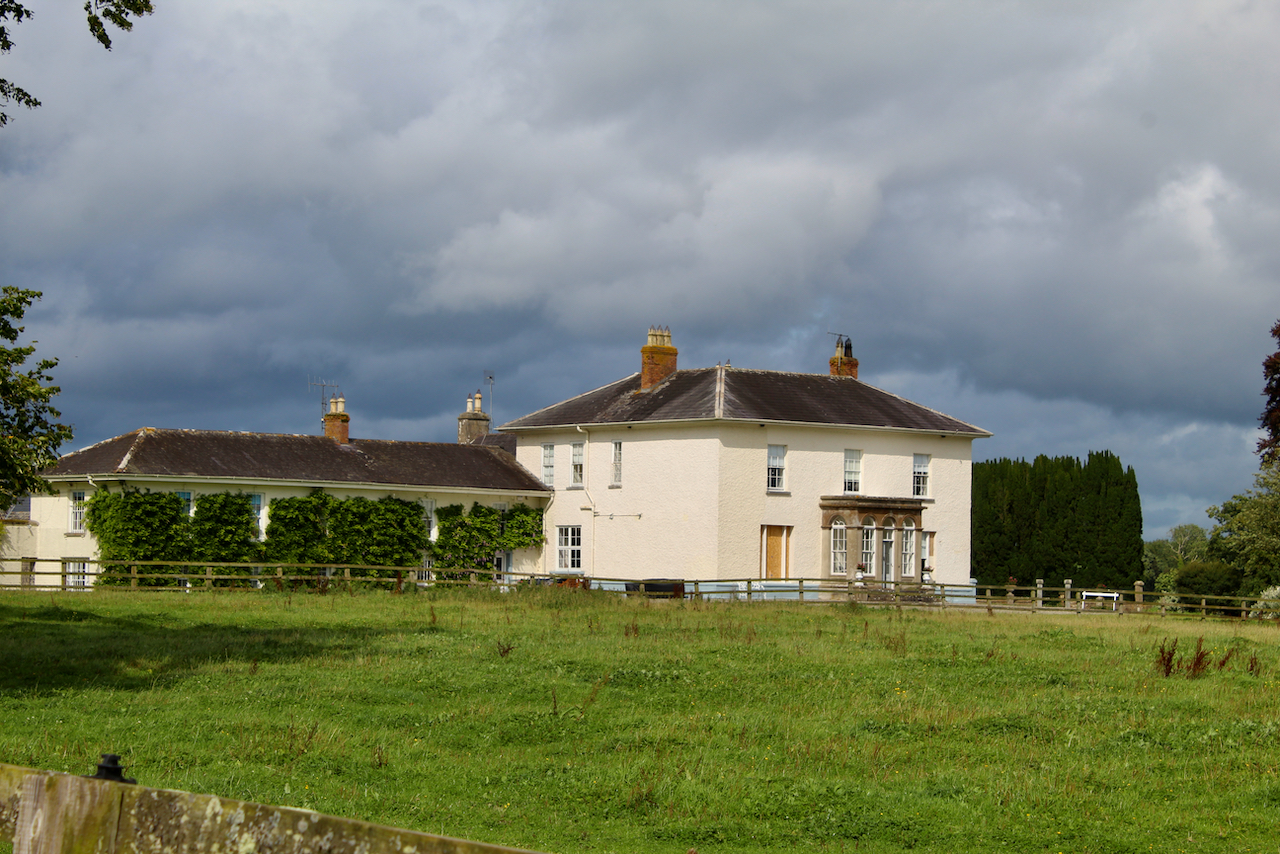
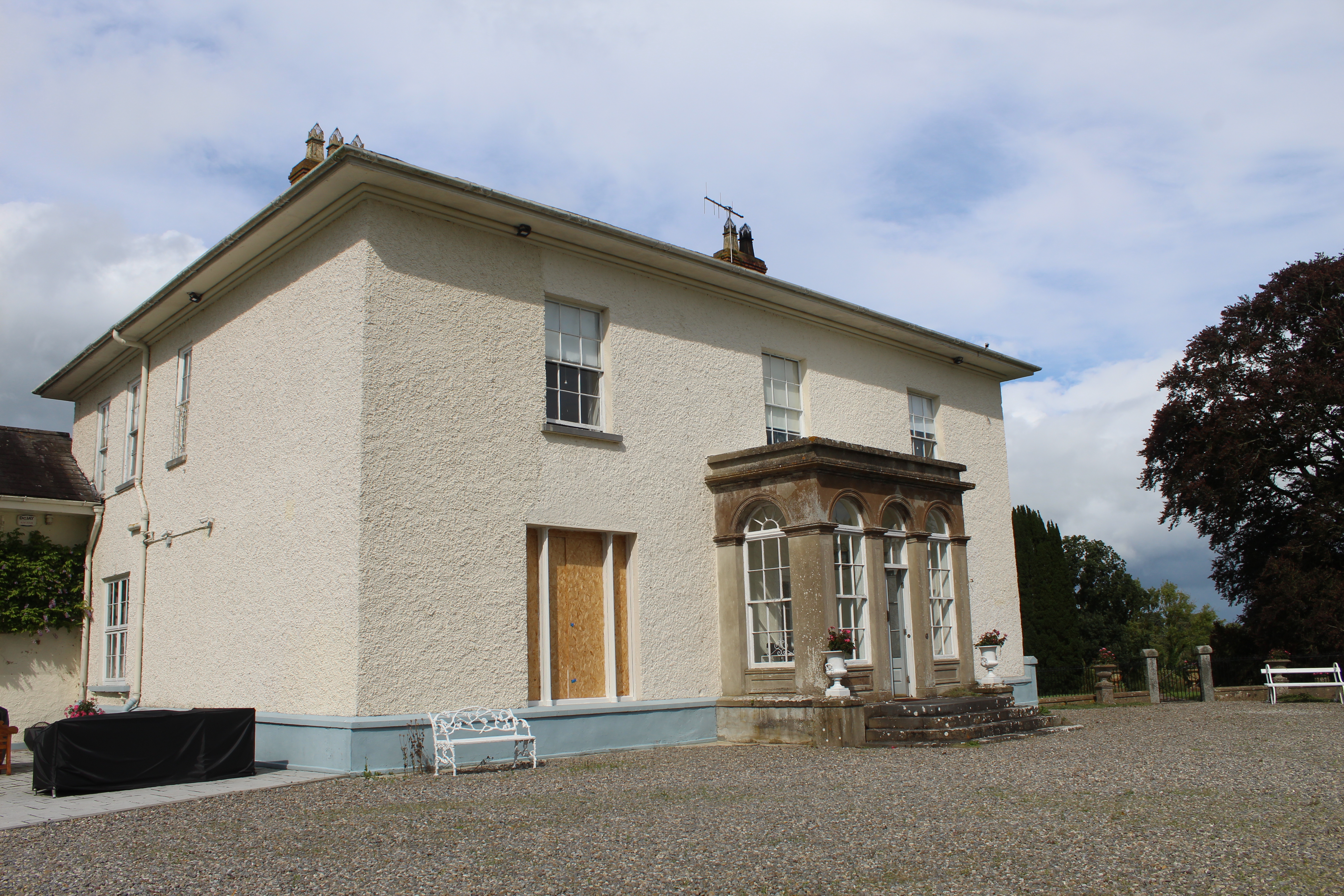

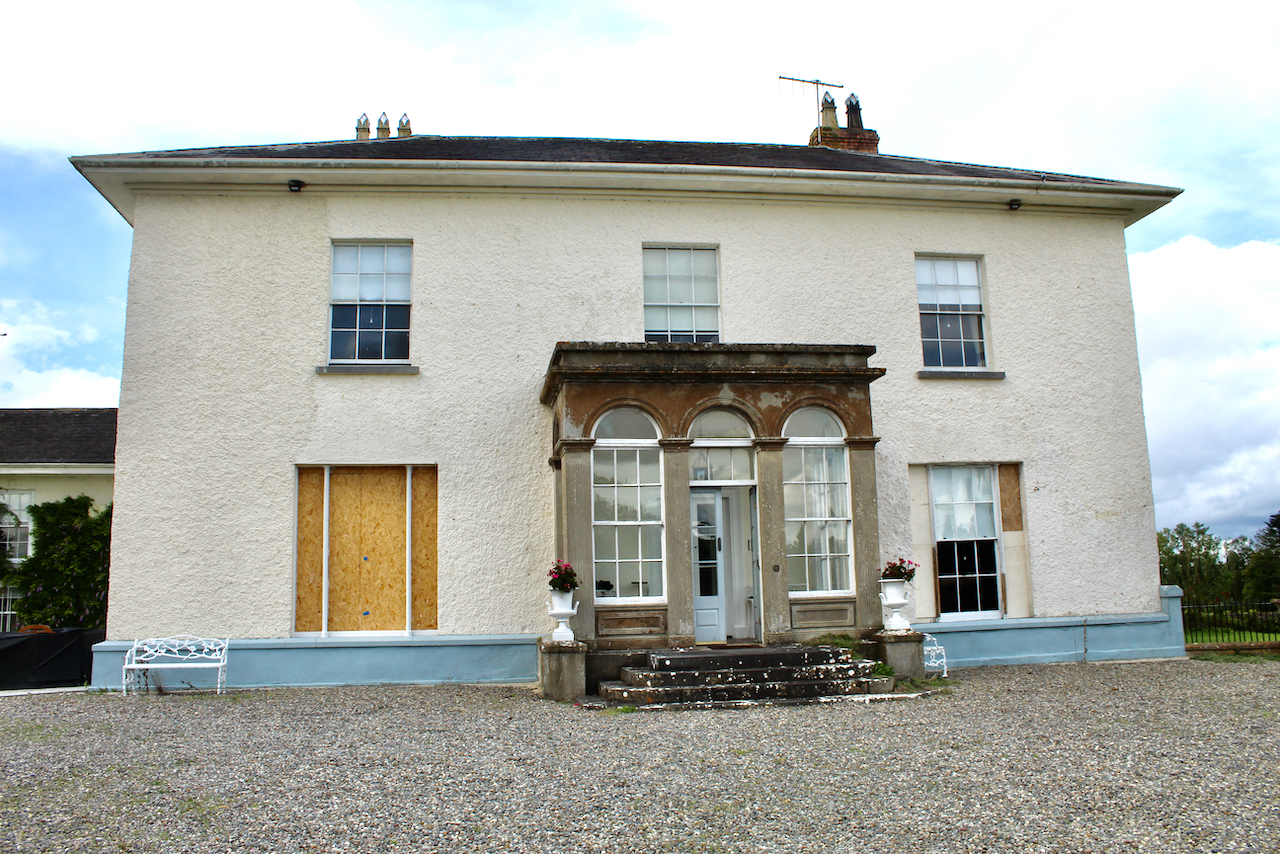
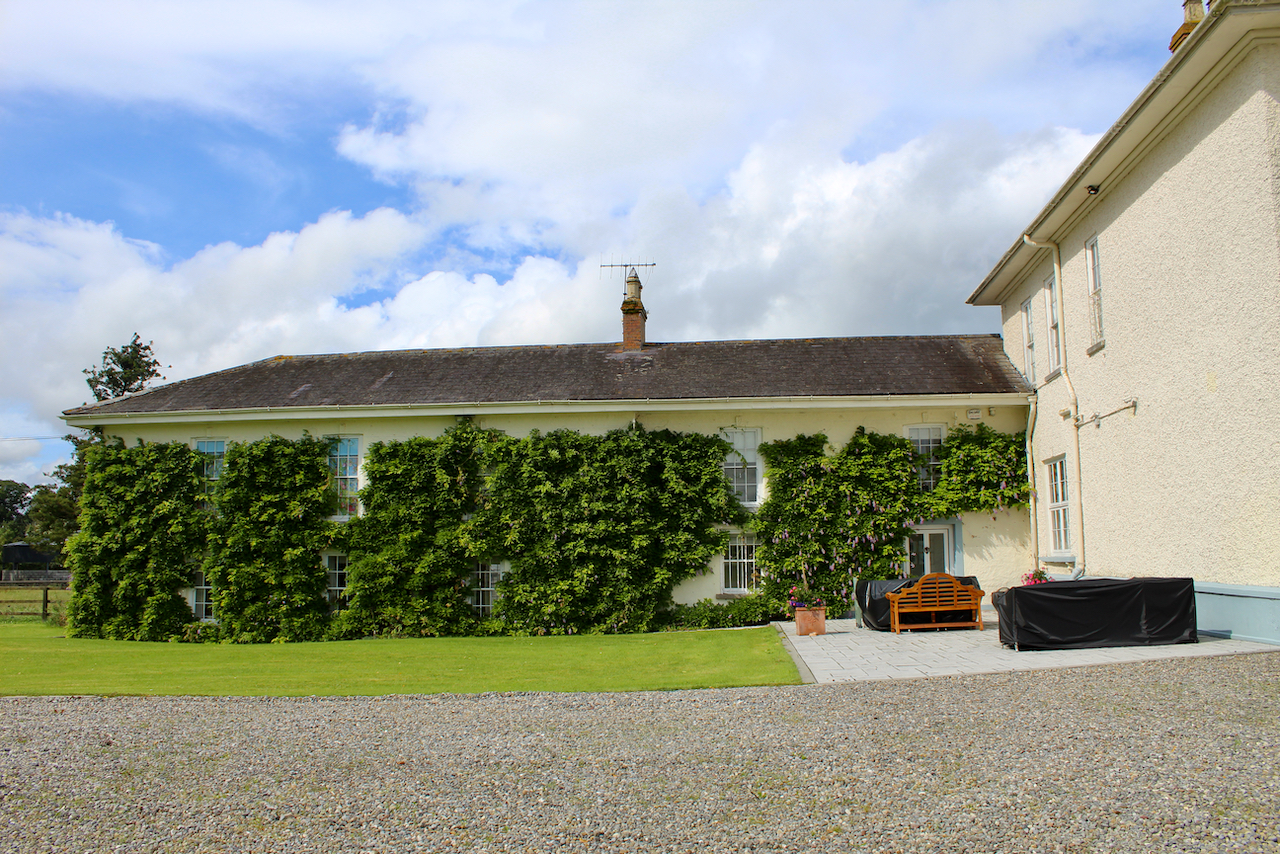

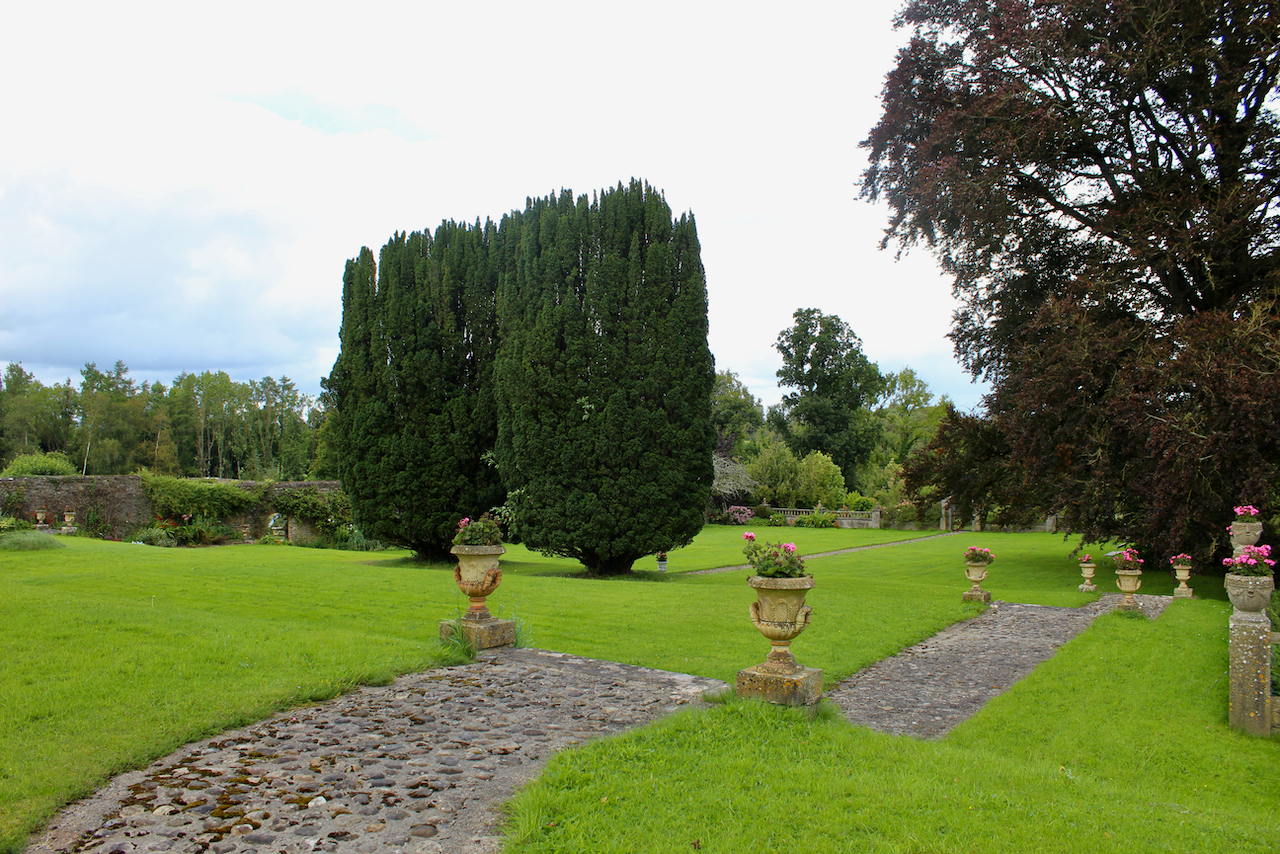


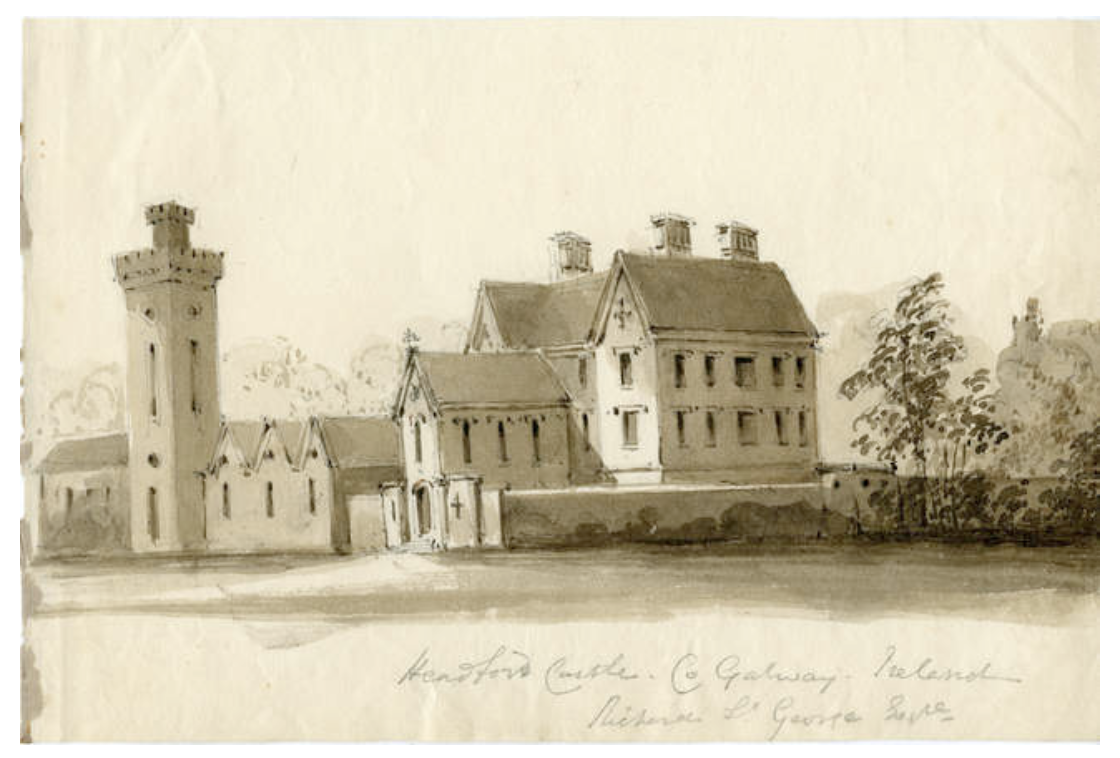
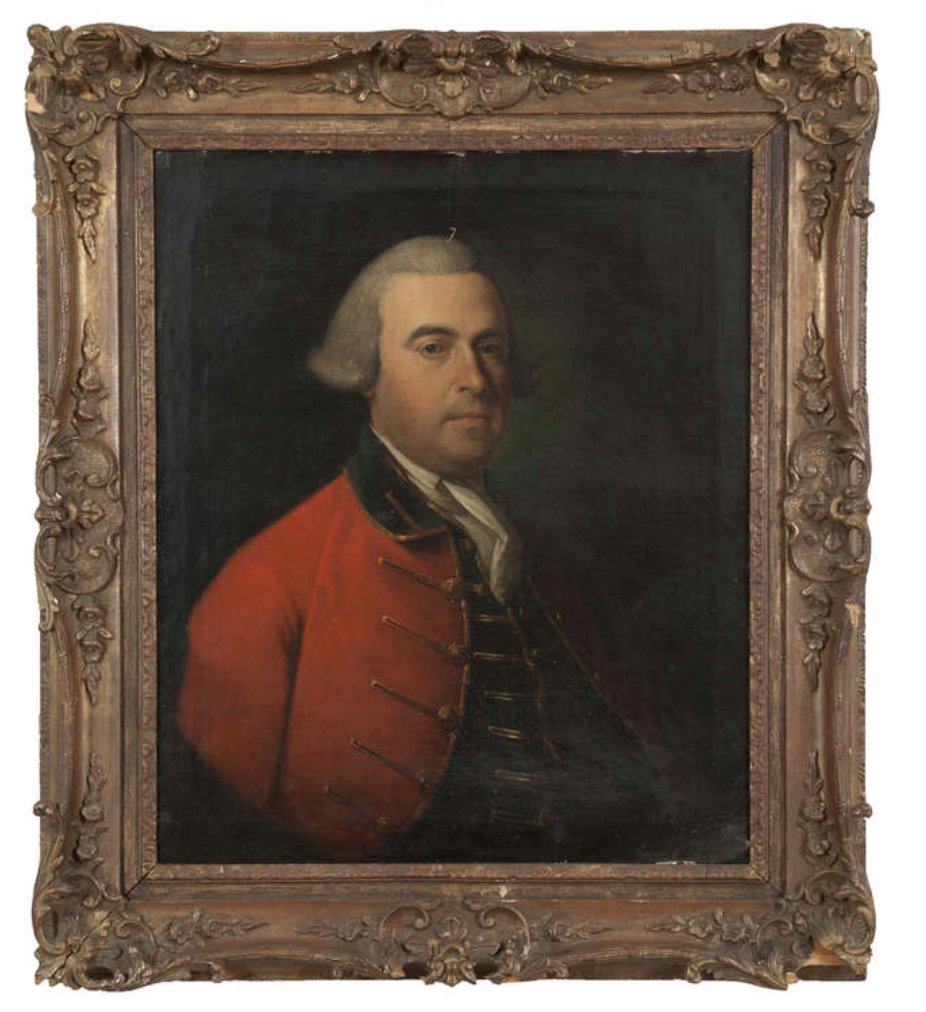
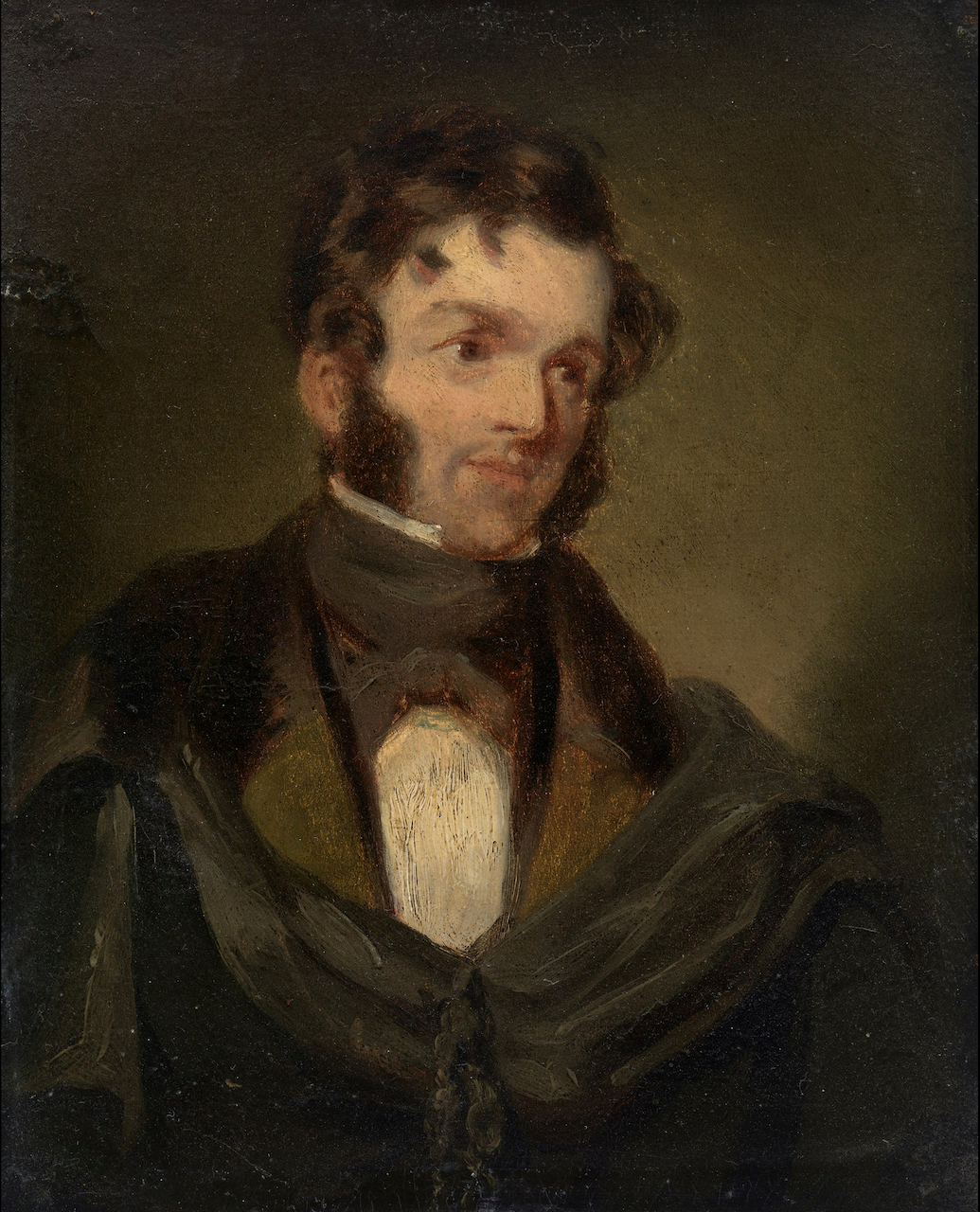
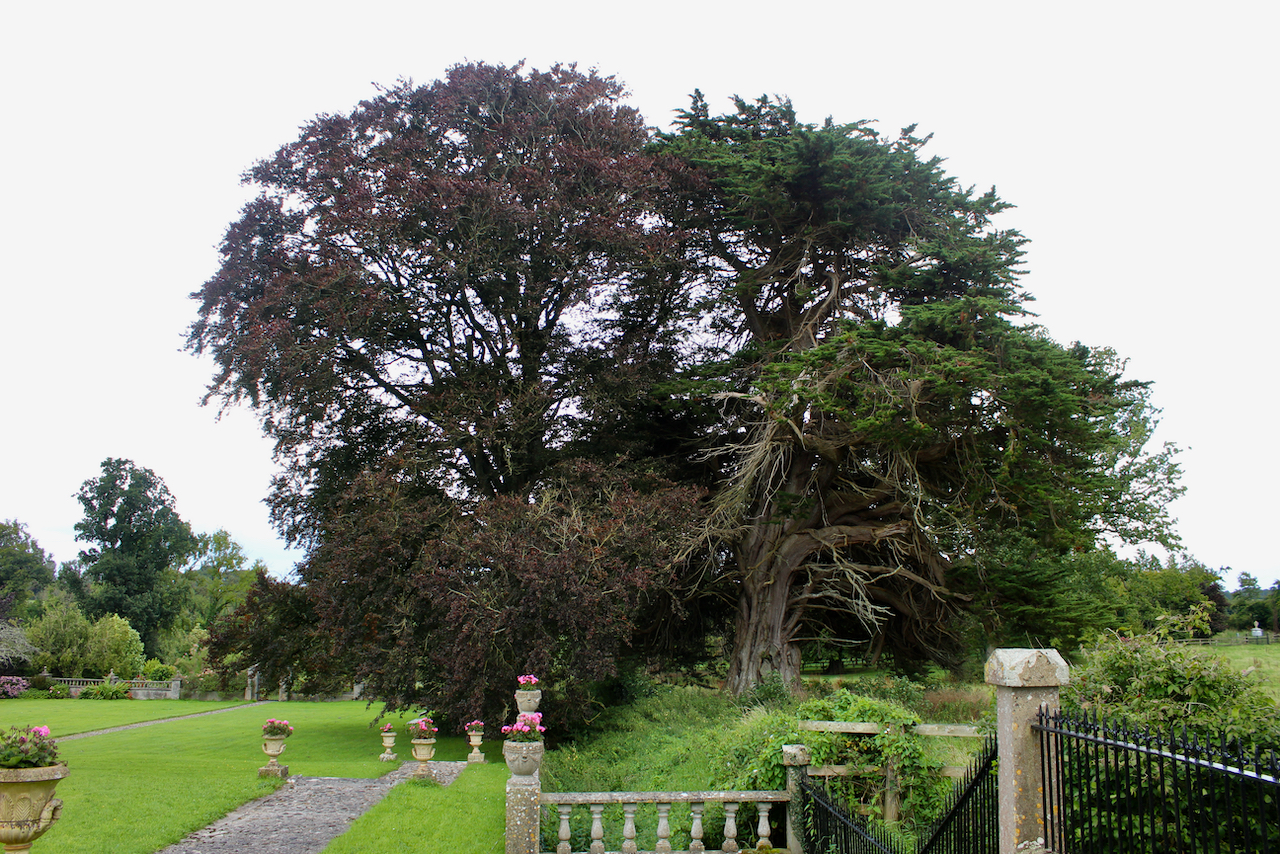



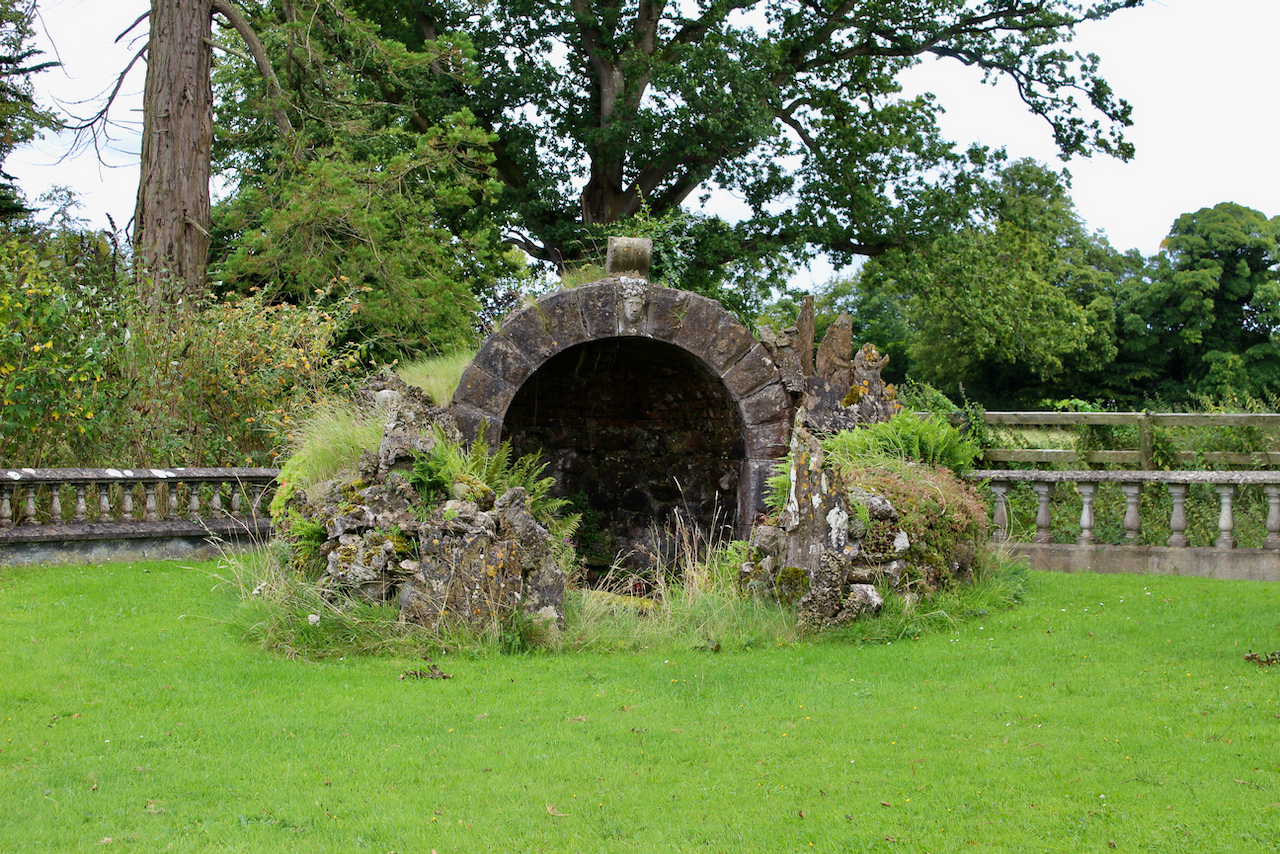

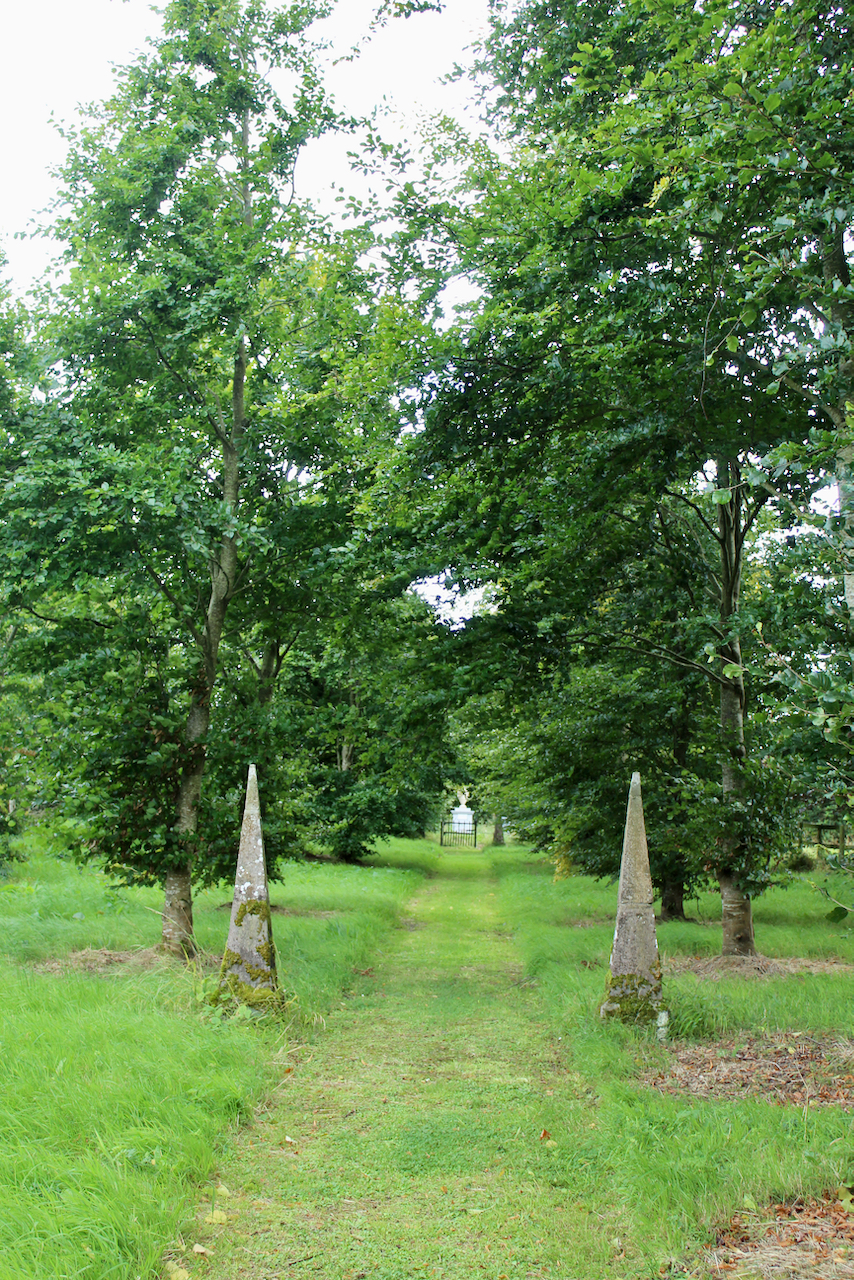

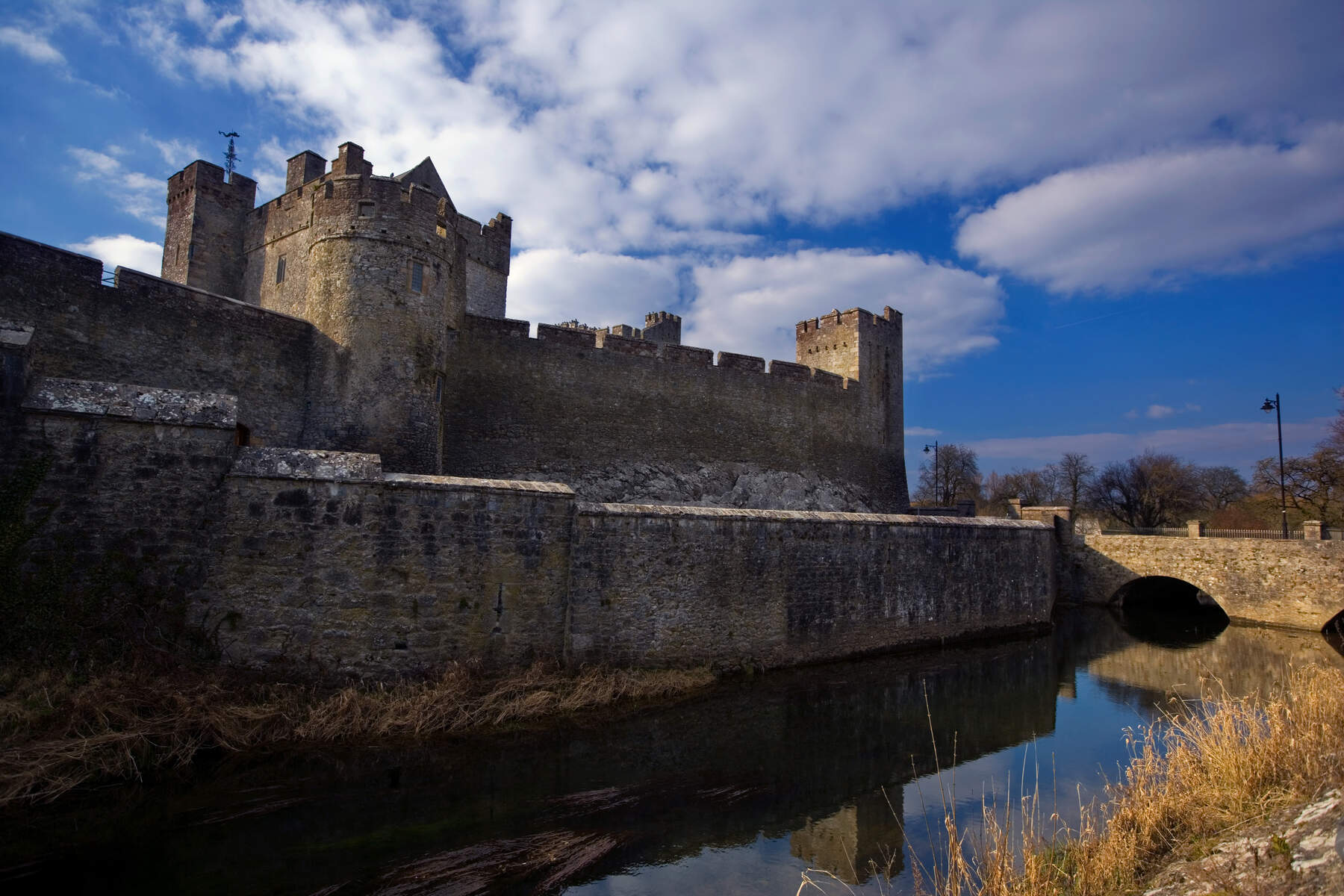
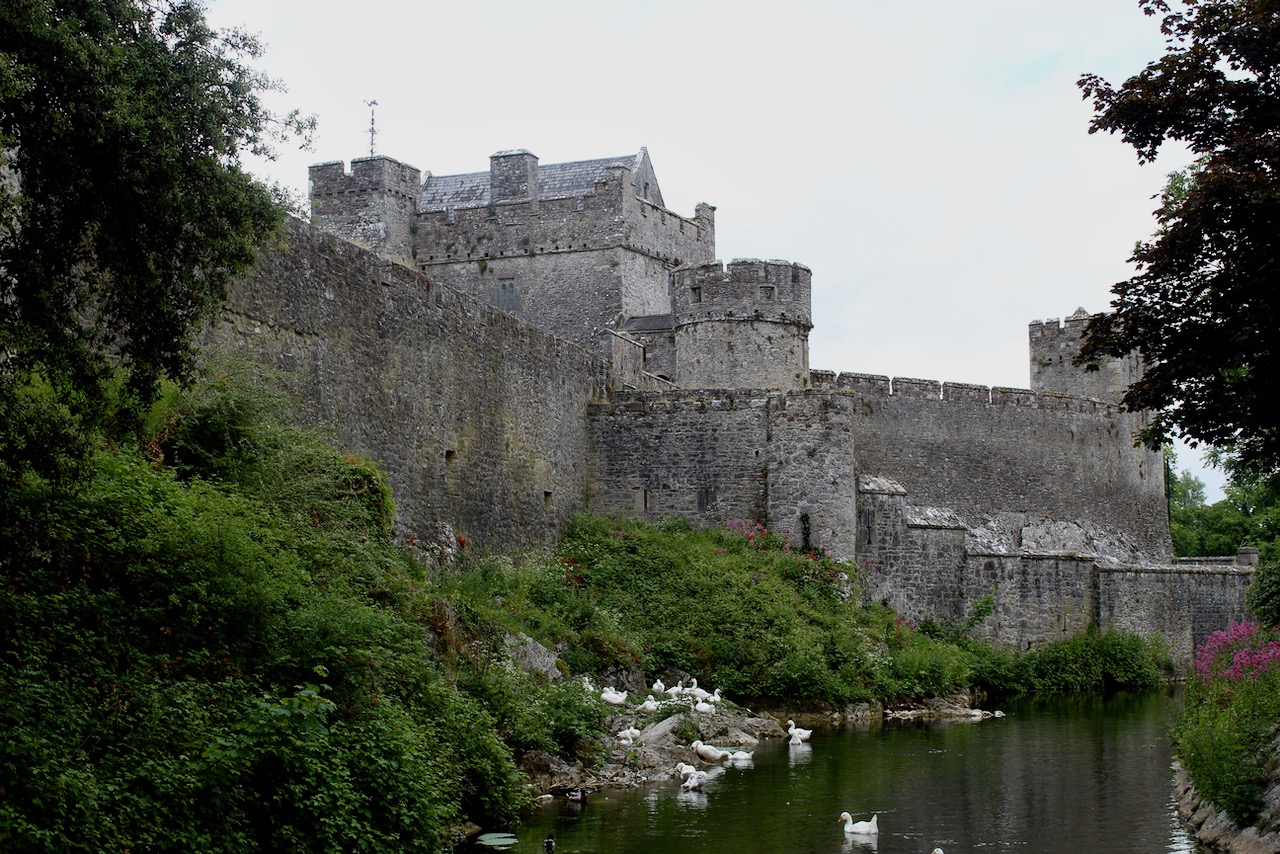
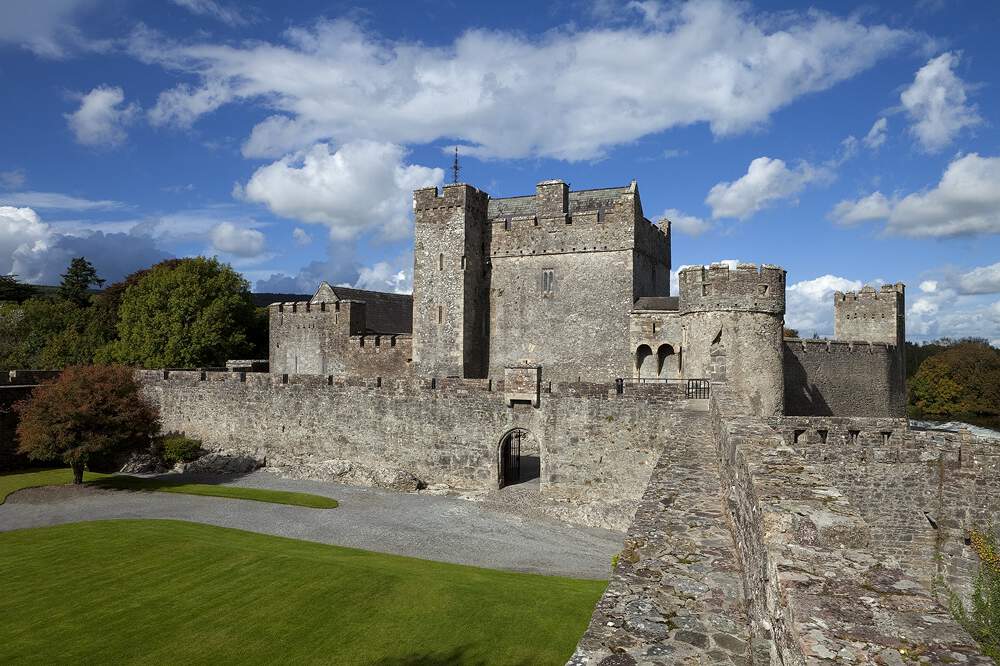
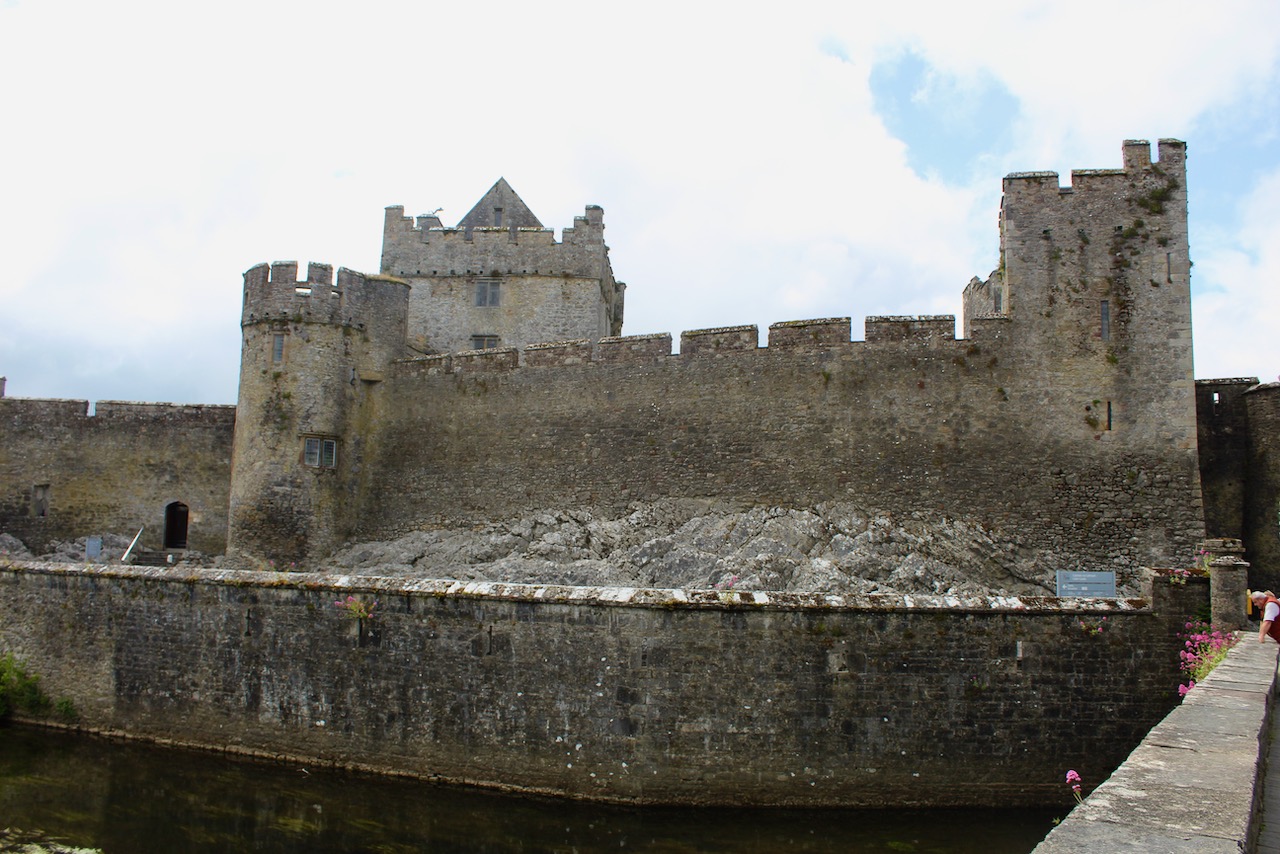


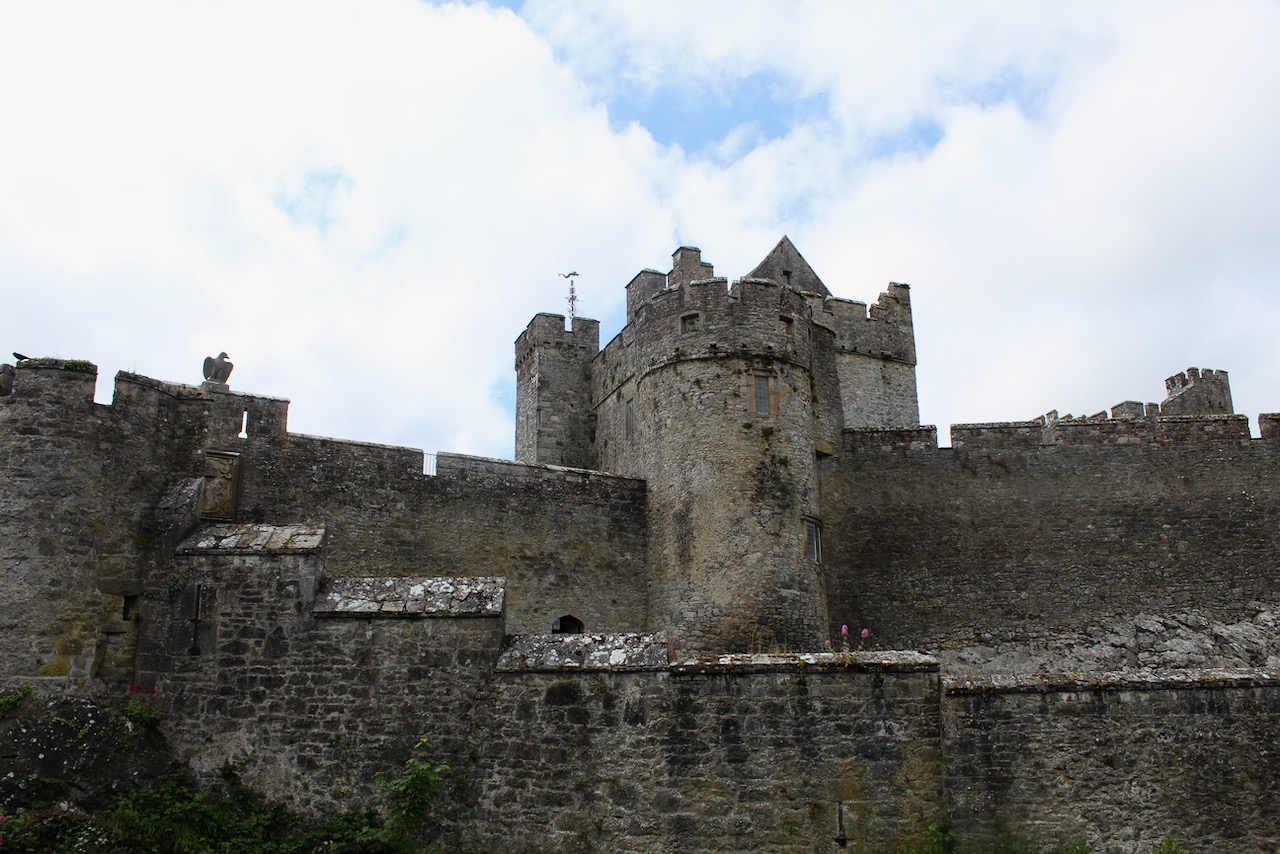
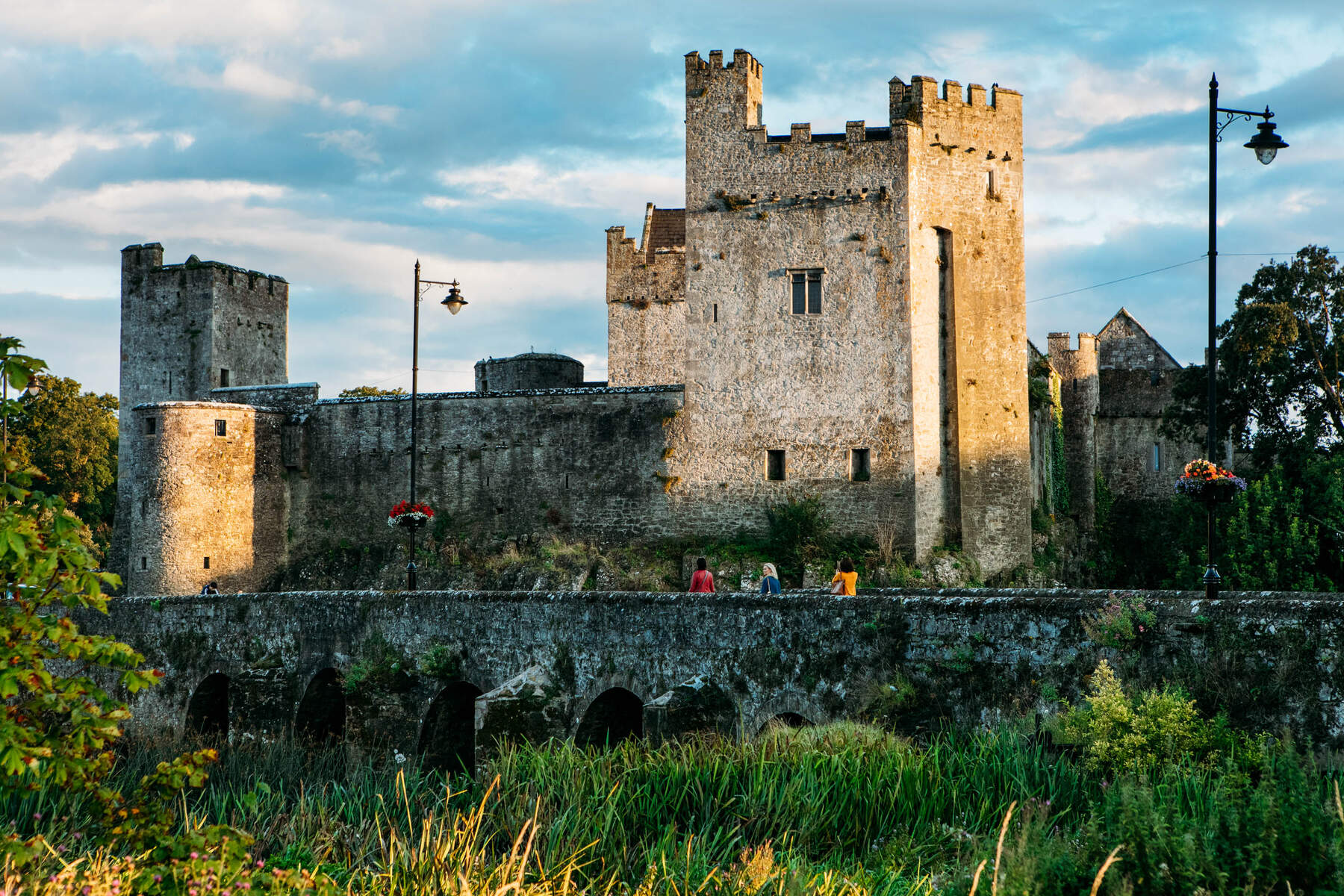
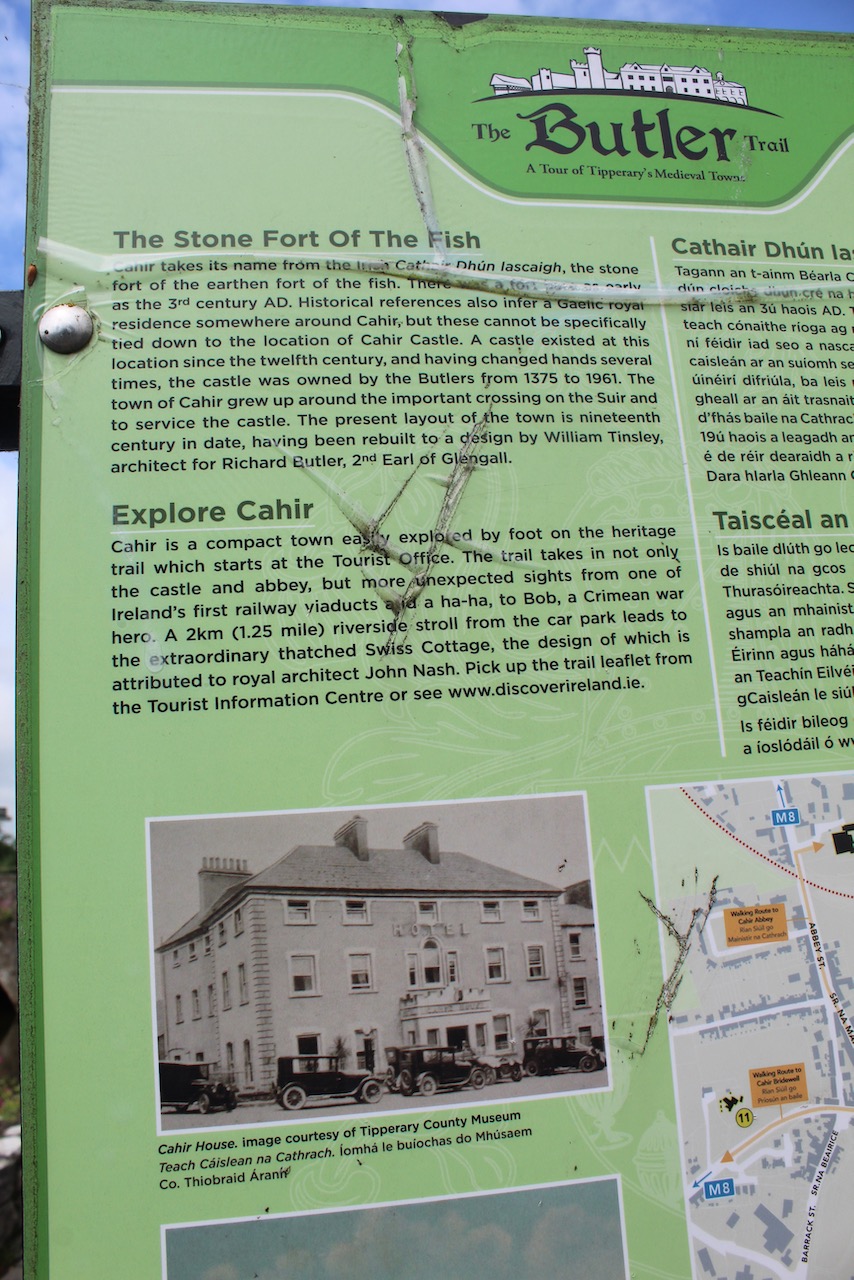
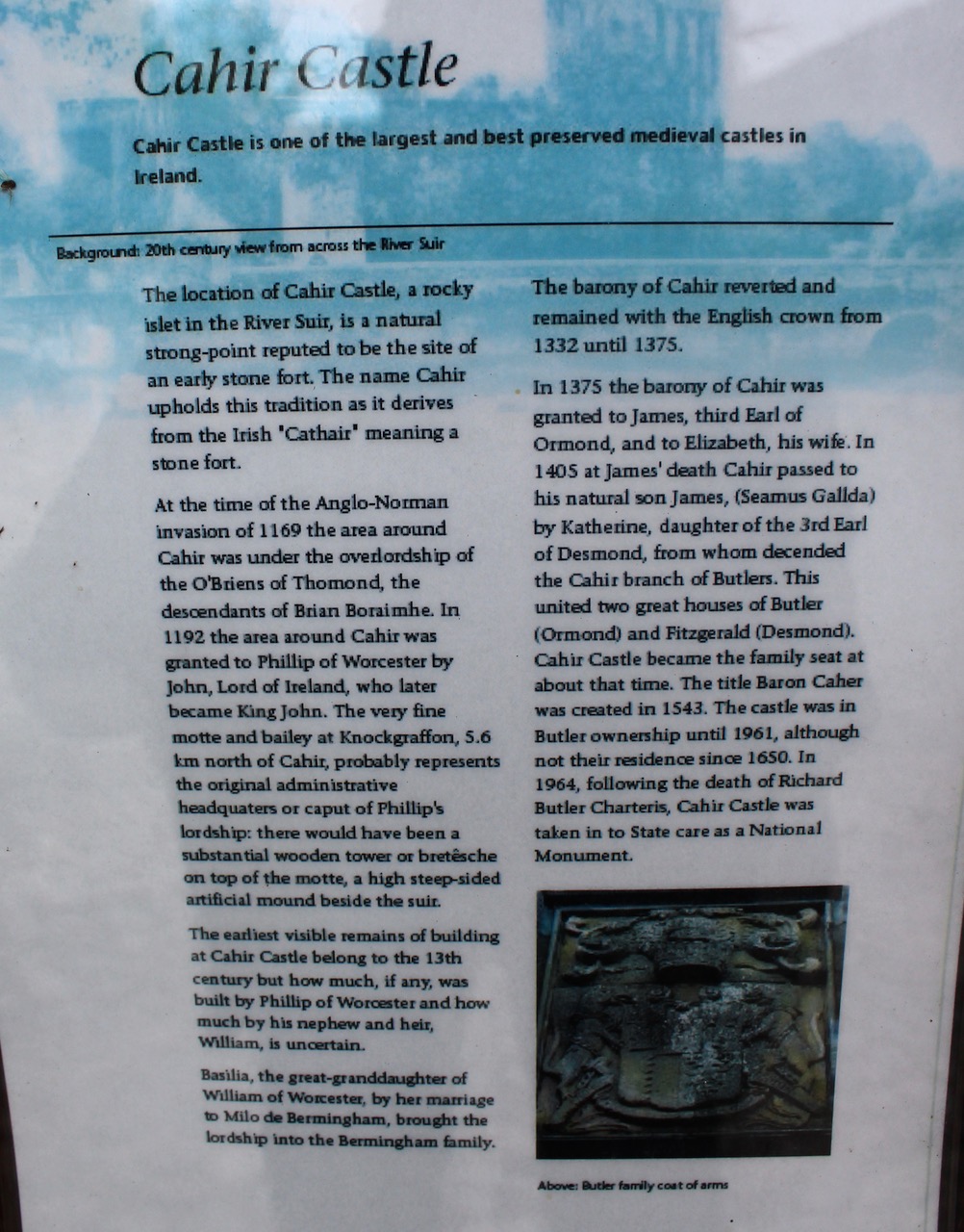
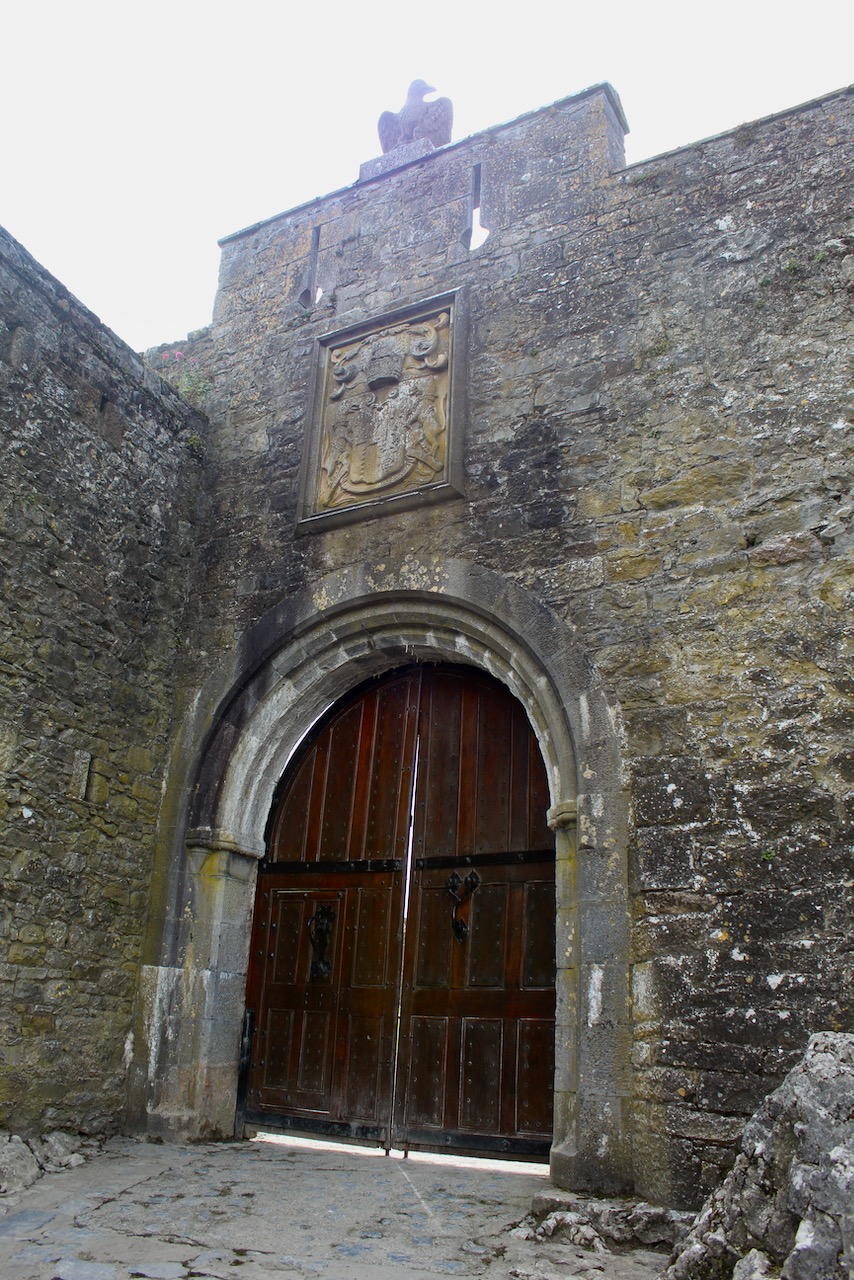
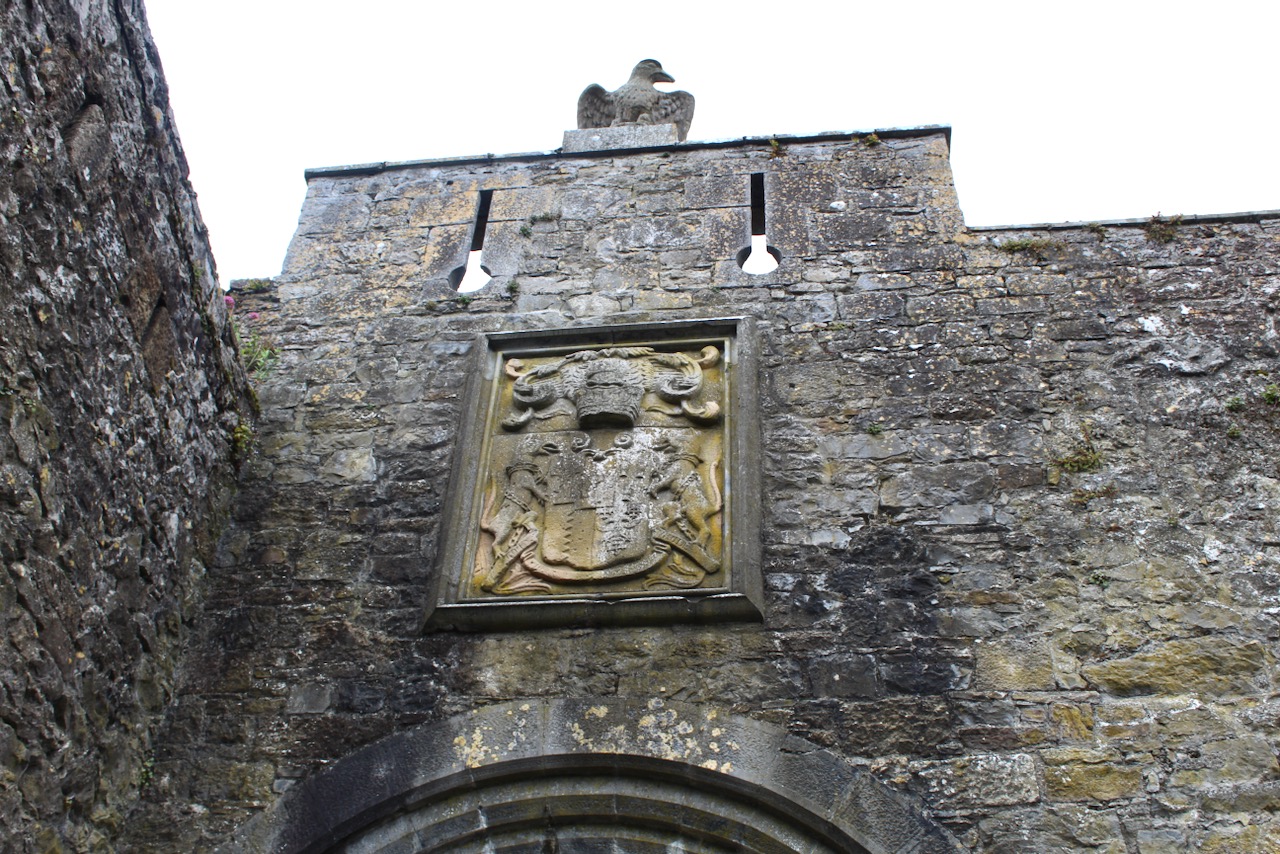
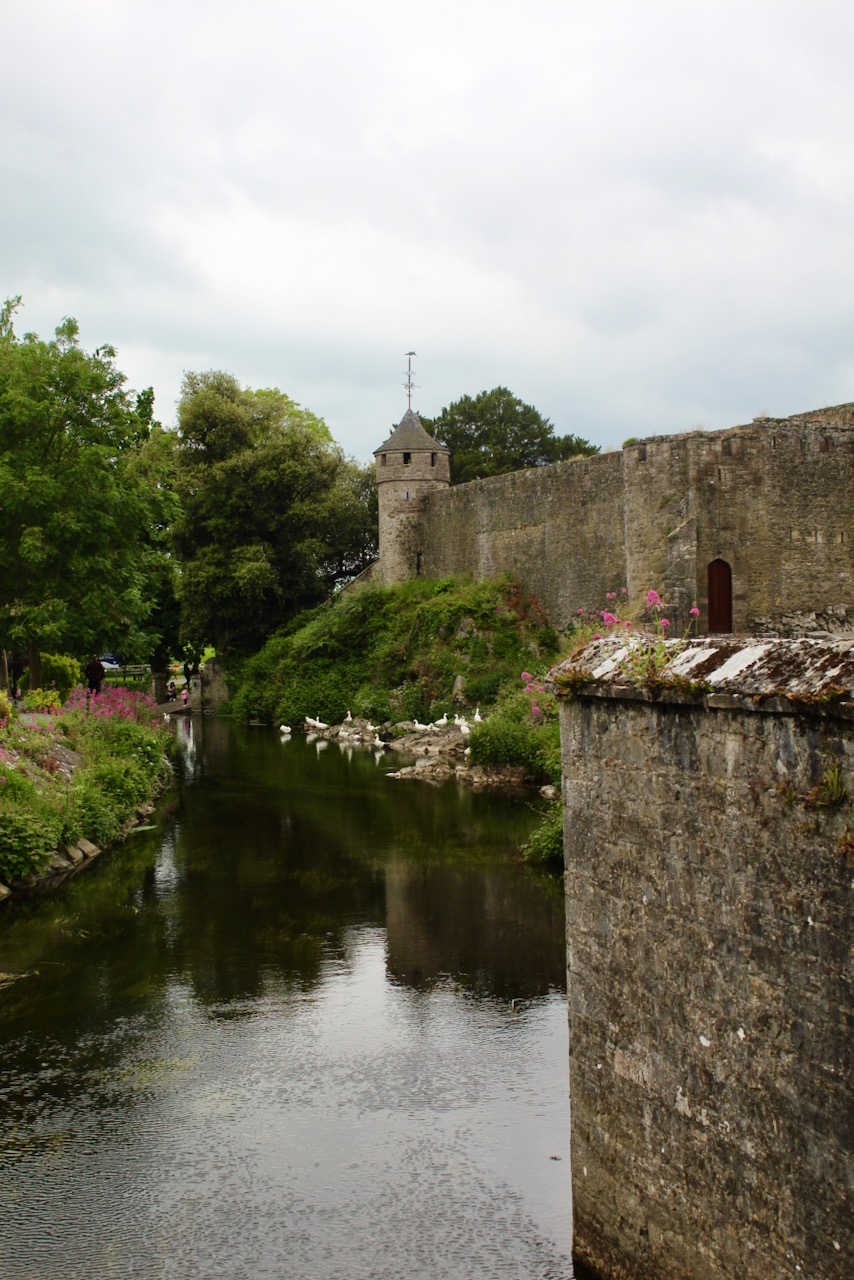

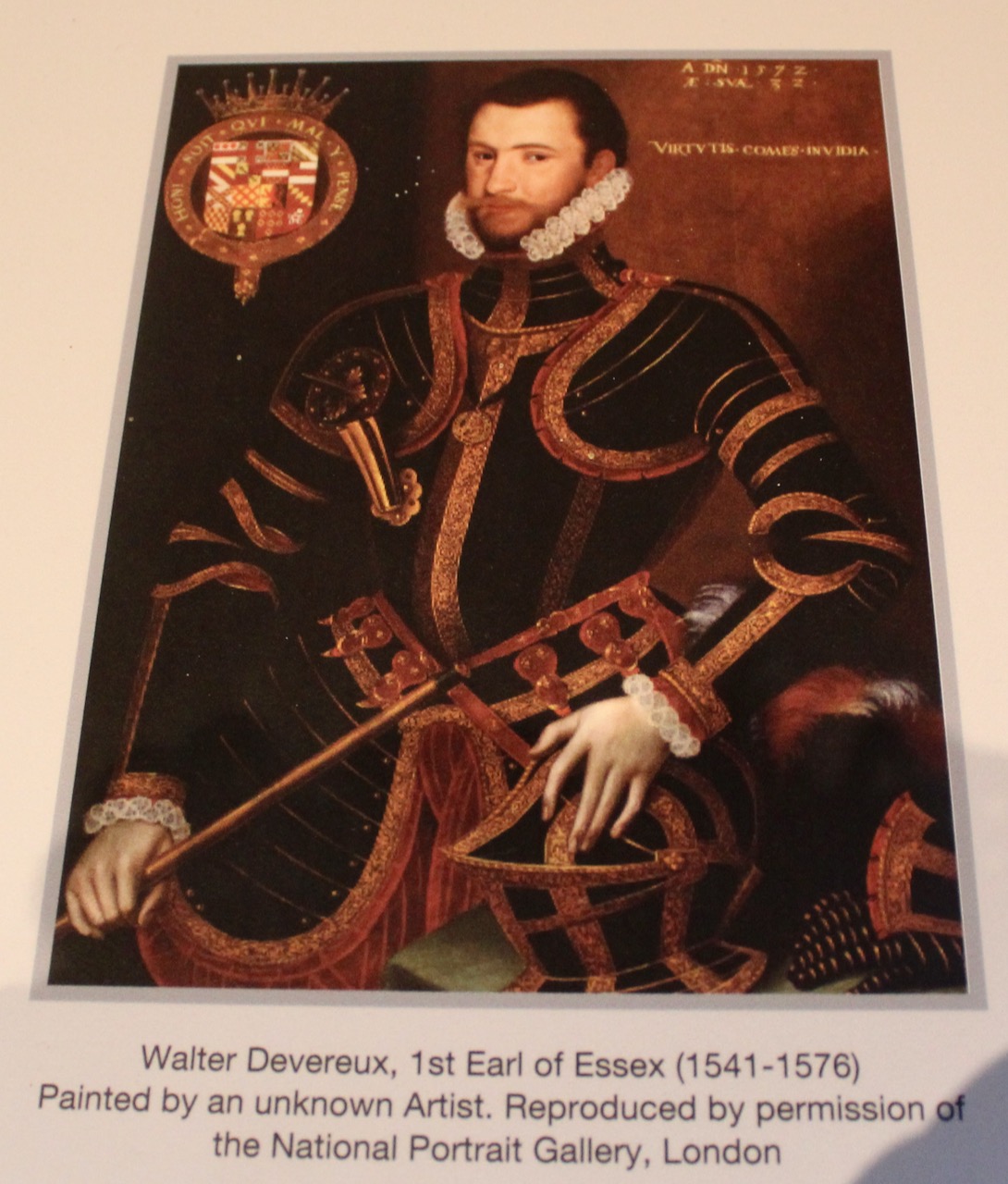
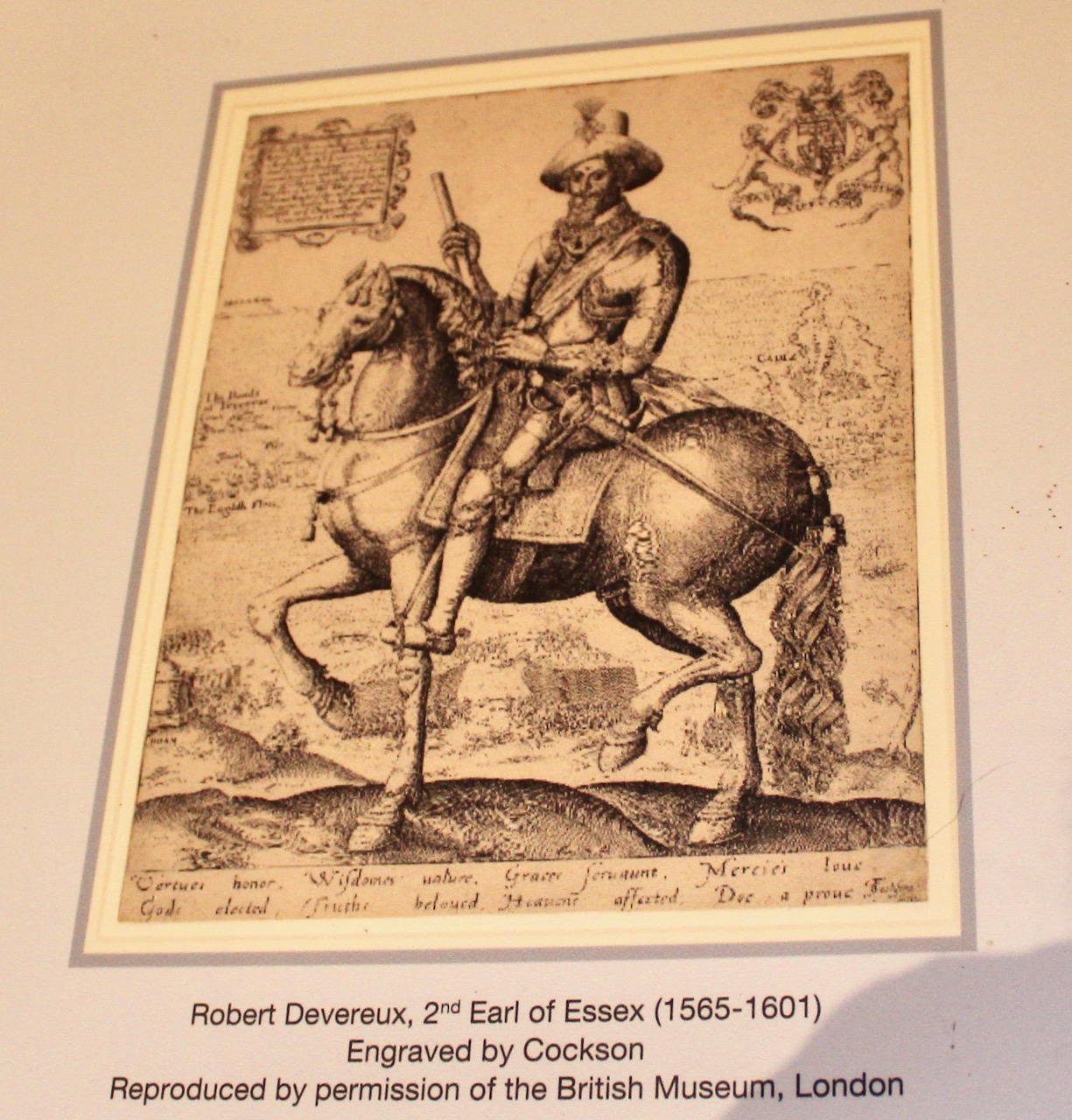

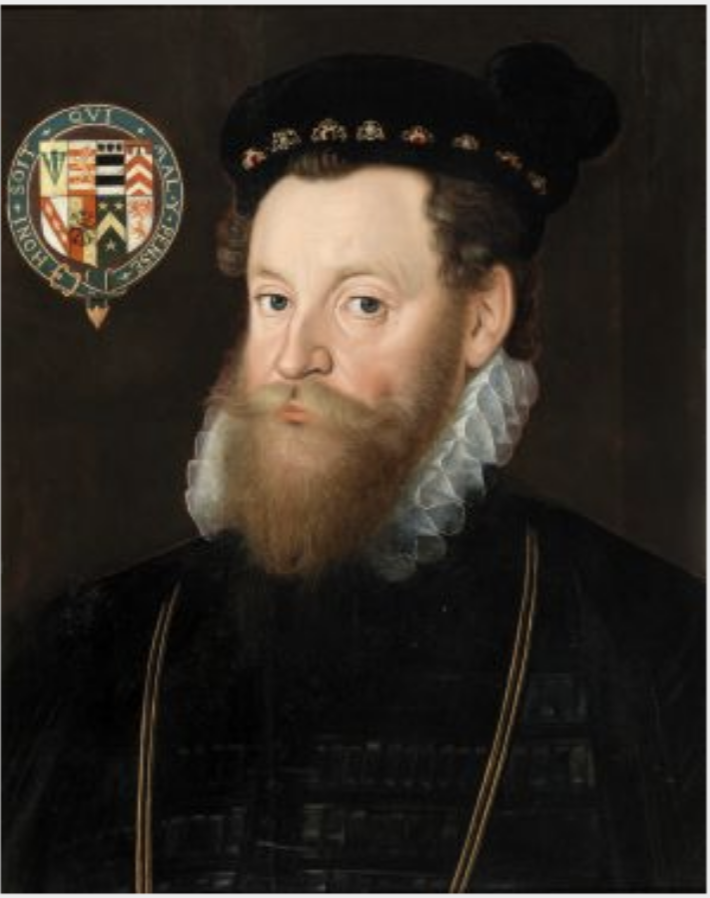
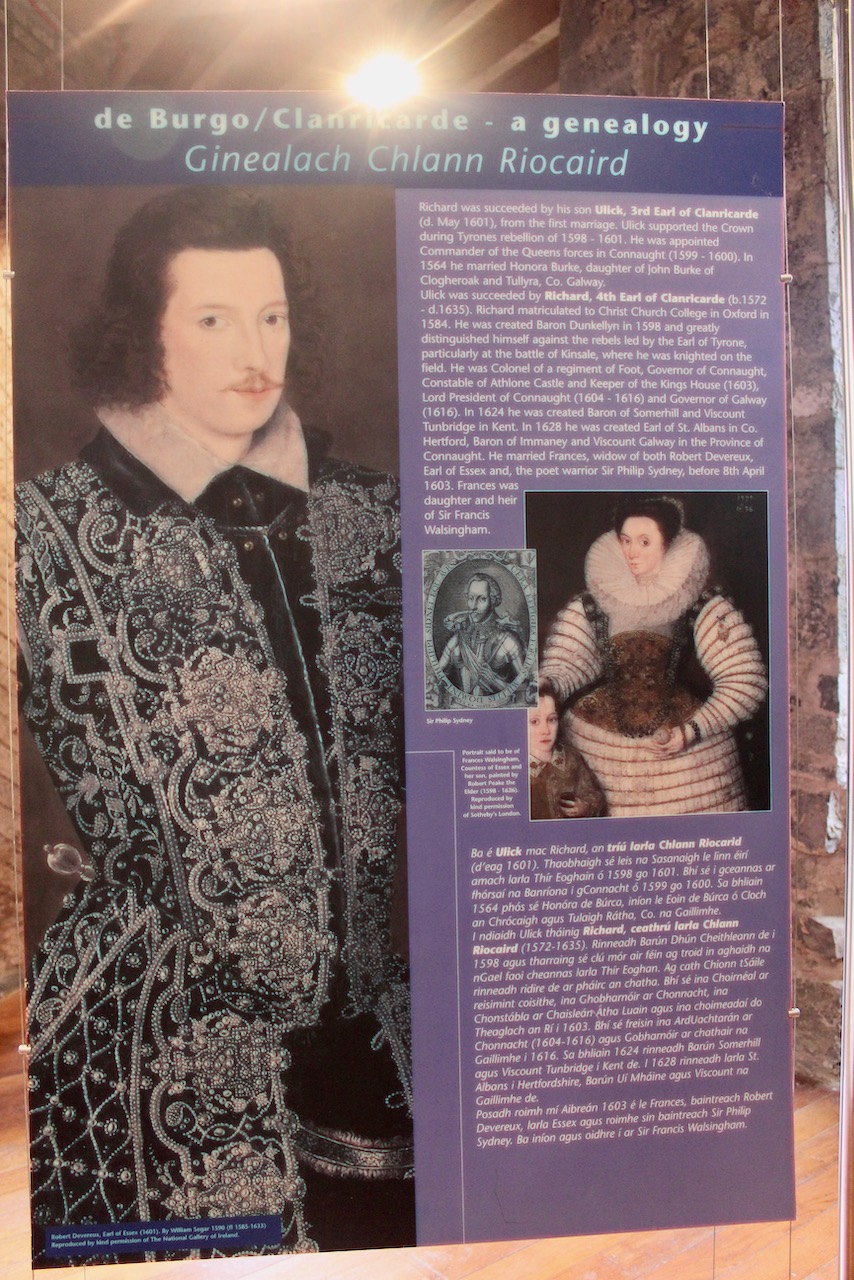
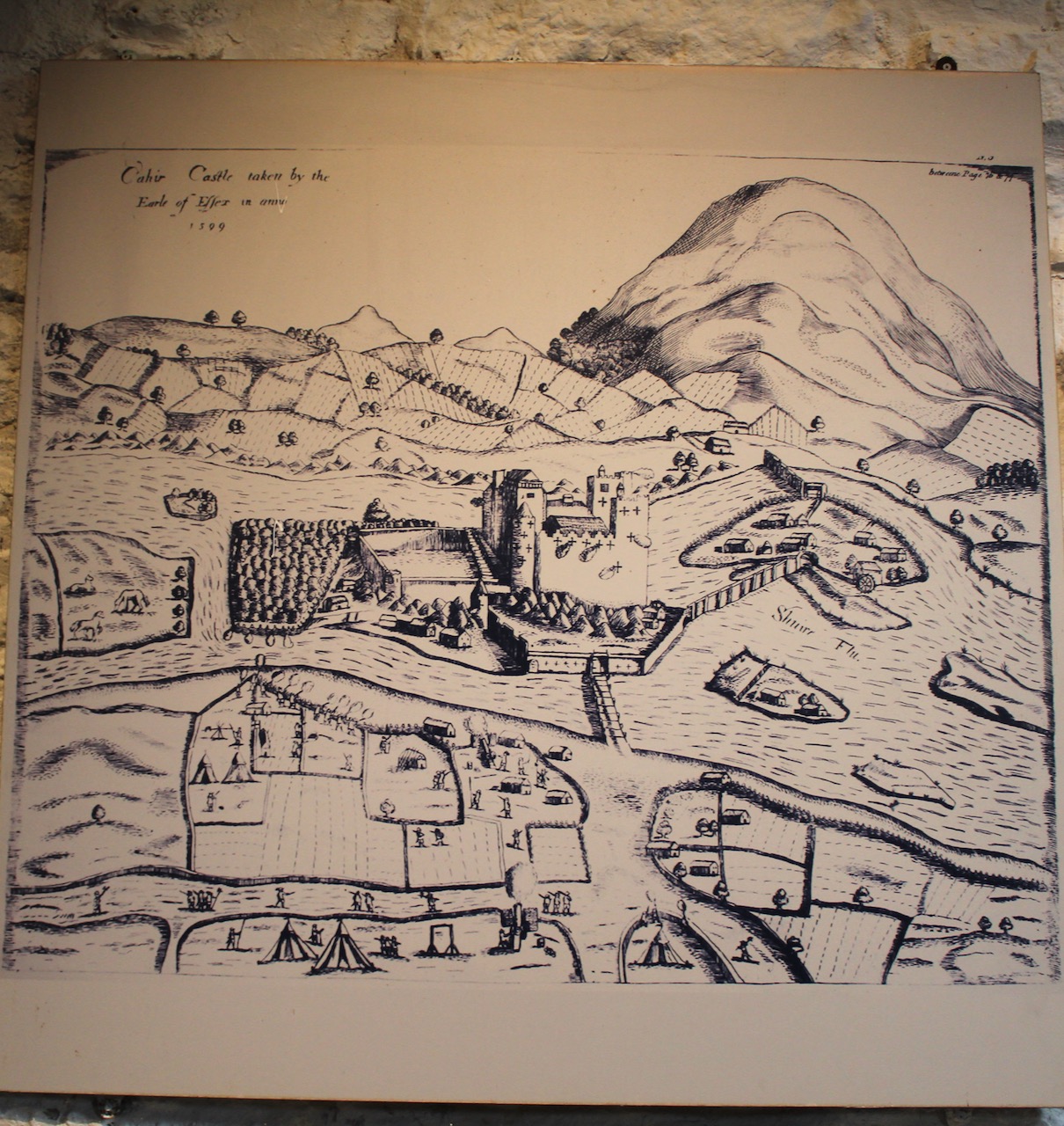

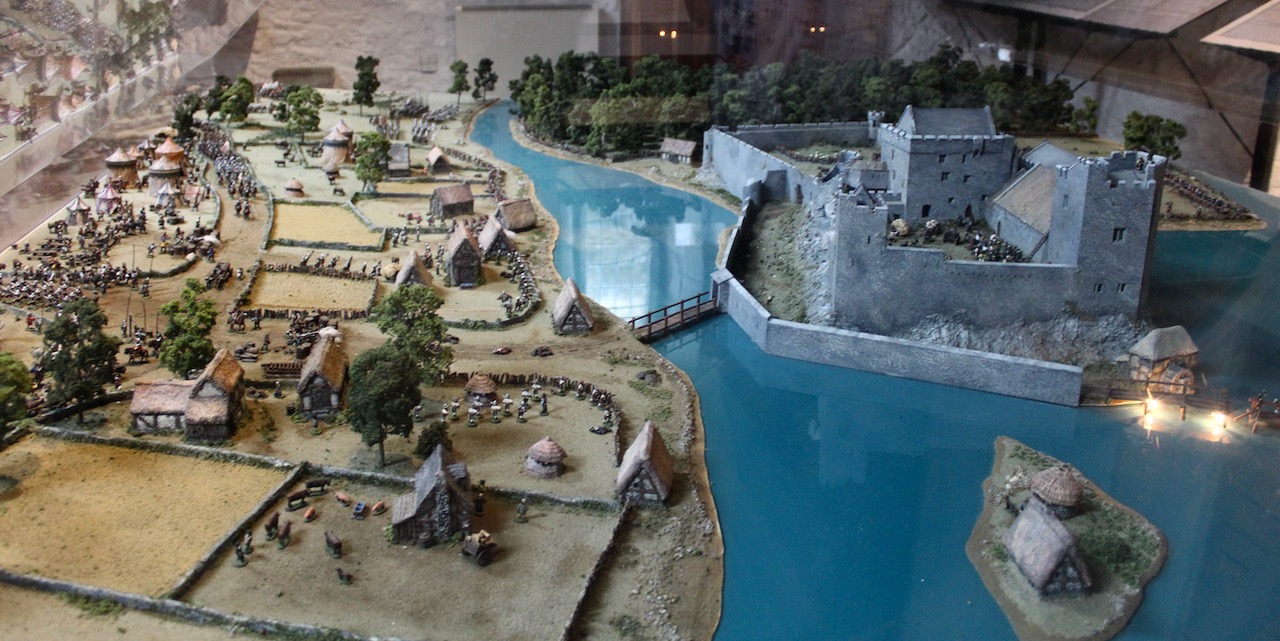


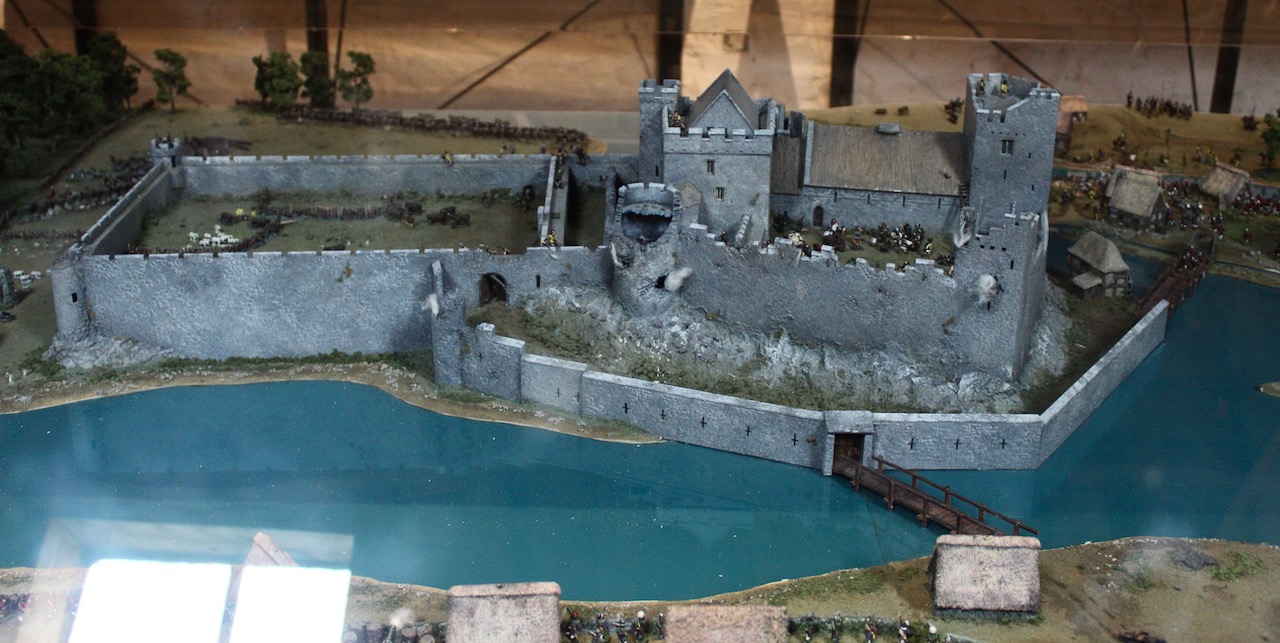
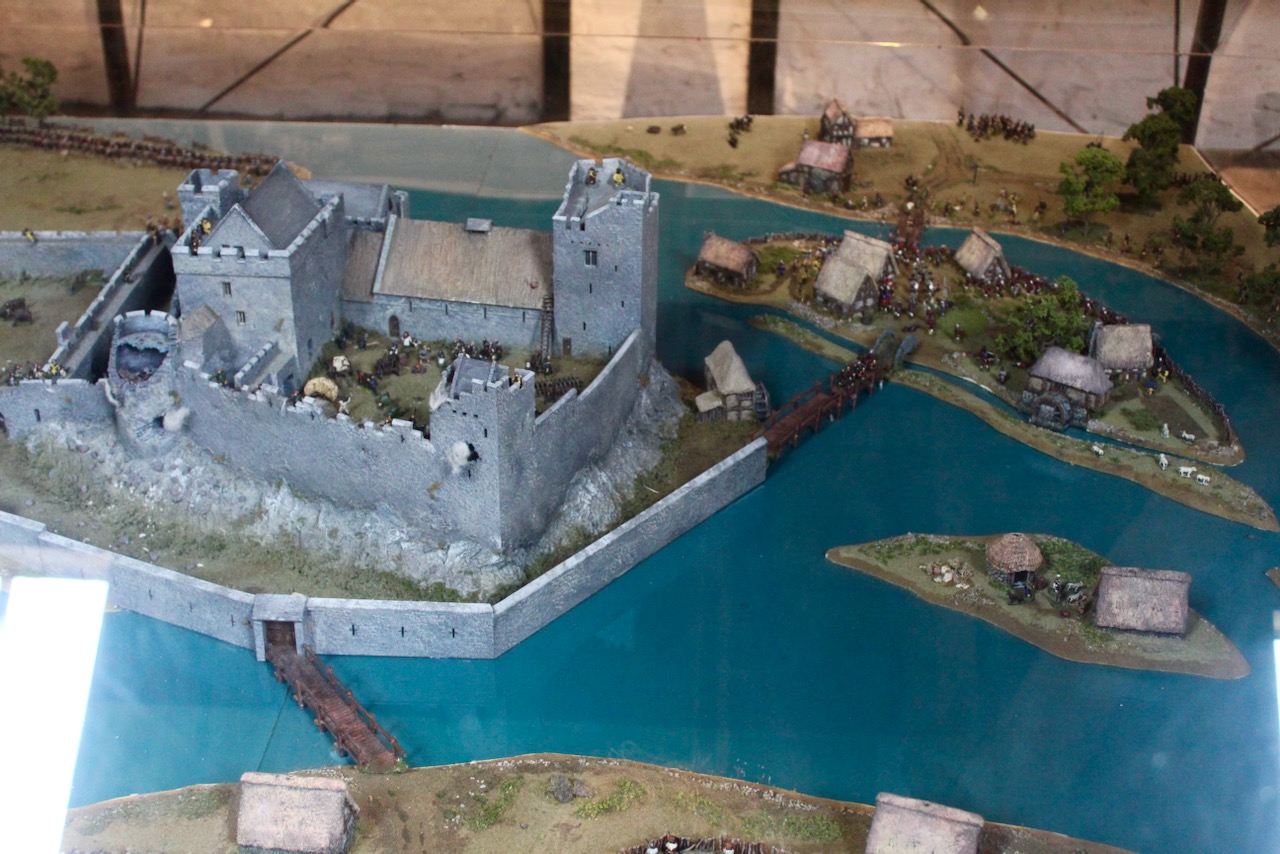


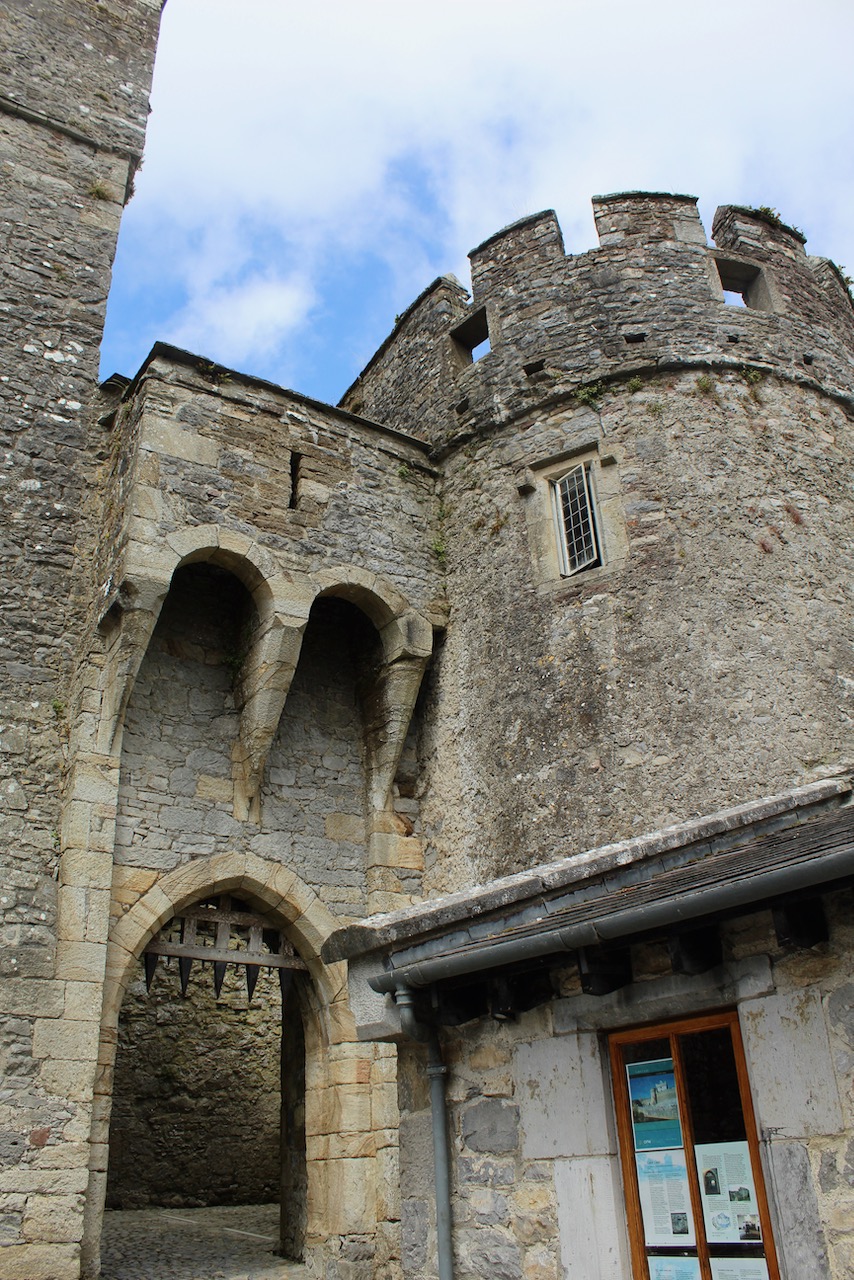
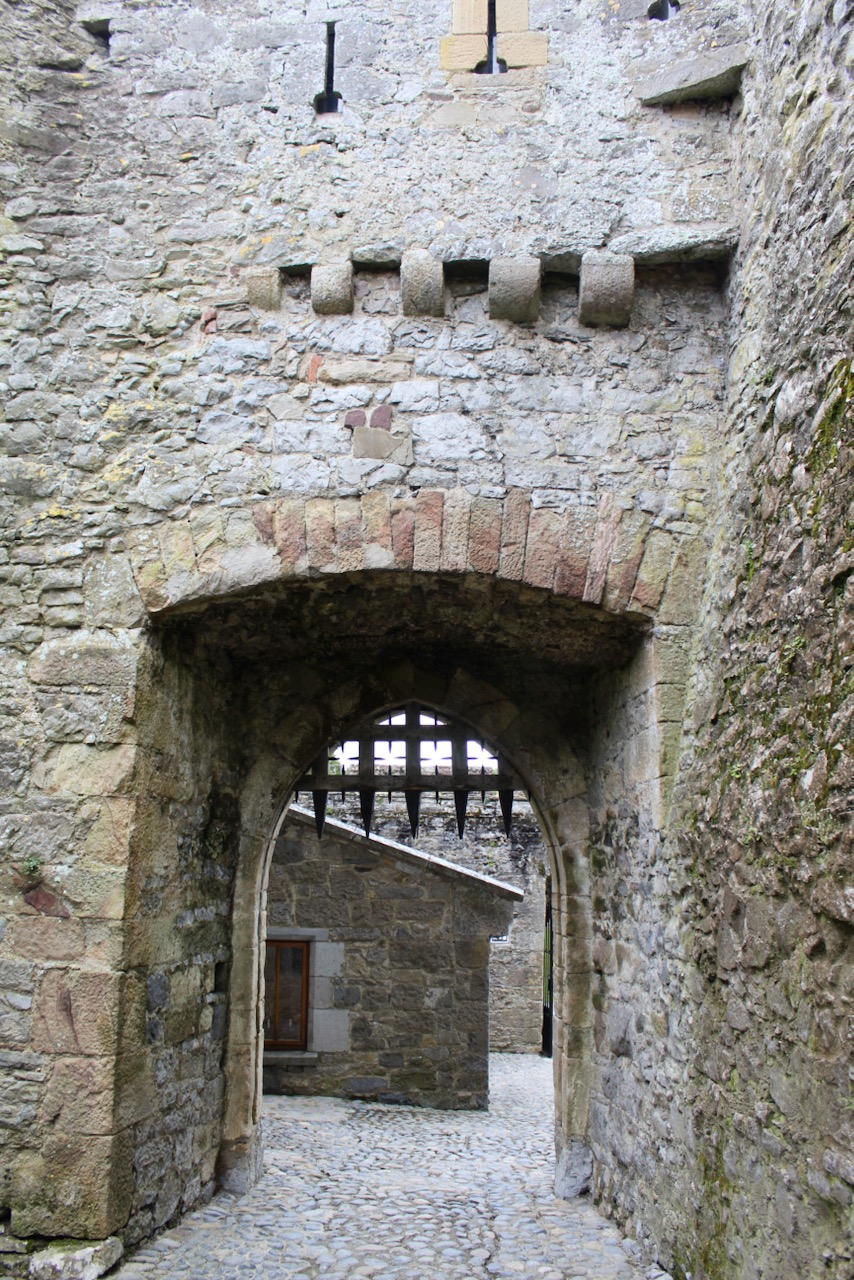


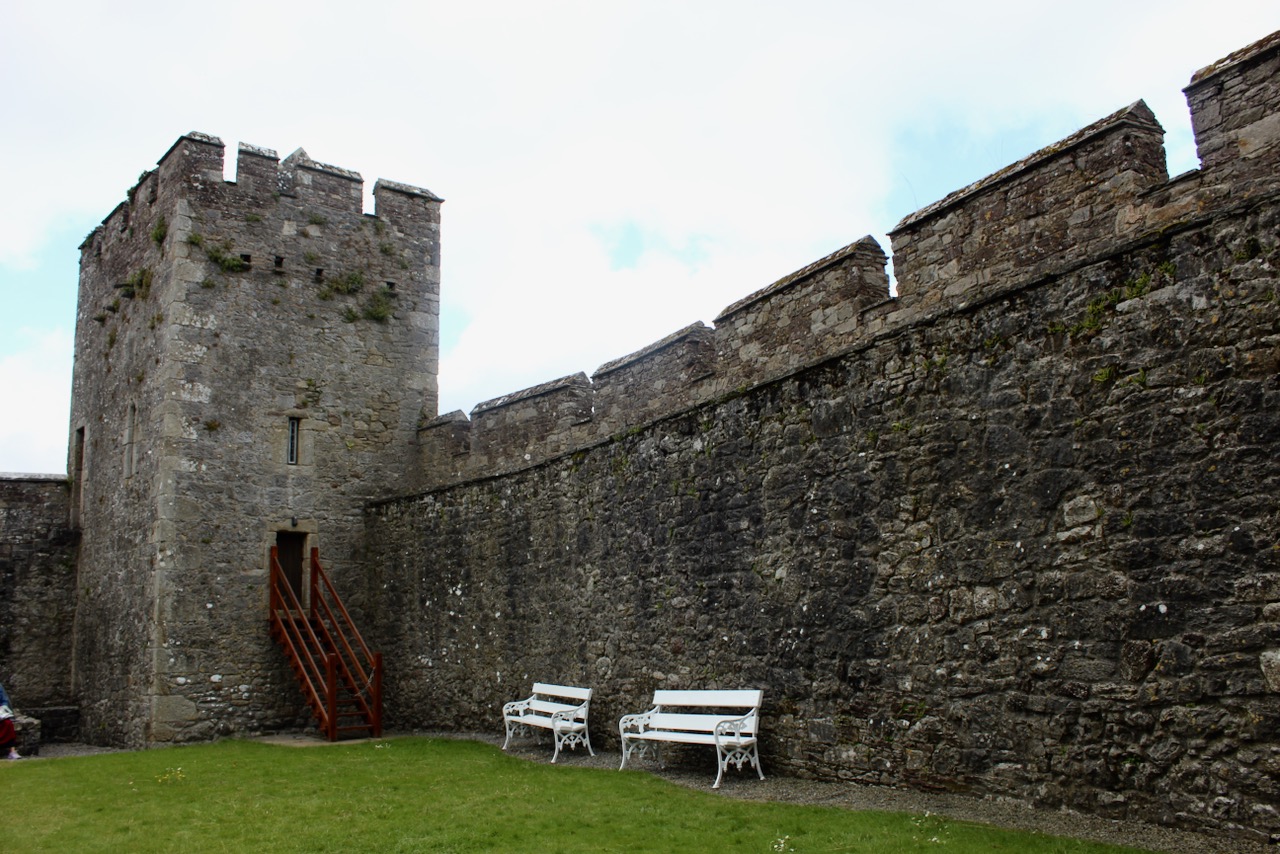
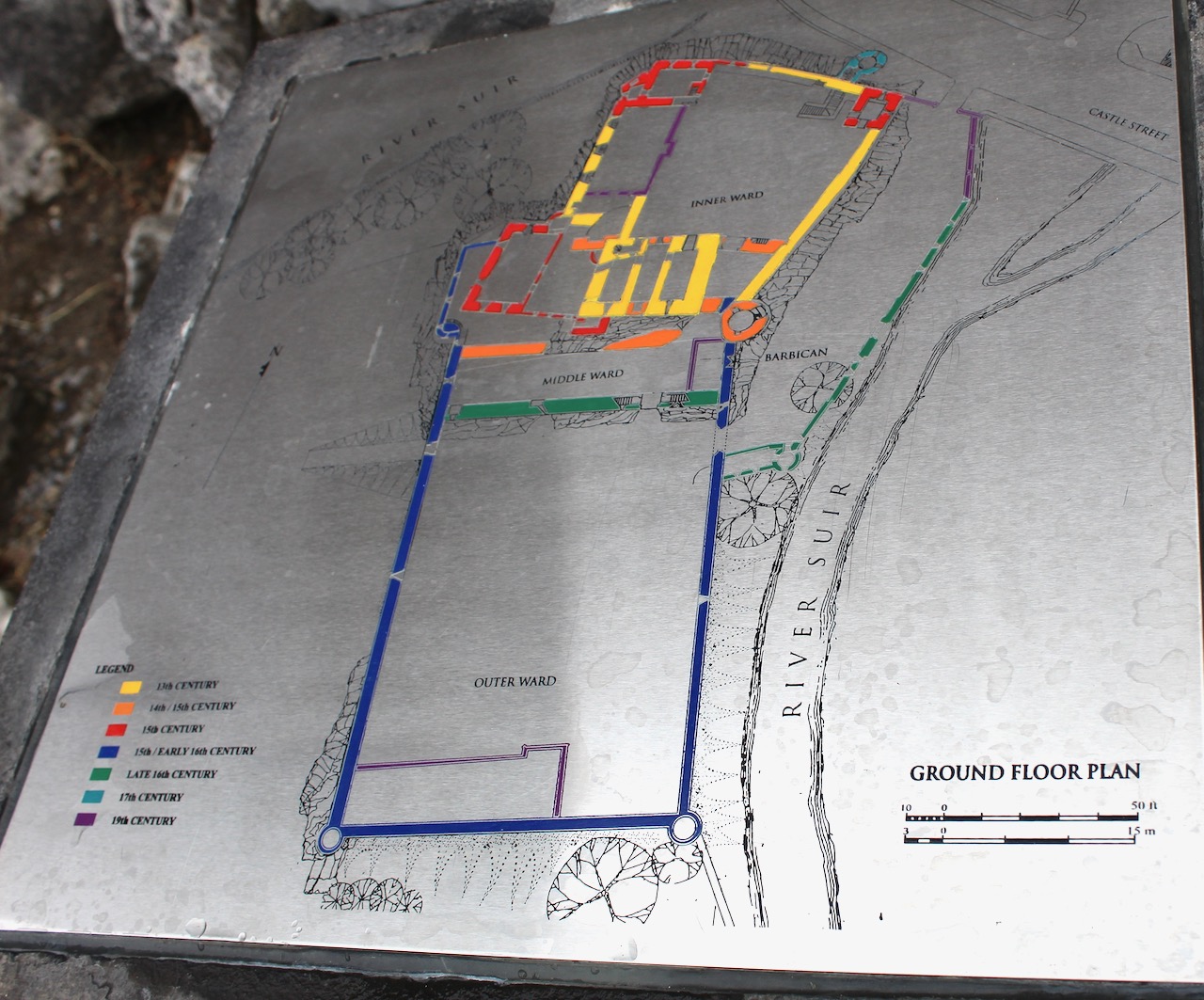
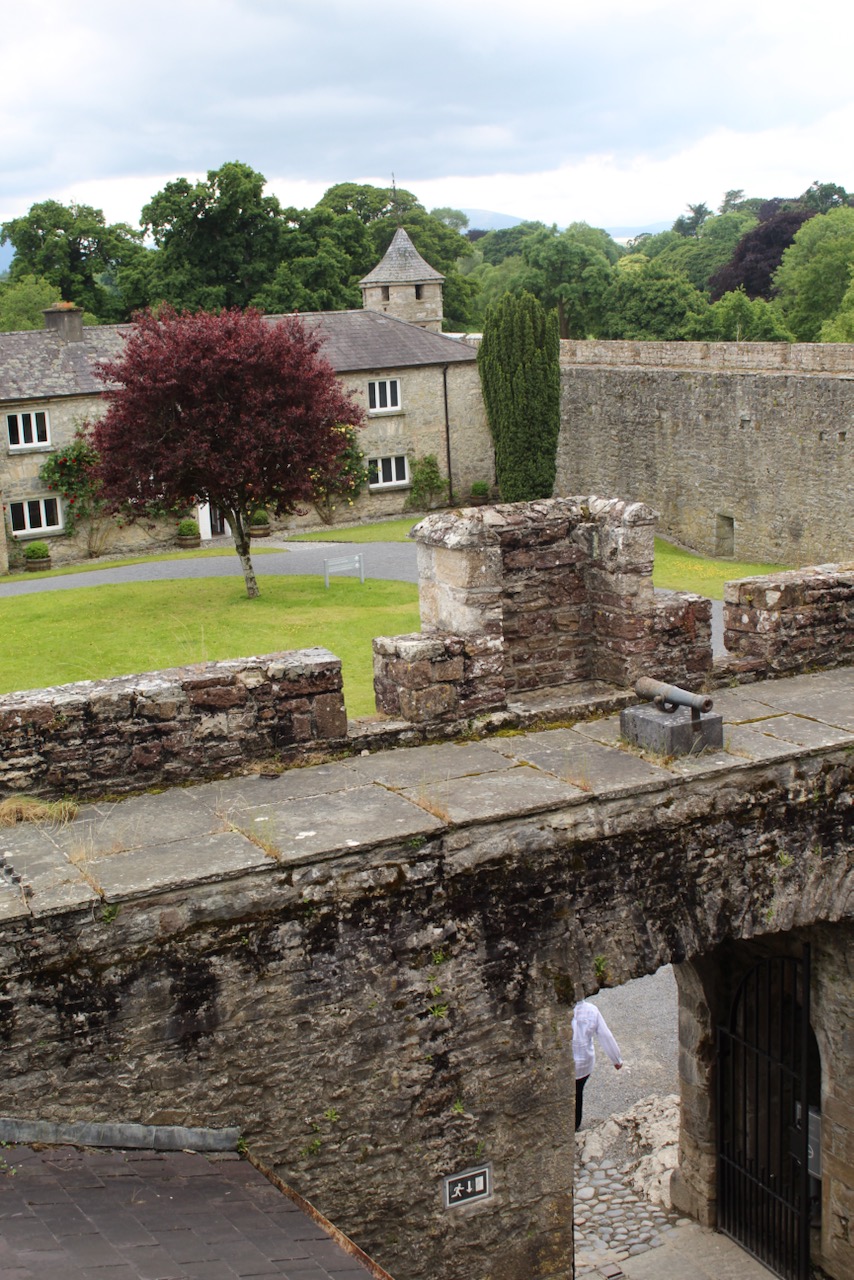
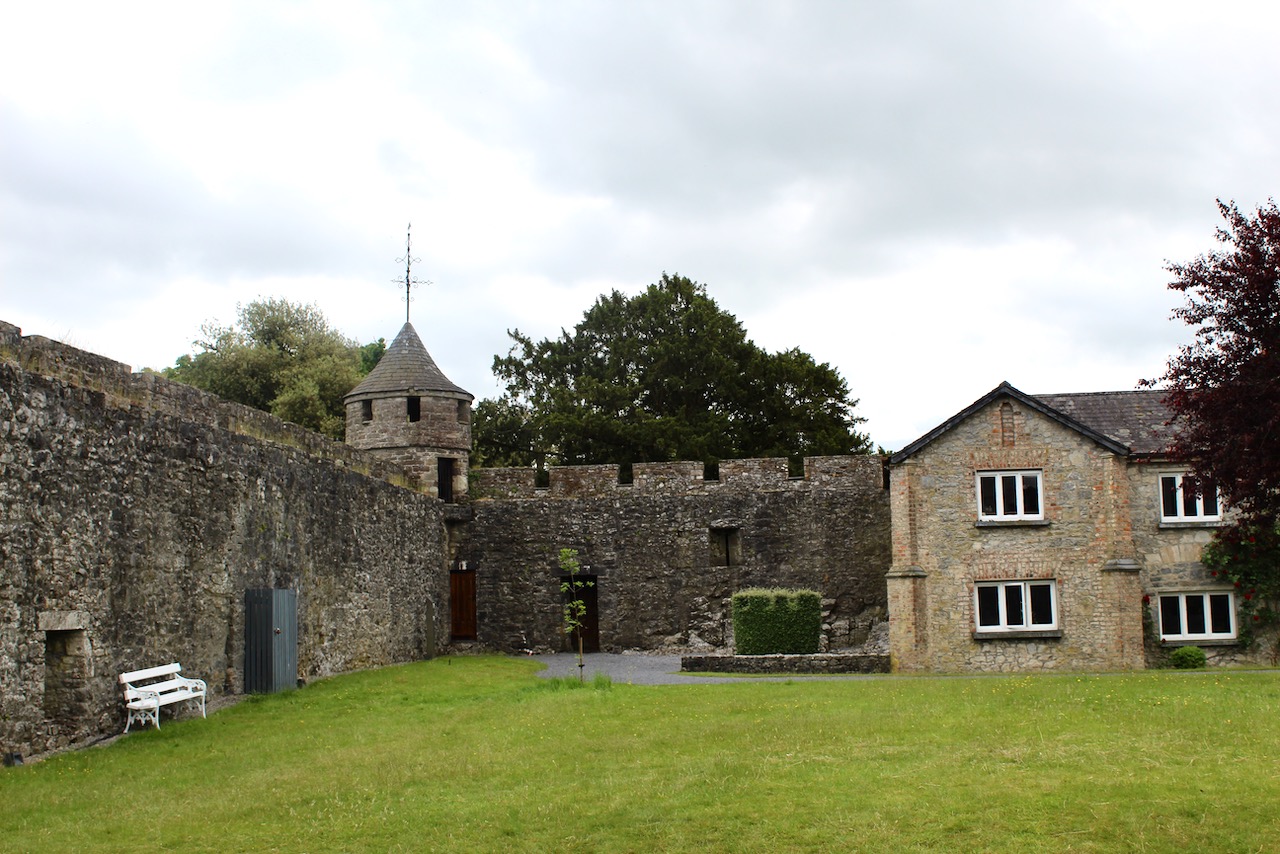
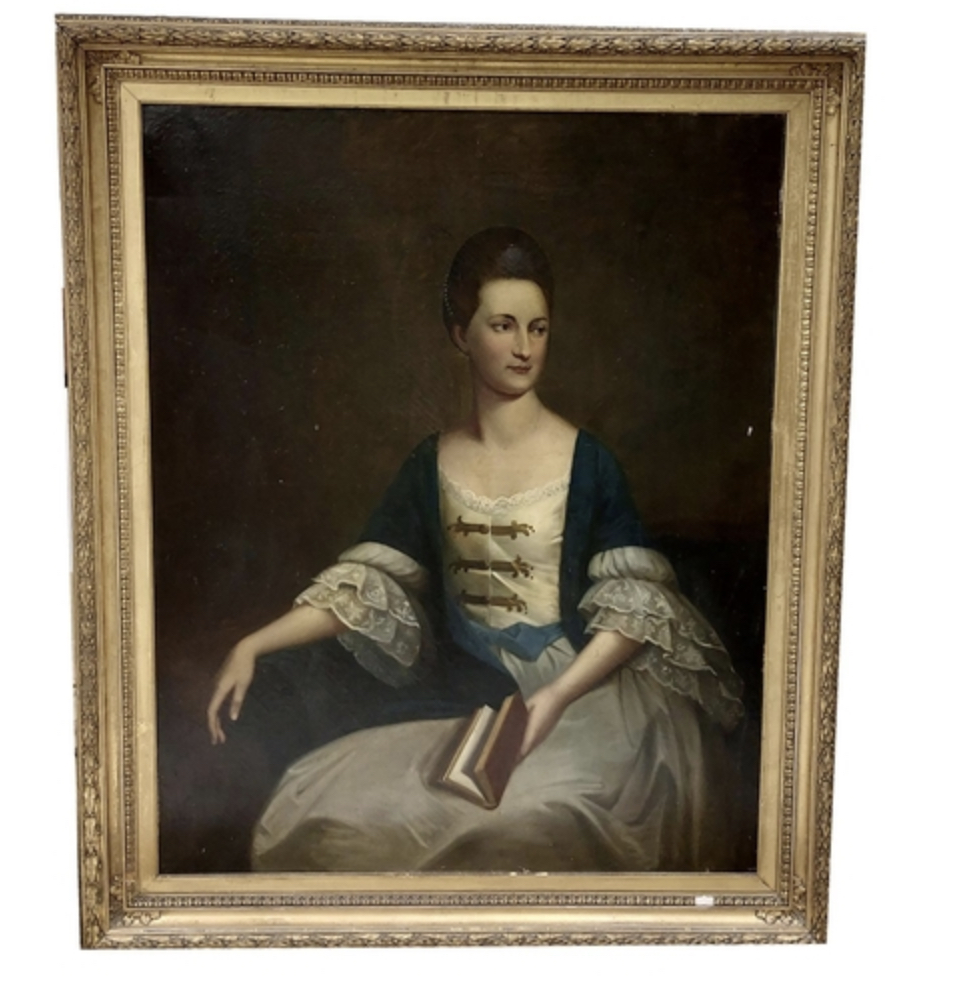

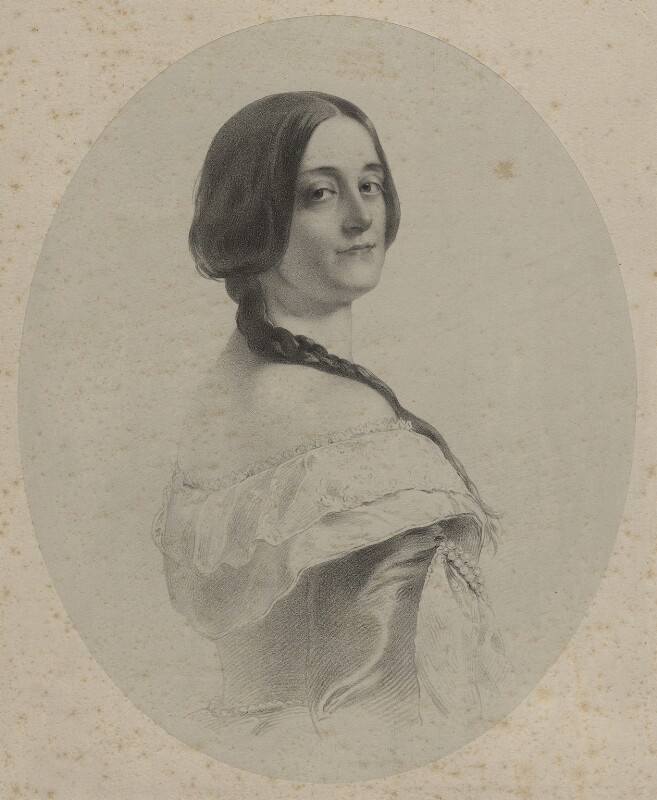
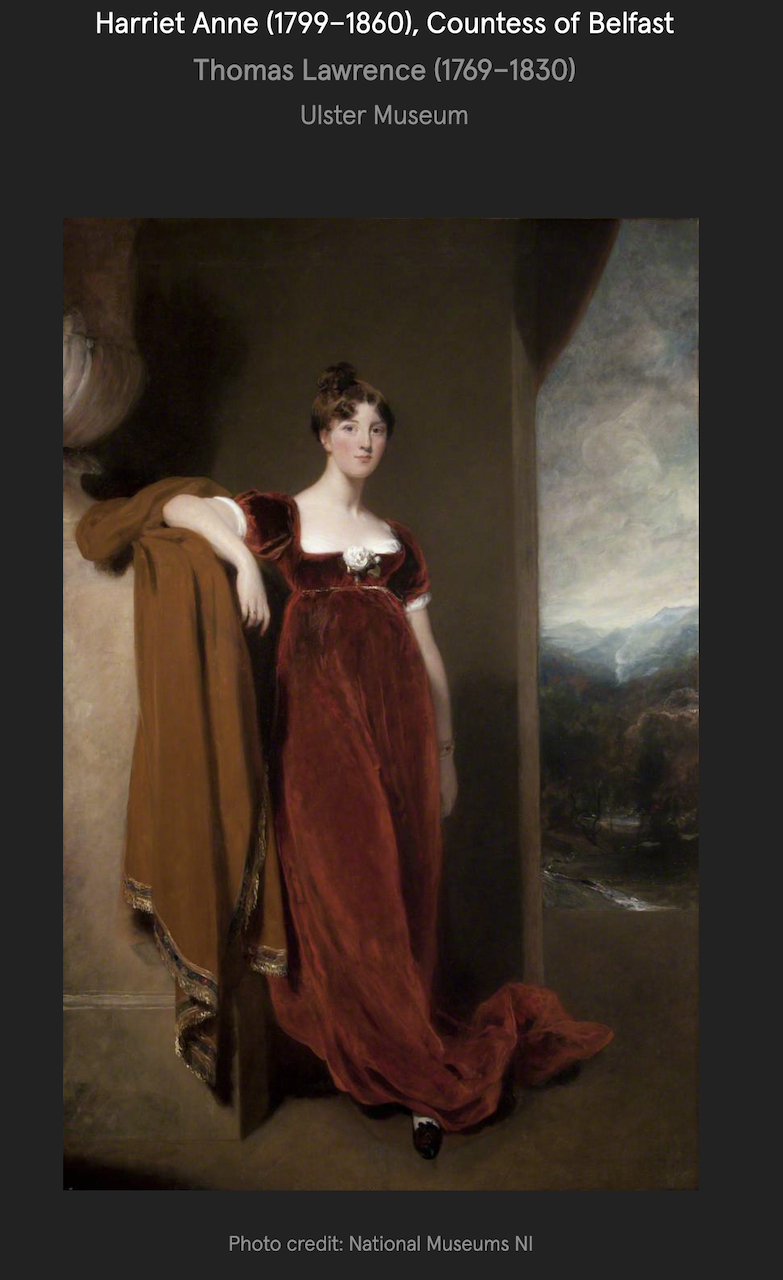
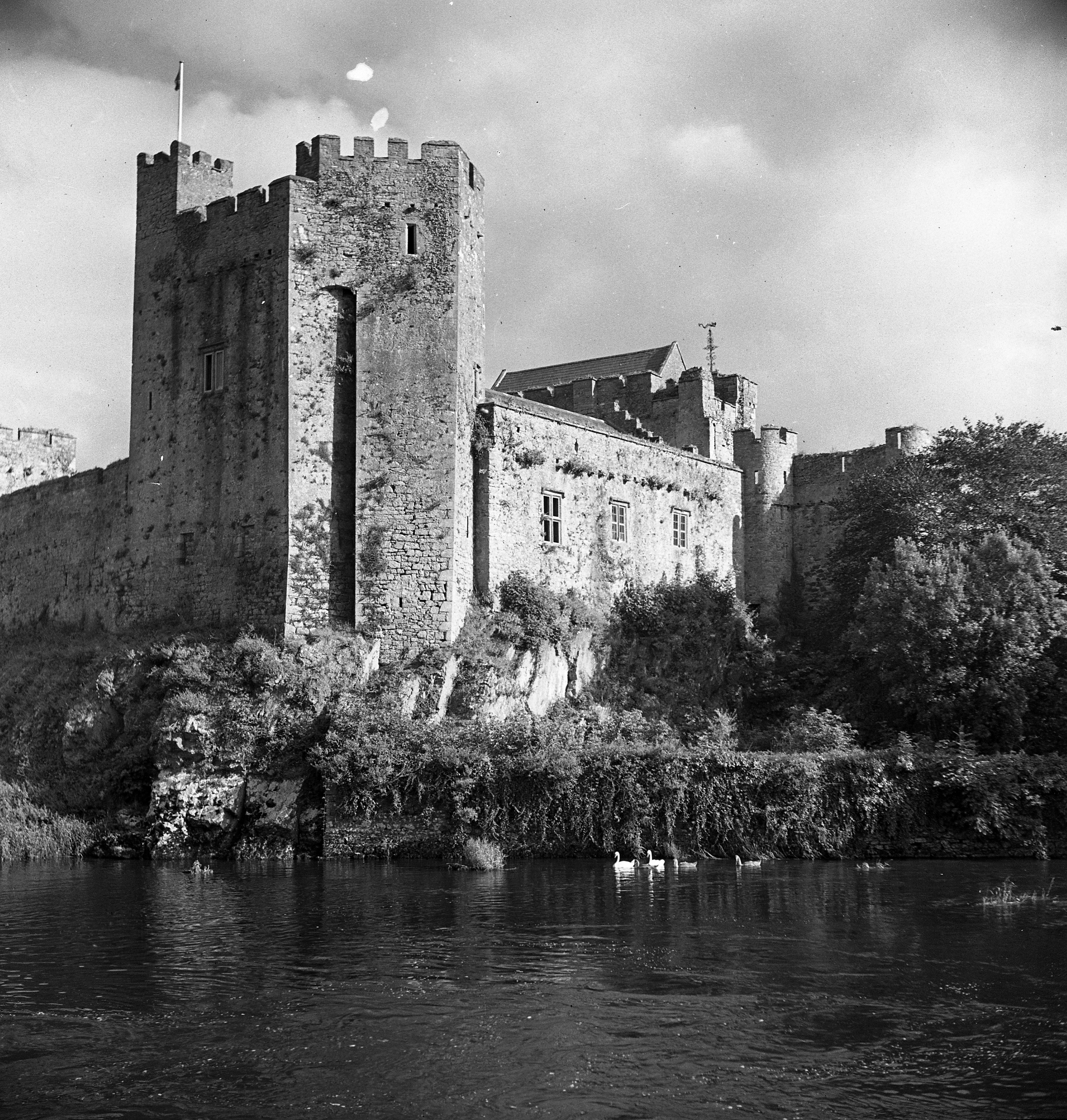
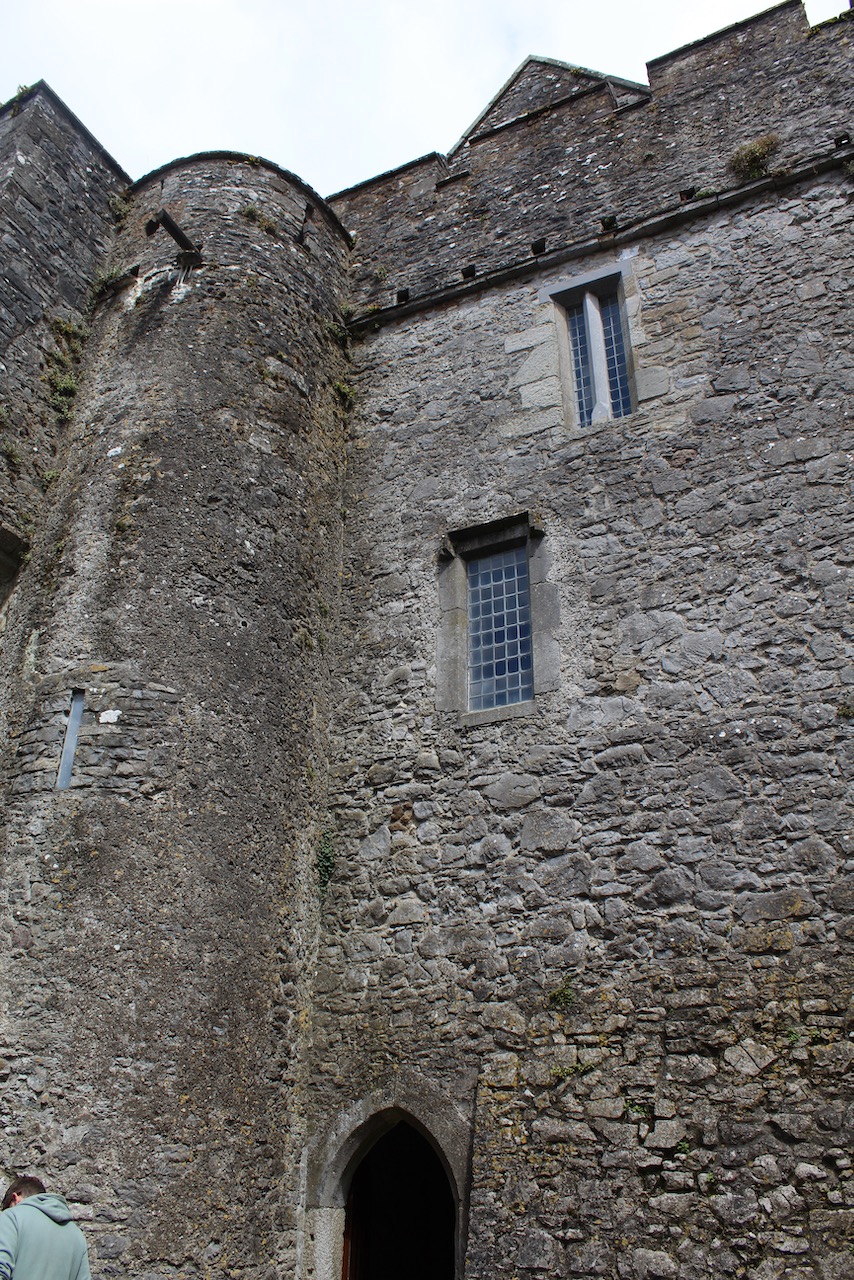


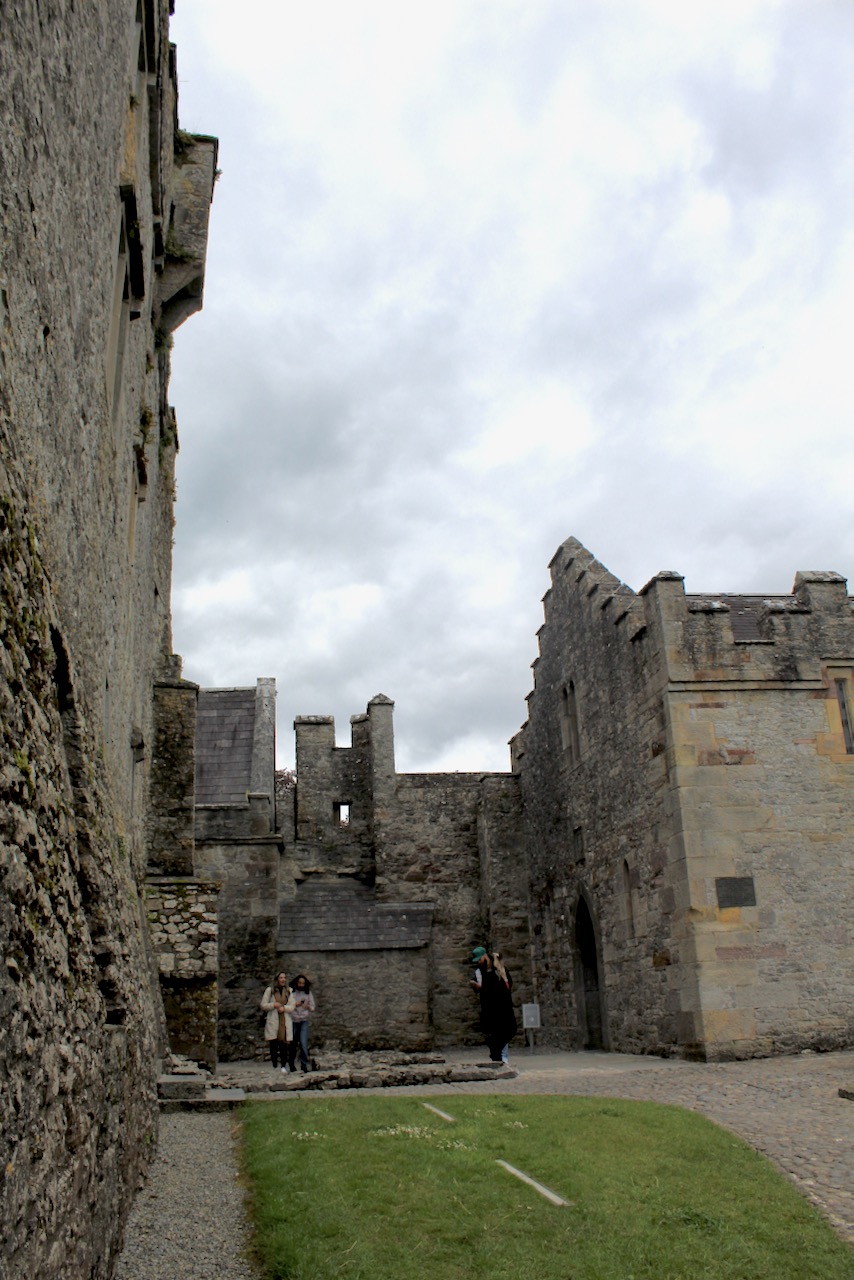
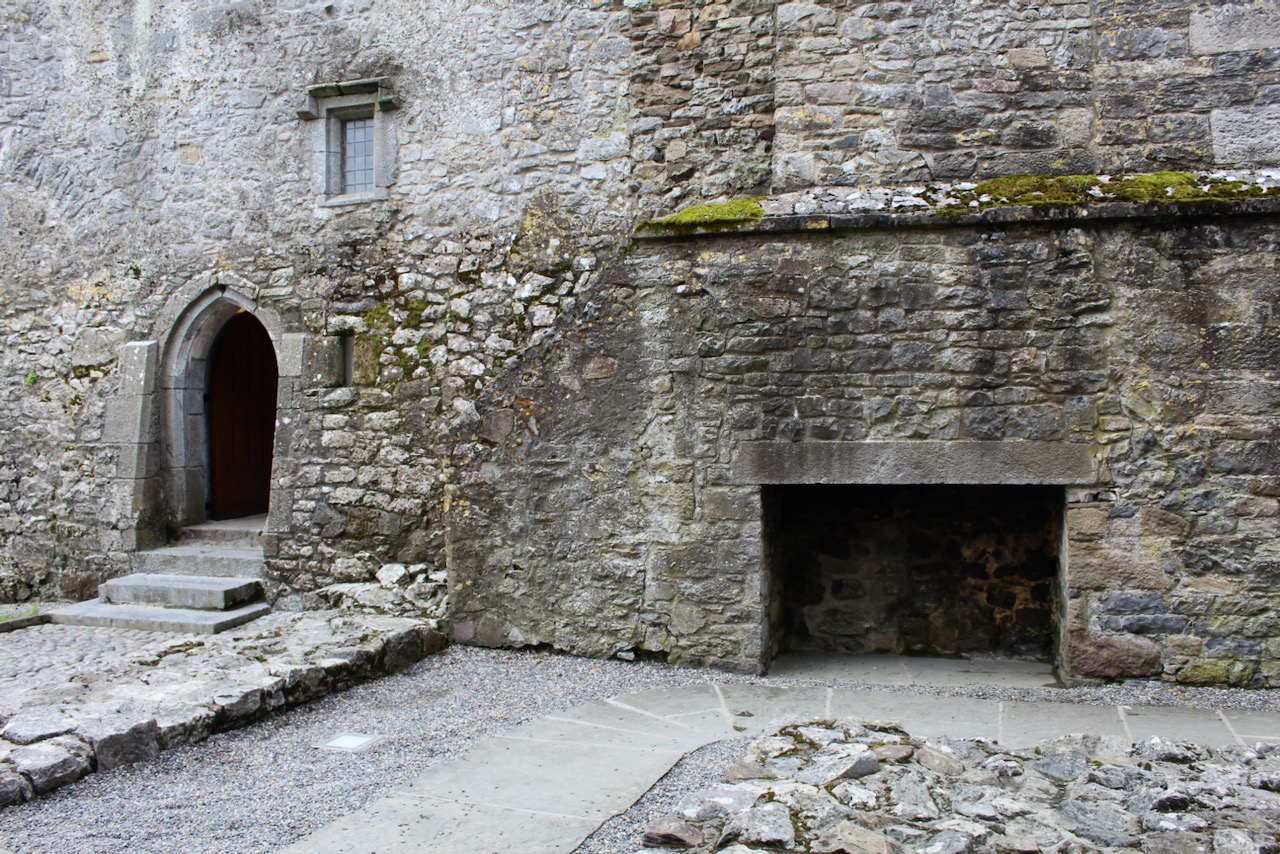


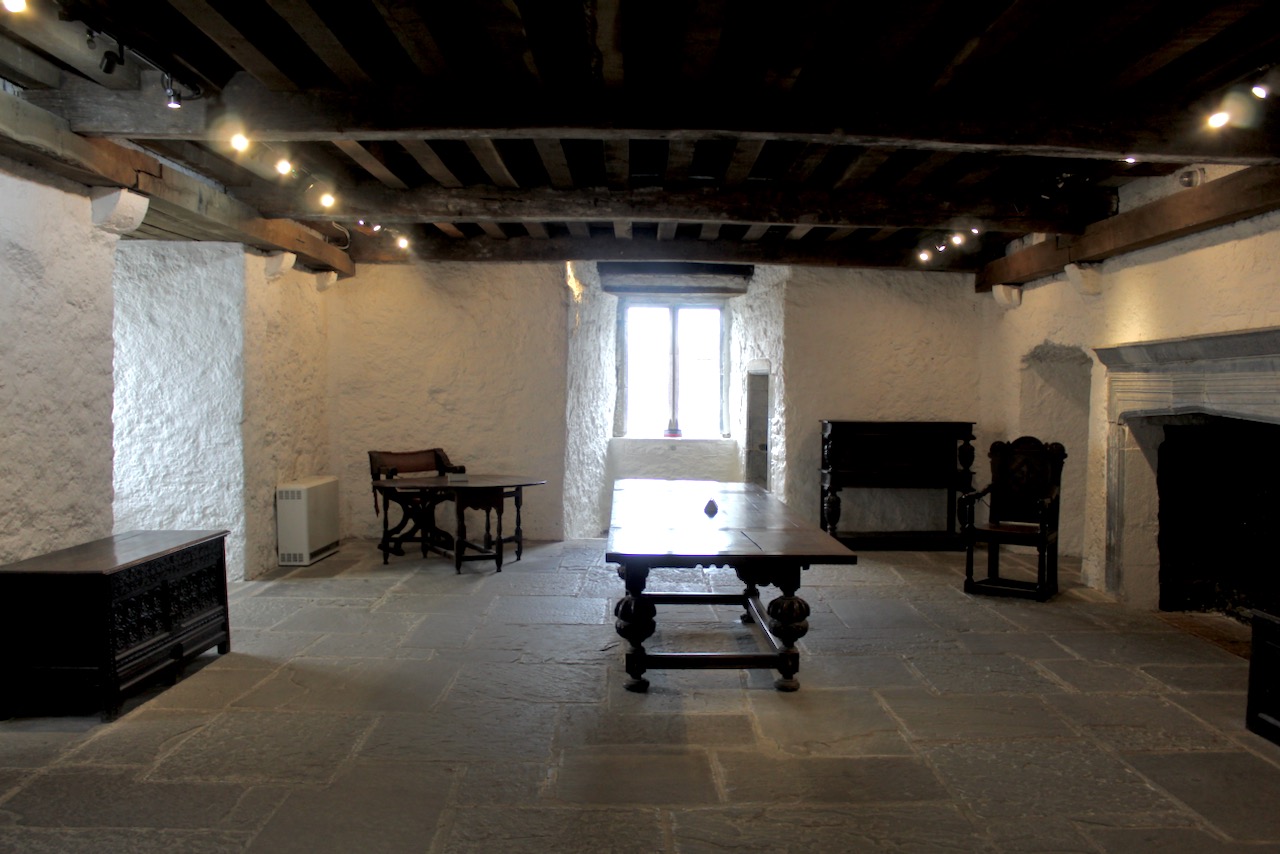
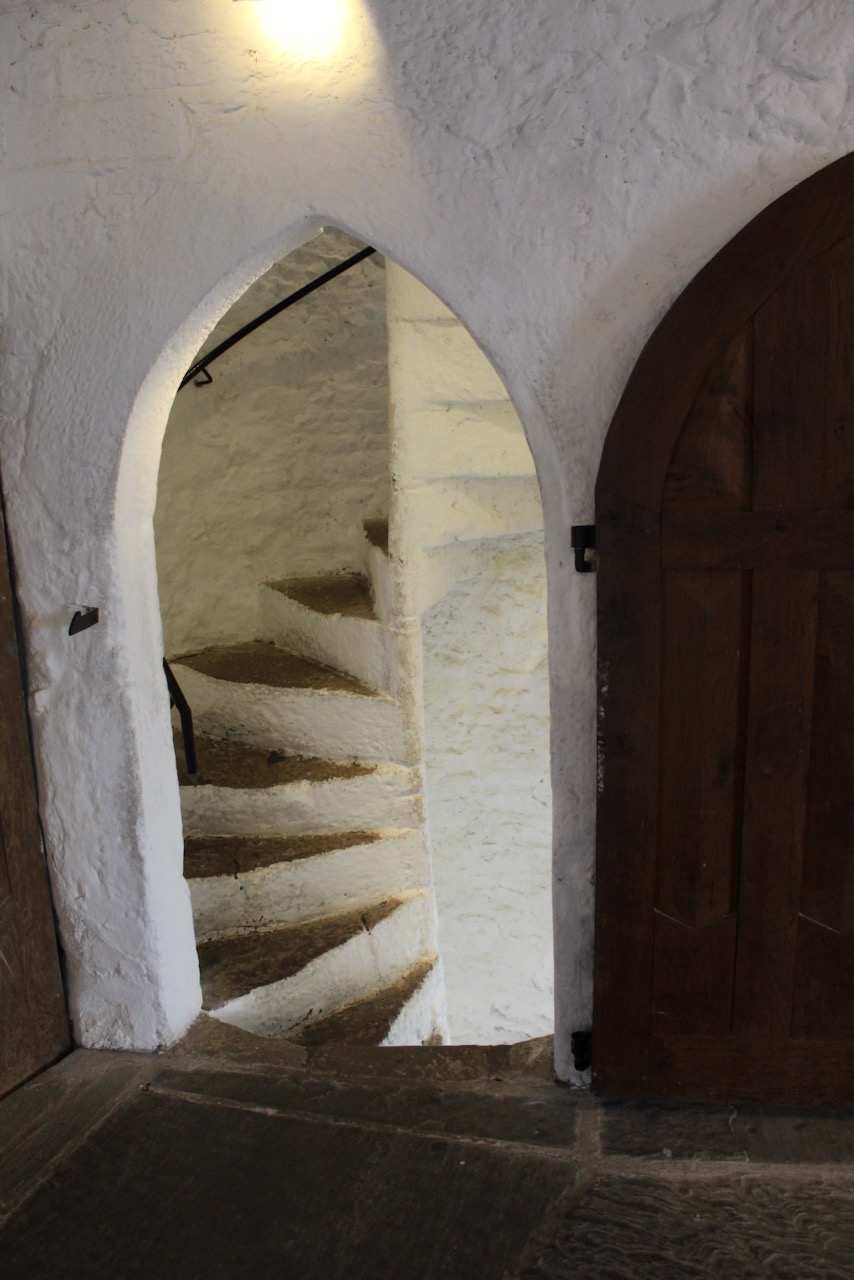
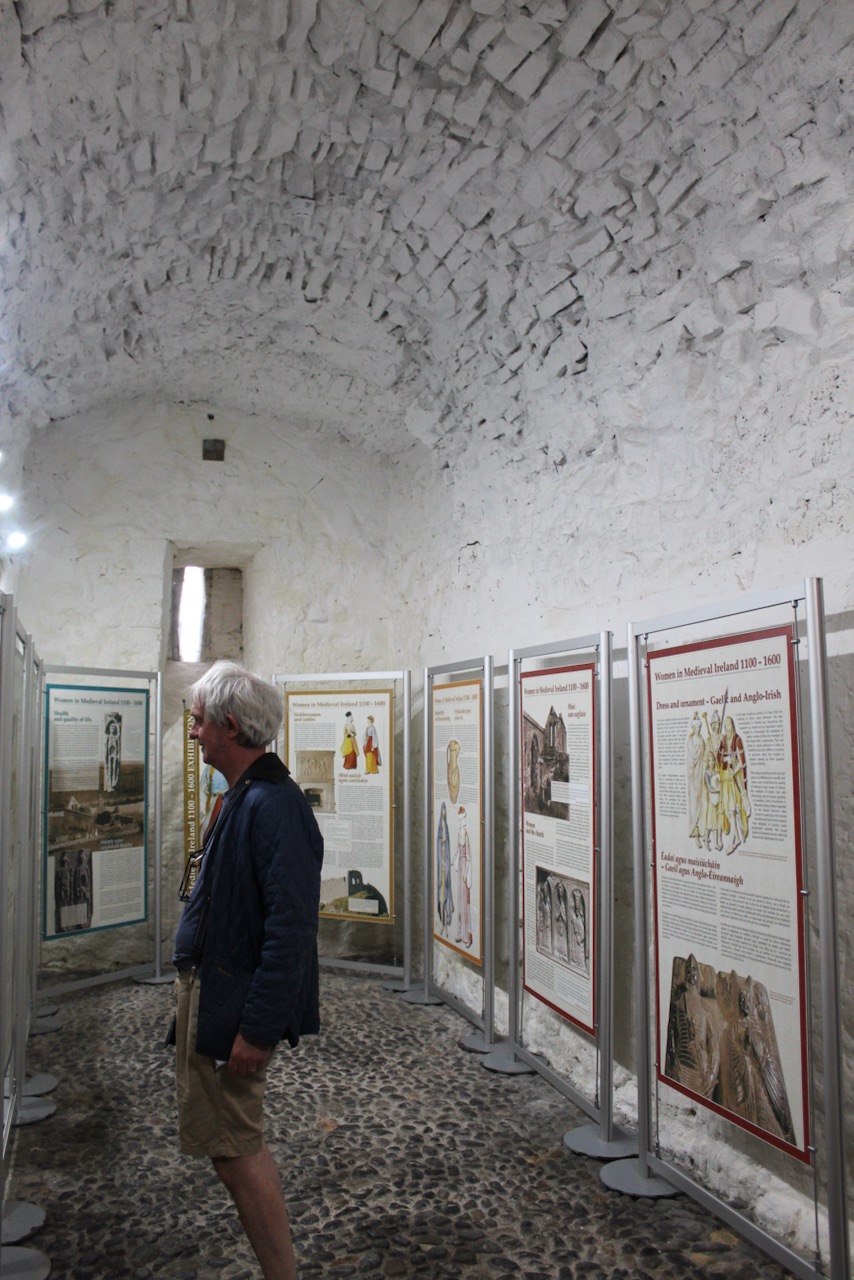

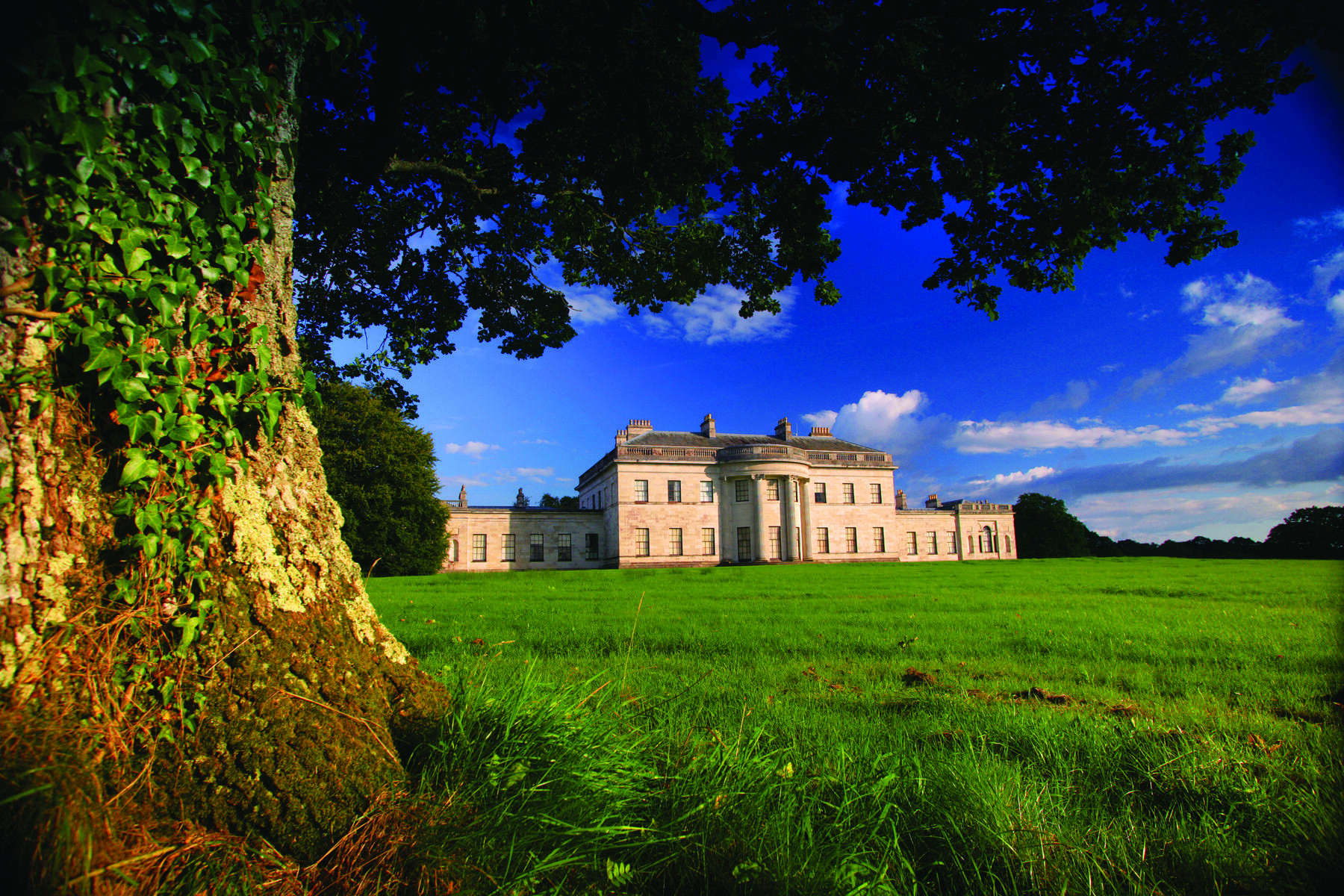

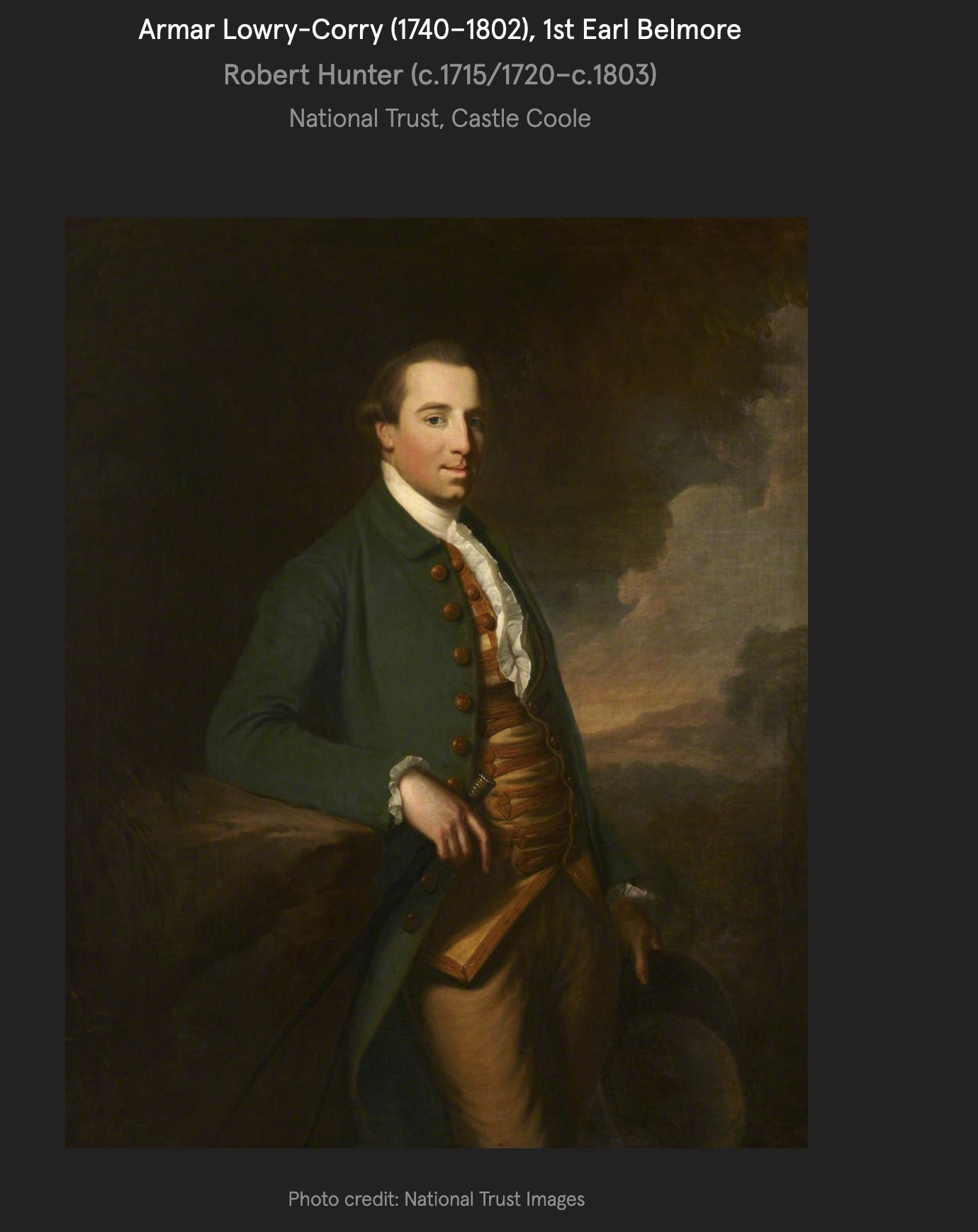


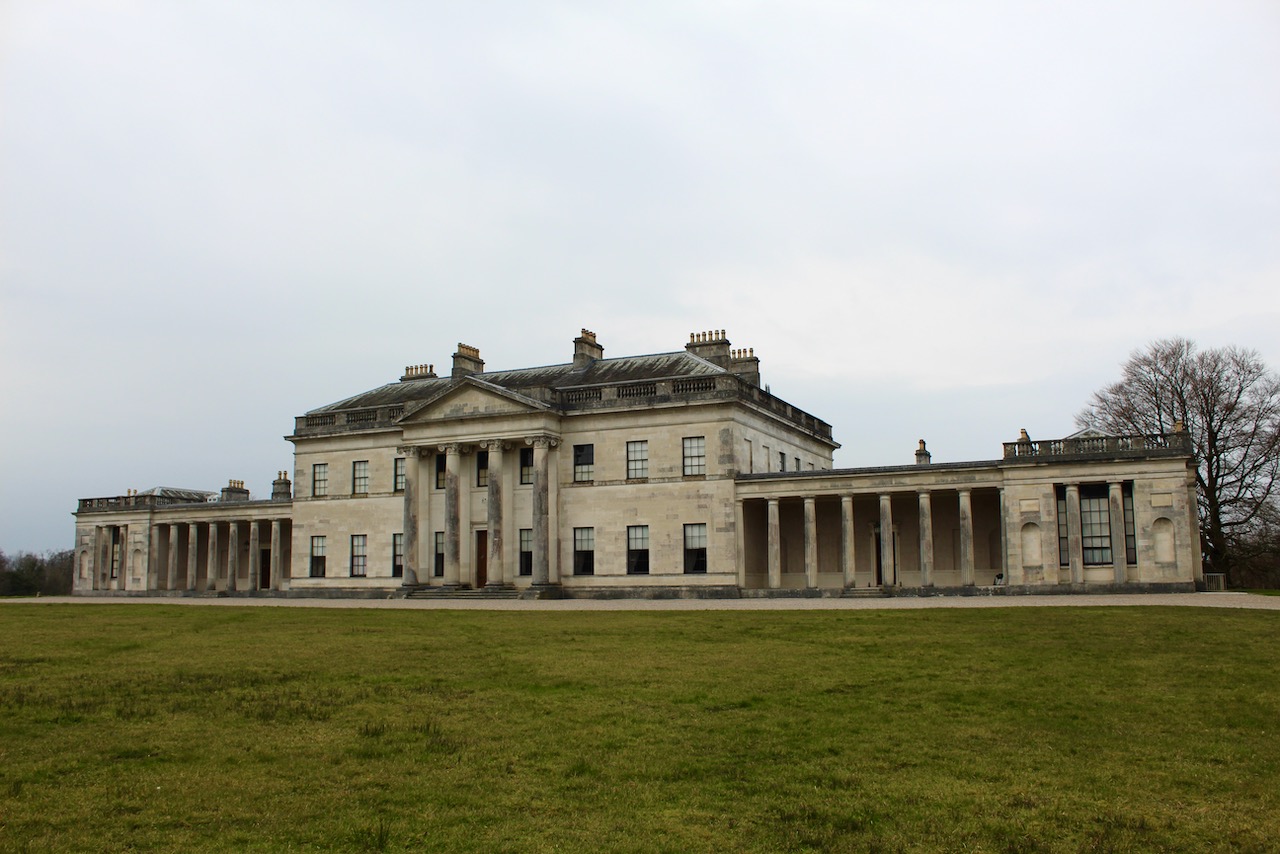
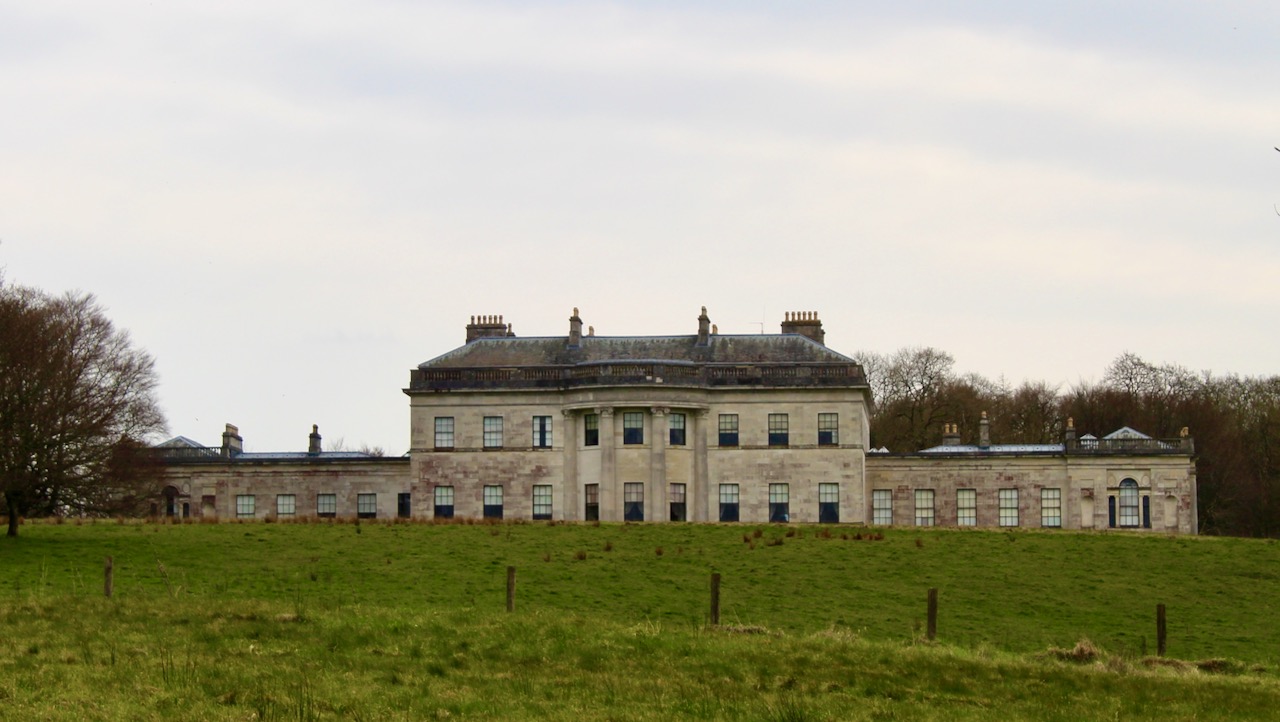
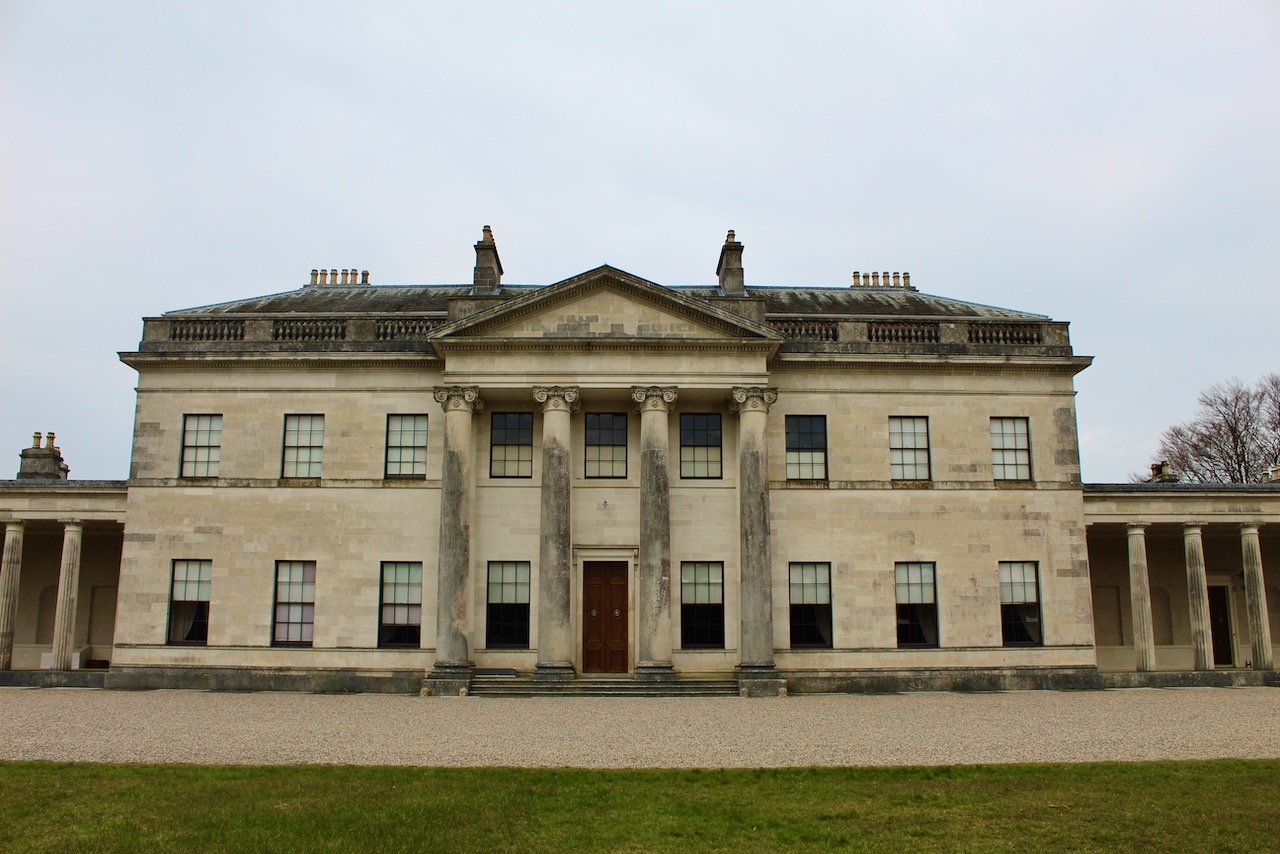
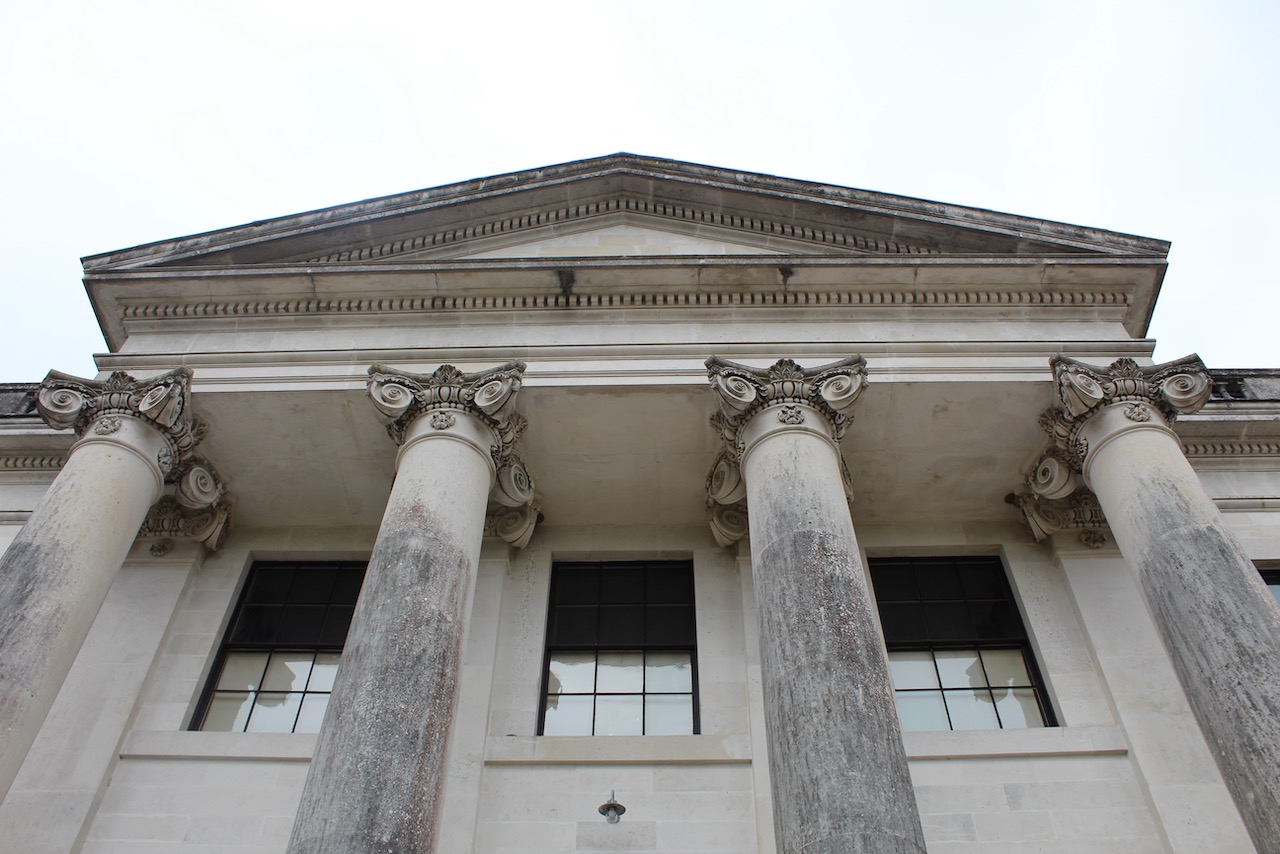


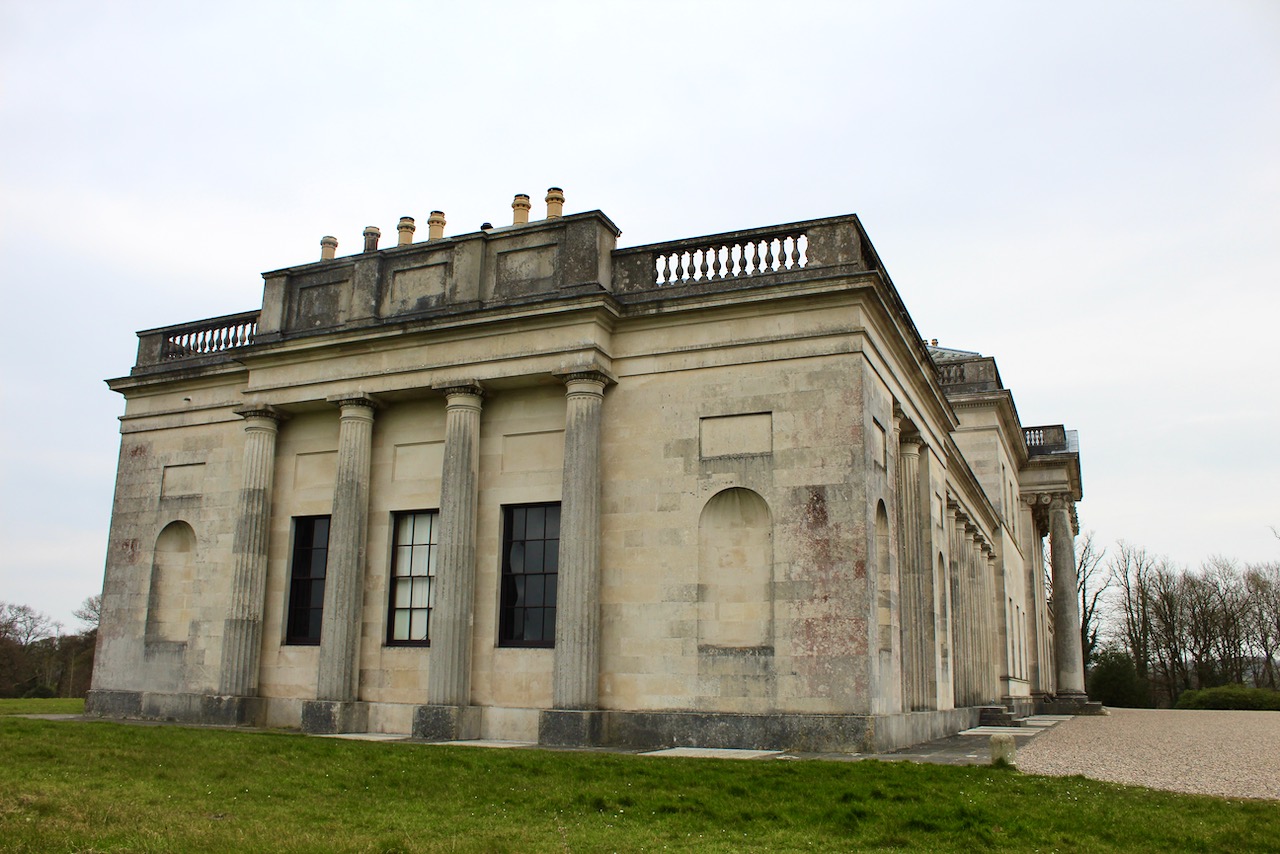
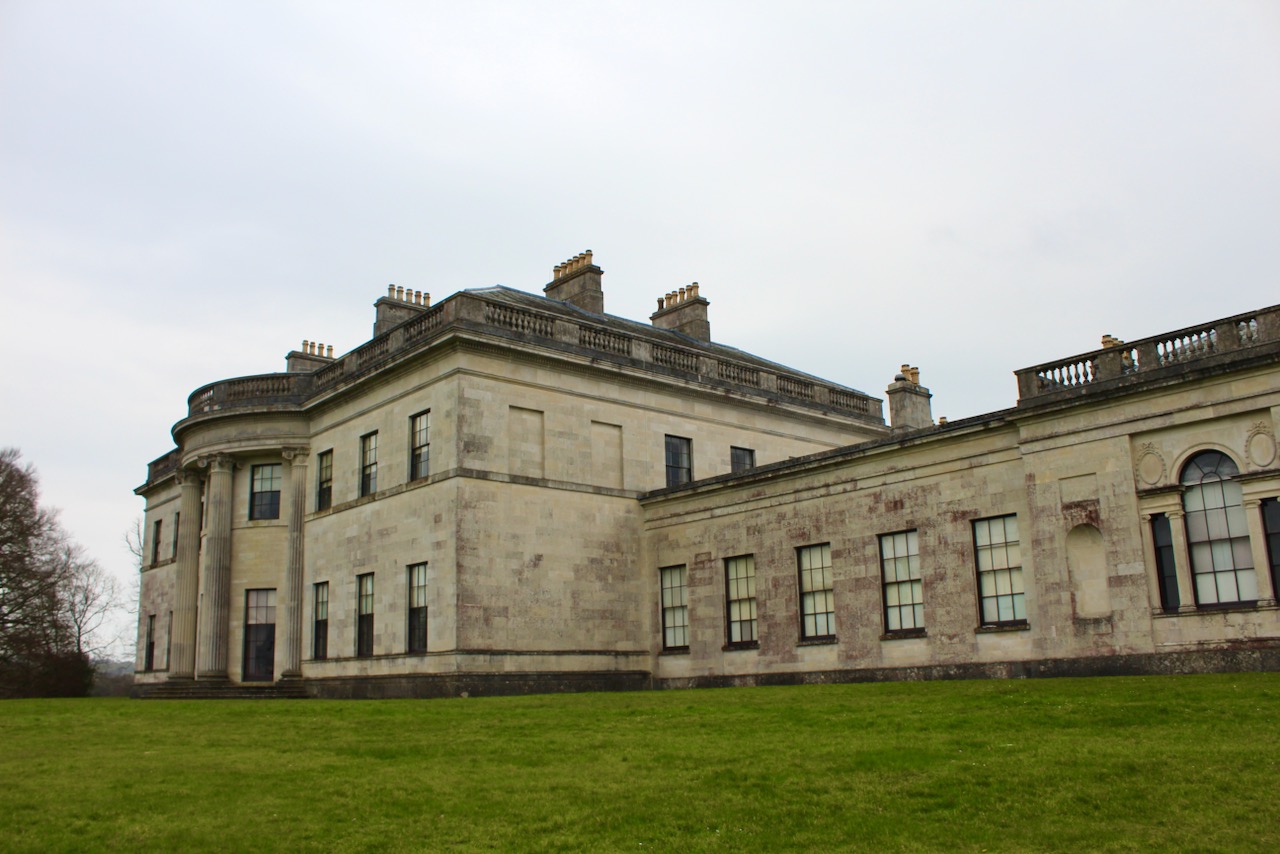
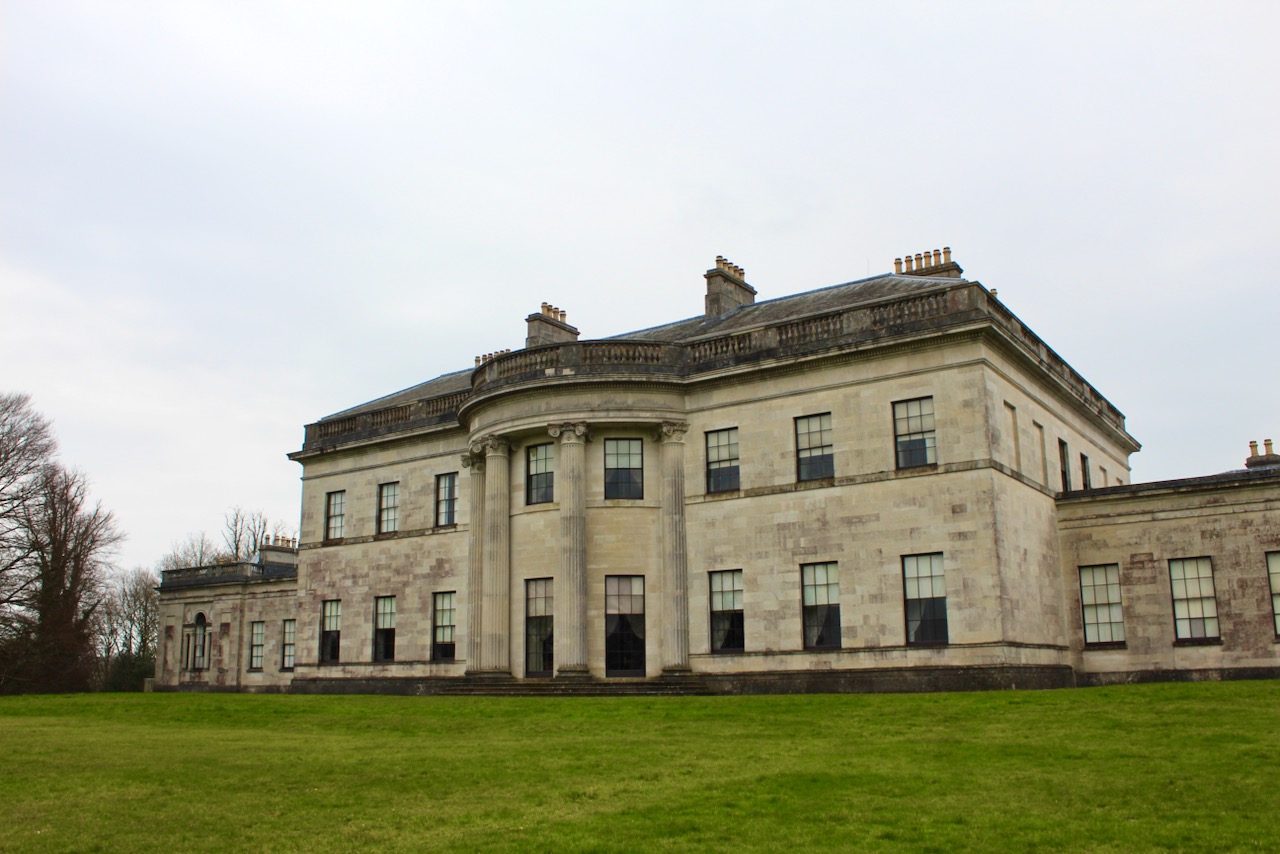

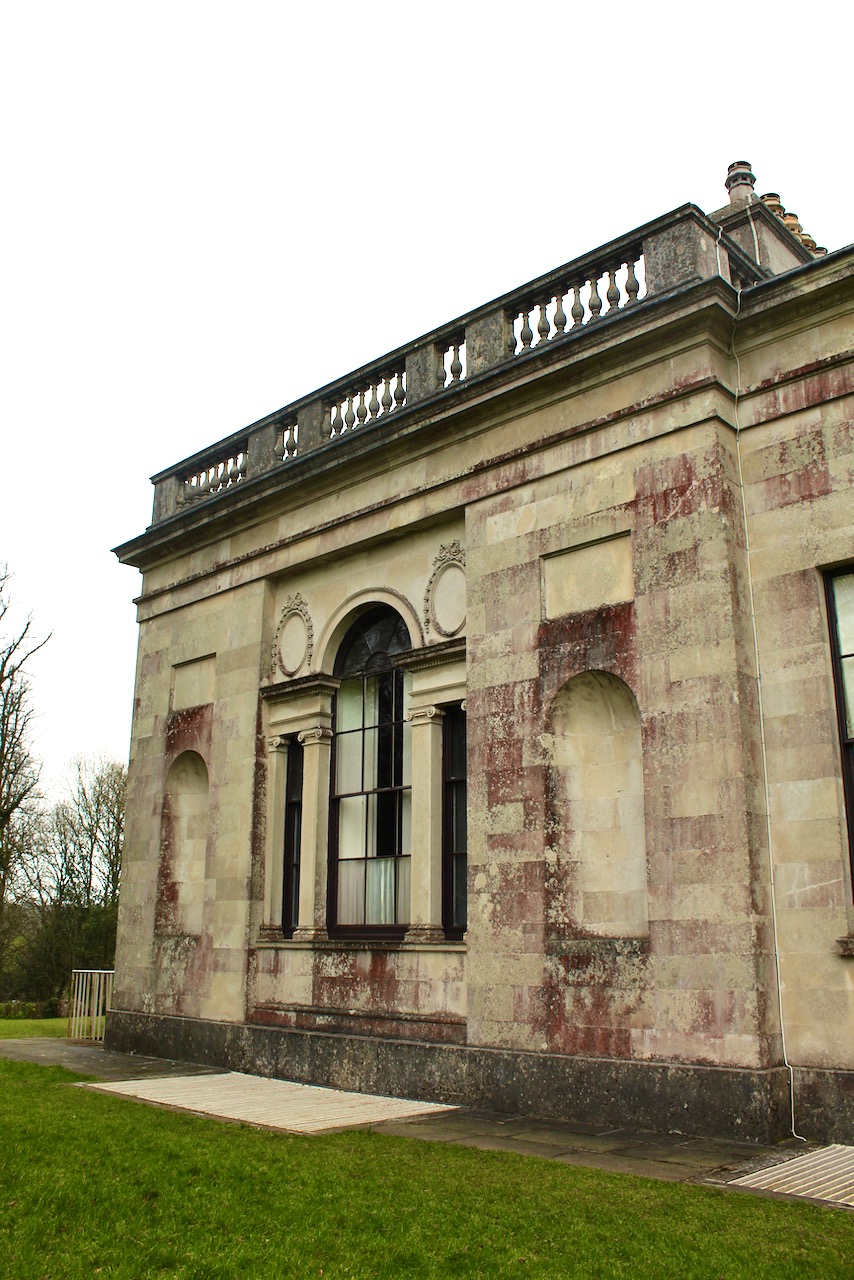
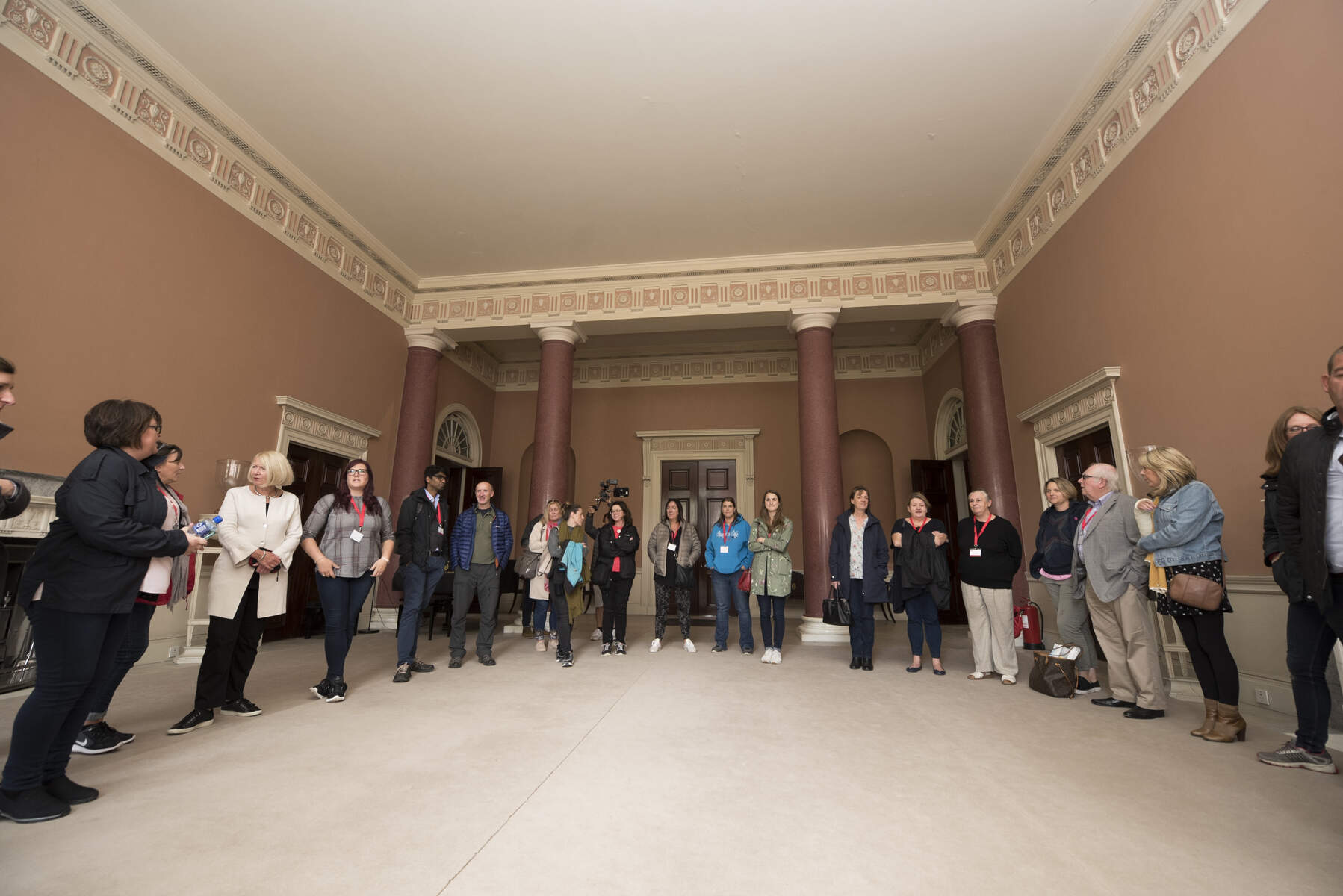
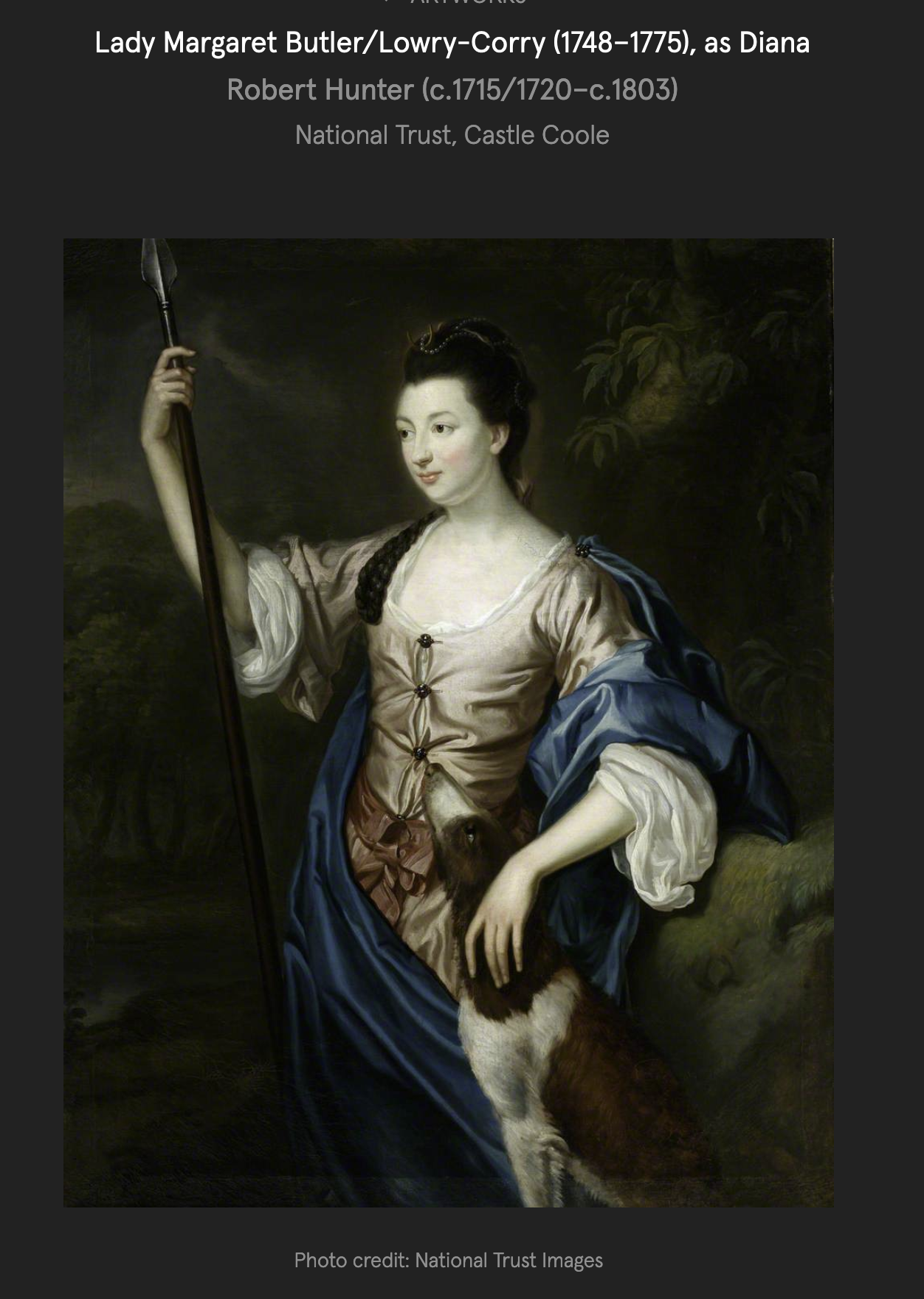
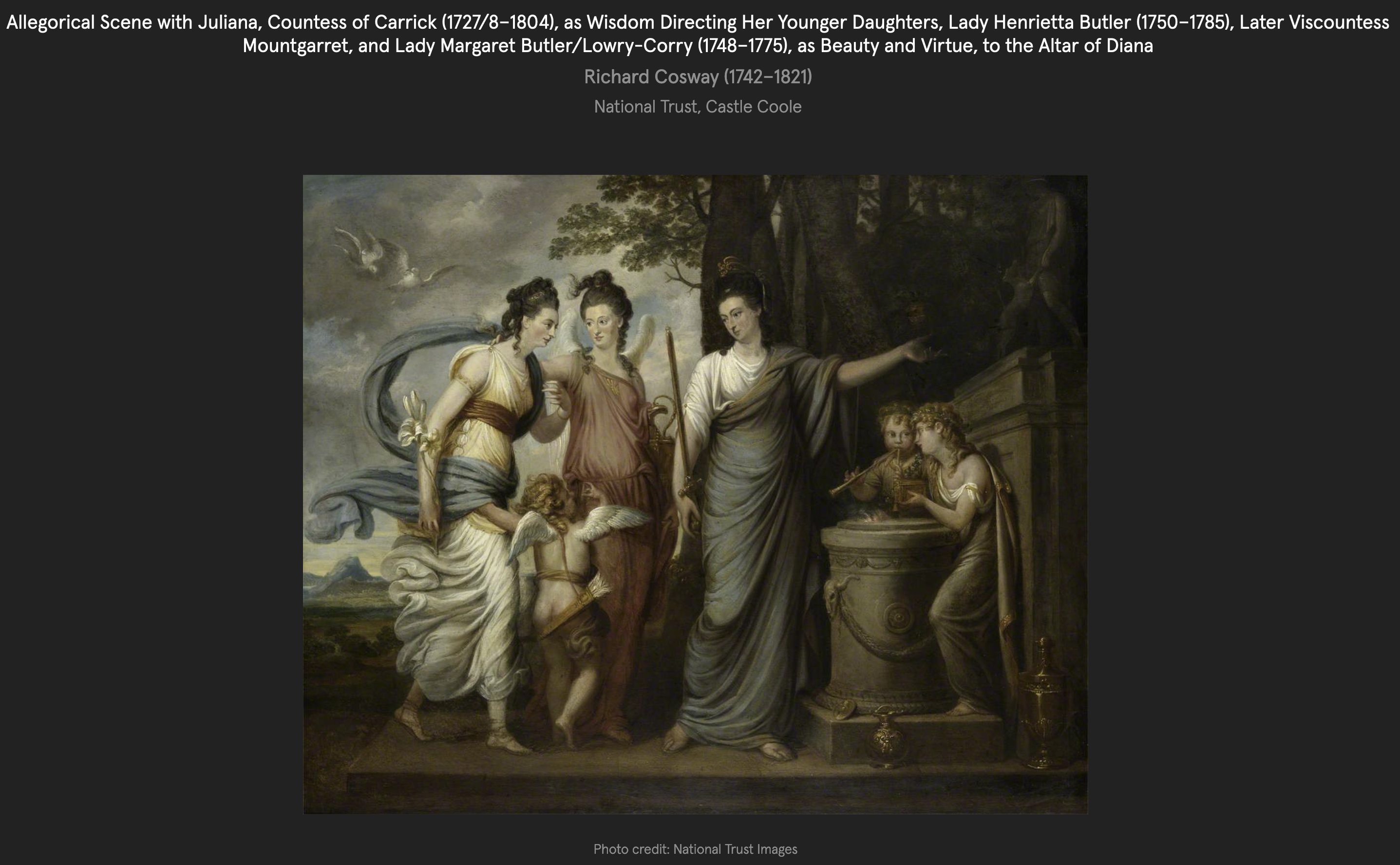
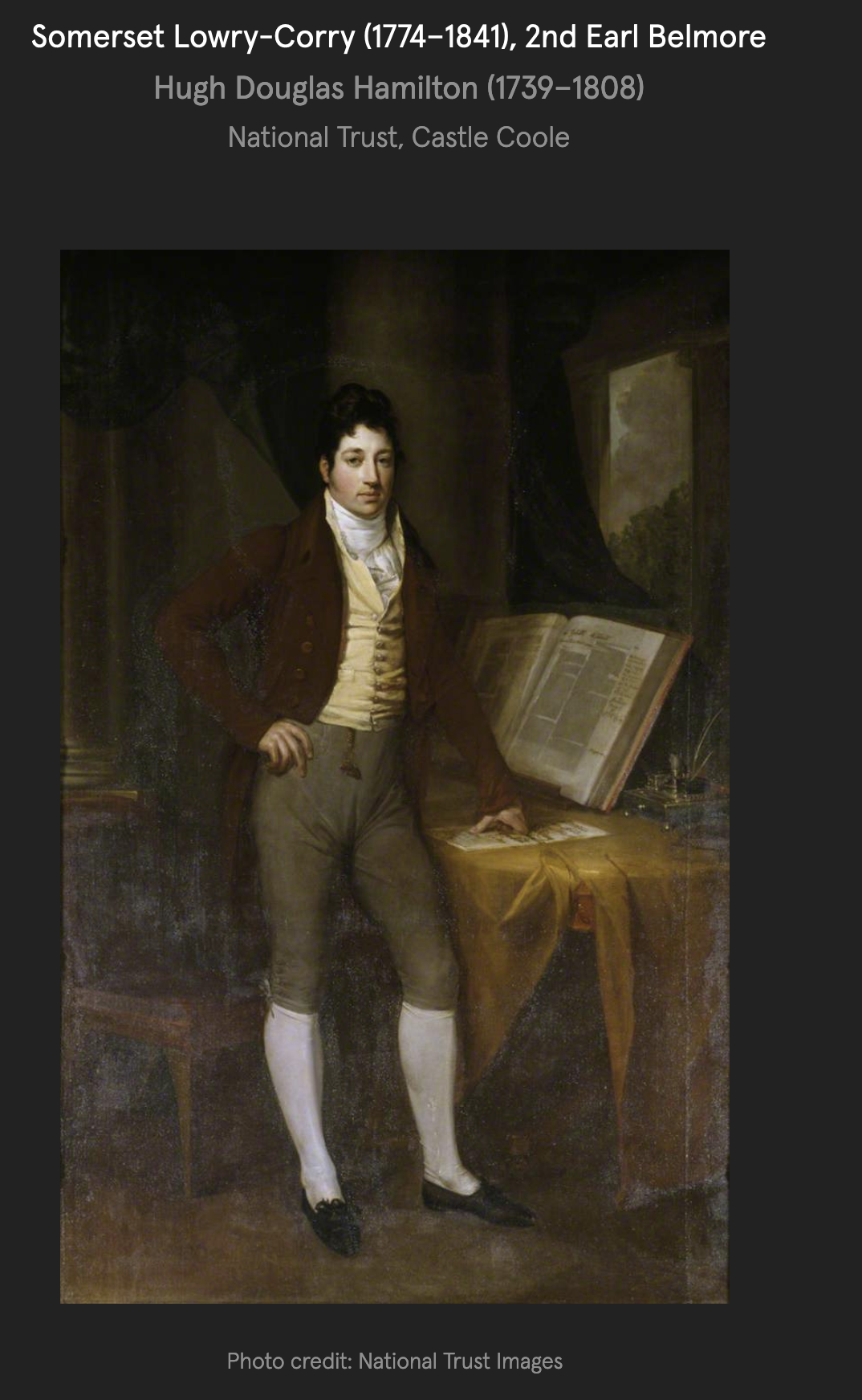
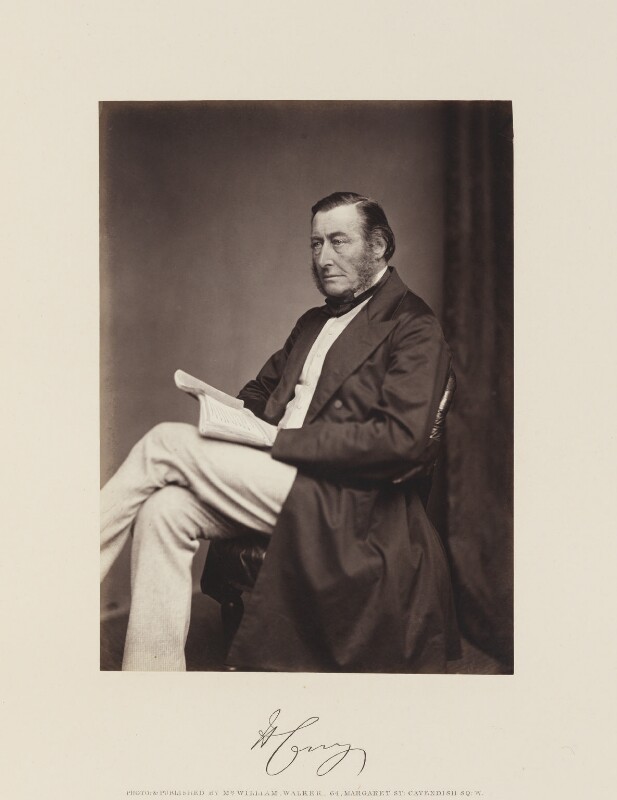
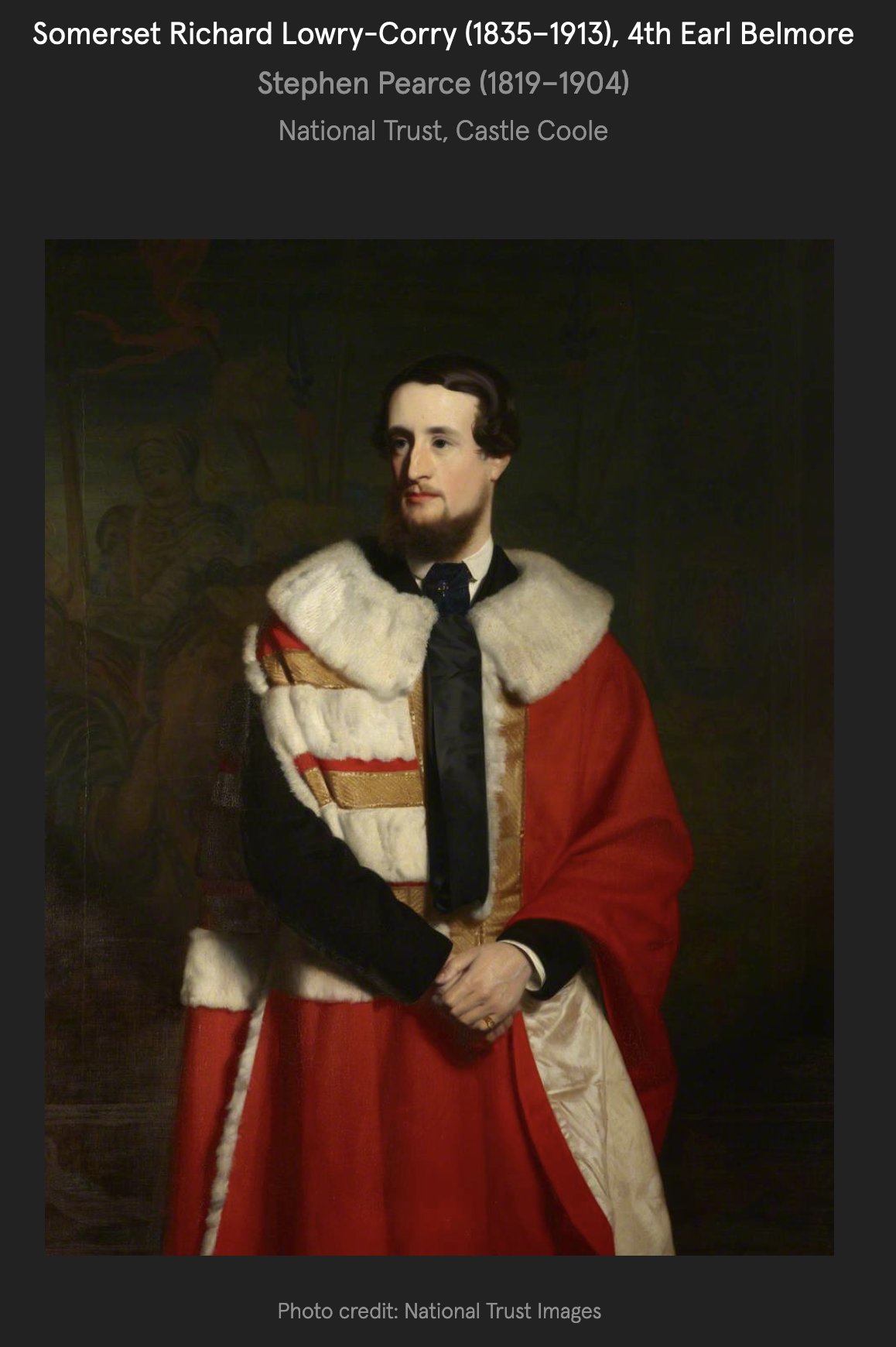


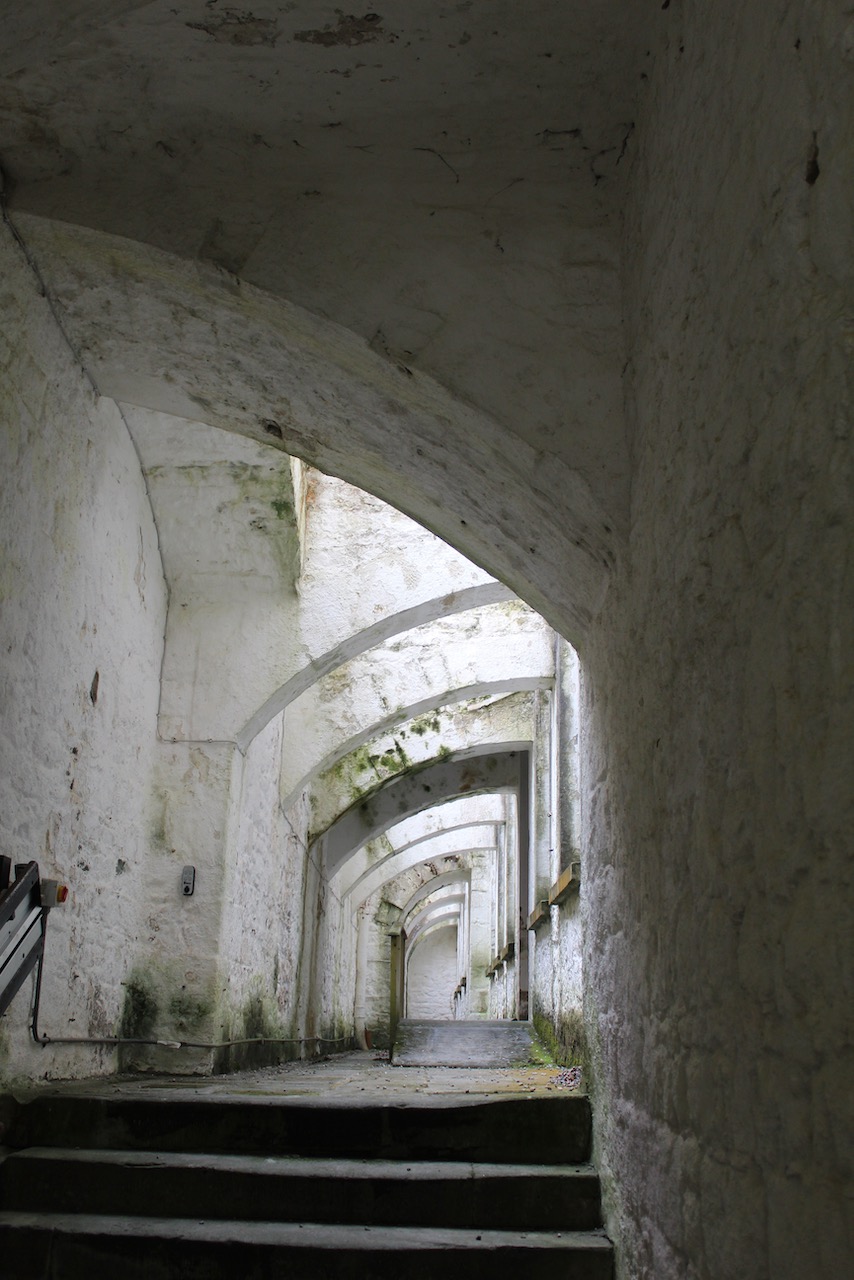
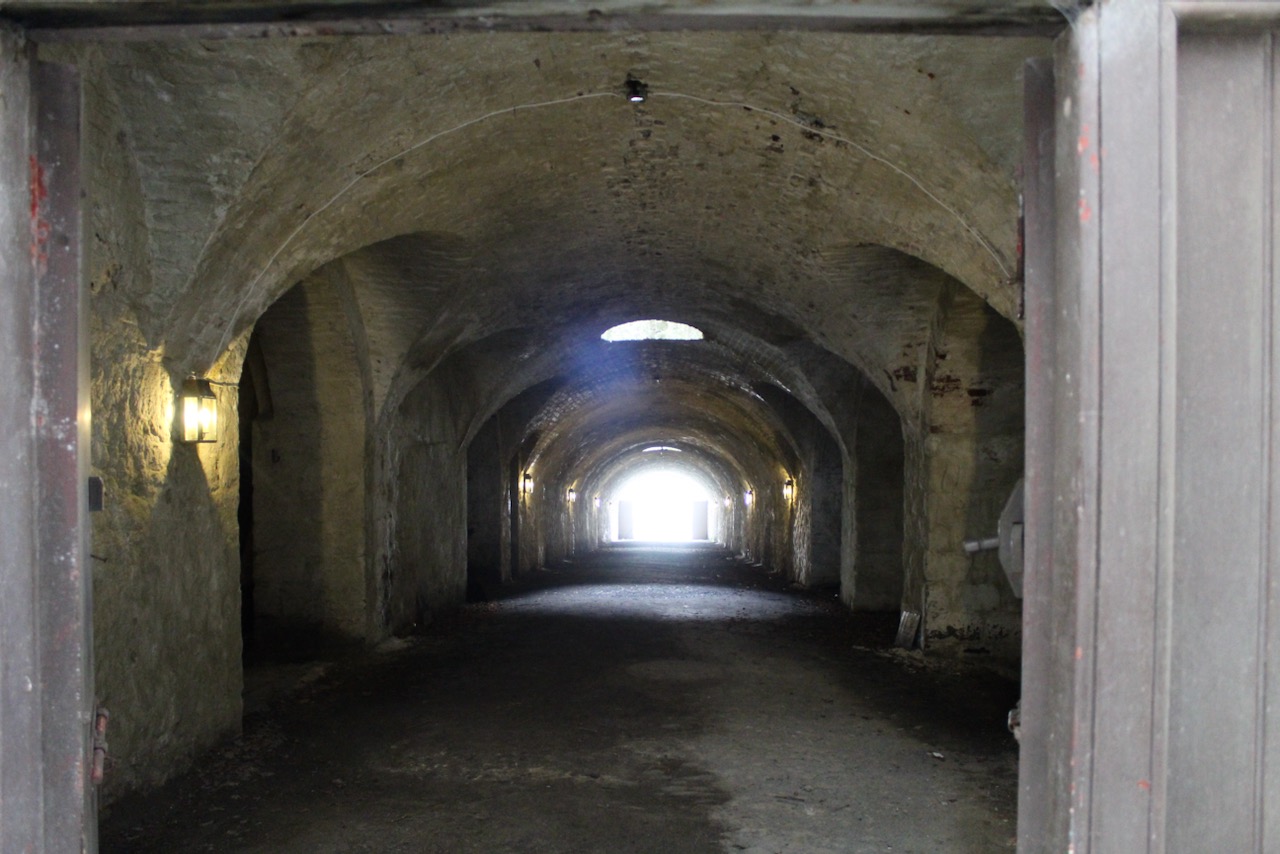
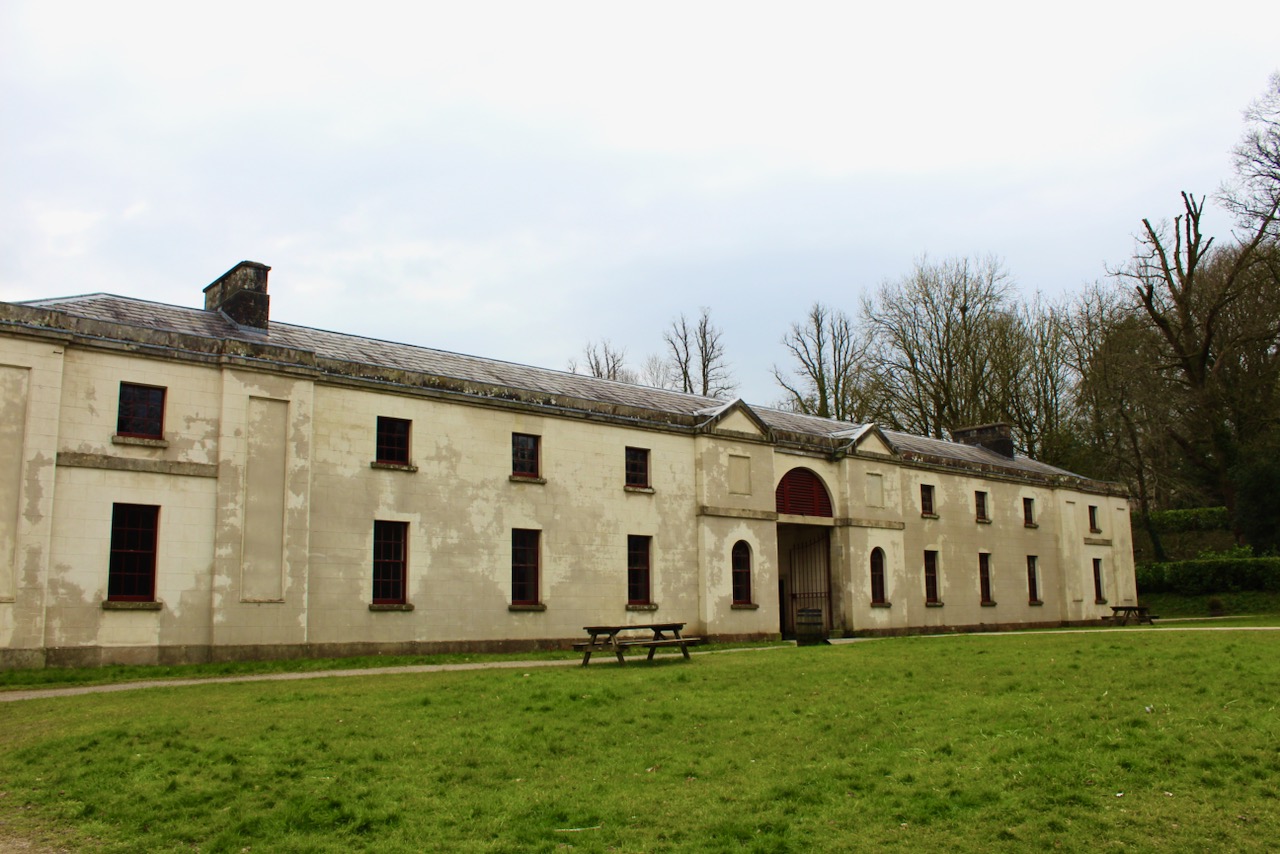


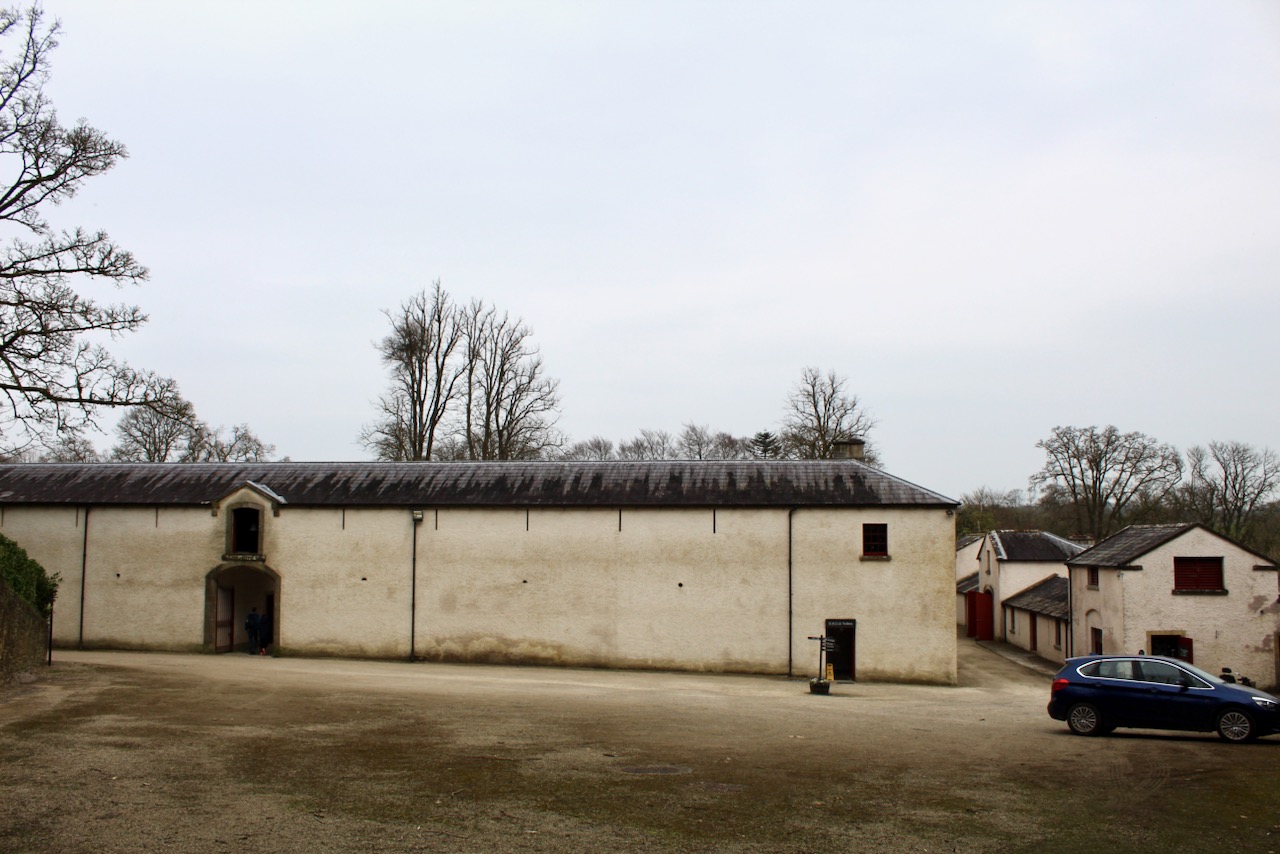
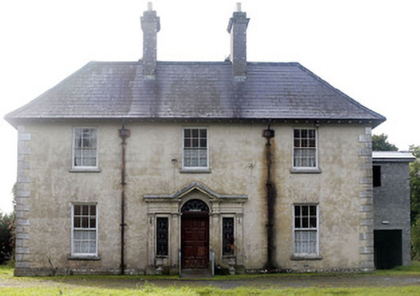
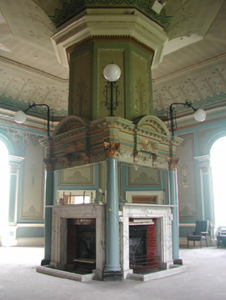


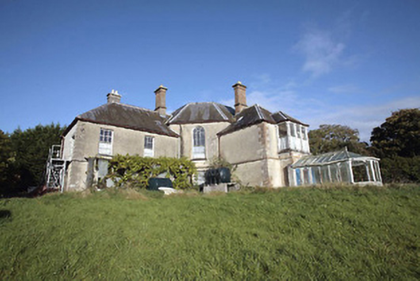


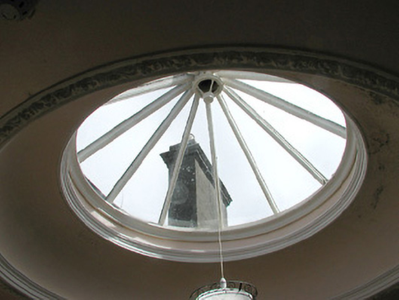
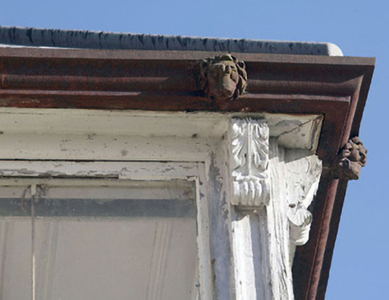


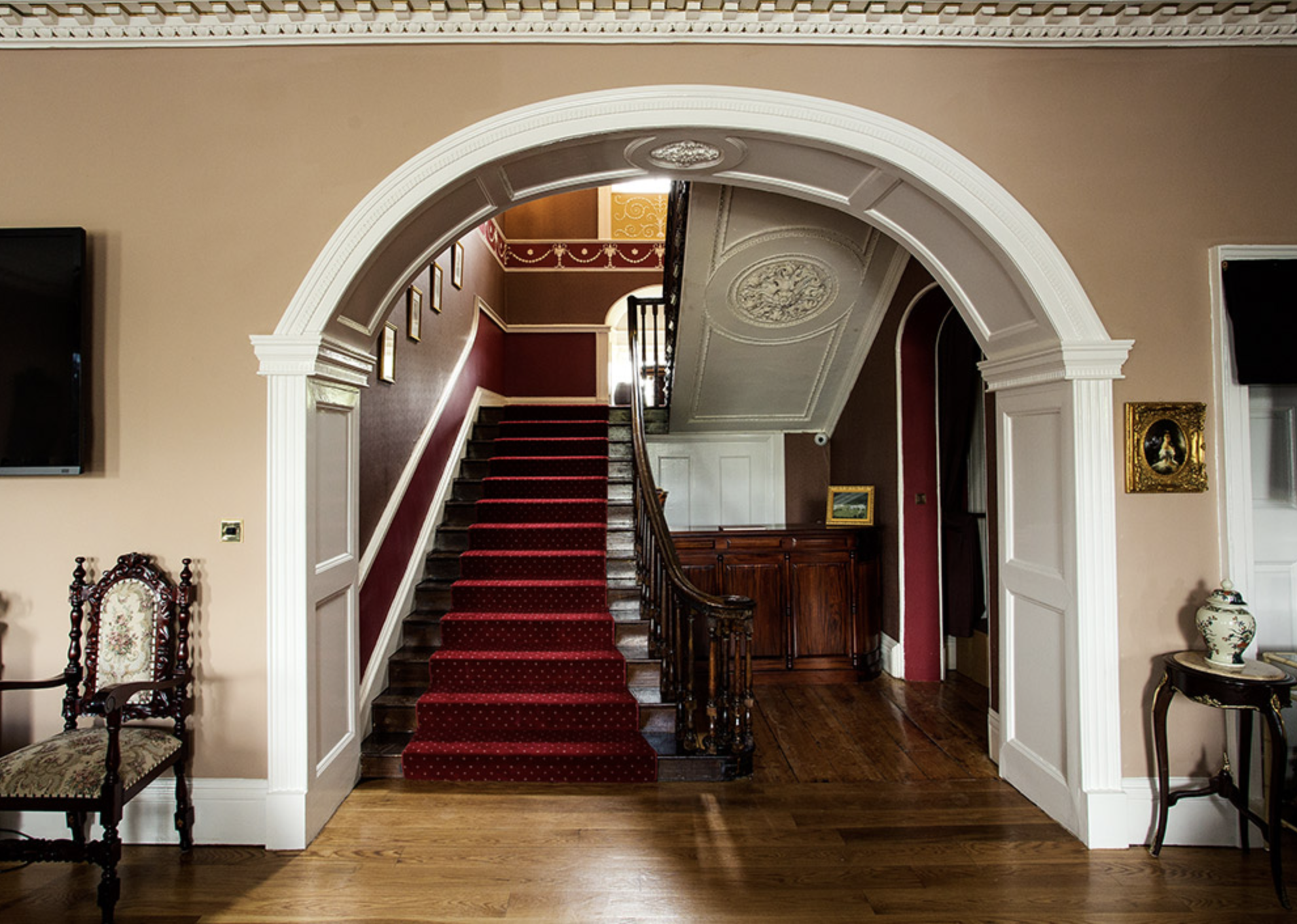


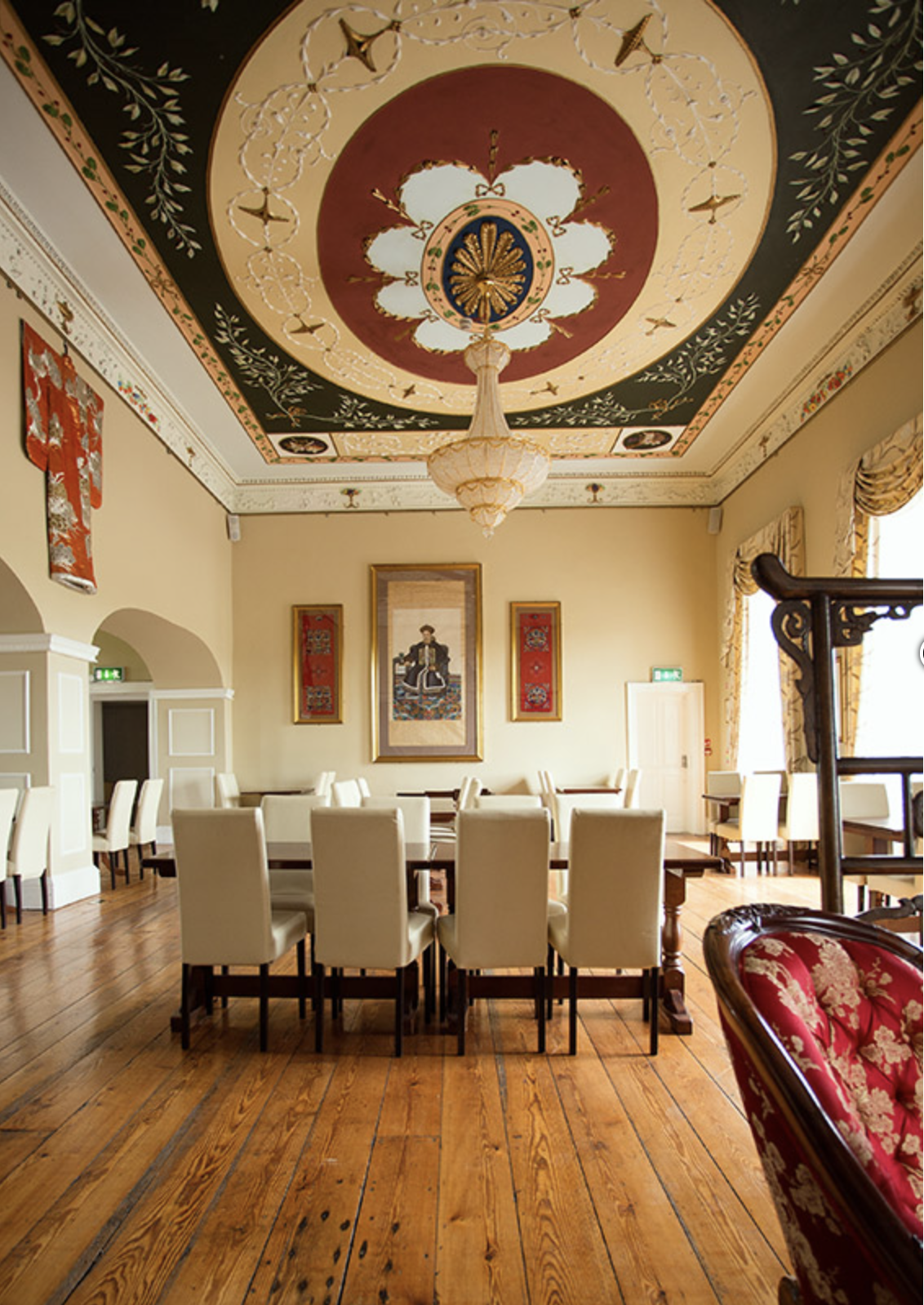


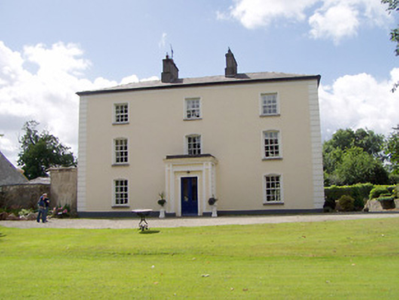
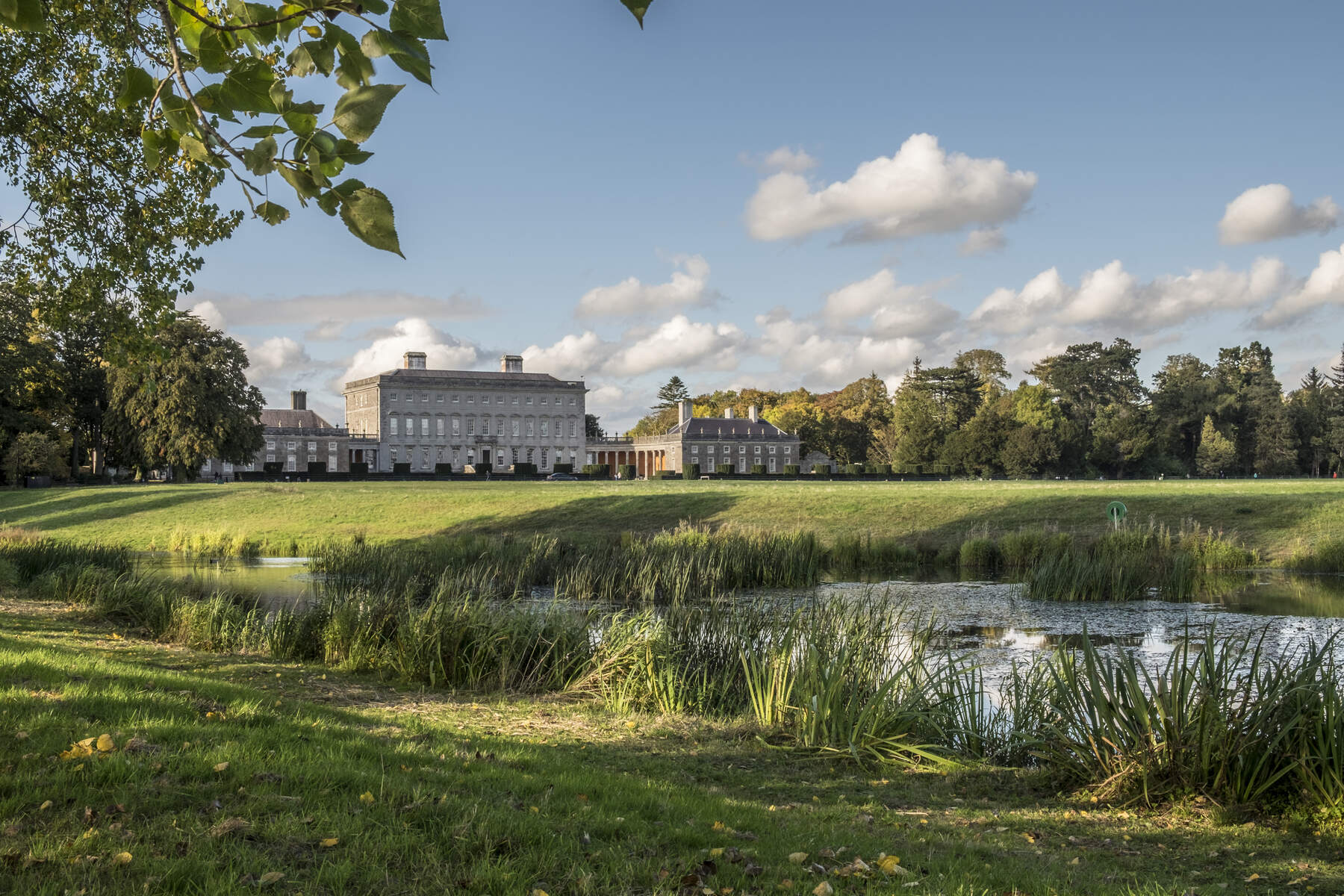
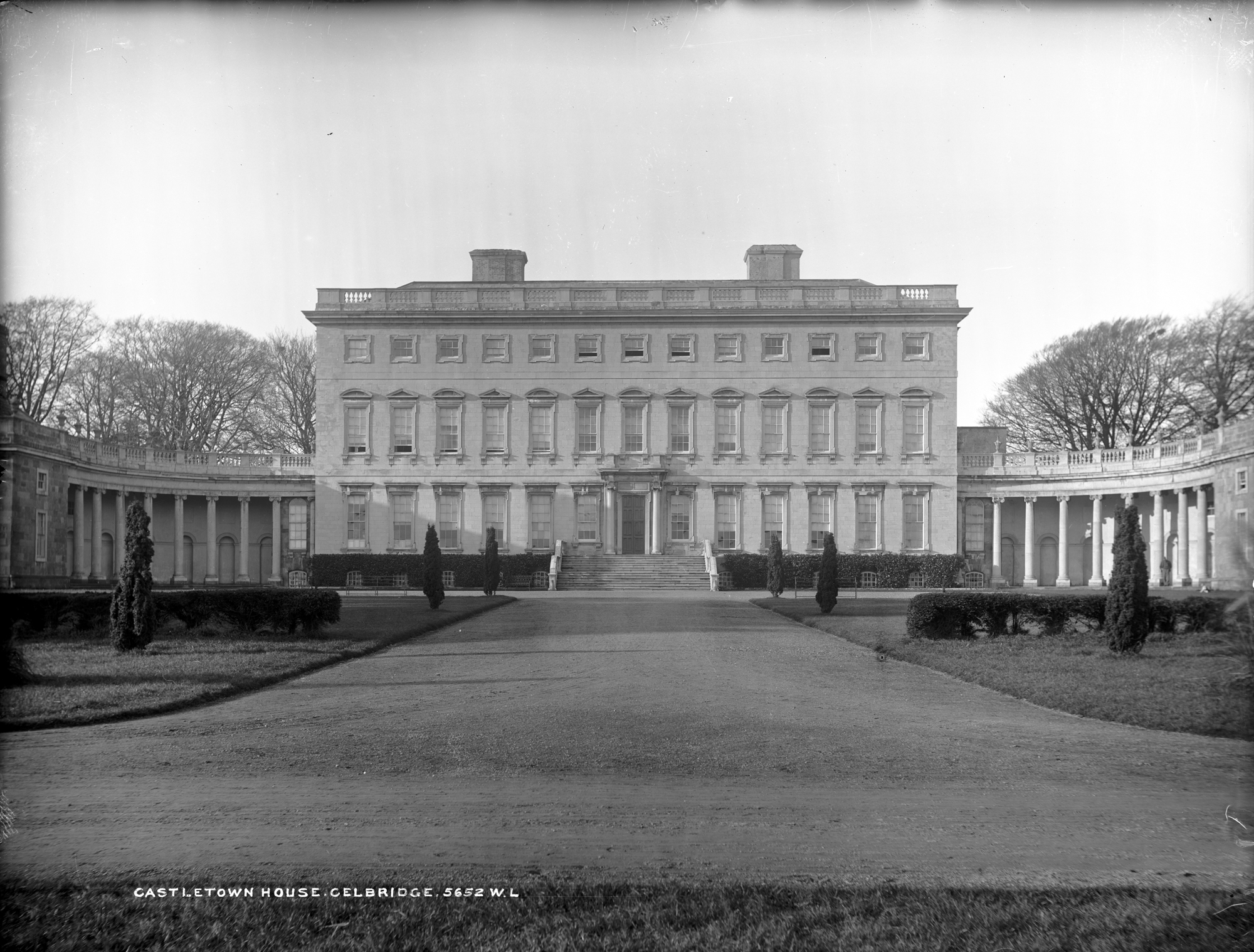
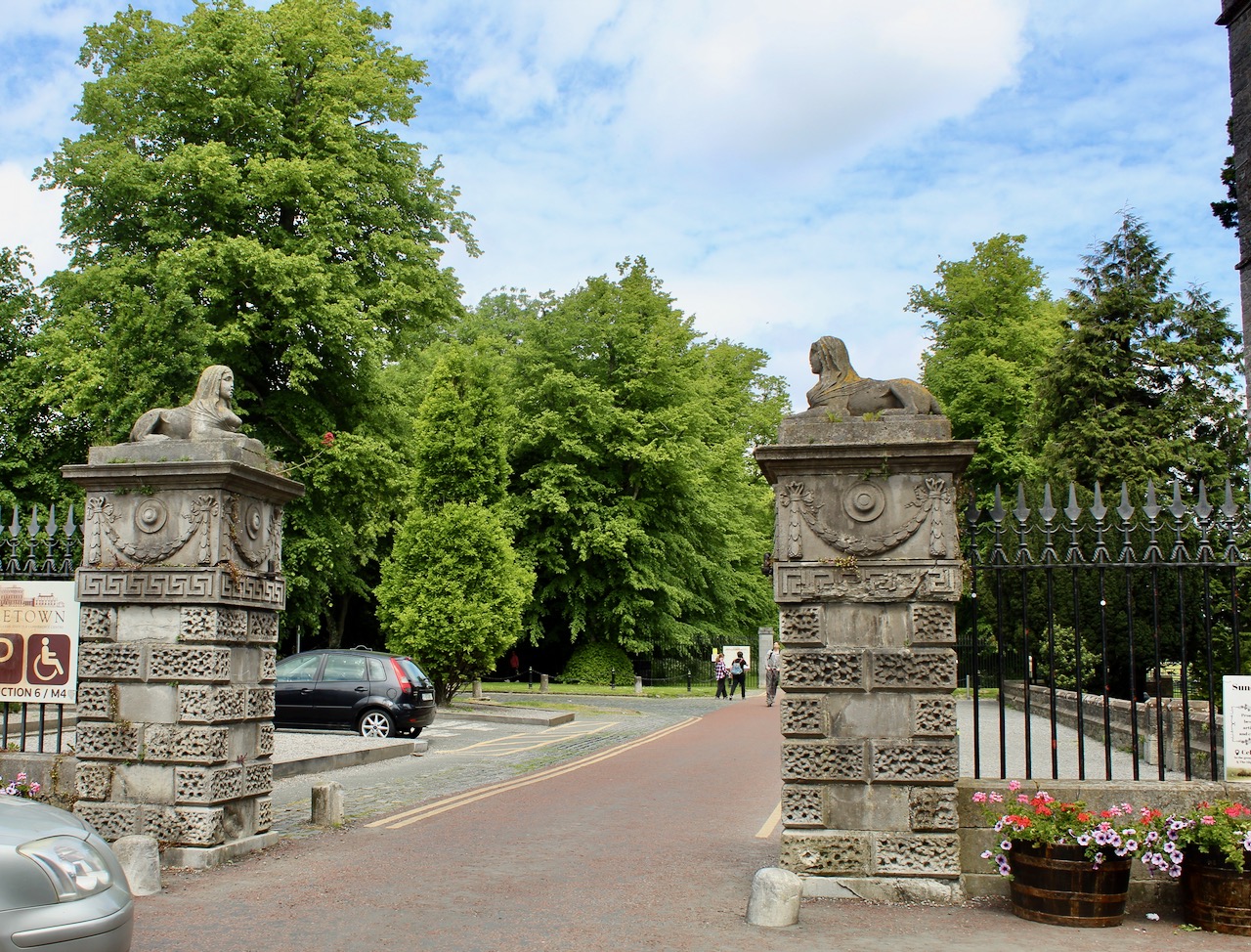
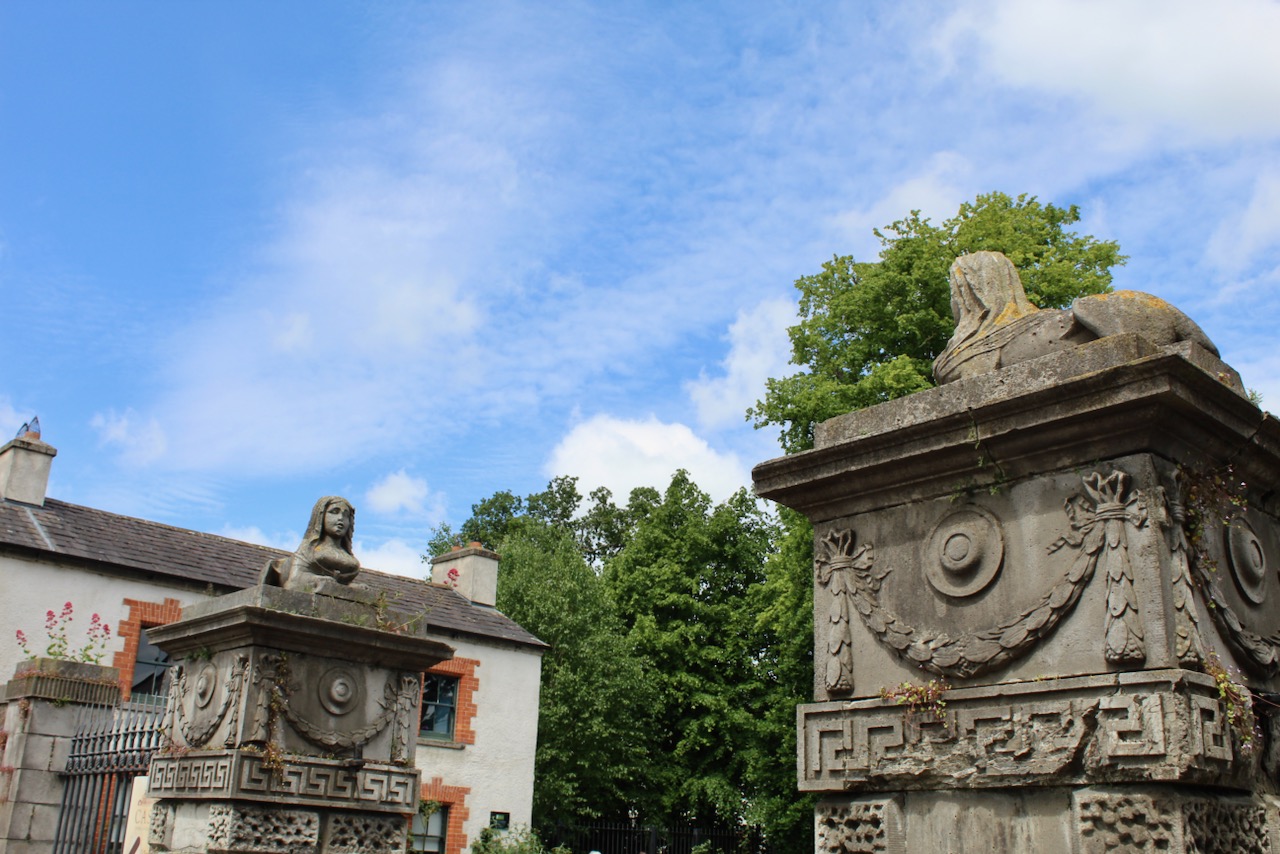

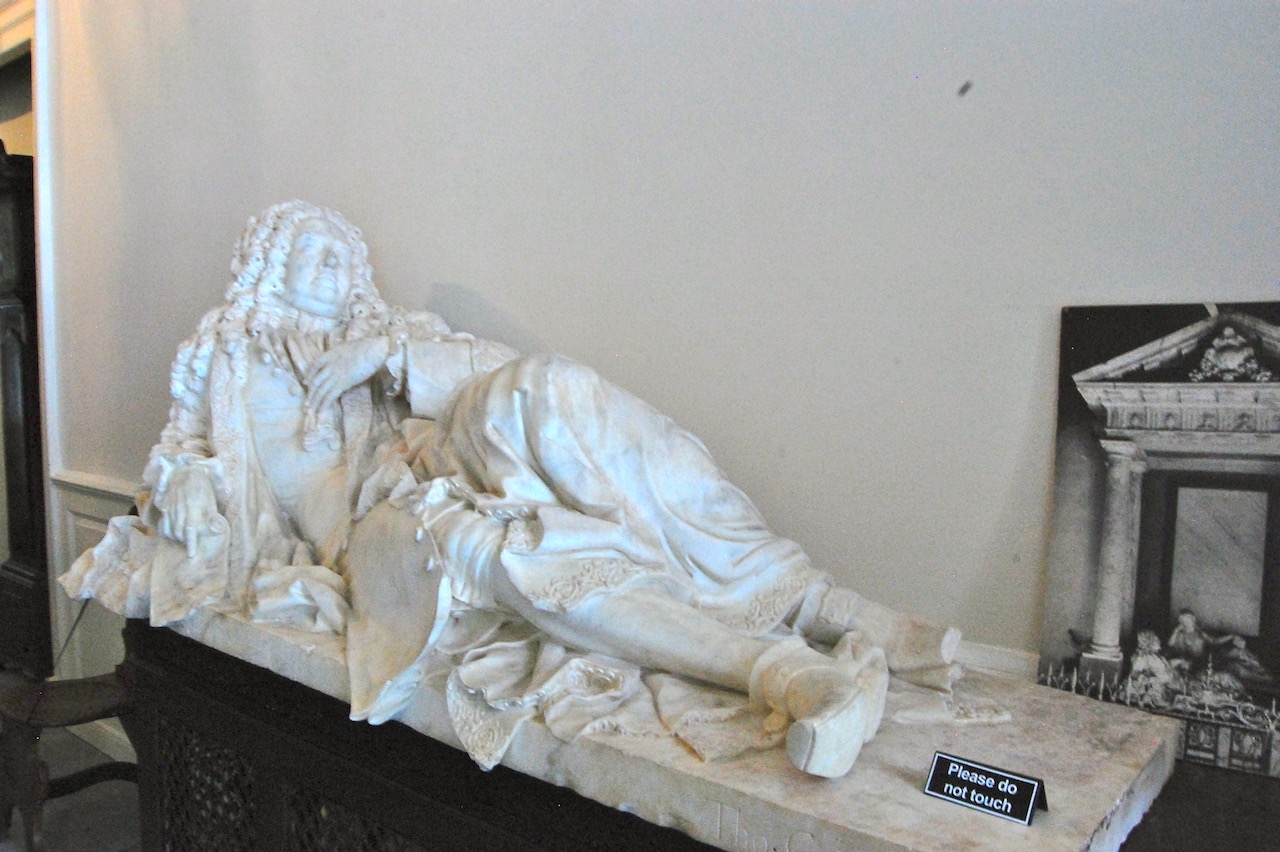
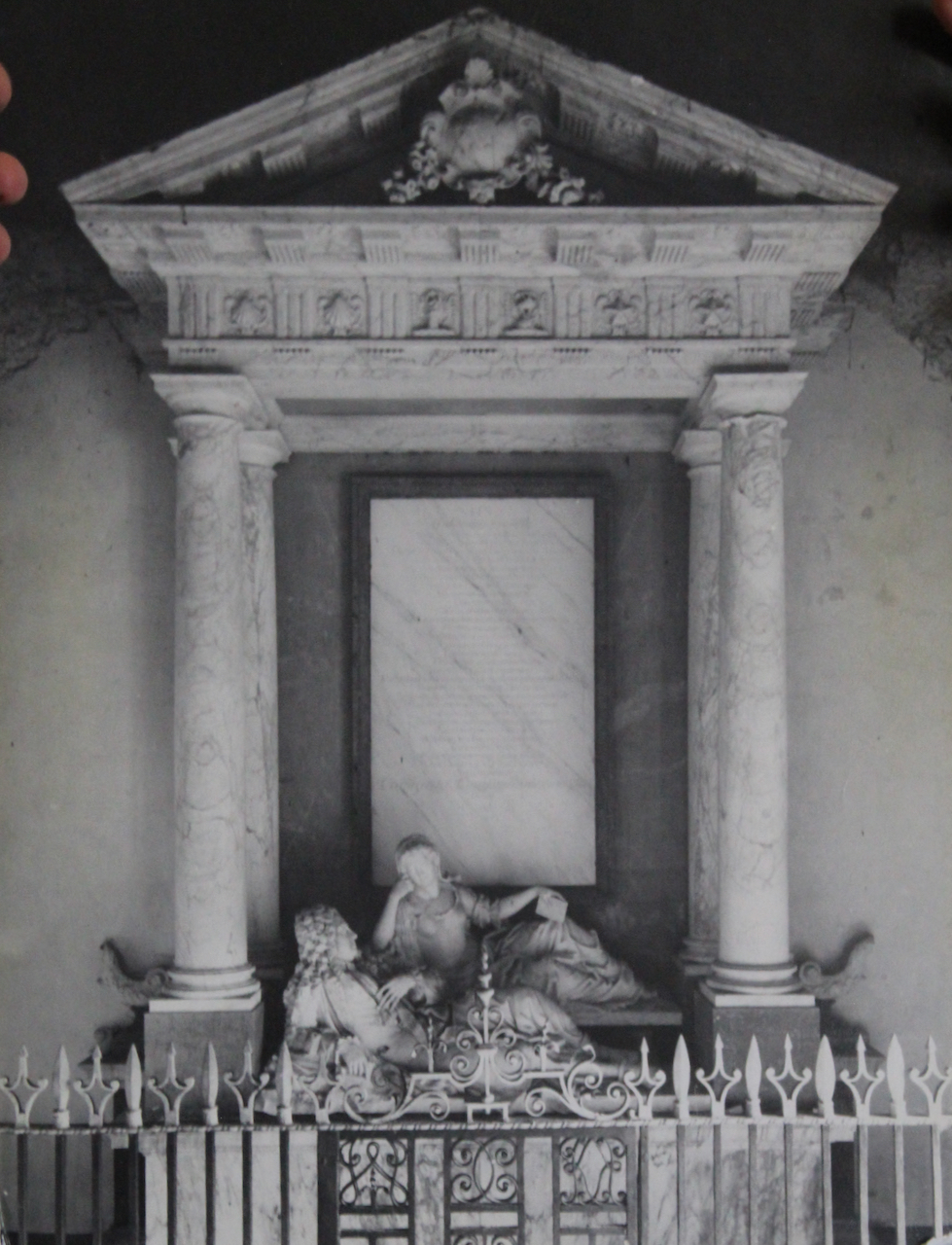
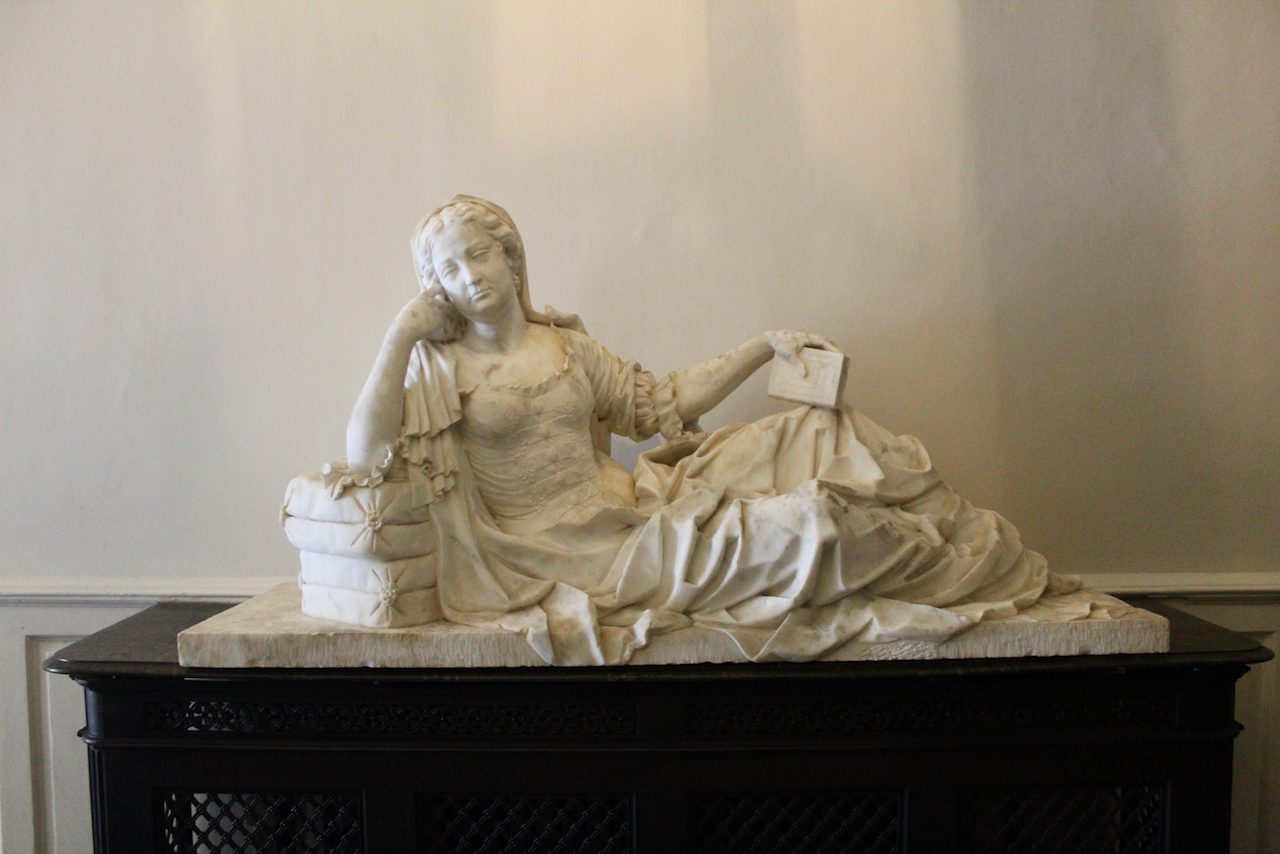
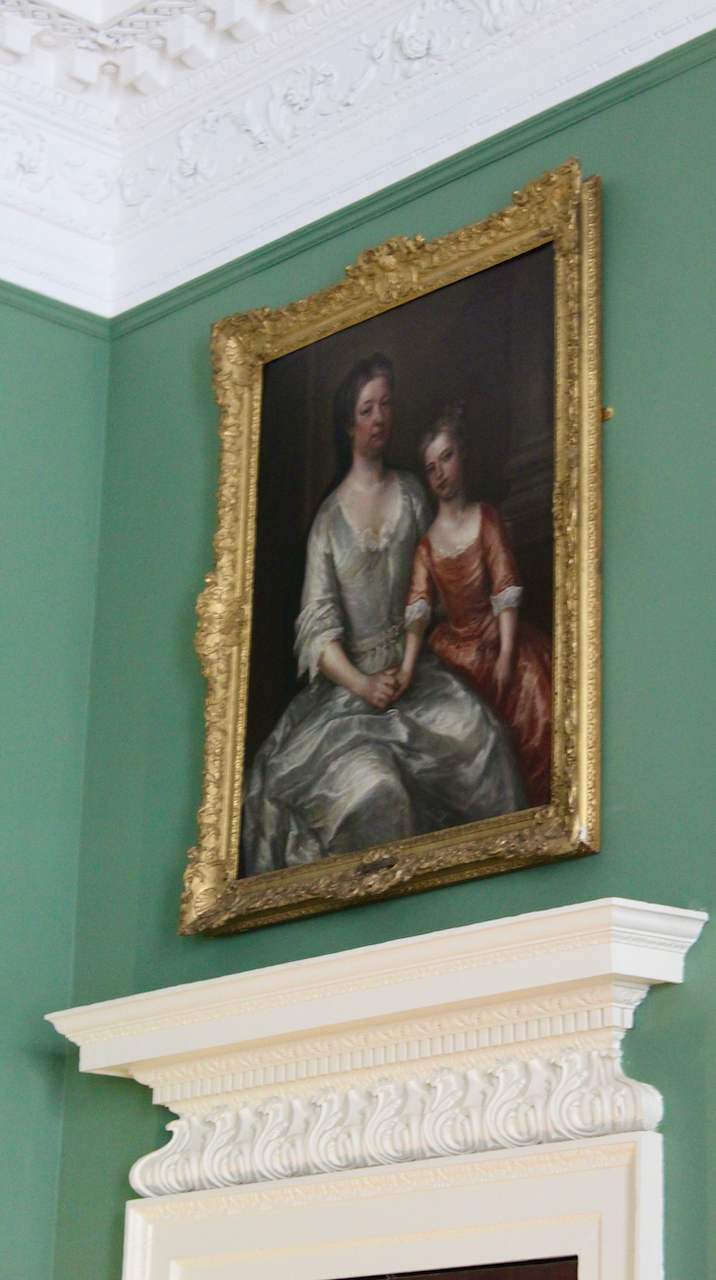

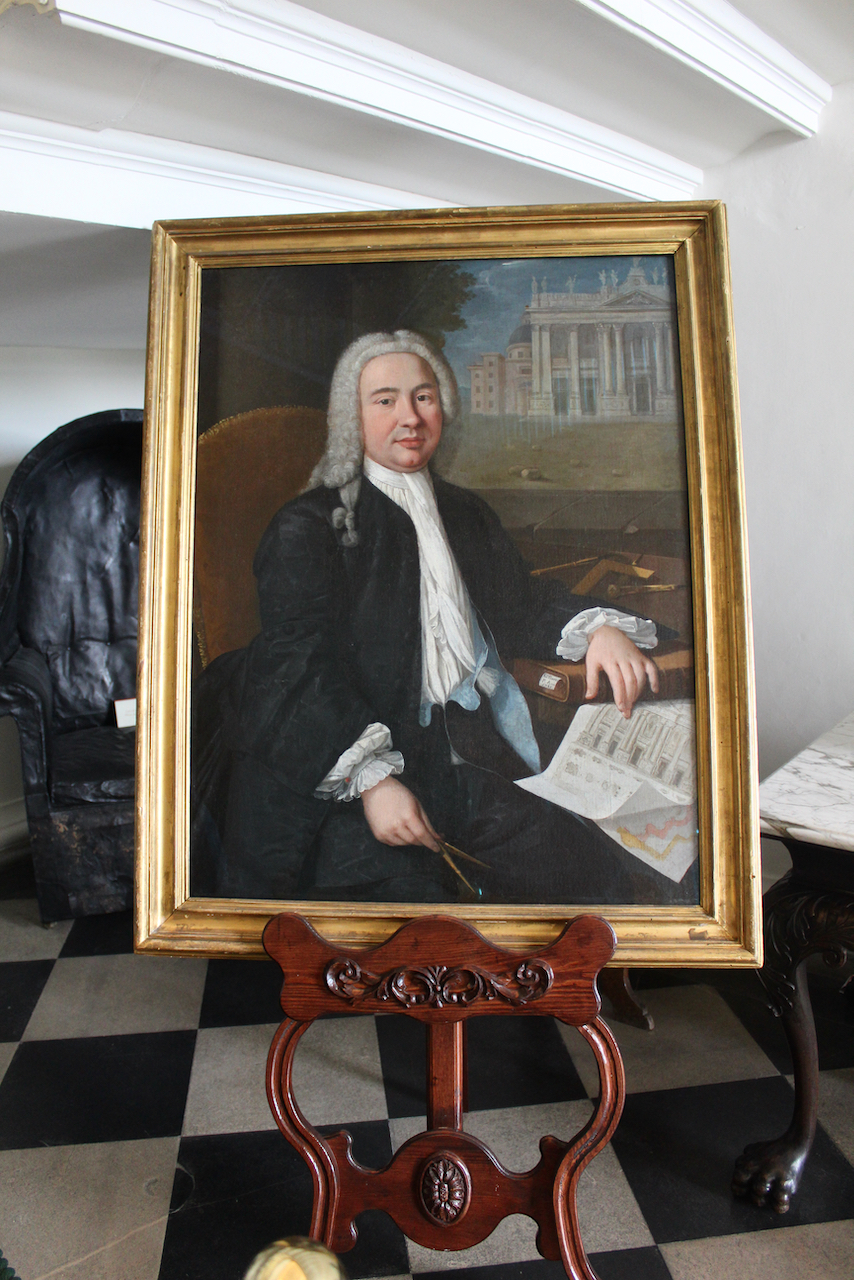

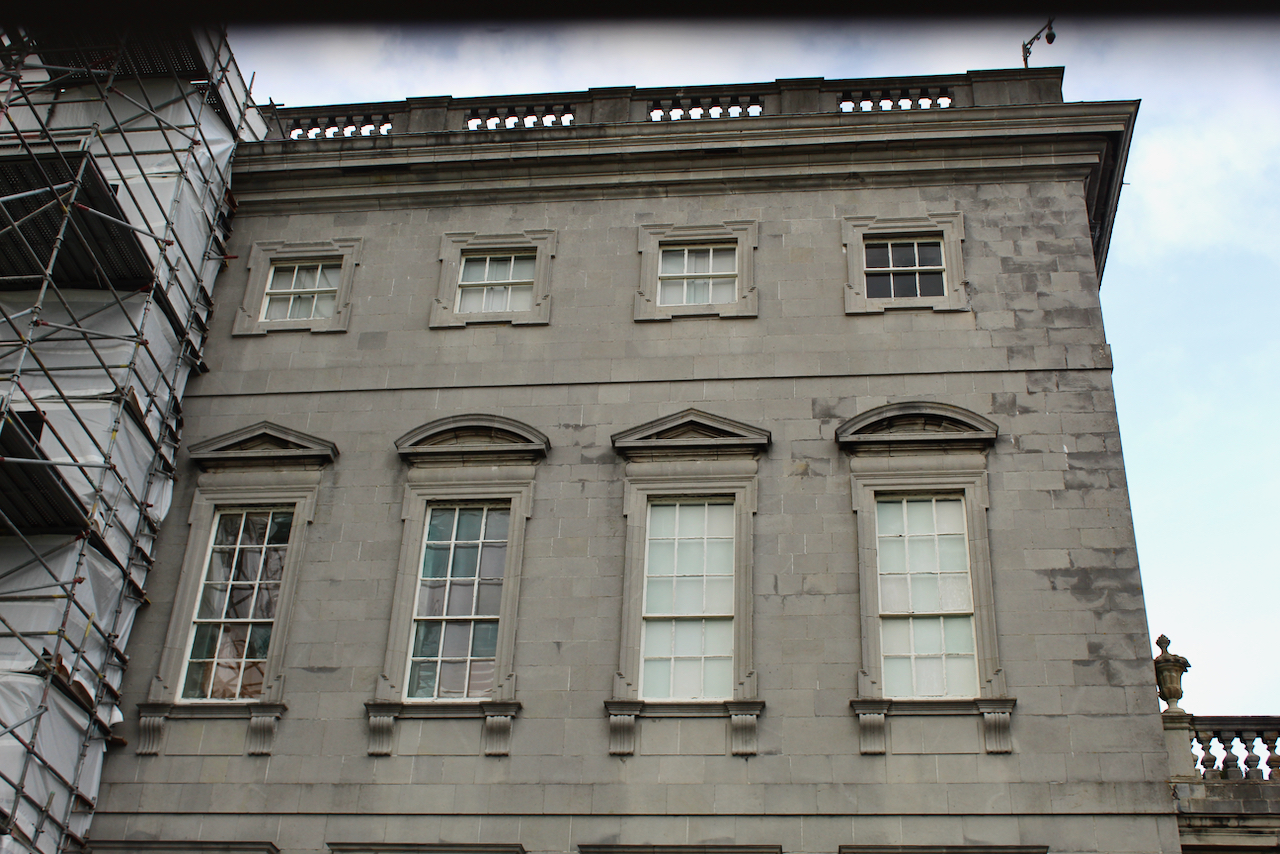
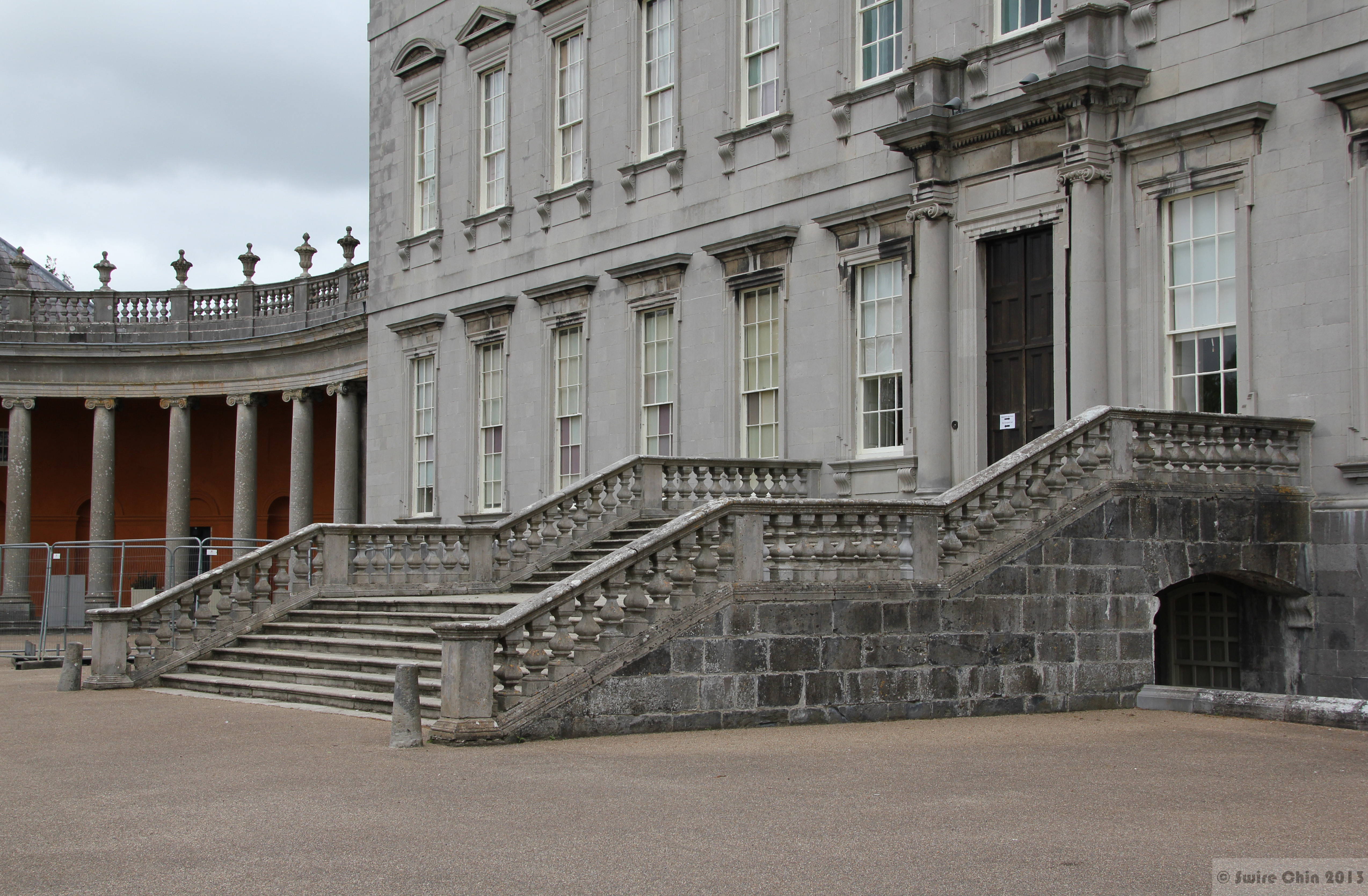
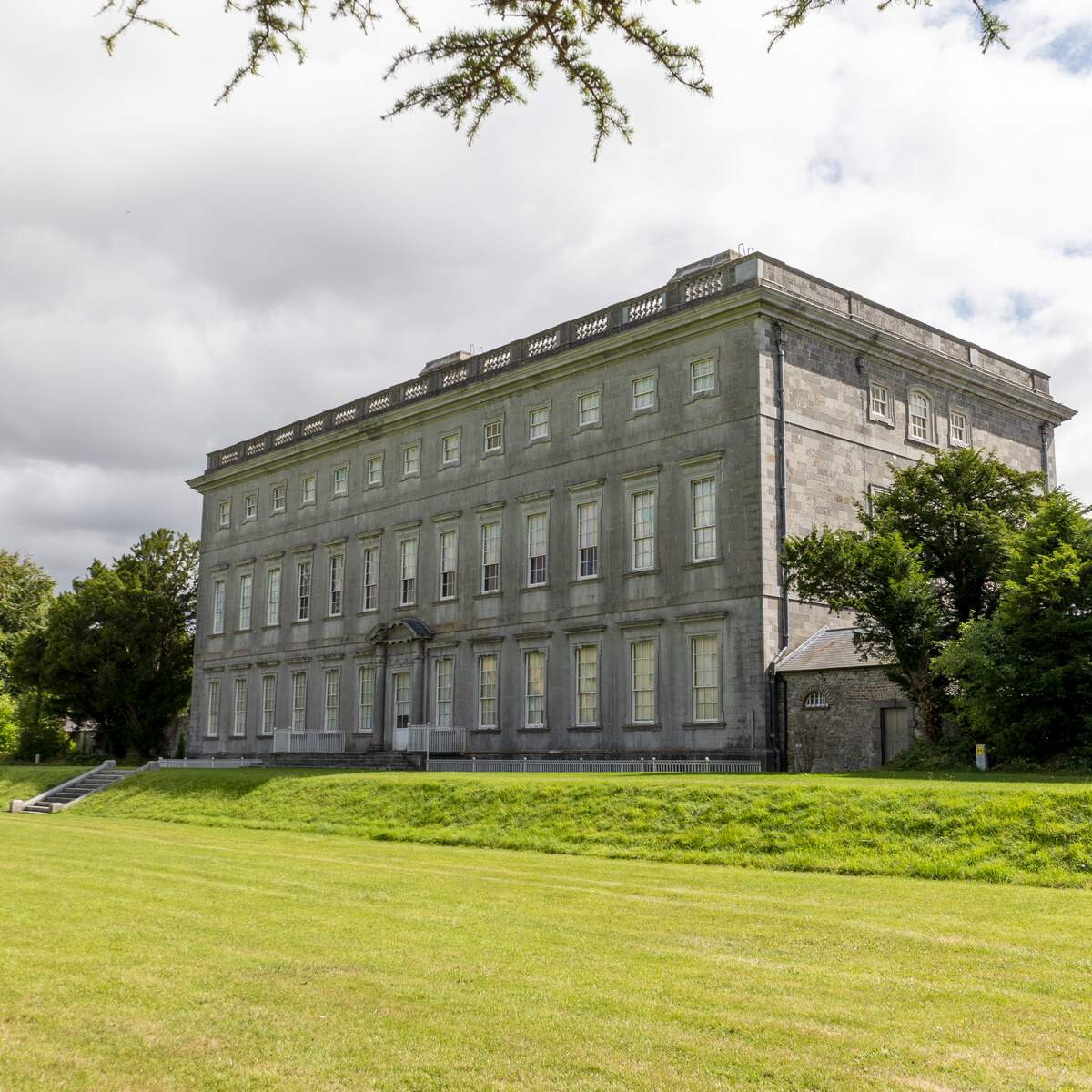


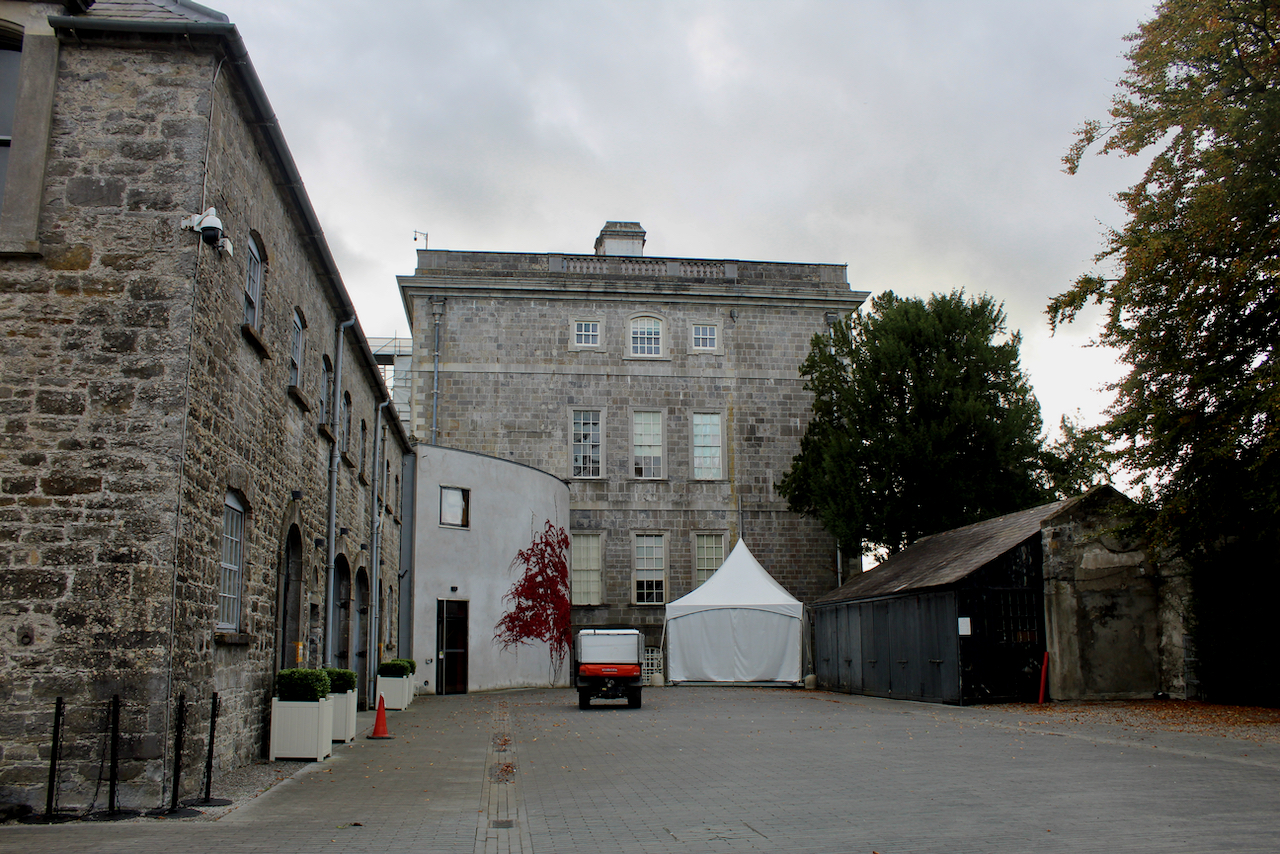
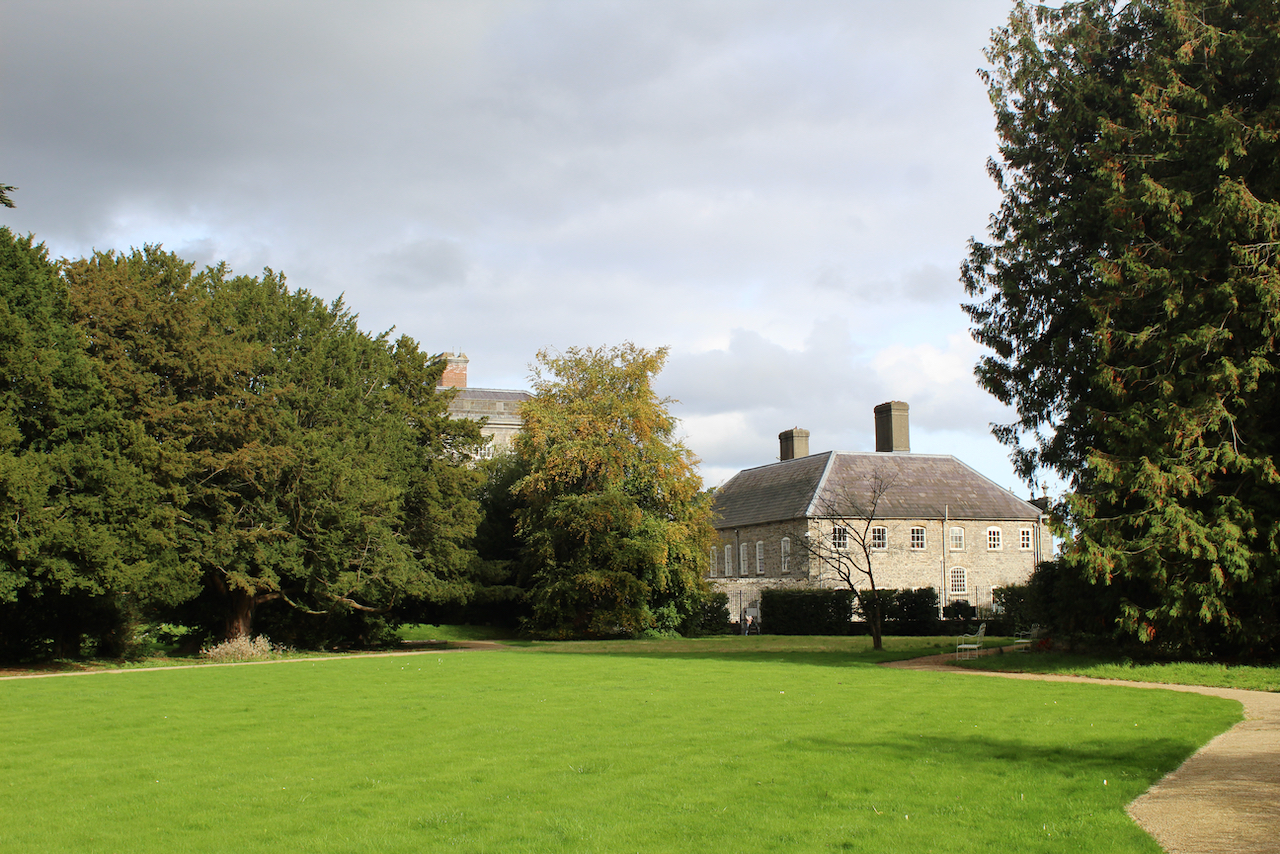
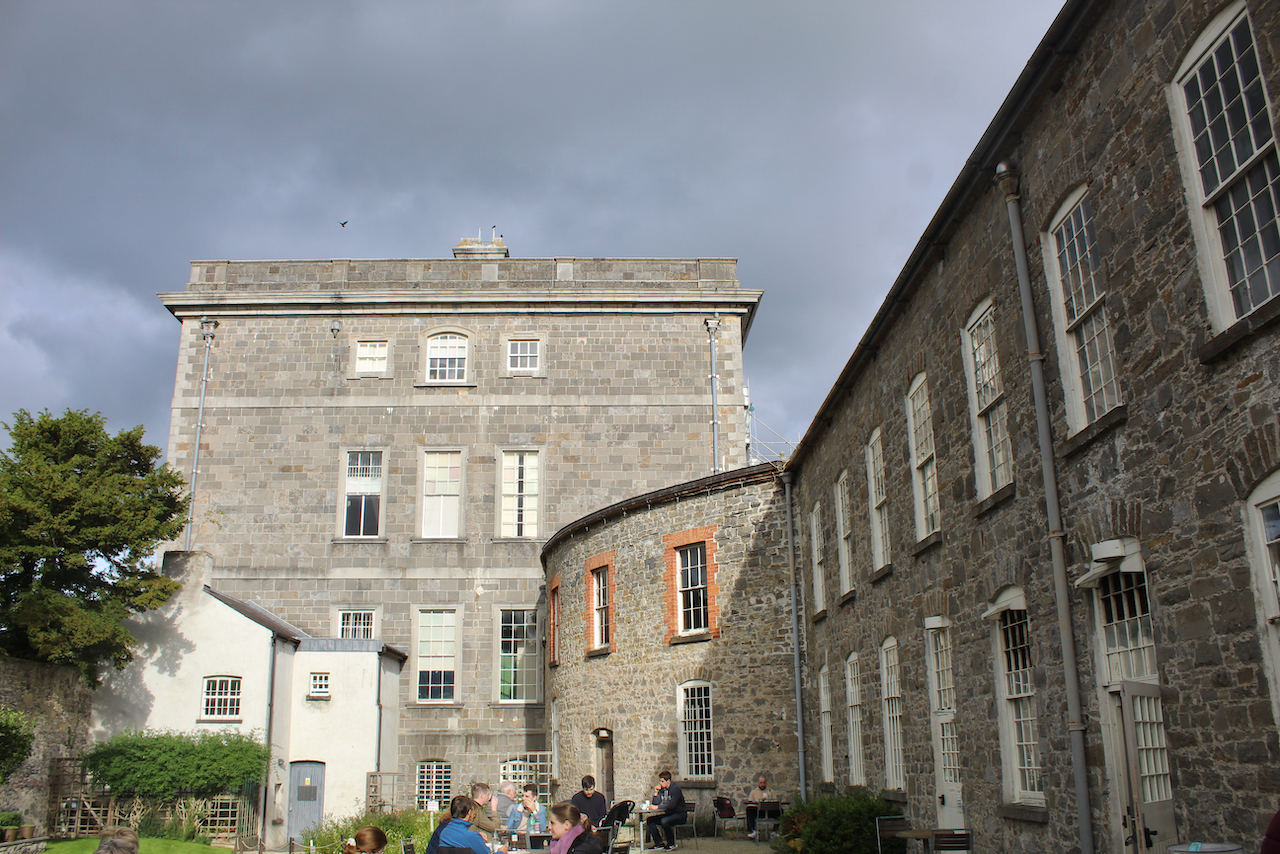
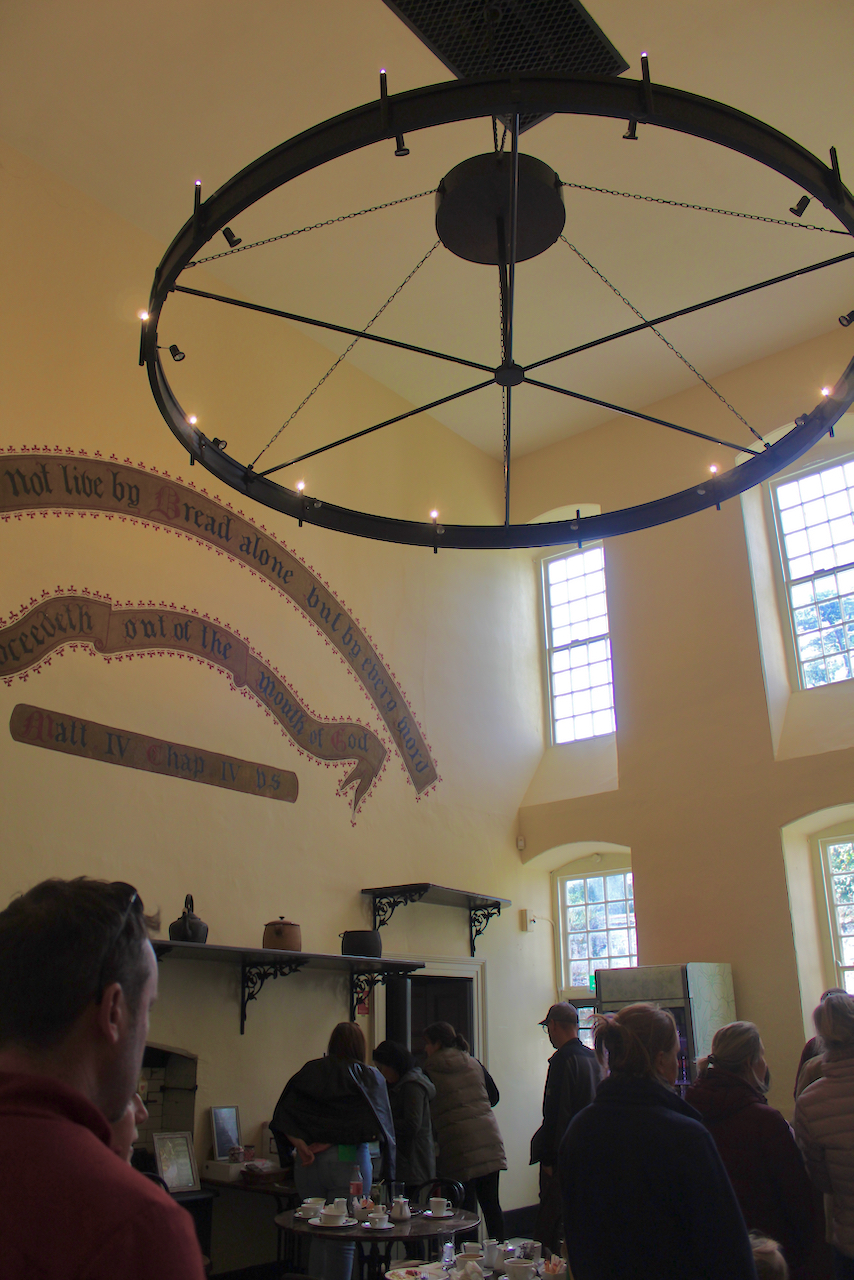
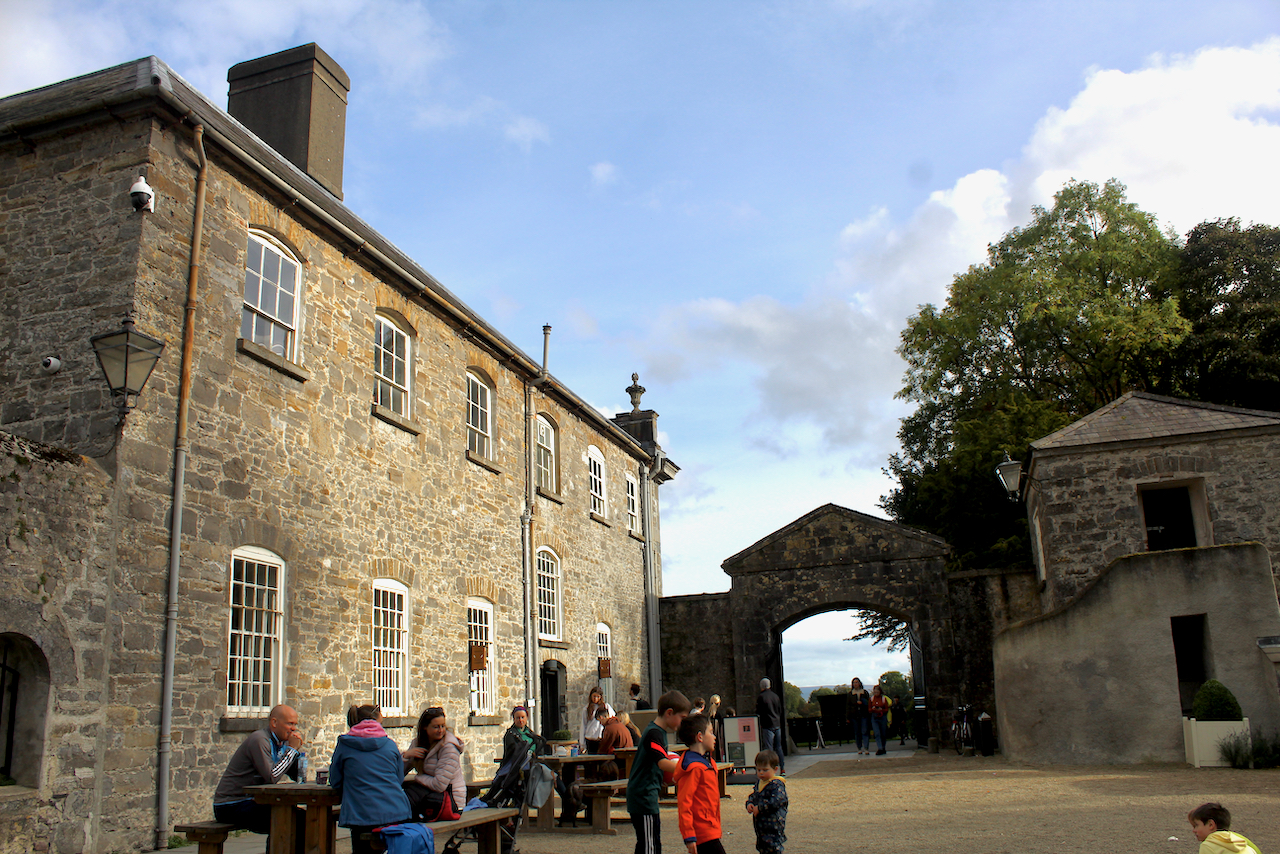
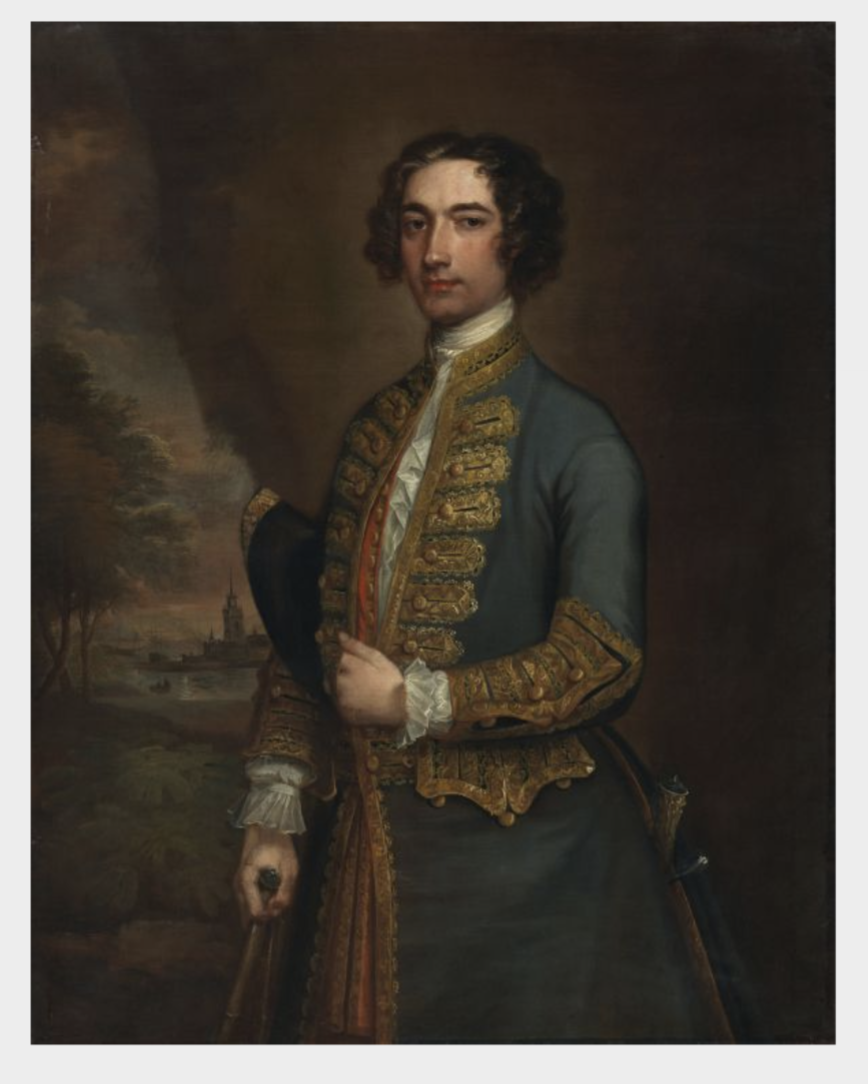
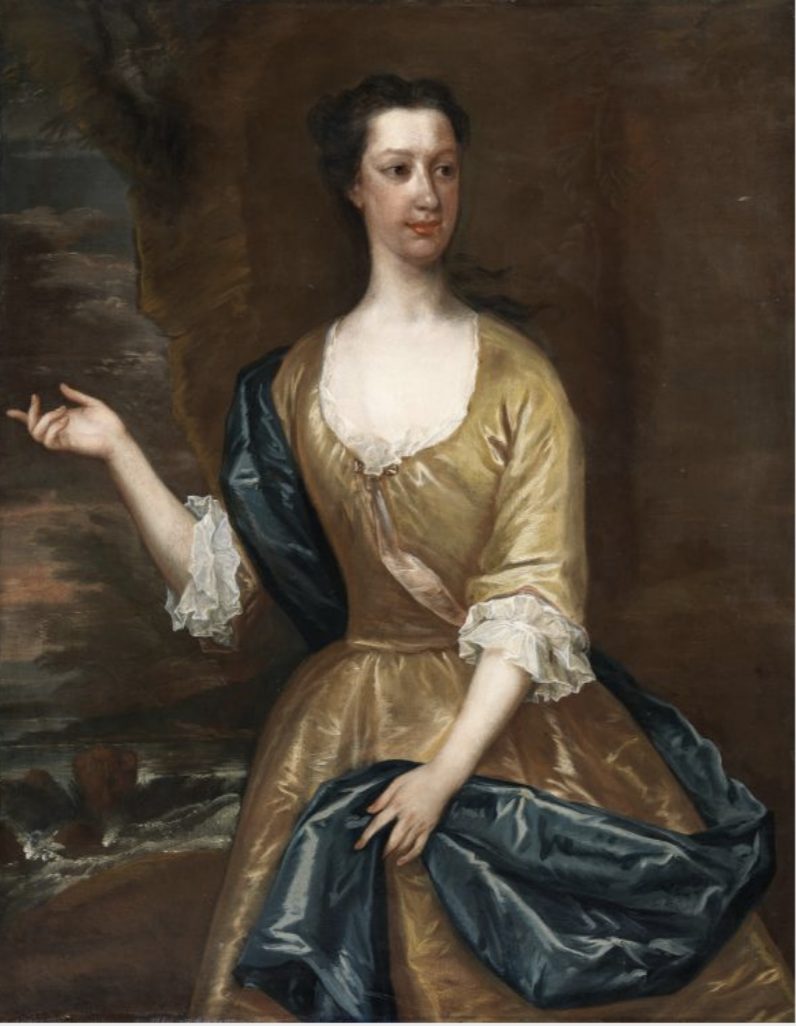
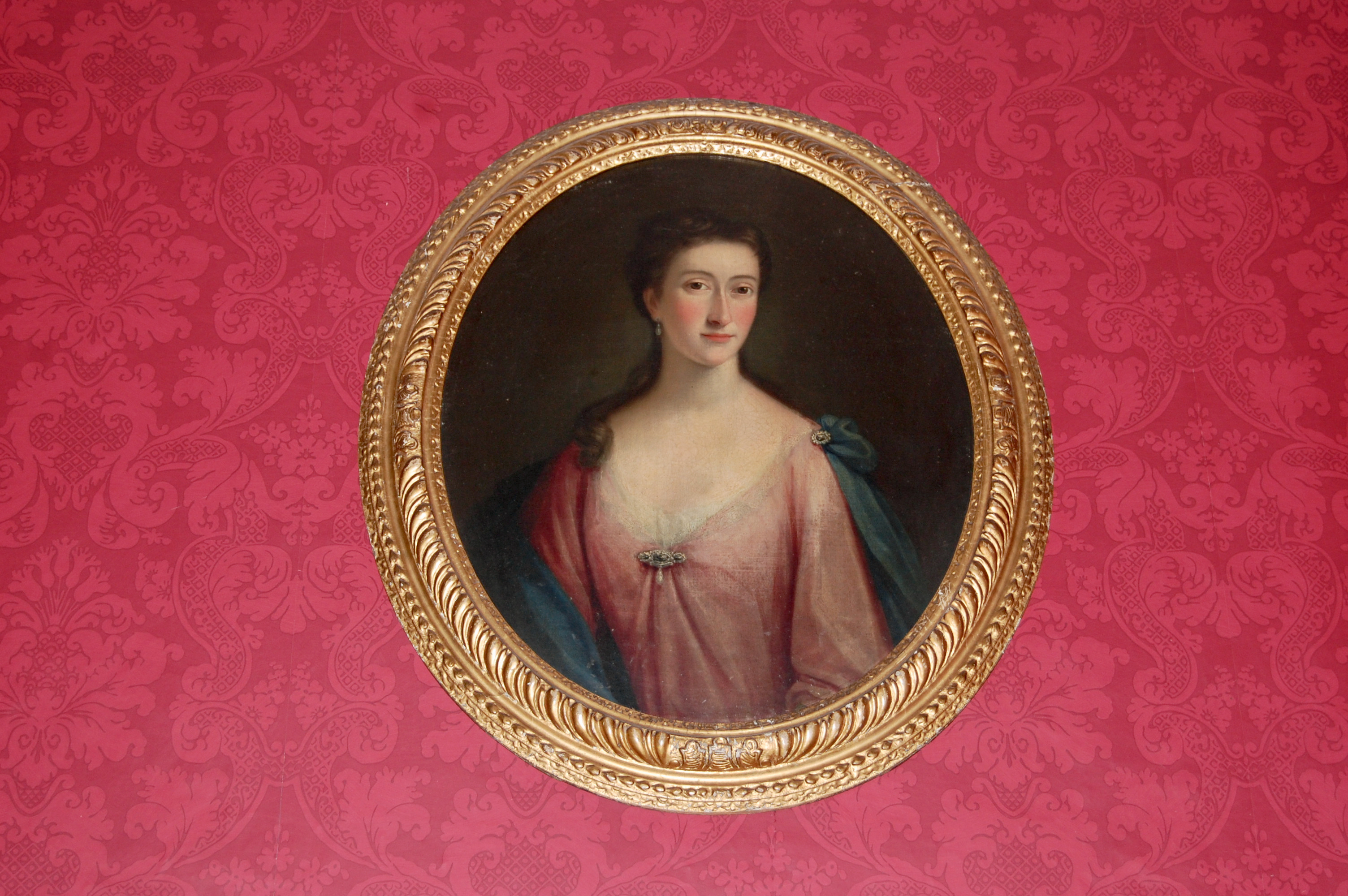


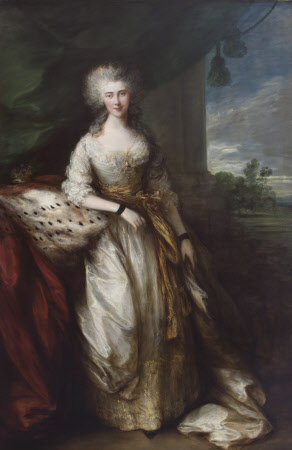
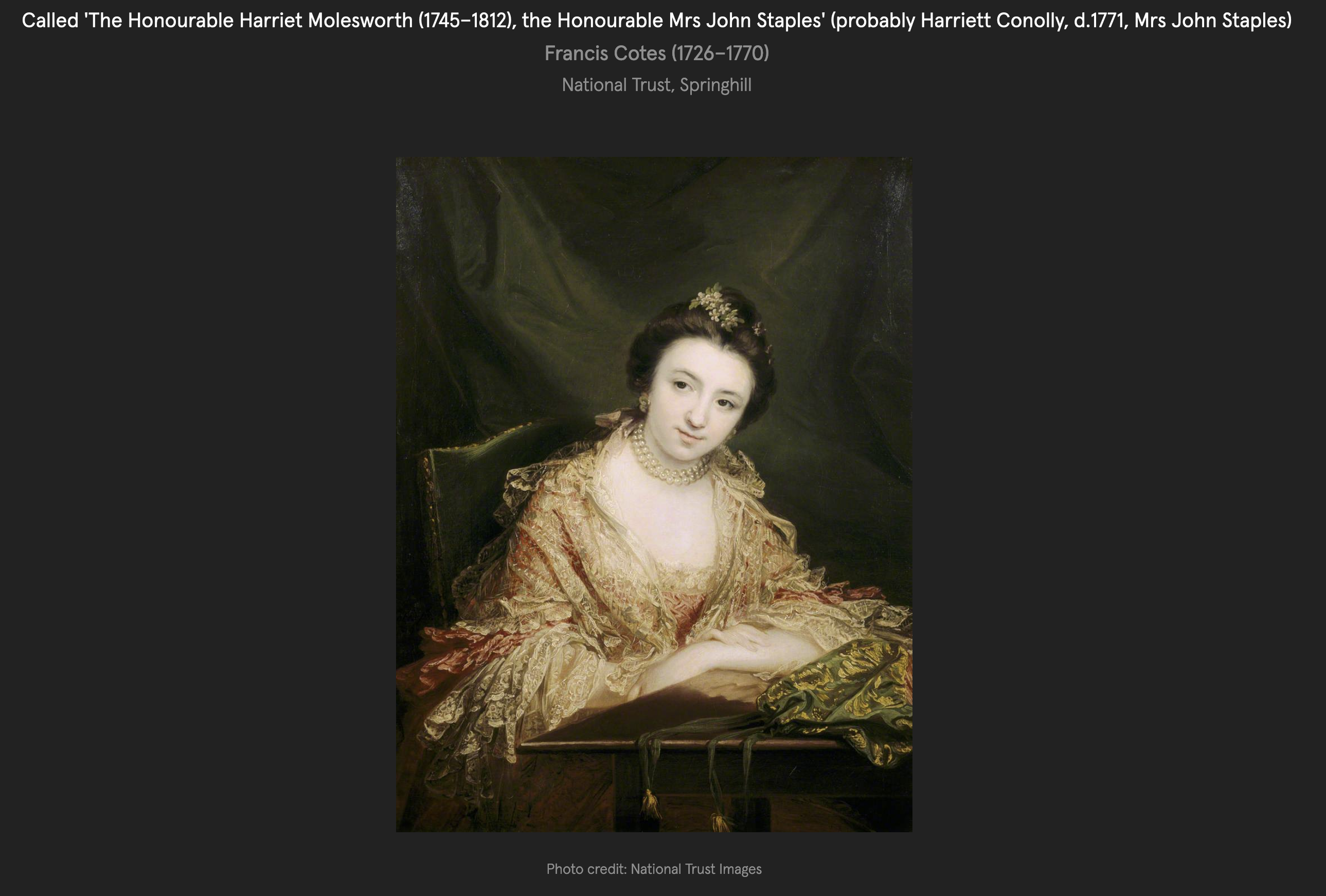

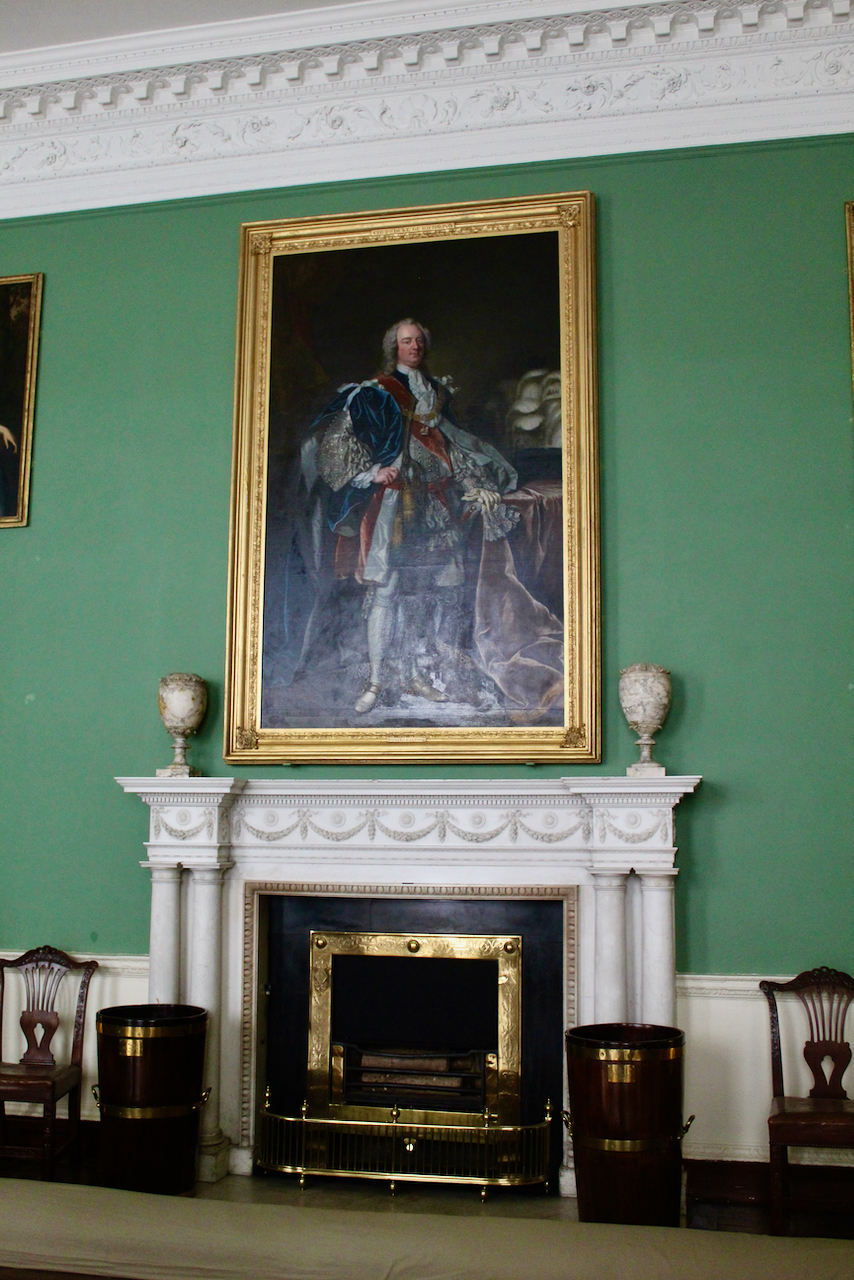
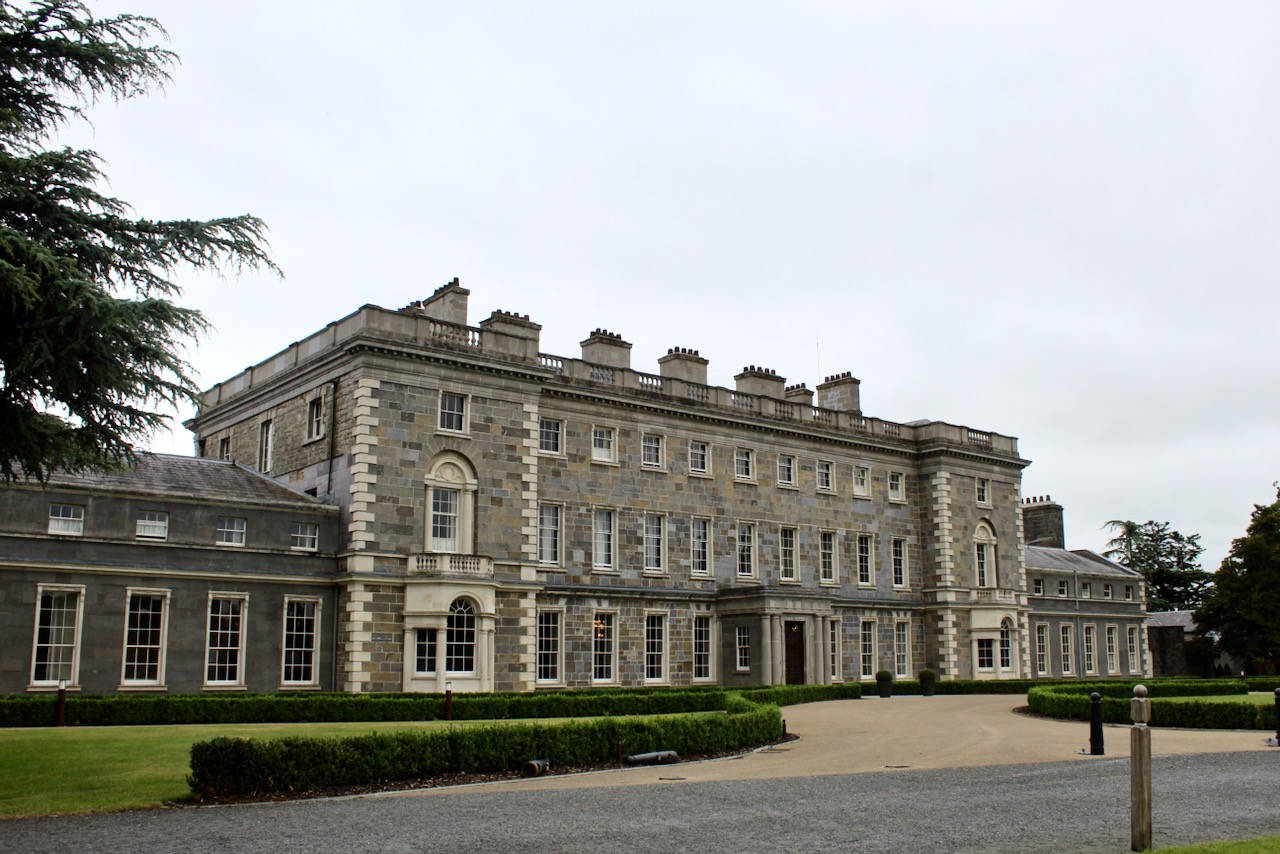
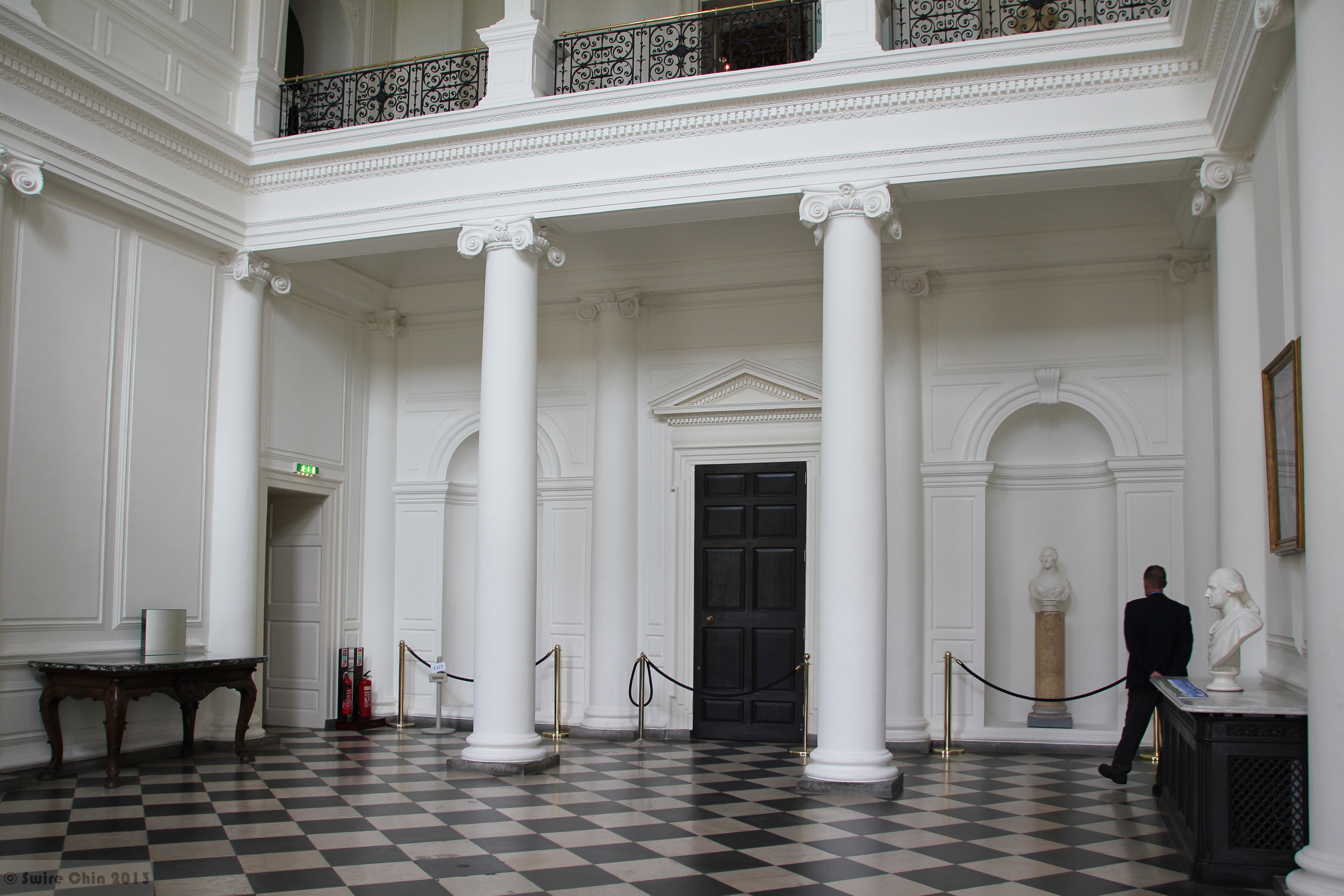
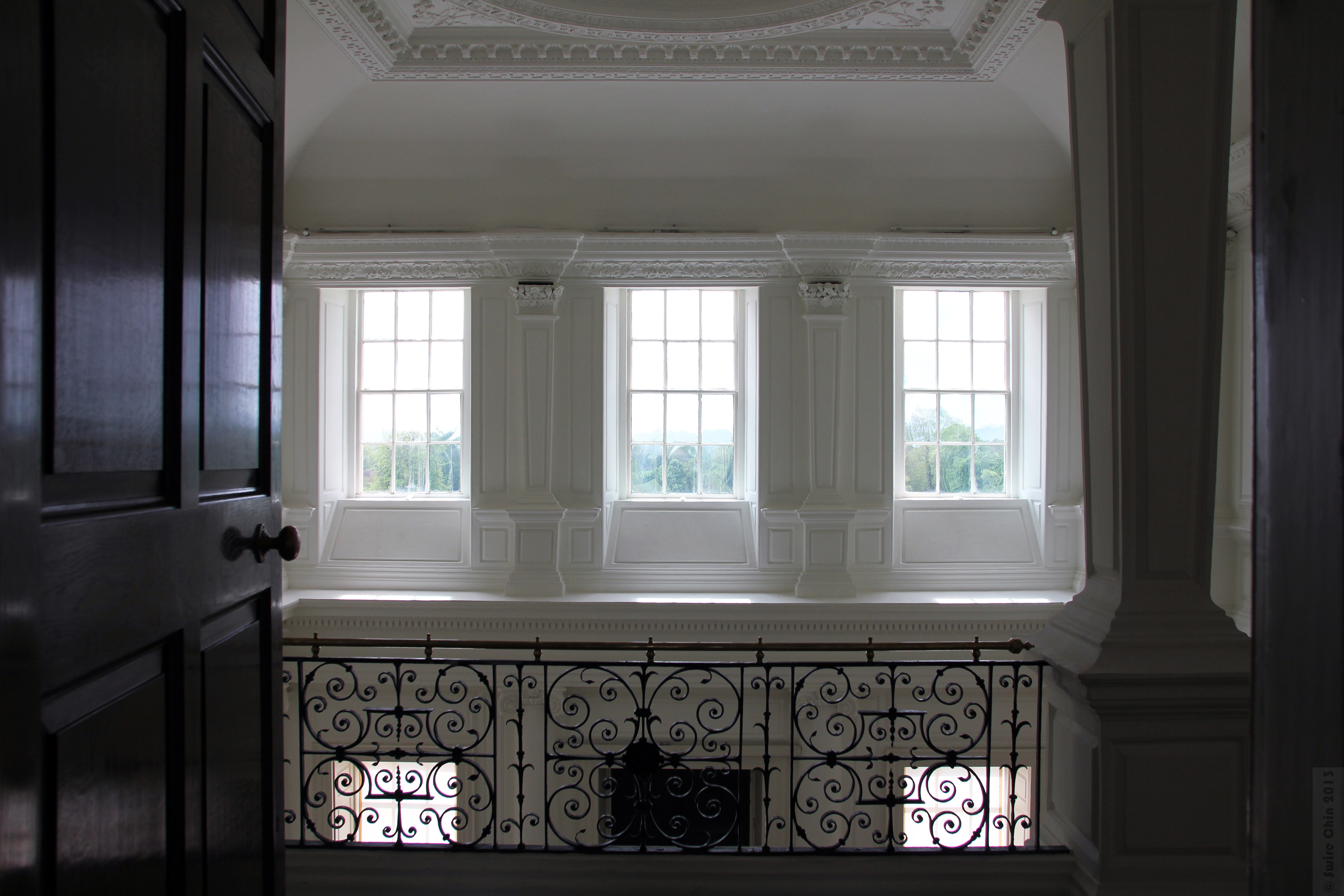
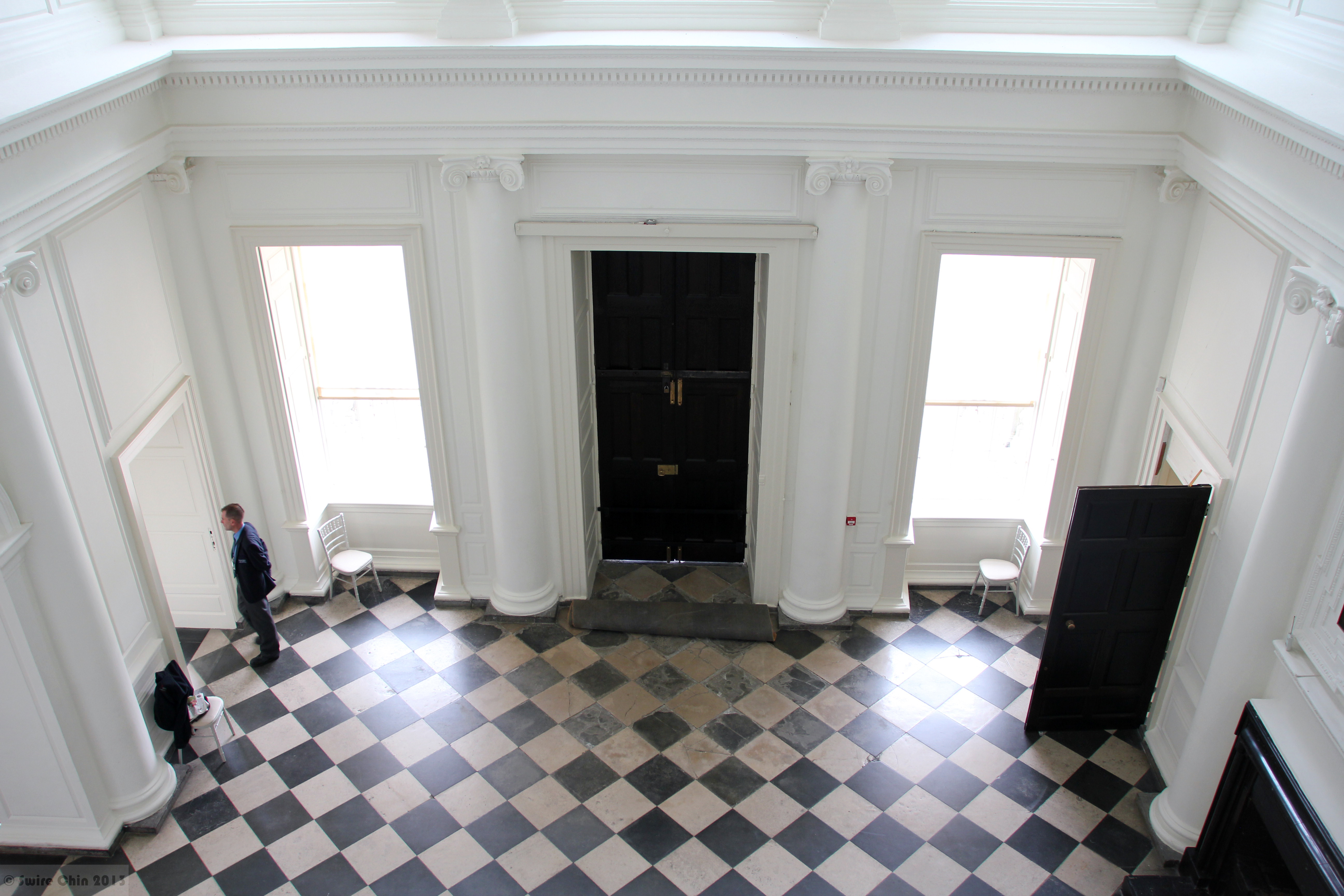

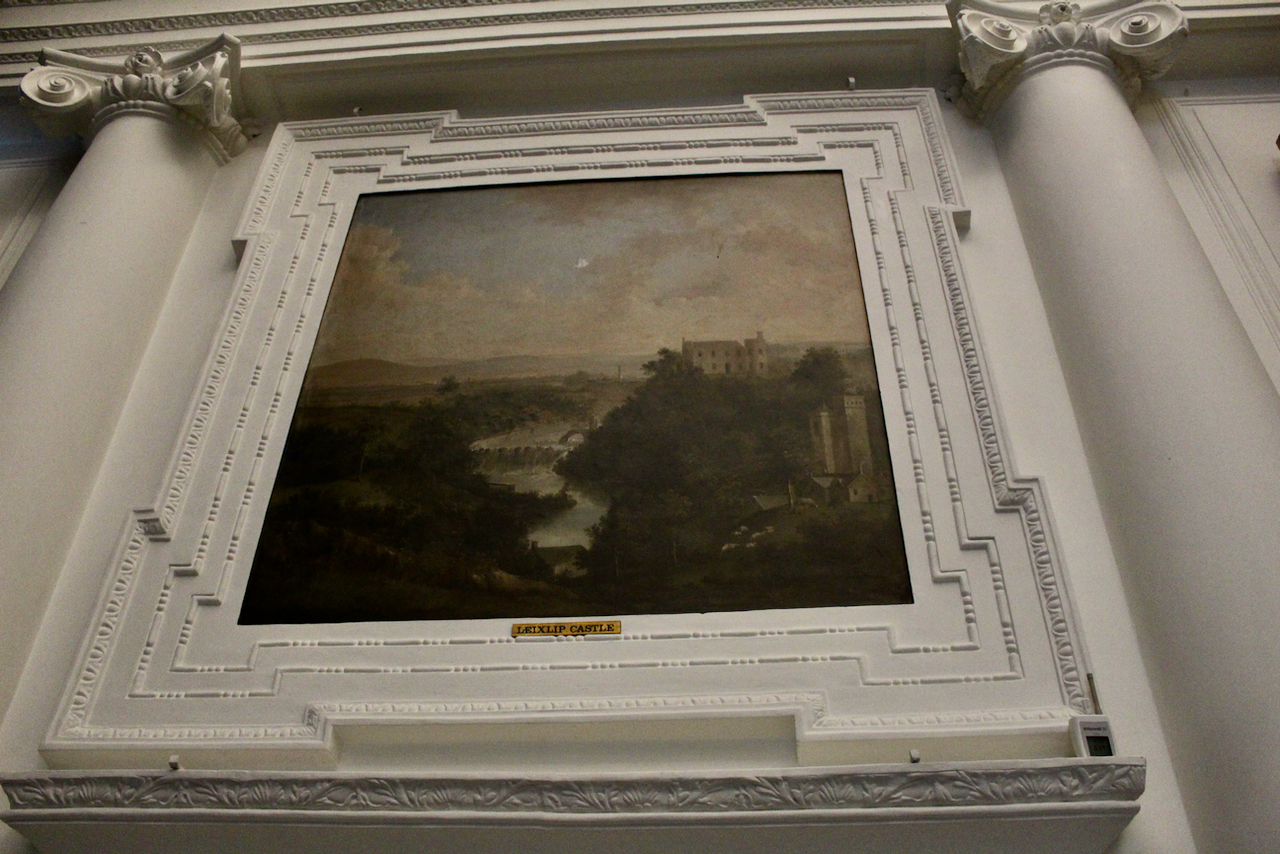
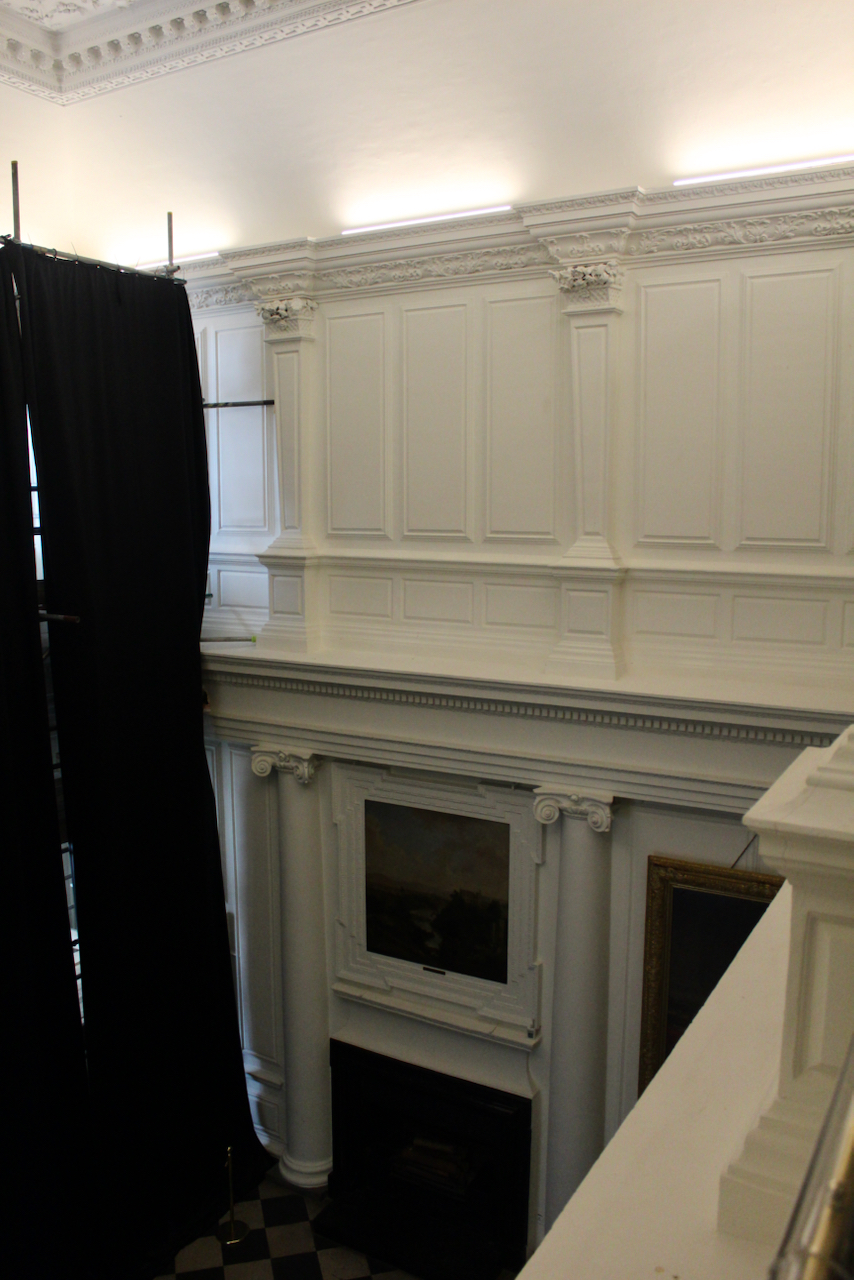
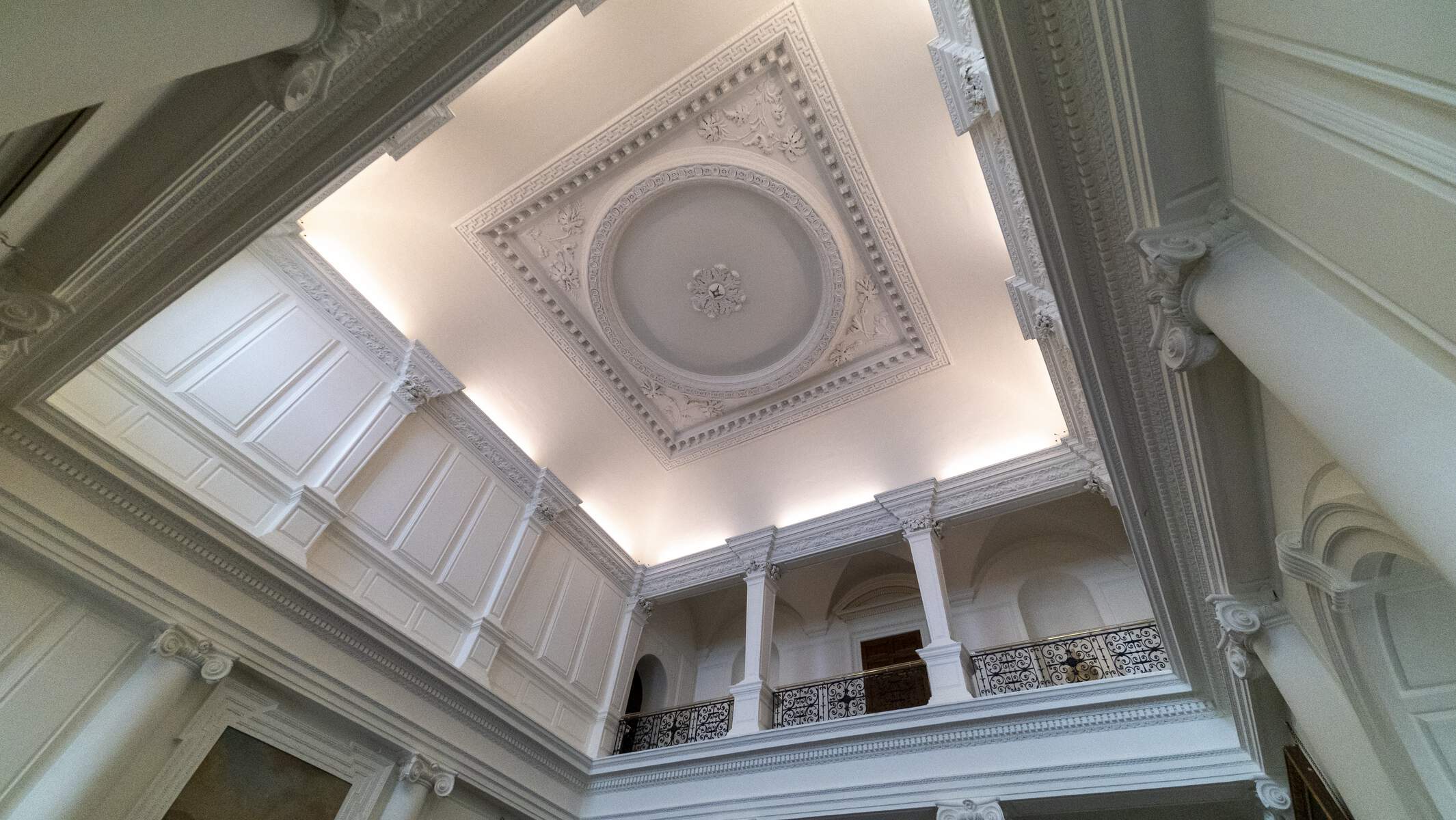

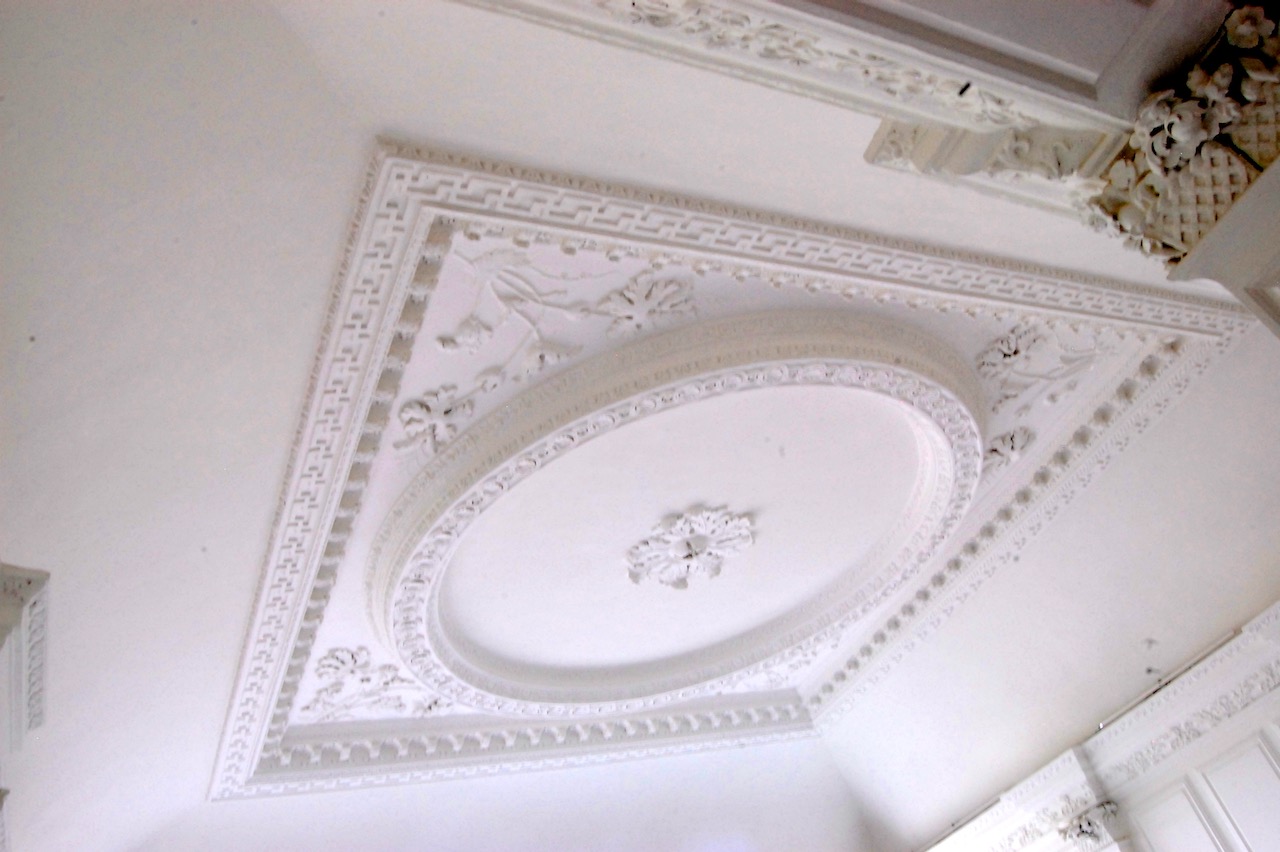
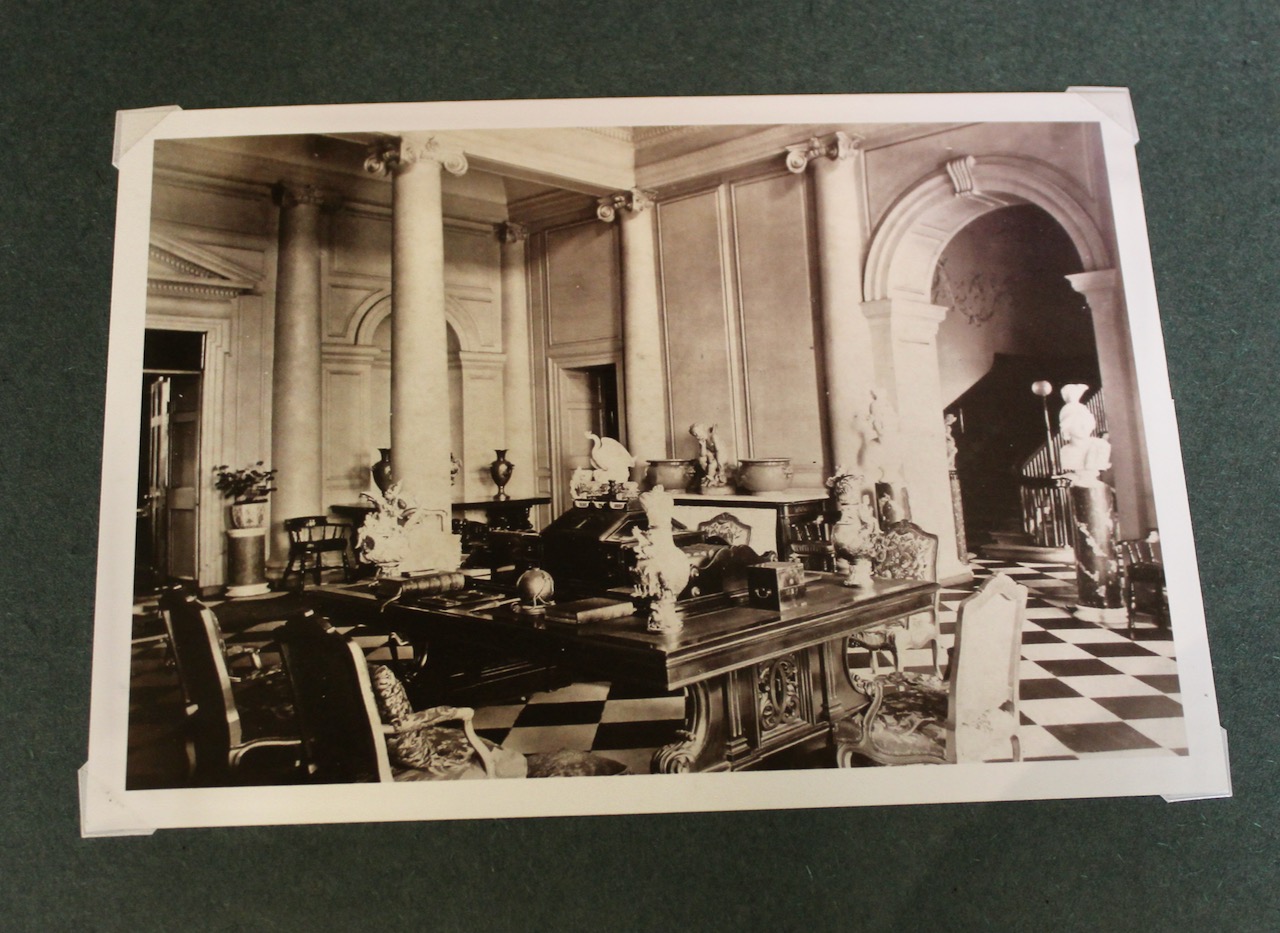


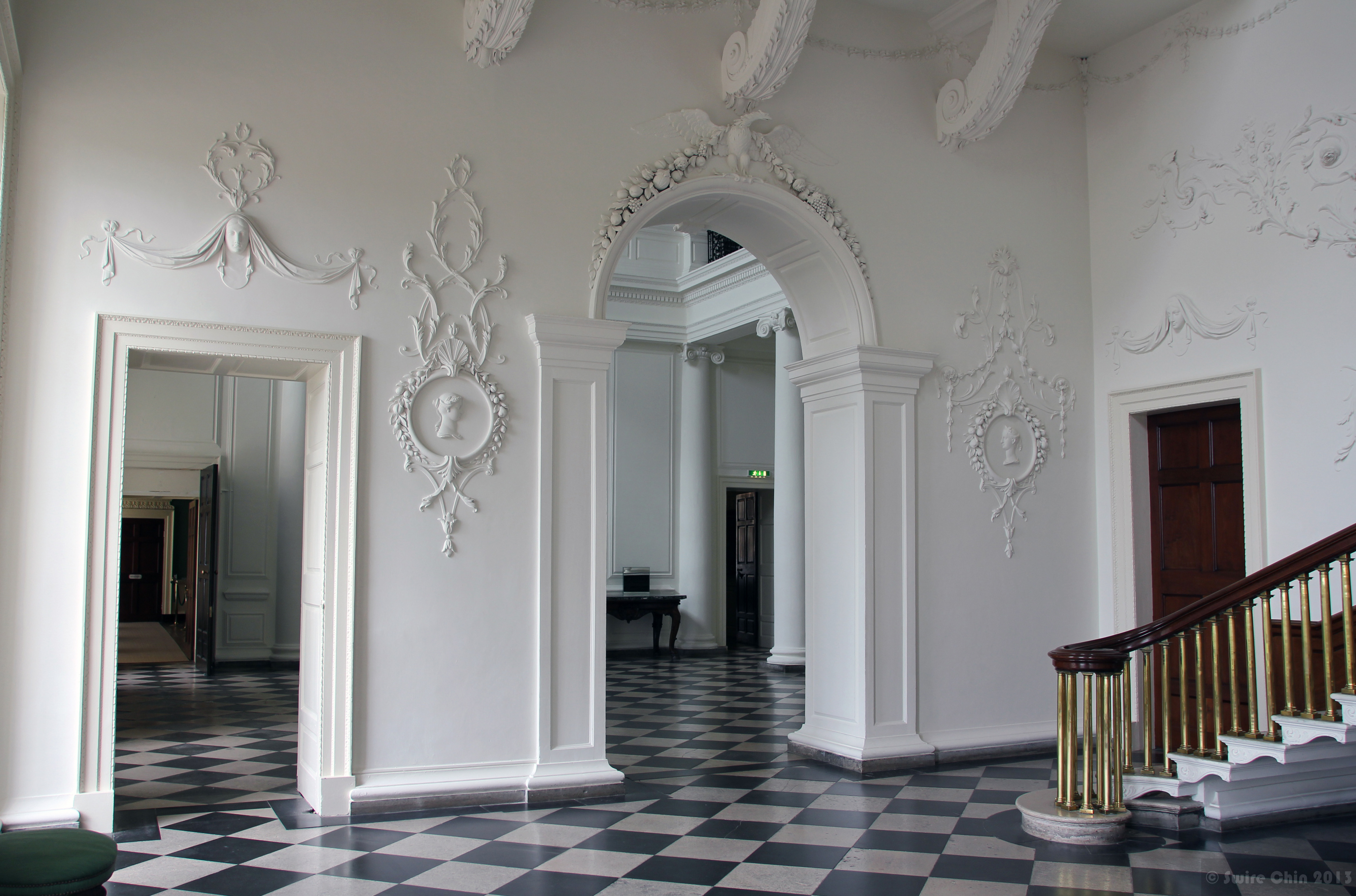
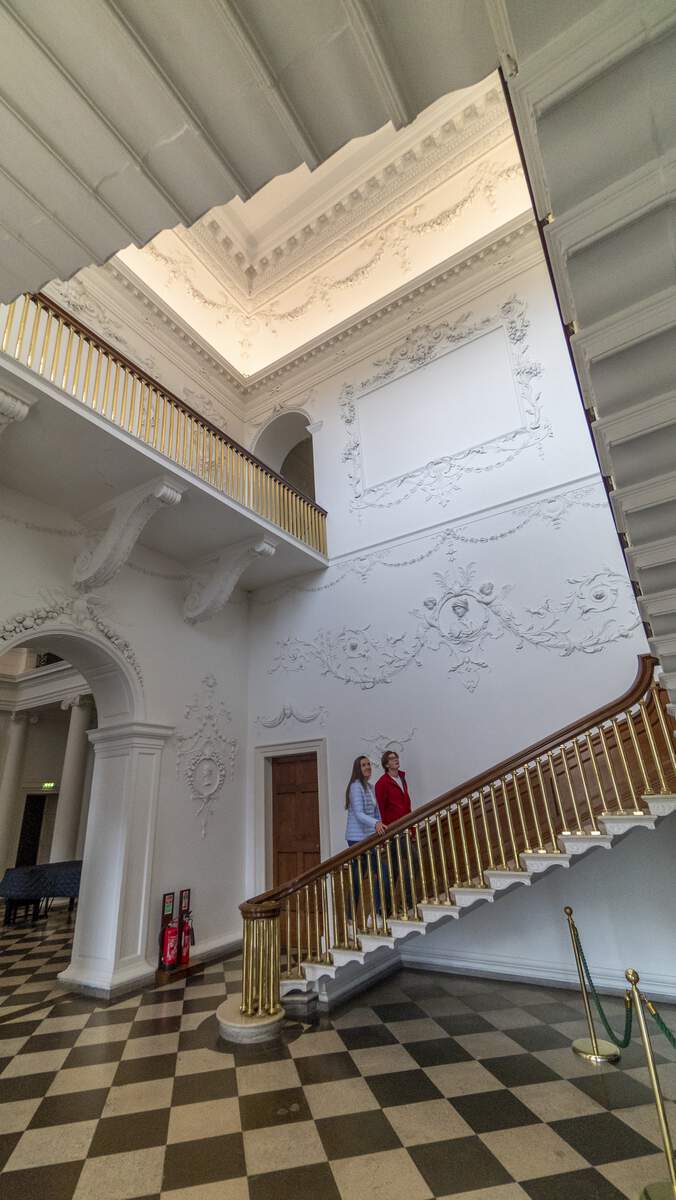
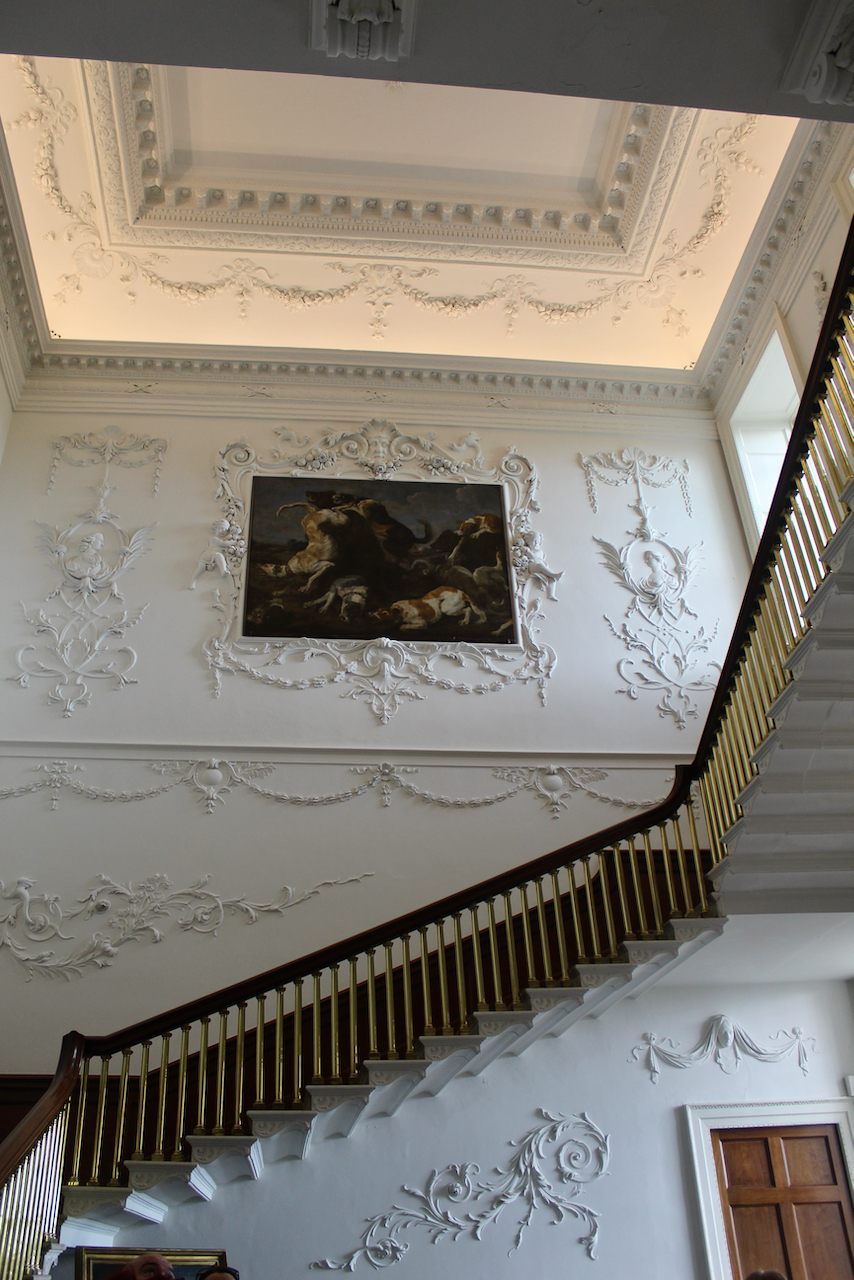
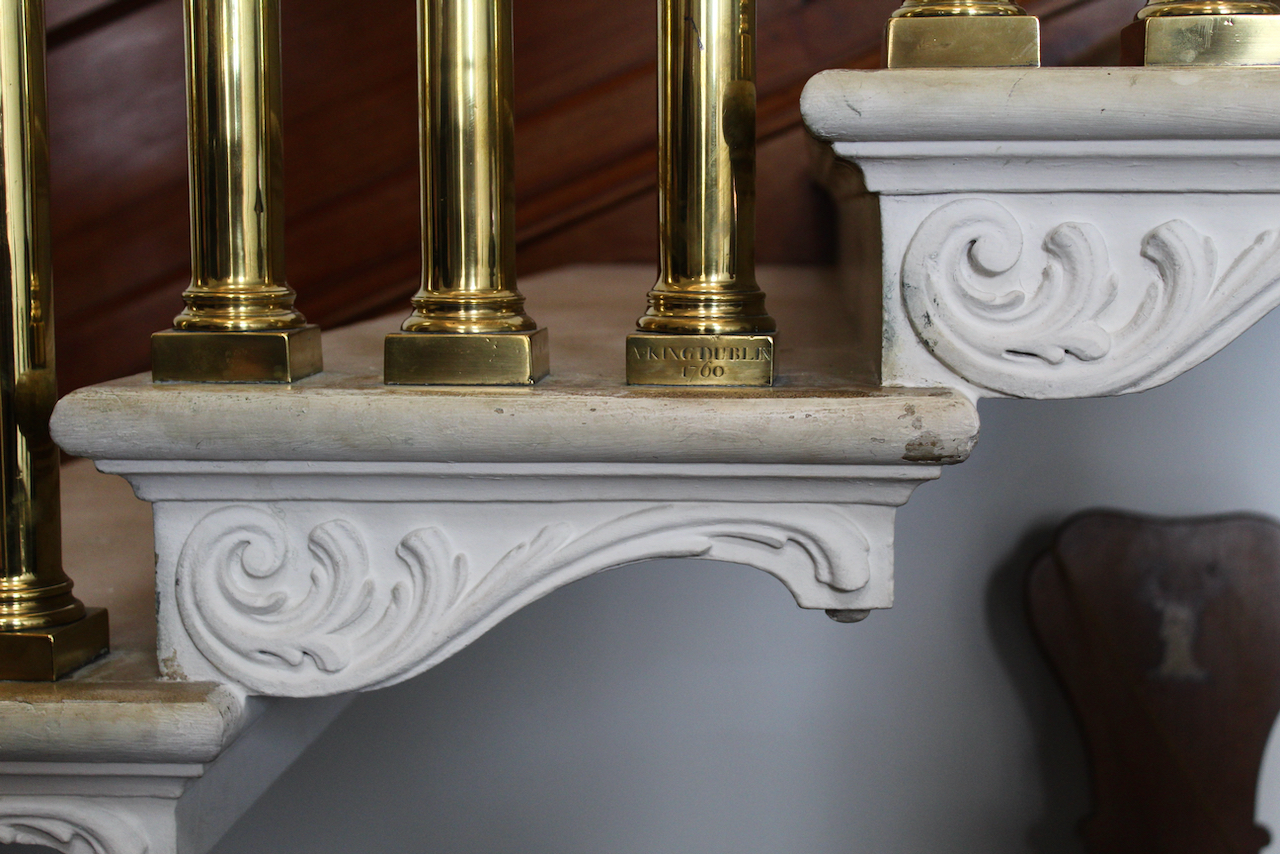

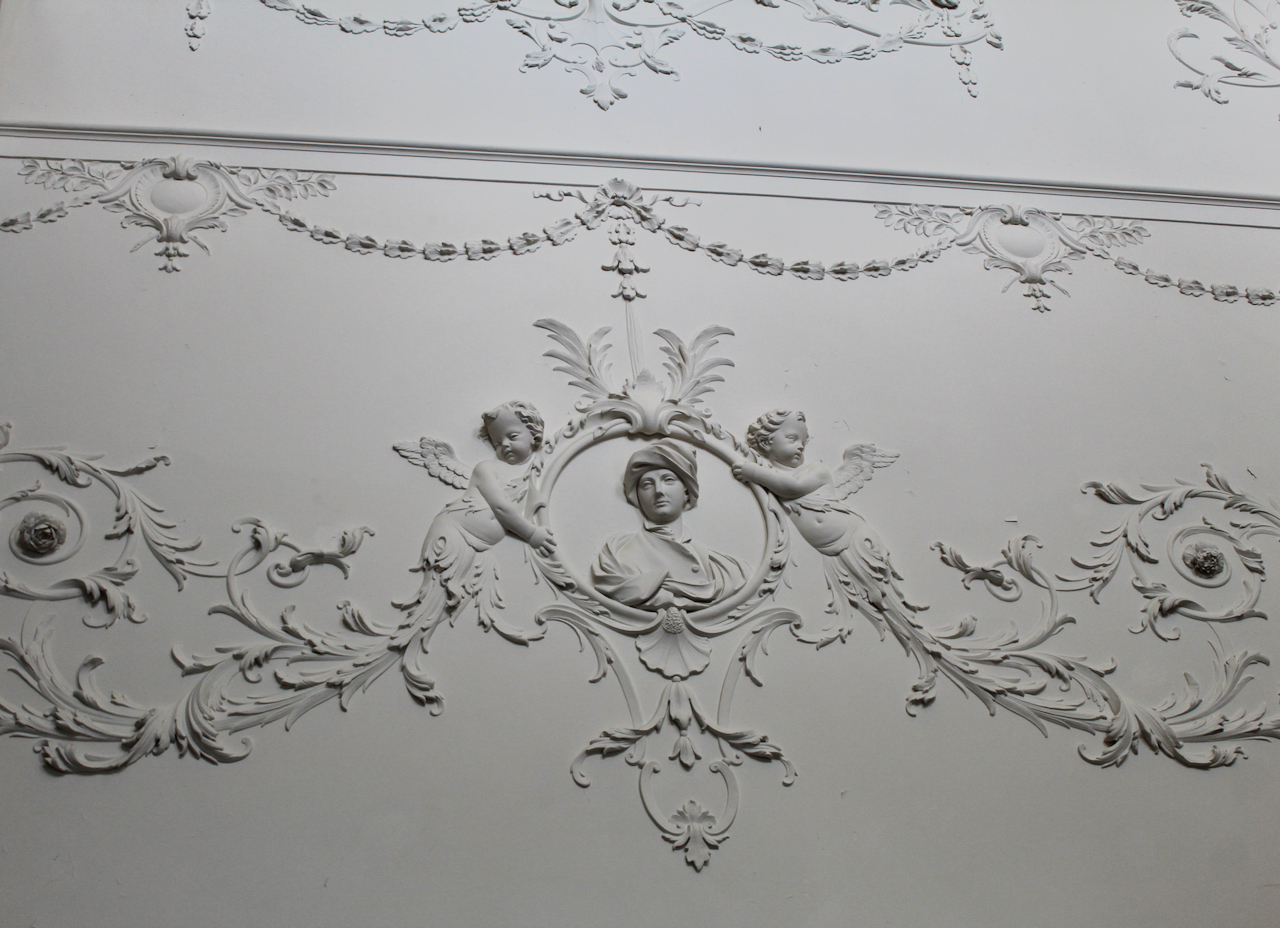
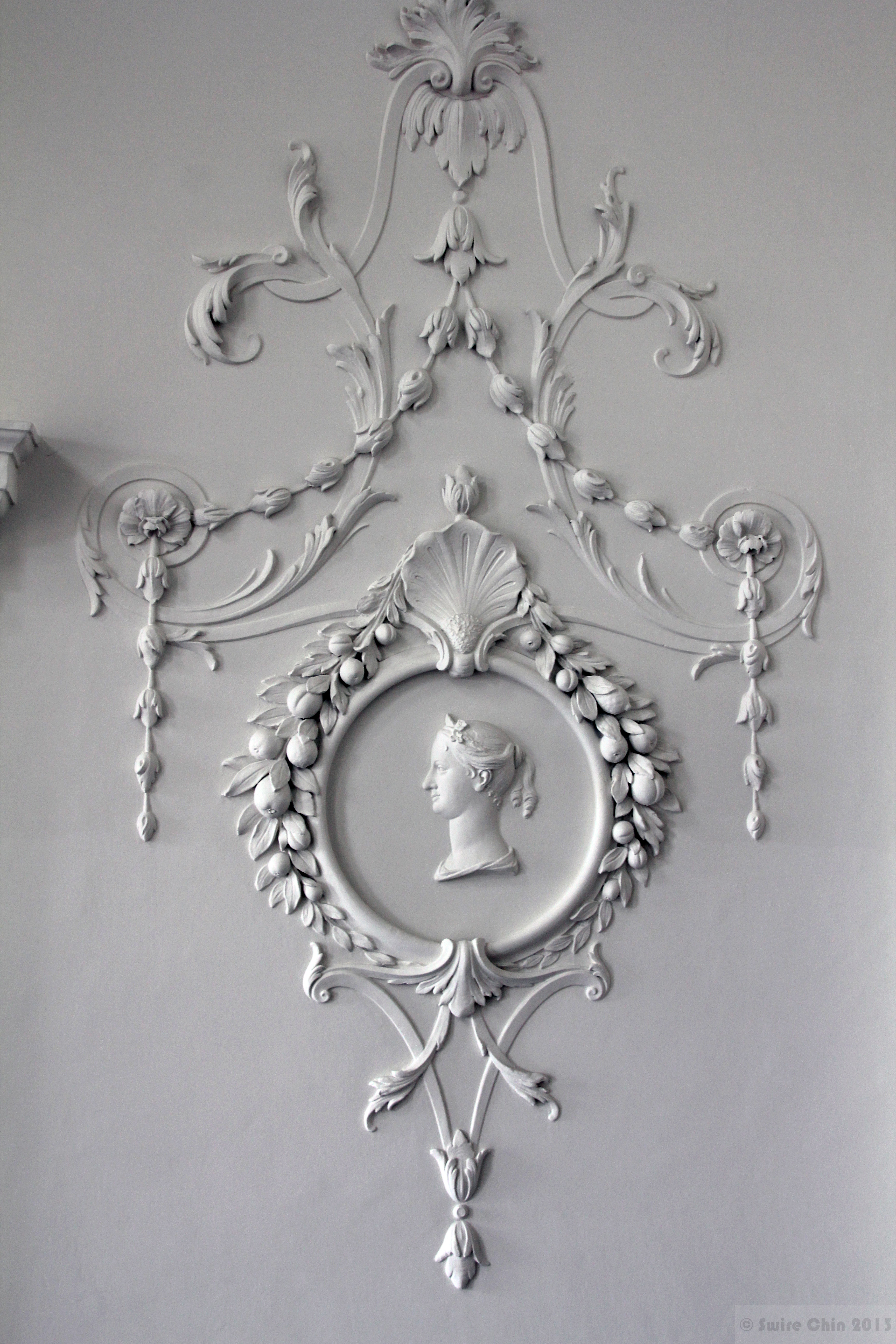
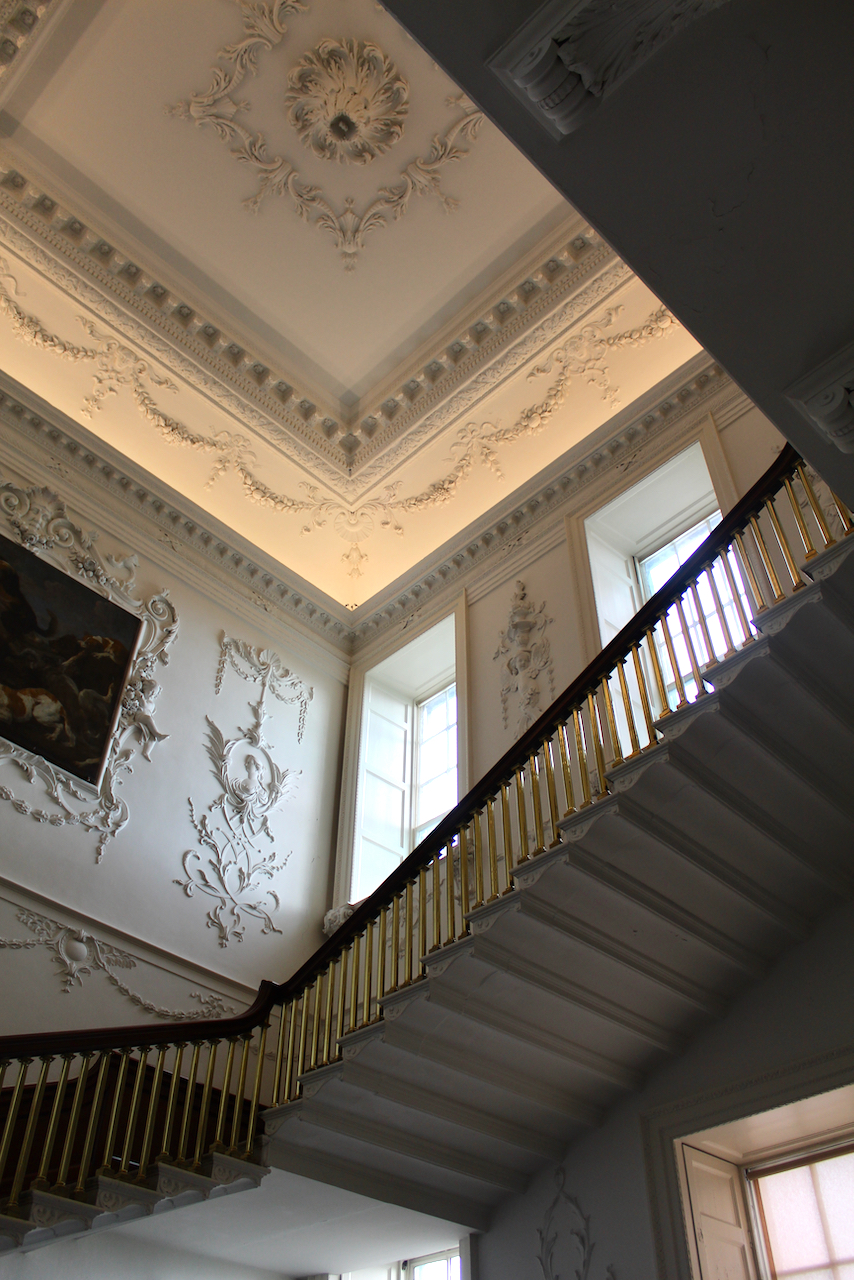
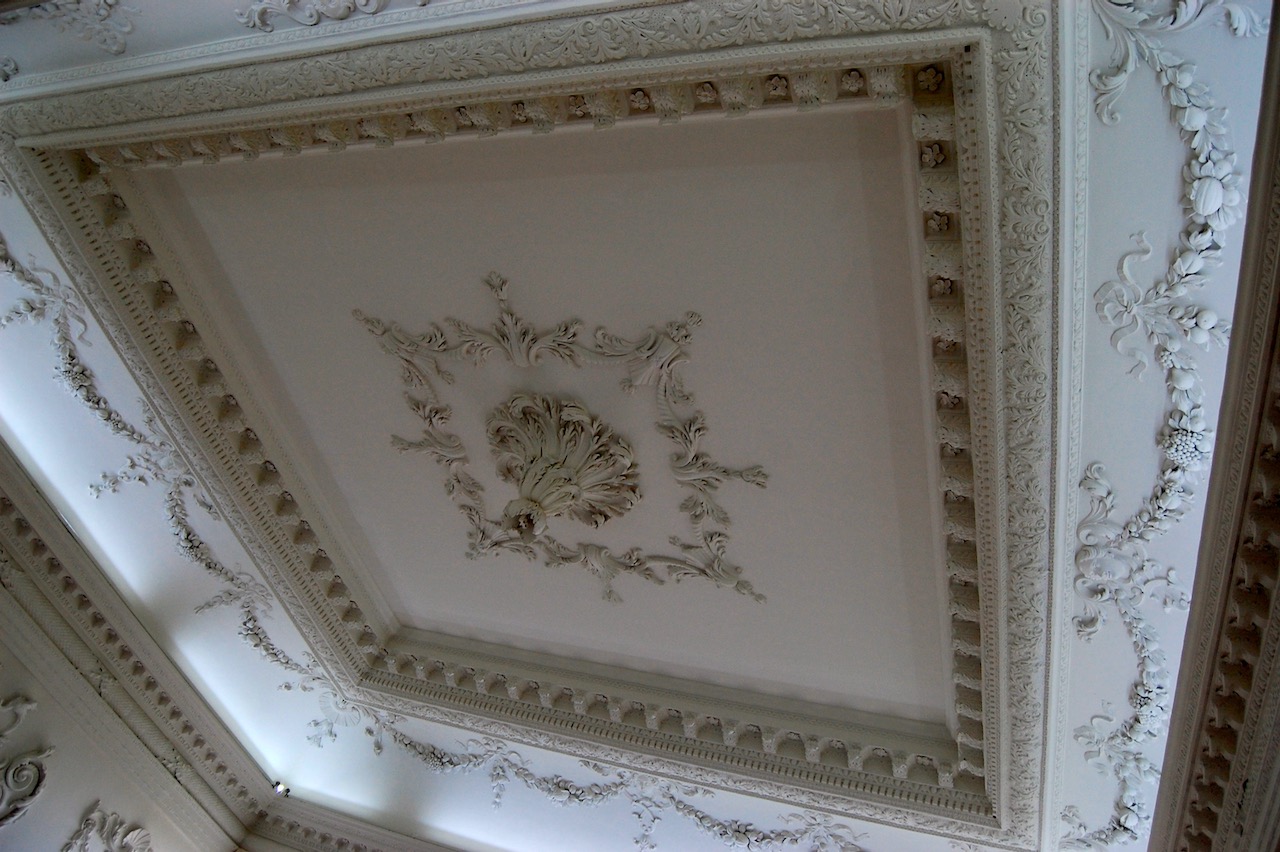

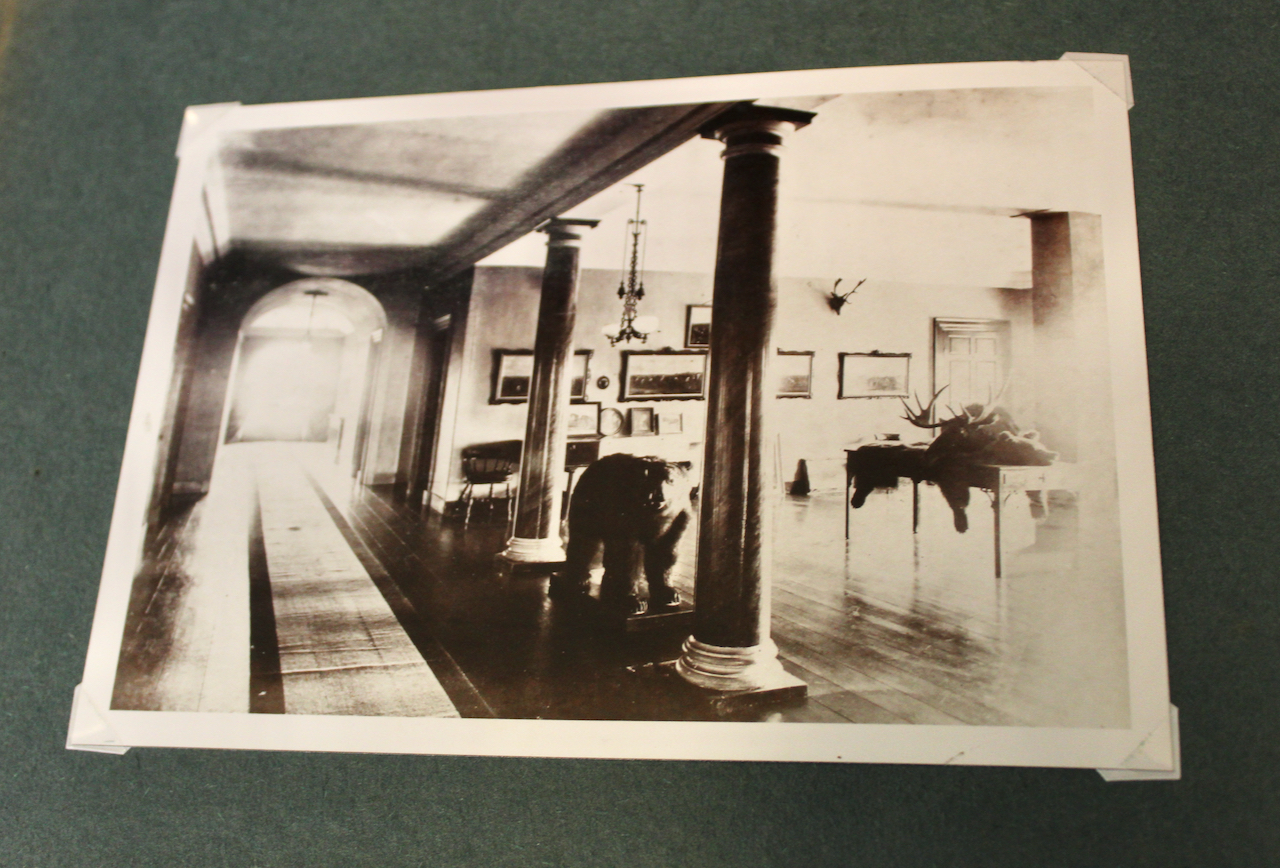
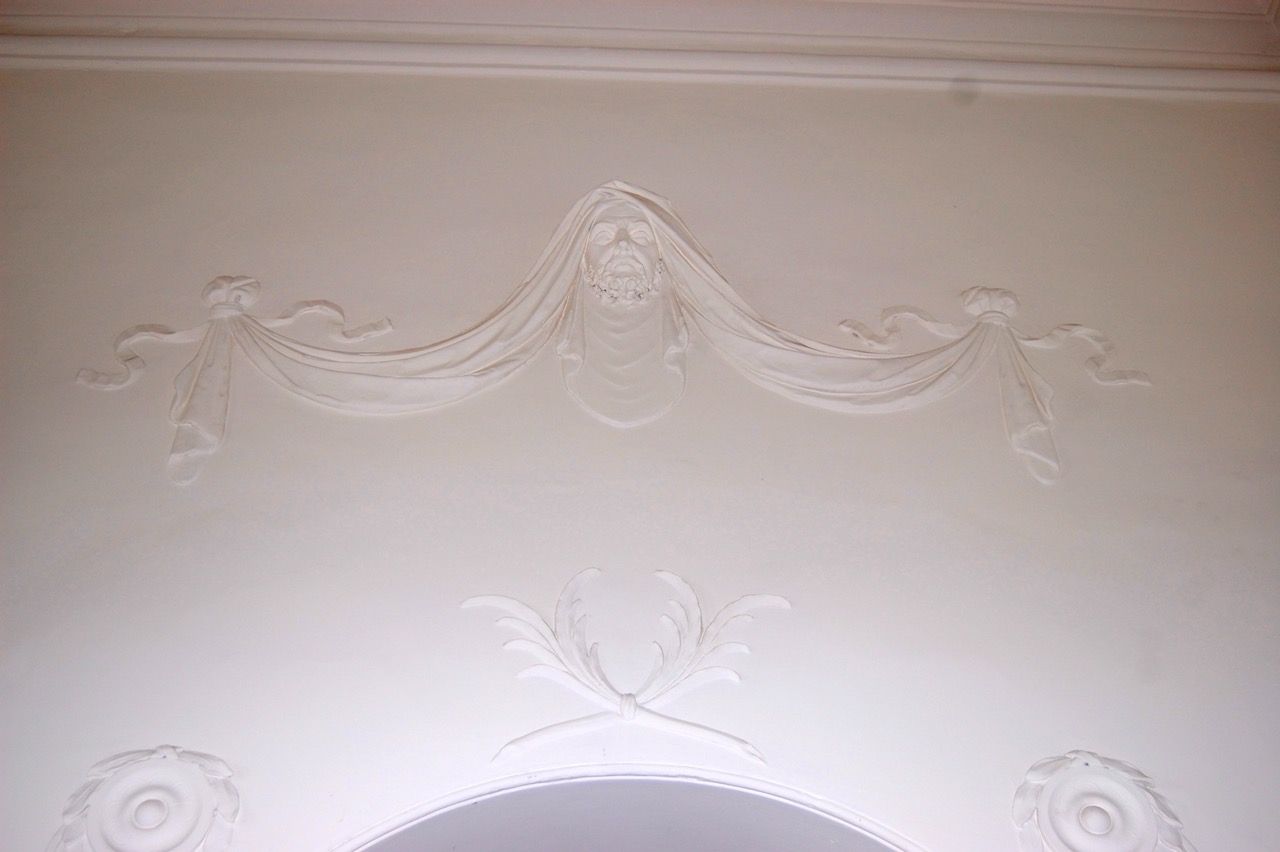

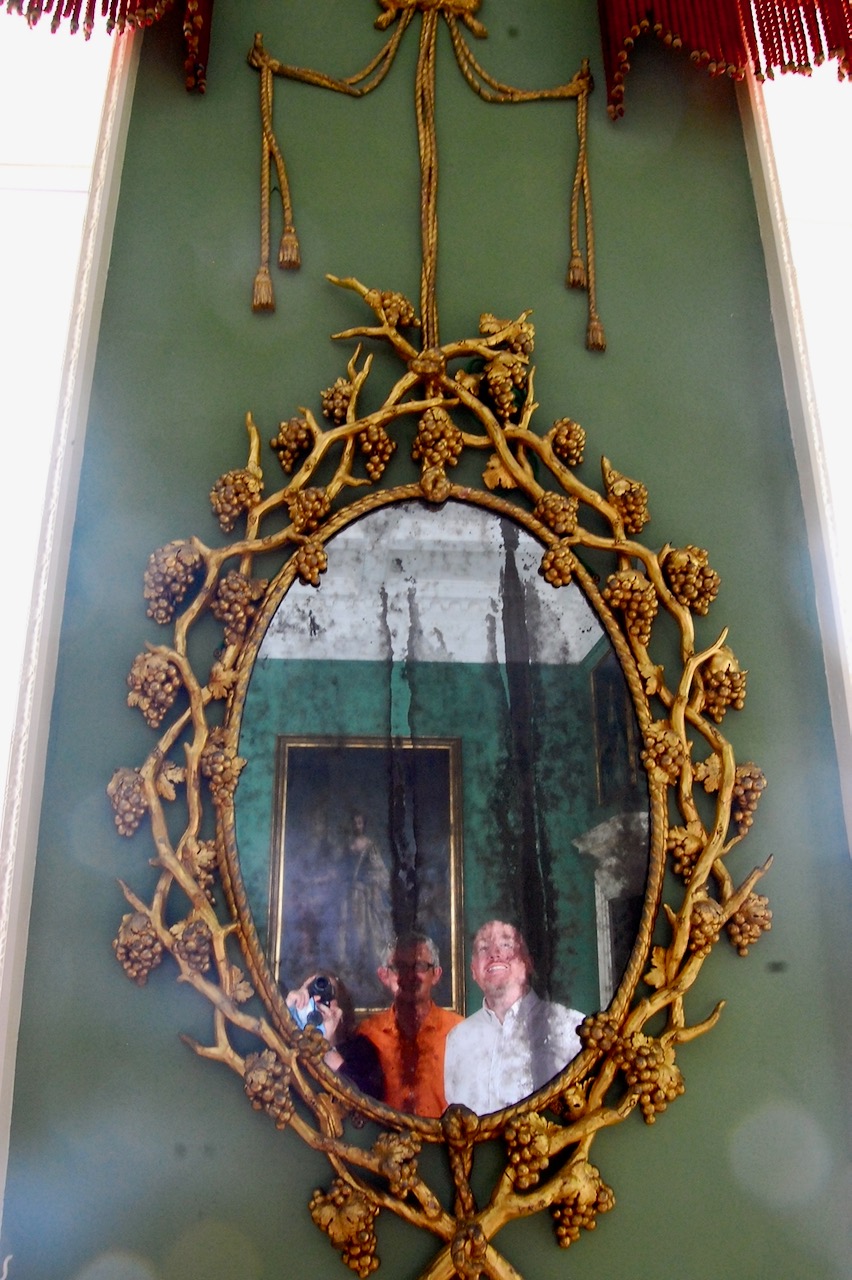

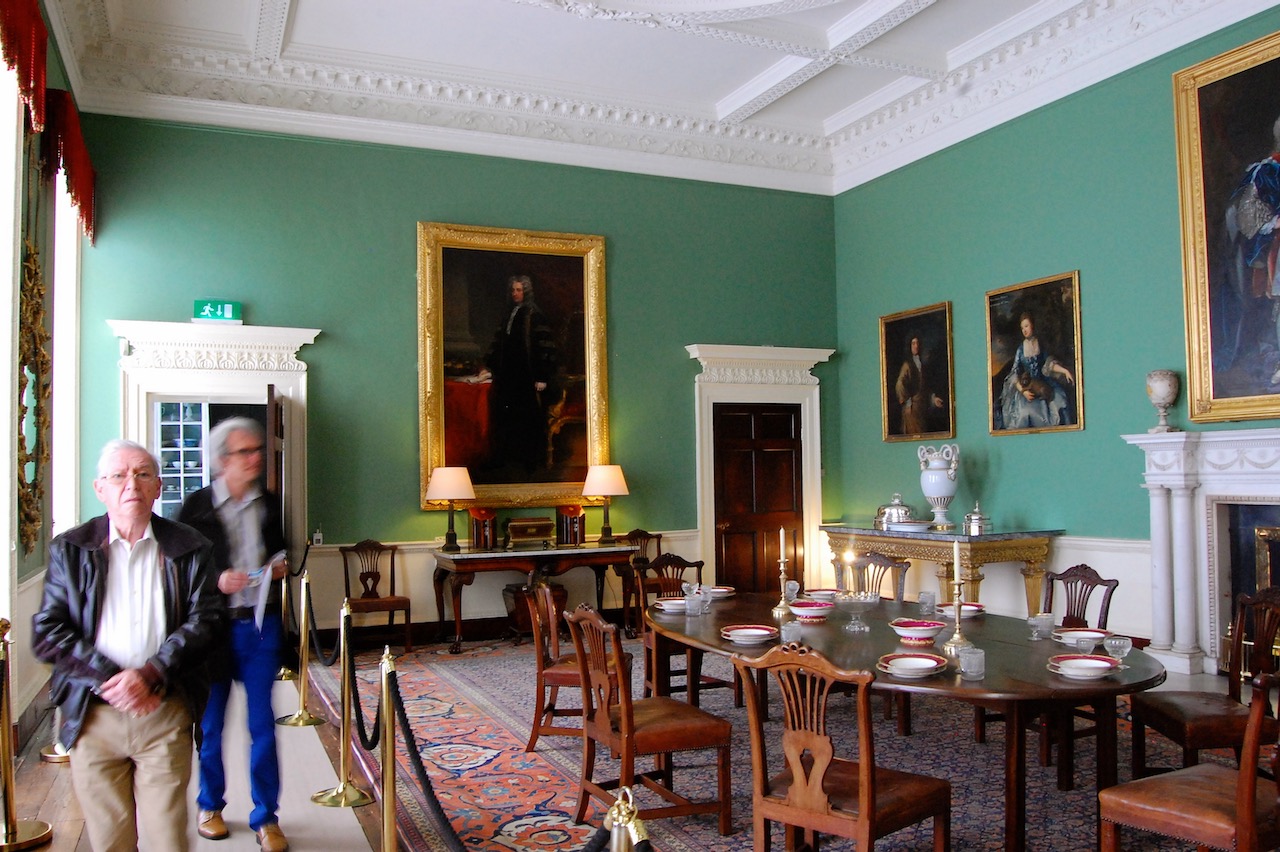
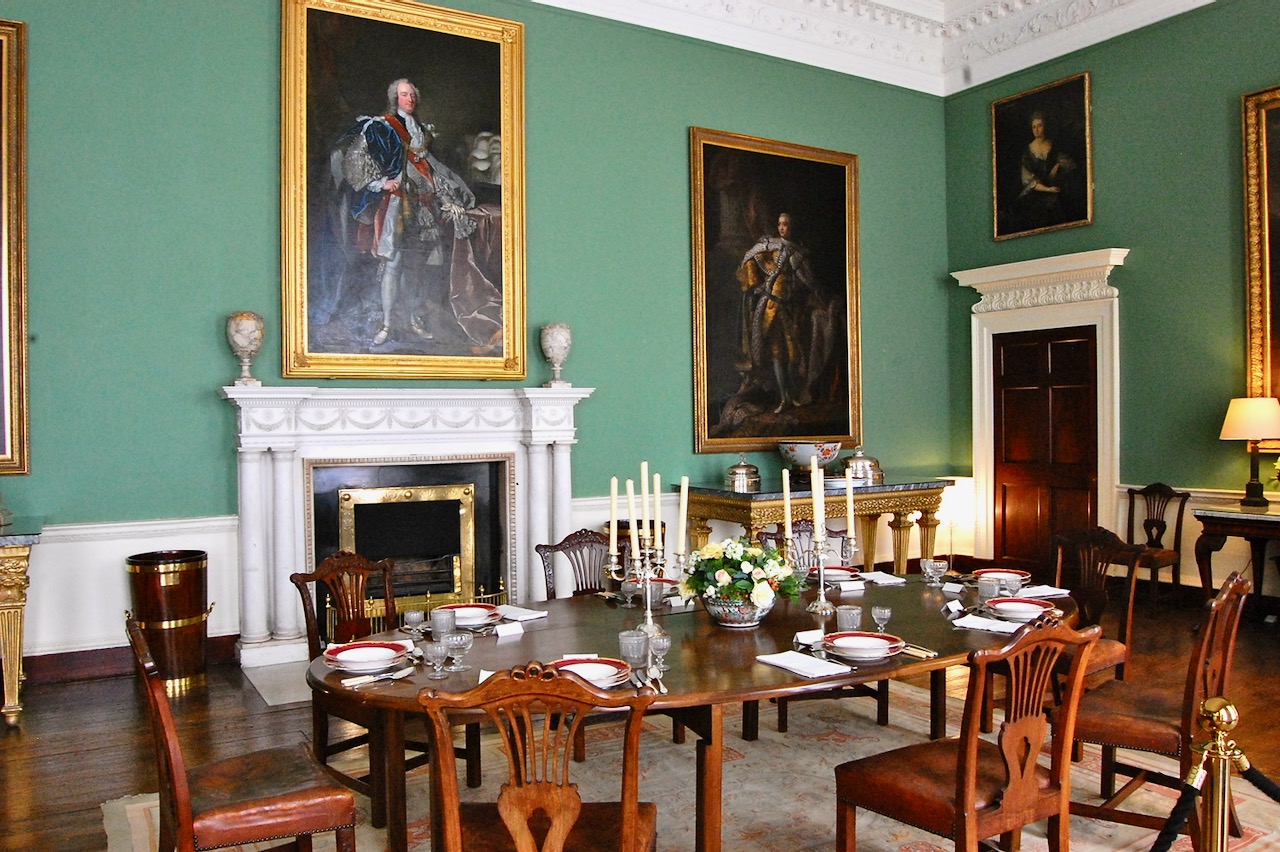

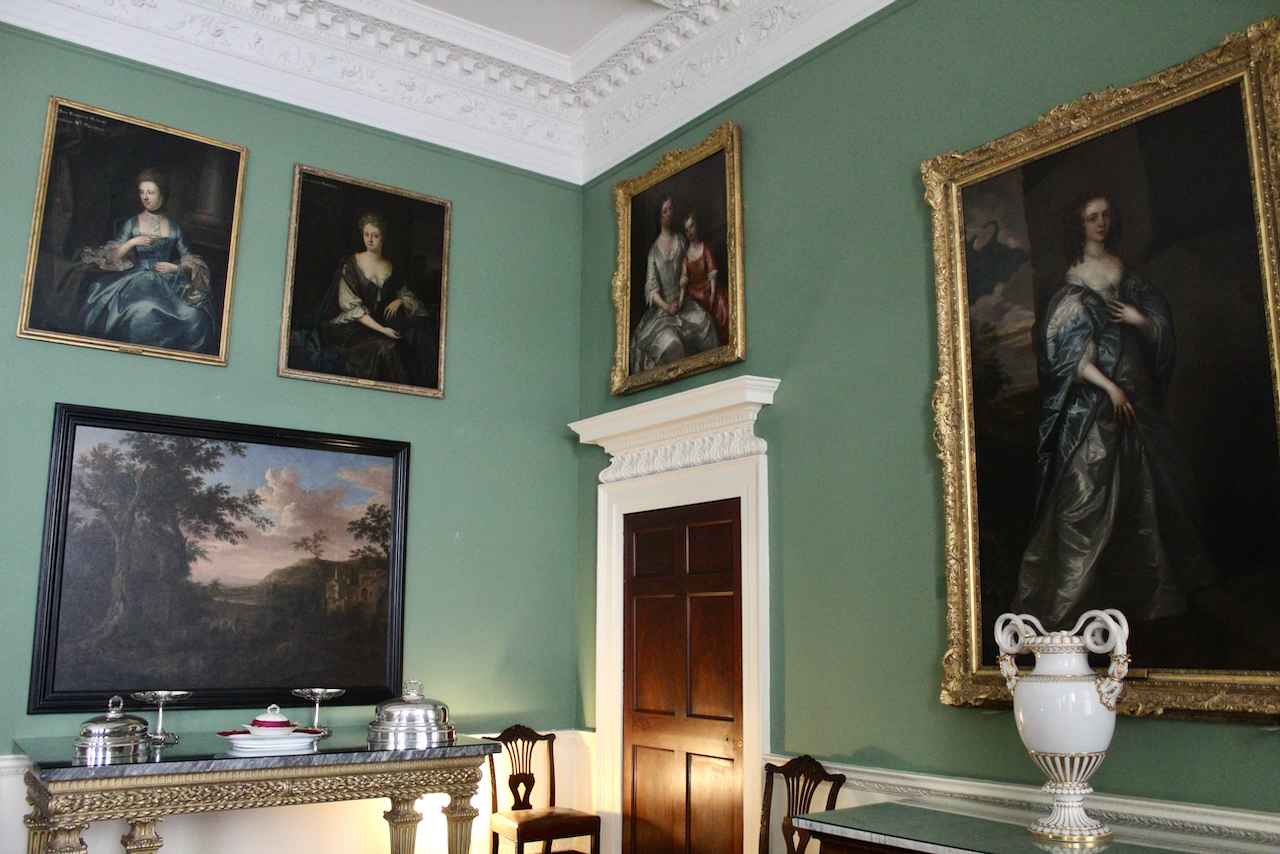

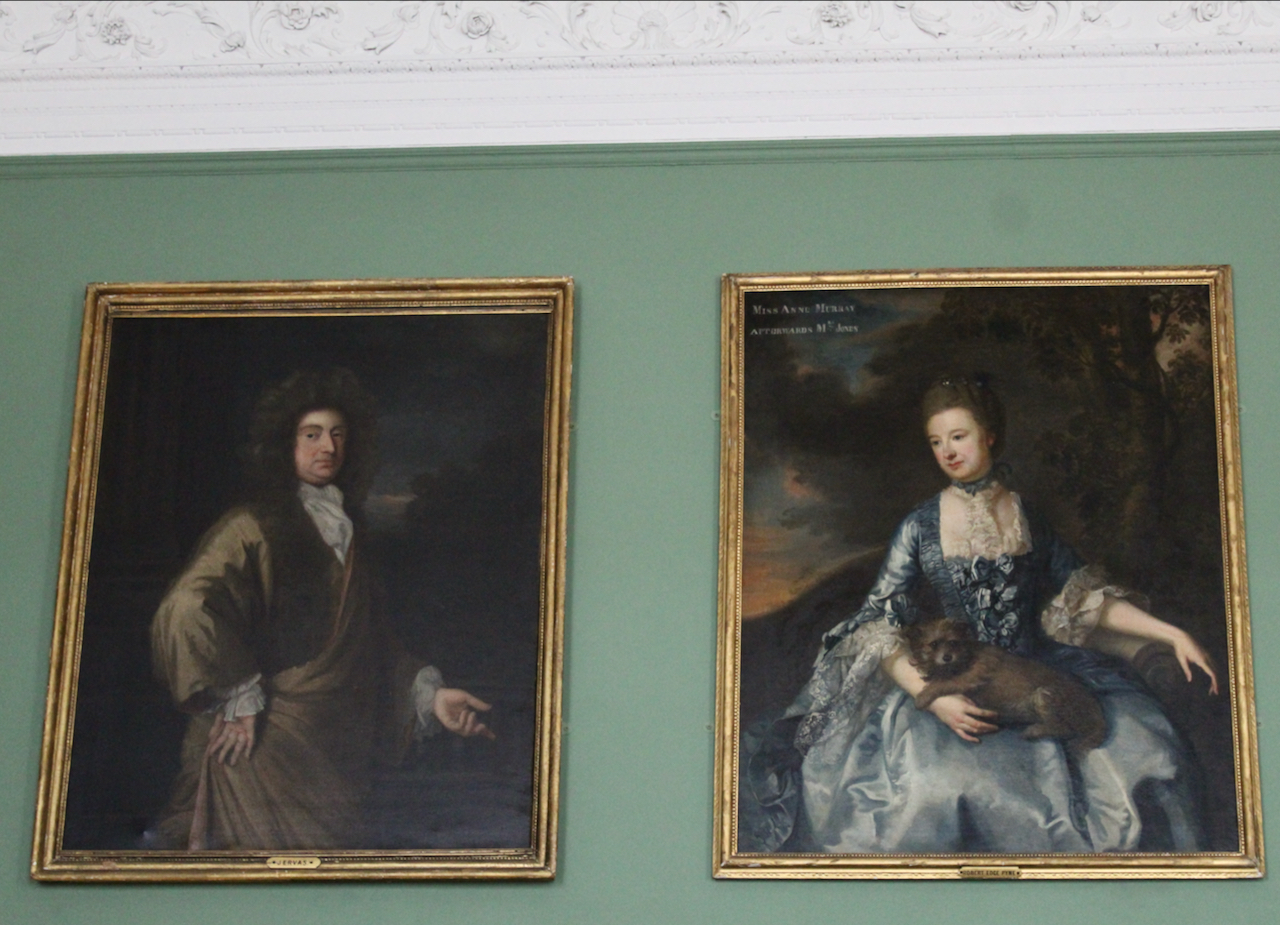
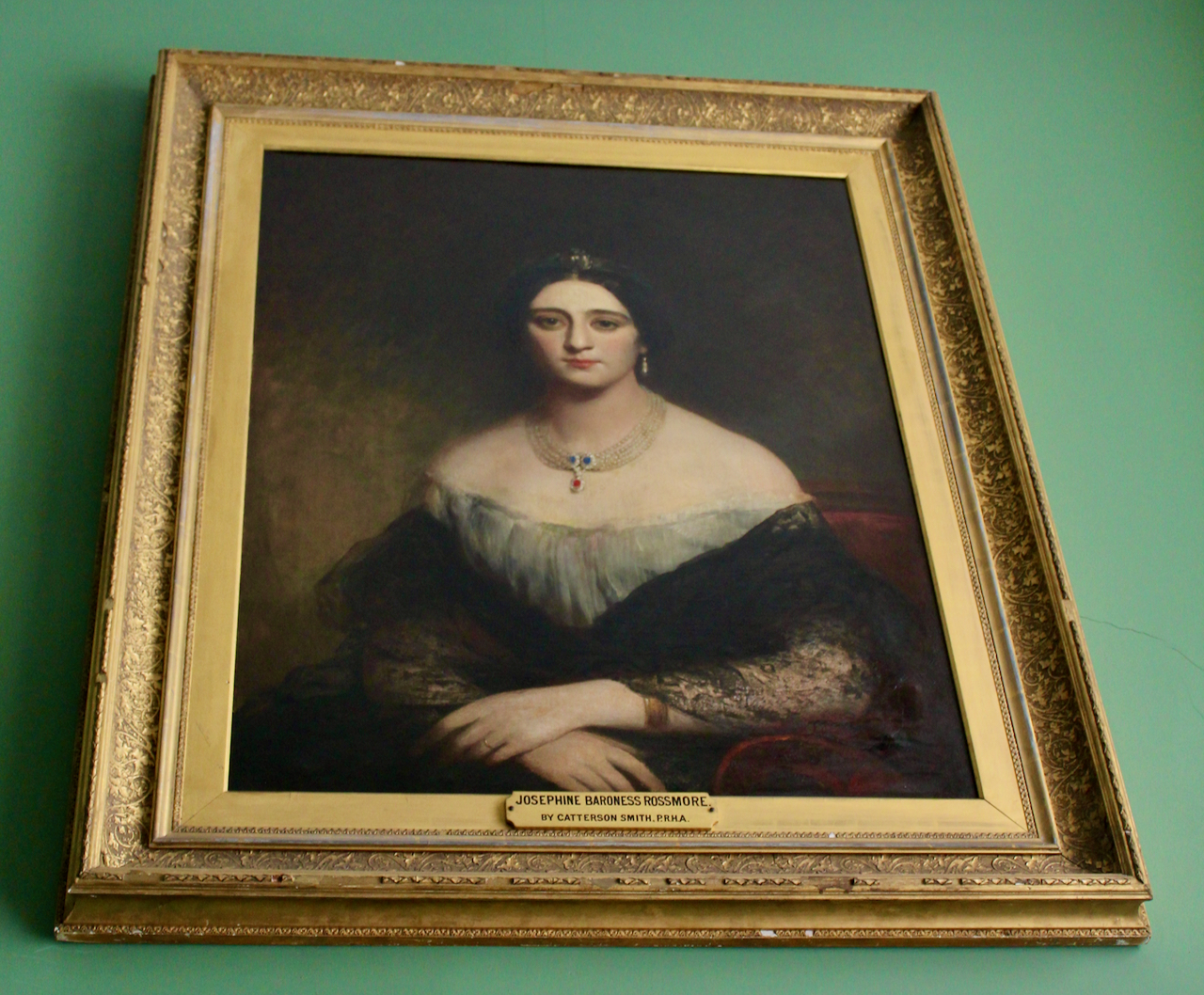
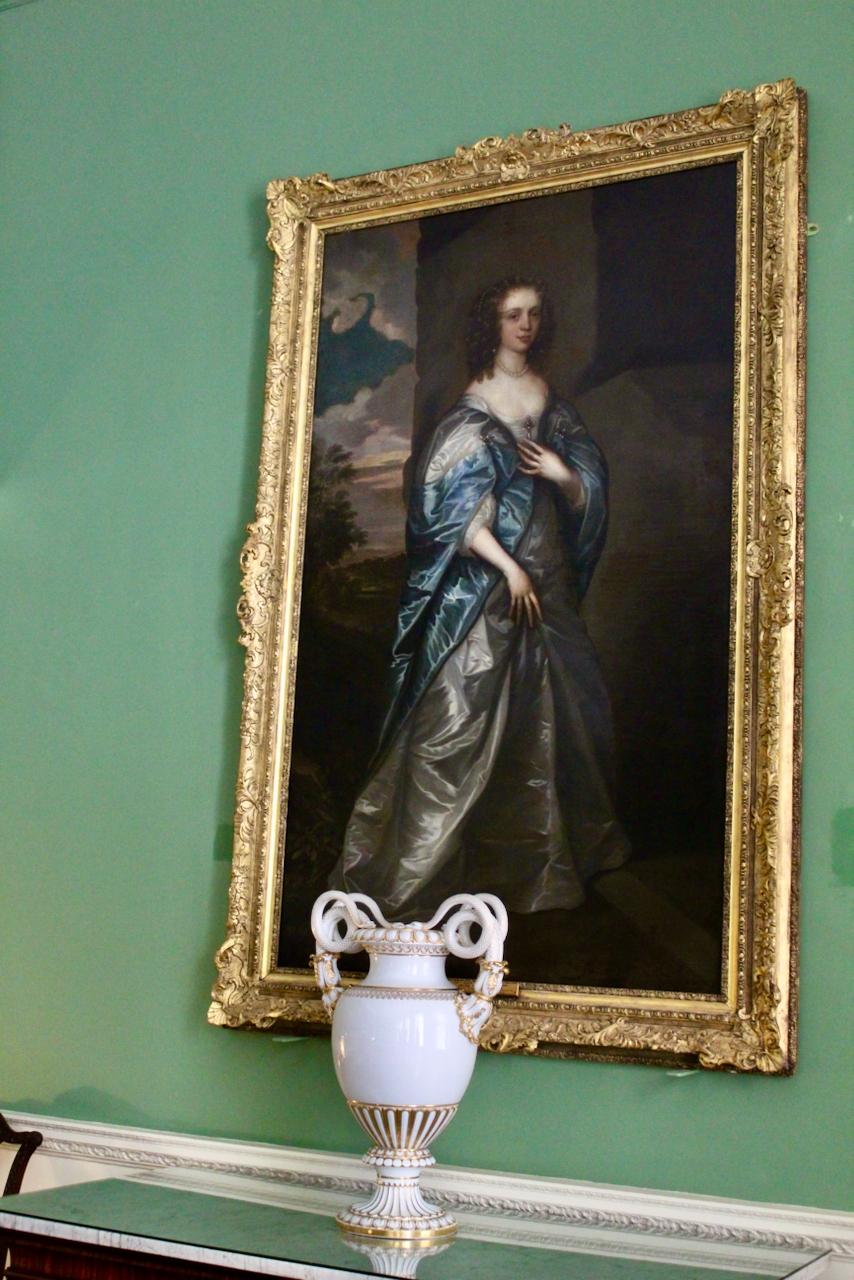
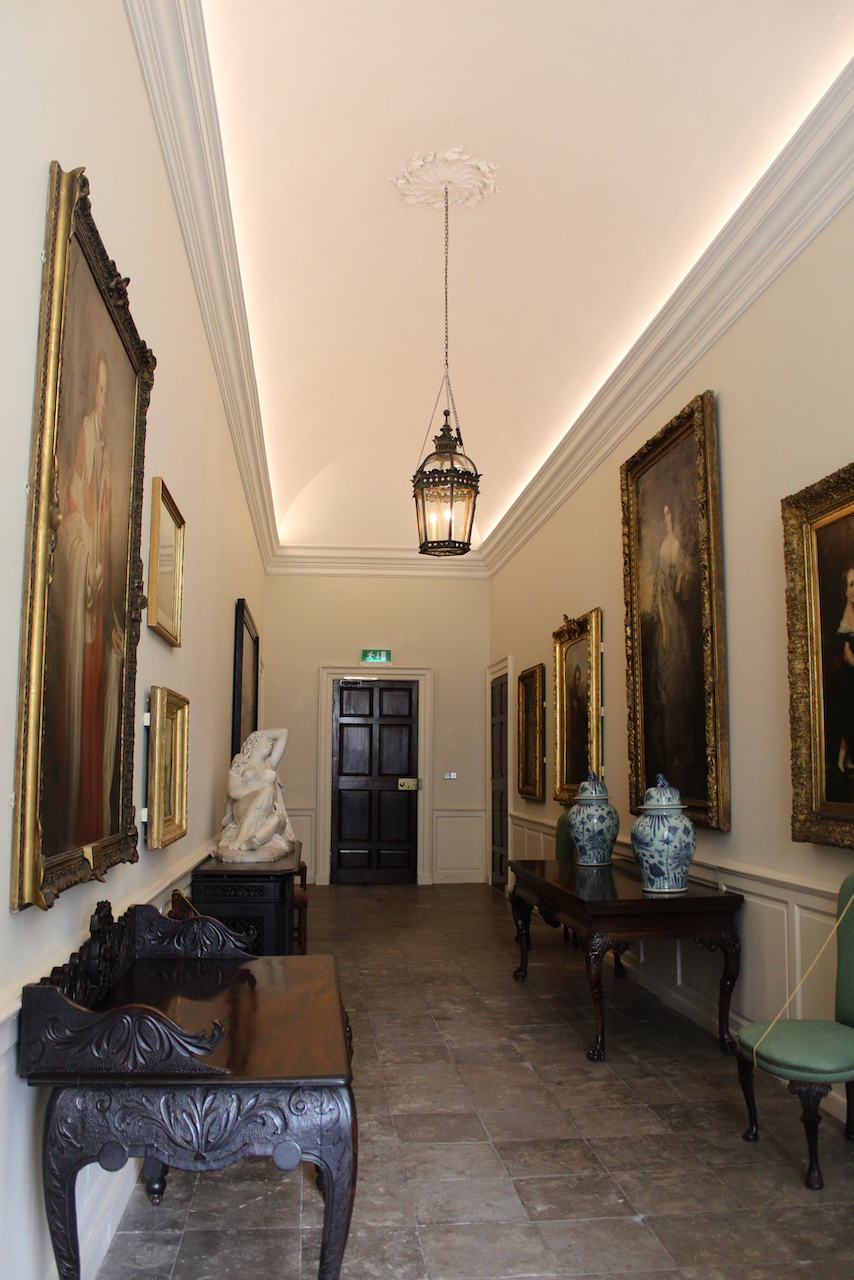


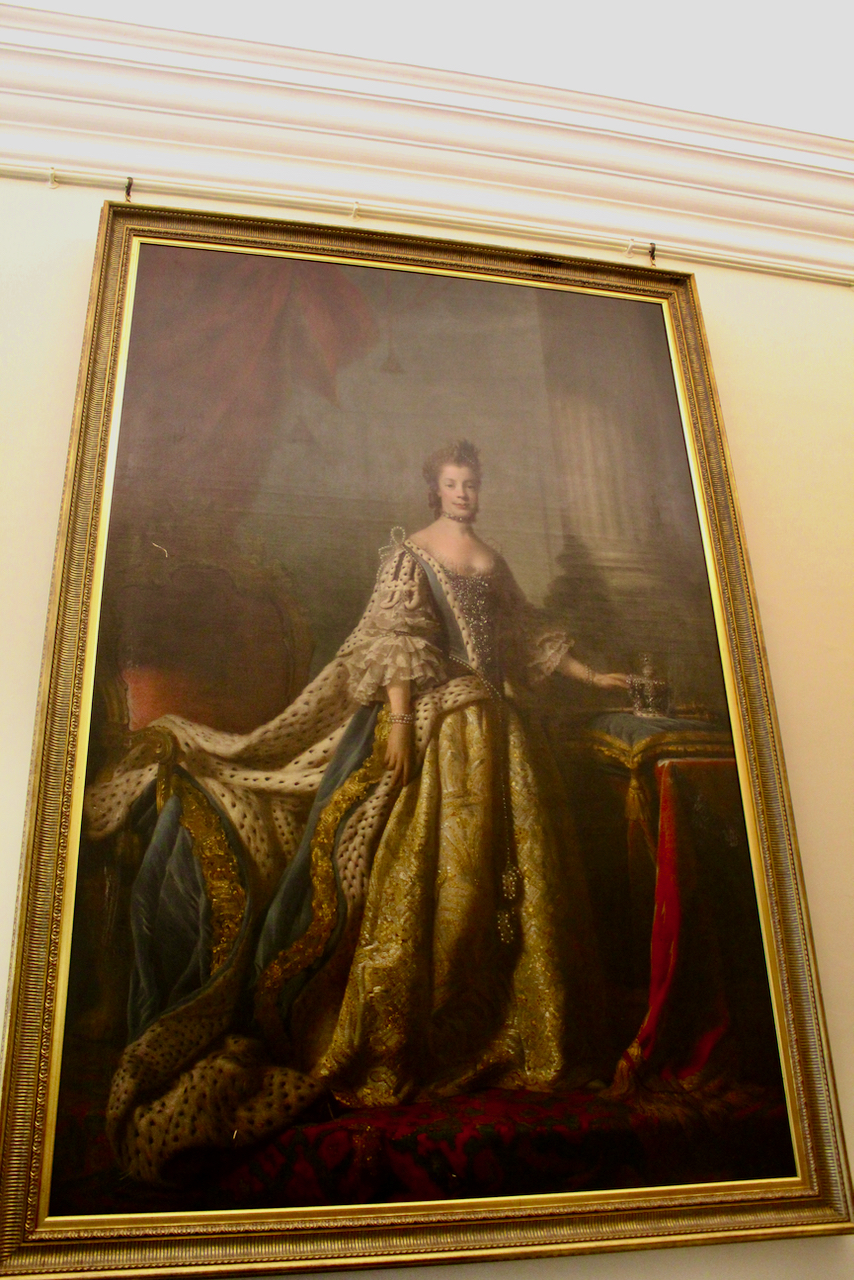
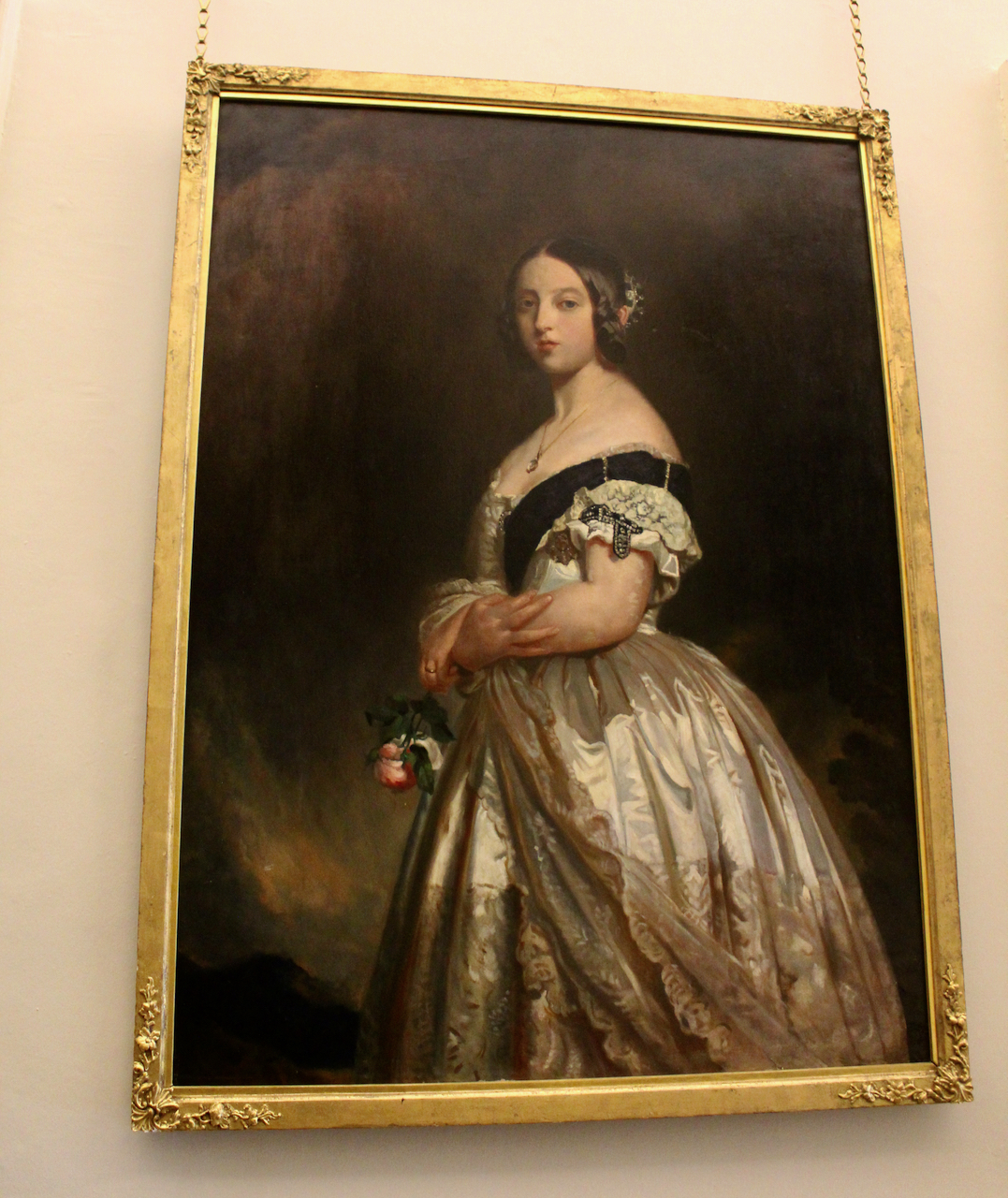

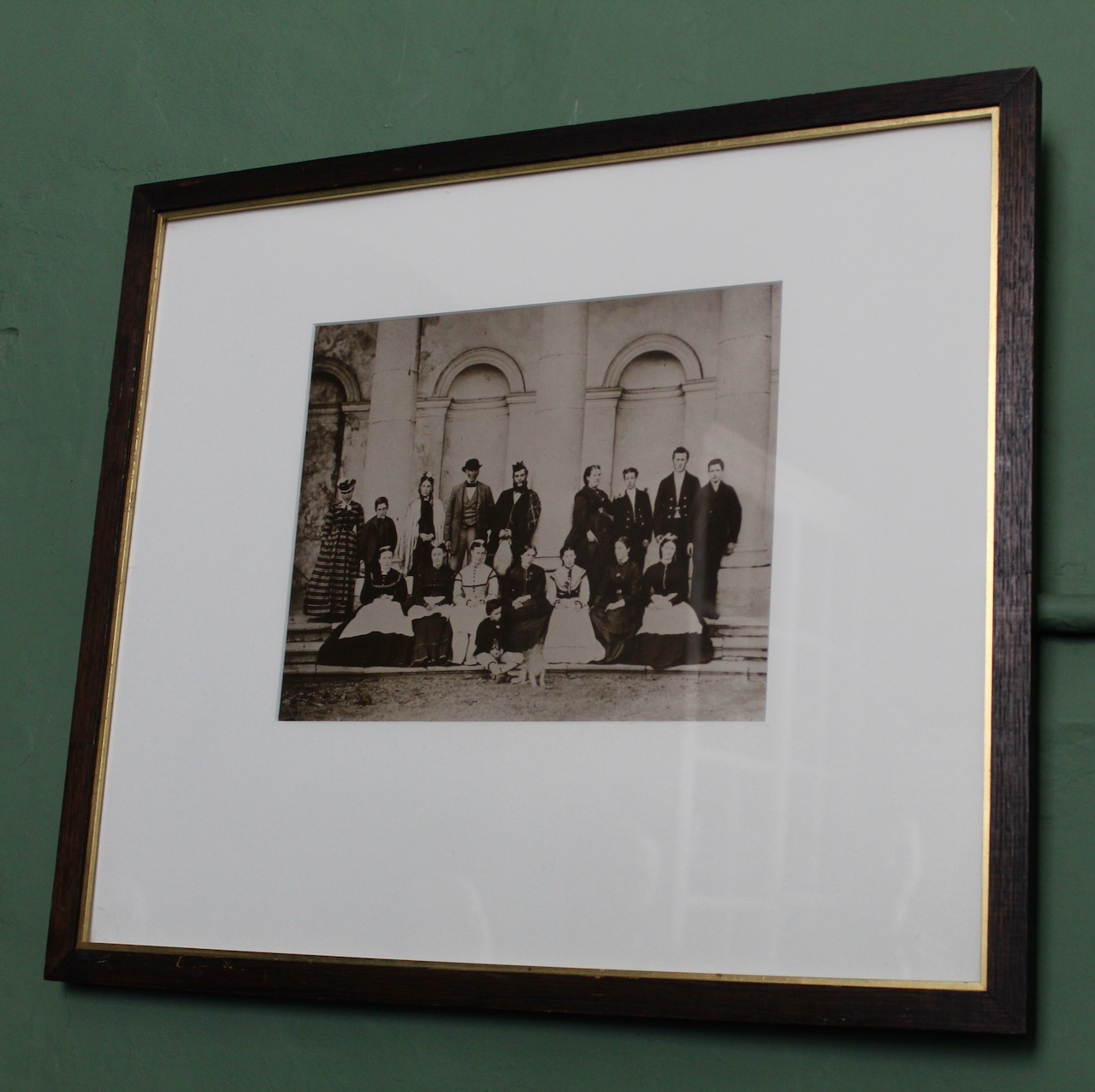


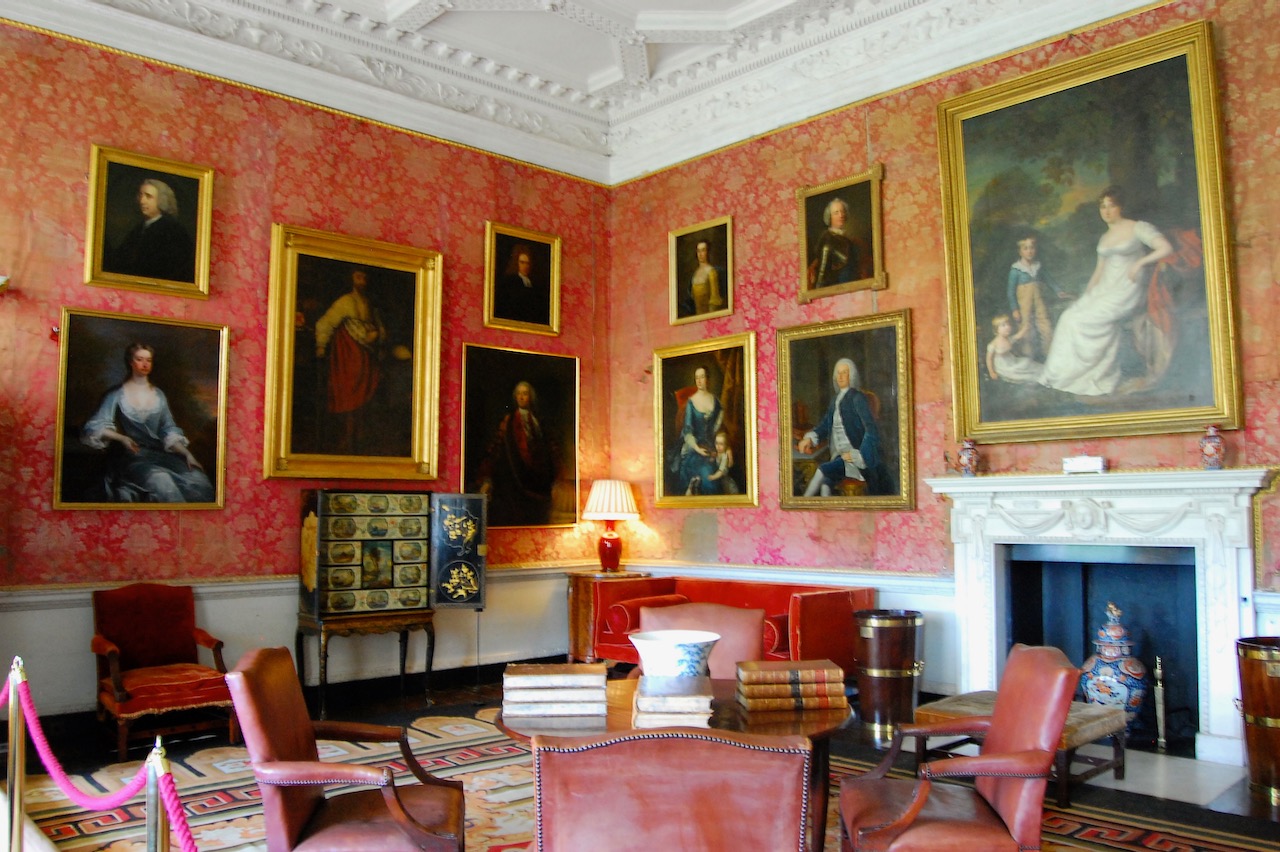
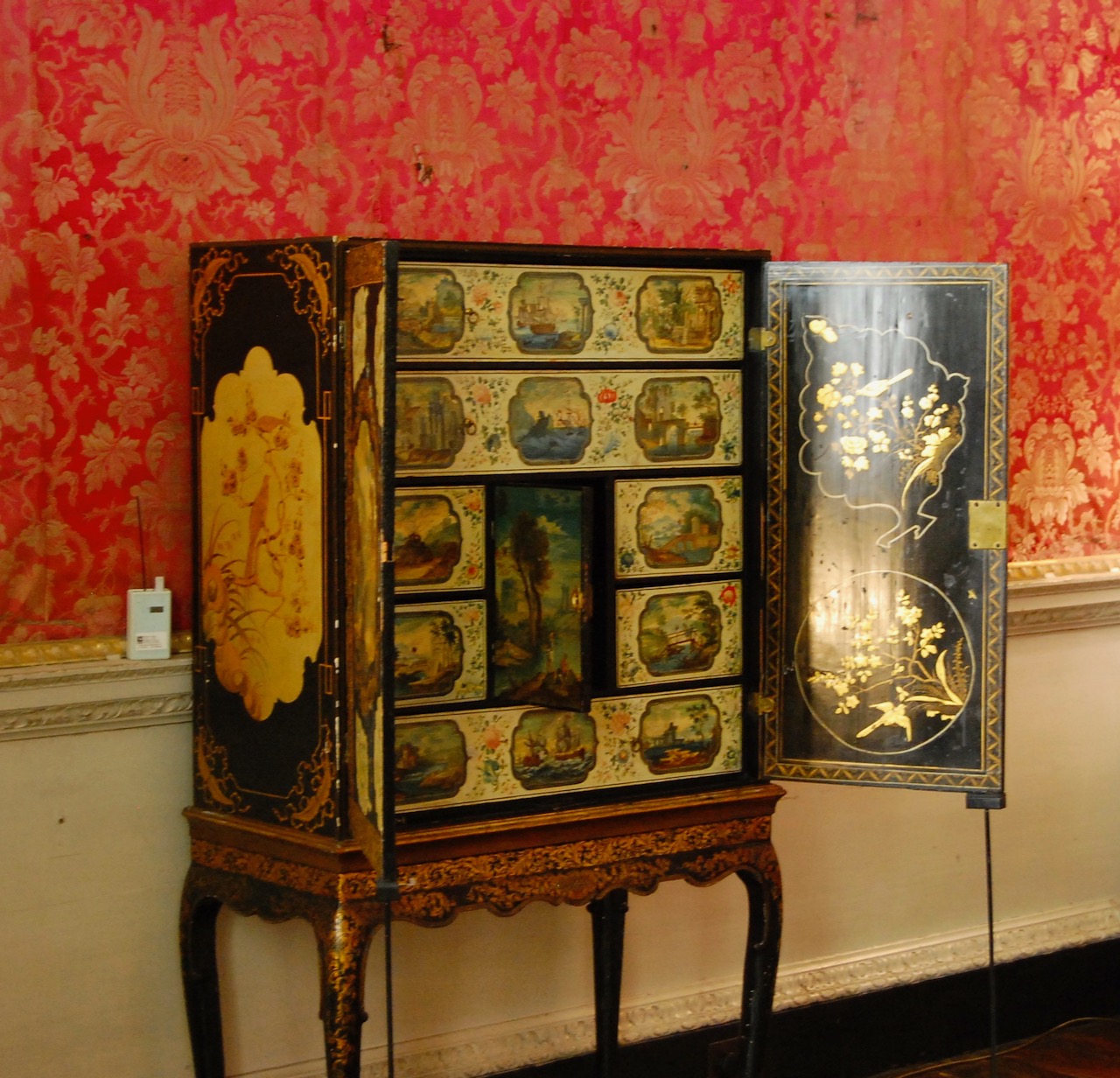
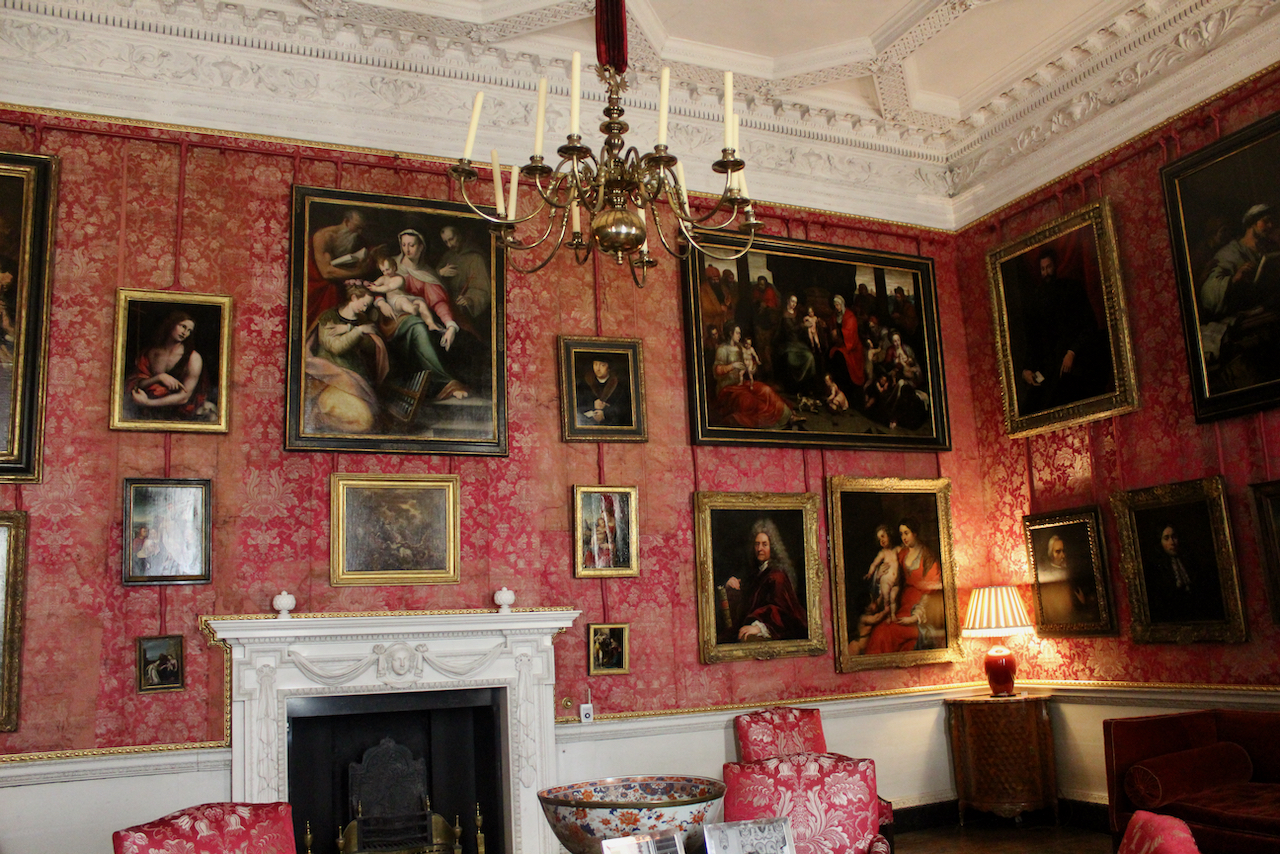
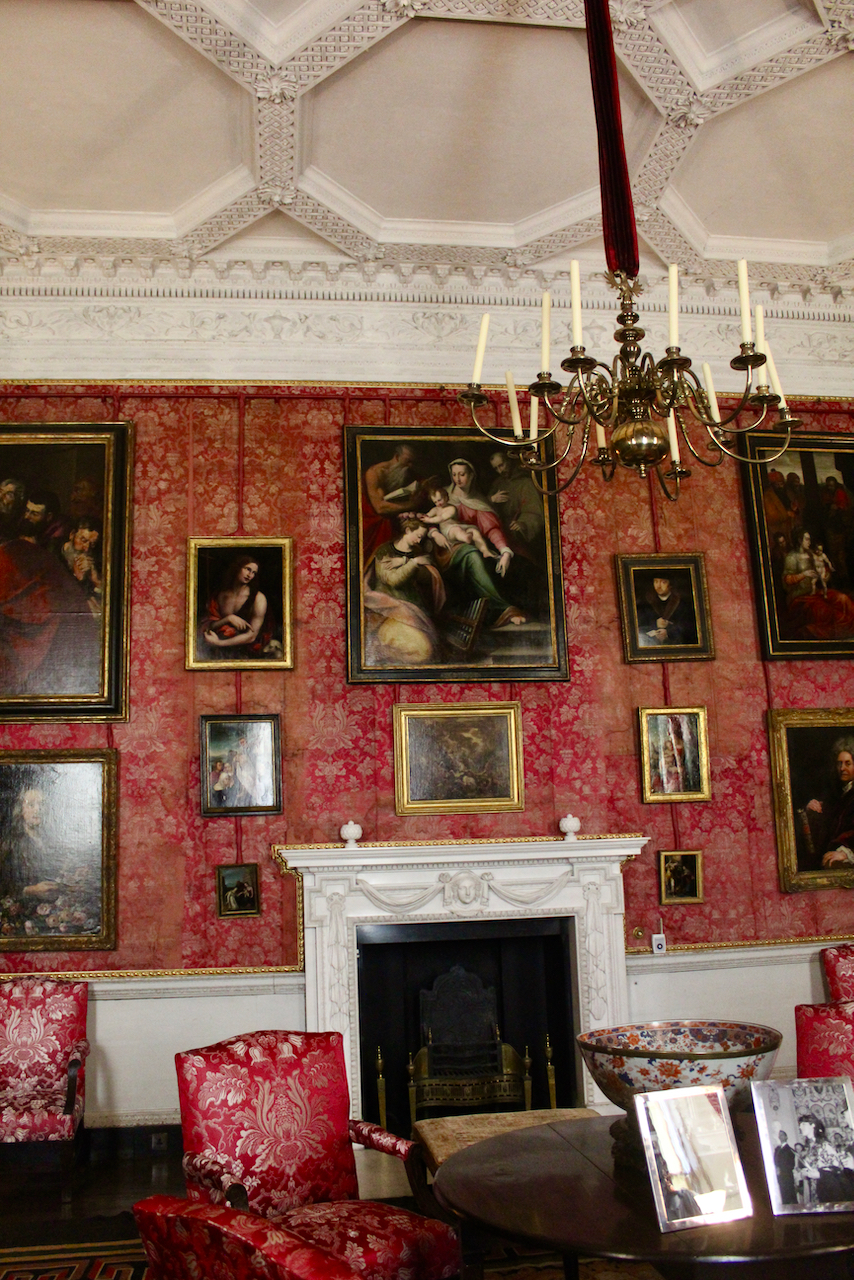

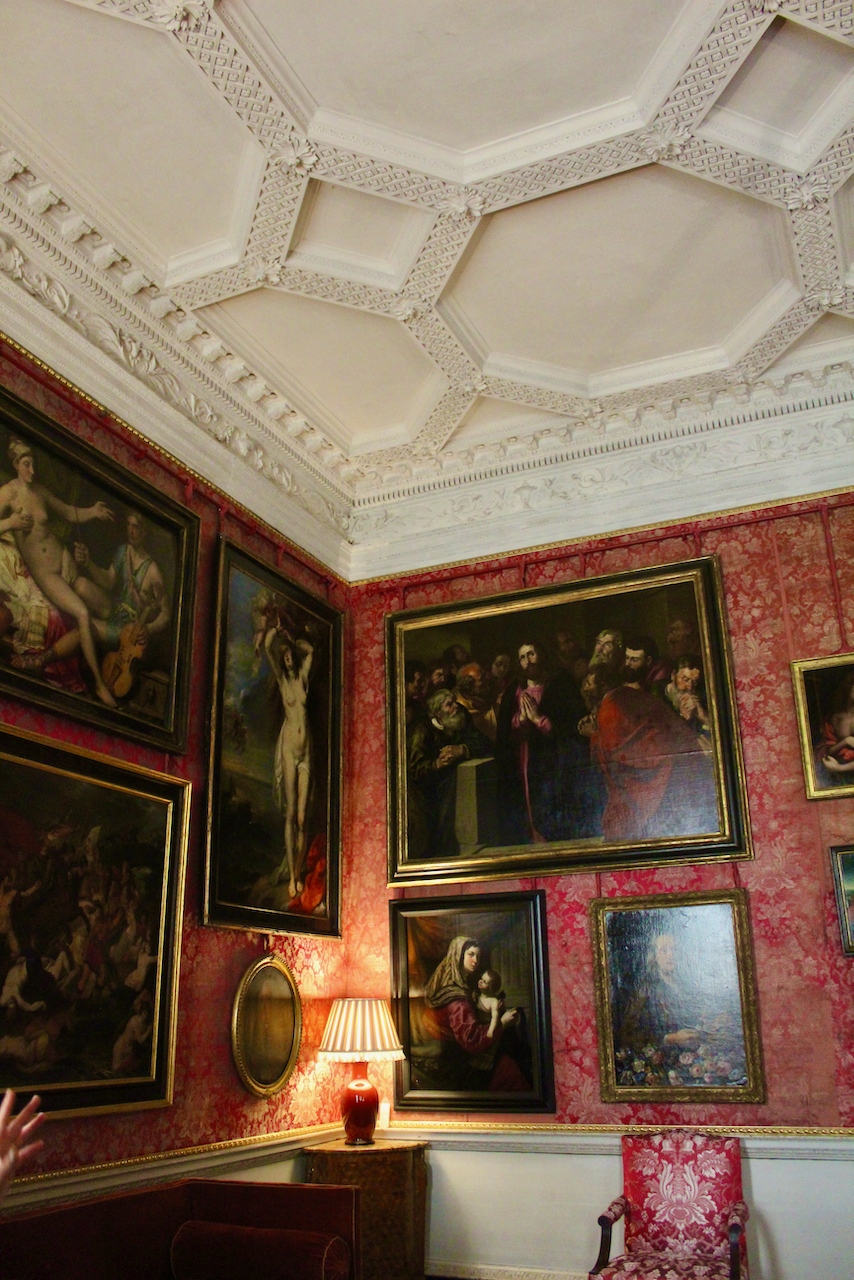


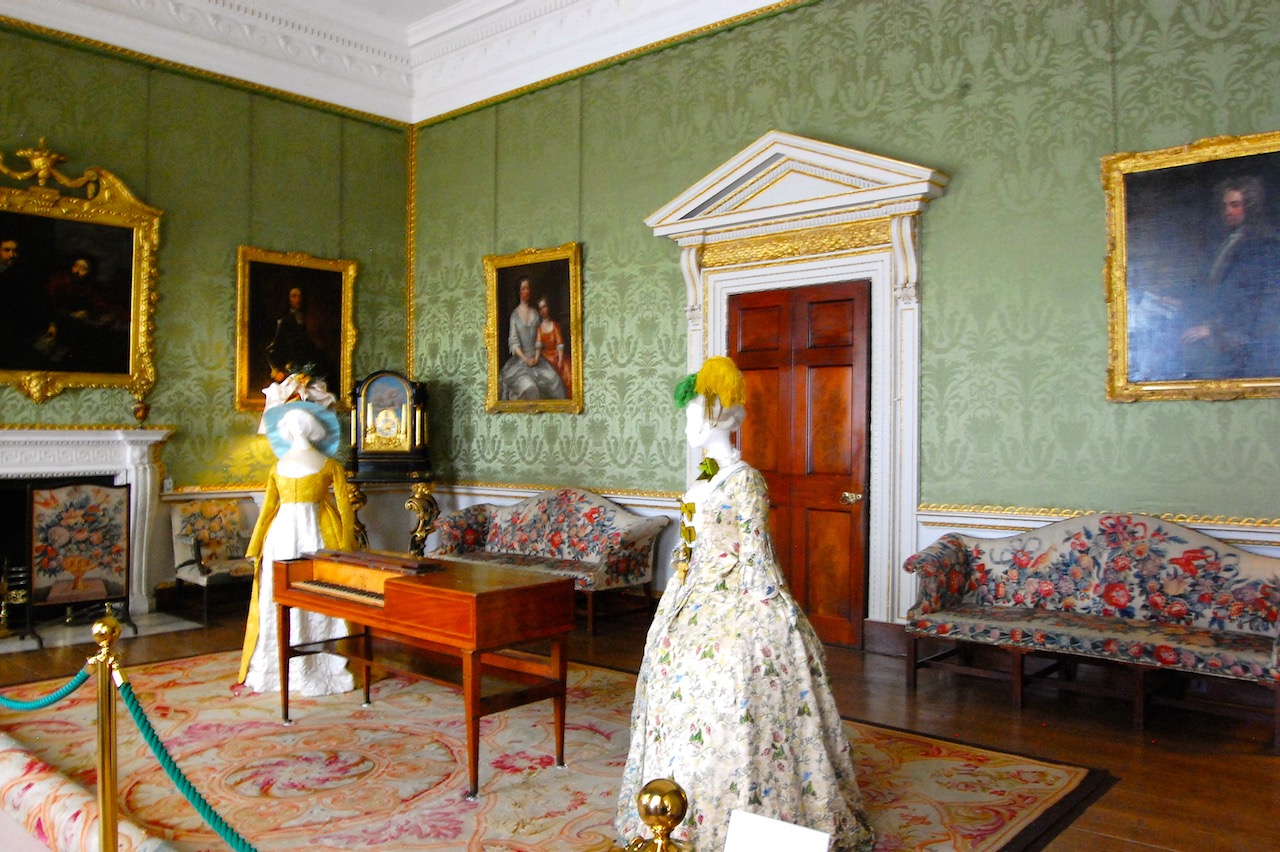
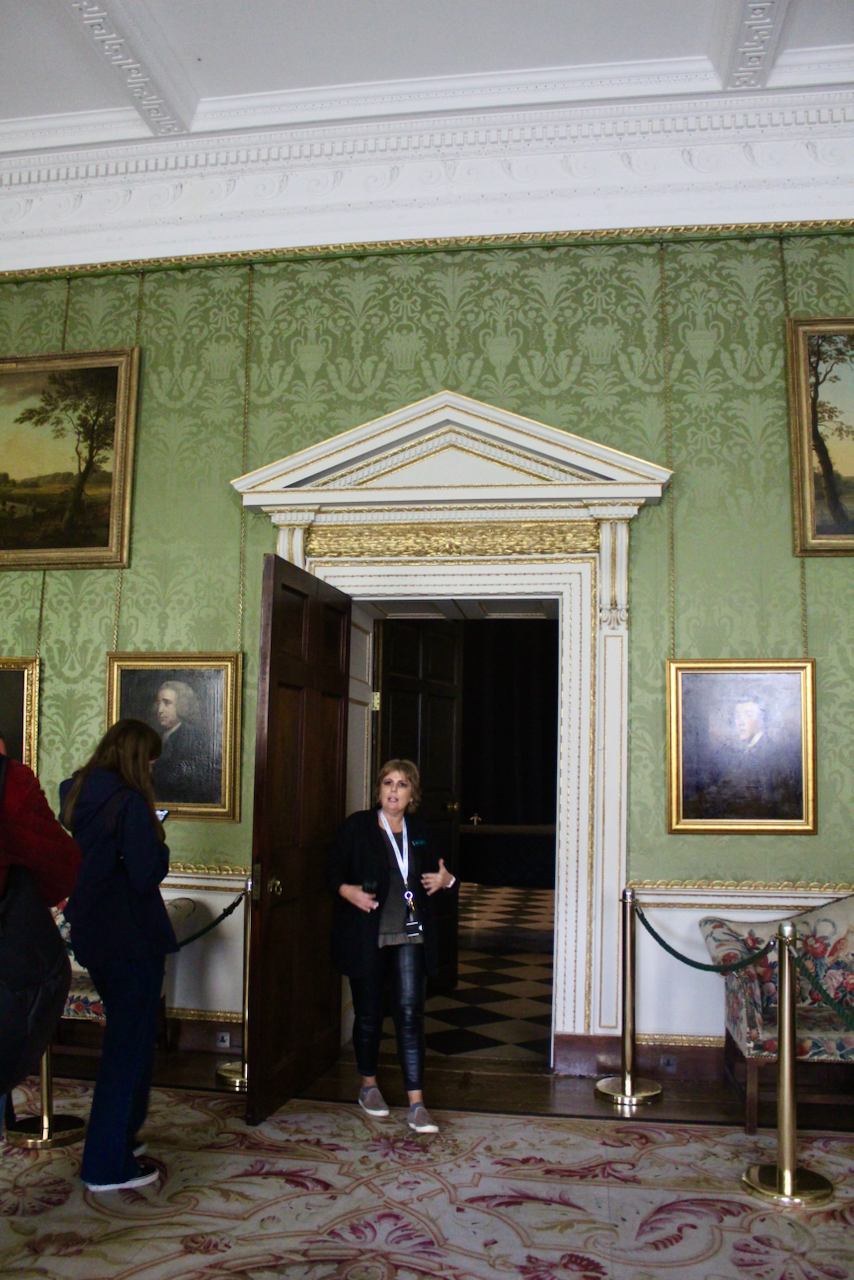
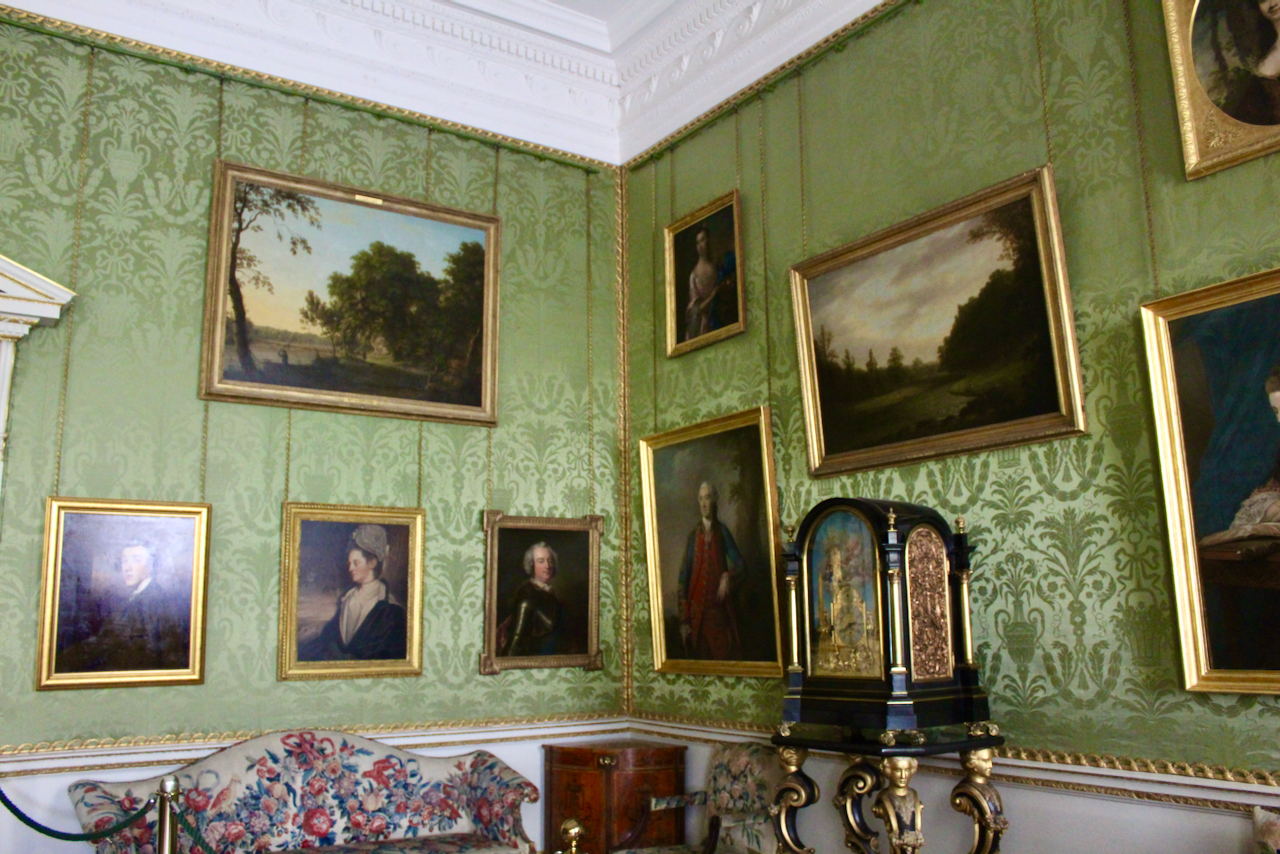
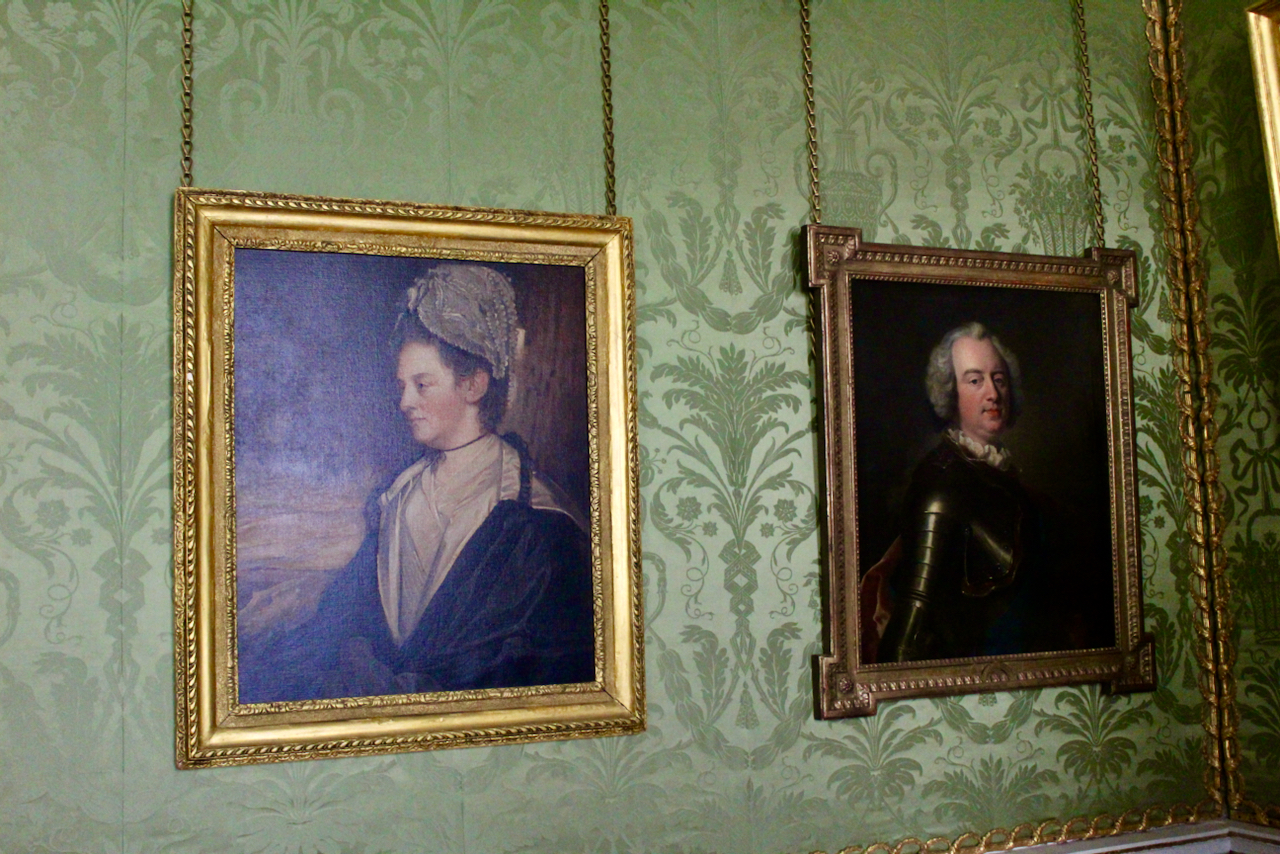
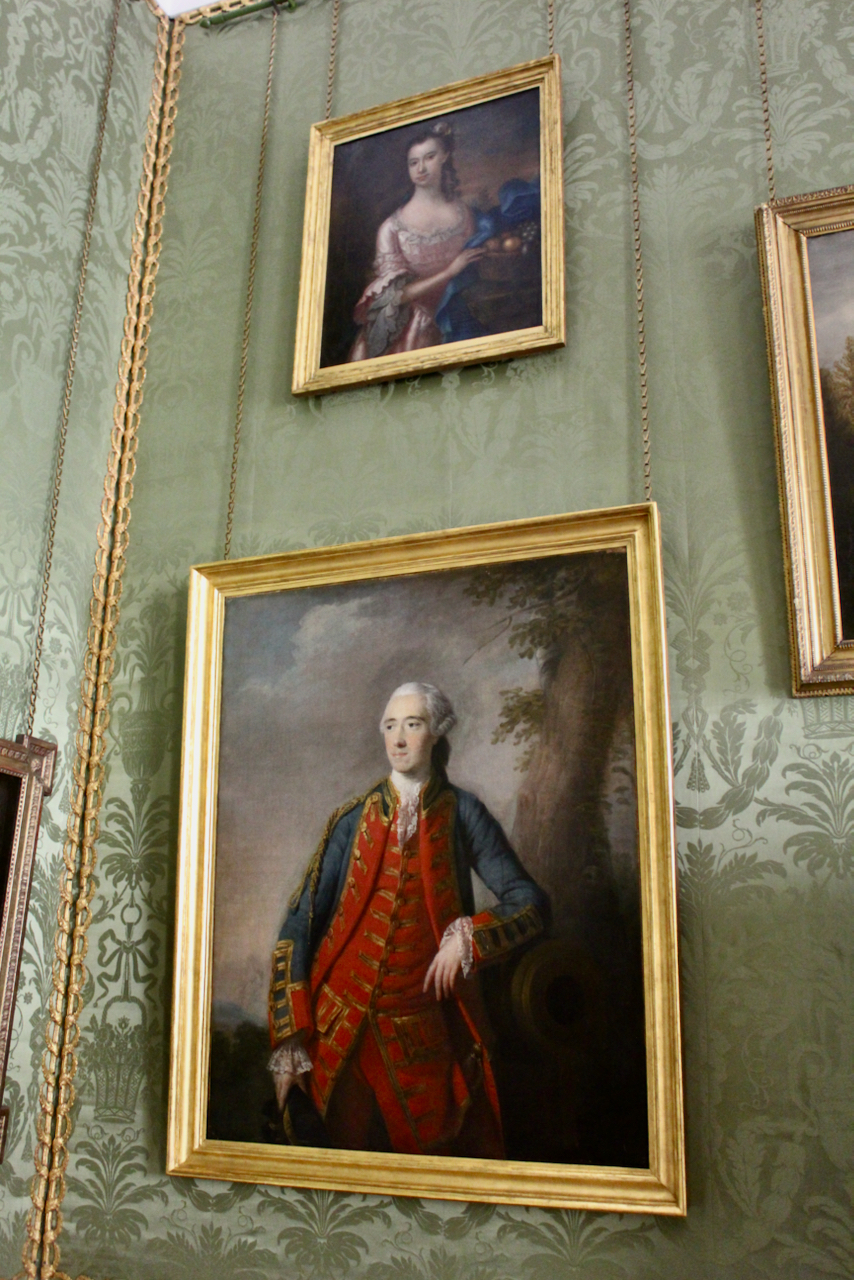

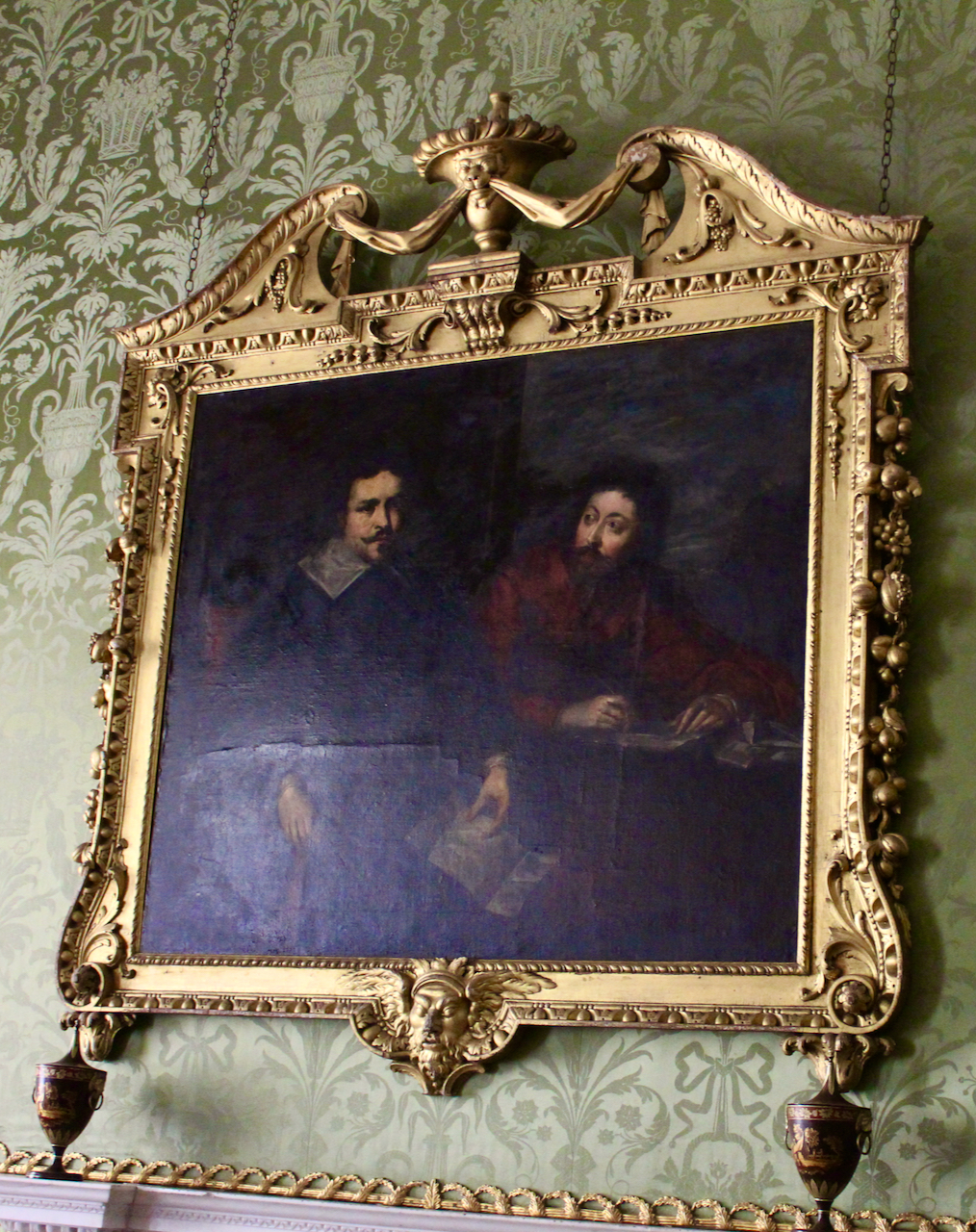

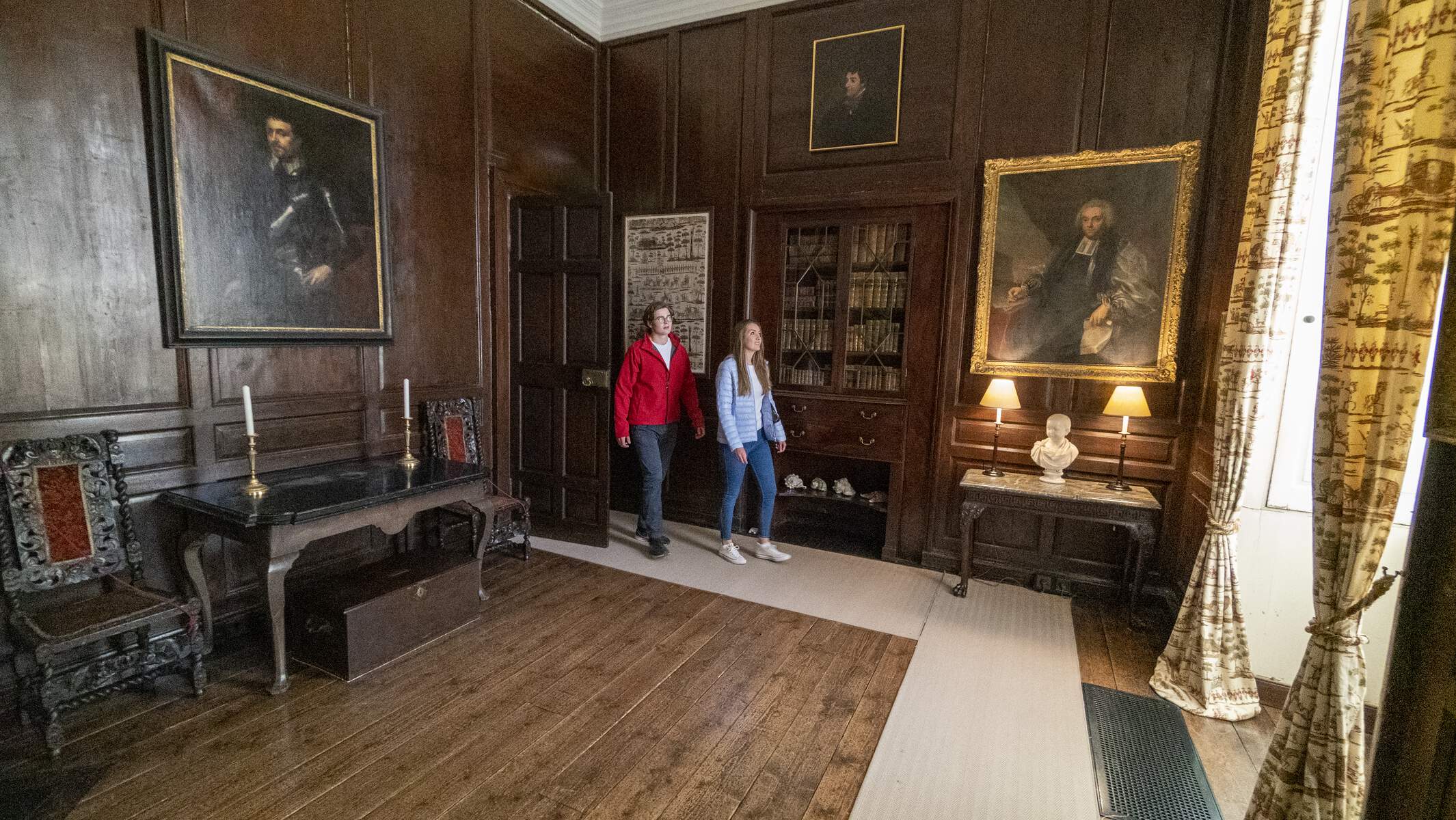


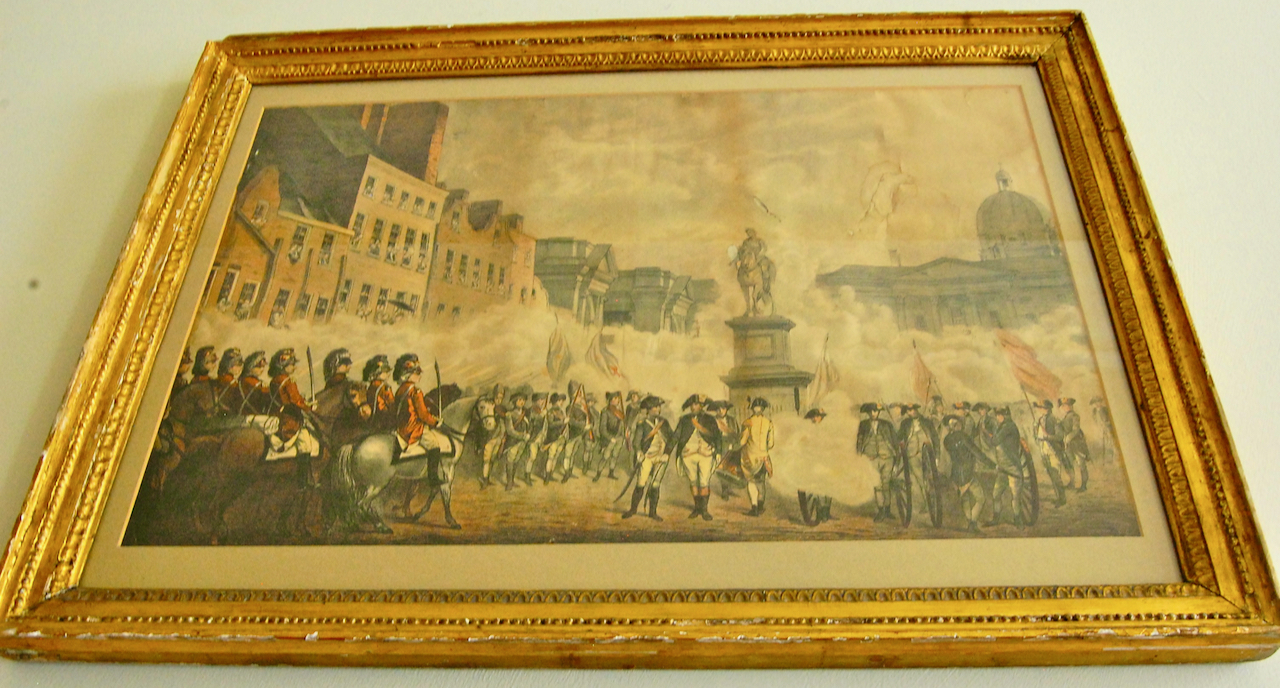
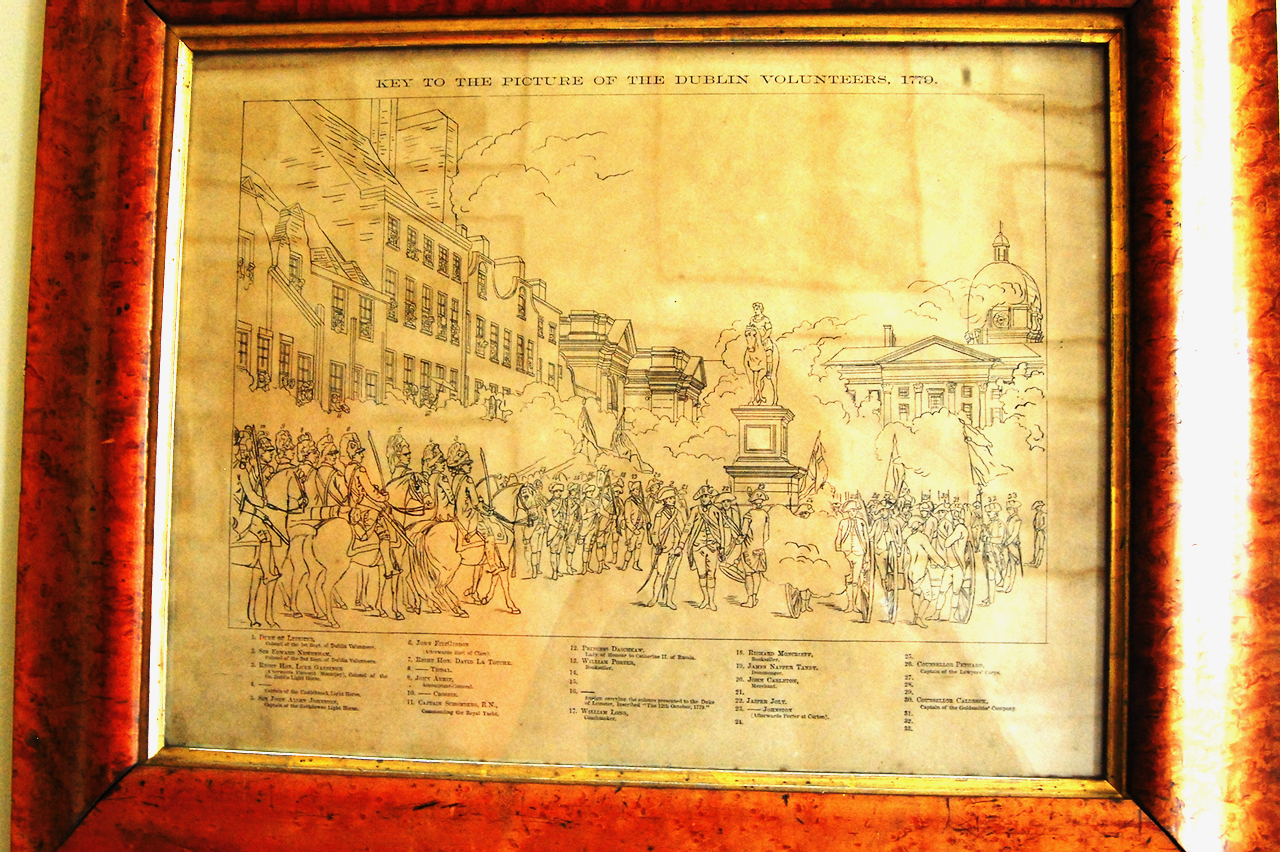
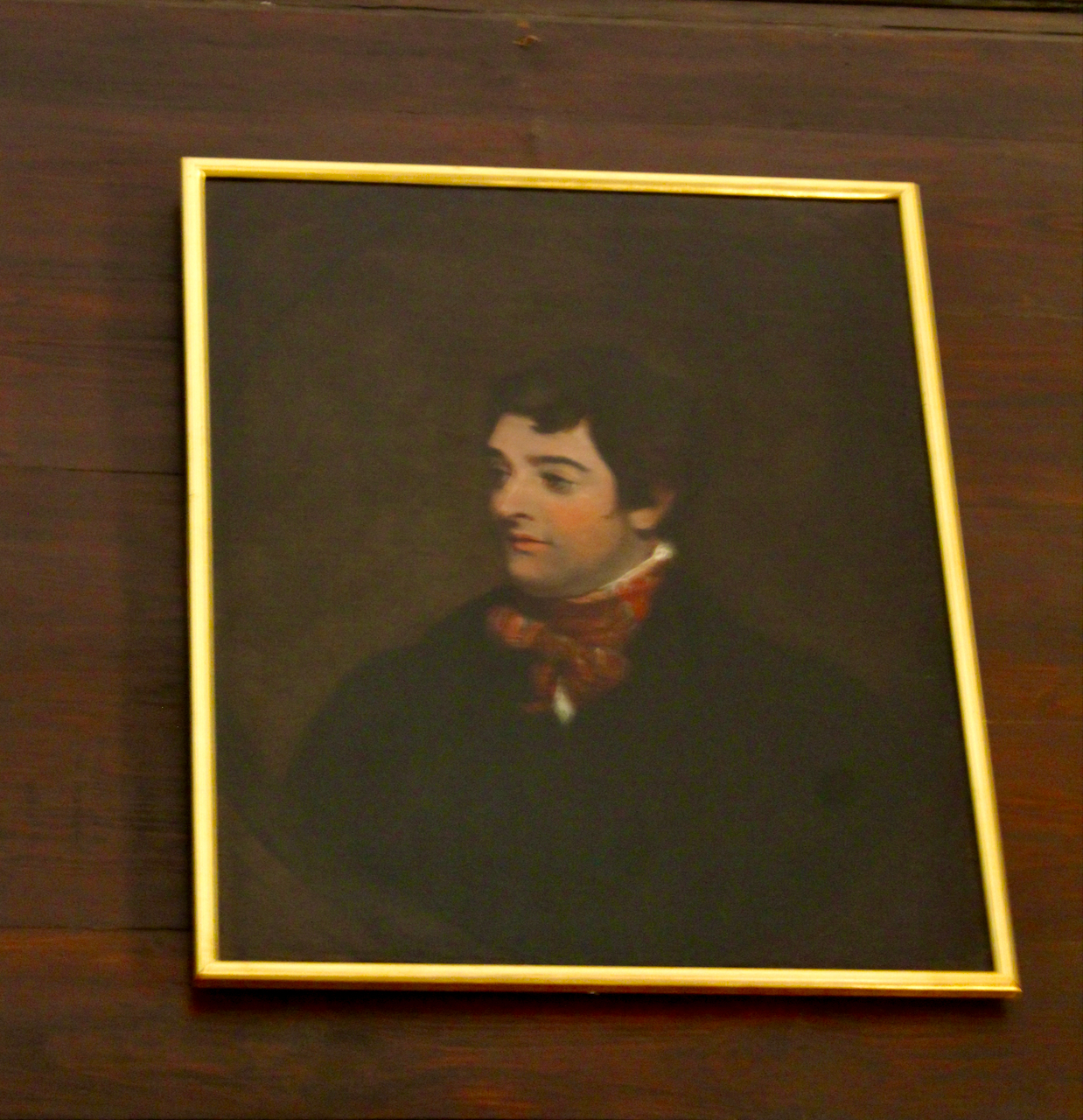
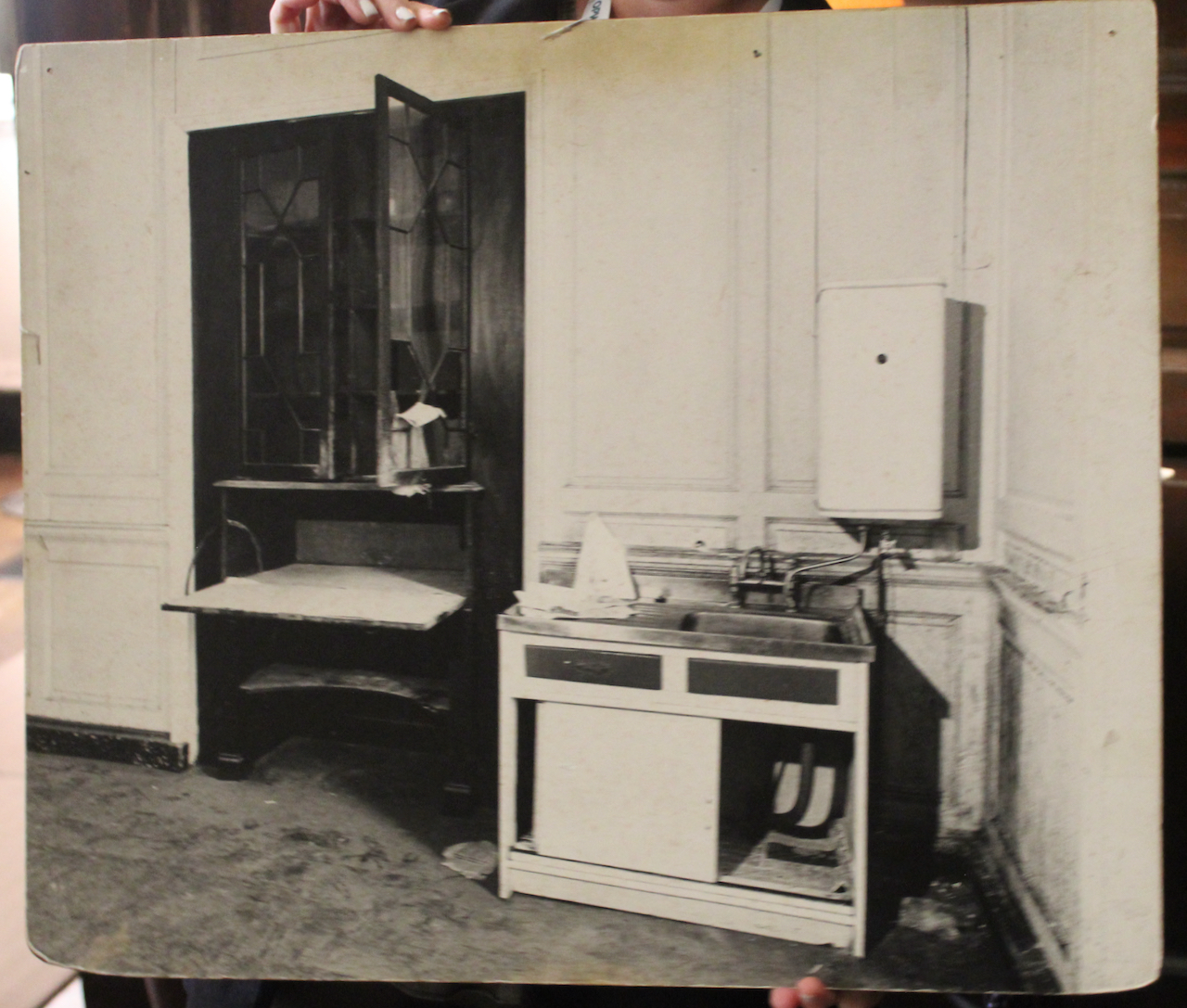
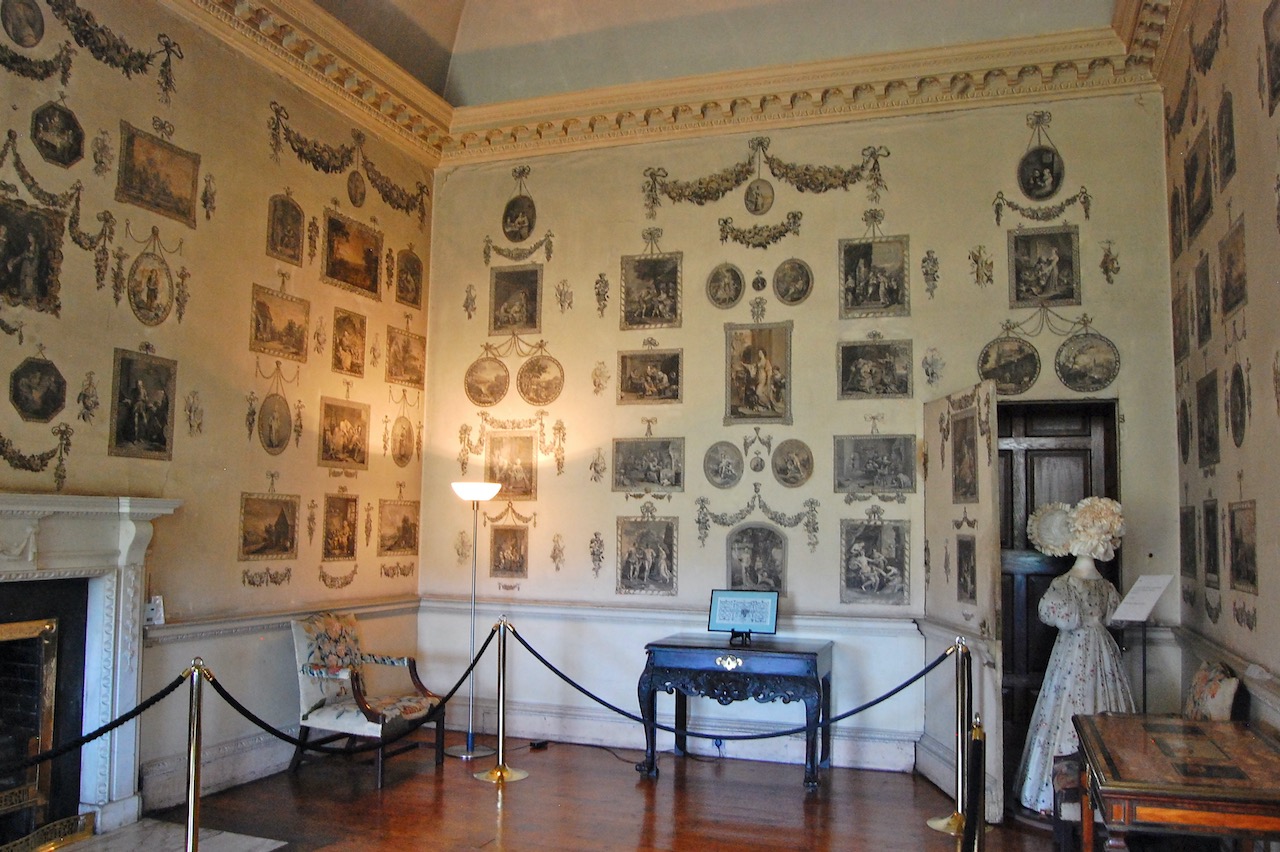
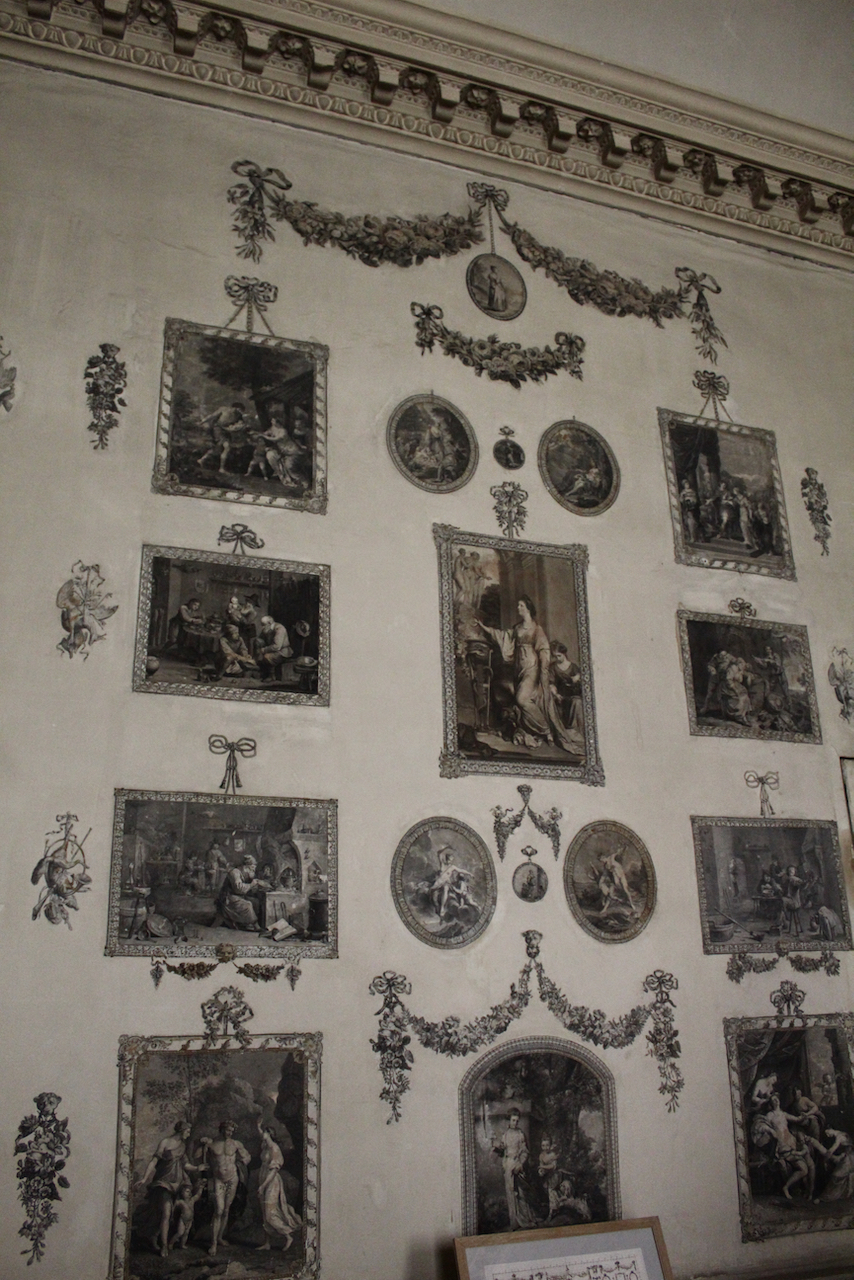

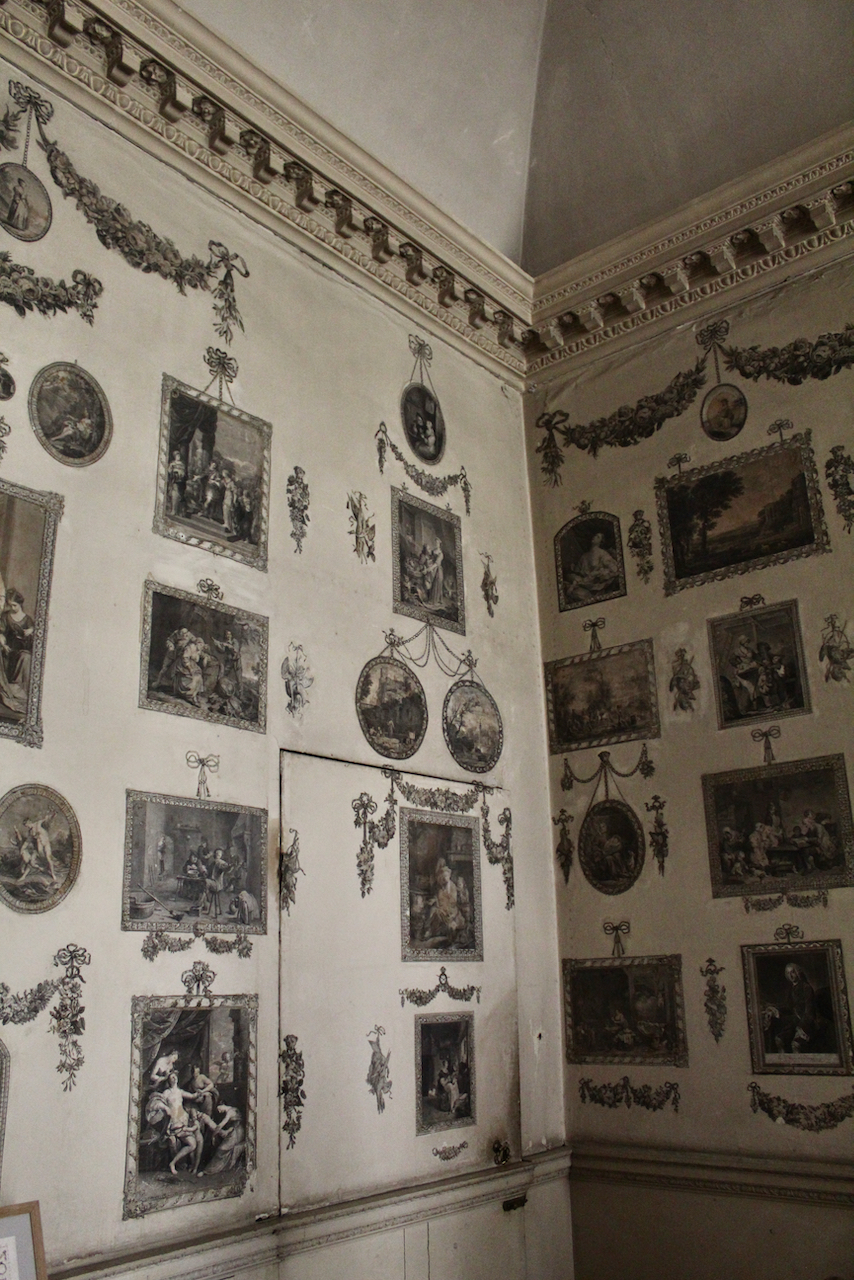
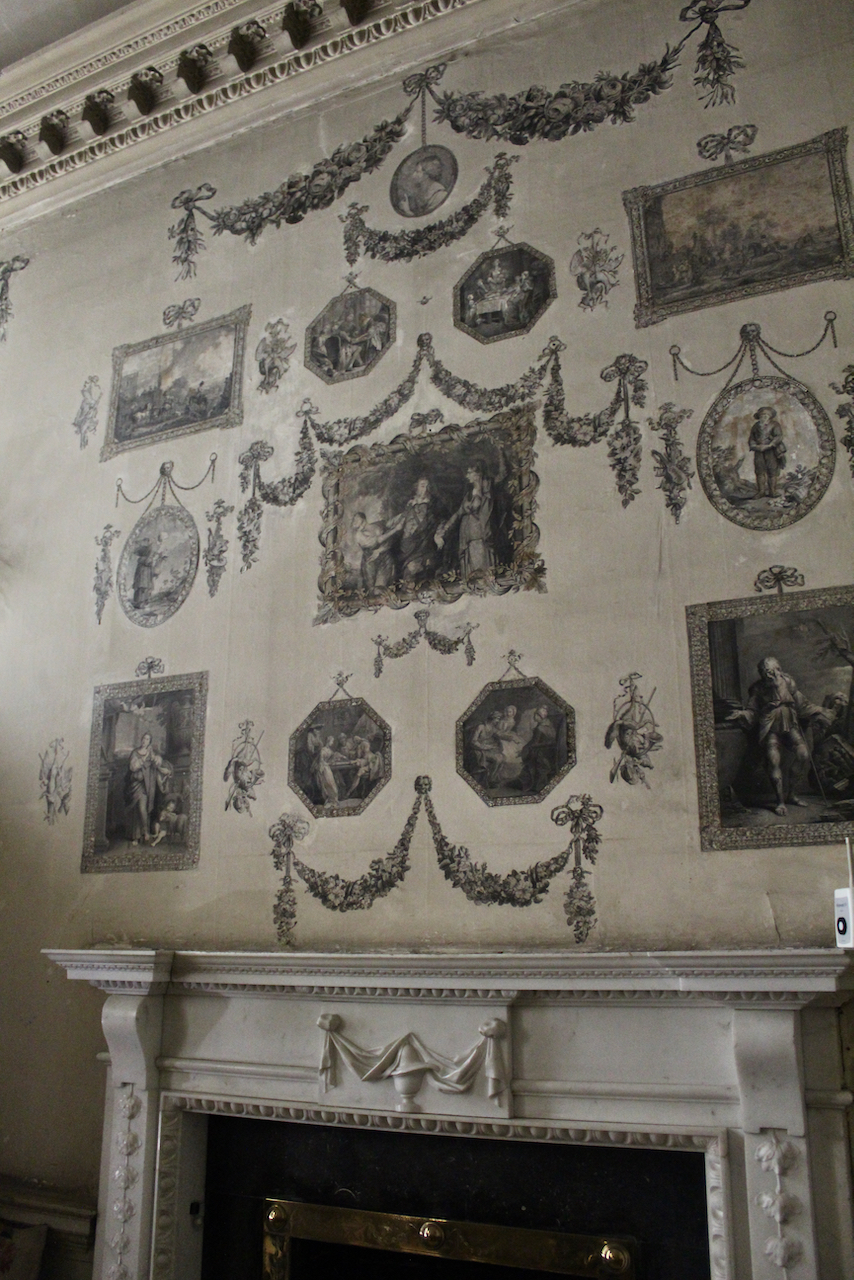
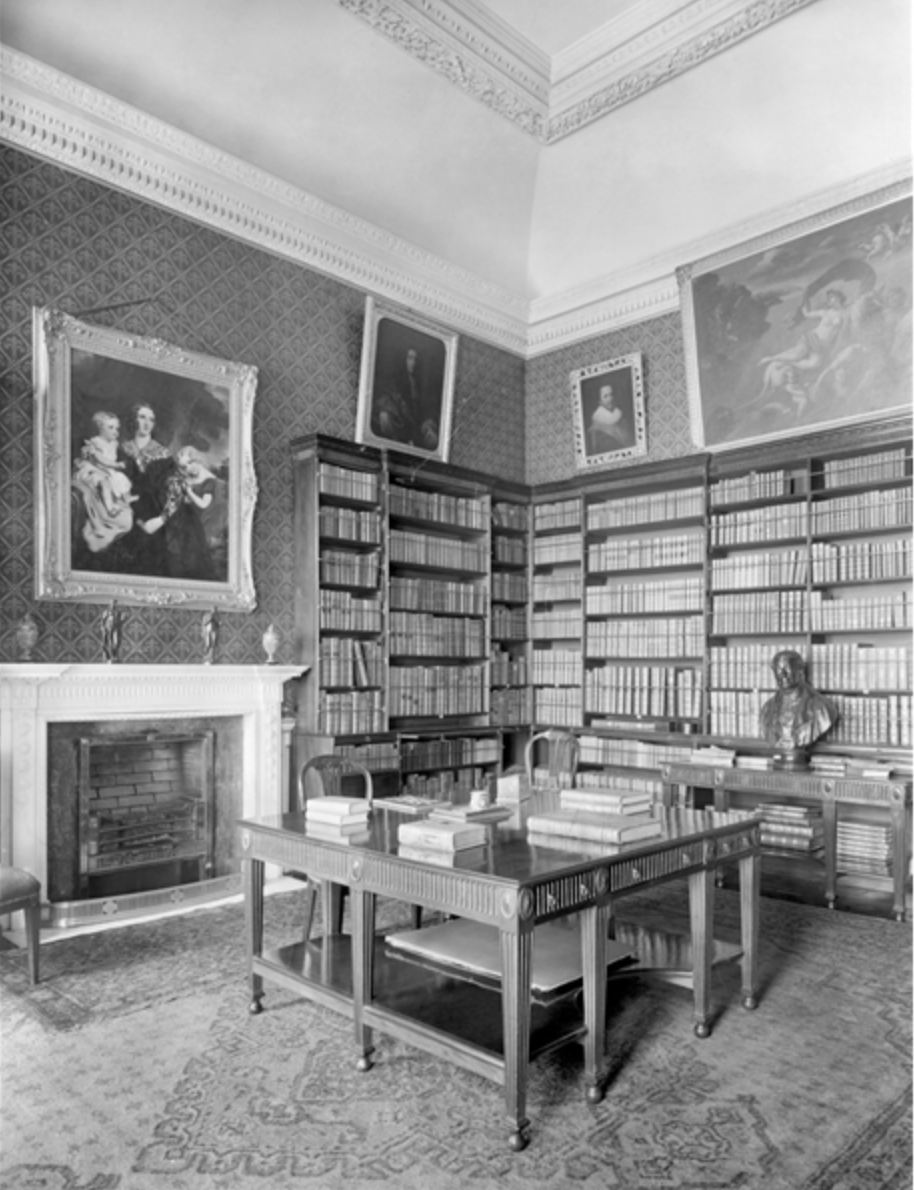

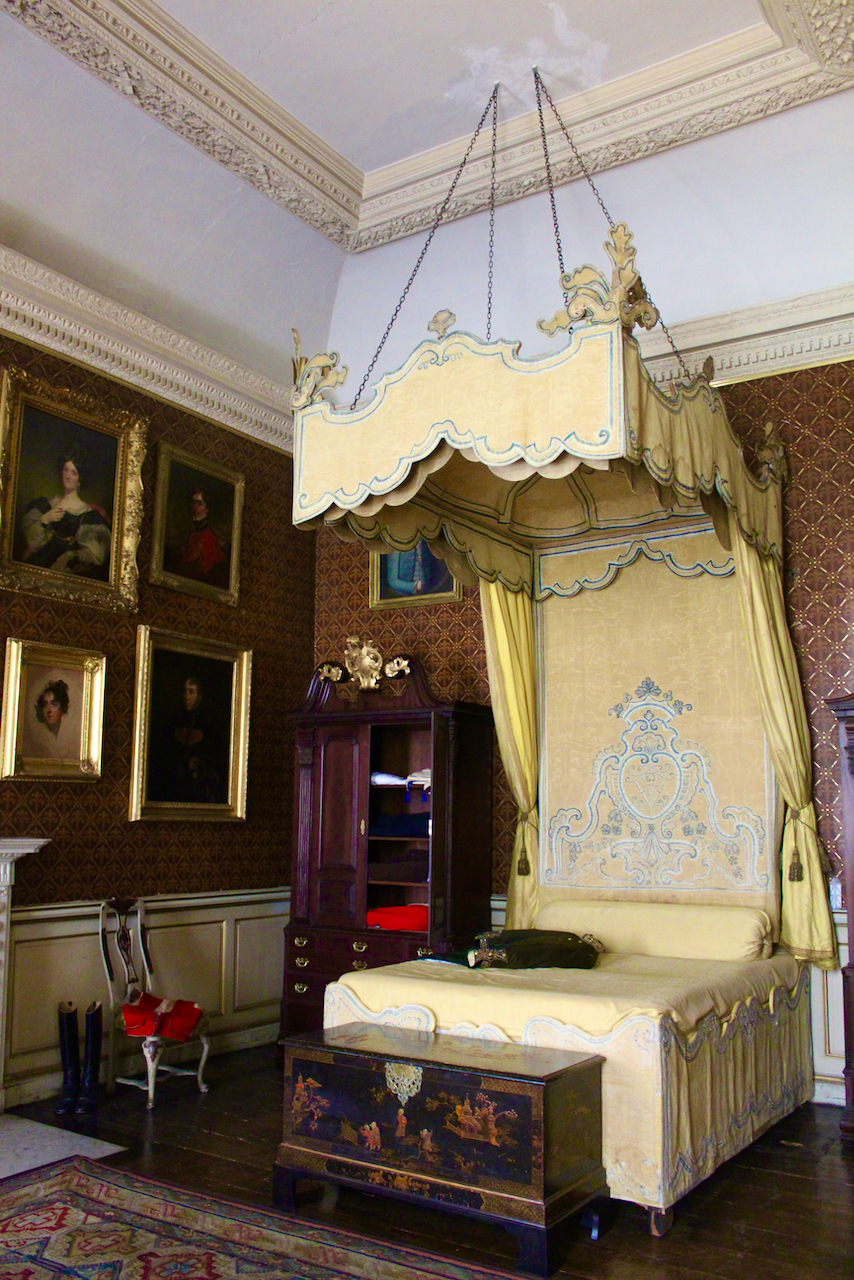
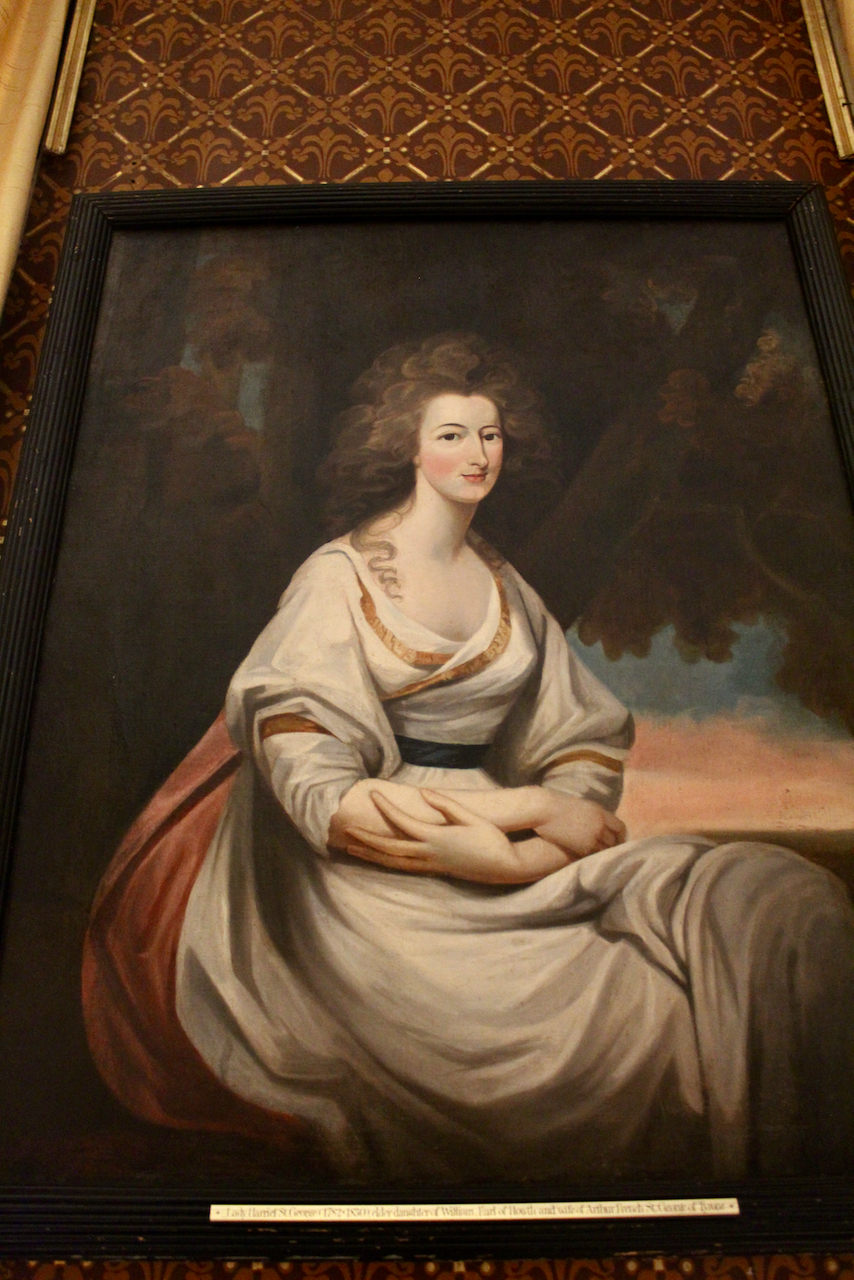
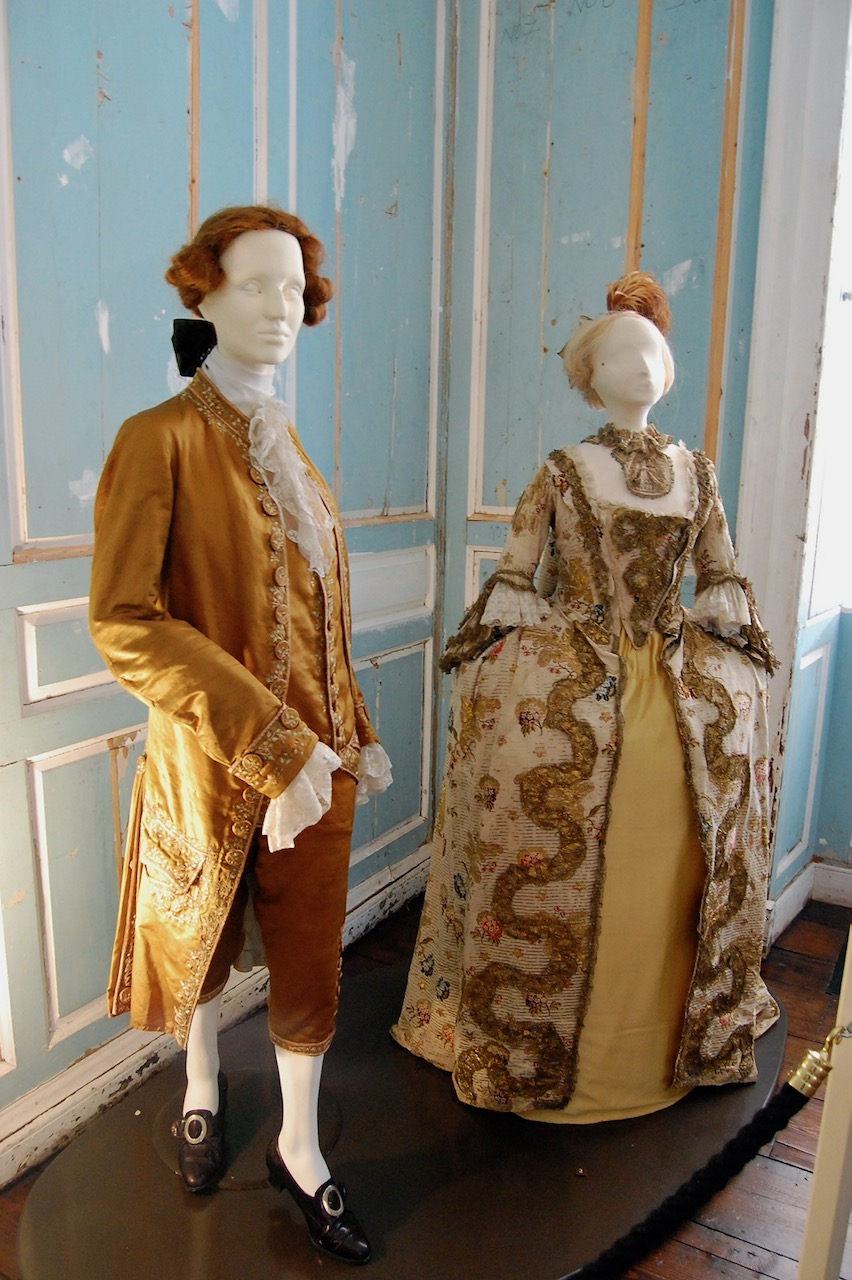
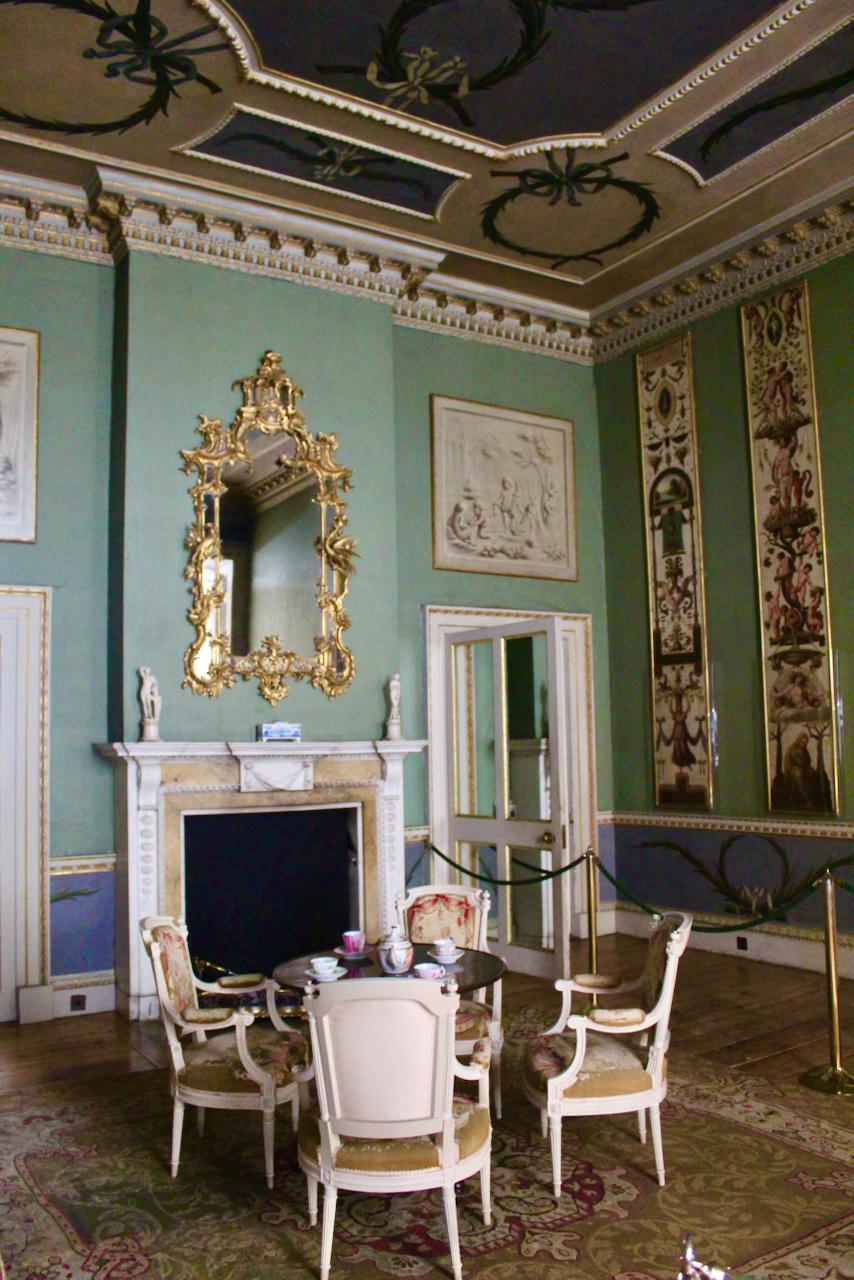

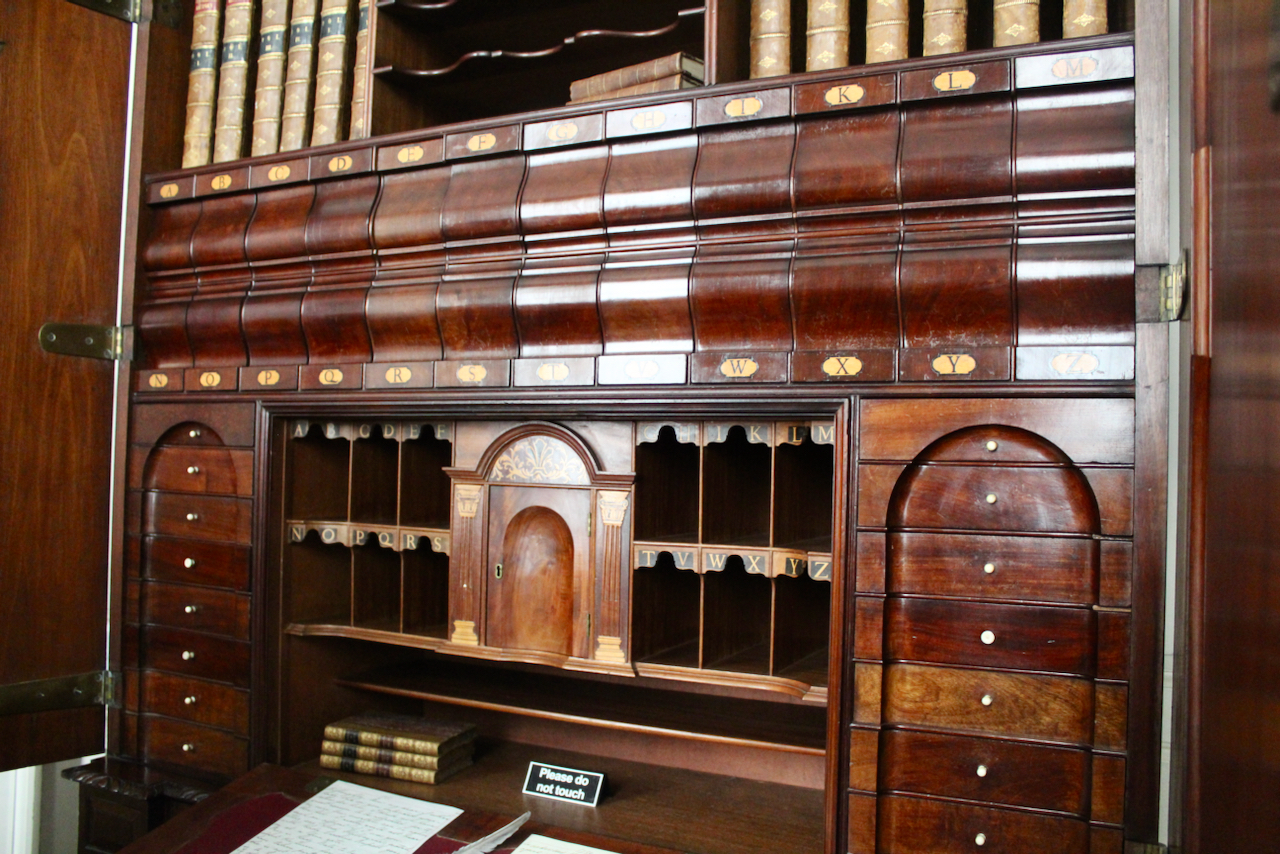


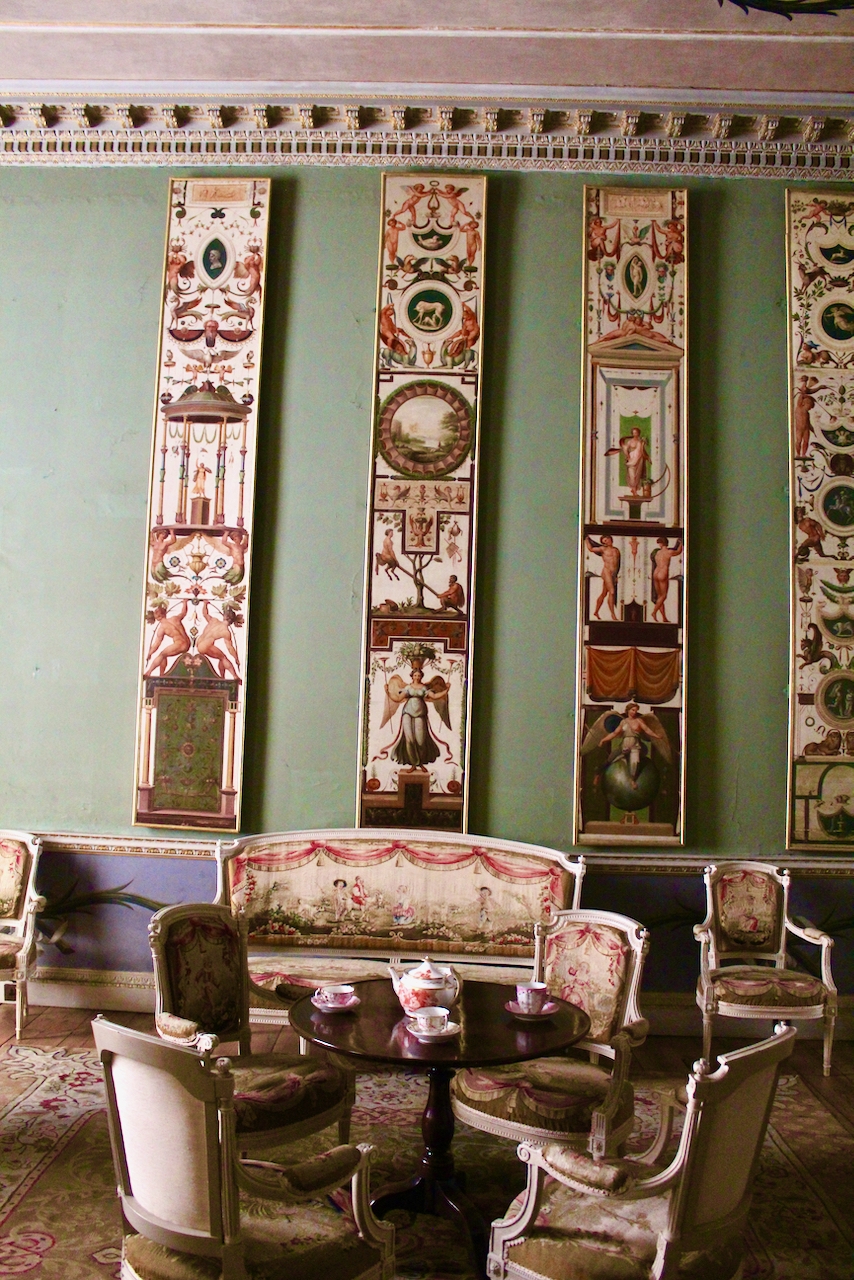

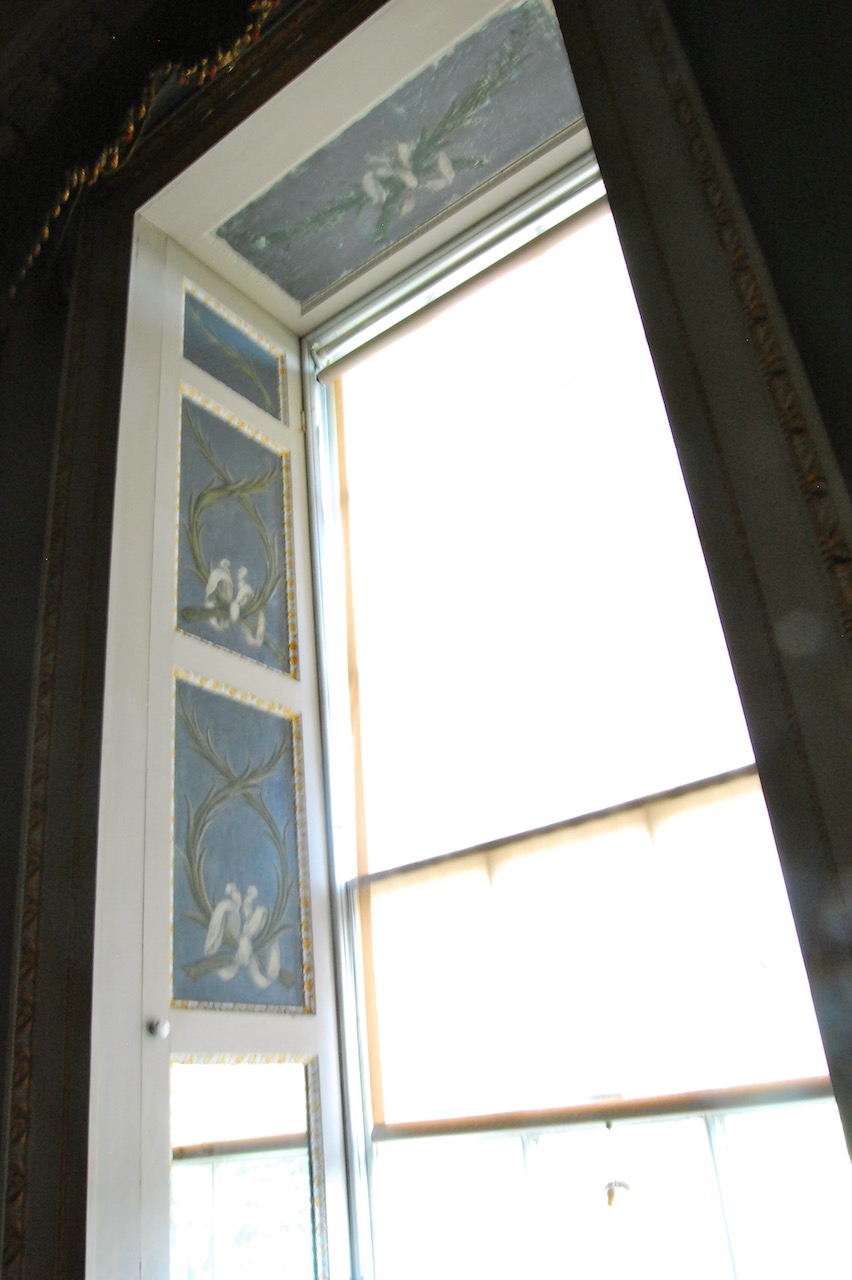
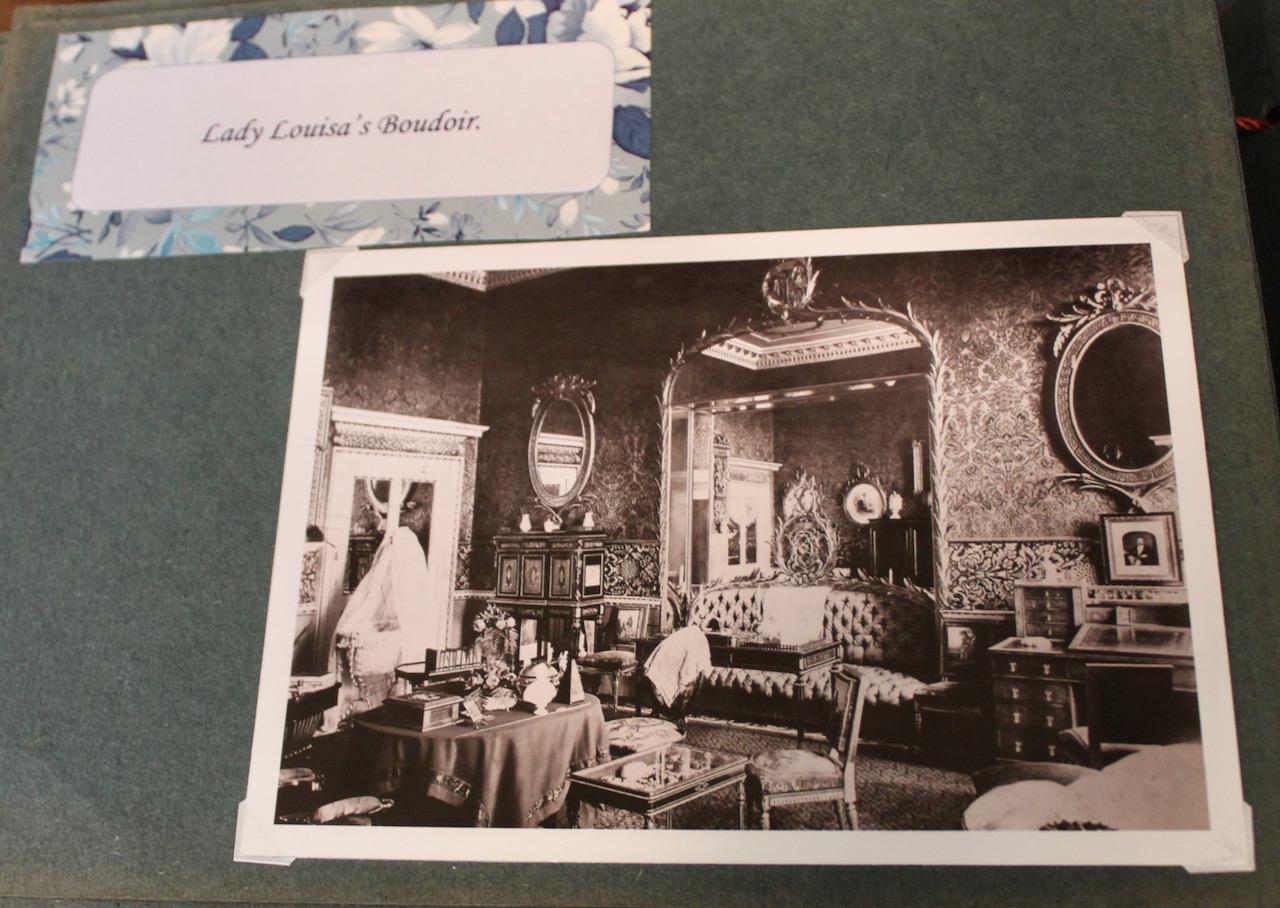

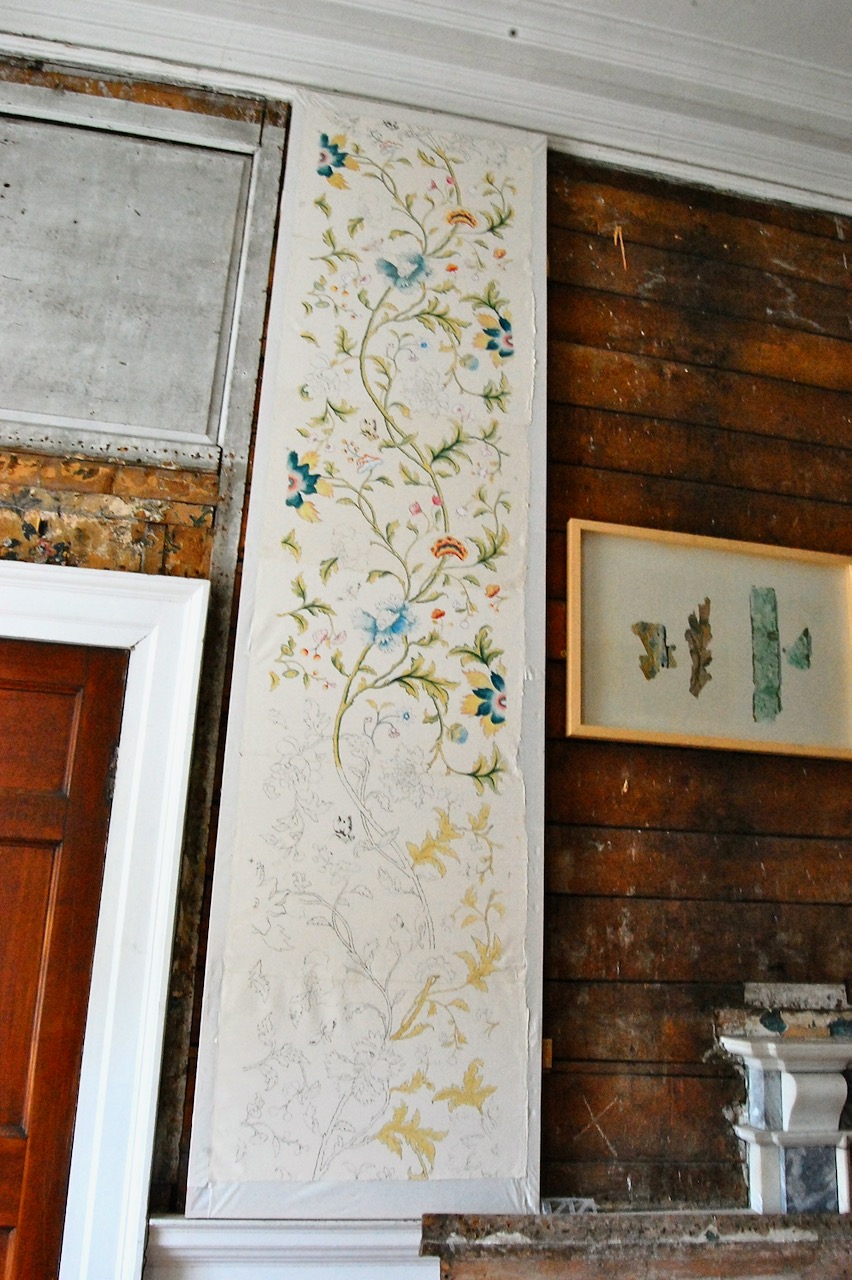


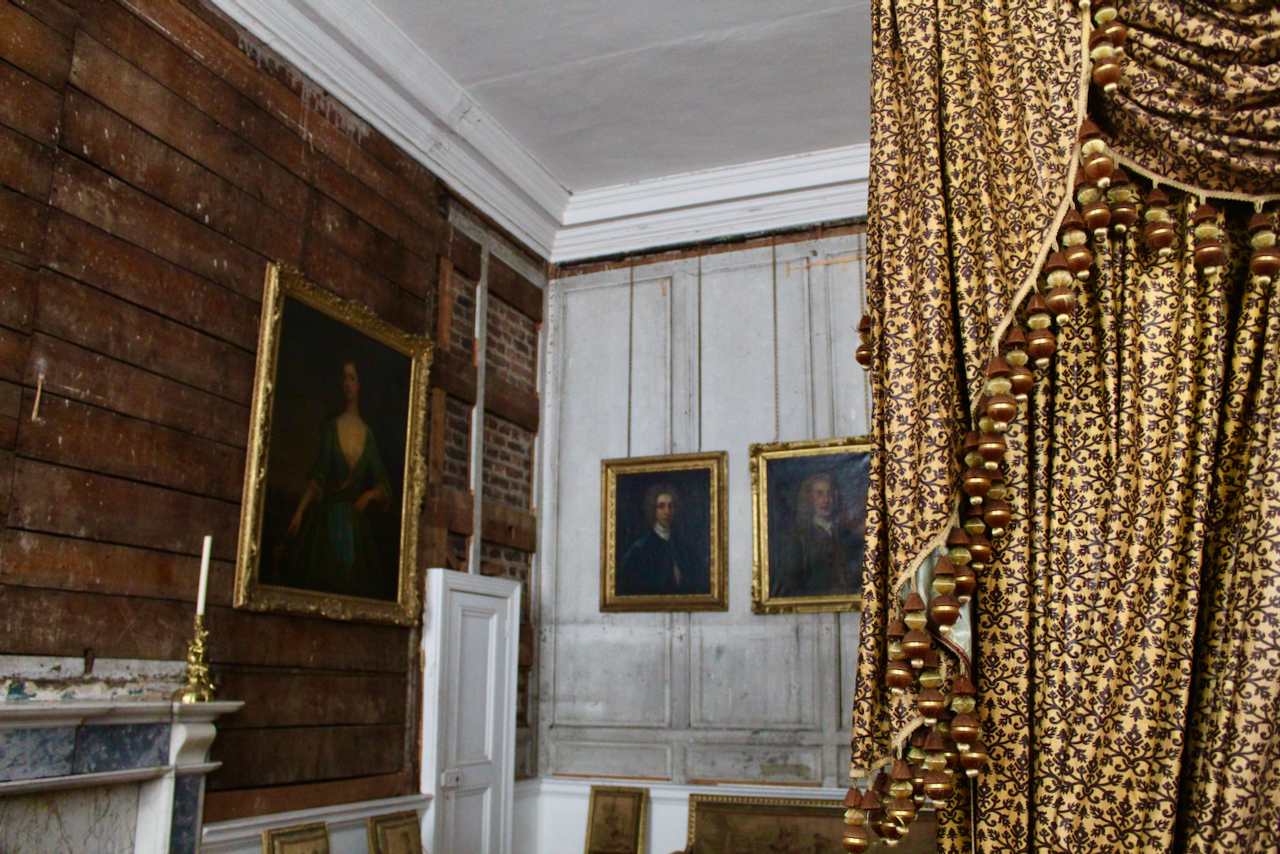
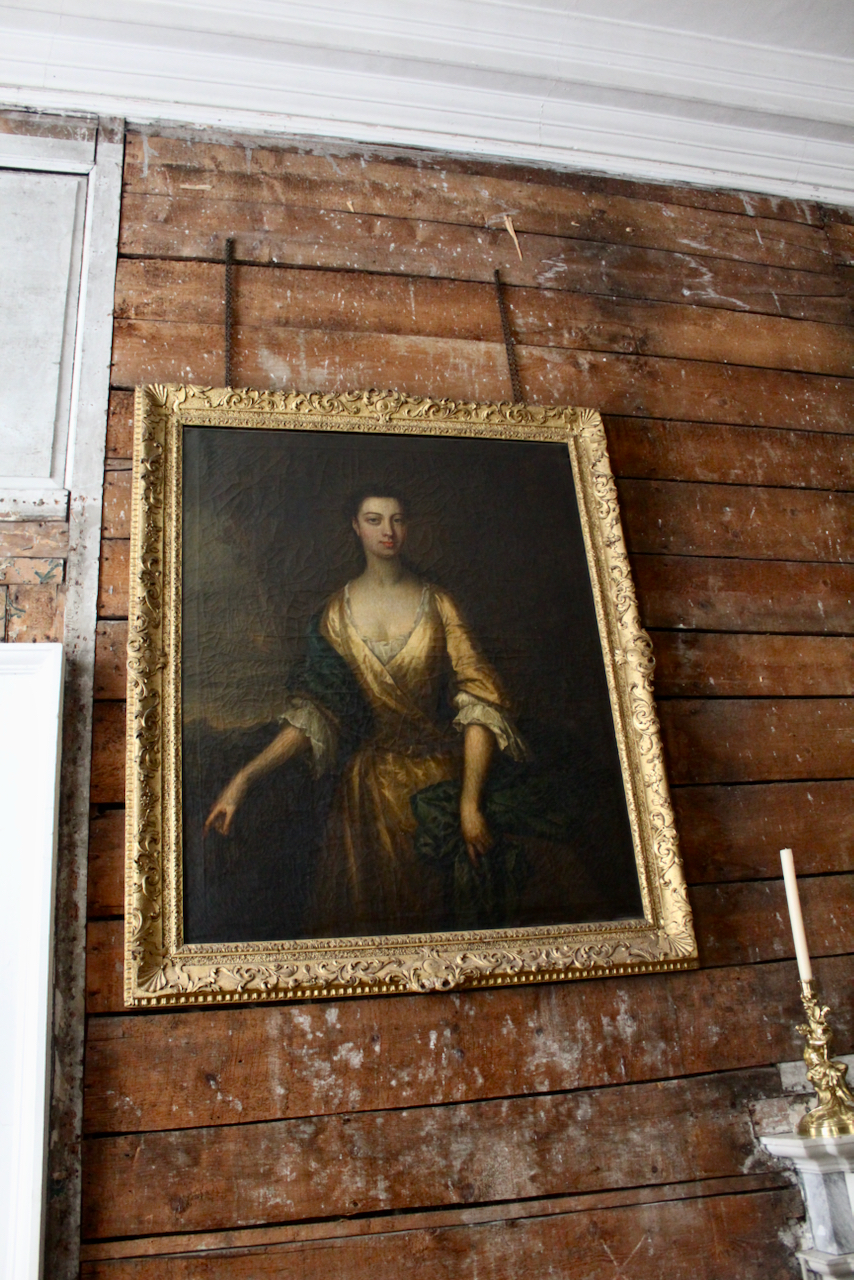
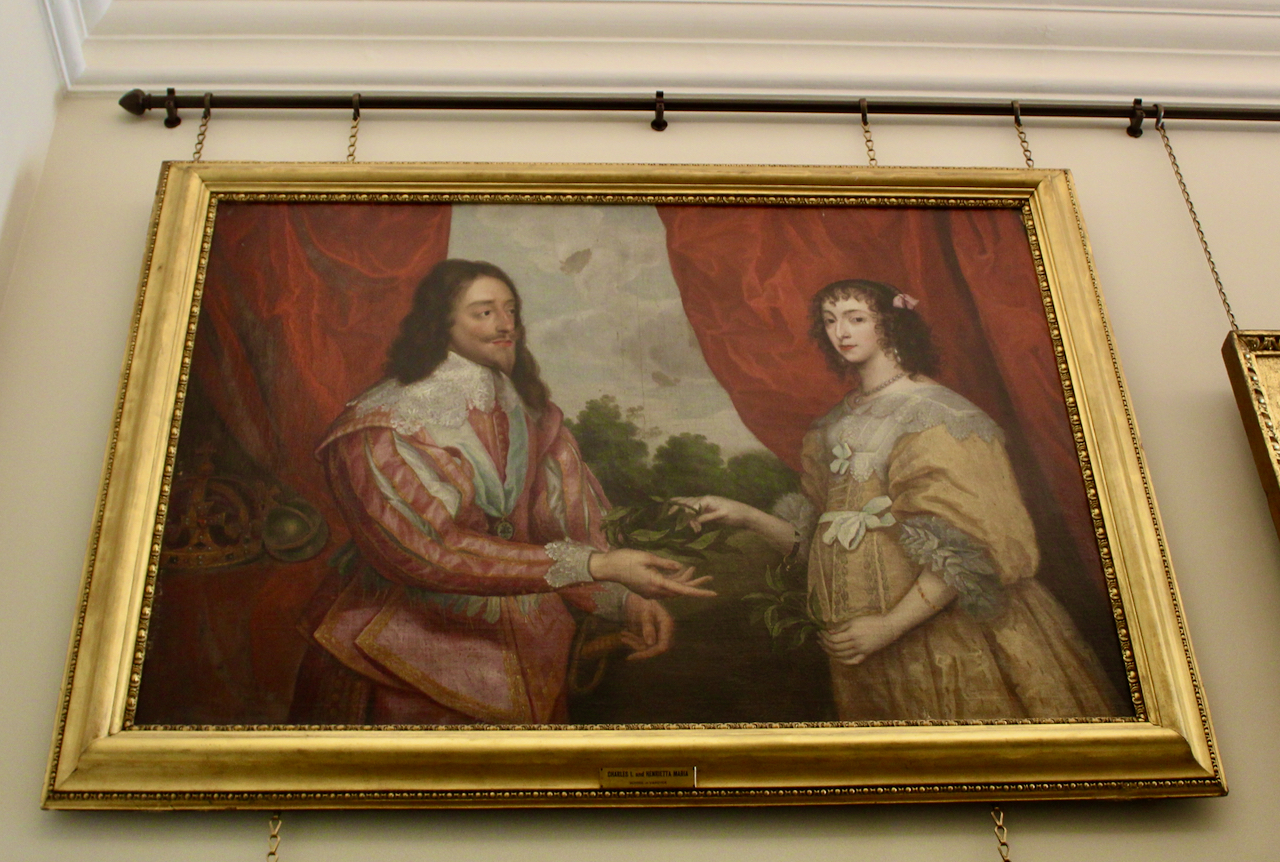
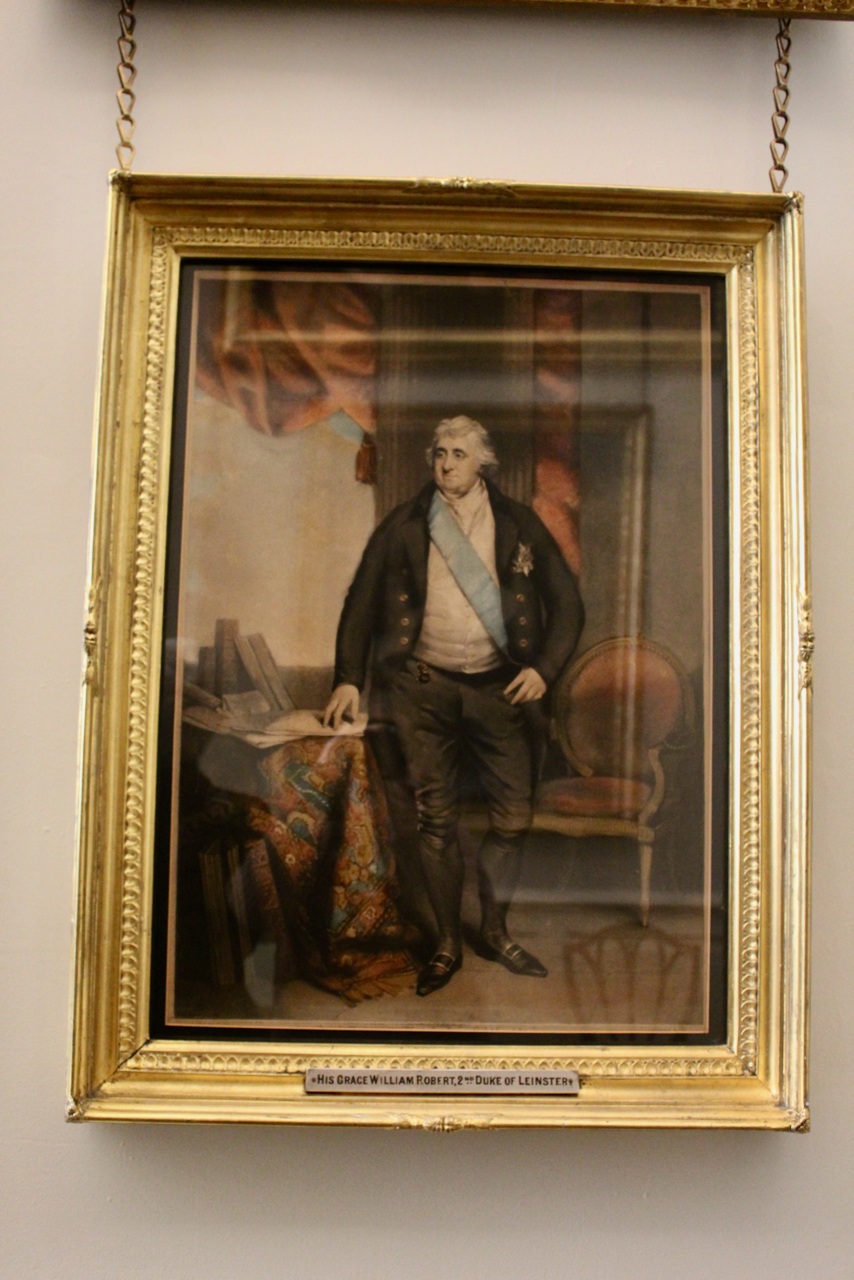


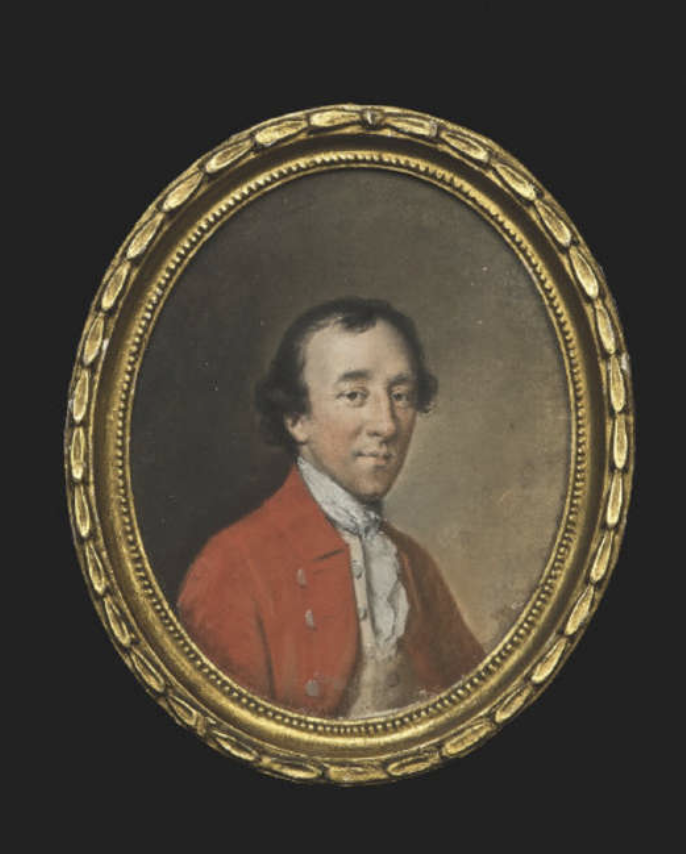
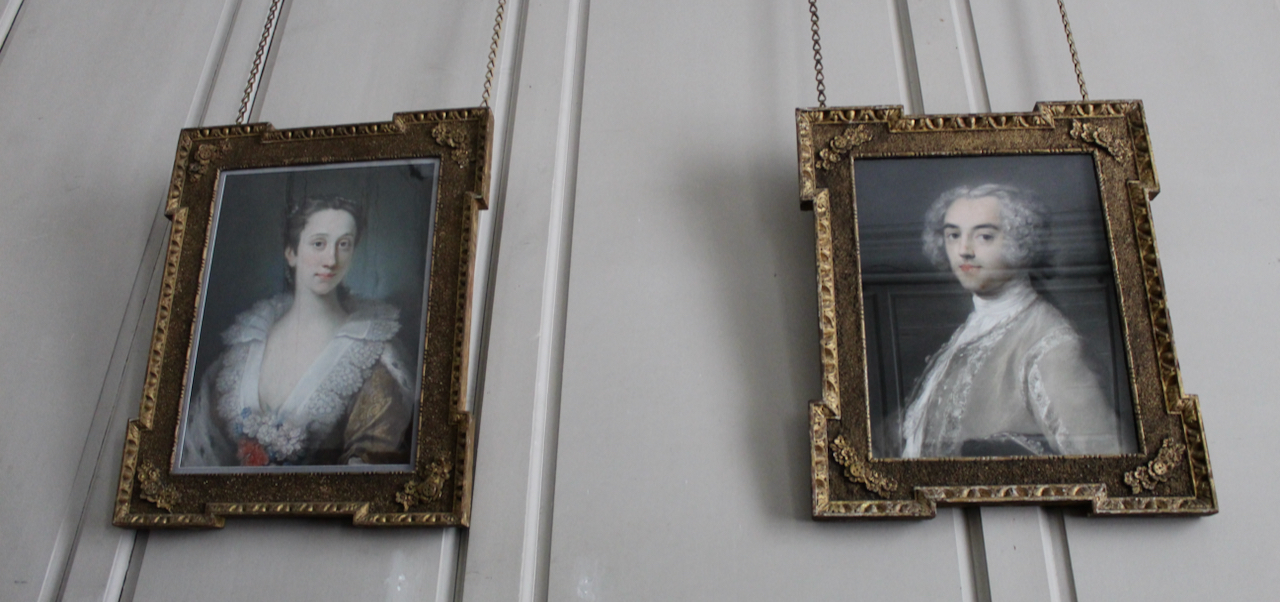

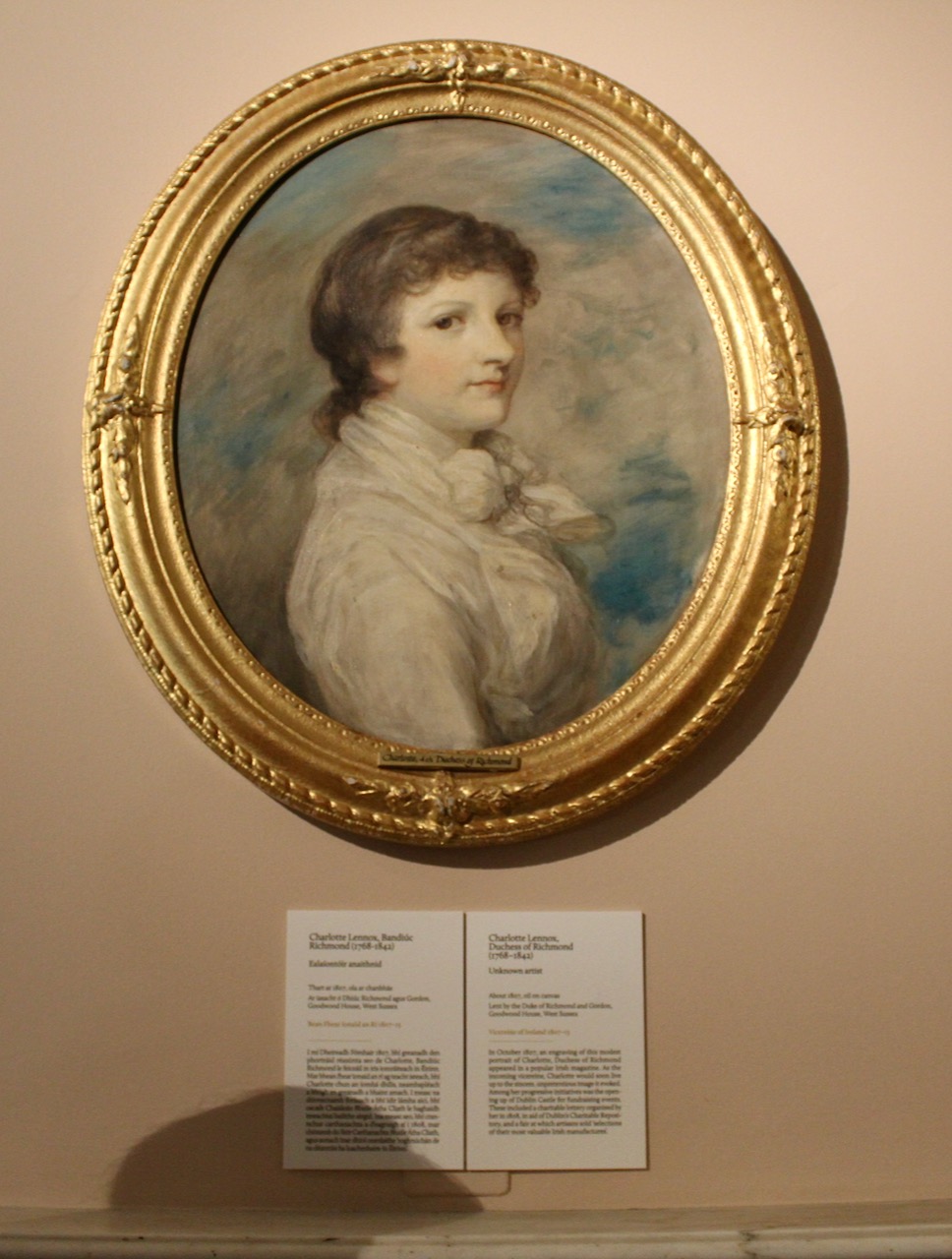


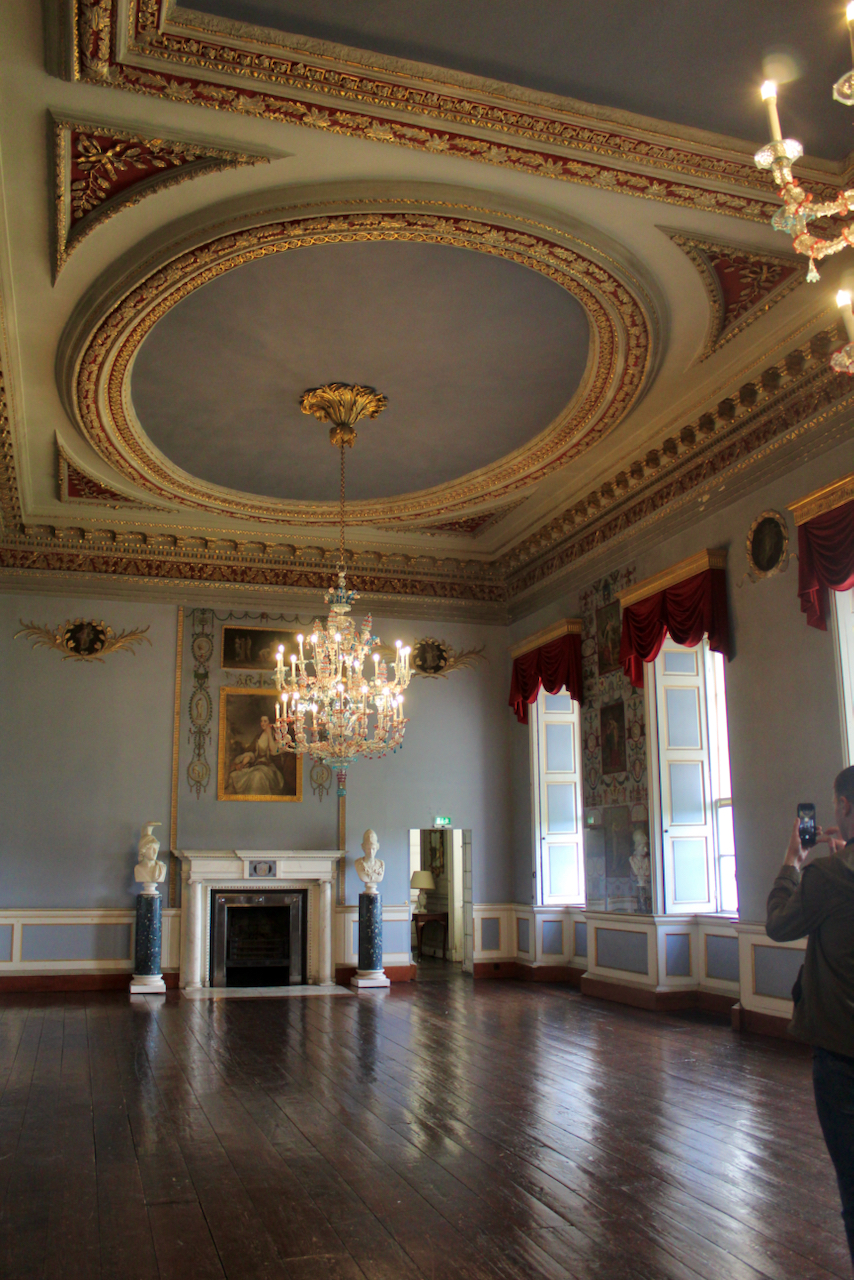

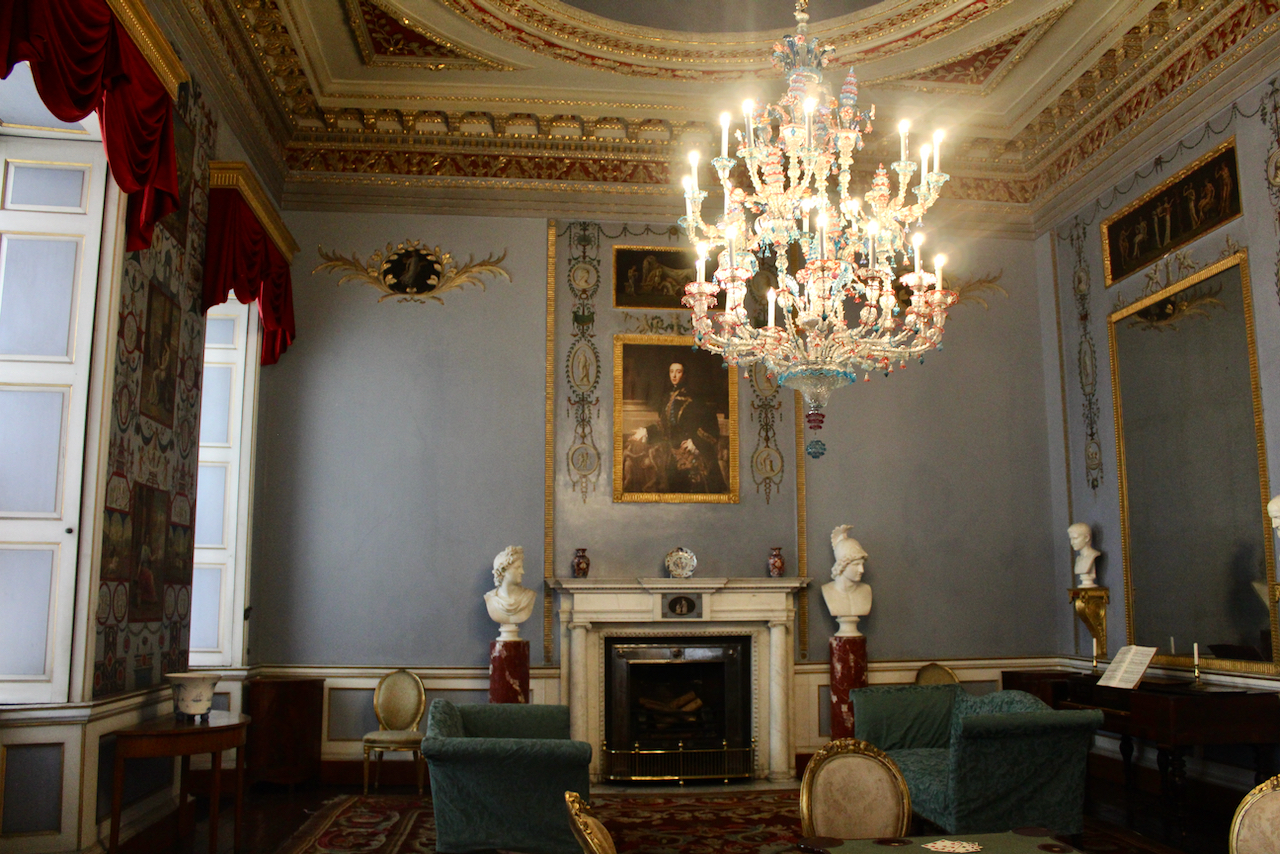

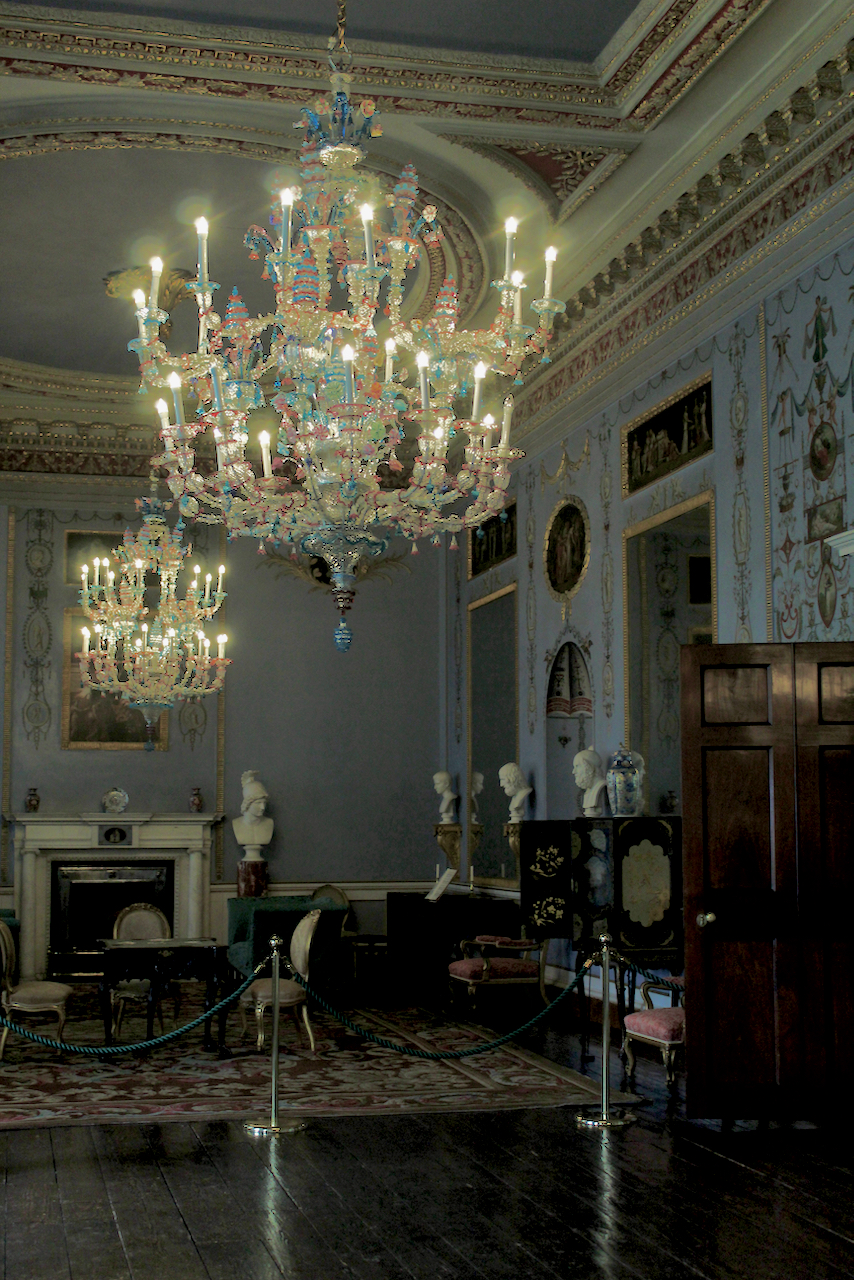

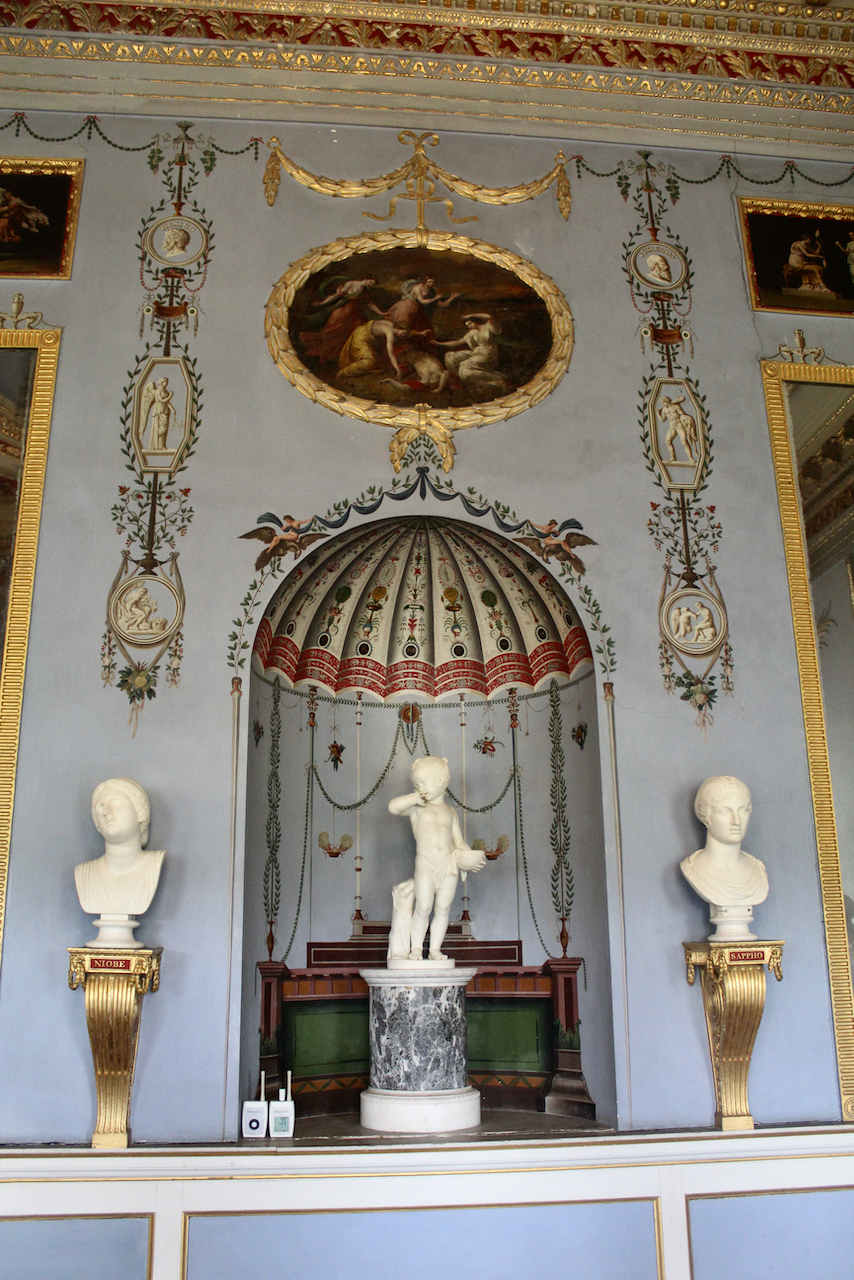
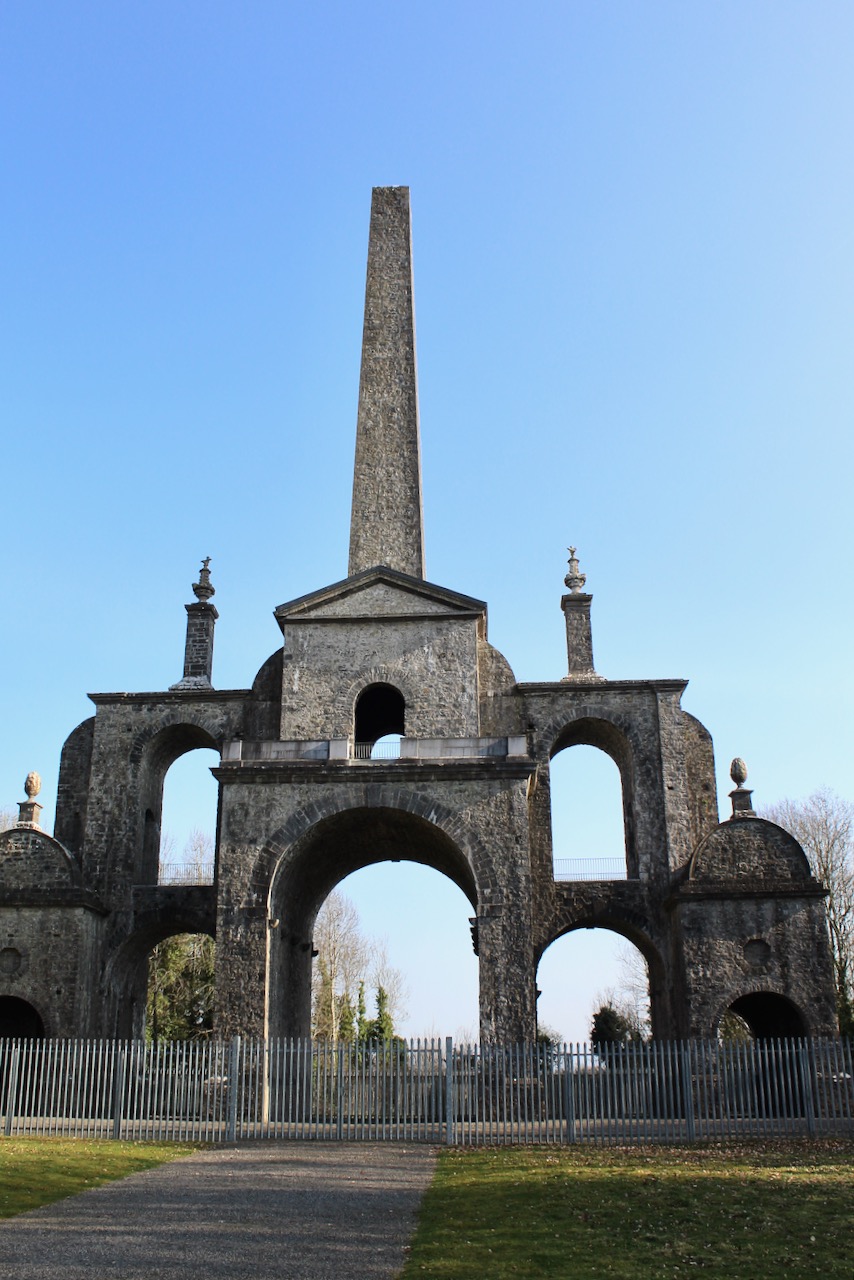





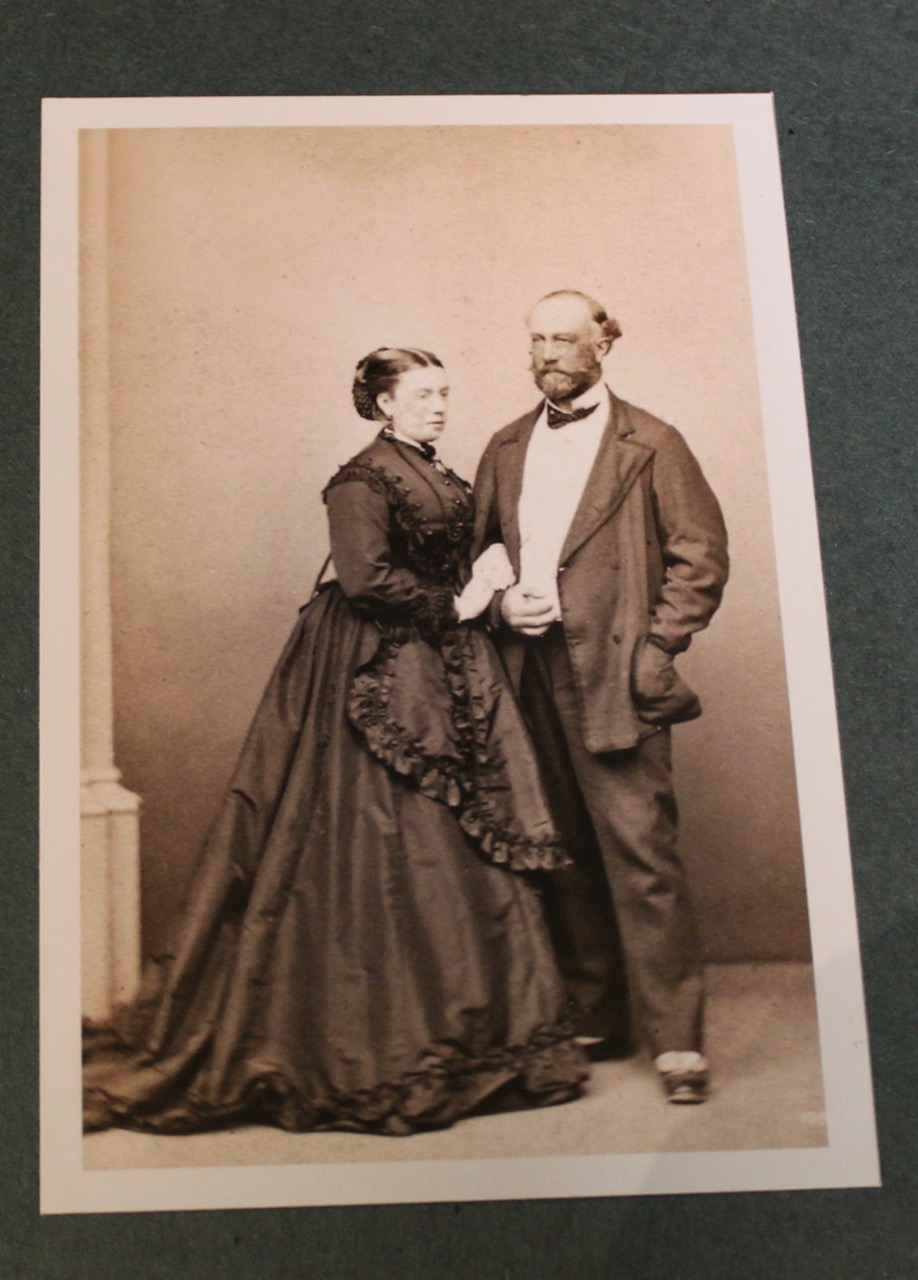

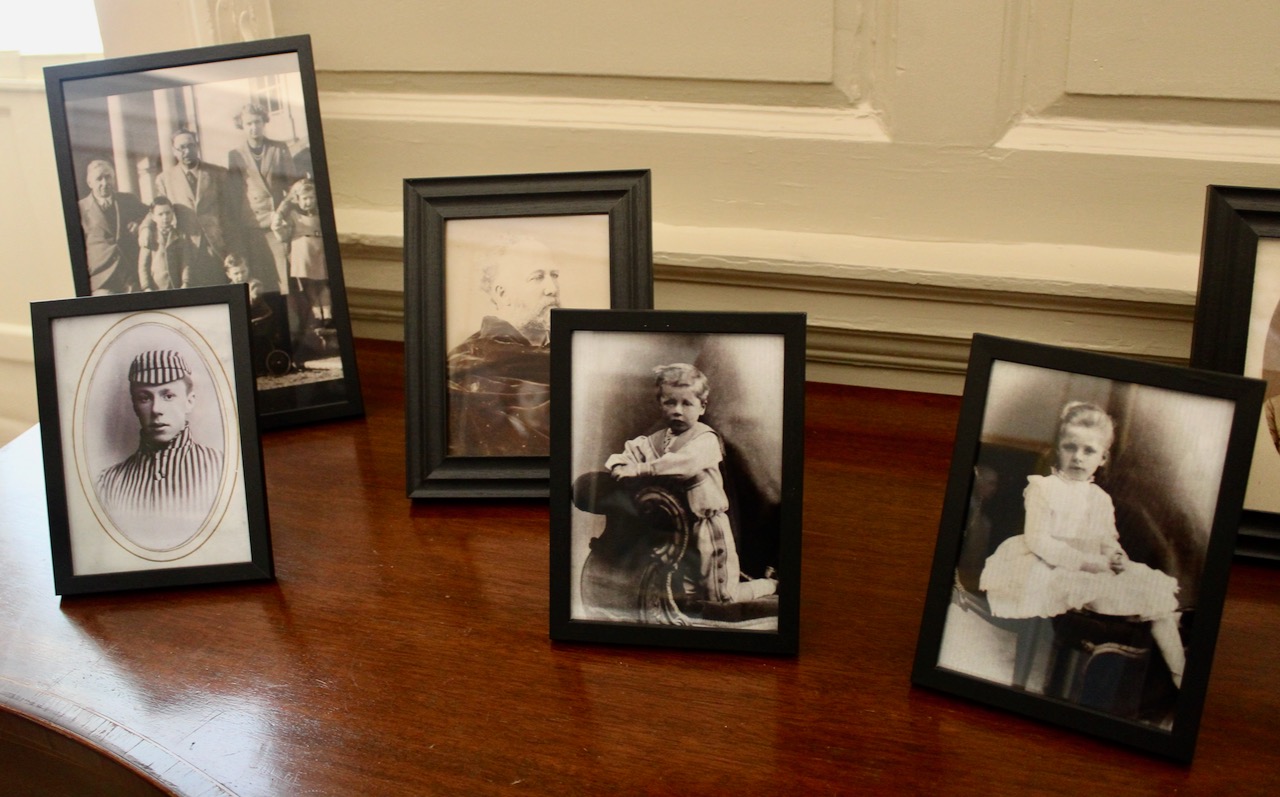
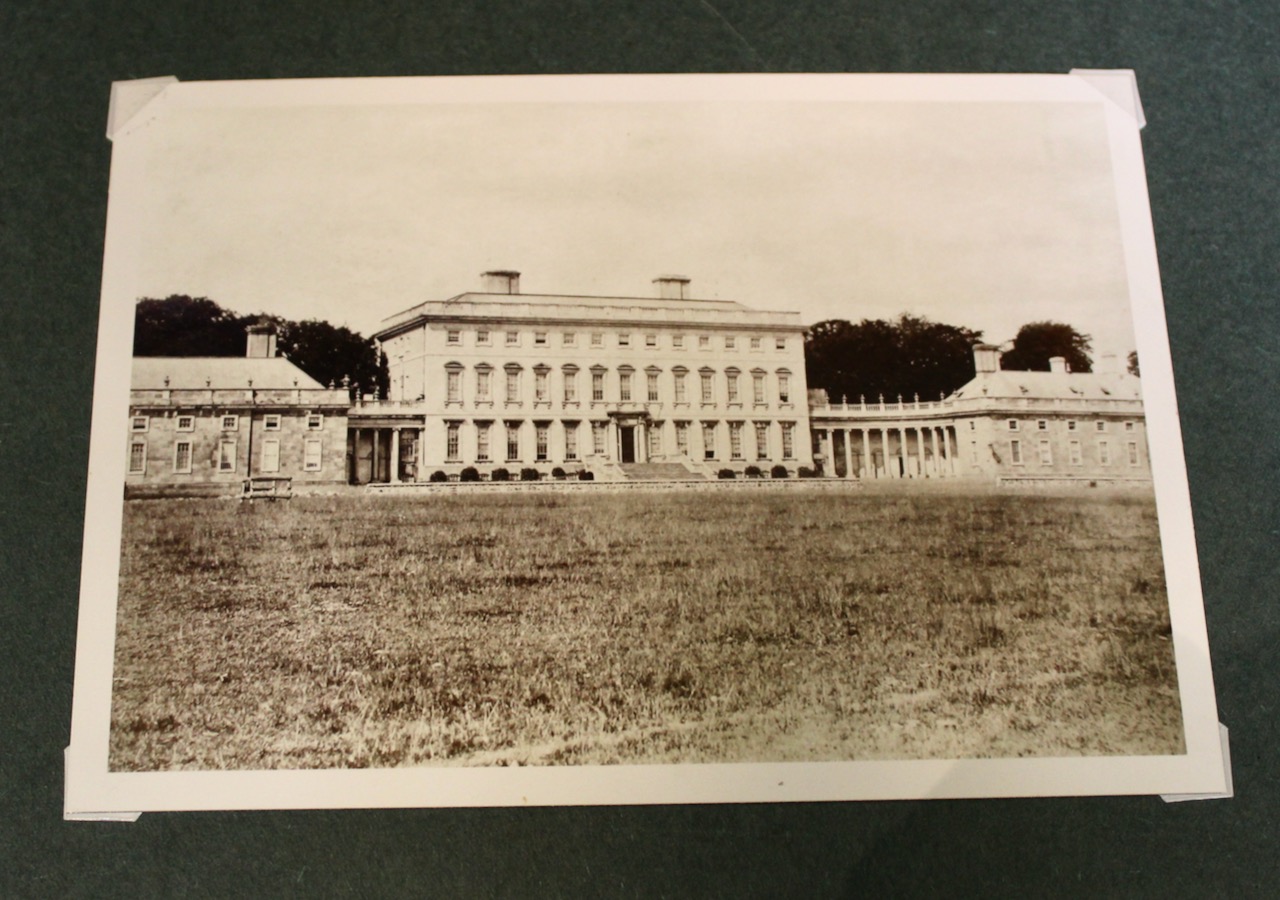
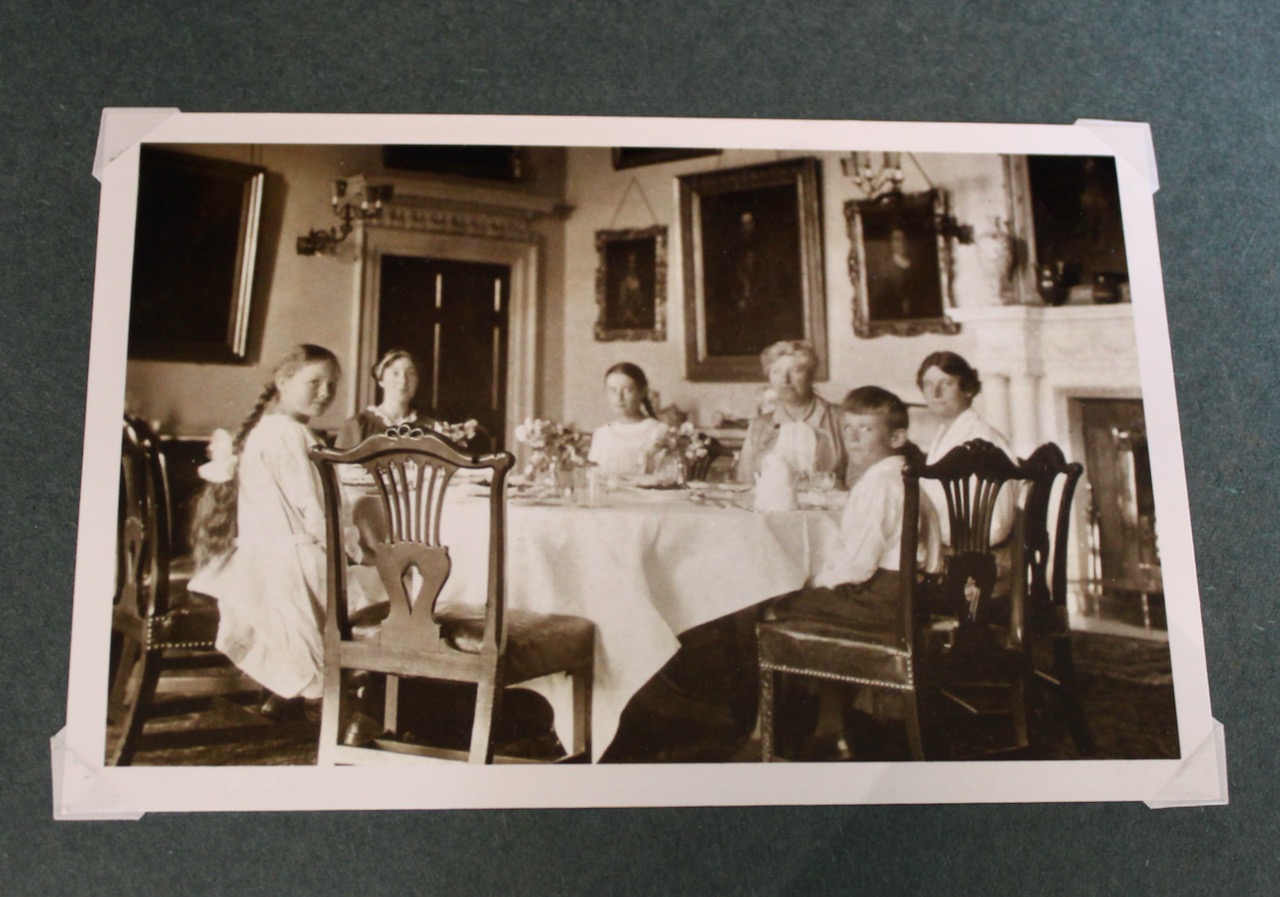
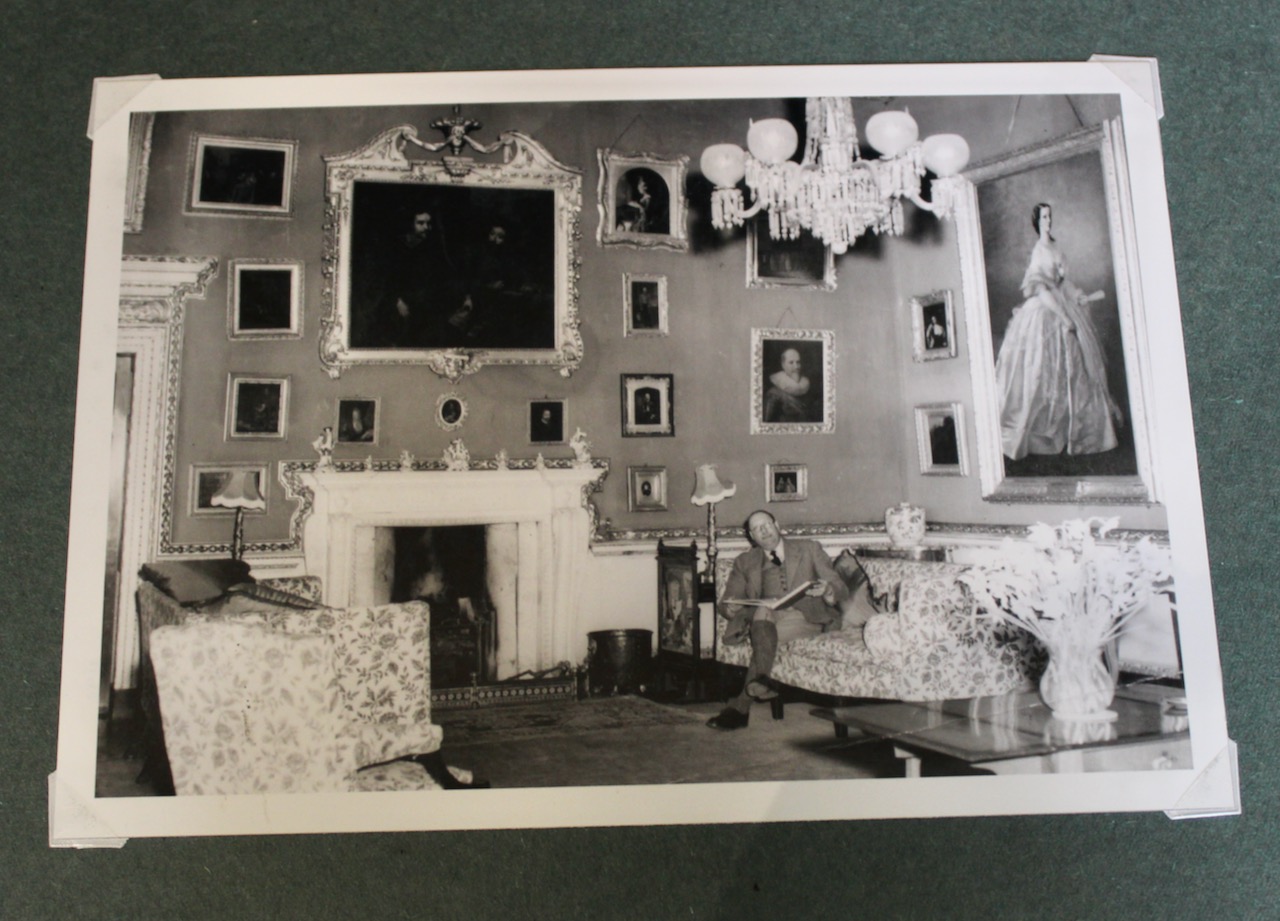
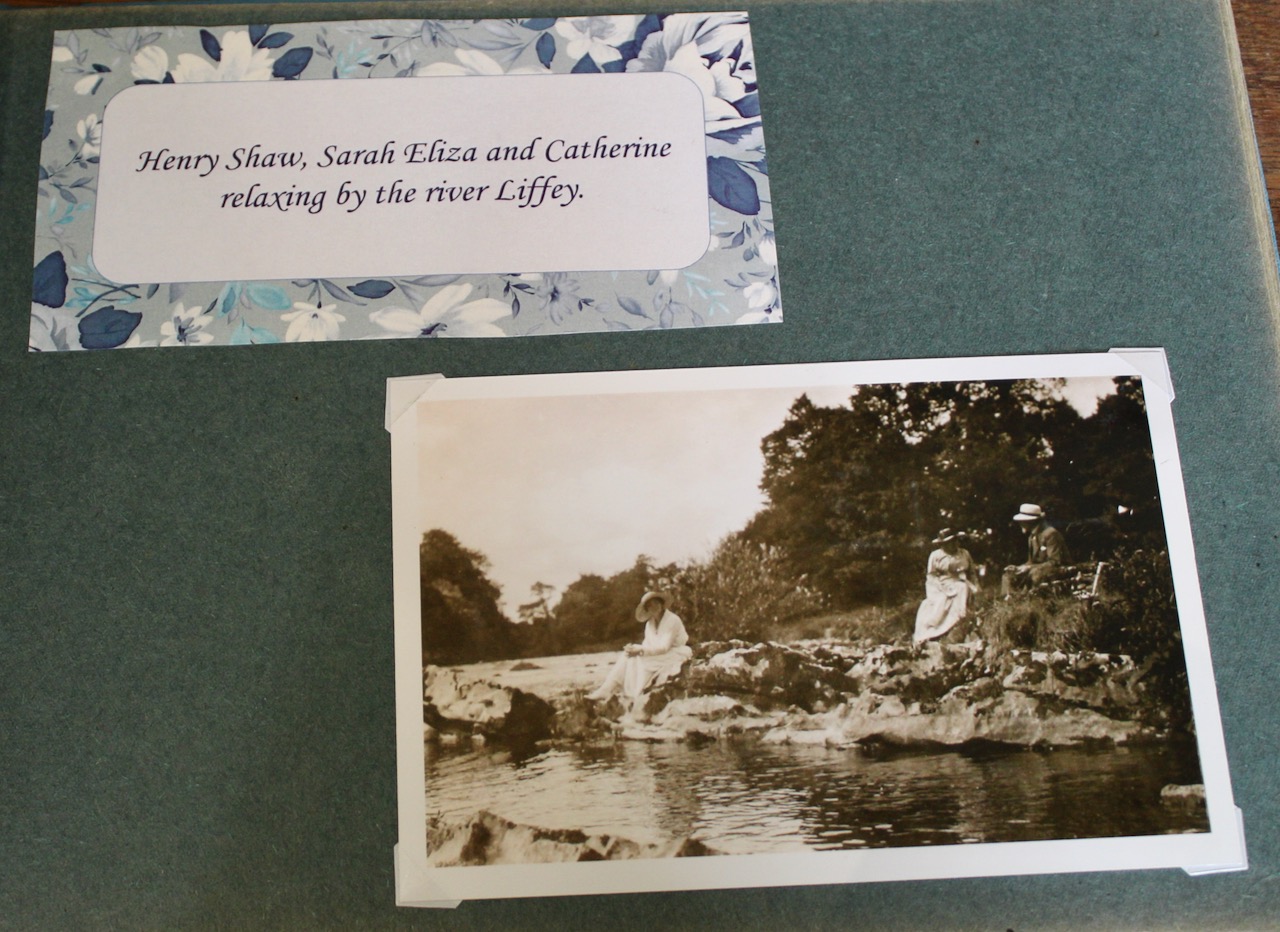

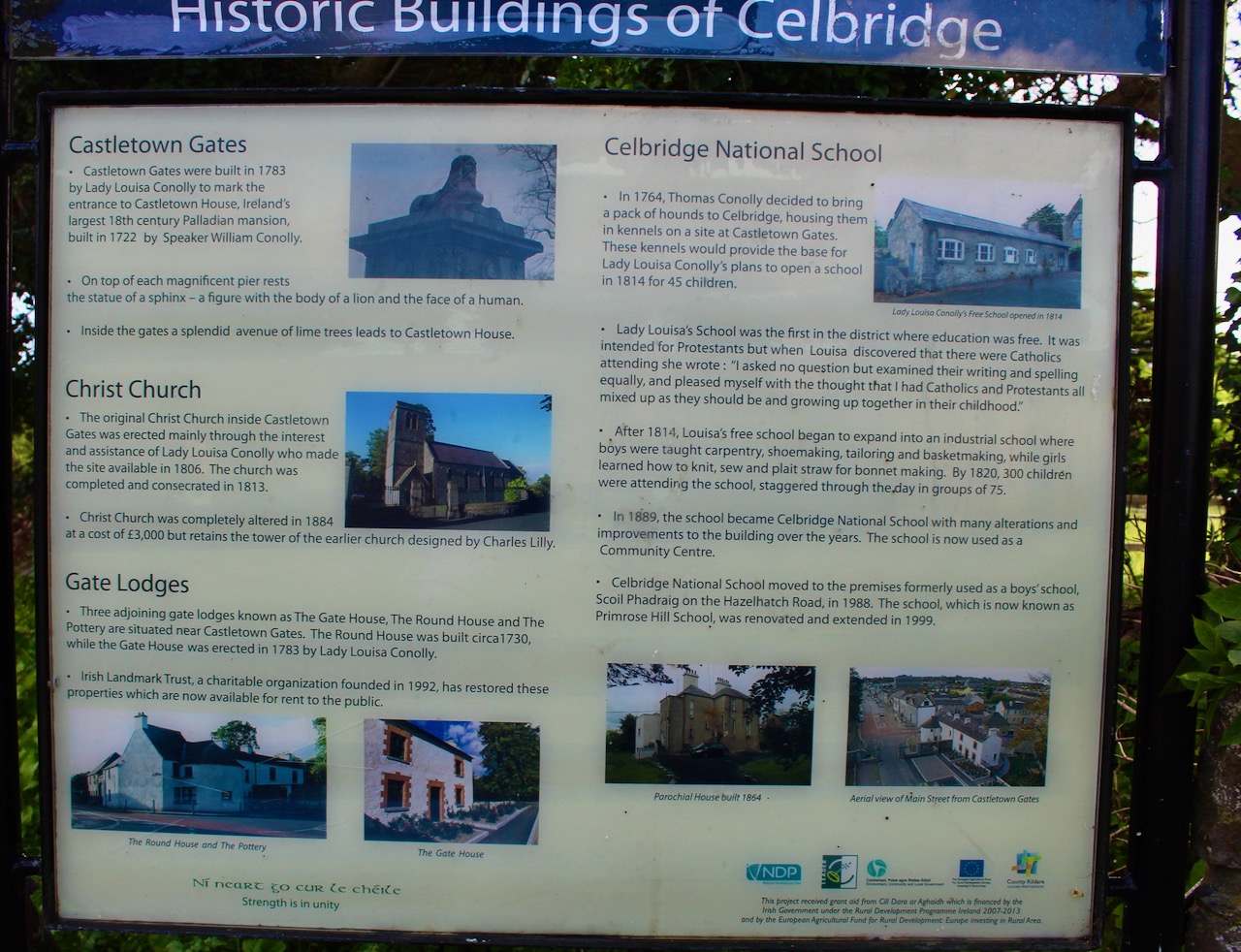



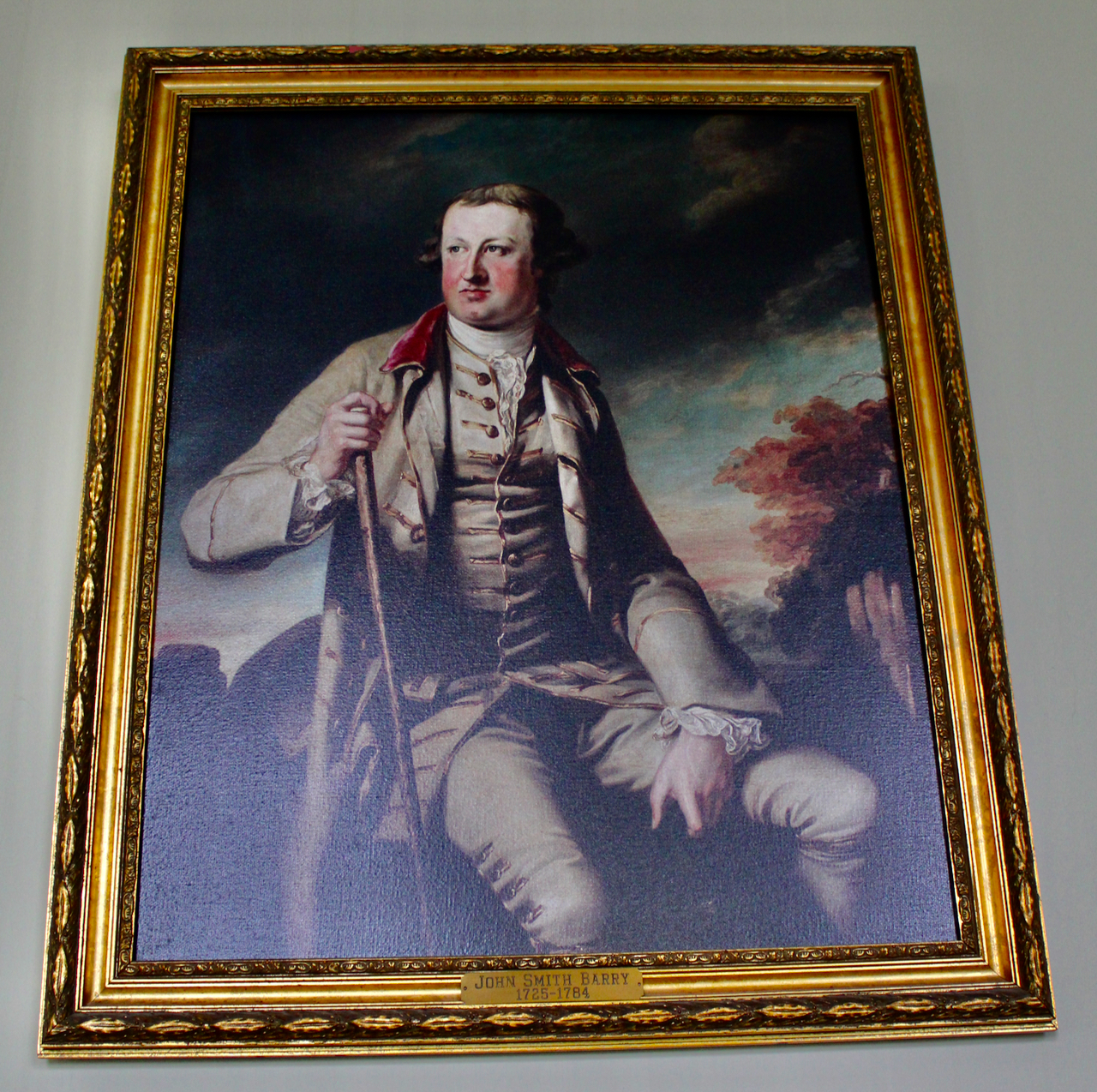
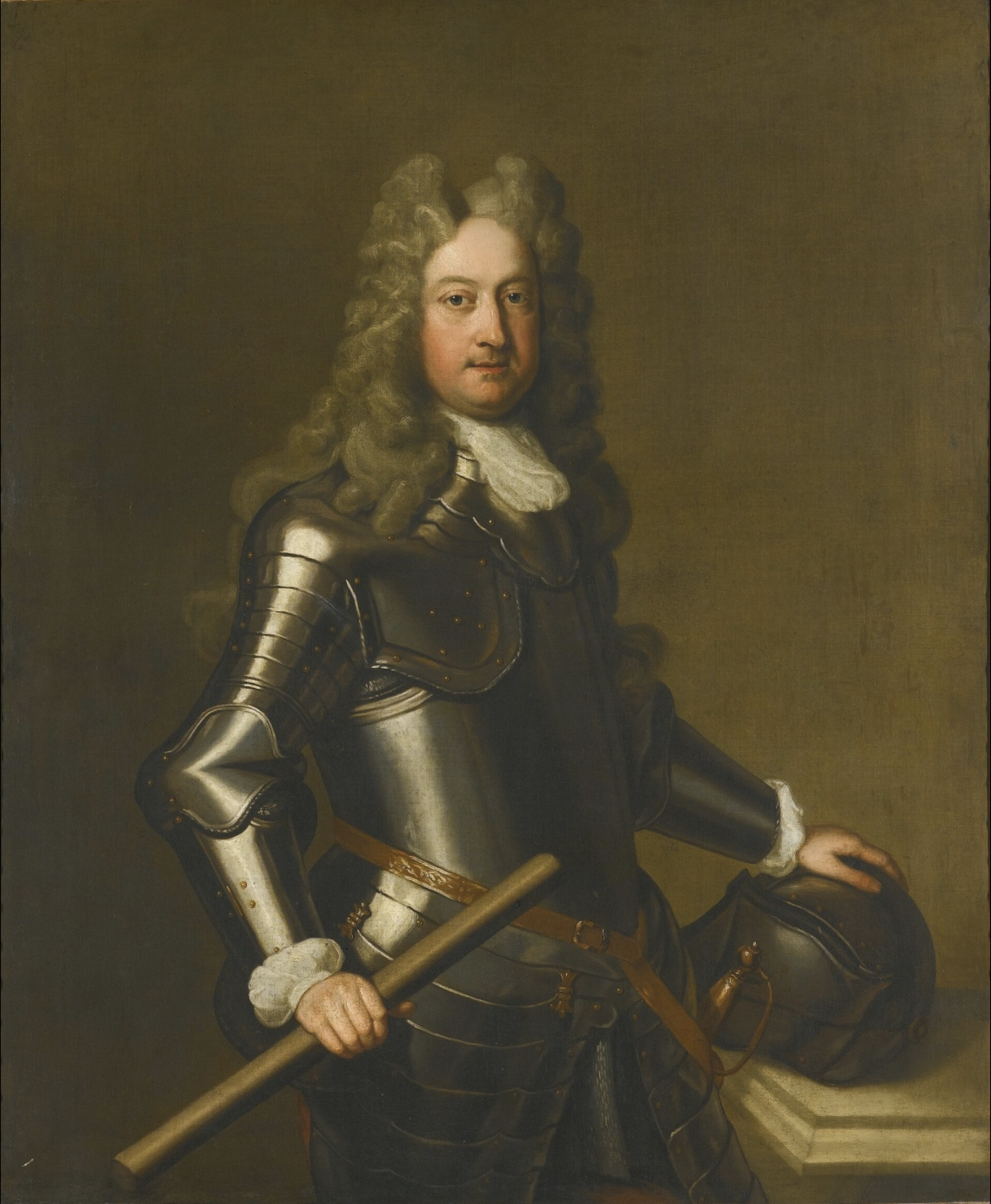
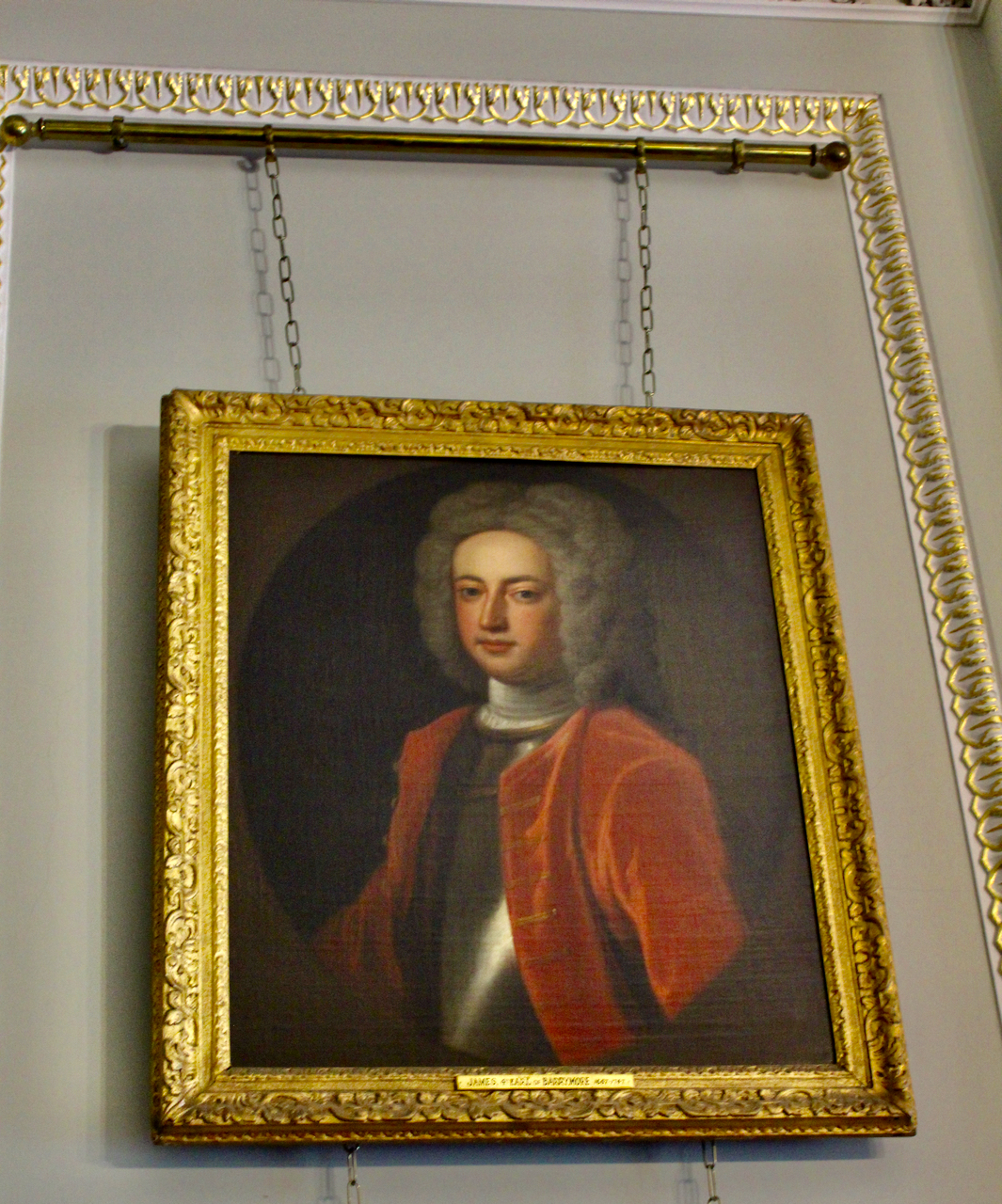
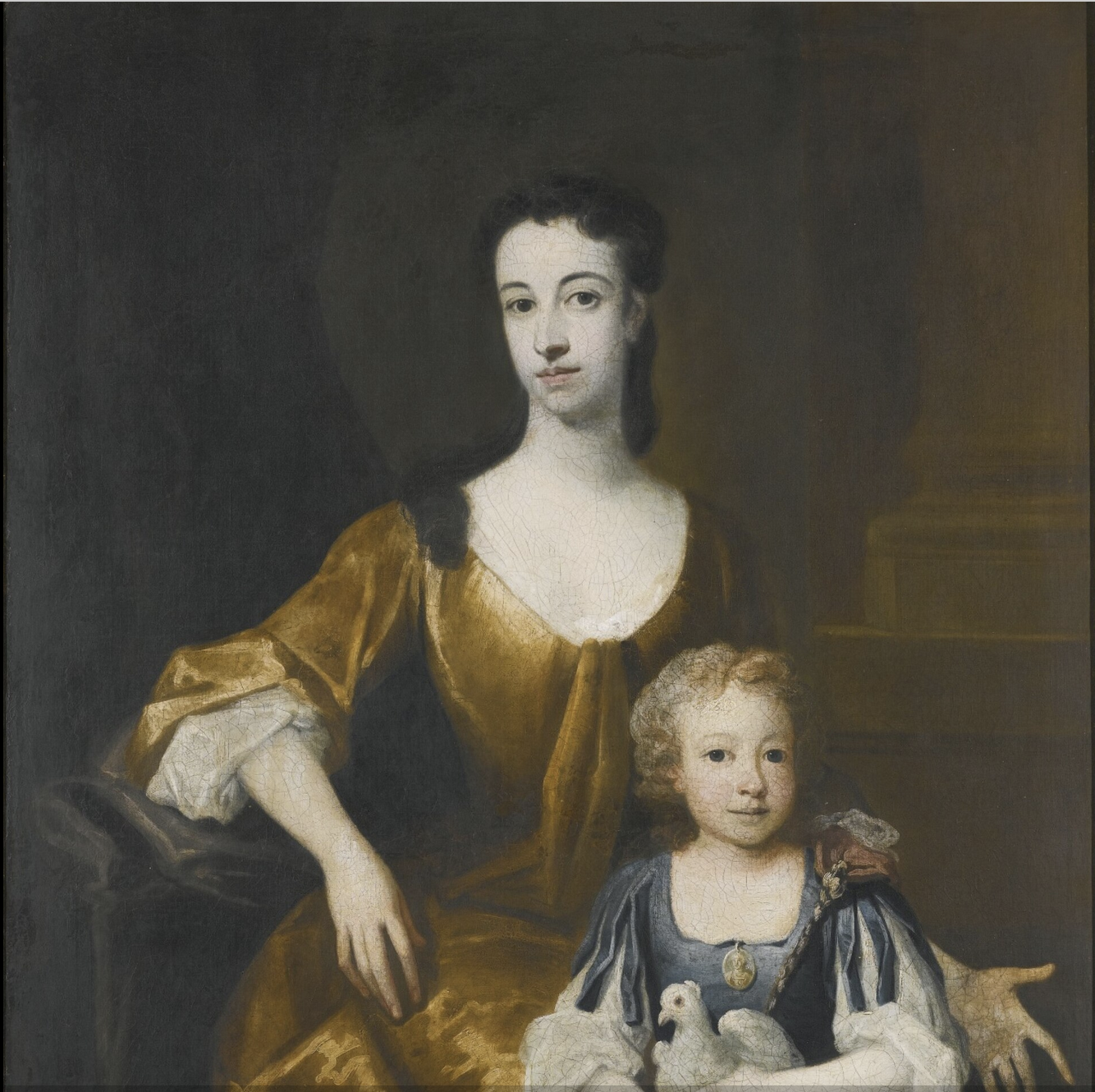

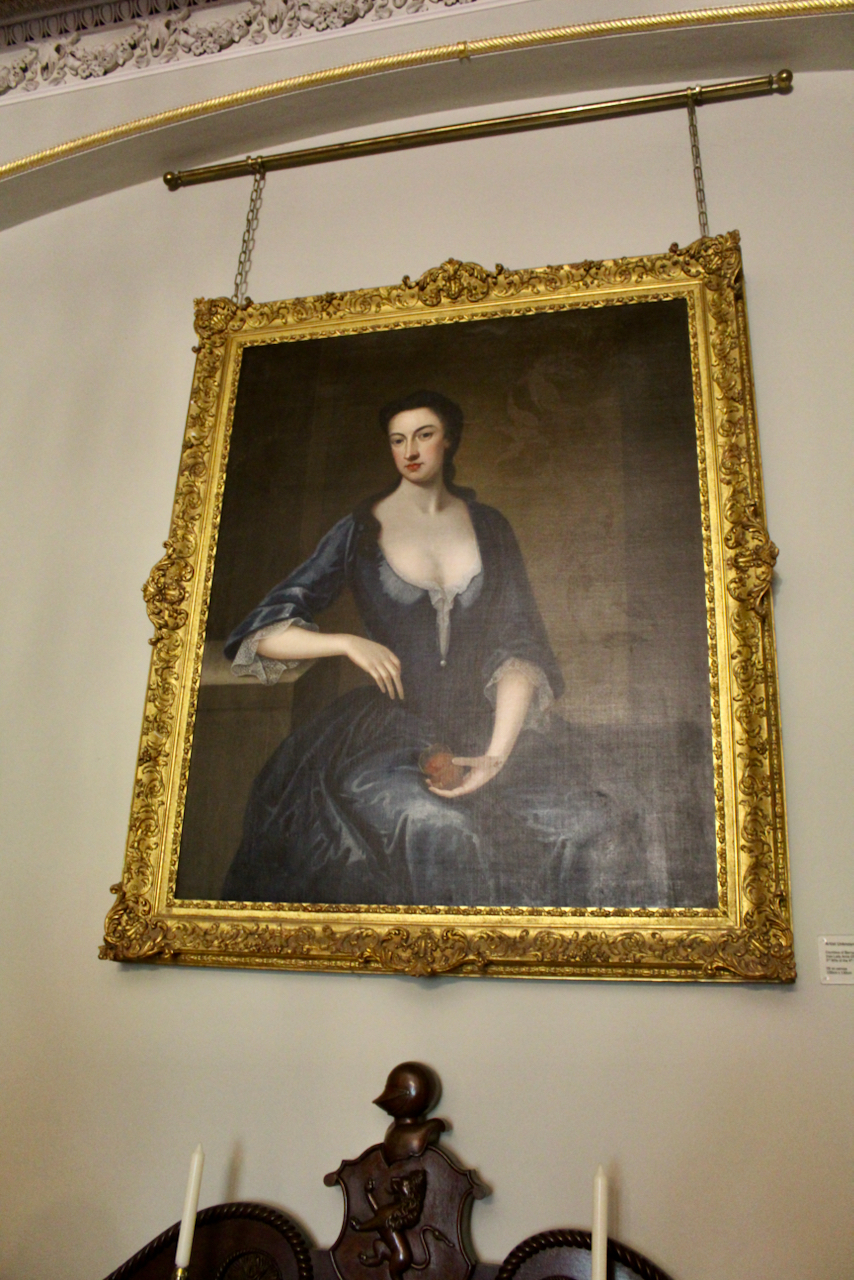
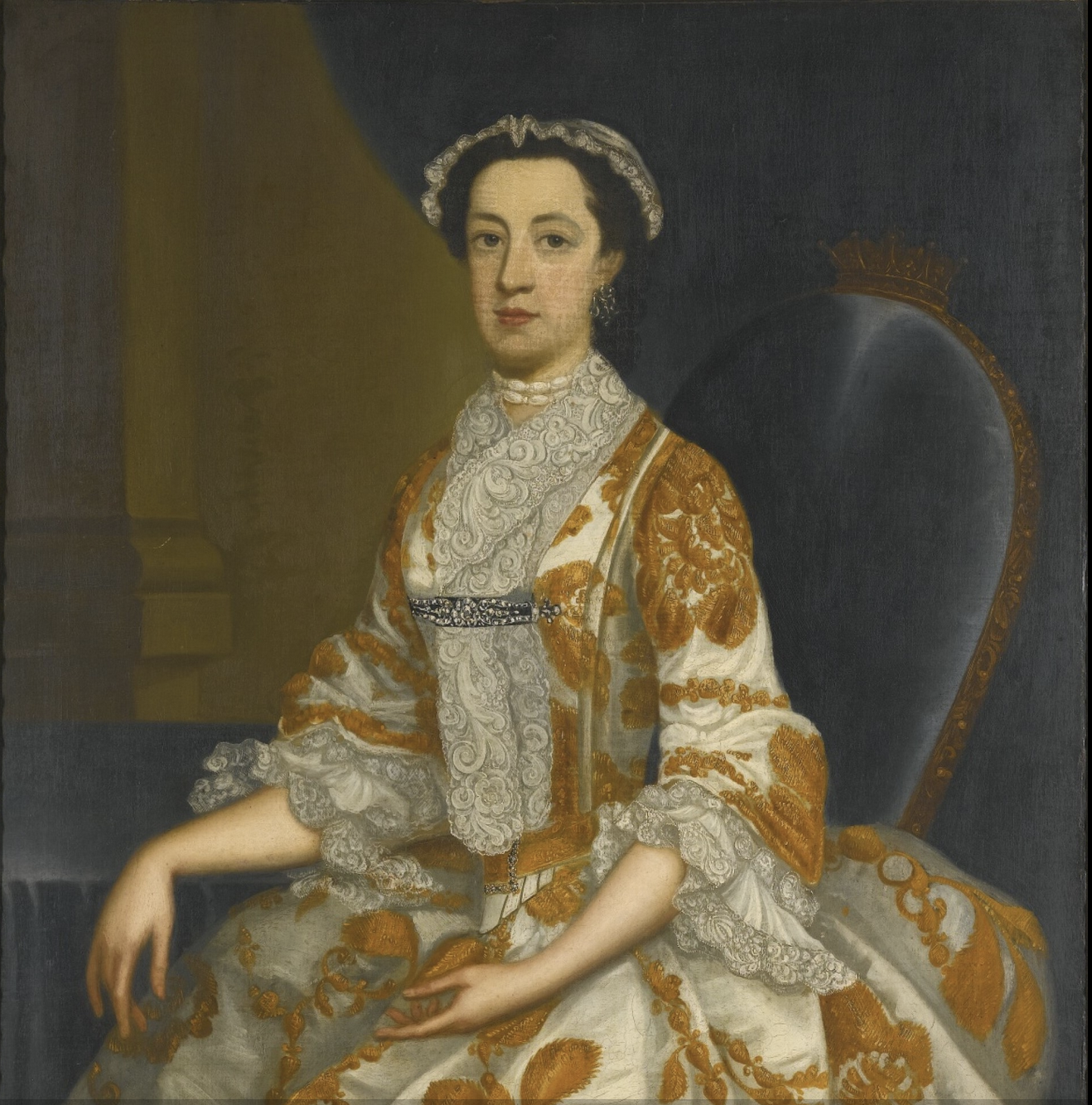
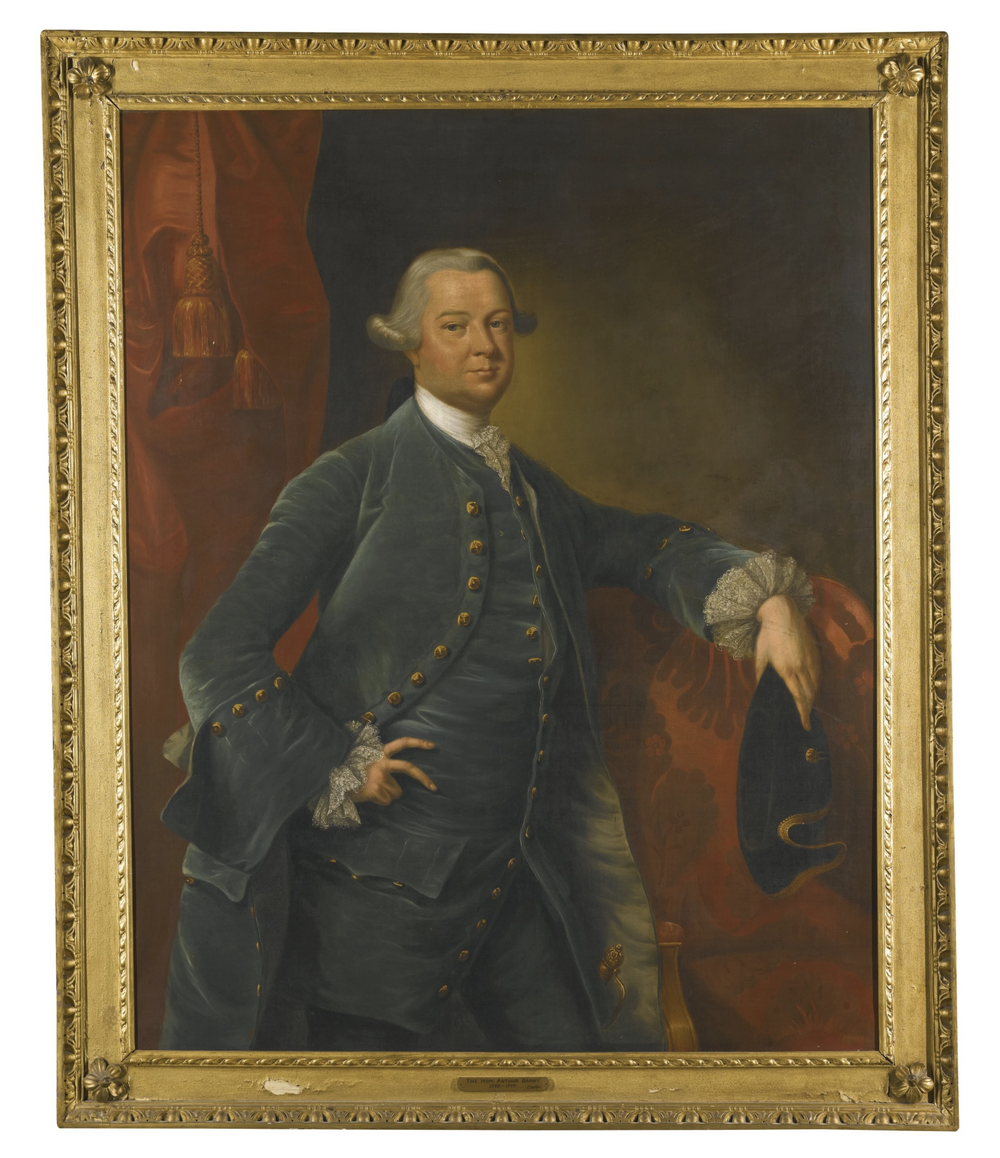

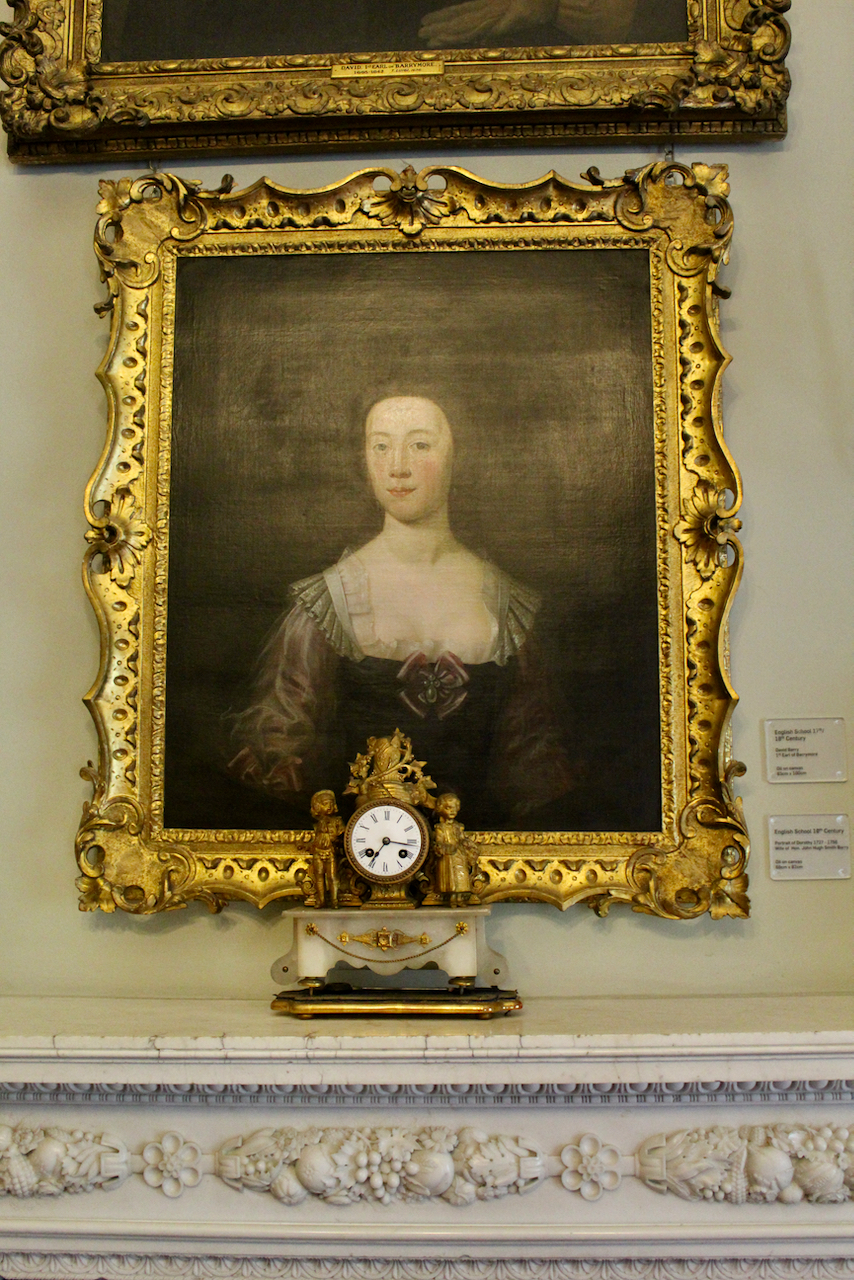

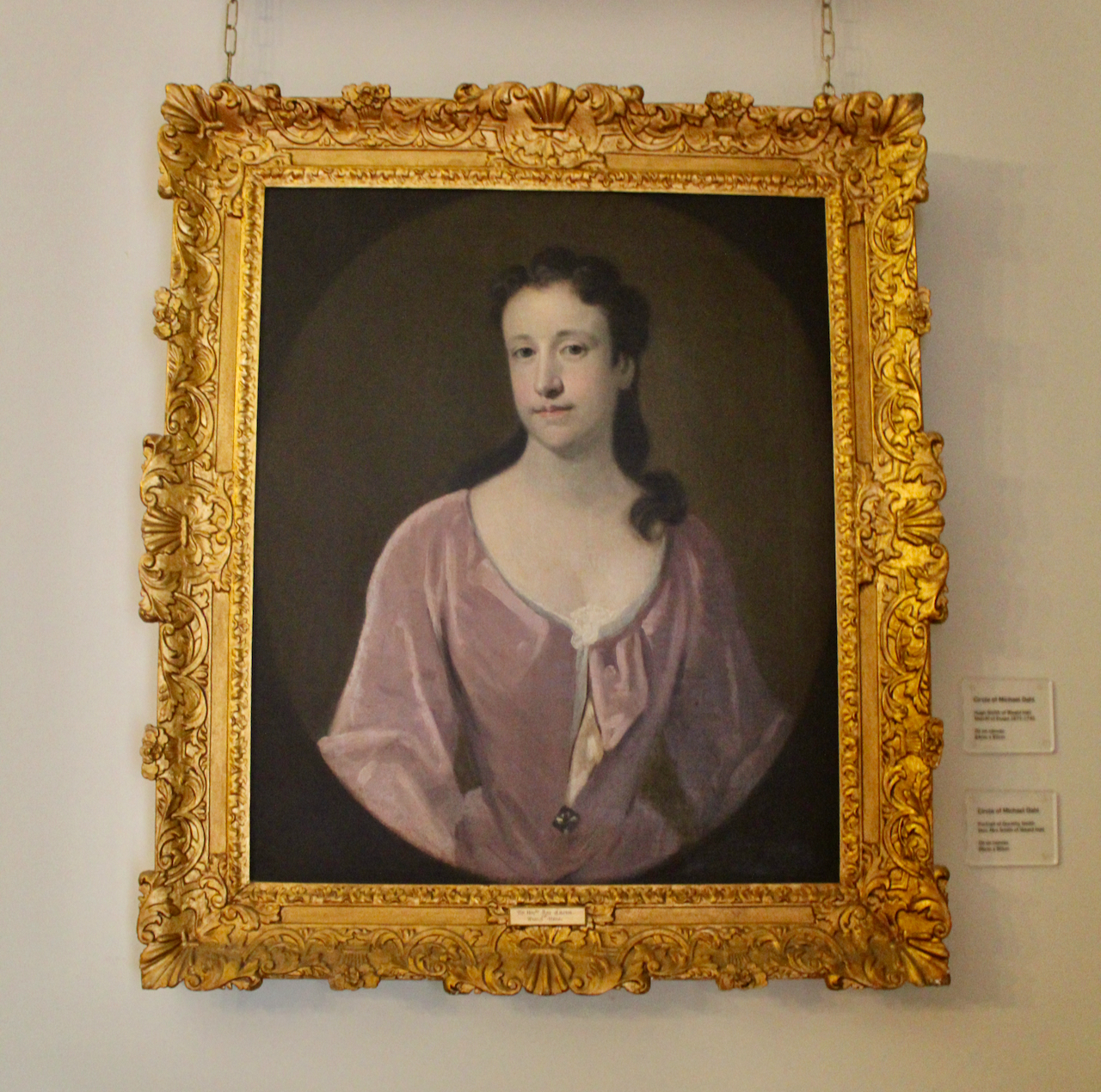

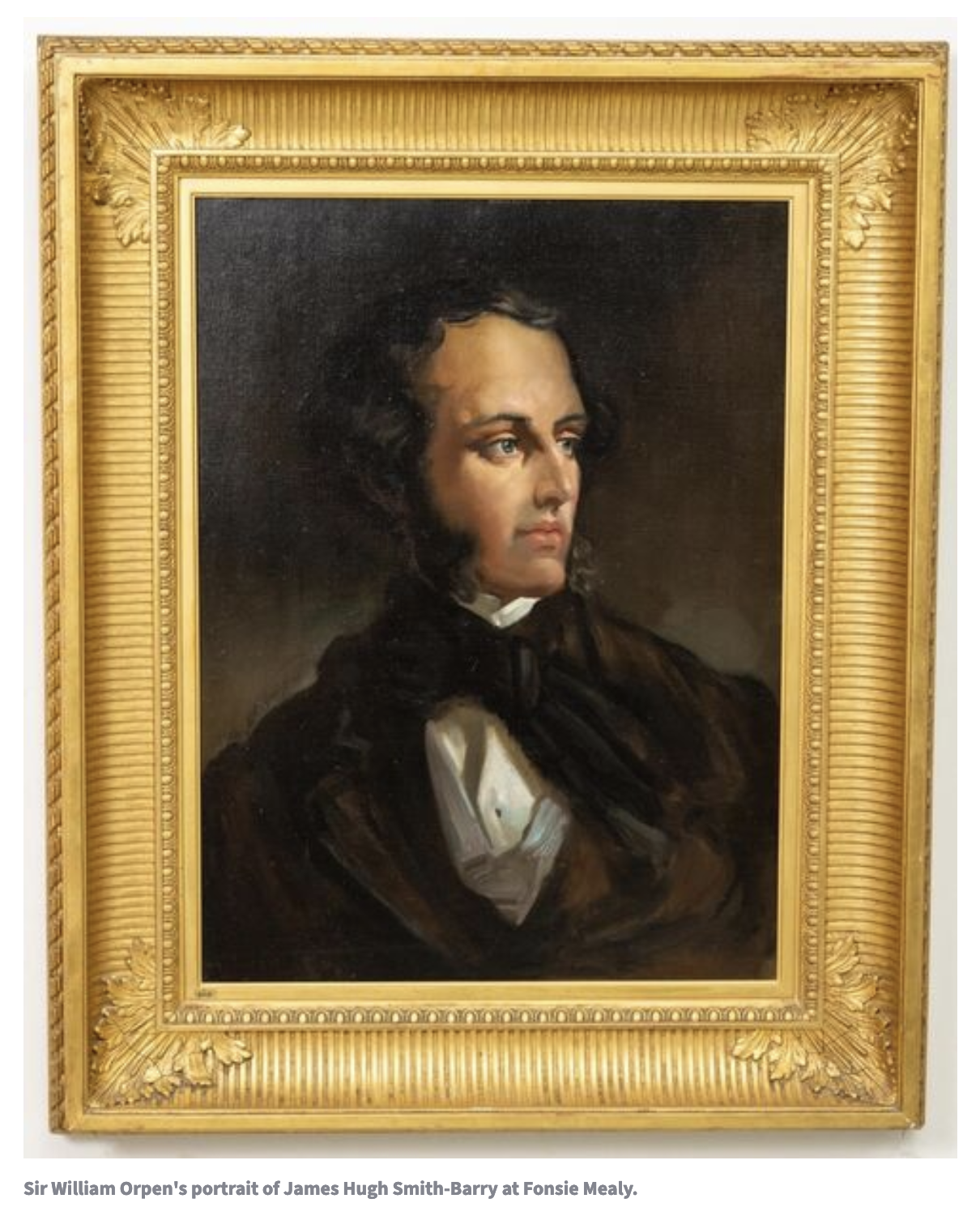
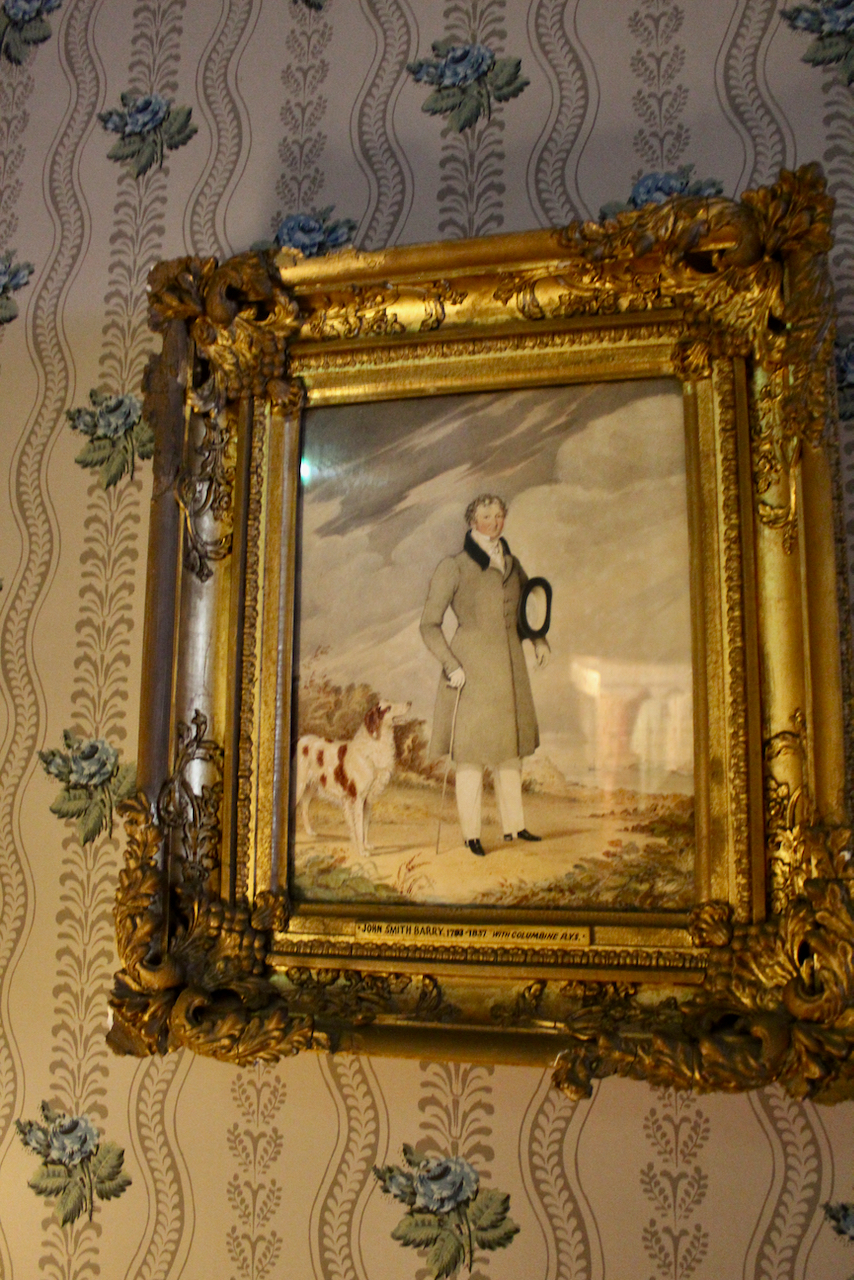
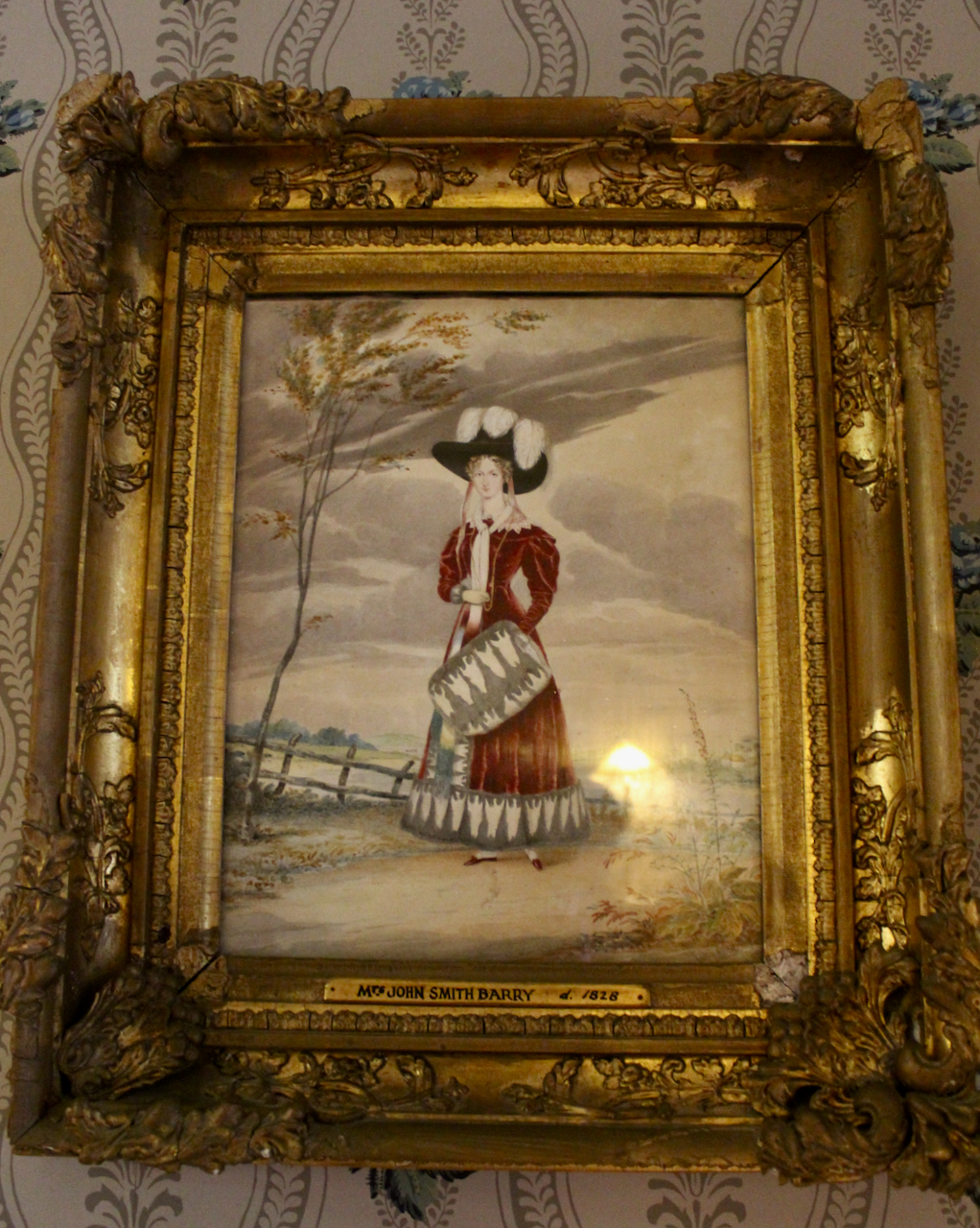

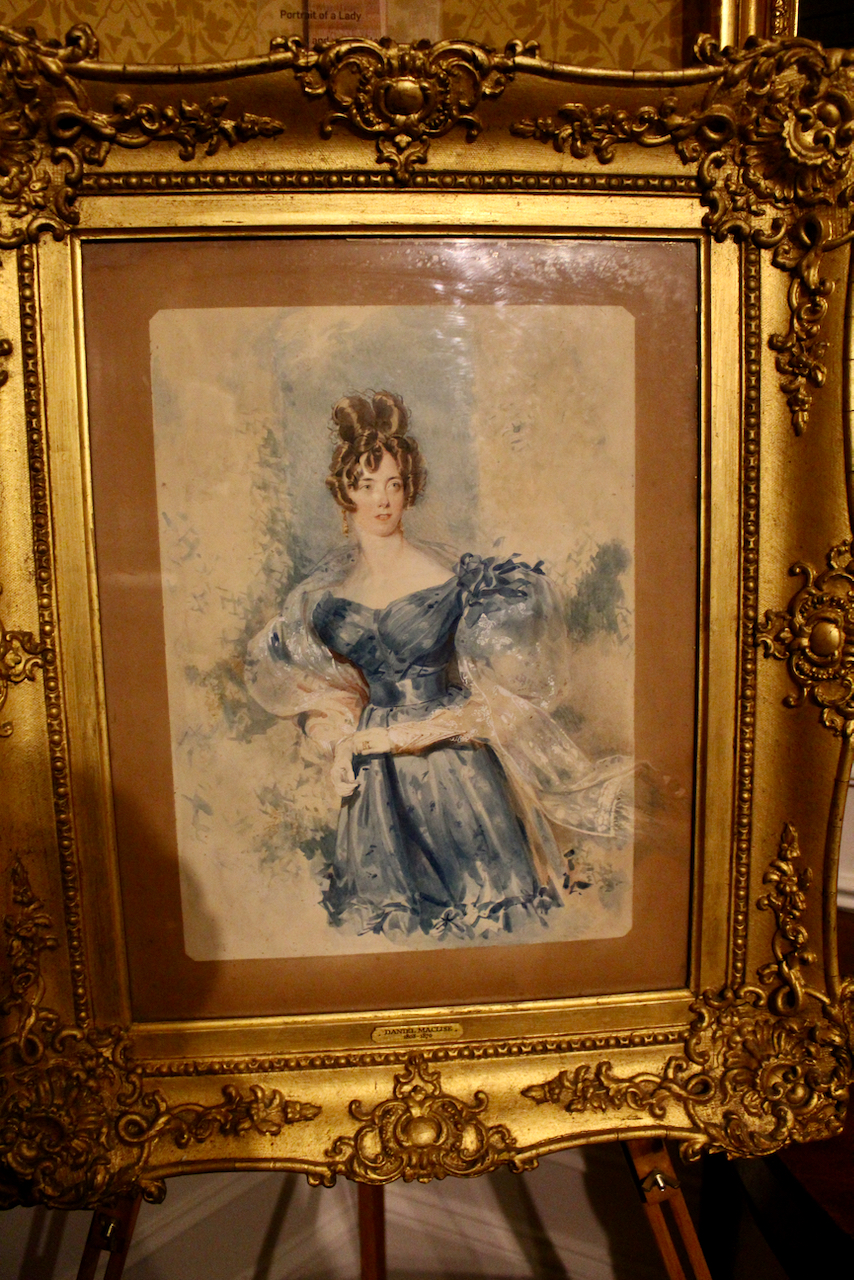

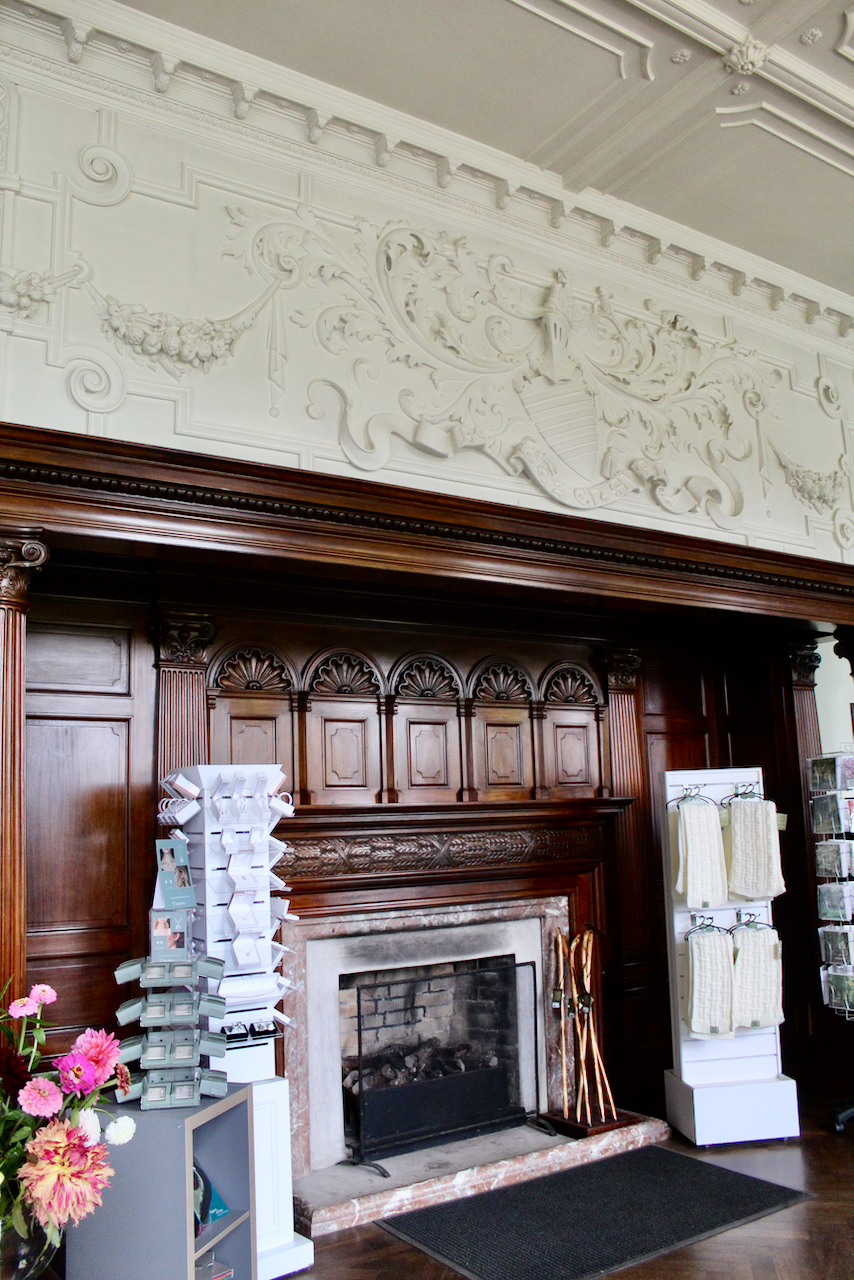

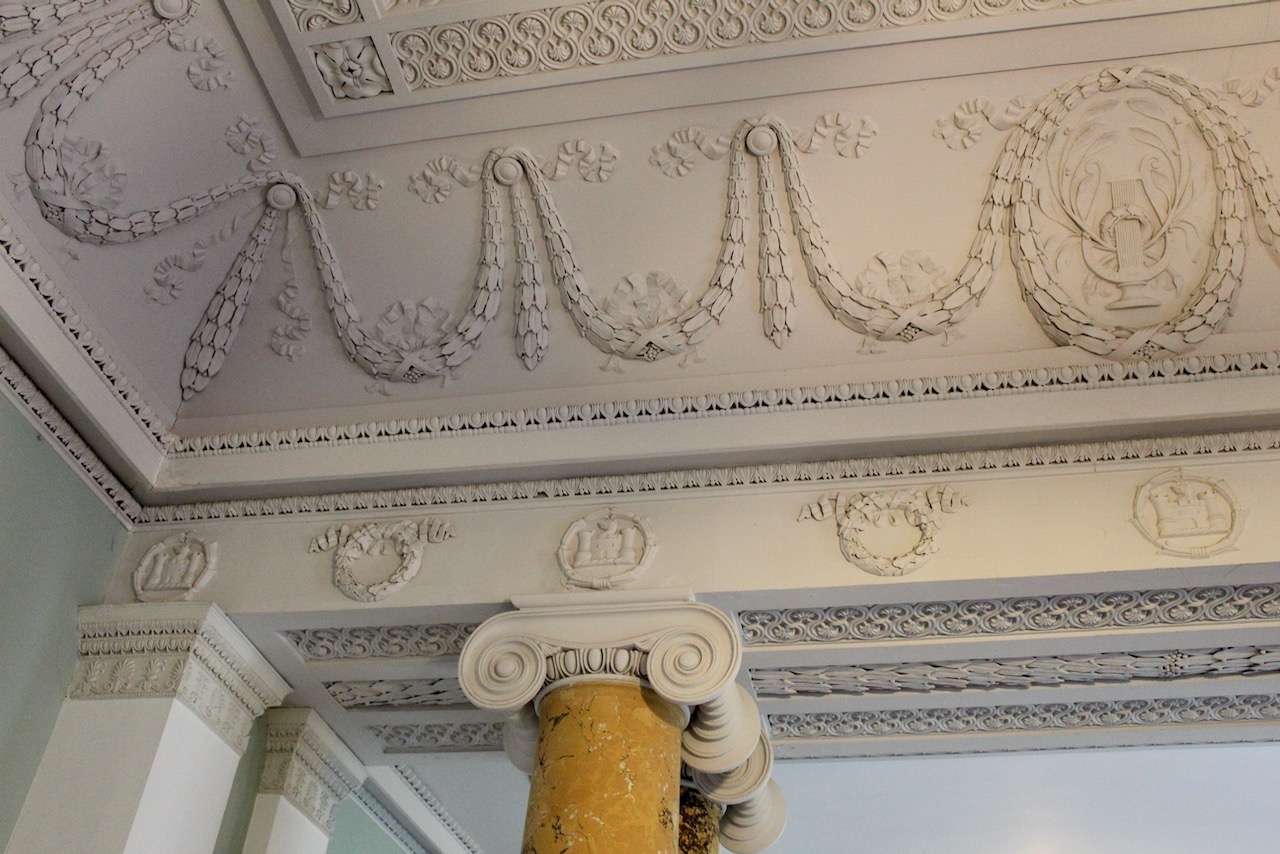

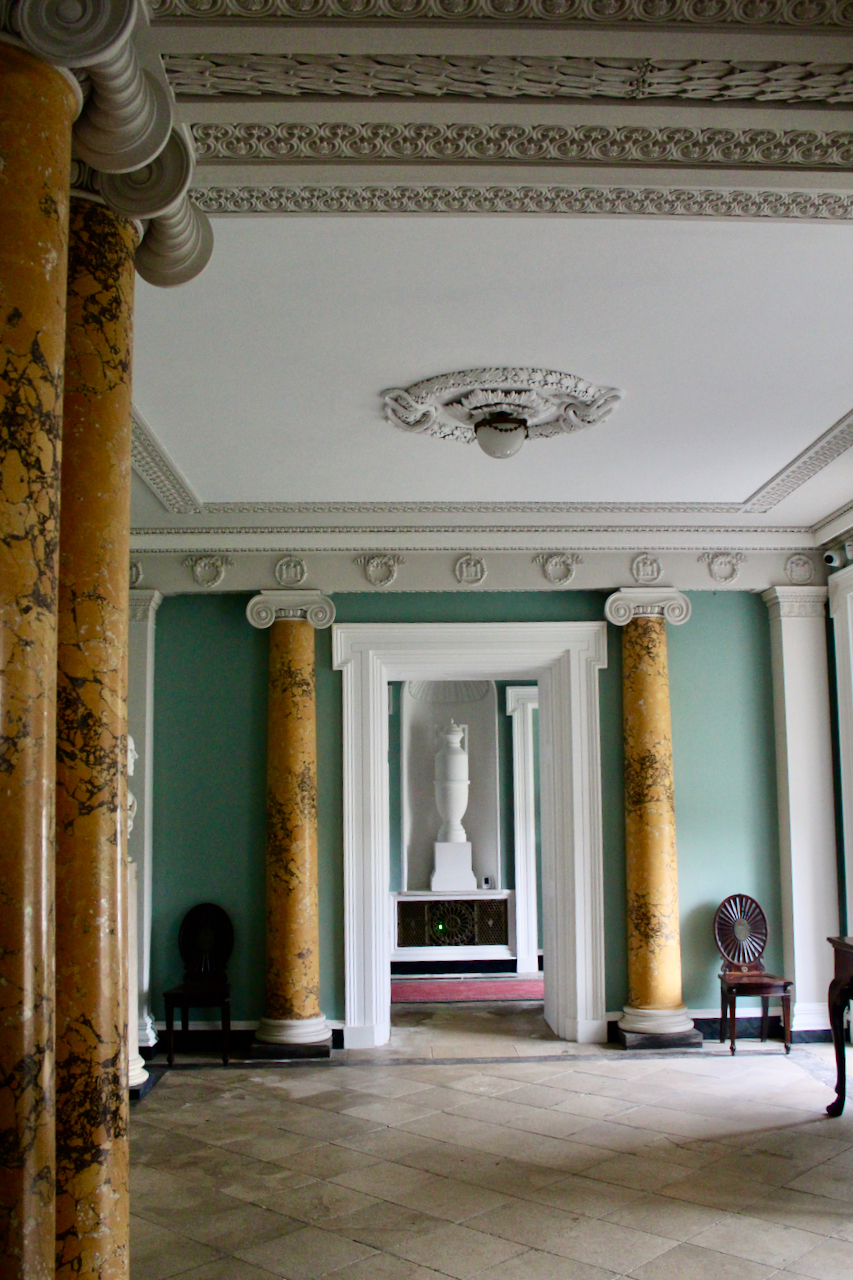

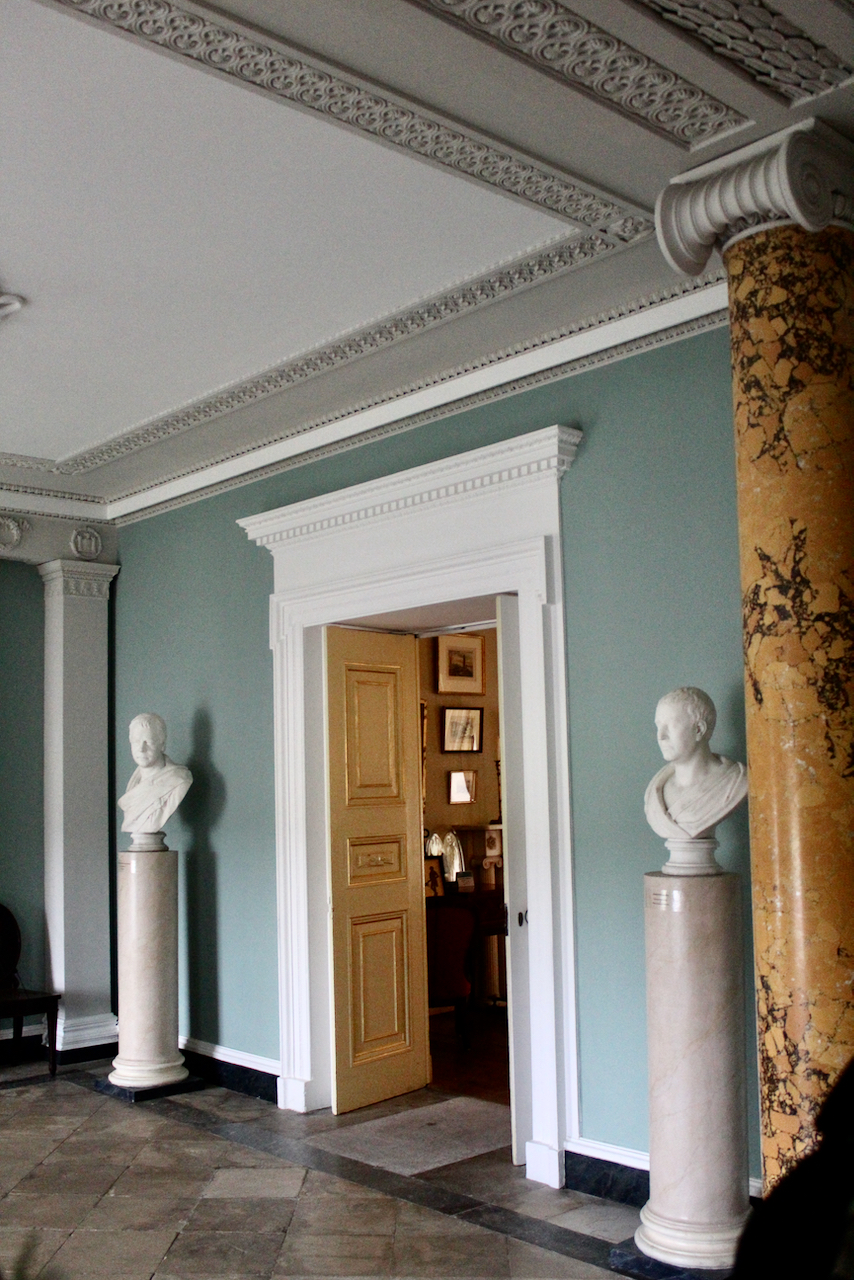
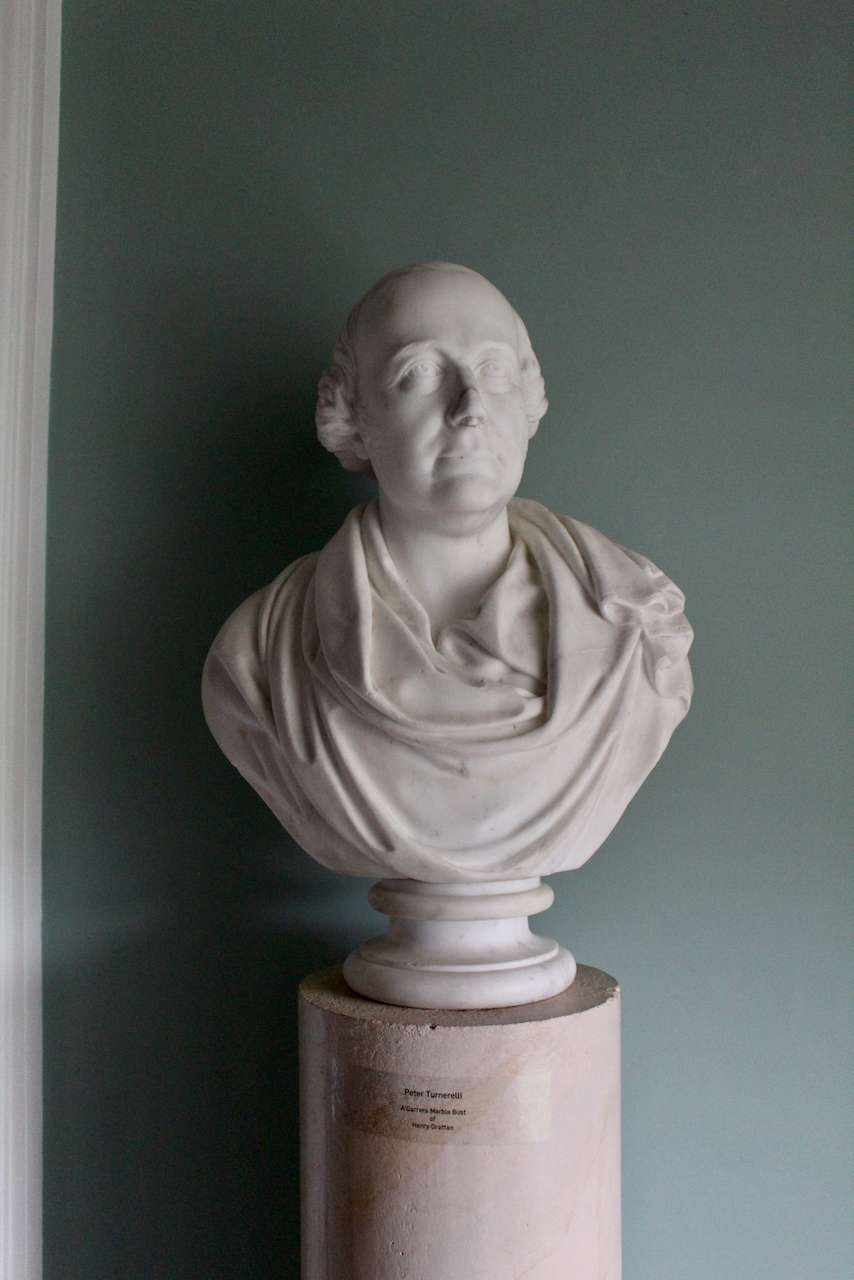

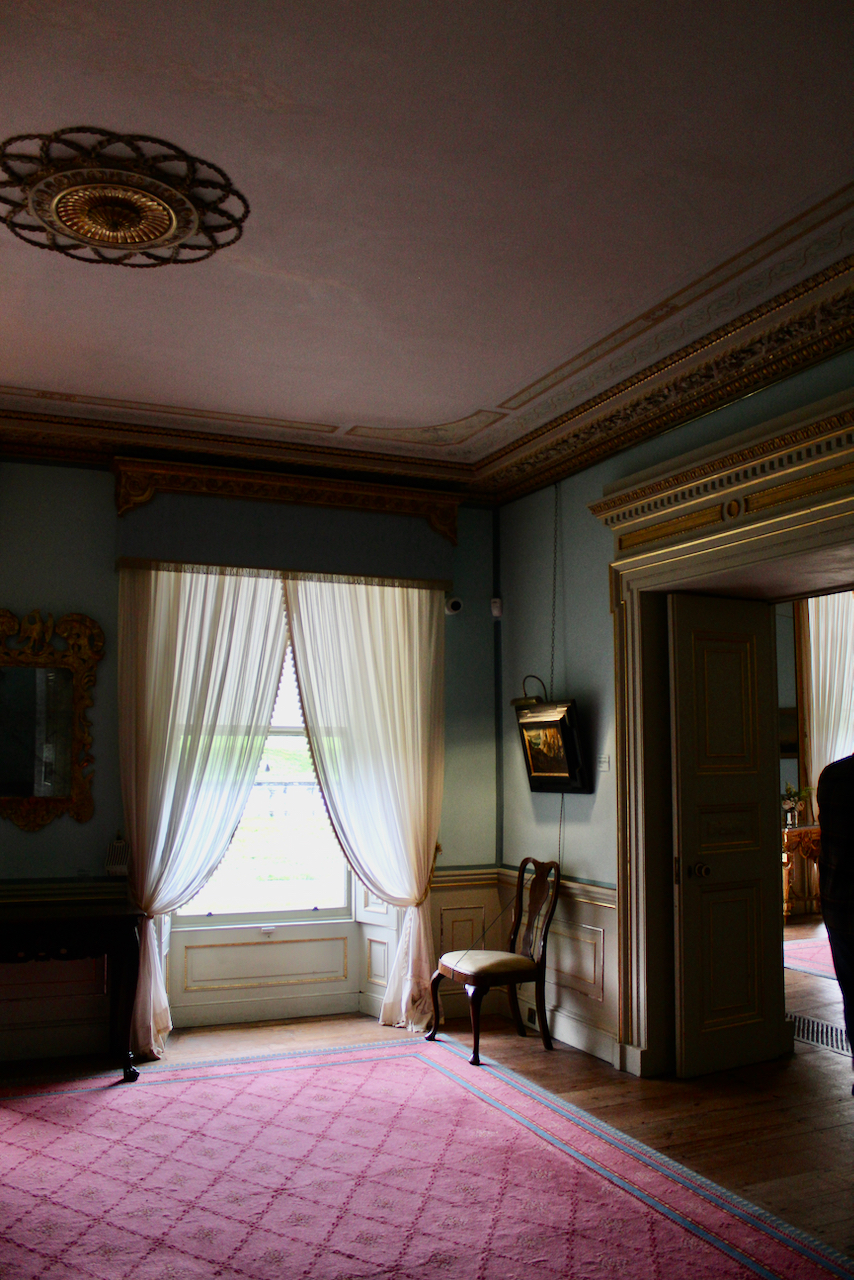
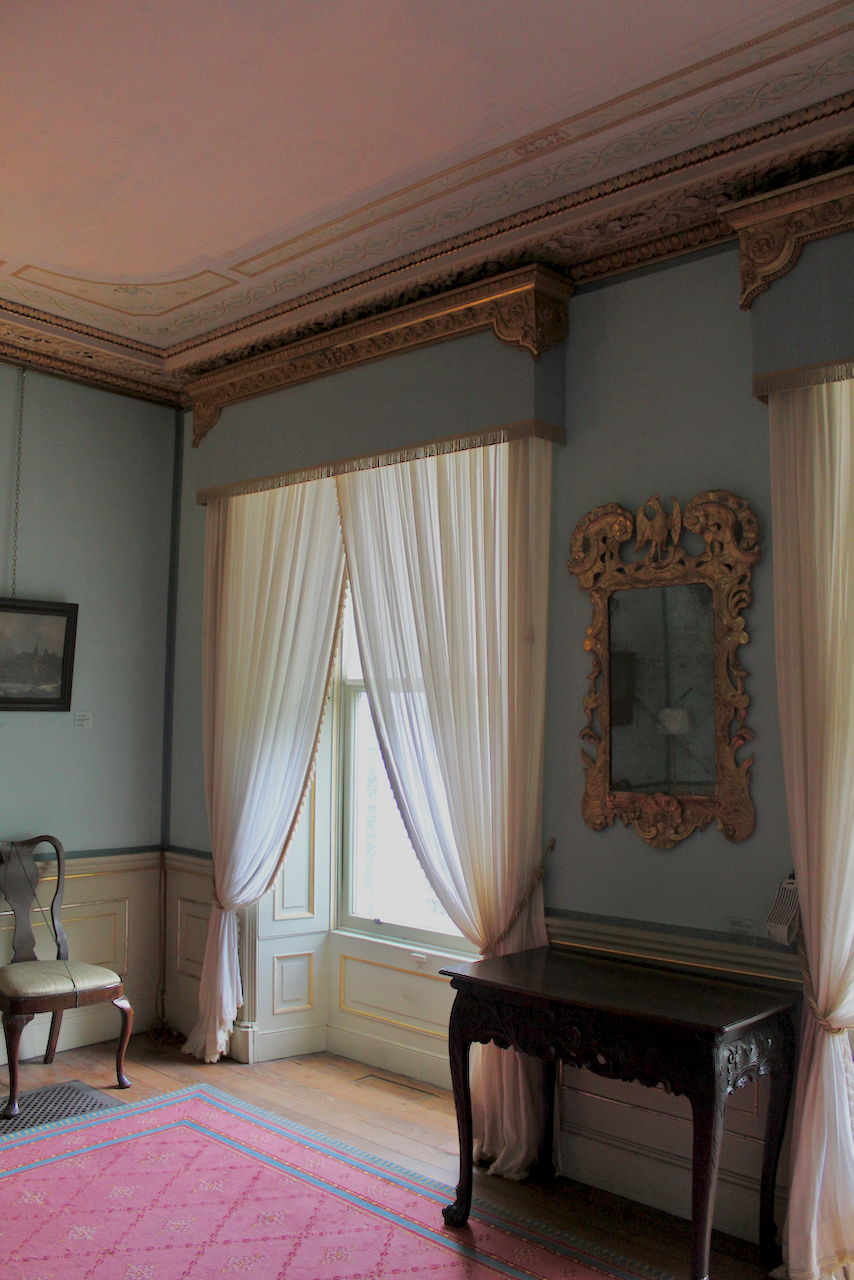
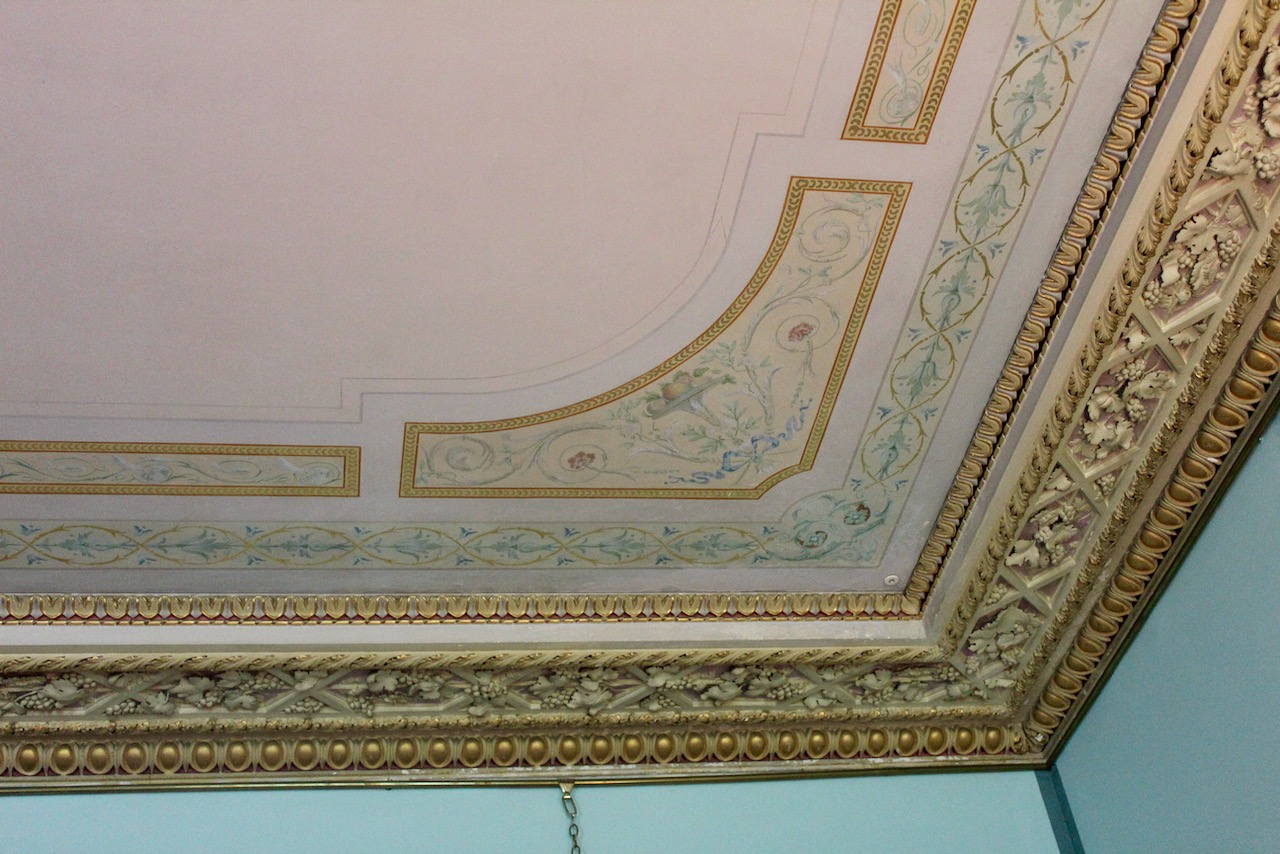
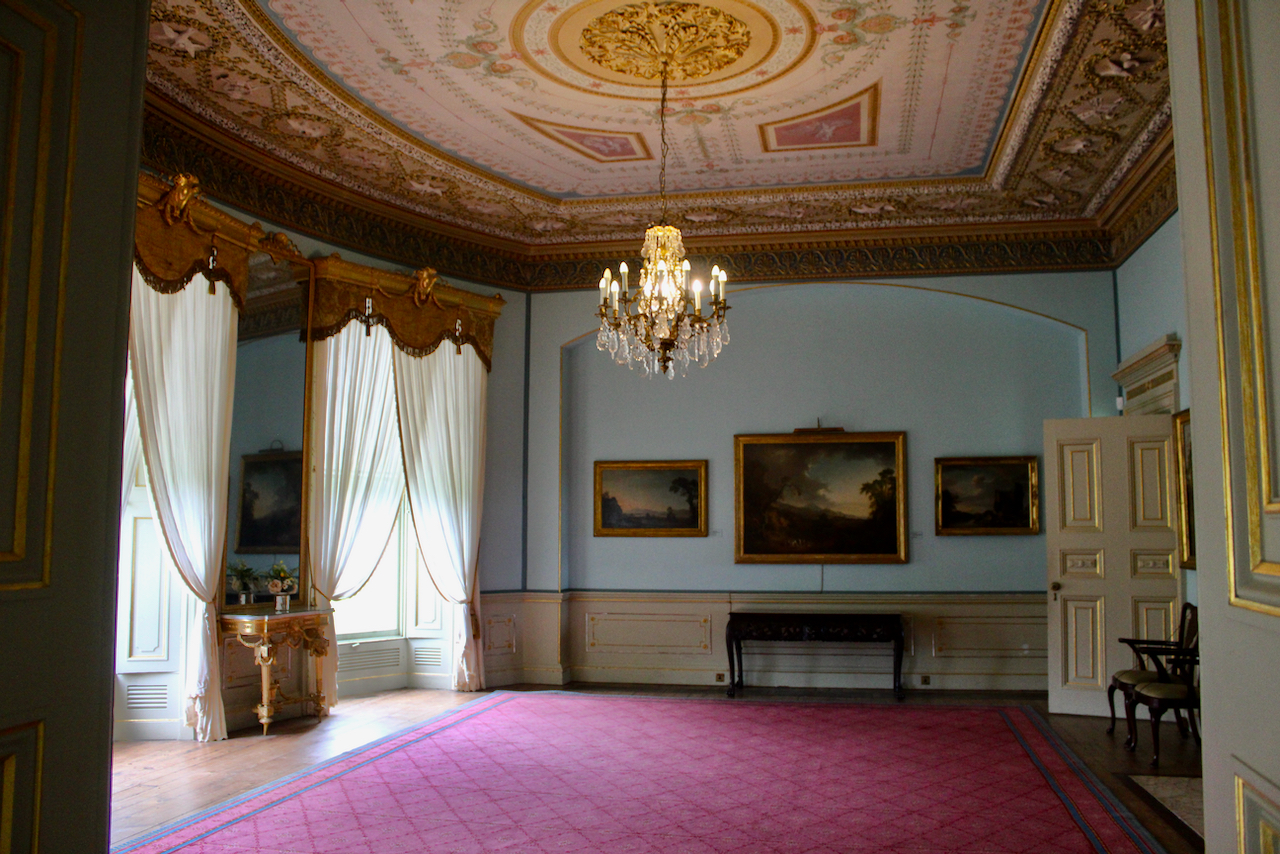
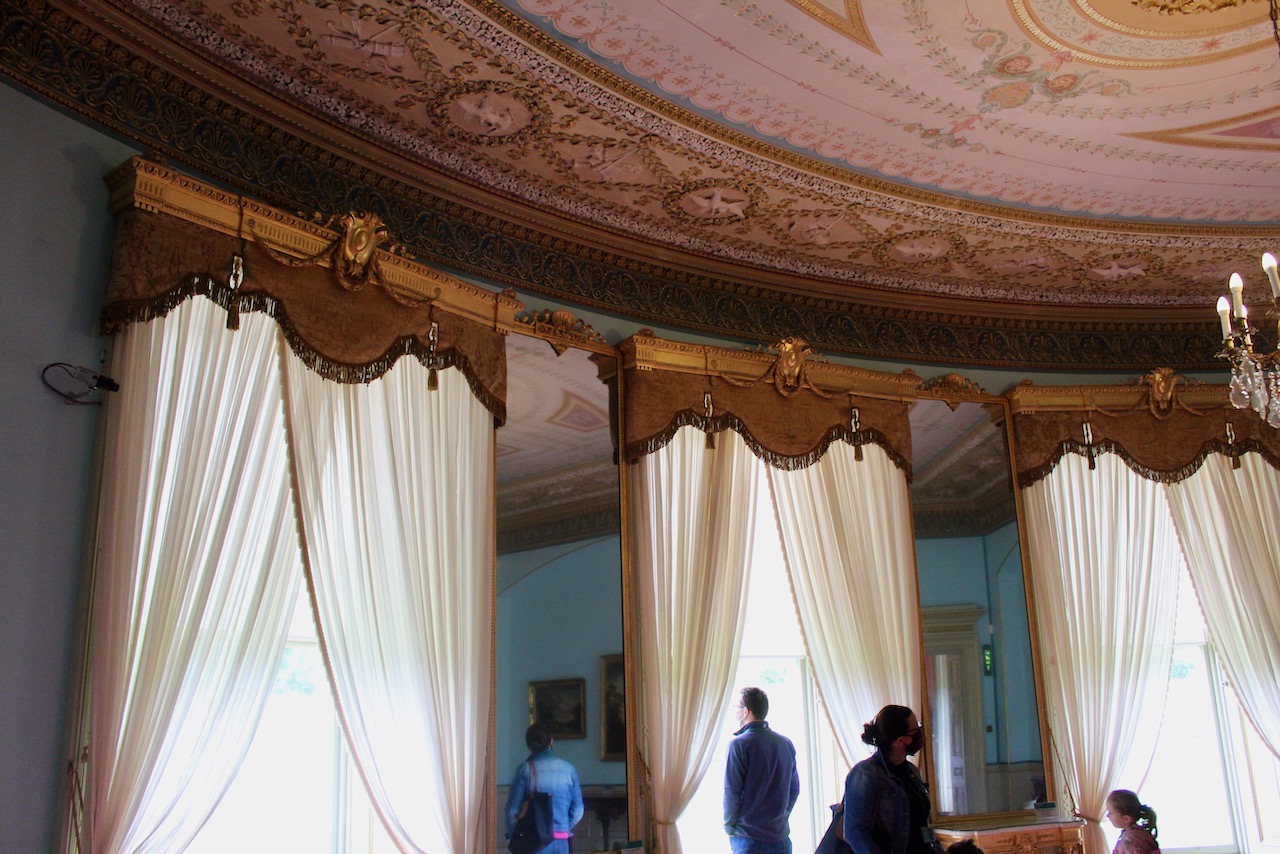
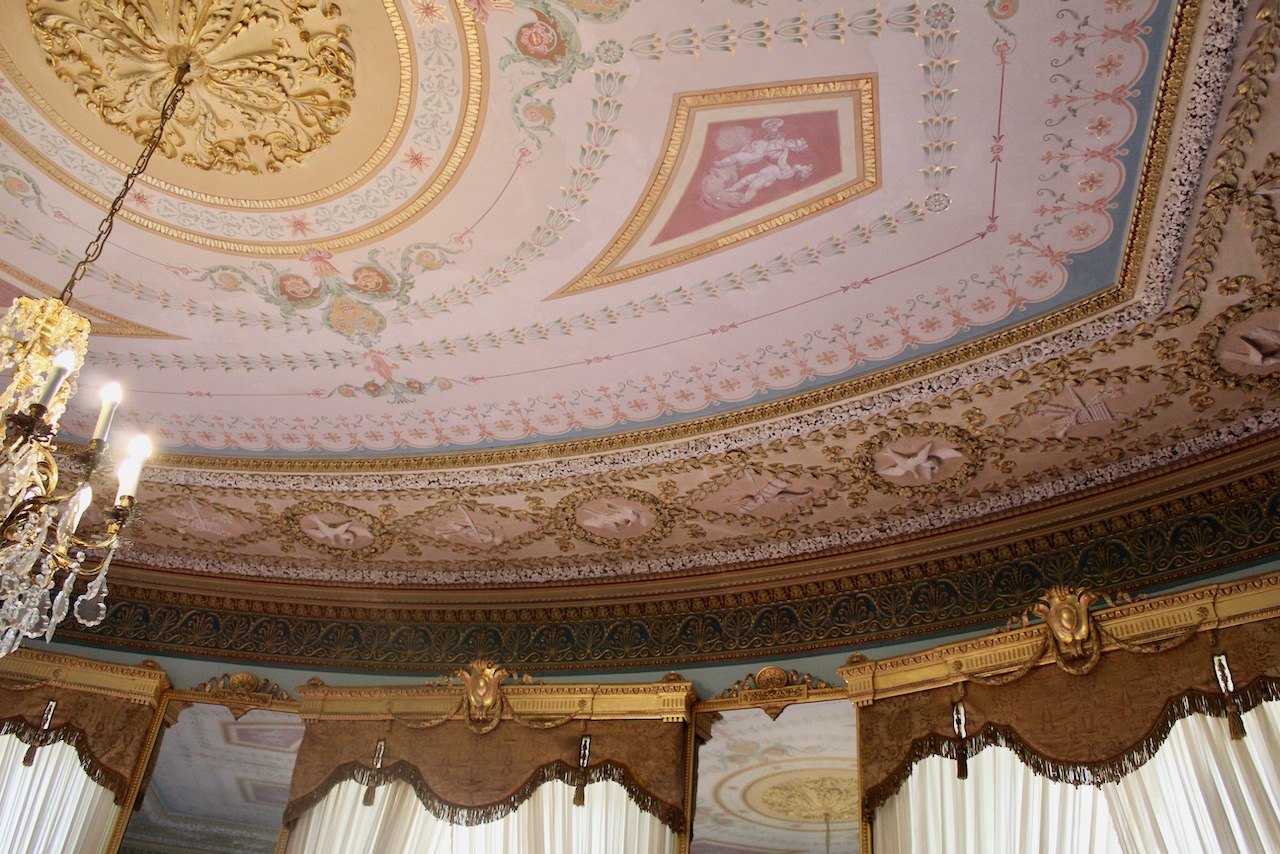
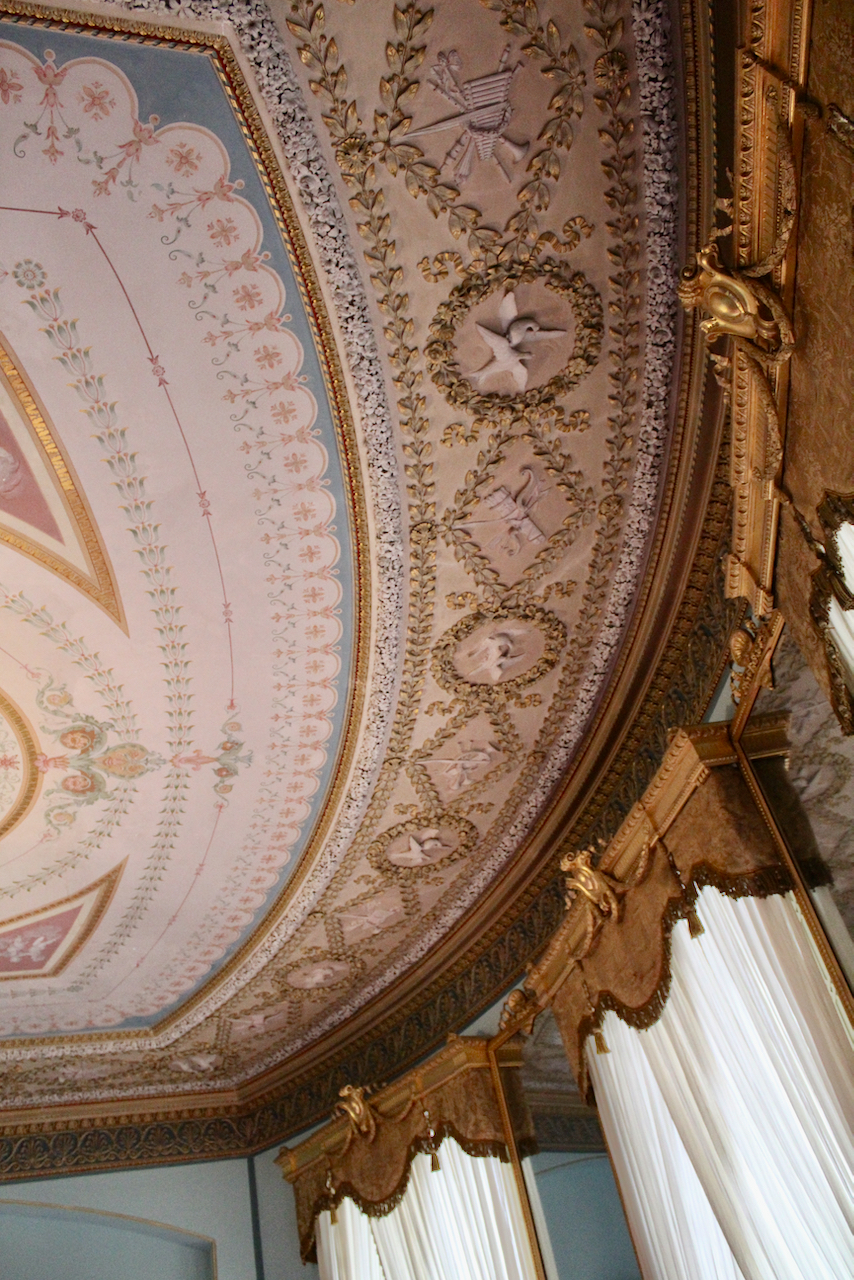
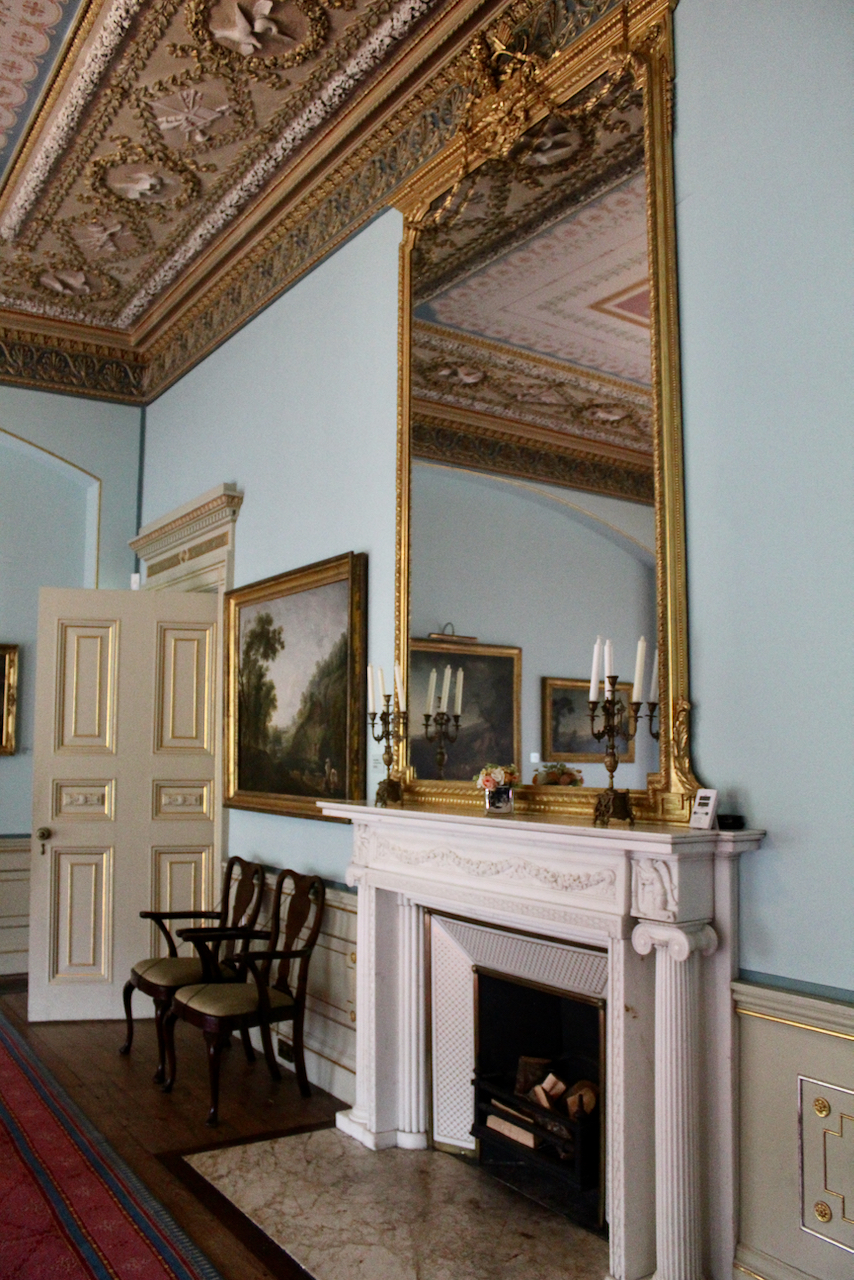

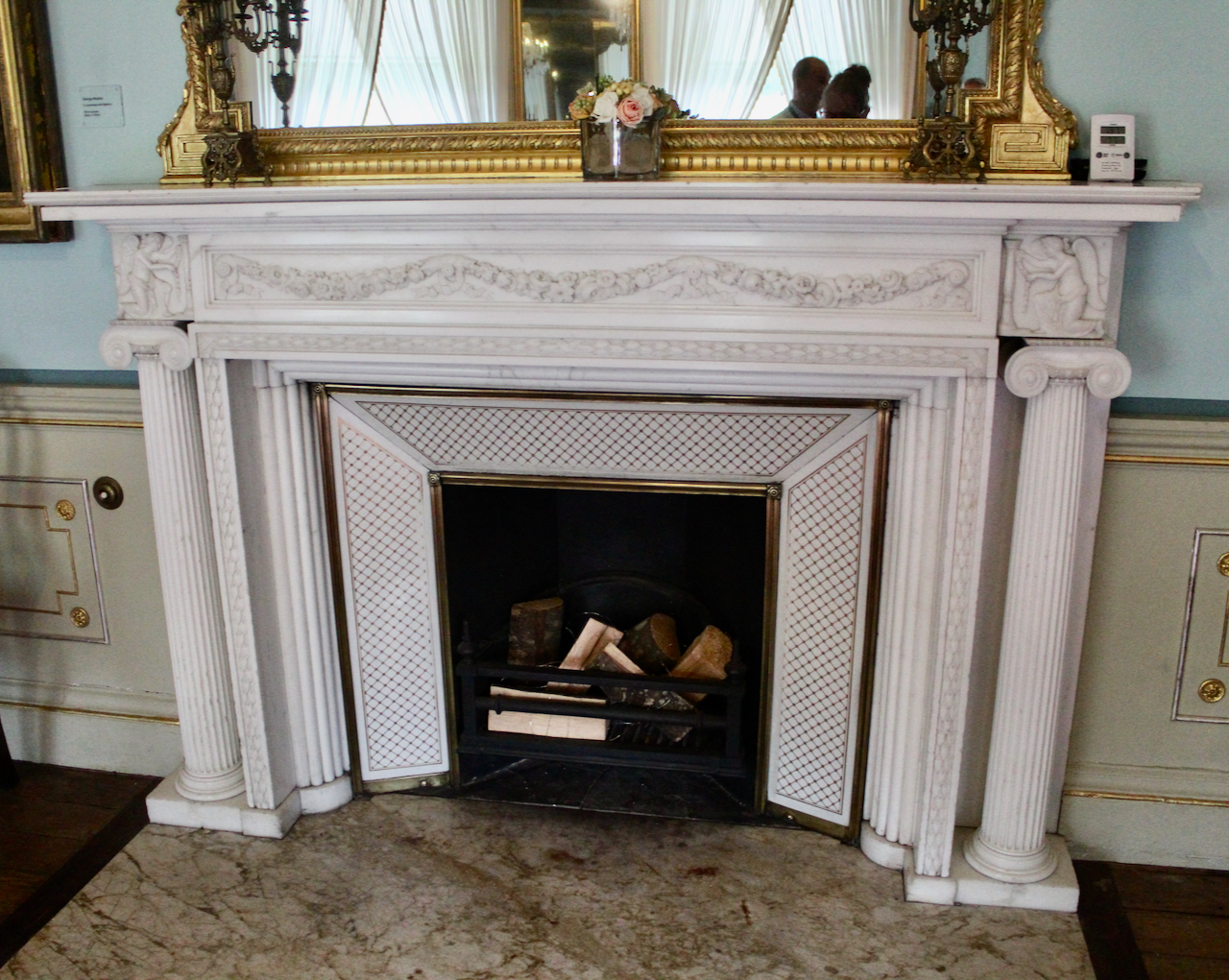

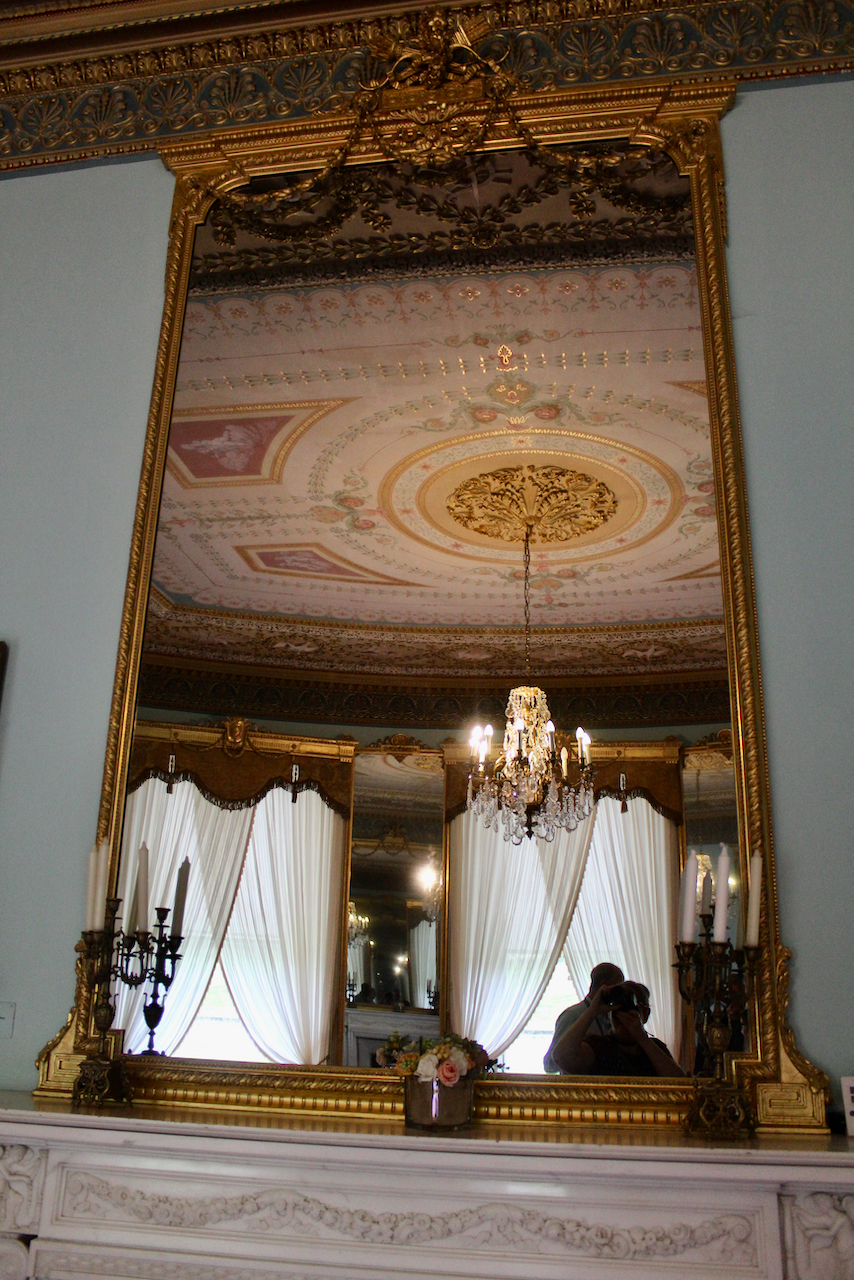
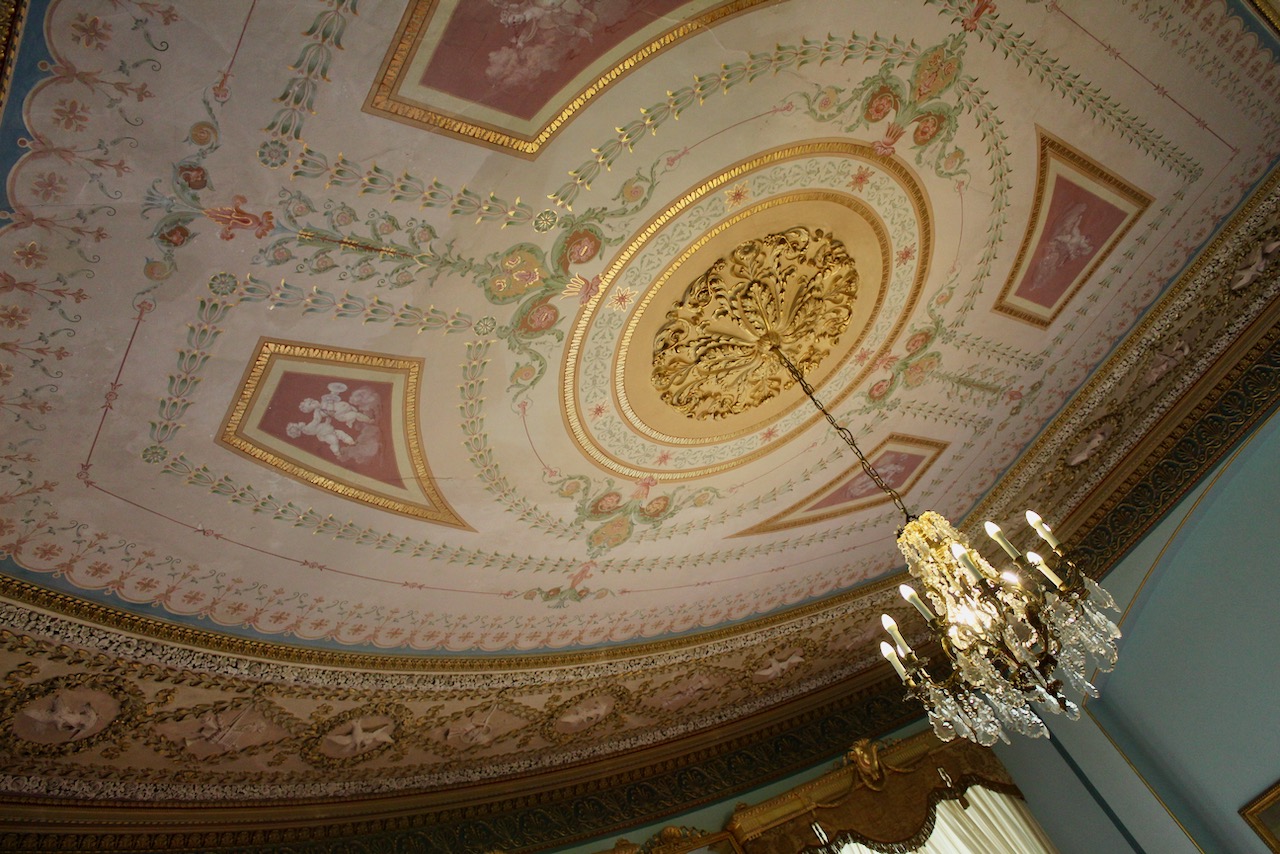
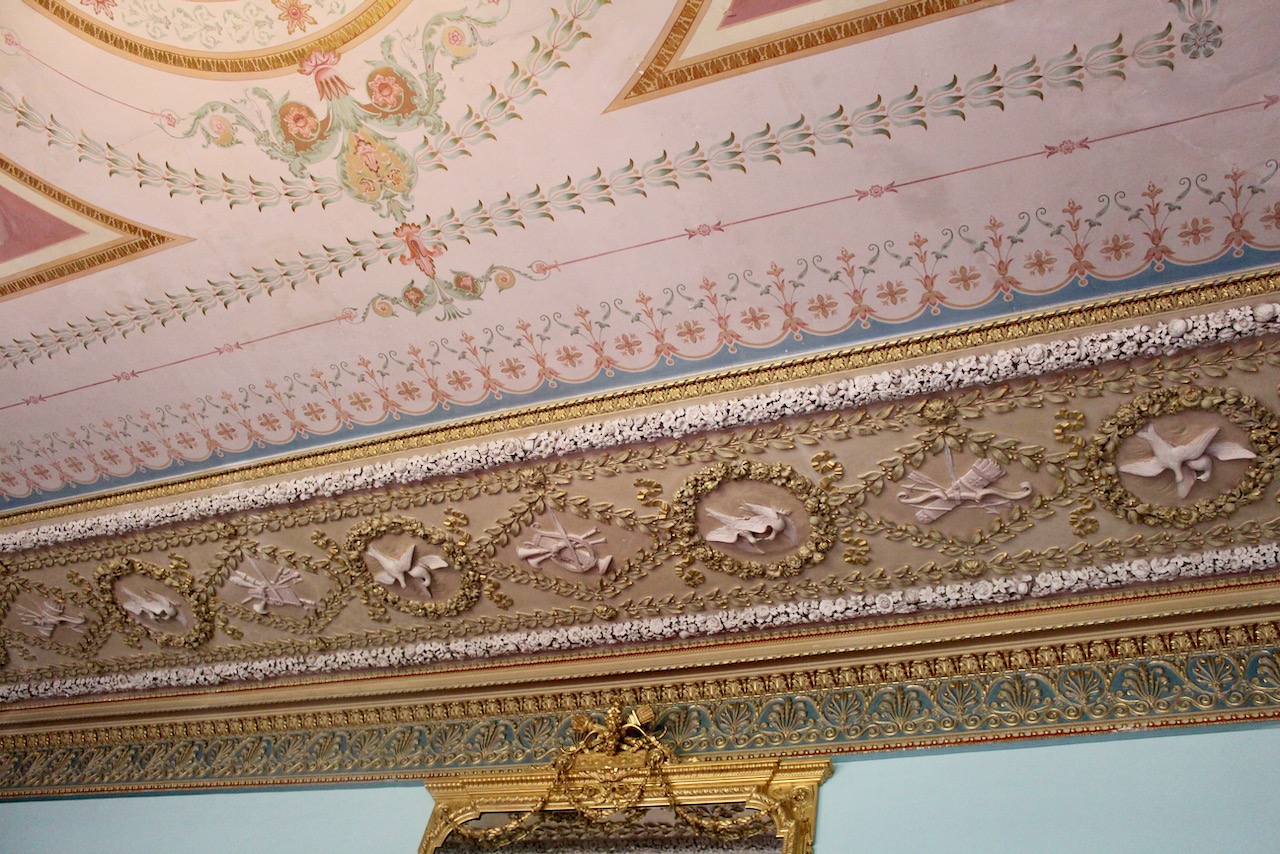
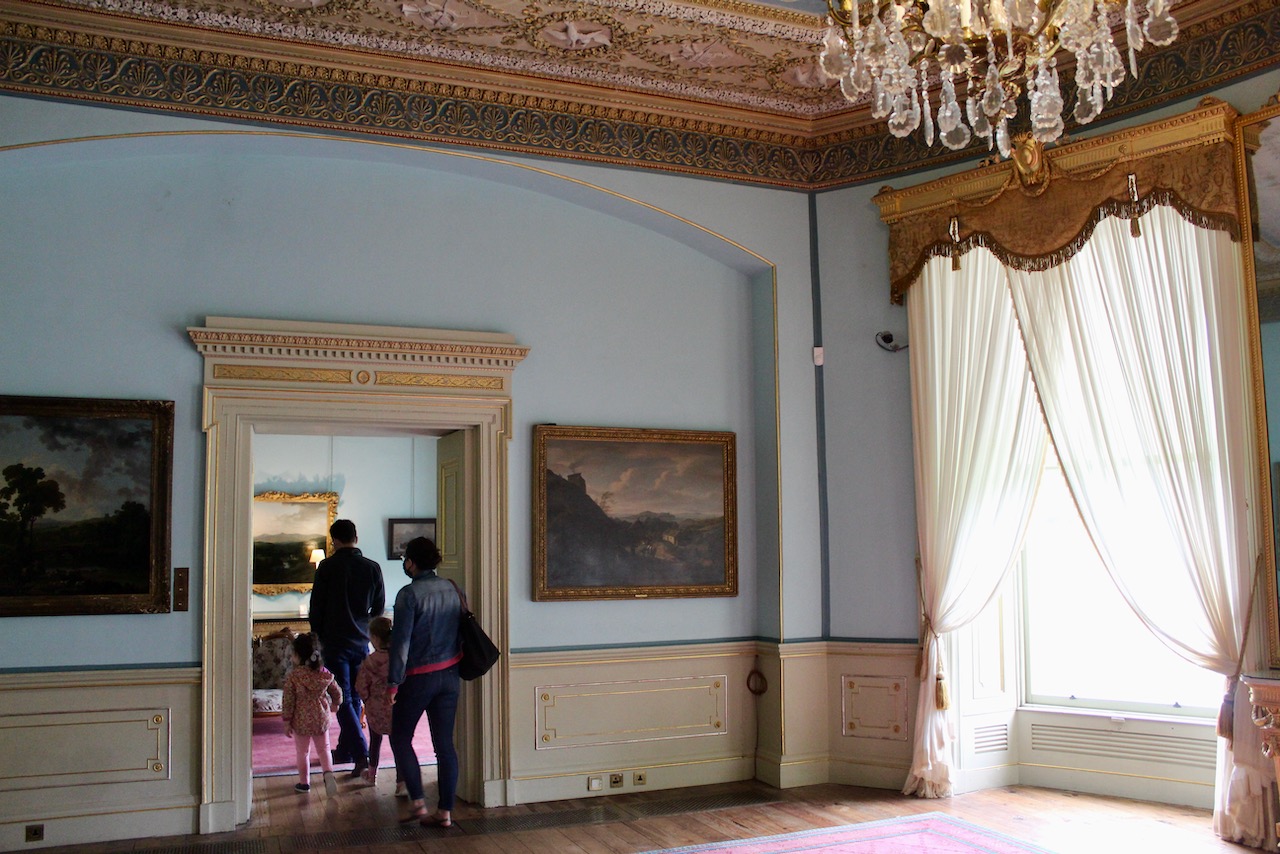

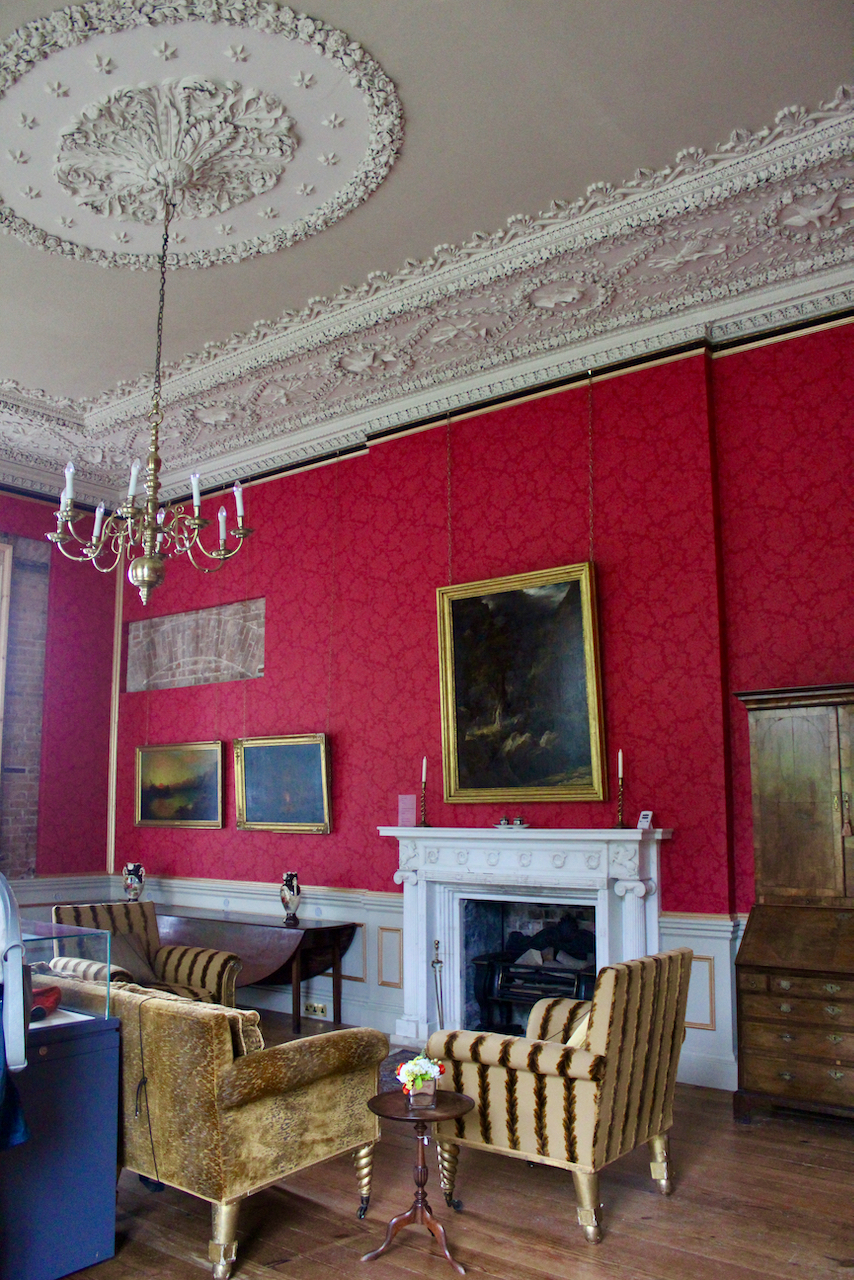
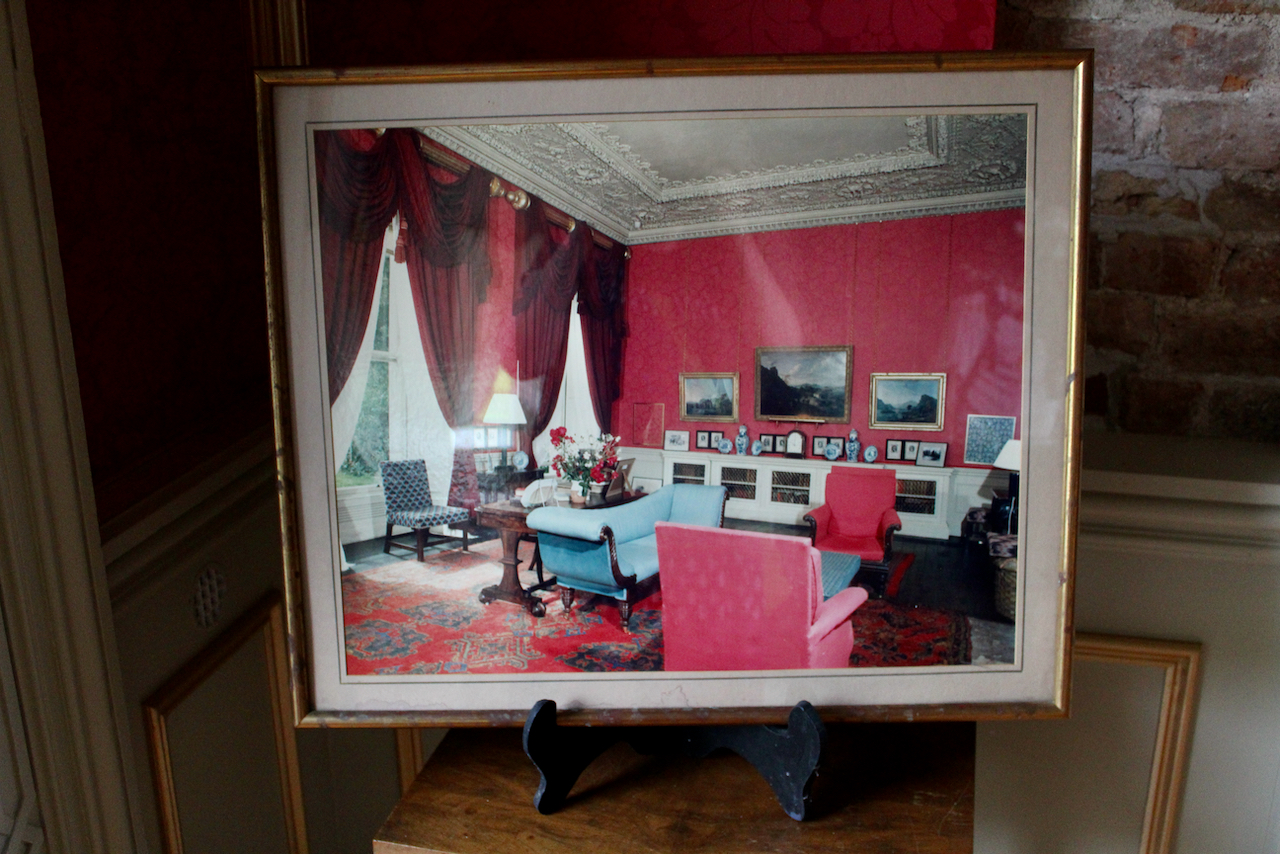

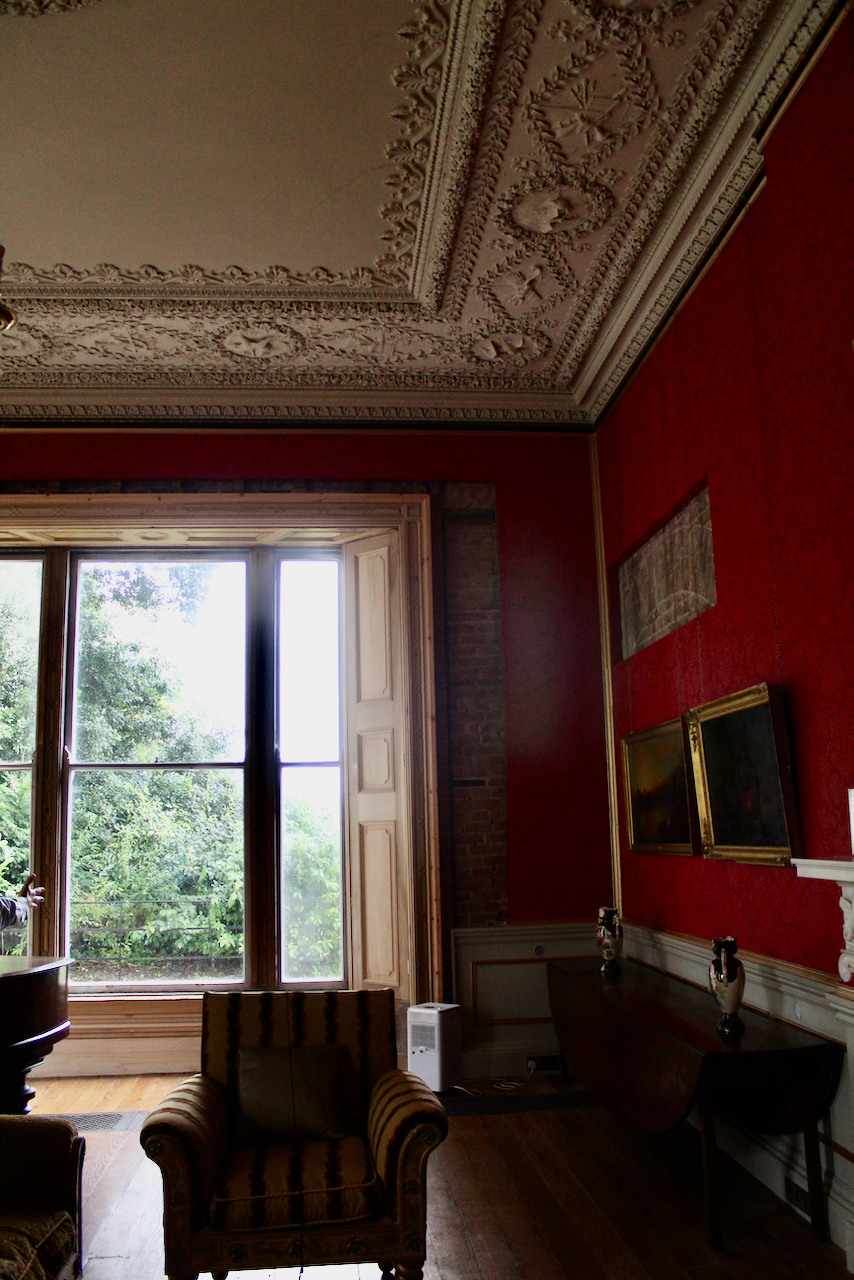
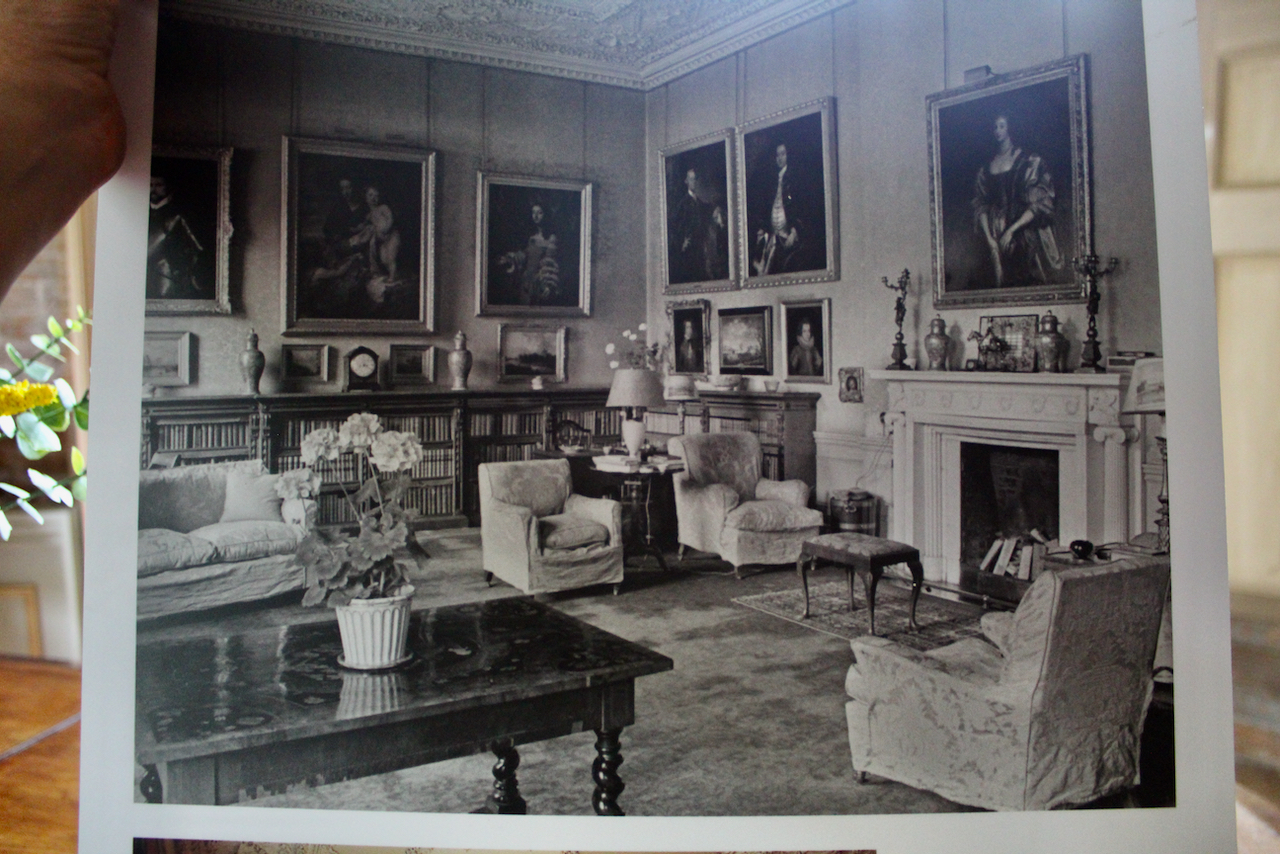
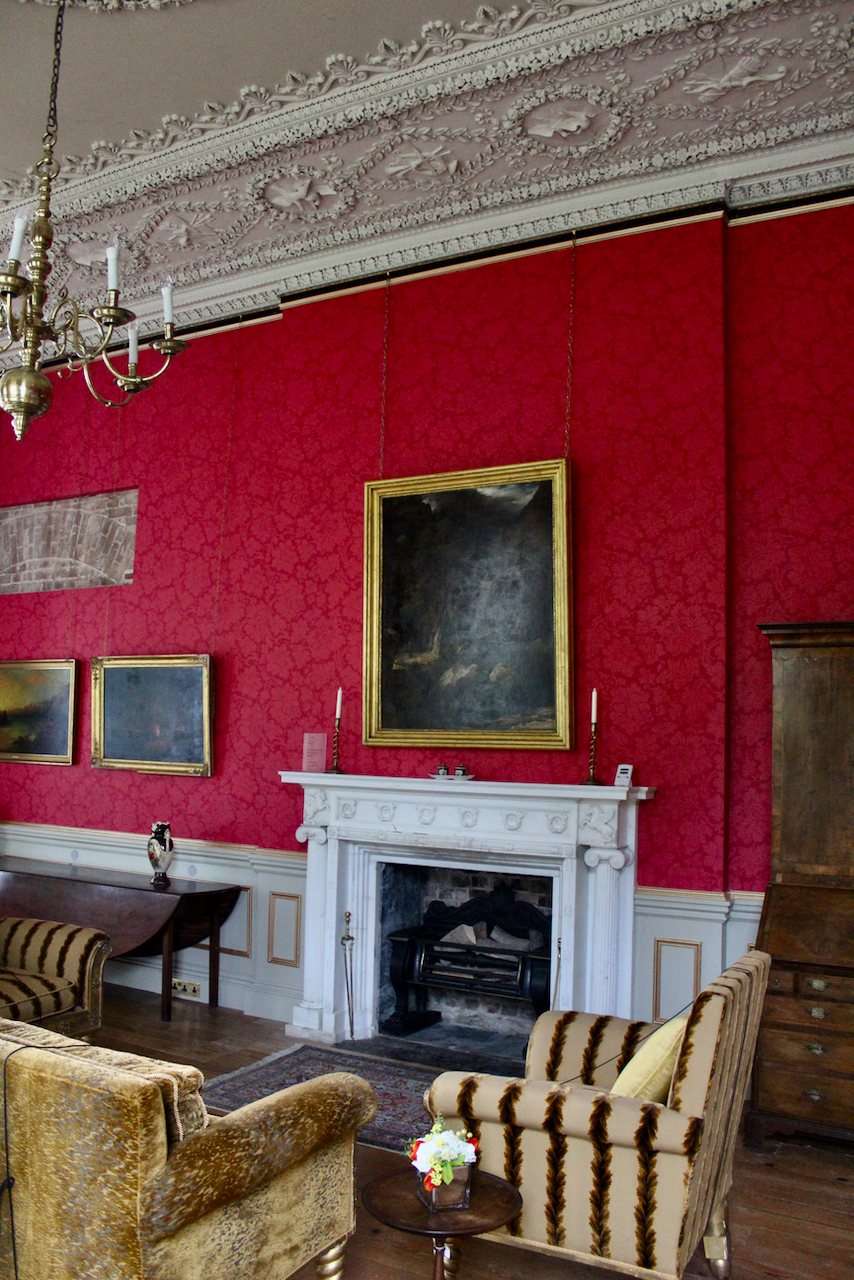
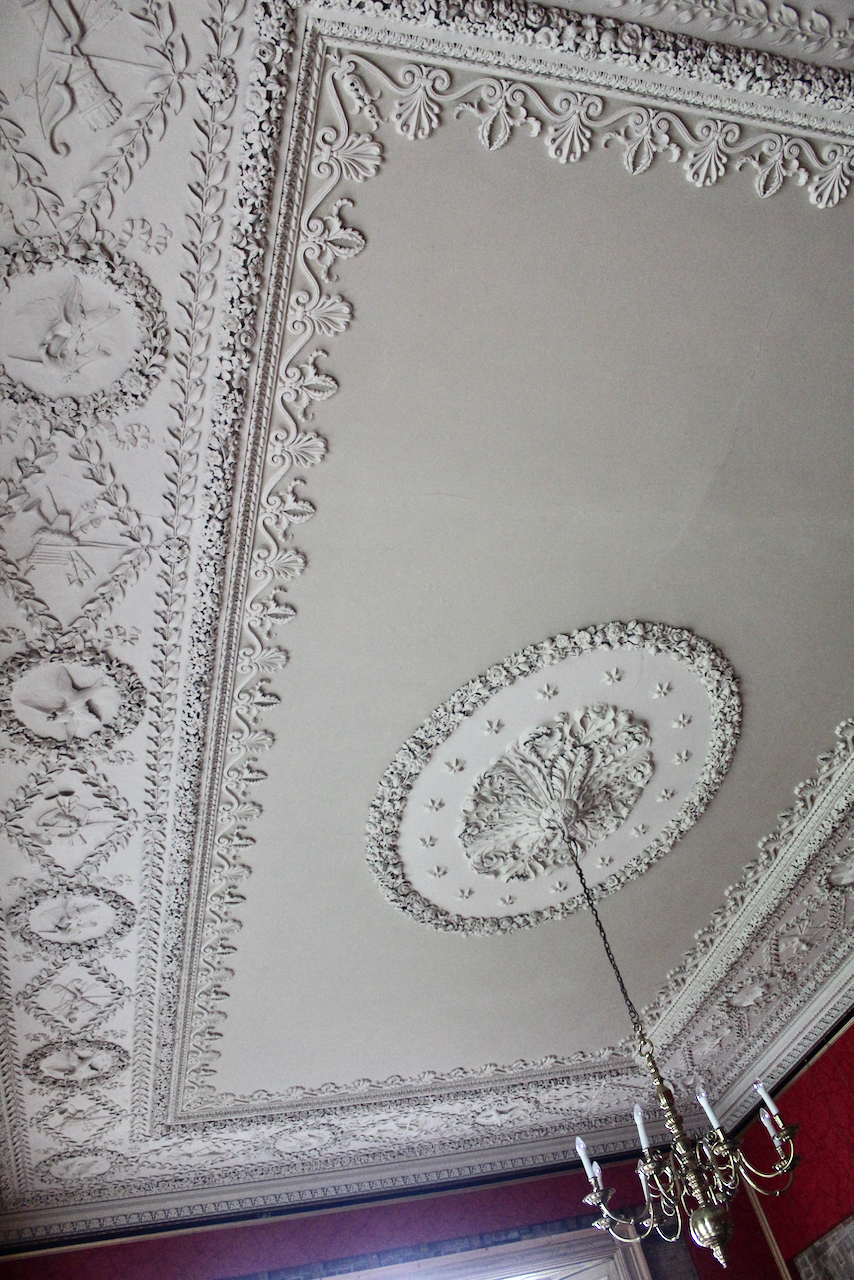
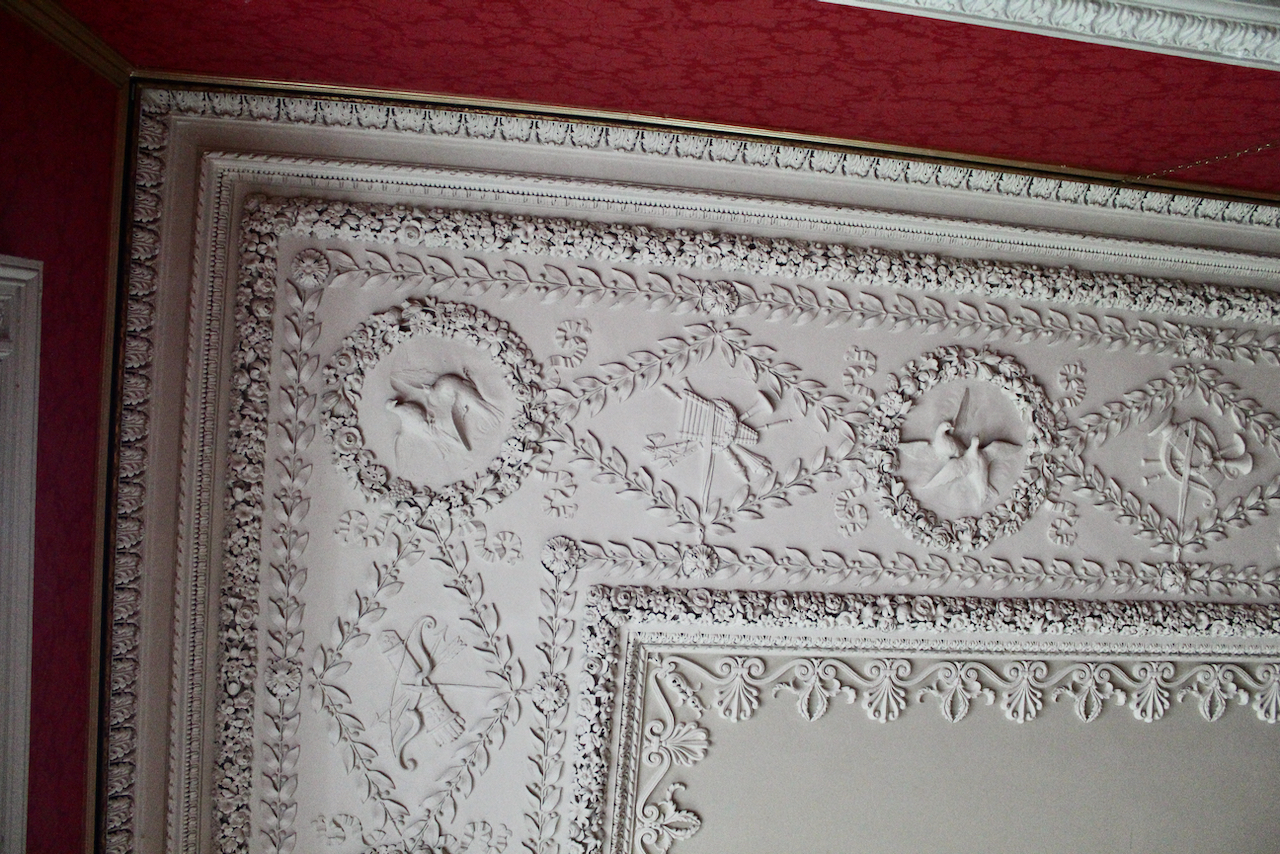
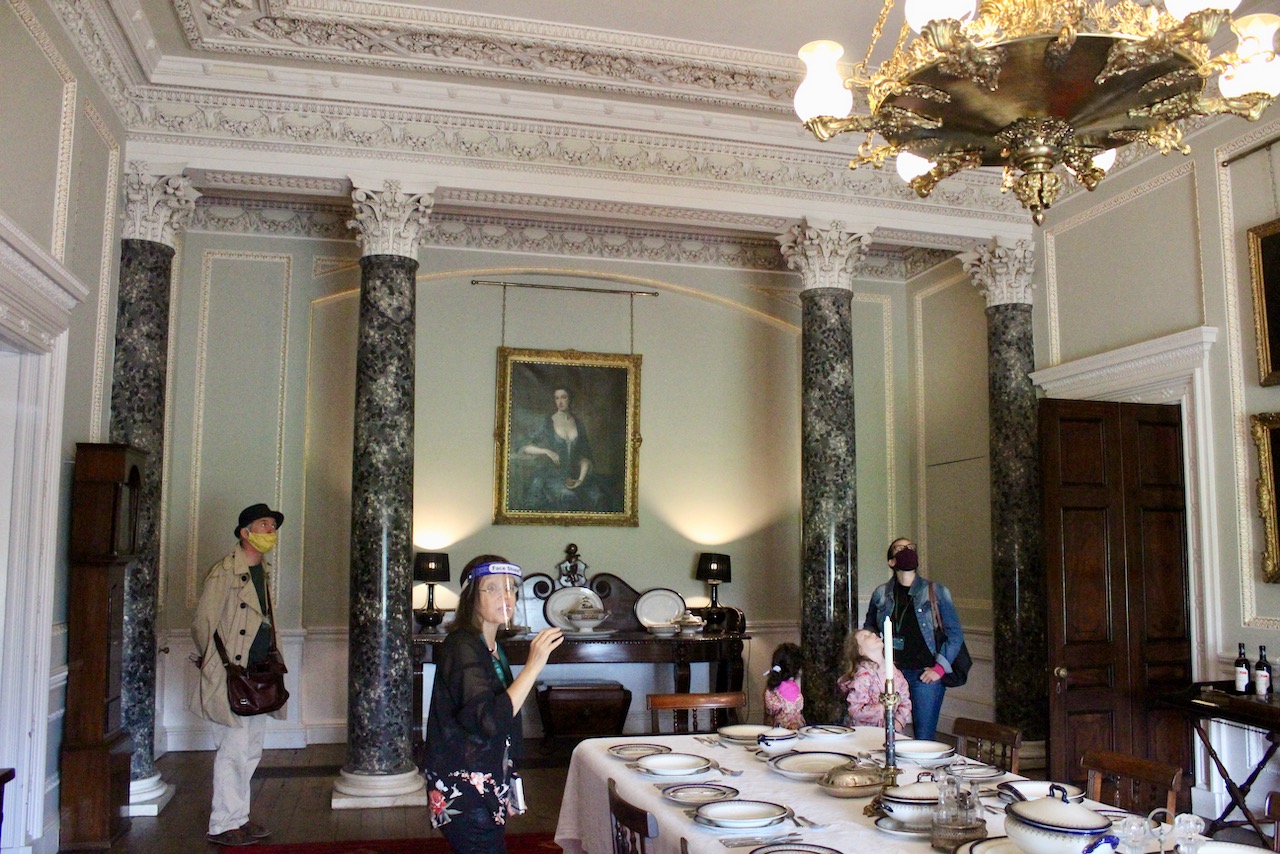
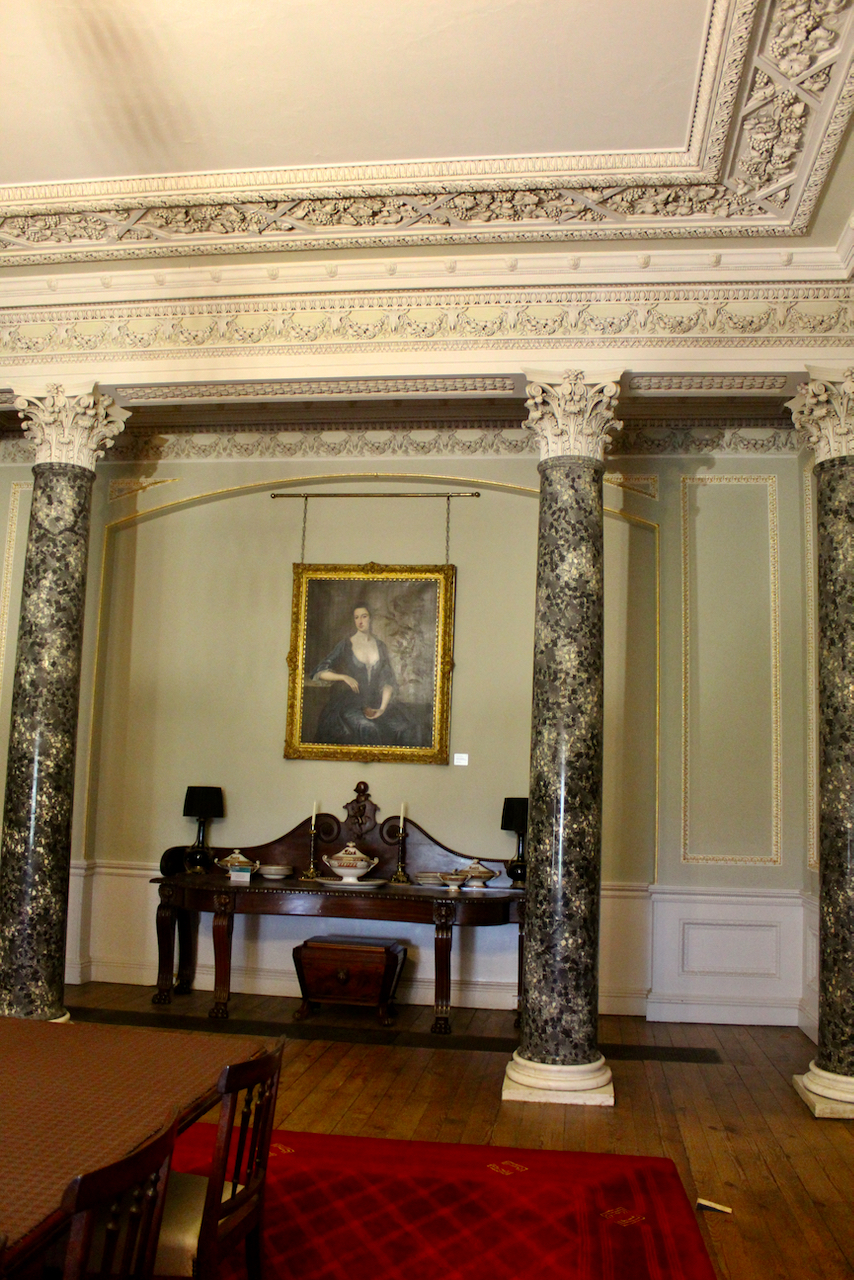

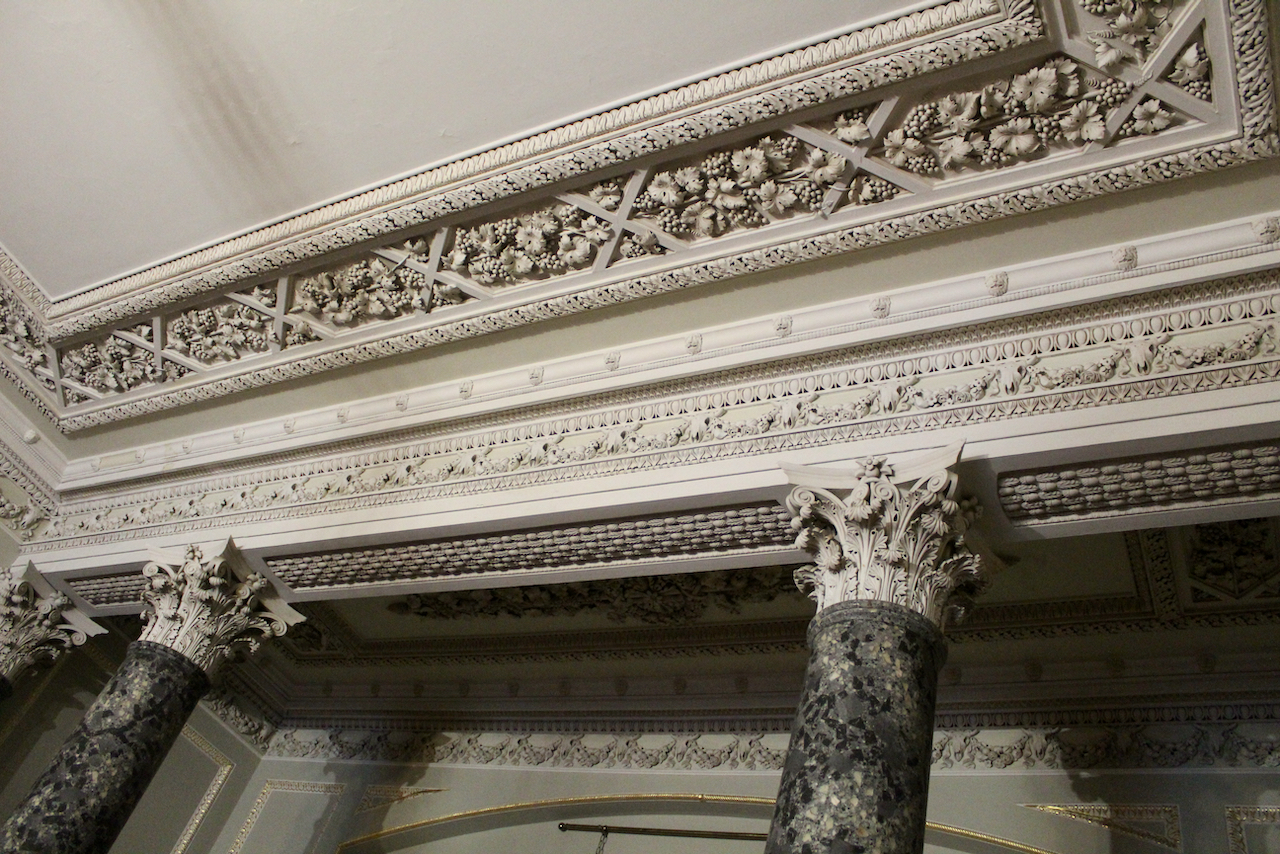
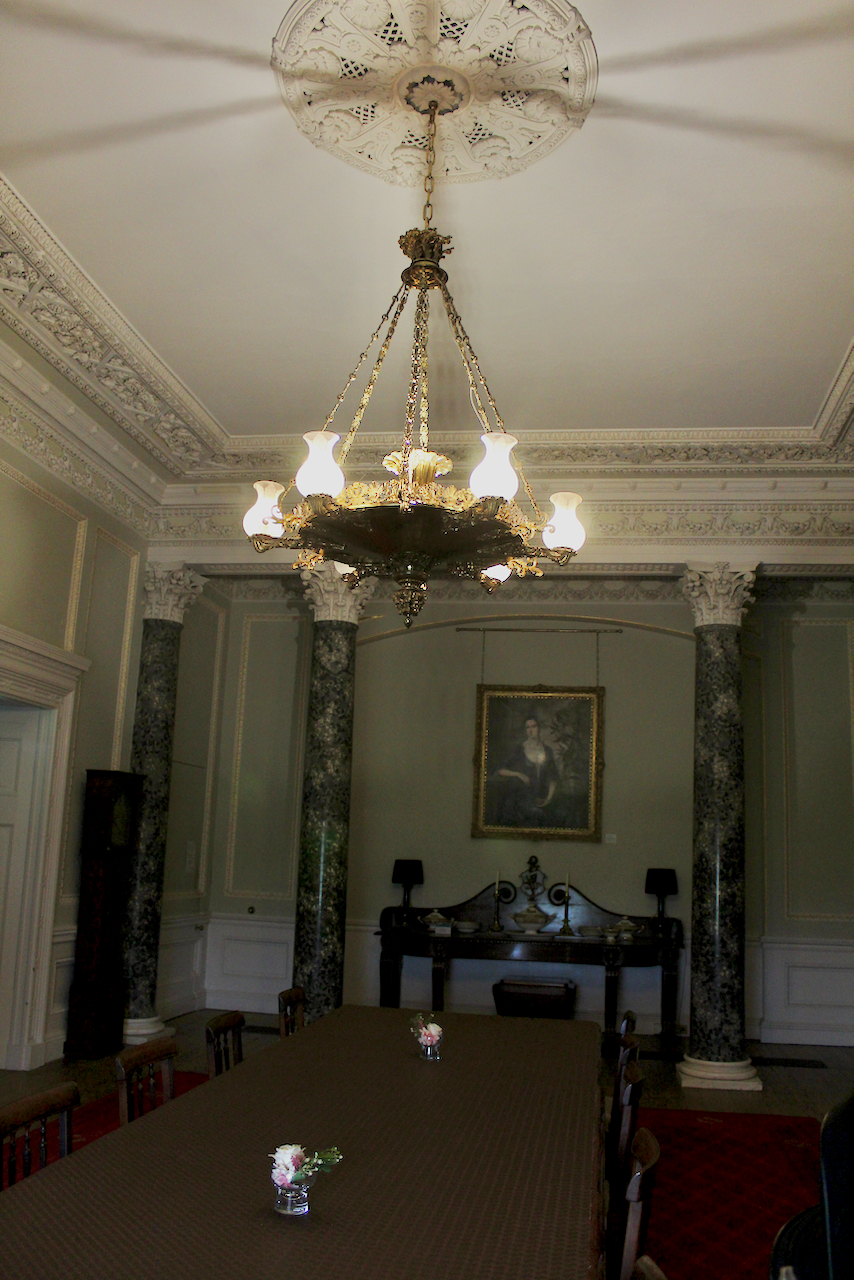
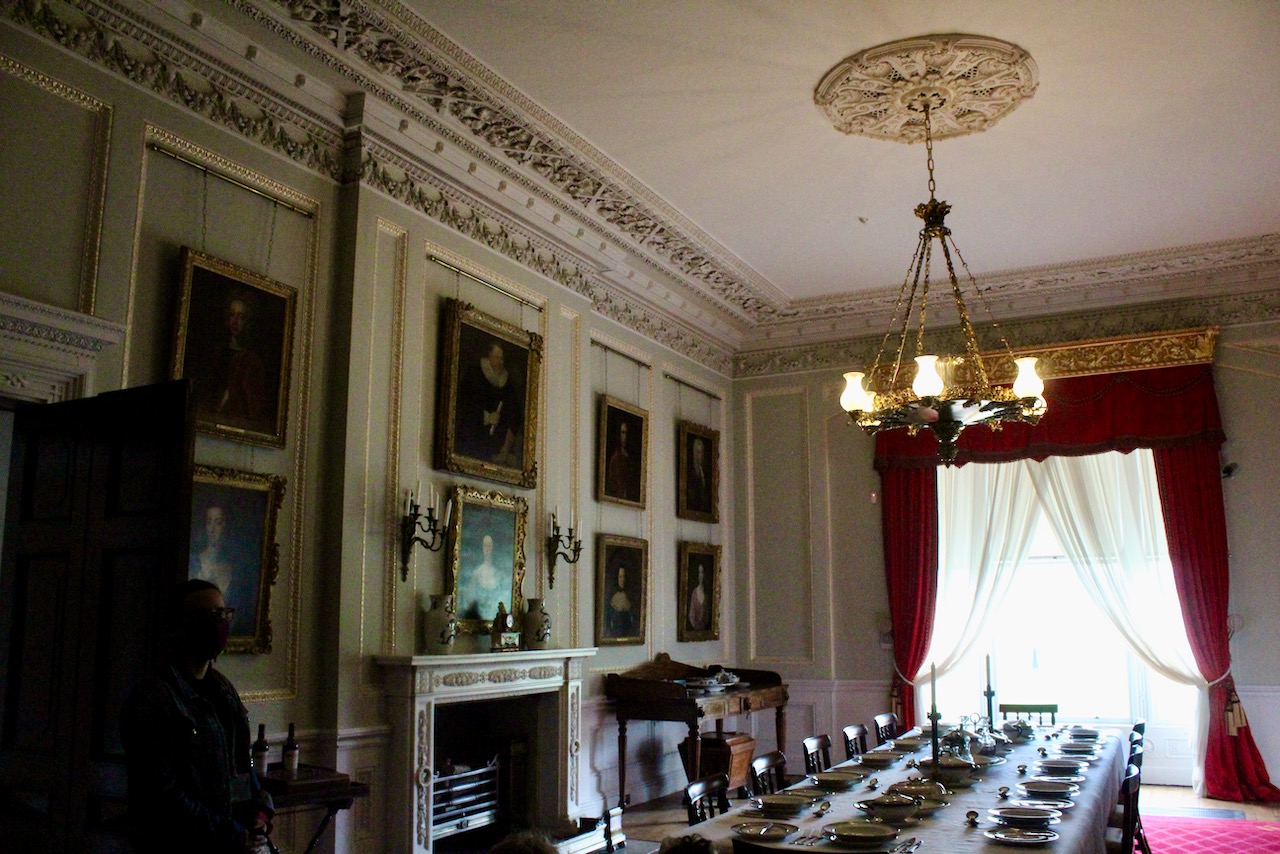

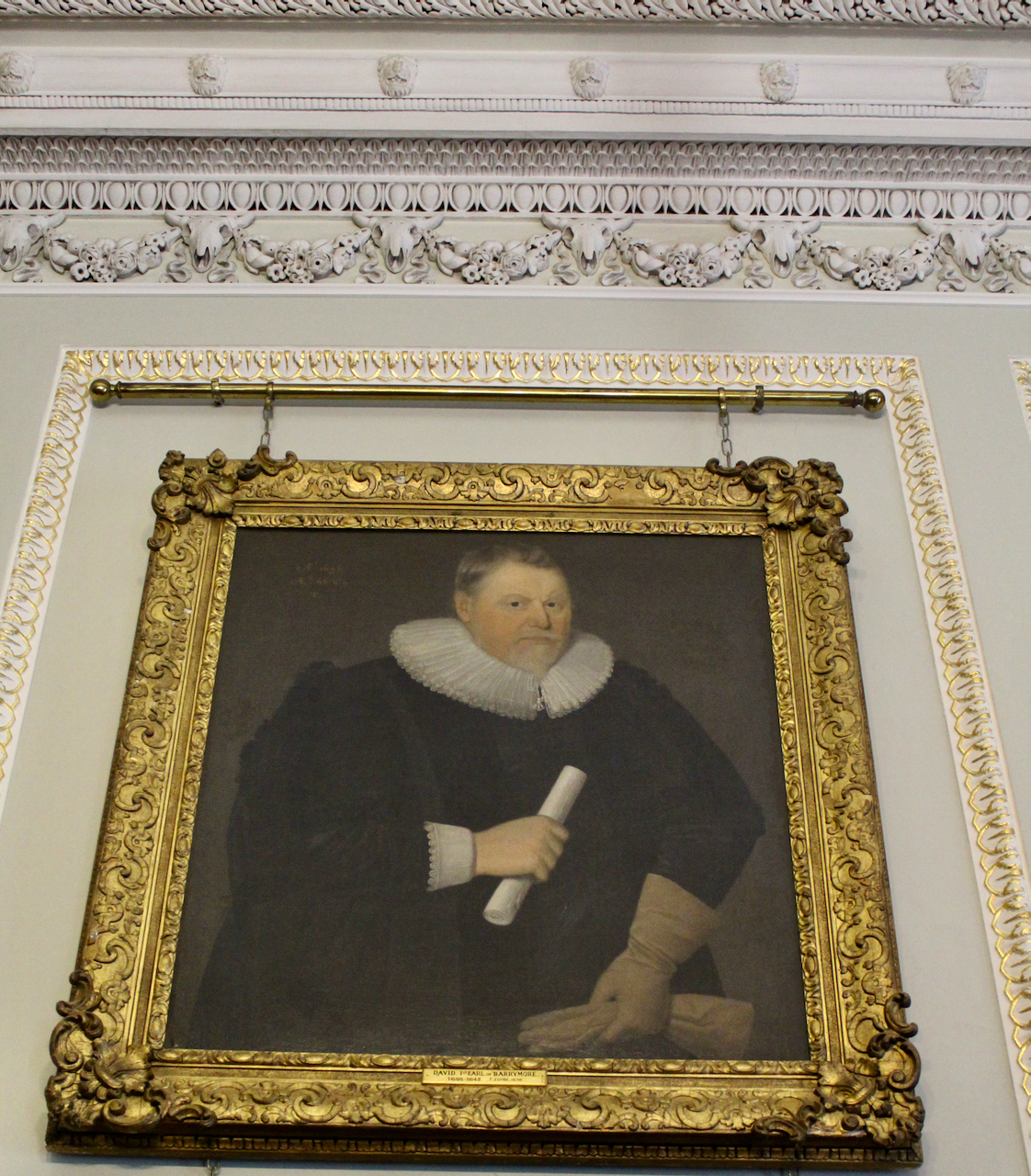

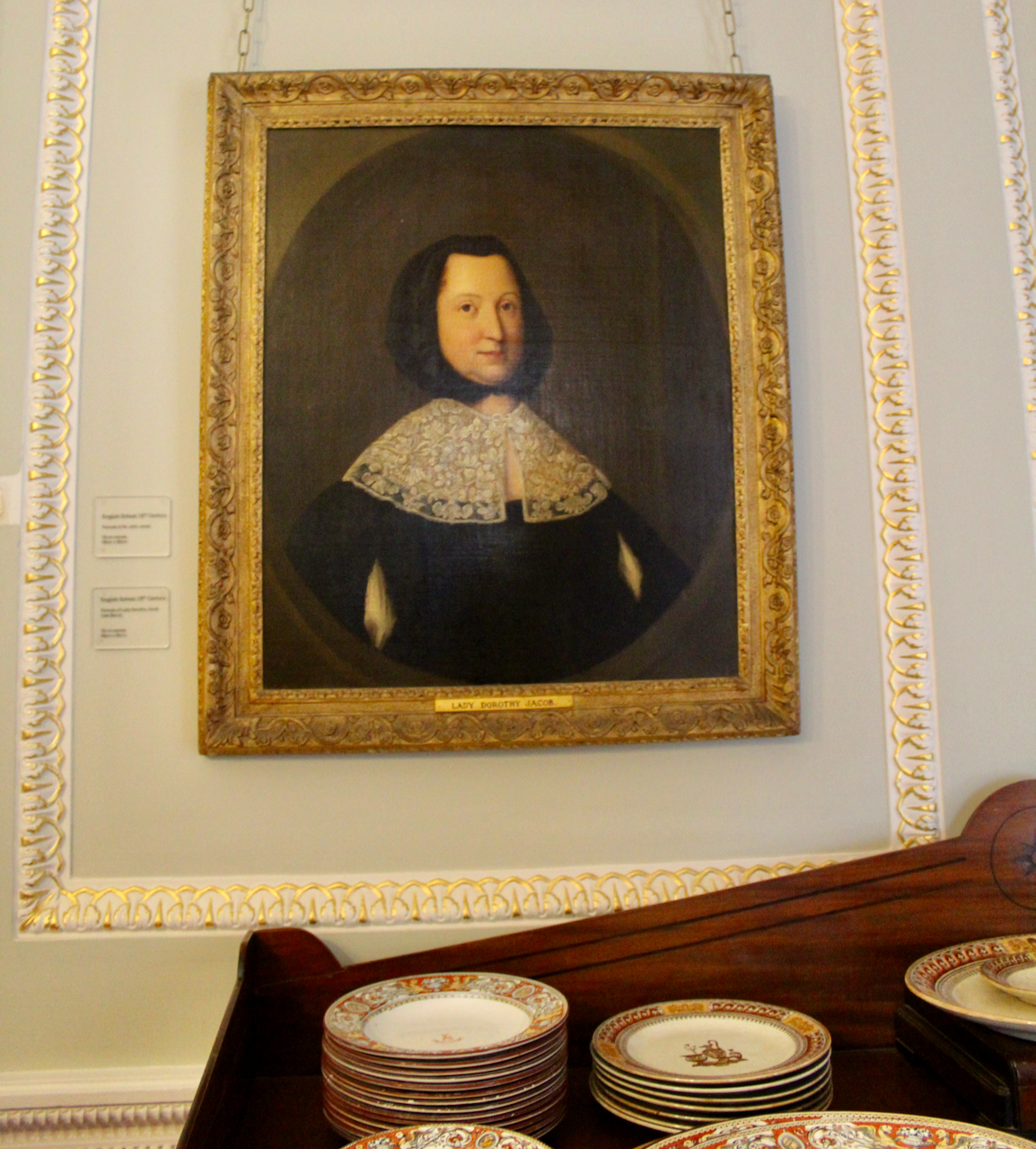



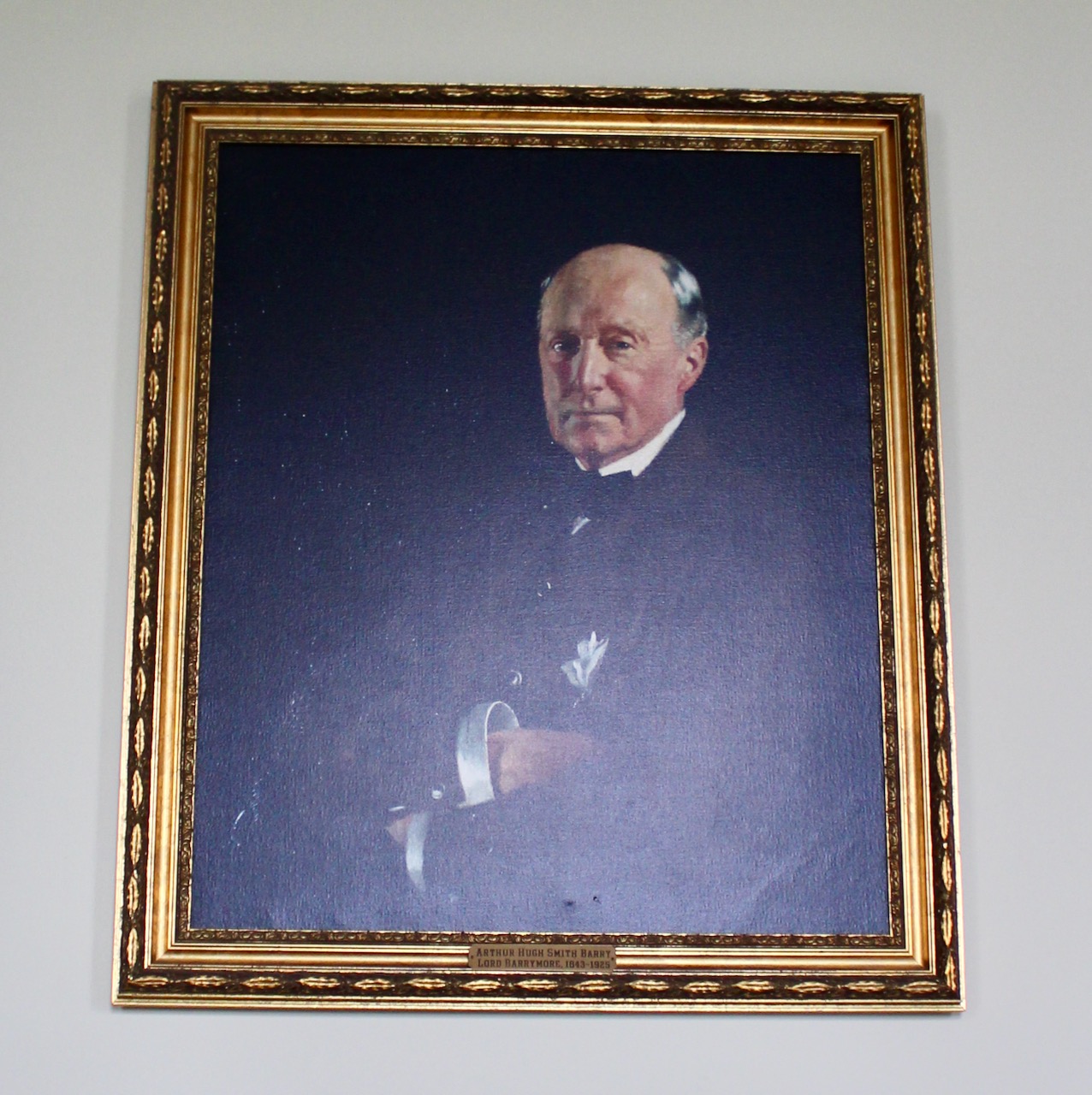
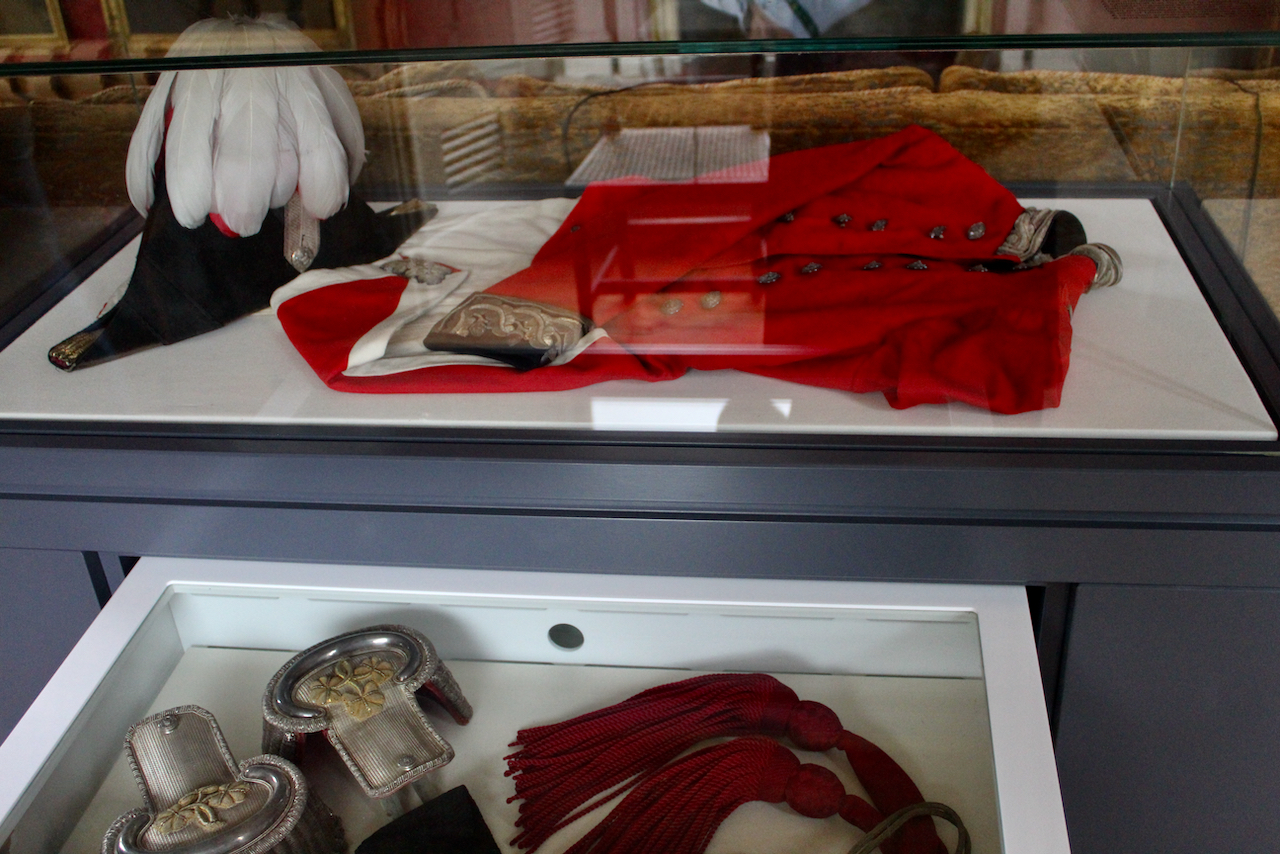

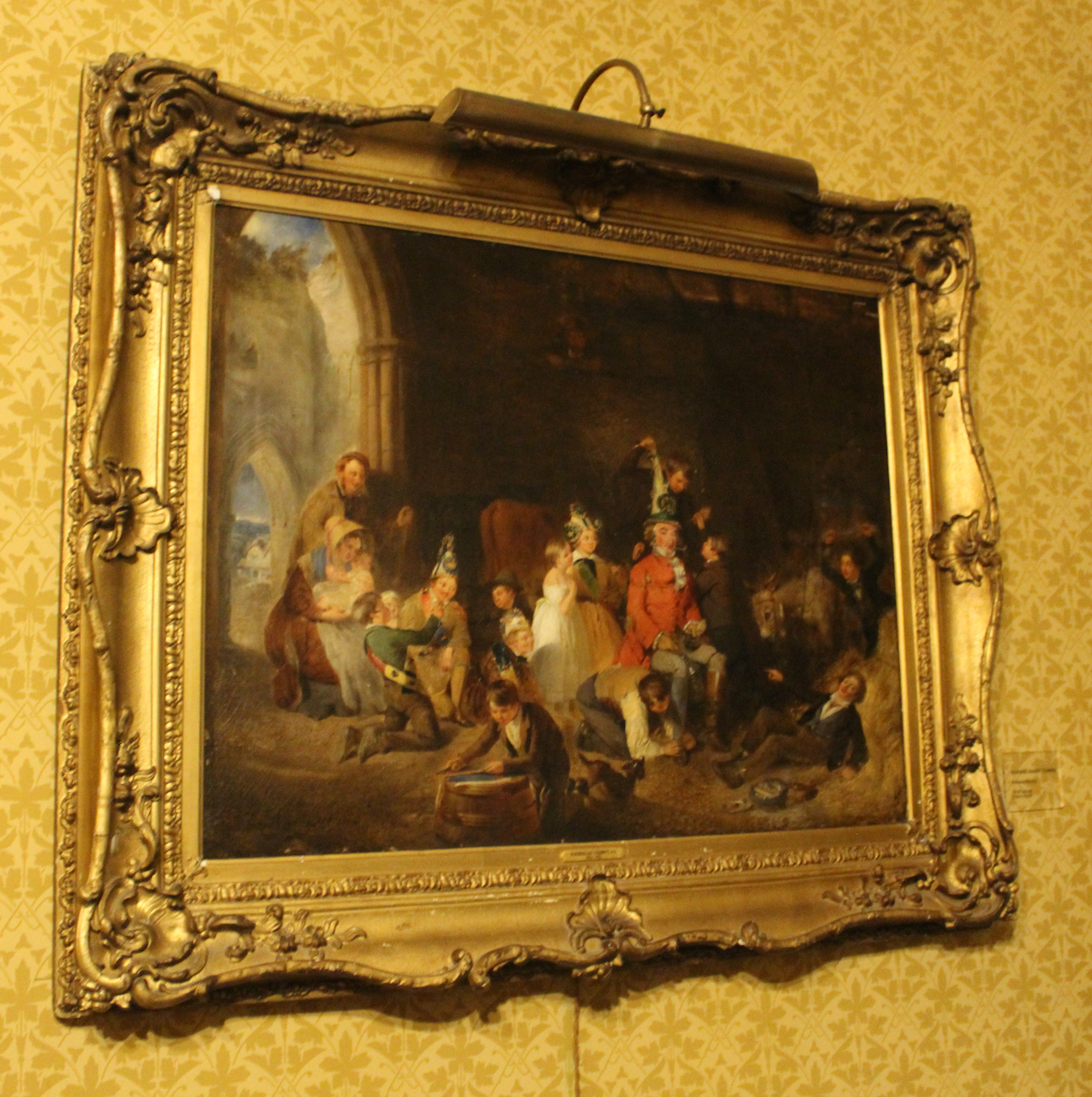
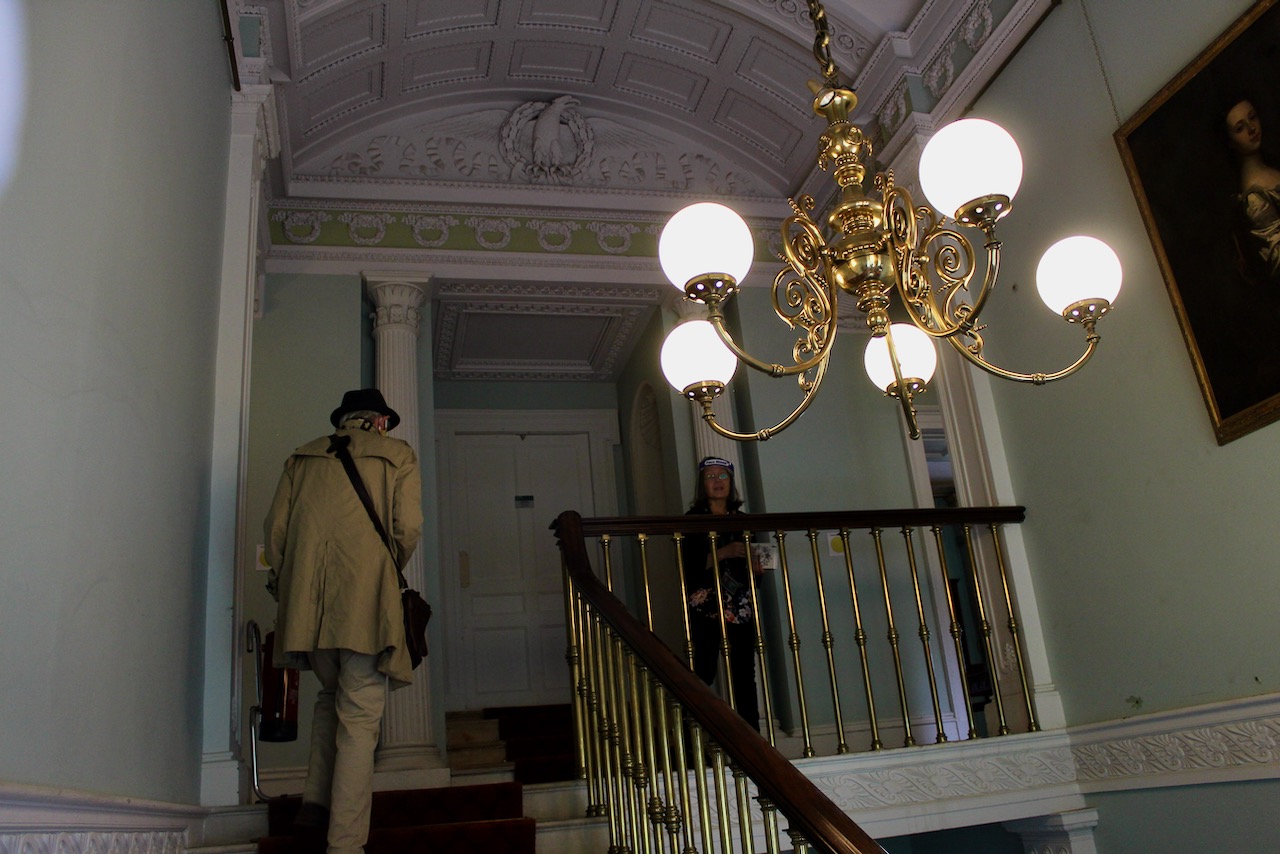

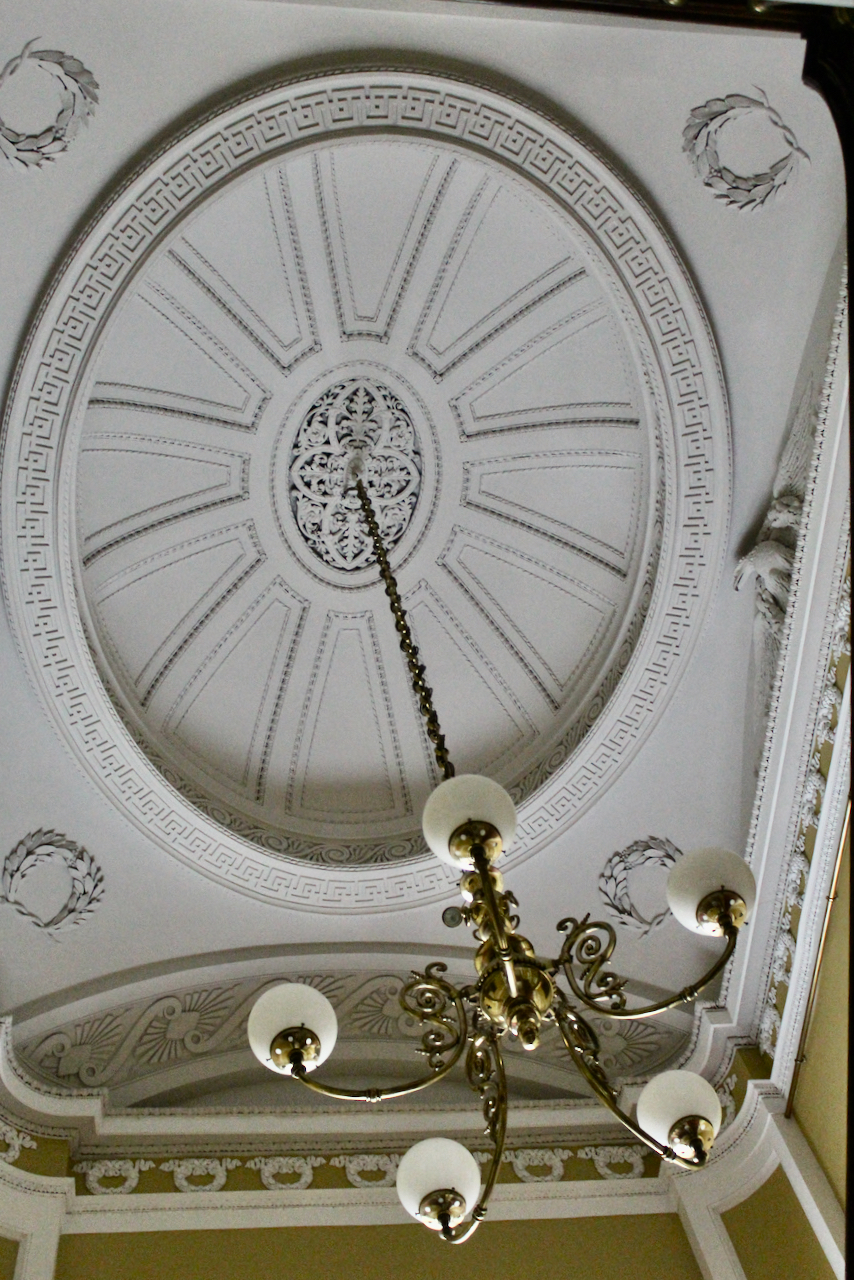
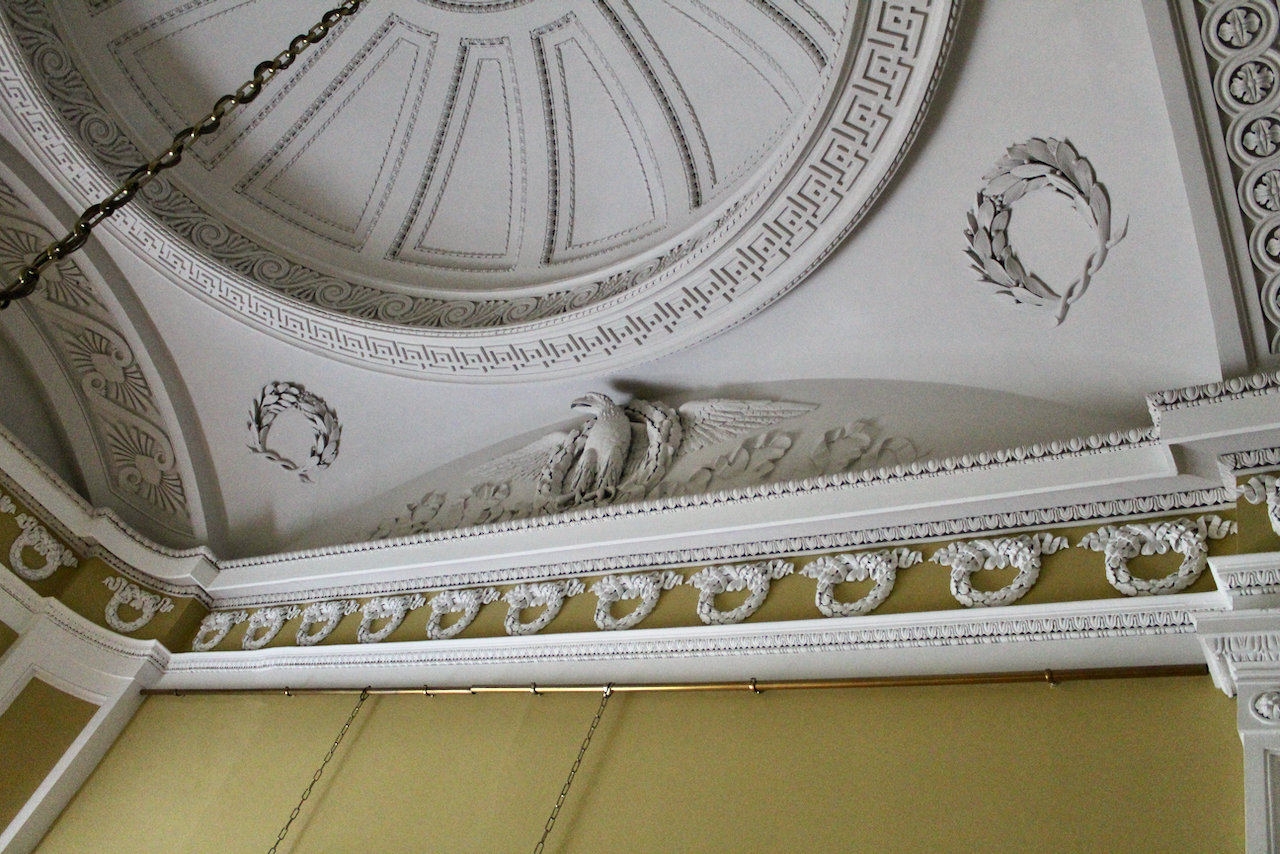

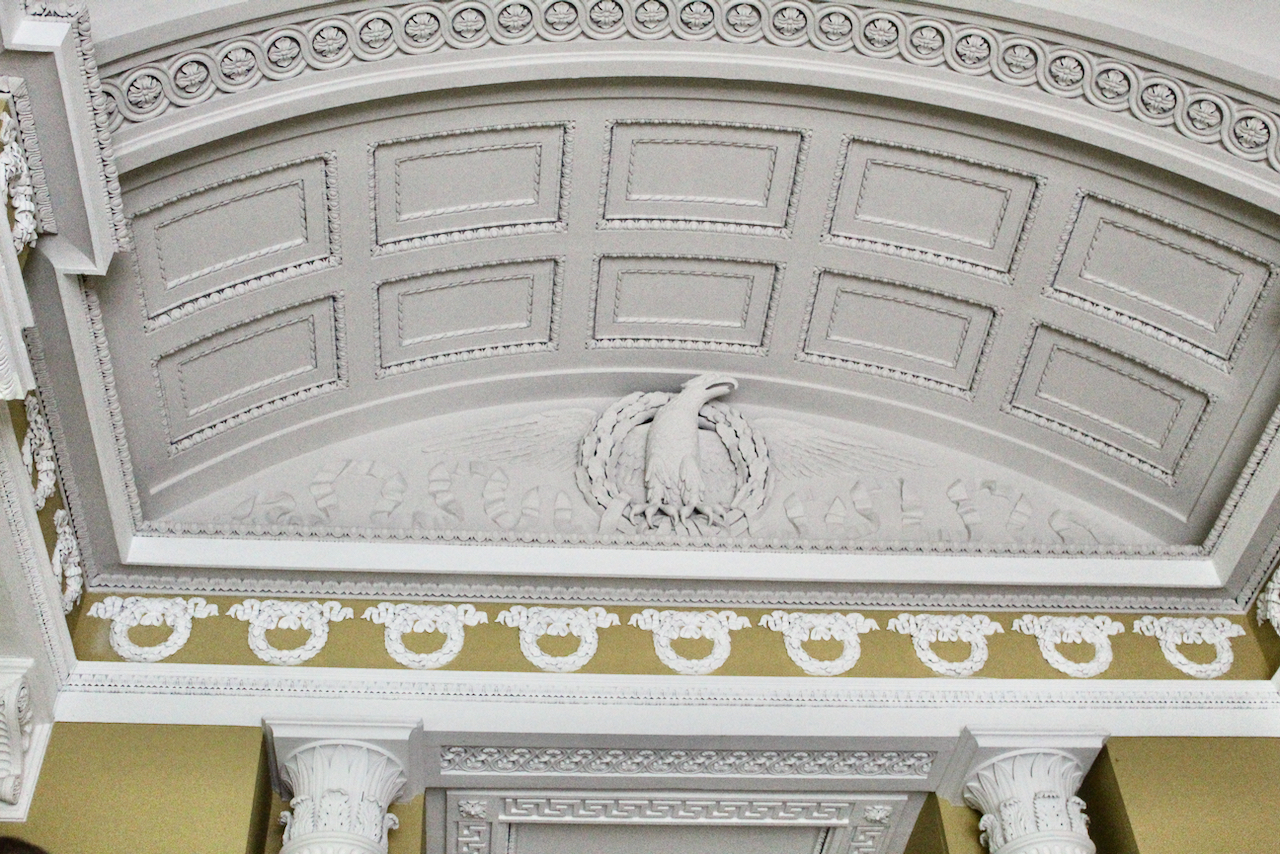
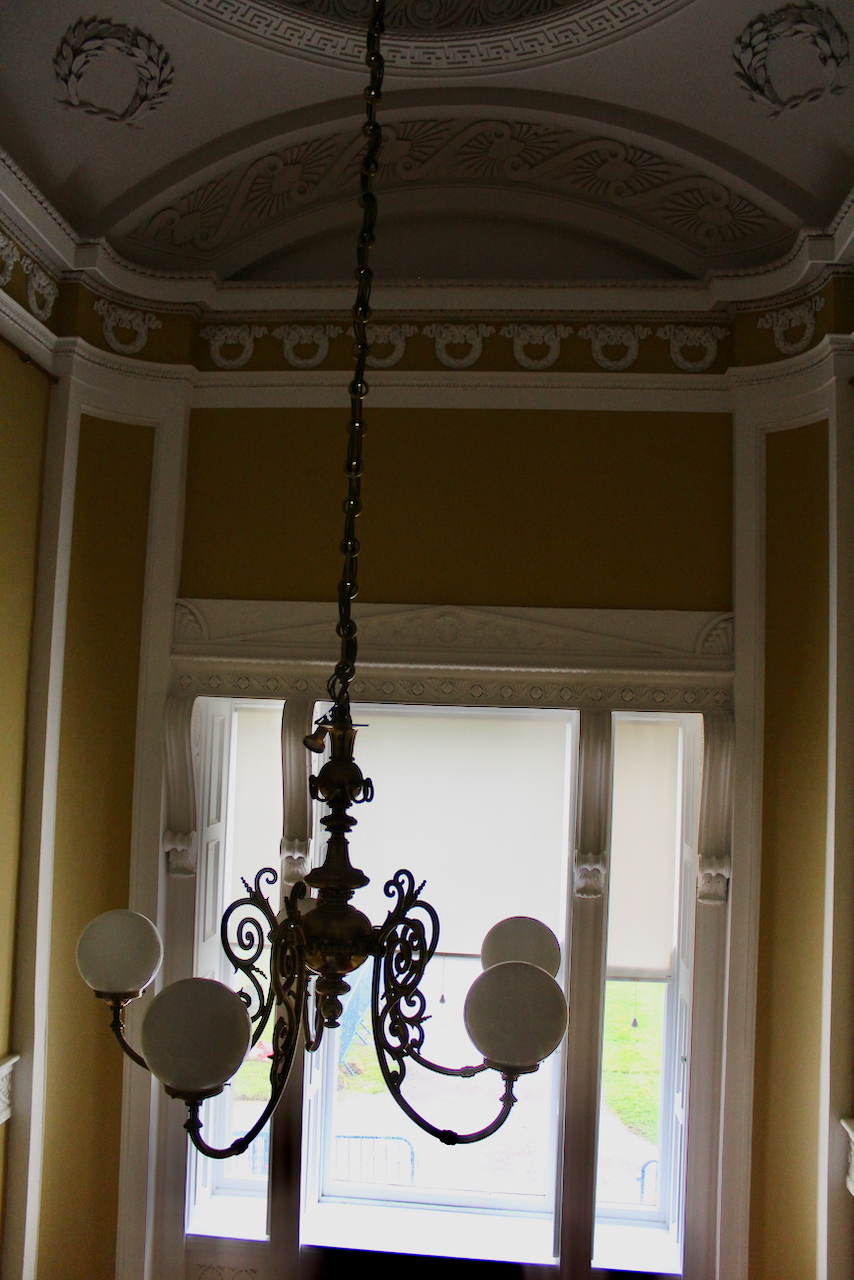
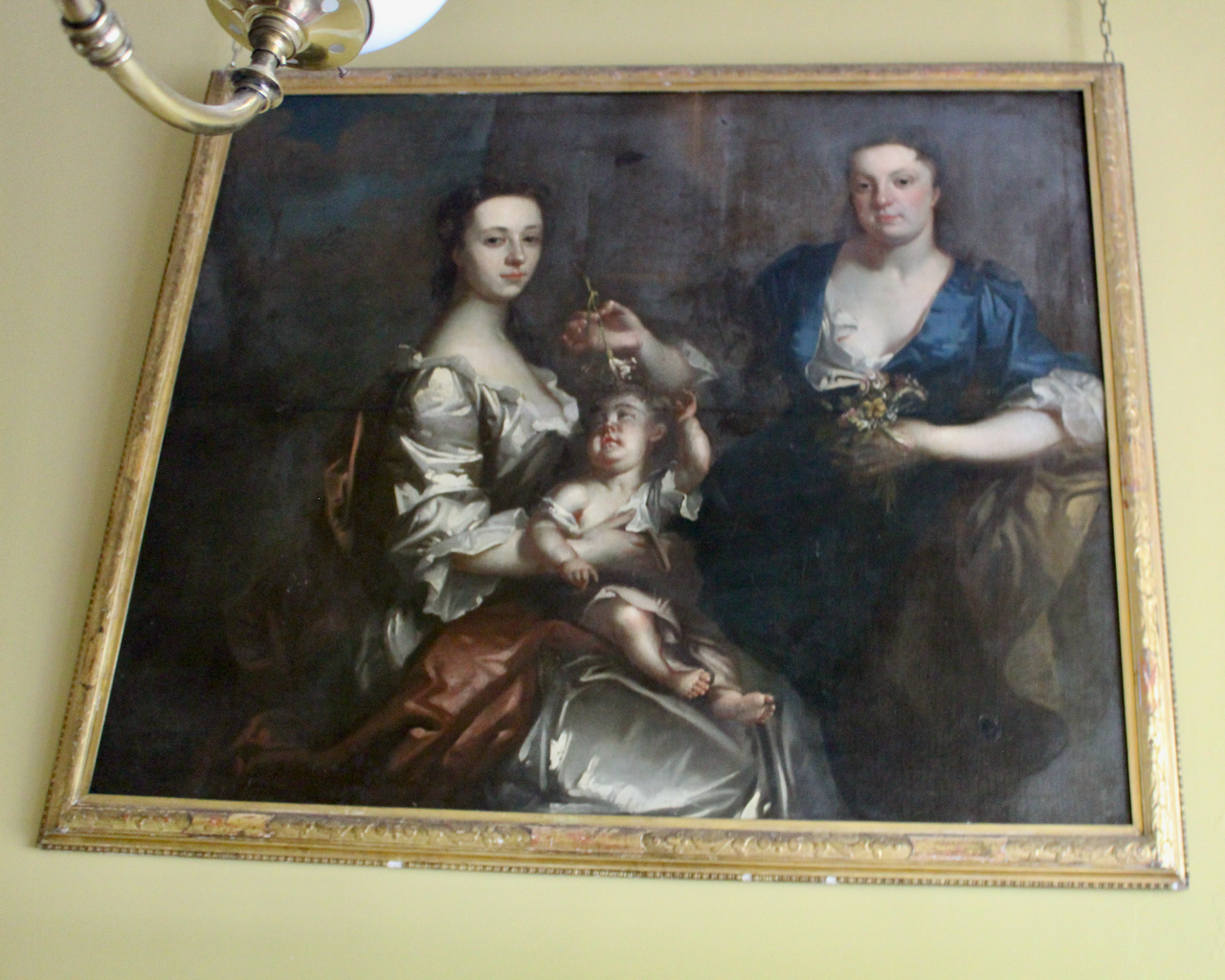
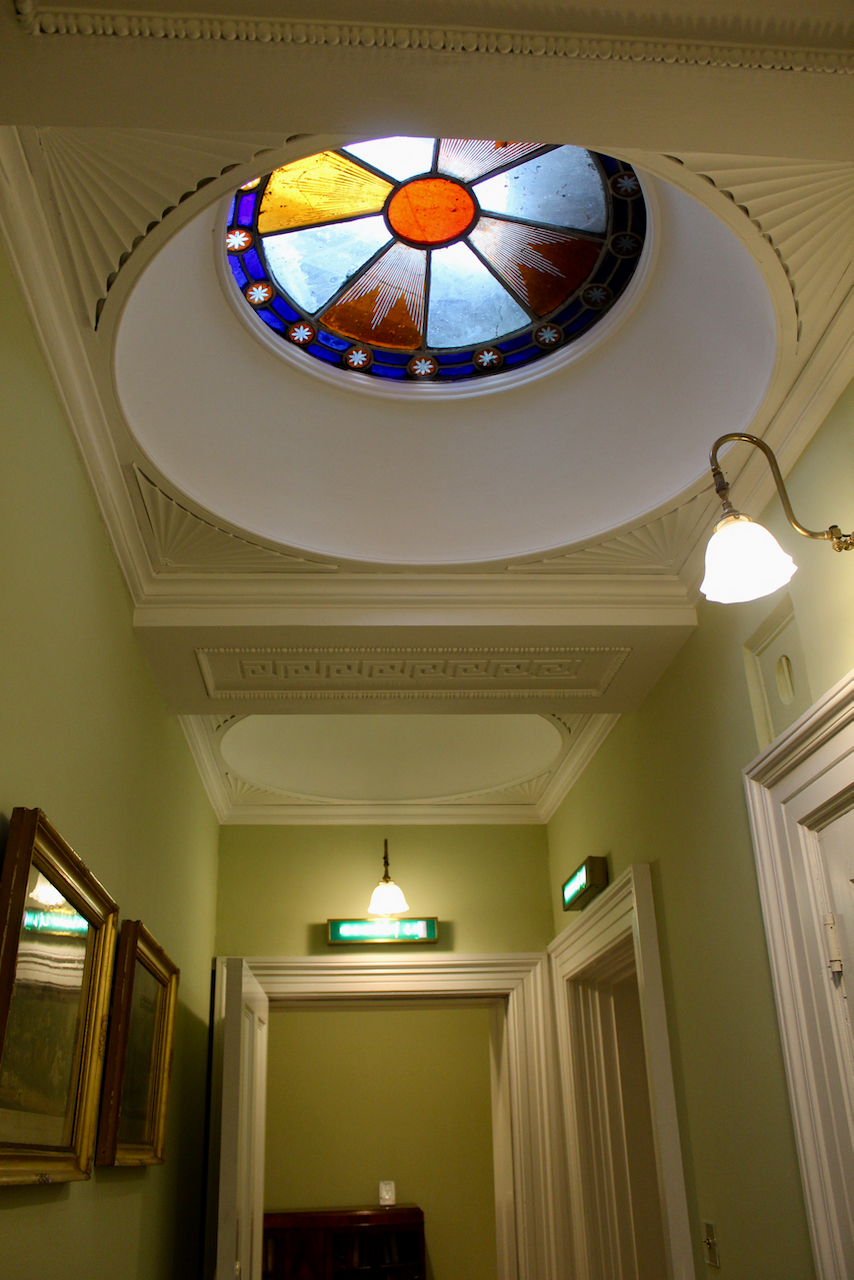
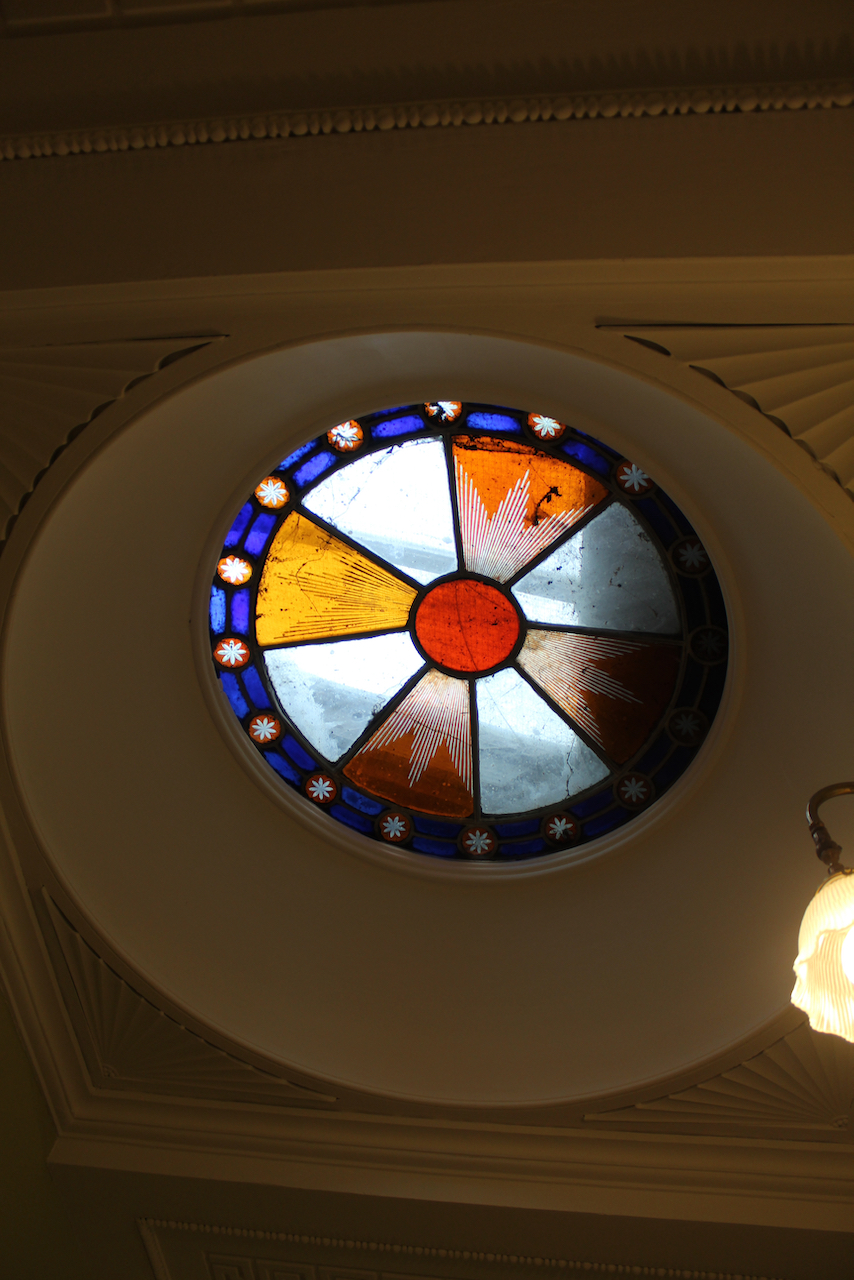

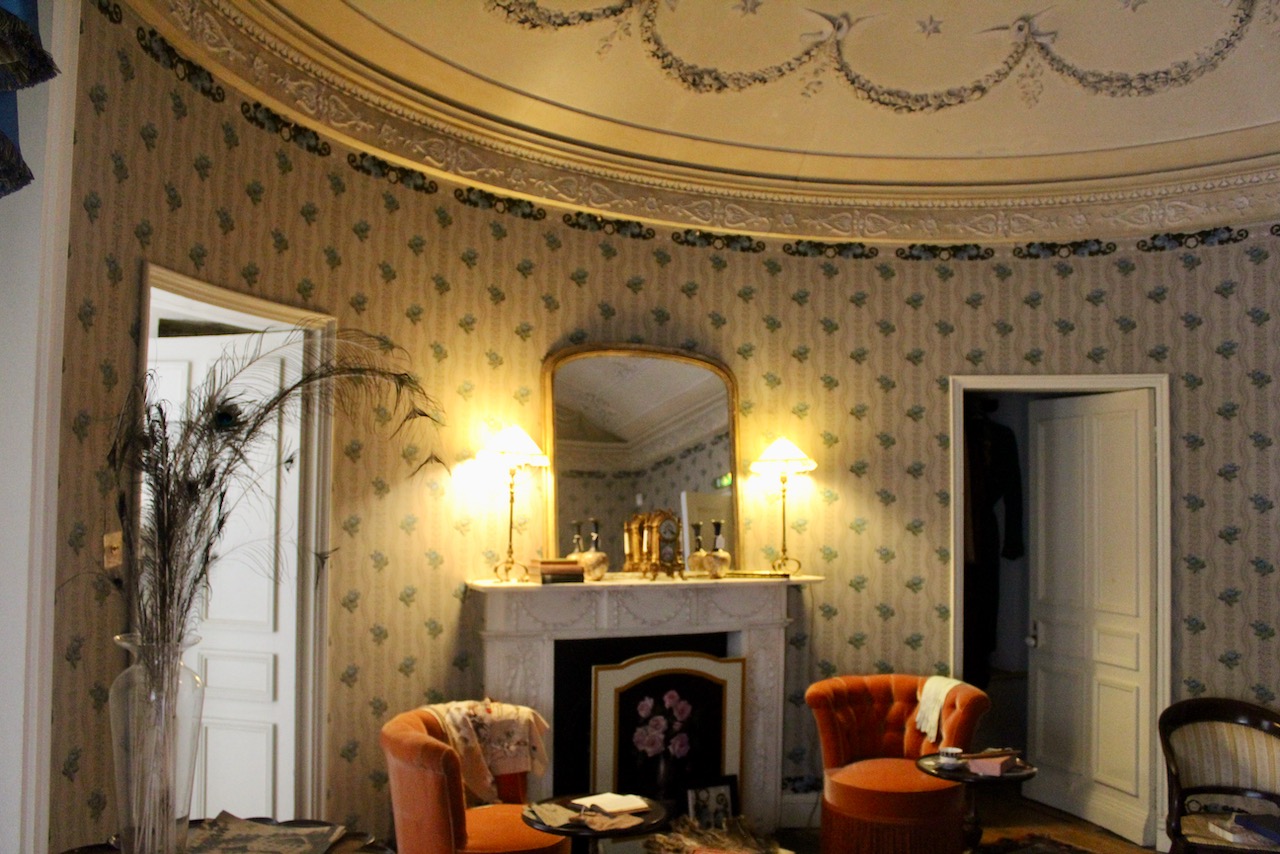
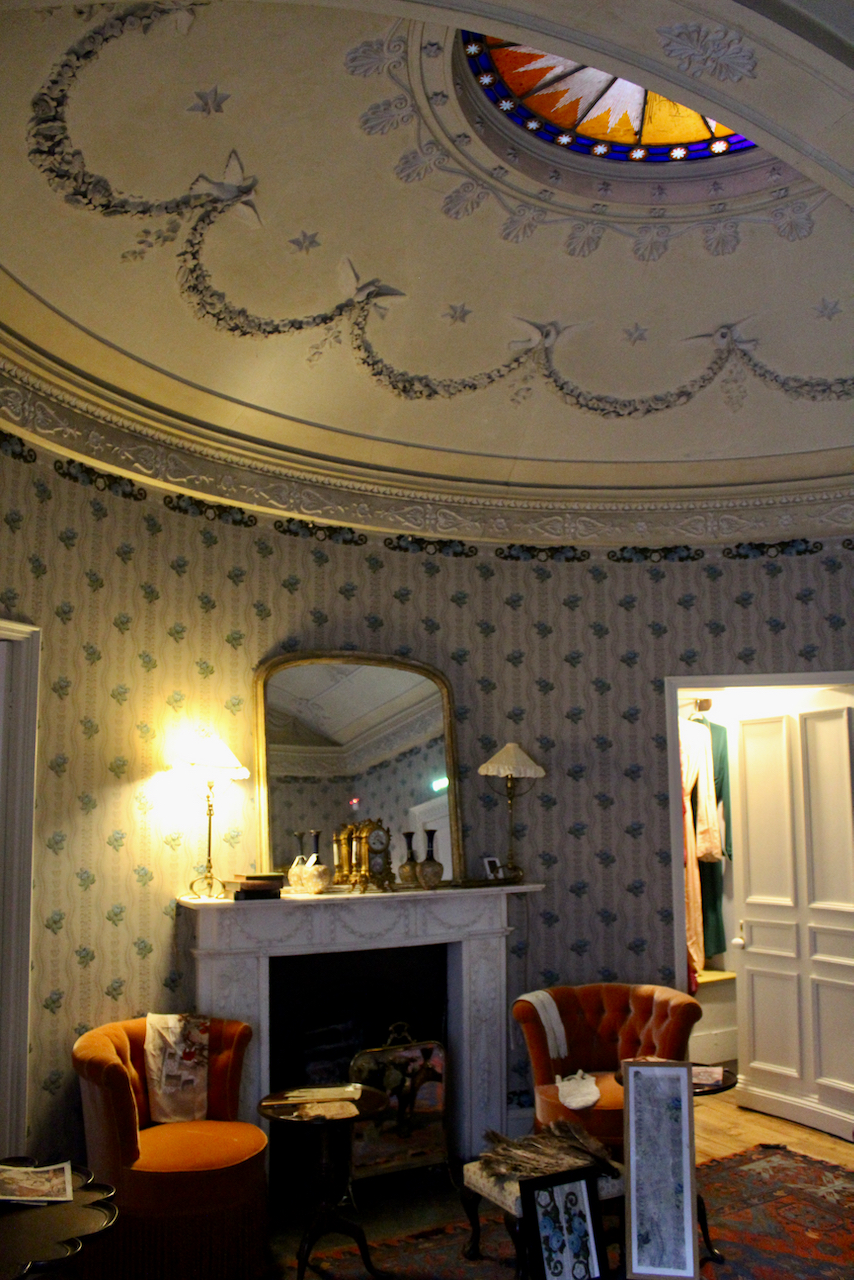
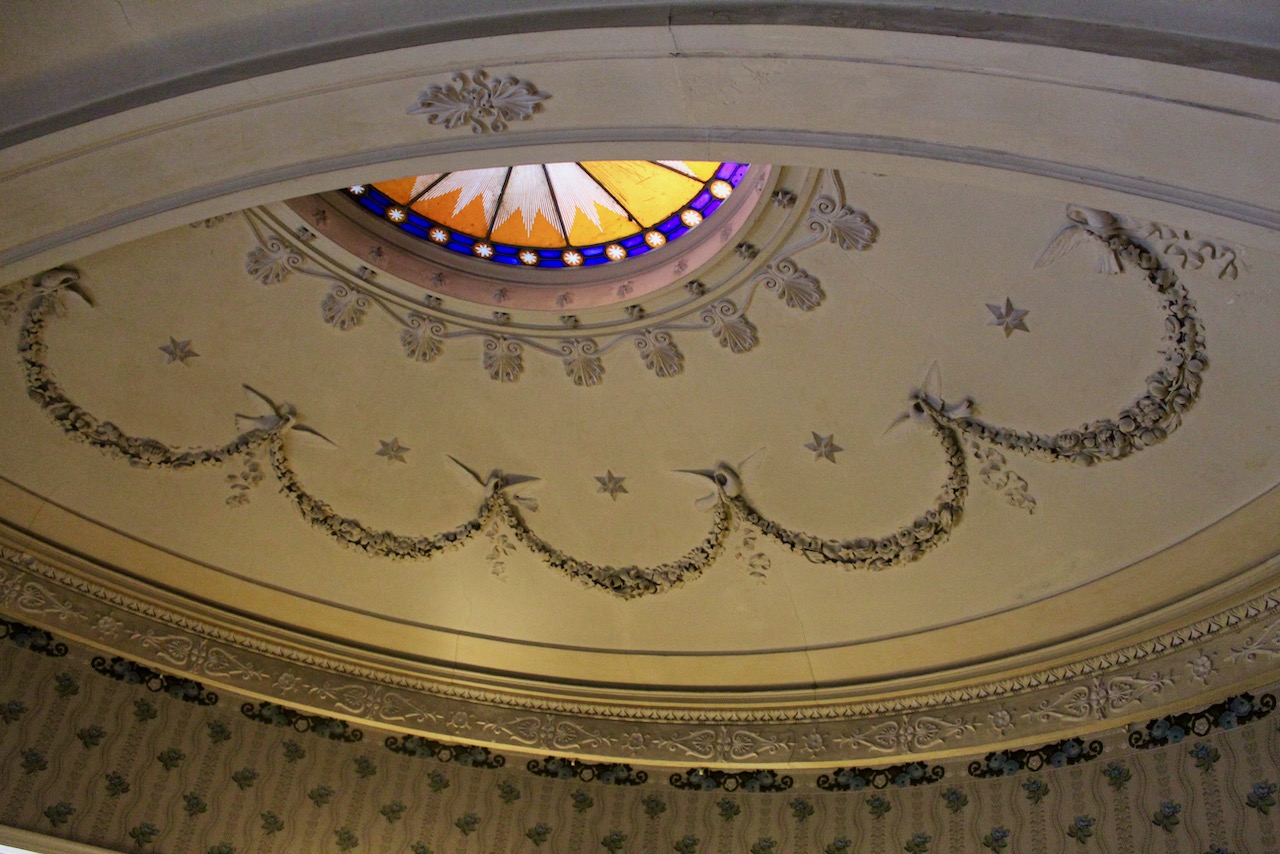
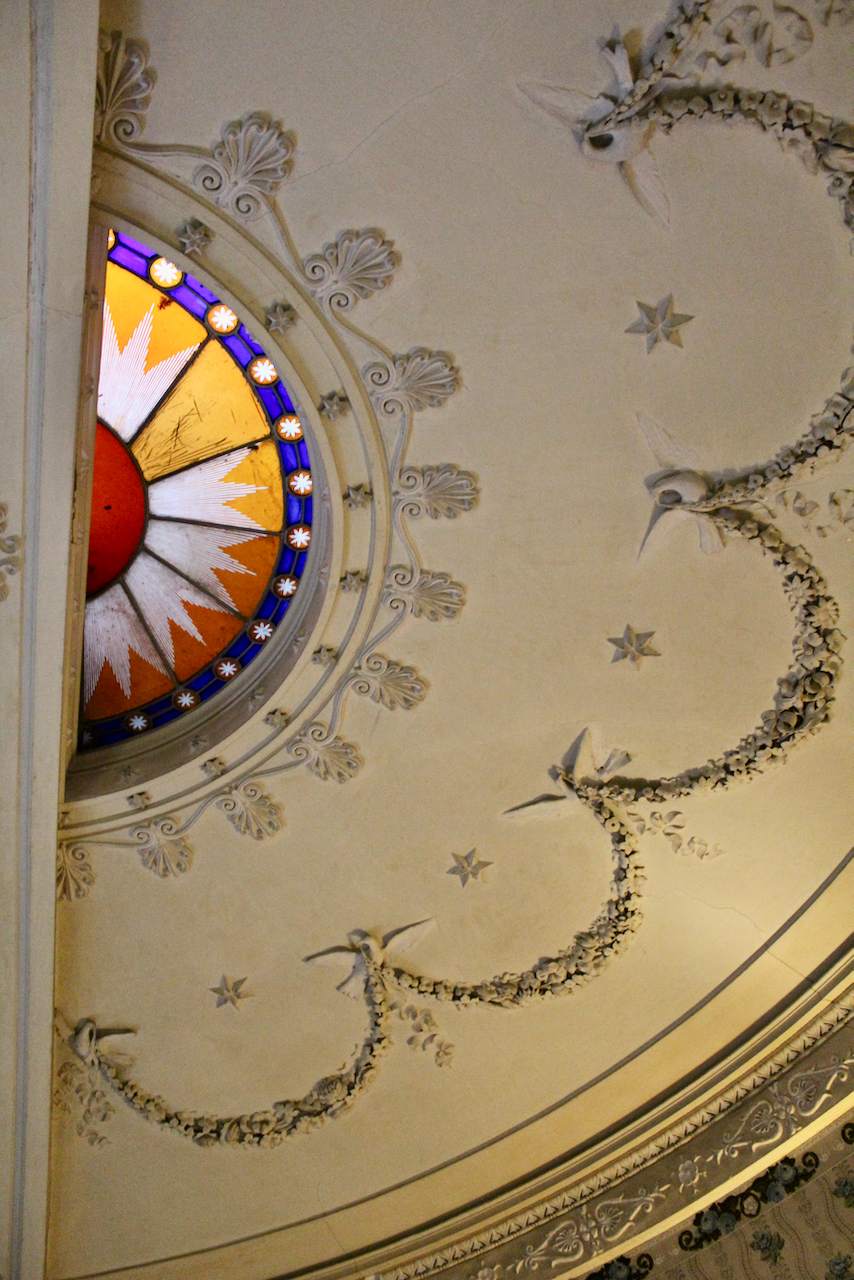
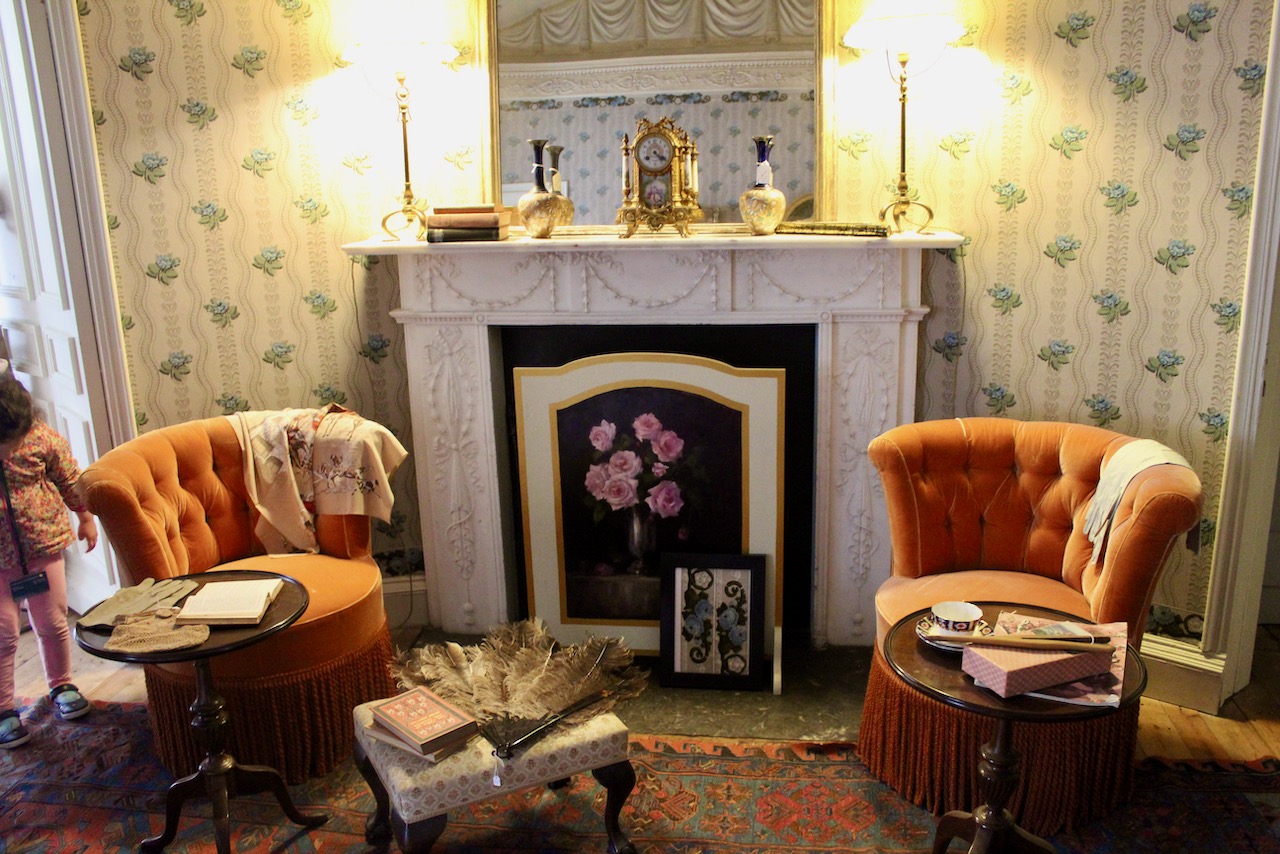

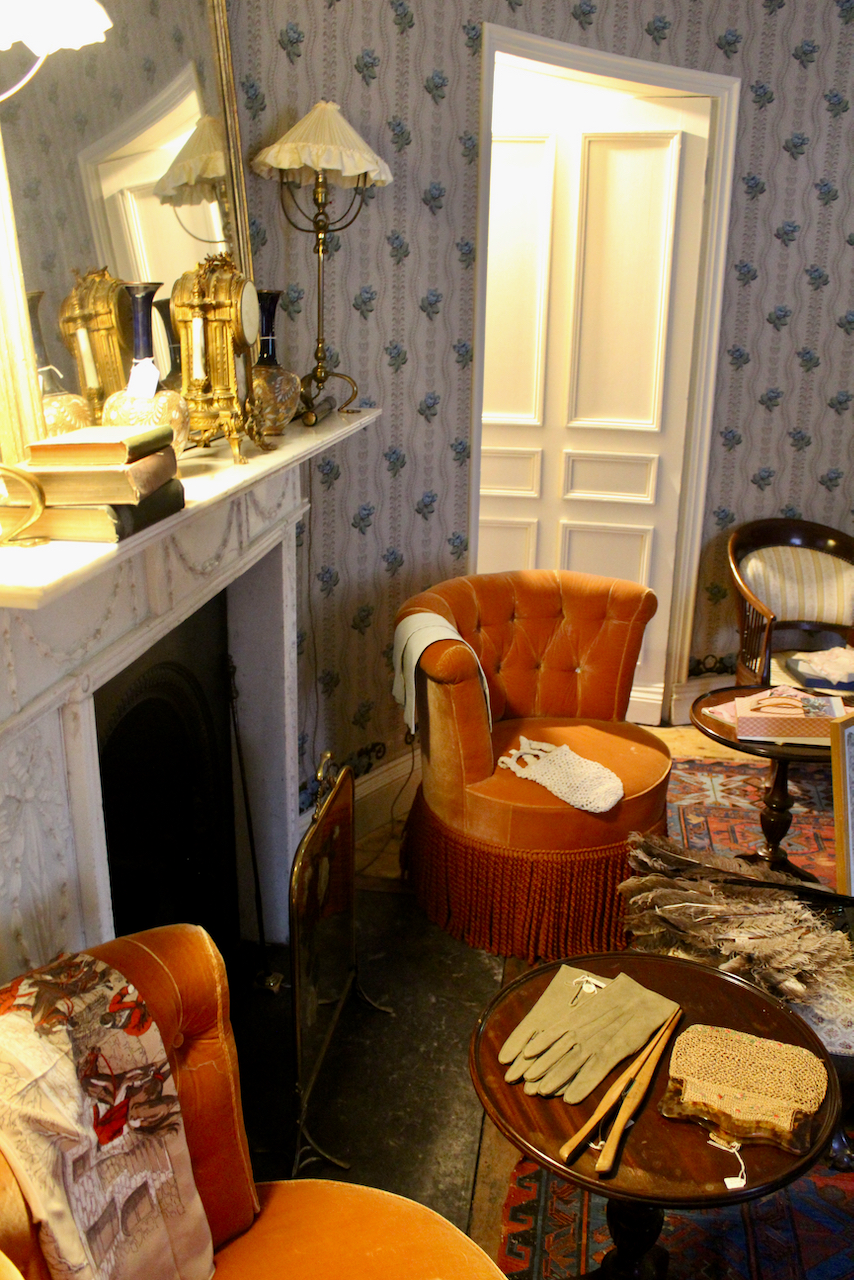
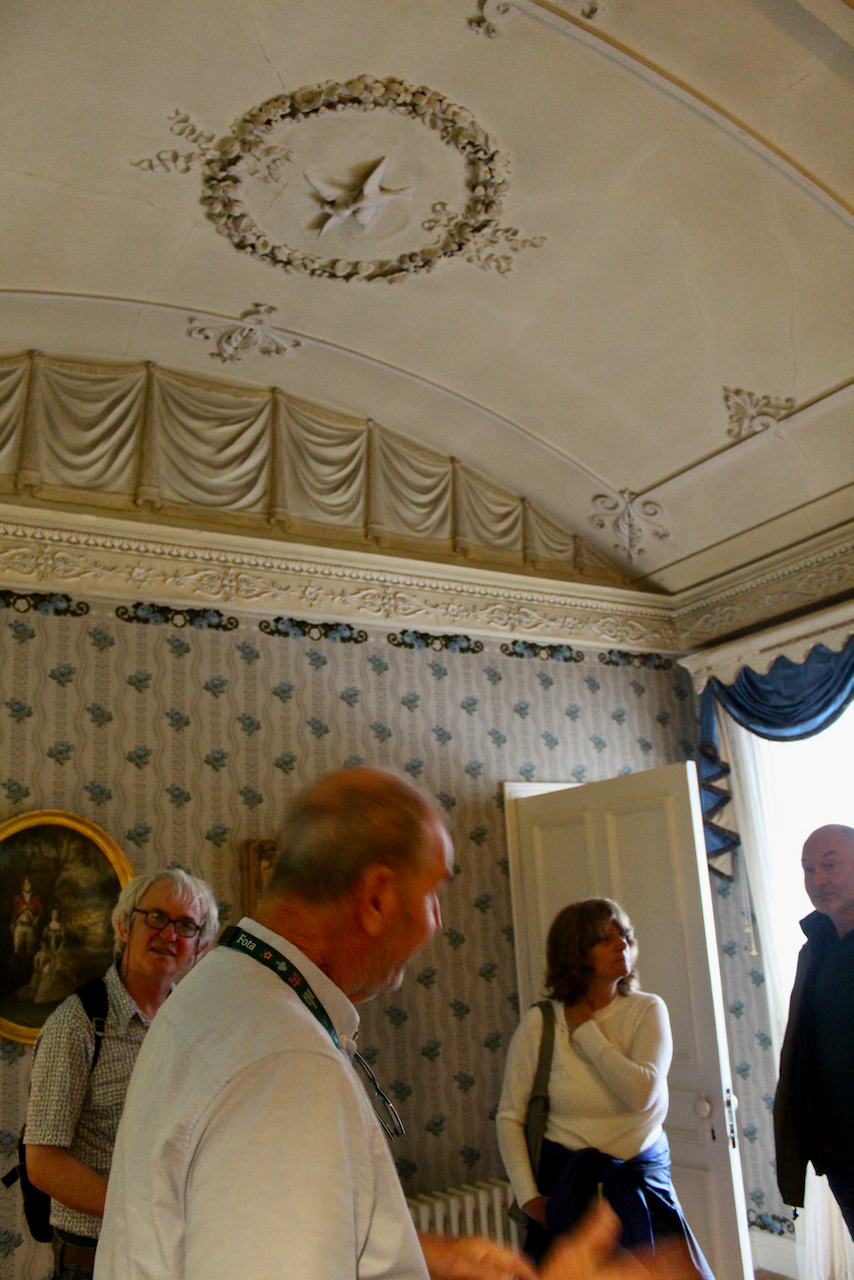
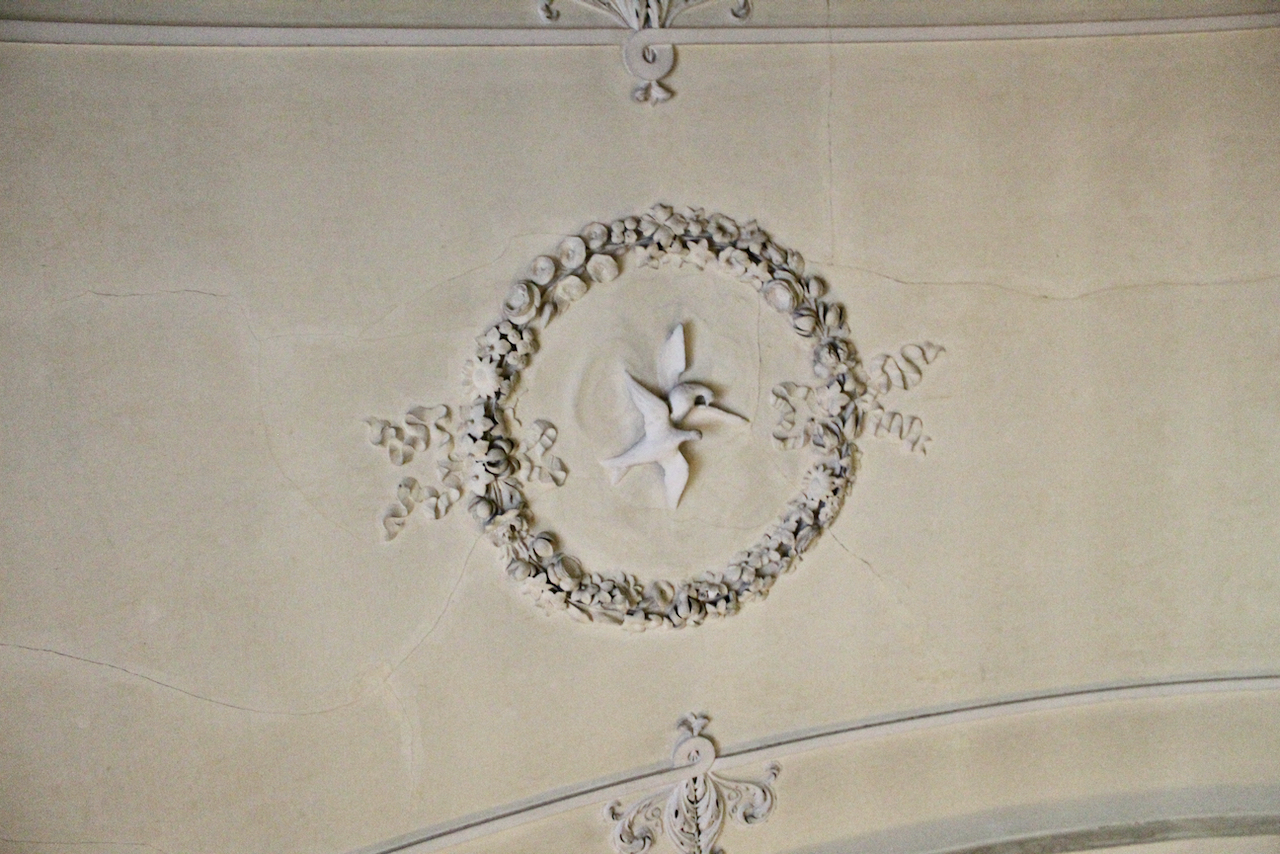

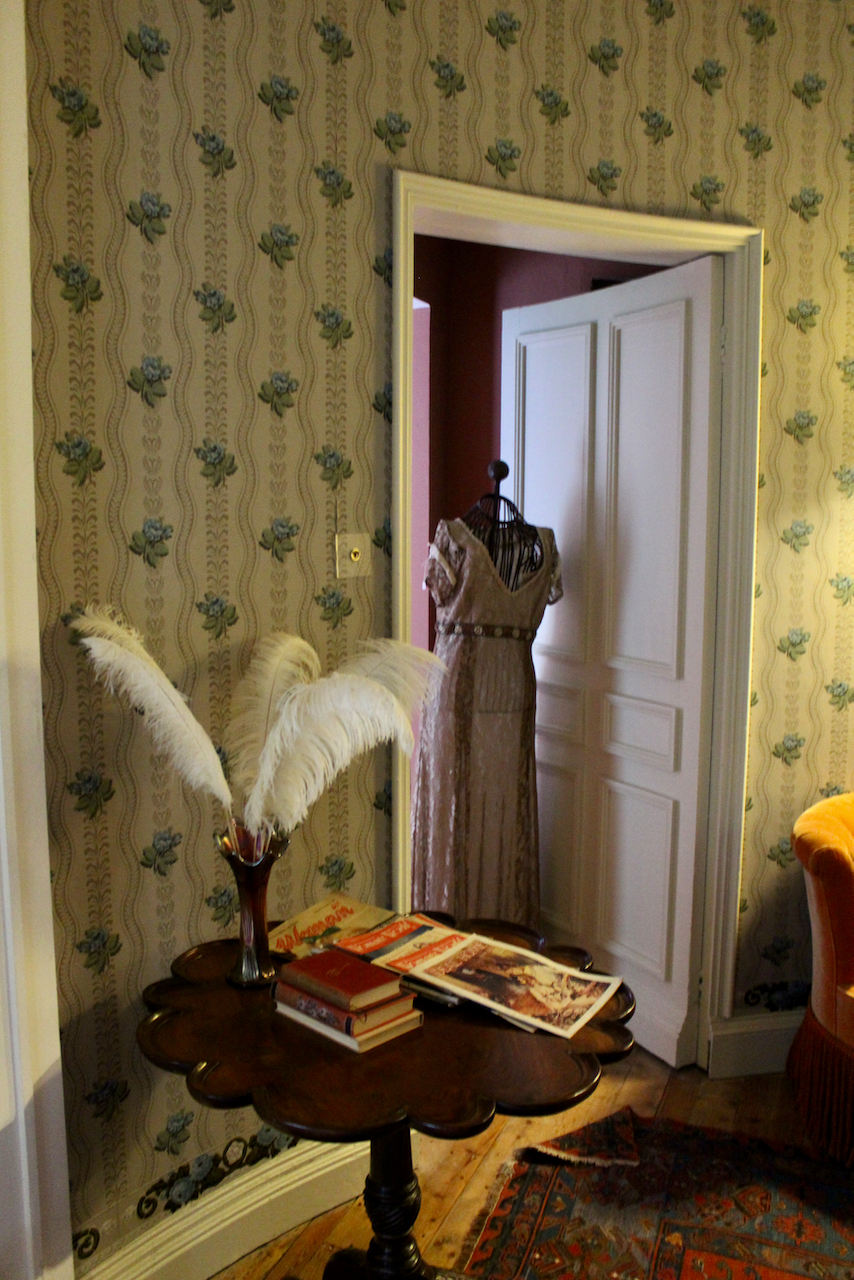
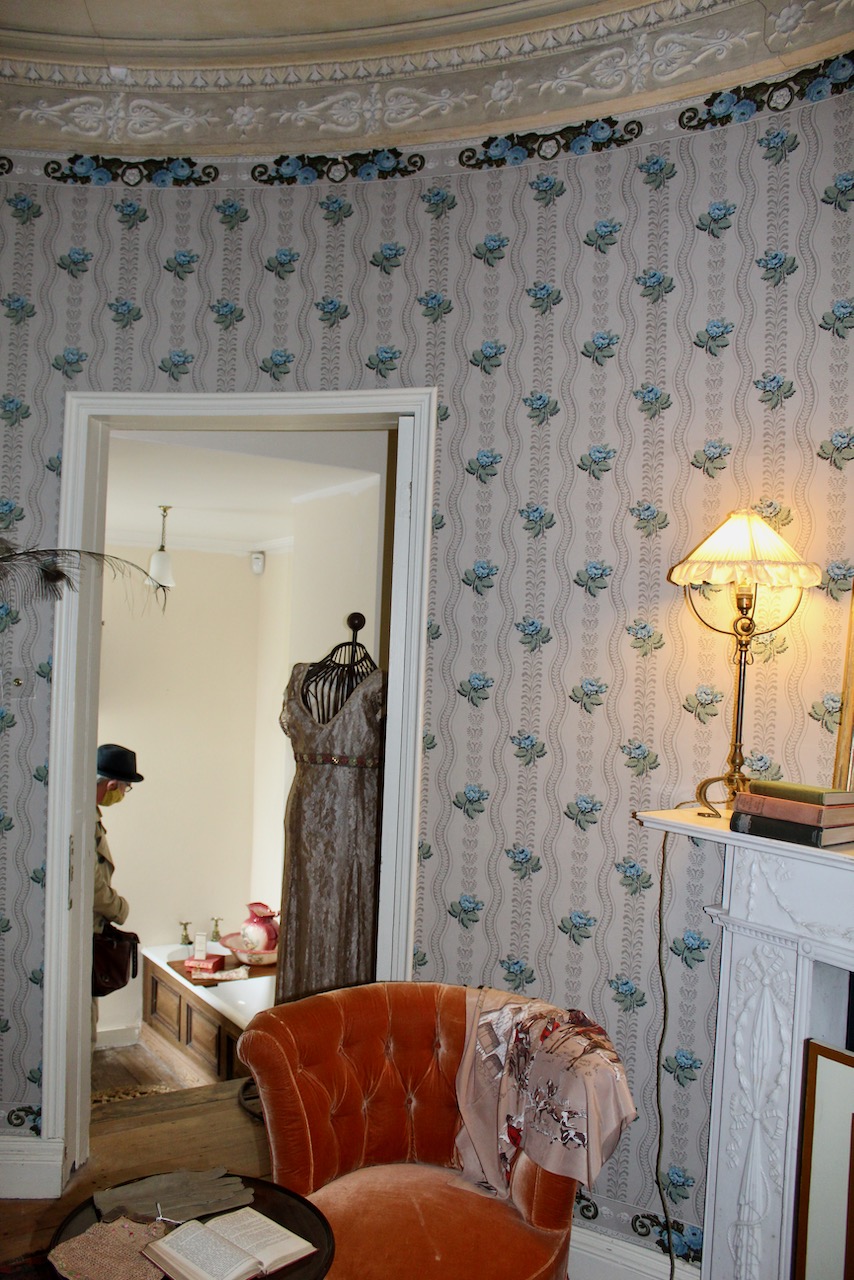
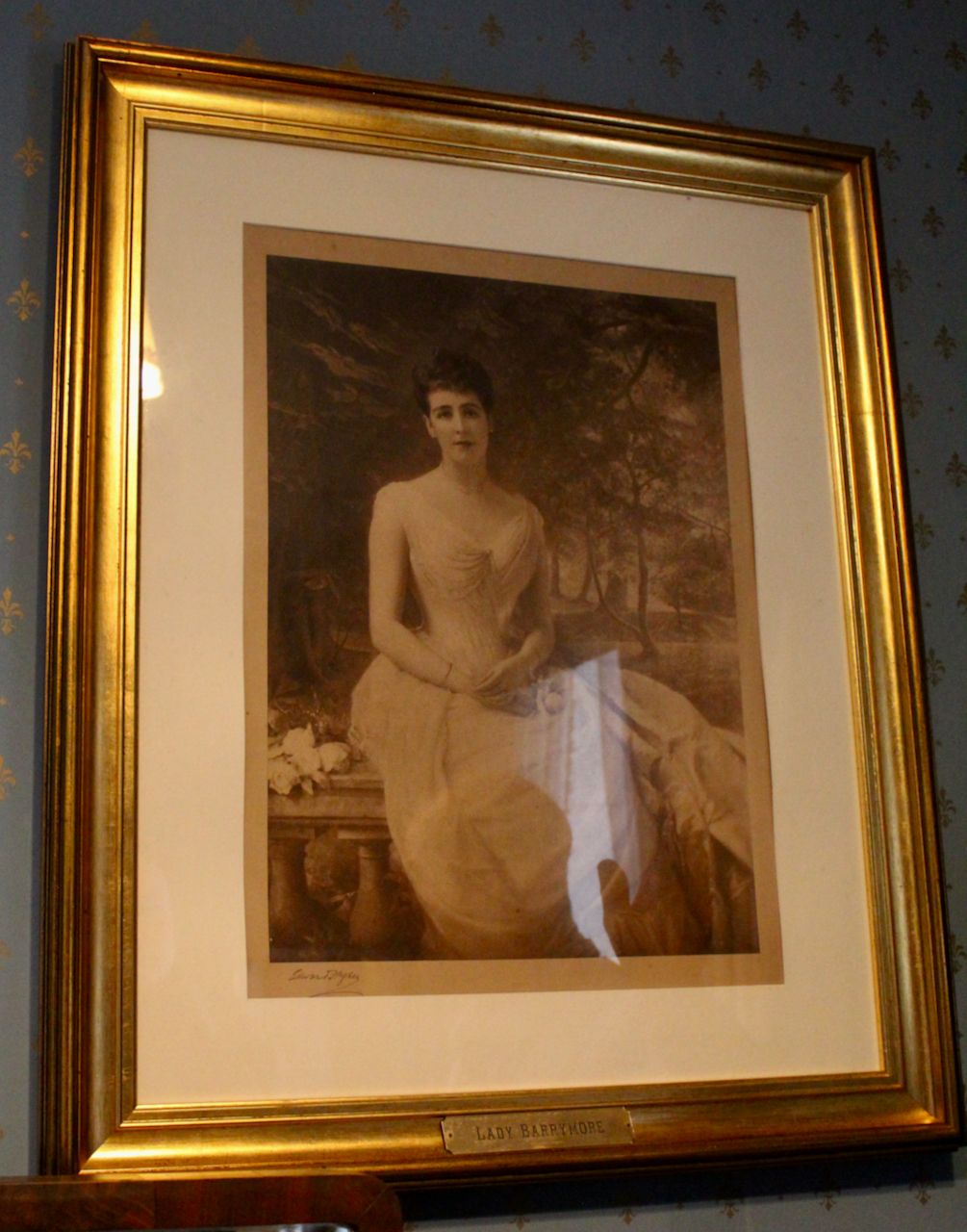
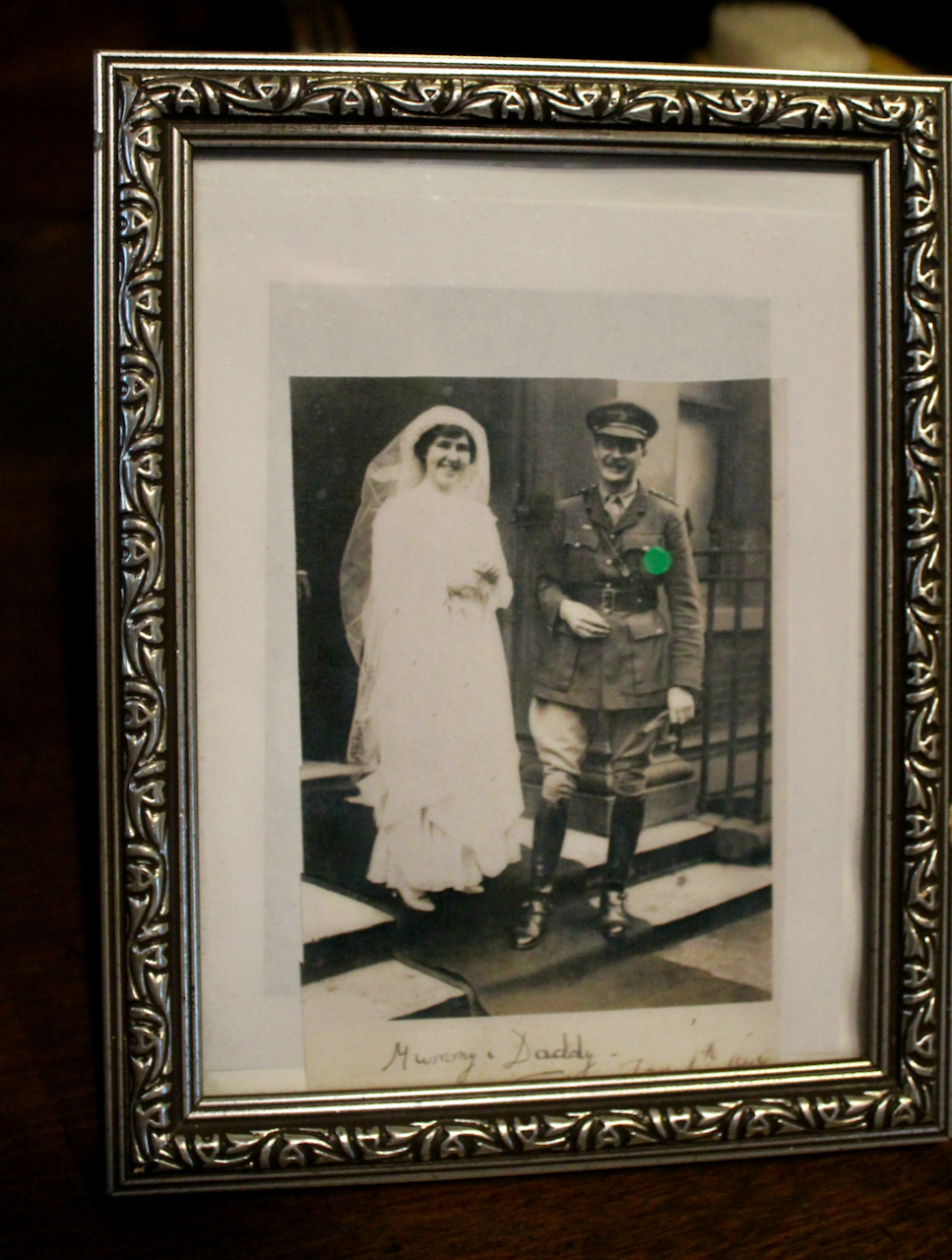


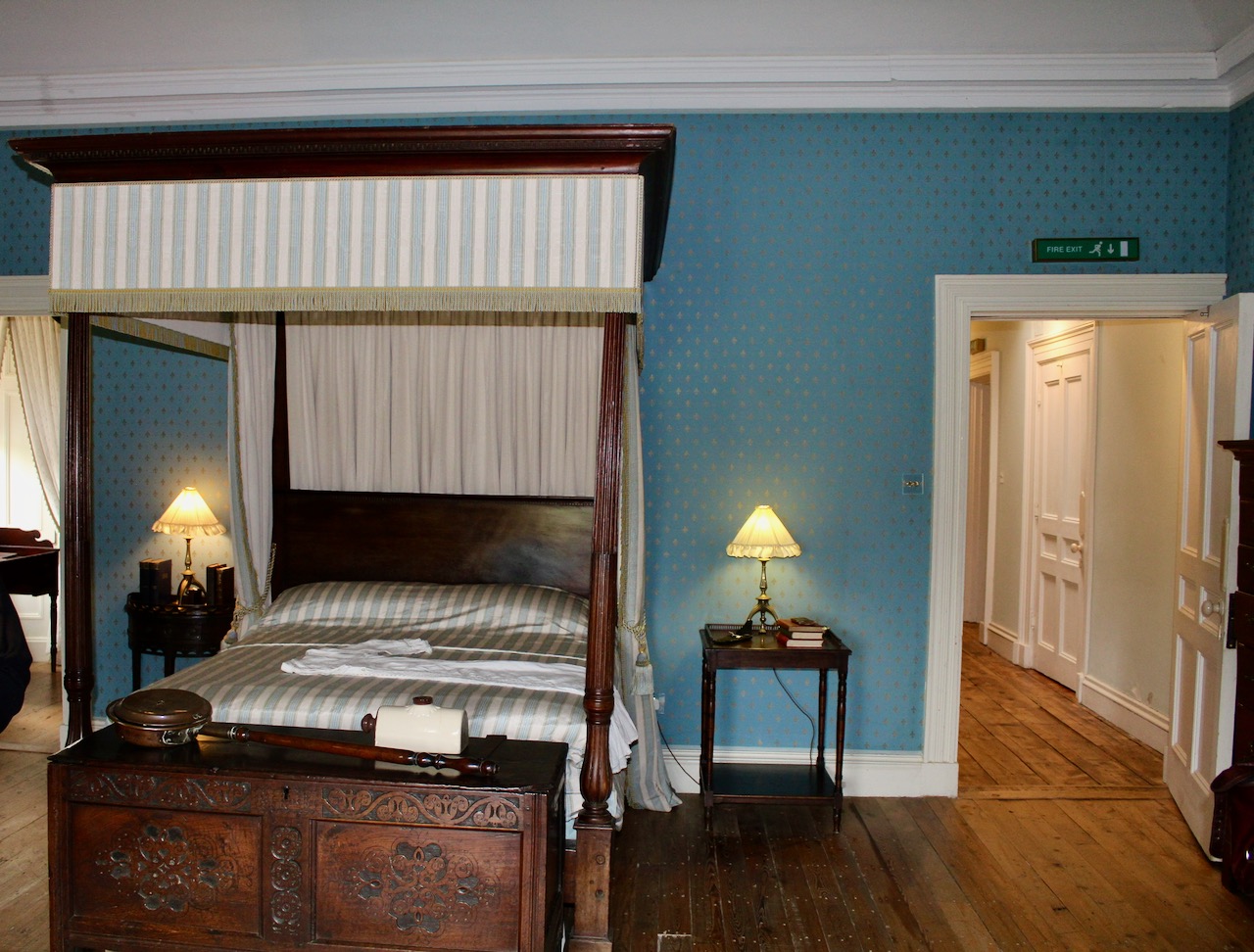
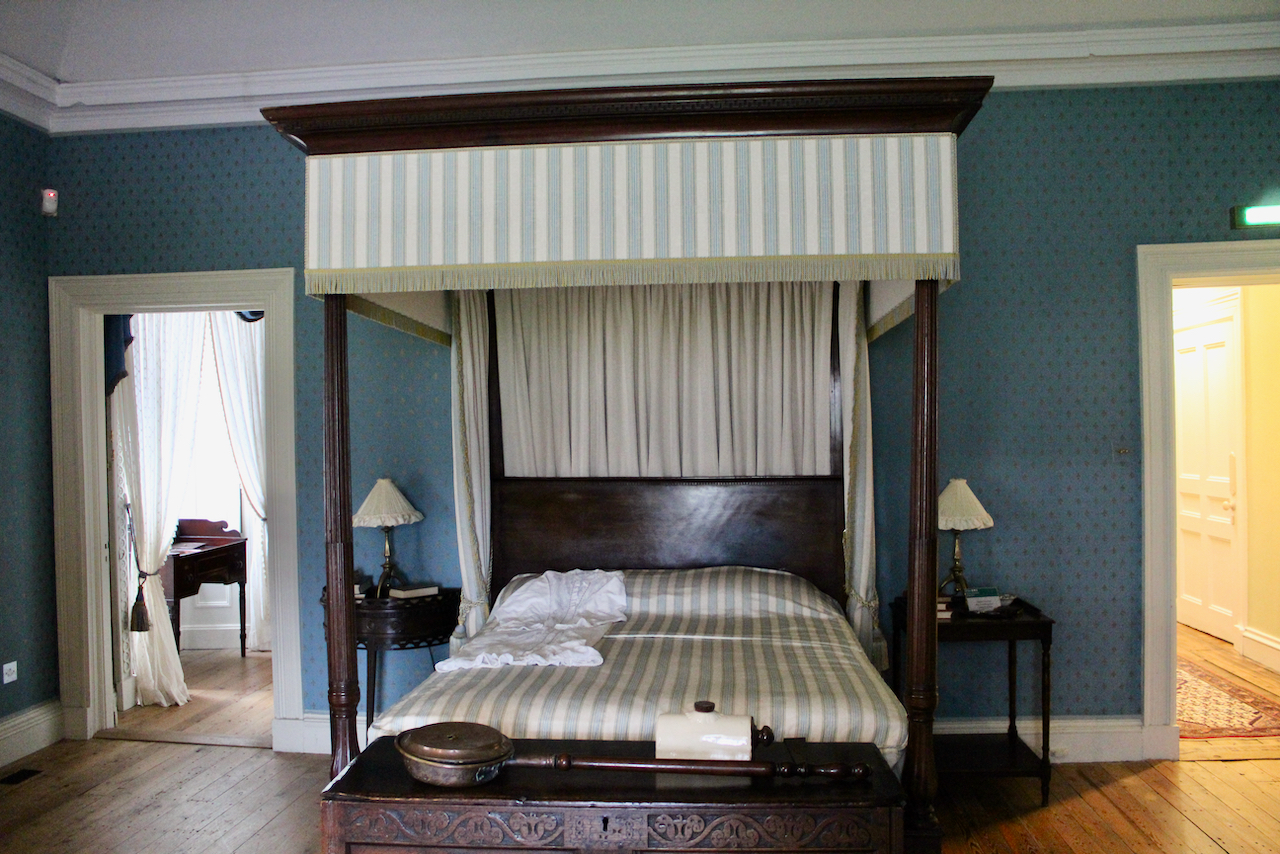
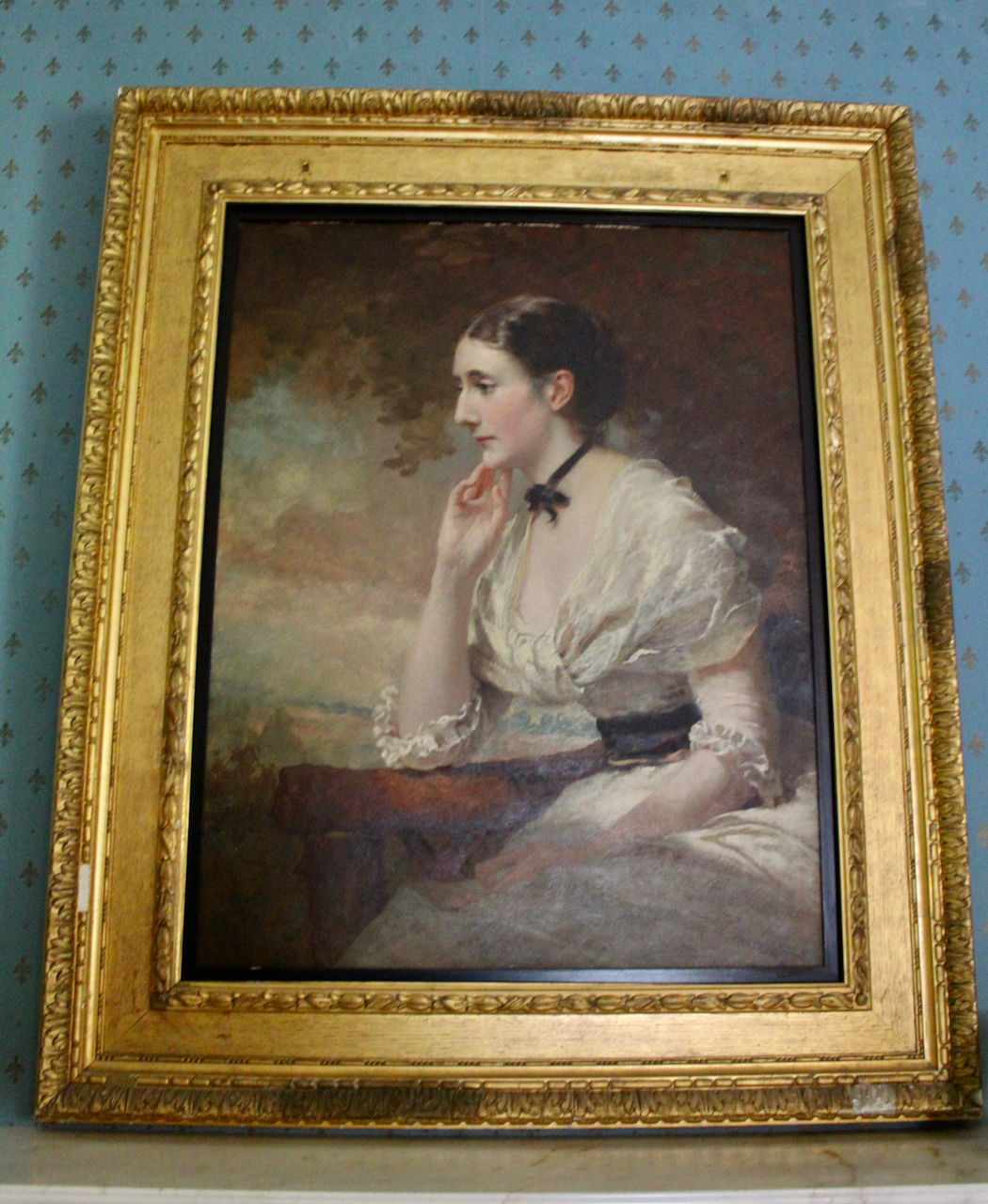
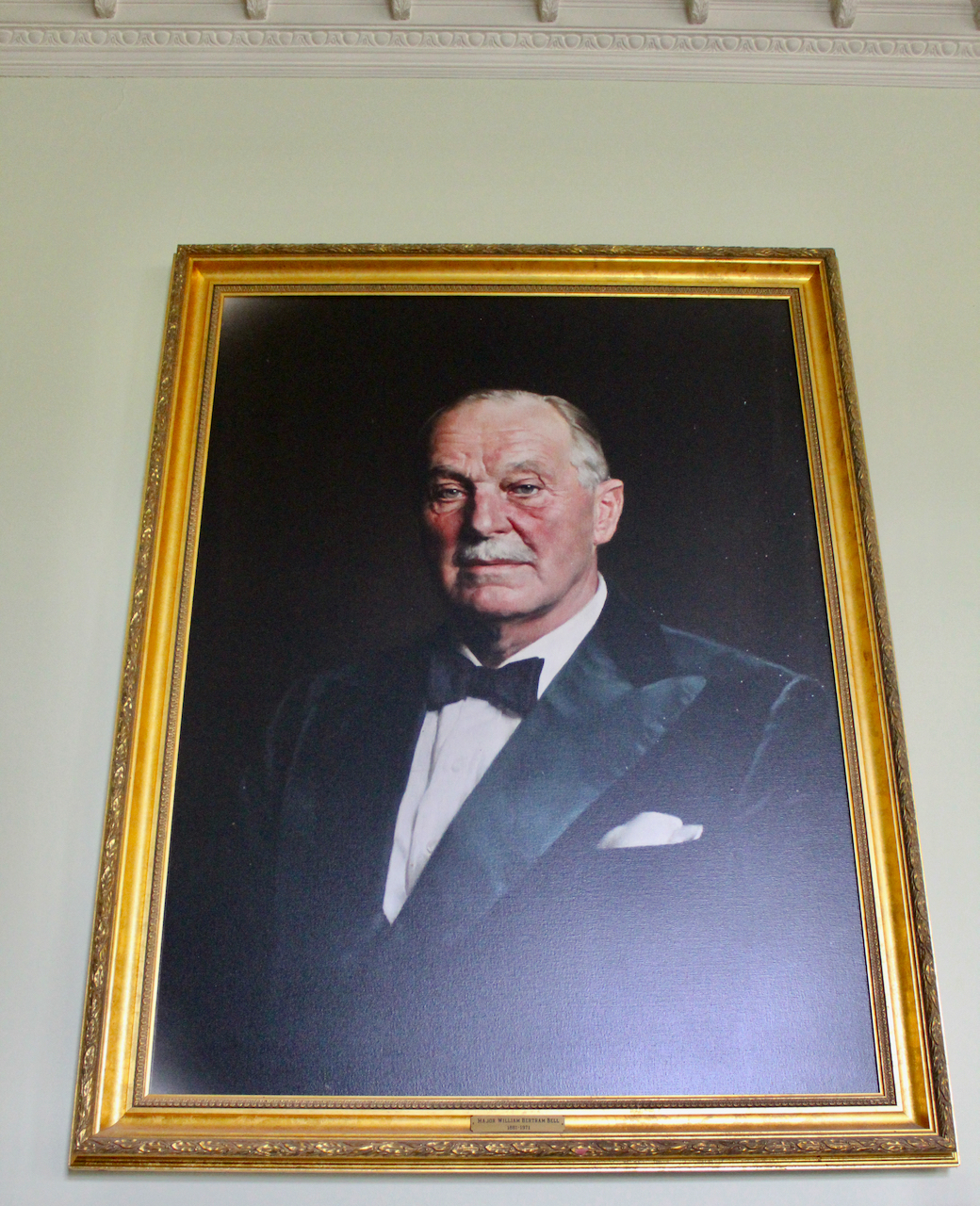
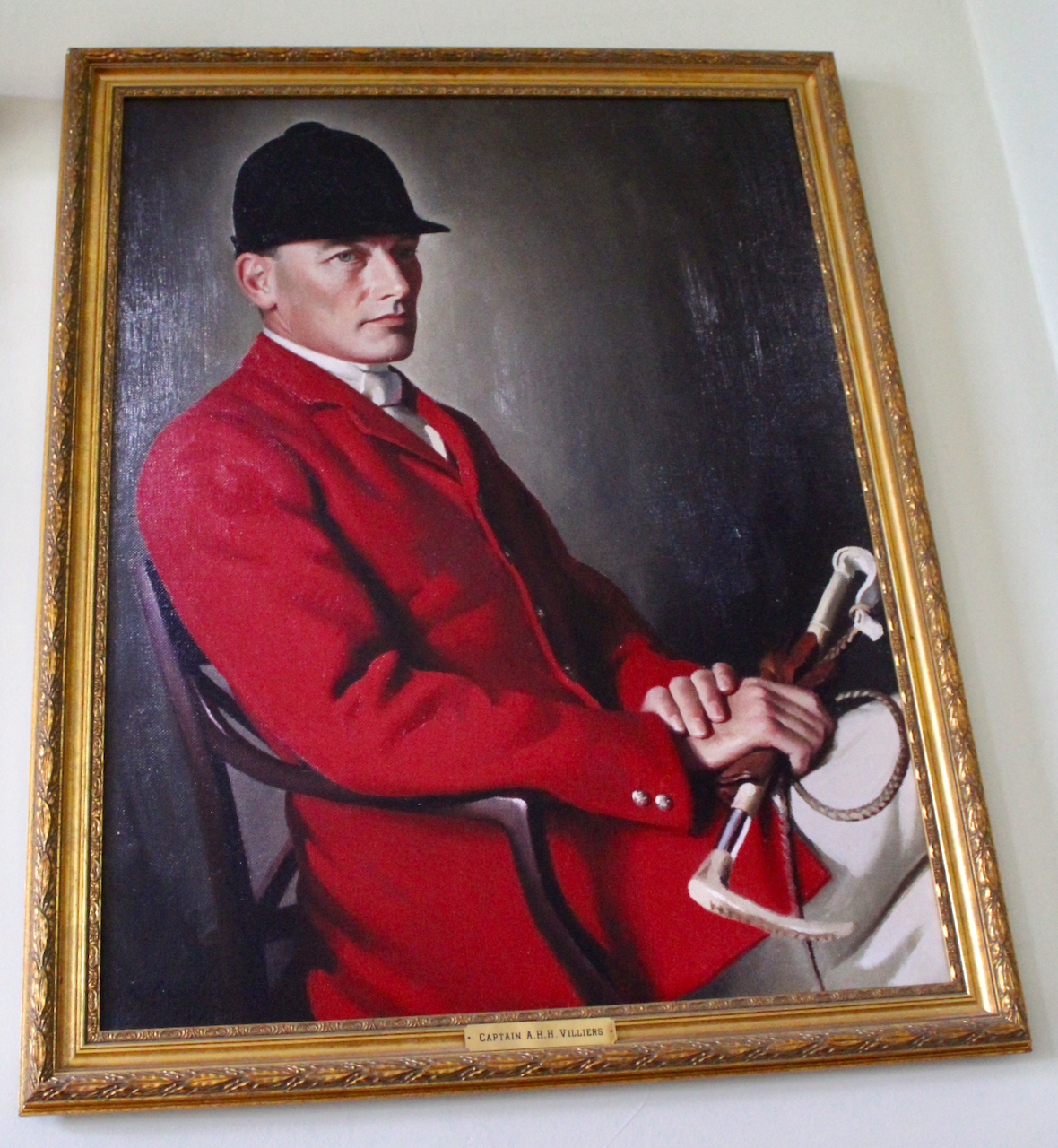
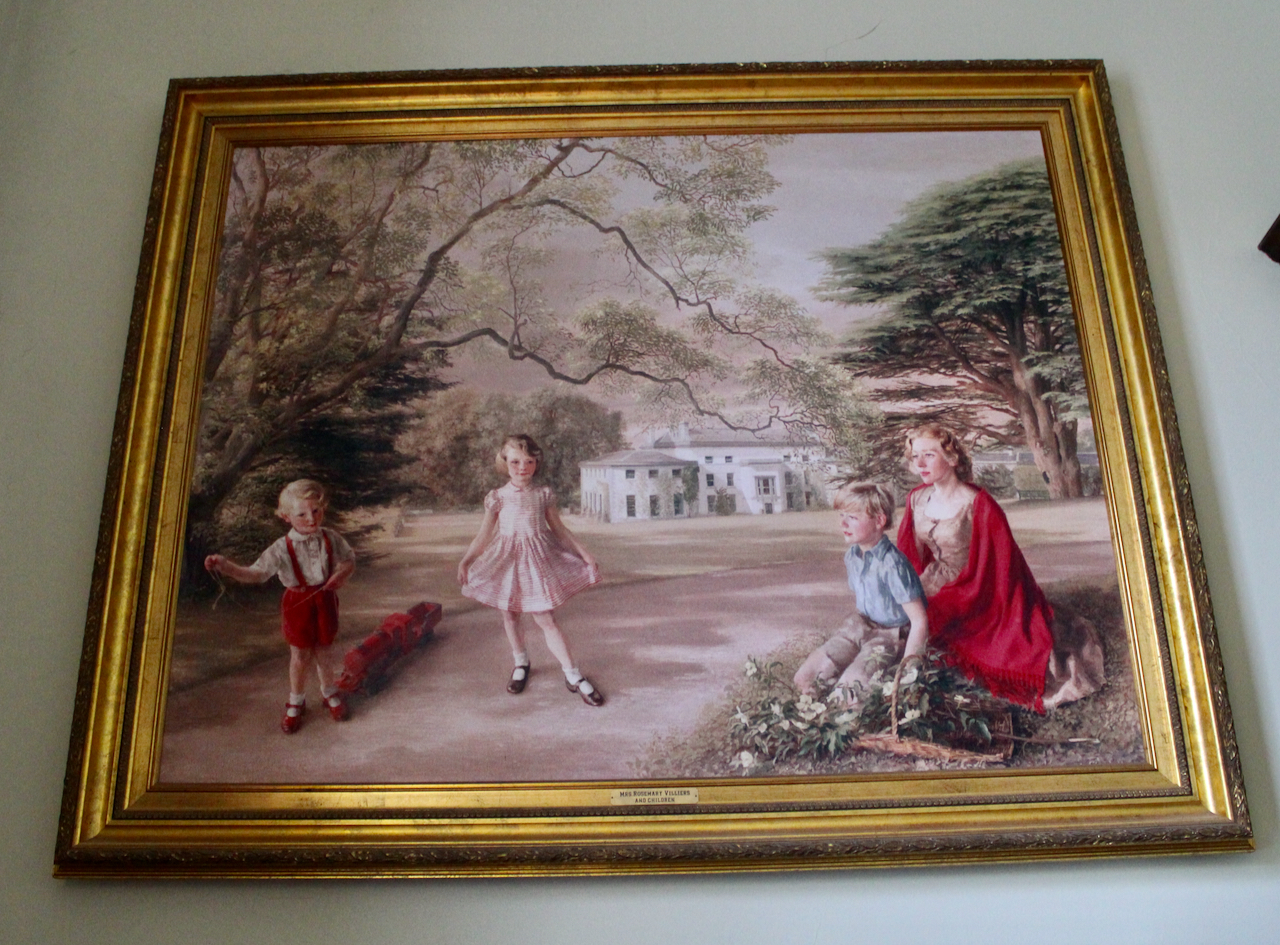

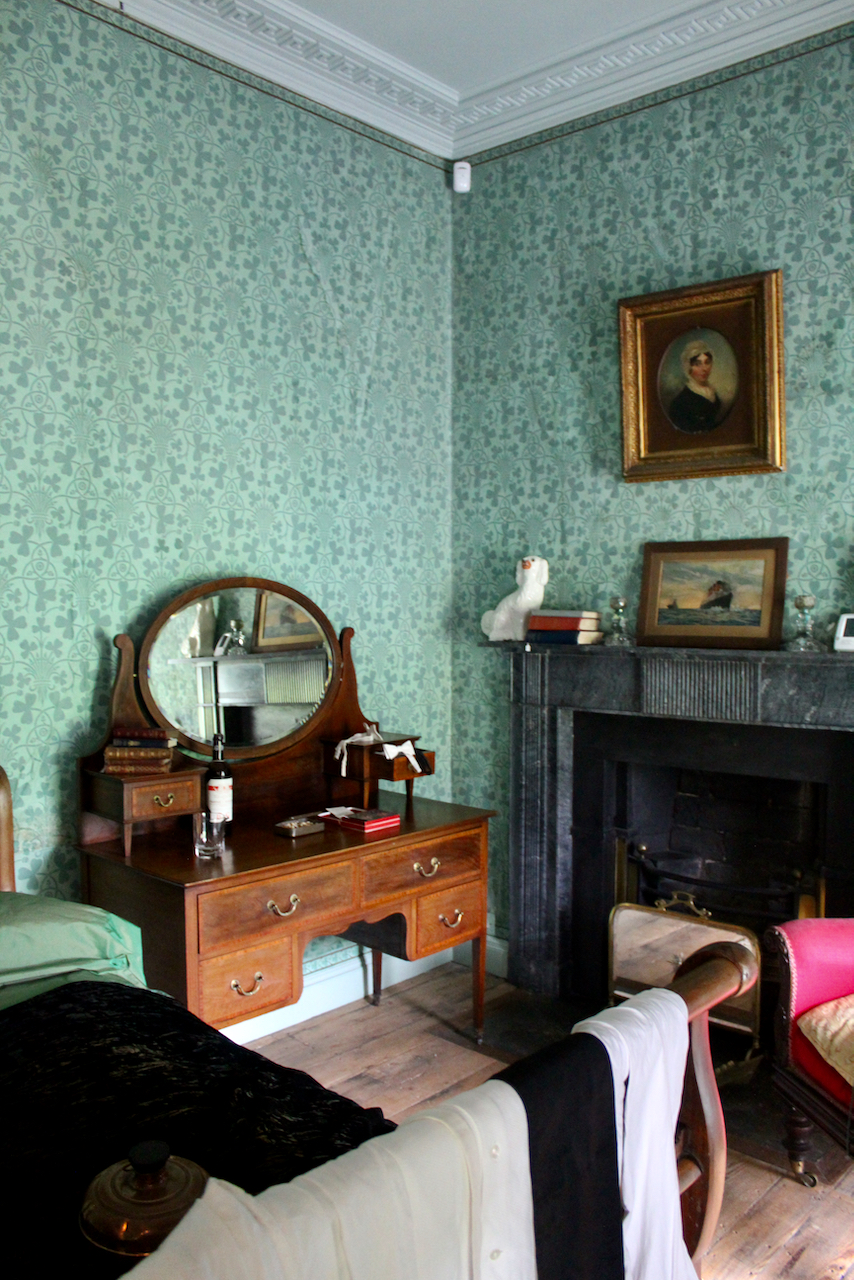
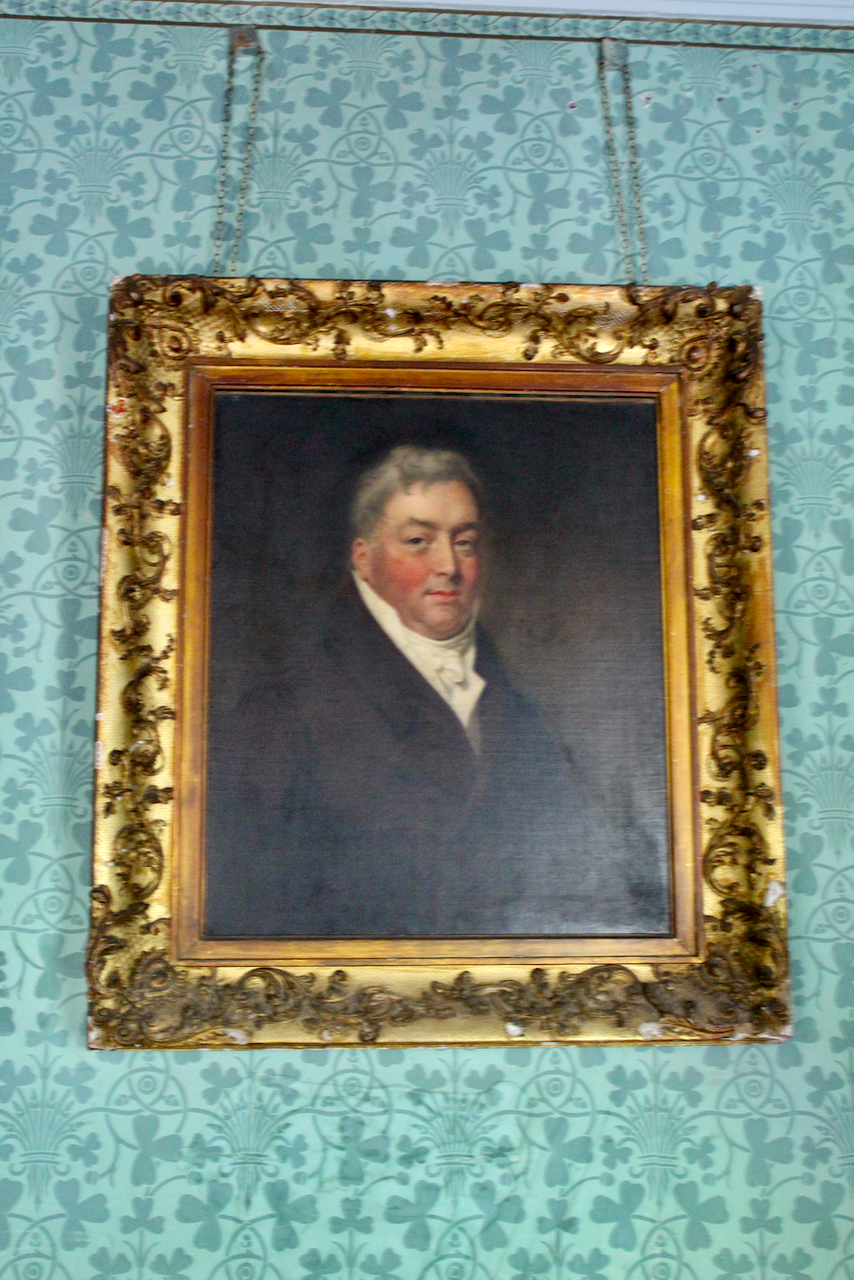
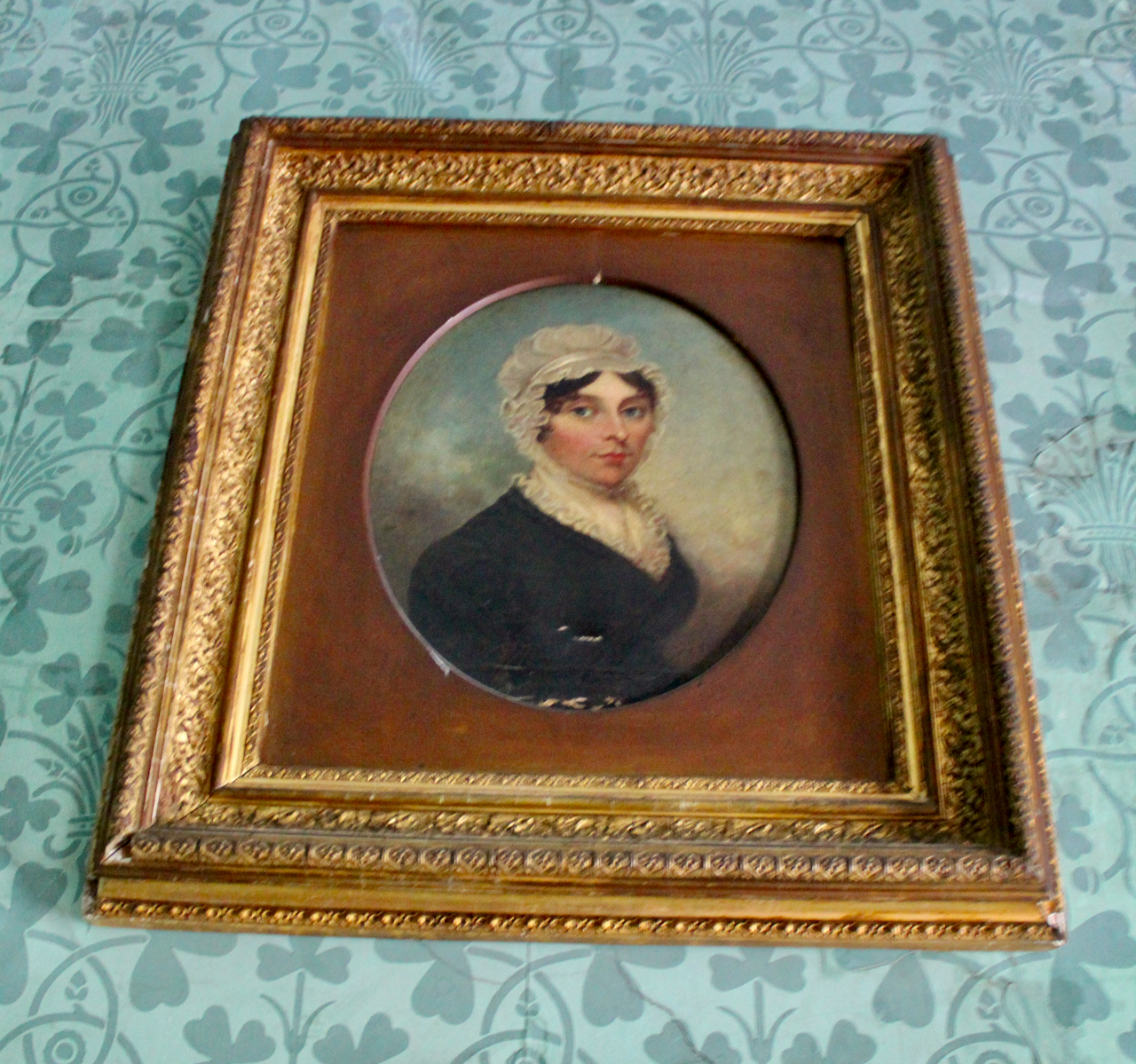


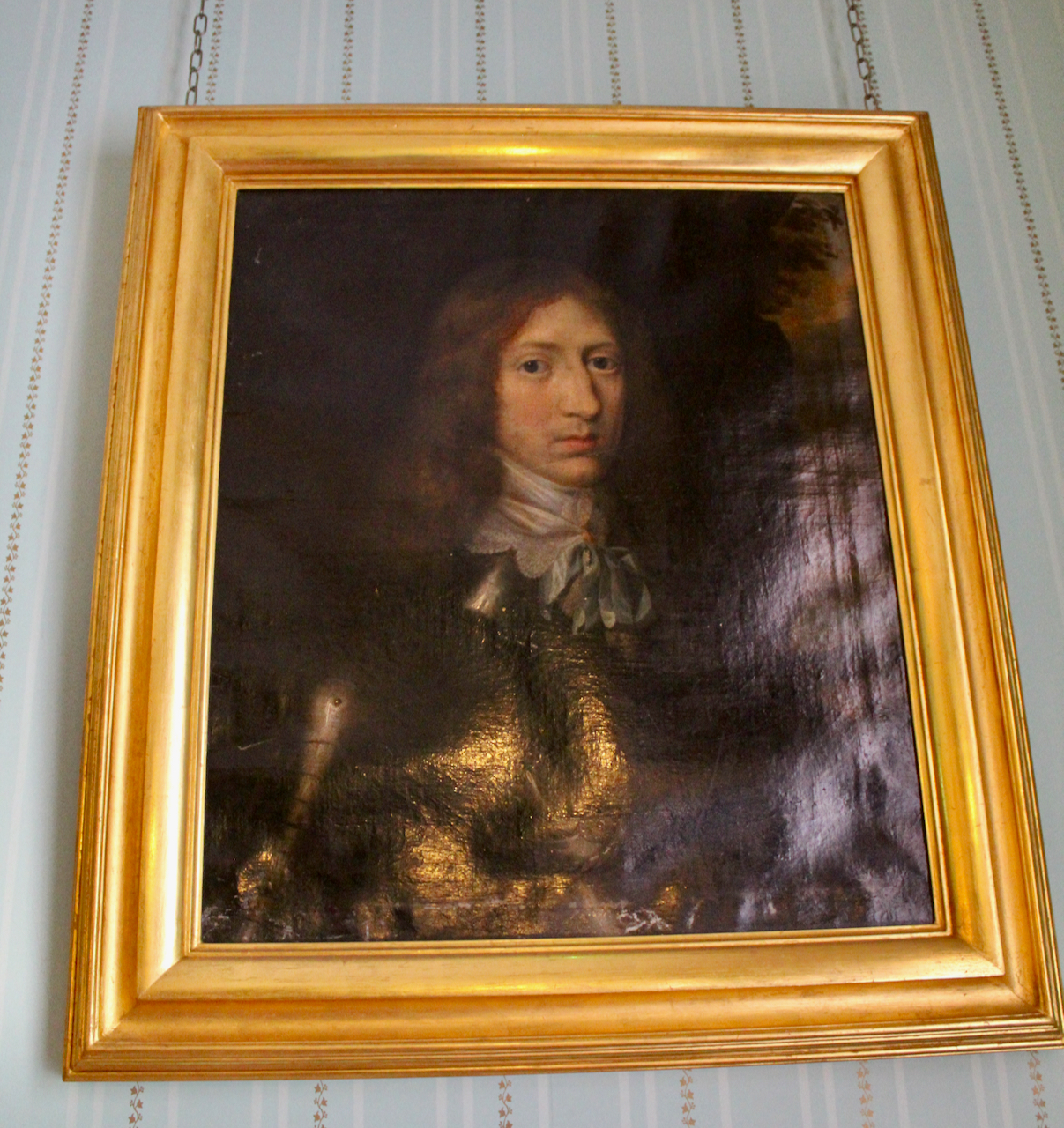
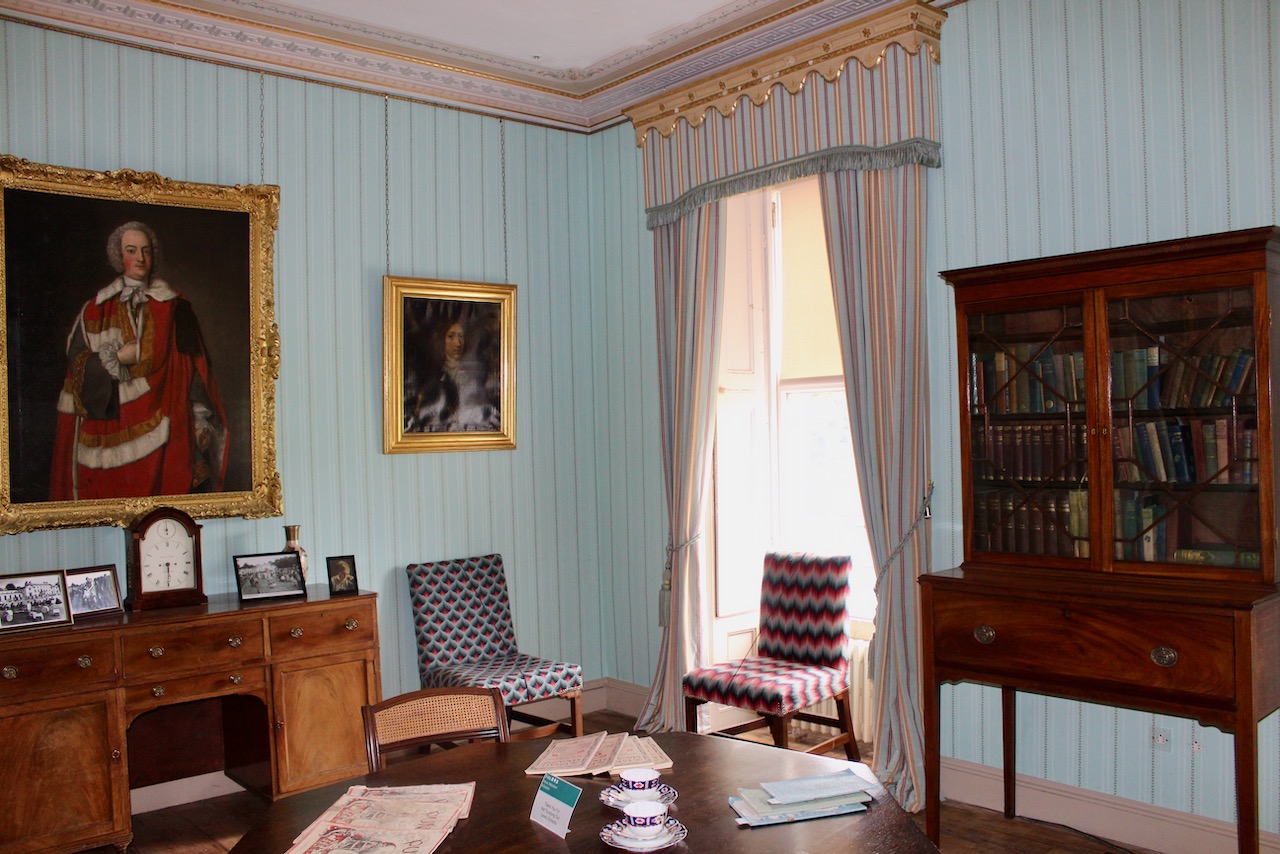
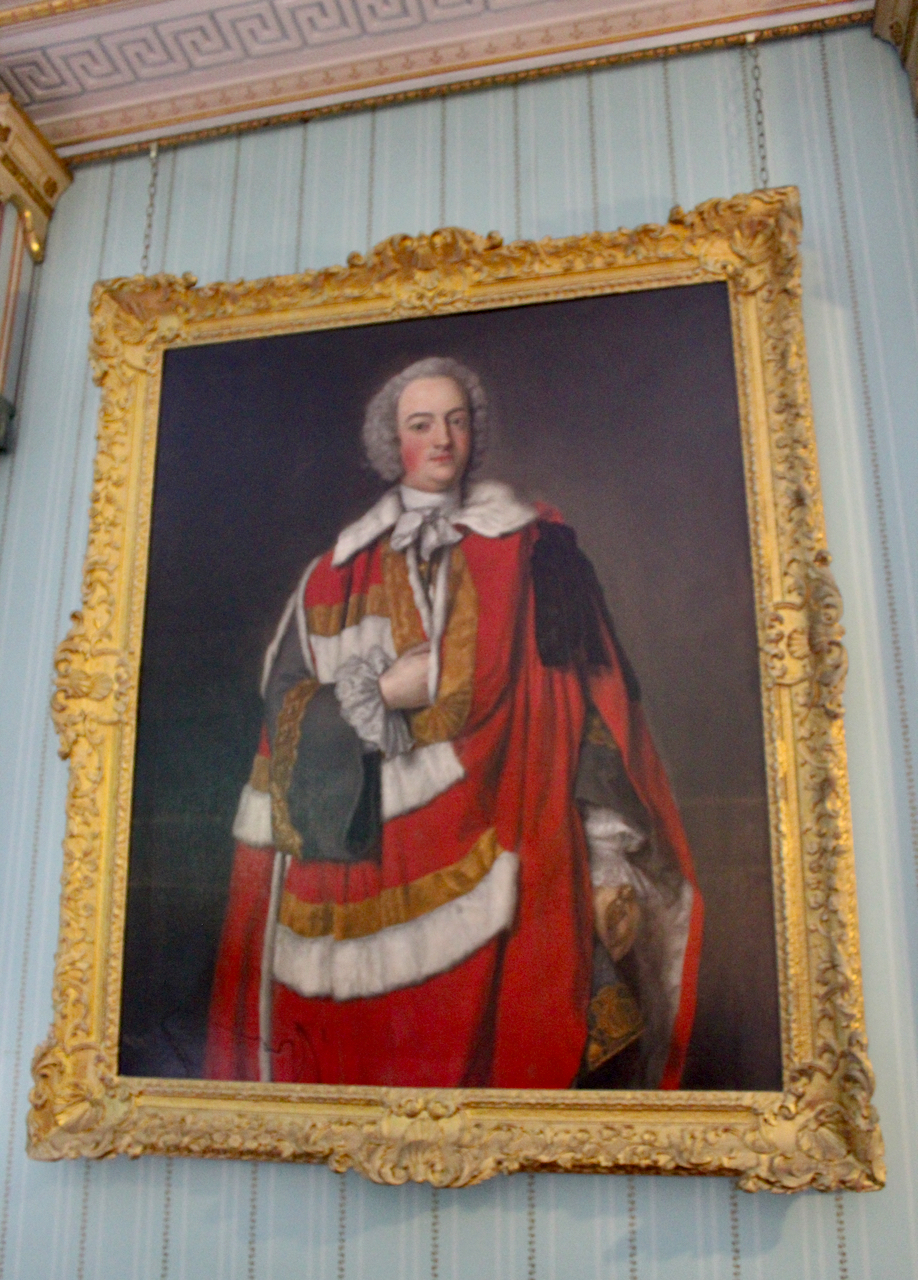

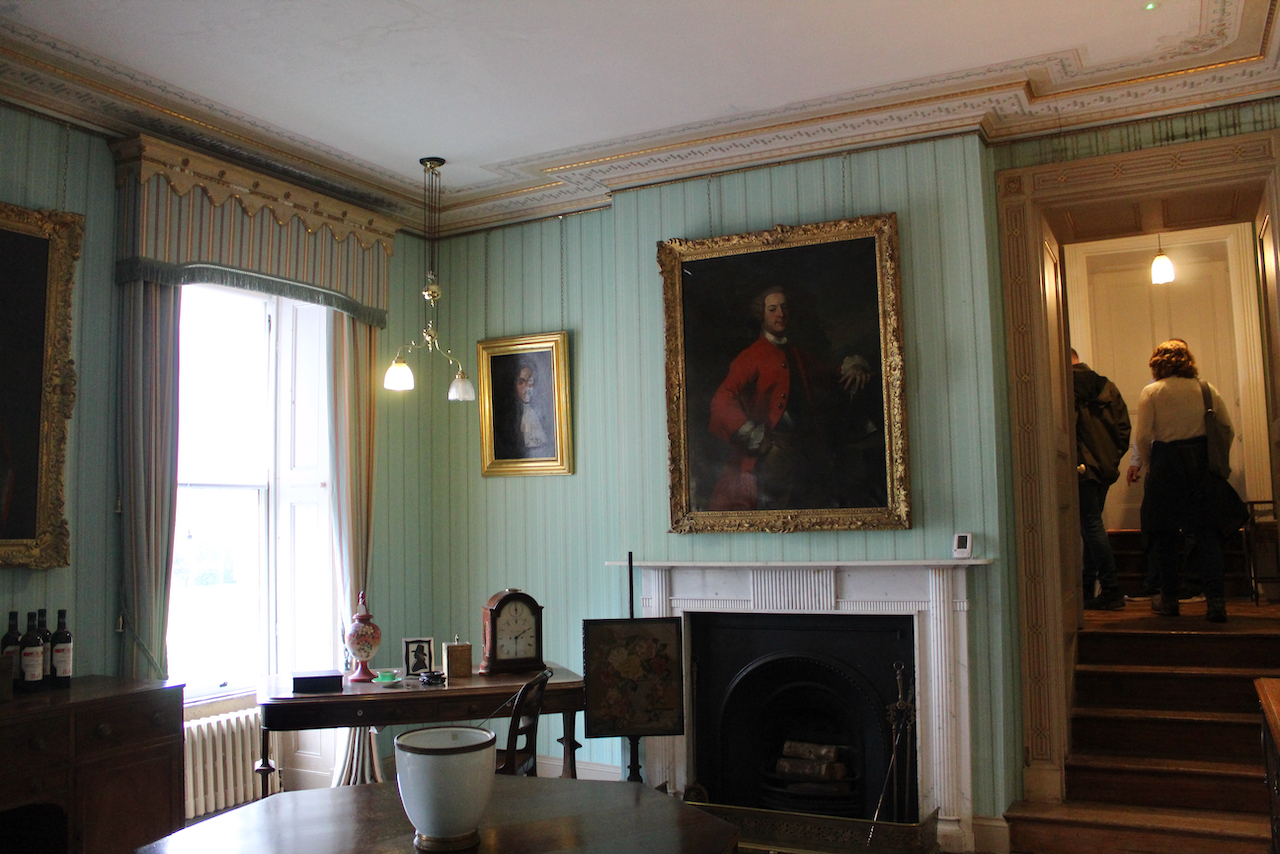
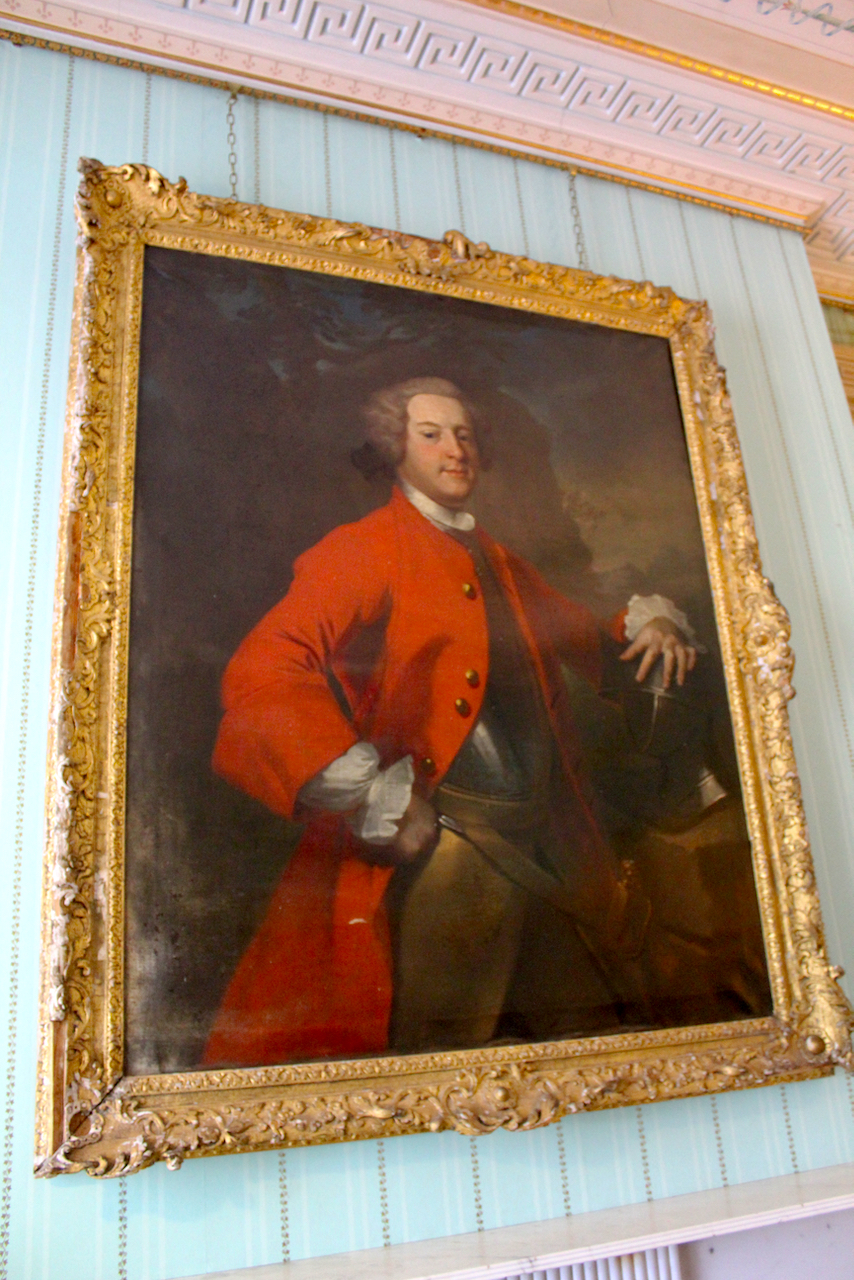

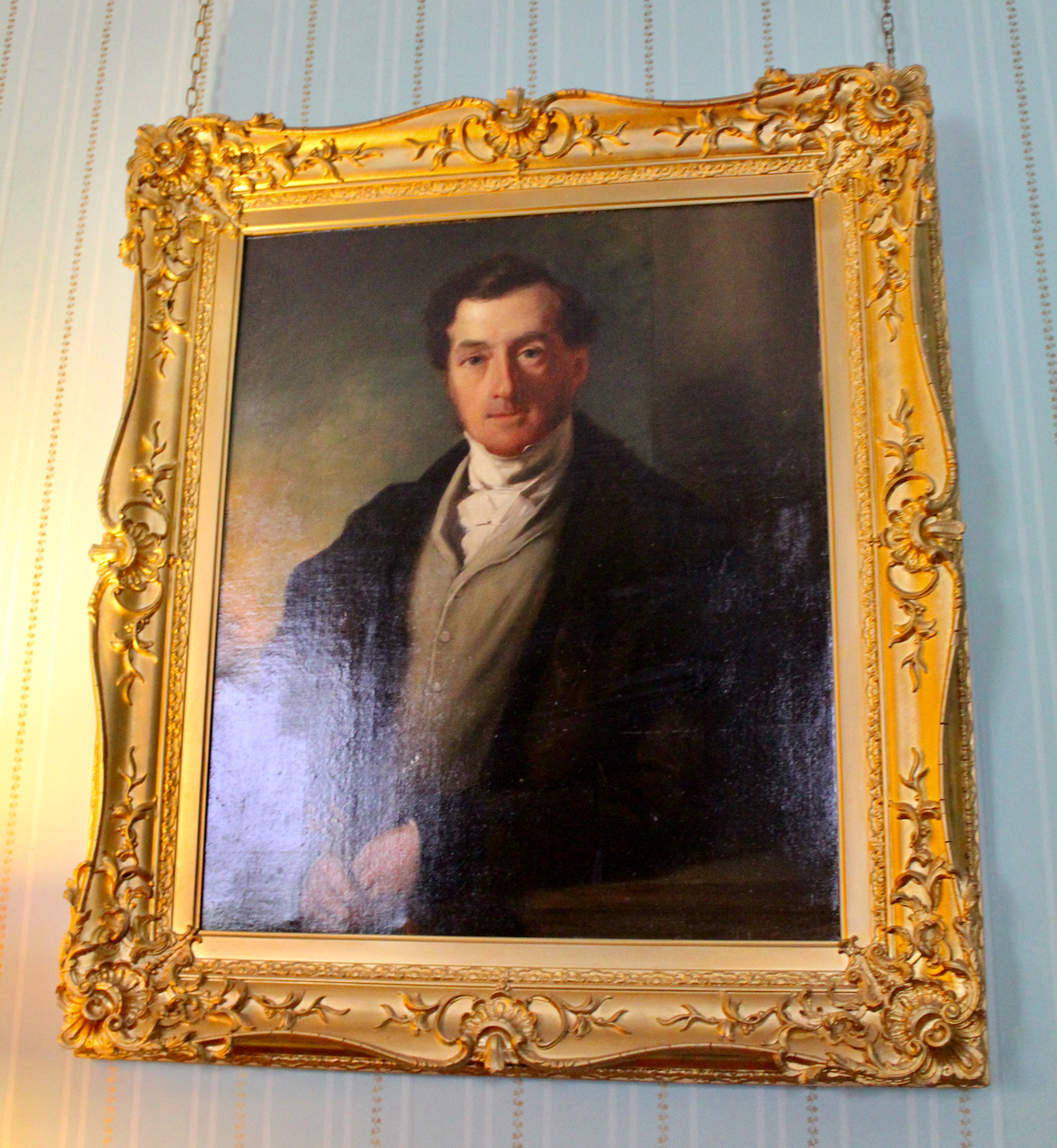
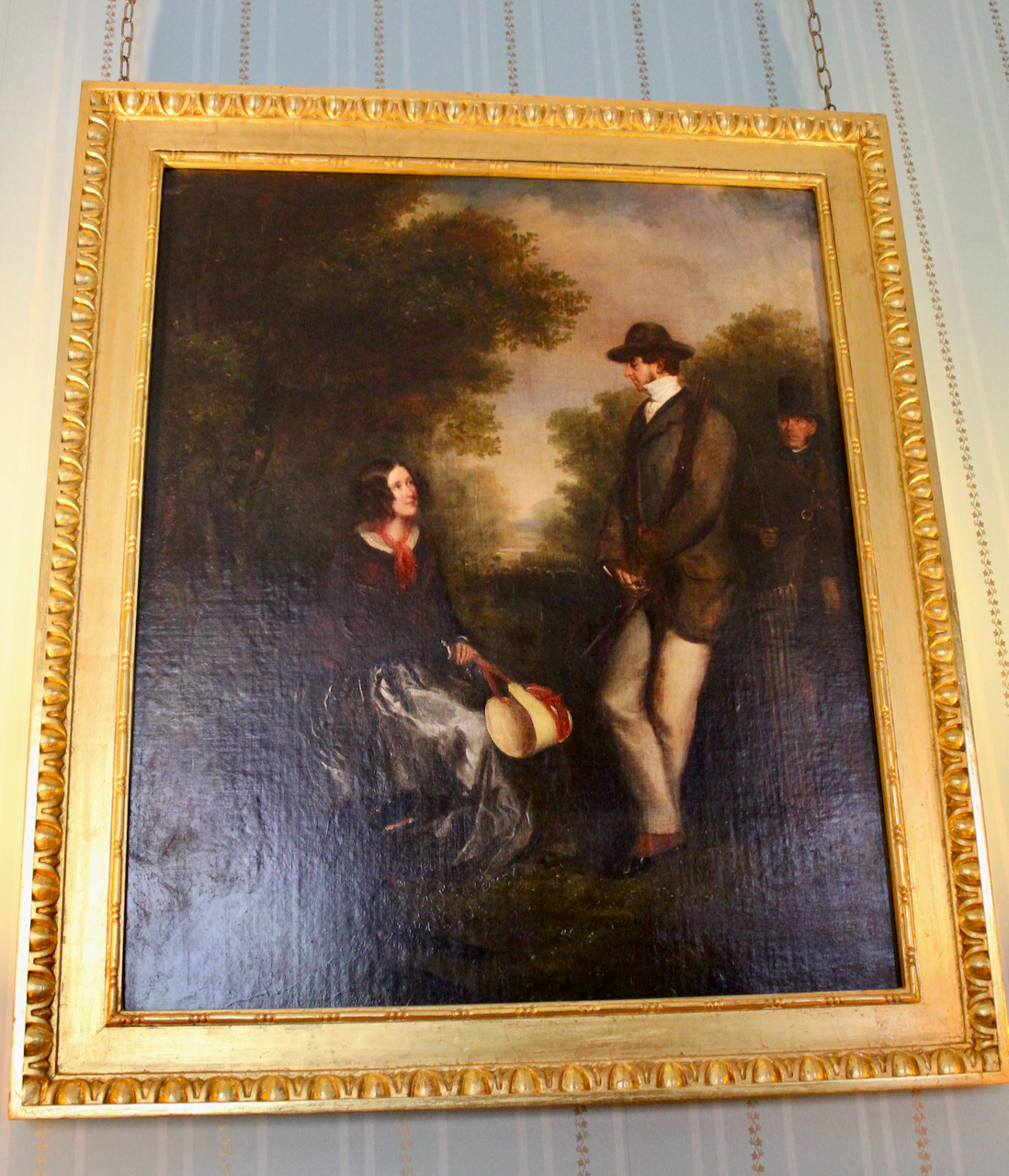
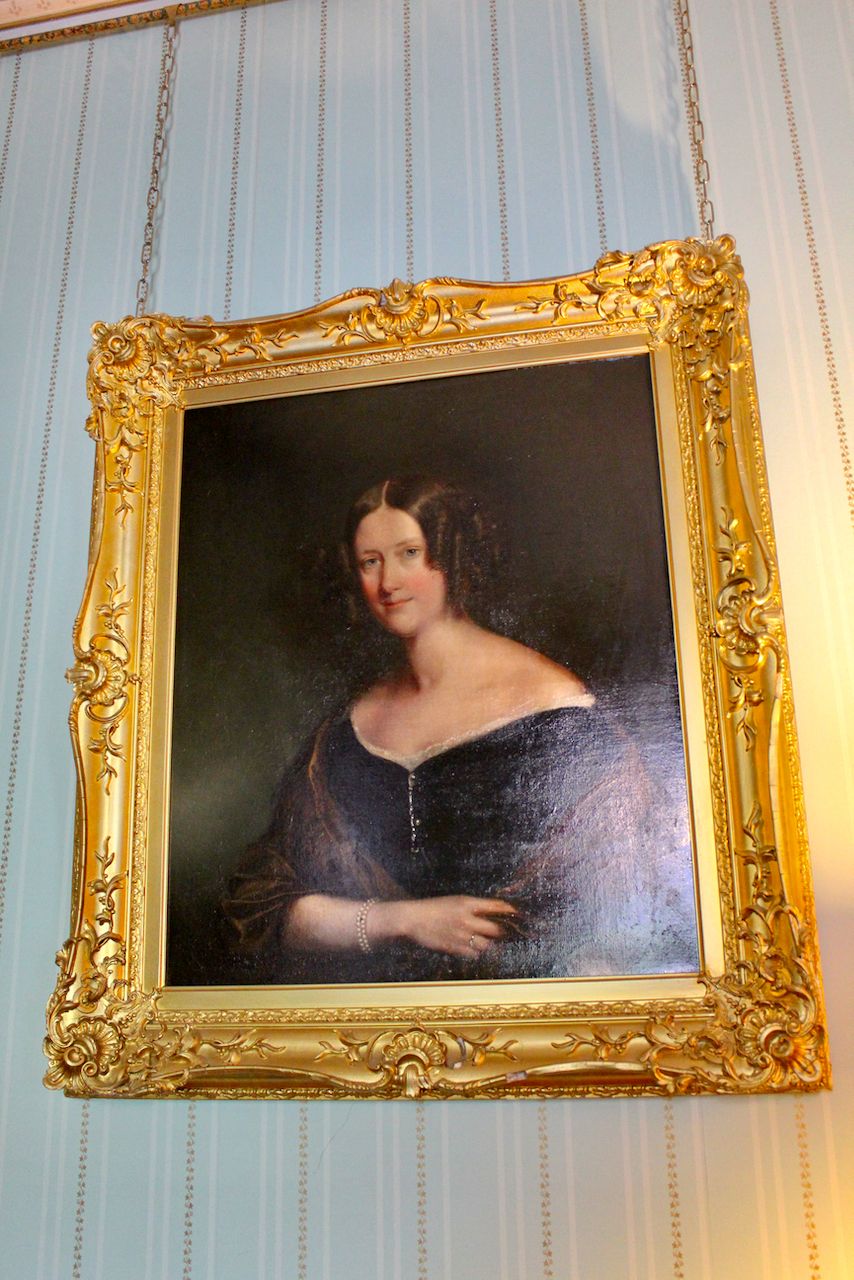

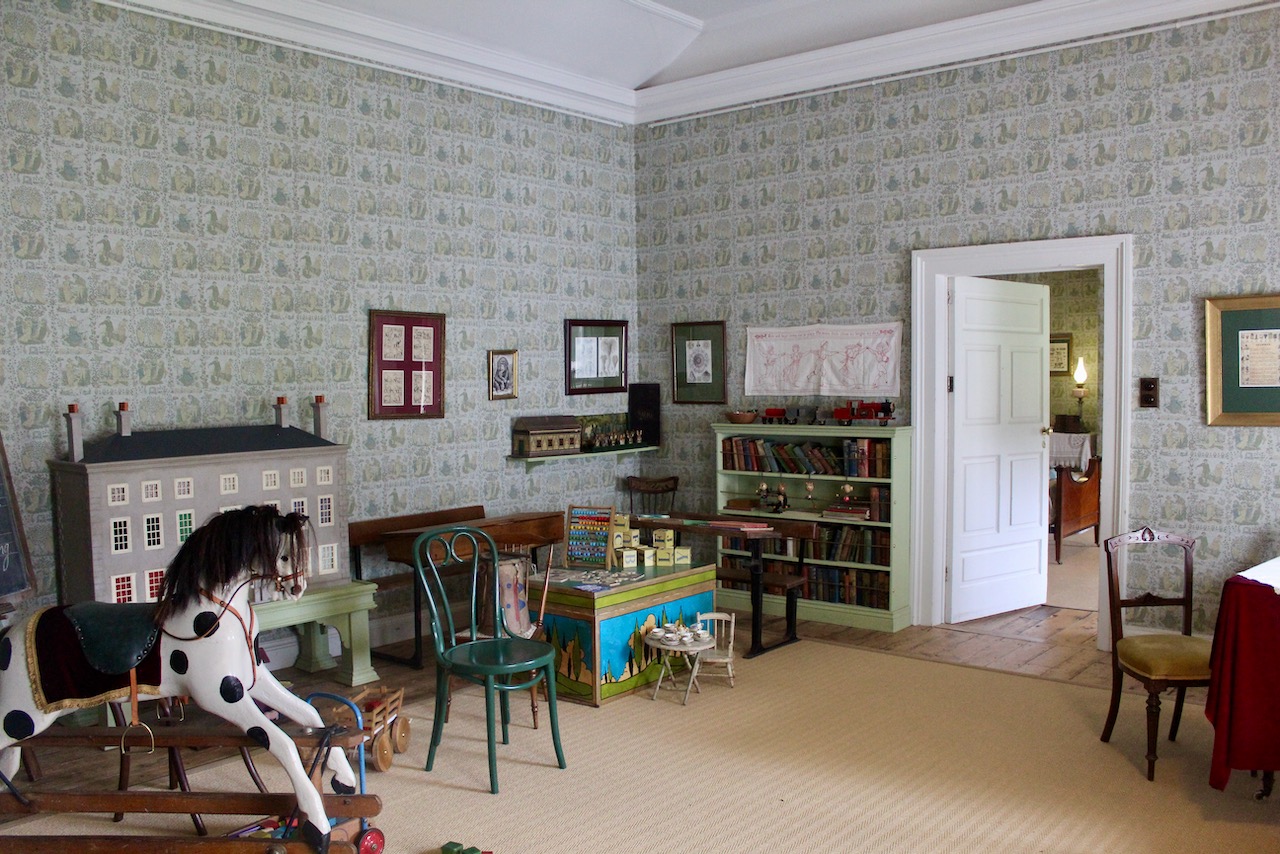
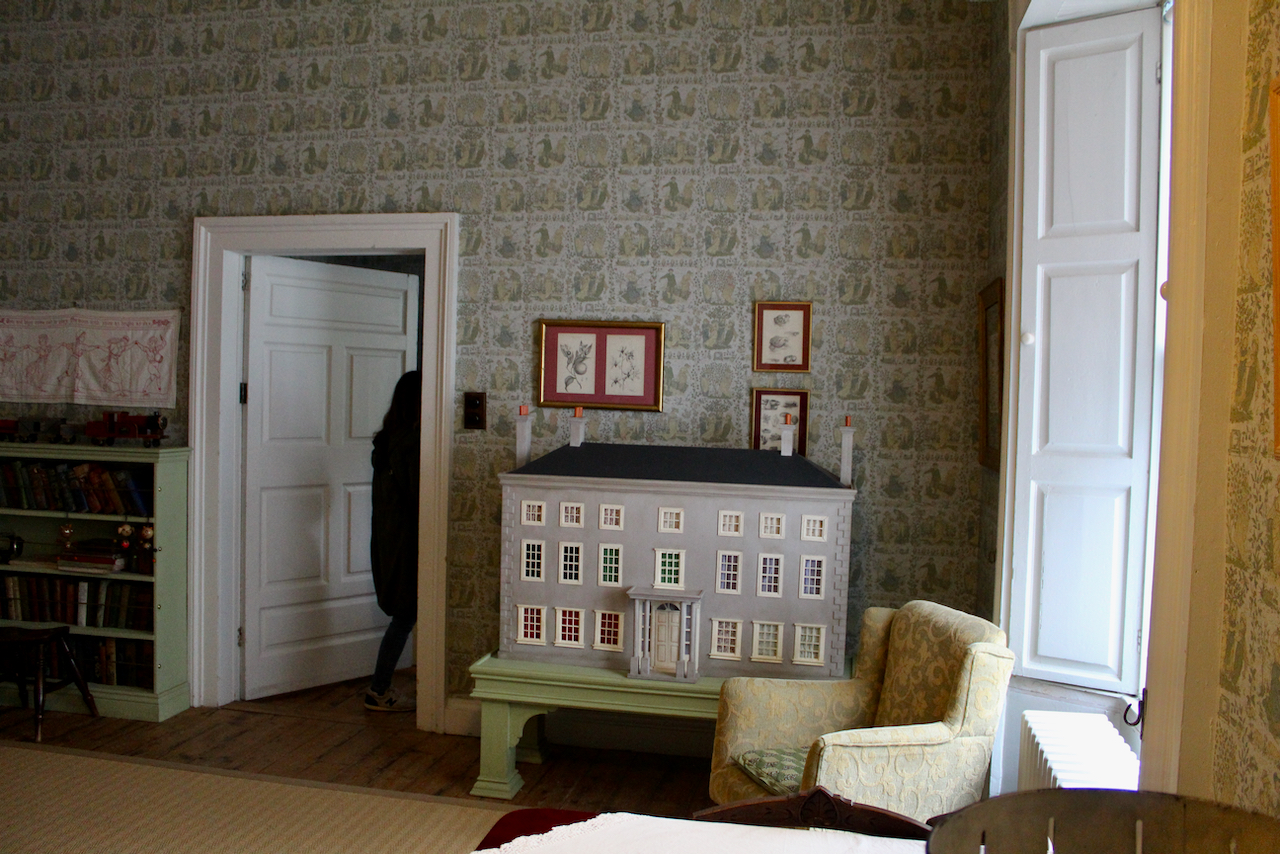
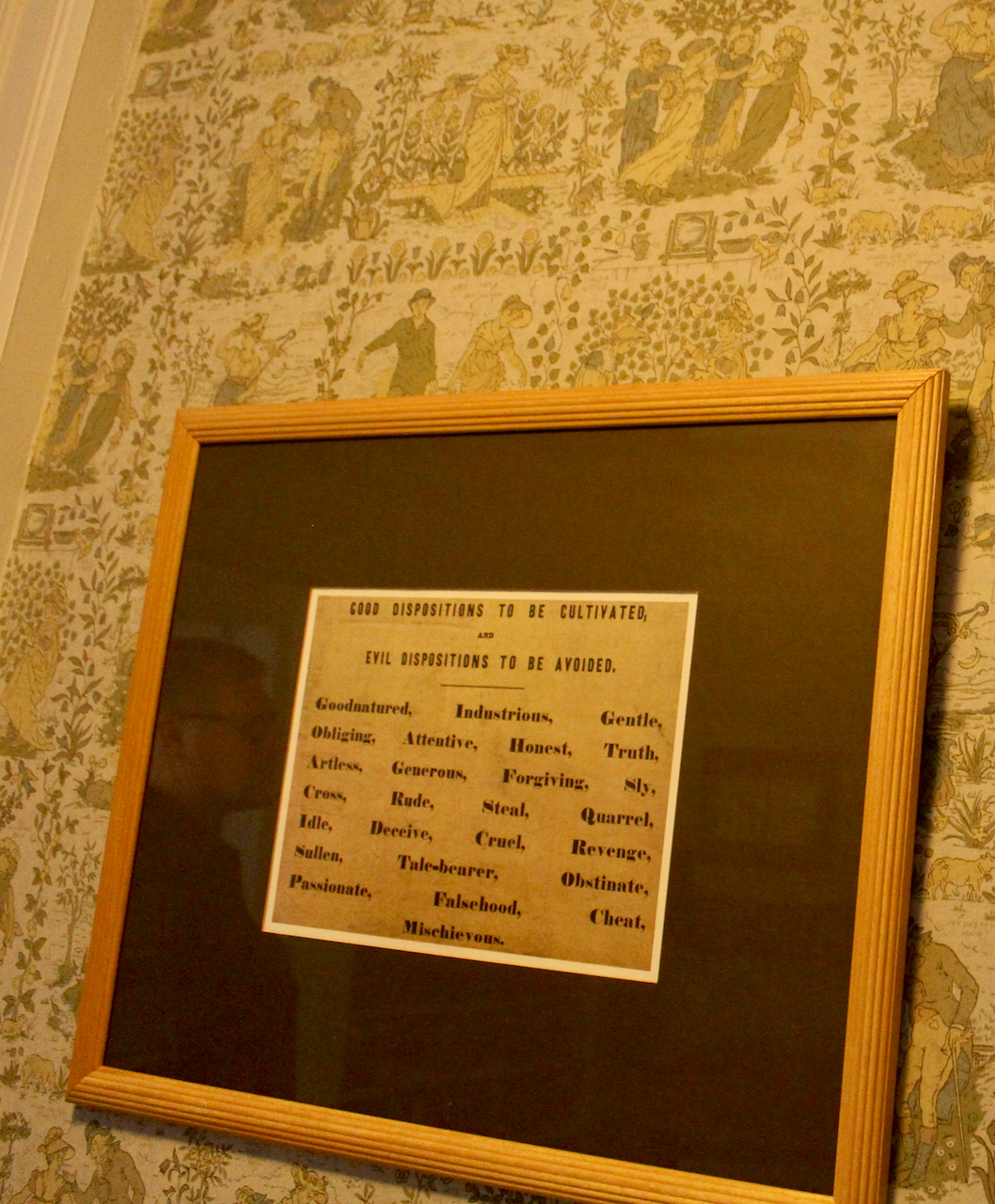
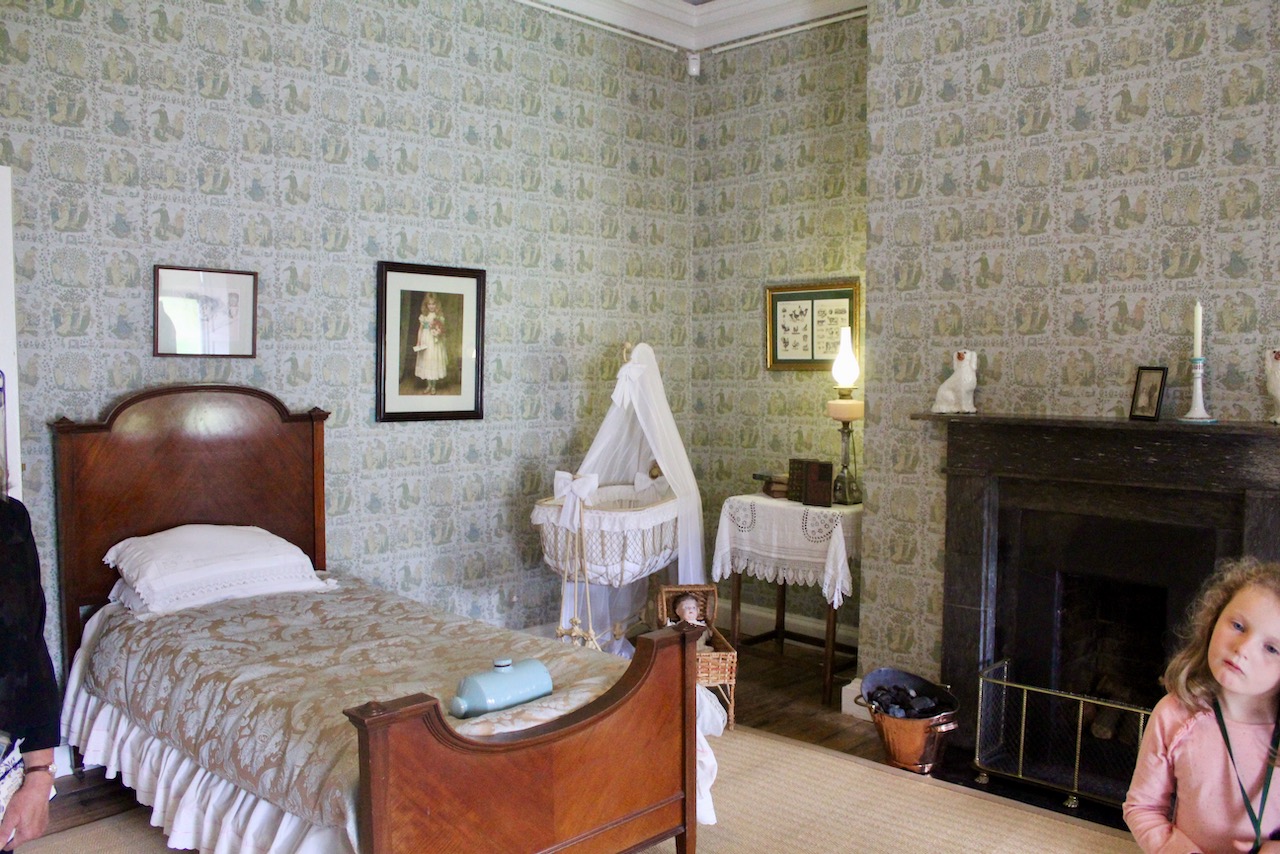


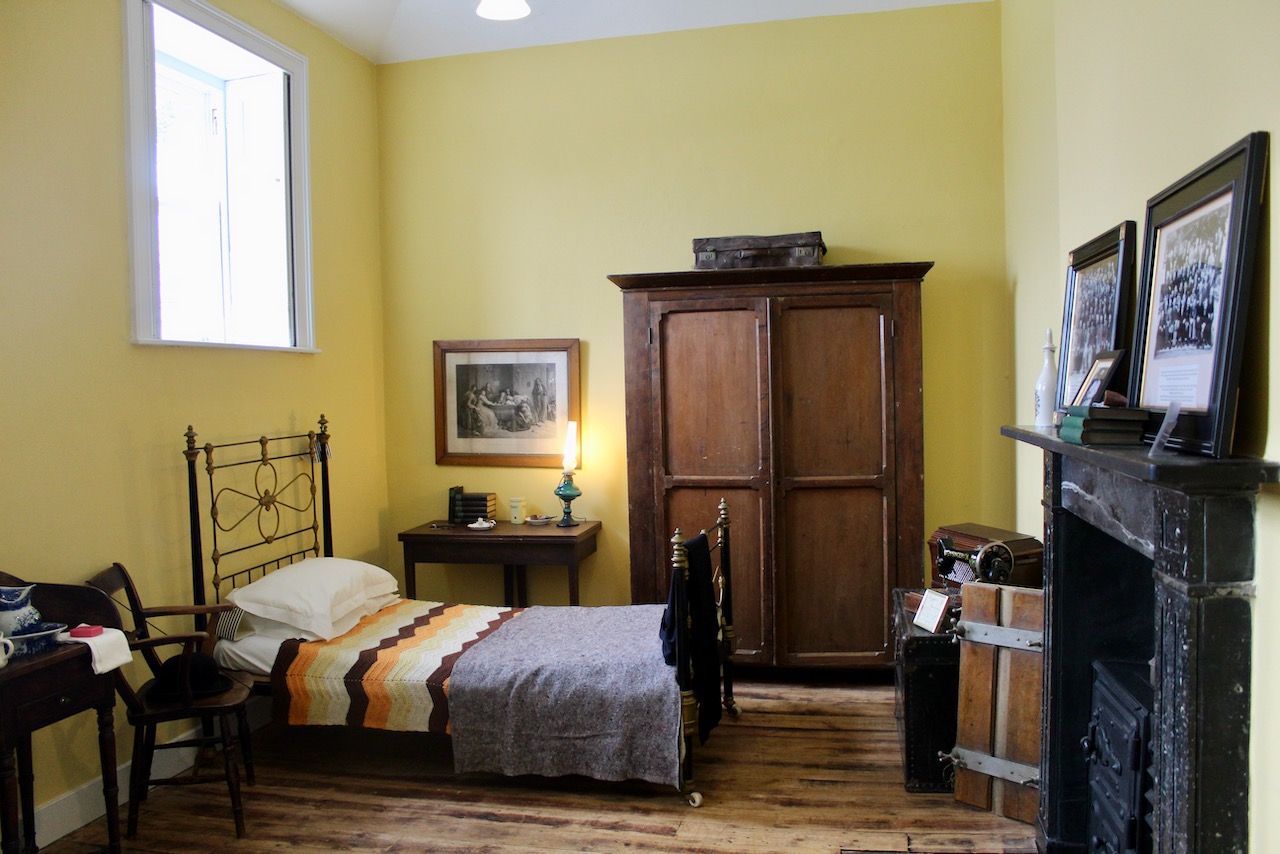

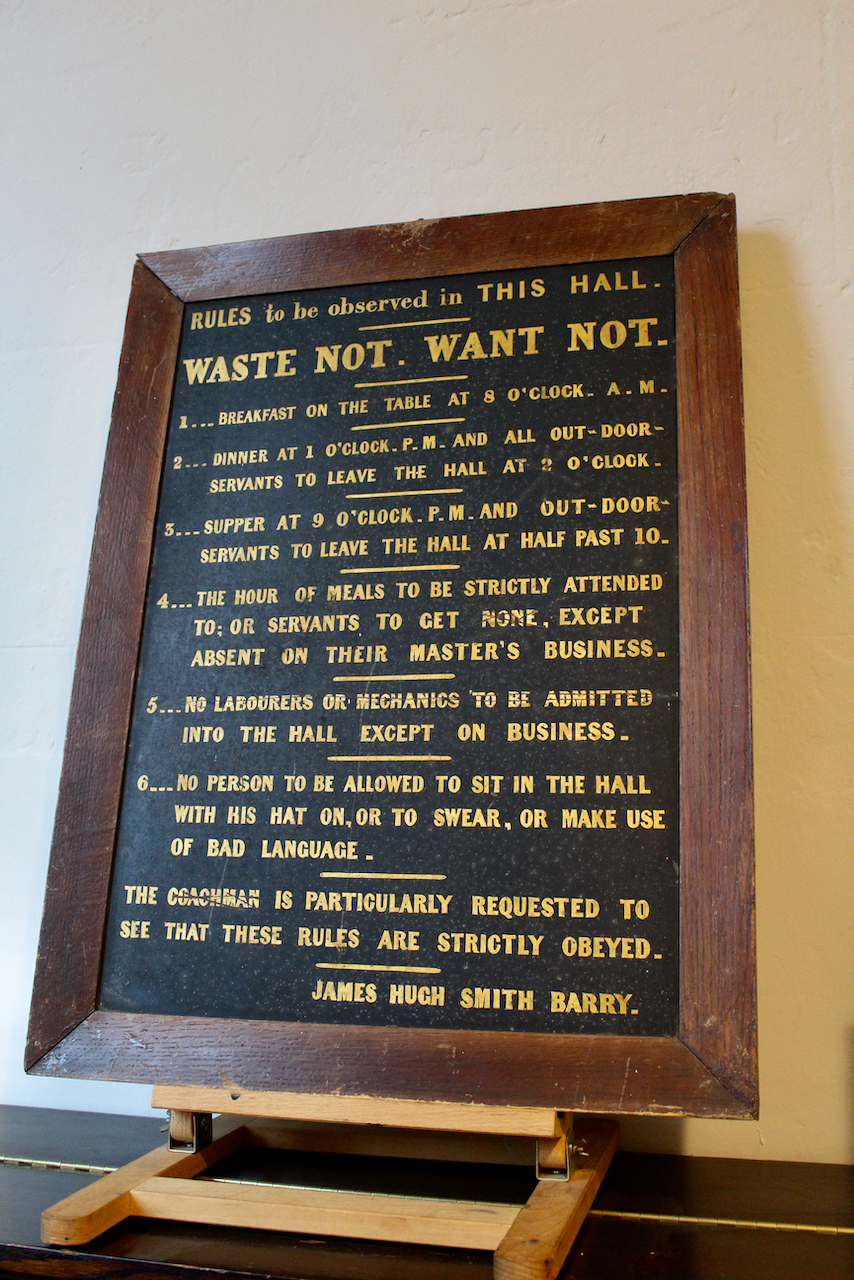

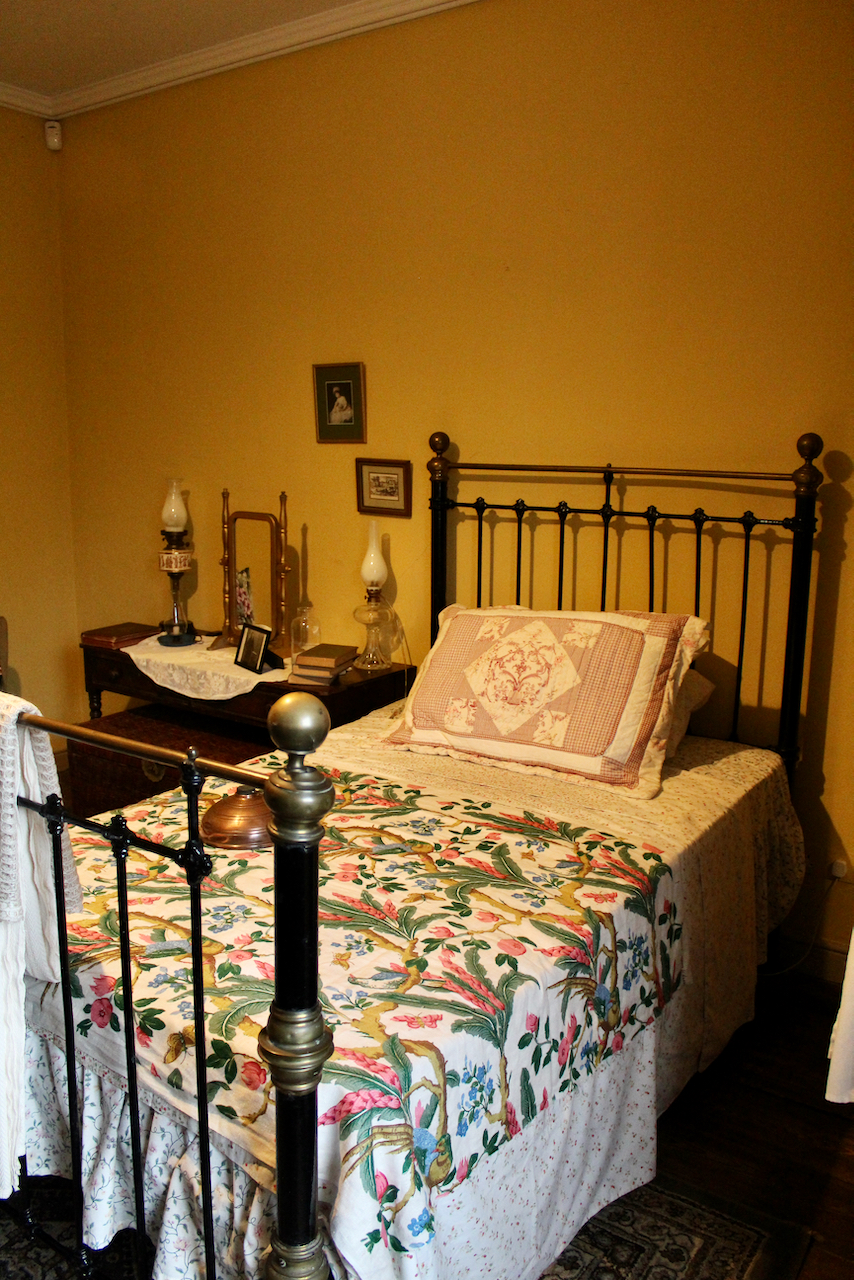
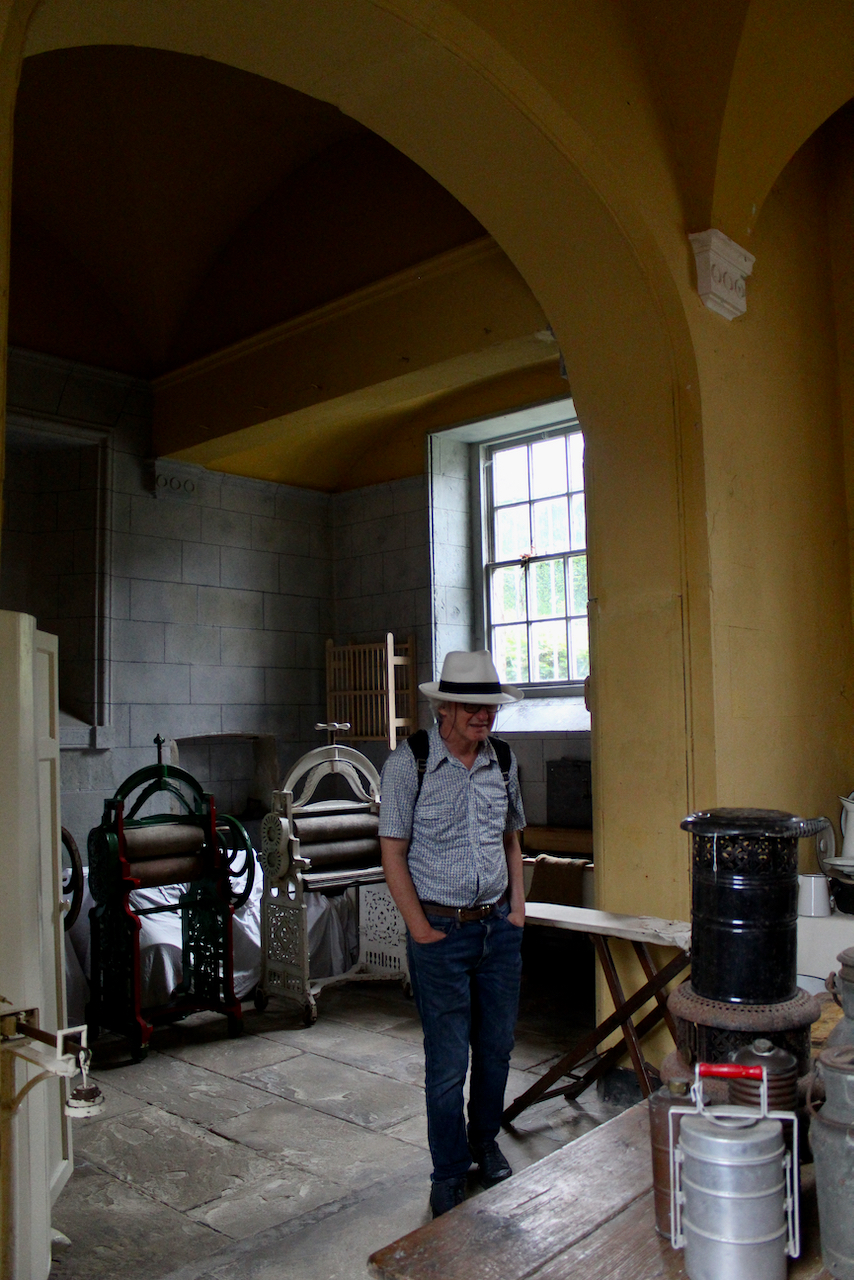
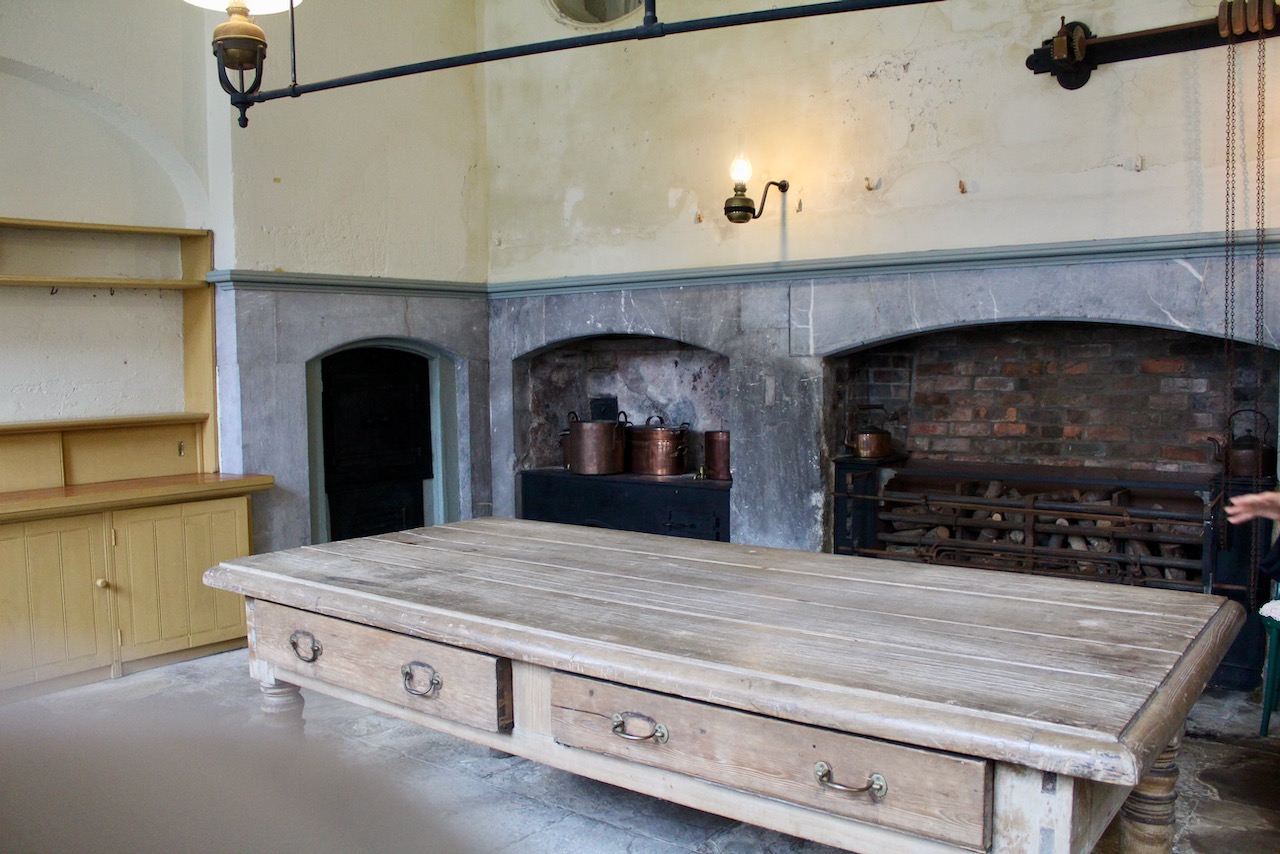



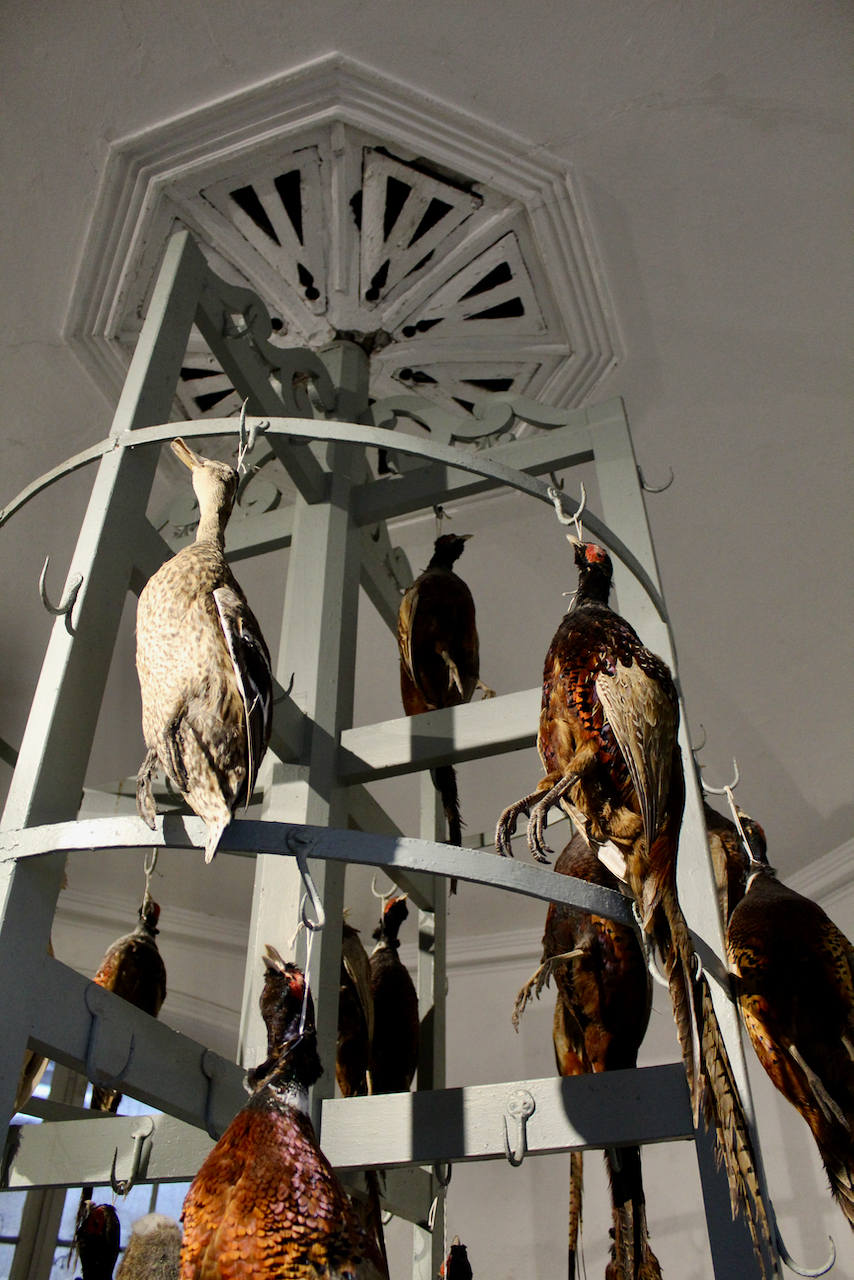



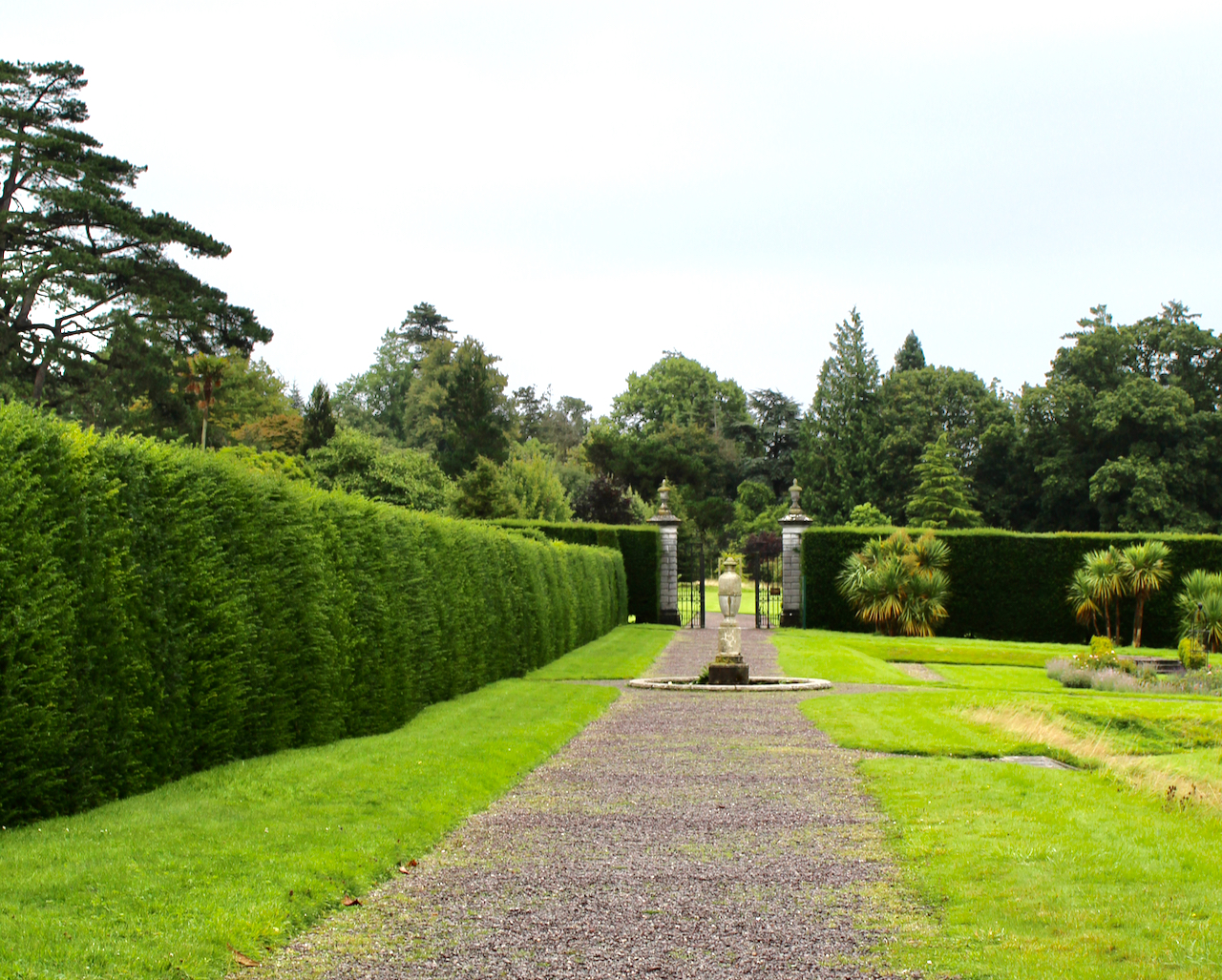


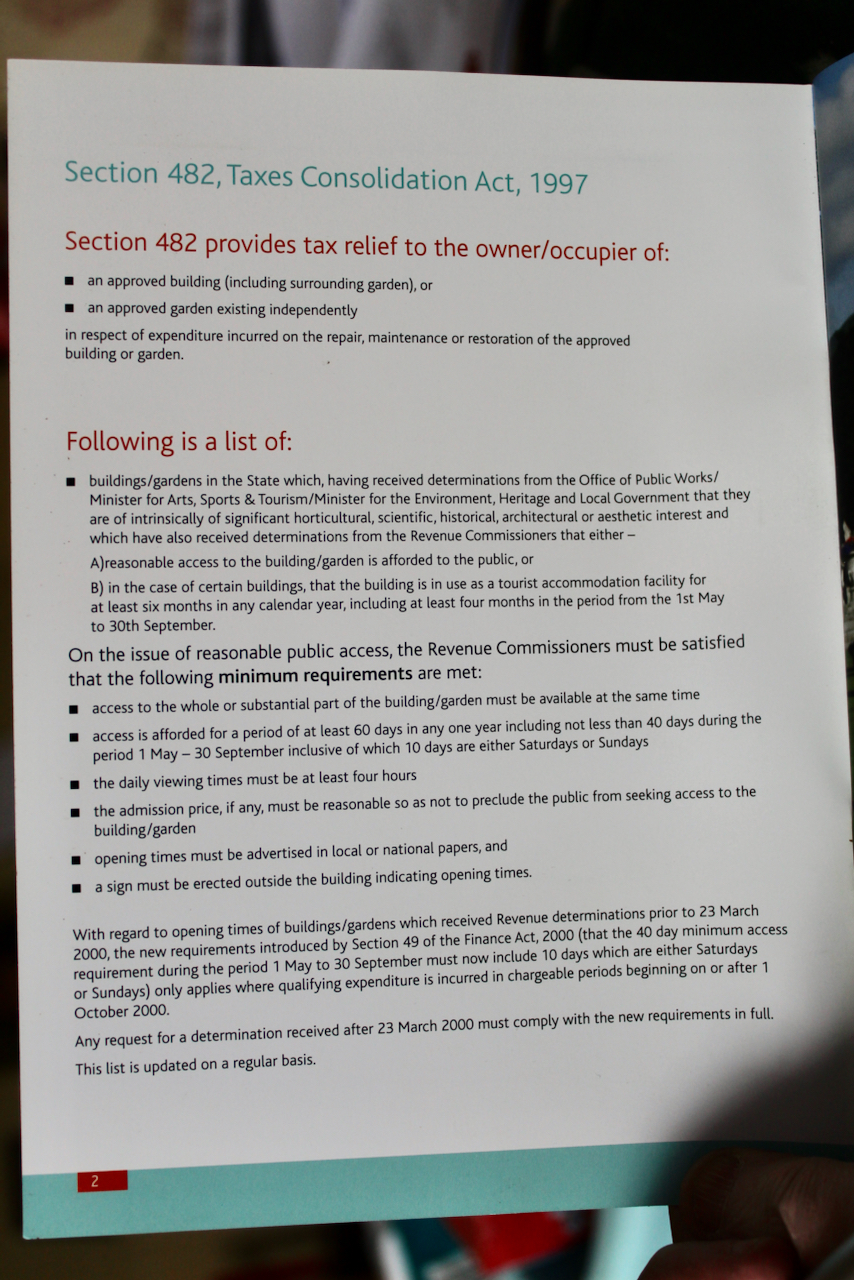
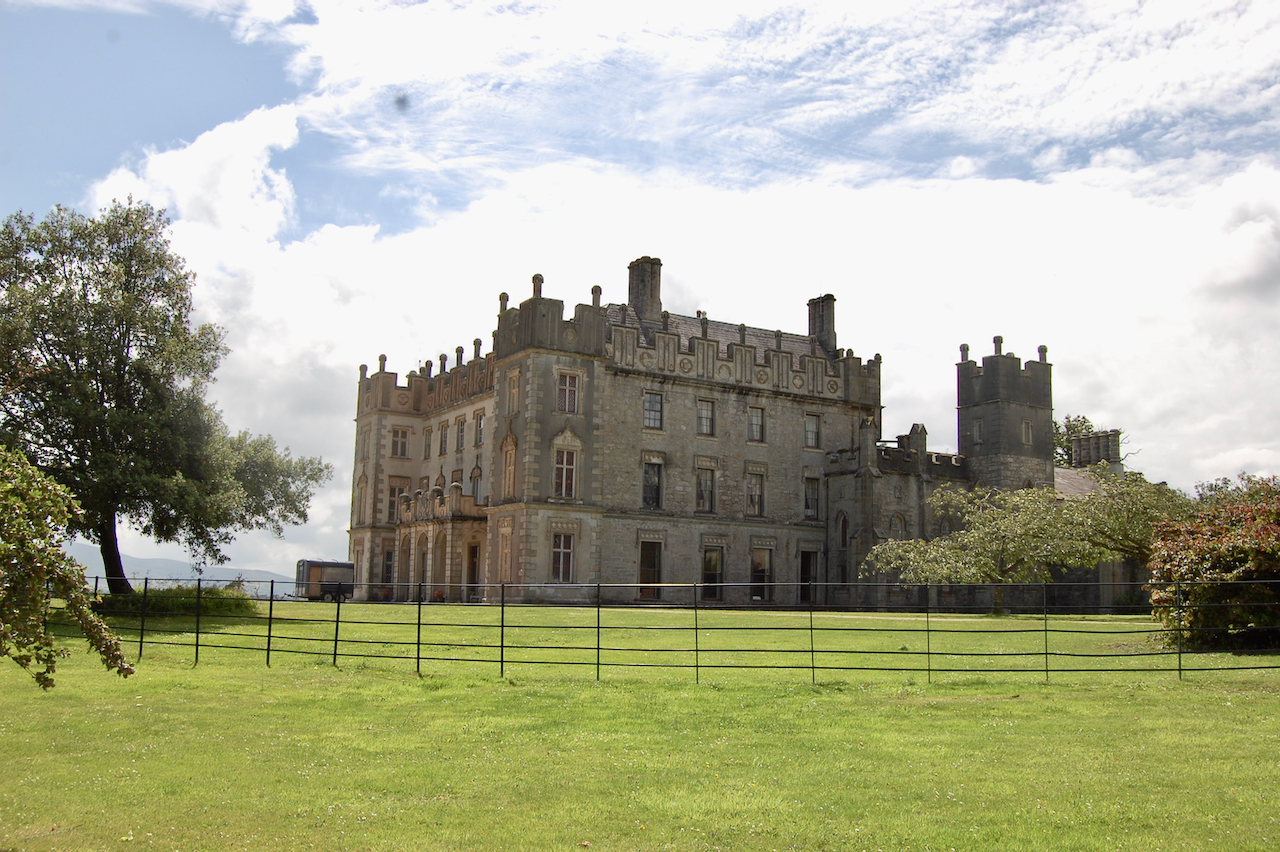


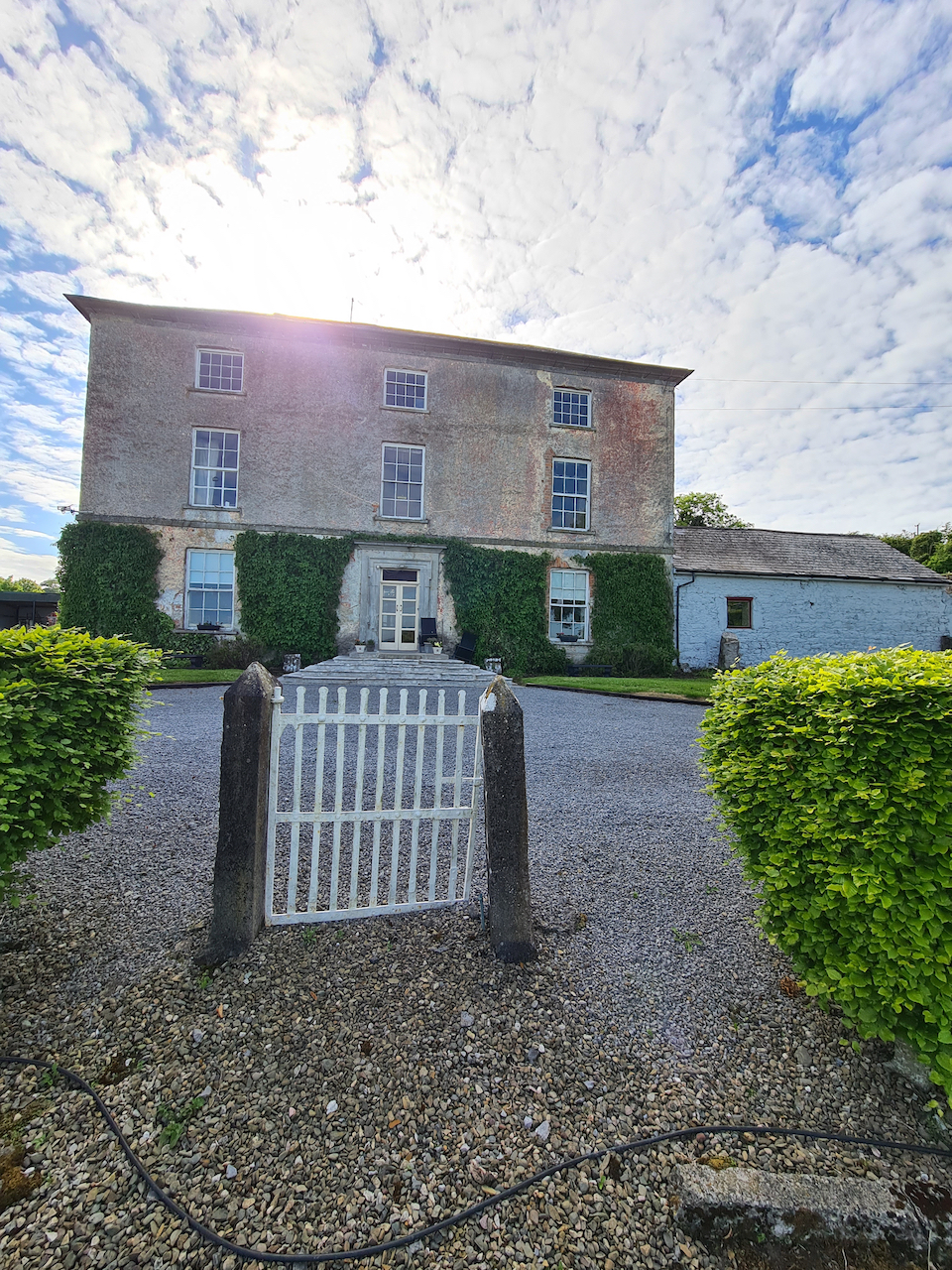
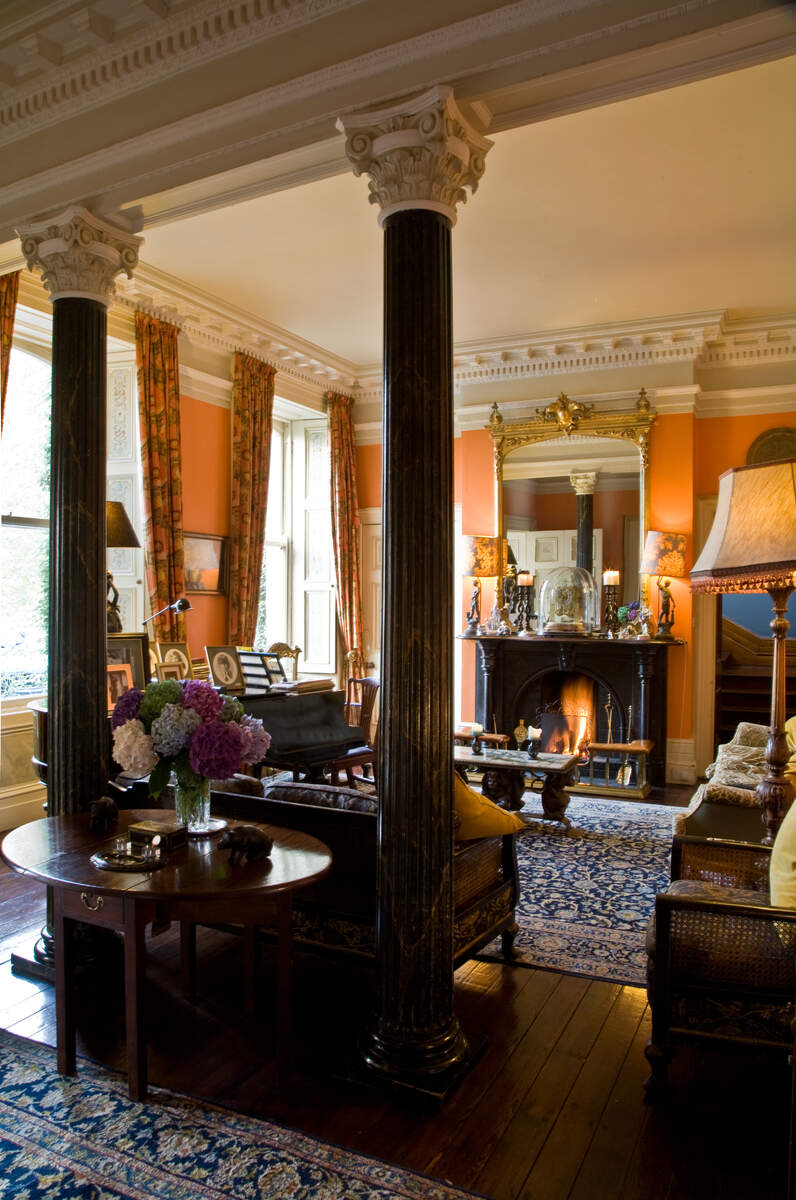


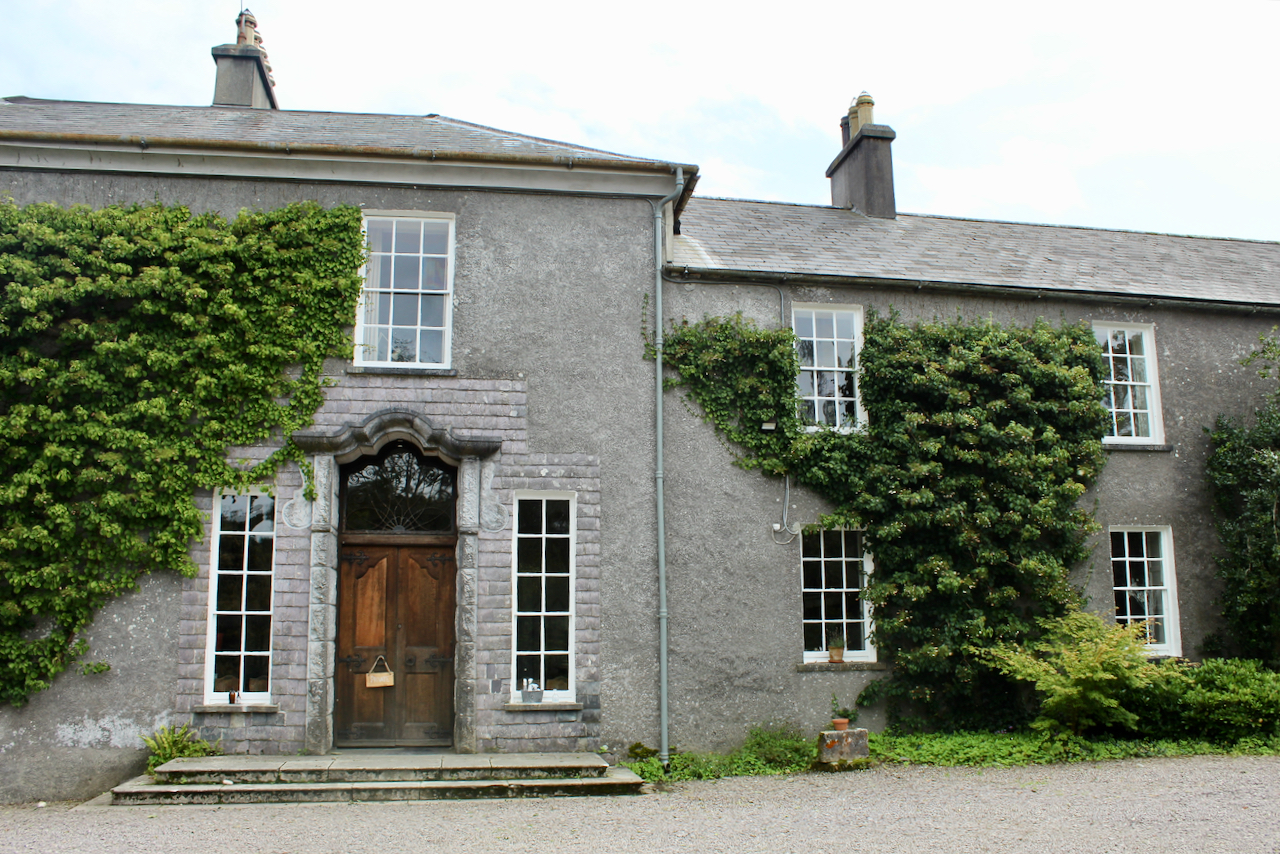


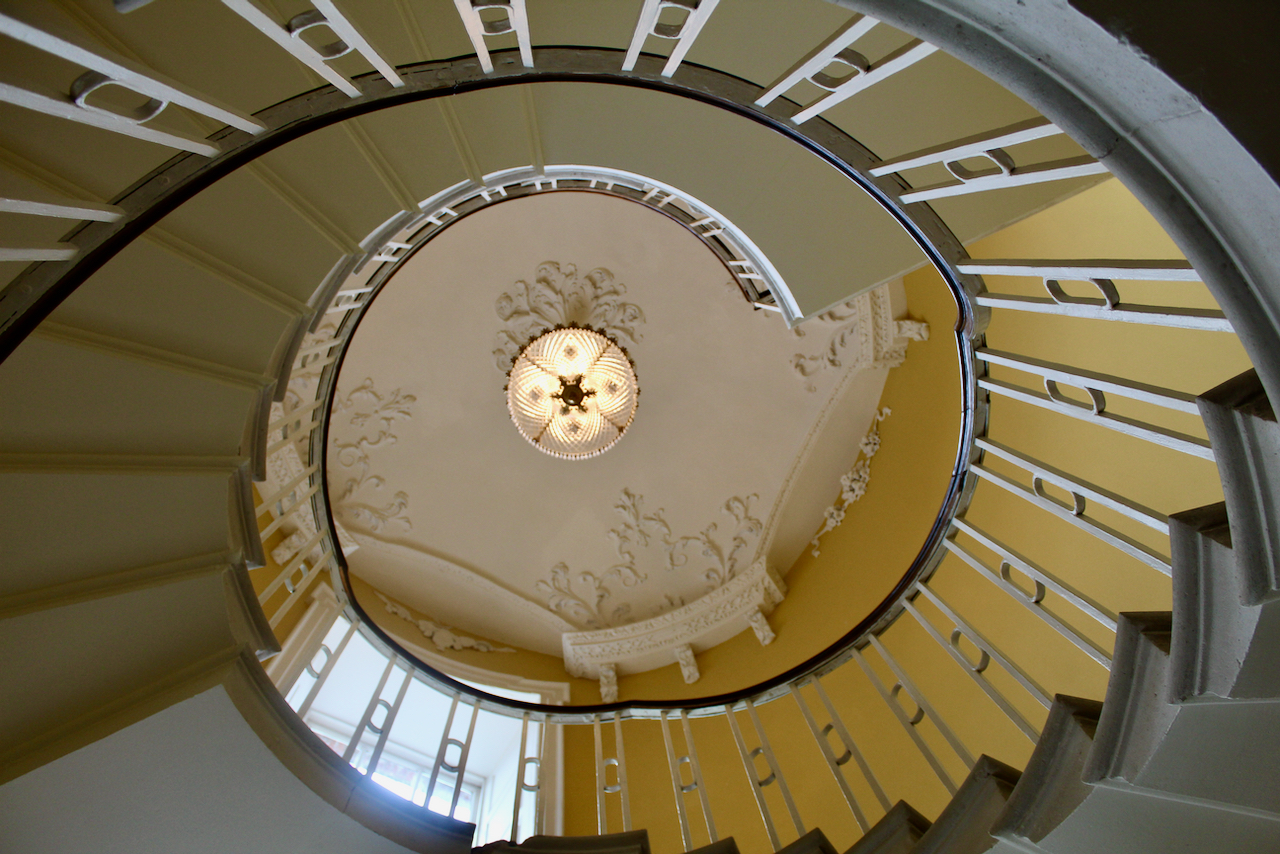

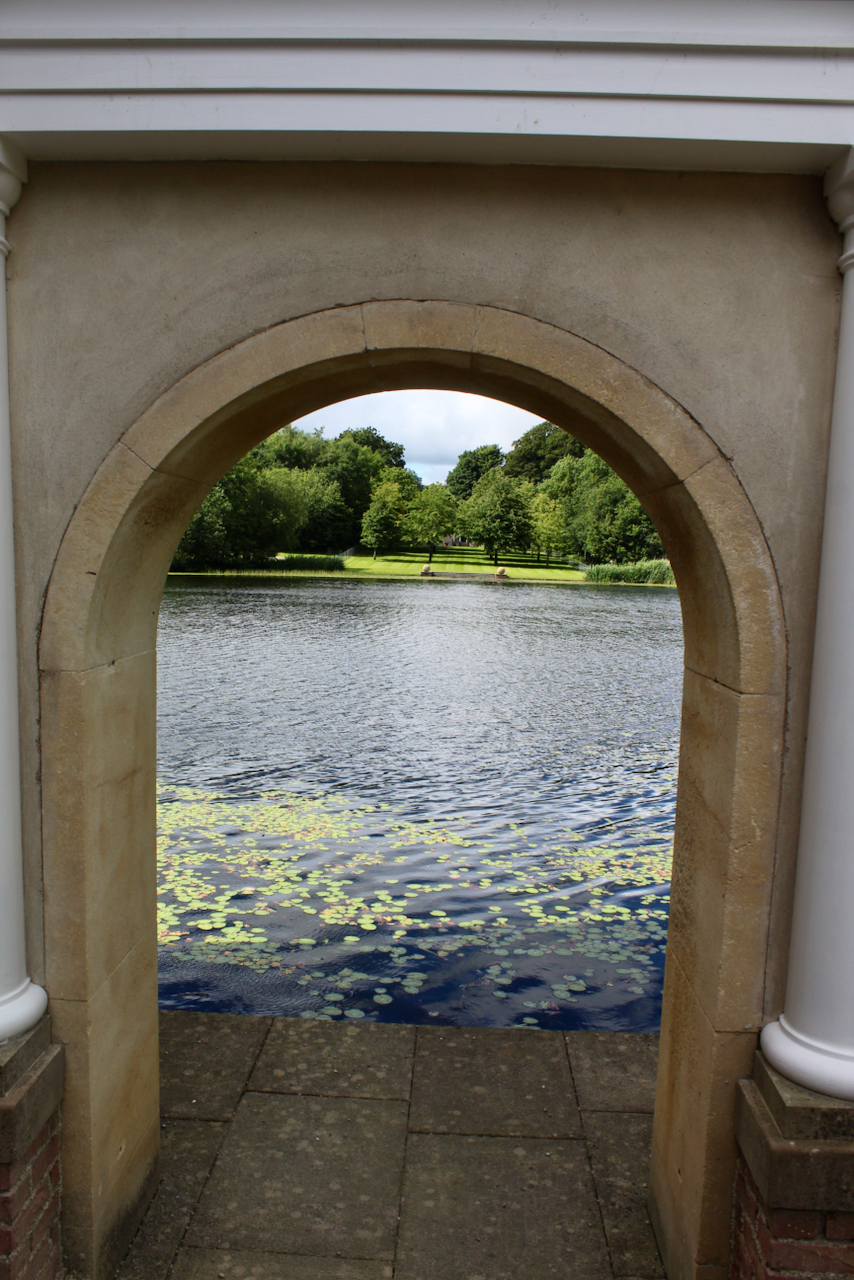
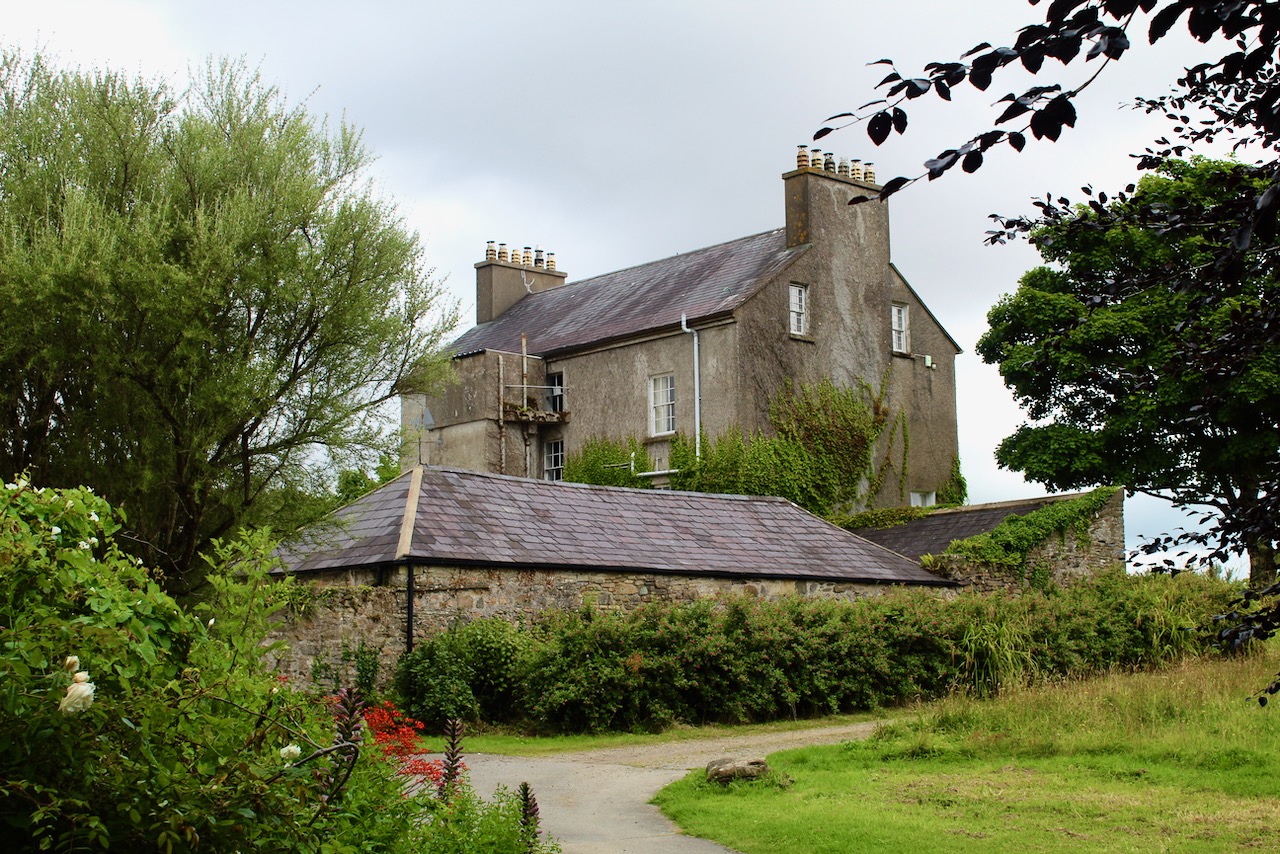

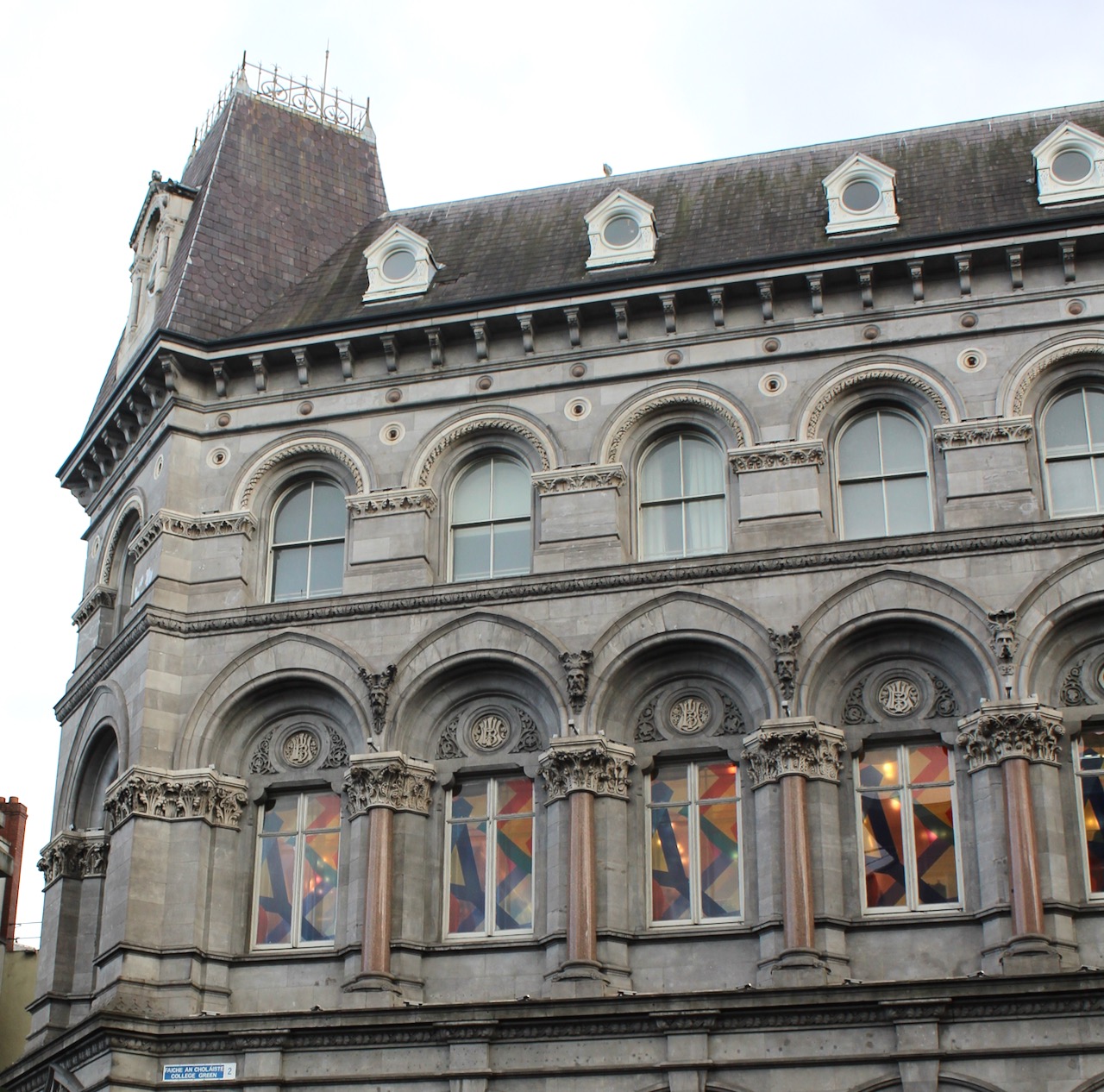

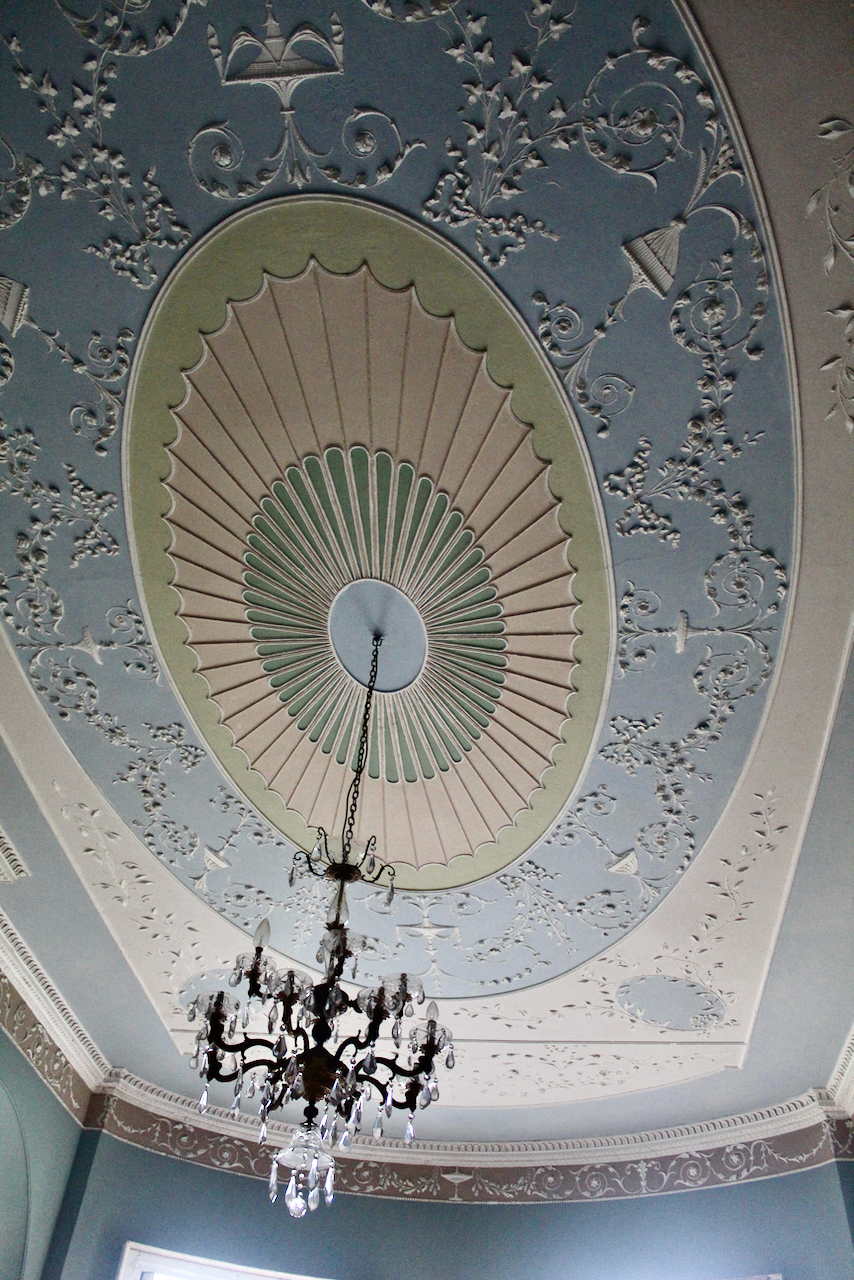

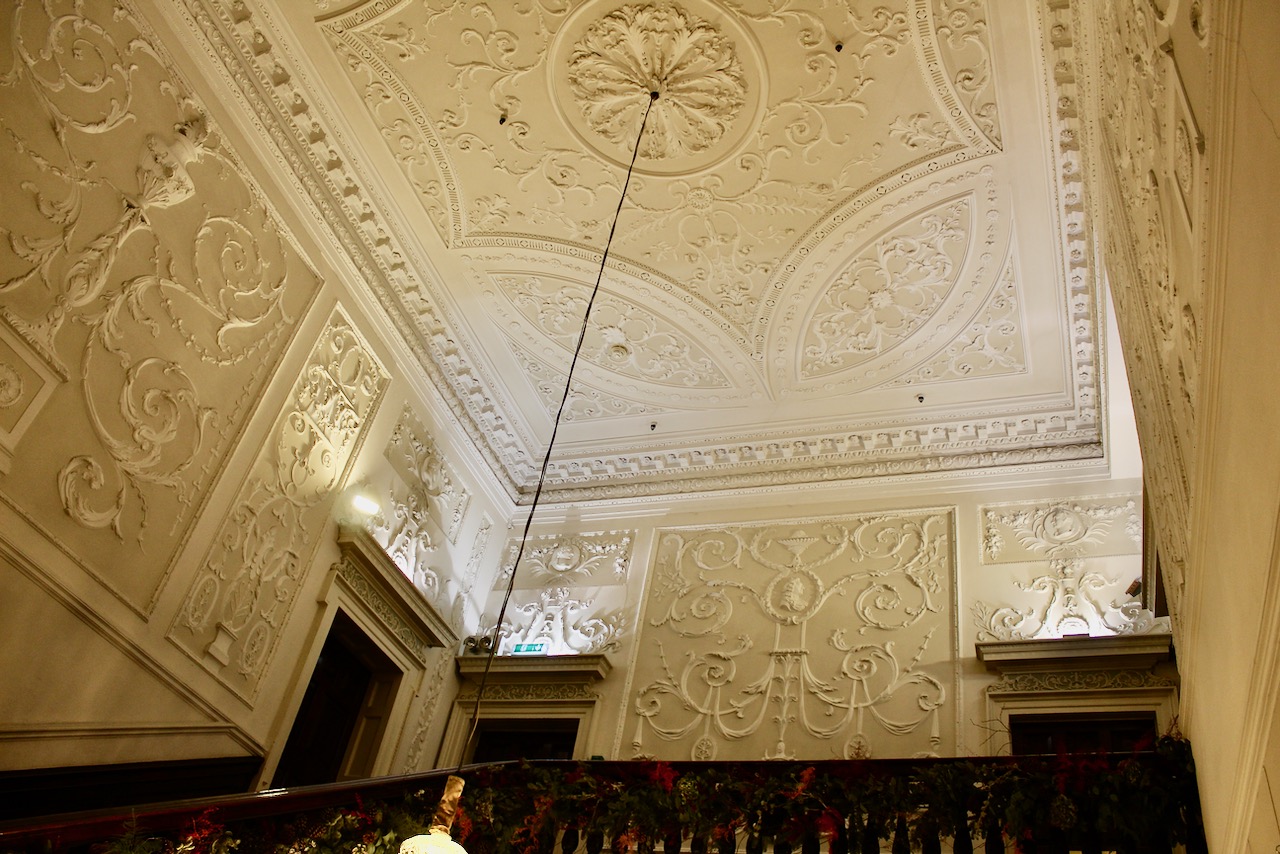
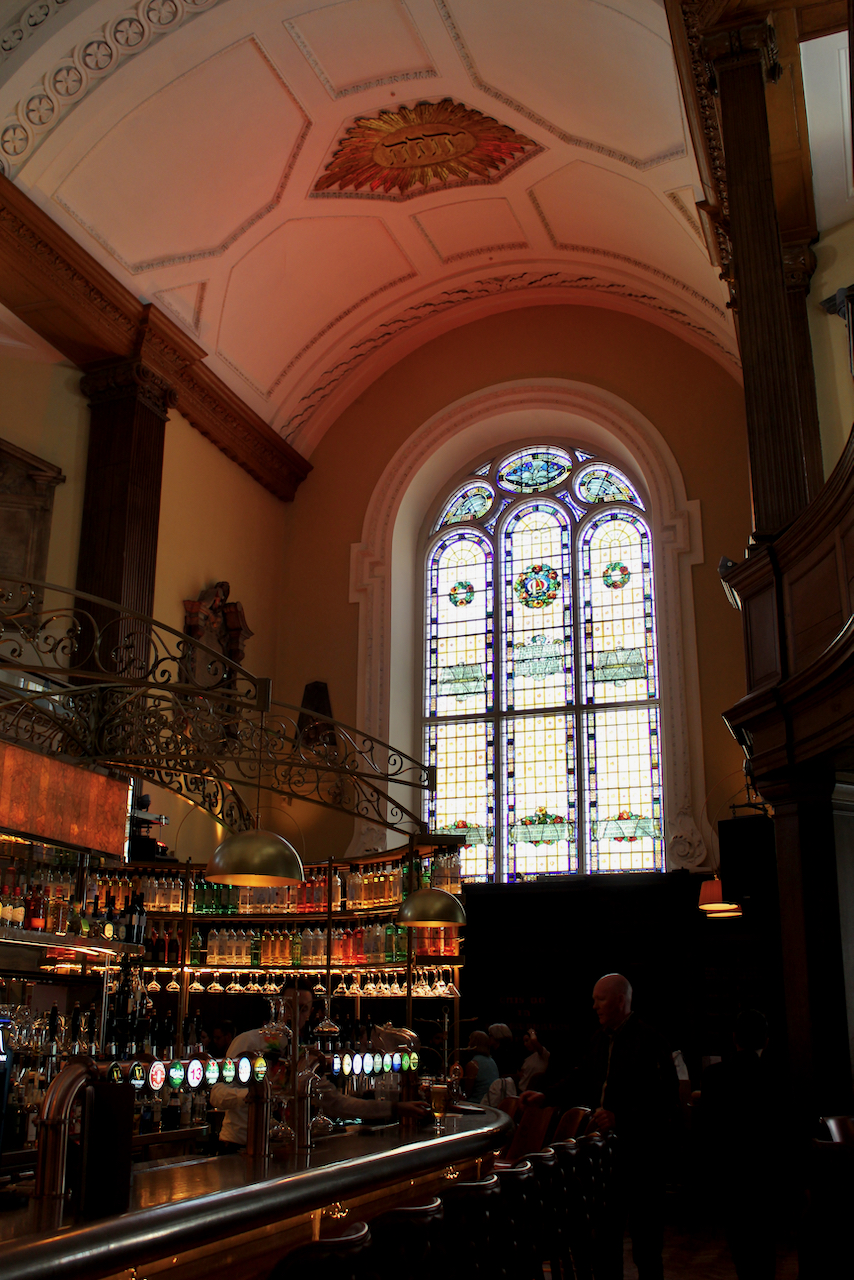

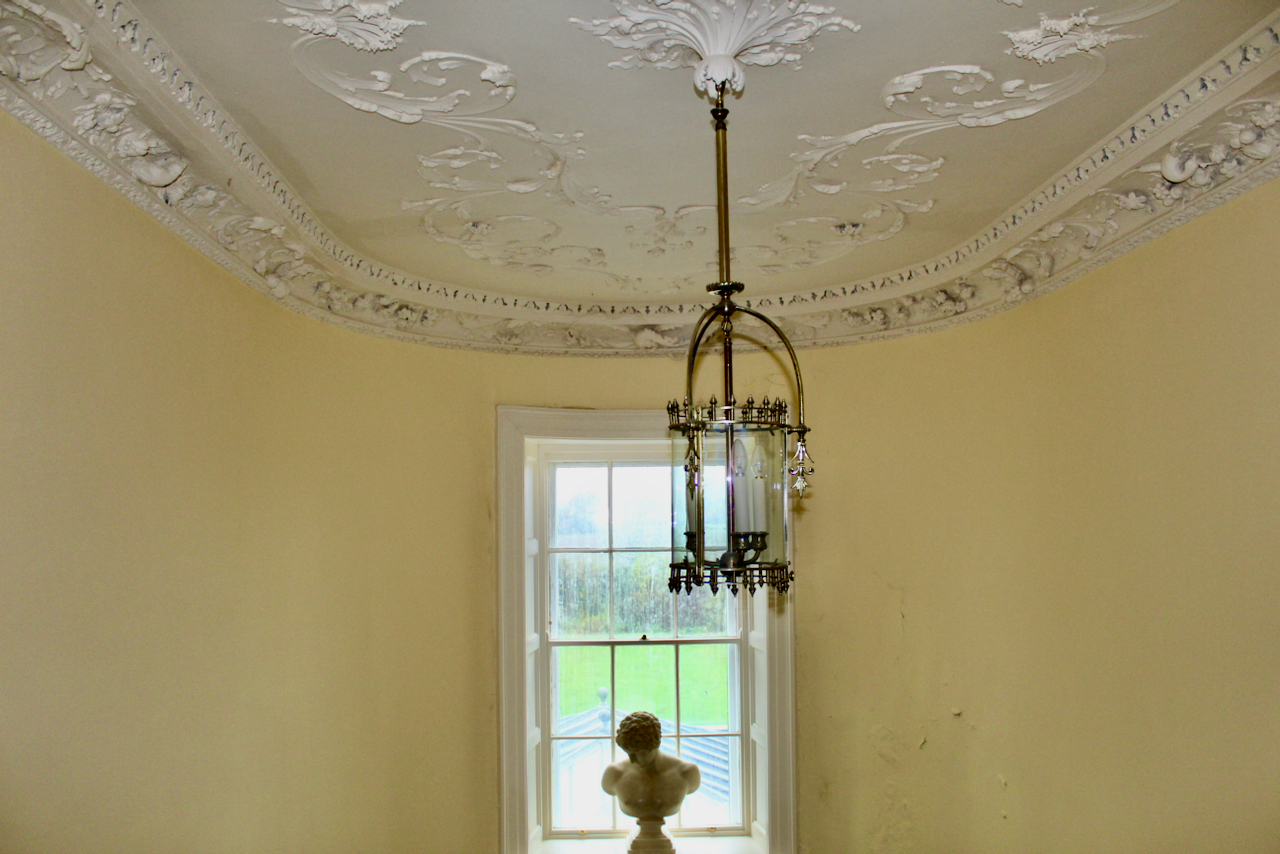


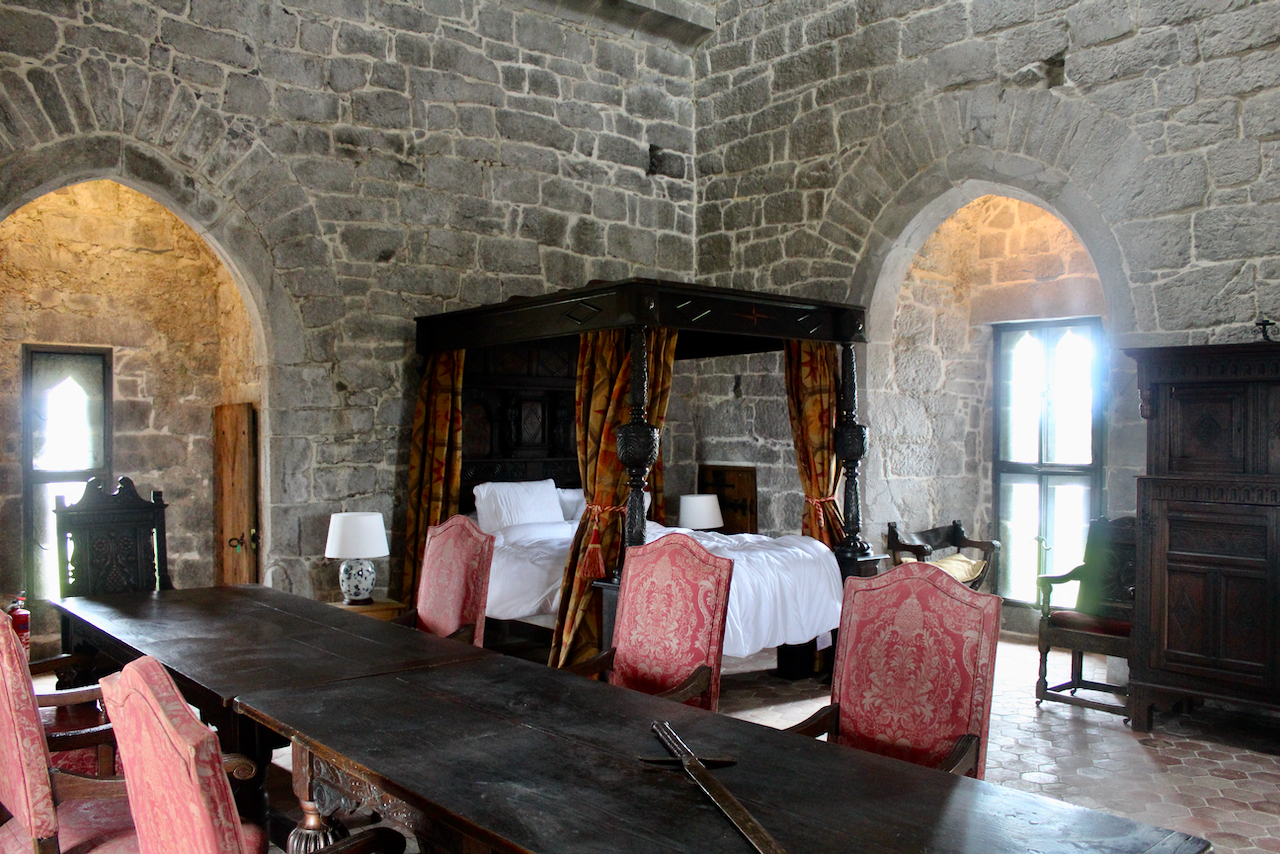
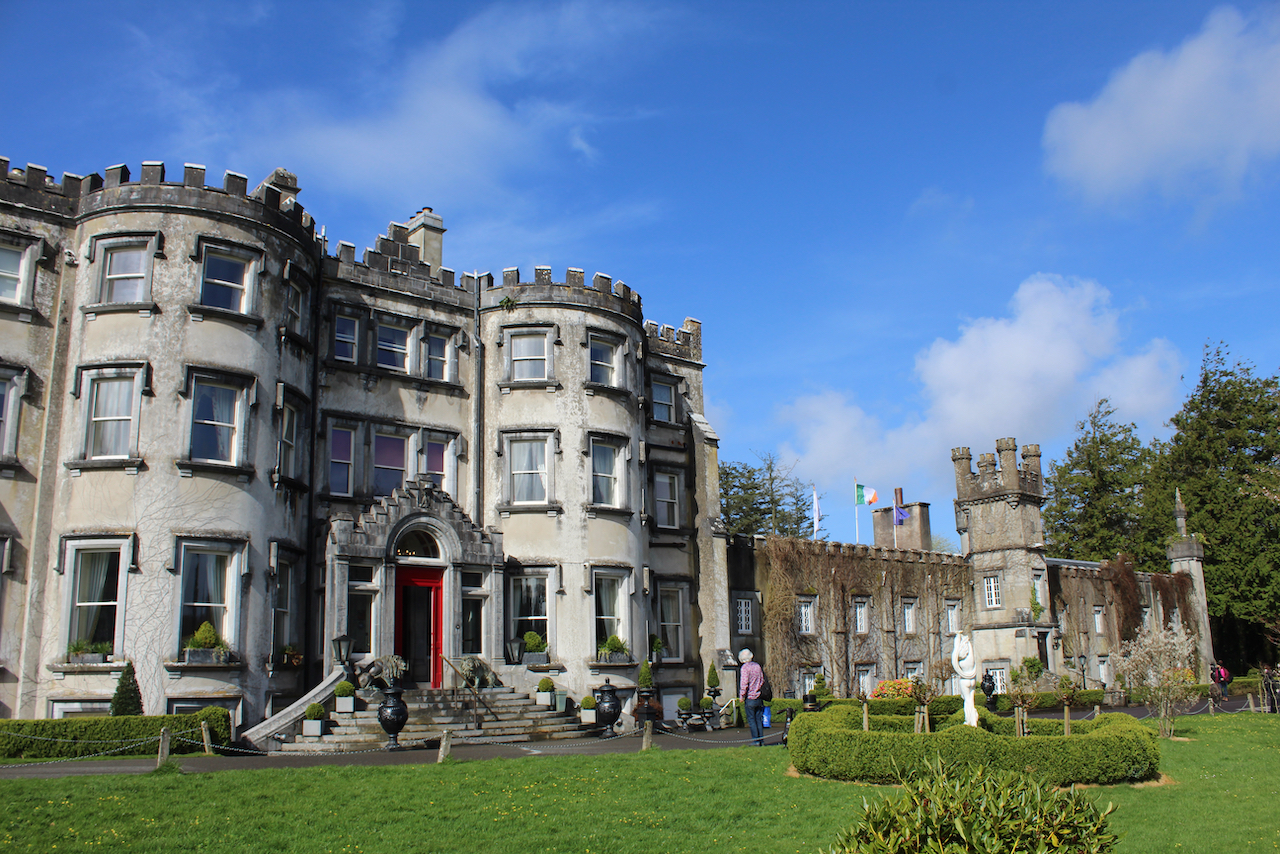

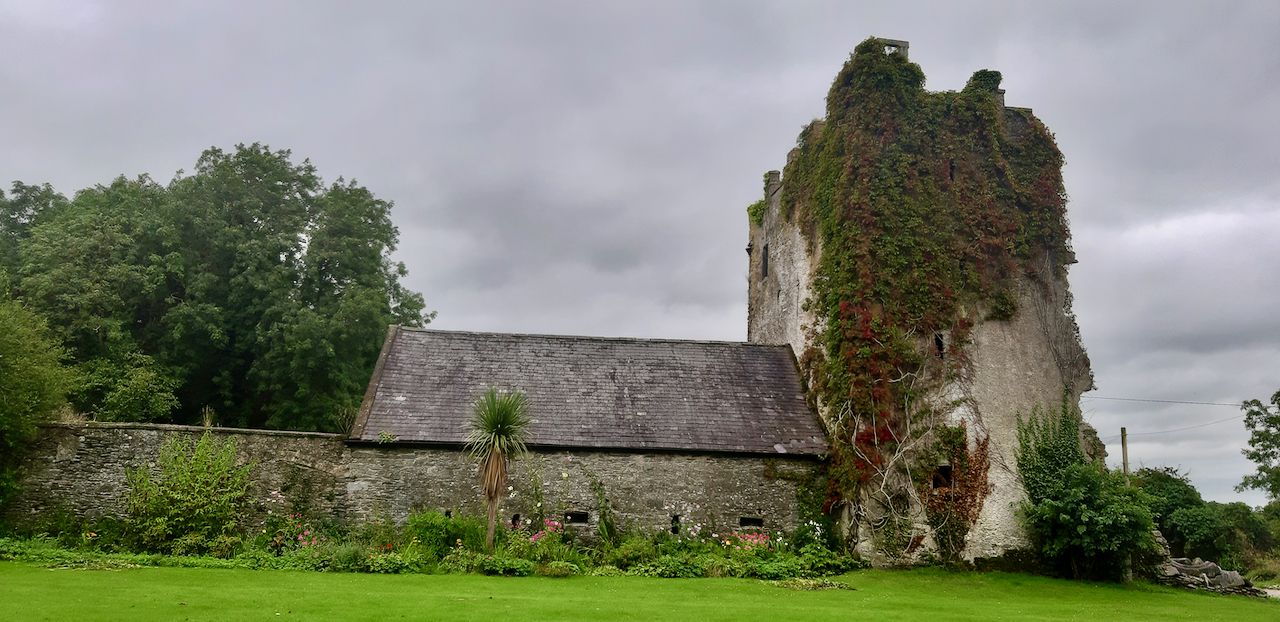


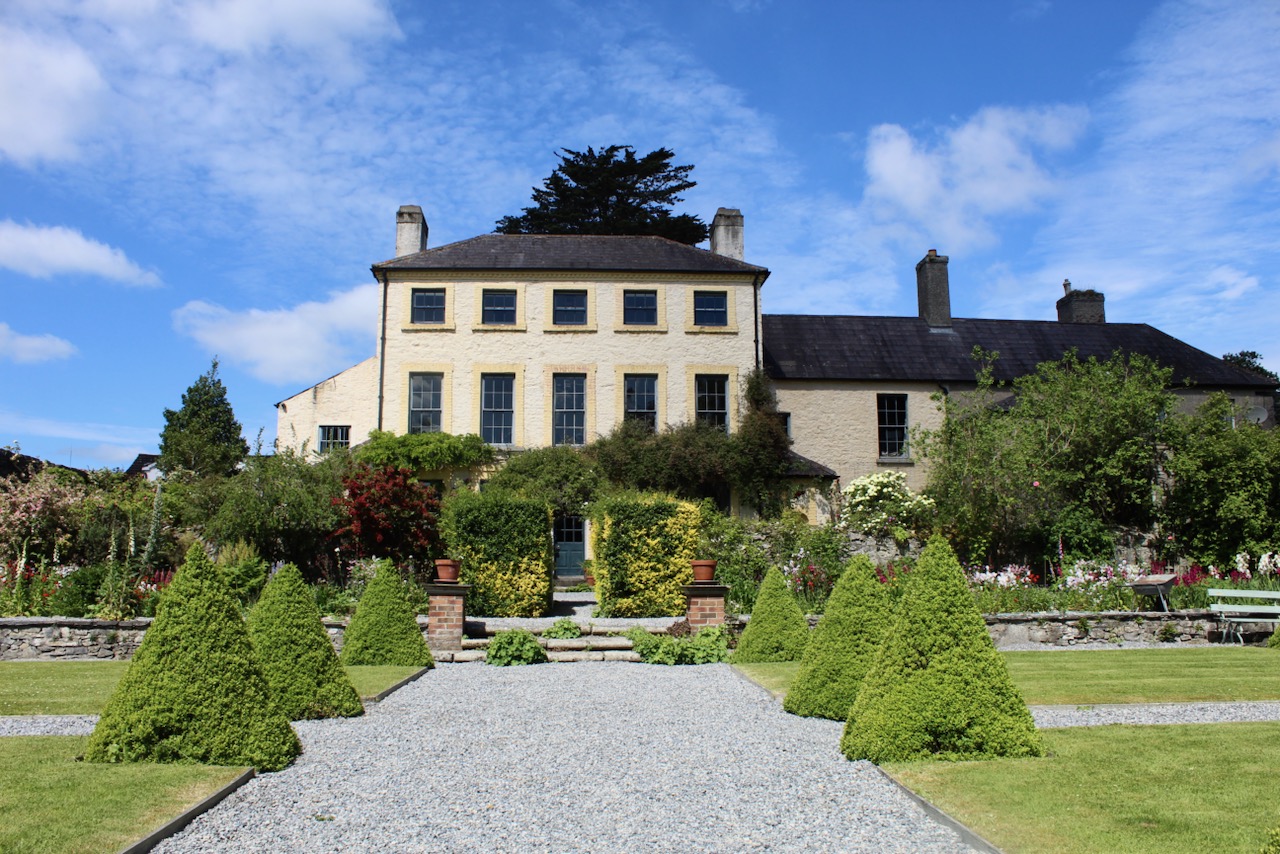
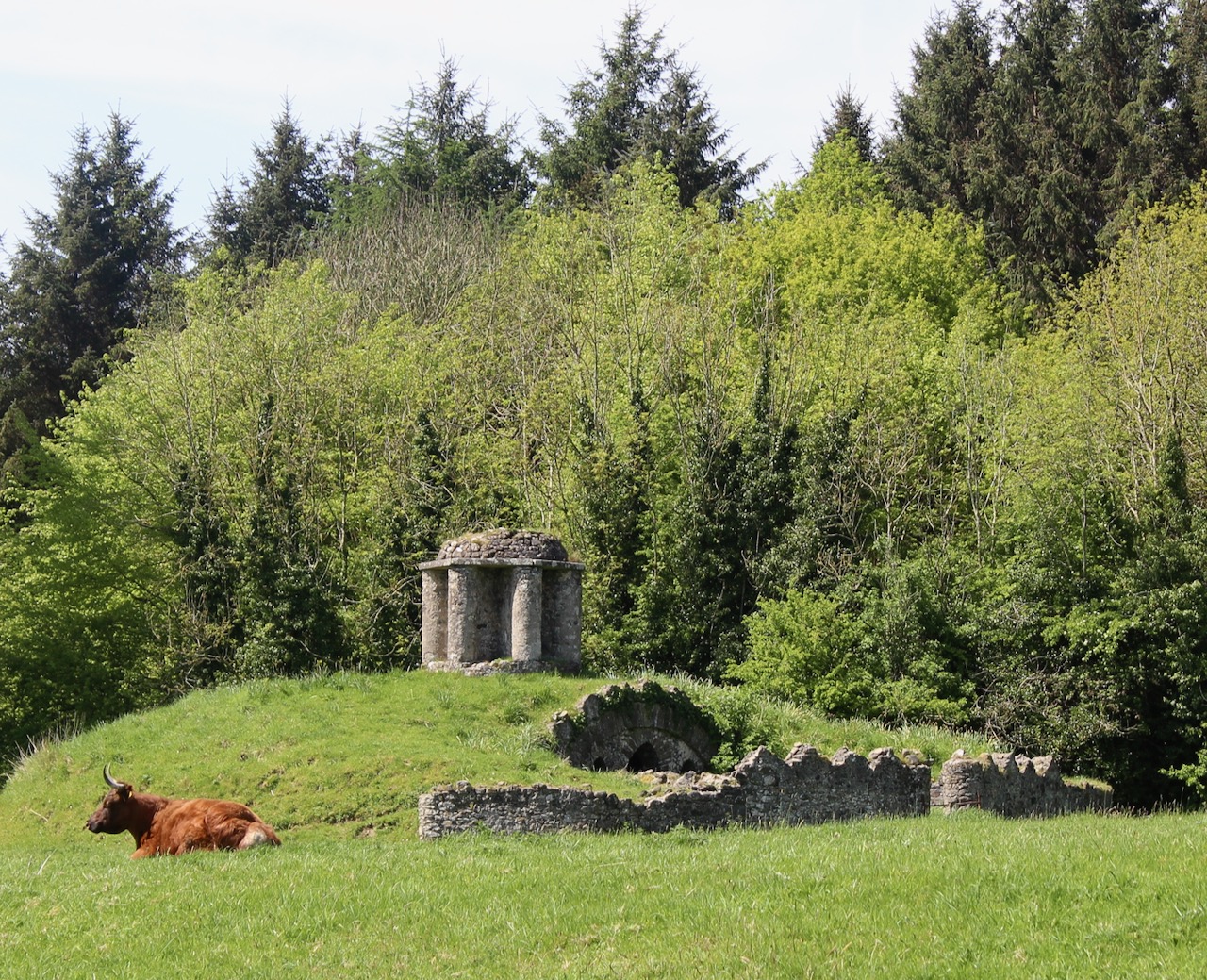
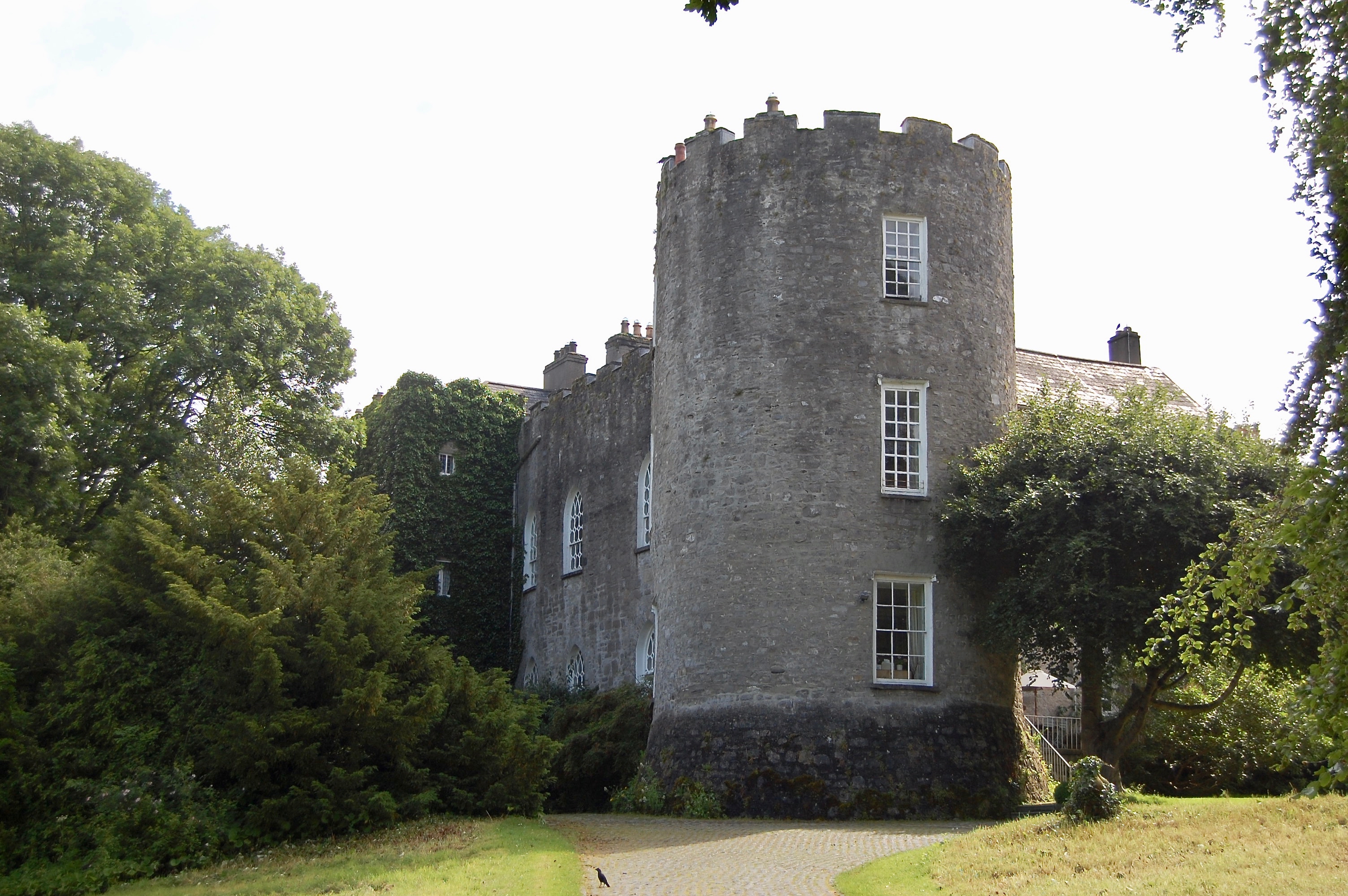
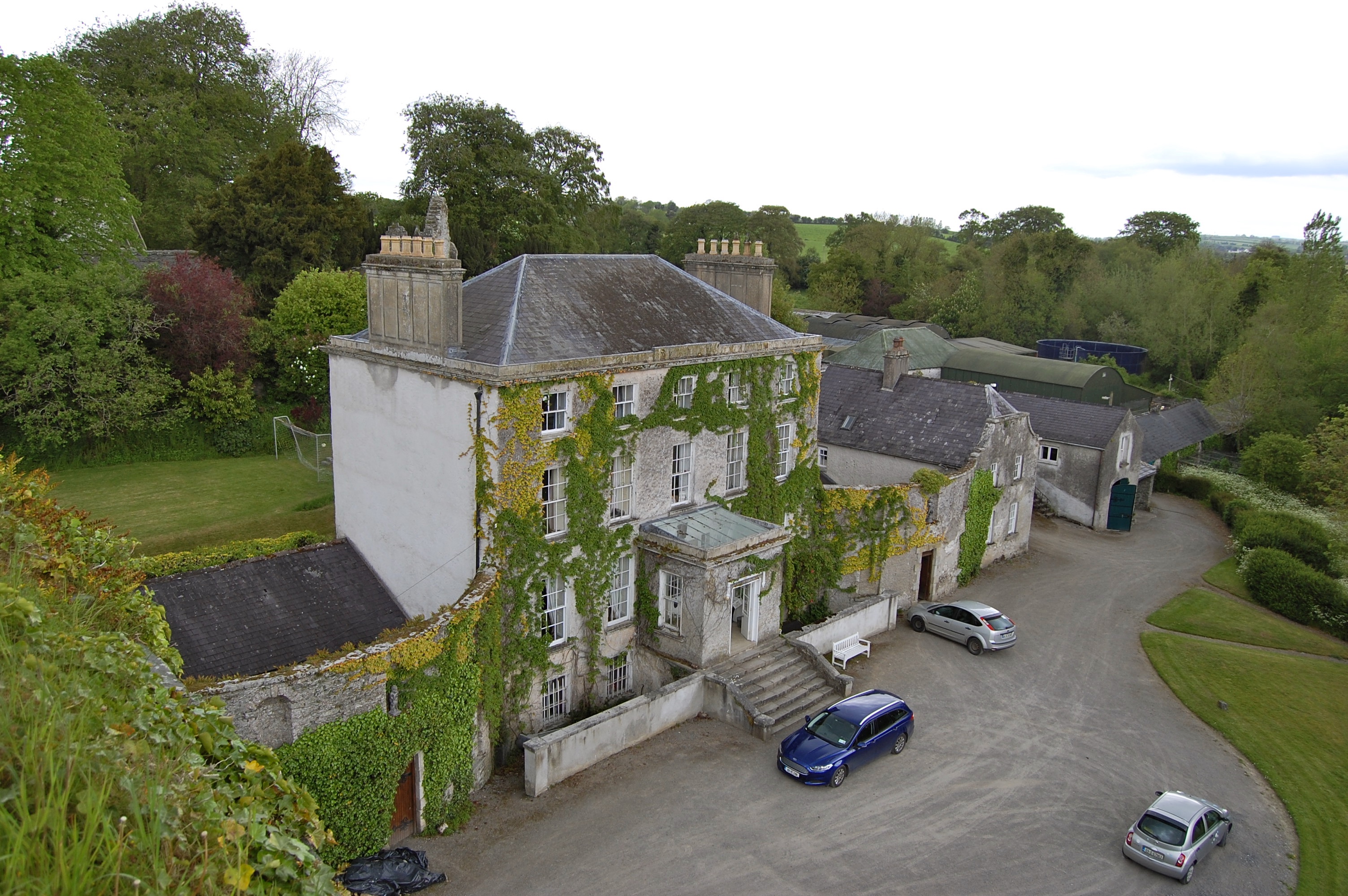
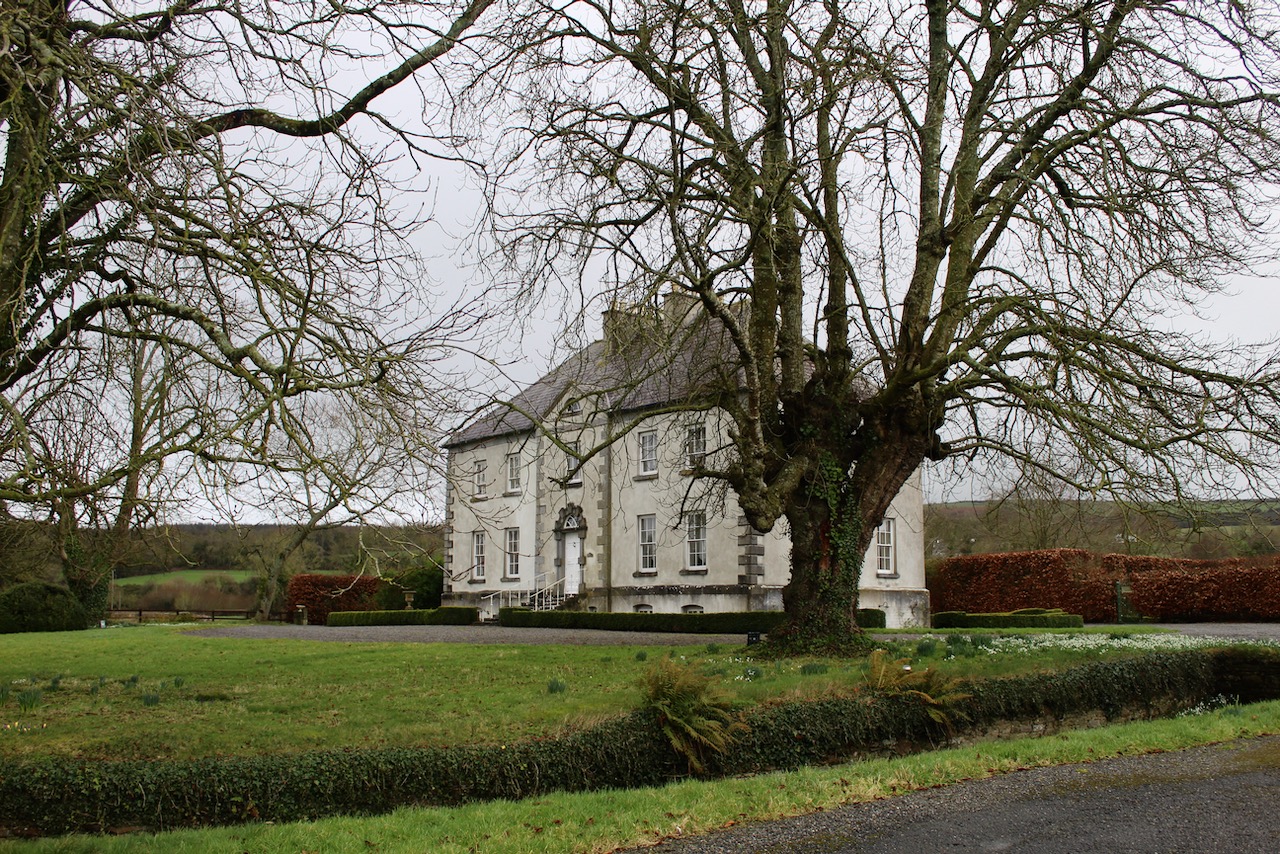
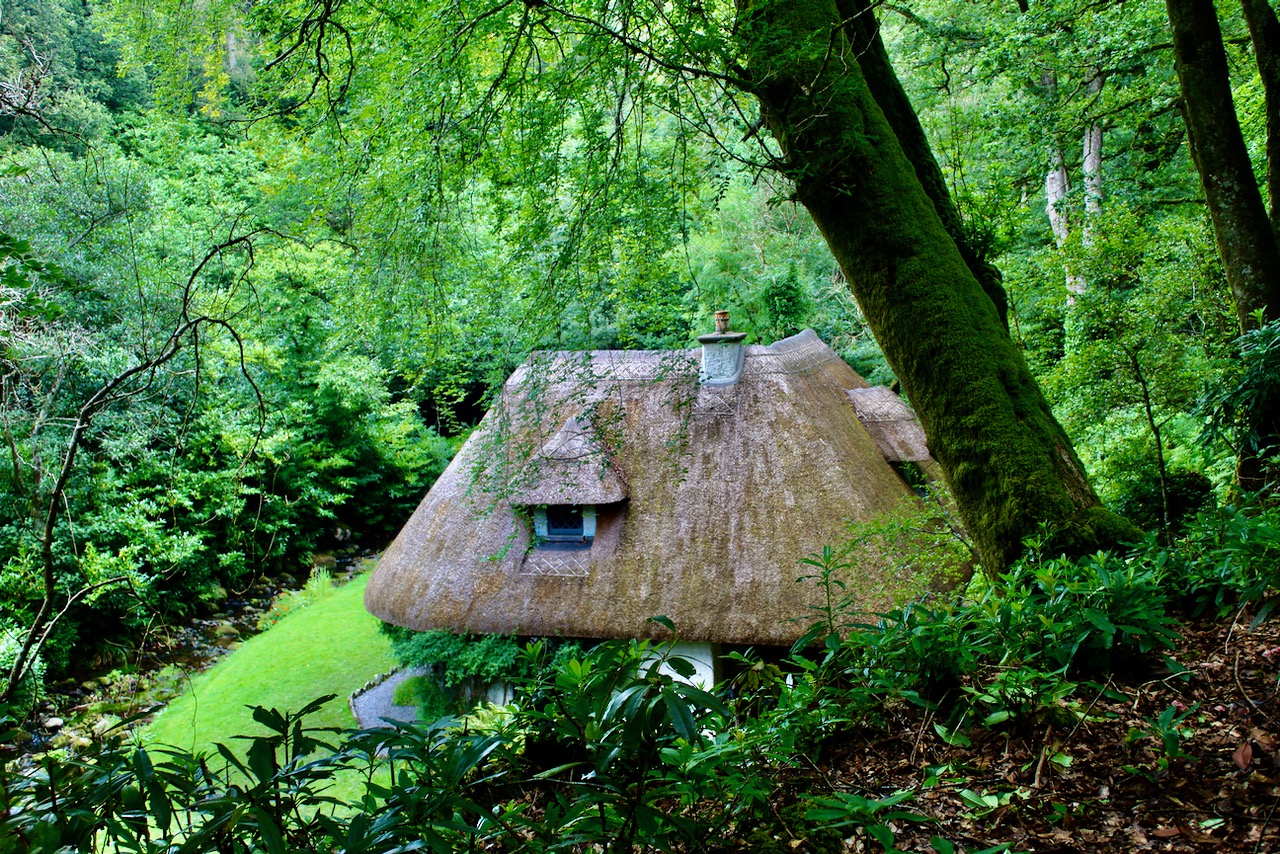

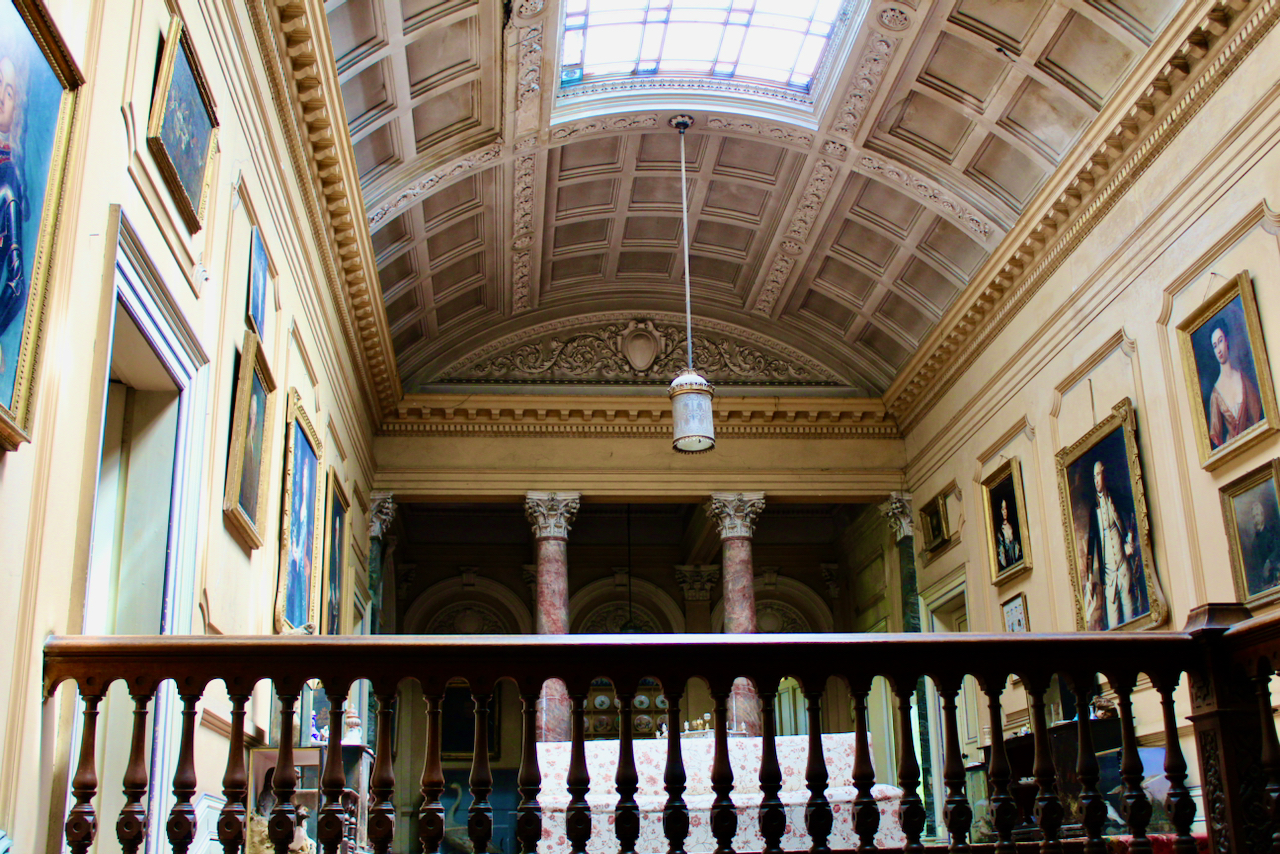

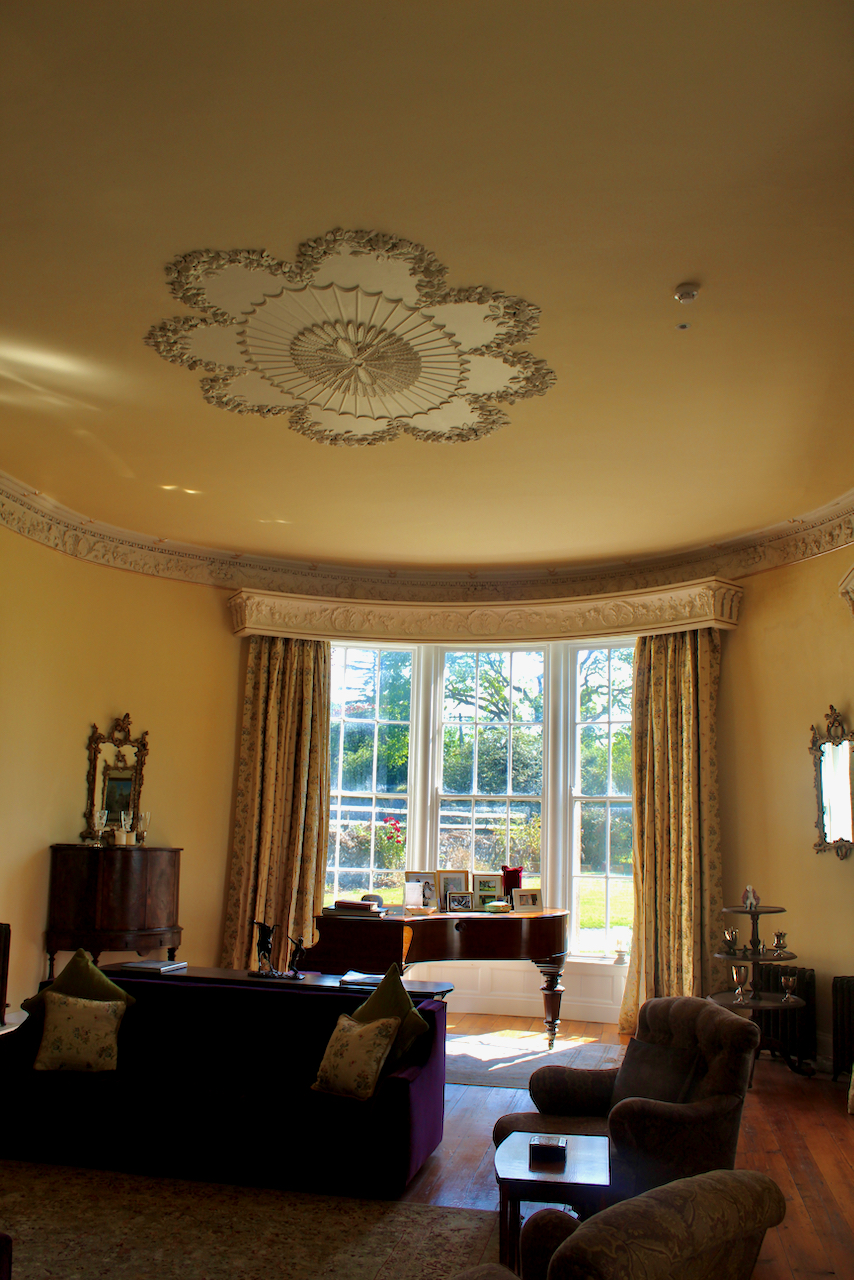

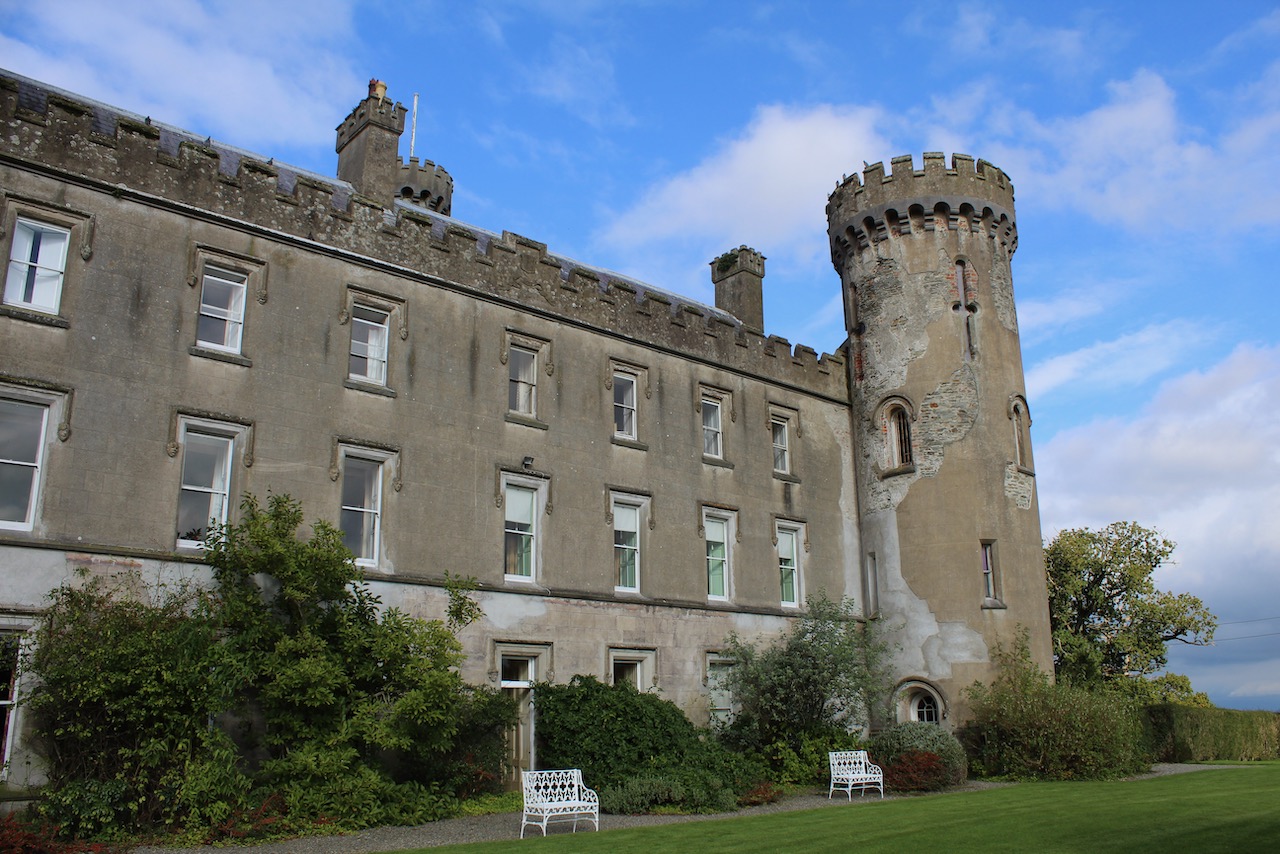
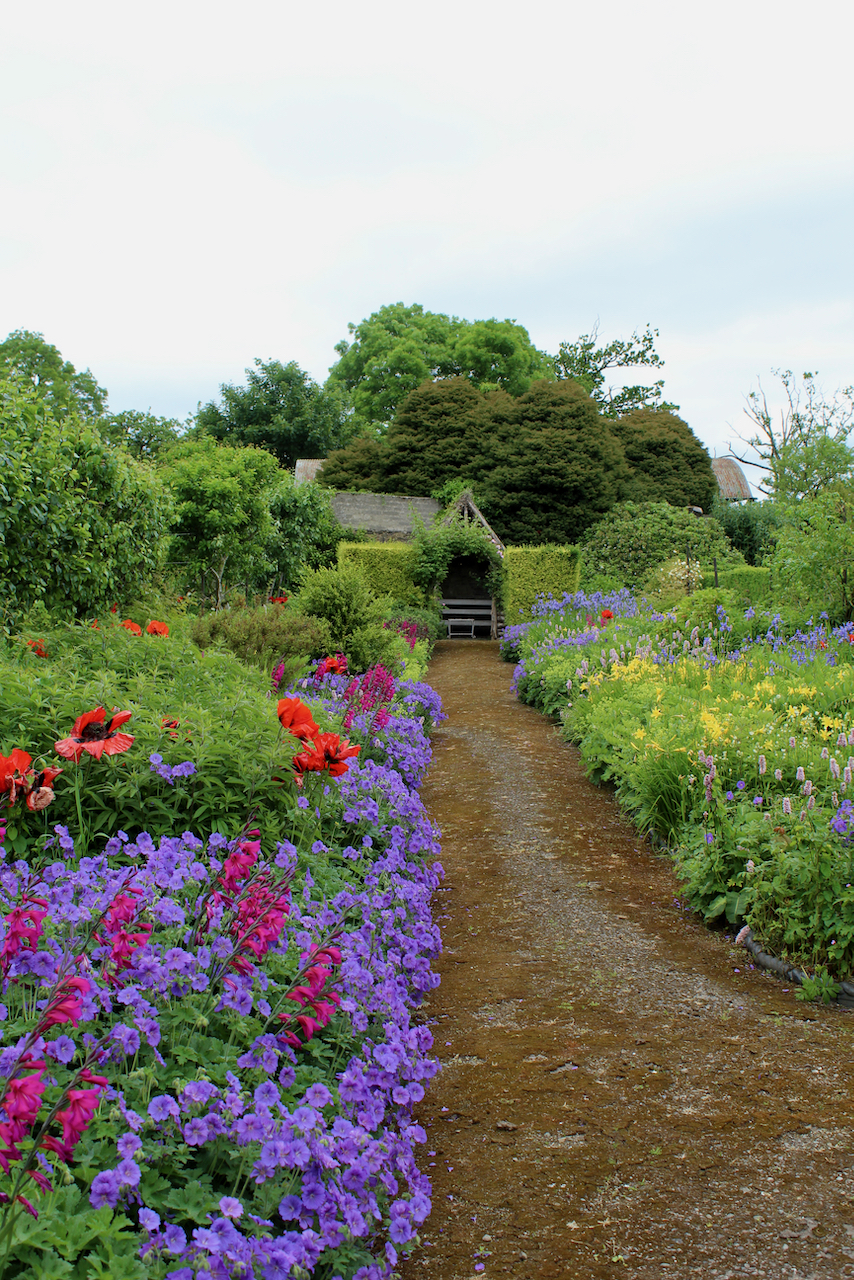
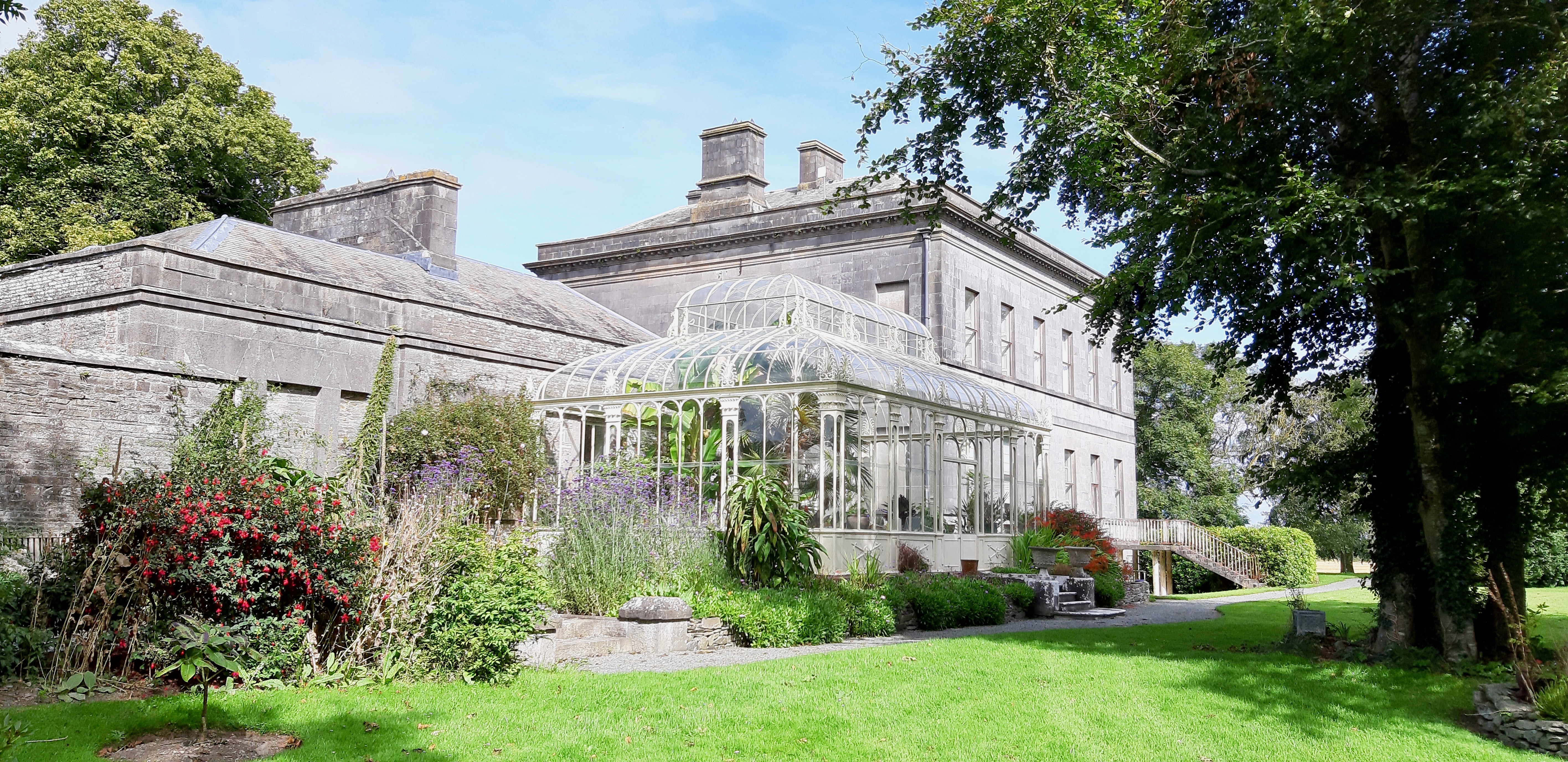
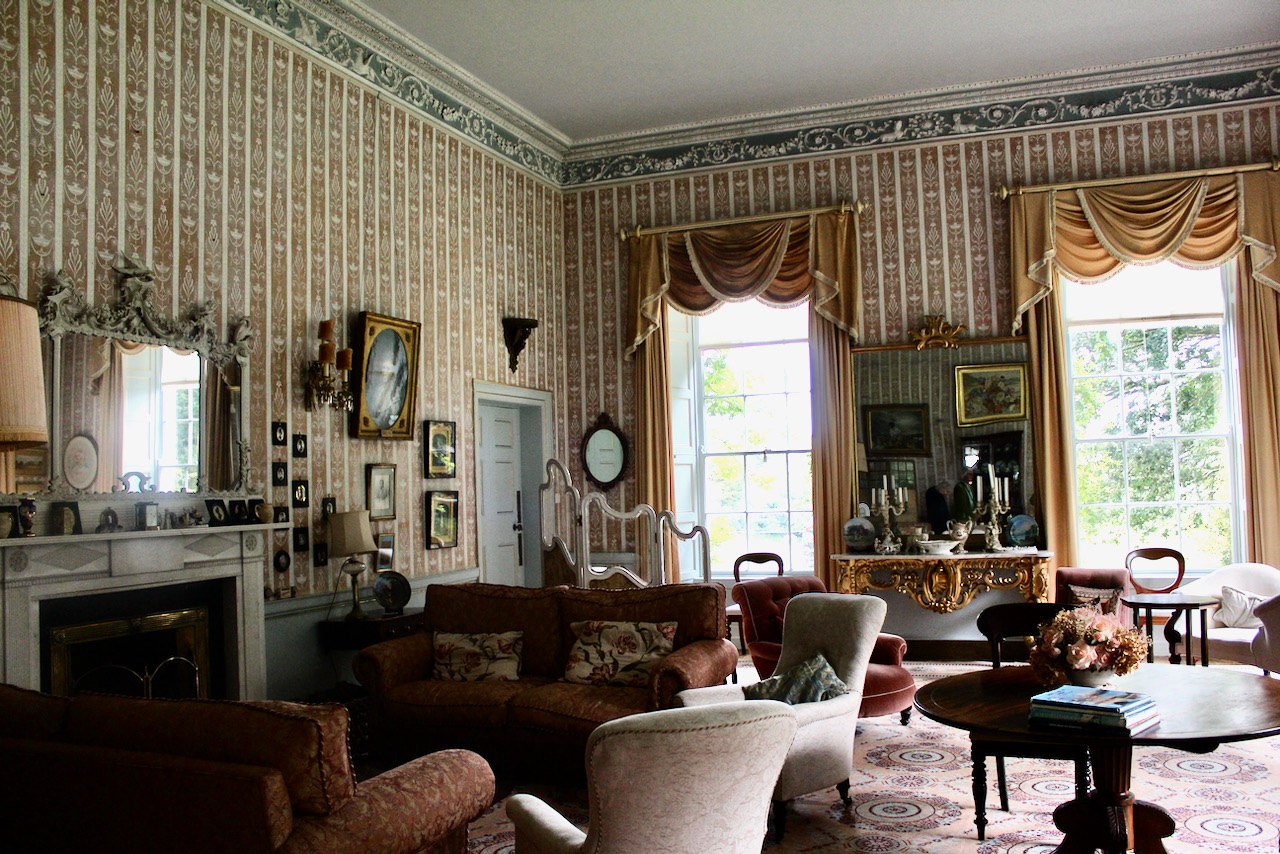
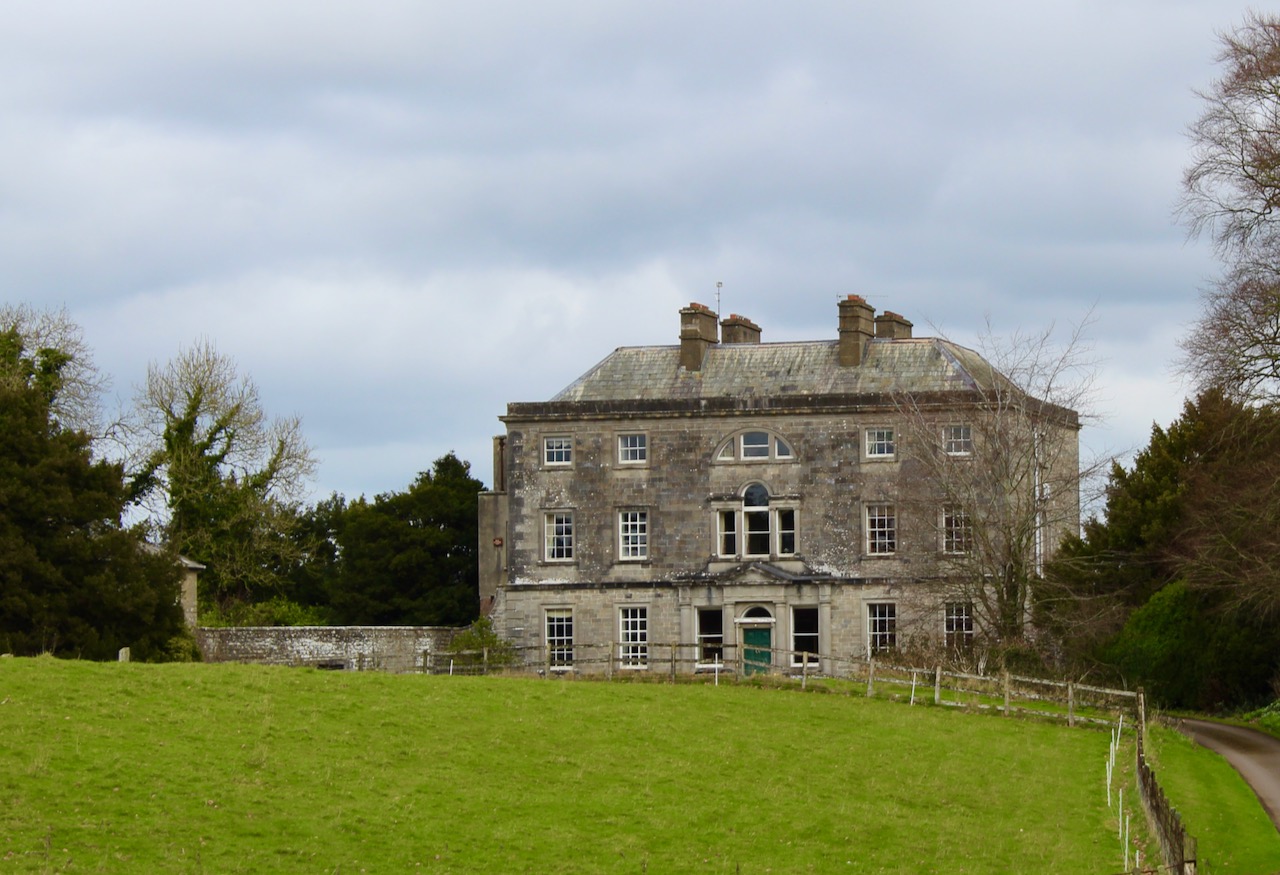
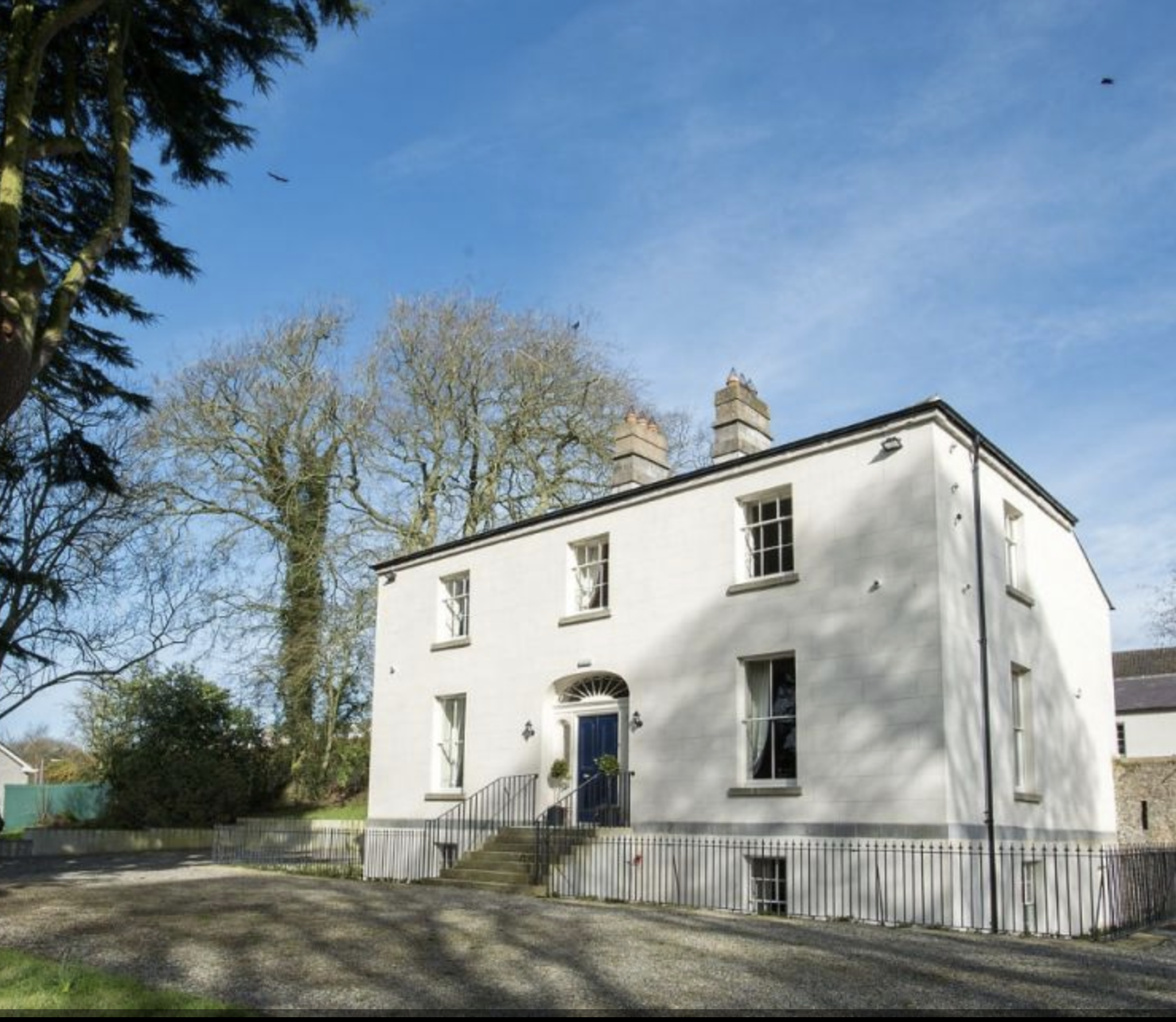
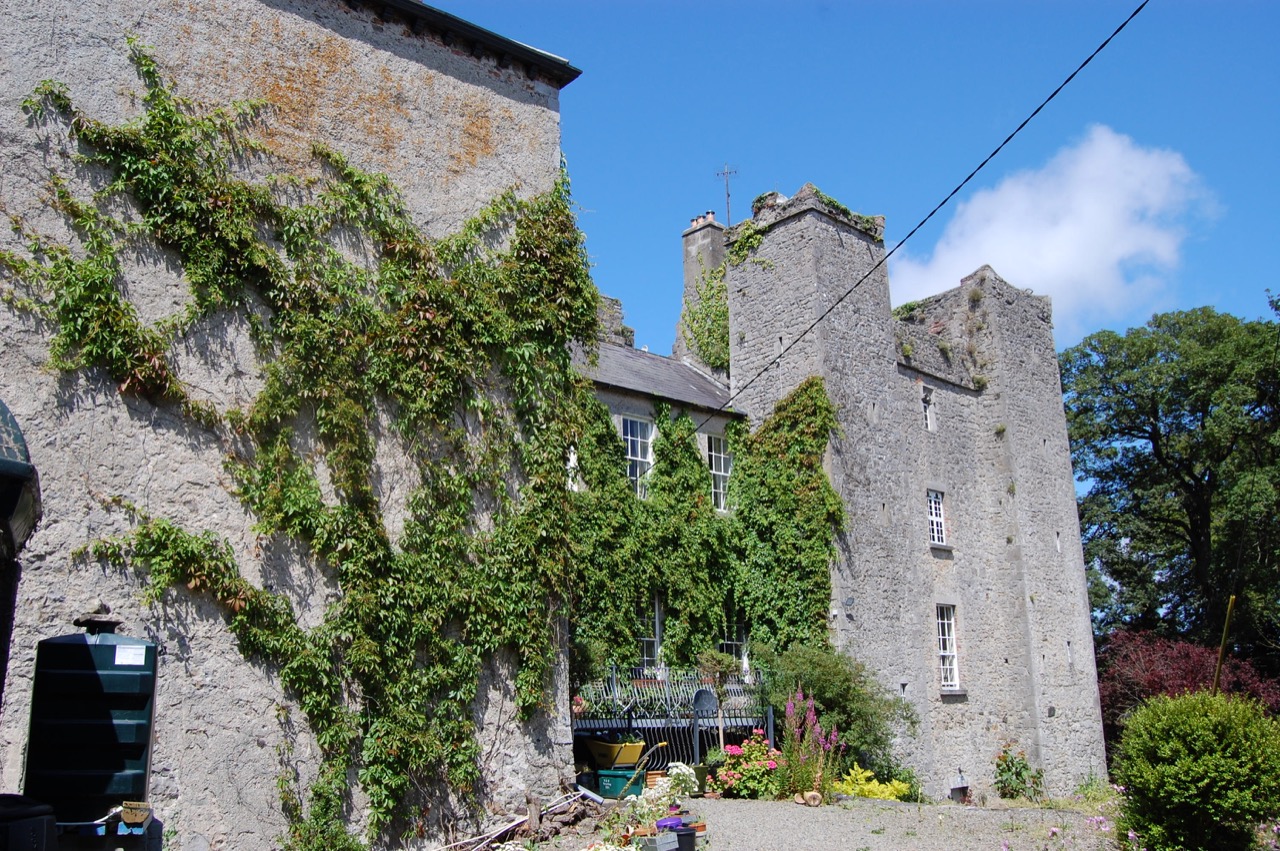
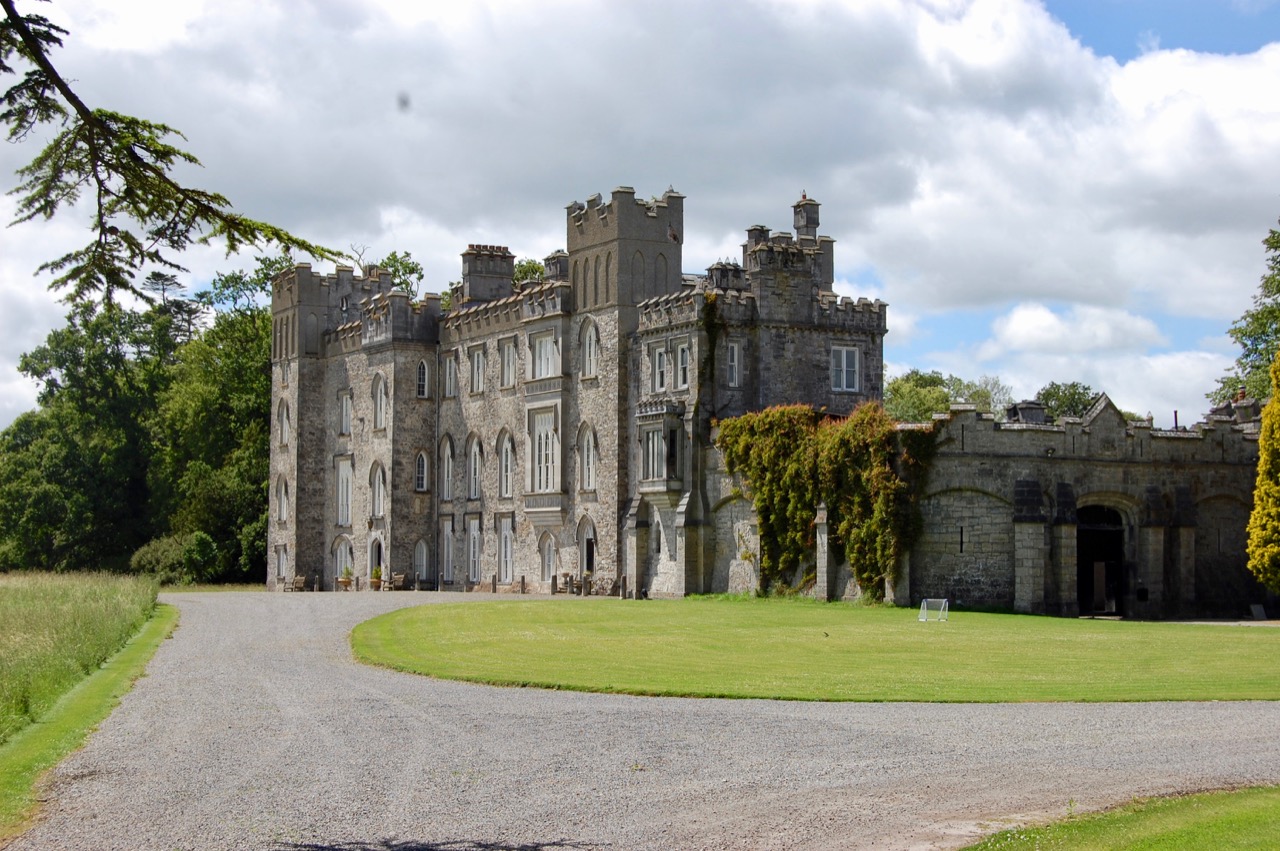

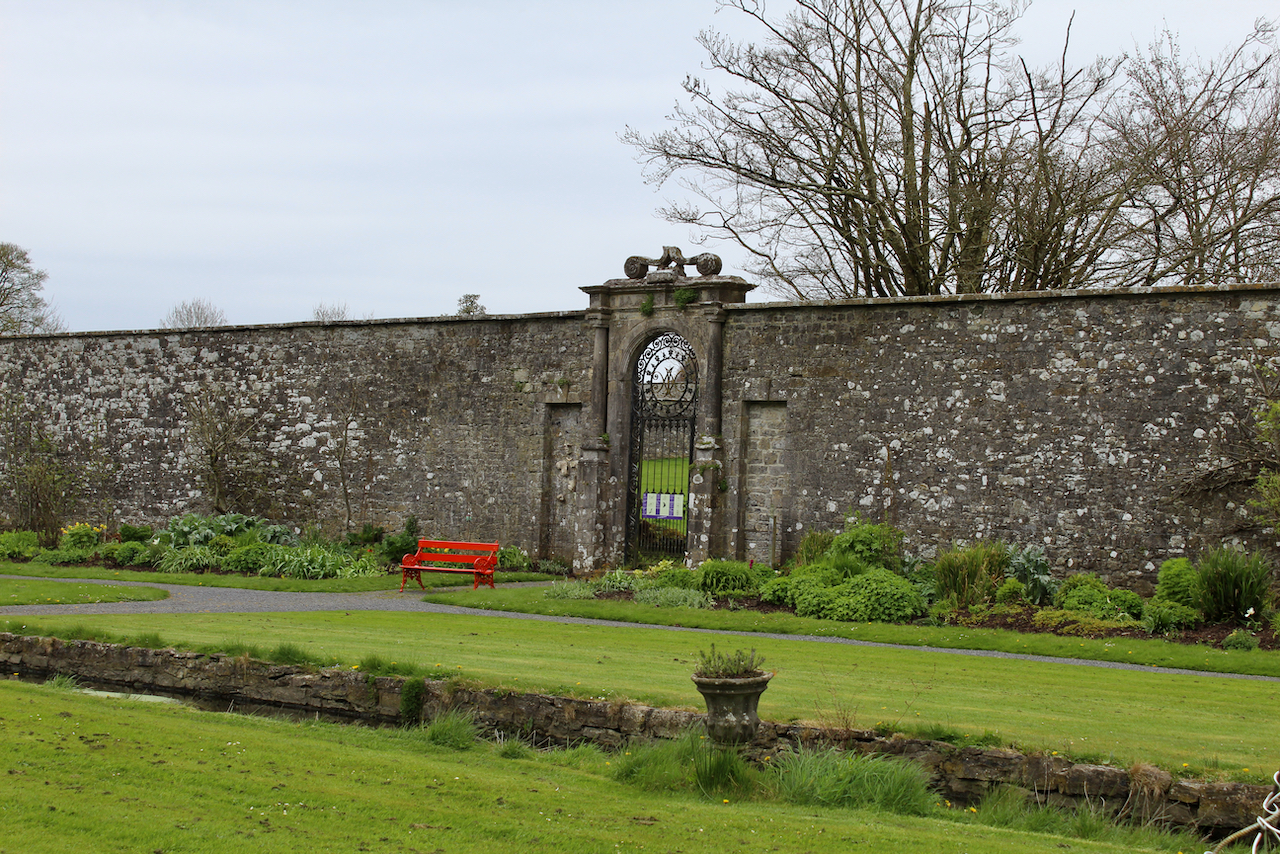
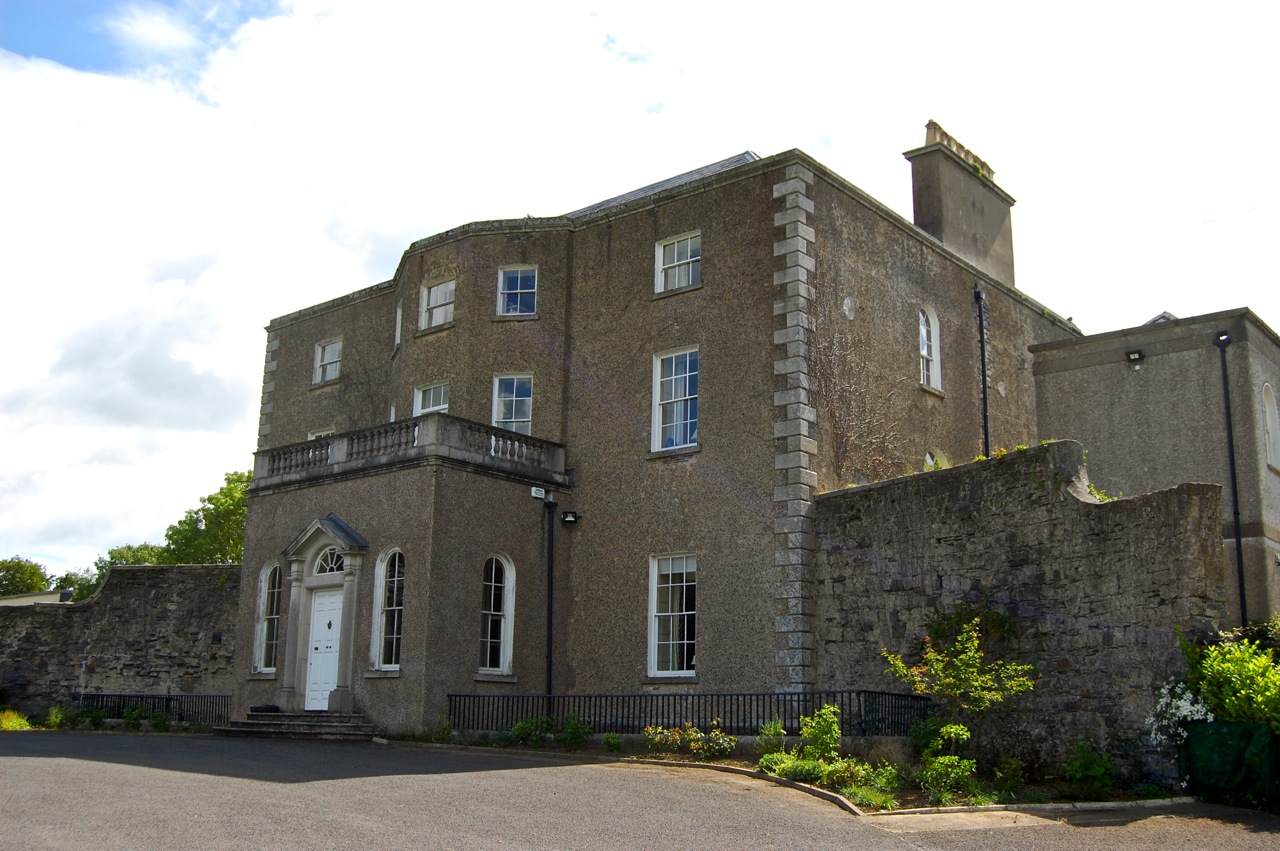
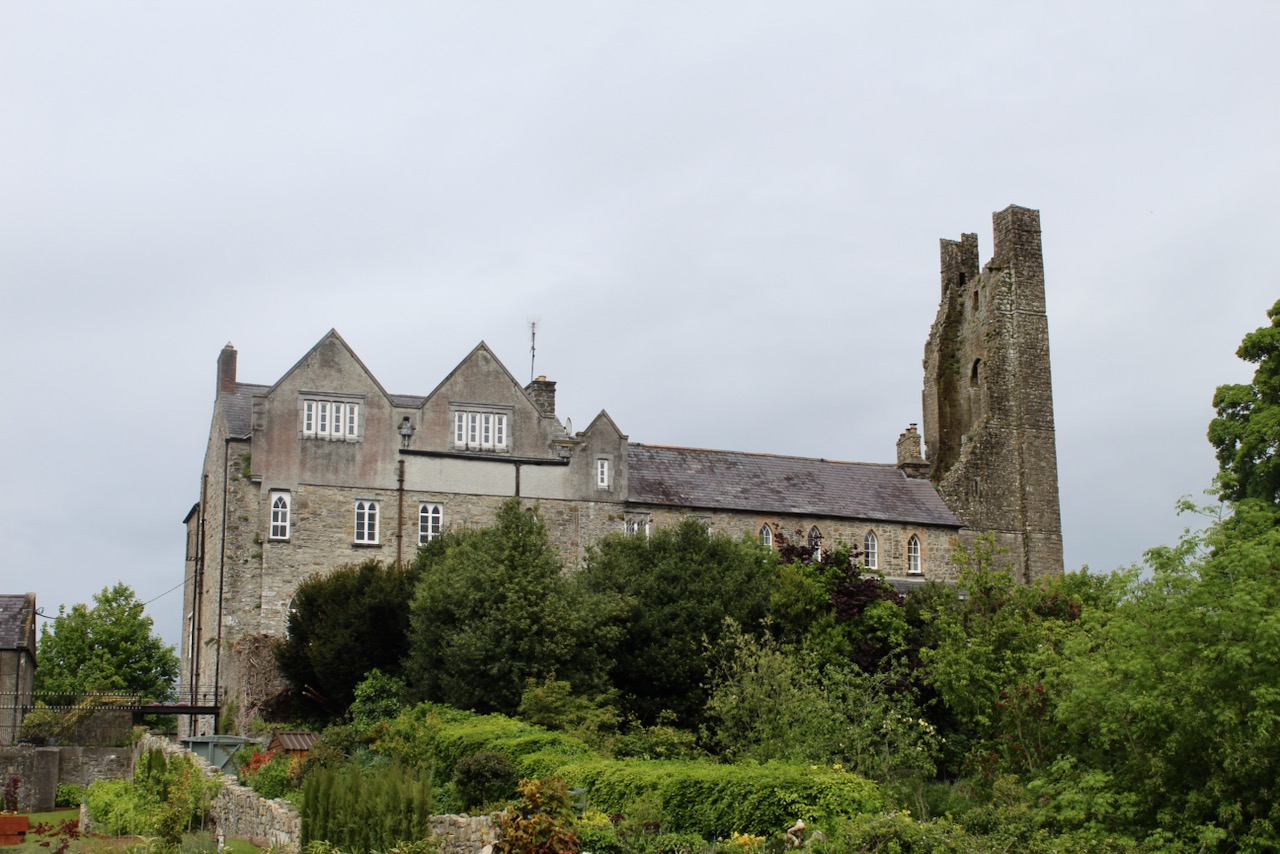

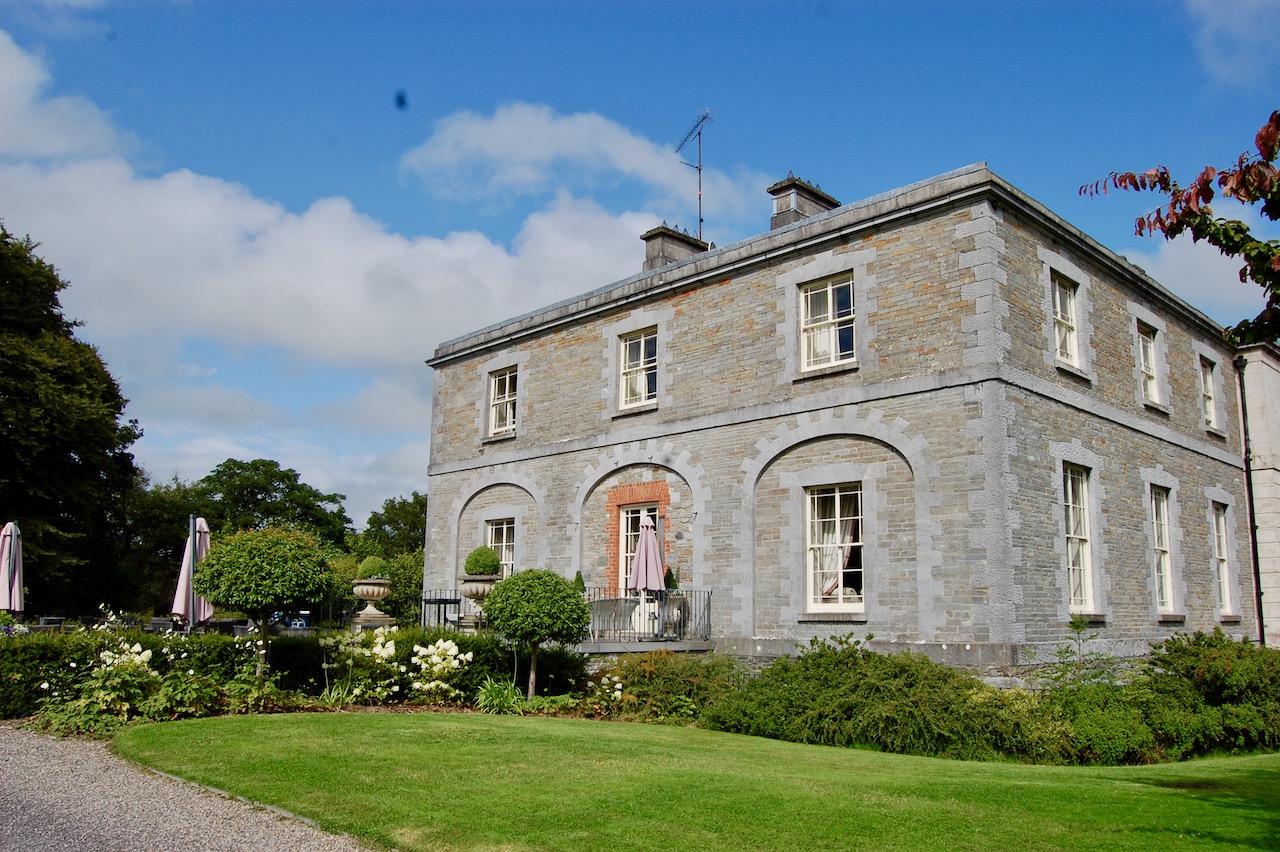


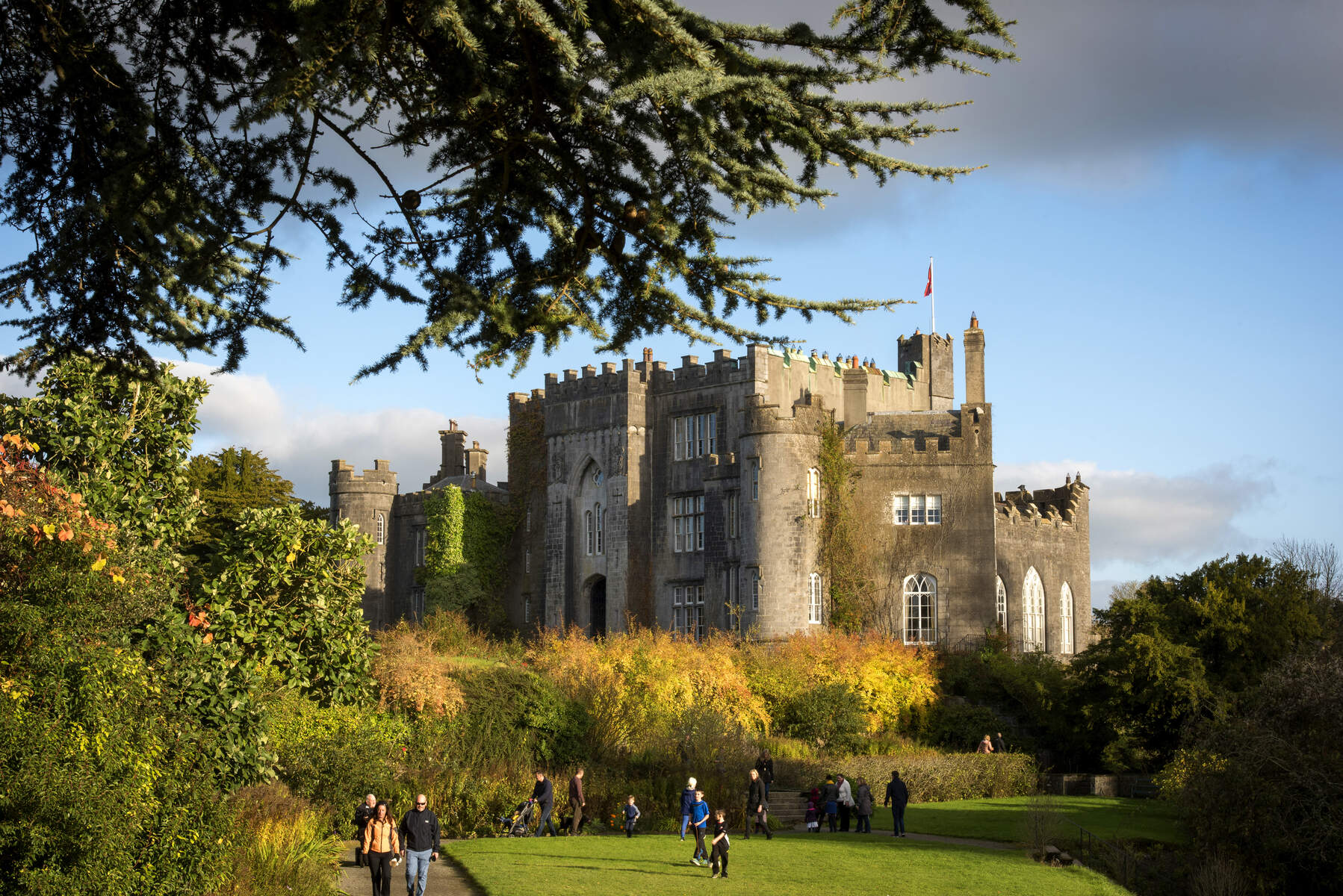
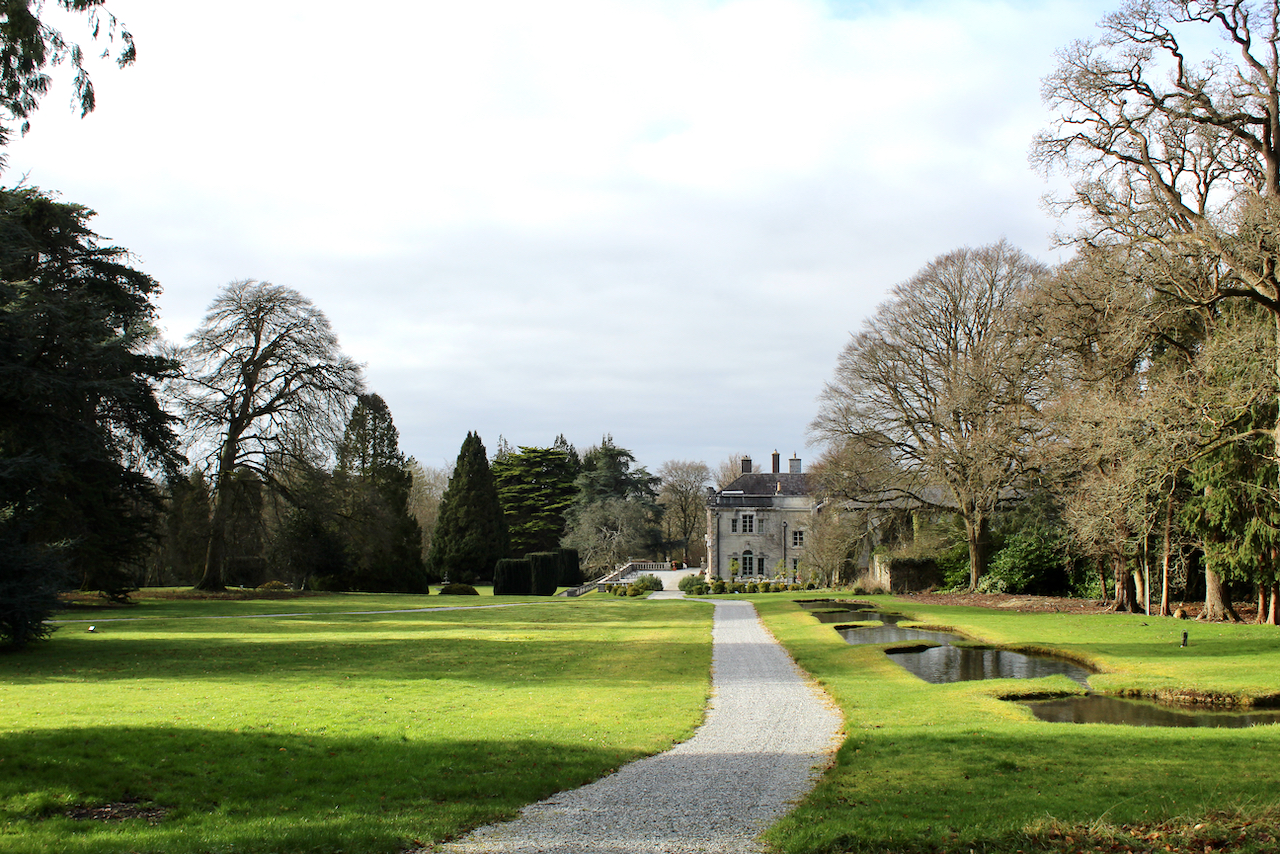
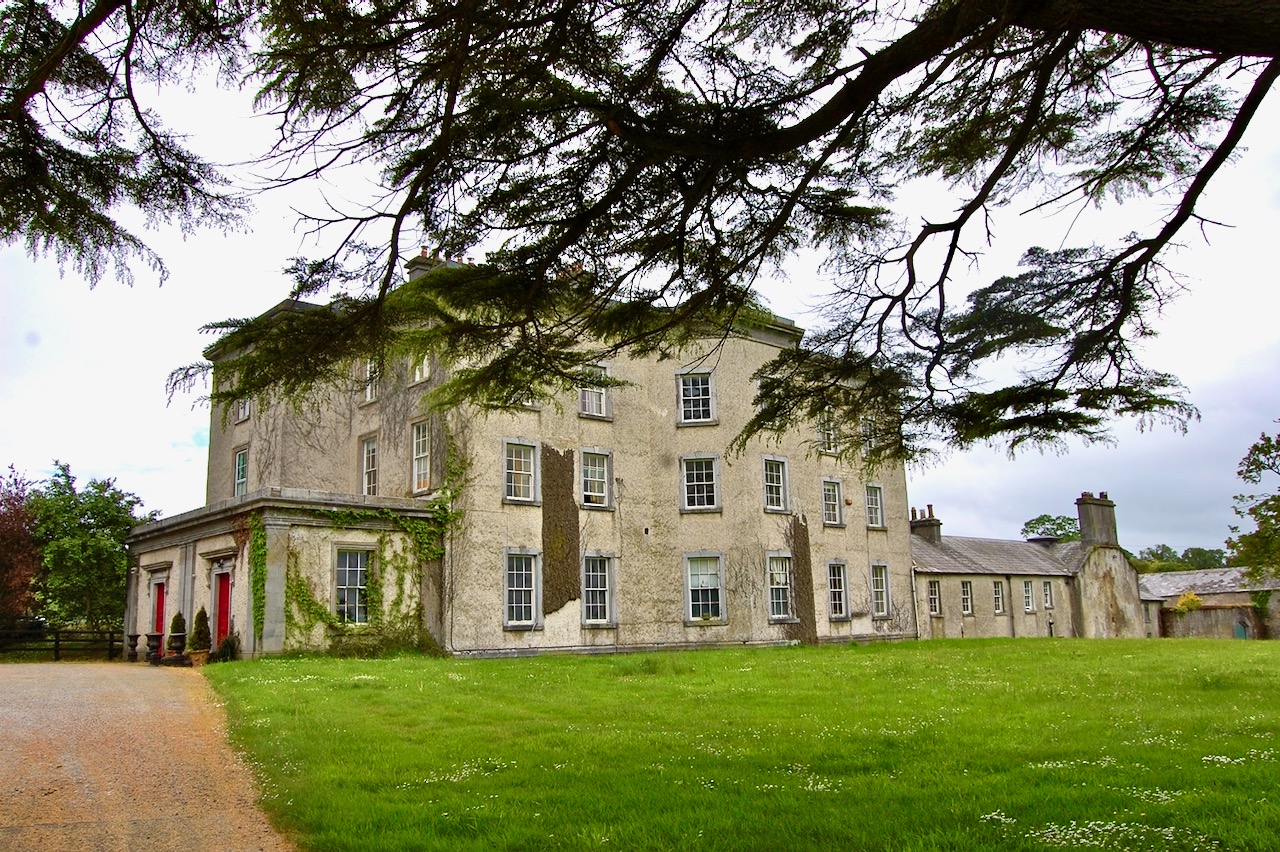

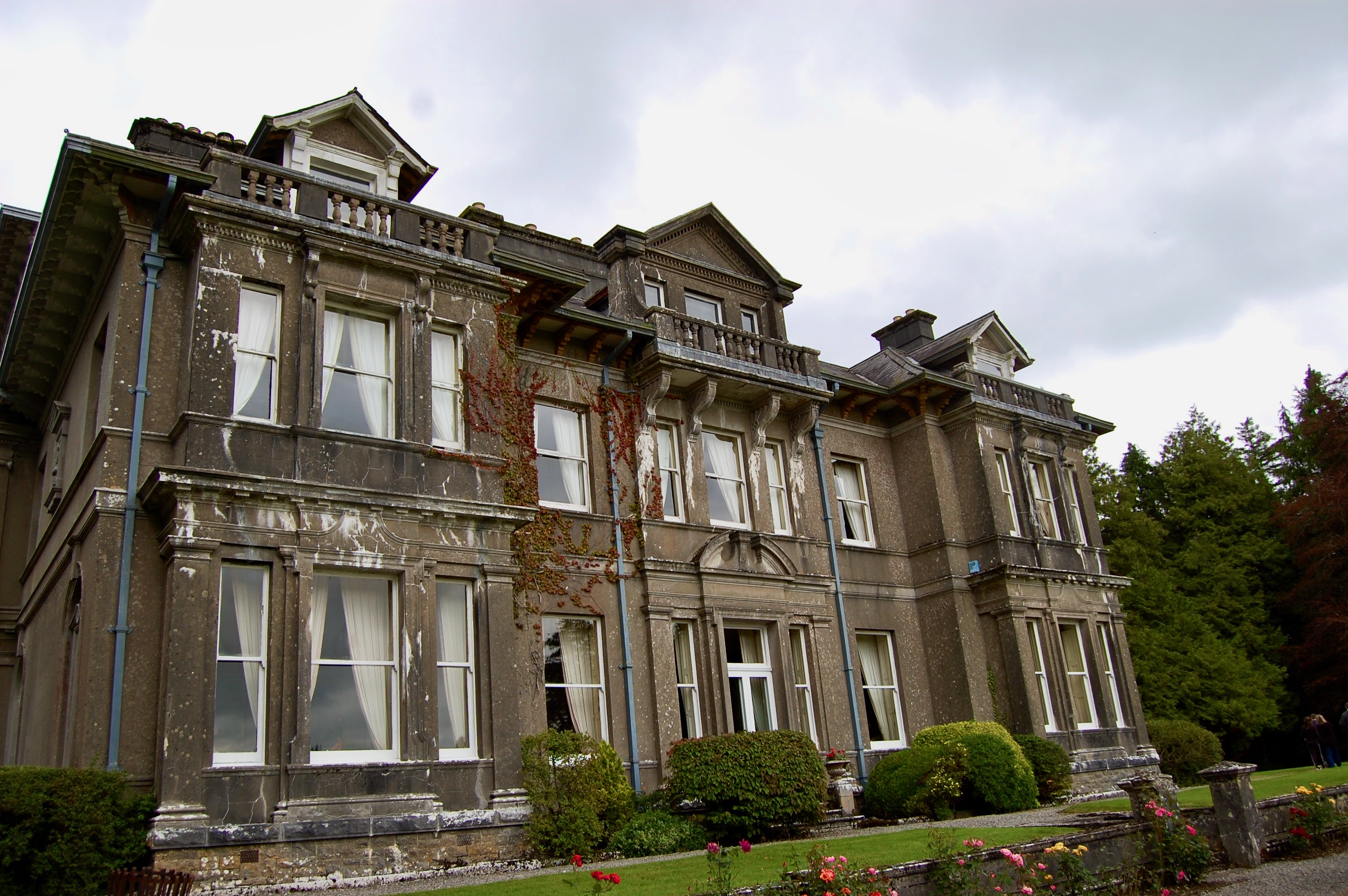
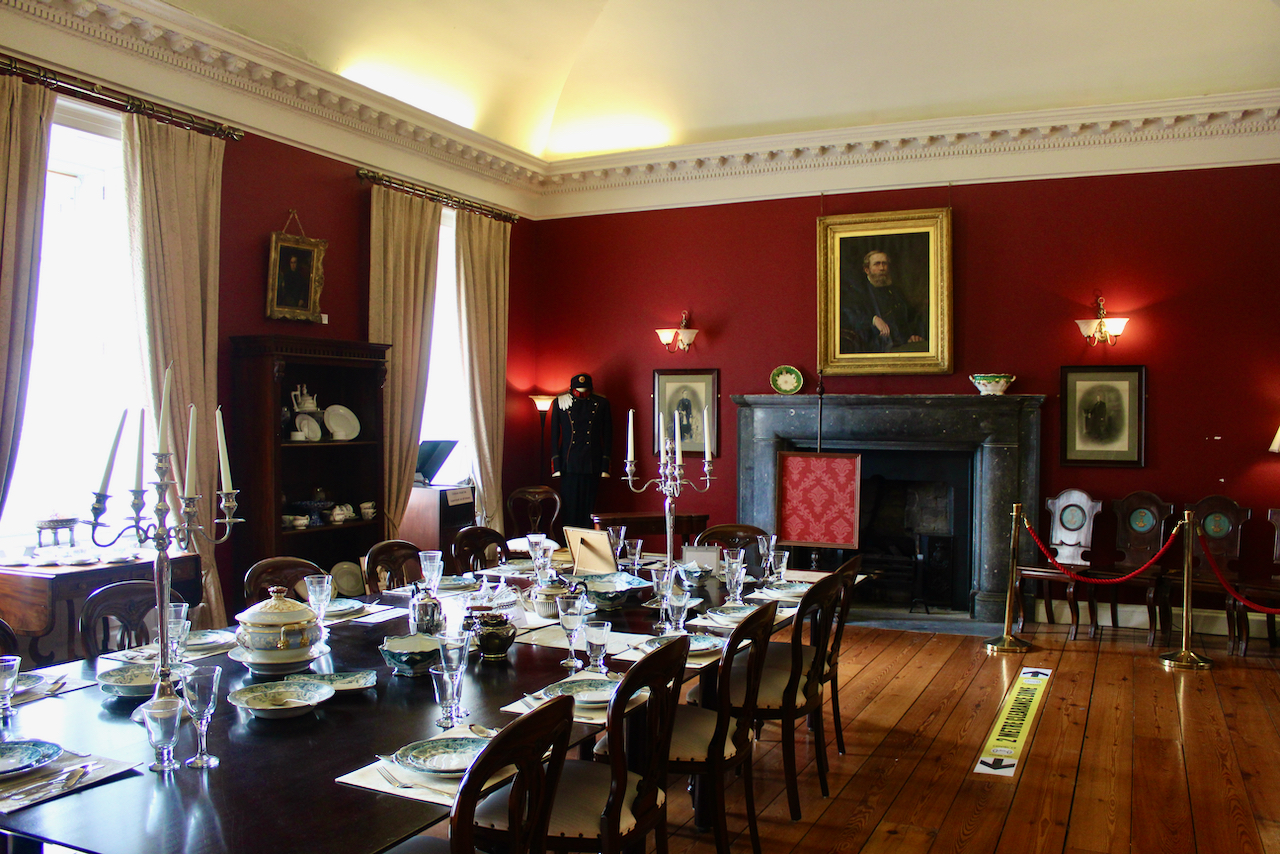
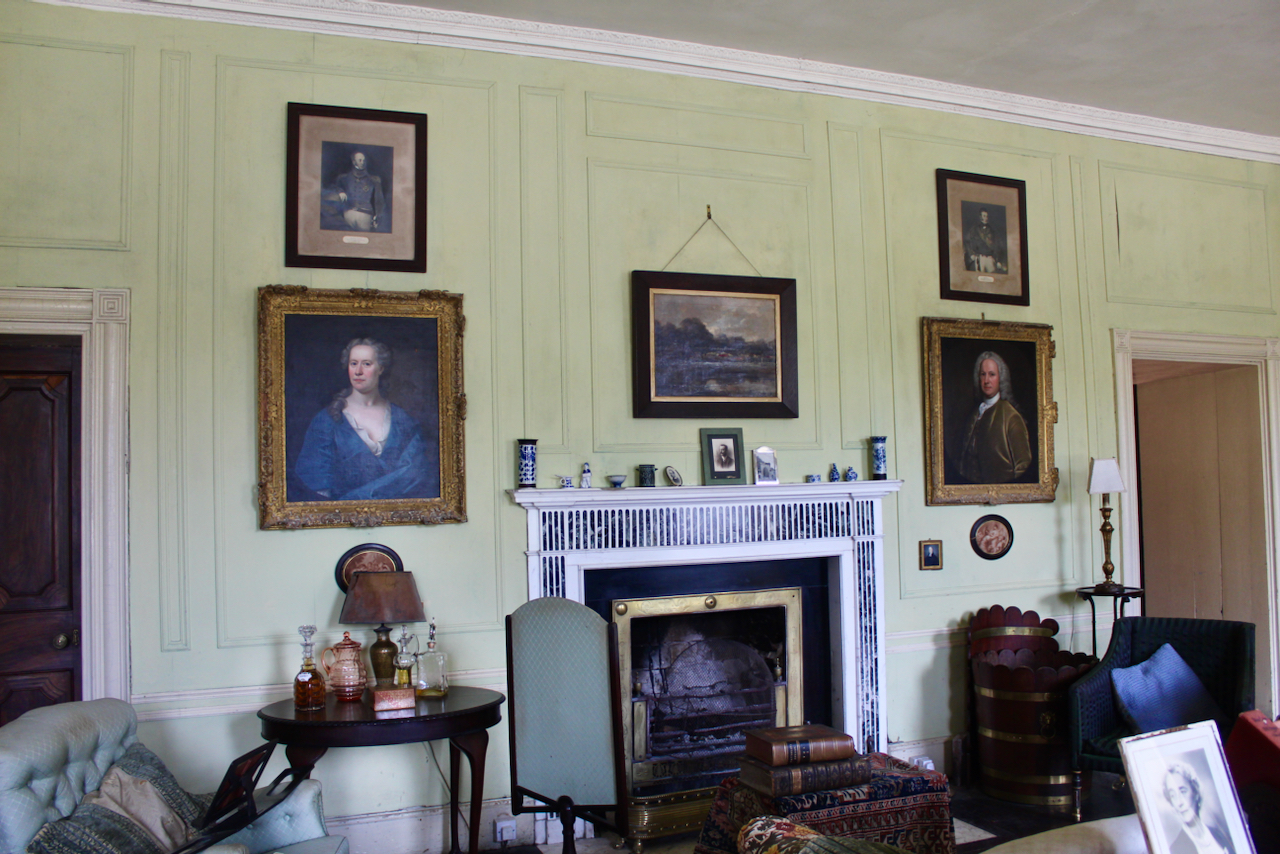
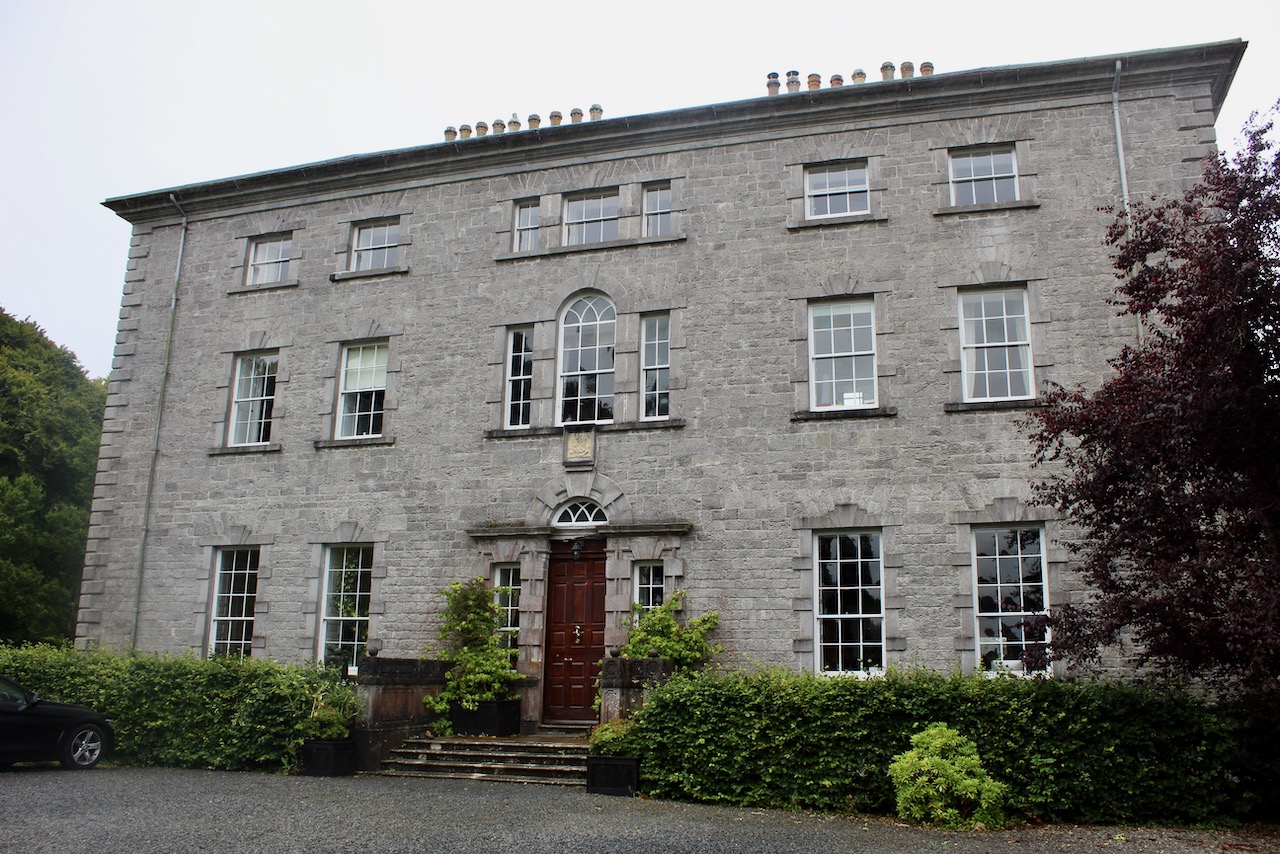
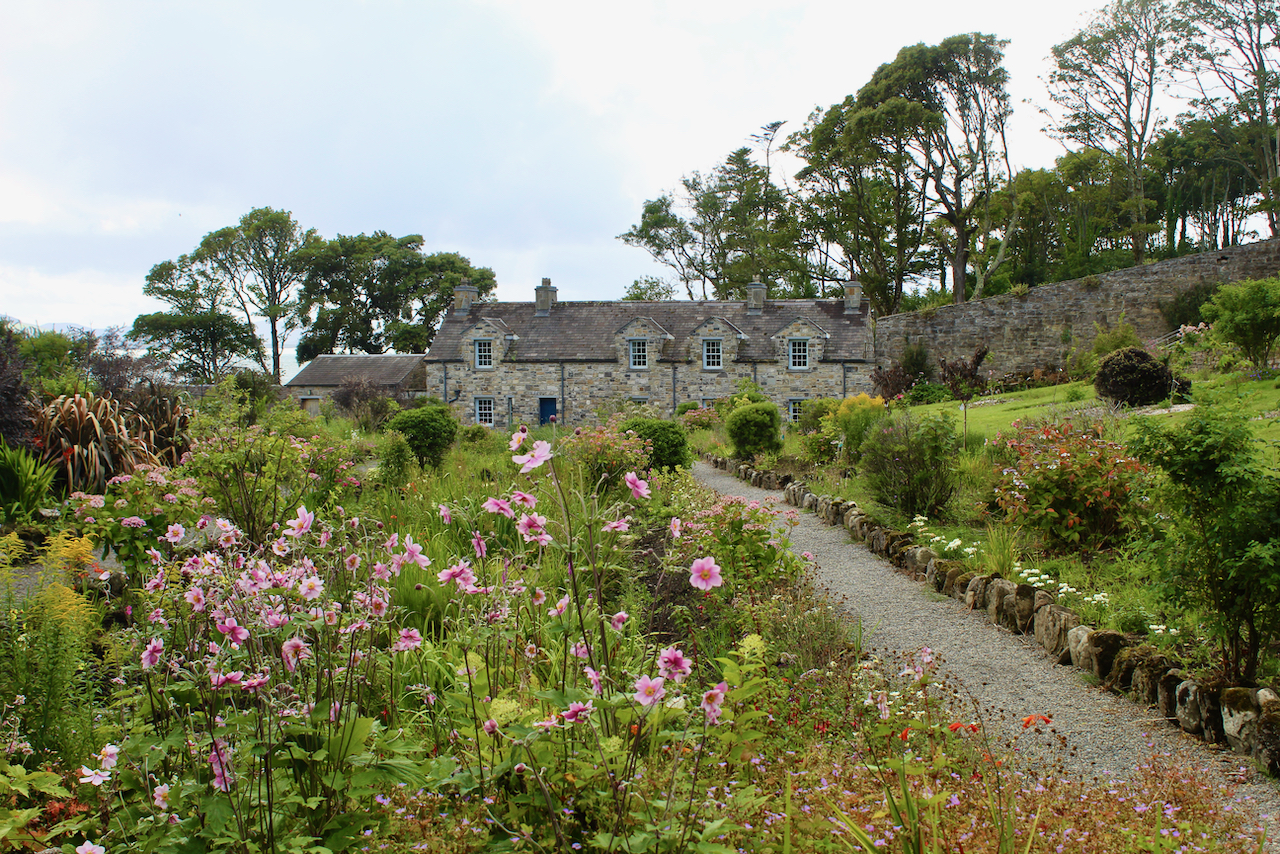
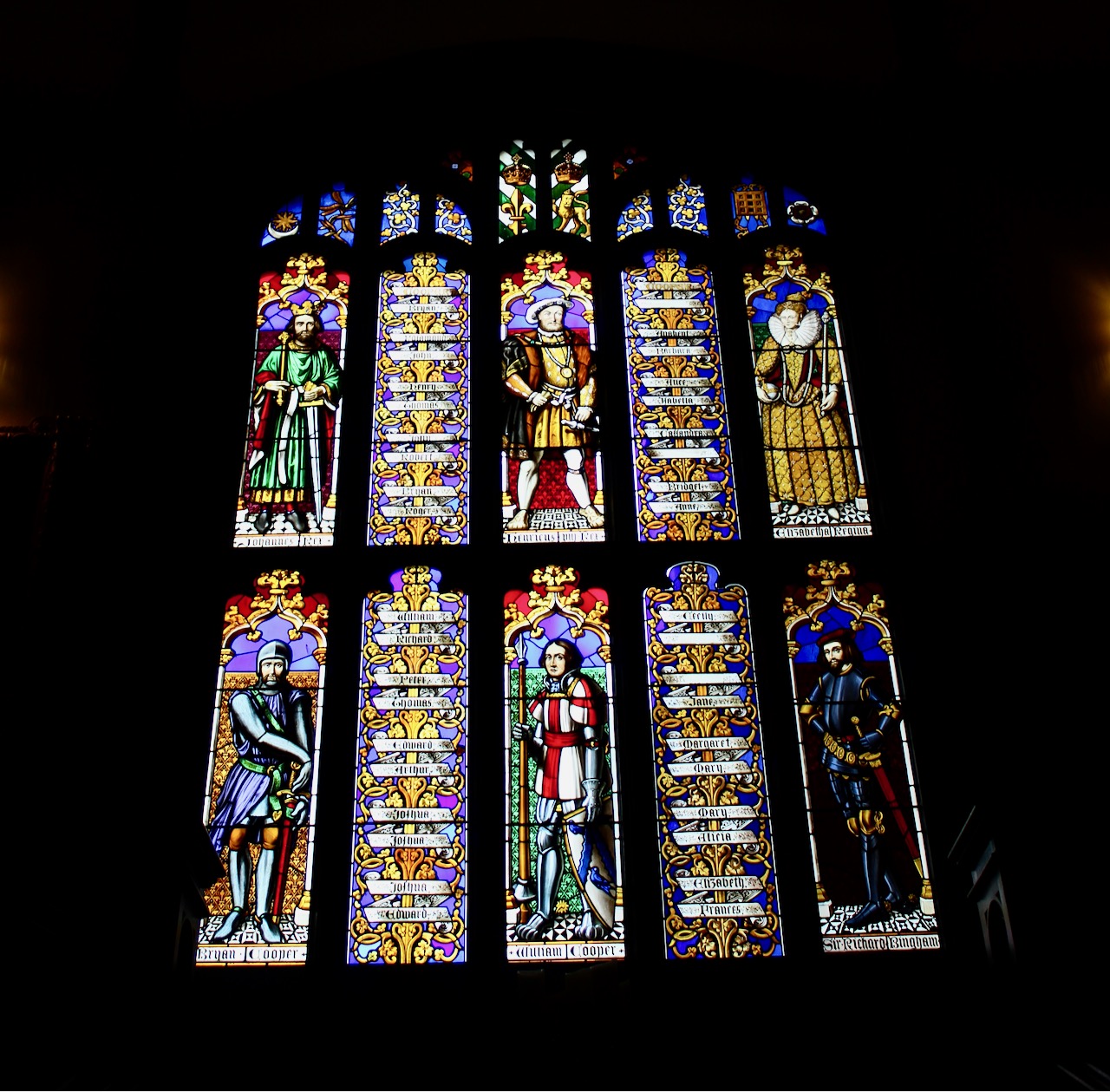
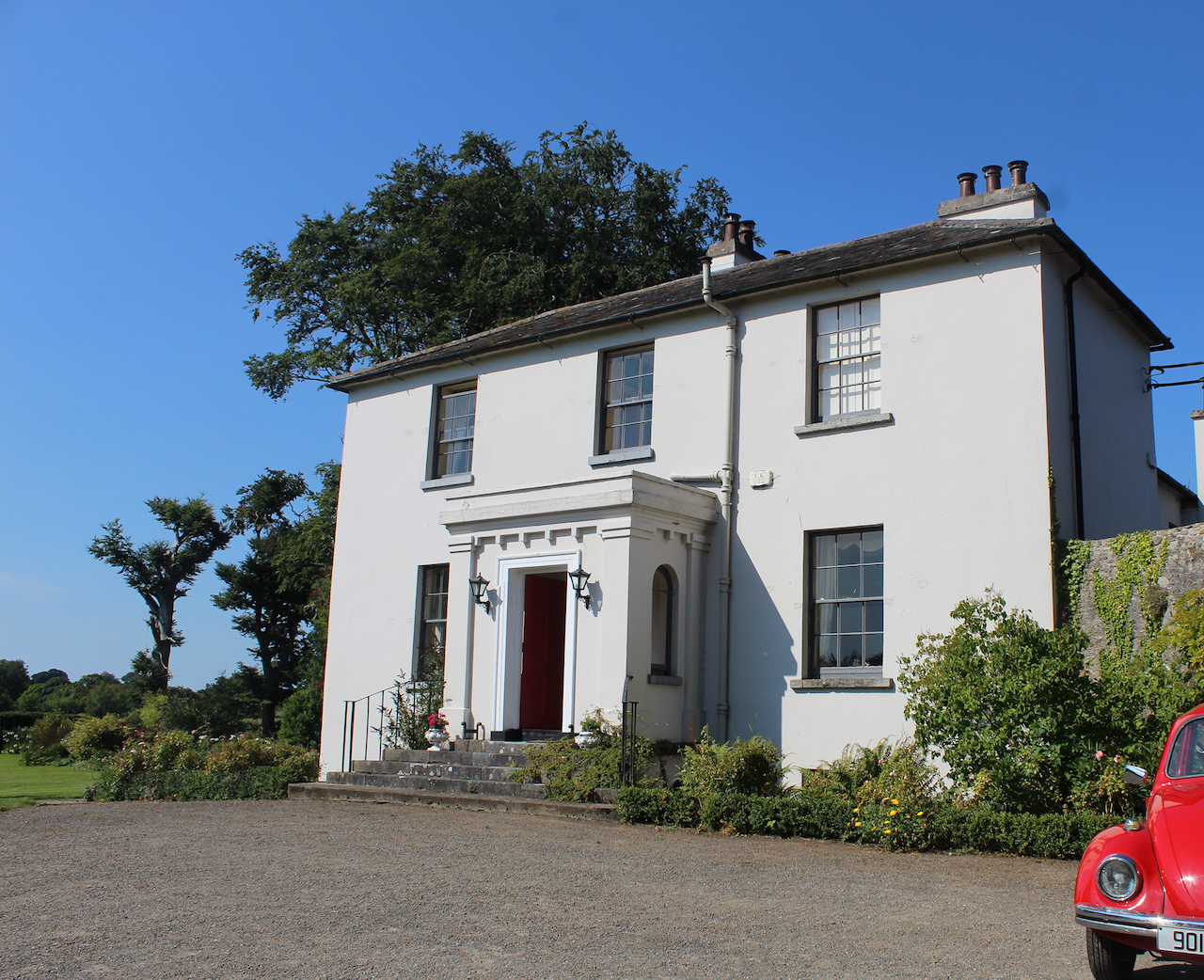
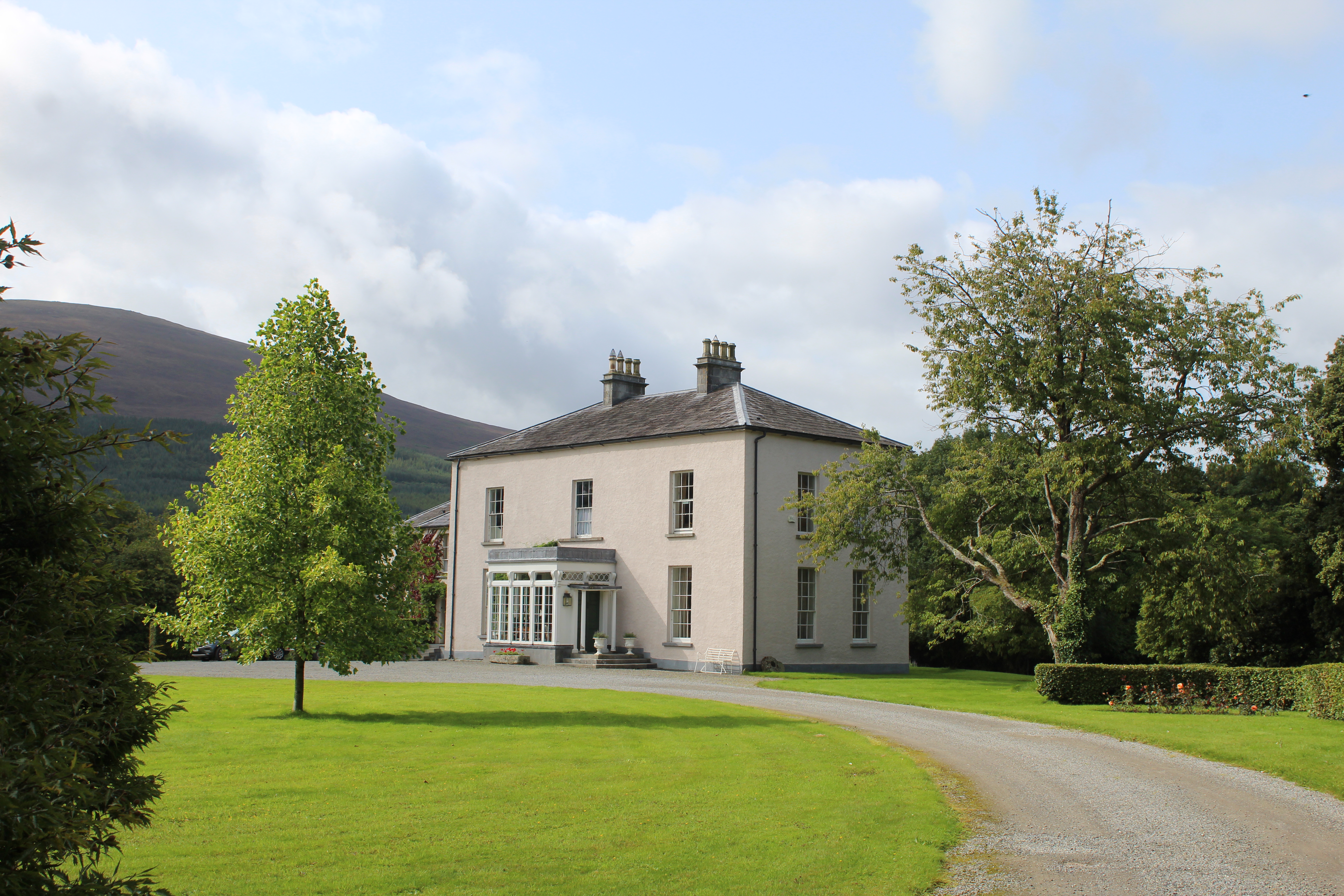


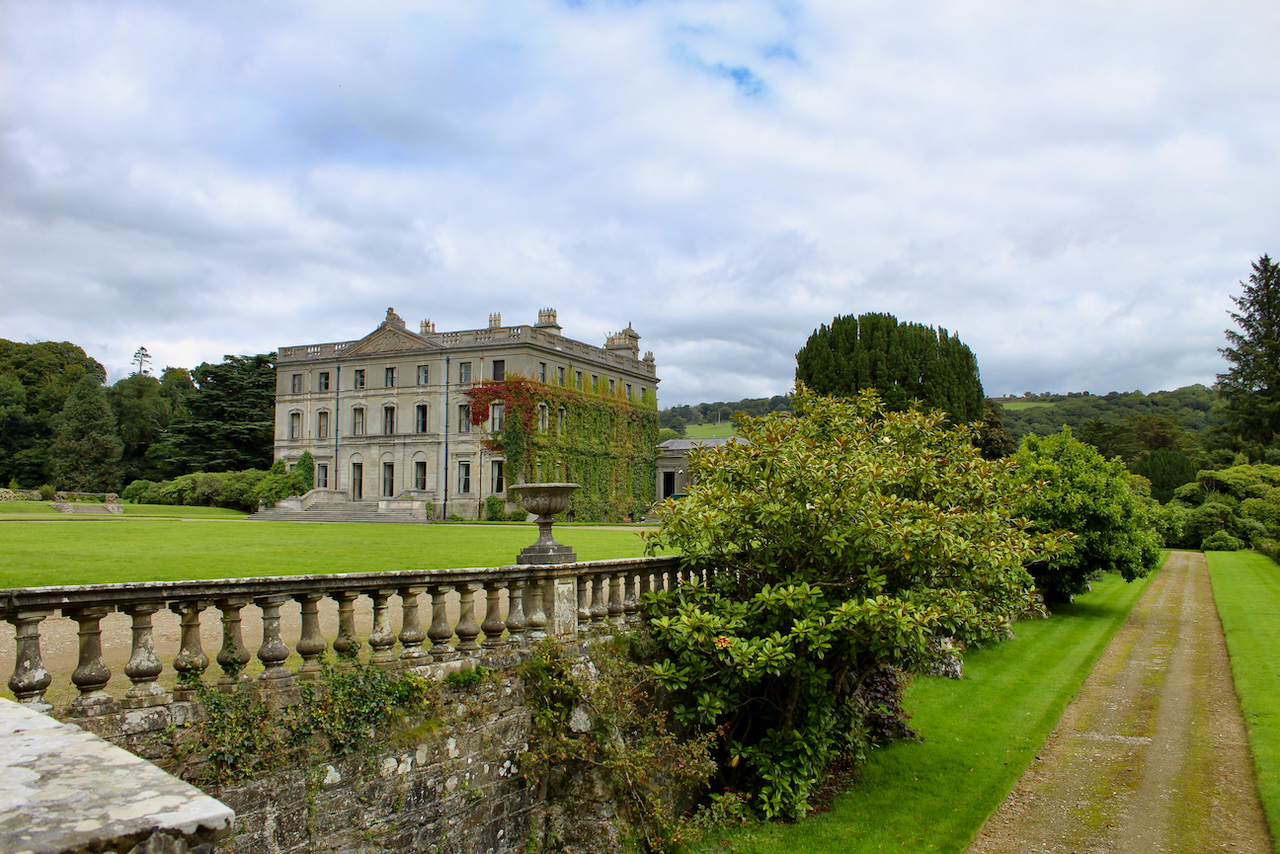


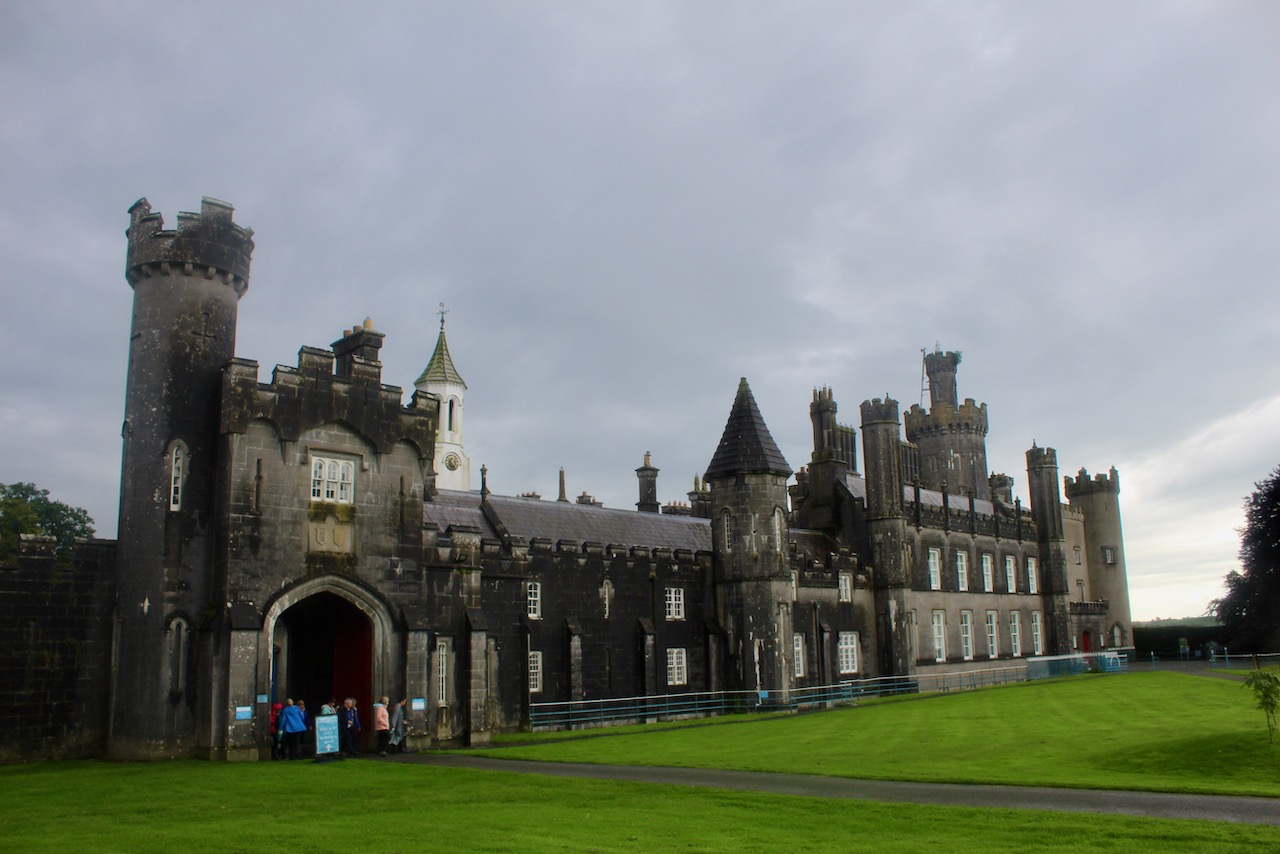
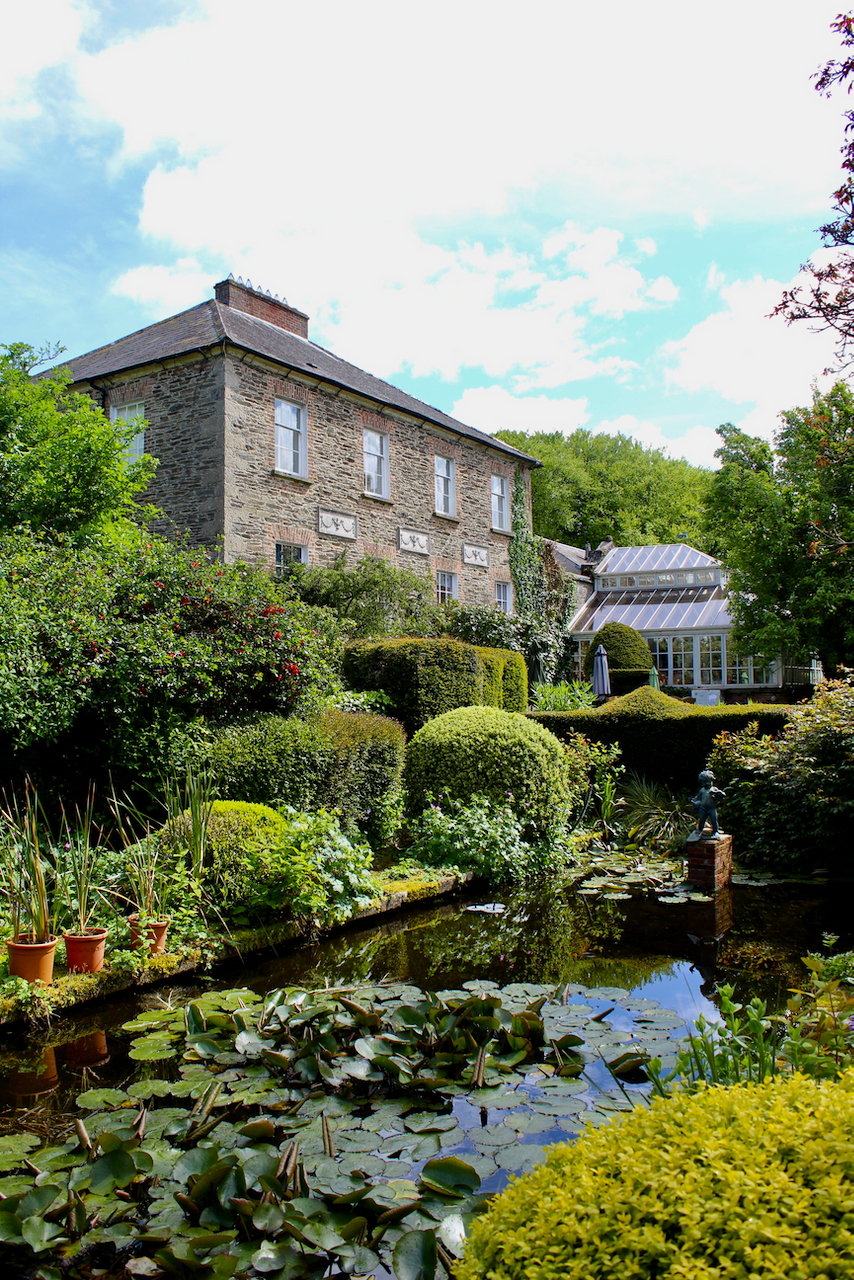
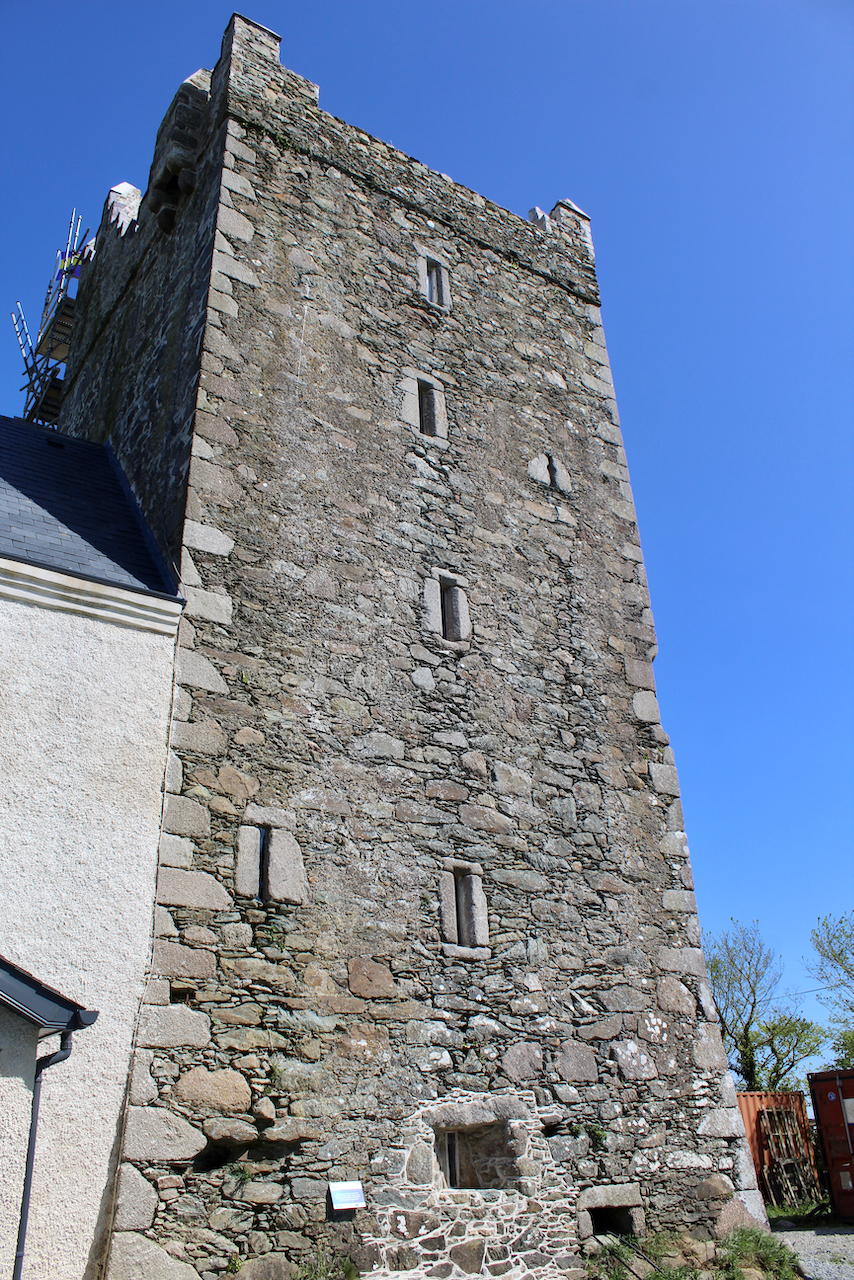

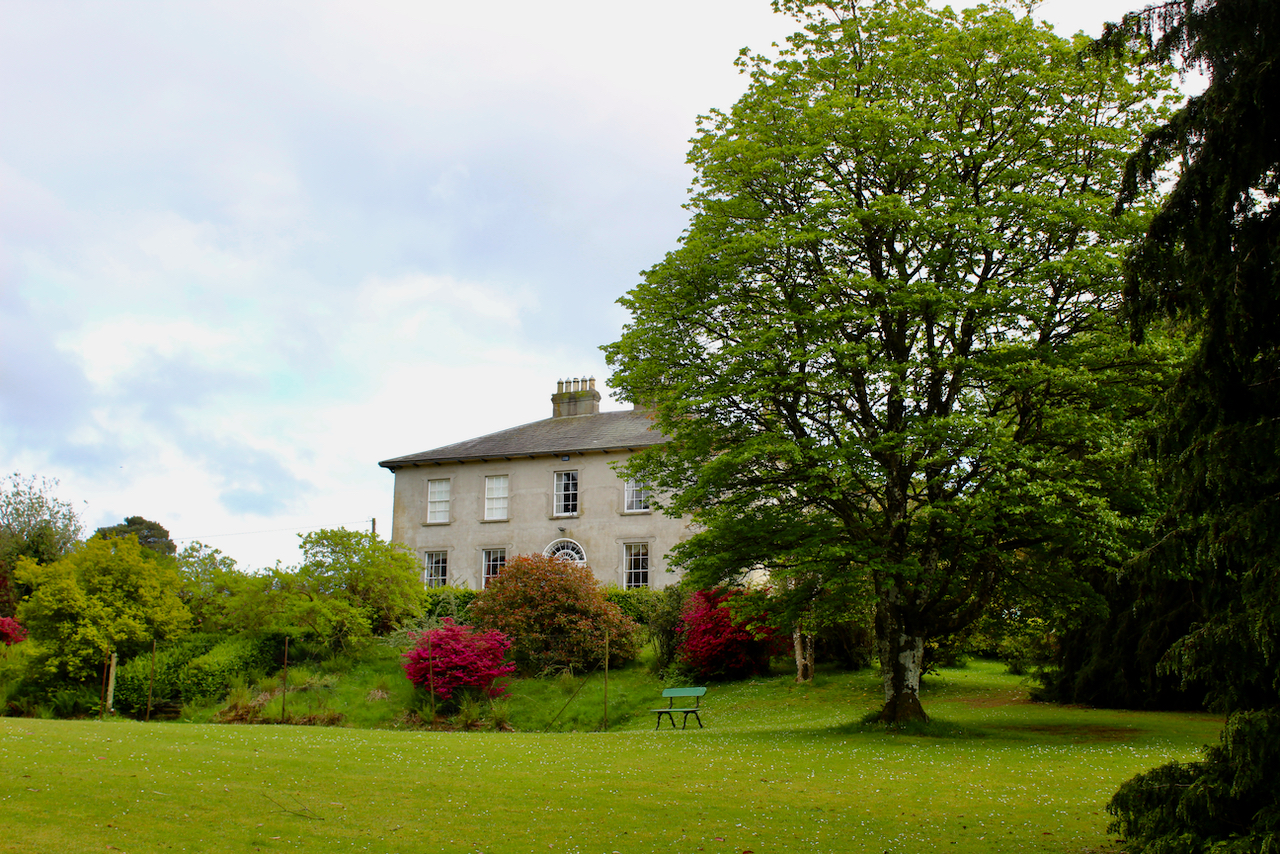
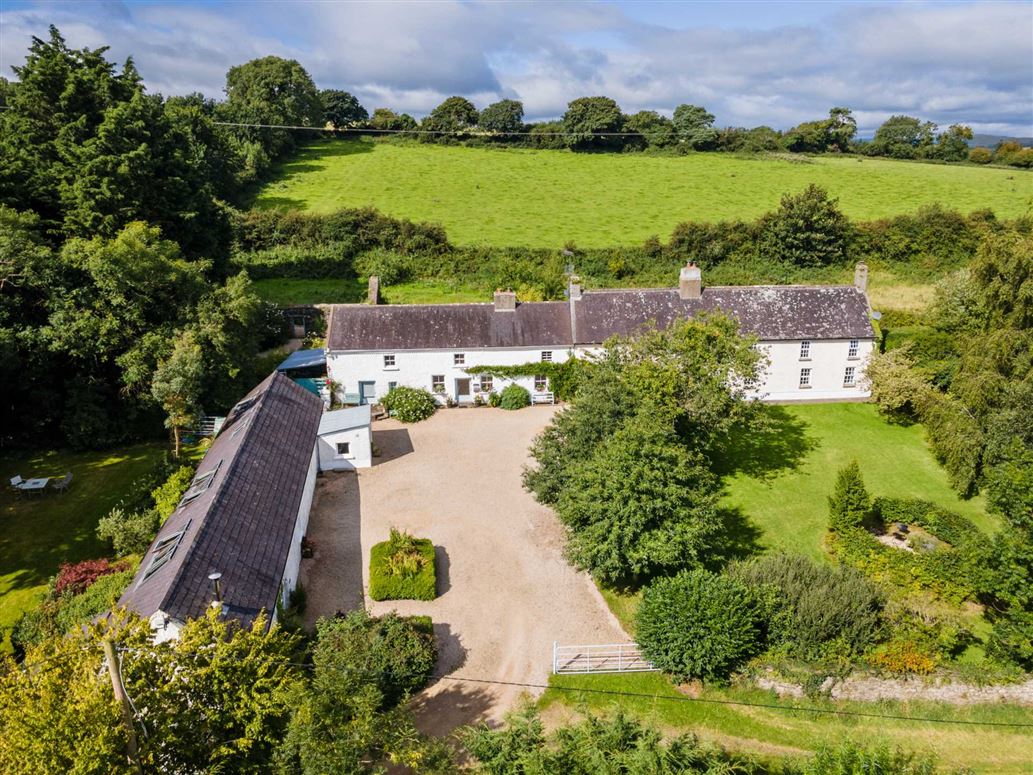
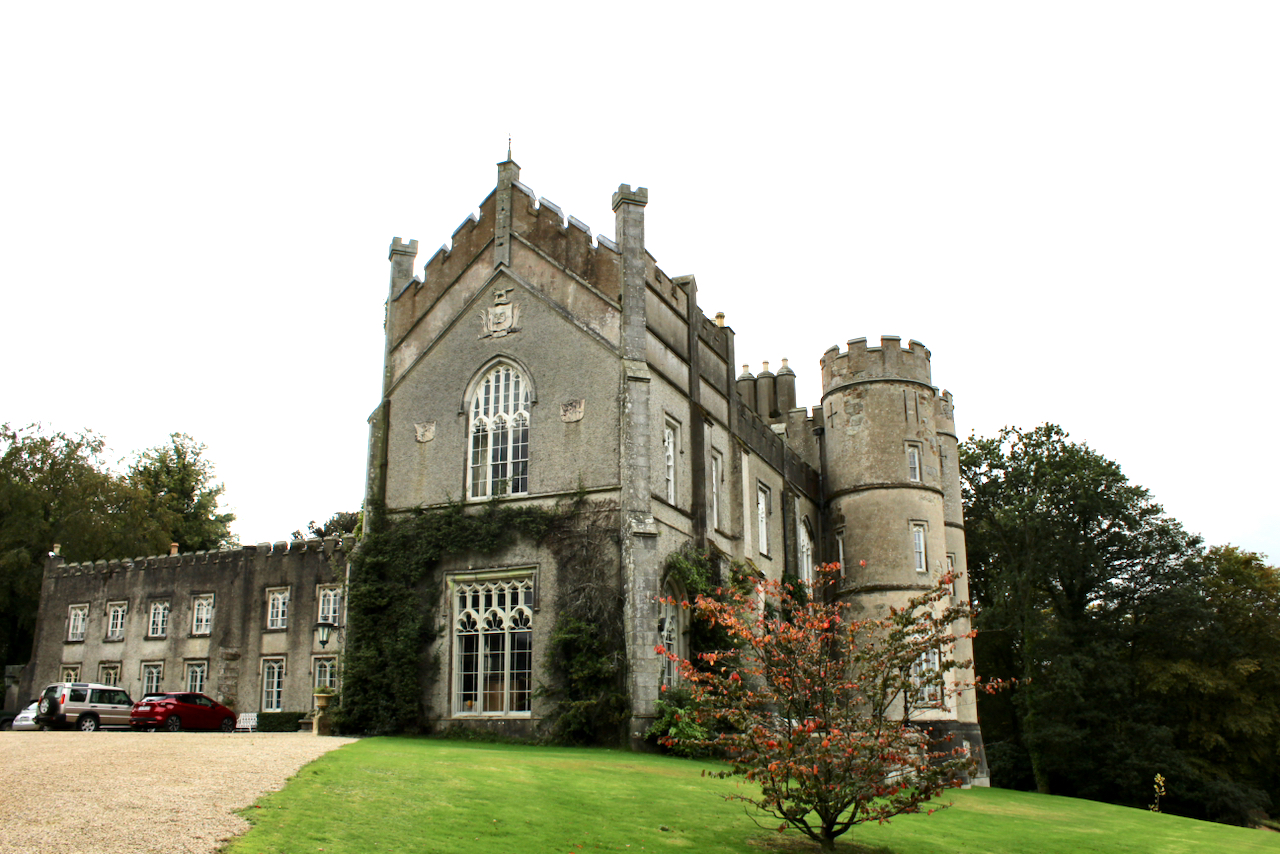
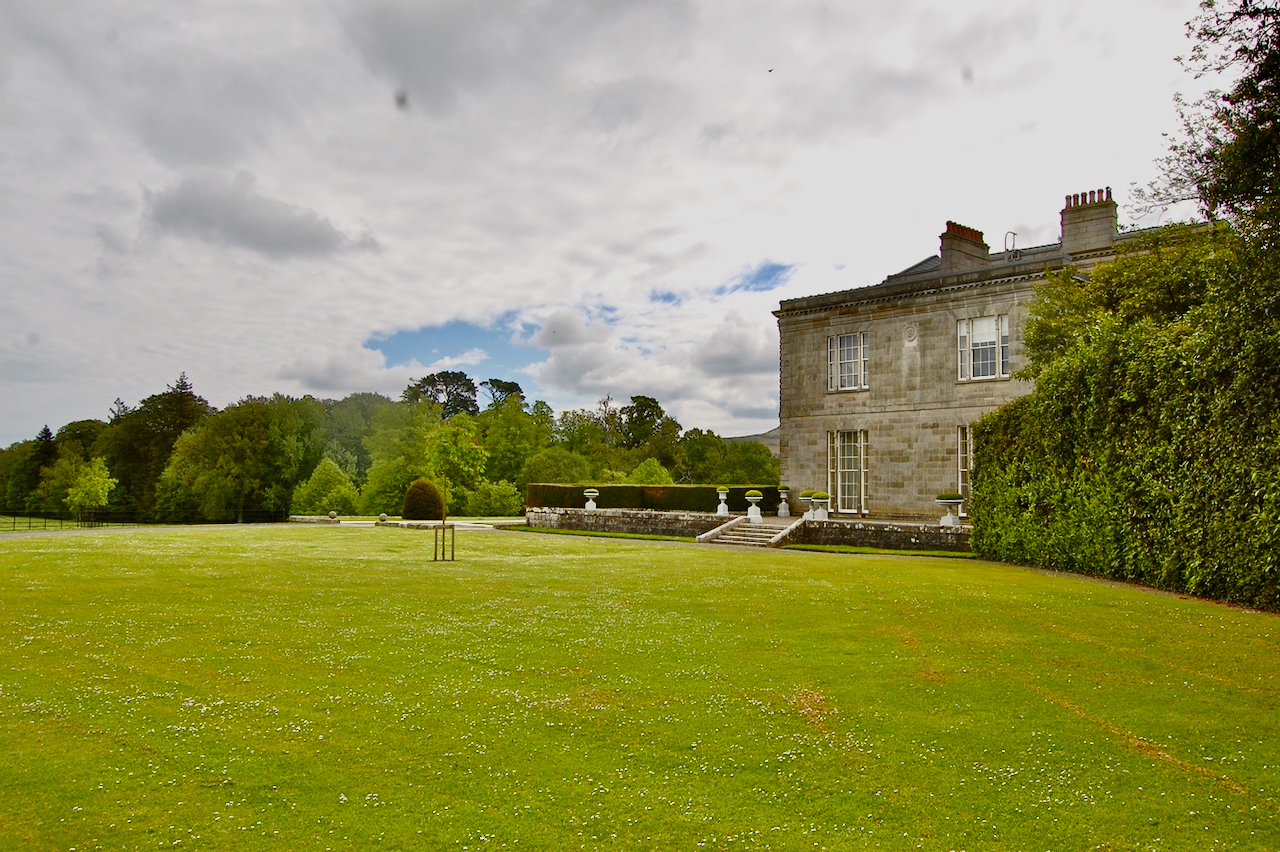
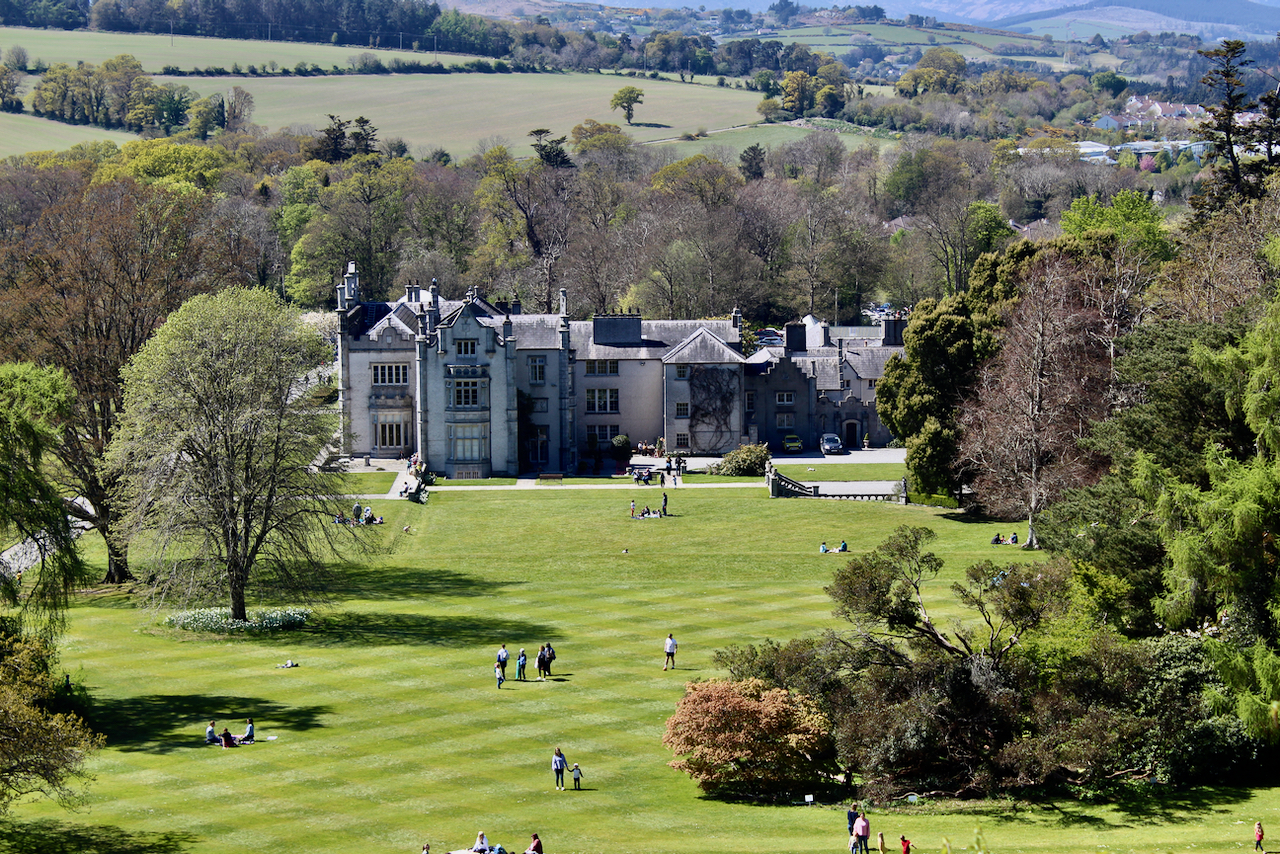
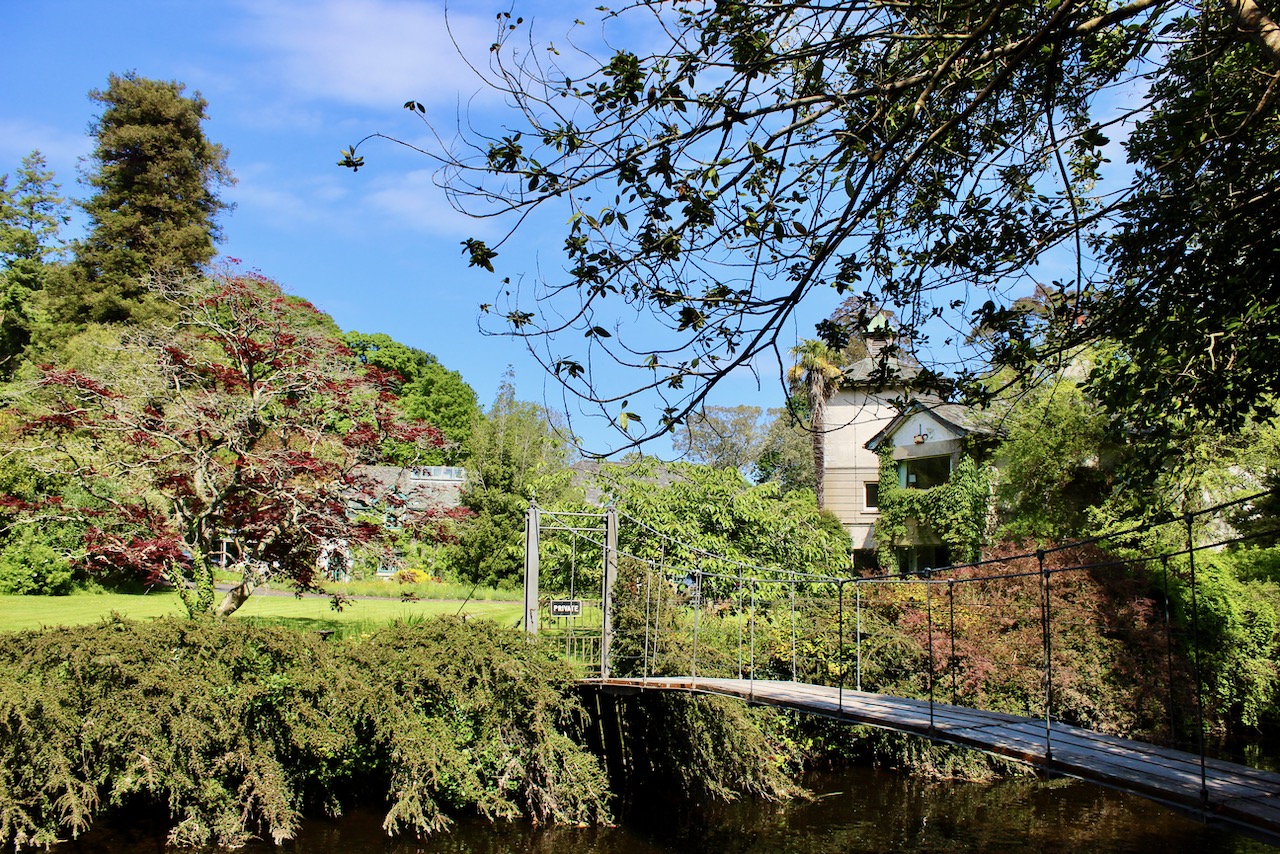

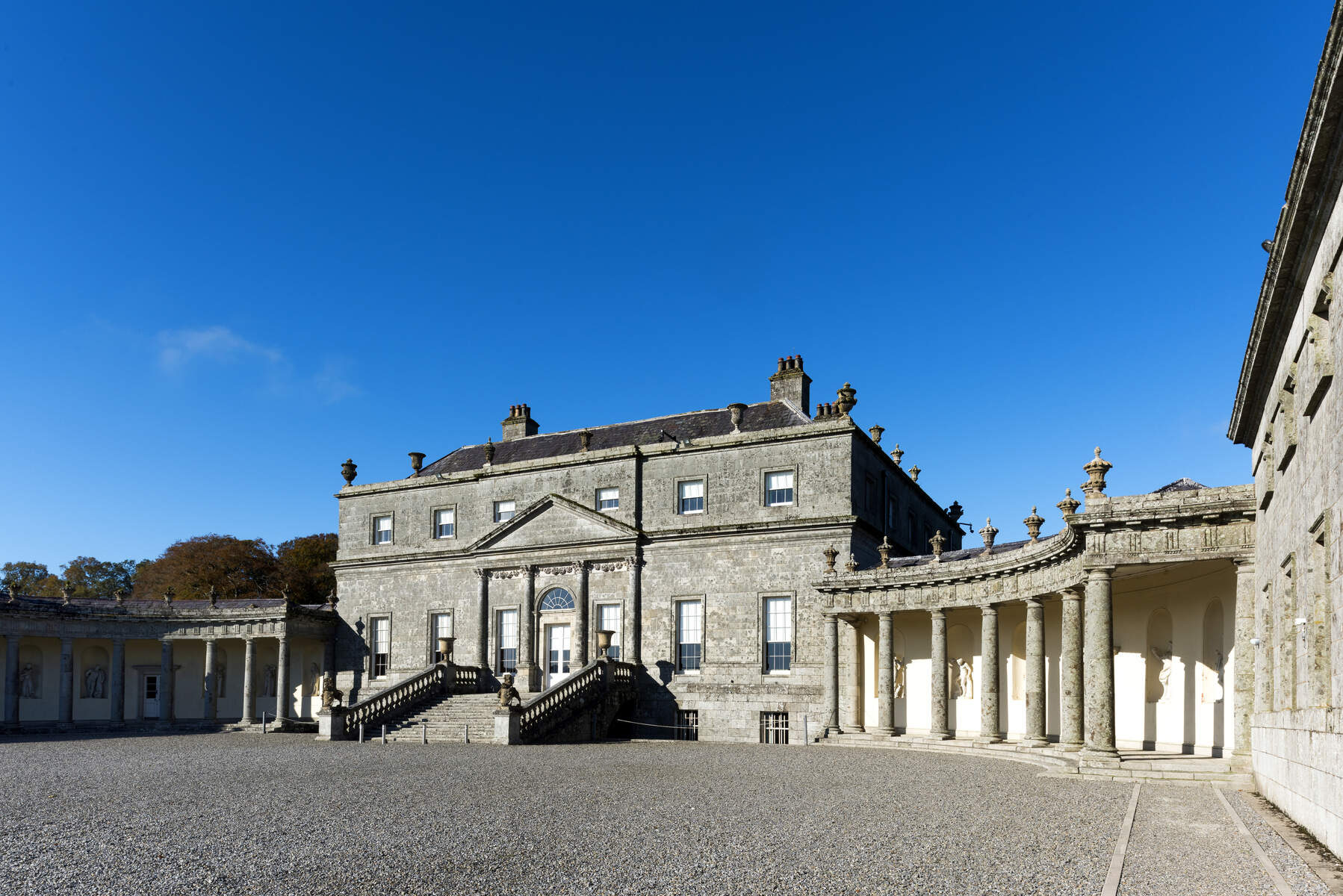
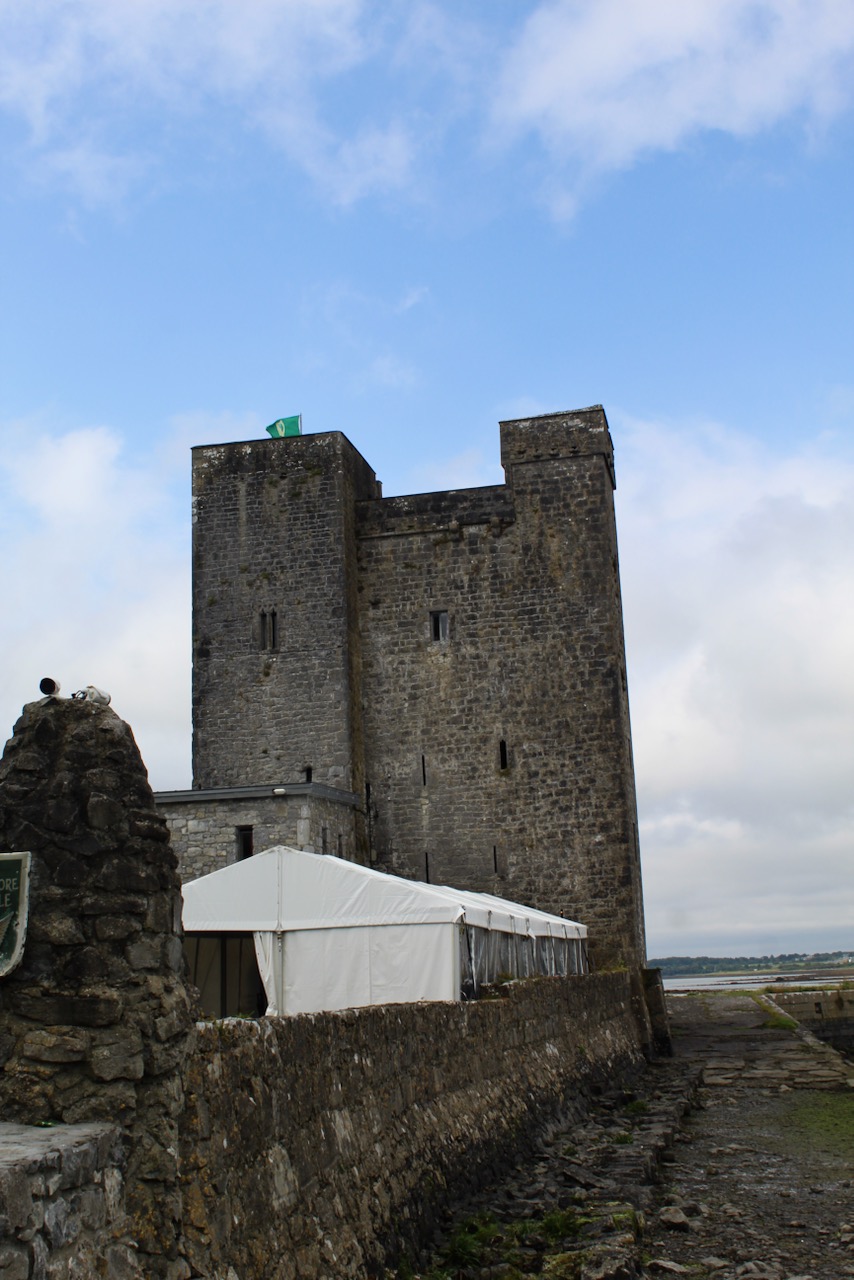


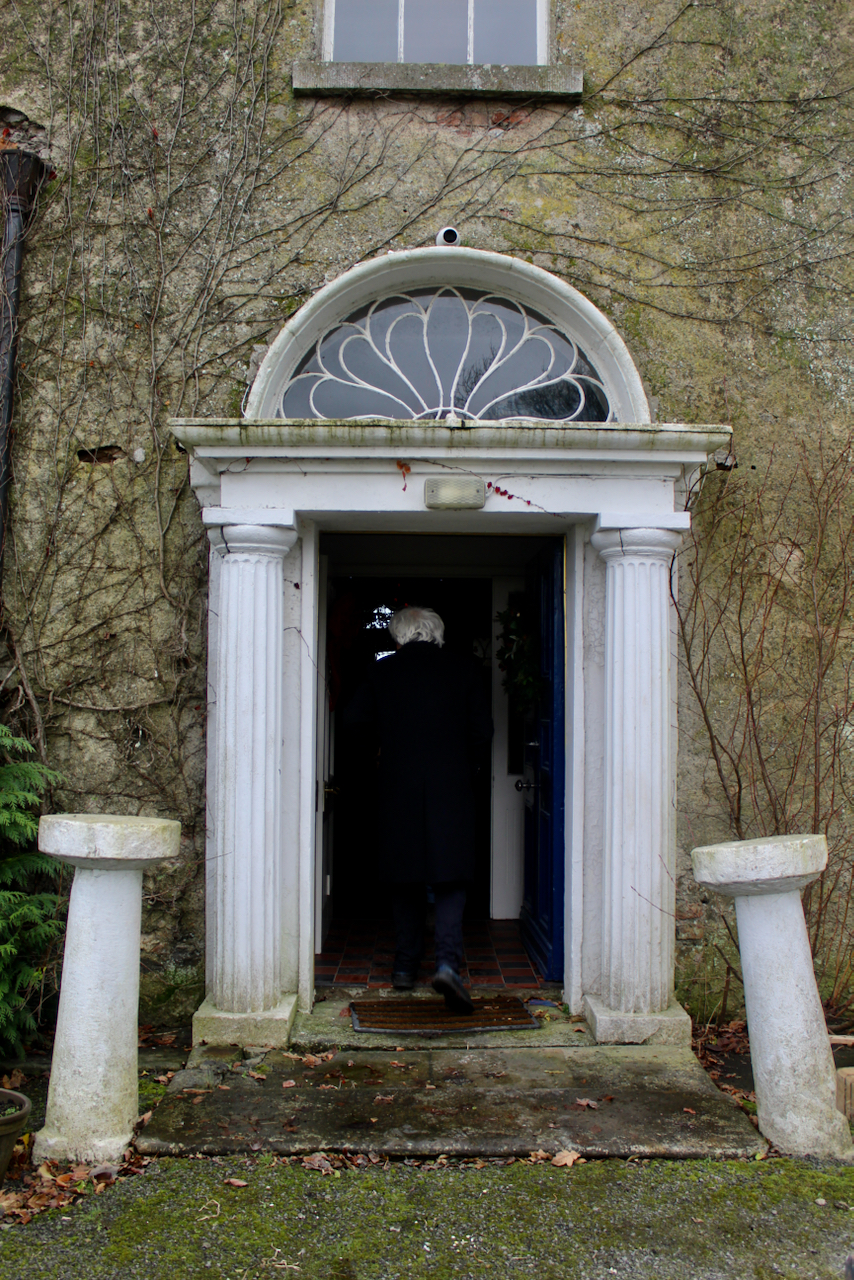
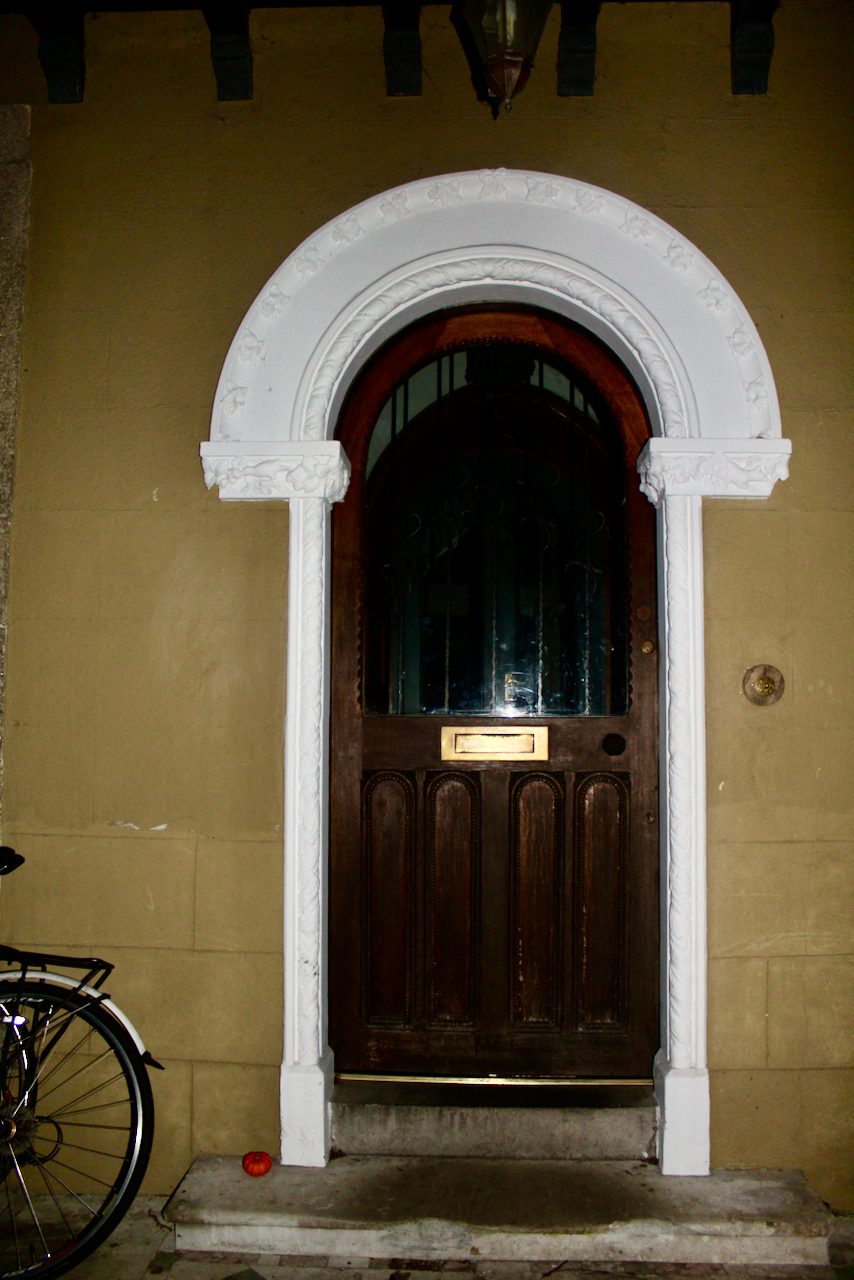
 Irish Historic Houses