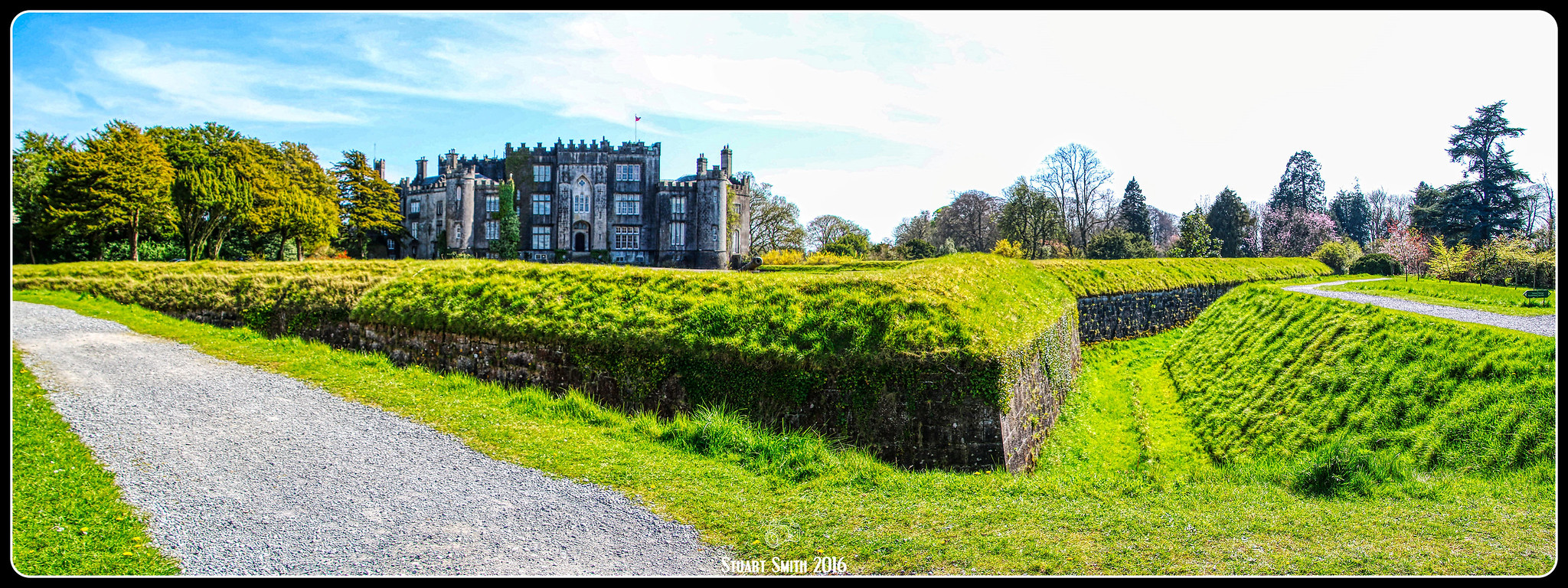
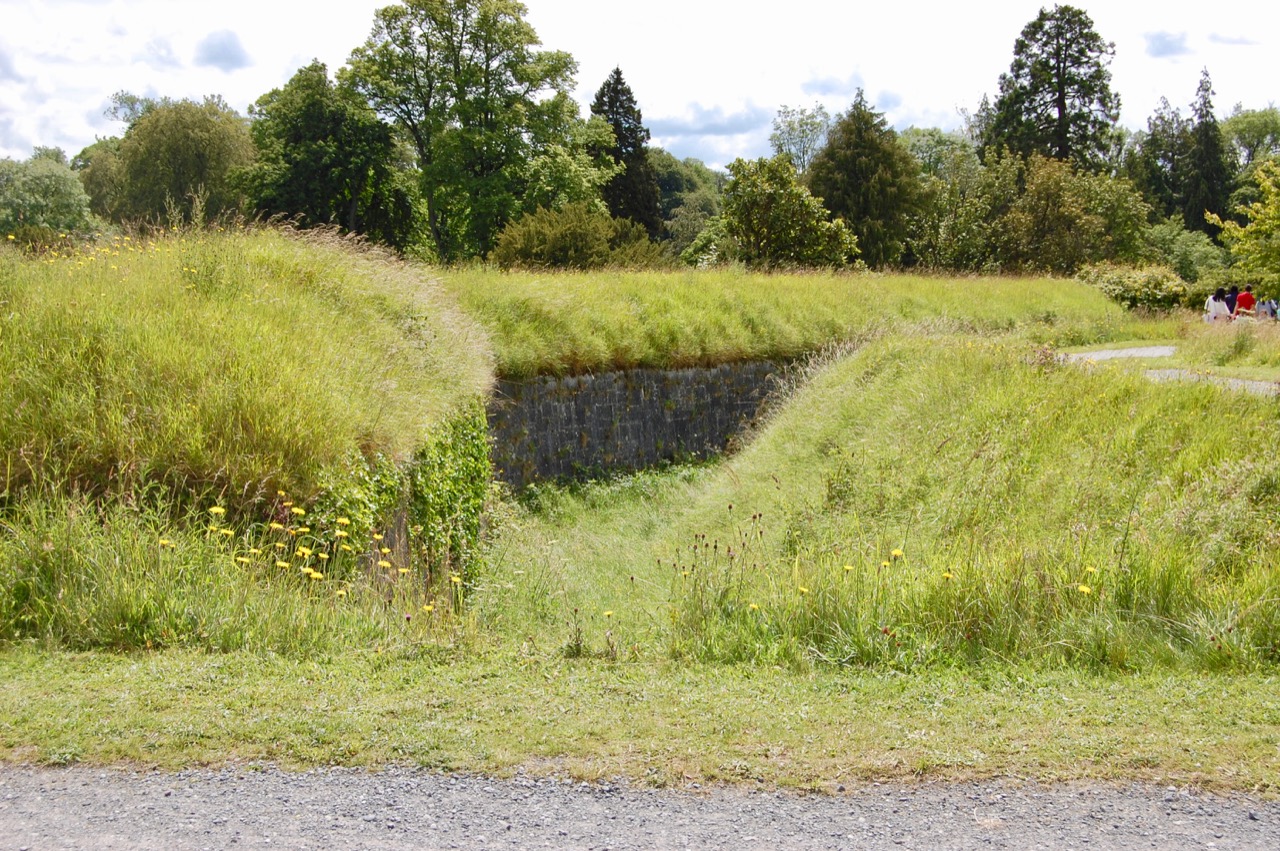
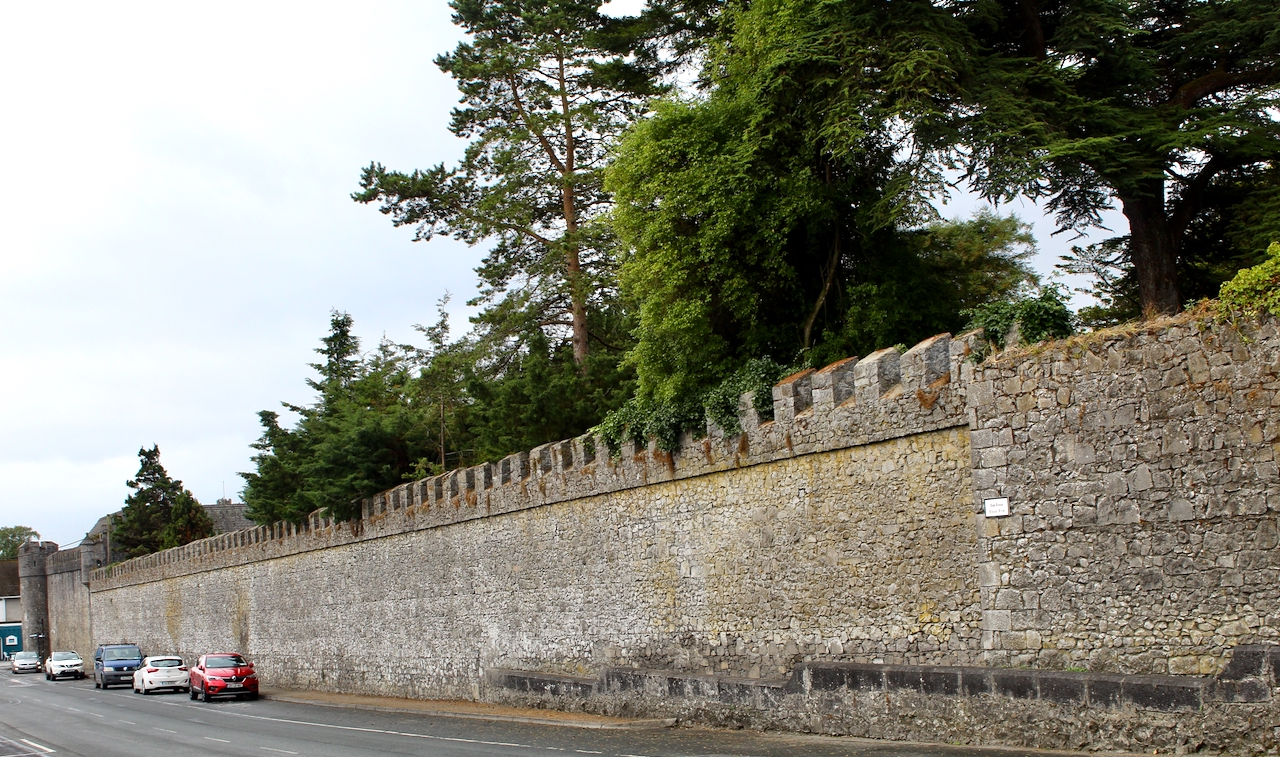
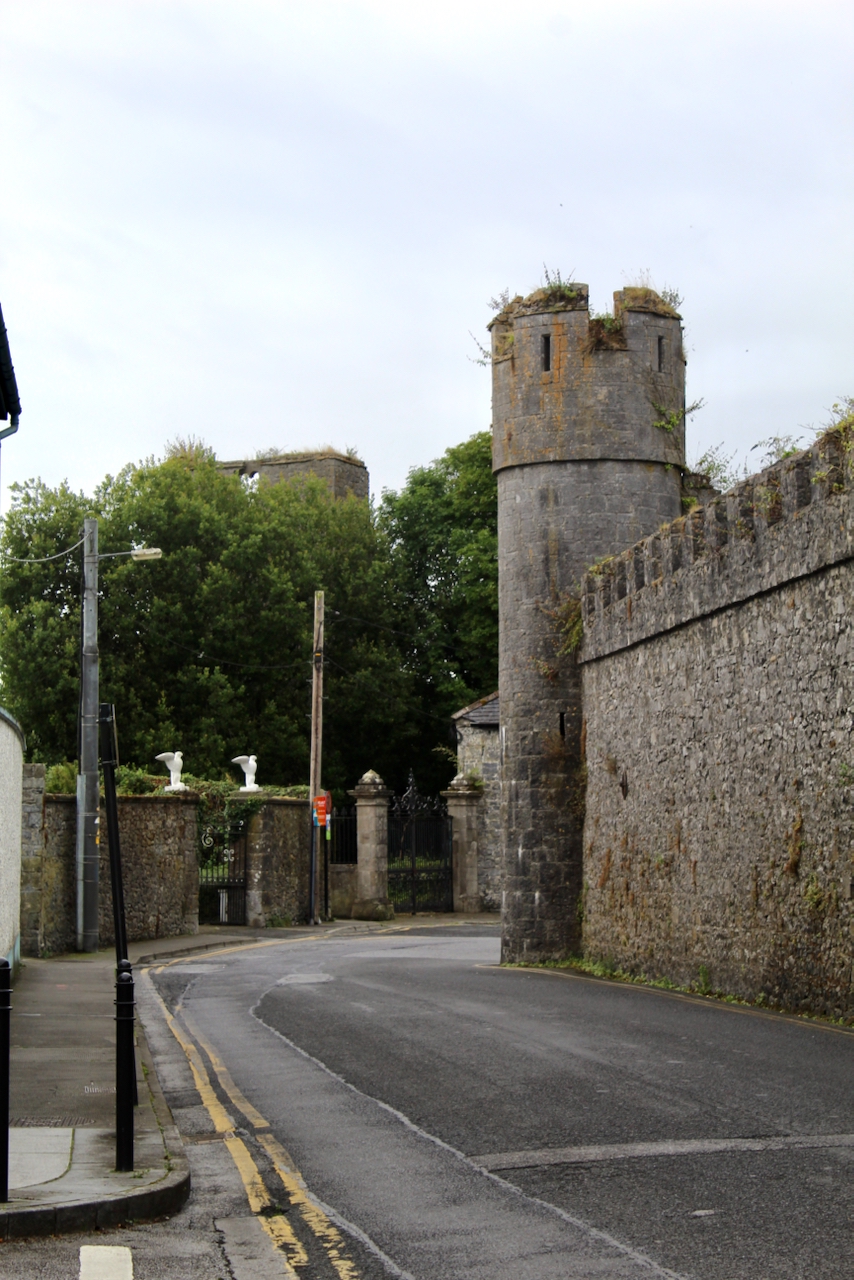
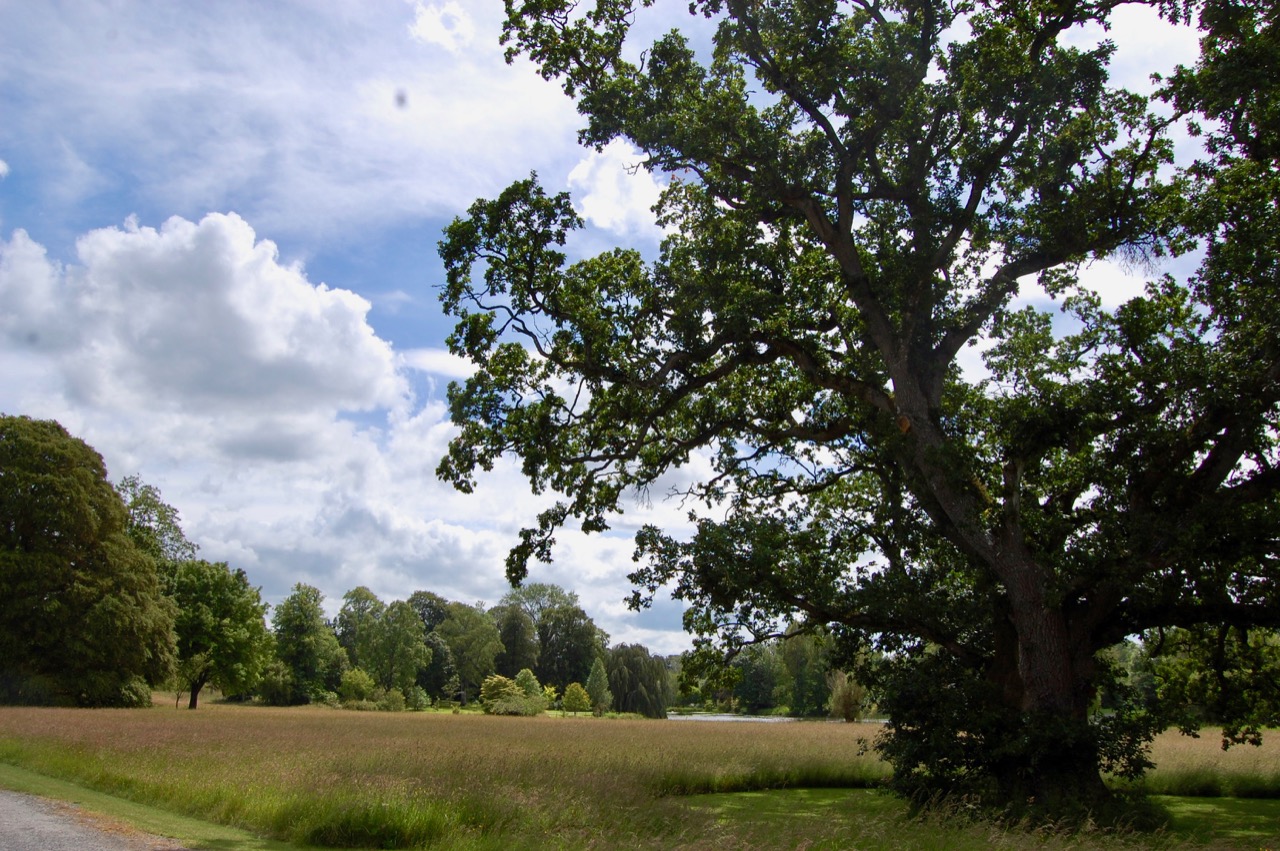
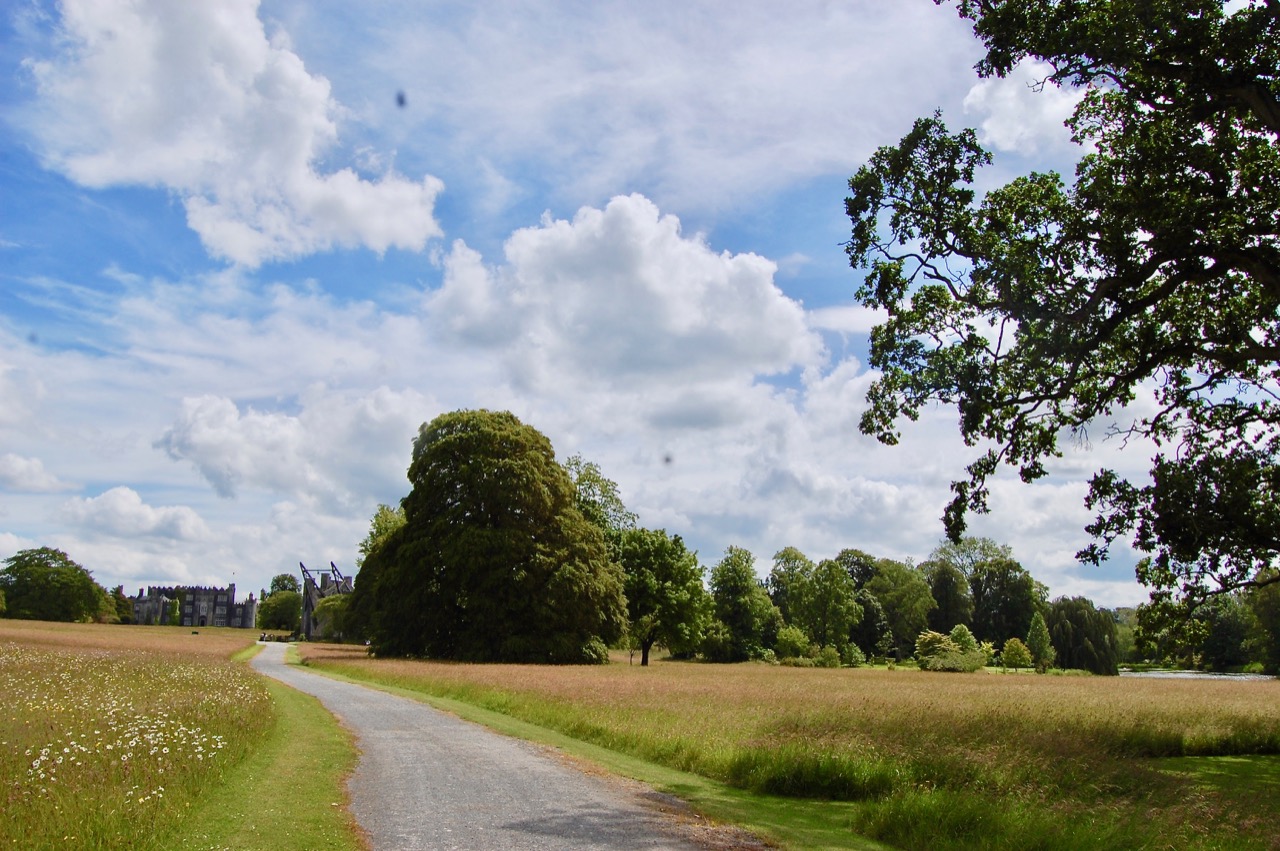
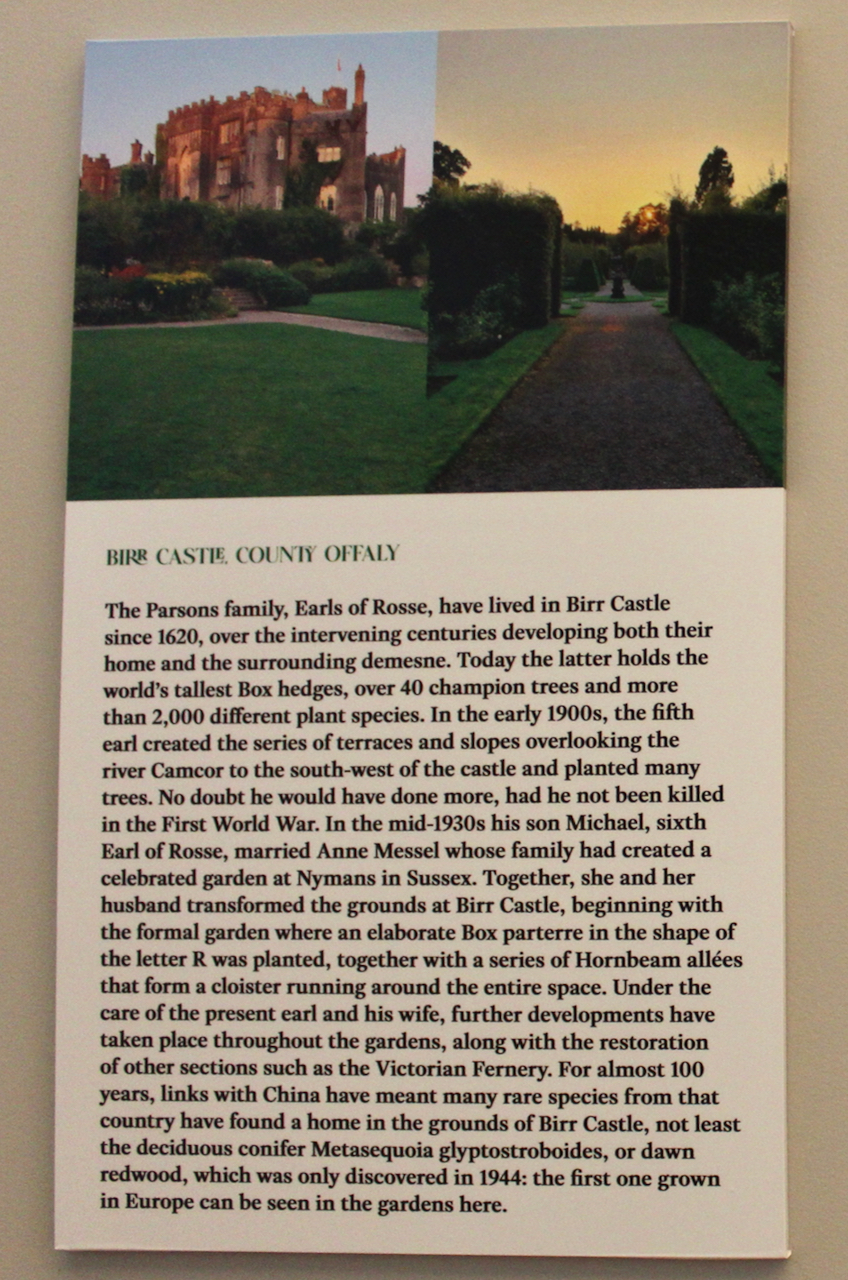
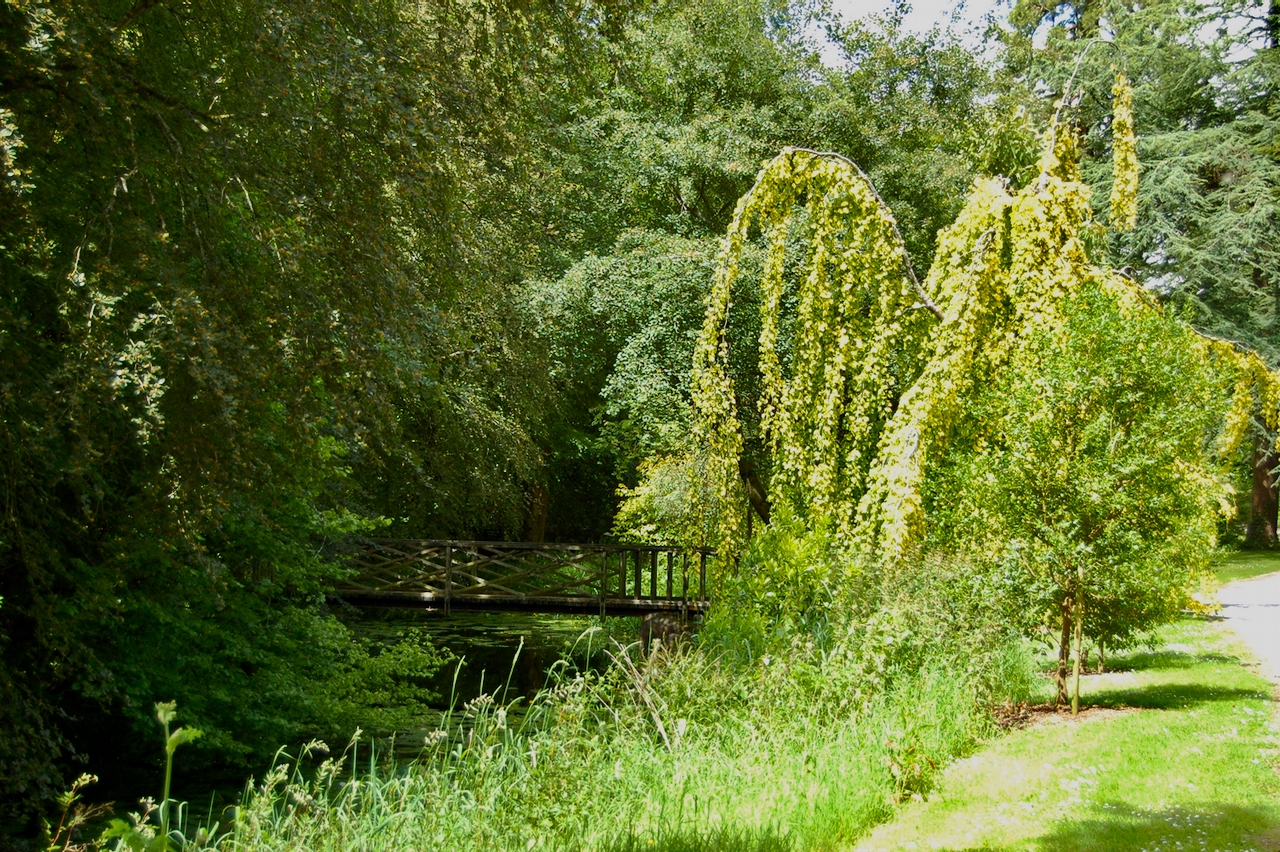
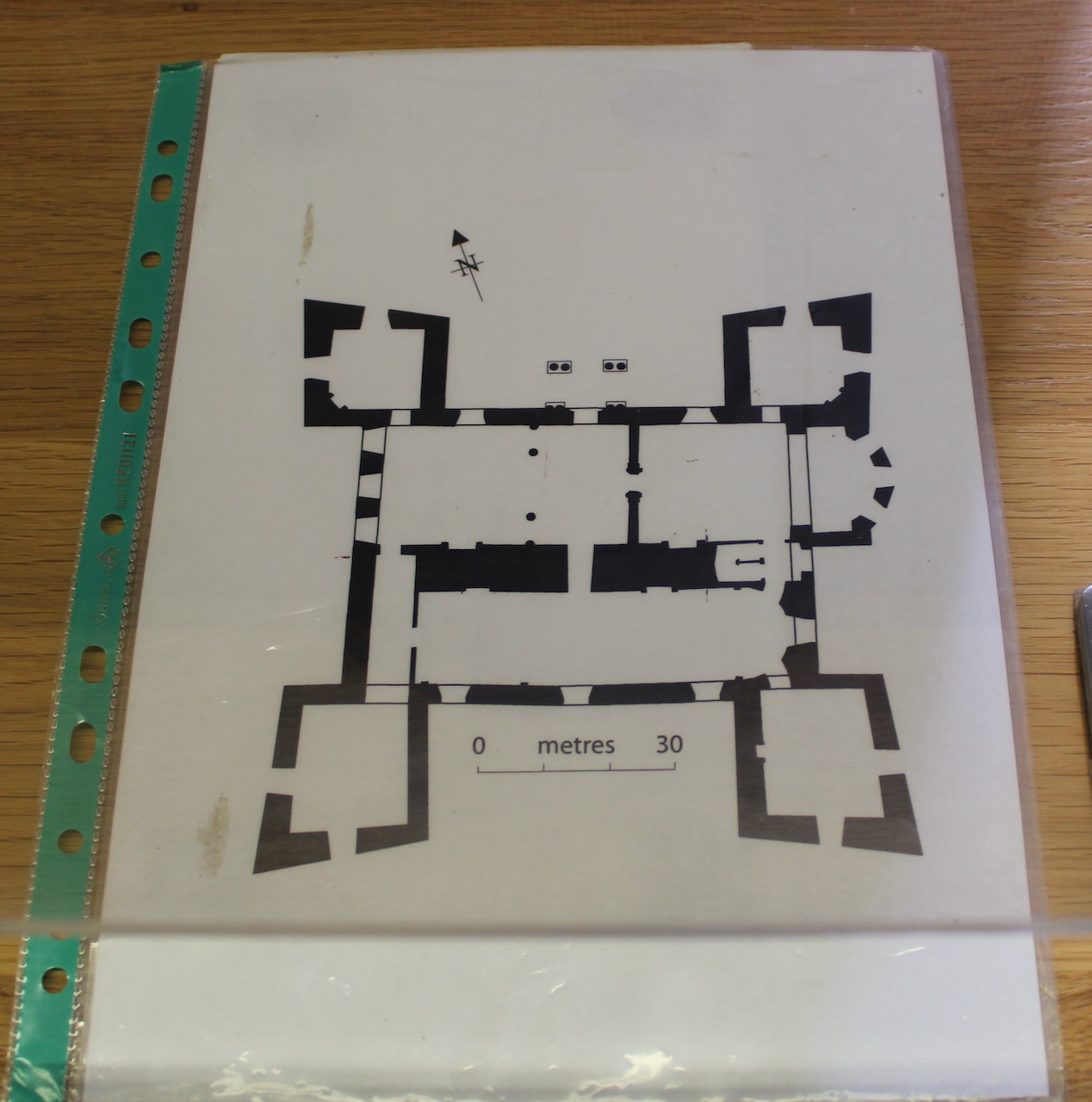
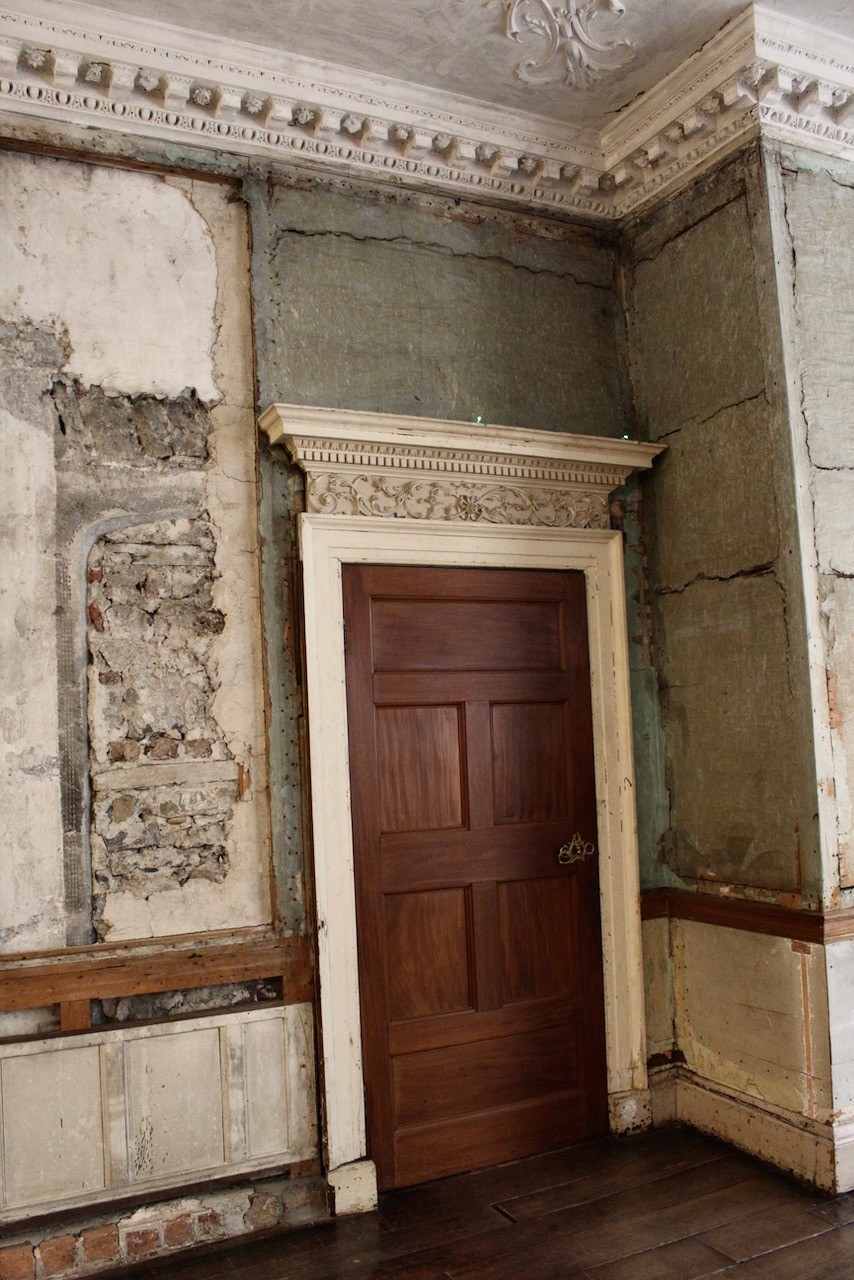
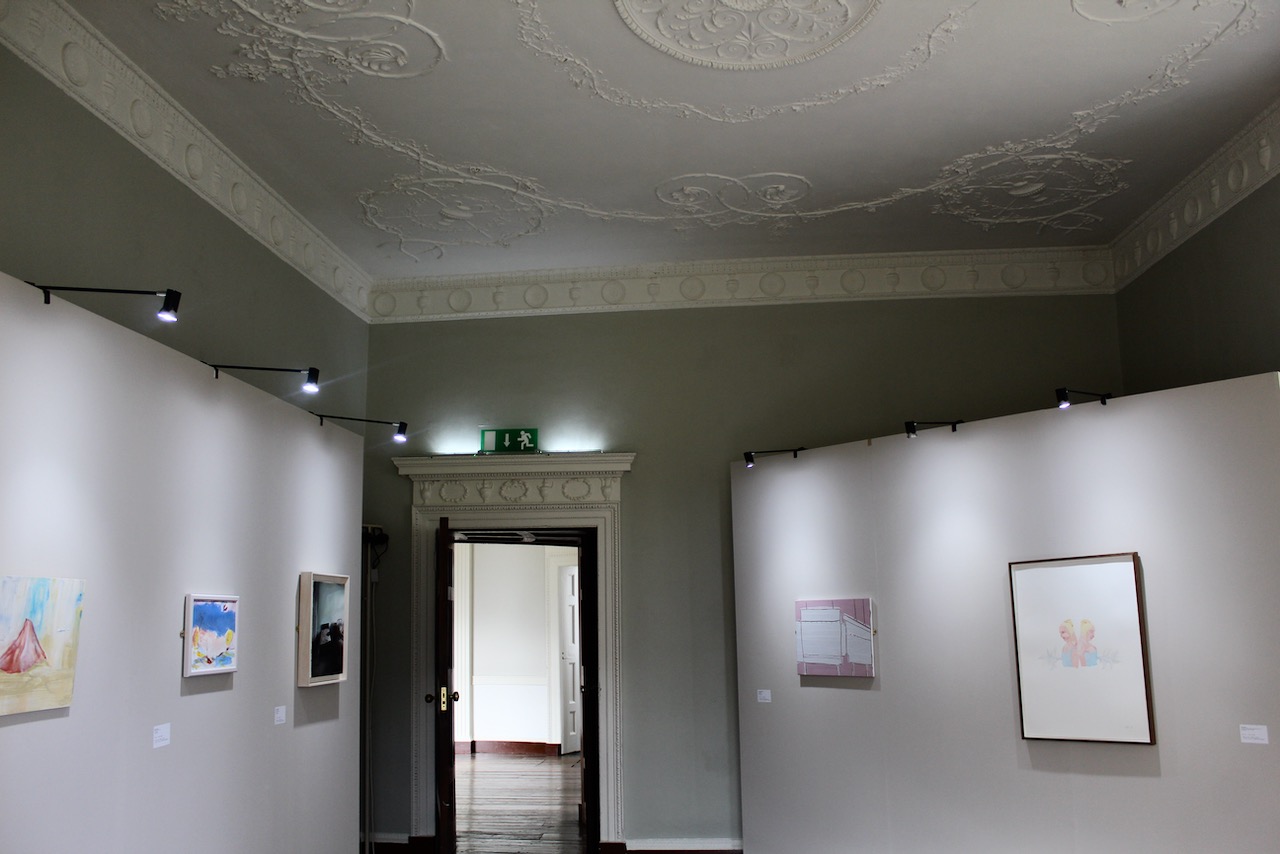
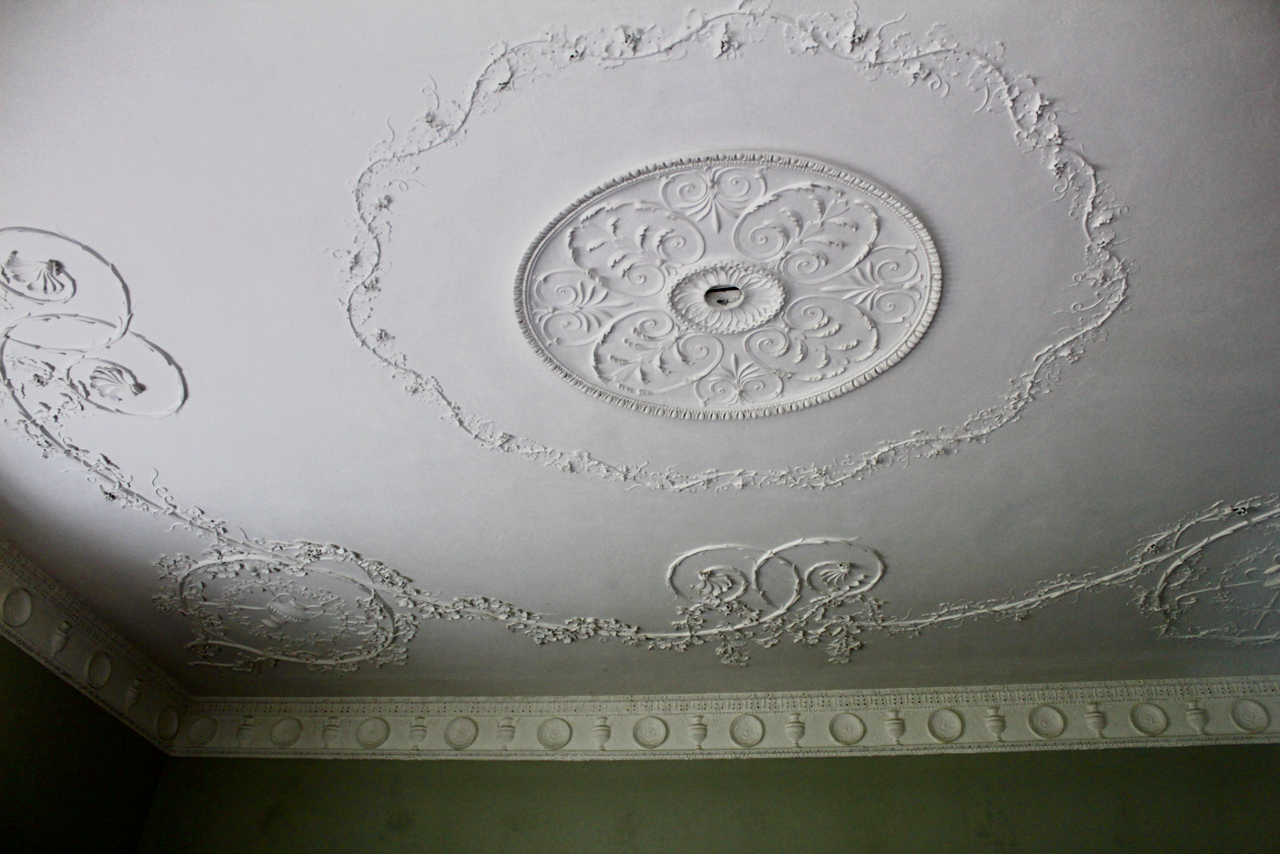
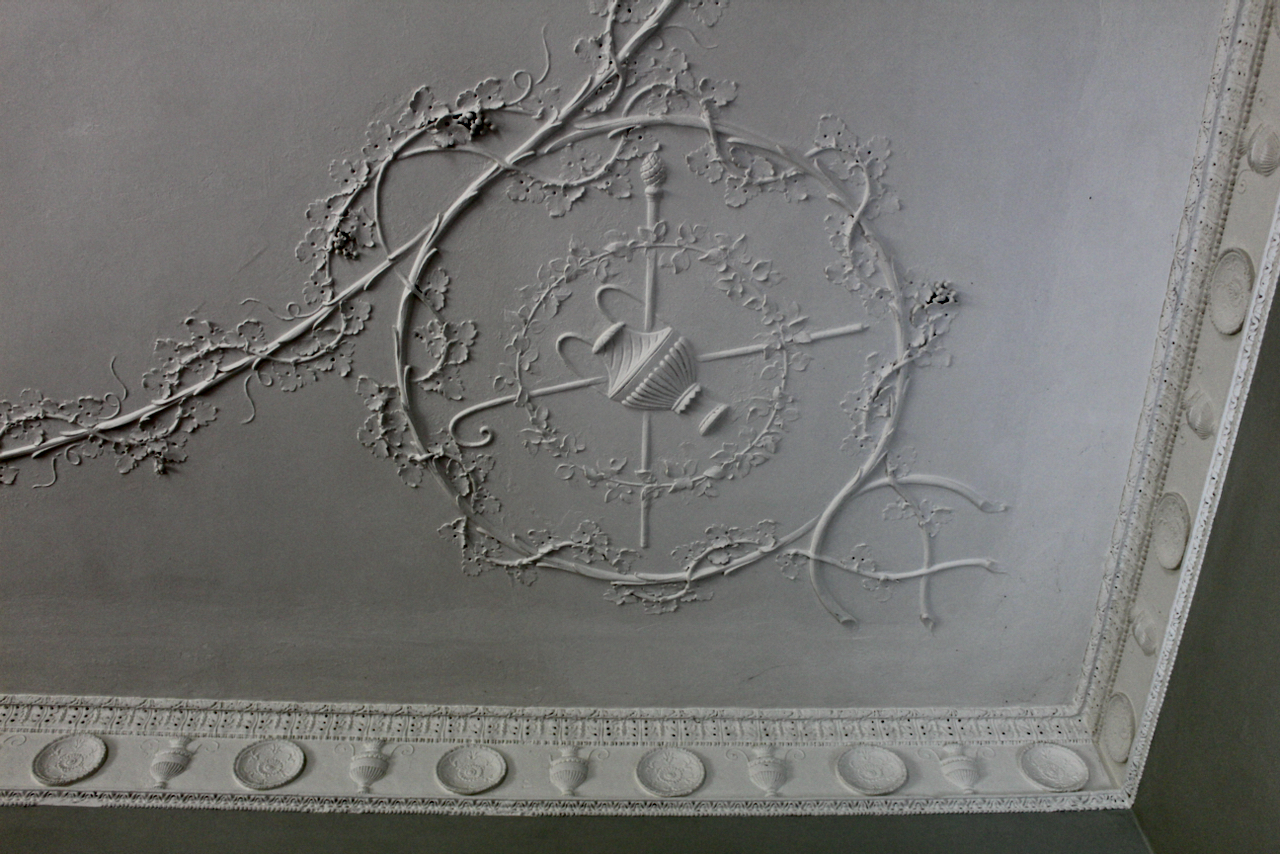
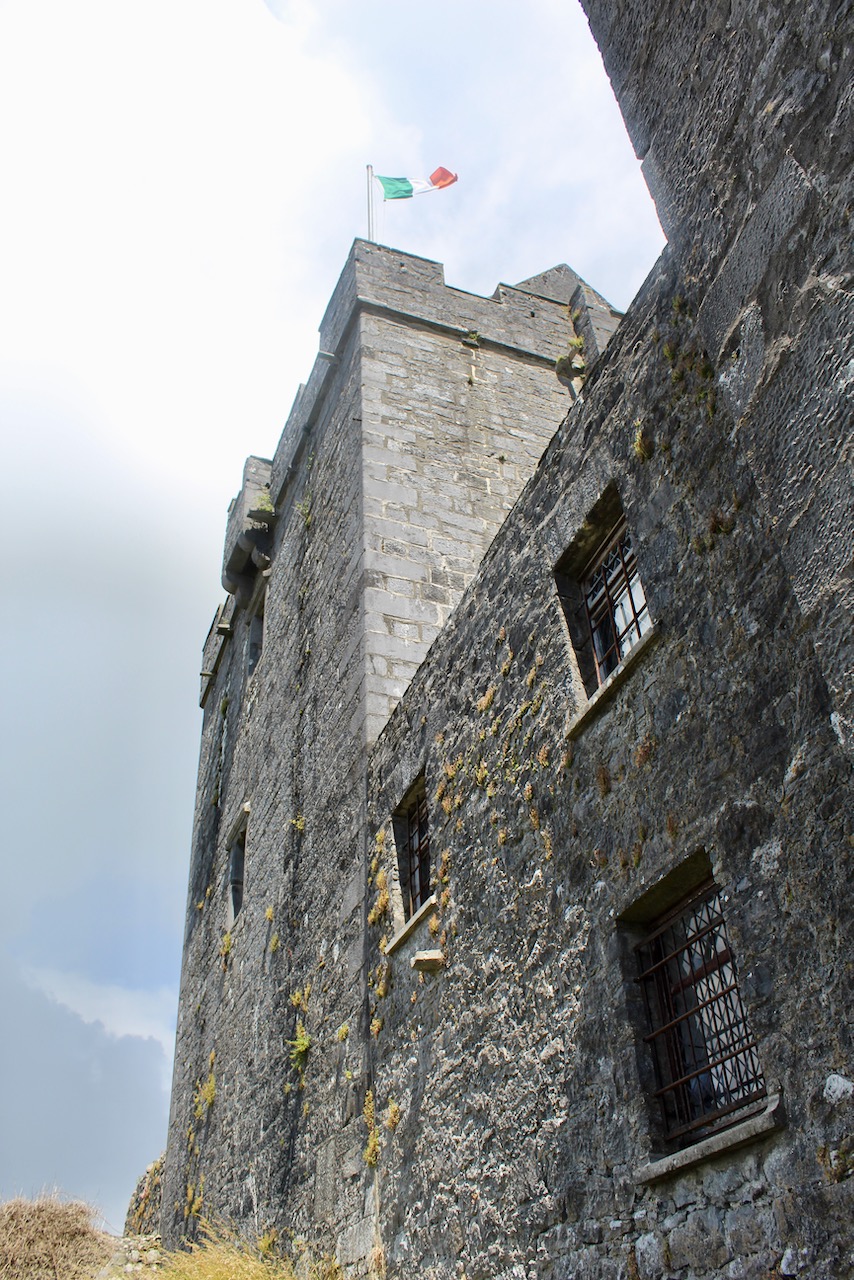
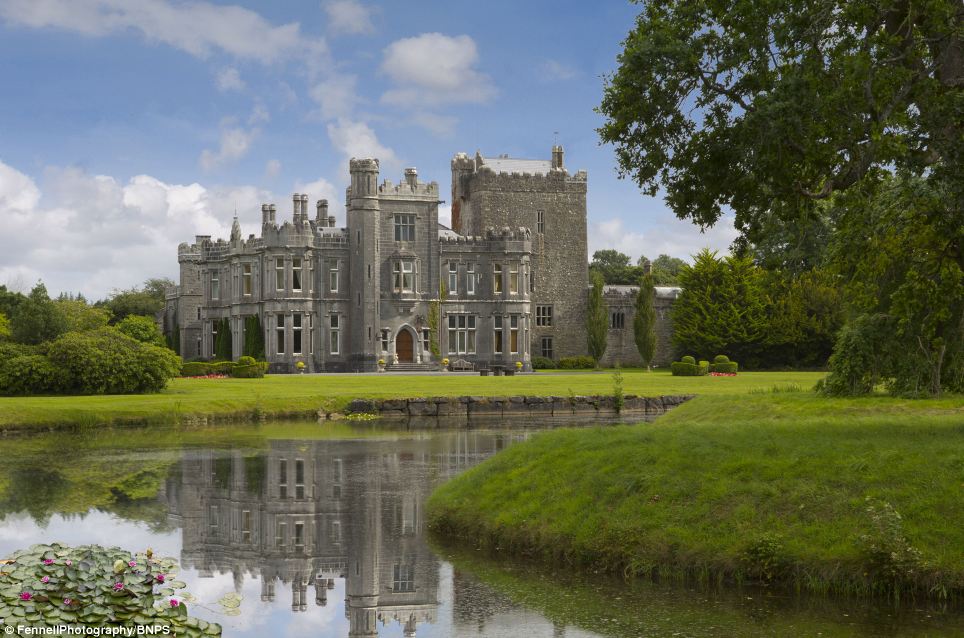
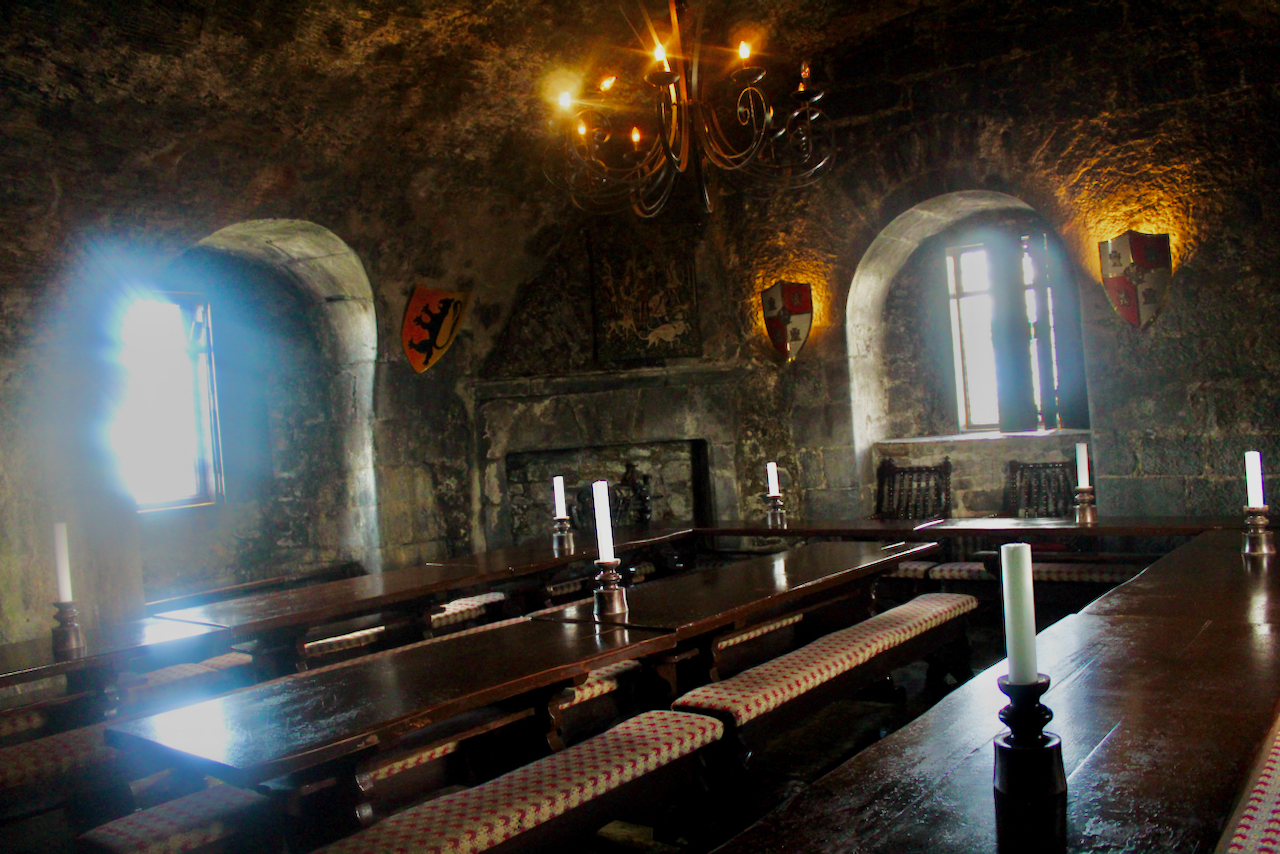
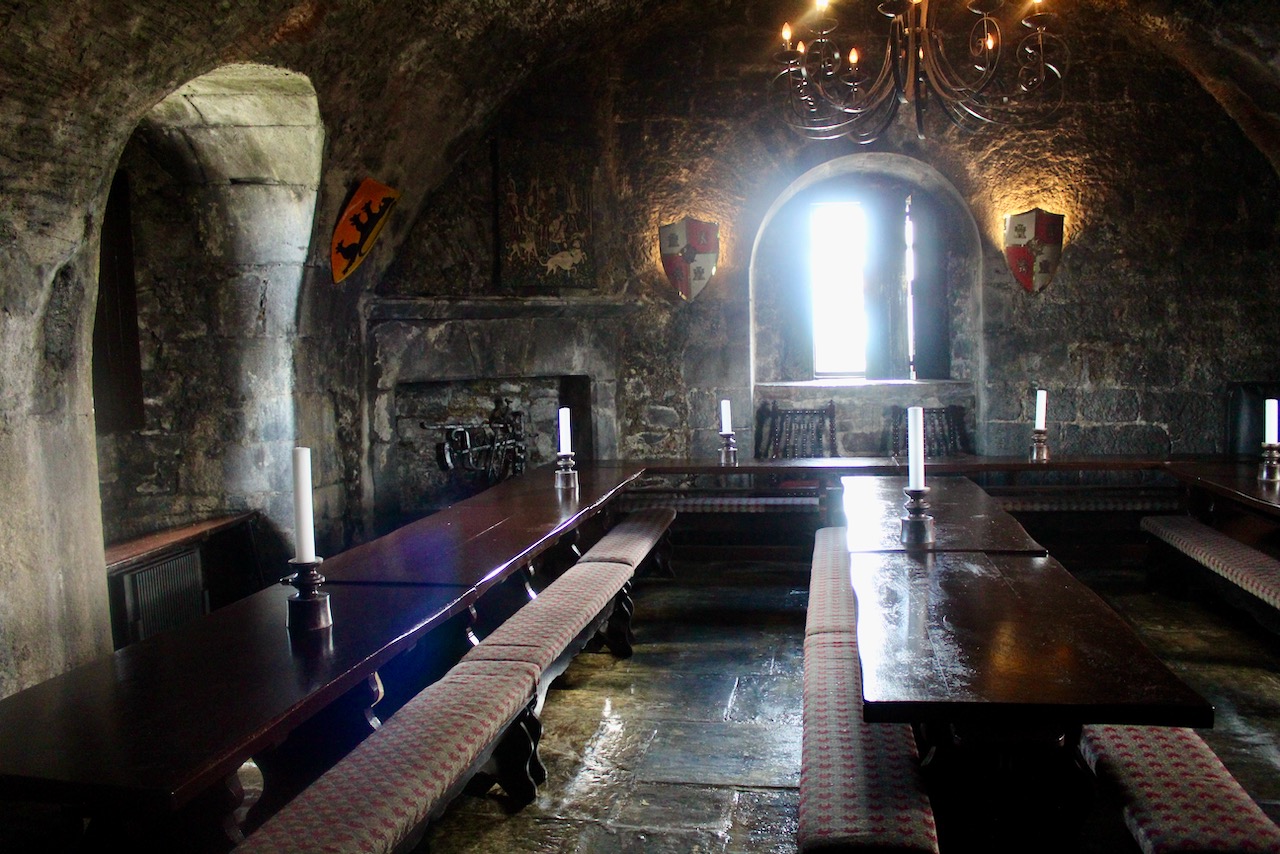
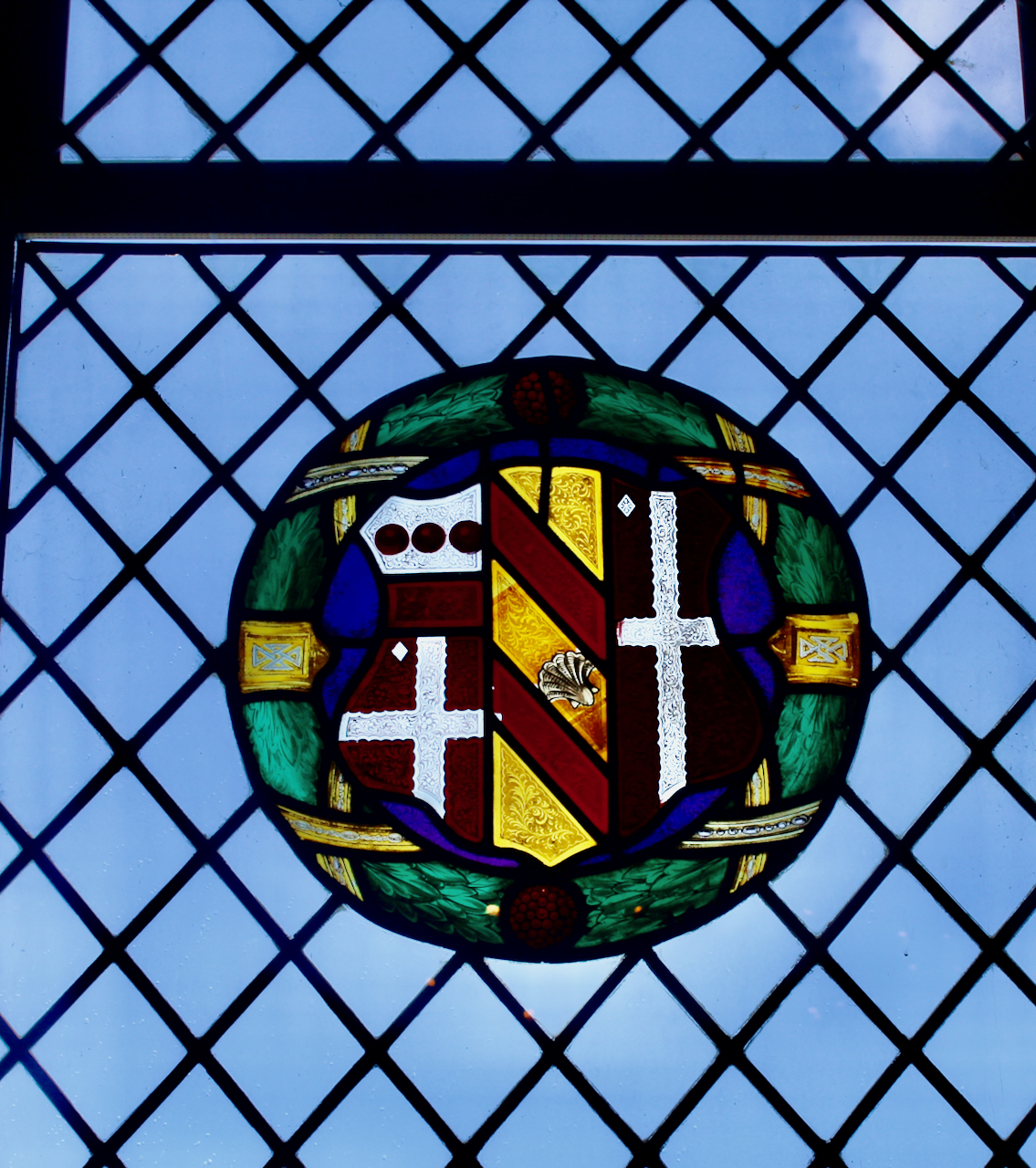
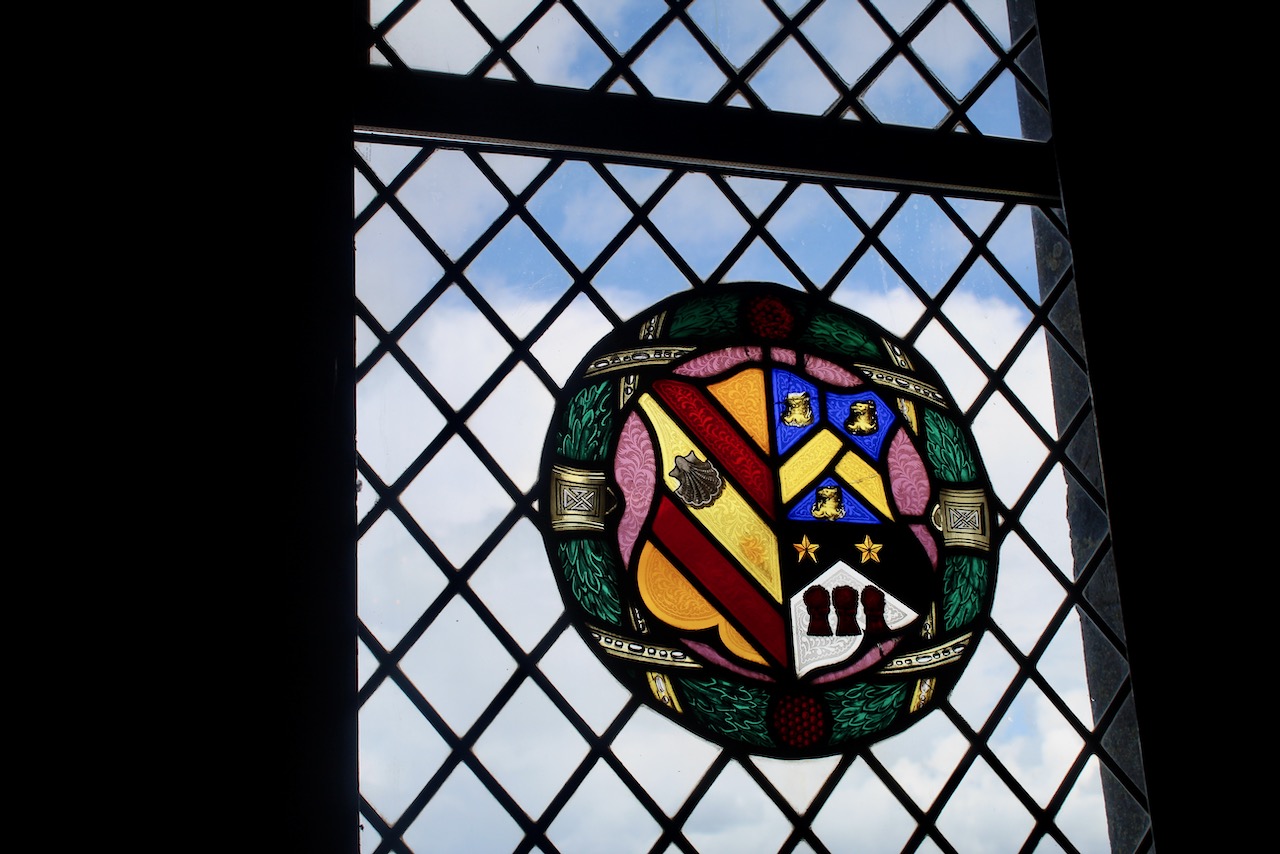
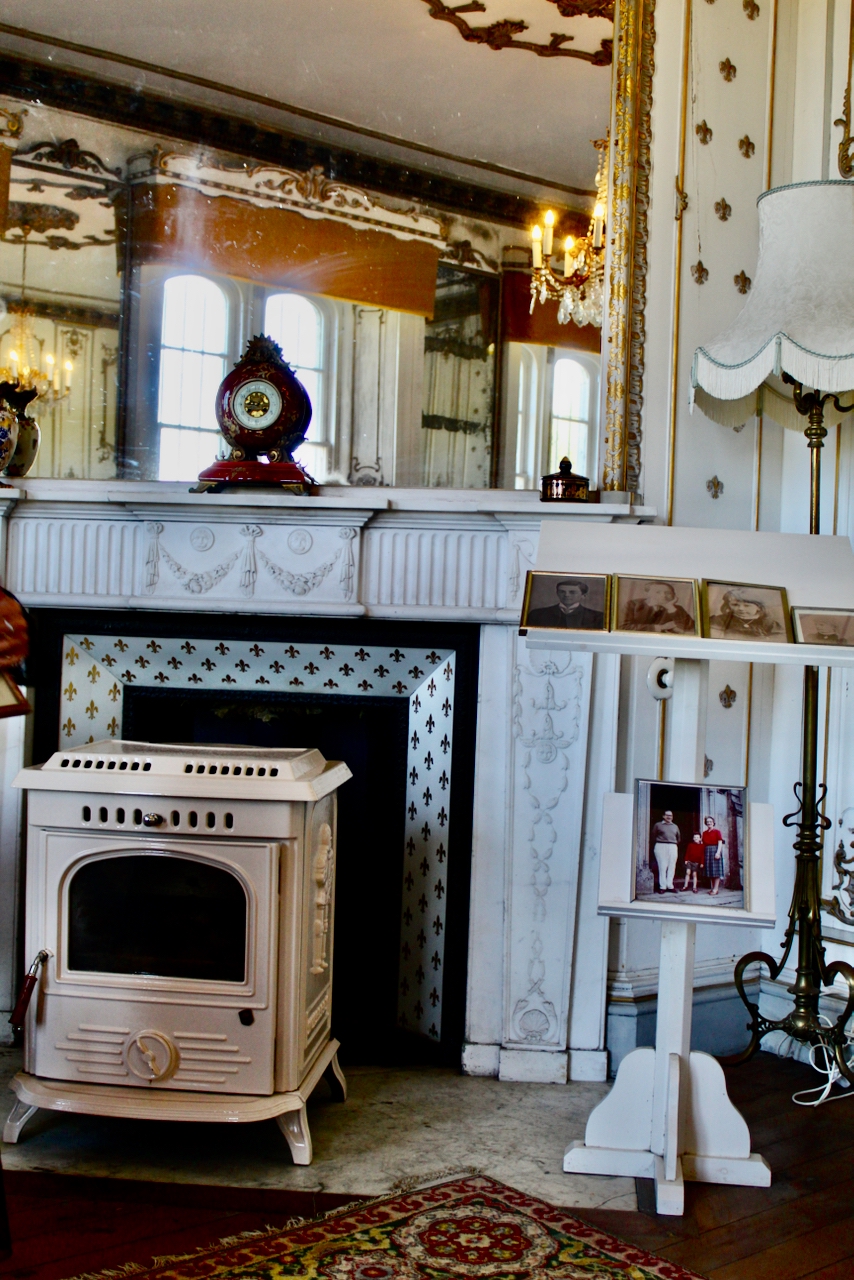
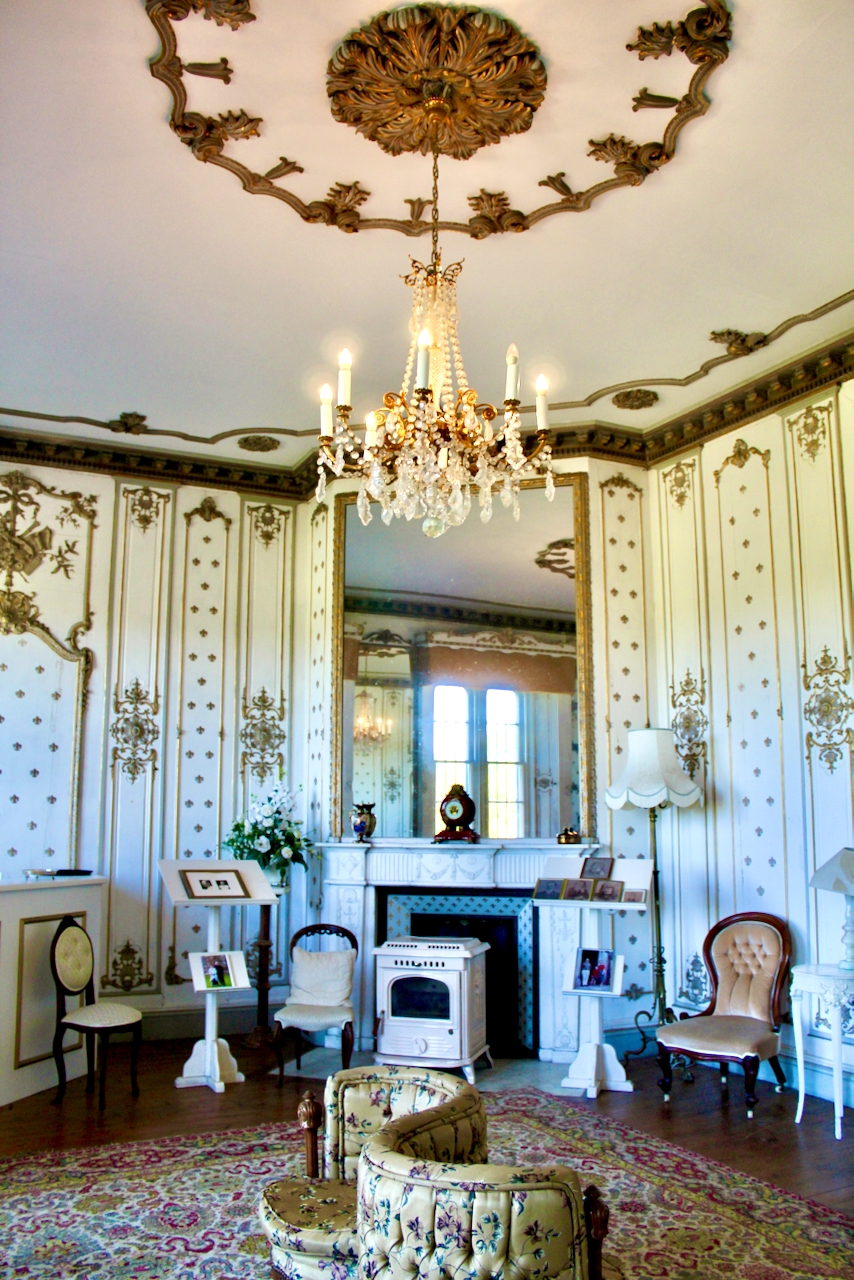
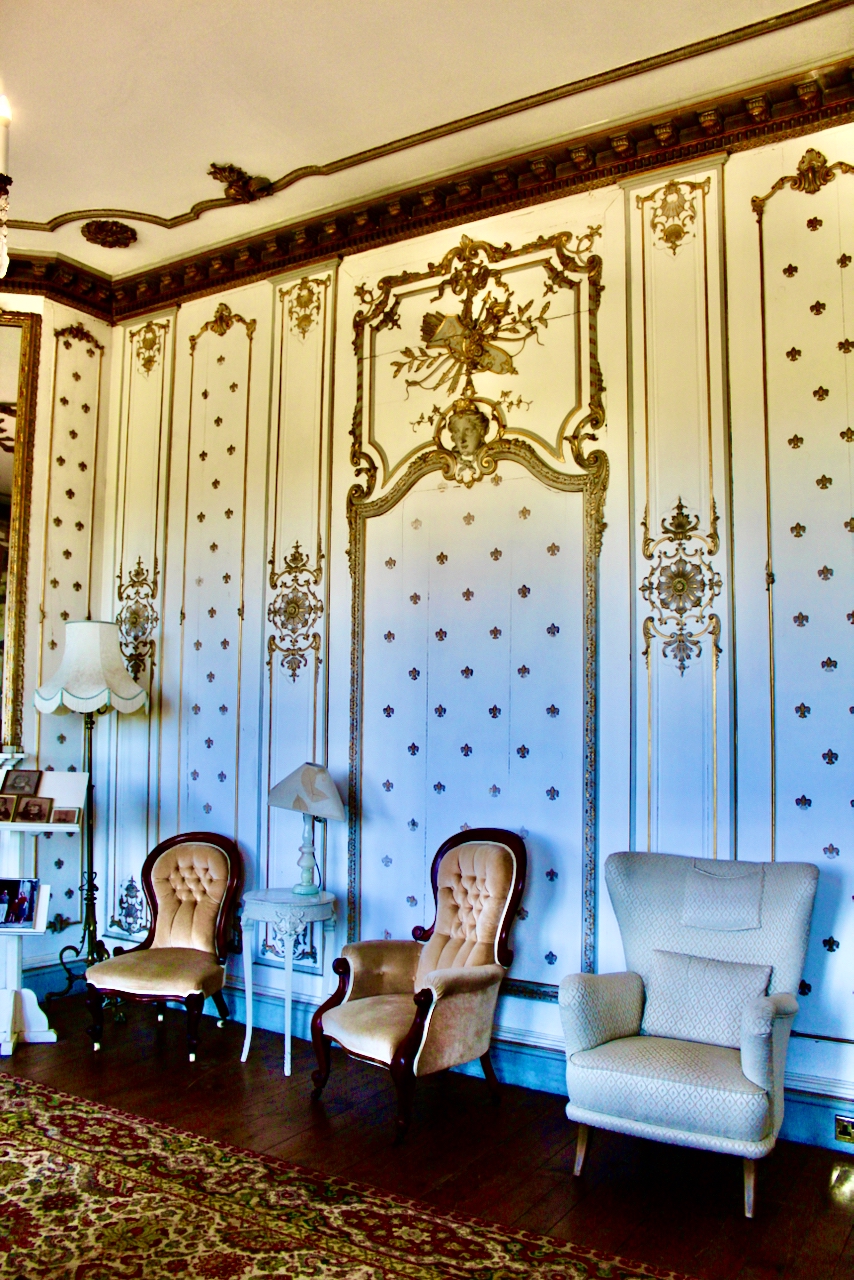
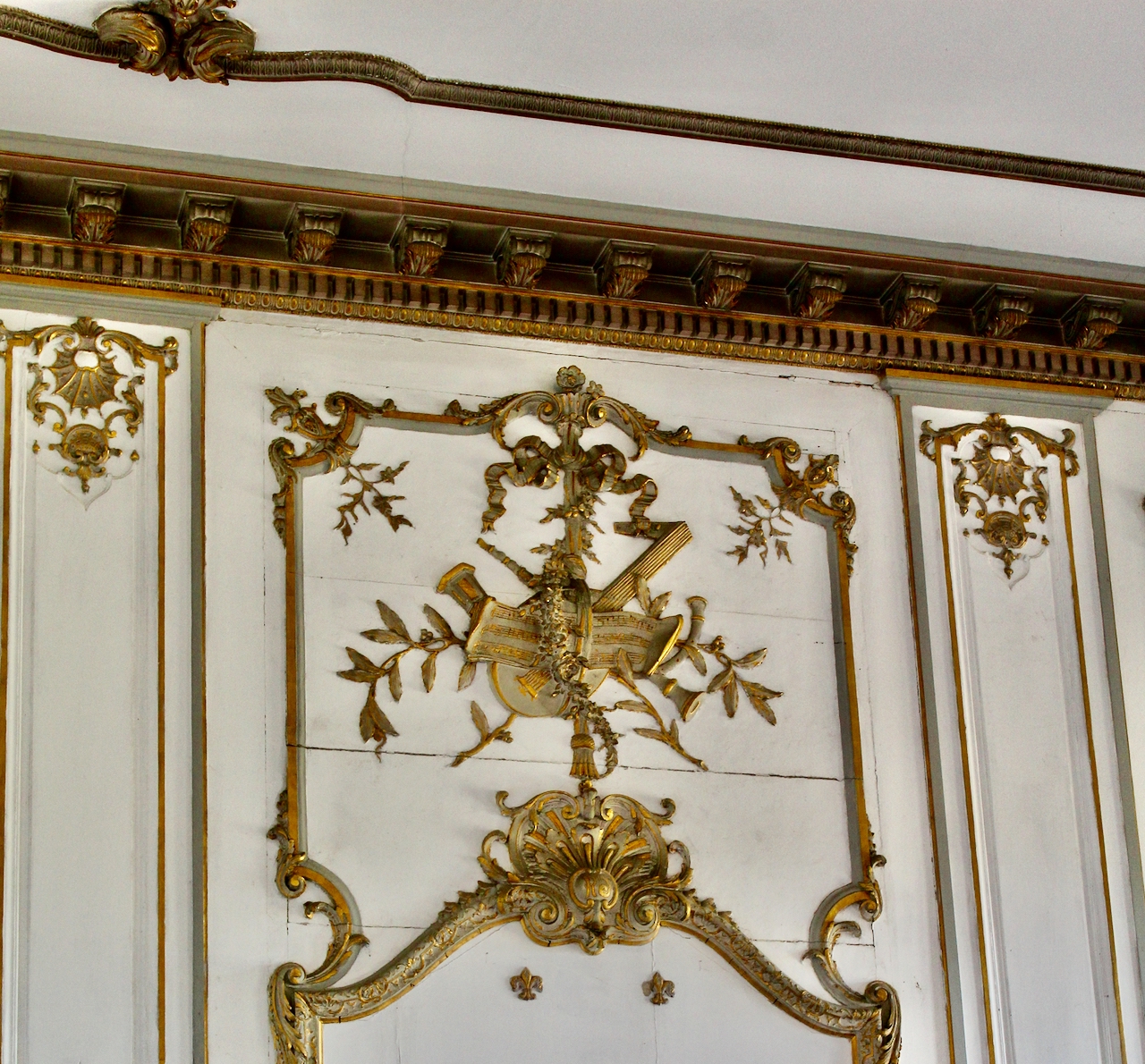
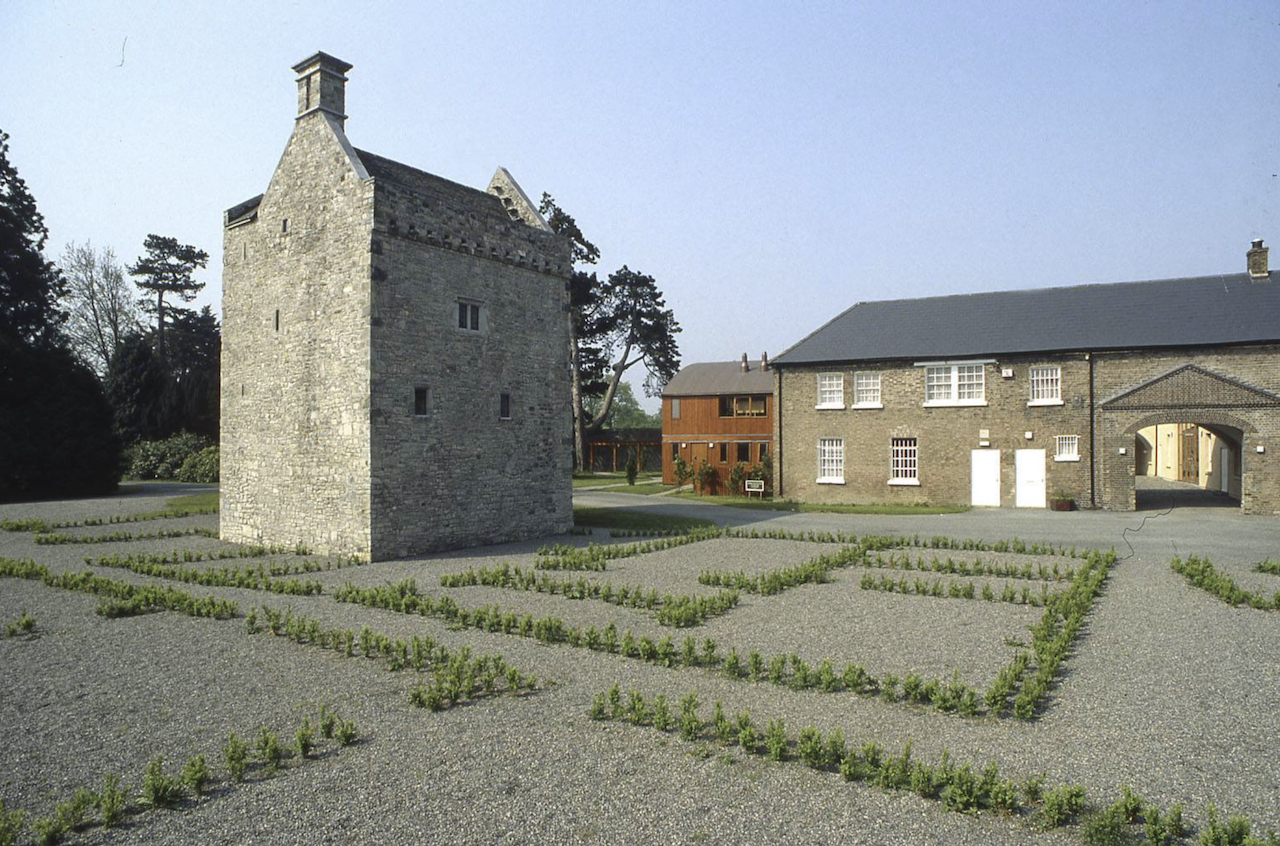
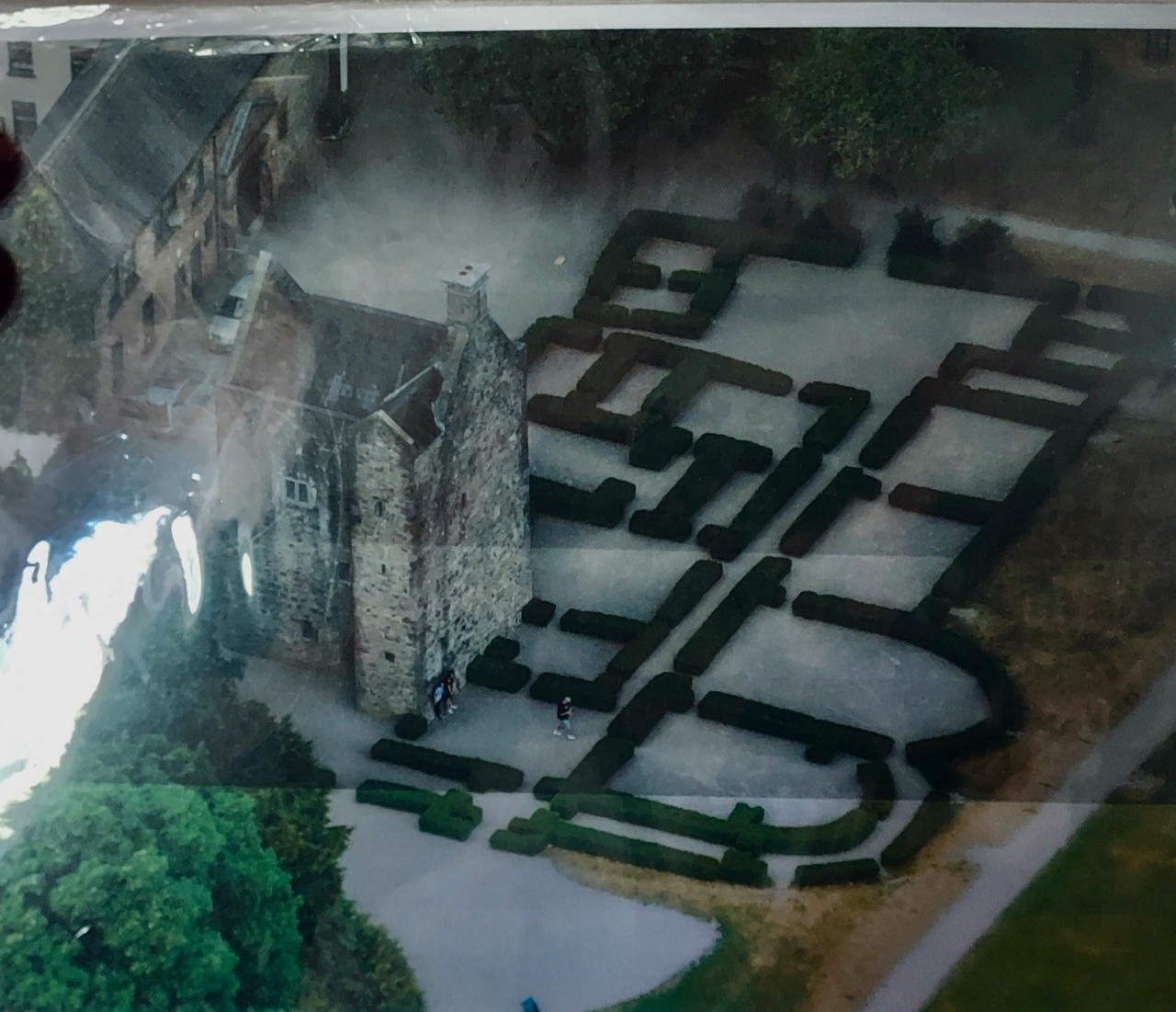
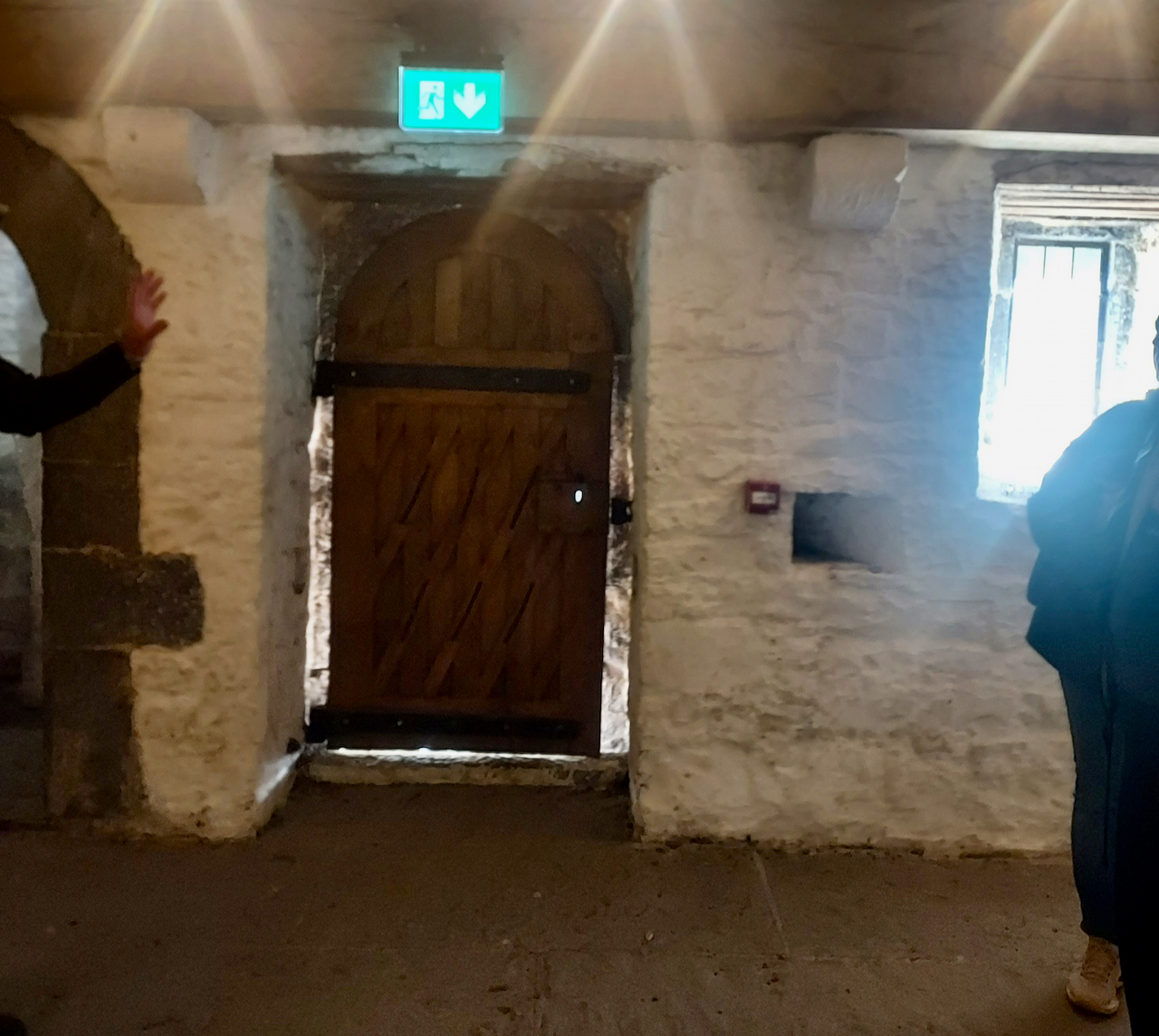
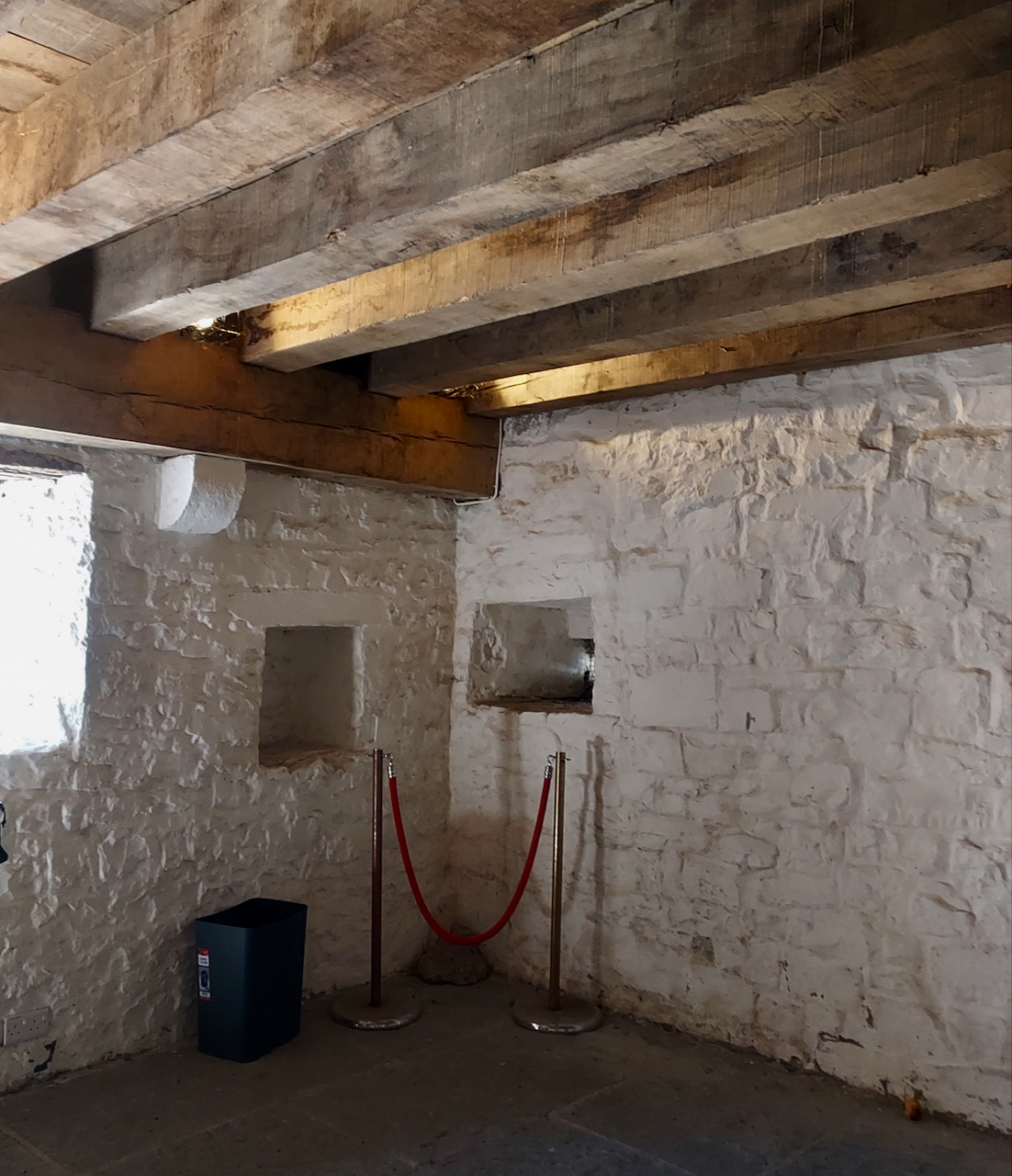
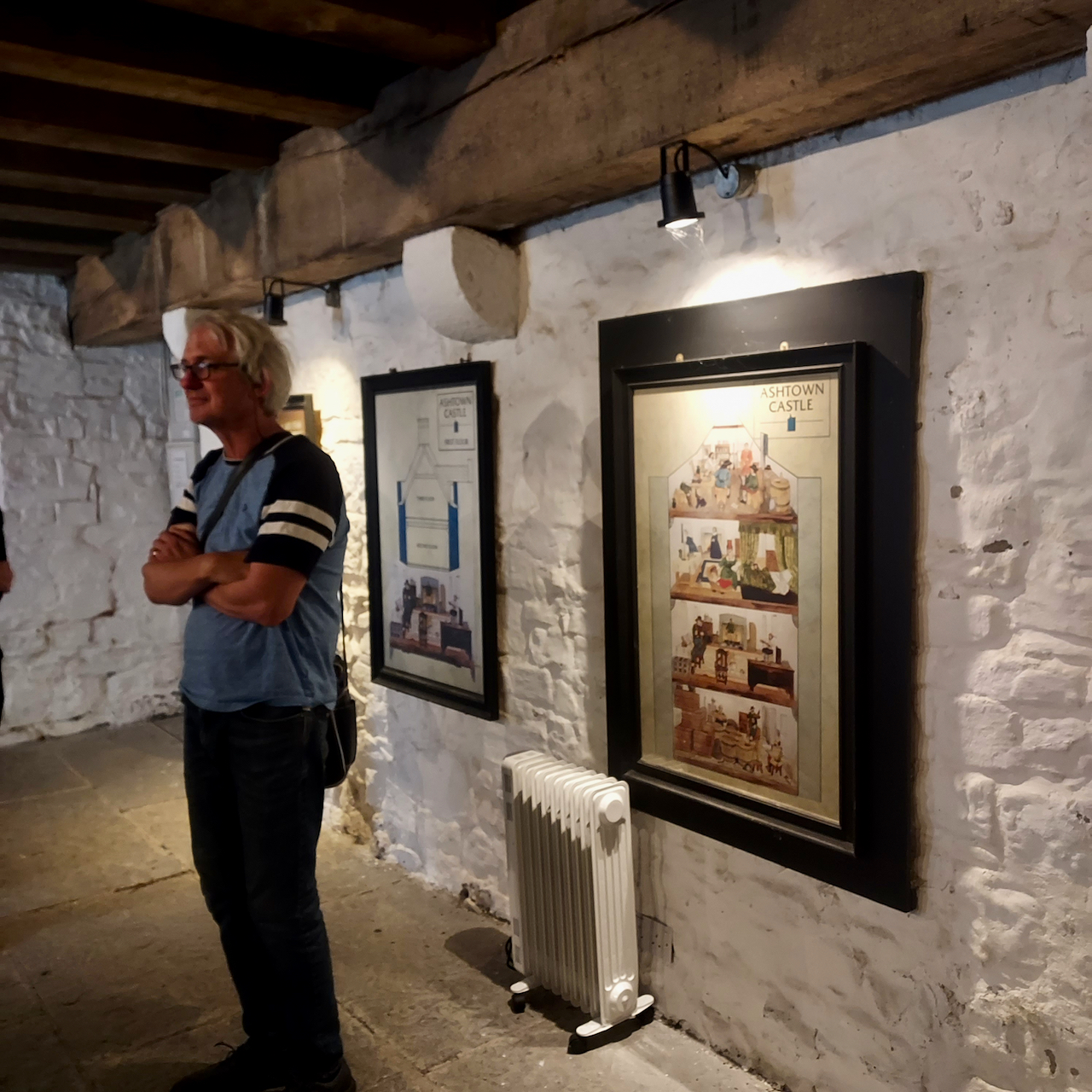
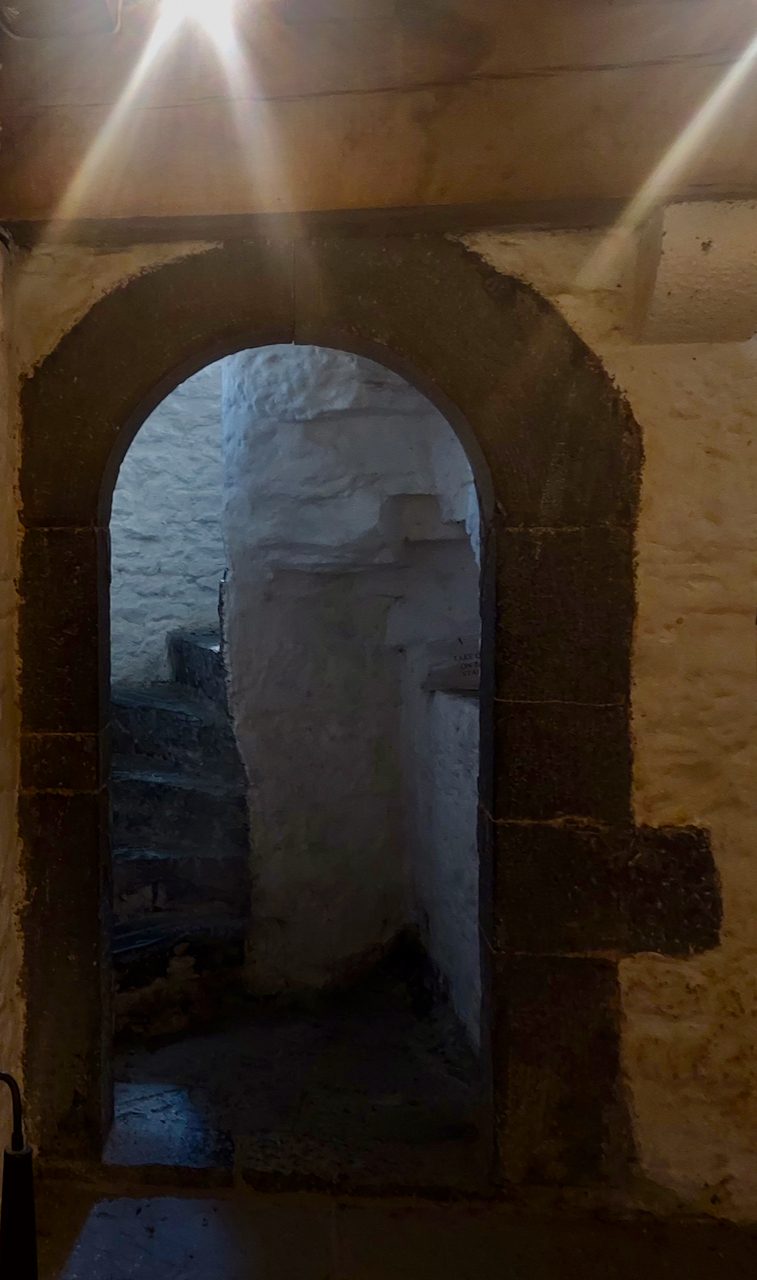
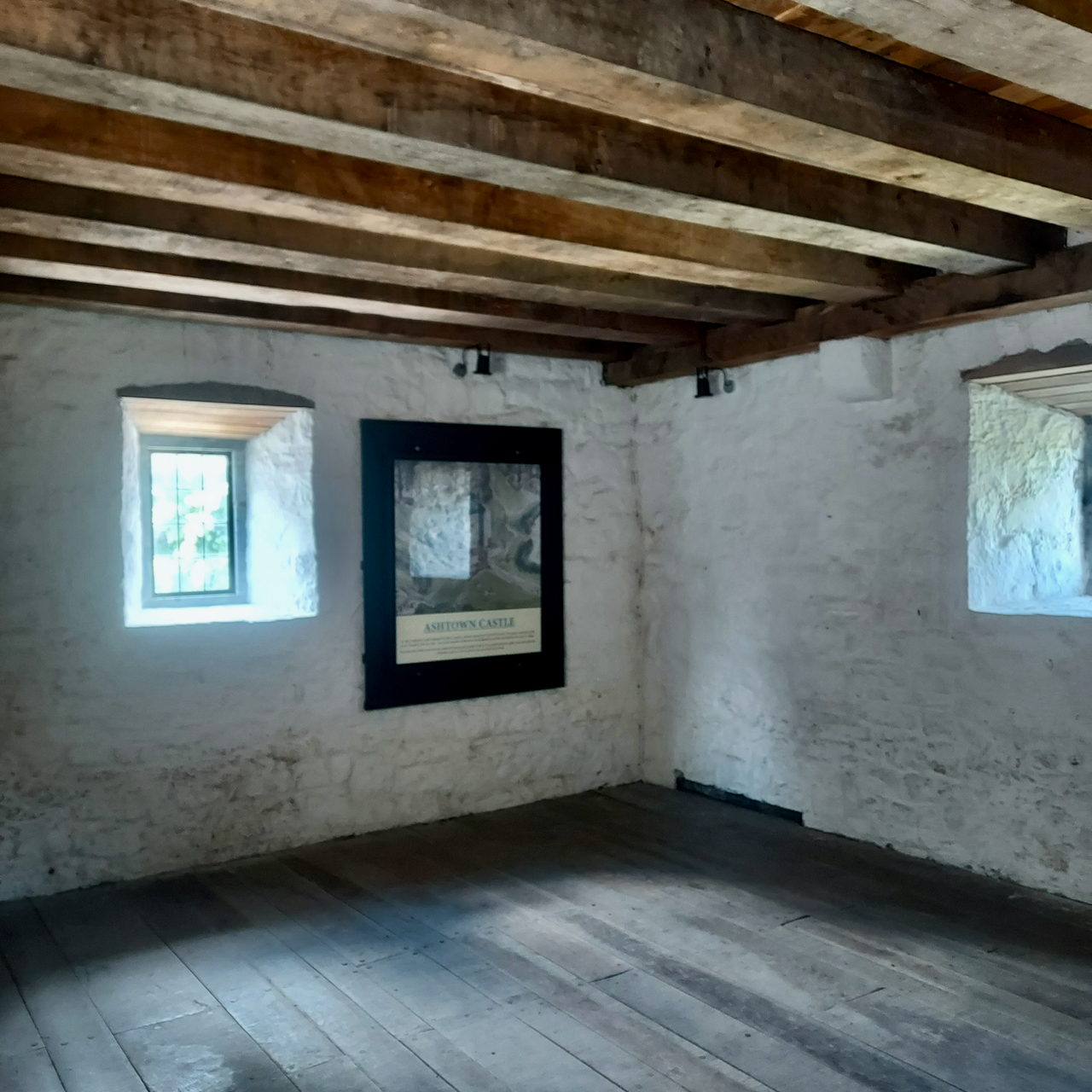
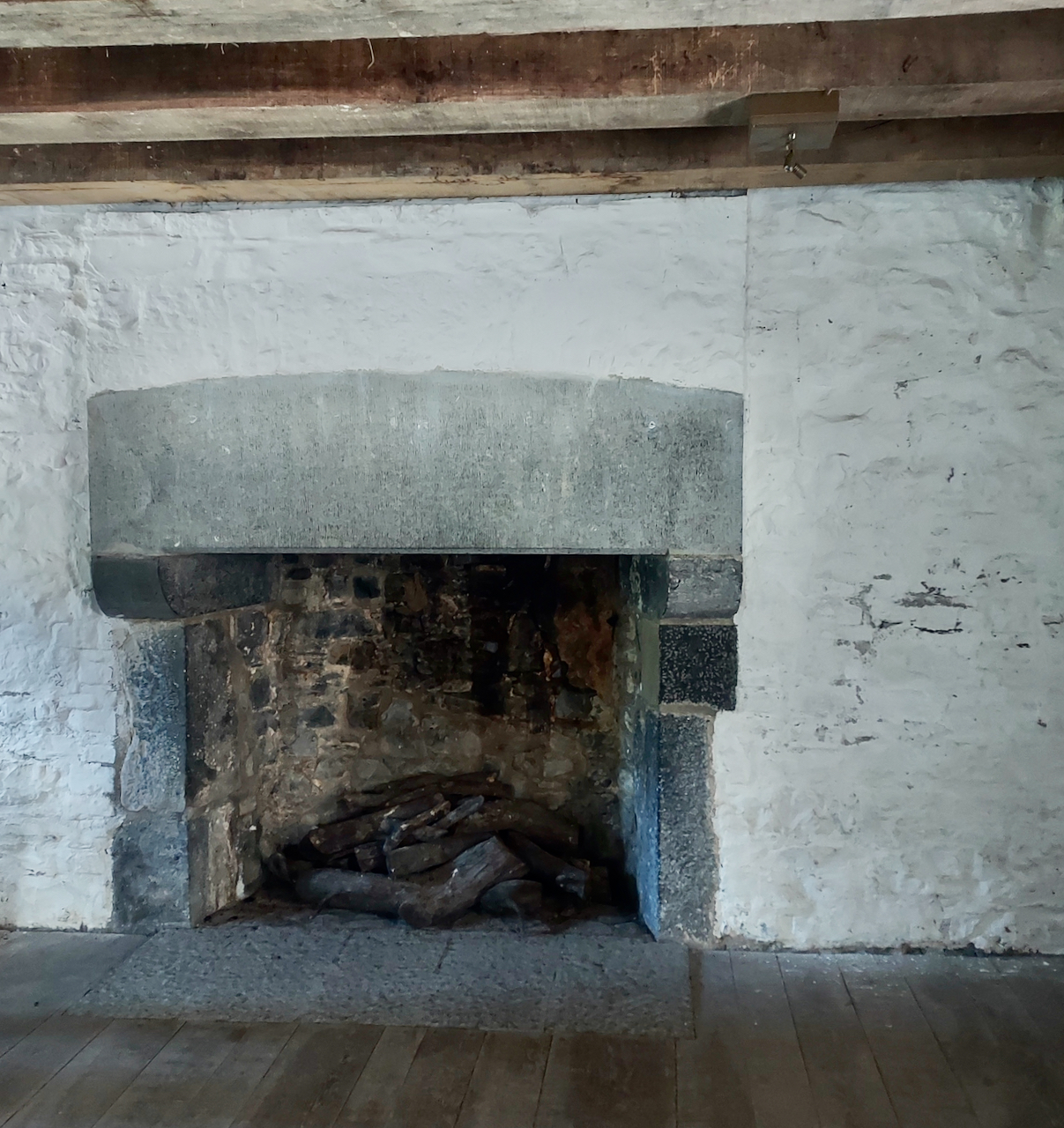
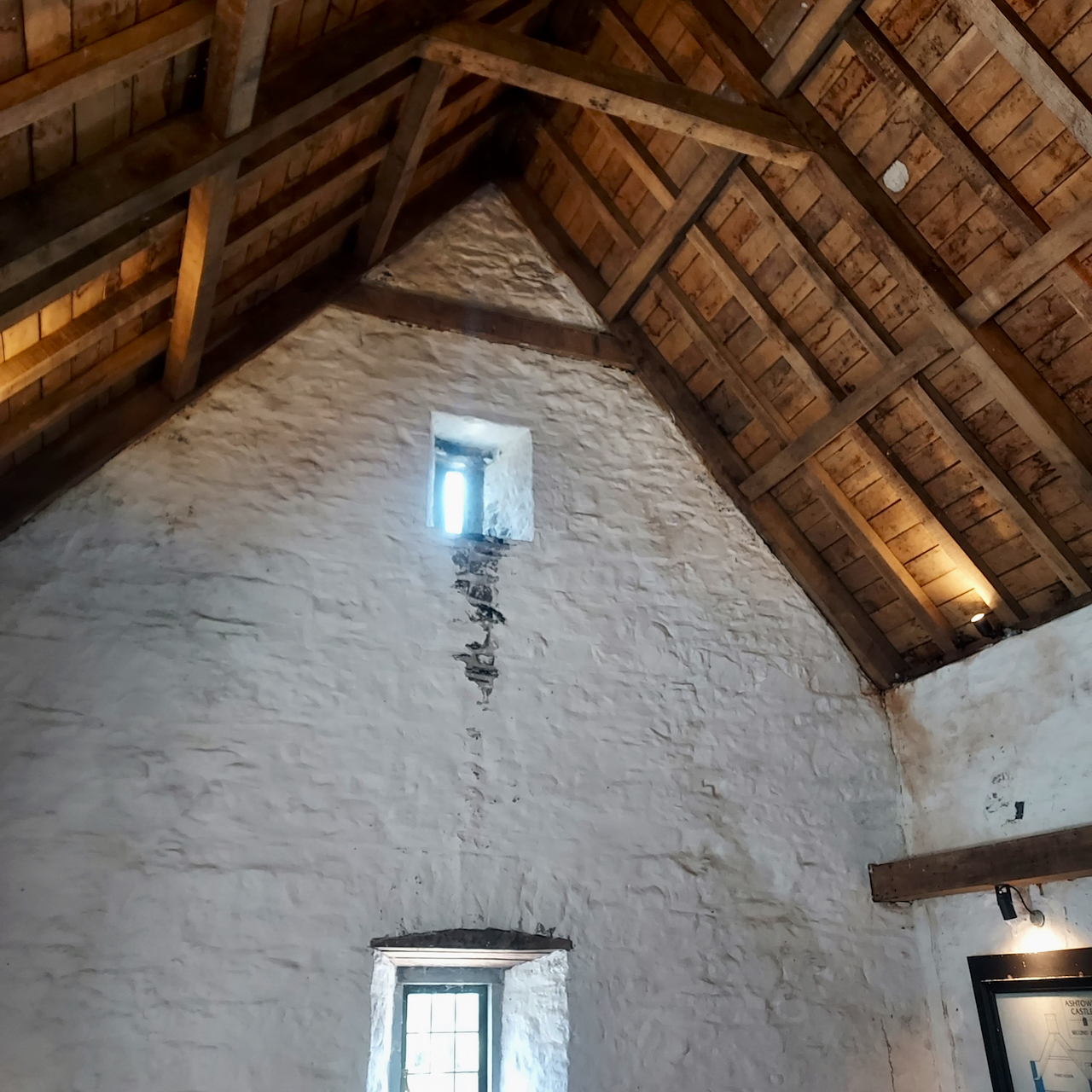
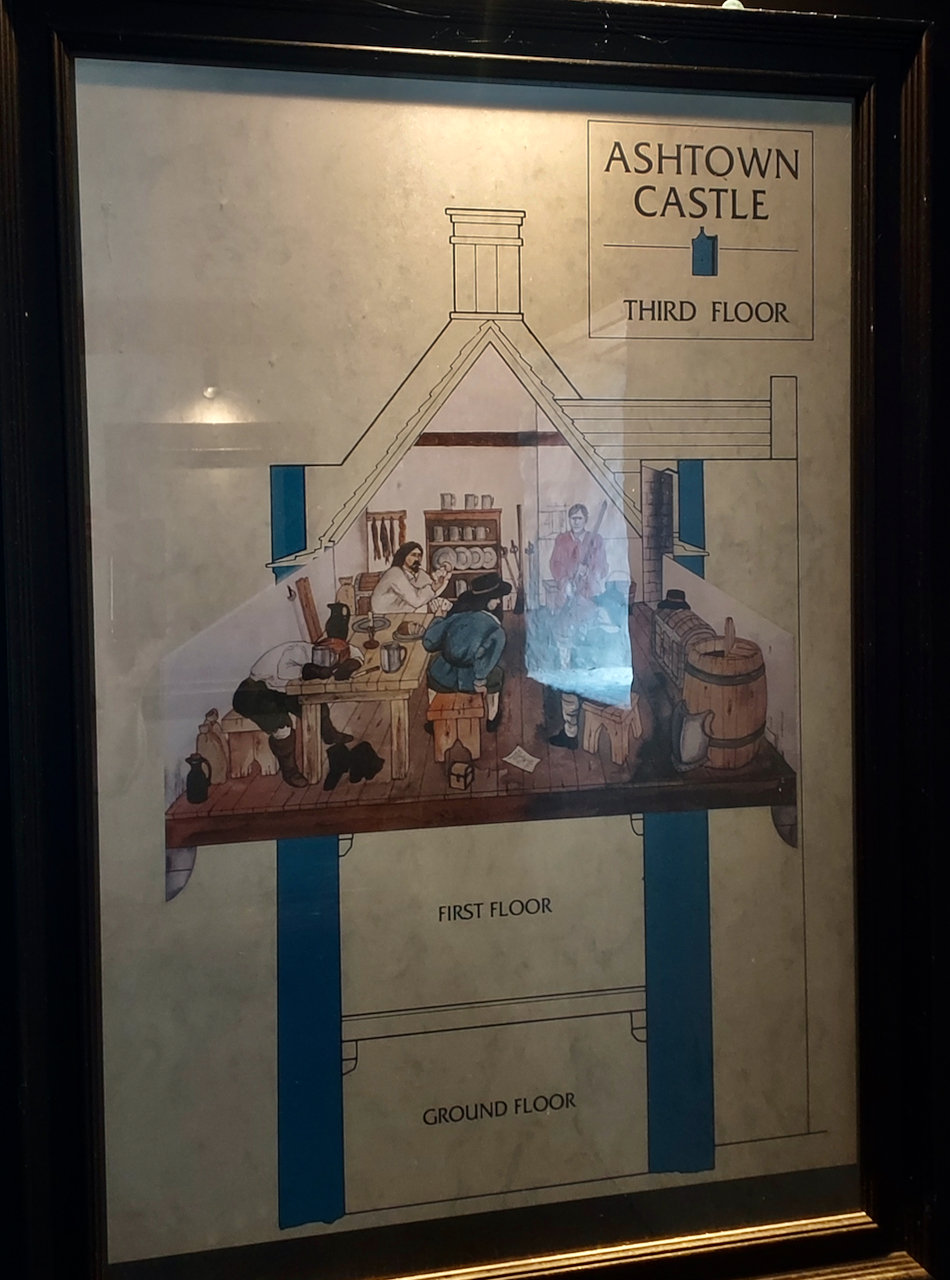
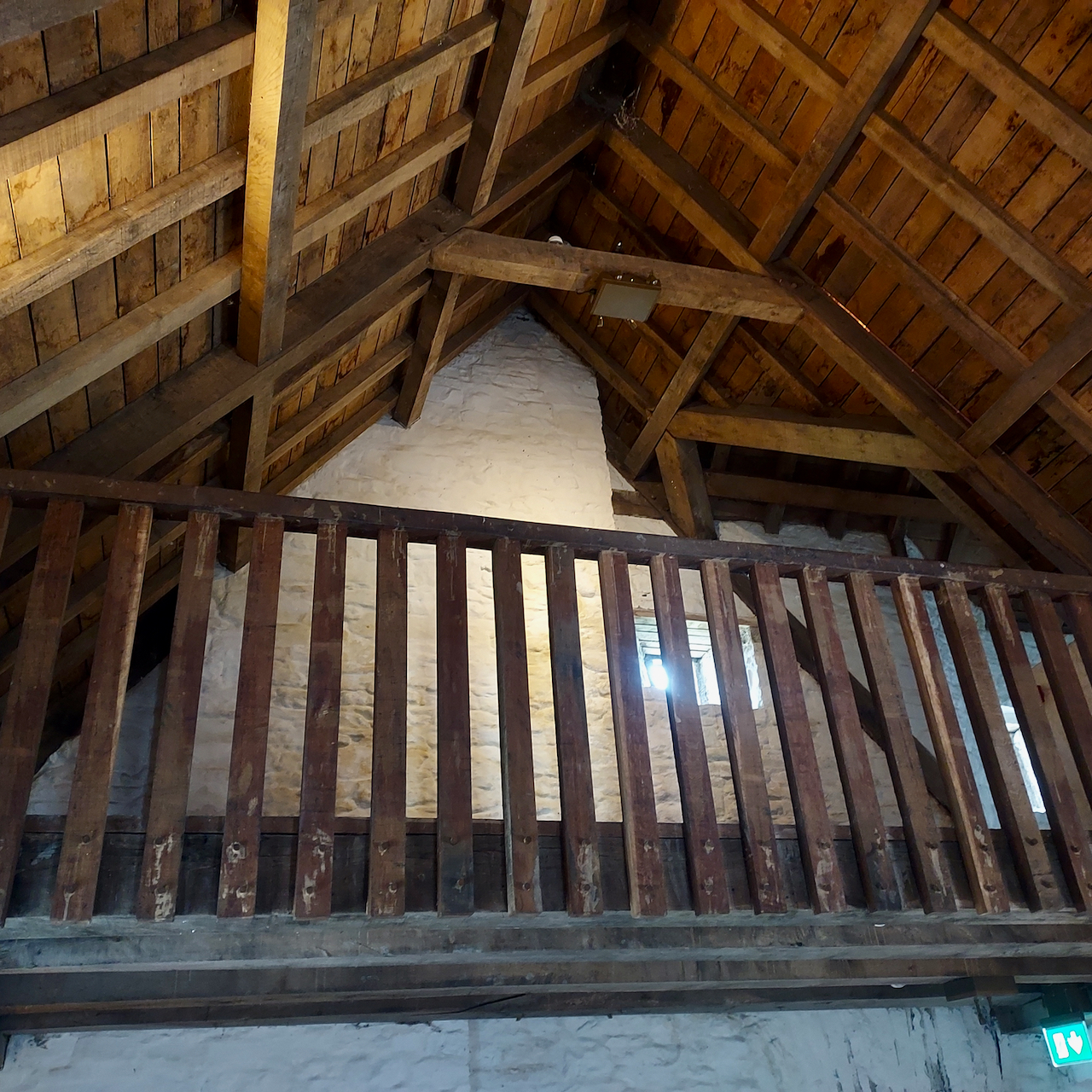
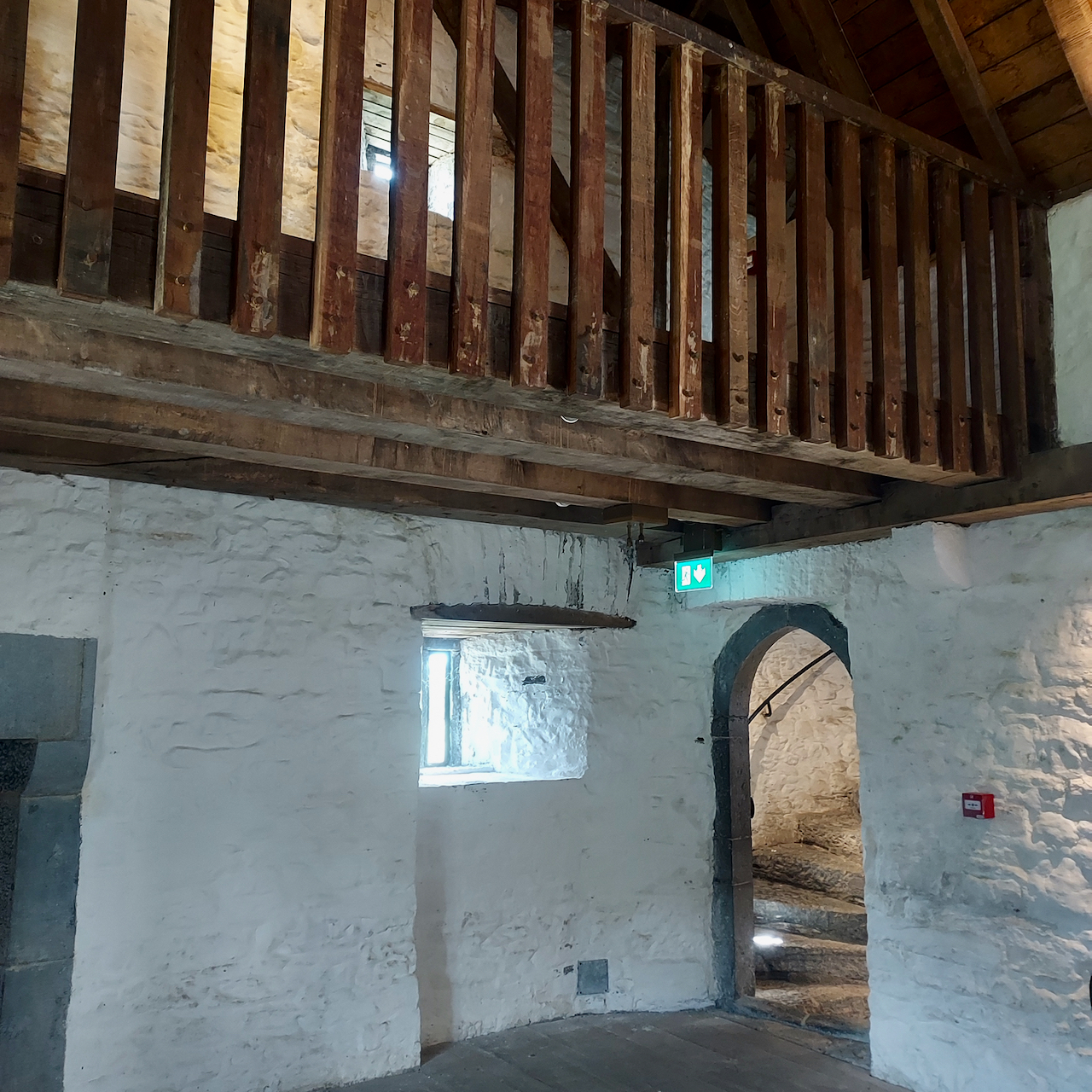
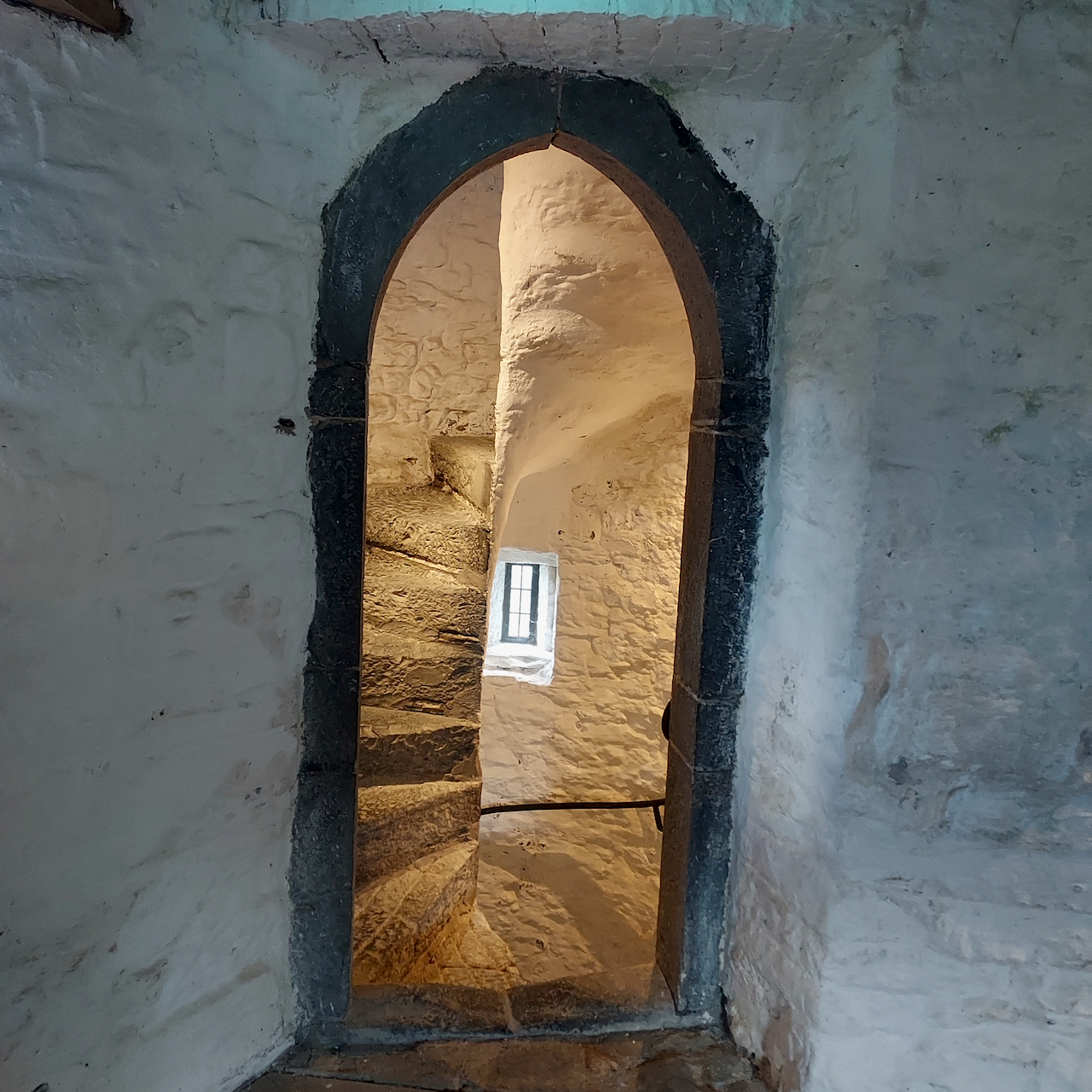
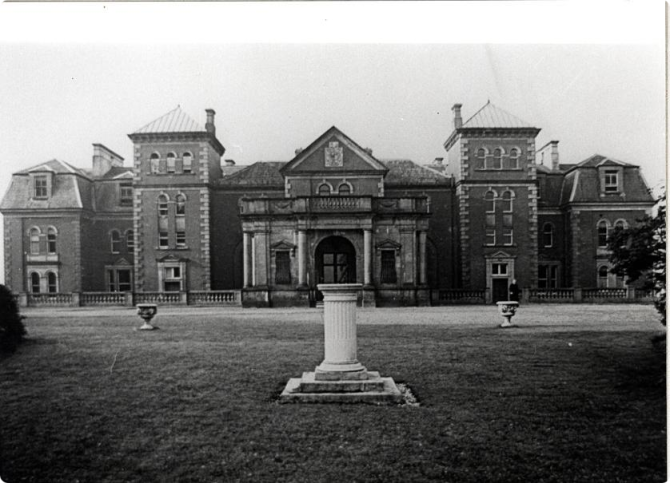
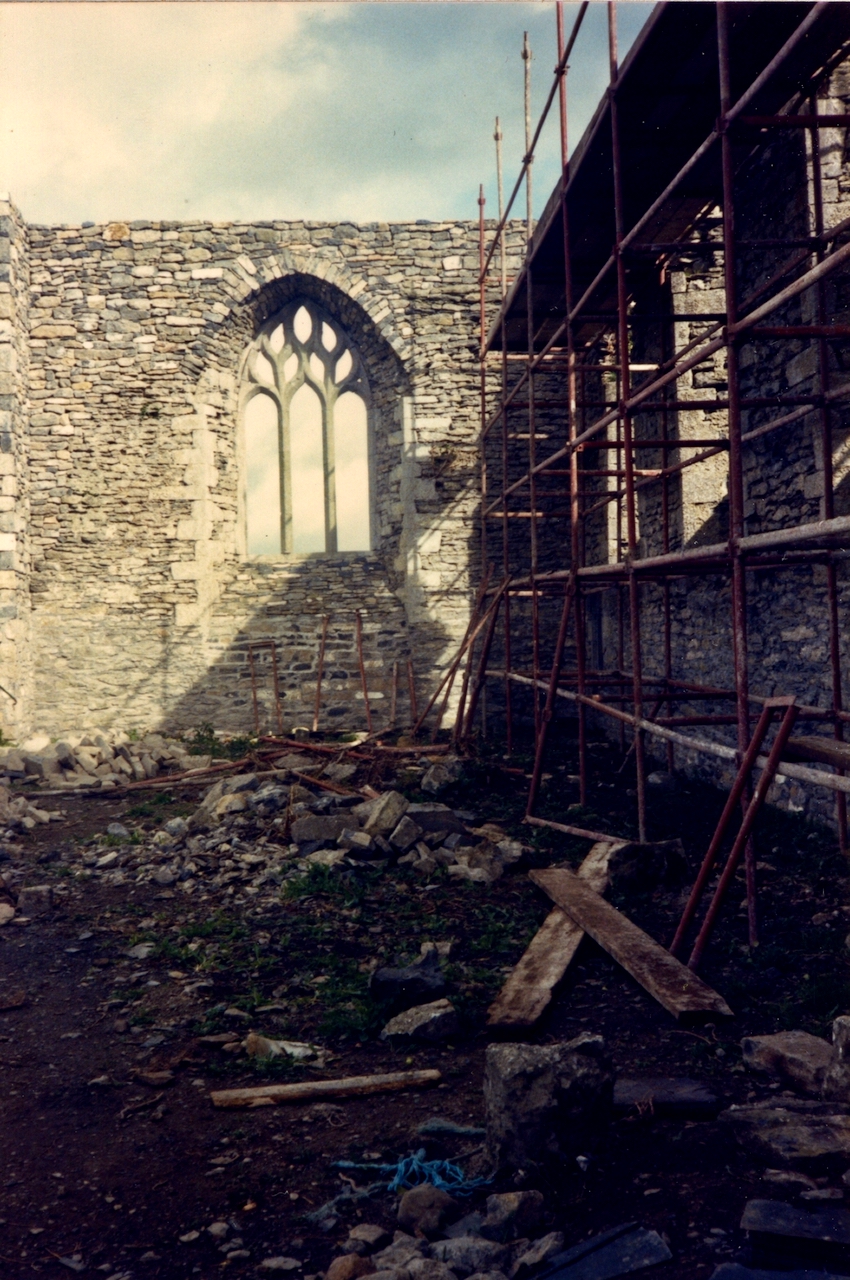
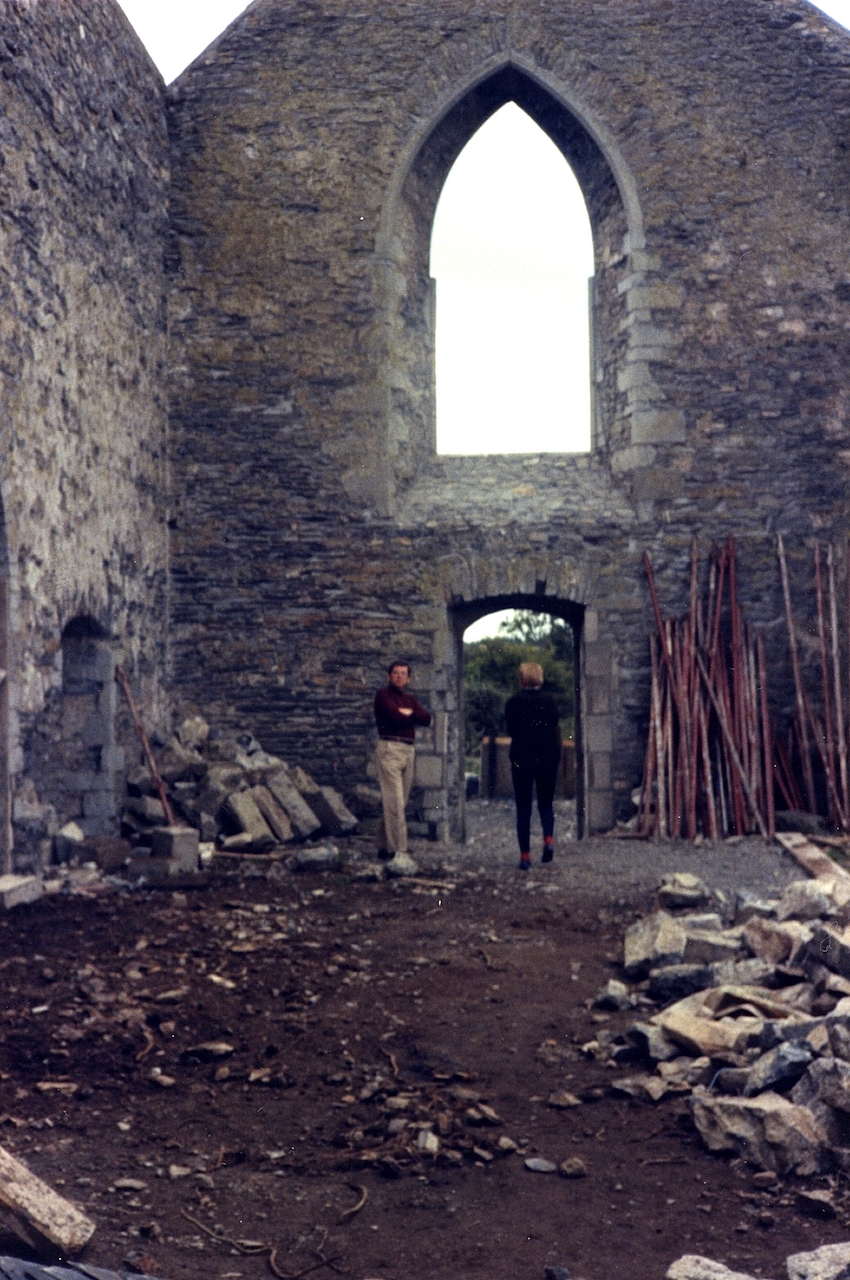
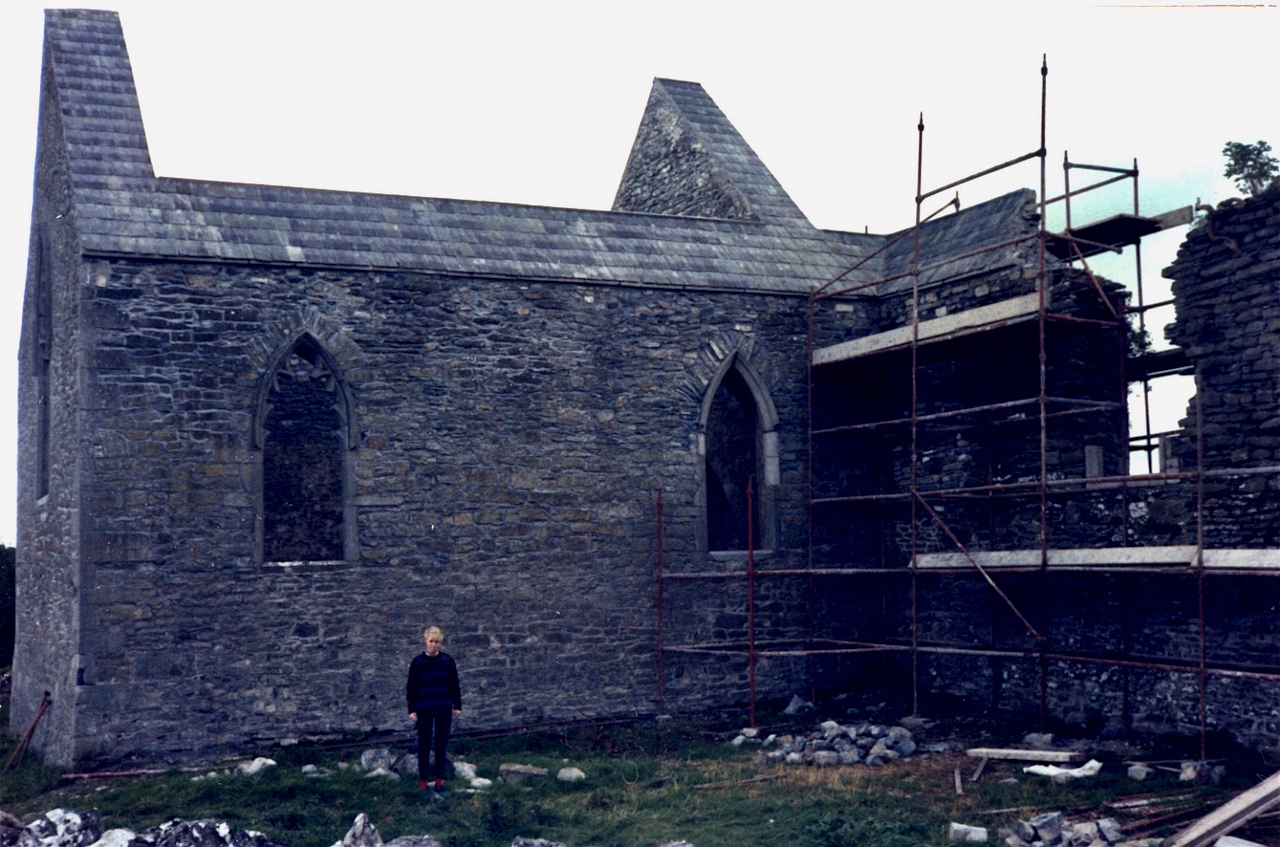
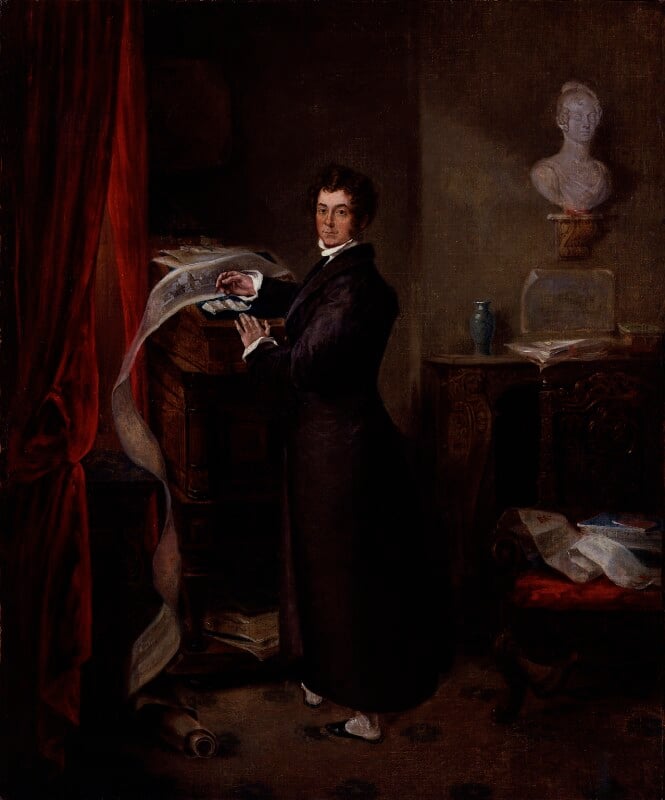
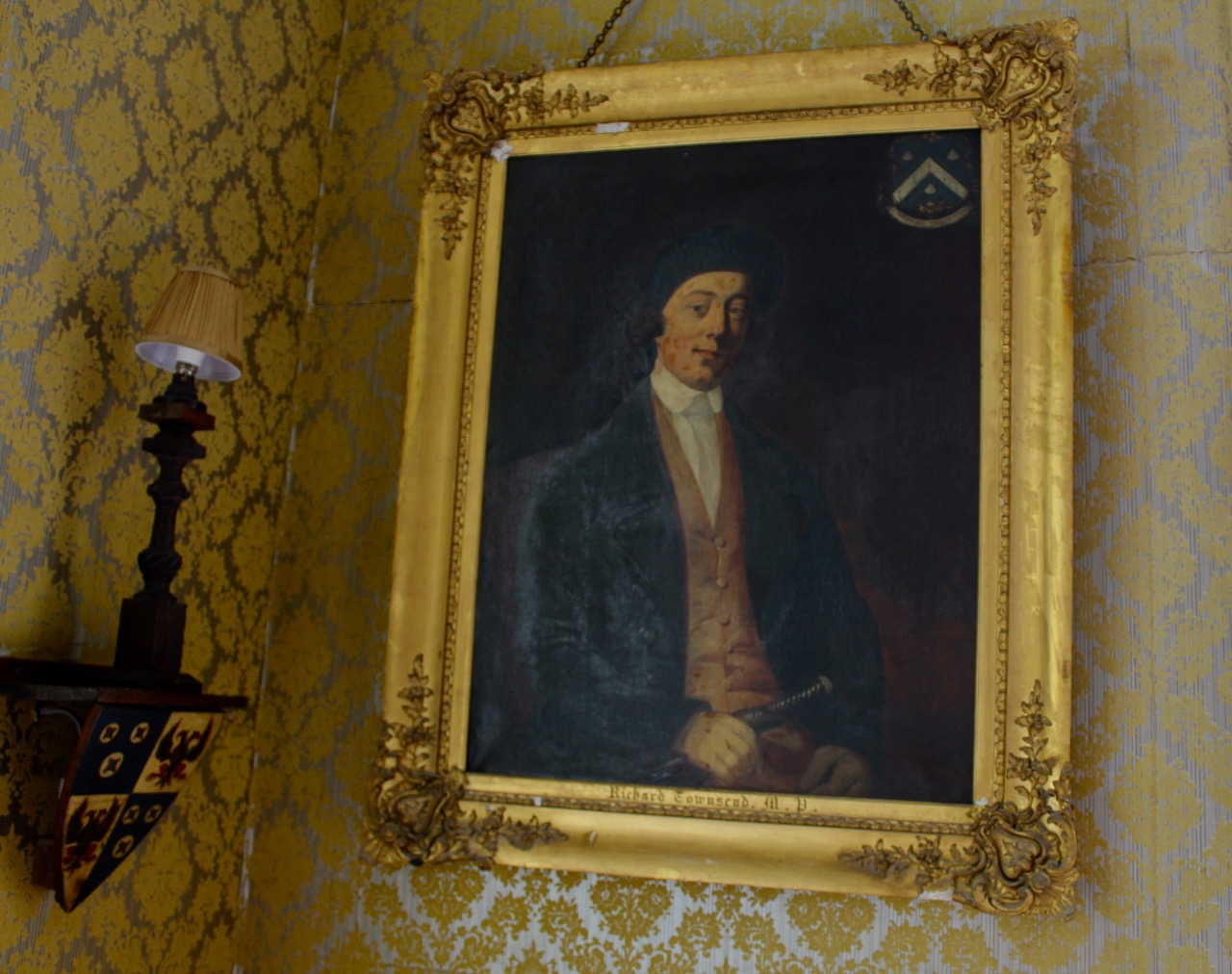
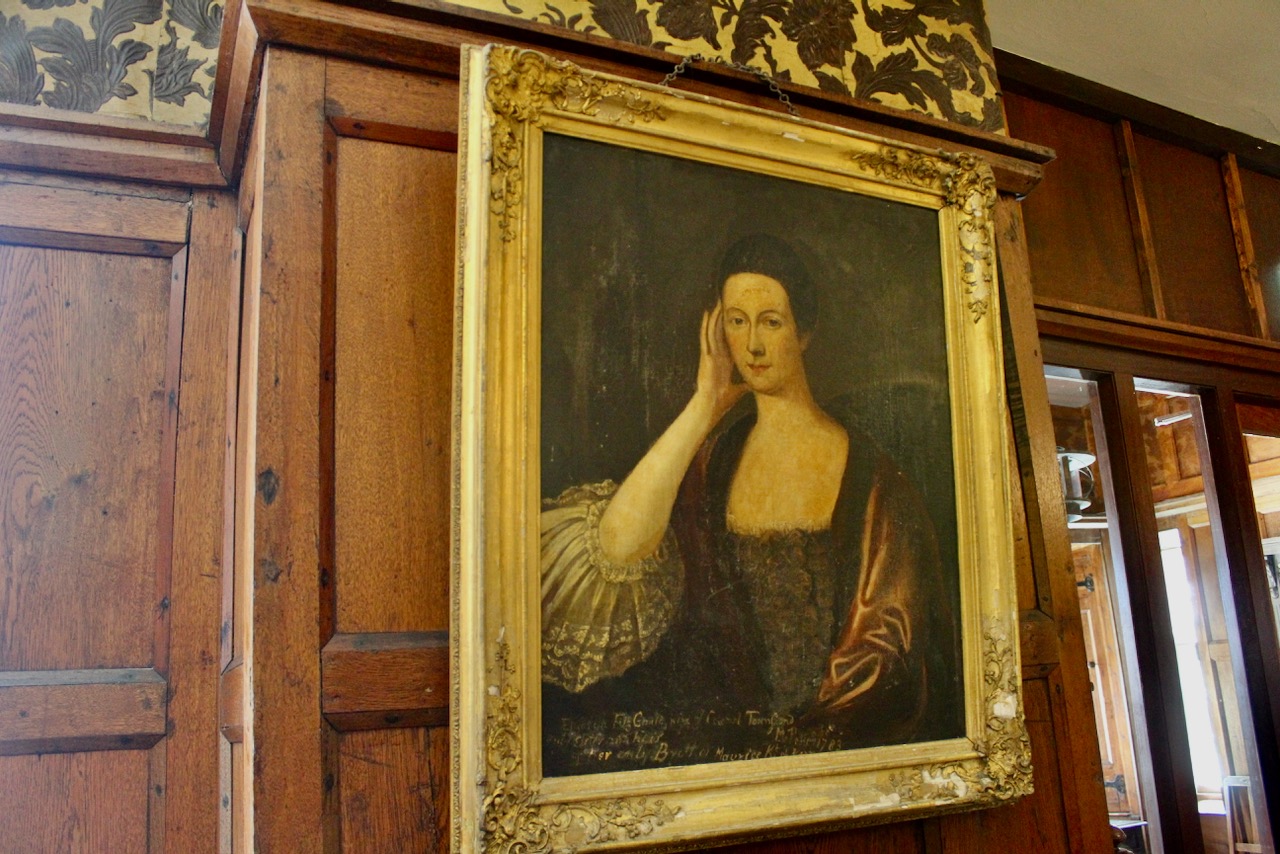
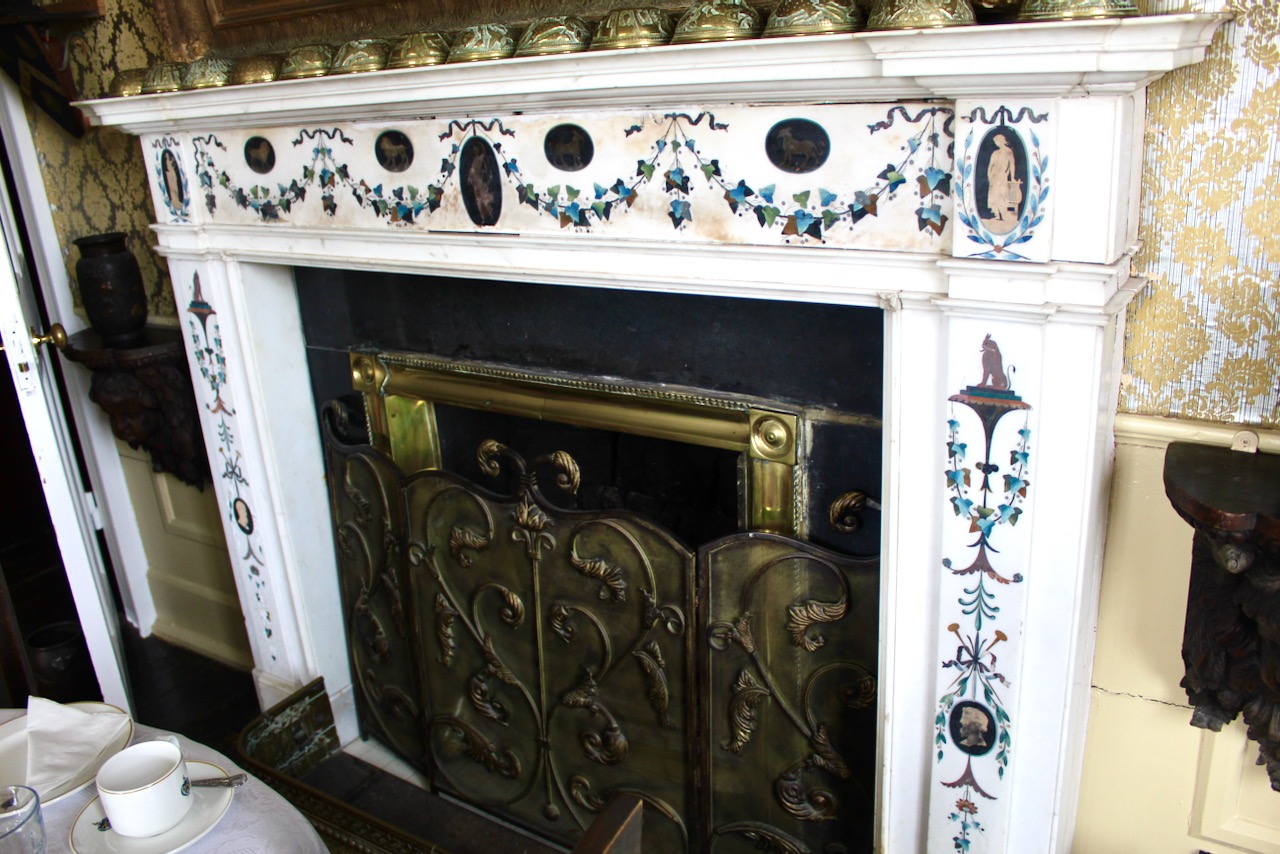
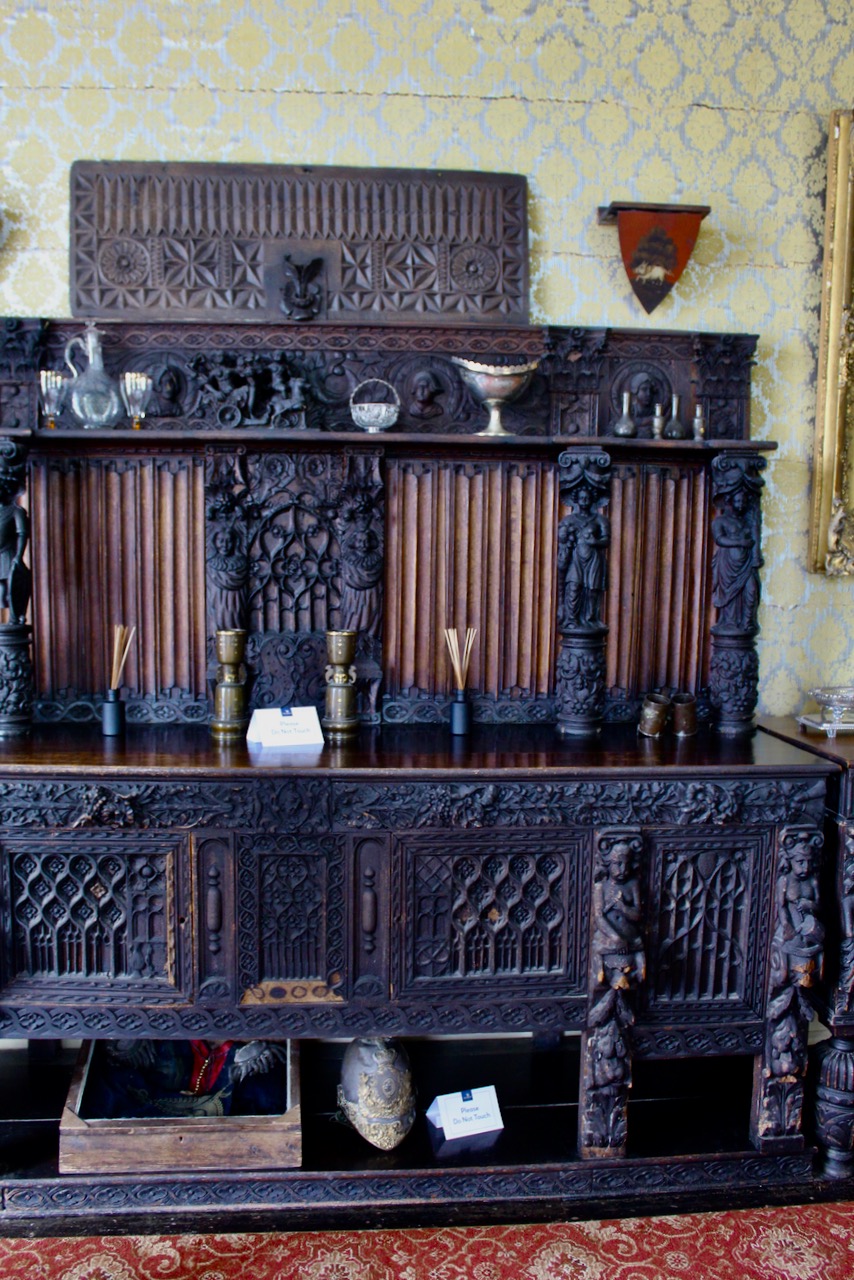
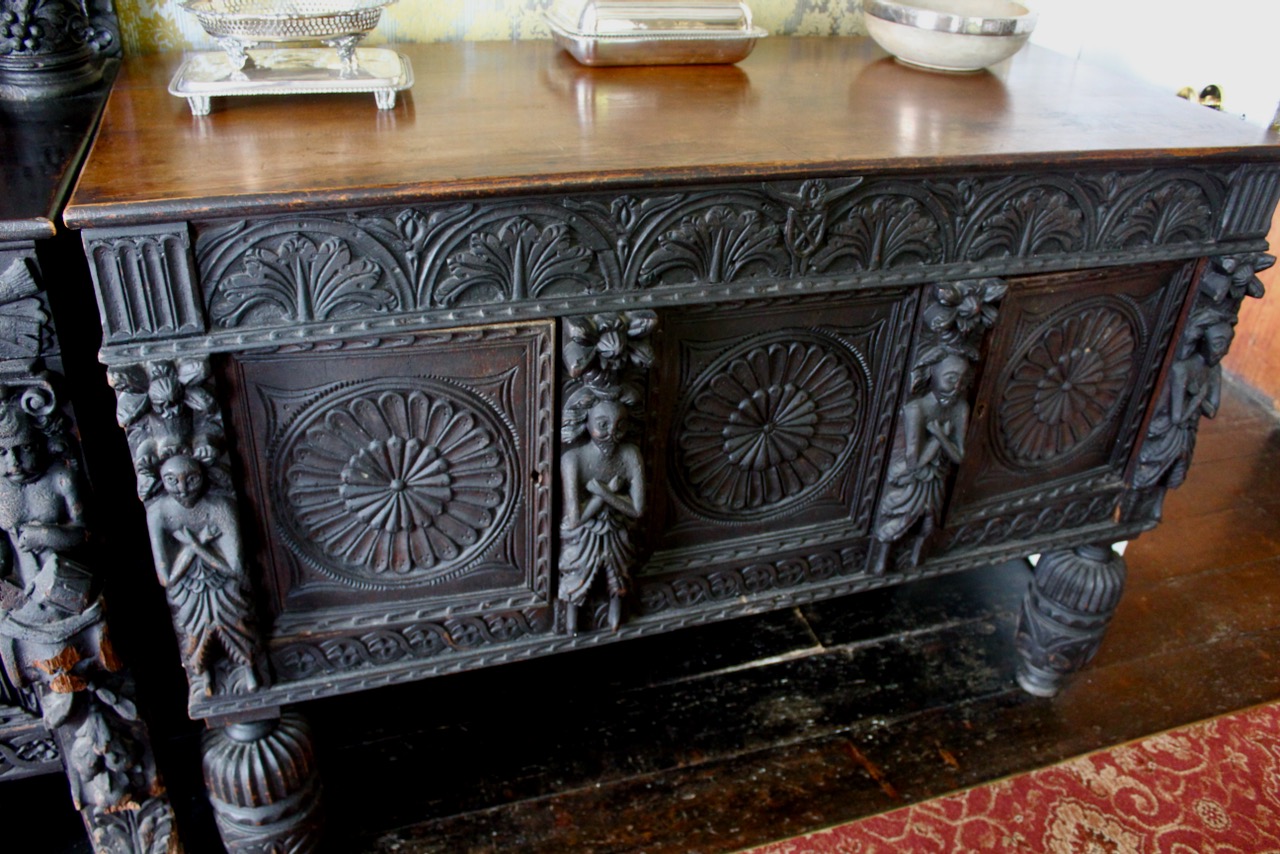
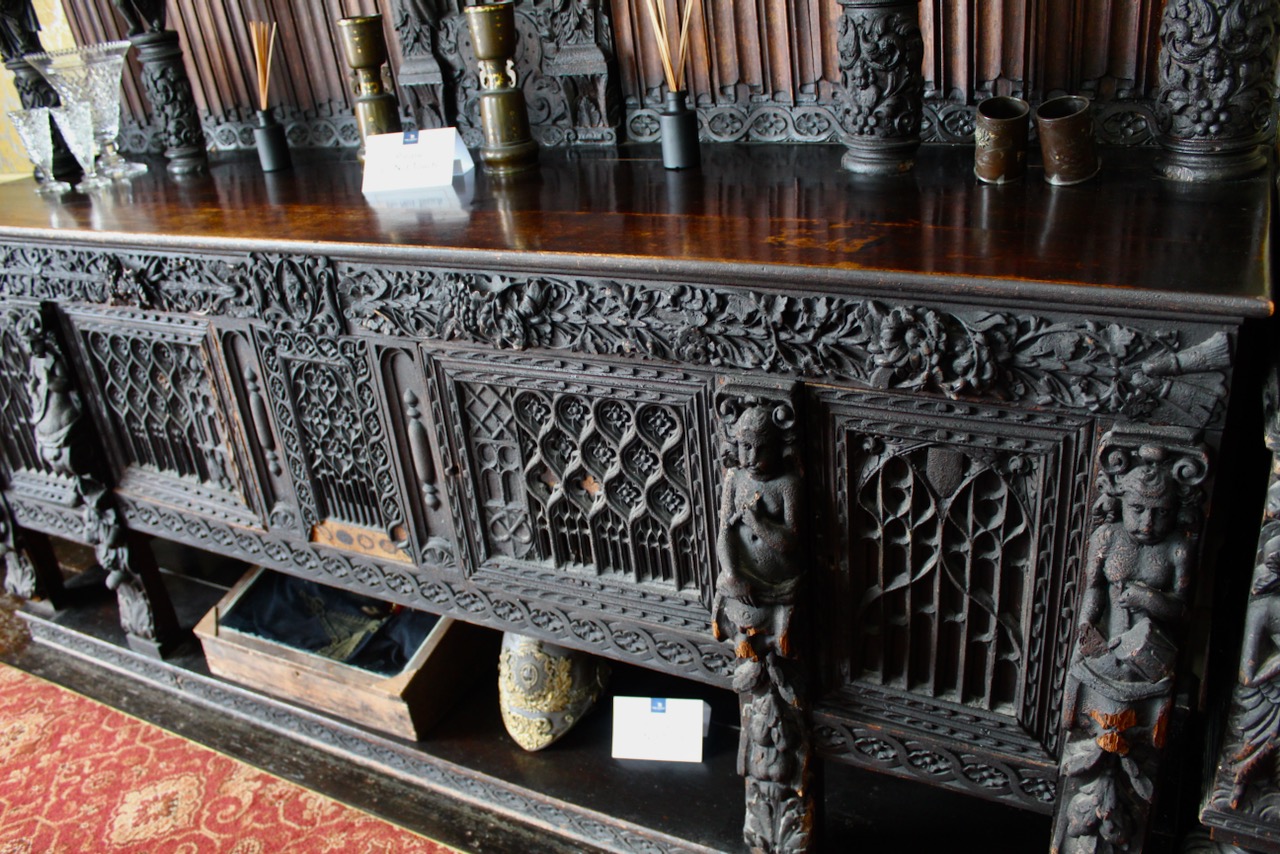
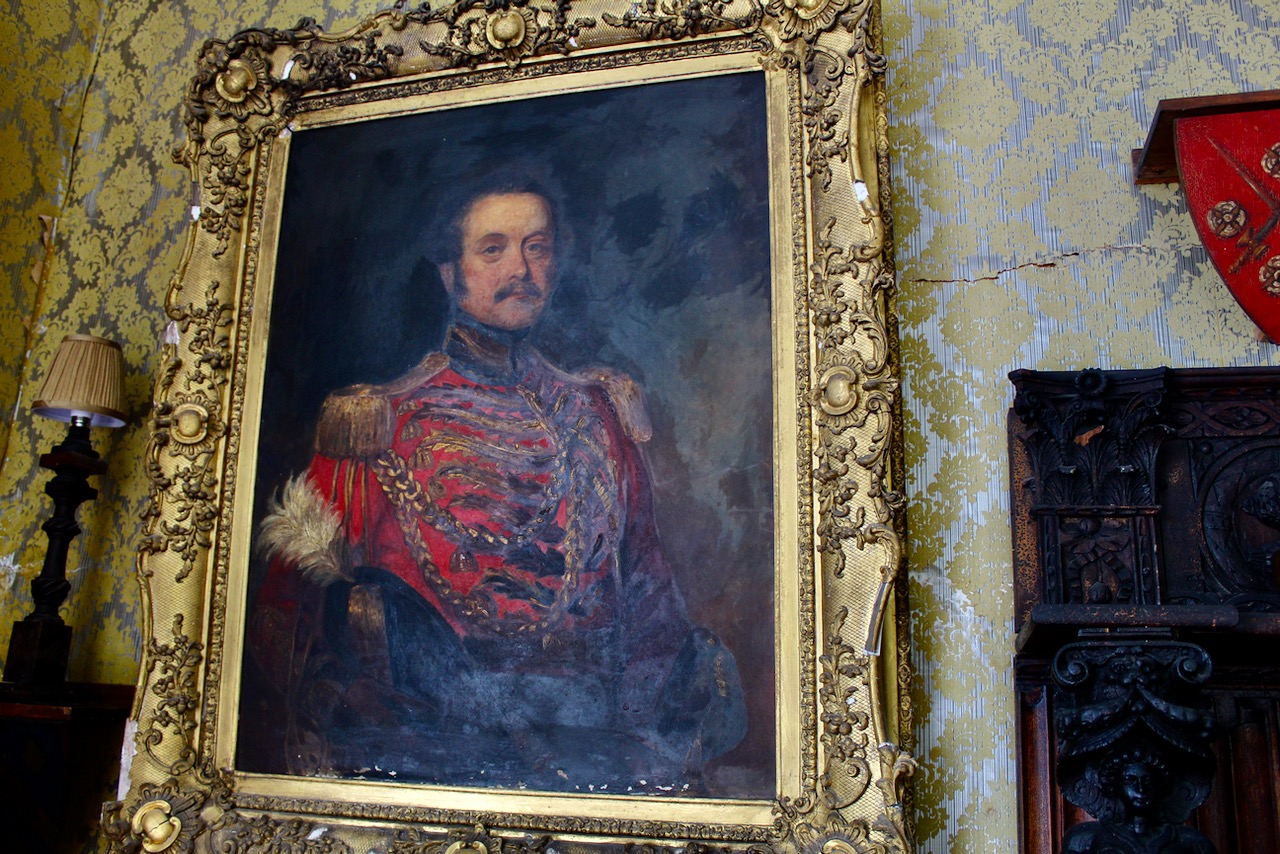
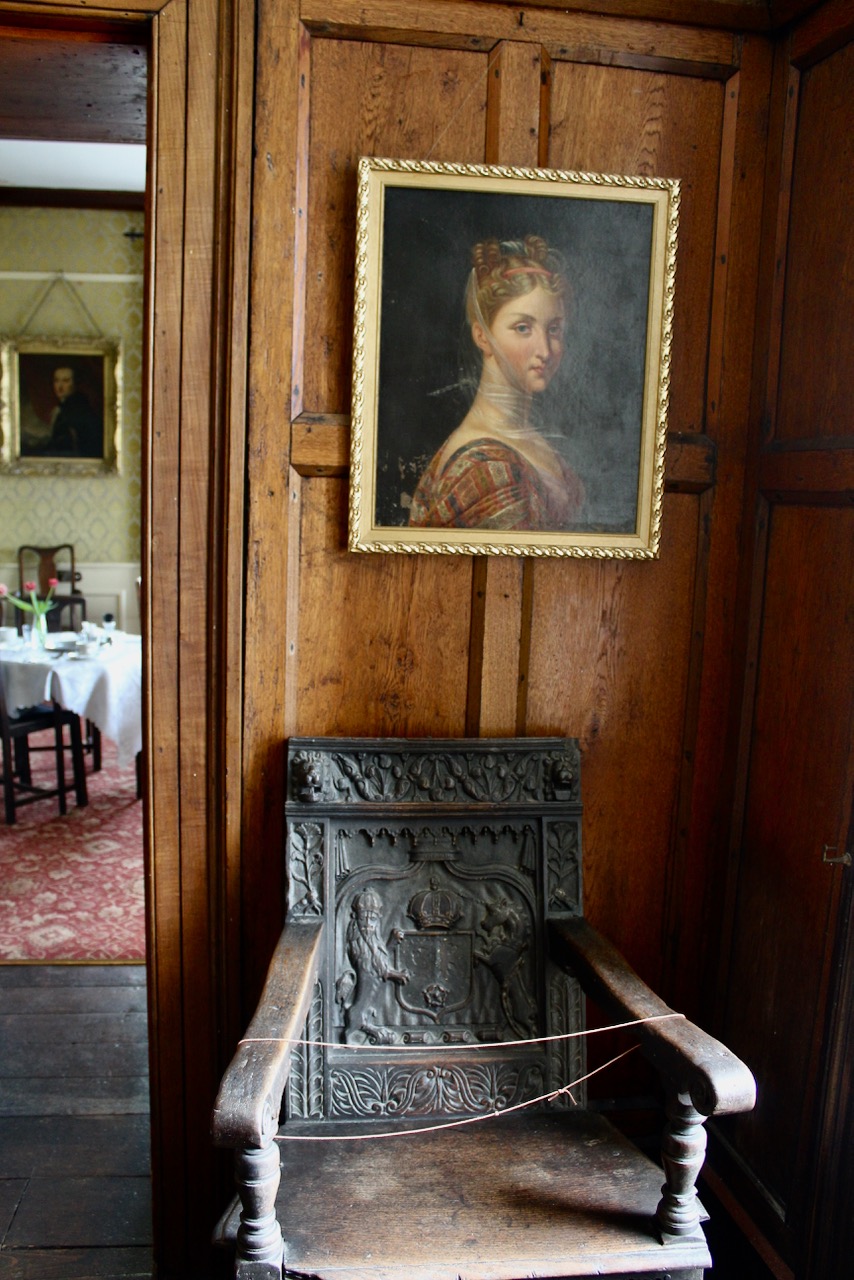
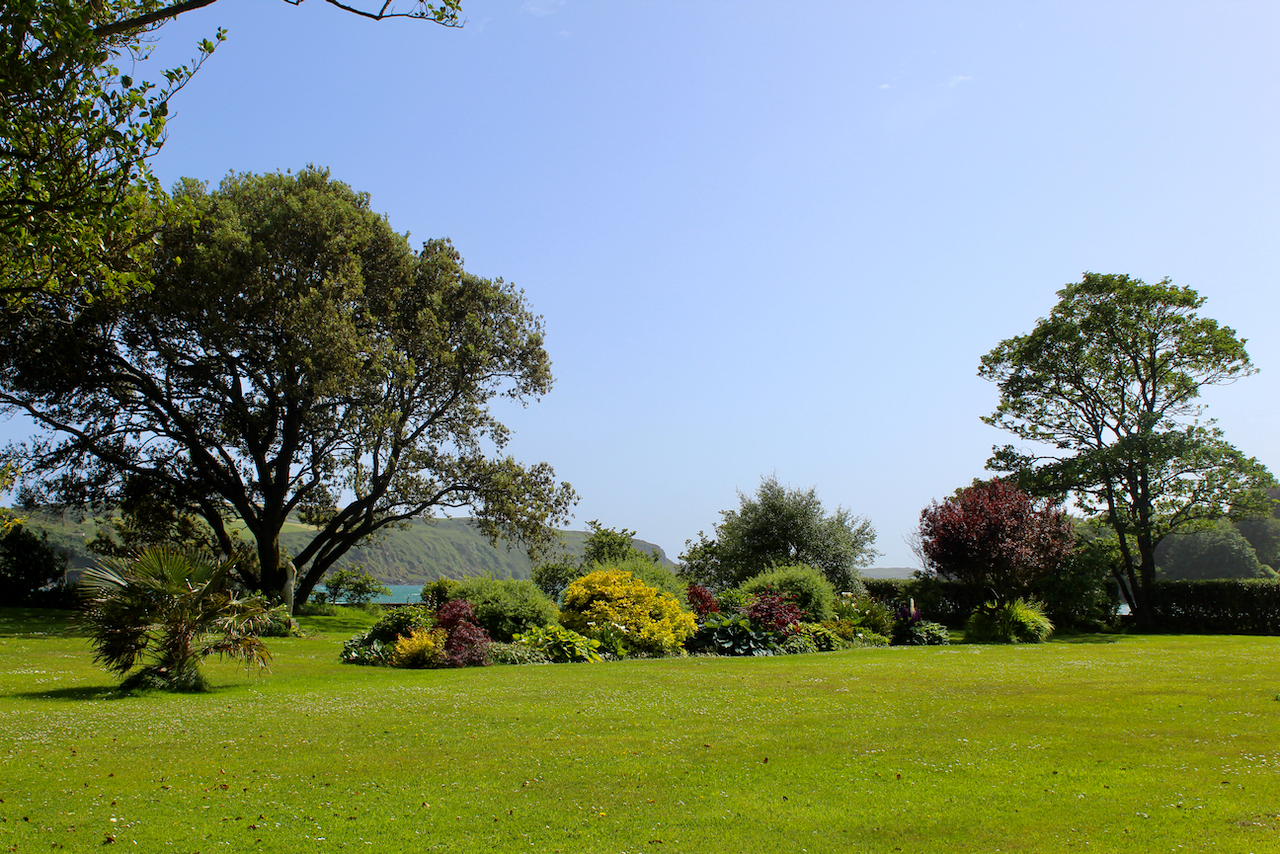
Manorhamilton Castle, Castle St, Manorhamilton, Co. Leitrim – section 482

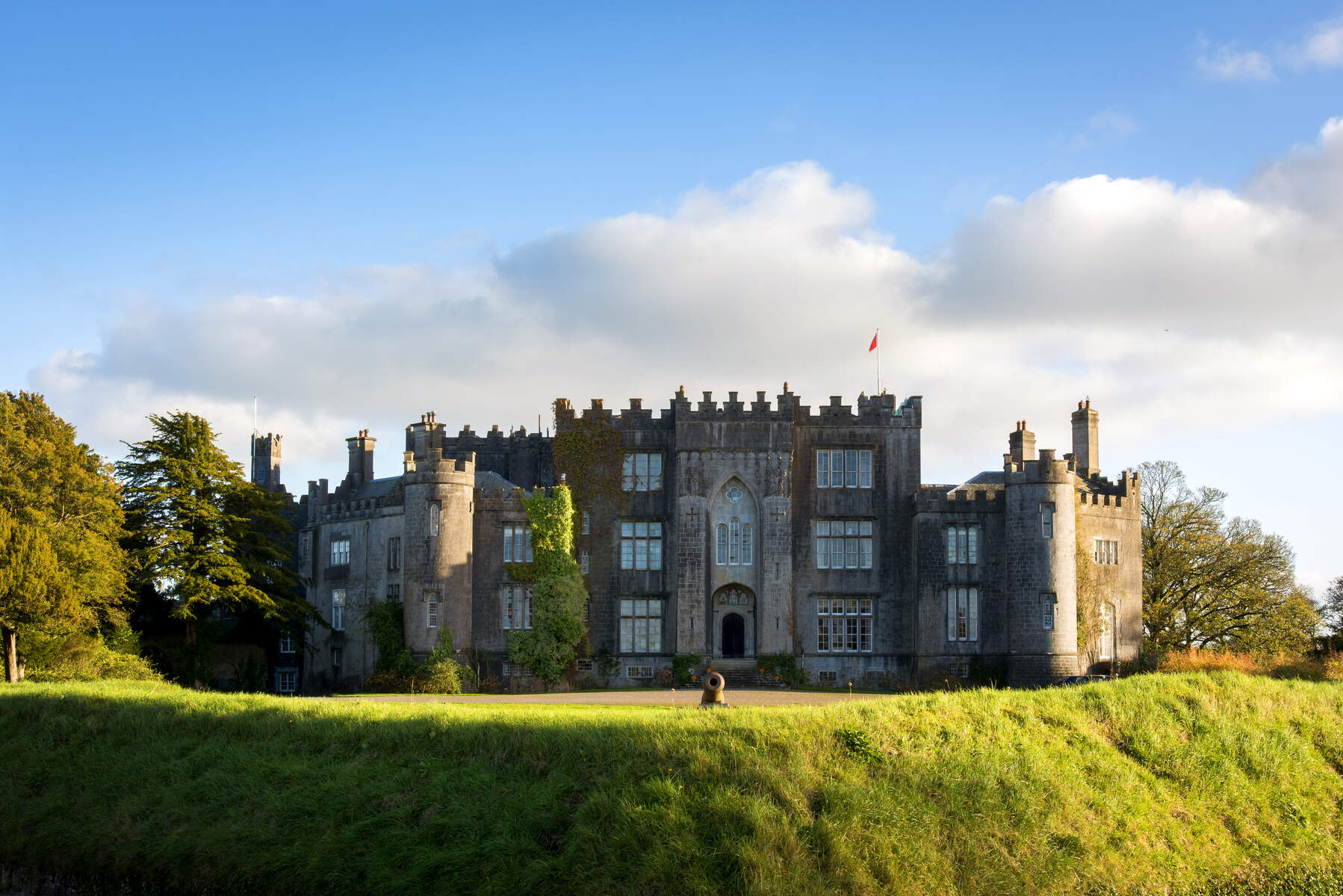
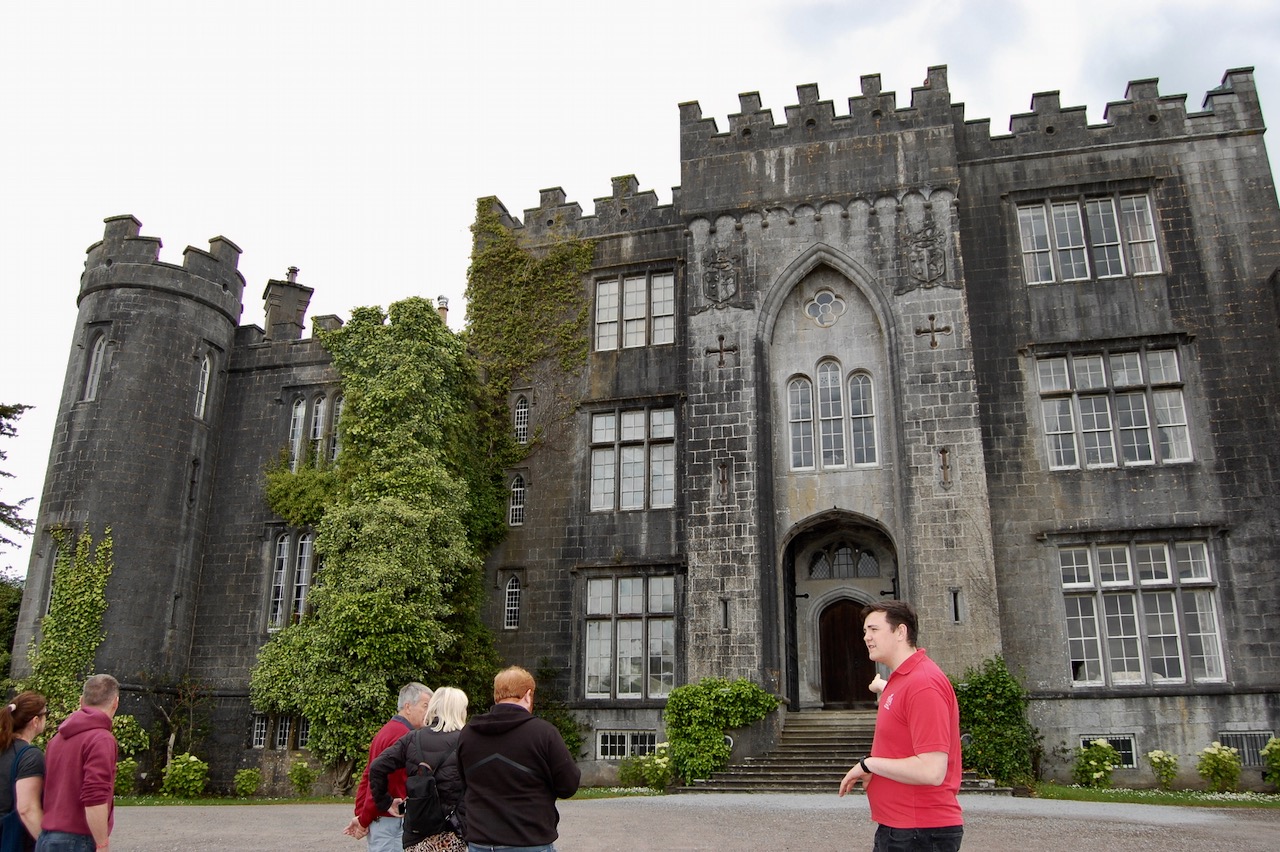
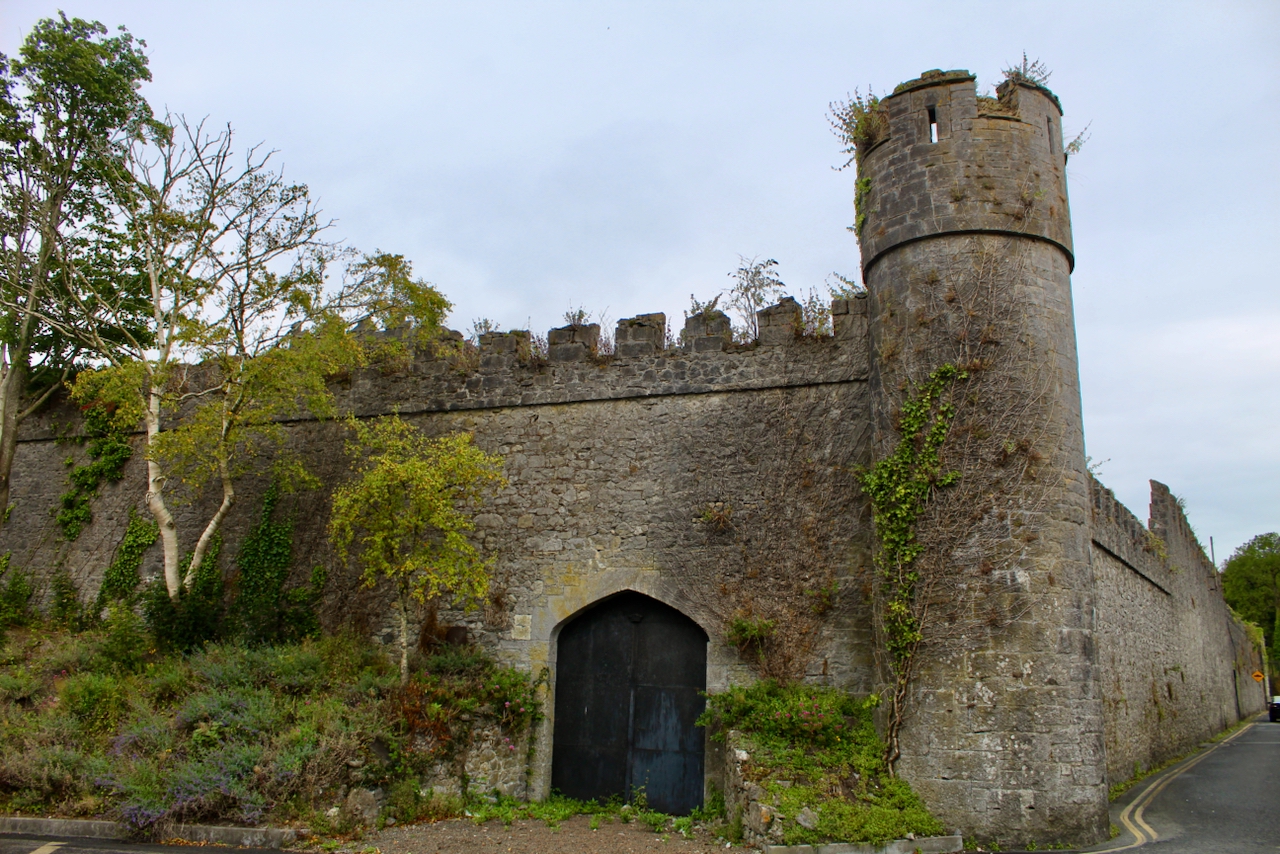
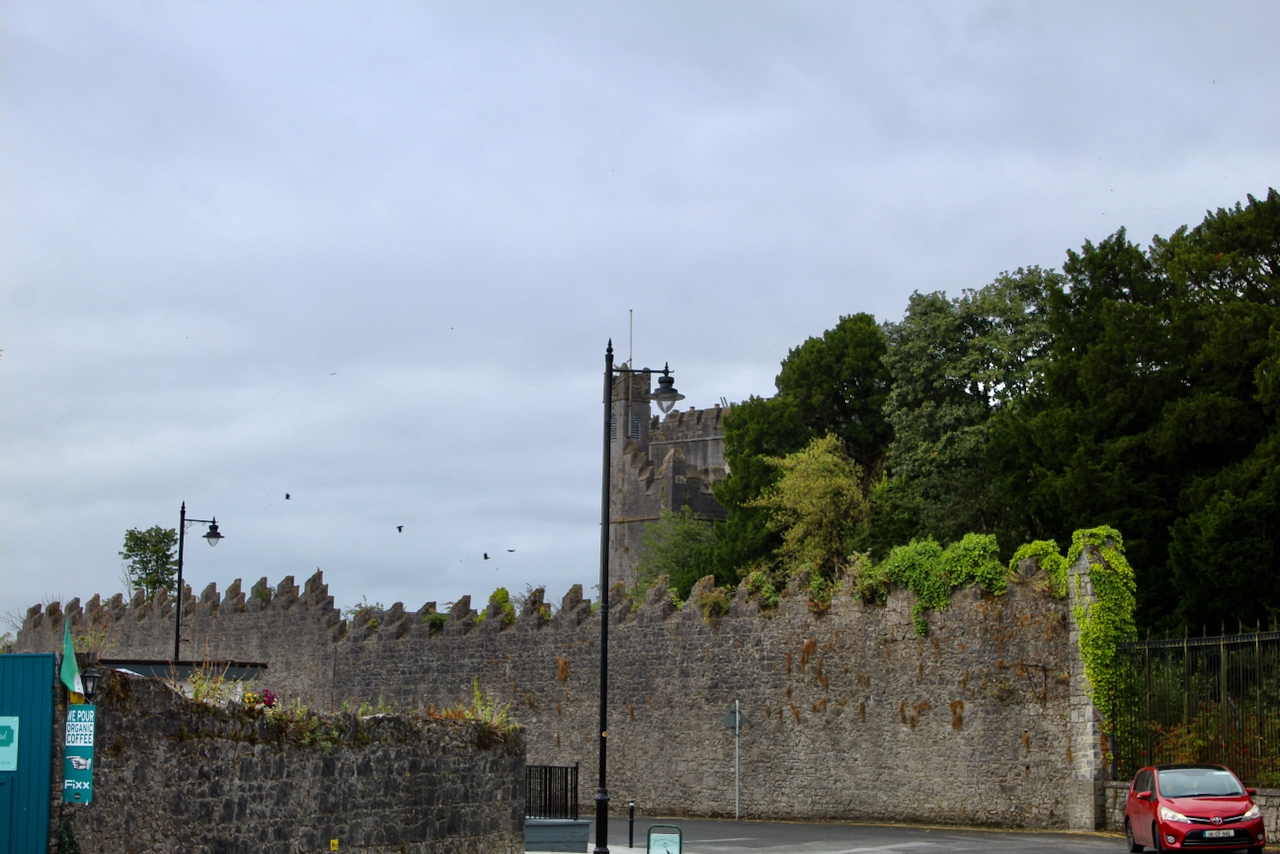
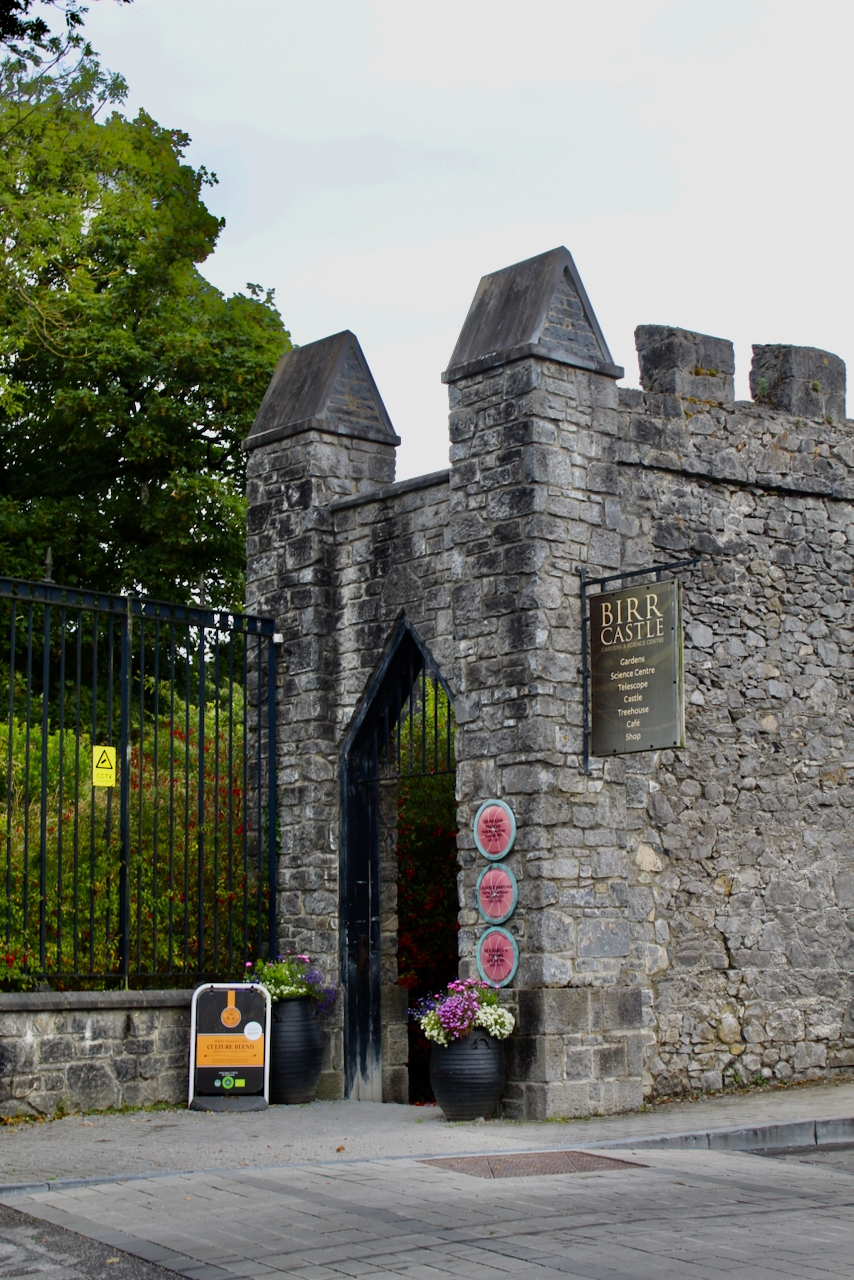
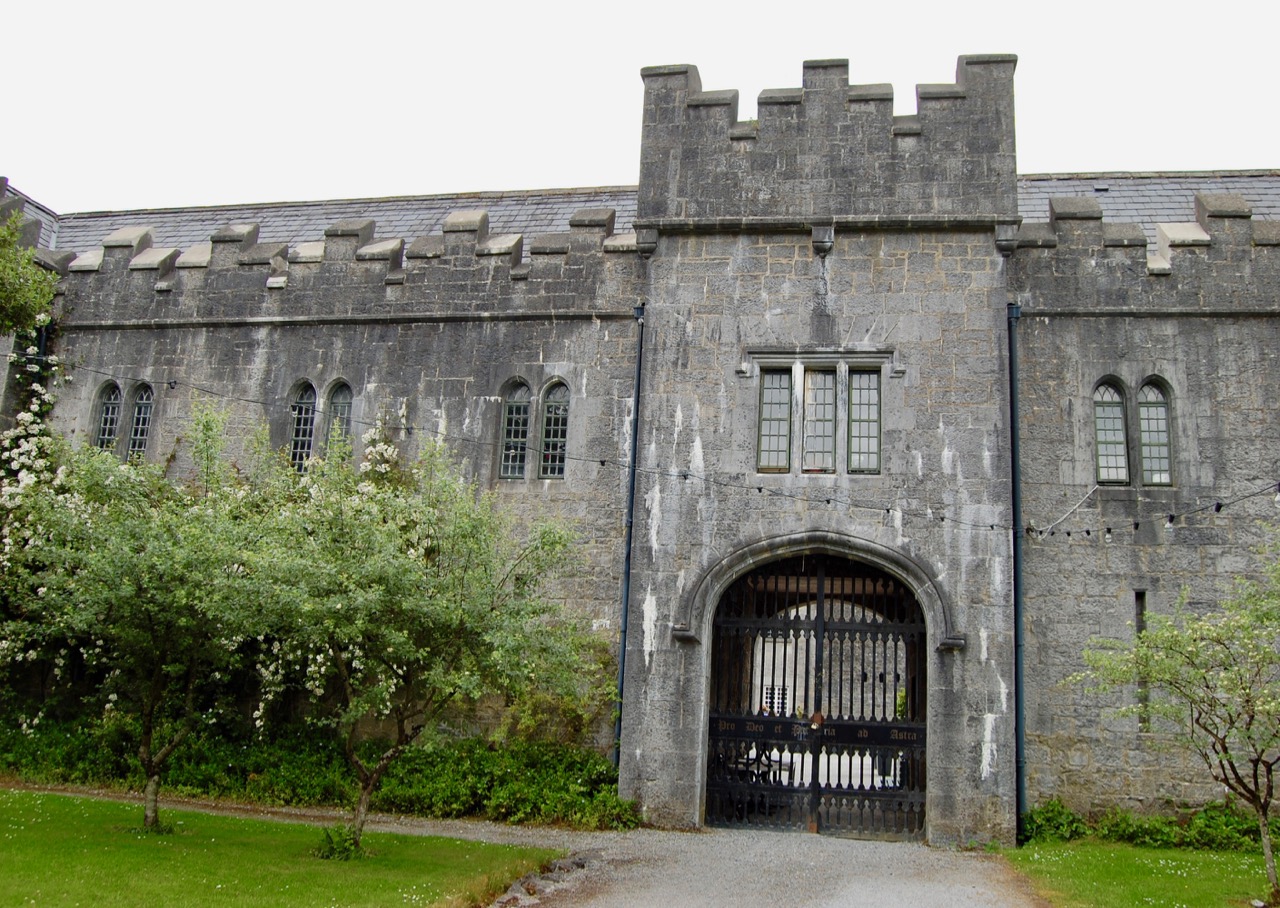
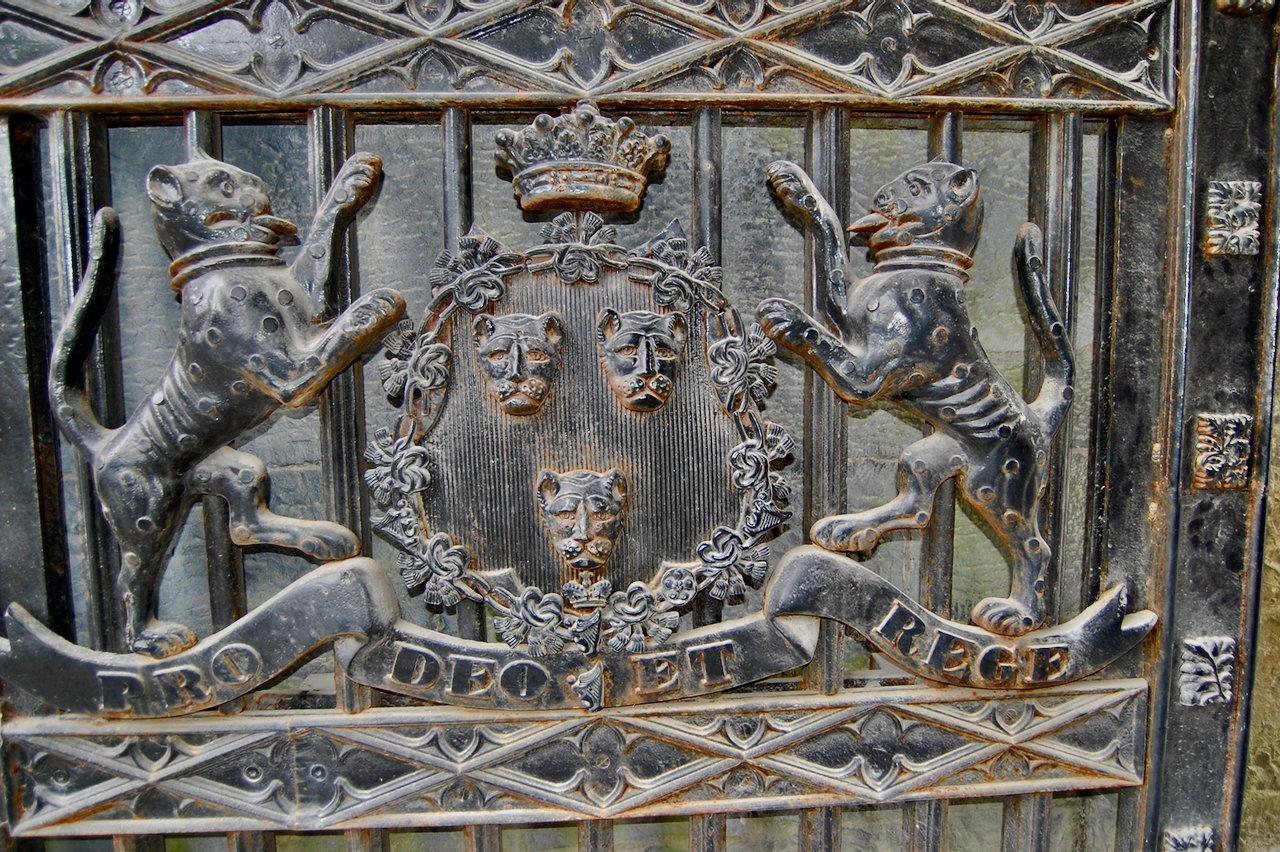
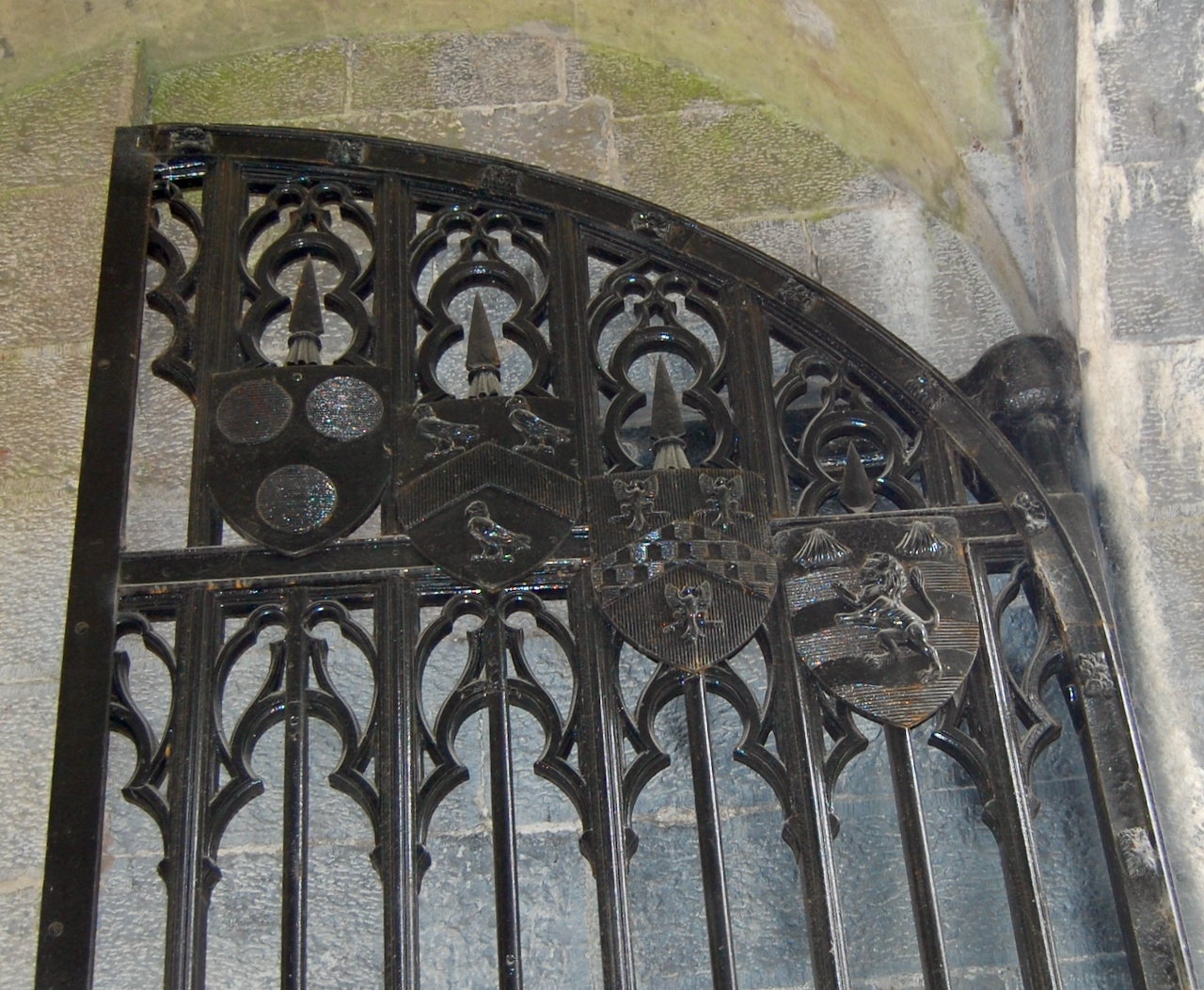
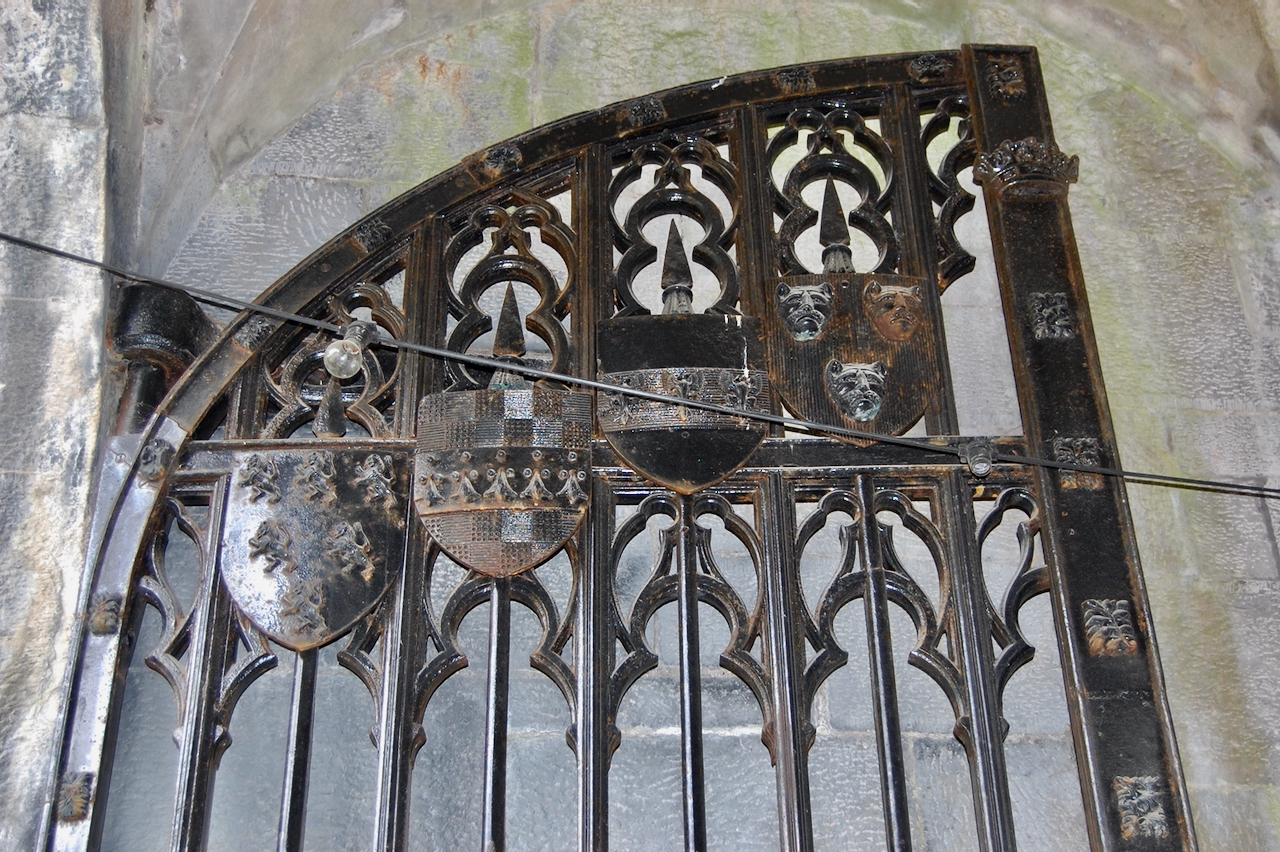
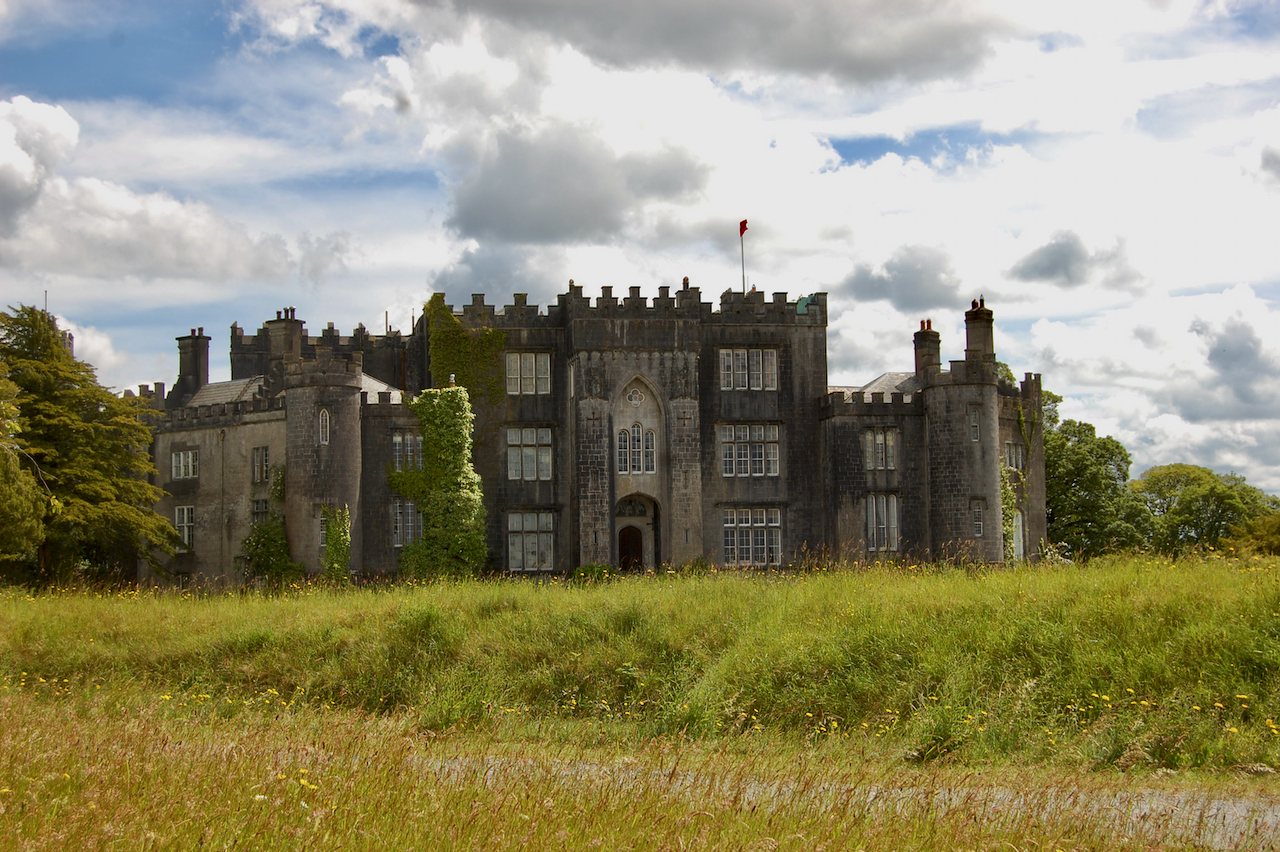
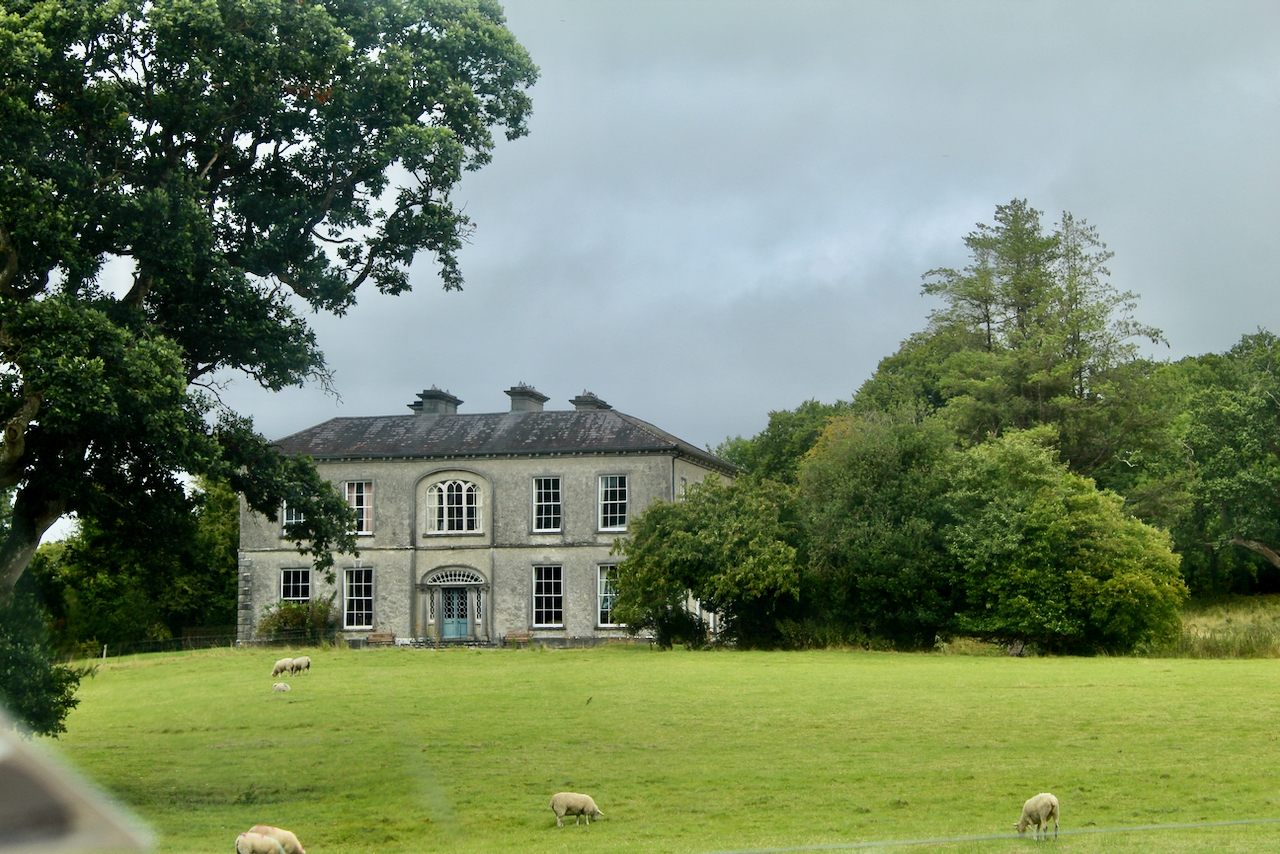
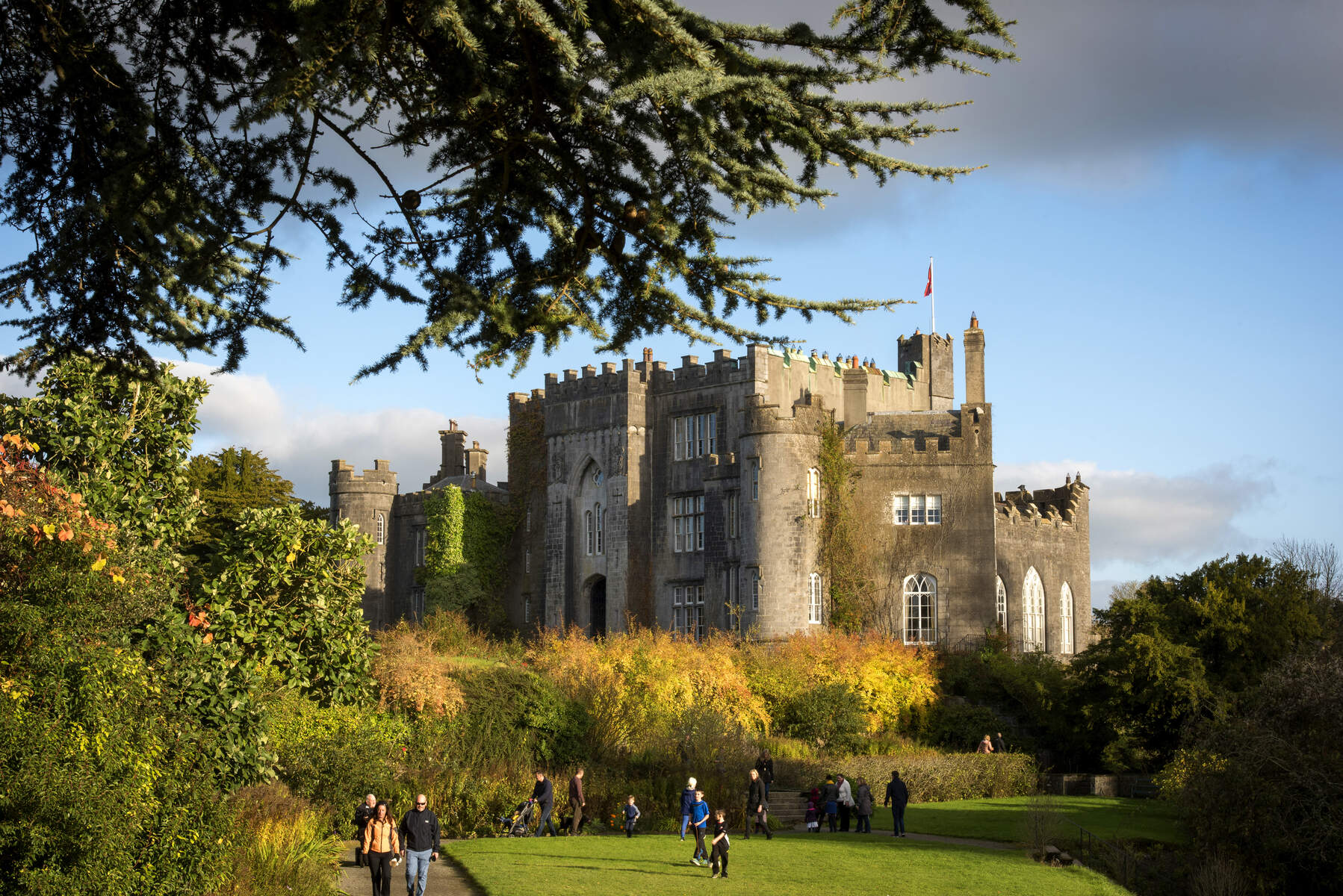
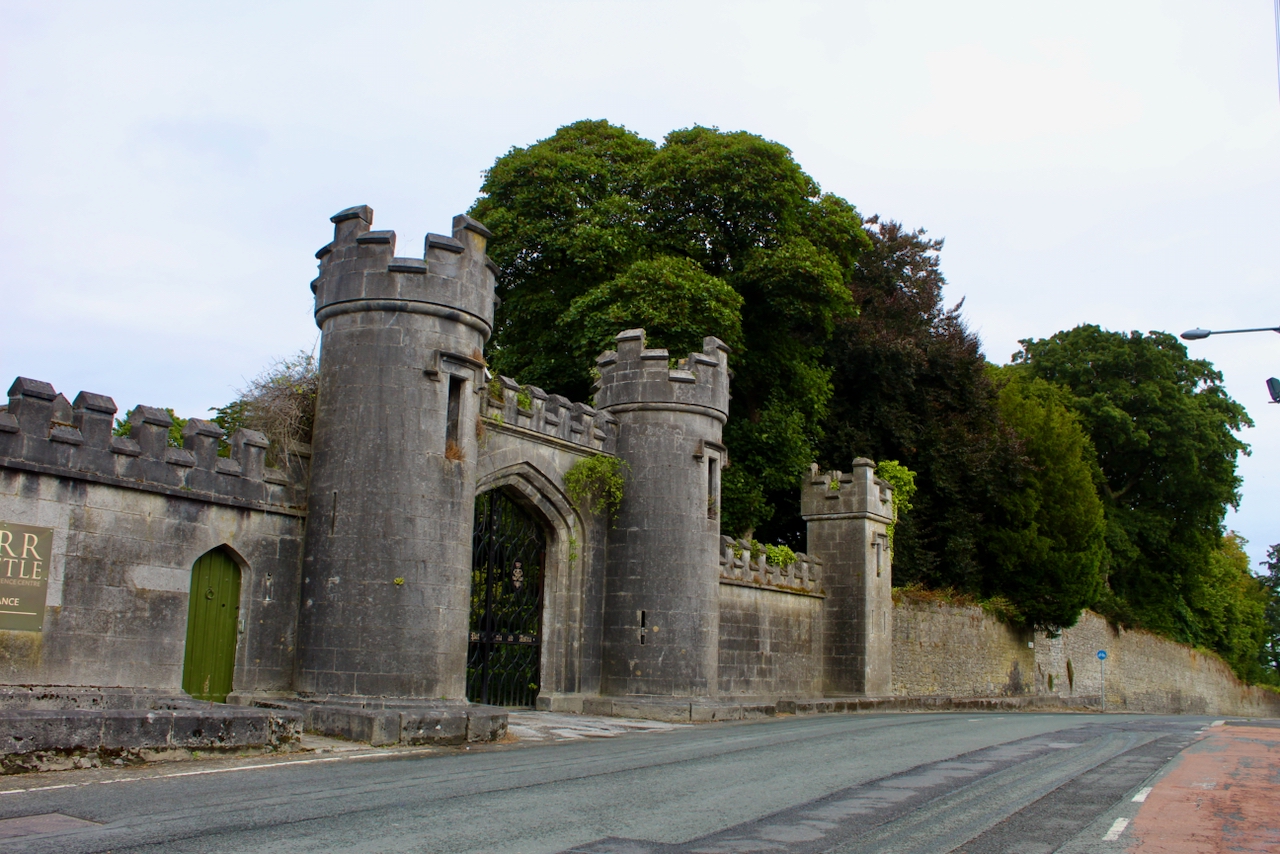
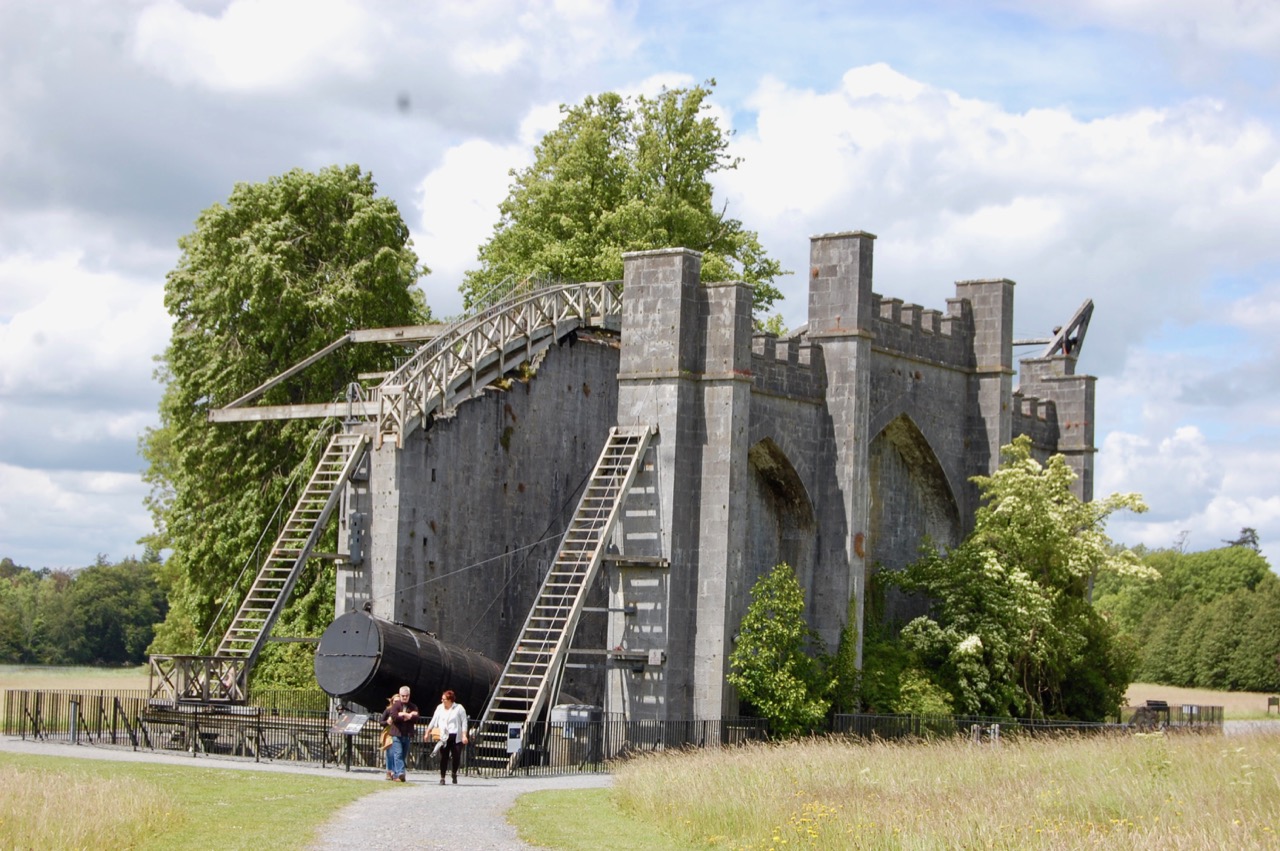
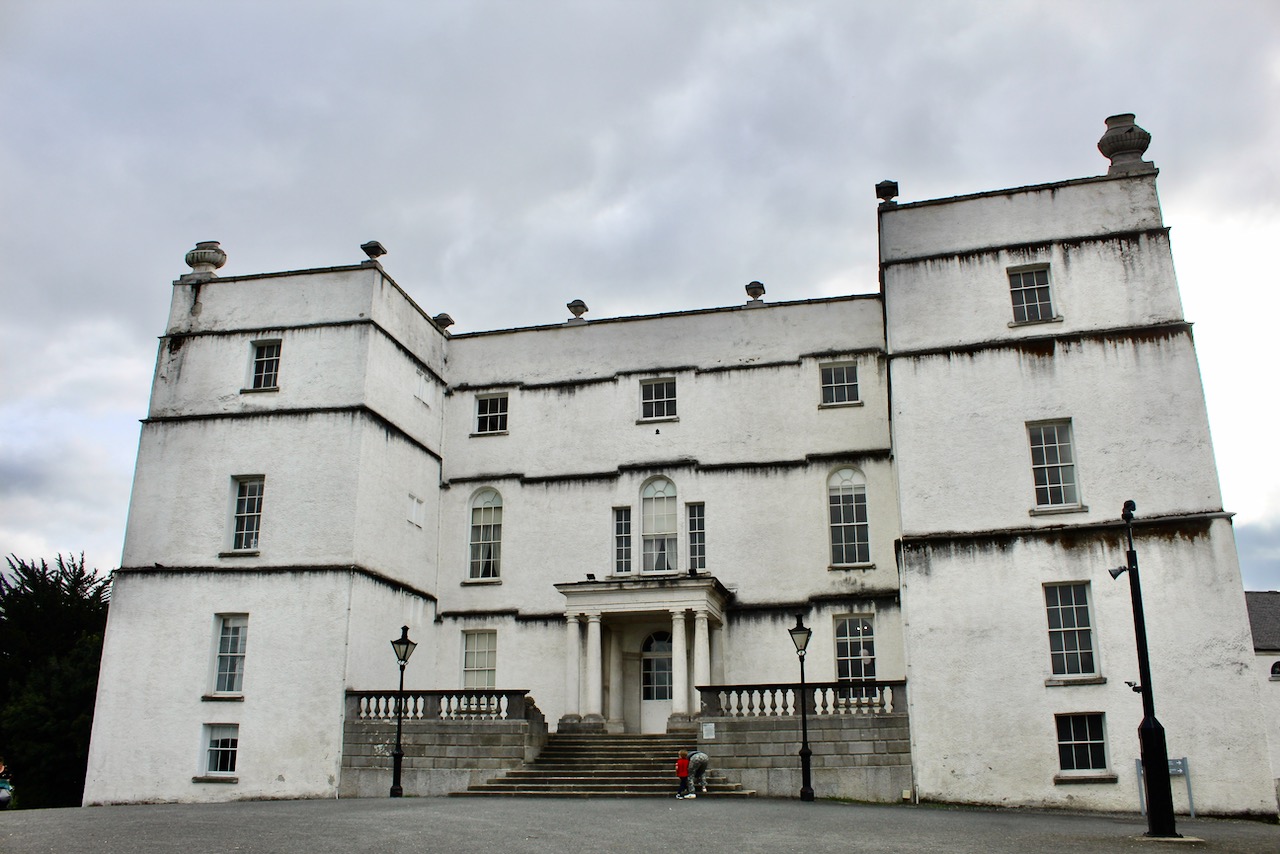
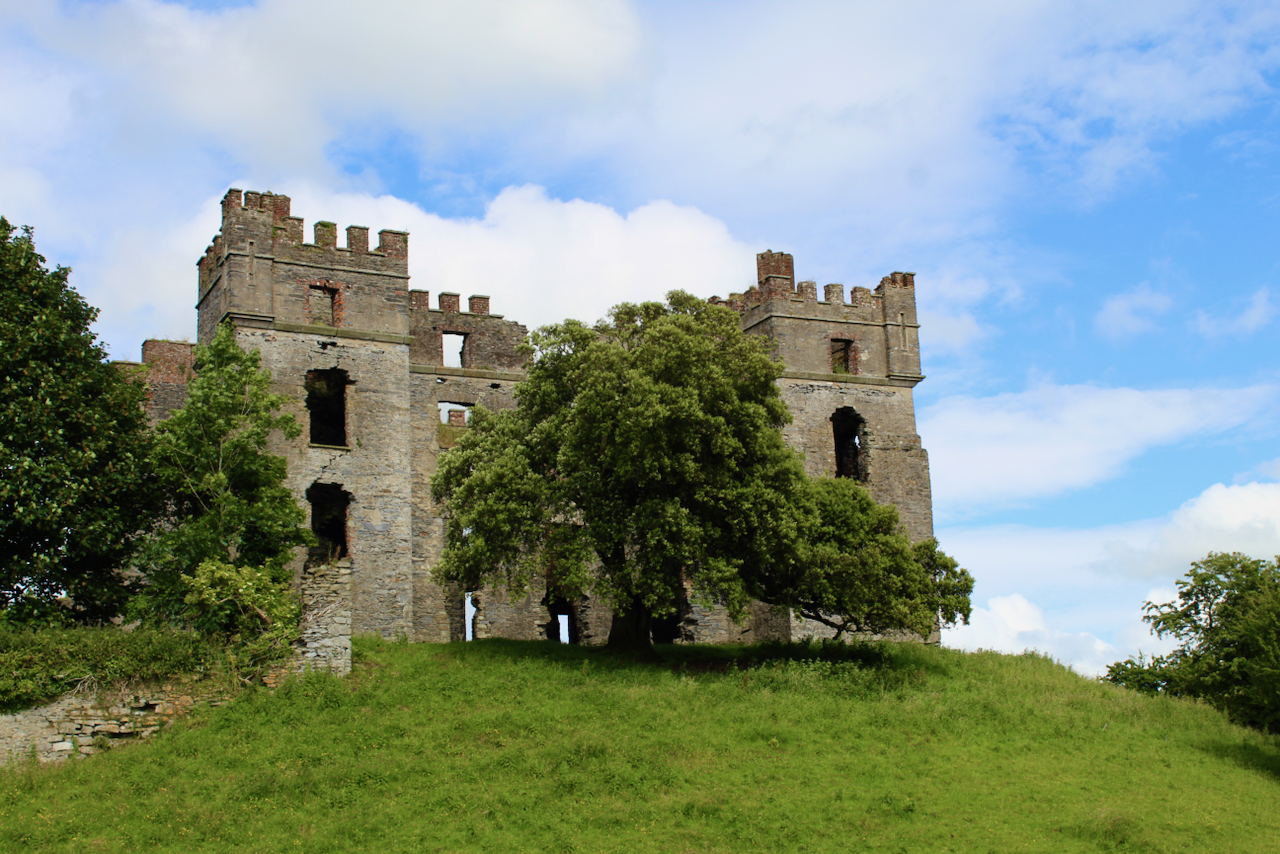
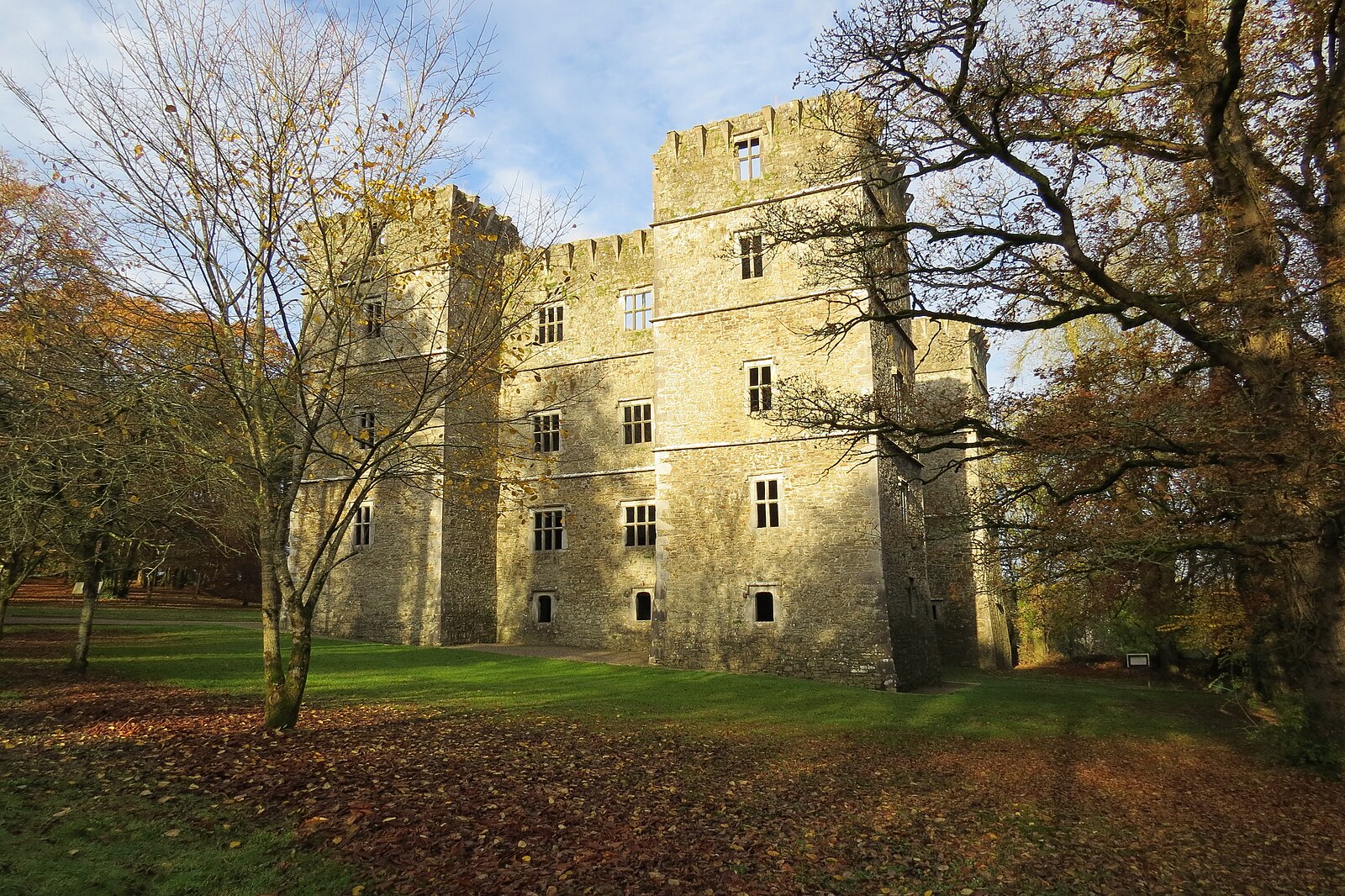
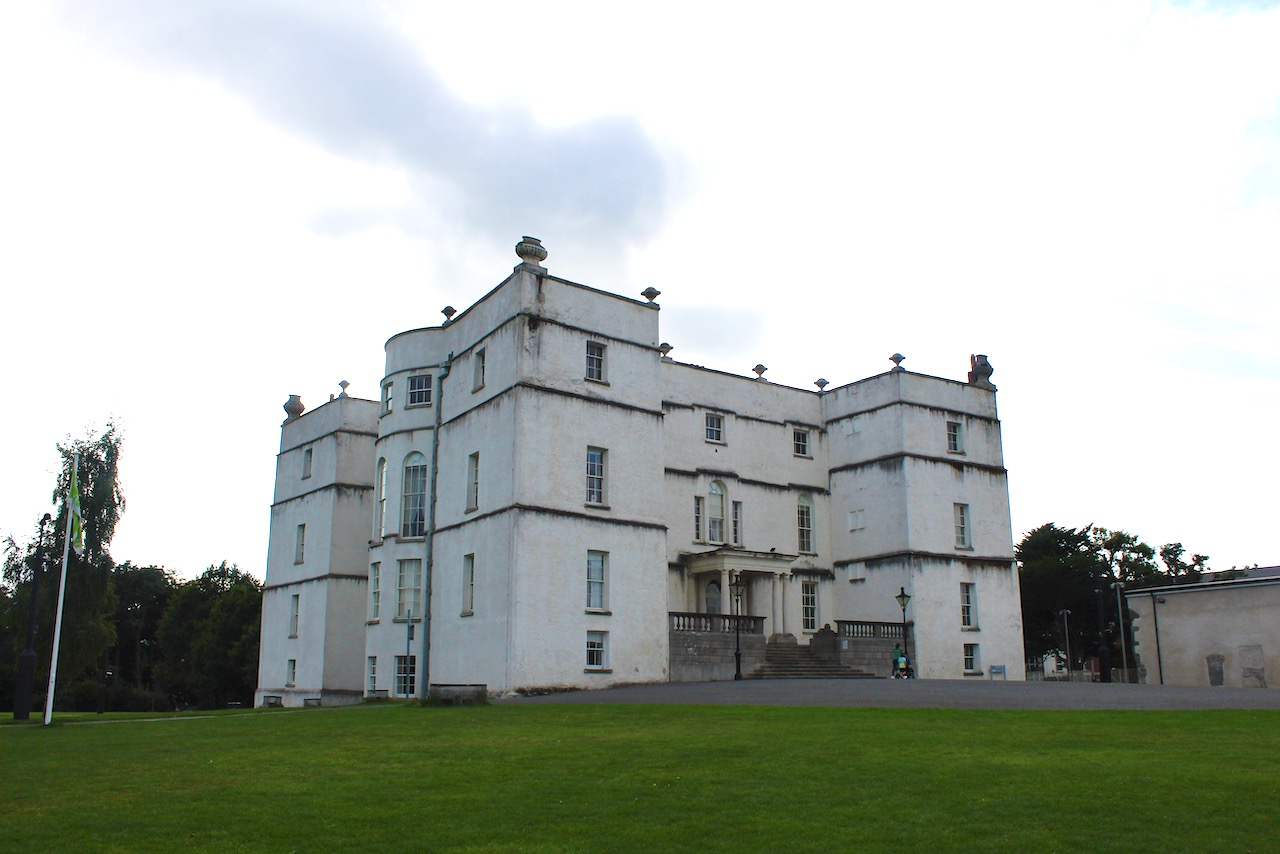
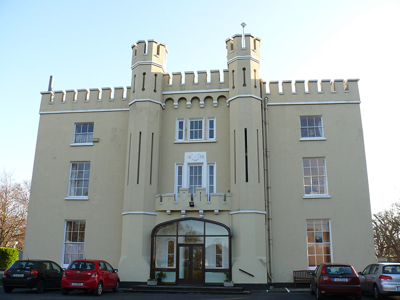
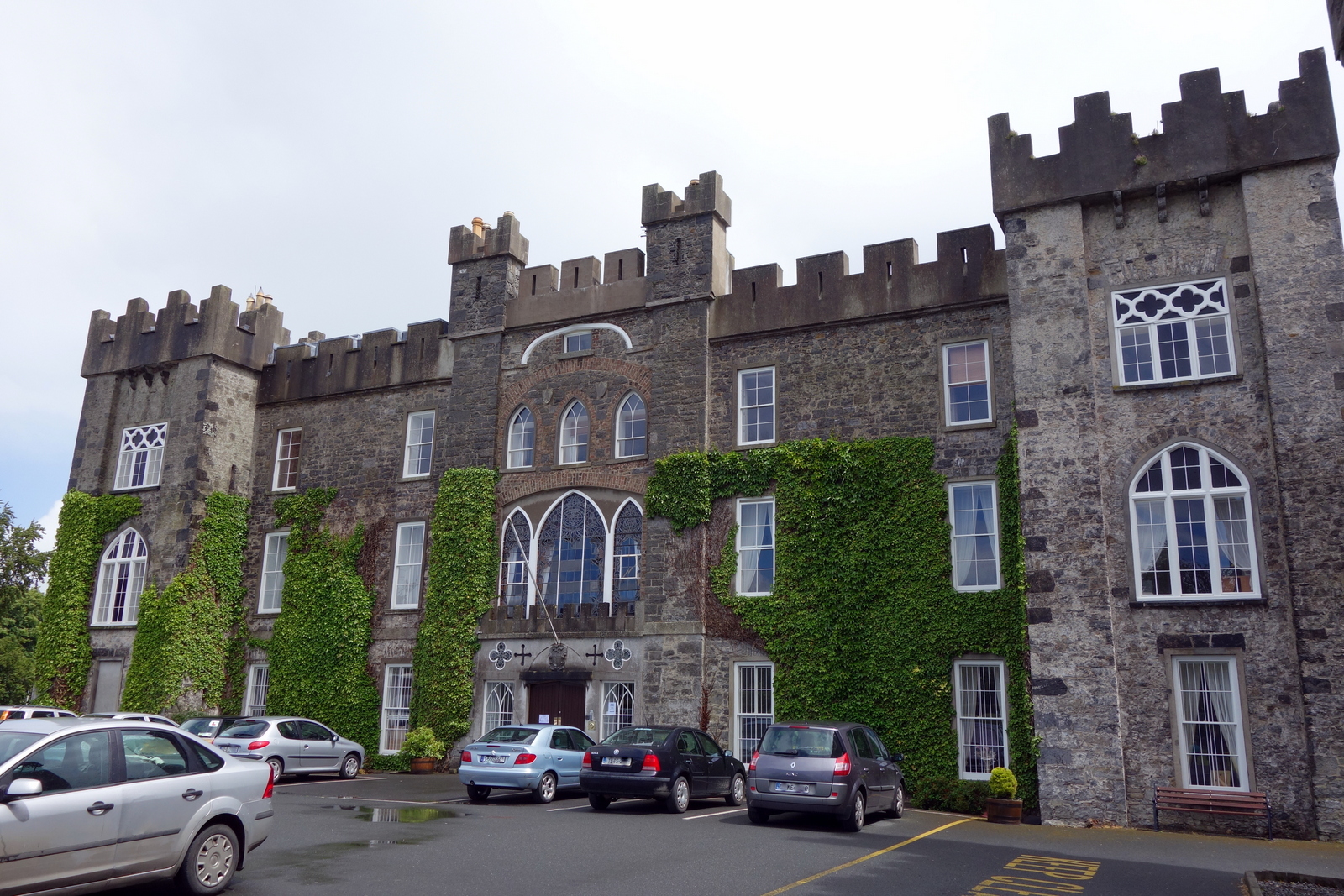
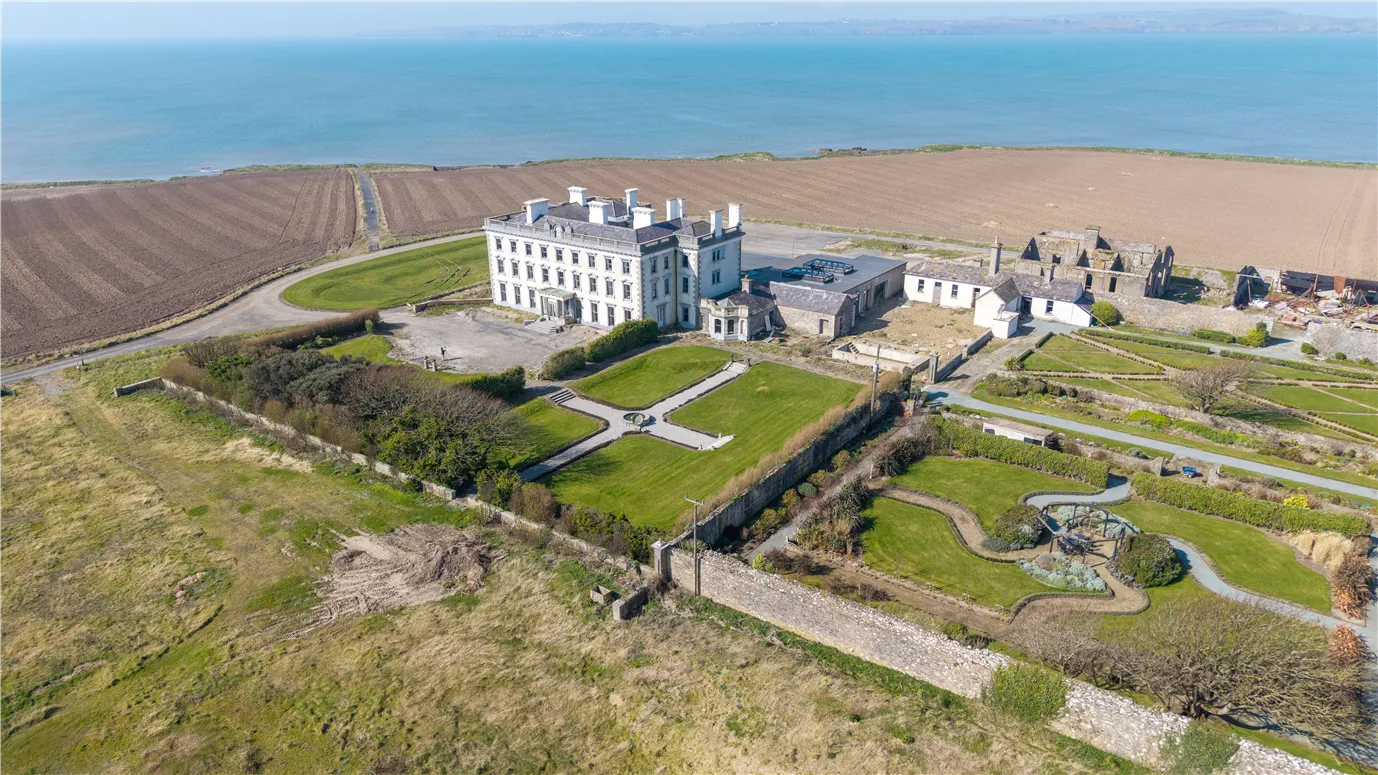
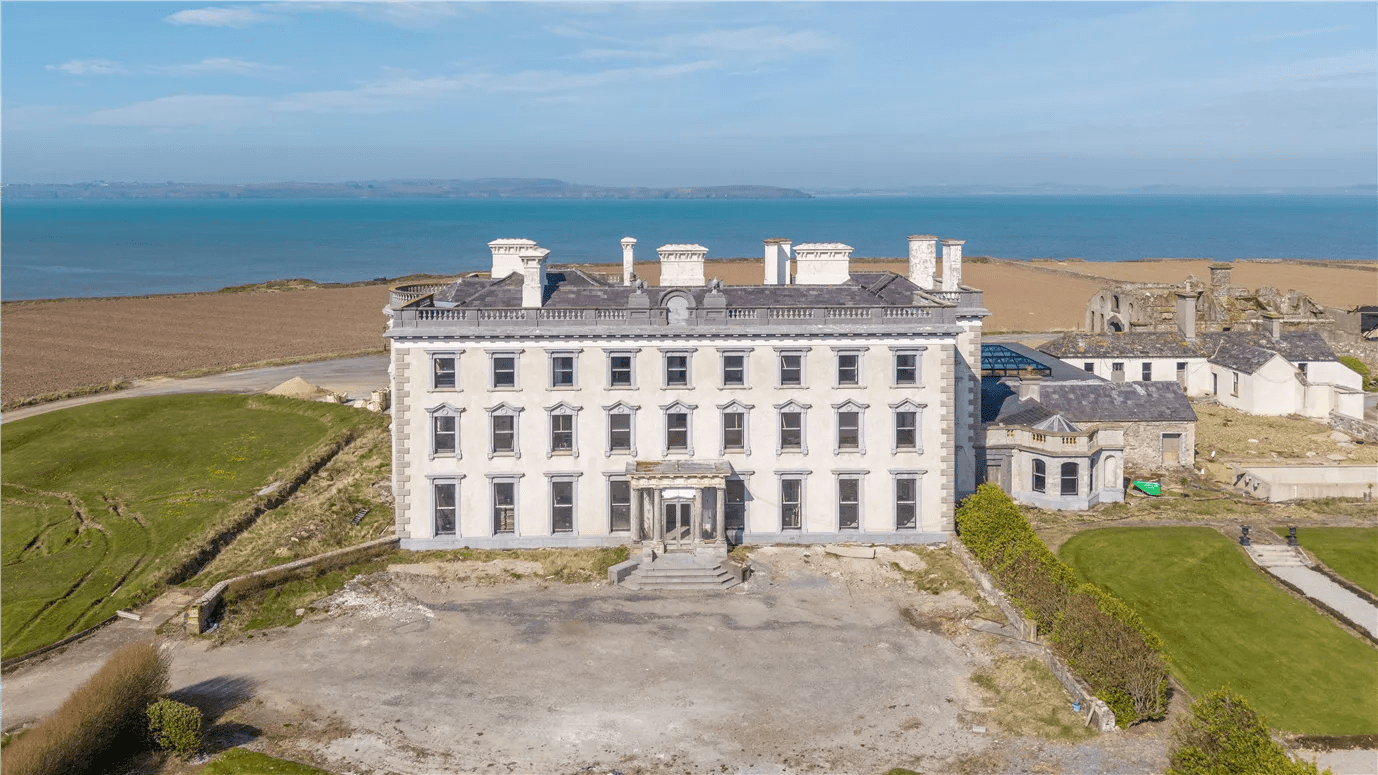
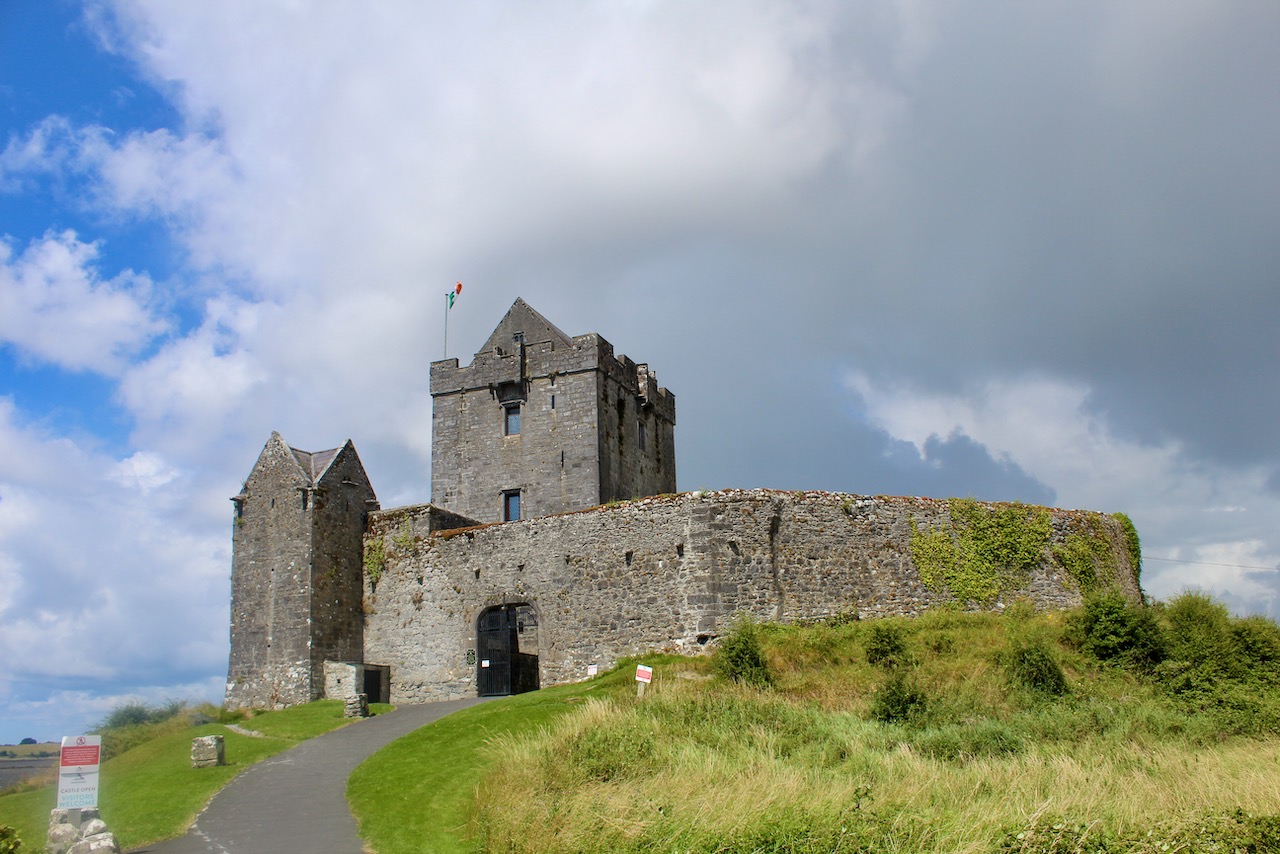
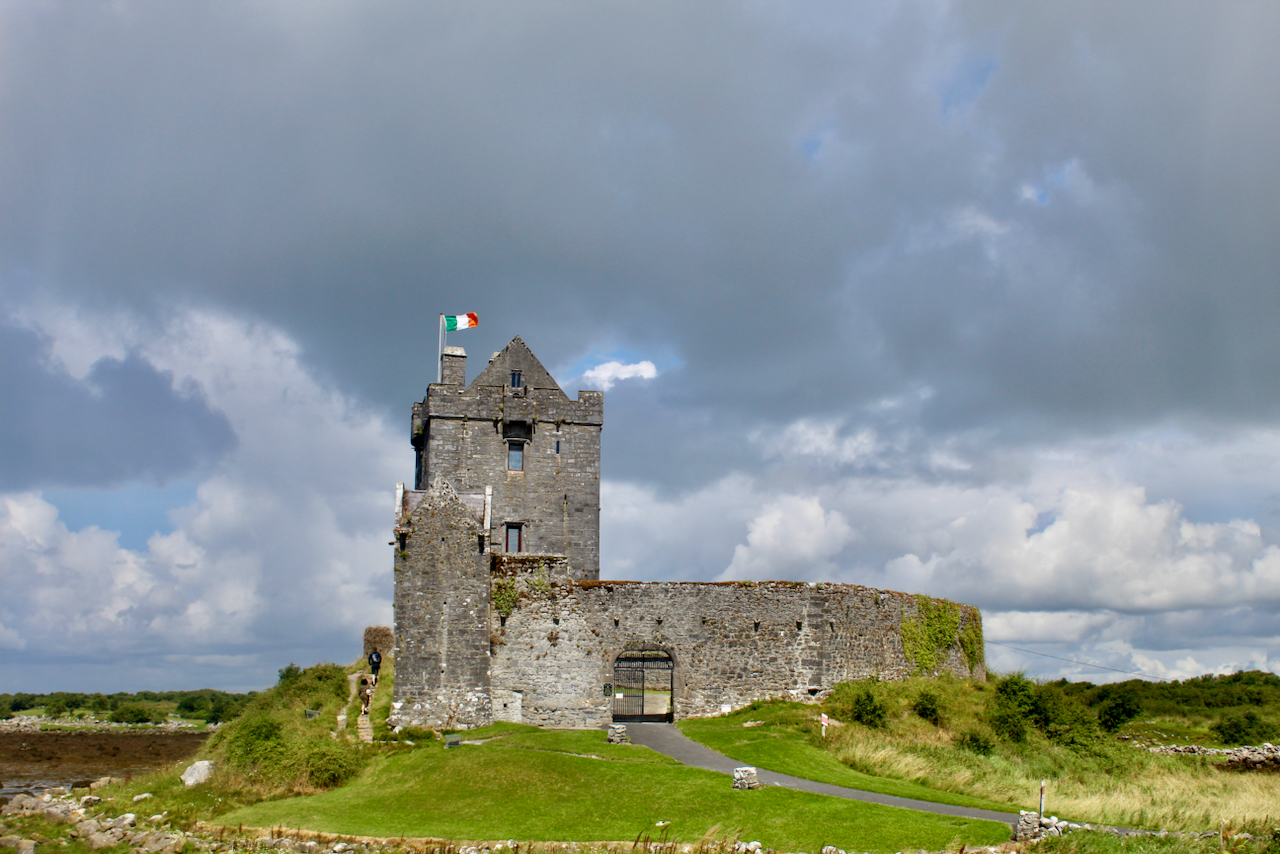
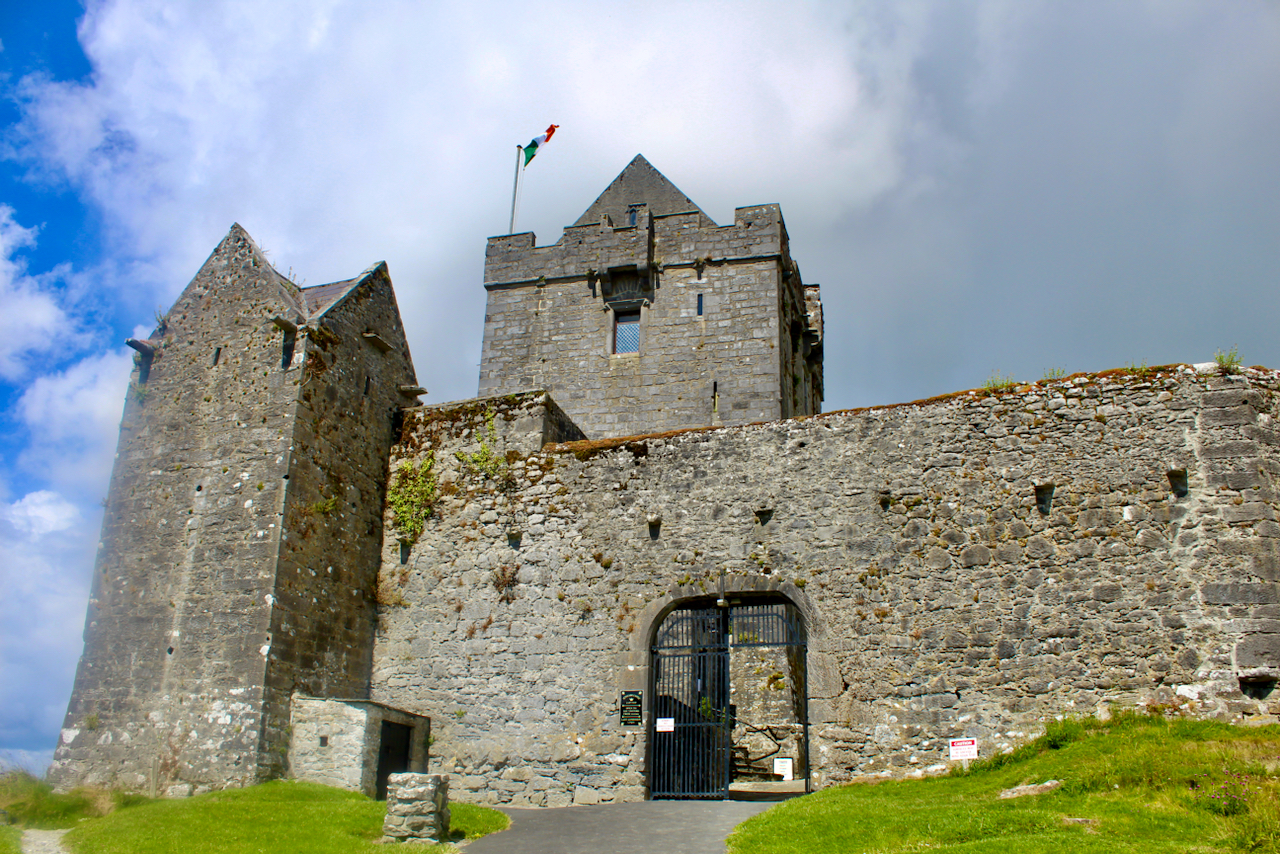
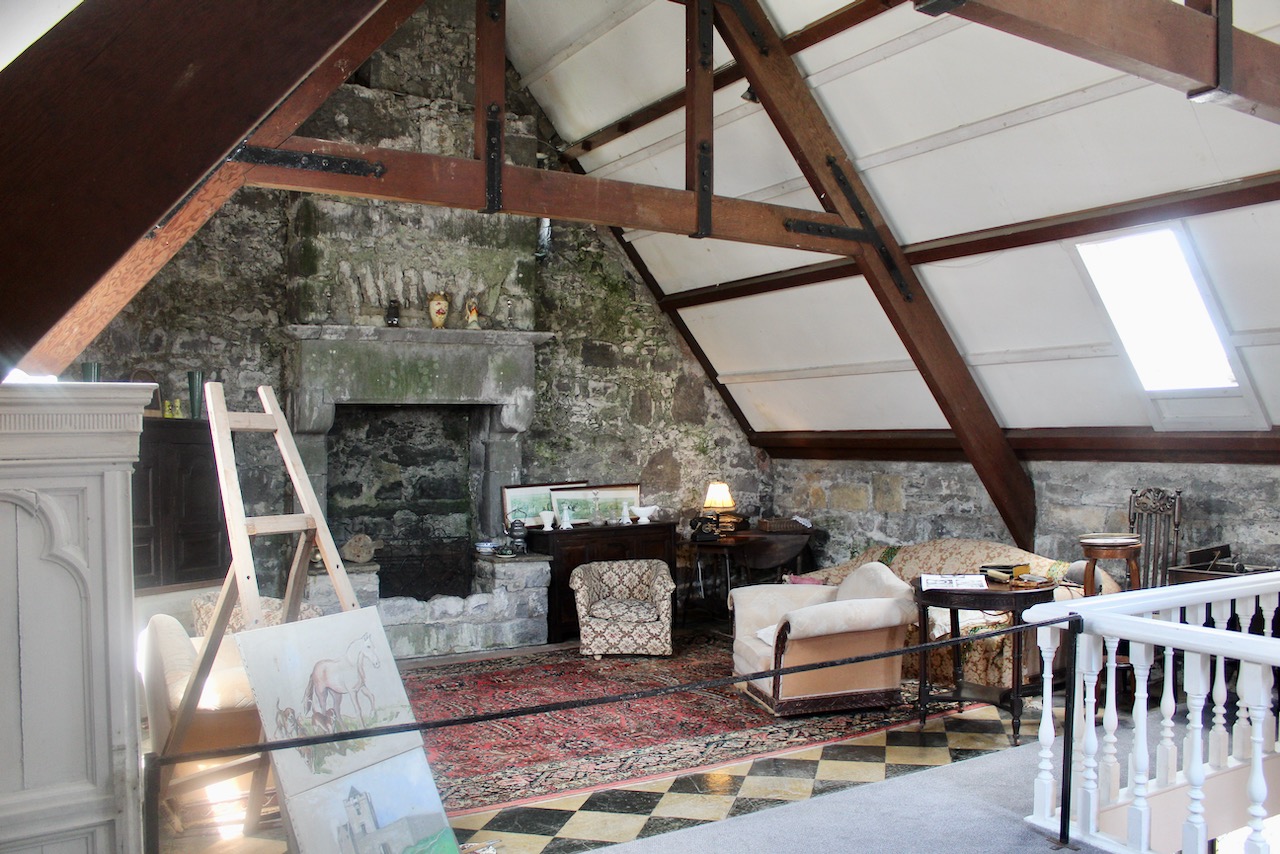
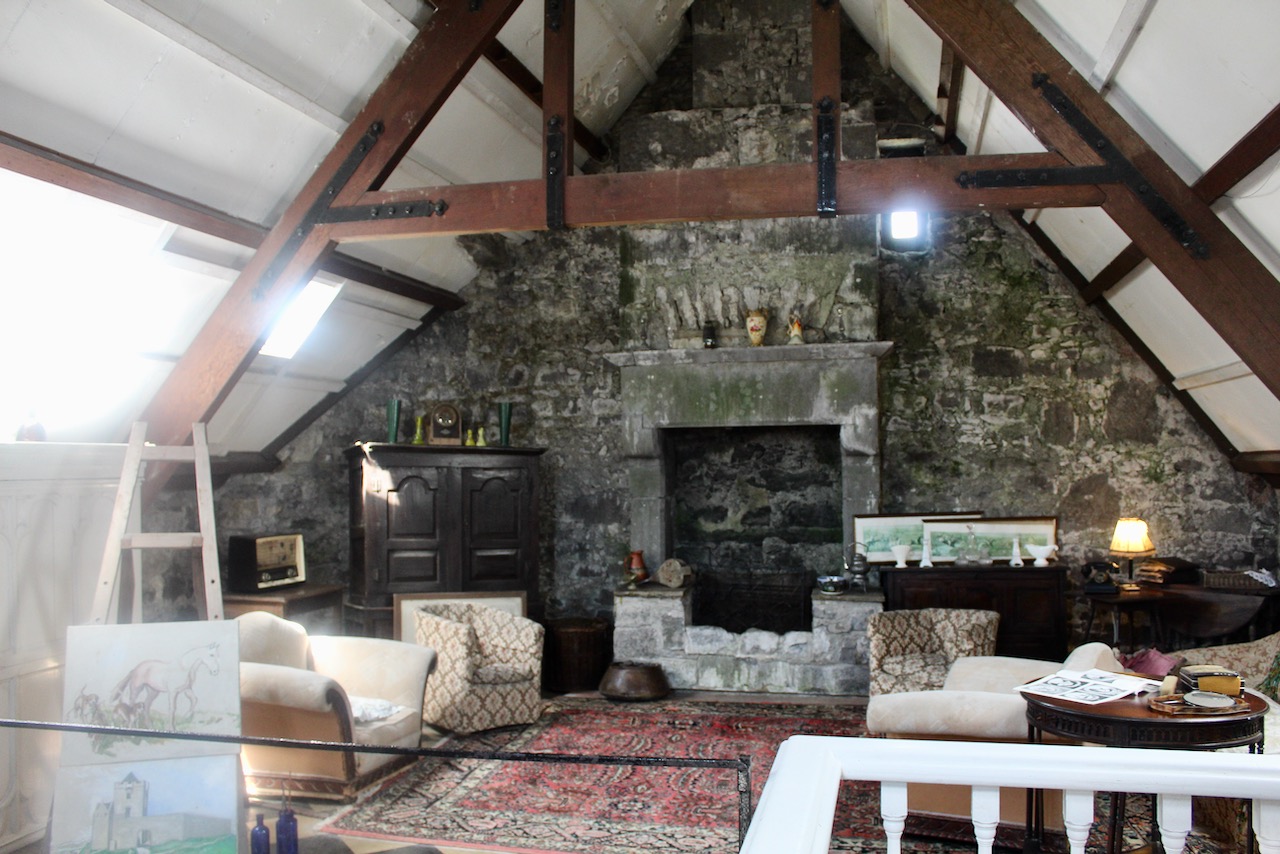
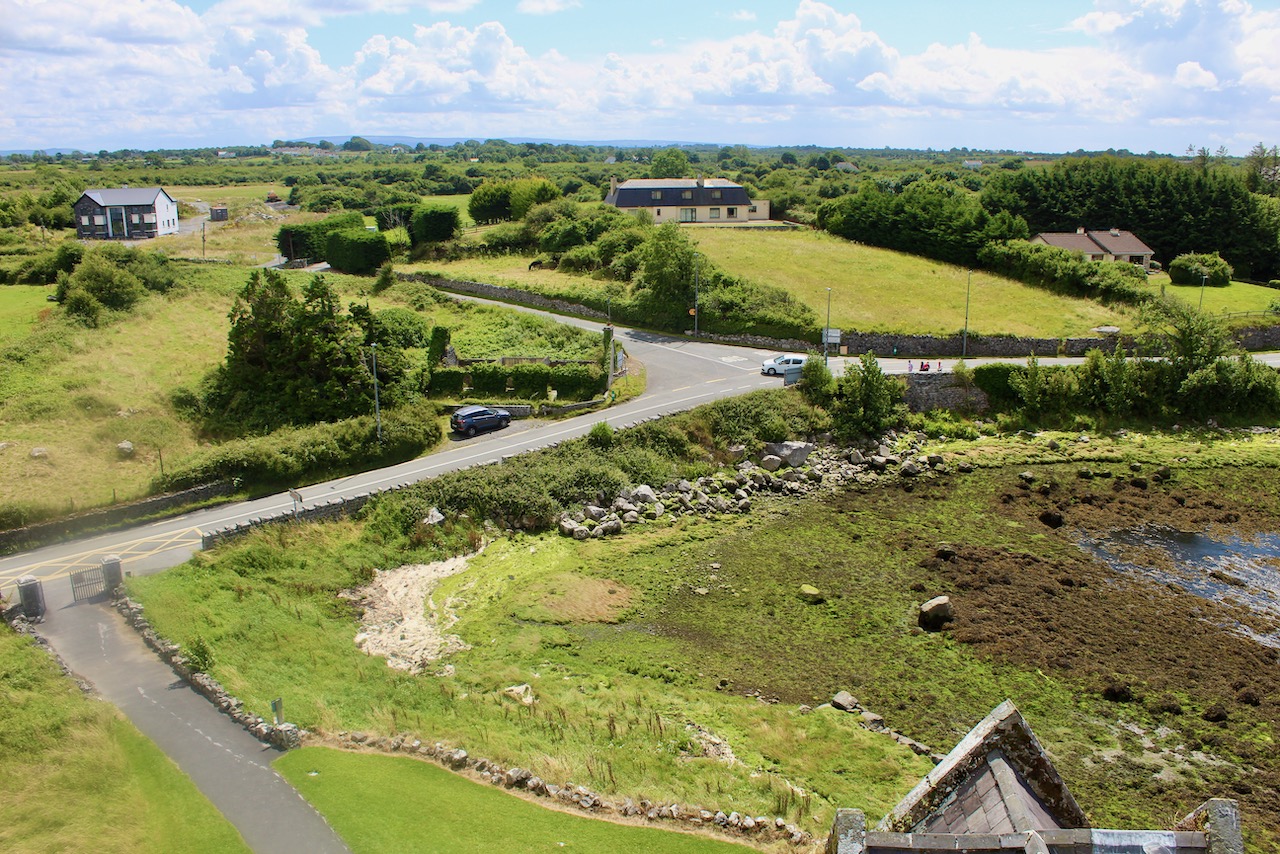
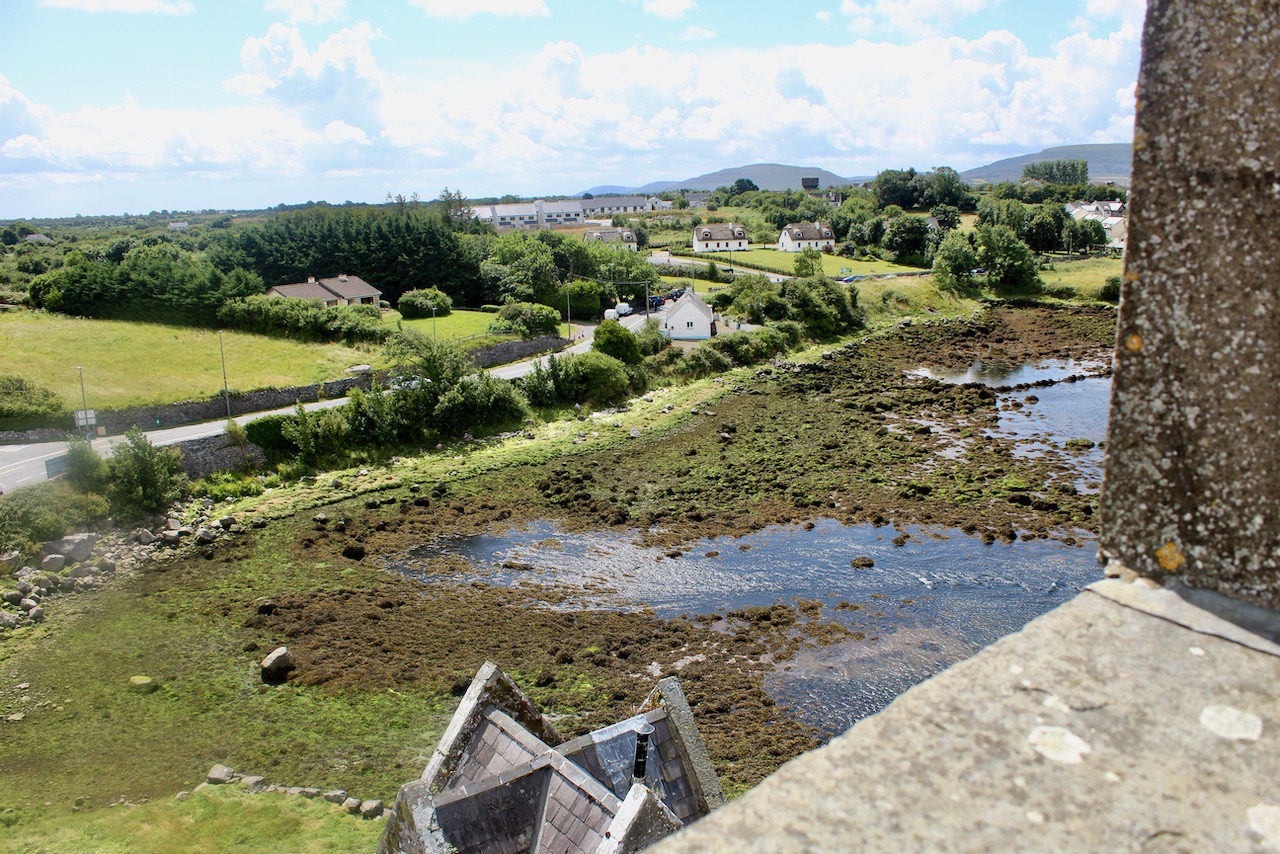
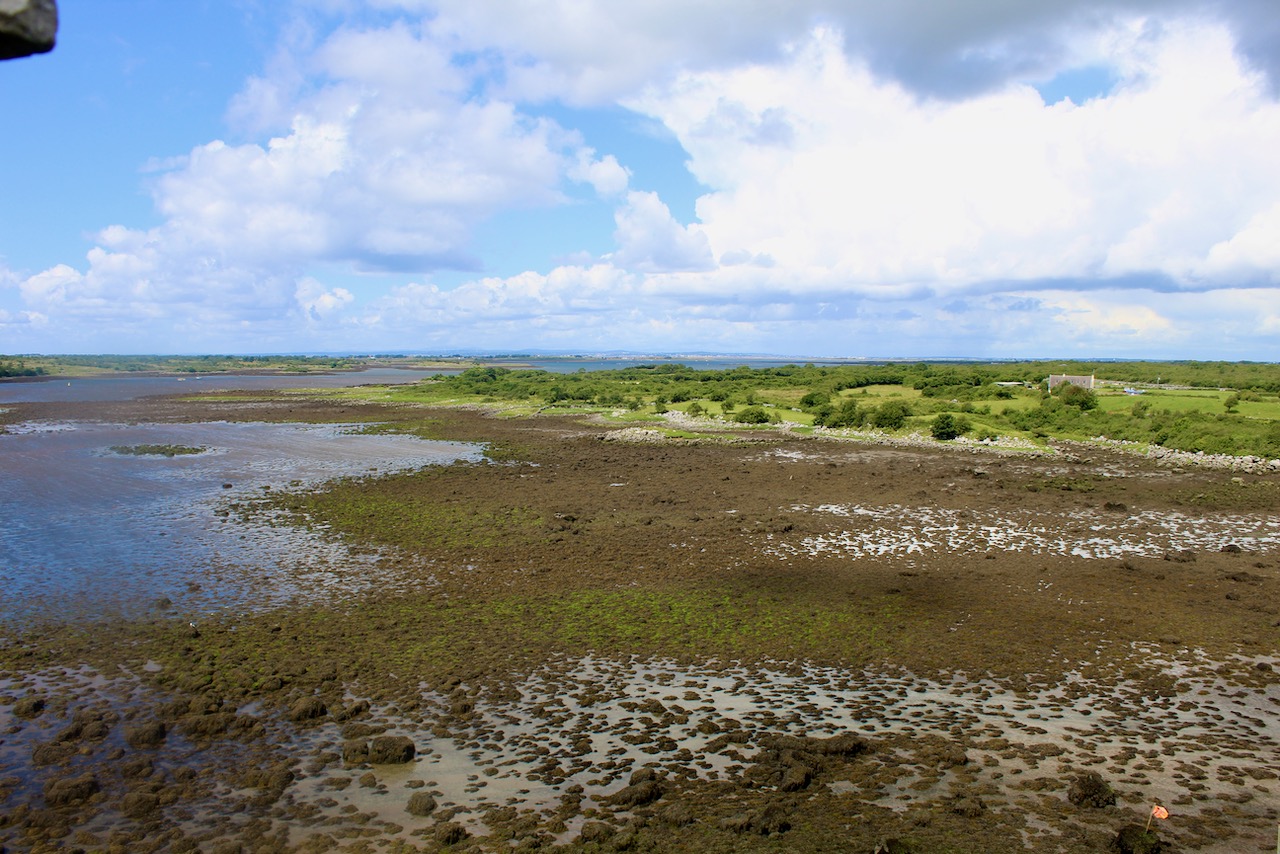
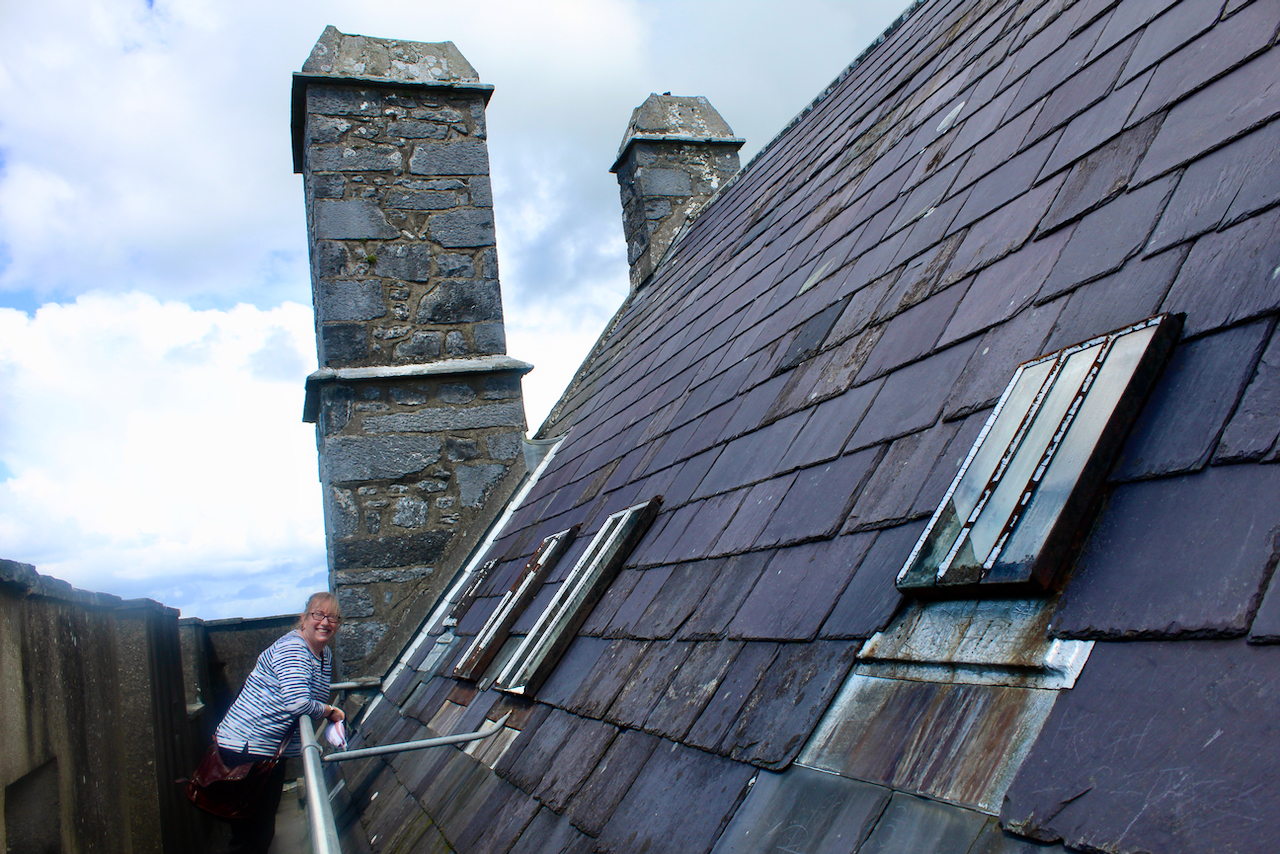
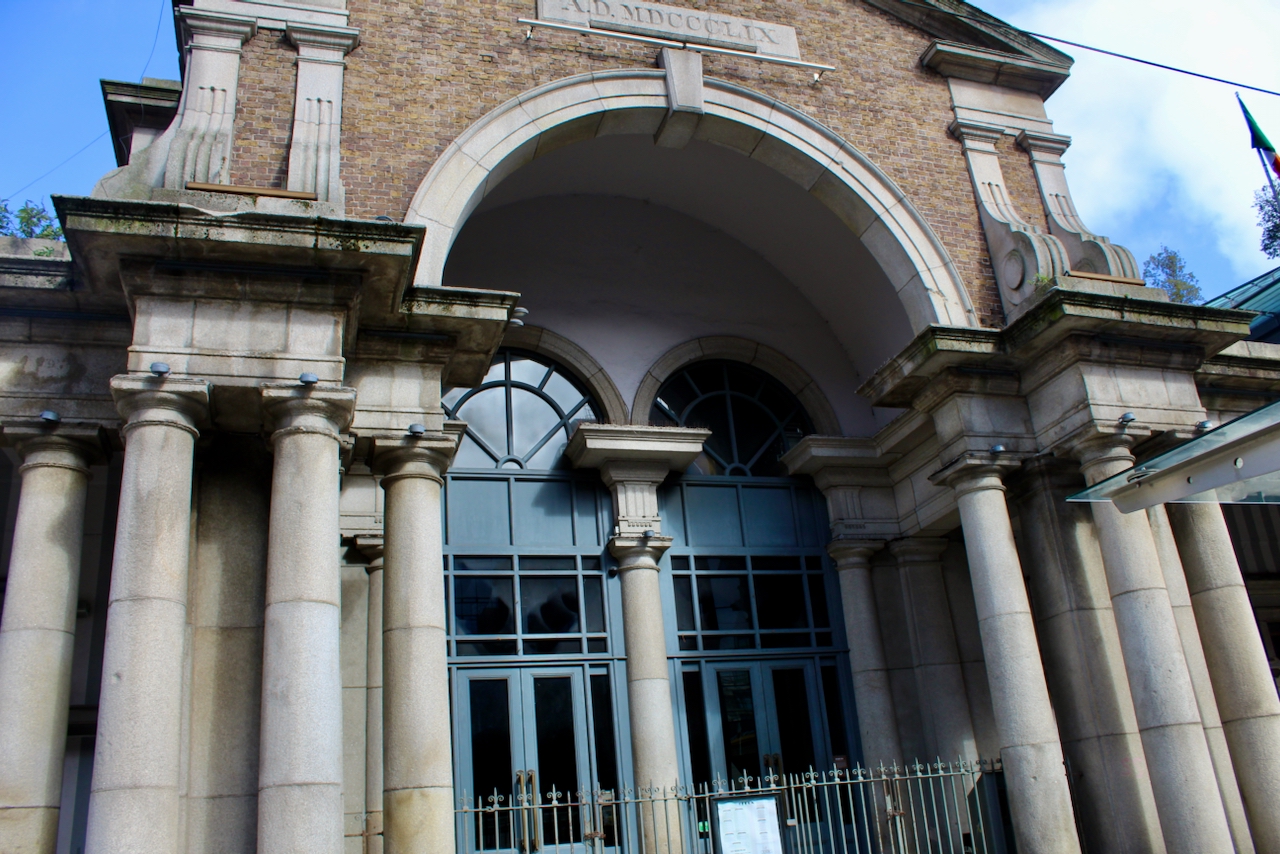
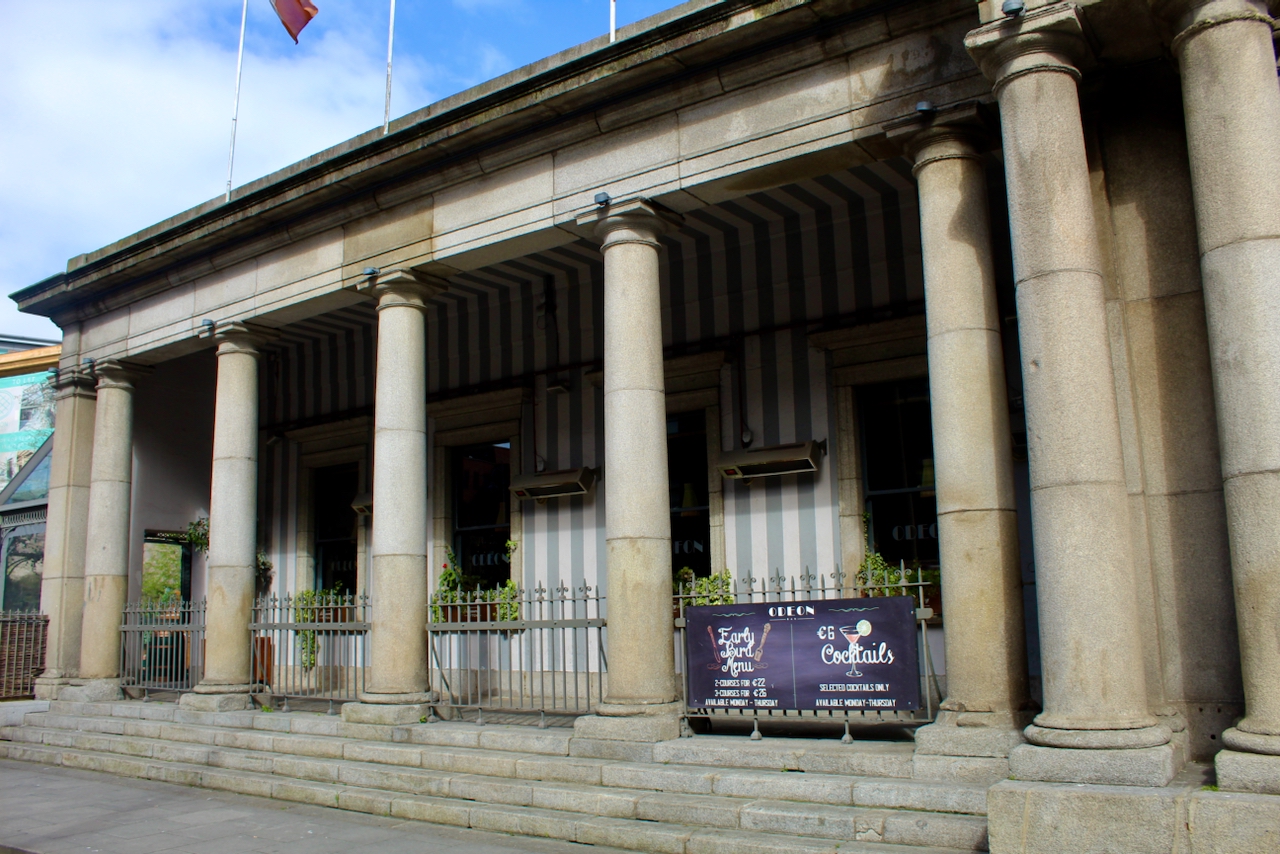
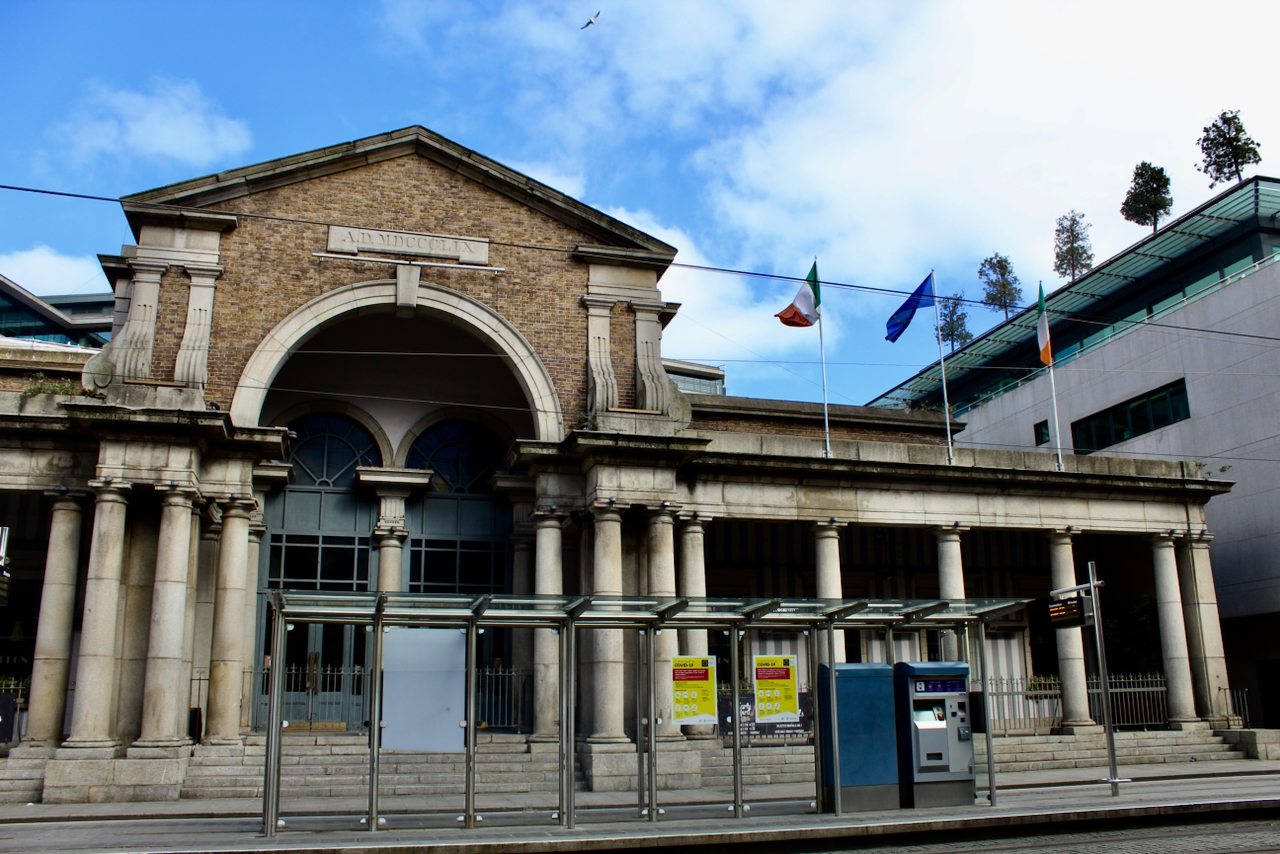
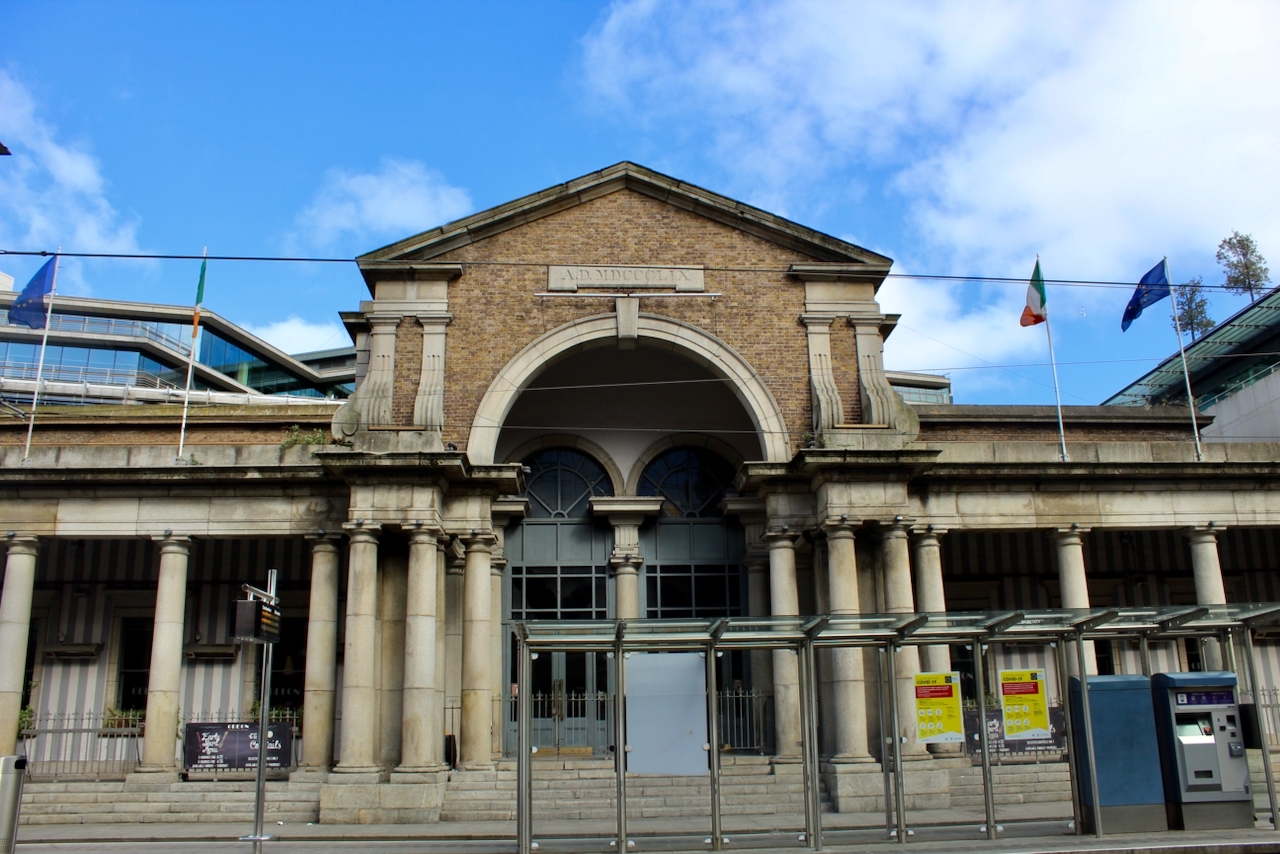
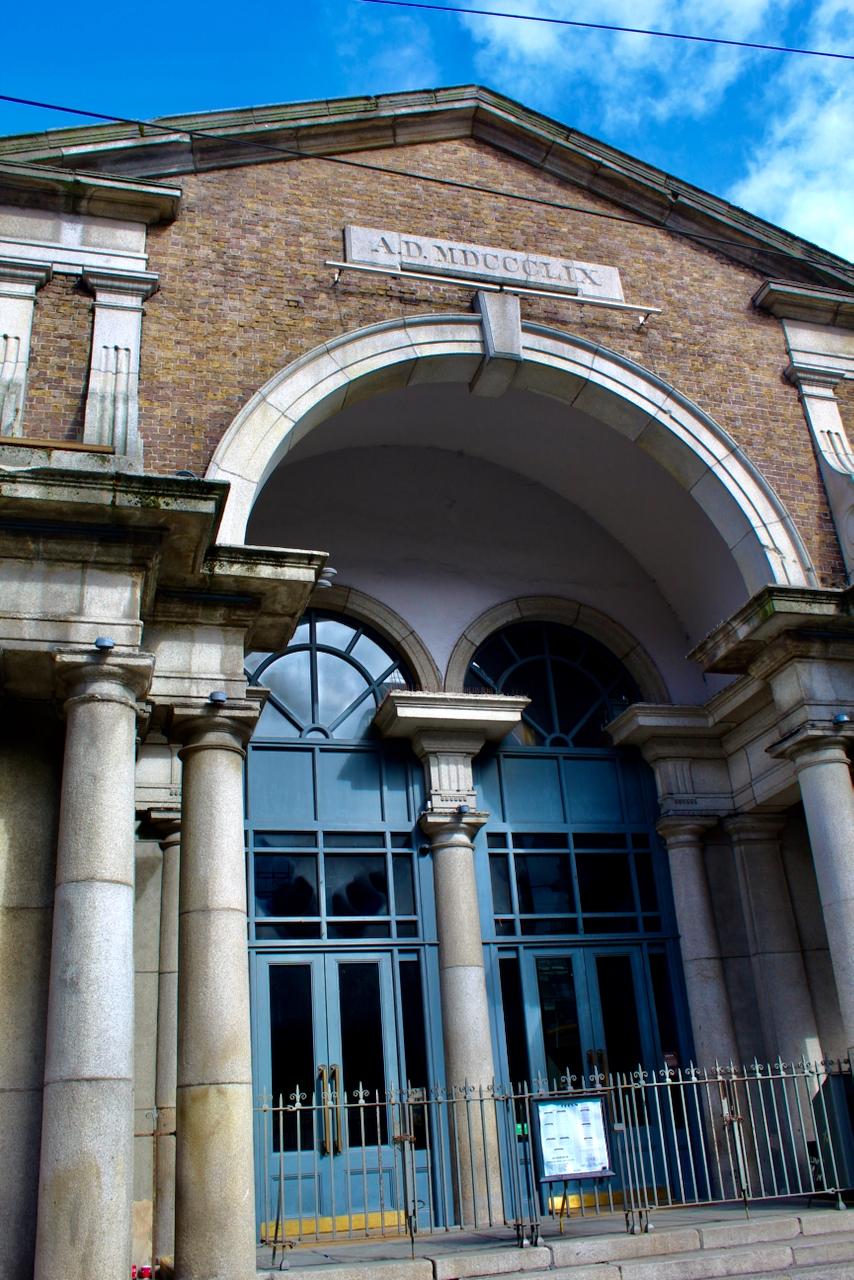
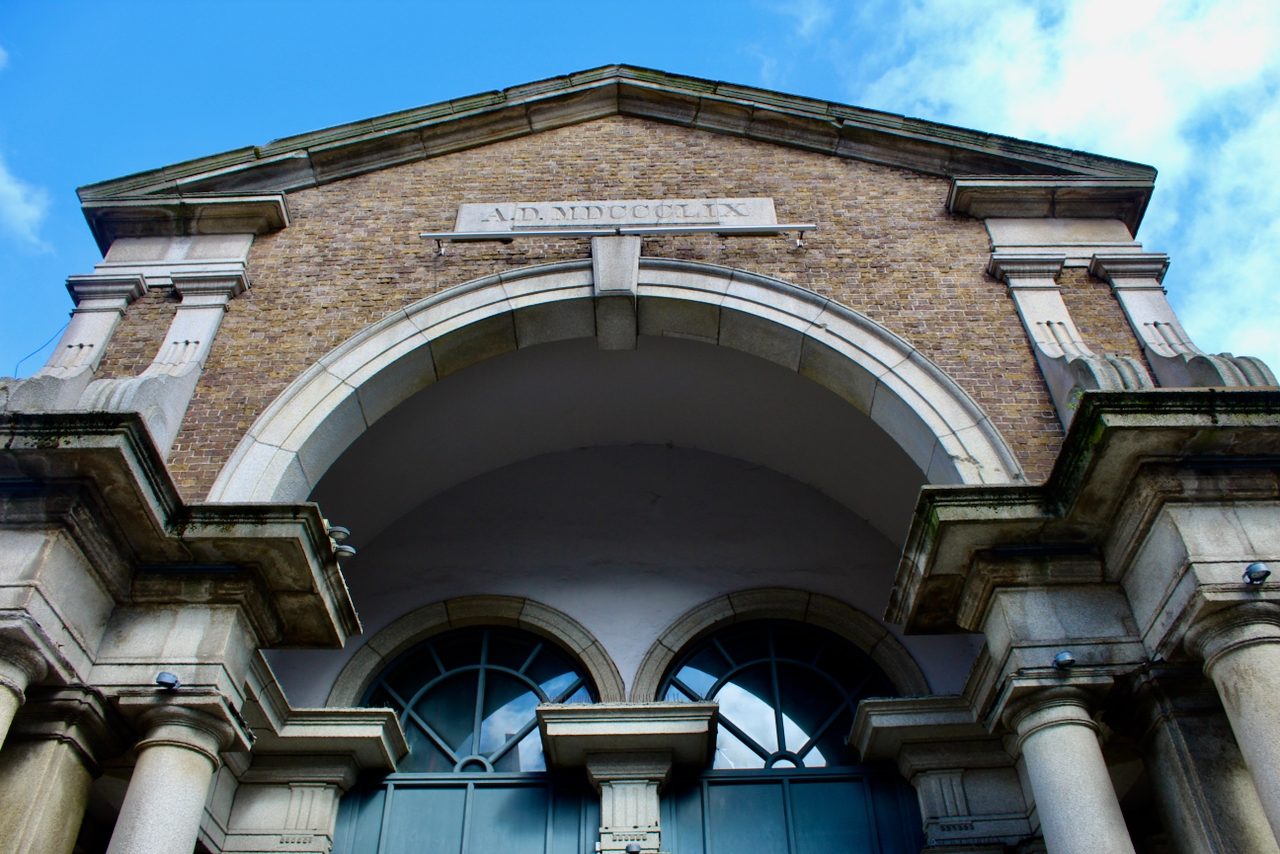
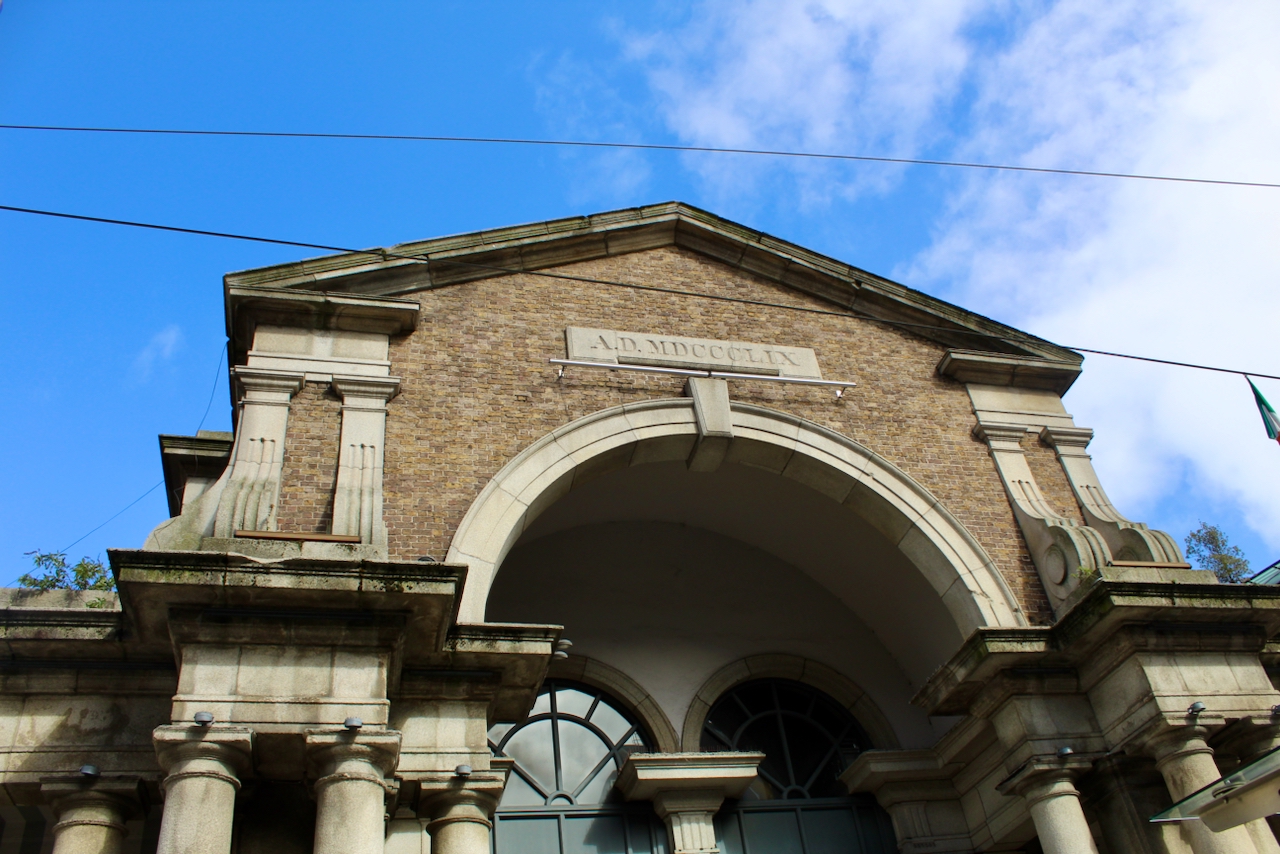
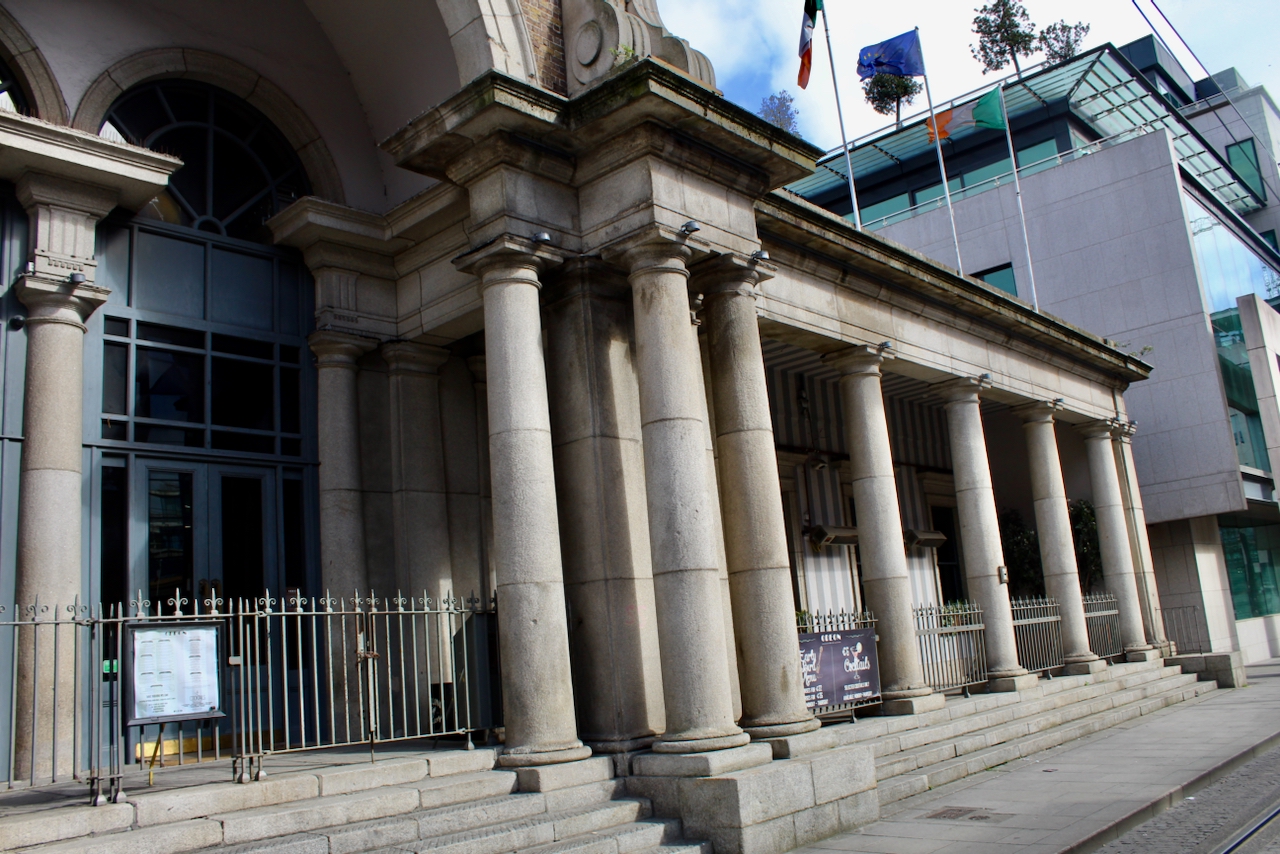
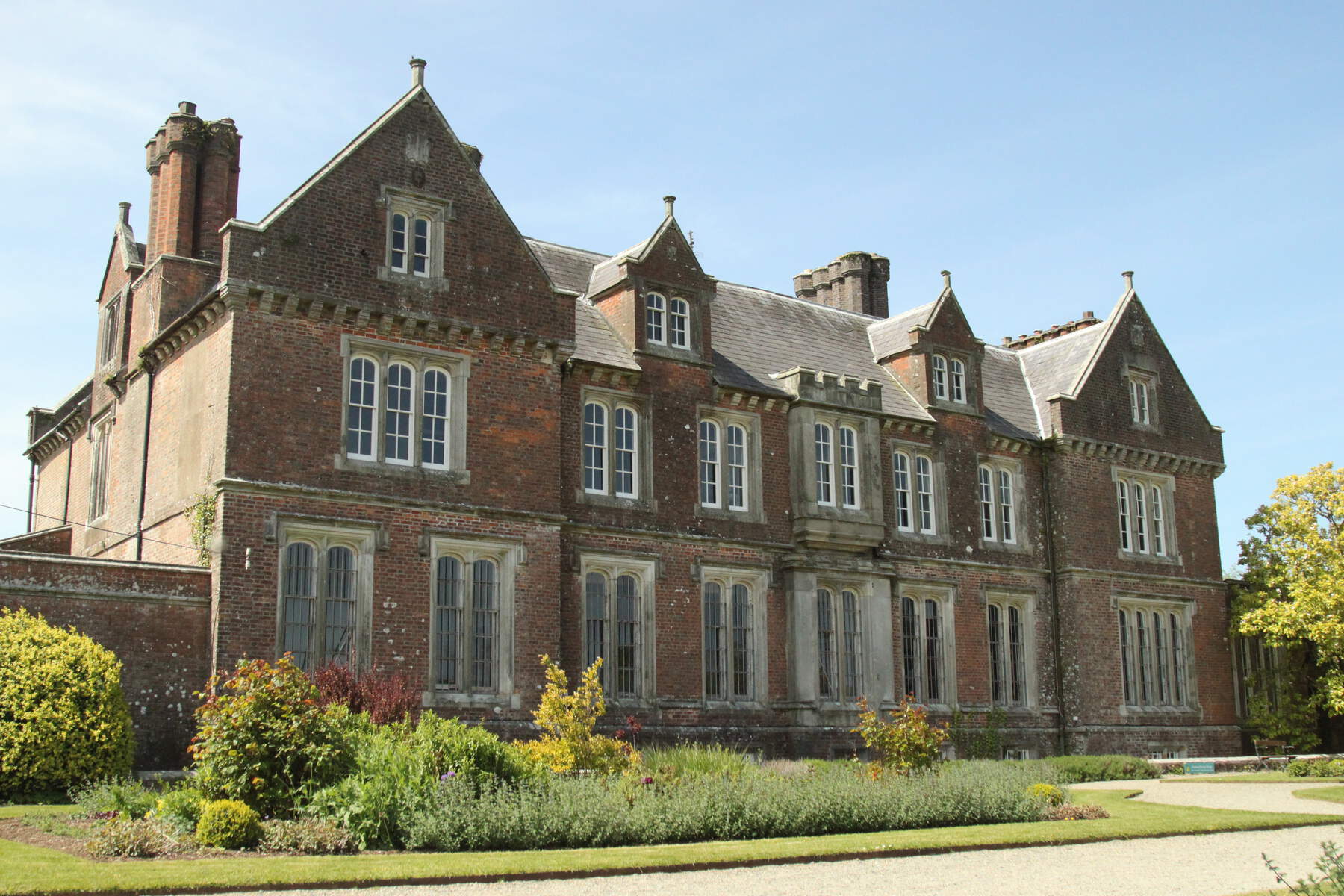
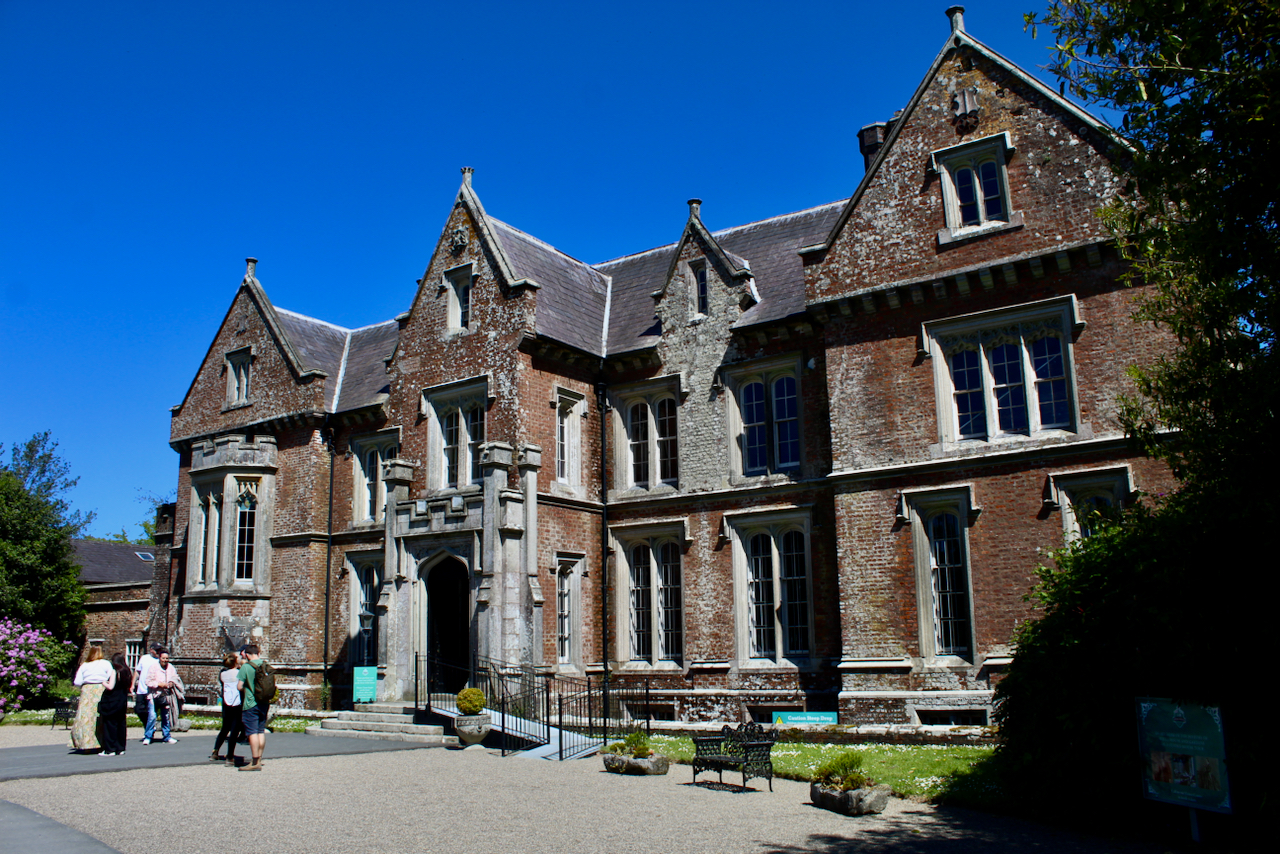
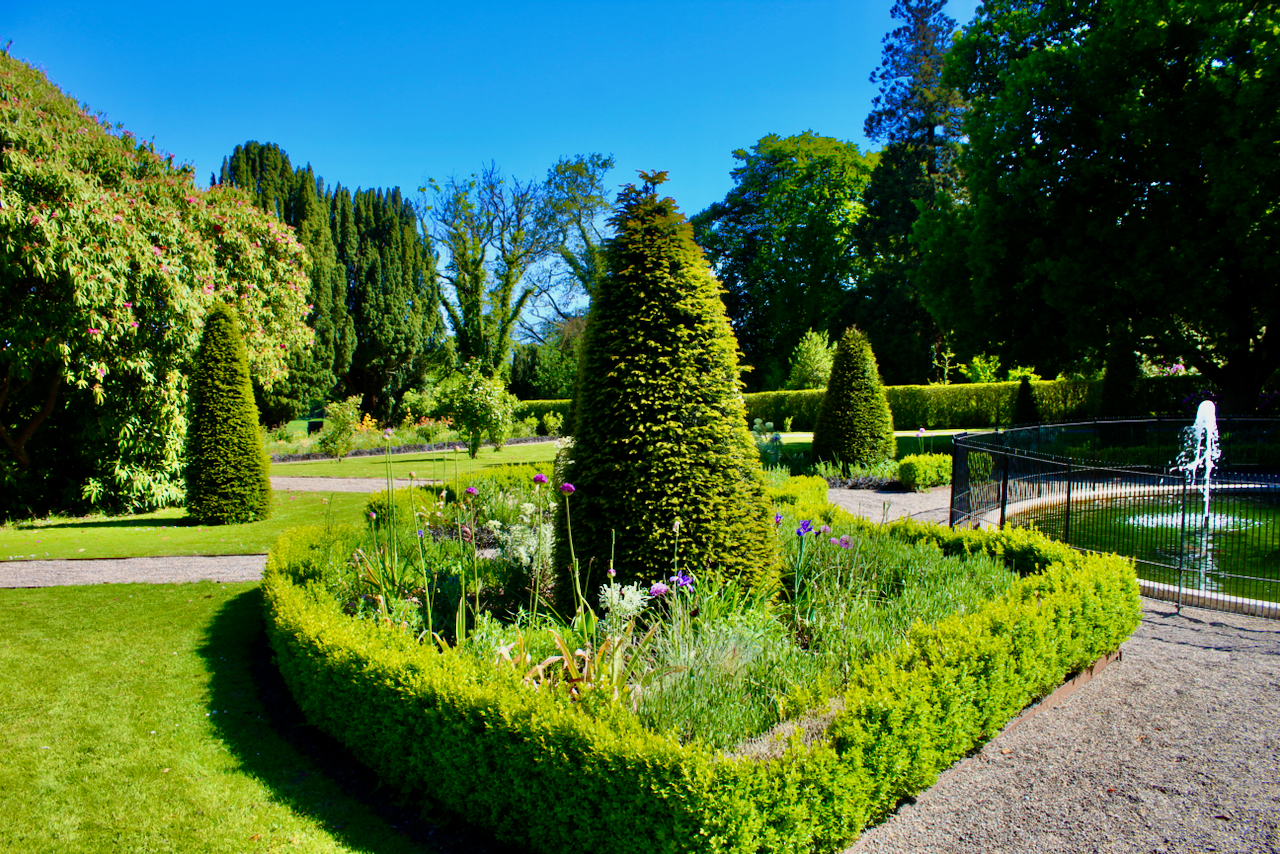
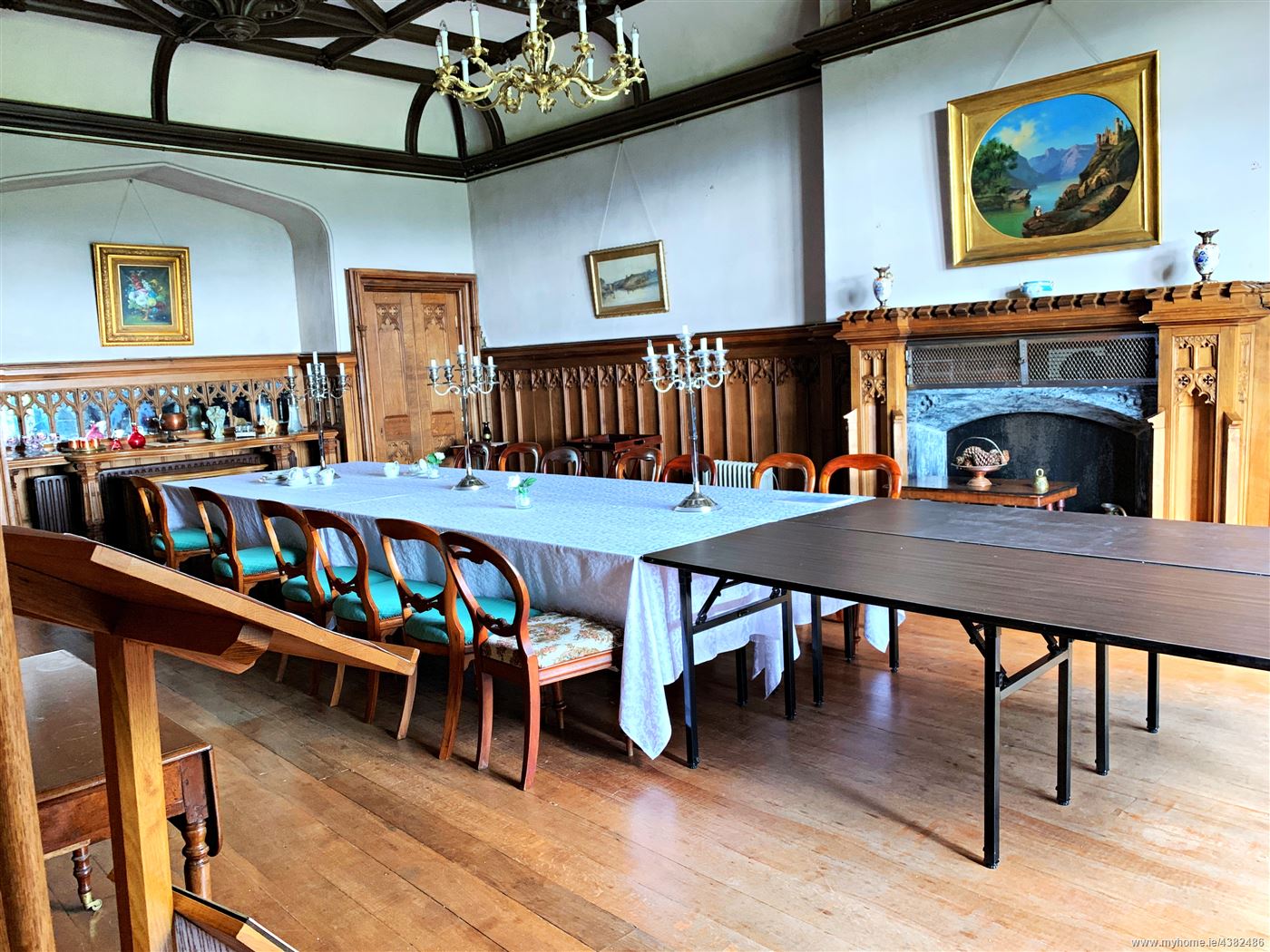
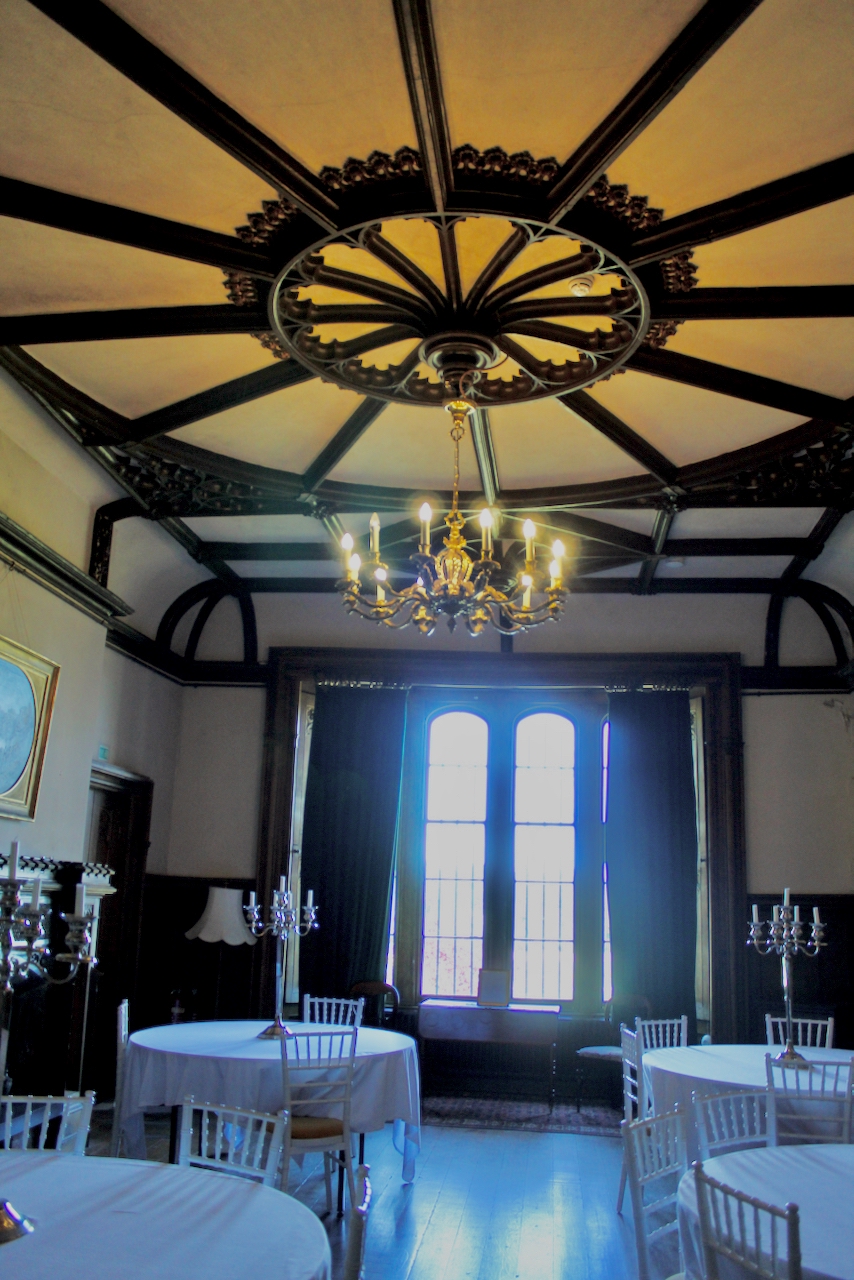
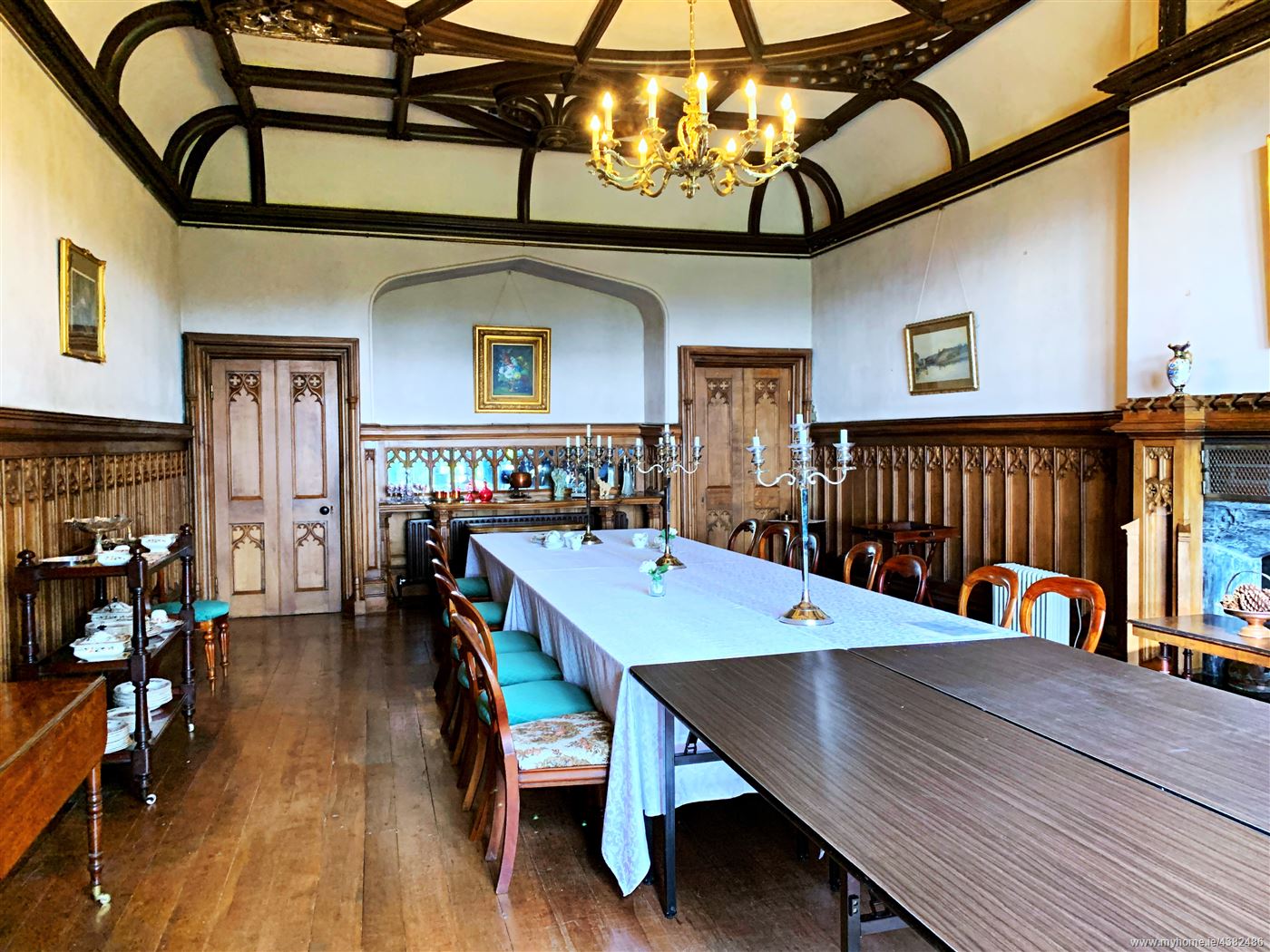
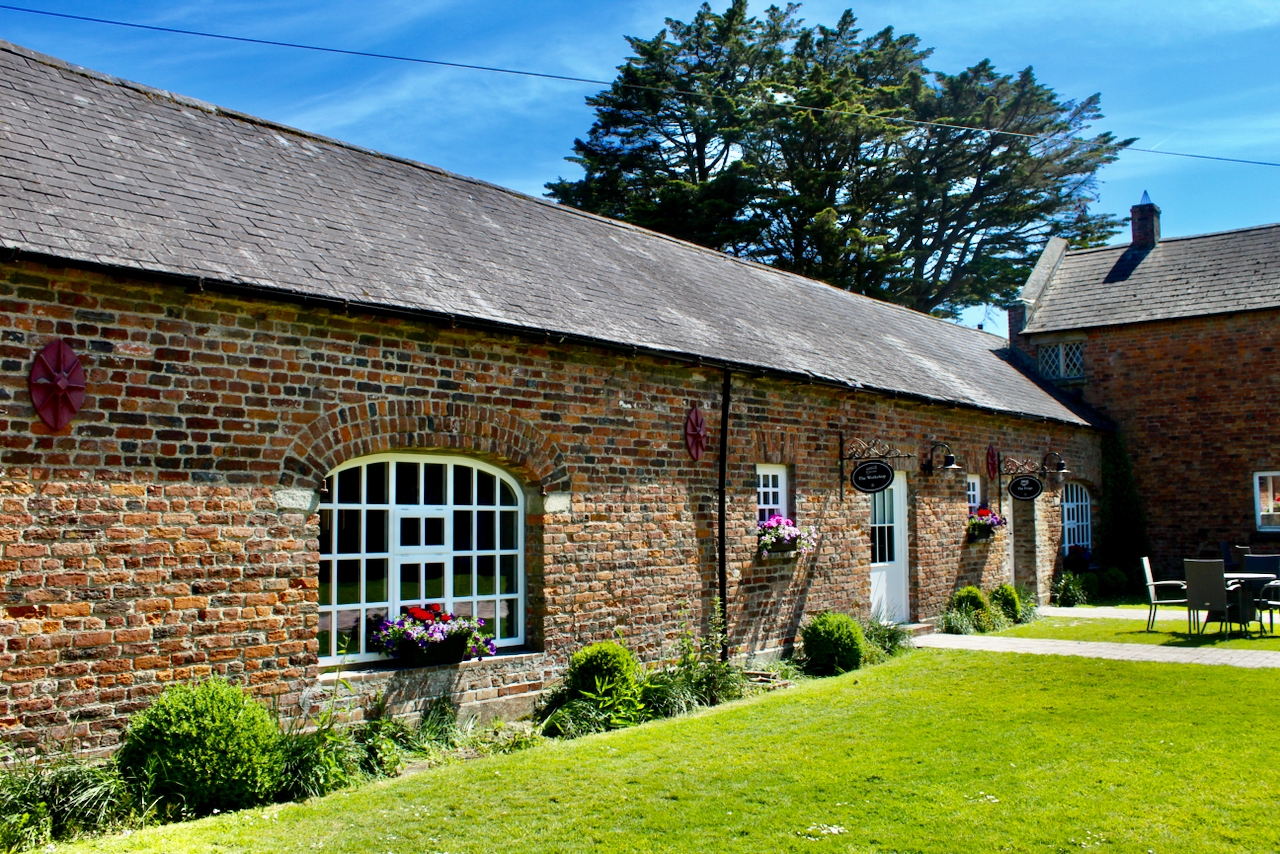
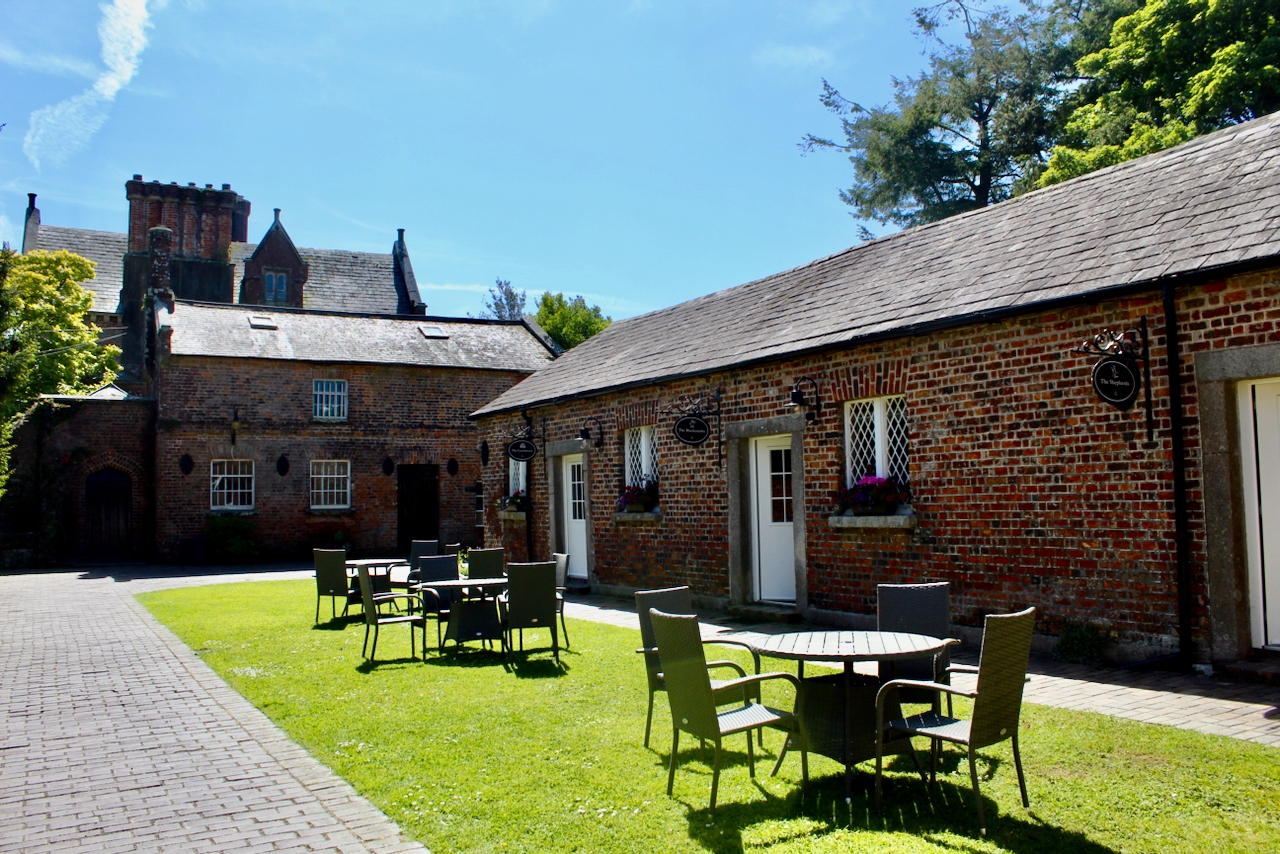
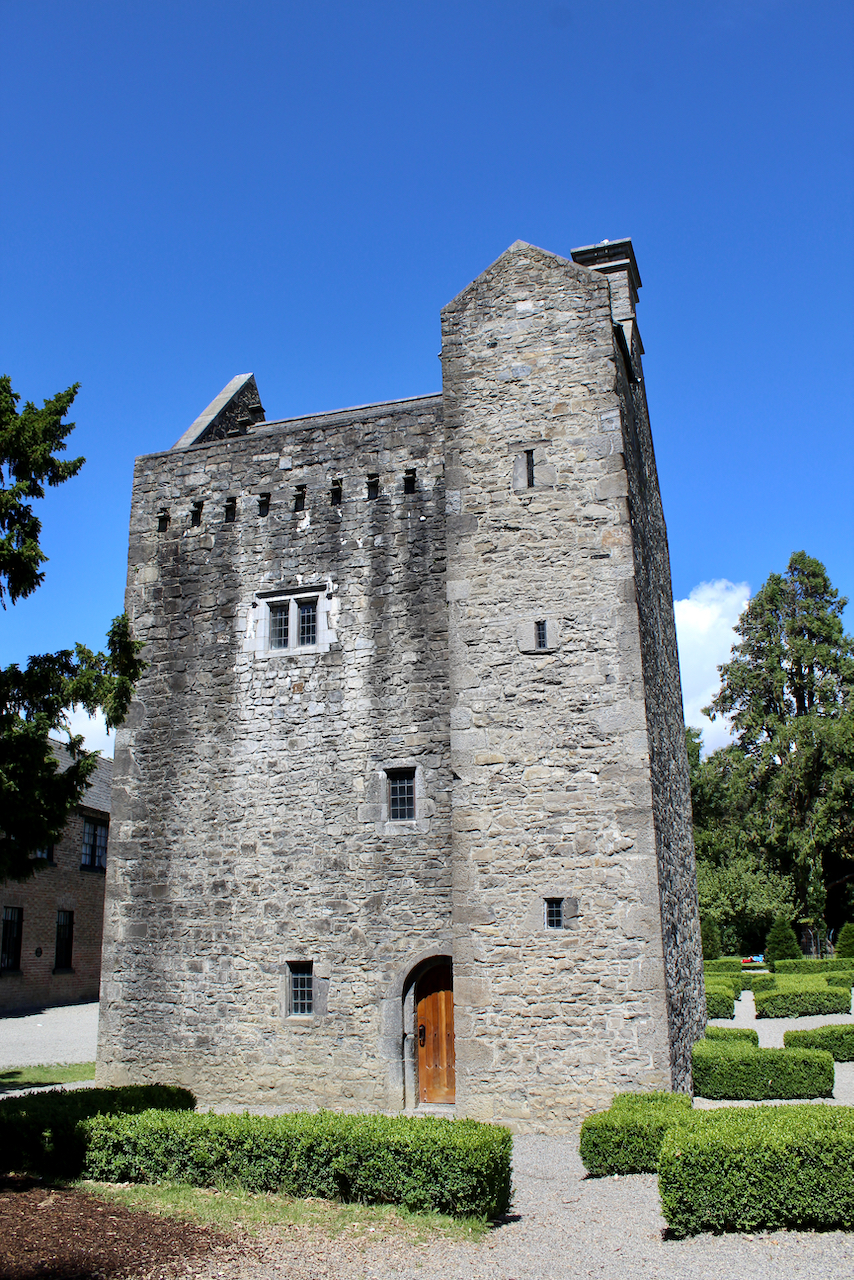
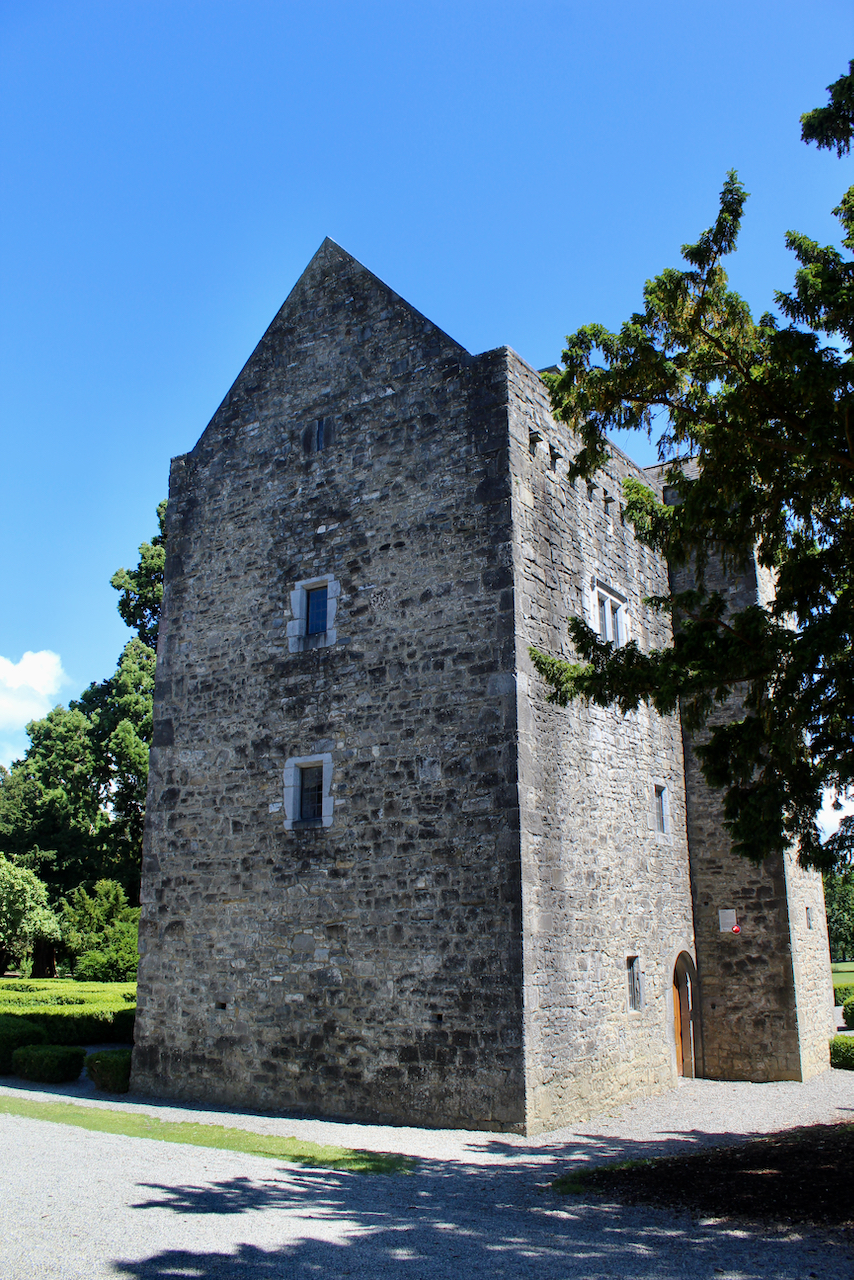
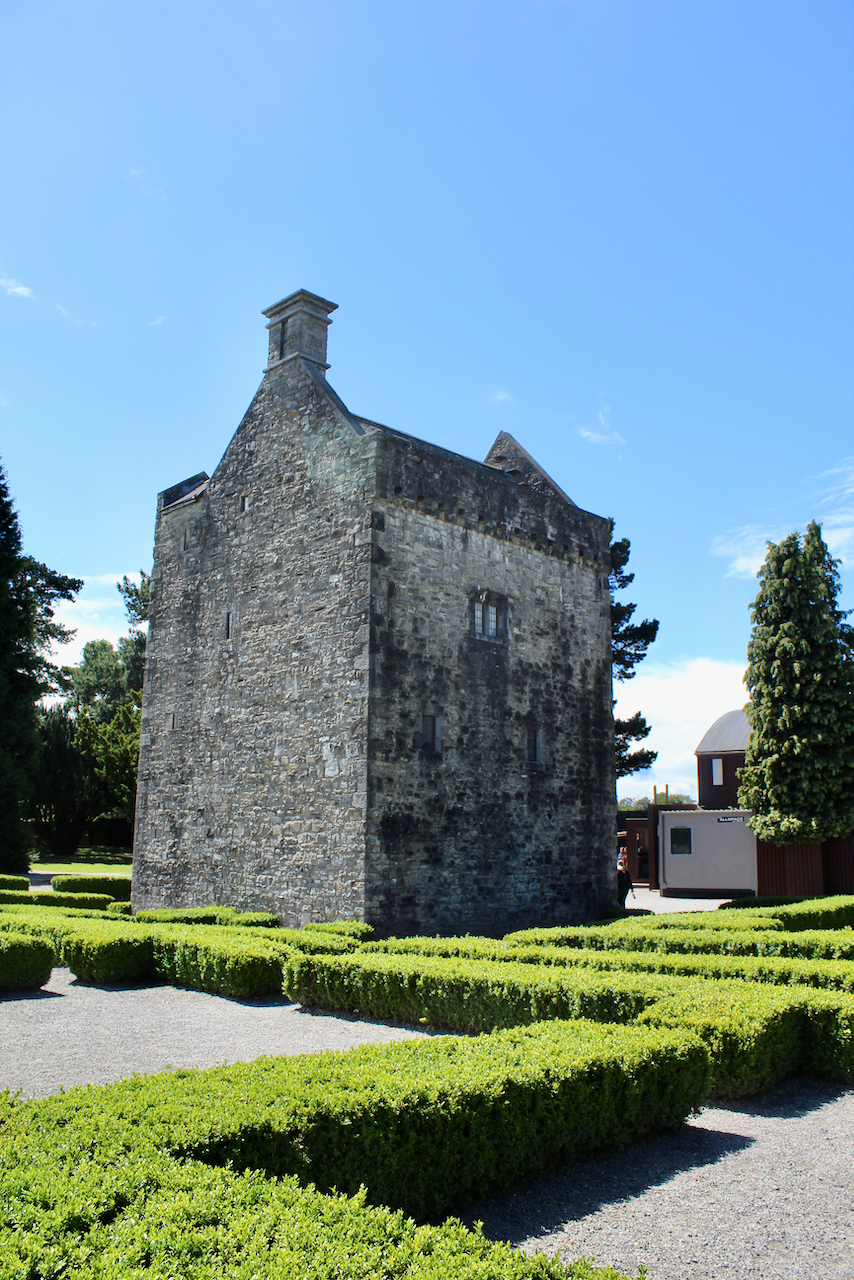
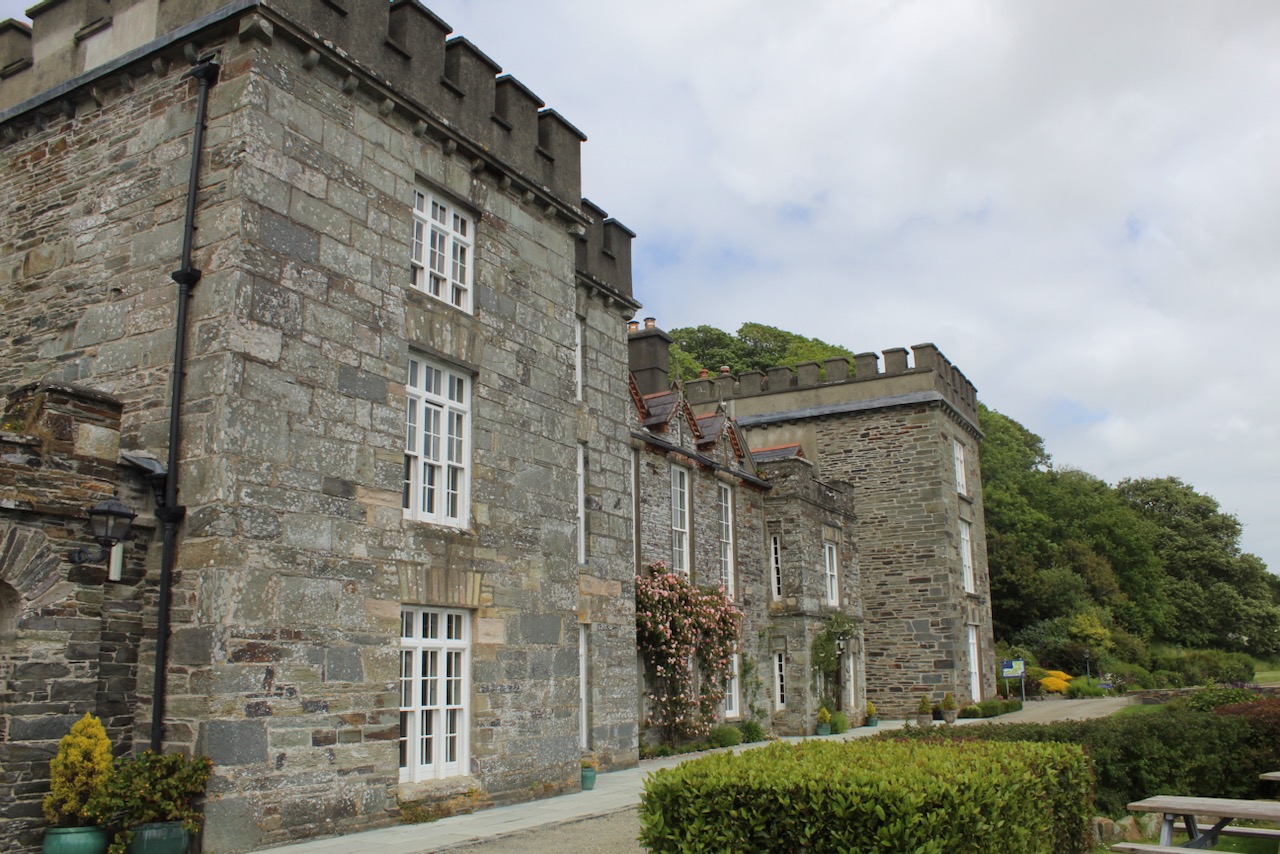
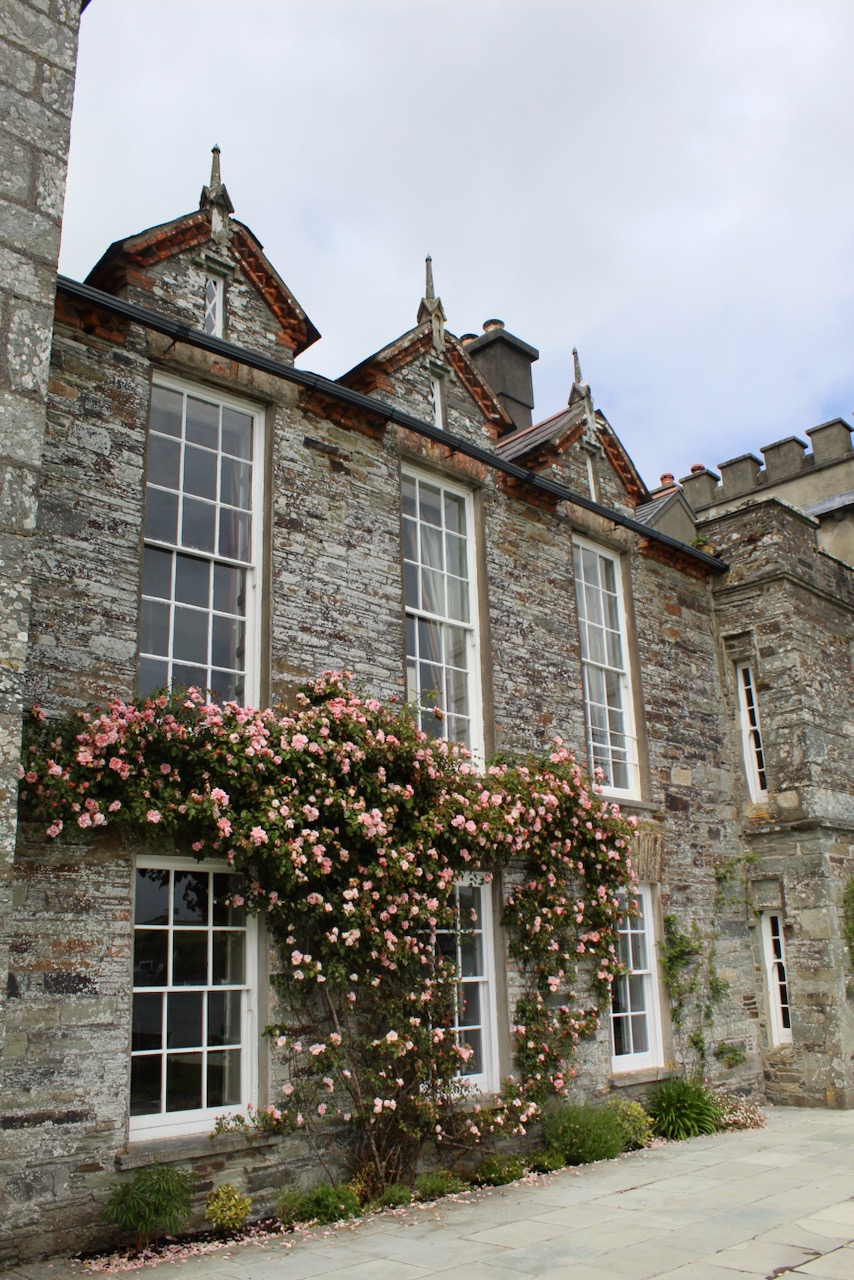
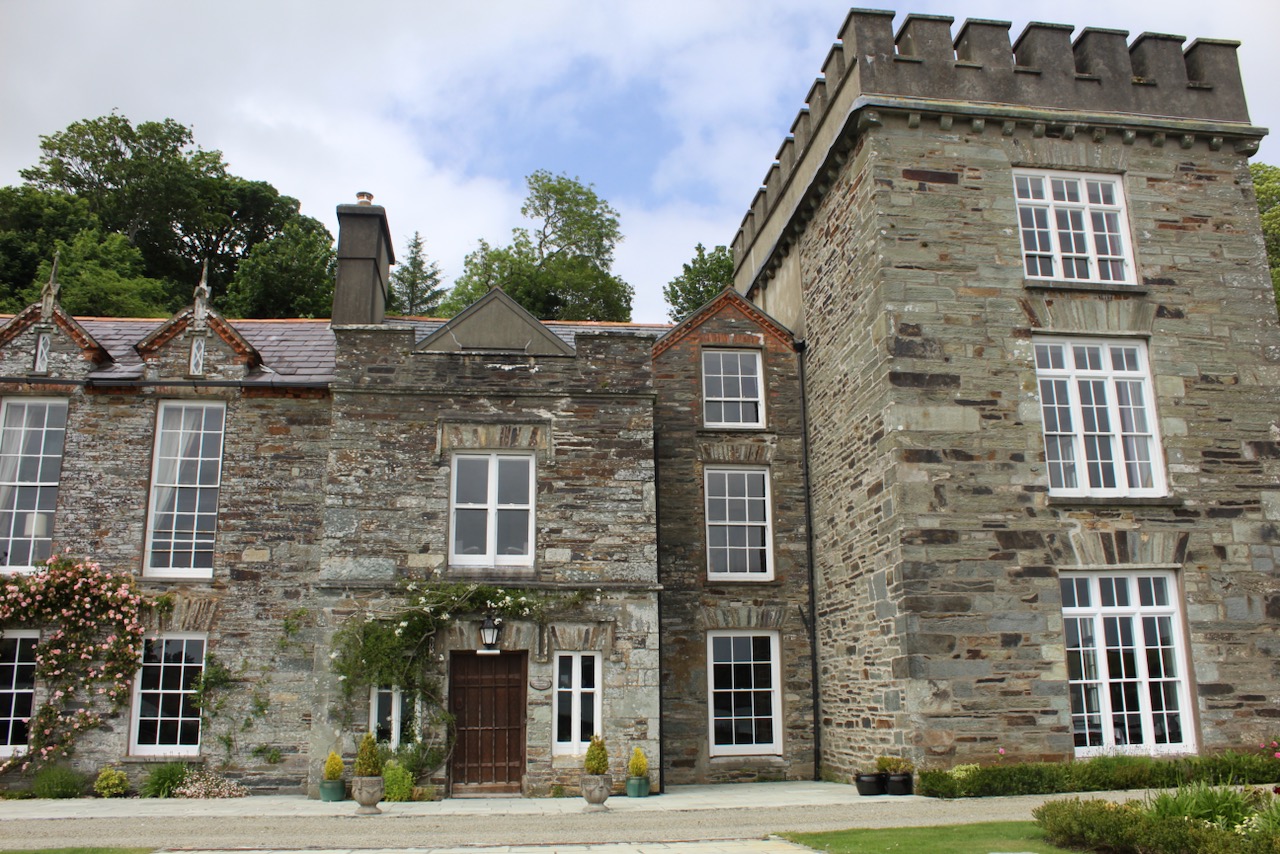
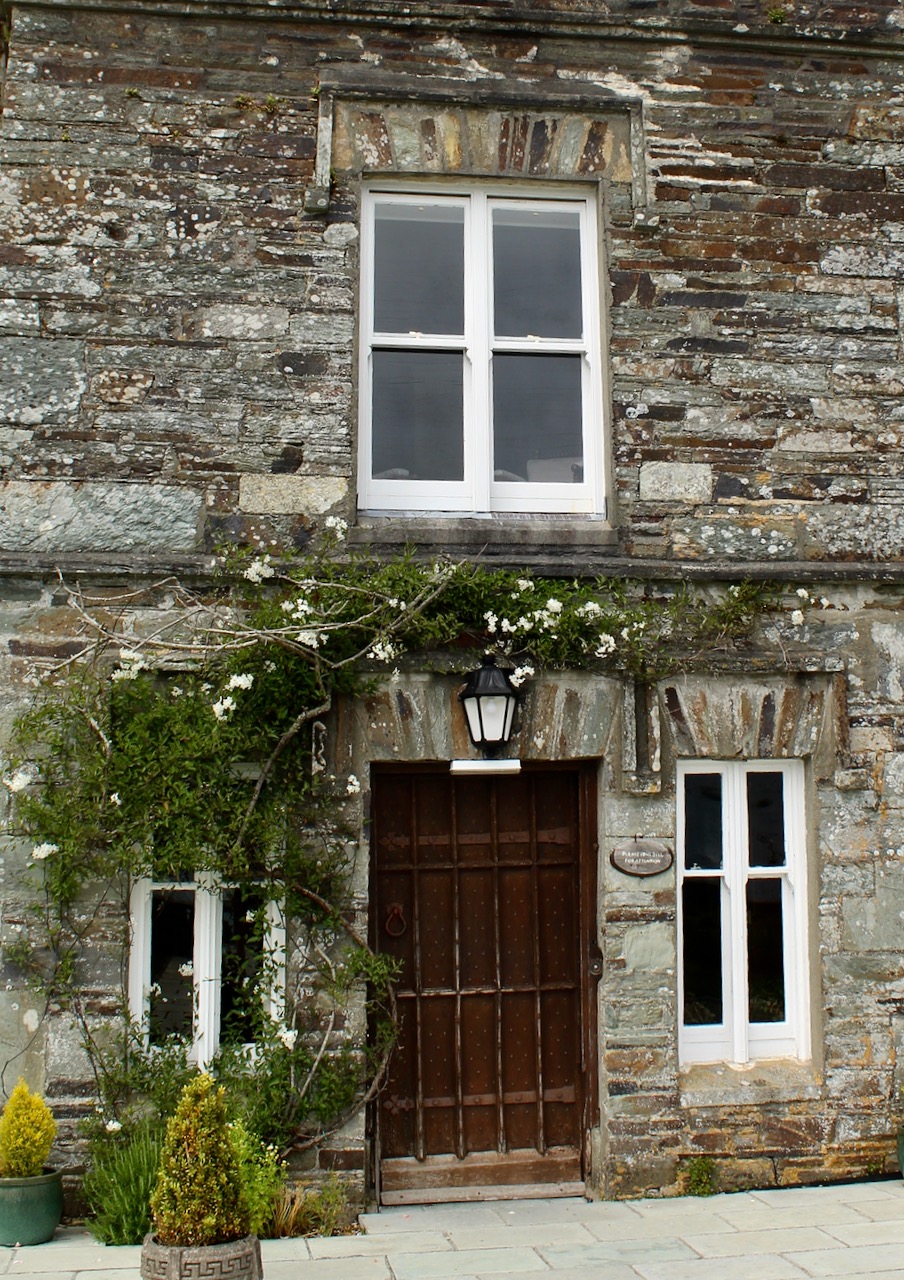
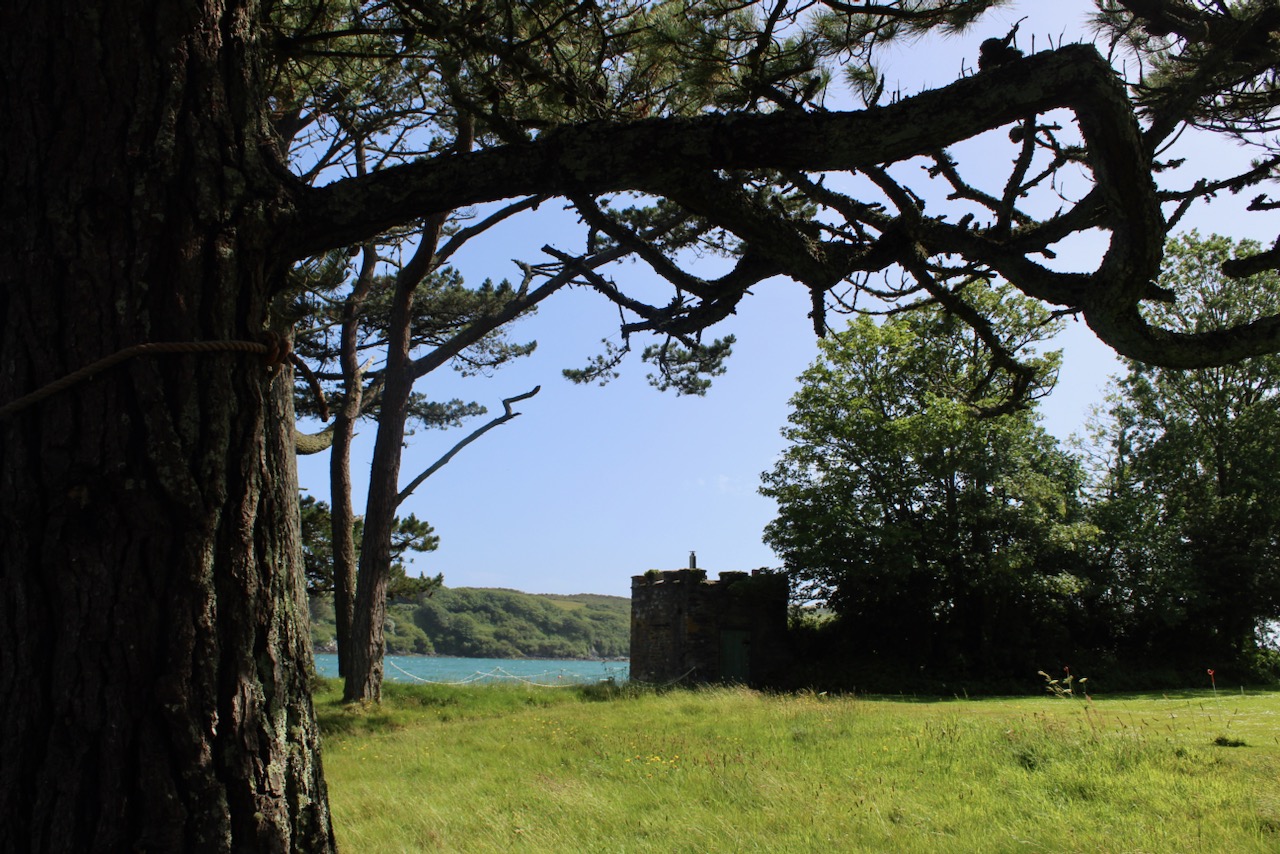
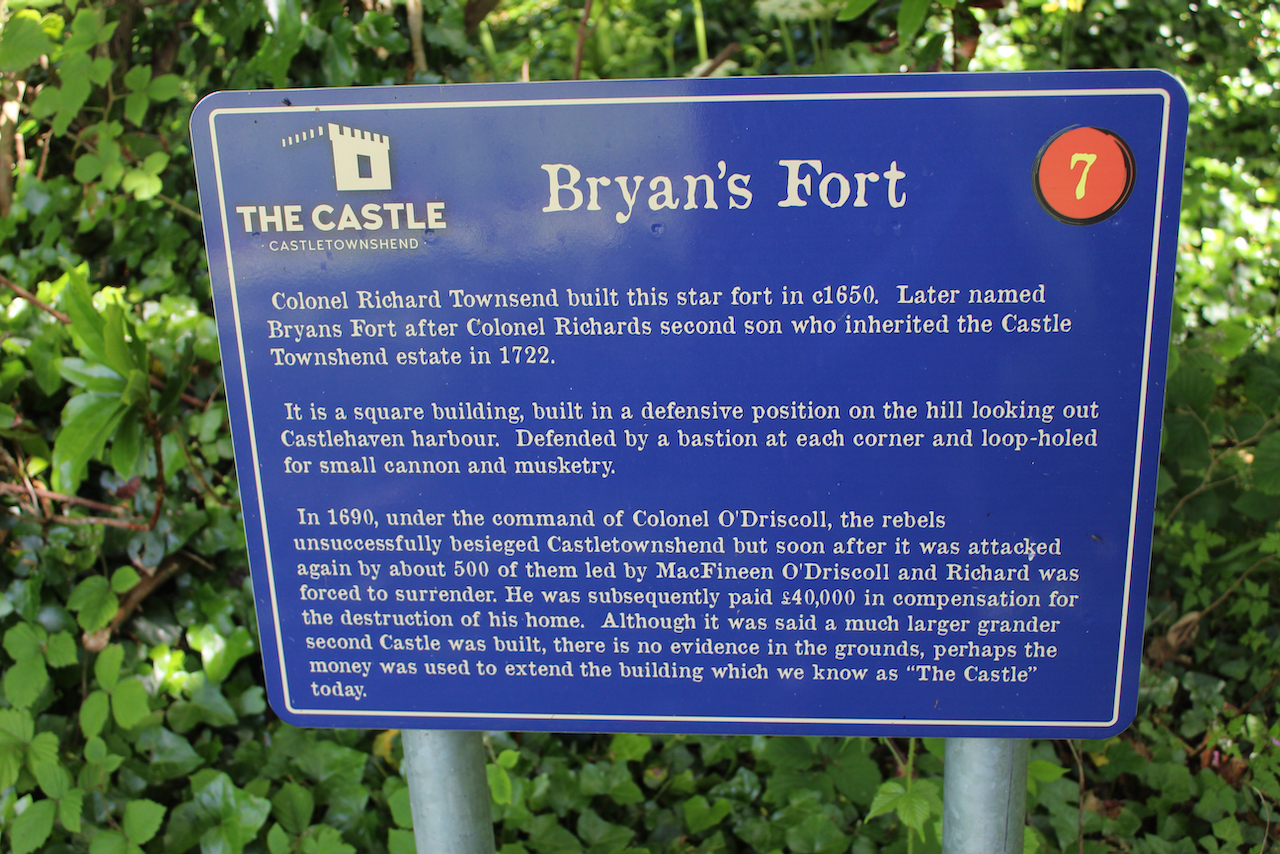
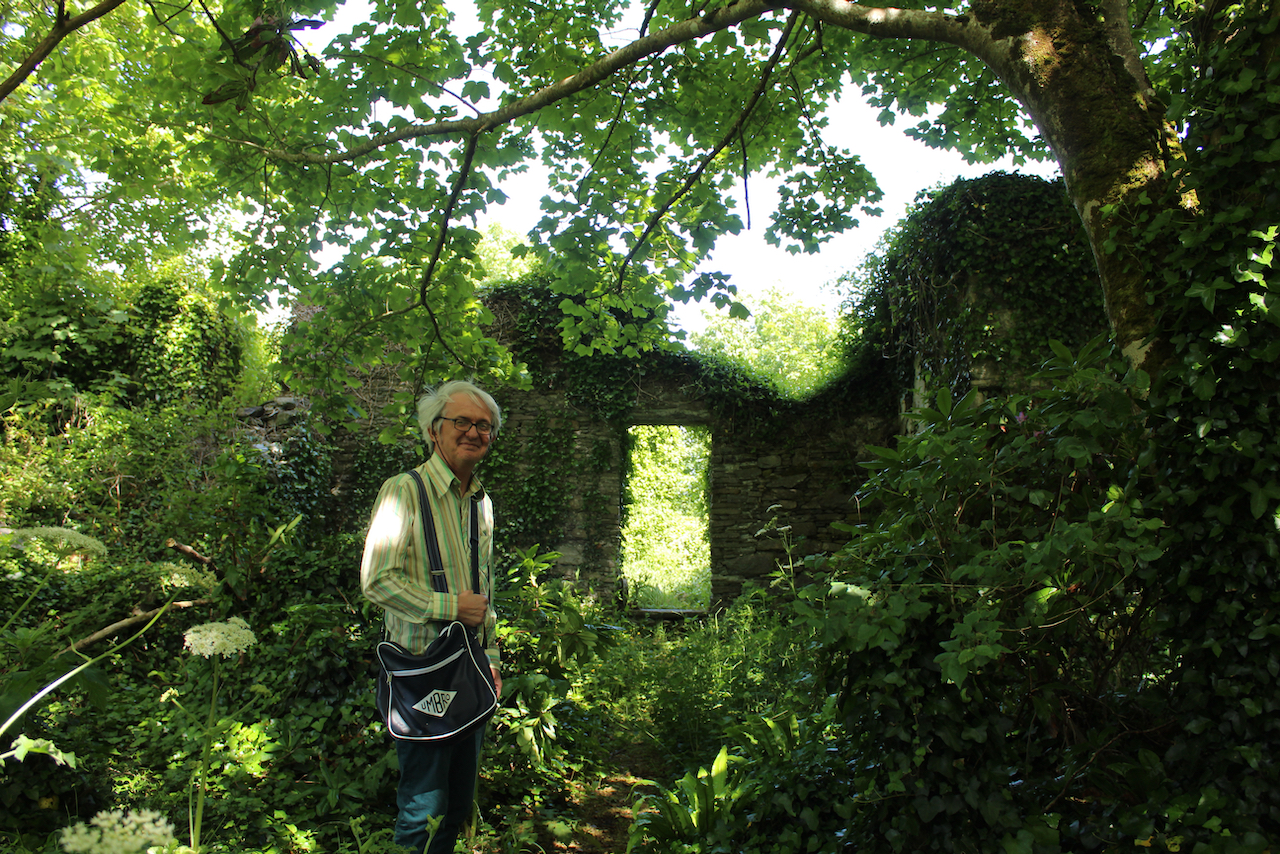
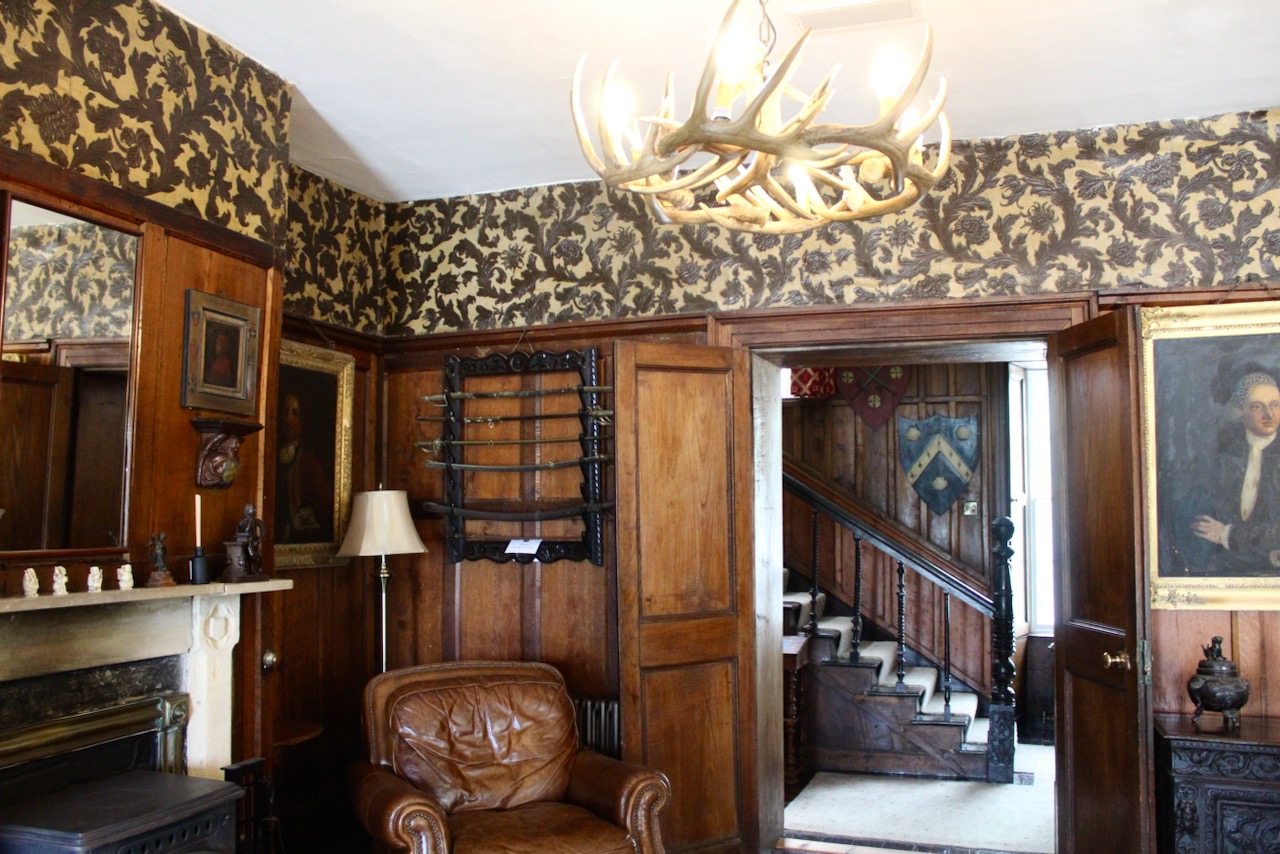
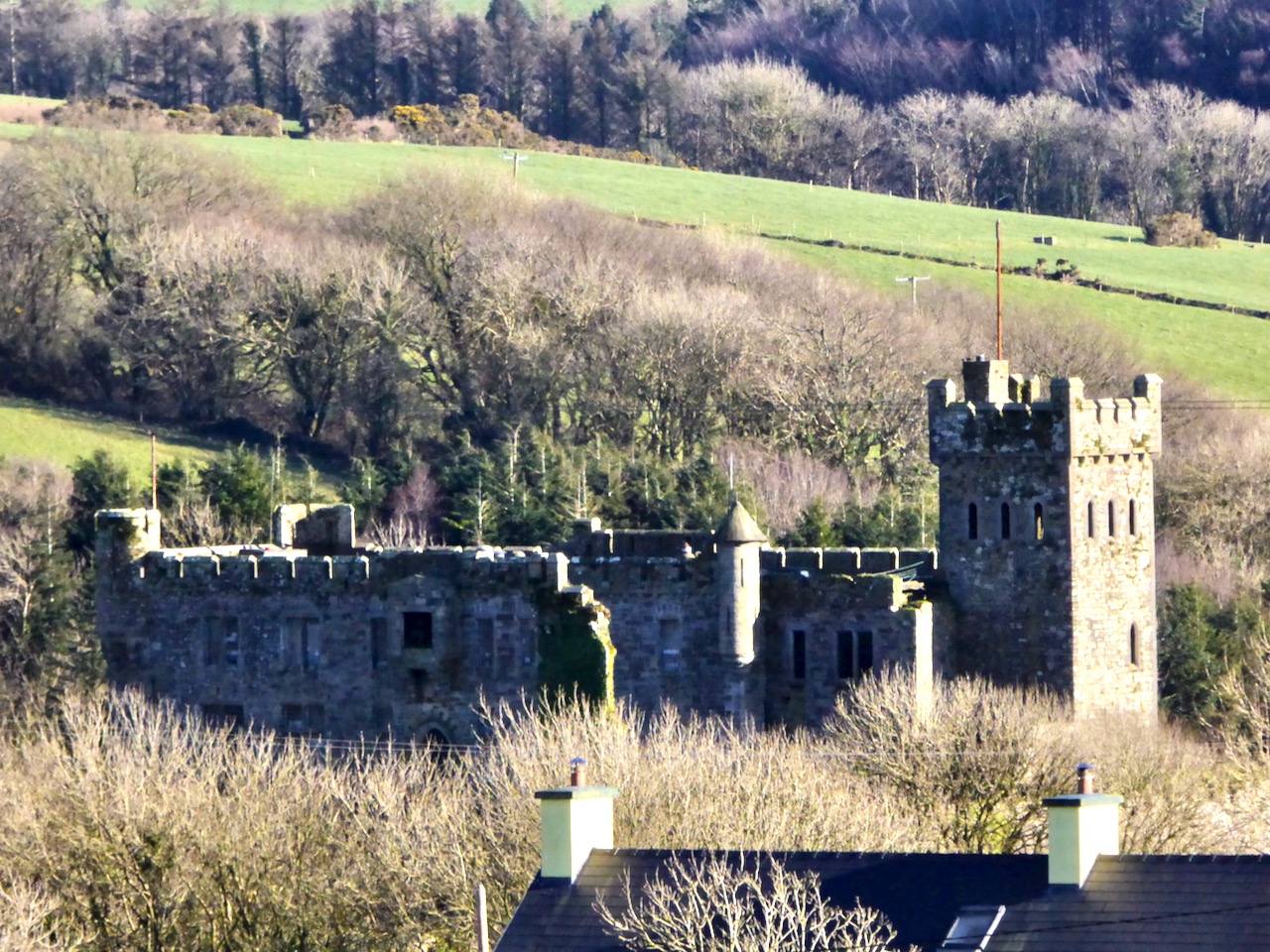
Manorhamilton Castle, County Leitrim, August 2022. It was not open on the day we visited despite being listed as an open day during Heritage Week. Photograph © Jennifer Winder-Baggot, www.irishhistorichouses.com

www.manorhamilton.ie

Open dates in 2025: Jan 3, 6, 10, 13, 17, 20, 24, 27, 31, Feb 3, 7, 10, 14, 17, 21, 24, 28, Mar 3, 7, 10, 14, 17, 21, 24, 28, 31, Apr 4, 7, 11, 14, 18, 21, 25, 28, May 2-5, 9-12, 16-19, 23, 26, 30, June 2, 6, 9, 13, 16, 20, 23, 27, July 4, 7, 11, 14, 18, 21, 25, Aug 1, 4, 8, 15-25, 29, Sept 1, 5, 8, 12, 15, 19, 22, 26, 29, 10am-4pm

Fee: adult €5, child/OAP/student free

The Revenue section 482 list still hasn’t been published for 2025, so today I am publishing about Manorhamilton Castle in County Leitrim.

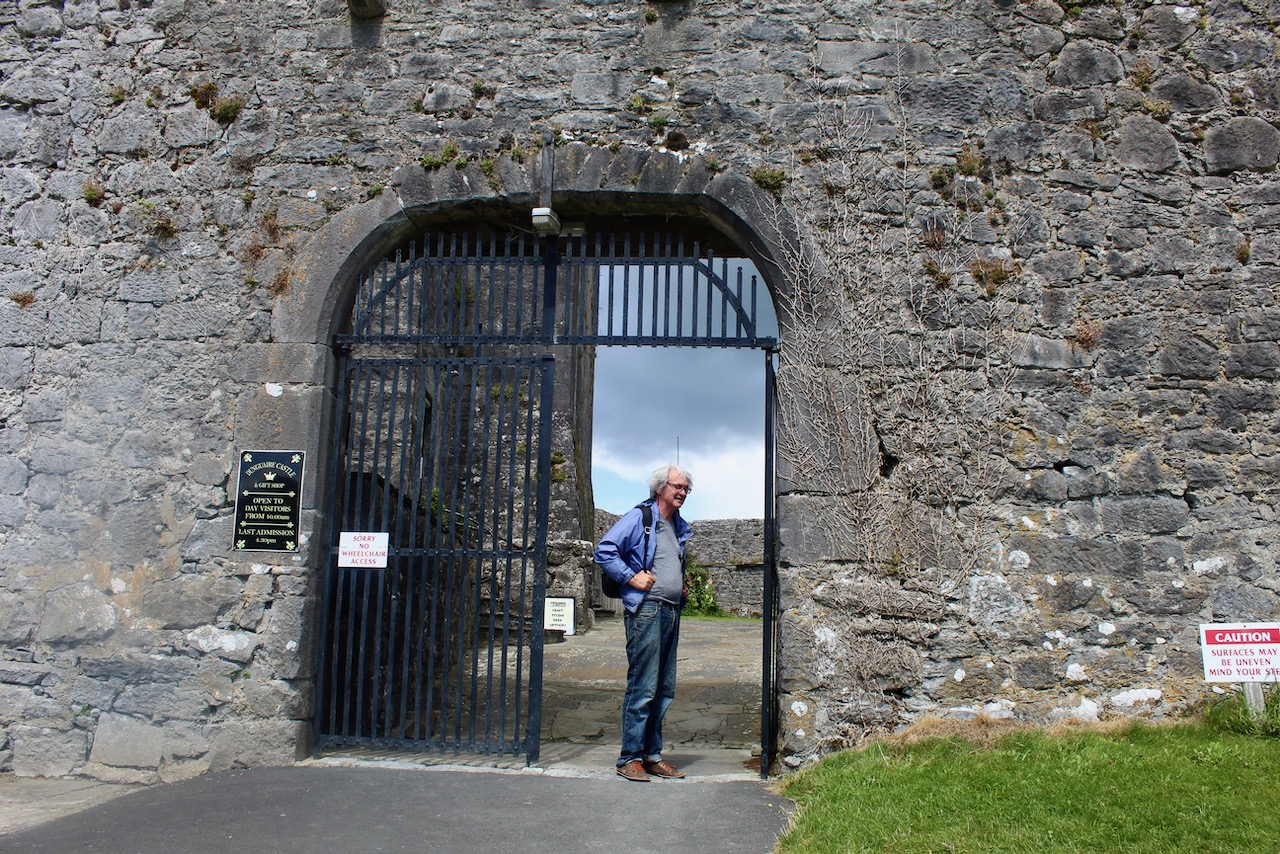
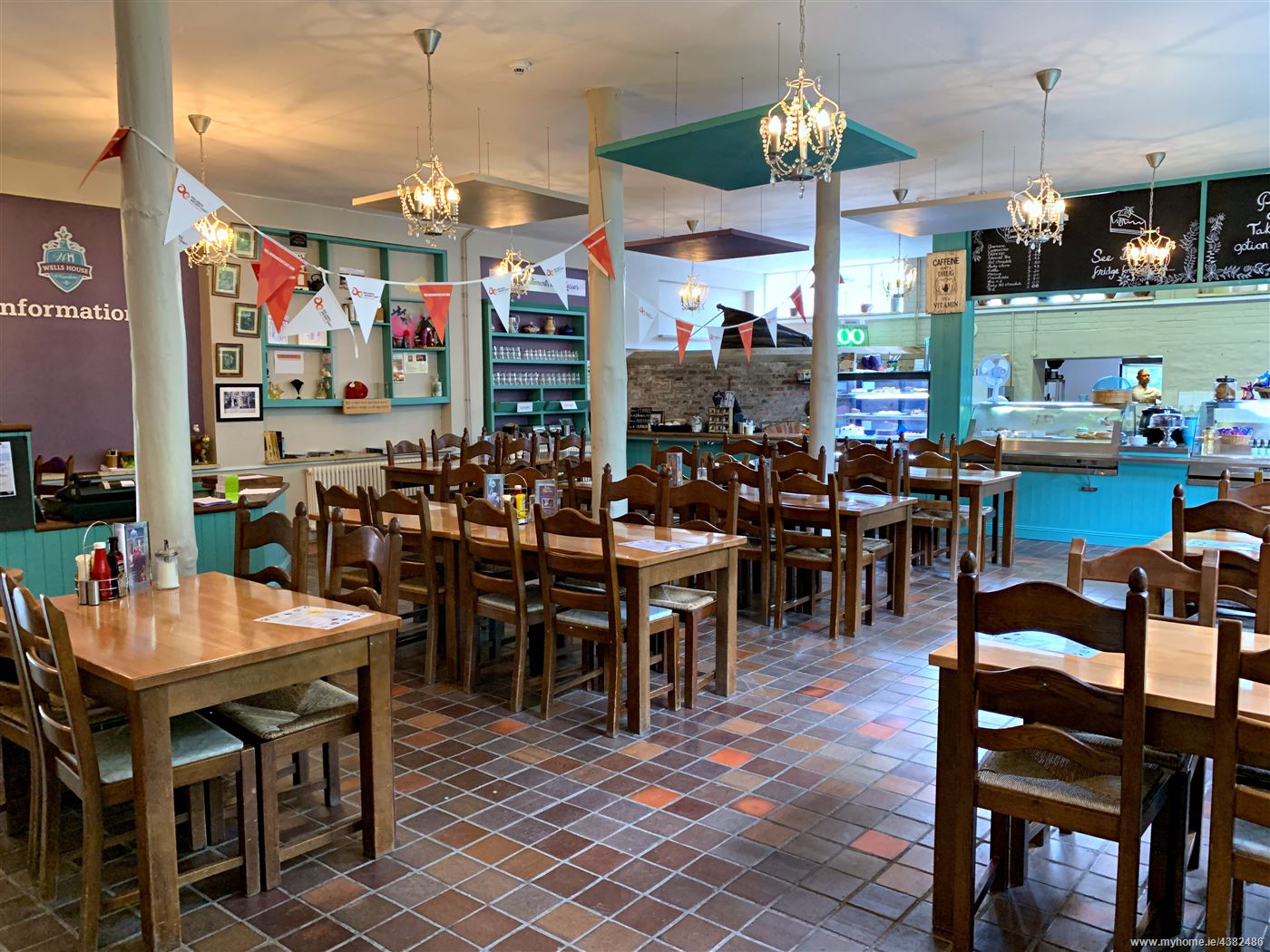
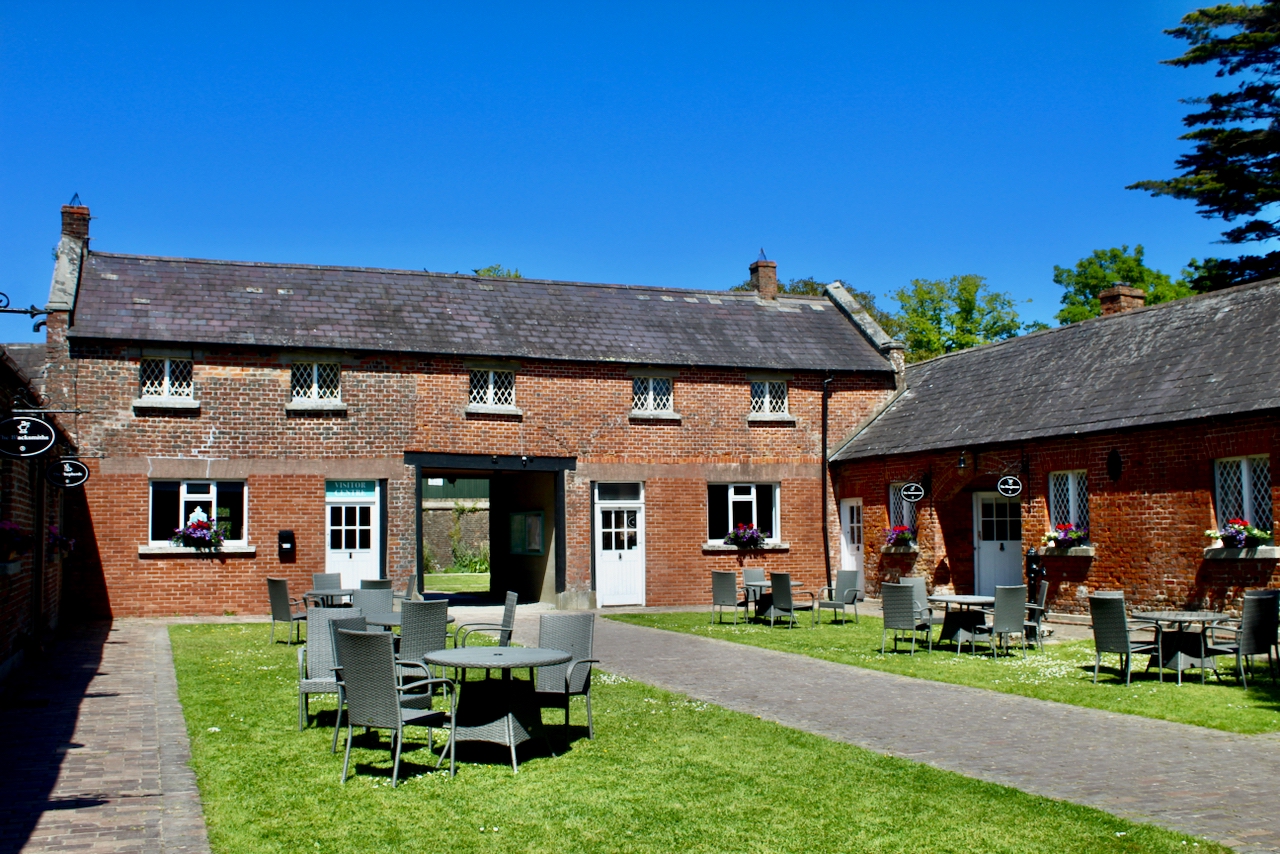
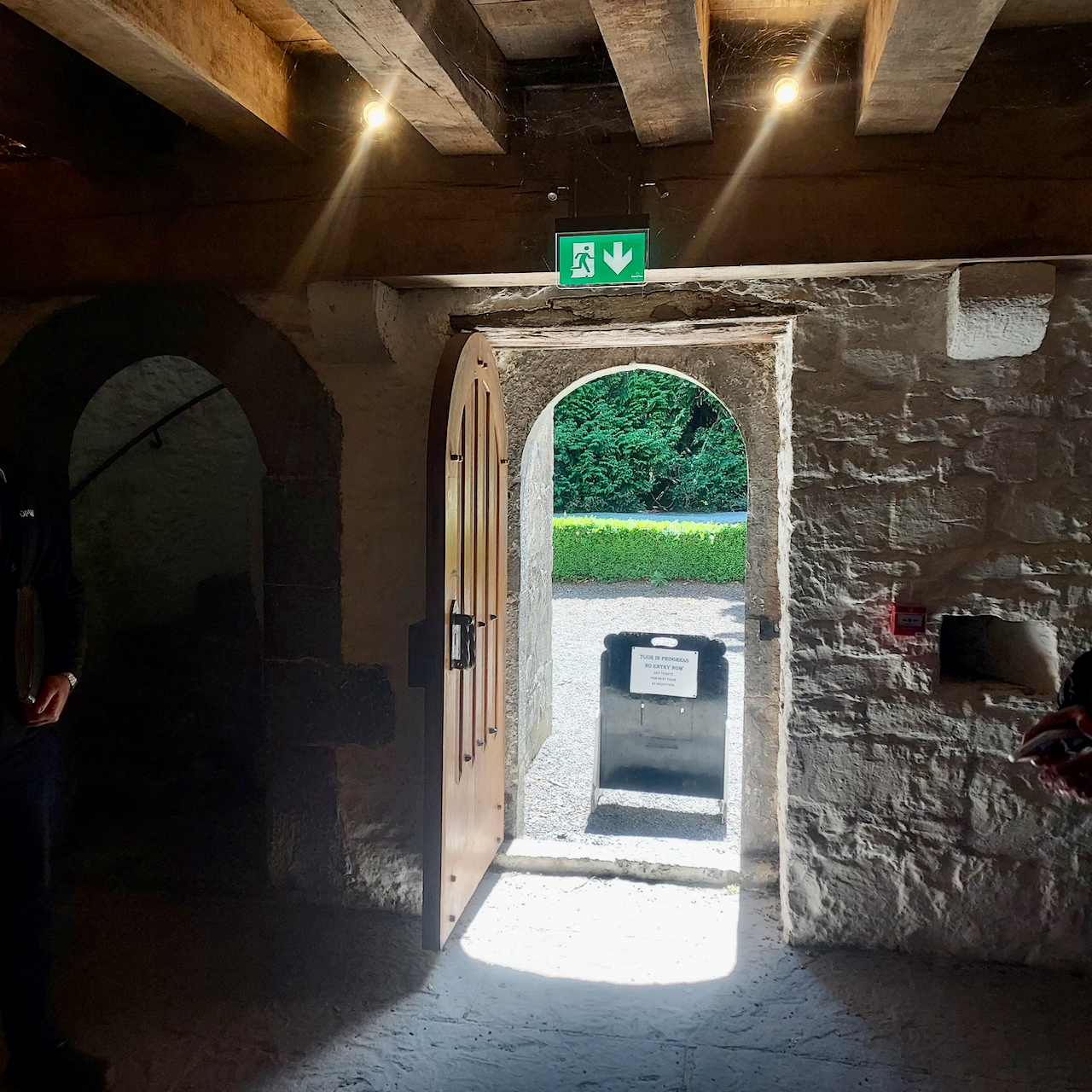
We attempted a visit during Heritage Week in 2022 but were informed in the café next door that it was not accessible as they were preparing for an event. I was unimpressed, having driven there specially! We were driving from Sligo to Monaghan that day, so we continued on our way.

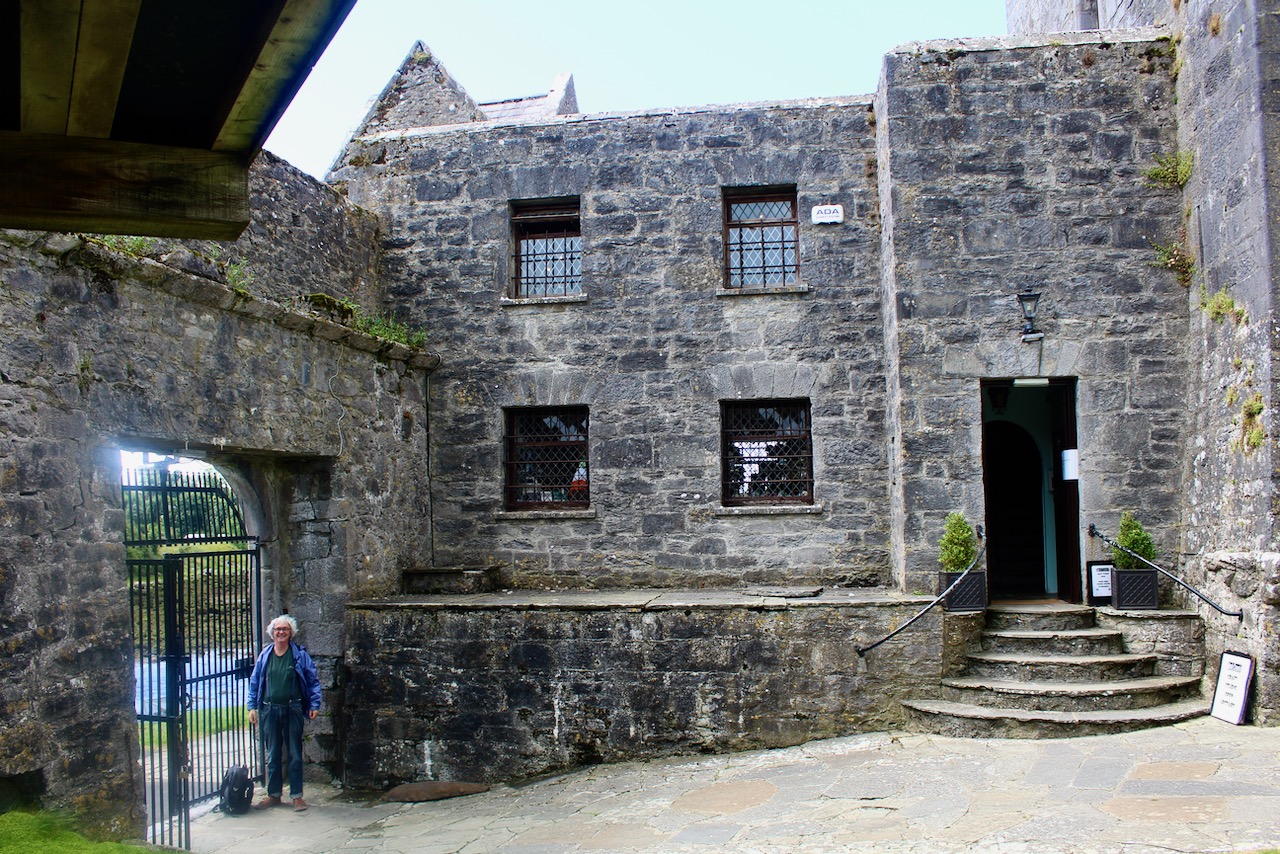
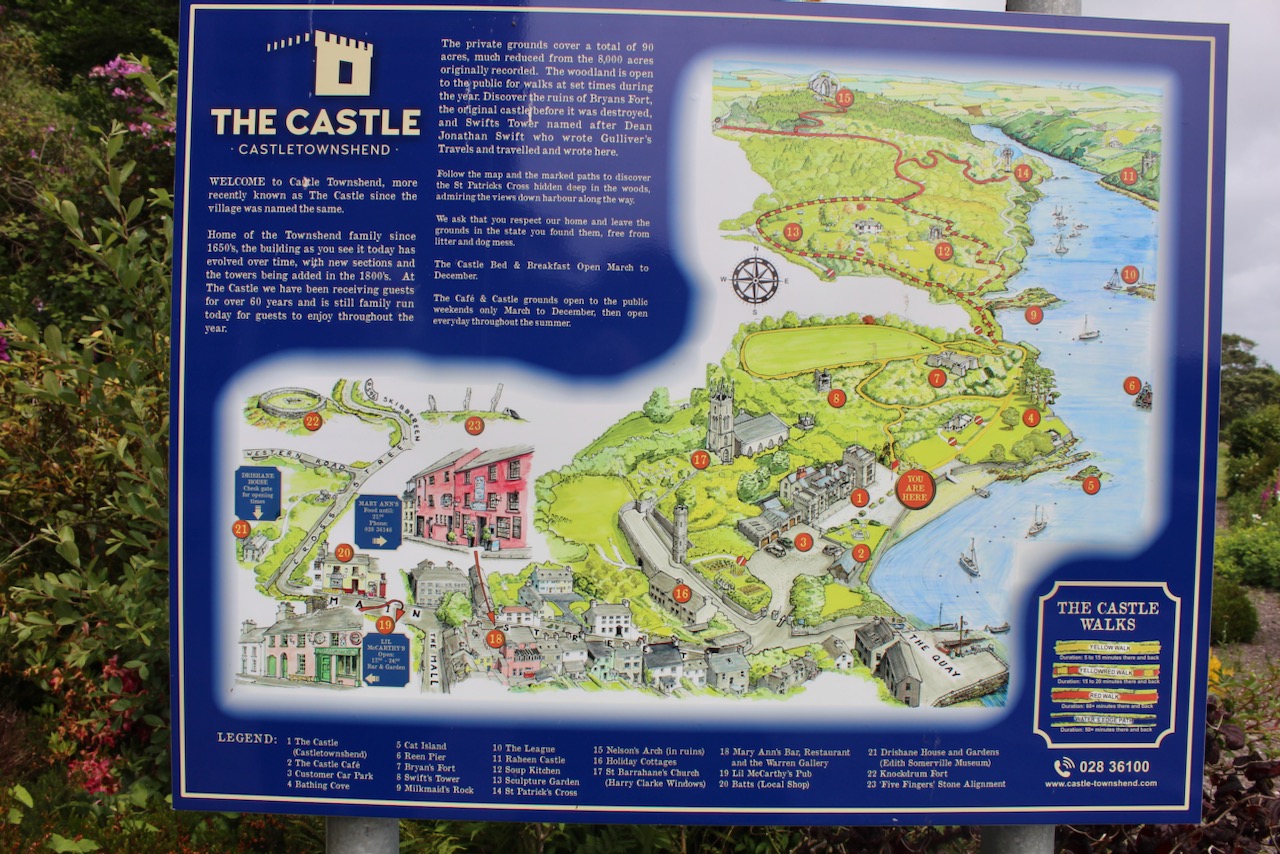
Stephen heading to the café next to the castle. Photograph © Jennifer Winder-Baggot, www.irishhistorichouses.com
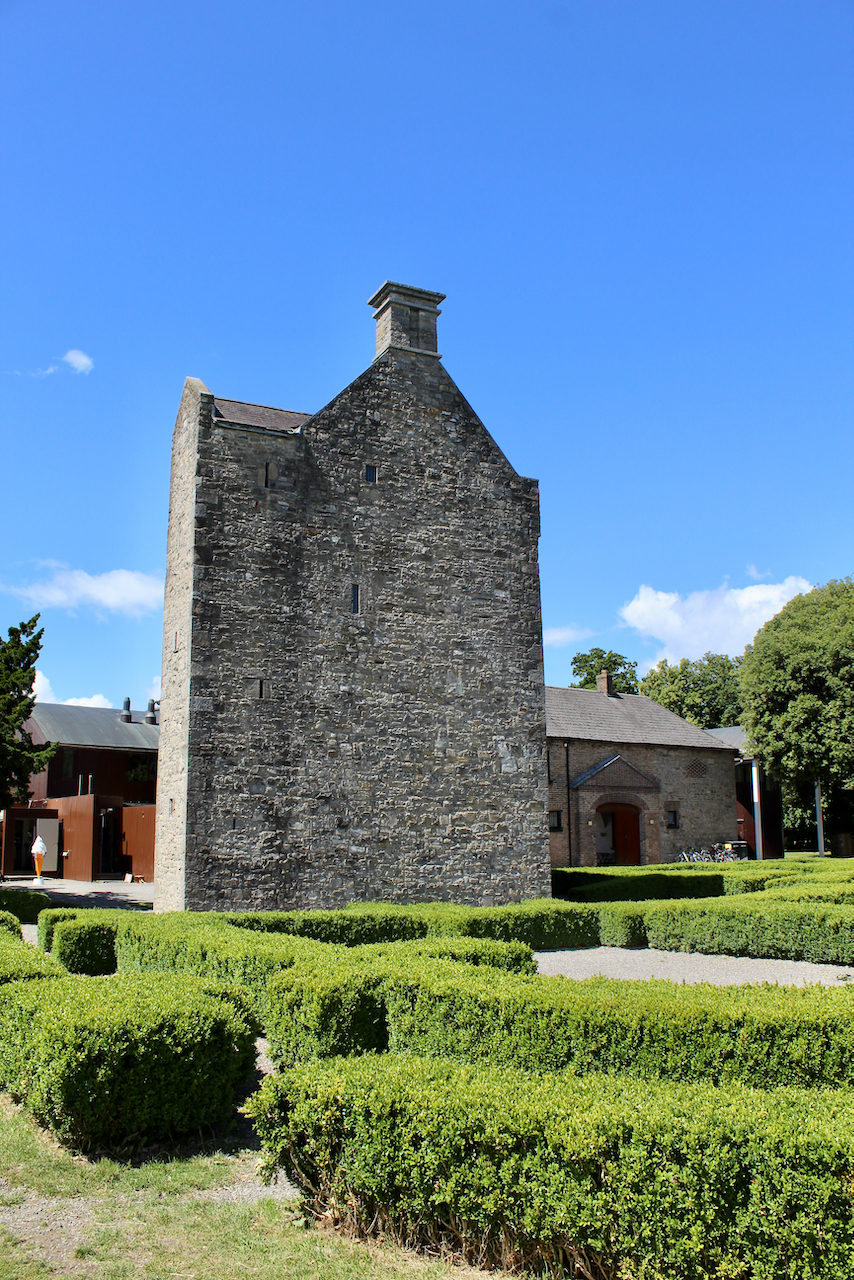
Manorhamilton Castle, County Leitrim, August 2022. Photograph © Jennifer Winder-Baggot, www.irishhistorichouses.com

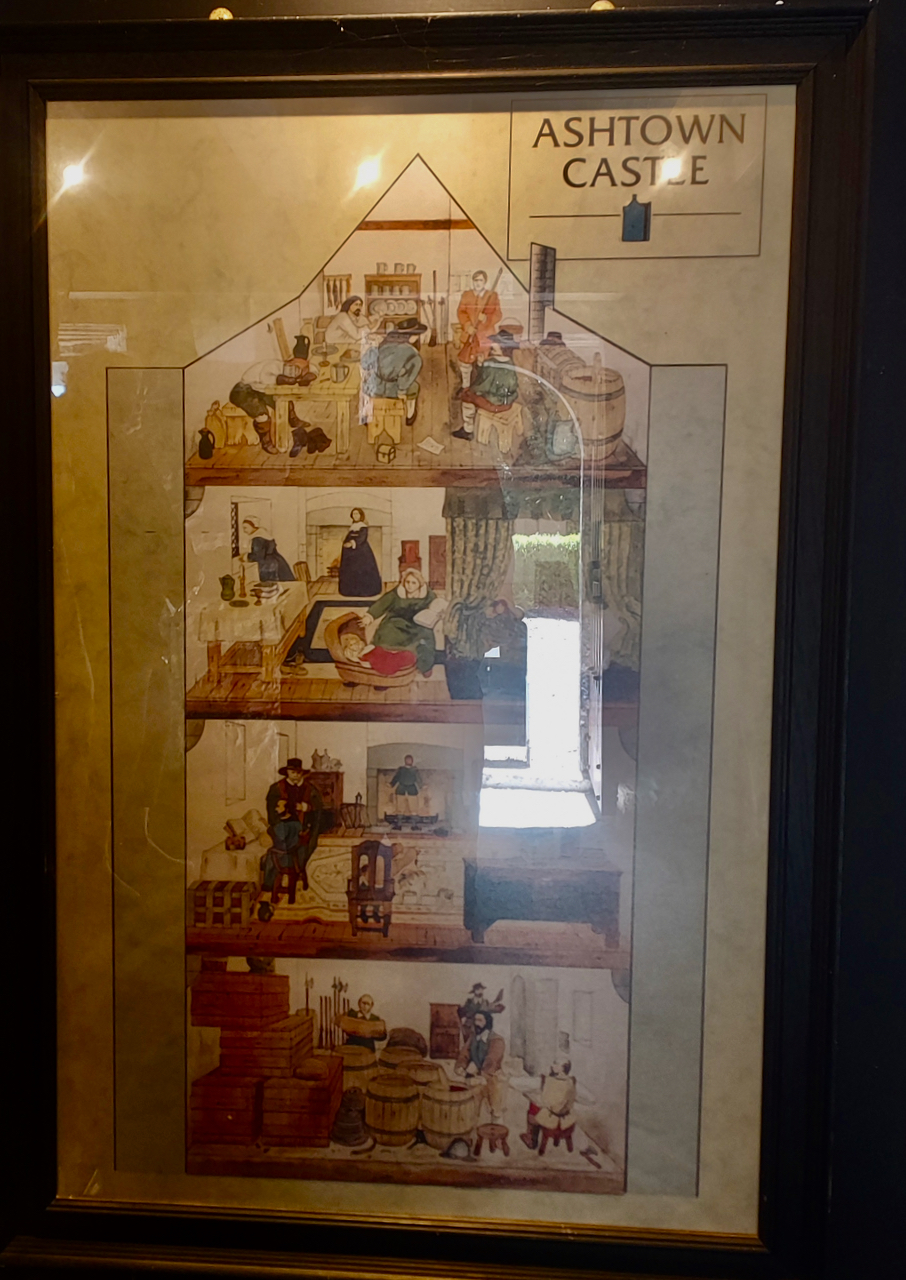
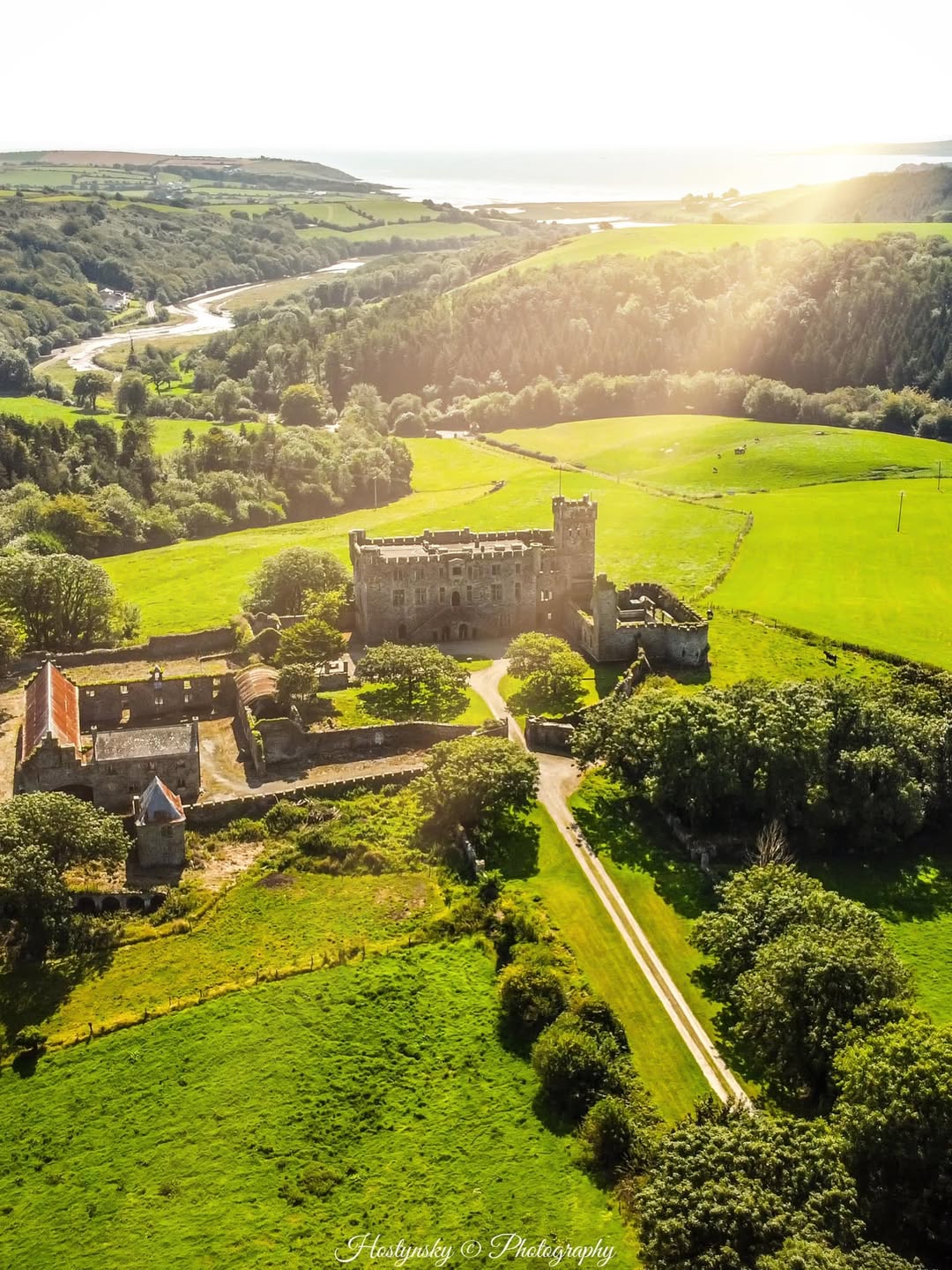
The castle was built between 1634 and 1636 for Frederick Hamilton (d. 1646), who was originally from Paisley in Scotland. He was the son of Claud Hamilton, 1st Lord Paisley, County Renfew, Scotland. Frederick was the younger brother of James 1st Earl of Abercorn in Scotland, who was Gentleman of the Bedchamber to King James VI of Scotland who became King James I of England.

Signpost in Manorhamilton, telling us that before the town was named “Manorhamilton” it was called Clonmullen, from the Irish Cluain Maoláin meaning “hillside meadow.” Photograph © Jennifer Winder-Baggot, www.irishhistorichouses.com

In 1620 Frederick married Sidney Vaughan, daughter of John Vaughan who was a member of the Privy Council for Ireland and Governor of Londonderry, responsible for commanding the garrison and fortifications of Derry, and of nearby Culmore Fort. [1]

In 1621, Frederick was given a grant of land in Dromahair in County Leitrim, seized from the O’Rourke family. [2] There he commanded a troop of horse, and constantly battled with his neighbours. Three of his brothers, including the Earl of Abercorn, received large land grants in Co. Tyrone in 1610–11. These land holdings were part of the Plantation of Ulster.

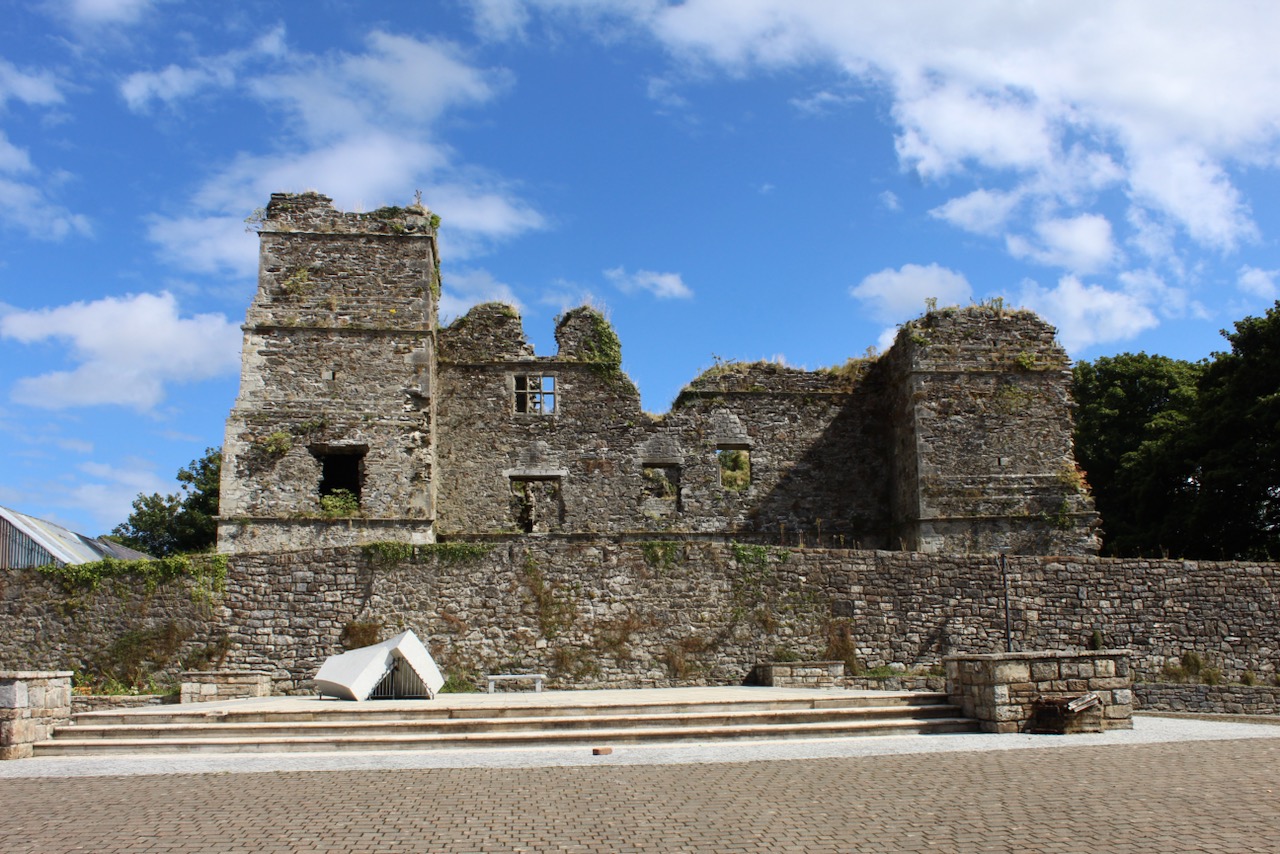
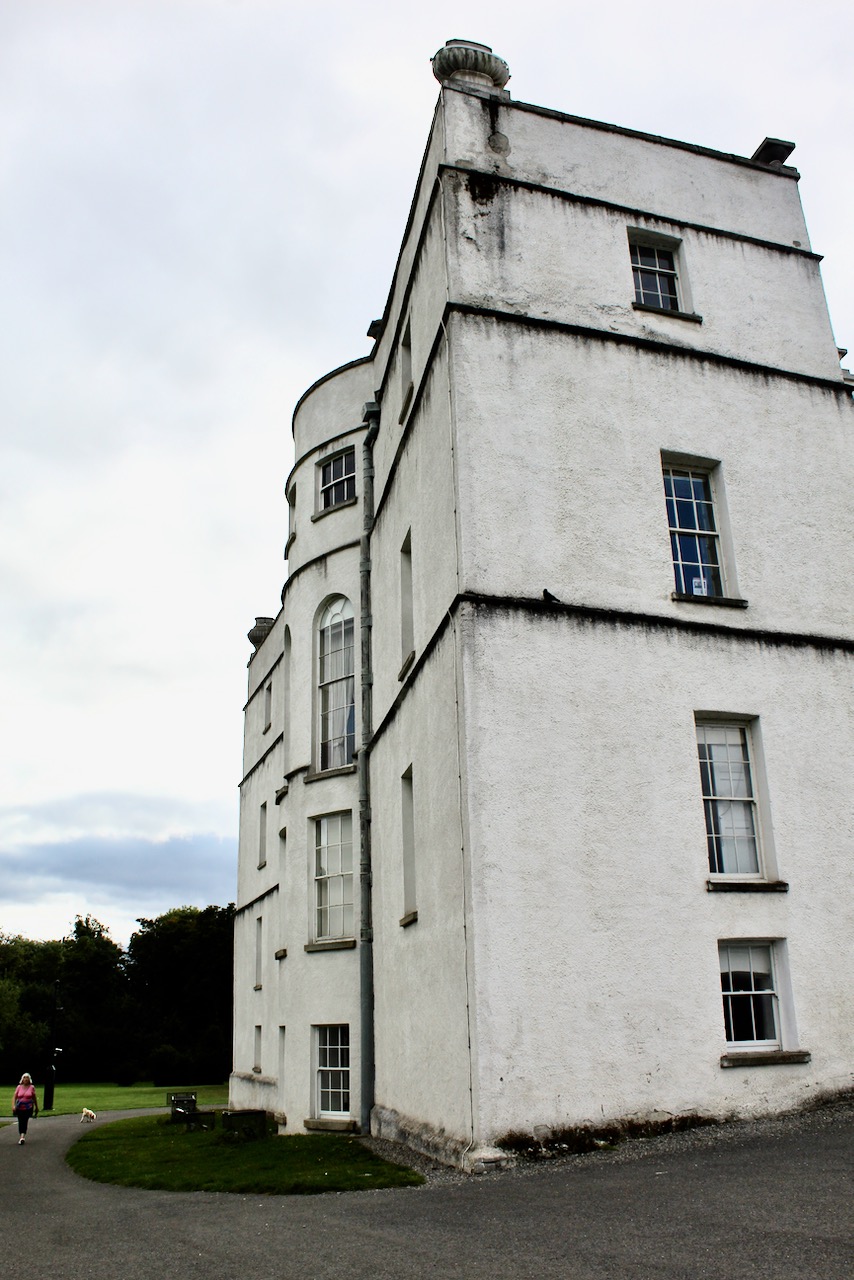
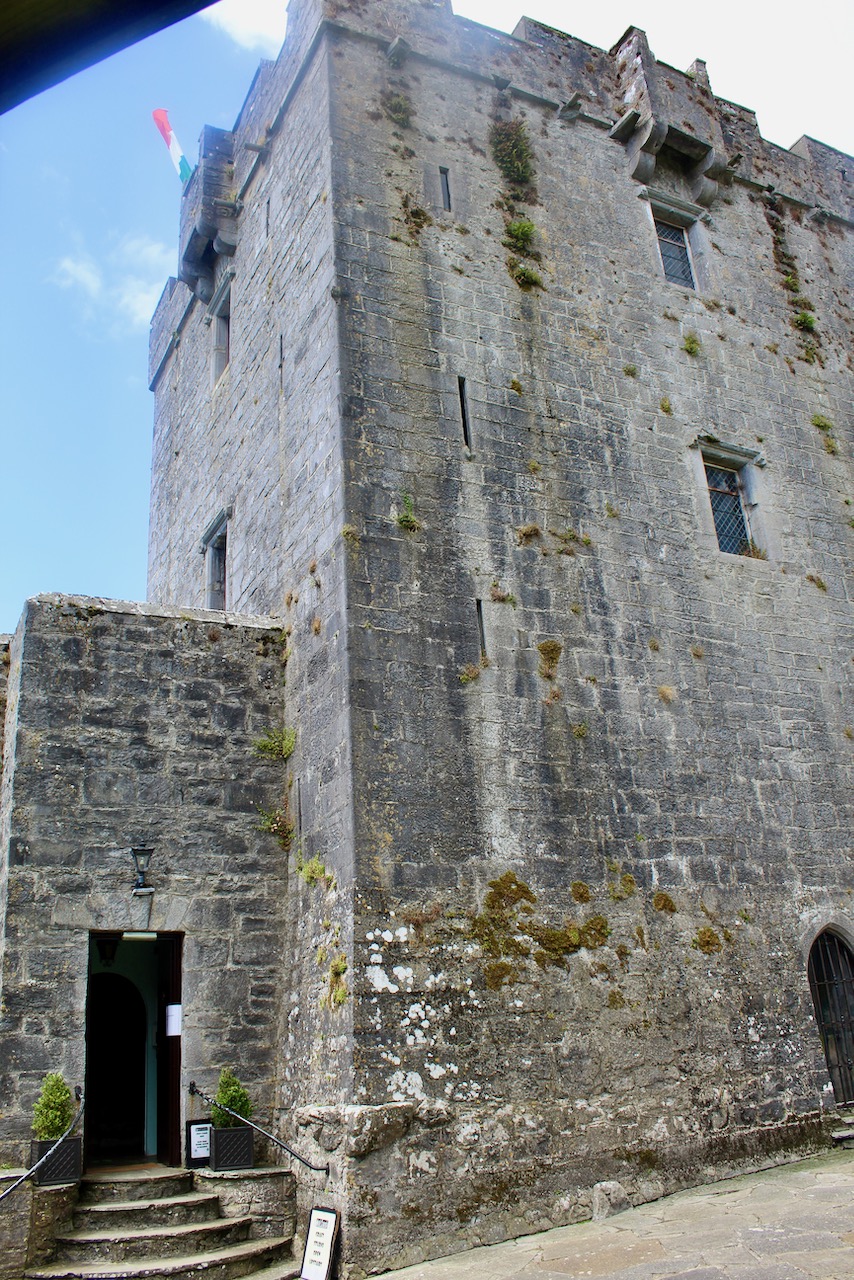
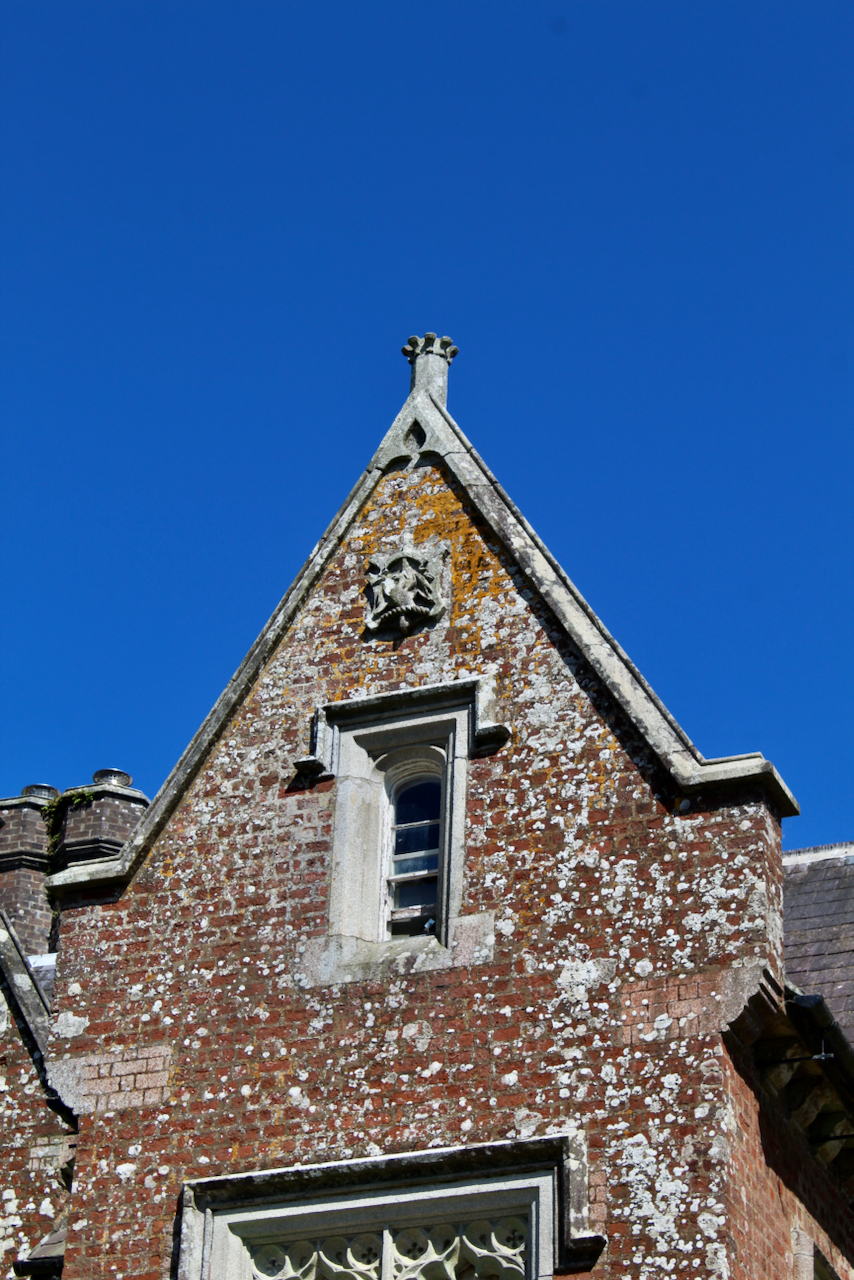
Manorhamilton Castle, County Leitrim, August 2022. Photograph © Jennifer Winder-Baggot, www.irishhistorichouses.com

From a Catholic family, Frederick converted to Protestantism. In 1631 he was granted a commission to raise 1,200 Scottish and Irish men for the service of Gustavus Adolphus, King of Sweden, in order to defeat the Habsburg-Catholic coalition. He spent about two years in the Swedish king’s German campaigns in the Thirty Years’ War.

He returned to Leitrim and built his castle in Manorhamilton.

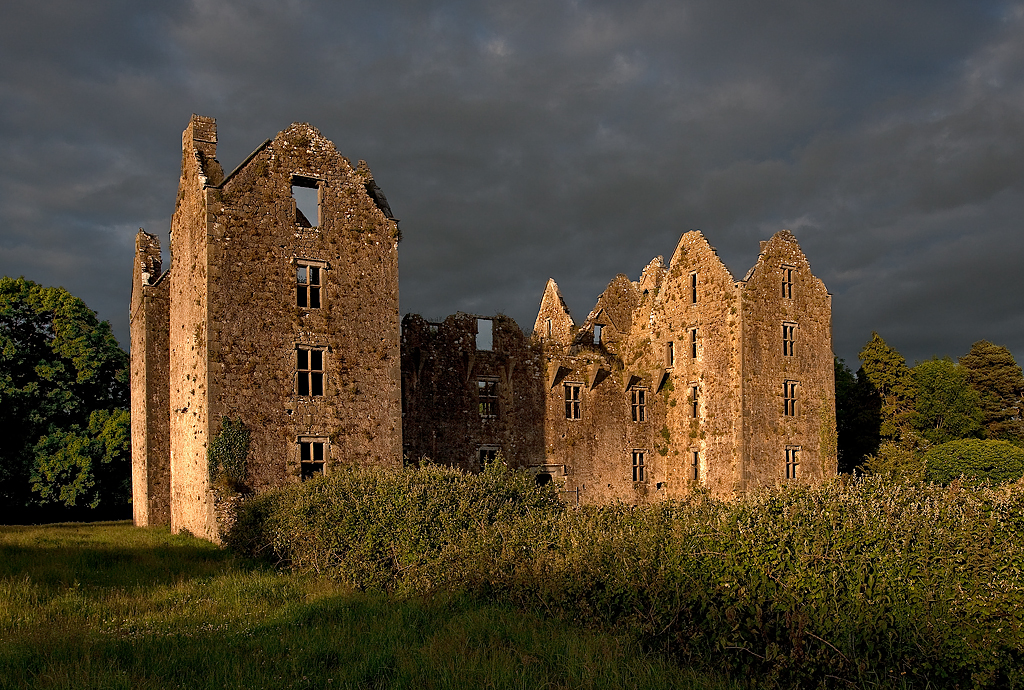
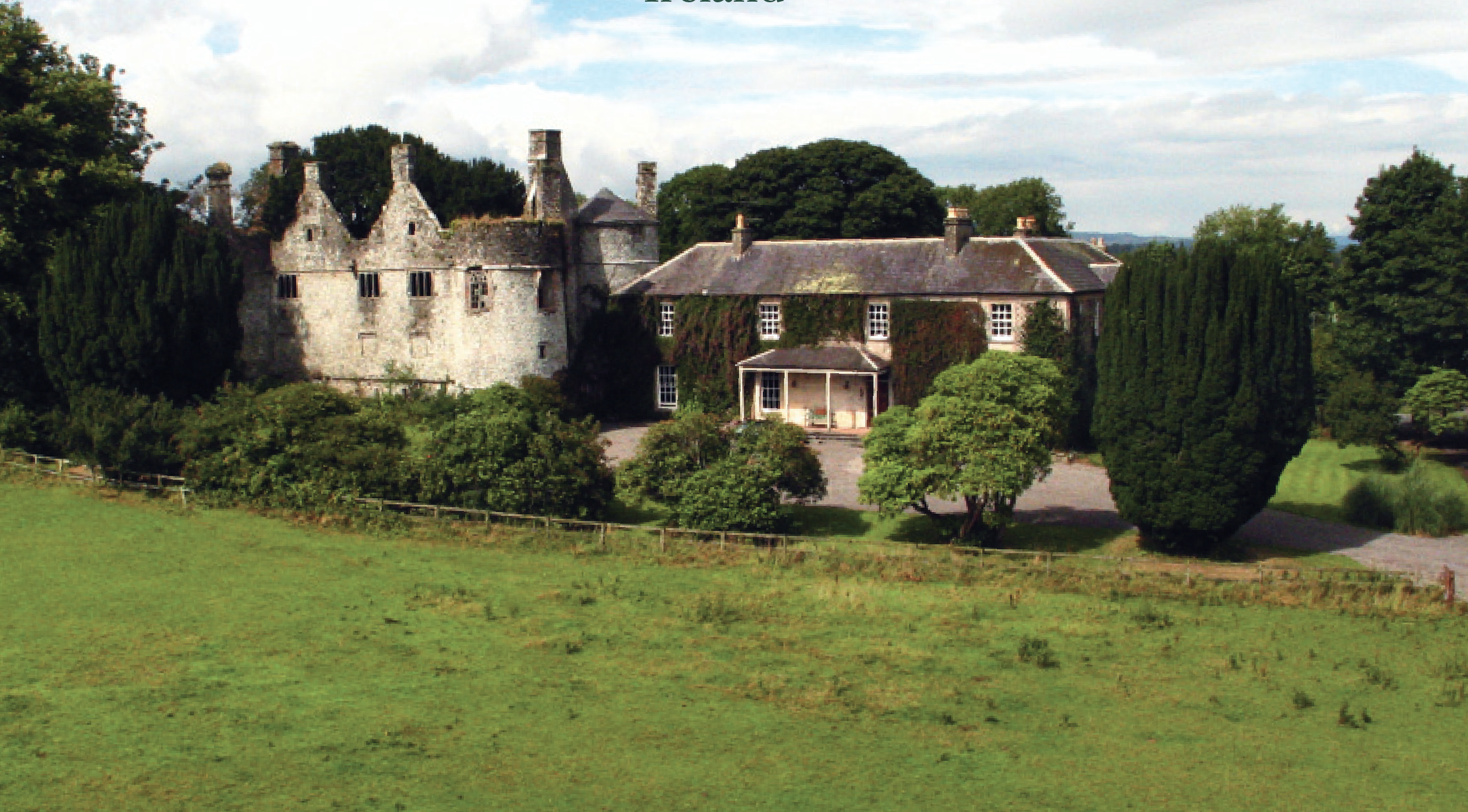
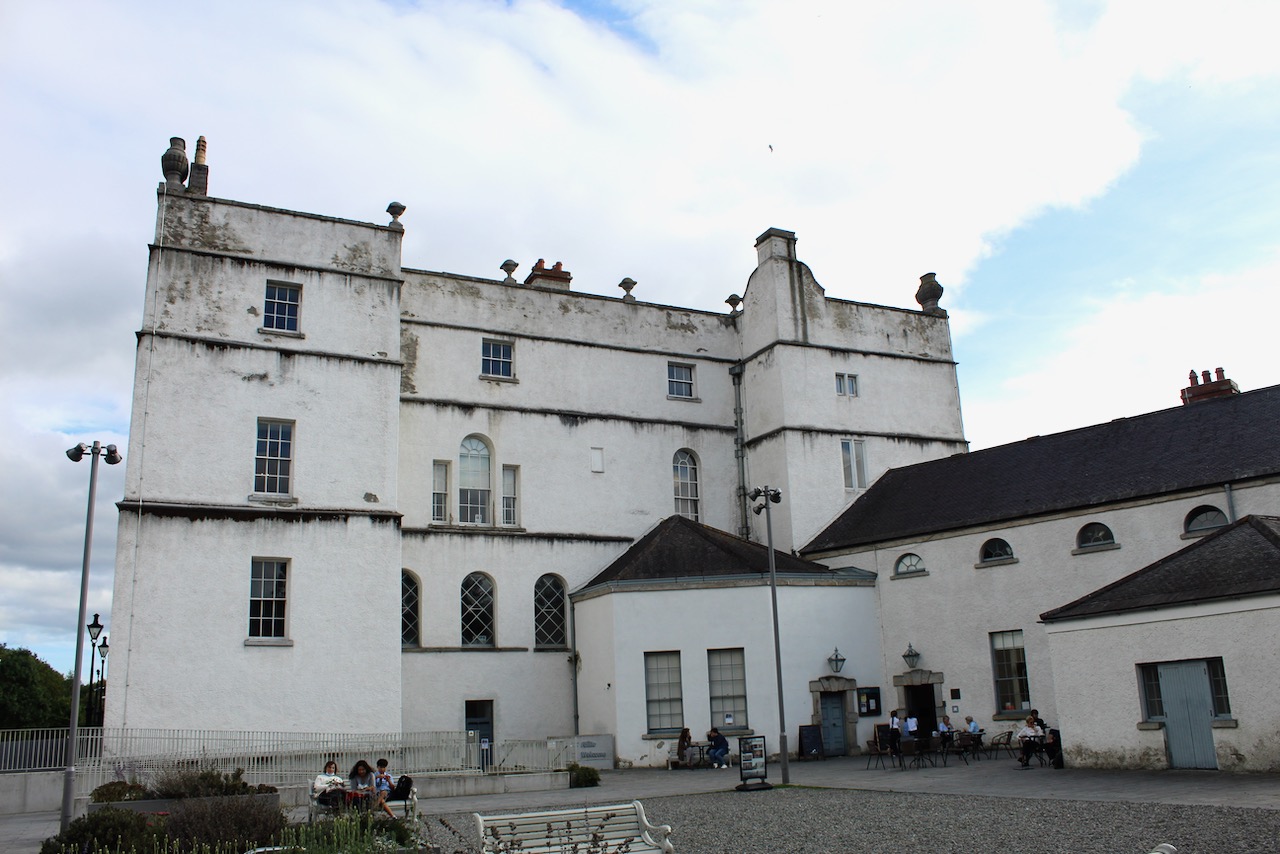
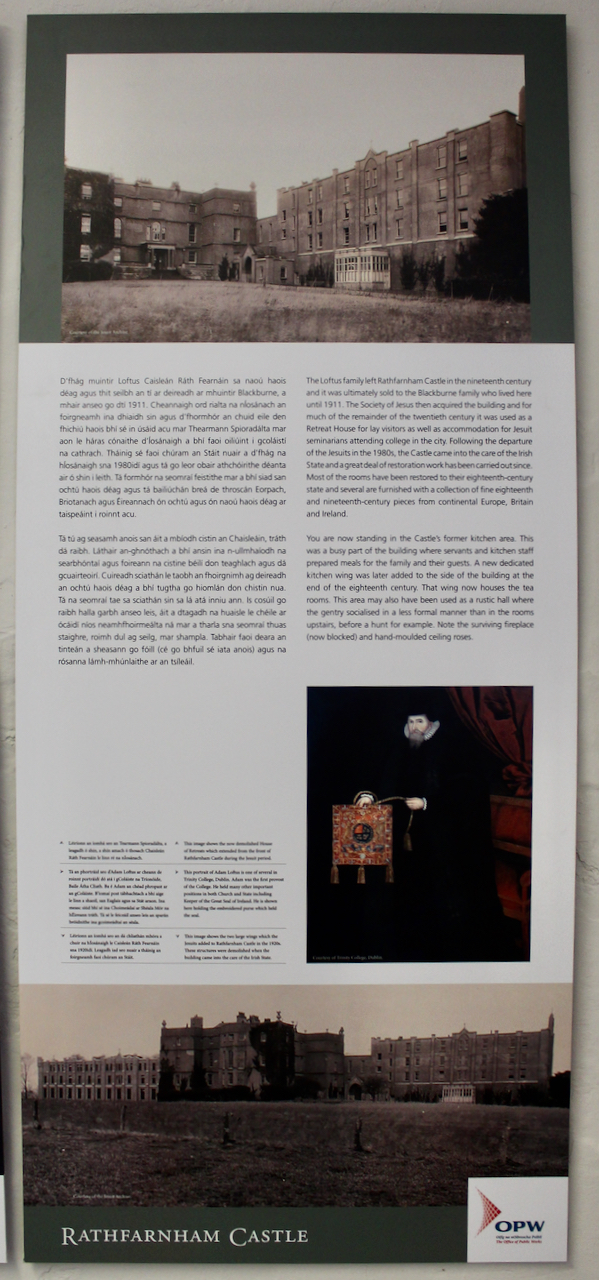
Maurice Craig points out in his The Architecture of Ireland from the earliest times to 1880 that there are a group of similar buildings, built over a period of fifty years or more: Rathfarnham Castle in Dublin; Kanturk for MacDonagh MacCarthy, before 1609; Portumna for the Earl of Clanrickarde, before 1618; Manorhamilton for Sir Frederick Hamilton, probably around 1634; Raphoe, for Bishop John Leslie (the “Fighting Bishop” – see my entry on Castle Leslie https://irishhistorichouses.com/2020/08/07/castle-leslie-glaslough-county-monaghan/) in 1636, and Burntcourt for Sir Richard Everard before 1650. We visited Portumna in County Galway – see my entry https://irishhistorichouses.com/2022/02/14/office-of-public-works-properties-connacht/. The buildings resemble a fort, such as Mountjoy Fort in County Tyrone built 1600-1605. Killenure, County Tipperary, now also a Section 482 property, is similar but has cylindrical flankers, Craig tells us. This last was unroofed by 1793.

Burncourt, CountyTipperary courtesy Mike Searle, Creative Commons geograph.org.uk -1393348
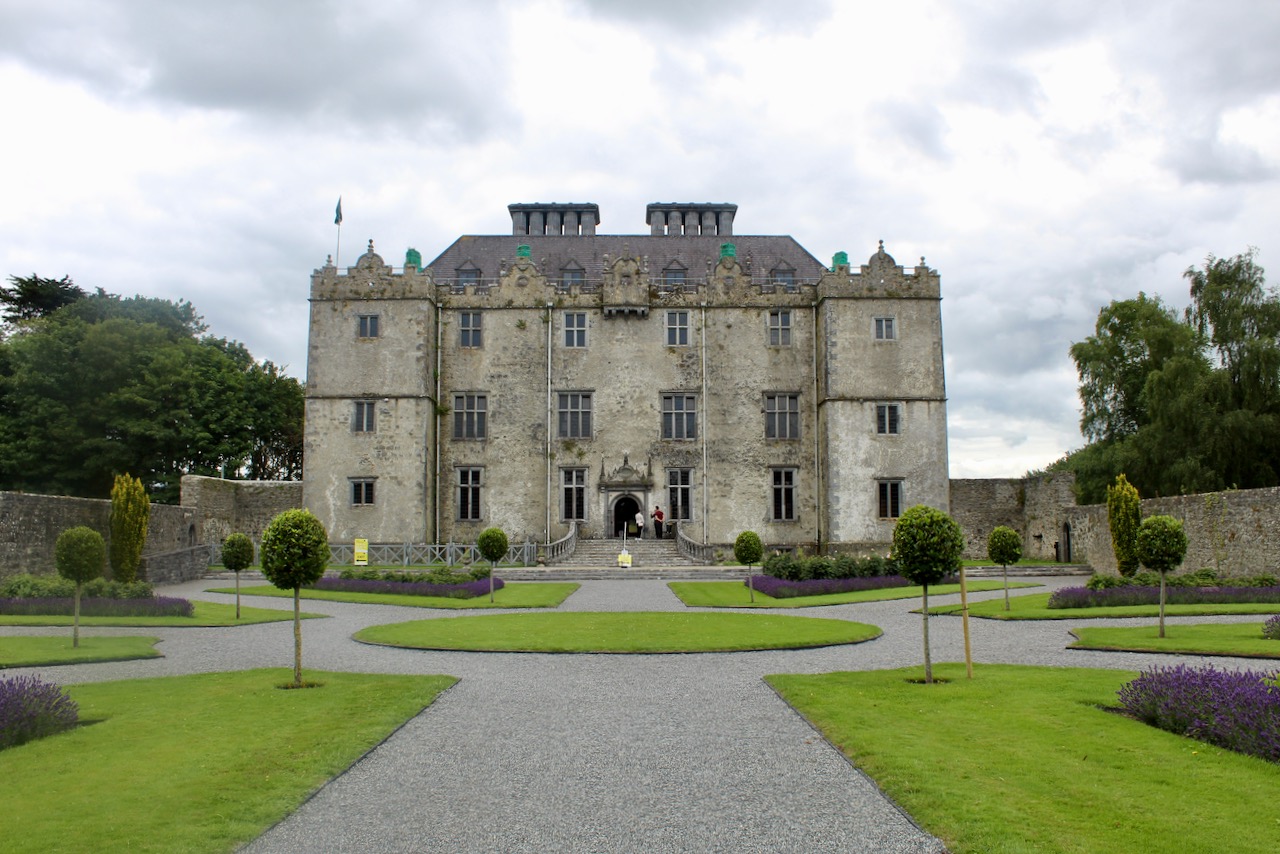
Portumna Castle, County Galway, July 2021, built for the Earl of Clanrickarde, before 1618: one of a group of similar buildings, built over a period of fifty years or more. Photograph © Jennifer Winder-Baggot, www.irishhistorichouses.com
Rathfarnham Castle, Dublin, another one of a group of similar buildings, built over a period of fifty years or more. Photograph © Jennifer Winder-Baggot, www.irishhistorichouses.com
Raphoe, County Donegal, another one of a group of similar buildings, built over a period of fifty years or more. Photograph © Jennifer Winder-Baggot, www.irishhistorichouses.com
Kanturk_Castle courtesy Breda O’Mullane, photograph licensed under the Creative Commons Attribution-Share Alike 4.0 International license.
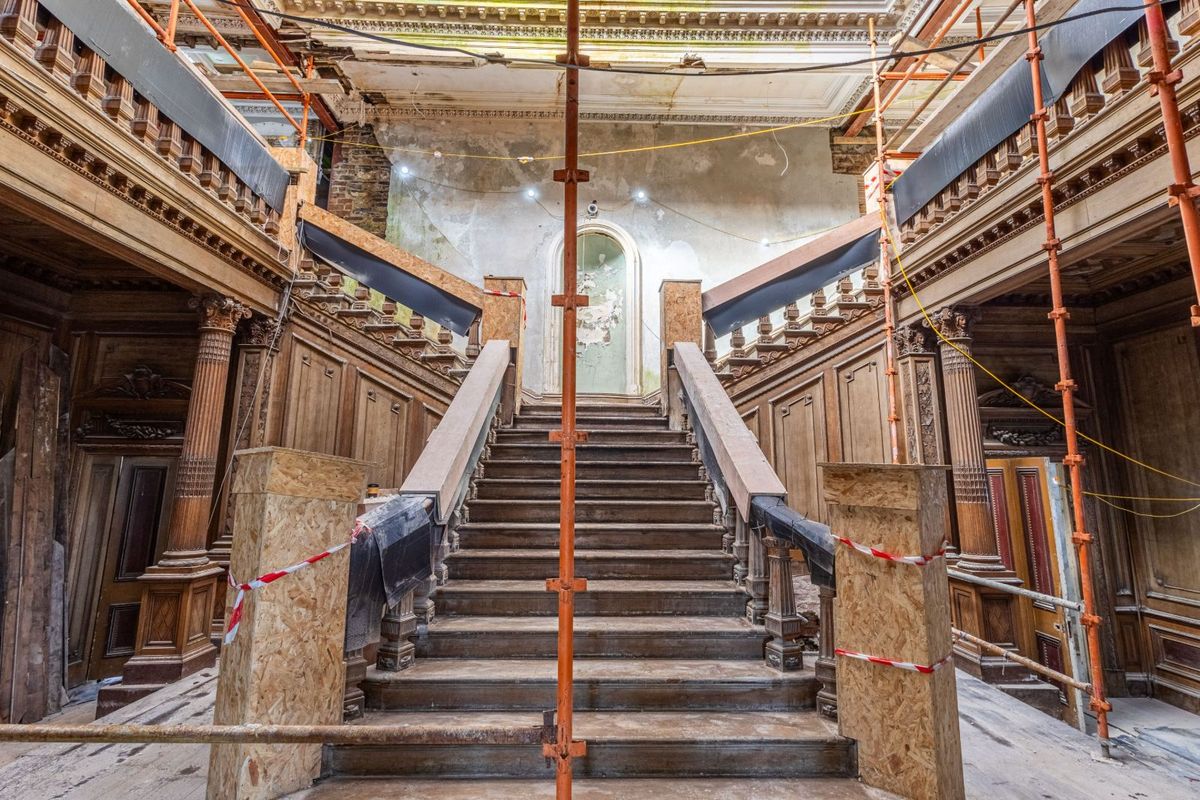
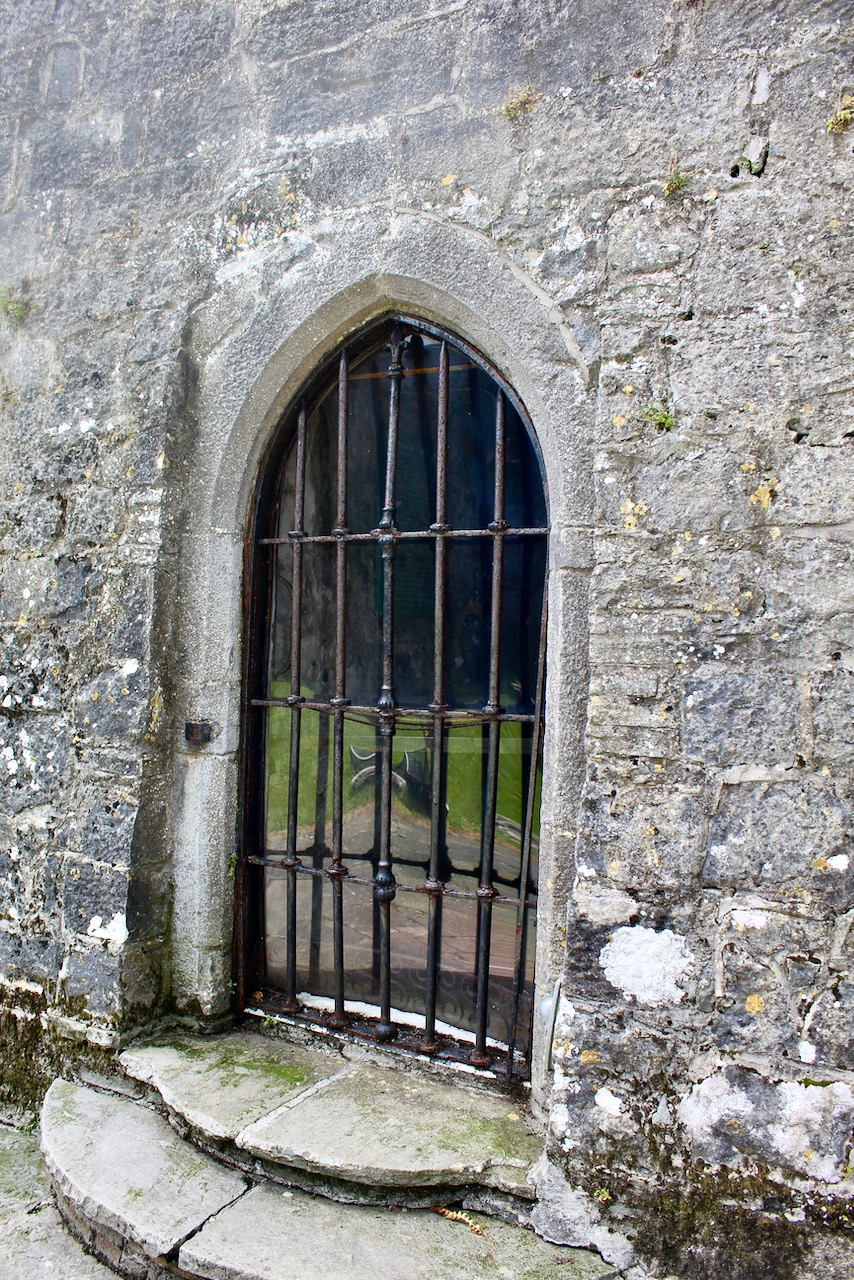
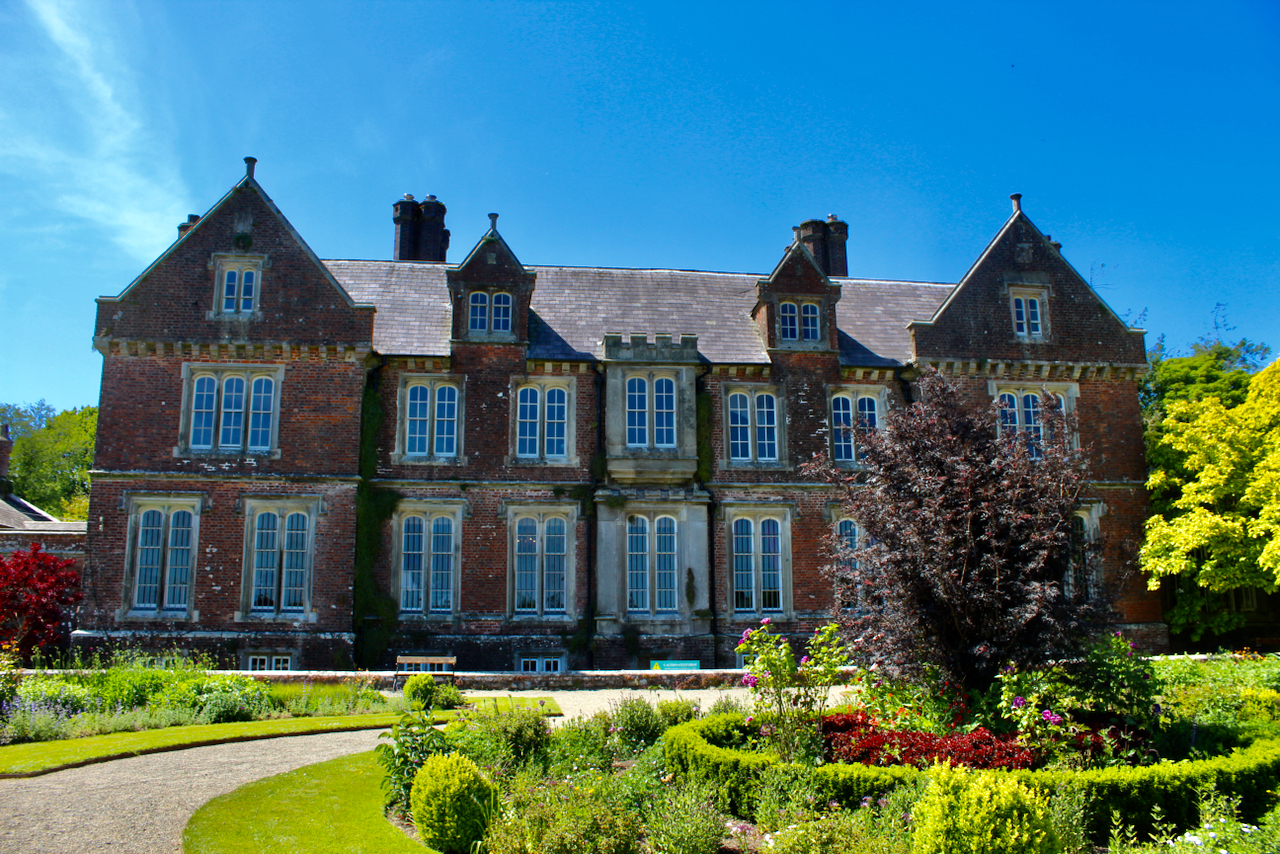
Manorhamilton Castle, County Leitrim, August 2022. Photograph © Jennifer Winder-Baggot, www.irishhistorichouses.com

Manorhamilton Castle was attacked in the 1641 Rebellion. The fighting only ended in 1643, when James Butler, later 1st Duke of Ormond, negotiated a cessation of hostilities with the Catholic Confederation.

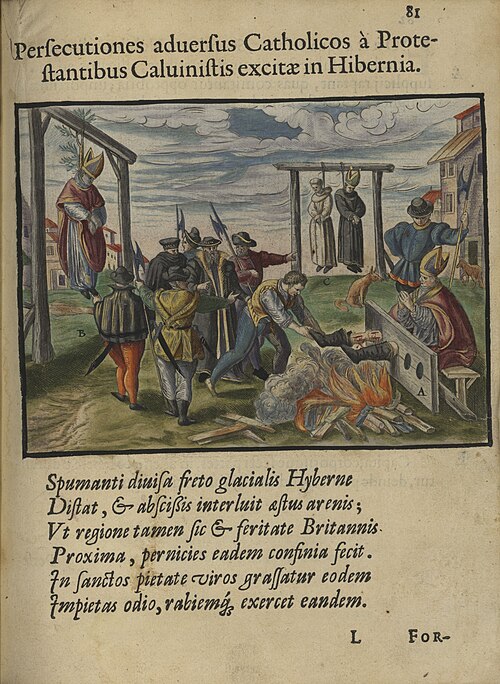
Robert O’Byrne tells us on his wonderful site, The Irish Aesthete, that Frederick Hamilton attacked the Catholics in Sligo in retribution for their 1641 uprising:

In July 1642, in retaliation for their latest assault, he sacked Sligo and burnt much of the town, including the abbey. In 1643, after Manorhamilton was unsuccessfully attacked again, he hanged 58 of his opponents from a scaffold erected outside the castle.” [3]

O’Byrne shares with us an extract from a short story written by W. B. Yeats, called The Curse of the Fires and of the Shadows (1897), about the sack of the abbey in Sligo:

One summer night, when there was peace, a score of Puritan troopers, under the pious Sir Frederick Hamilton, broke through the door of the Abbey of White Friars at Sligo. As the door fell with a crash they saw a little knot of friars gathered about the altar, their white habits glimmering in the steady light of the holy candles. All the monks were kneeling except the abbot, who stood upon the altar steps with a great brass crucifix in his hand. “Shoot them!” cried Sir Frederick Hamilton, but nobody stirred, for all were new converts, and feared the candles and the crucifix. For a little while all were silent, and then five troopers, who were the bodyguard of Sir Frederick Hamilton, lifted their muskets, and shot down five of the friars.’

In the story, the five soldiers who shoot the monks are cursed by the abbot. Hamilton orders the soldiers to intercept two messengers who have been sent by the people of Sligo to call for help. Due to the curse, the soldiers lose their way in the forest, and a vengeful “sidhe” (fairy) leads them to their death falling from a cliff. [4]

In 1645 Frederick Hamilton was back on the road, commanding a regiment in the Scottish covenanters’ army against the royal forces. After he left Manorhamilton, his castle was burned in 1652. [5] It was burnt by the army of Ulick Burke, 5th Earl of Clanricarde, Catholic leader of the Royalist army in Ireland. [see 1]

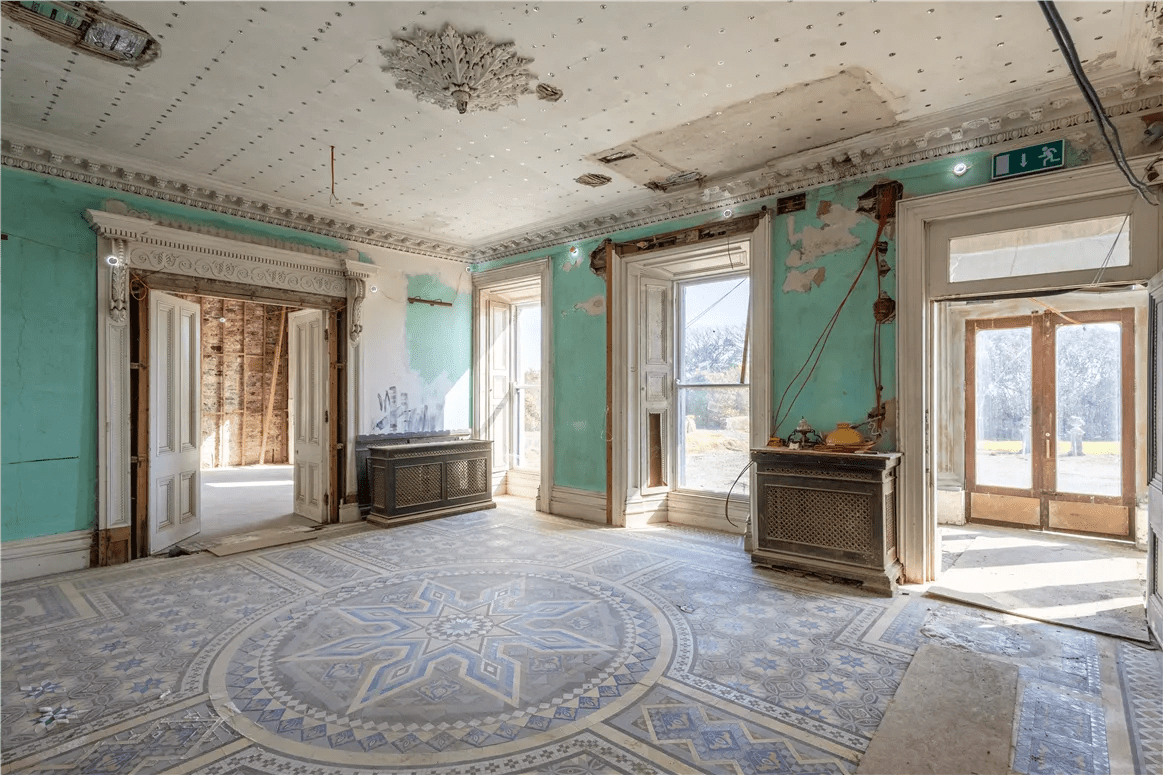
Manorhamilton Castle, County Leitrim, August 2022. Photograph © Jennifer Winder-Baggot, www.irishhistorichouses.com

Frederick and his wife Sidney had a daughter, Christina, and three sons, all of whom became soldiers. James and Frederick both fought in their father’s regiment in 1645–6, and Frederick died in 1647 in the Irish wars, in Connacht. The youngest son, Gustavus Hamilton (1642-1723), later 1st Viscount Boyne, fought in the Irish campaigns of King William. [see 2] He took part in the Battle of the Boyne (during which his horse was shot under him and he was almost killed), the Siege of Athlone, the Battle of Aughrim and the Siege of Limerick.

After his first wife’s death, Frederick married again, this time he married Agnes, or Alice, daughter of Sir Robert Hepburn of Alderstown, in Scotland. They had no children. The castle was not rebuilt after it was burned.

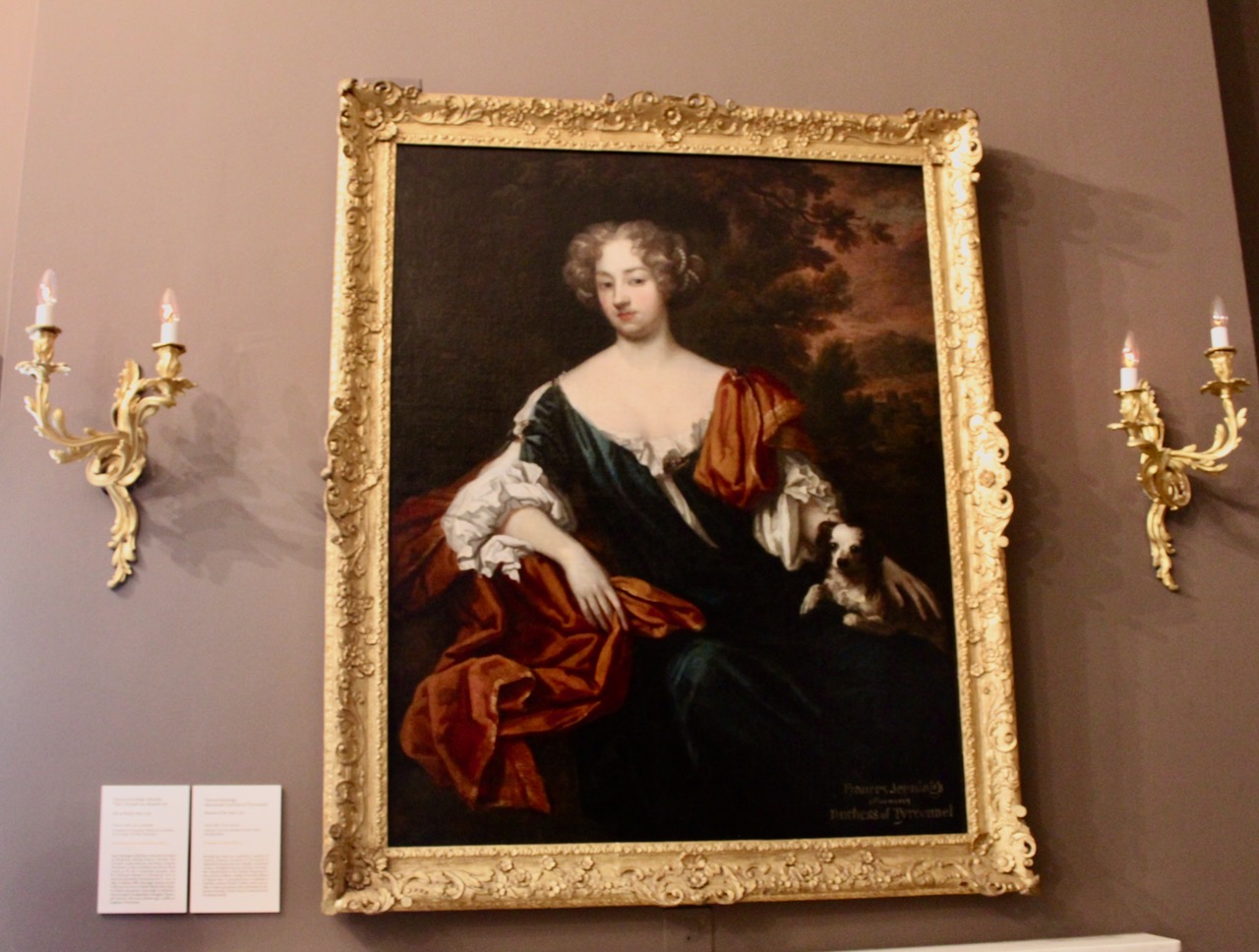
Gustavus Hamilton 1st Viscount Boyne sat in the Irish House of Commons for County Donegal from 1692 to 1713.  Subsequently he was returned for Strabane until 1715.  He was granted 3,500 acres of confiscated land at Stackallan in Co. Meath where he built an imposing residence. In 1715 he was elevated to the peerage and two years later created Viscount Boyne. He married Elizabeth Brooke of Brookeborough in Co. Fermanagh and they had three sons and a daughter. Gustavus died in 1723 at the age of eighty.

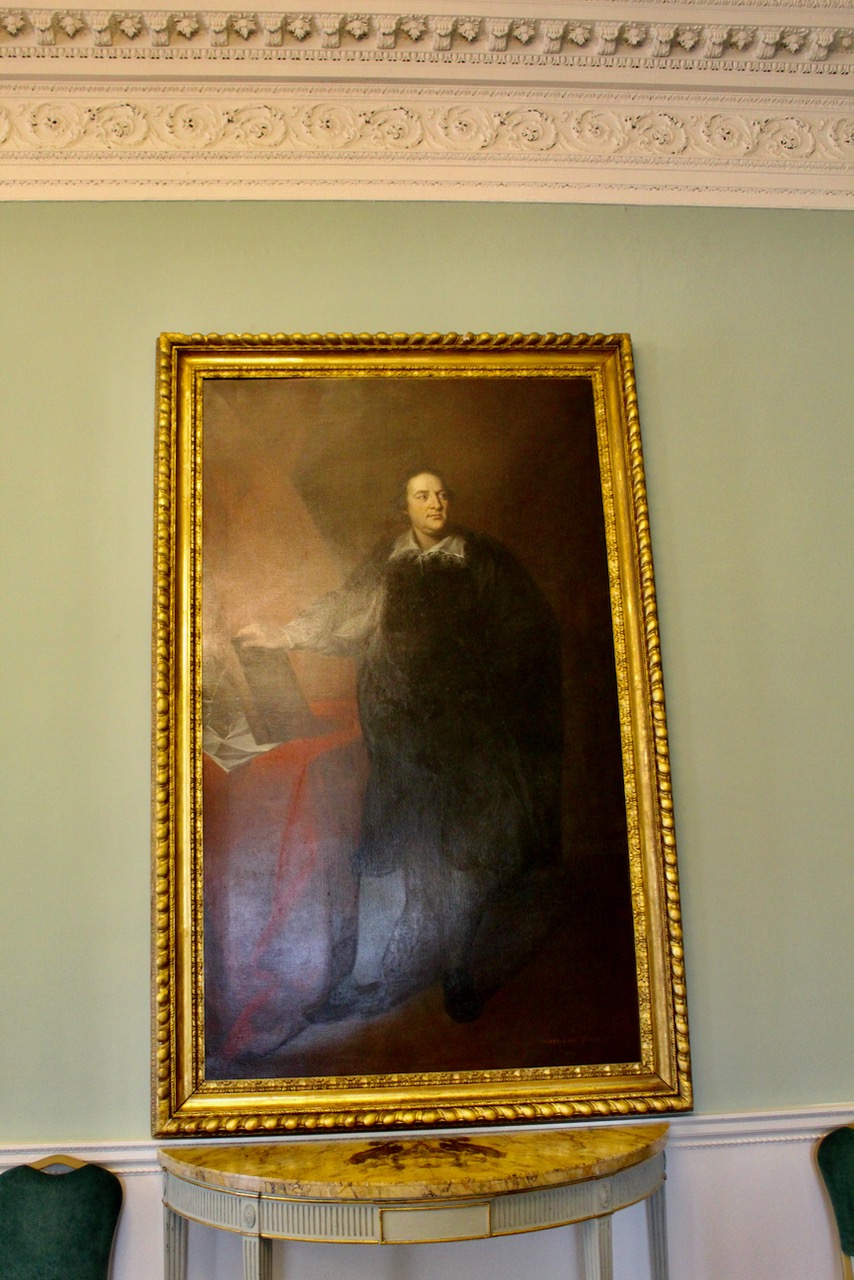
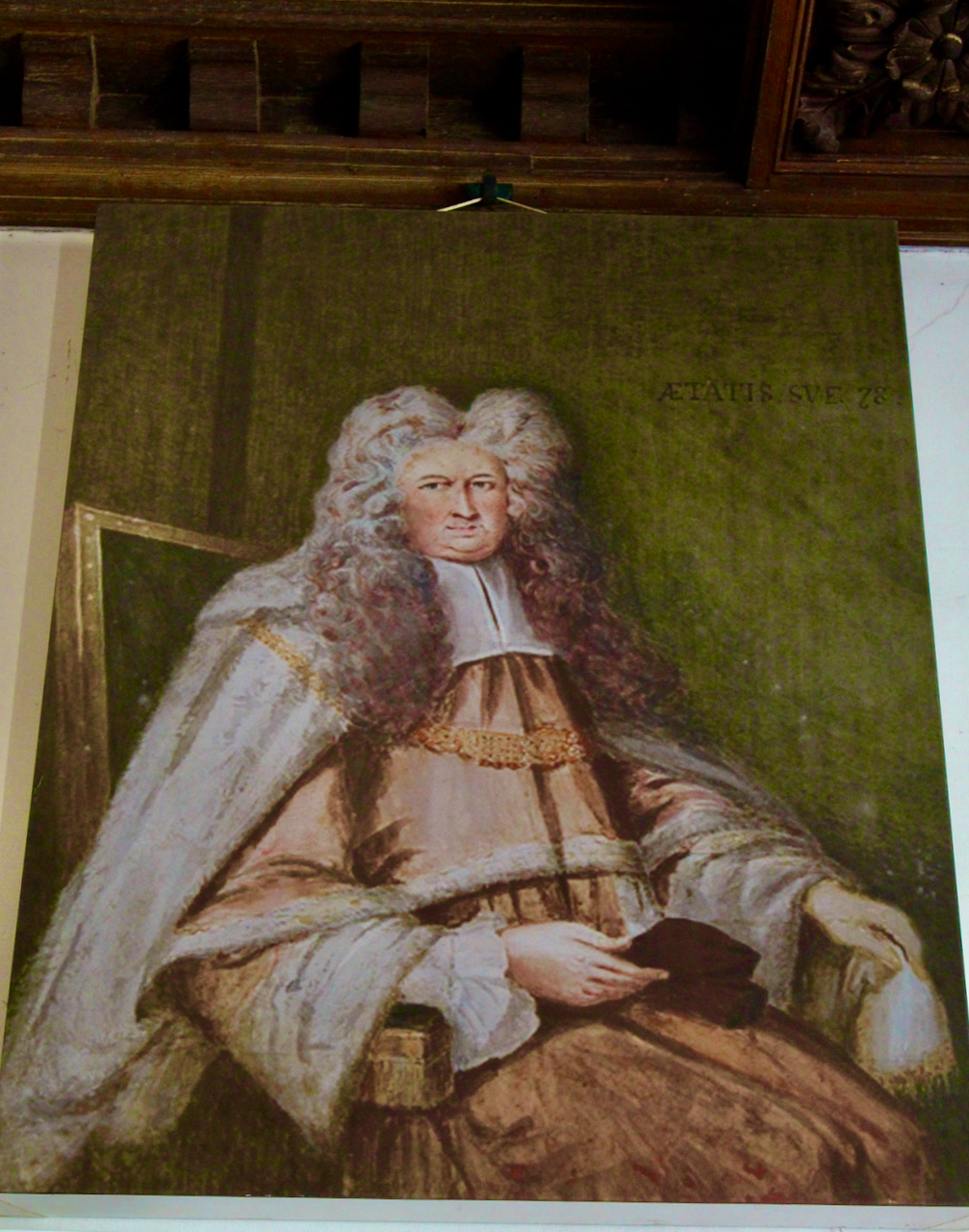
Gustavus Hamilton (1642-1723) 1st Viscount Boyne, c. 1680 unknown artist.
Stackallan house, County Meath, built for Gustavus Hamilton 1st Viscount Boyne, photograph courtesy of Timothy William Ferres. [6]

The Manorhamilton website tells us that the marriage of Hannah, Frederick’s grand-daughter, to Sir William Gore 3rd Baronet Gore, of Magherabegg, Co. Donegal, carried the Manorhamilton portion of the estate into the Gore family. Hannah was the daughter of Frederick’s son James (d. 1652). James married Catherine Hamilton (1623-1670/71) who was the daughter of Claud Hamilton (d. 1638) 2nd Baron of Strabane, who was the son of James Hamilton 1st Earl of Abercorn.

In February 1759 a descendant, Ralph Gore, sold the 5393 acre Manorhamilton estate to his cousin by marriage, Nathaniel Clements (d. 1777). It was Nathaniel Clements who built the Ranger’s Lodge in Dublin’s Phoenix Park for himself which, much enlarged and altered, became the Vice-Regal Lodge and is now the residence of the President of Ireland, Áras an Uachtaráin.

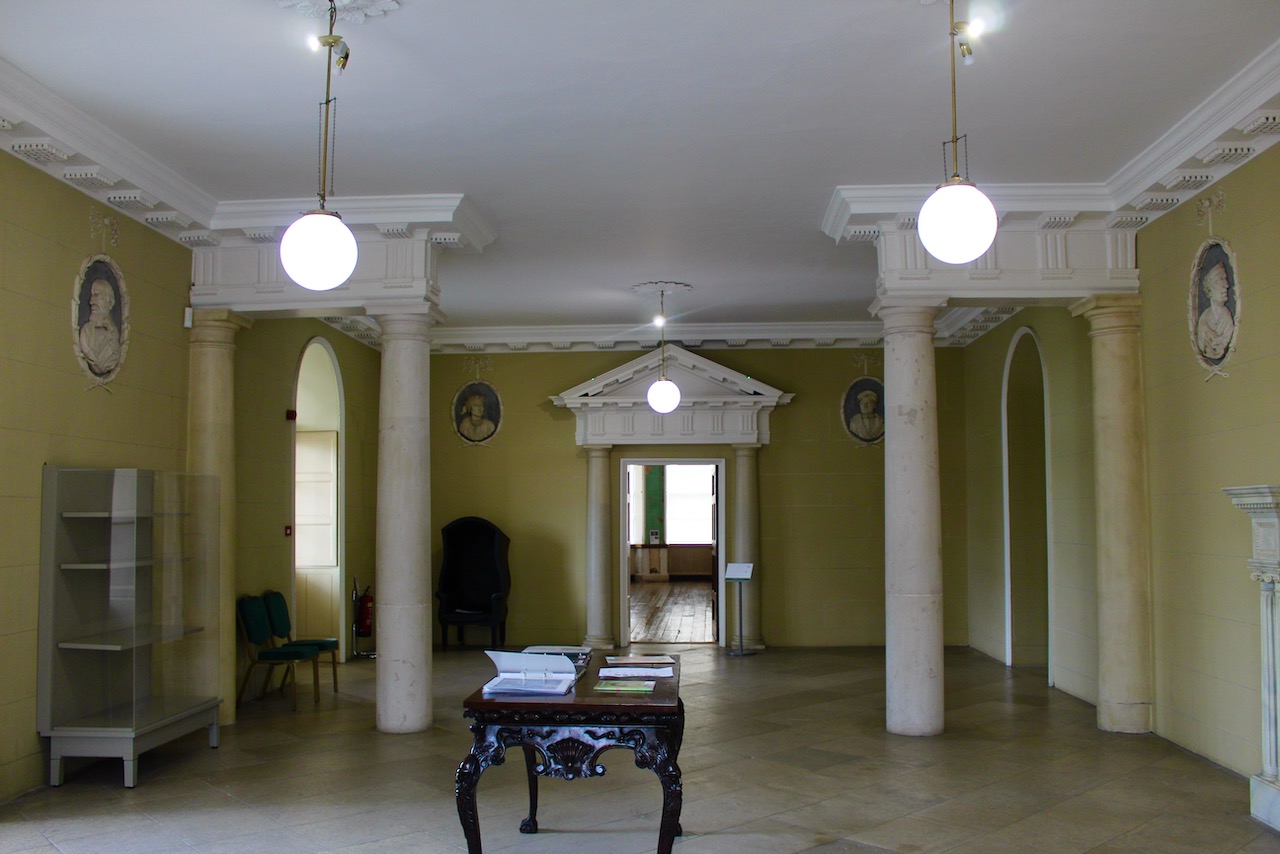
Manorhamilton Castle, County Leitrim, August 2022. Photograph © Jennifer Winder-Baggot, www.irishhistorichouses.com

[1] https://theirishaesthete.com/2019/03/18/manorhamilton/

[2] Dictionary of Irish Biography https://www.dib.ie/biography/hamilton-sir-frederick-a3737

[3] https://theirishaesthete.com/2019/03/18/manorhamilton/

[4] Yeats, William Butler (1914), Stories of Red Hanrahan – The Secret Rose – Rosa Alchemica, New York: The MacMillan Company, pp. 134–144

[5] www.manorhamilton.ie

[6] http://lordbelmontinnorthernireland.blogspot.com/2018/04/stackallan-house.html

Lisdonagh House, Caherlistrane, Co. Galway – section 482 tourist accommodation

www.lisdonagh.com (Tourist Accommodation Facility) 

Open: May 1-Oct 31 2025

Lisdonagh House, County Galway, photograph from Lisdonagh website.

The 2025 Revenue list still hasn’t been published so today I am writing about Lisdonagh in County Galway. It is another tourist accommodation property that is only available as a whole house rental, so I don’t think I will be able to visit. There are also cottages available for accommodation – perhaps Stephen and I can stay there sometime!

The website tells us:

When looking for an authentic Irish country house to hire, the beautiful 18th century early Georgian Heritage home is the perfect choice. Lisdonagh House is large enough to accommodate families, friends and groups for private gatherings. This private manor house is available for exclusive hire when planning your next vacation or special event. Enchantingly elegant, Lisdonagh Manor House in Galway has been lovingly restored and boasts original features as well as an extensive antiques collection. Peacefully set in secluded woodland surrounded by green fields and magnificent private lake, this luxury rental in Galway is full of traditional character and charm. The tasteful decor pays homage to the history of Lisdonagh Manor with rich and warm colours in each room. The private estate in Galway is perfect for family holidays, celebrations and Board of Director strategy meetings. Lisdonagh is an excellent base for touring Galway, Mayo and the Wild Atlantic Way.

Lisdonagh Estate is set in its own mature woodland with private lake and guests may avail of complimentary horse riding, fishing in our lake and rambling walks through our 200 acres of Irish countryside.

Lisdonagh House, County Galway, photograph from Lisdonagh website.

I would love to be able to stay sometime!

The National Inventory of Architectural Heritage tells us it was built around 1760; Mark Bence-Jones estimated it to be from 1790s. [1] [2] A third date is suggested on the Visit Galway website which tells us that Lisdonagh House is an early Georgian country manor built around the 1720s by the Reddingtons for the St. George family who were prominent landlords in Galway. [3] 

The Landed Estates website tells us:

For fifty years in the middle of the 19th century a branch of the O’Flaherty family leased an estate at Lisdonagh, parish of Donaghpatrick, barony of Clare, county Galway, from the St. George family of Headford. Bernard O’Flaherty of Lisdonagh was agent to Peter Lynch of Ballycurran in the 1830s…In the 1870s Martin O’Flaherty of Lisdonagh owned 2,128 acres in county Galway. He married Mary O’Gorman and their daughter Eva, a founder member of Scoil Acla on Achill Island, was born in 1874. He sold his estate to Peter O’Mahony in the late 19th century and Lisdonagh passed to Henry Palmer of Galway, who married O’Mahony’s daughter. Their daughter Valda Palmer lived at Lisdonagh until the 1990s. In 1885 Martin Francis O’Flaherty was acting as a trustee for the estate of Edward Michael Davies, a bankrupt. Part of this estate at Moneyteigue, barony of Dunkellin, was offered for sale in the Landed Estates court in April 1885.” [4]

The Women’s Museum of Ireland tells us that Eva O’Flaherty studied millinery in Paris at the end of the 19th century, where she knew Countess Markievicz, and had a millinery emporium on Sloane Street, London, in 1913. Prior to World War I Eva was a well known beauty in the Café Royal, mixing with an eclectic intellectual artistic milieu, many of whom visited her in later years in Achill. Eva corresponded with Kathleen Clarke and other notable Republican women such as Dr Kathleen Lynn and Máire Comerford all her life. She moved to Achill in 1910, opening St Colman’s Knitting Industries in Dooagh which would proved much needed employment for local women for almost fifty years and co-founding Scoil Acla with poet, journalist and, later, politician, Darrell Figgis, Colm O’Loughlainn and Anita McMahon. [5]

After her hectic experiences in Dublin, Eva settled back into life in Achill, where artist Paul Henry became a close friend and where writer Graham Green played cards regularly in her home. Such was Eva O’Flaherty’s contribution to the fledgling Irish state that President Eamon De Valera sent Senator Mark Killilea as his government representative to give the oration at her funeral in Donaghpatrick graveyard in April 1963. Her coffin was draped with a tricolour and she received military honours.” [5]

Lisdonagh House, County Galway, photograph from Lisdonagh website.

The house is two storeys over basement. It has five bays, with a central curved bow. The entrance doorway is in the bow, and has an arched fanlight over the door. The doorcase has limestone block-and-start surround, with a keystone in the form of a massive scroll bracket, and a further cornice above and limestone bracket above that in the form of a heraldic bird’s head, with the beak forming a ring for hanging a lantern. [see 1] The door is approached by flight of five limestone steps with wrought-iron railings.

Mark Bence-Jones tells us that on one side of the house is a detached pyramidally-roofed Palladian pavilion with a Venetian window on one face and a niche on the other. Bence-Jones adds that Dr. Craig is doubtful whether a balancing pavilion was ever built.

The house has commanding views over Lough Hackett, a private Lake which forms part of the Estate, and of Knochma hill. 

Lisdonagh House, County Galway, photograph from website.
Lisdonagh House, County Galway, photograph from Lisdonagh website.

The rear elevation is of three bays and three storeys, with a centre flat-roofed canted bay. This rear bay contains a round headed window with cobweb fanlight which lights the stairs.

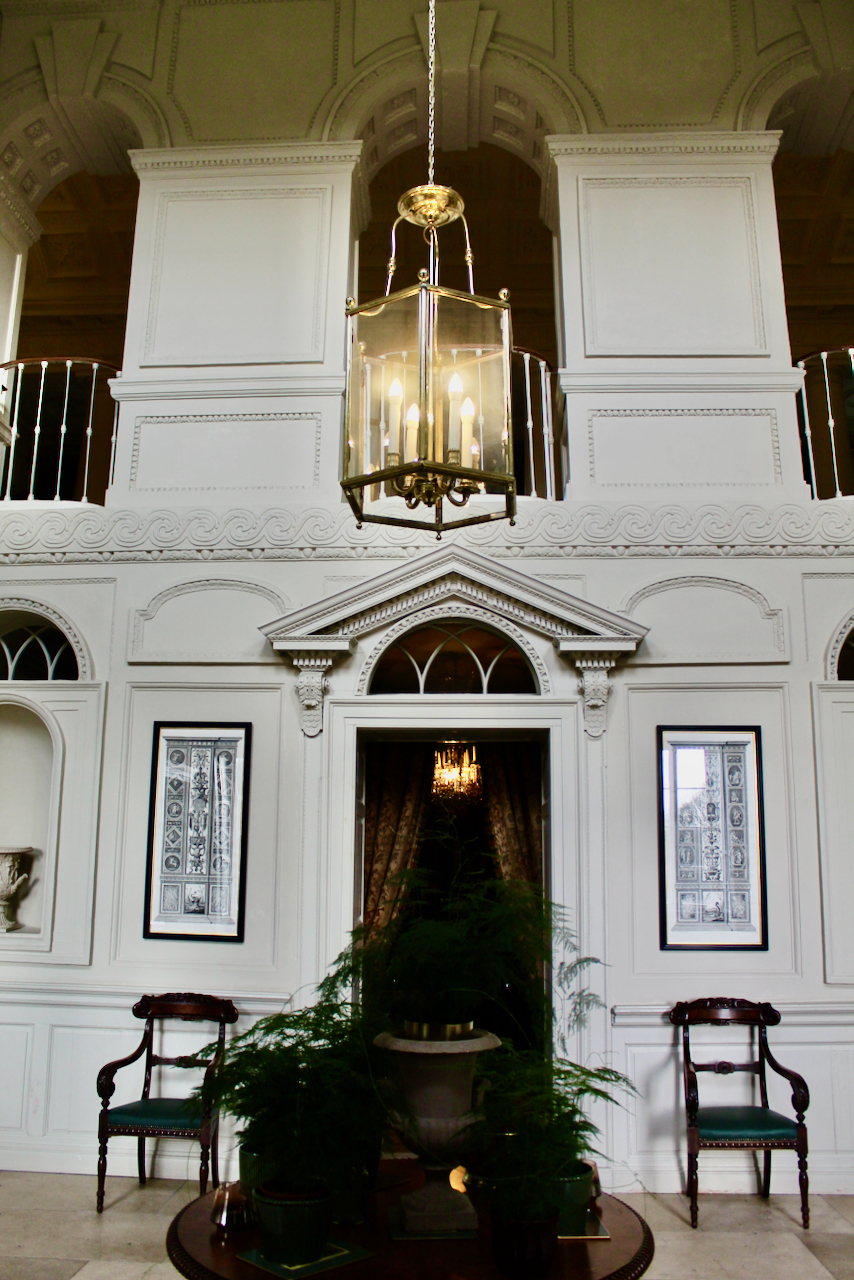
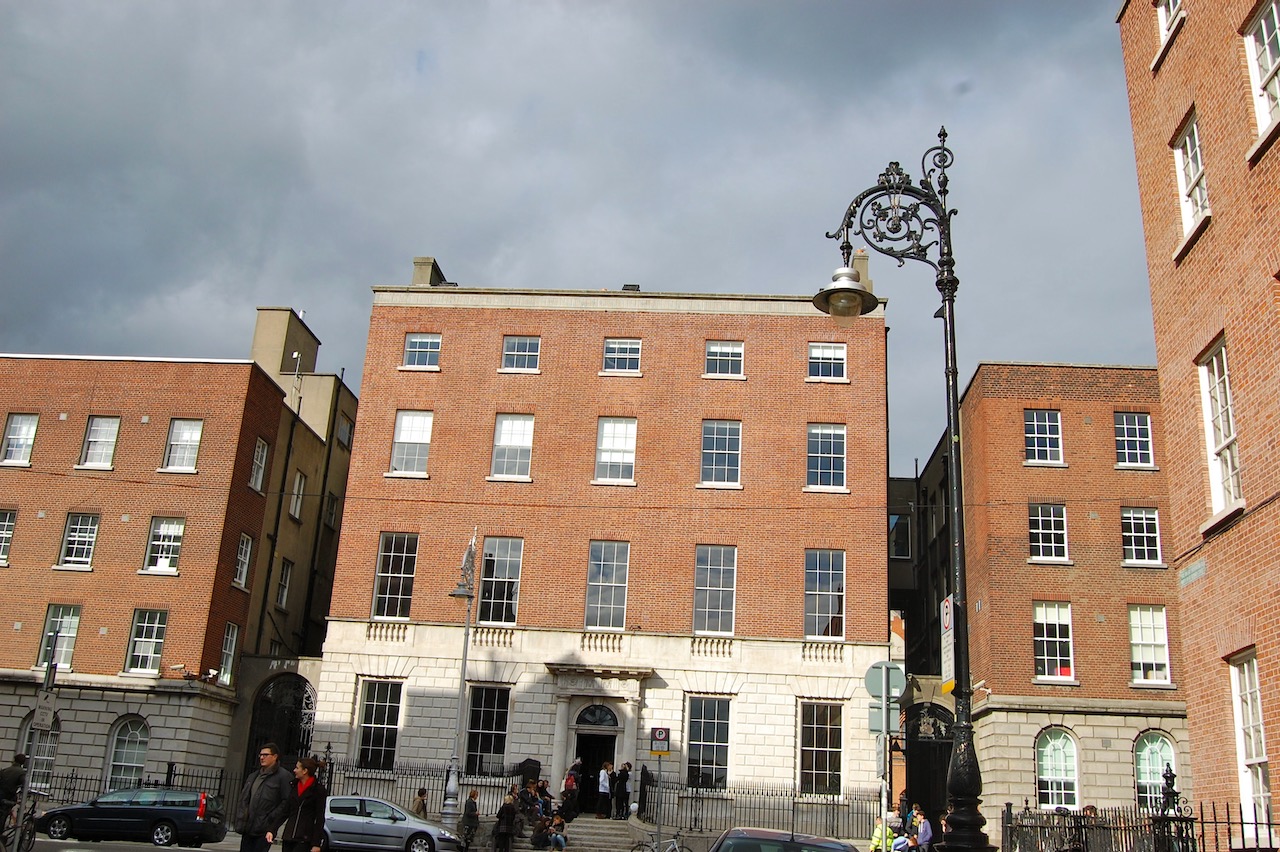
Mark Bence-Jones writes in his A Guide to Irish Country Houses that the impressive front hall has walls painted with an Ionic order and figures in grisaille by J. Ryan. [2] The Lisdonagh website tells us that the murals depict the four virtues of valour, chastity, beauty and justice.

Lisdonagh House, photograph from website.

The staircase is behind this hall, partly in three sided projection.

The main rooms are beautifully furnished and look invitingly comfortable. The ground floor has a spacious drawing room with open fire, separate Georgian dining room, small study or reading room and fully equipped kitchen. Dining can be self catered or provided by your hosts on request. A sweeping original oak staircase leads to the first floor and 5 en-suite bedrooms with lake or garden views. There are an additional 4 en-suite bedrooms on the lower ground floor as well as Rafferty’s Room which is a stone clad snug with mini bar style facilities. 

Drawing room, Lisdonagh House, County Galway, photograph from Lisdonagh website.
Lisdonagh House library, photograph from Lisdonagh website.
Dining room, Lisdonagh House, County Galway, photograph from Lisdonagh website.
The Bar, Lisdonagh House, County Galway, photograph from Lisdonagh website.
The Kitchen, Lisdonagh House, County Galway, photograph from Lisdonagh website.

The bedrooms look equally enticing.

The Gregory Room: Located in what was originally the kitchens of the Manor, this spacious room features two single beds, marble bathroom and antique period furniture treasures. The two front facing windows are deep set with planted rockery outside. Lisdonagh House, County Galway, photograph from Lisdonagh website.
The Merriman room with four poster bed, and a bathroom with one of the first ever bathtubs in Ireland! Lisdonagh House, County Galway, photograph from Lisdonagh website.
The Sommerville Room: Also on the lower ground floor (opposite the Merriman Room) with double bed and beautiful black and white tiled bathroom. Jacuzzi bath with hand held shower, the Sommerville room has courtyard garden view. Lisdonagh House, County Galway, photograph from Lisdonagh website.
The Synge Room, Lisdonagh House, County Galway, photograph from Lisdonagh website.
The Maud Gonne room, with two windows with garden and courtyard views, Lisdonagh House, County Galway, photograph from Lisdonagh website.
Located centrally over the main entrance, The Carolan Room, Lisdonagh House, photograph from website.
The Yeats Room, Lisdonagh House, County Galway, photograph from Lisdonagh website.
With views of Lough Hackett, The Joyce Bedroom, Lisdonagh House, County Galway, photograph from Lisdonagh website.
The Flaherty Room, located on the lower ground floor, with whitewashed walls and antique brass double bed with mother of pearl headboard. The shuttered window gives a rear view of the courtyard garden area, photograph from Lisdonagh website.

The National Inventory tells us that there is a detached eight-bay two-storey stable block, built c.1760, in yard ancillary to Lisdonagh House. At either end are plain gate piers with wrought-iron gates. The yard has a carriage arch and fountain.

Coach House at Lisdonagh House, photograph from website. Previously the estate’s stables, the two storey, 3 bedroom Coach House is beautifully renovated and has both period features and modern comforts. It comprises a large contemporary kitchen and breakfast room, under floor heating, a spacious sitting room complete with stove and TV including both Irish and UK channels as well as a smaller study or games room. Upstairs there are three en-suite double bedrooms. 

It has two cottages for accommodation also.

Lughnasa Villa at Lisdonagh House, photograph from website: Two storeys with under floor heating on the ground floor as well as a compact galley style kitchen and beautiful antique furnishings. Ideal for friends and families, Lughnasa has two double bedrooms (king size & queen size beds) and two bathrooms. 

As well as Lughasa Villa there is Inisfree Villa. On the ground floor there is a large sitting room with plush period furnishings and wood burning stove. A small but fully fitted galley kitchen is adjacent to the sitting room. Upstairs there are two bedrooms, one very spacious double bedroom and a twin bedroom – both en-suite.

There is a two-bay single-storey gate lodge of c.1830 on the opposite side of the road to the entrance gates, with lime-rendered walls and wide windows. The entrance is through the porch in the south return wall.

Gate Lodge at Lisdonagh House, photograph from website. This self-catering cottage is located at the entrance to Lisdonagh Manor Estate. Set entirely over the ground floor, this holiday rental in Galway can sleep four people in two bedrooms with shared bathroom. The Gate Lodge also has a kitchen with dining area and a sitting room. Oil fired central heating with multi-fuel stove. 

[1] https://www.buildingsofireland.ie/buildings-search/building/30404211/lisdonagh-house-lisdonagh-co-galway

[2] Bence-Jones, Mark. A Guide to Irish Country Houses (originally published as Burke’s Guide to Country Houses volume 1 Ireland by Burke’s Peerage Ltd. 1978); Revised edition 1988 Constable and Company Ltd, London.

[3] https://visitgalway.ie/lisdonagh-house/ 

[4] http://landedestates.nuigalway.ie/LandedEstates/jsp/property-list.jsp?letter=L

[5] https://www.womensmuseumofireland.ie/blog/eva-oflaherty-achills-forgotten-heroine

Lismacue House, Bansha, Co. Tipperary – Section 482 accommodation

Lismacue House, photograph courtesy of Lismacue website.

donation

Help me to pay the entrance fee to one of the houses on this website. This site is created purely out of love for the subject and I receive no payment so any donation is appreciated!

€15.00

(Tourist Accommodation Facility)

Open for accommodation: Mar 1-Oct 31 2025

http://www.lismacue.com

e: info@lismacue.com

Lismacue in County Tipperary was listed in the 2024 Revenue Section 482 list as tourist accommodation. The 2025 Revenue Section 482 list has not yet been published. Under the Revenue rules, a historic property can have an income tax reduction for a percentage of repair and renovation costs if they offer tourist accommodation six months of the year, at least four of those months being between 1st May and 30th September.

There are loopholes in the section 482 scheme, in that it does not specify what sort of accommodation must be provided, nor how much the accommodation costs. Lismacue, for example, can only be rented as an entire house with five bedrooms.

However, you can take a tour of Lismacue with the company Historic Family Home Tours, which brings visitors to three historic houses: twelfth century Castlegarde in County Limerick with its 1820s extension by the Pain brothers, Lismacue and Grenane House (see my entry https://irishhistorichouses.com/2024/04/04/grenane-house-tipperary-co-tipperary-e34-ep22/ )

Their website is https://www.hfhtours.ie/

The tours are quite expensive, however, and require a group, so I don’t think I will be able to visit Lismacue house, so I am going to write about the history of the house today.

Lismacue, photograph courtesy of National Inventory of Architectural Heritage.

Mark Bence-Jones tells us in his A Guide to Irish Country Houses that Lismacue is:

“[Baker/IFR] A late-Georgian house with battlements and other mild Gothic touches. Two storeys; entrance front of three bays with Gothic porch, prolonged by lower wing ending in a gable with tracery window. Side of five bays has a battlemented pediment with pinnacles. Another pediment on the rear facade.” [1]

The Archiseek website tells us that the house was designed by architect William Robertson (1770-1850) and building completed in 1813. [2] William Robertson was born in Kilkenny, where he later ran a busy architectural practice. After some years in London, he returned to Kilkenny, where he designed the Gaol, St. Canice’s Church and the Psychiatric Hospital (“Lunatic Asylum”). Among other private residences, he designed Jenkinstown House in County Kilkenny.

Five bay side of Lismacue House, photograph courtesy of website.
Jenkinstown House, County Kilkenny, courtesy Lisney Sotheby’s 2024. Also designed by William Robertson, it also has hood mouldings, crenellations, and a large Gothic traceried window.

The National Inventory claims that Lismacue was built around 1760. [3] The work by William Robertson was added to the earlier house.

Lismacue has elements of Tudor-Revival with its hood mouldings over the windows and wonderful pinnacles either side of the central breakfront. The house is two storeys over basement. The sides of the house are of five bays, and there is a lower wing to the north with an ecclesiastical-looking Gothic window.

William Baker (d. 1733) purchased Lismacue from Charles Blount in 1705, and the estate remains in the ownership of the same family. The present owners are Kate née Baker and her husband Jim Nicholson. Kate inherited Lismacue from her father, William Baker. The Bakers’ ancestor Thomas Baker (1577-1642) probably came to Ireland in the retinue of Robert Devereux, 2nd Earl of Essex. [4]

William Baker served as High Sheriff for County Tipperary. His father lived at Lattinmore, County Tipperary. In 1700 William married Margaret, daughter of Captain Hugh Massy of Duntrileague, County Limerick.

William and Margaret had several children. The house passed to their oldest son, Hugh (d. 1772). In 1730 Hugh married Catherine, daughter of Robert Ryves, of Ryves Castle, Ballyskiddane, County Limerick. It may be been Hugh who built the first iteration of the house, in time for his new bride.

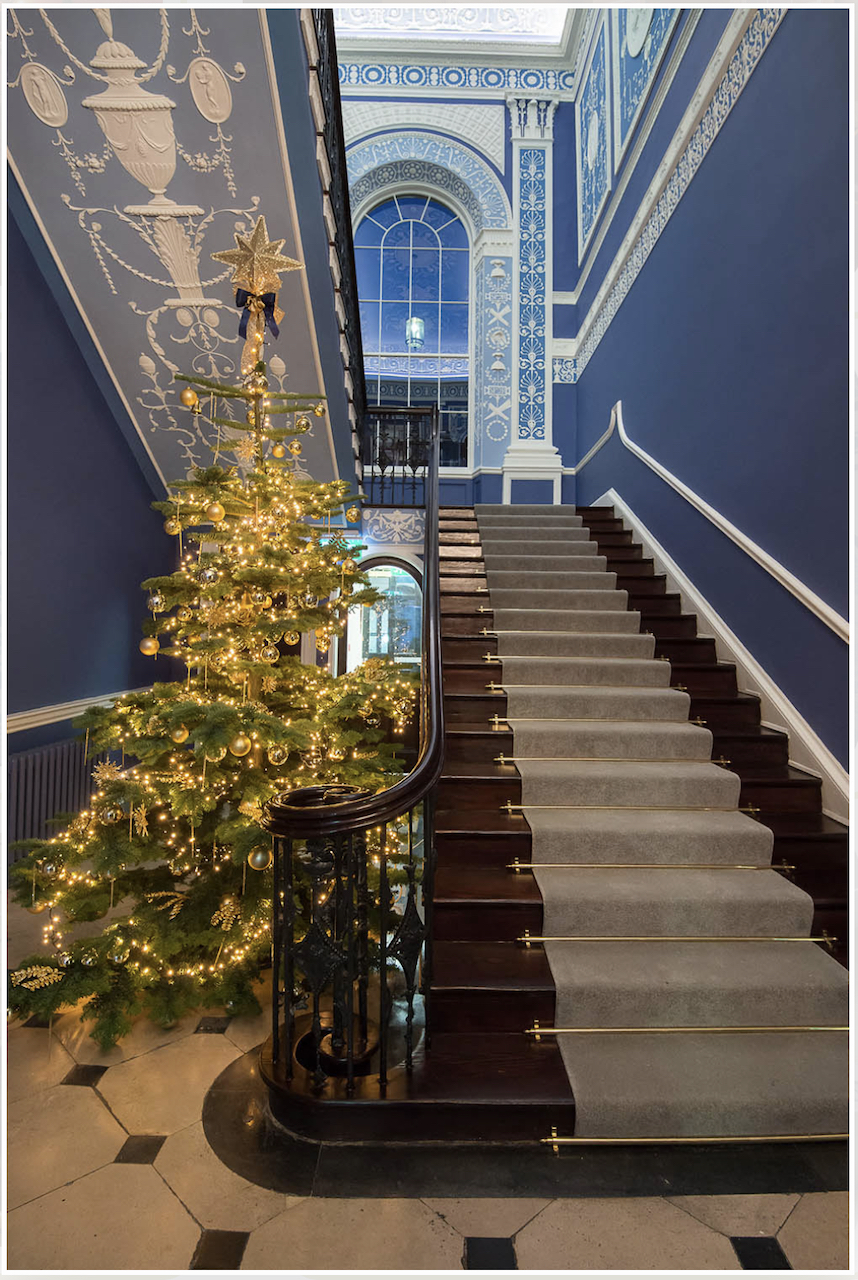
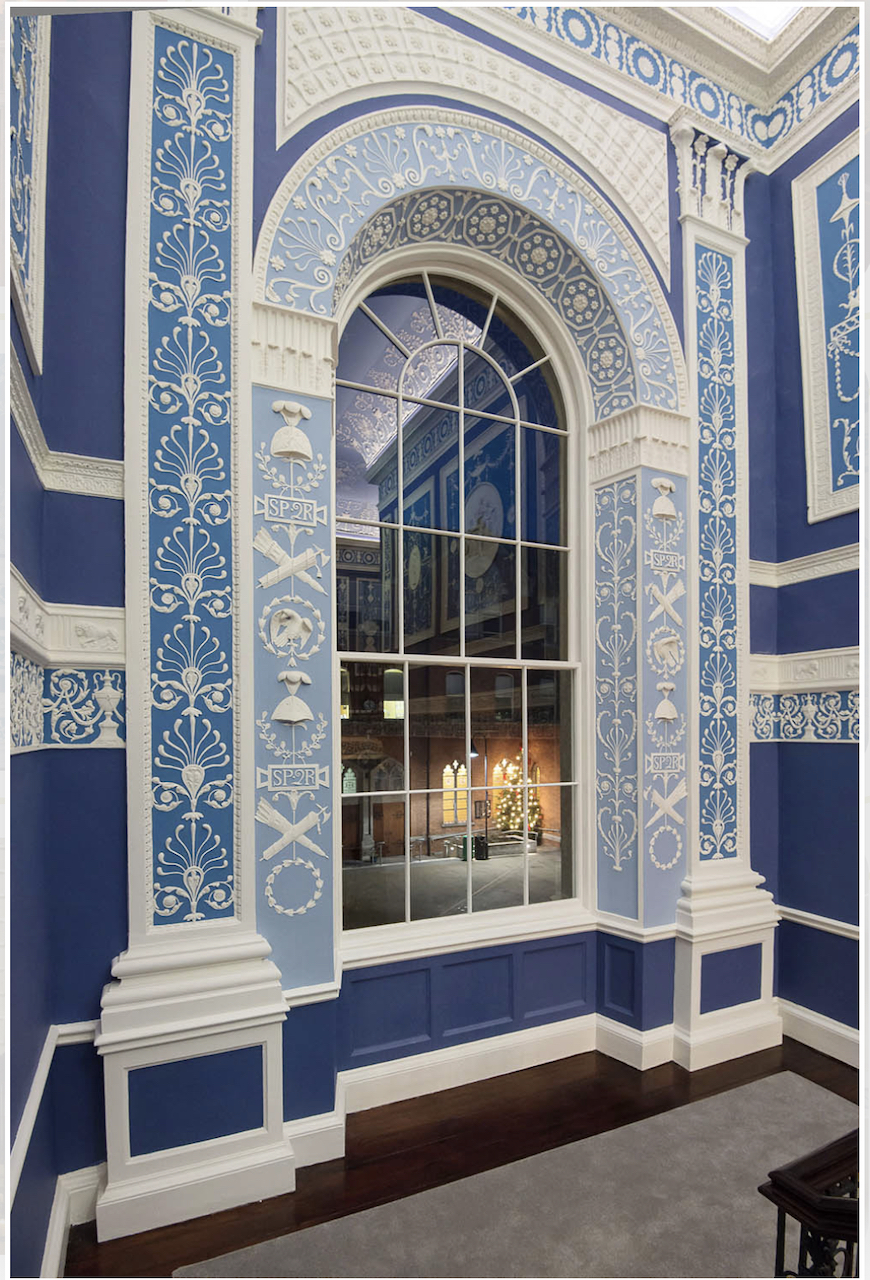
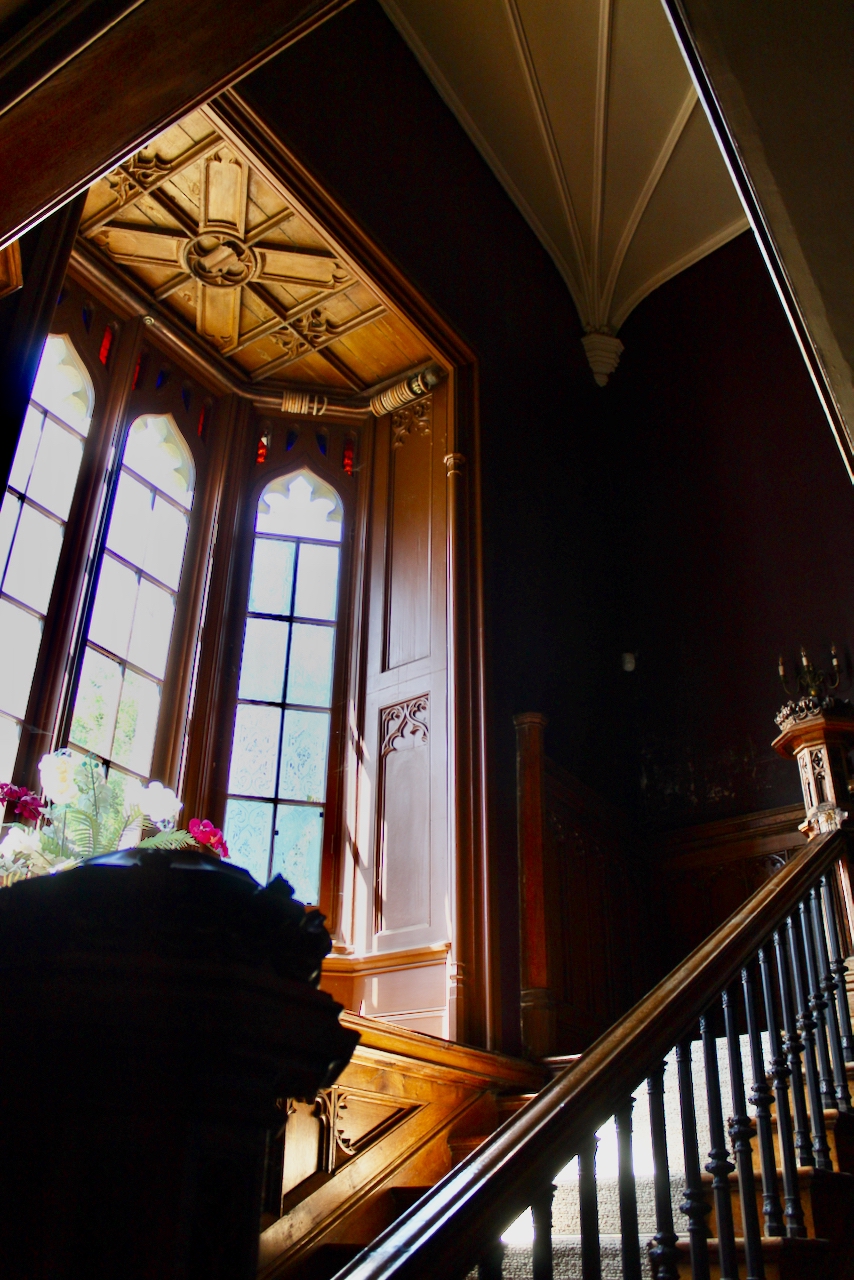
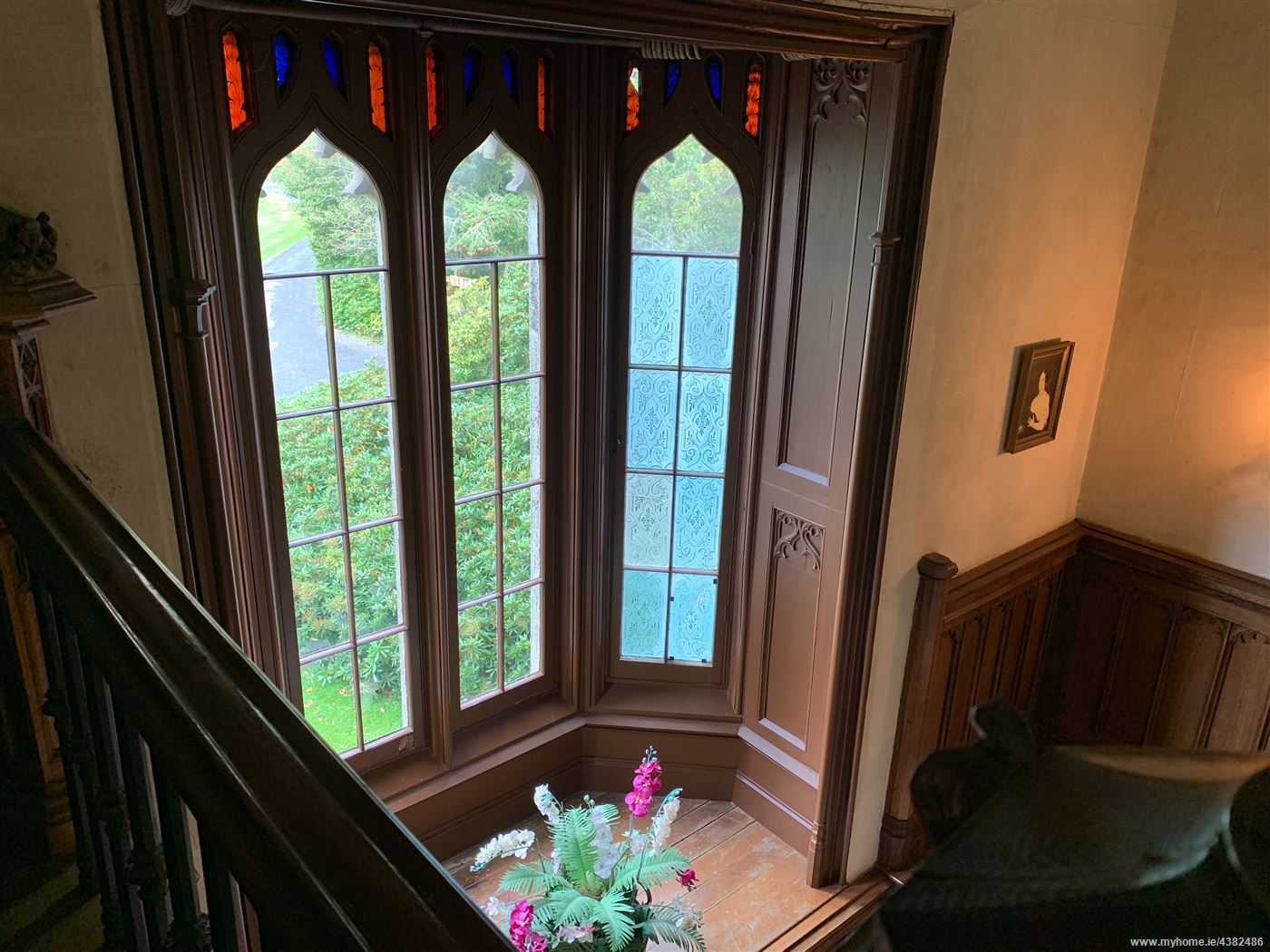
Reflecting the exterior, the interior features Gothic details. The front hall is divided by a pointed arch with two fluted columns and further fluted pilasters, and quatrefoil circular decorations on the wall over the arch. A large window lights the staircase with its wooden banisters and carved veloute. The staircase leads from the entrance hall to the guest bedrooms.

Lismacue House, photograph courtesy of website.

The Lismacue website tells us that the accommodation includes a classically proportioned drawing room, dining room, breakfast room and library. The house is centrally heated throughout, and the owners provide warm and welcoming log fires in the reception rooms. All windows have the original pine shutters.

Lismacue House, photograph courtesy of website.

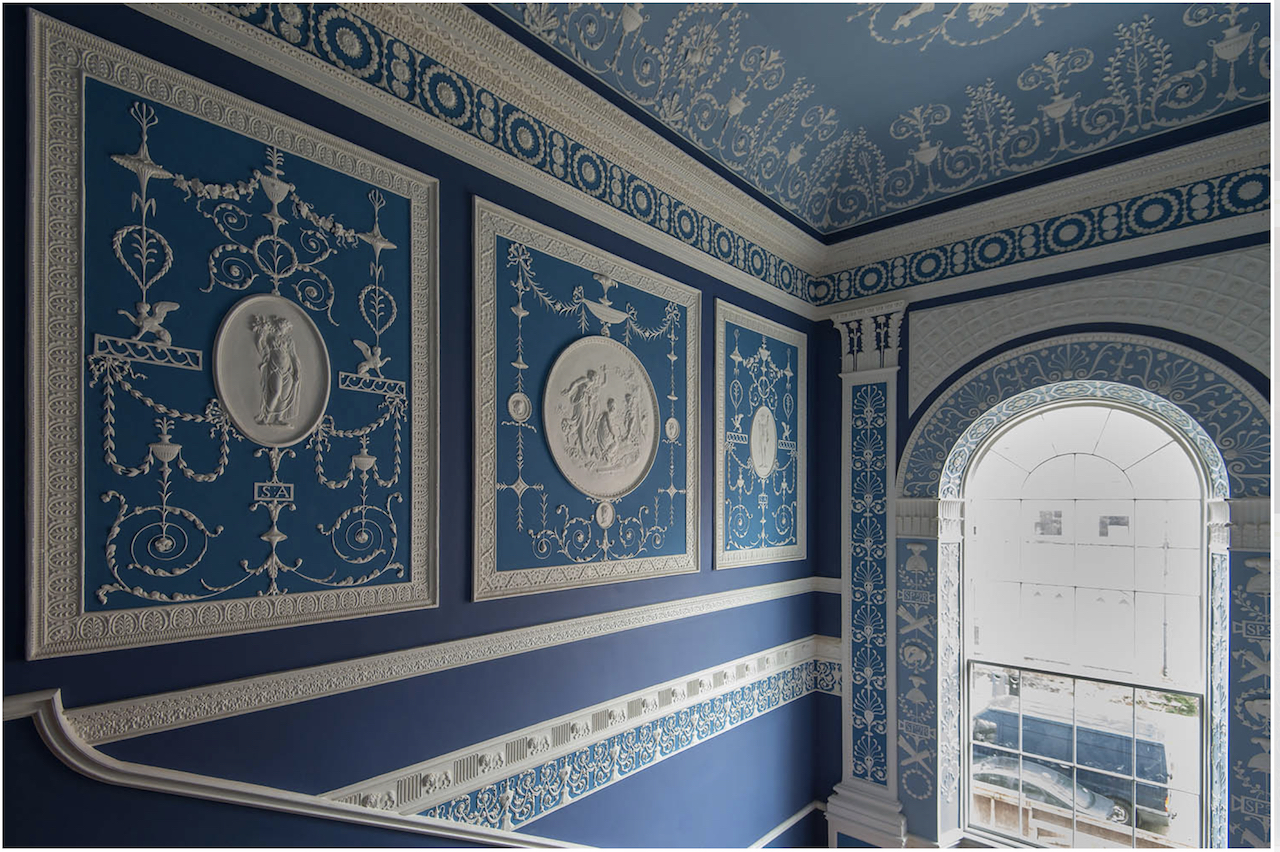
Many of the large rooms have decorative plasterwork, and the ground floor rooms have mahogany doors. Several rooms retain wallpaper dating from the 1830s. The dining room features decorative pelmets and a sideboard niche.

The Library, Lismacue House, photograph courtesy of website.
Lismacue House, photograph courtesy of website.

Hugh and Catherine’s son William (1719-1808) served as a Colonel for the Irish Volunteers, the local militia formed in 1778 to protect against invasion, such as the French threat in Bantry Bay.

William married Elizabeth, second daughter of the Very Reverend Charles Massy, Dean of Limerick, and sister of Hugh Dillon Massy 1st Baronet of Doonass, County Limerick. Their son William Baker (1767-1815) inherited, and married Elizabeth daughter of Thomas Roberts, 1st Baronet of Britfieldstown, County Cork.

William hired William Robertson and built the current version of the house in 1813, but he was murdered a few years later in 1815. [5] He was a Justice of the Peace and was murdered on the way home from a meeting in Cashel of the Quarter Sessions held under the Insurrection Act. [see 4] Two men were eventually arrested and one of them was executed, on the testimony of the other. William Blake’s grave in Bansha features quatrefoils similar to those on his house. [6]

After his death William’s wife Elizabeth moved to Cheltenham, taking all the family furniture with her, so none of the original furniture remains in Lismacue. William was succeeded by a son of his brother Hugh, who had died in 1801, also named Hugh (1798-1868). He married Marion, only child of Charles Conyers, of Castletown Conyers, County Limerick.

A bedroom of Lismacue House, photograph courtesy of website.

The Landed Families website tells us:

Hugh Baker seems to have been a considerate and generous landlord, but that did not stop him receiving unwelcome attention from violent elements in the local population in the 1830s on account of the fact that he employed a Protestant steward. At one point he was obliged to leave the estate for the greater safety of Dublin, although he soon returned and was resident throughout the famine years of the 1840s. He had a large family of four sons and five daughters.

Hugh’s son Hugh (1845-1887) inherited but he died young, leaving a widow and two small children. The Landed Families website explains:

The estate passed to his young son, but it was heavily indebted and in an era of falling agricultural prices one of the creditors called in his loan, leading to the estate being vested in trustees for sale. Hugh Baker’s widow, Frances, had meanwhile married again, to Maj. Ralph Hall Bunbury (d. 1898), who bought the house (but not the estate) so that the family could continue to live there. However when he died, rather than leaving the house as might have been expected to his step-son, Hugh Baker (1880-1952), it passed to his unmarried sisters. Hugh, who became a naval officer and a leading figure in the world of fly-fishing, later moved to County Antrim, and died there without issue. The Misses Bunbury sold their unexpected legacy at a generously low valuation to Charles Conyers Massy Baker (1847-1905), the second son of Hugh Baker (1798-1868), who was perhaps looking to retire from his practice as a barrister.

A wonderfully spacious bedroom of Lismacue House, photograph courtesy of website.

Charles Conyers Massy’s son Allen inherited the house and was the grandfather of the current owner Kate. Interestingly, Allen Baker (1881-1959) was the first person to qualify (in 1900) as a veterinary surgeon at the Royal Veterinary College of Ireland! It’s a pity my father is not still alive as he too graduated from the veterinary college and would have found that interesting.

Allan Baker made his home at Lismacue, where he established a stud farm and acted as the local vet. His son and heir William Baker (1913-77) followed in his father’s footsteps and maintained both the stud and the veterinary practice. Unfortunately William died suddenly and there were large death duties to pay. From around 2000, Kate and her husband found the funds to embark on a systematic restoration of the house. They continue to operate the family stud farm, now with the assistance of a manager

A bedroom of Lismacue House, photograph courtesy of website.

Outside is fine open parkland with views of the Galtee Mountains and the Glen of Aherlow, and a long avenue of lime trees said to date from 1760.

[1] Mark Bence-Jones. A Guide to Irish Country Houses (originally published as Burke’s Guide to Country Houses volume 1 Ireland by Burke’s Peerage Ltd. 1978) Revised edition 1988 Constable and Company Ltd, London.

[2] https://www.archiseek.com/2012/lismacue-co-limerick/

[3] https://www.buildingsofireland.ie/buildings-search/building/22109011/lismacue-house-lismacue-bansha-co-tipperary-south

[4] https://landedfamilies.blogspot.com/2018/06/334-baker-of-lismacue.html

[5] https://lordbelmontinnorthernireland.blogspot.com/2017/11/lismacue-house.html

[6] https://www.findagrave.com/memorial/167428499/william-baker

Bewley’s, 78-79 Grafton Street/234 Johnson’s Court, Dublin 2 – Section 482 property in 2024

www.bewleys.com

Open dates in 2025: all year, except Christmas Day, Jan- Nov, 8am-6.30pm, Dec 8am-8pm

Fee: Free

Bewleys, Grafton Street, which opened in 1927. The Grafton Street front includes the gilded Behdety, the winged sun emblem of Horus of Behdet, a god of the midday sun in Egypt. Photograph © Jennifer Winder-Baggot, www.irishhistorichouses.com

In 1840 Samuel Bewley and his son Charles began to import tea directly from China. Charles’s brother Joshua established the China Tea Company, the precursor to Bewleys. Fiona Murdoch tells us that Joshua Bewley started off with a premises consisting of three houses on Sycamore Street in Dublin, just off Dame Street beside the Olympia Theatre. He dealt mostly in tea and sugar and a small amount of coffee. He also sold vases and ornaments. [1]

The Georges Street café, which is no longer a Bewleys café, opened in 1894. Joshua changed supplier for his coffee and had to purchase in larger quantities. Worried he would not sell it all, he started to hold coffee-making demonstrations at the back of the shop, hoping people would purchase the coffee on their way out. His wife Bertha made rolls and scones which Joshua carried on his bicycle into town to serve with the coffee.

In 1896, he opened another café at 10 Westmoreland Street. Joshua’s son Ernest joined the business. In 1916 he bought 12 Westmoreland Street.

The Grafton Street branch opened in 1927 in what were originally two Georgian townhouses.

Bewleys, courtesy Flynnmc.com
Bewleys, courtesy Bewleys stock photographs, flickr, 2009.

The higgeldy piggeldy rooms upstairs remind us that it was a private residence. One of the rooms upstairs now houses a lunchtime theatre, which opened in 1999. They have lately introduced a new Soirée performance, which takes place on the second Thursday of each run at 7pm. 

Bewleys, courtesy Bewleys stock photographs, flickr, 2009.

The buildings on Grafton Street previously housed Whyte’s Academy, a school attended by Arthur Wellesley, Duke of Wellington, and Robert Emmet.

The Buildings of Ireland publication on Dublin South City tells us: “Rebuilt in 1926 to designs by Miller and Symes, the playful mosaics framing the ground and mezzanine floors are indebted to the Egyptian style then in vogue following the discovery of Tutankhamun’s tomb. The interior, originally modelled on the grand cafés of Europe and Oriental tearooms, was restructured in 1995 but retains a suite of six stained glass windows designed (1927) by the celebrated Harry Clarke (1889-1931). Four windows lighting the back wall of the tearoom are particularly fine and represent the four orders of architecture.” [2]

The 1995 renovation was designed by Paul Brazil.

Image by James Fennell, 2014, Tourism Ireland, from Ireland’s Content Pool.
Bewleys, courtesy Bewleys stock photographs, flickr, 2009.

The four orders of architecture represented are the Doric, Corinthian, Ionic and Composite.

Bewleys Oriental Café, Grafton Street, the four Harry Clake windows. Photograph © Jennifer Winder-Baggot, www.irishhistorichouses.com
The Ionic window, Bewleys Oriental Café, Grafton Street, Harry Clake windows. Photograph © Jennifer Winder-Baggot, www.irishhistorichouses.com
Bewleys Oriental Café, Grafton Street, Harry Clake windows. Photograph © Jennifer Winder-Baggot, www.irishhistorichouses.com

Ernest Bewley’s three sons Victor, Alfred and Joe took over: Victor ran the business, Alfred cooked and Joe ran Knocksedan farm with its prize-winning Jersey cows. Ernest imported the first Jersey cows to Ireland. I remember looking forward to the jersey cow milk when we’d visit when I was young. I used to think the waitresses’ smart black and white uniform the height of glamour.

My great-aunt Harriet, famed for her severity, who used to say one should always leave the table hungry, would buy the famed cherry buns in the vestibule, which was a shop, and bring them inside to eat, as they were cheaper in the shop than in the café!

Bewleys entrance 2009, courtesy Bewleys stock photographs, flickr.

In the 1980s and 90s Dubliners loved the coffee with hot milk that Bewleys served, a precursor to today’s flat white. A group of friends met weekly for a conversation group downstairs in the Grafton Street branch. It was a rare venue open in the evening that was not a pub. One evening we were locked in when the staff didn’t notice we were still deep in discussion!

The Westmoreland Street venue was my haunt in the late 1990s, where I loved the animal skin themed snug downstairs and where we could chat philosophy for hours.

Bewleys Westmoreland Street courtesy Liam Blake, Real Ireland [3]

Recently Paddy Bewley died, the last of the family directly involved with the running of the cafe and coffee business of Bewleys. Paddy was responsible for starting the coffee supplying end of the Bewley business.

Paddy, like those in his family before him, was a Quaker, and he lived by their ethos. Mungo Bewley left Cumberland for Ireland in 1700 and settled in Edenderry, County Offaly. Ireland offered religious tolerance under the Toleration Act. Many Quakers entered trade rather than professions because the former did not require an oath, and Quakers did not believe in taking oaths, believing that their word was enough.

Victor Bewley writes in his memoir that Maud Gonne frequented Bewleys. He adds:

Bewley’s was obviously a place conducive to writers because there was a lot of life milling around, so to speak. Mary Lavin was donkey’s years coming in and I believe she wrote some of her early stories in the cafés. Maeve Binchy became a regular customer when she worked on The Irish Times.” [4]

Bewleys, mezzanine level, courtesy Bewleys stock photographs, flickr, 2009.

In 1986 Patrick Campbell acquired the company of Bewleys, forming the Campbell Bewley Group, and Paddy Bewley continued to work for the company.

In 1996, Paddy Bewley signed up the company to purchase Fair Trade coffee only, guaranteeing that producers of coffee and their communities would be paid a good price for their beans, irrespective of market fluctuations. In 2008 the company’s roasteries and headquarters in Dublin became 100% carbon neutral. (notes from Paddy Bewley’s obituary in the Irish Times, Saturday January 8th 2022).

There has been much discussion lately about the beautiful Harry Clarke windows in the Grafton Street Bewleys – are they part of the building, or removeable art? I believe they are not actually the windows but can be removed. It is being discussed because it’s not clear who owns them.

Bewleys Oriental Café, Grafton Street, Harry Clake windows. Photograph © Jennifer Winder-Baggot, www.irishhistorichouses.com

The Bewleys business branched into hotels. Stephen and I held our wedding reception in the Bewleys hotel in Ballsbridge, a former school run by the Freemasons. The hotels too have been sold on to another business.

Bewleys Oriental Café, Grafton Street, another decorative window: “Cruitne” by Jim Fitzpatrick. Fitzpatrick’s website tells us that Cruitne was the beautiful daughter of the chieftain Lochan. She fell in love with the youthful warrior Finn McCool, much to the disgust of her father who disapproved as the warrior Goll wanted the head of Finn on a plate for a great insult to him and his people. They became lovers but never married as Finn was afraid the Cruitne would be killed in his place if they were man and wife. Photograph © Jennifer Winder-Baggot, www.irishhistorichouses.com
The side door of Bewleys. Photograph © Jennifer Winder-Baggot, www.irishhistorichouses.com

[1] Victor Bewley’s Memoirs, as recorded by his granddaughter Fiona Murdoch. Updated edition. Veritas Publications, Dublin, 2002, updated in 2021.

[2] https://www.buildingsofireland.ie/app/uploads/2019/10/Dublin-South-City.pdf

[3] https://liamblakephotographer.com/real-ireland/

[4] p. 61, Victor Bewley’s Memoirs.

Royal Hospital Kilmainham, Dublin – Office of Public Works

Royal Hospital Kilmainham, Military Road, Dublin 8.

Since the 2025 Revenue Section 482 list has not yet been published, today’s entry is about the Royal Hospital Kilmainham: not a Historic House, but of relevance since designed by several important architects: William Robinson, Thomas Burgh and Francis Johnson.

The most decorative rooms have been closed to the public for years for renovation, but I am writing now as I had an opportunity to enter the magnificently baroque chapel in order to see a film. Excuse the poor quality of my photographs in the chapel – I didn’t want to disturb the other film viewers.

The website www.rhk.ie tells us:

Since 2018, The North Range has been closed due to remedial works and essential upgrades, including fire safety improvements, mechanical and electrical system replacements, and the meticulous restoration of the Baroque Chapel ceiling, historic timber panelling, and stained glass. This extensive project, operated by the Office of Public Works (OPW), was completed in July 2024,  and it was announced the reopening after 6.5 years. We are more than proud to share the news that we are preparing to host events in The North Range.

Aww, events? But what about access to the wonderful dining room with its portraits? We shall have to see if it is open…

Royal Hospital Kilmainham, January 2022. Photograph © Jennifer Winder-Baggot, www.irishhistorichouses.com
The Royal Hospital, Kilmainham, North Walk, by James Malton (1761-1803), courtesy of National Gallery of Ireland.

“Kilmainham” is named after St. Maighneann who established a church and monastery in the area around AD 606. In 1174 the Knights Hospitaller, a Catholic order that focussed on aiding the sick and the poor, founded a Priory in Kilmainham, with the aid of Richard de Clare, 2nd Earl of Pembroke, better known as Strongbow. The Priory was destroyed in 1530s with the dissolution of the monasteries by King Henry VIII.

With this history, it seemed appropriate to locate the Royal Hospital here when Arthur Forbes, later Earl of Granard, proposed the idea of building an institution to accommodate veteran soldiers, similar to Les Invalides in Paris. The building was founded by King Charles II in 1679 to accommodate 300 soldiers and construction was overseen by the King’s representative in Ireland, known as the viceroy or Lord Lieutenant, James Butler 1st Duke of Ormond. He was Lord Lieutenant of Ireland from 1661-1669 then again 1677-1684.

Over the next 247 years, thousands of army pensioners lived out their final days within its walls.

Royal Hospital Kilmainham, 15th October 2023. Photograph © Jennifer Winder-Baggot, www.irishhistorichouses.com
Aerial view before restoration, Royal Hospital Kilmainham.

The building is arranged around four sides of a cloistered courtyard. Three of these wings now house the Irish Museum of Modern Art (IMMA). [1]

James Butler (1610-1688) 1st Duke of Ormonde by Willem Wissing (circa 1680-1685), courtesy of National Portrait Gallery in London NPG 5559.
Royal Hospital Kilmainham, 15th October 2023. Photograph © Jennifer Winder-Baggot, www.irishhistorichouses.com
Royal Hospital Kilmainham, 15th October 2023.

The information board from the Royal Hospital tells us that it was hoped that care for injured and elderly soldiers would promote recruitment. After the Civil War between Cromwellian Parliamentarians and Royalists, Charles II was naturally concerned to have a strong military force.

The building was designed by the Chief Engineer and Surveyor General for Fortifications, Buildings, Works, Mines and Plantations for Ireland, William Robinson (1645-1712).

Royal Hospital Kilmainham, 15th October 2023. Photograph © Jennifer Winder-Baggot, www.irishhistorichouses.com
Royal Hospital Kilmainham, 15th October 2023.

The information board tells us: “Born in England, Robinson went on to hold a great number of public positions. When he resigned as Surveyor General in 1700 due to ill health, he was knighted and given the position of Deputy Receiver-General at the Privy Council of Ireland. However, he was implicated in a financial scandal and following a period of imprisonment at Dublin Castle, he fled to England. He died in 1712 and is buried in Westminster Abbey.

He must have been forgiven if buried in the Abbey! The notice board also tells us that he personally acquired the portion of the original site near Islandbridge, and built himself a house with a view of the Royal Hospital, but it no longer stands.

Royal Hospital Kilmainham, 15th October 2023.

The next Surveyor General, Thomas Burgh (1670-1730), added more to the building. In 1704 he added the tower and steeple over the north range, and designed the infirmary.

The tower and steeple by Thomas Burgh, Royal Hospital Kilmainham, 15th October 2023. Photograph © Jennifer Winder-Baggot, www.irishhistorichouses.com
Royal Hospital Kilmainham, 15th October 2023.
The arms of the 1st Duke of Ormond adorn the building. The carvings above the south, east and west Hospital entrances, which are made of wood but painted to look like stone. Photograph © Jennifer Winder-Baggot, www.irishhistorichouses.com
Royal Hospital Kilmainham. Photograph © Jennifer Winder-Baggot, www.irishhistorichouses.com
Royal Hospital Kilmainham, 15th October 2023. Photograph © Jennifer Winder-Baggot, www.irishhistorichouses.com

In the fourth wing, not generally open to the public, is the splendid Robinson’s Chapel with a baroque plaster ceiling, carved oak and beautiful stained glass window, and the Geat Hall. You can see an online tour at https://my.matterport.com/show/?m=ce2pG4J1huc&mls=1

The chapel is dedicated to the memory of King Charles I and its ceiling is beautifully Baroque, a profusion of cherubs’ heads, geometrical shapes, borders, garlands and flowers. Amazingly, the ceiling is a papier-maché replica of the original. The original was too heavy, and the replica was installed in 1901. The artist of the original is unknown. The room is panelled in Baltic pine with ornate oak carving and Corinthian pilasters.

Royal Hospital Kilmainham, 15th October 2023.
Baroque ceiling of the chapel, Royal Hospital Kilmainham, September 2024. Photograph © Jennifer Winder-Baggot, www.irishhistorichouses.com
Royal Hospital Kilmainham, 15th October 2023.
Baroque ceiling of the chapel, recreated in papier-maché, Royal Hospital Kilmainham, September 2024. Photograph © Jennifer Winder-Baggot, www.irishhistorichouses.com
Baroque ceiling of the chapel, Royal Hospital Kilmainham, September 2024. Photograph © Jennifer Winder-Baggot, www.irishhistorichouses.com

The oak carving of the altar is by Huguenot refugee from Paris, James Tabary. The carvings above the south, east and west Hospital entrances, which are made of wood but painted to look like stone, may also be by Tabary.

Royal Hospital Kilmainham, 15th October 2023.
Royal Hospital Kilmainham, September 2024. Photograph © Jennifer Winder-Baggot, www.irishhistorichouses.com

The stained glass in the Chapel’s large east window mostly dates to the 19th century, although some of it is said to come from the medieval Priory of St. John the Hospitaller.

Royal Hospital Kilmainham, 15th October 2023.
The stained glass in the Chapel’s large east window mostly dates to the 19th century, although some of it is said to come from the medieval Priory of St. John the Hospitaller. Royal Hospital Kilmainham, September 2024. Photograph © Jennifer Winder-Baggot, www.irishhistorichouses.com

In 1849 young Queen Victoria visited the hospital and bestowed a gift of stained glass which shows the coats of arms of the various Masters of the Hospital, which was made c. 1852 in London by Irish artist Michael O’Connor.

In 1849 young Queen Victoria visited the hospital and bestowed a gift of stained glass which shows the coats of arms of the various Masters of the Hospital, which was made c. 1852 in London by Irish artist Michael O’Connor. Royal Hospital Kilmainham, September 2024. Photograph © Jennifer Winder-Baggot, www.irishhistorichouses.com
Royal Hospital Kilmainham, September 2024. Photograph © Jennifer Winder-Baggot, www.irishhistorichouses.com
Royal Hospital Kilmainham, 15th October 2023.
Royal Hospital Kilmainham, 15th October 2023. Photograph © Jennifer Winder-Baggot, www.irishhistorichouses.com

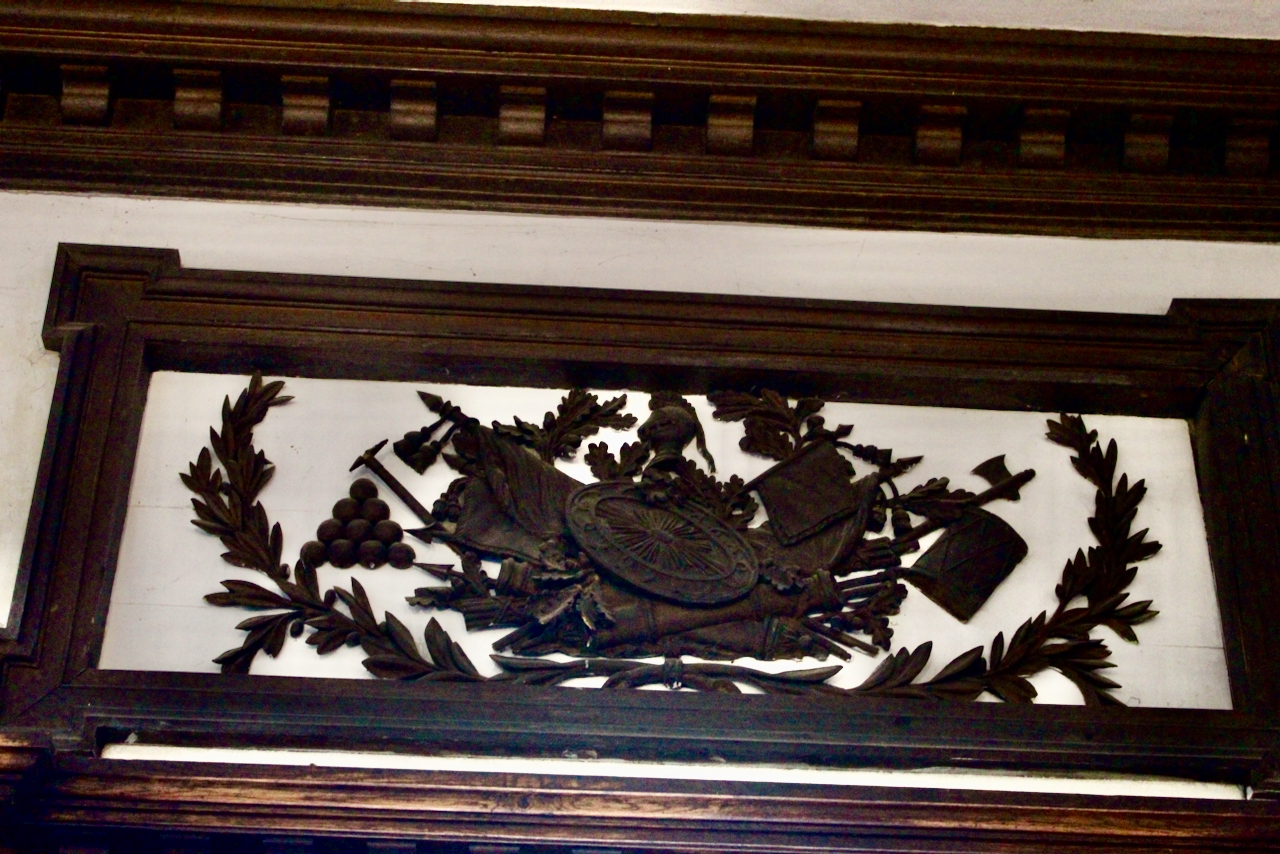
The Great Hall contains portraits that have hung here since 1713, and splendidly carved trophies over the doors remind me of those at Beaulieu in County Louth. The portaits include Queen Anne, Queen Mary, William III, Narcissus Marsh, Charles II, James 1st Duke of Ormond and the Richard Butler Earl of Arran and Earl of Ossory (sons of the Duke of Ormond), amongst others. A library which belonged to the original hospital is also cared by the OPW. The northern wing also contains the Master’s Lodgings, made for the Master of the Royal Hospital.

Royal Hospital Kilmainham, 15th October 2023.
The Great Hall, Royal Hospital Kilmainham, photograph taken 1987, from Dublin City Library and Archives. [see 2]
Royal Hospital Kilmainham dining hall by Robert French, Lawrence Photographic Collection NLI, flickr constant commons.
Royal Hospital Kilmainham, 15th October 2023.
Richard Butler (1639-1686) 1st Earl of Arran, son of the Duke of Ormonde, Royal Hospital Kilmainham, 15th October 2023.
Thomas Butler (1634-1680) 6th Earl of Ossory, studio of Sir Peter Lely, circa 1678, courtesy of National Portrait Gallery NPG 371. Second son of the Duke and Duchess of Ormond and father of 2nd Duke of Ormonde.

In 1805, Francis Johnston carried out restoration work, and in the 1820s remodelled the Master’s Quarters in the northwest corner. He also designed the Adjutant General’s office and the Richmond Tower which stands at the west entrance to the hospital grounds.

Royal Hospital Kilmainham, 15th October 2023.
The Richmond Tower by Francis Johnston, named after the Lord Lieutenant, Charles Lennox, 4th Duke of Richmond, Royal Hospital Kilmainham, 15th October 2023. Photograph © Jennifer Winder-Baggot, www.irishhistorichouses.com
Royal Hospital Kilmainham, 15th October 2023.

The garden, known as the Master’s Garden, has been restored to its formal glory under the suprvision of architect Elizabeth Morgan. In 1693 Chambré Brabazon 5th Earl of Meath was Master of the Hospital and a Minute of the Royal Hospital Committee notes that he was asked to prepare an account for an estimate of works necessary to put some order on the garden. The work was not carried out at the time.

Gardens at the Royal Hospital Kilmainham, January 2022. The Formal Garden also known as the Master’s Garden, which has been recently restored under the supervision of architect Elizabeth Morgan. Photograph © Jennifer Winder-Baggot, www.irishhistorichouses.com
Royal Hospital Kilmainham, 15th October 2023. Photograph © Jennifer Winder-Baggot, www.irishhistorichouses.com

The Garden house is included in a painting by Joseph Tudor in 1750. It was probably designed as a small dining pavilion or banqueting house, with a high coved ceiling on the first floor, and it is attributed to Edward Lovett Pearce circa 1734.

The house was extended in the late 19th century into ahouse for the head gardener.

Royal Hospital Kilmainham, 15th October 2023. Photograph © Jennifer Winder-Baggot, www.irishhistorichouses.com
The Gardener’s Cottage, or Garden House, Royal Hospital Kilmainham, 15th October 2023. Photograph © Jennifer Winder-Baggot, www.irishhistorichouses.com
1st March 2015, at the Royal Hospital gardens. Photograph © Jennifer Winder-Baggot, www.irishhistorichouses.com
Royal Hospital Kilmainham, 15th October 2023. Photograph © Jennifer Winder-Baggot, www.irishhistorichouses.com
Royal Hospital Kilmainham gardens. Photograph © Jennifer Winder-Baggot, www.irishhistorichouses.com
The Doctor’s House, Royal Hospital Kilmainham, 15th October 2023. Photograph © Jennifer Winder-Baggot, www.irishhistorichouses.com
Royal Hospital Kilmainham, 15th October 2023.
Officer’s Burial Ground, Royal Hospital Kilmainham, 15th October 2023. Photograph © Jennifer Winder-Baggot, www.irishhistorichouses.com

[1] See also https://rhk.ie/about-us/

William Robinson also built Marsh’s Library in Dublin.

Marsh’s Library, photograph from 1975, Dublin City Library and Archive. [see 2]

[2] https://repository.dri.ie/

Ballindoolin House, Edenderry, Co. Offaly – no longer section 482

Ballindoolin House, County Offaly, 2021, from Sherry Fitzgerald Country Homes, Farms and Estates.

As with last week’s entry, Stephen and I have not visited Ballindoolin. However, I have photographs from when it was for sale in 2021, courtesy of Sherry Fitzgerald Estate Agents.

The name of the townland comes from the Irish Baile Duib Linn or ‘town of the black pool’ while the River Boyne rises nearby. [1]

The current house was built in 1822 but an earlier house existed from 1730. The Bor family were originally Dutch bankers.

Ronald Conolly writes in the Irish Independent published August 8 2023 that Ballindoolin House was built in 1822 by Edward J. Bor, whose family originally settled in nearby Clonard, Co Meath, in the early 1600s. The Abstract of Title contained in the Land Commission files indicates that they acquired the rights to the lands at Ballindoolin by way of a lease in perpetuity dated 1739. The Bor family ceased residing in the house in 1896, thus becoming absentee landlords. However, that same year, their agent William J.H. Tyrrell, a native of Carbury, a staunch unionist and firm opponent of Home Rule, took up residency. He was an uncompromising land agent who actively opposed all local agitation for rent reductions and land legislative reform. However, Conolly adds that, ironically, his leasing of the Bor house and surrounding lands placed him firmly within the legal definition of a tenant who was entitled to purchase his holding. The Bor family continued to own the property, however, until 1925.

Before the property was sold in 2017, the gardens used to be open to the public, and there was also a museum. One could take a tour of the house and of the gardens with their two acre walled garden and forest nature trail.

I wish I had been able to visit when there was a museum telling more about the history of the house. I would love to know more about the Bor family. Christopher Bor of Ballindoolin married Anne Loftus in 1777, listed in sources as “of Annesbrook” although Annesbrook in County Meath was owned by Hamiltons. Anne is daughter of Edward Loftus “of Grange and Clara,” from the Loftuses of Killyon in County Meath. They had a son Humprey (1777-1836). Humphrey Bor married Jane Briscoe of Riverdale, County Westmeath. Their son Edward (1819-1871) may have inherited Ballindoolin. [2]

Ballindoolin House, County Offaly, 2021, from Sherry Fitzgerald Country Homes, Farms and Estates.

The house, of three storey over basement, is made of local limeston, and has seven bedrooms.

Ballindoolin House, County Offaly, 2021, from Sherry Fitzgerald Country Homes, Farms and Estates.

Robert Moloney inherited the house in 1993, and he and his wife Esther began a huge project of renovation and restoration, including reroofing. [3] Roseanne de Vere Hunt of Sherry Fitzgerald writes that the house was modelled on Grange More in Westmeath, which belonged to another branch of the Bor family. Grange More is now a ruin, but Ballindoolin has been fully and painstakingly restored, right down to the recreation of the original drawing room wallpaper.

Robert and Esther used documents and diaries to aid the restoration, then donated forty boxes of account books, ledgers and records from the Bor and Tyrell families to the archives at NUI Maynooth. [3] Roseanne de Vere Hunt tells us that Dr. Ciaran Reilly is studying the archival papers of the property.

The Tyrrell family sold the property in 2017. An Austrian businessman purchased the house. He invested more to continue upgrading the property. Four years of extensive works include rewiring, replumbing, and renovation of the sash windows and shutters. All the flooring on the ground floor was replaced and underfloor heating added, all the chimneys were relined. A new conservatory added off the newly fitted kitchen. The original coving was in good order and a specialist was brought in to work on any parts that required attention. A new back stairwell was added, as the original was in poor condition. In the photographs the house looks splendid.

The stone fireplace in the front hall is original to the house. The fireplaces in the two reception rooms to the left and right of the hall are also original.

Ballindoolin House, County Offaly, 2021, from Sherry Fitzgerald Country Homes, Farms and Estates. Roseanne de Vere Hunt writes that The Bor family were Dutch bankers, whose origins in the Dutch East India Company might be seen in the Hindu Gothic style plasterwork in the hallway.
Ballindoolin House, County Offaly, 2021, from Sherry Fitzgerald Country Homes, Farms and Estates.

Ballindoolin House, County Offaly,2021, from Sherry Fitzgerald Country Homes, Farms and Estates.
Ballindoolin House, County Offaly, 2021, from Sherry Fitzgerald Country Homes, Farms and Estates.
Ballindoolin House, County Offaly, 2021, from Sherry Fitzgerald Country Homes, Farms and Estates. The conservatory was recently added.
Ballindoolin House, County Offaly, 2021, from Sherry Fitzgerald Country Homes, Farms and Estates.
The newley installed kitchen. Ballindoolin House, County Offaly, 2021, from Sherry Fitzgerald Country Homes, Farms and Estates.

The first floor has four en suite bedrooms, and the top floor a further three bedrooms with two bathrooms, and a library. The utility room is also on the third storey.

Ballindoolin House, County Offaly, 2021, from Sherry Fitzgerald Country Homes, Farms and Estates.

There’s a vaulted basement, unfortunately not photographed. The basement contains hallway, former kitchen, former laundry room, servants’ room, dairy and meat room, storerooms, cellar, wine cellars, fuel room and plant room.

The Gate Lodge was also restored. Robert O’Byrne writes: “Note behind the Tuscan columns how the recessed porch has two doors facing each other on the diagonal to left and right. The lodge suggests the hand of Francis Johnston at his most rigorous.” [4] Roseanne de Vere Hunt claims it is designed by William Morrison, originally for the Duke of Abercorn, and has a living room, kitchen, bedroom and bathroom.

Ballindoolin House, County Offaly, 2021, from Sherry Fitzgerald Country Homes, Farms and Estates.

Outside, Gemma Tipton tells us, there are stable yards, cattle yards, and curiosities, both elegant and quirky, such as a melon pit (which used horse manure to warm the soil to grow these once-exotic fruit), a shamrock-shaped dovecote possibly built as a folly, lime kiln, Iron Age mound, and a nature trail. The gardens contain a rose garden and parterre. The Tyrrells ran a restaurant in the former coach yard.

A Great Gardens Restoration grant aided restoration of the walled garden.

Ballindoolin House, County Offaly, 2021, from Sherry Fitzgerald Country Homes, Farms and Estates.

[1] http://www.askaboutireland.ie/reading-room/culturenet/landscape-heritage/offaly/ballindoolin-house-and-ga/

[2] https://kirkpatrickaustralian.com/getperson.php?personID=I17850&tree=No1

[3] https://www.irishtimes.com/life-and-style/homes-and-property/new-to-market/georgian-grandeur-in-co-kildare-for-3-25-million-1.1730905

[4] https://theirishaesthete.com/2015/04/29/watchful-at-the-gate/

Lambay Castle, Lambay Island, Malahide, Co. Dublin – section 482 tourist accommodation

Happy New Year! My best wishes for the year ahead. I hope it will bring many exciting house visits.

The Section 482 Revenue list of properties that will be open to visitors won’t be published until late February in 2025, unfortunately.

2025 Diary of Irish Historic Houses (section 482 properties)

To purchase an A5 size 2025 Diary of Historic Houses (opening times and days are not listed so the calendar is for use for recording appointments and not as a reference for opening times) send your postal address to jennifer.baggot@gmail.com along with €20 via this payment button. The calendar of 84 pages includes space for writing your appointments as well as photographs of the historic houses. The price includes postage within Ireland. Postage to U.S. is a further €10 for the A5 size calendar, so I would appreciate a donation toward the postage – you can click on the donation link.

€20.00

donation

Help me to pay the entrance fee to one of the houses on this website. This site is created purely out of love for the subject and I receive no payment so any donation is appreciated!

€15.00

A tour of Lambay Castle is expensive so I don’t think Stephen and I will be going any time soon, so I thought I would publish an entry about it today.

Lambay Island, photograph courtesy of www.visitdublin.com

The island is owned and protected today by the Revelstoke Trust and daily management lies in the hands of Alex Baring, 7th Baron Revelstoke, and his family.

The castle on Lambay Island is privately owned but can be rented for accommodation, and there is other accommodation on the island. One can also visit the island on a day trip but the castle is not open to visitors unless booked in advance on the website.

www.lambayisland.ie
(Tourist Accommodation Facility) 

Accommodation dates in 2025: April 1- September 30 2025

The website tells us that it the largest island off the east coast of Ireland and the largest privately owned island in North-West Europe. The island is home to seals and puffins, with deer and wallabies that were originally imported. Nesting birds include Fulmars, Guillemots, Herring Gulls, Kittiwakes, Manx Shearwaters and Puffins, while Greylag Geese are common winter visitors. 

The island’s farm produces organic meat from sheep, deer and wallabies. Energy on the island is provided by a wind turbine and solar panels, and water is from a natural spring.

Lambay Island is self-sustaining, photograph courtesy of www.lambayisland.ie

The island has an ancient history. The website tells us:

Its early history is obscure but, like many other small islands, it attracted saints, hermits and pirates. It is thought to be one of the first few places where Viking raiders landed and proofs of its prehistoric history and early modern settlement were found around the harbour which date from the 1st century AD.  Excavations also revealed Iron-Age graves dating back to circa 500 BC.”

St. Columba may have established a monastery on the island as early as the sixth century.

In 1181 the island was granted by Prince John (later king) to the Archbishops of Dublin, who received rents and tithes from the island.

To prevent piracy or invasion of the mainland, a license was granted to build a fort in the early 1500s. The structure built may may have formed the core of the castle still surviving when Cecil Baring later purchased the land. John Challoner (d. 1581), who was the first Secretary of State for Ireland, appointed by Queen Elizabeth I in 1560, agreed to build a village, castle and harbour on the island. The website tells us that he set up mines for copper and silver on the island, though it is not clear how successful this was, and bred falcons.

The island passed by marriage to the Ussher family in 1611. James Ussher (1581-1656) is the cleric famous for calculating that the earth was created around 6 pm on 22 October 4004 BC.

James Ussher (1580-1656) Archbishop of Armagh aged 74 by Peter Lely, courtesy of National Trust Hatchlands.

Sean O’Reilly tells us in his Irish Houses and Gardens. From the Archives of Country Life (published by Aurum Press Ltd, London, 1998) that:

Weaver’s first article on an Irish house already showed clearly his concern for disposing of unauthenticated traditions. Among those he corrected was the presumption, promulgated in Samuel Lewis’s Topographical Dictionary of 1837, that the island was granted by Queen Elizabeth to Archbishop James Ussher, a figure famous for dating the creation of the world to 4004 BC on the basis of a chronology of the Old Testament. Weaver pointed out that the island was in fact held by Ussher’s cousin, William. Despite many vicissitudes, Lambay Island remained in possession of the Usshers from 1551 to 1804, from which time no significant work was done on the castle until the arrival of Baring.” [1]

The website tells us that the island was used as a Prisoner of War camp for over 1,000 Irish soldiers during the Williamite war after the Battle of Aughrim. 

In 1805 the island was inherited by William Wolseley and in 1814 it was acquired by the family of Richard Wogan Talbot, 2nd Baron Talbot of Malahide. They built a school and a Catholic chapel on the island. The chapel was later renovated by Lutyens to resemble a Doric temple and the school no longer exists.

James Considine sold Portrane House and purchased Lambay in 1888. Count Considine set about developing the island as a hunting estate and was the first man to introduce deer onto the island. 

Lambay Island, photograph courtesy of www.visitdublin.com

In 1904, Cecil Baring, later the 3rd Baron Revelstoke, and his wife Maude Lorillard bought the island. Baring was a classical scholar and naturalist as well as former director of his family’s New York office of Barings Bank. The website tells us:

​”In early 1904, with Maude heavily pregnant, Cecil went to investigate Lambay; he found a small line of cottages occupied by coastguards, a chapel, a walled garden, a dilapidated old fort and a magnificent wealth of wildlife. It was an intoxicating mixture.

​​”The first task facing the Barings was the repair of the castle and they refitted a heavy lugger, the Shamrock, to carry the necessary materials to the island. The Shamrock (version 3.0) is still in use today as Lambay’s main cargo boat and is used to transport the sheep and cattle as well as bulkier materials and equipment for the off-grid energy system.

Baring hired Edward Lutyens to renovate the property. The website tells us:

​”Lutyens was utterly delighted by Lambay and the couple, and the visit sparked a warm friendship between the three of them that would last throughout their lives. Lutyens extended the Castle masterfully and by 1910 it was a beautiful refuge for Cecil and Maude, surrounded by an impressive circular wall, which Lutyens nicknamed “The Ramparts Against Uncharity“.

Lambay Island, photograph courtesy of www.visitdublin.com

Sean O’Reilly describes the work of Lutyens:

p. 30. “By the time of Lutyen’s arrival much original fabric had deteriorated, and he was required to rebuild in part, though he retained triumphantly the ancient mood. A new service range was necessary, discreetly located off a corner of the castle and set into the ground so as not to dominate the main castle. Lutyens also ensured the prominence of the medieval fabric by deciding not to repeat the leitmotif of the original – the stepped gables – in the new work. Instead he used steep sweeping tiled roofs broken by dormers, gables and stacks.” [1]

Lambay Castle, photograph courtesy of www.lambayisland.ie
From “In Harmony with Nature, The Irish Country House Garden 1600-1900” in the Irish Georgian Society, July 2022, curated by Robert O’Byrne.
Lambay Castle, Lambay Island. Photograph from Country Life published 4th May 1912.

The Historic Houses of Ireland website describes the residence:

Today the three-bay centre of the north-west front, which faces a bastion gateway in the Rampart Wall, is flanked by two full-height projecting bays, each with crow-stepped gables and tall chimneys. Lutyens attached a wing to provide guest accommodation at the northeastern corner and regarded the “link between the two buildings as one of his most brilliant architectural coups” since the castle, which appears single storied on this front, continues to dominate the two-storey wing. The castle and the farm buildings, and the walls of the much enlarged gardens were built in grey-green Lambay stone, with grey pantile roofs, and form a sequence of courts, walled gardens and enclosed yards that give the impression of a small hamlet nestling for protection beneath the castle walls.” [2]

The castle and west forecourt of Lambay Castle, Lambay Island. Photograph from Country Life published 4th May 1912.
Lambay Castle: ground and first floor plans, as altered by Lutyens, 1908-11, courtesy https://landedfamilies.blogspot.com

Sean O’Reilly describes Lutyen’s work in more detail:

Lutyens did need to provide suitable facilities within the surviving ruins of the castle, the most basic of these being a staircase. Curiously, the original castle fabric did not possess internal access to the upper floor, so Lutyens inserted his in the space between the bastions at the rear of the building. He linked these two with a sequence of three cross windows broken by the arched doorway leading to the staircase. The new arrangement is a typically imaginative piece of intervention by Lutyens, as it performs a number of functions with appropriate efficiency. It gives access not only to the bedrooms on the upper floor, but also to the raised ground at the rear of the castle, and it connects to the underground service passage to the kitchen wing. 

Reception rooms also needed to be provided inside the ruins, and again it was to Lutyens’s credit that he succeeded in creating an imaginative variety of shapes and spaces without intruding on the individuality of the building. Perhaps most surprising is the provision of two entrance halls, one in each of the corner bastions of the entrance front, and each with its own door. The sitting room, reached only after passing through the central dining room and staircase hall behind, is in the corner adjoining the service wing.

Due to the need for the reconstruction of this corner Lutyens was more free to open out the architecture, without actually intruding on surviving original fabric. Here he introduced a pointed stone arch linking the section of the room in the original bastion with that part set between the bastions. Lutyens topped this range with a hipped roof – an informal nod to the detailing of the service wing – and square battlements – a more formal bow to the stepping in the original gables, seen across the view of the north court.” [1]

Lambay Castle, photograph courtesy of www.lambayisland.ie

The Historic Houses of Ireland website tells us that the castle is “constructed with small doors and small casements so that the inhabitants seem, on rough days, to be sheltering like monks.”  [see 2]

The interior has vaulted ceilings, stone fireplaces and a curved stone staircase, while much of the furniture chosen by Lutyens is still arranged just as he intended. 

Spiral arches, Lambay Castle, photograph courtesy of www.lambayisland.ie
At the head of the stone stair at Lambay Castle. Photograph from Country Life published 4th May 1912.  
The staircase landing at Lambay Castle. Photograph from Country Life published 4th May 1912.  
The eastern half of the sitting room at Lambay Castle. Photograph from Country Life published 4th May 1912.  
The kitchen in the guest accommodation in the castle, Lambay Castle, photograph courtesy of www.lambayisland.ie
The guest accommodation in the castle, Lambay Castle, photograph courtesy of www.lambayisland.ie

Lutyens also adapted and enlarged a number of other early structures and integrated them into an ingenious  coordinated layout for the whole island, combining the farm, gardens and plantations as a single composition, in collaboration with the horticulturalist and garden designer Gertrude Jekyll. 

Rampart walls, photograph courtesy of www.lambayisland.ie

Mark Bence-Jones describes the wall that surrounds the castle and gardens: this wall serves the practical purpose of a wind-break, enabling trees and plants to grow inside it which would not grow outside. [3] He also describes the approach to the castle:

Lutyens also designed the approach from the harbour, with curved step-like terraces reminiscent of the now-vanished Ripetta in Rome; characteristically, having ascended these Baroque steps, one has to cross an open field to come to the curtain wall, the entrance gaeway not being at first visible; so that there is a wonderful sense of expectancy. Close the the harbour is the White House, a largely single-storey horseshoe-shaped house with high roofs and white harled walls, which Lutyens designed 1930s for Lord Revelstoke’s daughter, Hon Mrs (Arthur) Pollen. On a hill is an old Catholic chapel, with a portico of tapering stone columns and a barrel vaulted ceiling.” [see 3]

The walled kitchen garden pierces the Rampart Wall to the South and there is the mausoleum of the Revelstokes, designed by Lutyens in 1930, on the opposite side of the enclosure. The website tells us:

​”Cecil and Maude had 12 blissful years together with their little family on Lambay but alas, in 1922, a still young Maude died of cancer, leaving Cecil with two daughters, Daphne and Calypso, and their little son Rupert. Her body was brought back from London to the island for burial. Lutyens, who was then busy with war memorials and the government buildings of New Delhi, designed a large monument for her grave, set in against the rampart walls and facing towards the Castle. The mausoleum is today one of the most pleasant and peaceful spots on the island. Prefacing Cecil’s epitaph, a beautiful poem about his wife, is the word ‘Quiet’, both an imperative to the reader and a description of the monument’s setting.

Lutyens  also designed the White House overlooking the harbour on the western shores of the island, as a holiday home for the couple’s two daughters and their families. This is now available as visitor accommodation.

The White House, Lambay, photograph courtesy of www.lambayisland.ie

The website tells us that Cecil convened a congress to examine the flora and fauna of the island, the findings of which were published in The Irish Naturalist (1907).

He also tried to introduce new species, including mouflon sheep, chamois goats, kinkajous and rheas.  Today, there is a large population of wallabies on Lambay, but these were brought here in the 1980s by Cecil’s son Rupert Revelstoke, who had enjoyed having two pet wallabies in the 1950s.

Lambay Island, photograph courtesy of www.visitdublin.com

I hope that Stephen and I can visit the island and the castle someday!

[1] Sean O’Reilly Irish Houses and Gardens. From the Archives of Country Life. Published by Aurum Press Ltd, London, 1998.

[2] https://www.ihh.ie/index.cfm/houses/house/name/Lambay%20Castle 

[3] Bence-Jones, Mark. A Guide to Irish Country Houses (originally published as Burke’s Guide to Country Houses volume 1 Ireland by Burke’s Peerage Ltd. 1978); Revised edition 1988 Constable and Company Ltd, London. 

Killeen Mill, Clavinstown, Drumree, Co. Meath – section 482 tourist accommodation

2025 Diary of Irish Historic Houses (section 482 properties)

To purchase an A5 size 2025 Diary of Historic Houses (opening times and days are not listed so the calendar is for use for recording appointments and not as a reference for opening times) send your postal address to jennifer.baggot@gmail.com along with €20 via this payment button. The calendar of 84 pages includes space for writing your appointments as well as photographs of the historic houses. The price includes postage within Ireland. Postage to U.S. is a further €10 for the A5 size calendar, so I would appreciate a donation toward the postage – you can click on the donation link.

€20.00

donation

Help me to pay the entrance fee to one of the houses on this website. This site is created purely out of love for the subject and I receive no payment so any donation is appreciated!

€15.00

A happy new year to all of my readers!

www.killeenmill.ie
Tourists Accommodation Facility – not open to the public

Open for accommodation in 2025: April 1- Sept 30

Killeen Mill, County Meath. Photograph © Jennifer Winder-Baggot, www.irishhistorichouses.com

The five bay four storey mill was built in around 1800. [1] Built on to the side is a house, which is listed on 2024’s Revenue Section 482 as tourist accommodation, although the website link is not working for me today. If interested, you could try ringing (086) 818 2384. The mill was once part of the Killeen estate of the Plunkett Earls of Fingal. Stephen and I drove by the property to see it in July 2022 after a wonderful visit to Dunsany Castle.

A sign on the mill tells us that it was owned by Christopher Plunkett, Earl of Fingal. The only Christopher who was Earl of Fingall is the 2nd Earl (1612-1649). There has been a mill on the site since the seventeenth century, the first record appears in the Civil Survey of 1654.

The sign tells us that the top floor was used for storing grain, the middle for shelling, grinding and “bolting.” The ground floor was used for “shafting” and there was also an office on this level, as well as a small shop. A kiln was used to dry the grain, added in the nineteenth century.

The mill was powered by a horizontal water wheel. Water was channelled to form a millpond. Water passed down a shute to the wheel which ground the flour.

Killeen Mill, County Meath. Photograph © Jennifer Winder-Baggot, www.irishhistorichouses.com

The core of the miller’s house, the sign tells us, could date back to the sixteenth century!

The current owners, Dermot and Fiona Kealy, installed new flagstones inside the cottage and new windows. [2] The also reroofed the mill and made it a safe structure.

The cottage has a kitchen, family room and living room on the ground floor, while upstairs there’s a bathroom and three bedrooms. Fiona told the Irish Times about how restoration had to be done according to regulation for a historic building:  “We even had to have an archaeological dig to make sure we wouldn’t disturb anything of significance. Then everything had to be architecturally correct for the period. When we stripped off the layers of wallpaper, there were holes in the plaster, and our plasterer had to make up plaster with horsehair and lime, the way it would have been done.

It was handy, because the pony was having his hair cut and we used some of his hair. It’s lovely to think you’ve preserved something, and that Cookie the pony is forever enshrined in the walls.” [see 2] At first the family lived in the house, but then they moved to a larger house when their children grew, and they let the cottage for short stays.

[1] https://www.buildingsofireland.ie/buildings-search/building/14403802/killeen-mill-clowanstown-co-meath

[2] https://www.independent.ie/life/home-garden/homes/peek-inside-this-renovated-cottage-attached-to-a-17th-century-mill/35449984.html

Donation towards accommodation

I receive no funding nor aid to create and maintain this website, it is a labour of love. I travel all over Ireland to visit Section 482 properties and sometimes this entails an overnight stay. A donation would help to fund my accommodation.

€150.00
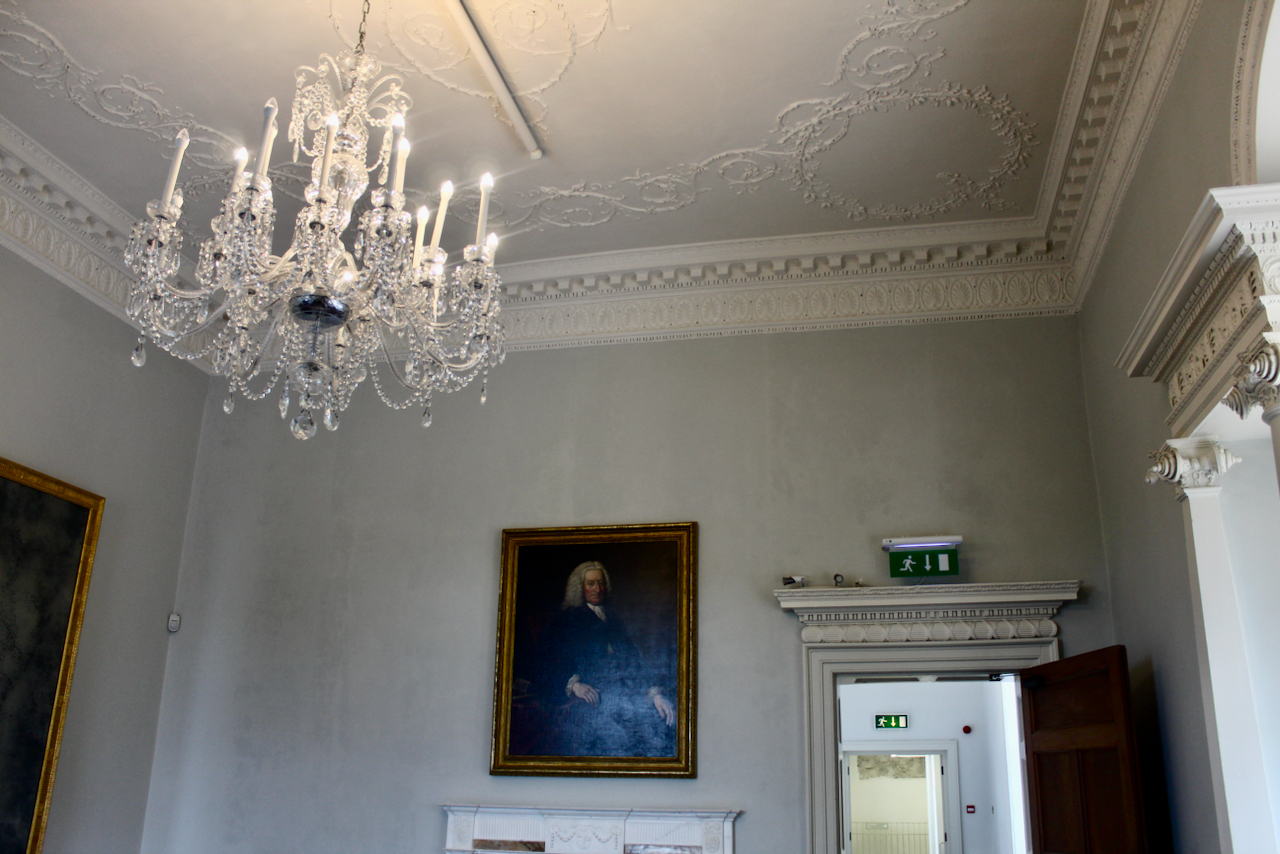
Ballybur Castle, Ballybur Upper, Cuffesgrange, Co. Kilkenny – section 482

Ballybur Castle, courtesy Sherry Fitzgerald Country Homes, Farms and Estates.

www.ballyburcastle.com

Open dates in 2025: Aug 1-31, Sept 1-30, 2pm-6pm
Fee: Free

Ballybur Castle was advertised for sale in 2024, by Sherry Fitzgerald Country Homes, Farms and Estates. I confess that we have not yet had a chance to visit, so I am using photographs taken from the estate agent advertisement.

Ballybur Castle, courtesy Sherry Fitzgerald Country Homes, Farms and Estates.

The castle was built around 1588, by Richard Comerford. It has five storeys. The sales advertisement tells us: “The castle comes with all the delicious myths you would expect of such an atmospheric building, including the story of gold, hidden under the third step of the stone flight leading to the top floor, as well as a secret passage to the neighbouring Burnchurch Castle.

The Ballybur website tells us: “Ballybur Castle is the ancient seat of the Comerford clan, built by Richard Comerford around 1588. Despite the violent times, it seems to have maintained a fairly peaceful existance. It was one of the seats of the powerful Comerford family, the only one remaining.

Ballybur Castle is typical of the single family castles of that period, built primarily for protection against warring groups travelling the countryside. They were usually surrounded by more temporary structures where the farm labourers lived and livestock were kept.

When trouble was brewing, a roofwatch was kept and at the sight of any hostile group, labourers and livestock were gathered into the castle.

The Comerford castles flourished in the 1500s and well into the 16th century, all three castles were clustered in this area. (There were two more castles near Ballybur Castle belonging to the Comerford clan).

Ballybur Castle, courtesy Sherry Fitzgerald Country Homes, Farms and Estates.

One can imagine the social standing of the Comerfords, the entertainment and grand parties that took place in their castles were renowned. The Comerfords occupied Ballybur Castle during the Confederation that took place in Kilkenny in 1641.

Patrick Comerford, a descendant of the Comerfords of Ballybur, tells us more about the history in his blog. He writes that Richard Comerford ‘Senior’ (ca 1462-ca 1532) came into possession of Ballybur, Co Kilkenny, in the early 16th century, through his marriage to Ellen Freny (or French), daughter and co-heir of Patrick fitzFulk Freny, and heiress of Ballymaclaphry and of the moiety of the manor of Ballymacogue, Co Wexford. [1]

Richard ‘Roe’ Comerford (ca 1492?-post 1537), as the eldest son and heir of Richard Comerford ‘Senior’, succeeded his father at Ballybur soon after 1532, and was living there in 1537. His son, Richard ‘Oge’ Comerford, was living at Ballybur Castle in 1566, 1567, 1571/1572, and died ca 1579-1580. Tradition says the present Ballybur Castle was built in 1588 by Richard Oge’s grandson, Richard ‘fitzThomas’ Comerford (1564-1637). [1] Richard Comerford, Lord of Ballybur, who was described as being “truly pious, upright, prudent and valiant”. Richard and his wife Mary Comerford had three sons and eleven daughters, and Ballybur remained in the Comerford family until they were banished in Cromwellian times.

The Papal Nuncio, Archbishop Rinuccini, stayed in the castle when on his way to Kilkenny in November 1645. He presented John Comerford with his rosary beads, which is now on display in Rothe House in Kilkenny city. John inherited the castle from his father Richard ‘fitzThomas’ Comerford, in 1637. They were presented to the Kilkenny Archaeological society by a descendant of John Comerford, Father Edmund Langton-Hayburn (1916-2006), who lived in Freemont, California, and are kept in Rothe House.

Rothe House, County Kilkenny, May 2018.

In 1654 John Comerford was forced to leave during the Cromwellian era. He was compensated with lands near Bunratty in Co Clare, but he never recovered Ballybur Castle or his estates after the Caroline Restoration, despite appeals to his wife’s cousin, the Duke of Ormonde.

Ballybur was acquired by Brian Mansergh (d. 1688) during the Cromwellian land distribution. We came across the Mansergh family when we visited Grenane in County Tipperary.

Patrick Comerford continues, telling us that in 1725 George Mansergh (1682-1754), son of Brian, was living at Ballybur Castle. In 1769, Michael Deignan was living at Ballybur Castle, probably as a tenant of the Mansergh family. Colonel Richard St. George Mansergh added the name St. George to his family when he inherited his maternal uncle’s property. In 1836, Richard Mansergh St. George owned Ballybur Castle, Patrick Comerford tells us.

Richard Mansergh St. George (c.1750-1798) 1791, by Hugh Douglas Hamilton courtesy of military-history.fandom.com/wiki/Richard_St_George_Mansergh-St_George. He inherited the Headfort estate in County Galway, and was murdered by rebels in 1798.

I found a photograph in the National Library of Ireland that seems to tell us that a James Murphy lived in Ballybur, who had a daughter, Kathleen. Carol Maddock provides an extract from the Kilkenny People on the day: “… in the O’Loughlin Memorial Church in St. John’s Parish, when Chevalier Thomas O’Loughlin, Killarney Villa, Ballarat, Australia, was united in marriage with Miss Kathleen Murphy, fifth daughter of Mr. James Murphy, Ballybur Castle, Co. Kilkenny. Chevalier O’Loughlin (or Count O’Loughlin, as he now is[…]) is a prominent figure in the Catholic world in Ireland and Australia. A native of Kilkenny and the inheritor of a vast fortune in the Southern Continent … The wedding ceremony was fixed for 8 o’clock…[about thirty priests con-celebrated the mass, even some from Australia!] … followed by her sisters, the Misses Daisy and Sheela Murphy…”

Chevalier O’Loughlin wedding, large family group, 27 September 1911 (date of wedding) Photographer: A. H. Poole of Poole Photographic Studio, Waterford National Library of Ireland Ref POOLEWP 2350a

The website continues:

We know little about the period between 1655 until 1841 when it is stated that Thomas Deigan was the occupier of Ballybur.

“Locally it is known that the Marnell sisters married into the Deigan family. They occupied Ballybur until Frank and Aifric Gray bought it in 1979.

It has been occupied until recently by their family. They used traditional techniques and local builders to restore the castle over twenty-five years. They received assistance for the renovations from the Kilkenny County Council, the Heritage Council and from the Barrow Suir Development. The castle is now completely refurbished. When they purchased the castle it had no roof – it had been blown off by a canon in Cromwellian times!

Ballybur Castle, courtesy Sherry Fitzgerald Country Homes, Farms and Estates.

The castle measures 38 feet by 30 feet at the base and stands 65 feet tall. [2] The windows are narrow, but the deeply angled window sills let in the light. Compared with other similar square tower houses, Ballybur has larger rooms and wider stairs than most. Ballybur Castle has been restored and has been a self-catering holiday home.

Ballybur Castle, courtesy Sherry Fitzgerald Country Homes, Farms and Estates.

The Irish Antiquities website describes the castle on a visit in 1986:

A tower-house was inspected at Ballybur. It is about five storeys high and has a machicolation over the doorway. There are two mullioned windows at the top floor and another at second floor level. There are many narrow slits including corner slits and some slopstones. There are remains of a bartizan. A large fireplace on the ground floor may be a later insertion. The first floor is in place and there are fragments of the other floors. To the right of the entrance is a guard chamber and a mural stairway rises to the left. This changes to a spiral above the first floor. The tower is vaulted above the third floor. Many mural chambers lead off the stairway. A mural passage at the third floor leads to a garderobe with a latrine chute. Above the vault is a large chamber with deep recessed windows and a good fireplace. There is a good slopstone at this level. A small turret rises in one corner above roof level.” [3]

The ground floor would have originally been used for storage. Today it is a kitchen, with a solid fuel range, separate gas range, and a richly timbered ceiling, offsetting the stone flagged floor. A hallway to the rear leads to a WC, and the spiral stone stairs to the first floor.

Ballybur Castle, courtesy Sherry Fitzgerald Country Homes, Farms and Estates.

The first floor consists of an immense bedroom with niches in the walls for sleeping. There is also a smaller double room and an elegant bathroom that has a large Victorian bath.

Ballybur Castle, courtesy Sherry Fitzgerald Country Homes, Farms and Estates.

On the second floor, there is a substantial room with more deep niches in the walls once used for beds. During the daytime these niches were covered by hanging tapestries and the room was used as a living space. Now this floor is a huge double height dining room, with an enormous chandelier hanging down in the centre. The room has a medieval stone fireplace for big blazing fires. Off this room there is a bedroom with windows overlooking the castle grounds. This floor also has a smaller kitchen and shower room.

Ballybur Castle, courtesy Sherry Fitzgerald Country Homes, Farms and Estates.

The third floor, with its vaulted ceiling, has a bedroom that was once the private chapel of the Comerford family, and it is said that Cardinal Rinucinni said Mass here when he stayed at Ballybur Castle. This floor also has a shower room with toilet and sink. From a little balcony you can peep through a narrow doorway down into the dining room.

Ballybur Castle, courtesy Sherry Fitzgerald Country Homes, Farms and Estates.

The fourth and top floor was once the “state apartment” and is now a magnificent baronial-style drawing room. The room has an oak beamed ceiling that has been left exposed, a huge stone fireplace and another giant chandelier. High above, at the top of this room, a stained glass window is a testament to Nicholas Marnell and his promise to his forbearers that he would hand over the castle to someone who would show it the love it needed to be brilliant again. The artist is Shane Grincell, Tommy Marnell’s grandson.

Ballybur Castle, courtesy Sherry Fitzgerald Country Homes, Farms and Estates.

Off this room, a secret room has a deep floorshaft, which was used as a “priests’ hole” for hiding visiting priests after the Reformation or to keep prisoners.

A smaller flight of stairs leads up to the ramparts, and on clear days views stretch as far as Mount Leinster and Slievenamon.

Ballybur Castle, courtesy Sherry Fitzgerald Country Homes, Farms and Estates.

[1] http://www.patrickcomerford.com/search/label/castles?updated-max=2017-03-10T11:30:00Z&max-results=20&start=79&by-date=false

[2] http://www.britainirelandcastles.com/Ireland/County-Kilkenny/Ballybur-Castle.html

[3] http://irishantiquities.bravehost.com/kilkenny/ballybur/ballybur.html

Desmond Banqueting Hall, Newcastlewest, County Limerick – OPW

Desmond Banqueting Hall, Newcastlewest, County Limerick:

General information: 069 77408, desmondhall@opw.ie

Desmond Hall, north facade. Most of what we see today dates from the 15th century. The Desmond Hall consists of a two storey hall over a vault, with tower. It fell into disrepair and was renovated in the 19th century. Photograph © Jennifer Winder-Baggot, www.irishhistorichouses.com

For the season that’s in it, at this beginning of December 2024, I feel it is appropriate to publish this post about a Banqueting Hall! I also would like to remind my readers that I have a few 2025 calendars left, and I am discounting them as the printing did not turn out so well and the images are unfortunately a bit dark. If you prefer one of better quality, I will have to charge the higher price of €30.

2025 Diary of Irish Historic Houses (section 482 properties)

To purchase an A5 size 2025 Diary of Historic Houses (opening times and days are not listed so the calendar is for use for recording appointments and not as a reference for opening times) send your postal address to jennifer.baggot@gmail.com along with €20 via this payment button. The calendar of 84 pages includes space for writing your appointments as well as photographs of the historic houses. The price includes postage within Ireland. Postage to U.S. is a further €10 for the A5 size calendar, so I would appreciate a donation toward the postage – you can click on the donation link.

€20.00

2025 Diary of Irish Historic Houses (section 482 properties)

To purchase an A5 size 2025 Diary of Historic Houses (opening times and days are not listed so the calendar is for use for recording appointments and not as a reference for opening times) send your postal address to jennifer.baggot@gmail.com along with €20 via this payment button. The calendar of 84 pages includes space for writing your appointments as well as photographs of the historic houses. The price includes postage within Ireland. Postage to U.S. is a further €10 for the A5 size calendar, so I would appreciate a donation toward the postage – you can click on the donation link.

€20.00

donation

Help me to pay the entrance fee to one of the houses on this website. This site is created purely out of love for the subject and I receive no payment so any donation is appreciated!

€15.00

Donation towards accommodation

I receive no funding nor aid to create and maintain this website, it is a labour of love. I travel all over Ireland to visit Section 482 properties and sometimes this entails an overnight stay. A donation would help to fund my accommodation.

€150.00

From the OPW website https://heritageireland.ie/visit/places-to-visit/desmond-castle-newcastlewest/:

Many of Ireland’s surviving medieval halls are in west Limerick. The Desmond Banqueting Hall in Newcastle West is one of the most impressive among them.

It was begun in the thirteenth century by Thomas ‘the Ape’ FitzGerald, so named because of the story that an ape took him from his cradle to the top of Tralee Castle – and delivered him safely back again.

However, most of the spacious, imposing structure was created in the fifteenth century, at the height of the Desmond earls’ power, and used as a venue for frequent and lavish banquets.

The oak gallery, from which musicians would provide a raucous soundtrack for the revelry below, has been fully restored.

Desmond Hall, south facade. Photograph © Jennifer Winder-Baggot, www.irishhistorichouses.com

The prefix “Fitz” is taken from the Norman-French “fiz” son of. Early members of the family were known by their father’s name, ie. Fitzmaurice or Fitzthomas, but eventually the name settled to be Fitzgerald.

The Fitzgeralds were Anglo-Norman and came to Ireland at the time of King Henry II in 1169. After the initial colonisation of Ireland in the southwest and east, the Fitzgeralds and some others pushed into the southwest, the information boards tell us. It was only after the death of Donal Mór Ó Brien, King of Thomond, in 1194 that the Fitzgeralds and other Normans took over most of Limerick. By 1215 they held the towns of Cork, Limerick and Waterford and had built a castle in Dungarvan.

An inquisition of lands in 1298 describes the manor of Newcastle as containing the “New Castle with buildings inside and outside the walls” and the mill of Newcastle.

An information board at Desmond Hall with a picture of what the Castle would have looked like in about 1450.

The surviving buildings are Desmond Hall and Halla Mór. This is possibly the site of the earliest castle foundations, and remnants of the early walls are found underground today. The Desmond hall shows more than one phase of development. Embedded in the exterior of the south wall are vestiges of four early thirteenth century sandstone lancet windows. The fifteenth century development of the hall by the 7th Earl of Desmond introduced many changes including the addition of a projecting tower with small chambers and a stairwell to the Northwest corner.

The Desmond hall shows more than one phase of development. Embedded in the exterior of the south wall are vestiges of four early thirteenth century sandstone lancet windows. Photograph © Jennifer Winder-Baggot, www.irishhistorichouses.com

The lower level of the banqueting hall has an excellent display of boards telling us more about the history of the Fitzgerald Earls of Desmond. An old fireplace is set in one wall, it seems to be from 1638.

The visitor centre lies in a building across the courtyard, and another building is being refurbished.

The visitor centre, behind the barn-style doors. This was a coach house and probably built in the time of the tenure by the Courtenay family after 1670s. It was in ruinous condition when it came into care of the state and has been renovated. Photograph © Jennifer Winder-Baggot, www.irishhistorichouses.com
Information about the buildings at Newcastle West.
The lower level of the Desmond Hall. Photograph © Jennifer Winder-Baggot, www.irishhistorichouses.com
Desmond Hall.
Desmond Hall.
The 1638 Kilmallock fireplace. It has been removed from its original location and placed here in the vaulted chamber. Photograph © Jennifer Winder-Baggot, www.irishhistorichouses.com

The first claim to the land of Desmond was obtained by the Fitzgeralds when John Fitzthomas married the co-heiress Margery FitzAnthony and was granted in 1251 a share in her father’s lands described as “all the lands of Decies and Desmond and custody of the castle of Dungarvan.” This land was added to the Fitzgerald landholdings in Limerick and North Kerry. In 1292 King Edward I (d. 1307) granted Thomas Fitzmorice (Fitzgerald) and his wife Margaret Berkeley, who was a cousin of the king, “joint custody of Decies and Desmond.” It’s interesting that the wife was given joint custody, and that daughters could be heirs, which as we know was not always the case.

A leaflet from the castle tells us that by 1298, a strong stone castle stood overlooking the Arra River in Newcastle West. Curtain walls with defensive towers surrounding the main buildings, a variety of simple thatched houses and byres for cattle as well as fishponds. The Normans immediately began to consolidate their position by negotiating with the local Gaelic families, while driving the poorer Gaelic peasants into the mountains. By the time of Maurice Fitzthomas Fitzgerald (abt. 1293-1356), the O’Briens to the north had become firm allies of the Fitzgeralds. In 1329, Maurice was created 1st Earl of Desmond, the term “Desmond” being derived from the Irish Deas mnumhain meaning south Munster. By this time the Fitzgeralds were using the Irish language in their daily lives and had taken on many of the values and habits of the Irish culture.

Desmond Hall.
Information board about the Desmonds in the fourteenth century.

The 1st Earl plotted against the King of England, and allied himself with the Gaelic lords. They pillaged many settlements in the south of Ireland. He is said to have written to the Pope to say that King Edward III of England had no right to the lordship of Ireland. It is also claimed that he wrote to the kings of France and Scotland to form an alliance. During a campaign against him he lost his castles at Askeaton and Castleisland. However, the King pardoned him and made him Chief Justiciar of Ireland in 1355.

Gearóid Iarla (c. 1338-1398) became the 3rd Earl of Desmond in 1356. He was an expert mathematician and apparently, the leaflet tells us, a magician! He was also a poet and introduced the idea of courtly love into Gaelic poetry. He also served as Justiciar. He married Alianore, or Eleanor, Butler, daughter of James 2nd Earl of Ormond.

Information board and the Desmonds versus the Ormonds.

Despite the marriage alliance between the Desmonds and the Ormonds, they still battled. A fifteen day conference at Clonmel in 1384 led to a treaty between the families.

Photograph © Jennifer Winder-Baggot, www.irishhistorichouses.com

Thomas the 8th Earl of Desmond (c. 1426-1468) was made Lord Deputy of Ireland 1464-67. During his time the Desmonds fought again with the Ormonds, including during the War of the Roses when they took opposing sides. The Ormonds supported the victorious Lancasters.

The 8th Earl was however thought to side with the Irish still and was executed by the next Lord Deputy.

The information boards give us more history about Desmond family. The Earls of Desmond fell out of favour after the 8th Earl was executed in 1468.

Photograph © Jennifer Winder-Baggot, www.irishhistorichouses.com

After the execution of the 8th Earl of Desmond in 1468, the later Earls withdrew from contact with England. The leaflet from the site tells us that the arrival of new settlers in Munster as well as Catholic mistrust of the Protestant state set off risings by the Earls in 1567-73 and 1579-83. Earl Gerald (15th Earl) was declared an outlaw and Munster was laid waste by Crown forces. The rebellion was a failure and Gerald was captured and killed during a cattle raid. The Desmond lands were taken and distributed to English settlers.

Desmond Hall. Photograph © Jennifer Winder-Baggot, www.irishhistorichouses.com
Desmond Hall.
Desmond Hall.
Photograph © Jennifer Winder-Baggot, www.irishhistorichouses.com

This takes us up to the fifteenth century and the time when the Hall would have been used, as we see it today. The information board tells us that the Hall was where the Lord held court, and that this has two meanings: it was the court of judgement as well as the court of entertainment and dining.

Information board about Halls in Irish castles.
Desmond Hall.
Desmond Hall.
Desmond Hall.
James Fitzgerald the 7th Earl of Desmond is credited with making extensive repairs to the castle complex between 1440 and 1460, including converting what was probably the 13th century chapel into the large and elaborate banqueting hall we see today. Photograph © Jennifer Winder-Baggot, www.irishhistorichouses.com
Photograph © Jennifer Winder-Baggot, www.irishhistorichouses.com

The Banqueting Hall was restored in the early 19th century, the ruined battlements were taken down and a new pitch pine roof was put on. The original hooded stone fireplace had collapsed and a seventeenth century replacement, the one we now see in the lower vault, was installed, taken from a house in Kilmallock. The Banqueting Hall was used as a Masonic lodge and later as a general purpose hall for the community.

The leaflet tells us that when the 17th century fireplace was taken down for repair and cleaning, enough of the original hooded fireplace remained that it could be reconstructed with reasonable accuracy.

There was evidence for a timber screen at the west end of the hall, and this has been replaced by a musician’s gallery made of oak.

Desmond Hall. Photograph © Jennifer Winder-Baggot, www.irishhistorichouses.com
The restored oak gallery. Photograph © Jennifer Winder-Baggot, www.irishhistorichouses.com
Photograph © Jennifer Winder-Baggot, www.irishhistorichouses.com

I was surprised to hear that the windows facing the village would have had glass in the fifteenth century. The other side, away from public view, would not have had this expensive luxury.

Desmond Hall. Photograph © Jennifer Winder-Baggot, www.irishhistorichouses.com
The Lord would have sat on a raised stage, for viewing and to look impressive. Photograph © Jennifer Winder-Baggot, www.irishhistorichouses.com
These are the sorts of eating vessels that would have been used, our guided told us. I love the little decorative head on the jug. Photograph © Jennifer Winder-Baggot, www.irishhistorichouses.com
The Halla Mór. Photograph © Jennifer Winder-Baggot, www.irishhistorichouses.com
Information board about the Halla Mór. Photograph © Jennifer Winder-Baggot, www.irishhistorichouses.com
Photograph © Jennifer Winder-Baggot, www.irishhistorichouses.com

The later history of Desmond Hall is after the lands of Gerald the 15th Earl of Desmond were seized.

Photograph © Jennifer Winder-Baggot, www.irishhistorichouses.com

After the Earls of Desmond has lost their land, it was given to some prominent and wealthy Englishmen who would develop the Munster Plantation. These men, called “Undertakers,” would undertake to establish English families on the land they were given. Sir William Courtenay (or Courtney) (1553-1630), 3rd Earl of Devon, was granted 10,000 acres at Newcastle. He was originally from Devon in England, and he was given land on condition that eighty English colonists would be housed on his property.
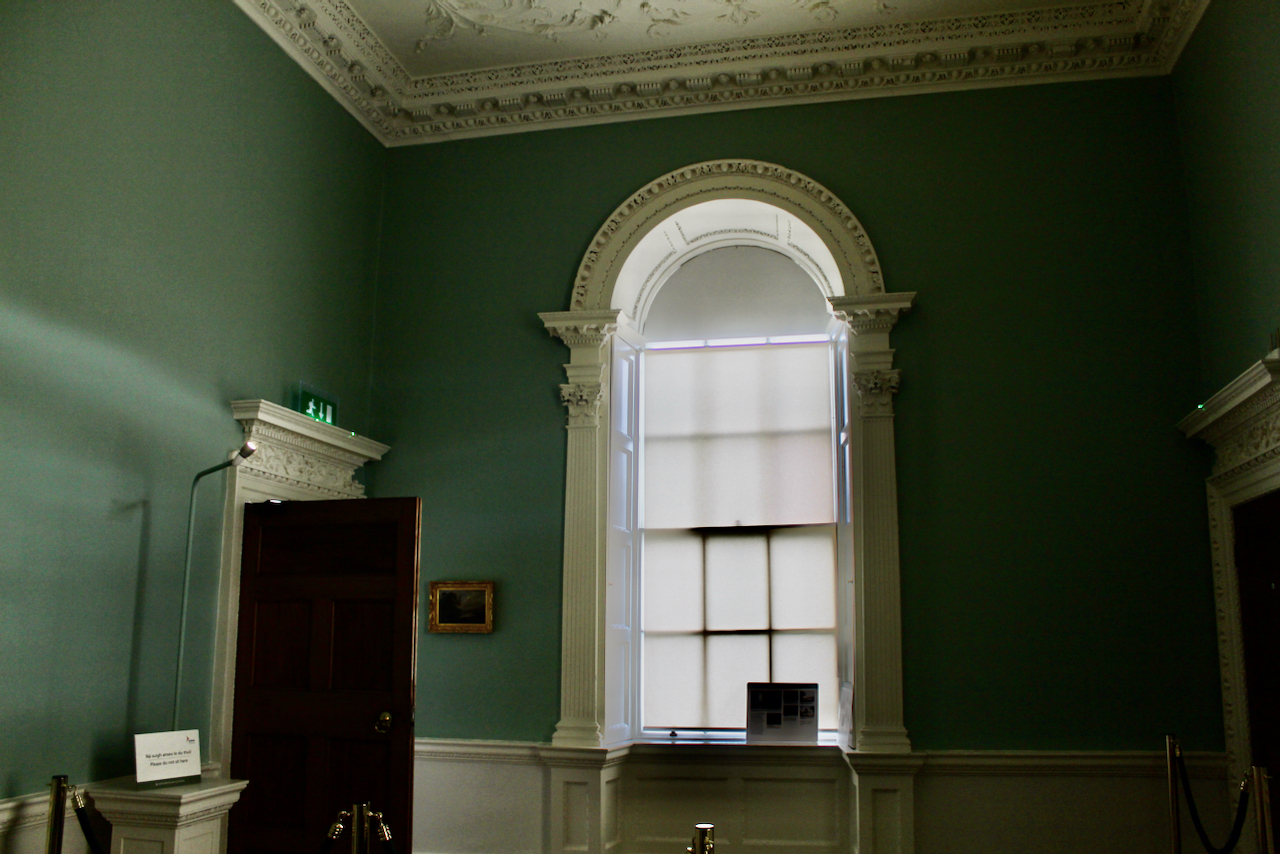
Desmond Hall.
Photograph © Jennifer Winder-Baggot, www.irishhistorichouses.com

Newcastle passed to William Courtenay’s son George Courtenay (d. 1644), who in 1621 became 1st Baronet Courtenay of Newcastle, County Limerick. The sign boards tell us that in 1641 English settlers crowded into the protection of the walled castle, but after a long seige it fell to General Purcell of the Confederate forces. The Confederates where an amalgamation of Gaelic Ulster families and Anglo-Norman families who were dissatisfied with assurances given to them by King Charles I about their freedom to practice their Catholic faith, and they feared the militant intolerance of the English Parliament.

The Courteneys built an mansion to replace the destroyed castle. George’s son Francis inherited, but as he had no offspring, Newcastle passed to his cousin, William Courtenay (1628-1702) 5th Earl of Devon and 1st Baronet Courtenay. The property remained in the family but they did not live there, and finally it was sold in 1910.

In 1777 William 2nd Viscount Courtenay (1742-1788) built a Church of Ireland church between the Banqueting Hall and the main square of the town. It was demolished in 1962 as it had fallen into disrepair. The 2nd Viscount was 8th Earl of Devon and 4th Baronet Courtenay.

In 1922 the main building, then known as Devon Castle, burnt, and was replaced by a house nearby. The Desmond Hall was sold to the Nash family, and finally the Land Commisson took over the land. Desmond Hall was used for town social events and the Halla Mór as a cinema. The Hall became a National Monument in 1981. Restoration began in 1989.

Photograph © Jennifer Winder-Baggot, www.irishhistorichouses.com