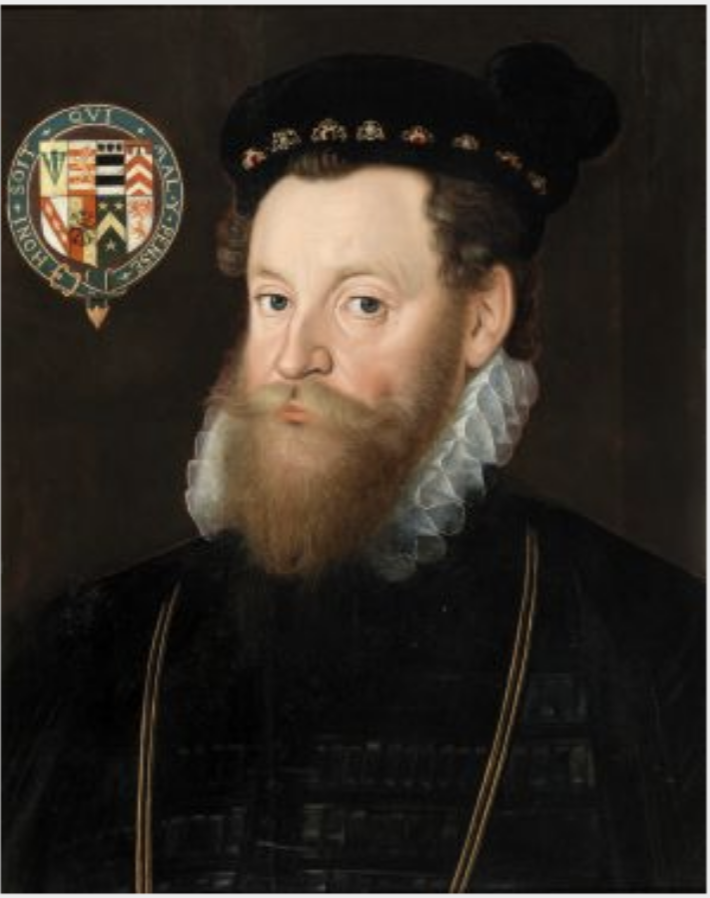
Mount Stewart, County Down, Northern Ireland, a National Trust property

We don’t have a National Trust in the Republic of Ireland the way they do in Northern Ireland. We have instead organisations such as the Office of Public Works, The Landmark Trust, Irish Heritage Trust and An Taisce. Sorry to republish this as a separate entry – previously published in my “Places to visit and stay in County Down” entry. I’ve been busy at weekends and not visiting Section 482 properties, but I’ll catch up again with that soon I hope!

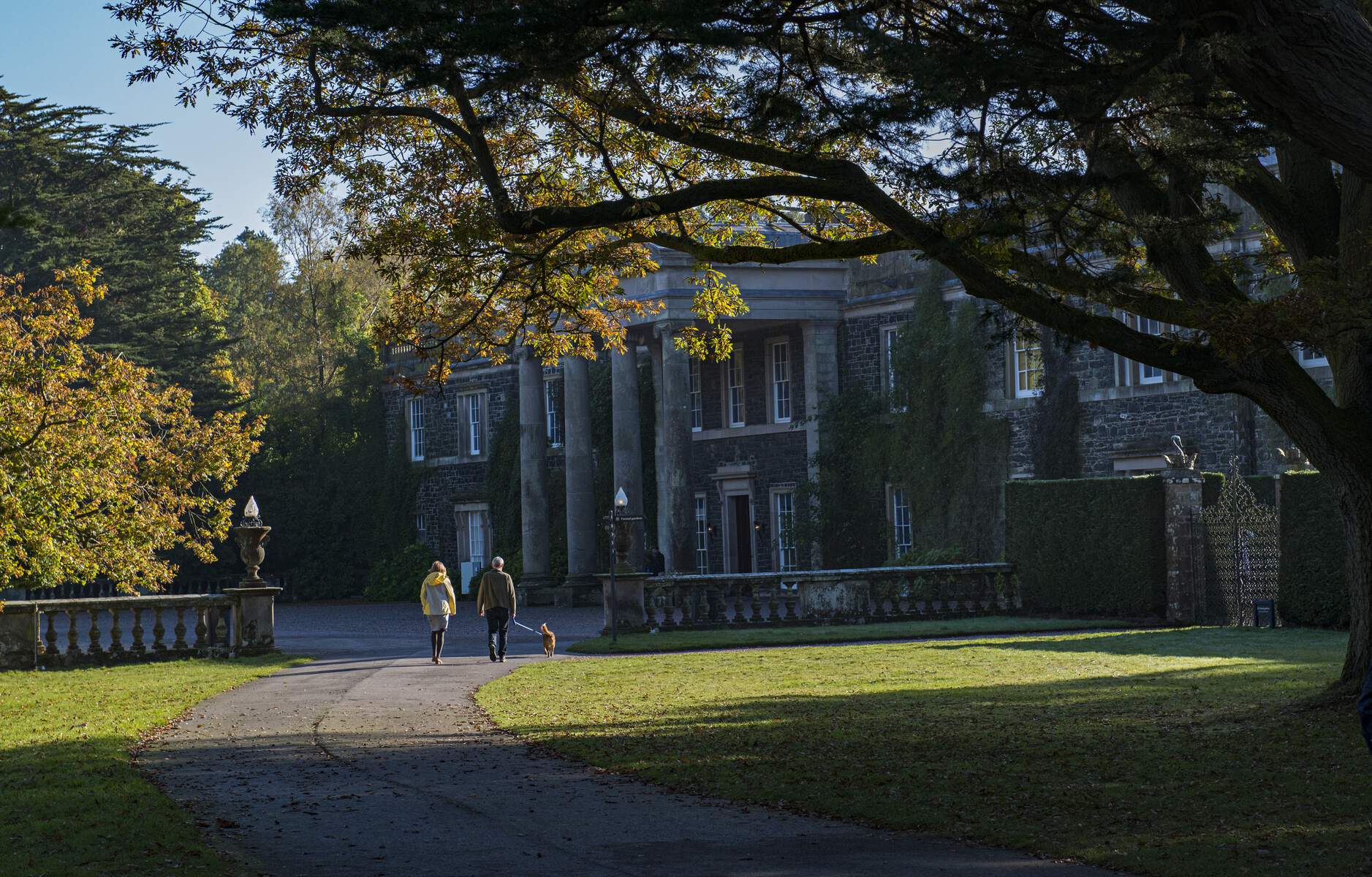
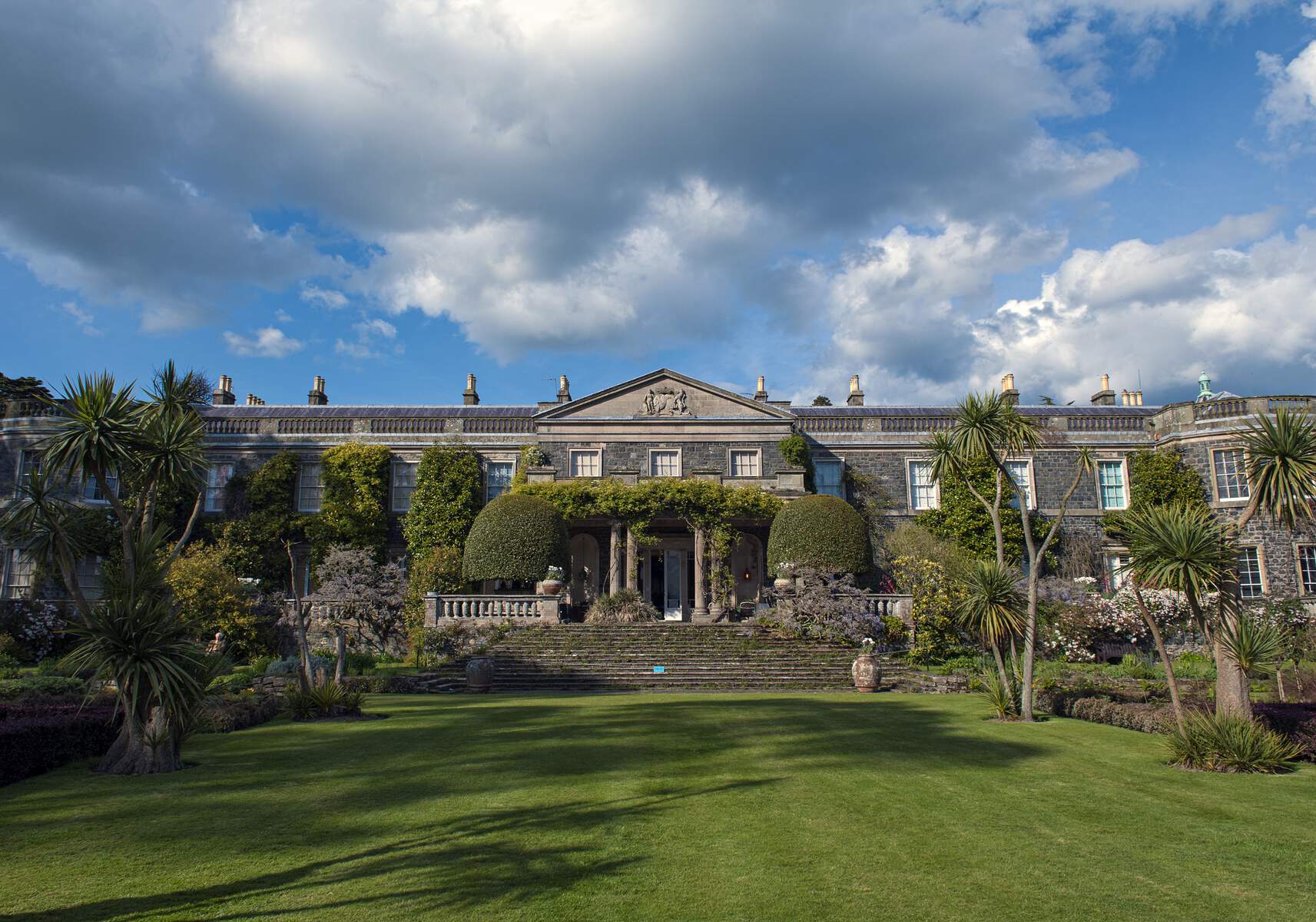
Mount Stewart, County Down, by Art Ward for Tourism Northern Ireland, 2016. (see [1])

https://discovernorthernireland.com/things-to-do/mount-stewart-p675341

and https://www.nationaltrust.org.uk/mount-stewart

The National Trust website tells us:

The Stewarts came from Scotland to Donegal as part of the Jacobean Plantation of Ulster. Alexander Stewart [1700-1781] and his wife, Mary Cowan, bought a large area of land in County Down in 1744, part of which became Mount Stewart demesne. Mary had inherited a fortune from her brother, Robert Cowan, who was in the East India Company, and was Governor of Bombay.” Mary and Robert’s father John Cowan was an Alderman of the city of Derry in what is now Northern Ireland. Alexander Stewart was MP for Derry.

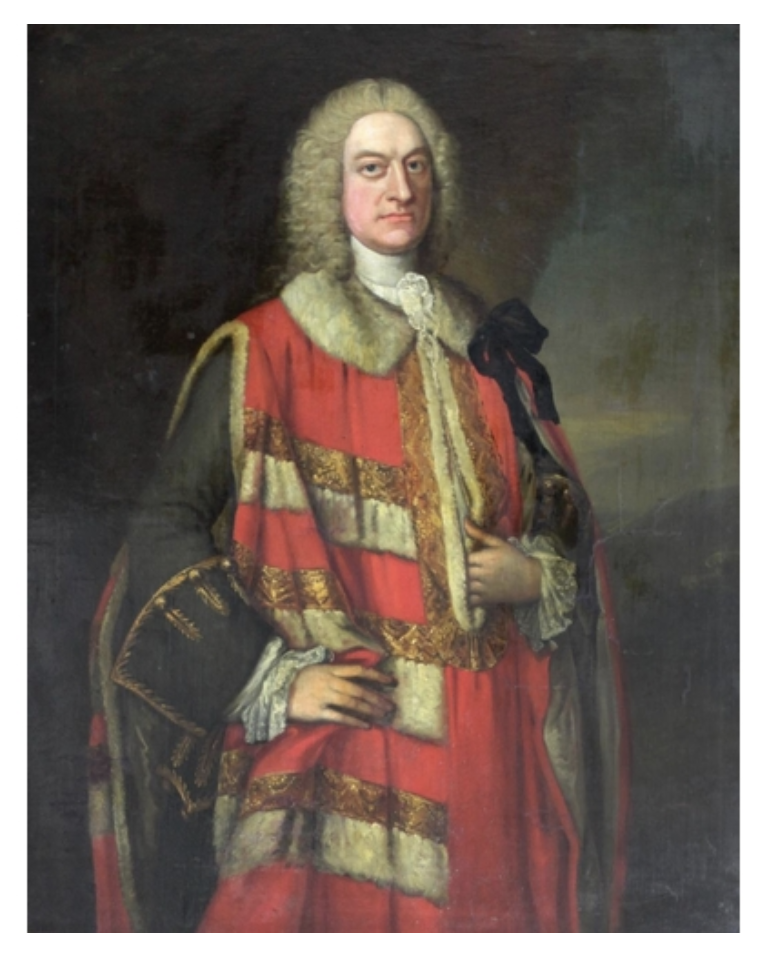
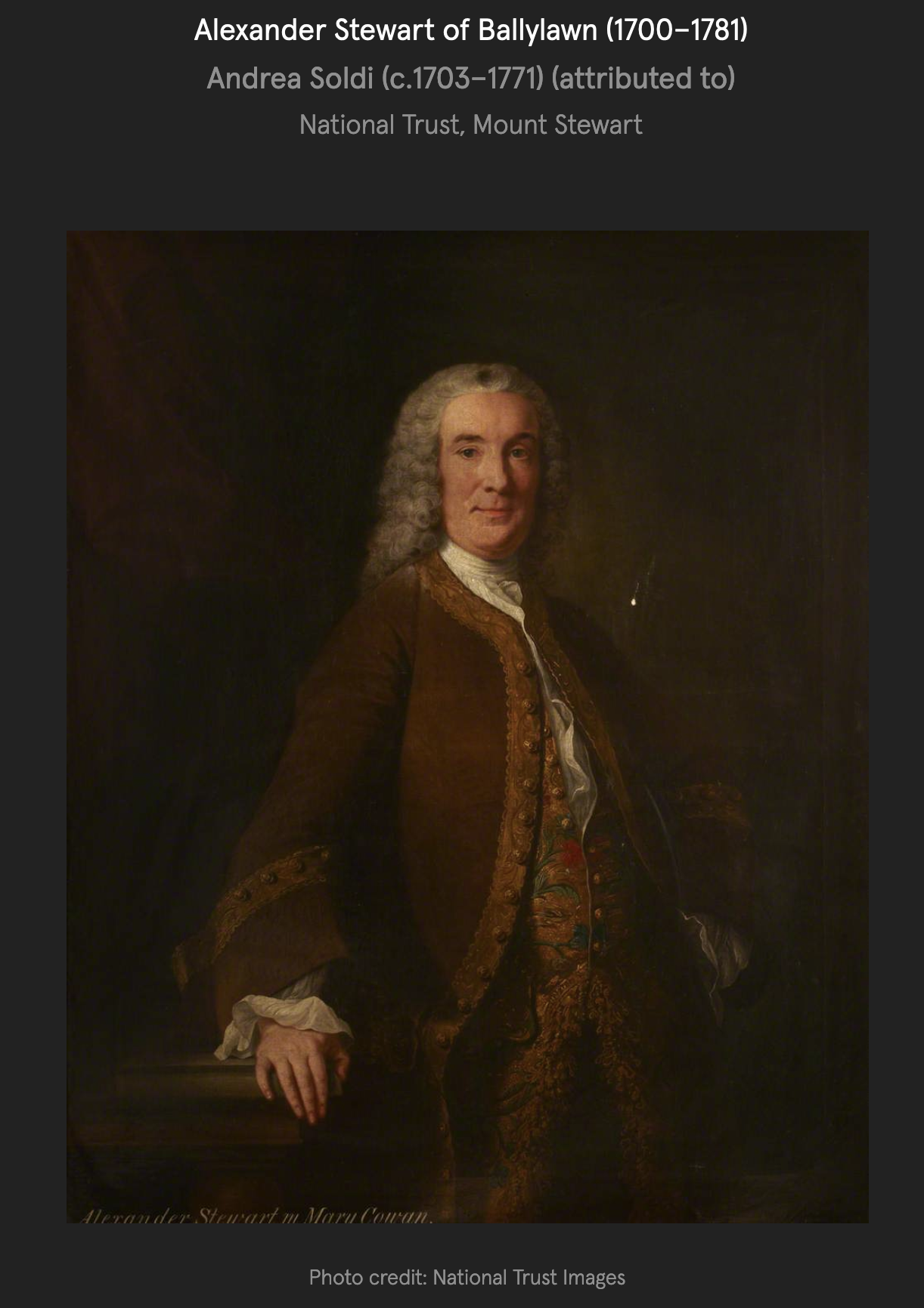
Alexander Stewart (1700-1781) by Andrea Soldi, courtesy of National Trust Mount Stewart.
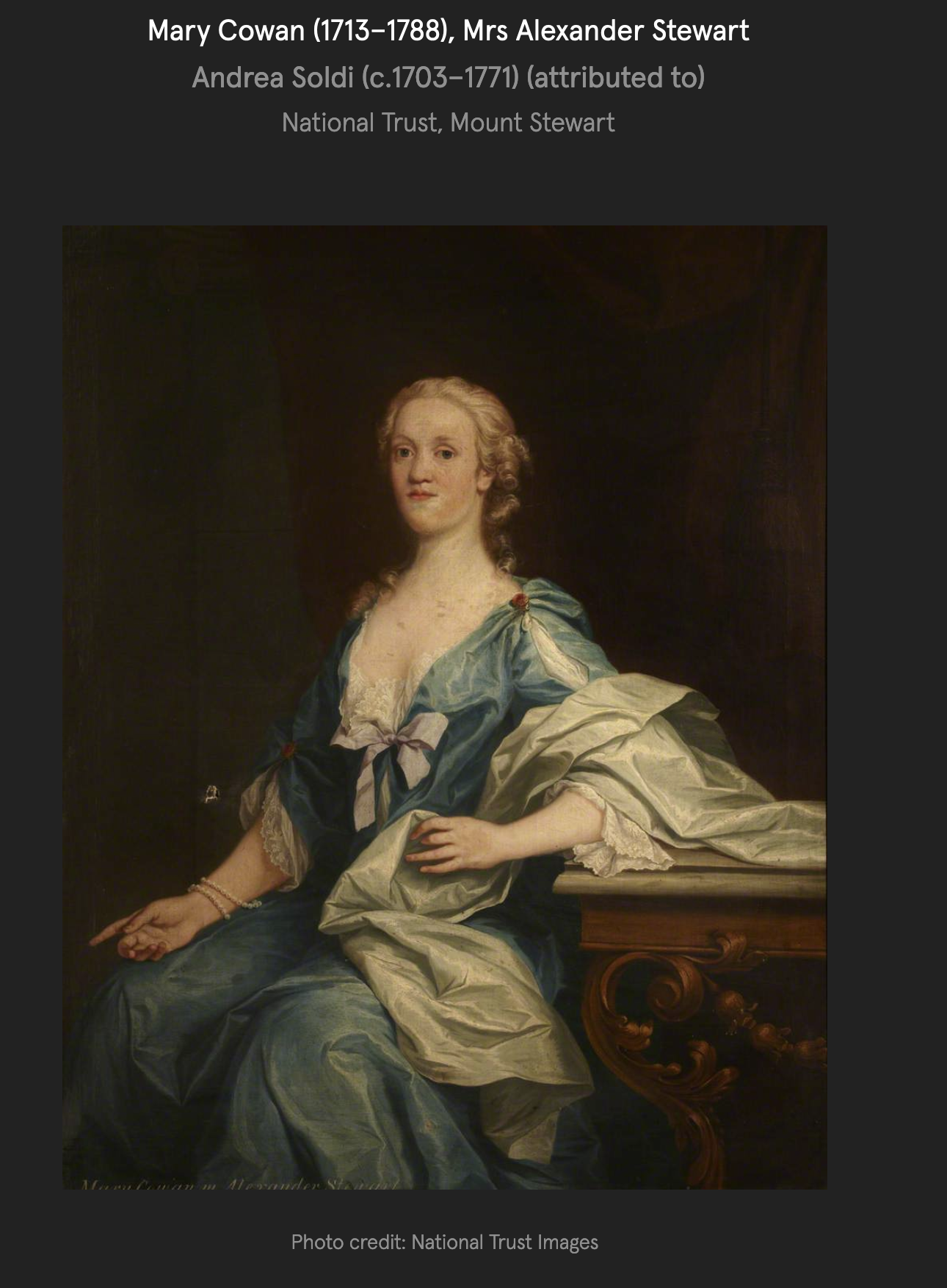
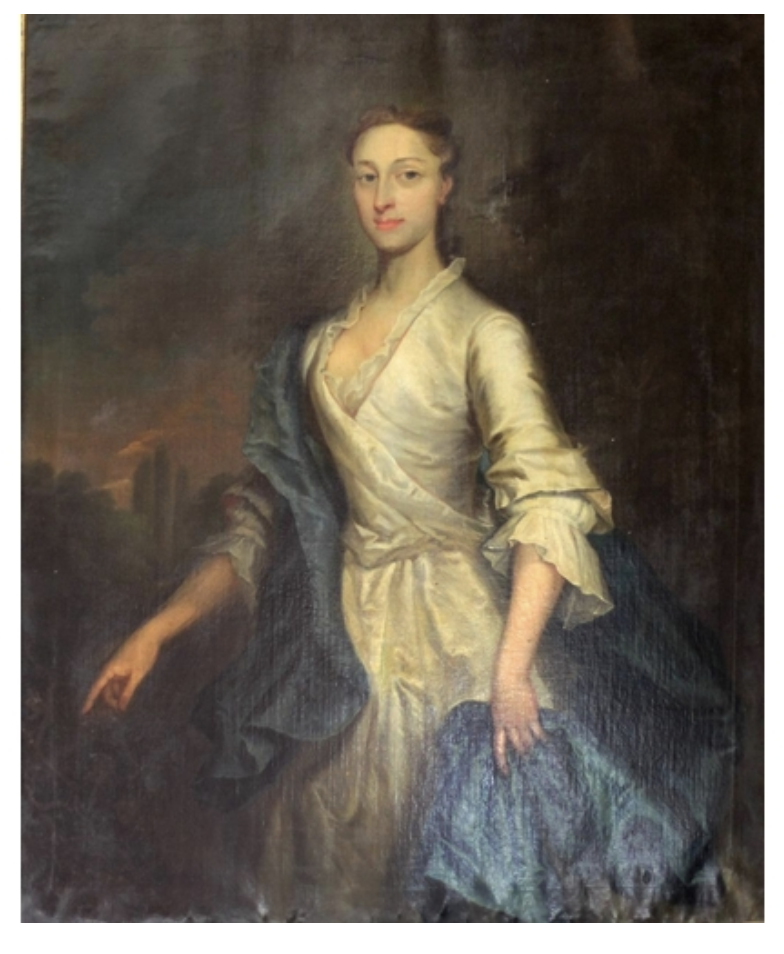
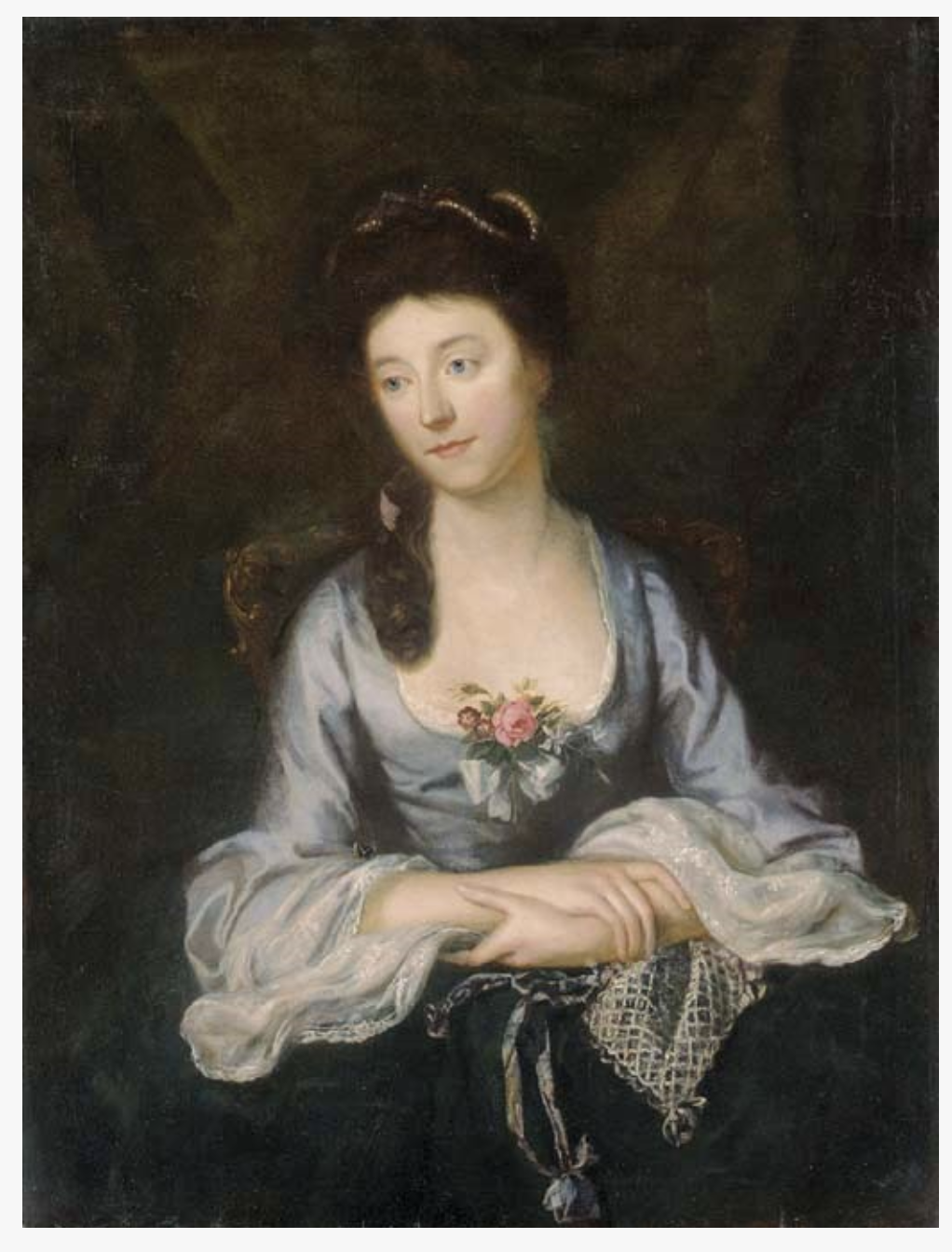
Oil painting on canvas, Mary Cowan, Mrs Alexander Stewart (1713–1788), by Andrea Soldi (Florence c.1703 – London 1771), circa 1737. A three-quarter-length portrait of a woman with fair hair, seated, turned to the left, wearing a blue dress with a pink bow, and white drapery. She rests her left elbow on a table, and points to the left with her right hand. She married Alexander Stewart in 1737. The artist returned from “the Levant” to London in 1736 and painted in Scotland c. 1756-58.

The National Trust website continues: “A modest house on the shore of Strangford Lough was extended in the 1780s into a long low 2-storey house by Alexander’s son, Robert. Robert also built a walled garden and farm buildings further inland, and commissioned James ‘Athenian’ Stuart to design the Temple of the Winds, one of the finest small neo-classical buildings in Ireland. Through his political connections and marriage, Robert rose through the political ranks, becoming earl and subsequently marquess of Londonderry.

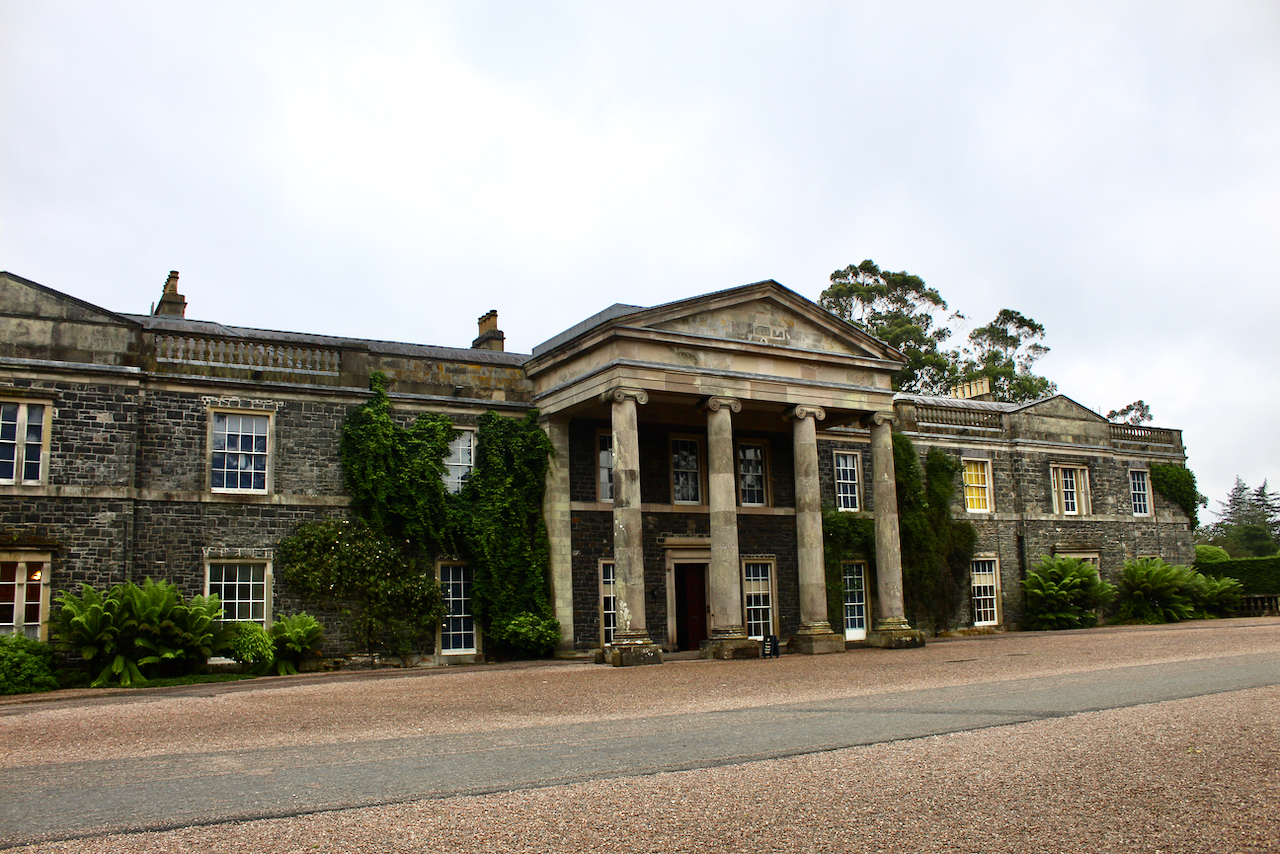
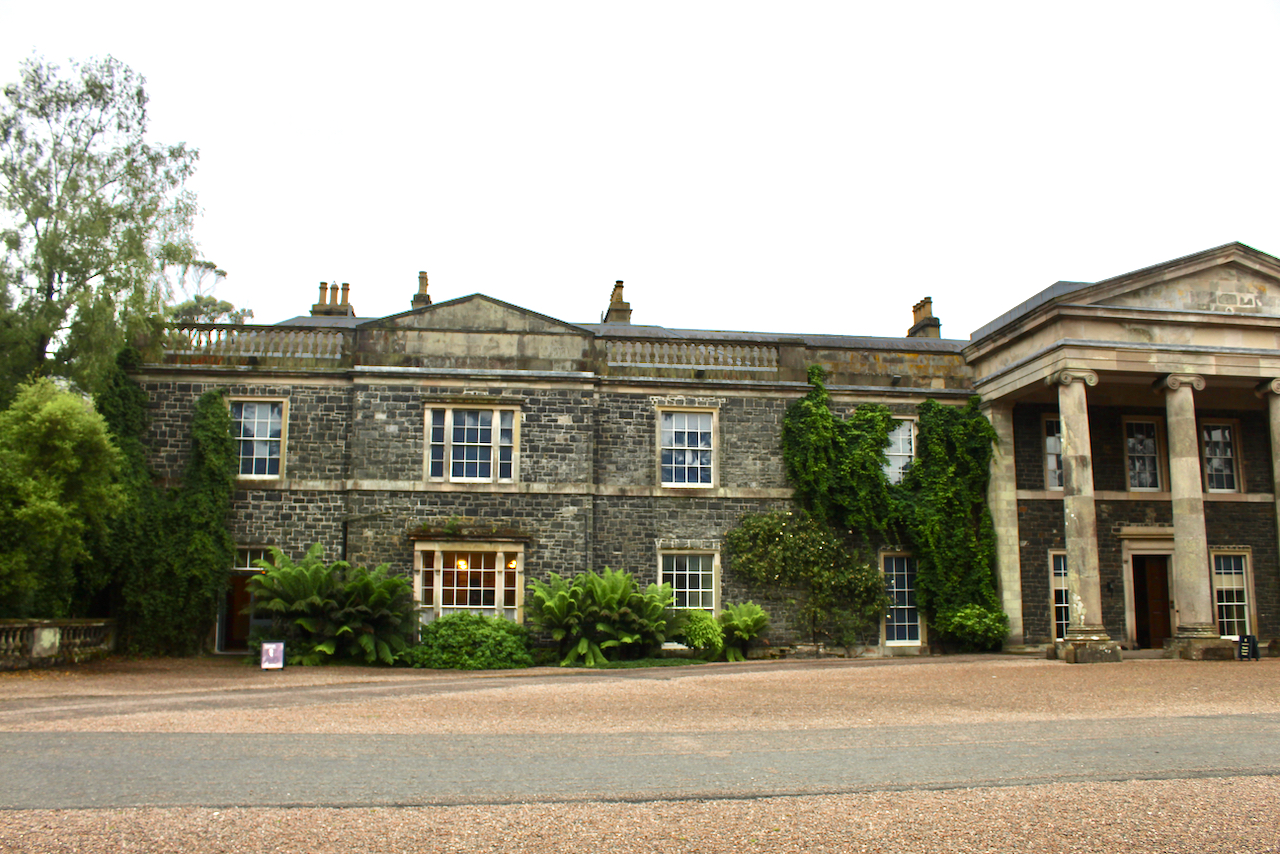
Mount Stewart, County Down, June 2023. The porte-cochere was added by the 3rd Marquess of Londonderry, when William Morrison designed enlargement of the house. Photograph © Jennifer Winder-Baggot, www.irishhistorichouses.com
This portrait was completed Robert’s Grand Tour and is considered one of the finest of only 25 similar portraits completed by Anton Raphael Mengs. Robert built the west of the house at Mount Stewart and the Temple of the Winds, an octagonal building inspired by the Roman temples he had seen during his tour of Italy.
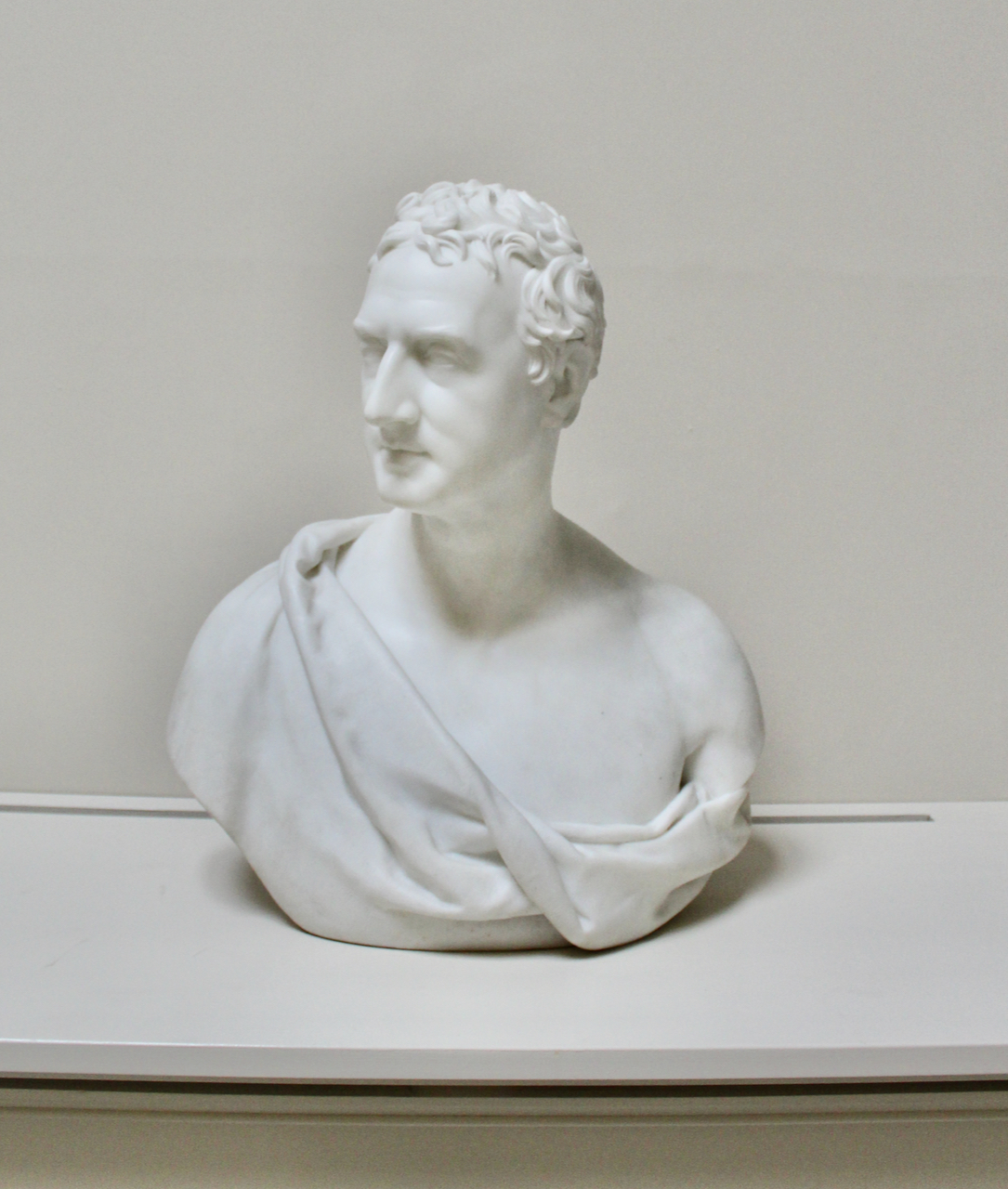
Robert Stewart, 1st Marquess of Londonderry, by John Edward Jones of Dublin, 1855, of Carrara marble. Photograph © Jennifer Winder-Baggot, www.irishhistorichouses.com
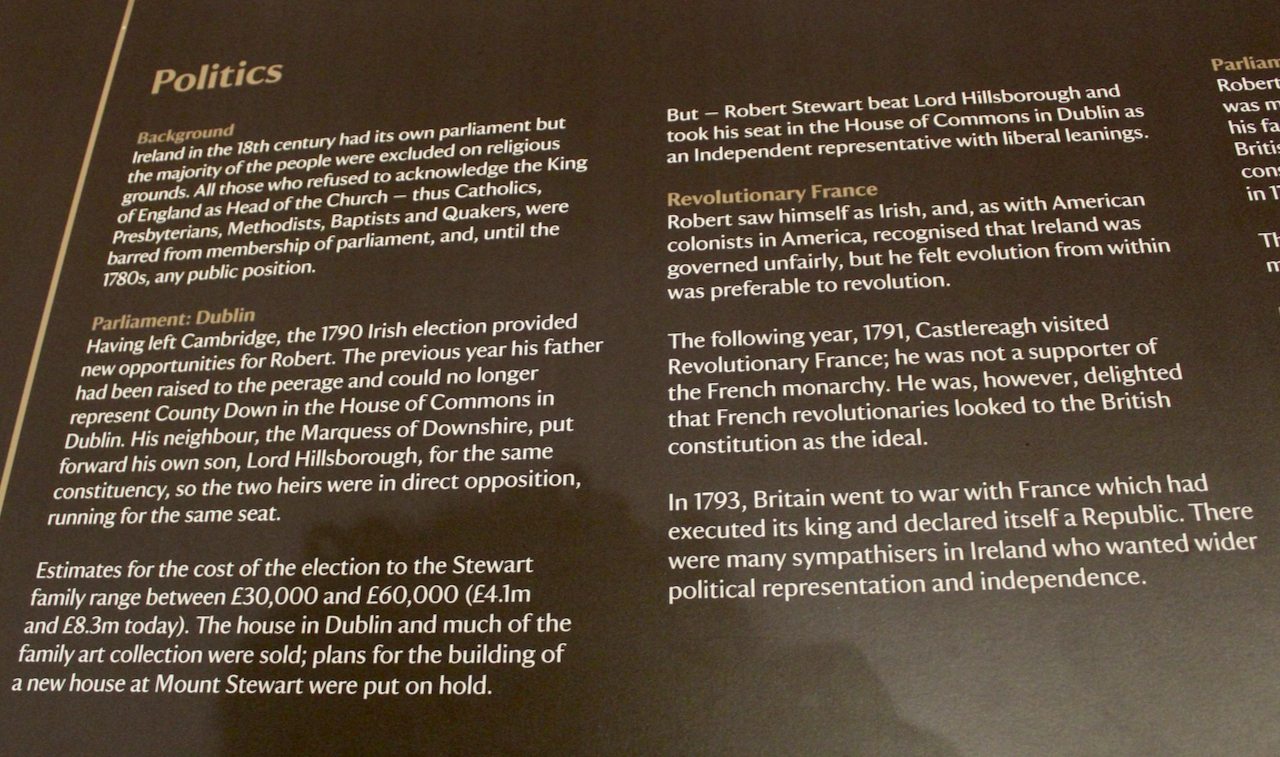
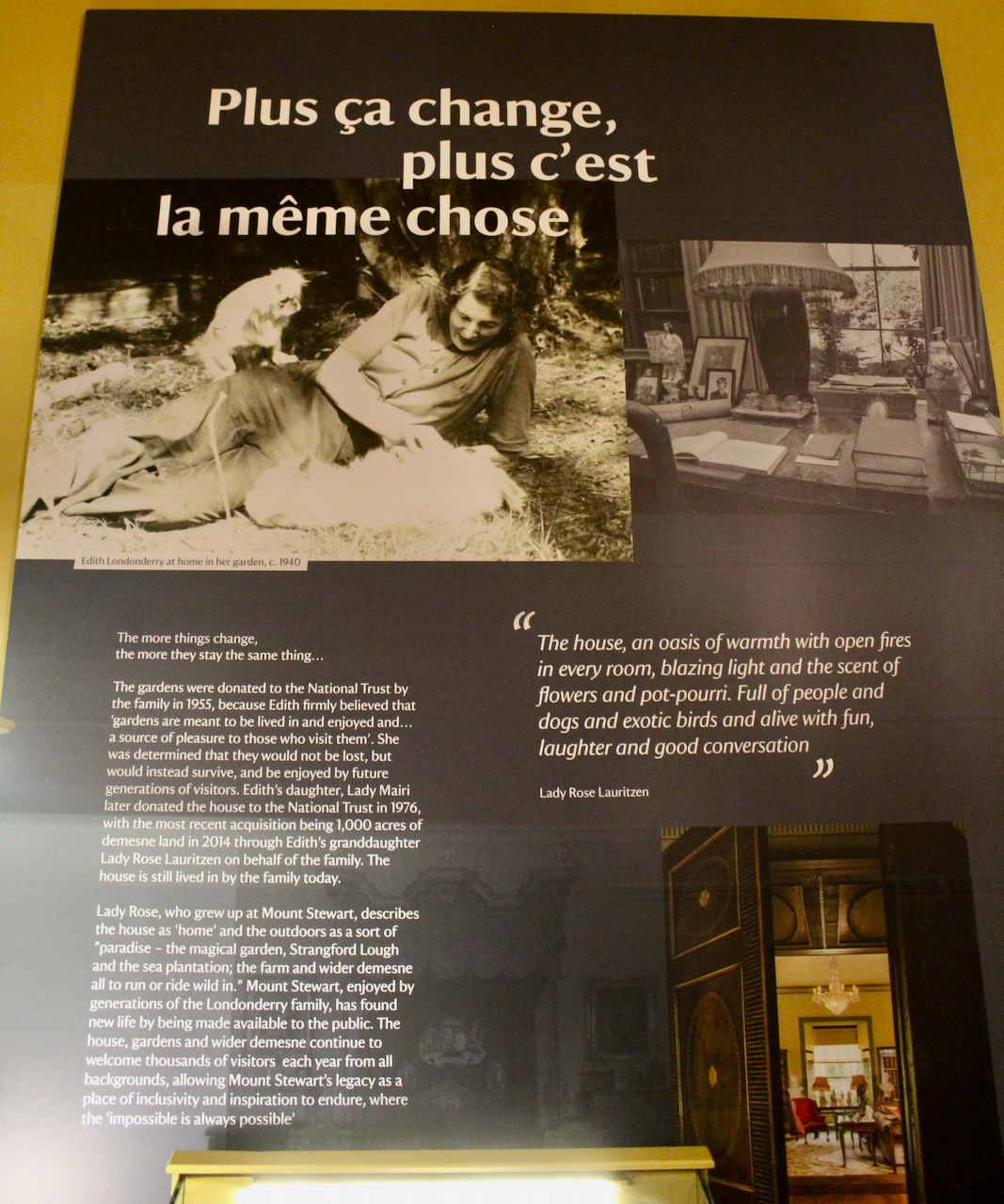
An information board from Mount Stewart.
Alexander Stewart (1746-1831) was the brother of Robert, 1st Marquess of Londonderry. He married Mary, daughter of Charles Moore 1st Marquess of Drogheda. He lived in Ards, County Donegal. Portrait by Pompeo Batoni, courtesy of National Trust Mount Stewart.

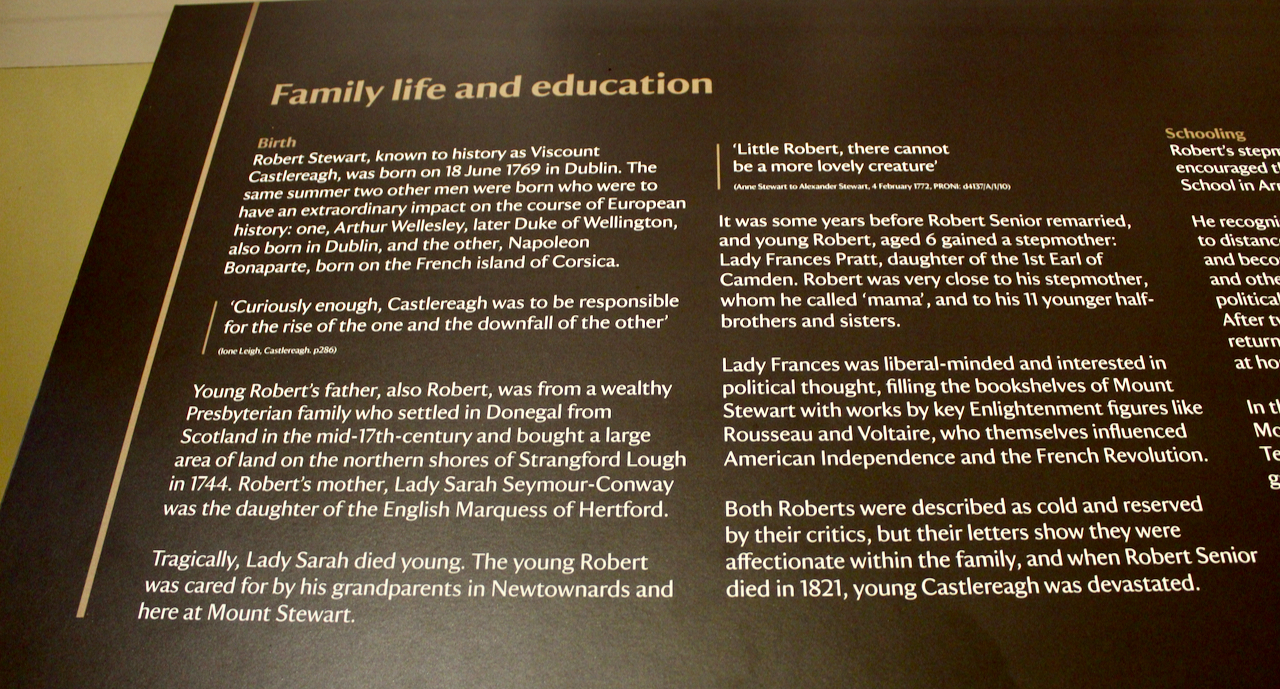
Robert Stewart (1739-1821) 1st Marquess of Londonderry married, first, Sarah Frances Seymour Conway, and she gave birth to his heir, Robert Stewart (1769-1822) 2nd Marquess of Londonderry, who was later made Viscount Castlereagh.

He then married secondly, Frances Pratt, daughter of Charles Pratt 1st Earl of Camden, Chislehurst, County Kent in England.

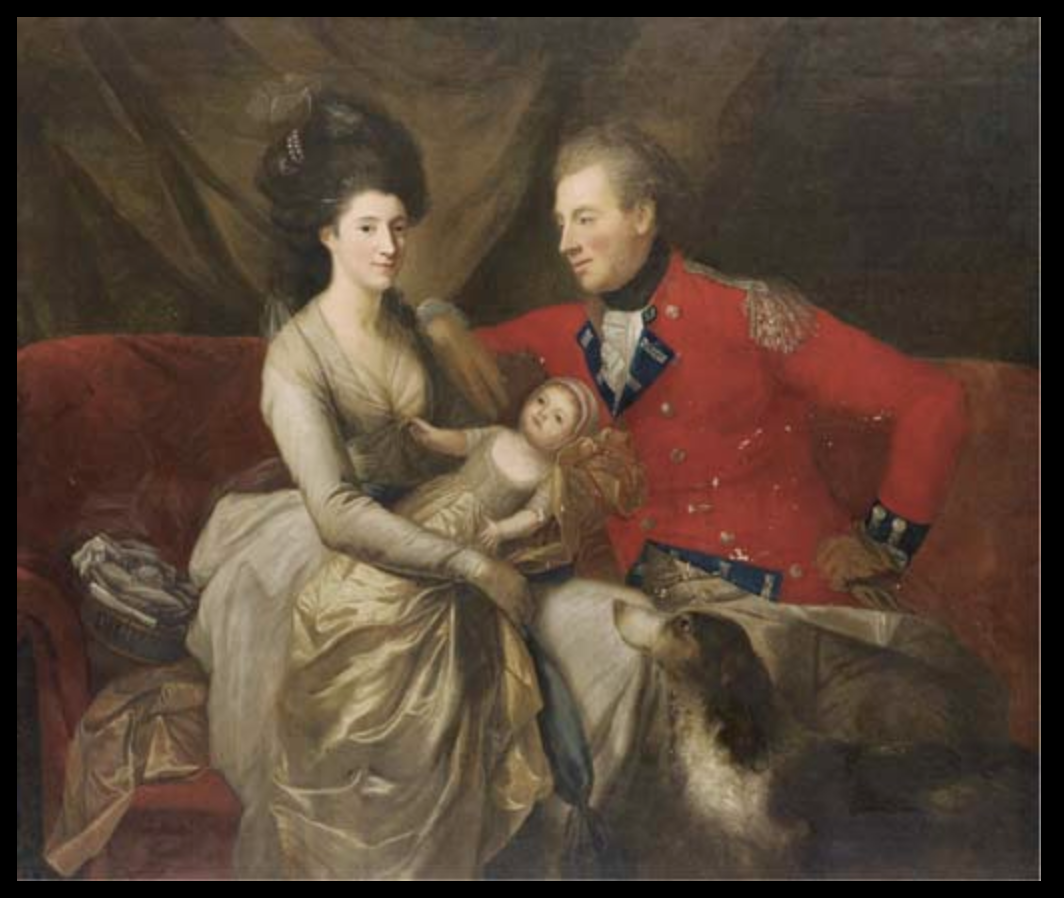
Oil painting on paper laid down on canvas, A Conversation Piece with Robert, 1st Marquess of Londonderry (1739-1821), his Second Wife, Frances (1750-1833), their Son Charles William (1778-1854), and their Four Younger Daughters, Selina, Matilda, Emily Jane and Octavia by Thomas Robinson (Windermere before 1770 – Dublin 1810), 1803-08. The daughters shown are Lady Selina Stewart, later Lady Selina Kerr (d.1871), Lady Emily Jane Stewart, Viscountess Hardinge (1789-1865), Lady Octavia Catherine Stewart, later Baroness Ellenborough (d.1819) and Lady Matilda Stewart, later Lady Matilda Ward (d.1842). Their elder three daughters Georgiana (d. 1804), Caroline (1865) and France Anne (1777 – 1810) are not present.

The website tells us: “It was Robert’s son, best known as Viscount Castlereagh, who chose the architect George Dance to design a new wing for Mount Stewart which included a series of fine reception rooms. The west wing was built around 1804–6.

Mount Stewart, County Down, June 2023. Photograph © Jennifer Winder-Baggot, www.irishhistorichouses.com
Robert Stewart (1769-1822), 2nd Marquess of Londonderry, Viscount Castlereagh, by Hugh Douglas Hamilton. He succeeded his father in 1821 only a year before his own death so for most of his working life he was Viscount Castlereagh. Photograph © Jennifer Winder-Baggot, www.irishhistorichouses.com
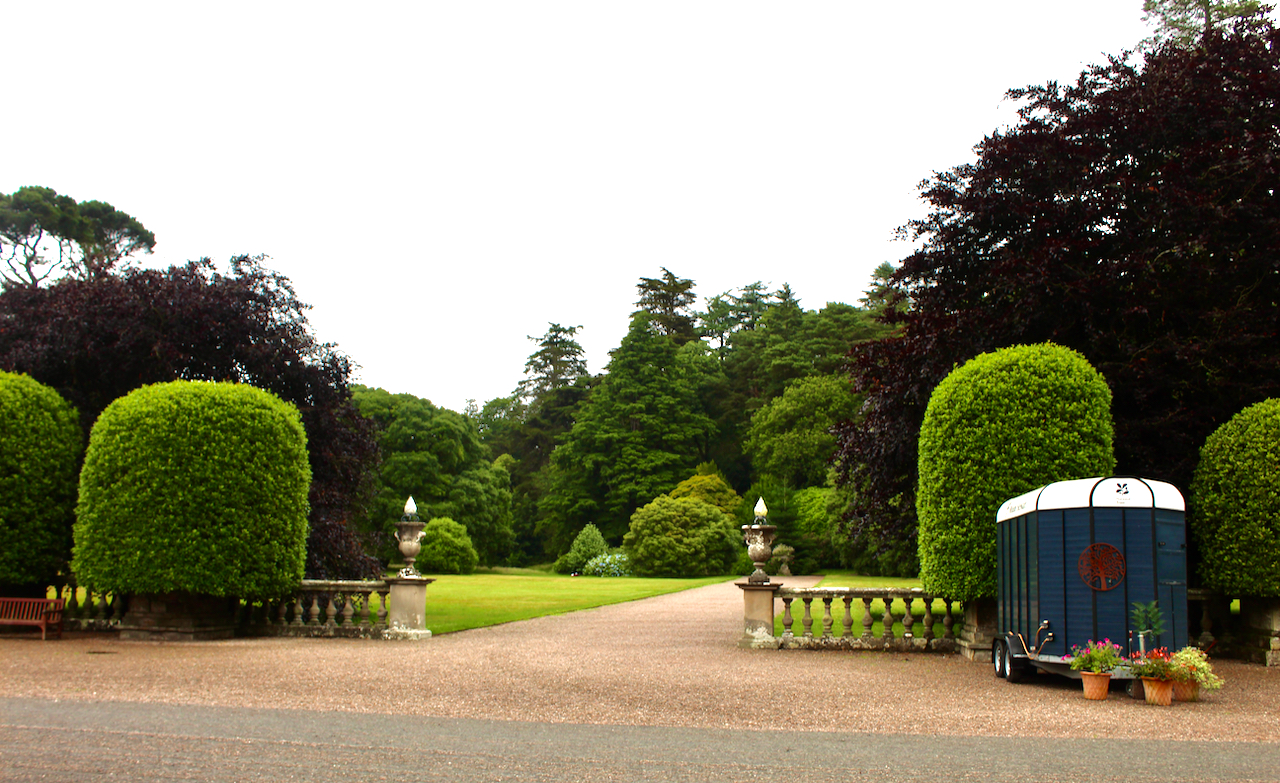
Mount Stewart, County Down, by Art Ward for Tourism Northern Ireland, 2016 (see [1])
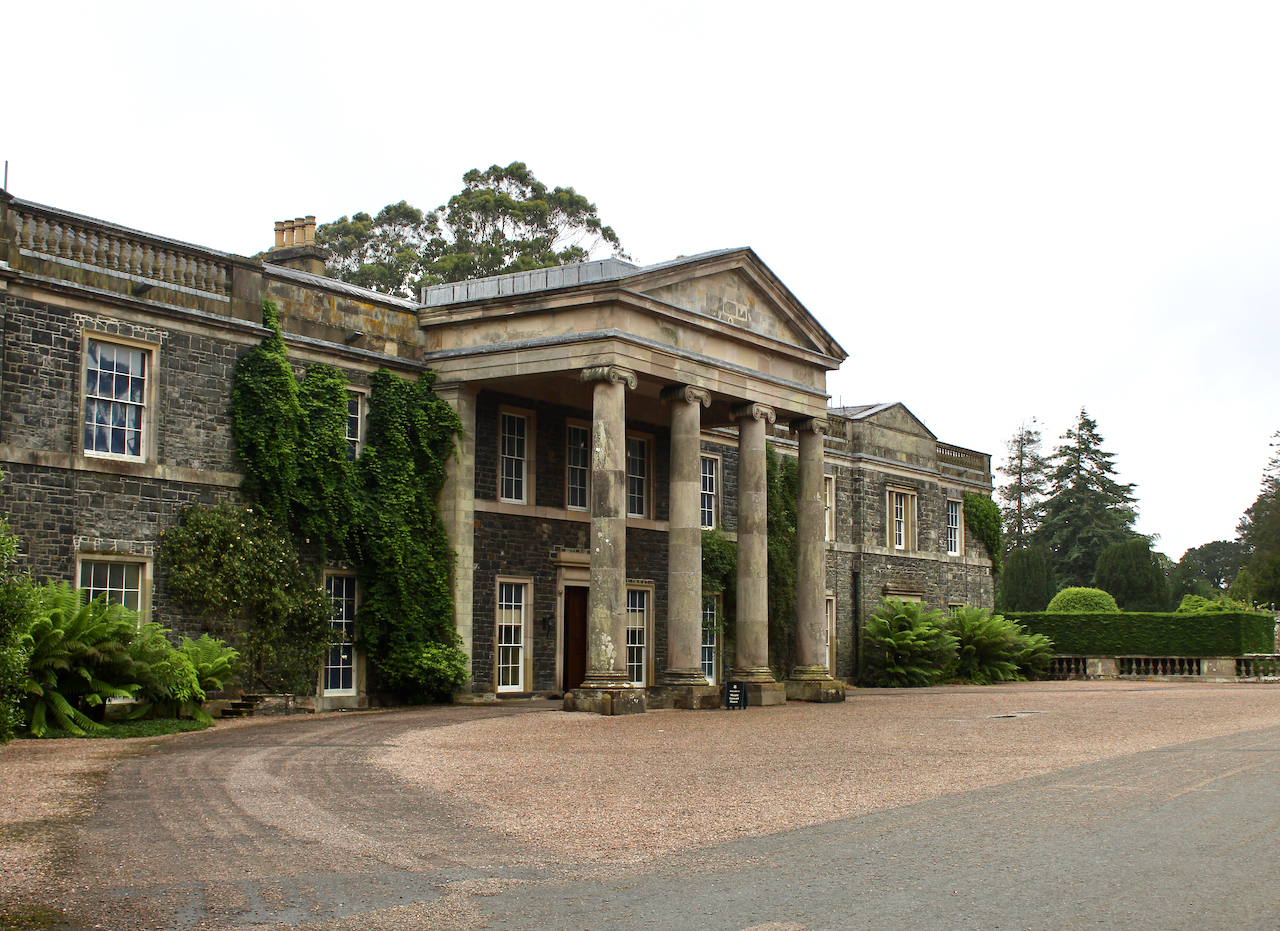
Mount Stewart, County Down, June 2023. Photograph © Jennifer Winder-Baggot, www.irishhistorichouses.com
Mount Stewart, June 2023. Photograph © Jennifer Winder-Baggot, www.irishhistorichouses.com
Mount Stewart, County Down, by Art Ward for Tourism Northern Ireland, 2016.

Mark Bence-Jones writes in his  A Guide to Irish Country Houses (1988):

p. 216. “Vane-Tempest-Stewart, Londonderry, M/PB) A long two storey Classical house of 1820s, one end of which is, in fact, a house built 1803-06 by 1st Marquess of Londonderry (father of the statesman, Castlereagh) to the design of George Dance. The seven bay front of 1803-06 house survives as the end elevation of the present house; unchanged, except that its centre bay now breaks forward under a shallow pediment, similar to those on either side of the present entrance front, which are very much of 1820s. The three rooms at this end of the house keep their original ceilings of delicate plasterwork; the centre one, which was formerly the entrance hall, has a ceiling with pendentives, making it an octagon. Behind this former entrance hall is an imperial staircase with a balustrade of elegant ironwork, lit by a dome; this too, is part of the earlier house.

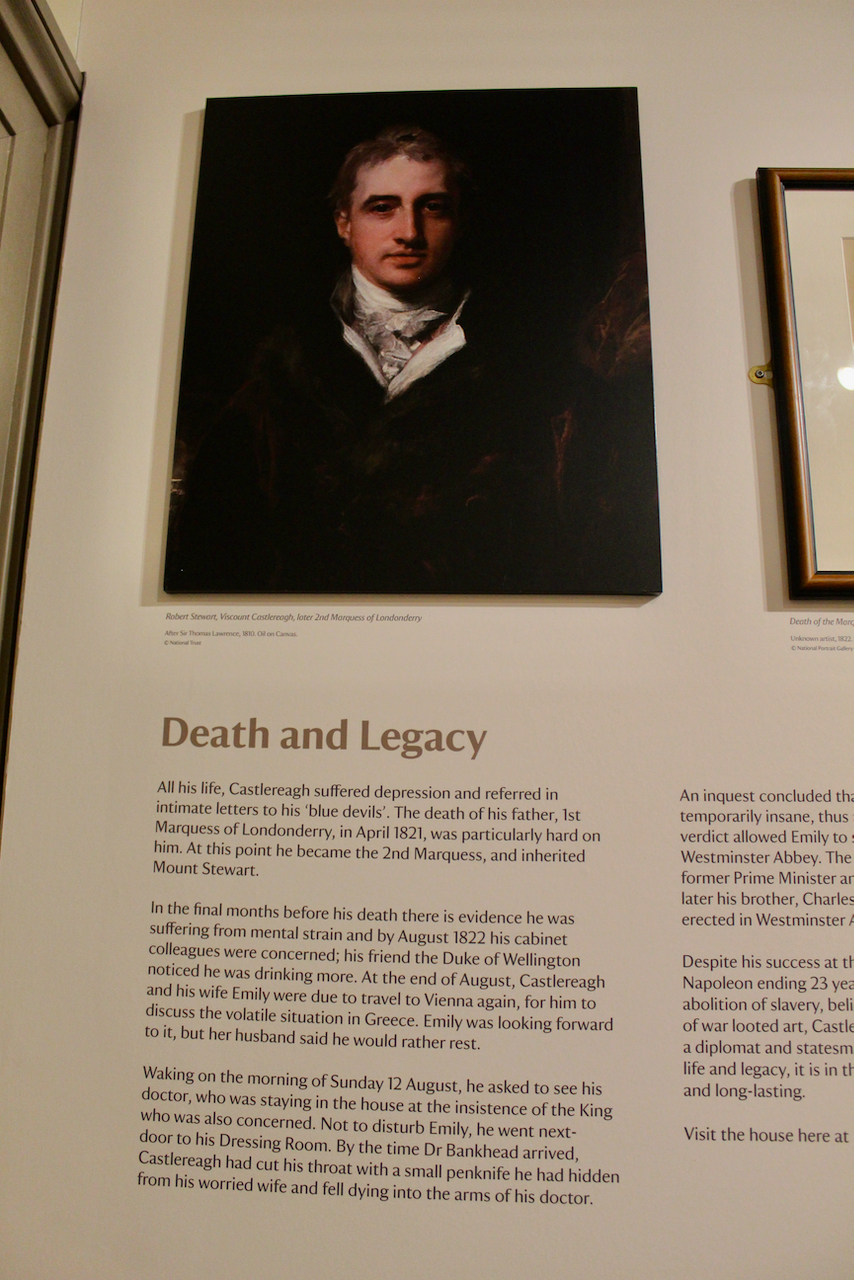
Robert Stewart 2nd Marquess of Londonderry, Viscount Castlereagh.
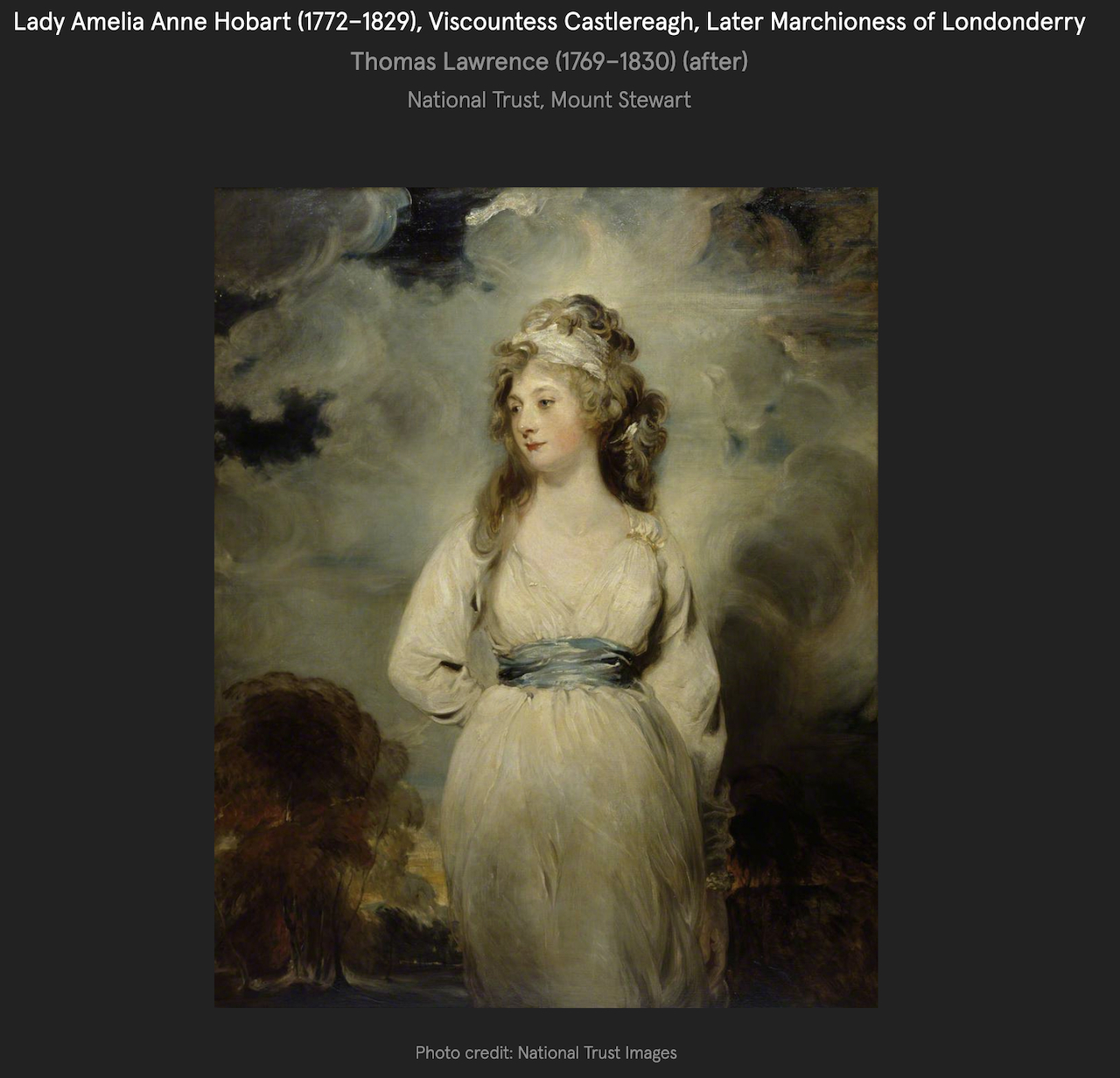
Amelia Anne Hobart, Viscountess Castlereagh and later Marchioness of Londonderry, courtesy of National Trust Mount Stewart.

The website continues, telling us more about Lord Castlereagh: “Castlereagh is best known in Ireland for his involvement in the repression of the 1798 Rebellion and as one of the architects of the Anglo-Irish Union of 1800, for which he was vilified by many. He was however regarded as a consummate statesman and astute negotiator. 

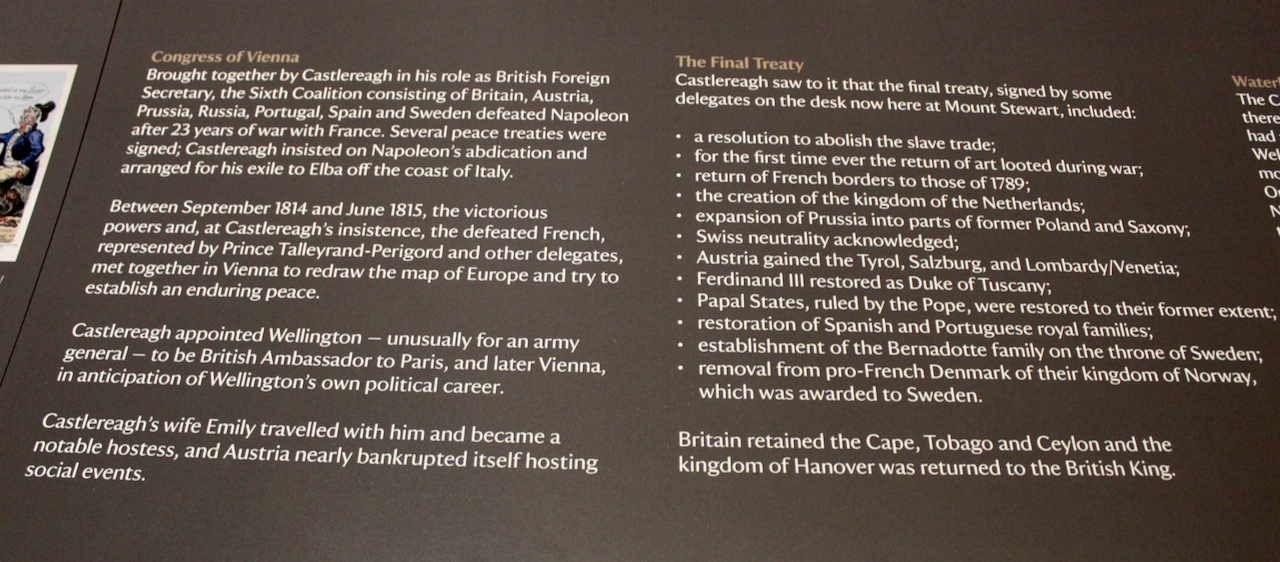
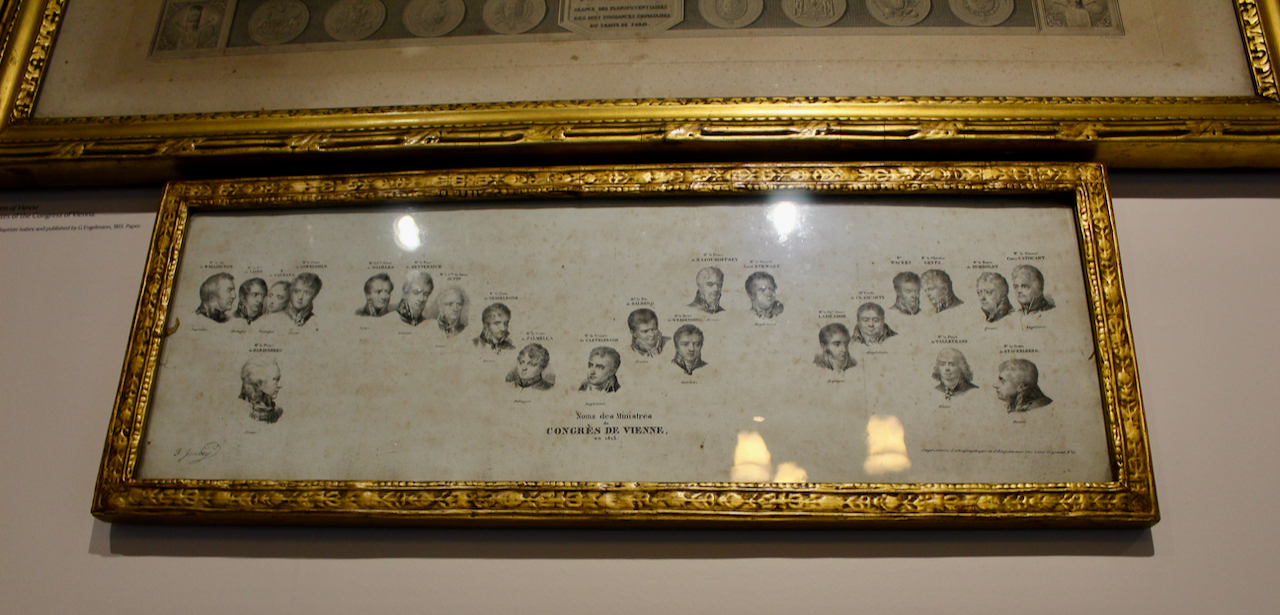
From 1802 to 1822 he was based in London as Secretary of State for War and Foreign Secretary during the wars with America and France under Napoleon. He was one of the chief negotiators at the Congress of Vienna (1814-15) and his greatest legacy was steering the Congress towards a more equitable balance of power. The Congress was the first multinational European congress; many issues were discussed including the abolition of slavery. Castlereagh became a staunch supporter of abolition, as the trade was ‘repugnant to the principles of humanity and universal morality’.

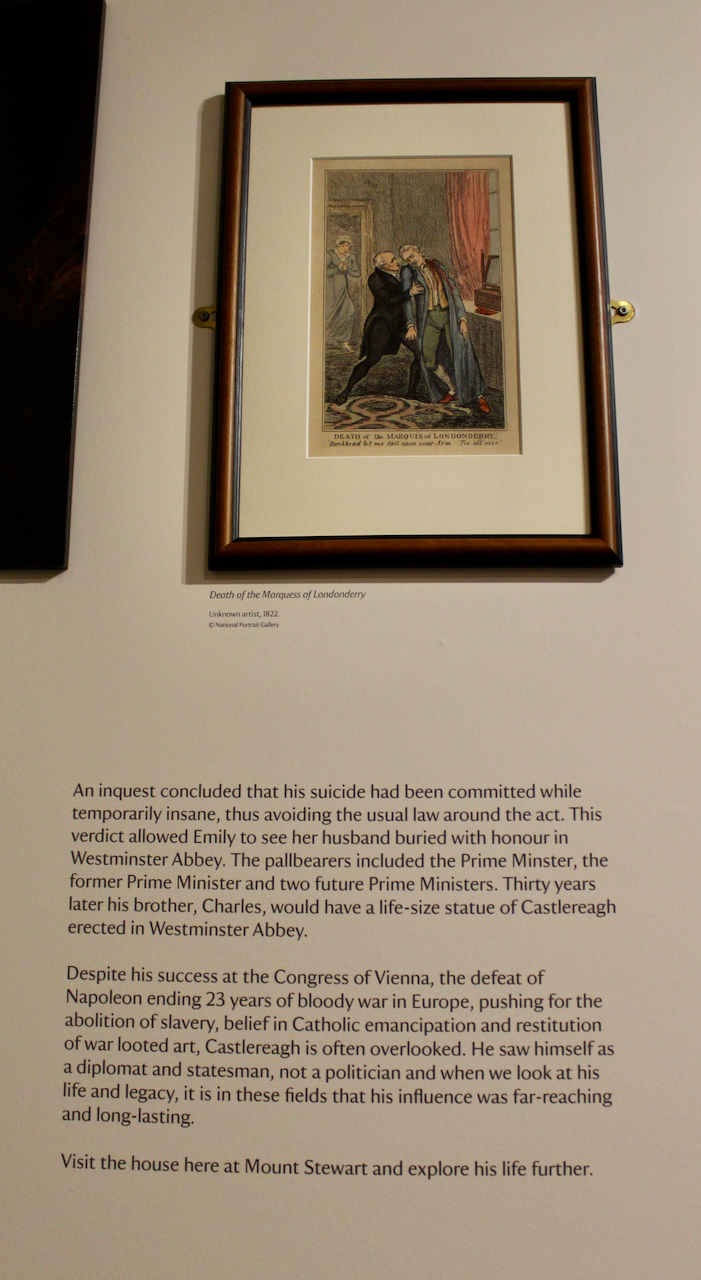
The Peterloo Massacre of 1819 earned him more criticism, for although he was not personally responsible and was appalled by the outcome, as Home Secretary he had to justify the yeomanry’s actions. In 1822 he suffered a breakdown and took his own life, just a year after becoming the 2nd marquess of Londonderry.

Information board courtesy of National Trust Mount Stewart.
I think Lord Castlereagh is the image of radio dj Dave Fanning!
Information board courtesy of National Trust Mount Stewart.

Castlereagh’s father the 1st Marquess and Frances Pratt went on to have many more children.

Information board courtesy of National Trust Mount Stewart.

It was a son from the second marriage, Charles Stewart (1778-1854) who became the 3rd Marques of Londonderry after his brother killed himself. First he married Catherine Bligh, daughter of John 3rd Earl of Darnley. She had a son, who became Charles’s heir, Frederick William Robert Stewart (1805-1872) 4th Marquess of Londonderry. Frederick married Elizabeth Frances Charlotte Jocelyn, daughter of Robert Jocelyn, 3rd Earl of Roden, County Tipperary, but they had no children. She had been previously married to Richard Wingfield 6th Viscount Powerscourt.

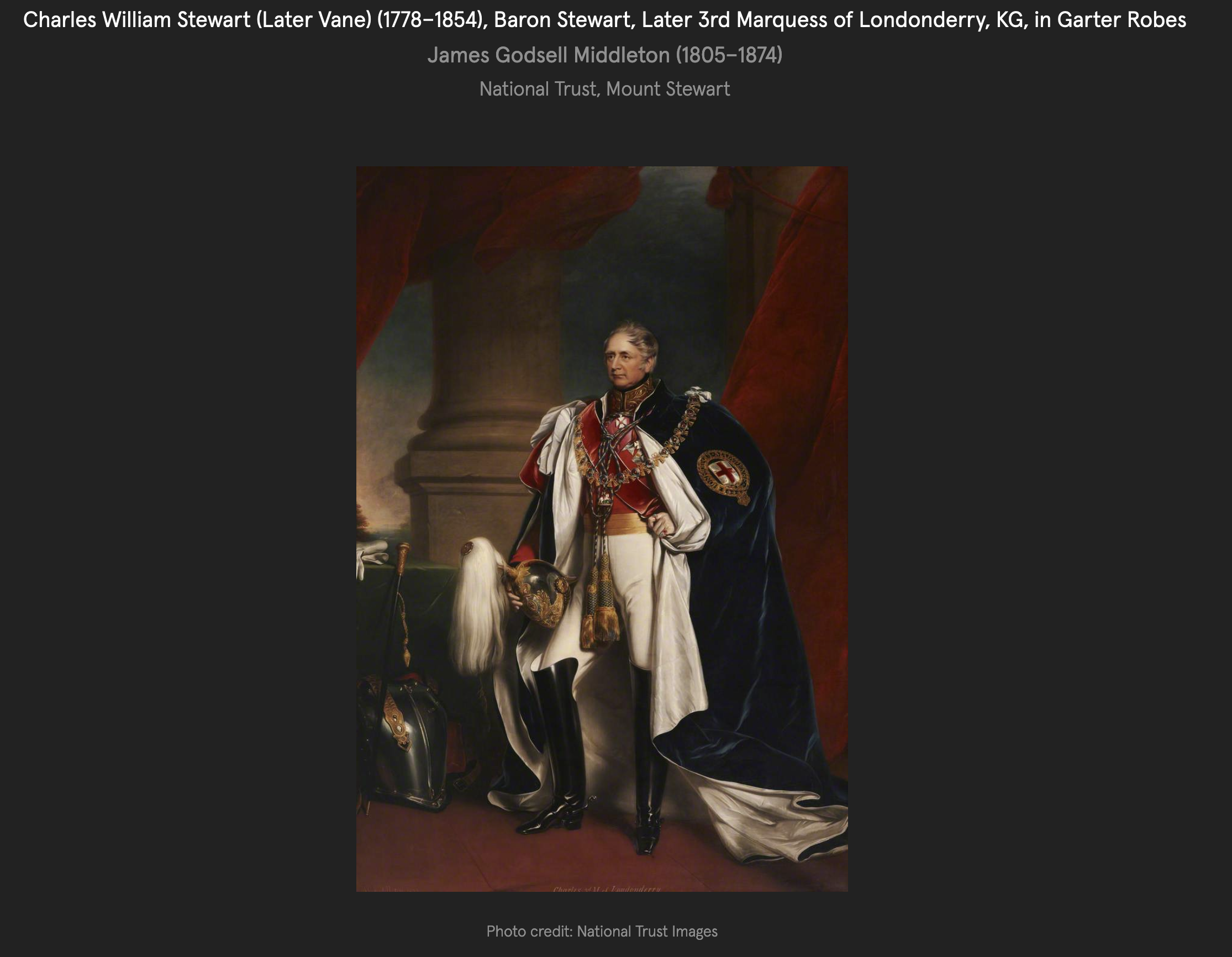
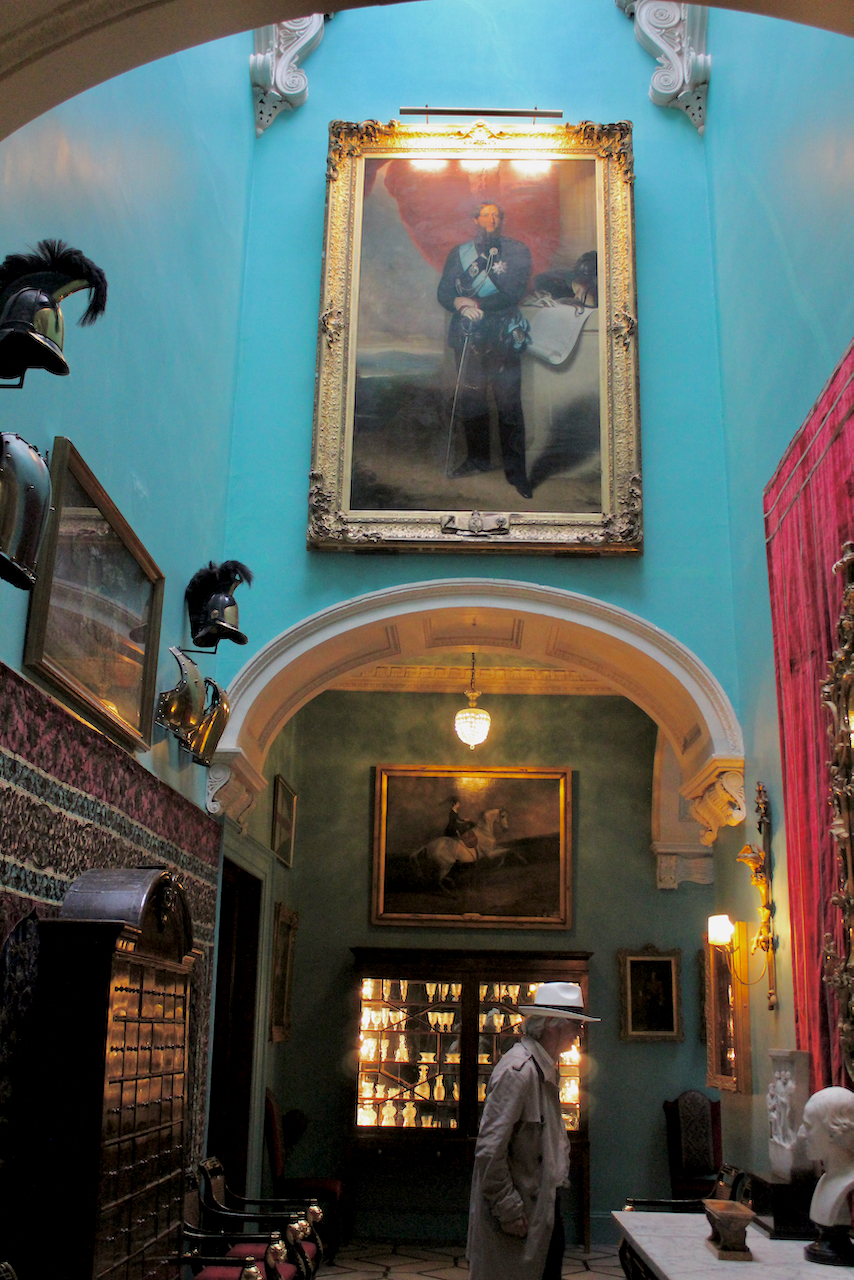
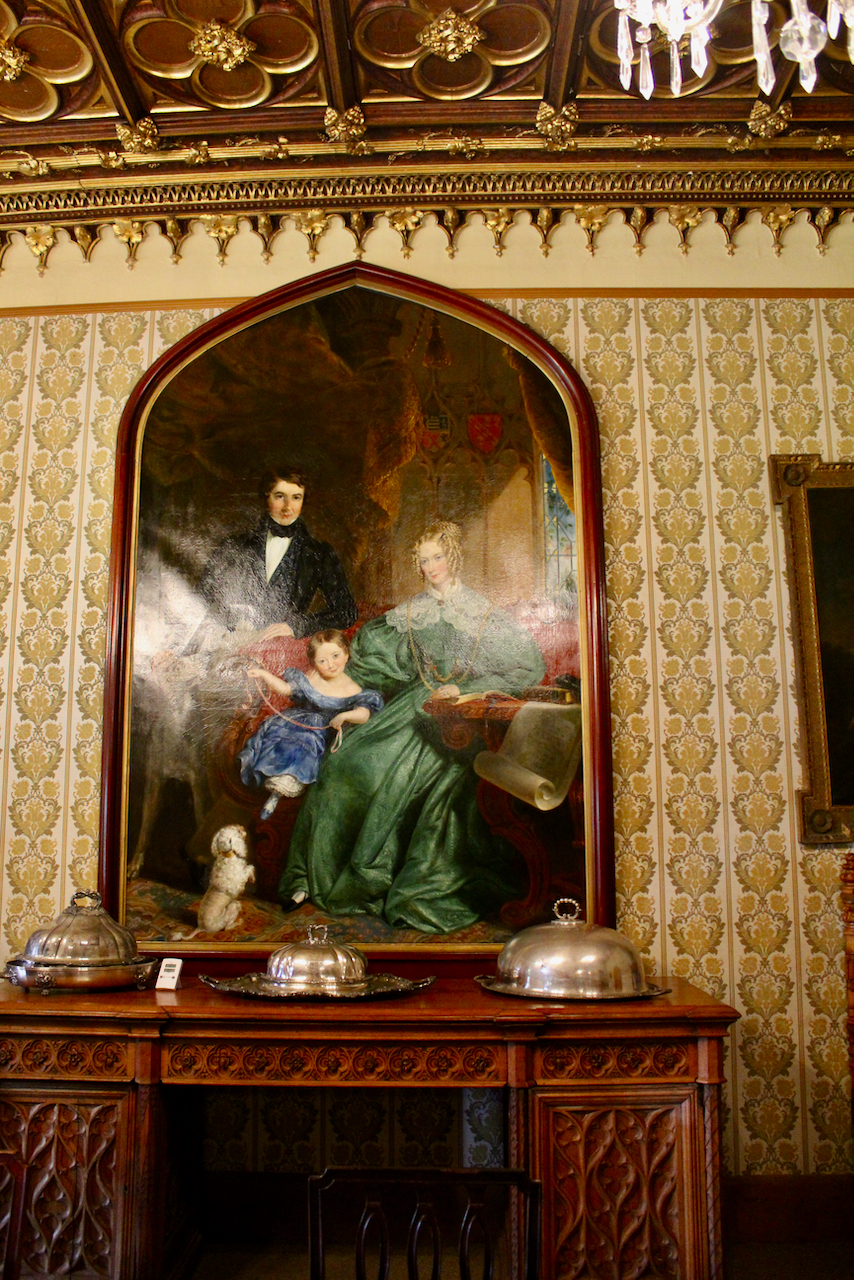
The painting above the archway in the hall is Charles William Stewart (1778-1854) who changed his surname to Vane after his second marriage, who became 3rd Marquess of Londonderry. He wears robe of the Knights of the Garter. The painting is by James Godsell Middleton, 1853/4. The pieces of armour were captured from the French Imperial Guard by General Charles Stewart who fought under Wellington during the Peninsula War.  Photograph © Jennifer Winder-Baggot, www.irishhistorichouses.com
Charles William Stewart, later Vane, courtesy of National Trust Mount Stewart.
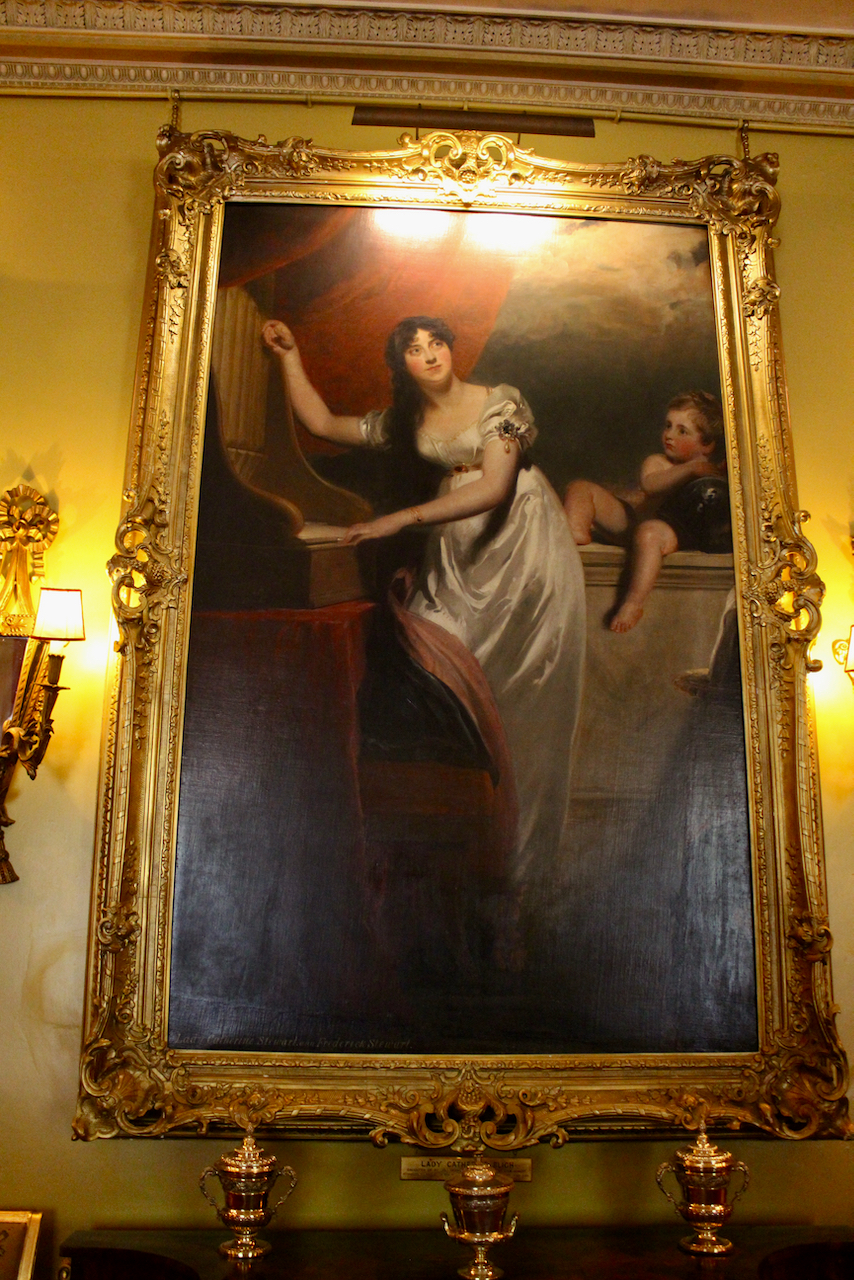
Painting by Thomas Lawrence of Catherine Bligh, daughter of 3rd Lord Darnley, with her son Frederick Wililam Robert, who became 4th Marquess of Londonderry. Photograph © Jennifer Winder-Baggot, www.irishhistorichouses.com
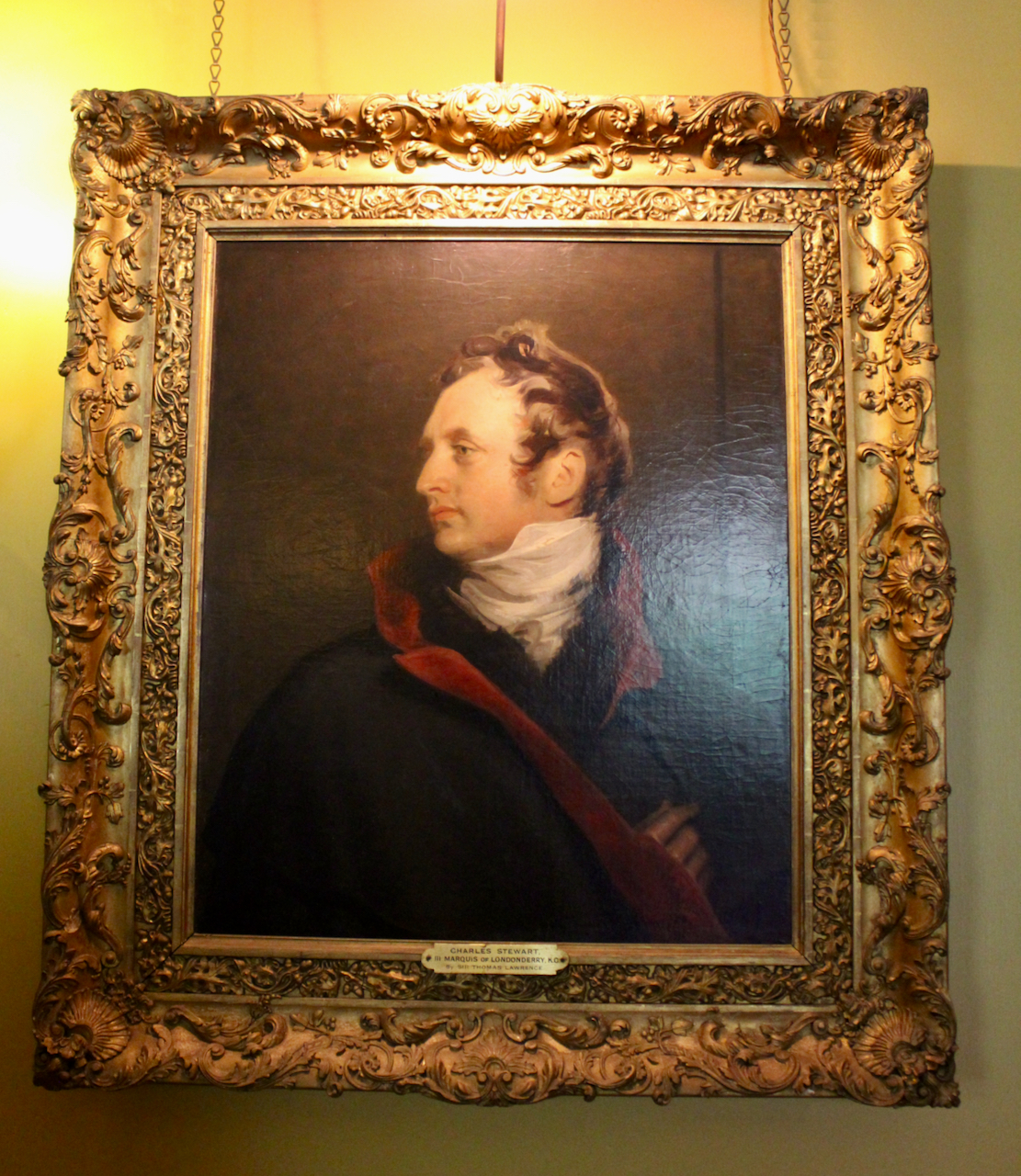
Charles Stewart, 3rd Marquess of Londonderry, by Thomas Lawrence. Photograph © Jennifer Winder-Baggot, www.irishhistorichouses.com
Above the arch is a painting of Frederick William Robert Stewart (1805–1872), 4th Marquess of Londonderry, KP, PC, as Lord-Lieutenant of County Down. The painting is by James Godsell Middleton., 1856. Frederick was the son of the 3rd Marquess and his first wife, Catherine Bligh. On the wall, a Prussian ‘M. 1809’ brass-mounted black leather crested Cuirassier’s helmet, Early 19th Century. Under the arch, is oil painting on canvas, Lady Alexandrina Octavia Maria Vane, Countess of Portarlington (1823-1874) , by Charles Hancock (Marlborough 1802 – 1877), signed Charles Hancock Pt 1845. Lady Alexandrina Vane, Countess of Portarlington (1823-1874), second daughter of Charles William, 3rd Marquess of Londonderry, and his second wife, Frances Anne Vane-Tempest and Tsar Alexander’s goddaughter is riding side saddle on a white horse in a landscape. Both horse and rider are facing the right. She married Henry Dawson-Damer, 3rd Earl of Portarlington (1822-1889) in 1847. Photograph © Jennifer Winder-Baggot, www.irishhistorichouses.com
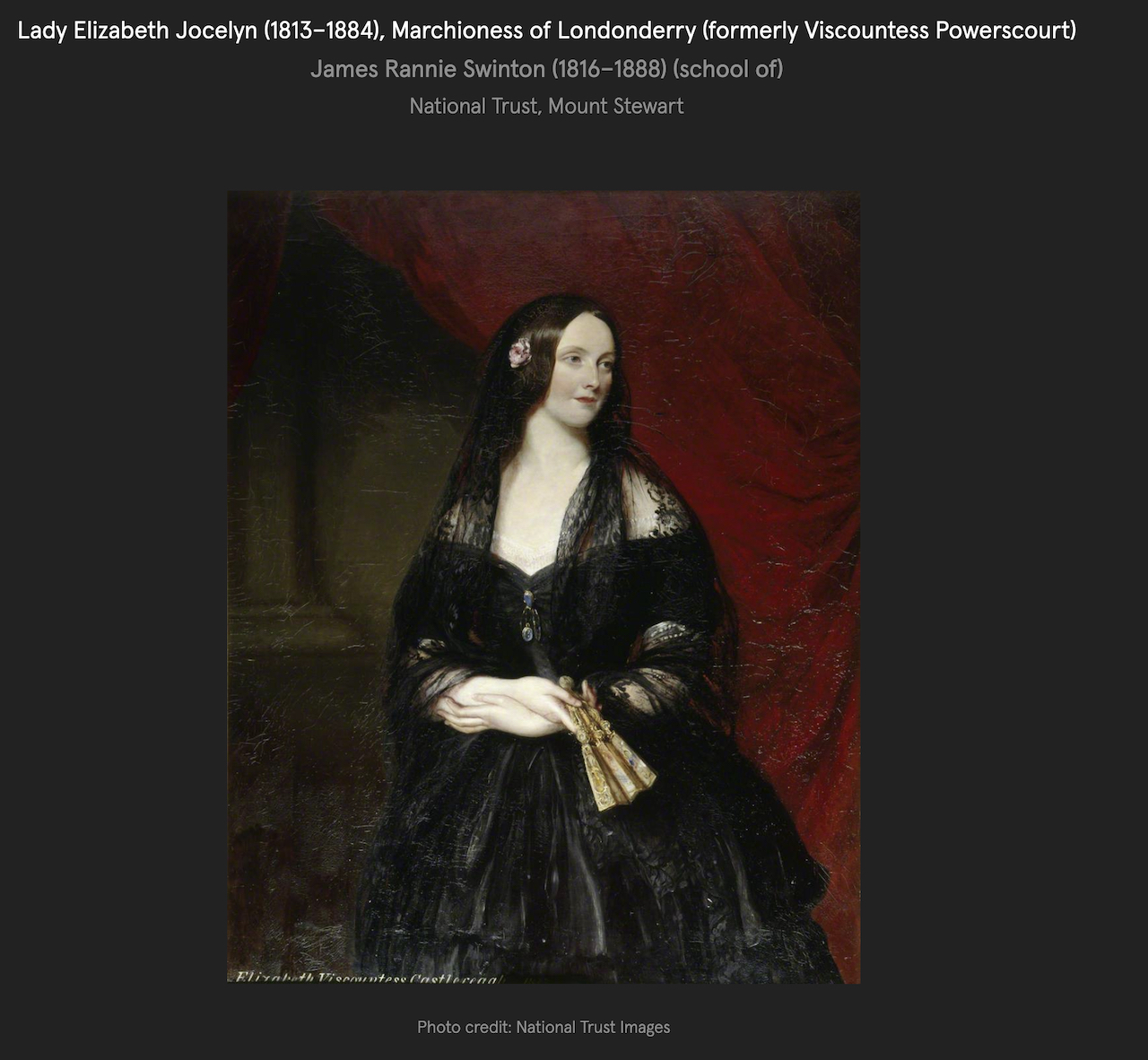
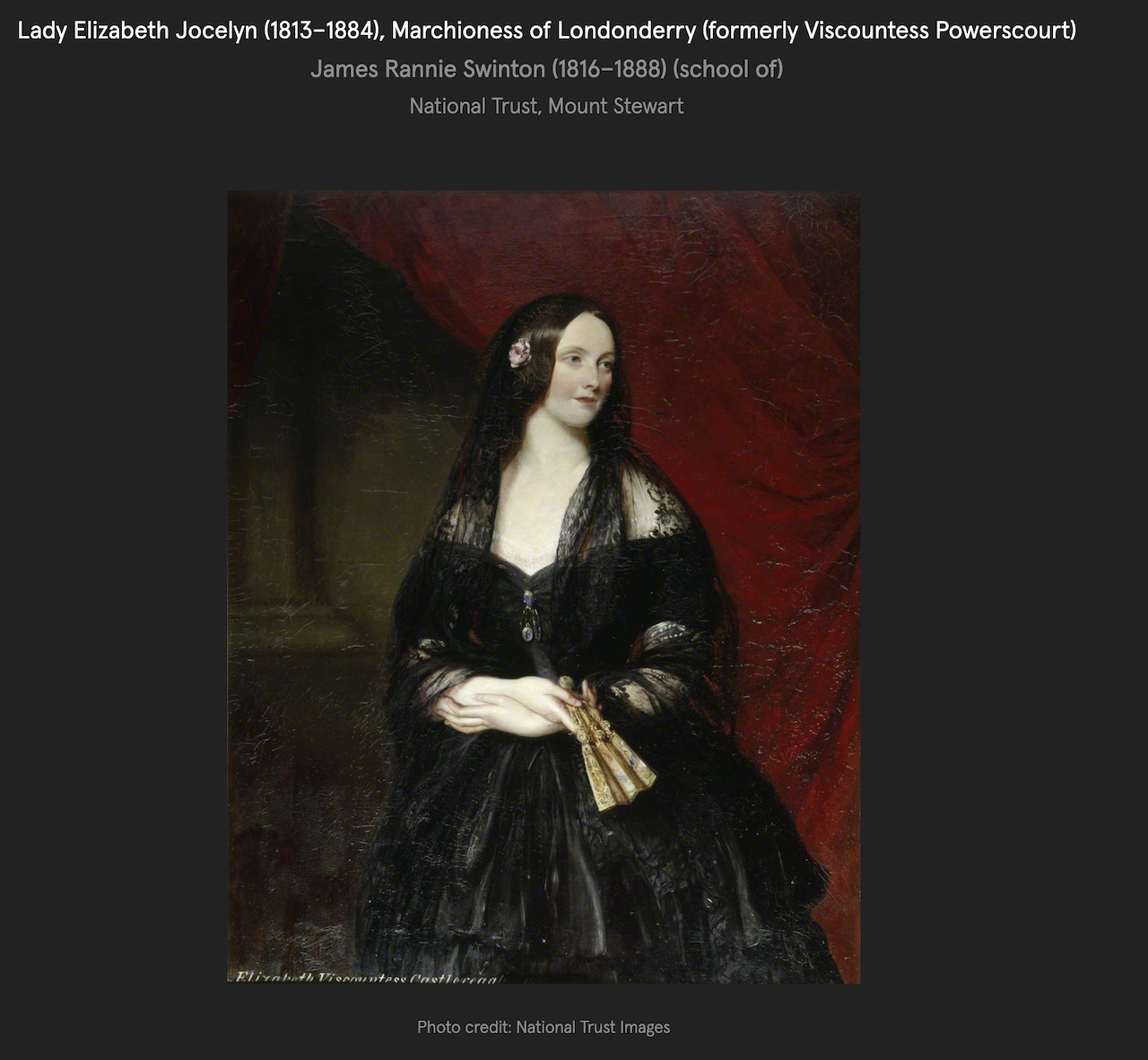
Elizabeth Jocelyn (1813-1884), Marchioness of Londonderry, formerly Viscountess Powerscourt, by James Rannie Swinton, courtesy of Mount Stewart National Trust. She was wife of the 4th Marquess of Londonderry, but they had no children.

After his first wife’s death, Charles Stewart (1778-1854) married Frances Anne Emily Vane-Tempest in 1819. He changed his surname to Vane. Frances Anne’s mother was Katherine MacDonnell whom we came across at Glenarm, the notorious heiress!

Frances Anne née Vane-Tempest, courtesy of National Turst, Mount Stewart.
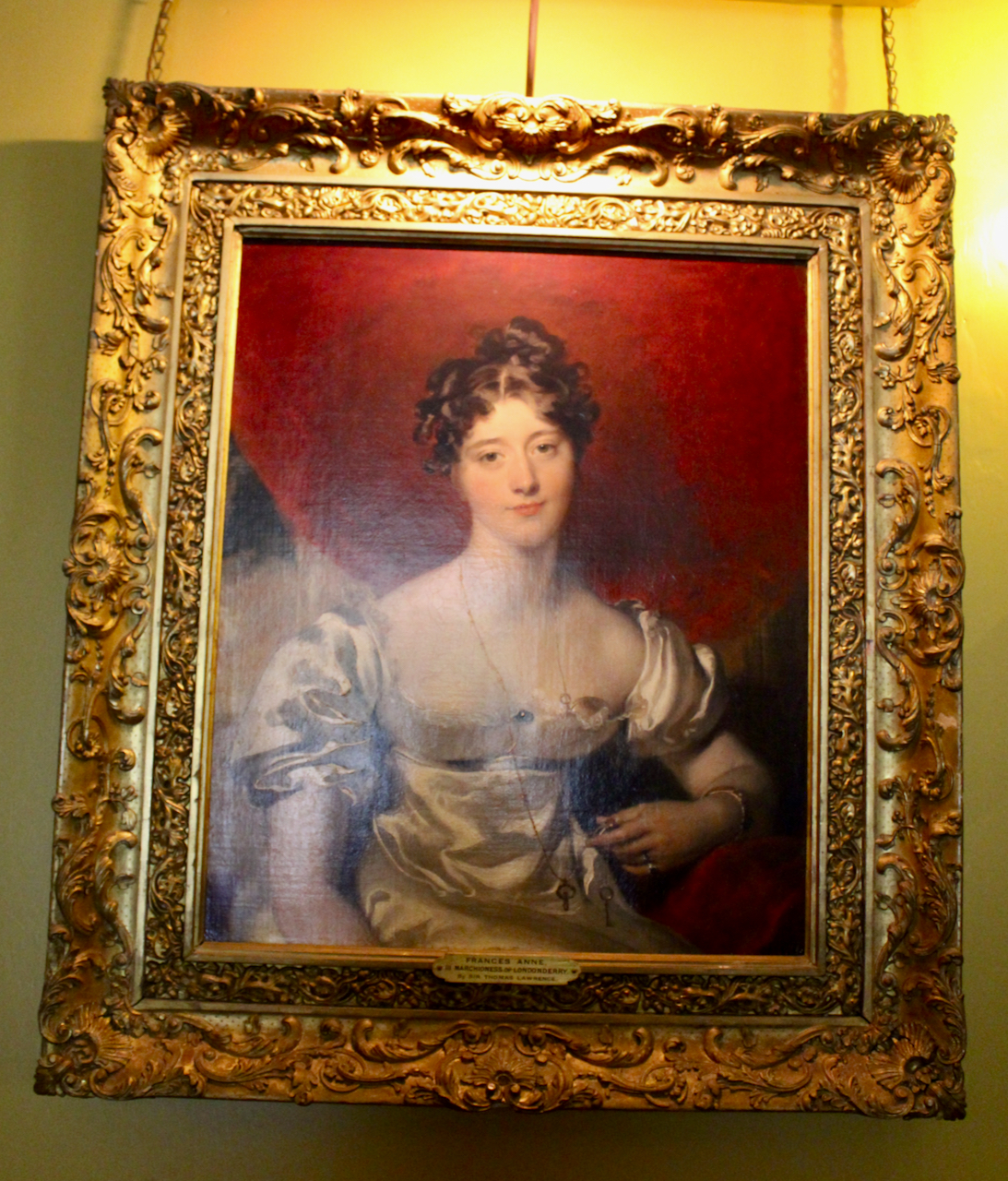
Frances Anne, wife of 3rd Marquess of Londonderry, by Thomas Lawrence. The heiress Frances Anne Vane-Tempest, as second wife of 3rd Marquess of Londonderry, who was described by her close friend, Prime Minister Benjamin Disraeli as ‘half ruffian, half real lady’, brought wealth to the Stewart family with her inherited estates, including coal mines in the north-east of England, and County Antrim. She loved opulence and enjoyed an intimate chaste relationship with Tsar Alexander who was godfather to her daughter Alexandrina. But she was also noted for reducing hardships of her tenants and employees and providing their children with schools both in England and Ireland. She was the daughter of Sir Henry Vane-Tempest, 2nd Baronet and through her daughter, Lady Frances Vane, wife of John Churchill, 7th Duke of Marlborough, she was the great-grandmother of Sir Winston Churchill. Photograph © Jennifer Winder-Baggot, www.irishhistorichouses.com
Henry Vane-Tempest (1771–1813), 2nd Bt, the source of much of the family income, as the 3rd Marquess married his heiress daughter. The portrait is by Peter Edward Stroehling. Photograph © Jennifer Winder-Baggot, www.irishhistorichouses.com

Mark Bence-Jones continues: “3rd Marquess, Castlereagh’s younger half-brother, who was far richer than either his father or his brother had ever been, having married the wealthy Durham heiress, Frances Anne Vane Tempest, enlarged the house to its present form ca 1825-28, his architect being William Vitruvius Morrison. A new block was built onto what had been the back of the original house, as wide as the original house was long and long enough to make, with the end of the original house, a new entrance front of 11 bays, with a pedimented porte-cochere of four giant Ionic columns as its main central feature; the three outer bays on either side being treated as pavilions, each with a one bay pedimented breakfront similar to that which was put onto the front of the original house. The outer bays have a balustraded roof parapet, which is carried round the end of the house and along the new garden front. The latter is as long as the entrance front, and has a boldly projecting centre with a pediment and a single-storey portico of coupled Ionic columns; and a curved bow at either end.”

Mount Stewart, June 2023. Photograph © Jennifer Winder-Baggot, www.irishhistorichouses.com
Information board courtesy of National Trust Mount Stewart.

The website tells us: “Castlereagh’s half-brother, Charles Stewart fought in the Peninsula War under Wellington and became British ambassador at Berlin and then Vienna during the Congress. In 1819 he married the wealthy Frances Anne Vane Tempest who had inherited coal mines and a grand estate in County Durham. They travelled widely and rebuilt Wynyard, County Durham and Londonderry House in London. Charles also extended Mount Stewart in the 1840s. His grandson, the 6th Marquess, was Lord Lieutenant of Ireland in the 1880s. The 6th Marquess was strongly opposed to Home Rule for Ireland; he and his wife were instigators and signatories of the Ulster Covenant in 1912.

Charles and Frances Anne had several children. Their daughter Alexandrina married into Emo Park in County Laois.

Alexandrina Octavia Maria Vane (1823–1874) married John Henry Reuben Dawson-Damer, 3rd Earl of Portarlington, of Emo in County Laois, and was daughter of Charles Willam Vane 3rd Marquess of Londonderry (son of Robert Stewart 1st Marquess of Londonderry) and Frances Anne Emily Vane-Tempest. The portrait is by James Godsell Middleton. Photograph © Jennifer Winder-Baggot, www.irishhistorichouses.com
Entrance hall, Mount Stewart, County Down. Photograph © Jennifer Winder-Baggot, www.irishhistorichouses.com
A polychrome painted deal occasional table, Netherlands, early 18th century: The hinged shaped oval top painted with scenes from Belshazzar, depicting a scene of a family entertaining a guest to dinner in a grand room with a black and white squared floor, on a turned column and down swept legs. Branded with Londonderry cypher on reverse. Photograph © Jennifer Winder-Baggot, www.irishhistorichouses.com
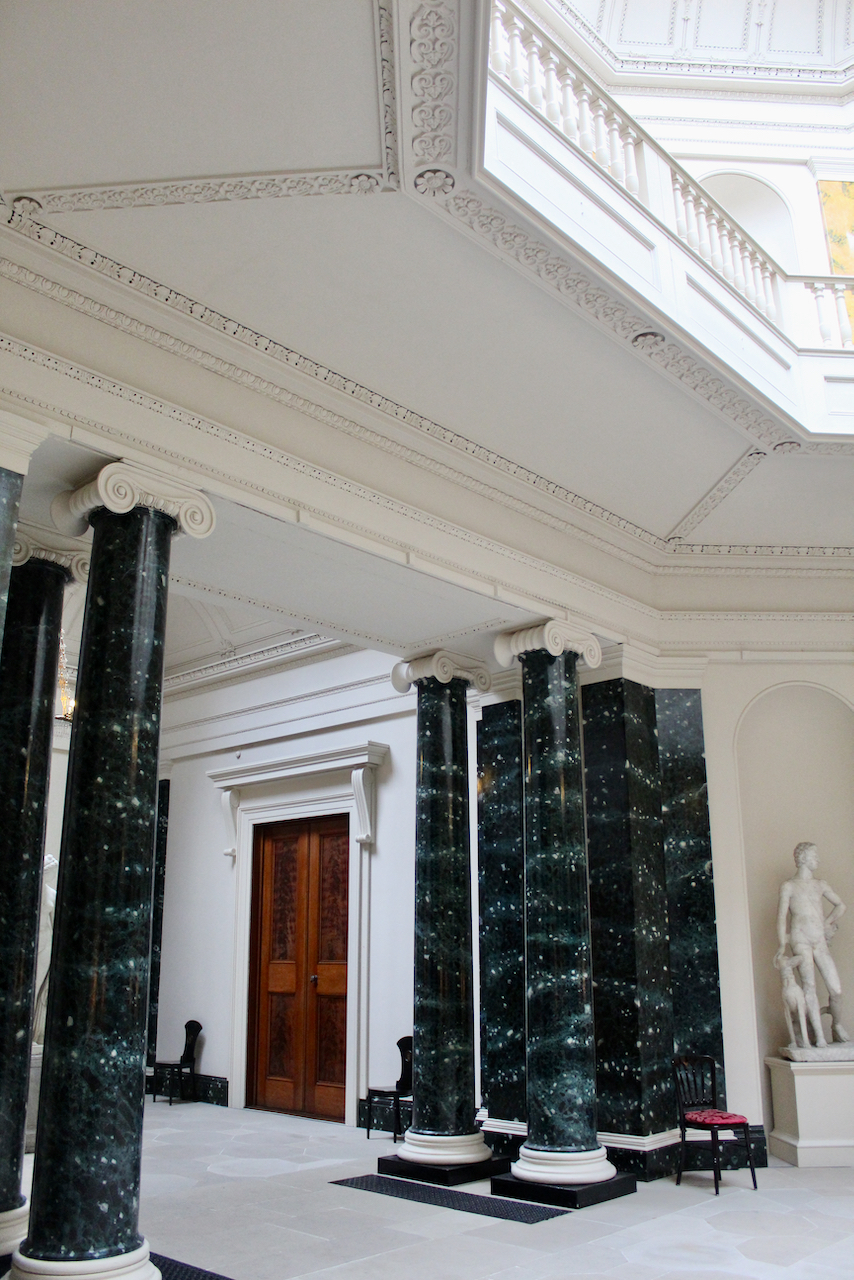
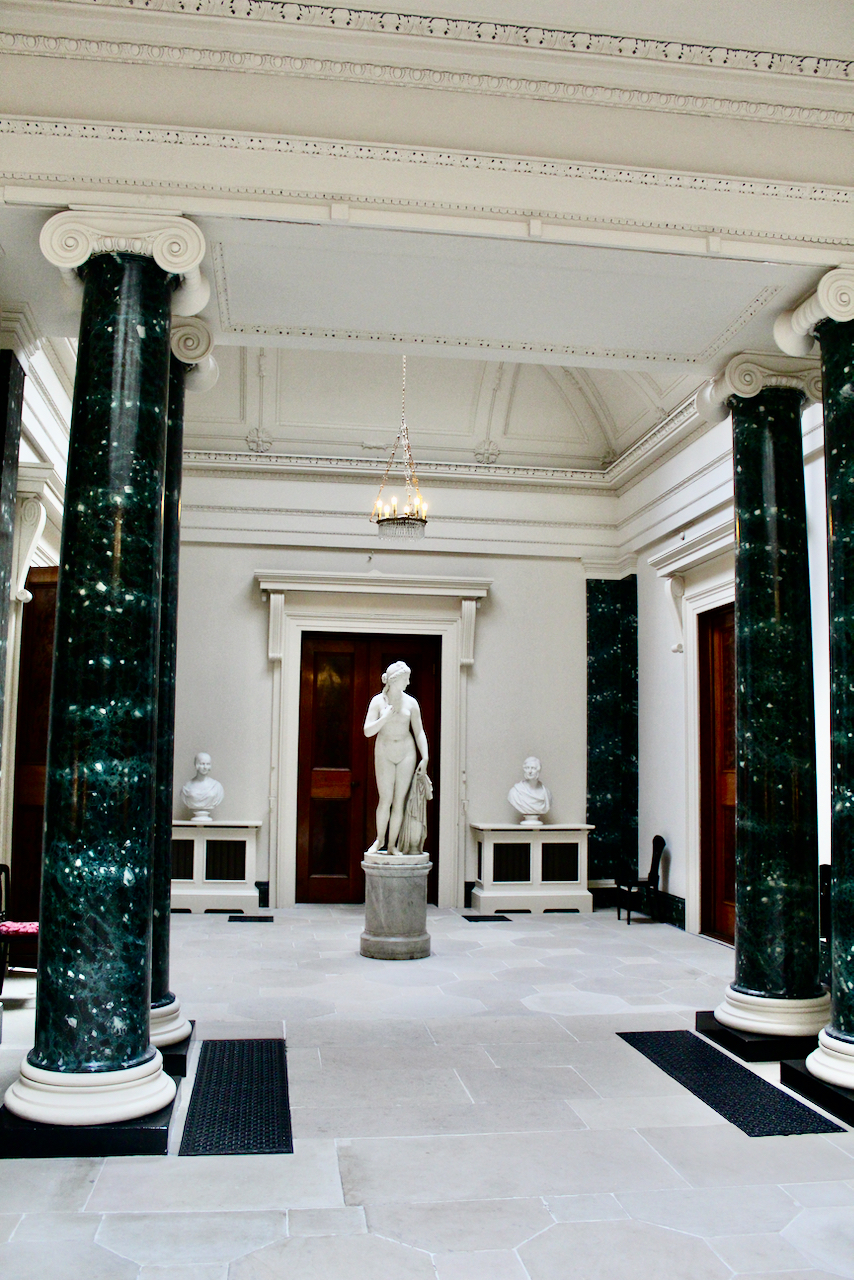
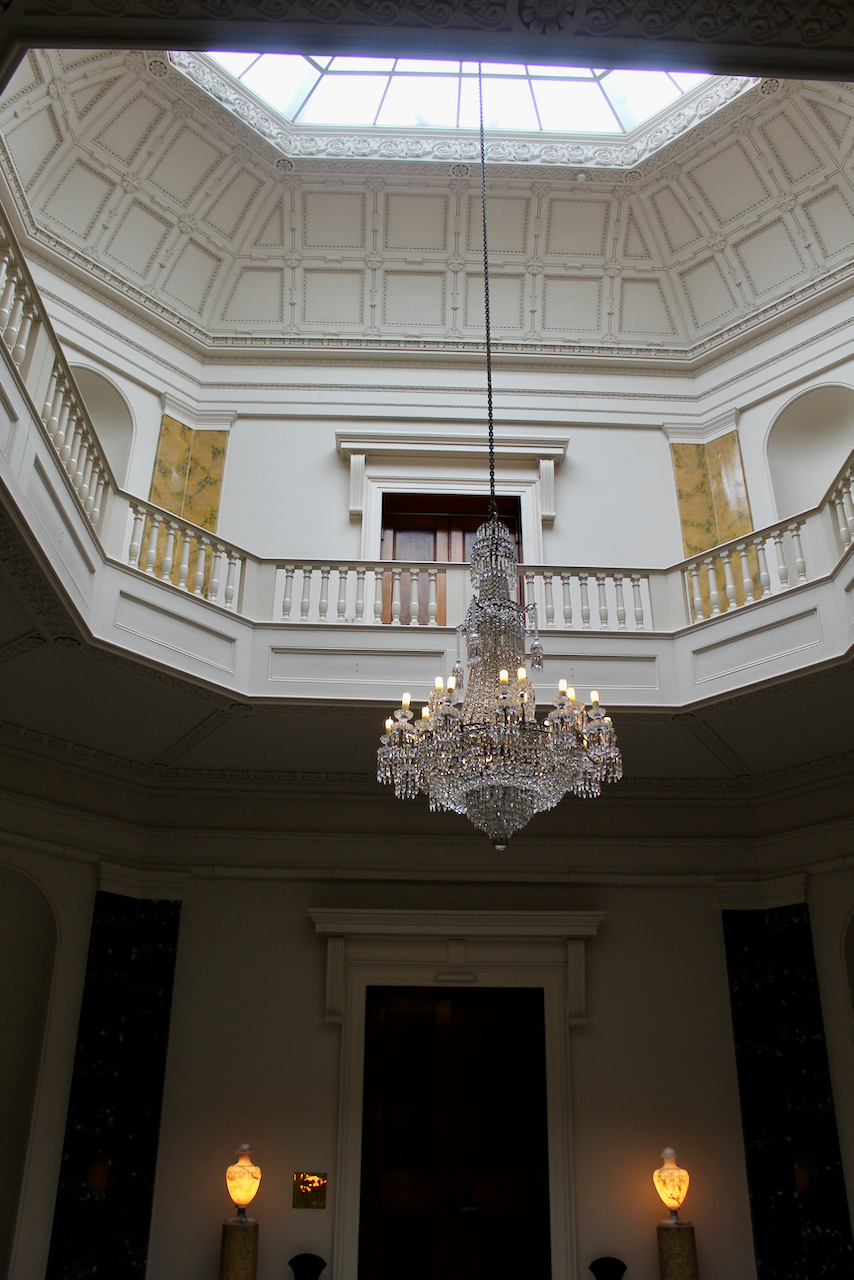
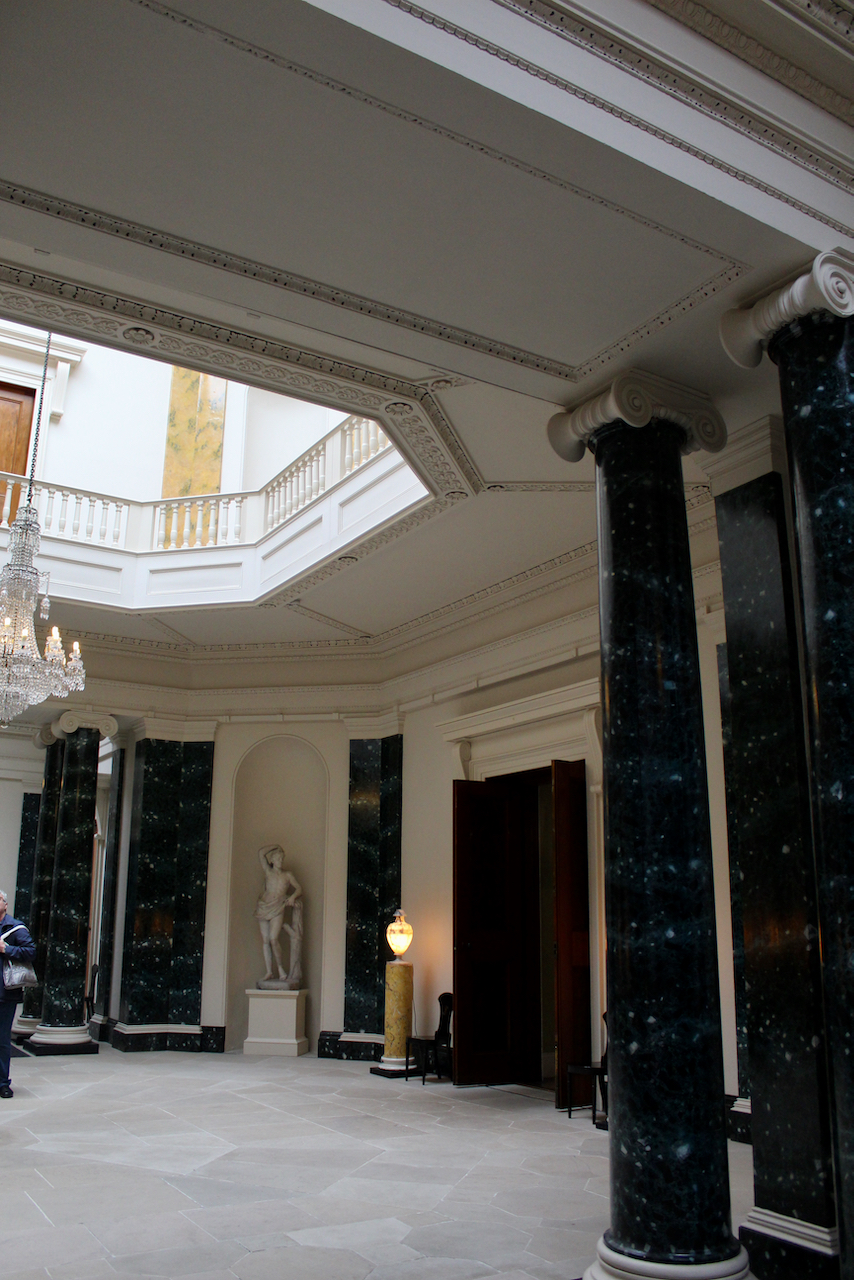
Central hall of Mount Stewart. Unfortunately I found it impossible to capture in a photograph. Photograph © Jennifer Winder-Baggot, www.irishhistorichouses.com
Mount Stewart.

Mark Bence-Jones continues: “The principal interior feature of the newer building is a vast central hall, consisting of an octagon, top-lit through a balustraded gallery from a dome filled with stained glass, with rectangular extensions so as to form a room much longer than it is wide; with screens of couple painted marble Ionic columns between the octagon and the extensions. Morrison’s reception rooms are spacious and simple; the drawing room has a screen of Ionic colmns at either end. The interior of the house was done up post WWI by 7th Marquess, Secretary of State for Air in 1930s; the central room in the garden front being panelled as a smoking and living room. The 7th Marquess and his wife (the well-known political hostess and friend of Ramsay MacDonald) also laid out an elaborate garden, going down the hillside from the garden front of the house towards Strangford Lough. As well as this noteaable C20 garden, Mount Stewart boasts of one of the finest C18 garden buildings in Ireland, the Temple of the Winds, an octagonal banqueting house built 1780 to the design of “Athenian” Stuart, who based it on the Tower of the Winds in Athens. It has a porch on two of its faces, each with two columns of the same modified Corinthian order as that of the columns of the Tower of the Winds. Mount Stewart was given to the Northern Ireland National Trust by Lady Mairi Bury, daughter of 7th Marquess, ca 1977, and is now open to the public. The Temple of the Winds was given 1962 to the Trust, which has since restored it; the garden was given to the Trust in 1955.” 

You can see pictures and read more about the treasures in the house on the website. The website tells us about the various rooms of the house.

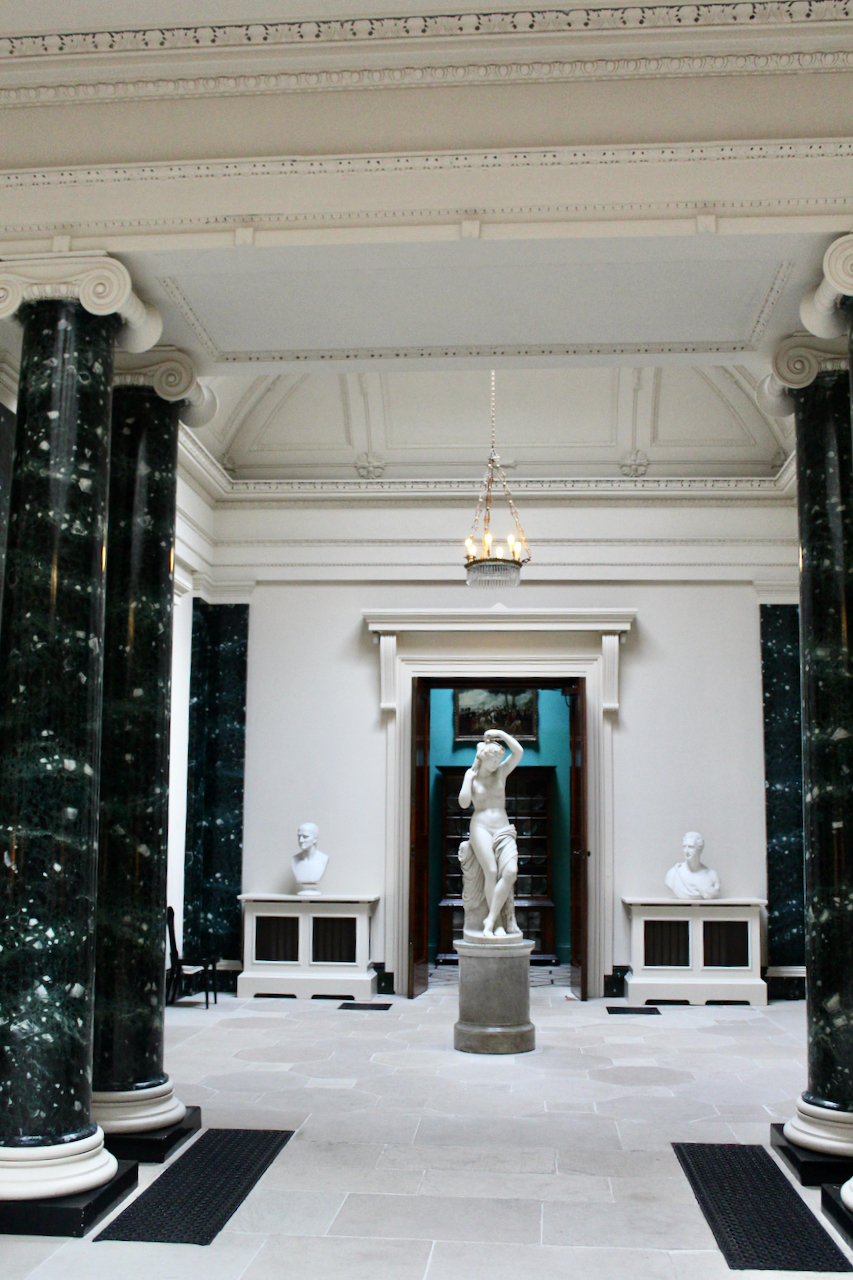
Central hall of Mount Stewart. The sculpture is “Bacchante at the Bath” by Lawrence MacDonald. Photograph © Jennifer Winder-Baggot, www.irishhistorichouses.com

Central hall

Soak up the atmosphere of the most impressive space in the house, where you can see life-size sculptures by Lawrence MacDonald, alongside the family collection of silver dating from 1694.

Look down at your feet to take in the original Scrabo stone, which was recently restored after being hidden since the 1960s when it was covered by linoleum.

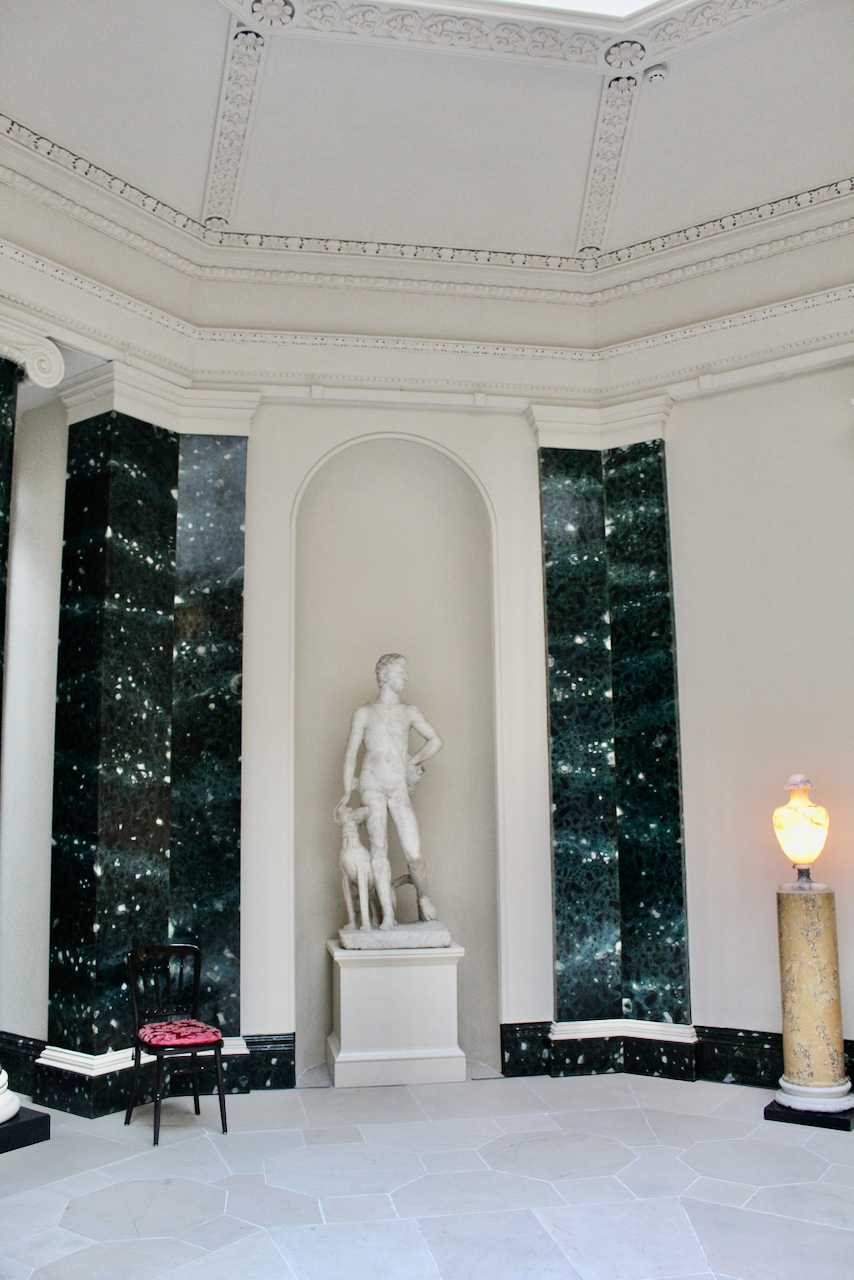
The Central Hall, Mount Stewart, with an Italian school sculpture of Adonis. Photograph © Jennifer Winder-Baggot, www.irishhistorichouses.com
Mount Stewart. Photograph © Jennifer Winder-Baggot, www.irishhistorichouses.com
Central Hall of Mount Stewart.
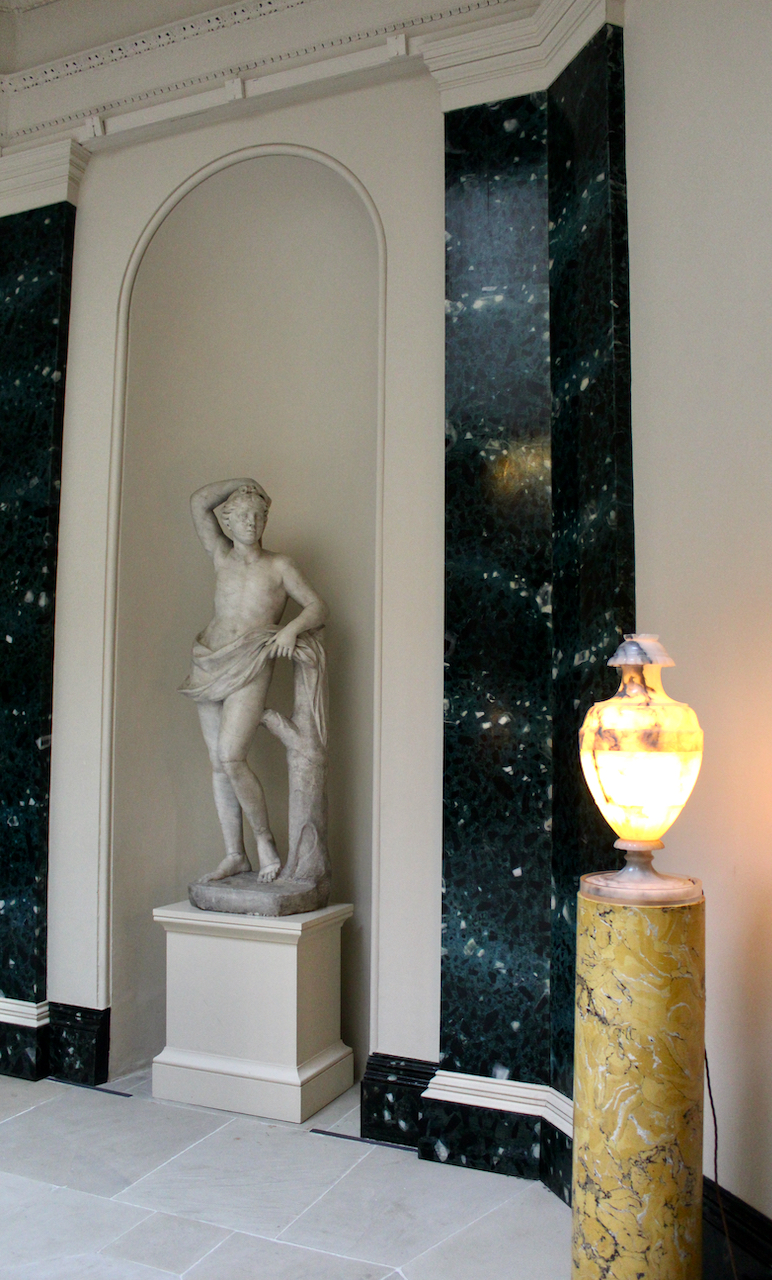
The lamp next to Apollino is of alabaster, so fine the light shines through. Photograph © Jennifer Winder-Baggot, www.irishhistorichouses.com
Venus at the Bath by Lawrence MacDonald. Photograph © Jennifer Winder-Baggot, www.irishhistorichouses.com
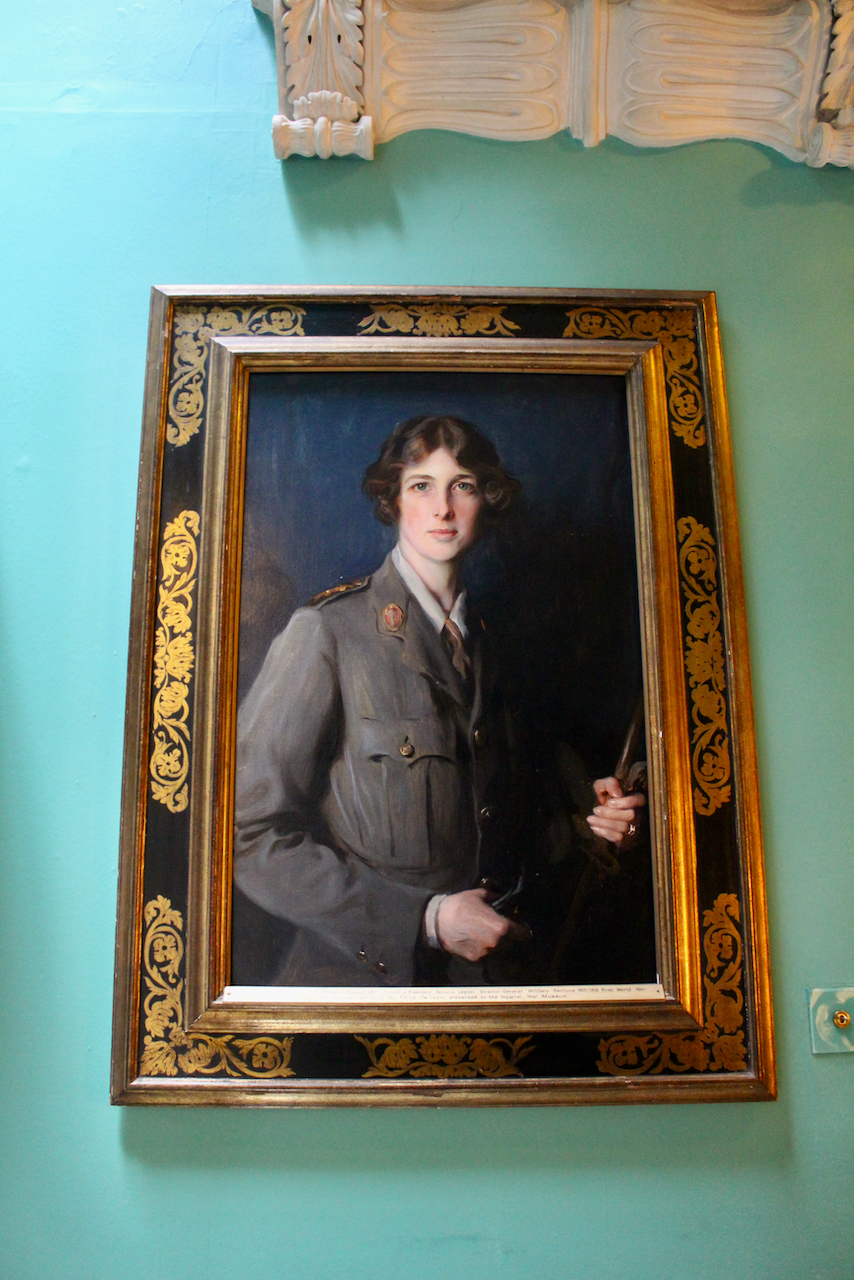
The painting is of Edith Helen Chapman (1878-1959), Marchioness of Londonderry, in the uniform of the Women’s Legion. The halls are a treasure-trove. Photograph © Jennifer Winder-Baggot, www.irishhistorichouses.com

When Frederick died, his brother succeeded as the 5th Marquess of Londonderry, George Henry Robert Charles William Vane-Tempest (1821-1884). Like his father, he joined the military. He married Mary Cornelia Edwards, daughter of John Edwards, 1st and last Baronet Edwards, of Garth, Montgomeryshire.

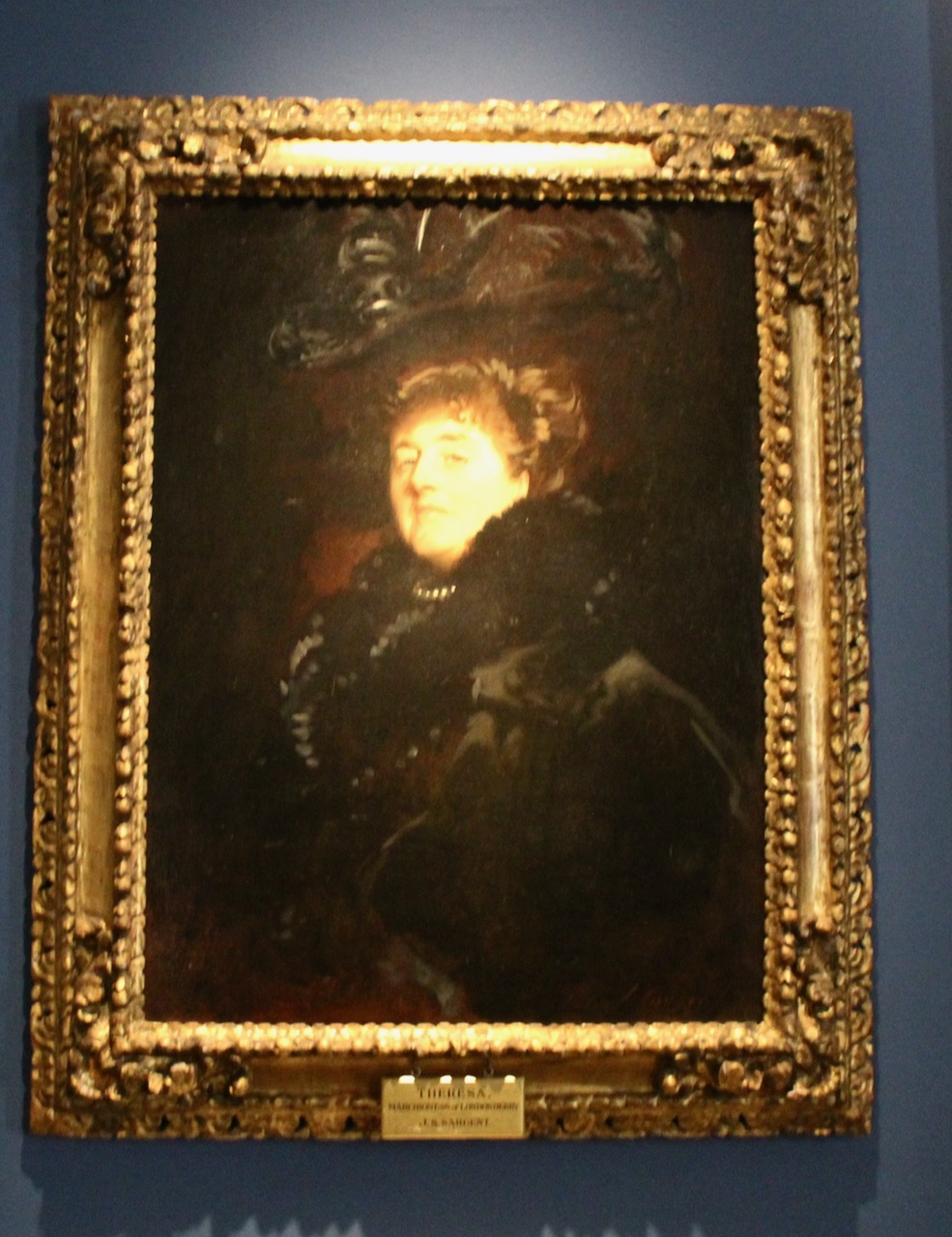
Their son Charles Stewart Vane-Tempest succeed as the the 6th Marquess of Londonerry in 1884. In 1885 he added Stewart to his surname, to become Vane-Tempest-Stewart. In 1875 he married Theresa Susey Helen Chetwynd-Talbot, daughter of Charles John Chetwynd Chetwynd-Talbot, 19th Earl of Shrewsbury. The 6th Marquess served in many posts, including Lord-Lieutenant of Ireland between 1886 and 1889.

Theresa Susey Helen Talbot, Marchioness of Londonderry (1856-1919) by John Singer Sargent, Vicereine 1886-89. Photograph © Jennifer Winder-Baggot, www.irishhistorichouses.com

Their son Charles Stewart Henry Vane-Tempest-Stewart (1878-1949) succeeded as 7th Marquess of Londonderry. He married Edith Helen Chaplin, daughter of Henry Chaplin, 1st Viscount Chaplin.

The website continues: “Charles’s great-grandson, Charles 7th Marquess, served in the First World War, during which his wife Edith founded the Women’s Legion. At the end of the war, Edith began to create the gardens at Mount Stewart and redecorated and furnished the house, processes she thoroughly enjoyed and continued until her death in 1959. Charles served in the new Northern Irish government following the partition of Ireland in 1921. He later became Secretary of State for Air during the early 1930s. The horrors of the First World War and the rise of Communism meant many were anxious to avoid another European war. For Charles, this meant holding a series of meetings with the Nazi leadership, but his actions and intentions were misunderstood and his career and reputation were fatally damaged.

Oil painting on canvas, Lady Edith Helen Chaplin, Marchioness of Londonderry, DBE (1878-1959) in Uniform of the Women’s Army Auxiliary Corps by Philip Alexius de László de Lombos (Budapest 1869 – London 1937), 1918.
Information board courtesy of National Trust Mount Stewart.
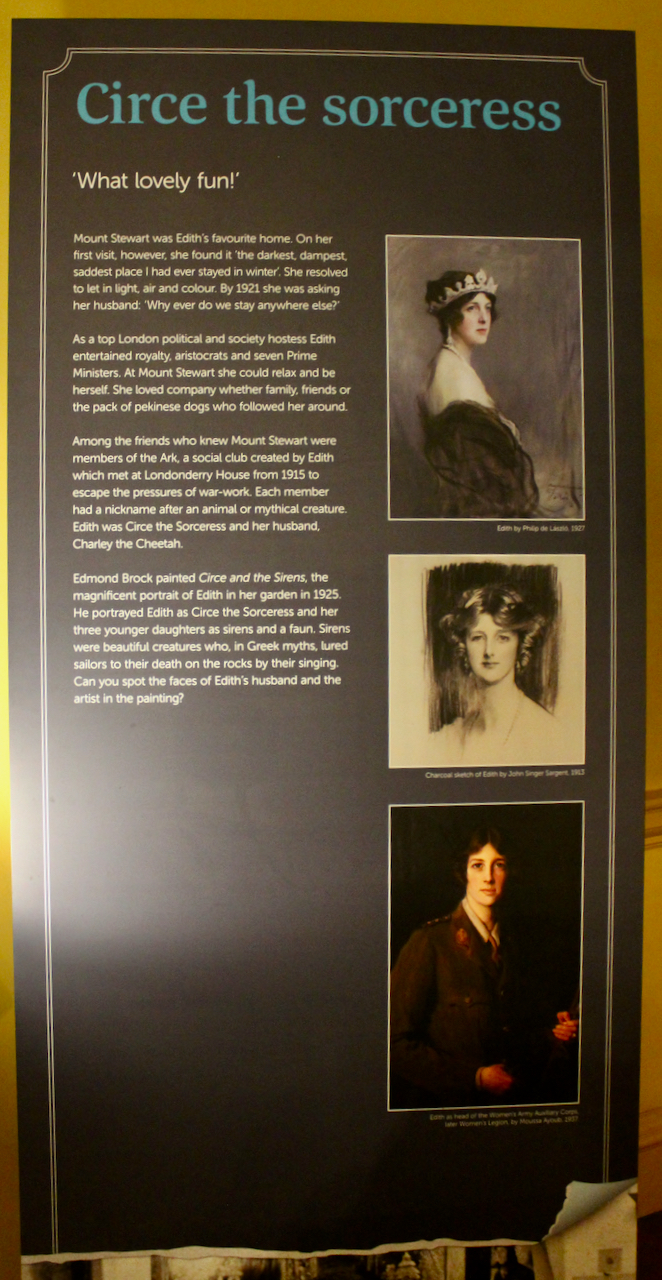
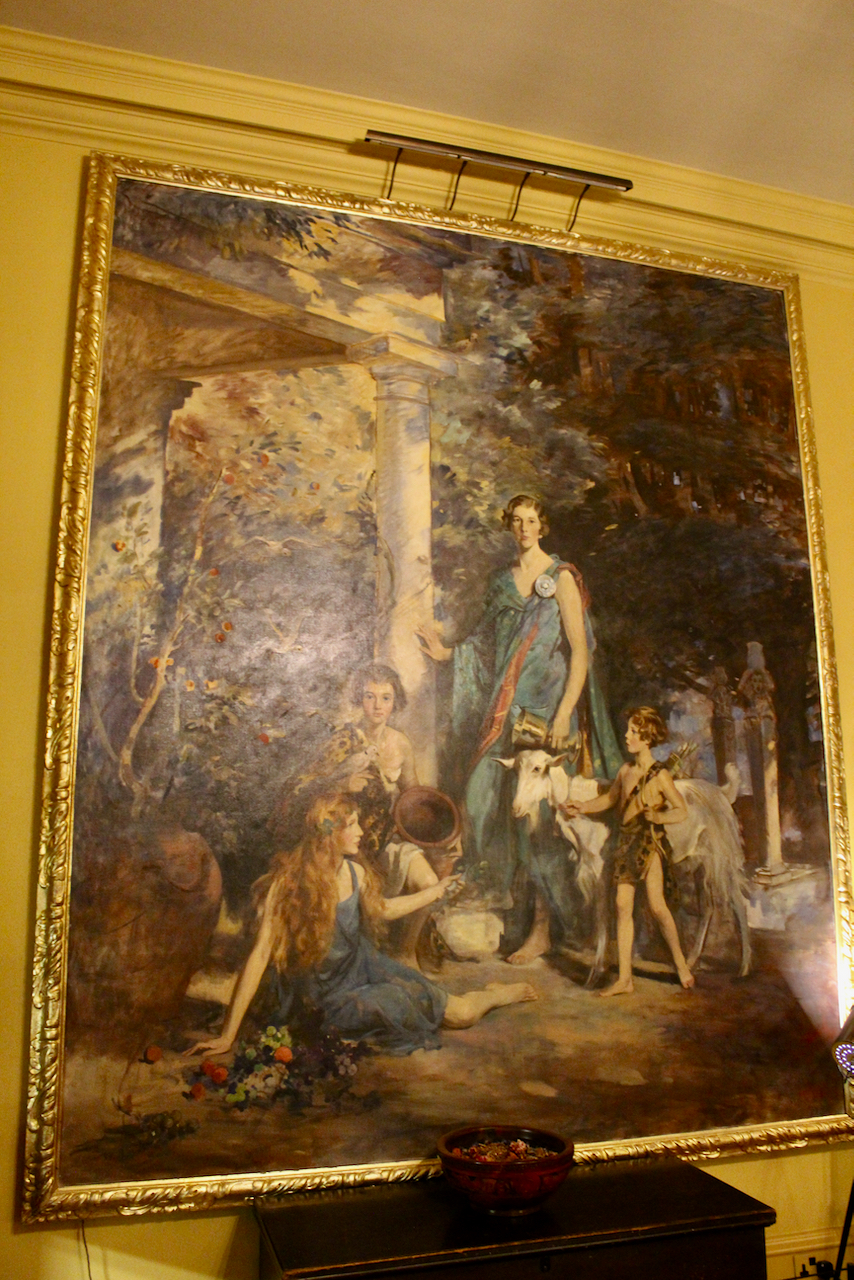
“Circe and the Sirens,” Edmond Brock’s group portrait shows Edith, Marchioness of Londonderry and her three youngest daughters Margaret, Helen and Mairi with her pet goat ‘Paddy from Cork’. In the background, the faces of her husband Charles, 7th Marquess (on the left) and the artist himself (on the right) appear in the herms. Edith is shown in the guise of Circe the Sorceress of Homer’s Odyssey who charmed Odysseus and his men to stay on her island before turning them into pigs. As Circe, Edith presided over The Ark, a club she founded during the First World War. She holds the large gold cup that can be seen in the SIlver Display off the Central hall of the house. Photograph © Jennifer Winder-Baggot, www.irishhistorichouses.com
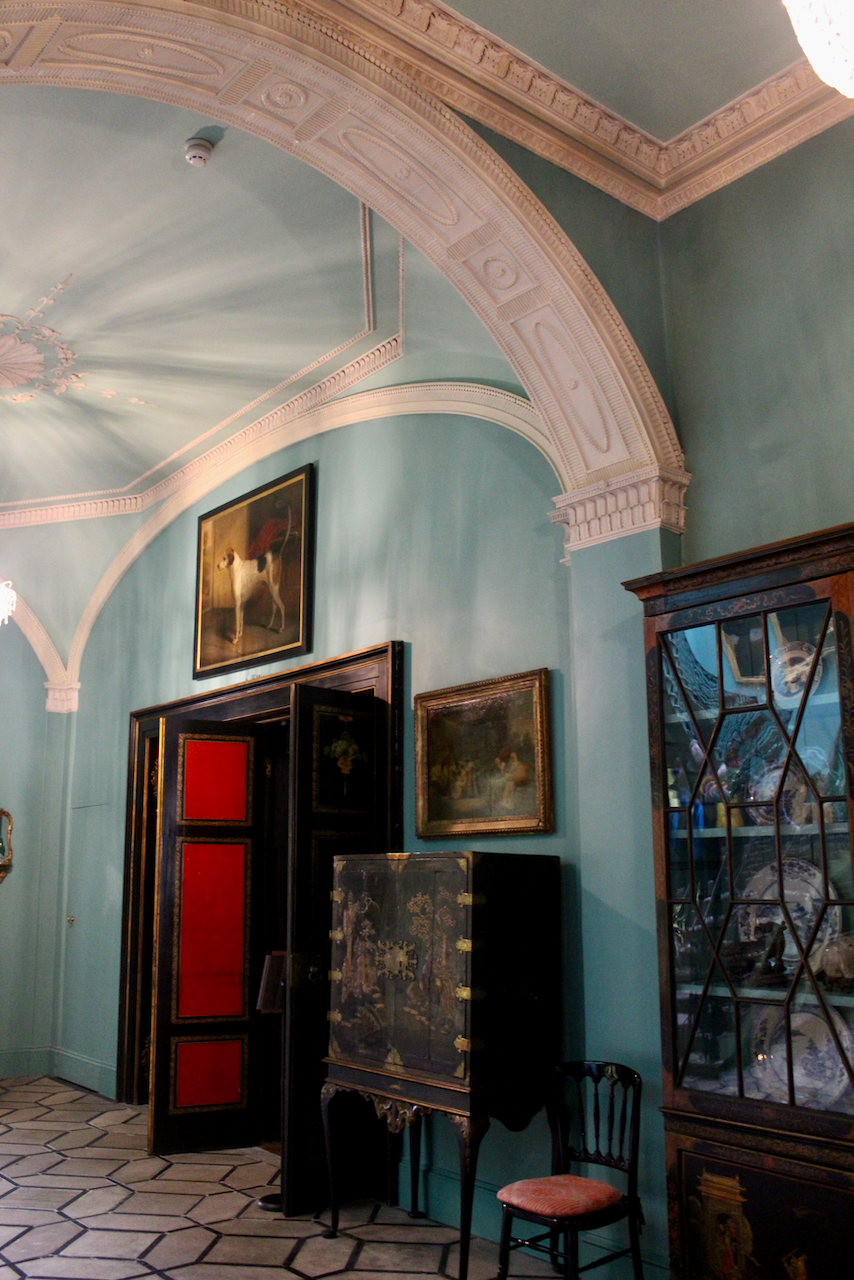
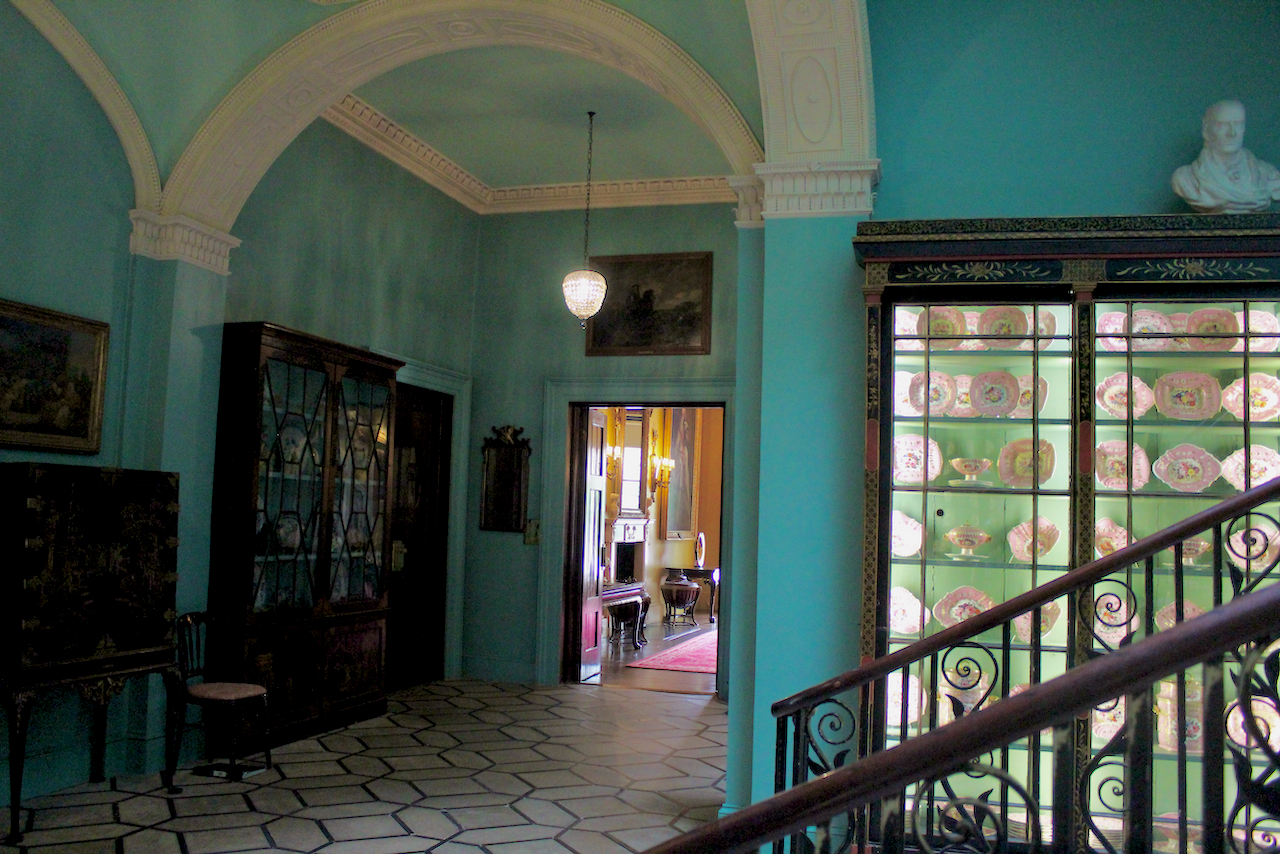
The “Black and white” hall. Photograph © Jennifer Winder-Baggot, www.irishhistorichouses.com
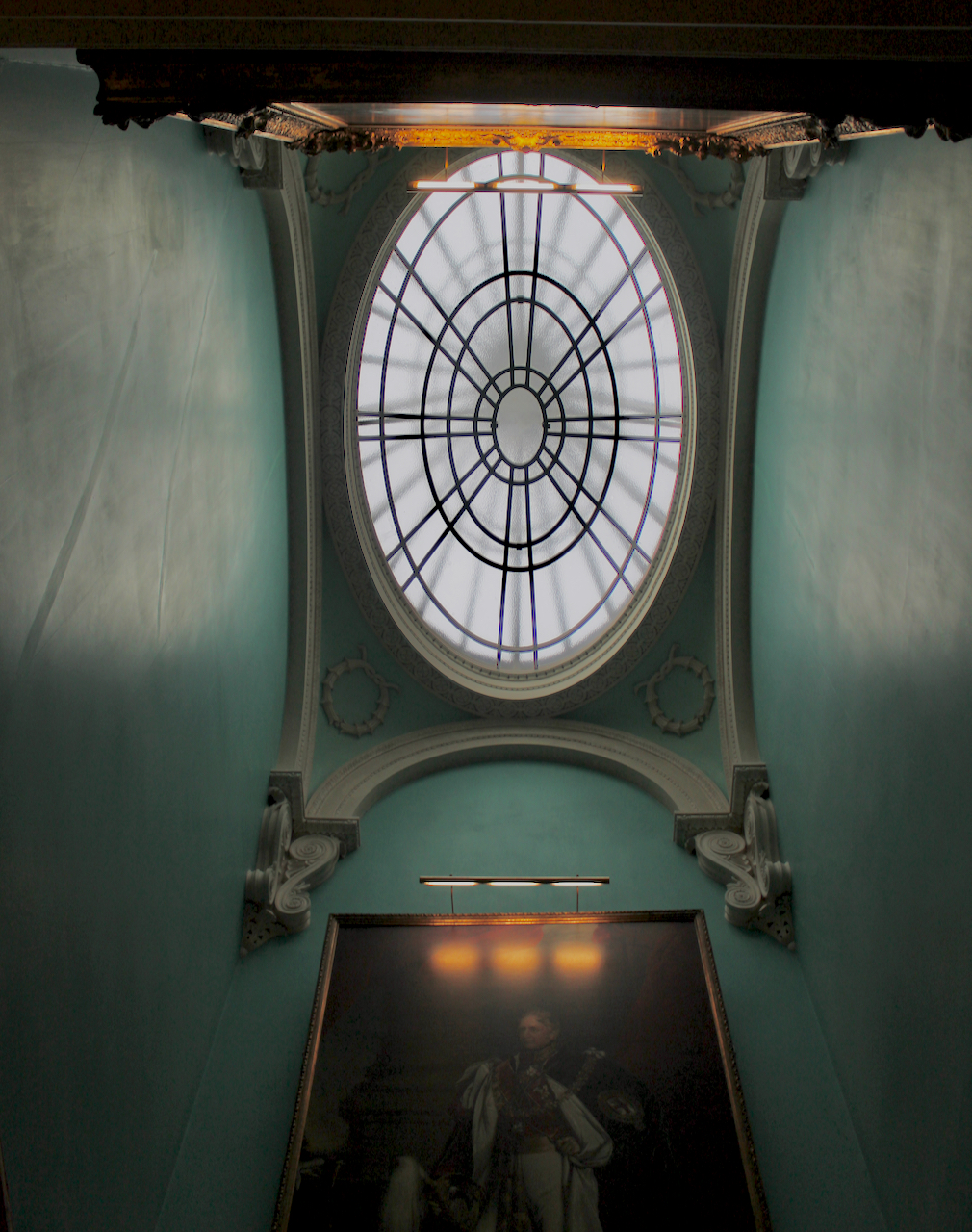
Various skylights pierce the hall ceiling in different alcoves. Photograph © Jennifer Winder-Baggot, www.irishhistorichouses.com
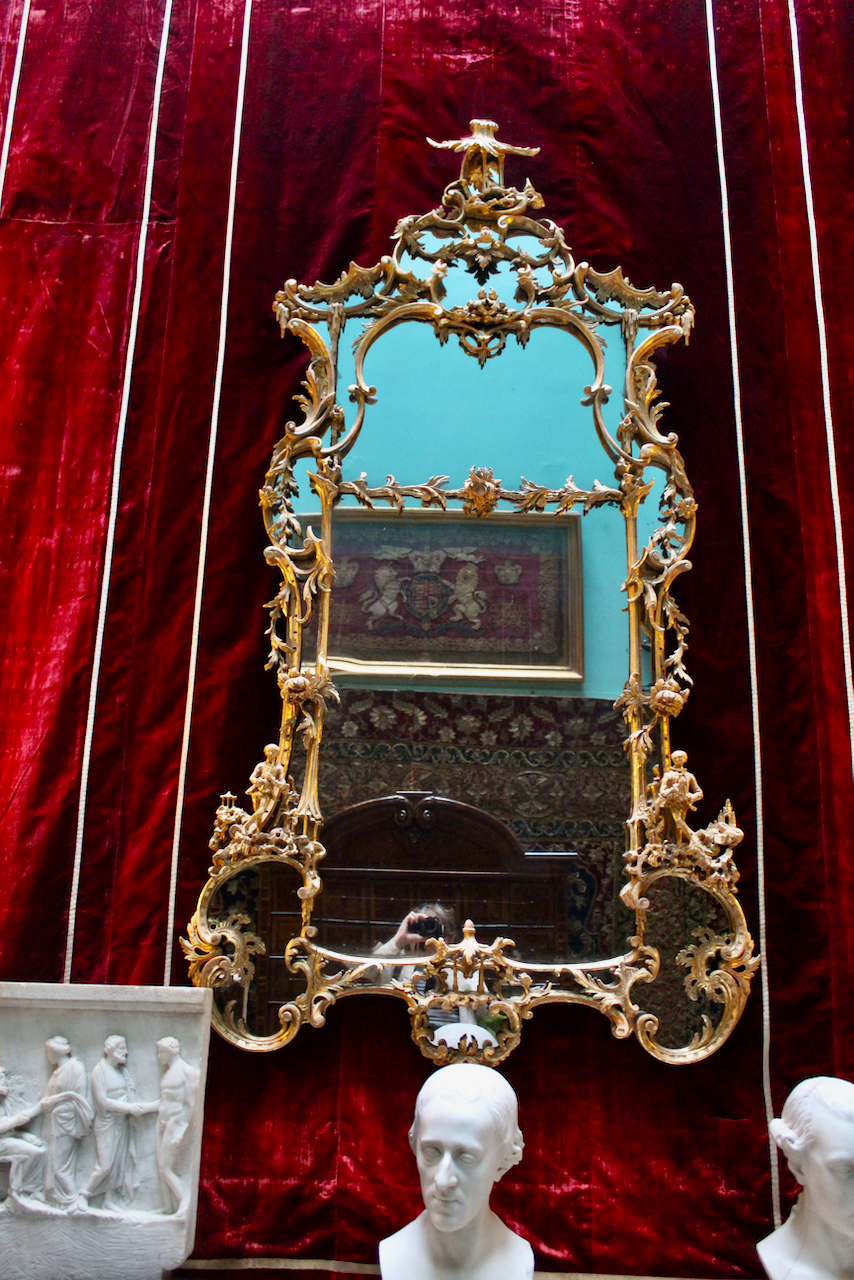
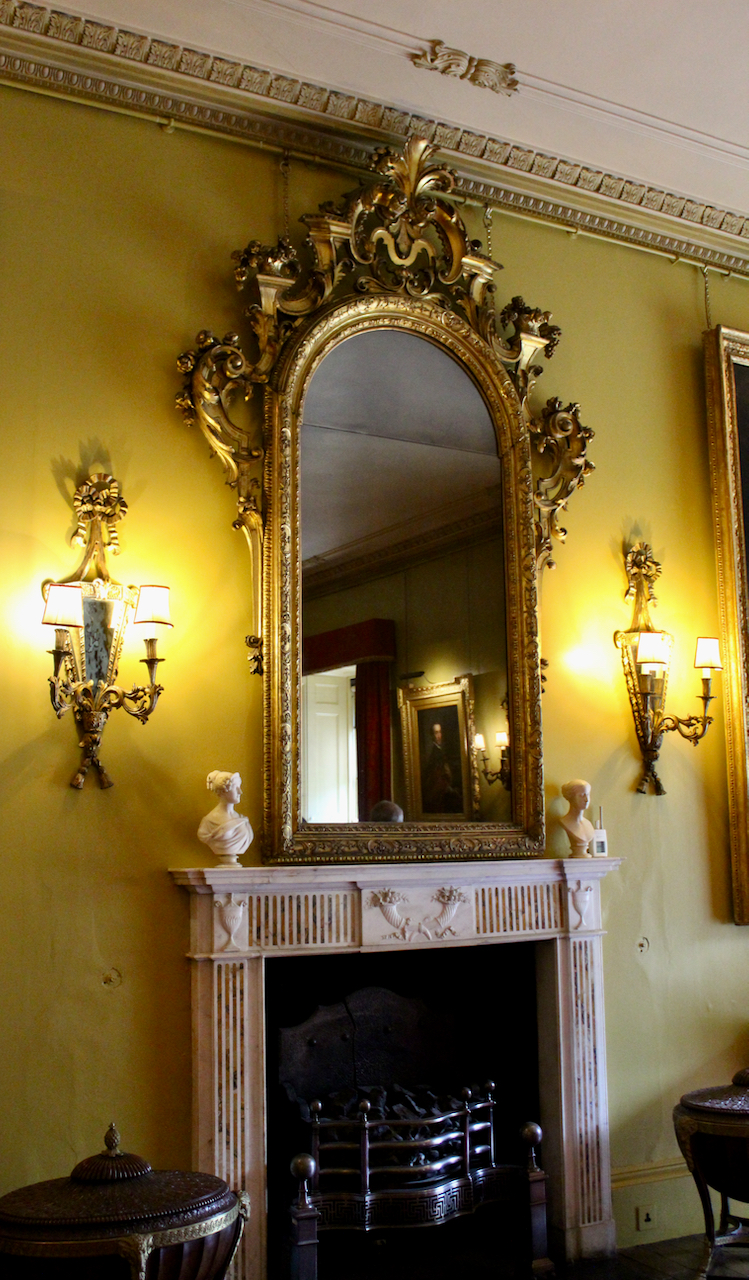
An early George III carved giltwood rectangular upright mirror with chinoiserie pavilion mirrored cresting with spread foliage, and scrolling foliate mirrored cresting with rocaille, pendant icicles, the divided plate with leaf and fruit-carved divisions with cusped foliate centre, mirrored scrolling sides with pierced rocaille, icicles, pendant flowers and foliage, the mirrored shaped apron with flanking standing figures of musicians, pierced chinoiserie rockwork and central chinoiserie pillared pavilion in the manner of Thomas Johnson.
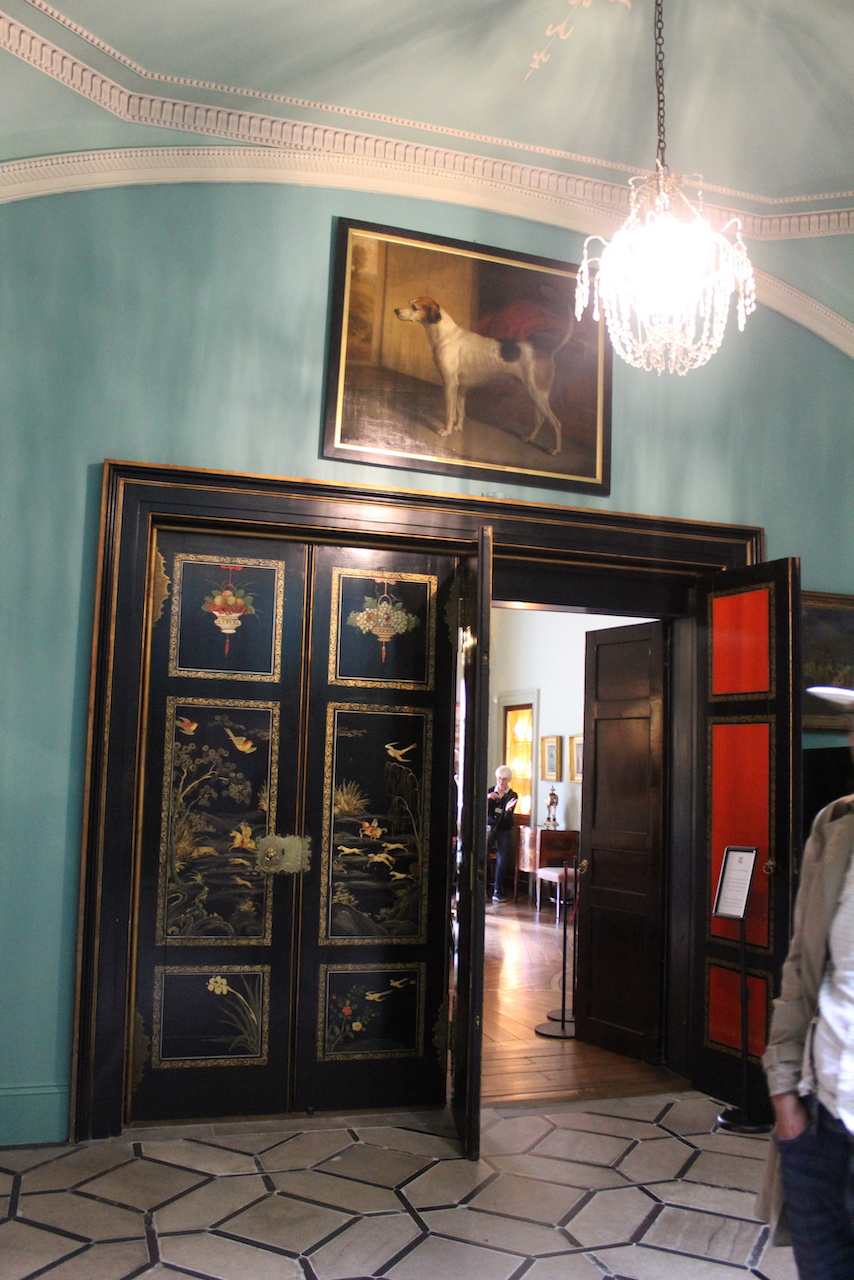
I was so busy looking around and taking photographs that I didn’t notice these amazing doors at the time. There was just so much detail to see in every direction! Photograph © Jennifer Winder-Baggot, www.irishhistorichouses.com
The Black and White hall, Mount Stewart. Photograph © Jennifer Winder-Baggot, www.irishhistorichouses.com
Mount Stewart. Photograph © Jennifer Winder-Baggot, www.irishhistorichouses.com

Drawing room

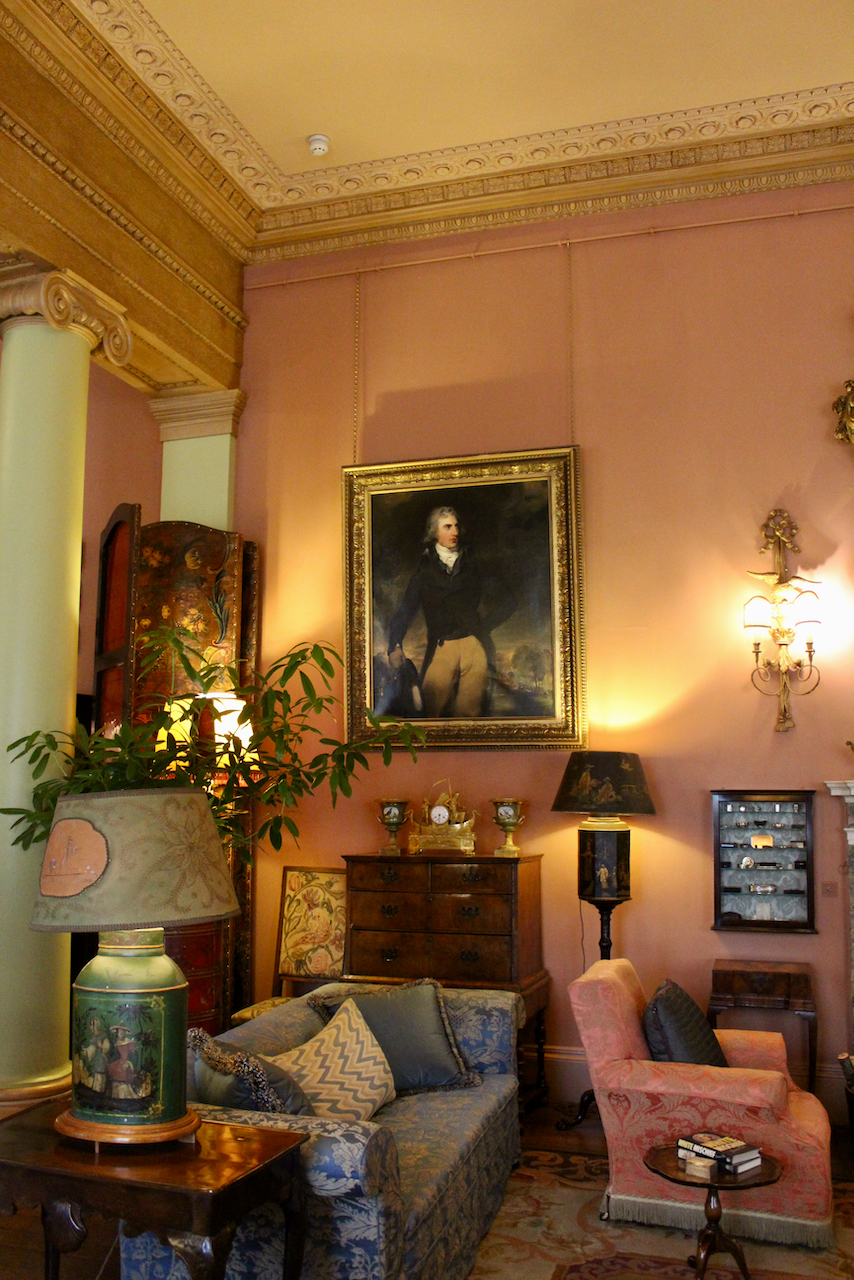
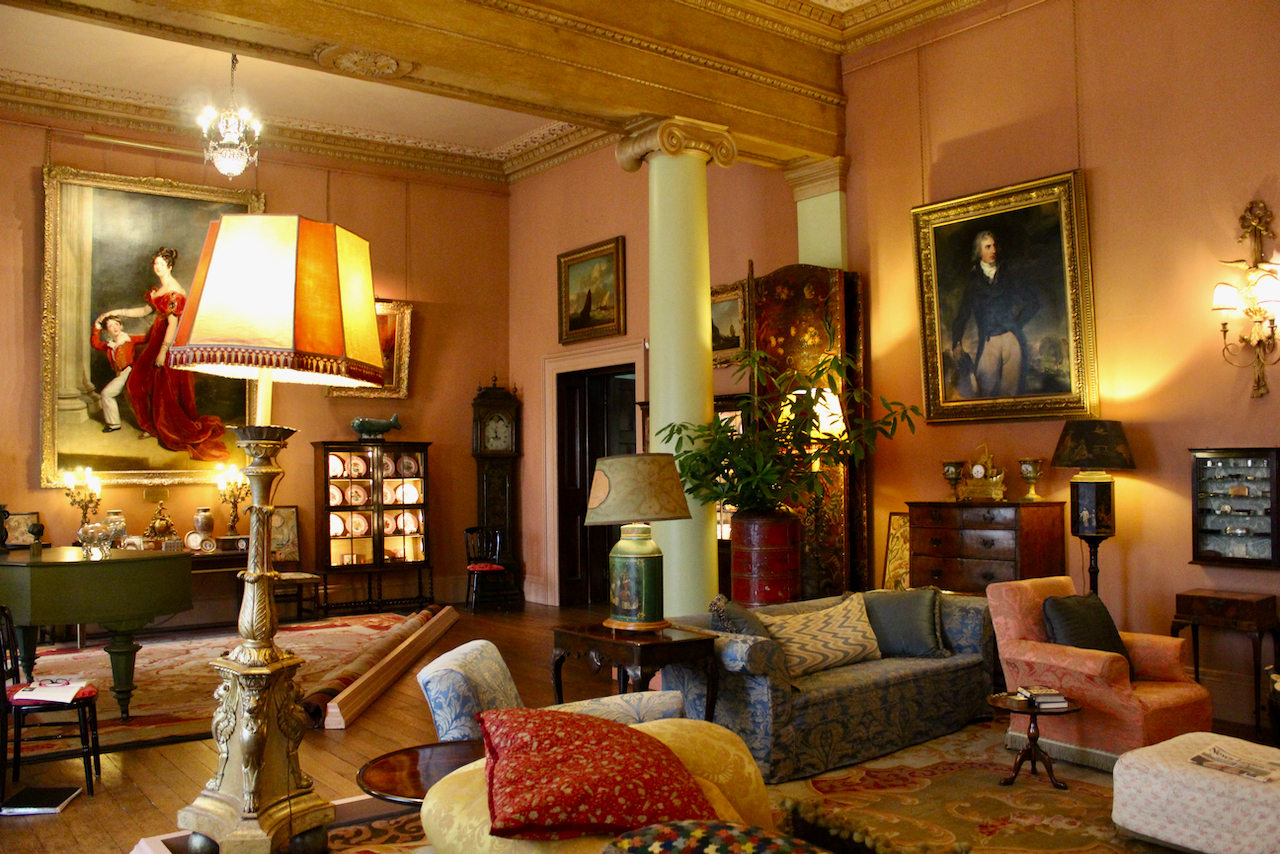
Step inside the drawing room which was the social hub of the house, furnished with comfortable armchairs and sofas gathered around the fireplace, as well as a piano for musical entertainment.

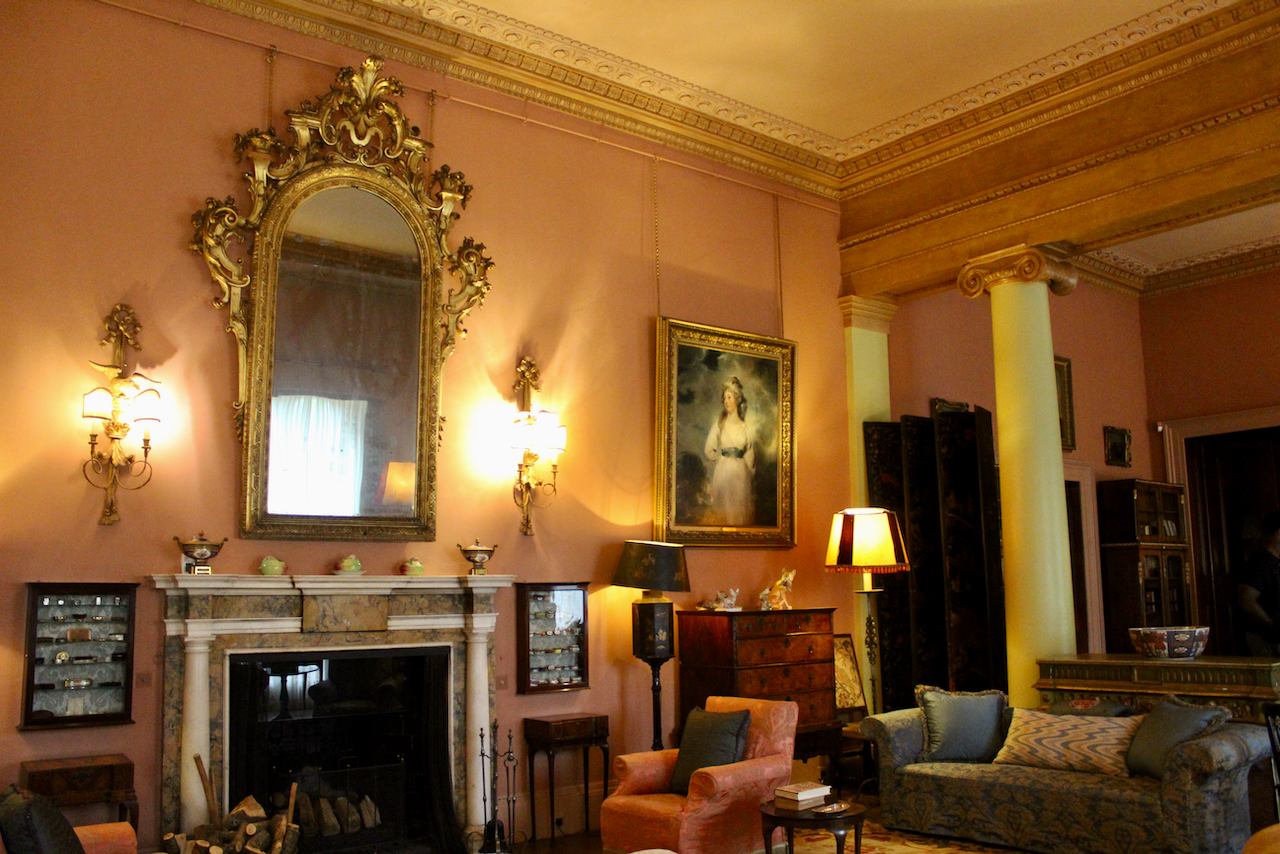
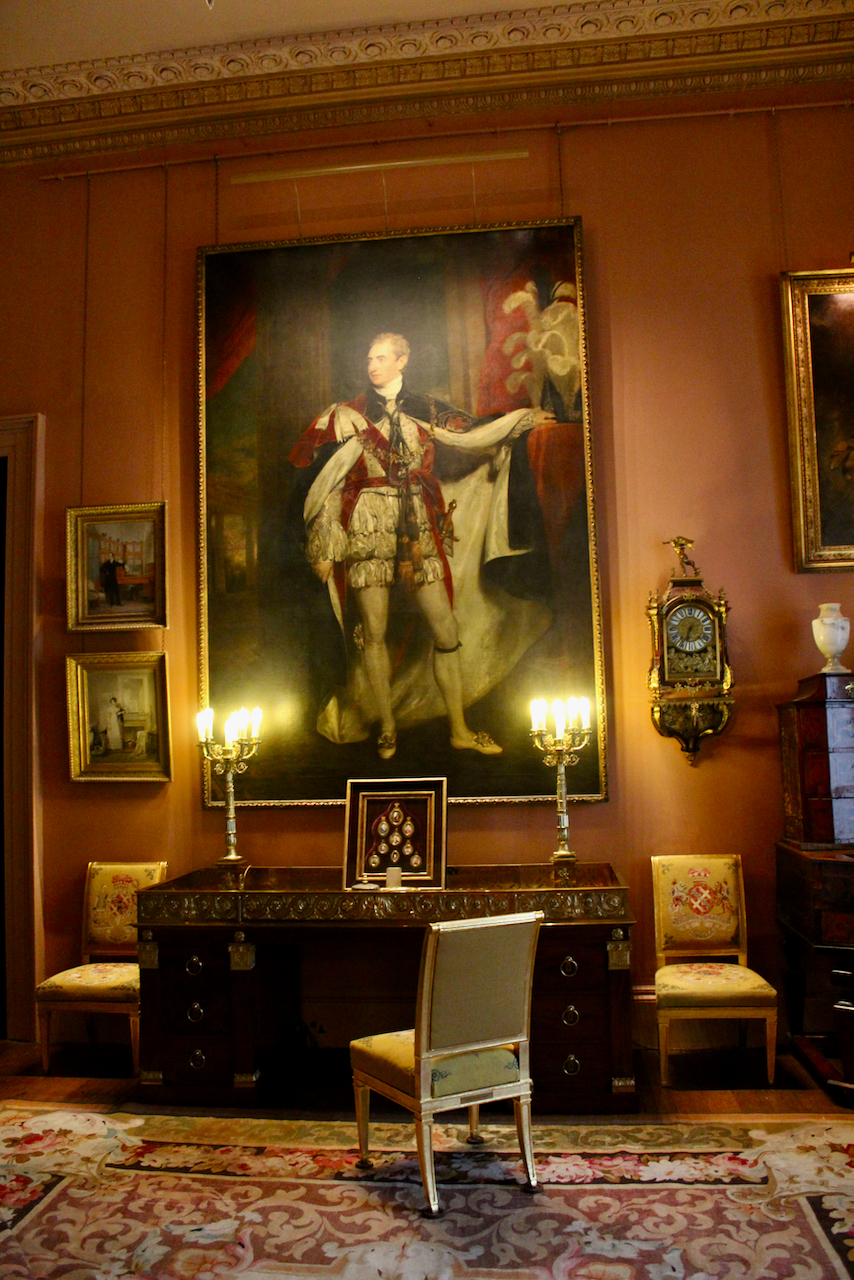
At one end of the room stands the Congress of Vienna Desk, brought back by Castlereagh Viscount Castlereagh after the Congress and the Peace of Paris in 1815, for which he was made a Knight of the Garter.  Above it hangs his portrait, by Sir Thomas Lawrence, alongside many others by the same artist.”

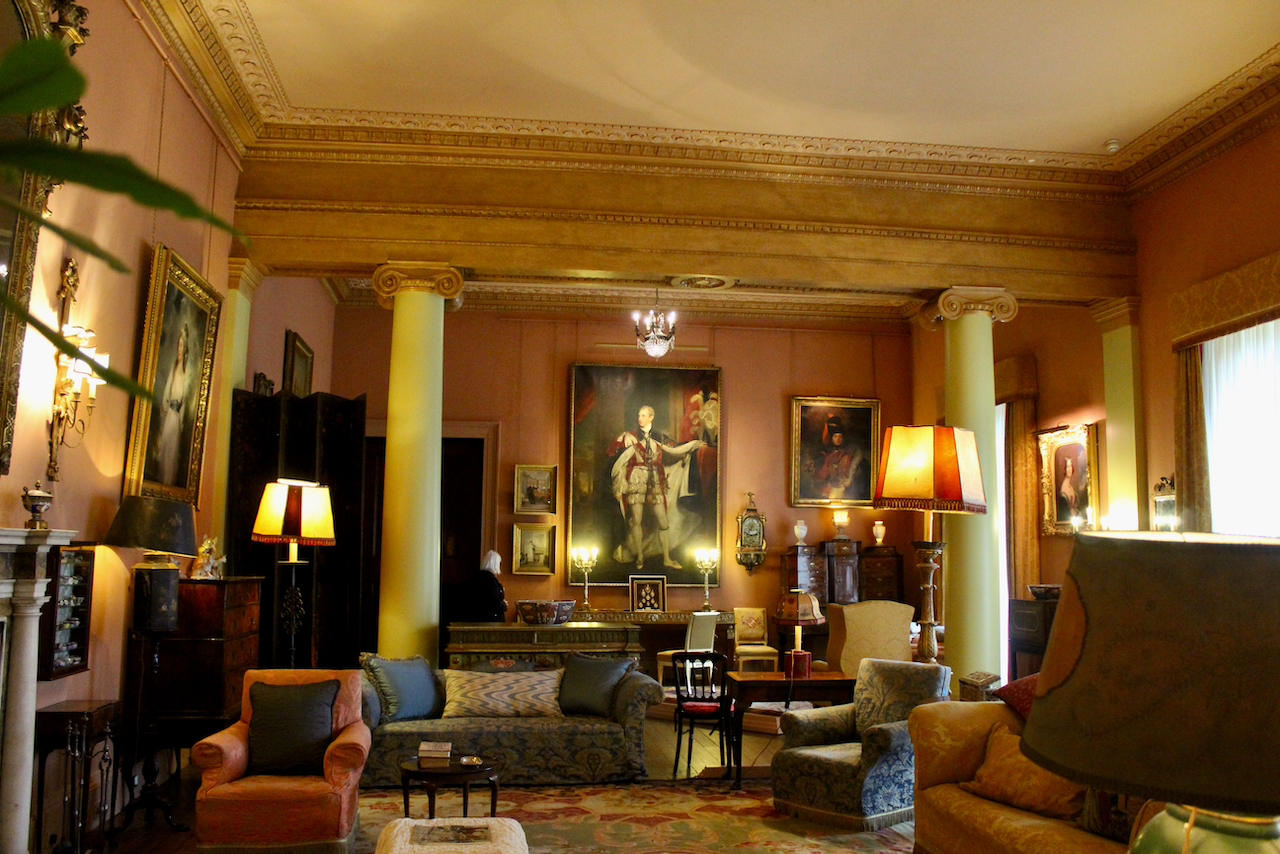
The drawing room, Mount Stewart, June 2023. Photograph © Jennifer Winder-Baggot, www.irishhistorichouses.com
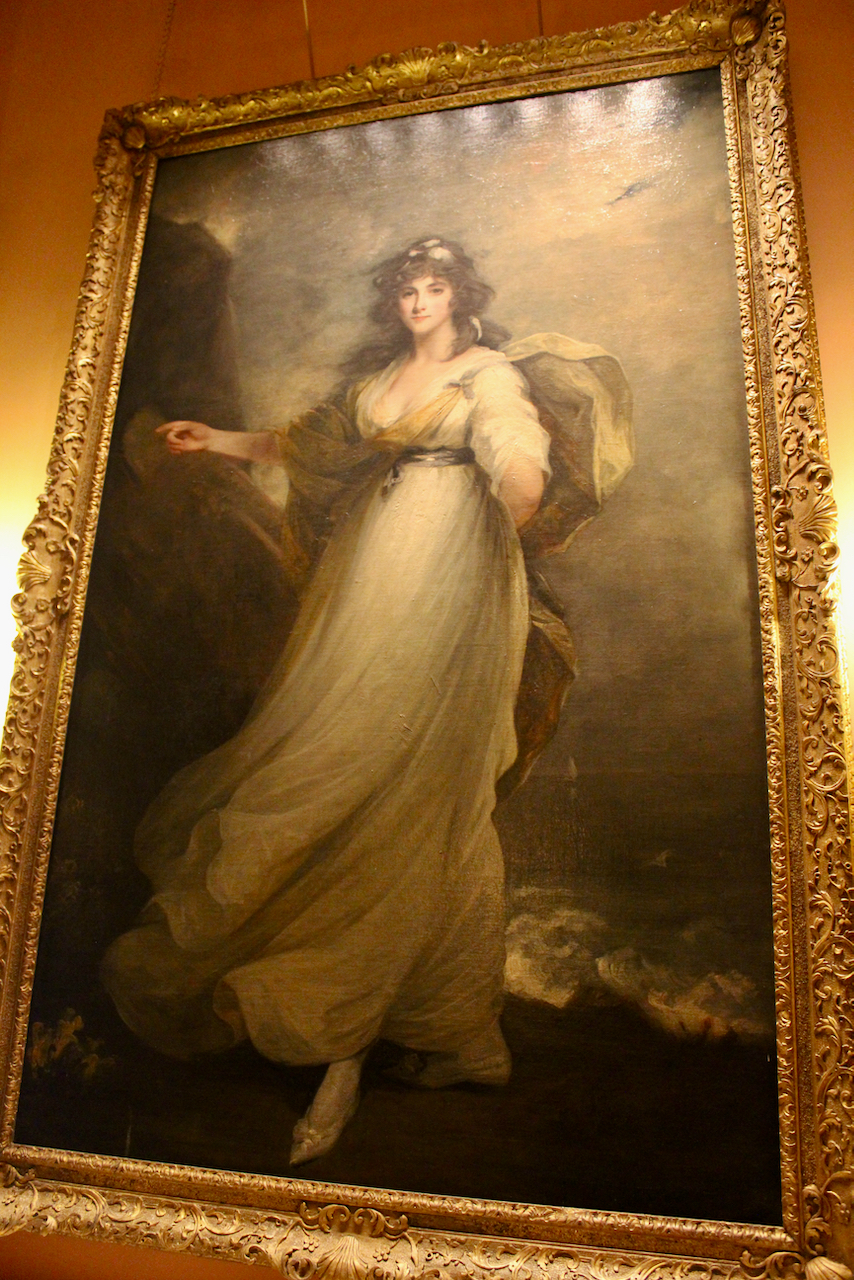
An aunt of Frances Anne née Vane, Mrs Michael Angelo Taylor (1769-1821) as ‘Miranda’ in The Tempest by William Shakespeare, painted by John Hoppner. Photograph © Jennifer Winder-Baggot, www.irishhistorichouses.com
Lady Amelia (Emily) Anne Hobart, Viscountess Castlereagh, later Marchioness of Londonderry (1772-1829) by Sir Thomas Lawrence. Photograph © Jennifer Winder-Baggot, www.irishhistorichouses.com
Portrait by Thomas Lawrence of Robert Stewart (1769–1822), Viscount Castlereagh, Later 2nd Marquess of Londonderry. Photograph © Jennifer Winder-Baggot, www.irishhistorichouses.com
The lamp in foreground is one of a pair of late 18th century Italian carved giltwood altar sticks, the gilt metal scalloped dished tops on baluster columns, the triangular shaped concave plinths mounted with winged griffin pilasters, fitted for direct and indirect electric lighting with imitation candles and deep bullion fringed vellum shades. Photograph © Jennifer Winder-Baggot, www.irishhistorichouses.com
Robert Stewart, 1st Viscount Castlereagh, later 2nd Marquess of Londonderry. Photograph © Jennifer Winder-Baggot, www.irishhistorichouses.com
The Congress of Vienna table: A gilt-bronze mounted mahogany pedestal desk or library table, Vienna, c.1814. The extremely weighty, intricate and highly finished gilt-bronze gallery surrounding the top of the desk is pierced with leaf scrolls enclosing varying florets in a running guilloche pattern. The centre of each side is dominated by a bearded male mask enveloped in foliage. Hinged to the table top, the central section of the front gallery drops down for use of the original green leather writing surface with a gold-tooled border. The three short drawers on both pedestals have simple ring handles surrounding the steel double-turn keyholes, and are flanked by plain pilasters surmounted by gilt-bronze Corinthian capitals, which slide upwards for removal when the table top is lifted off the supporting pedestals. The carcass is apparently of white poplar with oak drawers, and the mahogany is highly figured. The use of poplar in the carcass is foreign to English and French practices and is more typical of Italy. Photograph © Jennifer Winder-Baggot, www.irishhistorichouses.com

Dining room

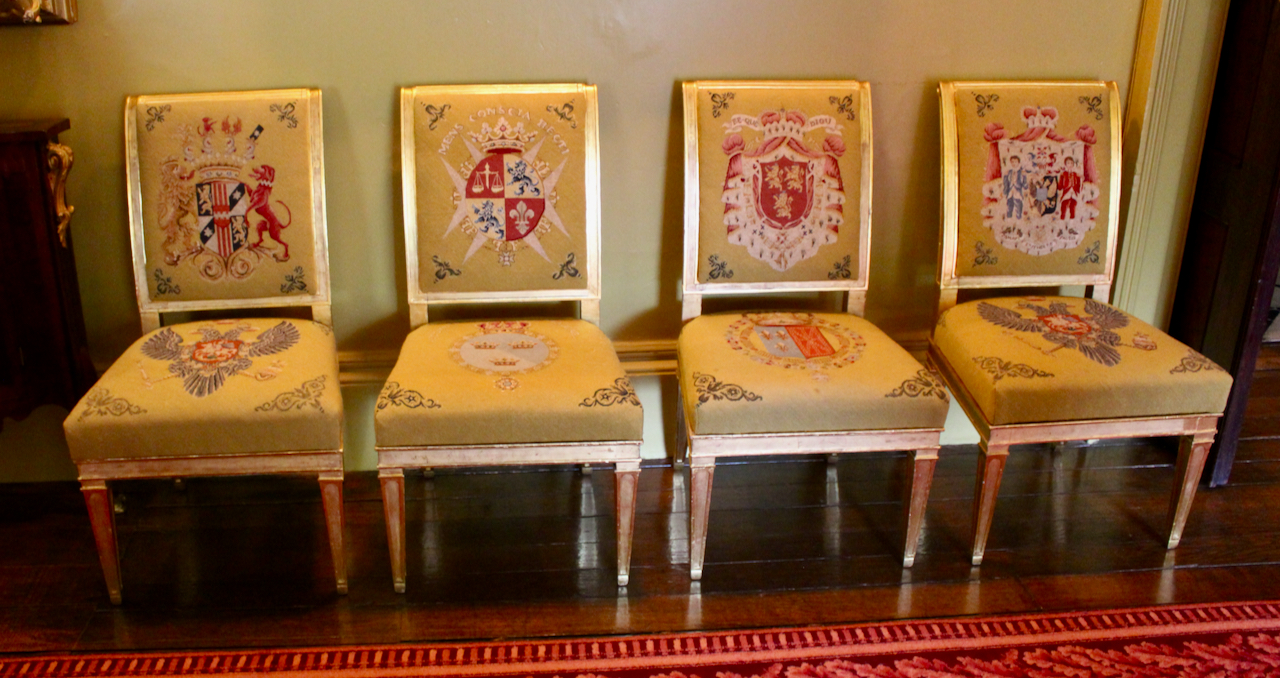
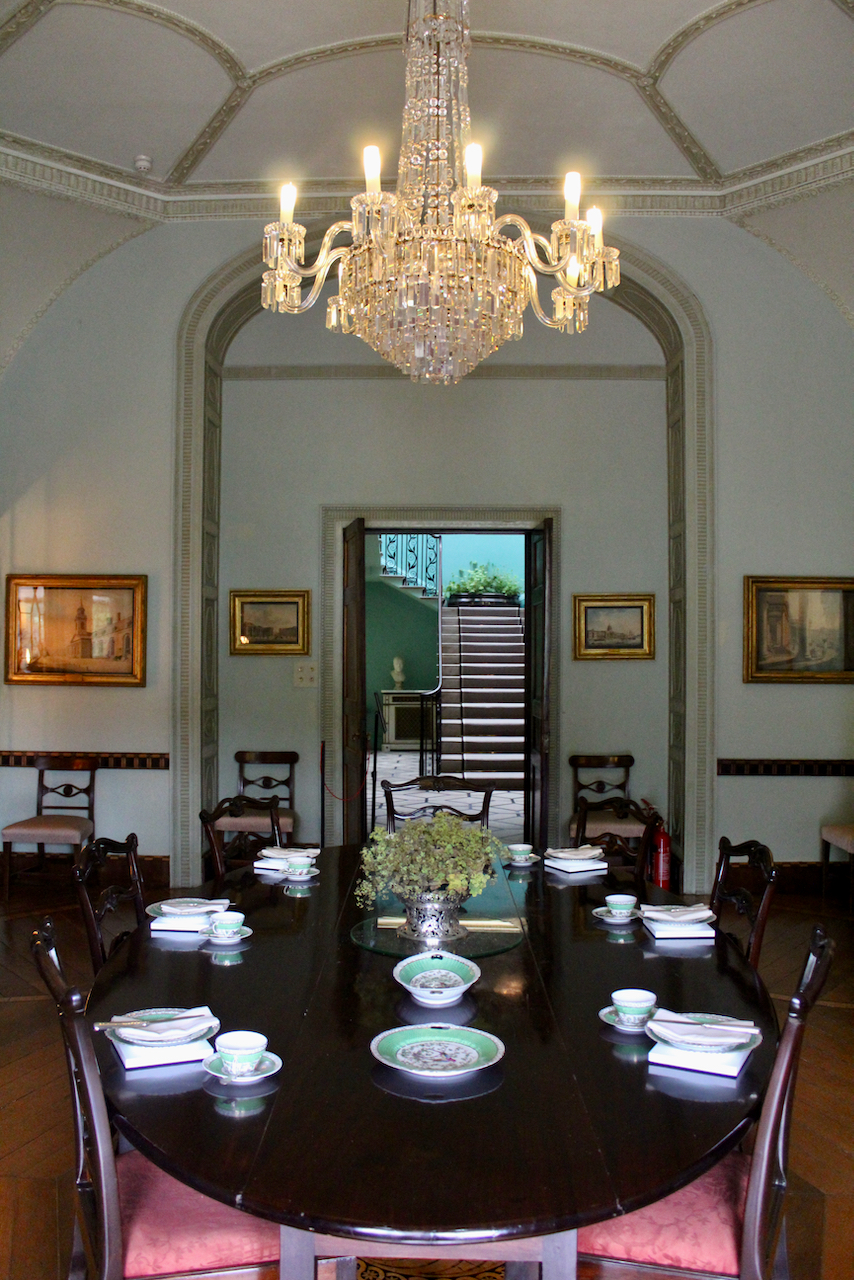
Visit the dining room which was used to entertain famous guests including Winston Churchill and Neville Chamberlain – both of whom later became Prime Ministers of Britain. Along the walls stand the chairs used during the Congress of Vienna (1814–15). Their needlework covers were commissioned by Edith in the 1930s to display the coats of arms of those present at the Congress, and the countries they represented.

The dining room, Mount Stewart. Photograph © Jennifer Winder-Baggot, www.irishhistorichouses.com
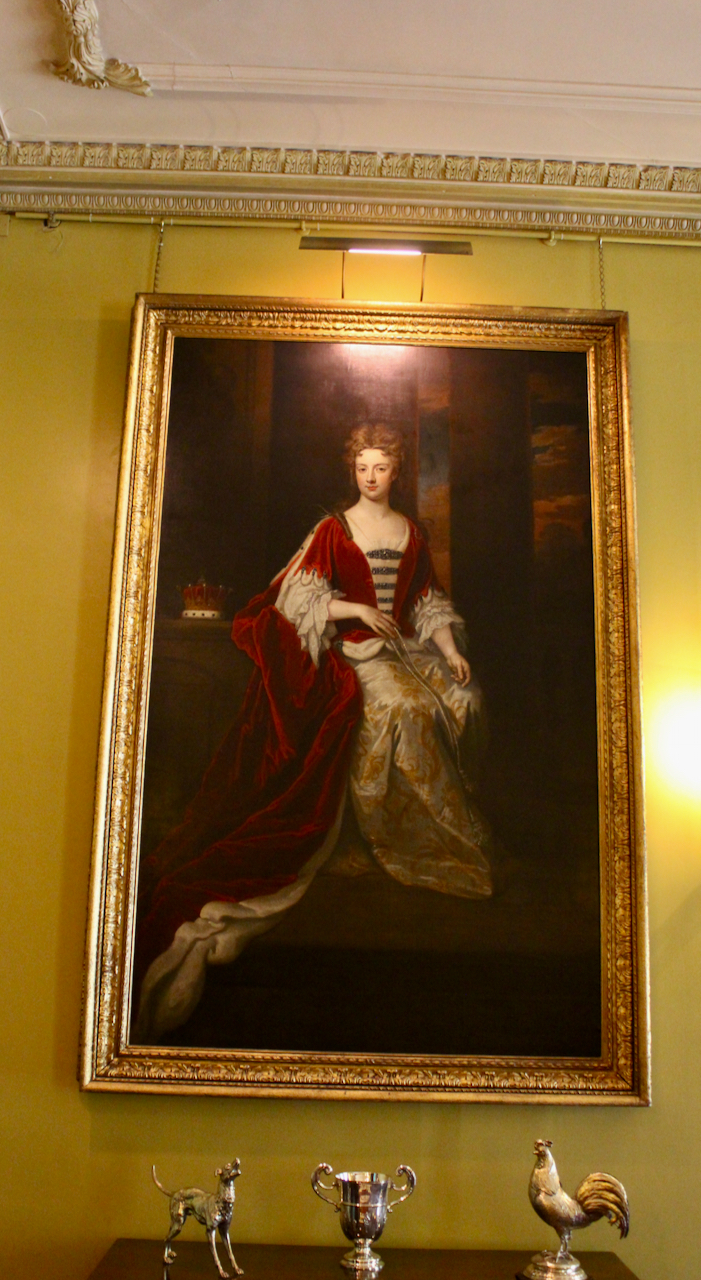
Geertruid Johanna de Quirina van der Duyn (d. 1741), Countess of Albemarle, by Godfrey Kneller. Photograph © Jennifer Winder-Baggot, www.irishhistorichouses.com
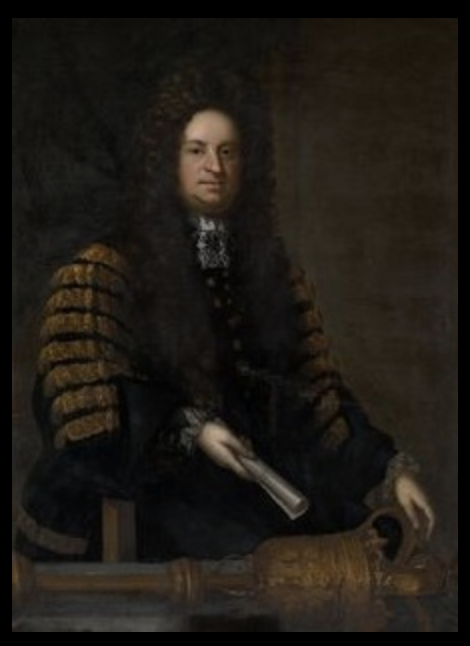
The man in splendid robes at the end of the room is Arnold Joost van Keppel, 1st Earl of Albemarle, by Godfrey Kneller. Photograph © Jennifer Winder-Baggot, www.irishhistorichouses.com
The chairs that represent the countries that took part in the Congress of Vienna (1814-1815). They are a set of twenty-two neo-classical chairs traditionally associated with the Congress of Vienna, 1814-15, two of which are later additions made in 1933. All chairs are upholstered and covered with pale yellow wool with silk embroidery, delineating the coat-of-arms of each of the principal delegates to the Congress (on the back) paired with the country, which they represented (on the seat). Photograph © Jennifer Winder-Baggot, www.irishhistorichouses.com
Information board courtesy of National Trust Mount Stewart.
Mount Stewart.

The breakfast room

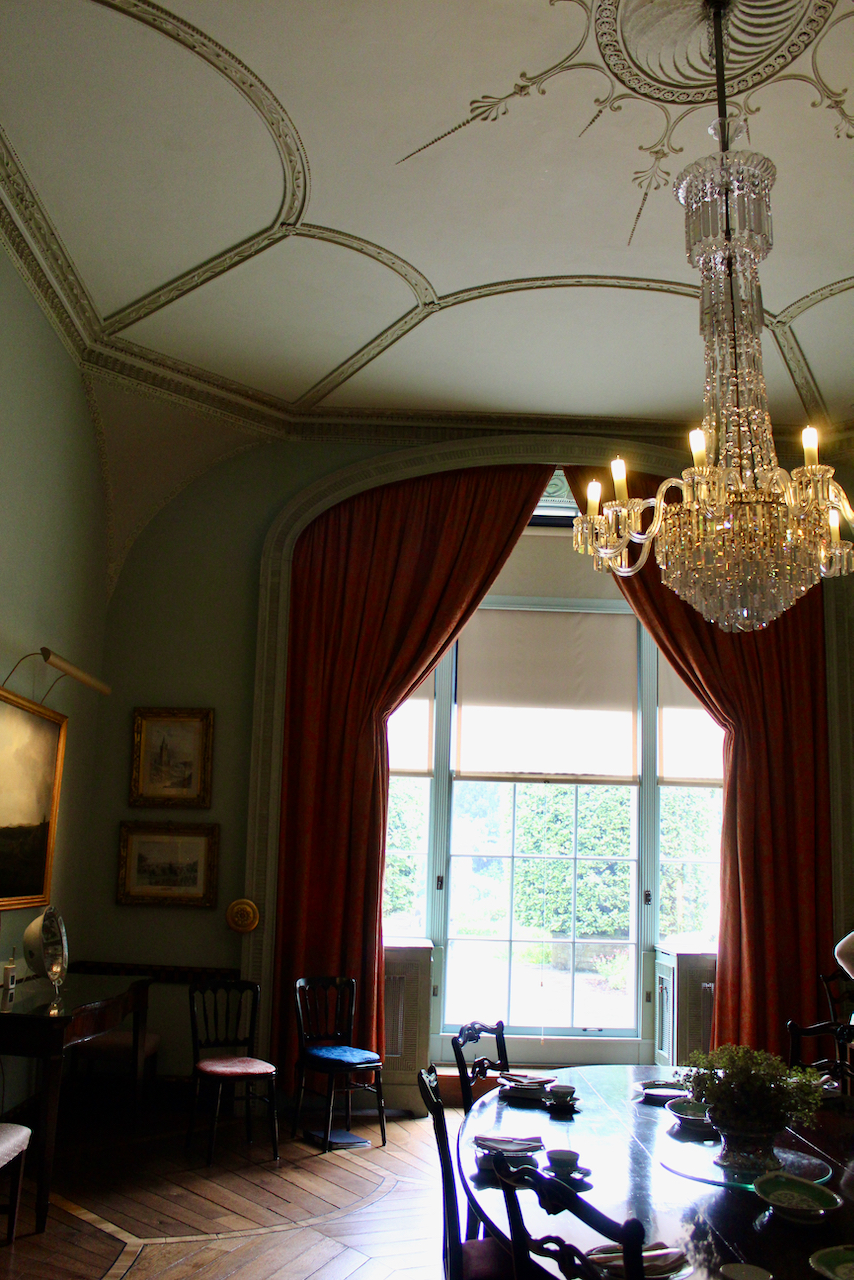
Stop by the breakfast room, where Charles and Edith enjoyed relaxed family breakfasts, lunches and afternoon teas overlooking the Sunk Garden that Edith created in 1920–21. Edith introduced the large sliding sash window so that they could have direct access to the garden.

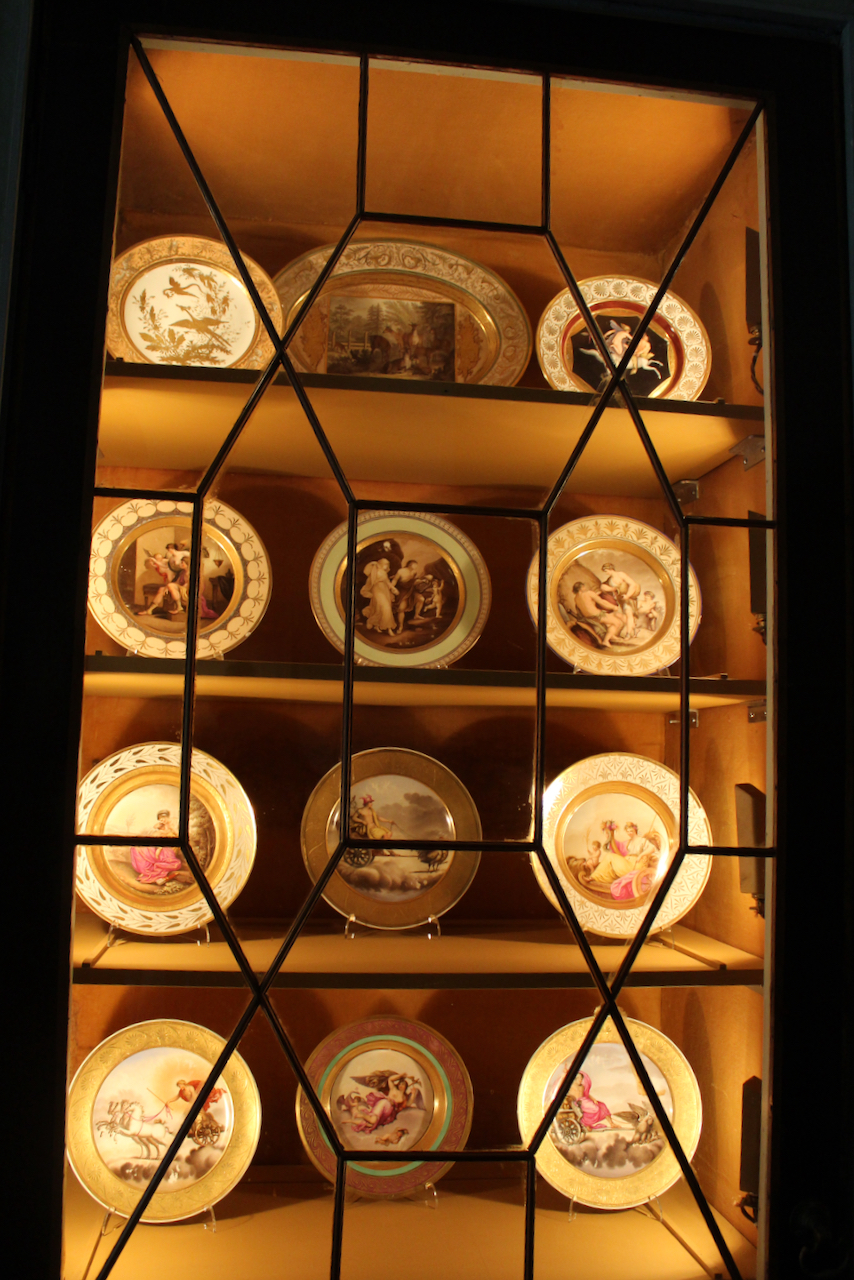
In the centre of the room you can see the family’s traditional Irish ‘wake’ or hunting table, whilst a collection of Berlin cabinet plates from 1810–20 are displayed in the cabinets.”

The breakfast room. Photograph © Jennifer Winder-Baggot, www.irishhistorichouses.com
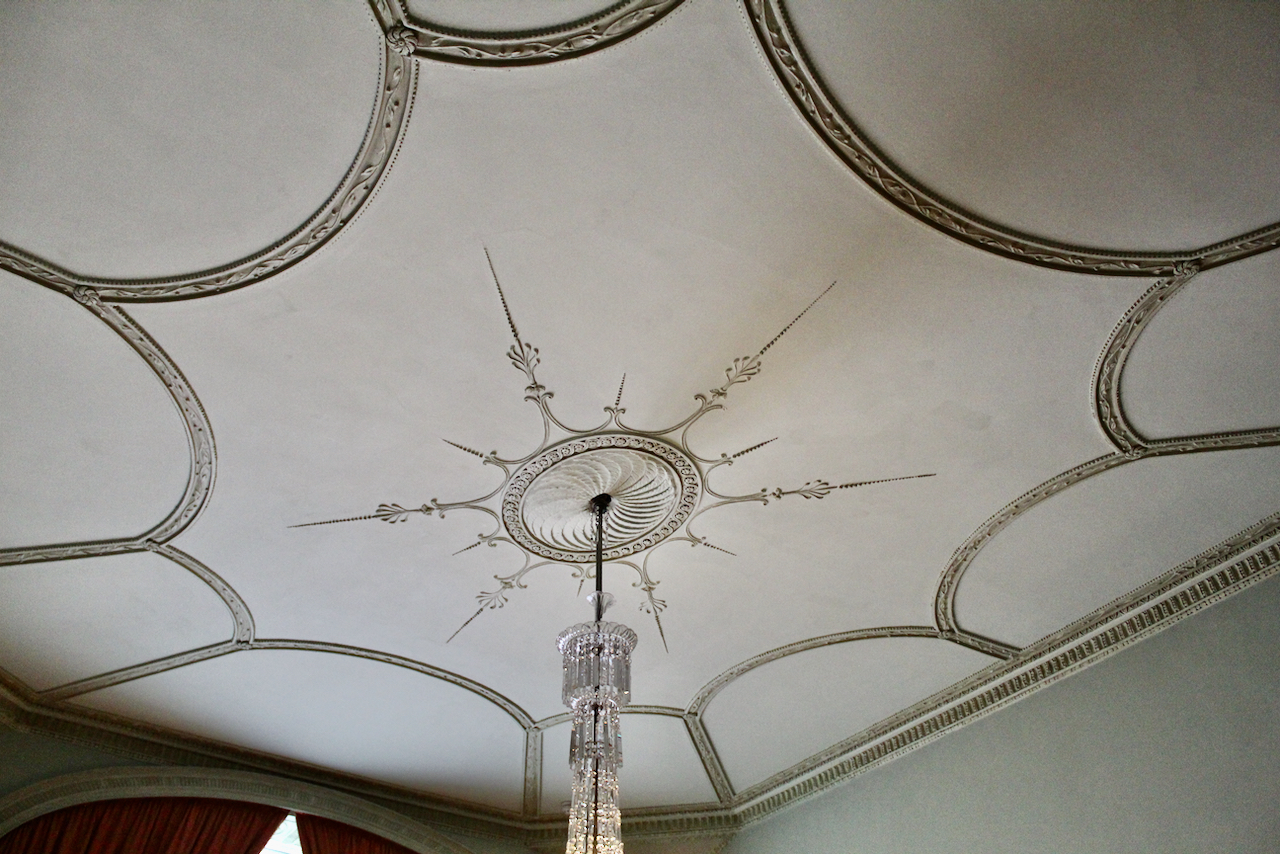
This room is fascinating as the pattern in the floor duplicates the pattern on the ceiling. Photograph © Jennifer Winder-Baggot, www.irishhistorichouses.com
Ceiling in the breakfast room, Mount Stewart. Photograph © Jennifer Winder-Baggot, www.irishhistorichouses.com
You can really see the pattern on the floor as it is under the table, that reflects the pattern on the ceiling. Photograph © Jennifer Winder-Baggot, www.irishhistorichouses.com
The marquetry on the doors is a work of art.
Berlin plates in the China cabinet in the breakfast room, Mount Stewart. Photograph © Jennifer Winder-Baggot, www.irishhistorichouses.com
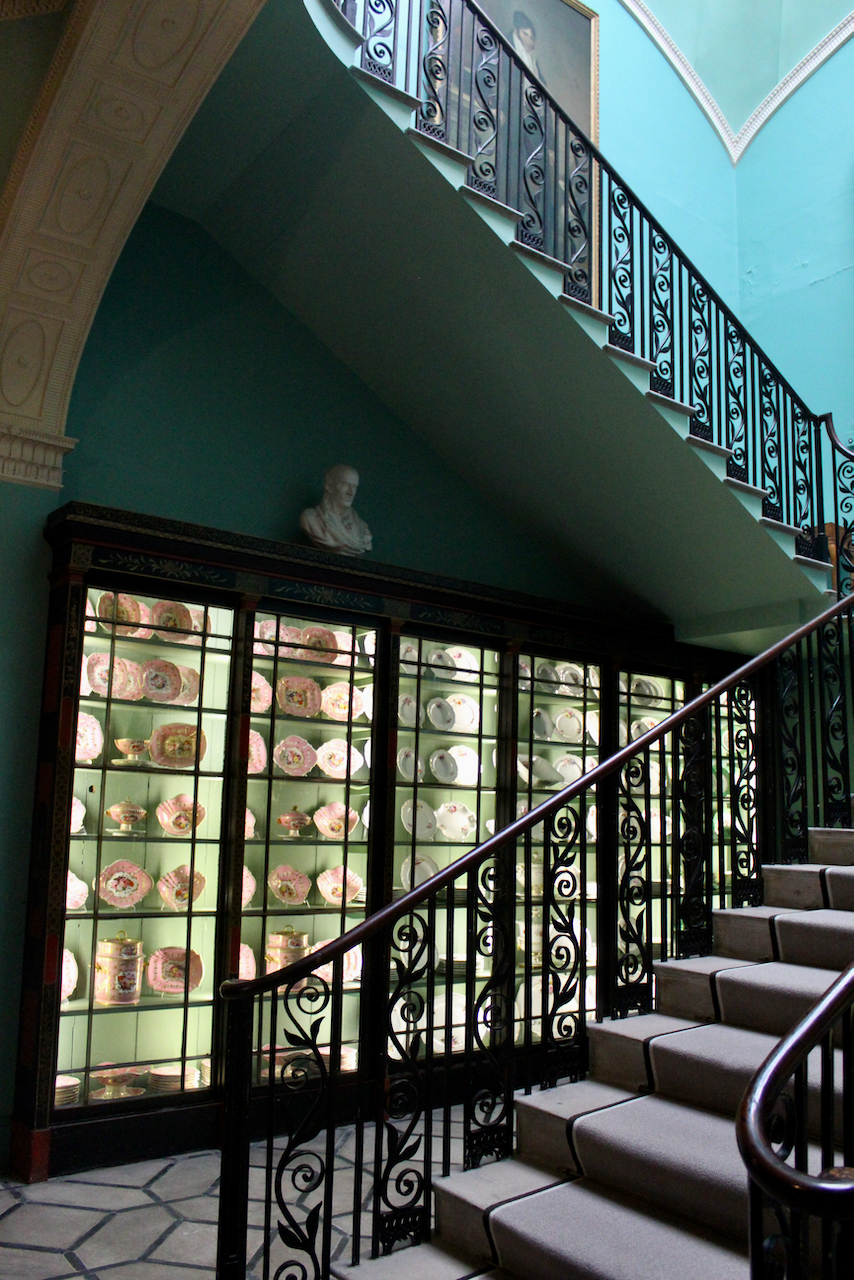
The family collected a large amount of valuable porcelain. Photograph © Jennifer Winder-Baggot, www.irishhistorichouses.com
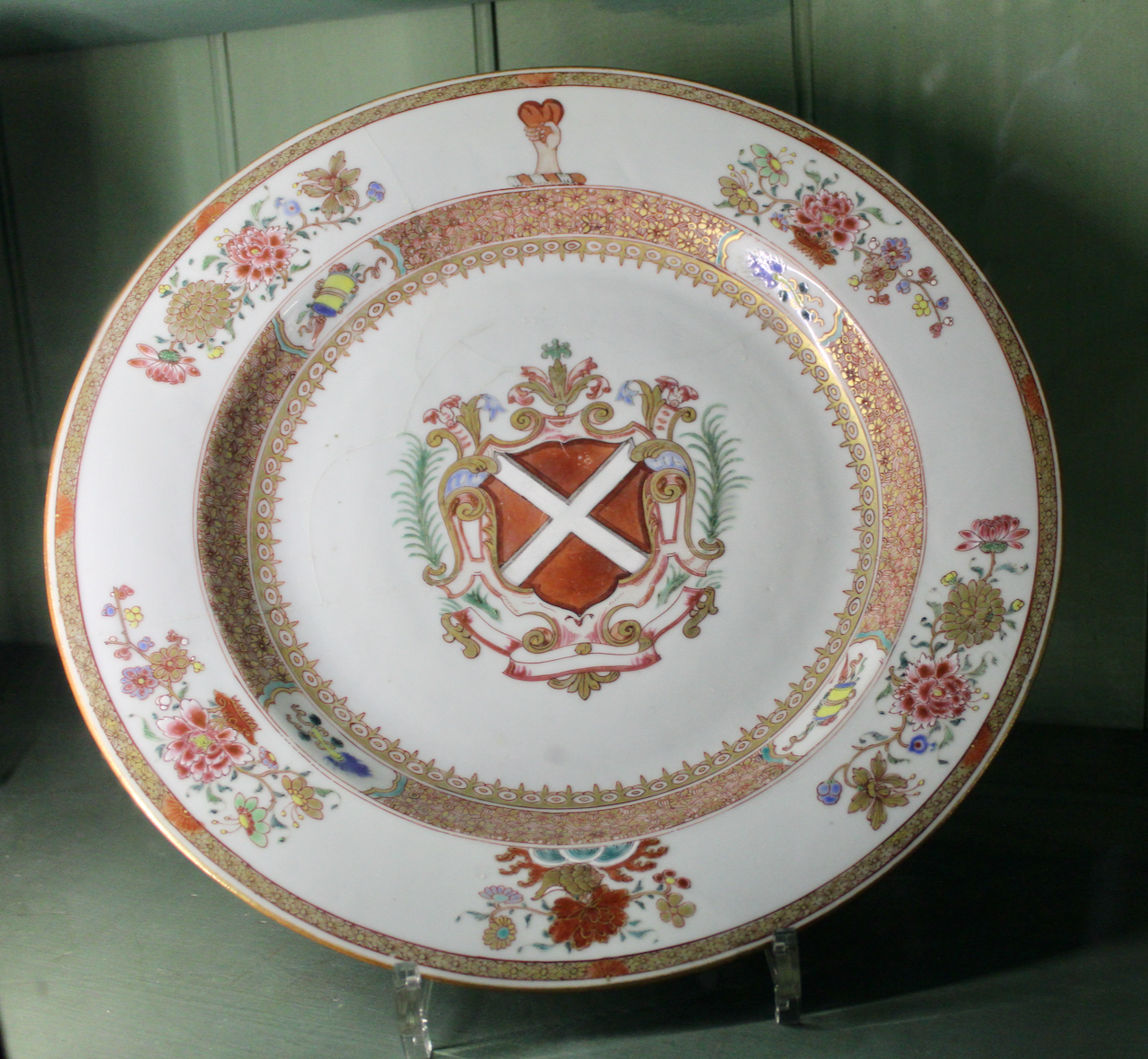
Mount Stewart. Plate, porcelain, from a 59-piece armorial table service, including: twenty-seven notched octagonal plates, twenty-four circular plates and eight straight-sided saucer-dishes, painted in ‘rouge de fer’ (iron-red) and ‘famille rose’ enamels, and gold, diaper band borders and flowering peony sprays on the rim, the centre with the arms of Cowan, China, Jingdezhen, Yongzheng period, circa 1723–25. According to Angela Howard, Heirloom & Howard Ltd, Sir Robert Cowan (d. 1737), initially ordered two services, this service in polychrome for formal dining and an underglaze blue service for common use. Cowan, a merchant and later Governor of Bombay, worked for the East India Company in India from 1719 to 1735. The combination of circular and octagonal plates is unusual and suggests the richness of the original service. Recent research by Edward Owen Teggin, East India company career of Sir Robert Cowen in Bombay and the western Indian ocean, c. 1719-35, Trinity College Dublin. School of Histories & Humanities, 2020, suggests the service was ordered from Surat in April 1722, while Cowan was living in Bombay. The order is recorded in his letter book, addressed to Scattergood, probably John Scattergood, supercargo of a country vessel sailing between Bombay, Madras and Canton, noting instructions for Cowan’s coat of arms to be applied to the service. Photograph © Jennifer Winder-Baggot, www.irishhistorichouses.com
The detail on the porcelain plates is amazing: one of a set of twenty-five plates from a Chinese export porcelain part dessert service painted with flowers, insects and Ho-Ho birds in overglaze famille rose enamel colours on a celadon ground. Canton, c.1830-50. Photograph © Jennifer Winder-Baggot, www.irishhistorichouses.com
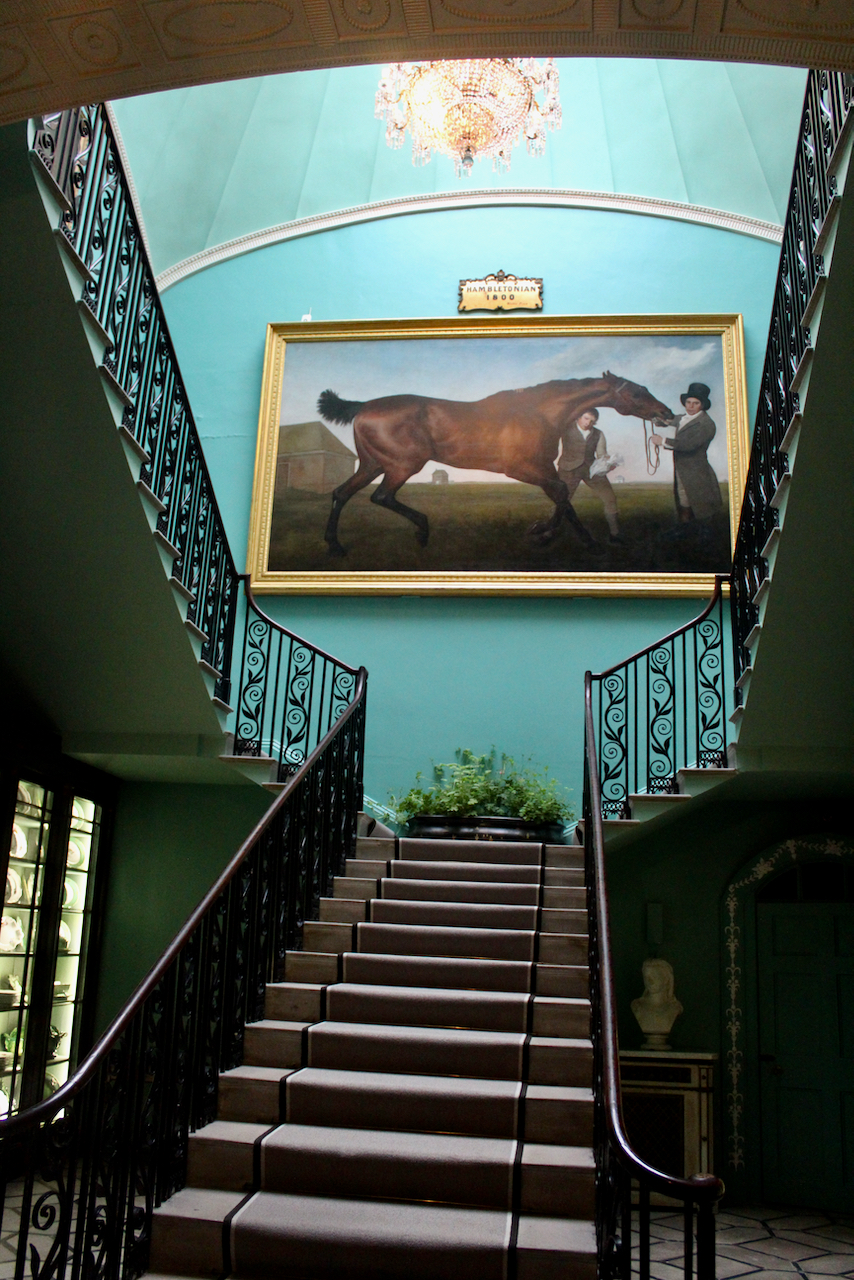
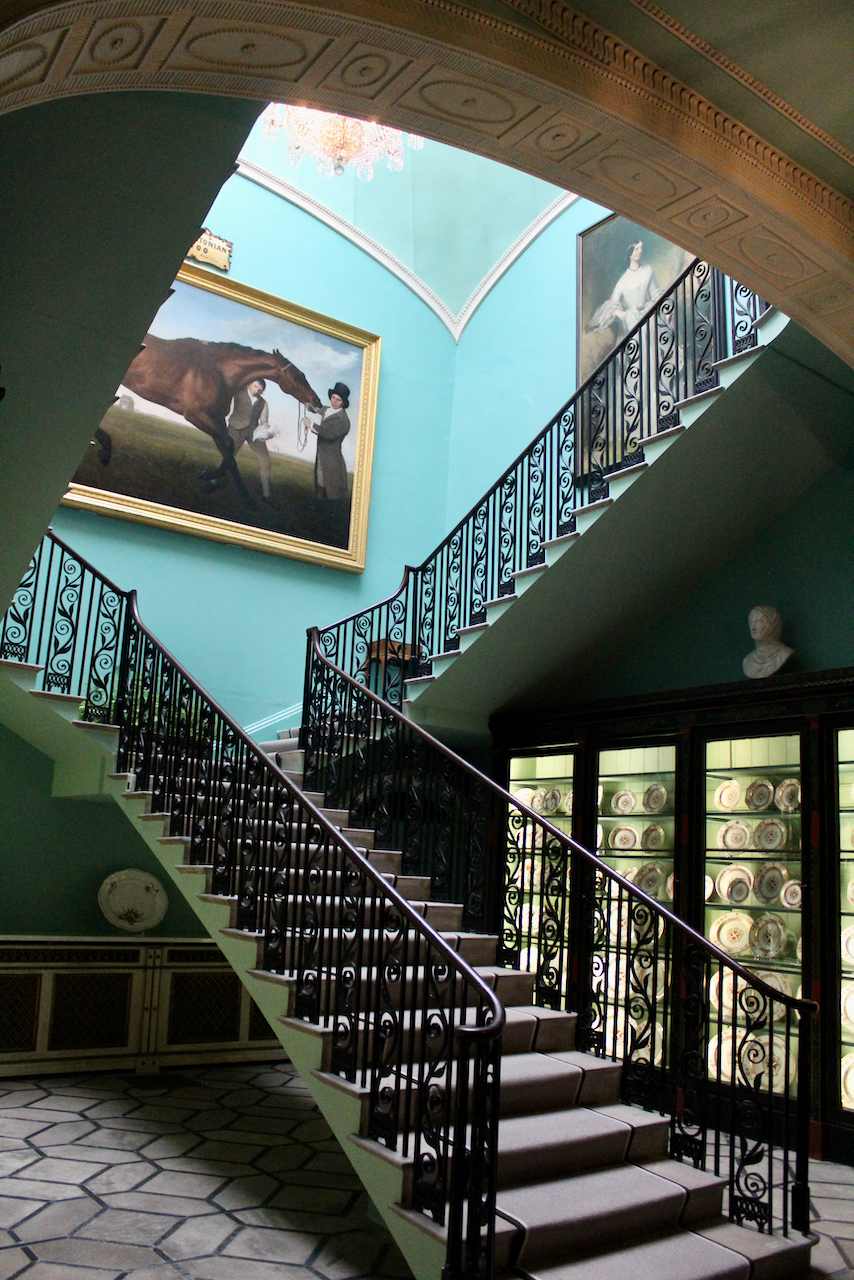
A George Stubbs masterpiece hangs on the west staircase: Hambletonian, Rubbing Down, was painted by Stubbs in 1800. The horse had been owned by Sir Harry Vane Tempest, whose daughter married Charles Stewart (3rd Marquess of Londonderry). Photograph © Jennifer Winder-Baggot, www.irishhistorichouses.com
The lantern skylight over the stairs. Photograph © Jennifer Winder-Baggot, www.irishhistorichouses.com
The stair hall, Mount Stewart. Photograph © Jennifer Winder-Baggot, www.irishhistorichouses.com
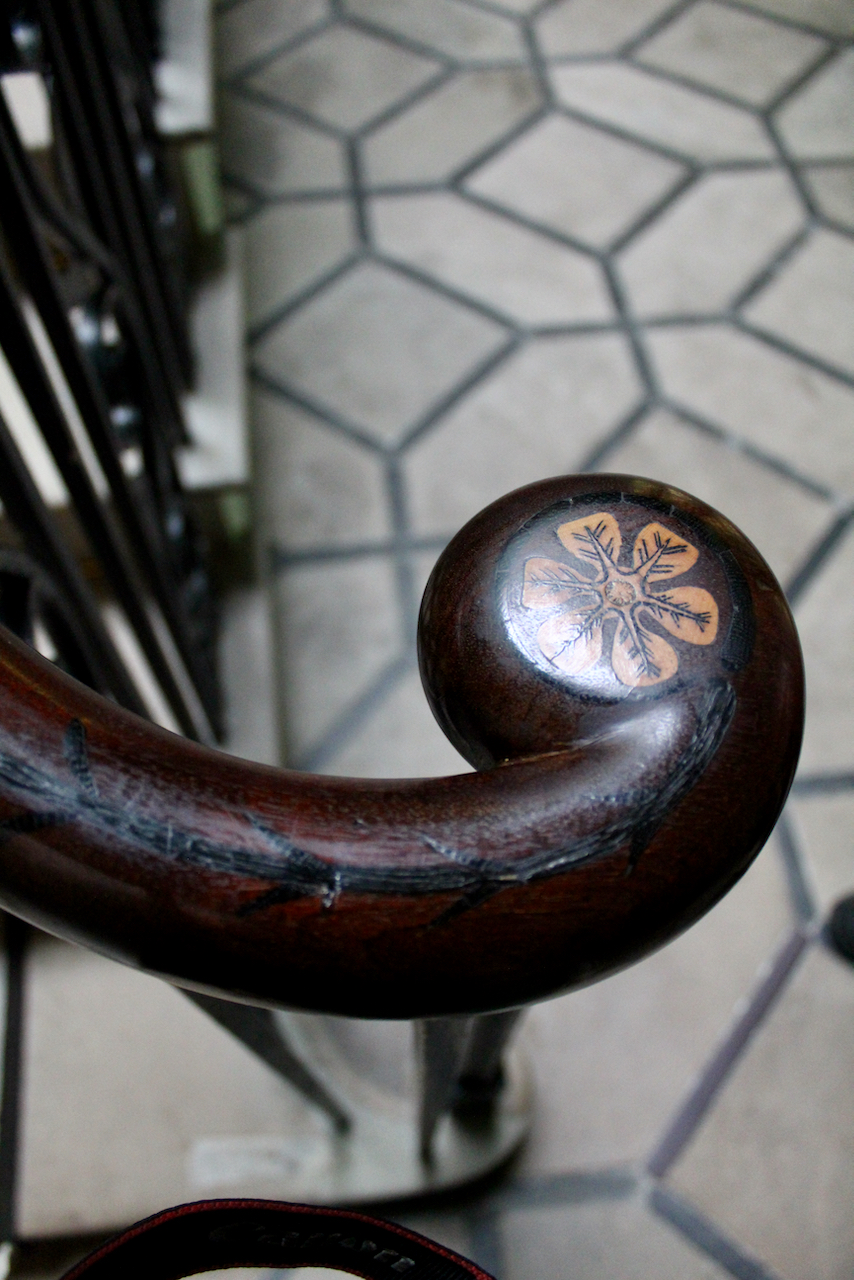
Detail in the volute at the end of the stair banister. Photograph © Jennifer Winder-Baggot, www.irishhistorichouses.com
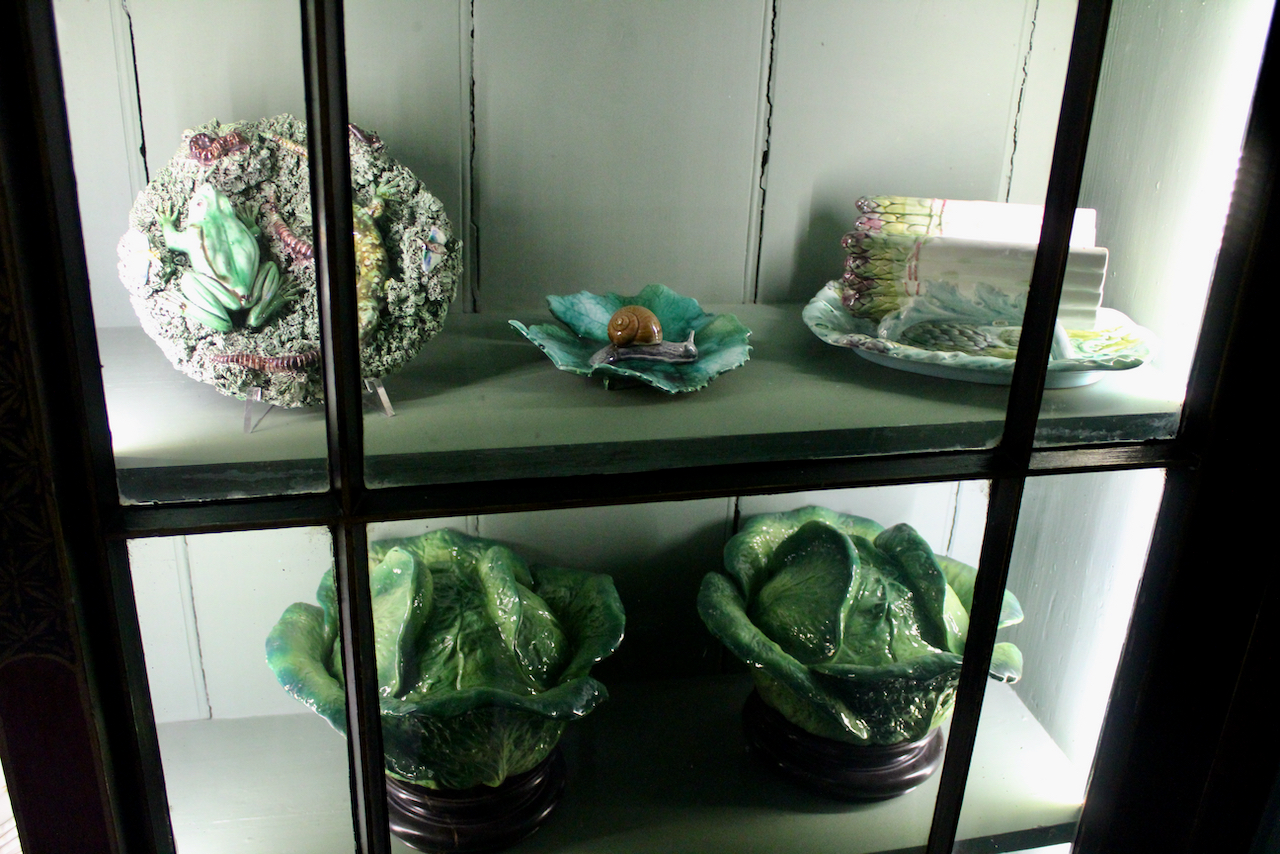
Even snails are celebrated in this china: A Majolica pottery dish, Portuguese style, Palissy-type earthenware, circa 1870 – c.1900, as a green glazed cabbage leaf surmounted by a grey snail in brown shell in the centre. Photograph © Jennifer Winder-Baggot, www.irishhistorichouses.com
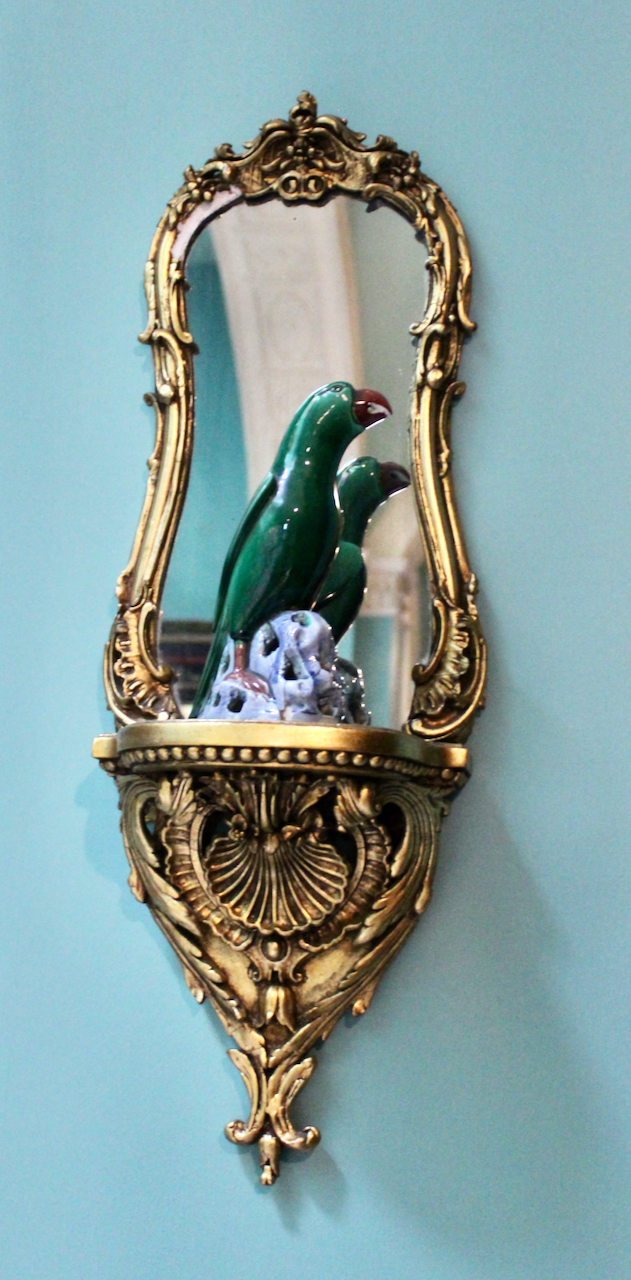
I love this arrangement: there are a pair of Chinese green glazed parrots with red beaks on blue glazed pierced rockwork bases. Photograph © Jennifer Winder-Baggot, www.irishhistorichouses.com
Mount Stewart, June 2023. Photograph © Jennifer Winder-Baggot, www.irishhistorichouses.com

We then went upstairs.

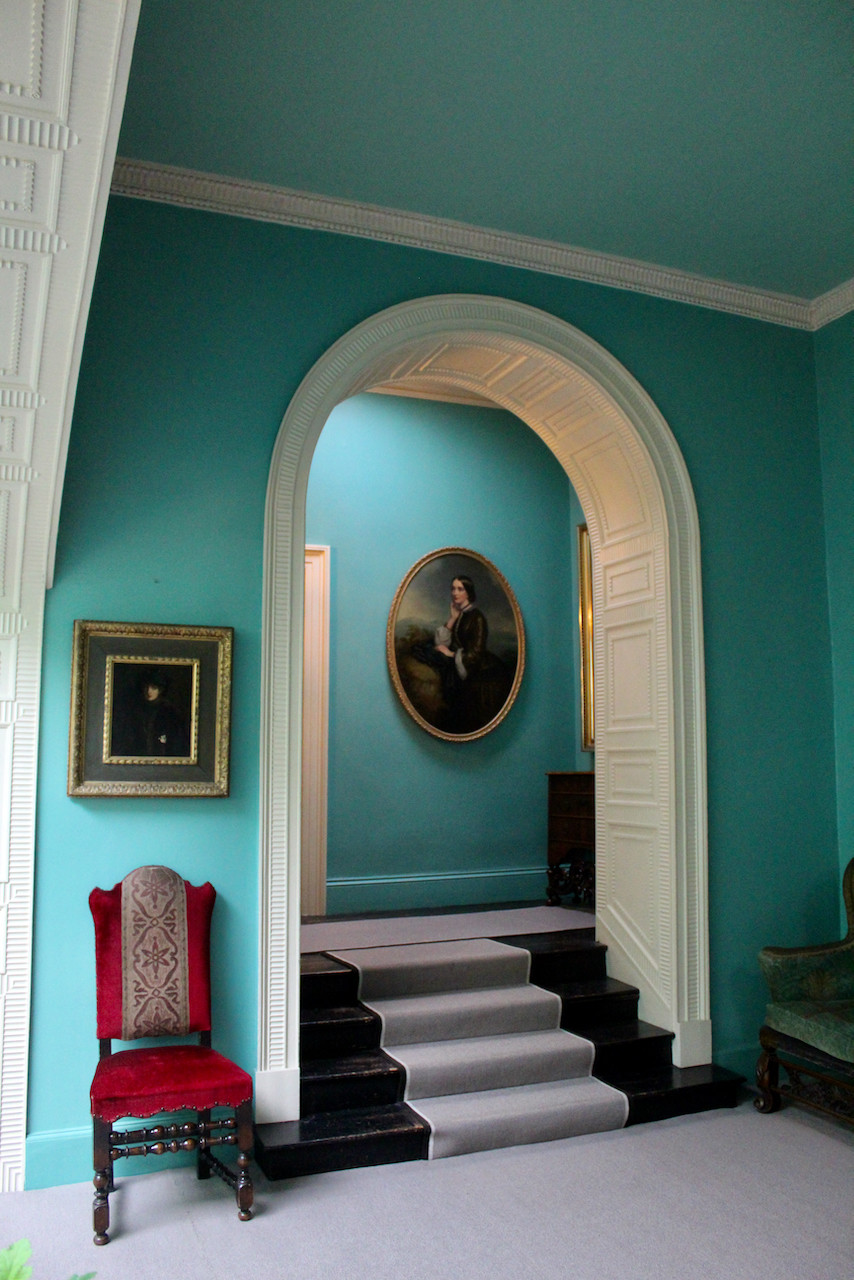
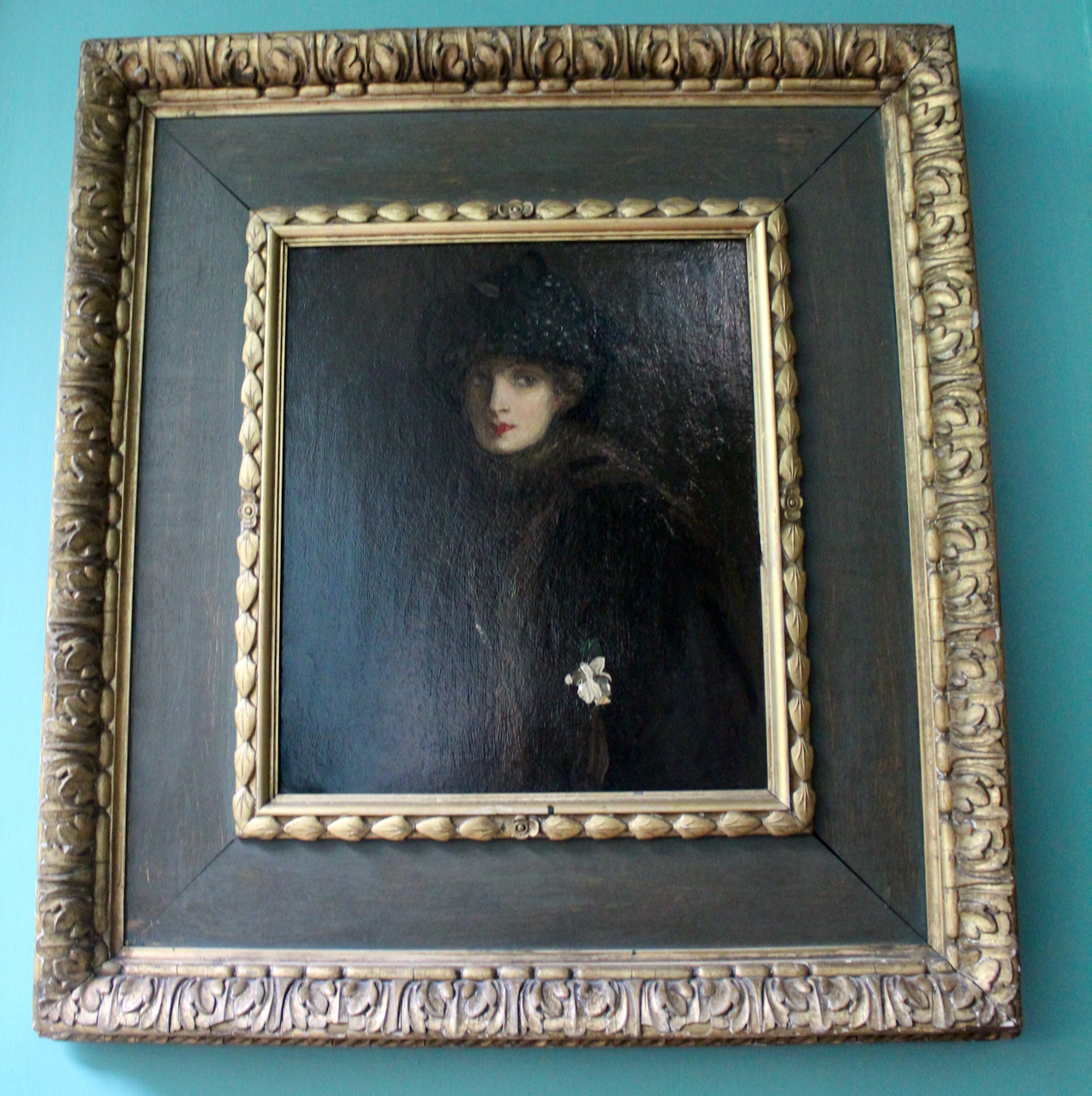
The portrait over the red chair is Hazel Lavery by her husband John Lavery. Inside the arch is oil painting on canvas (oval), Maria Cornelia (née Edwards), Marchioness of Londonderry (1826 – 1909), circle of Franz Xaver Winterhalter. A three-quarter-length portrait of the wife of George, 5th Marquess of Londonderry in a brown dress with black embroidery, her right hand raised to her chin.
Lady Hazel Lavery, by John Lavery, Mount Stewart, County Down. John gave her an orchid daily, as can be seen in the picture. Hazel was chosen to be the figure of Ireland on the Republic’s bank note. She and John stayed with the Londonderry family on a number of occasions in the 1920s and 1930s. Photograph © Jennifer Winder-Baggot, www.irishhistorichouses.com
Another skylight, this one in the corridor upstairs at Mount Stewart. Photograph © Jennifer Winder-Baggot, www.irishhistorichouses.com
Edward Charles Stewart Robert Vane-Tempest-Stewart (1902–1955), Lord Stewart, 8th Marquess of Londonderry, as a Page at the Coronation of George V, 1911, by Philip Alexius de László. Photograph © Jennifer Winder-Baggot, www.irishhistorichouses.com
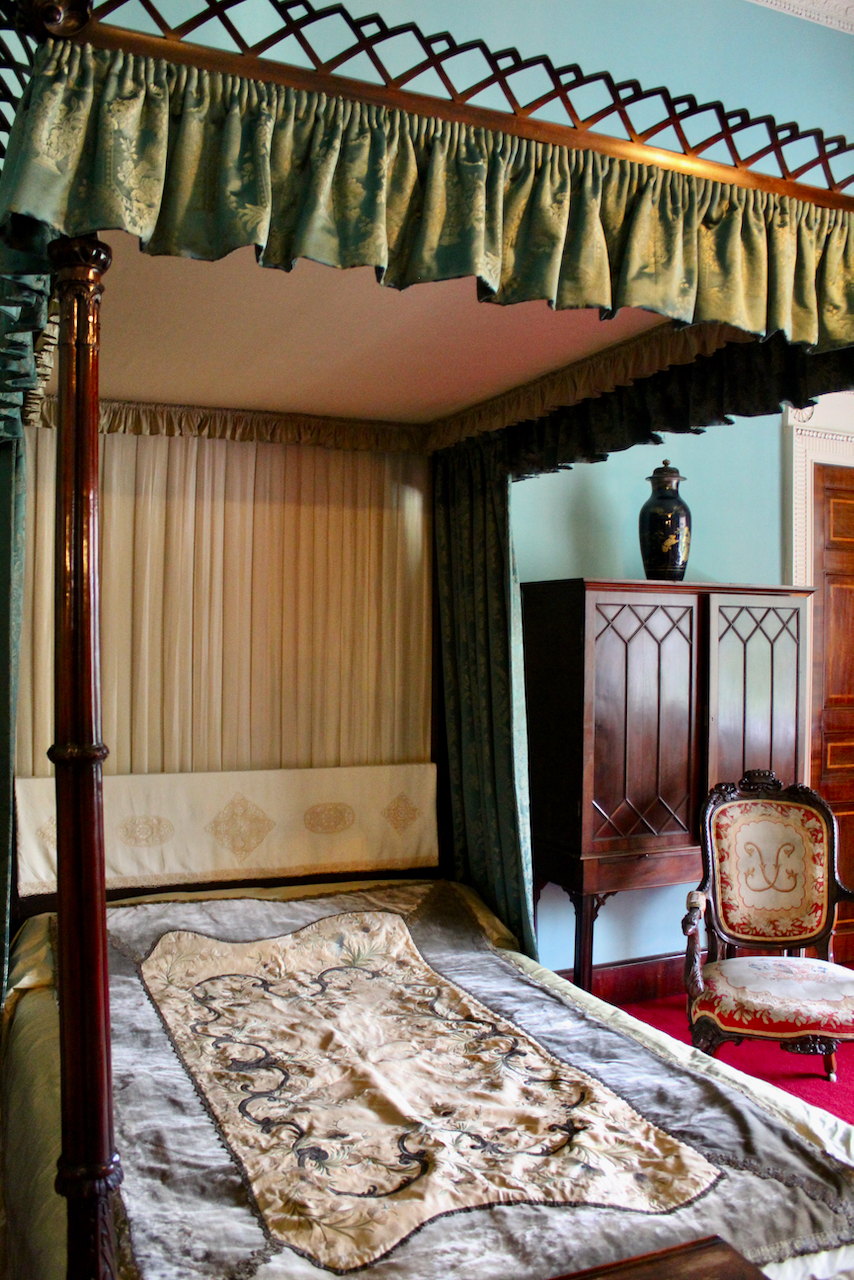
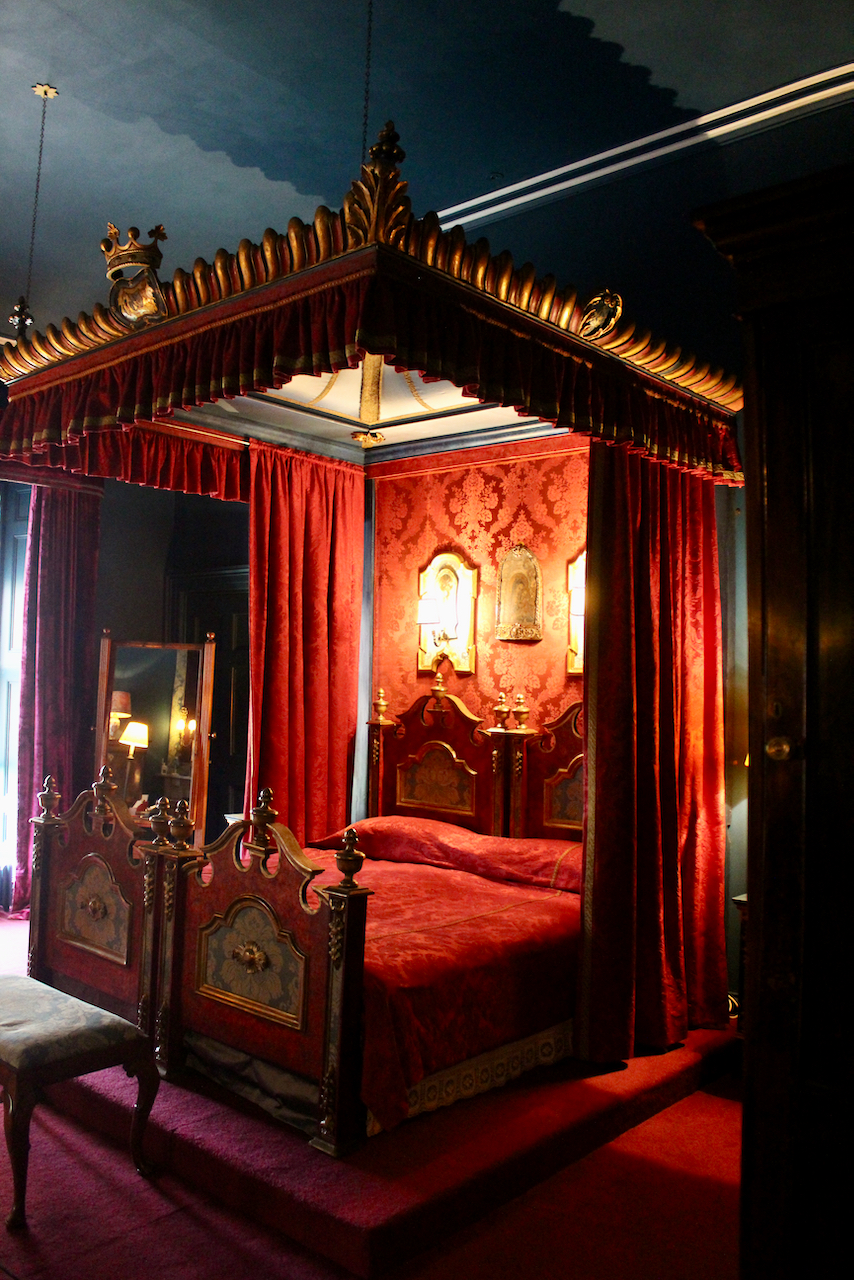
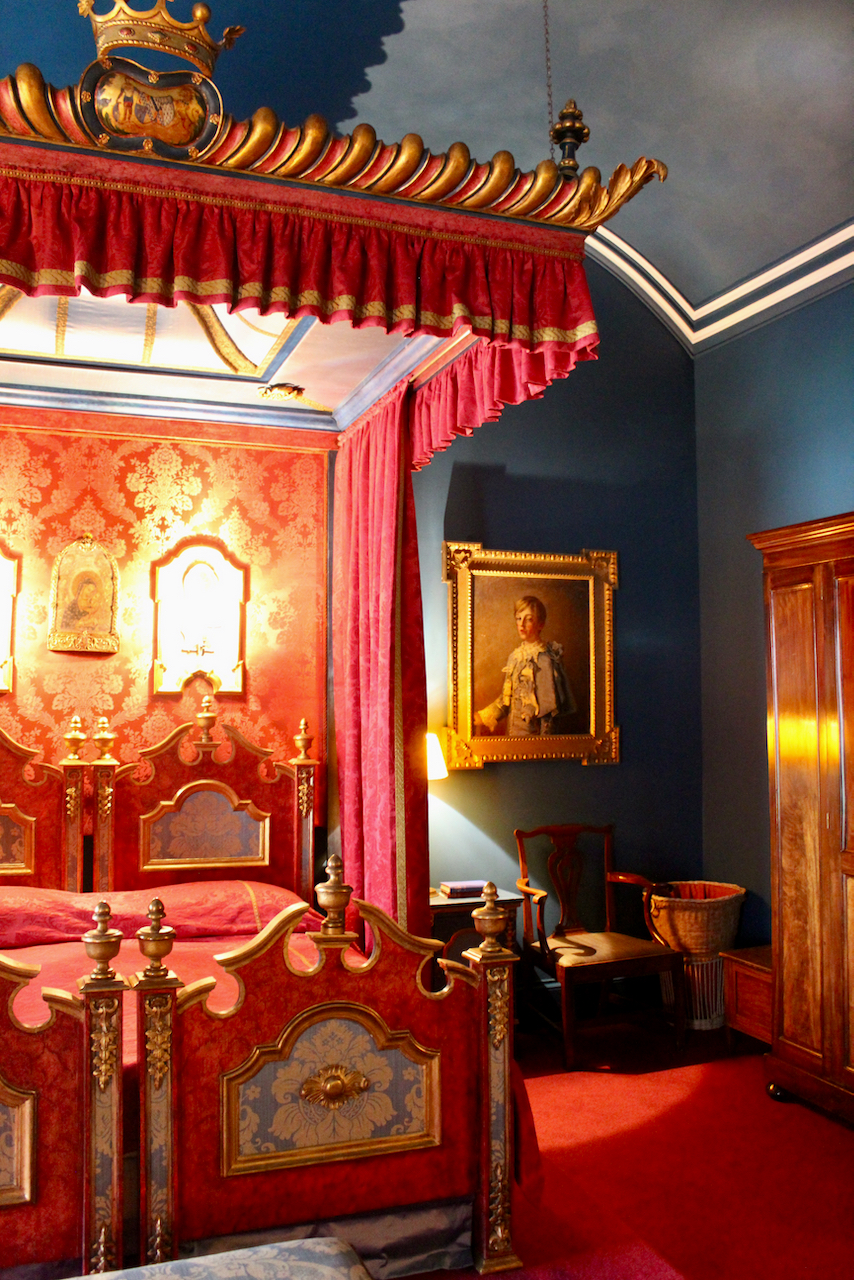
The textile elements of a George III mahogany tester bed, circa 1760. Photograph © Jennifer Winder-Baggot, www.irishhistorichouses.com
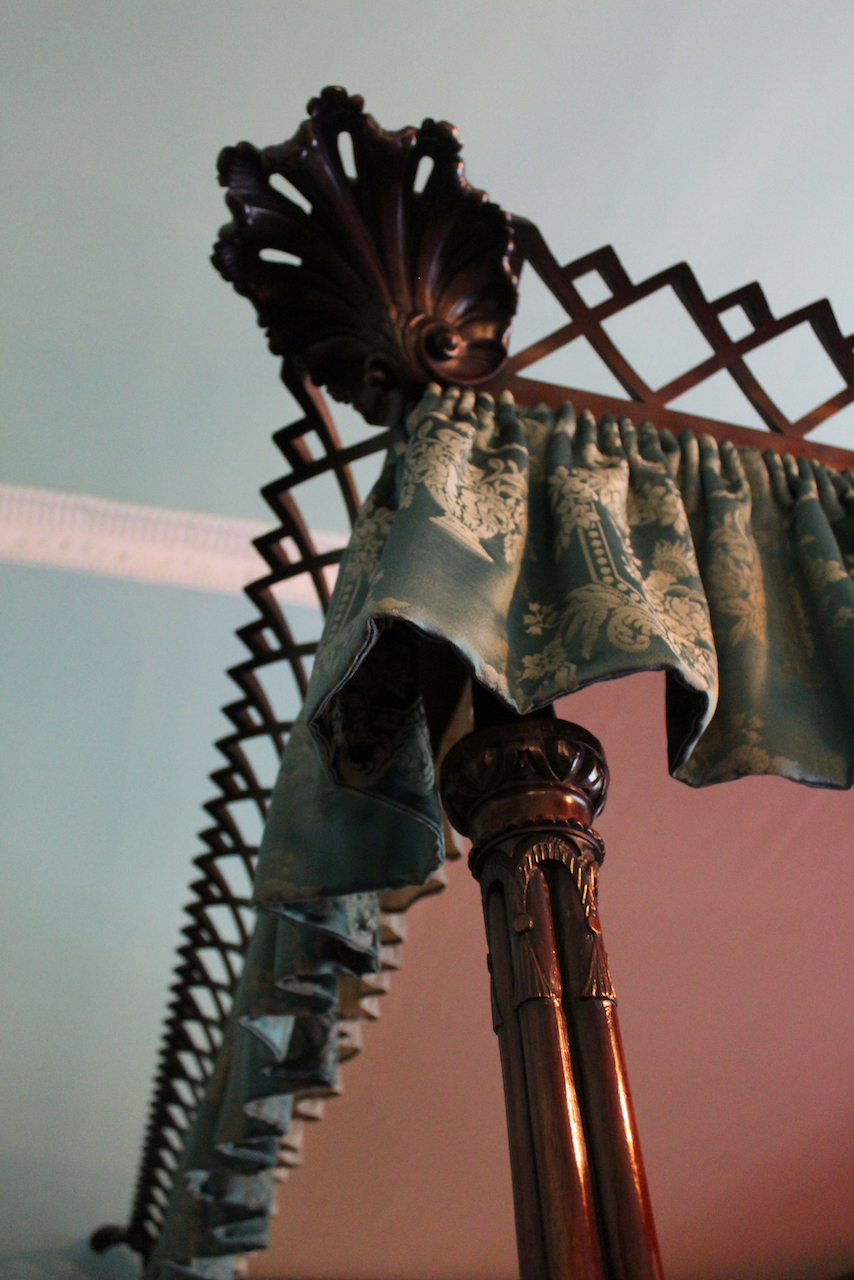
There are even tassels carved into the wood of the bed. Photograph © Jennifer Winder-Baggot, www.irishhistorichouses.com
The bed boasts a coronet. A polychrome painted tester bedstead, English or Irish, circa 1920
With twin painted and gilt panelled heads and ends inset with shaped reserves of blue brocade and surmounted by carved and gilt scrolls with turned vase shaped finials, the backboard covered in red figured silk damask, the side curtains of the same material, trimmed galloon. The domed canopy covered in blue silk trimmed with galloon and appliqued gilt carvings, the front and sides carved with gadrooning and leafage, centering on an armorial panel surmounted by a coronet, the whole raised on a plinth as per Londonderry House image of a figured walnut plinth, with box spring mattress, hair overlay and bedding. The bed was Lady Londonderry’s when she was in Londonderry House and was brought here in 1961 Lady Mairi slept in it in Londonderry House and Lady Rose was born in it in 1943, at Londonderry House.
Photograph © Jennifer Winder-Baggot, www.irishhistorichouses.com
A gorgeous bed. The portrait is a half-length portrait of Charles Stewart, then Viscount Castlereagh, as a young boy, turned to the left. He wears a pale blue jacket (the colour of the Order of St Patrick), trimmed with white lace, and is dressed as a pageboy, in the costume he wore for his father’s investiture as Viceroy of Ireland. Photograph © Jennifer Winder-Baggot, www.irishhistorichouses.com
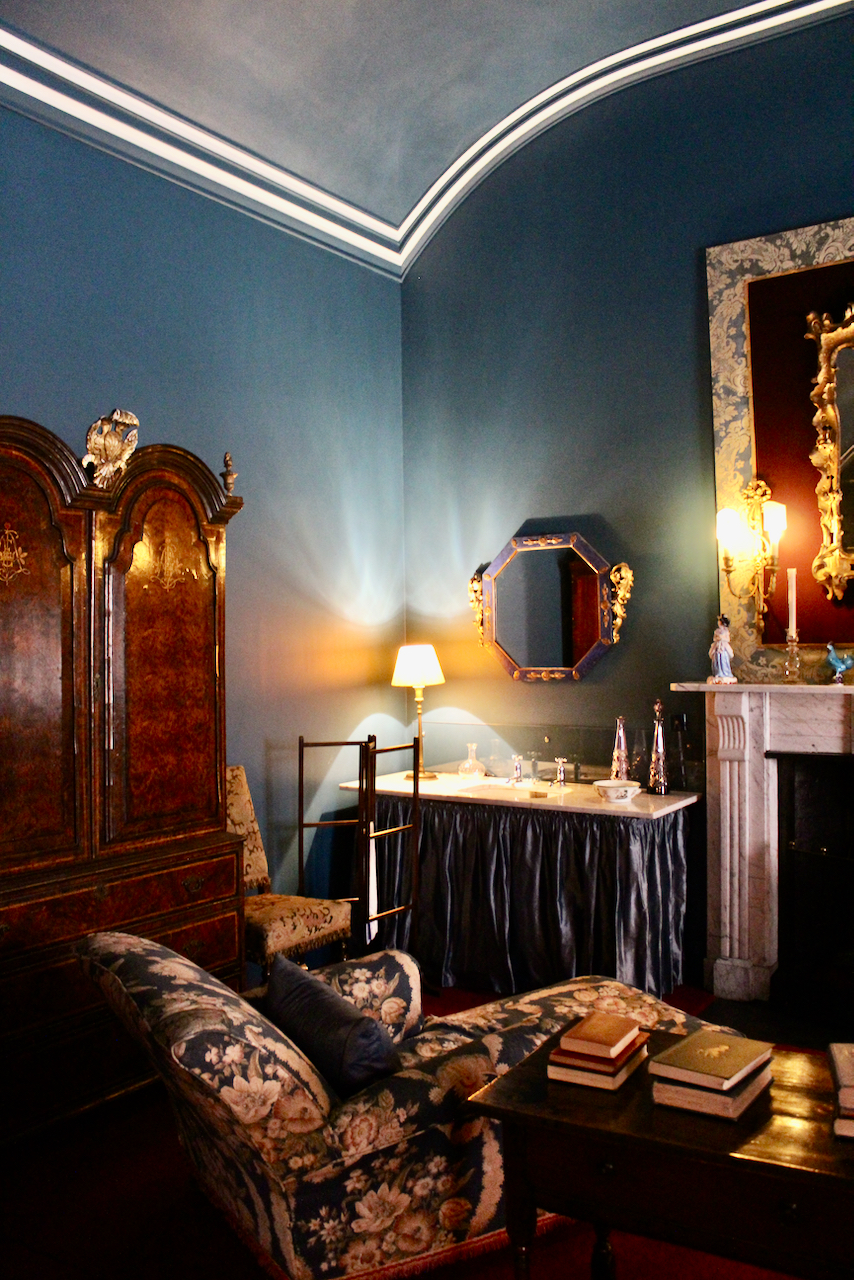
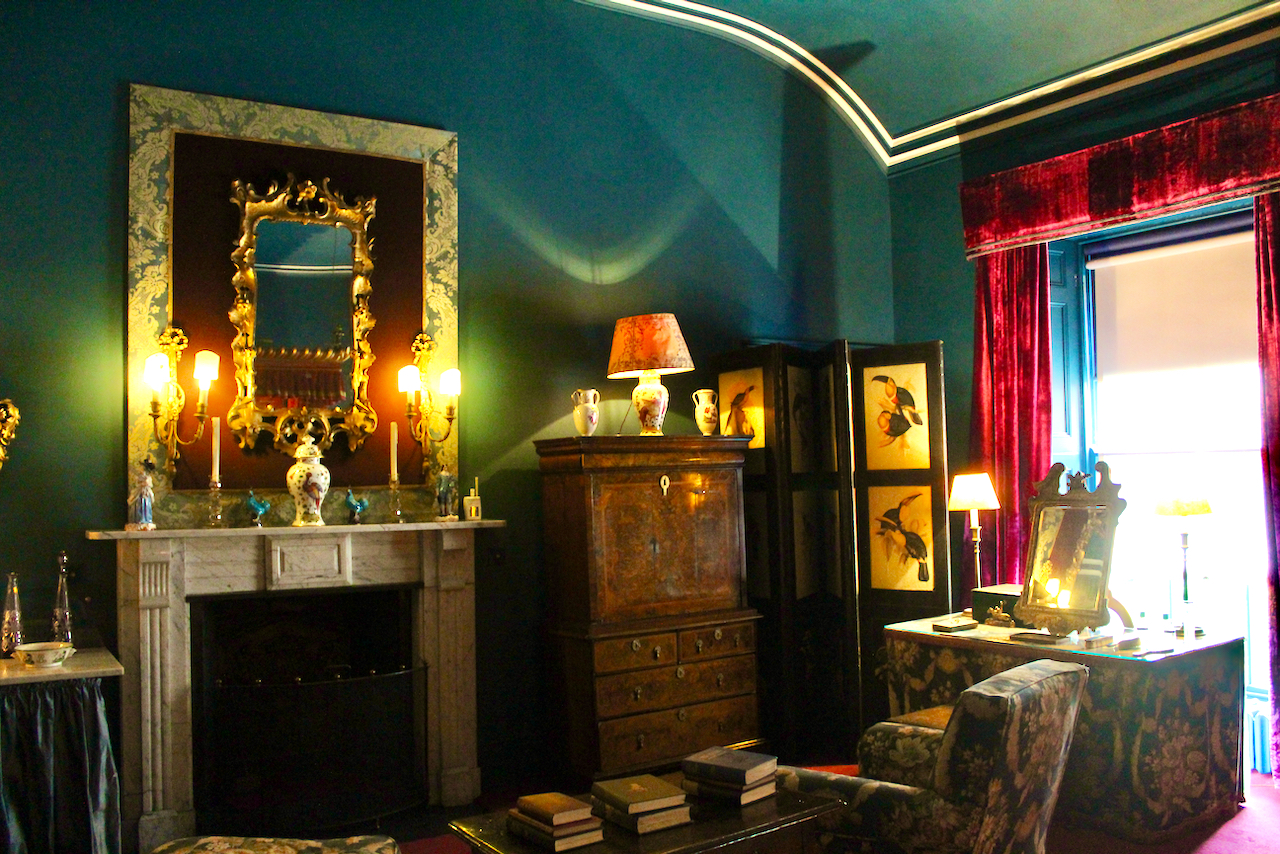
A bedroom, Mount Stewart. Photograph © Jennifer Winder-Baggot, www.irishhistorichouses.com
The rich blue and pink lend opulence along with the decorative furniture. Photograph © Jennifer Winder-Baggot, www.irishhistorichouses.com

Unfortunately it was raining and we were on our way back to Dublin so we didn’t get to explore the gardens though my hairdresser Shane tells me they are splendid.

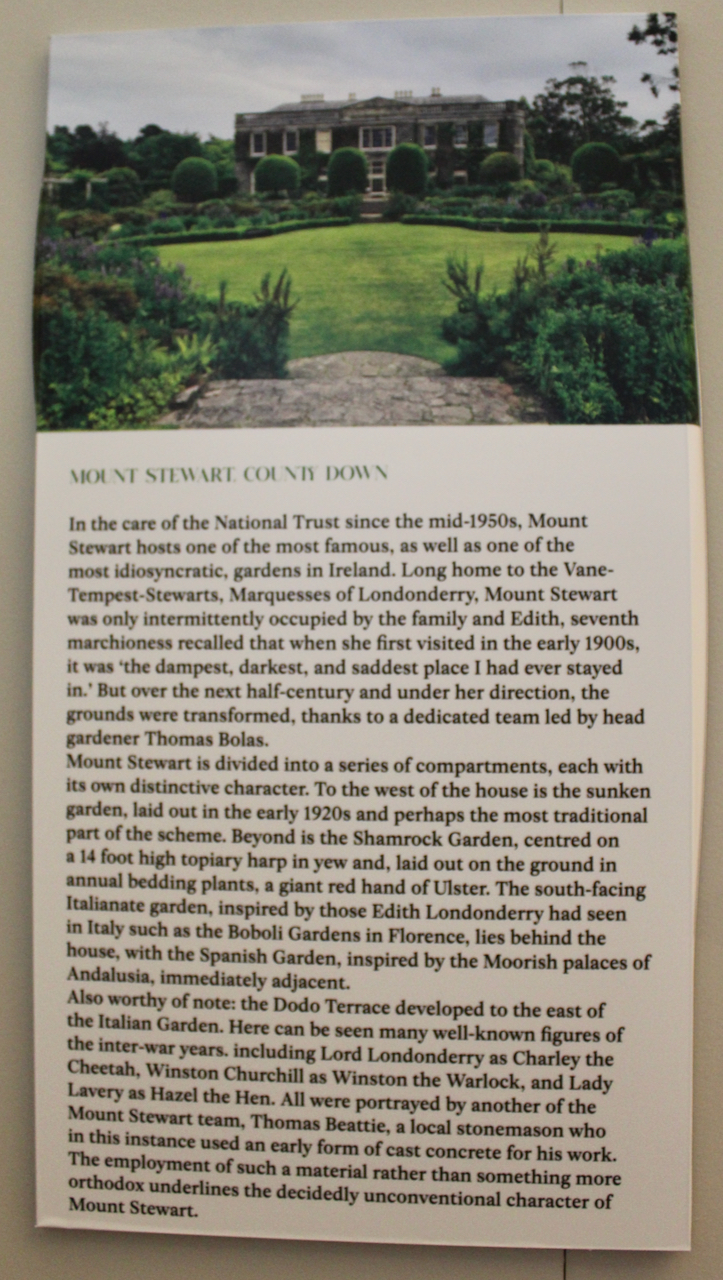
Information board courtesy of National Trust Mount Stewart.
From “In Harmony with Nature, The Irish Country House Garden 1600-1900” in the Irish Georgian Society, July 2022, curated by Robert O’Byrne.
Information board courtesy of National Trust Mount Stewart.

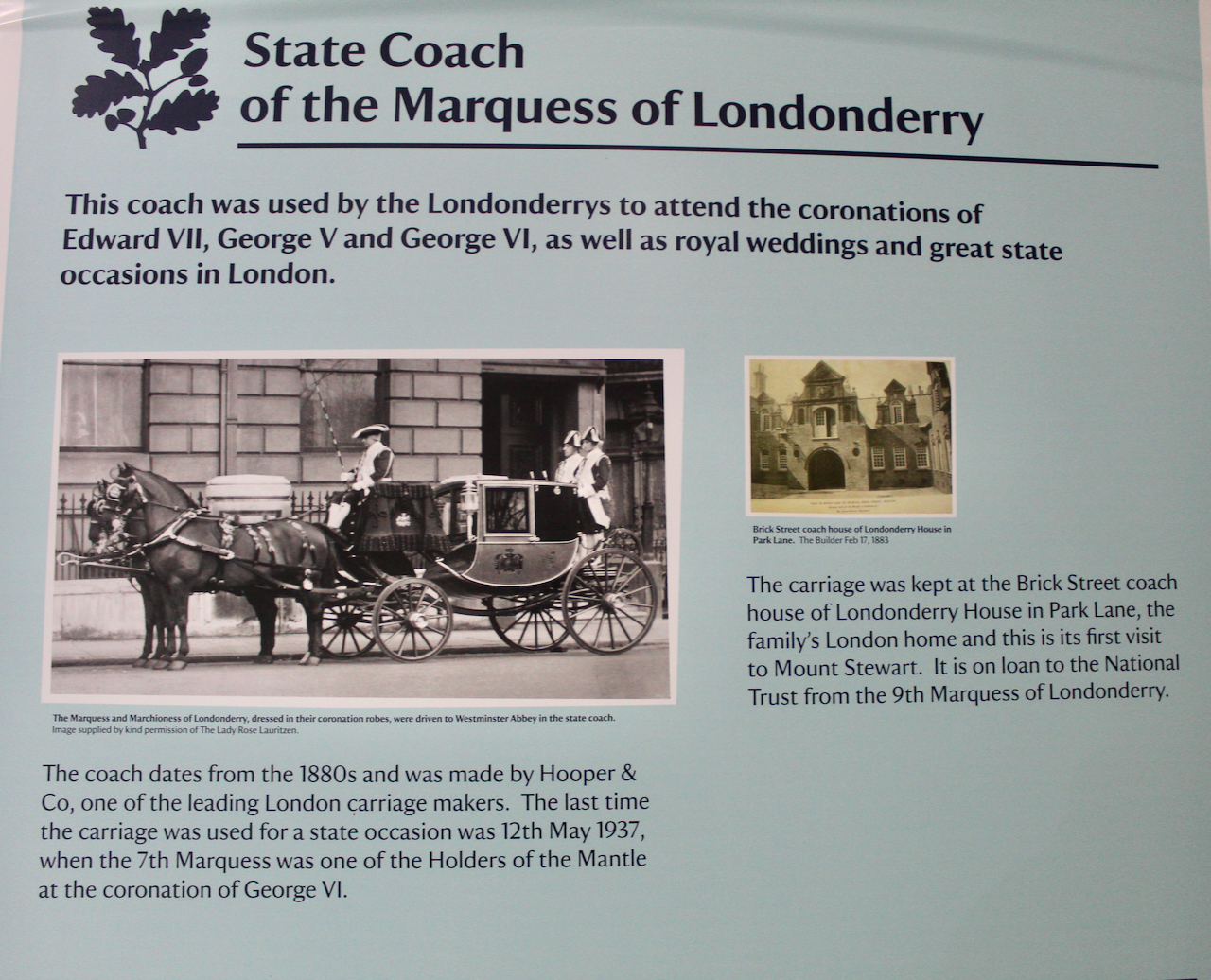
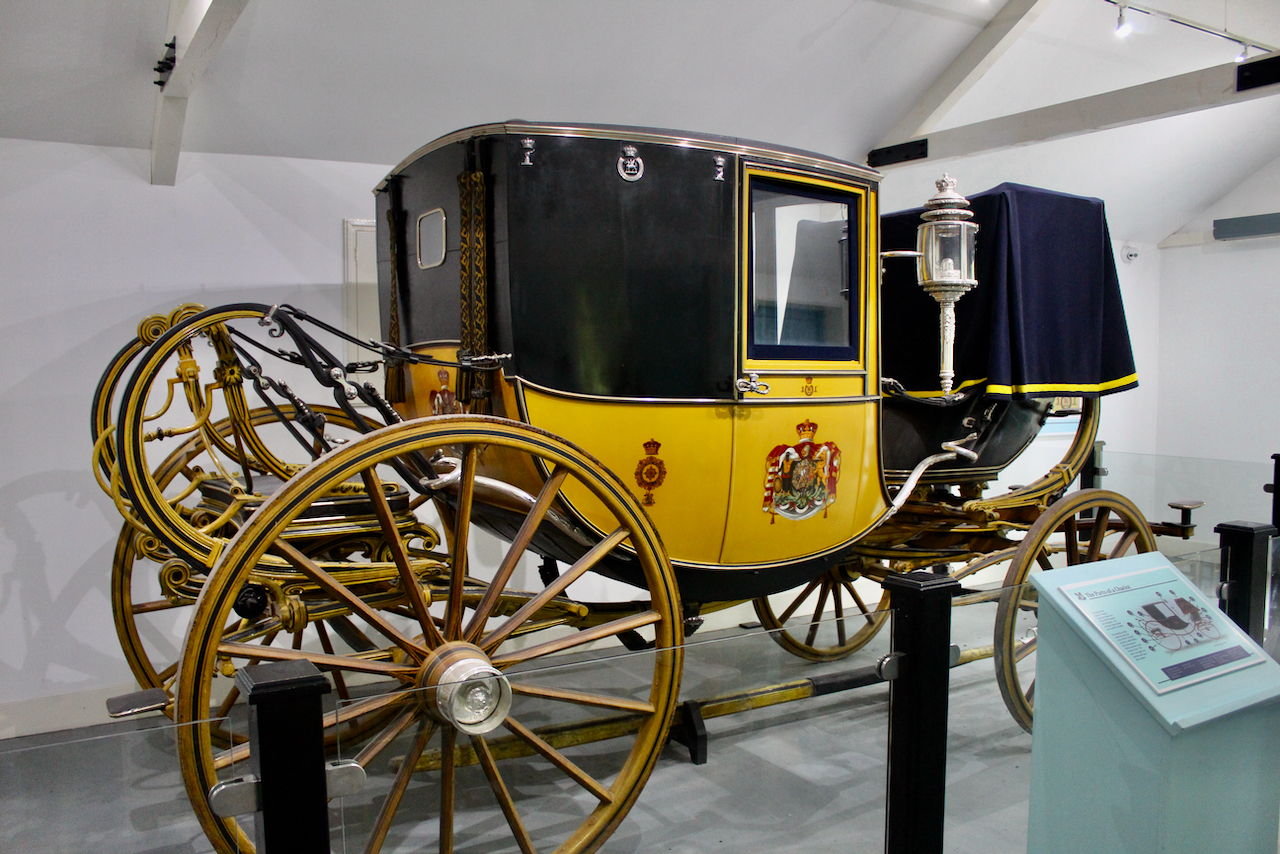
We did, however, get to the coach house to see the State Coach.

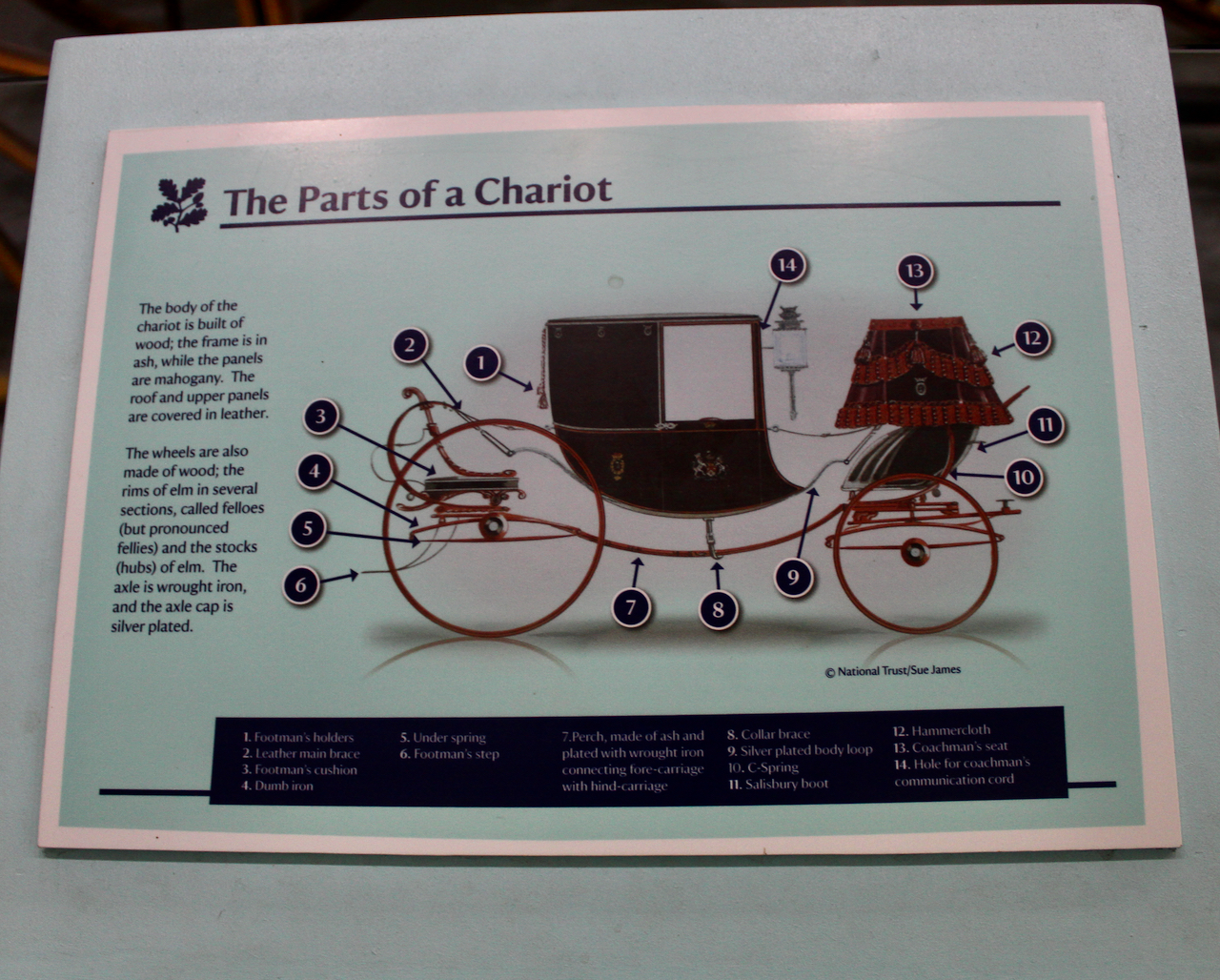
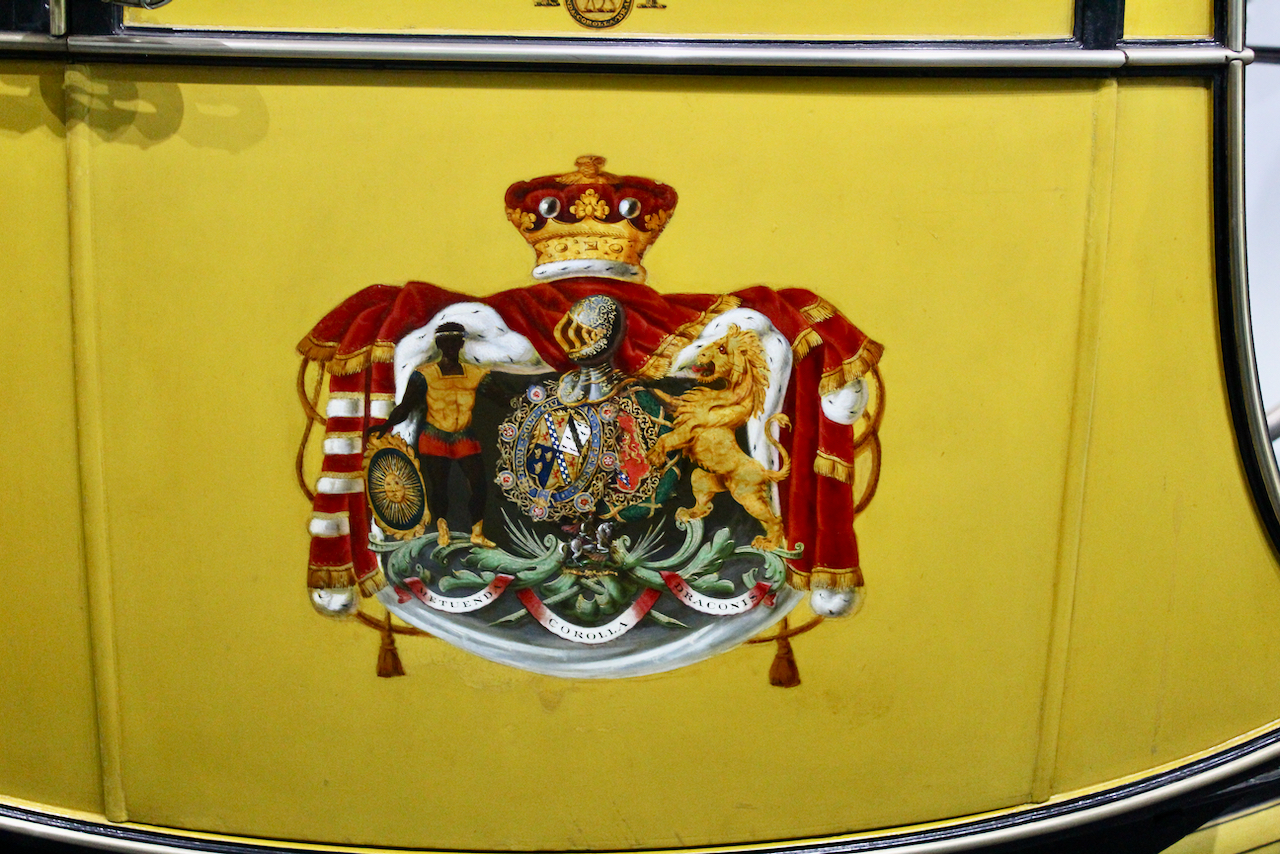
Called the state coach, it is technically a chariot. A chariot carries just two people, facing the coachman. A coach seats four, two either side inside, facing each other. Photograph © Jennifer Winder-Baggot, www.irishhistorichouses.com
Information board courtesy of National Trust Mount Stewart.
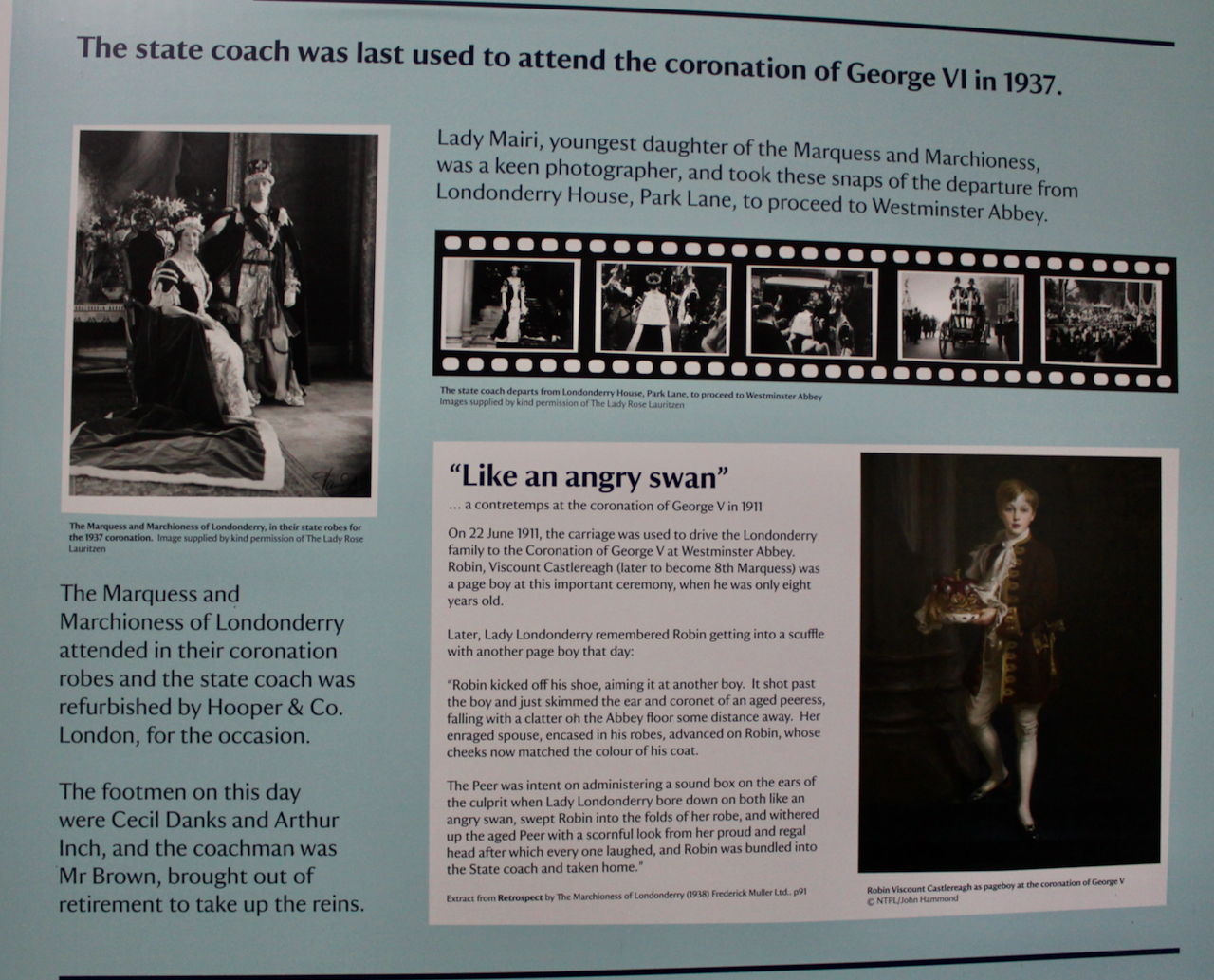
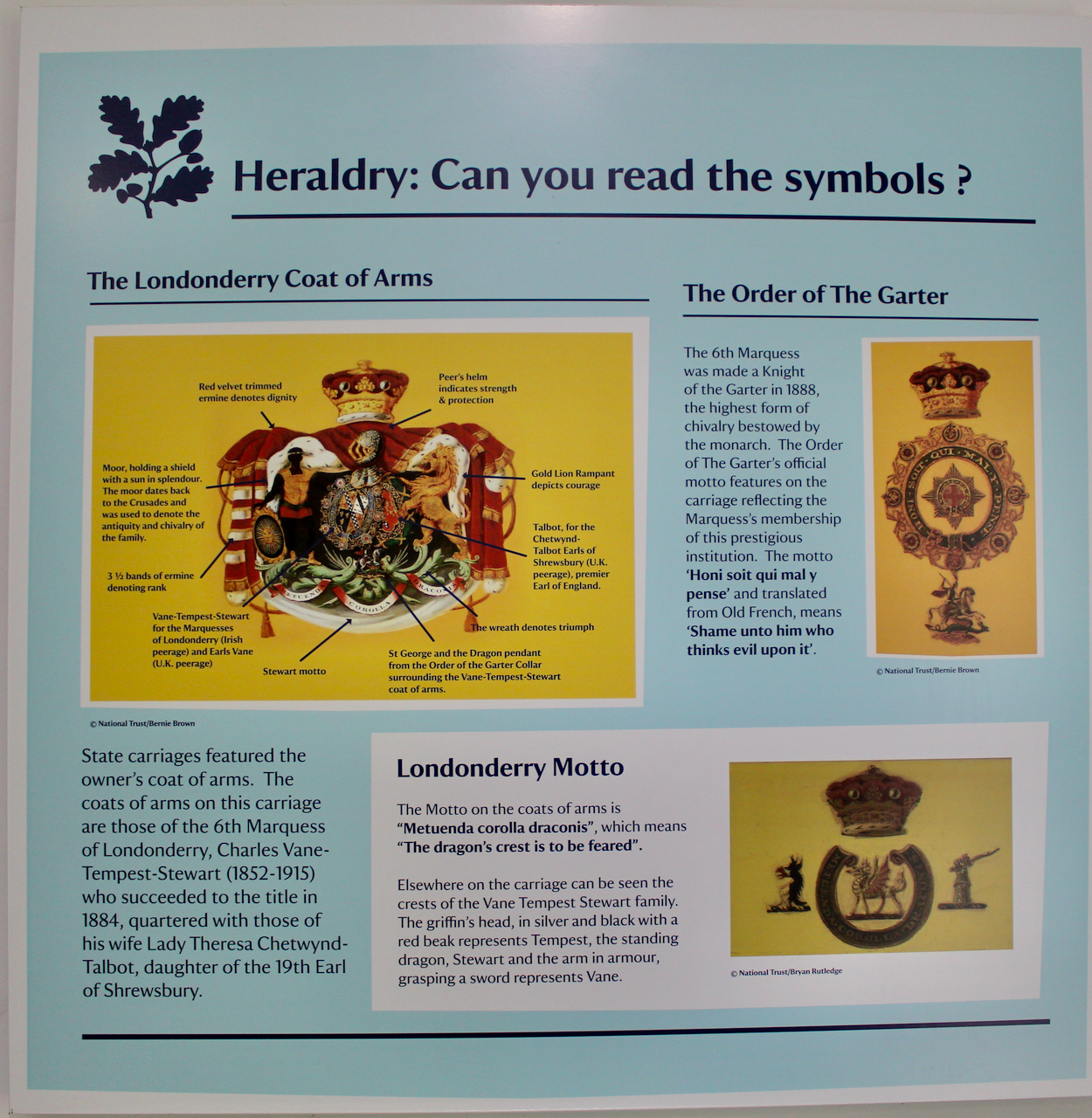
The coach was used at George VI’s coronation.
The coronation robe. Photograph © Jennifer Winder-Baggot, www.irishhistorichouses.com
Mount Stewart.
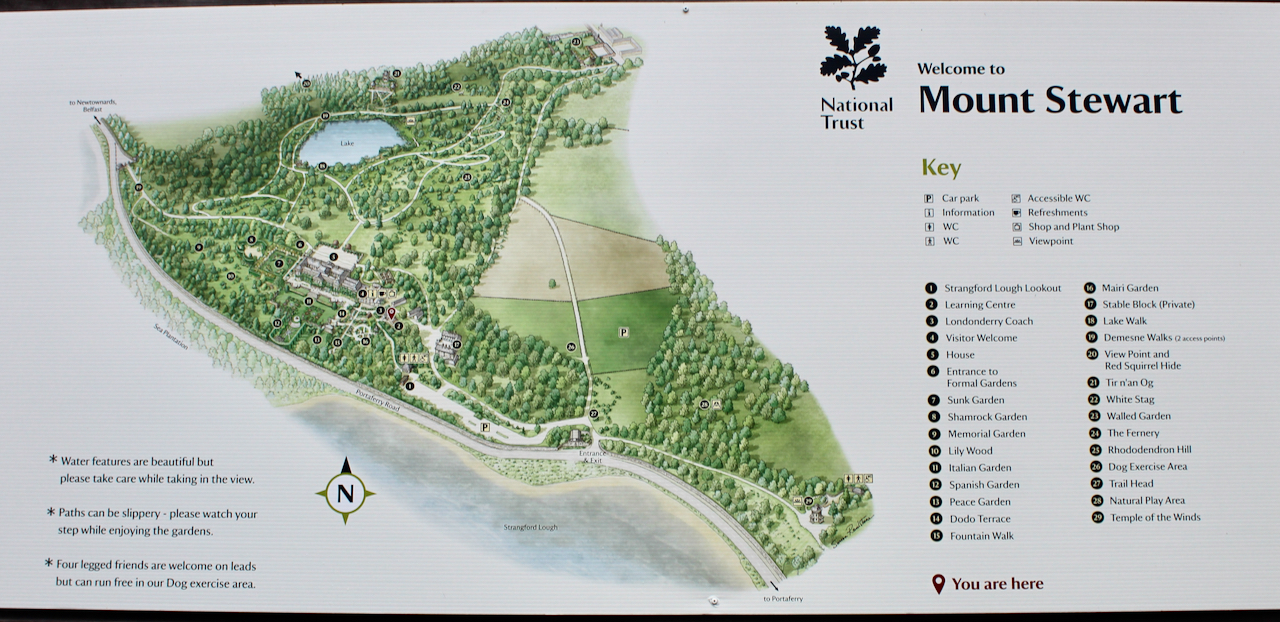
Information board courtesy of National Trust Mount Stewart.
Mount Stewart. Photograph © Jennifer Winder-Baggot, www.irishhistorichouses.com
Information board courtesy of National Trust Mount Stewart.

[1] Ireland’s Content Pool, https://www.irelandscontentpool.com/en

Text © Jennifer Winder-Baggot, www.irishhistorichouses.com

Portraits S

S

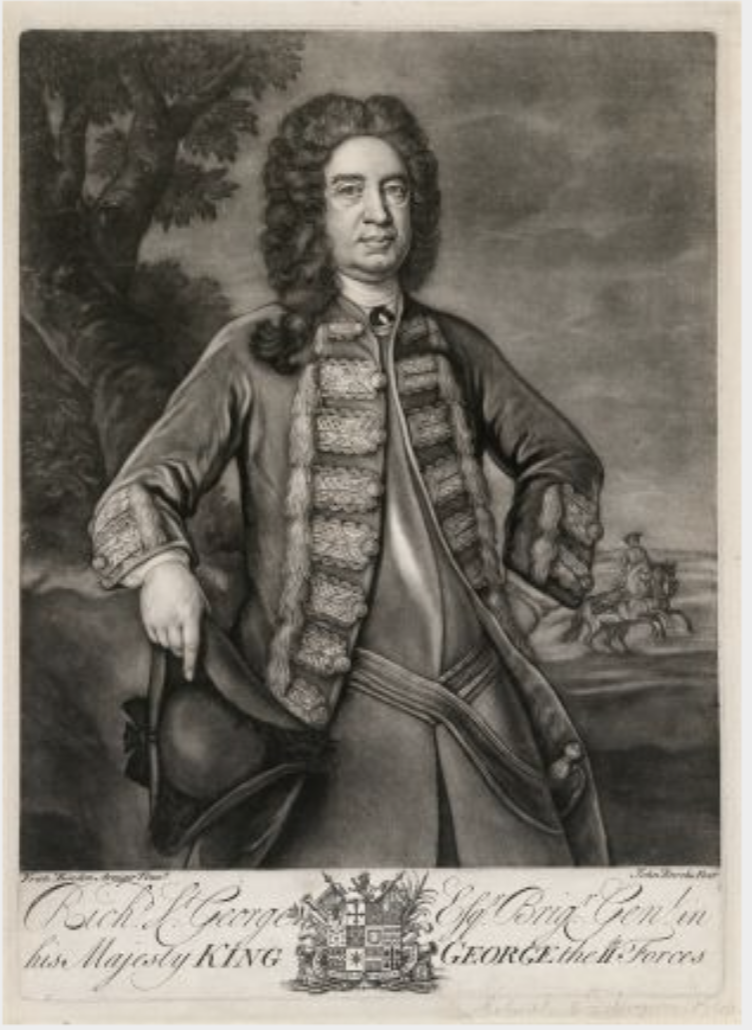
Richard Saint George of Woodsgift, County Kilkenny (d. 1755), (Brigadier General ), 1744 After Francis Bindon, Irish, 1690-1765 engraver John Brooks, Irish.
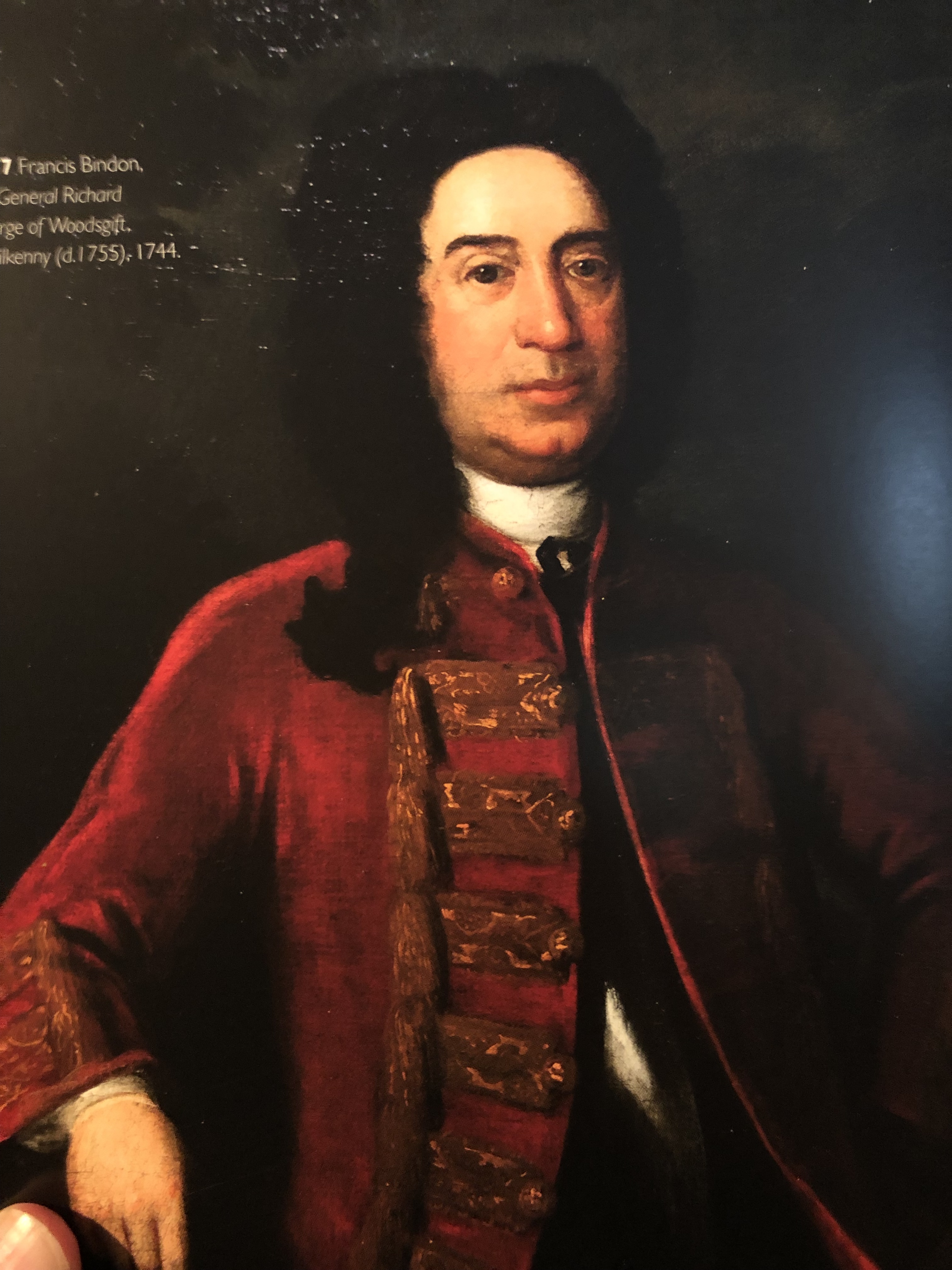
Richard St. George (1670-1755) of Woodsgift and Kilrush, County Kilkenny and 8 Henrietta Street by Francis Bindon.
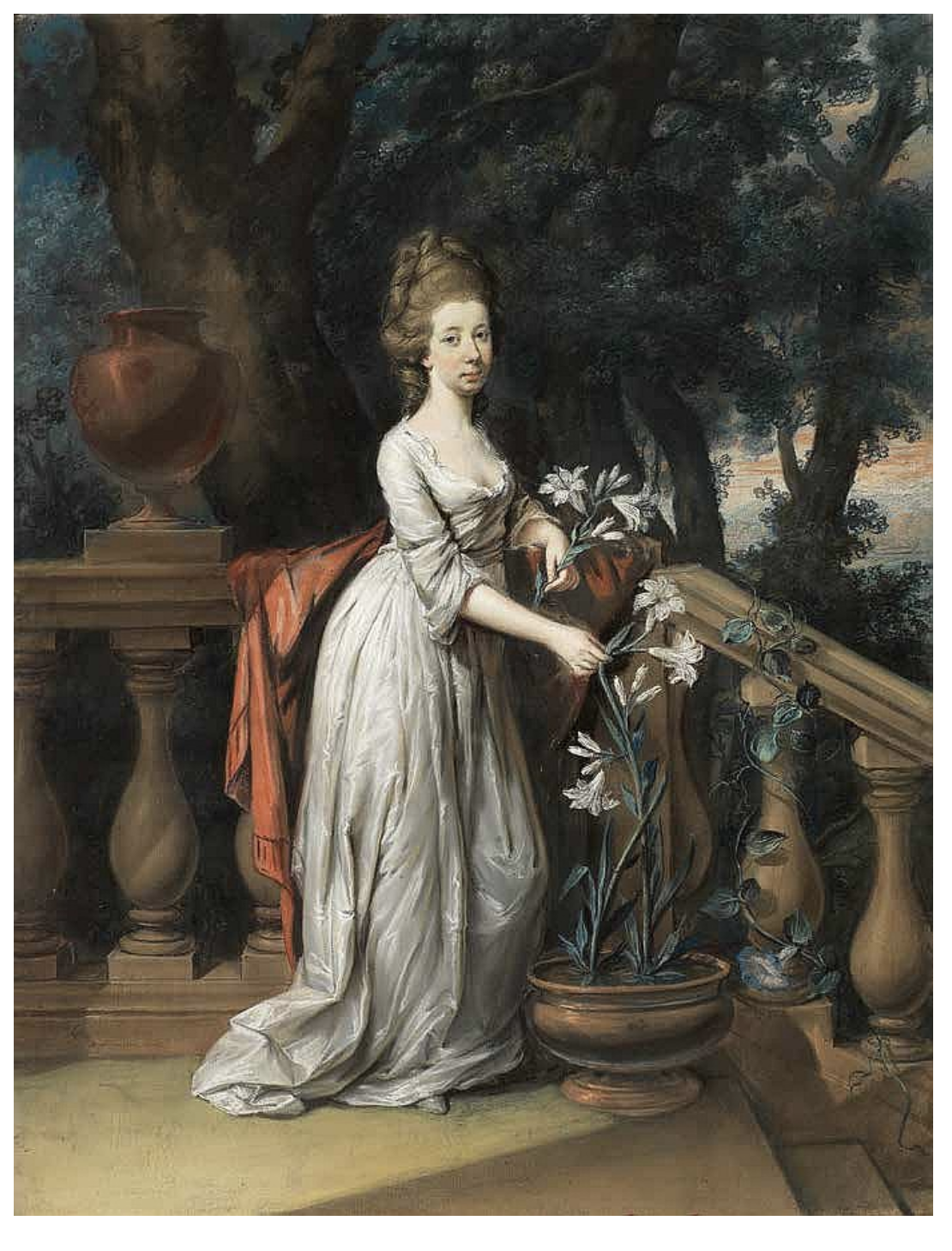
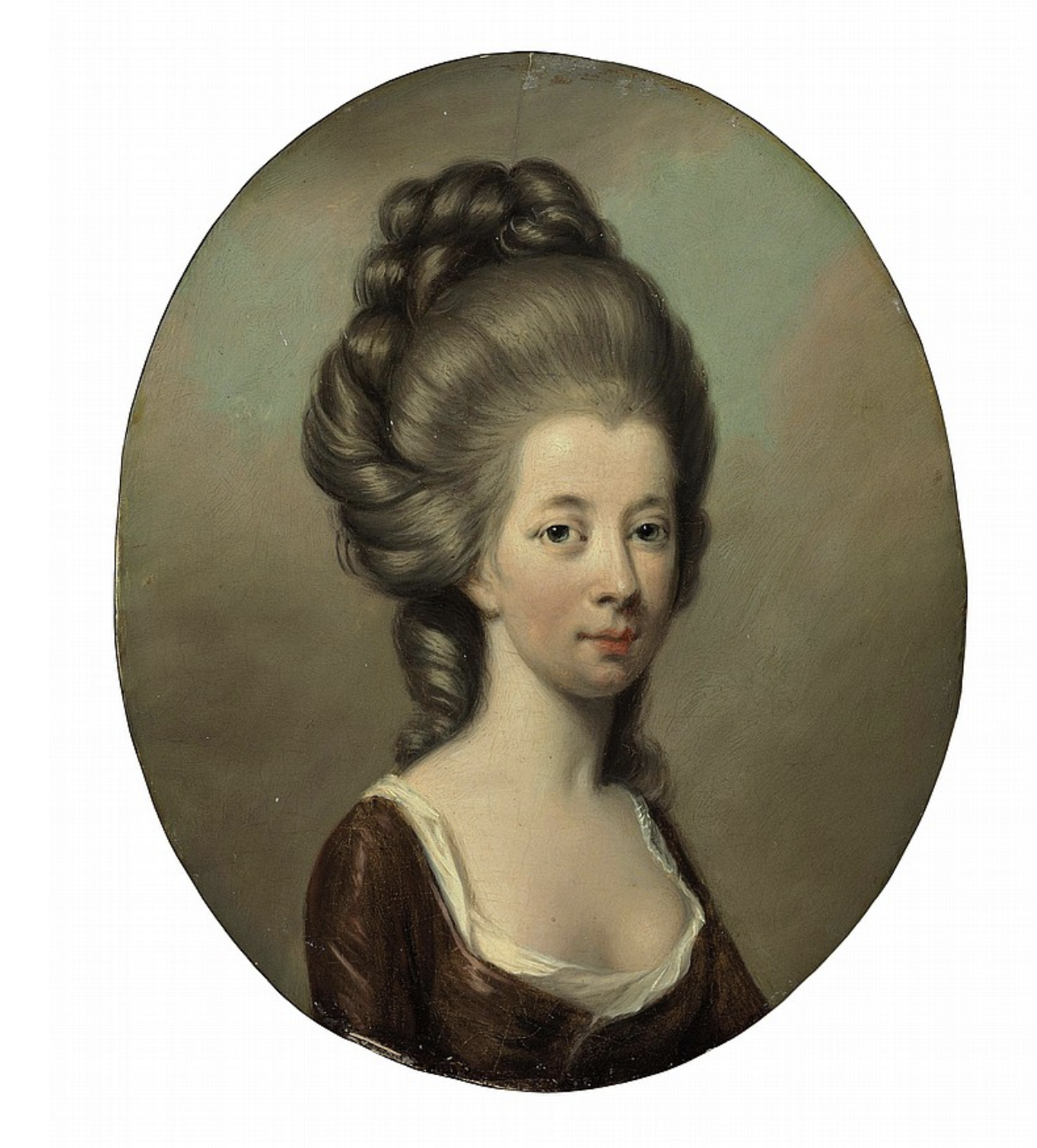
Hugh Douglas Hamilton portrait of Emilia Olivia née St. George, 2nd Duchess of Leinster courtesy of Bonhams Old Master Paintings 2018.
Emilia Olivia Ussher-St. George, the Duchess of Leinster by Hugh Douglas Hamilton courtesy of Old Master Paintings Part II by Christie’s 2012.
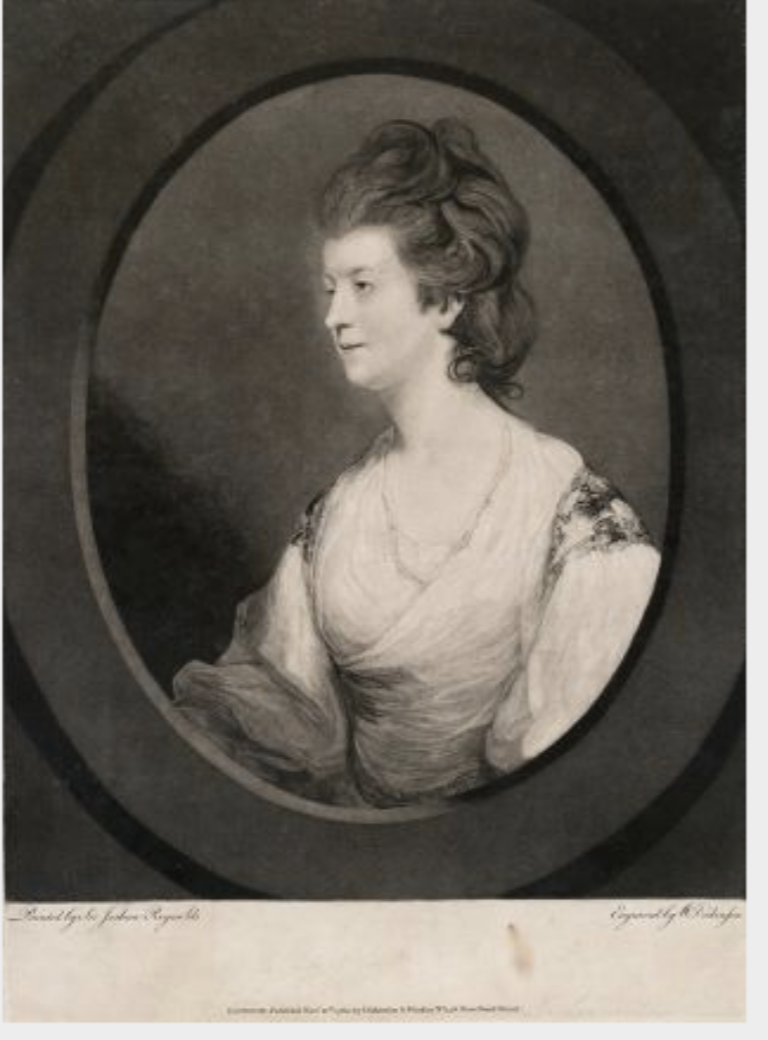
Emilia Olivia née Usher St. George (1759-1798), Duchess of Leinster, wife of 2nd Duke, 1780 engraver William Dickinson after Joshua Reynolds, courtesy of National Gallery of Ireland.
Anne St. George née Stepney of Durrow Abbey County Offaly, and Child, 1971, by George Romney courtesy of August Heckscher Collection 1959.147
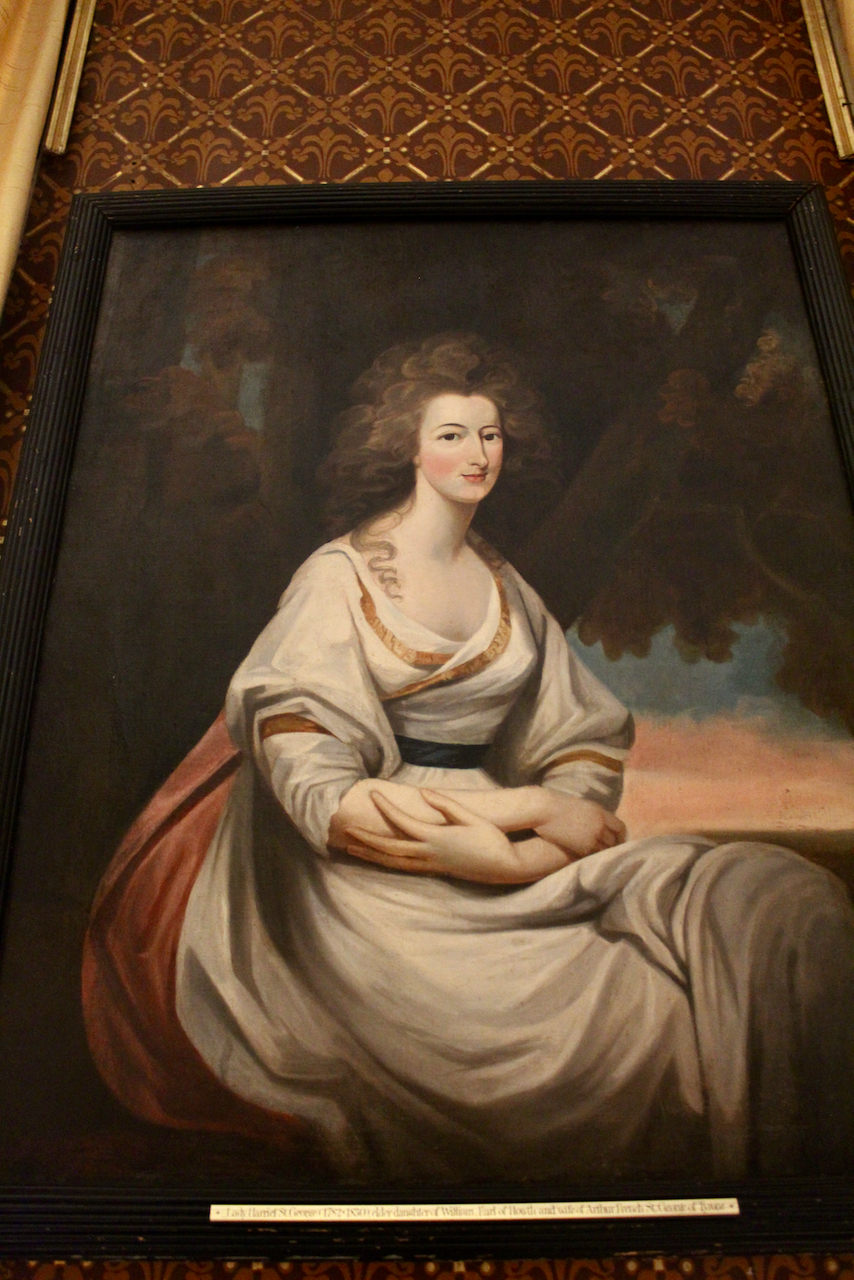
Harriet St. Lawrence (d. 1830), daughter of William 2nd Earl of Howth. She married Arthur French St. George (1780-1844). Photograph © Jennifer Winder-Baggot, www.irishhistorichouses.com
Elizabeth Aldworth née St. Leger (1693-1773), the first female Freemason. https://commons.wikimedia.org/wiki/File:MrsAldworth.jpg#/media/File:MrsAldworth.jpg
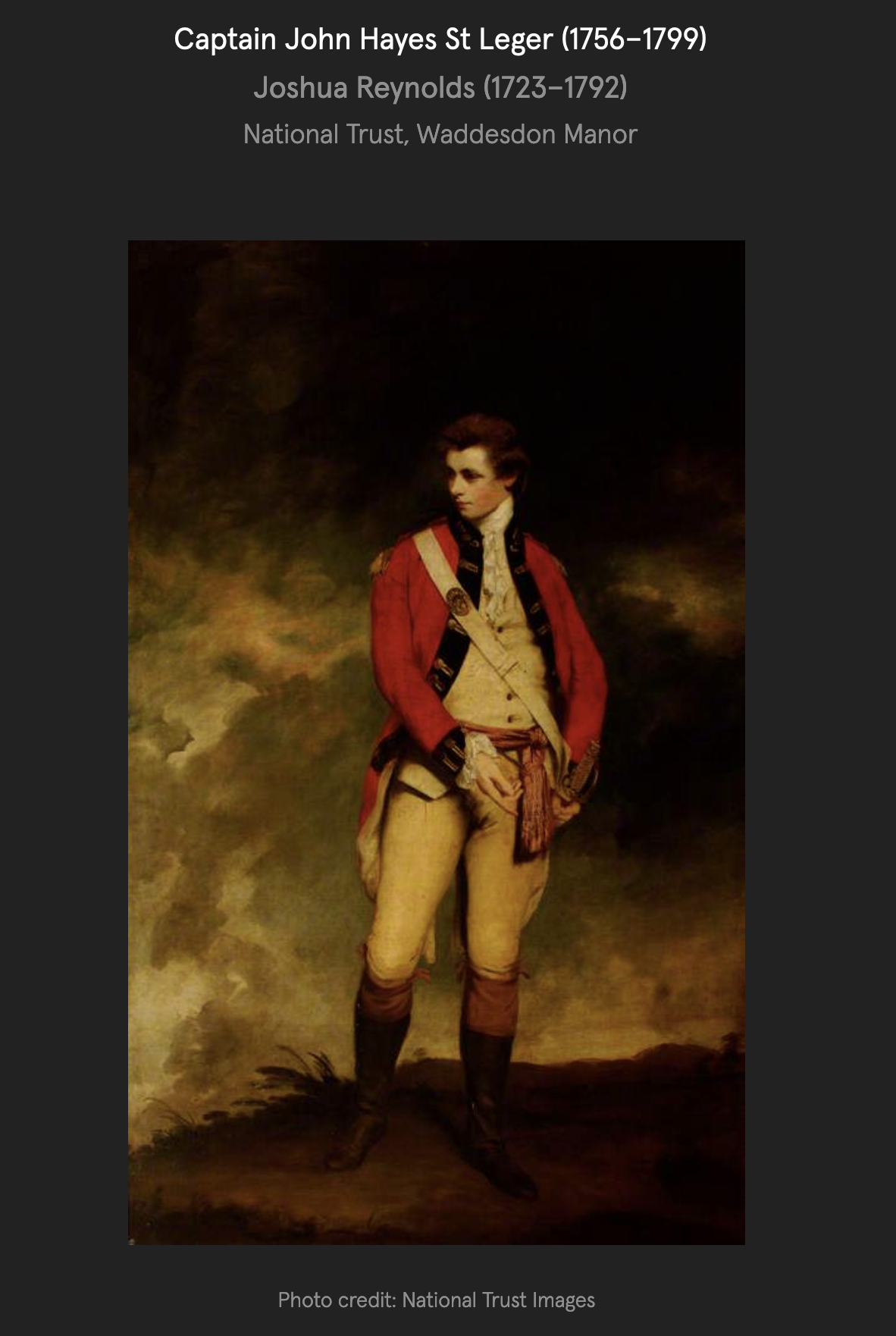
John Hayes St. Leger (1756-1799) courtesy of National Trust Waddesdon Manor.
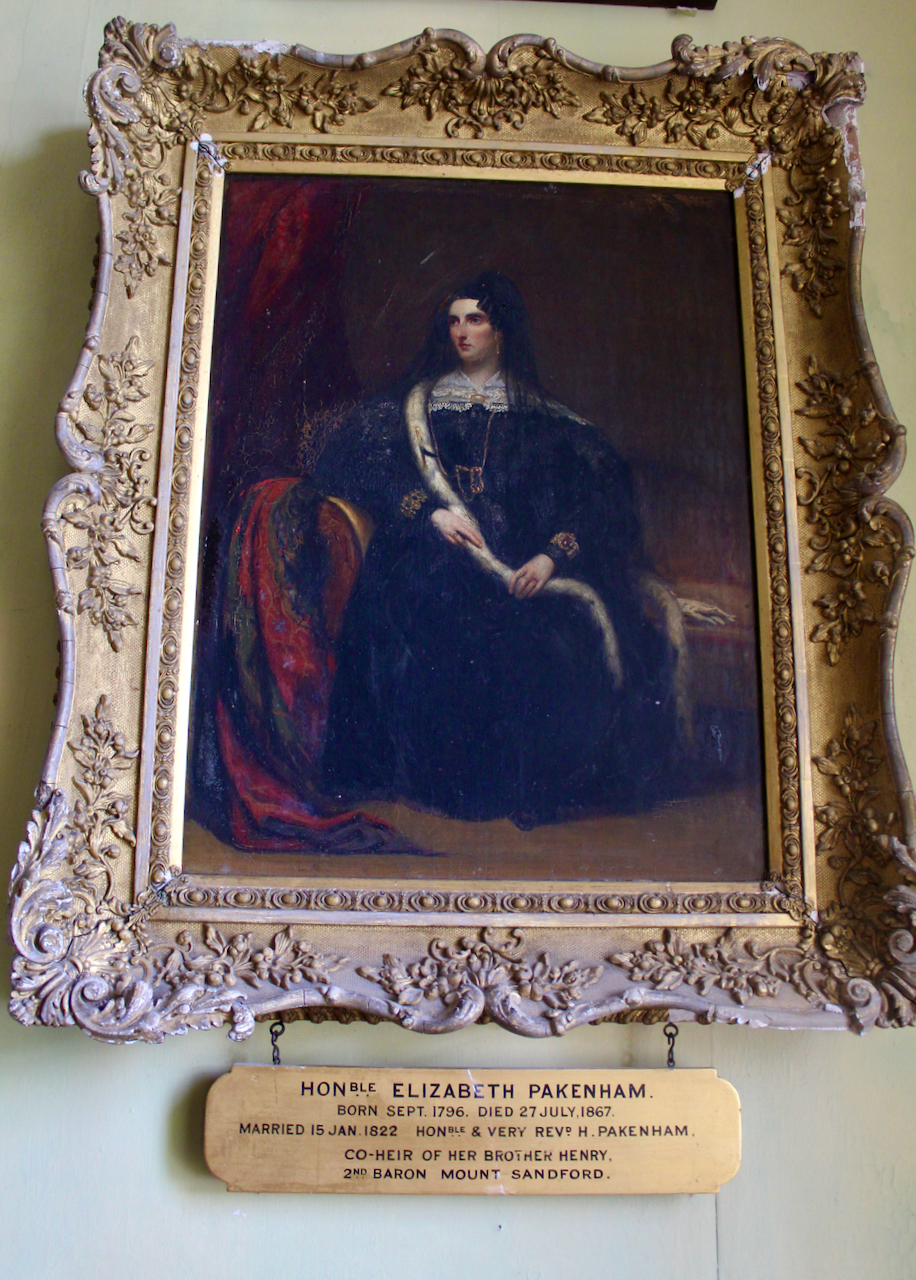
Elizabeth Sandford, mother of Henry Sandford Pakenham, wife of Reverend Henry Pakenham, Dean of St. Patrick’s Cathedral in Dublin. Henry Sandford Pakenham married the heiress Grace Catherine Mahon and changed his surname to Pakenham Mahon. Photograph © Jennifer Winder-Baggot, www.irishhistorichouses.com
Patrick Sarsfield 1st Earl of Lucan (1620-1693) attributed to Hyacinthe Rigaud, French, 1659-1743.
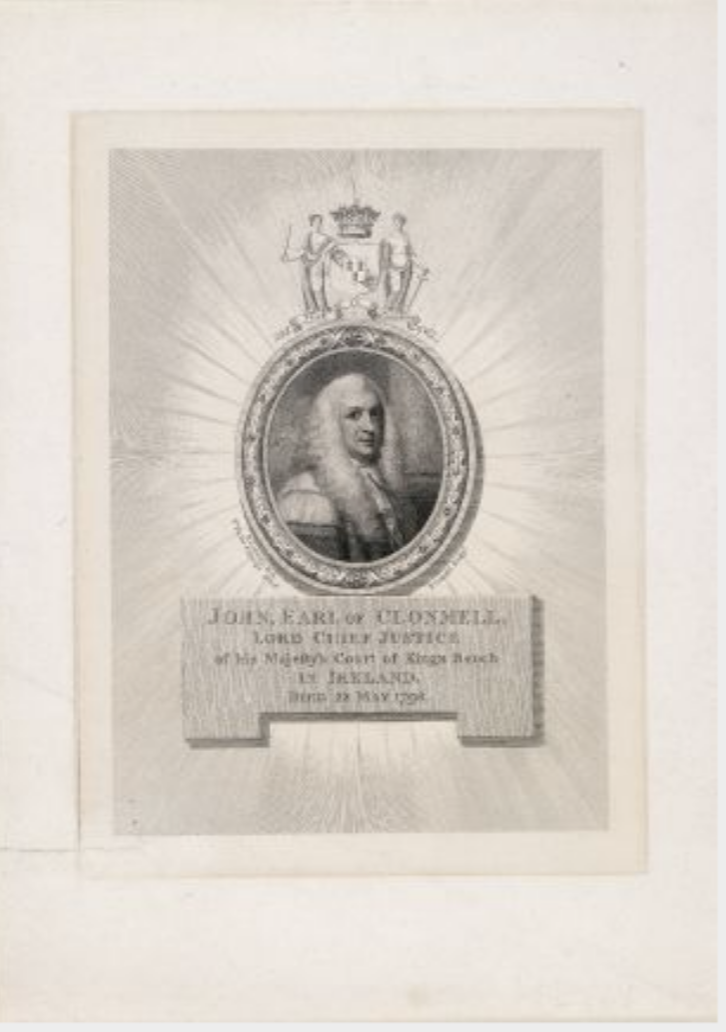
John Scott (1739-1798) 1st Earl of Clonmel, engraver Pierre Conde French after Richard Cosway, courtesy of National Gallery of Ireland.
Dorothy Scott (1765-1837) second wife of John Keane, 1st Baronet, by George Romney courtesy of Philadelphia Museum of Art.
Mary Seymour, who according to Mealy’s sales catalogue married John Dawson 1st Earl of Portarlington of Emo Court, by Thomas Heaphey, courtesy of Fonsie Mealy auction; I think she married George Lionel Dawson-Damer, son of 1st Earl. She was the daughter of Hugh Seymour Conway 1st Marquess of Hertford.
Sarah Eliza Conolly née Shaw (1845-1921), wife of Thomas of Castletown. Photograph © Jennifer Winder-Baggot, www.irishhistorichouses.com
Robert Shaw, 1774-1849, first baronet of Bushy Park Co. Dublin attributed to Hugh Douglas Hamilton courtesy of Mealys Autumn Sale 2015.
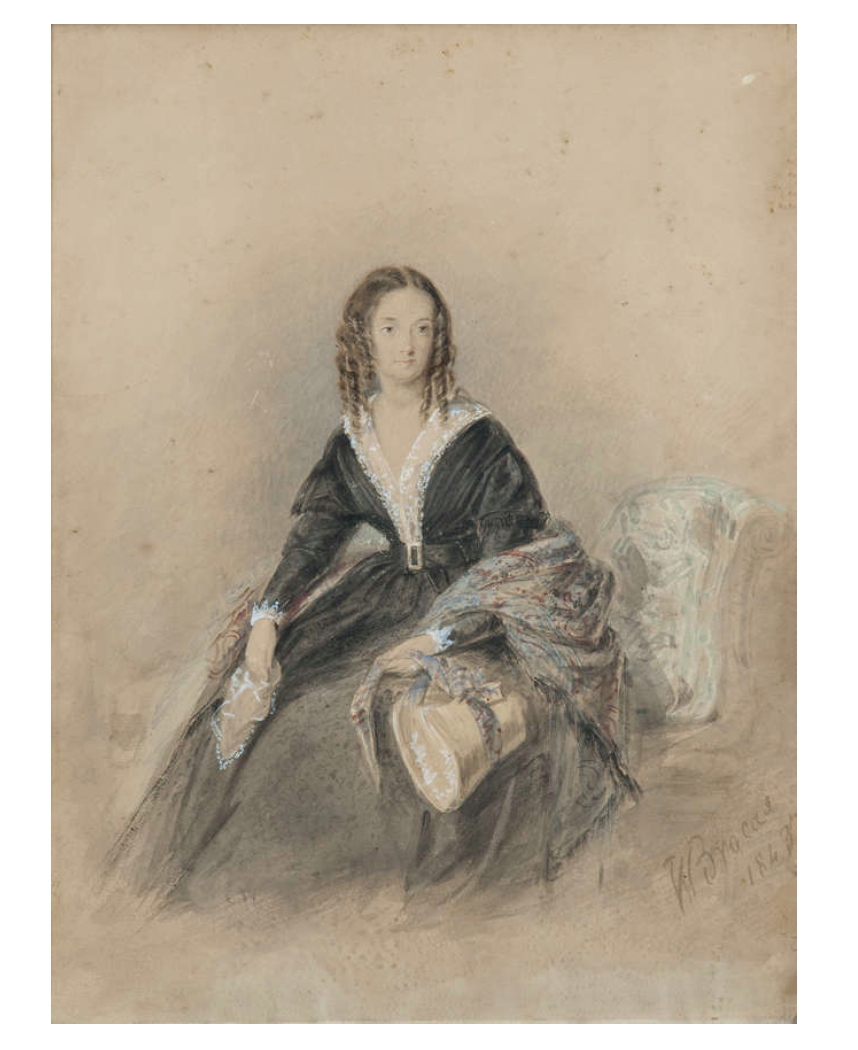
Maria Shaw (1838-1875), Daughter of Sir Frederick Shaw 3rd Bt of Bushy Park, Dublin, by William Brocas, courtesy of Adam’s auction 23 March 2016.
Helena Selina Blackwood née Sheridan (1807-1867), Writer, Wife of 4th Baron Dufferin and Clandeboye, later Countess of Gifford Date 1849, Engraver John Henry Robinson, English, 1796 – 1871 After Frank Stone, English, 1800-1859.
Sir Henry Sidney (1529-1586), Lord Deputy of Ireland, after painter Arnold Van Brounkhorst, courtesy of National Gallery of Ireland.
Philip Sidney in a painted oval Provenance Estate of The Late Basil Collins courtesy Adam’s 8 March 2006.
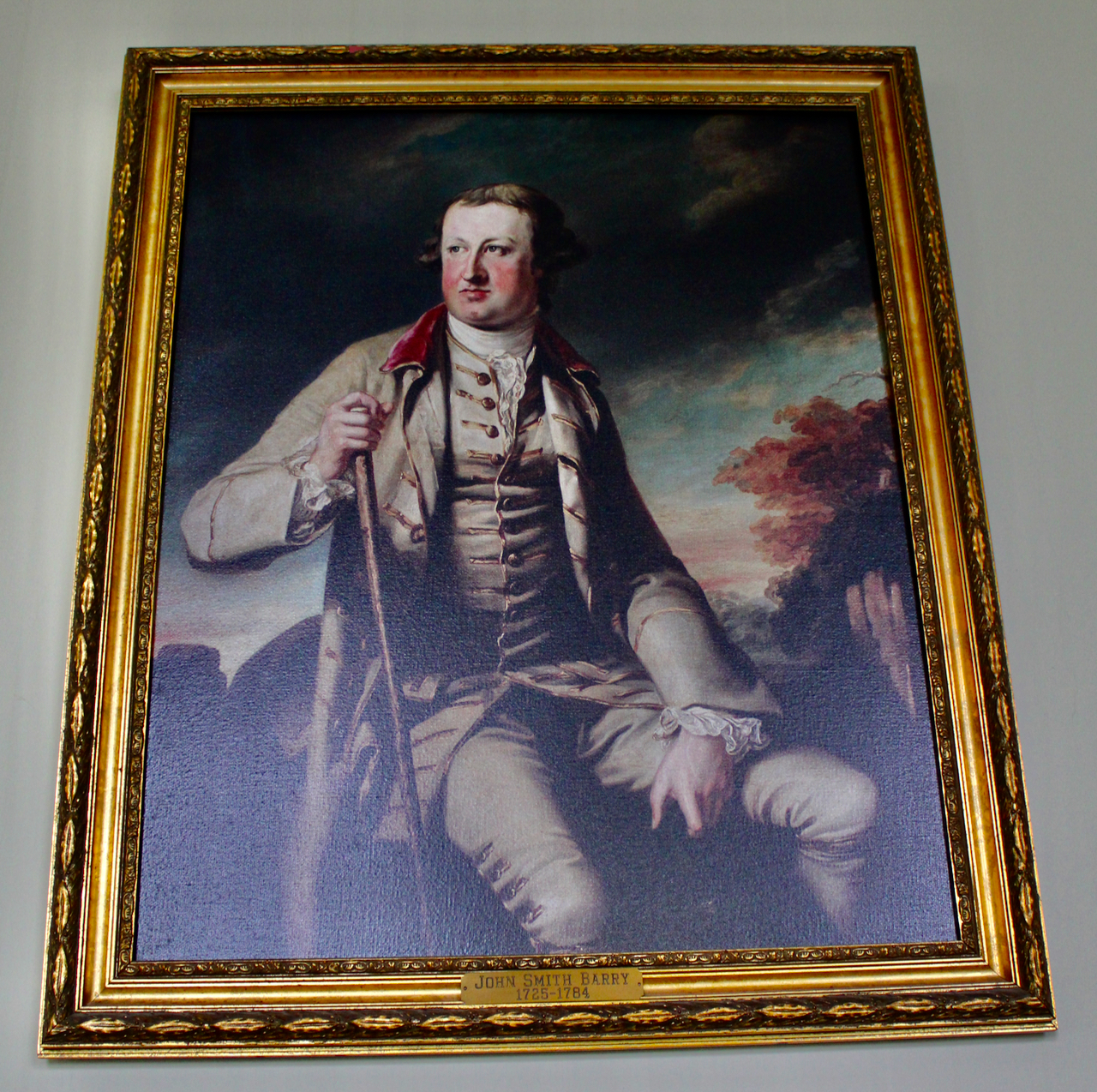
John Smith-Barry (1725-1784) of Fota, County Cork. Photograph © Jennifer Winder-Baggot, www.irishhistorichouses.com

John Barry (1725-1784), who added the name Smith to his surname after his marriage to a wealthy heiress, was the son of James Barry, 4th Earl of Barrymore, of Castlelyons, County Cork, and Barry’s third wife, Anne Chichester, daughter of Arthur Chichester, 3rd Earl of Donegall (it was spelled with two ‘l’s in the title, unlike the county). He married Dorothy Smith, daughter of Hugh Smith of Weald Hall, Essex, and John added Smith to his surname.

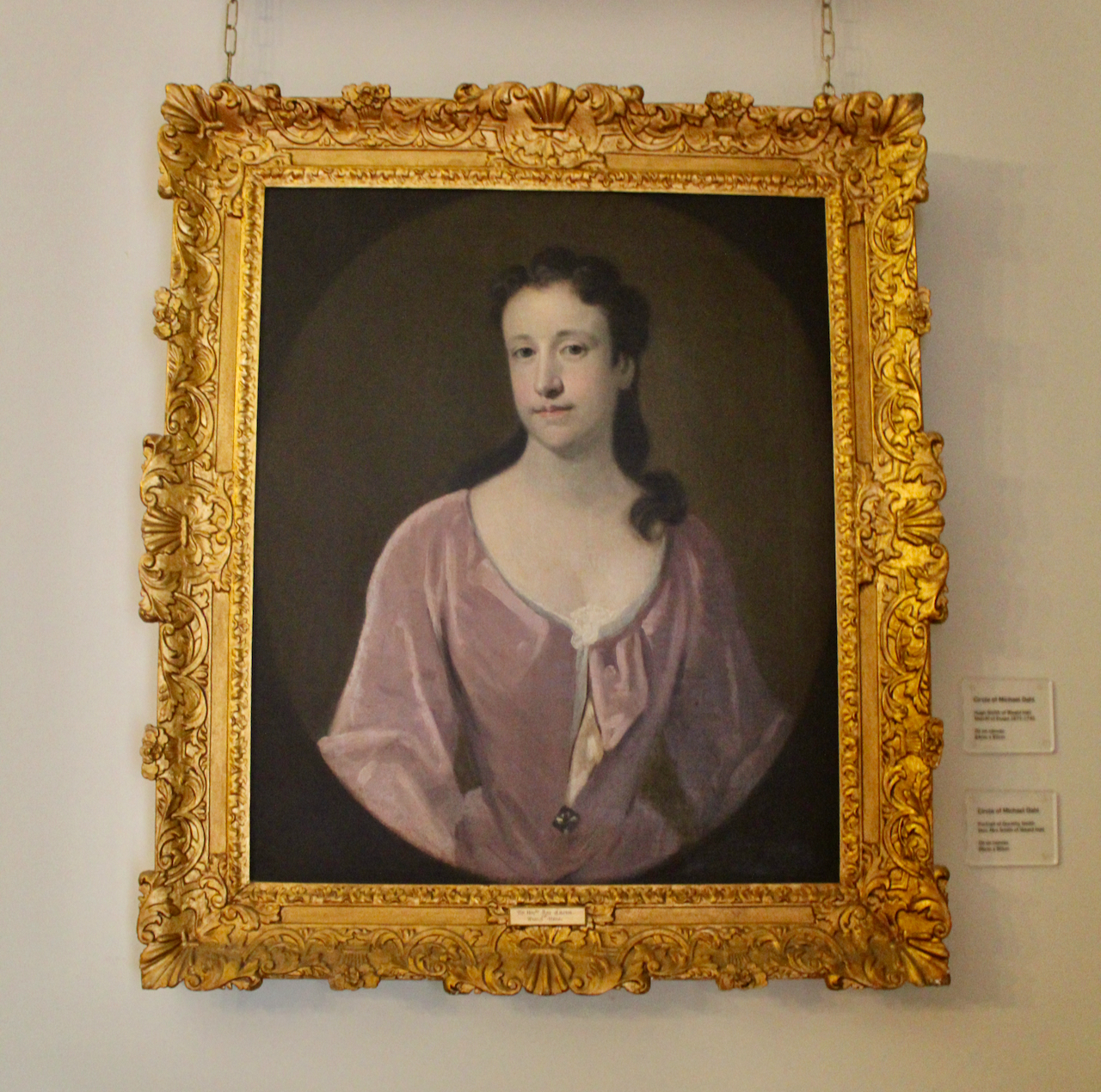
Hugh Smith (1673-1745) of Weald Hall, father of Dorothy Smith who married John Barry (1725-1784), of Fota House, County Cork. Photograph © Jennifer Winder-Baggot, www.irishhistorichouses.com
Dorothy Smith née Barrett, wife of Hugh Smith (1673-1745) of Weald Hall. Photograph © Jennifer Winder-Baggot, www.irishhistorichouses.com
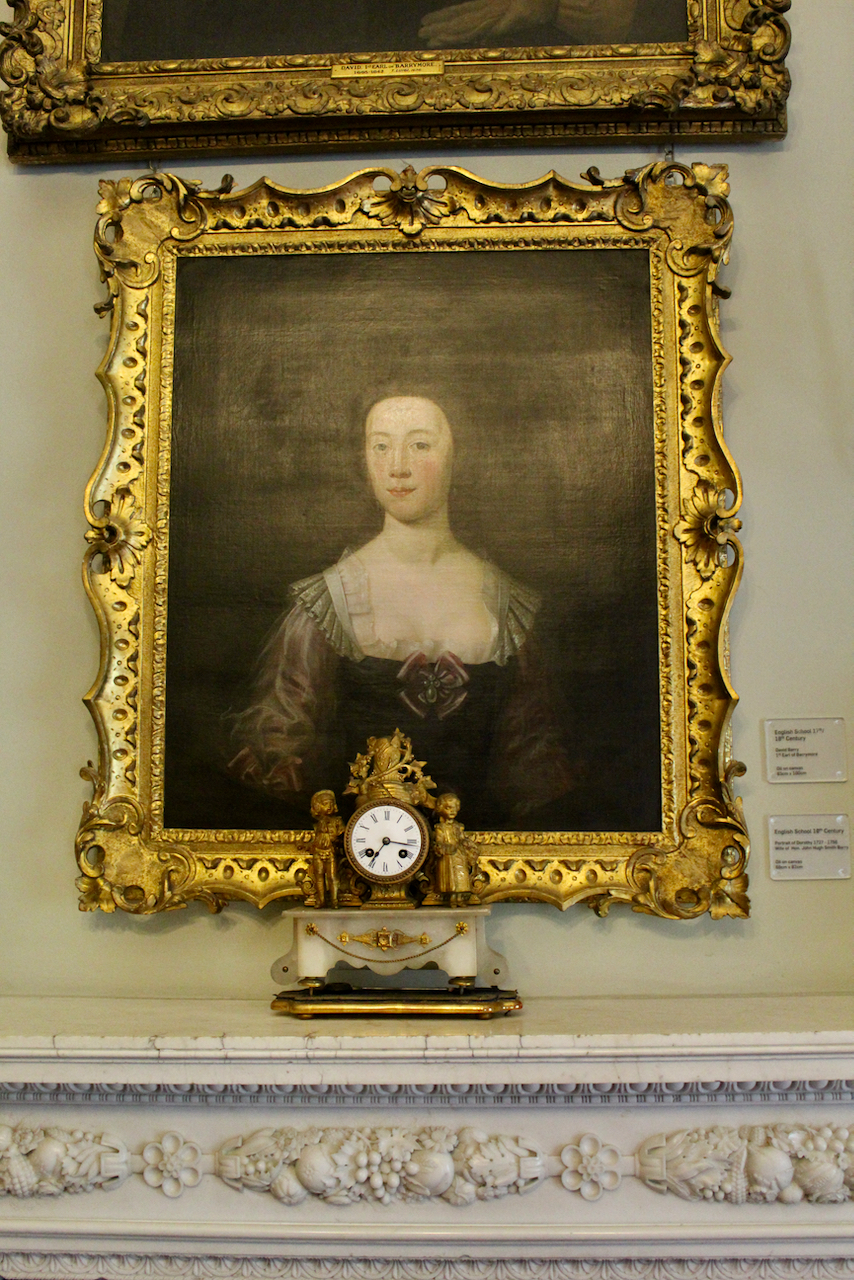
Dorothy Smith-Barry née Smith (1727-1756) wife of John Hugh Smith Barry (1725-1784). Photograph © Jennifer Winder-Baggot, www.irishhistorichouses.com

John and Dorothy’s oldest son and heir was James Hugh Smith-Barry (1746-1801). He never married, but had several children.

James Hugh Smith-Barry (1746-1801). Photograph © Jennifer Winder-Baggot, www.irishhistorichouses.com
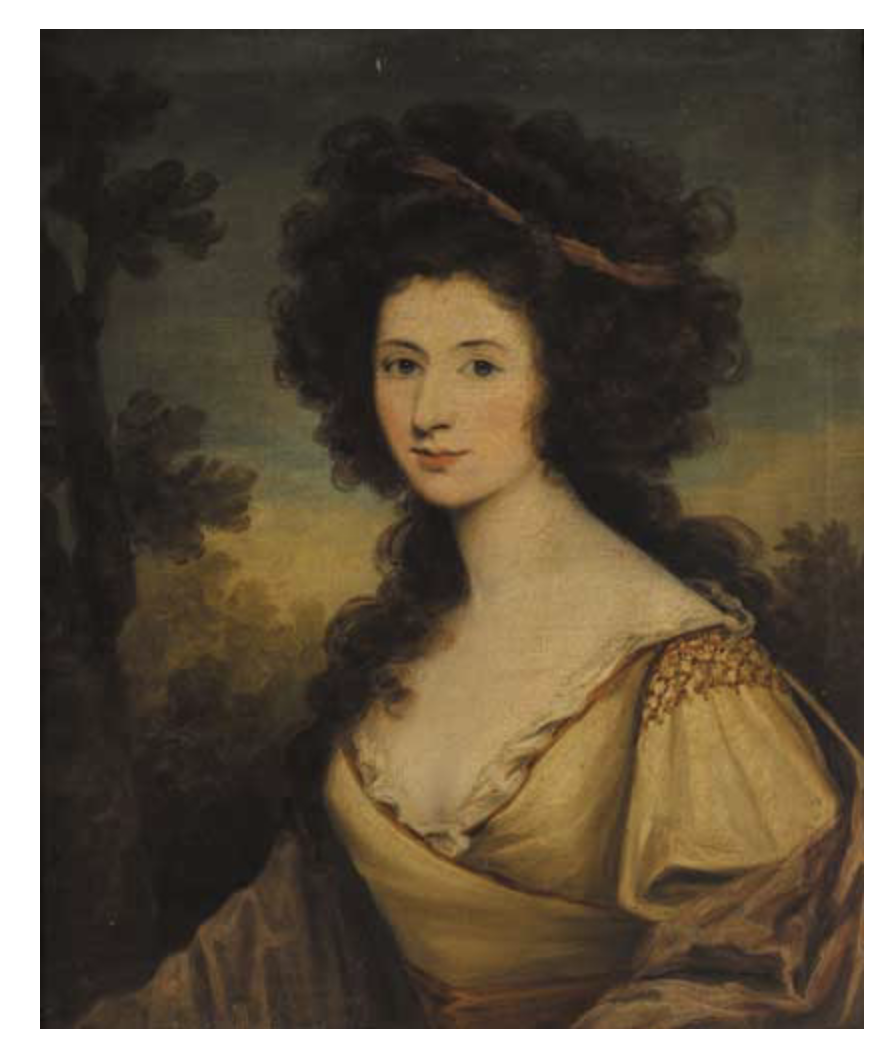
Portrait Of A Lady traditionally identified as Caroline Courtenay Née Smith-Barry, courtesy of Whyte’s Sept 2007, daughter of James Smith-Barry (1746-1801) of Fota House, County Cork, she married George Courtenay of Ballyedmond House, County Cork (no longer exists).

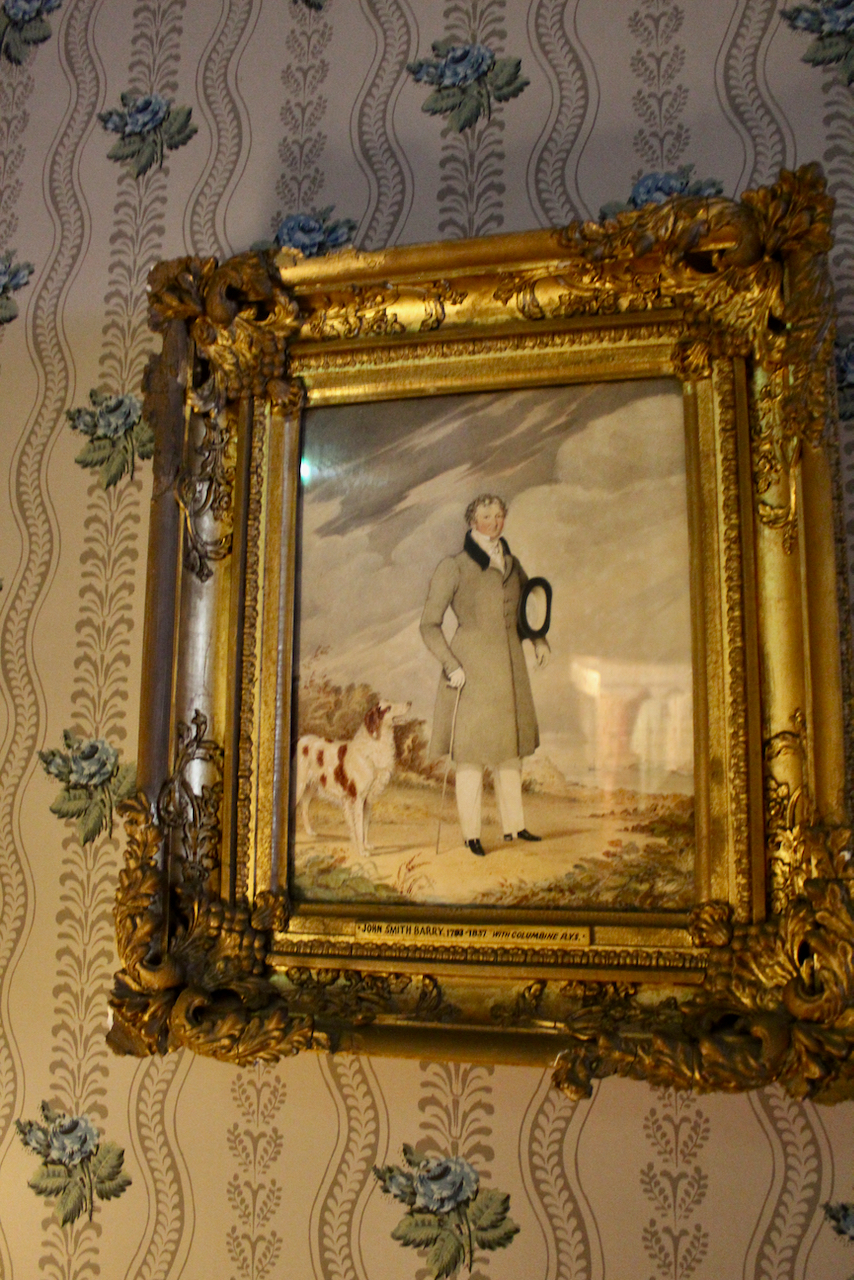
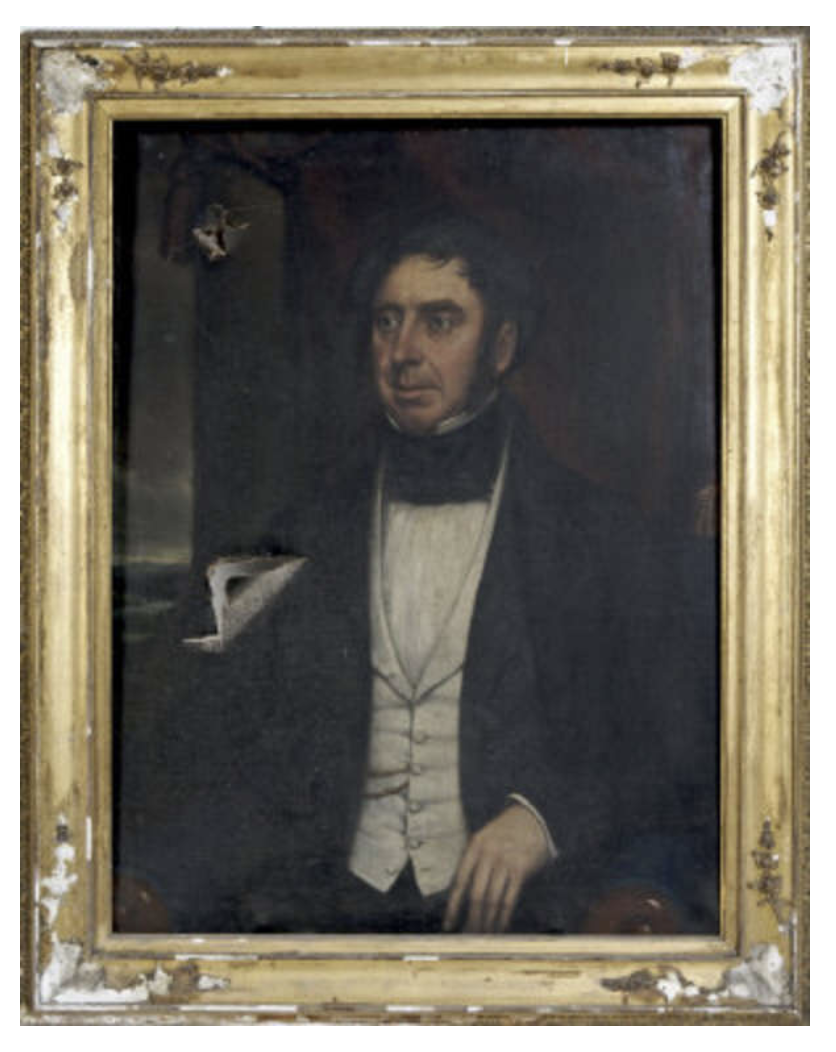
John Smith-Barry (1783-1837), son of James Hugh Smith-Barry (1746-1801) settled in Fota, County Cork, after his marriage to Eliza Courtenay of Ballyedmond, Midleton, County Cork.

John Smith-Barry (1783-1837), who hired the Morrisons to enlarge Fota house, County Cork. Photograph © Jennifer Winder-Baggot, www.irishhistorichouses.com
John Smith-Barry (1783-1837), who hired the Morrisons to enlarge Fota house. Photograph © Jennifer Winder-Baggot, www.irishhistorichouses.com
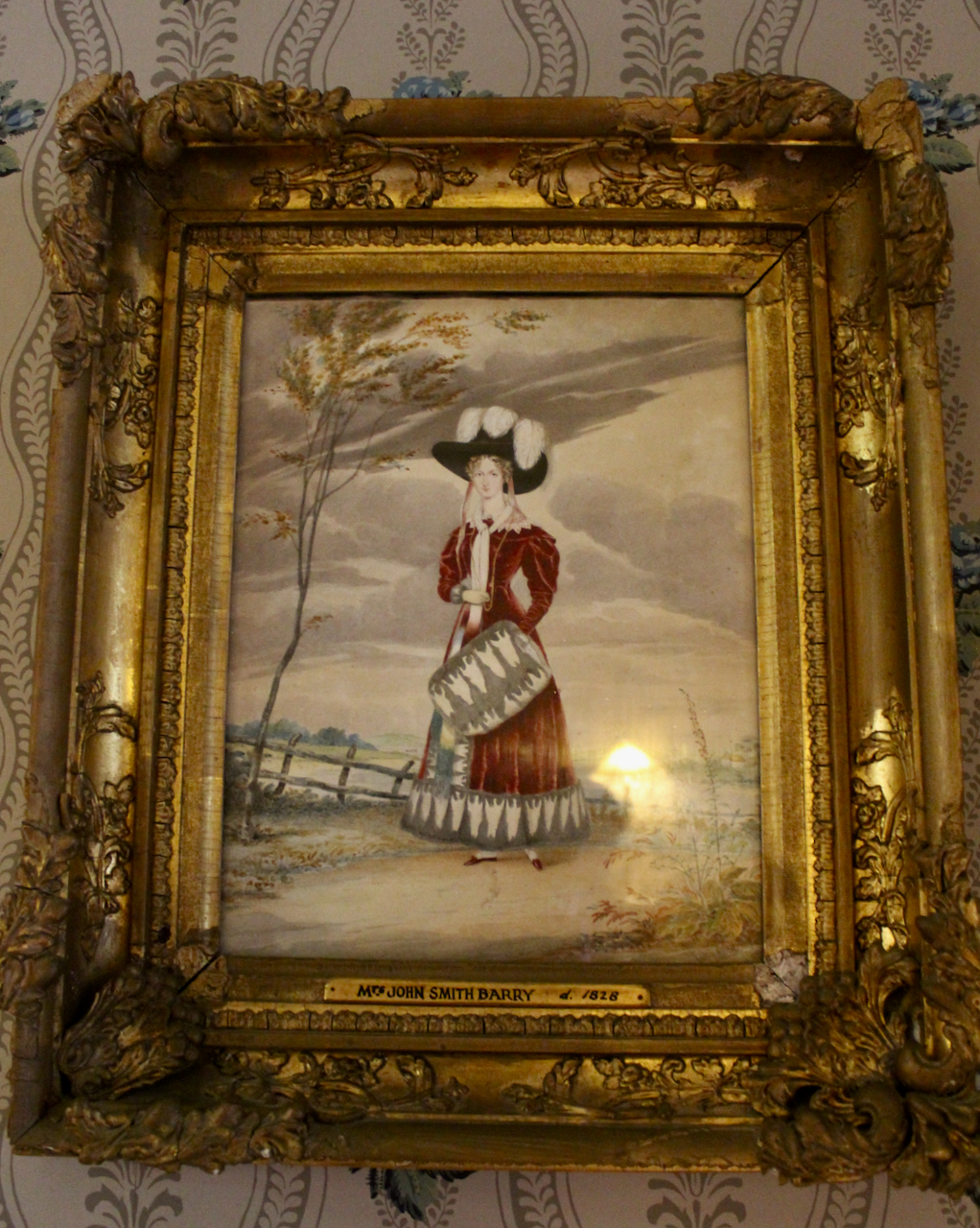
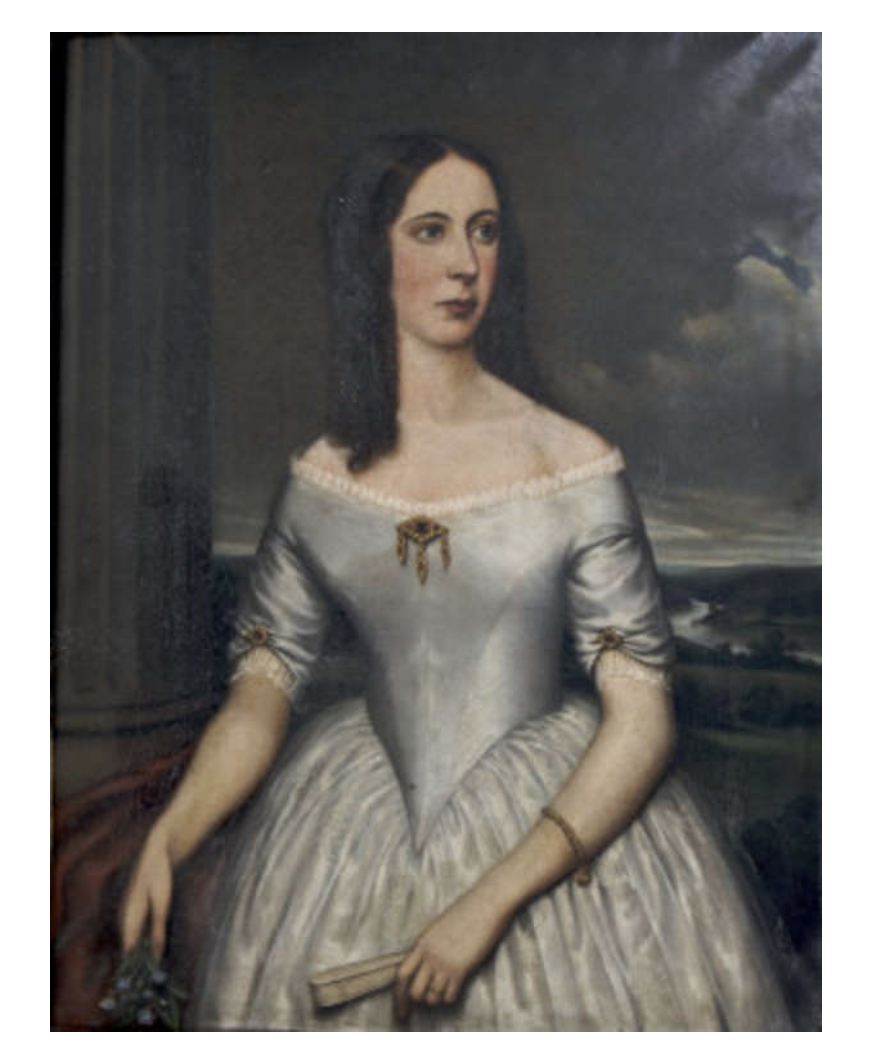
I think this is probably Eliza Mary née Courtenay (1797-1828) who married John Smith-Barry, Fota House, County Cork, August 2023. Photograph © Jennifer Winder-Baggot, www.irishhistorichouses.com
Eliza Mary née Courtenay (1797-1828) who married John Smith-Barry. She was the daughter of Robert Courteney of Ballyedmond in County Cork. Photograph © Jennifer Winder-Baggot, www.irishhistorichouses.com

James Hugh Smith-Barry (1816-1856) inherited Fota and also Marbury Hall in Cheshire. He served as Deputy Lieutenant, Justice of the Peace and High Sheriff of County Cork. He married Elizabeth Jacson of Cheshire. After her husband died, she married George Fleming Warren, 2nd Baron de Tabley of Tabley House, County Chester.

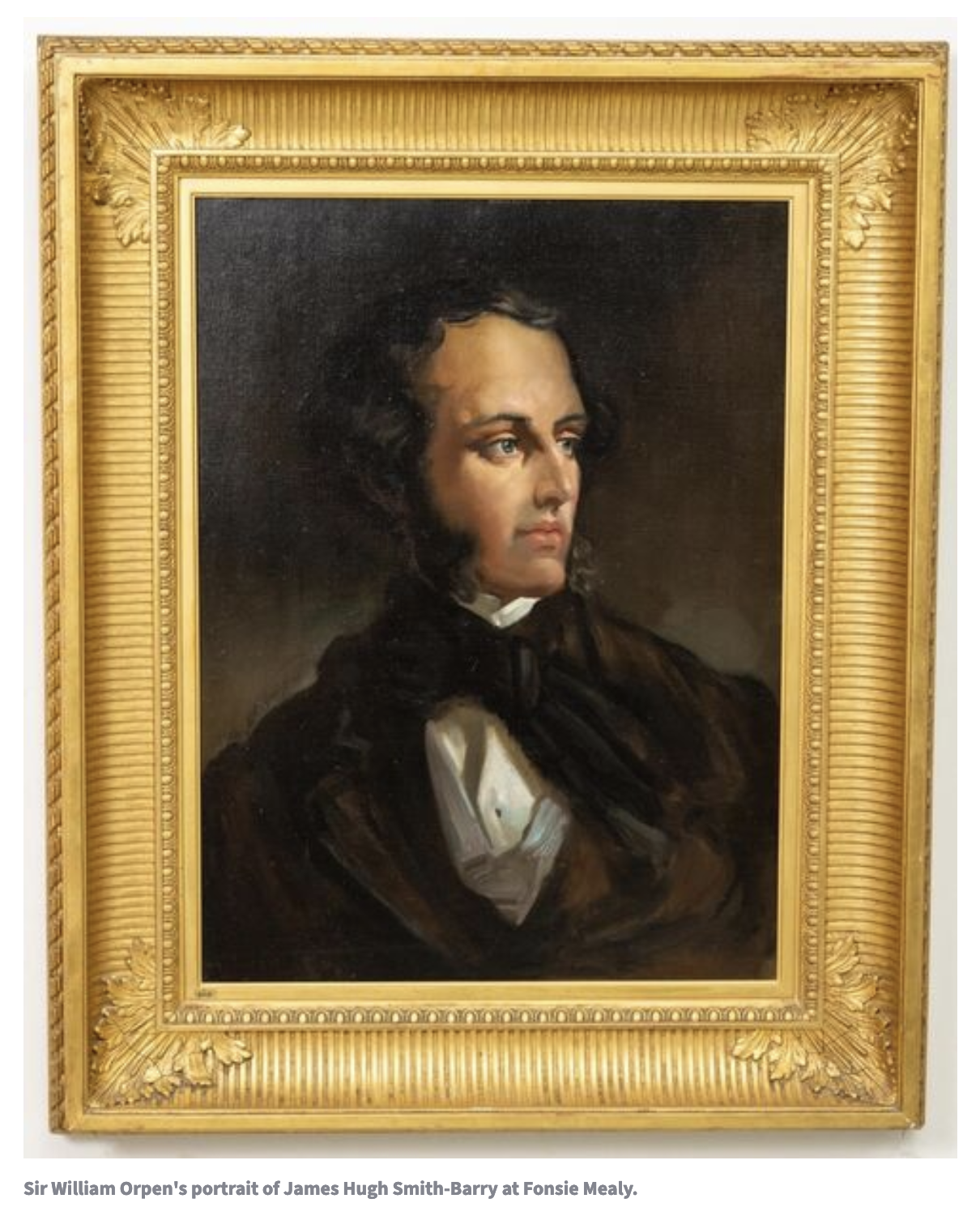
James Hugh Smith-Barry by William Orpen 1904, courtesy of Fonsie Mealy auction 2022.

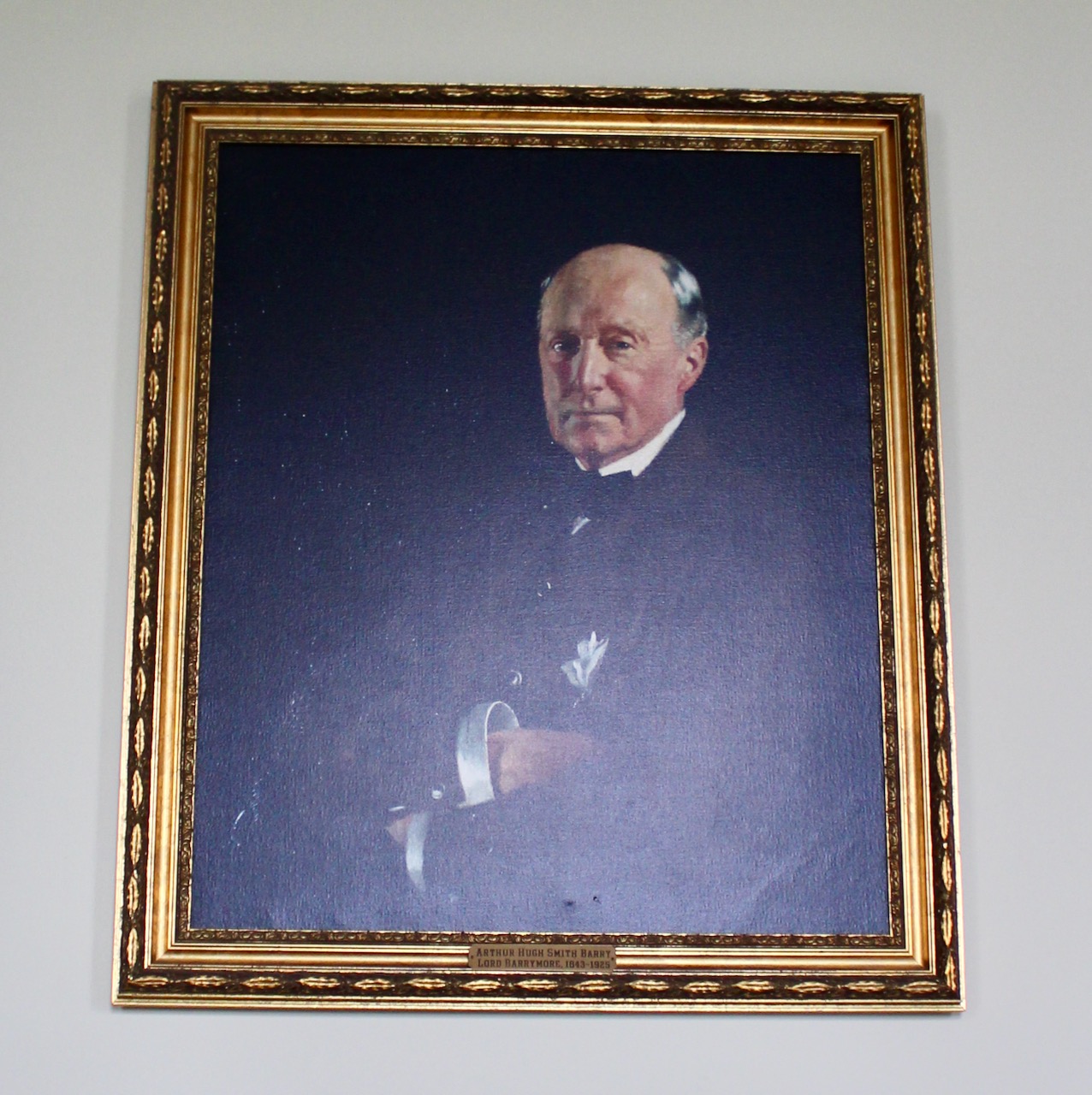
Arthur Hugh Smith-Barry (1843-1925), the oldest son of James and Elizabeth, inherited Fota and also Marbury Hall. He too served as Deputy Lieutenant, Justice of the Peace and High Sheriff of County Cork as well as Member of Parliament (M.P.) (Conservative) for County Cork between 1867 and 1874. He held the office of Member of Parliament (M.P.) (Conservative) for South Huntingdonshire in England between 1886 and 1900. In 1902 he was created 1st (and last) Baron Barrymore of County Cork.

Arthur Hugh Smith-Barry (1843-1925) of Fota House, 1st Viscount Barrymore. Photograph © Jennifer Winder-Baggot, www.irishhistorichouses.com
Captain Richard Hugh Smith-Barry (1823-1894) of Fota House, County Cork.
Charlotte Mary Smyth with a Landscape View of Ballynatray by James Butler Brenan courtesy of Adam’s 6 Oct 2009, provenance Ballynatray House. She married Charles William Moore 5th Earl of Mountcashell.
Richard Smyth of Ballynatray (1796-1858) who married in 1821 Harriet St. Leger of Doneraile, Irish school, courtesy of Adam’s auction 6 Oct 2009.
Percy Ellen Frederick William Smythe (1825-1869) 8th Viscount Strangford and Philippa Eliza Sydney Smythe (d. 1854) daughter of 6th Viscount Strangford, wife of Henry J. Baillie (d. 1885) of Scotland by William Fisher, 1817 – 1895.
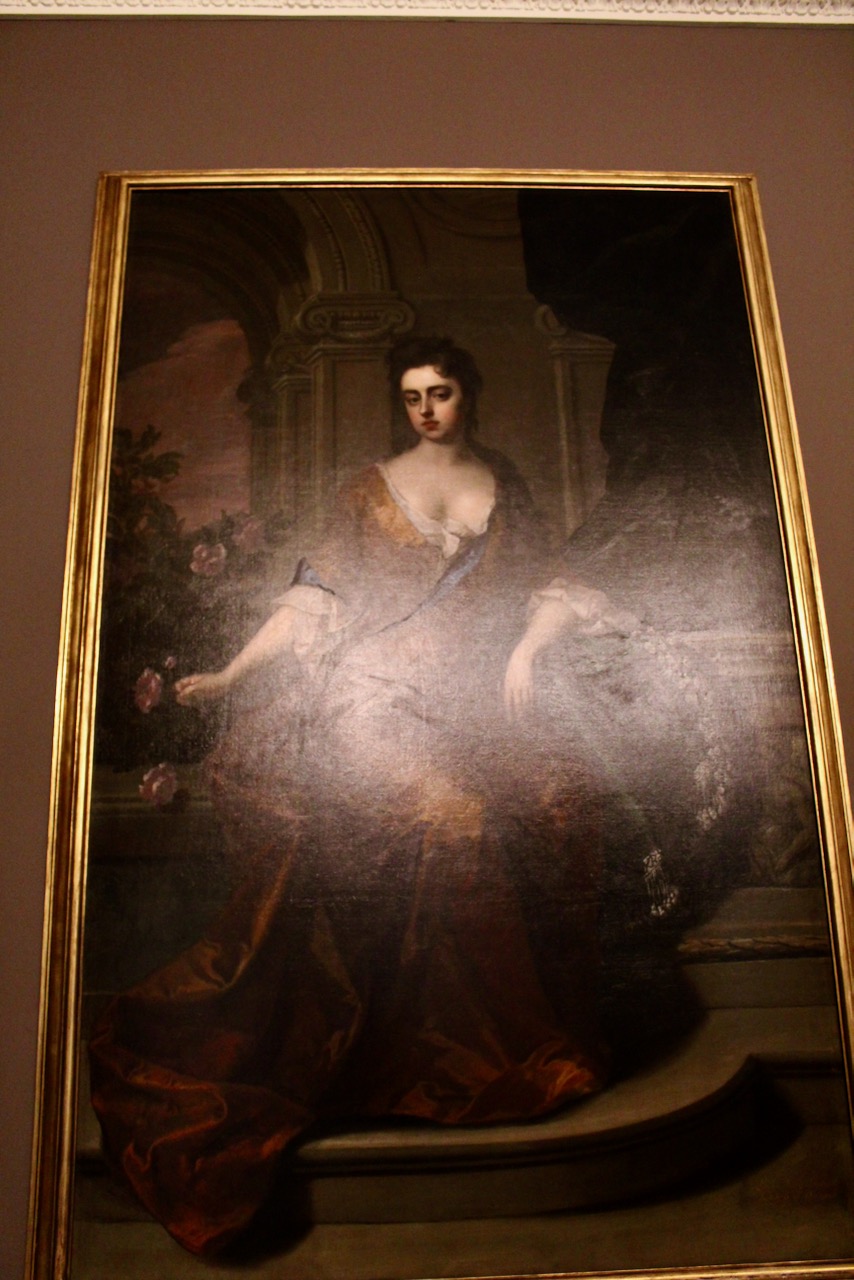
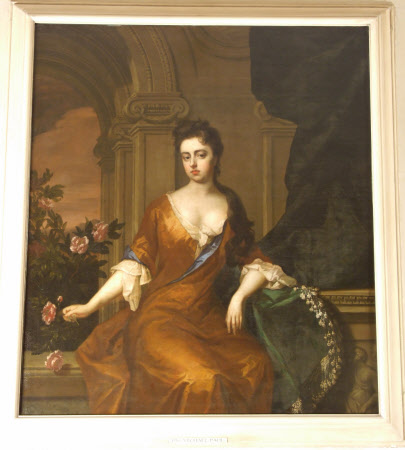
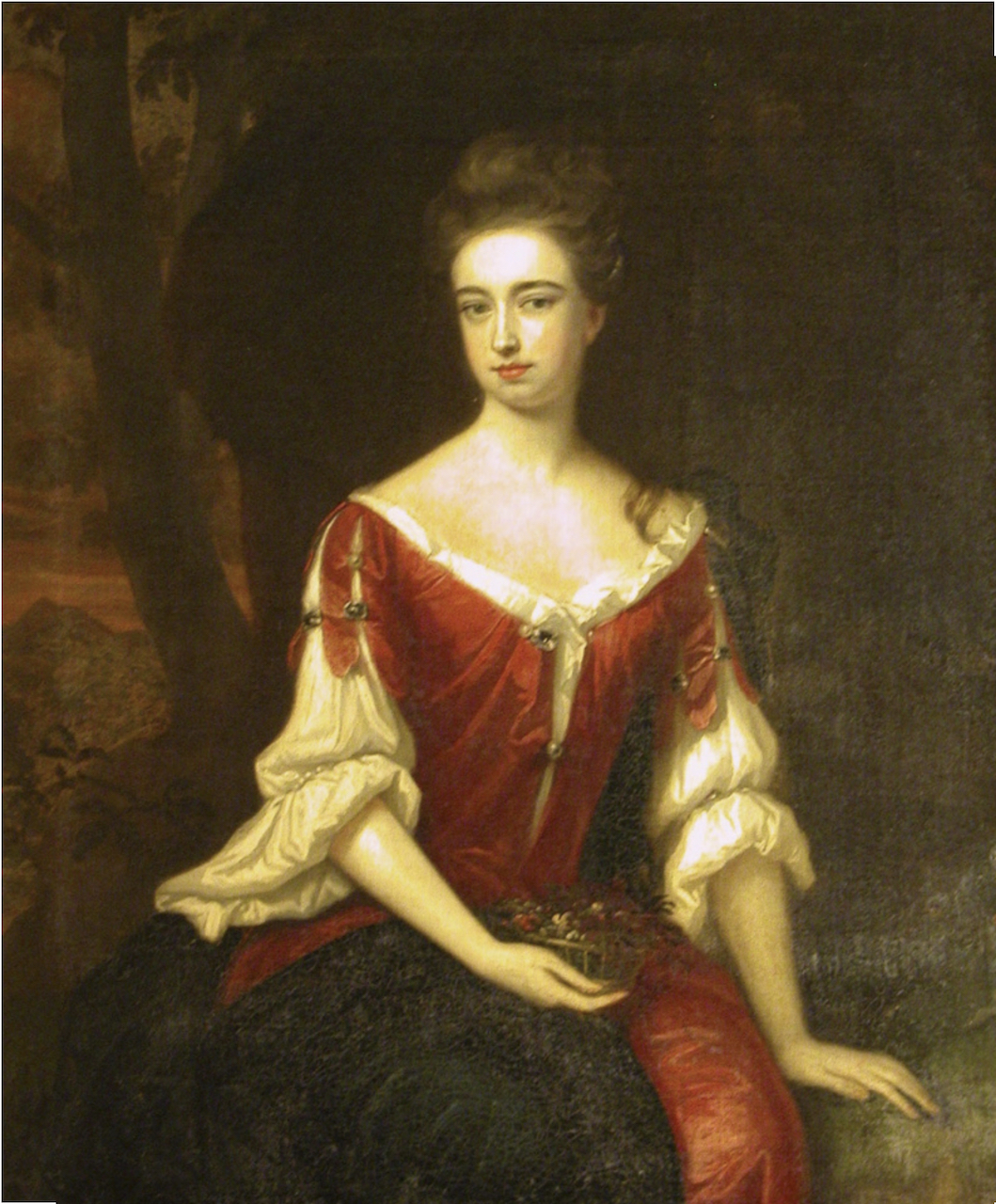
Mary Somerset (1665-1733), Duchess of Ormond, wife of James Butler 2nd Duke of Ormond (1665-1745), painted by Michael Dahl. Photograph © Jennifer Winder-Baggot, www.irishhistorichouses.com
Lady Mary Somerset, Duchess of Ormonde (1665-1733) by Michael Dahl (Stockholm 1656/9 ? London 1743), 1690s. Three-quarter-length portrait, of a young woman, seated, full front, her head three-quarters left. She is wearing a deep brown-gold dress, blue lined and is holding a rose in her right hand. A bottle green curtain is to the right and an arcade in the left background.
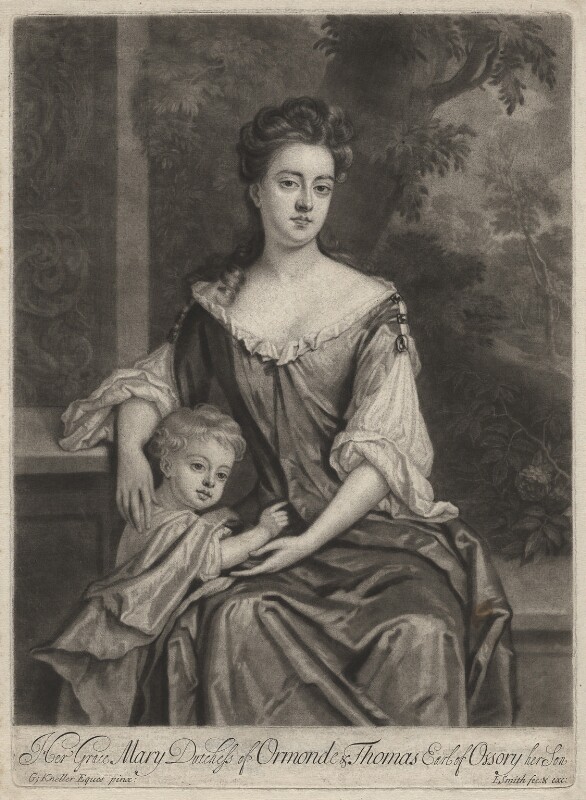
Mary Butler née Somerset (1665-1733) Duchess of Ormonde, Engraver John Smith, After Godfrey Kneller.
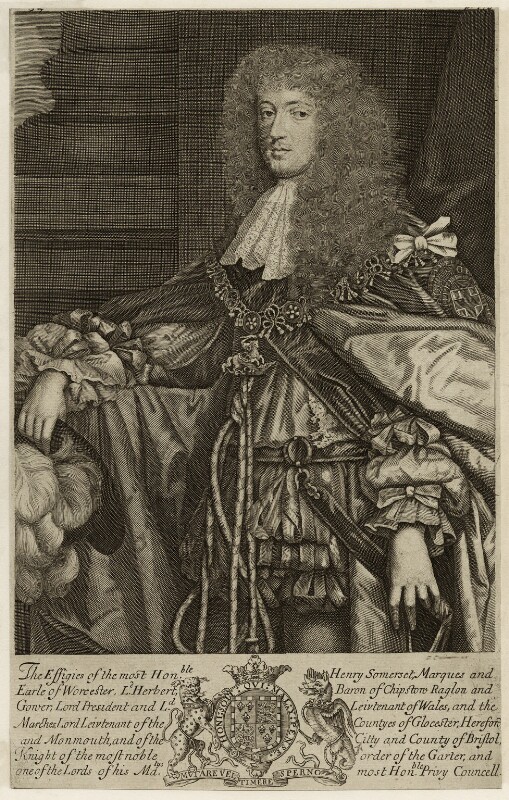
Henry Somerset (1629-1700) 1st Duke of Beaufort by Robert White, after Sir Godfrey Kneller, Bt, NPG D28194.
Mary Isabella Manners née Somerset, Duchess of Rutland, daughter of Charles Somerset 4th Duke of Beaufort and Elizabeth Berkeley, wife of Charles Manners, 4th Duke of Beaufort, Vice Regent of Ireland. Photograph © Jennifer Winder-Baggot, www.irishhistorichouses.com
Mary Sackville (1637-1678) Countess of Orrery later Viscountess Shannon (d.1714) by Godfrey Kneller courtesy of National Trust Knole. She was the wife of Roger Boyle, 2nd Earl of Orrery.
Charlotte née Seymour (1835-1903) Countess Spencer, wife of John Poyntz Spencer 5th Earl Spencer, by John Leslie, 1860. She was the daughter of Frederick Charles William Seymour. Photograph © Jennifer Winder-Baggot, www.irishhistorichouses.com
Thomas Southwell (1610-1680), 1st Baron Southwell by Balthazar Denner. He lived in Castle Matrix, County Limerick.
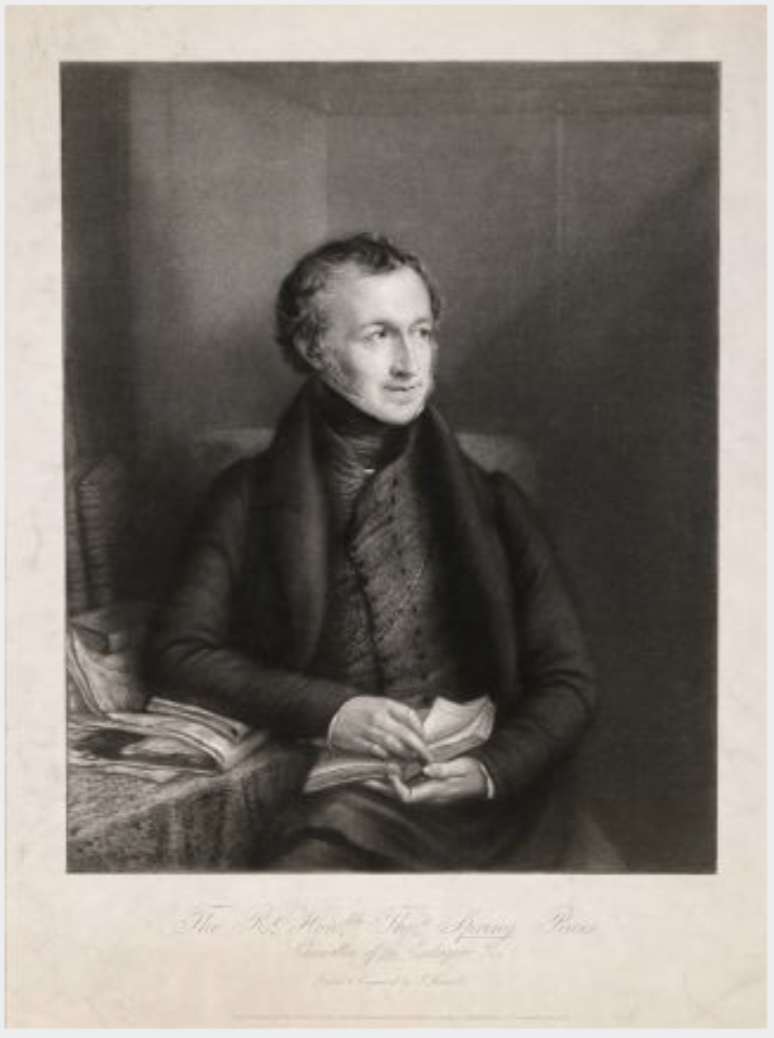
Thomas Spring-Rice (1760-1866), Chancellor of the Exchequer and later 1st Baron Monteagle, photograph courtesy of National Gallery of Ireland.
Thomas Spring-Rice (1849-1926) 2nd Baron Monteagle by Charles Wellington Furse, photograph courtesy of National Gallery of Ireland.
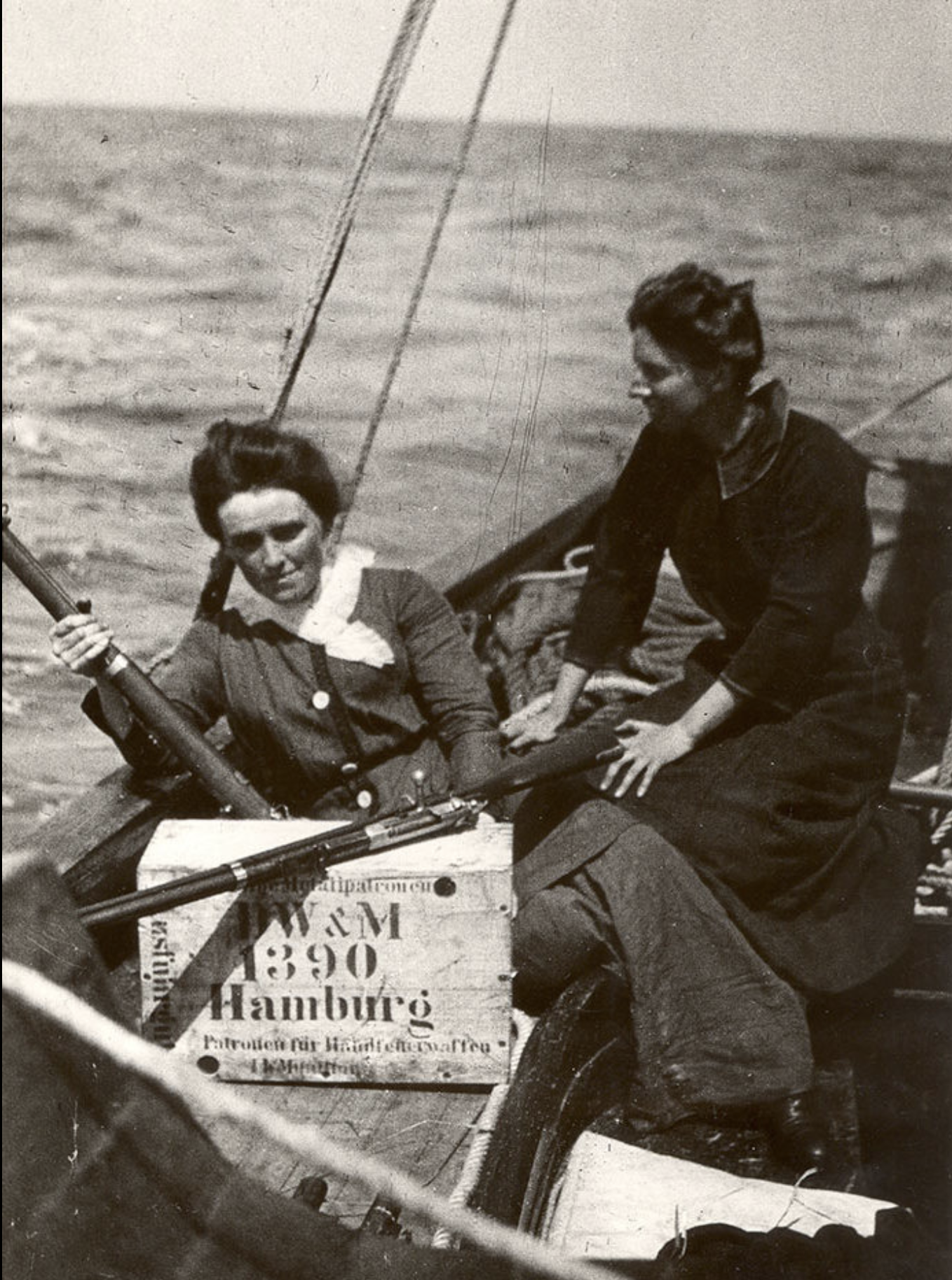
Mary Spring Rice (1880-1924) and Molly Childers aboard the Asgard during the Howth gun-running.
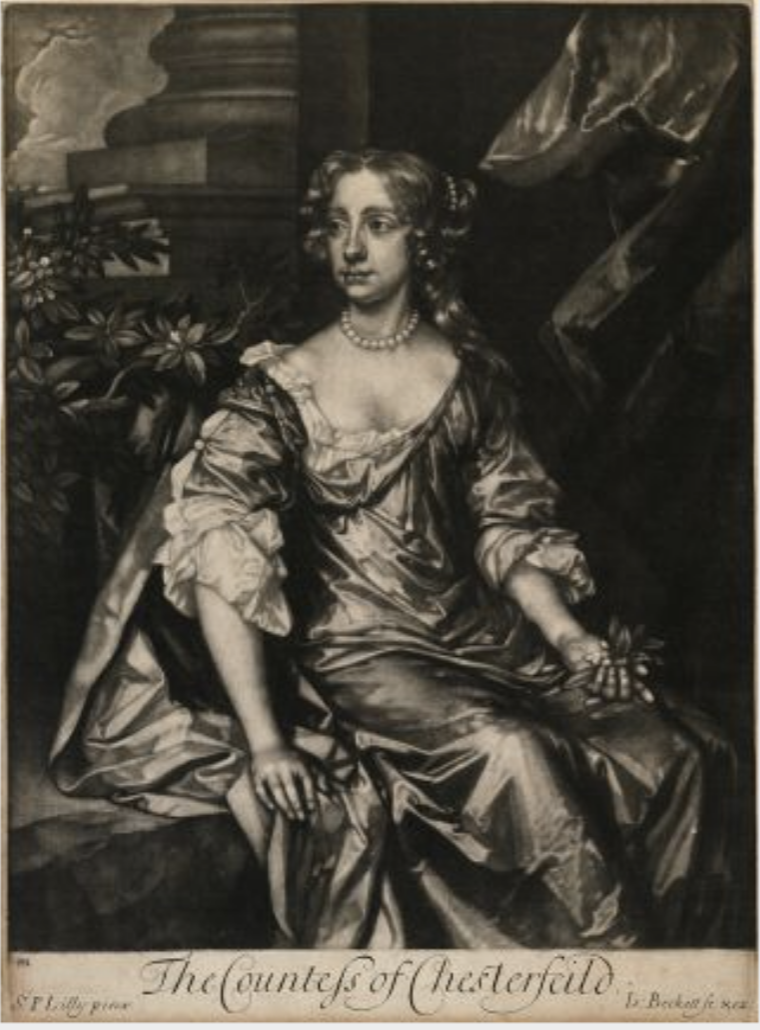
Elizabeth Stanhope née Butler (1640-1665), daughter of the 1st Duke of Ormonde and 2nd wife of Philip Stanhope 2nd Earl of Chesterfield Date: 1681/1688 Engraver: Isaac Beckett, English, c.1653-c.1715/19 After Peter Lely, Dutch, 1618-1680, courtesy of National Gallery of Ireland.
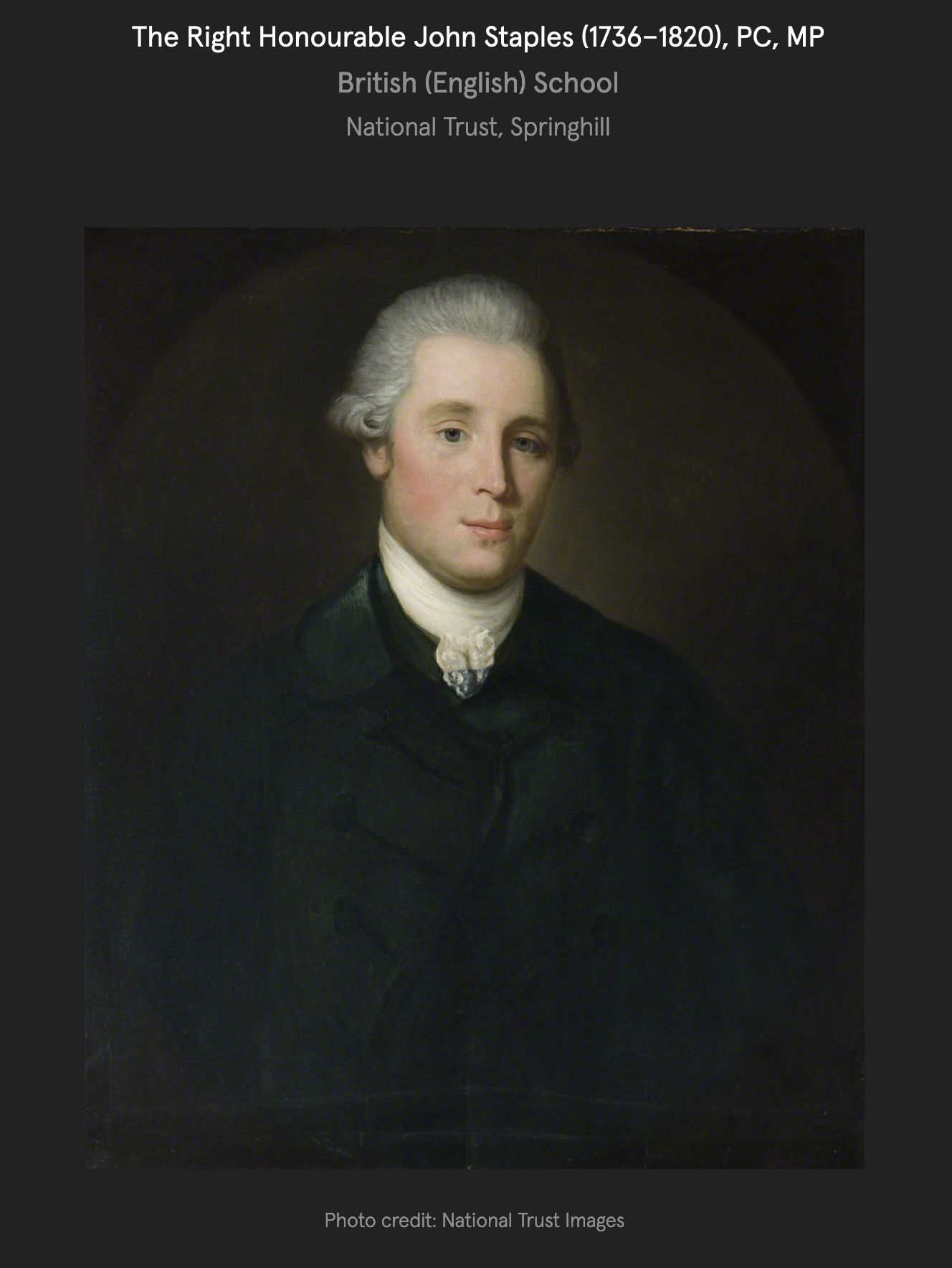
John Staples (1736-1820), of Lissan, County Tyrone, courtesy of National Trust. Springhill, County Derry.
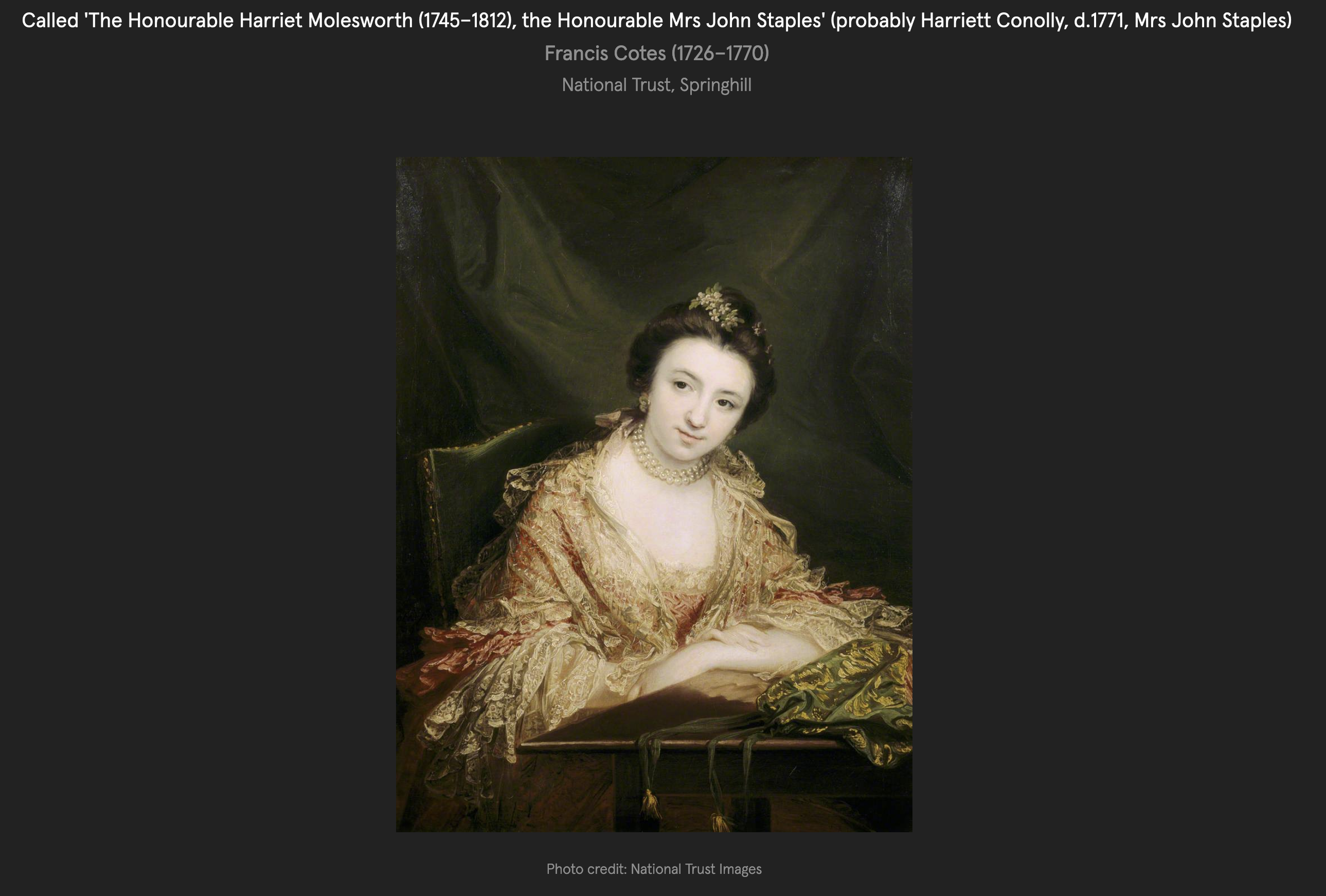
Portrait called The Honourable Harriet Molesworth (1745-1812), wife of John Staples (1736-1820) (probably Harriet Conolly, d. 1771), by Francis Cotes, courtesy of National Trust. Springhill, County Derry.
Grace Louisa Staples (1779-1860) Marchioness of Ormonde by John Saunders. She was the wife of James Wandesford Butler, 1st Marquess of Ormonde, and daughter of John Staples (1736-1820) of Lissan, County Tyrone.
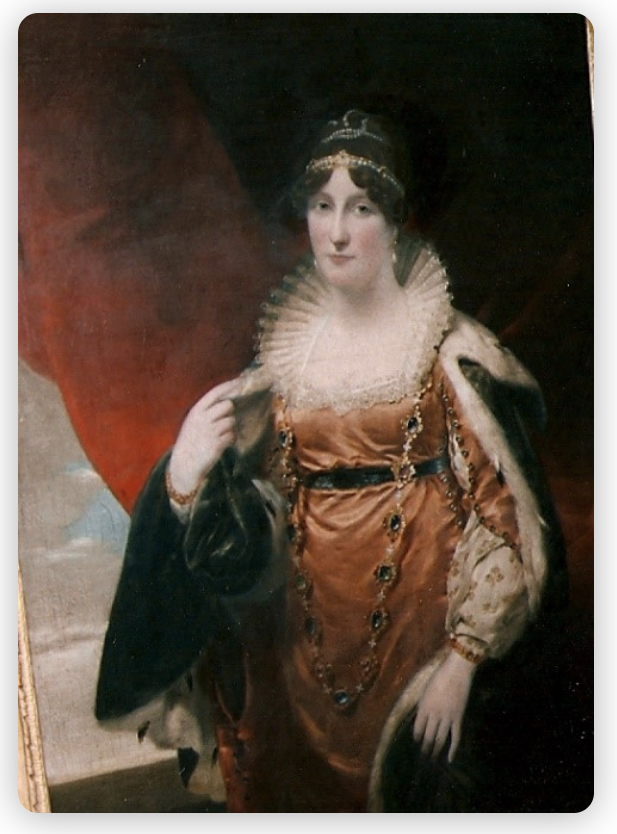
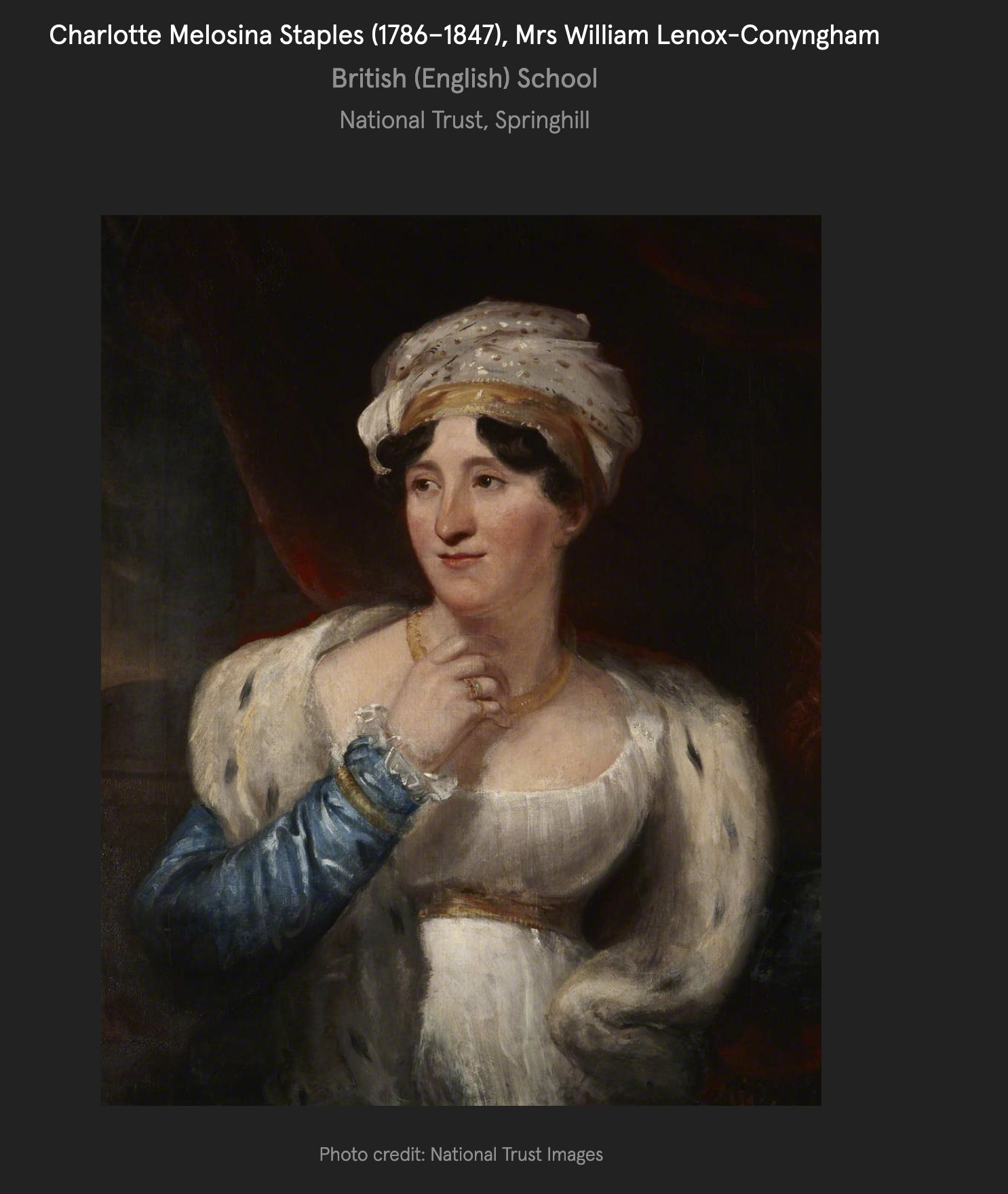
Chalotte Melosina Staples (1786-1847), wife of William Lenox-Conyngham (1792-1858), daughter of John Staples (1736-1820) of Lissan, County Tyrone, courtesy of National Trust. Springhill, County Derry.
Louisa Anne Pakenham née Staples (1770-1833) and her sister Henrietta Margaret Trench née Staples (1770-1847) Countess of Clancarty (c.1770-1847) by Hugh Douglas Hamilton. Louisa was married to Thomas Pakenham (1757-1836) and Henrietta was married to Richard Power Keating Le Poer Trench (1767-1837) 2nd Earl of Clancarty. Their father was John Staples (1736-1820) of County Tyrone, and their mother was Harriet Conolly (1739-1771) of Castletown House, County Kildare. Photograph © Jennifer Winder-Baggot, www.irishhistorichouses.com
Robert Staples (1772-1832) 8th Baronet, of Springhill, County Derry and Lissan, County Tyrone, courtesy of National Trust. Springhill, County Derry.
Charles Stewart Parnell’s mother Delia. She was an American, daughter of the famous “Old Ironsides,” Admiral Charles Stewart.
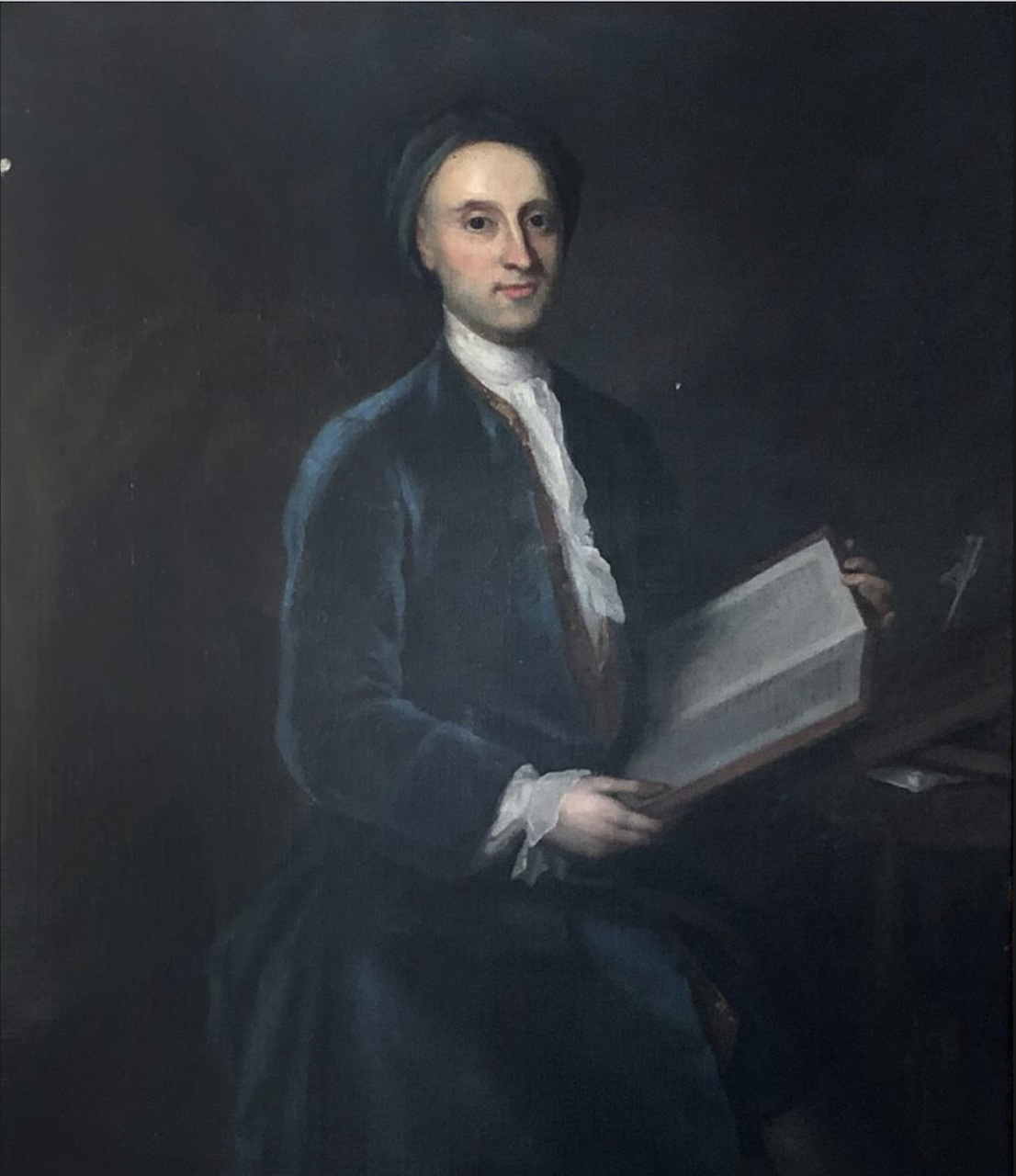
William Stewart of Killymoon (1710-1797), British (Irish) School, mid 18th century, inscribed. Oil painting on canvas, A half-length portrait, wearing a gold trimmed blue coat.
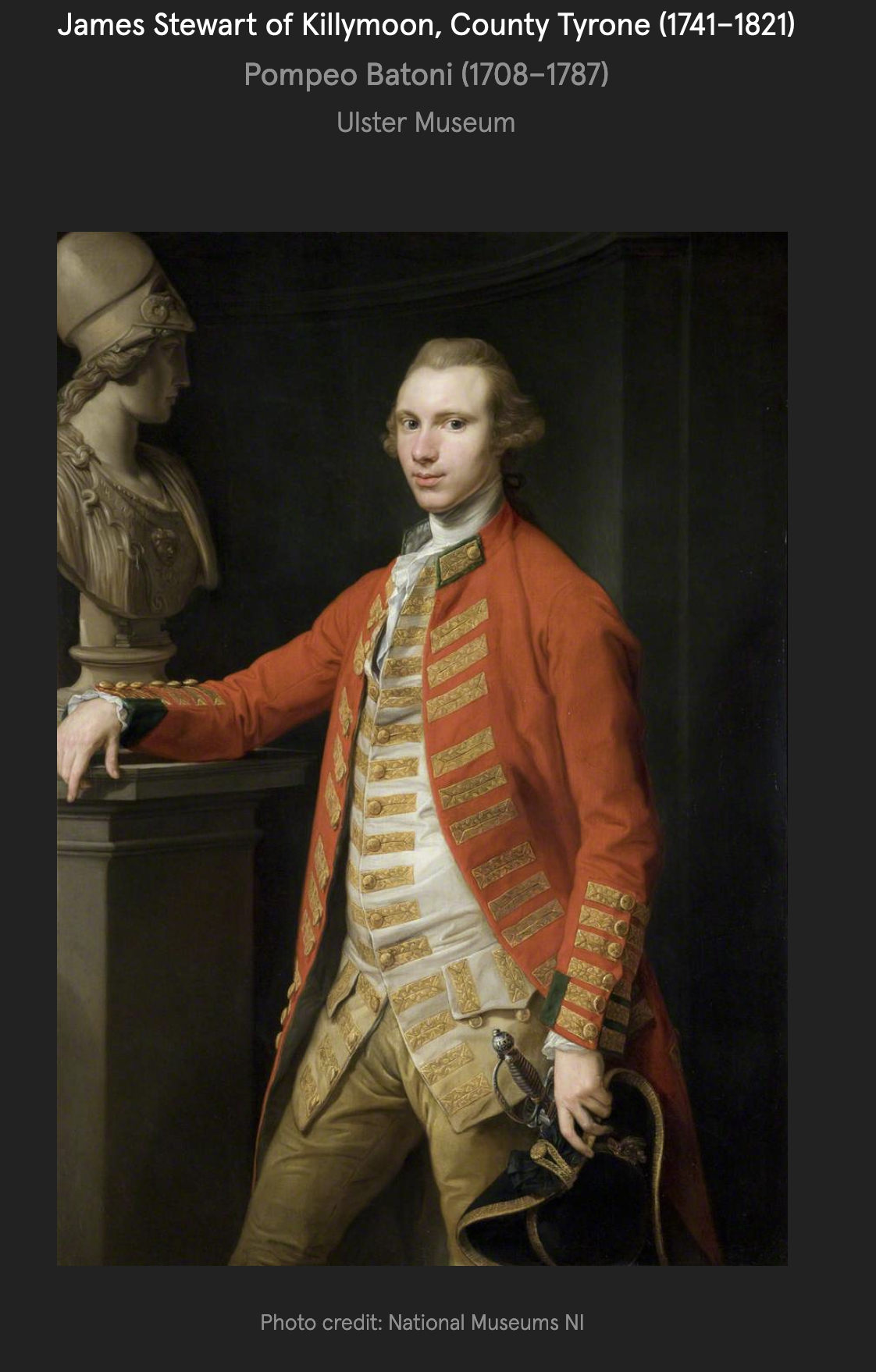
James Stewart (1741-1821) of Killymoon, County Tyrone, by Pompeo Batoni, courtesy of Ulster Museum. He was a son of William Stewart of Killymoon (1710-1797).
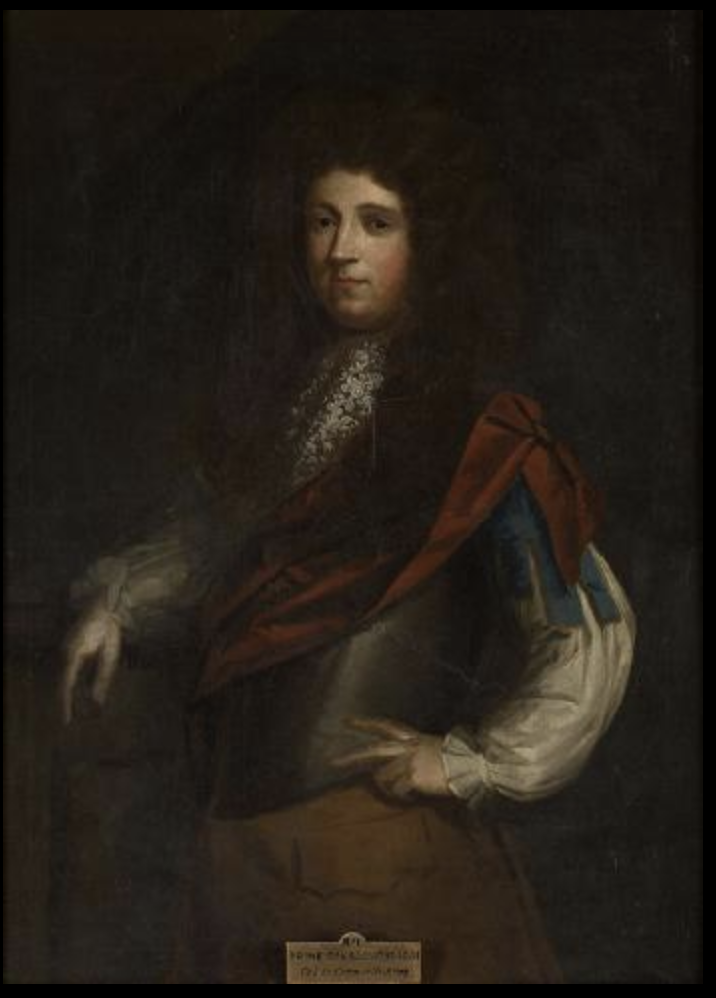
Alexander Stewart (1699/1700-1781) of Ballylawn, by Andrea Soldi, courtesy of National Trust, Mount Stewart.

Alexander Stewart (1699/1700-1781) and his wife, Mary Cowan, bought a large area of land in County Down in 1744, part of which became Mount Stewart demesne.

Oil painting on canvas, Alexander Stewart of Mount Stewart (1700-1781), school of Sir Godfrey Kneller (Lubeck 1646/9 – London 1723). A half-length portrait of Alexander Stewart, father of the 1st Marquess of Londonderry, facing the viewer, with his head turned slightly to the right, wearing a red coat and a cravat over a gold-embroidered jacket. By Unknown author – https://www.artuk.org/discover/artworks/alexander-stewart-of-ballylawn-17001781-132900, Public Domain, https://commons.wikimedia.org/w/index.php?curid=72556779
Mary Cowan (1713-1788) who married Alexander Stewart, by Andrea Soldi, courtesy of National Trust, Mount Stewart.
Robert Stewart (1739-1821) later 1st Marquess Londonderry, by Anton Raphael Mengs, courtesy of National Trust, Mount Stewart. He was the son of Alexander Stewart (1700-1781) of Ballylawn and Mary née Cowan.
Oil painting on paper laid down on canvas, A Conversation Piece with Robert, 1st Marquess of Londonderry (1739-1821), his Second Wife, Frances (1750-1833), their Son Charles William (1778-1854), and their Four Younger Daughters, Selina, Matilda, Emily Jane and Octavia by Thomas Robinson (Windermere before 1770 – Dublin 1810), 1803-08. The daughters shown are Lady Selina Stewart, later Lady Selina Kerr (d.1871), Lady Emily Jane Stewart, Viscountess Hardinge (1789-1865), Lady Octavia Catherine Stewart, later Baroness Ellenborough (d.1819) and Lady Matilda Stewart, later Lady Matilda Ward (d.1842). Their elder three daughters Georgiana (d. 1804), Caroline (1865) and France Anne (1777 – 1810) are not present.
Alexander Stewart of Ards, brother of 1st Marquess Londonderry, by Pompeo Batoni, courtesy of National Trust, Mount Stewart. He was the son of Alexander Stewart (1700-1781) of Ballylawn and Mary née Cowan.
Robert Stewart (1769-1822) Viscount Castlereagh, later 2nd Marquess of Londonderry, by Hugh Douglas Hamilton, courtesy of National Trust, Mount Stewart.
Amelia Anne Hobart (1772-1829) wife of Robert Stewart, 1st Viscount Castlereagh, by Thomas Lawrence, courtesy of National Trust Mount Stewart.
Charles William Stewart (later Vane) (1778-1854), later 3rd Marquess of Londonderry, in Garter Robes, by James Godsell Middleton, courtesy of National Trust, Mount Stewart. He was the half-brother of Robert Stewart (1769-1822) Viscount Castlereagh.
Painting by Thomas Lawrence of Catherine Bligh, daughter of 3rd Lord Darnley, with her son Frederick Wililam Robert, who became 4th Marquess of Londonderry. Mount Stewart, County Down, June 2023. She married Charles William Stewart (later Vane) (1778-1854), later 3rd Marquess of Londonderry. Photograph © Jennifer Winder-Baggot, www.irishhistorichouses.com
Frances Anne (1800-1865) Marchioness of Londonderry, and her son George Henry (1827-1828) Viscount Seaham, by Thomas Lawrence, courtesy of National Trust, Mount Stewart. She married Charles Stewart later Vane, 3rd Marquess of Londonderry.
Elizabeth Jocelyn (1813-1884), Marchioness of Londonderry, formerly Viscountess Powerscourt, by James Rannie Swinton, courtesy of Mount Stewart National Trust. She was married to the 6th Viscount Powerscourt. She was the daughter of Robert Jocelyn 3rd Earl of Roden. After her husband’s death she married Frederick William Robert Stewart, 4th Marquess of Londonderry, of Mount Stewart, County Down.
Anna Stewart (née Garner), of Lisburn Co. Down, Second Wife of William Stewart of Wilmont, by Nathaniel Hone, courtesy of Shepphards auctions.
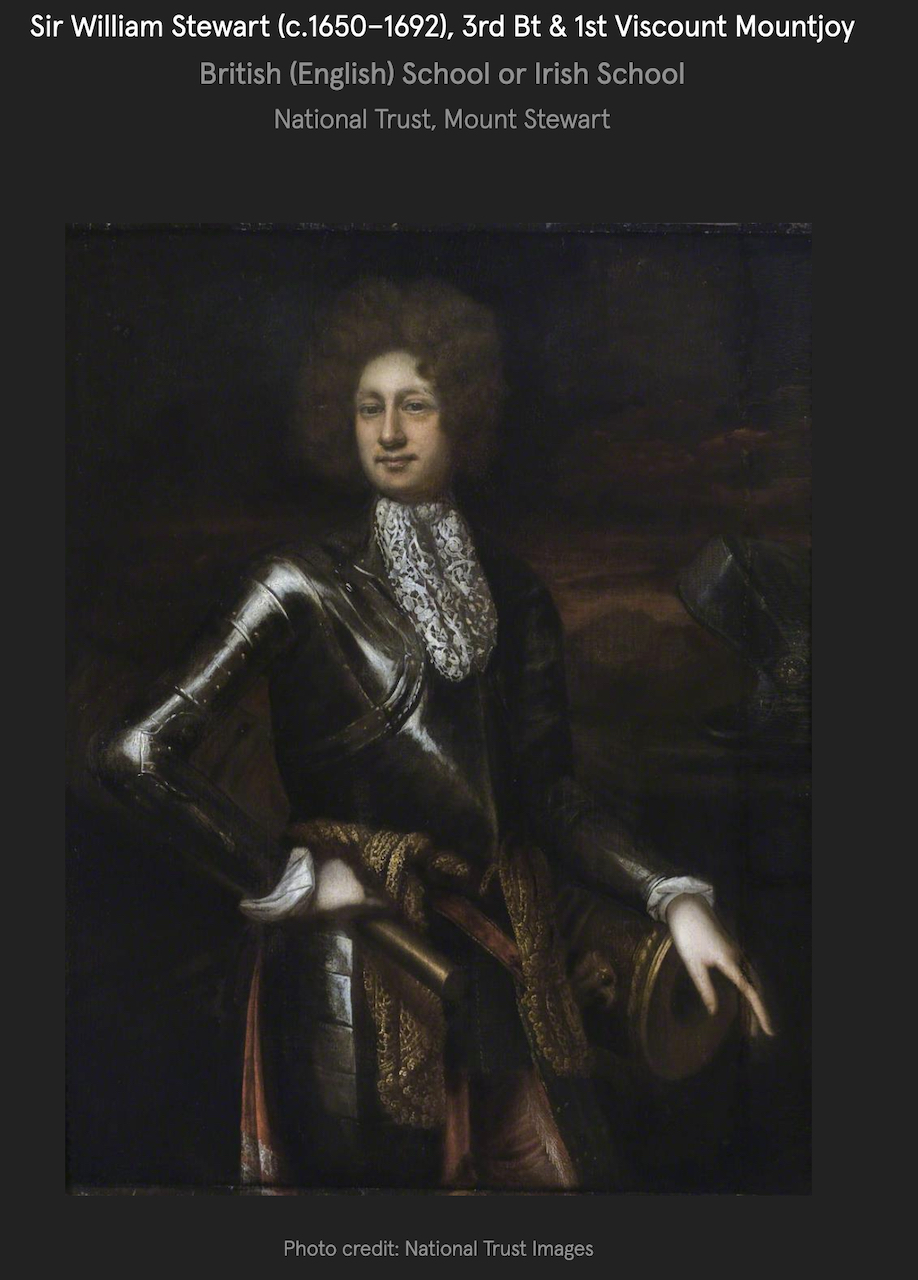
William Stewart (c. 1650-1692) 3rd Bt and 1st Viscount Mountjoy courtesy of National Trust Mount Stewart.
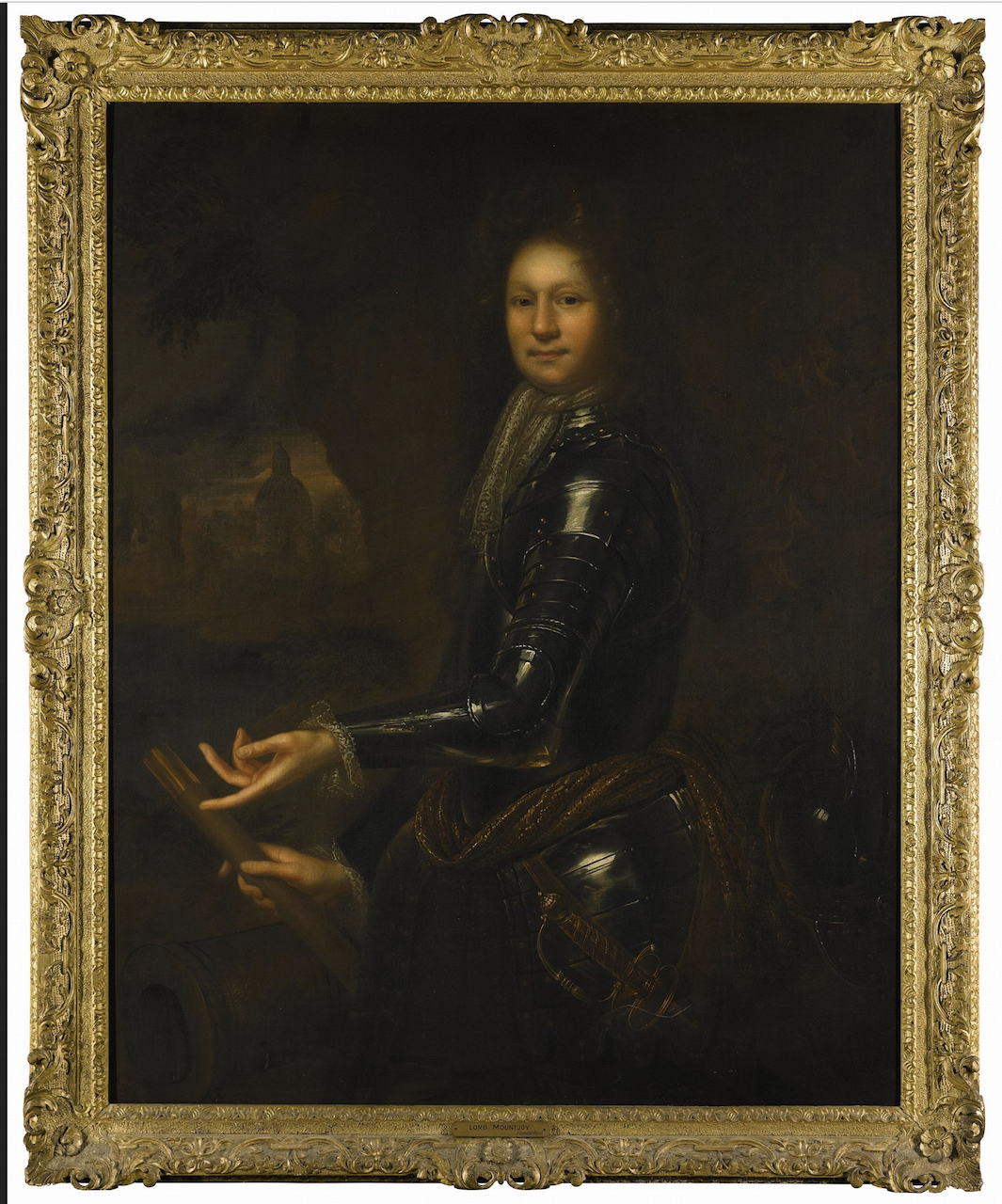
William Stewart (c. 1650-1692) 3rd Bt and 1st Viscount Mountjoy.
Anne Boyle (1700-1742) 2nd Lady Mountjoy, wife of William Stewart 2nd Viscount Mountjoy by Garrett Morphy Adams auction 19 Oct 2021. She was the daughter of Murrough Boyle, 1st Viscount of Blessington.
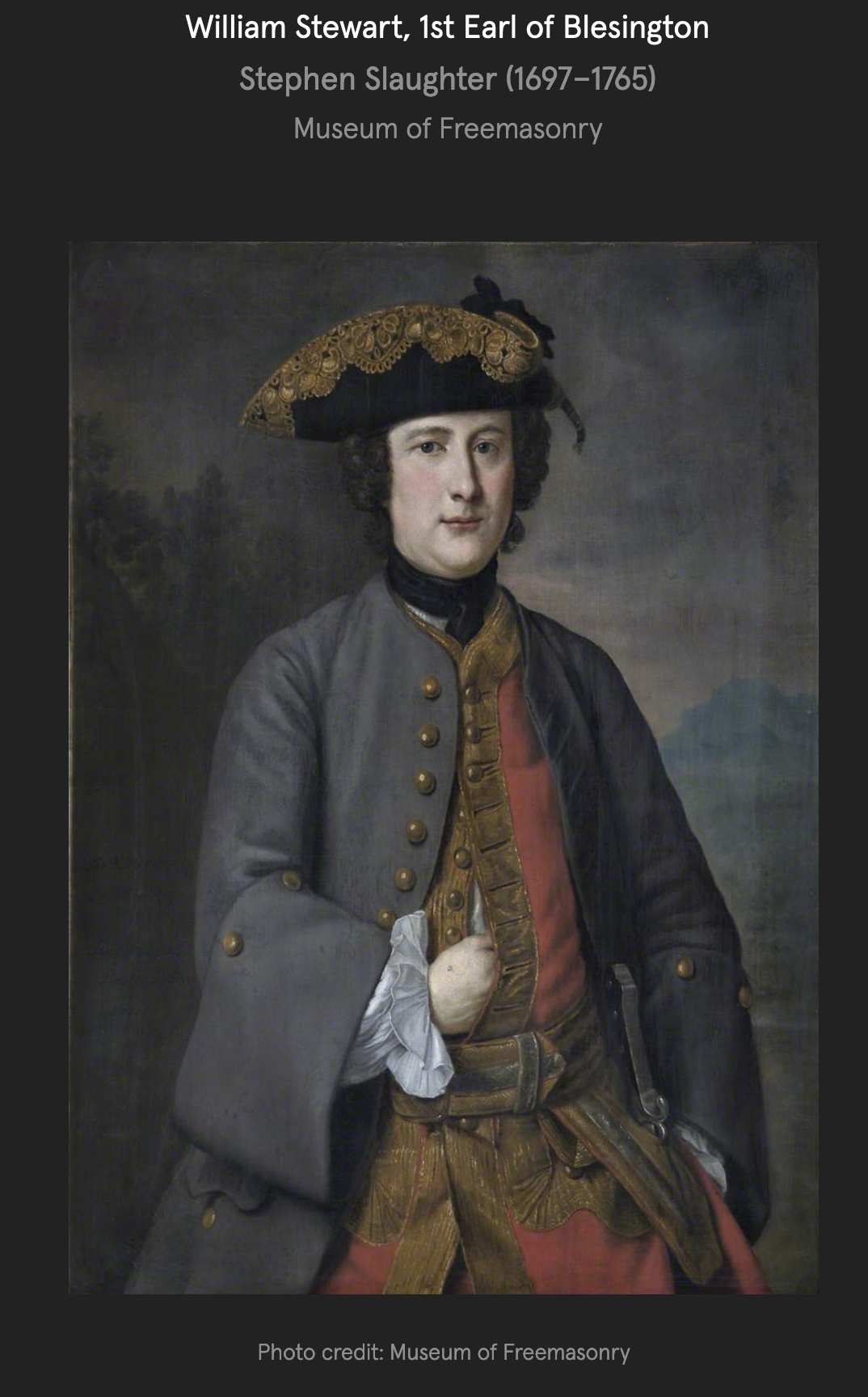
William Stewart (1709-1769) 1st Earl of Blesington by Stephen Slaughter courtesy of Museum of Freemasonry. He was the son of William Stewart 2nd Earl of Mountjoy and Anne née Boyle.
James Stopford (1794-1858) 4th Earl of Courtown, attributed to Joseph Slater, courtesy of Fonsie Mealy auction. He married Charlotte Albina Montagu Scott.
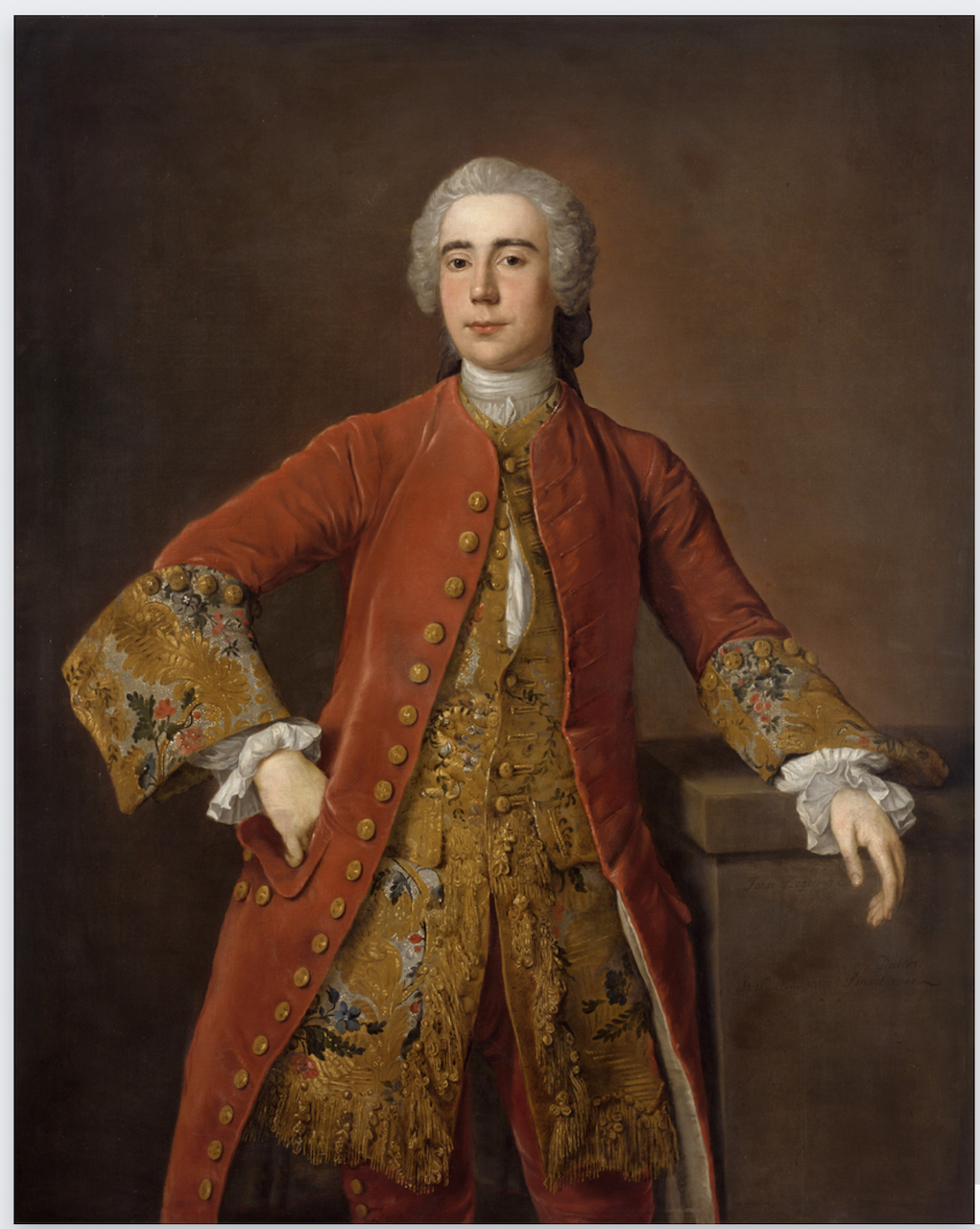
Col. E. Stratford” attributed to Charles Jervas, courtesy Fonsie Mealy Fortgranite auction. It could be Edward Stratford (1663-1740) father of John Stratford (d. 1777) 1st Earl of Aldborough. He lived at Belan, County Kildare.
John Stratford (d. 1777) 1st Earl of Aldborough courtesy of Fonsie Mealy Fortgranite auction. He lived at Belan in County Kildare. He married Martha O’Neale, daughter of Benjamin, Archdeacon of Leighlin and Ferns.
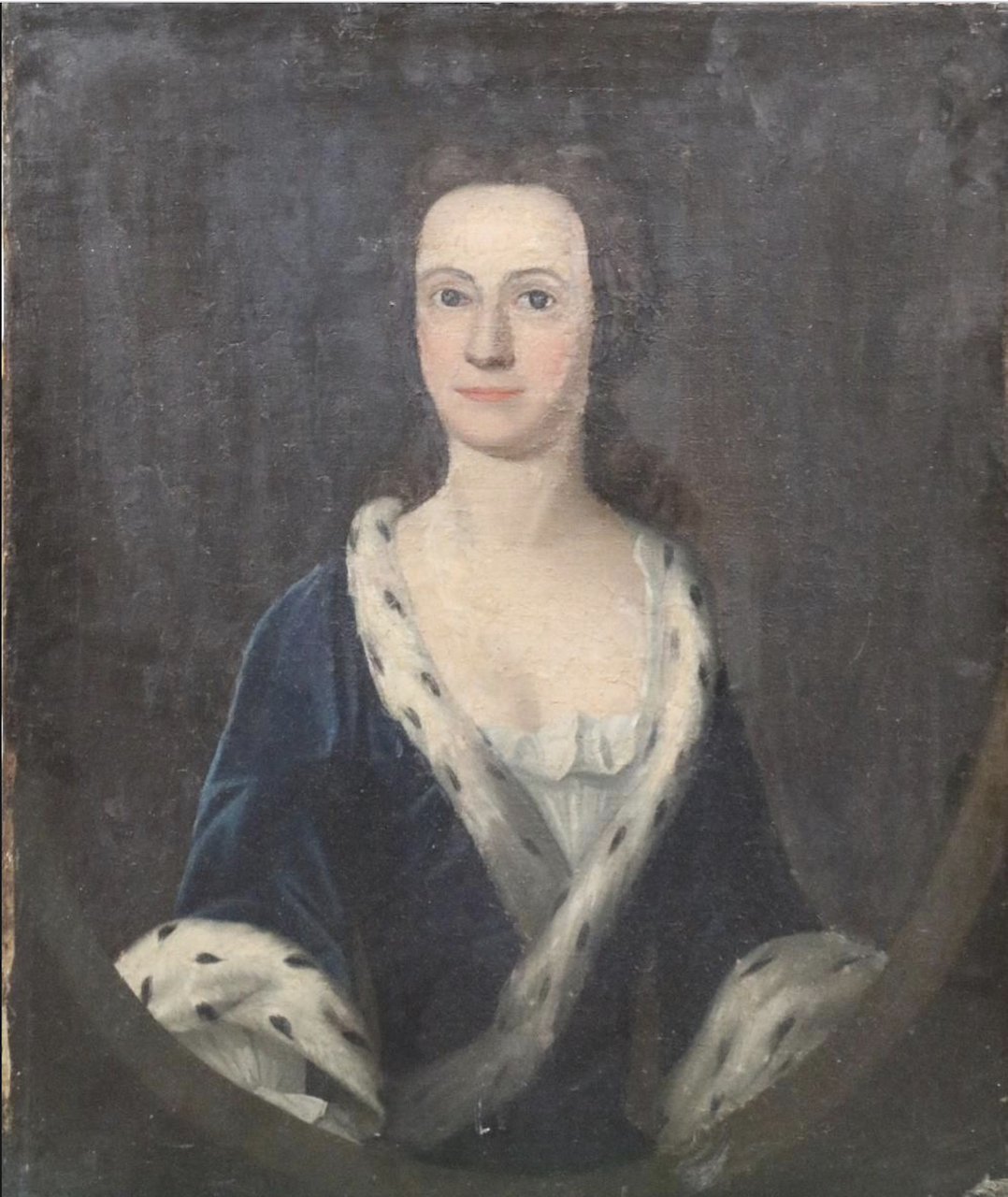
Martha O’Neale, daughter of Benjamin, Archdeacon of Leighlin and Ferns, 1st Countess Aldborough, courtesy of Fonsie Mealy Fortgranite auction.
Martha, Countess of Aldborough courtesy of Fonsie Mealy Fortgranite auction.
Edward Stratford (1736-1801) 2nd Earl of Aldborough in ceremonial robes, and with painted coat of arms, by Philip Hussey courtesy of Fonsie Mealy Fortgranite. He lived in Belan House, County Kildare.
Elizabeth Countess of Aldborough (1759-1811) by Hugh Douglas Hamilton, as Hebe. Elizabeth Hamilton was wife of John Stratford 3rd Earl of Aldborough. She was the daughter of Frederick Hamilton, Dean of Raphoe, County Donegal.
Maria Stratford, daughter of 1st Earl of Aldborough, standing by a tree, landscape in background, wearing full length white silk dress, Attributed to James Latham (1696 – 1747) courtesy Fonsie Mealy Fortgranite.
Archbishop George Stone (1708-1754), Primate of Ireland by Alan Ramsay.
James Stuart (1612-1655) 1st Duke of Richmond and 4th Duke of Lennox, son of King Charles II.
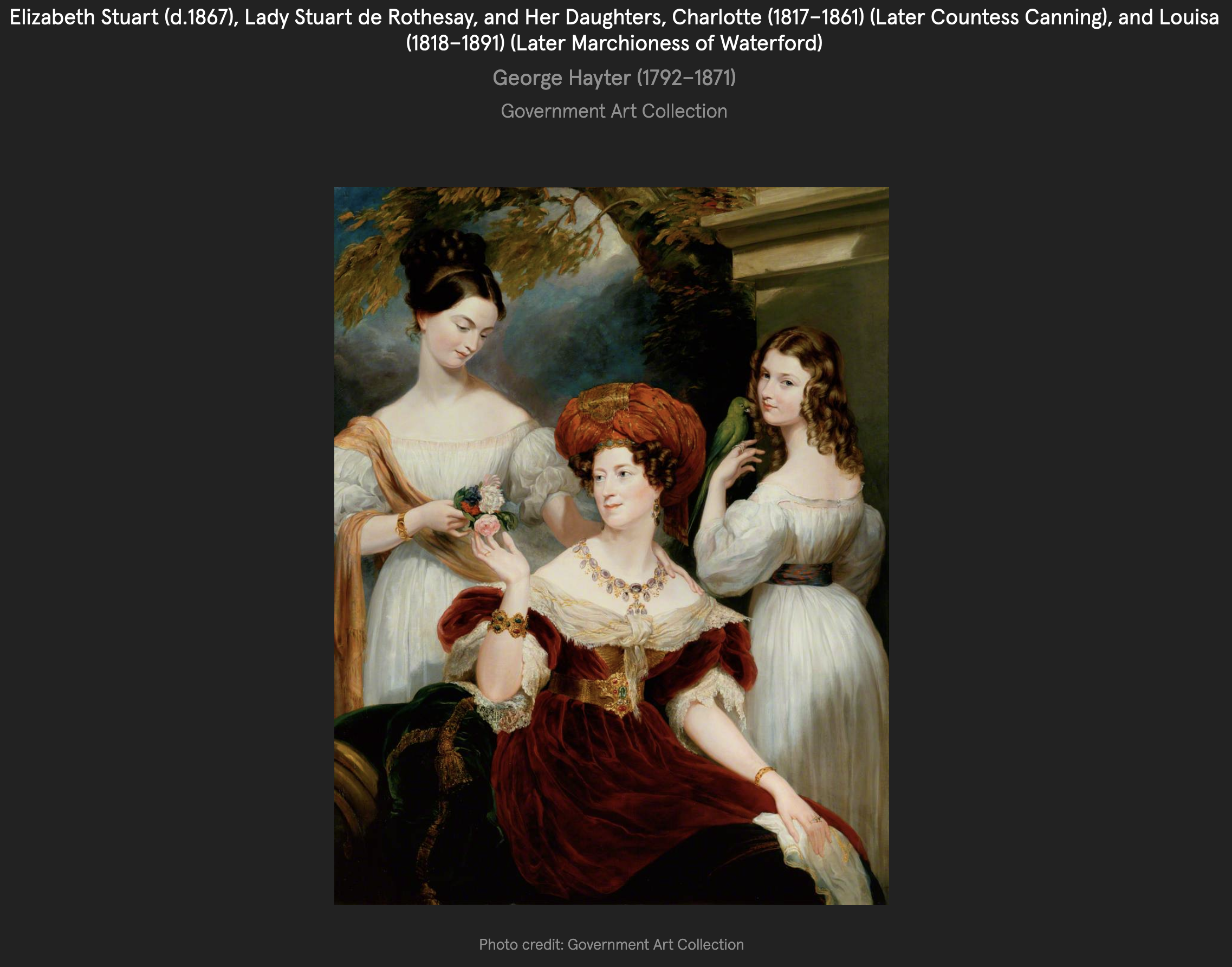
Elizabeth Stuart née Yorke (1789-1867). Lady Stuart de Rothesay, with her daughters Charlotte (1817-1861) and Louisa (1818-1891) by George Hayter, photograph courtesy of UK Government Art Collection. Elizabeth was the daughter of Philip Yorke 3rd Earl of Hardwicke; Louisa married Henry de la Poer Beresford 3rd Marquis of Waterford; Charlotte married Charles John Canning 1st Viceroy of India , 2nd Viscount Canning, 1st Earl Canning.
Louisa Anne Beresford née Stuart (1818-1891) by Sir Francis Grant 1859-1860, NPG 3176. The National Portrait Gallery tells us: “Louisa Stuart was brought up mostly in Paris, where her father was British Ambassador to the French court. She was taught to draw from an early age and art, along with religion and philanthropy, was one of her main interests throughout her life. A gifted amateur watercolourist, she did not exhibit at professional galleries until the 1870s. With a strong interest in the welfare of the tenants on her Northumberland estate, she rebuilt the village of Ford. She provided a school and started a temperance society in the village. Her greatest artistic achievement was the decoration of the new school with life sized scenes from the Old and New testaments that used children and adults from the village as models.”
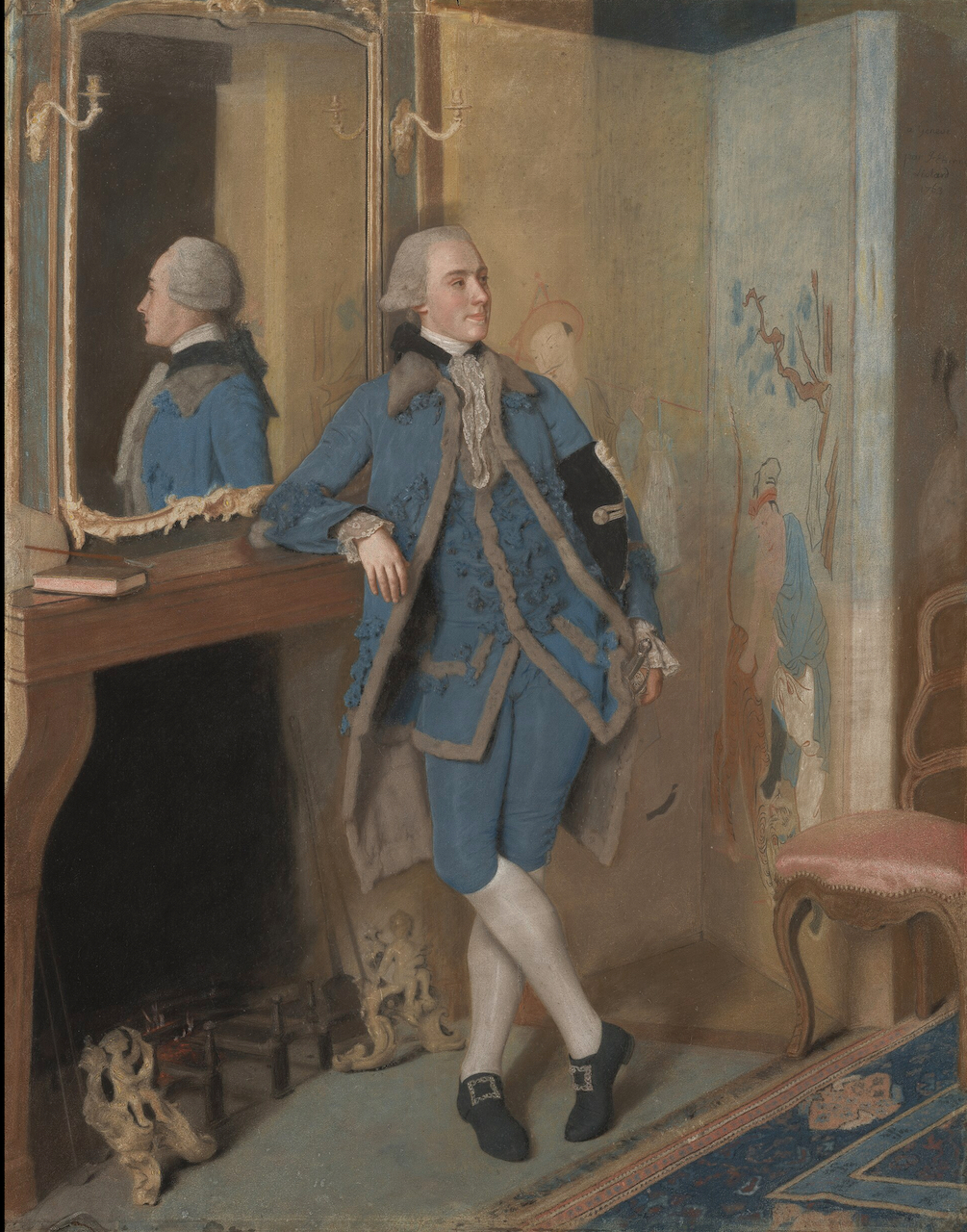
John Stuart (1744-1814), Lord Mountstuart, later 4th Earl and 1st Marquess of Bute by Jean Etienne Liotard, 1763.
Lady Mary Wortley Montagu (1718-1794), Wife of John Patrick Crichton Stuart 3rd Earl of Bute, print after Christian Friedrich Zincke, 1830s, courtesy of National Portrait Gallery of London, NPG D34619.
Caroline née Sutherland Leveson Gower (1827-1887), wife of 4th Duke of Leinster, courtesy of National Gallery of Ireland.
Late 16th / Early 17th Century English School “Mrs. William Swifte” courtesy Fonsie Mealy Fortgranite auction.

Burke’s Landed Gentry of Ireland tells us that Francis Swifte, son of Henry of Sheffield, County York, was knighted in 1616 and died in 1642. Henry of Sheffield’s other son was Thomas, who was buried in Canterbury Cathedral, who married Margaret, daughter and heir of the Right Rev. Thomas Godwin, Bishop of Bath & Wells. Many generations of Swift after him had the forename “Godwin.” Thomas and Margaret had a son William, born in 1566, who was Rector of Herbaldown and who married Mary Philpott.

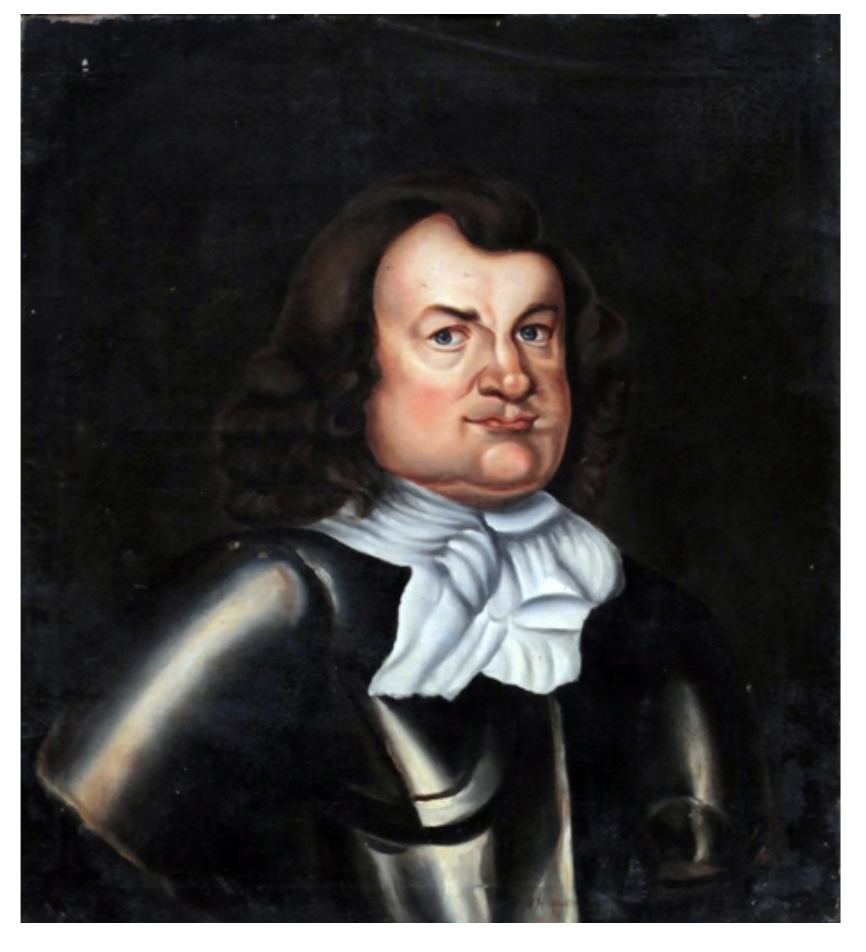
17th Century English School “Portrait of a Gentleman in Armour, Sir Francis Swifte,” courtesy Fonsie Mealy Fortgranite auction. Probably Francis Swifte, son of Henry of Sheffield, County York, was knighted in 1616 and died in 1642.
Reverend Thomas Swifte, 17th Century Irish School. He was born in Canterbury in 1561, and married Margaret, daughter and heir of the Right Rev. Thomas Godwin, Bishop of Bath & Wells. He was the son of Henry Swifte; courtesy of Fonsie Mealy’s Fortgranite auction. Many generations of Swift after him had the forename “Godwin.”
Late 16th / early 17th Century English School, “Right Reverend Thomas Godwin, courtesy Fonsie Mealy Fortgranite auction.

Thomas and Mary’s son Reverend Thomas (1595-1658) of Goodrich, Herefordshire, England, and Bristow, was ancestor of the Irish Swift family of Swiftsheath and Lionsden. He was devoted to King Charles I and the son of Charles I who was to become King Charles II.

Thomas married Elizabeth Dryden (c. 1605-1658). They had many children, many of whom lived in Ireland. His son Jonathan (d. 1667) was a solicitor in Dublin, who married Abigail Erick of County Leicester, and they had a son, born after his death in Hoey’s Court, Dublin, right next to Dublin Castle, in 1667, also named Jonathan, the famed writer, Dean of St Patrick’s Cathedral in Dublin. He wrote many anecdotes about his grandfather in his manuscript The Family of Swift which is preserved in the library at Trinity College, Dublin (I must go to see it!). He died in 1745.

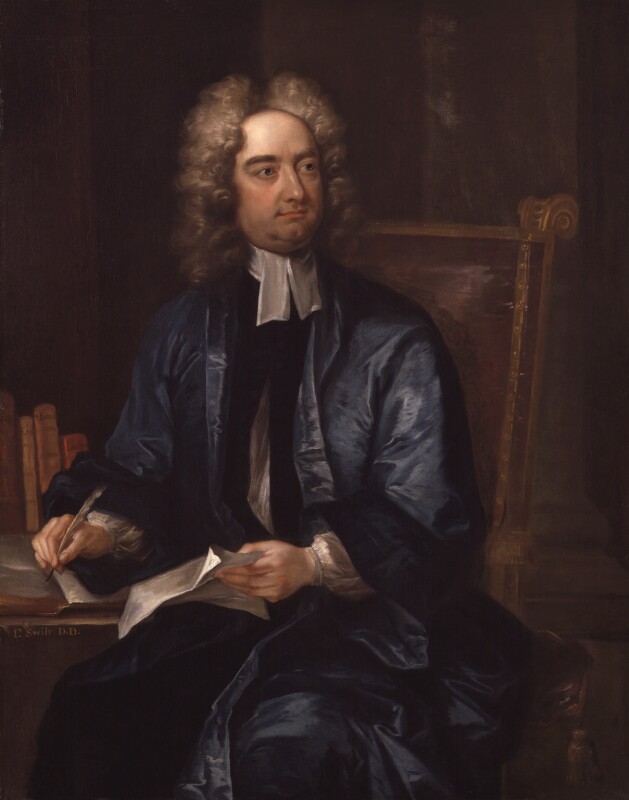
Jonathan Swift (1667-1745) by Charles Jervas circa 1718, National Portrait Gallery in London, 278.
Portrait of Dean Swift attributed to Rupert Barber (1719-1772), courtesy of Adam’s auction 12 May 2013. This must be Jonathan Swift who died in 1745, Dean of St. Patrick’s Cathedral.
Portrait of Stella courtesy of Adam’s auction 12 May 2013, attributed to Rupert Barber (1719-1772).
“Portrait of Esther Johnson (Stella),” Late 18th / Early 19th Century after James Latham (1696 – 1747) courtesy of Fonsie Mealy Fortgranite sale.

Reverend Thomas Swift (1595-1658) had another son, Godwin Swift (d. 1695), who was Attorney-General to the Duke of Ormonde, and married four times. Geoffrey Marescaux tells us that Godwin Swift paid the famous Jonathan Swift’s school fees. His heir was child of his second wife, Katherine Webster, Godwin Swift (1672-1739), later of Dunbrow, County Dublin and Swiftsheath, County Kilkenny. For information on Swiftsheath, see https://kilkennyarchaeologicalsociety.ie/wp-content/uploads/2021/03/OKR1978-356-Geoffrey-Marescaux-Swiftes-Heath.pdf

Godwin Swift (1672-1739) married his cousin, Elizabeth, who was daughter of another son of Reverend Thomas Swift Vicar at Goodrich and Elizabeth née Dryden, William, who had land in Carlow, Kilkenny, Leitrim and Roscommon.

Godwin Swift (1672-1739) and Elizabeth had a son Godwin who inherited Swiftsheath and also owned Tidenton, County Kilkenny. He married a cousin, Elizabeth Swift, who was daughter of Deane Swift (c. 1674-1714) of Castle Rickard, County Westmeath. Deane Swift (c. 1674-1714) was another son of Godwin Swift Attorney-General to the Duke of Ormonde, by his 3rd wife, Hannah Deane.

Their son Godwin Swift (c. 1734-1815) lived in Swiftsheath and Lionsden, County Meath. He also married a cousin, Maria Swift, daughter of Deane Swift (c. 1707-1783) and Mary née Harrison, daughter of Theophilus Harrison. To add confusion to the family tree, Theophilus Harrison, Reverend of Clonmacnois, married twice, and one of his wives, Eleanor Meade, daughter of William Meade Lt Col of Ballintober, County Cork, had been previously married to Godwin Swift Attorney-General to the Duke of Ormonde as his fourth wife! Mary Harrison’s mother was Theophilus Harrison’s second wife, Martha Swift – yes, another Swift! She was the daughter of Adam Swift of Greencastle, County Down, who was another son of Thomas Swift Vicar at Goodrich and Elizabeth née Dryden.

Reverend Deane Swifte, 17th Century Irish School, cousin and biographer of Dean Jonathan Swift. This is be Deane Swift (1703-1783), son of Deane Swift of Castle Rickard, County Westmeath. His great grandfather was a Regicide, ie. signed the death warrant of King Charles I, but fortunately died before Charles II was restored to the throne, according to Jonathan Swift!
Admiral Richard Deane (Regicide) 17th Century English School courtesy Fonsie Mealy Fortgranite auction. The Fonsie Mealy site adds: “Note: Major Joseph Deane (Inistiogue, 1661-66), of Crumlin, County Dublin, and Ballicocksoust, County Kilkenny (formerly the estate of Richard Strange), was the youngest son of Edward Deane, of Pinnock, Gloucestershire, by his 2nd wife, Anne Wase, and was born at Pinnock, 2nd February, 1624. His elder brother, Colonel Richard Deane, a leading member of the Republican party, was one of the Judges who sat on the trial of Charles I, and signed the death warrant of the King. Colonel Richard Deane was entrusted with the settlement of Scotland, which he speedily effected by his temperance and sagacity. He was next appointed one of the “Generals at Sea”, having for his colleague the famous Robert Blake, but was killed in action against the Dutch on 2nd June, 1653. He was honoured with a public funeral and buried in Henry VII’s Chapel at Westminster, but in 1661 his body (being that of a Regicide) was exhumed and cast out of the Abbey. Joseph Deane was educated at Winchester School, and entered the Parliamentary Army as Cornet in Rainsborough’s Horse. He volunteered for service in Ireland under Oliver Cromwell, in whose army he held the rank of Major. Under the Act of Settlement he had two grants of land (16th January, 1666, and 22nd June, 1669), comprising 9,324 statute acres, situated in the counties of Meath, Down, and Kilkenny, 3,859 acres being in Kilkenny. He purchased from Richard Talbot (afterwards Earl and Duke of Tyrconnell) the Manor of Terenure, in county Dublin, for œ4,000. He was named on some important committees of the House of Commons, but was fined œ10 for absence on 31st January 1665. In 1664 he paid 4s. hearth money for “Ballicagbsust”. In 1677 he served as High Sheriff of county Dublin. He died 21st December, 1699, having been twice married. By his 1st wife Anne —-, he had one son and two daughters – Joseph, of Crumlin, whose son, Joseph, became Lord Chief Baron of the Exchequer, and died without male issue. (1) Anne, married in May, 1673 (as his 3rd wife), Godwin Swift, Attorney-General to the Duke of Ormonde. (2) Elizabeth, married 1st in May, 1672, Captain Henry Grey; 2nd in July, 1677, Donogh O’Brien, of Lemenagh, County Clare. Major Deane married, 2ndly, in 1659, Elizabeth, daughter of Maurice Cuffe, and sister of Captain Joseph Cuffe, of Castle Inch, elected M.P. for Knocktopher in 1665, and by her, who died 3rd April, 1698, had a son and a daughter – Edward whom hereafter M.P. for Inistiogue; and Dorothy, married Maurice Berkeley, of Glasnevin county Dublin.THE MEMBERS OF PARLIAMENT FOR THE COUNTY, CITY AND BOROUGHS OF KILKENNYBY G.D. BURTCHAELL, M.A., LL.B [Written for the KILKENNY MODERATOR]
Mrs Godwin Swifte of Swifte’s Heath, courtesy of Fonsie Mealy’s Fortgranite sale.

Godwin Swift (c. 1734-1815) of Swiftsheath and Lionsden and his cousin, Maria Swift had another son called Godwin Swift (c. 1779-1814), of Lionsden. This Godwin Swift married yet another cousin, Jane Sophia Swift (1785-1851), in 1803. She was the daughter of Richard Swift (1750-1796) who was the son of John L’Estrange Swift (1709-1793) of Lynn, County Westmeath, who was the son of Meade Swift (1682-1739) of Lynn, County Westmeath, who was the son of Godwin Swift Attorney-General to the Duke of Ormonde and Eleanor née Meade!

Jane Sophia Swift (1785-1851) married secondly, in 1818, Louis Auguste Alexander, Comte Lepelletier de Molende.

Countess Molende née Swift and her granddaughter Luigina de Sadre, Gifted by the artist to W.R. Swifte as a token, as his predecessor Jonathan Swifte served as Rector at Agher Church from 1699 – 1745, courtesy Fonsie Mealy Fortgranite auction.

Godwin Swift (c. 1779-1814), of Lionsden and Jane Sophia Swift (1785-1851) had a son Godwin Meade Pratt Swift (1805-1864) of Swiftsheath and Lionsden.

Identified as “Godwin Pratt Meade Swifte Lord Carlingford (m. MJ Clarke), Leahy, Dixon & Mulvanney, 19th Century Irish School, standing in a landscape by a grey horse with Foulksrath Castle, Co. Kilkenny in the distance”, courtesy of Fonsie Mealy Fortgranite. Godwin Meade Pratt Swift (1805-1864) of Swiftsheath and Lionsden married Mary Jane Clarke of Bansha Castle, County Tipperary. He took the title Viscount Carlingford.
Jane Christina Swifte (1810-1854), the wife of “Chevalier Sergio Demacdo, Minister Plenipotentiary of HM Emperor of Brazil,” Early 19th Century Irish School, courtesy Fonsie Mealy Fortgranite. She was the daughter of Godwin Swift of Lionsden and Jane Sophia.

Godwin called himself Viscount Carlingford, reviving a title created in 1627 for another branch of the Swift family. Godwin also added the “e” back to the end of the name Swift. He married first, Maria Theresa Plankenstern, Baroness de Wetzlar of Austria at Paris in 1830 after the birth of their son Ferdinando. [see https://www.youwho.ie/swifte.html ].

Godwin secondly married Jane Anne Hopkins on 18 Mar 1845 at Liverpool after an non legal
ceremony some years earlier. Godwin returned with his family from the continent in 1845 to take
up residence at Swiftesheath. Jane died at Lionsden, Castle Rickard in 1848 and was buried in the
family vault. Godwin thirdly married Mary Jane Clarke on 4 Feb 1863 at Kilkenny and declared himself a widower. Mary was the daughter of Robert Hare Clarke. Godwin died 4 Jul 1864.

He created a flying machine which he hoisted to the top of Foulkesrathe Castle, which stood on the property of Swiftesheath, but it failed to fly and a butler who was piloting the plane broke a leg in his fall.

Identified as Pratt Swifte, Early 19th Century Irish School, courtesy of Fonsie Mealy Fortgranite sale.
Mrs. Swifte, grandmother of Thomas Dennis courtesy Fonsie Mealy Fortgranite Auction.
19th Century Irish School, Portrait of Mrs. Godwin Swifte courtesy Fonsie Mealy Fortgranite auction. There were so many Godwin Swifts it is hard to identify the sitter.
Godwin Butler Meade Swifte (1864-1923) son of “Viscount Carlingford,” wearing uniform of the High Sheriff of Kilkenny, seated holding a sword, D.L. was the High Sheriff of Kilkenny and later Carlow, and resided at Swifte’s Heath, Co. Kilkenny, courtesy of Fonsie Mealy Fortgranite.
Ernest Godwin Swifte K.C., with a companion painting of Lady Francis Swifte courtesy of Fonsie Mealy Fortgranite sale. He was the son of William Richard Swift (1807-1890), son of Godwin Swift of Lionsden and Jane Sophia.
Lady Francis Swifte,” with a companion painting of Ernest Godwin Swifte K.C., courtesy of Fonsie Mealy Fortgranite sale. Perhaps it is Ernest Godwin’s sister Julia Frances Swift, who did not marry.

Portraits Q-R

Q

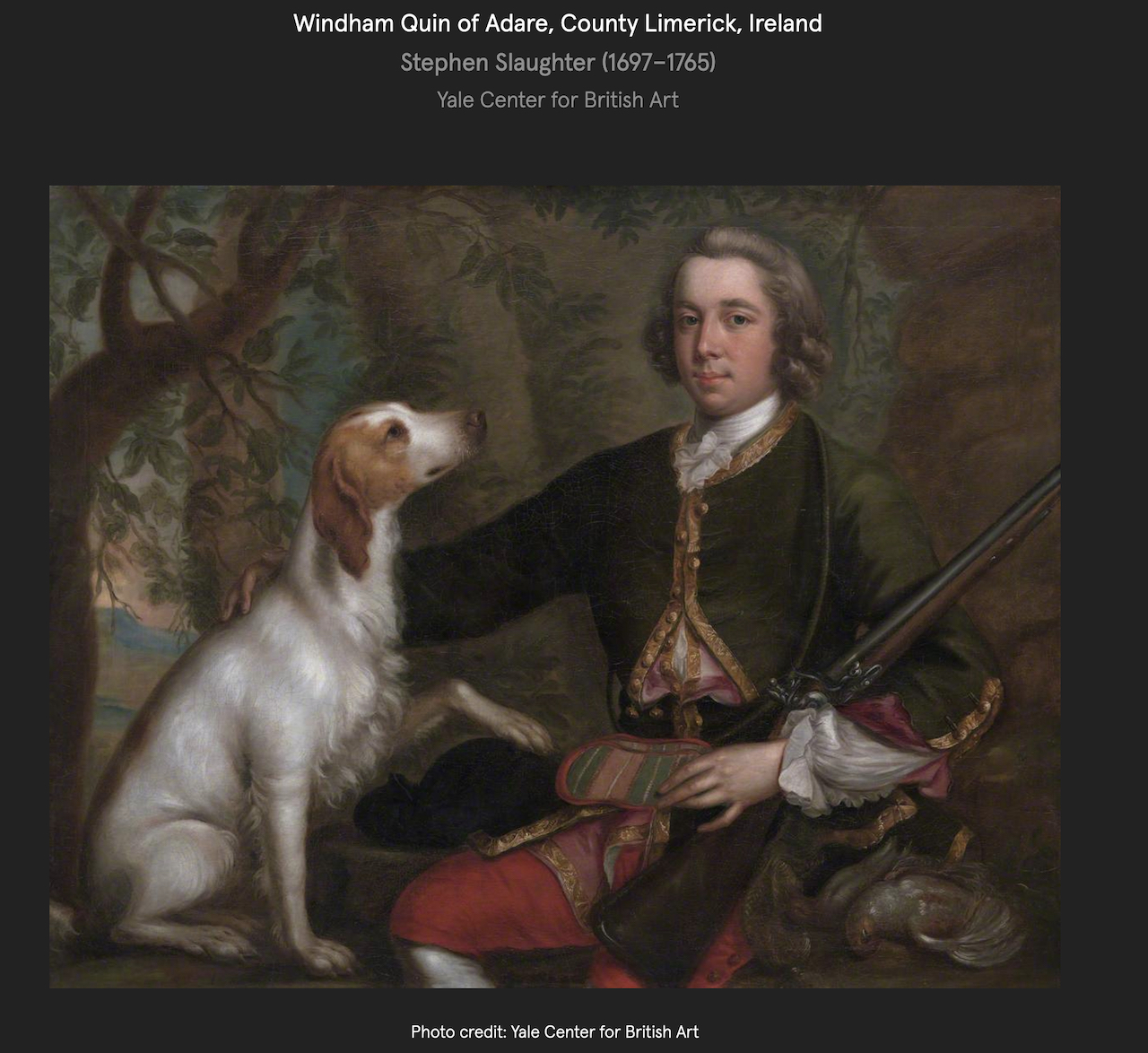
Windham Quin (1717-1789) of Adare, County Limerick by Stephen Slaughter, courtesy of Yale Center for British Art.
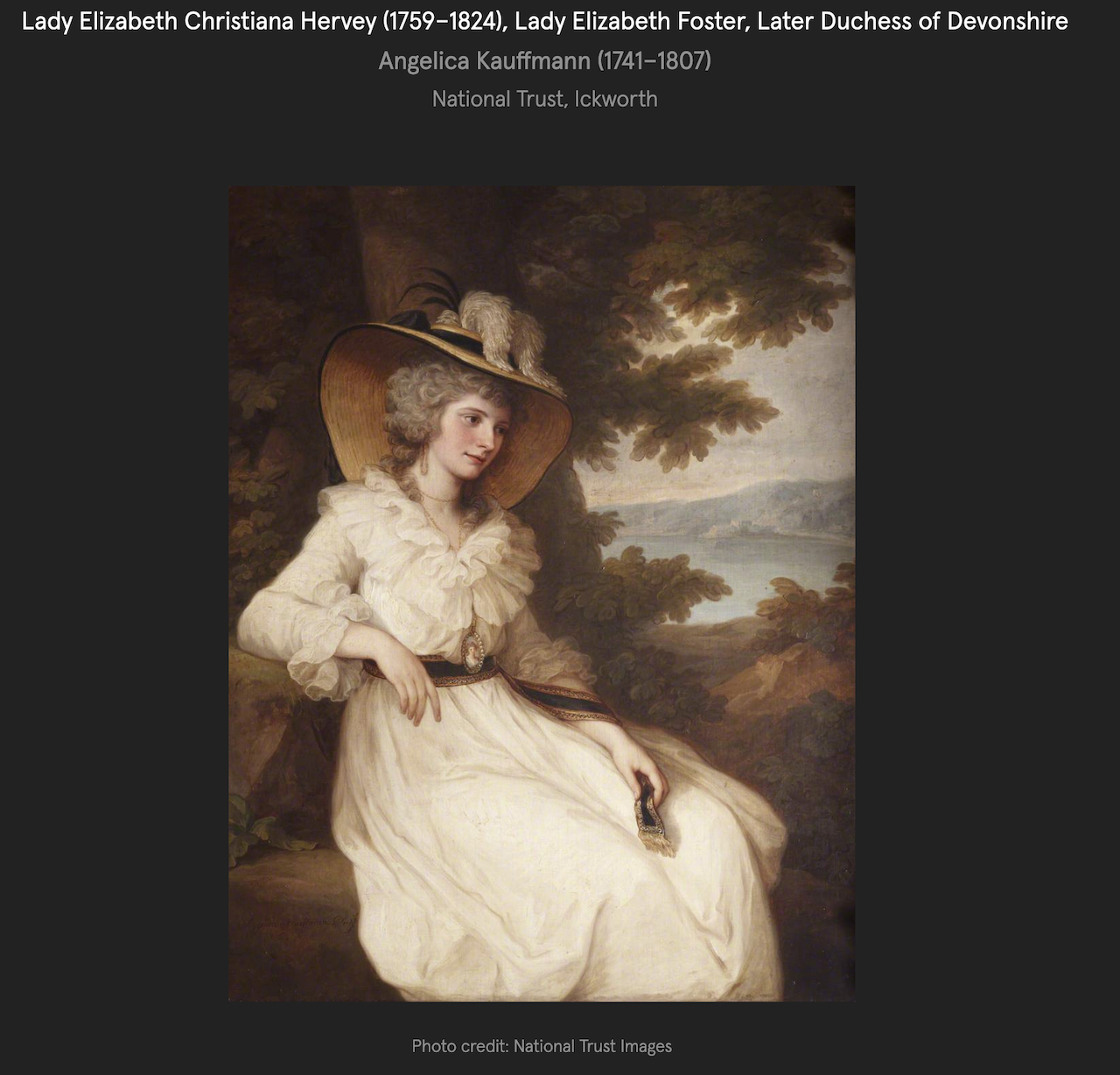
Elizabeth Christina Foster née Hervey (1759-1824) later Duchess of Devonshire by Angelica Kauffmann courtesy of National Trust Ickworth. She was the daughter of Frederick Augustus Hervey 4th Earl of Bristol, Bishop of Derry who built Downhill, Co Derry. She married John Thomas Foster MP (1747-1796) and later, William Boyle Cavendish 5th Duke of Devonshire. Last, she married Valentine Richard Quin 1st Earl of Dunraven and Mount Earl.

R

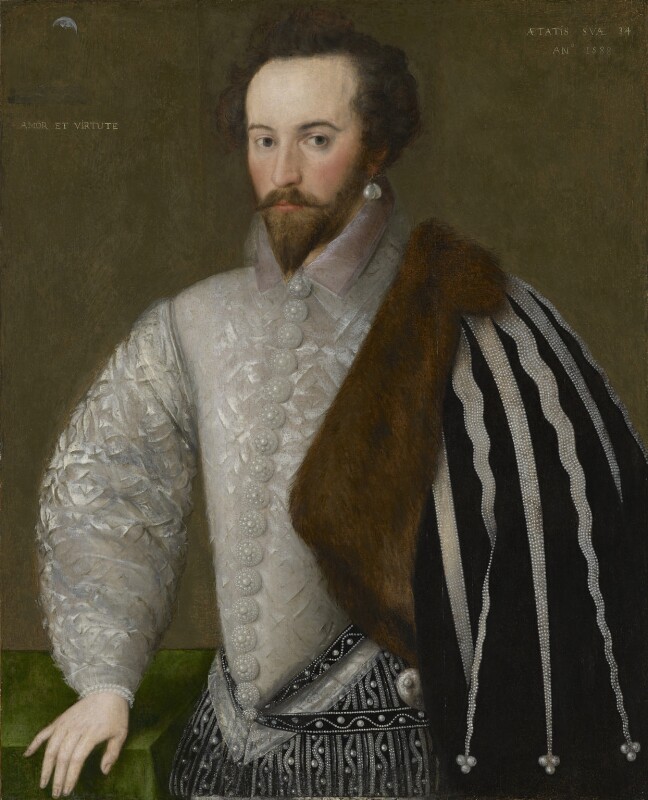
Walter Raleigh (1552-1618) by Unknown English artist 1588, National Portrait Gallery of London ref. 7.
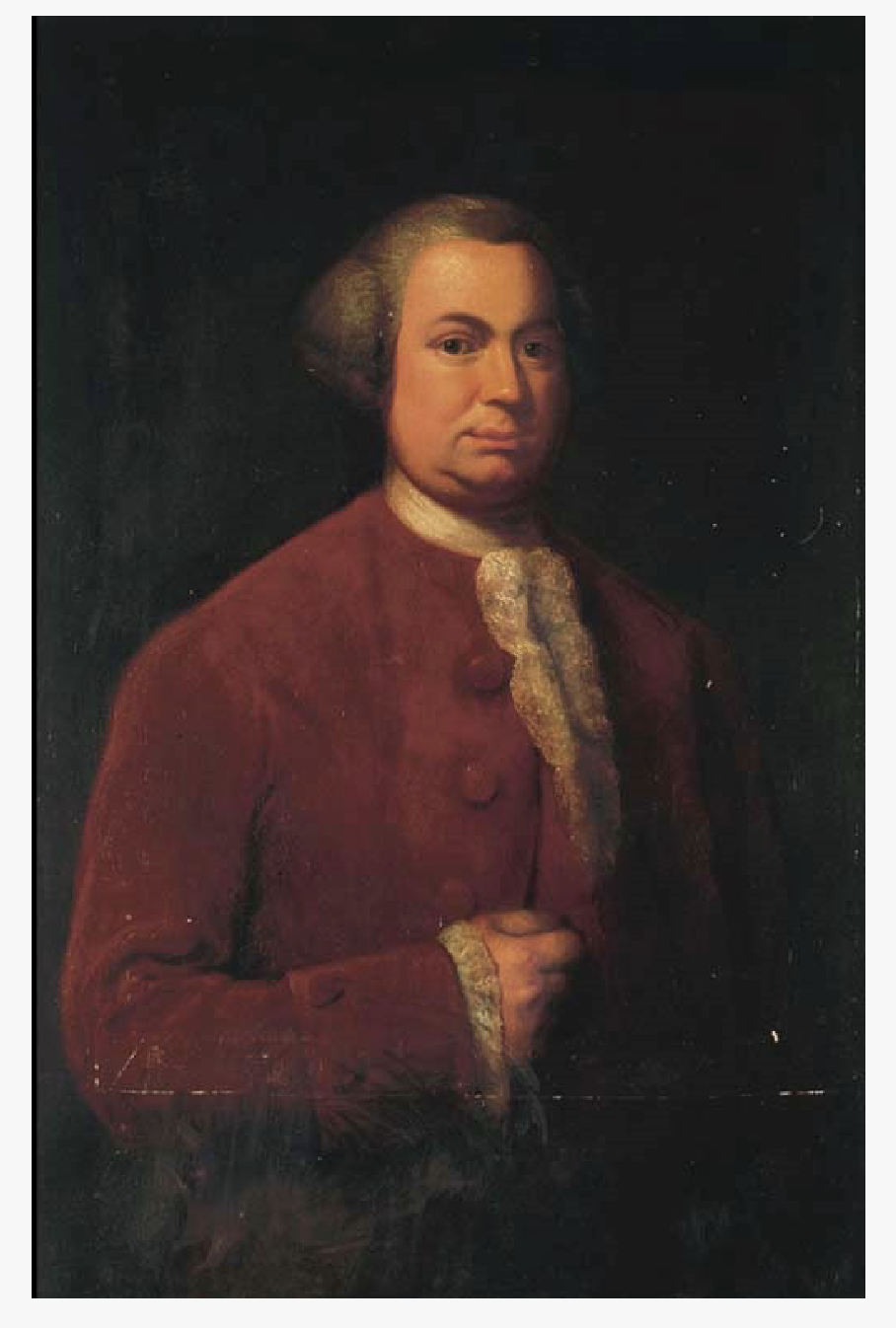
JOHN RAWDON, 1ST EARL OF MOIRA (1719-1793),by a follower of Thomas Hudson, courtesy Christies Property from two ducal collections Wodburn Abbey Bedford.
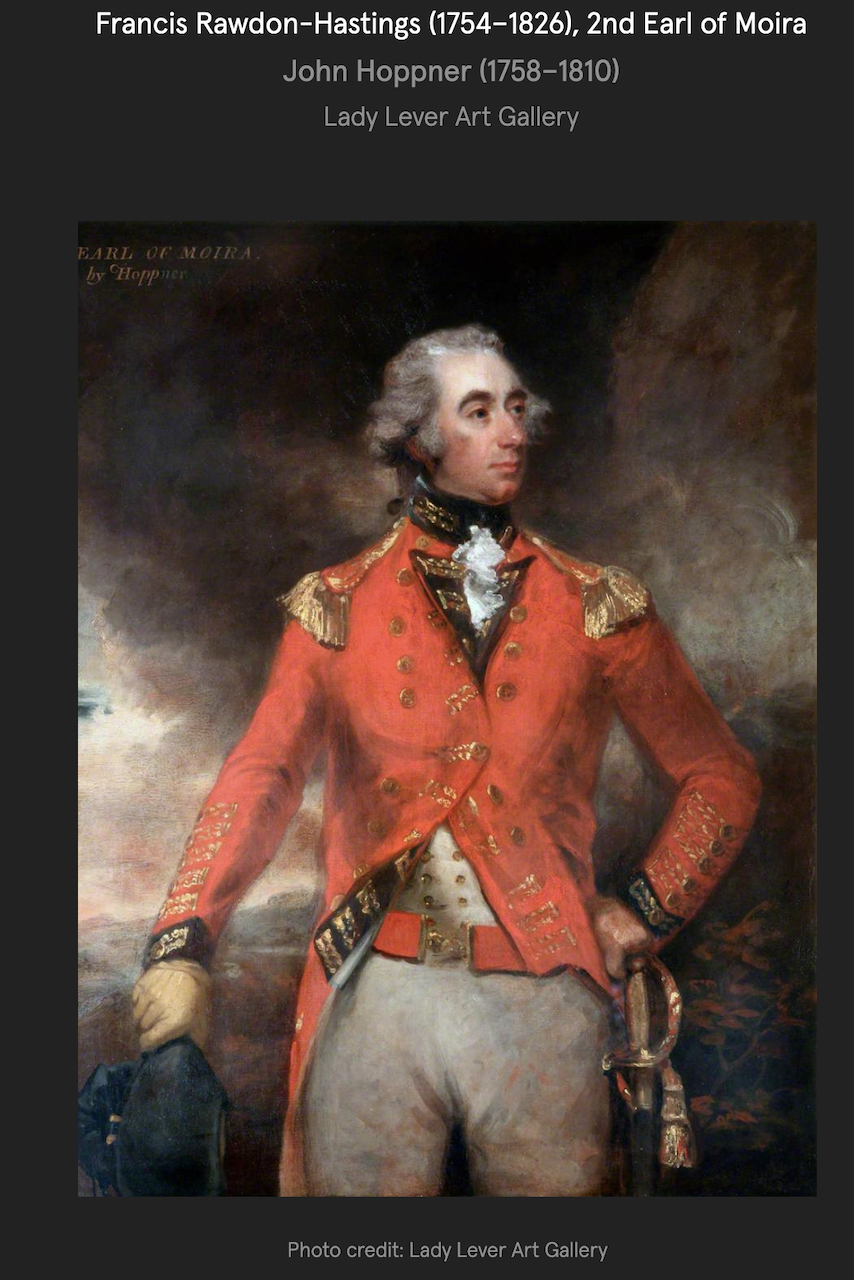
Francis Rawdon-Hastings (1754-1826) 2nd Earl of Moira by John Hoppner courtesy of Lady Lever Art Gallery.
John Redmond (1856-1918) by Harry Jones Thaddeus, 1901, National Gallery of Ireland NGI889.
Catherine Vigors (1794-1820) by Robert Lawrence (1794-1820). Catherine was the daughter of Soloman Richards of Solborough, Co Wexford. She married Nicholas Aylward Vigors of Old Leighlin and Belmont, Co Carlow, in 1781. Photograph © Jennifer Winder-Baggot, www.irishhistorichouses.com
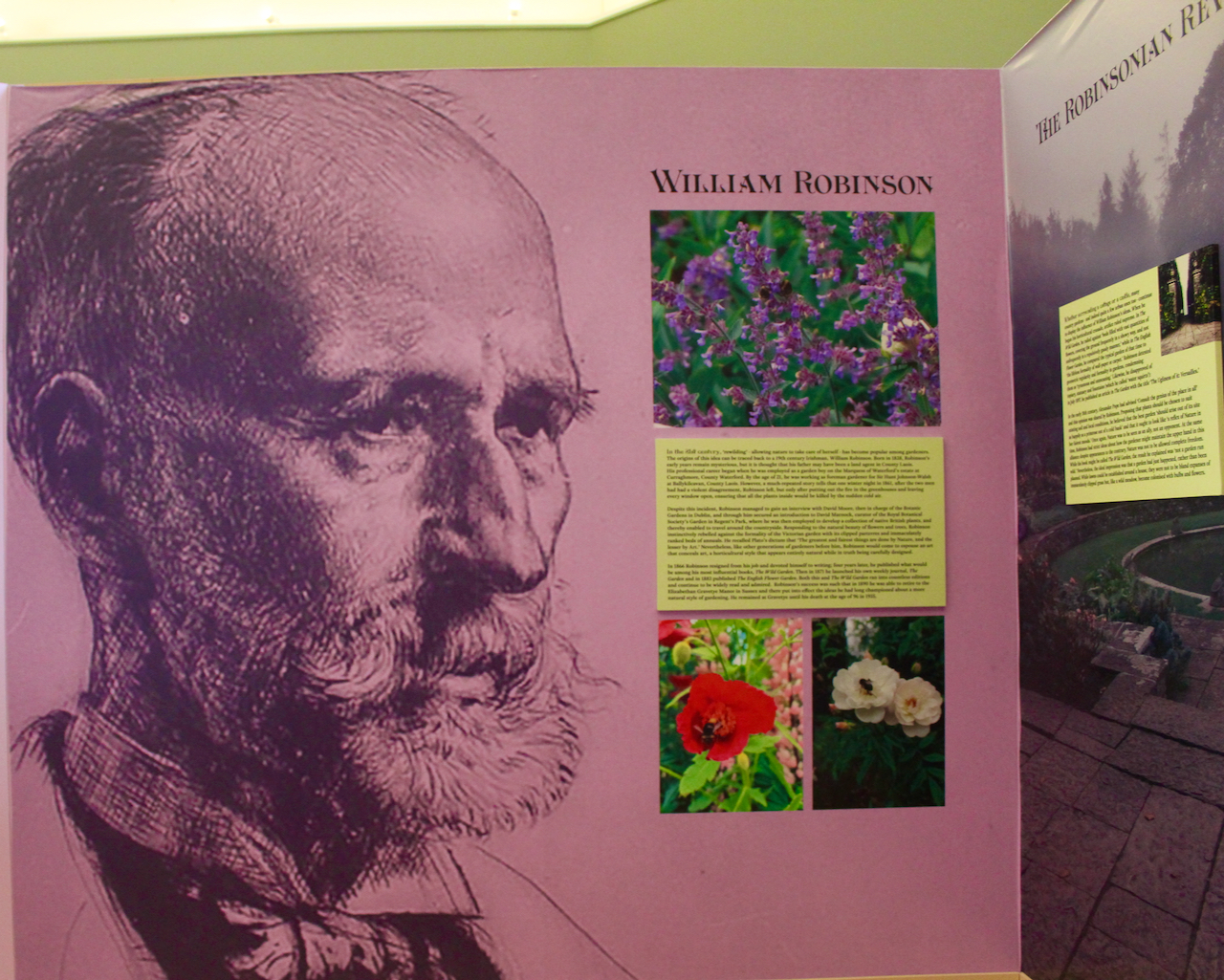
William Robinson, from “In Harmony with Nature, The Irish Country House Garden 1600-1900” in the Irish Georgian Society, July 2022, curated by Robert O’Byrne. Photograph © Jennifer Winder-Baggot, www.irishhistorichouses.com
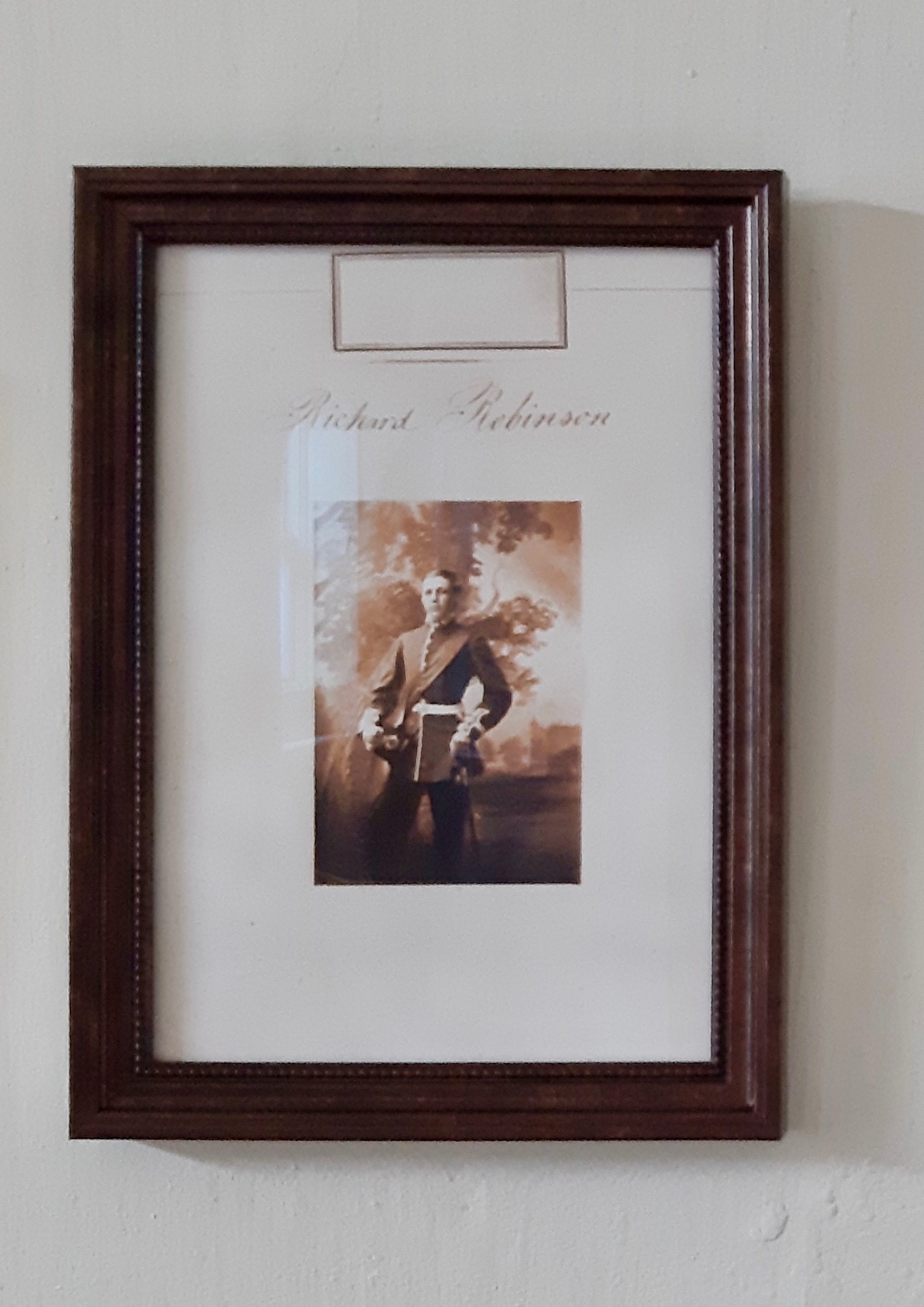
Richard Harcourt Robinson, died in 1910. Rokeby, County Louth
Archbishop Richard Robinson (1708-1794) by Angelica Kauffmann or Joshua Reynolds, courtesy of Armagh Robinson Library.
Richard Robinson (1787-1847), Baronet, English School (c.1847) with a depiction of his armorials and campaign medals issued to survivors of the Napoleonic Wars courtesy Adam’s auction 6 Oct 2009. This must be Richard Robinson 2nd Baronet of Rokeby Hall in County Louth. He was the son of John Freind, who married a sister of Richard Robinson Baron of Rokeby, and who took the name of Robinson when he inherted Rokeby.
John Loftus Robinson, architect of Dun Laoghaire County Hall. Dun Laoghaire County Hall. Photograph © Jennifer Winder-Baggot, www.irishhistorichouses.com
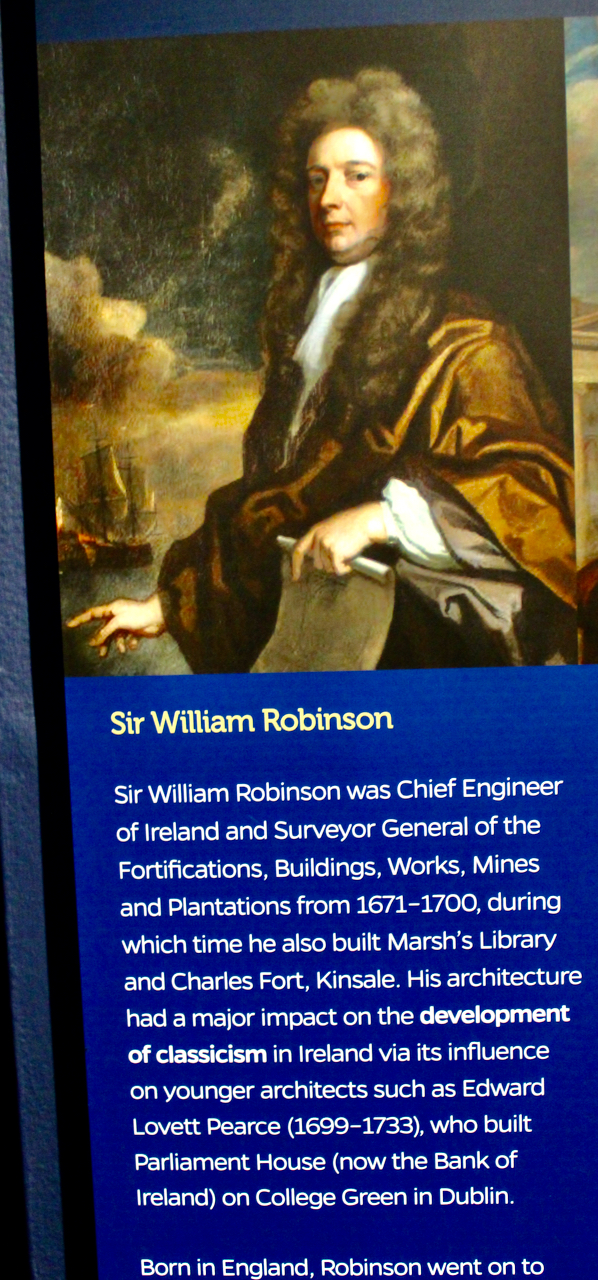
William Robinson (1644-1712) Royal Hospital Kilmainham, 15th October 2023.
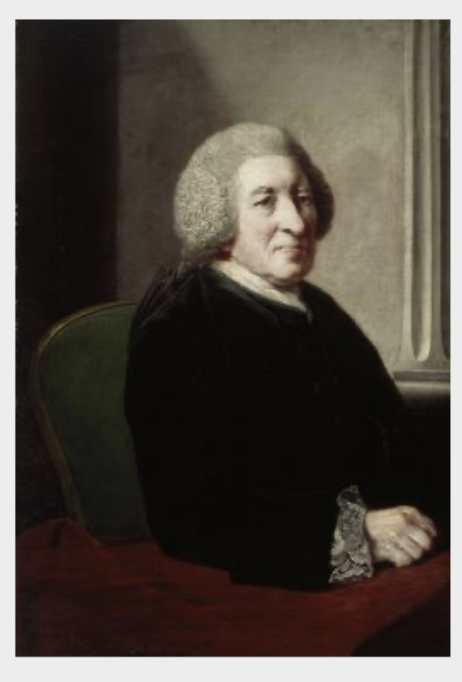
William Robinson, Bt (1703-1777) by Matthew William Peters, 1777.
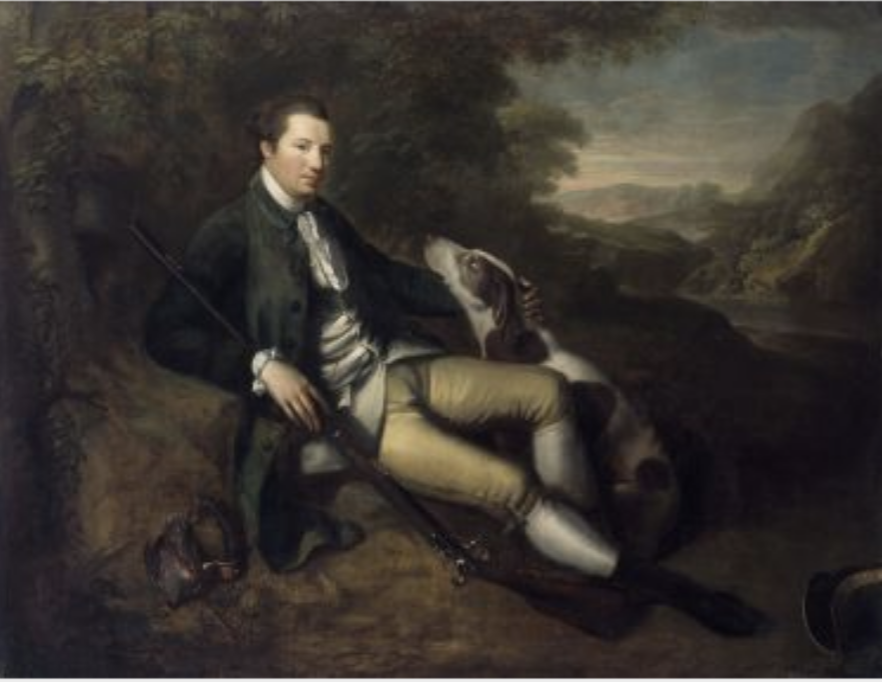
James Rochfort (executed in 1652 after killing someone in a duel) usually known by his nickname “Prime Iron,” by Garret Morphy. He married Thomasine Pigott of Dysart.

James Rochfort (“Prime Iron”) and Thomasine Pigott had several children including Charles who married Marbella, daughter of Theophilus Jones and Alice Ussher, and Robert (1652-1727), who became Speaker of the Irish House of Commons and Chief Baron of the Irish Exchequer. He married Hannah Hancock (d. 1733) of Twyford, County Westmeath.

Robert Rochfort (1652-1727) as Speaker of the Irish House of Commons by an unknown artist, Photograph of a painting owned by Michael O’Reilly.

Robert Rochfort (1652-1727) and Hannah née Hancock had sons George Rochfort (1682-1730), later of Gaulstown, Co. Westmeath and John (1690-1771). George married Elizabeth, daughter of Henry Hamilton-Moore, 3rd Earl of Drogheda. John married, first, Deborah Staunton (d. 1737) then Emilia (d. 1770), daughter of John Eyre (1659-1709) of Eyre Court.

George Rochfort (1682-1730), of Gaulstown, Co. Westmeath, M.P. for Co. Westmeath by Charles Jervas courtesy of Christies Auction 2002

George and Elizabeth née Moore had lots of children. The heir was Robert (1708-1774) who was later created 1st Earl of Belvedere.

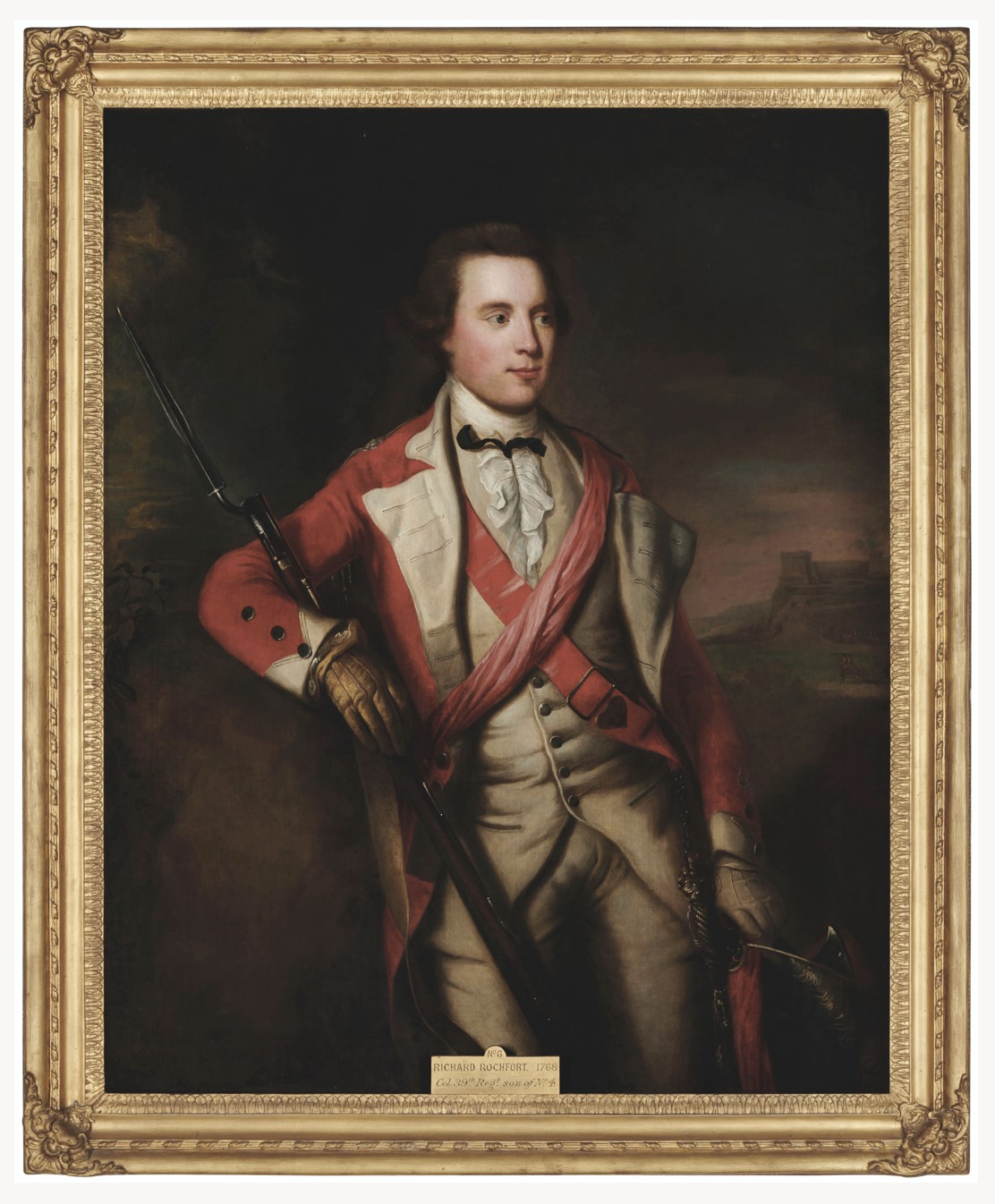
Robert Rochfort, 1st Earl of Belvedere (1708-1774), three-quarter-length, in van Dyck costume, by Robert Hunter It is possible that the present portrait was executed posthumously.

Other children included Mary (1705-1729) who married Henry Tuite, 6th Baronet. Alice (1710-1738) married Thomas Loftus (1701-1768). Thomasine, born 1716, married Gustavus Lambart of Beauparc, County Meath (a section 482 property, see my entry). Anne married Henry Lyons, High Sheriff for King’s County. William (1719-1772) married Henrietta Ramsay. Arthur married Sarah Singleton and became MP for County Westmeath. George (1713-1794) married Alice, daughter of Gustavus Hume, 3rd Baronet.

Jane Butler née Rochfort Countess of Lanesborough (1737-1828) Attributed to Thomas Pope Stevens courtesy Christies Irish Sale 2002. She was the daughter of Robert Rochfort, 1st Earl of Belvedere and married Brinsley Butler, 2nd Earl of Lanesborough.
Sarah Rochfort (nee Singleton) was the daughter of The Rev. Rowland Singleton (1696-1741) of Drogheda, later Vicar of Termonfeckin, County Louth, wife of Arthur Rochfort (1711-1774) of Bellfield House Co Westmeath, sold at Shepphards.

The first Earl of Belvedere is infamous for locking up his wife, Mary Molesworth, daughter of the 3rd Viscount of Swords (see my entry about Belvedere, County Westmeath). Their daughter Jane (d. 1828) married Brinsley Butler, 2nd Earl of Lanesborough. Robert 1st Earl’s son George (1738-1813) succeeded as 2nd Earl of Belvedere.

George Rochfort (1738-1815), later 2nd Earl of Belvedere by ROBERT HUNTER (C. 1715/20-1801), Adams auction 18 Oct 2022.
George Rochfort (12 October 1738 – 13 May 1814), 2nd Earl of Belvedere, and his second wife Jane née Mackay, by Robert Hunter, 1804 courtesy of Christies.
Portrait of a gentleman, likely George Rochfort, 2nd Earl of Belvedere, by Robert Hunter, sold Dec 2021 courtesy Christie’s.

Interestingly, the portrait of George Rochfort 2nd Earl of Belvedere by Robert Hunter is very similar to the portrait of Peter La Touche.
Peter La Touche of Bellevue (1733-1828) Date 1775 by Robert Hunter, Irish, 1715/1720-c.1803, photograph courtesy of National Gallery of Ireland.
Richard Rochfort (1740-1776) by Robert Hunter courtesy Christies Old Master Paintings and Sculpture. He was another son of Robert Rochfort 1st Earl of Belvedere and Mary Molesworth.
John Rogerson (1676-1741), 1741 by Stephen Slaughter, courtesy of National Gallery of Ireland. Slaughter was an Englishman who paid many visits to Ireland.
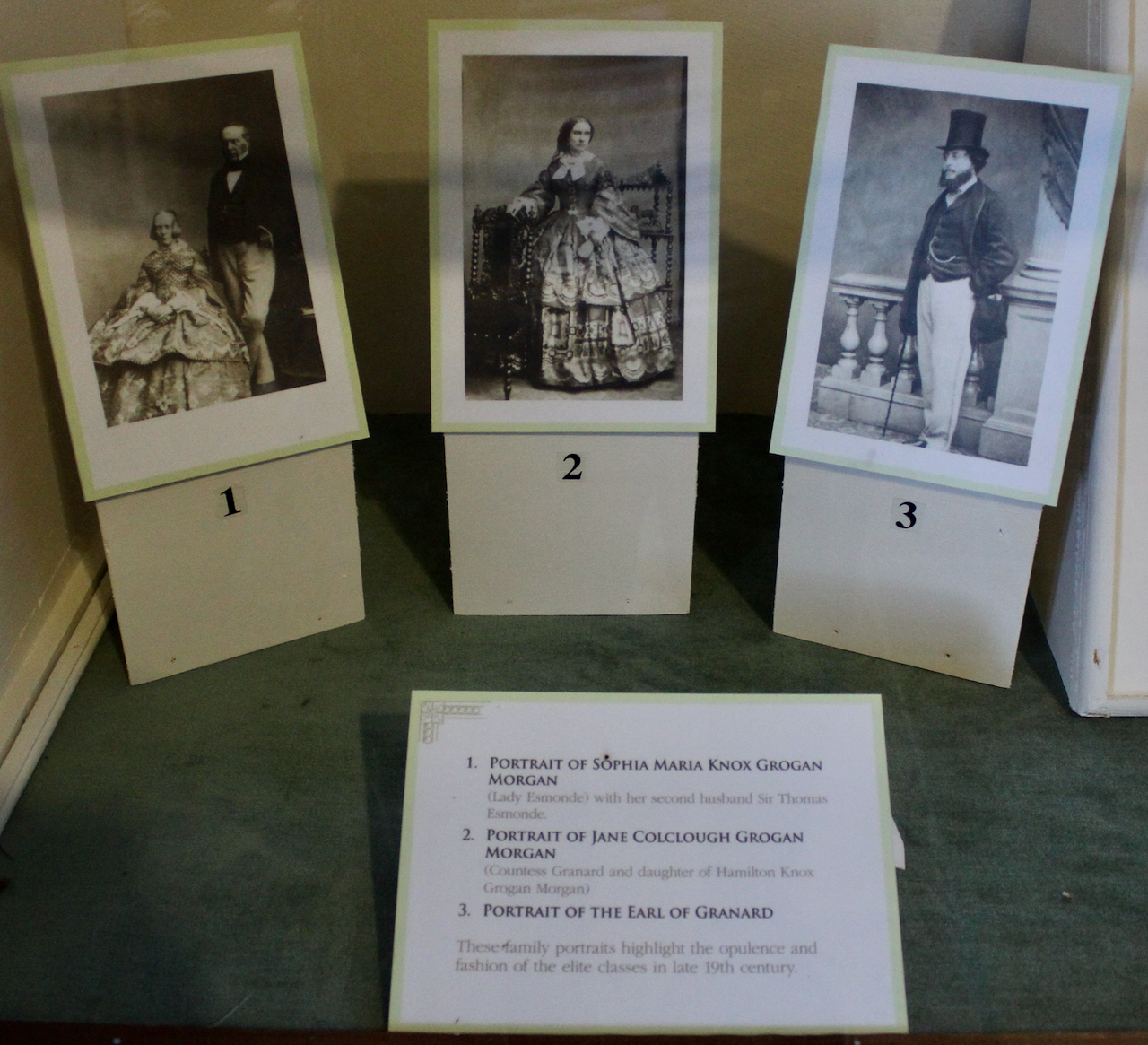
Sophia Maria Knox Grogan Morgan (1805-1867) née Rowe, with her second husband Thomas Esmonde 9th Baronet (1786-1868); Jane Colclough Grogan Morgan (1834-1872), she married George Arthur Forbes (1833-1889), 7th Earl of Granard, who is in the third portrait. Photograph © Jennifer Winder-Baggot, www.irishhistorichouses.com
Hamilton Knox Grogan-Morgan (1807-1854) and his family of Johnstown Castle, County Wexford. His wife is Sophia Maria née Rowe (1805-1867). Her father was Ebenezer Radford Rowe of Ballyharty, County Wexford, whose mother was Elizabeth Grogan from Johnstown Castle! Her mother was Elizabeth Emily Irvine from Castle Irvine in County Fermanagh. Photograph © Jennifer Winder-Baggot, www.irishhistorichouses.com
Hercules Rowley, 2nd Viscount Langford (1737-1796) by Robert Hunter for auction courtesy Sotheby’s May 2008. The auction catalogue tells us: “Provenance: By descent in the Longford family, Pakenham Hall until the 1960s. Notes: The sitter was the son and heir of Hercules Rowley and his wife Elizabeth Upton. His father served as M.P. for Londonderry between 1743 and 1760 and for County Meath 1761-1794. In 1766 his mother was created Baroness Summerhill and Viscountess Langford with patrimony to her male heirs by her husband and on her death in 1791 he succeeded to the viscountcy. He served as M.P. for County Antrim in two parliaments between 1783 and 1791. On his death without issue the peerage became extinct, but his cousin, Clotworthy Taylor, changed his name to Rowley and was created Baron Langford of Summerhill, County Leath. Early in his career Hunter painted a number of full lengths and exhibited eight such portraits at the Society of Artists. In the past these have been confused with the work of Arthur Devis, though as Anne Crookshank has pointed out they do not share Devis’s ‘doll-like manner’. Rowley’s sister Catherine married Edward Pakenham, 2υnd Baron Longford, who was also painted in a similar format by Hunter. Both portraits descended through the Longford family until the 1960s.
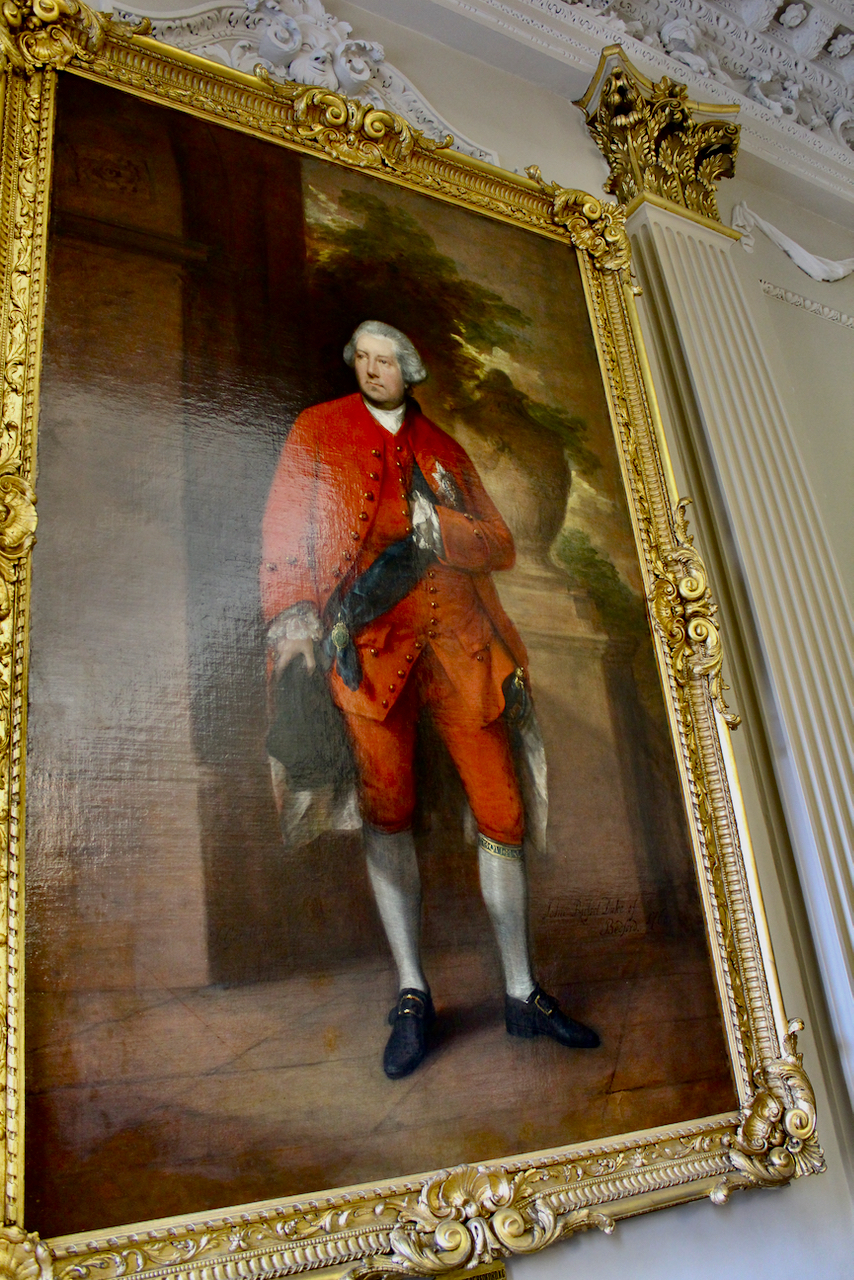
John Russell (1710-1771) 4th Duke of Bedford was Chancellor of the University 1765-1771. The portrait is by Thomas Gainsborough. Russell was Lord Lieutenant of Ireland in 1756 and resigned in 1761. Provost’s House, Trinity College Dublin. Photograph © Jennifer Winder-Baggot, www.irishhistorichouses.com
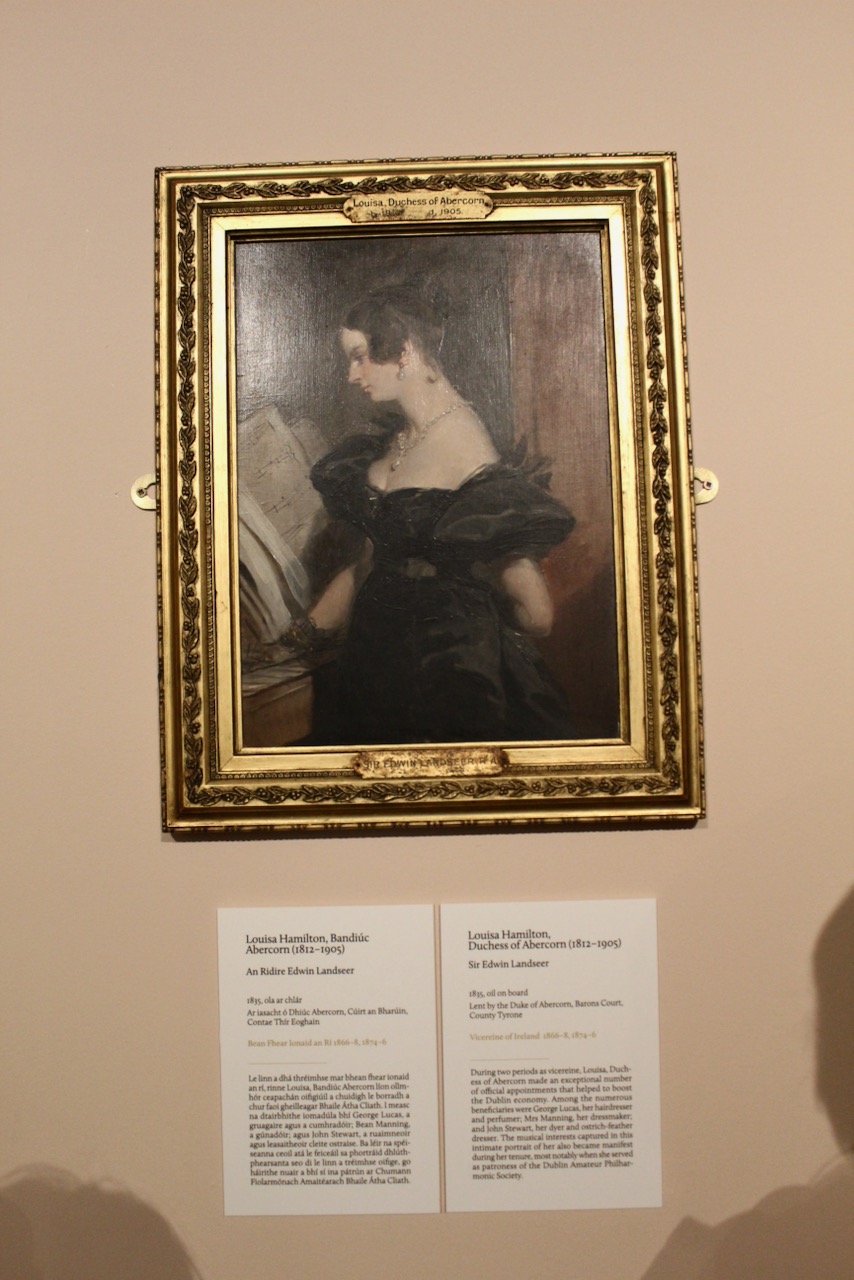
Louisa Hamilton née Russell Duchess of Abercorn, by Edwin Landseer (Vicereine 1866-68 and 1874-76), wife of James Hamilton (1811-1885) 1st Duke of Abercorn. Photograph © Jennifer Winder-Baggot, www.irishhistorichouses.com