Thomas Fitzmaurice (1668-1741) 1st Earl of Kerry (21st Baron of Kerry), Viscount Clanmorris was the father of John Fitzmaurice Petty (1706-1761) 1st Earl of Shelburne, who added Petty to his name after his mother, Anne Petty (d. 1737). Another son of the 1st Earl of Kerry was his heir William FitzMaurice (1694-1747) who succeeded as 2nd Earl of Kerry.
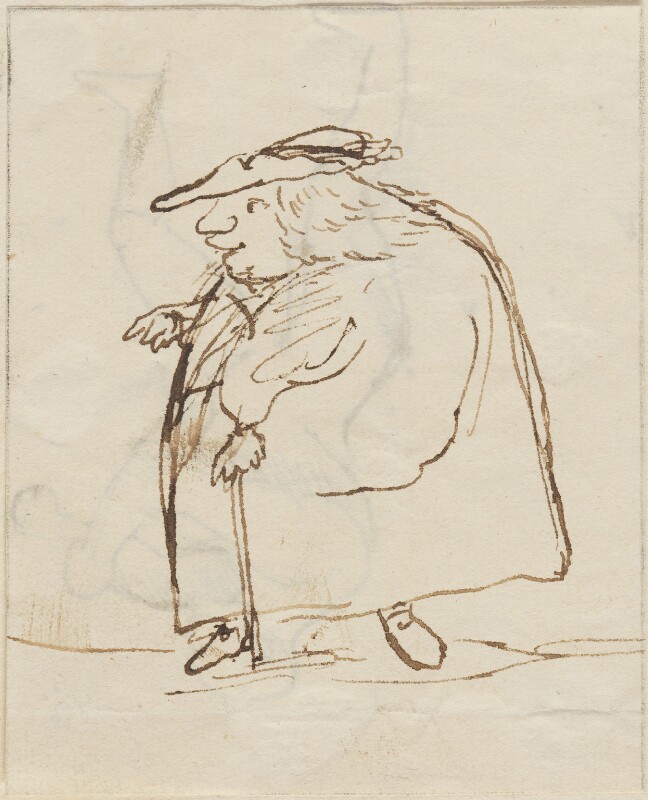
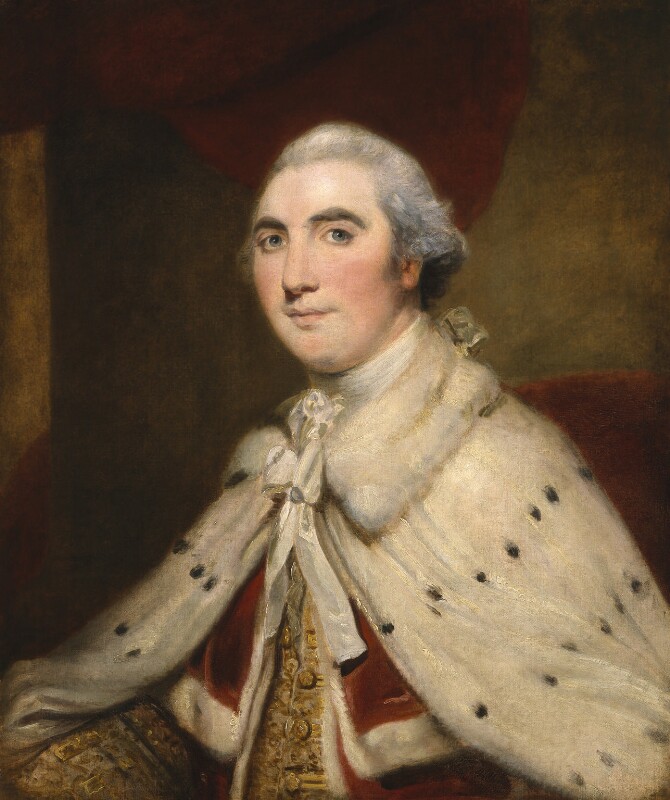
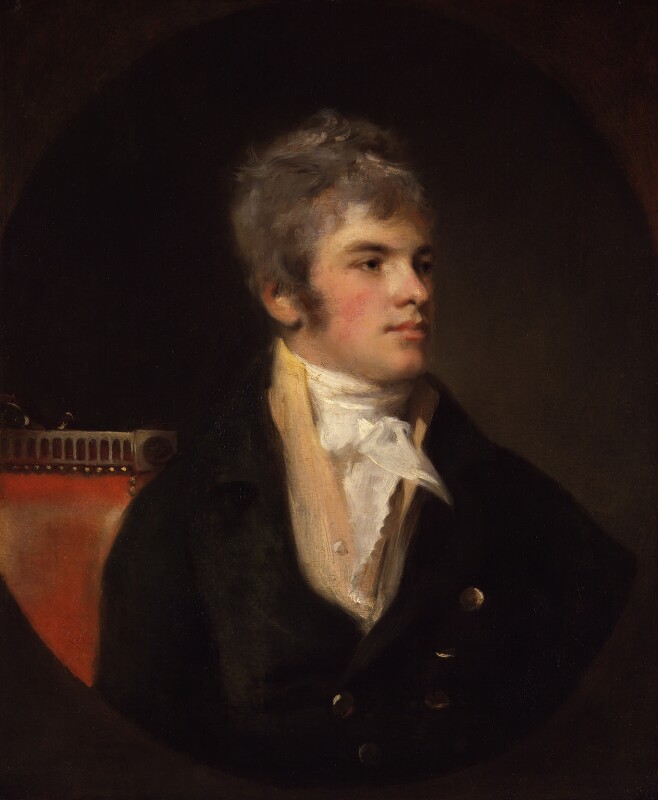
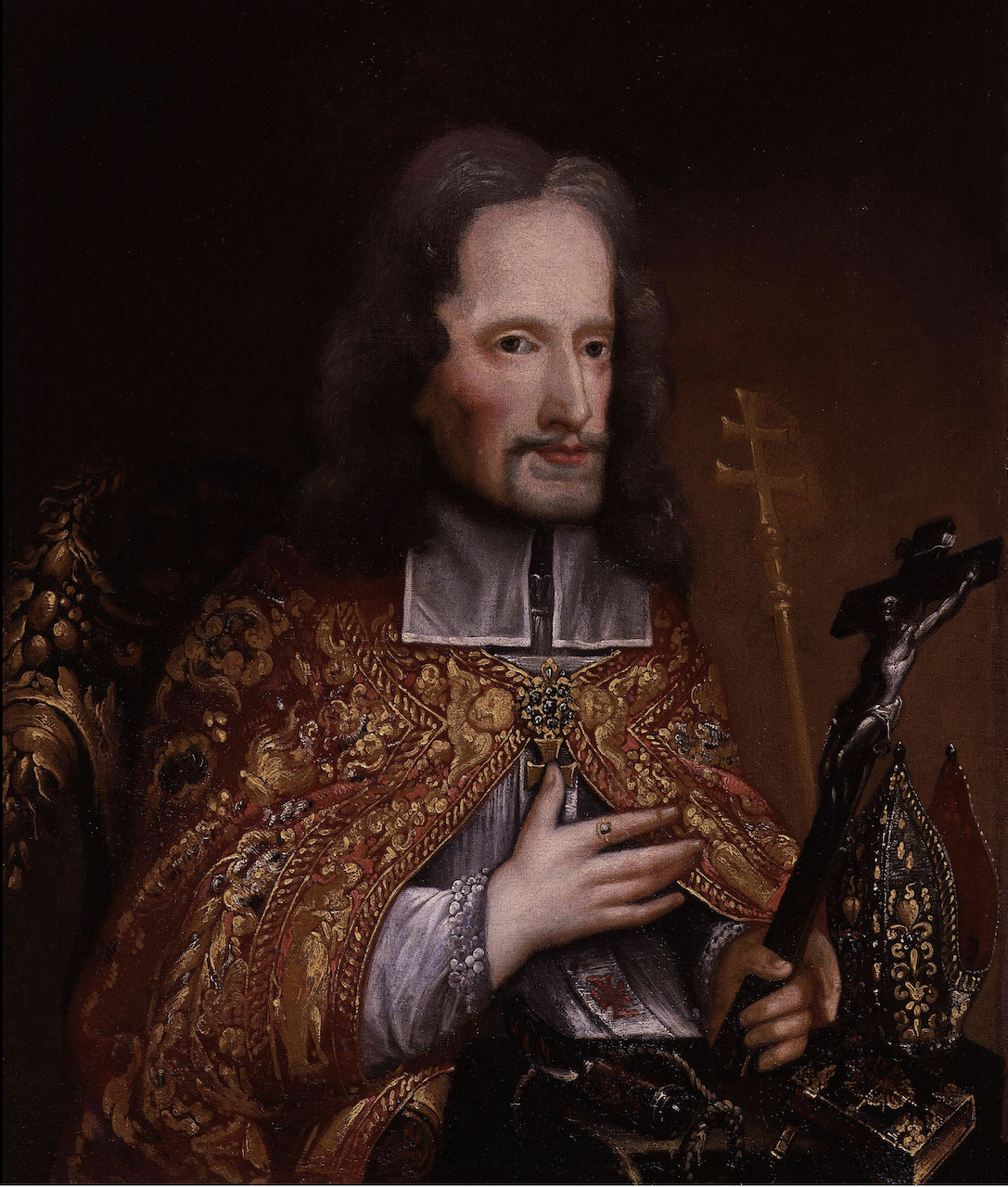
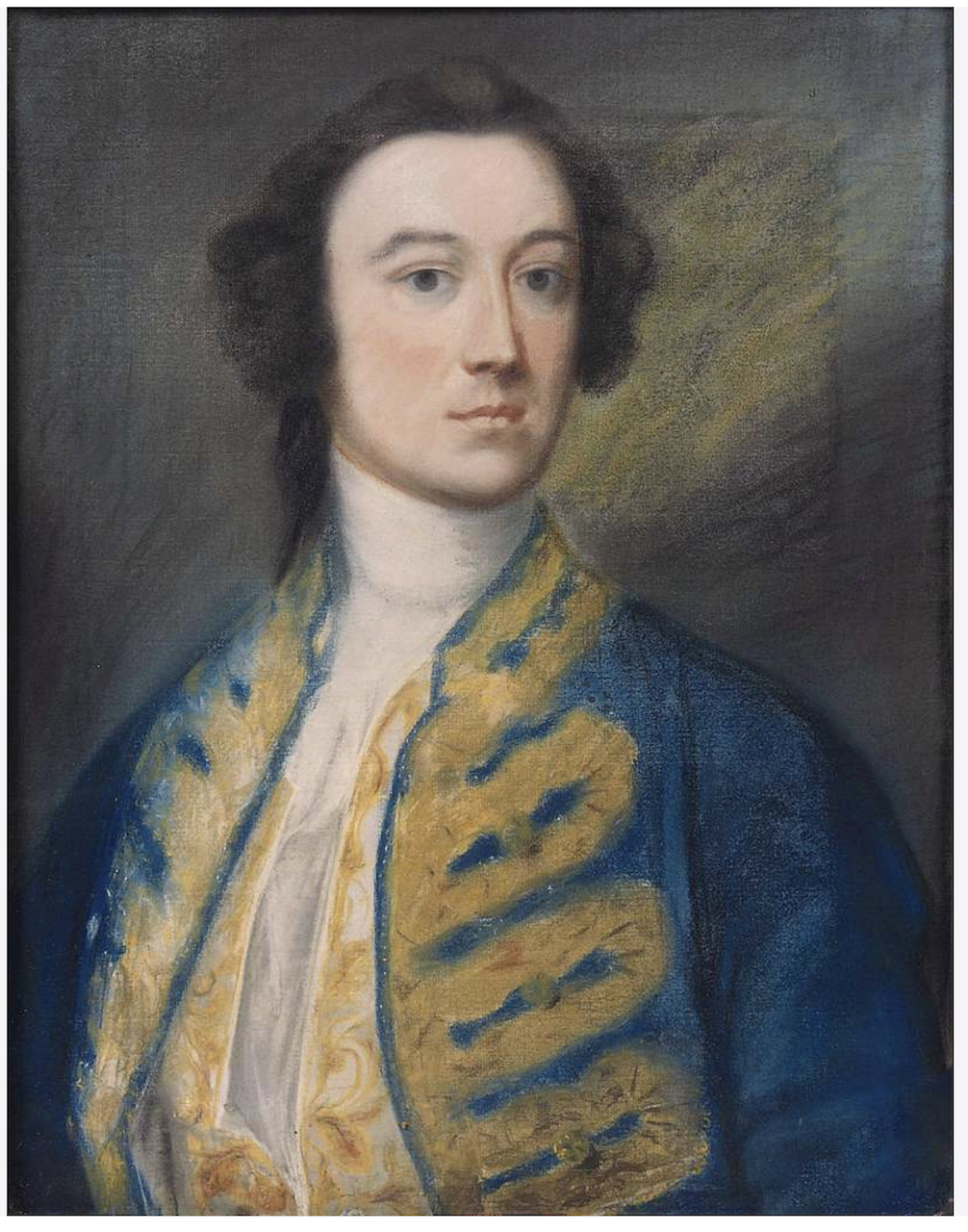
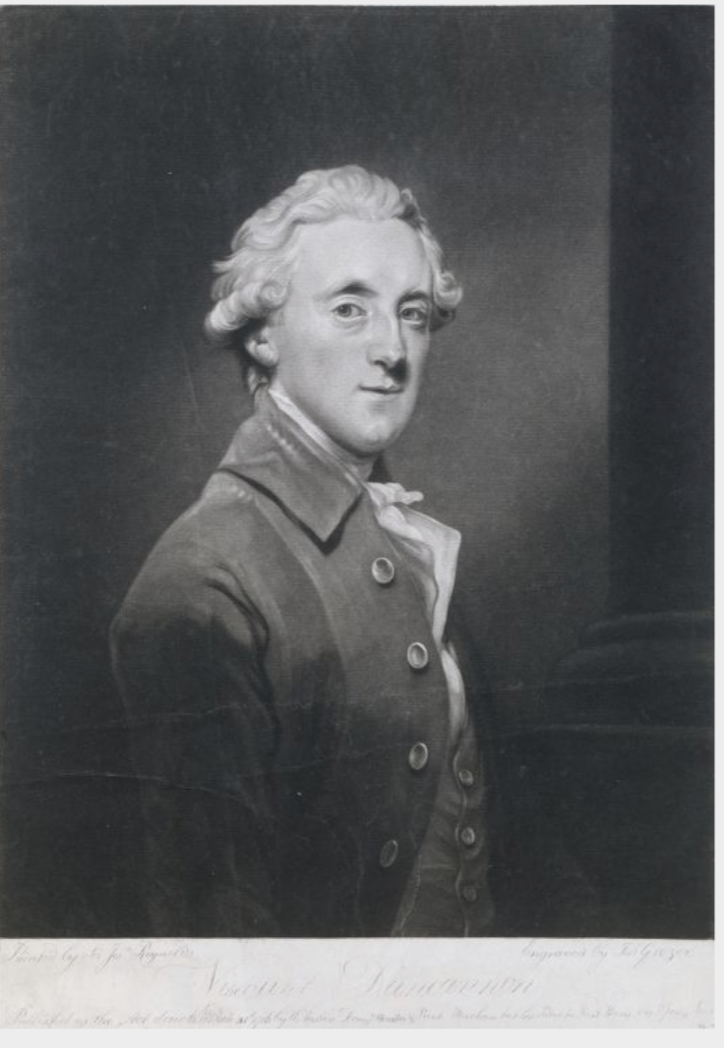
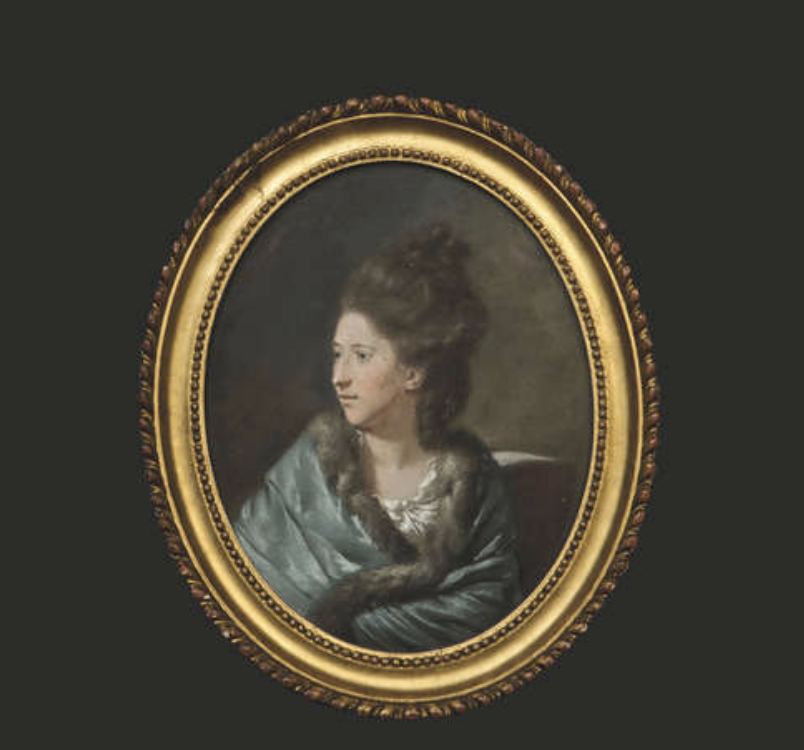
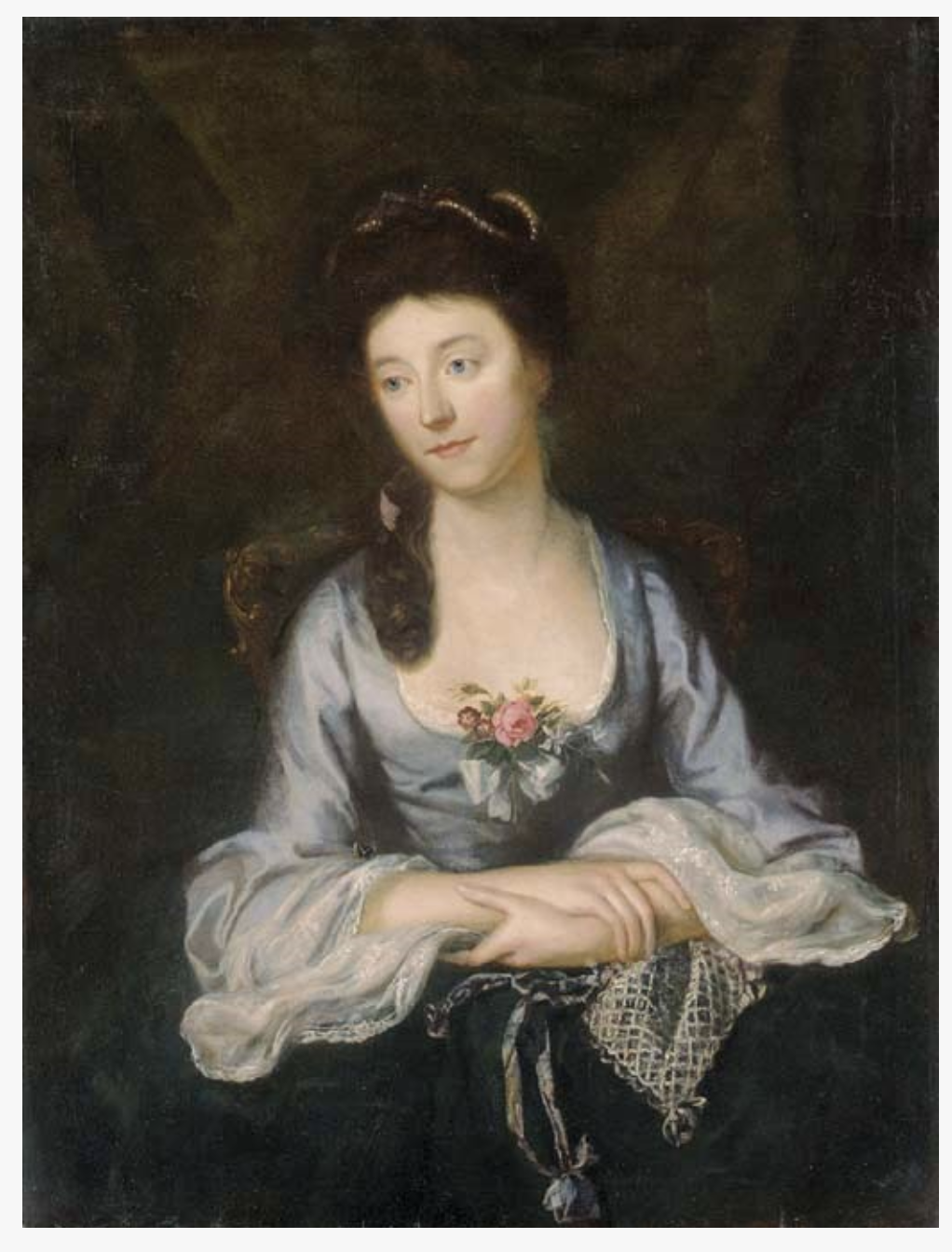
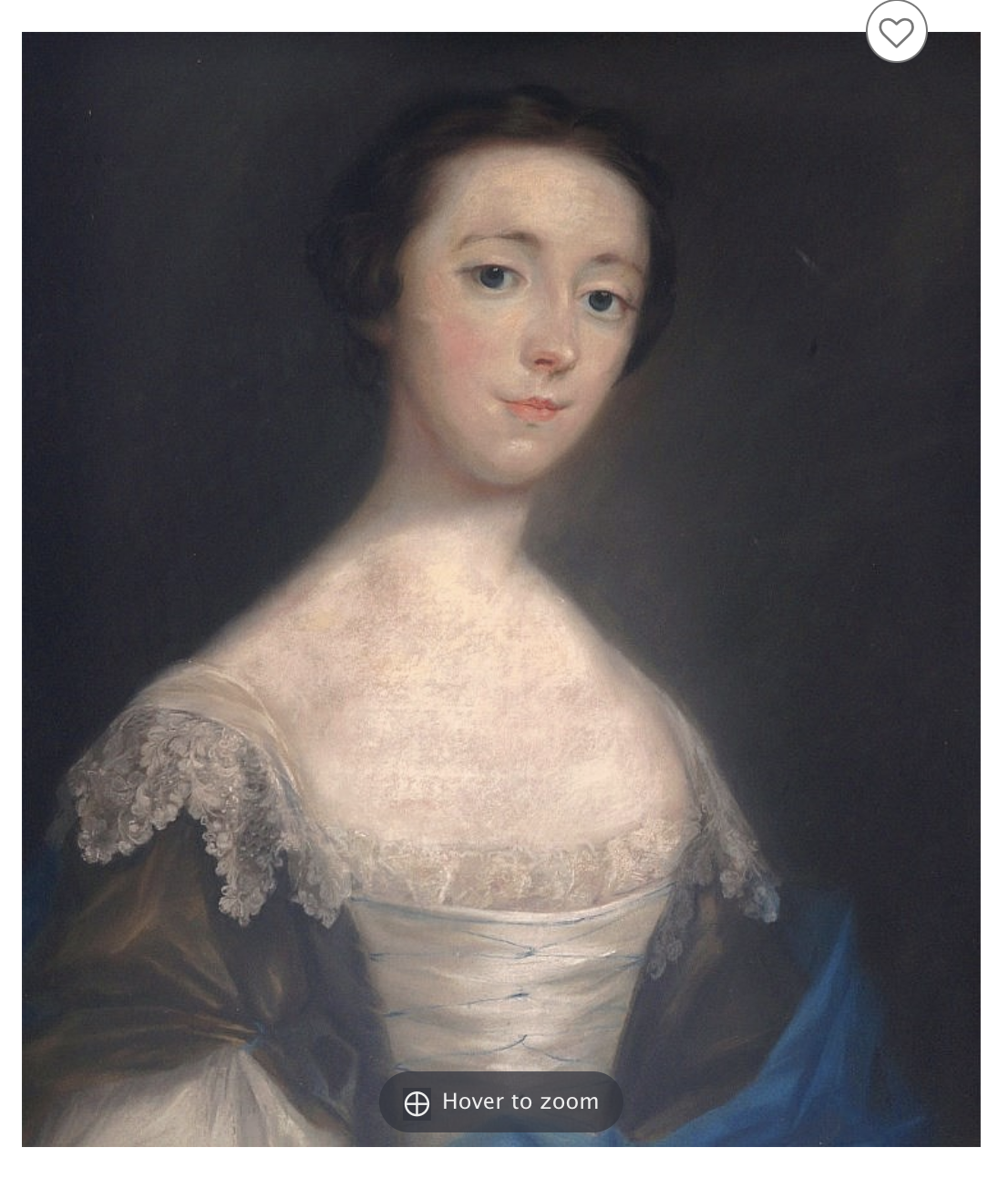
William Petty (1737-1805) 1st Marquess of Lansdowne Lord Shelburne, Prime Minister, after Sir Joshua Reynolds based on a work of 1766, National Portrait Gallery of London 43.He was the son of John Fitzmaurice Petty (1706-1761) 1st Earl of Shelburne, who was the son of Thomas Fitzmaurice 1st Earl of Kerry (21st Baron of Kerry), Viscount ClanmorrisLouisa Lansdowne née Fitzpatrick, wife of William Petty 1st Marquess of Lansdowne by Joshua Reynolds from Catalogue of the pictures and drawings in the National loan exhibition, in aid of National gallery funds, Grafton Galleries, London. She was a daughter of John FitzPatrick 1st Earl of Upper Ossory.John Henry Petty (1765-1809) 2nd Marquess of Lansdowne National Portrait Gallery of London ref. D37171.John Henry Petty (1765-1809), 2nd Marquis of Lansdowne by Francois-Xavier Fabre, 1795.Henry Petty-Fitzmaurice (1780-1863) 3rd Marquess of Lansdowne, Trustee of the National Portrait Gallery, by Henry Walton circa 1805 courtesy of National Portrait Gallery, NPG 178.Henry Thomas Petty-Fitzmaurice (1816-1866) 4th Marquess of Lansdowne, Politician and railway company chairman, photograph by by John & Charles Watkins circa early 1860s, courtesy of National Portrait Gallery NPG Ax16422.Henry Charles Keith Petty-Fitzmaurice 5th Marquess of Lansdowne by Philip Alexius de László.Beatrix Frances Duchess of St Albans, Maud Evelyn Petty-Fitzmaurice, Marchioness of Lansdowne (wife of 5th Marquess), Theresa Susey Helen Vane-Tempest-Stewart, Marchioness of Londonderry and Evelyn Emily Mary Cavendish, Duchess of Devonshire, by Frederick & Richard Speaight.Mrs Letitia Pilkington (née Van Lewen), (1712-1750), “Adventuress” and Author Date: c.1760 Engraver: Richard Purcell, Irish, c.1736-c.1766 After Nathaniel Hone the Elder, Irish, 1718-1784.Oliver Plunket, by Edward Luttrell courtesy of National Portrait Gallery London.Called Frances Hales, Countess of Fingall, possibly Margaret MacCarty later Countess of Fingall, wife of Luke Plunkett (1639-1685) 3rd Earl of Fingall, by Simon Pietersz Verelst courtesy of National Trust Hatchlands. Margaret was daughter of Donough MacCarty (or MacCarthy) 1st Earl of Clancarty; 2nd Viscount Muskerry. Frances Hales married Peter Plunkett (1678-1717) 4th Earl of Fingall.Arthur James Plunkett (1759-1836) 8th Earl of Fingall by Charles Turner after Joseph Del Vechio NPG D36923.Horace Plunkett by photographer Bassano Ltd, 1923, courtesy of National Portrait Gallery of London, reference NPGx12783.William Conyngham Plunket, 1st Baron Plunket, (1764-1854), Orator and former Lord Chancellor of Ireland Engraver David Lucas, British, 1802-1881 After Richard Rothwell, Irish, 1800-1868.Marble bust of William Plunket, 1st Baron Plunket (1764-1854), Lord Chancellor of Ireland, by CHRISTOPHER MOORE RHA (1790 – 1863), courtesy of Adams auction 19 Oct 2021.William Pole of Ballyfin (d. 1781), English school of 18th century, pastel, courtesy of Christies auction, wikimedia commons. He married Sarah Moore, daughter of the 5th Earl of Drogheda.
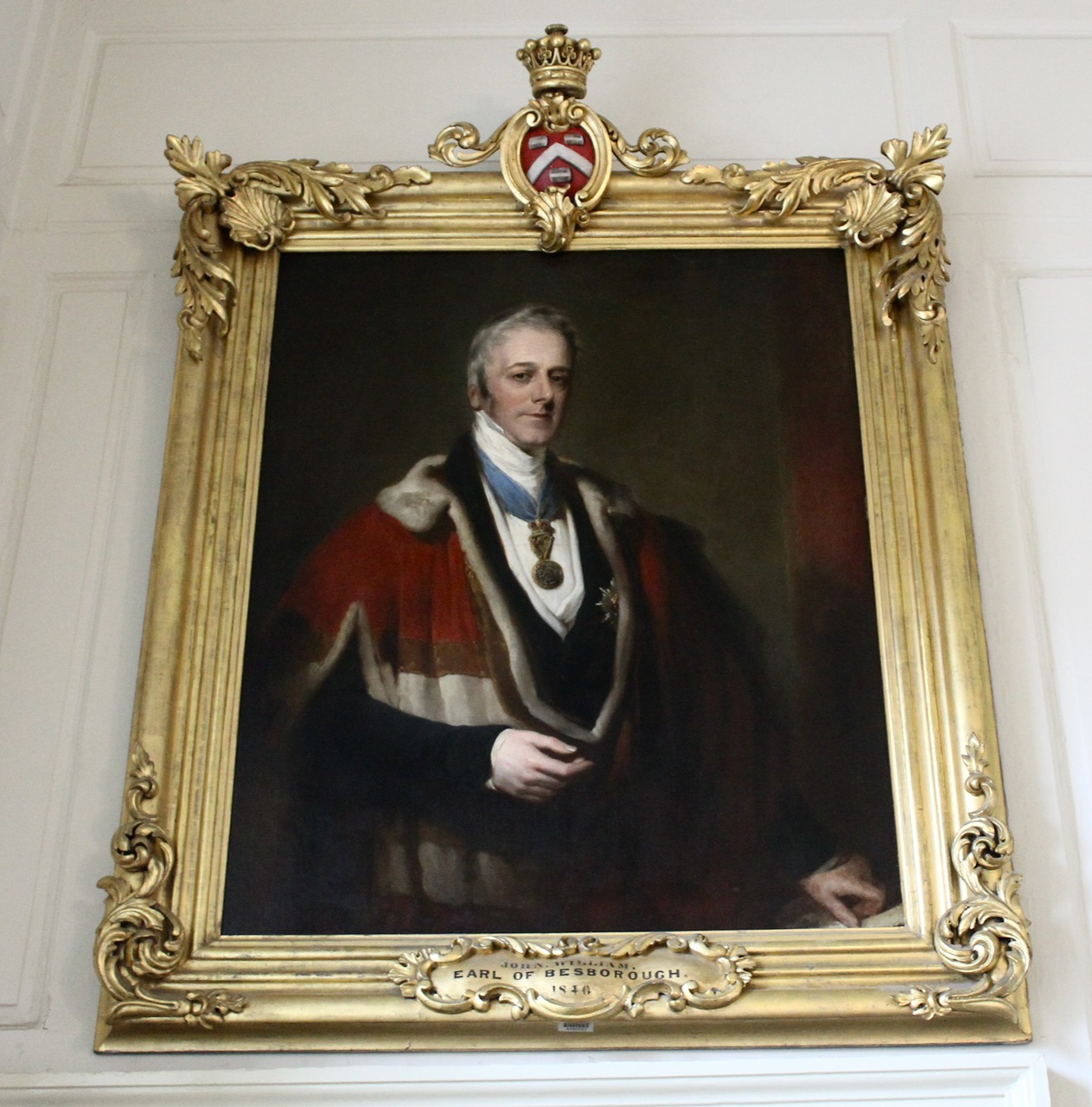
Brabazon Ponsonby (1679-1758) 1st Earl of Bessborough, 2nd Viscount Duncannon, of the fort of Duncannon, Co. Wexford married Sarah Margetson. Their daughter Sarah (d. 1736/37) married Edward Moore, 5th Earl of Drogheda. Their daughter Anne married Benjamin Burton of Burton Hall, County Carlow. Their daughter Letitia (d. 1754) married Hervey Morres, 1st Viscount Mountmorres. Their son William Ponsonby (1704-1793) succeeded as 2nd Earl of Bessborough and a younger son, John (1713-1787) married Elizabeth, daughter of William Cavendish 3rd Duke of Devonshire.
Tynan Abbey, County Armagh, photograph by Robert French, (between ca. 1865-1914), Lawrence Photograph Collection, National Library of Ireland.
Mark Bence-Jones. A Guide to Irish Country Houses (originally published as Burke’s Guide to Country Houses volume 1 Ireland by Burke’s Peerage Ltd. 1978); Revised edition 1988 Constable and Company Ltd, London.
p. 279. “(Stronge, Bt/PB) A house built 1750 by Rev James Stronge; remodelled and enlarged in Tudor-Gothic ca 1820-30 by Sir James Stronge, 2nd Bt. Imposing two storey entrance front, battlemented and pinnacle; battlemented central tower with entrance doorway below corbelled oriel. Pointed Gothic windows; end of front canted, with very Gothic tracery windows of Perpendicular style rising through both storeys in the end and angle walls. Long side elevation; range with many steep dormer-gables recessed between the end of the entrance front, and a balancing, but not similar, projection; which ends with a church-like tower and spire. The two projections are joined at ground level by a cloister of segmental-pointed arches, interrupted in the centre by a three sided battlmented and gabled bow. Some alterations and extensions were carried out later in C19 to the design of William J. Barre. The seat of Sir Norman Stronge, 8th Bt, former Speaker of the Northern Ireland House of Commons.”
Tynan Abbey, County Armagh, photograph by Robert French, (between ca. 1865-1914), Lawrence Photograph Collection, National Library of Ireland.
TYNAN ABBEY, County Armagh (AP ARMAGH, BANBRIDGE and CRAIGAVON 03) A/035 REGISTERED GRADE A* Outstanding demesne parkland of 585 acres (237ha), noted for its fine trees. Its house is now gone, having been gutted by fire in 1981 and subsequently demolished in 1988. The demesne lies over a mile (2km) south Caledon Village on the east bank of the River Blackwater, contagious to the south-east side of Caledon demesne and south of the Cortynan Road and the former railway line (Portadown and Cavan Branch Line, GNR). There are at least two crannogs in the lake (formerly 16 acres/6.6ha extent) at Tynan suggesting an importance in medieval times, but there was no abbey here, the name being an early 19th century romantic invention. The first recorded house here, which belonged to a Captain Manson, dates to the 1680s and was known as ‘Fairview’; it was described by Ashe in 1703 as a modest two-storey “very pritty house, well tymber’d and regularly built”. The property passed through marriage into the Stronge family in 1747 and is believed on the basis of a datestone to have been re-modelled in 1750. No relics of this house or of an associated early formal landscape have been identified. Some of the present naturalised landscape park may belong to the later 18th century, but for the most part it evidently belongs to the late Regency, 1810-22, when the house was remodelled for Sir James Stronge, 2nd Bt. (1786-1864) in a Tudor-Gothic style, almost certainly by English architect, John Nash, (1752- 1835) who was also involved at Caledon at this time. That house faced east, while on the north side it looked out onto a shrubbery laid out in geometric patterns, removed by the 1850s; a ballaun stone of possible Early Christian date (ARM 015:045) may have originally been moved here to form a focal point of this garden. The south or garden front of the house, which boasted a conservatory and an open loggia of the kind often favoured by Nash, looked down upon a series of grass terraces with the parkland and its lake beyond. These terraces were later planted (probably in the 1840s) with box edged beds, planted annually for colour (geraniums and begonias), and clipped yews (in domes) running the whole terrace length with fastigiate Irish yews at each end; these yews still remain. At the west end of these terraces an Early Christian High Cross, c.700-900 AD was moved here in 1844 from Tynan Churchyard (scheduled ARM 015:001); it originally came from the nearby Glenarb monastic site. In the mid-1860s the Newry architect W.J. Barre (1830-67) undertook further ‘extensive alterations and additions’ to Tynan Abbey for Sir James Stronge, 3rd Bt. (1811-85), notably removing Nash’s orangery and raising that section on the south elevation with gables; in 1877 W.H. Lynn did some further work to the house. The stable yard (Listed HB 15/11/001), which lies detached from the house, 100m (330ft) north-west, is a collection of four, largely stone-built early 19th century ranges, possibly by Nash, mostly with slated hipped roofs, linked to form an attractive quadrangle. Since the 1981 loss of the main house this yard has served as the residence, the latter being focussed in the south range where it incorporates the former head gardener’s house, a tall cube-like three-storey dwelling house with an almost pyramidal oversailing roof rising to a central brick chimneystack. This building was flanked by glasshouses; to its east a lean-to conservatory and to its west a vinery, 82 ft/25m long which contained hot wall flues, demolished in the 1990s. This area is now occupied by a modern house conservatory and a storage building. These face south onto the original 18th century walled garden (not listed), a short-rectangular area (1acre/0.4ha) with enclosing stone walls, stepped to accommodate the slope on the south side, with internal brick lining (garden Flemish Bond) with ashlar block coping on the west side only. This enclosure, which in the late 19th century/early 20th century appears to have contained an ornamental garden, is now covered by a mowed lawn, save for a gravel terrace in front of the residence. To the west lies a second adjoining walled garden, rectangular in shape (0.9 acres/0.35ha) added in the 1840s (replacing an orchard) and this
Register of Parks, Gardens and Demesnes of Special Historic Interest (NI) – November 2020 garden was originally devoted entirely to fruit, flowers and vegetable produce. It has uncoursed stone walls with no internal brick lining and is now entirely under grass; a few apple, pear and plum trees remain. The north facing wall of this enclosure boasted a lean-to orchard house (100ft/32m long), now demolished, close to which, an attractive horse-shoe shaped entrance with cut-stone surround, leads to the former frame yard to the north. To the north-west of the main house site in the woods is an ice house, probably of early 19th century date (not listed). The walled garden and yards appear to have been designed as an integral part of the parkland design, and it is this parkland rather than any buildings that makes Tynan Abbey of outstanding heritage value. The parkland was professionally designed, possibly by the landscape gardener John Sutherland, who was responsible for the adjoining park at Caledon. No doubt the trees were supplied by a large nursery on the south side of the demesne in Coolkill; covering 17 acres (7ha) this was operated from at least 1806 by one Robert Neilson, but by 1844 had been taken over by George Clarke, a Drogheda nurseryman, but must have closed within ten years for by 1858 the area was integrated into the parkland. This parkland comprises thick woodland belts enclosing expansive open meadows dotted with clumps and isolated trees in the fashion of the Reptonian Picturesque. The ground undulates and there are excellent views to the lake in the centre of the park and beyond to distant woodland. To provide enjoyment of these views, the park was traversed by circuit drives and aside from a separate entrance to the stable yard, it was also crossed by three entrance carriage drives, one from the north; one from the south (disused) and one from the south-east off the Coolkill Road. The latter entrance ensemble (Listed HB 15/11/002), known as the Ballindarrang or Castle Lodge, is one of the most dramatic demesne entrance gates in Ulster. Probably designed by John Nash, c.1810, it comprises a large battlemented structure incorporating a square turret, polygonal tower and a double ‘portcullis’ gate in Tudor archway, The Lemnagore Lodge on the north (Listed HB 15/11/030) is a gabled one- and-half-storey ‘stockbroker Tudor’ lodge in the Picturesque manner, rebuilt c.1850 with adjacent limestone piers, the latter probably designed by Lynn in 1877 (Listed HB 15/11/031). The south lodge (Abbey Lodge), which lies close to the former nursery, is a two-storey gabled limestone building, probably designed by Barre in the 1860s (not listed). The park contains an unusually large number of mature deciduous trees both in the woodlands, screens and open parkscape. These include many oaks, mostly Quercus robur, some of which are of very considerable size; one of these in the park is currently designated the Irish height champion (77m x 5.90m girth); some others measure 26.5m x 7.25m and 24m x 8m girth. The park also boasts some large ash trees (Fraxinus excelsior) including the largest in Ireland (27.8m x 7.20m girth); another very close to the latter measures 17m x 6.03m. There are also some very large European larch (Larix decidua), one measuring 28.5m x 4.52m girth. Other large trees in the park include a Morinda Spruce (Picea smithiana) 30.5m x 3.55m; a Sitka Spruce (Picea sitchensis) 44.3m x 4.72m; a Giant Sequoia (Sequoiadendron giganteum) 42m x 7.92m; an Indian Bean Tree (Catalpa bignonioides) 8.2m x 1.62m and the largest Phellodendron in Ireland (Phellodendron amurense var. sachalinense), 13m x 1.64m girth. There is also an enormous Portugal Laurel (Prunus lusitanica) 13m x 2.67m, reckoned the Irish girth champion and second tallest in Ireland. In the early 1840s the Ulster Canal was built through the western fringe of the demesne and a decade later the Portadown and Cavan Branch Railway (later part of Great Northern Railway) was built through the north part of the demesne (closed 1953). Along the bank of the disused canal is a row of twelve very impressive Sweet Chestnut trees (Castanea sativa), one of which 18m high with girth of 6.66m; no doubt these were planted shortly after the canal was dug. The building of the canal may have been the stimulus to undertake further improvements in the park, for around this time an additional network of demesne paths was laid out, notably in the area south and south-west of the walled garden; one of these, immediately south of the walled garden, known as the ‘Abbot’s Walk’ is lined on one side with Irish fastigiate yews which have grown to enormous sizes. On the south side is beech backed by laurel and along the western wall of the garden is a row of large lime trees. The Early Christian High Crosses were also brought into the park at this time; one of
Register of Parks, Gardens and Demesnes of Special Historic Interest (NI) – November 2020 these from the ecclesiastical site of Glenarb, Co. Tyrone, was placed on the main avenue north of the house known as the ‘Well Cross’ as it is set on a vault over a spring (scheduled ARM 11:013). Another stone cross, also from Glenarb, known as the ‘Island Cross’ (scheduled ARM 15: 002), is placed on what was an island in the lake, but due to the lowering of the water level is no long an island. There was a boat house on the south shore of this lake in late Victorian times, but generally from the mid-19th century onwards, the park remained remarkably unaltered. Like many demesnes it was occupied by troops during World War Two and several structures from this period have survived, including a small Nissen hut just north of the stable yard, and several larger Nissen type buildings east of the drive, possibly used for vehicles. Tynan Abbey itself was gutted by fire in January 1981 in the wake of a terrorist attack which witnessed the murder of its owner, Sir Norman Stronge, and his son, James. Its ruined shell stood until November 1998, when, for reasons of public safety, it was demolished. The foundations of the house remain, along with a small section of the south side wall, a courtyard gateway to the north, and the (partially reconstructed) main entrance. Designated an ASSI in March 2010 with Caledon. SMR ARM 11:13 cross (not in situ), 11:15 Platform rath; 15:1 cross; 15:2 cross; 15:33 ?crannog and 15:47 crannog. Private.
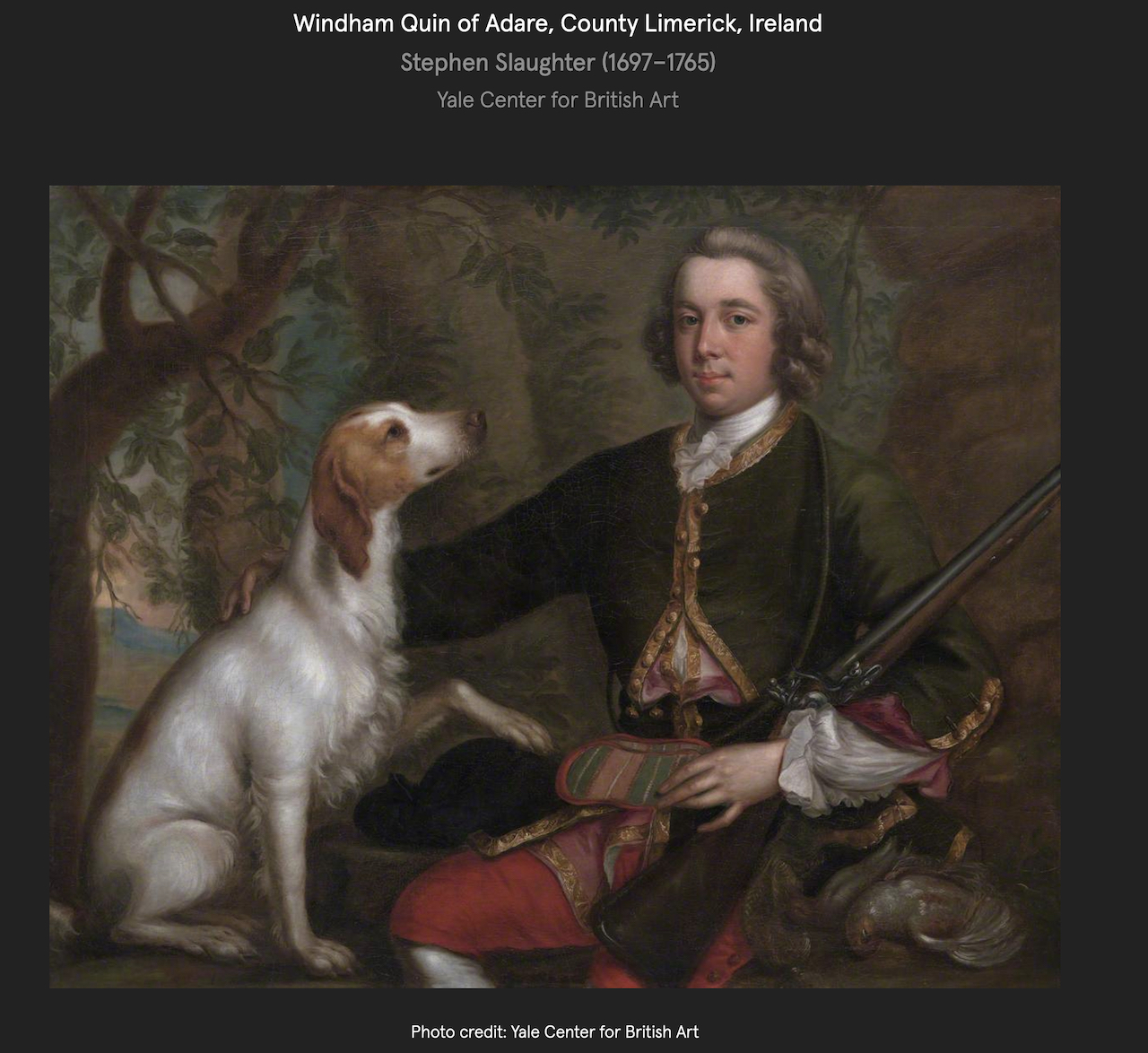
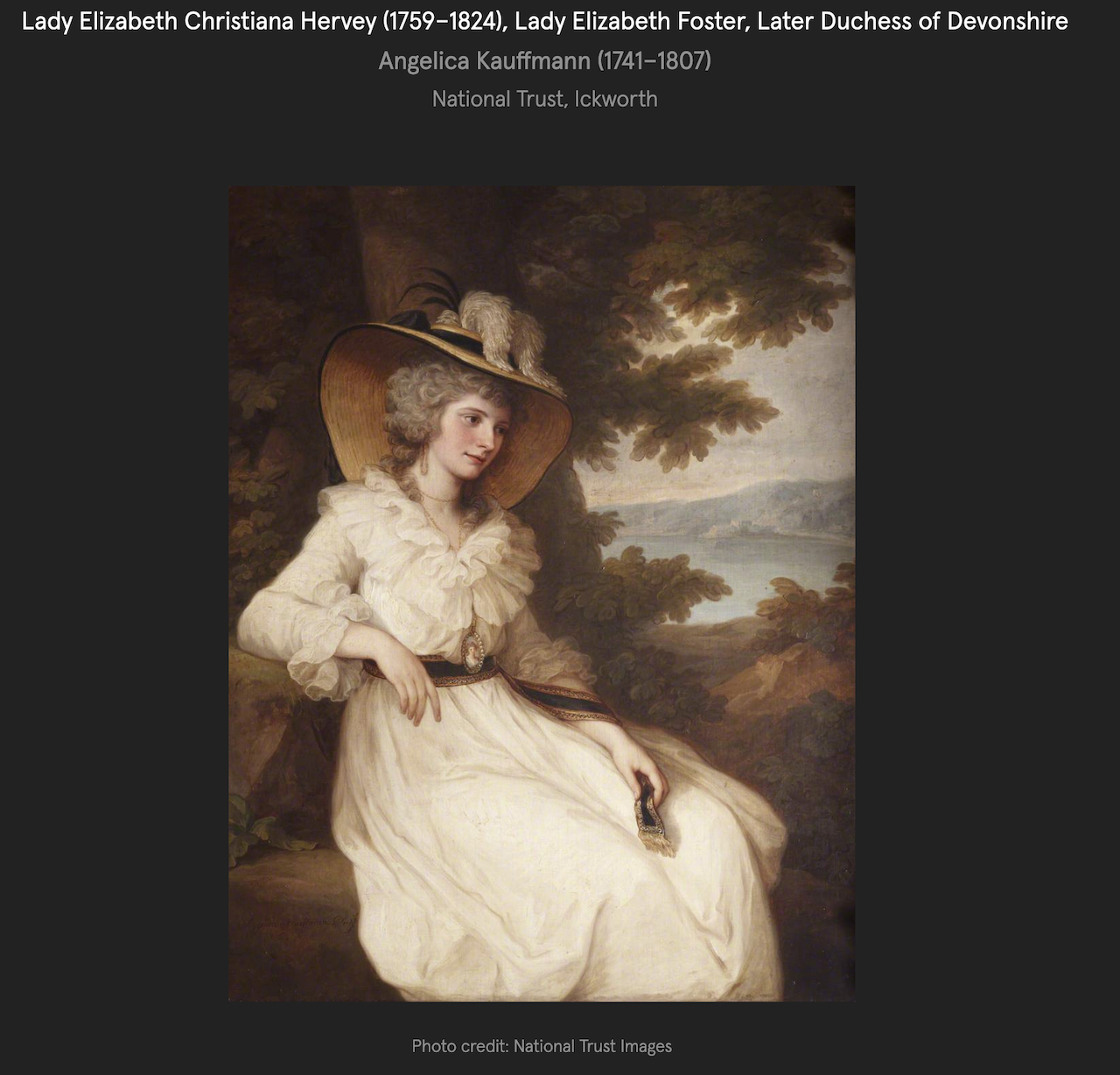
Windham Quin (1717-1789) of Adare, County Limerick by Stephen Slaughter, courtesy of Yale Center for British Art.Elizabeth Christina Foster née Hervey (1759-1824) later Duchess of Devonshire by Angelica Kauffmann courtesy of National Trust Ickworth. She was the daughter of Frederick Augustus Hervey 4th Earl of Bristol, Bishop of Derry who built Downhill, Co Derry. She married John Thomas Foster MP (1747-1796) and later, William Boyle Cavendish 5th Duke of Devonshire. Last, she married Valentine Richard Quin 1st Earl of Dunraven and Mount Earl.
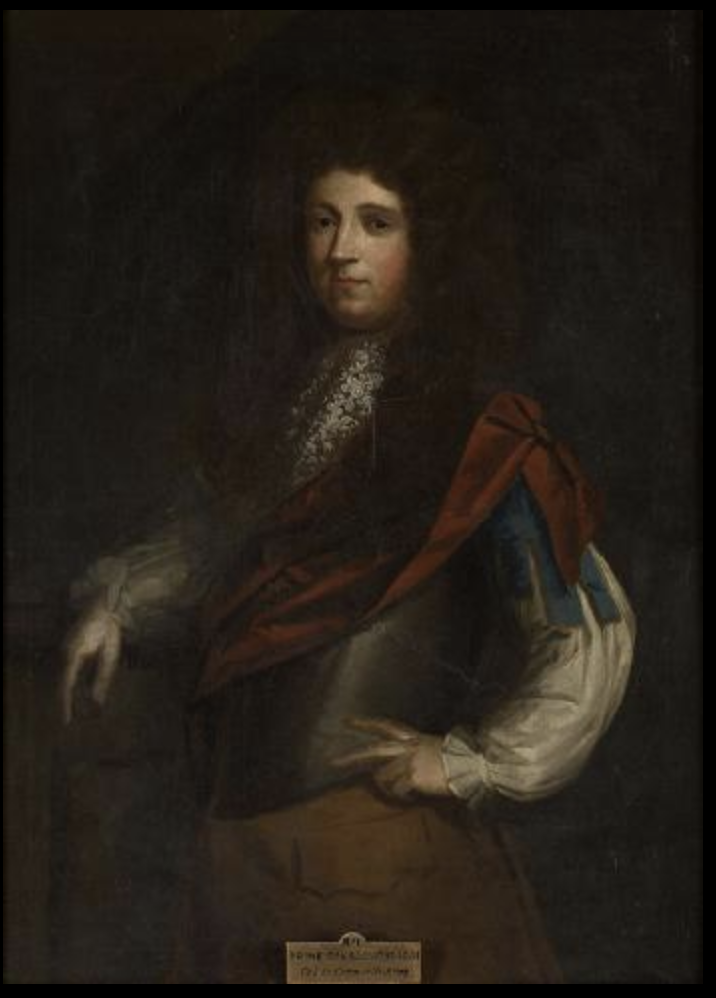
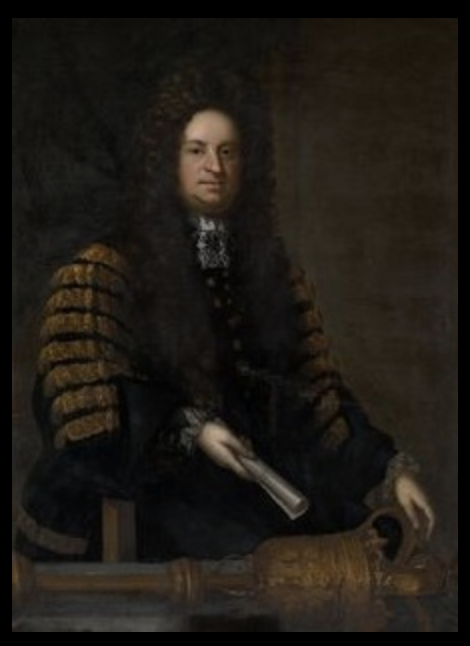
James Rochfort (“Prime Iron”) and Thomasine Pigott had several children including Charles who married Marbella, daughter of Theophilus Jones and Alice Ussher, and Robert (1652-1727), who became Speaker of the Irish House of Commons and Chief Baron of the Irish Exchequer. He married Hannah Hancock (d. 1733) of Twyford, County Westmeath.
Robert Rochfort (1652-1727) as Speaker of the Irish House of Commons by an unknown artist, Photograph of a painting owned by Michael O’Reilly.
Robert Rochfort (1652-1727) and Hannah née Hancock had sons George Rochfort (1682-1730), later of Gaulstown, Co. Westmeath and John (1690-1771). George married Elizabeth, daughter of Henry Hamilton-Moore, 3rd Earl of Drogheda. John married, first, Deborah Staunton (d. 1737) then Emilia (d. 1770), daughter of John Eyre (1659-1709) of Eyre Court.
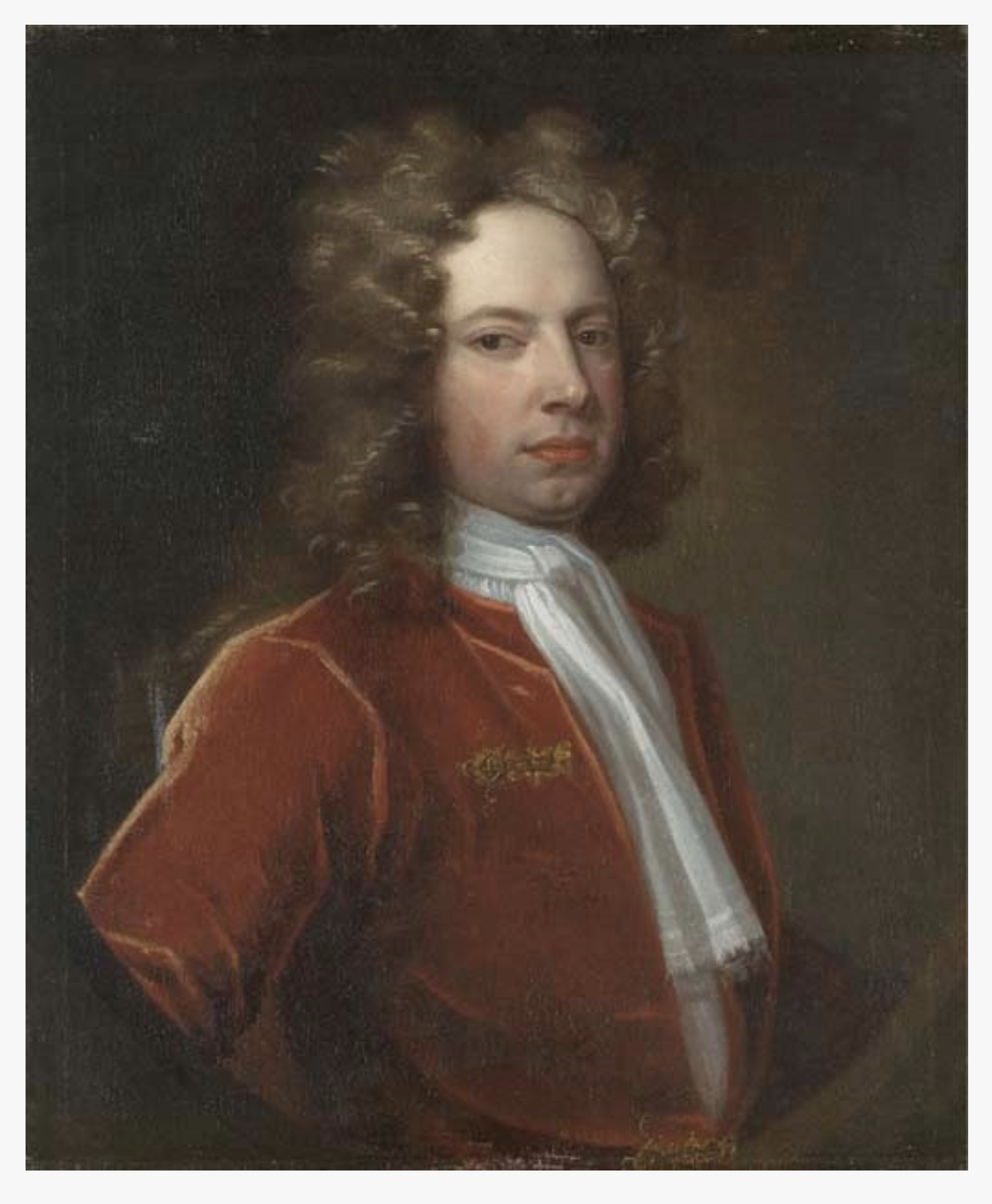
George Rochfort (1682-1730), of Gaulstown, Co. Westmeath, M.P. for Co. Westmeath by Charles Jervas courtesy of Christies Auction 2002
George and Elizabeth née Moore had lots of children. The heir was Robert (1708-1774) who was later created 1st Earl of Belvedere.
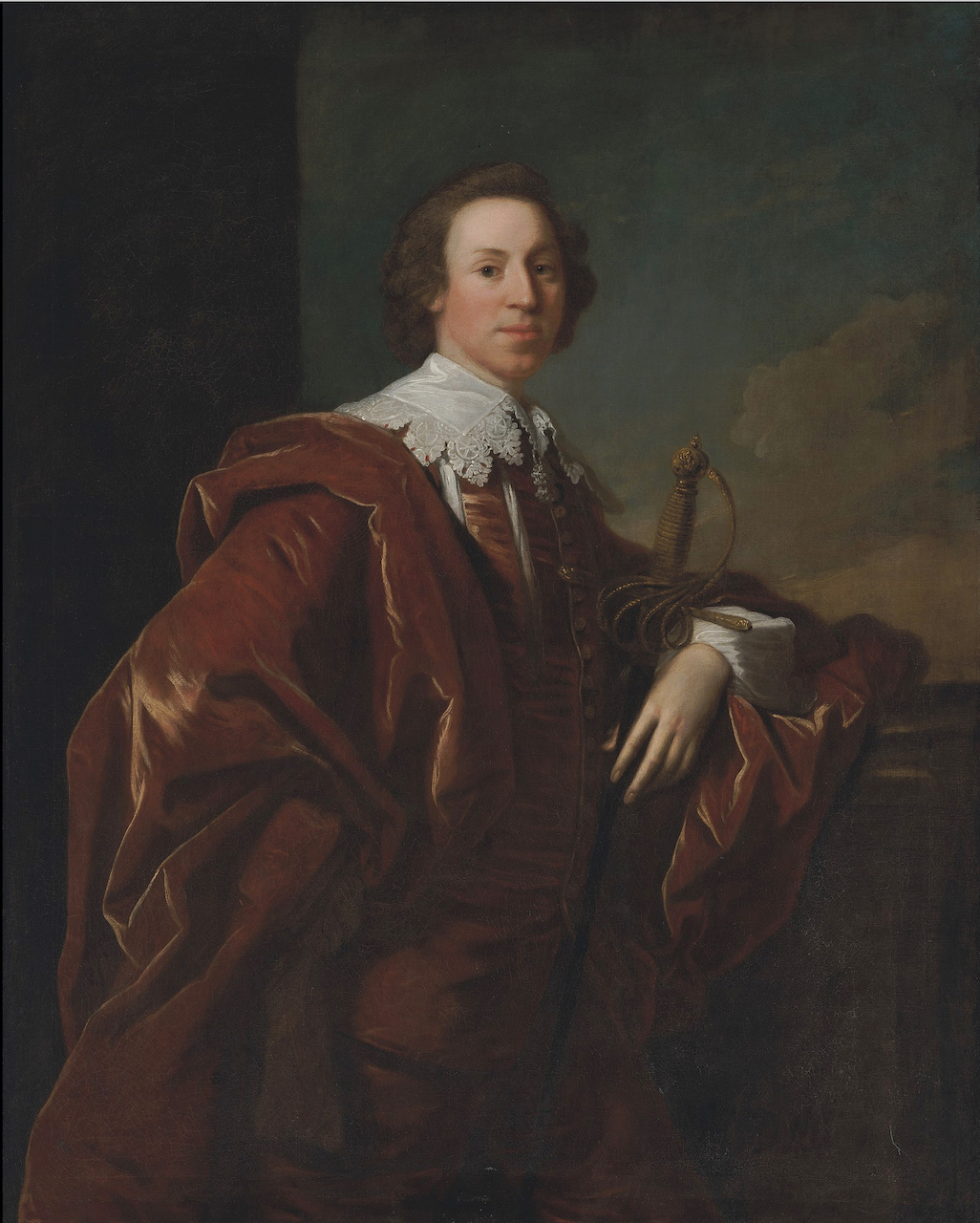
Robert Rochfort, 1st Earl of Belvedere (1708-1774), three-quarter-length, in van Dyck costume, by Robert Hunter It is possible that the present portrait was executed posthumously.
Other children included Mary (1705-1729) who married Henry Tuite, 6th Baronet. Alice (1710-1738) married Thomas Loftus (1701-1768). Thomasine, born 1716, married Gustavus Lambart of Beauparc, County Meath (a section 482 property, see my entry). Anne married Henry Lyons, High Sheriff for King’s County. William (1719-1772) married Henrietta Ramsay. Arthur married Sarah Singleton and became MP for County Westmeath. George (1713-1794) married Alice, daughter of Gustavus Hume, 3rd Baronet.
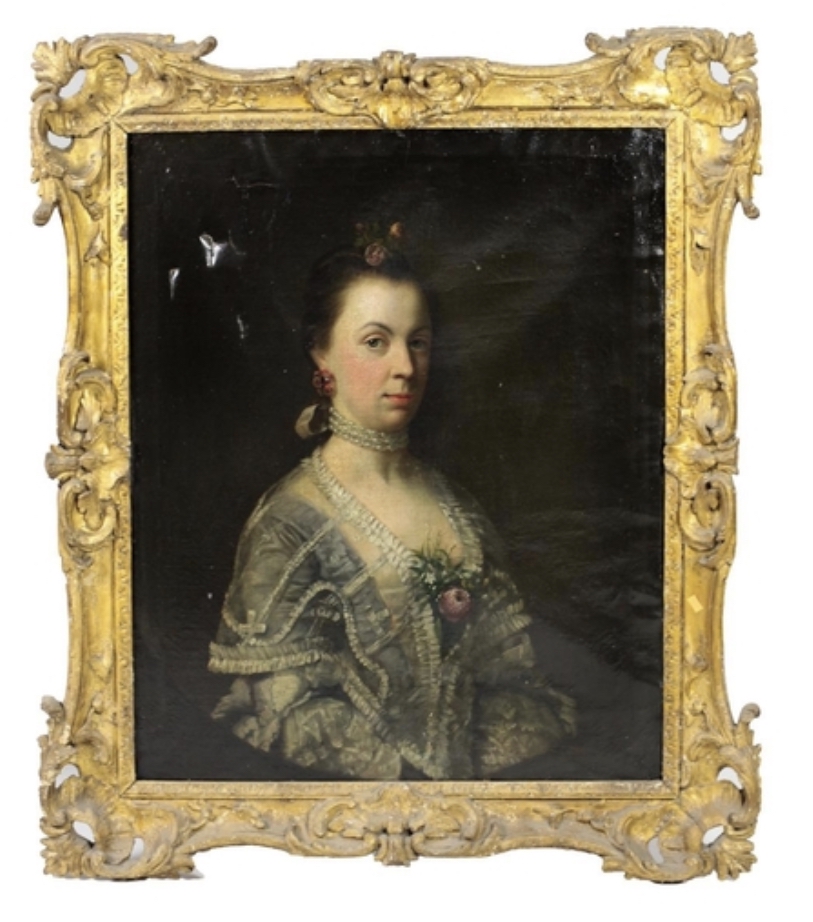
Jane Butler née Rochfort Countess of Lanesborough (1737-1828) Attributed to Thomas Pope Stevens courtesy Christies Irish Sale 2002. She was the daughter of Robert Rochfort, 1st Earl of Belvedere and married Brinsley Butler, 2nd Earl of Lanesborough.Sarah Rochfort (nee Singleton) was the daughter of The Rev. Rowland Singleton (1696-1741) of Drogheda, later Vicar of Termonfeckin, County Louth, wife of Arthur Rochfort (1711-1774) of Bellfield House Co Westmeath, sold at Shepphards.
The first Earl of Belvedere is infamous for locking up his wife, Mary Molesworth, daughter of the 3rd Viscount of Swords (see my entry about Belvedere, County Westmeath). Their daughter Jane (d. 1828) married Brinsley Butler, 2nd Earl of Lanesborough. Robert 1st Earl’s son George (1738-1813) succeeded as 2nd Earl of Belvedere.
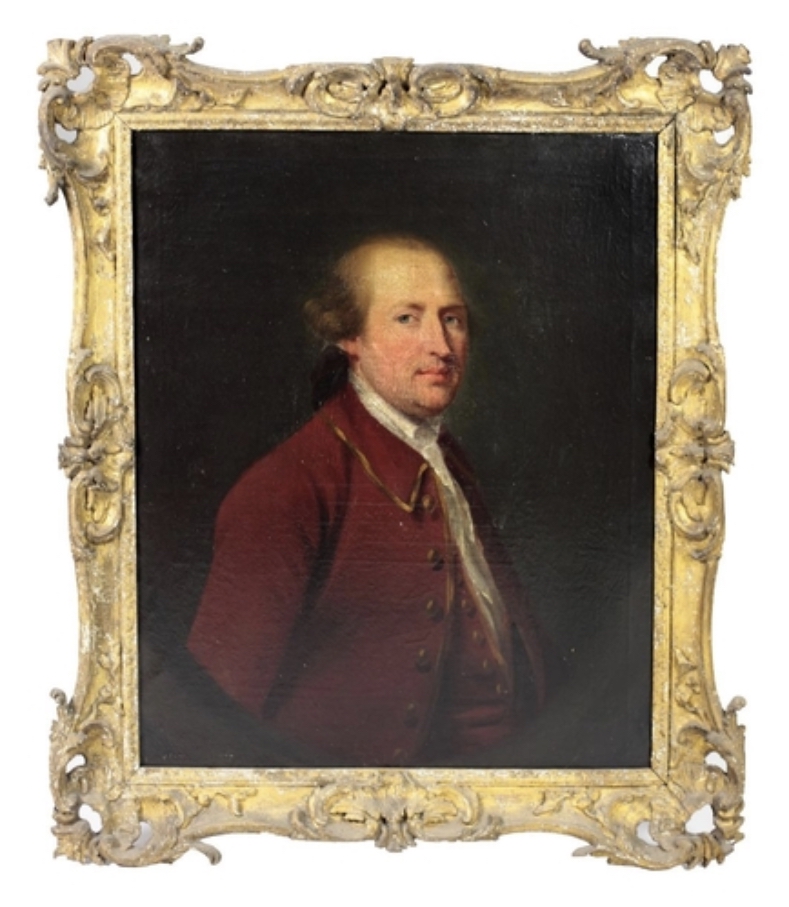
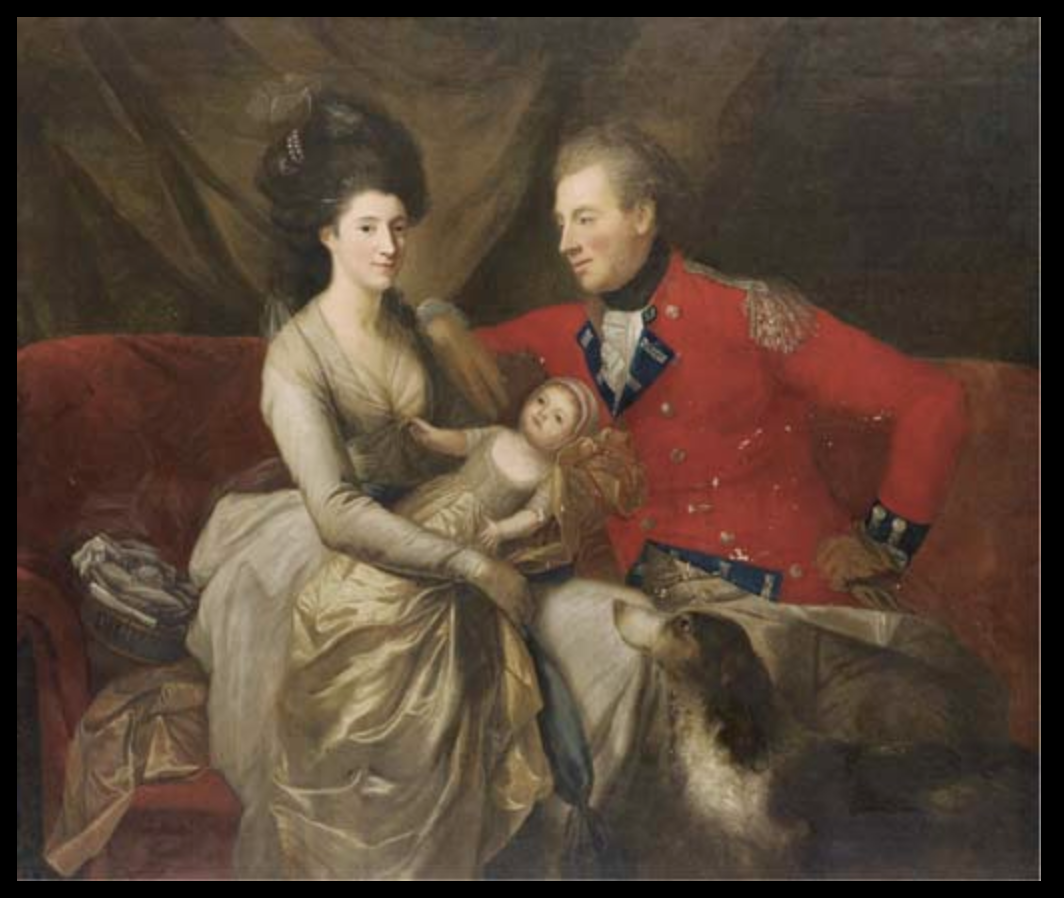
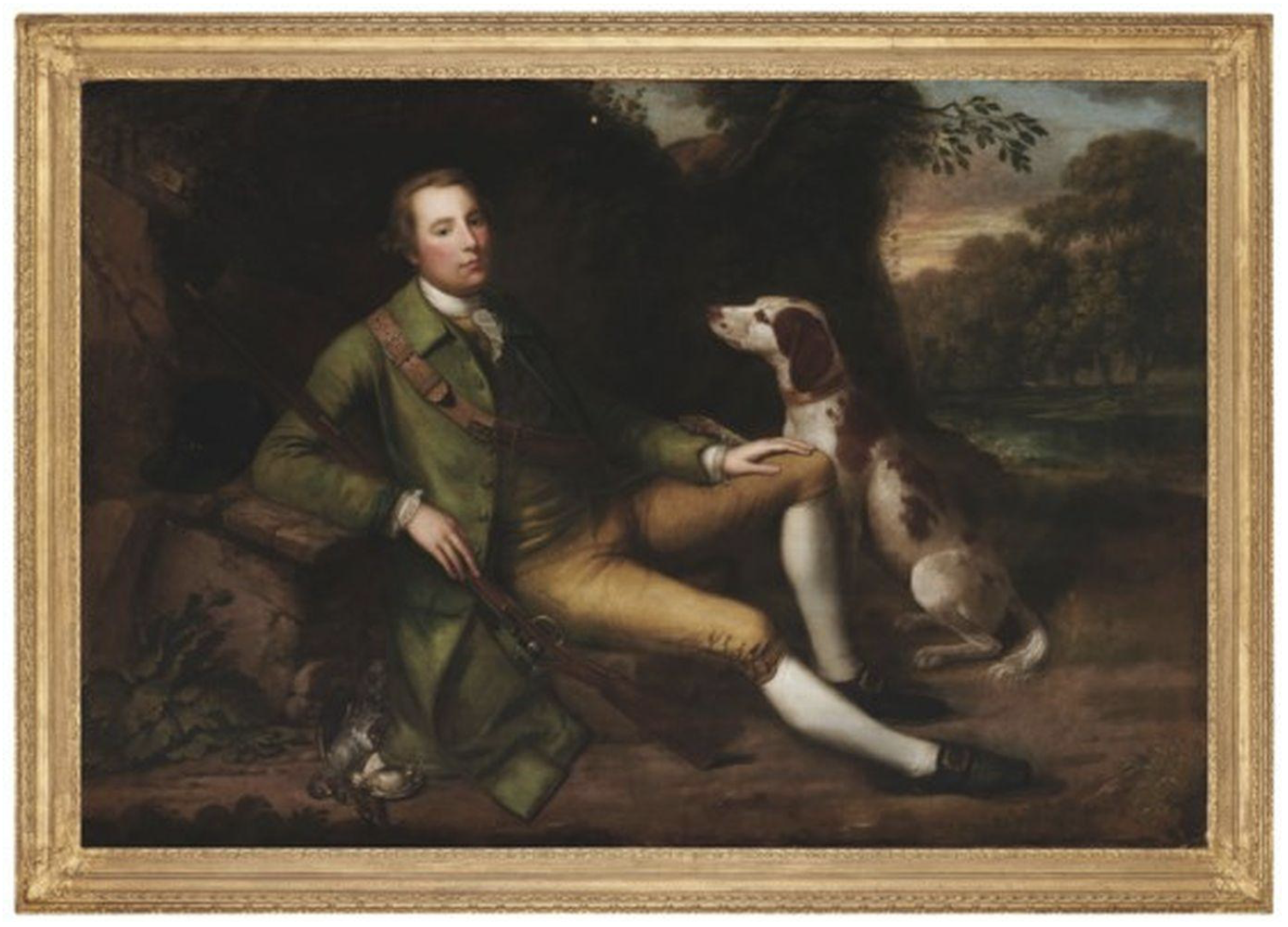
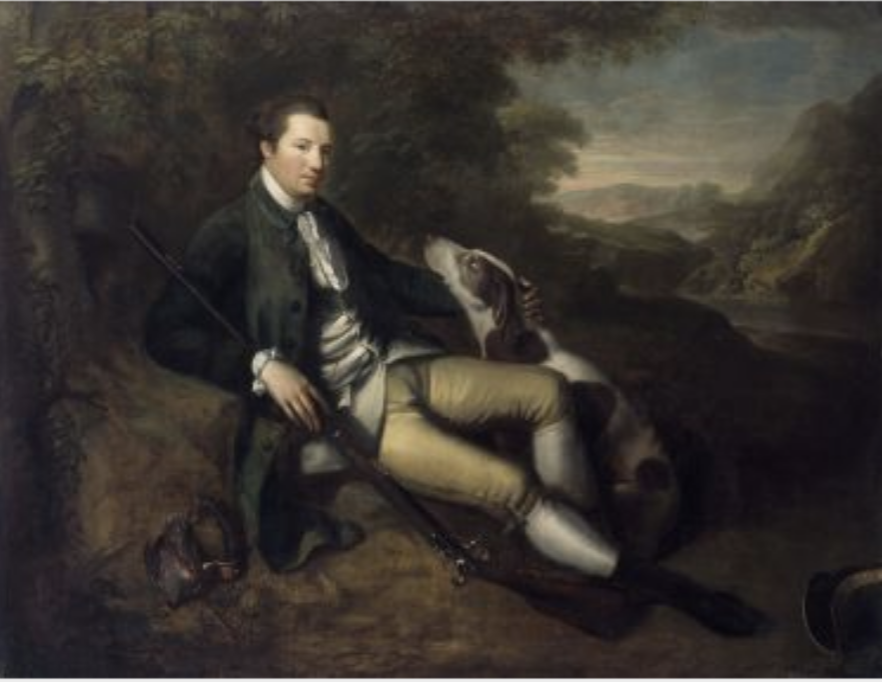
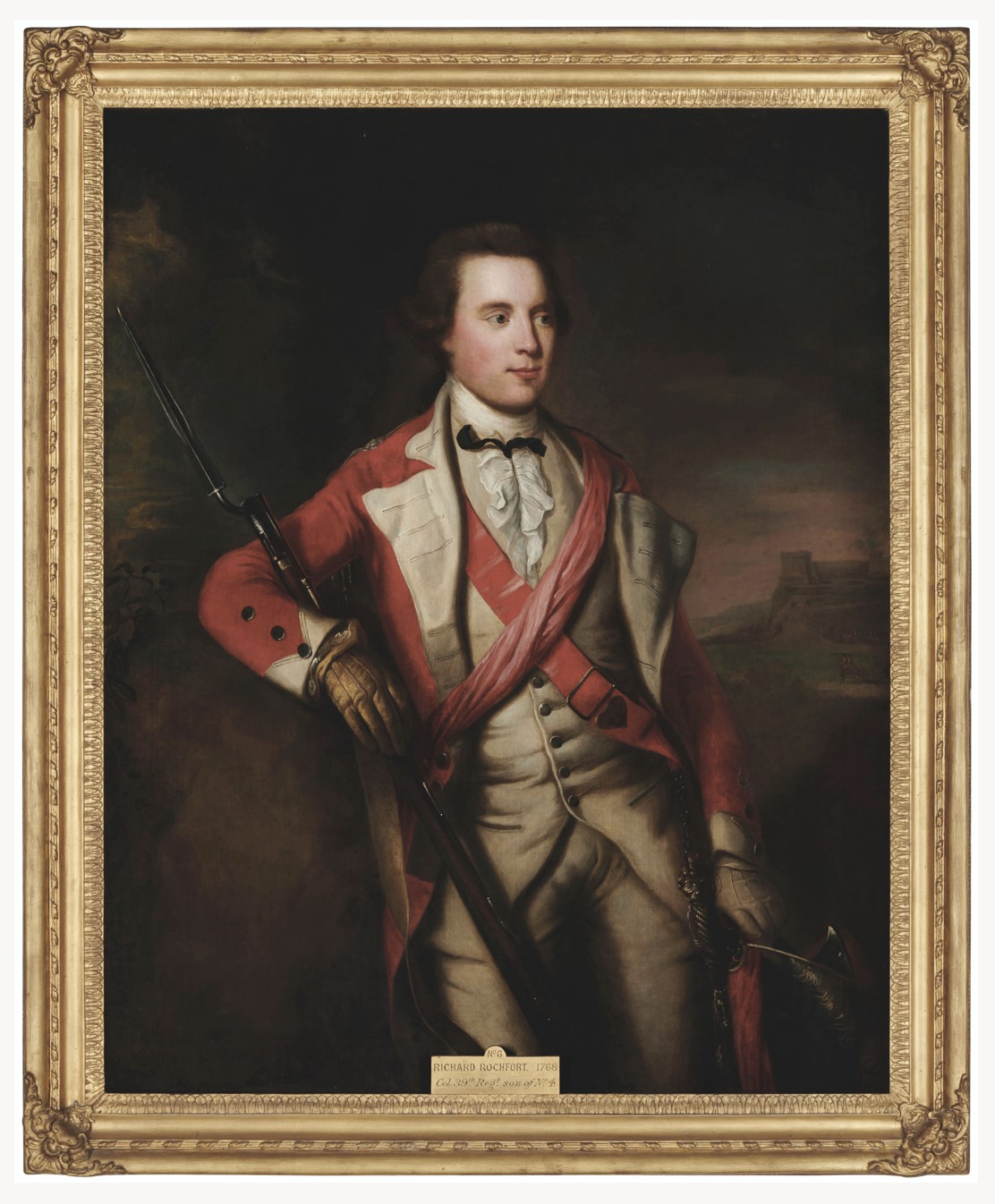
George Rochfort (1738-1815), later 2nd Earl of Belvedere by ROBERT HUNTER (C. 1715/20-1801), Adams auction 18 Oct 2022.George Rochfort (12 October 1738 – 13 May 1814), 2nd Earl of Belvedere, and his second wife Jane née Mackay, by Robert Hunter, 1804 courtesy of Christies.Portrait of a gentleman, likely George Rochfort, 2nd Earl of Belvedere, by Robert Hunter, sold Dec 2021 courtesy Christie’s.
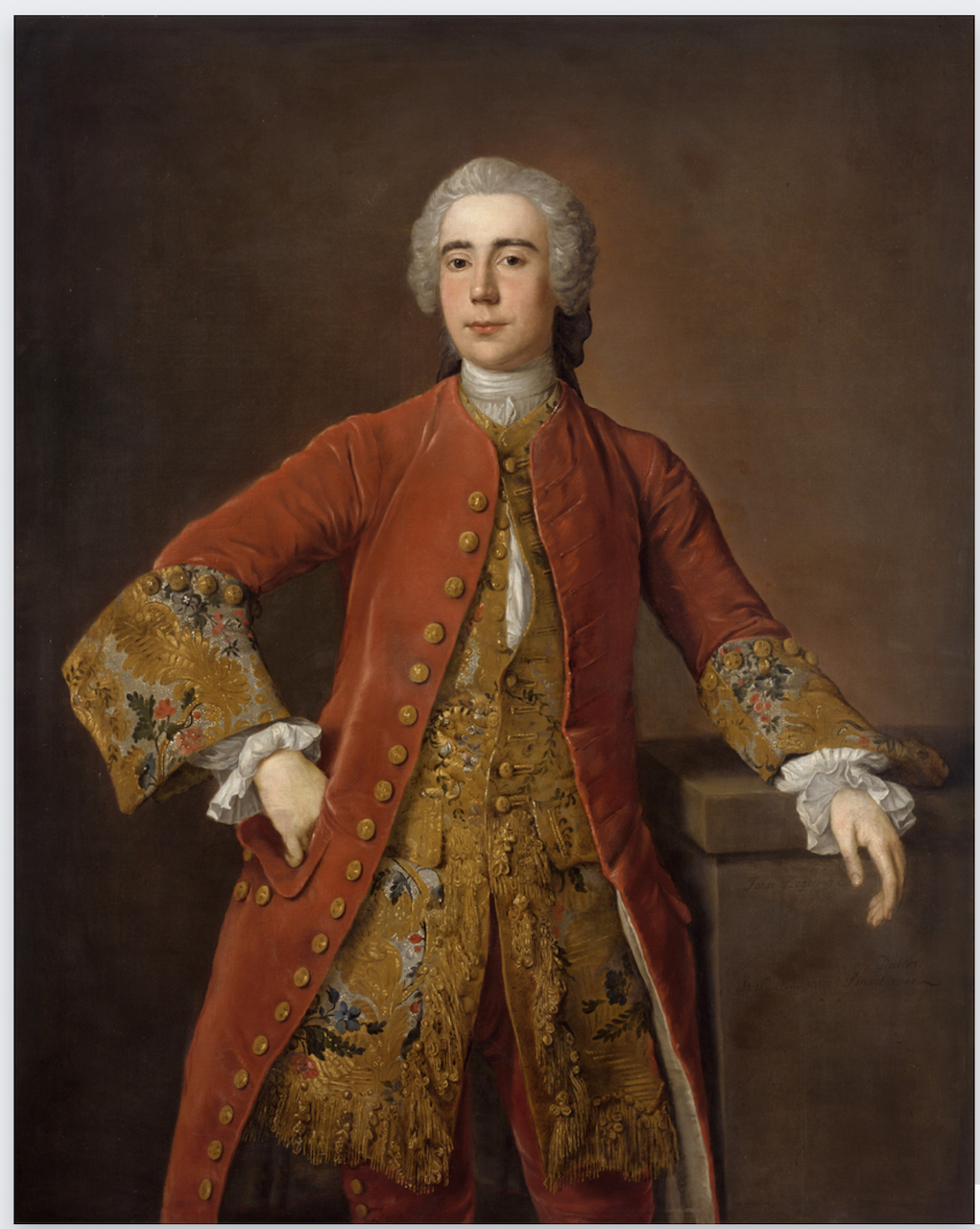
Interestingly, the portrait of George Rochfort 2nd Earl of Belvedere by Robert Hunter is very similar to the portrait of Peter La Touche.

































 Irish Historic Houses