We don’t have a National Trust in the Republic of Ireland the way they do in Northern Ireland. We have instead organisations such as the Office of Public Works, The Landmark Trust, Irish Heritage Trust and An Taisce. Sorry to republish this as a separate entry – previously published in my “Places to visit and stay in County Down” entry. I’ve been busy at weekends and not visiting Section 482 properties, but I’ll catch up again with that soon I hope!
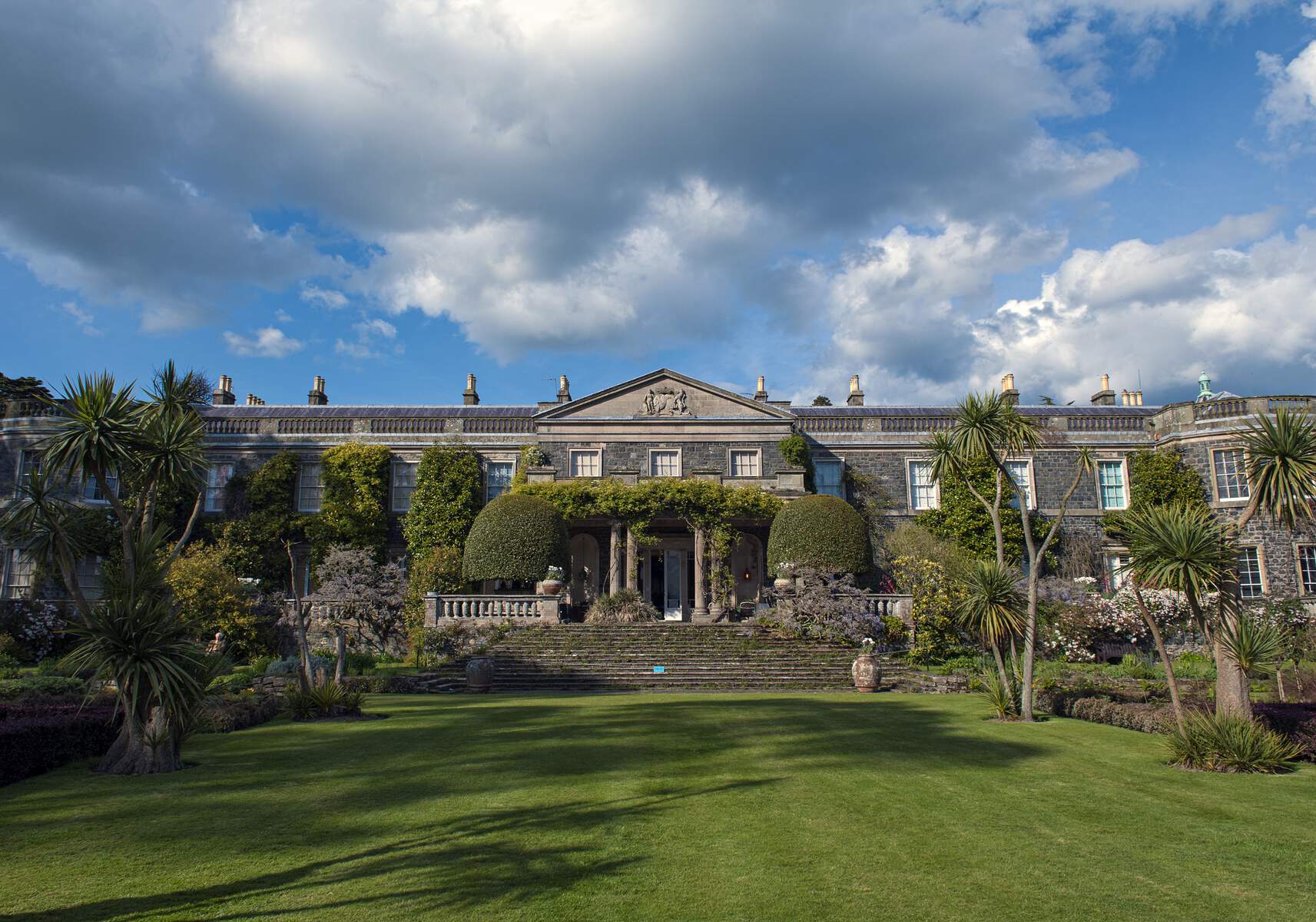
Mount Stewart, County Down, by Art Ward for Tourism Northern Ireland, 2016. (see [1])
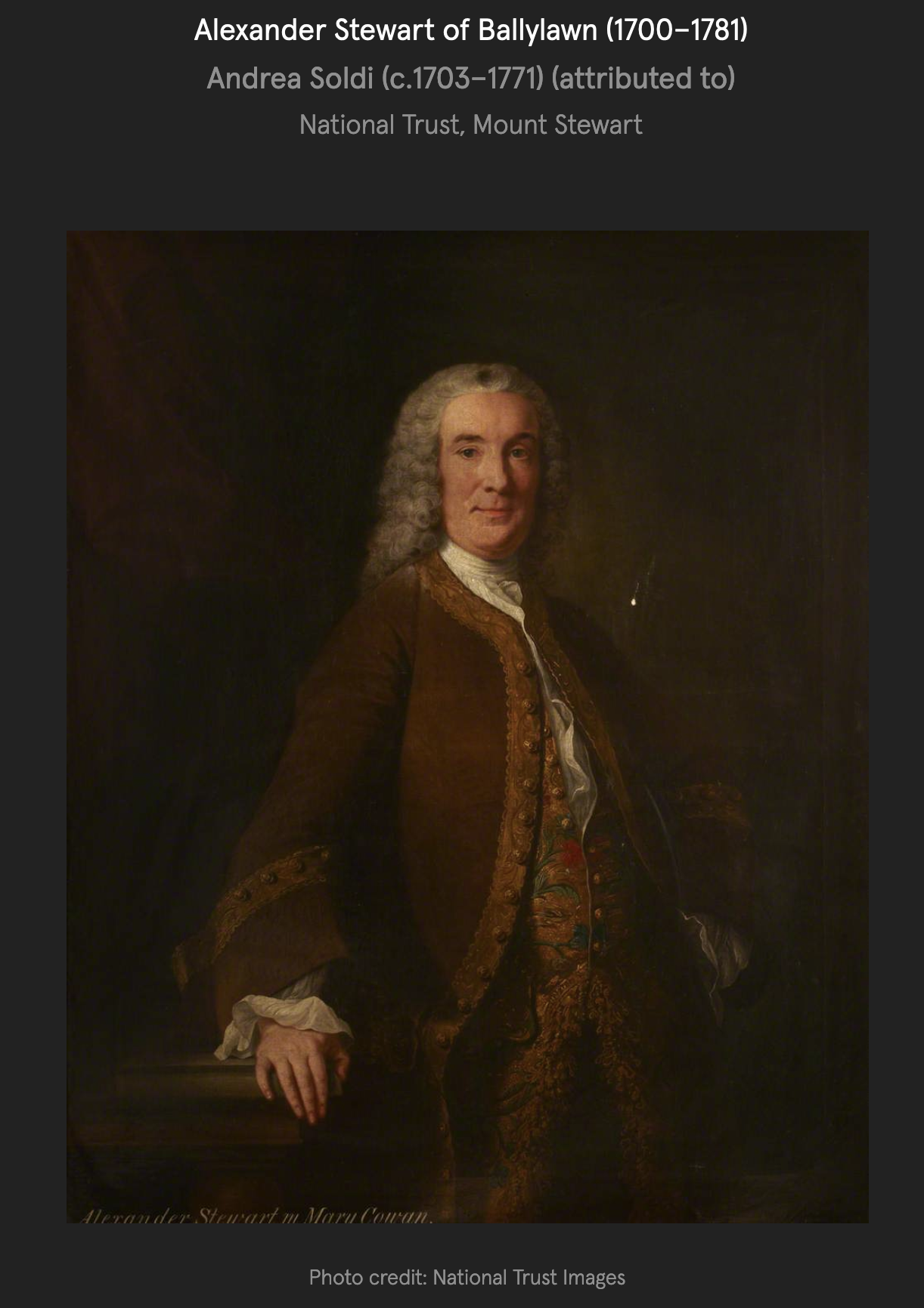
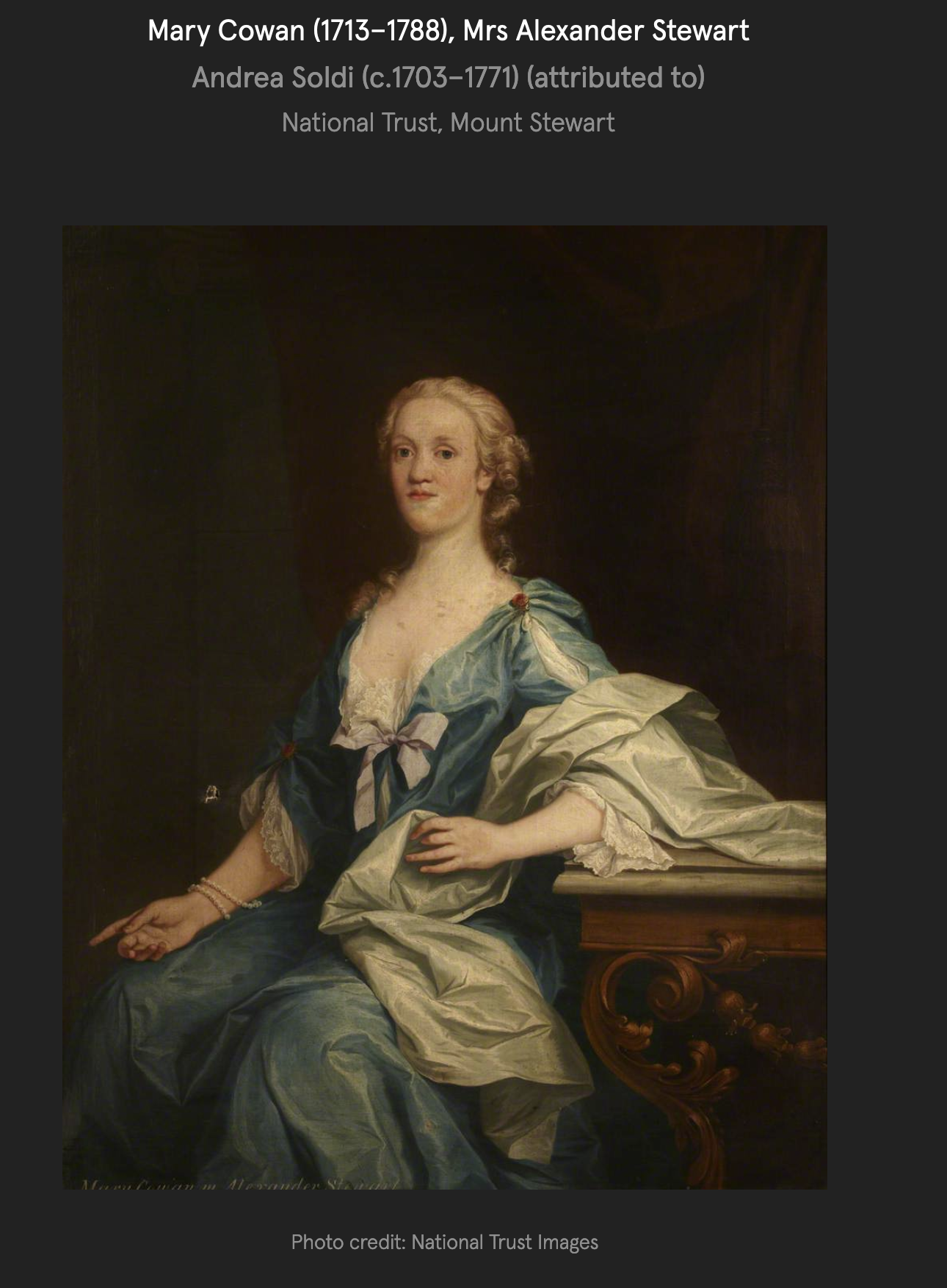
“The Stewarts came from Scotland to Donegal as part of the Jacobean Plantation of Ulster. Alexander Stewart [1700-1781] and his wife, Mary Cowan, bought a large area of land in County Down in 1744, part of which became Mount Stewart demesne. Mary had inherited a fortune from her brother, Robert Cowan, who was in the East India Company, and was Governor of Bombay.” Mary and Robert’s father John Cowan was an Alderman of the city of Derry in what is now Northern Ireland. Alexander Stewart was MP for Derry.
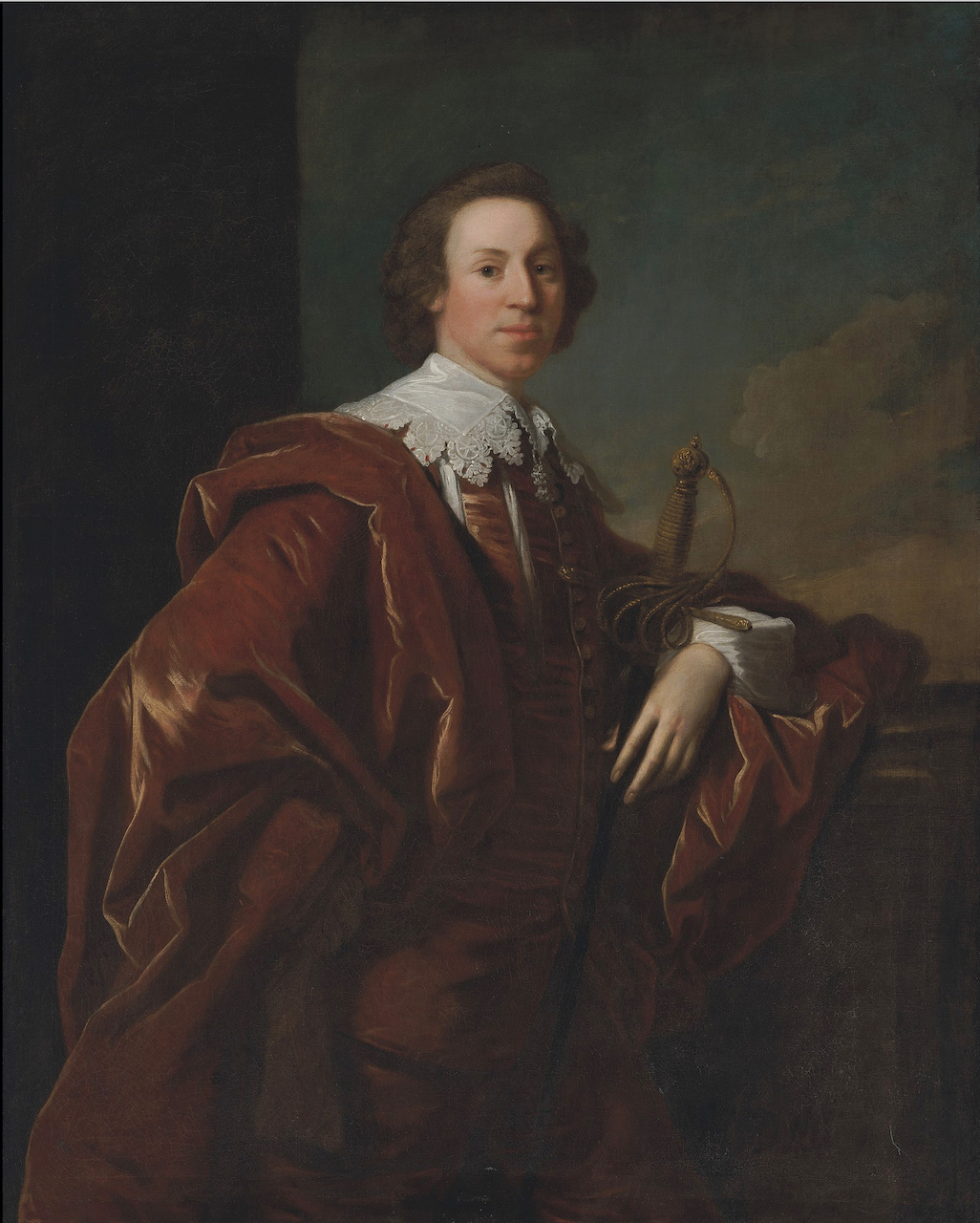
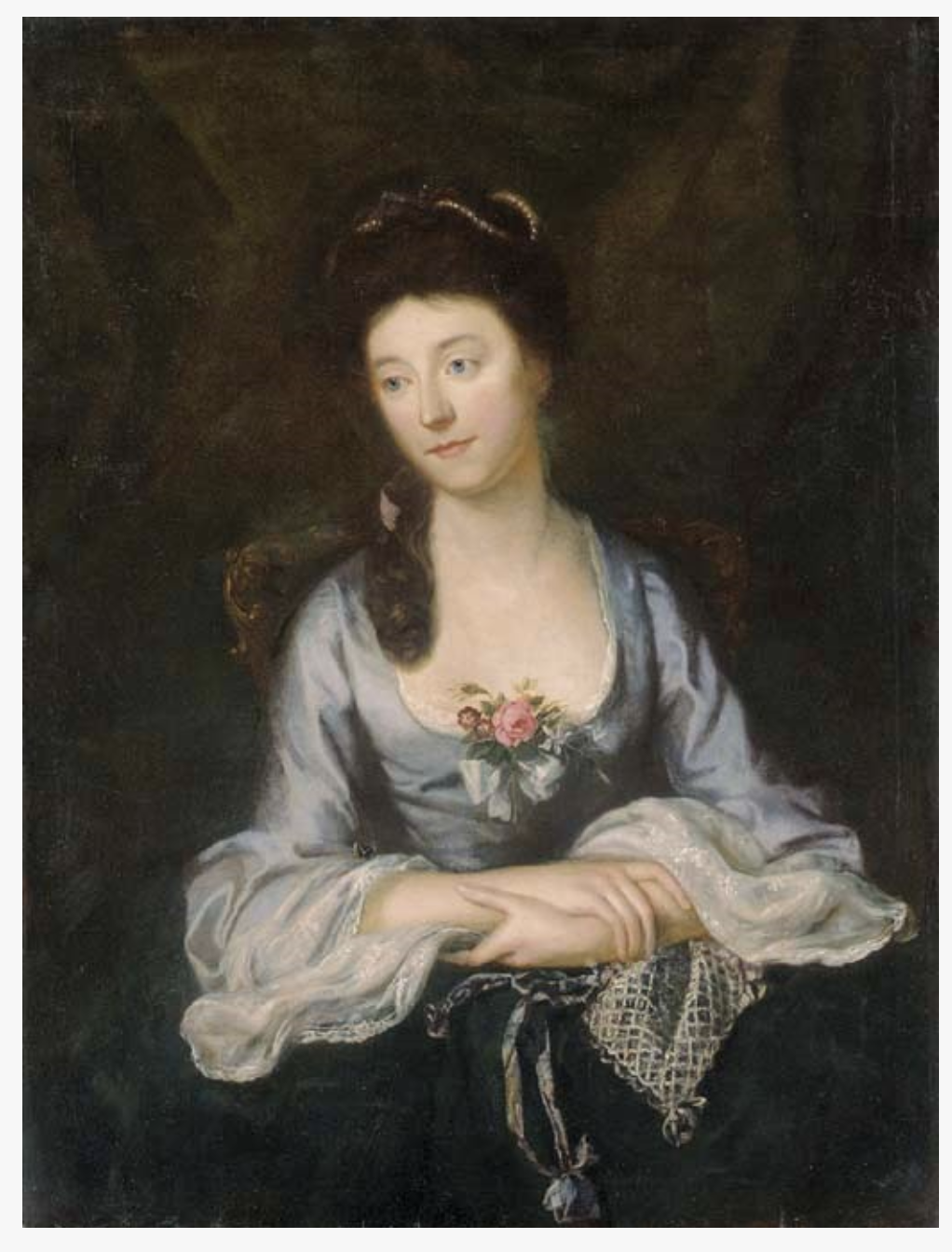
Alexander Stewart (1700-1781) by Andrea Soldi, courtesy of National Trust Mount Stewart.Oil painting on canvas, Mary Cowan, Mrs Alexander Stewart (1713–1788), by Andrea Soldi (Florence c.1703 – London 1771), circa 1737. A three-quarter-length portrait of a woman with fair hair, seated, turned to the left, wearing a blue dress with a pink bow, and white drapery. She rests her left elbow on a table, and points to the left with her right hand. She married Alexander Stewart in 1737. The artist returned from “the Levant” to London in 1736 and painted in Scotland c. 1756-58.
The National Trust website continues: “A modest house on the shore of Strangford Lough was extended in the 1780s into a long low 2-storey house by Alexander’s son, Robert. Robert also built a walled garden and farm buildings further inland, and commissioned James ‘Athenian’ Stuart to design the Temple of the Winds, one of the finest small neo-classical buildings in Ireland. Through his political connections and marriage, Robert rose through the political ranks, becoming earl and subsequently marquess of Londonderry.“
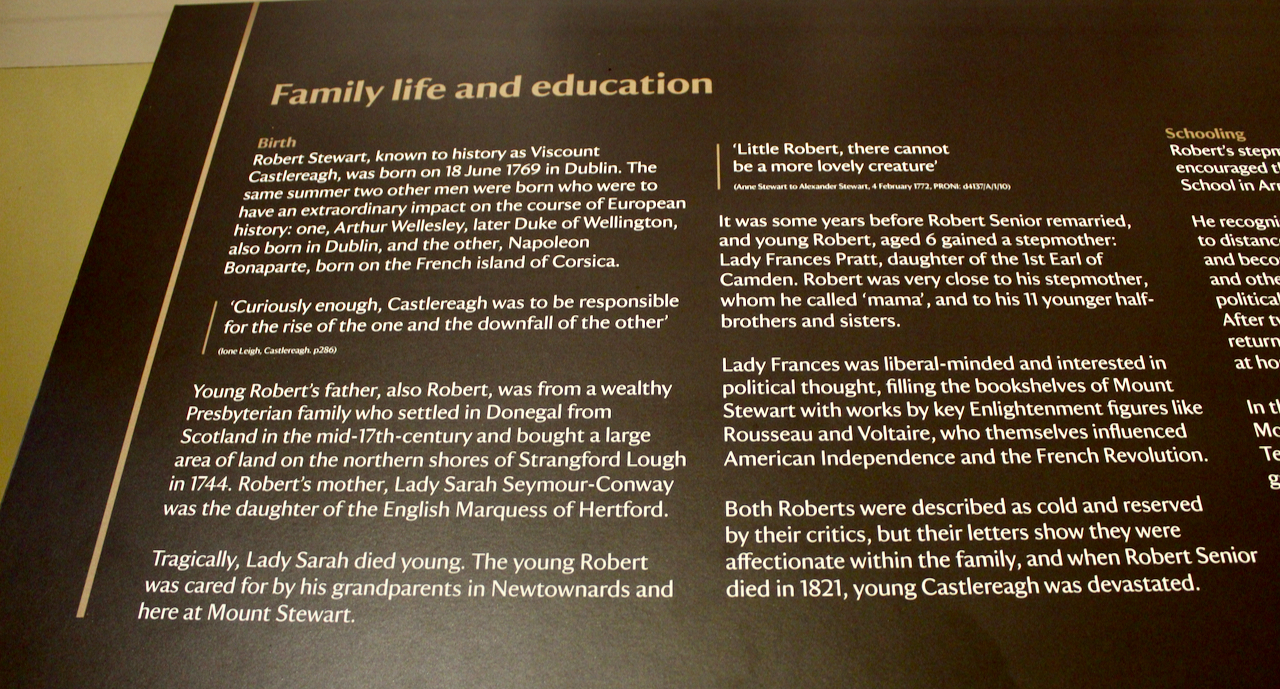
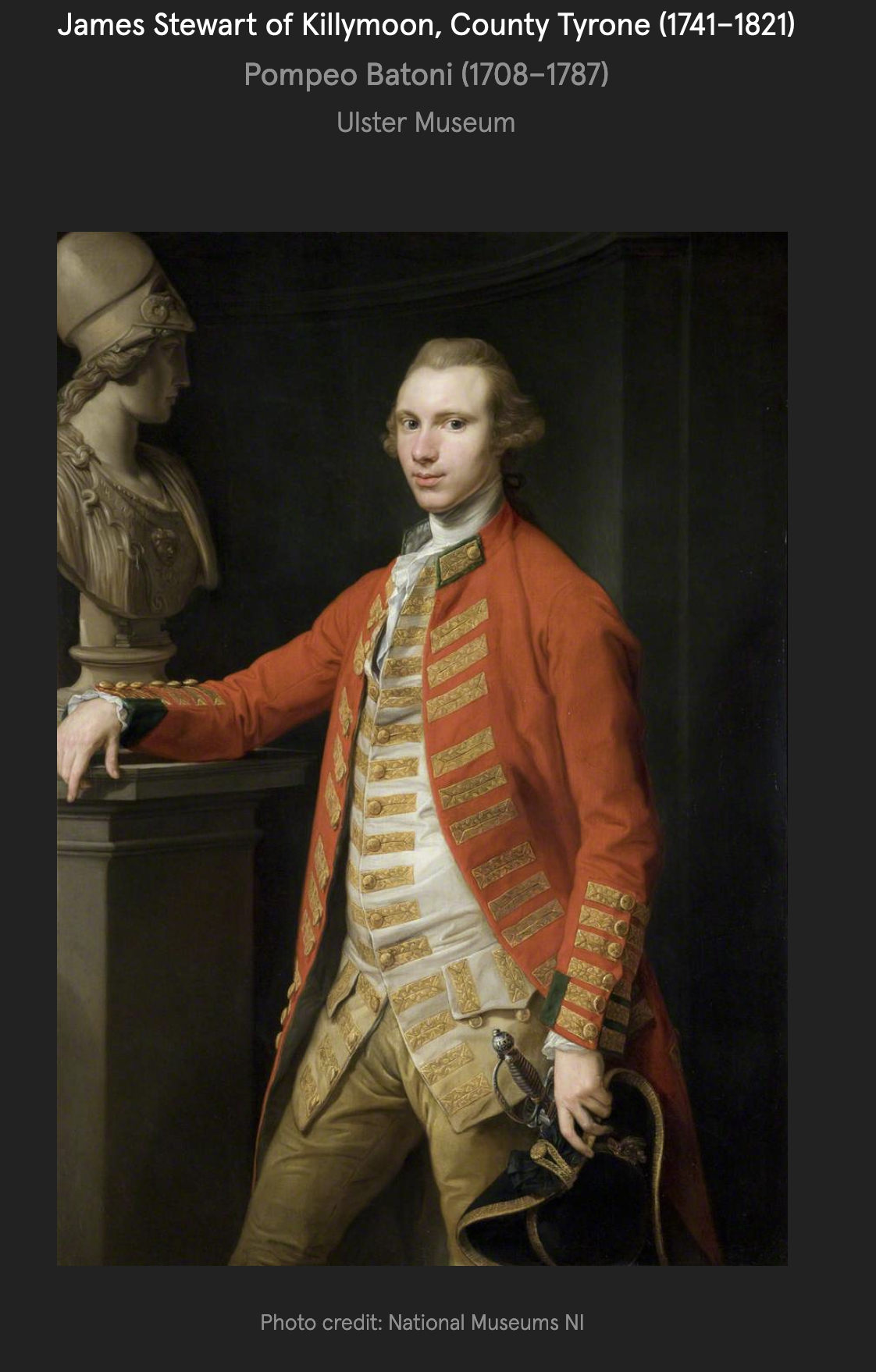
Robert Stewart (1739-1821) 1st Marquess of Londonderry married, first, Sarah Frances Seymour Conway, and she gave birth to his heir, Robert Stewart (1769-1822) 2nd Marquess of Londonderry, who was later made Viscount Castlereagh.
He then married secondly, Frances Pratt, daughter of Charles Pratt 1st Earl of Camden, Chislehurst, County Kent in England.
Oil painting on paper laid down on canvas, A Conversation Piece with Robert, 1st Marquess of Londonderry (1739-1821), his Second Wife, Frances (1750-1833), their Son Charles William (1778-1854), and their Four Younger Daughters, Selina, Matilda, Emily Jane and Octavia by Thomas Robinson (Windermere before 1770 – Dublin 1810), 1803-08. The daughters shown are Lady Selina Stewart, later Lady Selina Kerr (d.1871), Lady Emily Jane Stewart, Viscountess Hardinge (1789-1865), Lady Octavia Catherine Stewart, later Baroness Ellenborough (d.1819) and Lady Matilda Stewart, later Lady Matilda Ward (d.1842). Their elder three daughters Georgiana (d. 1804), Caroline (1865) and France Anne (1777 – 1810) are not present.
The website tells us: “It was Robert’s son, best known as Viscount Castlereagh, who chose the architect George Dance to design a new wing for Mount Stewart which included a series of fine reception rooms. The west wing was built around 1804–6.“
Mark Bence-Jones writes in his A Guide to Irish Country Houses (1988):
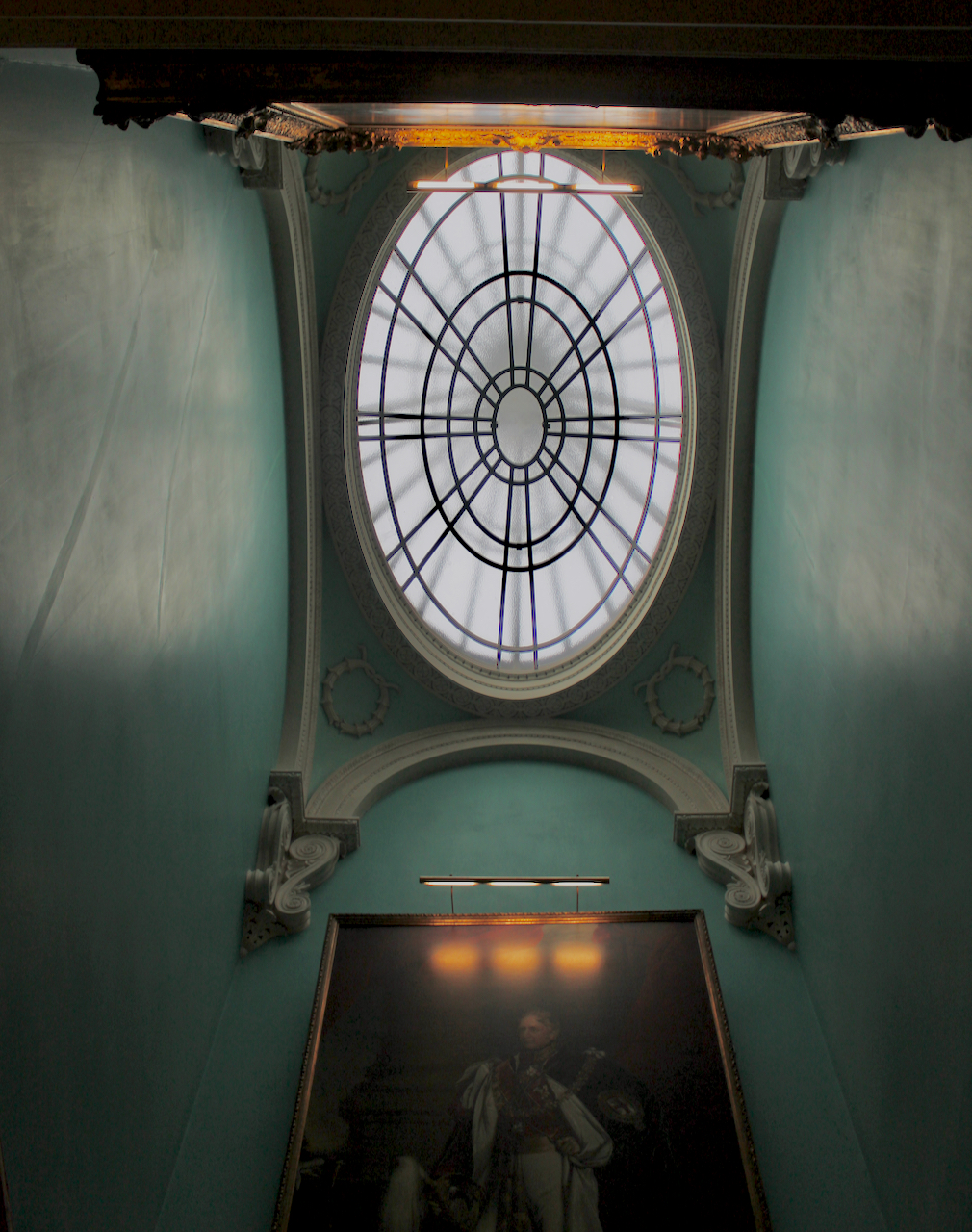
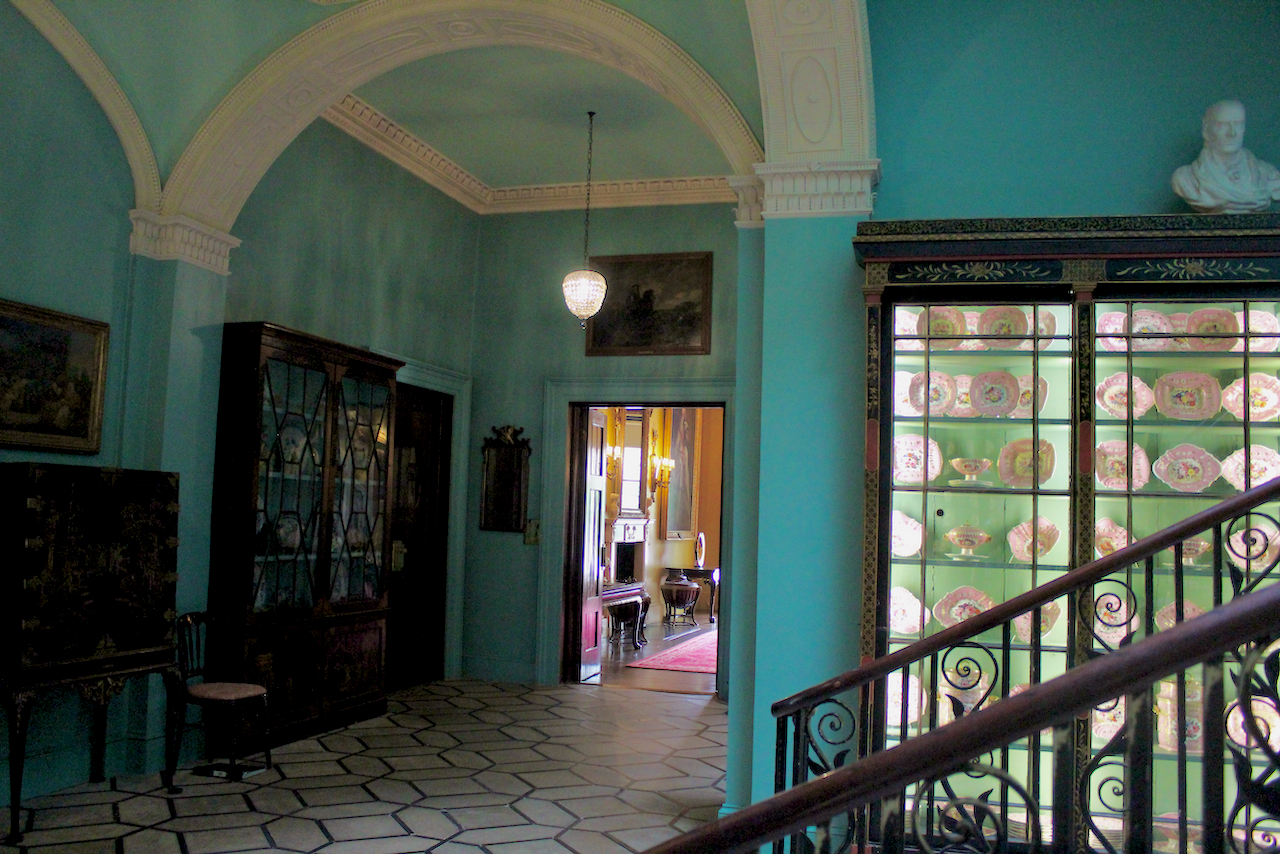
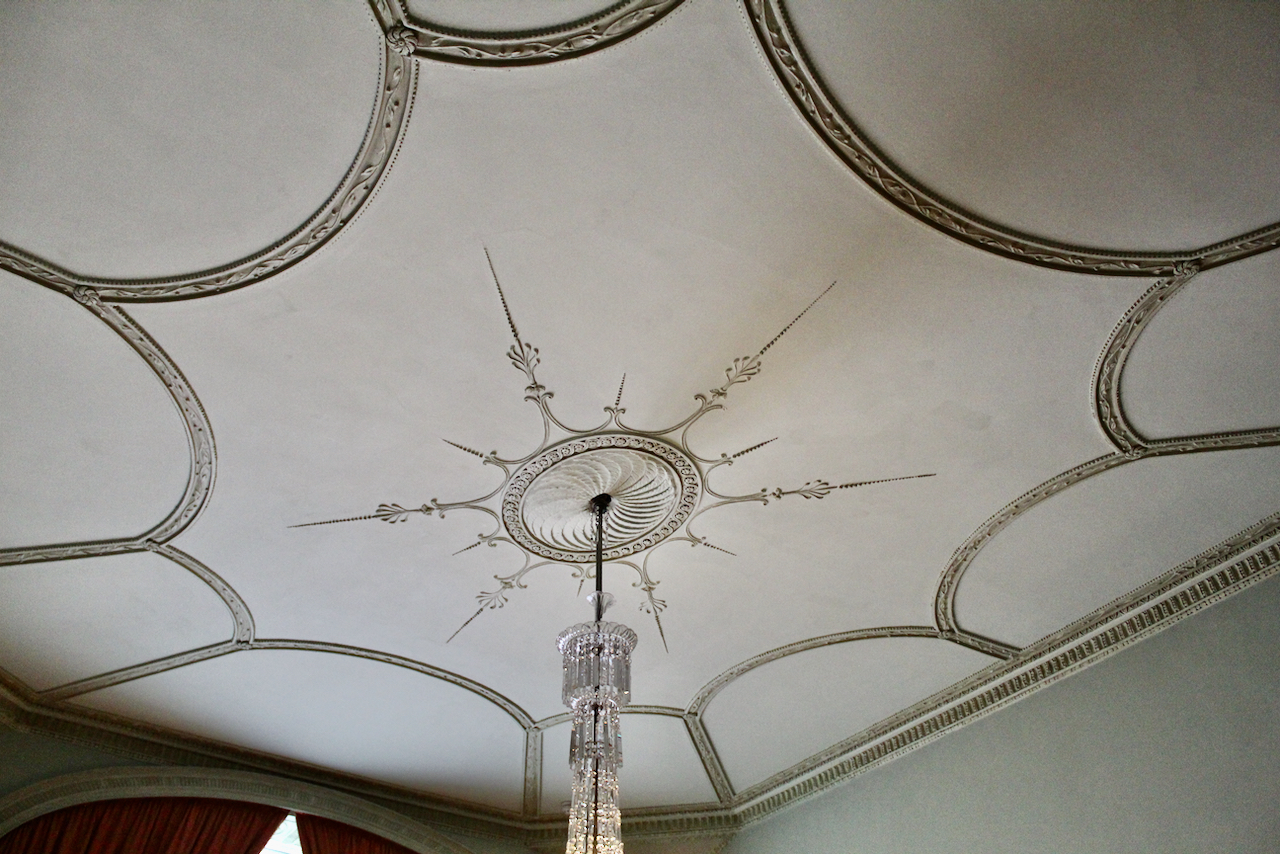
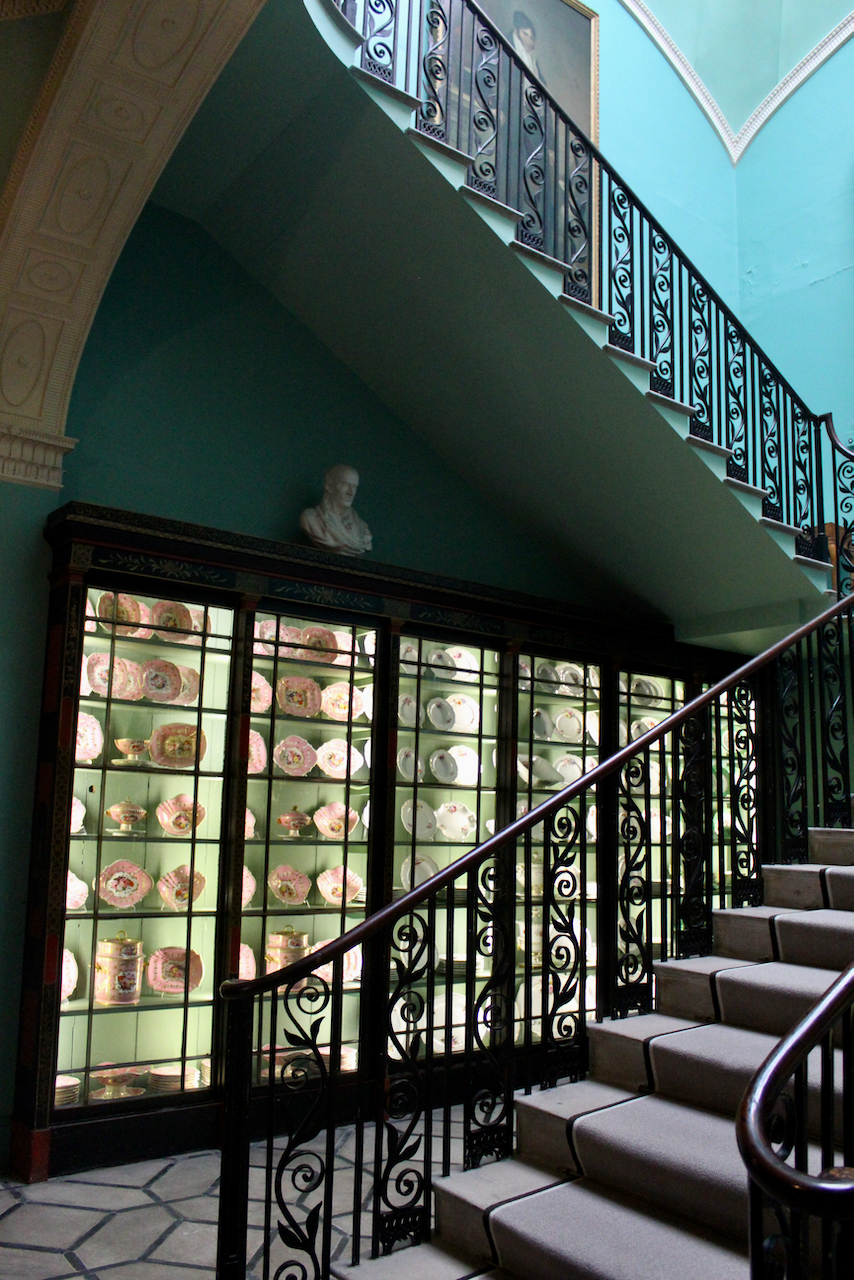
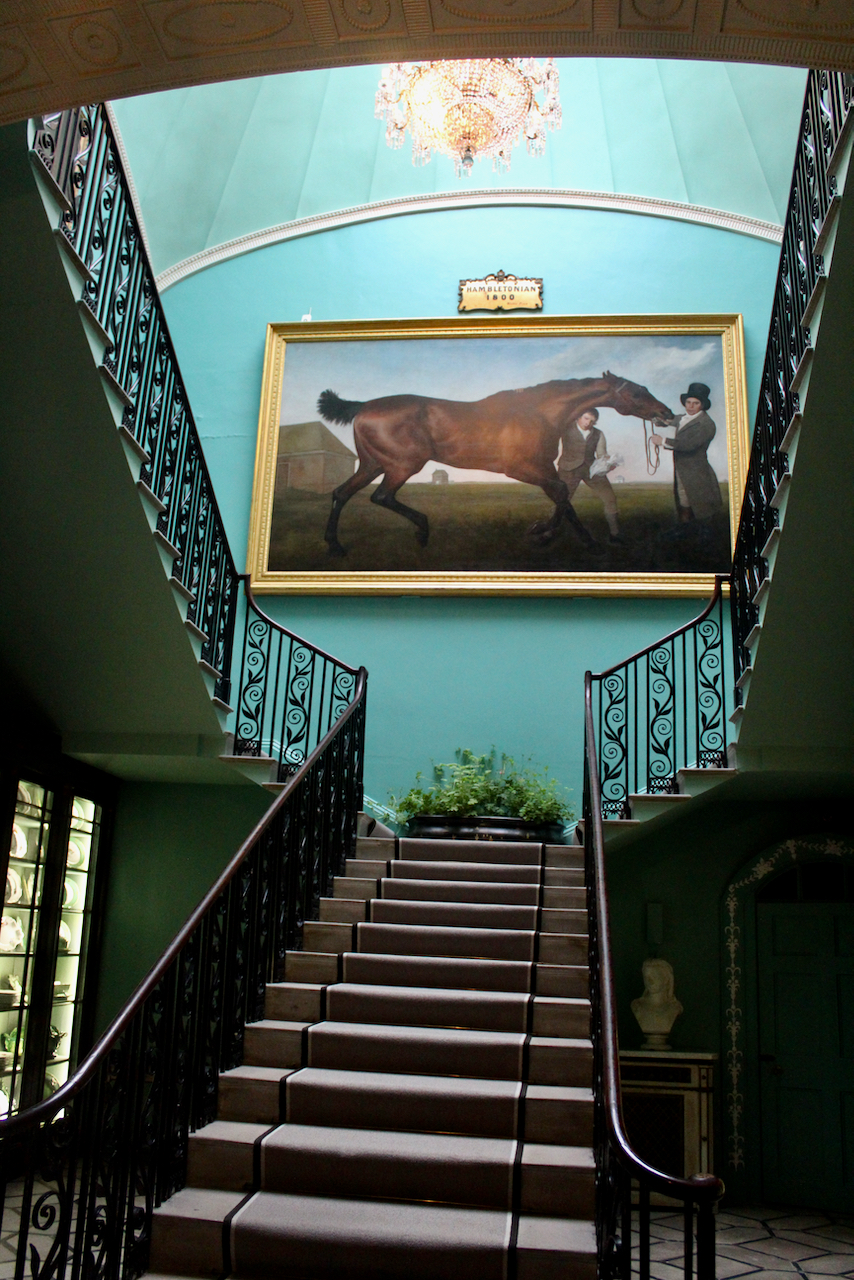
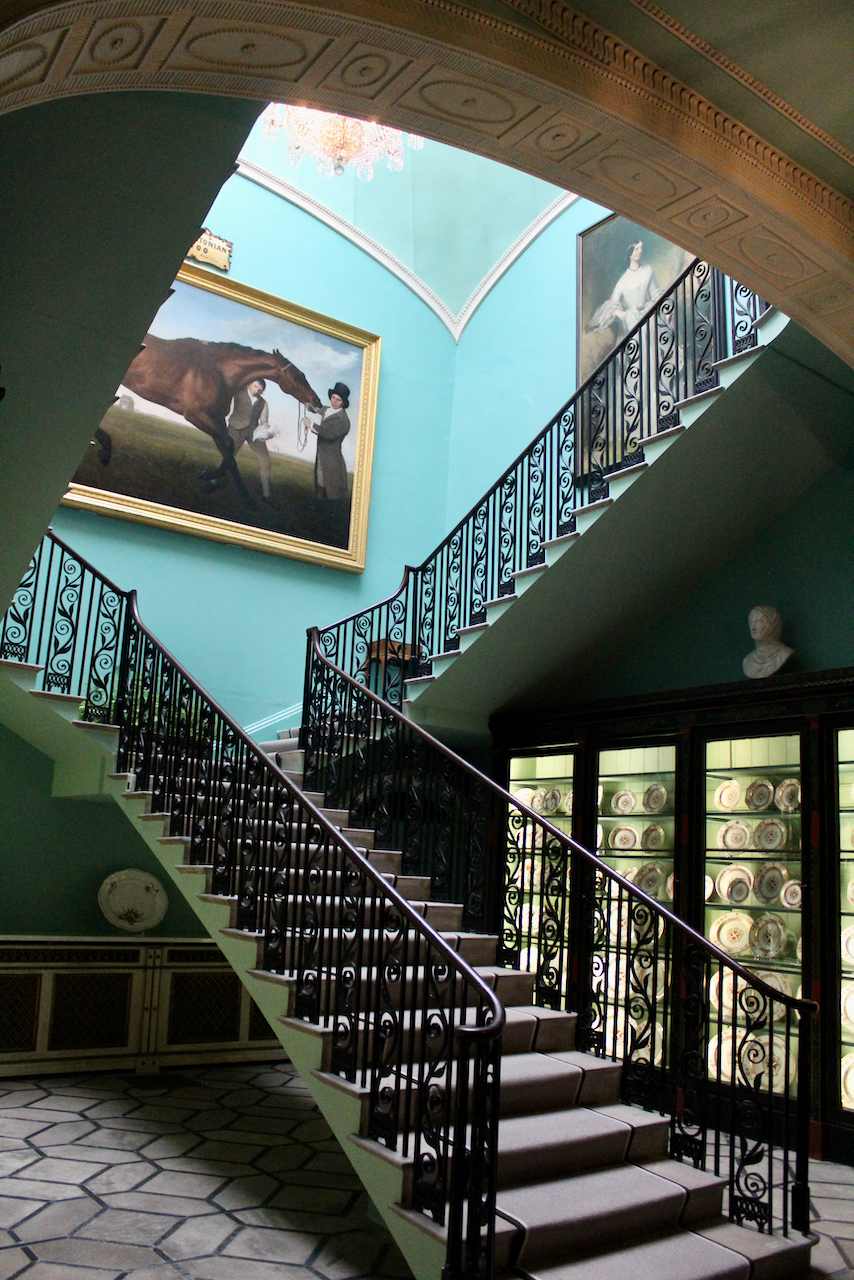
p. 216. “Vane-Tempest-Stewart, Londonderry, M/PB) A long two storey Classical house of 1820s, one end of which is, in fact, a house built 1803-06 by 1st Marquess of Londonderry (father of the statesman, Castlereagh) to the design of George Dance. The seven bay front of 1803-06 house survives as the end elevation of the present house; unchanged, except that its centre bay now breaks forward under a shallow pediment, similar to those on either side of the present entrance front, which are very much of 1820s. The three rooms at this end of the house keep their original ceilings of delicate plasterwork; the centre one, which was formerly the entrance hall, has a ceiling with pendentives, making it an octagon. Behind this former entrance hall is an imperial staircase with a balustrade of elegant ironwork, lit by a dome; this too, is part of the earlier house.“
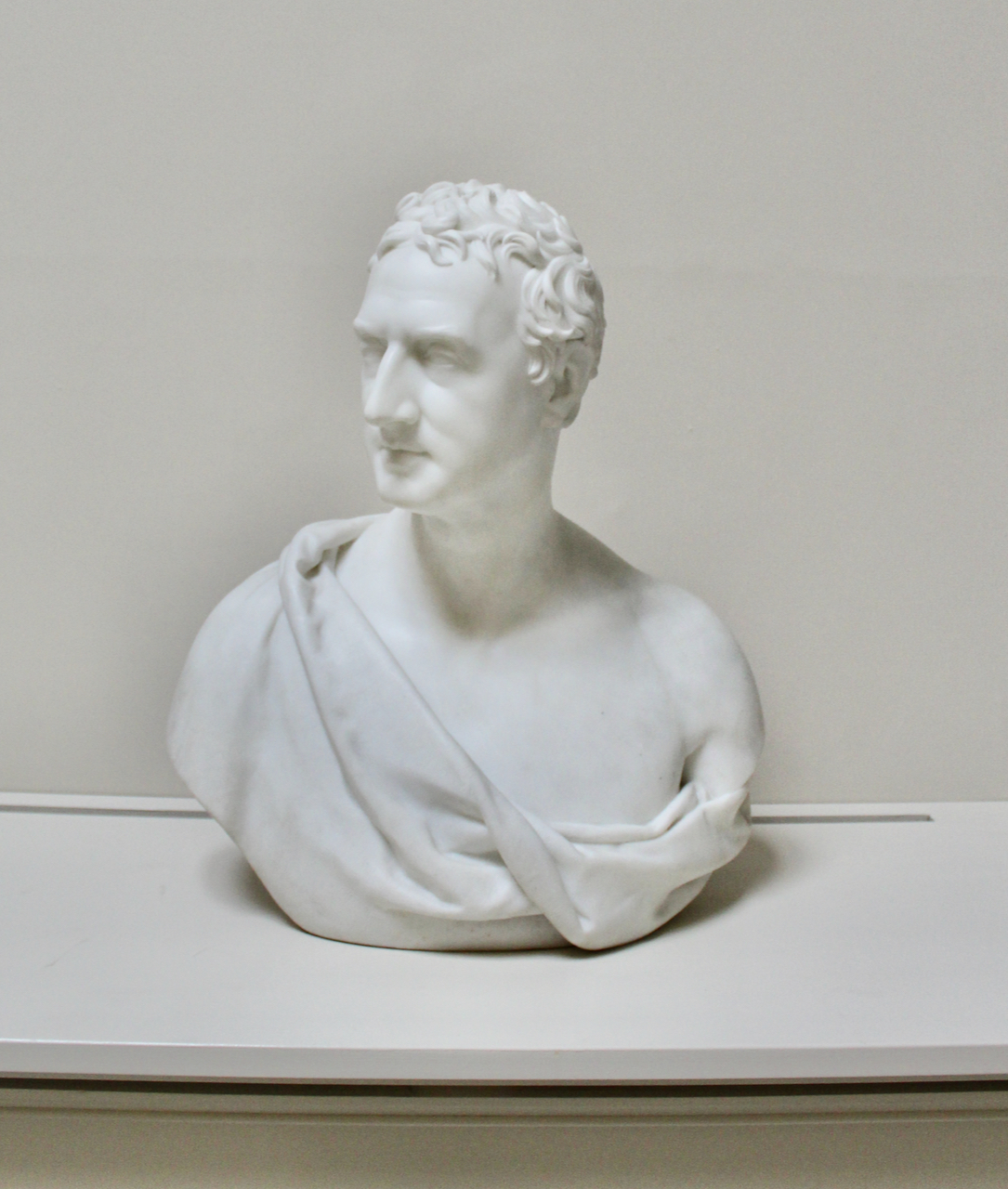
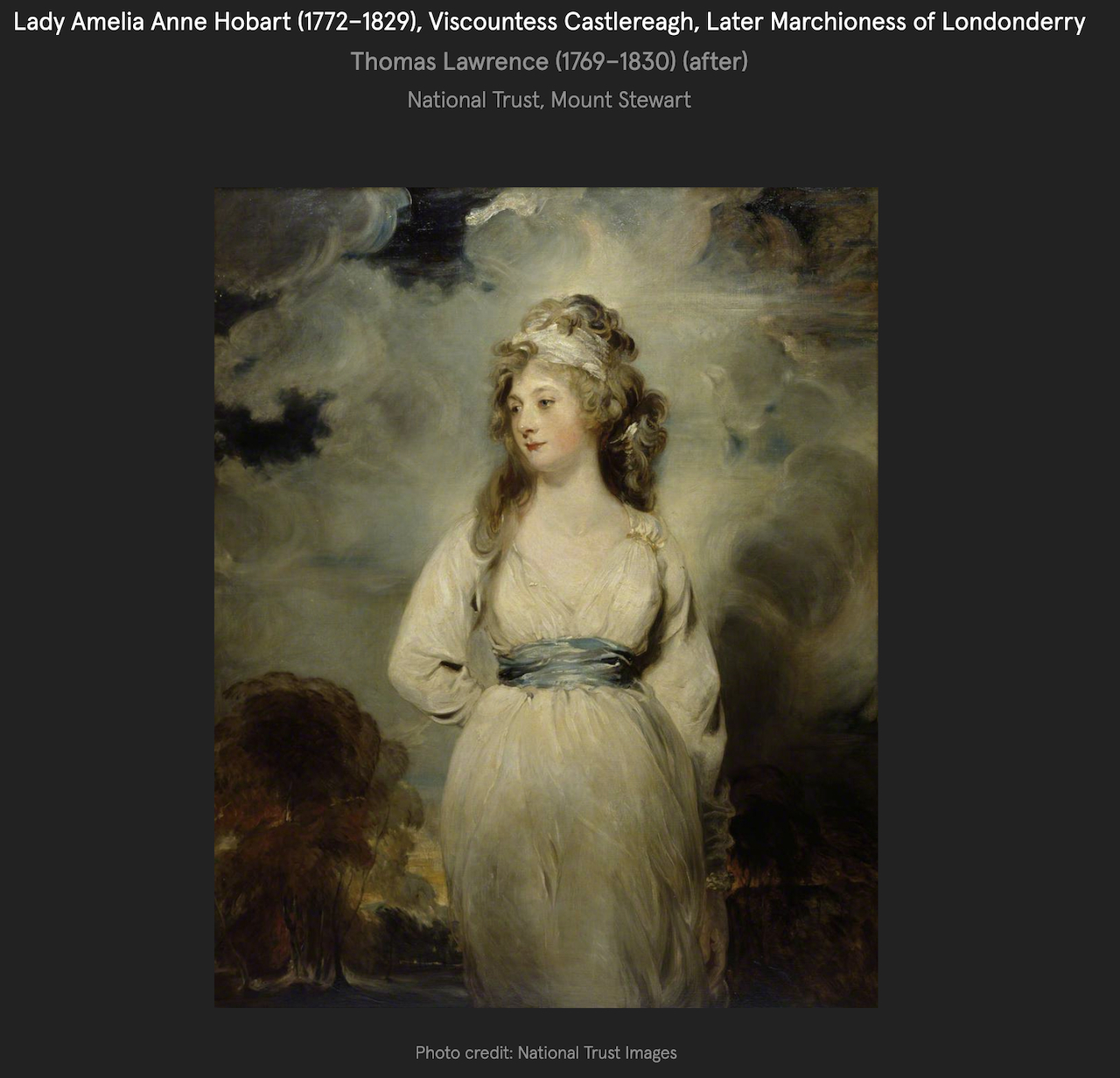
Robert Stewart 2nd Marquess of Londonderry, Viscount Castlereagh.Amelia Anne Hobart, Viscountess Castlereagh and later Marchioness of Londonderry, courtesy of National Trust Mount Stewart.
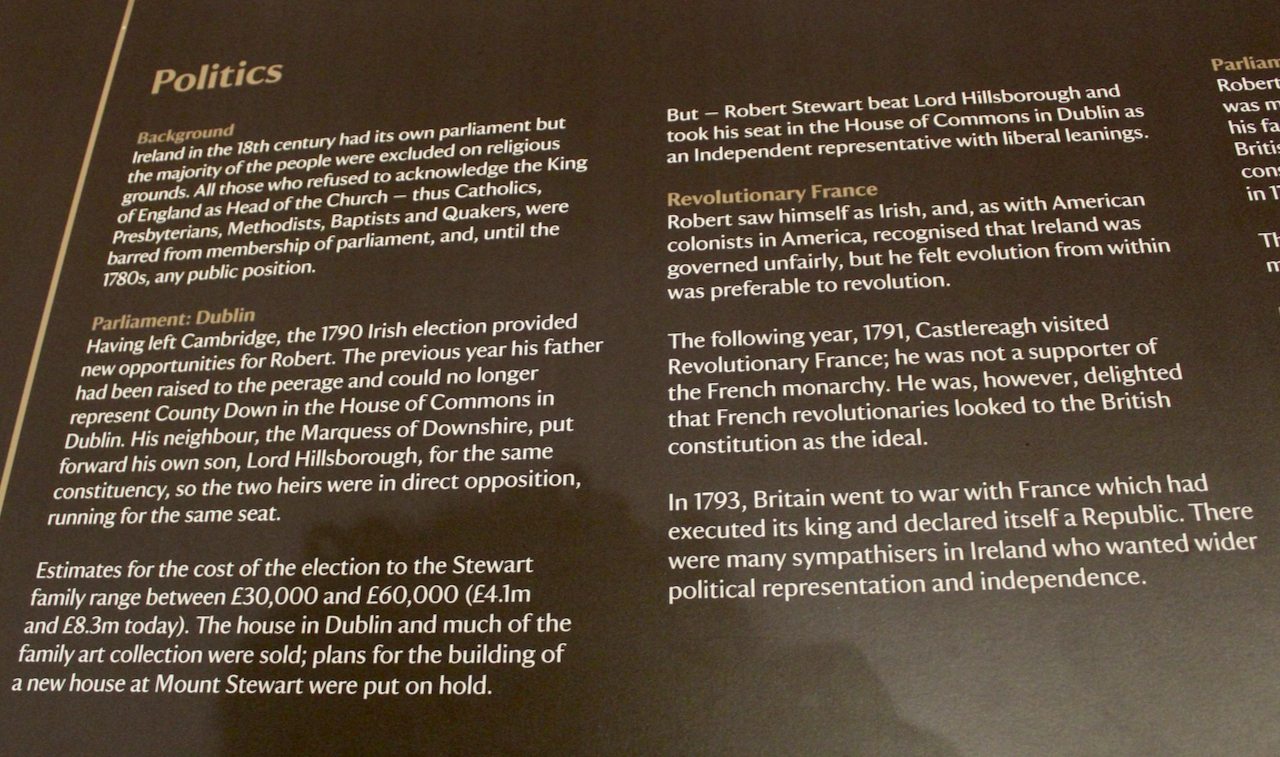
The website continues, telling us more about Lord Castlereagh: “Castlereagh is best known in Ireland for his involvement in the repression of the 1798 Rebellion and as one of the architects of the Anglo-Irish Union of 1800, for which he was vilified by many. He was however regarded as a consummate statesman and astute negotiator.
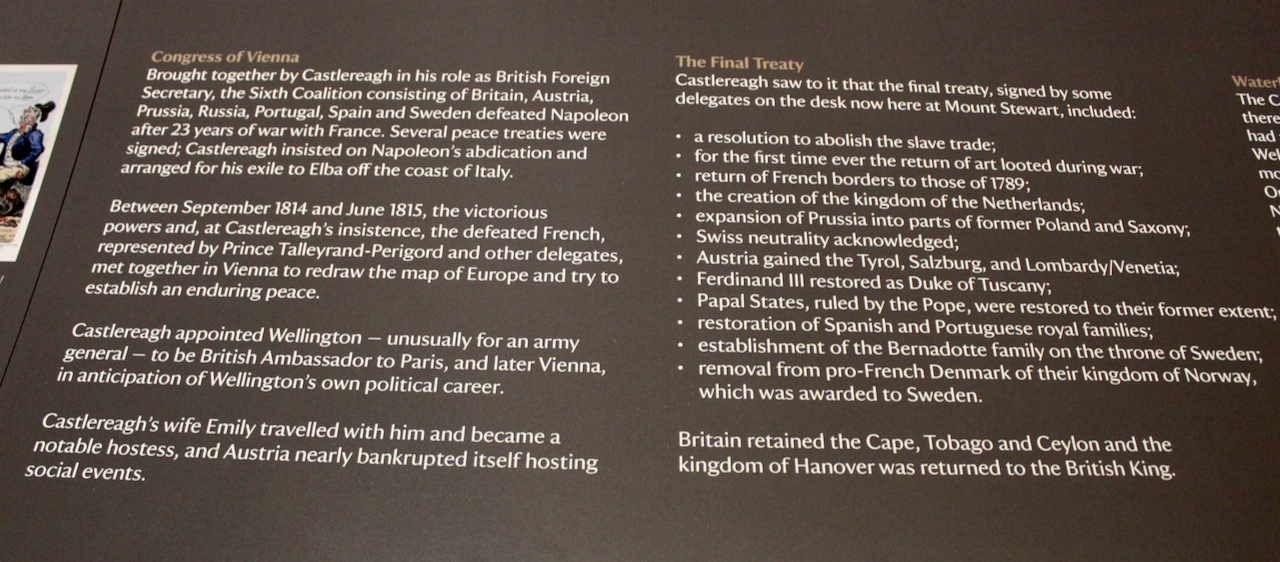
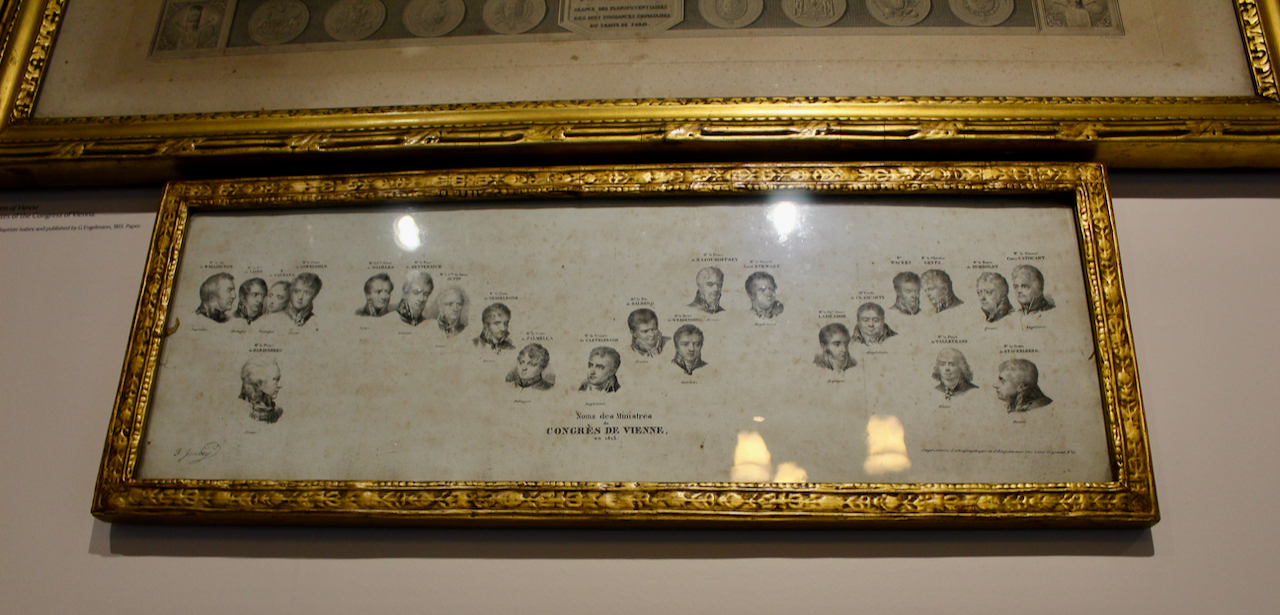
“From 1802 to 1822 he was based in London as Secretary of State for War and Foreign Secretary during the wars with America and France under Napoleon. He was one of the chief negotiators at the Congress of Vienna (1814-15) and his greatest legacy was steering the Congress towards a more equitable balance of power. The Congress was the first multinational European congress; many issues were discussed including the abolition of slavery. Castlereagh became a staunch supporter of abolition, as the trade was ‘repugnant to the principles of humanity and universal morality’.
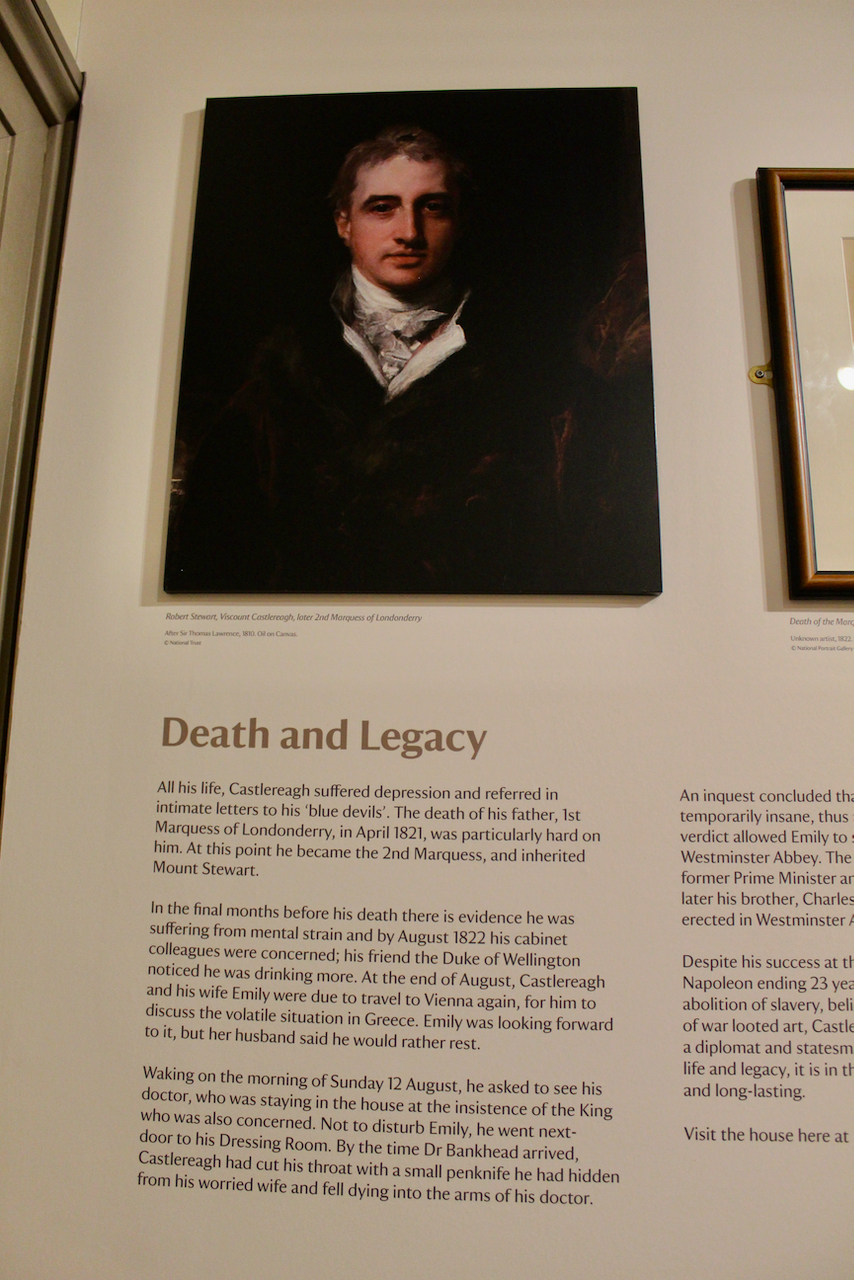
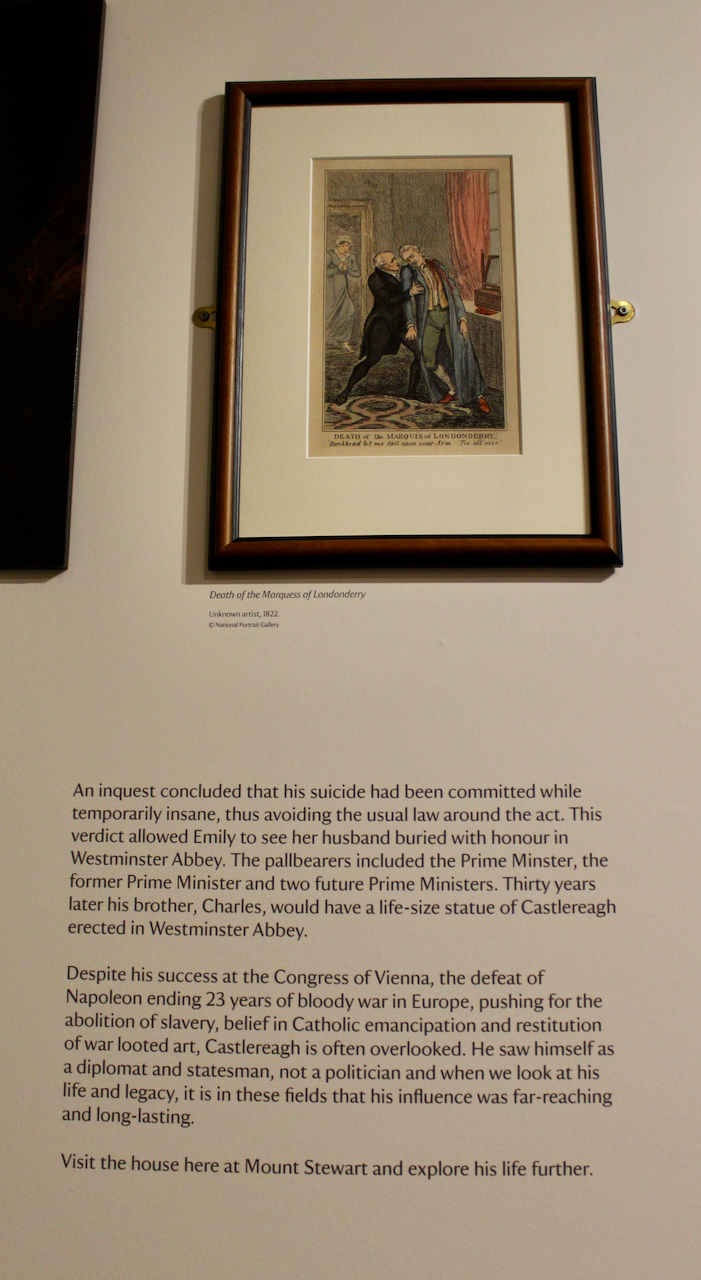
“The Peterloo Massacre of 1819 earned him more criticism, for although he was not personally responsible and was appalled by the outcome, as Home Secretary he had to justify the yeomanry’s actions. In 1822 he suffered a breakdown and took his own life, just a year after becoming the 2nd marquess of Londonderry.“
Information board courtesy of National Trust Mount Stewart.Information board courtesy of National Trust Mount Stewart.I think Lord Castlereagh is the image of radio dj Dave Fanning!Information board courtesy of National Trust Mount Stewart.
Castlereagh’s father the 1st Marquess and Frances Pratt went on to have many more children.
Information board courtesy of National Trust Mount Stewart.
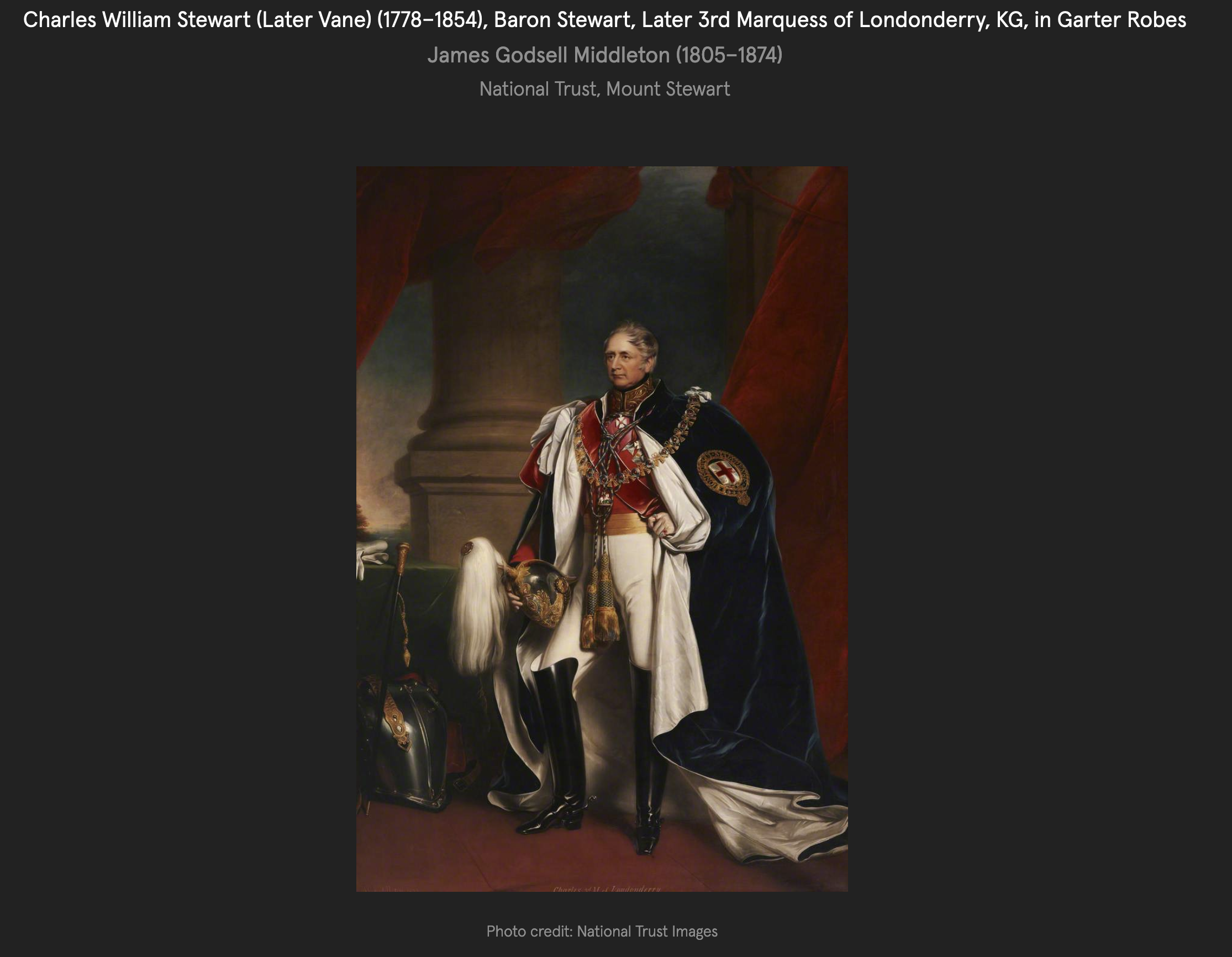
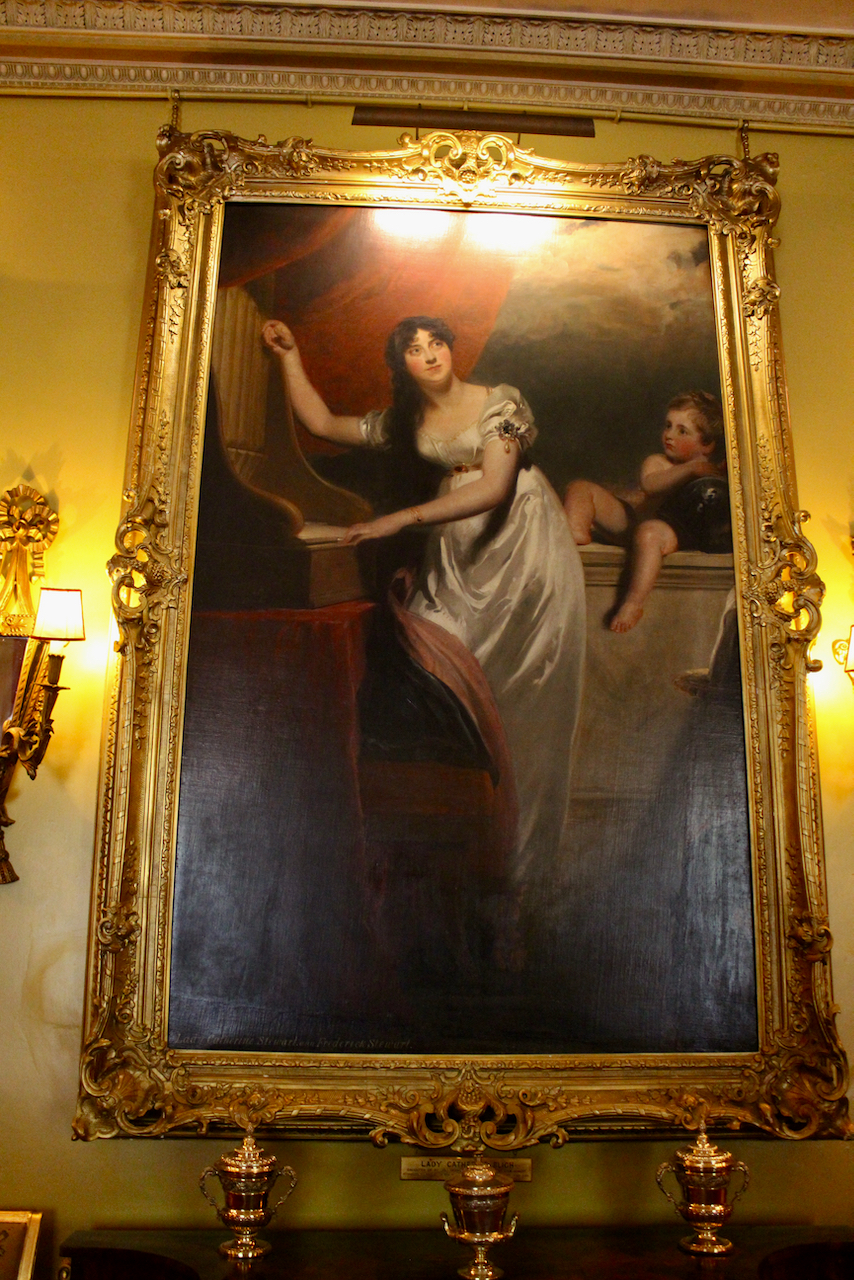
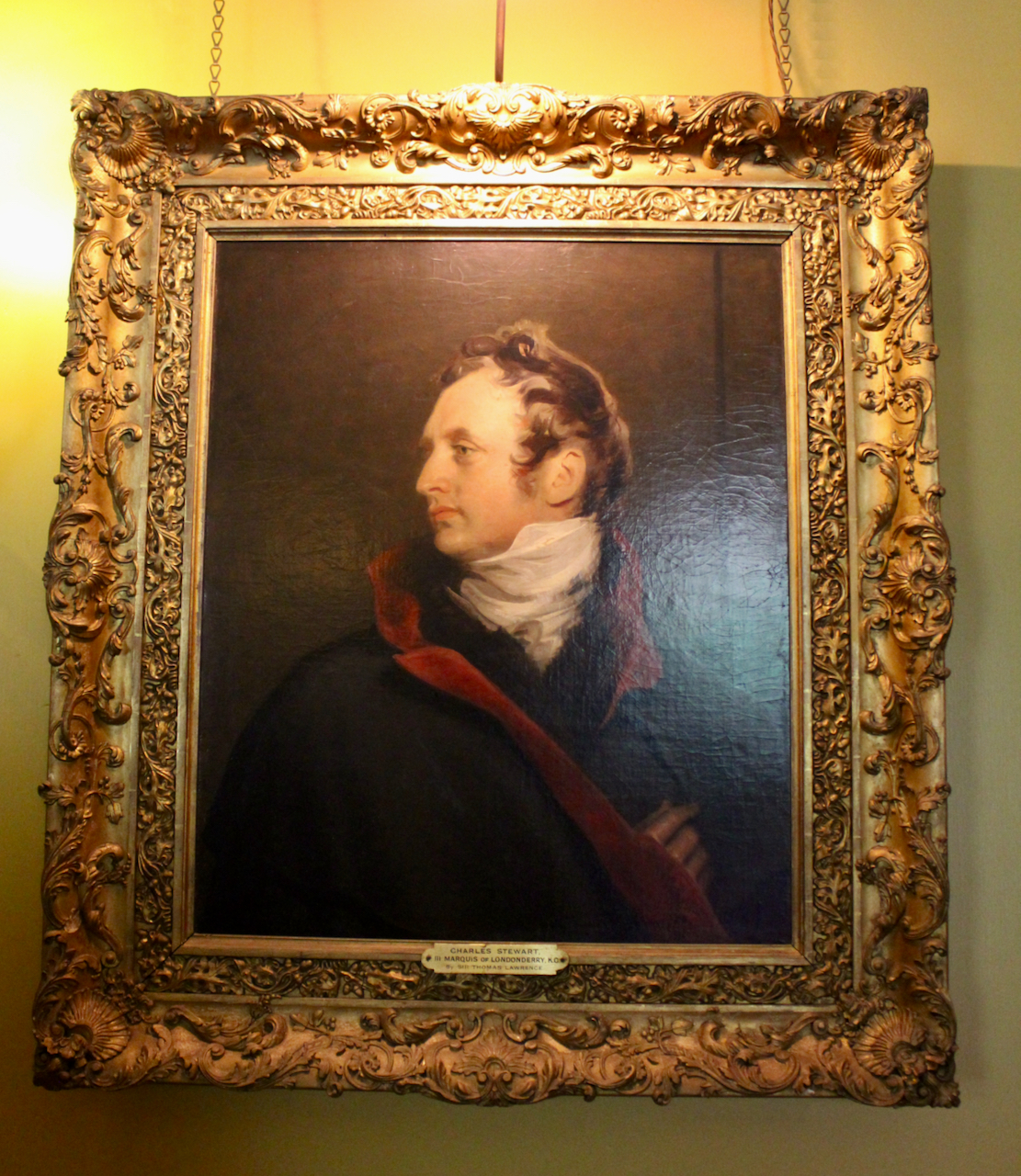
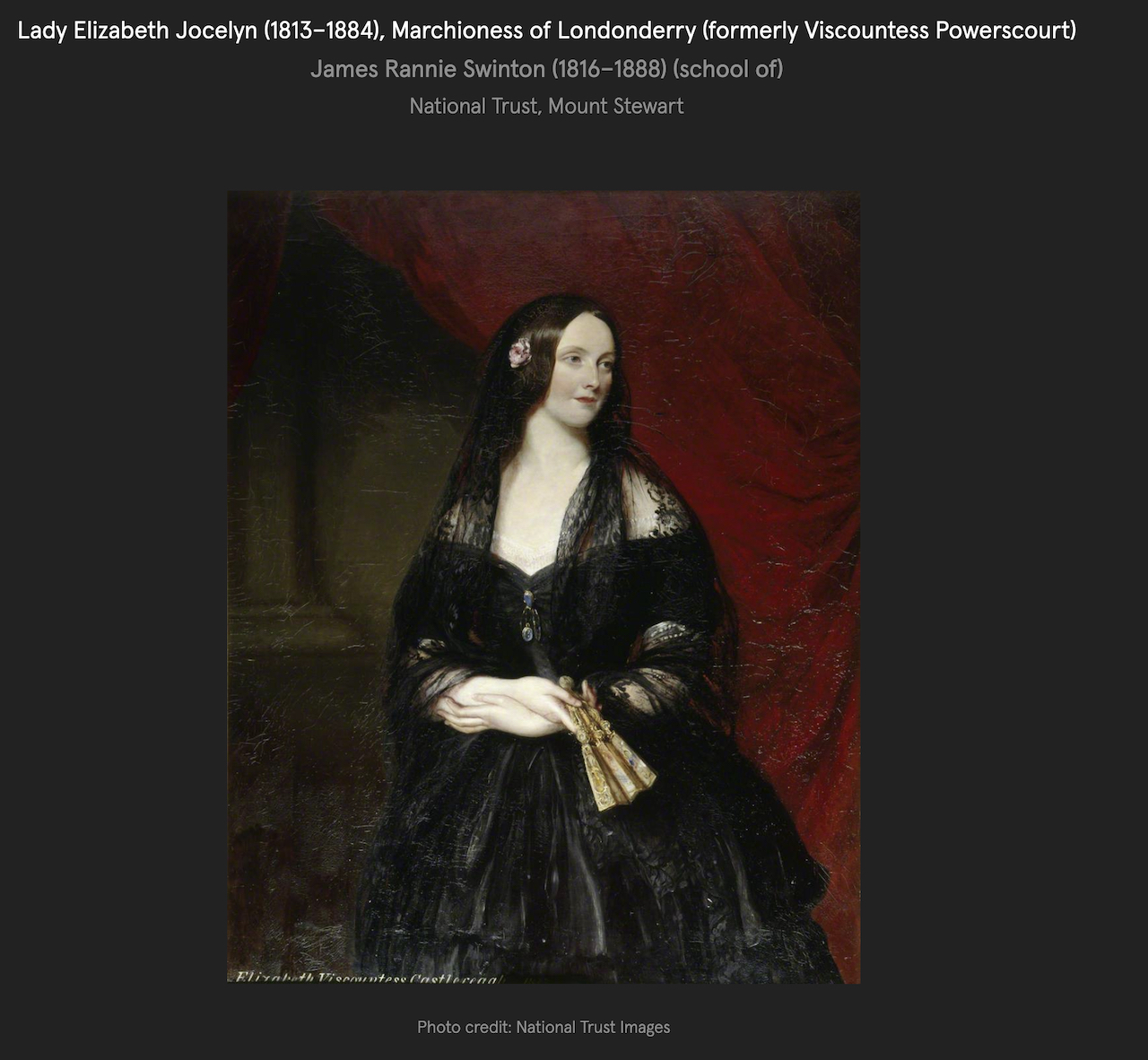
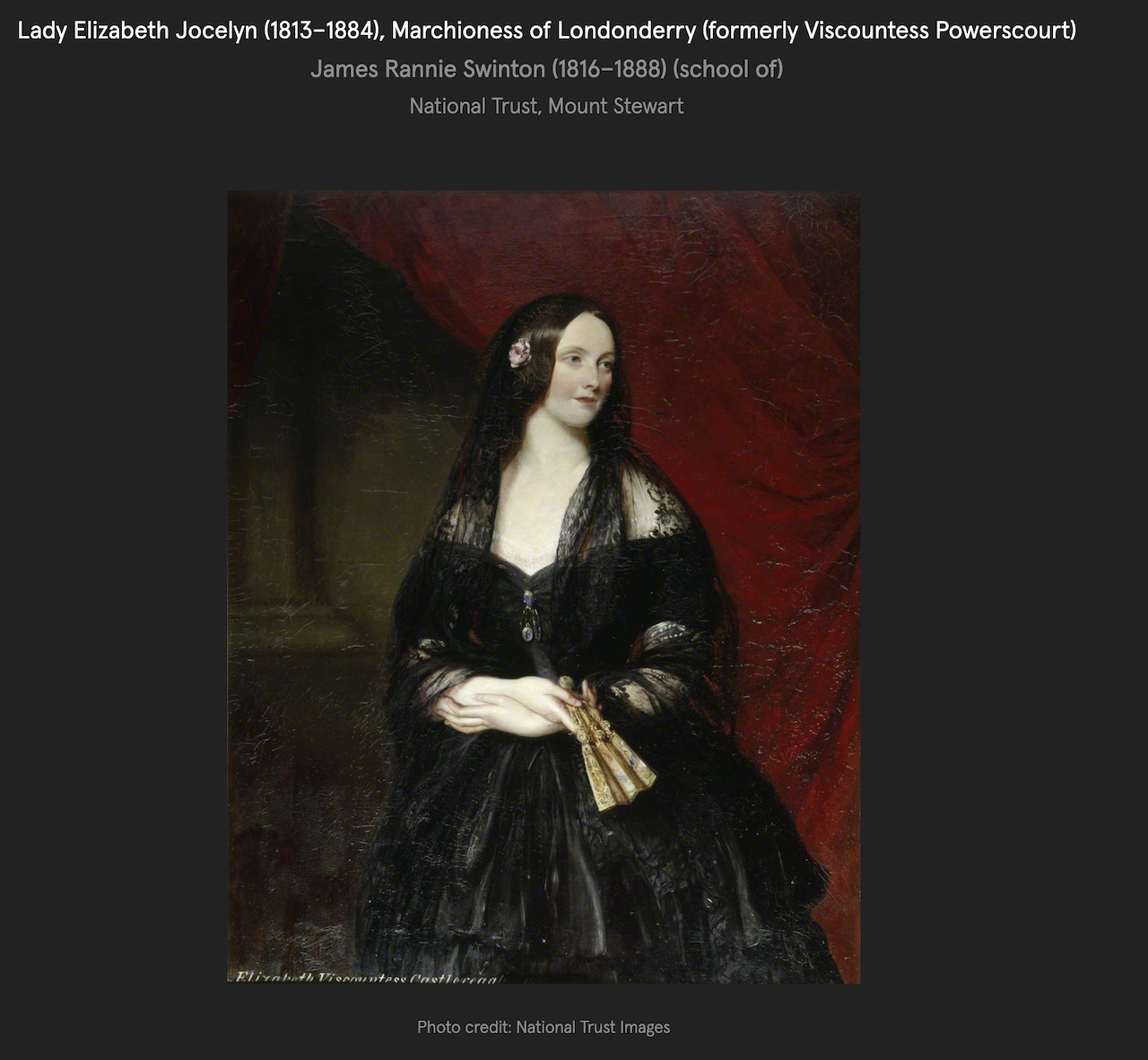
It was a son from the second marriage, Charles Stewart (1778-1854) who became the 3rd Marques of Londonderry after his brother killed himself. First he married Catherine Bligh, daughter of John 3rd Earl of Darnley. She had a son, who became Charles’s heir, Frederick William Robert Stewart (1805-1872) 4th Marquess of Londonderry. Frederick married Elizabeth Frances Charlotte Jocelyn, daughter of Robert Jocelyn, 3rd Earl of Roden, County Tipperary, but they had no children. She had been previously married to Richard Wingfield 6th Viscount Powerscourt.
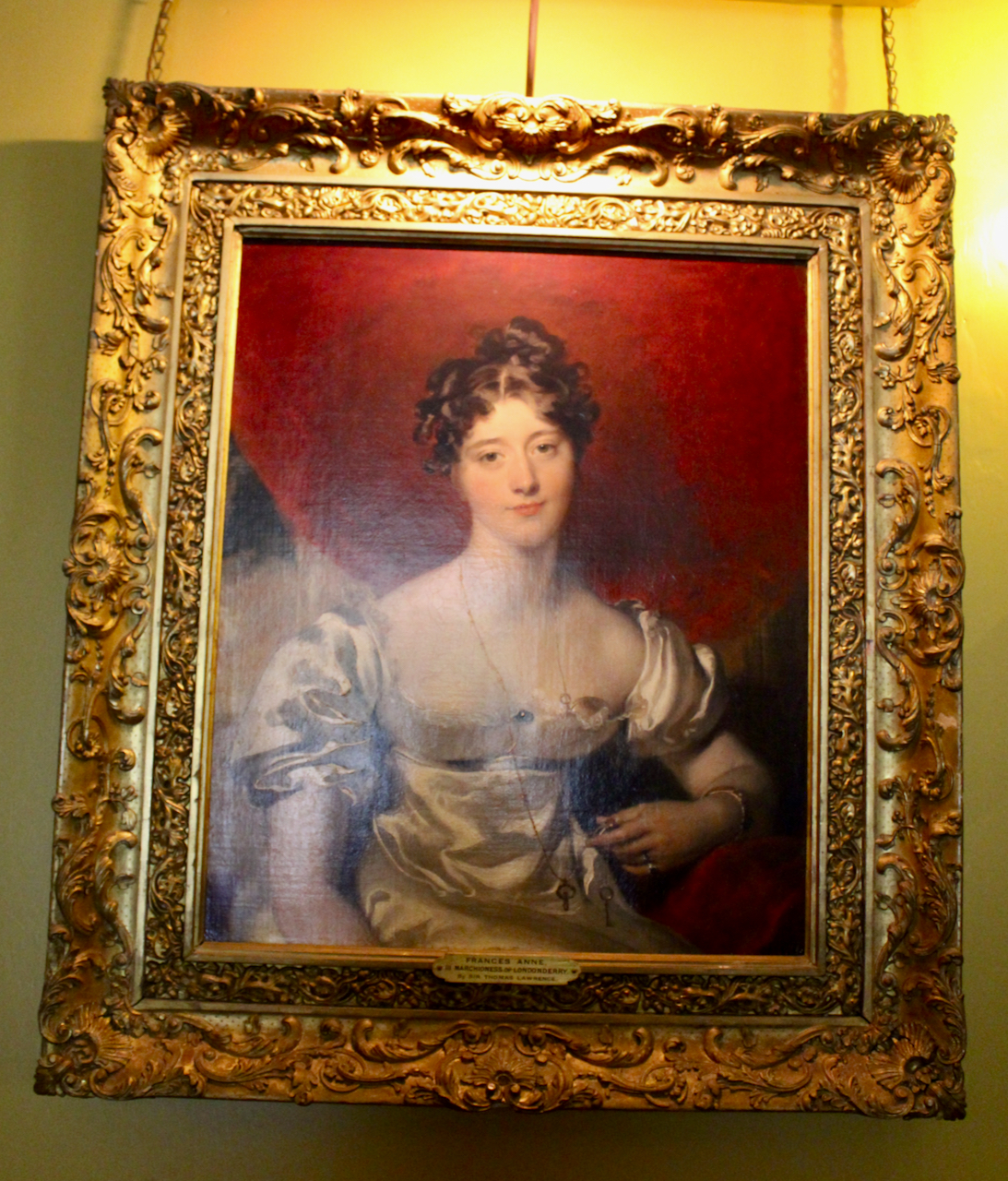
After his first wife’s death, Charles Stewart (1778-1854) married Frances Anne Emily Vane-Tempest in 1819. He changed his surname to Vane. Frances Anne’s mother was Katherine MacDonnell whom we came across at Glenarm, the notorious heiress!
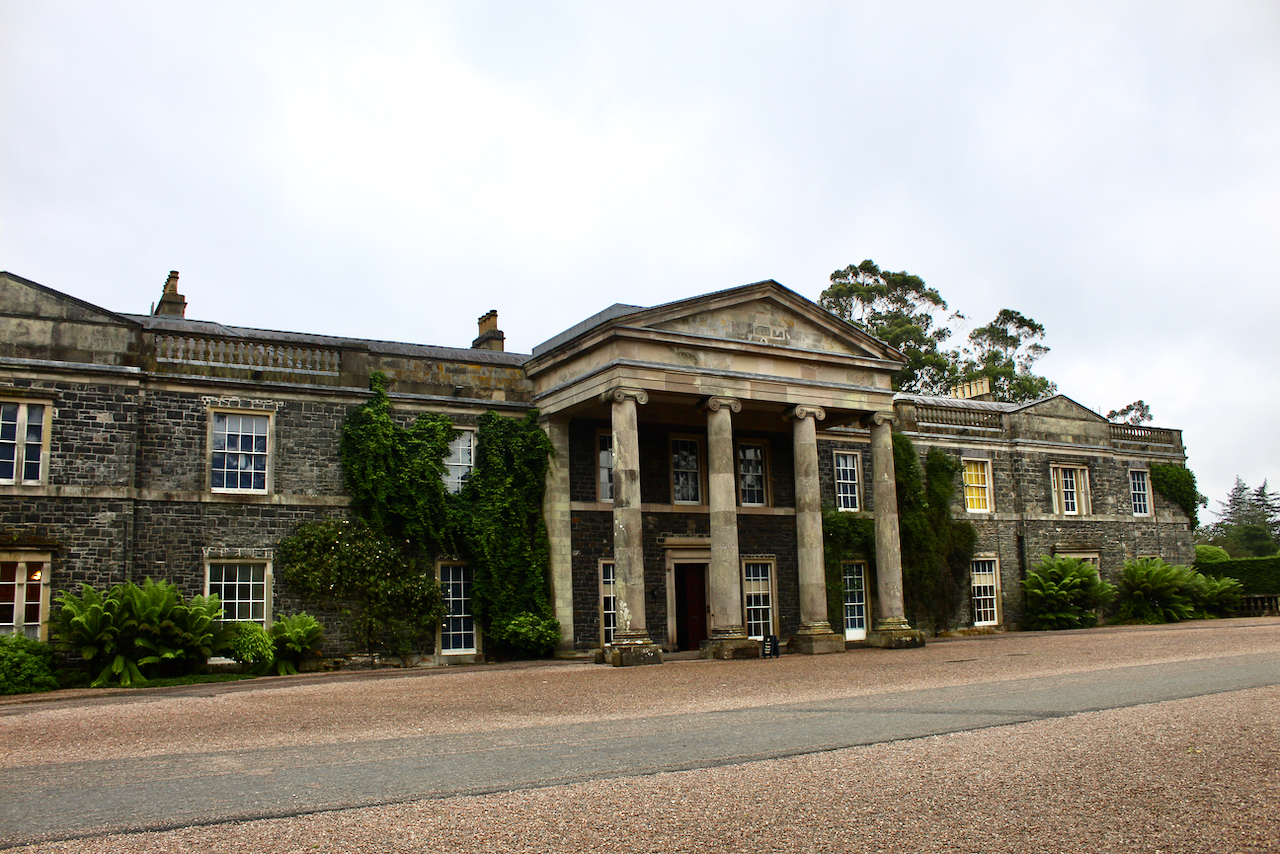
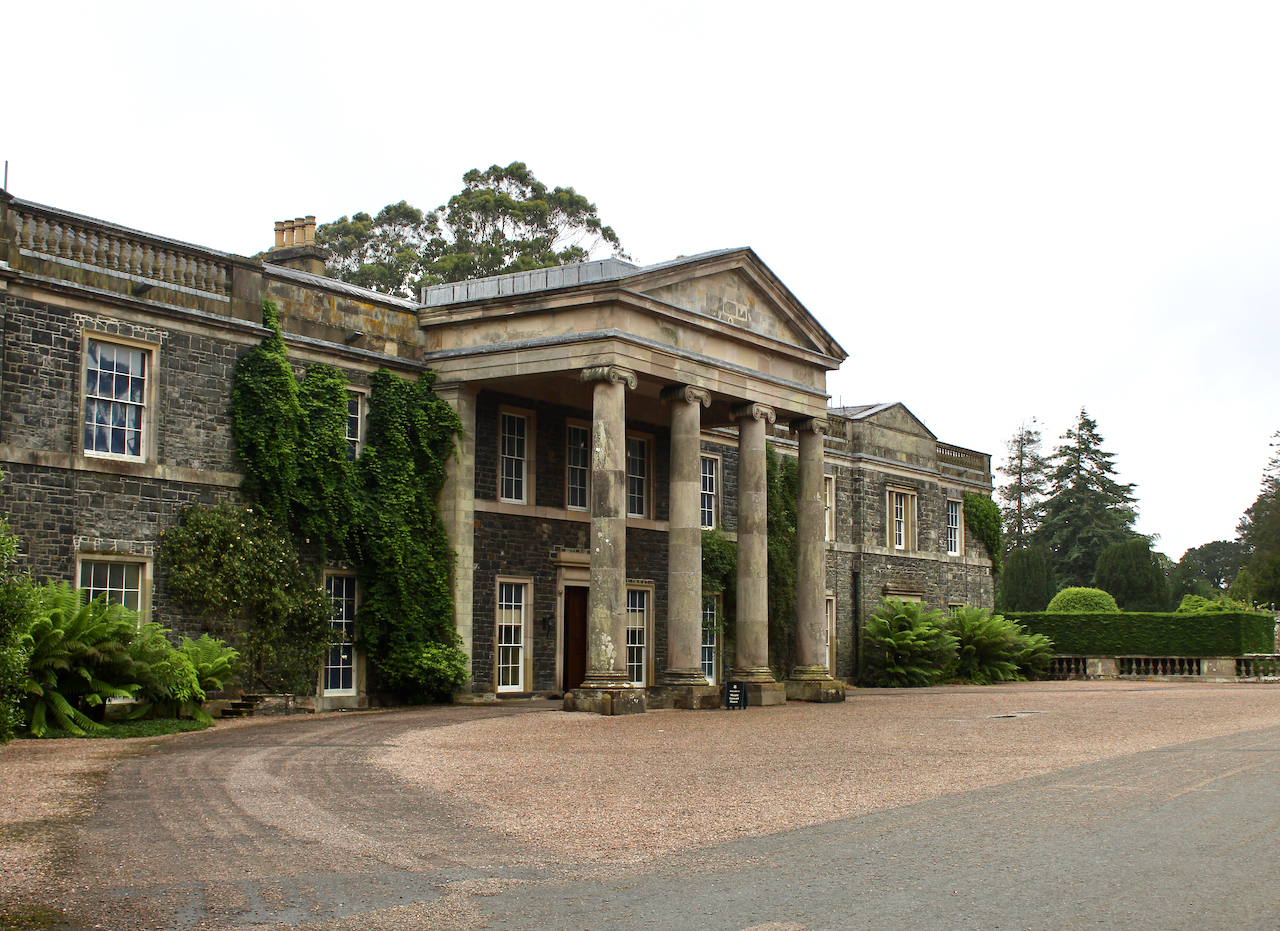
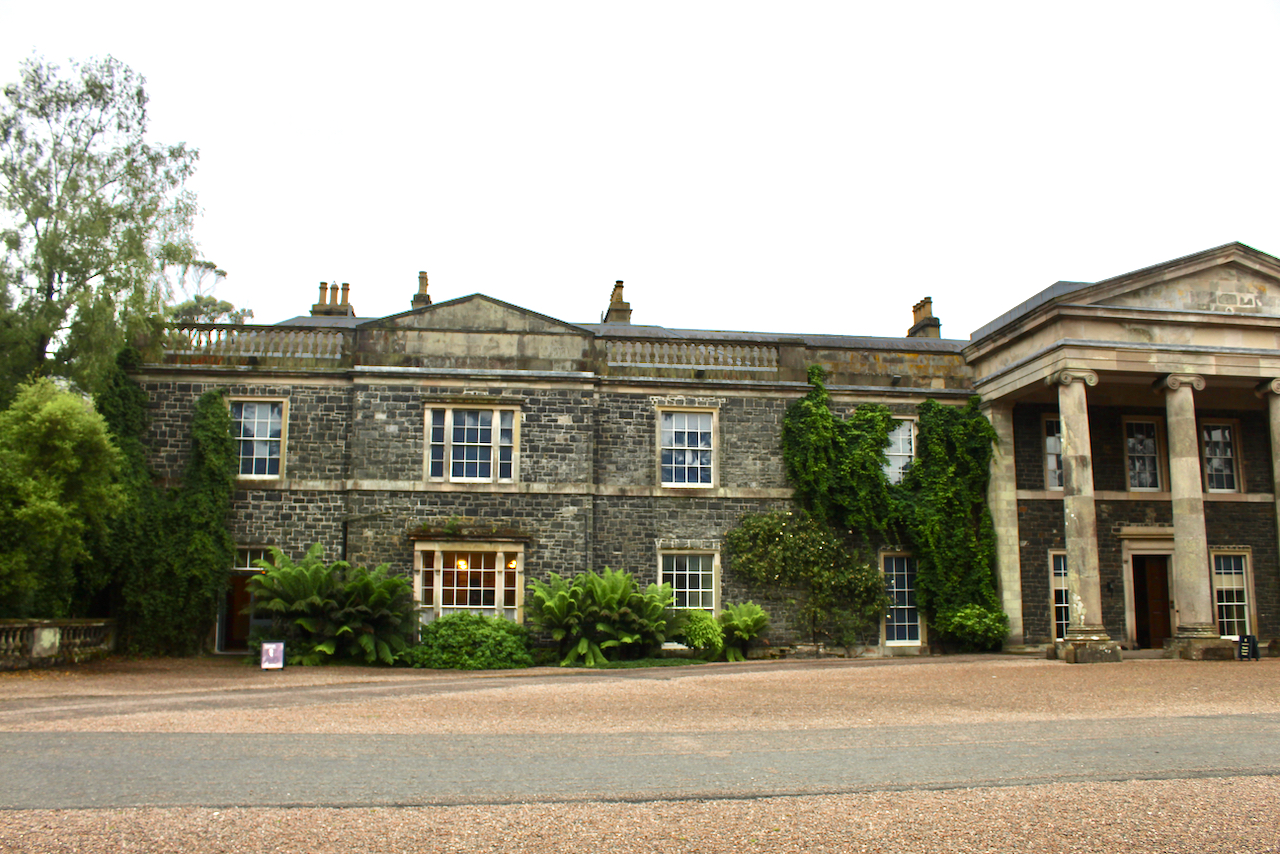
Mark Bence-Jones continues: “3rd Marquess, Castlereagh’s younger half-brother, who was far richer than either his father or his brother had ever been, having married the wealthy Durham heiress, Frances Anne Vane Tempest, enlarged the house to its present form ca 1825-28, his architect being William Vitruvius Morrison. A new block was built onto what had been the back of the original house, as wide as the original house was long and long enough to make, with the end of the original house, a new entrance front of 11 bays, with a pedimented porte-cochere of four giant Ionic columns as its main central feature; the three outer bays on either side being treated as pavilions, each with a one bay pedimented breakfront similar to that which was put onto the front of the original house. The outer bays have a balustraded roof parapet, which is carried round the end of the house and along the new garden front. The latter is as long as the entrance front, and has a boldly projecting centre with a pediment and a single-storey portico of coupled Ionic columns; and a curved bow at either end.”
The website tells us: “Castlereagh’s half-brother, Charles Stewart fought in the Peninsula War under Wellington and became British ambassador at Berlin and then Vienna during the Congress. In 1819 he married the wealthy Frances Anne Vane Tempest who had inherited coal mines and a grand estate in County Durham. They travelled widely and rebuilt Wynyard, County Durham and Londonderry House in London. Charles also extended Mount Stewart in the 1840s. His grandson, the 6th Marquess, was Lord Lieutenant of Ireland in the 1880s. The 6th Marquess was strongly opposed to Home Rule for Ireland; he and his wife were instigators and signatories of the Ulster Covenant in 1912.“
Charles and Frances Anne had several children. Their daughter Alexandrina married into Emo Park in County Laois.
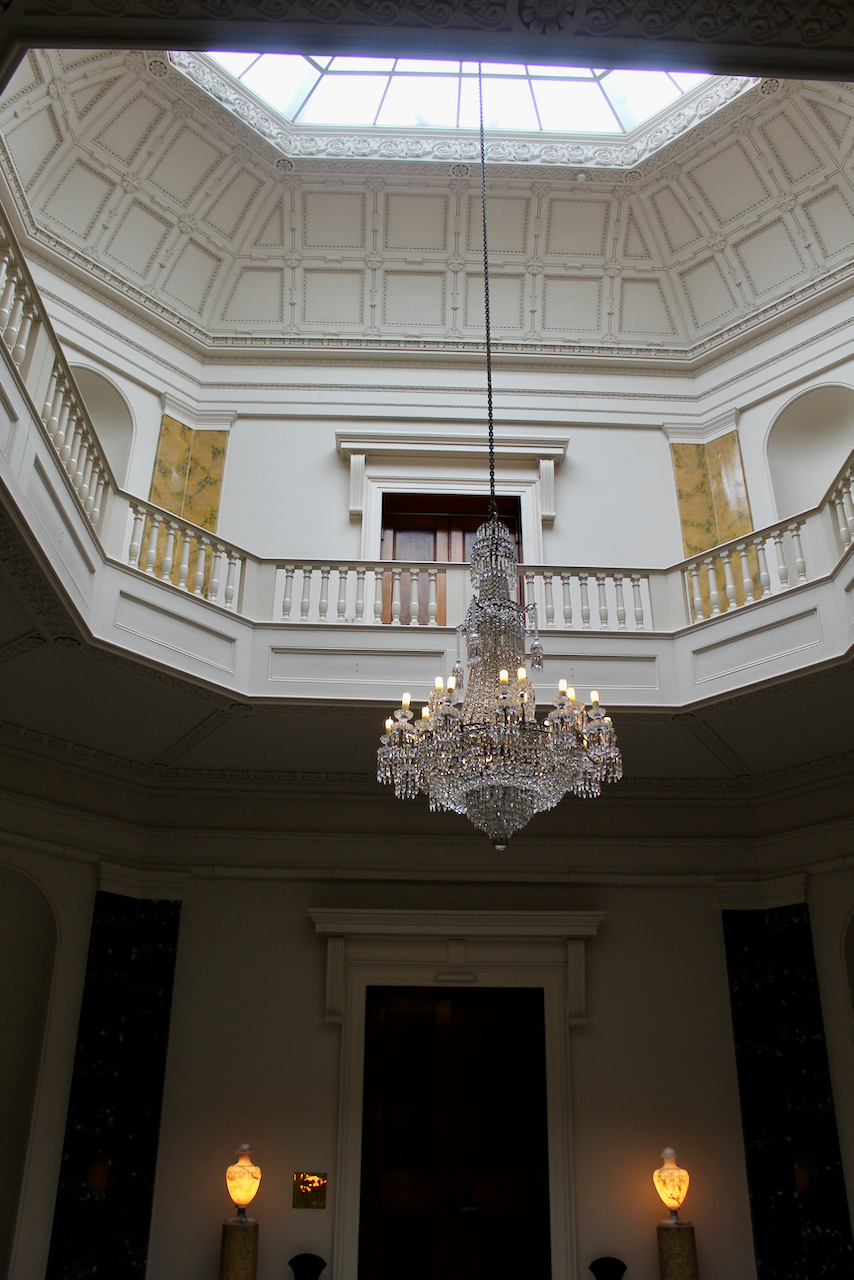
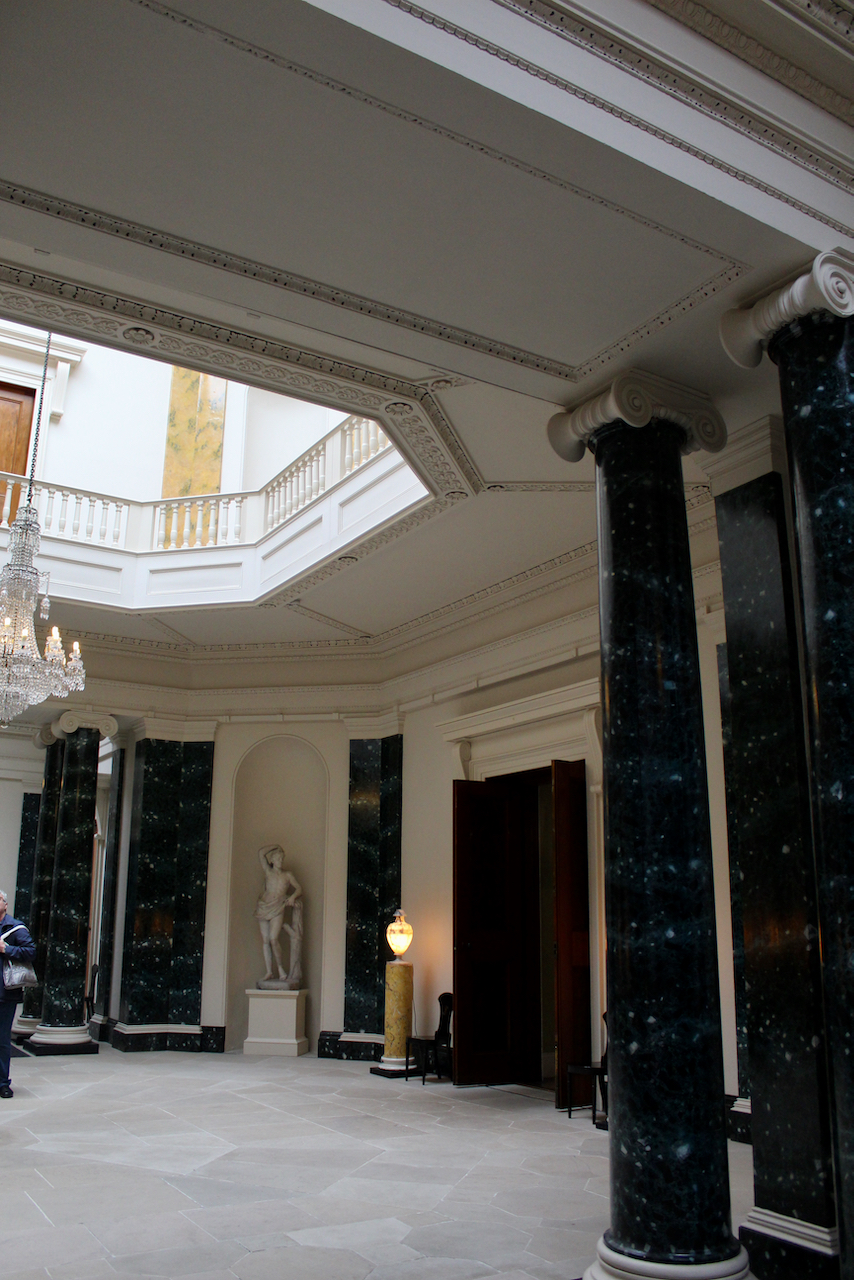
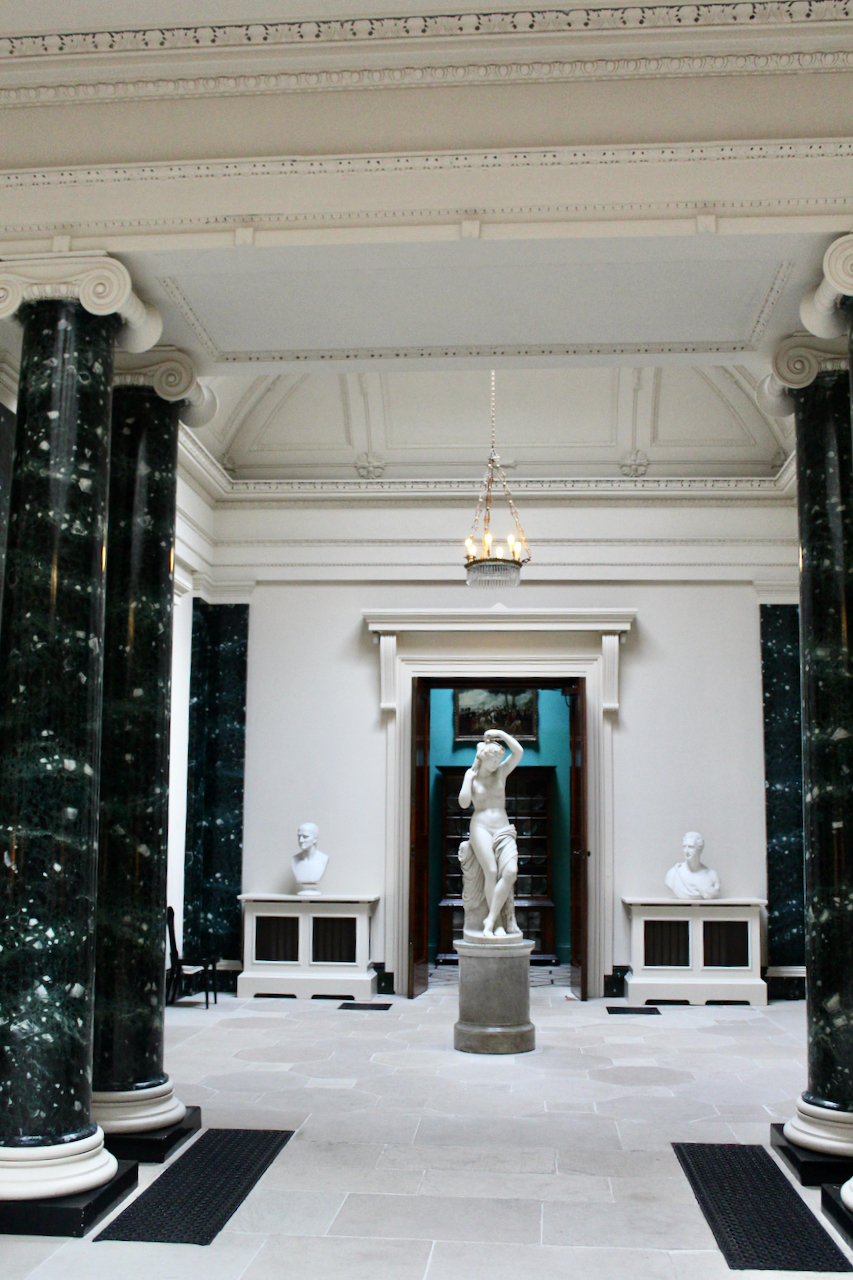
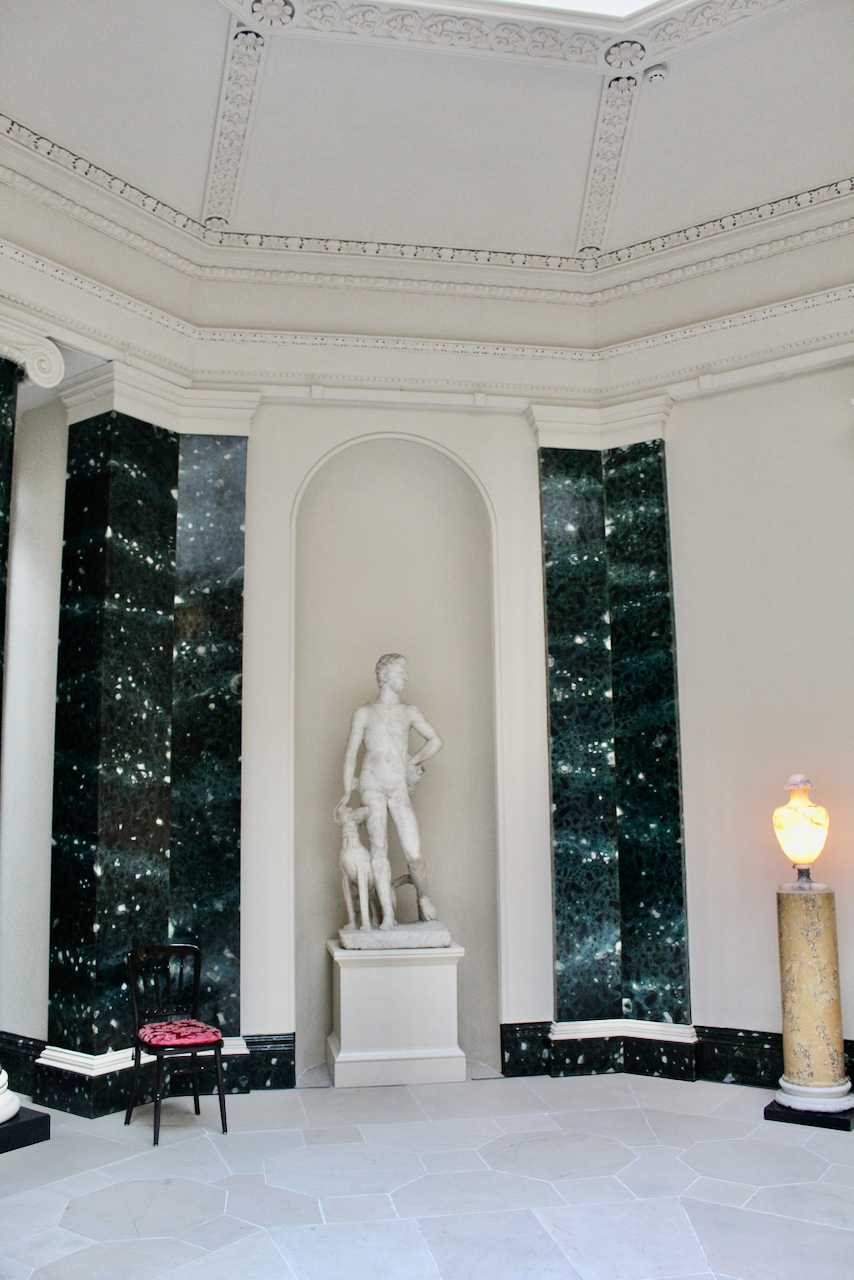
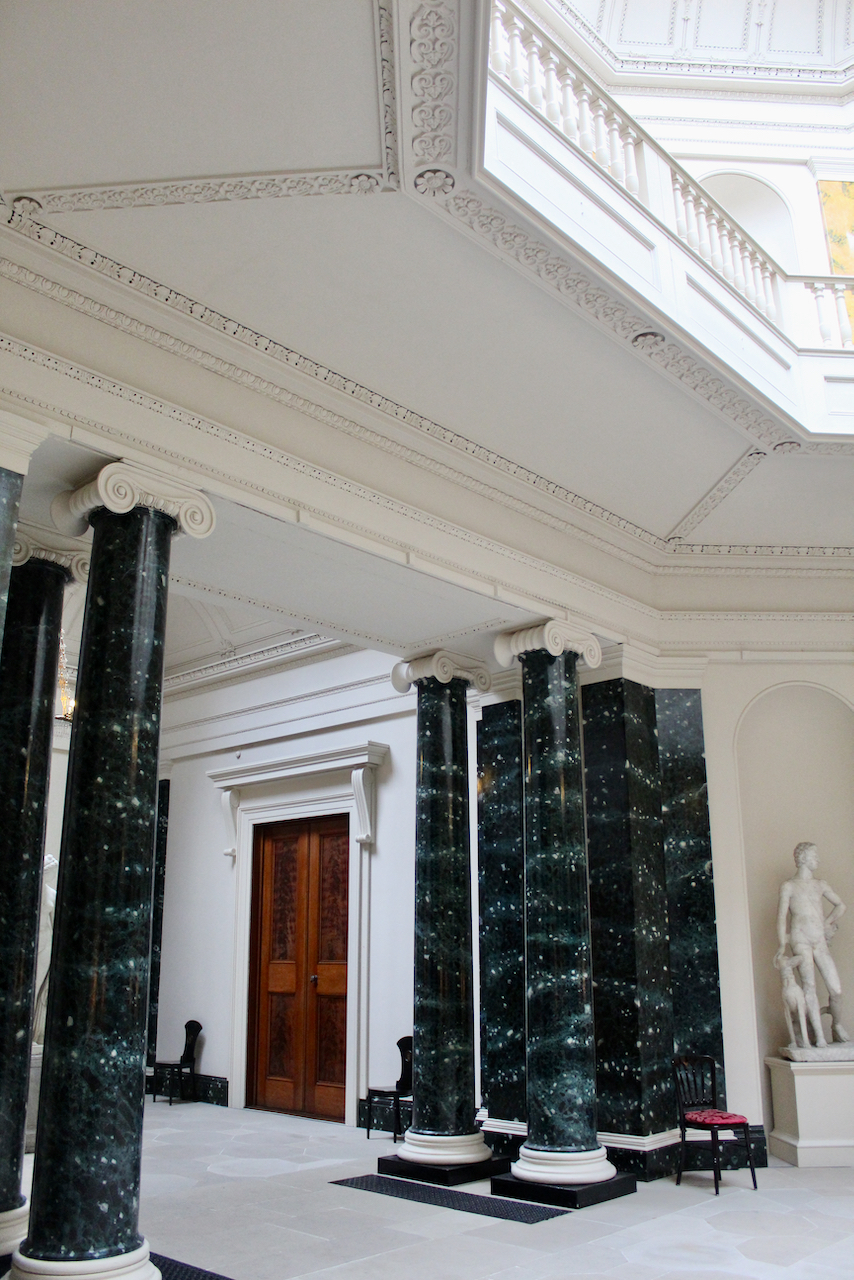
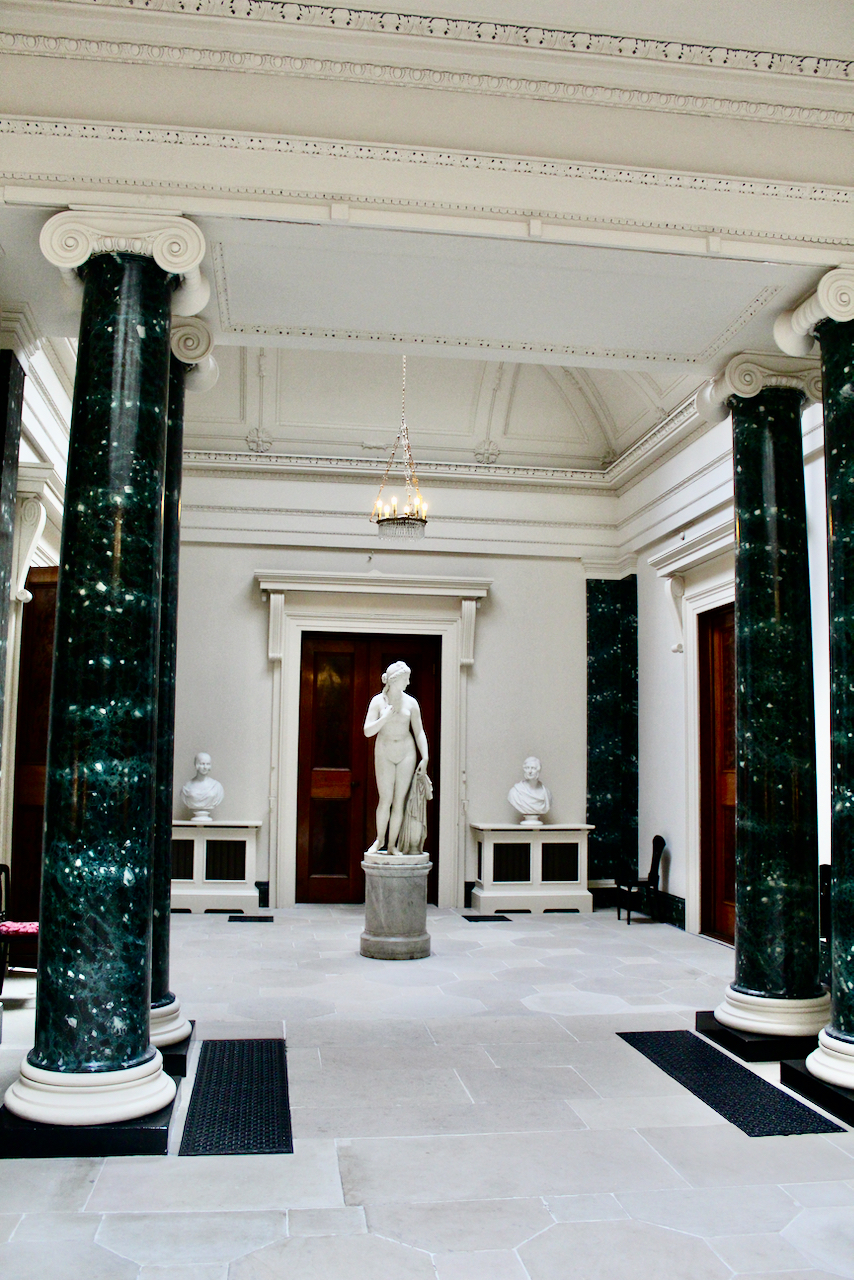
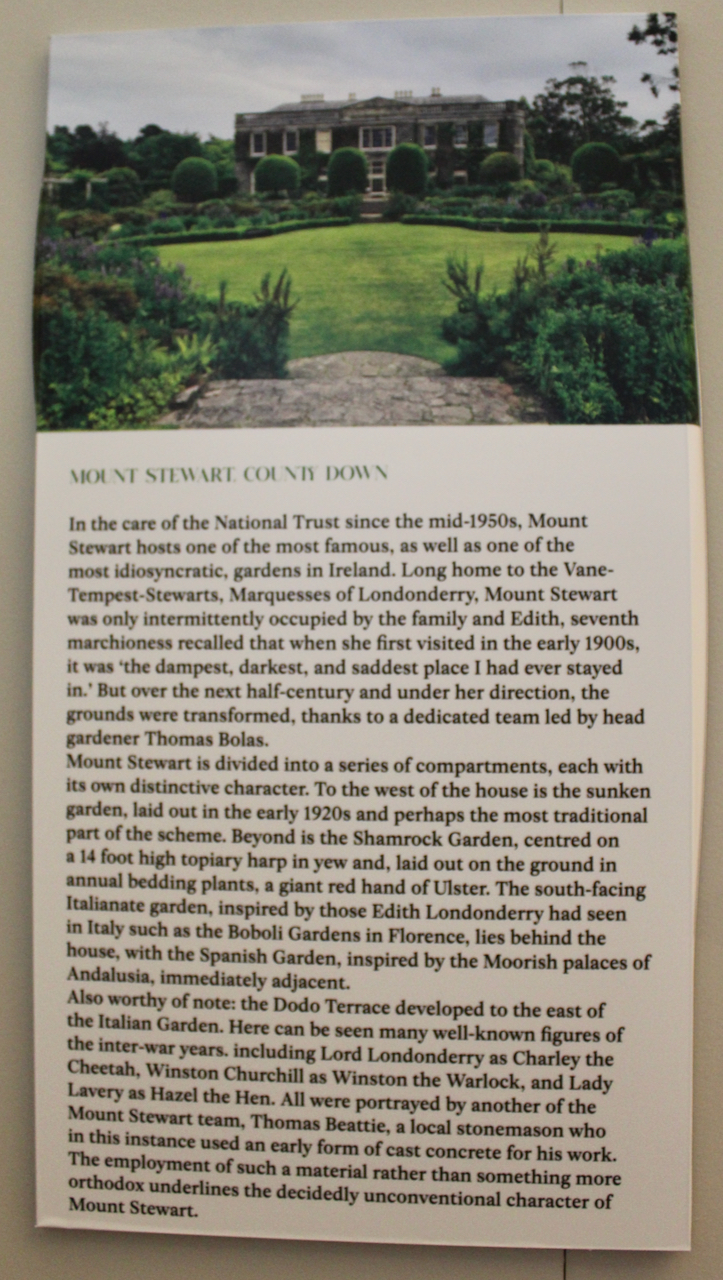
Mark Bence-Jones continues: “The principal interior feature of the newer building is a vast central hall, consisting of an octagon, top-lit through a balustraded gallery from a dome filled with stained glass, with rectangular extensions so as to form a room much longer than it is wide; with screens of couple painted marble Ionic columns between the octagon and the extensions. Morrison’s reception rooms are spacious and simple; the drawing room has a screen of Ionic colmns at either end. The interior of the house was done up post WWI by 7th Marquess, Secretary of State for Air in 1930s; the central room in the garden front being panelled as a smoking and living room. The 7th Marquess and his wife (the well-known political hostess and friend of Ramsay MacDonald) also laid out an elaborate garden, going down the hillside from the garden front of the house towards Strangford Lough. As well as this noteaable C20 garden, Mount Stewart boasts of one of the finest C18 garden buildings in Ireland, the Temple of the Winds, an octagonal banqueting house built 1780 to the design of “Athenian” Stuart, who based it on the Tower of the Winds in Athens. It has a porch on two of its faces, each with two columns of the same modified Corinthian order as that of the columns of the Tower of the Winds. Mount Stewart was given to the Northern Ireland National Trust by Lady Mairi Bury, daughter of 7th Marquess, ca 1977, and is now open to the public. The Temple of the Winds was given 1962 to the Trust, which has since restored it; the garden was given to the Trust in 1955.”
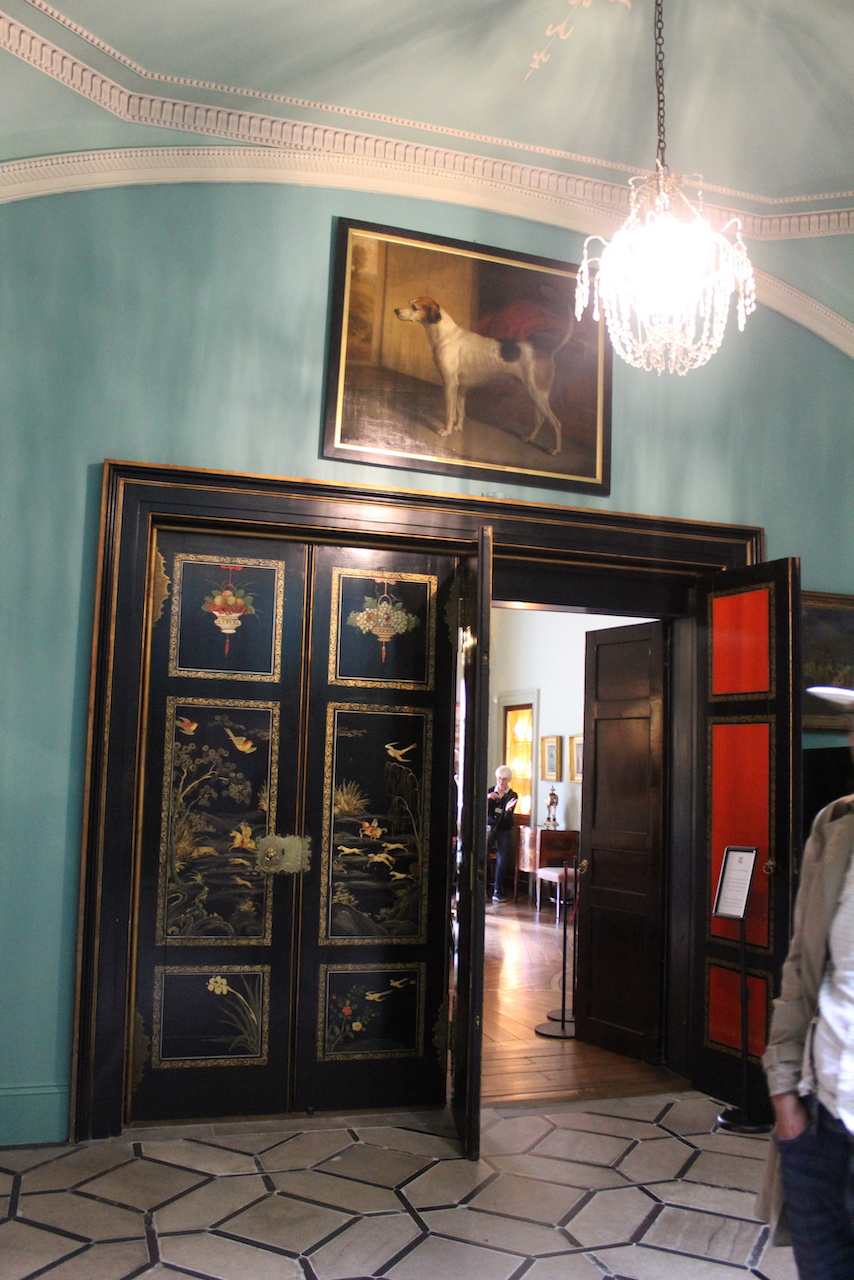
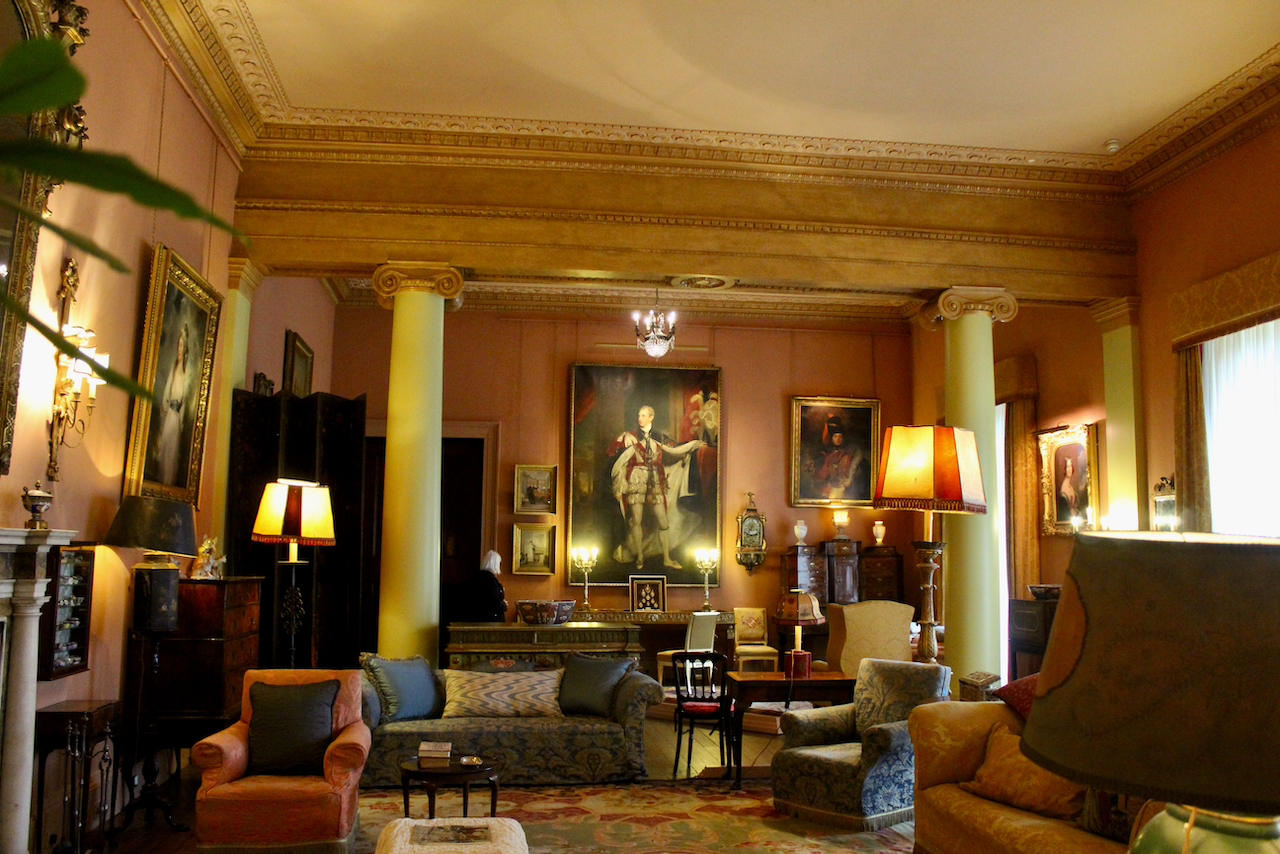
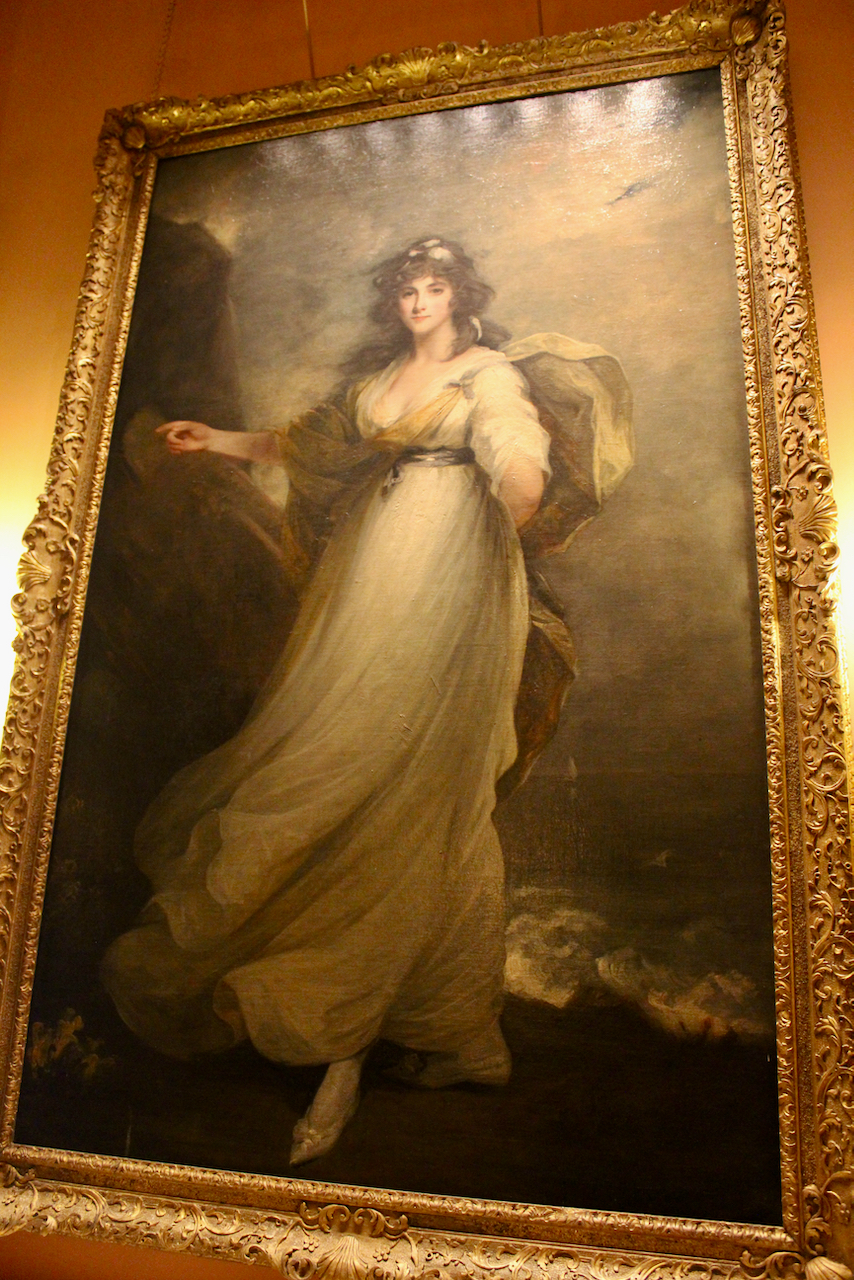
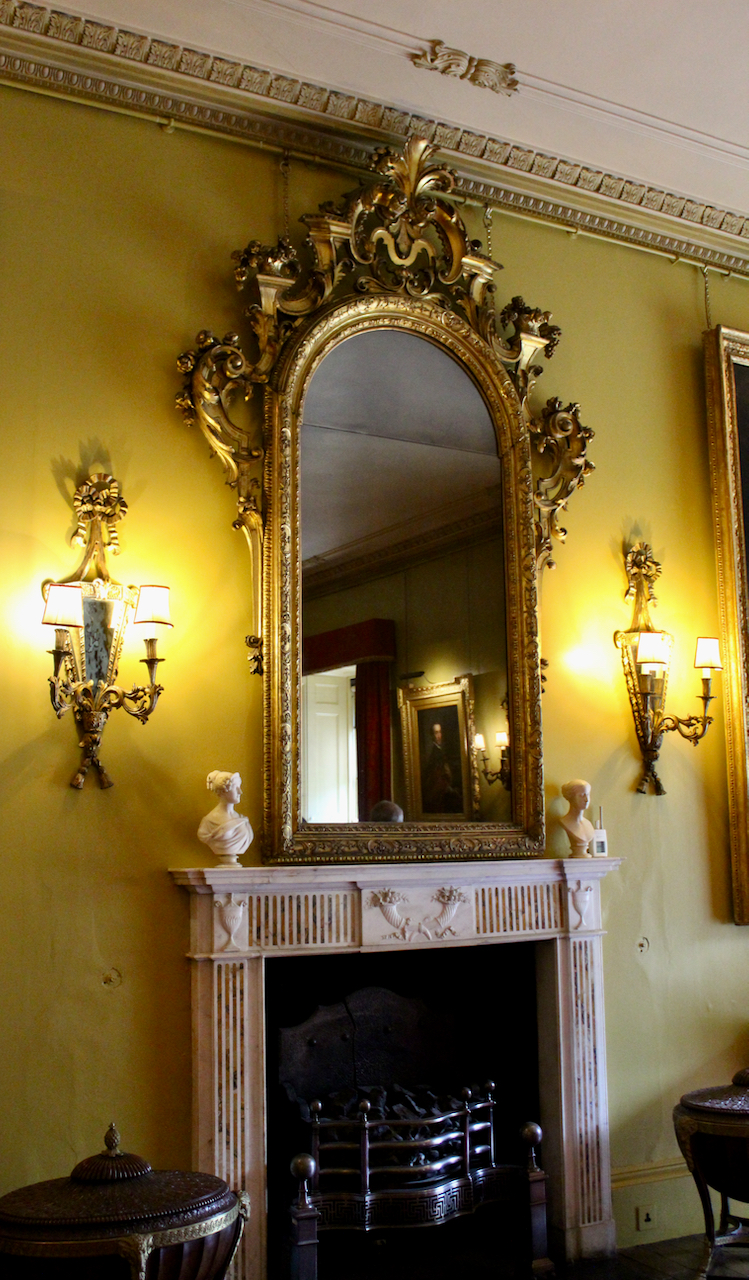
You can see pictures and read more about the treasures in the house on the website. The website tells us about the various rooms of the house.
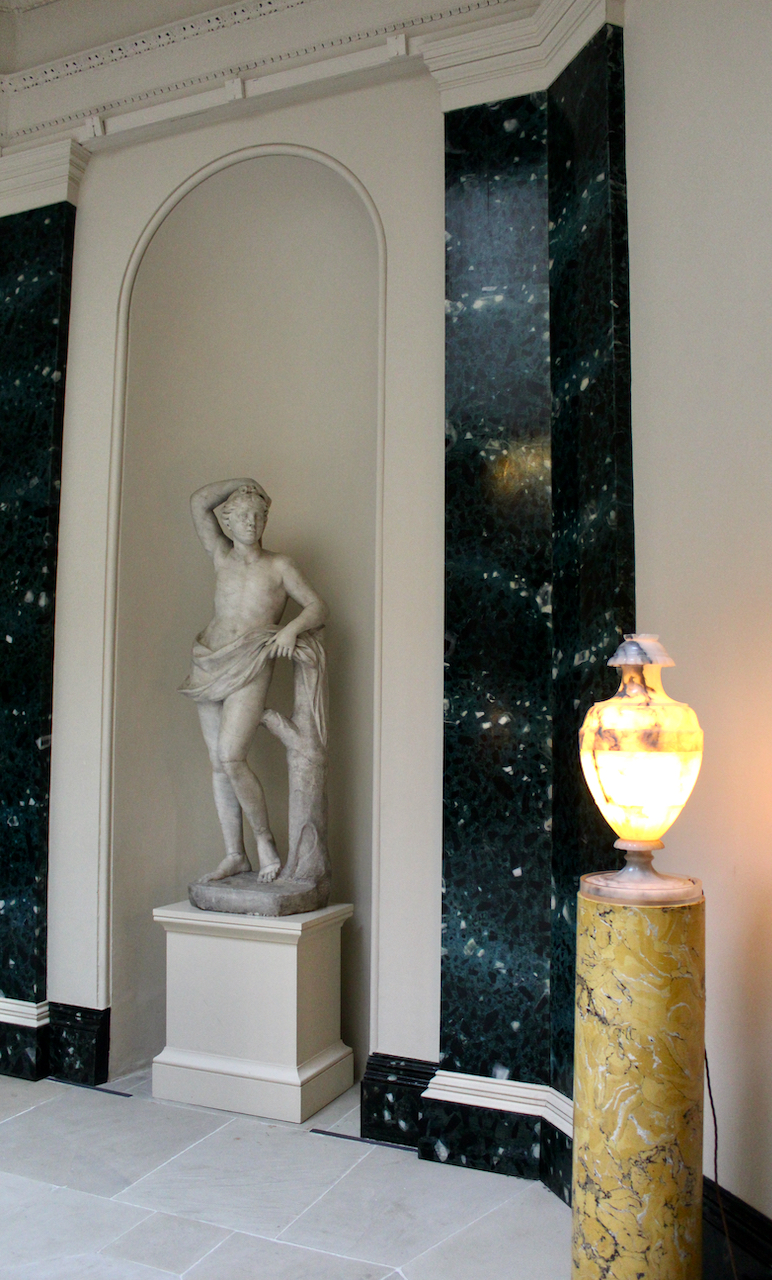
“Soak up the atmosphere of the most impressive space in the house, where you can see life-size sculptures by Lawrence MacDonald, alongside the family collection of silver dating from 1694.
“Look down at your feet to take in the original Scrabo stone, which was recently restored after being hidden since the 1960s when it was covered by linoleum.“
When Frederick died, his brother succeeded as the 5th Marquess of Londonderry, George Henry Robert Charles William Vane-Tempest (1821-1884). Like his father, he joined the military. He married Mary Cornelia Edwards, daughter of John Edwards, 1st and last Baronet Edwards, of Garth, Montgomeryshire.
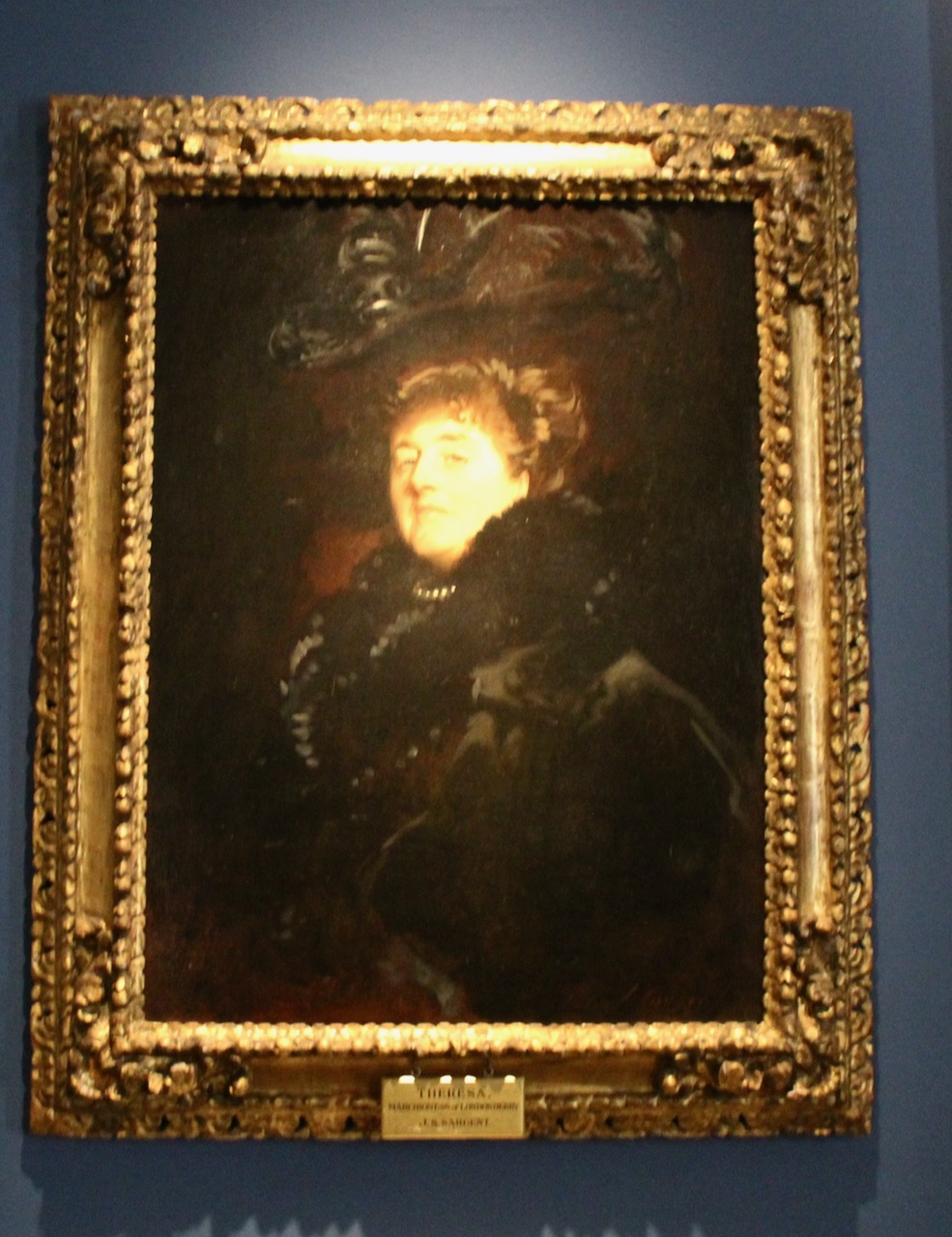
Their son Charles Stewart Vane-Tempest succeed as the the 6th Marquess of Londonerry in 1884. In 1885 he added Stewart to his surname, to become Vane-Tempest-Stewart. In 1875 he married Theresa Susey Helen Chetwynd-Talbot, daughter of Charles John Chetwynd Chetwynd-Talbot, 19th Earl of Shrewsbury. The 6th Marquess served in many posts, including Lord-Lieutenant of Ireland between 1886 and 1889.
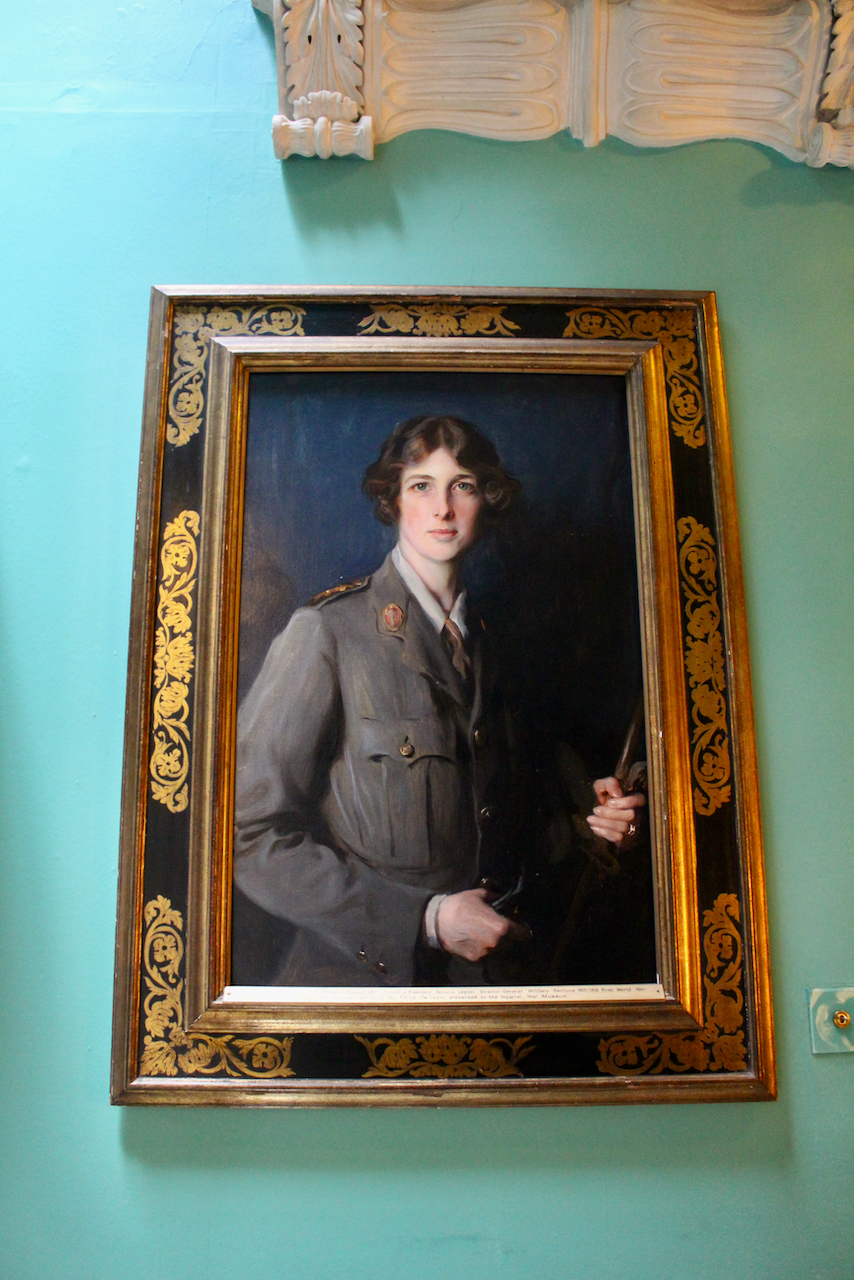
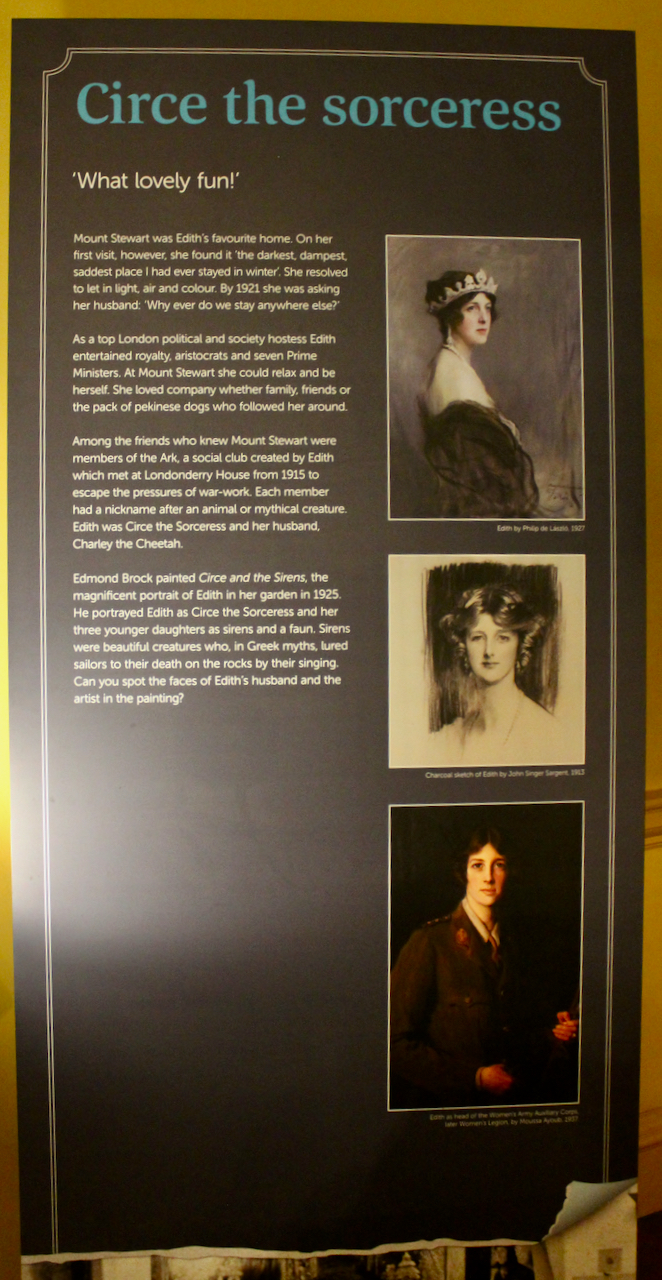
Their son Charles Stewart Henry Vane-Tempest-Stewart (1878-1949) succeeded as 7th Marquess of Londonderry. He married Edith Helen Chaplin, daughter of Henry Chaplin, 1st Viscount Chaplin.
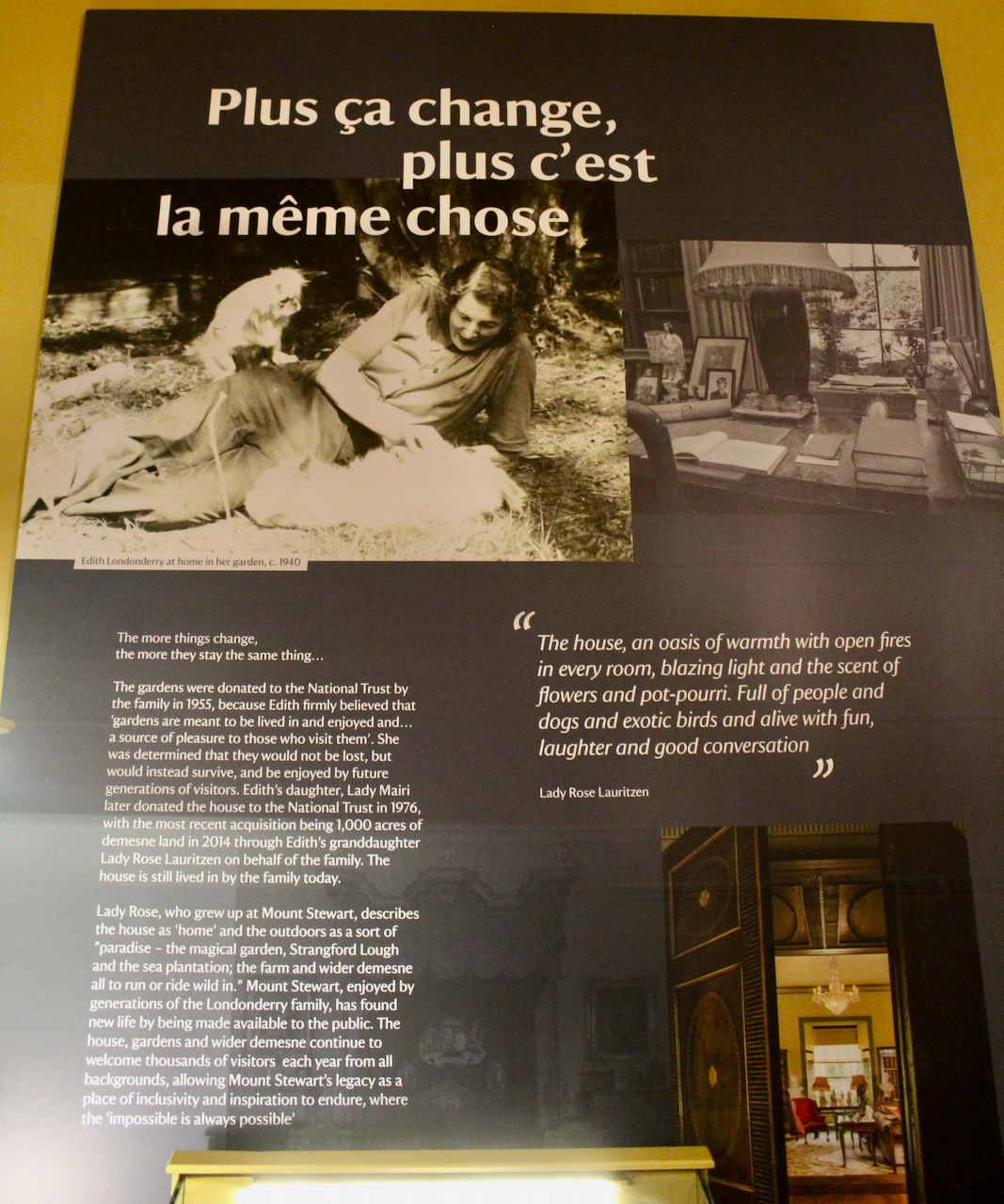
The website continues: “Charles’s great-grandson, Charles 7th Marquess, served in the First World War, during which his wife Edith founded the Women’s Legion. At the end of the war, Edith began to create the gardens at Mount Stewart and redecorated and furnished the house, processes she thoroughly enjoyed and continued until her death in 1959. Charles served in the new Northern Irish government following the partition of Ireland in 1921. He later became Secretary of State for Air during the early 1930s. The horrors of the First World War and the rise of Communism meant many were anxious to avoid another European war. For Charles, this meant holding a series of meetings with the Nazi leadership, but his actions and intentions were misunderstood and his career and reputation were fatally damaged.“
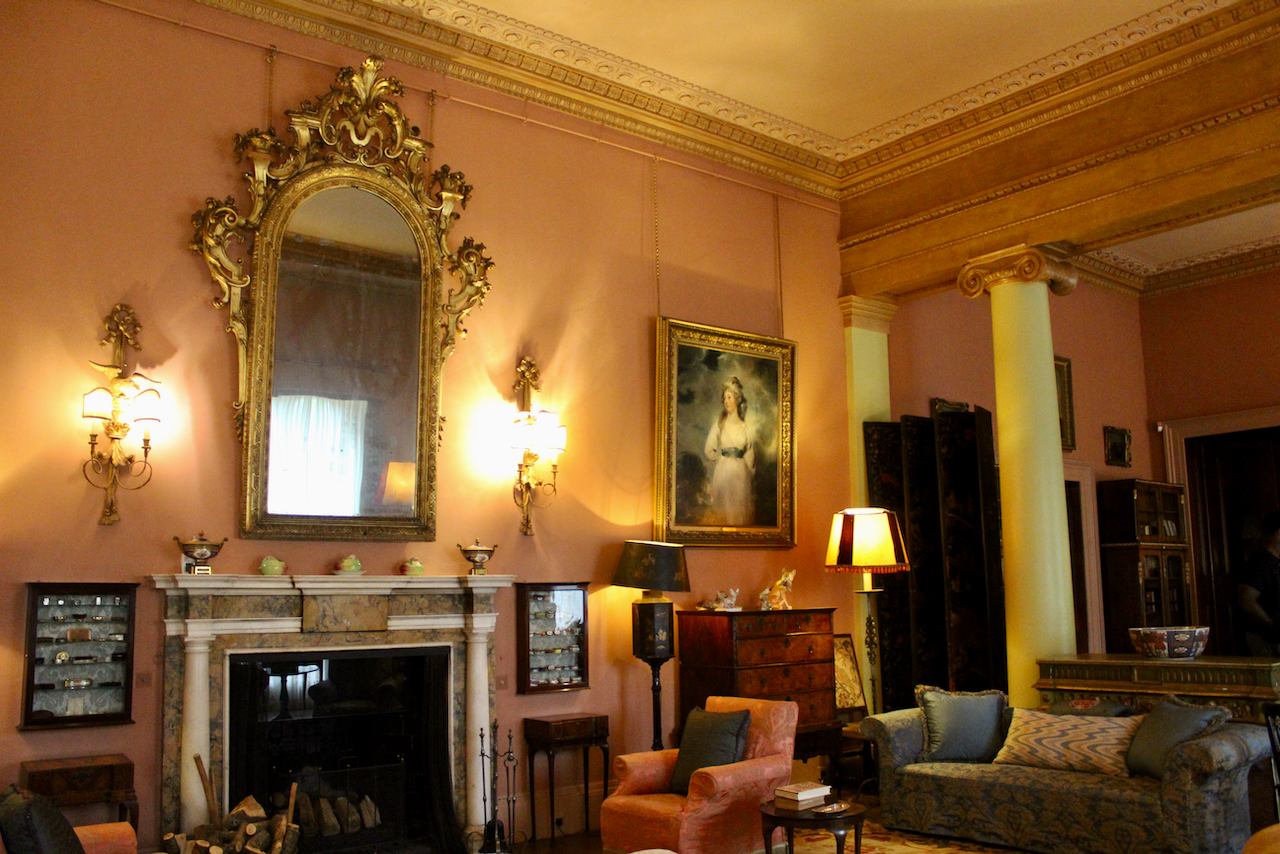
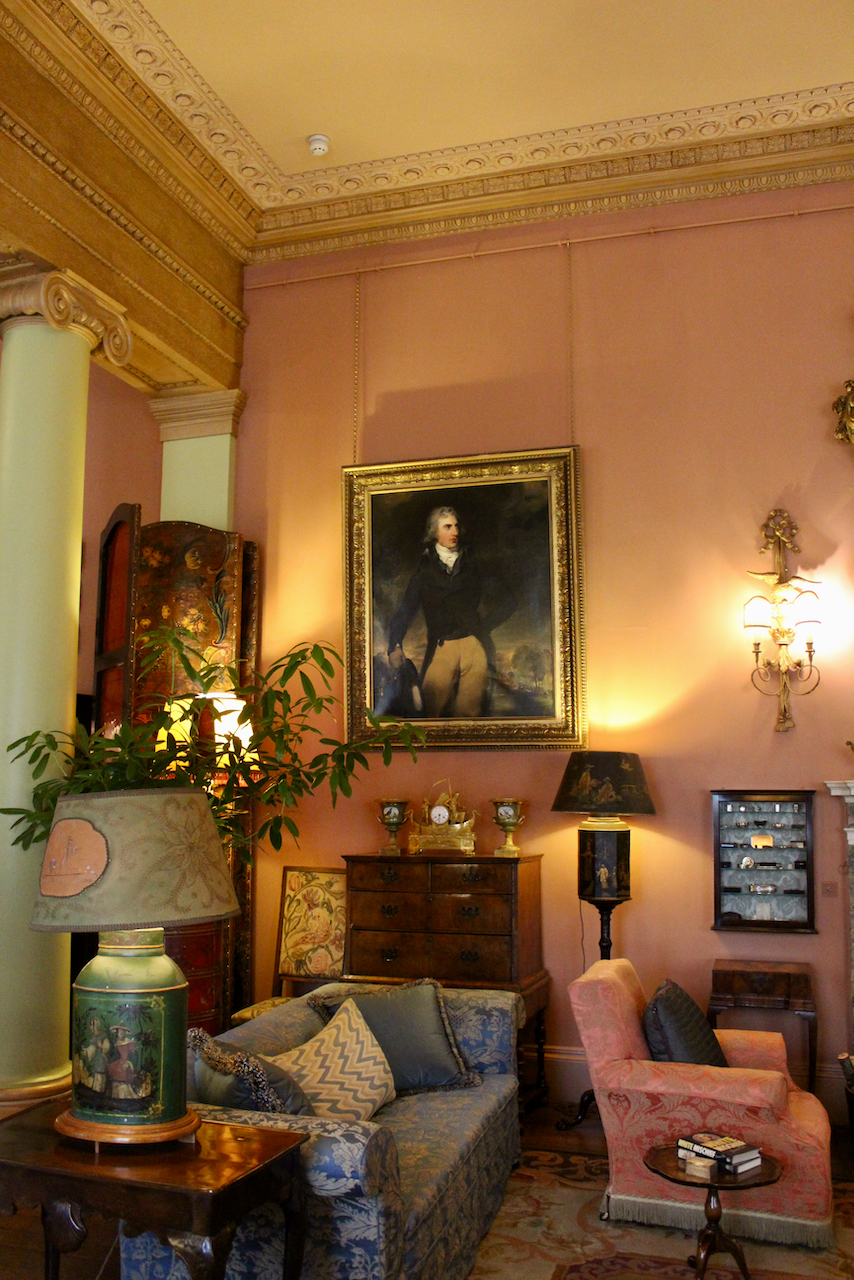
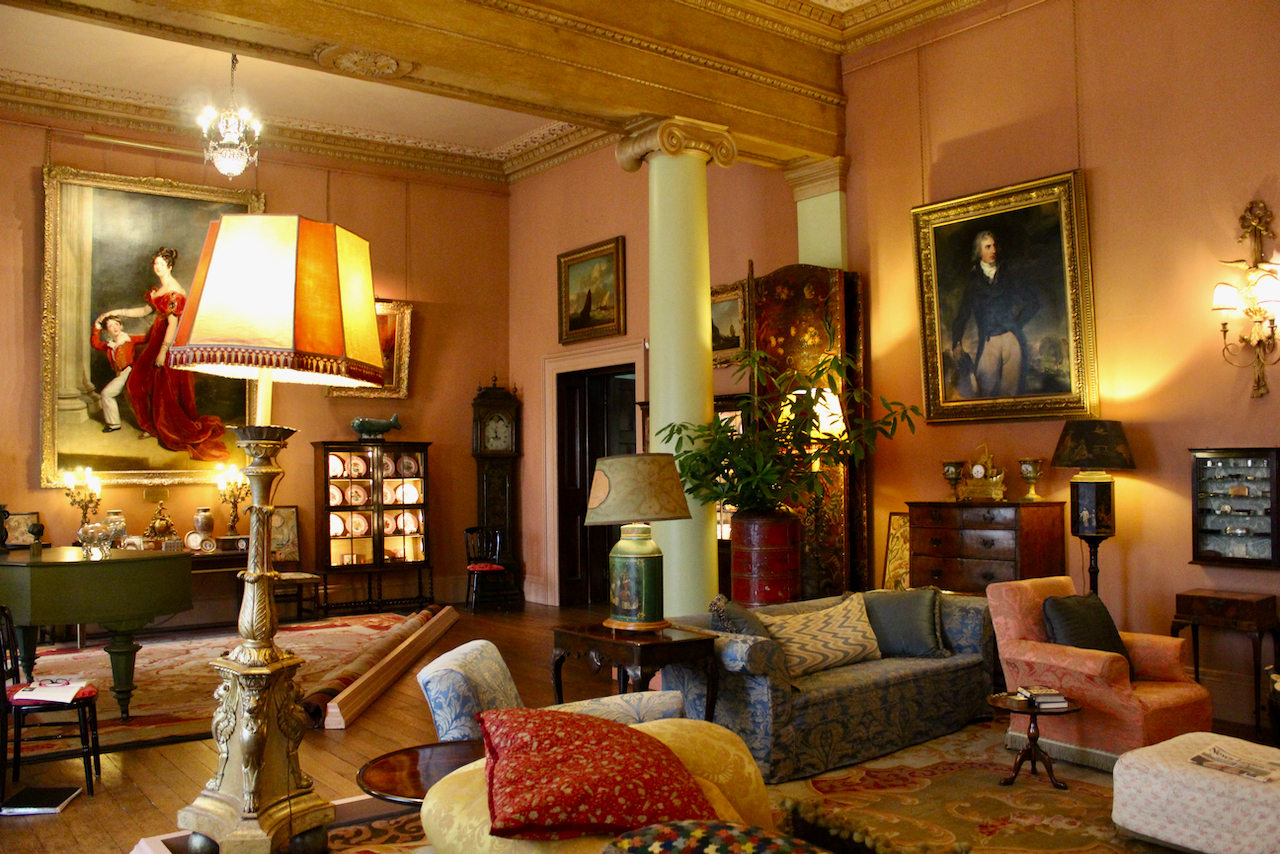
“Step inside the drawing room which was the social hub of the house, furnished with comfortable armchairs and sofas gathered around the fireplace, as well as a piano for musical entertainment.
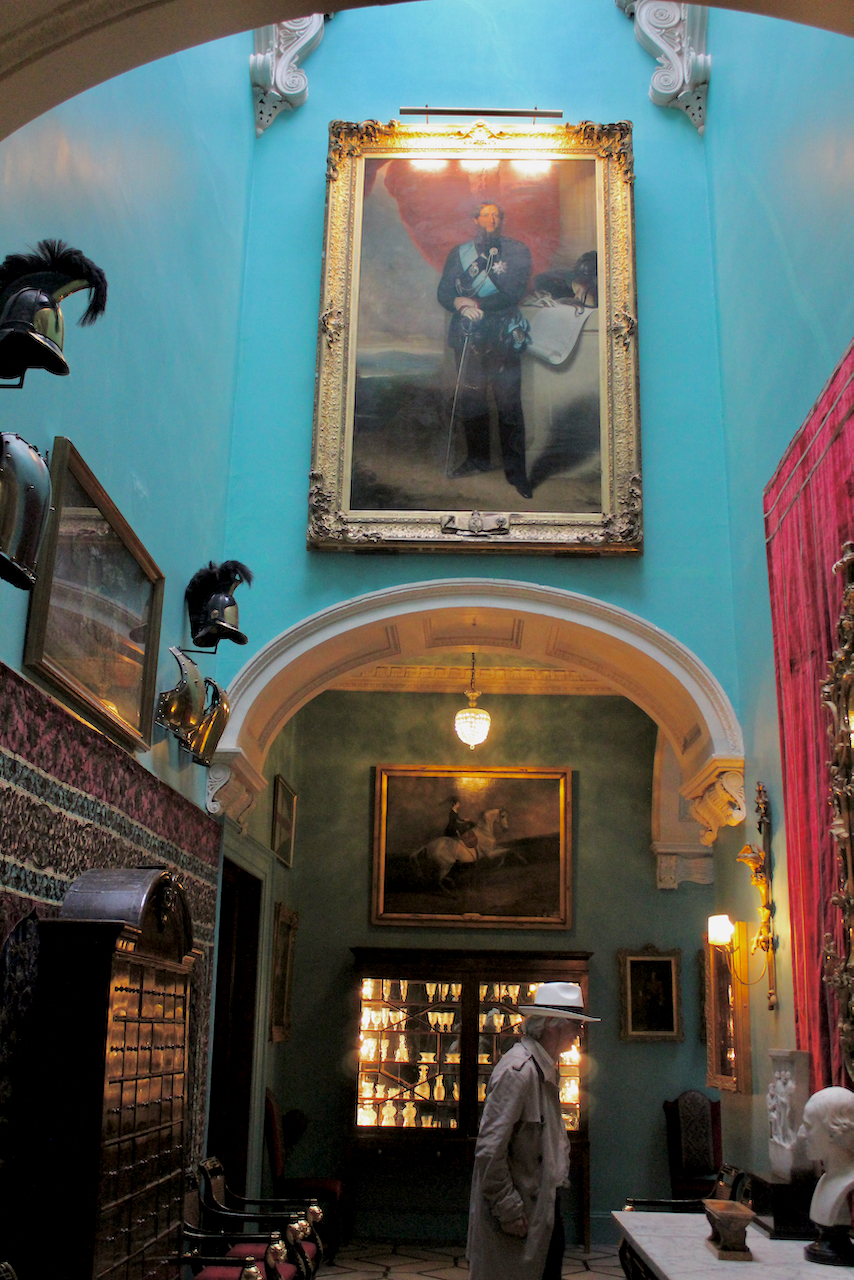
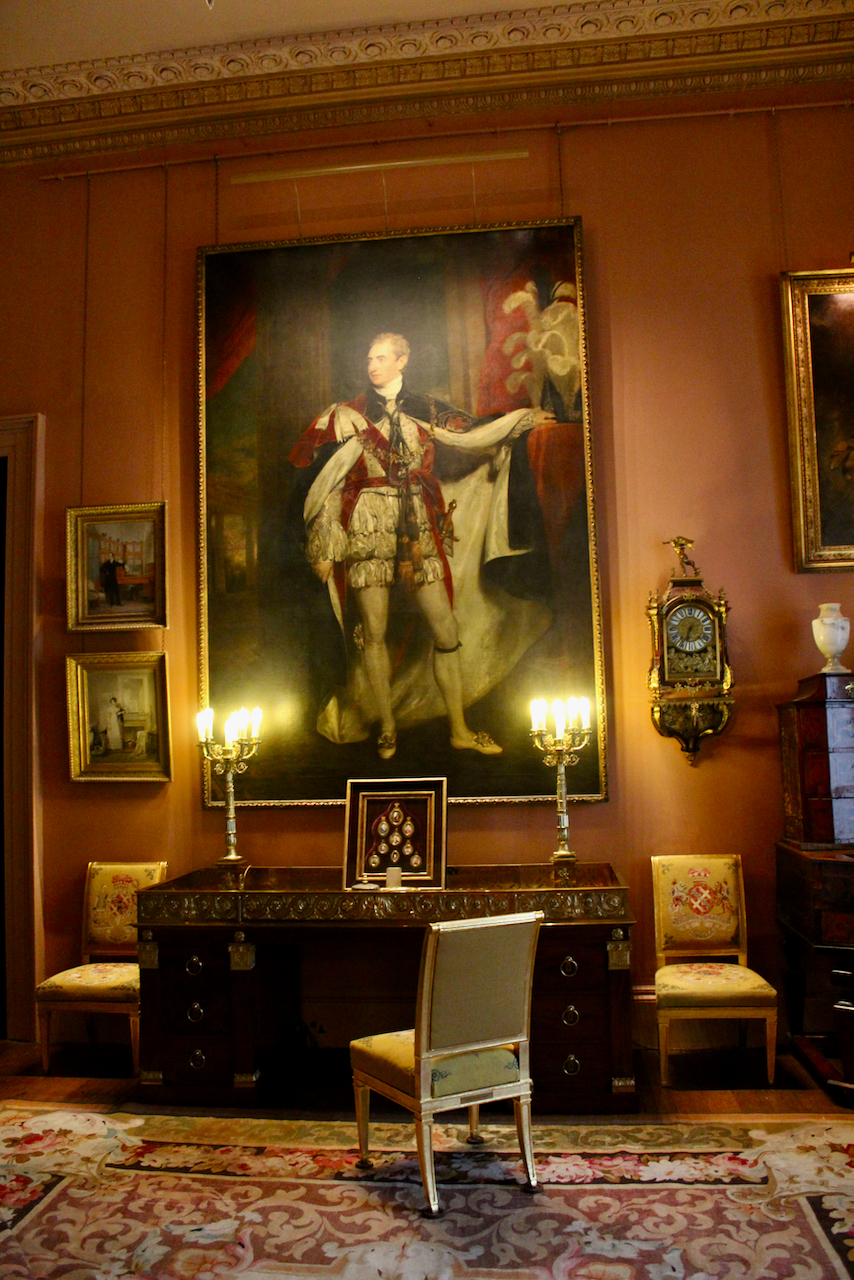
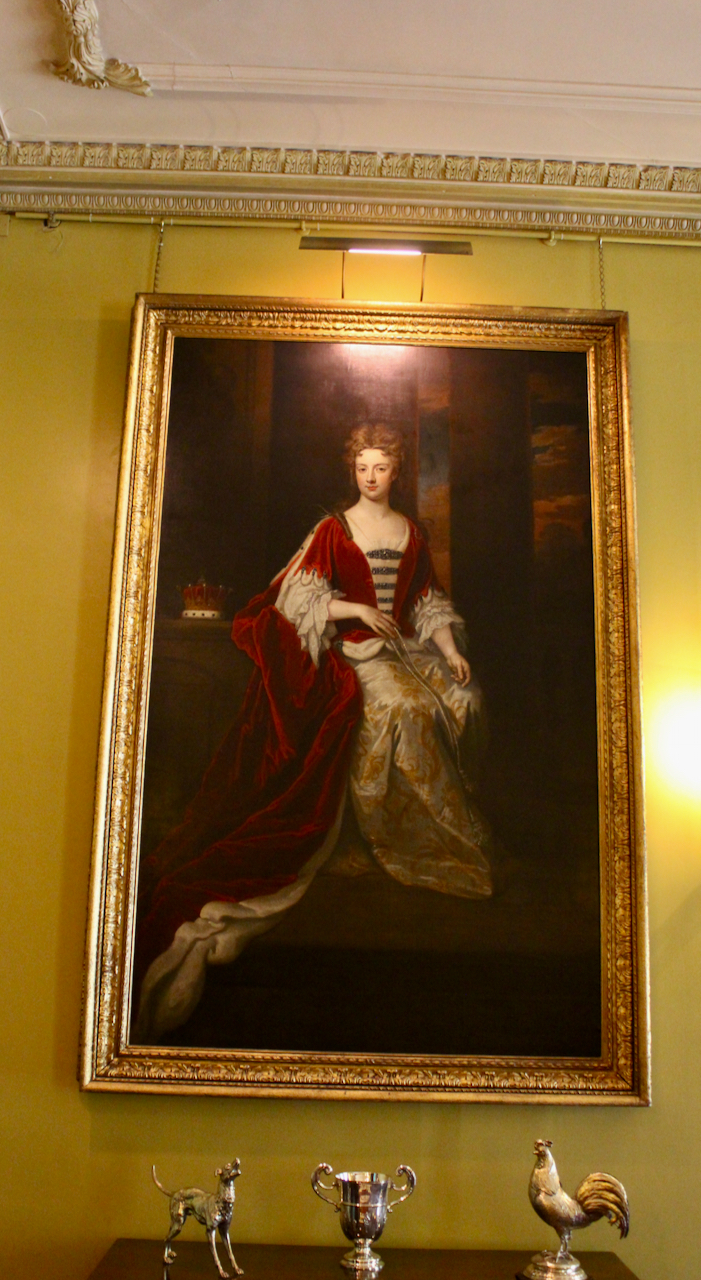
“At one end of the room stands the Congress of Vienna Desk, brought back by Castlereagh Viscount Castlereagh after the Congress and the Peace of Paris in 1815, for which he was made a Knight of the Garter. Above it hangs his portrait, by Sir Thomas Lawrence, alongside many others by the same artist.”
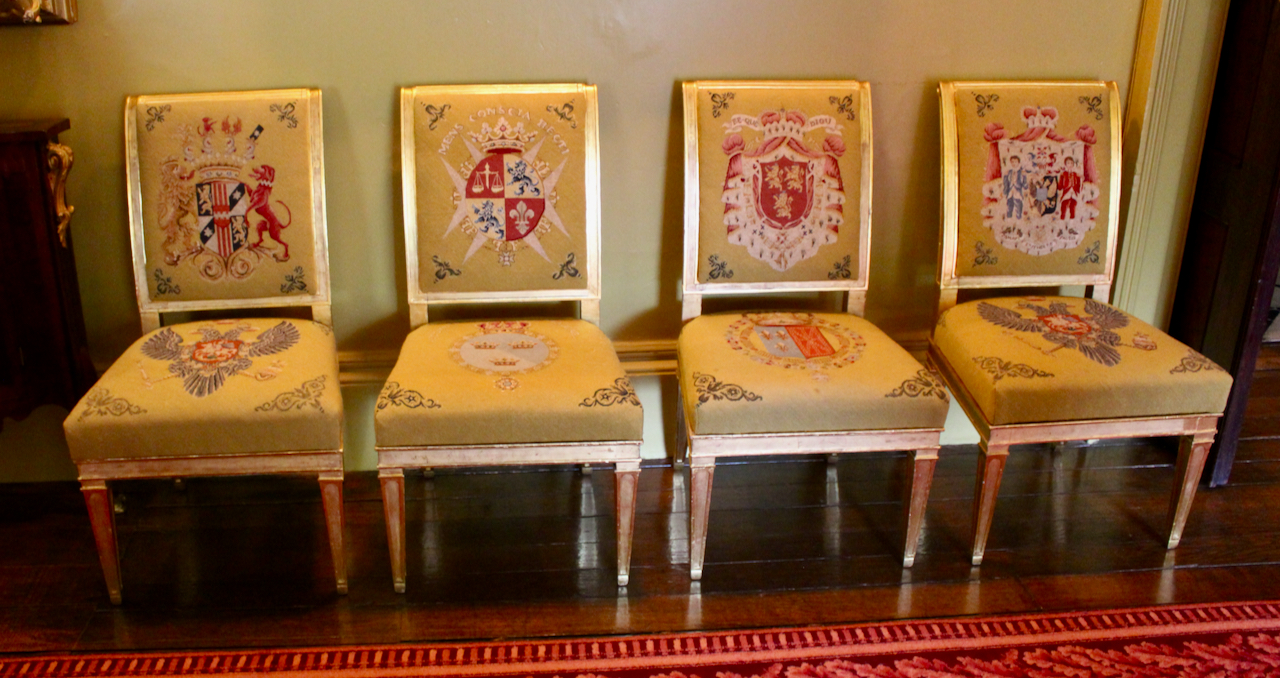
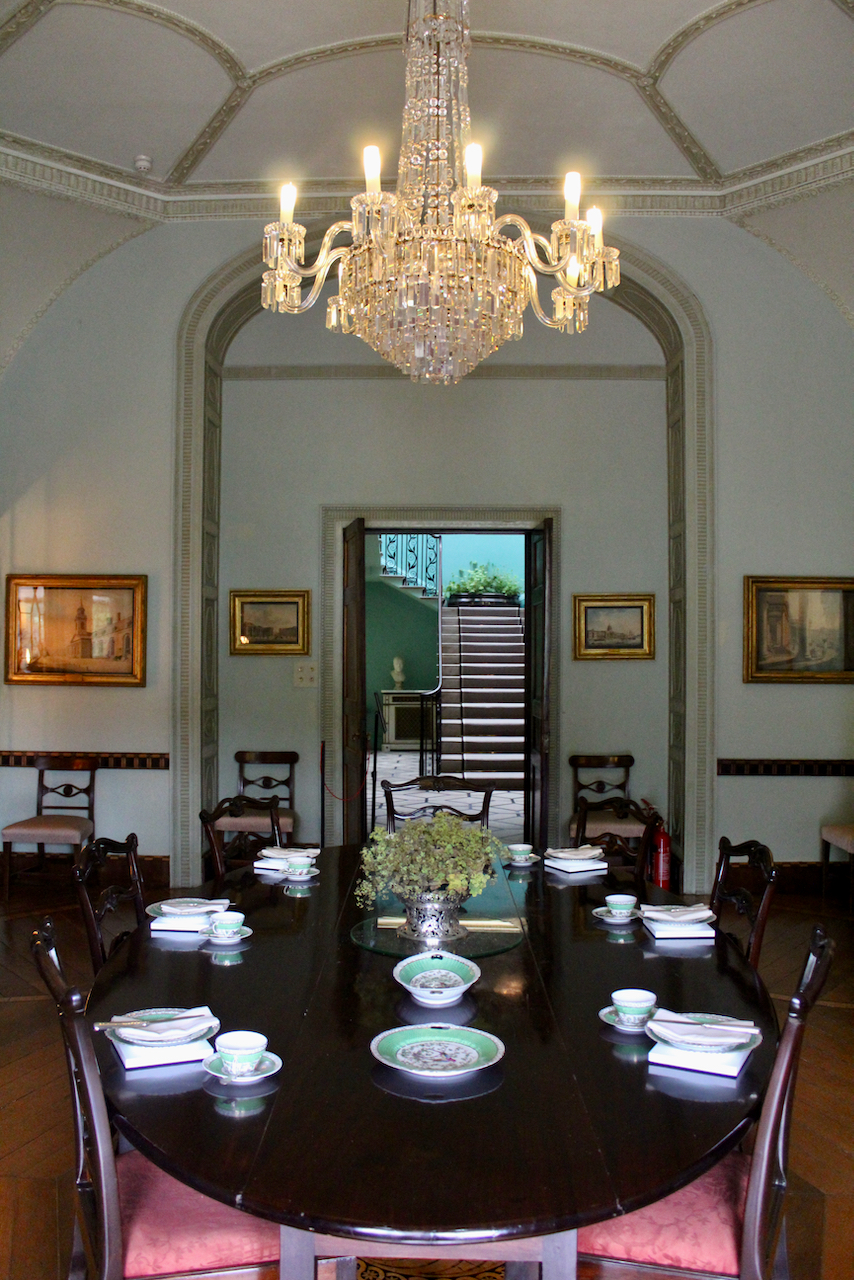
“Visit the dining room which was used to entertain famous guests including Winston Churchill and Neville Chamberlain – both of whom later became Prime Ministers of Britain. Along the walls stand the chairs used during the Congress of Vienna (1814–15). Their needlework covers were commissioned by Edith in the 1930s to display the coats of arms of those present at the Congress, and the countries they represented.“
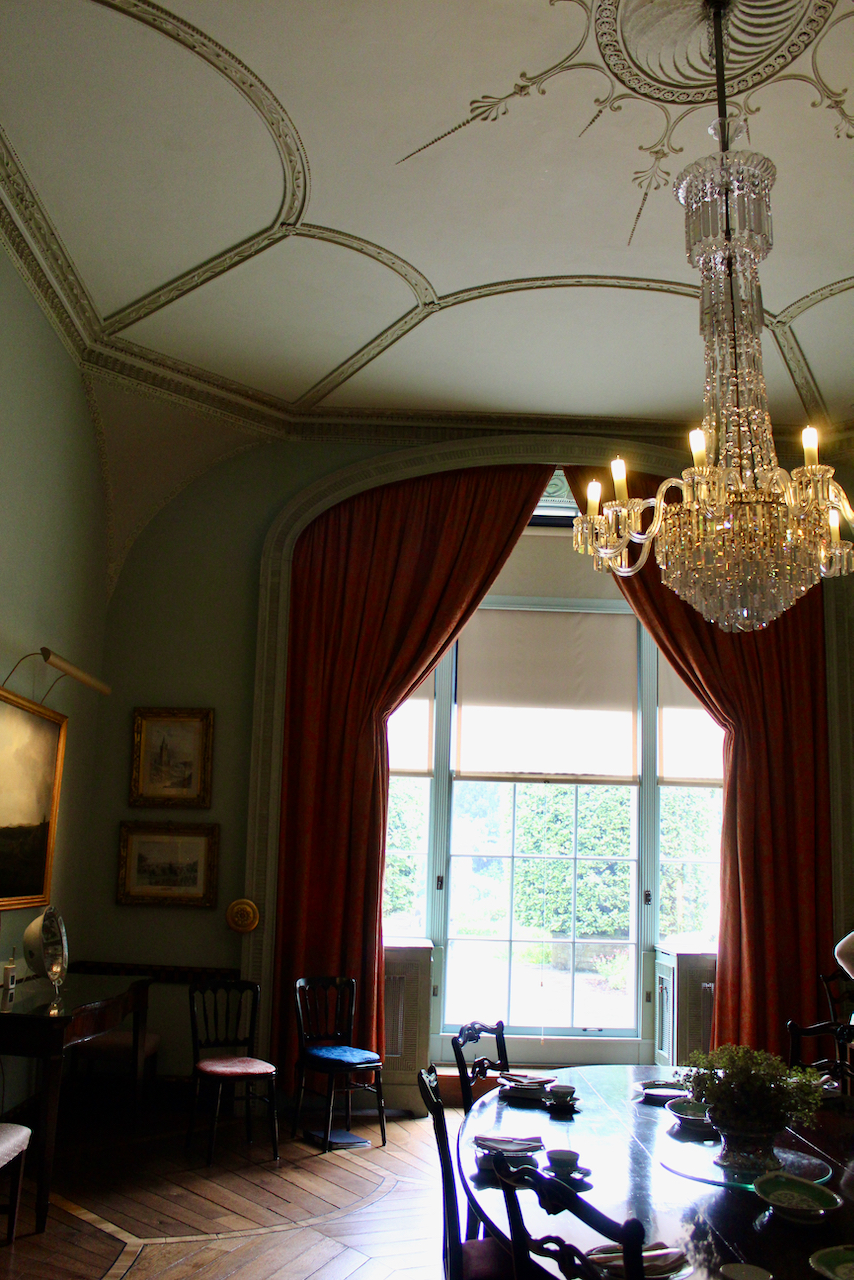
“Stop by the breakfast room, where Charles and Edith enjoyed relaxed family breakfasts, lunches and afternoon teas overlooking the Sunk Garden that Edith created in 1920–21. Edith introduced the large sliding sash window so that they could have direct access to the garden.
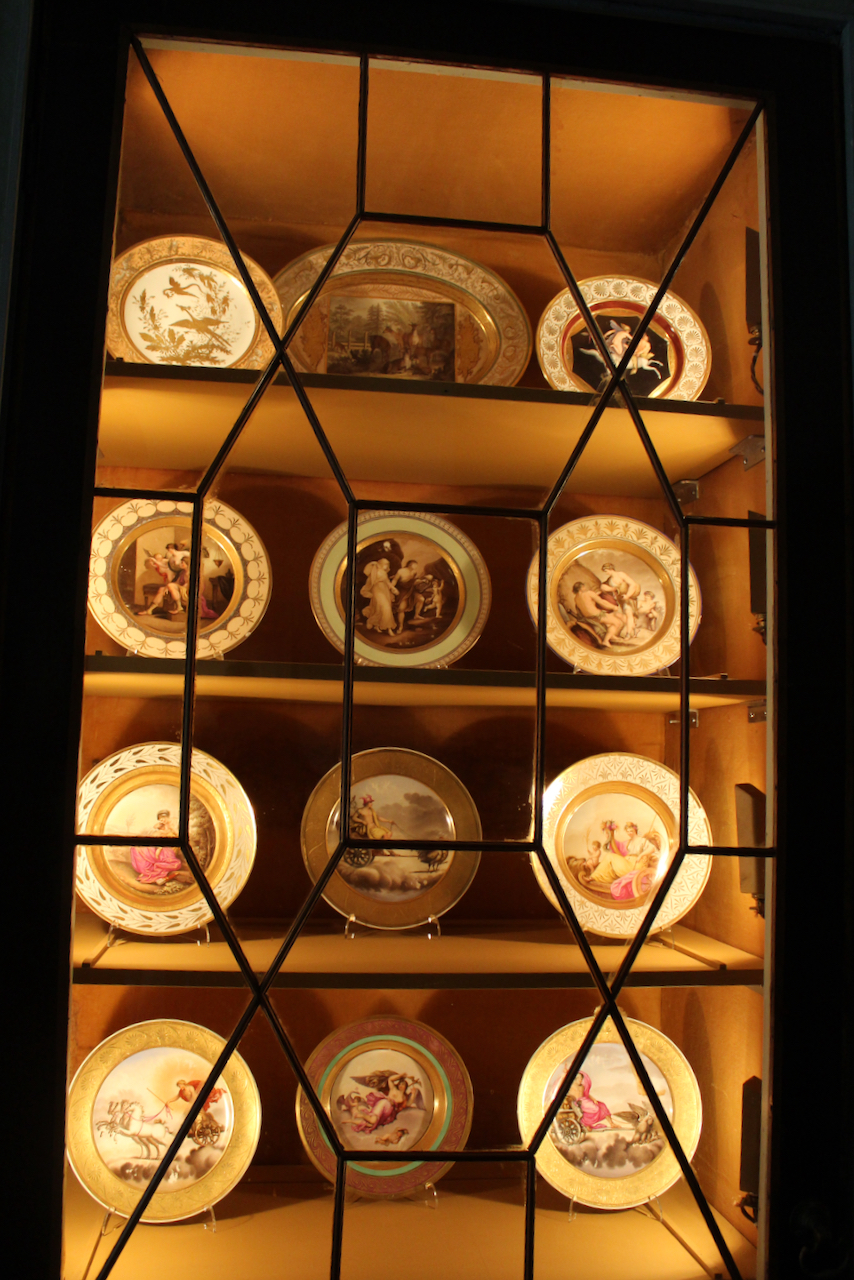
“In the centre of the room you can see the family’s traditional Irish ‘wake’ or hunting table, whilst a collection of Berlin cabinet plates from 1810–20 are displayed in the cabinets.”
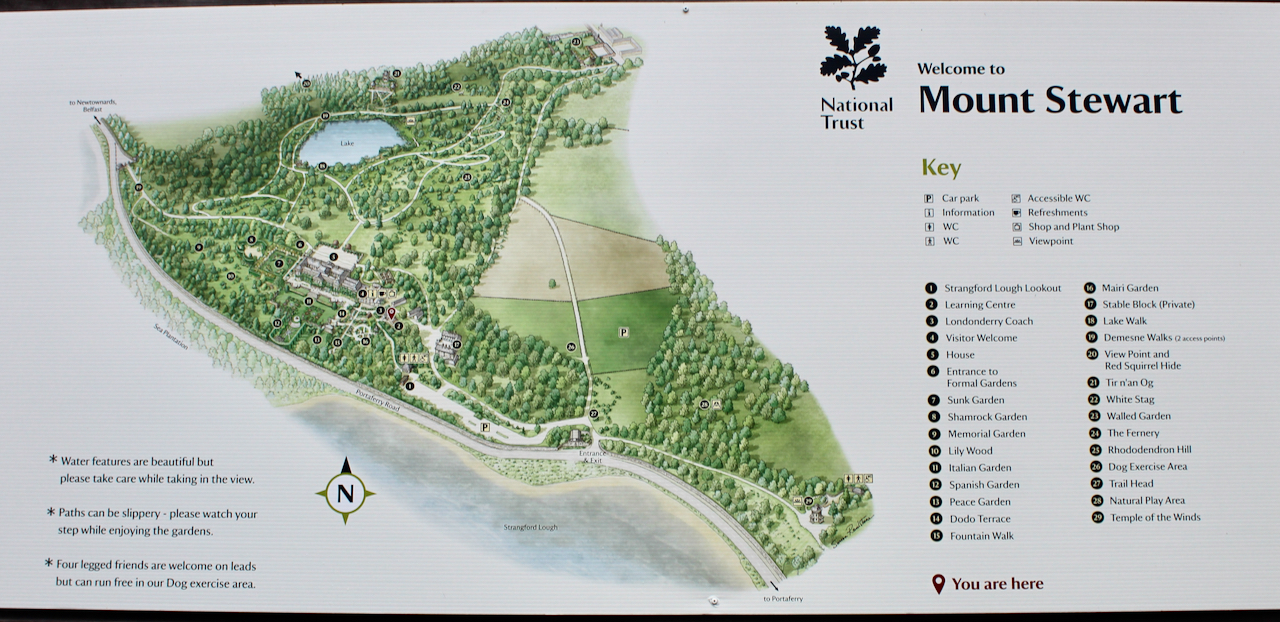
Unfortunately it was raining and we were on our way back to Dublin so we didn’t get to explore the gardens though my hairdresser Shane tells me they are splendid.
Information board courtesy of National Trust Mount Stewart.From “In Harmony with Nature, The Irish Country House Garden 1600-1900” in the Irish Georgian Society, July 2022, curated by Robert O’Byrne.Information board courtesy of National Trust Mount Stewart.
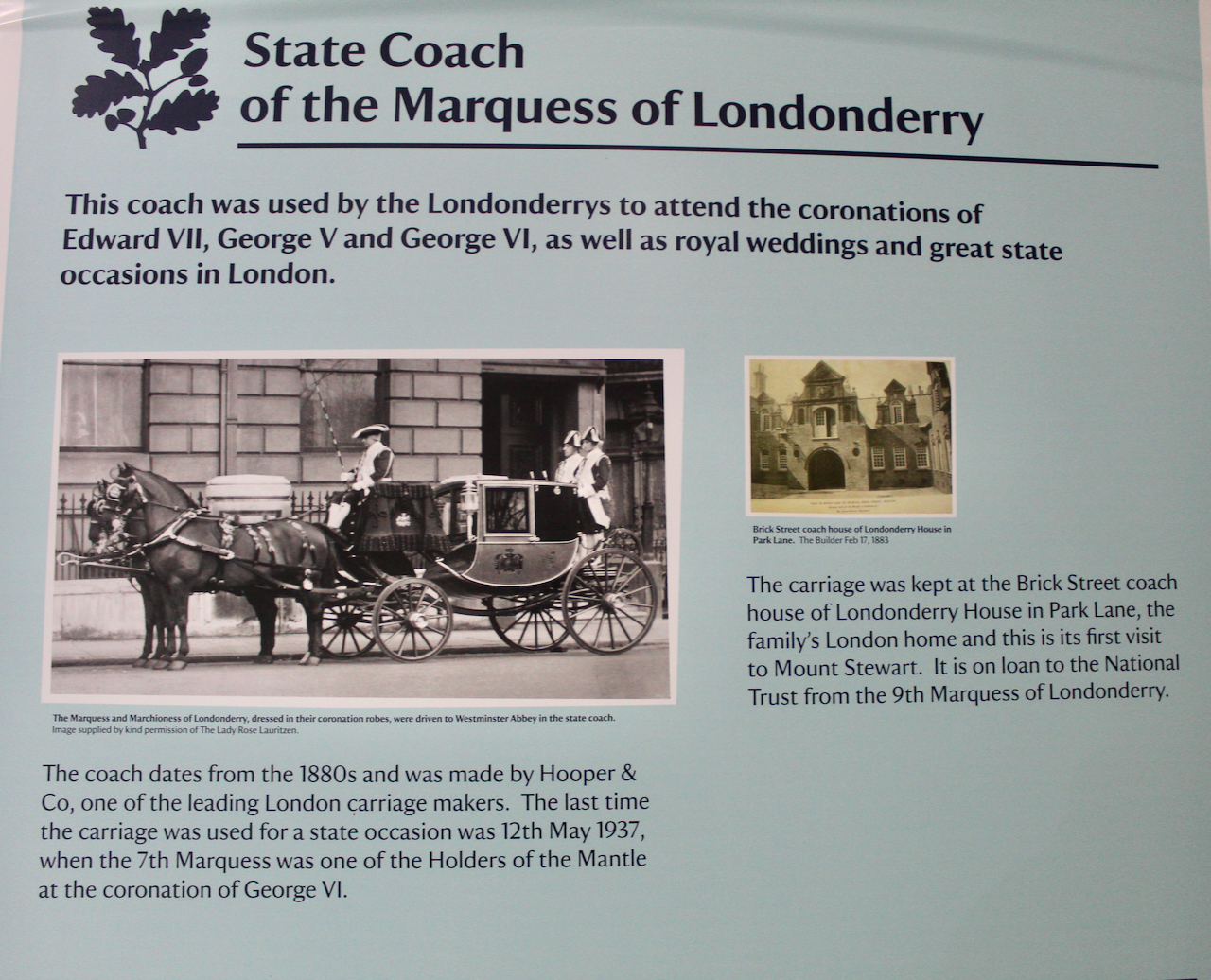
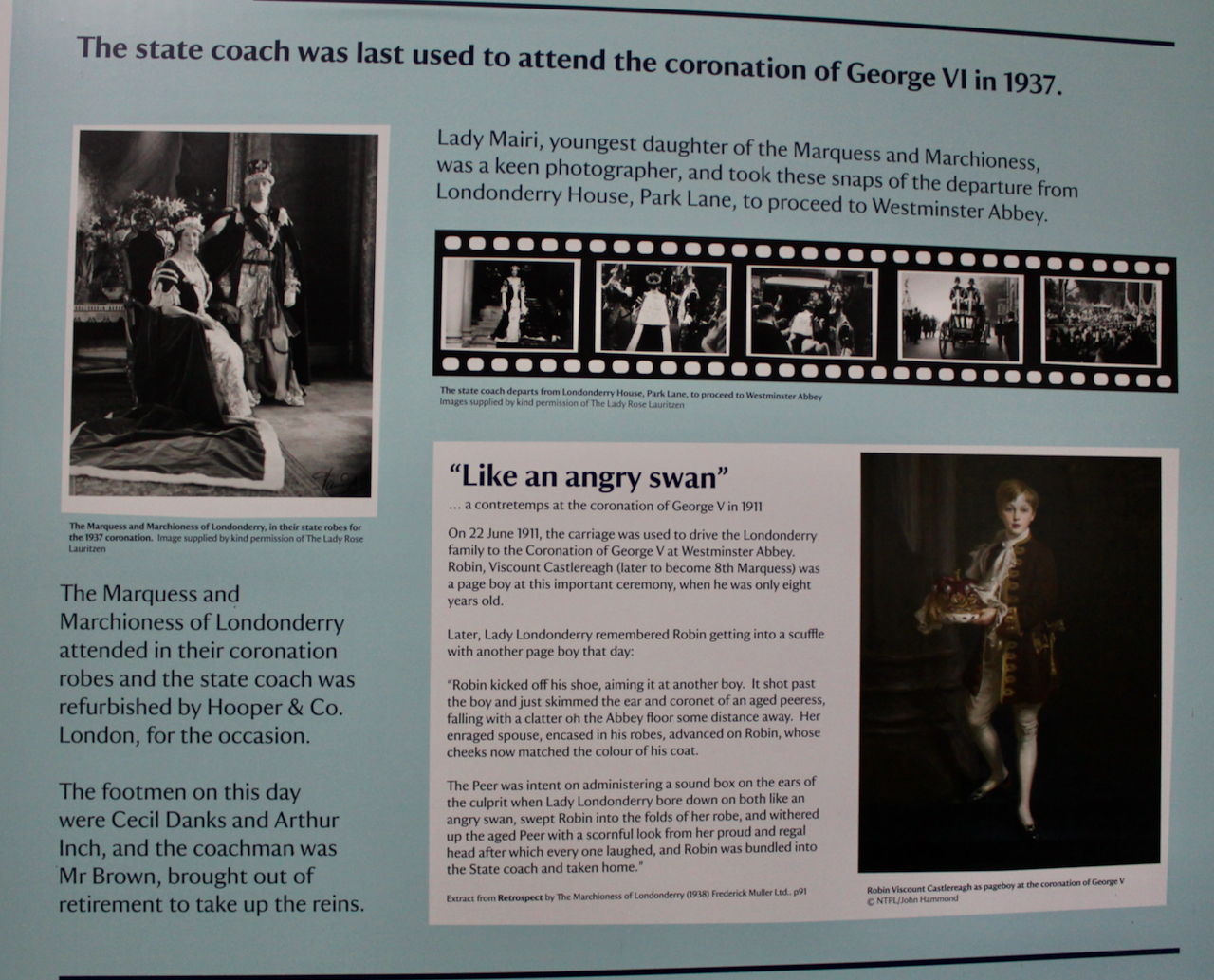
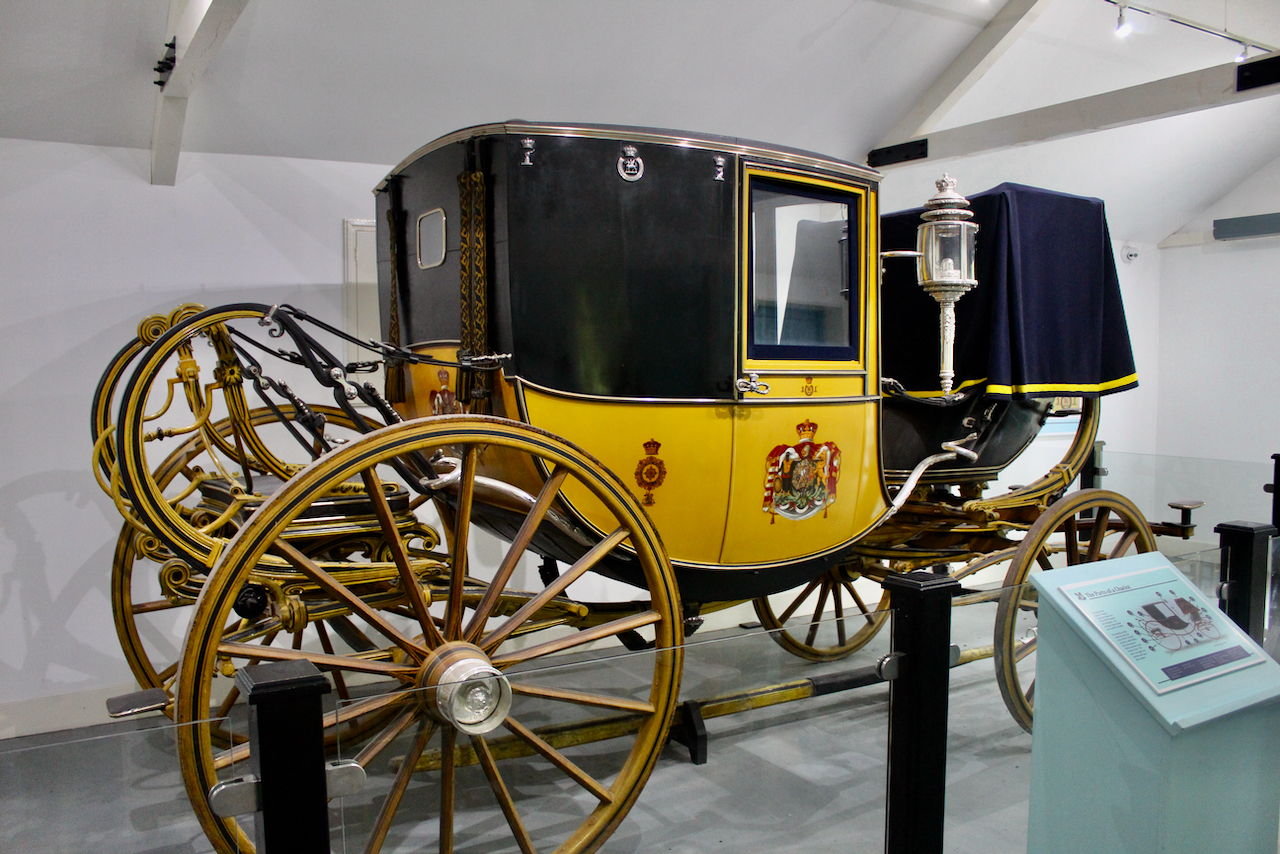
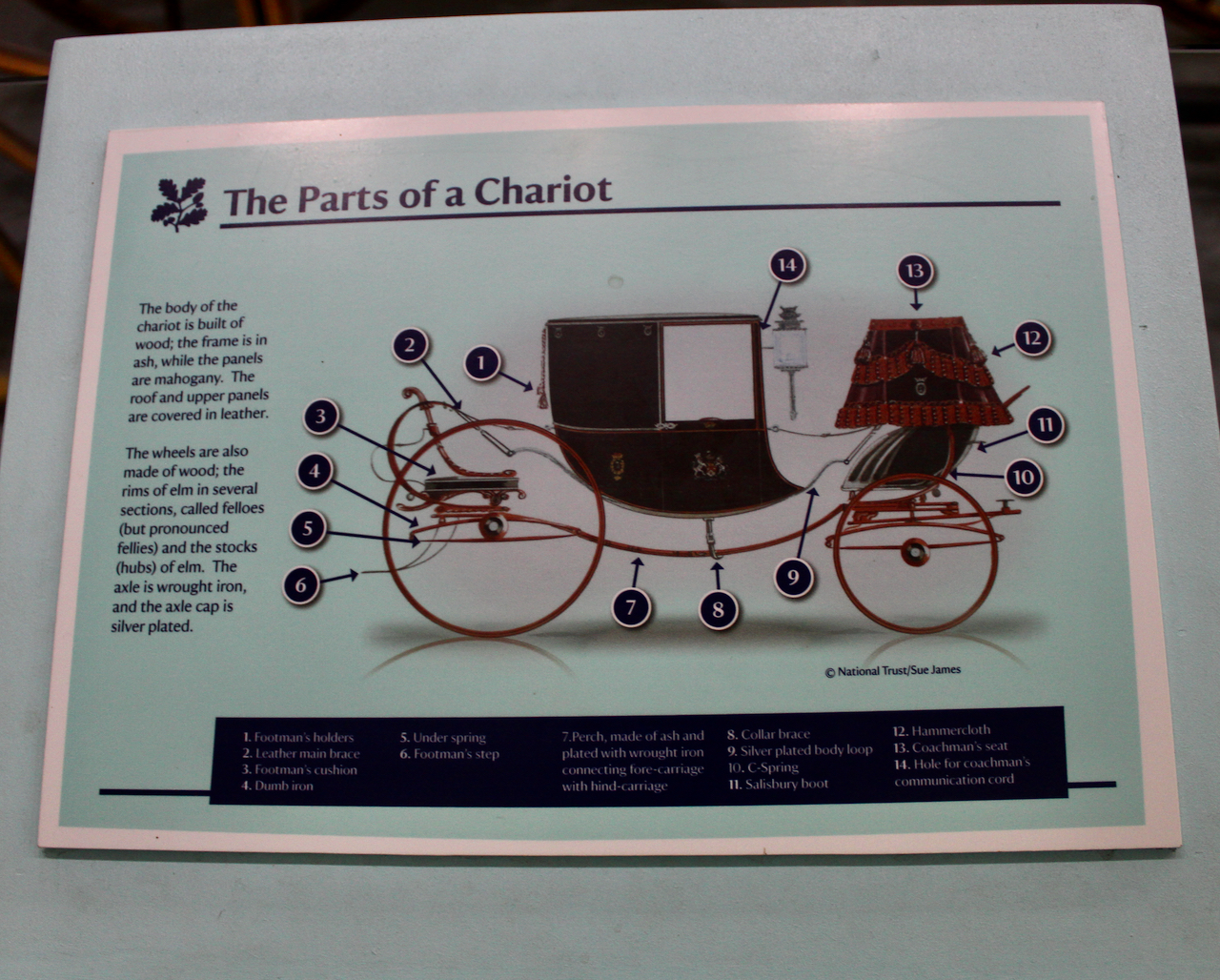
We did, however, get to the coach house to see the State Coach.
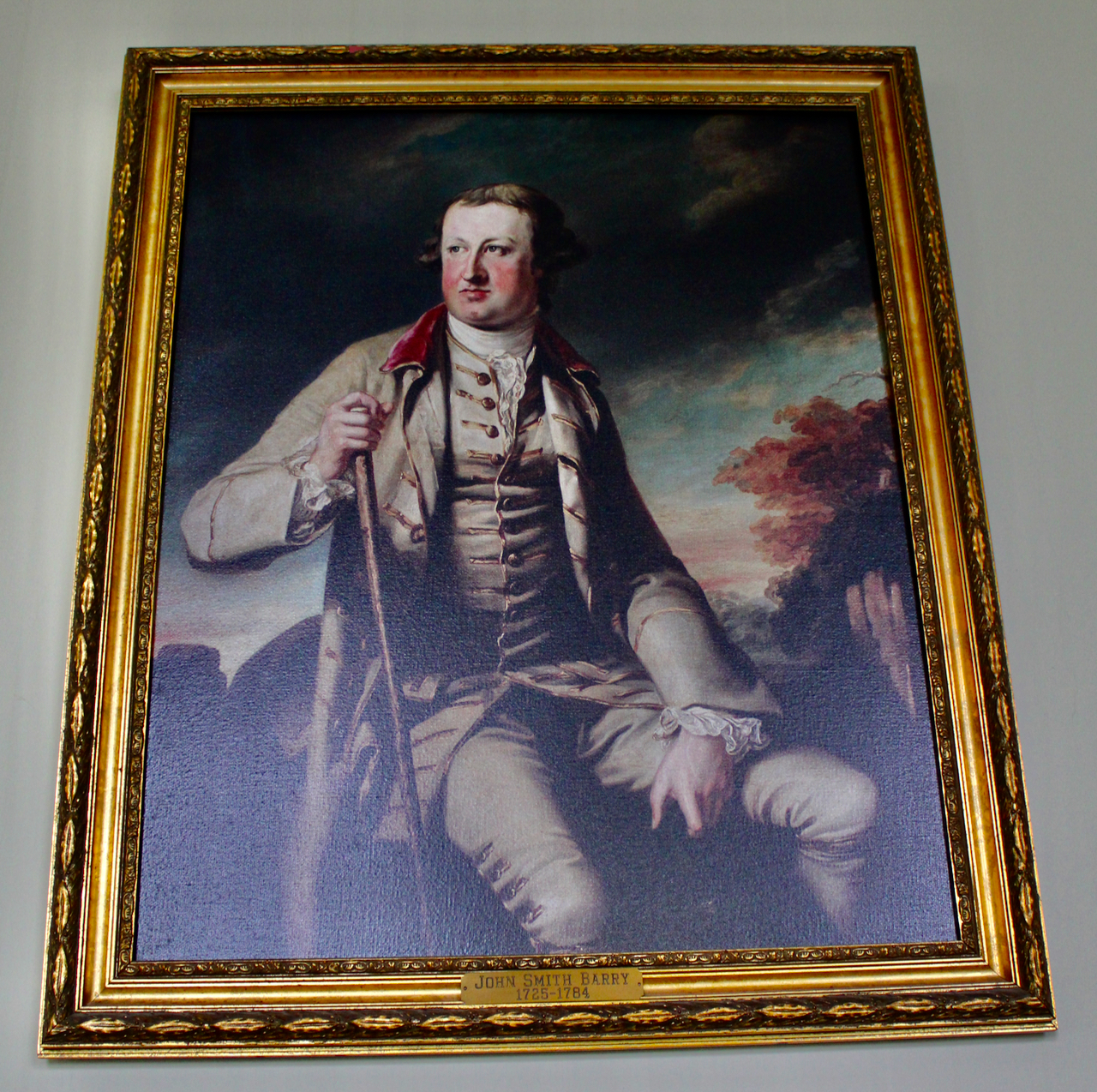
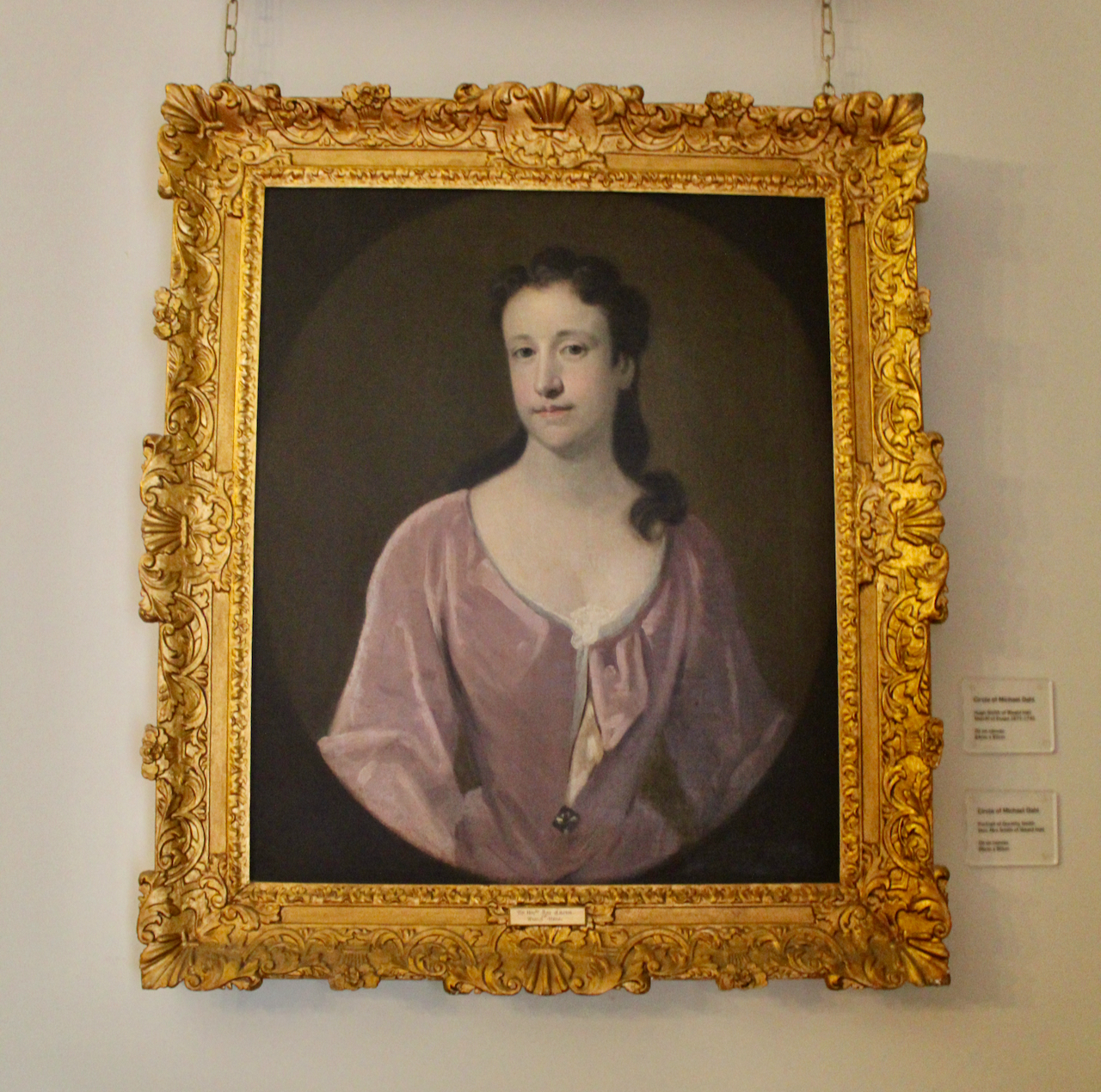
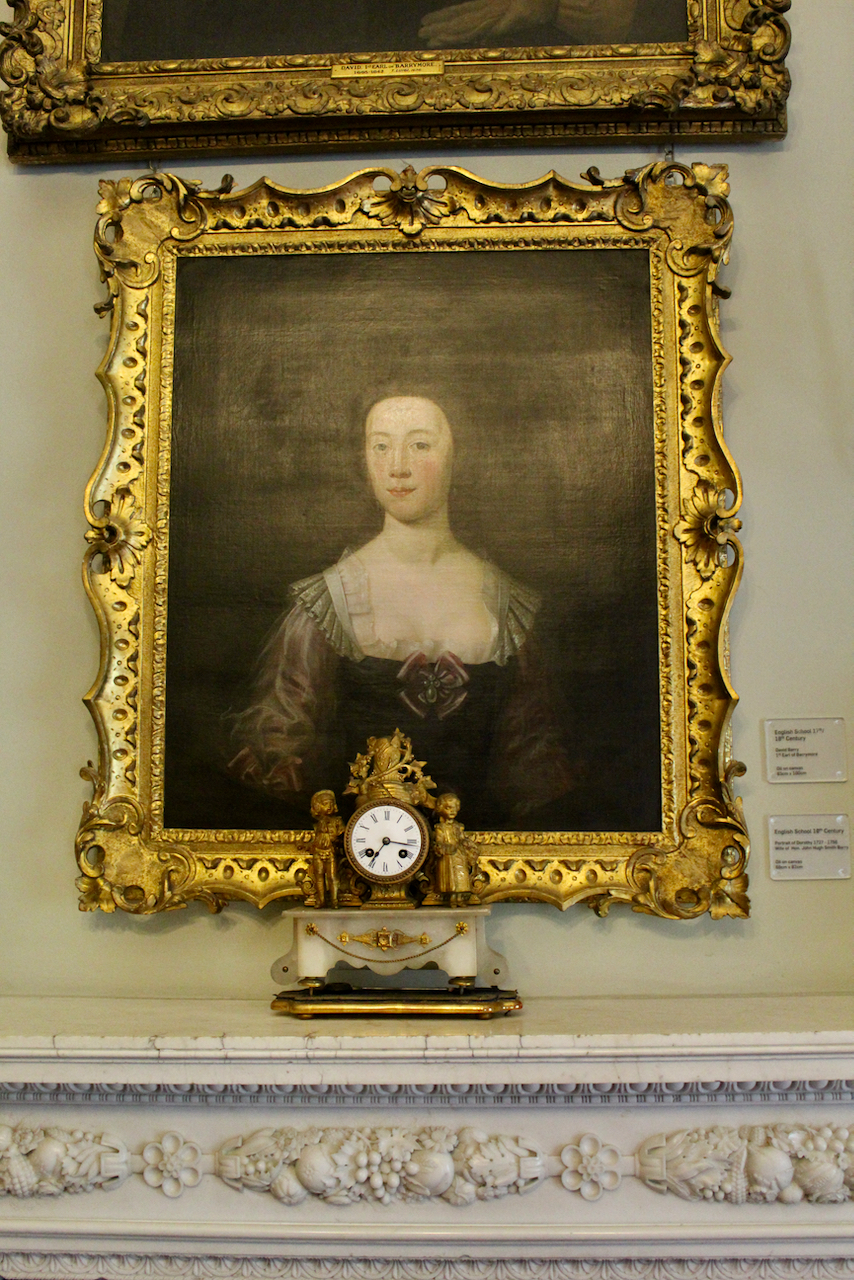
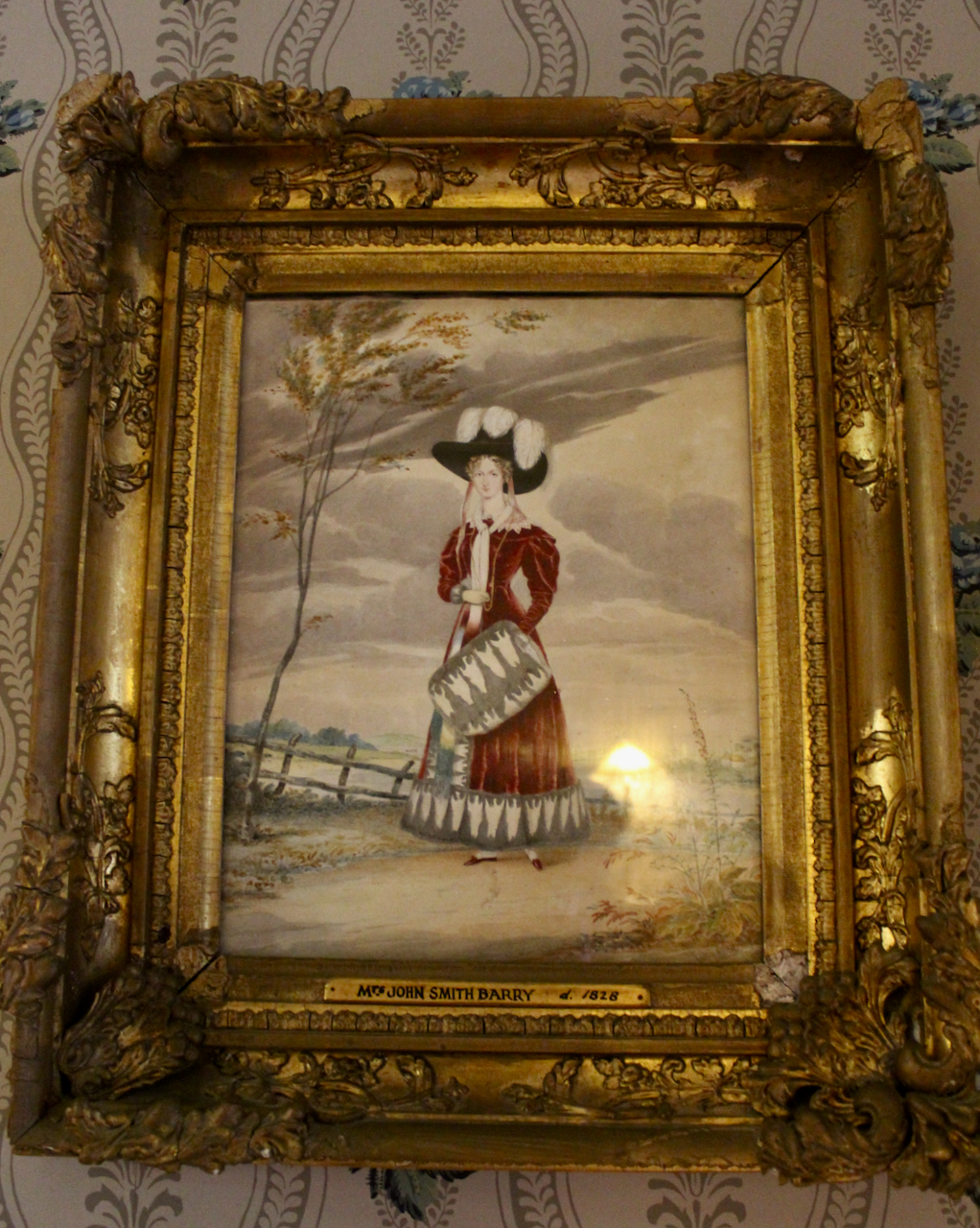
John Barry (1725-1784), who added the name Smith to his surname after his marriage to a wealthy heiress, was the son of James Barry, 4th Earl of Barrymore, of Castlelyons, County Cork, and Barry’s third wife, Anne Chichester, daughter of Arthur Chichester, 3rd Earl of Donegall (it was spelled with two ‘l’s in the title, unlike the county). He married Dorothy Smith, daughter of Hugh Smith of Weald Hall, Essex, and John added Smith to his surname.
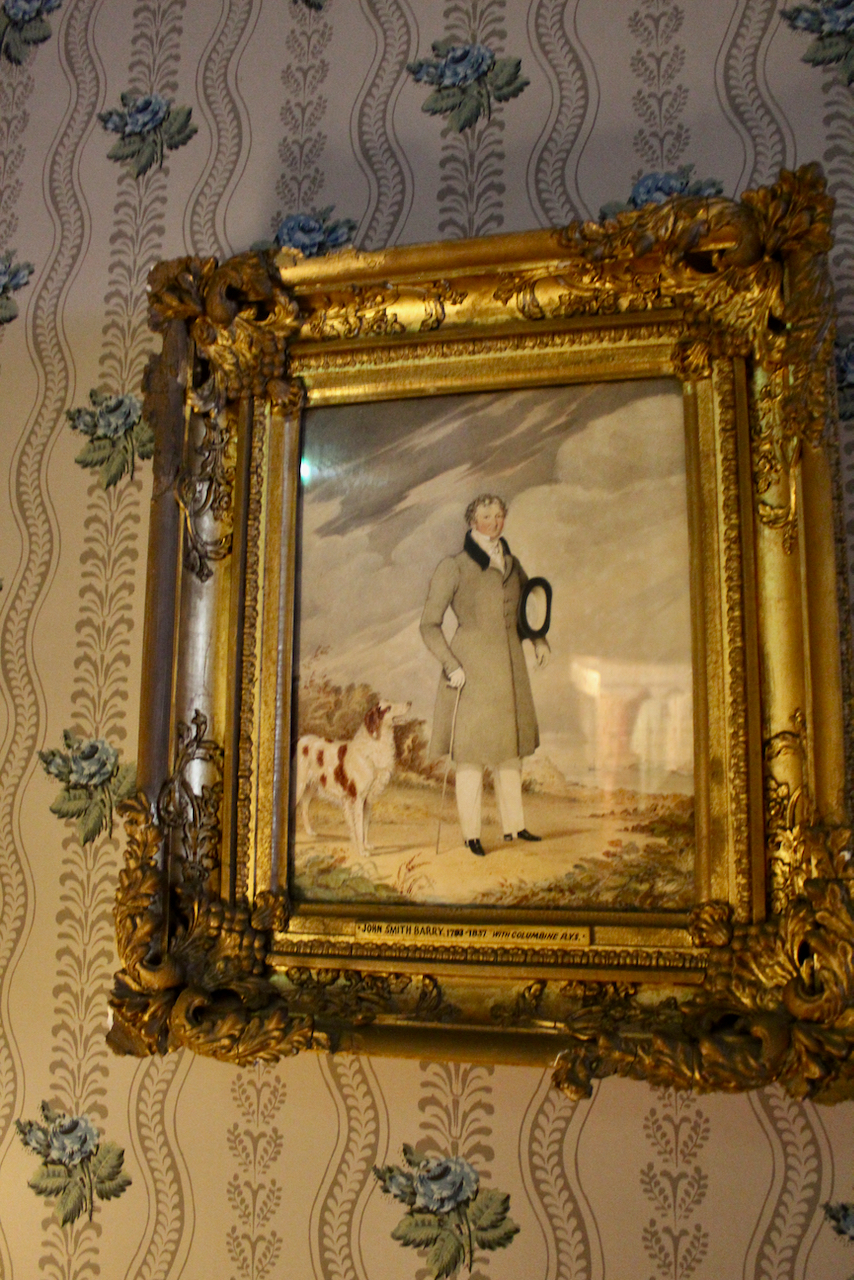
John Smith-Barry (1783-1837), son of James Hugh Smith-Barry (1746-1801) settled in Fota, County Cork, after his marriage to Eliza Courtenay of Ballyedmond, Midleton, County Cork.
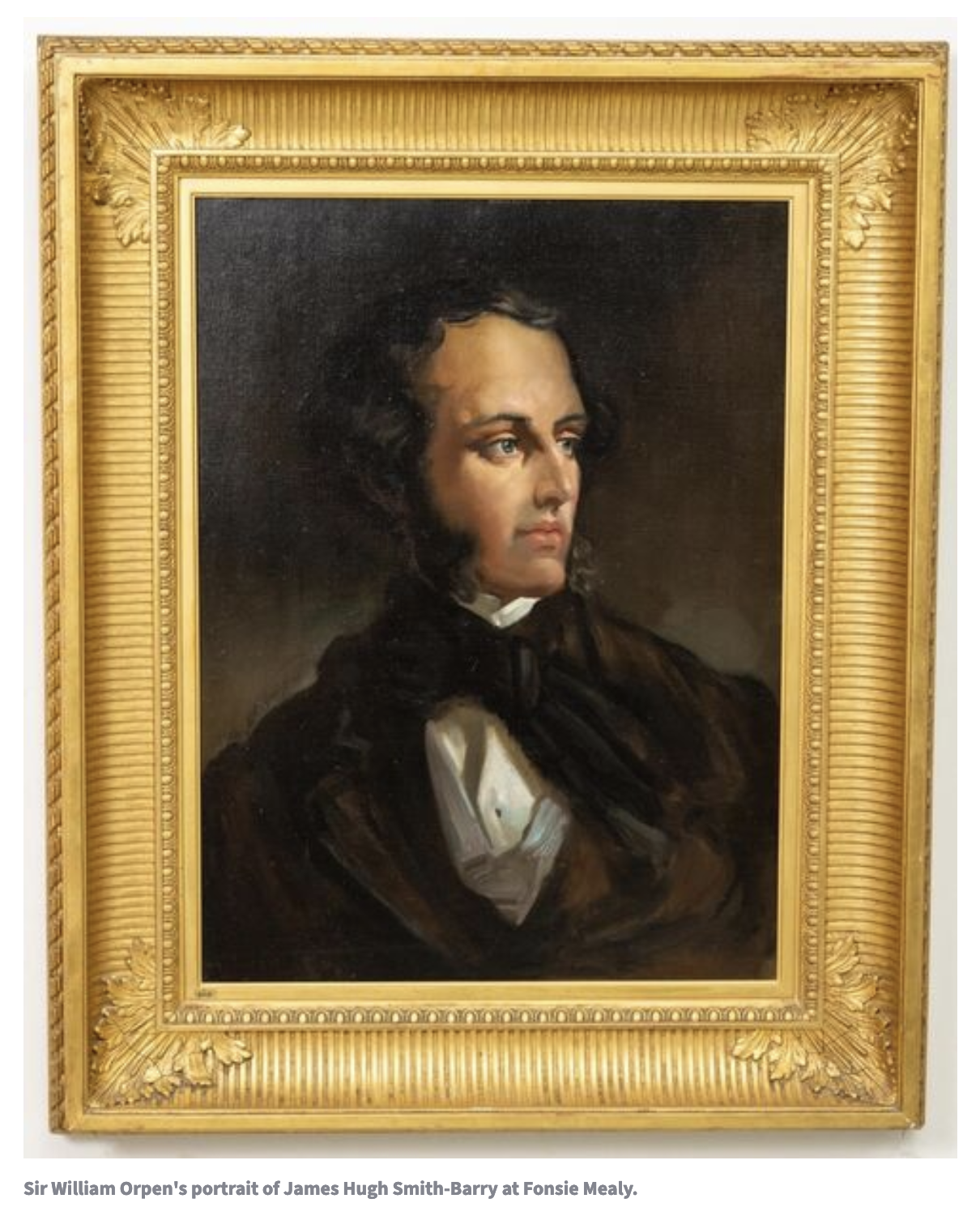
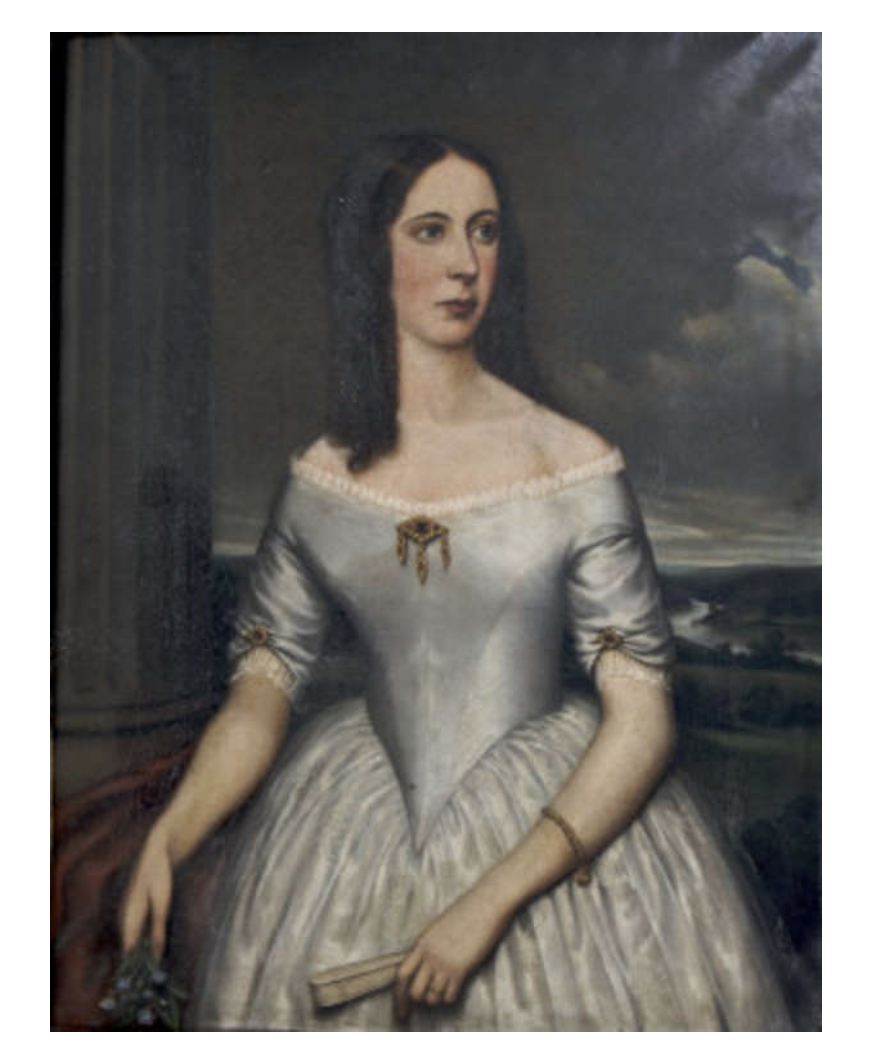
James Hugh Smith-Barry (1816-1856) inherited Fota and also Marbury Hall in Cheshire. He served as Deputy Lieutenant, Justice of the Peace and High Sheriff of County Cork. He married Elizabeth Jacson of Cheshire. After her husband died, she married George Fleming Warren, 2nd Baron de Tabley of Tabley House, County Chester.
James Hugh Smith-Barry by William Orpen 1904, courtesy of Fonsie Mealy auction 2022.
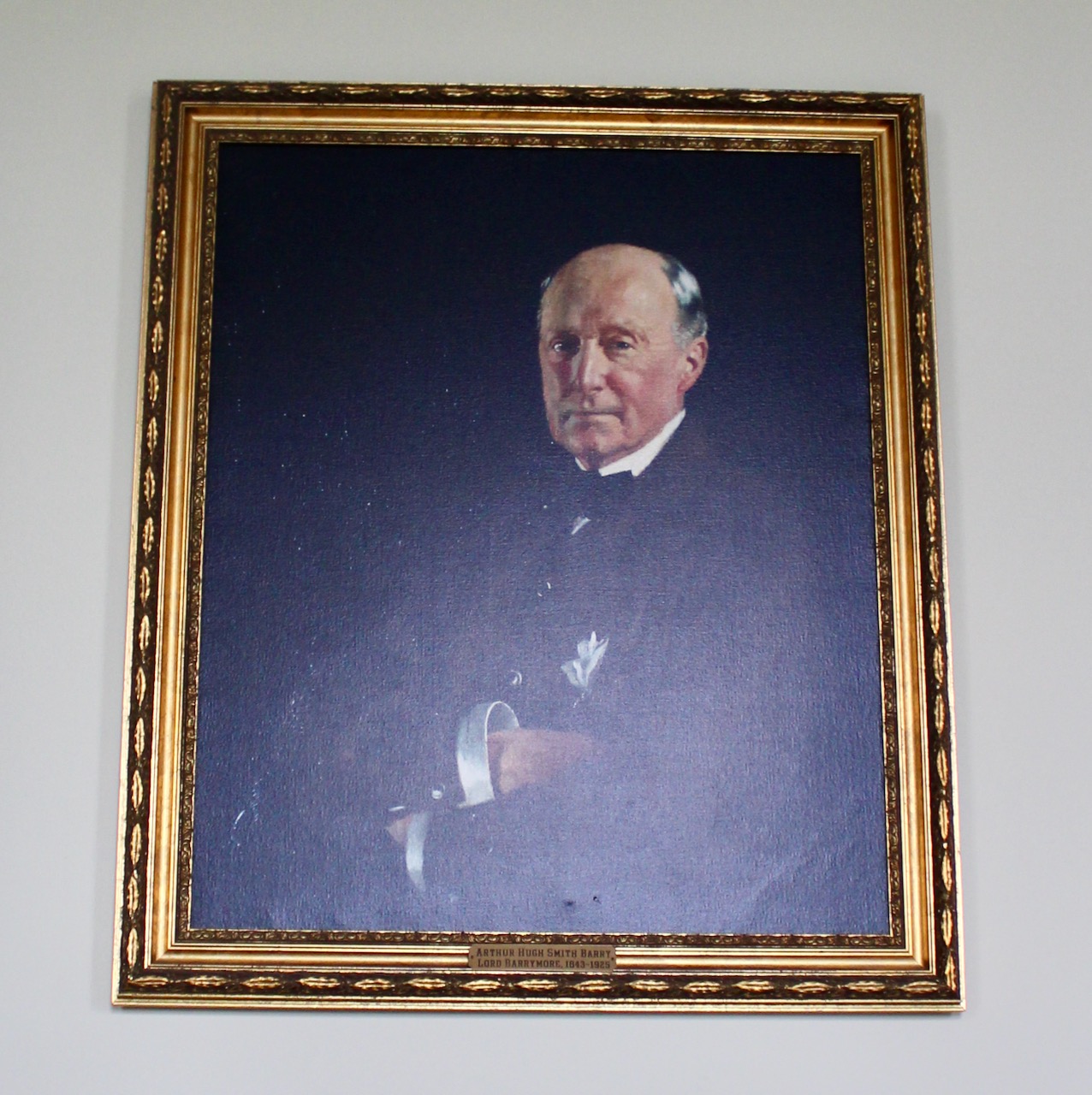
Arthur Hugh Smith-Barry (1843-1925), the oldest son of James and Elizabeth, inherited Fota and also Marbury Hall. He too served as Deputy Lieutenant, Justice of the Peace and High Sheriff of County Cork as well as Member of Parliament (M.P.) (Conservative) for County Cork between 1867 and 1874. He held the office of Member of Parliament (M.P.) (Conservative) for South Huntingdonshire in England between 1886 and 1900. In 1902 he was created 1st (and last) Baron Barrymore of County Cork.
Alexander Stewart (1699/1700-1781) and his wife, Mary Cowan, bought a large area of land in County Down in 1744, part of which became Mount Stewart demesne.
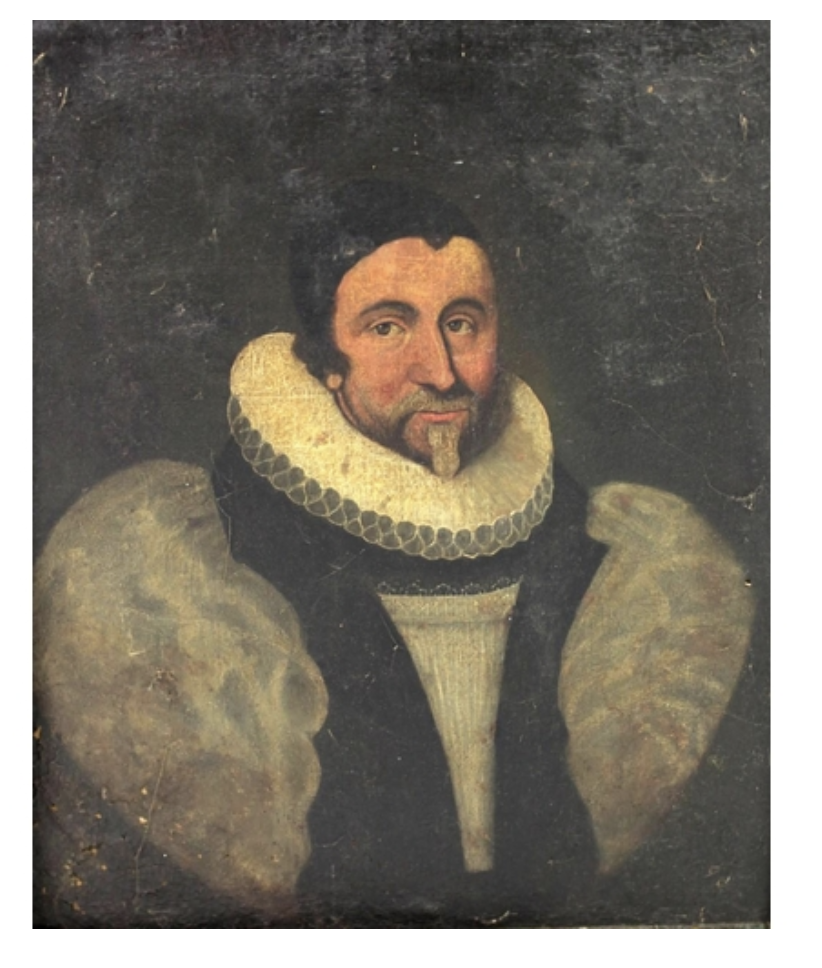
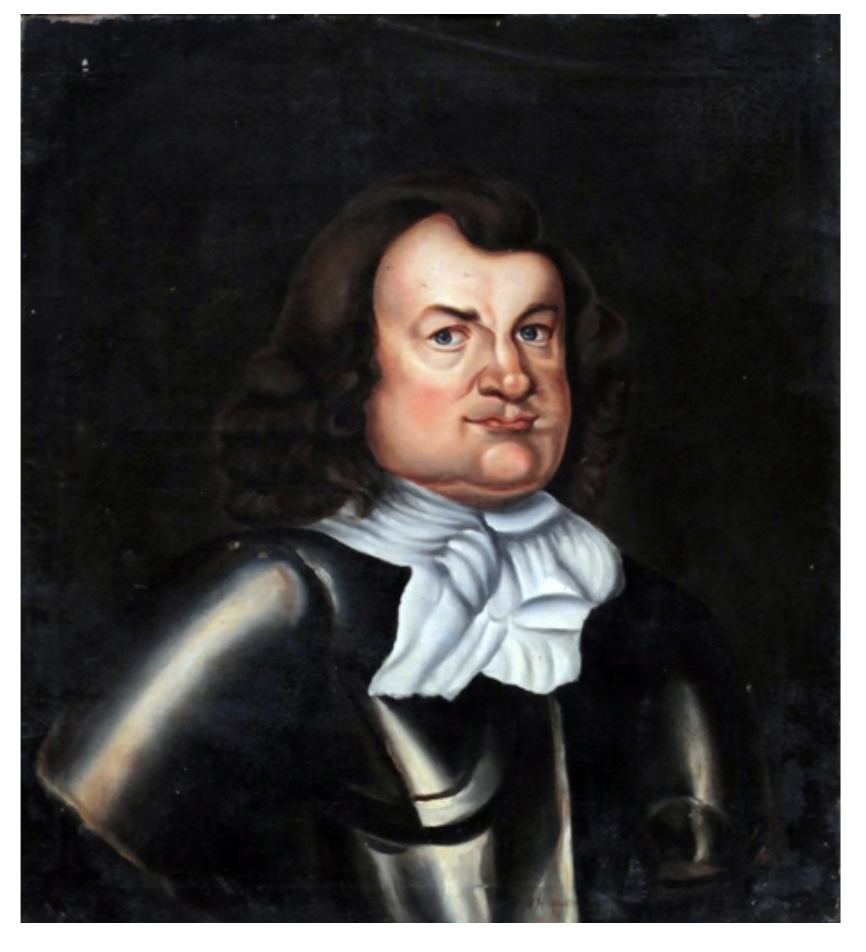
Burke’s Landed Gentry of Ireland tells us that Francis Swifte, son of Henry of Sheffield, County York, was knighted in 1616 and died in 1642. Henry of Sheffield’s other son was Thomas, who was buried in Canterbury Cathedral, who married Margaret, daughter and heir of the Right Rev. Thomas Godwin, Bishop of Bath & Wells. Many generations of Swift after him had the forename “Godwin.” Thomas and Margaret had a son William, born in 1566, who was Rector of Herbaldown and who married Mary Philpott.
17th Century English School “Portrait of a Gentleman in Armour, Sir Francis Swifte,” courtesy Fonsie Mealy Fortgranite auction.Probably Francis Swifte, son of Henry of Sheffield, County York, was knighted in 1616 and died in 1642.Reverend Thomas Swifte, 17th Century Irish School. He was born in Canterbury in 1561, and married Margaret, daughter and heir of the Right Rev. Thomas Godwin, Bishop of Bath & Wells. He was the son of Henry Swifte; courtesy of Fonsie Mealy’s Fortgranite auction.Many generations of Swift after him had the forename “Godwin.”Late 16th / early 17th Century English School, “Right Reverend Thomas Godwin, courtesy Fonsie Mealy Fortgranite auction.
Thomas and Mary’s son Reverend Thomas (1595-1658) of Goodrich, Herefordshire, England, and Bristow, was ancestor of the Irish Swift family of Swiftsheath and Lionsden. He was devoted to King Charles I and the son of Charles I who was to become King Charles II.
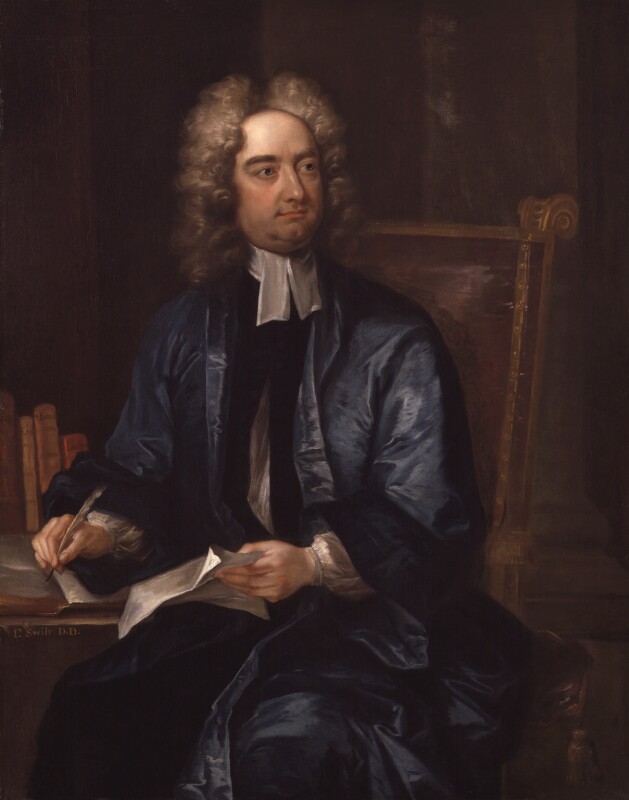
Thomas married Elizabeth Dryden (c. 1605-1658). They had many children, many of whom lived in Ireland. His son Jonathan (d. 1667) was a solicitor in Dublin, who married Abigail Erick of County Leicester, and they had a son, born after his death in Hoey’s Court, Dublin, right next to Dublin Castle, in 1667, also named Jonathan, the famed writer, Dean of St Patrick’s Cathedral in Dublin. He wrote many anecdotes about his grandfather in his manuscript The Family of Swift which is preserved in the library at Trinity College, Dublin (I must go to see it!). He died in 1745.
Jonathan Swift (1667-1745) by Charles Jervas circa 1718, National Portrait Gallery in London, 278.Portrait of Dean Swift attributed to Rupert Barber (1719-1772), courtesy of Adam’s auction 12 May 2013.This must be Jonathan Swift who died in 1745, Dean of St. Patrick’s Cathedral.Portrait of Stella courtesy of Adam’s auction 12 May 2013, attributed to Rupert Barber (1719-1772).“Portrait of Esther Johnson (Stella),” Late 18th / Early 19th Century after James Latham (1696 – 1747) courtesy of Fonsie Mealy Fortgranite sale.
Reverend Thomas Swift (1595-1658) had another son, Godwin Swift (d. 1695), who was Attorney-General to the Duke of Ormonde, and married four times. Geoffrey Marescaux tells us that Godwin Swift paid the famous Jonathan Swift’s school fees. His heir was child of his second wife, Katherine Webster, Godwin Swift (1672-1739), later of Dunbrow, County Dublin and Swiftsheath, County Kilkenny. For information on Swiftsheath, see https://kilkennyarchaeologicalsociety.ie/wp-content/uploads/2021/03/OKR1978-356-Geoffrey-Marescaux-Swiftes-Heath.pdf
Godwin Swift (1672-1739) married his cousin, Elizabeth, who was daughter of another son of Reverend Thomas Swift Vicar at Goodrich and Elizabeth née Dryden, William, who had land in Carlow, Kilkenny, Leitrim and Roscommon.
Godwin Swift (1672-1739) and Elizabeth had a son Godwin who inherited Swiftsheath and also owned Tidenton, County Kilkenny. He married a cousin, Elizabeth Swift, who was daughter of Deane Swift (c. 1674-1714) of Castle Rickard, County Westmeath. Deane Swift (c. 1674-1714) was another son of Godwin Swift Attorney-General to the Duke of Ormonde, by his 3rd wife, Hannah Deane.
Their son Godwin Swift (c. 1734-1815) lived in Swiftsheath and Lionsden, County Meath. He also married a cousin, Maria Swift, daughter of Deane Swift (c. 1707-1783) and Mary née Harrison, daughter of Theophilus Harrison. To add confusion to the family tree, Theophilus Harrison, Reverend of Clonmacnois, married twice, and one of his wives, Eleanor Meade, daughter of William Meade Lt Col of Ballintober, County Cork, had been previously married to Godwin Swift Attorney-General to the Duke of Ormonde as his fourth wife! Mary Harrison’s mother was Theophilus Harrison’s second wife, Martha Swift – yes, another Swift! She was the daughter of Adam Swift of Greencastle, County Down, who was another son of Thomas Swift Vicar at Goodrich and Elizabeth née Dryden.
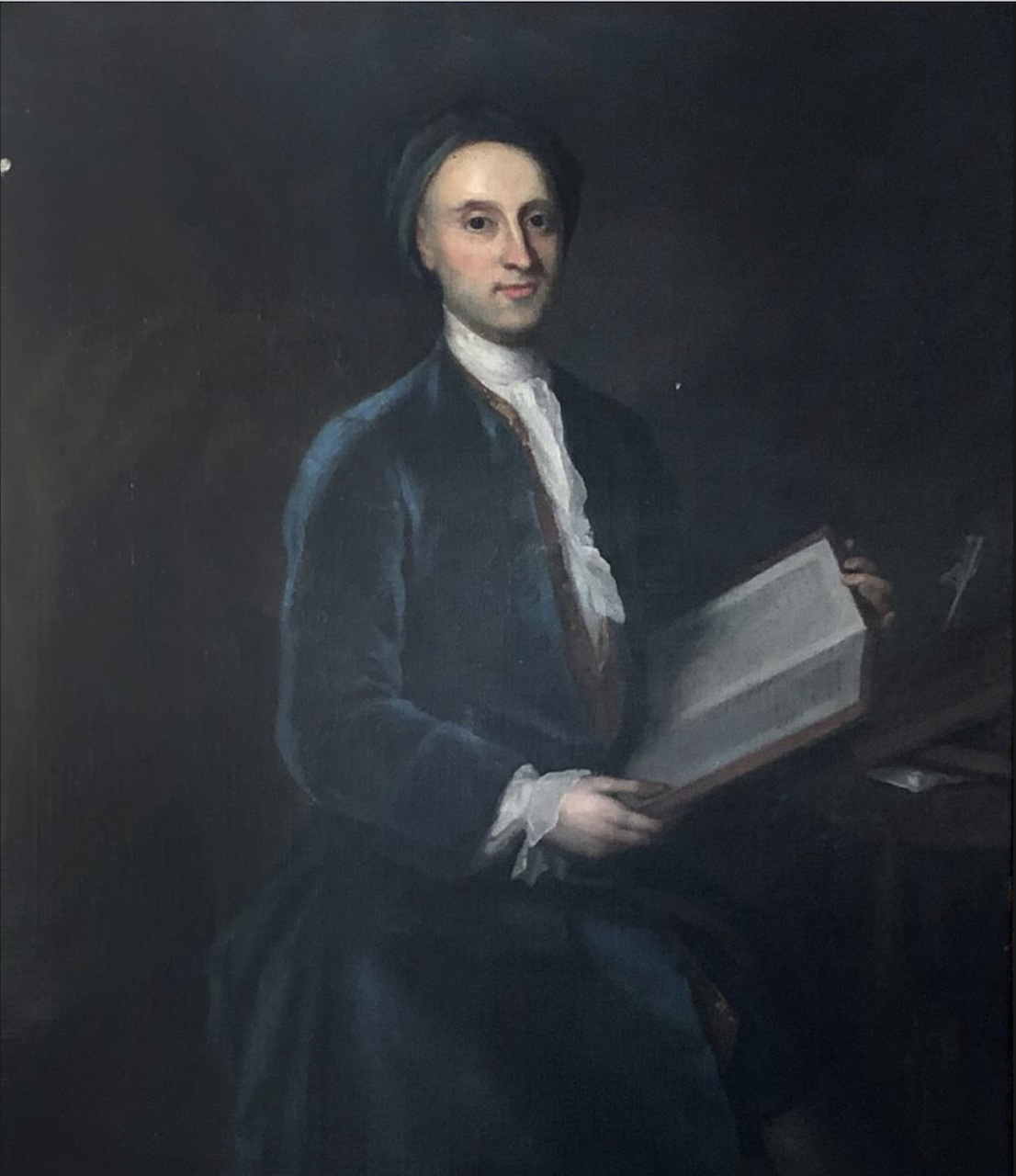
Reverend Deane Swifte, 17th Century Irish School, cousin and biographer of Dean Jonathan Swift. This is be Deane Swift (1703-1783), son of Deane Swift of Castle Rickard, County Westmeath. His great grandfather was a Regicide, ie. signed the death warrant of King Charles I, but fortunately died before Charles II was restored to the throne, according to Jonathan Swift!Admiral Richard Deane (Regicide) 17th Century English School courtesy Fonsie Mealy Fortgranite auction.The Fonsie Mealy site adds: “Note: Major Joseph Deane (Inistiogue, 1661-66), of Crumlin, County Dublin, and Ballicocksoust, County Kilkenny (formerly the estate of Richard Strange), was the youngest son of Edward Deane, of Pinnock, Gloucestershire, by his 2nd wife, Anne Wase, and was born at Pinnock, 2nd February, 1624. His elder brother, Colonel Richard Deane, a leading member of the Republican party, was one of the Judges who sat on the trial of Charles I, and signed the death warrant of the King. Colonel Richard Deane was entrusted with the settlement of Scotland, which he speedily effected by his temperance and sagacity. He was next appointed one of the “Generals at Sea”, having for his colleague the famous Robert Blake, but was killed in action against the Dutch on 2nd June, 1653. He was honoured with a public funeral and buried in Henry VII’s Chapel at Westminster, but in 1661 his body (being that of a Regicide) was exhumed and cast out of the Abbey. Joseph Deane was educated at Winchester School, and entered the Parliamentary Army as Cornet in Rainsborough’s Horse. He volunteered for service in Ireland under Oliver Cromwell, in whose army he held the rank of Major. Under the Act of Settlement he had two grants of land (16th January, 1666, and 22nd June, 1669), comprising 9,324 statute acres, situated in the counties of Meath, Down, and Kilkenny, 3,859 acres being in Kilkenny. He purchased from Richard Talbot (afterwards Earl and Duke of Tyrconnell) the Manor of Terenure, in county Dublin, for 4,000. He was named on some important committees of the House of Commons, but was fined 10 for absence on 31st January 1665. In 1664 he paid 4s. hearth money for “Ballicagbsust”. In 1677 he served as High Sheriff of county Dublin. He died 21st December, 1699, having been twice married. By his 1st wife Anne —-, he had one son and two daughters – Joseph, of Crumlin, whose son, Joseph, became Lord Chief Baron of the Exchequer, and died without male issue. (1) Anne, married in May, 1673 (as his 3rd wife), Godwin Swift, Attorney-General to the Duke of Ormonde. (2) Elizabeth, married 1st in May, 1672, Captain Henry Grey; 2nd in July, 1677, Donogh O’Brien, of Lemenagh, County Clare. Major Deane married, 2ndly, in 1659, Elizabeth, daughter of Maurice Cuffe, and sister of Captain Joseph Cuffe, of Castle Inch, elected M.P. for Knocktopher in 1665, and by her, who died 3rd April, 1698, had a son and a daughter – Edward whom hereafter M.P. for Inistiogue; and Dorothy, married Maurice Berkeley, of Glasnevin county Dublin.THE MEMBERS OF PARLIAMENT FOR THE COUNTY, CITY AND BOROUGHS OF KILKENNYBY G.D. BURTCHAELL, M.A., LL.B [Written for the KILKENNY MODERATOR]Mrs Godwin Swifte of Swifte’s Heath, courtesy of Fonsie Mealy’s Fortgranite sale.
Godwin Swift (c. 1734-1815) of Swiftsheath and Lionsden and his cousin, Maria Swift had another son called Godwin Swift (c. 1779-1814), of Lionsden. This Godwin Swift married yet another cousin, Jane Sophia Swift (1785-1851), in 1803. She was the daughter of Richard Swift (1750-1796) who was the son of John L’Estrange Swift (1709-1793) of Lynn, County Westmeath, who was the son of Meade Swift (1682-1739) of Lynn, County Westmeath, who was the son of Godwin Swift Attorney-General to the Duke of Ormonde and Eleanor née Meade!
Jane Sophia Swift (1785-1851) married secondly, in 1818, Louis Auguste Alexander, Comte Lepelletier de Molende.
Countess Molende née Swift and her granddaughter Luigina de Sadre, Gifted by the artist to W.R. Swifte as a token, as his predecessor Jonathan Swifte served as Rector at Agher Church from 1699 – 1745, courtesy Fonsie Mealy Fortgranite auction.
Godwin Swift (c. 1779-1814), of Lionsden and Jane Sophia Swift (1785-1851) had a son Godwin Meade Pratt Swift (1805-1864) of Swiftsheath and Lionsden.
Identified as “Godwin Pratt Meade Swifte Lord Carlingford (m. MJ Clarke), Leahy, Dixon & Mulvanney, 19th Century Irish School, standing in a landscape by a grey horse with Foulksrath Castle, Co. Kilkenny in the distance”, courtesy of Fonsie Mealy Fortgranite. Godwin Meade Pratt Swift (1805-1864) of Swiftsheath and Lionsdenmarried Mary Jane Clarke of Bansha Castle, County Tipperary.He took the title Viscount Carlingford.Jane Christina Swifte (1810-1854), the wife of “Chevalier Sergio Demacdo, Minister Plenipotentiary of HM Emperor of Brazil,” Early 19th Century Irish School, courtesy Fonsie Mealy Fortgranite. She was the daughter of Godwin Swift of Lionsden and Jane Sophia.
Godwin called himself Viscount Carlingford, reviving a title created in 1627 for another branch of the Swift family. Godwin also added the “e” back to the end of the name Swift. He married first, Maria Theresa Plankenstern, Baroness de Wetzlar of Austria at Paris in 1830 after the birth of their son Ferdinando. [see https://www.youwho.ie/swifte.html ].
Godwin secondly married Jane Anne Hopkins on 18 Mar 1845 at Liverpool after an non legal ceremony some years earlier. Godwin returned with his family from the continent in 1845 to take up residence at Swiftesheath. Jane died at Lionsden, Castle Rickard in 1848 and was buried in the family vault. Godwin thirdly married Mary Jane Clarke on 4 Feb 1863 at Kilkenny and declared himself a widower. Mary was the daughter of Robert Hare Clarke. Godwin died 4 Jul 1864.
He created a flying machine which he hoisted to the top of Foulkesrathe Castle, which stood on the property of Swiftesheath, but it failed to fly and a butler who was piloting the plane broke a leg in his fall.
Identified as Pratt Swifte, Early 19th Century Irish School, courtesy of Fonsie Mealy Fortgranite sale.Mrs. Swifte, grandmother of Thomas Dennis courtesy Fonsie Mealy Fortgranite Auction.19th Century Irish School, Portrait of Mrs. Godwin Swifte courtesy Fonsie Mealy Fortgranite auction.There were so many Godwin Swifts it is hard to identify the sitter.Godwin Butler Meade Swifte (1864-1923) son of “Viscount Carlingford,” wearing uniform of the High Sheriff of Kilkenny, seated holding a sword, D.L. was the High Sheriff of Kilkenny and later Carlow, and resided at Swifte’s Heath, Co. Kilkenny, courtesy of Fonsie Mealy Fortgranite.Ernest Godwin Swifte K.C., with a companion painting of Lady Francis Swifte courtesy of Fonsie Mealy Fortgranite sale.He was the son of William Richard Swift (1807-1890), son of Godwin Swift of Lionsden and Jane Sophia.“Lady Francis Swifte,” with a companion painting of Ernest Godwin Swifte K.C., courtesy of Fonsie Mealy Fortgranite sale.Perhaps it is Ernest Godwin’s sister Julia Frances Swift, who did not marry.
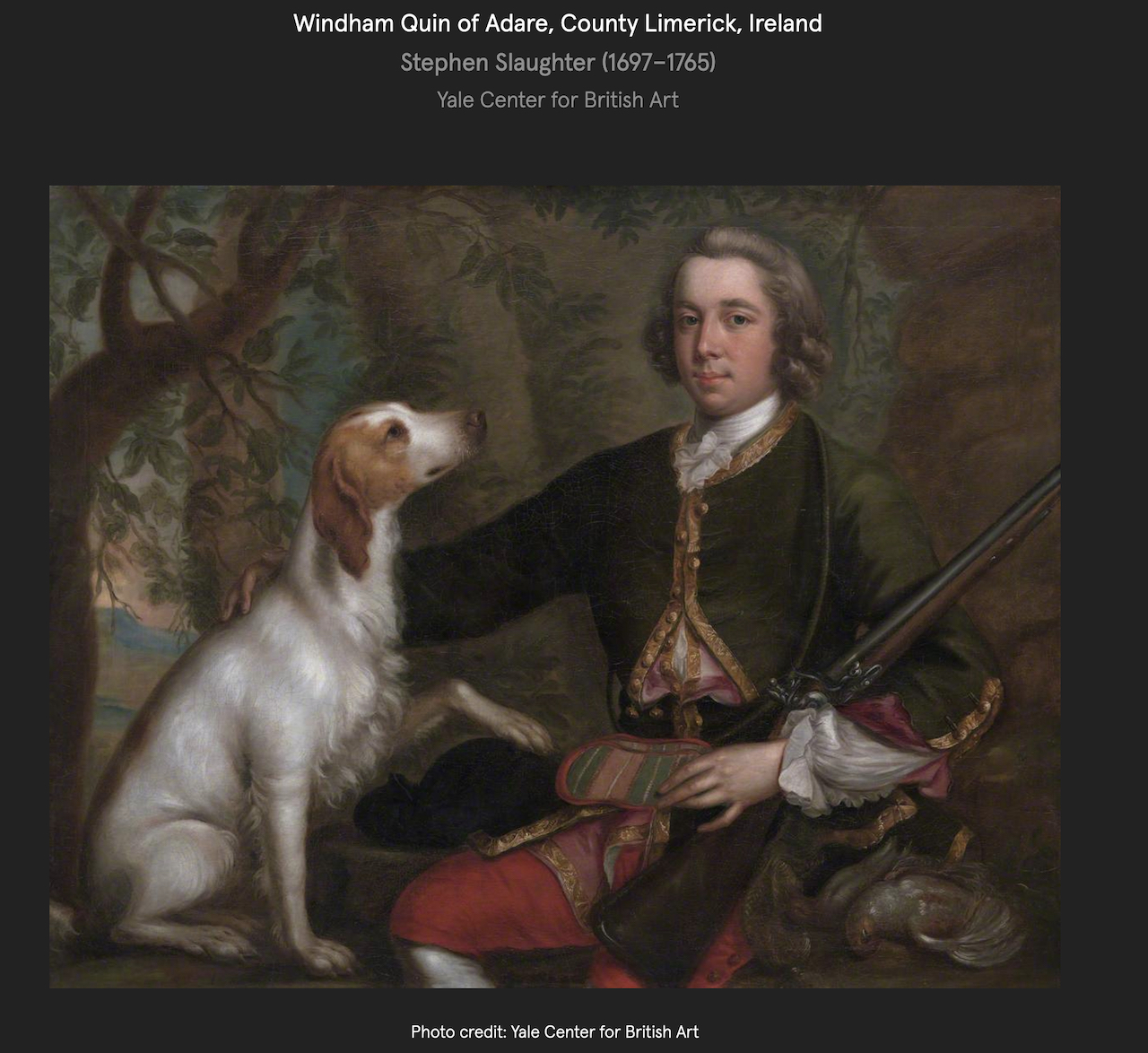
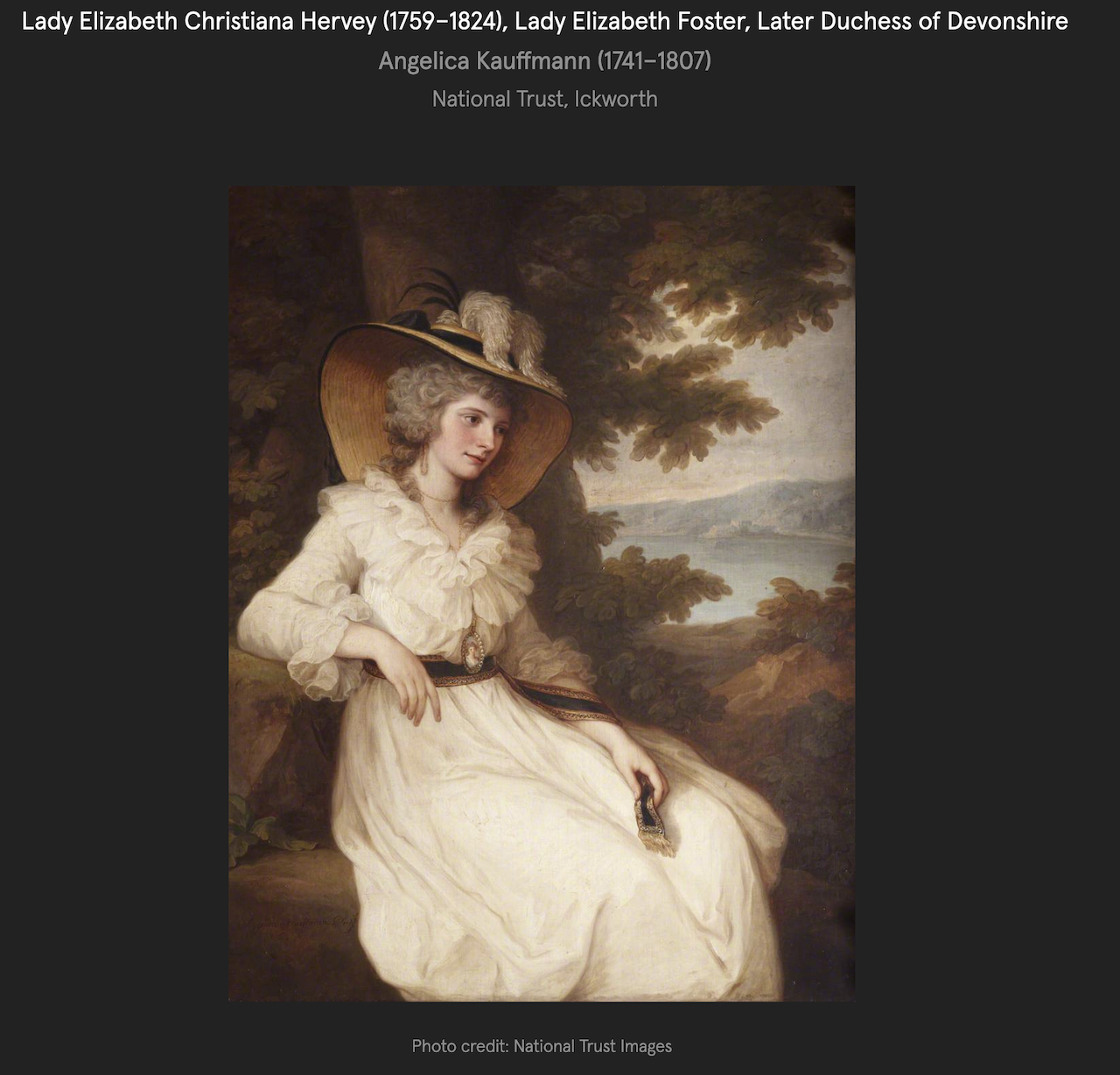
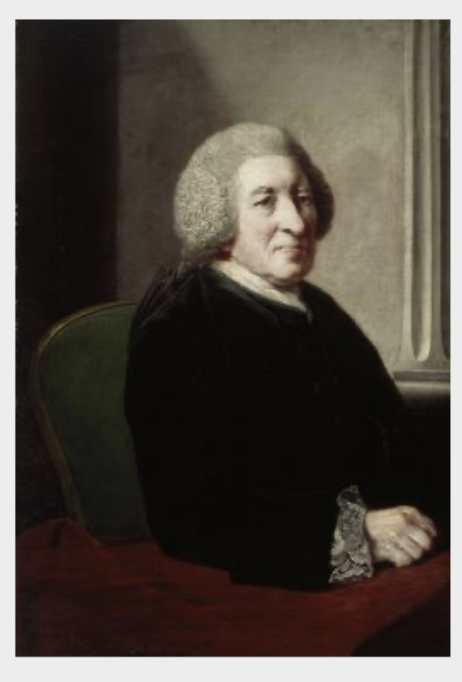
Windham Quin (1717-1789) of Adare, County Limerick by Stephen Slaughter, courtesy of Yale Center for British Art.Elizabeth Christina Foster née Hervey (1759-1824) later Duchess of Devonshire by Angelica Kauffmann courtesy of National Trust Ickworth. She was the daughter of Frederick Augustus Hervey 4th Earl of Bristol, Bishop of Derry who built Downhill, Co Derry. She married John Thomas Foster MP (1747-1796) and later, William Boyle Cavendish 5th Duke of Devonshire. Last, she married Valentine Richard Quin 1st Earl of Dunraven and Mount Earl.
James Rochfort (“Prime Iron”) and Thomasine Pigott had several children including Charles who married Marbella, daughter of Theophilus Jones and Alice Ussher, and Robert (1652-1727), who became Speaker of the Irish House of Commons and Chief Baron of the Irish Exchequer. He married Hannah Hancock (d. 1733) of Twyford, County Westmeath.
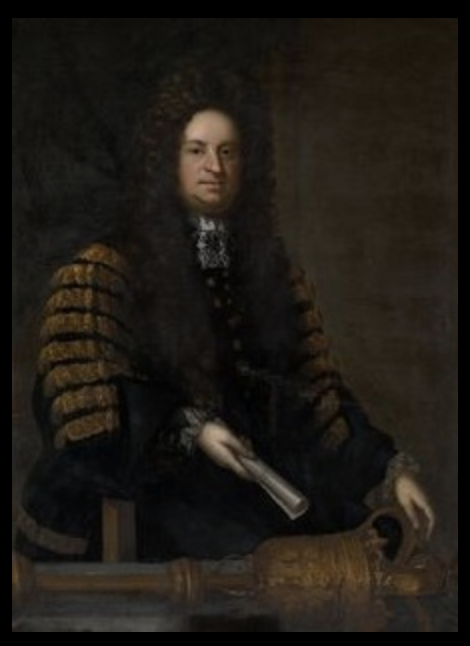
Robert Rochfort (1652-1727) as Speaker of the Irish House of Commons by an unknown artist, Photograph of a painting owned by Michael O’Reilly.
Robert Rochfort (1652-1727) and Hannah née Hancock had sons George Rochfort (1682-1730), later of Gaulstown, Co. Westmeath and John (1690-1771). George married Elizabeth, daughter of Henry Hamilton-Moore, 3rd Earl of Drogheda. John married, first, Deborah Staunton (d. 1737) then Emilia (d. 1770), daughter of John Eyre (1659-1709) of Eyre Court.
George Rochfort (1682-1730), of Gaulstown, Co. Westmeath, M.P. for Co. Westmeath by Charles Jervas courtesy of Christies Auction 2002
George and Elizabeth née Moore had lots of children. The heir was Robert (1708-1774) who was later created 1st Earl of Belvedere.
Robert Rochfort, 1st Earl of Belvedere (1708-1774), three-quarter-length, in van Dyck costume, by Robert Hunter It is possible that the present portrait was executed posthumously.
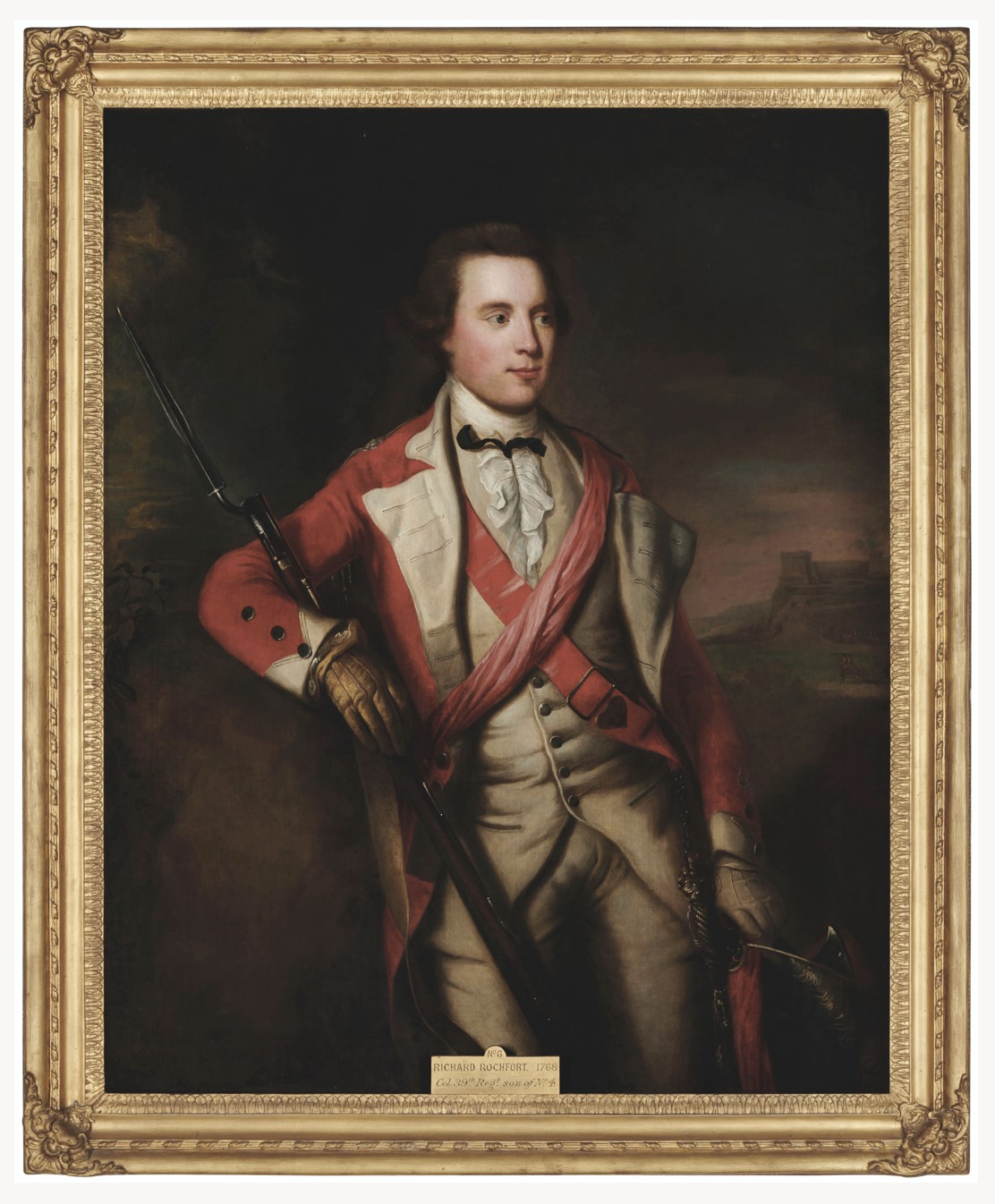
Other children included Mary (1705-1729) who married Henry Tuite, 6th Baronet. Alice (1710-1738) married Thomas Loftus (1701-1768). Thomasine, born 1716, married Gustavus Lambart of Beauparc, County Meath (a section 482 property, see my entry). Anne married Henry Lyons, High Sheriff for King’s County. William (1719-1772) married Henrietta Ramsay. Arthur married Sarah Singleton and became MP for County Westmeath. George (1713-1794) married Alice, daughter of Gustavus Hume, 3rd Baronet.
Jane Butler née Rochfort Countess of Lanesborough (1737-1828) Attributed to Thomas Pope Stevens courtesy Christies Irish Sale 2002. She was the daughter of Robert Rochfort, 1st Earl of Belvedere and married Brinsley Butler, 2nd Earl of Lanesborough.Sarah Rochfort (nee Singleton) was the daughter of The Rev. Rowland Singleton (1696-1741) of Drogheda, later Vicar of Termonfeckin, County Louth, wife of Arthur Rochfort (1711-1774) of Bellfield House Co Westmeath, sold at Shepphards.
The first Earl of Belvedere is infamous for locking up his wife, Mary Molesworth, daughter of the 3rd Viscount of Swords (see my entry about Belvedere, County Westmeath). Their daughter Jane (d. 1828) married Brinsley Butler, 2nd Earl of Lanesborough. Robert 1st Earl’s son George (1738-1813) succeeded as 2nd Earl of Belvedere.
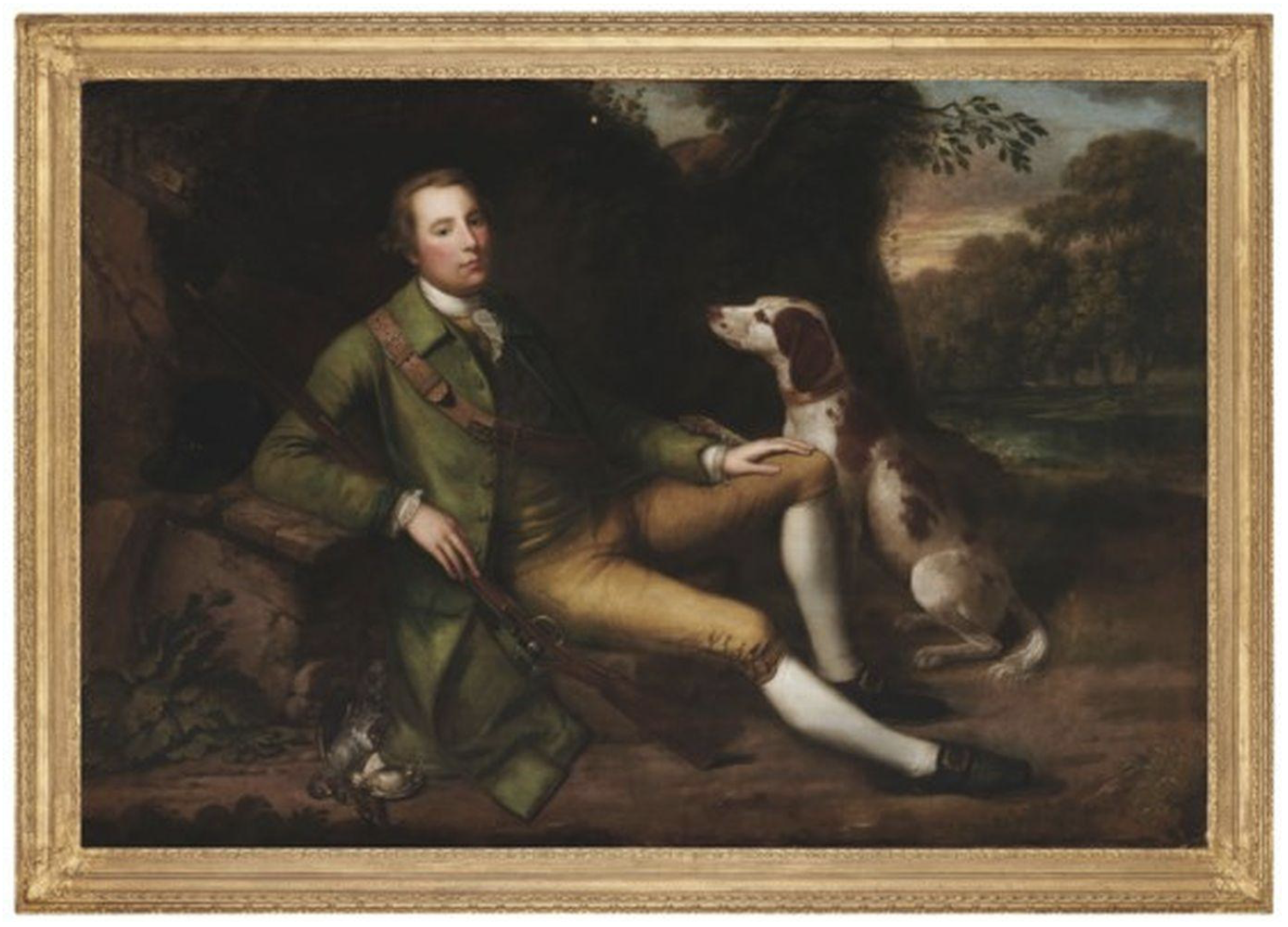
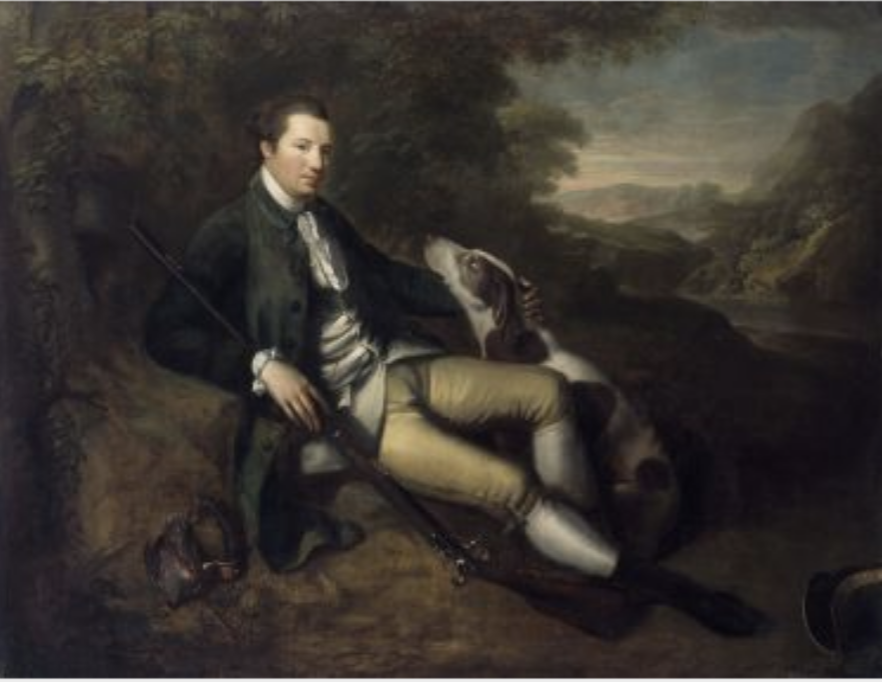
George Rochfort (1738-1815), later 2nd Earl of Belvedere by ROBERT HUNTER (C. 1715/20-1801), Adams auction 18 Oct 2022.George Rochfort (12 October 1738 – 13 May 1814), 2nd Earl of Belvedere, and his second wife Jane née Mackay, by Robert Hunter, 1804 courtesy of Christies.Portrait of a gentleman, likely George Rochfort, 2nd Earl of Belvedere, by Robert Hunter, sold Dec 2021 courtesy Christie’s.
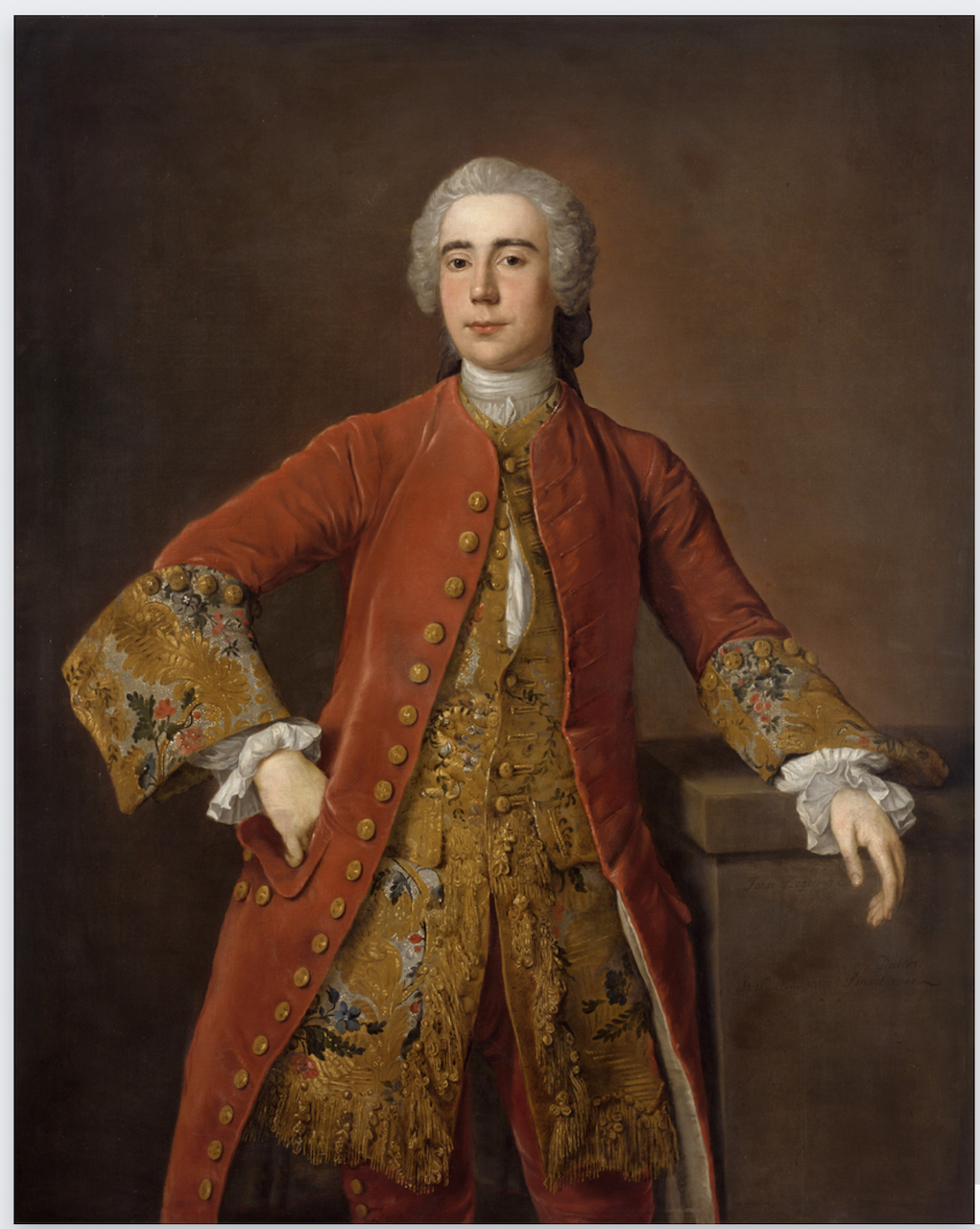
Interestingly, the portrait of George Rochfort 2nd Earl of Belvedere by Robert Hunter is very similar to the portrait of Peter La Touche.





























































 Irish Historic Houses
