Aghaboe, Ballybrophy, Co Laois courtesy Clement Herron estate agent.Aghaboe, Ballybrophy, Co Laois courtesy Clement Herron estate agent.
Mark Bence-Jones. A Guide to Irish Country Houses (originally published as Burke’s Guide to Country Houses volume 1 Ireland by Burke’s Peerage Ltd. 1978); Revised edition 1988 Constable and Company Ltd, London.
p. 2. “A 2 storey 7 bay house with a pedimented and fanlighted doorcase, probably dating from 1st half of C18; formerly linked to two flanking wings, one of which has disappeared; the surviving wing being in fact a small late C17 house with plaster panelling in its interior.“
Aghaboe, Ballybrophy, Co Laois courtesy Clement Herron estate agent.Aghaboe, Ballybrophy, Co Laois courtesy Clement Herron estate agent.Aghaboe, Ballybrophy, Co Laois courtesy Clement Herron estate agent.Aghaboe, Ballybrophy, Co Laois courtesy Clement Herron estate agent.
Detached seven-bay two-storey Georgian house, built c.1730, with pedimented doorcase. May incorporate seventeenth century fabric. Double-pitched and hipped roof with replacement fibre-cement tiles and nap rendered chimneystacks. Replacement nap render to front elevation wall over random rubble stone. render removed to rear, with cornice to eaves. Square-headed window openings with limestone sills, limestone voussoirs three-over-three and six-over-six timber sash windows. Round-headed door opening with pedimented stone doorcase and timber panelled door with overlight. Interior not inspected. House is set back from road in own grounds; landscaped grounds to site. Detached seven-bay two-storey wing to site. Detached two-storey outbuilding to site.
Aghaboe, Ballybrophy, Co Laois courtesy Clement Herron estate agent.Aghaboe, Ballybrophy, Co Laois courtesy Clement Herron estate agent.Aghaboe, Ballybrophy, Co Laois courtesy Clement Herron estate agent.
The house was advertised for sale by Clement Herron:
sold for €675,000.00. 5 bedrooms.
Clement Herron Real Estate are delighted to welcome Aghaboe Estate to the sales market.
Aghaboe House is a period property dating back to the 17th century standing on twelve and half acres accessed via a tree lined avenue.
Aghaboe, Ballybrophy, Co Laois courtesy Clement Herron estate agent.Aghaboe, Ballybrophy, Co Laois courtesy Clement Herron estate agent.
The property includes a private orchard and a range of out buildings and detached mews bounded by the estate wall and over looks Aghaboe Abbey. This substantial one of a kind detached five bedroom property is a seven bay two-storey Georgian house c. 1730, with pedimented doorcase and may incorporate 17th century fabrics. This property has earned it’s place on the National Inventory of Architectural Heritage due its centuries of history.
Aghaboe, Ballybrophy, Co Laois courtesy Clement Herron estate agent.Aghaboe, Ballybrophy, Co Laois courtesy Clement Herron estate agent.Aghaboe, Ballybrophy, Co Laois courtesy Clement Herron estate agent.
This attractive and private historic home is pleasantly positioned and within easy commuting distance of Dublin city and airport by road (M7 approximately ten minutes from Borris in Ossory) and / or rail.
The layout consists of bright high ceilings, rooms with period features and a wine cellar located in the basement with capacity for 6,000 bottles which is fully ventilated and finished with hydraulic lime. Main entrance with original pine timber flooring opens up to a spacious hallway with access to the basement down a stone staircase. Ground floor consists of kitchen, utility, reception room, dining room, downstairs bedroom with ensuite, and original cut string stair case leading to half landing with two double ensuite bedrooms (one with private dressing-room). Second floor consists of two bedrooms (one ensuite).
Aghaboe, Ballybrophy, Co Laois courtesy Clement Herron estate agent.Aghaboe, Ballybrophy, Co Laois courtesy Clement Herron estate agent.Aghaboe, Ballybrophy, Co Laois courtesy Clement Herron estate agent.
Accommodation:
Entrance hall: 5.48m x 4.21m Georgian Door with fan light opening up to original cut string staircase and pine timber flooring.
Aghaboe, Ballybrophy, Co Laois courtesy Clement Herron estate agent.Aghaboe, Ballybrophy, Co Laois courtesy Clement Herron estate agent.Aghaboe, Ballybrophy, Co Laois courtesy Clement Herron estate agent.Aghaboe, Ballybrophy, Co Laois courtesy Clement Herron estate agent.Aghaboe, Ballybrophy, Co Laois courtesy Clement Herron estate agent.Aghaboe, Ballybrophy, Co Laois courtesy Clement Herron estate agent.Aghaboe, Ballybrophy, Co Laois courtesy Clement Herron estate agent.
Basement: 4.54m x 11.5m Preserved in hydraulic lime, beams, stone floor and stair case, lighting, secure cast iron doors on wine cellar with capacity for 6,000 bottles, RSJ, extractor fan for ventilation.
Aghaboe, Ballybrophy, Co Laois courtesy Clement Herron estate agent.Aghaboe, Ballybrophy, Co Laois courtesy Clement Herron estate agent.Aghaboe, Ballybrophy, Co Laois courtesy Clement Herron estate agent.
Reception: 7m x 5.51m Original pine timber flooring, dual aspect, three bay sash windows with shutters. Original cast iron fireplace with pellet stove, high ceilings, plaster mouldings and skirting.
Aghaboe, Ballybrophy, Co Laois courtesy Clement Herron estate agent.Aghaboe, Ballybrophy, Co Laois courtesy Clement Herron estate agent.Aghaboe, Ballybrophy, Co Laois courtesy Clement Herron estate agent.Aghaboe, Ballybrophy, Co Laois courtesy Clement Herron estate agent.Aghaboe, Ballybrophy, Co Laois courtesy Clement Herron estate agent.
Diningroom: 6.70m x 5.59m Concrete floor finished with carpet, two bay sash windows with shutters, cast iron fireplace with pellet stove, high ceilings, plaster mouldings and skirting.
Aghaboe, Ballybrophy, Co Laois courtesy Clement Herron estate agent.Aghaboe, Ballybrophy, Co Laois courtesy Clement Herron estate agent.Aghaboe, Ballybrophy, Co Laois courtesy Clement Herron estate agent.
Kitchen: 4.95m x 4.82m Flag stone flooring, two bay sash windows, oil fired Aga range and timber beams.
Aghaboe, Ballybrophy, Co Laois courtesy Clement Herron estate agent.Aghaboe, Ballybrophy, Co Laois courtesy Clement Herron estate agent.Aghaboe, Ballybrophy, Co Laois courtesy Clement Herron estate agent.Aghaboe, Ballybrophy, Co Laois courtesy Clement Herron estate agent.Aghaboe, Ballybrophy, Co Laois courtesy Clement Herron estate agent.
Utility: 1.86m x 2.83m Tiled flooring, bay sash window, Belfast sink.
Side entrance hall: 2.72m x 2.92m Tiled and flagstone flooring.
Aghaboe, Ballybrophy, Co Laois courtesy Clement Herron estate agent.
Rear entrance hall: 5.15m x 2.44m Georgian tiled floor.
Aghaboe, Ballybrophy, Co Laois courtesy Clement Herron estate agent.
Downstairs bedroom (5): 4.86m x 4.87m
Original pine timber flooring, two bay sash windows with shutters, pellet stove.
Aghaboe, Ballybrophy, Co Laois courtesy Clement Herron estate agent.Aghaboe, Ballybrophy, Co Laois courtesy Clement Herron estate agent.Aghaboe, Ballybrophy, Co Laois courtesy Clement Herron estate agent.
Ensuite: 2.68m x 1.92m
Shower, w.c., w.h.b., tiled flooring.
Separate w.c.: 2.68m x 2.81m
W.C., w.h.b., sash window with shutters, tiled flooring.
Aghaboe, Ballybrophy, Co Laois courtesy Clement Herron estate agent.
First Floor:
Landing: 4.22m x 5.5m
Original pine timber flooring.
Master bedroom (1): 7.06m x 5.51m
Original pine timber floor, pellet stove, high ceiling, plaster mouldings and two bay sash windows.
Ensuite/changing room: 4.85m x 2.7m
Concrete floor finished with tiles, free standing bath, w.h.b., sash window and shutters.
Bedroom 2: 6.68m x 5.55m
Pine floor, single aspect, pellet stove, high ceilings, skirting and plaster moulding.
Ensuite: 2.95m x 2.7m
Concrete floor finished with tiles, w.h.b., w.c., corner bath with mixer shower, hot press.
Aghaboe, Ballybrophy, Co Laois courtesy Clement Herron estate agent.Aghaboe, Ballybrophy, Co Laois courtesy Clement Herron estate agent.Aghaboe, Ballybrophy, Co Laois courtesy Clement Herron estate agent.
Second Floor:
Landing 2: 4.92m x 2.7m Pine timber flooring, sash window with shiplap ceiling.
Bedroom 3: 4.875m x 4.91m Pine floor, shiplap ceiling, solid fuel Stanley stove and two bay sash windows with shutters.
Aghaboe, Ballybrophy, Co Laois courtesy Clement Herron estate agent.Aghaboe, Ballybrophy, Co Laois courtesy Clement Herron estate agent.Aghaboe, Ballybrophy, Co Laois courtesy Clement Herron estate agent.Aghaboe, Ballybrophy, Co Laois courtesy Clement Herron estate agent.
Bedroom 4: 4.88m x 4.93m Pellet stove, pine shiplap ceiling, two bay sash windows with shutters. Ensuite: 2.75m x 1.78m W.c., w.h.b., shower with mixer and bay sash window with shutters.
Aghaboe, Ballybrophy, Co Laois courtesy Clement Herron estate agent.
East wing C. 1,330 sq.ft.: This is a self contained bright and spacious four bedroom, two bathroom (one with bath and shower and one with shower) detached mews with new tiles and fixtures. Accommodation consists of open plan living room/diner with pellet stove, kitchen, four bedrooms, main bedroom ensuite, and bathroom,
Aghaboe, Ballybrophy, Co Laois courtesy Clement Herron estate agent.Aghaboe, Ballybrophy, Co Laois courtesy Clement Herron estate agent.Aghaboe, Ballybrophy, Co Laois courtesy Clement Herron estate agent.Aghaboe, Ballybrophy, Co Laois courtesy Clement Herron estate agent.Aghaboe, Ballybrophy, Co Laois courtesy Clement Herron estate agent.Aghaboe, Ballybrophy, Co Laois courtesy Clement Herron estate agent.
Sheds and Storage:
Aghaboe, Ballybrophy, Co Laois courtesy Clement Herron estate agent.Aghaboe, Ballybrophy, Co Laois courtesy Clement Herron estate agent.
Storage 1: 3.5m x 5.8m
Shed: 11.4m x 6m with water and electricity.
Storage 2: 3.5m x 5.8m
Aghaboe, Ballybrophy, Co Laois courtesy Clement Herron estate agent.Aghaboe, Ballybrophy, Co Laois courtesy Clement Herron estate agent.Aghaboe, Ballybrophy, Co Laois courtesy Clement Herron estate agent.Aghaboe, Ballybrophy, Co Laois courtesy Clement Herron estate agent.Aghaboe, Ballybrophy, Co Laois courtesy Clement Herron estate agent.
Coach House: 4.83m x 6.5m with concrete first floor.
Cut limestone out house: 13.1m x 7.1m with RSJ’s and concrete roof.
Two storage sheds C. 500 sq.ft. each.
Hay shed with 5 bays (suitable for stables): 19.1m x 9.6m with galvanised roof, sliding door and concrete floor.
Barn: 19.1m x 6.12 with concrete floor, galvanised roof. Mezzanine 7m x 6.18m
Boiler House: 3.1m x 5.7m with concrete floor, two insulated accumulator tanks, zoned three ways. Dual heating via pellet or solid fuel.
Aghaboe, Ballybrophy, Co Laois courtesy Clement Herron estate agent.Aghaboe, Ballybrophy, Co Laois courtesy Clement Herron estate agent.
AGHABOE HOUSE : A BRIEF HISTORY
Aghaboe, with its Castellum was given by King Colman of Ossory to Saint Canice (Caineach) in 560 A.D.
Aghaboe with its Abbey and adjoining Village eventually became the See of the Diocese of Ossory which is the only Irish Diocese which corresponds almost entirely with an ancient Irish Kingdom, Ossory.
The See was later translated to Kilkenny which at the time was shown on maps as Ossory. Strongbow and his entourage were largely responsible for this development. However, an earlier legend concerning the appearance of two coffins at the funeral of Cainneach may suggest an earlier trend in this direction.
After centuries of fighting between the men of Upper Ossory and those now operating out of newly named Kilkenny (Church of Cainneach) a stone church was constructed by Finghin MacGiollaPhadraig (Fitzpatrick) on the site adjoining Aghaboe House in 1383.
The site of the present Aghaboe House previously one of the tower houses built throughout Upper Ossory between 1480 and 1530.
In 1537 Brian MacGiollaPhadraig entered into an Indenture with Henry VIII (and became a Lord in the Irish government with the title of Baron of Upper Ossory. As part of this arrangement Brian was given Aghaboe Abbey and allowed to operate a weekly market on the site which now encompasses Aghaboe House and grounds.
Barnaby Fitzpatrick, the Second Baron of Upper Ossory operated a “tame stud” or breeding operation on the property. A famous and well documented case involved claims that O’Carroll had stolen some of his “wild stud” or stallions which were typically allowed to roam the “Criche” or borderlands between Upper Ossory and Eile.
Subsequent to Cromwell it is believed that the tower house was demolished and the current buildings which comprise Aghaboe House, along with its extensive perimeter walls and ice houses, were constructed. Once a section of the Village of Aghaboe the estate was taken under single ownership and the main house was extended and converted to a Georgian style home in approximately 1730. Once home to Vicar Roger Ledwich, author of the two volume Irish Antiquities with related etchings of local historic sites, Aghaboe House was acquired in 1984 by descendants of residents of the Parish of Aghaboe who were displaced during the “Great Hunger”.
Aghaboe House is now ready for the next Owner to preserve and protect its place in Irish History.
Aghaboe, Ballybrophy, Co Laois courtesy Clement Herron estate agent.
Till the 14th Century Aghaboe was probably quite a significant town, centred around St Canice’s Abbey. It stands on the Slighe Dhála, one of the five great bronze age, or possibly stone age roads, and crossed Ireland from Loop Head to Tara. To the South of Aghaboe a townland called Boherard (the great cow path or high road) suggests that a road branched off here to the south – maybe towards Cashel or Kilkenny – there are the remnants of a chain of medieval churches at Cuffsborough, Bordwell and Kilbreedy to the Motte of Monacoghlan and on down to Aghmacart. The bronze age structures found at Cuffesborough during the construction of the M8, especially the circular 17m diameter structure, suggest the area had been a centre of habitation for millennia.
Though the only visible evidence of the medieval town is the abbey and the motte, aerial photography in dry summers shows the layout of the town. At an angle North East to the present house are a row of buildings that were converted into barns at one stage, which would appear to be town houses dating from at least the 17th Century. The one nearest to the present house retained raised and fielded plaster panelling of the early 18th century, and evidence of a stone spiral staircase in the south wall.
In the 1640 survey of Upper Ossory recorded by Ledwich, it appears that Aghaboe was in the possession of Mr. Carpenter. From the Journal of the Royal Society of Antiquaries of Ireland 1874 we learn that the Rev SC Harpur communicated the existence of a silver chalice belonging to the Parish church of Aghaboe Queen’s County with the following inscription Ex dono Ursula Carpenter Viduae Joshua Carpenter nuper de Siginstown in Com Kildare armi . Ecclesice parochiali de Aghaboe 14 Maij 1663 Daniele Nilon Sa: The Doctore Rectore. Joshua Carpenter died in 1655 and is buried in St David’s Church in Naas and was of Sigginstown, (aka Jigginstown) where he was the steward of Thomas Wentworth, the Earl of Strafford and very unpopular Lord Deputy of Ireland. Wentorth had been attainted for treason and executed in May 1641. The next few years were pretty dreadful for Carpenter as well, who was also charged with treason and imprisoned in Dublin Castle. Sir George Radcliffe intervened with Ormonde on Carpenter’s behalf, causing the charges to be dropped in 1644 (whilst he was charged with treason he could not give evidence on Wentworth’s behalf). So what brought Joshua to Aghaboe. A possible connecrtion is Wentwoth’s brother George, to whom he was close, who married Anne Ruish, sister of Strafford’s great friend Eleanor Loftus, second daughter and co-heiress of Sir Francis Ruish, of Ruish Hall, at Castletown, M.P. for Offaly, and of the Privy Council in the reign of King James I. It is tempting to conjecture that Wentworth’s agent, whose many building projects included Jigginstown and Black Tom’s Cellars at Dunlavin, might have also built the early houses at Aghaboe, to which his family may have moved after Wentworth’s fall and Joshua’s imprisonment – the funeral entry in naas tells us that Josua Carpenter, Esq., was borne at Liaie in Devonshere ; hee tooke to wife Ursula, daughter of Richard Vinegor of Sackfield Hall, in the Nine Parishes, SufFolke, Esq., by whome hee had issue foure sonnes, viz. John, Thomas, Josua, and Phillipp ; and five daughters, Cissillia, Anne, Arabella, Ursula, and Mary
Next door in Cross lived Anthony Cashin whose family were the ancient proprietors of Aghaboe under the Fitzpatricks. Conoly Cassin of Aghaboe was a doctor of physic who like many others fled from Ireland to France on the arrival of Cromwell and returned on the restoration. He practiced in Dublin where he published a medical text in 1667
Aghaboe House from the Incumbered Estates sale particulars
The Vicarage of Aghaboe belonged to the Carr family, who took up the vicarage for their own family on several occasions – the vicar of Aghaboe, in 1744, was Thomas Carr. In 1841 George Carr. Sheffield City Archives holds a marriage settlement dated 3 November 1812 relating to land at Aghaboe between The Rev. Thomas Carpenter Carr of Aghaboe and Frances Susanna Mongan, daughter of the late John Mongan of the County of Monaghan. This last gives us the clue as to how the Carrs came to the area. Joshua Carpenter’s granddaughter Ursula, daughter of Thomas Carr (son of Sir George Carr of Yorkshire) of Donore, in the County Kildare, died on the 26th of May, 1675, “and was buried the 27th of the same month in the towne [? tomb] of her grandfather, Josua Carpenter, Esq., in the chancell of the Nase [church]. (from the funeral entry). The ‘Dublin Evening Post’ of 11th April 1797 noted that John Carr of Mount Rath was searching for a distiller. ‘Saunders Newsletter’ of 9th December 1805 published a letter of thanks from John Carr of Mountrath to the Globe Insurance Company for making good his losses following a fire in his corn stores, a mere three days after taking out the policy. The following year the ‘Saunders’ edition of 8th December 1806 advertised a sale at the Excise Office of 12,000 gallons of seized spirits, distilled by John Carr of Mountrath, under seizure for non-payment of excise. He was finally declared bankrupt in August 1811, and emigrated to Canada. In 1797 Thomas Carr was recorded as having 593 acres between Aghaboe, Cross and Friar’s Land
But where do the White family fit into this jigsaw? In 1657, during the last years of Cromwell’s protectorate, Charles White arrived in Ireland from Oxford. Whether he was a soldier, a cleric or an adventurer is not at present known. He married a Miss Lyons of Meath and acquired Kilmartin and Raheen, just outside Borris in Ossory, which remained the main family home till the 20th Century. By 1748 his grandson Charles was living at Aghaboe, married to Elizabeth Spunner from Milltown House at Shinrone. Charles’ second son Robert who was born in 1748 and married Charlotte Hamilton (dau of James Hamilton of Sheephill & Holmpatrick) in 1779 died at Aghaboe in 1814. Ledwich noted in the statistical Account of Aghaboe in 1798 that the parish contained some plain comfortable houses, as Mr. Robert White’s, at Aghaboe; In 1825 James White, late of Aghaboe, in the Queen’s County, died and the property was inherited by his brother Hans White, named in honour of his illustrious Hamilton ancestor – the Rev Hans Hamilton, who was the son of Archibald Hamilton of Raploch, and first protestant vicar of Dunlop in Ayrshire. His name was actually John, which is Johannes in Latin, and so shortened to Hans.
Hans White, who married Anne Armit, daughter of John Armit of Dublin in 1825, was killed in a riding accident 4 years later in 1829 It was reported that he parted from friends at 1 o’clock in the afternoon who came upon him minutes later lying in the road just by his own gates, having fallen from his horse. His eldest son, General Sir Robert White, was commissioned into the 17th Light Dragoons on 15 October 1847. He fought and was severely wounded at the Battle of Alma in September 1854 during the Crimean War. He was also badly wounded at the Battle of Balaclava in October 1854 in the infamous Charge of the Light Brigade. He went on to be Commander of the 22nd Brigade, based at Norton Barracks in Worcestershire, in 1873 and General Officer Commanding Eastern District in September 1882. In 1868 General White married Charlotte, the daughter of the Rev John Meara of Headfort, Co Galway. They had 6 children: Hans Stannard White, Robert FH White, Henry Ernest White (who married Lord Ashbrook’s daughter and lived at Knockatrina) and 3 other children
One would assume that Ledwich himself was leasing Aghaboe House, but that conflicts with Robert White being there. Ledwich writes about his orchard and farm at Aghaboe, but maybe it was on the site of the current glebe house, that was not built till 1820. Ledwich does note that it was very hard for a Vicar to find accommodation in the parish, and that one might have to live at some distance. He himself was brought up at Oldglas, where Granston Manor is now, about 6 miles away, which he then rented when he was first appointed to the Vicarage. The 1786 Post Chaise Companion says “At Aghaboe on the R is the seat of the Reverend Dr Edward Ledwich near the church” That surely has to be Aghaboe House. In 1777 Taylor & Skinner show it as being the seat of the Rev. Dr Carr. Maybe the Whites had a house on the site of the present Grange.
However in 1854 Aghboe was sold under the Incumbered Estates Act by Robert White (presumably the General). It was bought by Parnell Maillard of Huntingdon, Portarlington, who leased it to Jerimiah and Anna Maria Dunne. Their son Francis Xavier Dunne was a private in the Machine Gun Corps and was killed in the battle of the Somme in 1916. Hans White, the general’s son, acquired the freehold in 1876, but the Dunnes remained tenants until Anna Maria Dunne’s death in 1926. For the next 10 years Hans White’s brother Robert FH White leased it to Thomas Collier, and then from 1935 to 1968 to John Baggot. The house was then abandoned and fell into a state of dereliction before being rescued in the 1980s by Mike Fitzpatrick, an American descendant of a local family. Sadly in the intervening years much of the finest interior detail had been pilfered by thieves and vandals – the very fine Adamaesque black marble fire surround reappeared mysteriously in a house in the suburbs of Waterford City, and shutters and bannisters were senselessly smashed by omadhauns.
The main house at Aghaboe was built at two district periods – the seven bay South front facing the road is the earlier, perhaps around the 1730s when the Whites moved in, or more probably dating from a far earlier time – the 1630s maybe, but was done up in the 1730s. The South front has a fine Kilkenny limestone door case, possibly of Colles manufacture, with a fanlight in the pediment that was probably put in in the 1750s. The north front is of 5 bays, the centre bay having an arched door on the ground floor, above which is a Venetian window beneath a shallow pediment. Twelve paned sash windows on the ground floor, with smaller 6 paned windows upstairs, and a steep tall roof with coved ceilings in the bedrooms. The staircase is on the north side of the house, rising round three sides of the hall with a cut string and ramped hand rail. It is very similar to the nearby Cuffsborough House. The rooms all have shouldered doorcases and a heavy chair rail, and had raised and fielded panelled shutters with 4 panelled doors upstairs and 6 panelled doors downstairs.
Some of the yard buildings have very fine chalk pointing, a detail which suggests a date of the 1760s.
The Buildings of Ireland Survey describes Aghaboe thus:- “Detached seven-bay two-storey Georgian house, built c.1730, with pedimented doorcase. May incorporate seventeenth century fabric. Double-pitched and hipped roof with replacement fibre-cement tiles and nap rendered chimneystacks. Replacement nap render to front elevation wall over random rubble stone. render removed to rear, with cornice to eaves. Square-headed window openings with limestone sills, limestone voussoirs three-over-three and six-over-six timber sash windows. Round-headed door opening with pedimented stone doorcase and timber panelled door with overlight.”
Aghaboe Grange
Detached three-bay two-storey Victorian house, built c.1880, with veranda to front having gablet over entrance. Double-pitched and hipped slate roof with nap rendered chimneystacks and overhanging eaves. Nap rendered walls. Square-headed window openings in segmental-headed recessed arches with two-over-two timber sash windows. It was built by the General, Sir Robert White, and is now the home of Roger White.
Where Ledwich’s successor John Morris lived, who became Vicar in 1791, we do not know. However by 1806 he was residing in Wales by permission of the Bishop for the benefit of his health and his duties were discharged by his Resident Curate The Rev Thomas Jackson at a Salary of 75 per annum. (Carlisle’s Topographical Dictionary of Ireland, 1810)
Morris’s successor Joseph Thacker built the glebe-house by aid of a gift of £100 and a loan of £1350 from the Board of First Fruits in 1820; Thacker was still there in 1840, according to Lewis’s Topography. The glebe house is a simple 2 storey over basement 3 bay house with a hipped roof, with a fanlight over the front door.
Ardbraccan House, Ardbraccan, Navan, County Meath, C15W8C0 for sale March 2025 courtesy Sherry FitzgeraldArdbraccan House, Ardbraccan, Navan, County Meath, C15W8C0 for sale March 2025 courtesy Sherry Fitzgerald
Mark Bence-Jones. A Guide to Irish Country Houses (originally published as Burke’s Guide to Country Houses volume 1 Ireland by Burke’s Peerage Ltd. 1978); Revised edition 1988 Constable and Company Ltd, London.
p. 7. “The Palace of the (C of I) Bishops of Meath, on the site of the old castle where the Bishops lived from C14. Bishop Evans left money for the building of a new house here early in C18; his successor, Bishop Henry Downes, came here with Dean Swift to lay out the ground; but it was not until the time of the next Bishop again, Arthur Price, that the house was begun ca 1734, to the design of Richard Castle. When the two 2 storey 5 bay wings of what was to be a Palladian mansion had been completed, Price was elevated to the Archdiocese of Cashel. For the next 30 years, the subsequent Bishops did nothing about building the central block, but lived in one of the wings, using the other for guests. It was not until early 1770s that Bishop Henry Maxwell, a younger son of 1st Lord Farnham, decided to complete the house; he is said to have boasted that he would build a palace so grand that no scholar or tutor would dare to live in it. He obtained designs from Thomas Cooley and also from one of his own clergy, Rv. Daniel Beaufort, Rector of Navan, who was a talented amateur architect. Both of them were, to a certain extent, under the influence of James Wyatt, who produced a sketch of the garden front. The centre block, which was eventually begun 1776 and took several years to build, is a simple and dignified grey stone house of 2 storeys and 7 bays, with an Ionic doorcase; it harmonises well with Castle’s wings, to which it is joined by curved sweeps with niches. The garden front, also of 7 bays, has a 3 bay central breakfront in which the ground floor windows are set in a blind arcade. The restrained neo-Classical interior plasterwork is said to have been designed by Wyatt, though Beaufort was asked by Bishop Maxwell to design a ceiling for the entrance vestibule 1780. This is a narrow room with a barrel-vaulted ceiling of shallow hexagonal coffering; a door under a large and elegant internal fanlight at its inner end opens into the main hall or saloon in the middle of the garden front, which has a cornice of mutules and elliptical panels above the doors. The principal and secondary stairs lie on either side of this saloon, which also communicates with the drawing room and dining room in the entrance front, on either side of the vestibule. Despite Bishop Maxwell’s hope that the grandeurs of Ardbraccan would discourage scholars and tutors from aspiring to the diocese, his successor was Thomas O’Beirne who had started life as a humble schoolmaster; but who none the less carried out improvements to the outbuildings, advised by Beaufort. The more aristocratic Bishop Nathaniel Alexander carried out grander improvements to the outbuildings in 1820s and 30s. The handsome farm and stable yards are joined by a tunnel under the garden terrace.”
George Montgomery, Bishop of Meath (c. 1566-1621), courtesy of Fonsie Mealy auction 2021.Ardbraccan House, Ardbraccan, Navan, County Meath, C15W8C0 for sale March 2025 courtesy Sherry FitzgeraldArdbraccan House, Ardbraccan, Navan, County Meath, C15W8C0 for sale March 2025 courtesy Sherry Fitzgerald
Ardbraccan House, Ardbraccan, Navan, County Meath, C15W8C0 for sale March 2025 courtesy Sherry Fitzgerald
€10,150,000
11 Bed
7 Bath
2150 m² for sale March 2025 courtesy Sherry Fitzgerald.
Ardbraccan House, Ardbraccan, Navan, County Meath, C15W8C0 for sale March 2025 courtesy Sherry Fitzgerald
Once home to the Lord Bishop of Meath, and with a history going back one thousand years, Ardbraccan House owes its design to one of the most significant architects working in Georgian Ireland. Thanks to award winning restoration works, this Palladian Mansion is presented in ideal condition, while the approx. 101ha (250 acres) of lands include pleasure grounds, gardens, pastures and farmlands and so comprise one of the county’s finest country estates.
Right Reverend Henry Maxwell (d. 1798) Bishop of Meath Irish school courtesy of National Trust Castle WardArdbraccan House, Ardbraccan, Navan, County Meath, C15W8C0 for sale March 2025 courtesy Sherry Fitzgerald
Mansion House, approximately 2,150 sq. m. (23,142 sq. ft.) 4-bedroom guest wing, 2 bedroom staff apartment, 4 guest lodges SPECIAL FEATURES • Approx. 101 Hectares (250 Acres) Country Estate with lands laid out in grazing paddocks and woodlands in the Boyne Valley • Walled garden, specimen trees, pleasure grounds, formal gardens and secluded walking trails • Historic 18th Century Georgian Mansion designed in the Palladian style by a team of architects including Richard Castle, architect of Leinster House • Beautiful and elegant original features throughout, with ideally proportioned reception and entertainment rooms • Full stables, stud farm and horse sport facilities Additional farmyards and coach houses and outbuildings • Excellent lands, ideally maintained and suitable for grazing, sporting pursuits or tillage • Eleven bedrooms in the central main house, four-bedroom guest wing, and two-bedroom staff apartment • Historic church and four additional lodges on site, including two apartments • Located just 5km from Navan • Approx 56km from Dublin International Airport • Approx 12km from Ballyboy Private Airfield • Excellent road network throughout the lands, including tunnels linking farmyards • Lands very well laid out with excellent secure fencing • Heritage award winning restoration of the Main Residence
Ardbraccan House, Ardbraccan, Navan, County Meath, C15W8C0 for sale March 2025 courtesy Sherry Fitzgerald
ARDBRACCAN HOUSE Ardbraccan House joins Castletown and Carton as one of Ireland’s most significant Palladian mansions, taking its design from the hey days of classical Georgian Architecture. Contributed to by many of Europe’s most significant architects and designers, craftspeople and creators, it has been refurbished to award-winning standards. The principal mansion sits at the heart of lands that have been equally well designed, tended and restored over the centuries. A significant two storey over basement centrepiece is flanked by curved linking enfilades leading to a pair of symmetrical guest wings, one of which also houses a set of palatial stables. Reached via a sweeping set of stone steps, Ardbraccan preserves the symmetry so loved by the Georgians by means of a rare and beautiful barrel-vaulted hall, leading through to the wider Great Hall beyond. This feature allows the principal Dining and Drawing rooms three windows apiece, with lavish views across the estate parklands. Both of these gracious rooms have particularly fine neo-Classical plasterwork. The Great Hall has a William Chambers chimney piece, elegant plasterwork and French windows to the garden terrace. It leads to the Library and Study. Adjacent to this, the main Stair Hall has plasterwork to designs by James Wyatt, who also worked on Slane Castle.
Ardbraccan House, Ardbraccan, Navan, County Meath, C15W8C0 for sale March 2025 courtesy Sherry FitzgeraldArdbraccan House, Ardbraccan, Navan, County Meath, C15W8C0 for sale March 2025 courtesy Sherry FitzgeraldArdbraccan House, Ardbraccan, Navan, County Meath, C15W8C0 for sale March 2025 courtesy Sherry FitzgeraldArdbraccan House, Ardbraccan, Navan, County Meath, C15W8C0 for sale March 2025 courtesy Sherry FitzgeraldArdbraccan House, Ardbraccan, Navan, County Meath, C15W8C0 for sale March 2025 courtesy Sherry FitzgeraldArdbraccan House, Ardbraccan, Navan, County Meath, C15W8C0 for sale March 2025 courtesy Sherry FitzgeraldArdbraccan House, Ardbraccan, Navan, County Meath, C15W8C0 for sale March 2025 courtesy Sherry FitzgeraldArdbraccan House, Ardbraccan, Navan, County Meath, C15W8C0 for sale March 2025 courtesy Sherry FitzgeraldArdbraccan House, Ardbraccan, Navan, County Meath, C15W8C0 for sale March 2025 courtesy Sherry Fitzgerald
Also at this level are a servery / kitchen, a pair of cloakrooms and a second staircase. At garden level there is a larger kitchen / breakfast room, gym, laundry room, playroom, pantry, stores, brickfloored beer cellar and wine cellar. The vaulted, country-style garden level kitchen is a particularly beautiful room. Light-filled it has an Aga, granite worktops, wooden-topped island unit, York flagstone floor, and solid timber cabinetry.
Ardbraccan House, Ardbraccan, Navan, County Meath, C15W8C0 for sale March 2025 courtesy Sherry FitzgeraldArdbraccan House, Ardbraccan, Navan, County Meath, C15W8C0 for sale March 2025 courtesy Sherry FitzgeraldArdbraccan House, Ardbraccan, Navan, County Meath, C15W8C0 for sale March 2025 courtesy Sherry FitzgeraldArdbraccan House, Ardbraccan, Navan, County Meath, C15W8C0 for sale March 2025 courtesy Sherry FitzgeraldArdbraccan House, Ardbraccan, Navan, County Meath, C15W8C0 for sale March 2025 courtesy Sherry FitzgeraldArdbraccan House, Ardbraccan, Navan, County Meath, C15W8C0 for sale March 2025 courtesy Sherry FitzgeraldArdbraccan House, Ardbraccan, Navan, County Meath, C15W8C0 for sale March 2025 courtesy Sherry FitzgeraldArdbraccan House, Ardbraccan, Navan, County Meath, C15W8C0 for sale March 2025 courtesy Sherry Fitzgerald
Upstairs are four generous bedroom suites, and two further bedrooms, and on the second floor, you will find a further five bedroom suites. All are beautifully proportioned with views across the gardens and parklands. A kitchenette on the top floor is a wise convenience for both nightcaps and morning coffees.
Ardbraccan House, Ardbraccan, Navan, County Meath, C15W8C0 for sale March 2025 courtesy Sherry FitzgeraldArdbraccan House, Ardbraccan, Navan, County Meath, C15W8C0 for sale March 2025 courtesy Sherry FitzgeraldArdbraccan House, Ardbraccan, Navan, County Meath, C15W8C0 for sale March 2025 courtesy Sherry FitzgeraldArdbraccan House, Ardbraccan, Navan, County Meath, C15W8C0 for sale March 2025 courtesy Sherry FitzgeraldArdbraccan House, Ardbraccan, Navan, County Meath, C15W8C0 for sale March 2025 courtesy Sherry FitzgeraldArdbraccan House, Ardbraccan, Navan, County Meath, C15W8C0 for sale March 2025 courtesy Sherry FitzgeraldArdbraccan House, Ardbraccan, Navan, County Meath, C15W8C0 for sale March 2025 courtesy Sherry FitzgeraldArdbraccan House, Ardbraccan, Navan, County Meath, C15W8C0 for sale March 2025 courtesy Sherry FitzgeraldArdbraccan House, Ardbraccan, Navan, County Meath, C15W8C0 for sale March 2025 courtesy Sherry FitzgeraldArdbraccan House, Ardbraccan, Navan, County Meath, C15W8C0 for sale March 2025 courtesy Sherry Fitzgerald
The two adjoining wings have been beautifully refurbished. To the left is a semi-separate wing with a kitchen, breakfast area, dining area, staff room and laundry room, with one bedroom at ground level, and three generous bedrooms above.
To the right, the ground floor houses stables, a tack room and boot room, while above is a kitchen, living room, two bedrooms and a loft.
Ardbraccan House, Ardbraccan, Navan, County Meath, C15W8C0 for sale March 2025 courtesy Sherry FitzgeraldArdbraccan House, Ardbraccan, Navan, County Meath, C15W8C0 for sale March 2025 courtesy Sherry FitzgeraldArdbraccan House, Ardbraccan, Navan, County Meath, C15W8C0 for sale March 2025 courtesy Sherry FitzgeraldArdbraccan House, Ardbraccan, Navan, County Meath, C15W8C0 for sale March 2025 courtesy Sherry FitzgeraldArdbraccan House, Ardbraccan, Navan, County Meath, C15W8C0 for sale March 2025 courtesy Sherry FitzgeraldArdbraccan House, Ardbraccan, Navan, County Meath, C15W8C0 for sale March 2025 courtesy Sherry FitzgeraldArdbraccan House, Ardbraccan, Navan, County Meath, C15W8C0 for sale March 2025 courtesy Sherry FitzgeraldArdbraccan House, Ardbraccan, Navan, County Meath, C15W8C0 for sale March 2025 courtesy Sherry FitzgeraldArdbraccan House, Ardbraccan, Navan, County Meath, C15W8C0 for sale March 2025 courtesy Sherry Fitzgerald
Guest and staff accommodation throughout the estate is also provided in four lodges altogether. At the main entrance, the Main Gate Lodge offers a one-bedroom residence, providing an elegant and welcoming setting as you enter the estate.
At the rear entrance, the Kells Gate Lodge features two bedrooms, along with its own private parking area and garden, ensuring privacy. Built in the late 1990s, this lodge was designed in a traditional period style to blend with the aesthetic of the estate. Additionally, at the entrance to St. Ultan’s Church, which has been de-consecrated in recent years, stand two beautifully refurbished cottages: The School House and Sexton’s Cottage. Both of these lodges feature two bedrooms and have been meticulously restored, including the refurbishment of original sash windows, and are finished to an very high standard throughout.
Ardbraccan House, Ardbraccan, Navan, County Meath, C15W8C0 for sale March 2025 courtesy Sherry FitzgeraldArdbraccan House, Ardbraccan, Navan, County Meath, C15W8C0 for sale March 2025 courtesy Sherry FitzgeraldArdbraccan House, Ardbraccan, Navan, County Meath, C15W8C0 for sale March 2025 courtesy Sherry FitzgeraldArdbraccan House, Ardbraccan, Navan, County Meath, C15W8C0 for sale March 2025 courtesy Sherry FitzgeraldArdbraccan House, Ardbraccan, Navan, County Meath, C15W8C0 for sale March 2025 courtesy Sherry FitzgeraldArdbraccan House, Ardbraccan, Navan, County Meath, C15W8C0 for sale March 2025 courtesy Sherry FitzgeraldArdbraccan House, Ardbraccan, Navan, County Meath, C15W8C0 for sale March 2025 courtesy Sherry Fitzgerald
RESTORING ARDBRACCAN, A PROJECT OF PASSION While the house and lands at Ardbraccan feel timeless, history marches on, and estates such as this thrive on the care of each succeeding generation. After lying vacant towards the end of the last century, previous owners lavished their attention on a painstaking restoration project. Working to conservation standards, specialist craftspeople used and revived traditional methods to bring the woodwork, plasterwork, stonework, roofs and windows back to their former glory. Where replacements were necessary, items were sourced and salvaged from sister properties in Ireland and the United Kingdom. Chimney pots were re-cast to match the originals, and the roofs were restored using the original slates, copper and leadwork. Specialist painters, stoneworkers and stuccadores congregated, some to apply and pass on their skills, and others to perfect their craft with the masters. Glass was handblown, and work extended right through to the inlay details in mother of pearl, as well as brass, pewter, marble and papier mache. At the same time, services were brought up to twenty first century standards. The project was renowned in Ireland, and in 2002 Ardbraccan was accoladed with An Taisce’s BestRestoration of a Private Building award. More recently, Ardbraccan’s owners have continued this legacy by restoring one of the wings, upgrading the behind-the-scenes services, sensitively revitalising the interiors, and refurbishing some of the lodges. LANDS AT ARDBRACCAN With approximately 101 Hectares (250 Acres) of excellent land, the immediate gardens at Ardbraccan are thought to have been originally designed by Ninian Nevin, who also designed the Iveagh Gardens in Dublin, and those at the home of the President of Ireland, Áras an Uachtaráin. Notable in the immediate vicinity of the main house are pleasure gardens with paths leading to informal gardens, shrubberies, small conservatories and a brick-lined walled garden. This was restored with the expertise of Daphne Shackleton, whose portfolio also includes gardens at Slane Castle, Virginia Park, the historic gardens at Loughcrew, and restorations at Ballintubbert and Baronscourt. These gardens speak of history and time: one Yew tree on the property is thought to be more than 500 years old. Stands of mature trees shelter the house and provide privacy, while opening up to reveal unspoilt views. The pastures and woodlands are separated by a pair of ha-has, adding to the sense of expansiveness. Beyond these are stud-railed paddocks and pastures. The parklands were extensively drained, fenced and replanted with specimen trees in the early 2000s, and the care has been on-going since then. Extensive yard and farm buildings include Palladian style yards, with stables, coach houses, a restored clock tower, lofted hay stores, a timber-panelled tack room, and horse walker. Two of these yards are linked by an underground tunnel. Further farm buildings are south, beyond a private sunken garden. These include a walled orchard, bell tower, grain lofts and a dovecote. A more-modern farmyard is screened within a former walled garden. There is also an historic church, now deconsecrated, on site. The estate is set within a single block, with the exclusion of a minor public road beyond the immediate core. Offering unparalleled privacy, and huge opportunity, the estate and lands at Ardbraccan give extraordinary scope for country and sporting pursuits, equestrian enterprises and farming. They also comprise an idyllic retreat in The Royal County, in a welcoming community, within easy reach of Ireland’s capital, and Dublin Airport, connecting you to the world, just half an hour away.
Ardbraccan House, Ardbraccan, Navan, County Meath, C15W8C0 for sale March 2025 courtesy Sherry FitzgeraldArdbraccan House, Ardbraccan, Navan, County Meath, C15W8C0 for sale March 2025 courtesy Sherry FitzgeraldArdbraccan House, Ardbraccan, Navan, County Meath, C15W8C0 for sale March 2025 courtesy Sherry FitzgeraldArdbraccan House, Ardbraccan, Navan, County Meath, C15W8C0 for sale March 2025 courtesy Sherry FitzgeraldArdbraccan House, Ardbraccan, Navan, County Meath, C15W8C0 for sale March 2025 courtesy Sherry FitzgeraldArdbraccan House, Ardbraccan, Navan, County Meath, C15W8C0 for sale March 2025 courtesy Sherry FitzgeraldArdbraccan House, Ardbraccan, Navan, County Meath, C15W8C0 for sale March 2025 courtesy Sherry FitzgeraldArdbraccan House, Ardbraccan, Navan, County Meath, C15W8C0 for sale March 2025 courtesy Sherry FitzgeraldArdbraccan House, Ardbraccan, Navan, County Meath, C15W8C0 for sale March 2025 courtesy Sherry FitzgeraldArdbraccan House, Ardbraccan, Navan, County Meath, C15W8C0 for sale March 2025 courtesy Sherry FitzgeraldArdbraccan House, Ardbraccan, Navan, County Meath, C15W8C0 for sale March 2025 courtesy Sherry FitzgeraldArdbraccan House, Ardbraccan, Navan, County Meath, C15W8C0 for sale March 2025 courtesy Sherry FitzgeraldArdbraccan House, Ardbraccan, Navan, County Meath, C15W8C0 for sale March 2025 courtesy Sherry FitzgeraldArdbraccan House, Ardbraccan, Navan, County Meath, C15W8C0 for sale March 2025 courtesy Sherry FitzgeraldArdbraccan House, Ardbraccan, Navan, County Meath, C15W8C0 for sale March 2025 courtesy Sherry FitzgeraldArdbraccan House, Ardbraccan, Navan, County Meath, C15W8C0 for sale March 2025 courtesy Sherry Fitzgerald
Detached double-pile seven-bay two-storey over raised basement central block, built c.1776, flanked by quadrant walls to five-bay two-storey kitchen and stable wings, built c.1735. Former residence of the Bishops of Meath, now in use as a private house. Hipped slate roof to main block with ashlar chimney stacks. Hipped slate roof to flanking blocks with central chimney stacks. Ashlar Ardbraccan limestone walls with string course and a carved limestone cornice. Rear elevation with central three bays advanced with full length square-headed window openings to central block with ashlar limestone reveals, tooled limestone sills and timber sash windows. Laundry house, granary, outbuildings, icehouse and walled gardens to rear.
Appraisal
Ardbraccan House and demesne occupy an historically important site as it has been the seat of the Bishops of Meath since the fourteenth century. It has archaeological sites within the demesne including a holy well and two mounds. Architecturally the house is significant as Richard Castle designed the kitchen and stable blocks while the central block appears to be a culmination of the designs of Thomas Cooley and James Wyatt, together with amateur architect the Rev. Daniel A. Beaufort. The house displays the finest construction materials, such as Ardbraccan limestone and high quality fixtures and fittings. The house is set in mature pasture land with formal gardens and walled gardens.
Ardbraccan, County Meath, courtesy National Inventory.Ardbraccan, County Meath, courtesy National Inventory.Ardbraccan, County Meath, courtesy National Inventory.Ardbraccan, County Meath, courtesy National Inventory.Ardbraccan, County Meath, courtesy National Inventory.Ardbraccan, County Meath, courtesy National Inventory.Ardbraccan, County Meath, courtesy National Inventory.
Casey, Christine and Alistair Rowan. The Buildings of Ireland: North Leinster. Penguin Books, London, 1993.
p. 113. “The house was begun in the 1730s for Bishop Arthur Price, to designs by Richard Castle, who clearly envisaged a typical Palladian house with a large central block joined by curved links to kitchen and stable wings. When Price was raised to the Archbishopric of Cashel, building activity ceased at Ardbraccan; only the wings had been completed, and they served as accommodation for successive, and presumably less worldly, bishops until the 1770s. They survive today as rectangular four-bay, two-storey blocks with hipped roofs and central chimneystacks. The architecture is simple: sash windows, twelve-pane below and six-above, with a continuous string-course between. The S kitchen wing, now remodelled internally, had originally two-storey kitchen with a gallery or walkway to facilitate efficient supervision. The N stable wing, similar to Castle’s work at Strokestown in Co Roscommon, and to other stable blocks by him, is groin-vaulted throughout, the vaults carried on Tuscan columns set on the deep round bases that are characteristic of Castle’s architecture and derive ultimately from the bases of the minor order of Palladio’s basilica at Vincenza.
“The decision to complete the house was made by Henry Maxwell, a younger son of the first Lord Farnham and Bishop of Meath for 32 years from 1766 to 1798. In 1773 he obtained a preliminary design for the central block from James Wyatt. This shows a simple seven-bay, two-storey block above a basement, astylar and studiously understated, with regular sash windows, embellished only by architraves at ground-floor level, an Ionic doorcase and string-courses. The existing house, a reticent seven-bay two-storey building of grey Ardbraccan limestone, although almost certainly not by Wyatt, differs little from his conception, and both Thomas Cooley and the Rev. Daniel A. Beaufort, the amateur architect who provided the later and more detailed designs for the house, were undoubtedly guided by it… [p. 114].Cooley’s plans are restrained and nearer to Wyatt’s than Beaufort’s, which are often fussily grandiose and old-fashioned. Wyatt left no model for the garden front, proposals for this elevation were less inhibited. What was built is a simple seven-bay façade – the three centre bays advanced and expressed as full-length windows on the ground floor, set in round-headed relieving arches, a design close to Cooley’s drawings of 1775, though they lack the rather gauche arches of the design as built.
“In one sense the plan of Ardbraccan follows the traditional double-pile layout: a hall flanked by public rooms, with the principal and service stairs in the middle on each side and three rooms at the rear. What is different is that the usual large square hall is here placed in the centre at the rear, behind a narrow vaulted vestibule, an arrangement which first appears in Cooley’s plans of 1773 and 1774 and permits the rooms on either side to be large rectangular spaces, each with three windows, instead of the more common near square plan.
“The ground plan for the unsigned and unexecuted Adamesque design was the most unusual and up-to-date of all the proposals: a rectangular hall, elliptical stairhall and circular saloon, all on a central axis flanked on each side by dining and drawing rooms, parlour and library.
“Internal features suggest the close involvement of Cooley: the square, ample proportions, the free yet restrained treatment of anthemion and foliate motifs to the joinery and plasterwork, particularly the bay-leaf garlands in the dining room and the simplified – and freely treated – mutule cornice in the stairhall. An elegant finishing touch is the curved inner edge of the mahogany doors throughout the ground floor, all of which operate on a swivel rather than a hinge, a measure of the absolute refinement of late C18 building. Ardbraccan is a sophisticated house, cool and reticent rather than graceful, and more elegant than endearing.”
Ardbraccan, County Meath, “This formal dining room features panels on the wall painted in a delicate acqua tone and a large dining table ” copyright Luke White/The Interior ArchiveLW_268_18
Ardbraccan County Meath copyright Luke White The Interior Archive, dining room LW_268_13
This formal living room is furnished with an Aubusson carpet and a formal arrangement of sofas and armchairs. Ardbraccan House, Copyright Luke White/The Interior Archive Ltd, LW_268_06
The comfortable library is decorated in warm shades of red. Ardbraccan, Copyright Luke White/The Interior Archive Ltd, LW_268_05
The gracious entrance hall features a drum table and walls painted a neo-classical grey, Ardbraccan, Copyright Luke White/The Interior Archive Ltd, LW_268_26
Ardbraccan County Meath, This landing is furnished with a mahogany period sideboard and a pair of matching table lamps and armchairs ,copyright Luke White The Interior ArchiveLW_268_15
The master bedroom is decorated with a formal portrait above the fireplace, Ardbraccan County Meath copyright Luke White The Interior Archive , the master bedroom LW_268_14
Record of Protected Structures:
Detached double-pile seven-bay two-storey over raised
basement central block, built c.1776, flanked by quadrant
walls to five-bay two-storey kitchen and stable wings, built
Ardbraccan House Liscarton. Bishop’s Palace. Historic house which served as the residence of the Church of Ireland Lord Bishop of Meath. residence of a bishop for over one thousand years, first of the Bishop of Ardbraccan and later following the merger of many small dioceses into the Diocese of Meath as the residence of the Bishop of Meath. By the Middle Ages a large Tudor house, containing its own church, known as St. Mary’s, stood on the site. 1734Bishop Arthur Price (1678-1752) decided to replace the decaying mansion with a new Georgian residence. Initially the two wings of the house were built, before the main four-bay two-storey block of the house was completed in the 1770s by Bishop Maxwell. It was partly designed by the acclaimed 18th-century German architect Richard Castle (also known as Richard Cassels) was the architect of many notable Irish buildings including Leinster House in Dublin.Ardbraccan House and demesne occupy an historically important site as it has been the seat of the Bishops of Meath since the fourteenth century. It has archaeological sites within the demesne including a holy well and two mounds. Architecturally the house is significant as Richard Castle designed the kitchen and stable blocks while the central block appears to be a culmination of the designs of Thomas Cooley and James Wyatt, together with amateur architect the Rev. Daniel A. Beaufort. The new bishop’s palace became famous for the quality of its architecture. Funded by government grants and locally paid tithes, the Church of Ireland bishop held court from the mansion, which was the centre of a large agricultural demesne. However the disestablishment of the Church of Ireland in 1871, following the previous scrapping of Roman Catholic-paid tithes, fatally weakened the economic survival of the bishop’s estate, which was left totally reliant on the small local Church of Ireland community, and in 1885 the bishop sold the estate and house, moving to a smaller mansion nearby (which Church of Ireland continued to live until 1958 and which was then sold to a Roman Catholic religious institute, the Holy Ghost Fathers). Ardbraccan House was bought by Hugh Law, the son of the Lord Chancellor of Ireland and remained in the ownership of his descendants until sold by Colonel Owen Foster in 1985 to Tara Mines who used it as a guest residence for visiting businessmen. In the late 1990s the house once again changed hands. The new owners invested large sums to completely restore the mansion. In 2002 the restoration of Ardbraccan House won the An Taisce Best Restoration of a Private Building award. It is now open to the public. In the early 2000s, the County Meath planning authority approved plans to build a major new motorway linking Clonee and Kells through part of the house’s historic demesne. The Irish Georgian Society and environmentalists criticised the proposal. The motorway would also pass through the pristine parkland of a religious seminary called Dalgan Park and close by the historic Hill of Tara, seat of the ancient Árd Rí na hÉireann (High King of Ireland). The motorway is currently (2008) being built.
Ardbraccan was the seat of the diocese of Ardbraccan founded by St. Breaccan and St. Ultan. In the middle ages Ardbraccan became the seat for the Protestant bishops of Meath and a large house was erected with a chapel dedicated to St. Mary. The bishops of Meath were interred in the churchyard at Ardbraccan. The house was replaced by a Georgian building in the eighteenth century. The kitchen and stable wings were completed first in the mid 1730s and then the central block was erected about 1776. The two wings were designed by Richard Castle, the pre-eminent architect working in Ireland at the time while the central block was an amalgam of the designs of Thomas Cooley and James Wyatt, together with amateur Navan architect, the Rev. Daniel A. Beaufort. The house was constructed with limestone from the nearby White Quarry. The house is set in mature pasture land with formal gardens and walled gardens. There is a courtyard of domestic and agricultural buildings to the north of the house. The farm and stables are joined to the house by a tunnel under the garden terrace. A dome-shaped icehouse, dating from about 1800, is located to the south of the outbuilding complex. A gable fronted gate lodge was constructed about 1776 when the main house was completed. Known as Ardbraccan House or Bishop‟s Palace the house was the residence of the bishops of Meath until 1885, after which it became a private residence.
In 1734 Bishop Arthur Price decided to replace the old Tudor house with a new residence and commissioned Richard Castle to prepare plans. Arthur Price had been vicar of Celbridge and resided at Oakley Park. Here his steward at Oakley Park was Richard Guinness, who was acclaimed for his brewing talents. Richard‟s son, Arthur, went on to establish the Guinness Brewery in Dublin in 1759. While the new house was in the process of construction Price was elevated to Archbishop of Cashel and construction came to a halt. The kitchen wing was used as the bishop‟s residence for more than thirty years until Bishop Henry Maxwell decided to complete the building. Bishop Maxwell was a younger son of the 1st Lord Farnham of Cavan. James Wyatt, Thomas Cooley and Rev. Daniel Beaufort of Navan drew up plans and it would appear that while Wyatt‟s plans were used but Beaufort and Cooley also influenced the final house. Beaufort attended the laying of the foundation stone but had to leave early due to a toothache. Beaufort described the house as being “in a style of superior elegance, and yet with such simplicity as does equal honour to his lordship’s taste and liberality.‟ Maxwell is said to have boasted that he would build a palace so grand that no scholar or tutor would dare live in it. Bishop Maxwell also constructed the nearby Ardbracan church about 1777. The Bishops of Meath resided at Ardbraccan during the late eighteenth and first half of the nineteenth centuries. Rev. James Singer became bishop in 1852 but resided mostly in Dublin and the house at Ardbraccan was shut up in the 1860s. In 1876 Rev. William Plunket became bishop of Meath and he resolved to sell Ardbraccan as the costs of upkeep were too large for a now disestablished Church of Ireland.
The bishops moved to a smaller house in the locality, Bishop’s court, now An Tobar. Bishop Plunkett sold the house in 1885 to Hugh Law, son of the Lord Chancellor of Ireland. At the time Fr. Kearney P.P. Bohermeen suggested purchasing the Bishop‟s Palace as a seminary but his bishop did not agree with the suggestion. The house remained in the Law family until it passed by marriage to the Foster family. In 1985 Colonel Owen Foster sold Ardbraccan House to Tara Mines who used it as an occasional guest residence for visiting businessmen. The Fosters moved to the old schoolhouse at the entrance to the churchyard and were noted for their great care of the grounds of the church. In the late 1990s the house was once again sold.
Copied from meath-roots.com”
The Irish Aesthete: Buildings of Ireland, Lost and Found. Robert O’Byrne. The Lilliput Press, Dublin, 2024.
Ardbraccan, County Meath. January 2021
“For many centuries, Ardbraccan was the seat of the Church of Ireland Bishop of Meath. In 1734, following his appointment to the diocese, Arthur Price embarked on building a new residence for which one of his predecessors, John Evans, had left the sum of £1,000. Designs for a Palladian house were provided by Richard Castle and work began on the project but then halted in 1744 when Price was transferred to the archdiocese of Cashel. By this date, the wings of the building had both been completed and one of these, intended to house the kitchen, was converted into a residence for Price’s successors. Only following Henry Maxwell’s appointment as Bishop of Meath in 1766 was it decided to finish work on the site. In the early 1770s new designs were sought from three architects, not least James Wyatt, based in London. Thomas Cooley, then also working for Richard Robinson, Archbishop of Armagh, likewise produced plans, as did local rector and amateur architect, the Rev. Daniel Beaufort. The finished house, in the then-fashionable cool neoclassical style, is an amalgam of all three men’s proposals. The garden front of the main block… is of seven bays with a three-bay central breakfront, the ground floor windows set in a blind arcade. Ardbraccan remained the seat of Maxwell’s ancestors until after the disestablishment of the Church of Ireland in 1869 and has been owned by a number of private individuals since that date.”
Right Reverend Henry Maxwell (d. 1798) Bishop of Meath Irish school courtesy of National Trust Castle Ward.
Palladian is a much-abused term in this country, frequently applied to buildings which visibly have no link with Palladio but which happen to be old. Rather than attempt to re-write an already admirable summary, I here quote from the Encyclopaedia Britannica: ‘Palladianism, style of architecture based on the writings and buildings of the humanist and theorist from Vicenza, Andrea Palladio (1508–80), perhaps the greatest architect of the latter 16th century and certainly the most influential. Palladio felt that architecture should be governed by reason and by the principles of classical antiquity as it was known in surviving buildings and in the writings of the 1st-century-bc architect and theorist Vitruvius. Palladianism bespeaks rationality in its clarity, order, and symmetry, while it also pays homage to antiquity in its use of classical forms and decorative motifs.’ Palladianism as we see it in Ireland emerged in the early 18th century, heavily influenced by English practitioners and theorists such as Colen Campbell whose Vitruvius Britannicus was published in 1715, and his patron Richard Boyle, 3rd Earl of Burlington (and also, let it not be forgotten, 4th Earl of Cork, since he was a large landowner in this country). The first indisputably Irish Palladian house is Castletown, County Kildare on which work began c.1722 with its facade designed by Florentine architect Alessandro Galilei (1691-1737), today best known for his work at the basilica of San Giovanni in Laterano in Rome.
One aspect of Palladianism often overlooked is its functionality: seduced by the beauty of the overall design we are inclined to forget these buildings were intended to serve a practical purpose. In the 16th century many of Palladio’s clients were wealthy Venetians who owned country estates on which they wished to spend the summer months. The estates were working farms, and the houses Palladio created at their centre reflect this reality. Because of his admiration for classical design and the importance of symmetry, rather than permit a variety of stand-alone farm buildings scattered across the site as had customarily been the case, he consolidated them into a single unit. Thus the archetypal Palladian villa is dominated by a central residence with a facade inspired by Roman temples (hence the frequency of pedimented porticos). On either side of this block run a series of lower wings symmetrical in appearance and practical in purpose. Behind their calm and orderly exteriors a quantity of different activities would take place, whether the preparation of meals or the storage of grain, the housing of livestock or the washing of clothes. There would be stables and dovecots, piggeries and chicken coops, all of them part of a single harmonious unit. The concept was both simple and yet sophisticated, rational yet handsome. In the late 19th century the American architect Louis Sullivan proclaimed ‘form ever follows function.’ Palladio’s villas demonstrate the truth of this maxim. As his influence spread beyond Italy, so too did his designs and the practical philosophy that underlay them. This approach found a particularly warm reception in Ireland where from the late 17th century onwards landowners sought to bring order to their estates and to create new residences at their core.
One such estate was Ardbraccan, County Meath. This had been the seat of a bishopric for over a thousand years and in the 16th century a large Tudor house called St Mary’s stood there. However by the early 18th century the old residence had become so dilapidated that a new house was deemed essential. In 1734 then-Bishop of Meath Arthur Price made a start on the project but within a few years he had been transferred to the Archbishopric of Cashel (where incidentally he was responsible for unroofing the old cathedral, seemingly because he found his carriage could not easily be driven to the top of the hill on which it stands). It would be another 30 years before the work initiated by Price was brought to completion, but the two wings of the building he commissioned were completed before his departure. The architect employed for this task was Richard Castle, whose personal history remains somewhat shrouded in mystery. He is believed to have grown up in Dresden, where his father, an English-born Jew named Joseph Riccardo, served as Director of Munitions and Mines to Friedrich Augustus, Elector of Saxony and King of Poland. By 1725 Castle, sometimes called Cassels, had come to England where he is likely to have encountered Lord Burlington and his circle of Palladians. Three years later he moved to Ireland, supposedly at the request of Sir Gustavus Hume, to design Castle Hume, County Fermanagh. Not long after Castle began working as a draughtsman for Sir Edward Lovett Pearce on the plans of the new Parliament House then being built in Dublin. Following Pearce’s death in 1733 Castle took over some of his unfinished commissions and also became the most notable designer of country houses in Ireland. He was, therefore, the obvious choice when Bishop Price sought an architect for the new residence at Ardbraccan.
Understandably visitors to Ardbraccan focus their attention on the main house, finished in the 1770s to the designs of no less than three architects: James Wyatt, Thomas Cooley and the Rev. Daniel Beaufort. As a result, the rest of the structure receives less notice, even though it offers one of the purest examples of Palladianism in Ireland. To north and south of the central block run arcaded quadrants that link to two-storey, five-bay wings, their entrances facing one another across the house’s forecourt. The facade presented to the world is one of order and equilibrium, harmony and proportion. In classic Palladian fashion Castle provided facilities for a wealth of complementary domestic and agricultural activities, all housed in splendidly constructed outbuildings that remain intact. These include stables and carriage houses, kitchens and laundry yard, pump yard and slaughter house, piggeries, granary, dovecotes, cattle sheds and fowl yards, accommodation for the large community of workers who engaged in diverse activities, and rising above them all a clock tower to ensure time was kept on the day’s tasks. One of the pleasures of these buildings is the quality of their finish, a tribute to Irish workmanship at the time. It is worth noting the way different sections interact; the mixture of cut and uncut stone within the stable block to the north, for example, is surprisingly successful. On this side of the house a Gibbsian door permitted the bishop to descend to the yard via a flight of handsome steps, and then climb another short sequence to the mounting block for his horse. Inside the wing itself look at the superlative groin vaulting in the stables, the vaults carried on solid Tuscan column. Elsewhere the interplay of curved wall and staircase is another delight. These were all practical spaces, intended to ensure the estate operated smoothly and would be almost self-sufficient. Nonetheless as much attention was paid to their design and construction as to the episcopal residence. Here are the tenets of Palladianism put into practice and showing their mettle.
Pastoral scene with country house as backdrop: Ardbraccan, County Meath. The central block dates from the 1770s when it was constructed for the then-Bishop of Meath, Henry Maxwell. Visiting the place two centuries ago, the English agronomist and politician John Christian Curwen wrote that Ardbraccan ‘is a modern edifice, erected by the former Bishop on a plan of the late Dr Beaufort; which unites much internal comfort with great external beauty and simple elegance, well designed and appropriated for the residence of so considerable a dignitary of the church. The grounds are laid out with great taste, and the luxuriant growth of the trees and shrubs affords incontestable evidence of the fertility of the soil.’
A moment when the Virginia Creeper perfectly matches the colour of the door: the façade of Ardbraccan, County Meath. Dating from the late 1760s the building has a complex history, since Henry Maxwell, Bishop of Meath commissioned designs from three architects: James Wyatt, Thomas Cooley and Daniel Beaufort, the last of these also being a local Anglican clergyman. In the end the façade reflects elements of all their proposals, although it is closest to that of Wyatt.
A detail of the plaster frieze running around the walls of the staircase hall at Ardbraccan, County Meath. We know that in 1773 James Wyatt produced drawings for the centre block of the house. These were commissioned by Henry Maxwell, Bishop of Meath whose brother Barry Maxwell, Earl of Farnham would likewise employ Wyatt to design a new house for him in County Cavan a few years later. In the event, the architect’s plans for Ardbraccan were modified to incorporate elements from schemes by both Thomas Cooley and Daniel Beaufort, the latter a gifted amateur who was also Rector of nearby Navan. However, the staircase hall’s plasterwork is distinctly Wyatt’esque and so it is surely not too fanciful to imagine that at least this part of his proposal was executed without intervention from other hands.
A businessman from Maryland is the latest American to buy an Irish country estate, in this case Ardbraccan, a Palladian pile partly designed by Richard Castle, the classical-style architect who also created Leinster House
for sale, bought 2013
9 May 2013 by Jack Fagan
A wealthy American businessman has availed of the sharp fall in the price of country estates here to buy one of Ireland’s finest Palladian mansions on the Ardbraccan Estate in Navan, Co Meath.
Charles Noell, who co-founded JMI Equity in Baltimore, Maryland, has paid close to the asking price of €4.9 million for the 18th century mansion and 120 acres of formal gardens, ancient woodlands and parkland about three miles outside Navan.
Noell was underbidder last February for the 420-acre Dowth Hall estate on the river Boyne between Slane and Drogheda which was bought by a local businessman for €5 million.
Noell is the latest American to invest in a large estate in Ireland following the purchase of Humewood Castle in Co Wicklow, and Woodhouse Estate in Co Waterford, in recent months by American businessmen.
Noell is best known as president of the family investment company of John J Moores, founder of BMC Software, who last year attracted international attention when he sold the San Diego Padres baseball team for €800 million.
George Windsor-Clive, an international equestrian property agent, who advised Noell, said his client enjoys an interest in bloodstock and racing, and he expects that he will breed horses at Ardbraccan.
The marketing campaign here was handled by Pat O’Hagan of Savills who said that when the “overseas buyer” indicated his interest in acquiring the Navan estate the deal was wrapped up in record time and the sale closed last Friday.
Ardbraccan was built in the mid-1700s as the palace of the bishops of Meath. It is now a vast home, extending to 2,150 sq m (23,142 sq ft), and includes a stunning range of reception rooms and 15 bedrooms, six of which are suites.
Like many other great mansions, Ardbraccan, partly designed by Richard Castle, conforms to the classical style of a central block joined to subordinate wings by curved linking walls inset with niches.
riginally housing butlers’ and housekeepers’ rooms and kitchens, the south wing now provides well-proportioned guest accommodation including three reception rooms and four bedrooms.
The north wing is mainly used for staff accommodation and a farm office.
The central block, built after the two wings, is a simple and dignified grey stone house of two storeys over basement and seven bays with an Ionic doorcase.
When the last owner, property investor David Maher, acquired Ardbraccan, the property had been unoccupied for almost 20 years and was in need of considerable attention. Over four years the house, yards, gardens and grounds were restored by specialist craftsmen using traditional methods and, where necessary, salvaged materials from Ireland and the UK.
Chimney pots were specially cast to match the originals and roofs recovered with original slates, and worked in copper and lead. Internal fittings were also restored and replaced and parklands were fenced and replanted with specimen trees.
One of the unusual features of the house is a narrow entrance vestibule with a barrel-vaulted ceiling. This allows the principal rooms on either side to be large rectangular spaces, each with three windows looking out on to the spectacular gardens.
rdbraccan differs from most layouts in that it has a large square hall at the rear of the house behind the entrance vestibule. The Great Hall has French doors leading to the rear garden. This also connects directly with the drawingroom and the diningroom. The principal and secondary stairs are on either side of the Great Hall.
Like the rest of the house, the basement has also been tastefully restored and includes a wide range of facilities including a kitchen, wine cellar, pantry, laundry room, playroom and billiard room. And of course a boot room. Where would you be without one?
SEVERAL small bishoprics gradually coalesced into one See, which received the name of Meath, at the end of the 12th century.
In 1568, the bishopric of Clonmacnoise was incorporated with it by act of parliament.
It extends from the sea to the River Shannon, over part of six counties, viz. Meath, Westmeath, King’s County (Offaly), Cavan, Longford, and Kildare.
From east to west it extends 80 miles; and in breadth, about 25 at a medium.
The Lord Bishop of Meath traditionally took precedence next to the four archbishops (Armagh, Dublin, Cashel, Tuam), and has been styled Most Reverend.
The other bishops, excepting only the Lord Bishop of Kildare, took precedence according to the date of their consecration.
Entrance Front
ARDBRACCAN HOUSE, near Navan, County Meath, is a large Palladian mansion house which served from the 1770s until 1885 as the seat of the Lord Bishop of Meath.
By the Middle Ages a large Tudor house, containing its own church, known as St. Mary’s, stood on the site.
Bishop Evans left money for the building of a new residence here early in the 18th century.
His successor, Bishop Downes, came here with Dean Swift to lay out the new ground; though it was not until 1734 that Bishop Price (1678-1752) decided to replace the decaying mansion with a new Georgian residence.
Initially the two wings of the house were built, before the main four-bay two-storey block of the house was completed in the 1770s by Bishop Maxwell.
It was partly designed by the acclaimed 18th-century German architect Richard Castle (also known as Richard Cassels).
Garden Front
When the two two-storey, five-bay wings had been completed, Bishop Price was translated to the archbishopric of Cashel.
For the following thirty years, succeeding bishops did nothing about building the centre block, but resided in one of the wings, using the other for guests.
It wasn’t till the early 1770s that Bishop Maxwell, a younger son of the 1st Baron Farnham, decided to complete the house.
This prelate boasted that he would erect a palace so grand that no scholar or tutor would dare inhabit it.
The centre block, which was eventually begun in 1776, took a number of years to complete.
It comprises two storeys and seven bays, with an Ionic doorcase.
This block complements the wings with curved sweeps and niches.
The garden front has a three-bay central breakfront.
The interior plasterwork is Neo-Classical in style.
Bishop Alexandercarried out more elaborate renovations to the outbuildings in the 1820s and 1830s.
THE disestablishment of the Church of Ireland in 1871 fatally weakened the economic survival of the bishops’ estate, which was left totally reliant on the small local Church of Ireland community.
In 1885, the Church of Ireland sold the estate and house.
The bishop moved to a smaller mansion nearby (until 1958, when it was sold to a Catholic religious institute, the Holy Ghost Fathers).
Ardbraccan House was bought by Hugh Law, the son of the Lord Chancellor of Ireland and remained in the ownership of his descendants until sold by Colonel Owen Foster in 1985 to Tara Mines who used it as a guest residence for visiting businessmen.
In the late 1990s, Ardbraccan once again changed hands.
The new owners invested large sums to restore the mansion house.
Ardbraccan was the seat of the diocese of Ardbraccan founded by St. Breaccan and St. Ultan. In the middle ages Ardbraccan became the seat for the Protestant bishops of Meath and a large house was erected with a chapel dedicated to St. Mary. The bishops of Meath were interred in the churchyard at Ardbraccan.
The house was replaced by a Georgian building in the eighteenth century. The kitchen and stable wings were completed first in the mid 1730s and then the central block was erected about 1776. The two wings were designed by Richard Castle, the pre-eminent architect working in Ireland at the time while the central block was an amalgam of the designs of Thomas Cooley and James Wyatt, together with amateur Navan architect, the Rev. Daniel A. Beaufort. The house was constructed with limestone from the nearby White Quarry. The house is set in mature pasture land with formal gardens and walled gardens. There is a courtyard of domestic and agricultural buildings to the north of the house. The farm and stables are joined to the house by a tunnel under the garden terrace. A dome-shaped icehouse, dating from about 1800, is located to the south of the outbuilding complex. A gable fronted gate lodge was constructed about 1776 when the main house was completed.
Known as Ardbraccan House or Bishop’s Palace the house was the residence of the bishops of Meath until 1885, after which it became a private residence.
In 1734 Bishop Arthur Price decided to replace the old Tudor house with a new residence and commissioned Richard Castle to prepare plans. Arthur Price had been vicar of Celbridge and resided at Oakley Park. Here his steward at Oakley Park was Richard Guinness, who was acclaimed for his brewing talents. Richard’s son, Arthur, went on to establish the Guinness Brewery in Dublin in 1759. While the new house was in the process of construction Price was elevated to Archbishop of Cashel and construction came to a halt. The kitchen wing was used as the bishop’s residence for more than thirty years until Bishop Henry Maxwell decided to complete the building. Bishop Maxwell was a younger son of the 1st Lord Farnham of Cavan. James Wyatt, Thomas Cooley and Rev. Daniel Beaufort of Navan drew up plans and it would appear that while Wyatt’s plans were used but Beaufort and Cooley also influenced the final house. Beaufort attended the laying of the foundation stone but had to leave early due to a toothache. Beaufort described the house as being ‘in a style of superior elegance, and yet with such simplicity as does equal honour to his lordship’s taste and liberality.’ Maxwell is said to have boasted that he would build a palace so grand that no scholar or tutor would dare live in it. Bishop Maxwell also constructed the nearby Ardbracan church about 1777.
The Bishops of Meath resided at Ardbraccan during the late eighteenth and first half of the nineteenth centuries.
Rev. James Singer became bishop in 1852 but resided mostly in Dublin and the house at Ardbraccan was shut up in the 1860s. In 1876 Rev. William Plunket became bishop of Meath and he resolved to sell Ardbraccan as the costs of upkeep were too large for a now disestablished Church of Ireland. The bishops moved to a smaller house in the locality, Bishop’s court, now An Tobar.
Bishop Plunkett sold the house in 1885 to Hugh Law, son of the Lord Chancellor of Ireland. At the time Fr. Kearney P.P. Bohermeen suggested purchasing the Bishop’s Palace as a seminary but his bishop did not agree with the suggestion.
The house remained in the Law family until it passed by marriage to the Foster family. In 1985 Colonel Owen Foster sold Ardbraccan House to Tara Mines who used it as an occasional guest residence for visiting businessmen. The Fosters moved to the old schoolhouse at the entrance to the churchyard and were noted for their great care of the grounds of the church.
General information: 0505 21850, roscreaheritage@opw.ie
Damer House Roscrea County Tipperary, photographer creator Kerry Kissane All around Ireland 2021 courtesy Tipperary tourism, Ireland’s Content Pool [1]
Finding ourselves with some spare time this Heritage Week (2024) after visiting Emo in County Laois, we drove over to Roscrea, to visit Damer House and Roscrea Castle.
“In the heart of Roscrea in County Tipperary, one of the oldest towns in Ireland, you will find a magnificent stone motte castle dating from the 1280s. It was used as a barracks from 1798, housing 350 soldiers, and later served as a school, a library and even a sanatorium.
“Sharing the castle grounds is Damer House, named for local merchant John Damer [d. 1768], who came into possession of the castle in the eighteenth century. The house is a handsome example of pre-Palladian architecture. It has nine beautiful bay windows. One of the rooms has been furnished in period style.
“The grounds also include an impressive garden with a fountain, which makes Roscrea Castle a very pleasant destination for a day out. There is also a restored mill displaying St Crónán’s high cross and pillar stone.“
This was originally the site of a motte and bailey fortification known as King John’s Castle. The original wooden castle was destroyed in the late 13th century and was replaced with a stone structure built in 1274-1295 by John de Lydyard. The castle was originally surrounded by a river to the east and a moat on the other sides. [2] It was granted to the Butlers of Ormond in 1315 who held it until the early 18th Century. The castle as we see it today was built from 1332.
Roscrea Castle was sold to the Royal Hospital, Kilmainham, by James Butler, 2nd Duke of Ormond in 1703. It was bought by the Damers, who built an elegant three-storey nine bay pre-Palladian house in the courtyard in c. 1730.
The Dictionary of Irish Biography tells us:
“The Damer of folklore tradition is a conflation of the first Joseph [c.1630–1720] with his nephew John [1674-1768]. Thus, while Damer built himself a house in County Tipperary in the seventeenth century, the traditional stories about Damer’s Court (or Damerville) relate to a house built by John after his uncle’s death. John’s brother Joseph [1676–1737] built the Damer House in Roscrea, which was saved from demolition in the 1970s and subsequently restored. The Guildhall Library, London, has Damer correspondence among its Erasmus Smith papers.” [3]
In their book The Tipperary Gentry, Hayes and Kavanagh tell us that Joseph Damer (c.1630–1720) was born in Dorset in England in 1630. [4] He came to Ireland after the restoration of Charles II when land was being sold cheaply by Cromwellian soldiers who were given land instead of pay but did not want to remain in Ireland. Joseph Damer bought land in Tipperary, settling at Shronell, and established himself as a moneylender, lending to other landowners on mortgages. He also became involved in banking in Dublin. His nephew John (1674-1768) acted as his agent in Tipperary.
Joseph had no children and left his vast fortune when he died in 1720 to his nephews John (1674-1768) and Joseph (1676–1737), sons of his brother George Damer. He was so wealthy that he entered folklore with tales of how he gained his wealth, and he was compared to King Midas, as if everything he touched turned to gold.
Jonathan Swift wrote a ditty mocking Joseph Damer’s parsimony:
“He walked the streets and wore a threadbare cloak
He dined and supped at charge of other folk
And – by his look – had he held out his palms
He might be thought an object fit for alms.“
The Dictionary of Irish Biography tells us:
“Despite his reputation for miserliness, Damer was a benefactor of presbyterianism and, by some accounts, unitarianism. He and his nephew John (1673?–1768) were among the trustees and managers of the General Fund established in 1710 to support the protestant dissenting interest; another fund was established in 1718 to support the congregation in New Row in Dublin.” [see 3]
The nephew John had no children and his brother Joseph (1676–1737) inherited. Joseph sat in the British parliament for Dorchester (1722–27) and became MP for Tipperary in 1735. He died two years later. He married Mary Churchill, daughter of John Churchill of Henbury, Dorset.
Robert O’Byrne tells us that his son Joseph (1717-1798) inherited the house and castle was later created the Earl of Dorchester. [5] He was an absentee landlord and his brother managed his Irish properties. He built a mansion named Damerville which was very grand, but was demolished in 1775. Their sister Mary married William Henry Dawson, 1st Viscount Carlow, who lived at Emo in Laois. It was her offspring who later inherited the Damer properties.
Joseph’s son John (1744-1776) married Ann Seymour, a sculptress. He spent all of his inheritance and killed himself. Subsequently it was his younger brother George who inherited the title to become 2nd Earl of Dorchester. None of Joseph’s offspring had children, however, so the properties passed to the 2nd Earl of Portarlington, a second cousin, who assumed the name Dawson-Damer.
Mary Seymour, who according to Mealy’s sales catalogue married John Dawson 1st Earl of Portarlington of Emo Court, by Thomas Heaphey, courtesy of Fonsie Mealy auction; I think she married George Lionel Dawson-Damer, son of 1st Earl.
Mary who had married the 1st Viscount Carlow had a son John Dawson (1744-1798) who became 1st Earl of Portarlington, Queen’s County. He married Caroline Stuart, daughter of the 3rd Earl of Bute and his writer wife, Mary Wortley Montagu. He commissioned James Gandon to built Emo Court in Queen’s County (Laois). It was his son John Dawson (1781-1845), 2nd Earl of Portarlington, who inherited the Damer fortune and lands, and added Damer to his surname.
John Dawson 2nd Earl of Portarlington by Count D’Orsay courtesy of National Portrait Gallery in London NPG D5547Lady Mary Wortley Montagu (1718-1794), Wife of John Patrick Crichton Stuart 3rd Earl of Bute, print after Christian Friedrich Zincke, 1830s, courtesy of National Portrait Gallery of London, NPG D34619.
Damer House has a scroll pediment doorway and inside, a magnificent carved staircase. The Irish Georgian Society was involved in saving it from demolition in the 1960s. [for more photographs, see https://theirishaesthete.com/tag/damer-house/ ] The stairs and floor in the front hall are original to the house. The stairs are similar to ones in Cashel Palace, which was the Archbishop’s Palace, and is now an upmarket hotel. See the website of the Irish Aesthete for photographs of this staircase: https://theirishaesthete.com/tag/cashel-palace/
The Damers didn’t live in the house and it was rented out to various tenants.
Robert O’Byrne tells us about the history of the house:
“In 1798 the house was leased as a barracks and then the whole site sold to the British military in 1858. At the start of the last century the Damer House became ‘Mr. French’s Academy’, a school for boys, reverting to a barracks for the National Army during the Civil War, then being used as a sanatorium, before once again in 1932 serving as a school until 1956, then a library. By 1970 it was empty and unused, and the local authority, Tipperary County Council, announced plans to demolish the house and replace it with an amenity centre comprising a swimming pool, car park, playground and civic centre (it had been nurturing this scheme since as far back as 1957). The council’s chairman wanted the demolition to go ahead, declaring that ‘as long as it stands it reminds the Irish people of their enslavement to British rule,’ and dismissing objectors to the scheme as ‘a crowd of local cranks.’ In fact, most of the so-called ‘crowd’ were members of the Old Roscrea Society and in December 1970 this organisation was offered help by the Irish Georgian Society in the campaign to save the Damer House.“
After our tour of Damer House we crossed the yard for a tour of the castle.
Roscrea Castle fell into disrepair in the 19th century, and when the roof collapsed extensive repairs were needed in the 1850s. It was named a national monument in 1892, and is now under the care of the OPW.
The Castle was located on one of the five main roads in ancient Ireland, and it was essential for the Normans to control this route. In 1315 King Edward II handed the castle over to James Butler, 1st Earl of Ormond.
The castle had many defensive features. The curtain wall is approximately three metres thick, which allowed for a wall-walk from which soldiers had a view of the surrounding area. The River Barrow formed a moat around the east face of the castle, and the Normans constructed a dry moat on the west side. The river was diverted in the 19th century.
Inside the castle reception area there’s a grille on the floor, which is the “oubliette” (from the French, meaning “to forget.”). However, in this case, people were imprisoned here between court dates, the guide told us.
Above the drawbridge is a machicolation from which boiling substances could be dropped, and there are also arrow loop windows for defence. The stairs, called “trip steps” were deliberately built of different heights and widths to impede the intruder. The spiral clockwise to make it more difficult for the enemy to fight his way up the steps.
Silver from nearby silvermines would have been stored in the castle.
Eoin Roe O’Neill (d. 1649), at the head of 1,200 men, stormed Roscrea in 1646 and reportedly killed every man, woman and child. The only survivor was the governor’s wife, Lady Mary Hamilton (1605-1680), who was a sister to the Earl of Ormond [married to George Hamilton, 1st Baronet of Donalong County Tyrone and of Nenagh, County Tipperary]. She was again forced to play host in the castle to O’Neill three years later which again ended by the guests looting everything in sight. [7]
Larger windows were a later addition. Originally there would be only small loopholes. Before glass, the larger windows would be covered with skins to keep out the draught. The inside would have been limewashed, the white walls would then brighten the interior. The fireplace would also provide light.
[4] Hayes, William and Art Kavanagh, The Tipperary Gentry volume 1 published by Irish Family Names, c/o Eneclann, Unit 1, The Trinity Enterprise Centre, Pearse Street, Dublin 2, 2003.
Help me to pay the entrance fee to one of the houses on this website. This site is created purely out of love for the subject and I receive no payment so any donation is appreciated!
“In 1658, the “Down Survey” records that Ardgillan was owned by a wine merchant, Robert Usher of Tallaght, Dublin and by 1737, the property had been acquired by the Reverend Robert Taylor, one of the Headfort Taylors, whose grandfather had collaborated with Sir William Petty on the mid 17th century “Down Survey of Ireland”.
The grandfather mentioned is Thomas Taylor (1631-1682), who came to Ireland in 1652 to carry out the survey to evaluate the land confiscated after Cromwell’s campaign.
The Taylors owned Headfort House in County Meath. Later, part of Headfort became a school and part kept as a residence. The east wing was advertised for sale in November 2019. The Dining Hall has particularly fine stucco work by Scottish born architect Robert Adam (1728-1792), one of the family from which the term “Adamesque” takes its name.
Headfort House in Co Meath, photograph by Robert French, Lawrence Photograph Collection, National Library of Ireland. The house was built in the early 1770s by Irish architect George Semple with the interiors designed by Robert Adam.Headfort, County Meath, photograph courtesy of Irish Georgian Society.Headfort, County Meath, photograph courtesy of Irish Georgian Society.Thomas Taylour (1757-1829) 1st Marquess of Headfort by Pompeo Batoni. He was the son of Thomas, 1st Earl of Bective. Picture courtesy of Google Art Project By Pompeo Batoni – 9QE_ZzFPQzDZiQ at Google Cultural Institute, Public Domain, https//:commons.wikimedia.org/w/index.php?curid=29800995Mary née Quin (the daughter of George Quin and Caroline Cavendish) The Marchioness of Headfort, wife of Thomas Taylour (1757-1829) 1st Marquess of Headfort, holding her Daughter Mary, 1782, by Pompeo Batoni, Google_Art_Project 6wGvrQuQJ1yERA at Google Cultural Institute, Public Domain, https//:commons.wikimedia.org/w/index.php?curid=29801821.jpgHeadfort, County Meath, photograph courtesy of Irish Georgian Society.Headfort Court, east wing of Headfort House, County Meath, photograph courtesy Savills, November 2019.
Robert (1689-1744) was the son of Thomas (1662-1736), the 1st Baronet of Kells, County Meath. Robert, a younger son, joined the clergy and according to the Ardgillan website, was a recluse and spent his time writing sermons. He became Dean of Clonfert, County Galway.
Robert died unmarried and the estate passed to his brother Thomas Taylour, the 2nd Baronet of Kells, County Meath. His sister Salisbury married a Bishop of Clonfert and secondly, Brigadier General James Crofts, son of James Scott the Duke of Monmouth, an illegitimate son of King Charles II!
Ardgillan remained the family home of the Taylors (later changed to Taylour) for more than two hundred years up until 1962 when the estate was sold to Heinrich Potts of Westphalia, Germany. In 1982, Dublin County Council purchased Ardgillan Demesne and it is now managed by Ardgillan Castle Ltd. under the auspices of Fingal County Council.
Originally named “Prospect House”, built on Mount Prospect (you can see why it was so called, with such a view!), the central section was built in 1738 by Reverend Robert Taylor, with the west and east wings added in the late 1800s.
The centre of the front is of two storeys with a threey storey bow in the middle. The house is crenellated, and there are arrow slits decorating the crow-stepped gables either side of the centre block, including cruciform arrow slits in the middle. There is hood moulding over the window and door of the central bow. Mark Bence-Jones writes in his A Guide to Irish Country Houses (1988) that over each window in the side wings a “Gothic cloak of battlements and pointed arches” was thrown. Below this Gothic cloak Bence-Jones writes that one discerns the Classical house.
“Initially the site was heavily wooded, the name Ardgillan being derived from the Irish “Ard Choill” meaning High Wood. It was cleared out by service soldiers and itinerant workers in return for one penny a day, sleeping accommodation and one meal.
“The house consists of two storeys over a basement which extends out under the lawns on the southern side of the building. When occupied, the ground and first floors were the living accommodations while the west and east wings were servants’ quarters and estate offices. The basement comprised of the service floor, the kitchen and stores.“
Thomas Taylour 2nd Baronet of Kells married Sarah Graham of Platten, County Meath. Their son Thomas was MP for Kells, County Meath, and was created 1st Earl of Bective, of Bective Castle, Co. Meath.
Thomas Taylour (1724-1795) 1st Earl of Bective wearing the star and sash of the Order of St. Patrick by Gilbert Stuart and studio courtesy of Sotheby’s, Public Domain, https://commons.wikimedia.org/w/index.php?curid=27947645.jpgPlatten Hall, County Meath, courtesy Thomas U. Sadlier and Page L. Dickinson’s Georgian Mansions in Ireland, published in 1915 by Ponsonby and Gibbs, Dublin.
In 1754 Thomas Earl of Bective married Jane, eldest daughter of the Rt Hon Hercules Langford Rowley, from Summerhill, County Meath. The house she came from was one of the most impressive of the time but unfortunately no longer exists. It was designed by Edward Lovett Pearce and completed by Richard Cassels in the Palladian style.
Summerhill, County Meath, entrance front, photograph: Maurice Craig, Vanishing Country Houses of Ireland by The Knight of Glin, David J. Griffin and Nicholas K. Robinson, published by The Irish Architectural Archive and The Irish Georgian Society, 1988.
The 1st Earl of Bective’s eldest son Thomas was created 1st Marquess of Headfort and lived in Headfort House. Another son, Clotworthy, took the name Rowley when he succeeded to the Rowley estates in 1796, and was created 1st Baron Langford of Summerhill. Summerhill had been built 1731 for Hercules Rowley, MP, who inherited the estate from his mother, the daughter of Sir Hercules Langford, 1st Baronet.
The information board tells us that Reverend Edward Taylor and his wife Marianne settled in what was then called Prospect House, which they extended and renamed Ardgillan Castle. Reverend Taylor ministered to congregations in Howth, Malahide, Rush and beyond. He died on a family trip to Lake Como.
We returned to Ardgillan in February 2022 and were able to see inside the castle. The entrance hall of Ardgillan has a little shop and visitors’ desk. Lovely plasterwork scrolls of foliage line the the inside of the arches that divides the room. A gothic arches pattern runs around the ceiling, which matches the glass door and window arch. The ceiling and wall arch are flanked by rounded pilasters. The fine ceiling rose is of acanthus leaves.
Reveredn Taylor struck a deal with the Great Northern Railway company to build across his land. The information board tells us that as part of the deal, the family had permission to stop any train on the line for their personal use by waving a red flag at a purpose built halting spot!
The house passed to Thomas Edward Taylor (1811-1883). He and his brother Richard, the sign board tells us, were educated in England, then joined the British Army. Thomas retired from the army aged thirty-five and focussed on a political career. He served as MP for County Dublin and was appointed party whip by Robert Peel. Later, he was a member of Queen Victoria’s Privy Council. He married Sarah Tollemache from England and they had five children.
The dining room is the piéce de resistance, with intricately carved oak panelling by Italian brothers Guardocici dated 1889 featuring Taylor Family crest. Thomas Edward’s son Edward Richard Taylor (1863-1938) employed Italian woodcarvers to fashion the panelling, doors and furniture. He also had shelves by the Dublin firm Pim Brothers Ltd installed in the library.
Edward Richard Taylor (1863-1938) took over the estate after his father Thomas Edward’s death in 1883. He also inherited lands in Skree and Slane in County Meath. He relied on his lands for income, so the Land Acts of the 1880s, by which tenants could purchase land, affected his finances.
Edward Richard Taylor served as Deputy Lieutenant in Ireland, and Justice of the Peace in Balbriggan in Dublin. He served in the British Army, in the Boer War and the first world war. He married late in life and had no children.
The stairs to the upper storey are modest for such a house. Upstairs there are artists’ studios – how lucky they are, to have such a wonderful setting for their work!
“Ardgillan park is unique among Dublin’s regional parks for the magnificent views it enjoys of the coastline. A panorama, taking in Rockabill Lighthouse, Colt Church, Shenick and Lambay Islands may be seen, including Sliabh Foy, the highest of the Cooley Mountains, and of course the Mourne Mountains can be seen sweeping down to the sea.
“The park area is the property of Fingal County Council and was opened to the public as a regional park in June 1985. Preliminary works were carried out prior to the opening in order to transform what had been an arable farm, into a public park. Five miles of footpaths were provided throughout the demesne, some by opening old avenues, while others were newly constructed. They now provide a system of varied and interesting woodland, walks and vantage points from which to enjoy breath-taking views of the sea, the coastline and surrounding countryside. A signposted cycle route through the park since June 2009 means that cyclists can share the miles of walking paths with pedestrians.“
“The Walled Garden was originally a Victorian-styled kitchen garden that used to supply the fruit, vegetables and cut ower requirements to the house. It is 1 hectare (2.27 acres) in size, and is subdivided by free standing walls into five separate compartments. The walled garden was replanted in 1992 and through the 1990’s, with each section given a different theme.“
“The Victorian Conservatory was originally built in 1880 at Seamount, Malahide, the home of the Jameson family, who became famous for their whiskey all over the world. It was built by a Scottish glasshouse builder McKenzie & Moncur Engineering, and is reputed to be a replica of a glasshouse built at Balmoral in Scotland, the Scottish home of the British Royal Family. The conservatory was donated to Fingal County Council by the present owner of Seamount, the Treacy family and was re-located to the Ardgillan Rose Garden in the mid-1990s by park staff.
“The Department of Arts, Heritage and the Gaeltacht (DAHG) approached Fingal County Council in early 2014 to participate in a pilot project to develop and enhance skill sets in built heritage conservation, under the Traditional Building Skills Training Scheme 2014. The glass house/ conservatory at Ardgillan was selected as part of this project. The glass house has been completely dismantled because it had decayed to such an extent that it was structurally unstable. All parts removed as part of this process are in safe storage. This work is the first stage of a major restoration project being undertaken by the Councils own Direct Labour Crew in the Operations Department supervised by David Curley along with Fingal County Council Architects so that the glasshouse can be re-erected in the garden and can again act as a wonderful backdrop to the rose garden. This is a complex and difficult piece of work which is currently on going and we are hopeful to have the glasshouse back to its former glory as a centrepiece of the visitor offering in Ardgillan Demesne in the near future.“
[1] p. 9, Bence-Jones, Mark. A Guide to Irish Country Houses (originally published as Burke’s Guide to Country Houses volume 1 Ireland by Burke’s Peerage Ltd. 1978); Revised edition 1988 Constable and Company Ltd, London.
www.borrishouse.com Open dates in 2026: Open: Apr 1, 2, 7-12, 14-26, 28-30, May 5-10, 19-24, June 12-14, 16-18, 23-25, 30, Aug 5, 12-23, 25, 26, Sept 1, 2, 8, 9, 22, 23, 29 12pm-4pm Fee: adult €12, OAP/student €10, child under 12 free
Borris House, Carlow, photograph by Suzanne Clarke, 2016 for Tourism Ireland, Ireland’s Content Pool.
donation
Help me to pay the entrance fee to one of the houses on this website. This site is created purely out of love for the subject and I receive no payment so any donation is appreciated!
I had been particularly looking forward to visiting Borris House. It feels like I have a personal link to it, because my great great grandmother’s name is Harriet Cavanagh, from Carlow, and Borris House is the home of the family of Kavanaghs of Carlow, and the most famous resident of the house, Arthur MacMurrough Kavanagh, was the son of a Harriet Kavanagh! Unfortunately I don’t think there’s a connection.
We were able to park right outside on the main street of Borris, across from the entrance. My fond familial feelings immediately faded when faced with the grandeur of the entrance to Borris House. I shrank into a awestruck tourist and meekly followed instructions at the Gate Lodge to make my way across the sweep of grass to the front entrance of the huge castle of a house.
Unlike other section 482 houses – with the few exceptions such as Birr Castle and Tullynally – Borris House has a very professional set-up to welcome visitors as one goes through the gate lodge. The website does not convey this, as it emphasises the house’s potential as a wedding venue, but the property is in fact fully set up for daily guided tours, and has a small gift shop in the gate lodge, through which one enters to the demesne. Borris House is still a family home and is inhabited by descendants of the original owners.
Originally a castle would have been located here on the River Barrow to guard the area. From the house one can see Mount Leinster and the Blackstairs Mountains.
The current owner Morgan Kavanagh can trace his ancestry back to the notorious Dermot MacMurrough (Diarmait mac Murchadha in Irish), who “invited the British in to Ireland” or rather, asked for help in protecting his Kingship. The MacMurroughs, or Murchadhas, were Celtic kings of Leinster. “MacMurrough” was the title of an elected Lord. Dermot pledged an oath of allegiance to King Henry II of Britain. The Norman “Strongbow,” or Richard de Clare, 2nd Earl of Pembroke, came to Ireland to fight alongside Dermot MacMurrough against Dermot’s enemies. As a reward, Dermot MacMurrough offered Strongbow the hand of his daughter Aoife. This was less a love match than a chance to become the next King of Leinster. Succeeding generations of MacMurrough family controlled the area, maintaining their Gaelic traditions.
The Marriage of Aoife and Strongbow, Richard de Clare 2nd Earl of Pembroke at Waterford in 1170, by Daniel Maclise, in National Gallery of Ireland. Conceived for the decoration of the Palace of Westminster, a note tells us, the painting is an ambiguous representation of the victorious Normans and the vanquished Irish. Strongbow places his foot upon a fallen Celtic cross, King Dermot looks on in alarm, and an elderly musician slumps of his harp.
Timothy William Ferres tells us that in 1171, the name Kavanagh was given to Donell, son of Dermot MacMorrough. [1*]
In the late 14th century, Art mac Murchadha (d. around 1417) was one of the Irish kings who was offered a knighthood by King Richard II of England. In the 1500s, King Henry VIII sought to reduce the power of the Irish kings and to have them swear loyalty to him. In 1550 Charles MacMurrough Kavanagh (the Anglicised version of the name ‘Cahir MacArt’ MacMurrough Kavanagh) “submitted himself, and publicly renounced the title and dignity of MacMorrough, as borne by his ancestors.” [2] (note the various spellings of MacMorrough/MacMurrough). The head of the family was still however referred to as “the MacMorrough.”
We gathered with a few others to wait outside the front of the house for our tour guide on a gloriously sunny day in July 2019. Some of the others seemed to be staying at the house. For weddings there is accommodation in the house and also five Victorian cottages. We did not get to see these in the tour but you can see them on the website. Unfortunately our tour guide was not a member of the family but she was knowledgeable about the house and its history.
The current house was built originally as a three storey square house in 1731, incorporating part of a fifteenth century castle. We can gather that this was the date of completion of the house from a carved date stone.
According to the Borris House website, the 1731 house was built for Morgan Kavanagh, a descendant of Charles MacMurrough Kavanagh. However, I have the date of 1720 as the death for Morgan Kavanagh. Irish Aesthete Robert O’Byrne writes that the 1731 house was built by Brian Kavanagh. [3] Morgan Kavanagh has a son named Brian (d. 1741), so it could be the case that the house was commissioned by Morgan and completed by his son.
The house was damaged in the 1798 Rebellion and rebuilt and altered by Richard and William Vitruvius Morrison around 1813 into what one sees today. According to Edmund Joyce in his book Borris House, Co. Carlow, and elite regency patronage, it was Walter Kavanagh, grandson of the aforementioned Brian (d. 1741) who commissioned the work, which was taken over by brother Thomas (1767-1837) when Walter died in 1818. [4]. The Morrisons gave it a Tudor exterior although as Mark Bence-Jones points out in his Guide to Irish Country Houses, the interiors by the Morrisons are mostly Classical.
The Morrisons kept the original square three storey building symmetrical. Edmund Joyce references McCullough, Irish Building Traditions, writing that “The Anglo-Irish landlords at the beginning of the 19th century who wanted to establish a strong family history with positive Irish associations were beginning to use the castle form – which had long been a status of power both in Ireland and further afield – to embed the notion of a long and powerful lineage into the mindset of the audience.”
In keeping with this castle ideal, the Morrisons added battlemented parapets with finials, the crenellated arcaded porch on the entrance, as well as four square corner turrets to the house, topped with cupolas (which are no longer there). The porch has slightly pointed arches, and is unusual with its bricklike rustication, and elongated mini towers on top with tawny detailing in between, reflected in the roof parapet.
They also created rather fantastical Tudor Gothic curvilinear hood mouldings over the windows, some “ogee” shaped (convex and concave curves; found in Gothic and Gothic-Revival architecture) [5].
These mouldings drop down from the top of the windows to finish with sculptured of heads of kings and queens. These are not representations of anyone in particular, the guide told us, but are idealised sculptures representing royalty to remind one of the Celtic kingship of the Kavanaghs.
As well as illustrating their heritage in architecture, Walter Kavanagh (d. 1718) commissioned an illustrated book of the family pedigree, titled “The pedigree of the ancient illustrious noble and princely house of Kavanagh in ancient times monarchs of Ireland and at the period of the invasion by Henry the second, kings of Leinster,” which traces the family tree back to 1670 BC! The connections to the prominent families of Butlers, Fitzjohns, De Mariscos and FitzGeralds are highlighted, which are also illustrated in the stained glass window in the main stairwell at Borris.
The guide pointed to the many configurations of windows on the front facade of the house. They were made different deliberately, she told us, to create the illusion that the different types of windows are from different periods, even though they are not! This was to reflect the fact that various parts of the building were built at different times.
The crest of the family on the front of the house on the portico features a crescent moon for peace, sheaf of wheat for plenty and a lion passant for royalty. The motto is written in Irish, to show the Celtic heredity of the Kavanaghs, and means “peace and plenty.”
Charles MacMurrough Kavanagh married Cecilia, daughter of Gerald Fitzgerald, 9th Earl of Kildare. Charles’s son Brian (c. 1526-1576) converted to Protestantism and sent his children to be educated in England. One of them, Sir Morgan Kavanagh, acquired the estate of Borris when he was granted the forfeited estates of the O’Ryans of Idrone in County Carlow.
When Protestants were attacked in 1641 by a Catholic rebellion, when Morgan’s son Brian (1595-1662) was “The MacMorrough,” the MacMurrough Kavanaghs were spared due to their ancient Irish lineage. Later, when Cromwell rampaged through Ireland, they were spared since they were Protestant, so they had the best of both worlds during those turbulent times.
Brian Kavanagh (1595-1662) married twice. His first wife was Elinor, daughter of Thomas Colclough of Tintern Abbey in County Wexford. His second wife was Elinor Blancheville of Blanchevillestown in County Kilkenny.
The tour guide took us first towards the chapel. She explained the structure of the house as we trooped across the lawn. She pointed out the partially demolished stretch between the square part of the house and the chapel. All that remains of this demolished section is a wall. The octagonal towerlike structures built into the wall were chimneys and the demolished part was the kitchen.
The square tower that joins the house to the demolished kitchen contained the nursery. The wing was demolished to reduce the amount of rates to be paid. The house was reoriented during rebuilding, the guide told us, and a walled garden was built with a gap between the walls which could be filled with coal and heated! I love learning of novel mechanisms in homes and gardens, techniques which are no longer used but which may be useful to resurrect as we try to develop more sustainable ways of living (not that we’d want to go back to using coal).
It is worth outlining some of the genealogy of this ancient family, as they intermarried with many prominent families of their day. Morgan Kavanagh (1668-1720) who probably commissioned the building of the 1730s house married Frances Esmonde, daughter of Laurence Esmonde (1634-1688) 2nd Baronet of Ballynastragh, County Wexford, who lived at Huntington Castle (another section 482 property I visited). After her death, he married Margaret Morres of Castle Morres in County Kilkenny.
Morgan and Frances née Esmonde’s son Brian (1699-1741) married Mary Butler, daughter of Thomas Butler (d. 1738) of Kilcash. Their son Thomas (1727-1790) married another Butler, Susanna, daughter of the 16th Earl of Ormonde.
It was the following generation, another Thomas (1767-1837), who is relevant to our visit to the chapel.
This Thomas (1767-1837) was originally a Catholic. He married yet another Butler, Elizabeth, daughter of the 17th Earl of Ormonde, in 1799. At some time he converted to Protestantism. It must have been before 1798 because in that year he represented Kilkenny City in Parliament and at that time only members of the Established Church could serve in Parliament.
As I mentioned, the house was badly damaged in 1798, when the United Irishmen rose up in an attempt to create an independent Ireland. Although the Kavanaghs are of Irish descent and are not a Norman or English family, this did not save them from the 1798 raids. The house was not badly damaged in a siege but outbuildings were. The invaders were looking for weapons inside the house, the guide told us. Robert O’Byrne the Irish Aesthete writes tells us: “Walter MacMurrough Kavanagh wrote to his brother-in-law that although a turf and coal house were set on fire and efforts made to bring ‘fire up to the front door under cover of a car on which were raised feather beds and mattresses’ [their efforts] were unsuccessful.” [6]
Edmund Joyce describes the raid in his book on Borris House (pg. 21-22):
“The rebels who had marched overnight from Vinegar Hill in Wexford…arrived at Borris House on the morning of 12 June. They were met by a strong opposing group of Donegal militia, who had taken up their quarters in the house. It seems that the MacMurrough Kavanaghs had expected such unrest and in anticipation had the lower windows…lately built up with strong masonry work. Despite the energetic battle, those defending the house appear to have been indefatigable, and the rebels, ‘whose cannons were too small to have any effect on the castle…’ the mob retreated back to their camps in Wexford.”
The estate was 30,000 acres at one point, but the Land Acts reduced it in the 1930s to 750 acres, which the present owner farms organically. The outbuildings which were built originally to house the workings of the house – abbatoir, blacksmith, dairy etc, were burnt in one of the sieges and so all the outbuildings now to be seen, the guide told us, were built in the nineteenth century.
Walter Kavanagh (1766-1813), brother of Thomas (1767-1837) (M.P.) and Morgan Kavanagh (who married Alicia Grace of Gracefield, Queens County). Courtesy Fonsie Mealy March 2019.
Thomas’s second wife, Harriet Le Poer Trench, daughter of the 2nd Earl of Clancarty, was of staunch Scottish Protestant persuasion [7]. When he converted, the chapel had to be reconsecrated as a Protestant chapel. According to legend, Lady Harriet had a statue of the Virgin Mary removed from the chapel and asked the workmen to get rid of it. The workmen, staunch Catholics, buried the statue in the garden. People believed that for this act, Lady Harriet was cursed, and it was said that one day her family would be “led by a cripple.”
The story probably came about because Harriet’s third son, Arthur, was born without arms or legs. As she had given birth to two older sons, and he had another half-brother, Walter, son of Thomas’s first wife, it seemed unlikely that Arthur would be the heir. However, the three older brothers all died before Arthur and Arthur did indeed become the heir to Borris House.
Arthur MacMorrough Kavanagh, M.P., (1831-1839), Politician and Sportsman Date after 1889 Engraver Morris & Co. Photograph courtesy of the National Gallery of Ireland.
The plasterwork in the chapel, which is called the Chapel of St. Molin, is by Michael Stapleton.
In Jimmy O’Toole’s book The Carlow Gentry: What will the neighbours say! (published by Jimmy O’Toole, Carlow, Ireland, 1993. Printed by Leinster Leader Ltd, Naas, Kildare), he tells us of a rather miraculous finding of a Bible giving evidence of Thomas’s early Catholicism:
p. 130. “In the early 1950s, Borris House needed an electrical rewire. It was the kind of job in this rambling mansion that would take tradesmen into all sorts of unused nooks and crannies, attics untouched since the last electricians were there, and of course, there was the necessary task, dreaded by owners, the lifting of floor boards…What the electricians turned up from underneath the floor boards in the library of borris House was an 18C missal, which had been carefully wrapped and placed there by the Catholic Thomas Kavanagh either when he conformed to the Established Church, or when he married for the second time in 1825. The missal was a gift from his mother, the former Lady Suzanna Butler, bearing the hopeful inscription that he would remain faithful to the Catholic religion practised for centuries by his forebears, who could trace their ancestry back to early Christian times.”
Jimmy O’Toole also tells us that Borris House stands on 9th century dungeons!
While we sat in the chapel, our guide told us about the amazing Arthur MacMurrough Kavanagh. When her husband Walter died, Harriet and her children went travelling. They travelled broadly, and she painted, and collected objects which she brought back to Ireland, including a collection of artefacts from Egypt now in the National Museum of Ireland. When Arthur was 17 years old his mother sent him travelling again, to get him away from his high jinks with the local girls. Arthur kept diaries, which are available for perusal in the National Library. I must have a look! I have a special interest in diaries, since I have been keeping my own since I was twelve years old. Some of Arthur’s adventures include being captured and being cruelly put on display by a tribe. He also fell ill and found himself being nursed back to health in a harem – little did the Sultan or head of the harem realise that Arthur was perfectly capable of impregnating the ladies!
Arthur’s brother and tutor died on their travels and Arthur found himself alone in India. He joined the East India Company as a dispatch rider – he was an excellent horseman, as he could be strapped in to a special saddle, which we saw inside the house, now mounted on a children’s riding horse! I was also thrilled to see his wheelchair, in the Dining Room, which is now converted into a dining chair.
Arthur MacMurrough’s saddle in mounted on the rocking horse. Photograph by Paul Barker, 2011, for Country Life.
When Arthur came home as heir, he found his mother had set up a school of lacemaking, now called Borris Lace, to help the local women to earn money during the difficult Famine years. The lace became famous and was sold to Russian and English royalty. The rest of the estate, however, was in poor shape. Arthur set about making it profitable, bringing the railway to Borris, building a nearby viaduct, which cost €20,000 to build. He also built cottages in the town, winning a design medal from the Royal Dublin Society, and he set up a sawmill, from which tenants were given free timber to roof their houses. He set up limekilns for building material, and also experimented (unsuccessfully) with “water gas” to power the crane used to built the viaduct. His mother built a fever house, dower house and a Protestant school, and Arthur’s sisters built a Catholic school. There is a little schoolhouse (with bell) behind the chapel.
Arthur seems to have had a great sense of humour. On one of his visits to Abbeyleix, he remarked to Lady De Vesci, “It’s an extraordinary thing – I haven’t been here for five years but the stationmaster recognised me.”
Arthur married Mary Frances Forde-Leathley and fathered six children. He became an MP for Carlow and Kilkenny, and sat in the House of Commons in England, which he reached by sailing as far as London, where he was then carried in to the houses of Parliament.
He lost when he ran again for Parliament in 1880, beaten by the Home Rule candidates. He returned from London after his defeat and saw bonfires, which were often lit by his tenants to celebrate his return. However, this time, horrifically, he saw his effigy being burned on the bonfires by tenants celebrating the triumph of the Home Rule candidates. He must have been devastated, as he had worked so hard for his tenants and treated them generously. For more about him, see the Irish Aesthete’s entry about him. [8]
Jimmy O’Toole’s book gives a detailed description of politics at the time of Arthur’s defeat and explains why the tenants behaved in such a brutal way. Elections grew heated and dangerous in the days of the Land League and of Charles Stewart Parnell, when tenants hoped to own their own land. In the 1841 election, tenants of the Kavanaghs were forced to vote for the Tory candidate against Daniel O’Connell Jr., despite a visit from Daniel O’Connell Sr, “The Liberator” who fought for Catholic emancipation.
The land agent for the Kavanaghs, Charles Doyne, threatened the tenants with eviction if they did not vote for his favoured candidate. In response to threats of eviction, members of the Land League forced tenants to support their cause by publicly shaming anyone who dared to oppose them. People were locked into buildings to prevent them from voting, or on the other hand, were locked in to protect them from attacks which took place if they planned to support the Tory candidate. Not all Irish Catholics supported the Land League. Labourers realised that landlords provided employment which would be lost if the land was divided for small farmers.
It was Arthur’s grandfather, Thomas (b. 1727), who undertook much of the renovation work at Borris in the 1800s, with money brought into the family by his wife, Susanna Butler. [9] Under her influence, Italian workmen were employed and ceilings were decorated and Scagliola pillars installed. After hearing the stories about amazing Arthur, we returned across the lawn to enter the main house.
The front hall is square but is decorated with a circular ceiling of rich plasterwork, “treated as a rotunda with segmental pointed arches and scagliola columns; eagles in high relief in the spandrels of the arches and festoons above,” as Mark Bence-Jones describes in his inimitable style [see 5, p. 45]. We were not allowed to take photographs but the Irish Aesthete’s site has terrific photographs [see 3]. The eagles represent strength and power. There are also the sheafs of wheat, crescent moons and lion heads, symbols from the family crest. Another common motif in the house is a Grecian key pattern.
Photograph by Paul Barker, 2011, from Country Life picture library.Borris House front hall, photograph from Borris House instagram, @karinalee.studioBorris House front hall, photograph from Borris House instagram, @karinalee.studioPhotograph by Paul Barker, 2011, from Country Life picture library.
The craftwork and furnishings of the house are all built by Irish craftsmen, including mahogany doors. There is a clever vent in the wall that brings hot air from the kitchens to heat the room.
We next went into the music room which has a beautiful domed oval ceiling with intricate plasterwork. It includes the oak leaf for strength and longevity.
The drawing room has another pretty Stapleton ceiling, more feminine, as this was a Ladies’ room. It has lovely pale blue walls, and was originally the front entrance to the house. When it was made into a circular room the leftover bits of the original rectangular room form small triangular spaces, which were used as a room for preparing the tea, a small library with a bookcase, and a bathroom. The curved mahogany doors were also made by Irish craftsmen in Dublin, Mack, Williams and Gibton.
The dining room has more scagliola columns at one end, framing the serving sideboard, commissioned specially by Morrison for Borris House. It was sold in the 1950s but bought back by later owners. [10] The room has more rich plasterwork by Michael Stapleton: a Celtic design on the ceiling, and ox skulls represent the feasting of Chieftains. With the aid of portraits in the dining room, the guide told us more stories about the family. It was sad to hear how Arthur had to put an end to the tradition of the locals standing outside the dining room windows, and gentry inside, to observe the diners. He did not like to be seen eating, as he had to be fed.
The grand dining room, photograph courtesy of Borris House instagram.
We saw the portrait of Lady Susanna’s husband, whom her sister Charlotte Eleanor dubbed “Fat Thomas.” Eleanor formed a relationship with Sarah Ponsonby, and they ran away from their families to be together. As a result, Eleanor was taken to stay with her sister’s family in Borris House, and she must have felt imprisoned by her sister’s husband, hence the insulting moniker. Eleanor managed to escape and to make her way to Woodstock, the house in County Kilkenny where Sarah was staying. Finally their families capitulated and accepted their plans to live together. They set up house in Wales, in Llangollen, and were known as The Ladies of Llangollen They were visited by many famous people, including Anna Seward, William Wordsworth, Sir Walter Scott, Charles and Erasmus Darwin, Sir Arthur Wellesley and Josiah Wedgewood.
The Ladies of Llangollen, Sarah Ponsonby and Charlotte Eleanor Butler, by Richard James Lane, printed by Jérémie Graf, after Lady Mary Leighton (née Parker) courtesy of National Portrait Gallery NPG D32504.
Mark Bence-Jones describes an upstairs library with ceiling of alternate barrel and rib vaults, above a frieze of wreaths that is a hallmark of the Morrisons, which unfortunately we did not get to see. We didn’t get to go upstairs but we saw the grand Bath stone cantilevered staircase. The room was originally an open courtyard.
We then went out to the Ballroom, which was originally built by Arthur as a billiard room, with a gun room at one end and a planned upper level of five bedrooms. The building was not finished as planned as Arthur died. It is now used for weddings and entertainment.
In 1958 the house faced ruin when Joane Kavanagh’s husband Lieutenant Colonel Archibald Macalpine-Downie died, and she decided to move to a smaller house. However, her son, Andrew Macalpine-Downie, returned to Borris after a career as a jockey in England. with his wife Tina Murray. He assumed the name Kavanagh, and set himself the task of preventing the house from becoming a ruin. [11]
[2] p. 33, MacDonnell, Randal. The Lost Houses of Ireland. A chronicle of great houses and the families who lived in them. Weidenfeld and Nicolson. London, 2002.
The Borris website claims that the 1731 house was built for Morgan Kavanagh, but the Irish Aesthete Robert O’Byrne writes that the 1731 house was built by Brian Kavanagh, incorporating part of the fifteenth century castle. I have the date of 1720 as the death for Morgan Kavanagh and he has a son, Brian, so it could be the case that the house was commissioned by Morgan and completed by his son Brian.
[4] Joyce, Edmond. Borris House, Co. Carlow, and elite regency patronage. Four Courts Press, Dublin, 2013.
and Mark Bence-Jones. A Guide to Irish Country Houses [originally published as Burke’s Guide to Country Houses volume 1 Ireland by Burke’s Peerage Ltd. 1978]; Revised edition 1988 Constable and Company Ltd, London.
This entry also has lovely pictures of the inside of Borris House and more details about the history of the house and family.
[7] p. 130. O’Toole, Jimmy. The Carlow Gentry: What will the neighbours say! Published by Jimmy O’Toole, Carlow, Ireland, 1993. Printed by Leinster Leader Ltd, Naas, Kildare.
[9] for more on the Butlers see John Kirwan’s book, The Chief Butlers of Ireland and the House of Ormond, An Illustrated Genealogical Guide, published by Irish Academic Press, Newbridge, County Kildare, 2018. Stephen and I went to see John Kirwan give a fascinating talk on his book at the Irish Georgian Society’s Assembly House in Dublin.
[10] p. 115. Fitzgerald, Desmond et al. Great Irish Houses. Published by IMAGE Publications Ltd, Dublin, 2008.
[11] p. 134. O’Toole, Jimmy. The Carlow Gentry: What will the neighbours say! Published by Jimmy O’Toole, Carlow, Ireland, 1993. Printed by Leinster Leader Ltd, Naas, Kildare.


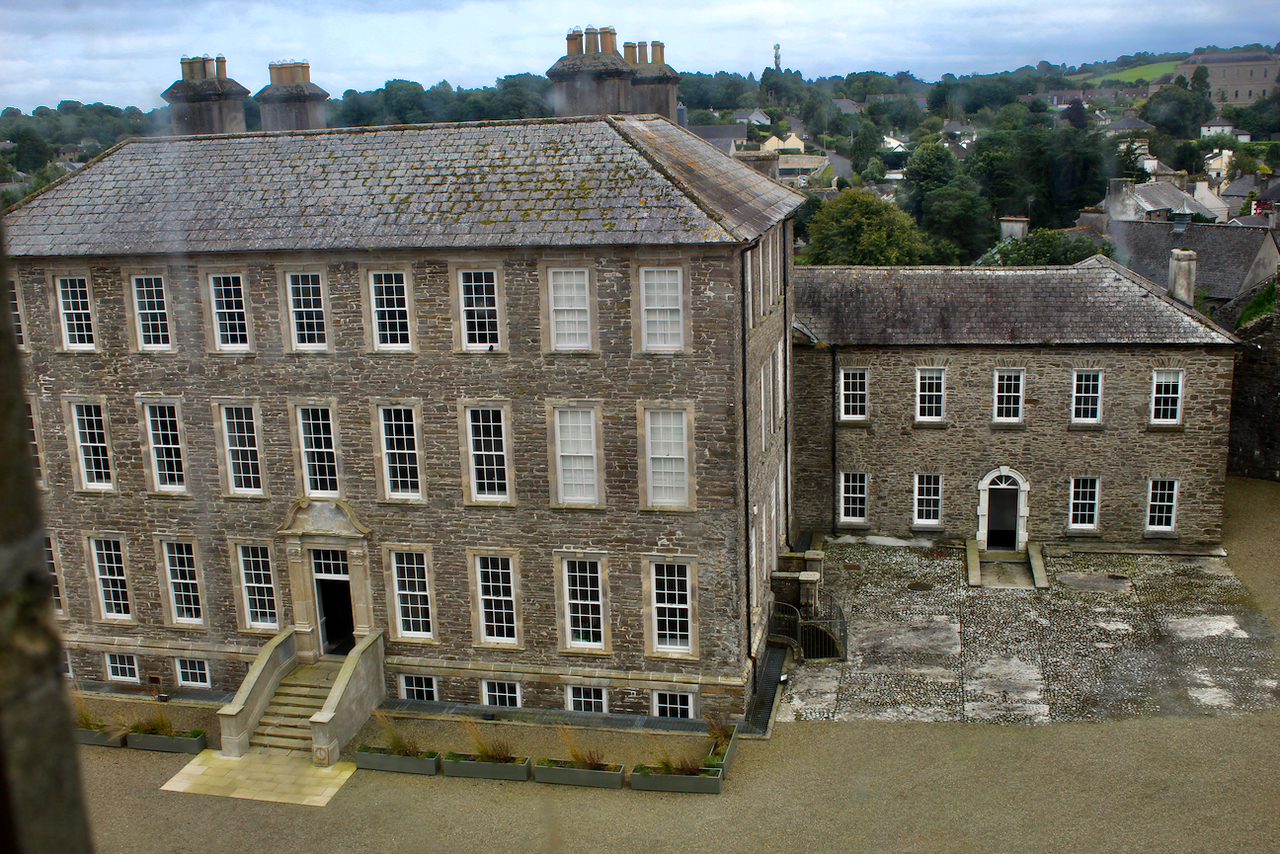
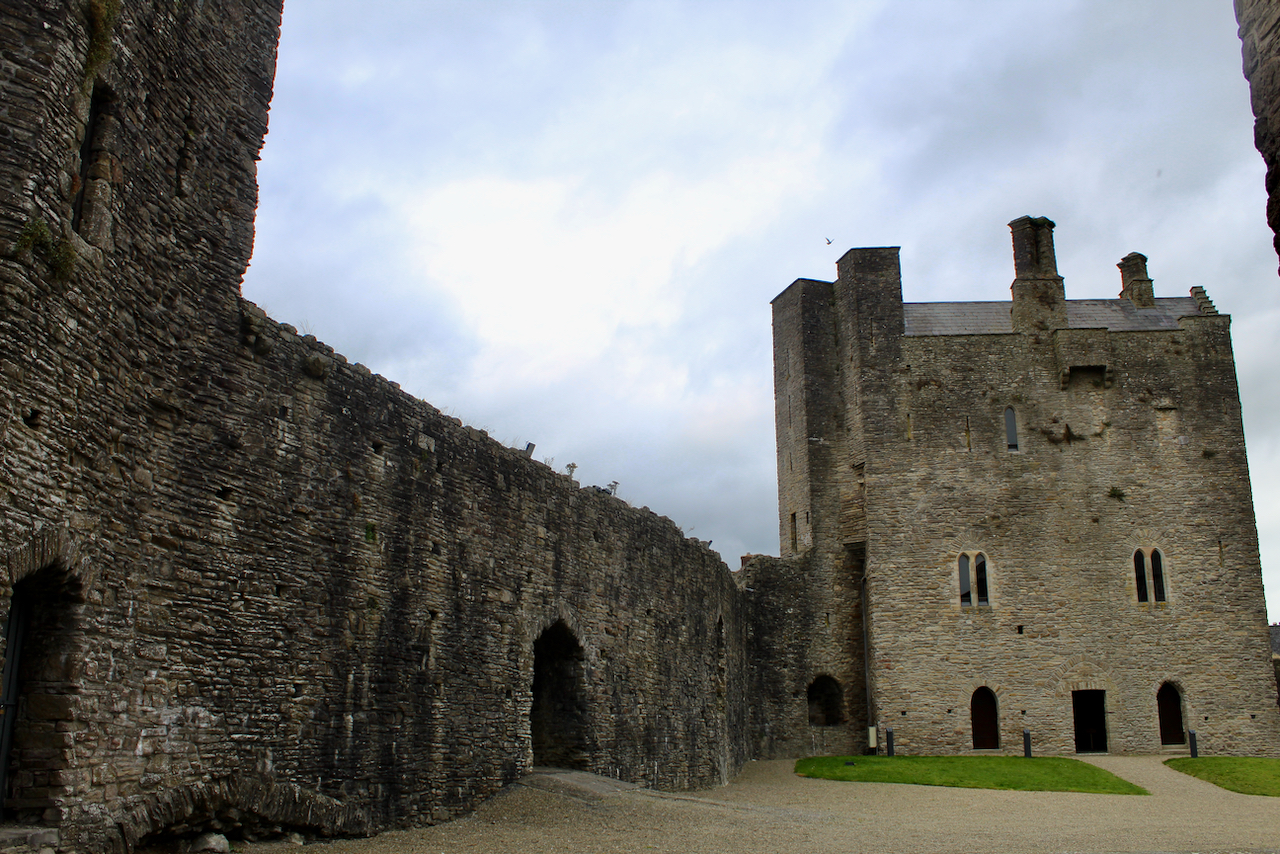
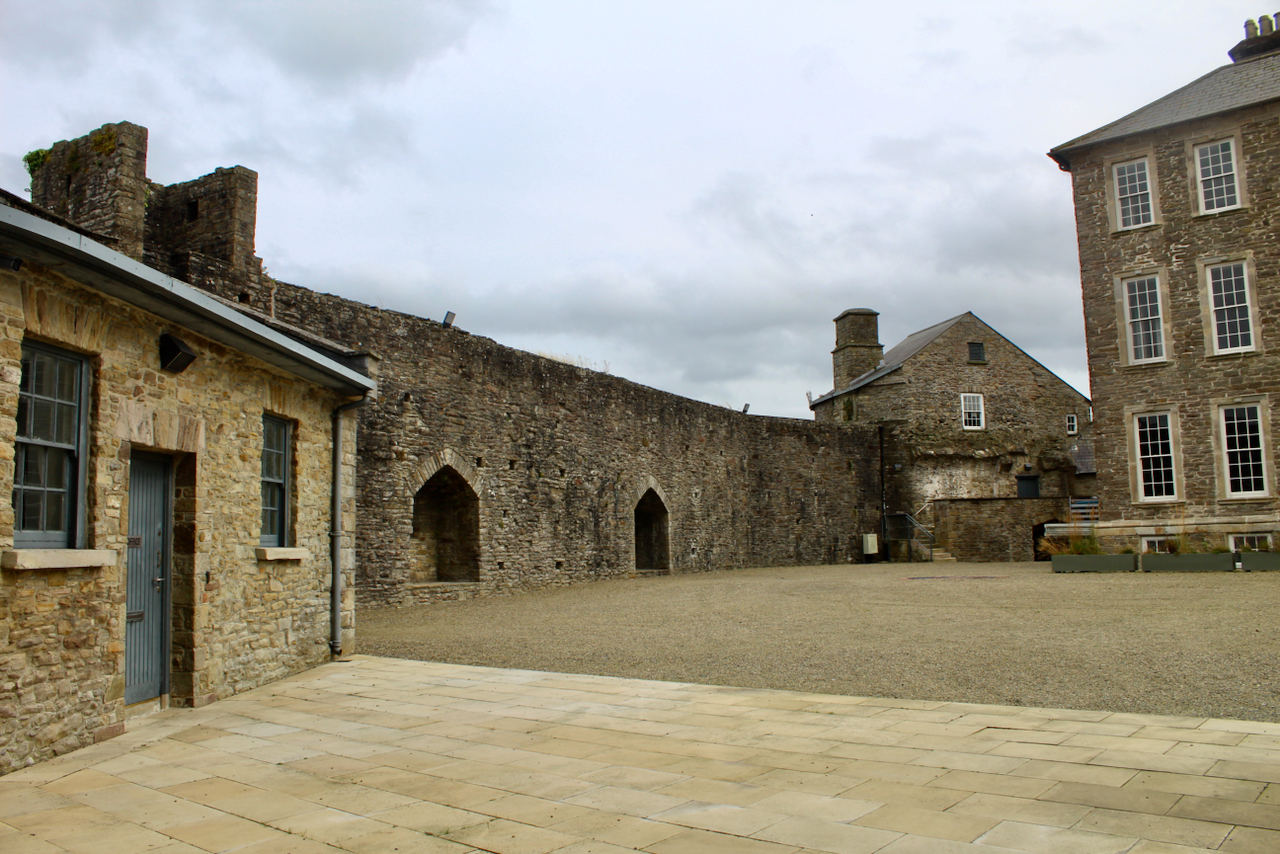
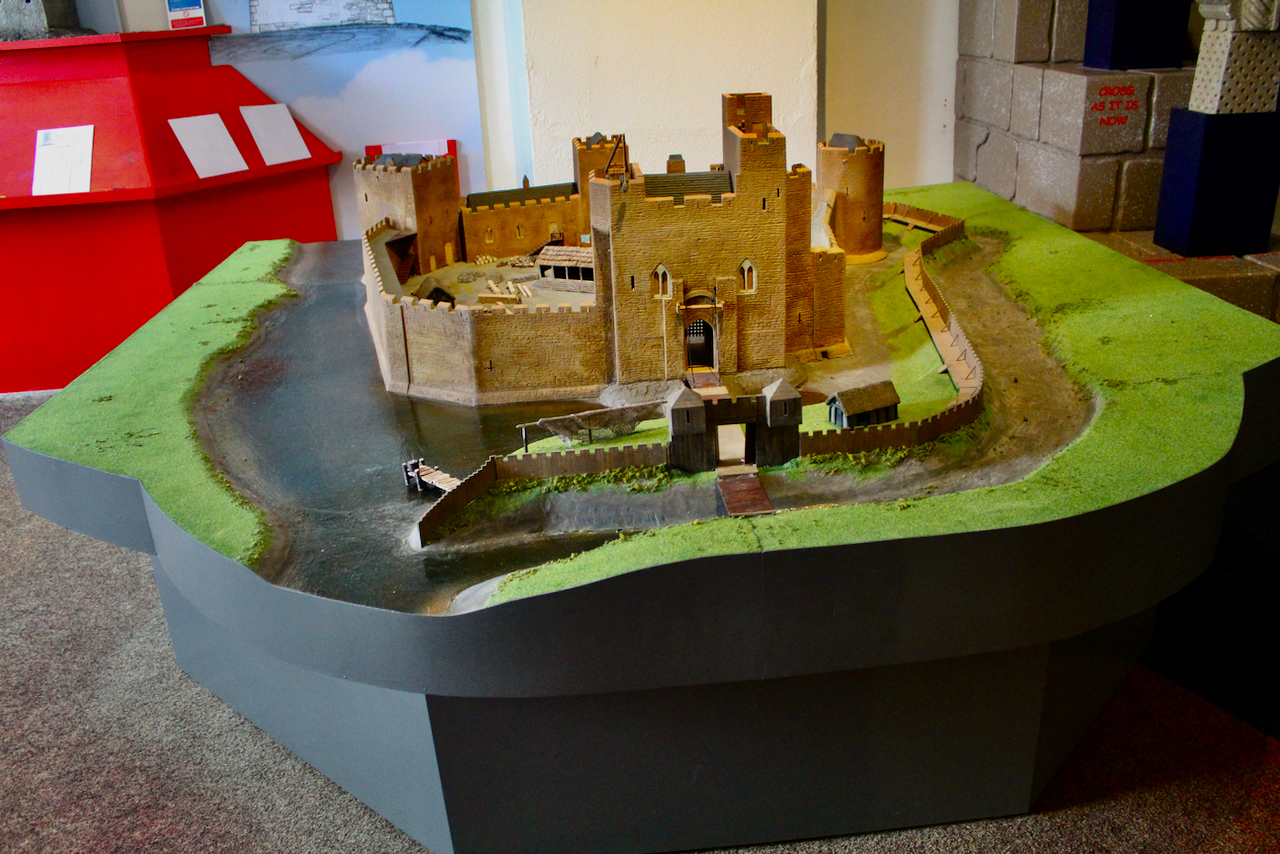
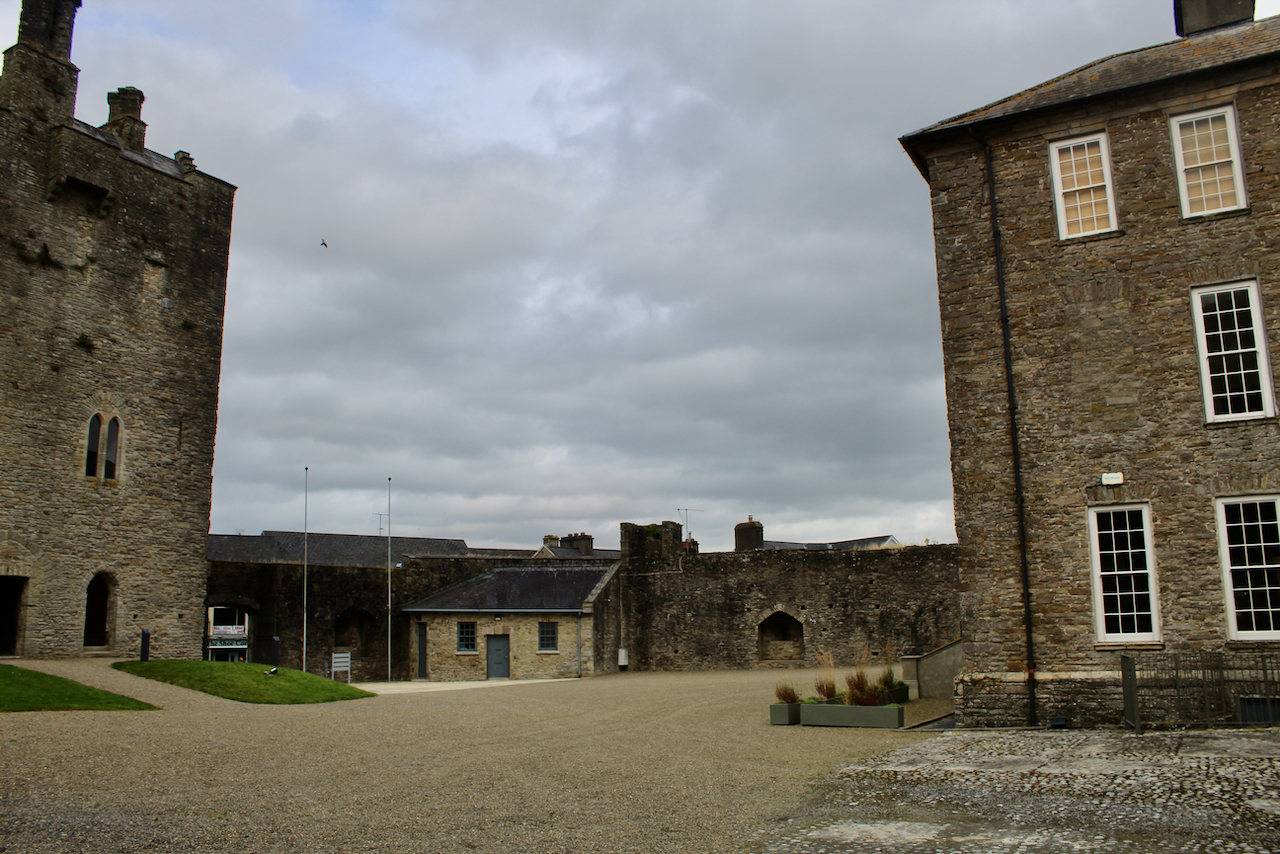
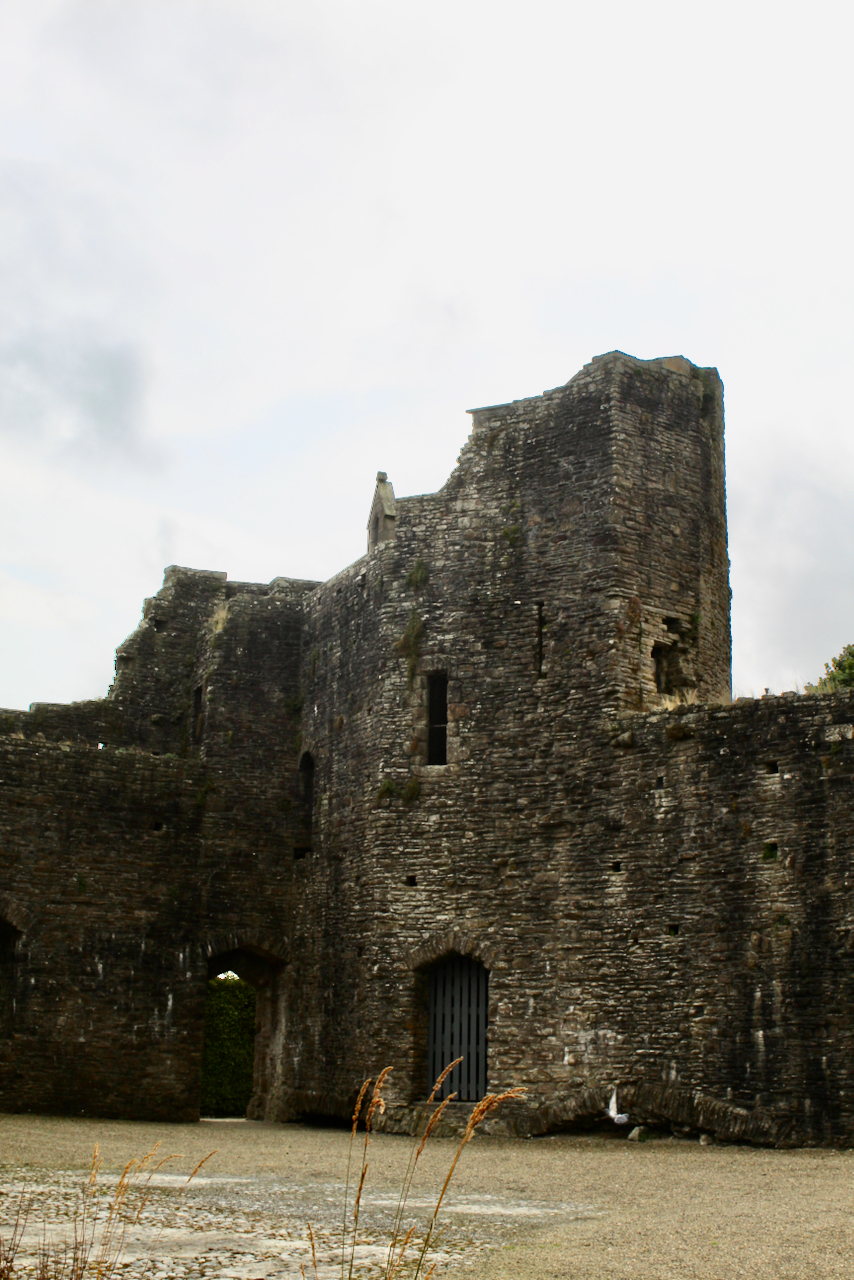
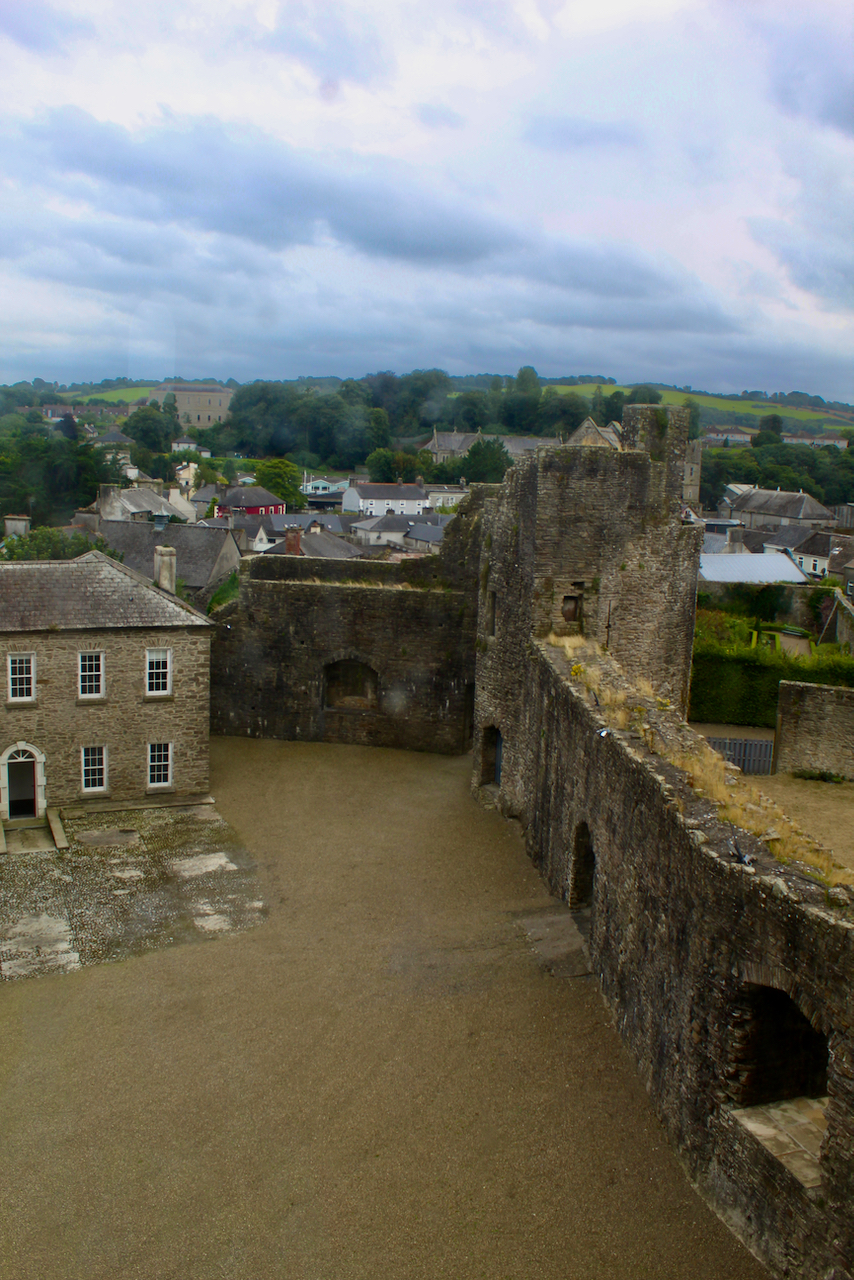
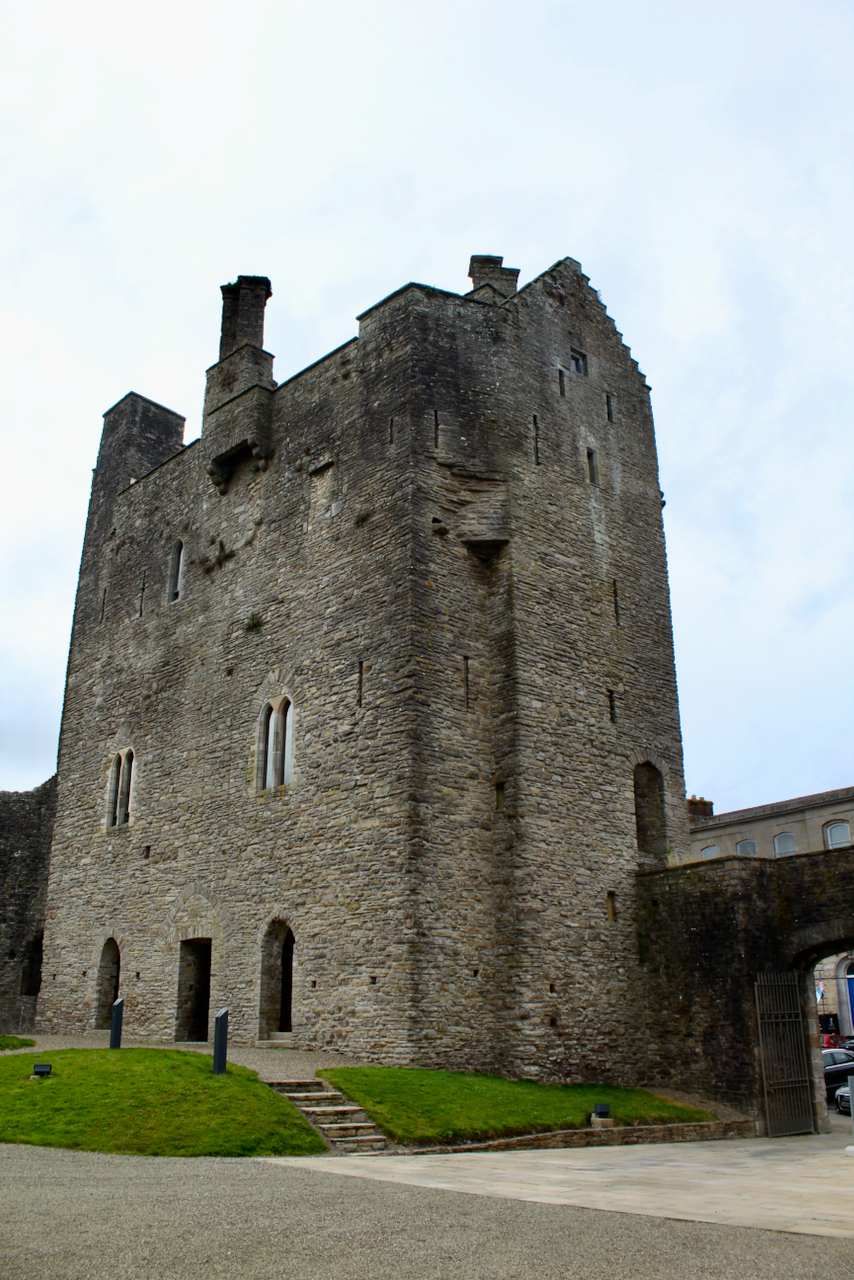
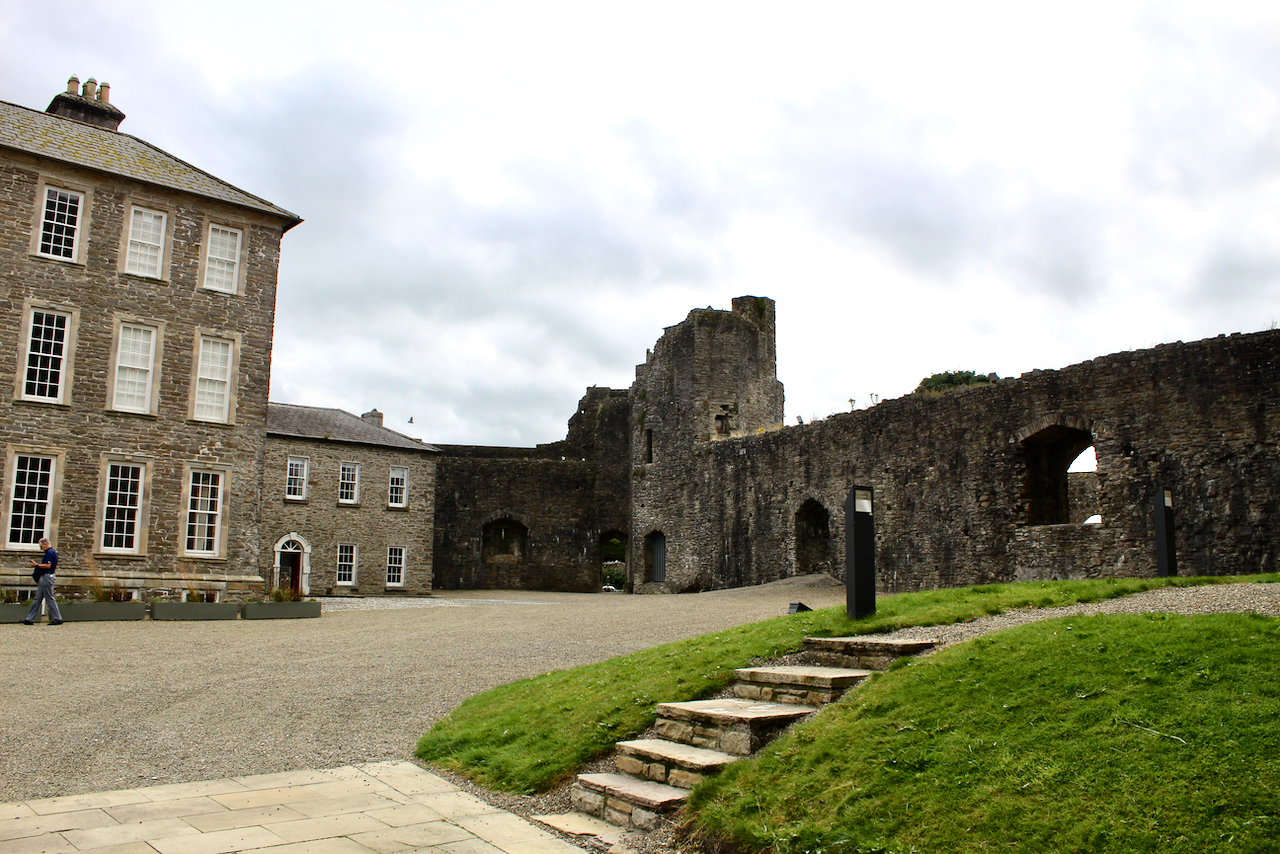

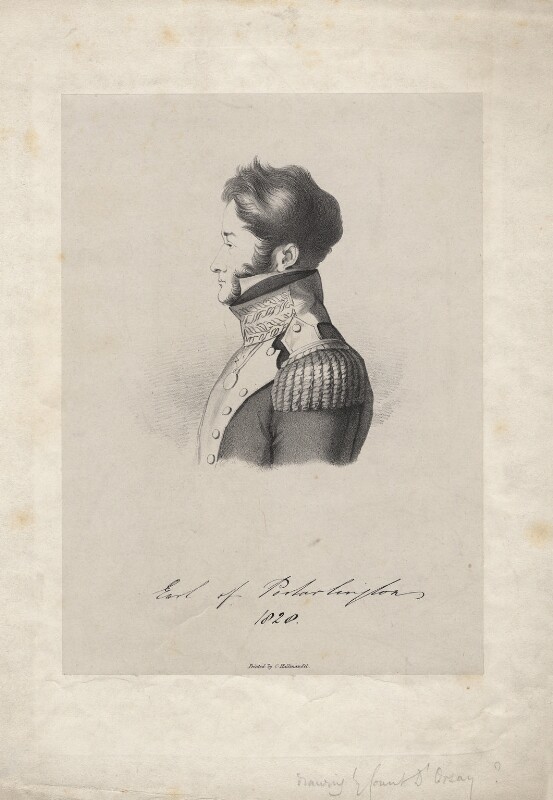

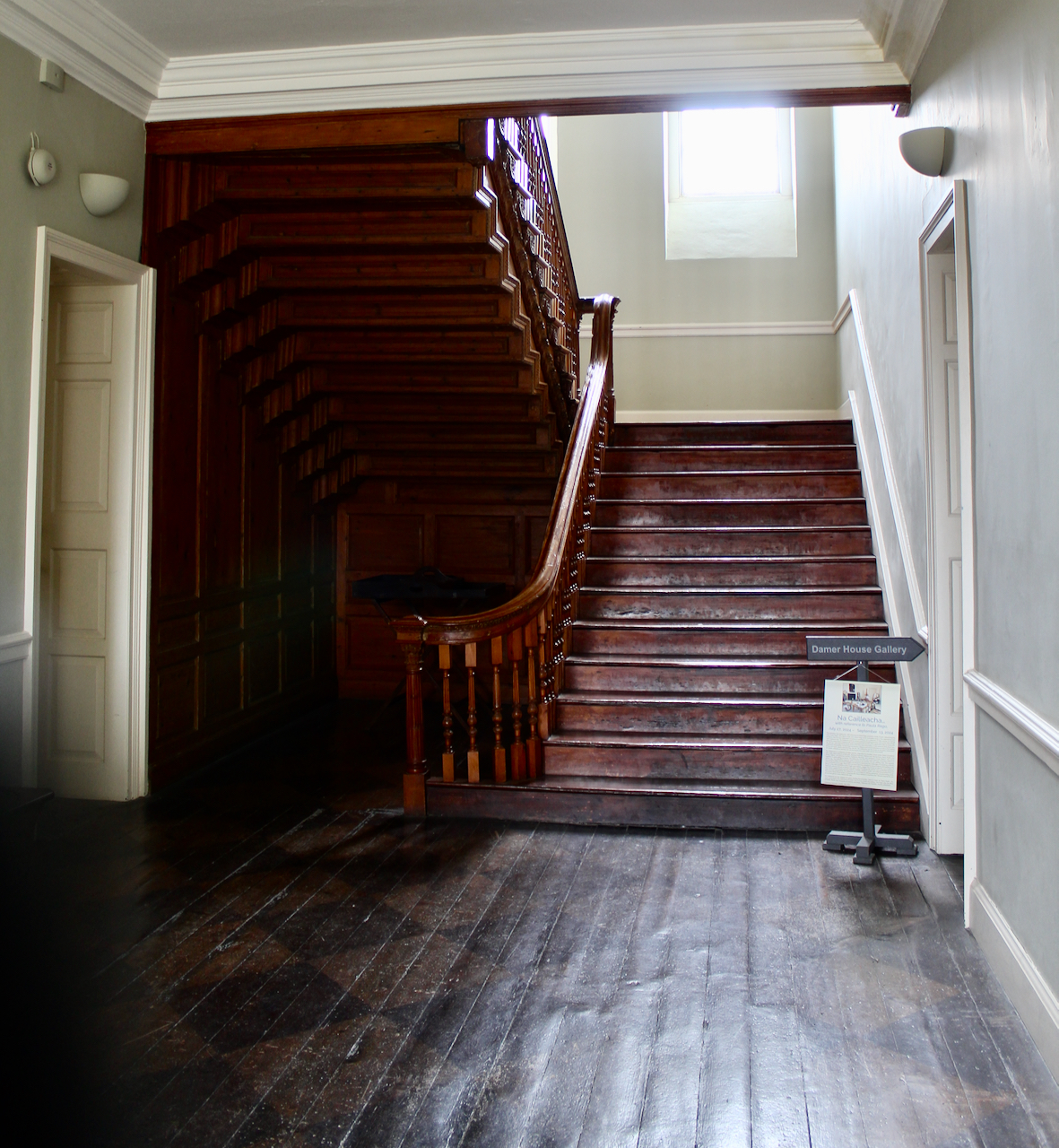
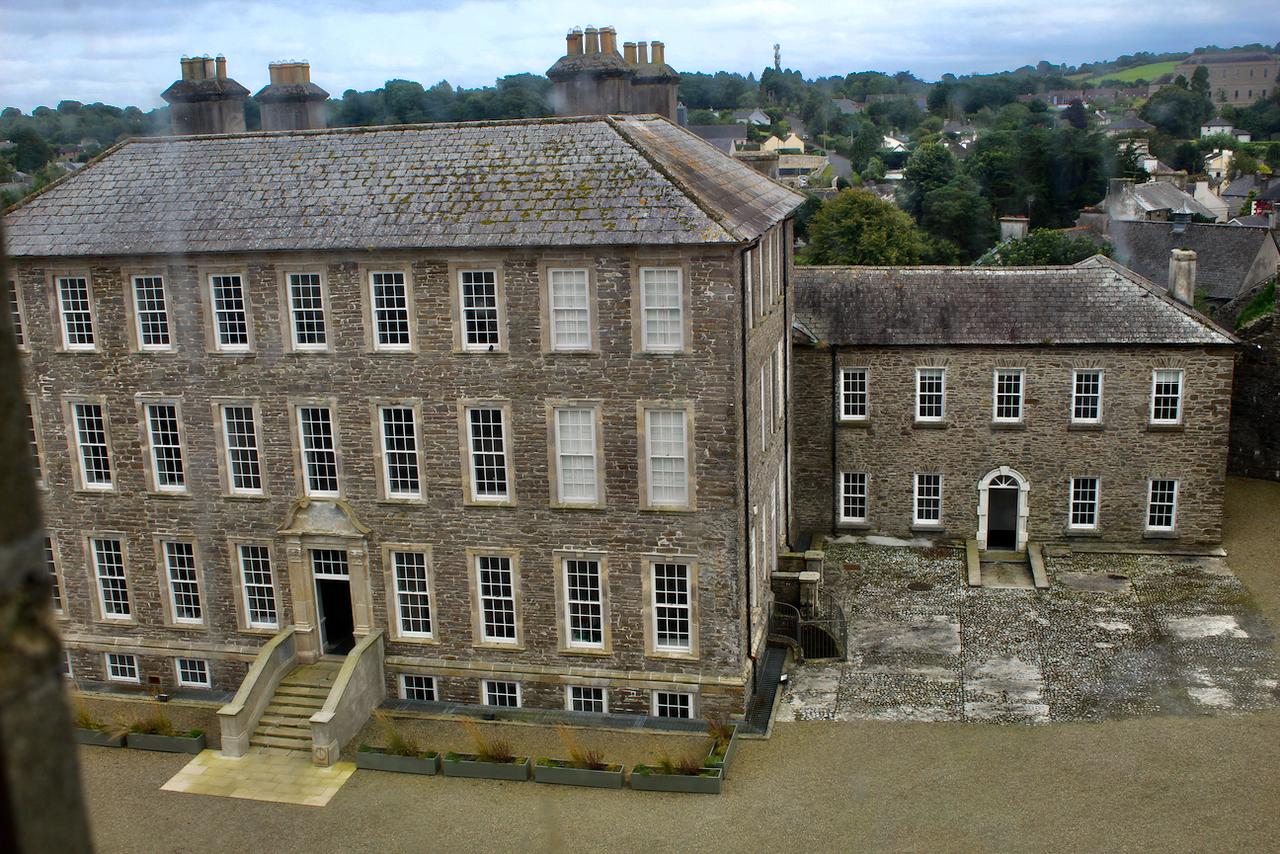
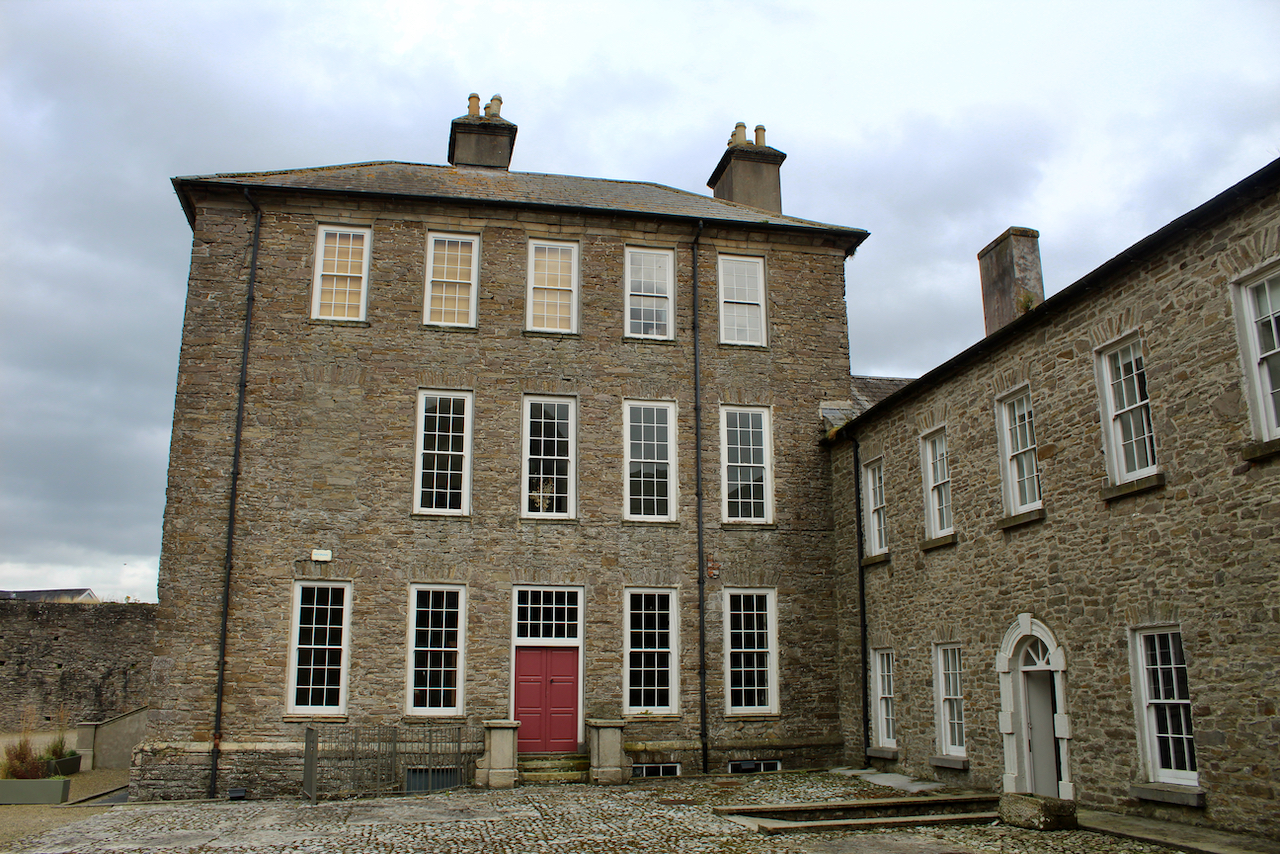
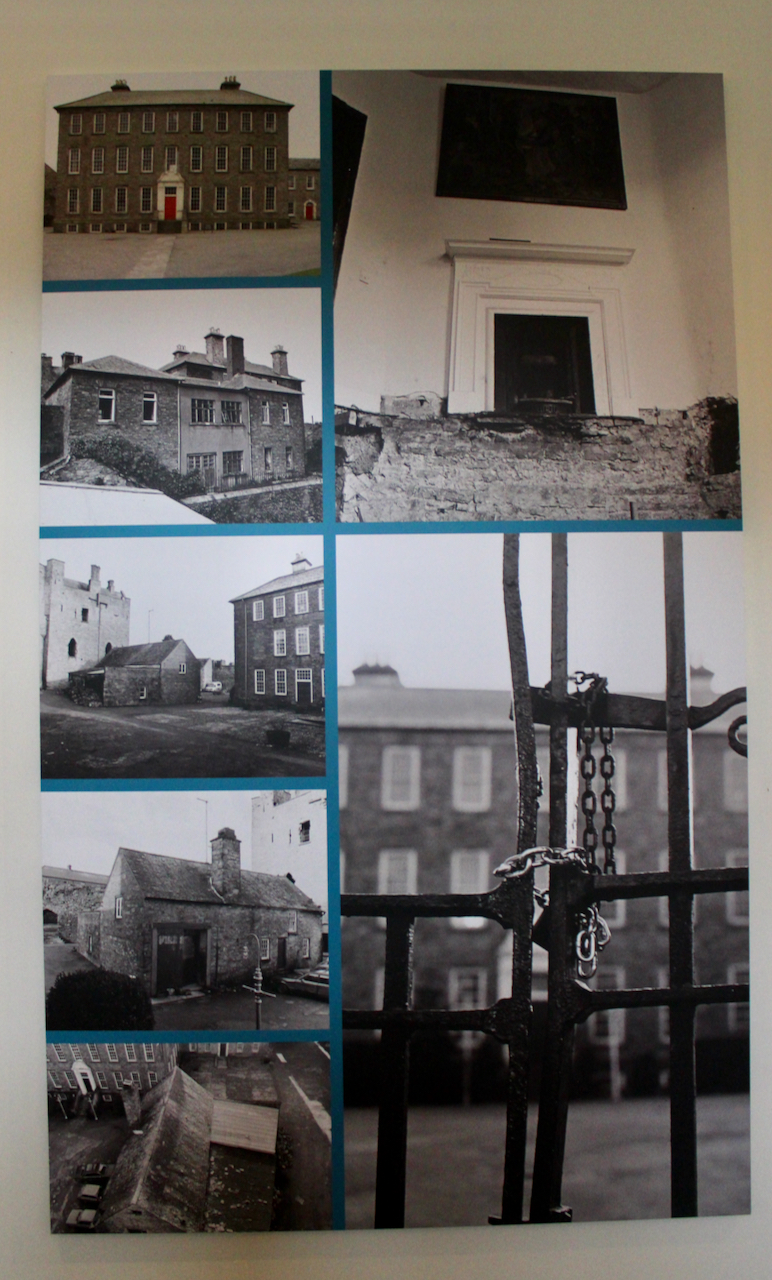
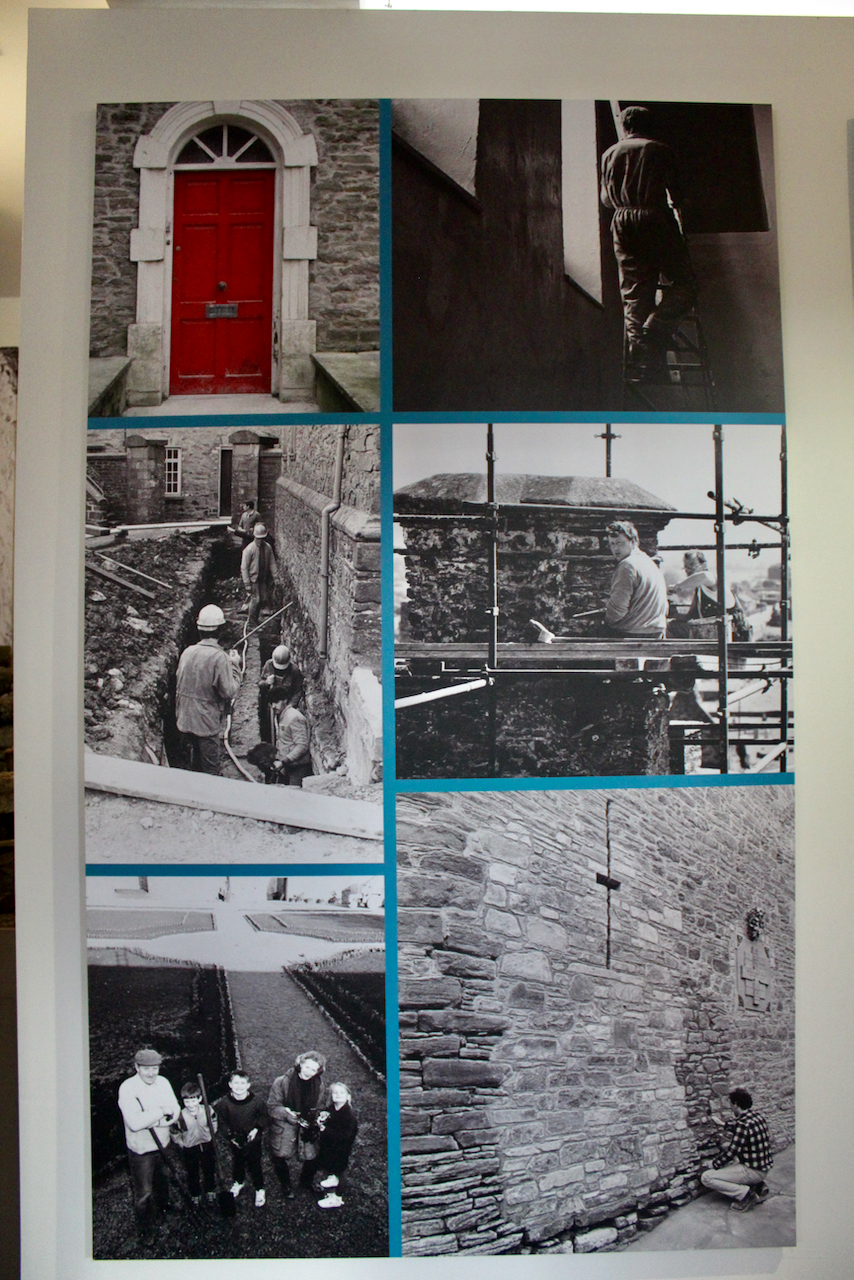
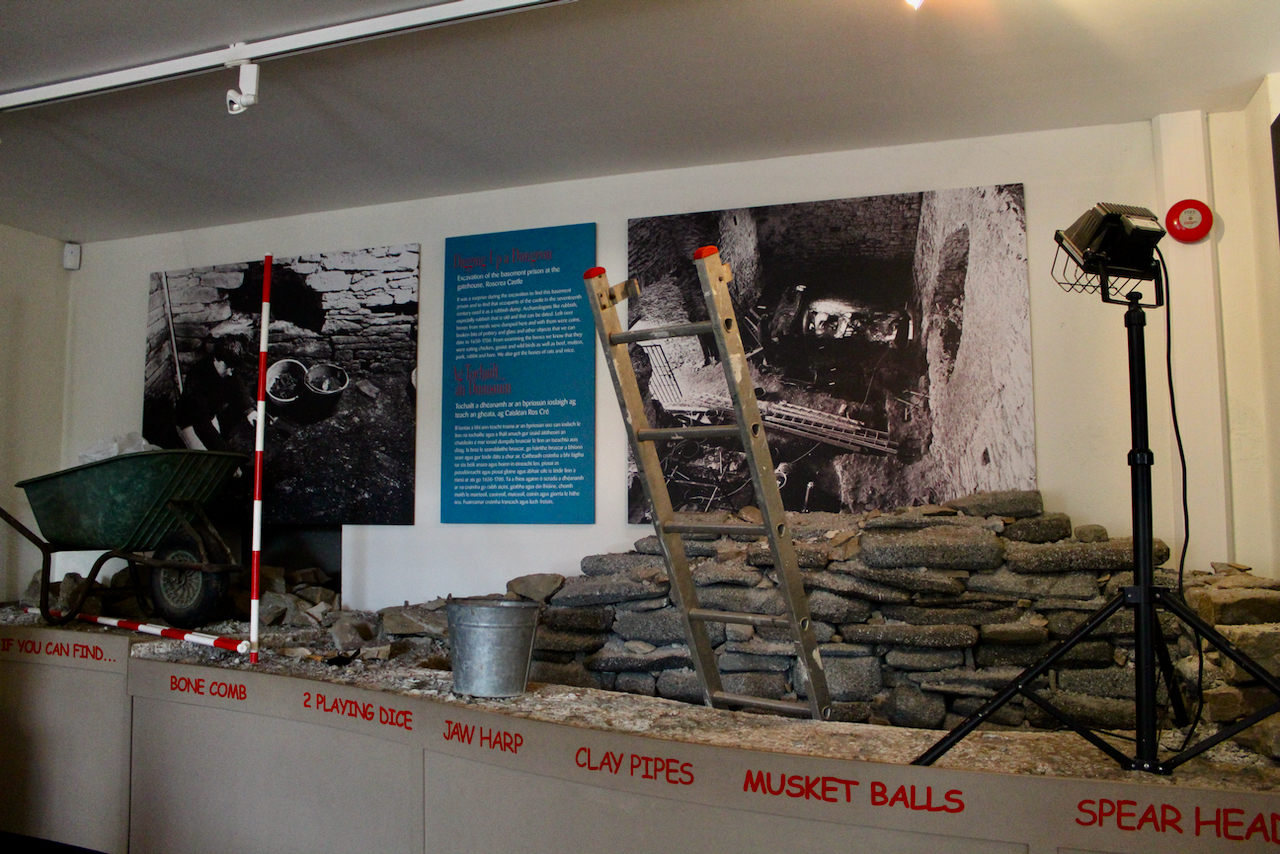
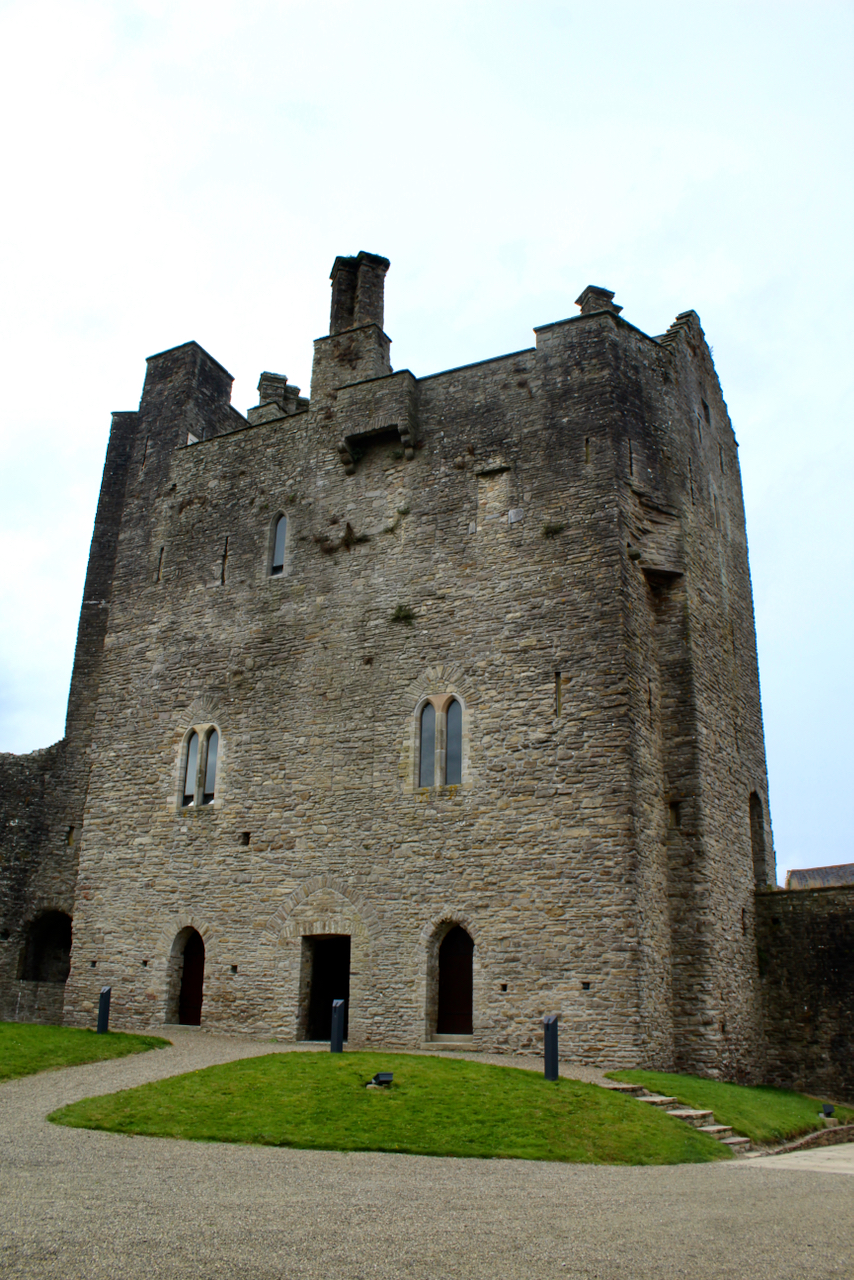
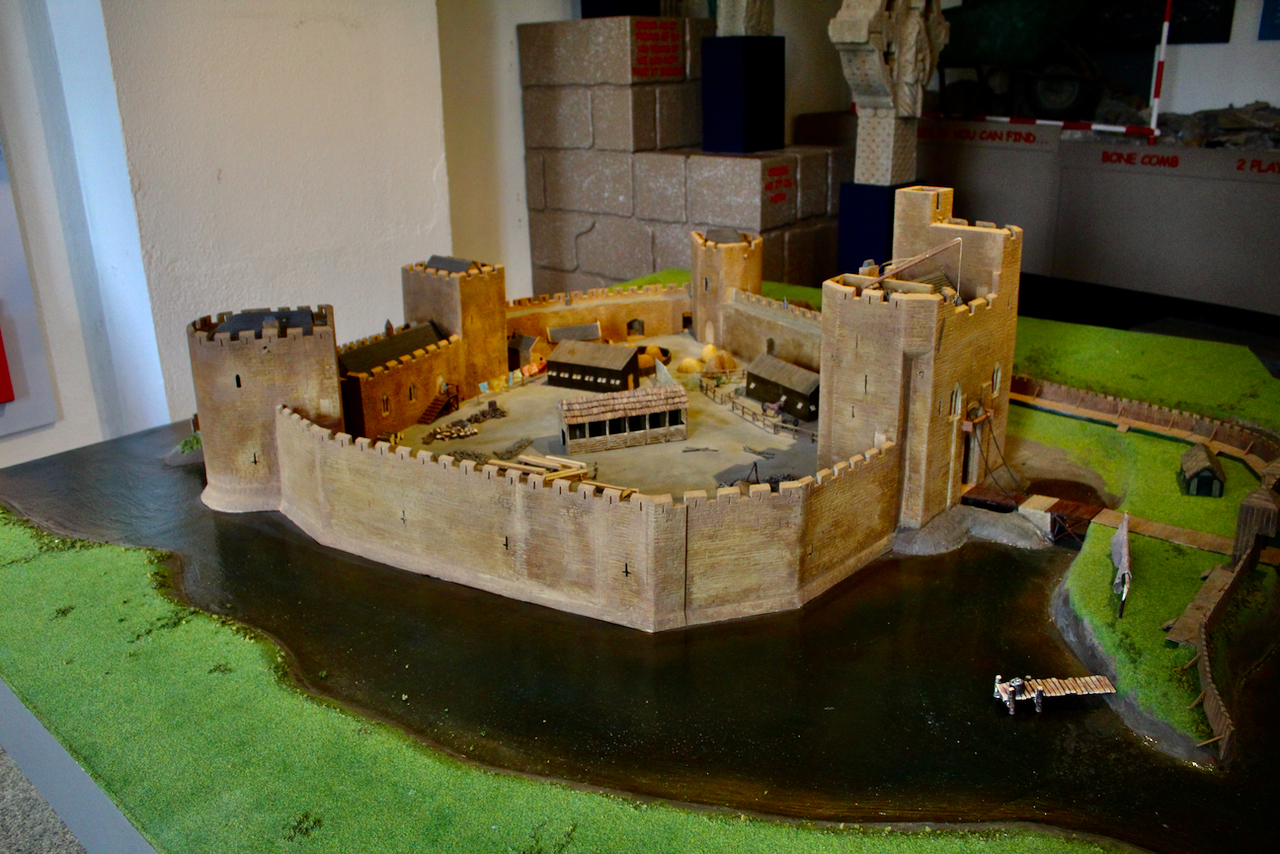
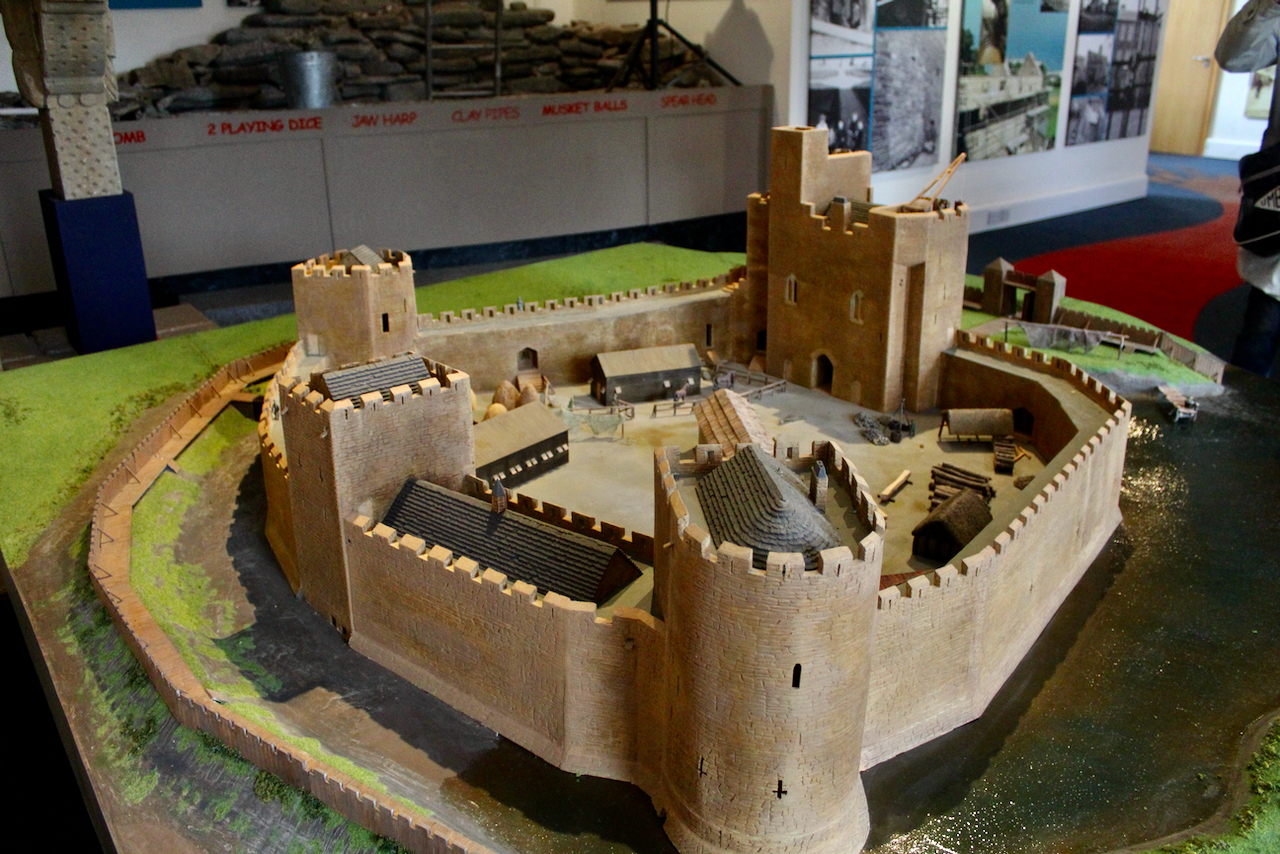
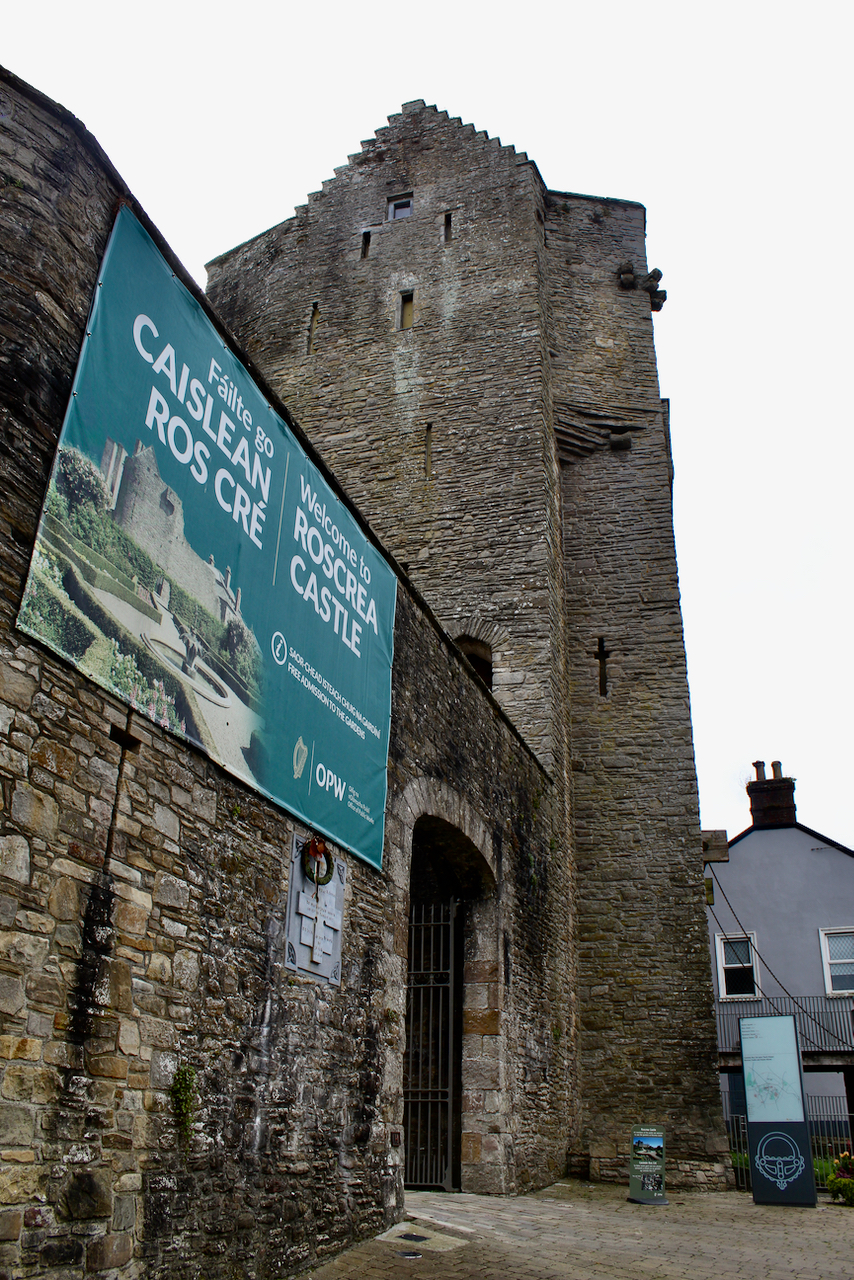
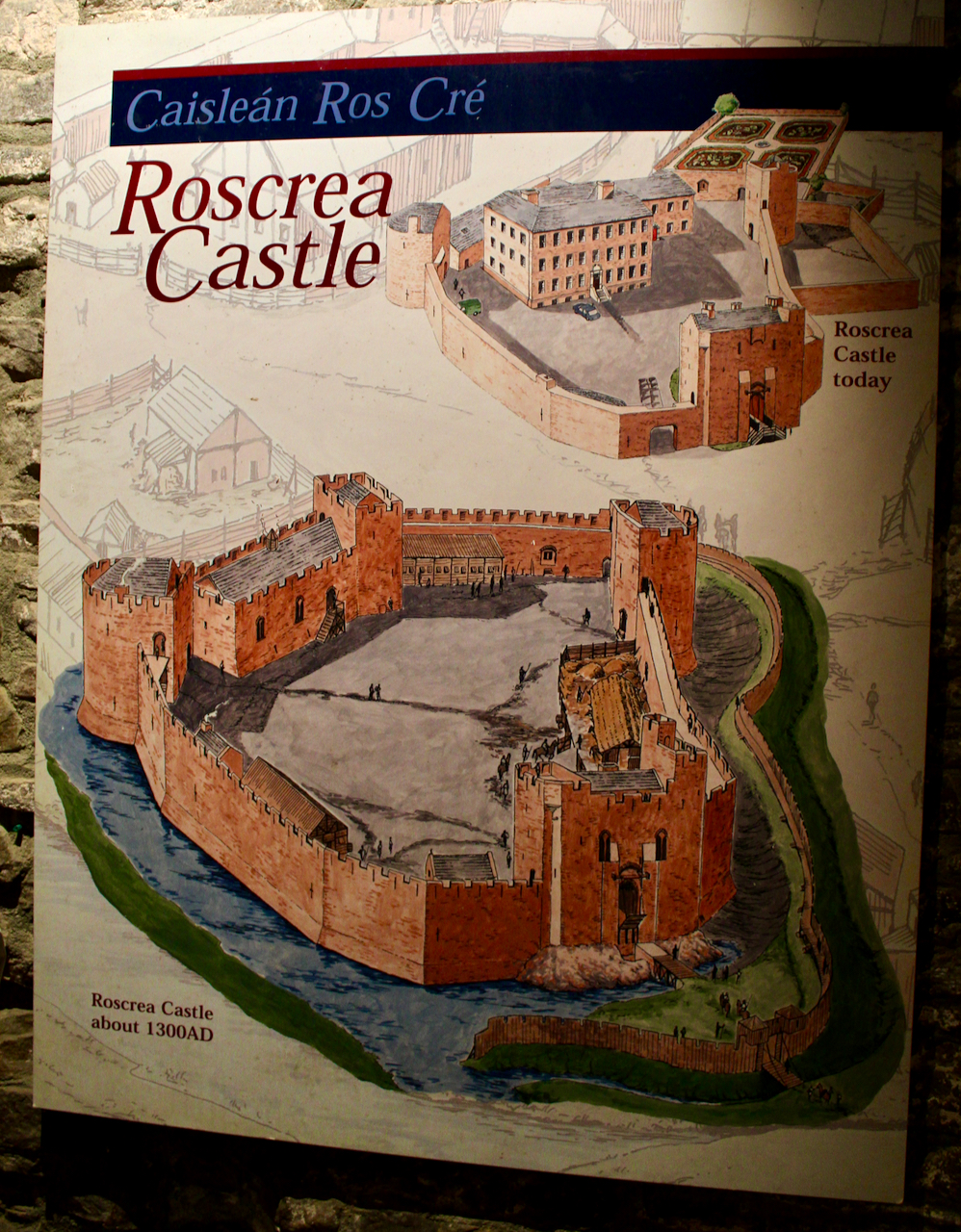
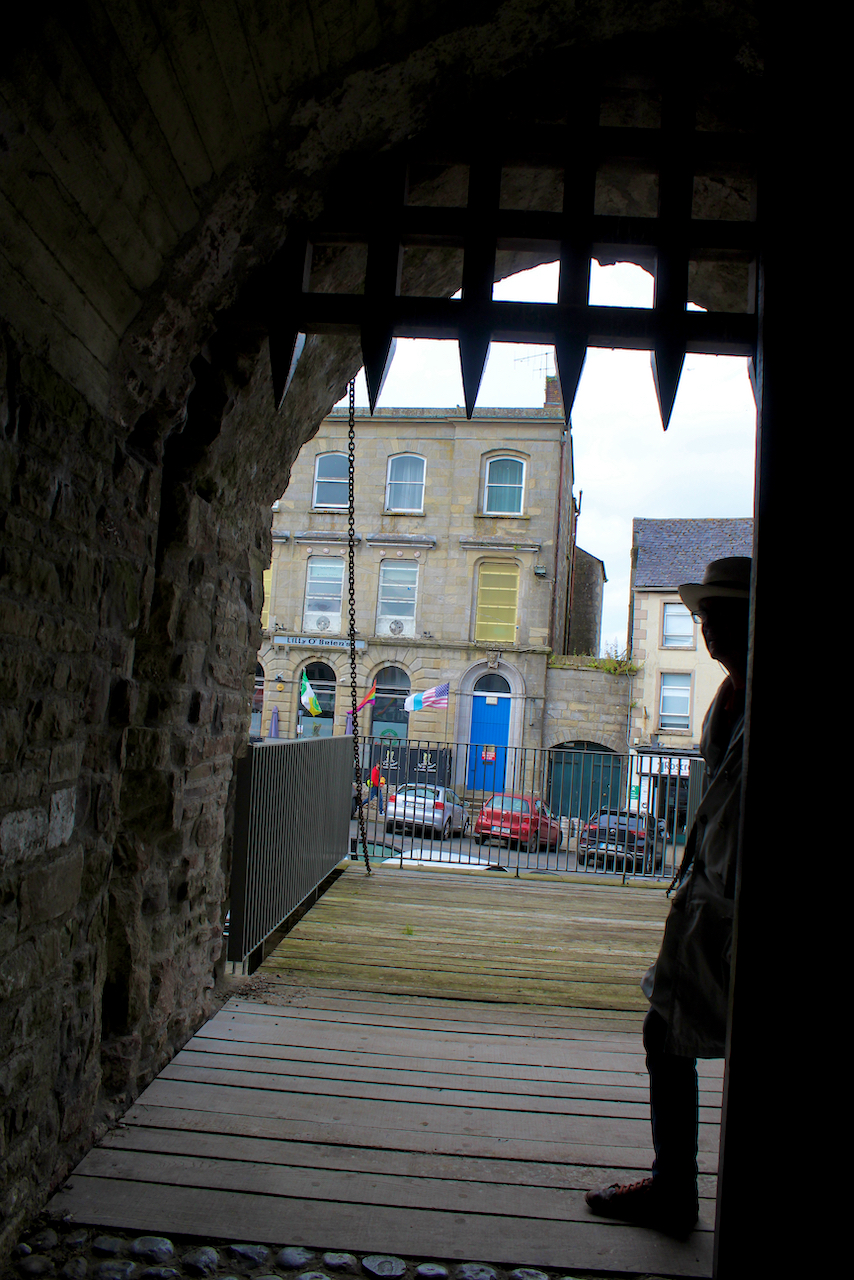
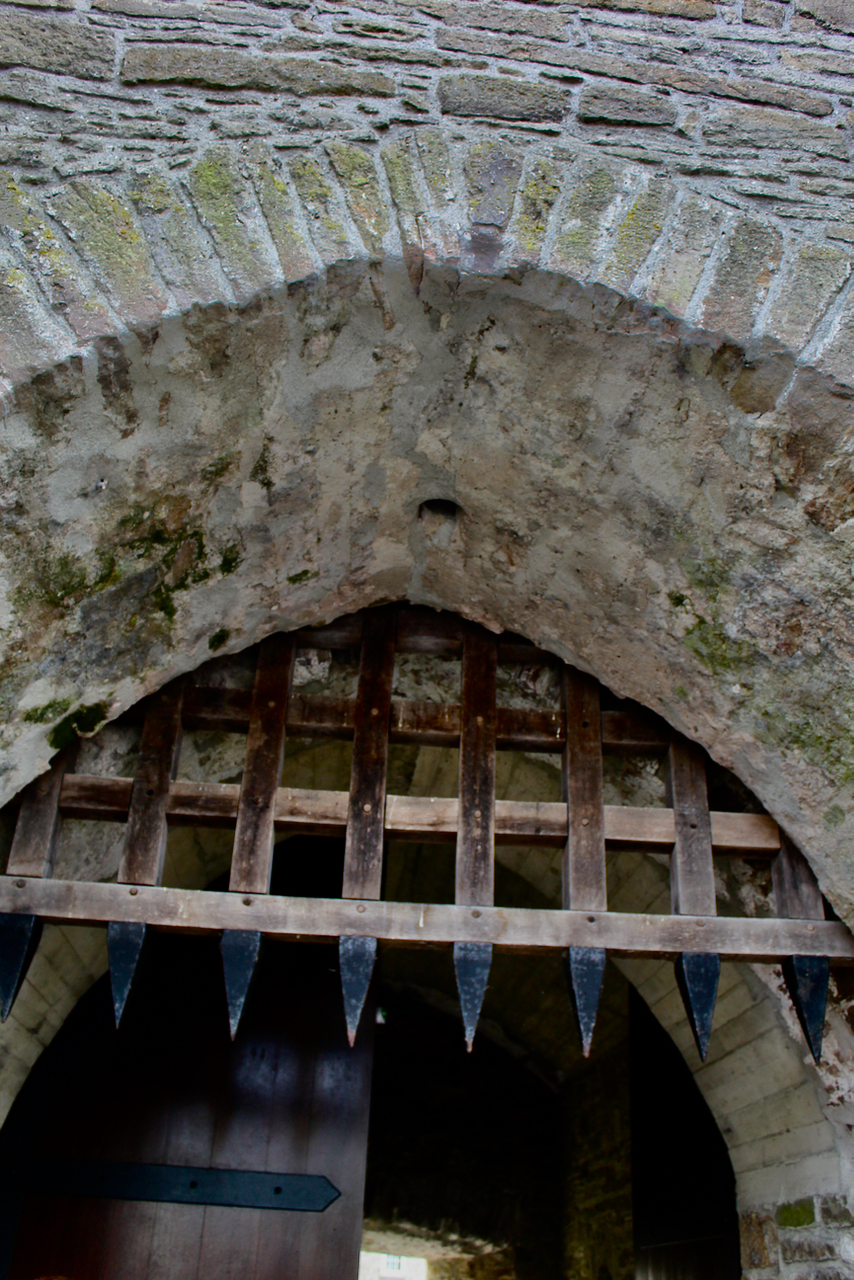
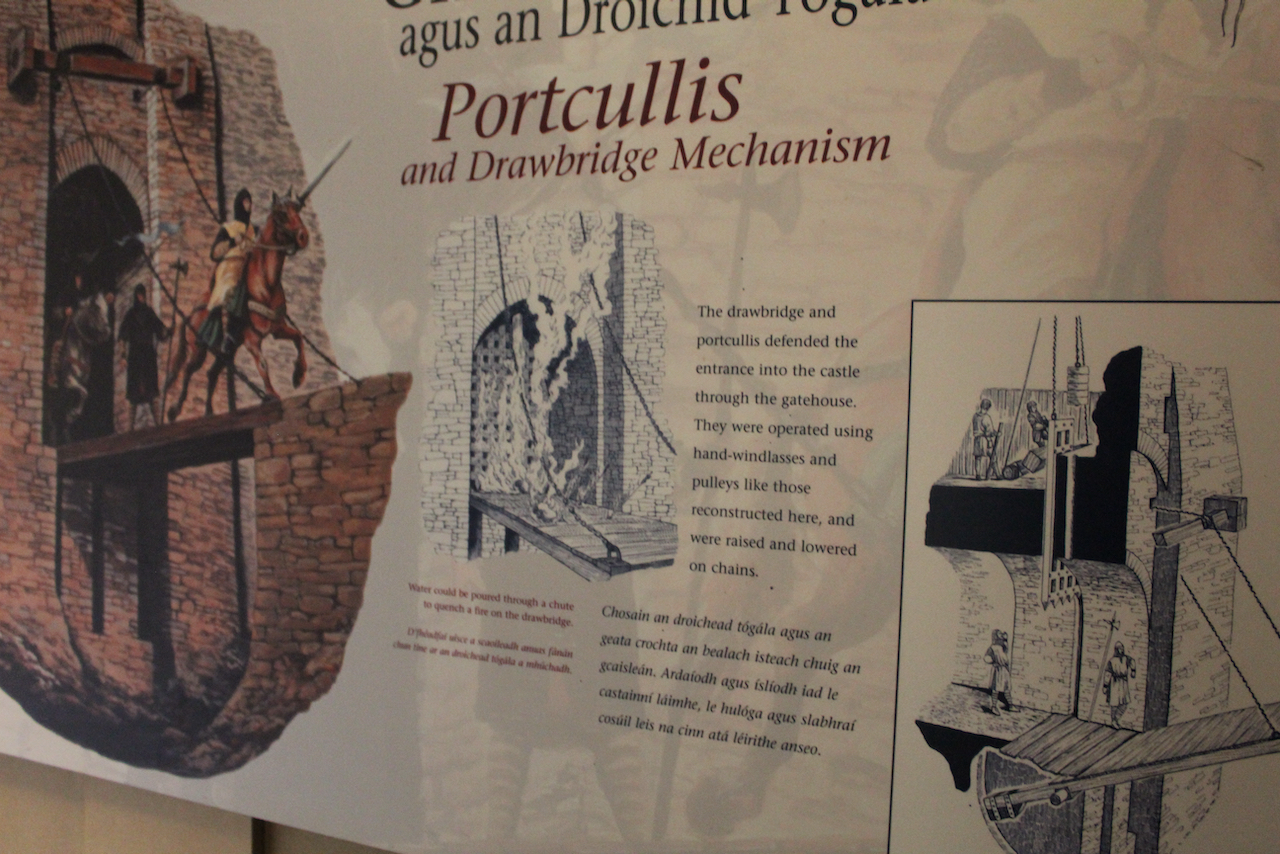
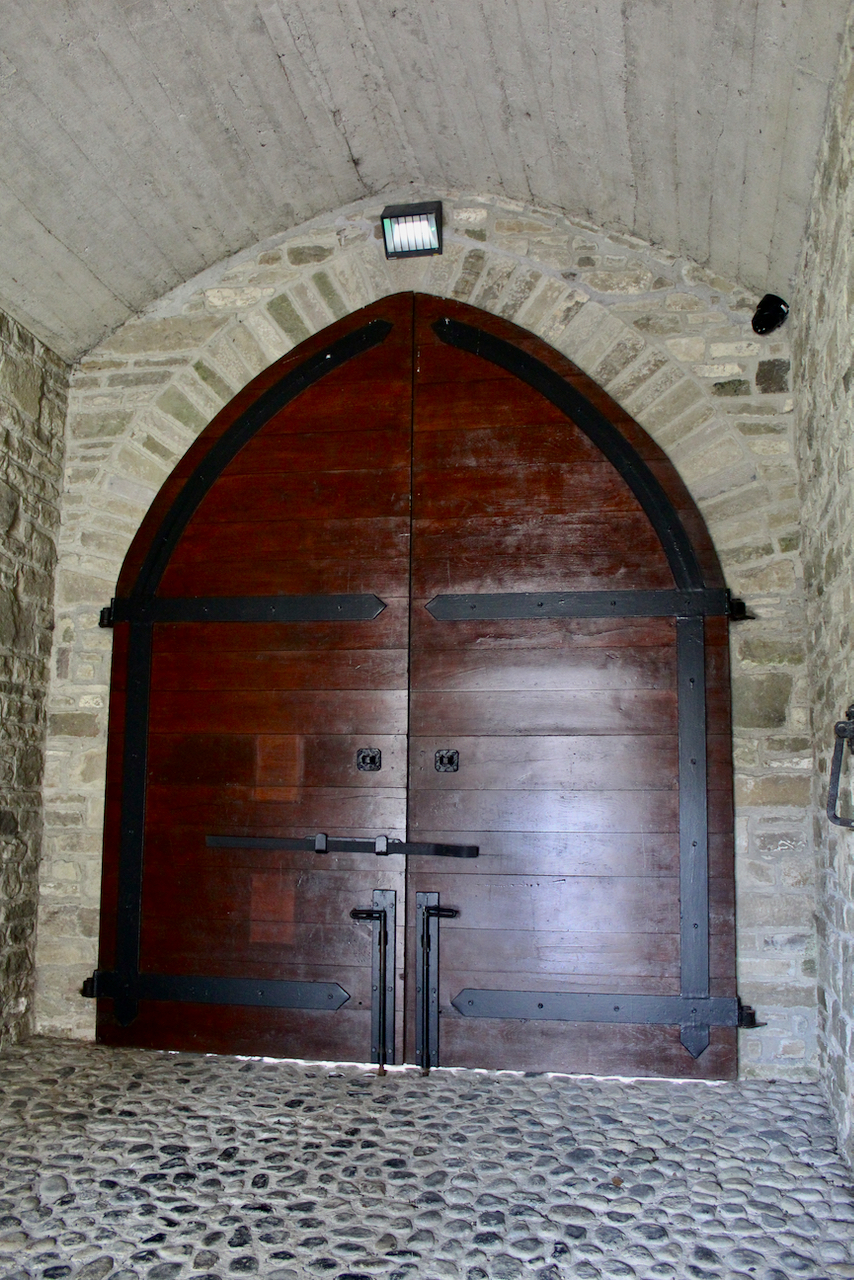
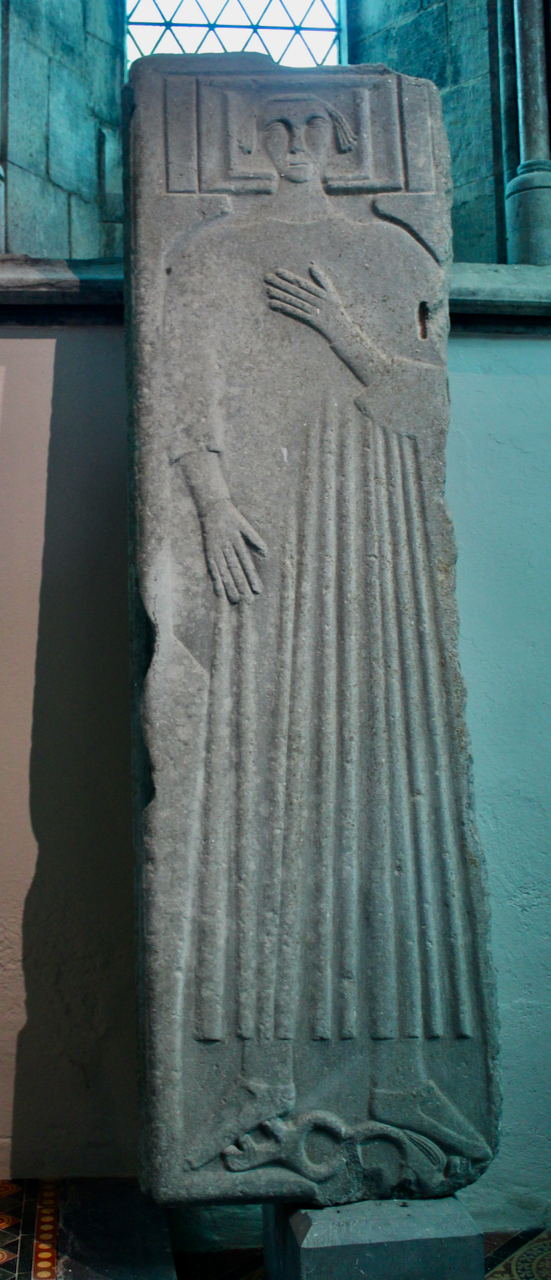
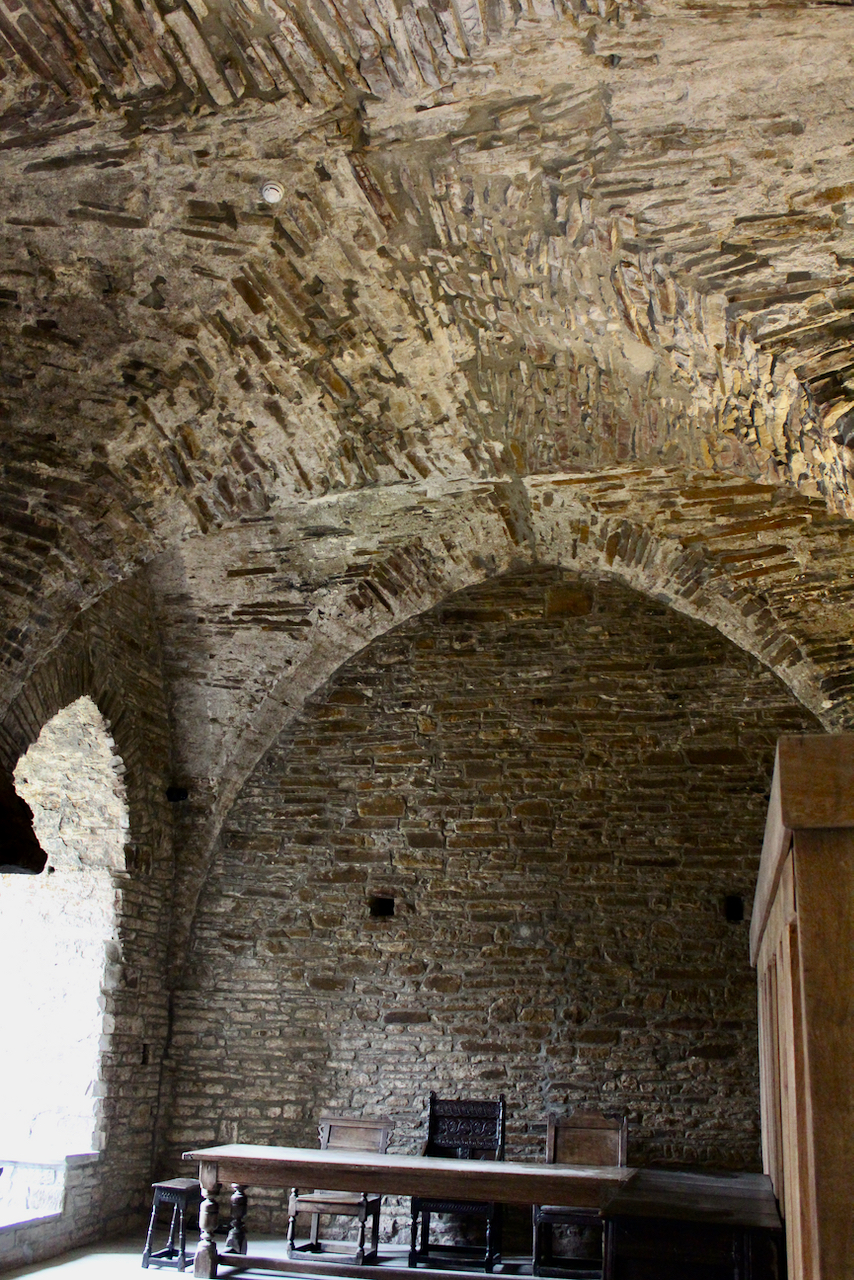
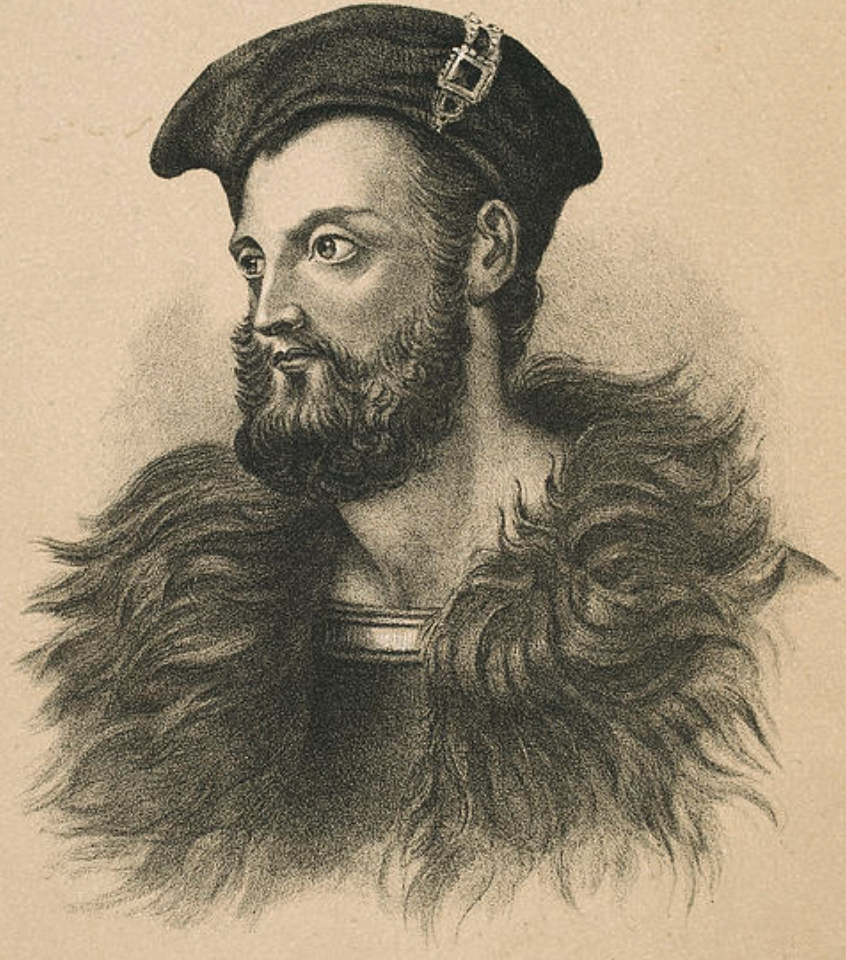
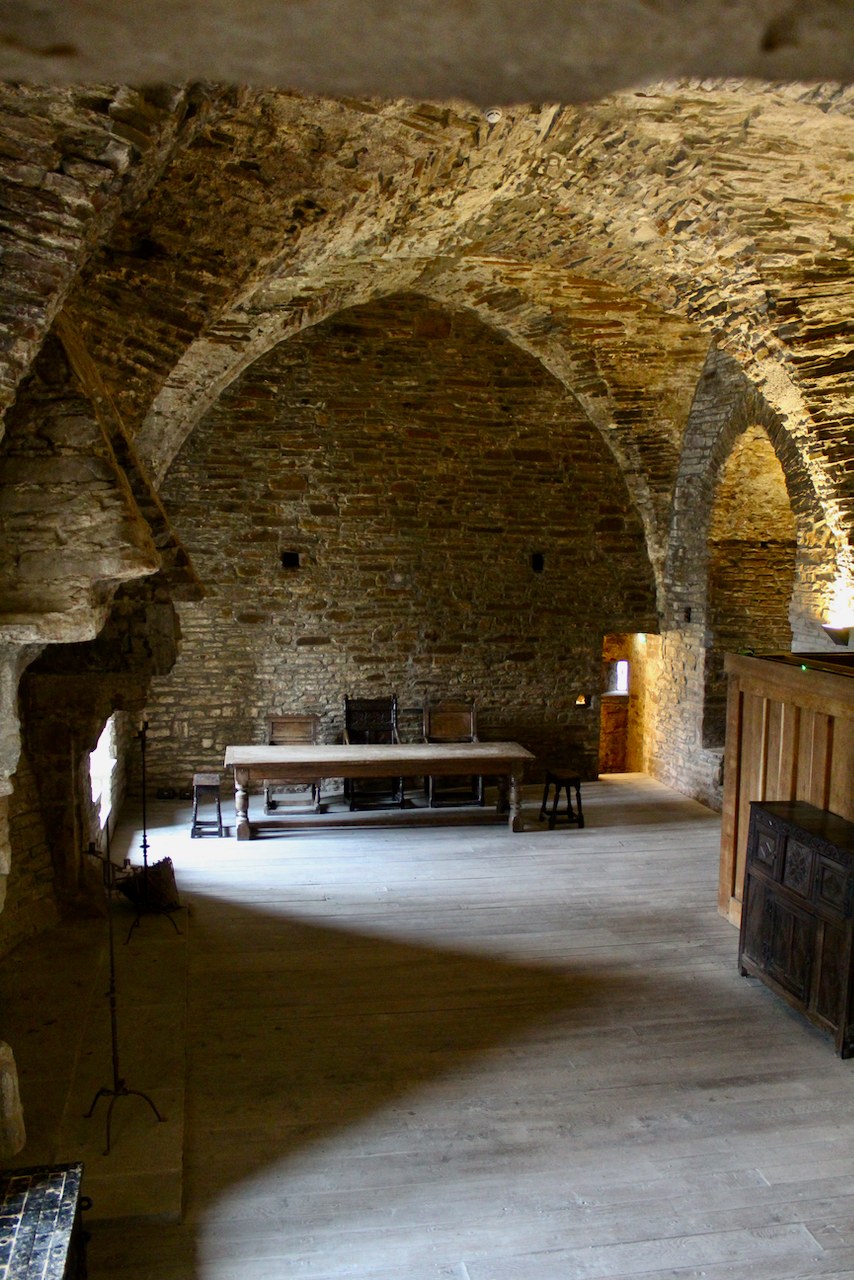
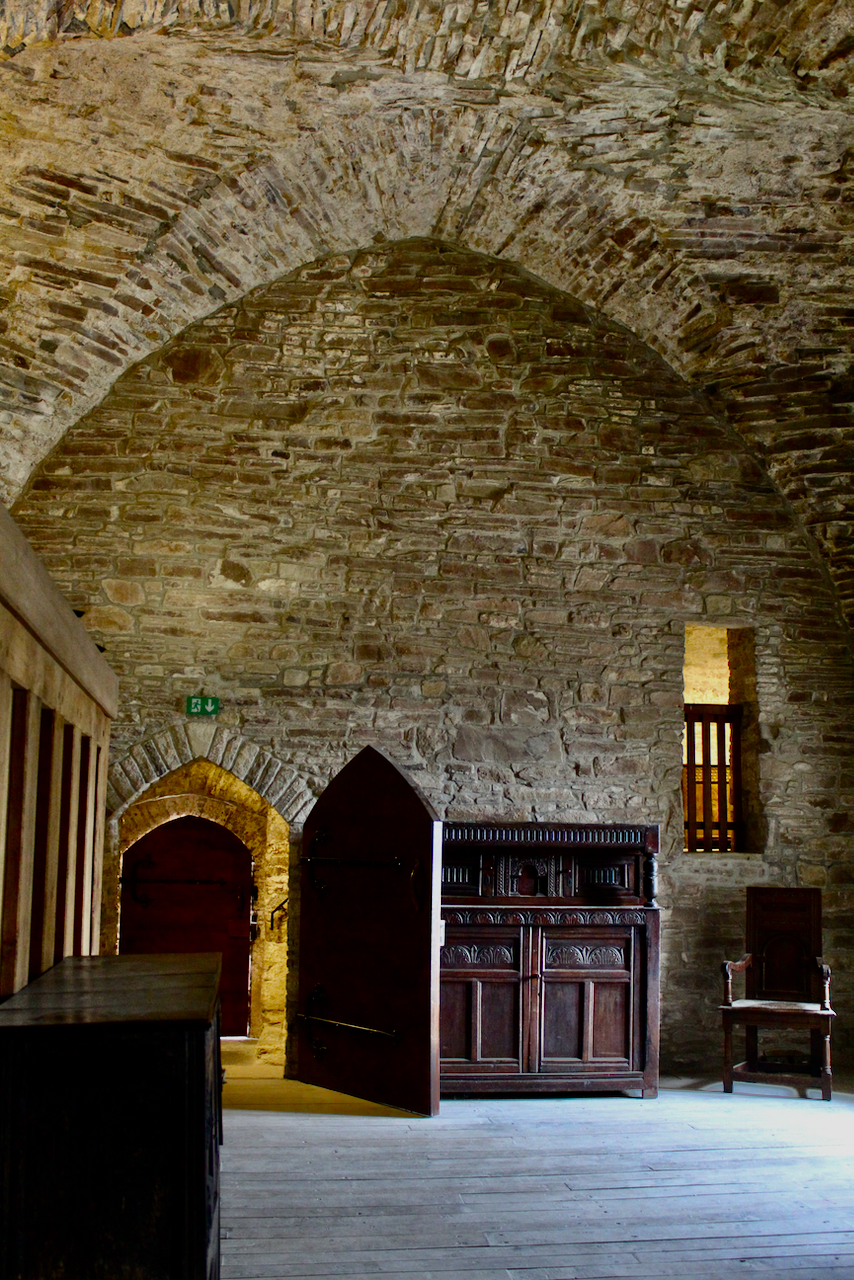
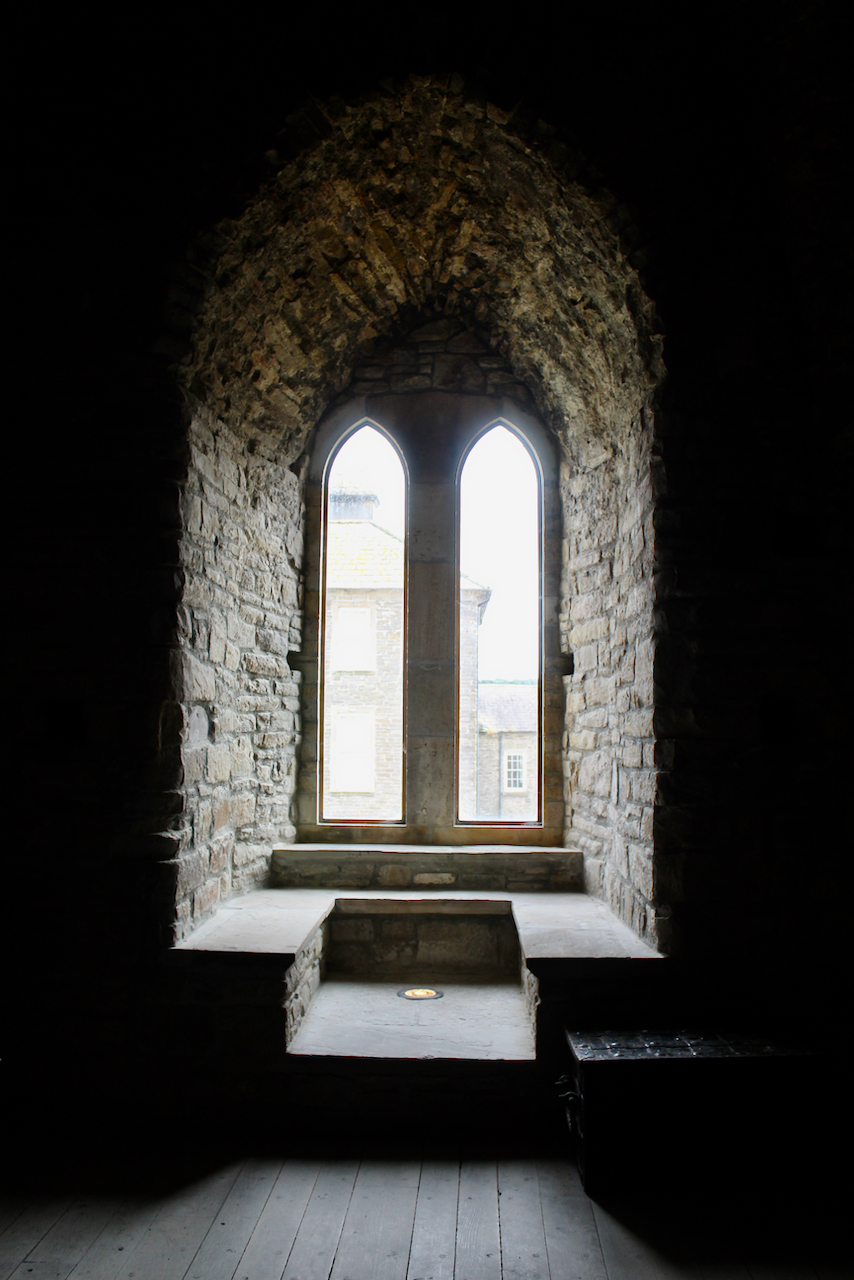
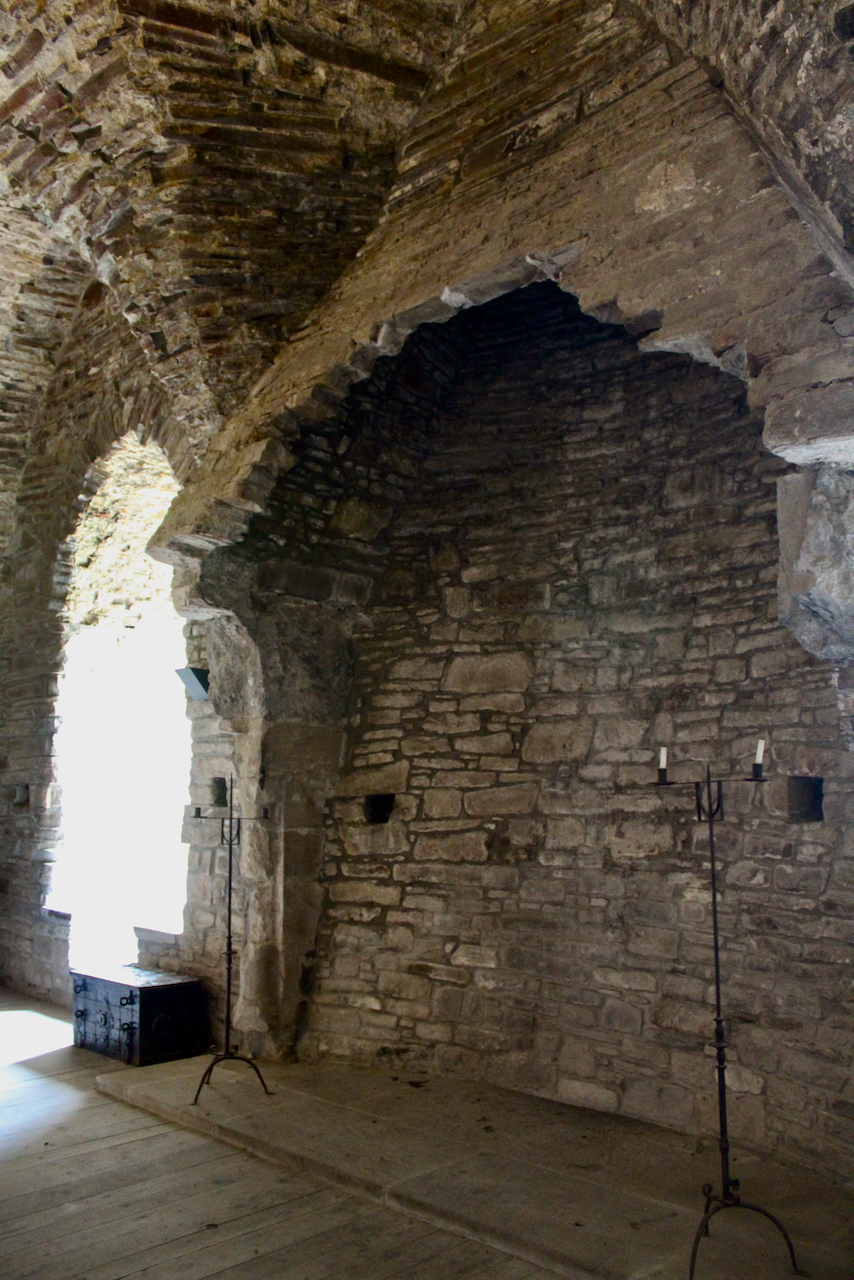
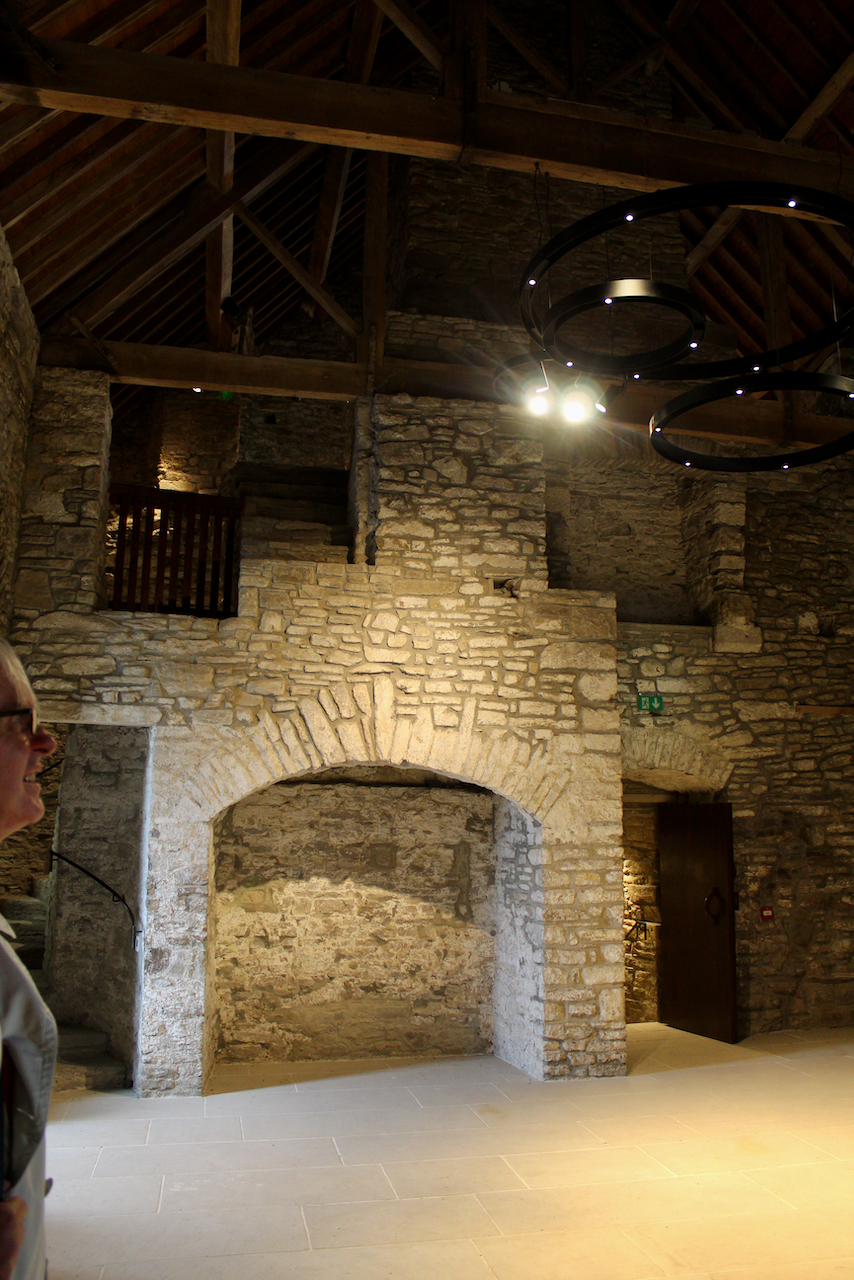
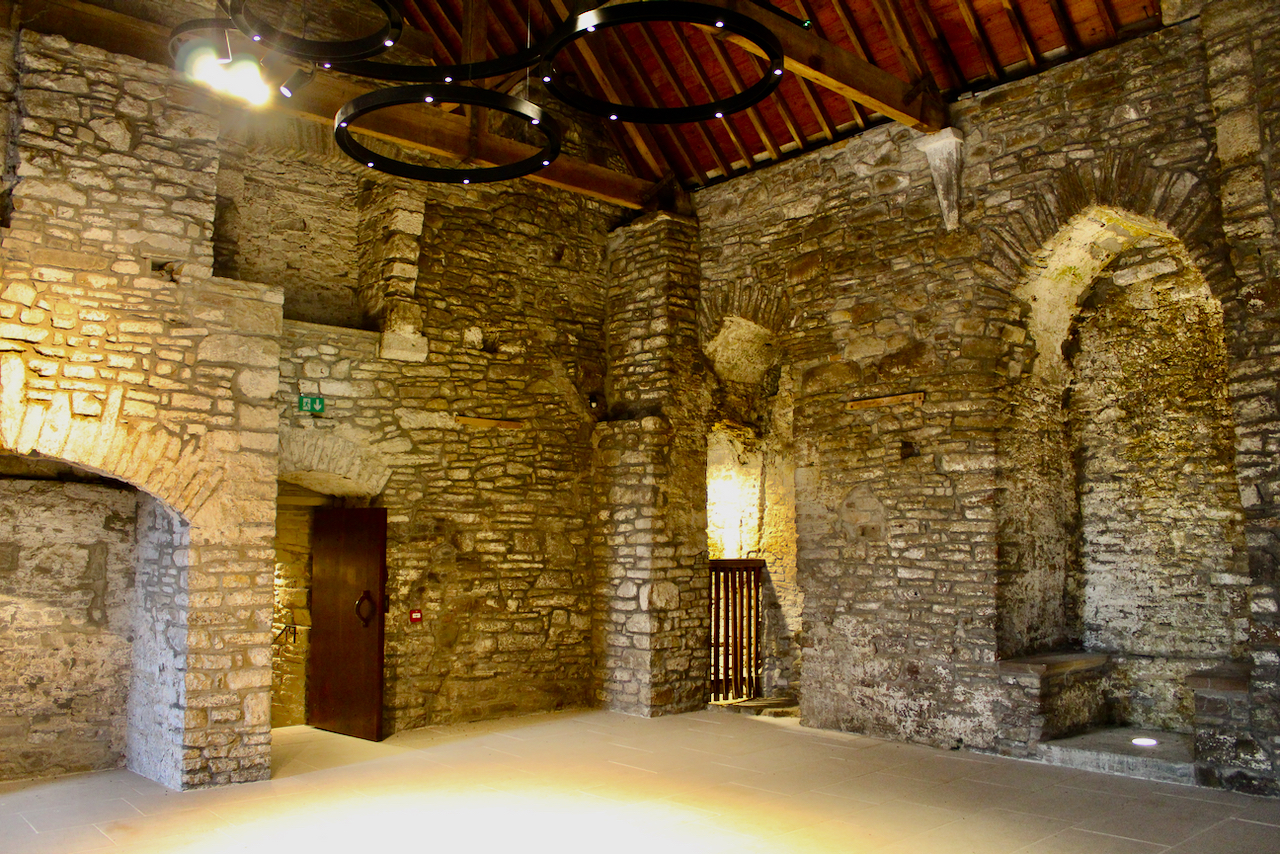
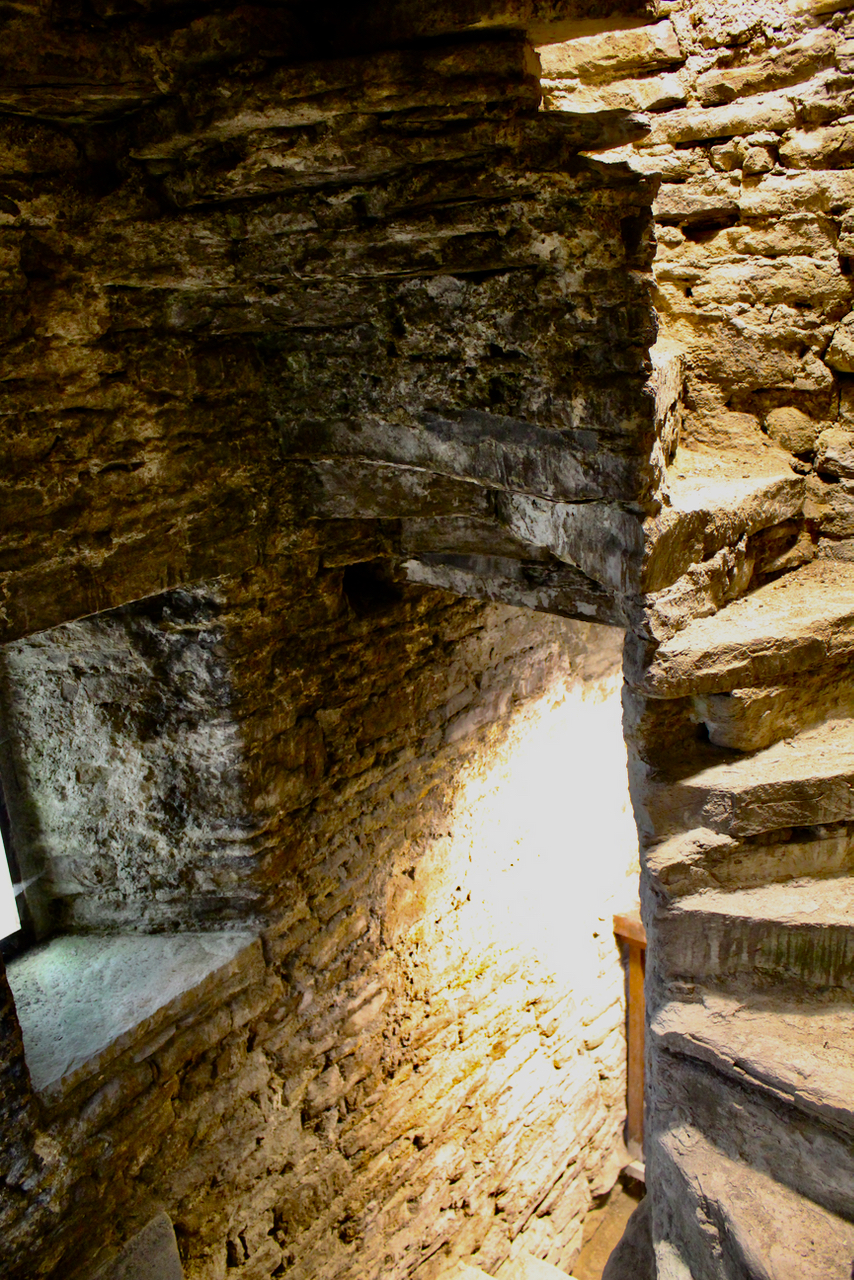
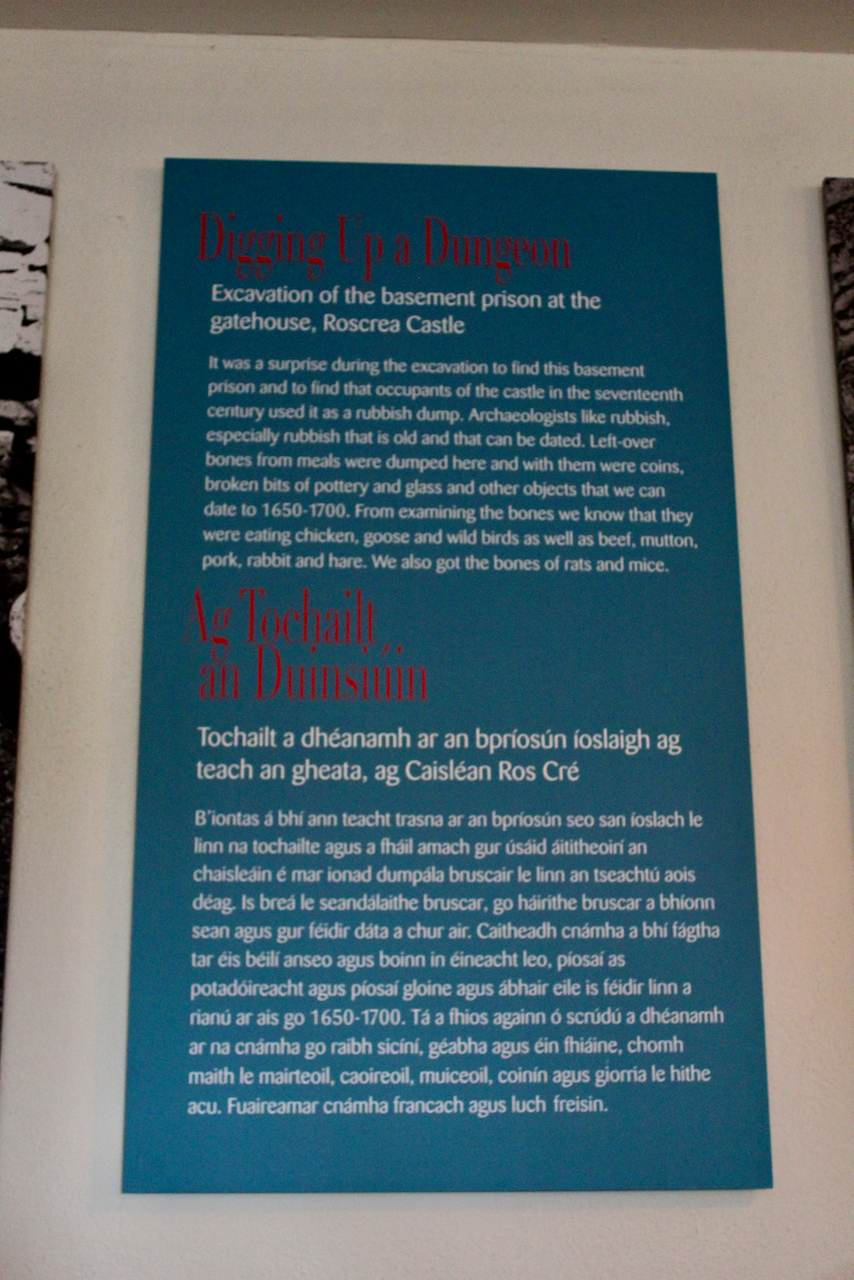
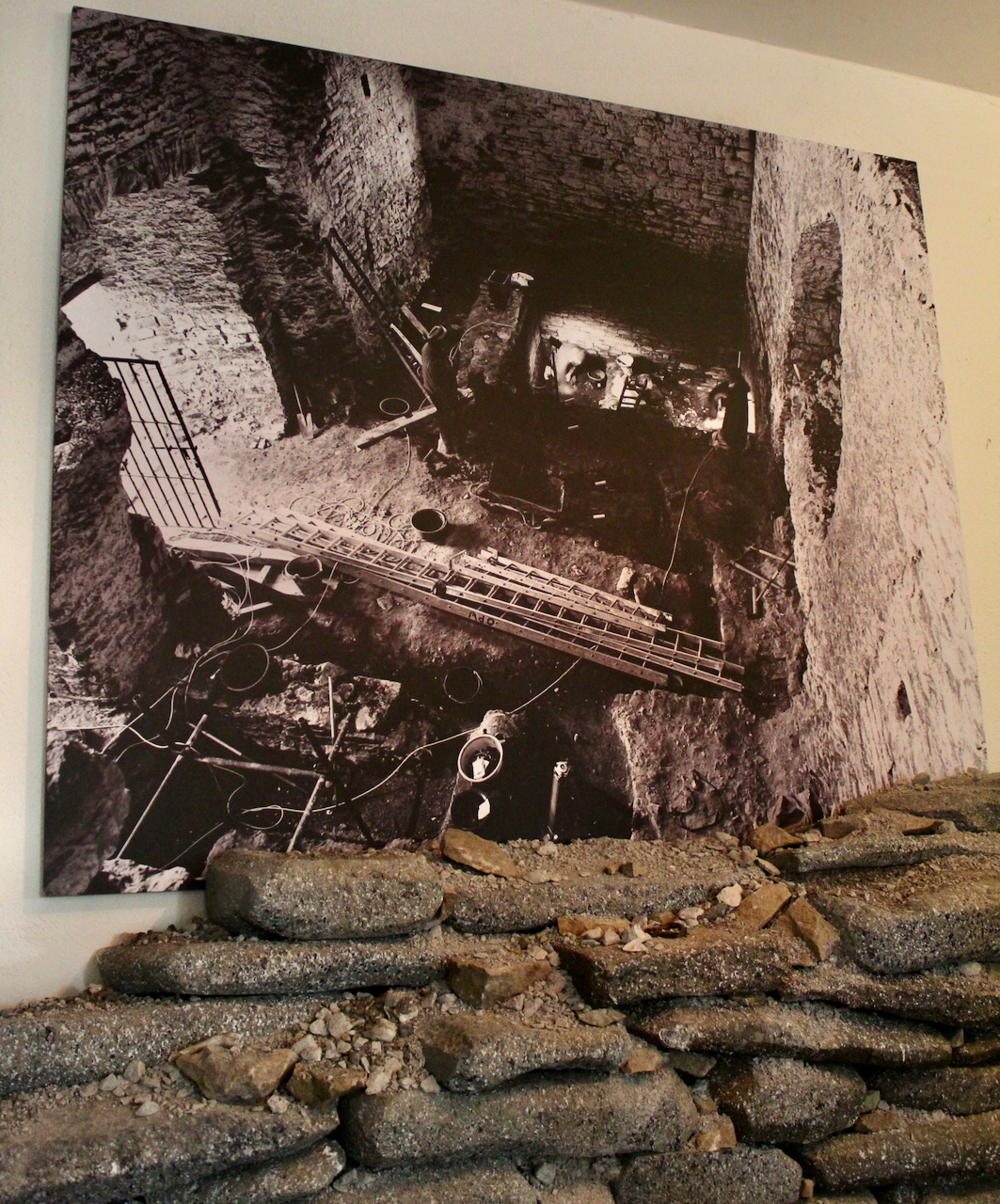
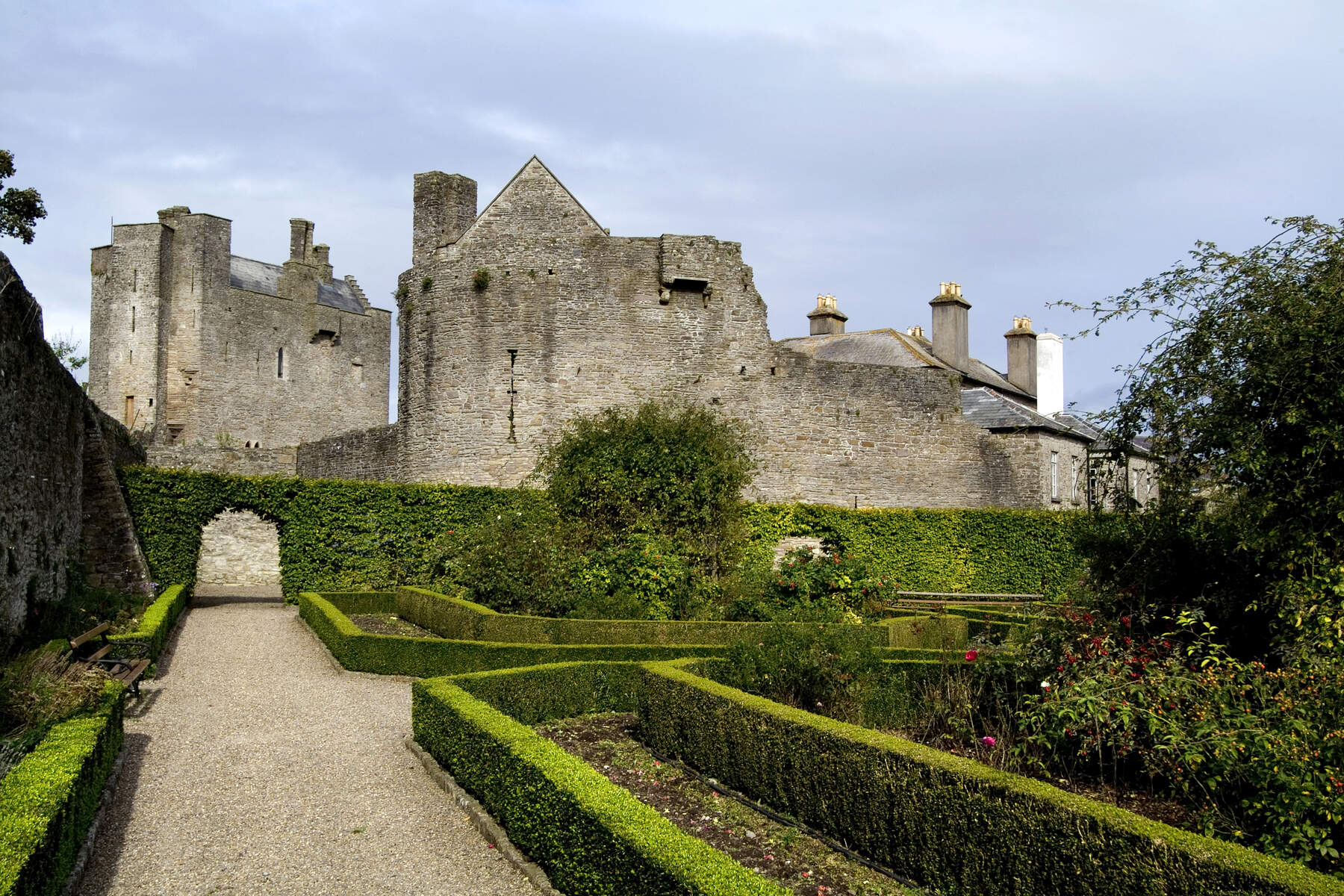
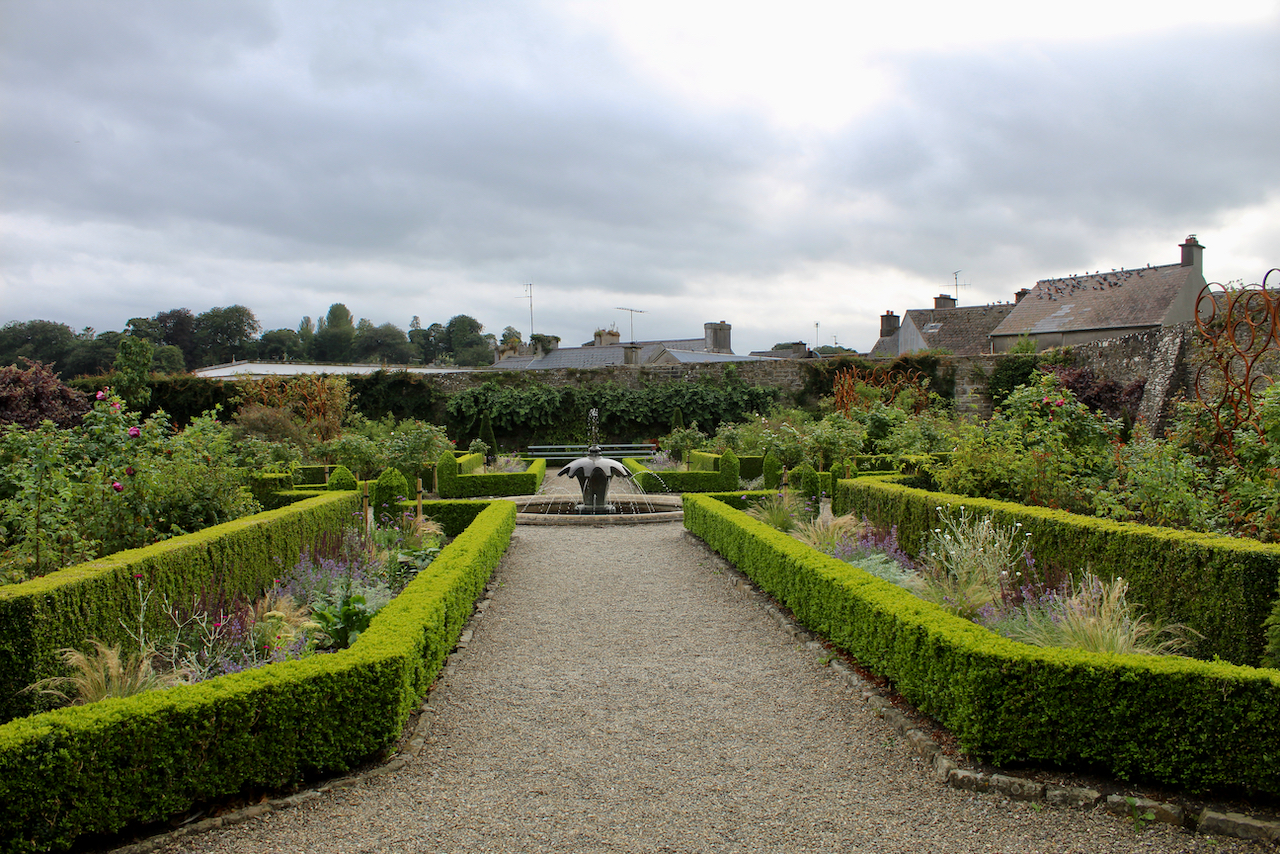
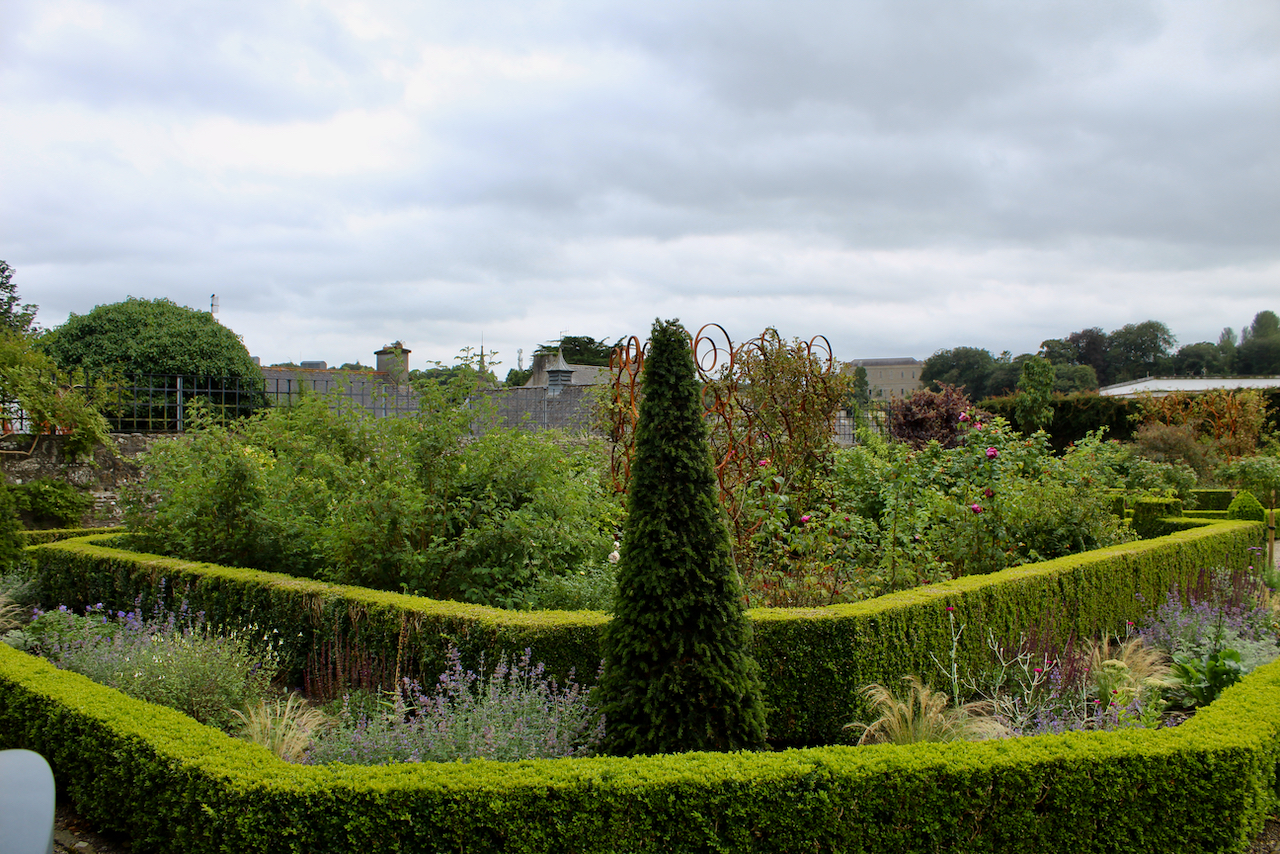
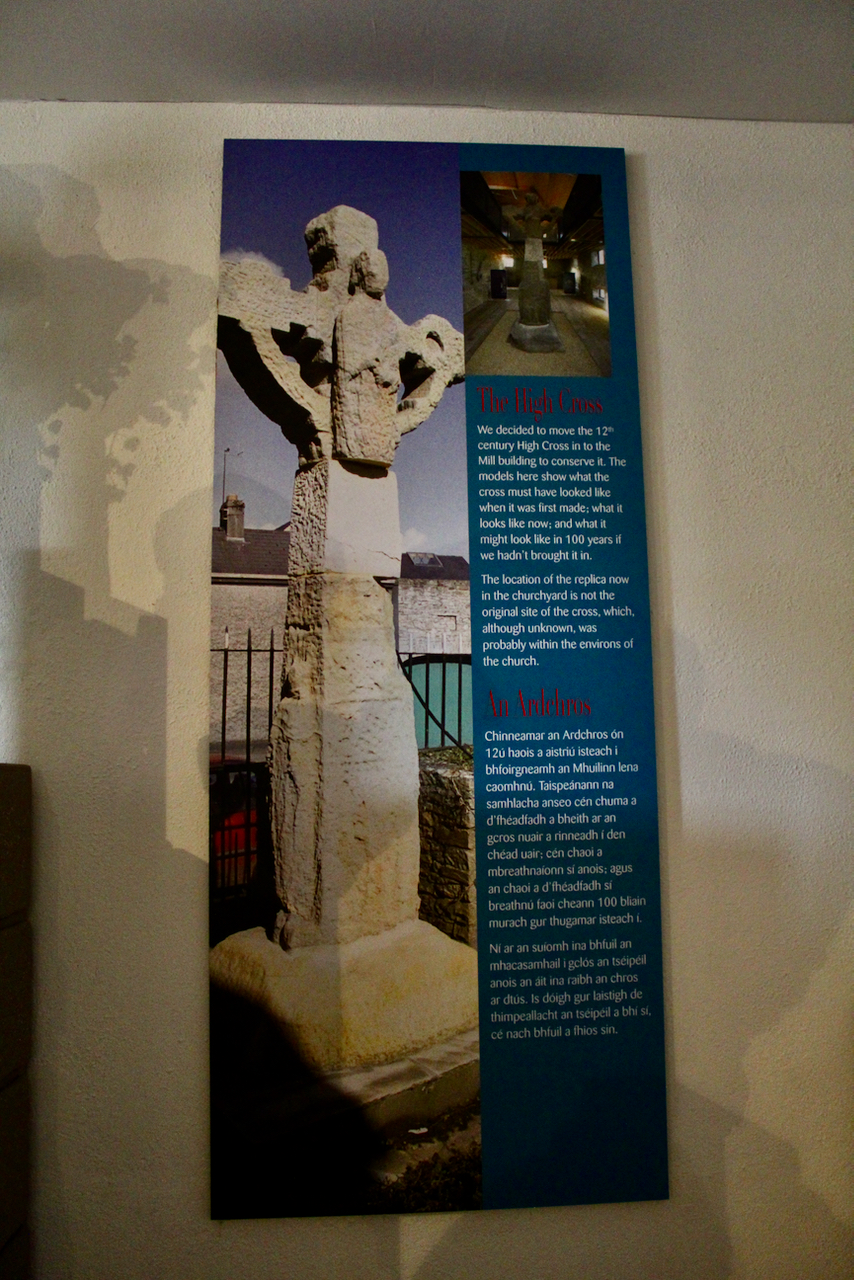
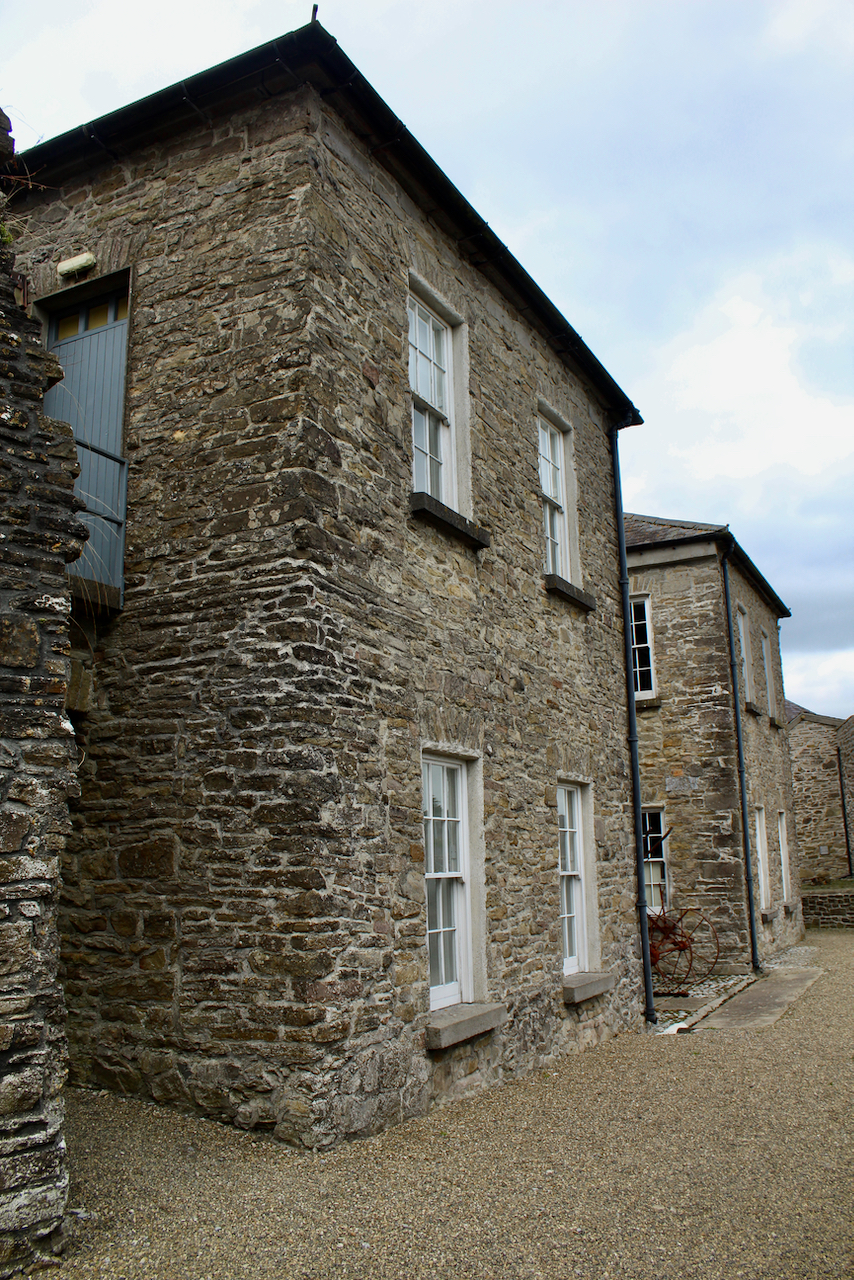
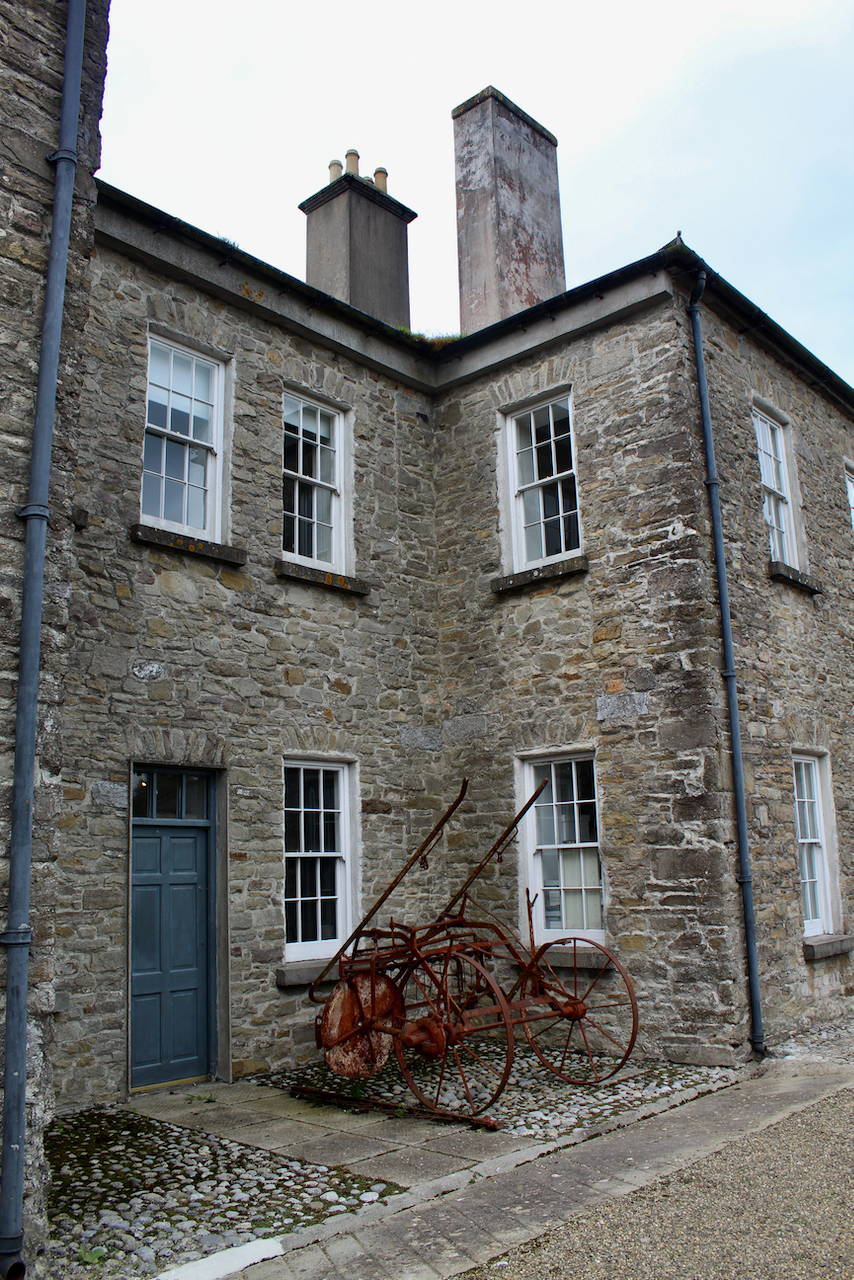


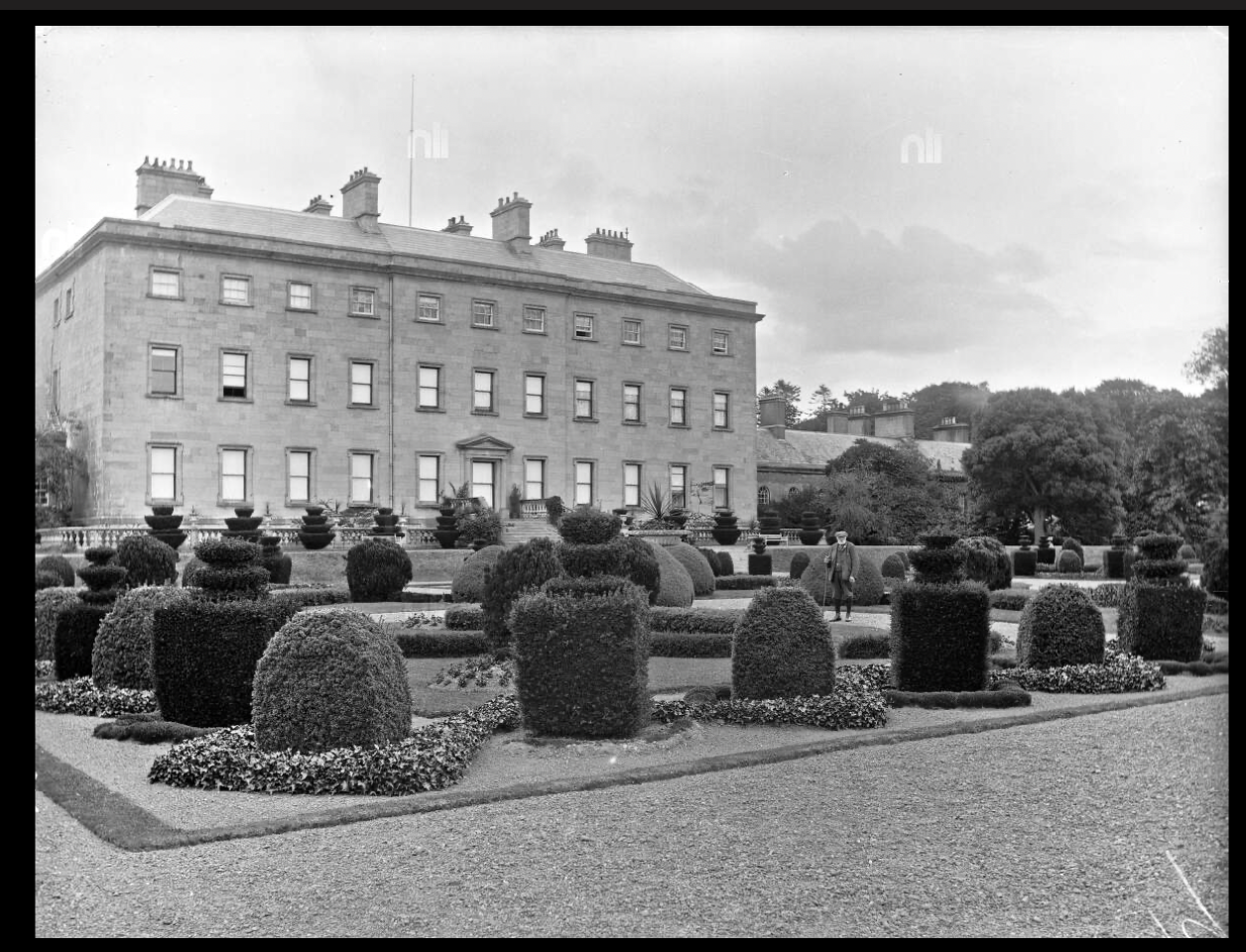
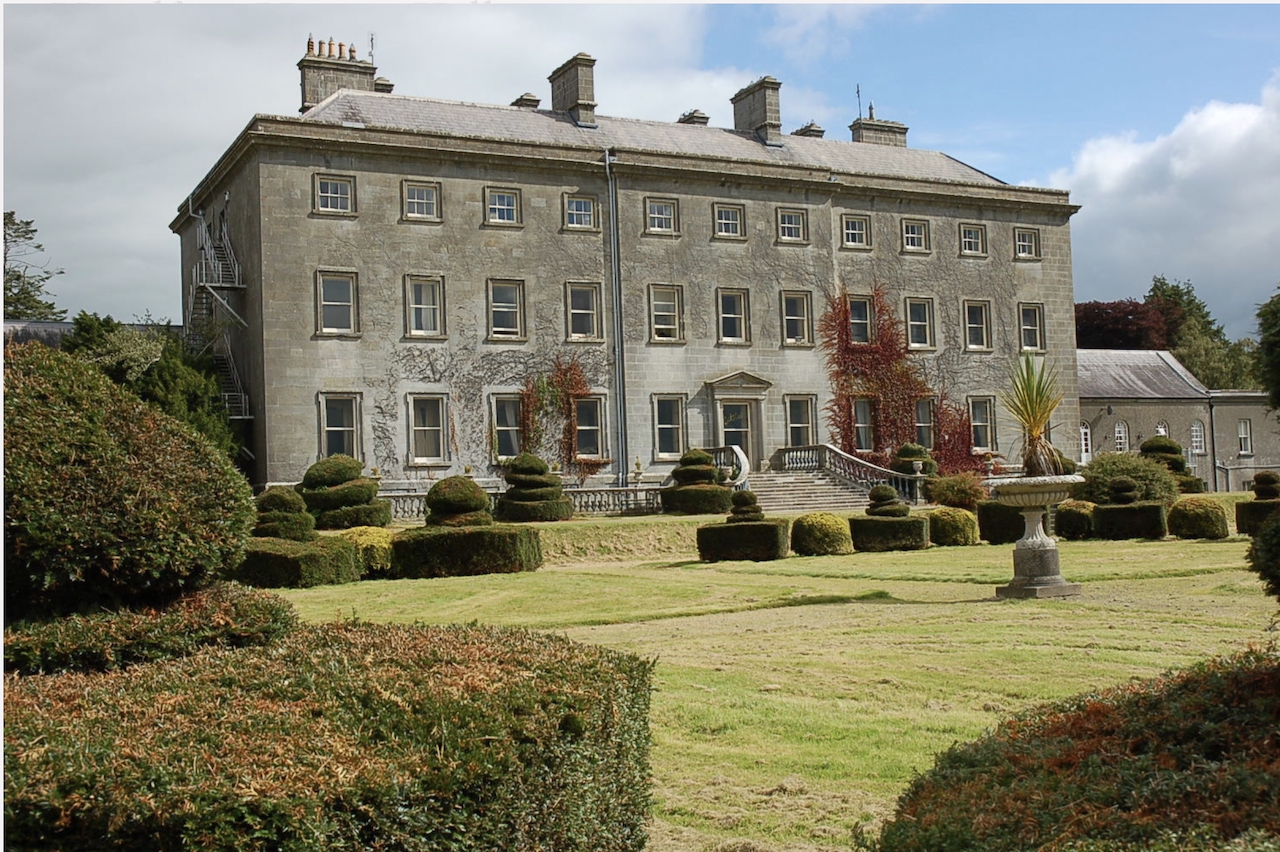
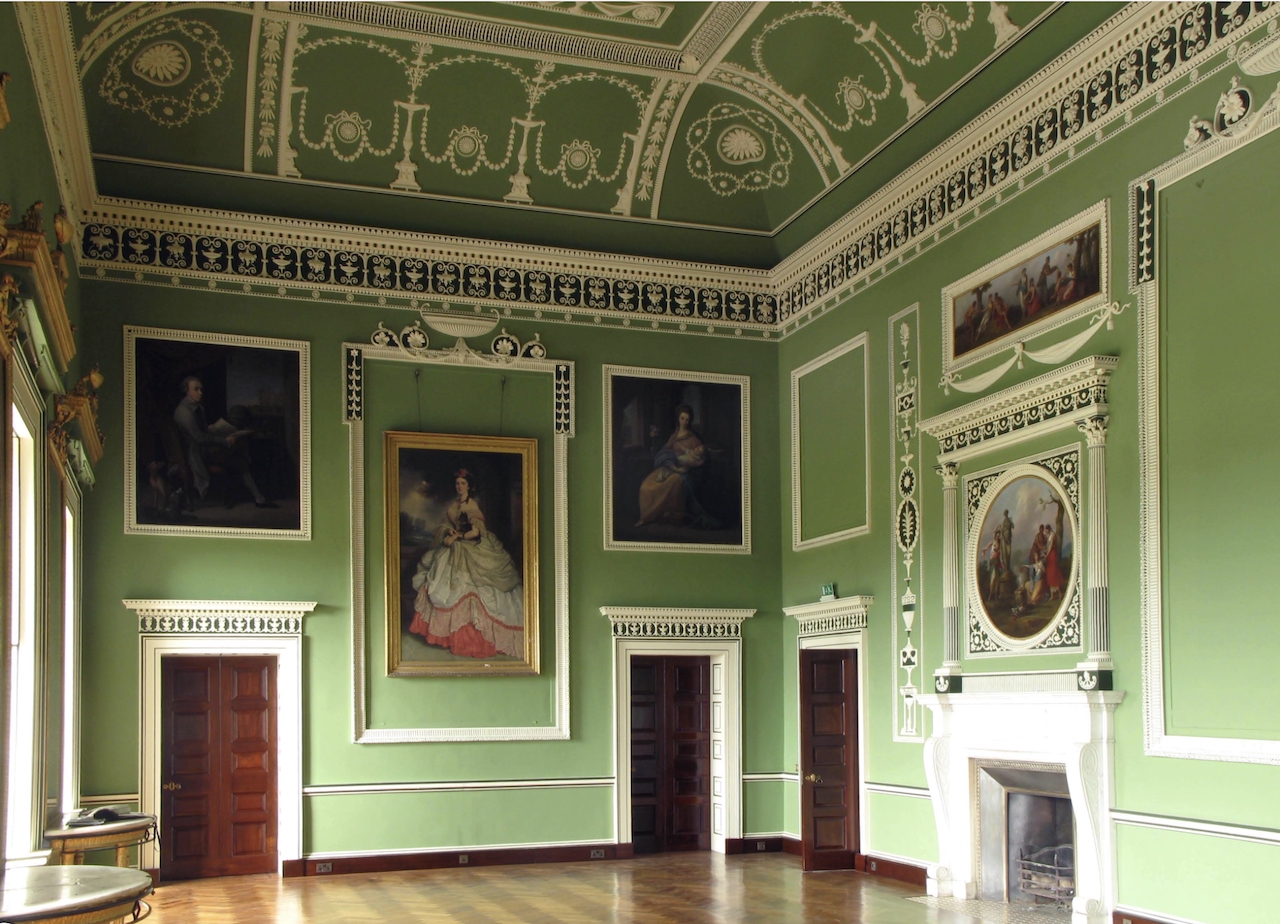

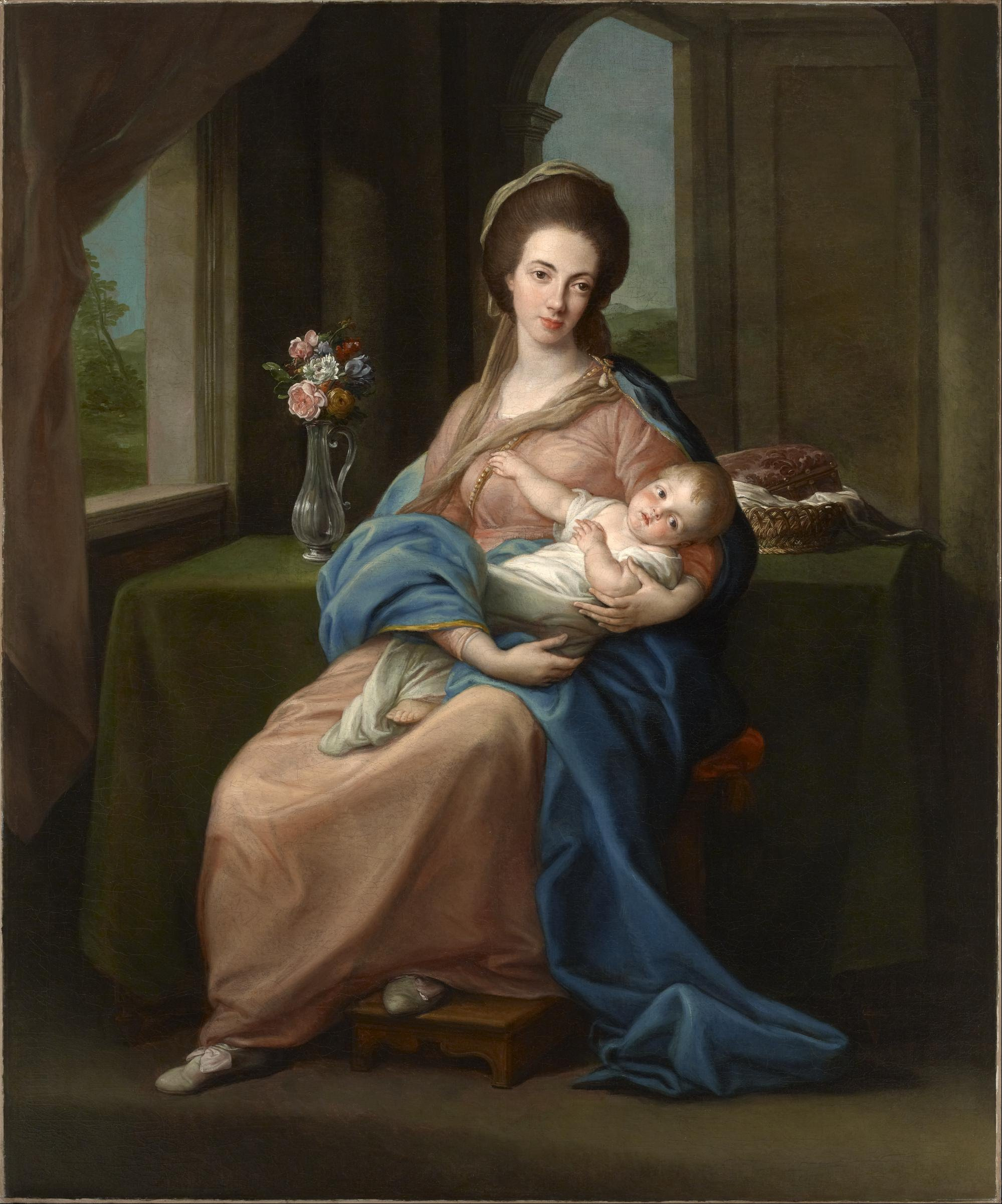
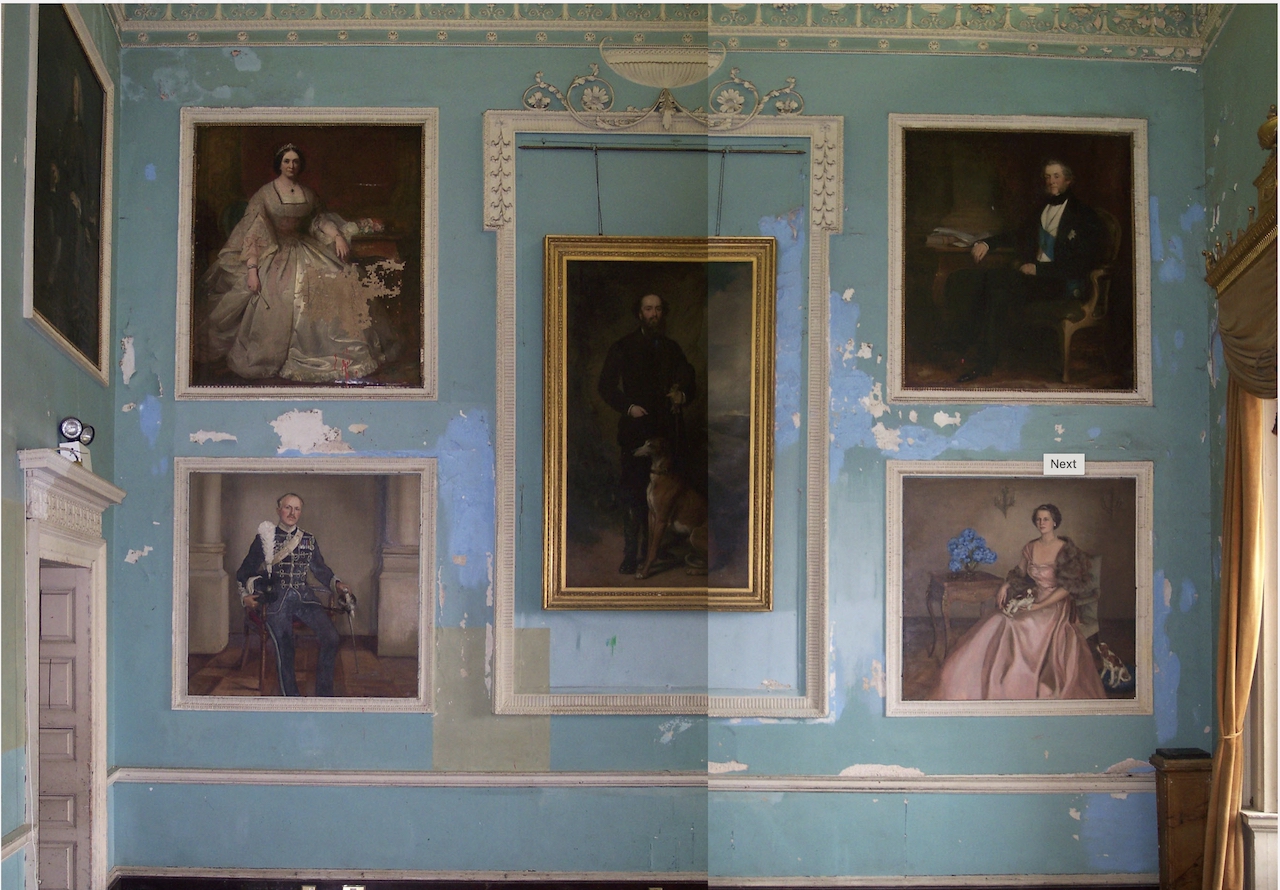
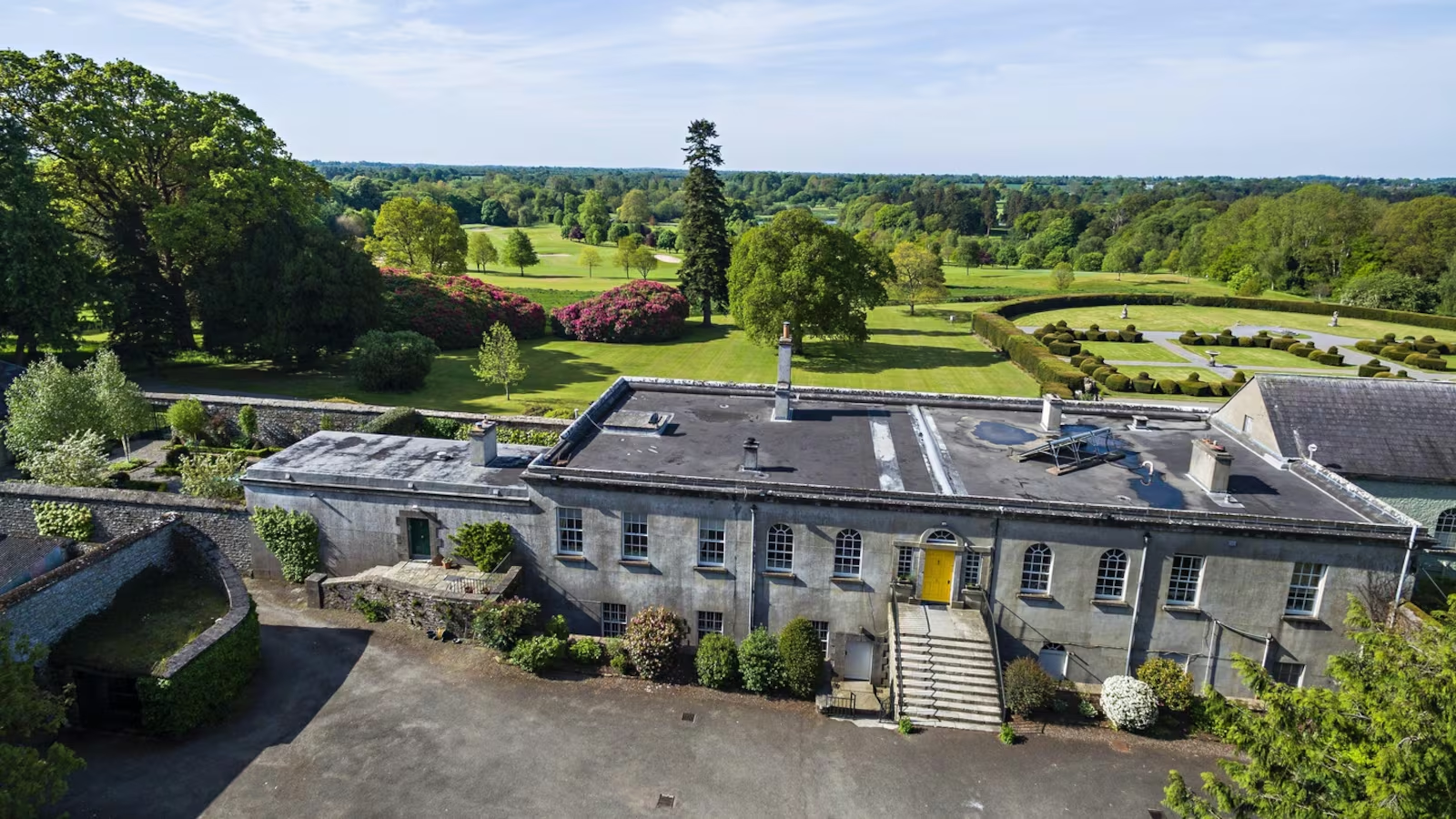

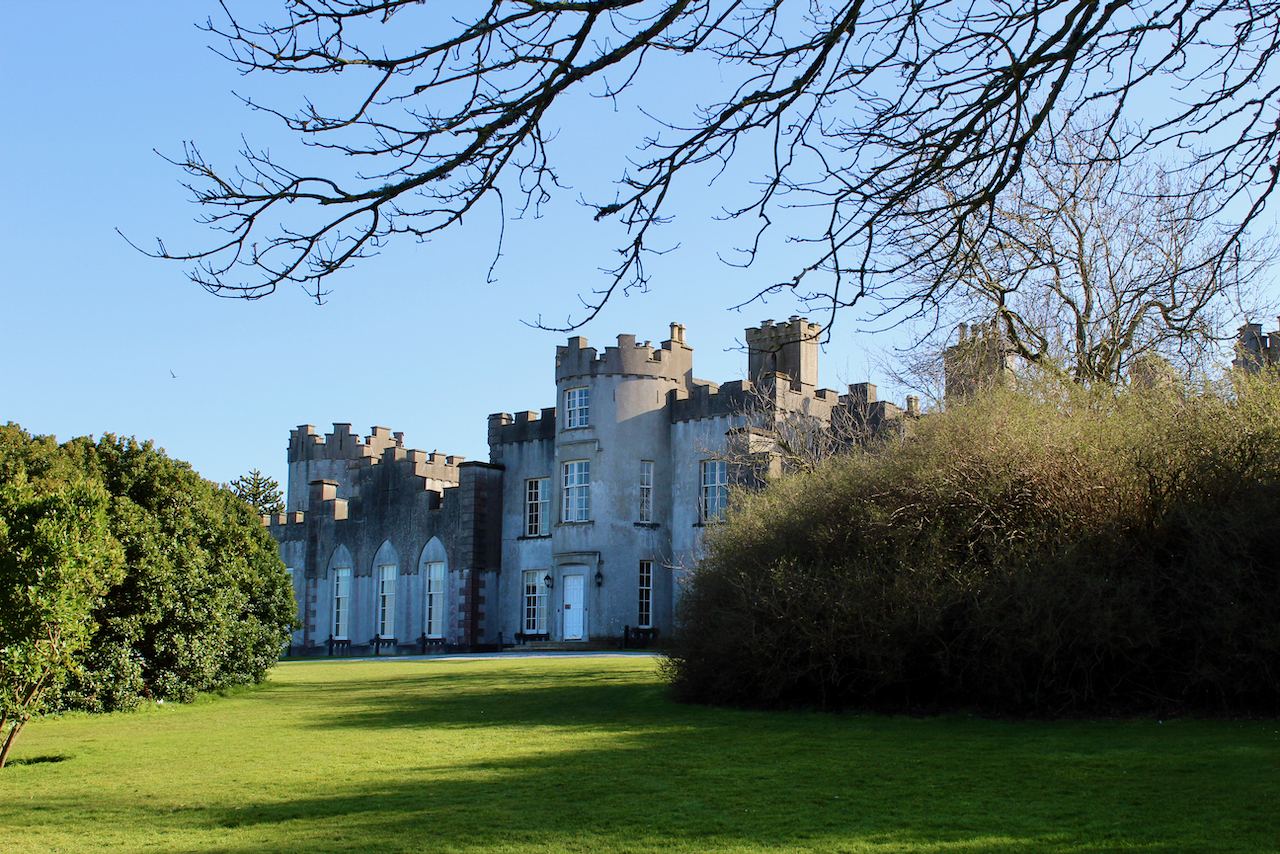
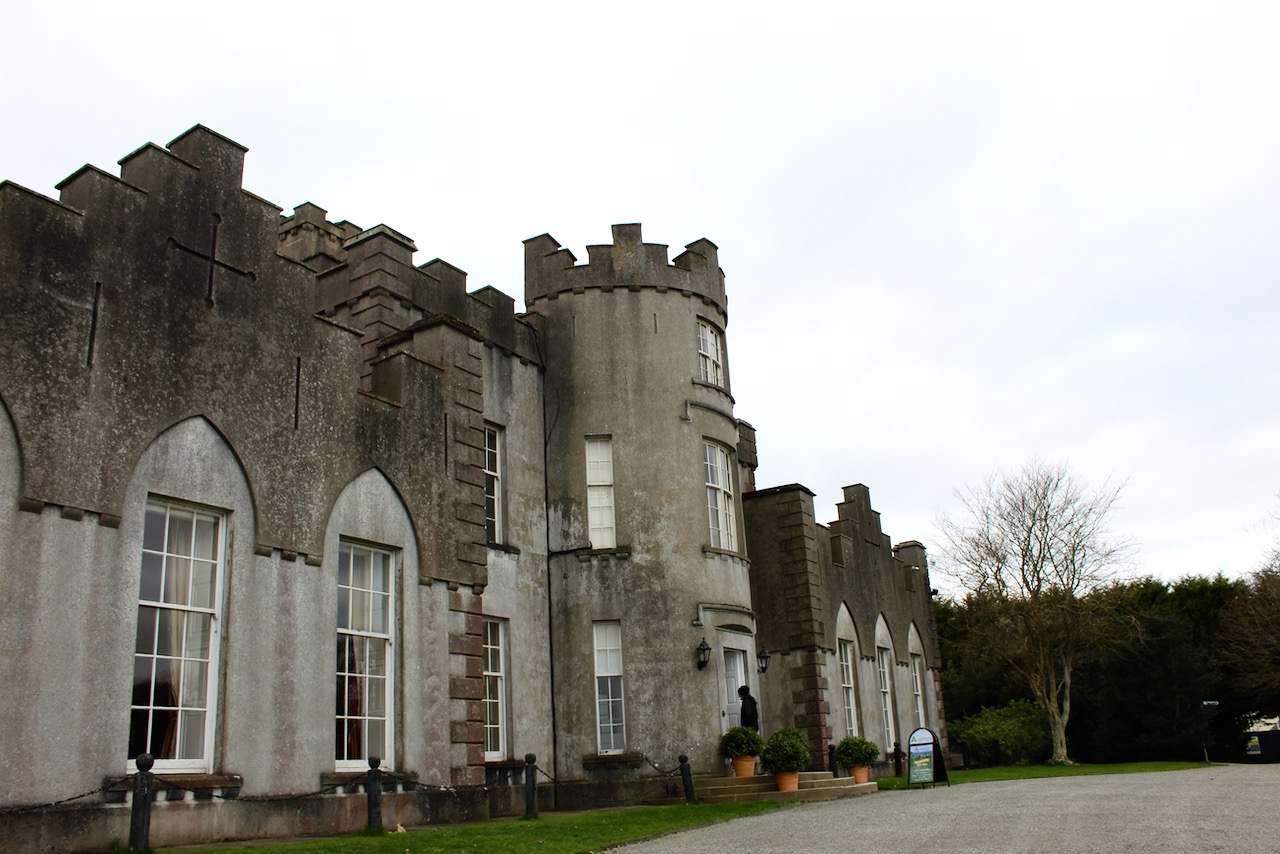

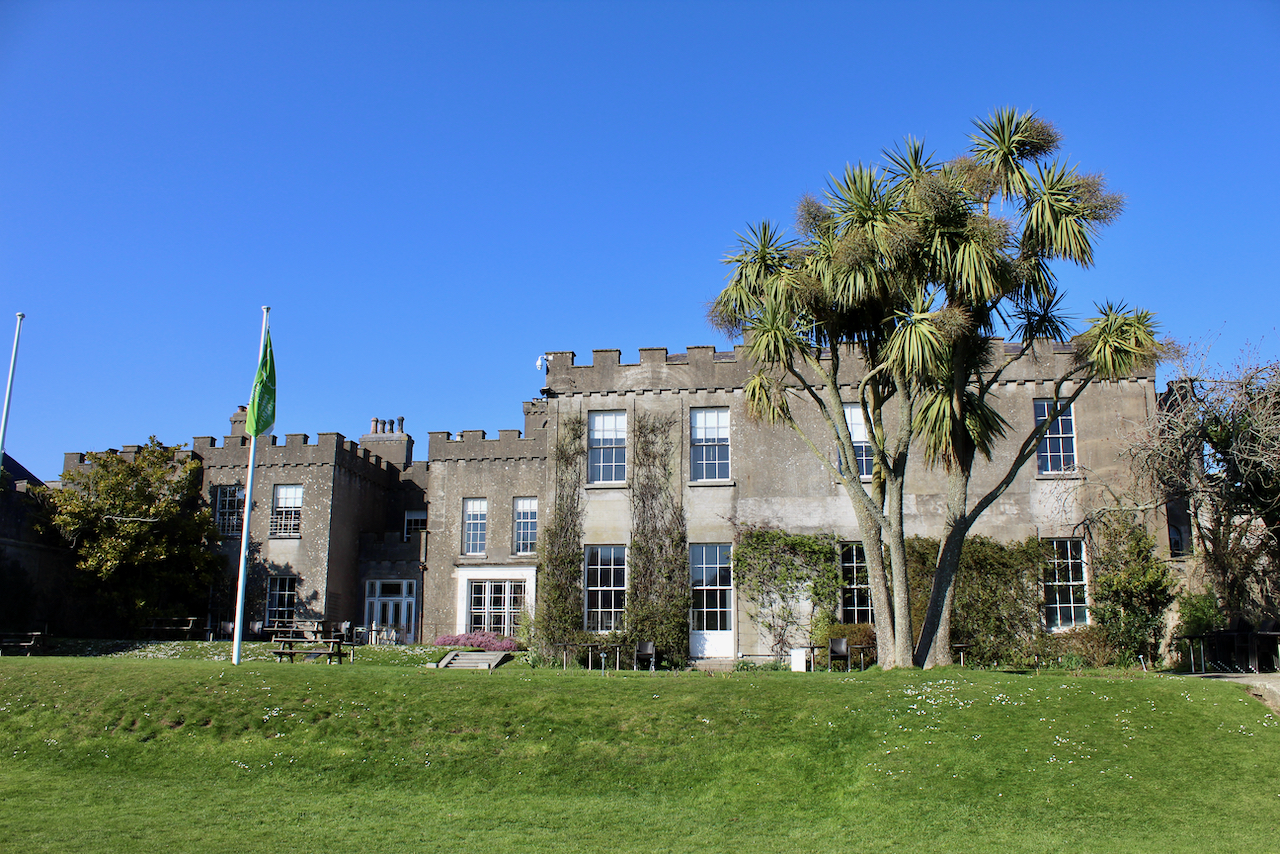
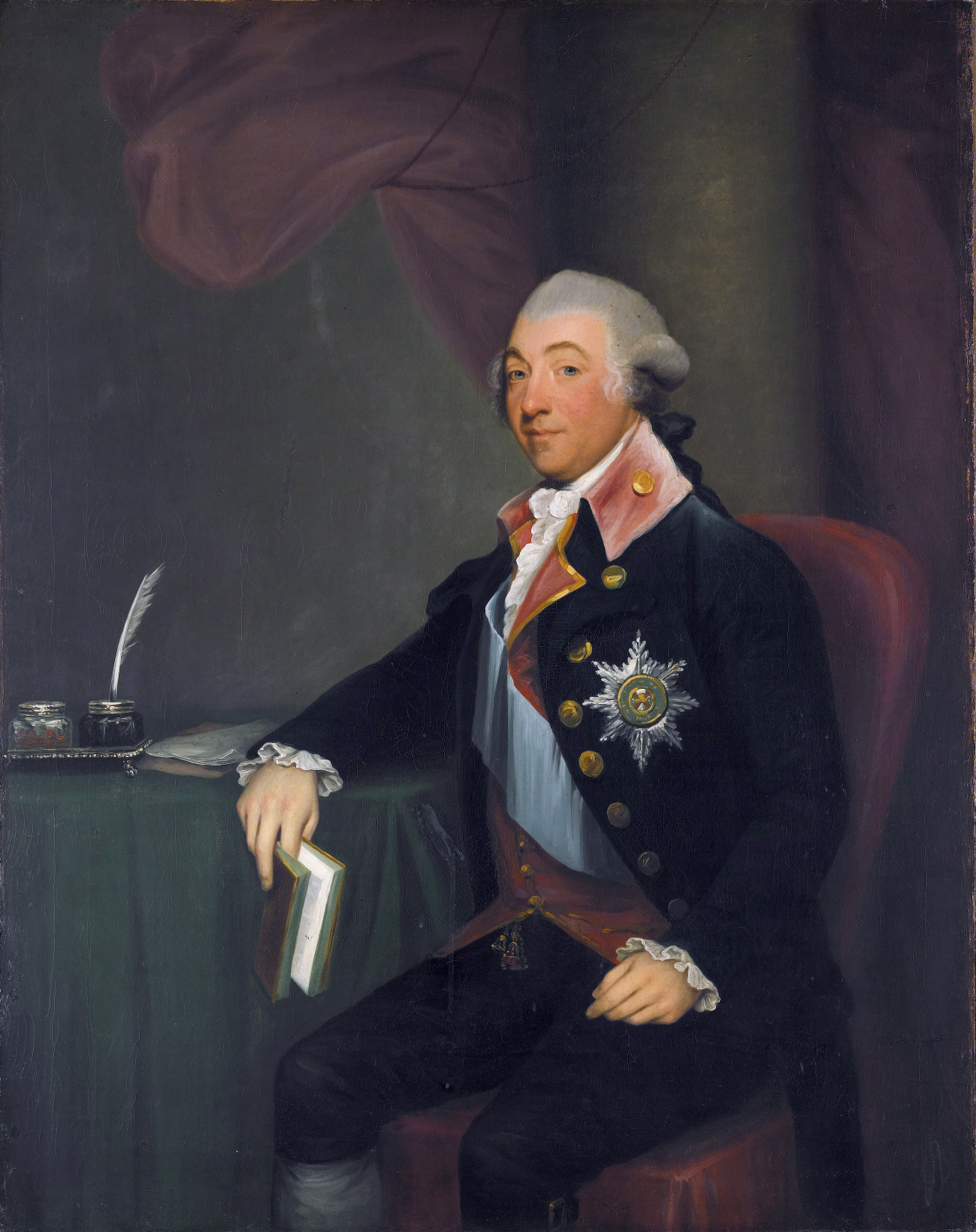
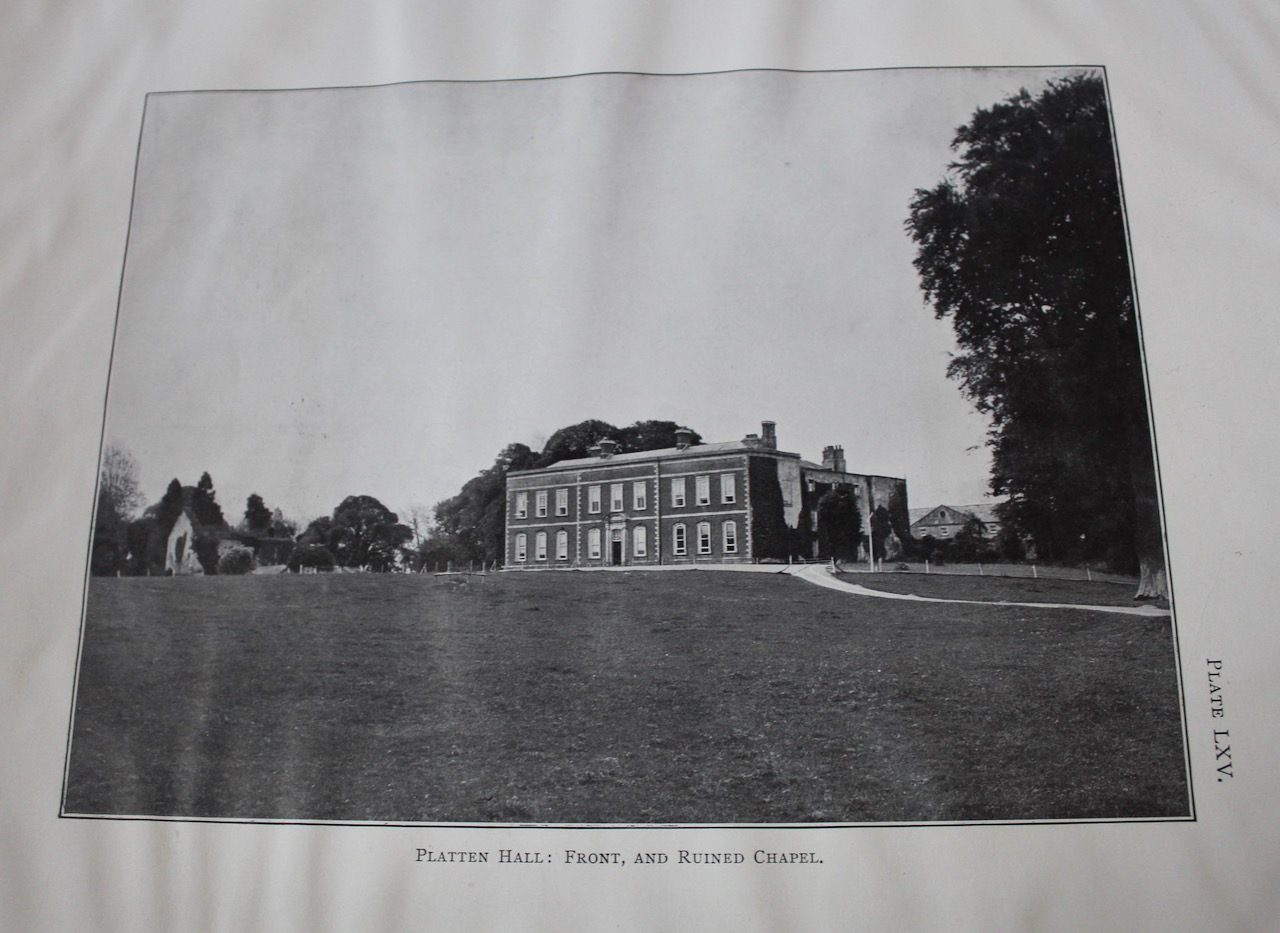
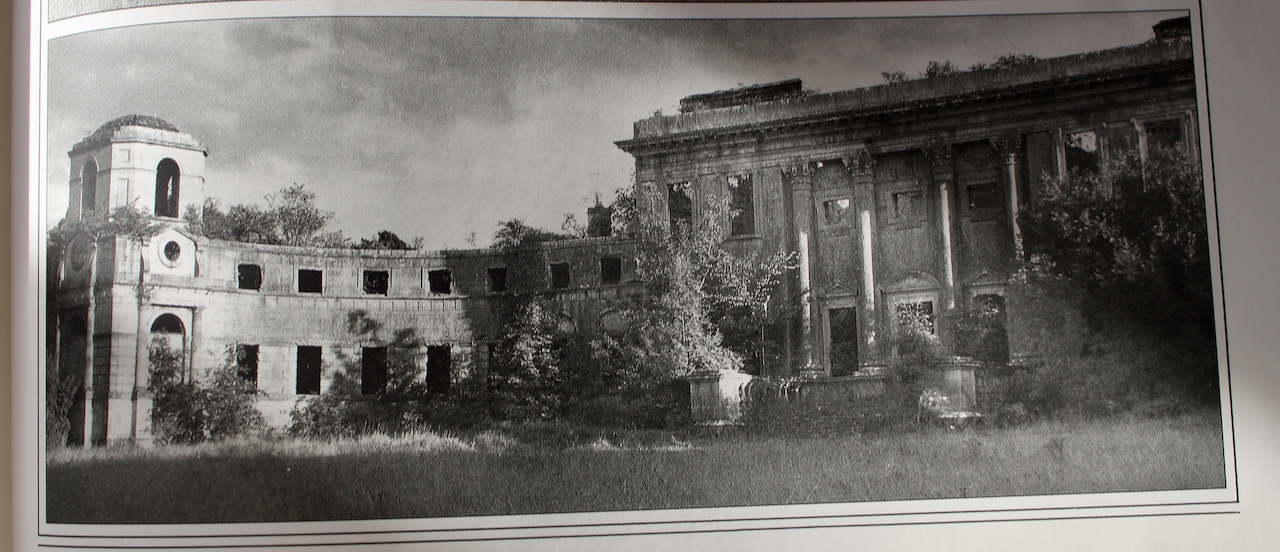
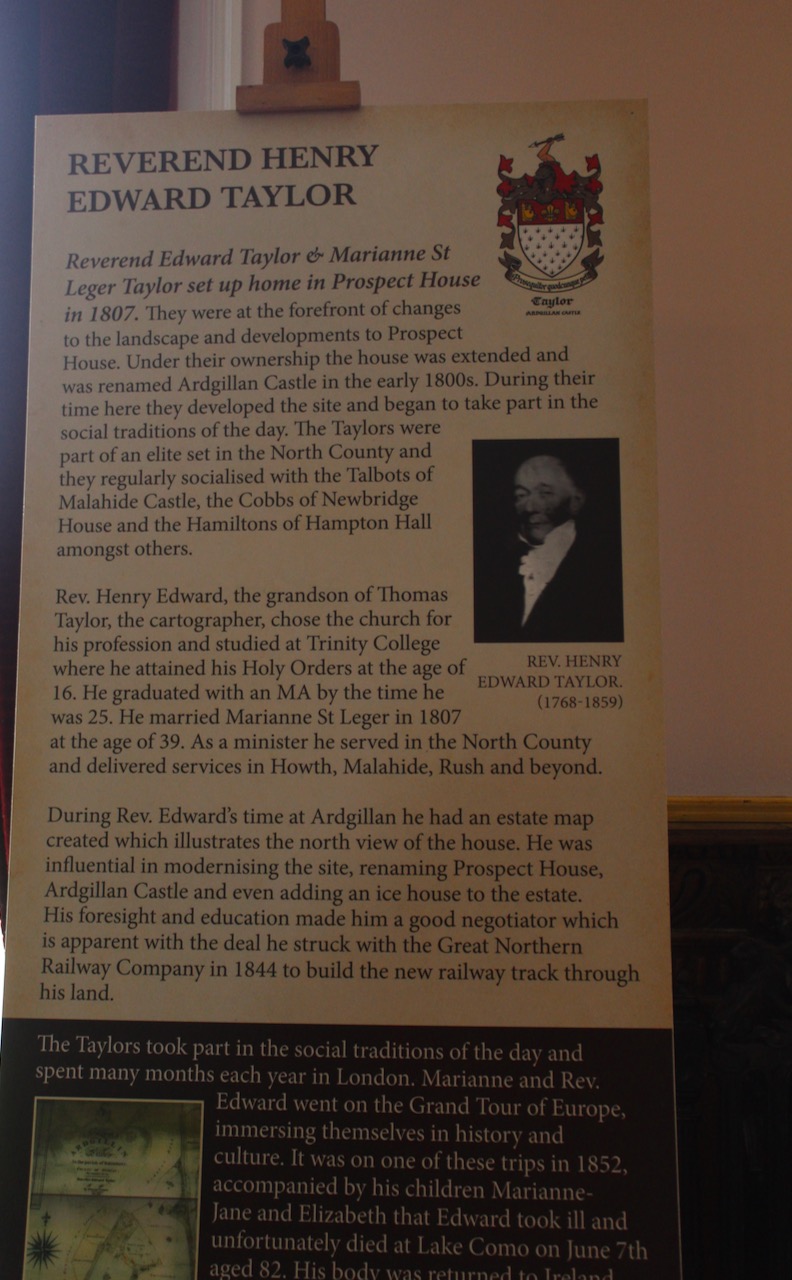


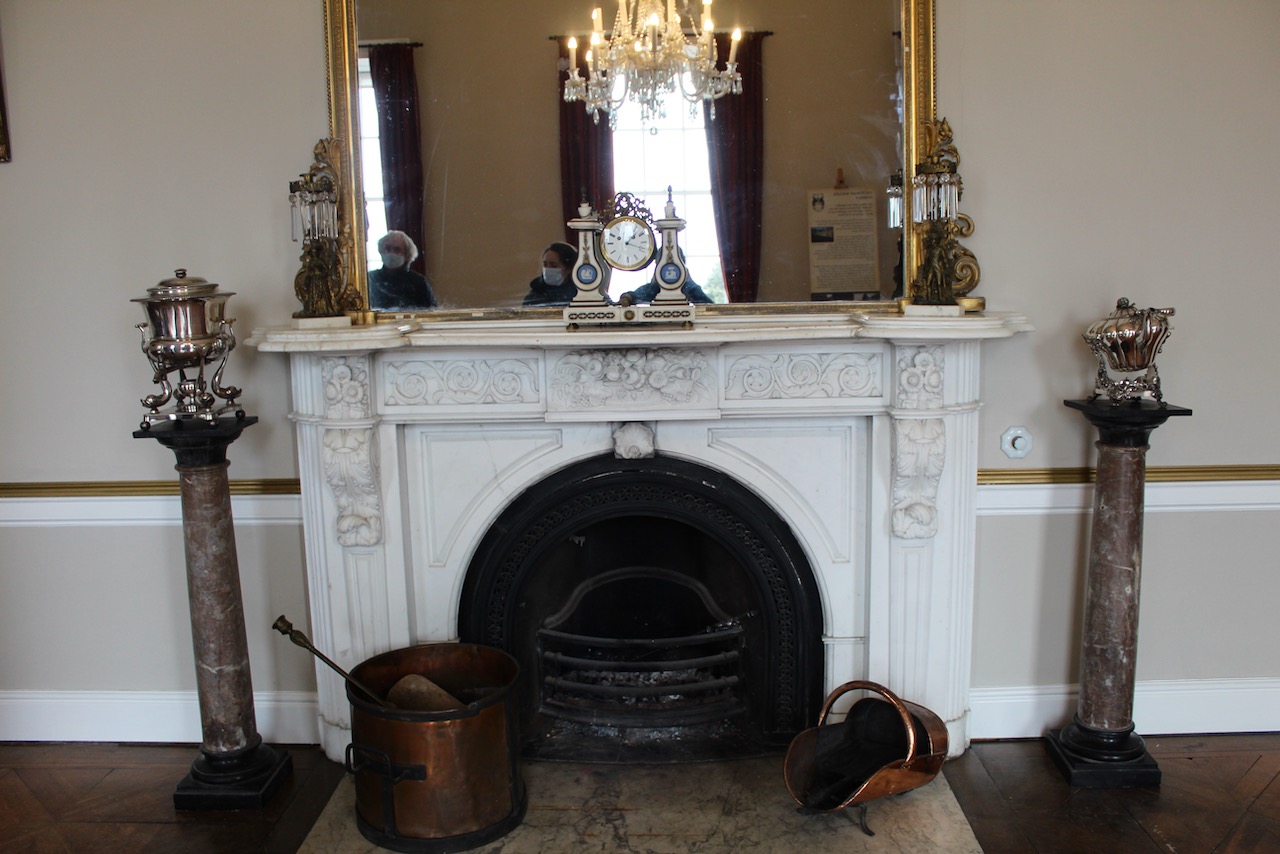

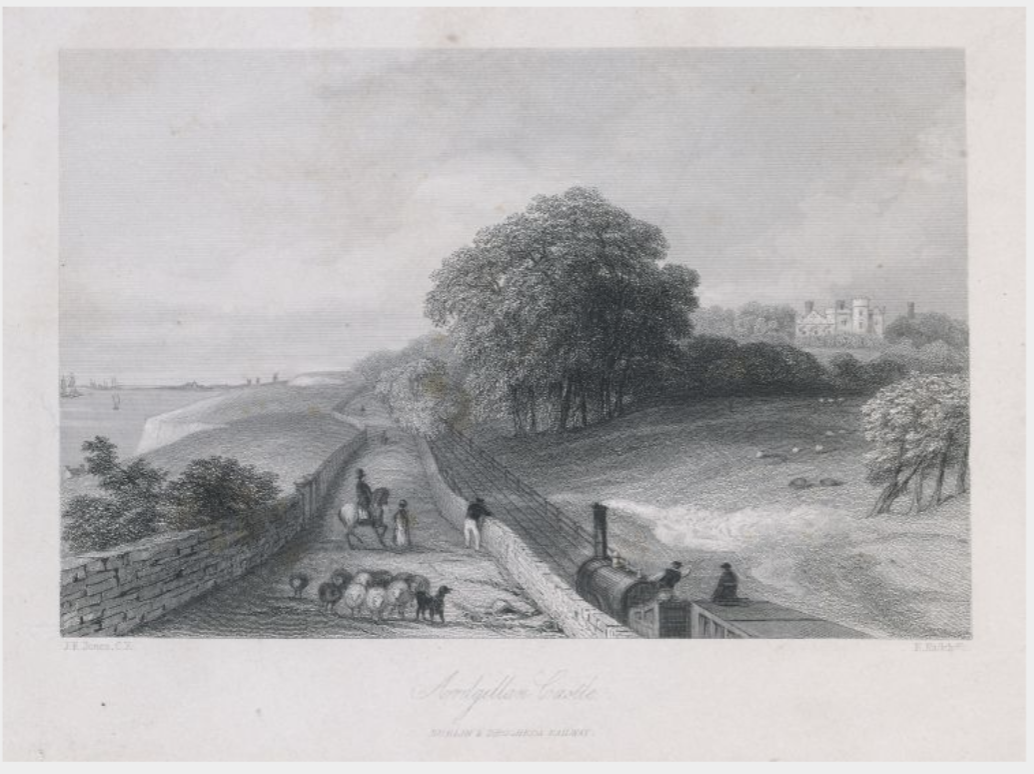
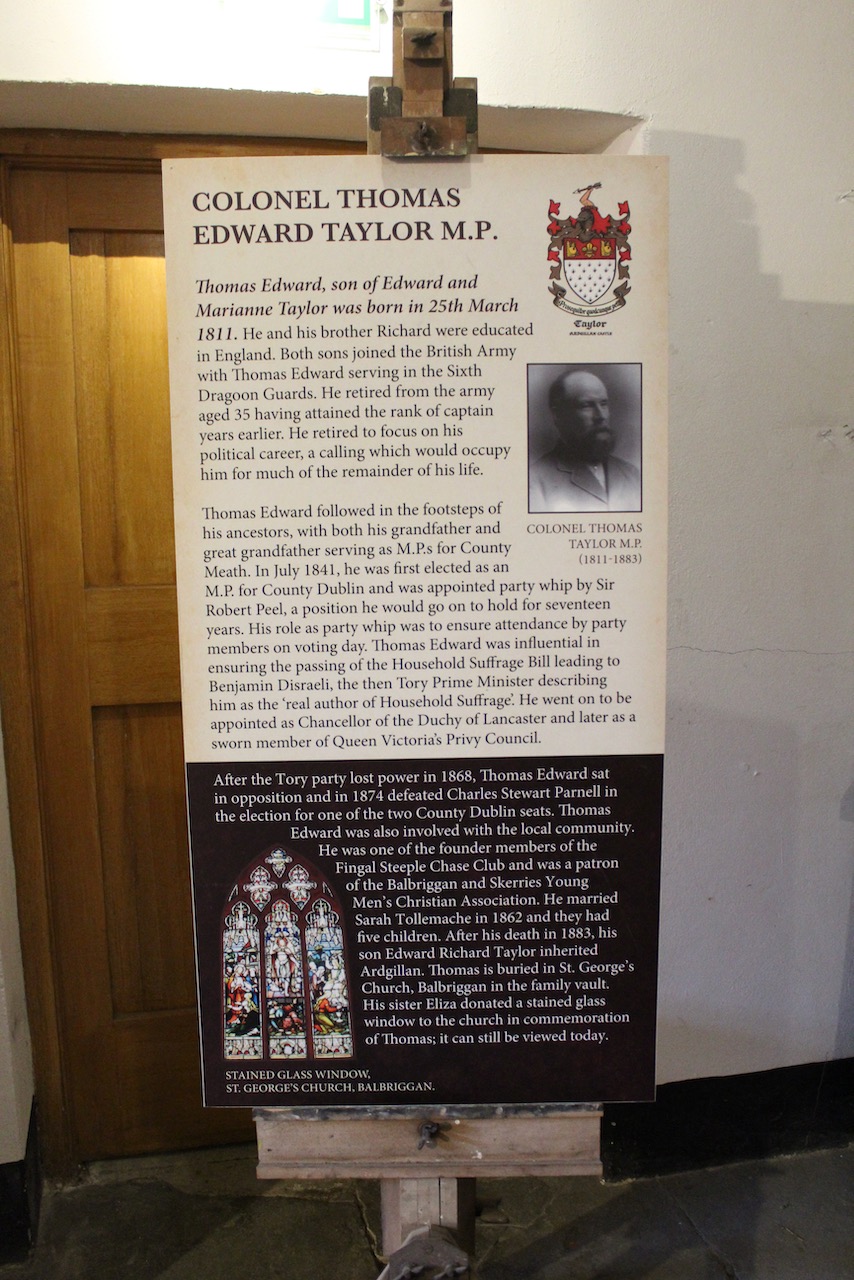

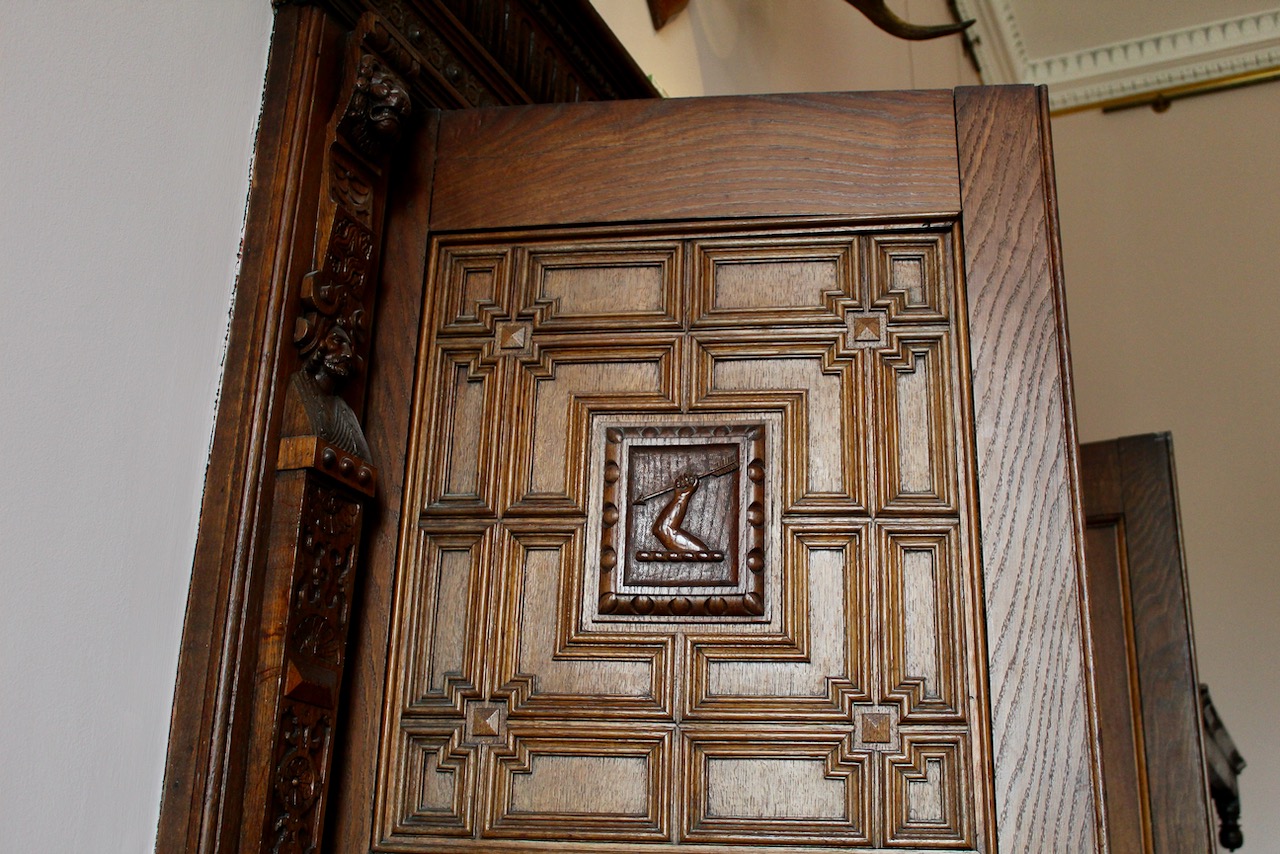

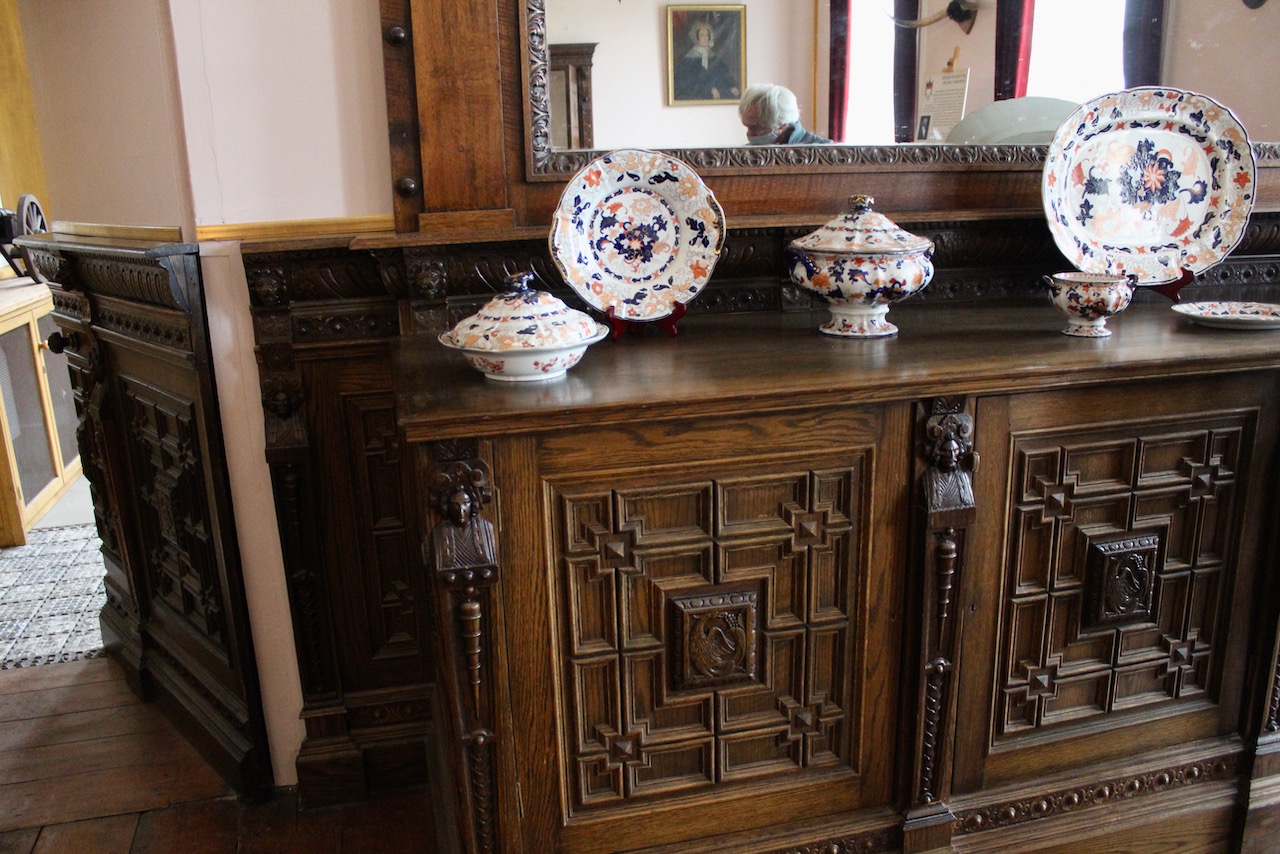
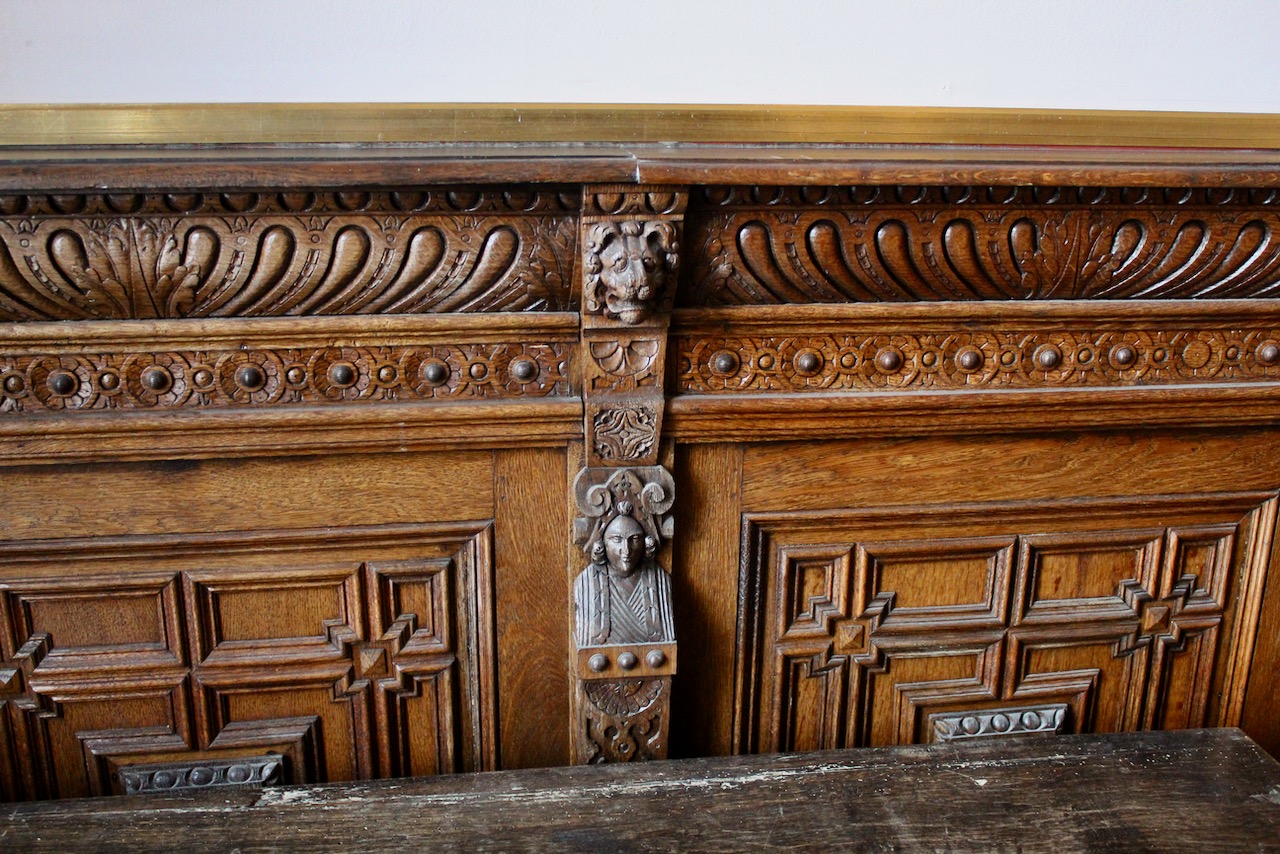

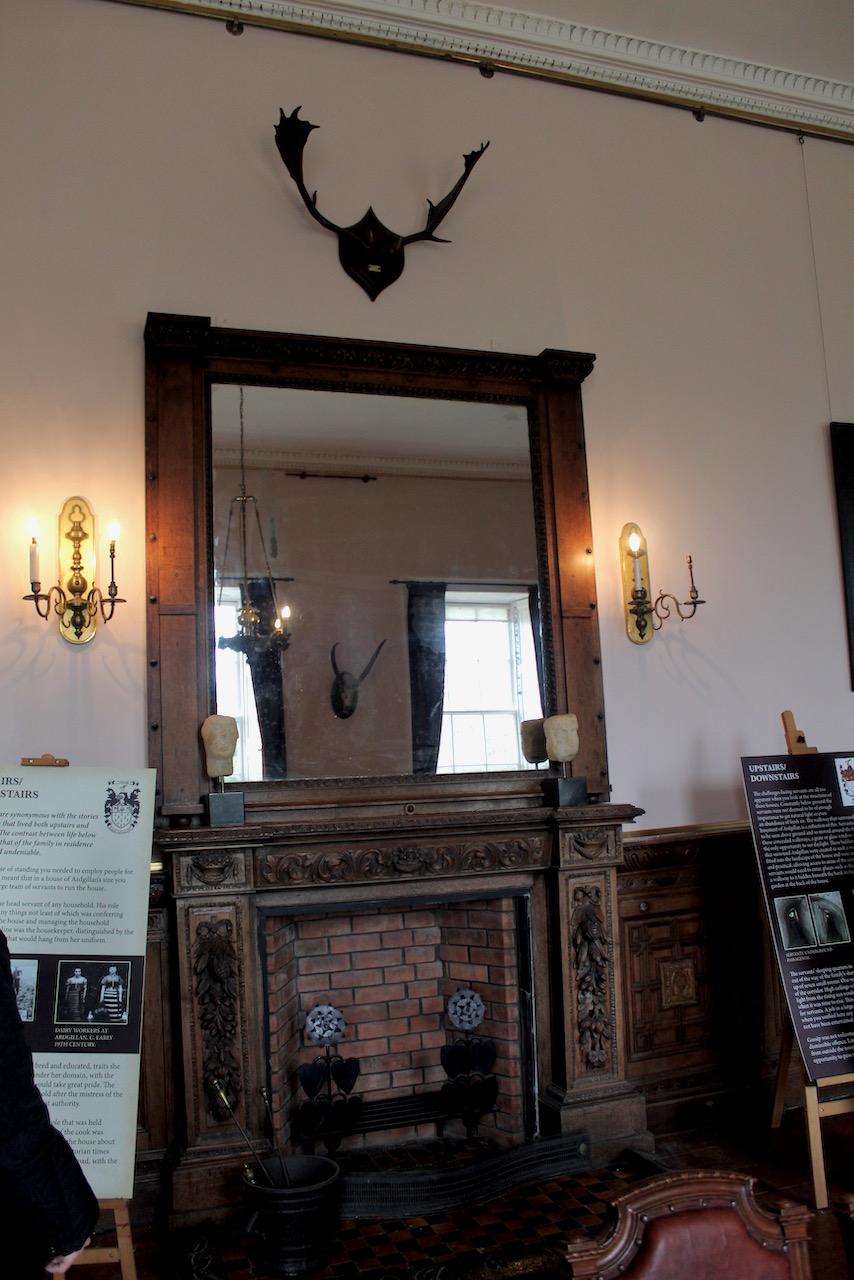

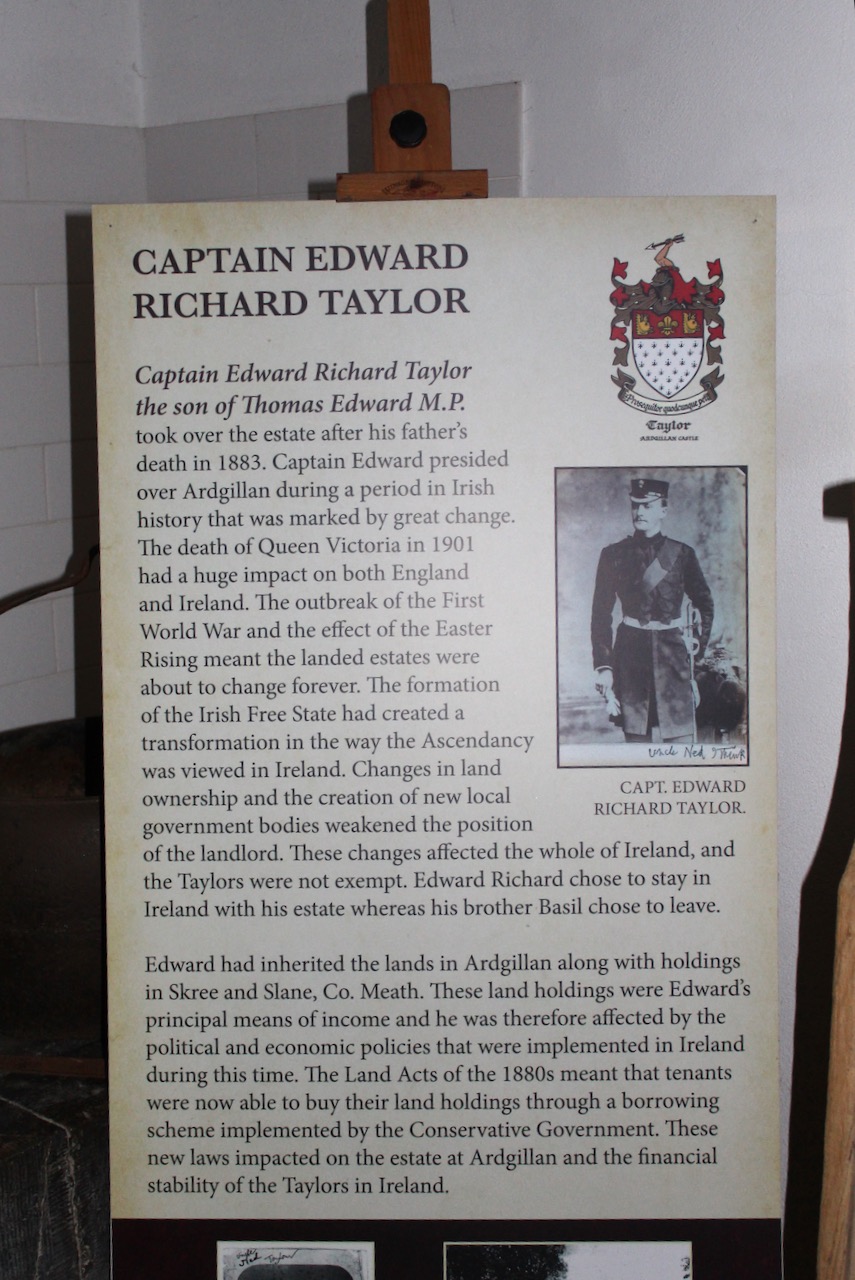
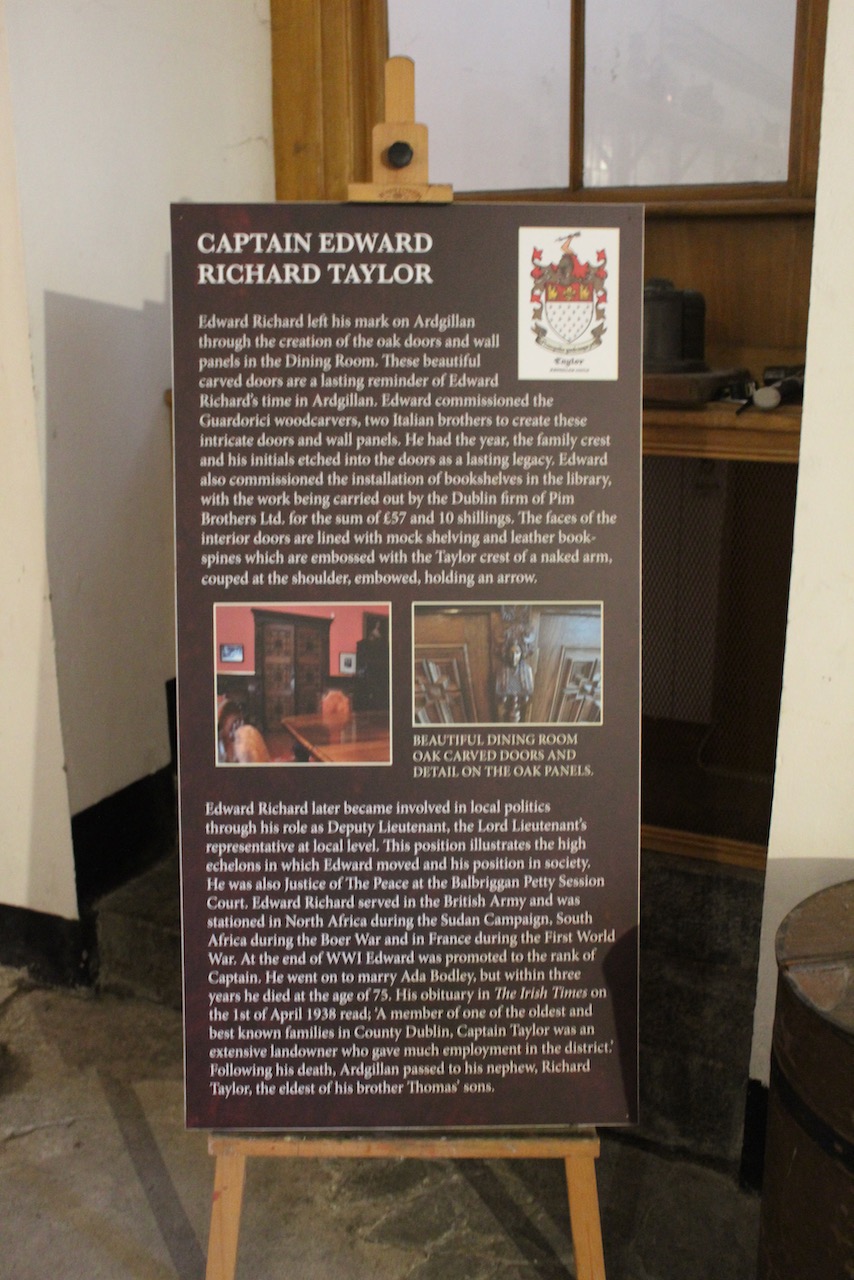
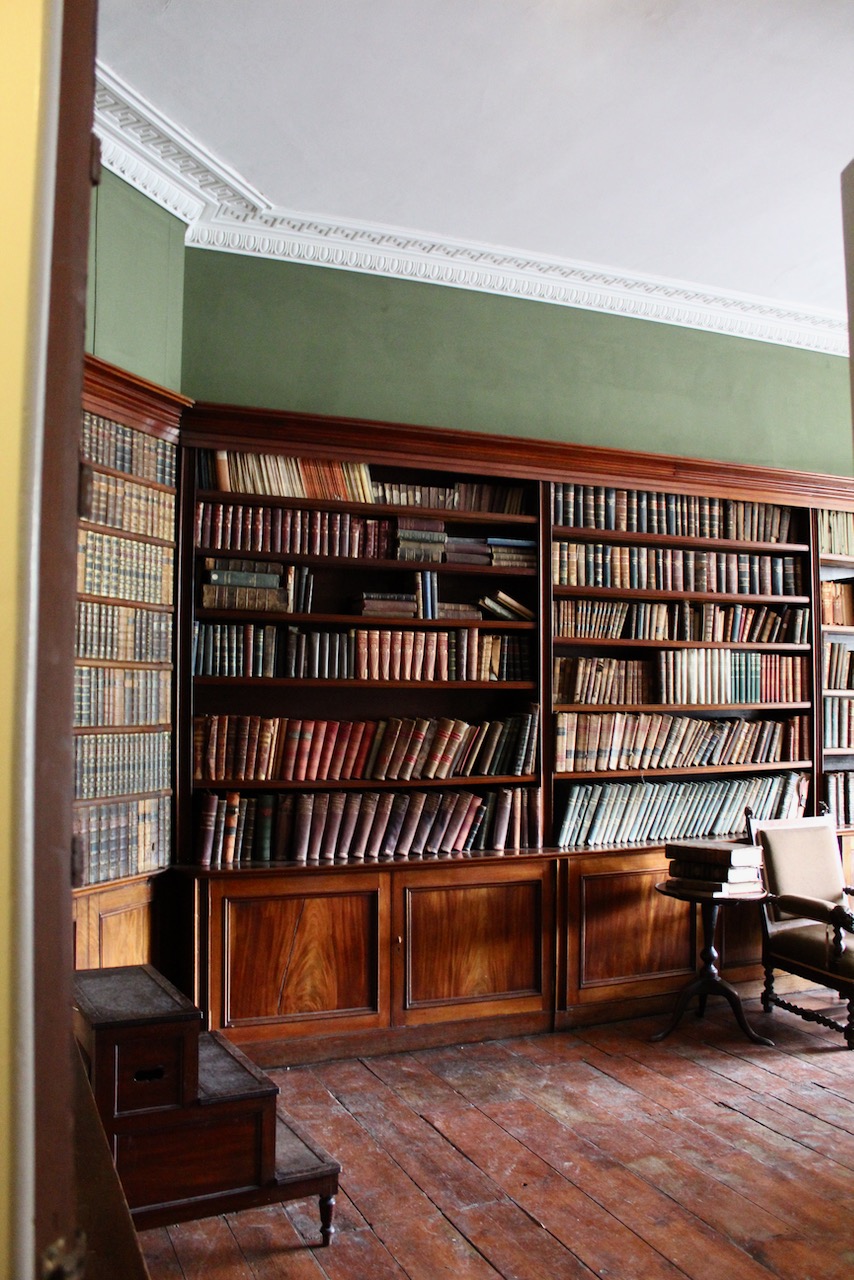


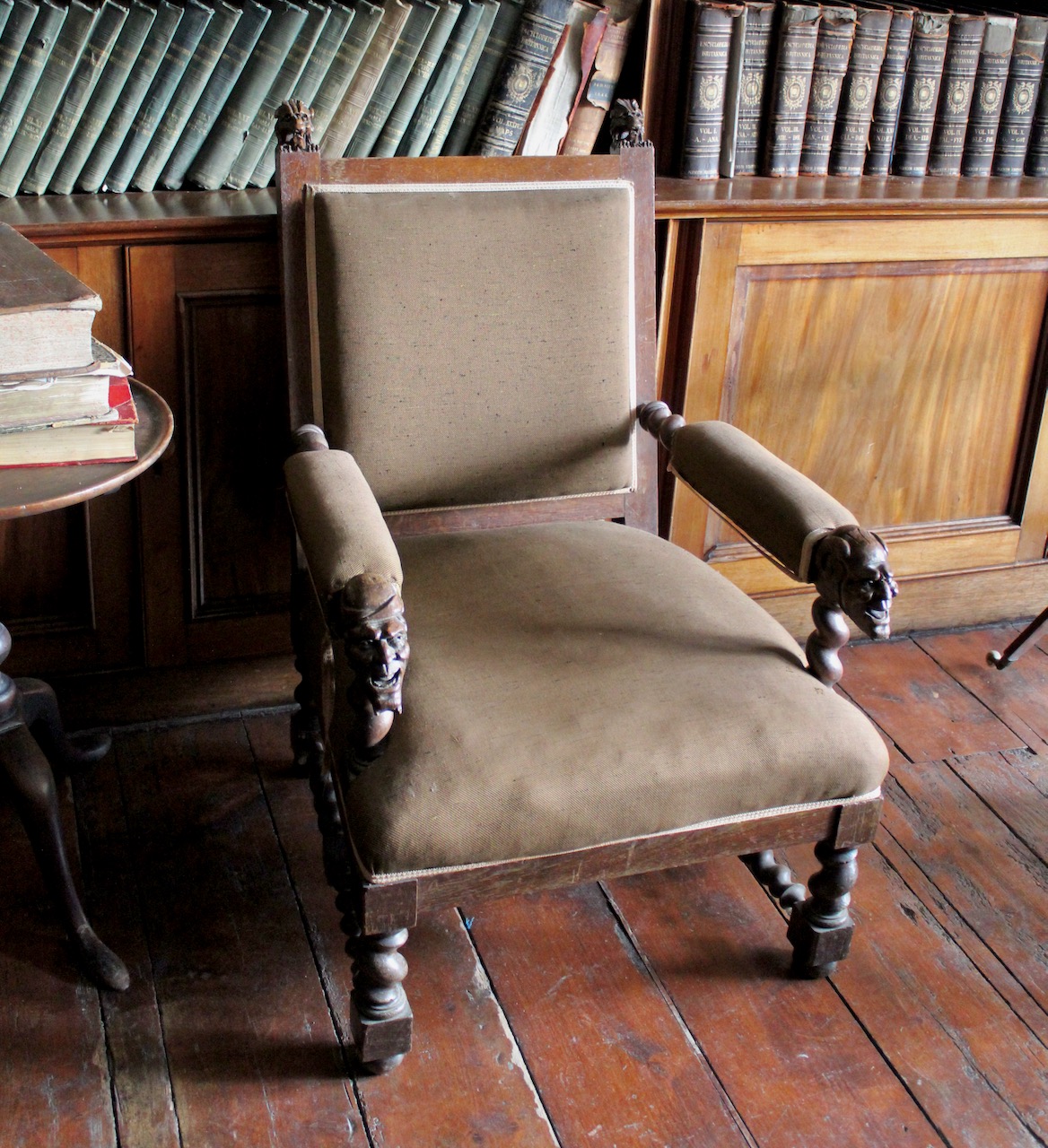
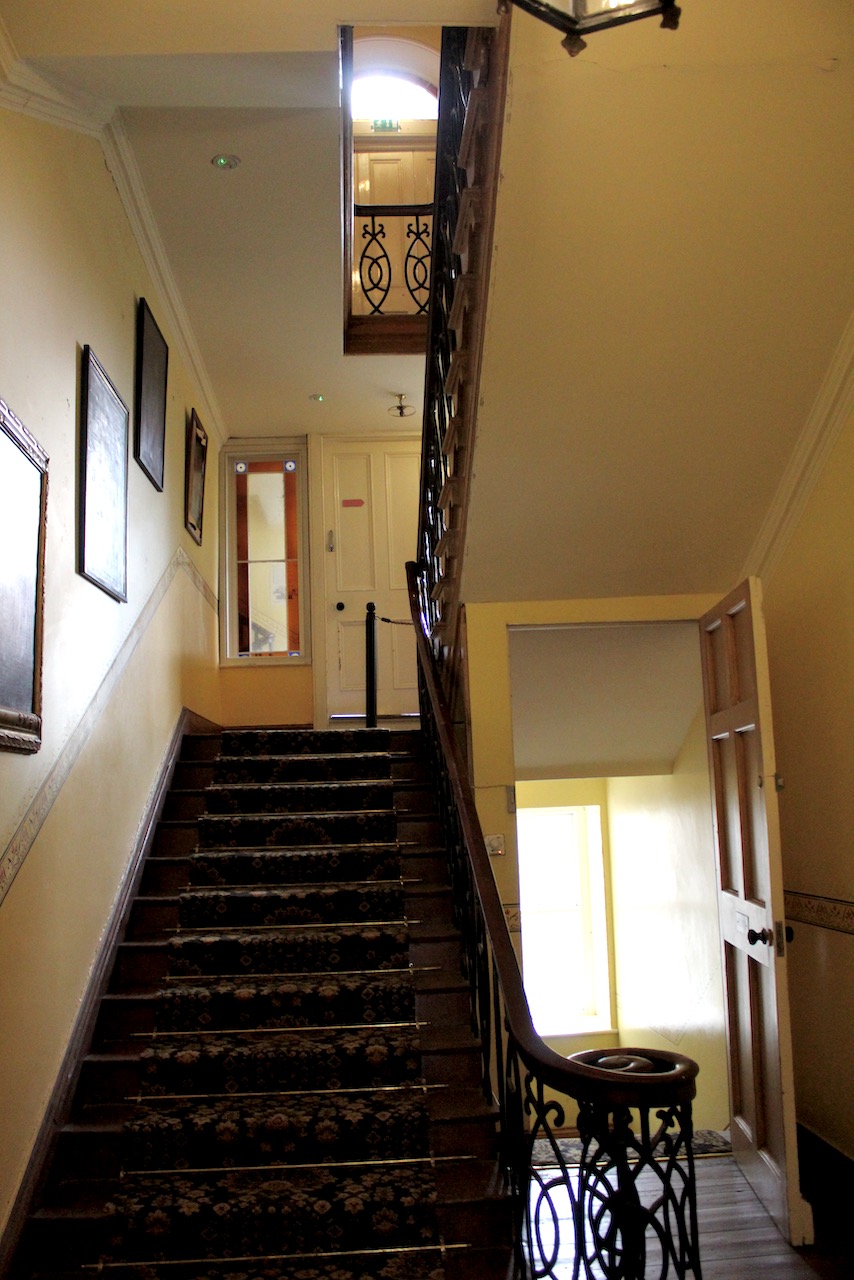


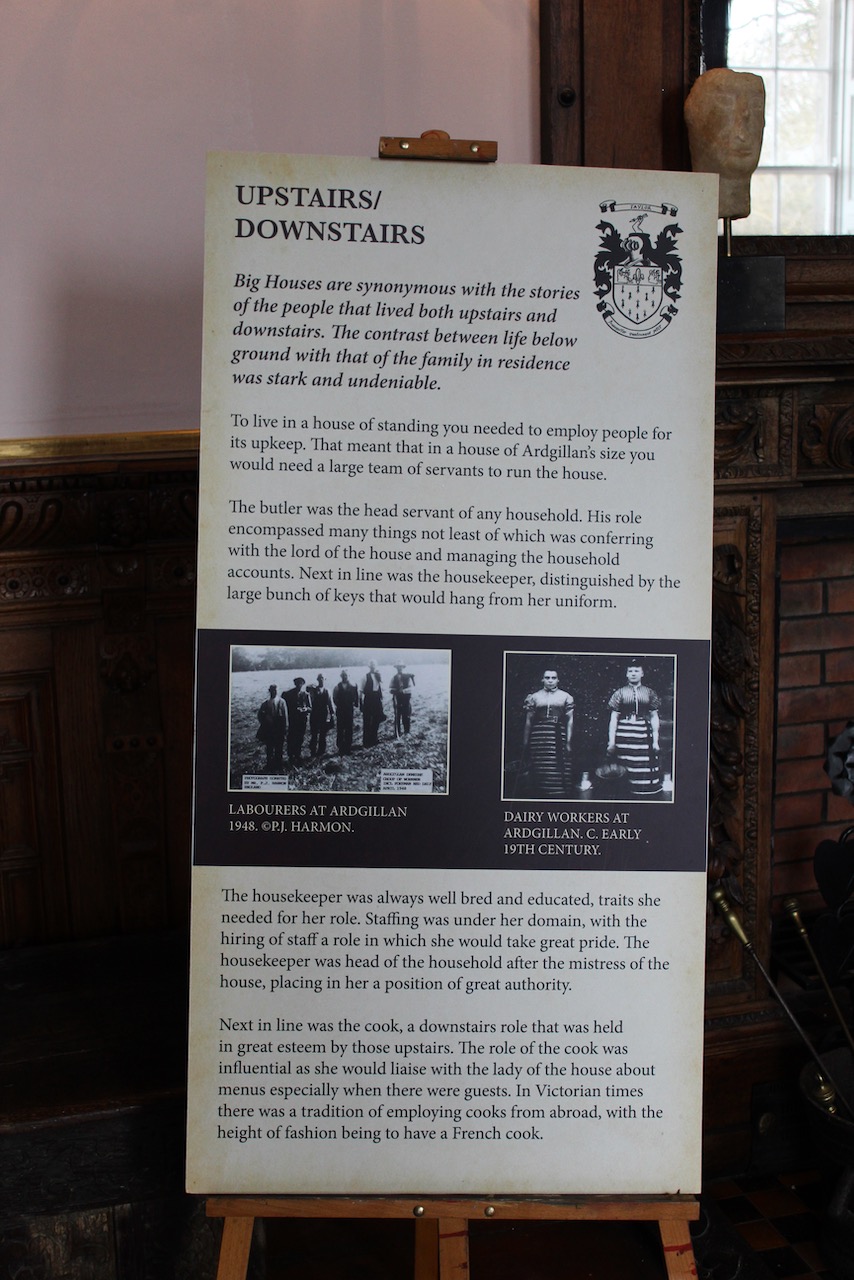
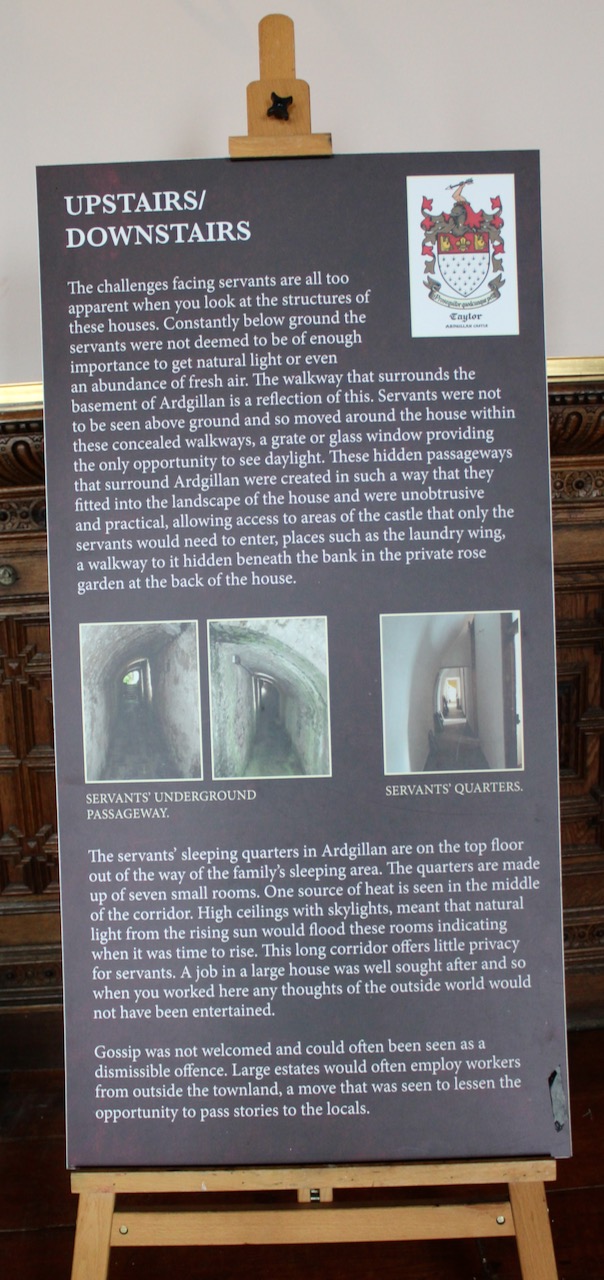


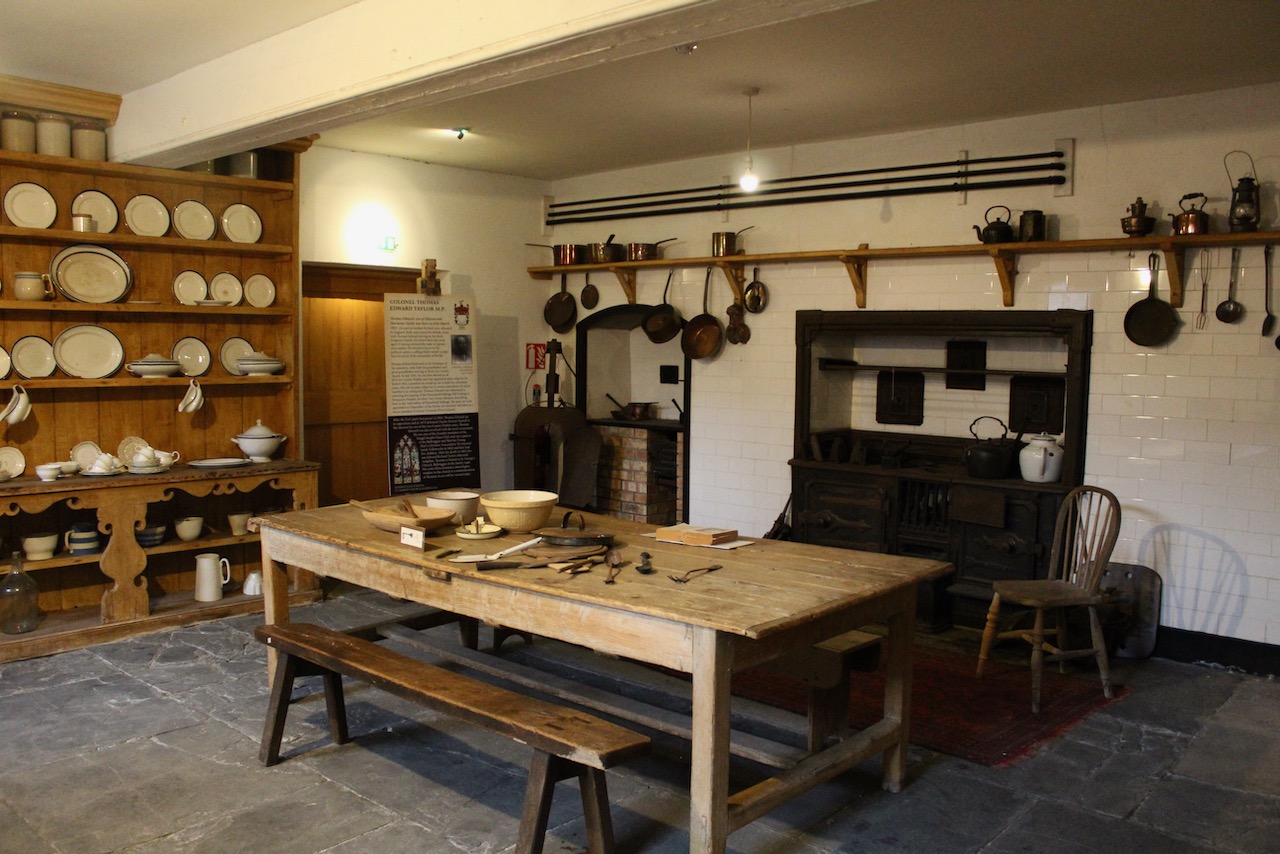
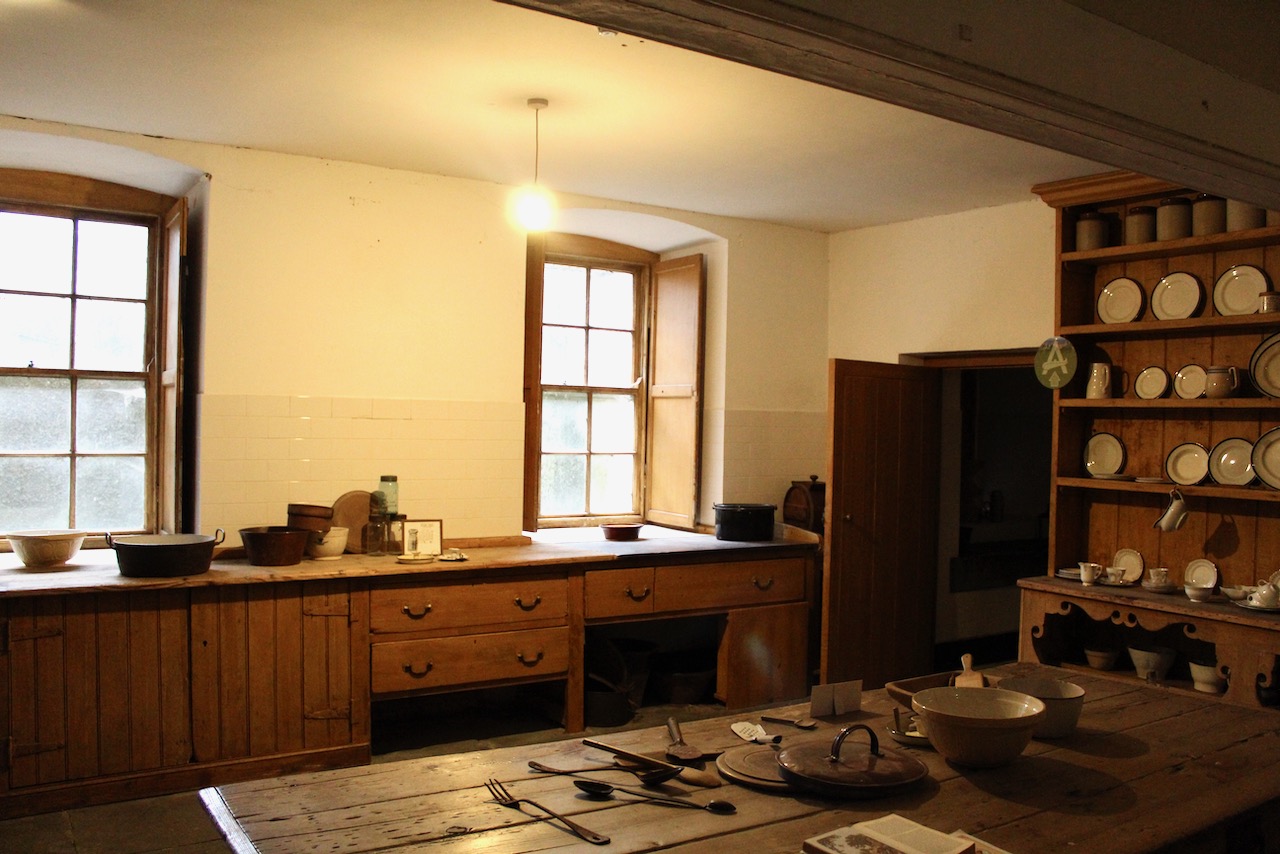
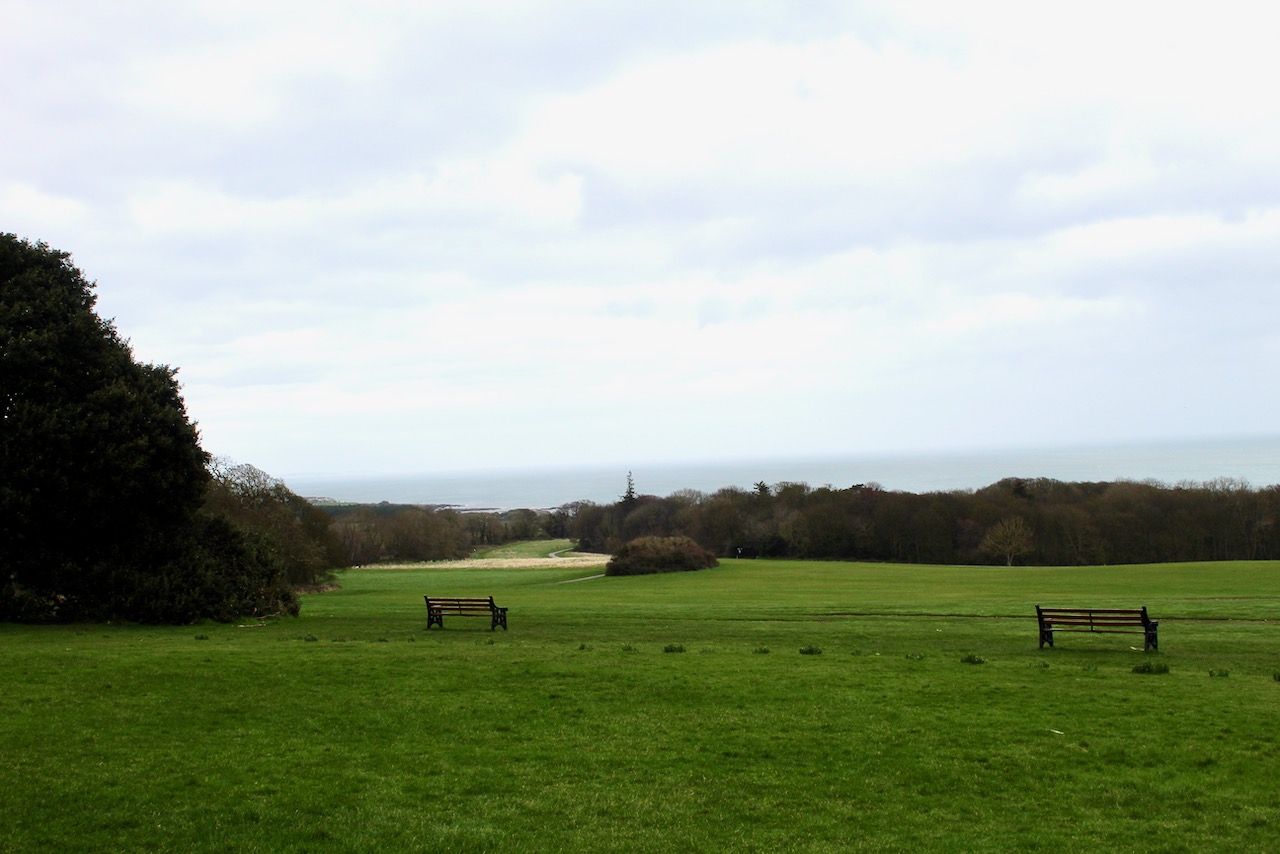
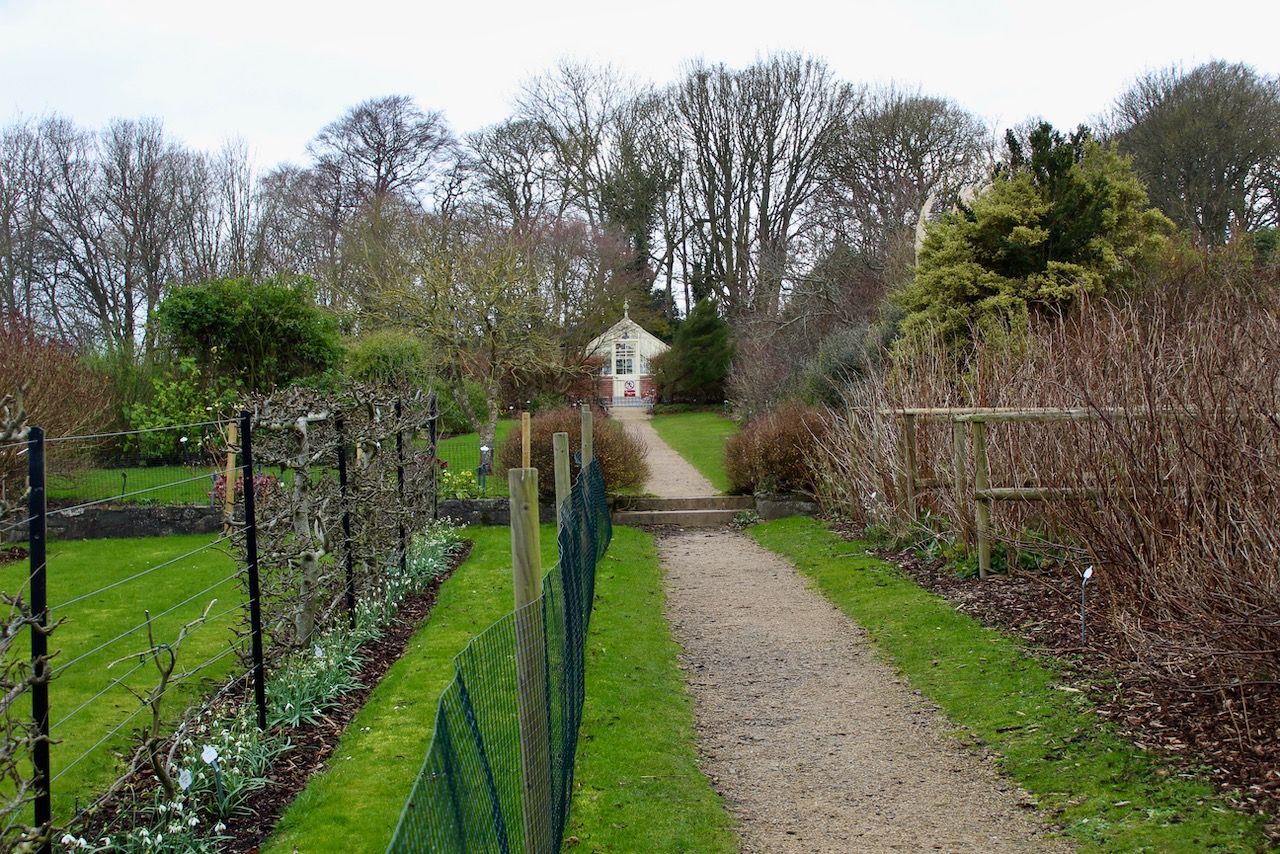

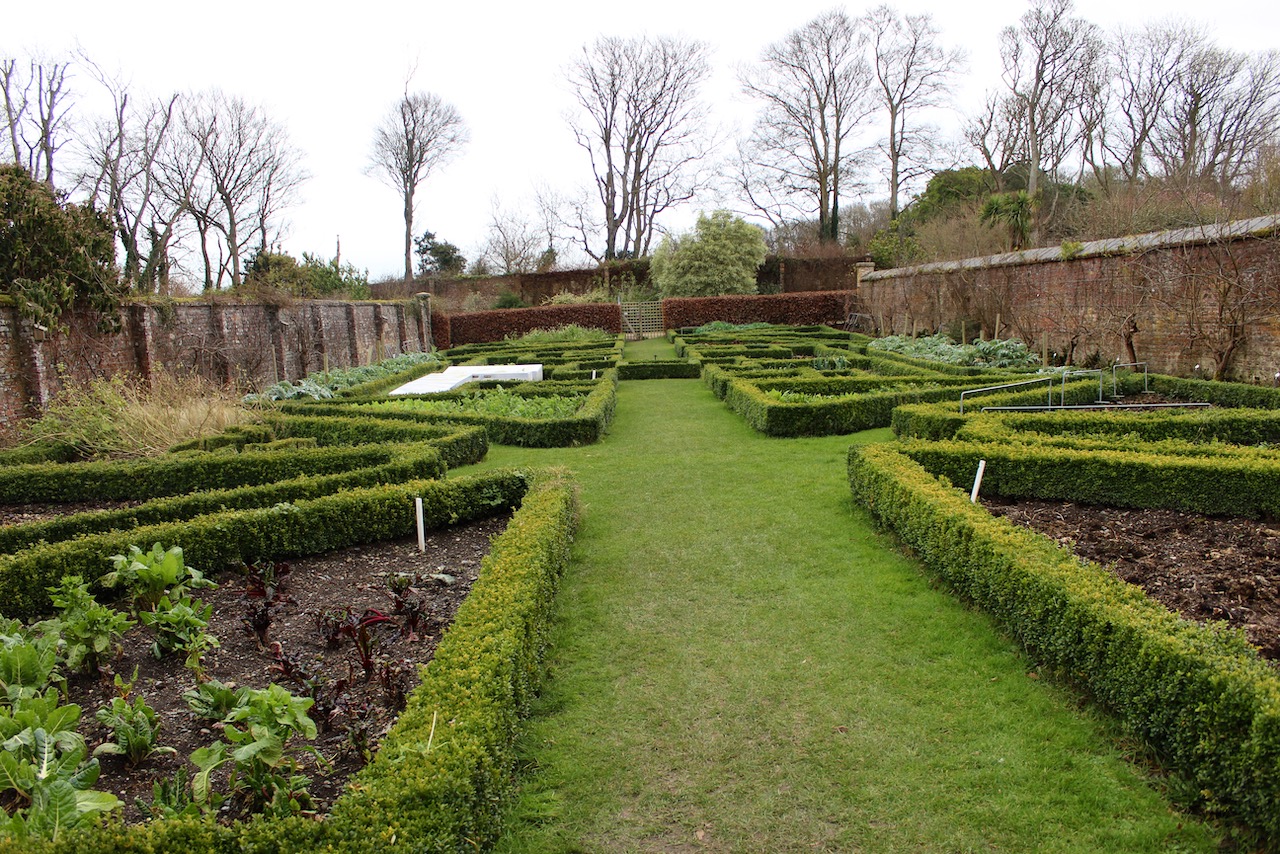
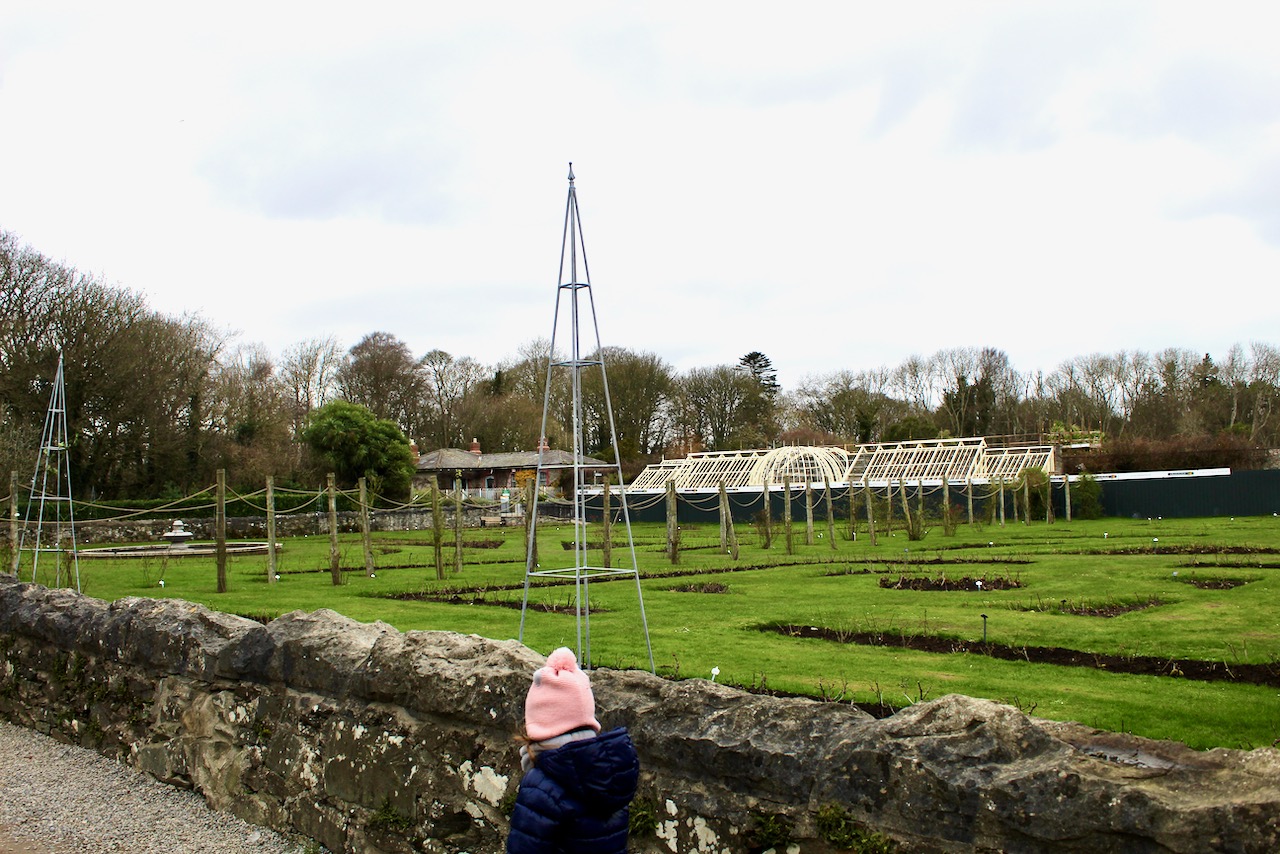
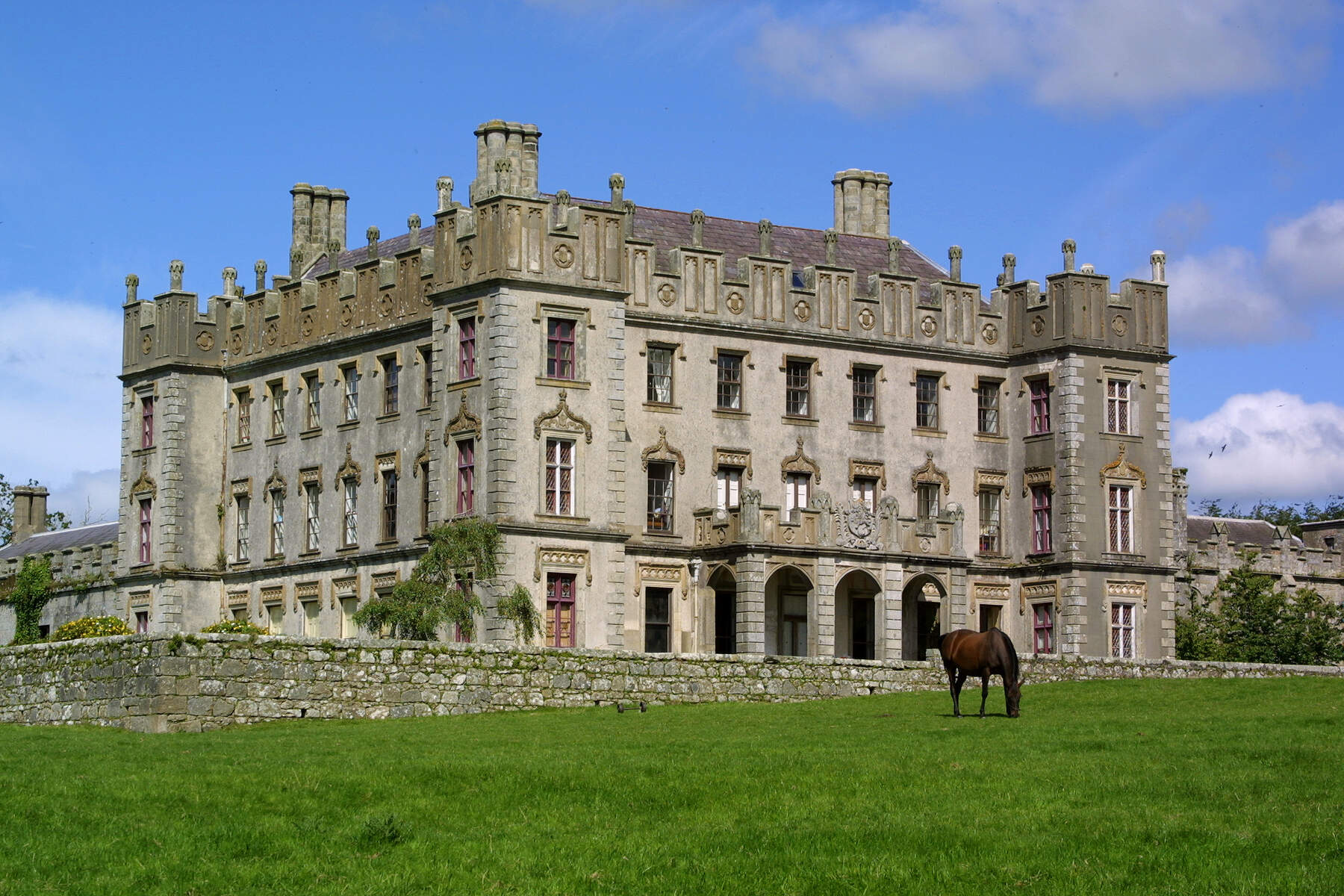


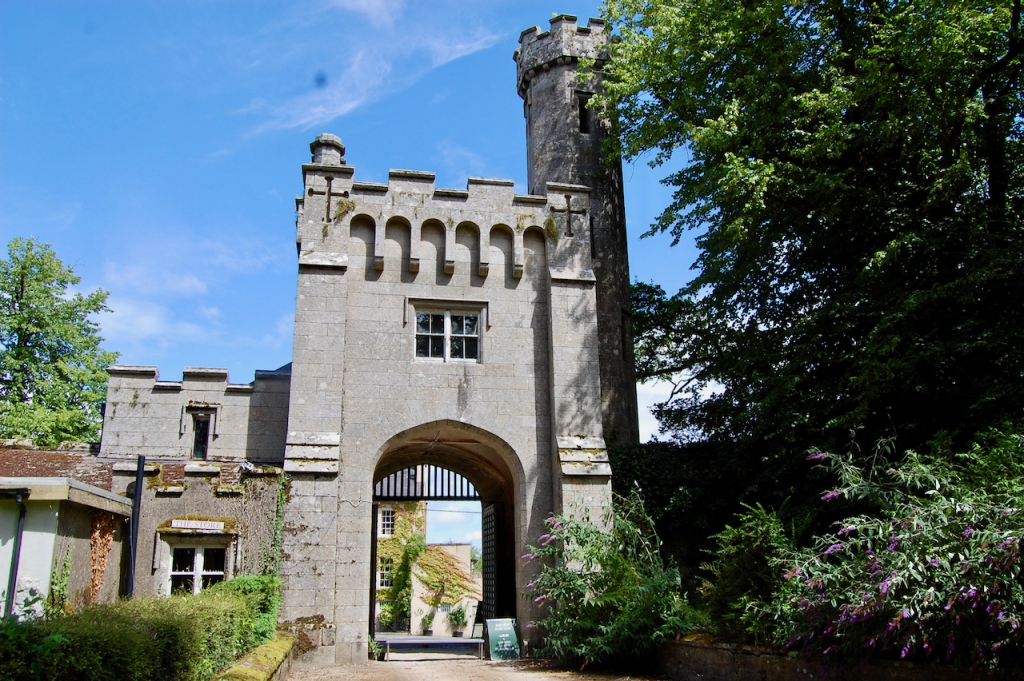

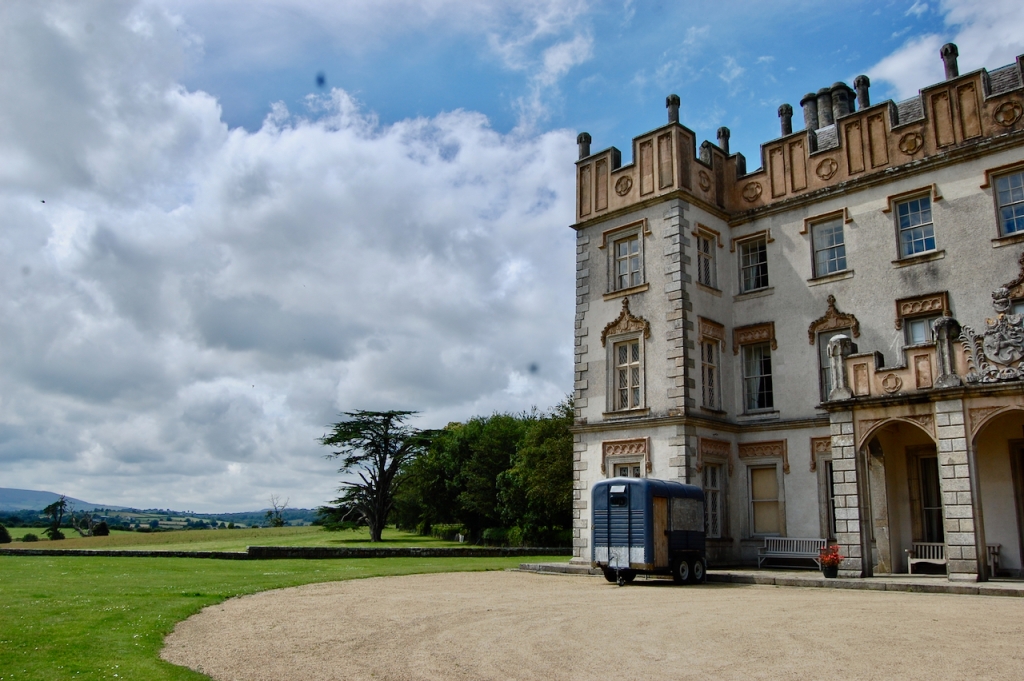
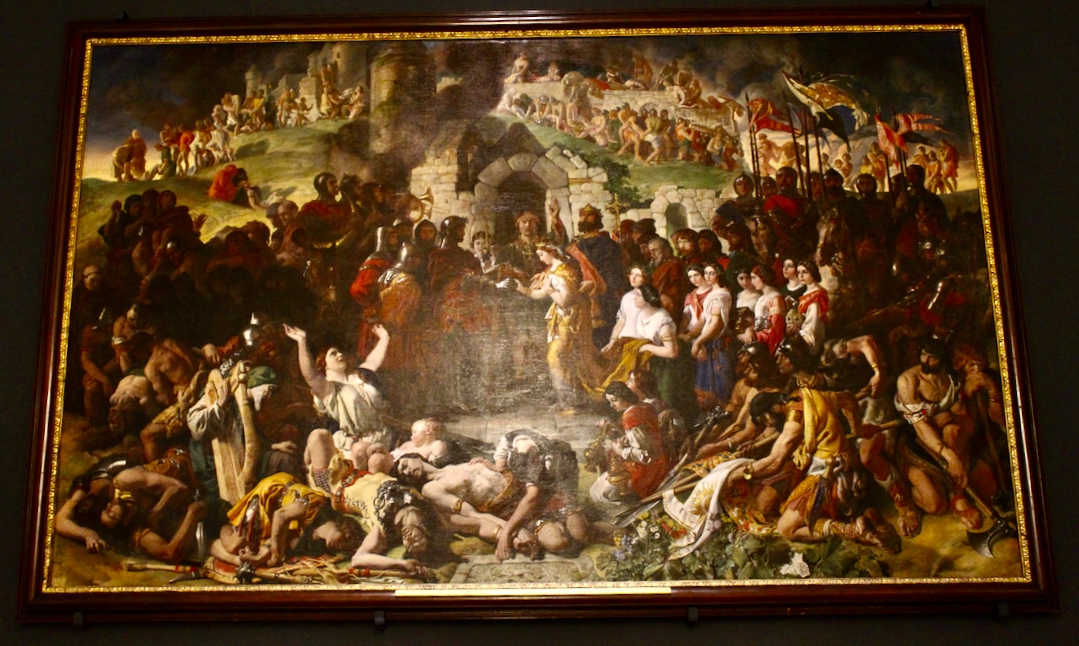
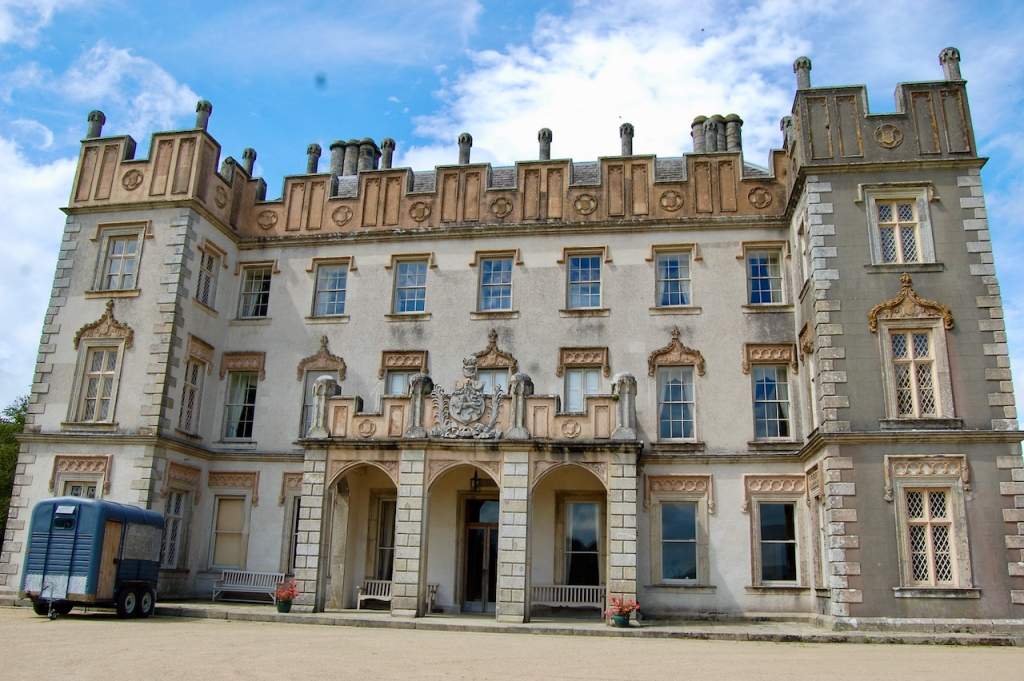

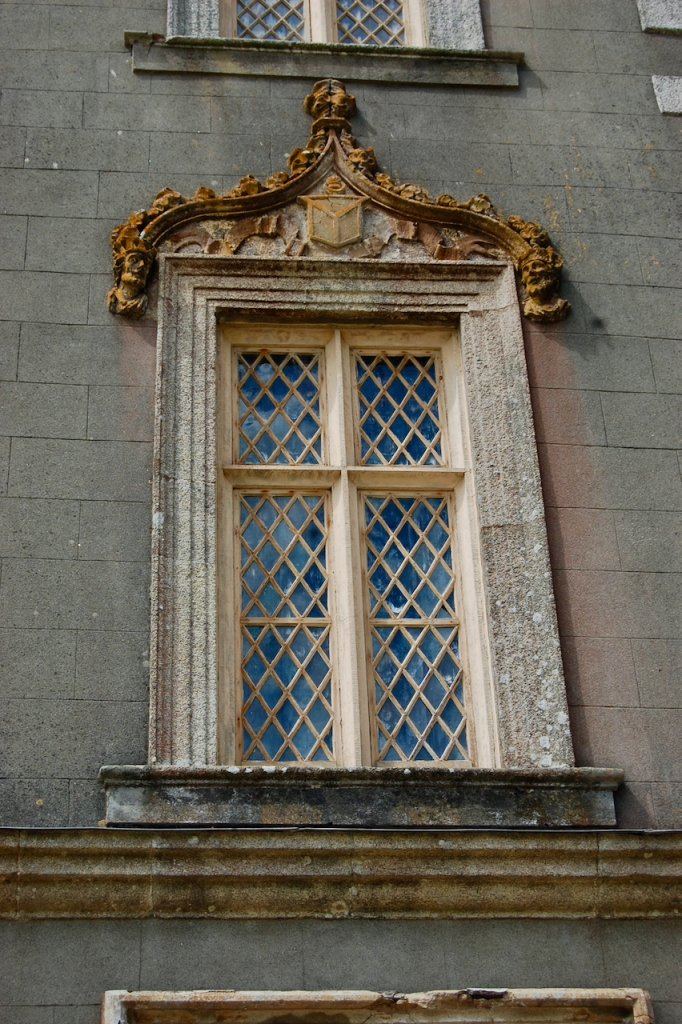
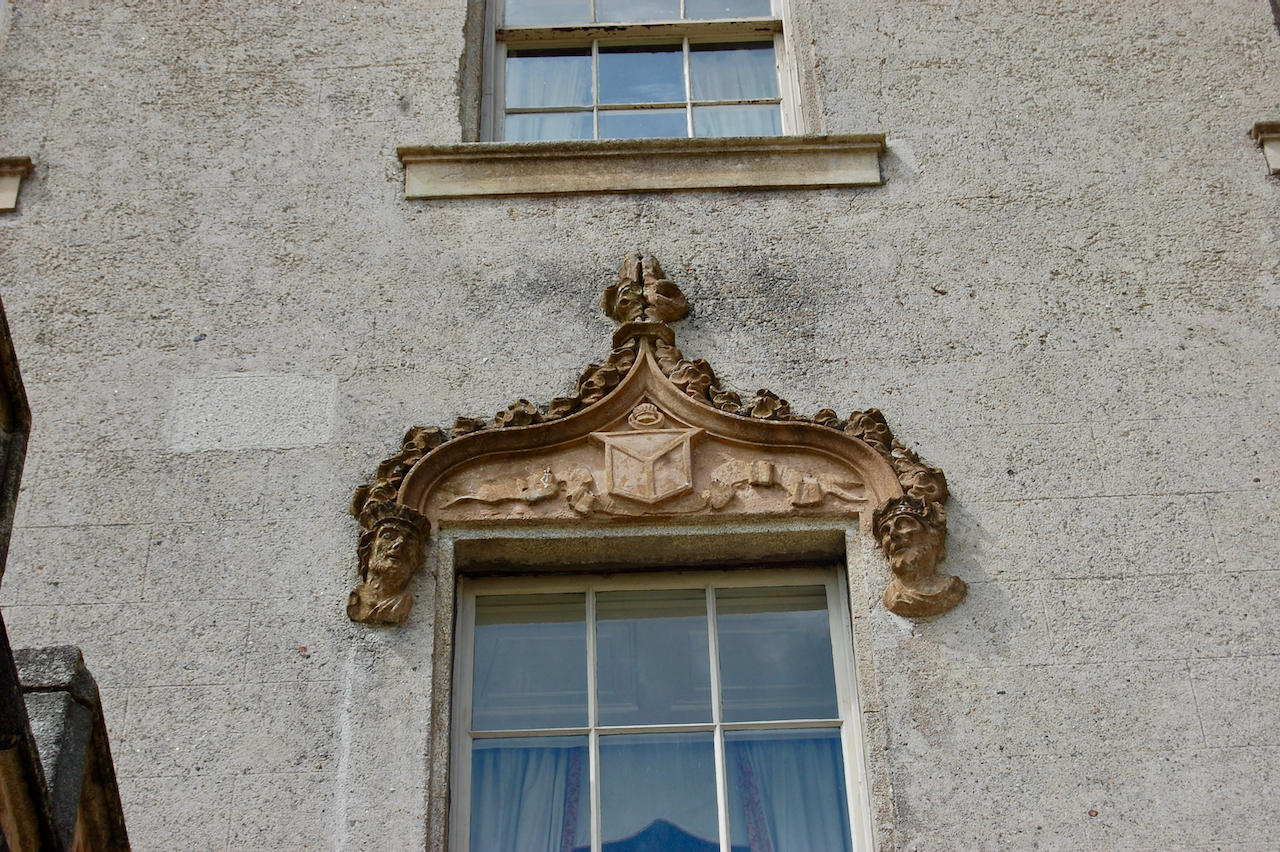
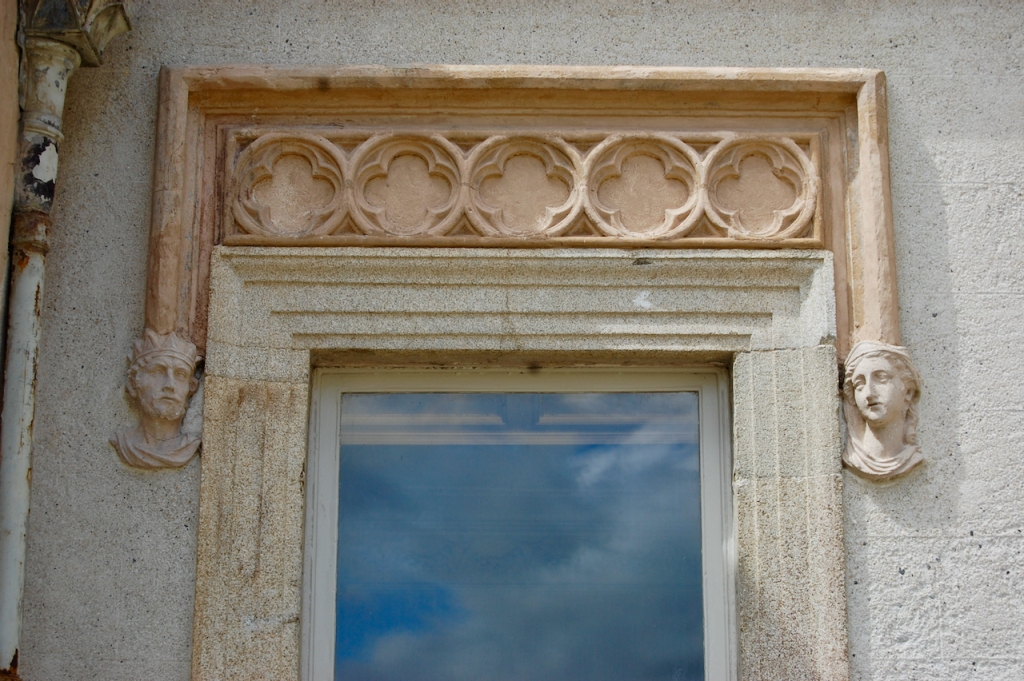
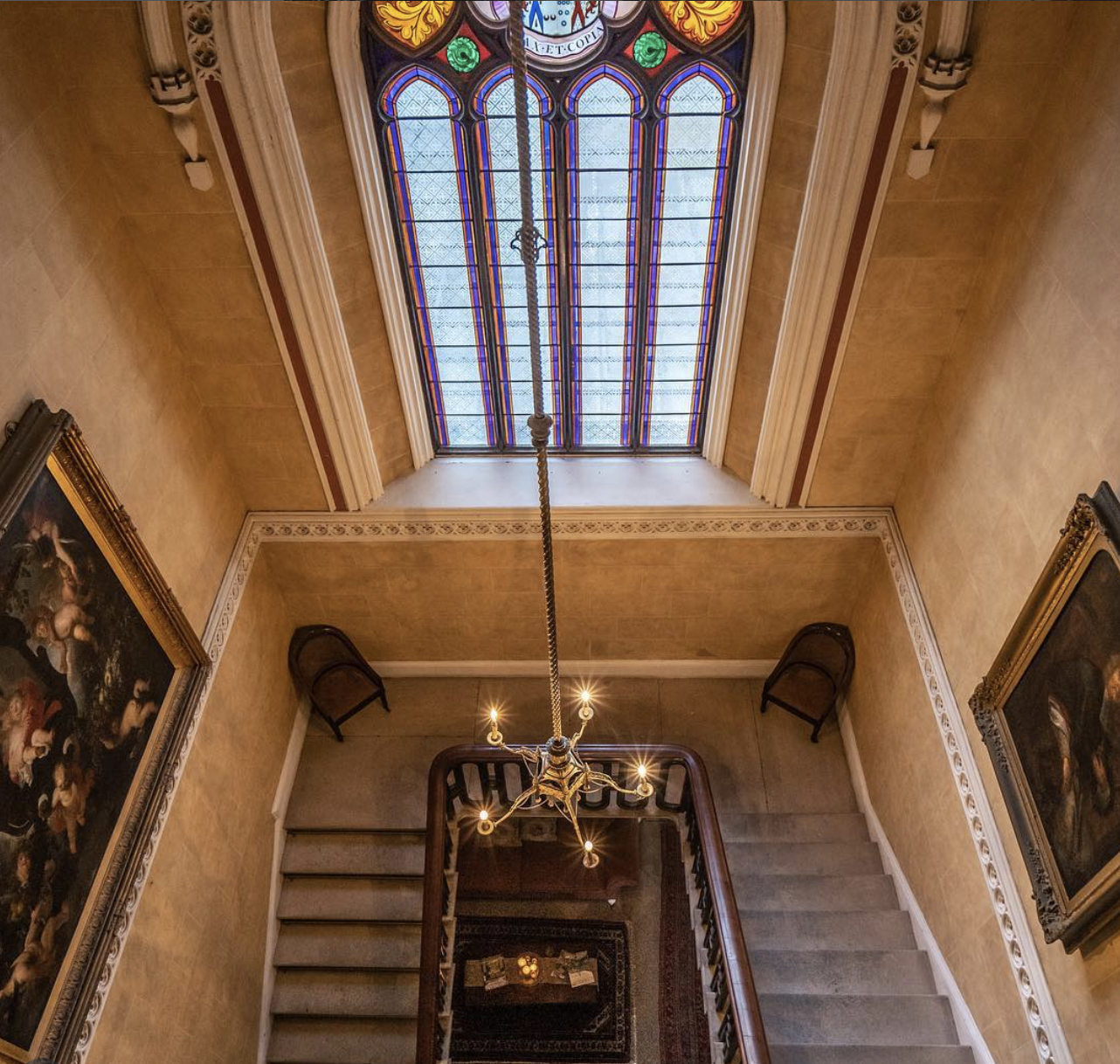
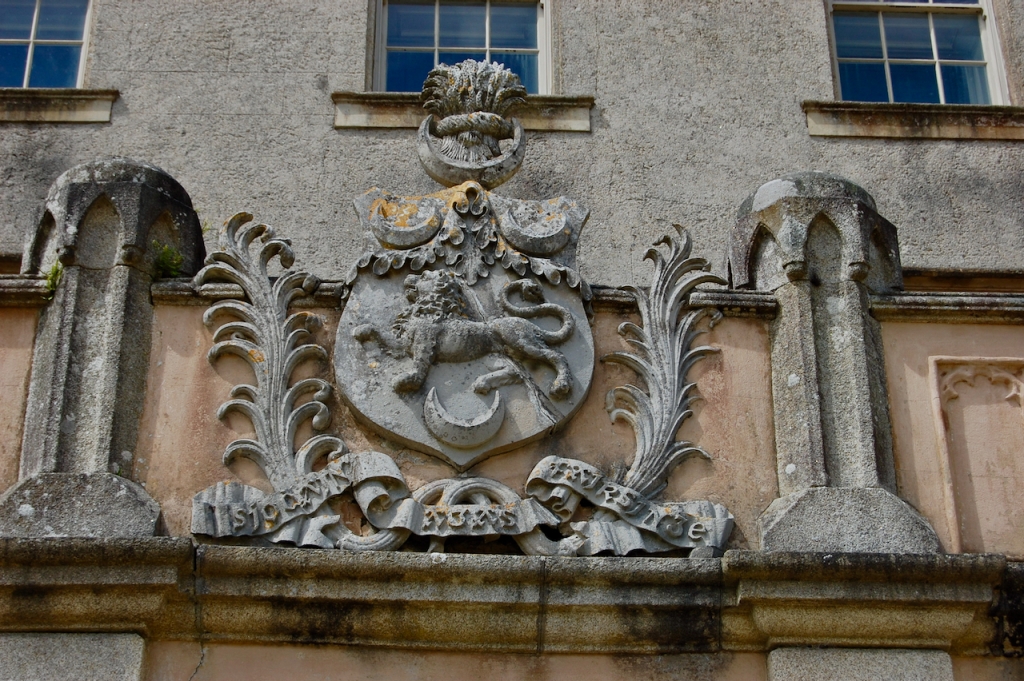
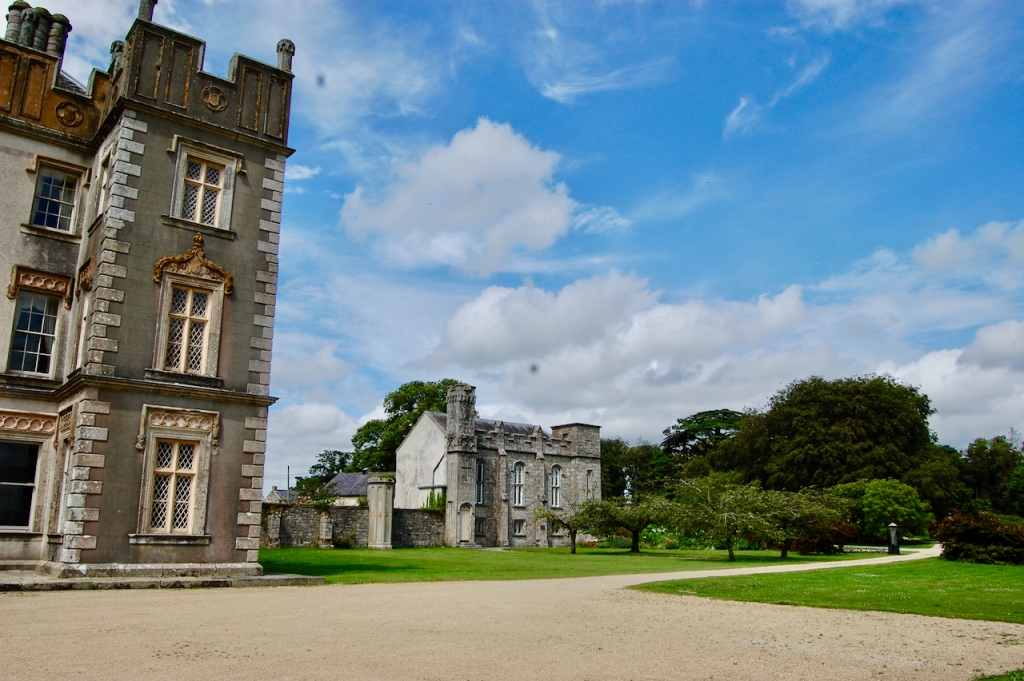
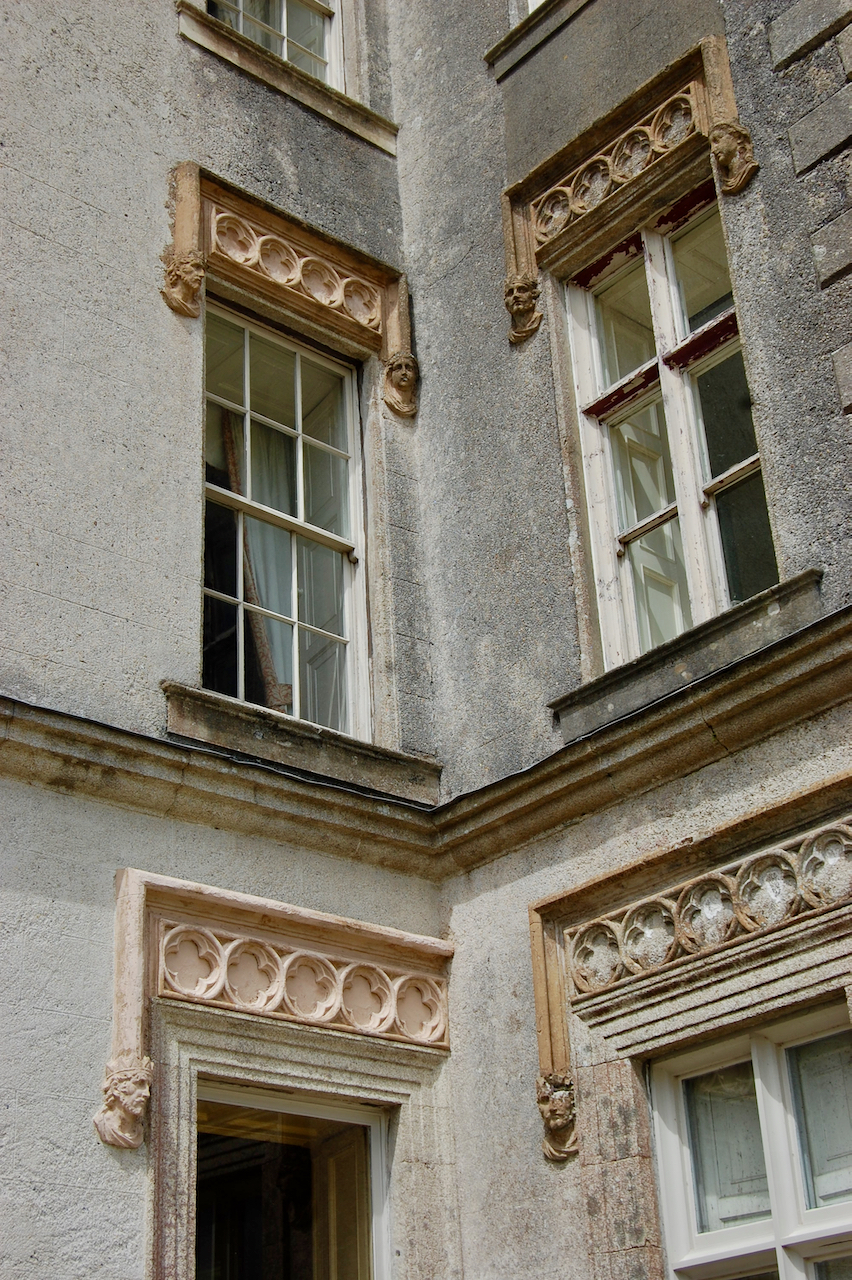

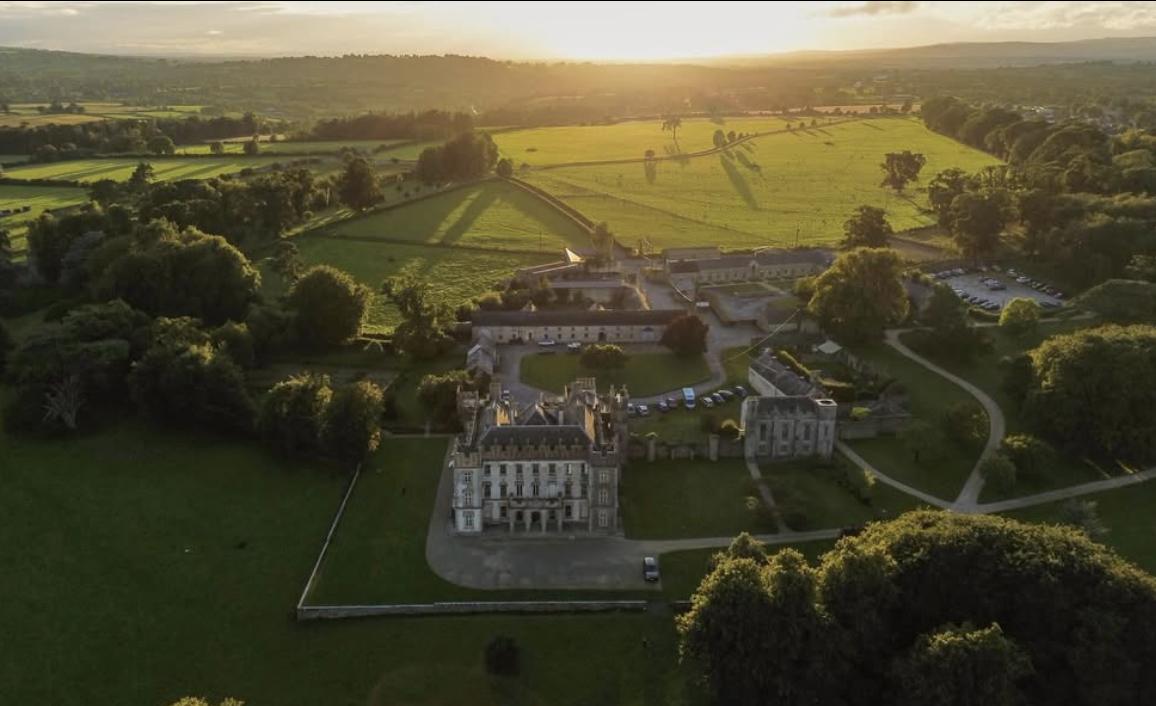
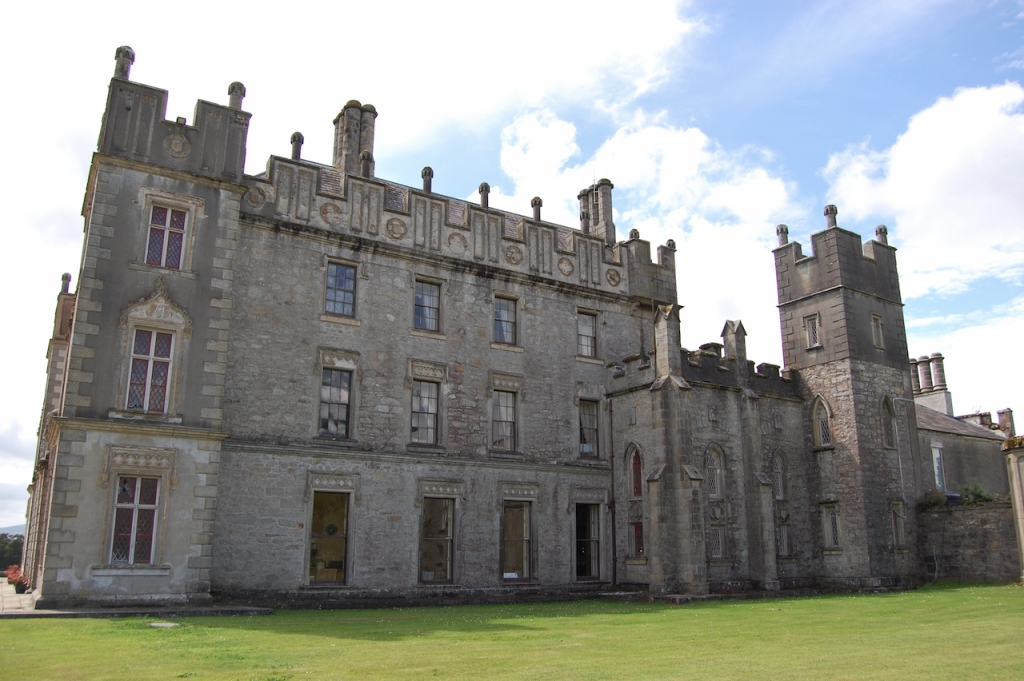
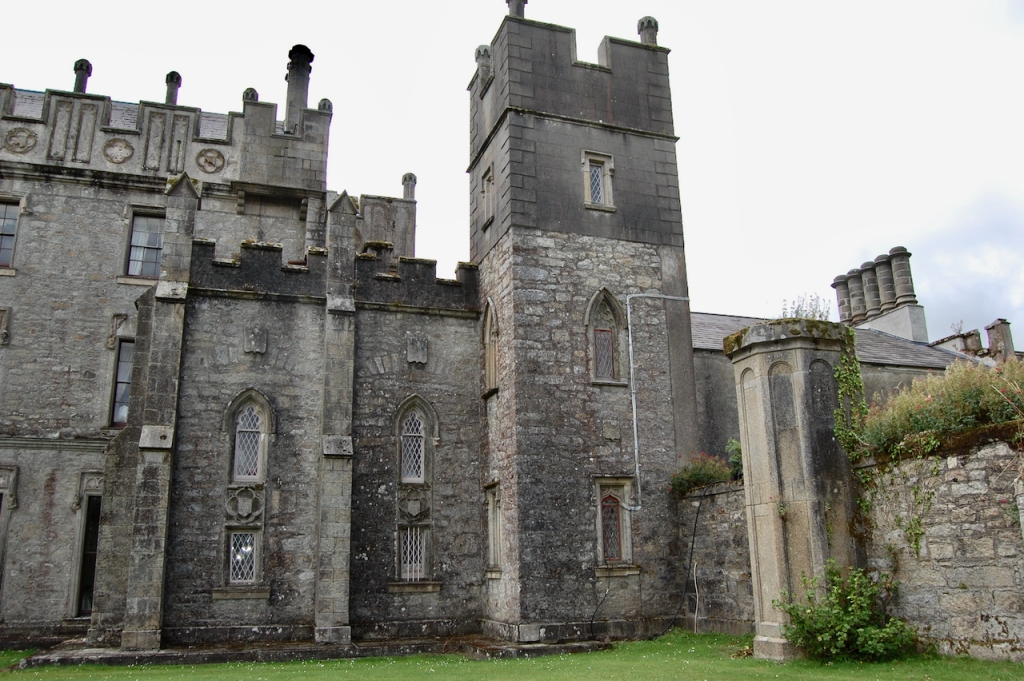
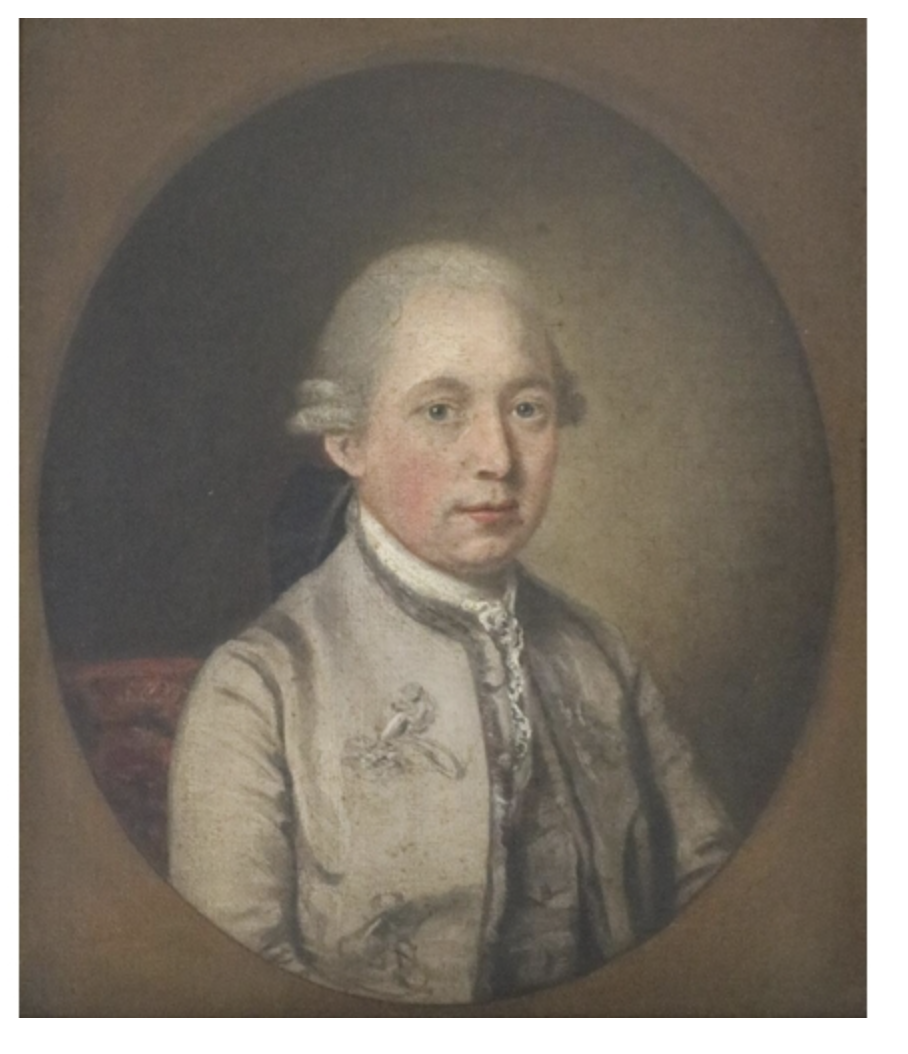
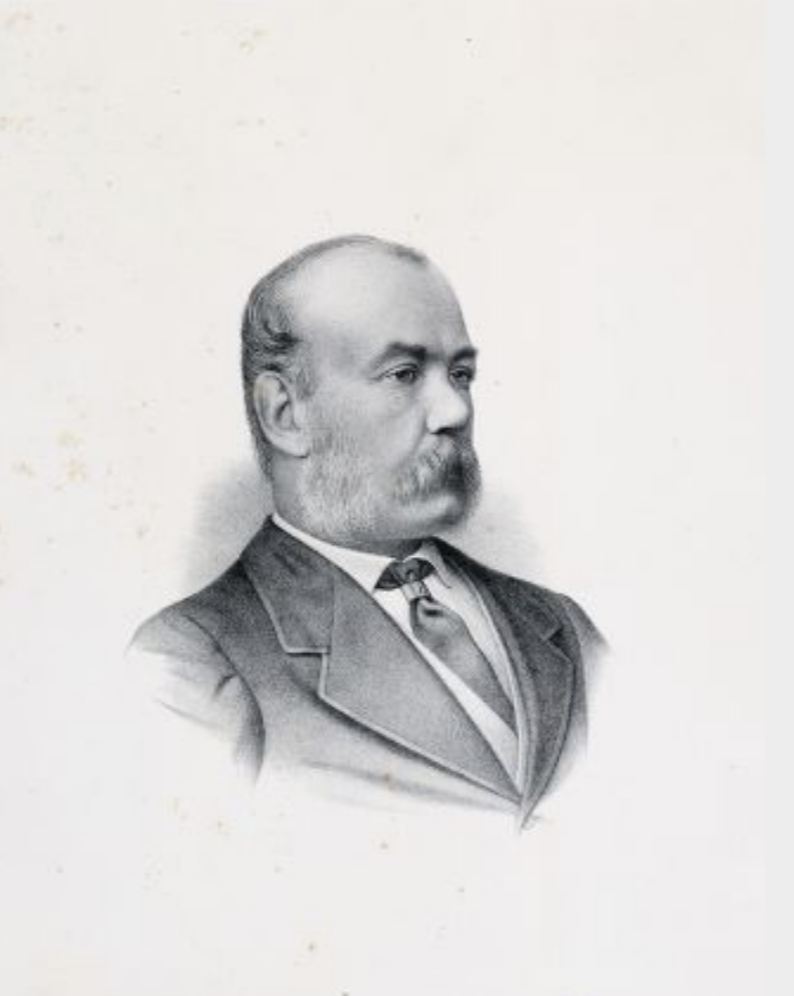
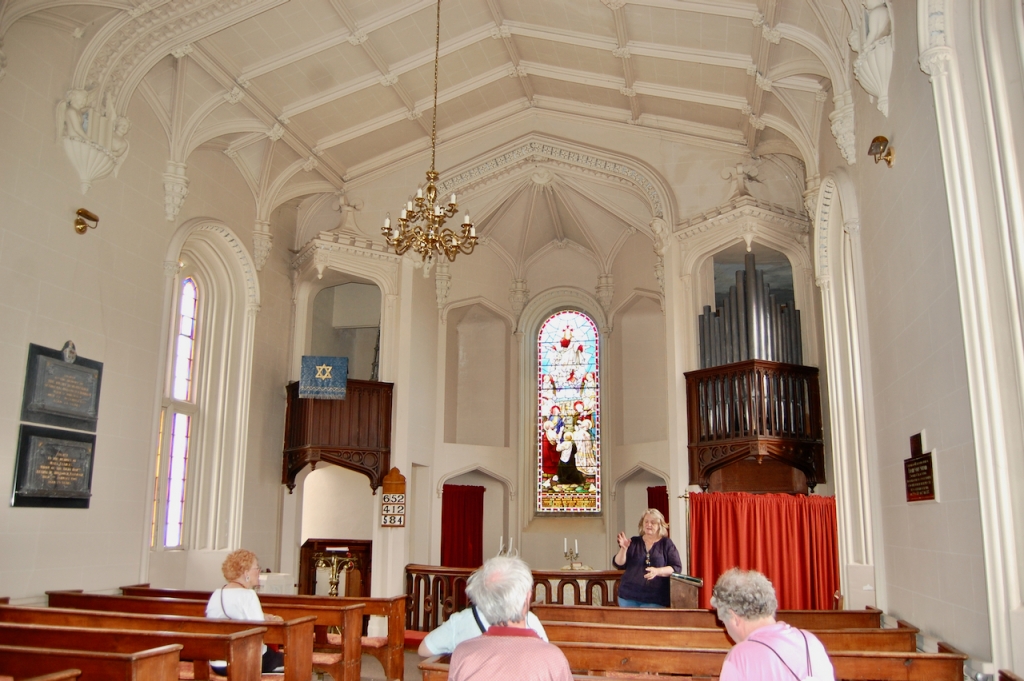


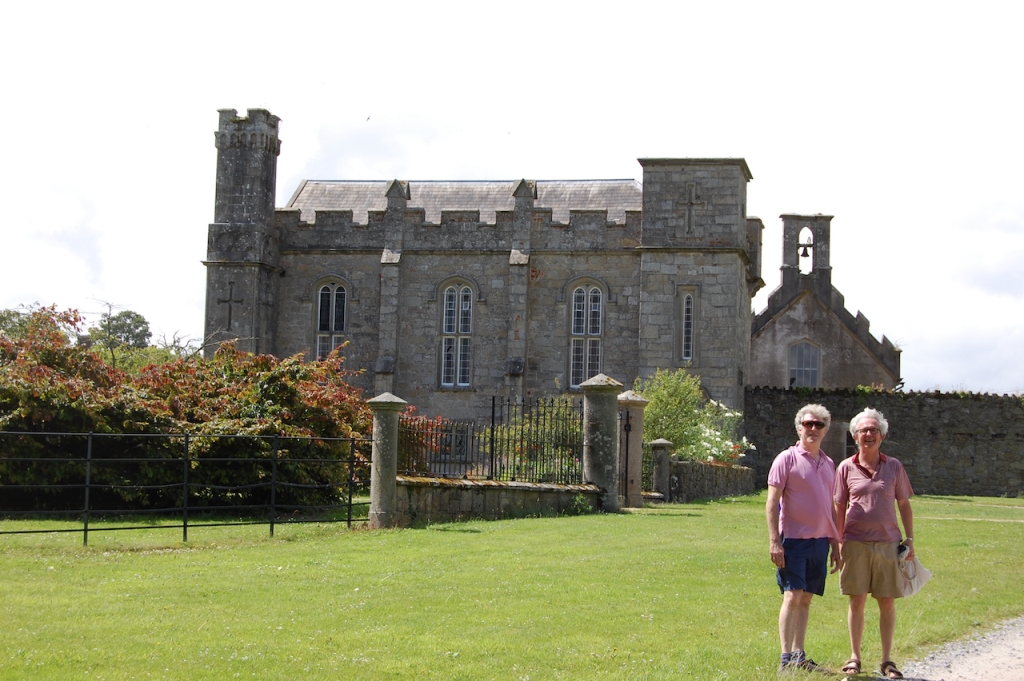

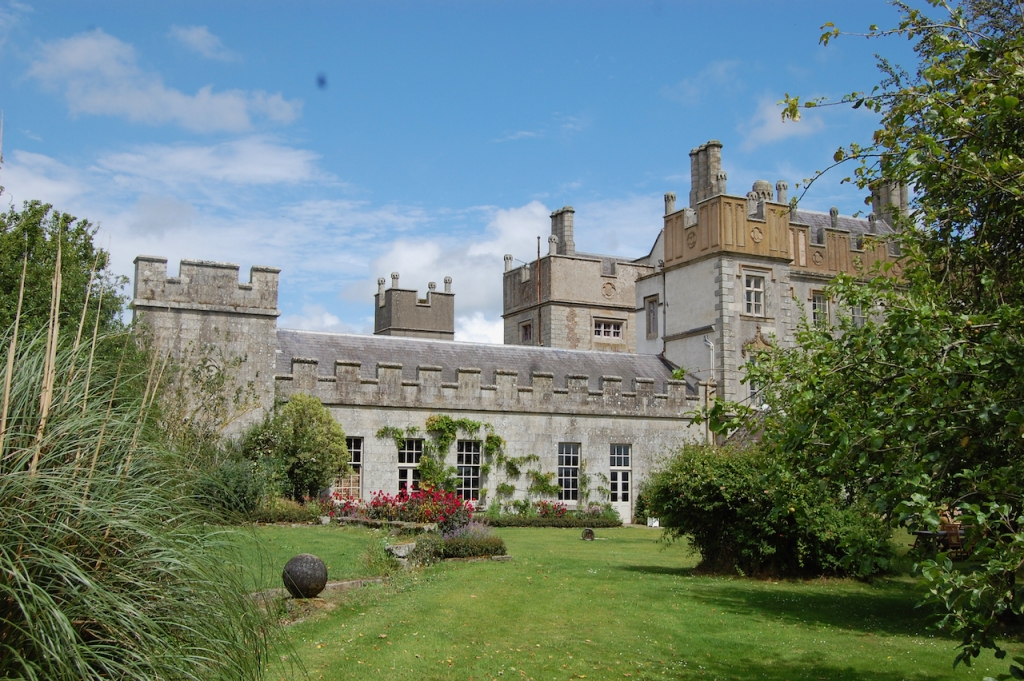
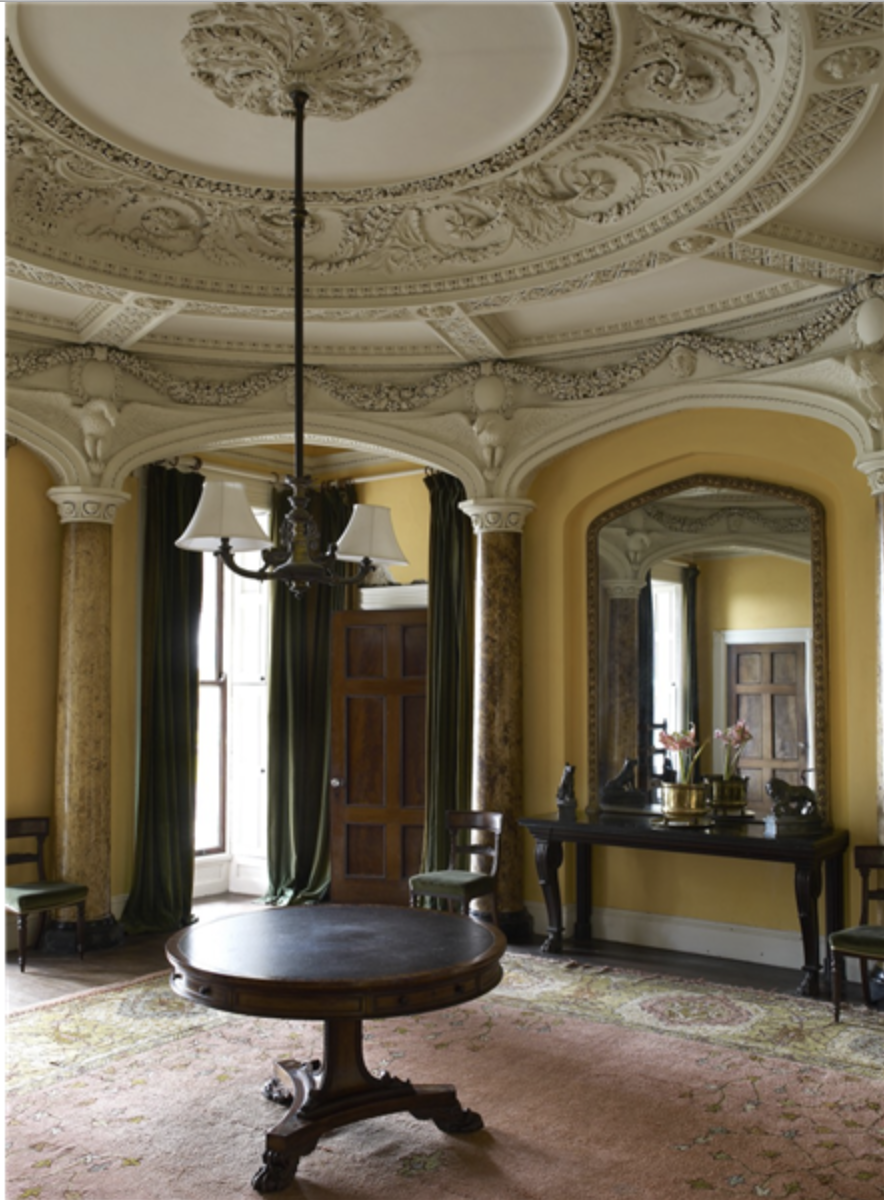
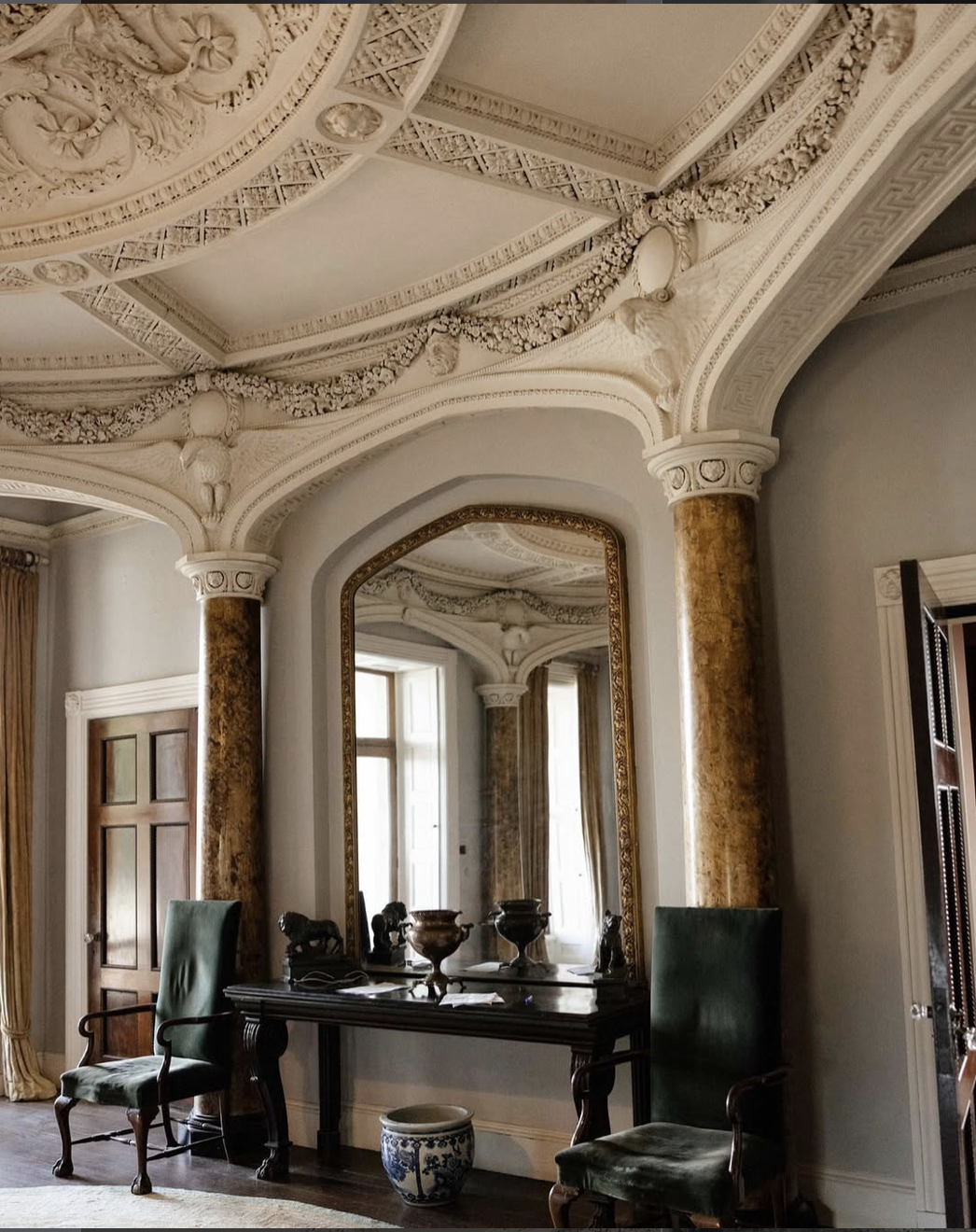
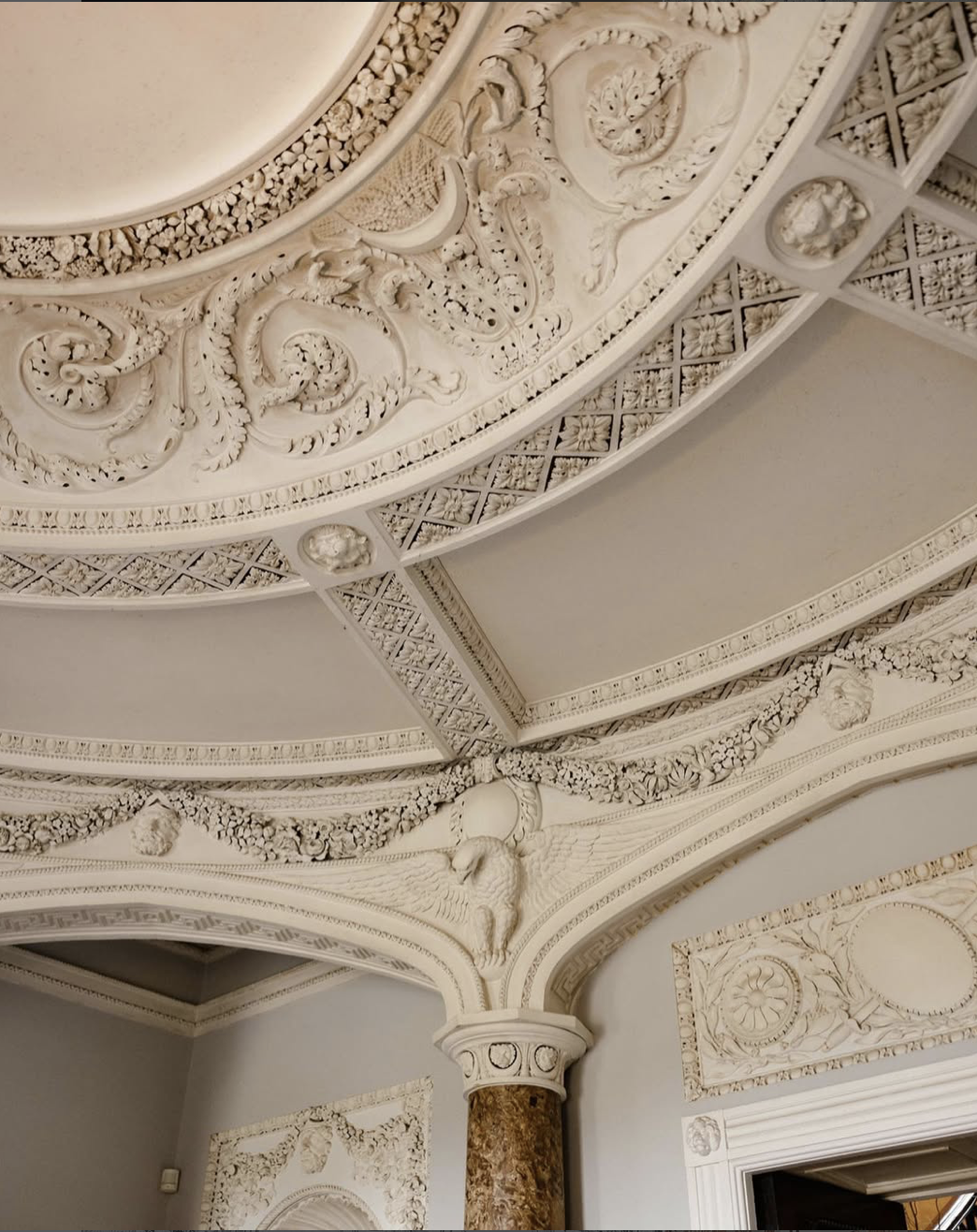
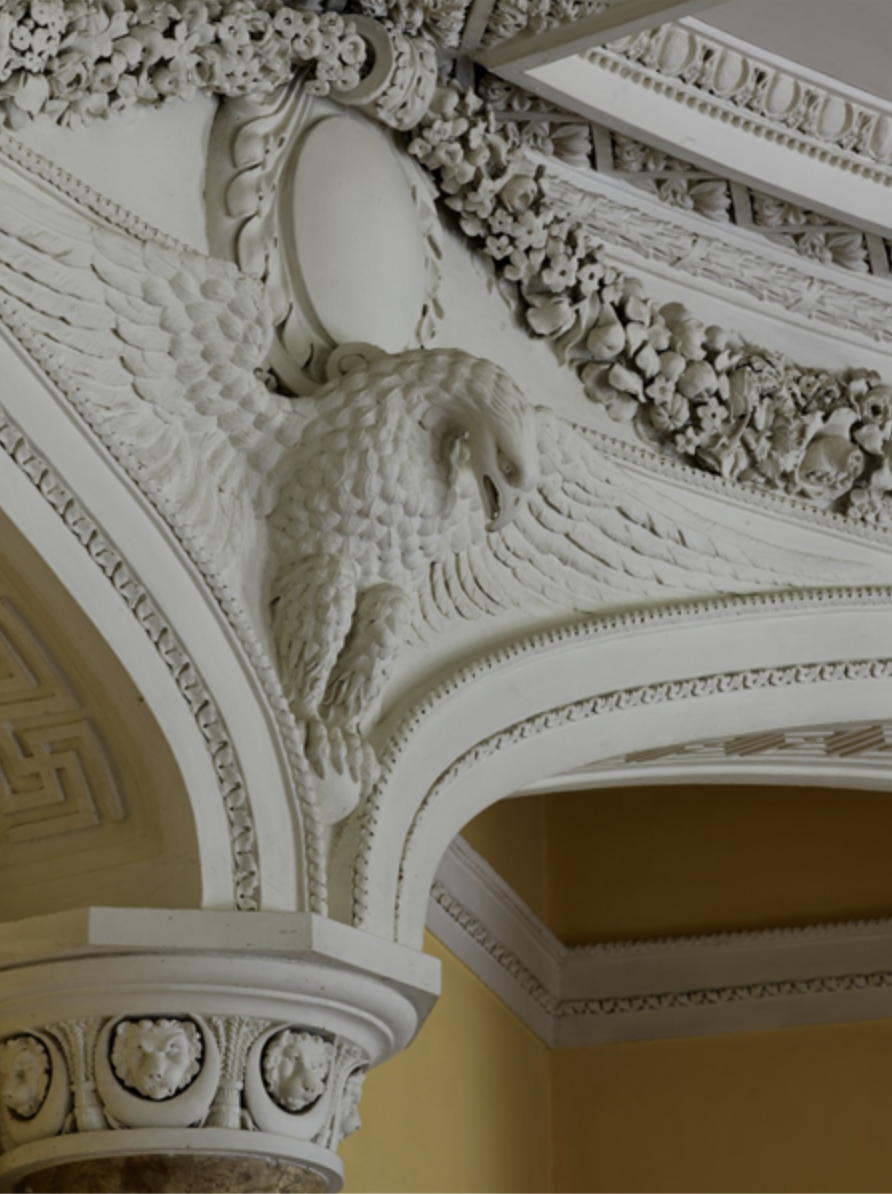
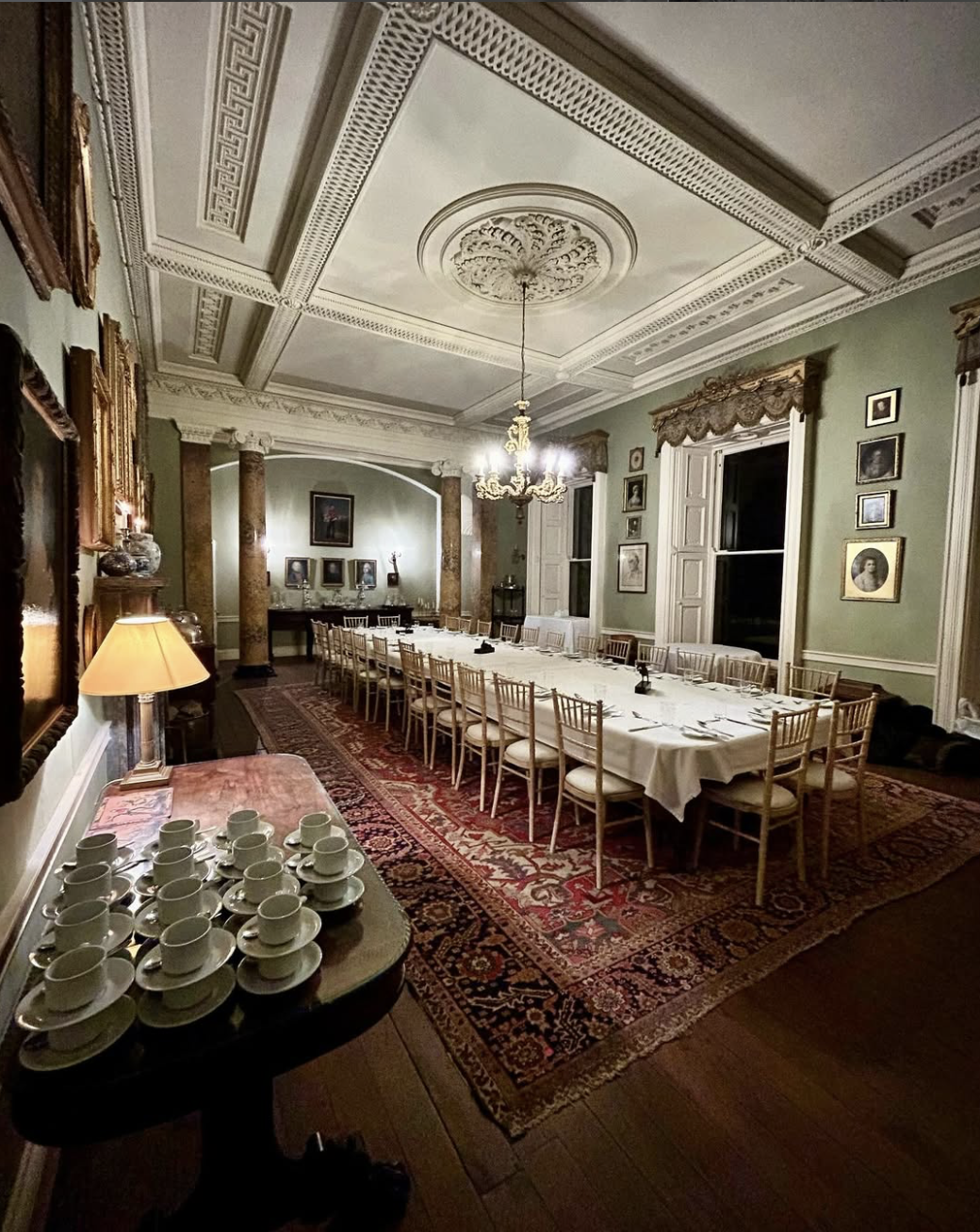

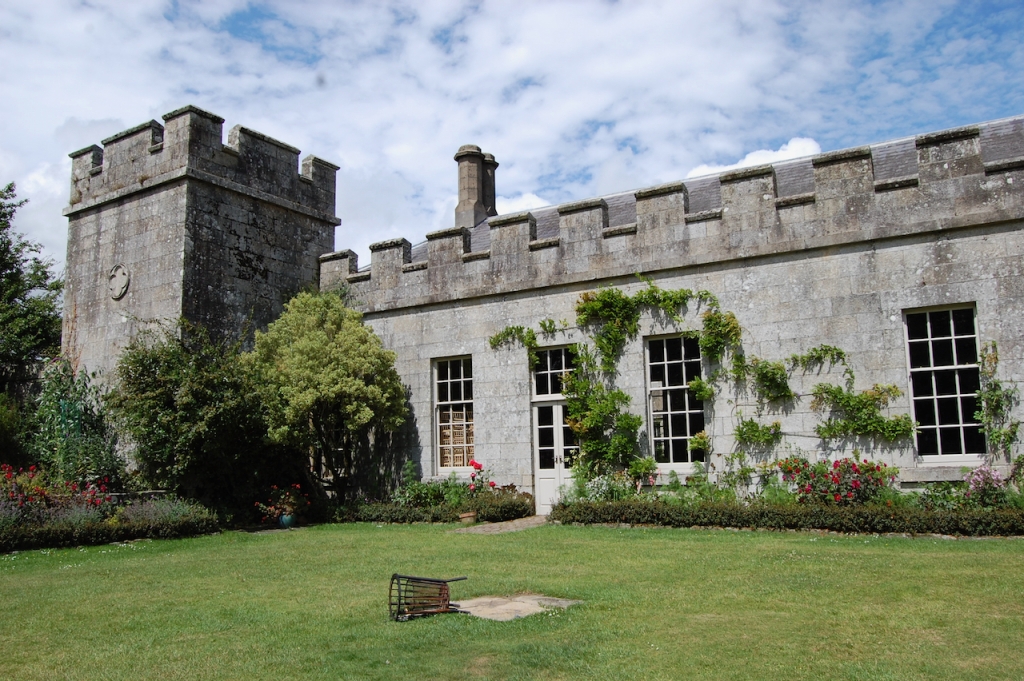
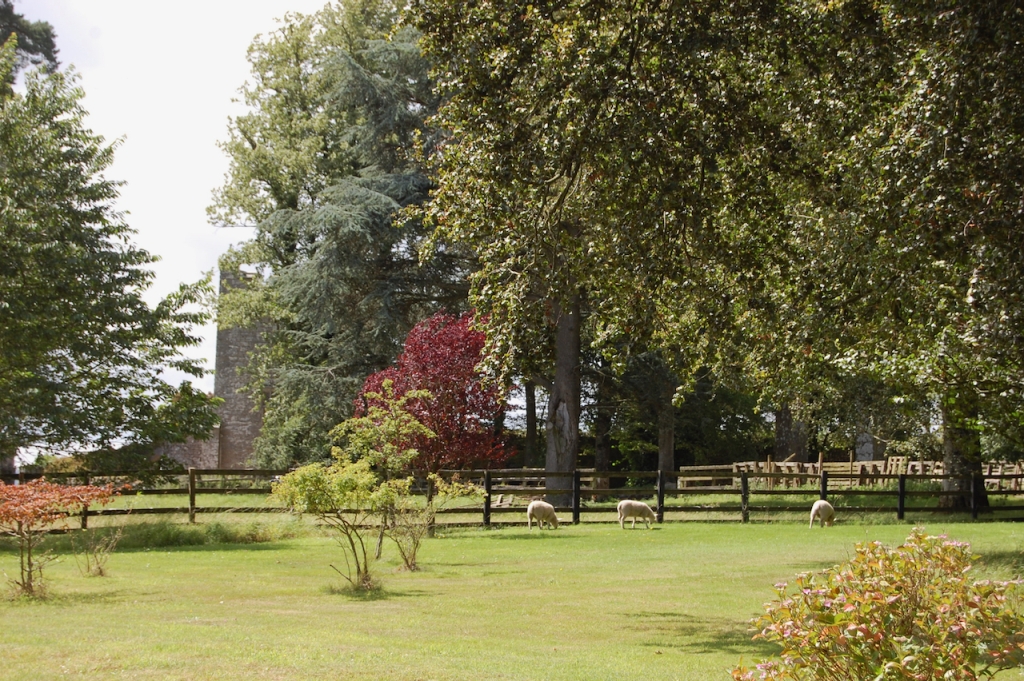

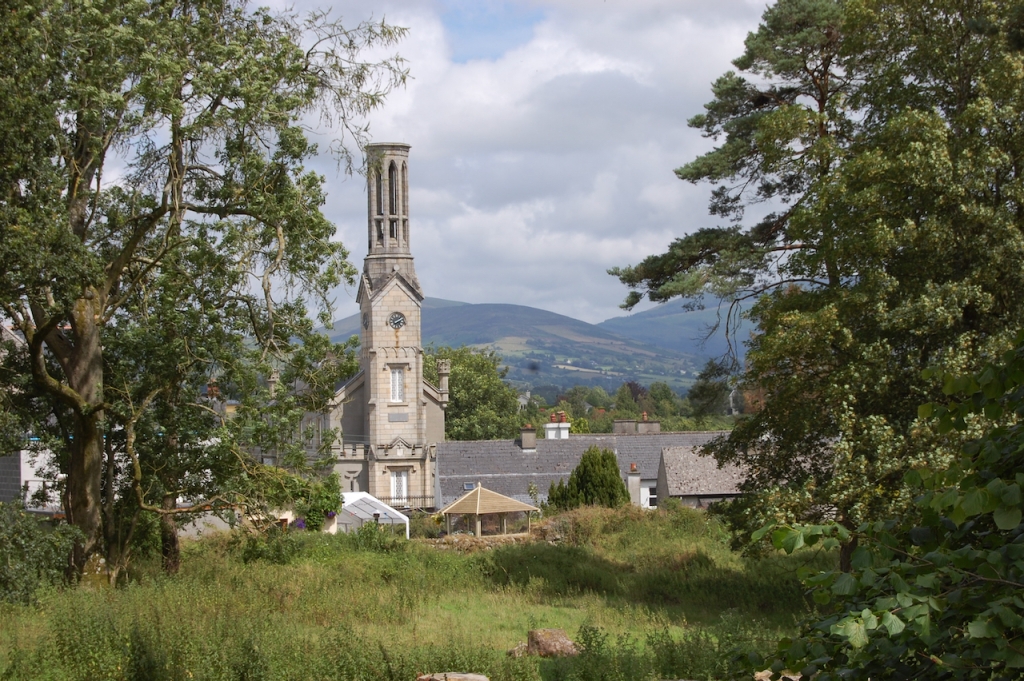
 Irish Historic Houses

