Ballyburly, Edenderry, Co Offaly – does not survive
Ballyburly, County Offaly, entrance front, Vanishing Country Houses of Ireland by The Knight of Glin, David J. Griffin and Nicholas K. Robinson, published by The Irish Architectural Archive and The Irish Georgian Society, 1988.
Mark Bence-Jones. A Guide to Irish Country Houses (originally published as Burke’s Guide to Country Houses volume 1 Ireland by Burke’s Peerage Ltd. 1978); Revised edition 1988 Constable and Company Ltd, London.
p. 19. “(Wakely;LGI1912) Of late C17 or early C18, probably built either by John Wakely who was MP for Kilbeggan in 1692 and died ca. 1713, or by his son Thomas….Burnt 1888; afterwards rebuilt to the design of James Franklin Fuller.”
Listed in Vanishing Country Houses of Ireland by The Knight of Glin, David J. Griffin and Nicholas K. Robinson, published by The Irish Architectural Archive and The Irish Georgian Society, 1988.
p. 121. “An important two storey late 17C or early 18C house built for John Wakely or his son Thomas. Burnt in 1888.”
Outbuildings, entrance gates, walled garden and graveyard of the former Ballyburly House, built c.1800. Ballyburly House and church do not survive. Two-storey outbuildings with pitched slate roofs, pebbledashed walls and replacement windows and doors, now in use as houses. The main entrance gates to the estate comprises ashlar limestone piers flanked by rock-faced ashlar limestone walls.
Though the main house and church do not survive, two ranges of the former outbuildings have been converted into houses and are still in occupation. The graveyard to Ballyburly Church survives in a neglected and overgrown state.
During Heritage Week in 2025 we were given a wonderful tour by its resident Alicia Clements, daughter of the Earl of Rosse, who married a descendant of Nathaniel Clements who built the Áras an Uachtaráin in the Phoenix Park.
Mark Bence-Jones. A Guide to Irish Country Houses (originally published as Burke’s Guide to Country Houses volume 1 Ireland by Burke’s Peerage Ltd. 1978); Revised edition 1988 Constable and Company Ltd, London.
p. 278. “(Parsons, Rosse, E/PB) A house ca 1815 with a fanlighted Ionic doorway under a giant arch. A Gothic central window was inserted later and the interior remodelled in Gothic, probably for 2nd Earl of Rosse’s two bachelor brothers. Afterwards occupied by agents of subsequent Earls of Rosse.”
The entrance front of Tullynisk, County Offaly. Dating from the early 19th century and replacing an older property on the site, the house is a mixture of the classical and gothic, the former evident in the doorcase with its Ionic columns, the latter in the window directly above. The combination of the two is as unselfconsciously assured as the sheep grazing in the immediate vicinity.
See Robert O’Byrne, The Irish Country House, A New Vision. With photographs by Luke White. Rizzoli, New York, Paris, London, Milan, 2024.
“In 1620 Sir Laurence Parsons, who had followed the example of his elder brother William by moving from England to Ireland, came to live in Birr Castle, then a dilapidated fortress. Originally constructed by the once-powerful Ely O’Carroll family, the property and surrounding 1.277 acres were among the lands wrested from them by the English government and granted to Sir Laurence, at the time receiver general of Crown Lands. Demonstrating a determination that he and his descendants would remain living on the site, he renamed the place the Manor of Parsonstown.
Sir Laurence did not enjoy possession of his Irish property for long since he died in 1628. His elder son followed a few years later, after which Birr Castle was inherited by a younger son William. He is remembered for being a doughty soldier, governor of the surrounding territory, who survived a fifteen month siege of the castle during the Confederate Wars of the 1640s. And although eventually obliged to surrender, the family was later able to return to Birr and repair the building, which remains their home to the present day.
At the start of the nineteenth century, Birr Castle was extensively remodelled and enlarged by architect John Johnson in a fashionable castellated Gothic style for Sir Laurence Parsons, future second Earl of Rosse. The work undertaken here may have inspired the earl’s two younger sons, John Cleare Parsons and Laurence Parsons, when they were given the opportunity to overhaul a villa owned by the family on the edge of the town. Originally called Woodville but now known as Tullanisk, it had been built in the midst of ancient oak trees around 1810 as a dower house, the design attributed to local architect Bernard Mullins. Three years after a fire in the building in 1820 had left it badly damaged, the Parsons siblings chose to put their own stamp on the place. The result is a house that fearlessly, yet successfully, mixes the classical with the Gothic, reflecting gradual shifts in taste during the period in which it was renovated.
While the Parson brothers might have had a hand in Tullanisk’s design – as their father had at neighbouring Birr Castle two decades earlier – there is some debate over who might have been the architect employed here. The most likely candidate is Richard Morrison, responsible for a number of other country houses with similar features in the same part of the country: Tullanisk’s garden front, for example, has a three-bay central bow almost identical to that seen at Cangort Park, another property designed by Morrison, some ten miles to the south. Of two storeys over basement, Tullanisk’s garden front conforms to classical expectations, as do the building’s elevations to the southeast and northwest. The appearance of the entrance front, on the other hand, is somewhat unexpected. Of five bays, that in the centre takes the form of a recessed arch, its outline traced by clustered shafts. Within this enclosure is an Ionic doorcase with side- and fanlight and then, somewhat surprisingly, a tripartite Gothic window on the floor above.
The Gothic influence continues inside the house, beginning with the entrance hall that has a vaulted ceiling with bosses, all supported by slender wall shafts. In style, this is a simplified version of the Gothic saloon created in Birr Castle by John Johnston, and so too are the narrow flanking passages that leaad to Tullanisk’s main reception rooms. Further Gothic inspiration was emplyed for the narrow spiralling staircase, reminiscent of those found in medieval castles, which climbs to the bedroom floor where, as below, the corridors are vaulted.
Returning downstairs, classicism reigns in the principal rooms, perhaps because they were too large to accommodate the same Gothic motifs, perhaps because the Parson brothers recognised that they lived in a house and not a castle. In consequence, the only variation found in these rooms comes from the different motifs employed in the cornicing.
While Laurence Parsons lived to be almost ninety and enjoyed two marriages, his elder brother was not so lucky. In 1828, a week shy of his twenty-sixth birthday, John Cleare Parsons died of scarlet fever. As for the building they had renovated, it served a variety of uses, including for many years as residence for the agents of the Birr Castle estate and, during the 1990s, as a popular guesthouse. In more recent years, it has once more become home to a member of the Parsons family, Lady Alicia Clements, daughter of the present Earl of Rosse, and her husband Nat Clements, together with their children. Ireland’s foremost decorative artist, Nat Clements has been responsible for giving Tullanisk its present appearance, from the faux-stone blocking in the entrance hall to the dragged paint walls of the saloon. As for the pictures and furnishings, they are a happy blend of items inherited from both of the couple’s families, together with new acquisitions, joyously married to form a unified whole.”
[picture caption p. 188] Immediately inside the front door… sit busts of Robert Bermingham Clements, Viscount Clements and William Markham, Archbishop of York.
p. 190 caption. The drawing room bookcase came from the now demolished Ashfield Lodge, County Cavan. Above it hangs a portrait of of the house’s former chatelaine, Catherine Markham, wife of Henry Theophilus Clements. .. The sofa came from the former Clements estate, Lough Rynn, County Leitrim. The chandelier os old Murano glass.
In the dining room, the table is a modern piece, made from a single yew tree that blew down in the storm of 1988, and in keeping with all the doors in Tullanisk that are of the same wood. .. The bronze horse is by local scuptor Siobhan Bulfin.
The bedroom corridor continues the Gothic theme found on the floor below, the vaulted ceilings ribs meeting a plaster bosses in the manner of a medieval cloister.”
Tullynisk House, WOODFIELD OR TULLYNISK, County Offaly
Detached five-bay two-storey over basement country house, built c.1810, with recessed central blind arch to façade and full-height bow to rear elevation. Set within its own grounds. Hipped slate roof with oversailing eaves having stone brackets, terracotta ridge tiles, rendered chimneystacks and cast-iron rainwater goods. Roughcast rendered walls with tooled stone plinth course, string course and quoins. Moulded tooled stone surround to recessed segmental-headed bay at façade. Timber sash windows with chamfered tooled stone surrounds and keystones. Tripartite timber sash window to first floor of façade’s recessed bay having pointed-segmental-headed mullions. Segmental-headed door opening to façade with coved and fluted archivolt, engaged Ionic columns, glazed and panelled timber double doors, fanlight and sidelights, accessed by tooled stone steps. Brick-lined servants’ tunnel to rear. Square-headed ashlar limestone gate piers to road with fluted capitals, plinth walls with spear-headed cast-iron railings and gates. Stone outbuildings with hipped and pitched slate roofs to north-west adjacent to walled garden with stone and yellow brick walls. Late twentieth-century bungalow constructed within walled garden.
Appraisal
Annotated as Woodfield on the first edition of the Ordnance Survey map and as Woodville on the nineteenth-century second edition of the Ordnance Survey map, this country house is now known as Tullynisk House. Belonging to the Rosse Estate at Birr, it is part of the architectural and historical heritage of that town. Its design is striking and although unproven, has been attributed to Richard Morrison. The garden front of Tullynisk House is similar in design to the rear elevation of Cangort Park, with the unusual chamfered window architraves. Incorporating limestone dressings, a Gothic inspired central window and a splendid doorcase with leaded lights, the decorative detailing at Tullynisk creates drama within the symmetrical façade. Its rear, being equally as pleasant, is enriched with bowed central bays that look out onto a lawn. The site is completed by highly crafted entrance gates, an attractive gate lodge and outbuildings. Of particular note is the walled garden, situated to the north-east of the house. Now housing a modern bungalow, the impressive stone and yellow brick walls enclose a large area.
Detached three-bay single-storey gate lodge, c.1810. Hipped slate roof with paired timber modillions at eave course. Rendered walls with square-headed door and window openings with timber casement lattice windows and stone sills. Set behind square-headed ashlar limestone gate piers with fluted capitals, plinth walls with spear-headed cast-iron railings and gates.
Appraisal
This highly crafted gate lodge forms part of a group of attendant structures within the Tullynisk House demesne. Annotated as Woodfield on the first edition of the Ordnance Survey map and as Woodville on the nineteenth-century second edition of the Ordnance Survey map, this country house is now known as Tullynisk House. Belonging to the Rosse Estate at Birr, it is part of the architectural and historical heritage of the town.
A little over a mile north of Birr, in County Offaly, surrounded by a demesne of magnificent oak trees, Tullanisk, formerly known as Woodville, was built in about 1810 as the dower house for Birr Castle to the designs of Bernard Mullins. Despite its relatively modest size the house is remarkable for its regularity, with four formal fronts, and for its architectural ingenuity. The central feature of the five bay facade is part gothic, part Regency, all recessed within a giant arch. Otherwise the exterior is typically late-Georgian. The interior is partly classical and part gothic, with a wealth of innovative details and decoration, and craftsmanship and materials of the highest quality.
The entrance front of Tullynisk, County Offaly. Dating from the early 19th century and replacing an older property on the site, the house is a mixture of the classical and gothic, the former evident in the doorcase with its Ionic columns, the latter in the window directly above. The combination of the two is as unselfconsciously assured as the sheep grazing in the immediate vicinity.
Mark Bence-Jones. A Guide to Irish Country Houses (originally published as Burke’s Guide to Country Houses volume 1 Ireland by Burke’s Peerage Ltd. 1978); Revised edition 1988 Constable and Company Ltd, London.
p. 4. “(Fox/LGI1912) A house with fine neo-Classical bifurcating staircase. Much altered externally.”
Annaghmore House, County Offaly, photograph courtesy of National Inventory.
Detached country house, built in 1790, with pedimented three-bay two-storey front with porch and terminating full-height bows added c.1820. Eight-bay two-storey mews, c.1800, to rear. Set within its own grounds. Roof hidden by rendered parapet. Rendered chimneystacks with terracotta pots. Pitched slate roof to mews. Ruled-and-lined rendered walls with plinth, continuous sill courses to first floor, cornice and strip pilasters between bays. Roughcast render to mews walls. uPVC replacement windows to front elevation with timber mullions and transoms, tooled stone surround and sills. Bracketed cornices to ground floor windows. Timber sash windows to sides and rear with tolled stone surrounds. Limestone block-and-start surrounds to mews windows with wrought-iron bars. Ashlar porch to front with double timber doors and limestone steps. Stable yard to rear accessed through segmental-headed carriage arch set in pedimented ashlar surround with oculus and bellcote. Timber battened doors. Multiple-bay two-storey ranges set around tow courtyards incorporating mews. Block-and-start surrounds to windows and doors. Segmental-headed carriage arches with dressed limestone surrounds. Walled garden to south-east with random coursed boundary walls and three-bay two-storey former gardener’s house, now derelict. Concrete piers at house end of avenue. Three-bay single-storey gate lodge. Octagonal limestone ashlar gate piers with wrought-iron gates.
Annaghmore House, located at the end of a long avenue within its own extensive grounds, is a striking edifice. The symmetrical façade with its terminating bows is an unusual and attractive feature with its decorative detailing and interesting timber window frames. Quality of craftsmanship is apparent throughout, most notably in the window surrounds and ashlar porch to front. The outbuildings with incorporated a mews to the rear reinforce this attention to detail with finely tooled block-and-start window and door surrounds throughout and impressive ashlar entrance piece attesting to the one-time significance of the estate. The setting is completed by the walled garden, lodge and entrance making Annaghmore House an important contributor to the architectural heritage of County Offaly.
Annaghmore House, County Offaly, photograph courtesy of National Inventory.Annaghmore, County Offaly, photograph courtesy Sunday Times.Annaghmore House, County Offaly, photograph courtesy of National Inventory.Annaghmore House, County Offaly, photograph courtesy of National Inventory.Annaghmore House, County Offaly, photograph courtesy of National Inventory.Annaghmore House, County Offaly, photograph courtesy of National Inventory.Annaghmore House, County Offaly, photograph courtesy of National Inventory.Annaghmore House, County Offaly, photograph courtesy of National Inventory.
Set on 10 acres and with a mile-long avenue, Annaghmore House holds strong links with two of Offaly’s famous brewing families and hit the headlines just last year for three rare finds, writes June Edwards
Like any grand dame who has known better and brighter times, but still manages to retain her original style and elegance, Annaghmore House at Ballyboy, Tullamore, Co Offaly, is a ‘Big House’ with a faded but interesting past.
It is on the market with an asking price of €550,000.
Set on 10 acres, its mile-long avenue winds its way to the front of the house which has links to two of Offaly’s most famous brewing families, the Egans, and the Williams of Tullamore Dew fame.
Earlier owner, Major Barry Fox of Longford was married to one of the Edgeworths of Grove House, and author Maria Edgeworth makes reference to Annaghmore House in her letters.
No doubt she enjoyed taking many a ‘turn’ around the gardens at Annaghmore.
Local solicitor and historian Michael Byrne says the house dates back to the 1790s, and was built by the Curtis family.
“But when Major Barry Fox bought it in the 1830s, he carried out a lot of improvements, and added the Victorian block to the front around 1835.”
“When he died in the 1860s, Annaghmore was taken over by his son Maxwell Fox, who was the High Sheriff of the county. Maxwell kept a diary which has been published and it gives an interesting account of what life was like for a country gentlemen,” added Mr Byrne.
By 1919 the house came into the hands PJ Egan, a Cumann na nGaedhael TD for Laois/Offaly in the fourth Dail, 1923-27.
The Egans were a merchant family who owned local breweries, pubs and malting houses.
A later marriage to one of the Williams family, who owned Tullamore Dew, further cemented the brewing connection to Annaghmore.
The house stayed in the Egan family until 1968, when an American couple bought it as their summer home.
The couple were both university professors, and they came to Annaghmore most summers.
The property also hit the headlines last spring when a Sotheby’s representative discovered three rare sculptures at a sale of the house’s contents.
Die Spinnerin by German artist Rudolf Schadow, Venus Italica and Hebe from the workshop of Antonio Canova (1757-1822) caused vast excitement in the antiques world.
Die Spinnerin, a sculpture of a girl spinning, was commissioned by Henry Patten for his Westport home.
Similar sculptures were also done for the Prussian King and Ludwig of Bavaria.
It sold in July at Sotheby’s for almost €295,000. The two Canova statues were valued at between €73,000 and €98,000 each, but failed to reach their reserve.
While future owners will need to carry out some necessary restoration work, Annaghmore’s interiors are still awe-inspiring.
In fact, the first thing you see when entering the house is the magnificent hall with six Doric columns and central staircase which accesses a wrap-around gallery landing from both sides.
Particularly impressive is the plasterwork with ornate cornicing and centre roses.
The hall and upstairs gallery all have plaster moulds adorning the walls, which give Annahgmore a sense of luxury and elegance.
The main reception rooms are in the front Victorian section of the house. Bright and well-proportioned, they are a fine example of early Victorian architecture and contain large period marble fireplaces and ornate plaster ceilings.
Original mahogany panelled doors with decorative architraving are all intact and feature intricate craftsmanship. The drawing room has a bow-ended wall, two double glazed windows with shutters, white marble fireplace and directly accesses the library with its built-in bookshelves, recessed and shuttered windows, and marble fireplace.
Similarly impressive is the formal dining room also featuring a corniced ceiling, bow-ended wall, double- glazed windows with shutters and a grey marble fireplace.
With a floor area of more than 793sqm, it accommodates eight bedrooms.
The ground floor also comprises a smaller study with marble fireplace and built-in bookcases.
The spacious kitchen features built-in units and a marble fireplace.
A back staircase provides access to a ground floor wing with former kitchen, pantry, and servants quarters.
The rear courtyard has an arched entrance with bell tower, four lofted coach houses, three stables and a tack room along with storage rooms.
The grounds include a walled garden, lawns, fields and woodland.
Joint agents Knight Frank 01 6623255, and Sean Joyce, 057 9329442
Mark Bence-Jones. A Guide to Irish Country Houses (originally published as Burke’s Guide to Country Houses volume 1 Ireland by Burke’s Peerage Ltd. 1978); Revised edition 1988 Constable and Company Ltd, London. supplement
p. 300. “A handsome gable-ended ashlar faced mid-C18 house of three storeys over a vaulted basement; the top storey treated as an attic. five bays, one bay pedimented breakfront centre with Venetian window over fanlighted doorway with sidelights. Quoins, blocking round doorway; Gothic astragals in fanlight. A seat of the White-Spunner family.”
Milltown Park, County Offaly, photograph courtesy of National Inventory.
Detached T-plan five-bay three-storey over basement country house, built c.1740, with central pedimented breakfront and extensions to rear. Set within its own grounds. Pitched slate roof with ashlar limestone chimneystacks and some cast-iron rainwater goods. Ashlar limestone front elevation with limestone cornice, plinth course and quoins. Roughcast rendered to side and rear elevations with limestone quoins. Venetian window to pedimented breakfront with continuous limestone sill and oculus to pediment. Square-headed window openings with tooled limestone sills and timber sash windows. Round-headed door opening to front elevation with tooled limestone Gibbsian surround with cornice, flanked by sidelights. Timber and glazed double doors and decorative fanlight. Door accessed up four limestone steps flanked by a plinth wall. Entrance to south of house with wrought-iron double gates flanked by limestone pier. Principal entrance to east of house with wrought-iron double gates supported by rendered piers and flanked by quadrant walls incorporating a cast-iron post box. Ruined gate lodge opposite entrance.
Appraisal
An important example of a mid eighteenth-century country house, Milltown Park House makes a valuable contribution to the architectural heritage of County Offaly. The house displays a high degree of architectural detailing typical of the Irish Palladian style, most notably the Gibbsian door surround, Venetian window arrangement, oculus and pedimented breakfront. Although the house is embellished with these fashionable eighteenth-century architectural features, the form of the house with the oversized chimneystacks located over the end gable walls appear outdated. Though no longer used, the principal gate with gate lodge was once an elegant entrance to Milltown Park House.
Milltown Park, County Offaly, photograph courtesy of National Inventory.Milltown Park, County Offaly, photograph courtesy of National Inventory.
Milltown Park, County Offaly, photograph courtesy of National Inventory.
Quadrangle of two-storey outbuildings and stables to north-west of Milltown Park House, built c.1740, with random coursed walls, yellow brick reveals to openings and pitched and half-hipped roofs. Quadrangle accessed through carriage arch opening in south-facing range.
Appraisal
The large quadrangle of outbuildings and stables, to the rear of the Milltown Park House, contribute to the setting of the house. It provided accommodation for the large number of staff for this substantial country house. The stables and outbuildings display a degree of architectural detailing in the brickwork surrounding the window openings and in the oriel windows.
Milltown Park, County Offaly, photograph courtesy of National Inventory.Milltown Park, County Offaly, photograph courtesy of National Inventory.Milltown Park, County Offaly, photograph courtesy of National Inventory.
“Anyone who has read Alain-Fournier’s Le Grand Meaulnes will remember the author’s evocation of Les Sablonnières, ancient home of the de Galais family which has seen better days. It is here that the novel’s eponymous hero, having disappeared from school, comes across a magical costume party and falls in love as much with the place as with the girl he meets on that occasion. Thereafter both he and the narrator are driven by a desire to recapture a lost moment and as a result are repeatedly driven to return to Les Sablonnières. Milltown Park, County Offaly is like an Irish version of Alain-Fournier’s fictional house. Hidden from sight on all nearby roads, unknown even by many of the local residents and only discovered at the end of a long, verdant drive, it seems to seep memories and to be haunted by the past. Replete with echoes and reverberations, it is a sleeping beauty of a building, deep in dreams of what once took place within its walls and waiting for someone to come along and stir it into life again. ”
Milltown Park, County Offaly, photograph courtesy of Irish Aesthete.Milltown Park, County Offaly, photograph courtesy of Irish Aesthete.
“In a blind oculus set into the facade’s pediment is the date 1720 but the accompanying initials W.S. suggest this was added long after the house was finished, since at the time of its original construction the estate was owned by the Spunner family: they only became White-Spunners in the 19th century after the son of Benjamin White and Elizabeth Spunner changed his name from Thomas Spunner White to Thomas Spunner White-Spunner on inheriting Milltown. Behind and to the north of the house is a large model farm courtyard built in 1840 so perhaps the initials and date on the front of the property were added at the same time.
“In fact, Milltown is only slightly later in origin. The lands on which it stands appear to have been in the ownership of the Spunners since the 1500s and the ruins of an earlier residence remain. By the 18th century, with circumstances in the country more settled than had previously been the case and the economy accordingly more buoyant, the Spunners must have decided to embark on erecting a more fashionable home for themselves.“
Milltown Park, County Offaly, photograph courtesy of Irish Aesthete.
‘From time to time, the wind, laden with a mist that is almost rain, dampens our faces and brings us the faint sound of a piano which someone is playing in the closed house. At first is it like a trembling voice, far, far away, scarcely daring to express its happiness. It’s like the laughter of a little girl in her room who has gone to fetch all her toys and is displaying them to a friend. I am reminded, too, of the still timorous joy of a woman who has left to put on a lovely dress and returns to show it off without being sure of the effect it will have…This unknown tune is also a prayer, an entreaty to happiness not to be too cruel, like a greeting and a genuflection to happiness…’ From Le Grand Meaulnes
Milltown Park, County Offaly, photograph courtesy of Irish Aesthete.Milltown Park, County Offaly, photograph courtesy of Irish Aesthete.
“In Maurice Craig’s wonderful (and wonderfully named) 1976 book Classic Irish Houses of the Middle Size, although Milltown Park does not feature many of its architectural elements are discussed. So, for example, when considering the elevation of these buildings, he writes of the widespread use of a tripartite opening, commenting ‘I prefer this term rather than “Venetian window” because it covers a number of pseudo-Palladian features which, though inter-related, can be distinguished from one another. It should be borne in mind that a round-headed door flanked by side-lights [as found at Milltown Park] is first cousin to a “Venetian” window. Such a door occurs in Vanbrugh’s Seaton Delaval, where the sidelights are separated from the door by piers of walling…’
“From grand Seaton Delaval in Northumberland to modest Milltown Park in Offaly in twenty-odd years is quite a journey, but the latter house shows how taste could travel and fashions be adopted by other architects such as Sir Edward Lovett Pearce (whose father, after all, was a first cousin of Vanbrugh). Note how the same tripartite design is used on both the ground floor (for the smart Gibbsian doorway) and that above but slightly bungled because, as indicated by the photograph below of the landing, the ceiling was too low to accommodate the full height of the central window. Thus its upper section is blind. Another indication of Milltown Park’s ‘country cousin’ status are the blunt gable-ends with oversized chimney stacks. The house shares characteristics with two others in neighbouring County Laois, Summergrove and Roundwood: all have five-bay limestone facades with a central breakfront featuring tripartite windows on the ground and first floor and a pediment above. They represent, as Maurice Craig notes, ‘the middle ground between farmhouse and mansion: a shade unsophisticated but with great charm.’
Milltown Park, County Offaly, photograph courtesy of Irish Aesthete.Milltown Park, County Offaly, photograph courtesy of Irish Aesthete.
“The interior of Milltown Park displays the same mixture of sophistication and naïveté, a broad awareness of current trends without a full understanding of how best to implement them. The design of some rooms clearly received more attention than did others. The entrance hall with its lovely flagged floor concludes in a screen that might have been inspired by Brunelleschi. And the front section has a ceiling decorated with pretty rococo plasterwork, generic in style but no less charming for that.
“This is the only room with such ornamentation, although the drawing room has a good marble chimney piece and the morning room a fine neo-classical cornice frieze. But it is the handsome sturdiness of Milltown Park that most appeals, embodied by the broad first floor landing with its wide oak boards and views over the surrounding parkland. This was never an especially grand house, inspired more by aspiration than pretension, and embellished only as and when funds permitted. Hence its endurance for almost three centuries. Now, for the first time since being constructed, it is to be sold: a potentially hazardous moment in its history. Milltown waits to be awoken from its current slumber but whoever undertakes this task should have the sensitivity not to despoil the house’s special character. The place is vulnerable and requires – and deserves – special care. Wanted: one country gentleman prepared to share a property with a host of memories and happy to permit the ghosts of its past wander free.“
Milltown Park, County Offaly, photograph courtesy of Irish Aesthete.
Serving as a peaceable kingdom, the historic Georgian mansion is sequestered in its own walled demesne of 285 acres at the heart of Ireland between Dublin and Limerick. Originally built by the Spunner family in 1720, the estate has remained in their possession ever since. Today, an unprecedented opportunity for investment of this kingdom has arisen. Surrounded by a magnificent avenue of ancient lime trees, the abode is one of the first small Irish Palladian houses built on four floors. Masterfully proportioned, it features four reception rooms, eight bedrooms, and extensive basement with kitchens and staff quarters. Recent improvements to the basic fabric of the house—the roof, chimneys, wiring, and water supply—have prepared it so new ownership can concentrate on customization of lifestyle design. Historical treasures include gorgeous plasterwork ceilings, stone and Kilkenny marble flagged floors, fine cornicing, a marble chimney piece with a fine grate, an iron fireplace, and original William Morris wallpaper. The grounds comprise 100 acres of prime tillage, 90 acres of pasture, and 70 acres of woodland. Outbuildings include a six-bay Dutch barn, greenhouses, and an impressive 1840s quadrangle of stone farm buildings with slate roofs.
Milltown Park, County Offaly, photograph courtesy sales advertising.Milltown Park, County Offaly, photograph courtesy sales advertising.Milltown Park, County Offaly, photograph courtesy sales advertising.Milltown Park, County Offaly, photograph courtesy sales advertising.Milltown Park, County Offaly, photograph courtesy sales advertising.Milltown Park, County Offaly, photograph courtesy sales advertising.Milltown Park, County Offaly, photograph courtesy sales advertising.Milltown Park, County Offaly, photograph courtesy sales advertising.Milltown Park, County Offaly, photograph courtesy sales advertising.Milltown Park, County Offaly, photograph courtesy sales advertising.Milltown Park, County Offaly, photograph courtesy sales advertising.Milltown Park, County Offaly, photograph courtesy sales advertising.Milltown Park, County Offaly, photograph courtesy sales advertising.Milltown Park, County Offaly, photograph courtesy sales advertising.Milltown Park, County Offaly, photograph courtesy sales advertising.Milltown Park, County Offaly, photograph courtesy sales advertising.Milltown Park, County Offaly, photograph courtesy sales advertising.Milltown Park, County Offaly, photograph courtesy sales advertising.
Detached T-plan five-bay three-storey over basement country house, built c.1740, with central pedimented breakfront and extensions to rear. Set within its own grounds. Pitched slate roof with ashlar limestone chimneystacks and some cast-iron rainwater goods. Ashlar limestone front elevation with limestone cornice, plinth course and quoins. Roughcast rendered to side and rear elevations with limestone quoins. Venetian window to pedimented breakfront with continuous limestone sill and oculus to pediment. Square-headed window openings with tooled limestone sills and timber sash windows. Round-headed door opening to front elevation with tooled limestone Gibbsian surround with cornice, flanked by sidelights. Timber and glazed double doors and decorative fanlight. Door accessed up four limestone steps flanked by a plinth wall. Entrance to south of house with wrought-iron double gates flanked by limestone pier. Principal entrance to east of house with wrought-iron double gates supported by rendered piers and flanked by quadrant walls incorporating a cast-iron post box. Ruined gate lodge opposite entrance.
An important example of a mid eighteenth-century country house, Milltown Park House makes a valuable contribution to the architectural heritage of County Offaly. The house displays a high degree of architectural detailing typical of the Irish Palladian style, most notably the Gibbsian door surround, Venetian window arrangement, oculus and pedimented breakfront. Although the house is embellished with these fashionable eighteenth-century architectural features, the form of the house with the oversized chimneystacks located over the end gable walls appear outdated. Though no longer used, the principal gate with gate lodge was once an elegant entrance to Milltown Park House.
The Irish Aesthete: Buildings of Ireland, Lost and Found. Robert O’Byrne. The Lilliput Press, Dublin, 2024. p. 26. Milltown Park, County Offaly. June 2014.
It was built built 1798-1812 for Charles William Bury (1764-1835), later 1st Earl of Charleville, and was designed by Francis Johnston. The castle took 14 years to build, partly because Johnston was busy with other commissions as he was appointed to the Board of Works in 1805. From his work on the castle, Francis Johnston gained many more commissions, and he worked simultaneously on Killeen Castle in County Meath (1802-1812), Markree Castle in County Sligo (1802-1805, see my entry) and Glanmore, County Wicklow (1803-04).
Mark Bence-Jones writes (1988, p. 82) that Charleville Castle is the “finest and most spectacularearly nineteenth century castle in Ireland, Francis Johnston’s Gothic masterpiece, just as Townley Hall, County Louth, is his Classical masterpiece.” [1]
In Irish Houses and Gardens. From the Archives of Country Life, Sean O’Reilly tells us that Charles William Bury and his wife, Catherine Maria née Dawson, had some hand in drawing plans for the building. He tells us: “Bury’s intention, as he wrote in his own unfinished account of the work, was to ‘exhibit specimens of Gothic architecture’ adapted to ‘chimneypieces, ceilings, windows, balustrades, etc.’ but without excluding ‘convenience and modern refinements in luxury.’ This recipe for the Georgian gothic villa had already been used at Horace Walpole’s Strawberry Hill in London, and Bury’s cultivated lifestyle in England certainly would have made him aware of that house and its long line of descendants.” [2]
Charles William Bury was President of the Royal Irish Academy between 1812 and 1822. He saw himself as the castle’s architect.
O’Reilly continues: “It may be that Bury himself – possibly with the assistance of his wife – outlined some of the more dramatic features in his new house, as is suggested by a number of drawings relating to the final design which still survive, now in the Irish Architectural Archive in Dublin. These all show the crude hand of an amateur, but equally betray a total freedom of imagination unshackled by the discipline of architectural training. In particular, a drawing of the exterior shows the smaller tower rising up out of the ground like a tree, with its base spreading and separating as it grows into the ground like roots.” [2]
Charleville Forest was written up by Mark Girouard for Country Life in 1962. Just over fifty-three years later Country Life published another article (October 2016), this time by Dr Judith Hill, awarded a doctorate for her work on the Gothic in Ireland.
Hill researched the role that Charles William Bury’s wife Catherine played in the design of Charleville, and shared her findings in a lecture given to the Offaly History Society and published on the Offaly History blog. She tells us:
“…it was time to look more closely at the collection of Charleville drawings which had been auctioned in the 1980s. Many of these are in the Irish architectural Archive, and those that were not bought were photographed. Here I found two pages of designs for windows that were signed by Catherine (‘CMC’: Catherine Maria Charleville). There is a sketch of a door annotated in her hand writing. There is a drawing showing a section through the castle depicting the wall decoration and furniture that had been attributed to Catherine. Rolf Loeber had a perspective drawing of the castle which showed the building, not quite as it was built, in a clearing in a wood. The architecture was quite confidently drawn and the trees were excellent. It was labelled ‘Countess Charleville’. I looked again at some of the sketches of early ideas for the castle in the Irish Architectural Archive. In one, the building design was hesitant while the trees were detailed; an architect wouldn’t bother with such good trees for an early design sketch. There was another that had an architect’s stamp; the massing of the building quickly drawn, the surrounding trees extremely shadowy. I could see Catherine and [Francis] Johnston talking about the design in these drawings.” [3]
One of the Countesses of Charleville, though I don’t know which one.PossiblyHarriet Charlotte Beaujolois, the third daughter of Col. John Campbell of Shawfield in Scotland and Lady Charlotte Susan Maria Campbell.She was the second countess of Charleville and mother of Beaujolois or Little Beau.
Bence-Jones describes Charleville Forest castle as “a high square battlemented block with, at one corner, a heavily machicolated octagon tower, and at the other, a slender round tower rising to a height of 125 feet, which has been compared to a castellated lighthouse. From the centre of the block rises a tower-like lantern. The entrance door, and the window over it, are beneath a massive corbelled arch. The entire building is cut-stone, of beautiful quality.” [see 1]
Beginning in 1912, with the departure of Lady Emily, the last surviving daughter of the 4th Earl of Charleville, the house was left empty for 68 years.
In 1970 David Hutton-Bury (who owned and lived on the estate adjacent to the castle) granted a 35-year lease for the castle and surrounding 200 acres to Michael McMullen. McMullen lived in the castle and began its restoration in the early 1980s, during which time he restored the six main public rooms. In 1987 Bridget Vance and her mother, Constance Vance-Heavey, took over the leasehold from McMullen and continued the restoration. [4] It is now owned by the Charleville Castle Heritage Trust.
The land of Charleville Forest was inherited by Charles William’s father, John Bury (1725-1764) of Shannongrove, County Limerick. He succeeded to the estates of his maternal uncle, Charles Moore (1712-1764) 1st Earl of Charleville, in February 1764.
Shannongrove, County Limerick, the home of Charles William Bury’s father, courtesy of Archiseek. [5]
The oak forest and lands were gifted by Queen Elizabeth I to John Moore of Croghan Castle in 1577. Moore leased the land to Robert Forth, who built a house he called Redwood next to the river Clodiagh. In the 1740s Charles Moore 2nd Baron Moore and later 1st Earl of Charleville bought out the lease and made the house the family seat and named it Charleville, after himself.
Due to the lack of male heirs in the Moore family after Charles Moore’s death in 1764, and the fact that John Moore died later that year in 1764, the land was inherited by Charles William Bury who was the grand nephew of the last Earl, at just six months old.
Charles William Bury’s mother Catherine Sadleir was from Sopwell Hall County Tipperary. After her husband John Bury died, she married Henry Prittie (1743-1801) 1st Baron Dunally of Kilboy, which whom she went on to have several more children. The family probably moved to the house he had built called Kilboy House in County Tipperary.
Sopwell Hall, County Tipperary, courtesy of Colliers estate agents and myhome.ie. It was built in 1745 to a design attributed to Francis Bindon.The sale site tells us that in 1745 Francis Sadlier (1709-1797) built Sopwell Hall. The Sopwell Estate ownership passed to the Trench family in 1797 through the marriage of his daughter, Mary. The Trench family remained in ownership until 1985.See more photos in footnotes [6]Henry Prittie, 1st Baron Dunalley (1743-1801), Irish school, courtesy of Christie’s.He was the stepfather of Charles William Bury.
On Charles Moore’s death the title became extinct until Charles William Bury was created 1st Earl of Charleville of the second creation in 1806. Before this, in 1797 he was created Baron Tullamore and in 1800, Viscount Charleville. Bury was returned to the Irish Parliament for Kilmallock in January 1790, but lost the seat in May of that year. He was once again elected for Kilmallock in 1792, and retained the seat until 1797. In 1801 he was elected as an Irish representative to sit in the British House of Lords in England.
Charles William Bury’s wife Catherine was daughter of Thomas Townley Dawson and widow of James Tisdall. From that marriage she had a daughter named Catherine.
Andrew Tierney describes Charleville Forest Castle in The Buildings of Ireland: Central Leinster: Kildare, Laois and Offaly:
“The castle comprises a tall castellated block of snecked [snecked masonry has a mixture of roughly squared stones of different sizes] limestone rubble with ashlar trim, with a great muscular octagonal tower to the northwest and a narrow round tower with soaring tourelle [small tower] to the NE…The composition breaks out more fully in the collective irregular massing of the towers, the chapel and the stable block, which rambles off to the west.” [7]
Tierney continues: “The positioning of a great window over the doorway bears comparison with the earlier group of Pale castles, such as Castle Browne (now Clongowes Woods school), attributed to Thomas Wogan Browne. It appears as a portcullis descending from a Gothic arch with a drawbridge in Lord Charleville’s original drawing (which also had a Radcliffean damsel in distress screaming from the battlements). He spent a lot of time drawing a sevenlight panelled window in its stead – the effect is much the same from afar – although the executed window is a more complex Perp design, probably by Johnston. The Tudor arch is employed three times in succession: over the door, in the recess of the great window and in the tripartite window above, which is subdivided into three further arches. This use of the same detailing at varying scales is also seen in the corbelling – a sort pair of intersecting hemispheres. The battlements are simple crenels on the main block but on the towers are rendered in a distinctly Irish fashion (a distinction Johnston would make at Tullynally and Markree), and here the corbelling is also more elaborate, sprouting upwards like cauliflower on the NE tower.“
To the right of the entrance front, and giving picturesque variety to the composition, is a long, low range of battlemented offices and a chapel, including a tower with pinnacles and a gateway.
The Stableyard lies beyond the chapel but is not open to the public, which is unfortunate as Tierney describes it as the finest castellated stableyard in Ireland, although now derelict. It is also by Francis Johnston.
“The interior is as dramatic and well-finished as the exterior. In the hall, with its plaster groined ceiling carried on graceful shafts, a straight flight of stairs rises between galleries to piano nobile level, where a great double door, carved in florid Decorated style, leads to a vast saloon or gallery running the whole length of the garden front.”
The heavy oak stairs run from the basement to piano nobile. This imitates a similar configuration by James Wyatt at Fonthill and Windsor, which Lord Charleville knew. The upper stage, Tierney describes, has a plaster-panelled dado with ogee-headed niches in the style of Batty Langley, conceived for a parade of suits of armour in drawings by Lady Charleville.
Through the double doors is the most splendid room, the south facing Gallery. Unfortunately this was closed on our Heritage Week visit in 2024 due to filming of the Addams family movie, “Wednesday.” Mark Bence-Jones continues:“This is one of the most splendid Gothic Revival interiors in Ireland; it has a ceiling of plaster fan vaulting with a row of gigantic pendants down the middle; two lavishly carved fireplaces of grained wood, Gothic decoration in the frames of the windows opposite and Gothic bookcases and side-tables to match.“
Charleville Castle Tullamore by Alex Johnson June 2017, courtesy of flickr constant commons.Photograph of Charleville Forest Castle that appeared in 1962 in Country Life. The castle was uninhabited at this time and the furniture was borrowed from Belvedere, County Westmeath.
The fan-vaulted ceiling is inspired by Horace Walpole’s Strawberry Hill, which the Burys visited, which is in turn based on Henry VII’s Chapel at Westminster Abbey, Tierney tells us. The ceiling is thought to have been executed by George Stapleton, who is also responsible for the fan-vaulting in Johnston’s Chapel Royal in Dublin Castle. The ceiling is anchored with clustered shafts along the walls, with bays framing the two Gothic chimneypieces, the doorcase on the north wall, and the Gothic casings of the windows.
The drawing room and dining room are on either side of the entrance hall. The dining room on the west side has a coffered ceiling and a fireplace which is a copy of the west door of Magdalen College chapel, Oxford.
The dining room has, Tierney points out, a Dado of double-cusped panelling derived from the staircase balustrade of Strawberry Hill. The ceiling has crests of the family in the panel, supported by a Gothic frieze in the form of miniature fan vaults. The Moores are represented by a silhouette of a Moorish person, and the Burys by a boar’s head with an arrow through its neck. There are also “C”s for “Charleville.” The volunteers during Heritage Week told us that the ceiling is by William Morris, but Tierney tells us that he redecorated the room in 1875, but the scheme no longer survives. The decoration on the miniature fan vault frieze does look rather William Morris-esque to me, as well as the painting between the crests.
The Drawing Room is on the east side of the house. It has a fretwork ceiling with circular heraldic panels, a panelled dado and quatrefoil cornice. The room connects through a great arch with the rib-vaulted music room to its north. Unfortunately none of the furniture is original to the house but was brought it by the current owners.
The Music Room connects via a curved short corridor to the Boudoir in the northeast tower, a homage to Walpole’s Tribune in Strawberry Hill, Tierney tells us. This used to be my friend Howard Fox’s bedroom when he was staying as a guest, leading mushroom foraging walks in Charleville Woods! It is a star-vaulted circular room, with bays alternating between four wide round niches and smaller openings for windows, door and fireplace. Above was Lord Charleville’s dressing room, but we did not get to go there.
The stairs is tucked away in an odd place, behind a door off the northwest corner of the entrance hall. It is an intricate tightly curved staircase of Gothic joinery leading to the upper storeys, with Gothic mouldings on walls. The wall panelling is plaster painted and grained to look like oak. It rises through three storeys.
Tierney tells us that at the top of each flight, there is a great cavetto-moulded doorcase enriched with quatrefoil fretwork in plaster. The cavetto is a concave molding with a profile approximately a quarter-circle, quarter-ellipse, or similar curve. I find the staircase thrilling. Tierney writes: “Its dark colouring is in tune with the “gloomth” of its north facing aspect, and no Gothic room in Ireland rivals its Hmmer Horror atmosphere“!
A tragic accident occurred in 1861 when the 5th Earl’s young sister Harriet was sliding down the balustrade of the Gothic staircase from the nursery on the third floor and fell. She is said to haunt the staircase and to be heard singing.
I’m not sure if this is a photograph of Harriet who died falling from the staircase.
Beyond the staircase on the primary level is a small library with rib vaulted ceiling and Gothic bookcases.
The panelling by each bookcase can be opened to reveal more space, and behind one secret door is a small room which leads out to the chapel, the guide told us.
O’Reilly tells us: “Charleville Forest’s patron, Charles William Bury, from 1800 Viscount and from 1806 Earl of Charleville, was a man well versed in contemporary English taste and style. He inherited lands in Limerick, through his father’s maternal line, and in Offaly. His great wealth, lavish lifestyle and generous nature allowed him simultaneously to distribute largesse in Ireland, live grandly in London and travel widely on the continent…[p. 139] Charleville’s lack of success in his search for a sinecure proved ill for the future of the family fortunes for, continuing to live extravagantly above their means, they advanced speedily towards bankruptcy. On Charleville’s death in 1835, the estate was ‘embarrassed’ and by 1844, the Limerick estates had to be sold and the castle shut up, while his son and heir, ‘the greatest bore the world can produce’ according to one contemporary, retired to Berlin.“
“The greatest bore the world can produce,” Charles William Bury (1801-1851), 2nd Earl of Charleville by Alfred, Count D’Orsay 1844, courtesy of National Portrait Gallery NPG 4026(12).
The 2nd Earl held the office of Representative Peer [Ireland] between 1838 and 1851.
Charles William Bury, 2nd Earl of Charleville, seated in red cloak before a curtain, portrait by Henry Pierce Bone, 1835.
The 3rd Earl, Charles William George Bury (1822-1859), returned to the house in 1851, but with a much reduced fortune. He died young, at the age of 37, and his son, also named Charles William (1852-1874), succeeded as the 4th Earl at the age of just seven years old. His mother had died two years earlier. It seems that many of the Bury family were fated to die young.
The 4th Earl died at the age of 22 in 1874, unmarried, so the property passed to his uncle, Alfred, who succeeded as 5th Earl of Charleville but died the following year in 1875, without issue. The young 4th Earl had quarrelled with his sister who was next in line, so the property passed to a younger sister Emily.
In 1881 Emily married Kenneth Howard (1845-1885), son of the 16th Earl of Suffolk and of Louisa Petty-FitzMaurice, daughter of Henry Petty-FitzMaurice, 3rd Marquess of Lansdowne. On 14 December 1881 his name was legally changed to Kenneth Howard-Bury by Royal Licence, after his wife inherited the Charleville estate. He held the office of High Sheriff of King’s County in 1884.
After Emily’s death in 1931 the castle remained unoccupied. Her son Charles Kenneth Howard-Bury (1883-1963) preferred to live at another property he had inherited, Belvedere in County Westmeath (see my entry), which he inherited from Charles Brinsley Marlay. He auctioned the contents in 1948.
The house stood almost empty, with a caretaker, for years. When Charles Kenneth died in 1963, the property passed to a cousin, the grandson of the 3rd Earl’s sister with whom he had quarrelled. She had married Edmund Bacon Hutton and her grandson William Bacon Hutton legally changed his surname to Hutton-Bury when he inherited in 1964. The castle remained empty, until it was leased for 35 years to Michael McMullen in 1971. It had been badly vandalised at this stage. He immediately set to restore the castle.
More repairs were carried out by the next occupants, Bridget “Bonnie” Vance and her parents, who planned to run a B&B and wedding venue. Today the castle is run by Charleville Castle Heritage Trust.
[1] Bence-Jones, Mark. A Guide to Irish Country Houses (originally published as Burke’s Guide to Country Houses volume 1 Ireland by Burke’s Peerage Ltd. 1978); Revised edition 1988 Constable and Company Ltd, London.
[2] p. 136. O’Reilly, Sean. Irish Houses and Gardens. From the Archives of Country Life. Aurum Press Ltd, London, 1998.
Sopwell Hall, County Tipperary, courtesy of Colliers estate agents and myhome.ieSopwell Hall, County Tipperary, courtesy of Colliers estate agents and myhome.ieSopwell Hall, County Tipperary, courtesy of Colliers estate agents and myhome.ieSopwell Hall, County Tipperary, courtesy of Colliers estate agents and myhome.ieSopwell Hall, County Tipperary, courtesy of Colliers estate agents and myhome.ieSopwell Hall, County Tipperary, courtesy of Colliers estate agents and myhome.ie
[7] p. 232-8. Tierney, Andrew. The Buildings of Ireland: Central Leinster: Kildare, Laois and Offaly. Yale University Press, New Haven and London, 2019.
I have been looking forward to Heritage Week, August 17-25 2024, the time when all the Section 482 properties are open to the public. I hope that you have made your plans because you might need to book in advance! https://www.heritageweek.ie/
Yesterday we went to the wonderful Charleville Woods Castle in County Offaly (which is not Section 482). I notice that most of the Section 482 houses are not advertised on the Heritage Week website, though they all have to open this week – at least, the ones that are not specifically listed as Tourist Accommodation – so do let me know if you make any visits this week!
Charleville Castle Tullamore by Matt McKnight 2007, courtesy of flickr constant commons. Unfortunately this room was closed to the public yesterday as it is being used in filming Wednesday, the Addams family movie.
We never “rock up” unannounced, but this year, 2024, the Revenue Section 482 list does not include contact details, so one really does have to just take one’s chances and hope that the owner abides by the rules. Do let me know if you go and somewhere isn’t open. We may try a few later this week. I managed to book a few tours via the Heritage Week website.
We are going to see Ballybrittan Castle later in the week, and No. 6 High Street in Tullamore. We’re also booked to see a house that is not on the Section 482 list, Tullynisk. Emo Park has finally opened its doors, and I hope to go to see its wonderful interiors – I’m not sure if it will be open to the public after Heritage Week as it has been under renovation for years.
The website tells us that Larchfield extends to 600 acres and includes peaceful forest and woodland alongside picturesque river banks. Steeped in history, Larchfield’s heritage dates back to the 1600’s with many remarkable ups and downs throughout its 350-year history.
“The current owners (Gavin and Sarah Mackie) were married themselves at Larchfield in 2007, and moved back to take on the estate from Gavin’s parents. The estate was opened up for weddings and events around this time and in 2010, as part of its renovation, the Stables was re-built and re-roofed for hire for ceremonies and smaller functions downstairs.
In 2012, Rose Cottage was the first of the onsite accommodation to be restored, leading to the development of accommodation for up to 37 guests. Late 2019 saw the completion of the redevelopment of an 1800s railway style building facing the Larchfield Estate cottages. Harkening back to its history as a piggery, The Old Piggery was officially launched in 2020 as a new offering for experiences, dining, special celebrations and corporate retreats. This project was kindly supported by the Rural Development Programme.“
“The stunning Magheramorne Estate, conveniently located just 23 miles from Belfast, is one of the most exclusive venues available for private hire in Northern Ireland. From weddings, family parties, corporate meetings and events to occasion meals, this coastal estate offers a variety of unique indoor and outdoor spaces to fulfil your dreams.
Built as a grand family home around 1880, the house has recently enjoyed sympathetic and elegant restoration in keeping with its Grade B1 listed status.
The Allen family have made significant investments to ensure the house meets modern expectations while carefully retaining the welcoming warmth of genuine domestic comfort.
Designed circa 1878 by Samuel P Close, it was built by James Henry for Sir James Hogg to mark his rise to the peerage of Baron Magheramorne in 1880. It replaced Ballylig House, an earlier and more modest residence originally constructed in 1817.
“Elmfield Estate has been a family home for generations and of the Shaw family for the last 60 years. It has evolved through the years, from a modest dwelling house and stable yard in the 18c to an impressive Victorian Scottish baronial style house with turrets and ziggurat balustrades, built by the wealthy linen barons in the mid-1800s. The estate ran into disrepair after the second world war but was saved by the Shaws who have lovingly restored the house, farm, and gardens room by room lawn by lawn. Elmfield has certainly been a place of transformation and vision over the last 60 years. When Derek and Ann’s three children were little, they enjoyed the freedom and wildness that only a semi-derelict estate can offer. To turn that into what you see today is down to Derek’s vision.
“Killeavy Castle is a Grade A listed historical building originally designed in 1836 by architect George Papworth of Dublin. Formally known as Killeavy Lodge, the Foxall family had their home rebuilt in the style of the pre-Victorian Gosford Castle with towers, Tudor windows and a medieval-style door transforming the modest farmhouse into a home fit for a king.
Situated on the eastern base of Slieve Gullion, the original castle and surrounding grounds brought a new element to the beautiful landscape. The building contained a basement level with a kitchen, store rooms, servant’s quarters and an underground tunnel to allow servants to enter and exit the building unseen. Above was a parlour and wine cellar, with an adjoining drawing room, library and conservatory. On the top level were six bedrooms, four dressing rooms and bathrooms. There was a beautiful walled garden and an ornamental water wheel.
The Bell family took ownership of the property in 1881, but in recent years the building fell into disrepair. Fortunately, the facade remained intact and, surrounded by fir plantations and lush farmland, it has been returned to its former glory.
The Architect
George Papworth (1781-1855) was the younger brother of English architect John Buonarotti Papworth. He established himself in Ireland and designed many notable buildings including Sir Patrick Dun’s Hospital and the King’s Bridge in Dublin. His drawings of Killeavy were exhibited in the Royal Hibernian Academy in 1836.“
County Carlow venues:
1. Huntington Castle, County Carlow €
Huntington Castle and Gardens, by Daniel O’Connor 2021 for Tourism Ireland.
Lisnavagh, County Carlow, photograph taken October 2019.
Lisnavagh is a wedding venue, and there are buildings with accommodation, including the farm house, converted courtyard stables, the groom’s cottage, schoolhouse, farm and blacksmiths cottages and the bothy.
The National Inventory tells us that it was designed around 1847 by Daniel Robertson. It was built for William McClintock-Bunbury (1800-1866). Around 1953, it was truncated and reordered, to make it more liveable, and this was designed by Alan Hope.
The website tells us that Sandbrook is a handsome period country house, originally built in the early 1700s in Queen Anne style [the National Inventory says 1750], and sits in 25 acres of mature parkland on the Wicklow/Carlow border in the heart of the Irish Countryside with views toward Mount Leinster and the Wicklow Mountains. The National Inventory further describes it:
“five-bay two-storey over basement house with dormer attic, c. 1750, with pedimented central breakfront having granite lugged doorcase, granite dressings, two-bay lateral wings, Palladian style quadrant walls and pavilion blocks. Interior retains original features including timber panelled hall and timber staircase.“
The website tells us: “Barnabrow Country House: in idyllic East Cork is discreet – it is like a secret garden that beckons. Visitors may happen upon it nestled in the rolling hills of East Cork with distant but tantalising glimpses of Ballycotton Bay. At first glance it appears contained – its banqueting hall, high on the hill, is not obvious, the twenty-two bedrooms are tucked away in various courtyards and the cottages are not apparent.“
“A medieval Castle for rent in Ireland, the spectacular home of the former Viscount of Fermoy and Lords of the Barony of Fermoy, is a truly unique heritage site of international significance. Blackwater Castle, with a history extending back some 10,000 years to the Mesolithic period, is available to hire as a private Castle experience for exclusive Castle weddings, private parties, and family gatherings.
The Castle was first erected in the twelfth century on the site of the Bronze Age fortress of Dún Cruadha, an inland promontory fort which was established some 2,500 years ago or more on a rocky outcrop on the banks of the River Awbeg. Beautifully appointed suites, welcoming reception rooms, historical tours, and extensive activities from zip-lining to fly fishing are all on offer at one of Ireland’s more interesting and best preserved castles set on a 50 acre estate of mature native Irish trees with a private stretch of the River Awbeg.“
Nestled in beautiful parkland where you will find our grand Georgian Mansion House which is perfect for weddings, family get togethers, corporate events and much more.
“Steeped in history, the house was originally built in 1789 by Dr Knox of Lifford. The house and grounds have now been beautifully restored by the present owner and offer luxury accommodation as well as a unique, private location for a variety of functions including weddings and corporate events.
Drumhalla House offers superior 5 star accommodation and is a much sought after and unique wedding venue.
Panoramic views over Lough Swilly and the renowned Kinnegar beach provide the perfect backdrop for your wedding day. The beautifully maintained grounds and lawns at Drumhalla House make it perfect for your guests to enjoy and explore.
Allow our Country Manor House, complete with 5 star accommodation at Drumhalla to transform your wedding ideas into the fairytale you always dreamed of.
All of our bedrooms are individual and unique and everything one would expect in a much loved Manor House. The rooms are very comfortable and traditional in style and filled with carefully chosen furnishings. They are located on the 1st floor of the house and provide varied views over the gardens and beach.“
2. Dunmore, Carrigans, Co Donegal – accommodation and weddings
Narrow Water, photograph by Chris Hill 2005 for Tourism Ireland, Ireland’s Content Pool.
The website tells us:
“Narrow Water Castle is the private home of the Hall family who have lived at Narrow Water since 1670, originally in the Old Narrow Water Keep situated on the shoreline of Carlingford Lough which is now a national monument.
As a private home the castle is not open for public admission. It does however occasionally open its doors for weddings and exclusive events.
In 1816 construction began on the new Castle by Thomas Duff, a well-known Newry architect who also designed the Cathedrals in Newry, Armagh and Dundalk. The Elizabethan revival style castle is made from local granite and built next to the existing house, Mount Hall (1680). It was completed in 1836.
Event Venues Dublin
1. Luttrellstown Castle, (known for a period as Woodlands), Clonsilla, Co Dublin
Luttrellstown Castle Resort, photograph by Colm Kerr 2018, Ireland’s Content Pool. The National Inventory describes it: “Detached seven-bay two-storey castle, incorporating fabric of earlier castle. Extended and remodelled c.1810, with battlements and turrets. Two wings to rear, with several later additions. Farmyard quadrangle mostly dating to c.1840. Demesne with lake, cascades, ice-house, gate lodges, obelisk, tower, bridges, rustic pavilion, and Doric temple. Now in use as hotel.”
The castle dates from around 1420, according to Timothy William Ferrars.
Luttrellstown Castle, courtesy of Luttrellstown Castle Resort for Failte Ireland 2019, Ireland’s Content Pool.Luttrellstown Castle, courtesy of Luttrellstown Castle Resort for Failte Ireland 2019, Ireland’s Content Pool.Luttrellstown Castle, courtesy of Luttrellstown Castle Resort for Failte Ireland 2018, Ireland’s Content Pool.Gothic Hall, Luttrellstown Castle, courtesy of Luttrellstown Castle Resort for Failte Ireland 2018, Ireland’s Content Pool.The National inventory describes the interior: “Octagonal entrance hall; Gothic vaulting; ballroom with Adamesque plasterwork.”Inner Hall: the staircase hall with a painted ceiling by Thornhill,Luttrellstown Castle, courtesy of Luttrellstown Castle Resort for Failte Ireland 2018, Ireland’s Content Pool.Luttrellstown Castle Resort, Van Stry Ballroom, photograph by Colm Kerr 2018.Luttrellstown Castle Resort, The Kentian Room: “birds and swags and foliage of stucco in high relief on the walls, and a painted ceiling by de Wit. The room was designed by Mr Felix Harbord, who also designed an Adamesque drawing room decorated with grisaille paintings by Peter de Gree fro Oirel Temple, and transformed the staircase hall with a painted ceiling by Thornhill”, photograph by Colm Kerr, 2019, Ireland’s Content Pool.
“A Georgian mansion built by Dublin snuff merchant Lundy Foot back in 1790. Frequent visitors to the house included the Great Emancipator Daniel O’Connell, Eoin Mac Neill, Padraig Pearse and William Smith O’Brian, among many other famous figures from Anglo-Irish history.
A truly unique house set on 45 acres in the foothills of the Dublin Mountains, with spectacular views over Dublin City and stretching out as far as the Irish Sea. We are only 25 minutes from Dublin Airport and from Dublin city centre. The house has been lovingly and tastefully restored in recent years, with large drawing and reception rooms and open fires. Our beautiful dining room sits 20 people at our regency table. There is a large games room in the basement of the house with table tennis, pool table, and a full-sized snooker table.
There is lots to do in the immediate area including numerous hiking trails both on the estate and in proximity including the Dublin Way and the Wicklow Way. We have an equestrian centre next door with reduced rates for guests and some of Dublin’s most infamous pubs are within 10 minutes of the house, with great local food, traditional music, and Irish dancing.
The house really is one-of-a-kind.
WEDDINGS
Orlagh house is the perfect location for couples who want something different from the norm, a unique and truly personal day to remember. Exclusively yours for your wedding day with a second day optional, we also have 14 bedrooms to offer your guests.
We have an in-house catering team who can create your perfect menu, from sit down formal dining to a more laid-back BBQ’. Choose from our indoor ballroom or numerous outside garden areas. Our wedding team are there to help you with everything you may need.“
Whole House Accommodation and Weddings, County Galway:
1. Cloghan Castle, near Loughrea, County Galway – whole castle accommodation and weddings, €€€ for two.
“An air of historic grandeur and authenticity is the initial impression upon arrival at Cloughan Castle. Follow the long sweeping driveway surrounded with breath-taking countryside views, to the beautifully restored castle with its ornamental stonework & imposing four storey tower. Sitting within several acres of matured woodlands with striking panoramic countryside views, this lovingly restored 13th-century castle holds its historic past with a character that blends effortlessly with elegance and comfort.
Find yourself immersed in unrivalled castle comfort with the ultimate mix of homeliness & grandeur, the most appealing destination for those seeking exclusivity & privacy. A combination of seven magnificently appointed bedrooms, two versatile reception rooms, complete with an idyllic backdrop, ensures a truly memorable occasion to be long remembered. Cloughan Castle offers complete exclusivity for all occasions, from an intimate family getaway to a private party celebration, to a truly magical wedding location.“
Glenlo Abbey Hotel & Estate, Co Galway Kelvin Gillmor Photography 2020,for Tourism Ireland, Ireland’s Content Pool.Glenlo Abbey Hotel & Estate, Co Galway Courtesy Glenlo Abbey Hotel and Estate, Galway 2017, for Tourism Ireland, Ireland’s Content Pool.Glenlo Abbey Hotel 2020 Courtesy Glenlo Abbey Hotel and Estate, Galway, for Tourism Ireland, Ireland’s Content Pool.Palmer Bar, Glenlo Abbey Hotel & Estate, Courtesy Glenlo Abbey Hotel and Estate, Galway 2020, for Tourism Ireland, Ireland’s Content Pool.
“Nestled into the Northern corner of the courtyard, this beautifully appointed self catering cottage can sleep up to six guests – with private entrance and parking. Built during 1846 as part of a programme to provide famine relief during the Great Potato Famine of the time, it originally housed stabling for some of the many horses that were needed to run a large country estate such as Lough Cutra. In the 1920’s the Gough family, who were the then owners of the Estate, closed up the Castle and converted several areas of the courtyard including Cormorant into a large residence for themselves. They brought with them many original features from the Castle, such as wooden panelling and oak floorboards from the main Castle dining room and marble fireplaces from the bedrooms.
We have furnished and decorated the home to provide a luxuriously comfortable and private stay to our guests. Each unique courtyard home combines the history and heritage of the estate and buildings with modern conveniences.“
The website tells us: “Resting on the quiet shores of Ballinakill Bay, and beautifully secluded within 30 acres of its own private woodland, Rosleague Manor in Connemara is one of Ireland’s finest regency hotels.“
The National Inventory tells us: “Attached L-plan three-bay two-storey house, built c.1830, facing north-east and having gabled two-storey block to rear and multiple recent additions to rear built 1950-2000, now in use as hotel…This house is notable for its margined timber sash windows and timber porch. The various additions have been built in a sympathetic fashion with many features echoing the historic models present in the original house.”
“Beautifully situated on a private estate on the edge of Killarney National Park, our luxury four-star hotel is located just twenty minutes’ walk from Killarney town centre. The entrance to the hotel is framed by a tunnel of greenery which unfurls to reveal the beauty of this imposing manor house, constructed in 1877 and formerly home to the Herbert Family.
Cahernane House Hotel exudes a sense of relaxation and peacefulness where you can retreat from the hectic pace of life into a cocoon of calmness and serenity. The only sounds you may hear are the lambs bleating or the birds singing.
Cahernane House was built as the family residence of Henry Herbert in 1877 at a cost of £5,992. The work was carried out by Collen Brothers Contractors. The original plans by architect James Franklin Fuller, whose portfolio included Ballyseedy Castle, Dromquinna Manor and the Parknasilla Hotel, was for a mansion three times the present size.“
The website tells us: “If you are looking for the perfect hideaway which offers peace, tranquility, plus a wonderful restaurant on the lake, Carrig House on the Ring of Kerry and Wild Atlantic Way is the place for you. The beautifully appointed bedrooms, drawing rooms and The Lakeside Restaurant, overlooking Caragh Lake and surrounded by Kerry’s Reeks District mountains, rivers and lakes create the perfect getaway.
Carrig House was built originally circa 1850 as a hunting lodge, it was part of the Blennerhassett Estate. It has been mainly owned and used by British Aristocracy who came here to hunt and fish during the different seasons.
The house was purchased by Senator Arthur Rose Vincentin the early 20th. Century. Vincent moved here after he and his wealthy Californian father in law Mr. Bowers Bourne gave Muckross House & Estate in Killarney to the Irish Government for a wonderful National Park.
Bourne had originally purchased Muckross House from the Guinness family and gave it to his daughter Maud as a present on her marriage to Arthur Rose Vincent. However, Maud died at a young age prompting Bourne and Vincent to donate the estate to the Irish State.
Vincent remarried a French lady and lived at Carrig for about 6 years, they then moved to the France. The country house history doesn’t end there, Carrig has had many other illustrious owners, such as Lady Cuffe , Sir Aubrey Metcalfe, who retired as the British Viceroy in India and Lord Brocket Snr, whose main residence was Brocket Hall in England.
Frank & Mary Slattery, the current owners purchased the house in 1996. They are the first Irish owners of Carrig since it was originally built and have renovated and meticulously restored the Victorian residence to its former glory.
For over two decades Frank & Mary have operated a very successful Country House & Restaurant and have won many rewards for their hospitality and their Lakeside Restaurant. They are members of Ireland’s prestigious Blue Book.
Carrig House has 17 bedrooms, each individually decorated in period style with antique furniture. Each room enjoys spectacular views of Caragh Lake and the surrounding mountains. All rooms are en suite with bath and shower. Those who like to indulge can enjoy the sumptuous comfort of the Presidential Suite with its own separate panoramic sitting room, male and female dressing rooms and bathroom with Jacuzzi bath.
The restaurant is wonderfully situated overlooking the lake. The atmosphere is friendly, warm and one of total relaxation. The menu covers a wide range of the freshest Irish cuisine.
Irish trout and salmon from the lake and succulent Kerry lamb feature alongside organic vegetables. Interesting selections of old and new world wines are offered to compliment dinner whilst aperitifs and after-dinner drinks are served in the airy drawing room beside open peat fires.
Within the house, chess, cards and board games are available in the games room.“
It was constructed for Sir John Columb around 1889-90. The website tells us:
“There are many elements to Dromquinna Manor. Firstly it is a stunning waterside estate unlike anything else. Set on 40 acres of parkland planted in the 1800s, the Estate offers an abundance of activities and facilities.
The Manor, dating from the 1890s, is dedicated to catering for Weddings and events. The Oak Room is the heart of the Manor and is classical in every sense. Stylish beyond words with views of Kenmare Bay celebrations here are truly memorable. The Drawing Rooms and Terrace all make for a very special and memorable occasion for all. It is a real family and friends party as opposed to a hotel ballroom function.
The garden front of Carton House. The house was built in 1739 to designs by Richard Castle and remodelled in 1815 by Richard Morrison. Not Used Country Life archives, 18/02/2009. Photographer Paul Barker.Carton House 2014, for Failte Ireland.
Carton, Image for Country Life, byPaul Barker.The Gold Saloon at Carton House, which was originally known as the Eating Parlour. The organ case was designed by Lord Gerald FitzGerald in 1857. Not Used Country Life archives 18/02/2009, Photographer Paul Barker.
“The Village at Lyons, County Kildare is often described as a restoration but to be frank it is more a recreation. By the time the late Tony Ryan bought the estate in 1996, the buildings beside the Grand Canal, which had once included a forge, mill and dwelling houses, were in a state of almost total ruin. Therefore the work undertaken here in the years prior to his death in 2007 involved a great deal of architectural salvage, much of it brought from France, although some Irish elements were incorporated such as a mid-19th century conservatory designed by Richard Turner, originally constructed for Ballynegall, County Westmeath. Today the place primarily operates as a wedding venue, providing an alluring stage set for photographs but bearing little resemblance to what originally stood here.” [9]
The entrance front of Lyons House, designed by Oliver Grave for Nicholas Lawless, 1st baron Cloncurry circa 1786 and remodelled by his son Richard Morrison in 1802-05. Pub Orig Country Life 16/01/2003, vol. CXCVII by Photographer Paul Barker.
“Firmount House is a unique and stunning venue just outside Clane in County Kildare, only 40minutes from Dublin city centre. Lovingly restored by the owners, the house is known for flexibility and creativity and is now open for weddings, private parties, film shoots, yoga retreats and corporate events. Enjoy visiting the Firmount website and see for yourself the lifelong journey these restoration warriors have taken to provide you with the perfect location in a wonderful, natural setting.
This fabulous house consists of a sitting room, breakfast room and dining room downstairs reached from a large hallway, alongside a commercial kitchen and butlers pantry. The first floor consists of seven large and sumptuous bedrooms – five doubles and two twin rooms with plenty of room for two travel cots which are also provided. There are also six bathrooms. Heated by oil fired radiators, there are also two stoves in the main entertaining space.
The house that stood before the current Manor House was taller and was tenanted by the Earl of Lanesborough. Then in 1792, it was occupied by David La Touche, of the Huguenot banking family. It shortly thereafter burned to the ground and in around 1798 a new house, also called St Catherine’s Park, was built in the same townland to the design of Francis Johnston; it is now Leixlip Manor Hotel & Gardens.
8. Moyvalley (formerly Balyna), Co Kildare – weddings, accommodation
“Balyna House lies to the south of Moyvalley Bridge over the Grand Canal, about half way between Enfield and Kinnegad on the old Dublin — Galway road. The house lies in the centre of the estates 500 acres. Balyna Estate was granted in 1574 by Queen Elizabeth I to the O’Moore family because they had lost their land in Laois and were reinstated in Balyna.“
Balyna House consists of 10 luxurious ensuite bedrooms, 3 reception rooms to cater for up to 100 guests, Balyna Bar and Cellar Bar. The house is available exclusively for private events and weddings.“
“Ballyduff House is a classic Georgian country house with a 14th century castle, steeped in Irish history and full of the warmest of welcomes.
The River Nore sparkles as it runs along Ballyduff’s riverbank while sheep and cattle graze the pasture either side.
Open fires, the book lined library and the comfortable bedrooms furnished with Irish antiques capture an early 18th century experience tempered by discreet 21st century comfort.
This is real Ireland – calm, green and beautiful, set alongside the picturesque village of Inistioge with Dublin only an hour away.“
2. Butler House, Kilkenny, co Kilkenny– accommodation
Ballintubbert is a five-bay two-storey over basement rectory, c. 1835. It was previously owned by actor John Hurt, and poet Cecil Day-Lewis.
The Manor House has five double bedrooms and the Garden Wing has four additional double bedrooms. A beautiful country style kitchen, two stunning living rooms and a dining room that sits twenty. The house has six bathrooms.
4. Preston House, Abbeyleix, County Laois– whole house rental
“We are delighted that you have found our beautifully restored 18th Century Georgian House, with a private courtyard and wooded garden, located on the Main Street of the picturesque Heritage Town of Abbeyleix.“
Newcastle House (now a hotel), County Longford, photograph from the National Inventory of Architectural Heritage.
Newcastle House is a 300-year-old manor house, set on the banks of the River Inny near Ballymahon, in Co. Longford.
The website tells us; “Standing on 44 acres of mature parkland and surrounded by 900 acres of forest, Newcastle House is only one and half hour’s drive from Dublin, making it an excellent base to see, explore and enjoy the natural wonders of Ireland. So whether you are looking for a peaceful place to stay (to get away from it all) or perhaps need a location to hold an event, or that most important wedding, give us a call.”
Newcastle House (now a hotel), County Longford, photograph from the National Inventory of Architectural Heritage.
Ballymascanlon House, County Louth, photograph from National Inventory of Architectural Heritage.
The website tells us: “The Ballymascanlon House is set on 130 acres of beautiful parkland, this impressive Victorian House forms the heart of this Hotel. It is one of the most remarkable historical estates in Ireland dating back to 833 A.D. Steeped in history, Ballymascanlon estate is located in Ireland’s North East on the Cooley Peninsula in close proximity to the Irish Sea and Mourne Mountains. Less than 1 hour from Dublin and Belfast, and 20 minutes from the medieval town of Carlingford. We are delighted to welcome you to our beautiful luxurious venue, ideal for both Business and Leisure.”
“At Bellingham Castle, the welcome is warm, the facilities luxurious and the memories, eternal. Nestled in the medieval village of Castlebellingham in County Louth along Ireland’s Ancient East, Bellingham Castle is an elegant and spacious 17th Century authentic Irish Castle available for exclusive hire, to allow you become King or Queen of your very own castle for a truly memorable experience. The Castle opens for overnight stays on select dates throughout the year, but is predominantly a venue for spectacular Weddings, conferences or events.“
Castle Bellingham, County Louth, November 2022.Castle Bellingham, County Louth, November 2022.
The website tells us: “Unrivalled service, warm Irish hospitality and five-star luxury await at Ashford Castle, part of The Red Carnation Hotel Collection. Situated in a spectacular 350-acre estate, discover sumptuous rooms and suites, splendid interiors brimming with antique furniture, fine fabrics and unique features at every turn.“
It was built originally by the Norman De Burgo family around 1228.
Ashford Castle, photograph by Brian Morrison 2015 for Tourism Ireland, Ireland’s Content Pool.Afternoon tea, Ashford Castle, Co Mayo Courtesy Kelvin Gillmor 2014.Ashford Castle, photograph by Brian Morrison 2015 for Tourism Ireland, Ireland’s Content Pool.
2. Belleek Castle and Ballina House, originally Belleek Castle, Ballina, Mayo –€€
The website tells us: “Owned and run by Adrian & Geraldine Noonan, Knockranny House Hotel & Spa is one of Ireland’s finest 4 star hotels in Westport.
Set in secluded grounds on a hillside, this luxury hotel stands proudly overlooking the picturesque town of Westport and enjoys breathtaking views of Croagh Patrick and Clew Bay’s islands to the west and the Nephin Mountains to the north, one of the best Westport hotels locations.
The welcoming atmosphere at Knockranny House Hotel Westport begins with the open log fires in the reception hall, and is carried throughout the property with its antique furniture, excellent spa facilities, superb cuisine and friendly service, creating a genuine sense of relaxed warmth and hospitality. Previously voted as AA Irish hotel of the year. “
Mount Falcon Estate, Co Mayo_by Mount Falcon 2020 for Tourism Ireland, Ireland’s Content Pool.
The website tells us:
“Mount Falcon Estate is a luxury 32 bedroom 4-star deluxe hotel with 45 luxury lodges located on the west bank of the River Moy and is situated perfectly for exploring the 2500km of rugged Irish coastline called The Wild Atlantic Way. Mount Falcon hotel offers 100 acres of magical woodlands, between Foxford and Ballina, in North County Mayo, the most beautiful part of the West of Ireland. Situated in the heart of the Moy Valley (which encompasses Mayo North and Co. Sligo) this Victorian Gothic manor house (est. 1876) exudes understated elegance from a bygone era. Originally constructed as a wedding gift, Mount Falcon Estate has subsequently become known as the most romantic house in Ireland.“
Bellinter House, photograph for Tourism Ireland, Ireland’s Content Pool.
The website tells us:
“A magnificent 18th century Georgian house, located in the heart of the Boyne Valley, less than 5 minutes of the M3 and under 30 minutes from Dublin City centre and Dublin airport.
A property designed originally by Richard Castles for John Preston [1700-1755], this house was once used as a country retreat for the Preston Family, to abscond from the city for the summer months.
Following over 270 years of beautiful history the purpose of Bellinter House remains the same, a retreat from ones daily life.
On arriving, you will find yourself succumb to the peacefulness and serenity that is Bellinter House.“
“The original manor – or The Johnstown House as it was known – is as storied as many other large country house in Ireland. Luckily, the house itself has stood the test of time and is the beating heart of the hotel and all its facilities which together form The Johnstown Estate.
Built in 1761, The Johnstown House (as it was then known) was the country residence of Colonel Francis Forde [1717-1769], his wife Margaret [Bowerbank] and their five daughters. Colonel Forde was the 7th son of Matthew Forde, MP, of Coolgraney, Seaforde County Down, and the family seat is still in existence in the pretty village of Seaforde, hosting Seaforde Gardens.“
“Set in 38 acres of pretty gardens and parklands and just 35 minutes from Dublin, this stunning country house estate becomes your very own private residence for your special day.“
“Durhamstown Castle is 600 years old inhabited continuously since 1420. Its surrounded by meadows, dotted with mature trees. We take enormous pleasure in offering you our home and hospitality.“
“Built in 1766, The Millhouse and The Old Mill Slane, the weir and the millrace were once considered the largest and finest complex of its kind in Ireland. Originally a corn mill powered by two large water wheels, the harvest was hoisted into the upper floor granaries before being dried, sifted and ground.
Over time, the Old Mill became a specialised manufacturer of textiles turning raw cotton into luxury bed linen. Times have changed but this past remains part of our history, acknowledged and conserved.
In 2006, The Millhouse was creatively rejuvenated, transformed into a hotel and wedding venue of unique character – a nod to the early 1900’s when it briefly served as a hotel-stop for passengers on pleasure steamer boats.”
Kinnitty Castle Hotel, 2014, photographer unknown, for Tourism Ireland, Ireland’s Content Pool.
Mark Bence-Jones writes in his 1988 book of Kinnitty Castle, formerly named Castle Bernard: p. 62. [Castle Bernard]: “[Bernard 1912; De la Poer Beresford, Decies] A Tudor-Revival castle of 1833 by James and George Pain [built for T. Bernard]. Impressive entrance front with gables, oriels and tracery windows and an octagonal corner tower with battlements and crockets; all in smooth ashlar. Subsequently the home of 6th Lord Decies [Arthur George Marcus Douglas De La Poer Beresford (1915-1992)], by whom it was sold ca. 1950. Now a forestry centre.”
Kinnitty Castle Hotel, 2014, photographer unknown, for Tourism Ireland, Ireland’s Content Pool.
Amazingly, when this was photographed for the National Inventory, it was a ruin! It has now been completely renovated. https://www.kilronancastle.ie
The website tells us:
“Kilronan Castle Estate & Spa should be on your list of castles to stay at in Ireland. The luxury 4 star castle hotel is situated in County Roscommon in a secluded corner of the idyllic West of Ireland. Built in the 18th century, the Kilronan Castle resort welcomes its guests through a set of magnificent medieval gates at the top of a meandering driveway through an ancient forest which is surrounded by fifty acres of lush green estate and next to a beautiful lough making the castle look like something straight out of a fairytale.“
The website tells us: “Welcome to Castle Dargan Estate, a magnificent, rambling country estate on 170 rolling acres in W.B. Yeats’ beloved County Sligo. The great poet was inspired to write of its charms in The King of The Great Clock Tower and a hundred years later we invite you to be enchanted by a timeless elegance and unique atmosphere that will stay with you forever.
Accommodation at Castle Dargan Estate offers guests a diverse range of 4-star hotel accommodation including luxury suites in the 18th century Castle Dargan House, one and two bed Walled Garden Suites which are perfect for family breaks, and self-catering lodges available for holiday rentals. With a rich history brought in to 21st century, Castle Dargan Estate offers more to our guests than hospitality and fantastic settings, it offers classic grandeur that remains timeless.“
Ashley Park, County Tipperary, December 2016.Ashley Park, County Tipperary, December 2016.
The Hidden Ireland website tells us:
“Ashley Park House has a magical quality that is particularly appealing. The avenue winds along the shore, through deep woods of oak and beech, until–suddenly–you reach the Georgian house, surrounded by tall trees, with beautiful views over a private lake. Inside, the rooms are large, comfortable and well equipped so offering a truly relaxing break away from the busyness of modern life.
Ashley Park, County Tipperary, December 2016.Ashley Park, County Tipperary, December 2016.
The owners, Margaret & David McKenzie run their home in a relaxed and informal way in the style of the traditional Irish country house, ideal for family and friends taking a break to celebrate a special occasion. Guests like nothing more than losing themselves in the woods and gardens, or rowing around the lake and exploring the ruins of the ancient fort on the island.“
2. Cashel Palace Hotel, Cashel, County Tipperary – €€€
The website tells us it is: “A Palladian manor, in the heart of Ireland, Cashel Palace is a luxury hideaway, meticulously restored and exquisitely reimagined. Spectacularly located by the Rock of Cashel in picturesque Co. Tipperary, the hotel is enveloped in nature and overlooked by ancient history.“
Cashel Palace hotel, County Tipperary, photograph by Brian Morrison 2014 for Tourism Ireland, Ireland’s Content Pool.
The website tells us of the history:
“Built in 1732, as the home of Church of Ireland Archbishop Theophilus Bolton, Cashel Palace was designed by the eminent architect Sir Edward Lovett Pearce. Lovett Pearce was one of the most celebrated architects of the time, and would go on to design Dublin’s impressive Parliament House – now the Bank of Ireland in College Green.“
3. Clonacody House, County Tipperary – whole houseor B&B €
“Clonacody has six spacious bedrooms, all boasting genuine antique interiors. Expect the good-old fashioned hospitality of the bygone days, curious family history, artwork and photographs to pour over. Curl up on our squishy sofas with a good book while enjoying an open fire on our ground floor, or have a bath beside an open window taking in the glorious surrounding views of Co. Tipperary’s mountains for endless relaxation. All include quality bedlinen, towels and toiletries.“
“Lissanisky House is a listed Irish Georgian country house just outside Nenagh in Tipperary, Ireland. Built in approx. 1770 on the site of the 12th century O’Meara castle, it boasts a pedimented breakfront, five bays and three storeys over the basement. It is also renowned for its glorious cobweb fanlight above the front door. It was once a huge estate, but this was carved up by the land commission and now retains 10 acres of the original grounds, including the Victorian walled garden. The trees planted in the walled garden are still producing the tastiest apples, pears, quinces, plums and hazelnuts. If you’re around at the right time, you’ll get to enjoy one of our scrumptious homemade apple and toffee puddings with fresh cream. Delicious!
The house itself is full of history, with some interesting previous owners, like Dr Barry O’Meara, Napoleon’s doctor in St Helena and author of the definitive book on Napoleon, ‘Napoleon in Exile’; The Hon Otway Fortescue Graham-Toler, son of the second Earl of Norbury and relation of John Toler, the infamous ‘hanging judge’ and R Smithwick who is believed to be of the Kilkenny brewing family. We also recently discovered that former owners, the Cleeve family, were related to a member of the Guinness brewing family via the matriarch Heath Otway Waller of Priory Park.
THE FUTURE
We fell in love with Lissanisky House and made it our joint life goal to ensure that it would be restored to its full potential and secure it for future generations. By staying with us in our bed and breakfast or celebrating your wedding here, you are helping to fund all future restoration work to the house and outbuildings, making a huge contribution to the preservation of such an important building.“
7. Raheen House Hotel, Clonmel, County Tipperary €€
“Raheen House Hotel is one of the leading hotels in the vibrant town of Clonmel, County Tipperary. This captivating hotel, with a history dating back to the 17th century, offers visitors the opportunity to relax and luxuriate in exquisite surroundings.
The Hotel offers 15 elegant bedrooms within the tranquillity of its own 3.5 acre gardens. The refinement extends throughout the whole house; have a drink in front of the open fire in the bar, take afternoon tea in the sumptuous Drawing Room or enjoy a delicious formal dinner in our restaurant.”
8.Kilshane, Tipperary, Co Tipperary – whole house rental:
Kilshane, County Tipperary, photograph from the National Inventory of Architectural Heritage.
The National Inventory tells us this impressive country house was built by the architect C.F. Anderson for John Lowe.
Kilshane, County Tipperary: the impressive conservatory – see the website for a better picture, photograph from the National Inventory of Architectural Heritage.
The Faithlegg website tells us that the house was probably built by John Roberts (1714-1796): “a gifted Waterford architect who designed the Waterford’s two Cathedrals, City Hall, Chamber of Commerce and Infirmary. He leased land from Cornelius Bolton at Faithlegg here he built his own house which he called Roberts Mount. He built mansions for local gentry and was probably the builder of Faithlegg House in 1783.”
Waterford Castle Hotel, photo by Shane O’Neill 2010 for Tourism Ireland.
The Archiseek website tells us that Waterford Castle is: “A small Norman keep that was extended and “restored” in the late 19th century. An initial restoration took place in 1849, but it was English architect W.H. Romaine-Walker who extended it and was responsible for its current appearance today. The original keep is central to the composition with two wings added, and the keep redesigned to complete the composition.“
Waterford Castle Hotel and Golf Resort 2021 County Waterford, from Ireland’s Content Pool.Photograph Courtesy of Waterford Castle Hotel and Golf Resort, 2021, Ireland’s Content Pool.Waterford Castle Hotel, photo by Shane O’Neill 2016 for Tourism Ireland.
Middleton Park House featured in The Great House Revival on RTE, with presenter (and architect) Hugh Wallace. The website tells us:
“Carolyn and Michael McDonnell, together with Carolyn’s brother Henry, joined together to purchase this expansive property in Castletown Geoghegan. Built during the famine, the property was last in use as a hotel but it had deteriorated at a surprisingly fast rate over its three unoccupied years.
Designed by renowned architect George Papworth, featuring a Turner-designed conservatory, Middleton Park House stands at a palatial 35,000sq. ft. and is steeped in history. Its sheer scale makes it an ambitious restoration.
The trio’s aim is to create a family home, first and foremost, which can host Henry’s children at the weekends and extended family all year-round. Due to its recent commercial use, the three will need to figure out how to change industrial-style aspects to make it a welcoming home that is economical to run.
Henry will be putting his skills as a contractor and a qualified chippy to use, and Michael will be wearing his qualified engineer’s hat to figure out an effective heating system. Carolyn will be using her love of interiors to work out the aesthetic of the house, and how to furnish a property the size of 35 semi-detached houses in Dublin.“
The trio have now made the house available for accommodation and as a wedding venue.
Monart Spa Wexford Annica Jansson 2016, for Tourism Ireland, Ireland’s Content Pool.
Nestled in over 100 acres of lush countryside in County Wexford, Monart offers two types of accommodation, 68 deluxe bedrooms with lake or woodland views and two luxurious suites located in the 18th century Monart House.
“Horetown House is a private country house wedding venue in County Wexford in the South-East corner of Ireland. Situated among rolling hills in the heart of rural Wexford, Horetown House is the perfect venue for a stylish, laid back wedding. Our charming country house is yours exclusively for the duration of your stay with us.
Family owned and run, we can take care of everything from delicious food, bedrooms and Shepherds huts, to a fully licensed pub in the cellar. Horetown House is perfect for couples looking for something a little bit different, your very own country house to create your dream wedding.“
“Relax and unwind at The Wells Spa, a designated ‘resort spa’. Dine at The Strawberry Tree, Ireland’s first certified Wild and Organic Restaurant, or La Taverna Armento, a Southern Italian style bistro. We also host Actons Country Pub, The Orchard Café, an Organic Bakery, a Smokehouse and a Wild Food Pantry and much more. Macreddin Golf Course designed by European Ryder Cup Captain Paul McGinley is a short stroll from BrookLodge.
Macreddin Village has twice won AA Hotel of the Year, Ireland’s Culinary Hotel of the Year and Ireland’s Luxury Eco-Friendly Hotel. Other recent awards for The Strawberry Tree Restaurant include titles such as Best Restaurant and Best Organic Restaurant.“
2. Druid’s Glen hotel and golf club(formerly Woodstock), Newtownmountkennedy, Co Wicklow
It was built around 1750 as stables and converted in 1798. The range consists of four wings based around a large courtyard with the main wing to the front (west) having two-storey projections to its north and south ends.
The website tells us: “Rathsallagh House has been owned and run by the O’Flynn family for over 30 years, it has a happy and relaxed atmosphere with log and turf fires in the bar and drawing rooms. The food at Rathsallagh is country house cooking at its best, Game in season and fresh fish are specialities. Breakfast in Rathsallagh is an experience in itself and has won the National Breakfast Awards a record four times.
Rathsallagh also has conference and meeting rooms, Spa room, billiard room, and tennis court and is surrounded by the magnificant Rathsallagh Golf Club.“
The website tells us: “Summerhill House Hotel is where glamour and the countryside blend in one of Ireland’s prettiest villages. Our location in the cosy village of Enniskerry is a gloriously refreshing antidote to city living or stressful lives. Reconnect with family and friends and let the kids run free. Lose track of time as you breathe in clean air, stride for miles through nature walks on your doorstep, stargaze under big skies, and, most importantly – relax, with a dose of the finest Wicklow hospitality.“
5. Tinakilly House, Rathnew, Co Wicklow – country house hotel
“Set in 14 acres of mature landscaped gardens overlooking the Irish Sea Tinakilly offers peace and tranquillity yet is only 45 minutes from Dublin. This stunning award winning Country House Hotel in Wicklow is steeped in history and oozes charm and sophistication.“
The website tells us: “Tulfarris Hotel & Golf Resort is a luxury 4 star retreat situated in the garden of Ireland, County Wicklow. Perched on the banks of the Blessington Lakes against the backdrop of the Wicklow mountains, yet only 45 minutes drive from Dublin. Offering delicious food, relaxed bars and deluxe guest accommodation, the views are breathtaking and the golf course is immense. Step back in time as you enter the 18th century Manor House which stands imposingly at the heart of our 200 acre resort. Get married, get your colleagues together or get some rest and relaxation. Tulfarris Hotel in Wicklow is yours to enjoy.“
orange: “whole house rental” i.e. those properties that are only for large group accommodations or weddings, e.g. 10 or more people.
green: gardens to visit
grey: ruins
donation
Help me to pay the entrance fee to one of the houses on this website. This site is created purely out of love for the subject and I receive no payment so any donation is appreciated!
€15.00
Offaly:
1. Birr Castle, Birr, Co. Offaly
2. Charleville Forest Castle, Tullamore, County Offaly– sometimes open to the public
3. Clonony Castle, County Offaly (check before visiting – I am not sure if it is still open to the public)
4. Crotty Church, Castle Street, Birr, Co. Offaly
5. Gloster House, Brosna, Birr, Co. Offaly
6. High Street House, High Street, Tullamore, Co. Offaly
7. Leap Castle, County Offaly
8. Loughton, Moneygall, Birr, Co. Offaly
9. Springfield House, Mount Lucas, Daingean, Tullamore, Co. Offaly
Places to stay, County Offaly
1. Ballynacard House, Birr, County Offaly – airbnb
Charleville Castle was built 1800-1812 for Charles William Bury (1764-1835), later 1st Earl of Charleville, and was designed by Francis Johnston.
Mark Bence-Jones writes (1988):
p. 82. “(Bury/IFR) The finest and most spectacular early C19 castle in Ireland, Francis Johnston’s Gothic masterpiece, just as Townley Hall, County Louth, is his Classical masterpiece. Built 1800-1812 for Charles William Bury, 1st Earl of Charleville, replacing a C17 house on a different site known as Redwood. A high square battlemented block with, at one corner, a heavily machicolated octagon tower, and at the other, a slender round tower rising to a height of 125 feet, which has been compared to a castellated lighthouse. From the centre of the block rises a tower-like lantern. The entrance door, and the window over it, are beneath a massive corbelled arch. The entire building is cut-stone, of beautiful quality.” [2]
“The interior is as dramatic and well-finished as the exterior. In the hall, with its plaster groined ceiling carried on graceful shafts, a straight flight of stairs rises between galleries to piano nobile level, where a great double door, carved in florid Decorated style, leads to a vast saloon or gallery running the whole length of the garden front.”
The house stood almost empty, with a caretaker, for years. When Charles Kenneth died in 1963, the property passed to a cousin, the grandson of the 3rd Earl’s sister with whom he had quarrelled. She had married Edmund Bacon Hutton and her grandson William Bacon Hutton legally changed his surname to Hutton-Bury when he inherited in 1964. The castle remained empty, until it was leased for 35 years to Michael McMullen in 1971. It had been badly vandalised at this stage. He immediately set to restore the castle.
More repairs were carried out by the next occupants, Bridget “Bonnie” Vance and her parents, who planned to run a B&B and wedding venue. Today the castle is run by Charleville Castle Heritage Trust.
3. Clonony Castle, County Offaly– for sale May 2023, I am not sure if still open to the public
Clonony Castle County Offaly, photograph by Gareth McCormack/garethmccormack.com for Tourism Ireland, 2022Interior, Clonony Castle County Offaly, photograph by Gareth McCormack/garethmccormack.com for Tourism Ireland, 2022
“Clonony Castle, built in the 1490’s by the Coghlan Clan, was seized by Henry VIII during the war of dominion by England. He ceded it to Thomas Boleyn, making him the Earl of Ormond, his daughter, the ill-fated Ann, a countess and marriageable by a king. When Henry tired of Ann and the Boleyns fell from grace, two ladies, Mary and Elizabeth, were sent back to Clonony and remained for the rest of their lives. Their tombstone lays beneath a tree in the castle bawn.
“Following the ladies demise, a merchant, Sir Matthew de Renzi, wrote to Queen Elizabeth of the great significance of the castle and begged to be awarded it. These DeRenzi letters have become very important as they tell us what life was like in the 16th Century in the midlands. Possessing a great facility for language, speaking and trading with many countries, he wrote the first English/Irish dictionary.
“Today the castle has been sensitively restored to reflect the way of life through this historical period and now is open to the public casually from 12 to 5 on Friday, Saturday, and Sunday through summer and anytime by appointment on 0877614034. There is no fee, but donations toward the maintenance of the castle is greatly appreciated. In June, the castle will open on weekends for glamping (glamourous camping). Early booking is essential.”
4. Crotty Church, Castle Street, Birr, Co. Offaly
Open dates in 2026: Jan 1- Dec 31, Mon-Fri, excluding Bank Holidays, 12 noon-5pm
Fee: Free [caution: when we visited during Heritage Week 2024, it was not open]
“Just east of the road between Birr and Roscrea, Gloster is County Offaly’s most important remaining eighteenth century house. The formal facade, overlooking the steeply terraced garden, is unusually long and low, and is very grand. Thirteen bays wide and two stories high, the house is constructed in blue-grey limestone with a wealth of early architectural details in warm contrasting sandstone. The interior is equally splendid, especially the two principal rooms; the richly decorated double-height entrance hall and the great barrel-vaulted hall, or landing, on the piano nobile.“
The Lloyd’s ancestor came to Ireland from Denbighshire, to serve in the army of King Charles I, and he acquired the estate in 1639 through marriage with an heiress, Margaret Medhop. Presumably they and their descendants lived in an earlier dwelling, of which no trace remains, until the present house was completed sometime after 1720. The architectural historian Maurice Craig, who edited the book of Pearce’s drawings, observed that, “Gloster has features which can hardly derive from anyone other than Sir Edward Lovett Pearce” (c.1699-1733). Craig also believed that, while Pearce may well have provided a design for his cousin, Trevor Lloyd, he almost certainly left the execution to others since “for all its charm, it is provincial in almost every respect”.
Pearce began work in Ireland in 1724 under Alessandro Galilea on Castletown House, in County Kildare. He later designed Parliament House in College Green in Dublin.
Trevor Lloyd and Rose Medhop had a son and named him Medhop Lloyd (c. 1670-1734). He married into the Lovett family, marrying Mary, daughter of Christopher Lovett, who at one time held the position of Lord Mayor of Dublin.
The Gloster we see today was built by the son of Medhop and Mary, Trevor Lloyd (d. 1747). His mother Mary was the sister of Frances Lovett, who married Edward Pearce (1658-1715), and Frances and Edward were the parents of architect Edward Lovett Pearce. Therefore Lovett Pearce was a first cousin of Trevor Lloyd (d. 1747), who inherited the property.
Trevor Lloyd, Tom Alexander had a photograph made of a print by Charles Jervas. Jervas was born nearby in County Offaly.
We visited Gloster House in County Offaly in February 2023. I was excited to see it after looking at pictures on Robert O’Byrne’s blog. Previously it had been a school, purchased by an order of nuns in 1958. The nuns ran the house as a convalescent home. To its rear they erected a chapel and school buildings to accommodate a female boarding school. Nearly all of the farm buildings were demolished to allow for these new buildings, but the original house survived conversion to an institution reasonably well apart from the destruction of a complete wing on the north-western elevation. The order of nuns left Gloster in 1990 and following two subsequent changes of owners, in 2001 it became the property of Tom and Mary Alexander, who moved from Dublin to Birr. They have been working on the restoration of Gloster ever since.
The house and gardens are available as an exclusive private venue for corporate functions, family celebrations and weddings. It is also a home to the Alexander family.
The Gloster website tells us that the present house is thought to date from between 1700 and 1720, and it is possible that a house existed on the same site at Gloster from 1639.
In Great Irish Houses (with forewards by Desmond FitzGerald and Desmond Guinness published by IMAGE Publications in 2008) we are told that King Charles I granted lands at Gloster to the Medhop family. “Gloster” is a derivative of Glasderrymore, meaning the big green wood.
The Historic Houses of Ireland website continues: “The central breakfront is relatively plain, apart from the typically 1700s hooded door case with pilasters to either side, while two recessed bays at either end of the facade are treated as wings, with Pearcean blind niches in place of windows on the upper storeys. Meanwhile the three intervening bays to either side are further divided by vertically paired pilasters, Doric below the string course and Corinthian above, and their positions are reflected in the cornice, the parapet and in the intervals of the balustrade.
“Inside, the elaborate double-height entrance-hall has a series of bust-filled niches while there is very grand upper hall on the piano nobile. This is approached by twin staircases and overlooks the entrance-hall though a series of round-headed openings with a profusion of architectural detail.
“Samuel Chearnley may have had a hand in designing the gardens, which contain a canal, a lime avenue and a pedimented arch, flanked by obelisks in the manner of Vanburgh, while a series of later terraces in front of the house descend to a small lake.“
The Dictionary of Irish Architects tell us Chearnley became a protégé of Sir Lawrence Parsons of Birr, Co. Offaly, where he died in 1746, aged only 29. Between October 1745 and May 1746 he produced a manuscript set of designs for garden buildings, which he entitled ‘Miscelanea Structura Curiosa’. Most of the designs were his own, though five were conceived by Parsons and merely drawn up by him.
The Historic Houses of Ireland website continues: “Gloster was sold in 1958 and became a convent and nursing home, with a new school complex built on the site of the former stables. The school closed shortly after 1990 and the house fell into considerable disrepair. Happily Tom and Mary Alexander purchased the house and have carried out a thorough and sympathetic restoration.
Famous visitors to Gloster include John Wesley, who preached here in 1749, while the famous Australian “diva” Dame Nellie Melba sang from the gallery in the upper hall early in the 20th century.” [6]
The Gloster website tells us: “The interiors of Gloster House, some with elaborate plaster panelling to the walls and others with timber mouldings, appear to be early-to-mid-eighteenth century. However work could have been carried out to the house during the nineteenth and early-twentieth century, successively by Hardress Lloyd (d.1860), his son John Lloyd (d.1883) and his grandson Brigadier-General John Hardress Lloyd (d.1952).“
John (c. 1753-1811) was a son of Trevor Lloyd and Henrietta Waller. He married Jane Le Hunt (d. 1822), daughter of Thomas Le Hunt, of Artramon, County Wexford. The website tells us that throughout the nineteenth century Lloyd successors perpetuated at Gloster, variously as MPs (Members of Parliament), JPs (Justices of the Peace) and in the military.
John and Jane’s daughter Alice (d. 1867) married Laurence Parsons (1758-1841) 2nd Earl of Rosse of Birr Castle. Her sister Harriet married Reverend Henry King of Ballylin County Offaly (now gone but gates remain).
John and Jane’s son Hardress Lloyd (d.1860) was for some years Lieutenant-Colonel of South Down Militia and MP for King’s County (County Offaly) 1807-16. Colonel Lloyd died unmarried but had a son, John Lloyd (d. 1883). John married Susanna Frances Julia (1850-1886), second daughter of John Thomas Rossborough Colclough of Tintern Abbey, County Wexford (see my entry about OPW properties in County Wexford), in 1872, and they had many children. John was Deputy Lieutenant and High Sheriff of King’s County in 1866.
Their son Brigadier-General John Hardress Lloyd, a distinguished World War I general, married Adeline Wilson, an Australian heiress, in 1903. They met in India, where she was sent to meet a husband. The website tells us that this marriage injected substantial financial benefits into the estate which resulted in a certain degree of internal remodelling of the house and a major enhancement of the gardens.
Adeline died in 1933, the General in 1952. As they had no children the estate devolved to their nephew Major Evan Talbot Trevor Lloyd (1919-1964). He was the son of John and Susanna Frances Julia’s son Evan Colclough Lloyd (1877-1945).
Evan Talbot Trevor Lloyd sold the house to the nuns in 1958. The Lloyds are buried at Ettagh cemetery and a fine monument stands there as a reminder of their legacy.
6. High Street House, High Street, Tullamore, Co. Offaly, R35 T189
“Sean Ryan of Leap Castle, insisted that he doesn’t fabricate when telling the story of what he and his wife see and hear at their home. Where most would refer to these apparitions as ghosts, Sean prefers to call them spirits. He describes the regular visions as people with a haze around them. Sometimes there is a lot of activity; other times less so. The sounds they hear are footsteps, doors opening and closing and crowds talking. However, on occasions that he has gone in the direction of the noise, nothing is apparent there, with the location of the spirits always out of reach. There is spirit, though, a lady, who touches off people. A lot of guests to the castle have also felt her presence. The remarkable thing Sean told us was that this experience never seems to alarm his guests, rather they always remain very calm, something that surprises them! Sean doesn’t regard his home as haunted and, as far as he is concerned, the spirits he sees and hears have as much right to live there as he does. Sean is happy to continue to live alongside them as he has done since 1994, when restoration on the castle began.“
Leap Castle by Brian Morrison, 2015 for Tourism Ireland, Ireland’s Content Pool. (see [2])
Built in the early 1500’s under the supervision of the powerful and warring O’Carroll clan, Leap Castle has been the centre of much bloodshed.
Leap Castle by Brian Morrison, 2015 for Tourism Ireland, Ireland’s Content Pool. (see [2])
“The O’Carrolls were a fierce and brutal clan, continually struggling for power and supremacy. They were known to be particularly violent and cunning in the attempts for domination. John O’Carroll was thought to be the first Prince of Ely who lived at Leap Castle. It is very probable that it was he who was responsible for the construction of the earliest sections of Leap Castle. John O’Carroll died at Leap Castle, suffering from the plague. John O’Carroll was succeeded by his son named Mulrony O’Carroll. Mulrony O’Carroll was renowned for his strength, bravery and valour and was considered a great leader. The Great Mulrony as he was known died (most likely) at Leap in 1532 after a rulership of forty two years. Mulrony was succeeded by his son Fearganhainm.“
The website continues with the history of one brother after another killing each other for supremacy.
The website tells us:
“In 1629 John O’Carroll, nephew of Charles O’Carroll was given the official ownership of the Leap Estate. The year 1649 the property of Leap Castle was handed over to the first of the Darby line, Jonathon. He was a soldier of the Cromwellian forces and was handed the property and land in lieu of pay.
“1664 saw the property handed back to John O’Carroll due to his continued loyalty to Charles the 1st. This arrangement was unfortunately reversed in 1667 due to the differing views of Charles the 2nd. The Leap Castle was once again back in the hands of the Darbys.“
Leap Castle by Brian Morrison, 2015 for Tourism Ireland, Ireland’s Content Pool. (see [2])
“Jonathon Darby the 2nd, a Cromwellian soldier obtained Leap Castle in 1649. This was lieu of payment for his services. Jonathon and his wife Deborah had a son also named Jonathon.“
The estate was passed through a line of Jonathan Darbys.
Vice-Admiral George Darby, circa 1720-90 by George Romney, courtesy of National Maritime Museum, Greenwich, London, Caird Collection. He was the second son of Jonathan Darby of Leap Castle and Anna Marie Frend.
“Jonathon Darby the 5th maintained the Leap Estate until his death in 1802. As Jonathon fathered no male children, Leap Castle was passed on to his younger brother Henry.
“Henry d’Esterre Darby, born in 1750 climbed through the Naval ranks to become Admiral Sir Henry d’Esterre Darby in 1799. Henry died in 1823 bearing no children of his own. Upon Henry’s death, the Leap Castle estate was inherited by his brother John Darby.
“John Darby married Anne Vaughan and died in 1834. He was succeeded by their sons William Henry, Christopher, George, Susan, Jonathon, Horatio d’Esterre, John Nelson and Sarah Darby.
“William Henry Darby inherited Leap Castle died in 1880. His eldest son had died in 1872 aged 45 so the Leap Estate was passed on to his grandson Jonathon Charles Darby.
“Jonathon married Mildred Dill aka Mildred Darby in 1889.“
Leap Castle by Brian Morrison, 2015 for Tourism Ireland, Ireland’s Content Pool. (see [2])
“In the early hours of Sunday morning, 30 July 1922 a party of eleven raiders set fire to the Leap totally destroying the North and larger wing and its valuable contents. Giving evidence in the claims court Richard Dawkins said that on 30 July 1922, he was living in the Castle as caretaker with his wife and baby. They were the only persons in the castle that night. Richard Dawkins stated that at 2.20am there was a knock on the door. He opened the window, put out his head, and saw men outside who stated that they wanted a night’s lodging. They ordered him to open the door. He went down and opened the door and was subsequently held at gunpoint. The raiders then stated that they were going to burn the castle. Dawkins asked for time to get his wife and child out and was given twenty minutes to do so. The raiders then went into the castle and poured petrol over the rooms, and set them on fire. They kept the family outside from 2.30am to 5.00am. Each of the men had a tin of petrol, and all were armed. Some had trench coats and other had bandoleers over their civilian clothes. The men broke furniture before setting the castle on fire.…
“In a newspaper report Jonathan Darby said that it looked as if there were explosives used in the destruction of the castle he had found some dynamite in the cellar where the raiders got so drunk they could not explode it. He said that it was the locals who burned the castle.”
– Noel Guerin
Leap Castle by Brian Morrison, 2015 for Tourism Ireland, Ireland’s Content Pool. (see [2])
Open dates in 2026: Jan 23-25, Feb 13-15, Mar 7-8, 21-22, Apr 18-19, 25-26, May 16-17, June 6-7, 20-21, 27-28, July 4-5, 11-12, 18-19, Aug 1-23, Sept 28-30, Oct 1-4, 31, Nov 1, 2pm-6pm
“We look forward to welcoming you to Ballincard House! Take a step back in time and enjoy the charm of your private apartment located on the second floor of our 19th Century Georgian home. If desired, we are delighted to guide you through the house and share with you almost 200 years of our home’s rich history. Roam freely through our 120 acres of gardens, farmland and woodlands, or enjoy a guided tour of our grounds and learn of present day efforts to transform our land into a nature reserve.
The space:
Access to the apartment is through the main house.
The apartment has a large bedroom with a king sized and single bed with an en suite bathroom
The living room has an open fire (firewood provided) which will be lit in advance of your arrival if requested. There is also a table which can be used as a dining table or desk. There is a sofa bed which sleeps 2 people.
The kitchen has all appliances and kitchenware needed to cook breakfast, lunch or dinner. Tea, coffee and some basic cooking ingredients (milk, bread, salt, pepper, spices, cooking oil) are provided
IMPORTANT: For groups staying, we’d like to note that the bathroom is an ensuite off of the bedroom in the apartment. All guests will need to pass through the bedroom to use the bathroom.
The bathroom has a shower (there is not a bath tub).”
2. Kinnitty Castle (formerly Castle Bernard), Kinnity, County Offaly– hotel
Mark Bence-Jones writes in his 1988 book of Kinnitty Castle, formerly named Castle Bernard: p. 62. [Castle Bernard]: “[Bernard 1912; De la Poer Beresford, Decies] A Tudor-Revival castle of 1833 by James and George Pain. Impressive entrance front with gables, oriels and tracery windows and an octagonal corner tower with battlements and crockets; all in smooth ashlar. Subsequently the home of 6th Lord Decies [Arthur George Marcus Douglas De La Poer Beresford (1915-1992)], by whom it was sold ca. 1950. Now a forestry centre [at the time Mark Bence-Jones wrote this].”
The National Inventory of Architectural Heritage tells us about Ballycumber:
“Originally built as a castle in 1627 and remodelled at a later date, the regular from of this well proportioned house is enhanced by architectural detailing such as the finally executed doorcase and attractive, steeply-pitched hipped roof. The building retains many notable features and materials such as the timber sash windows with the date plaque, which adds historical interest to the site. The related outbuildings and walled garden create an interesting group of agricultural structures, while the folly and landscaped tree-lined river walk make a positive contribution to the setting of the house, reflecting the era of the large country estate.“
The Offaly history blog tells us more about the occupants of Ballycumber:
“Ballycumber House was bought by Francis Berry Homan Mulock in 1899 from the Armstrong family who had been in possession of the estate for successive generations. Originally built as a castle in 1627 by the Coghlan family, it was extensively remodelled by the Armstrongs in the eighteenth century into a detached five-bay two storey over basement country house, much as it is today.” [7]
I would love to stay at Ballycumber because the Bagot family of County Offaly intermarried with the Armstrong family who owned Ballycumber. I’m not sure if my own Baggot family is related to the Bagots of Offaly but there is a good possibility!
[2] Bence-Jones, Mark. A Guide to Irish Country Houses (originally published as Burke’s Guide to Country Houses volume 1 Ireland by Burke’s Peerage Ltd. 1978); Revised edition 1988 Constable and Company Ltd, London.
[4] p. 136. O’Reilly, Sean. Irish Houses and Gardens. From the Archives of Country Life. Aurum Press Ltd, London, 1998.
Open dates in 2026: Jan 6-31, Mon -Fri, May 2-19, Aug 15-23, Sept 1-24, 9.30am-1.30pm
Fee: adult/student/OAP €10, child under 12 years free
I have not yet had a chance to visit this property, but I subscribe to the Offaly History Blog and on 30th July 2022 there was a posting about this house! It will be open during Heritage Week this year, August 13-21st, so you will have a chance to visit it if you are in Tullamore.


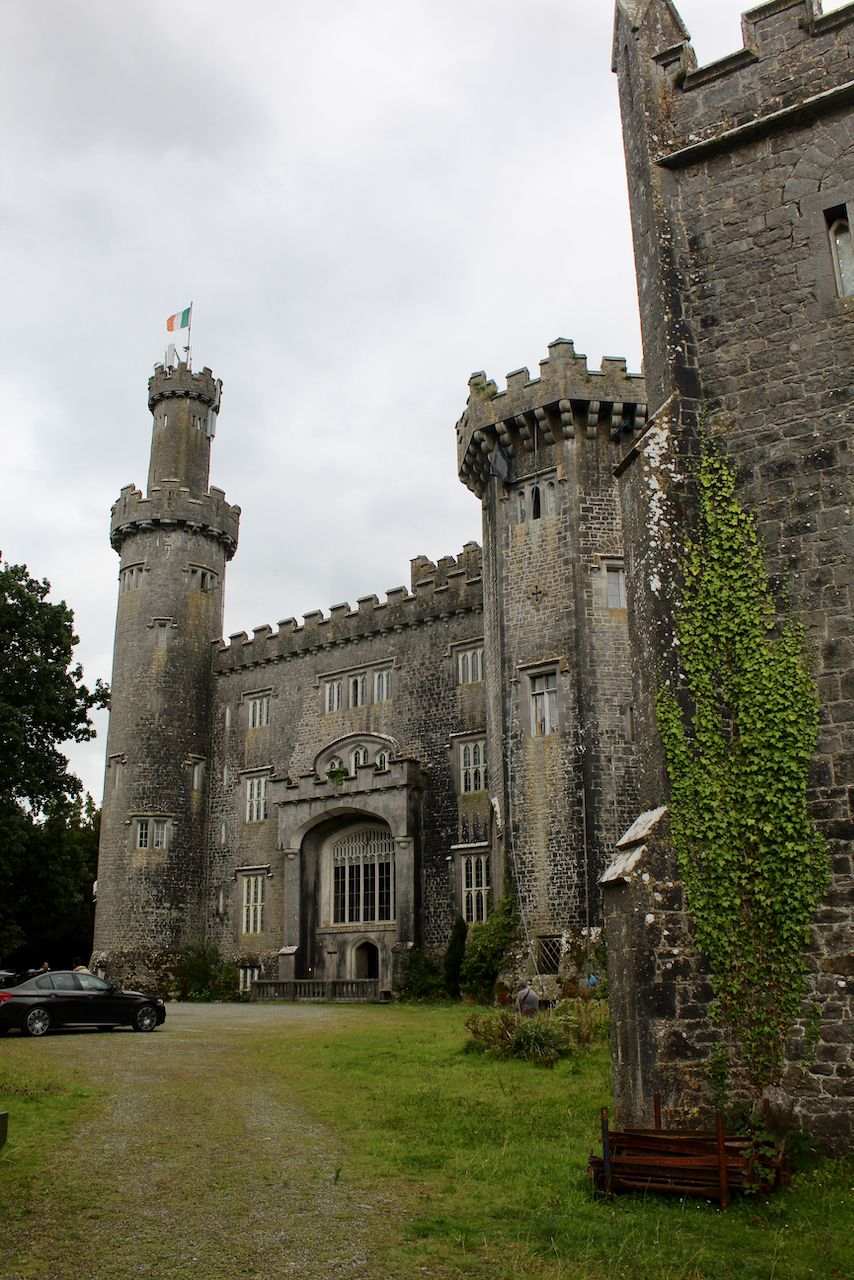
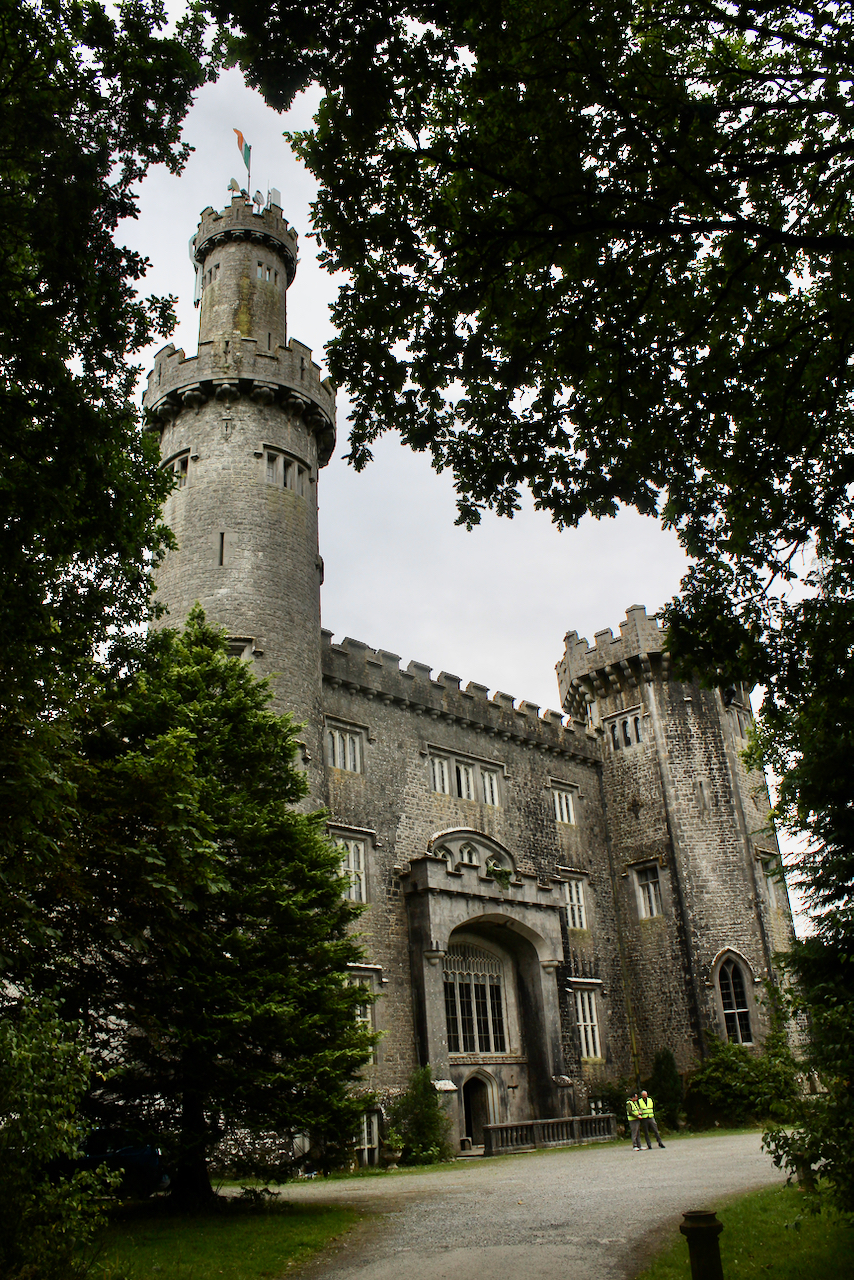
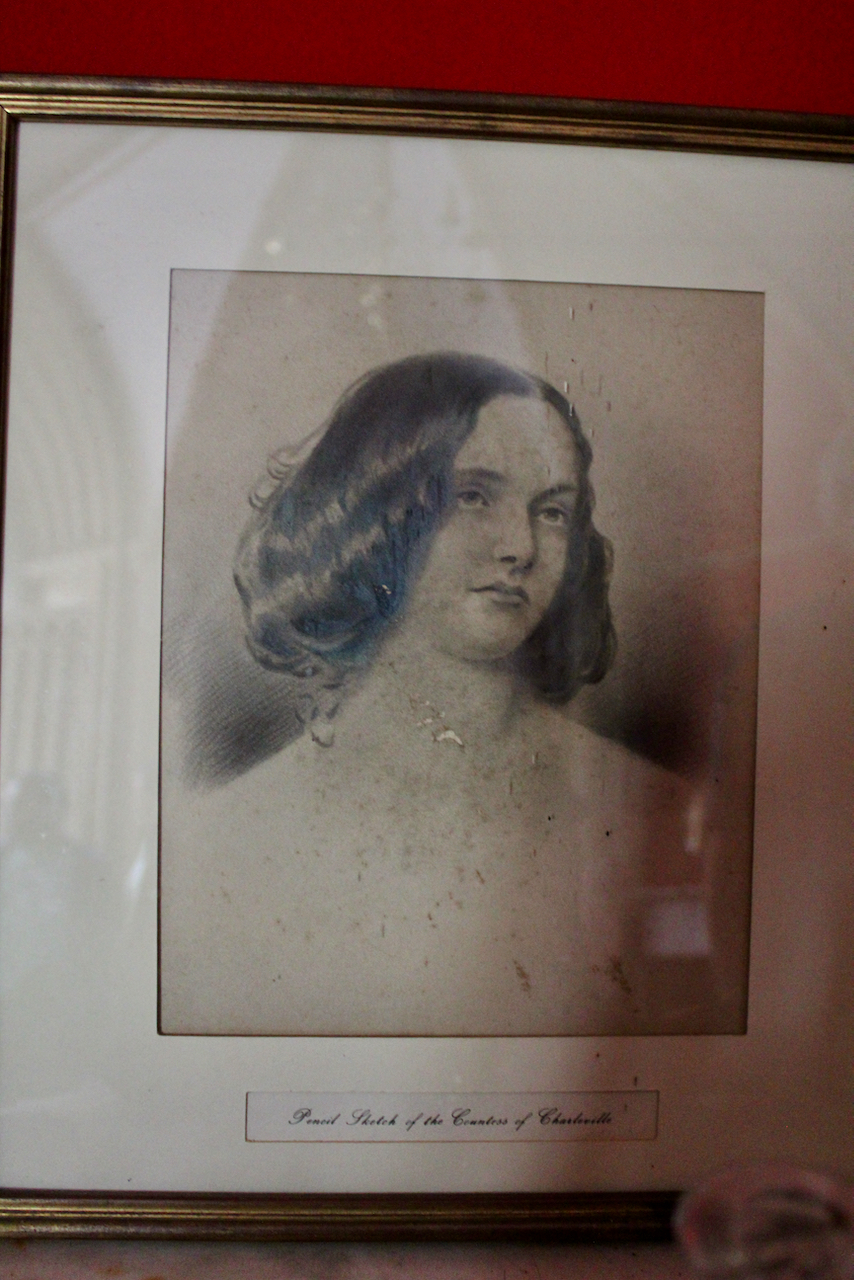
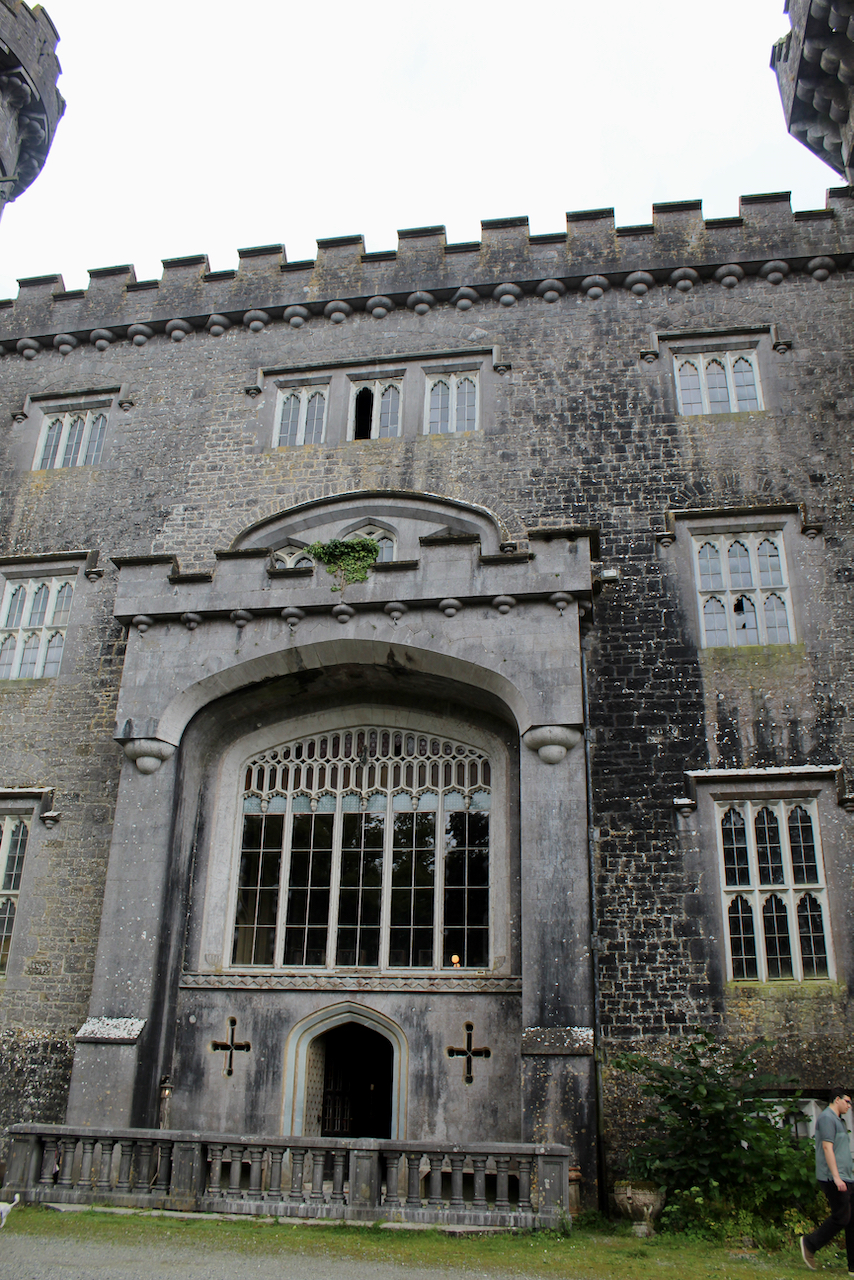
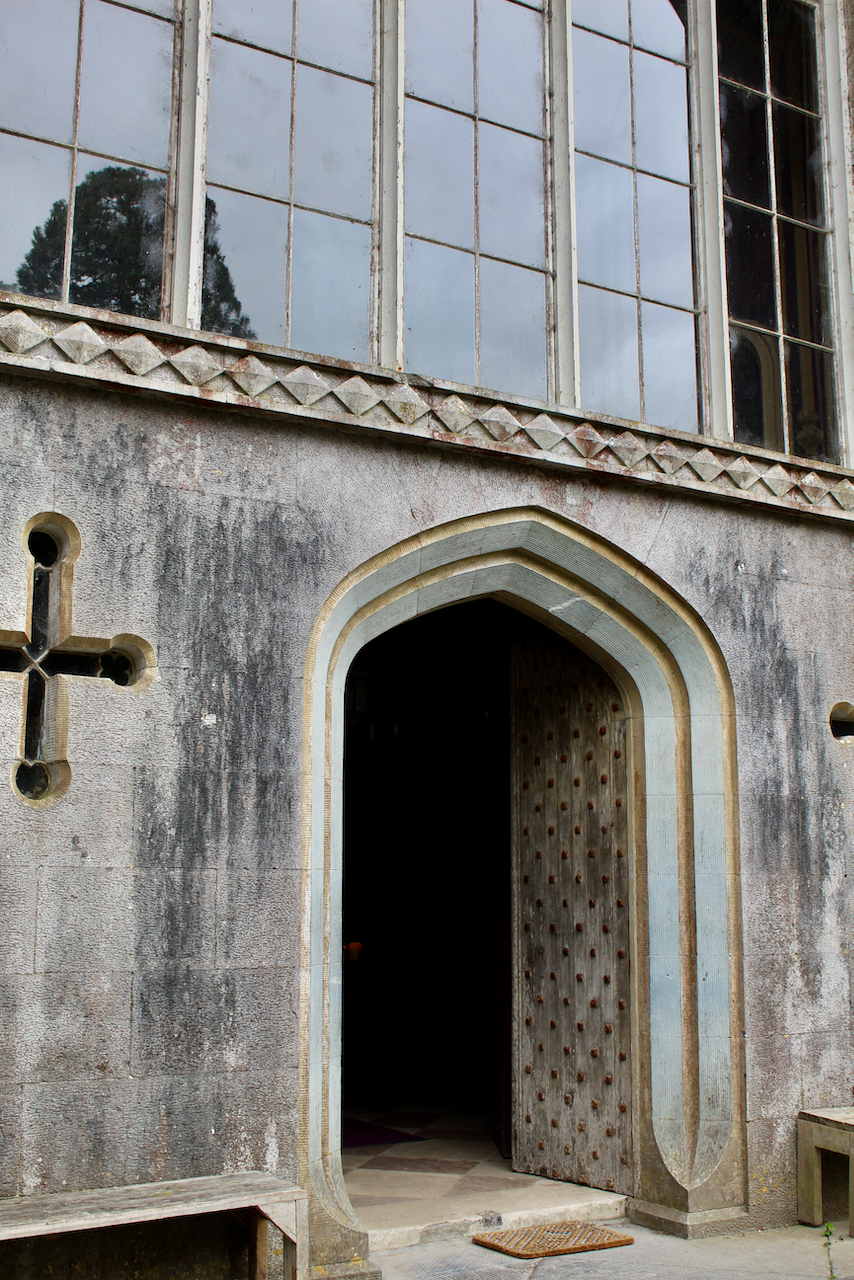
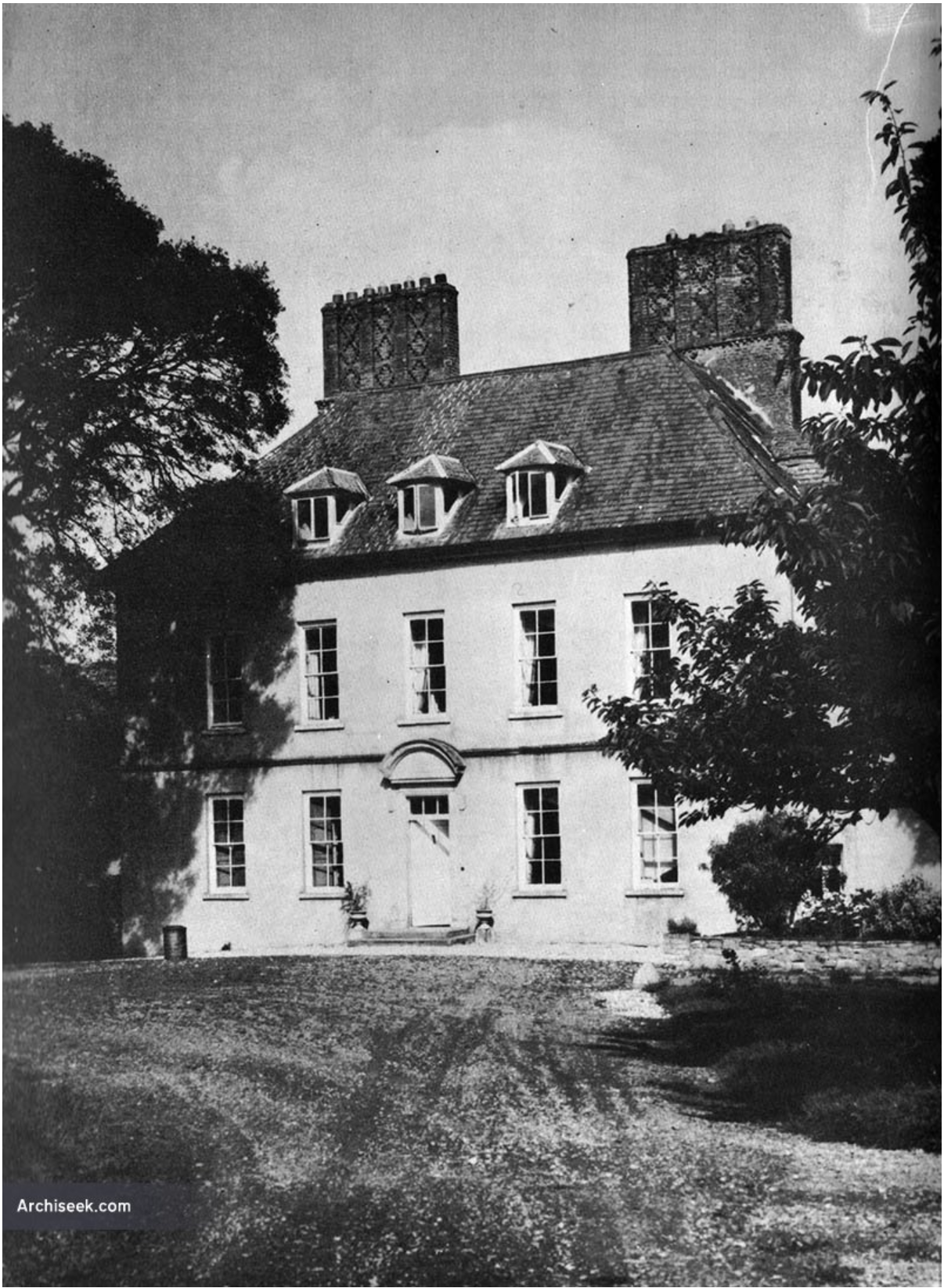
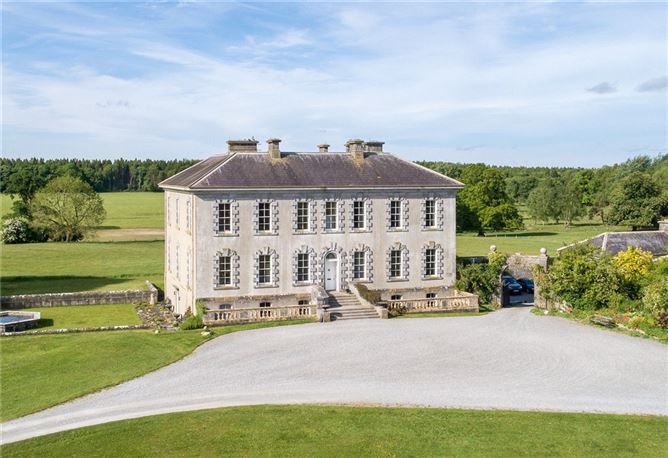

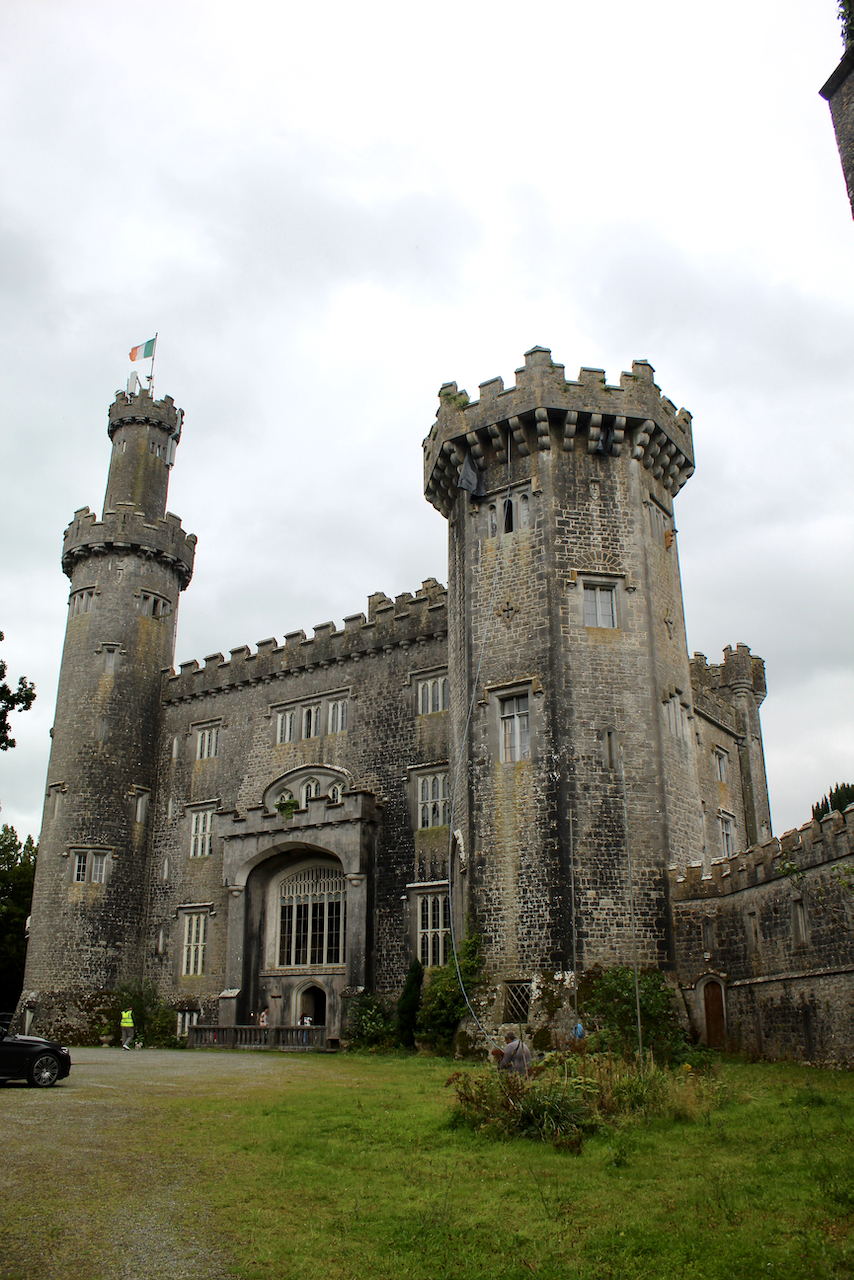
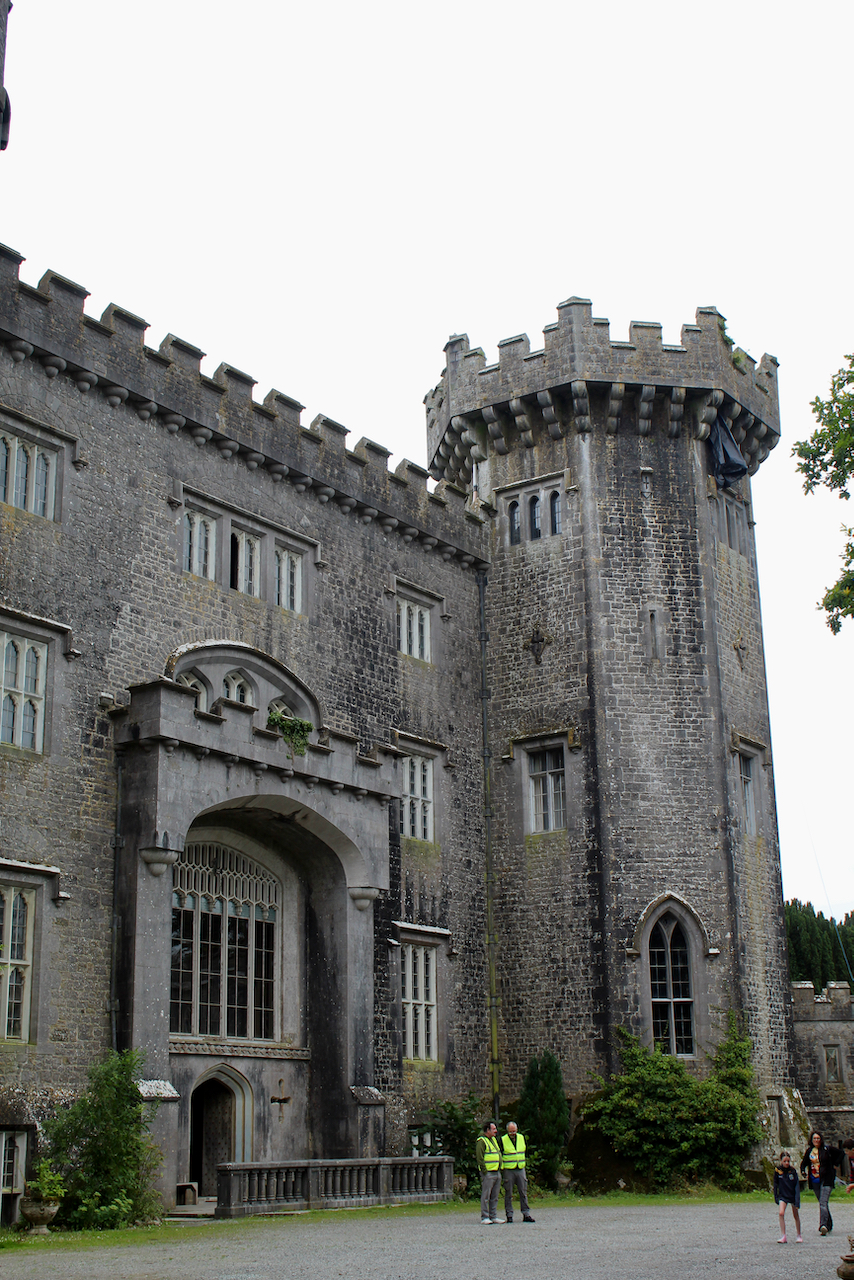
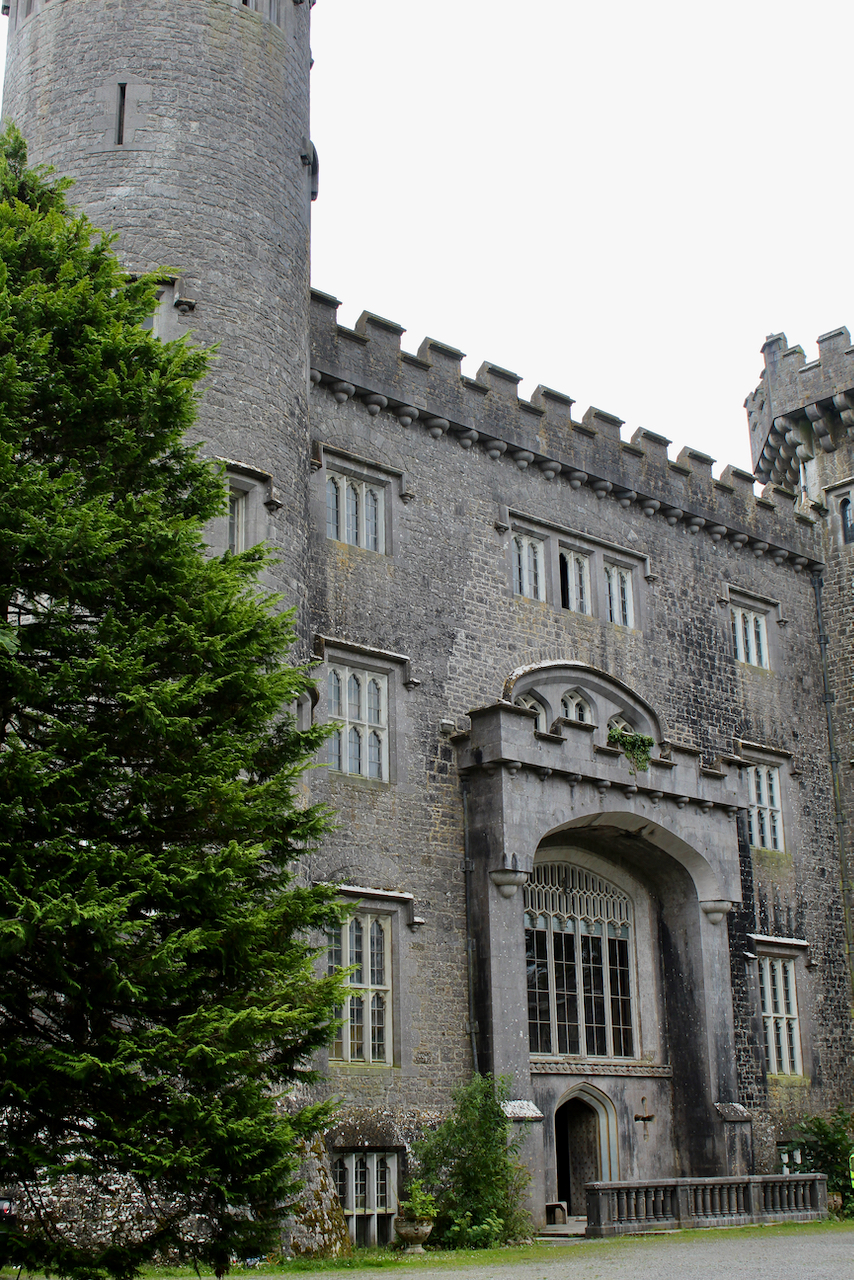
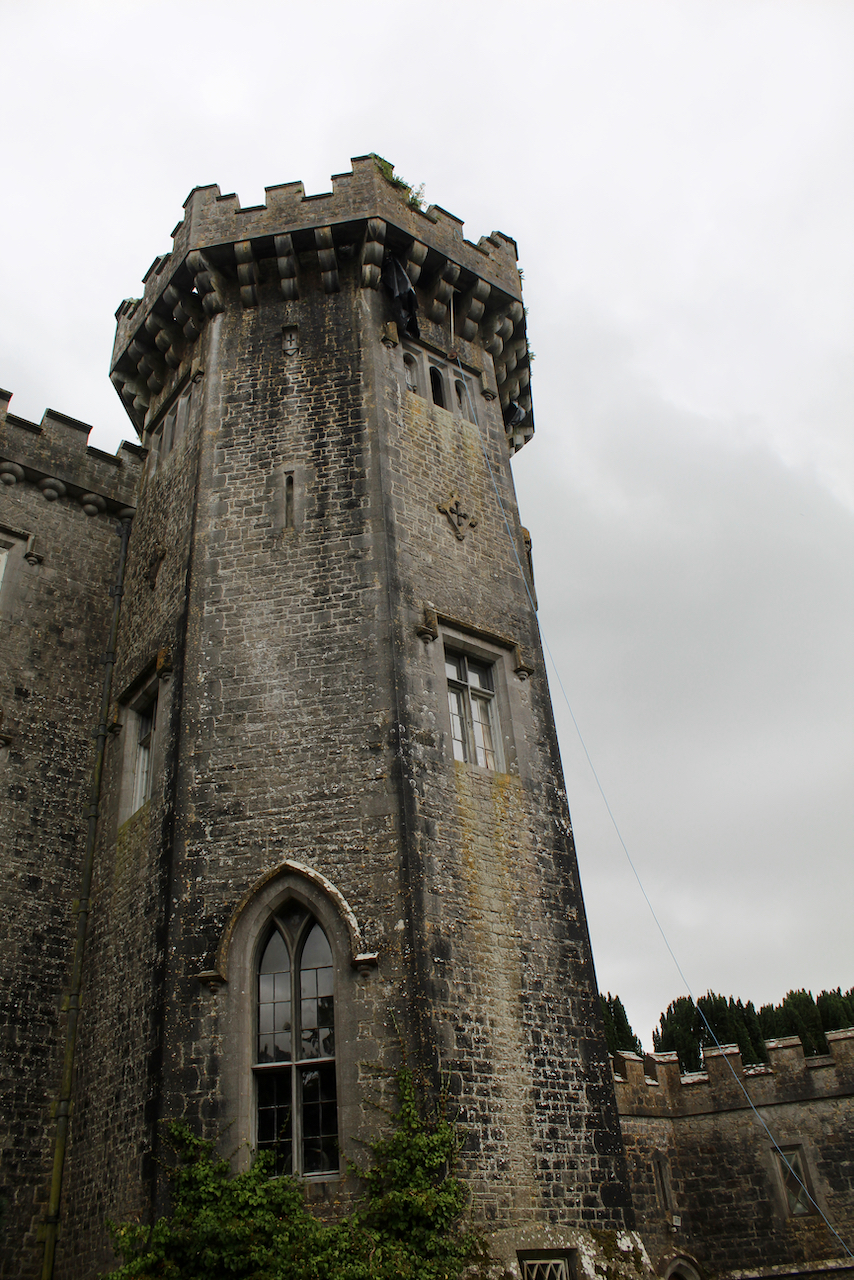
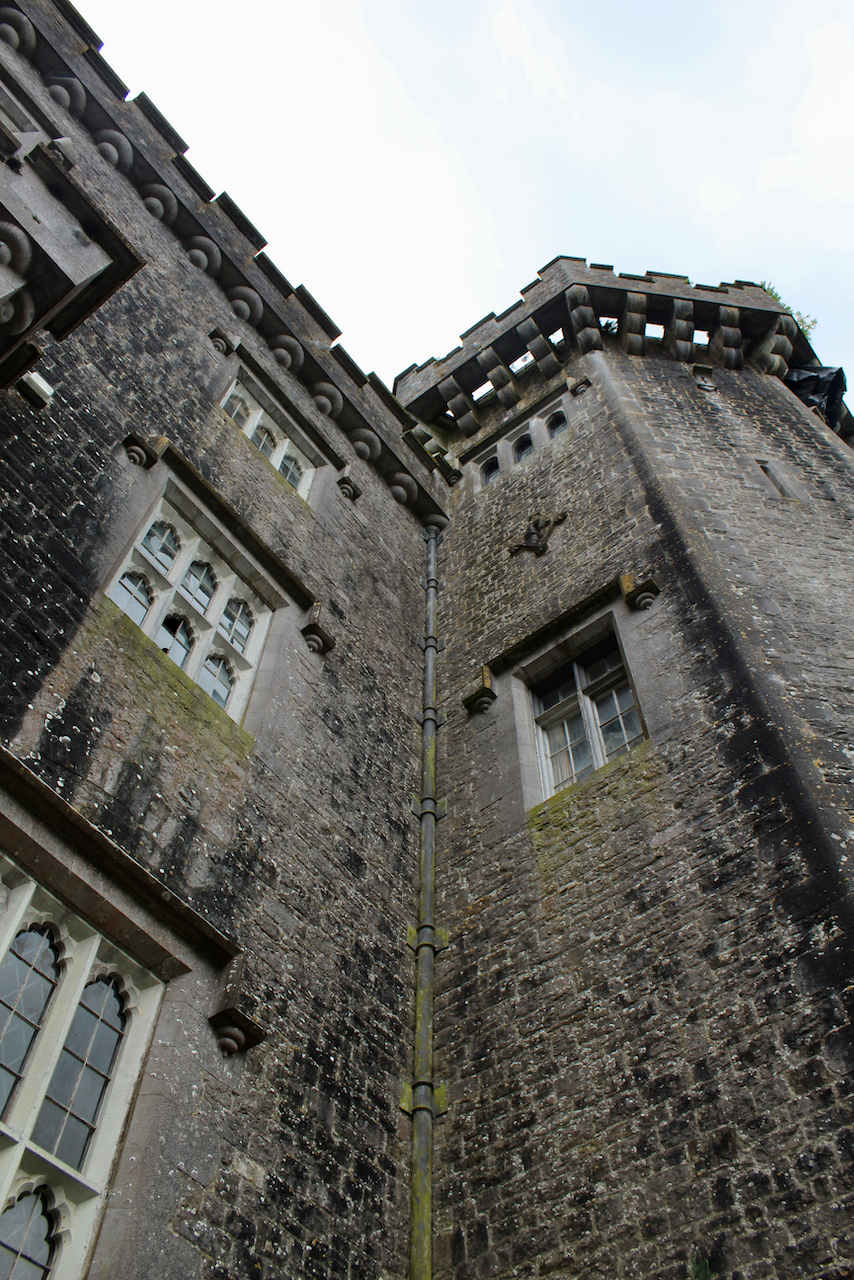
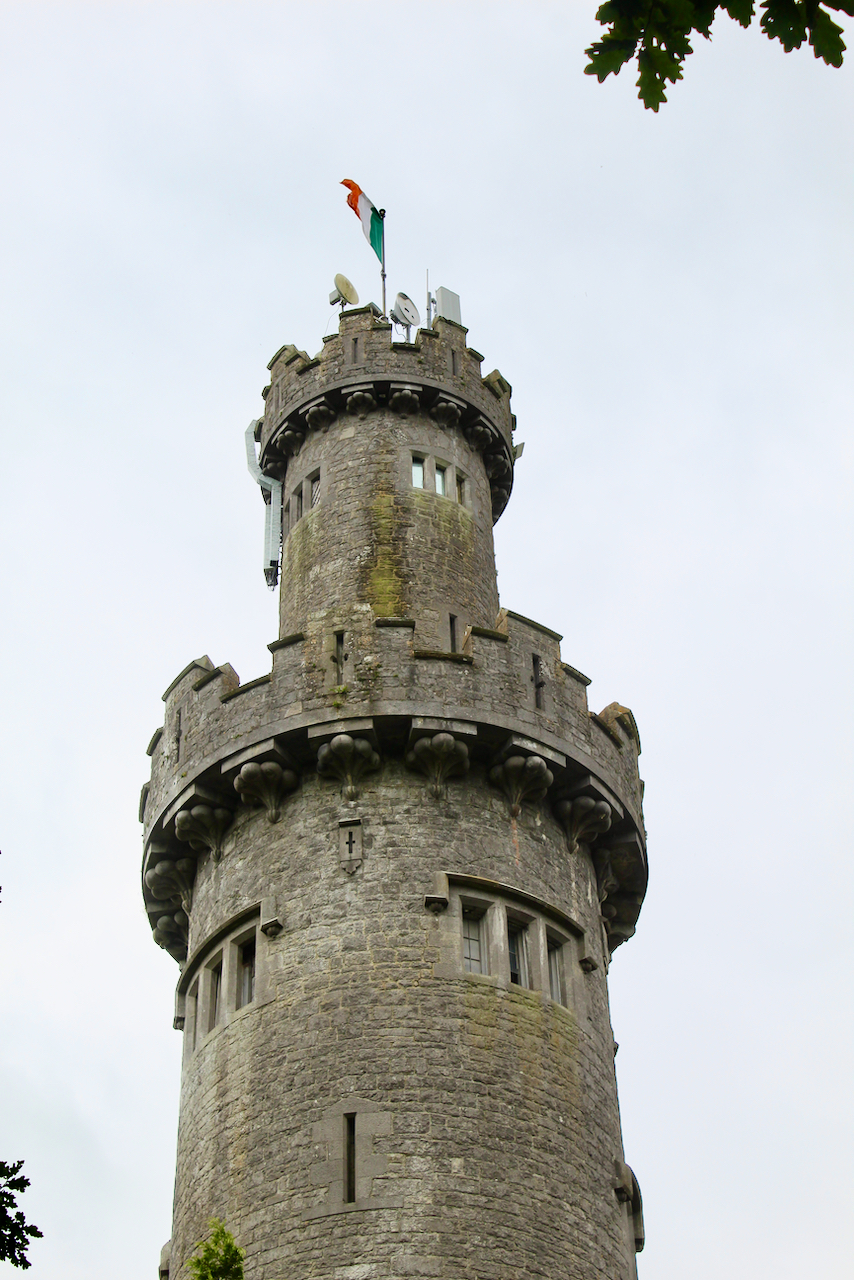
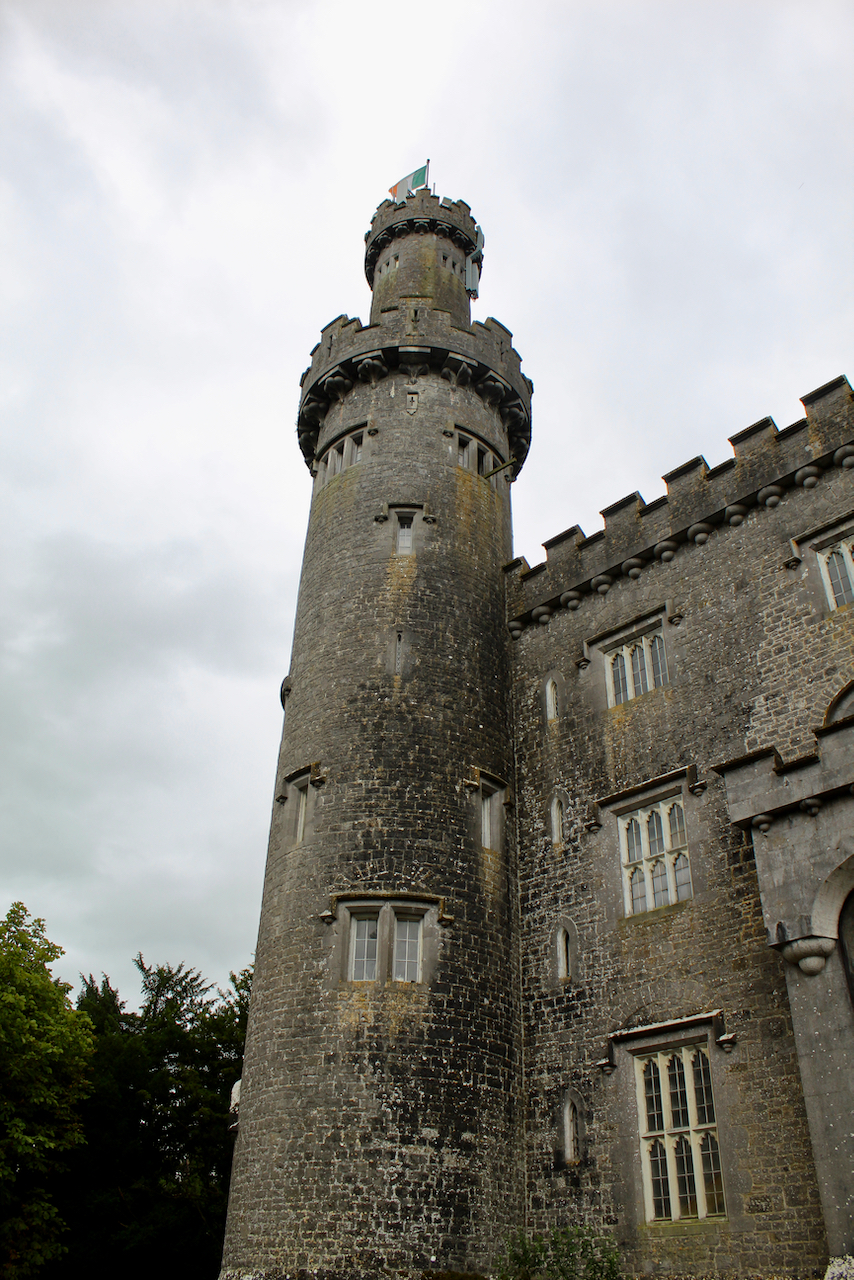
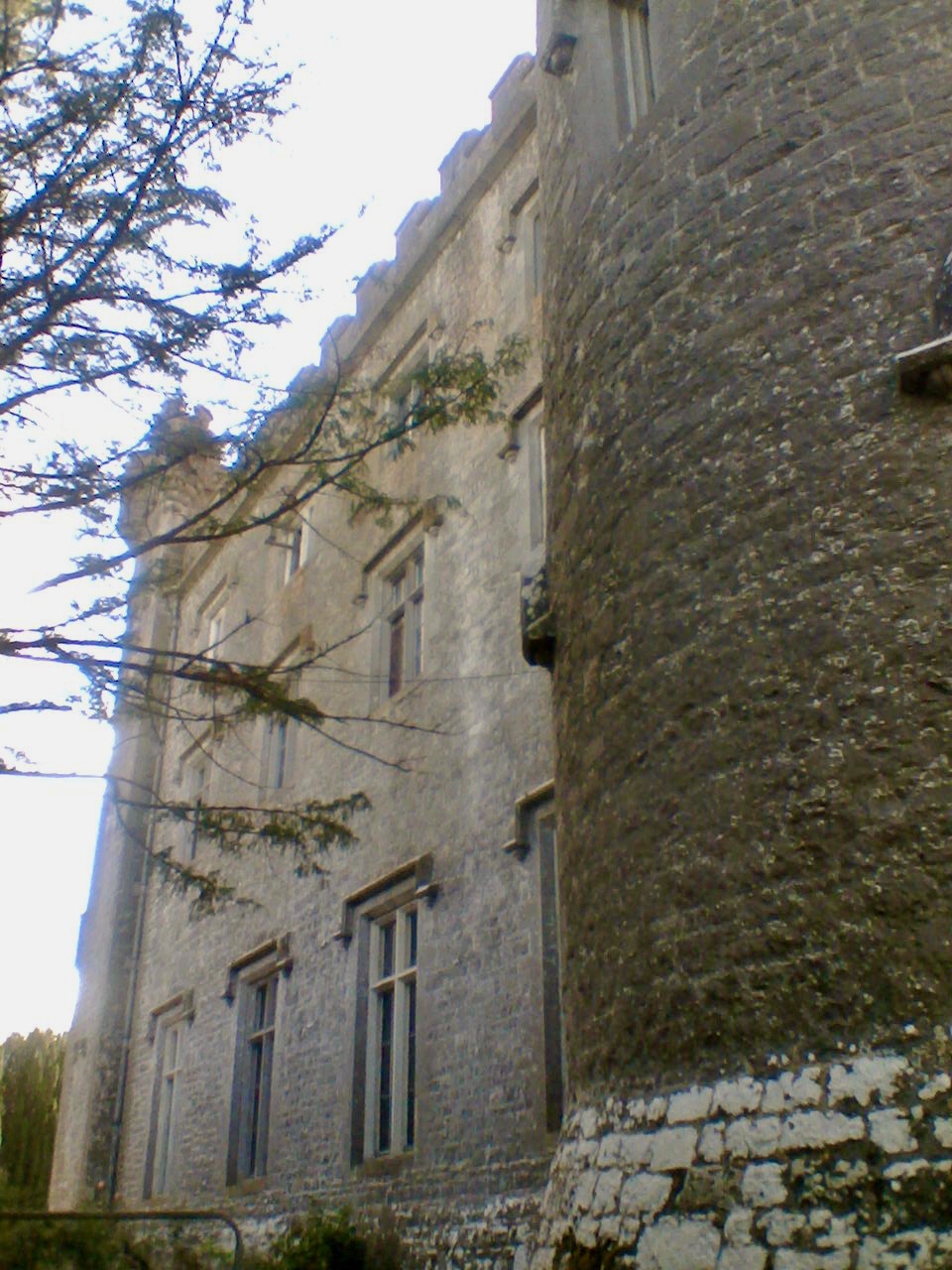
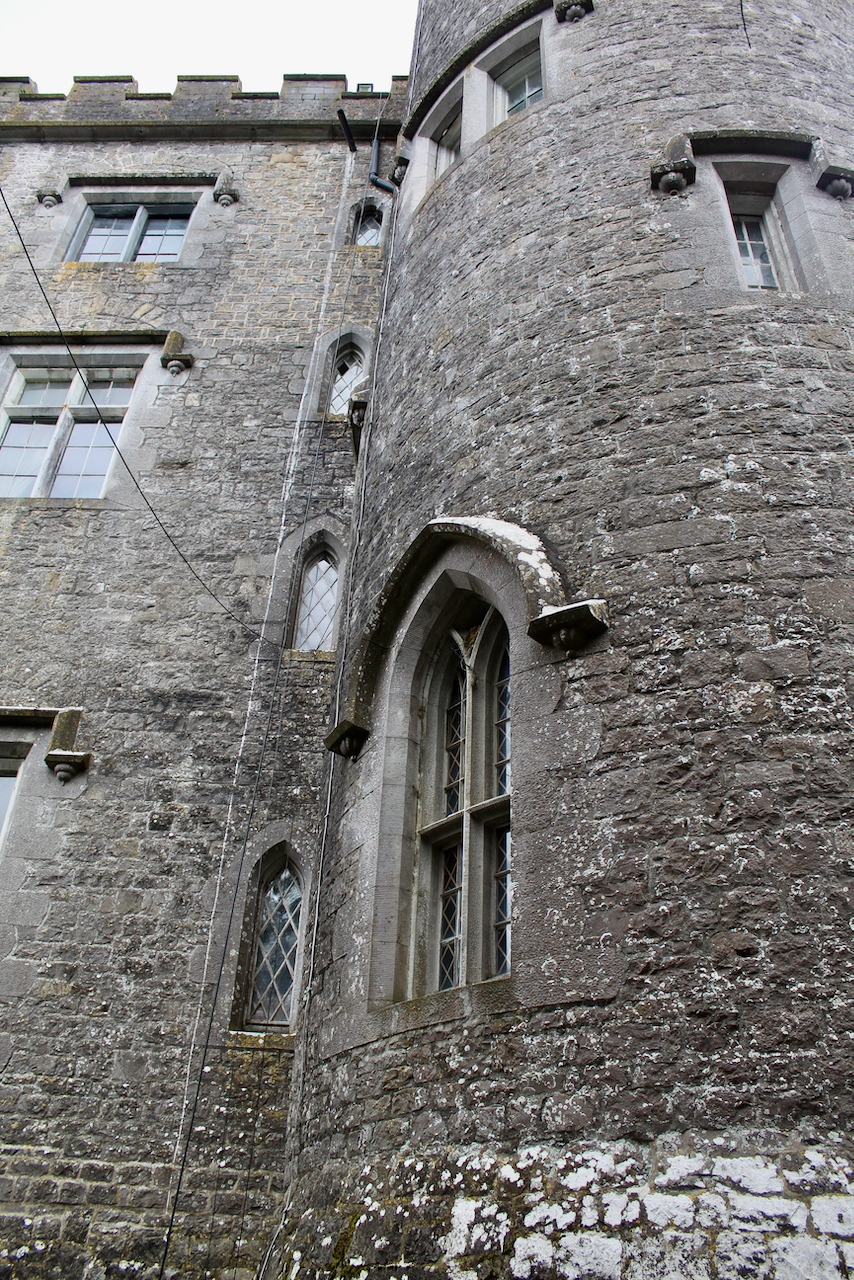
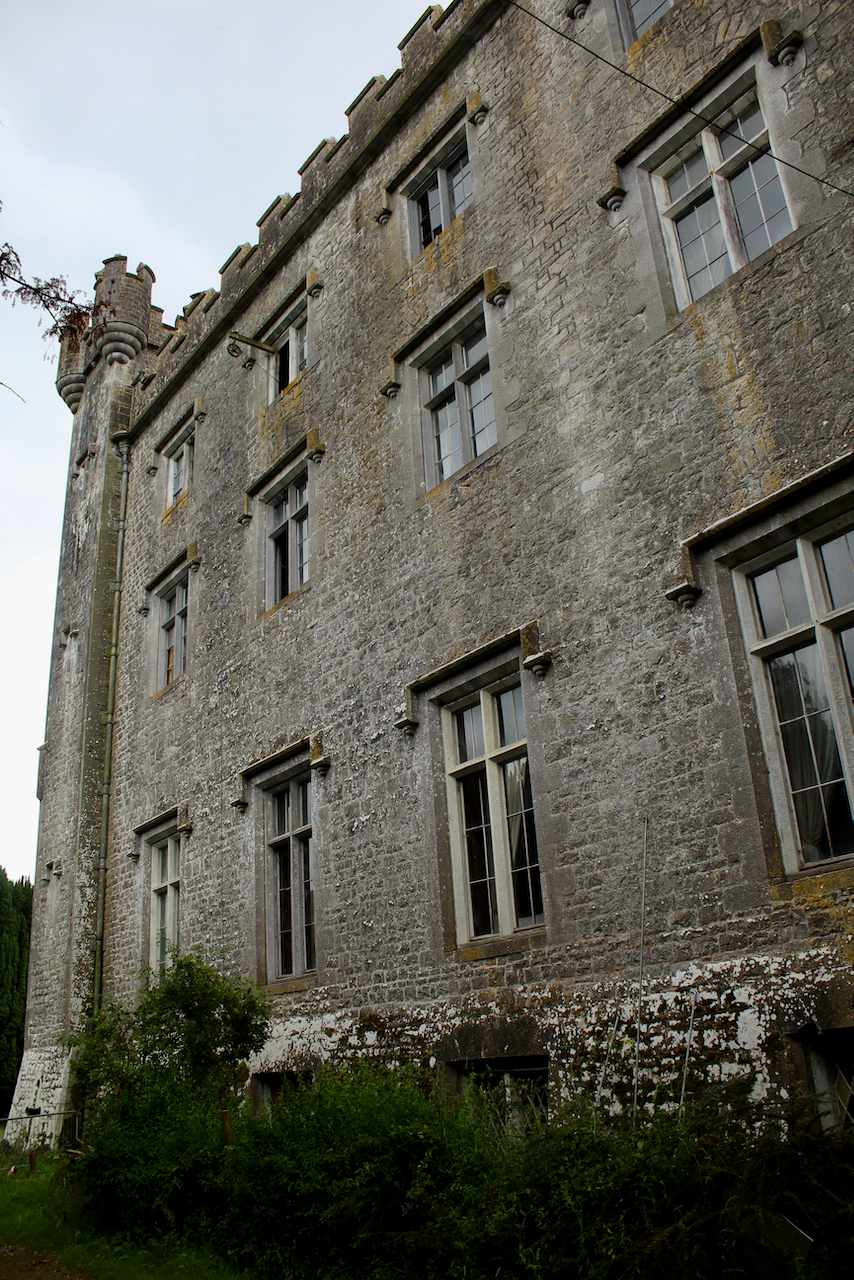
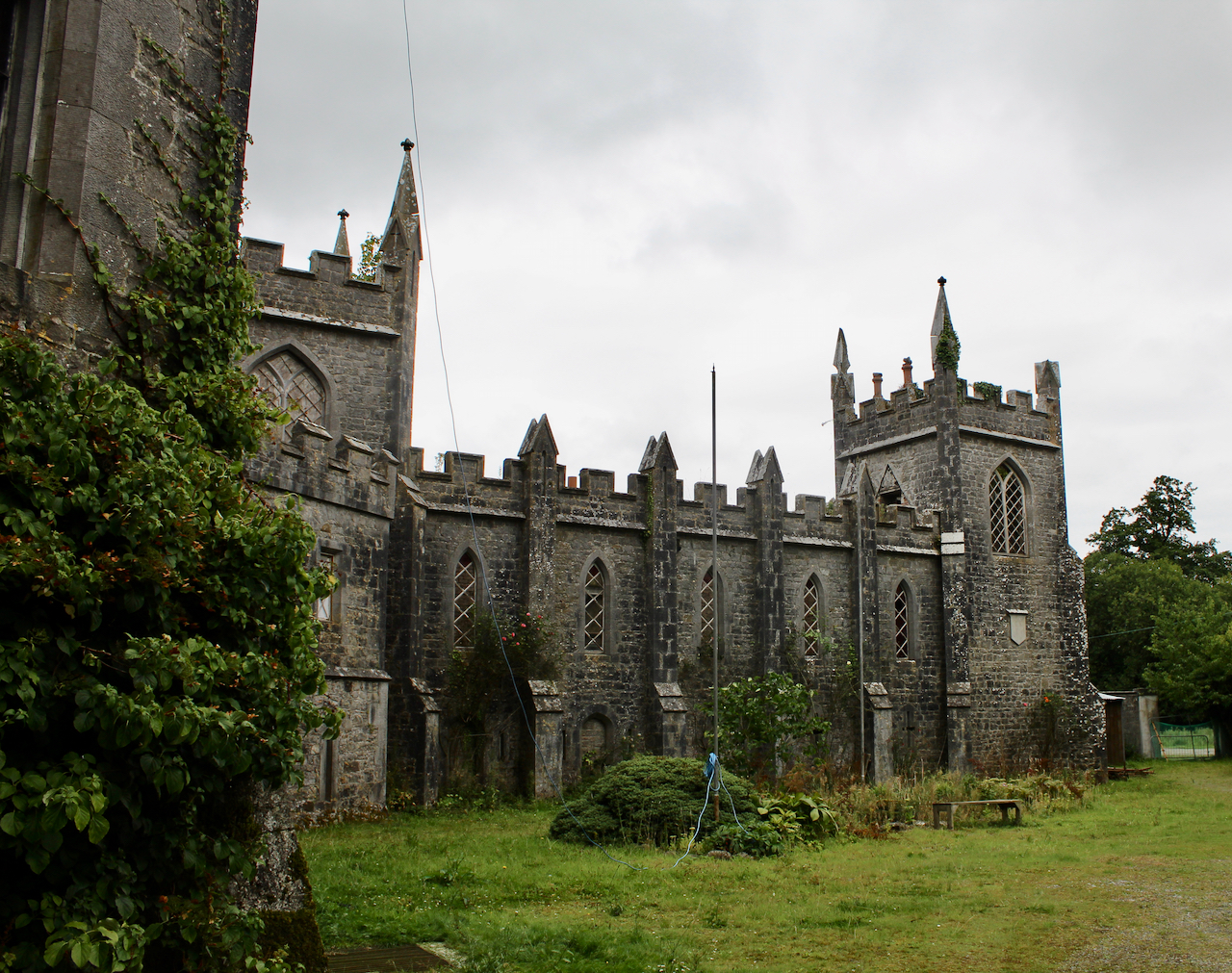
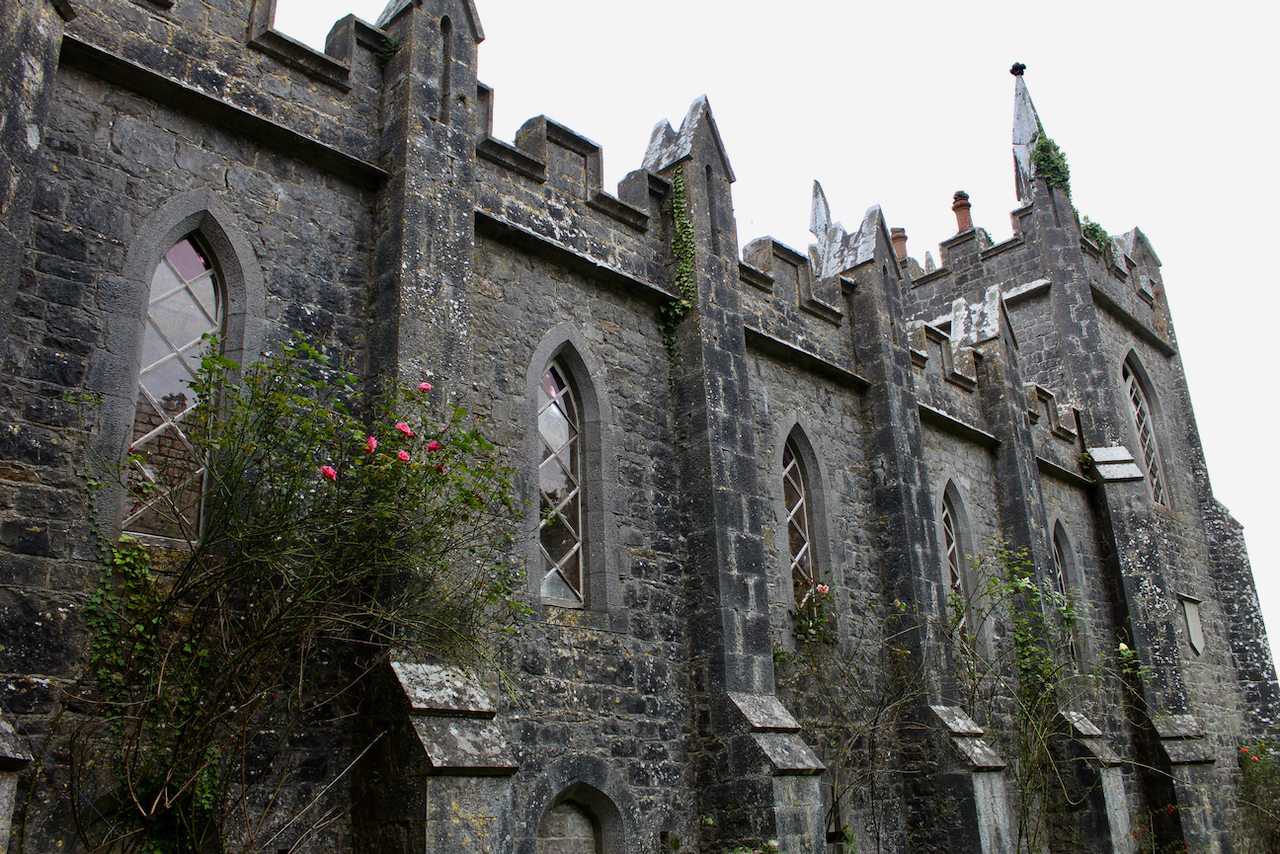
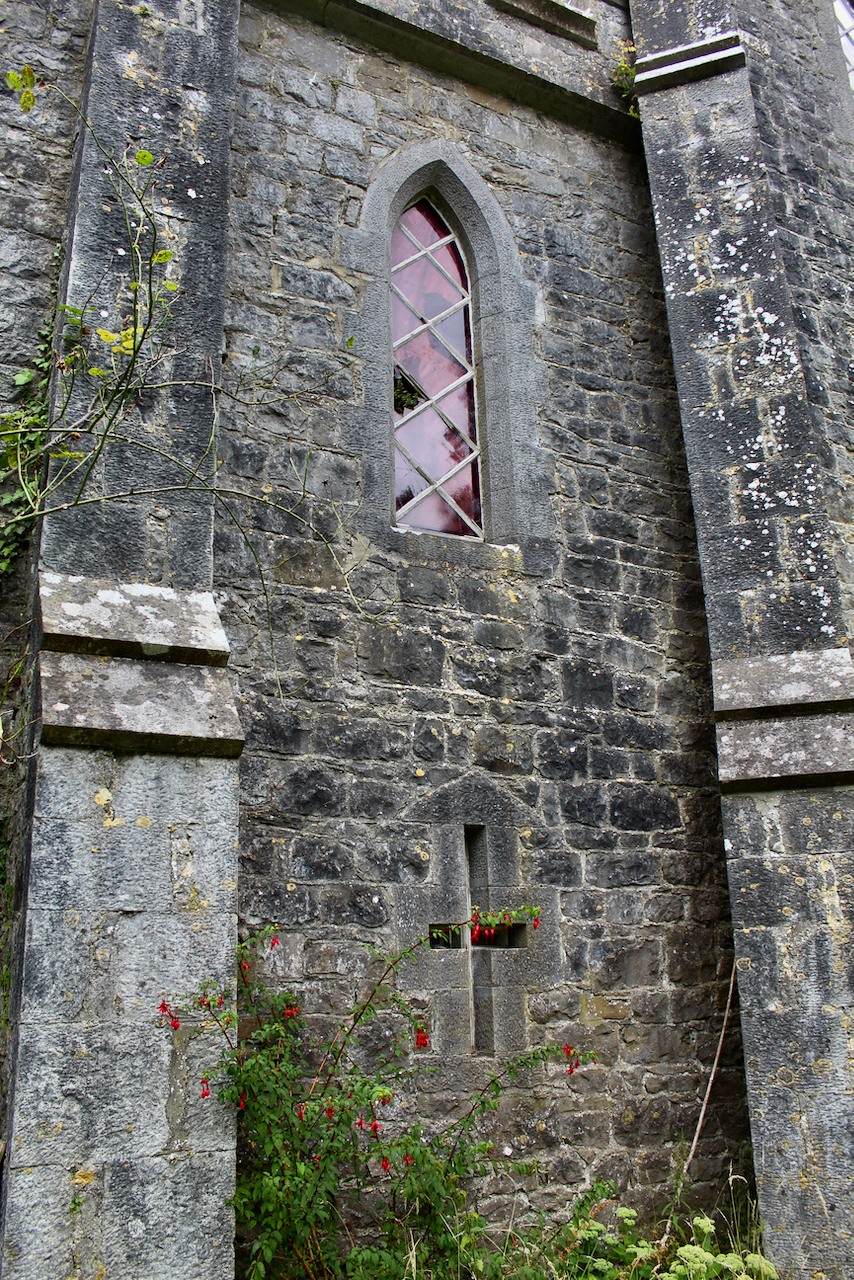
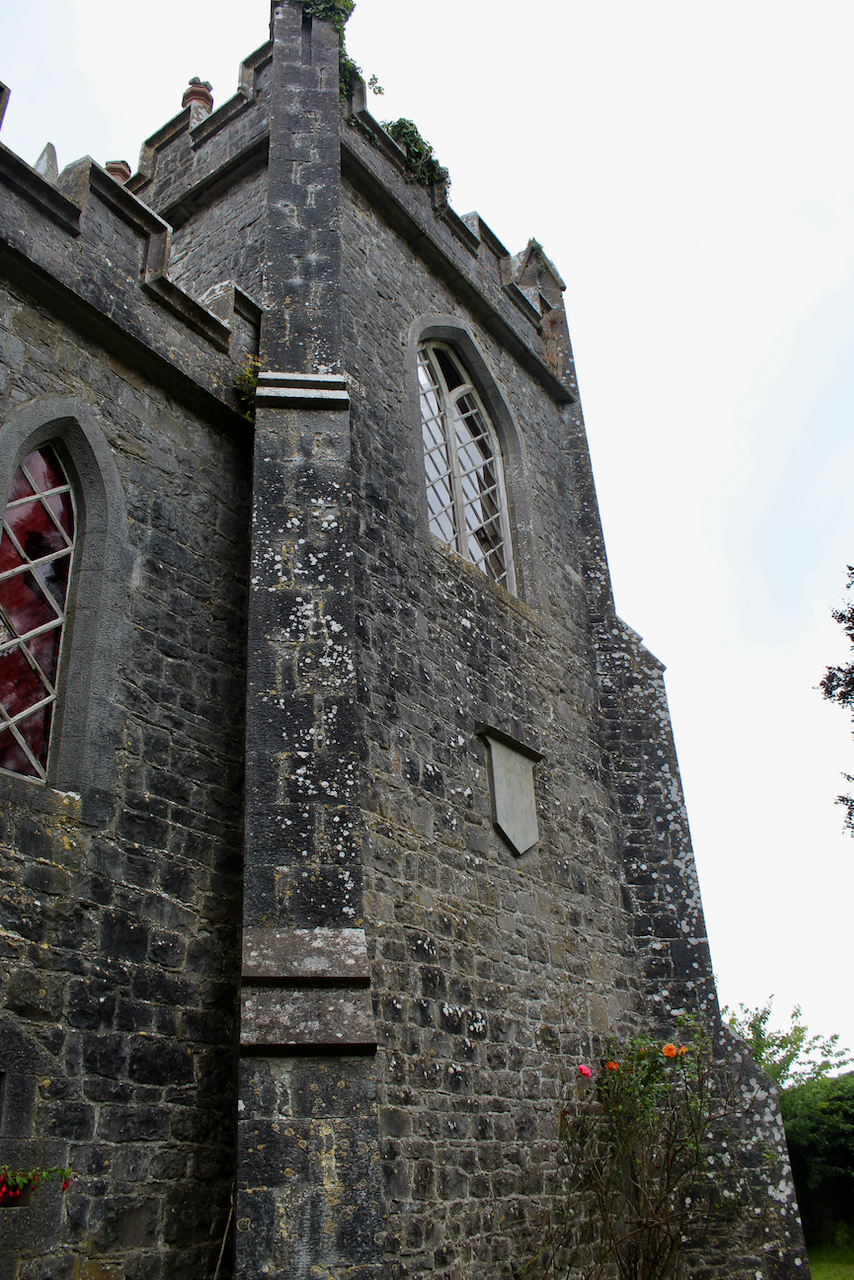
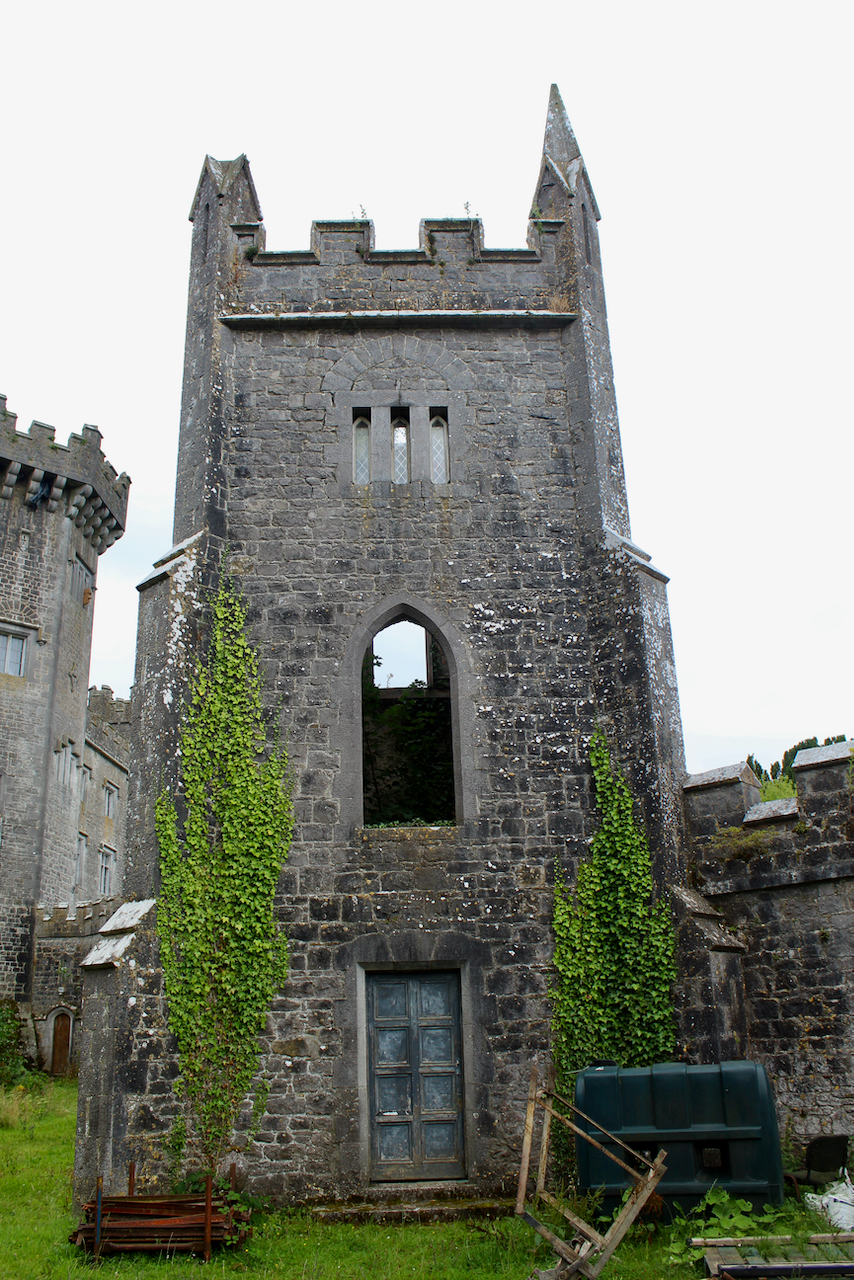
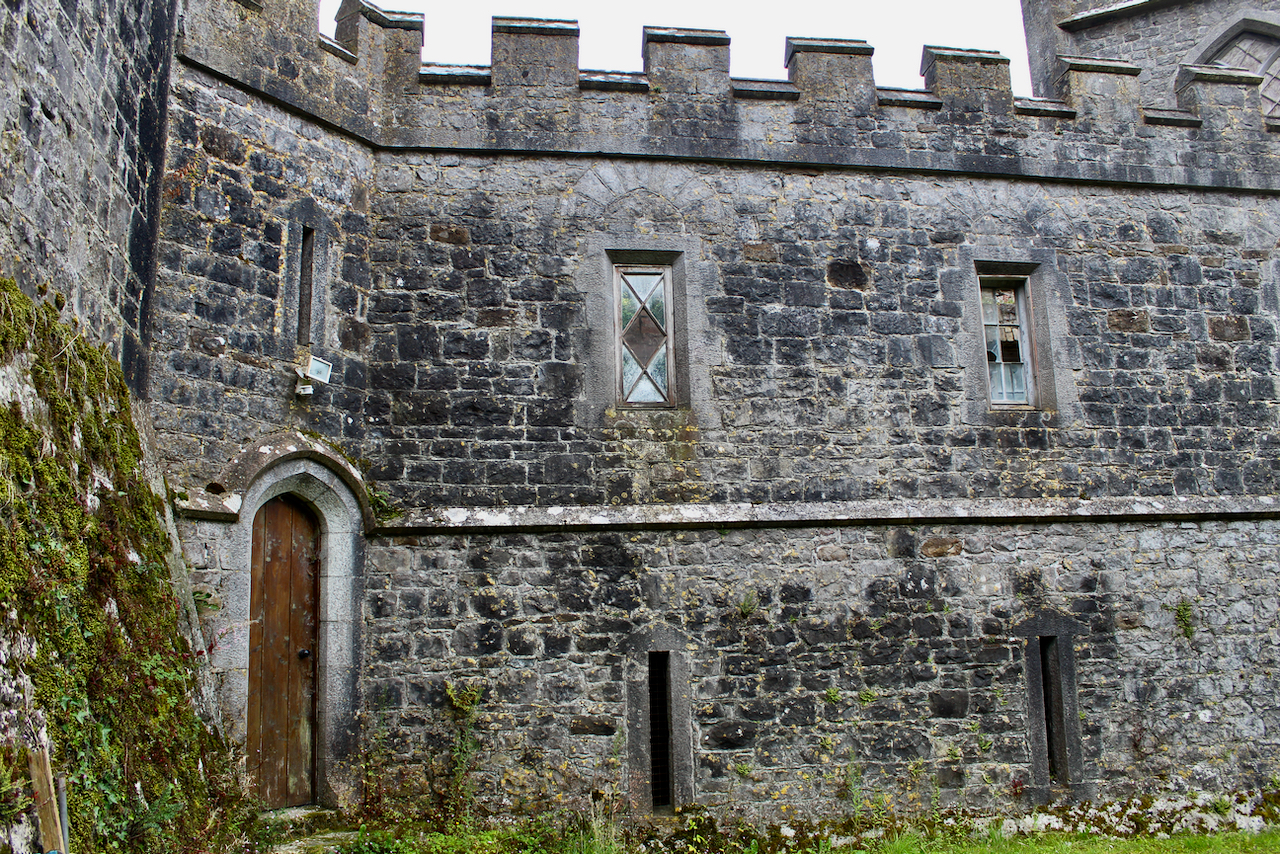
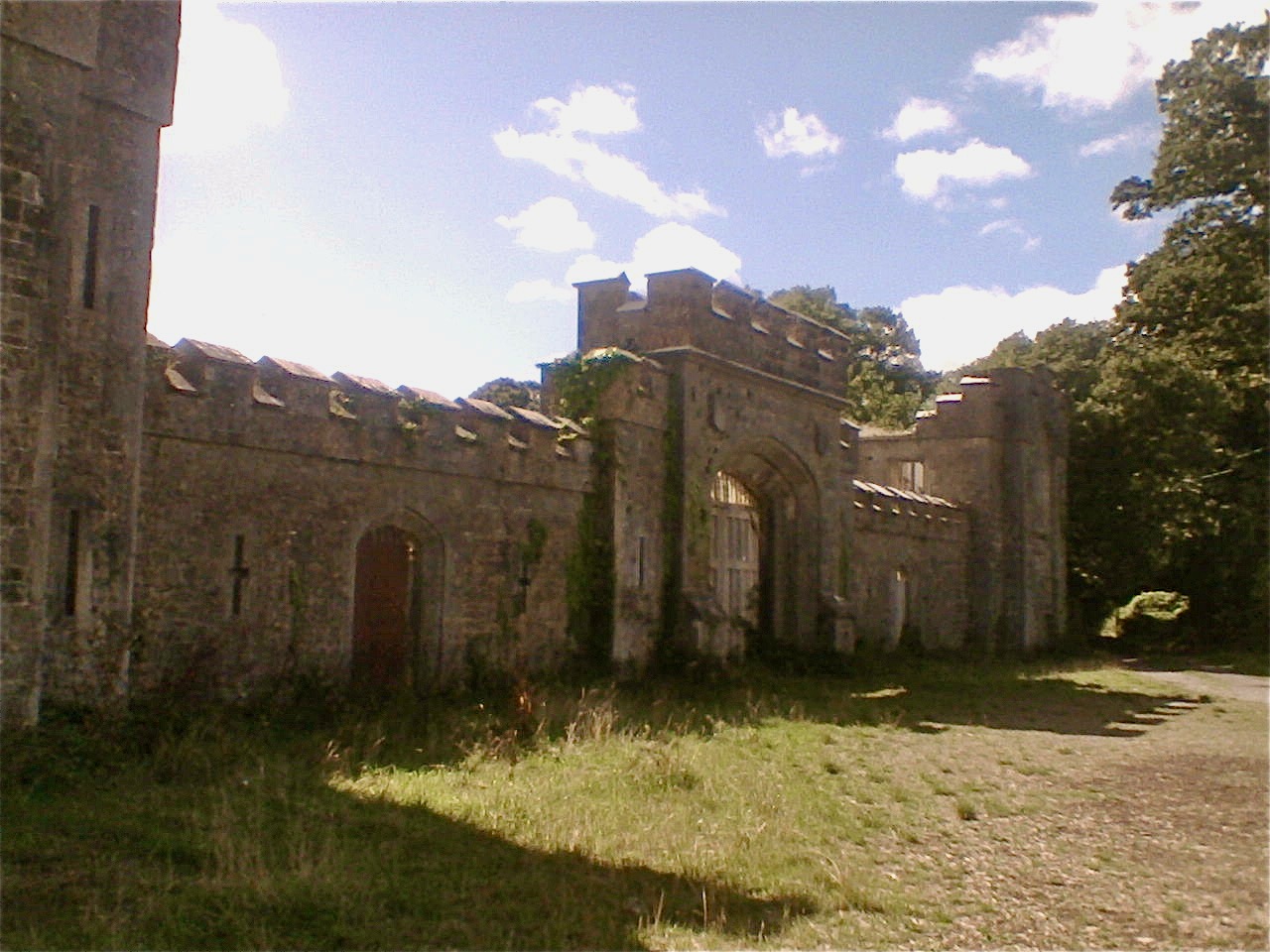
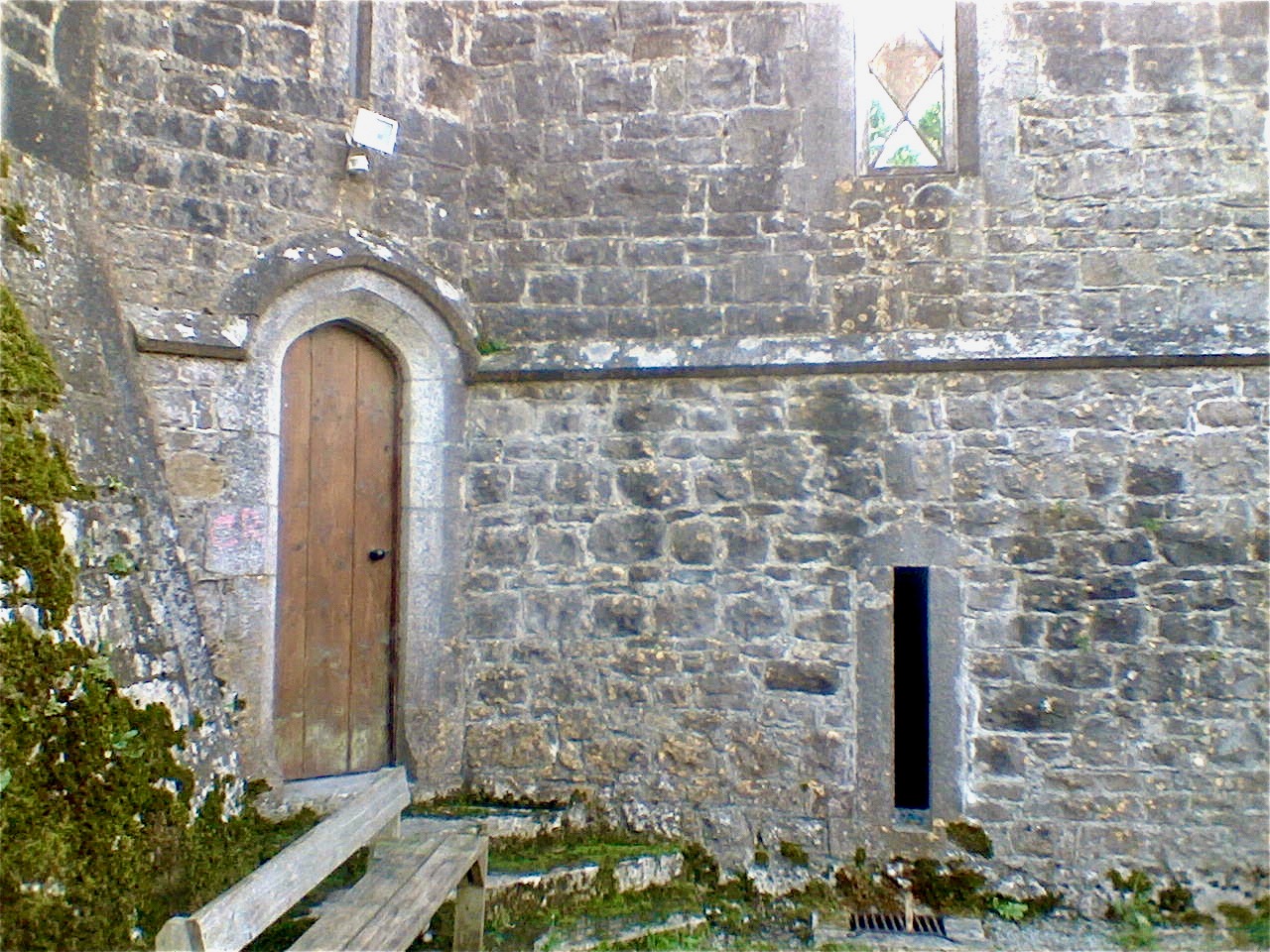
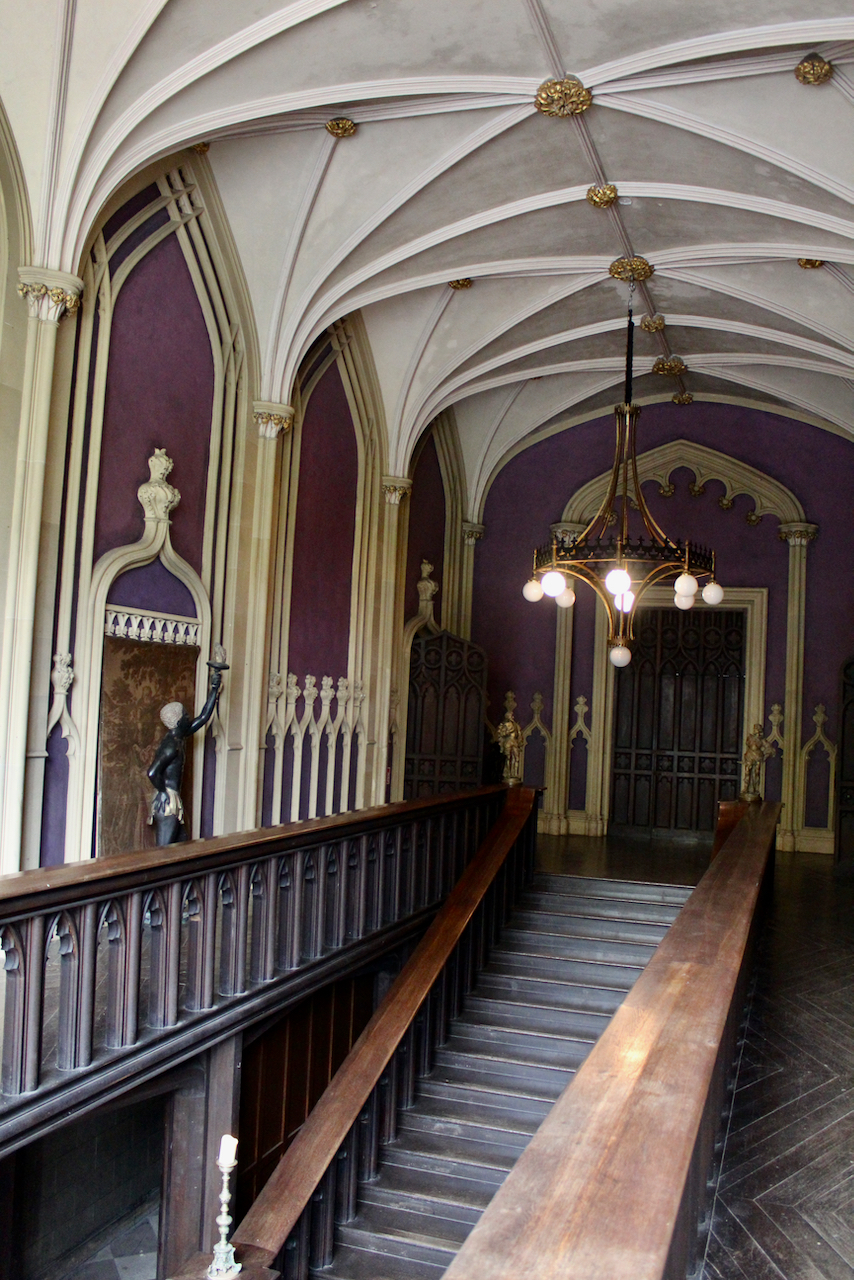
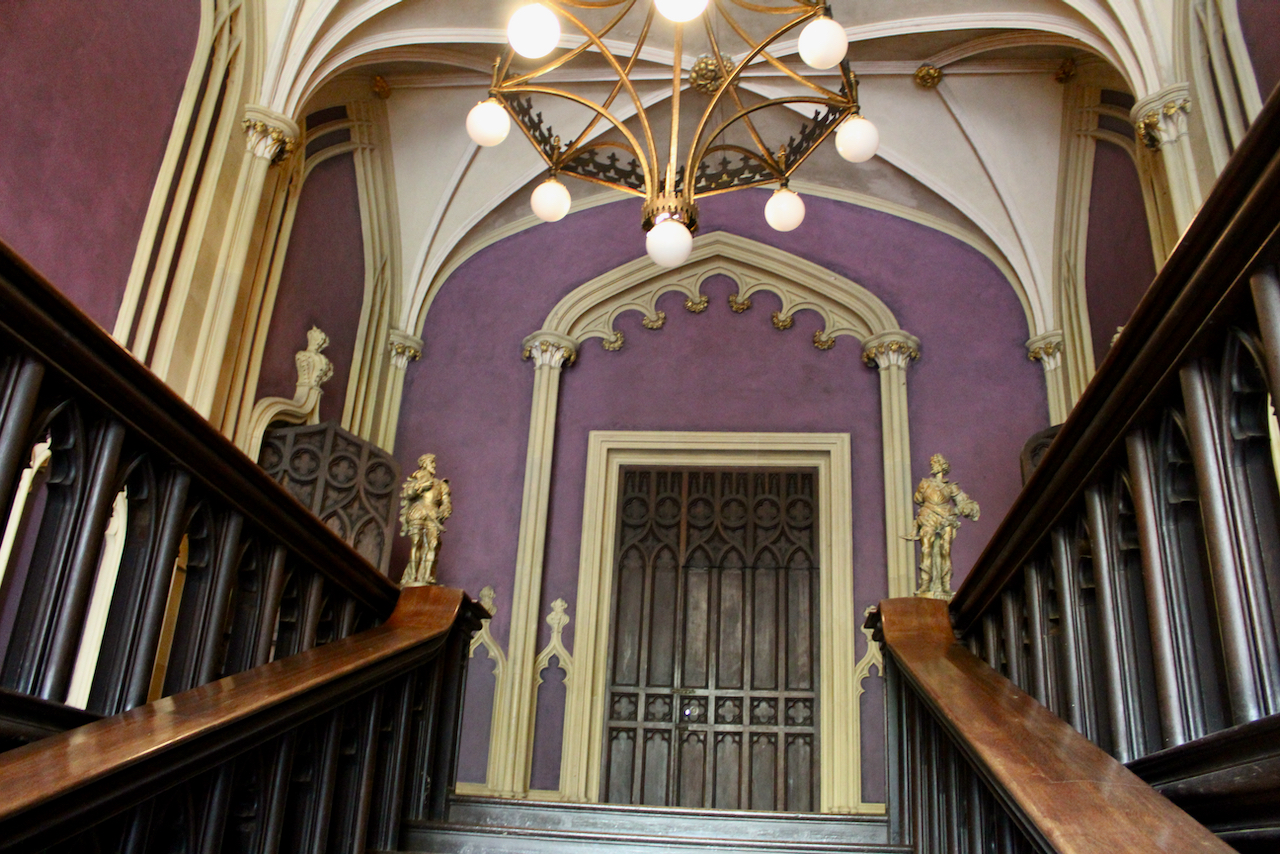
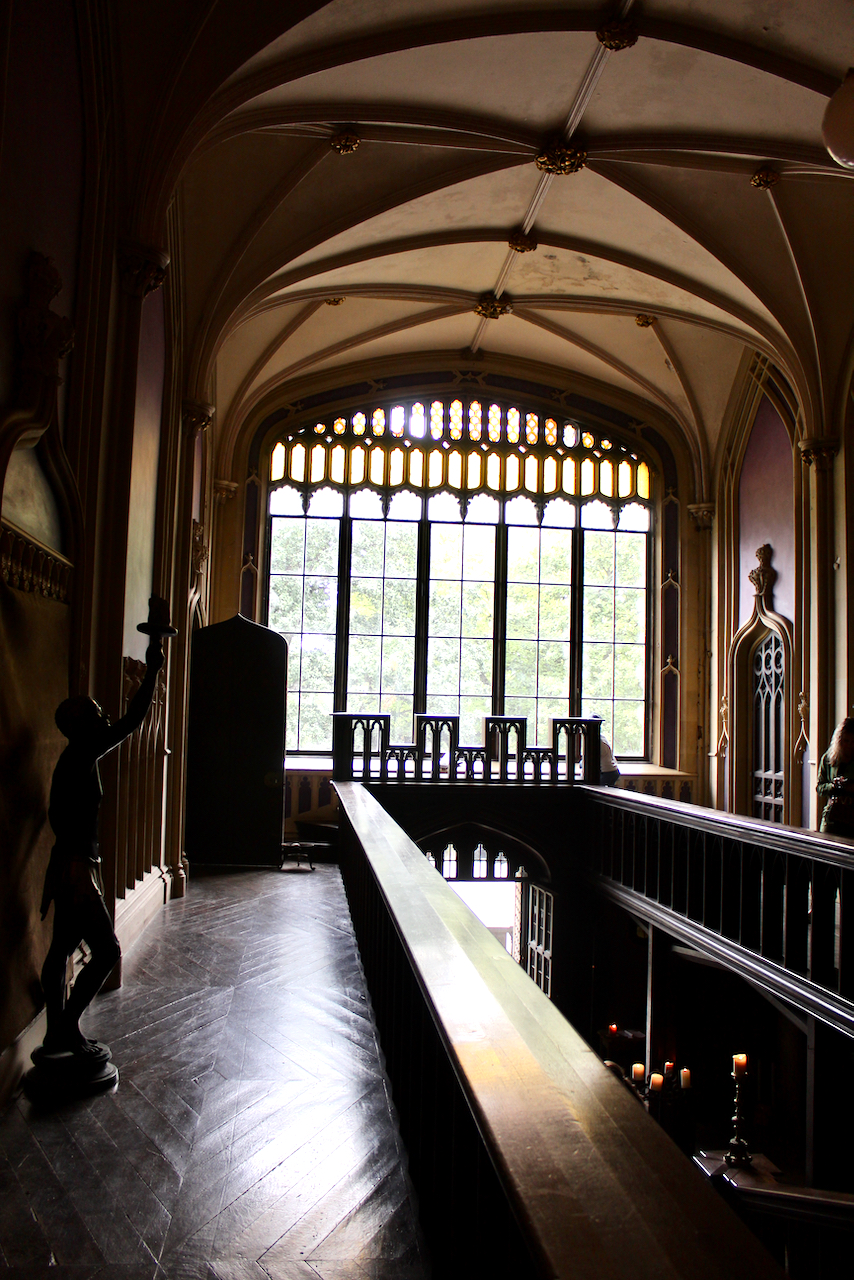
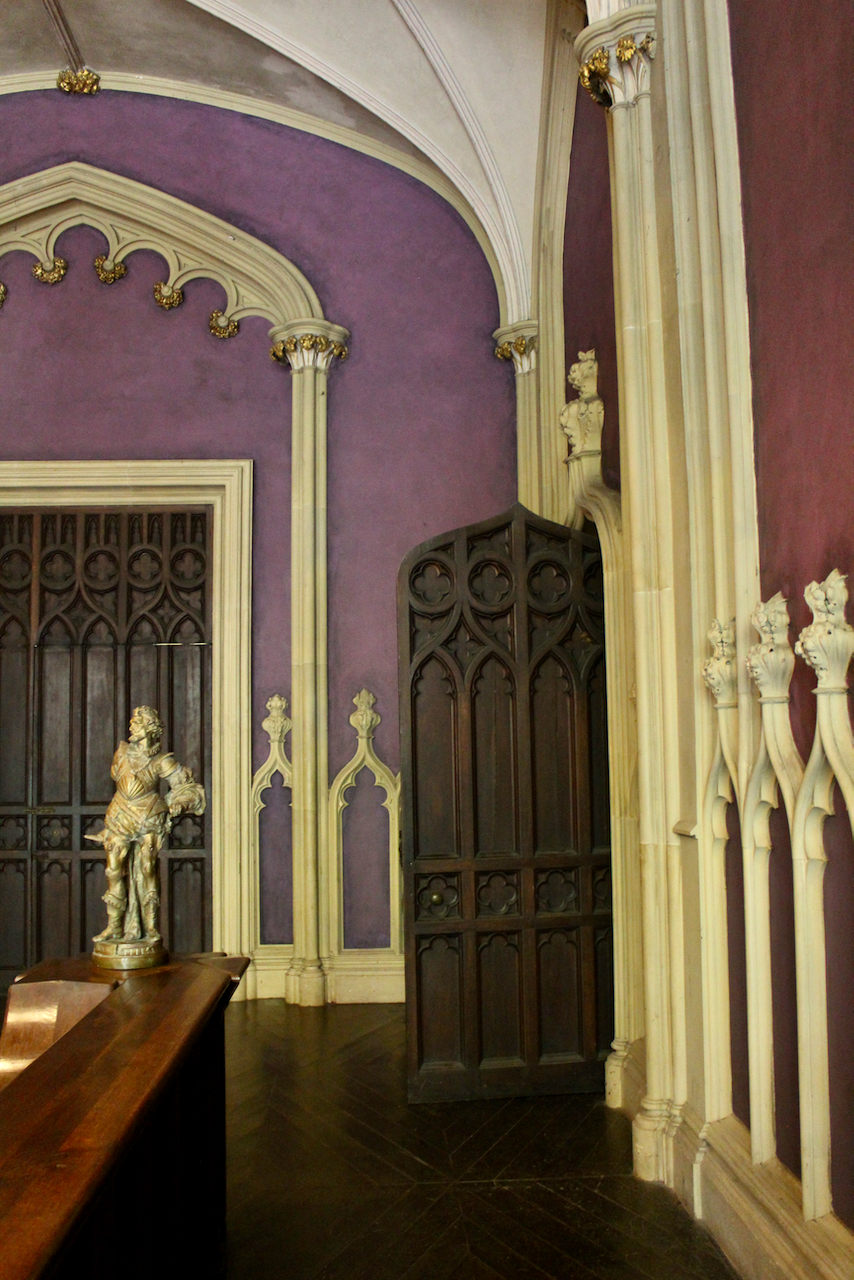
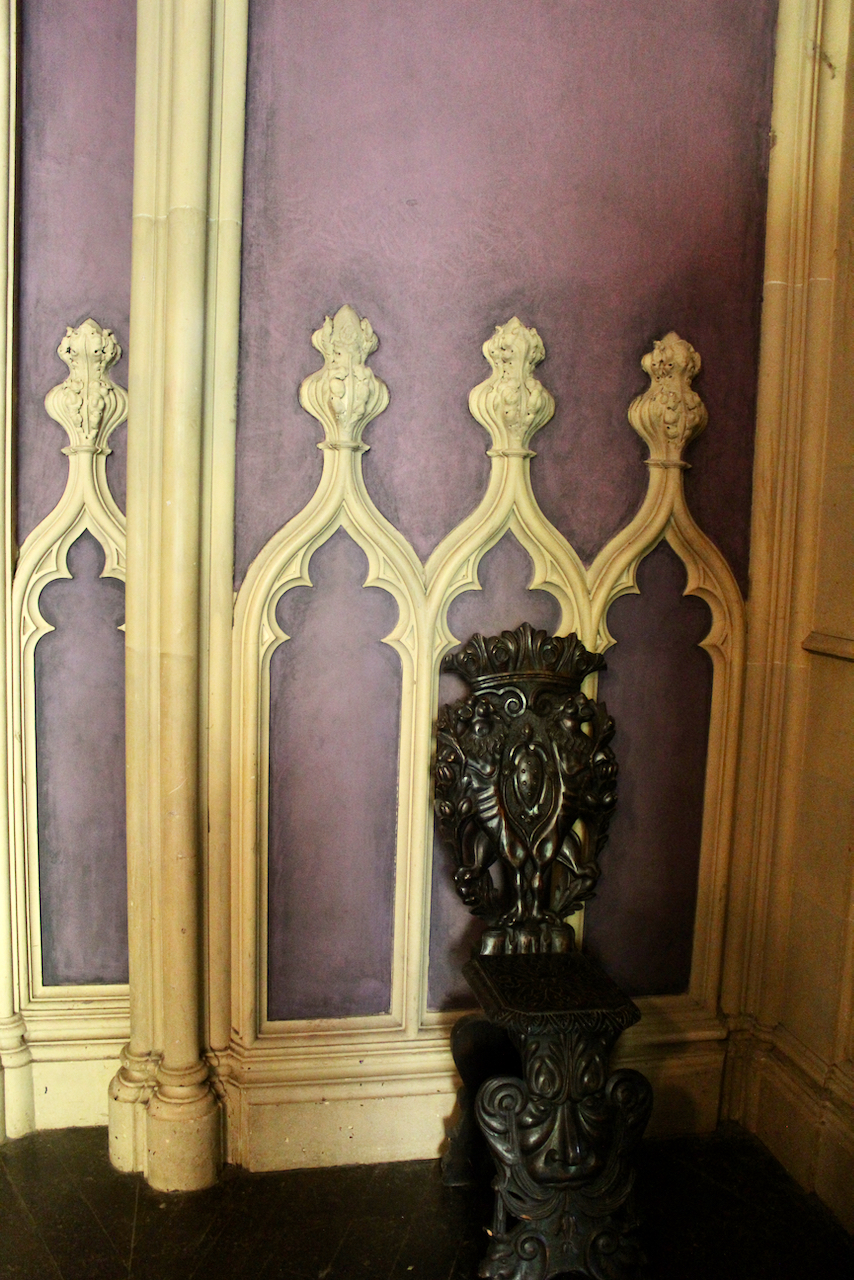
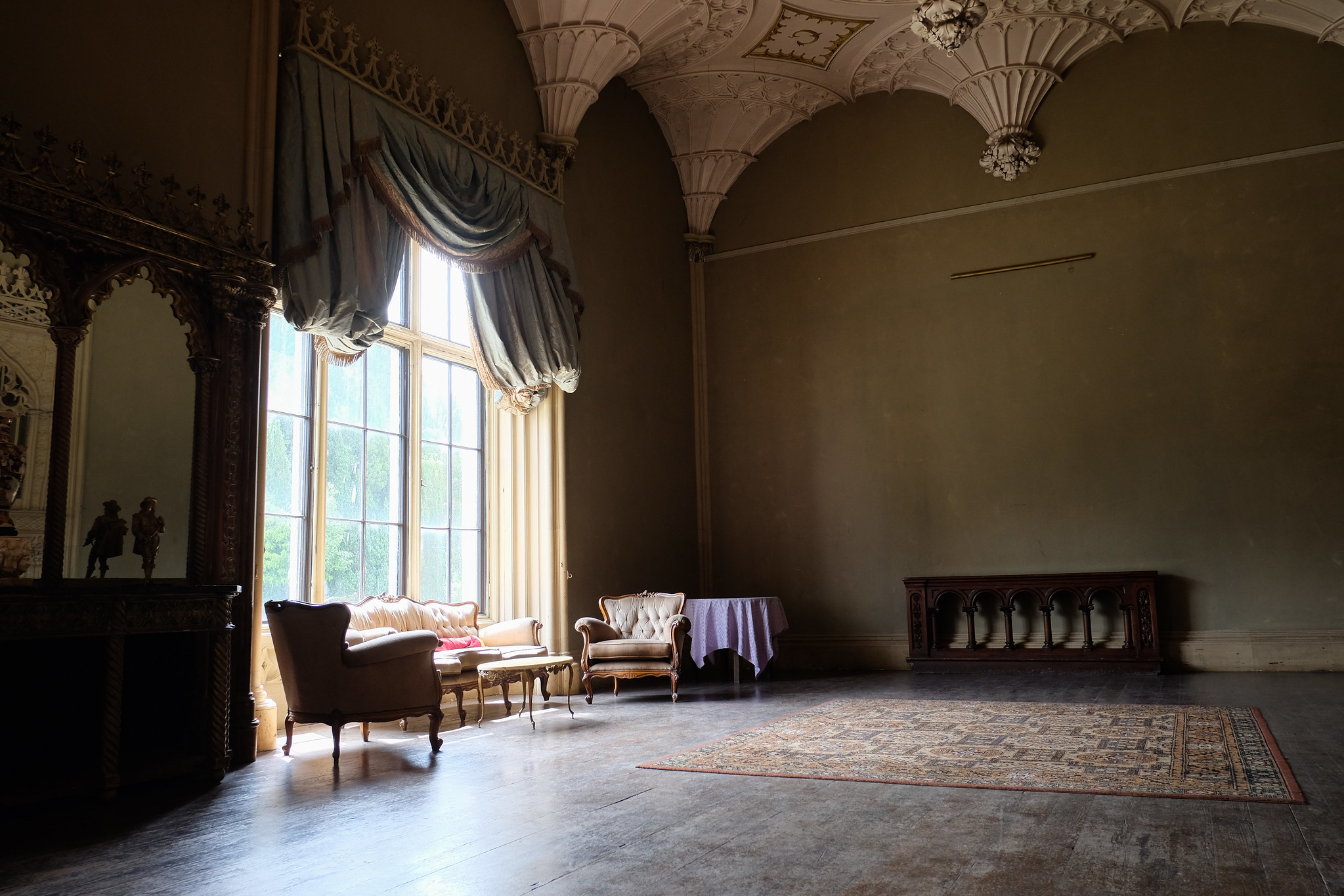


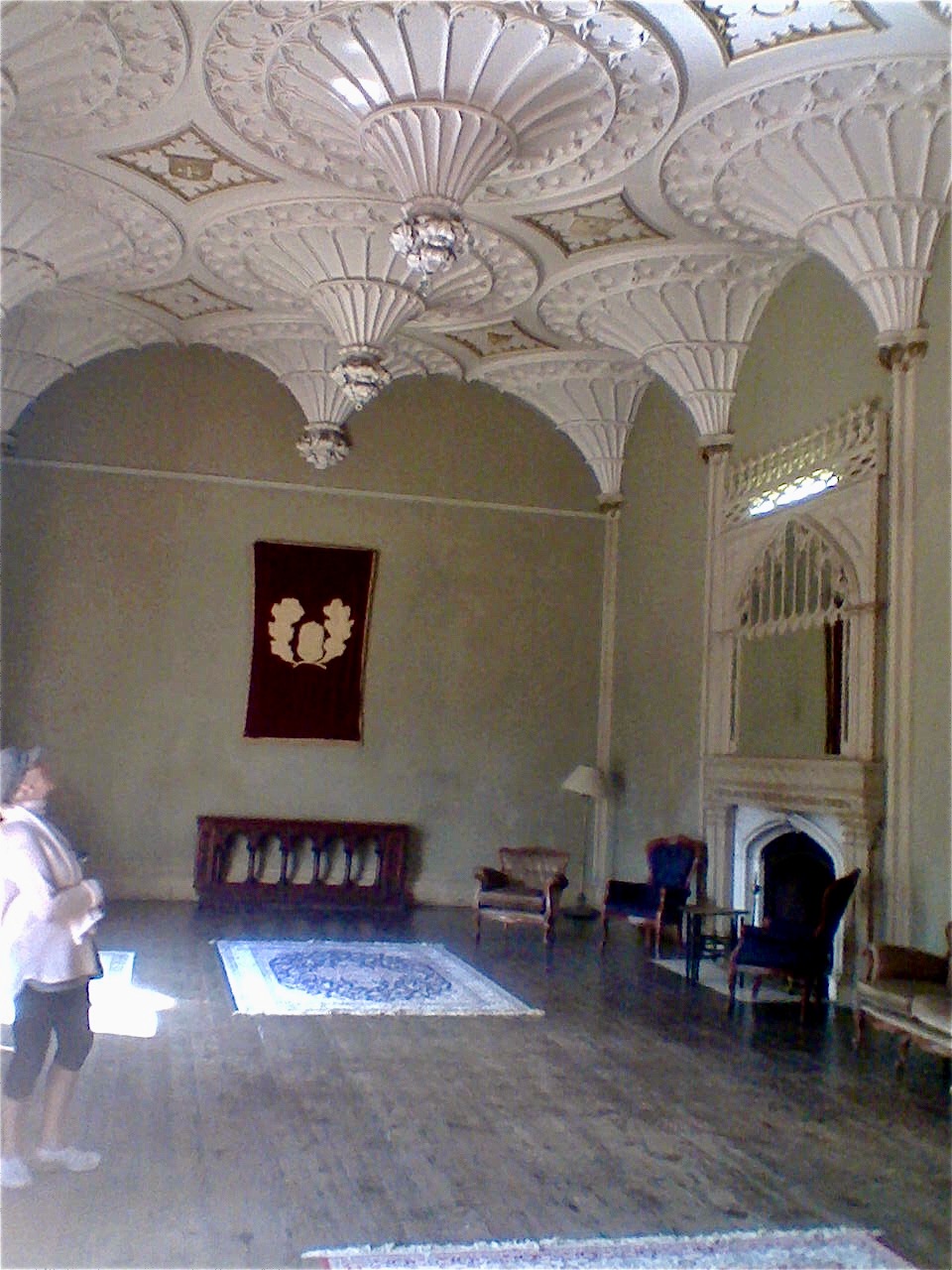

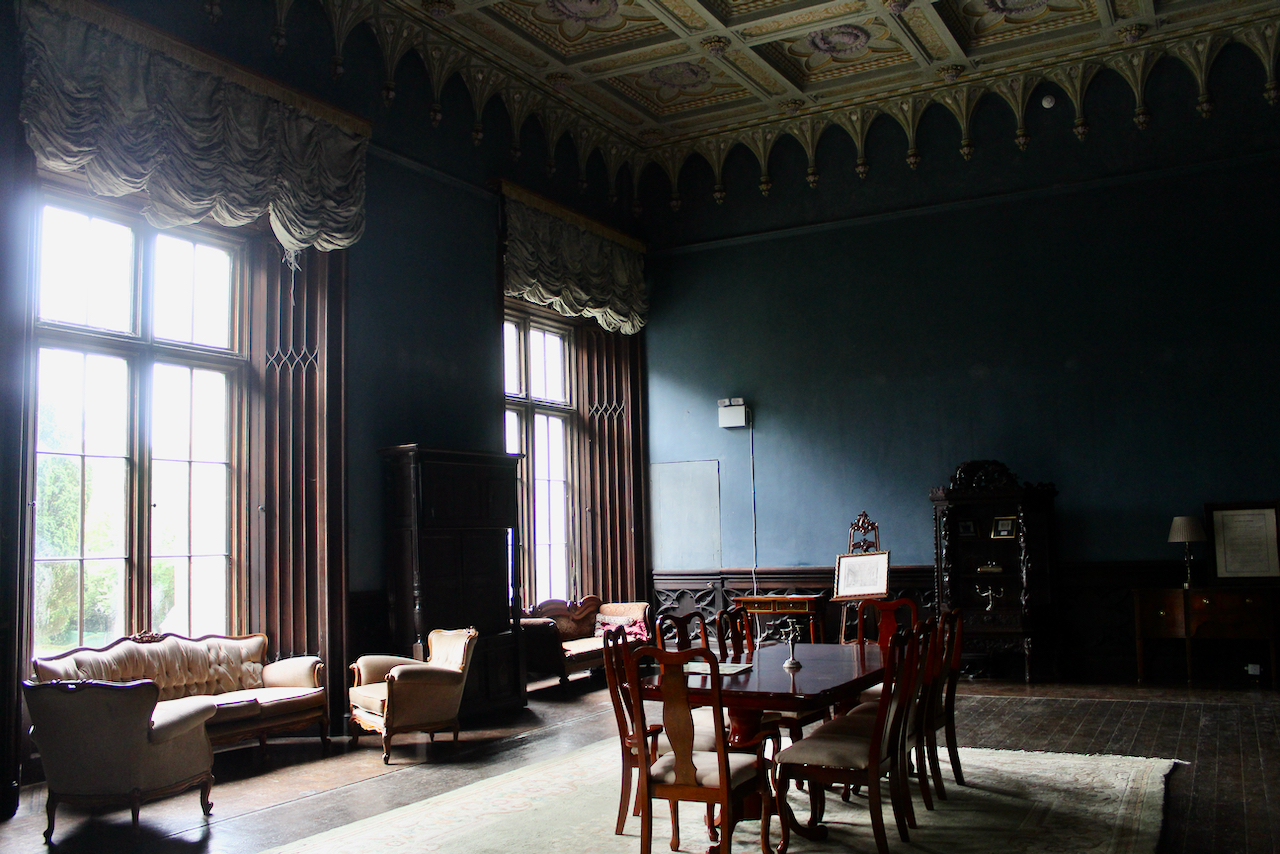
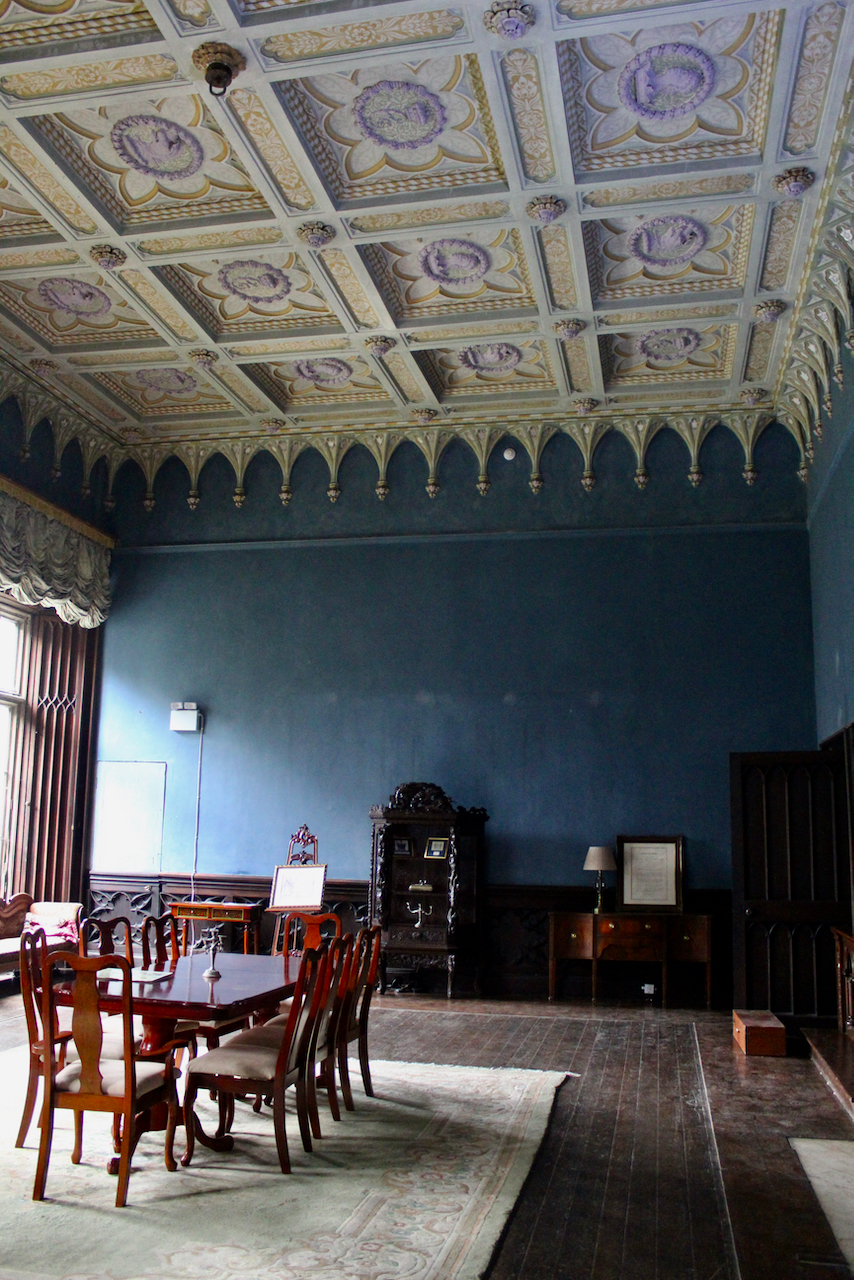
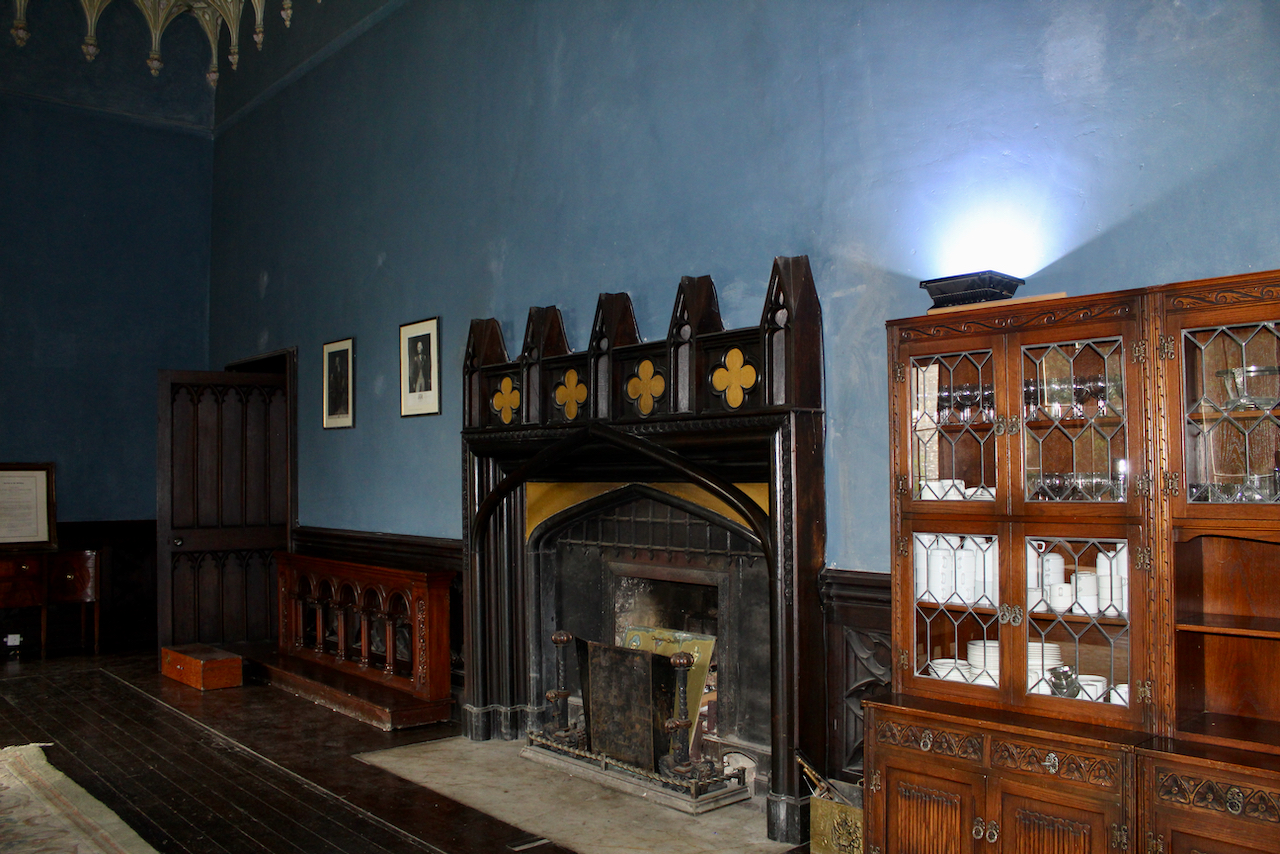
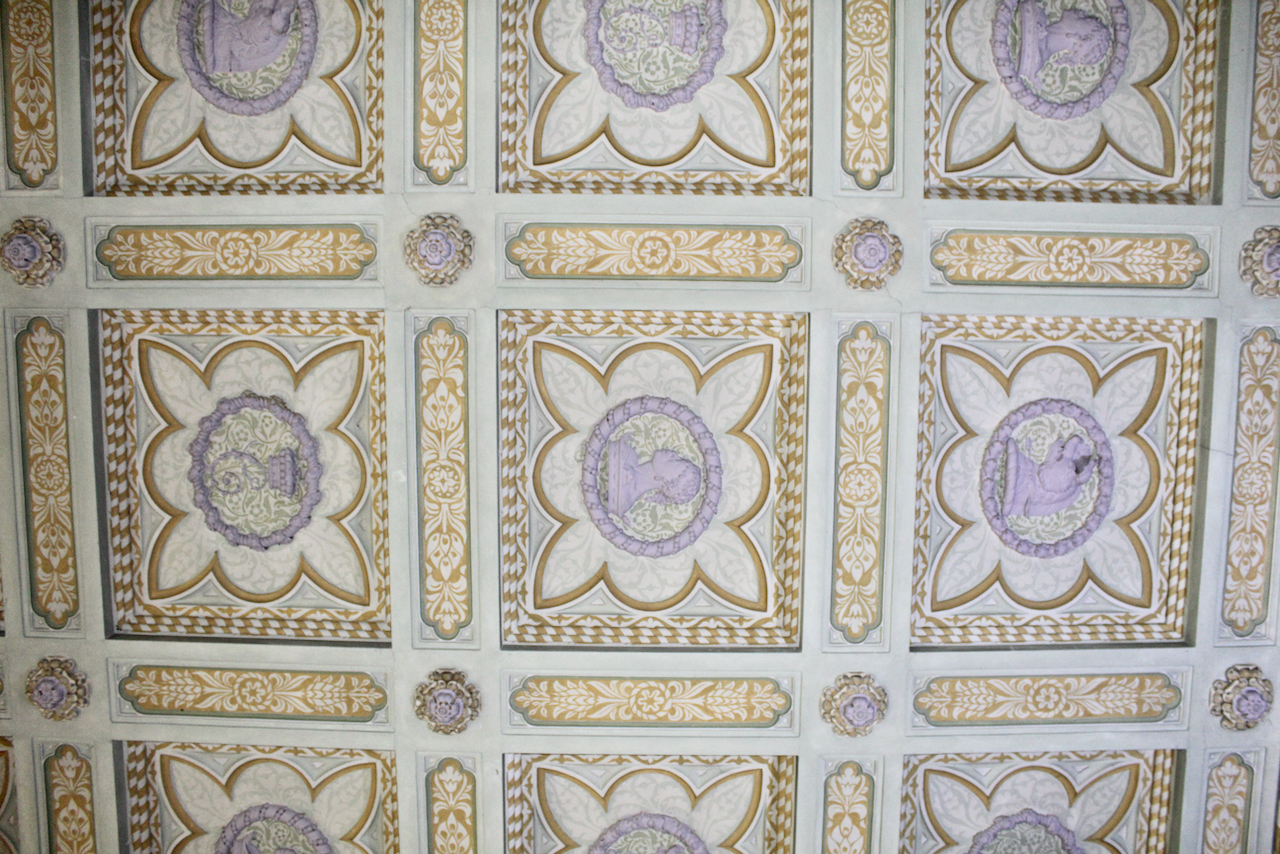
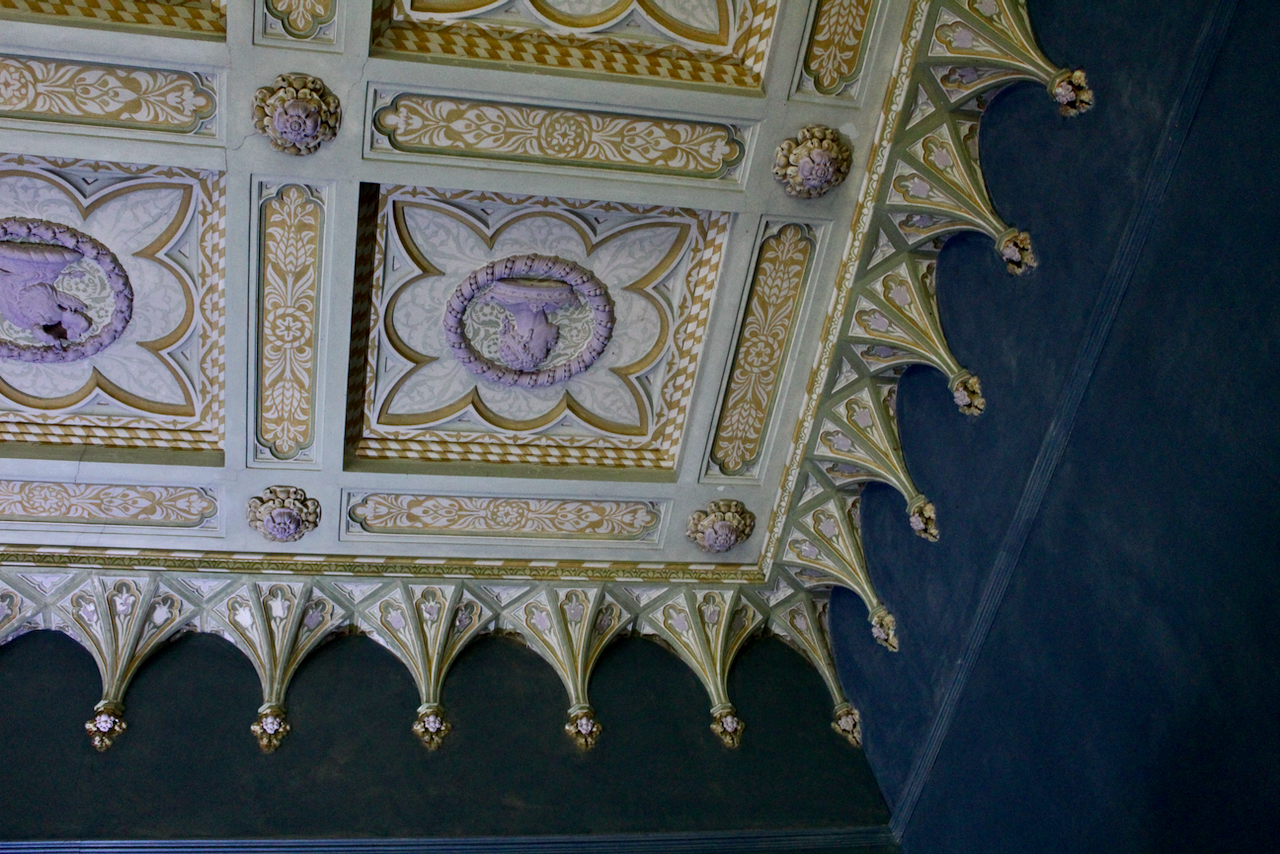
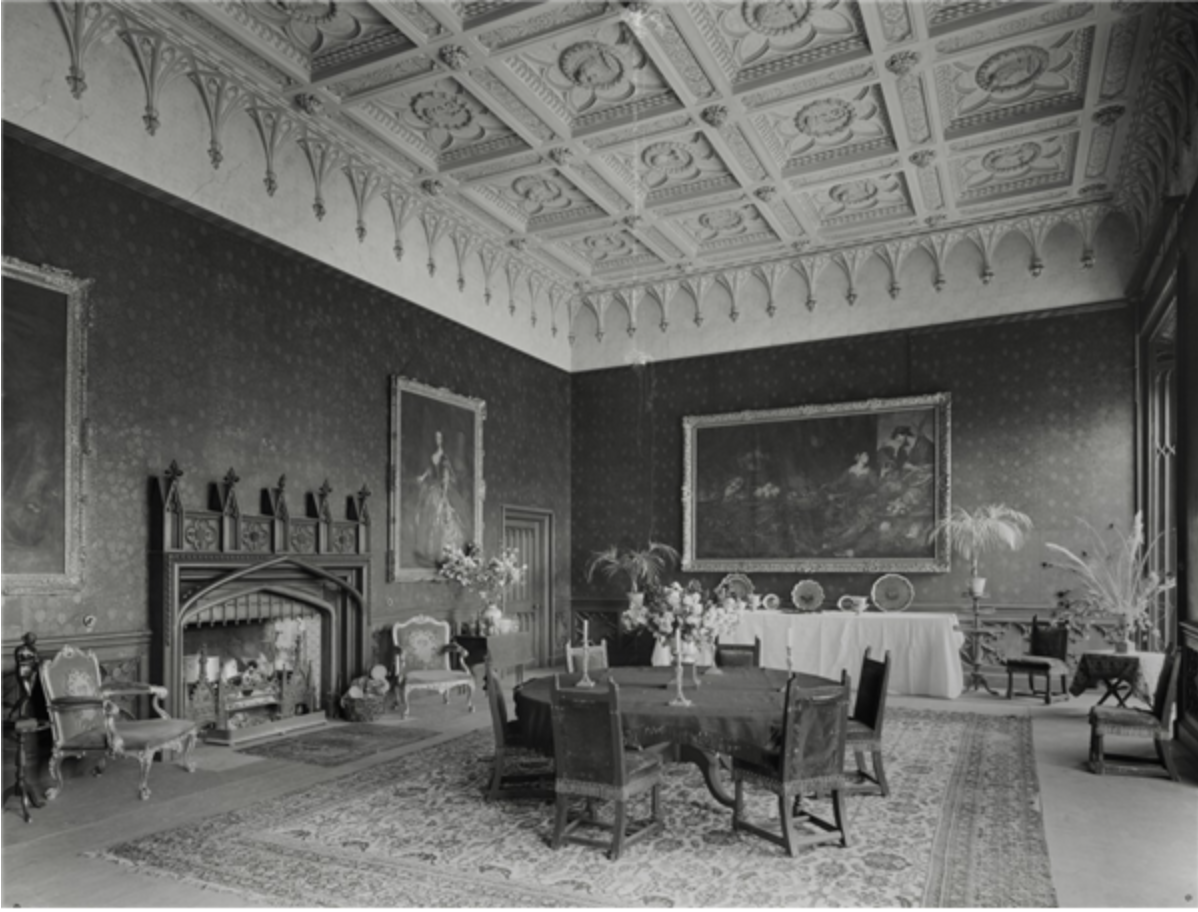
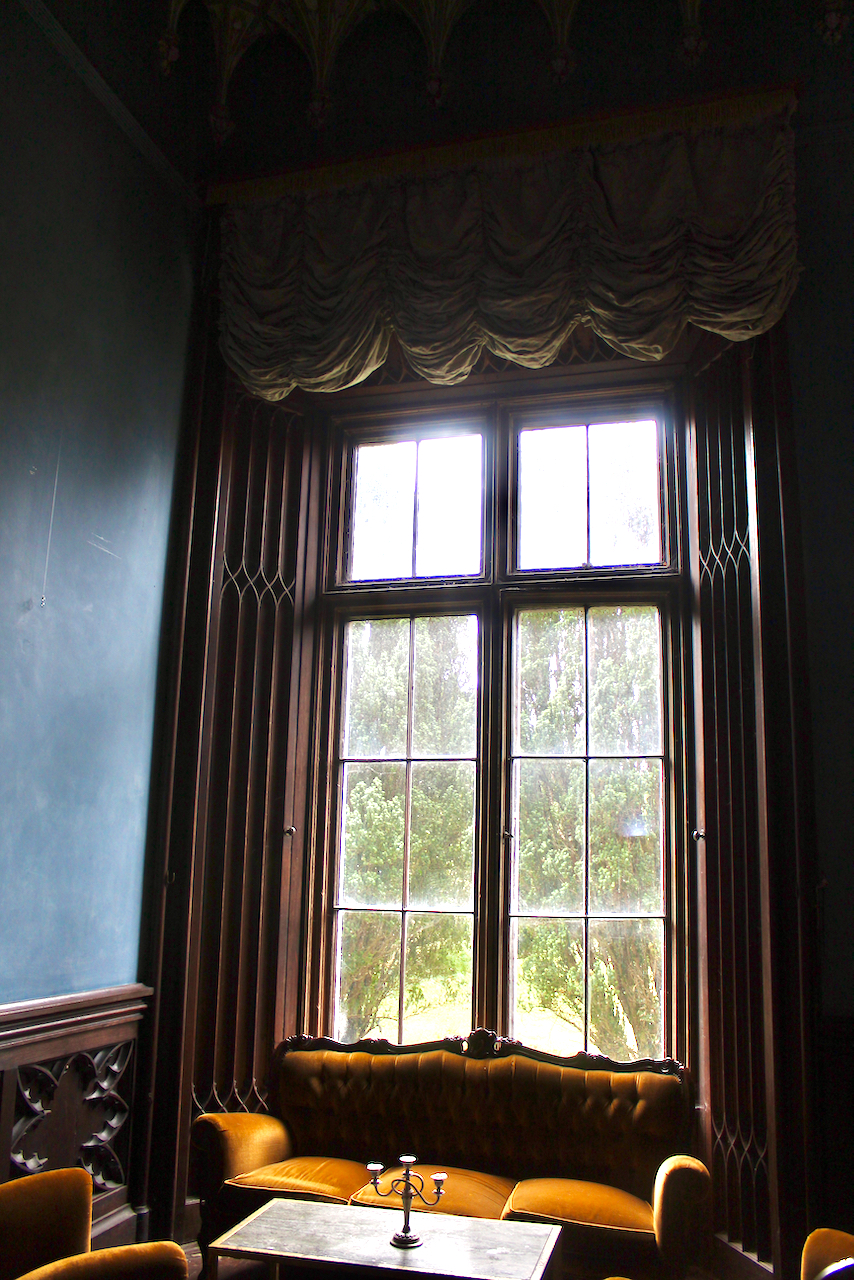
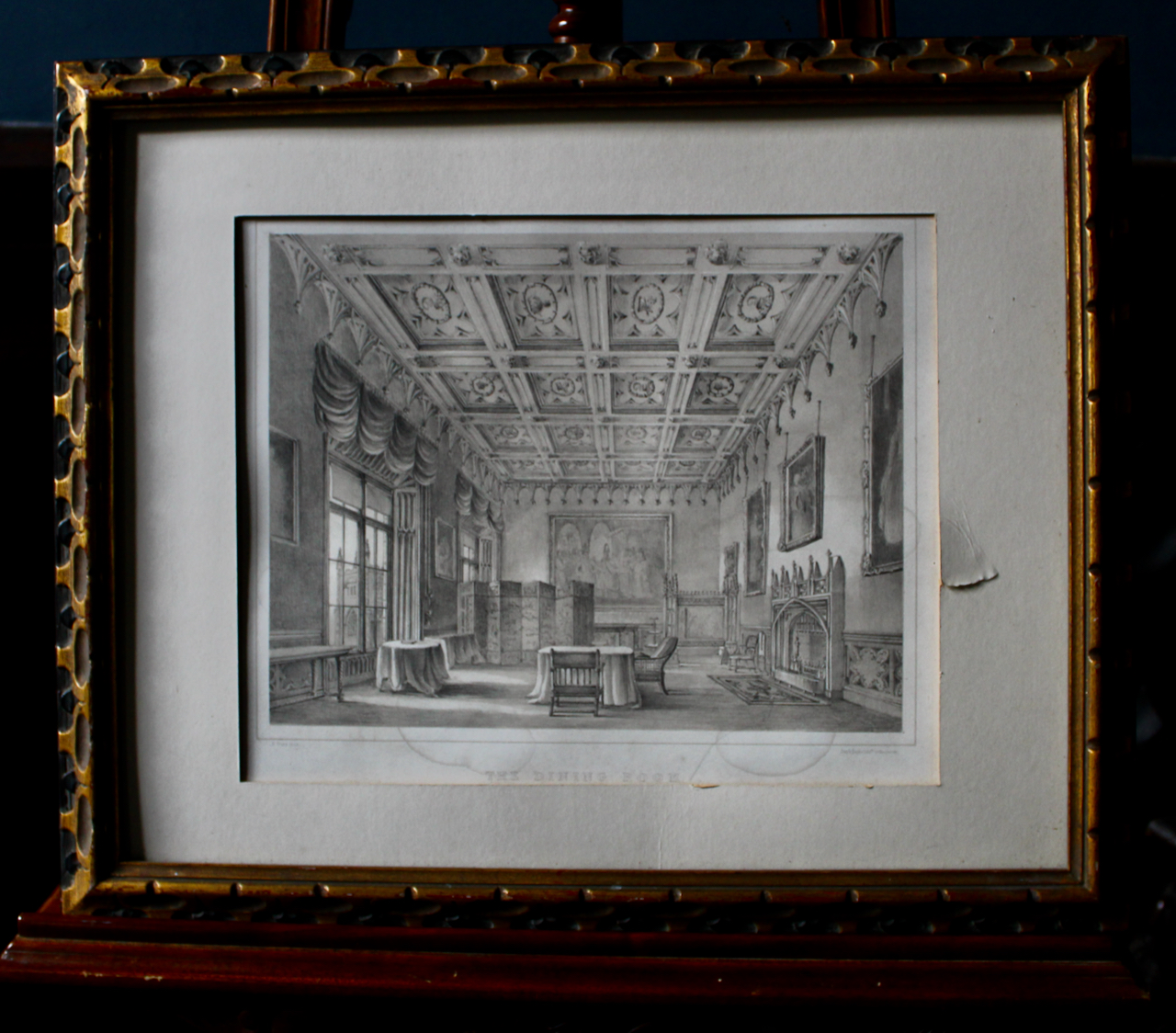
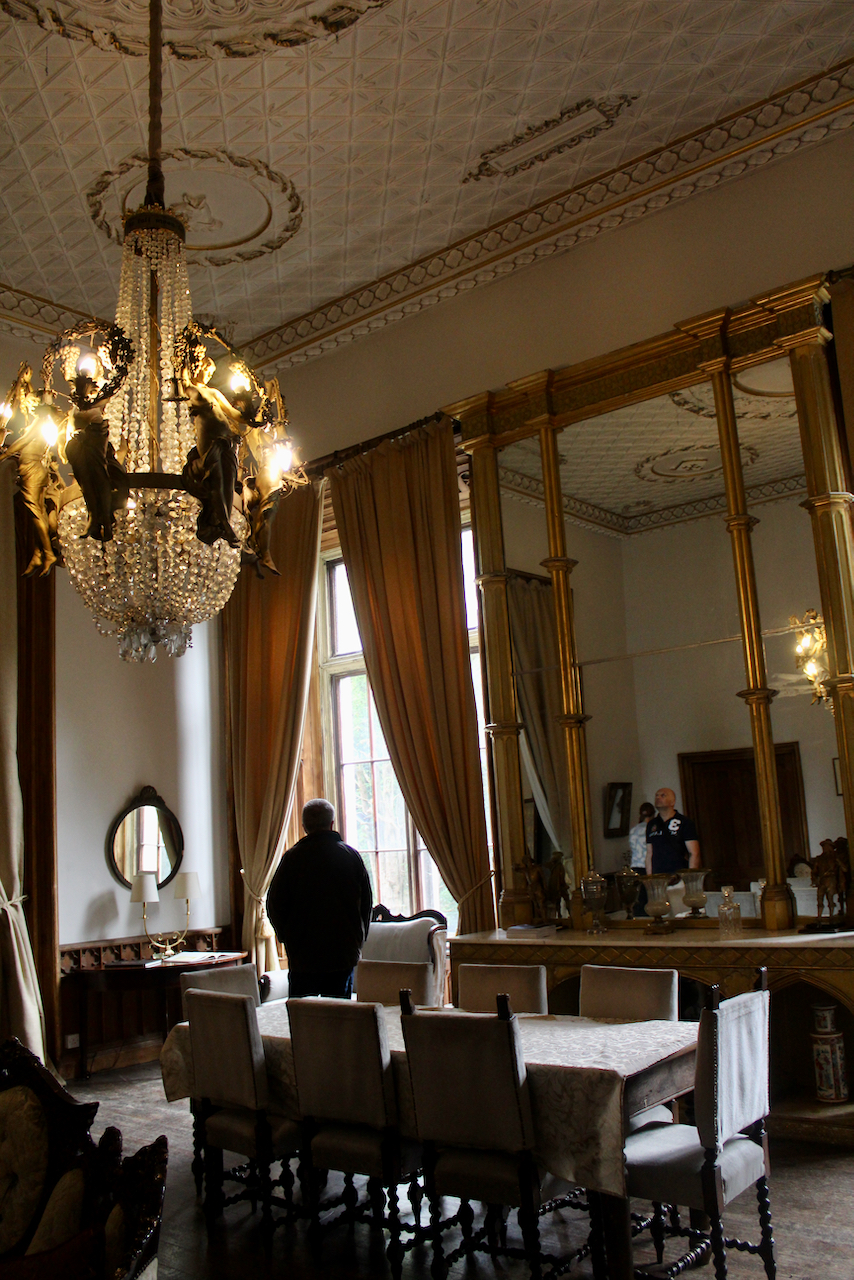
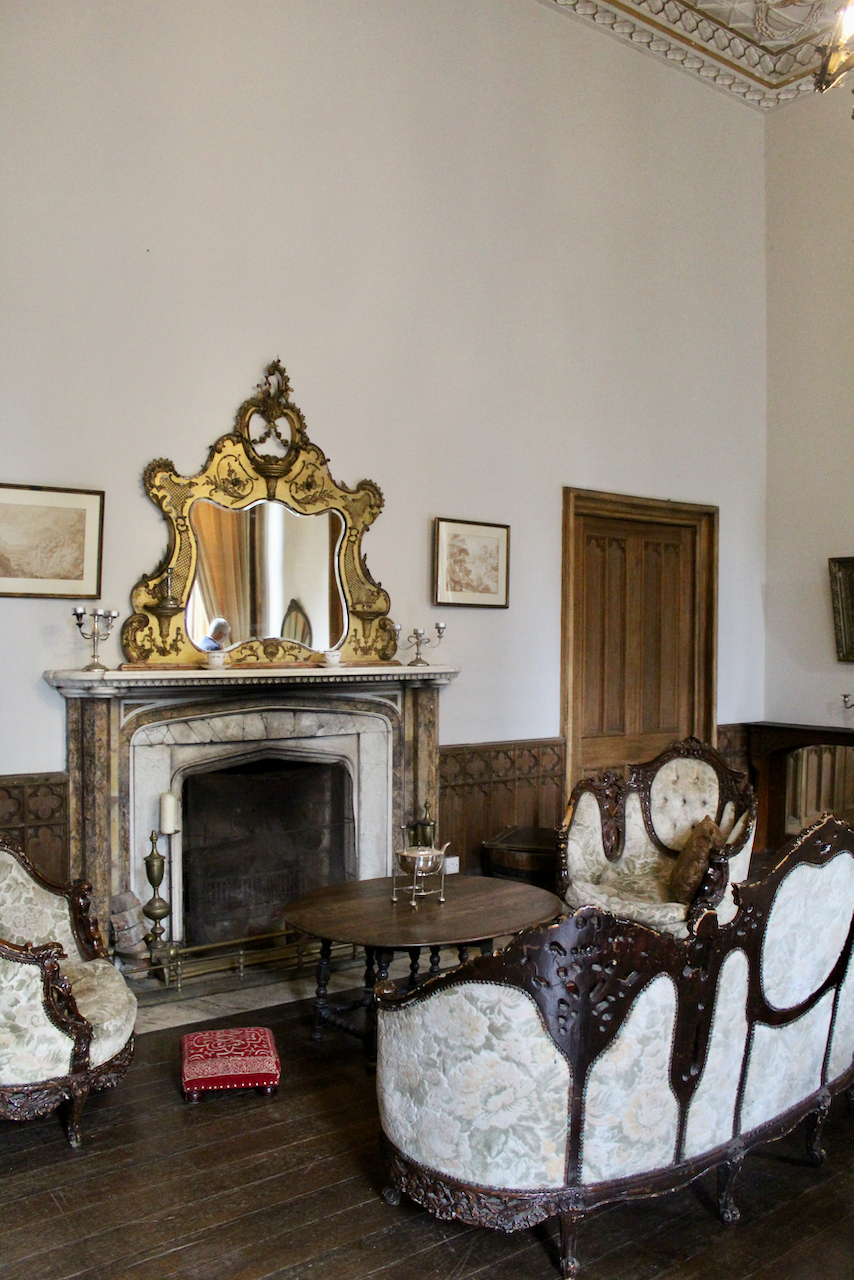
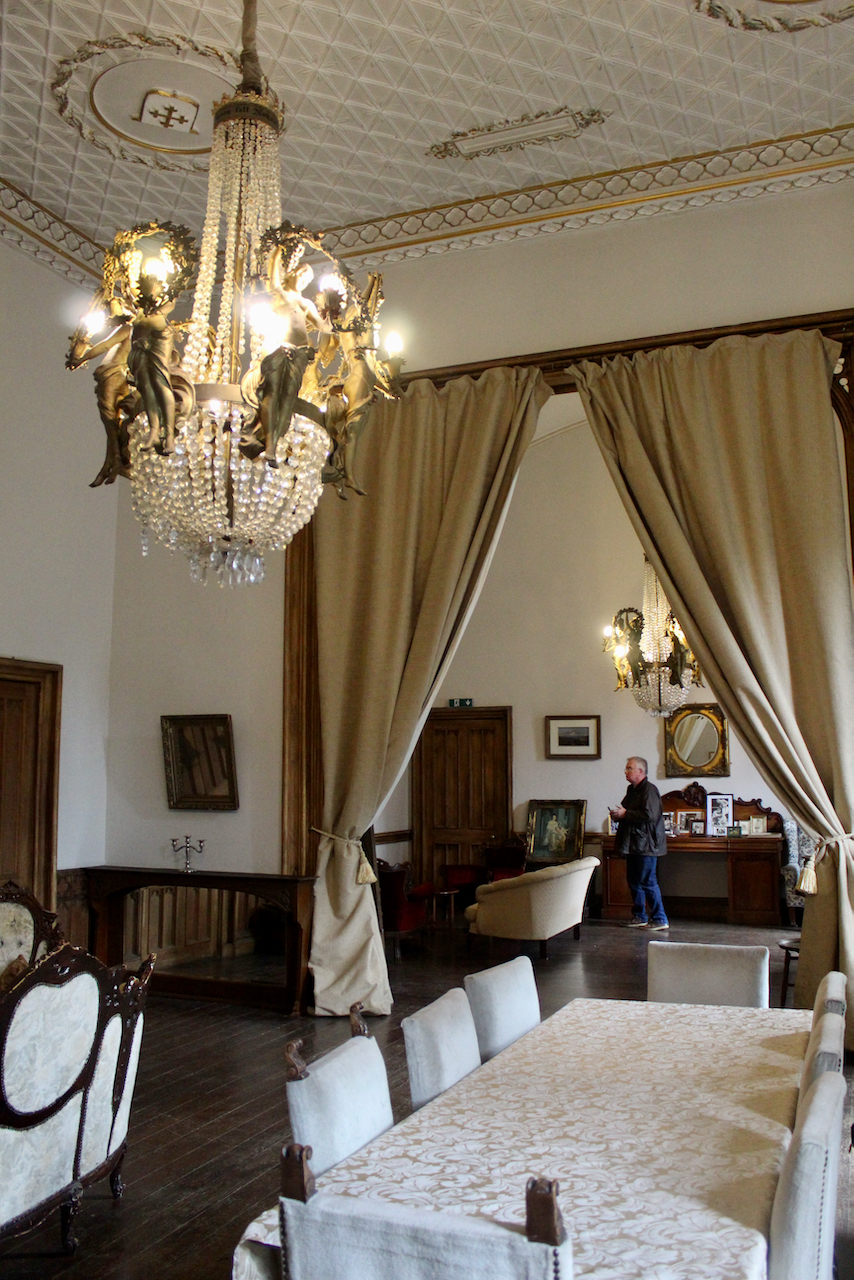
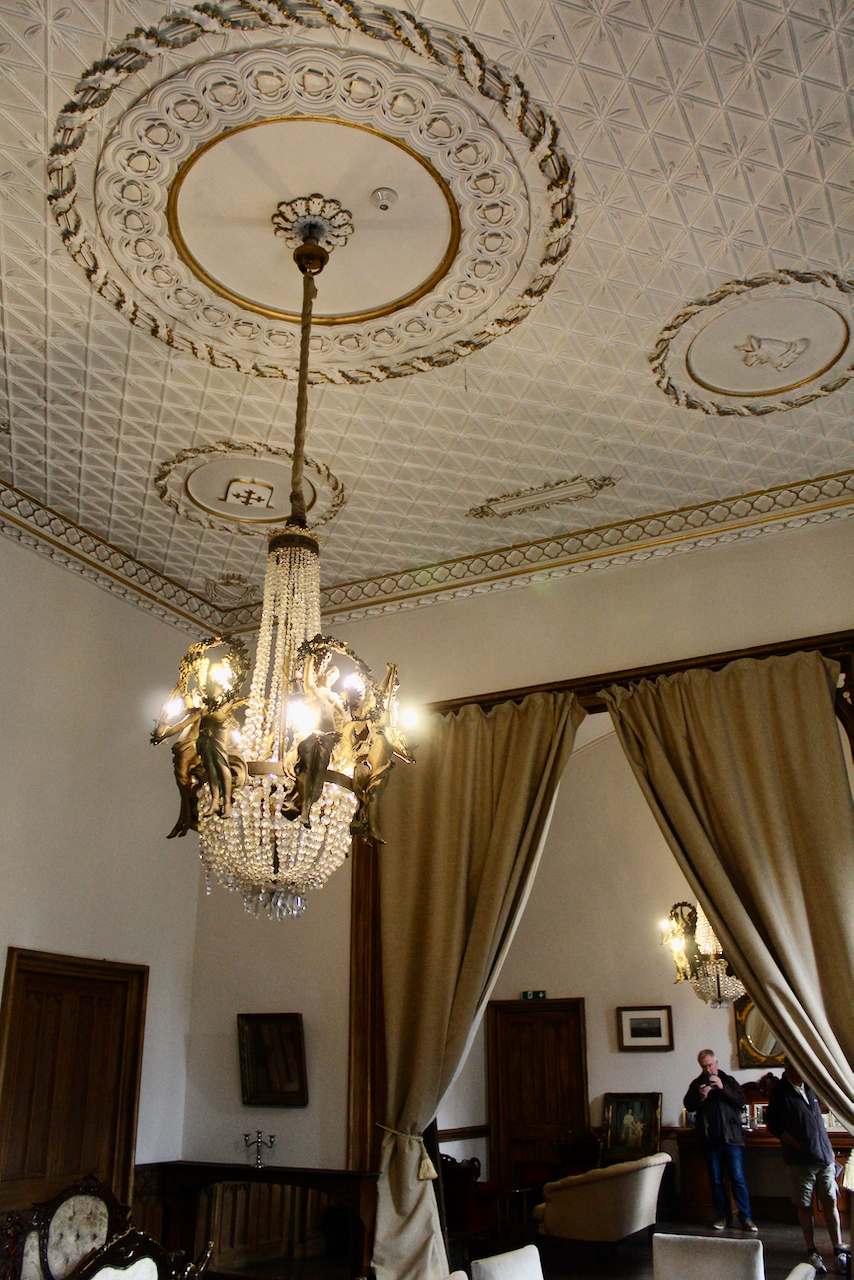
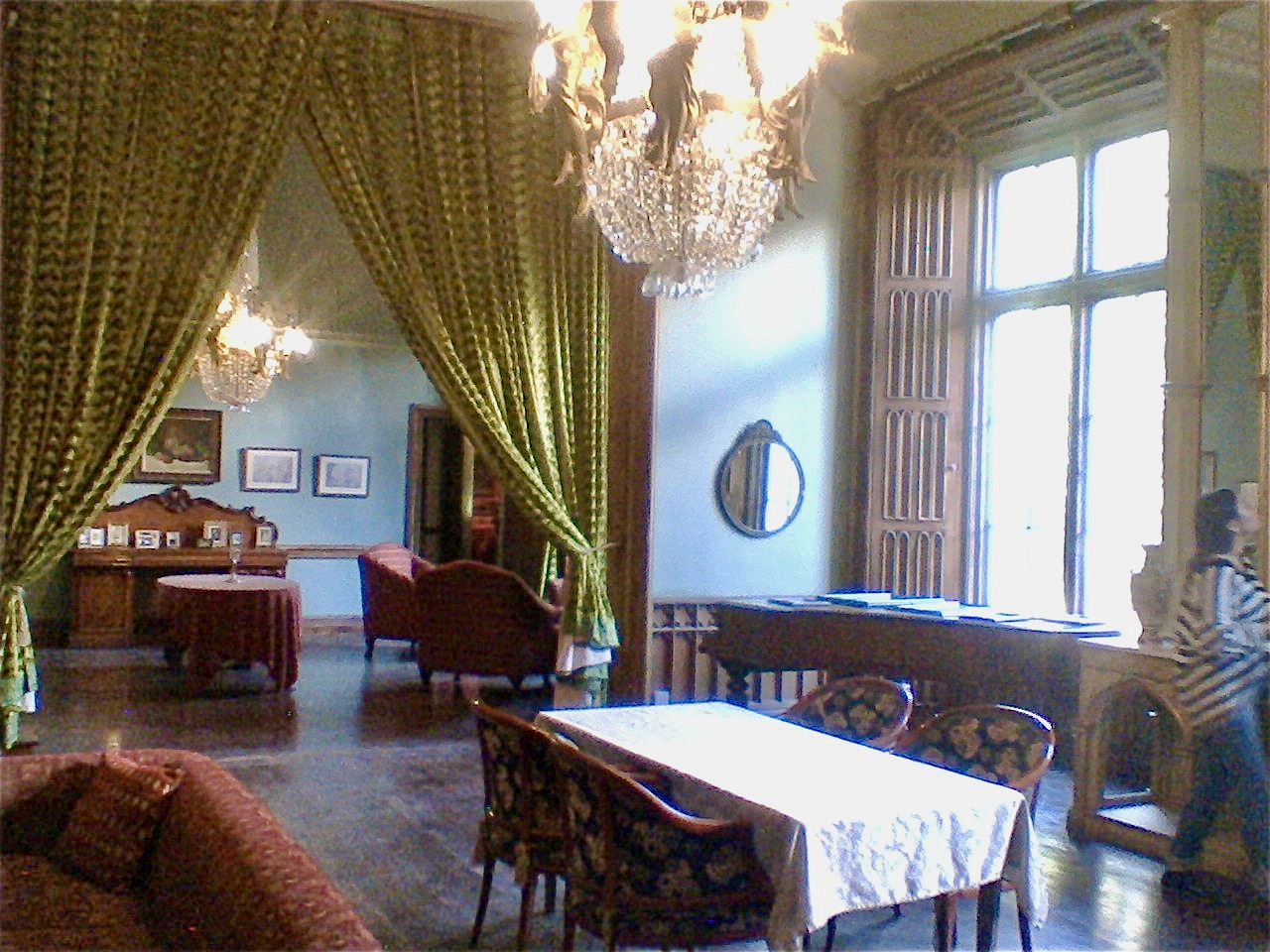
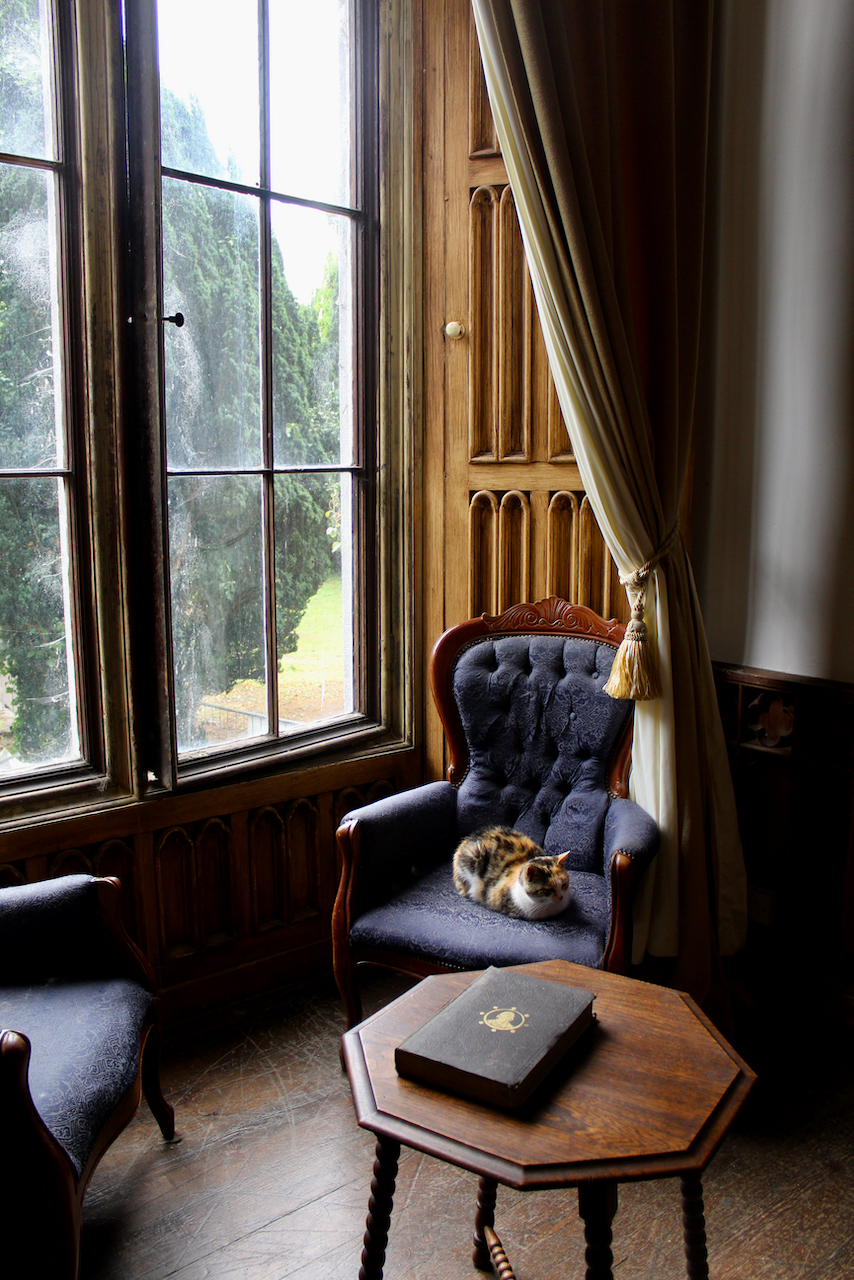
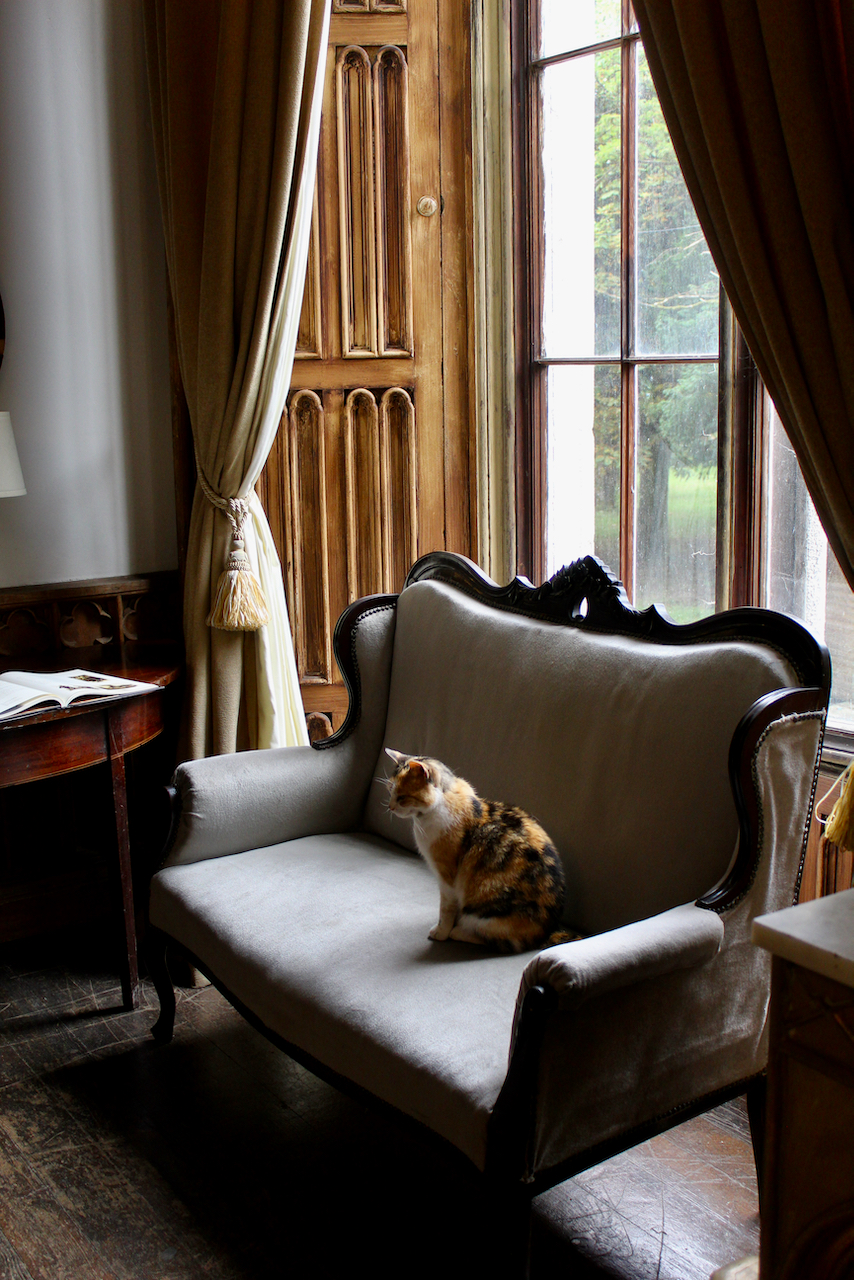
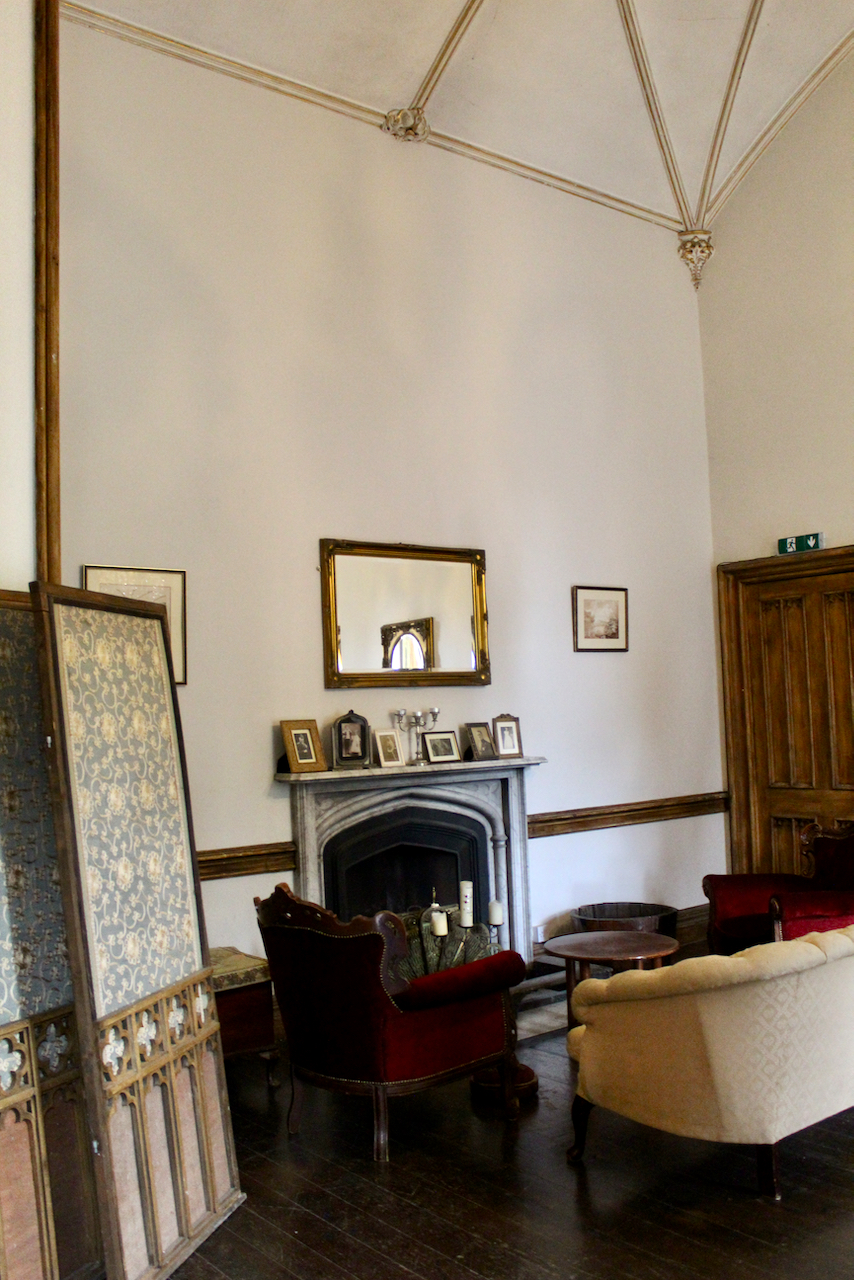
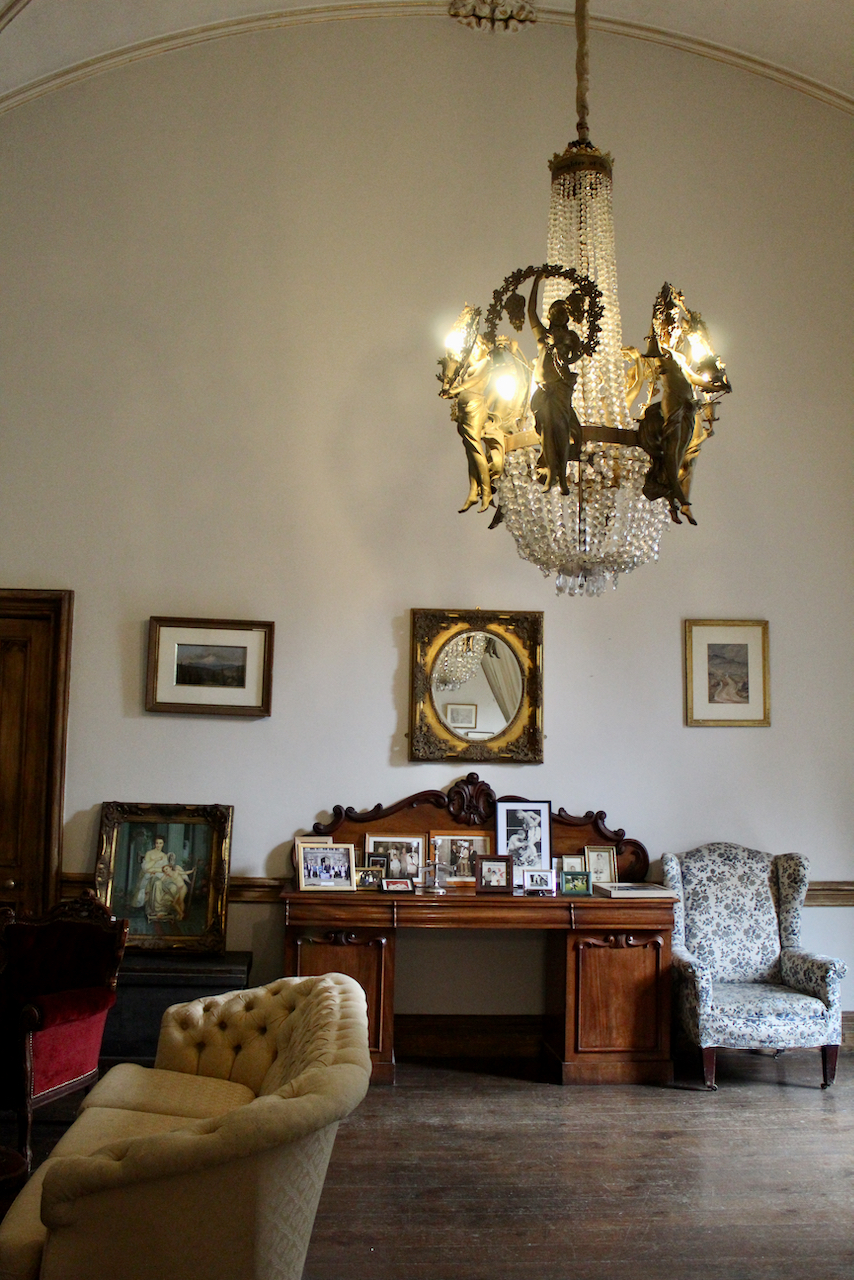
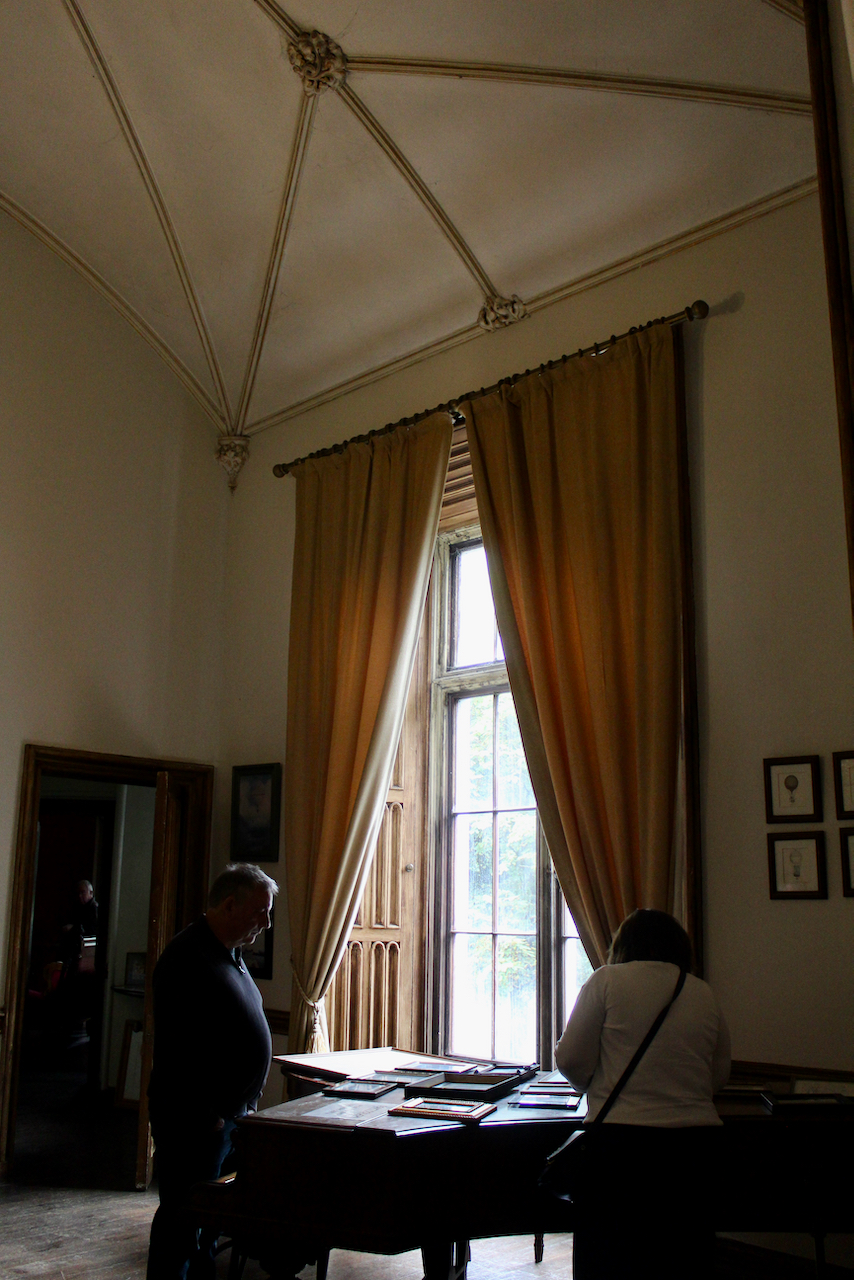
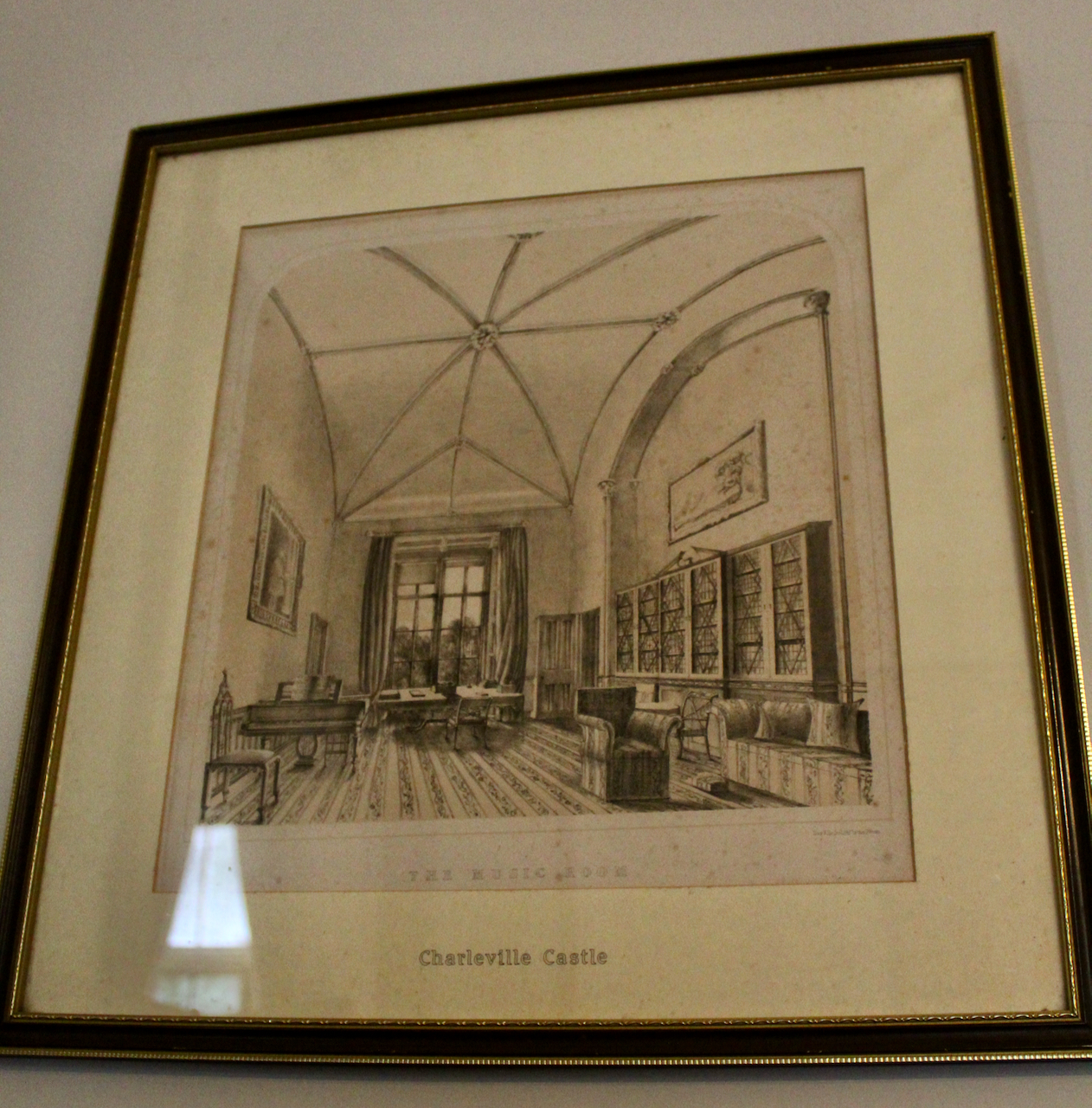
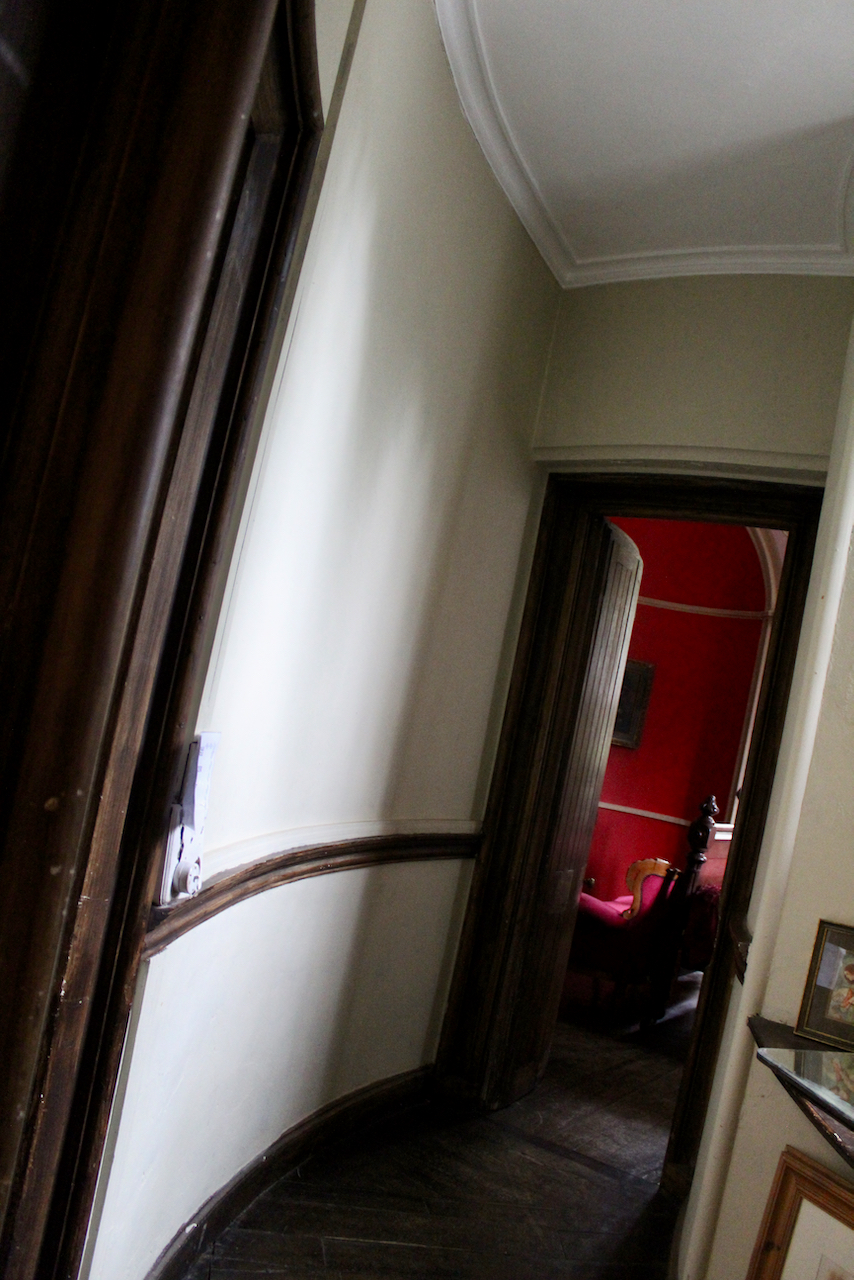
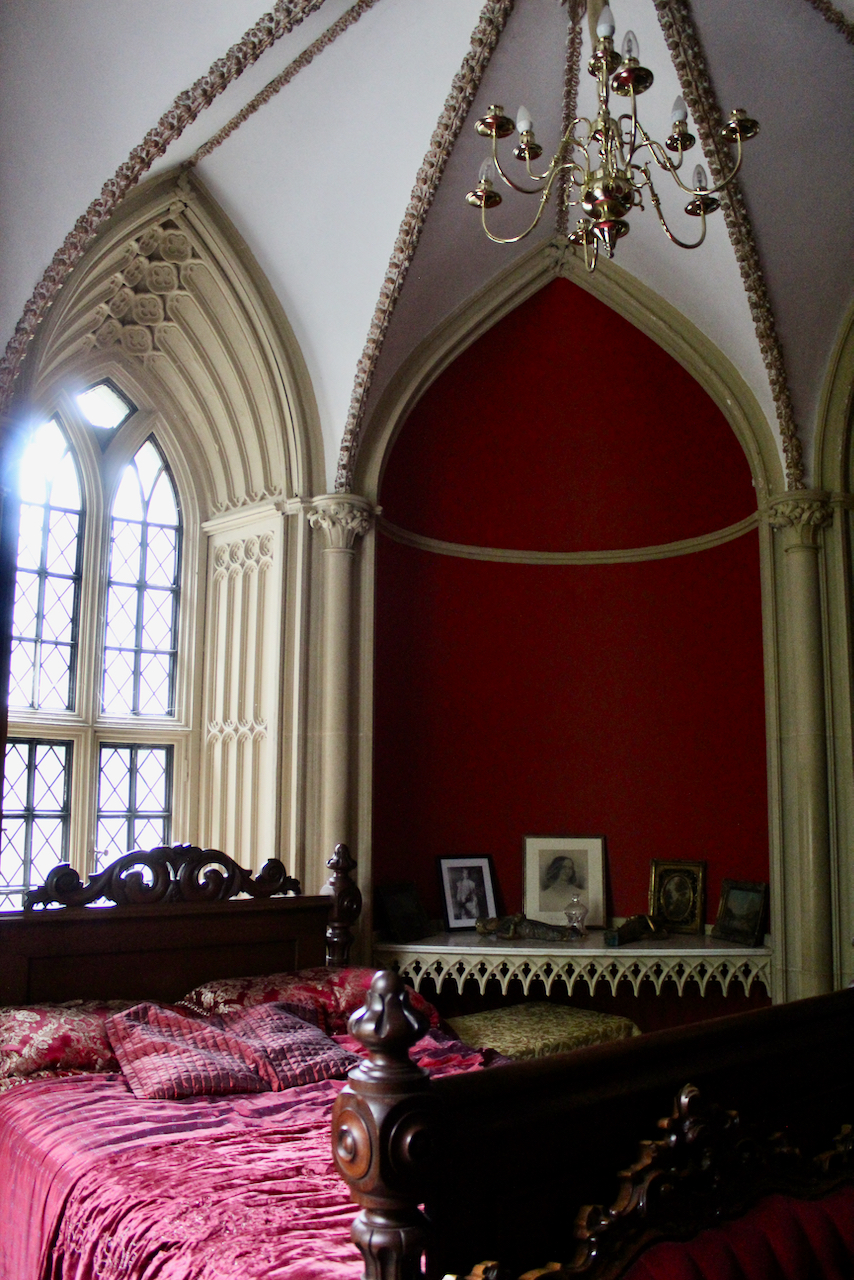
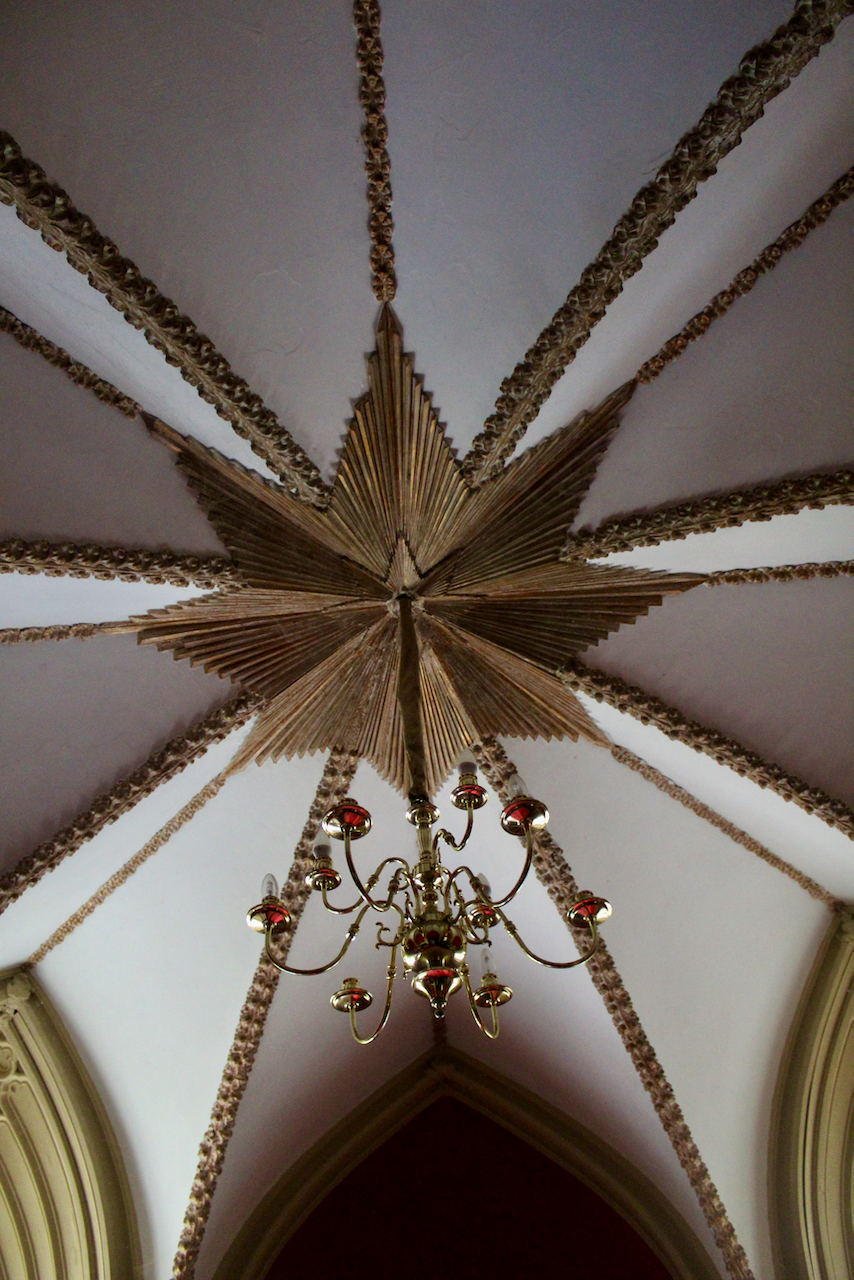
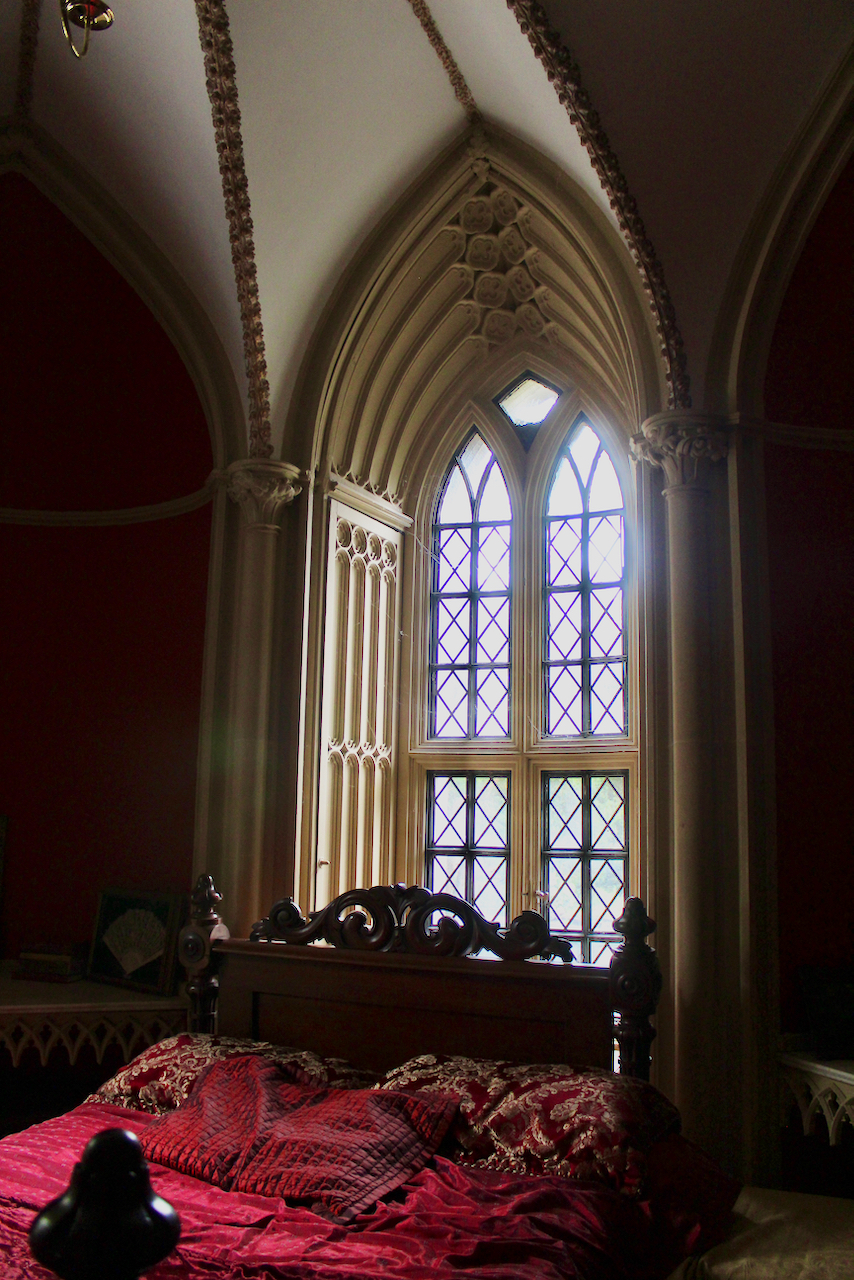
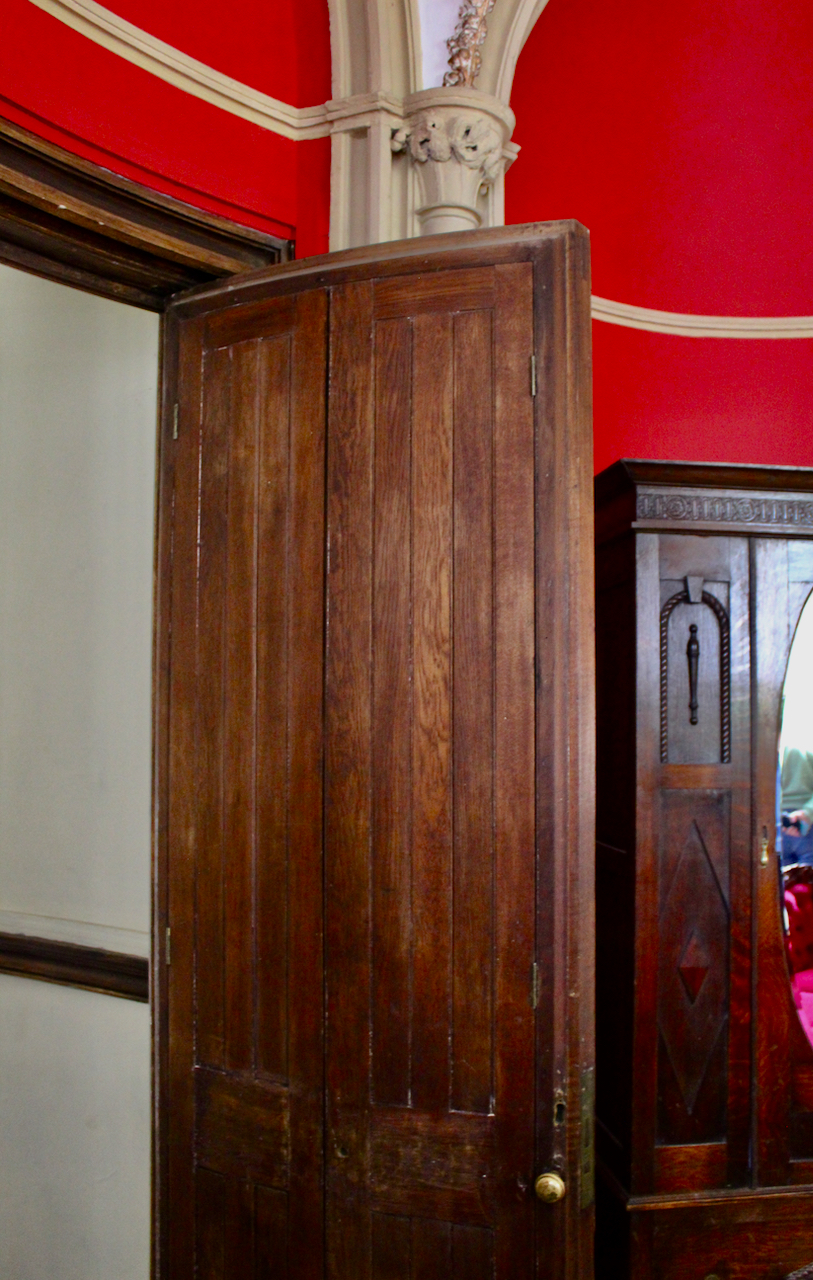
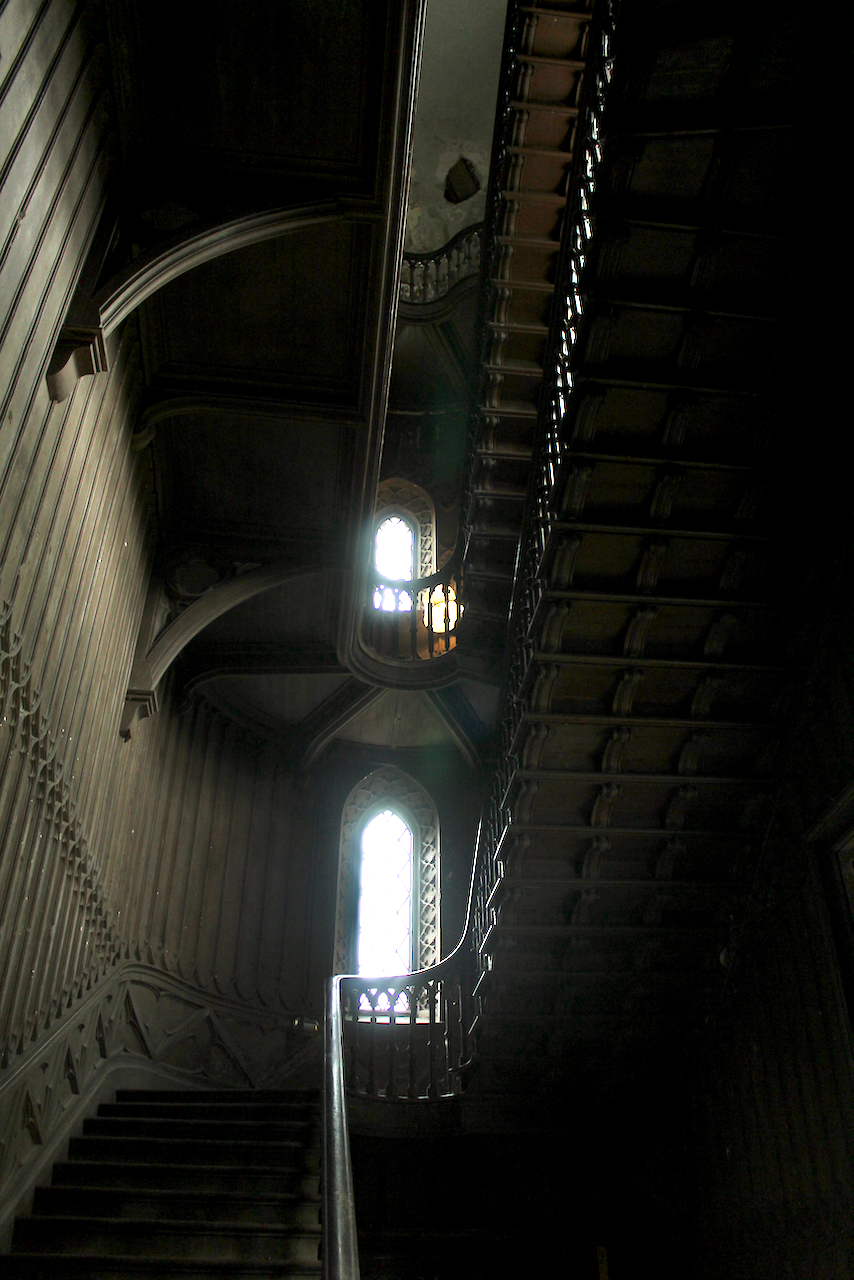
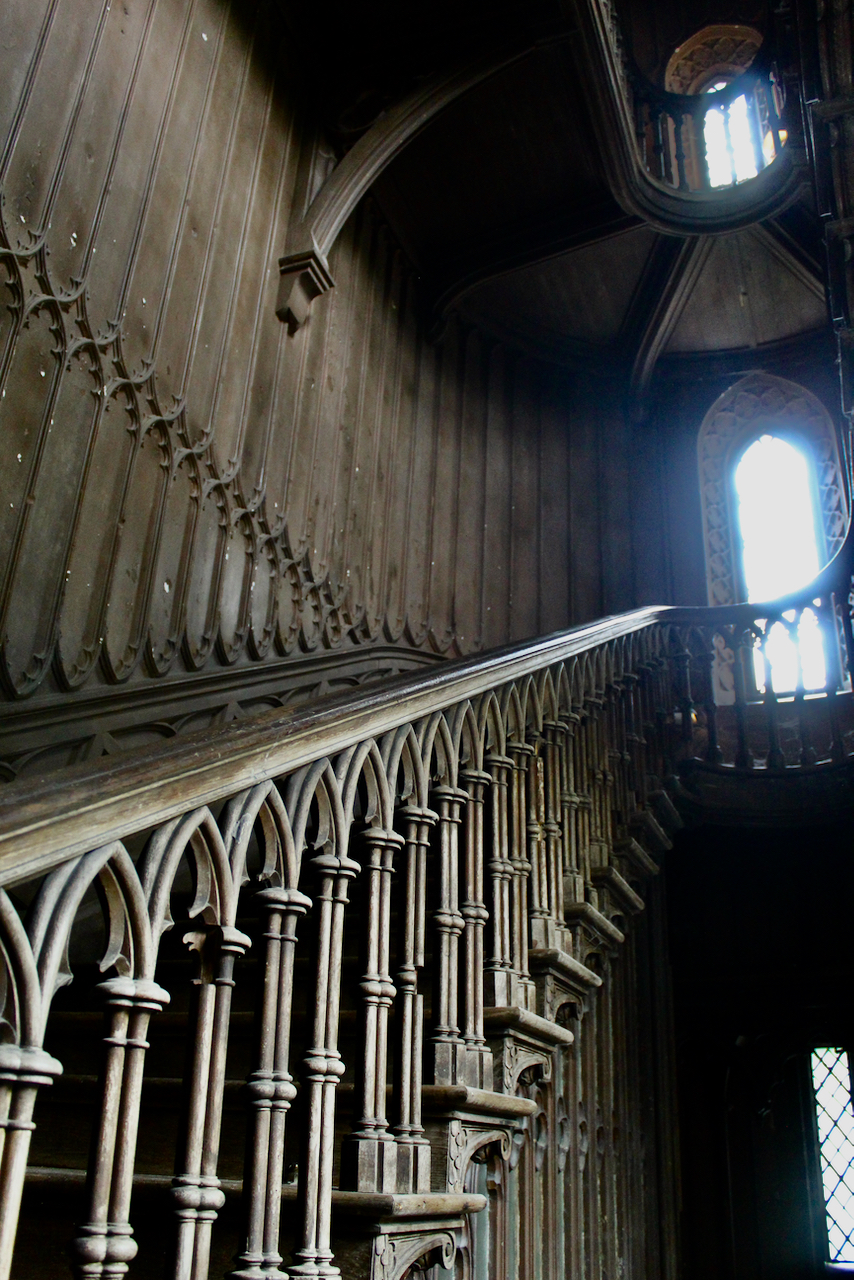
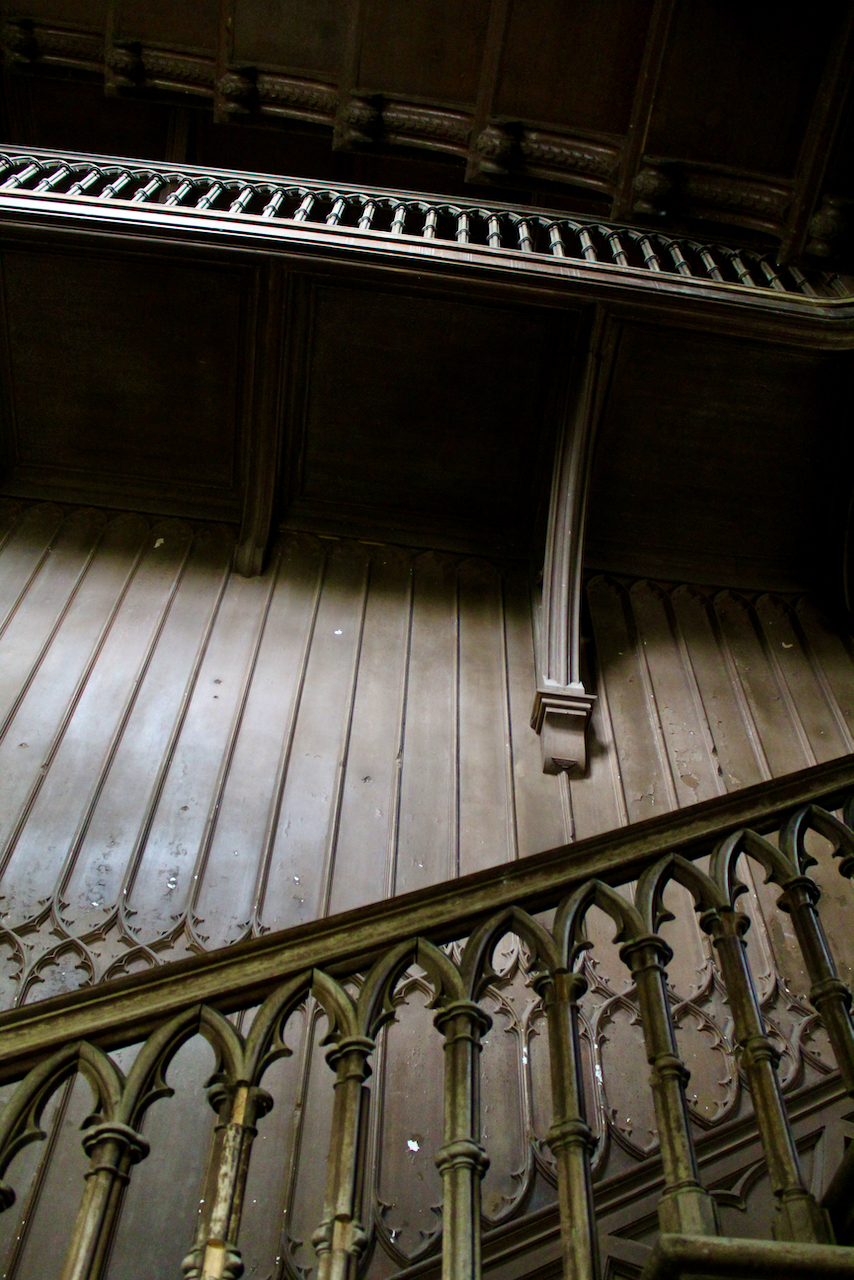
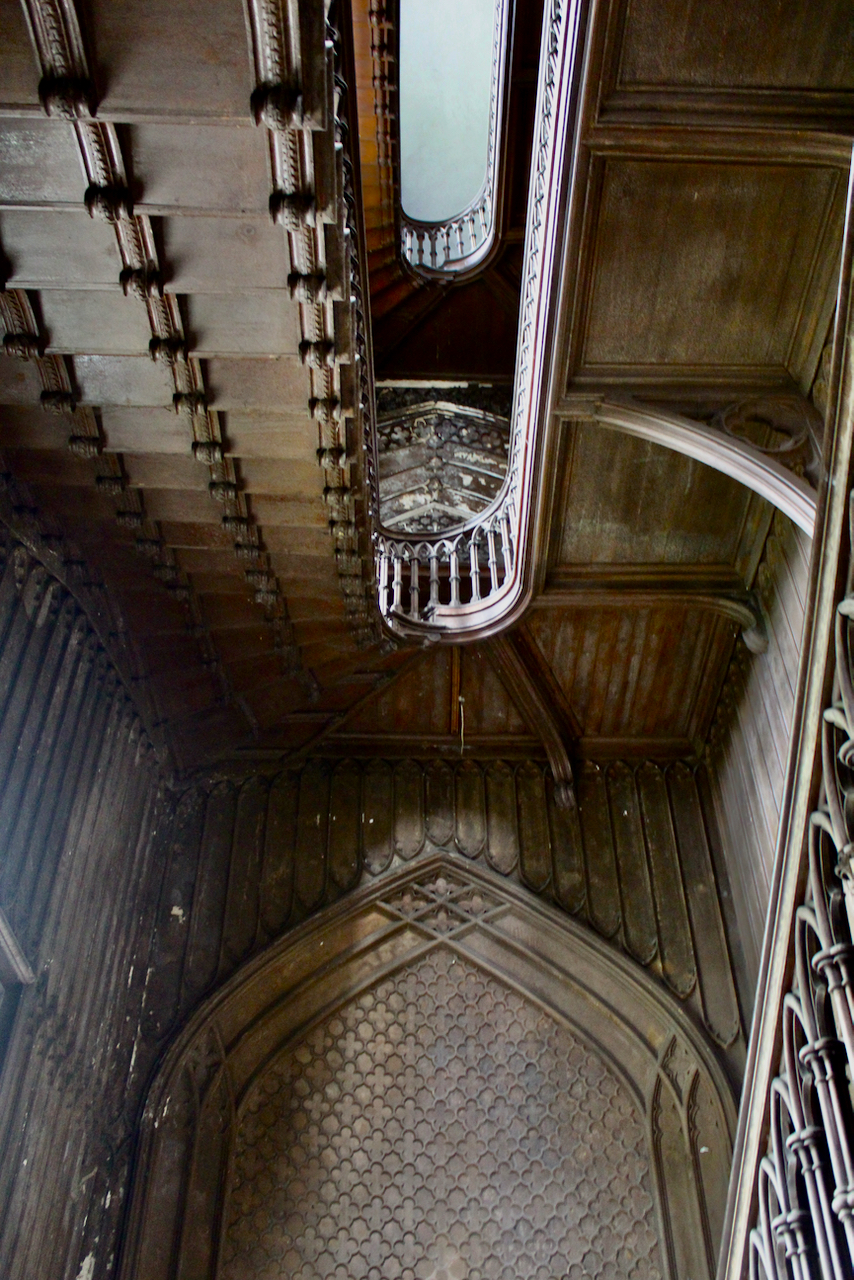
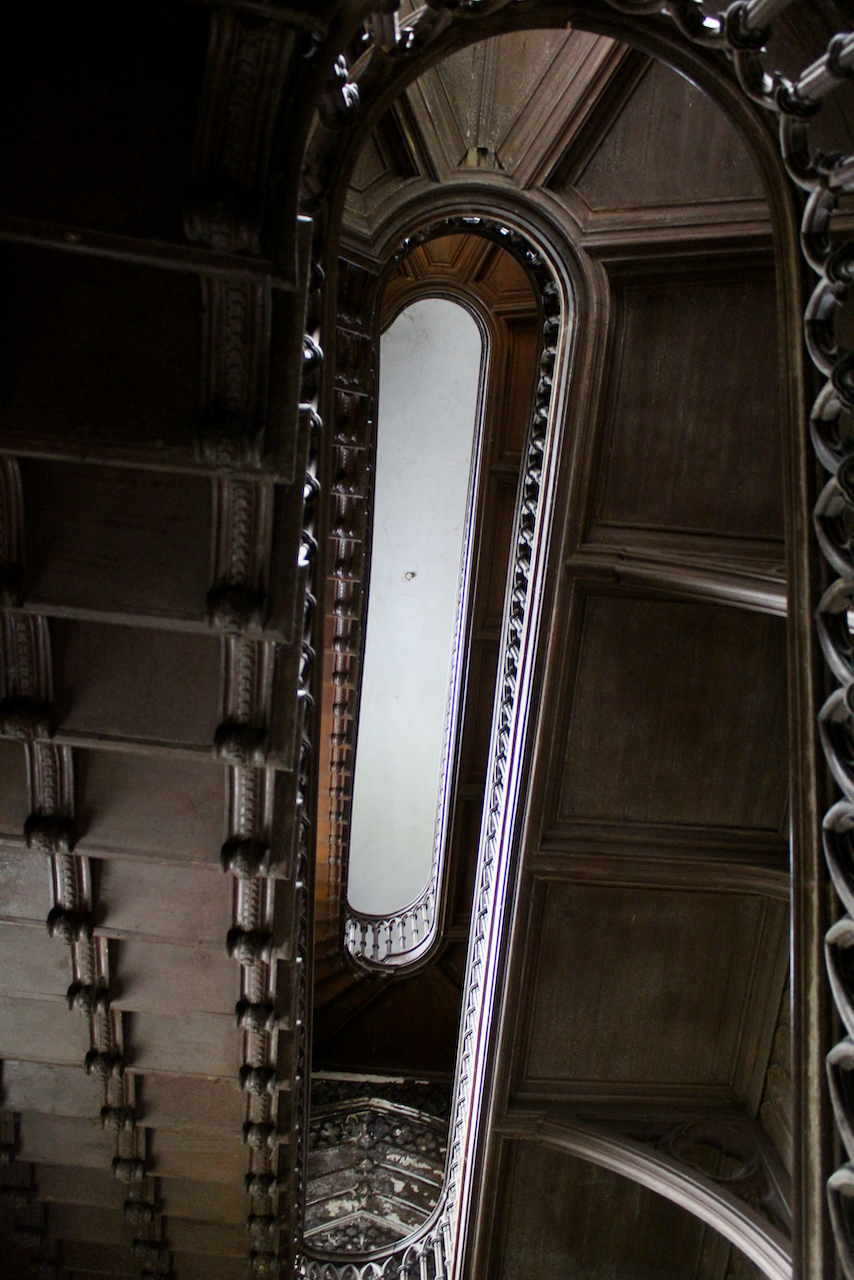
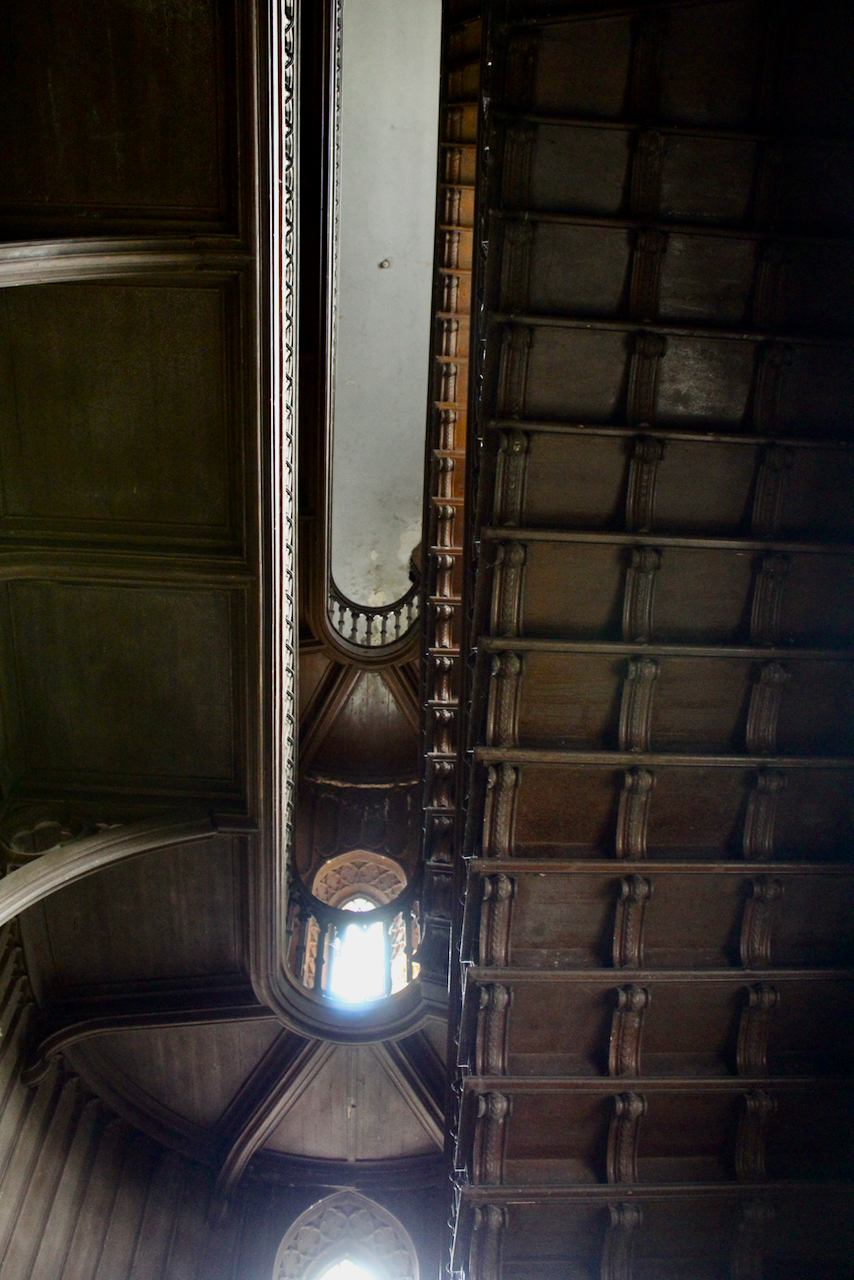
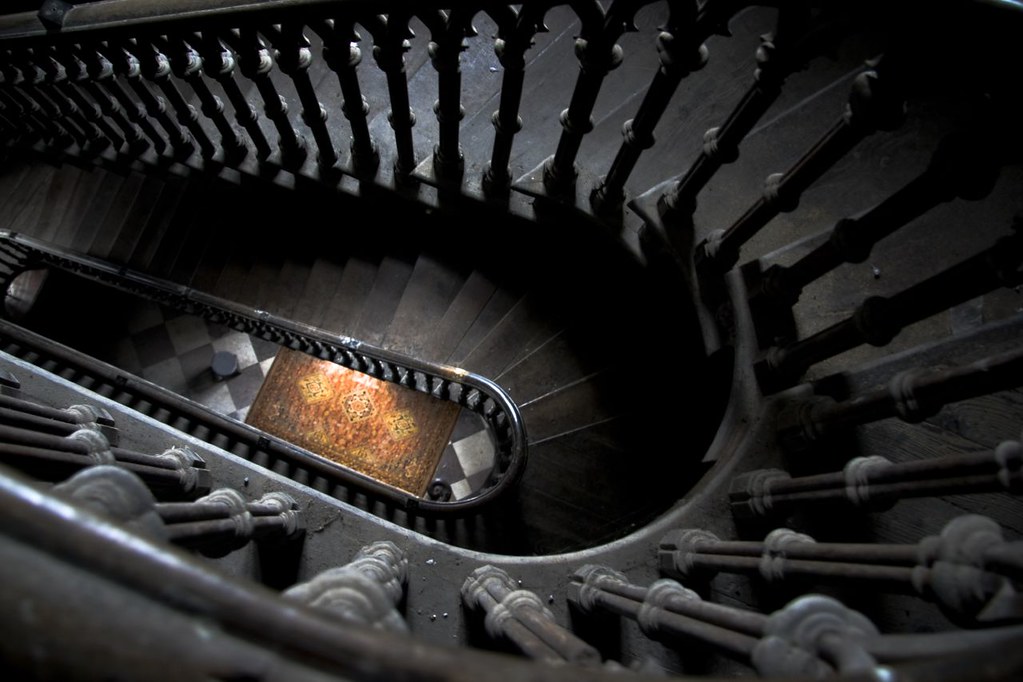
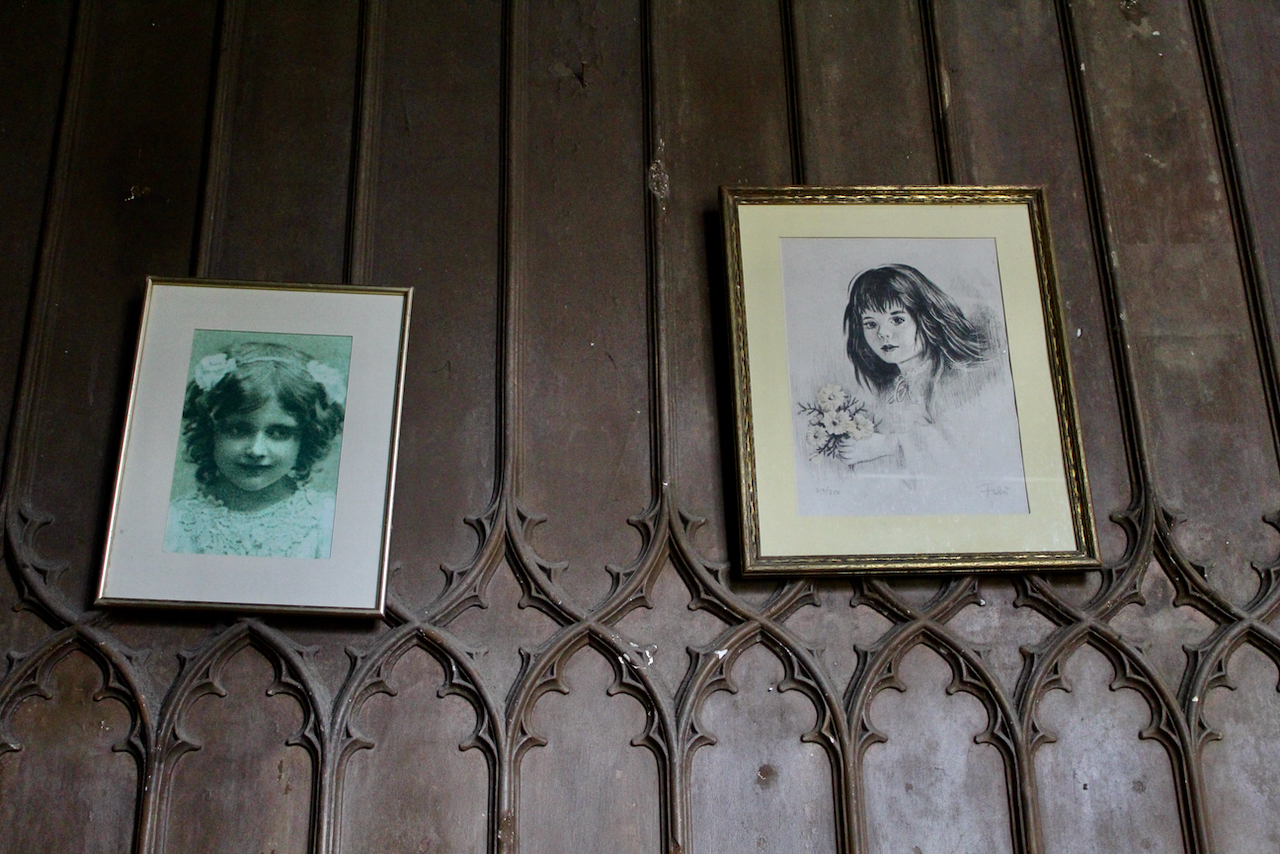
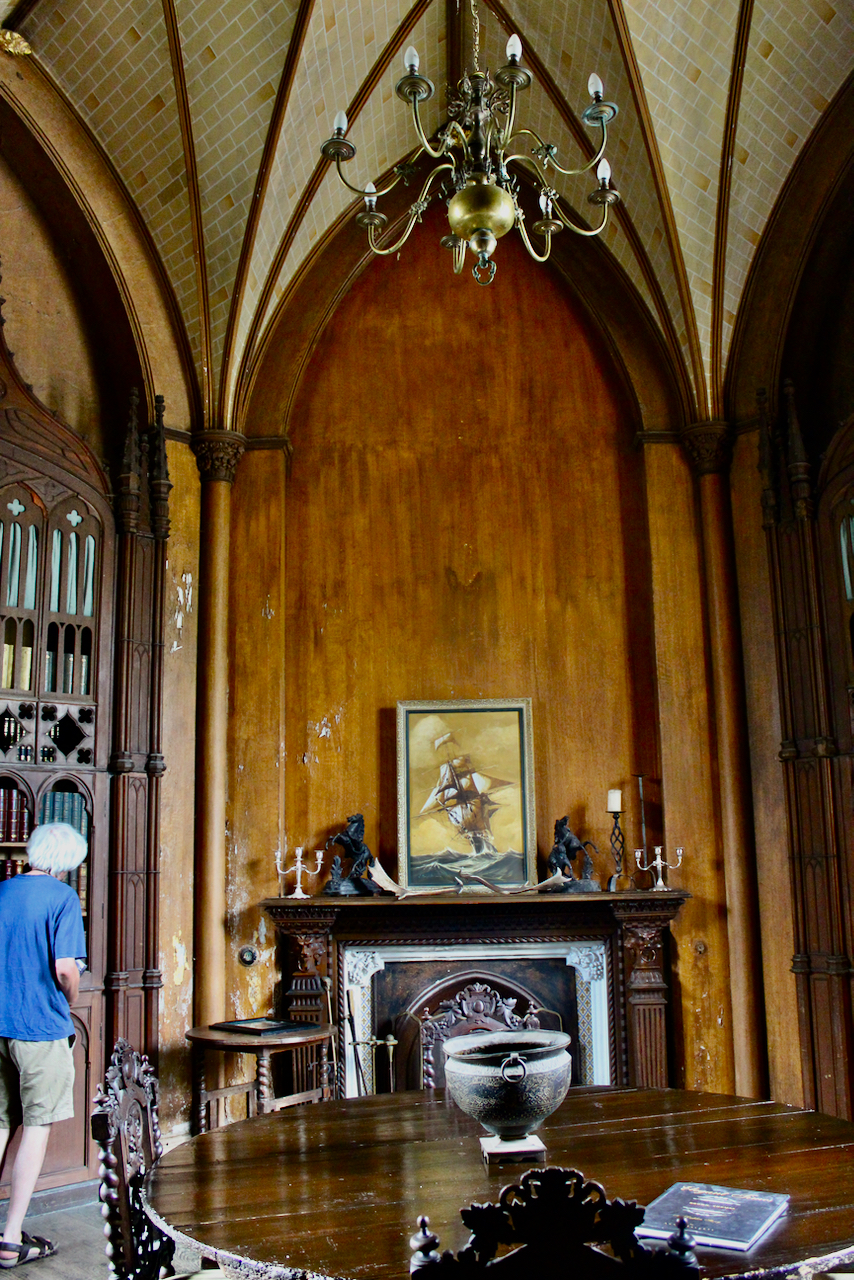
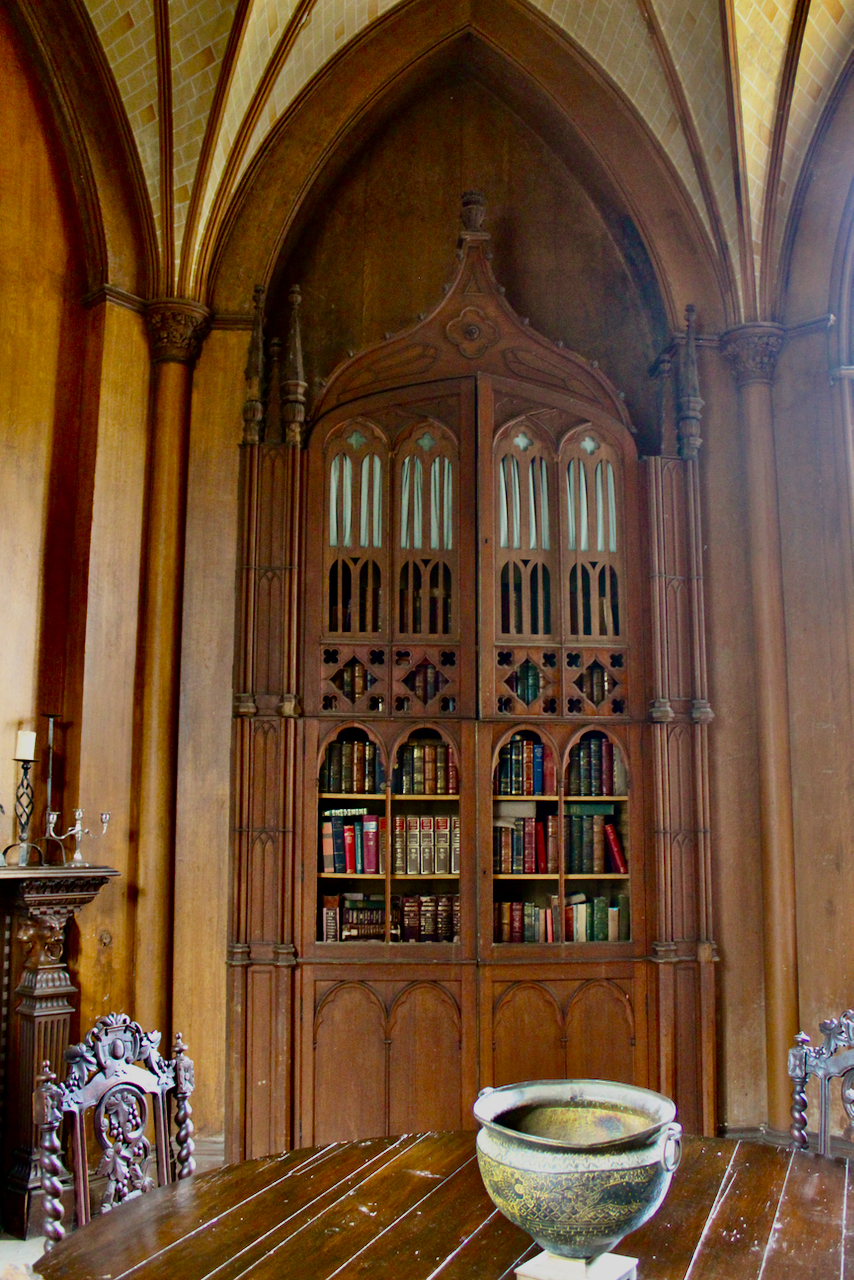
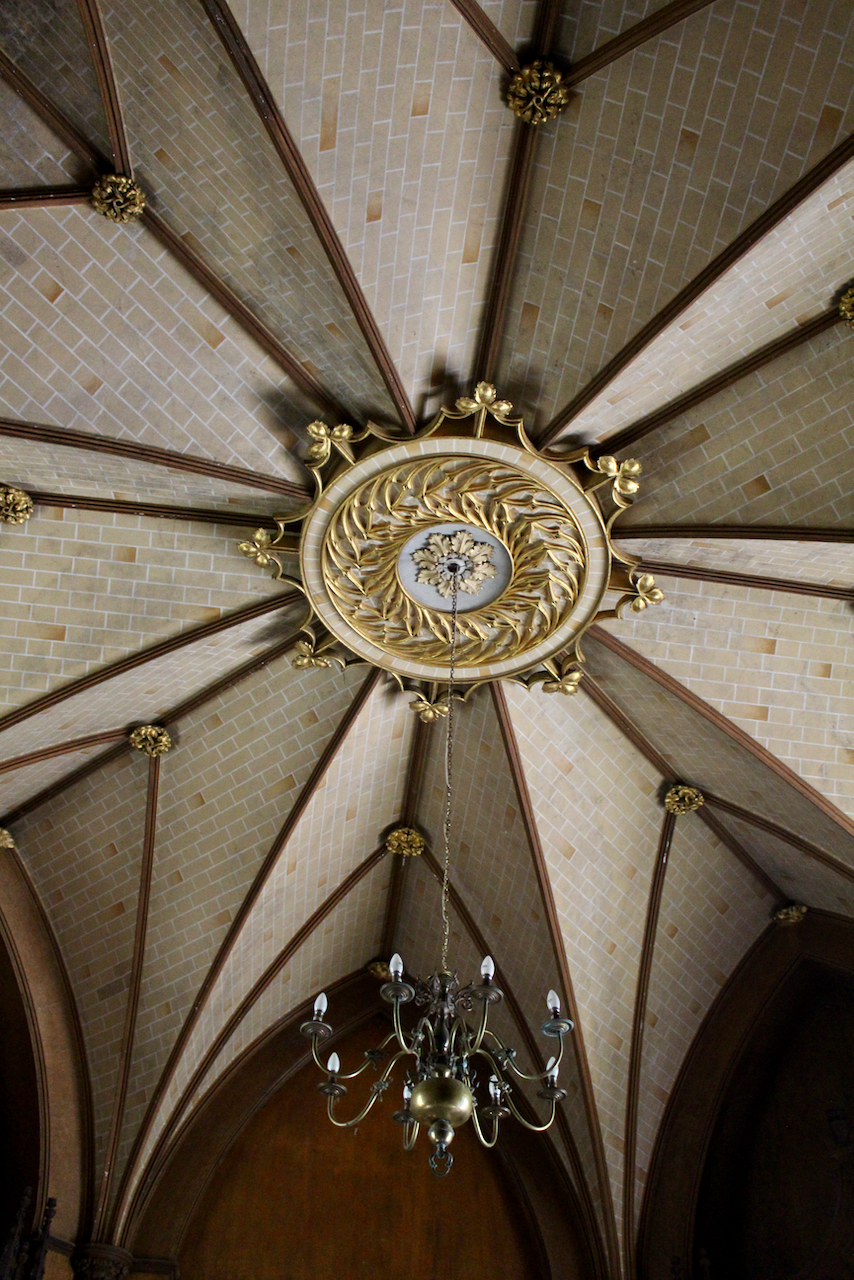
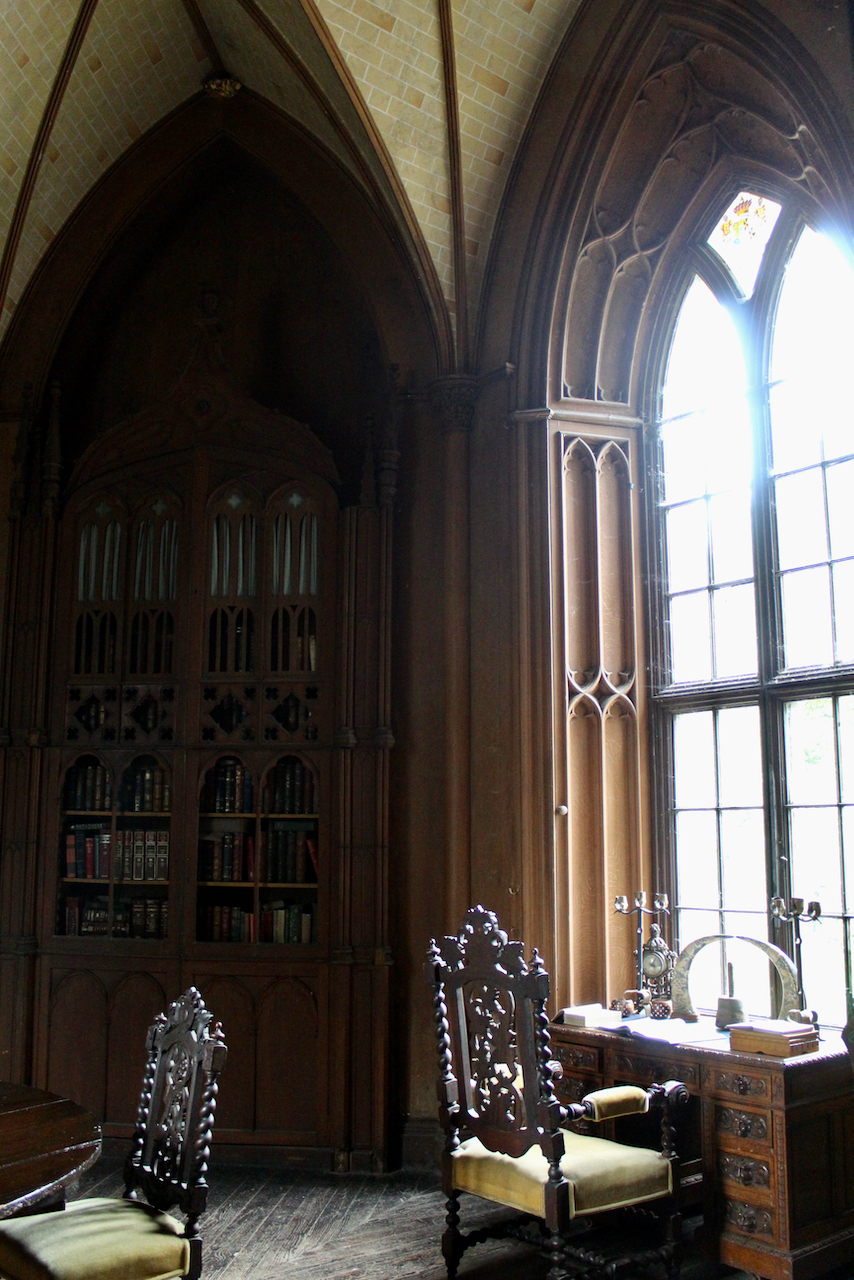
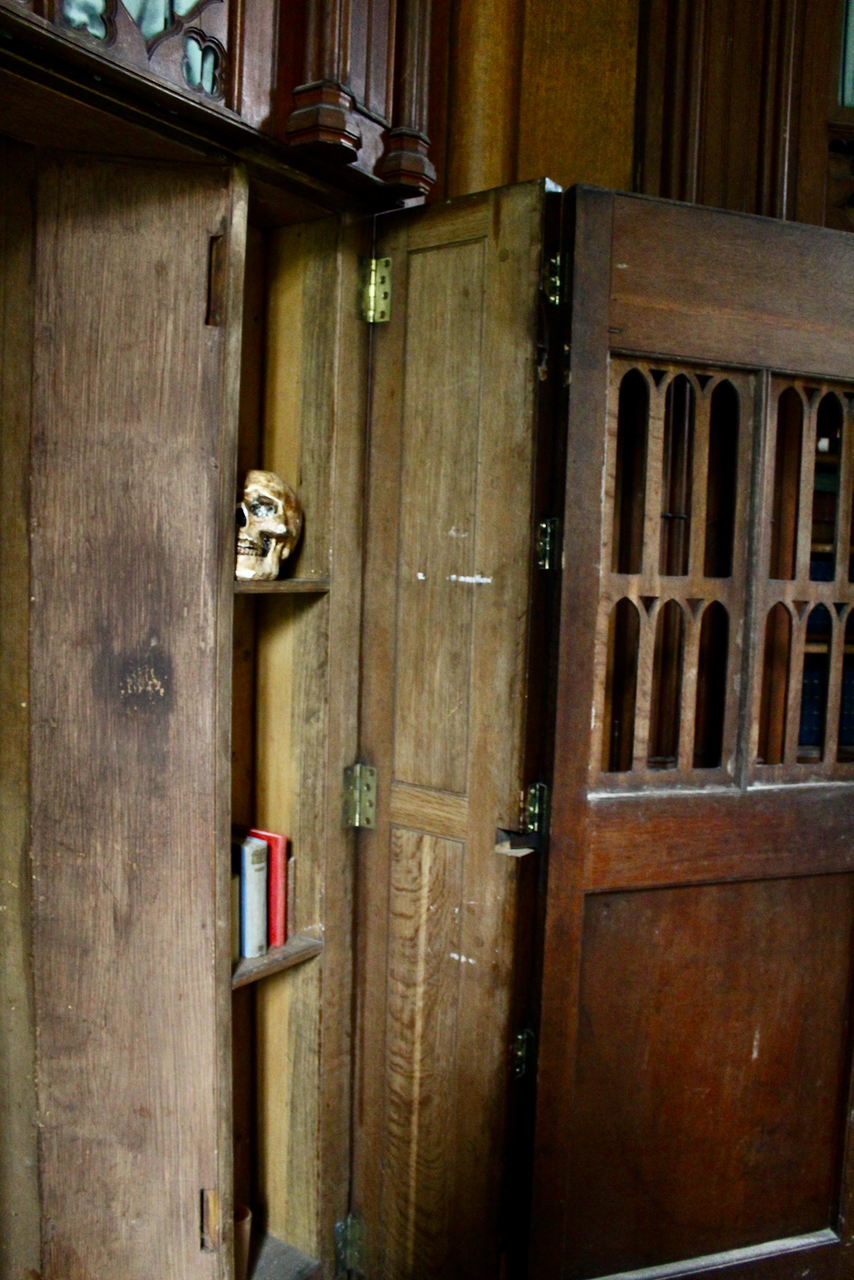
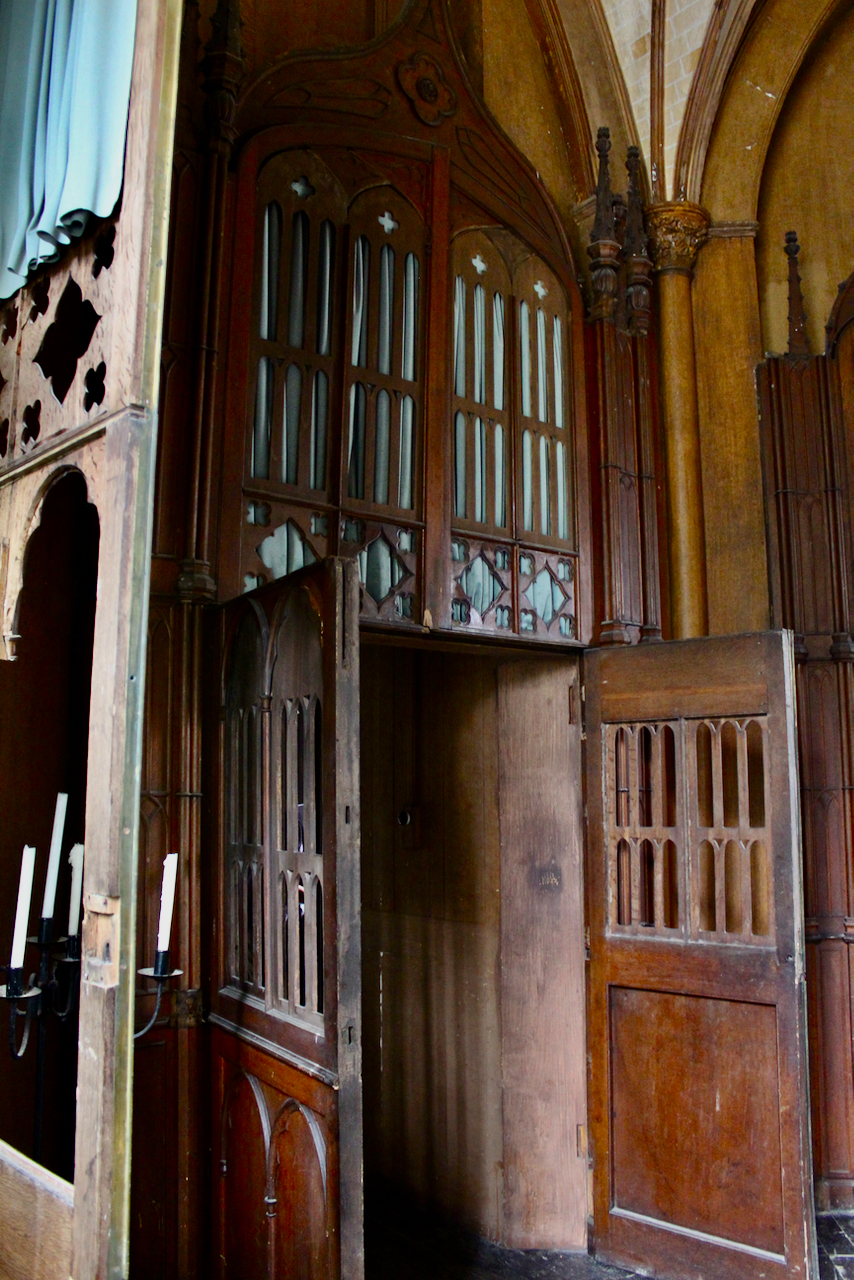
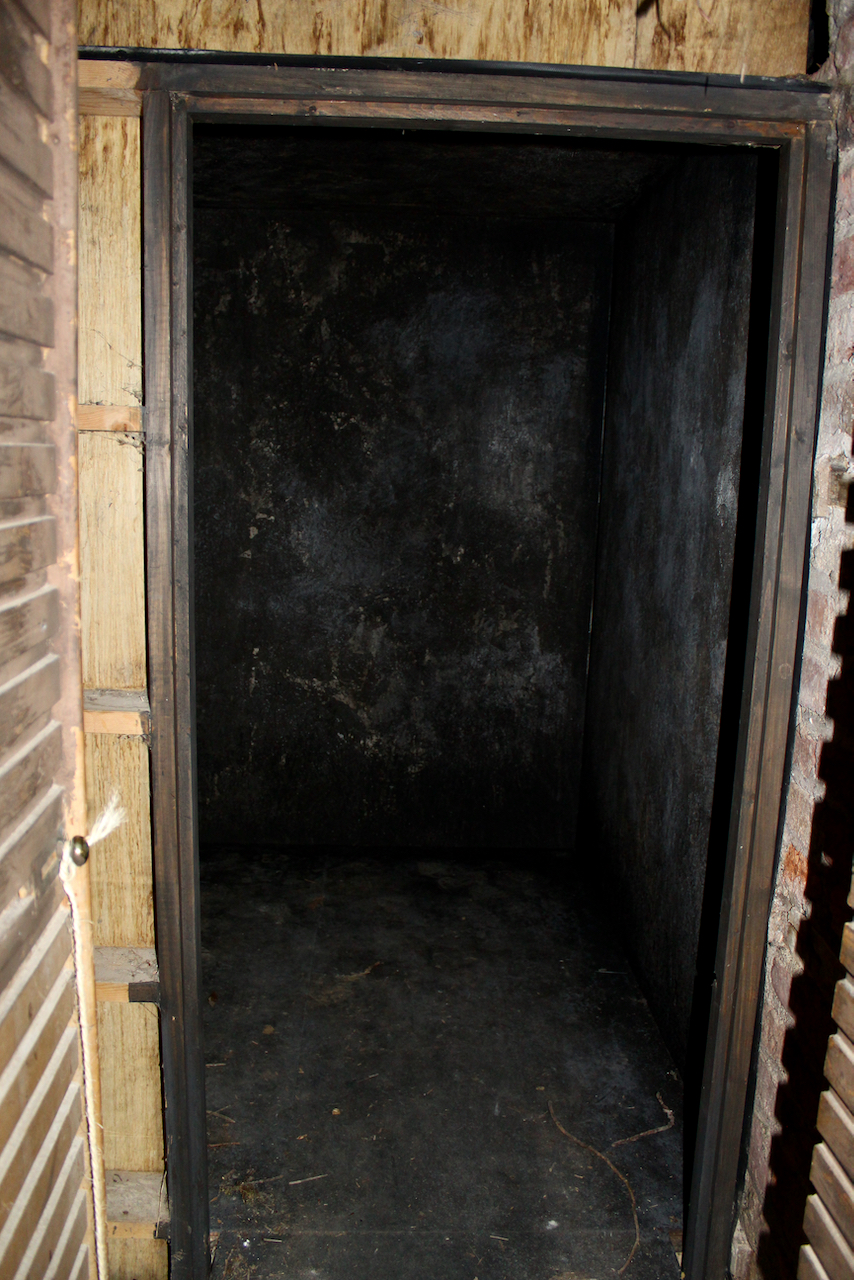
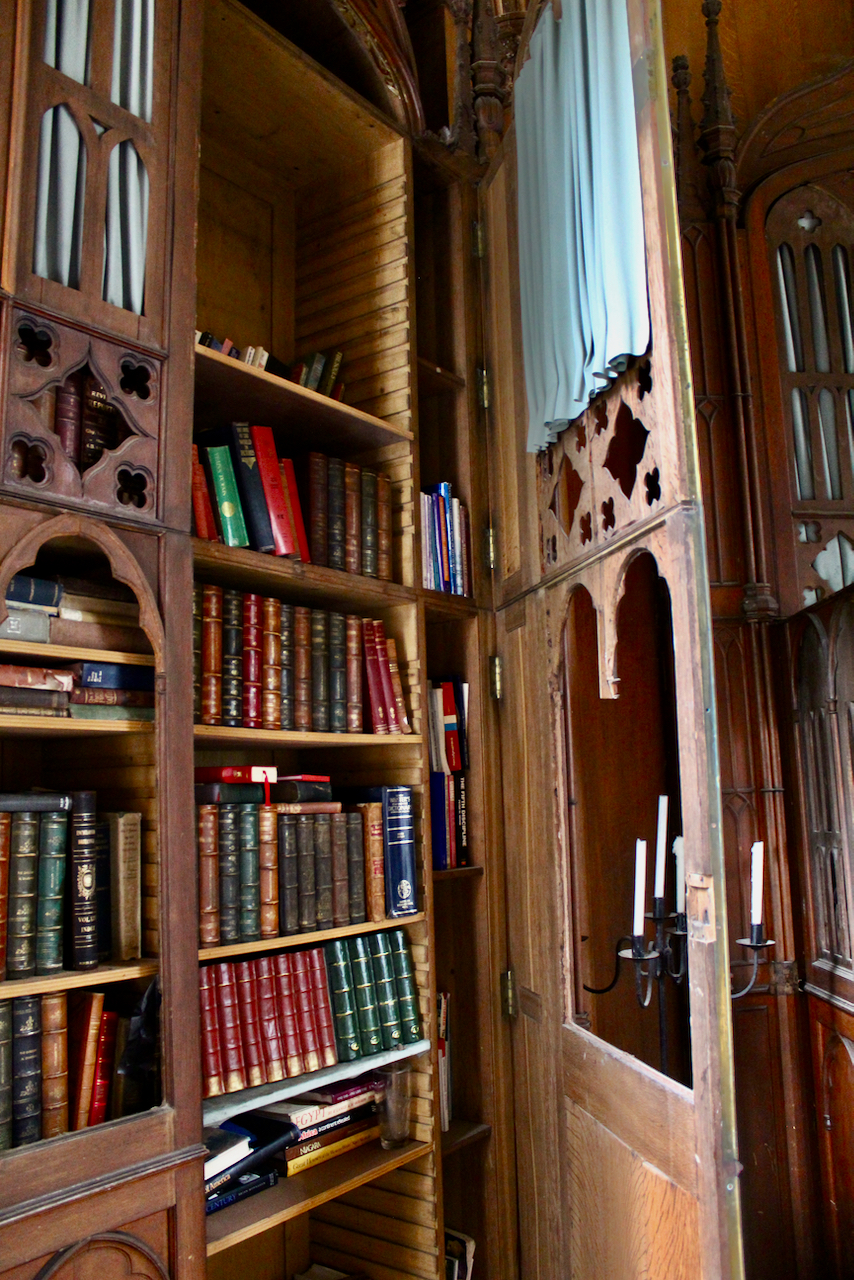
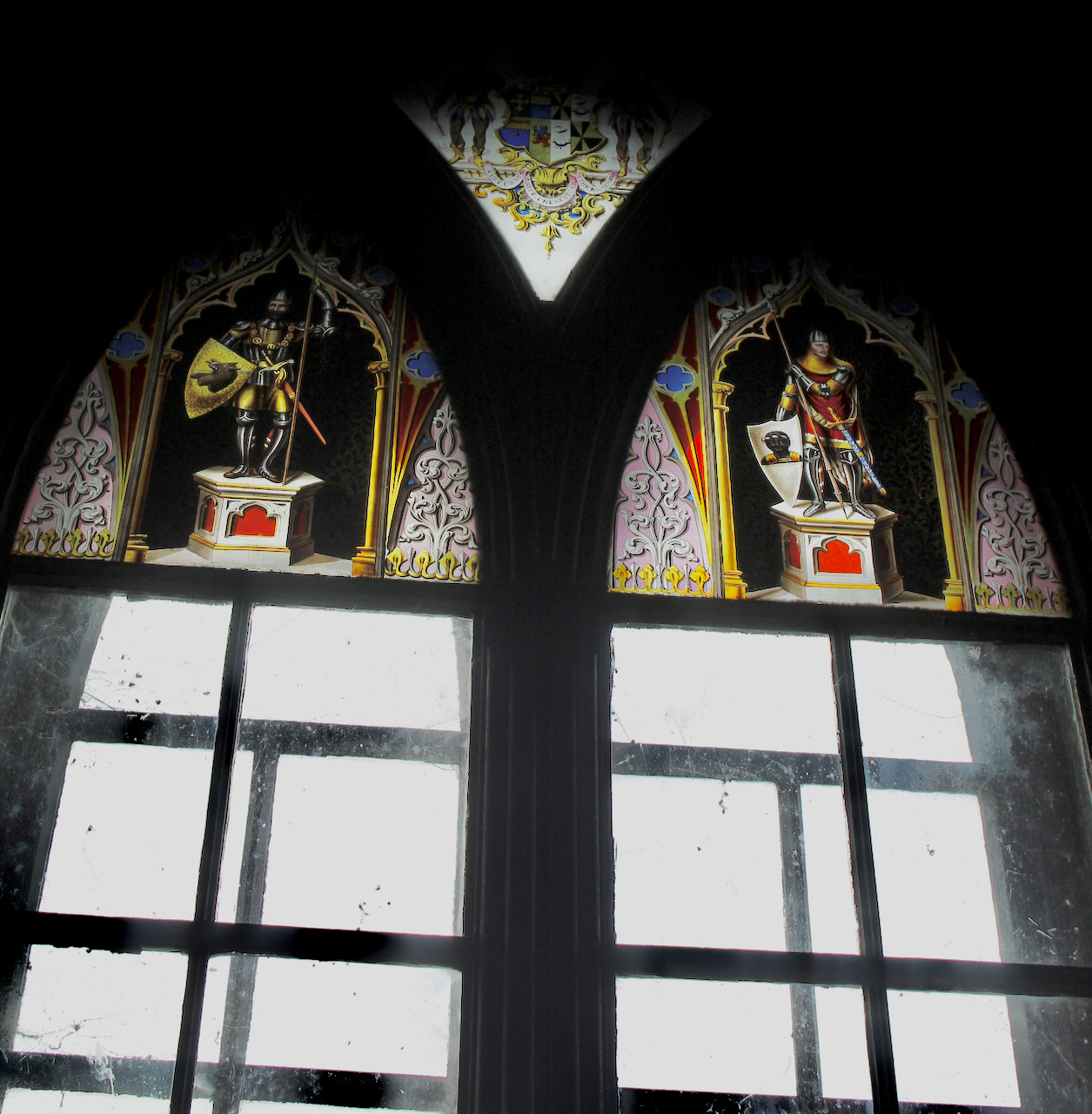
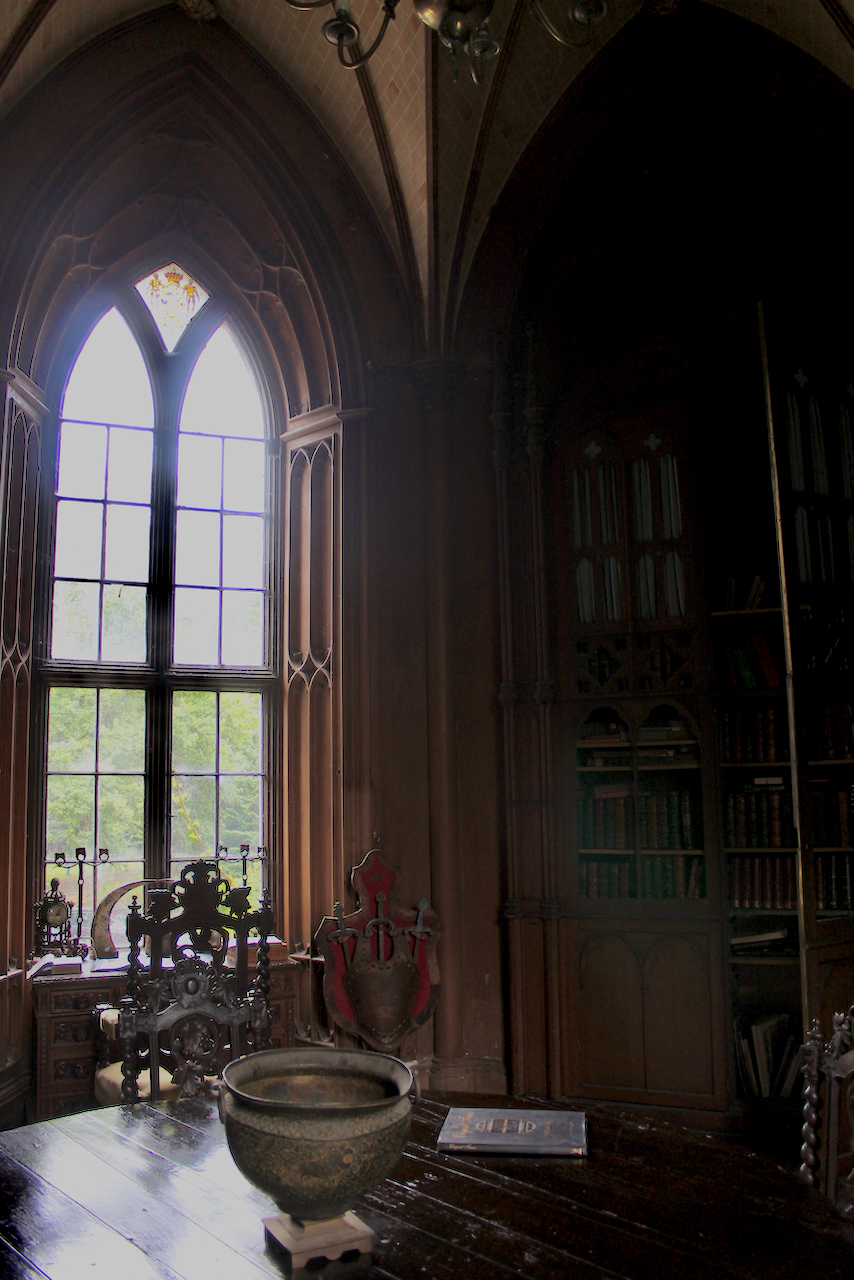
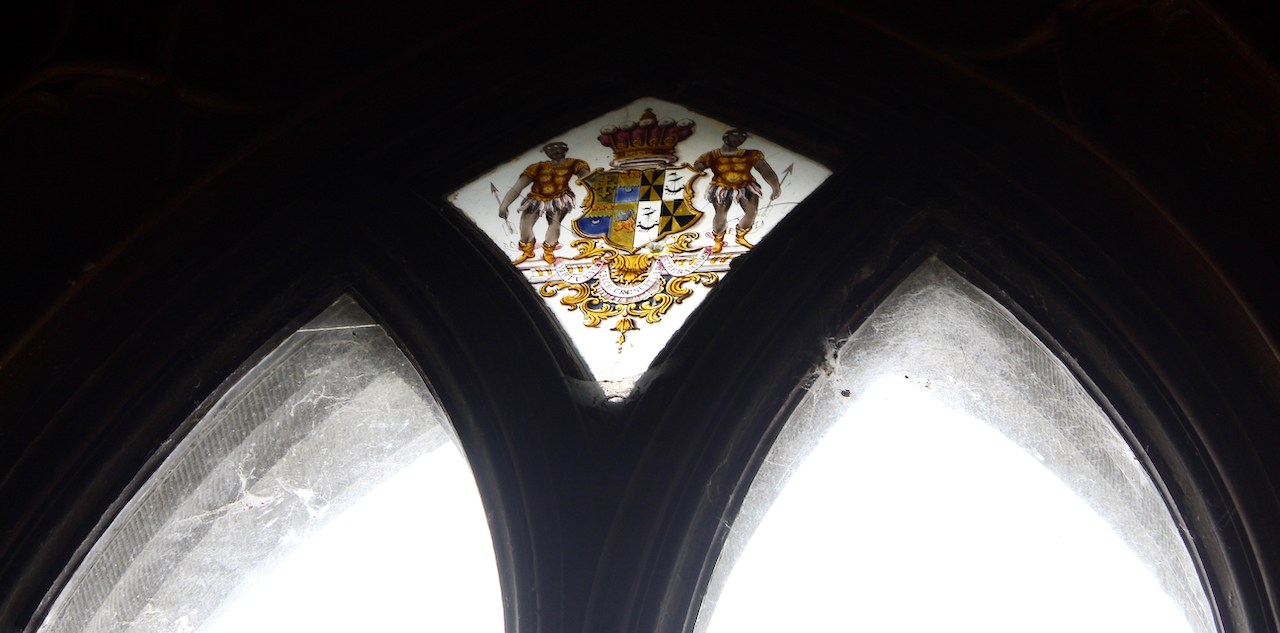
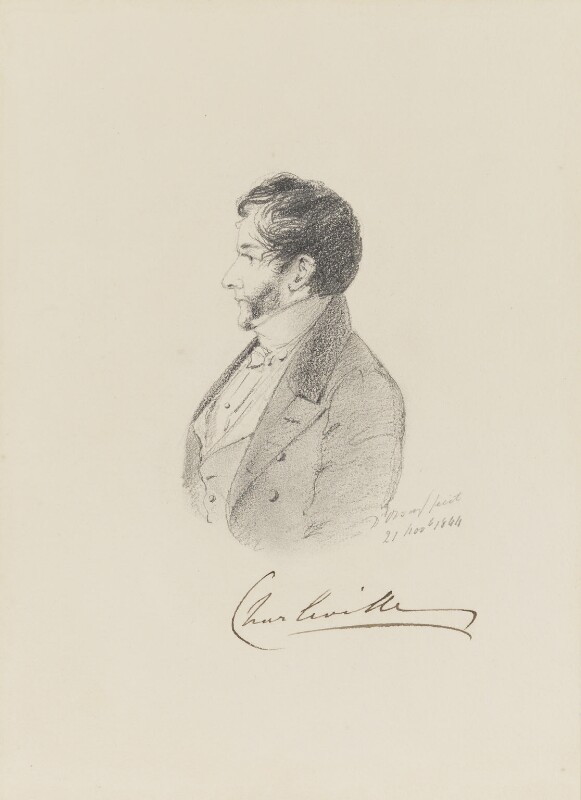


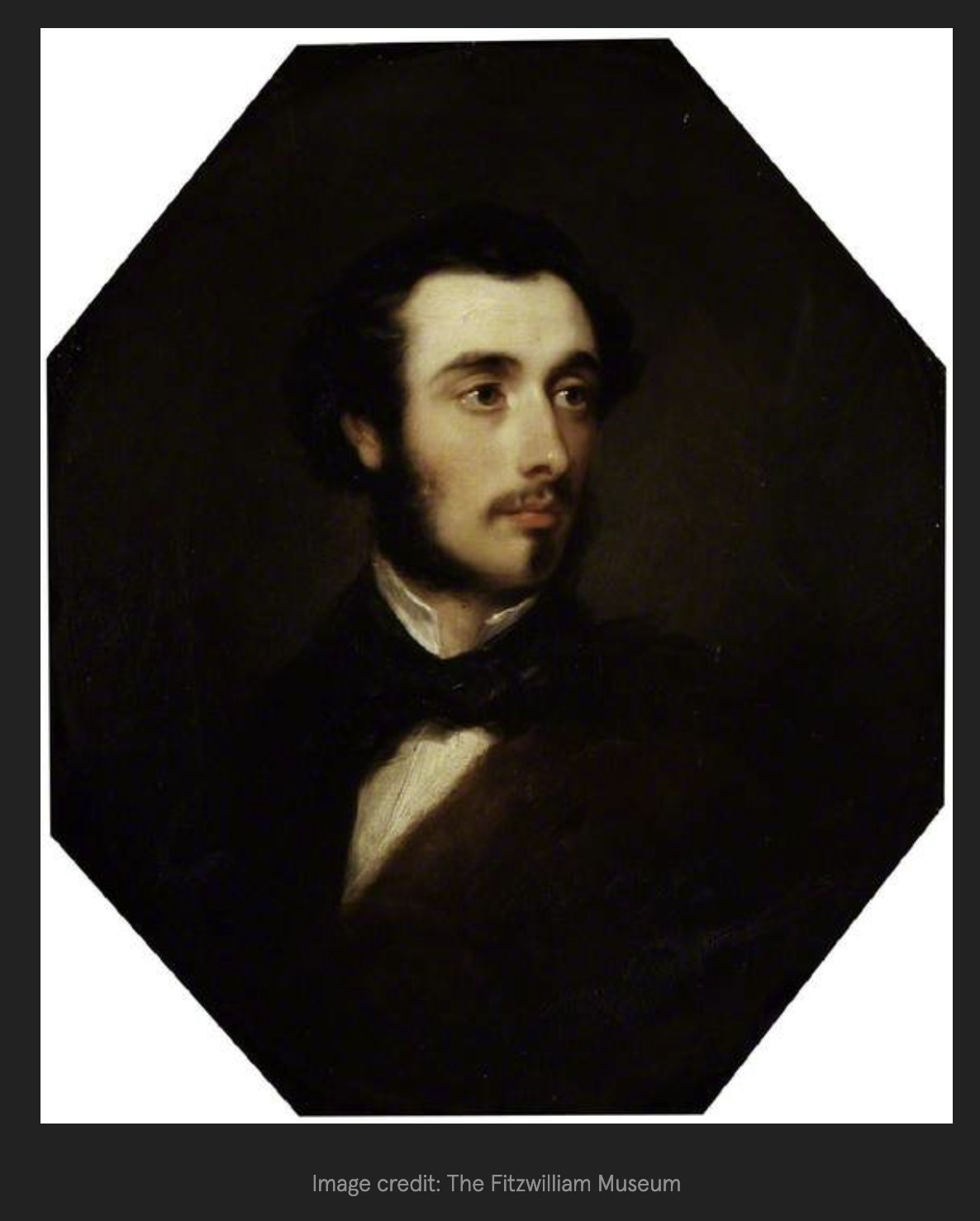
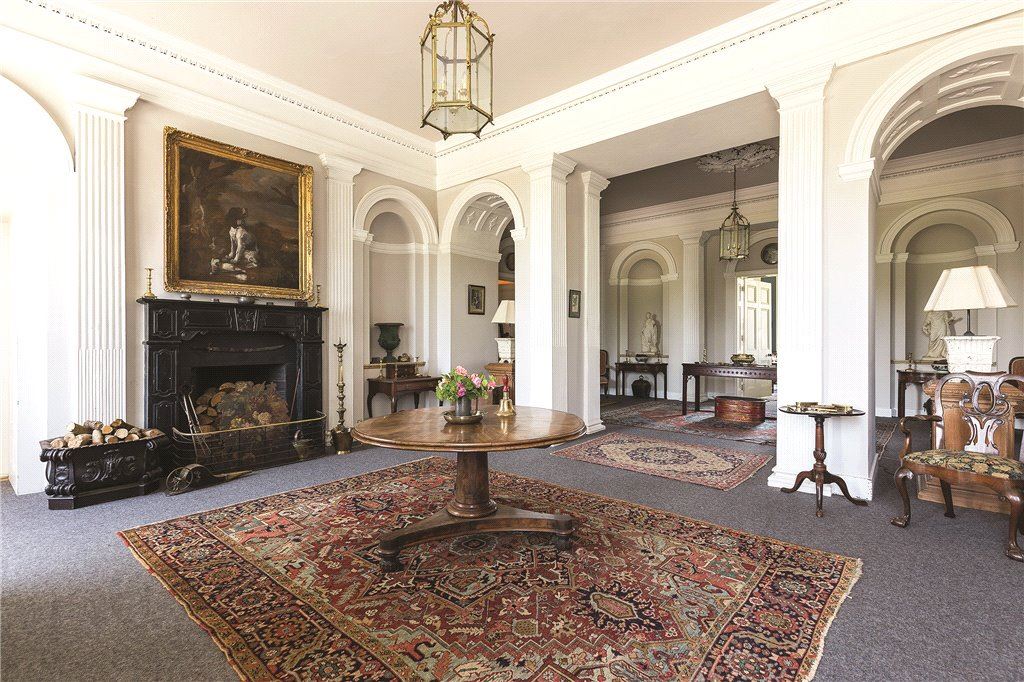
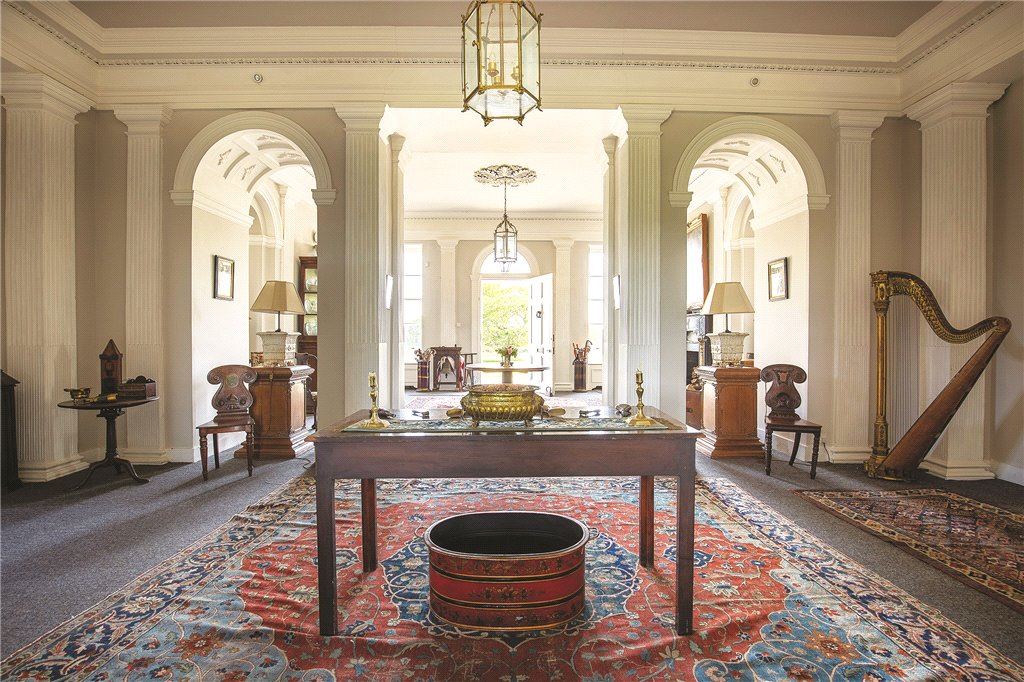
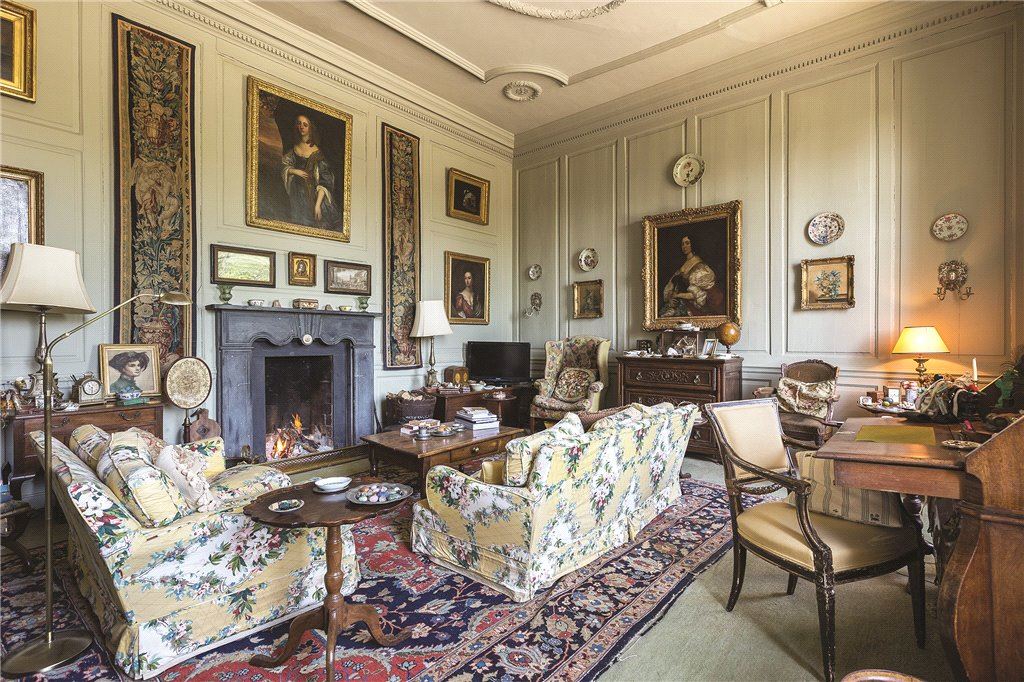
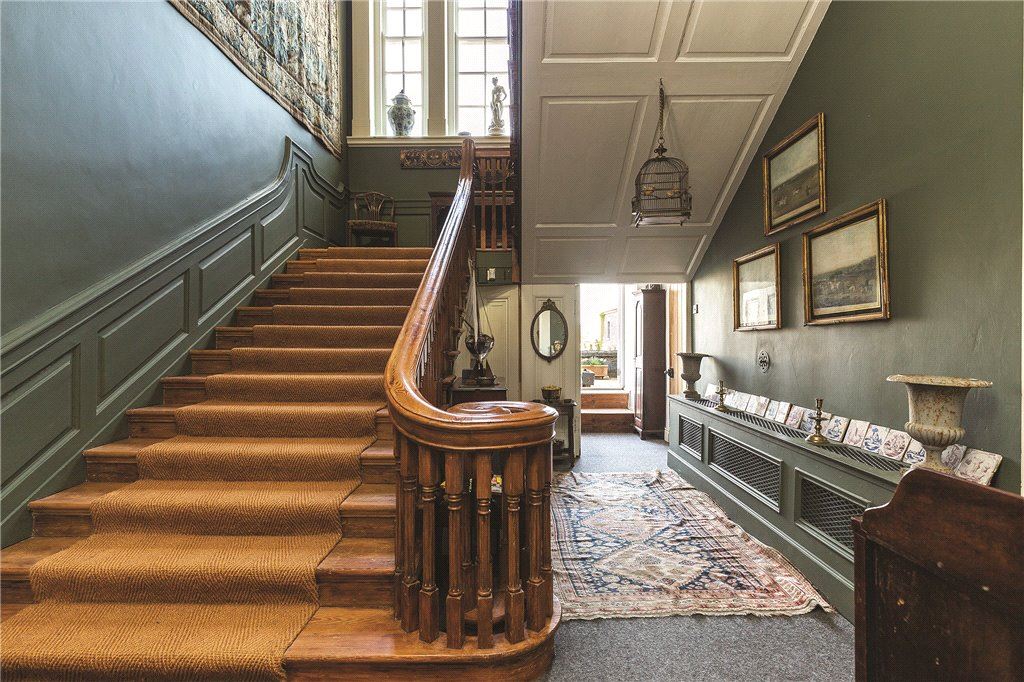
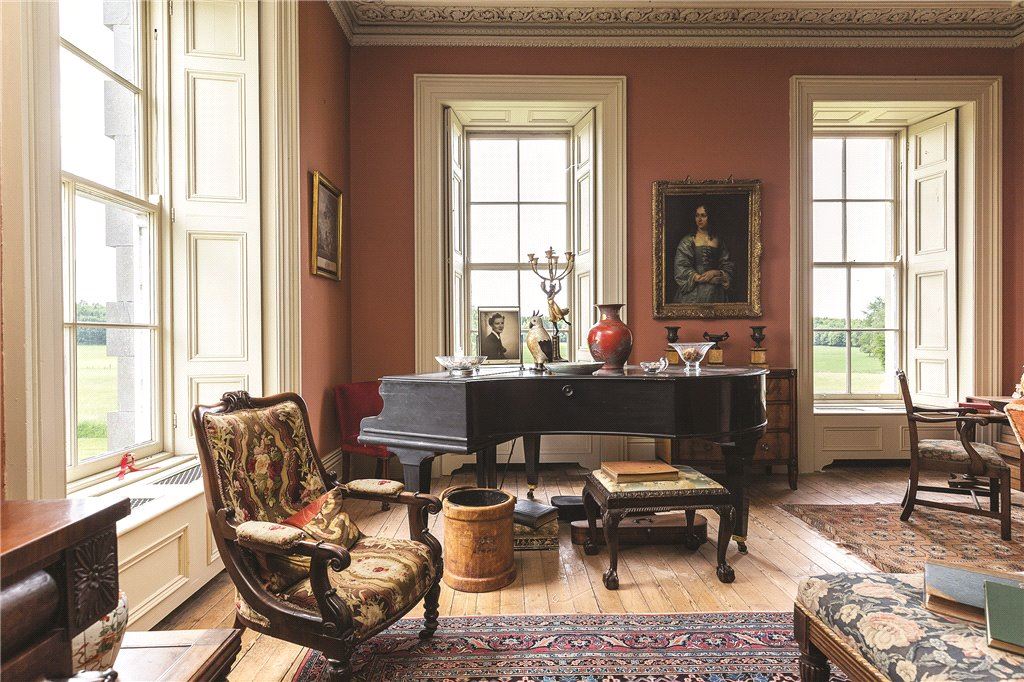
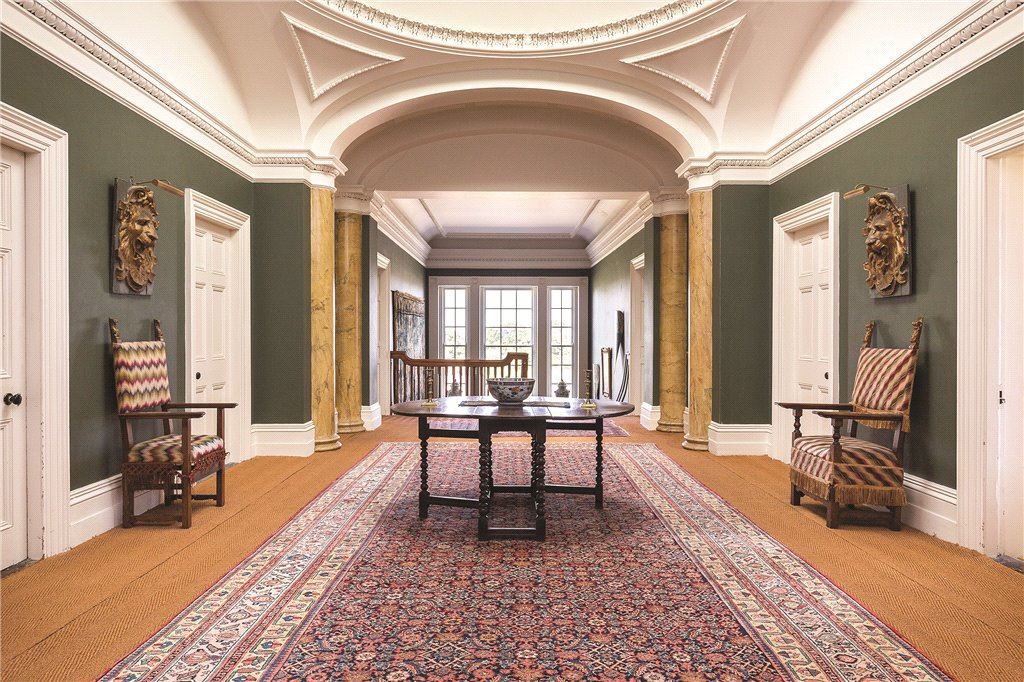
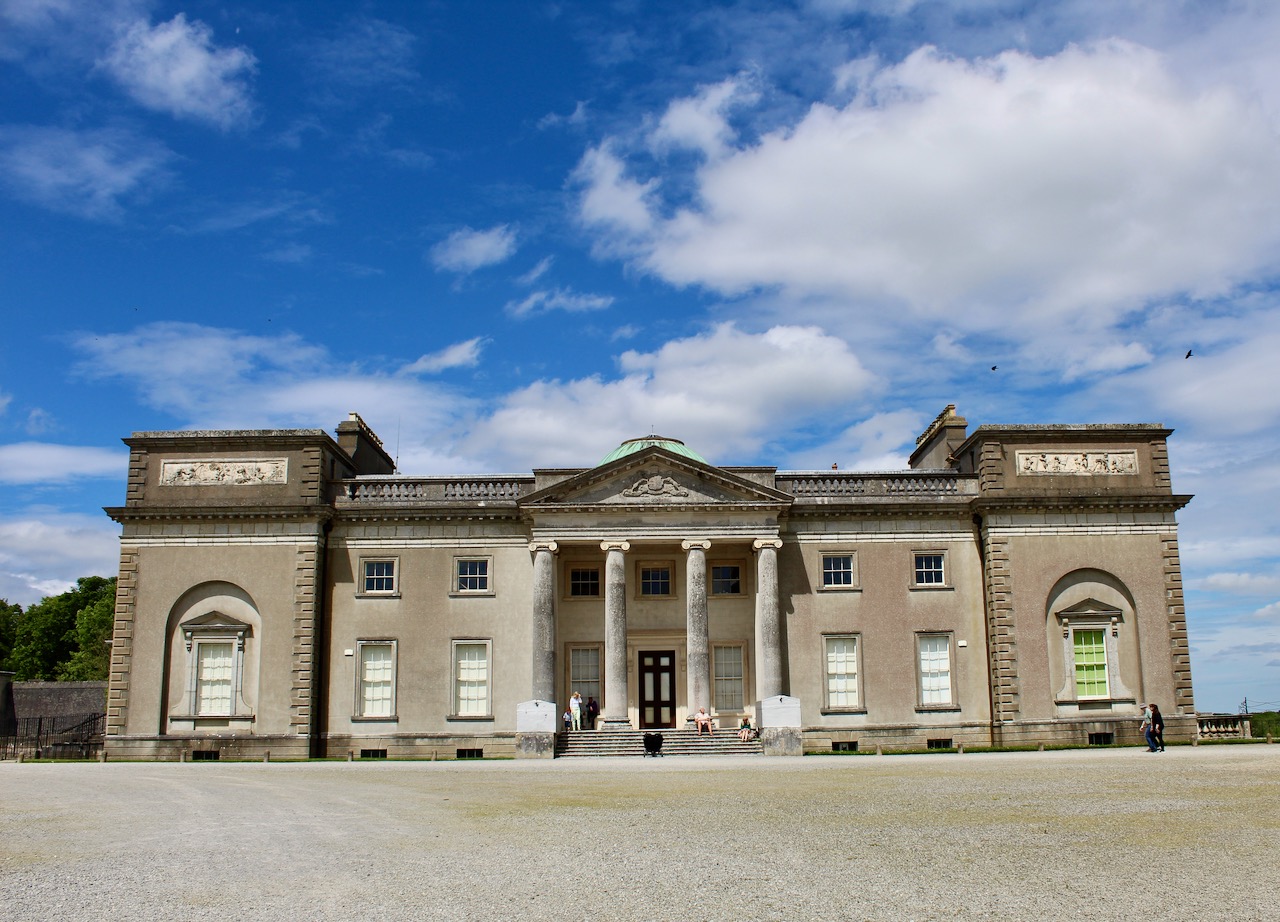


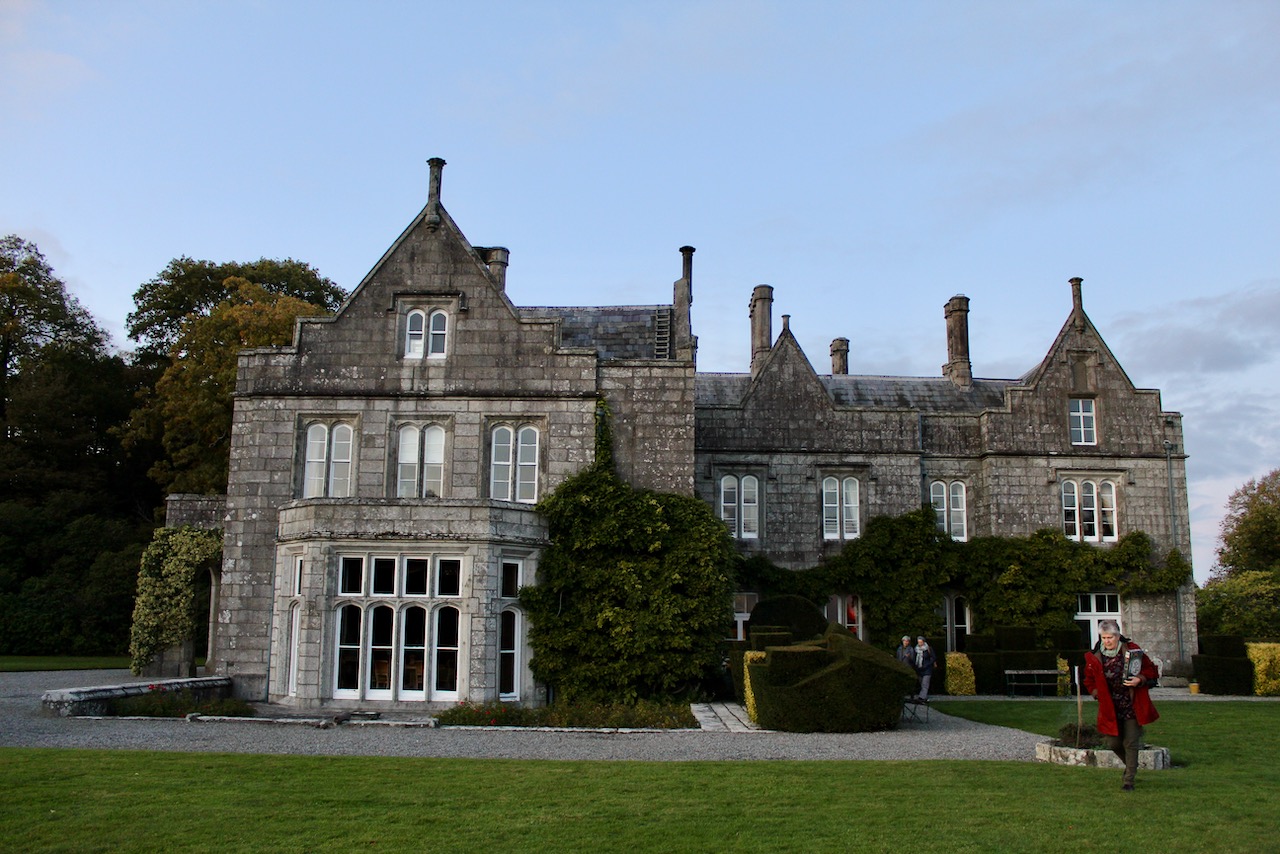
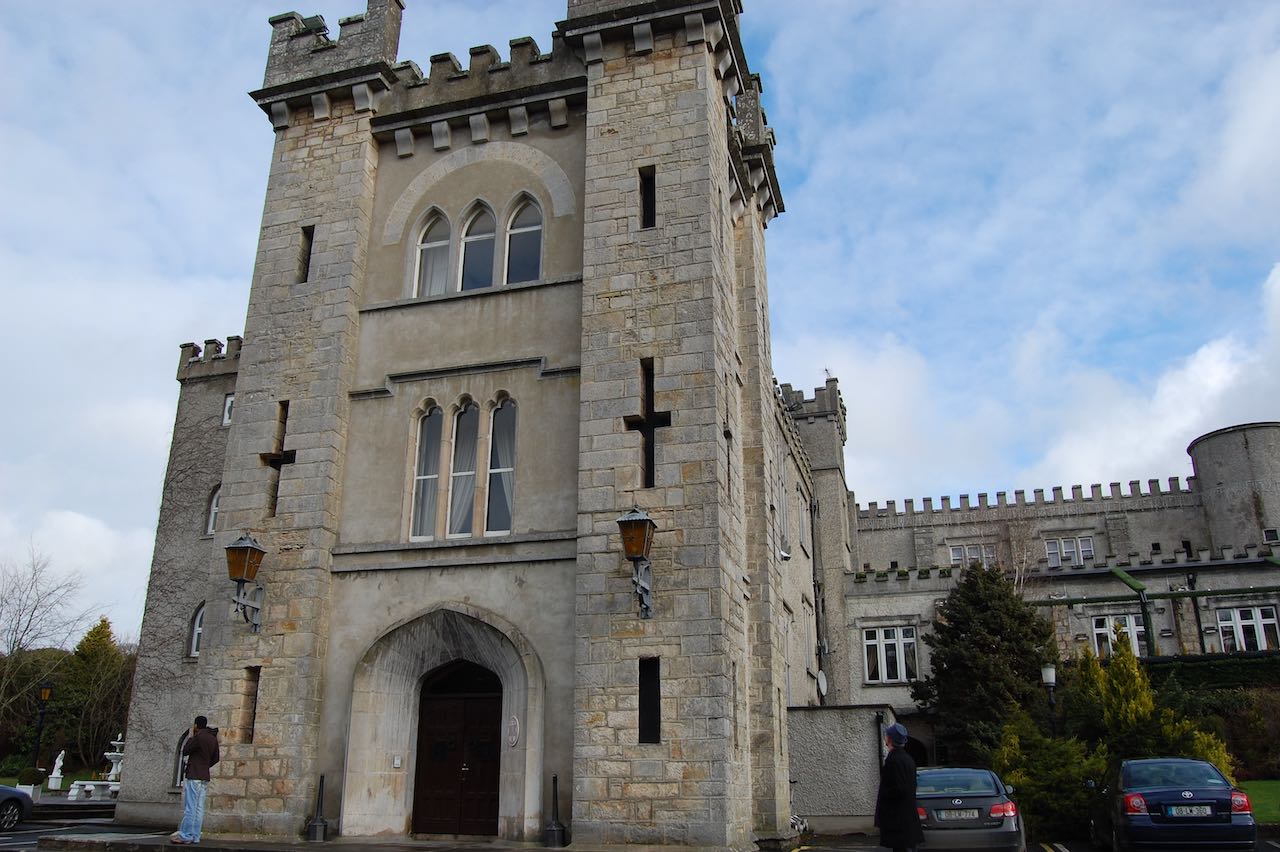


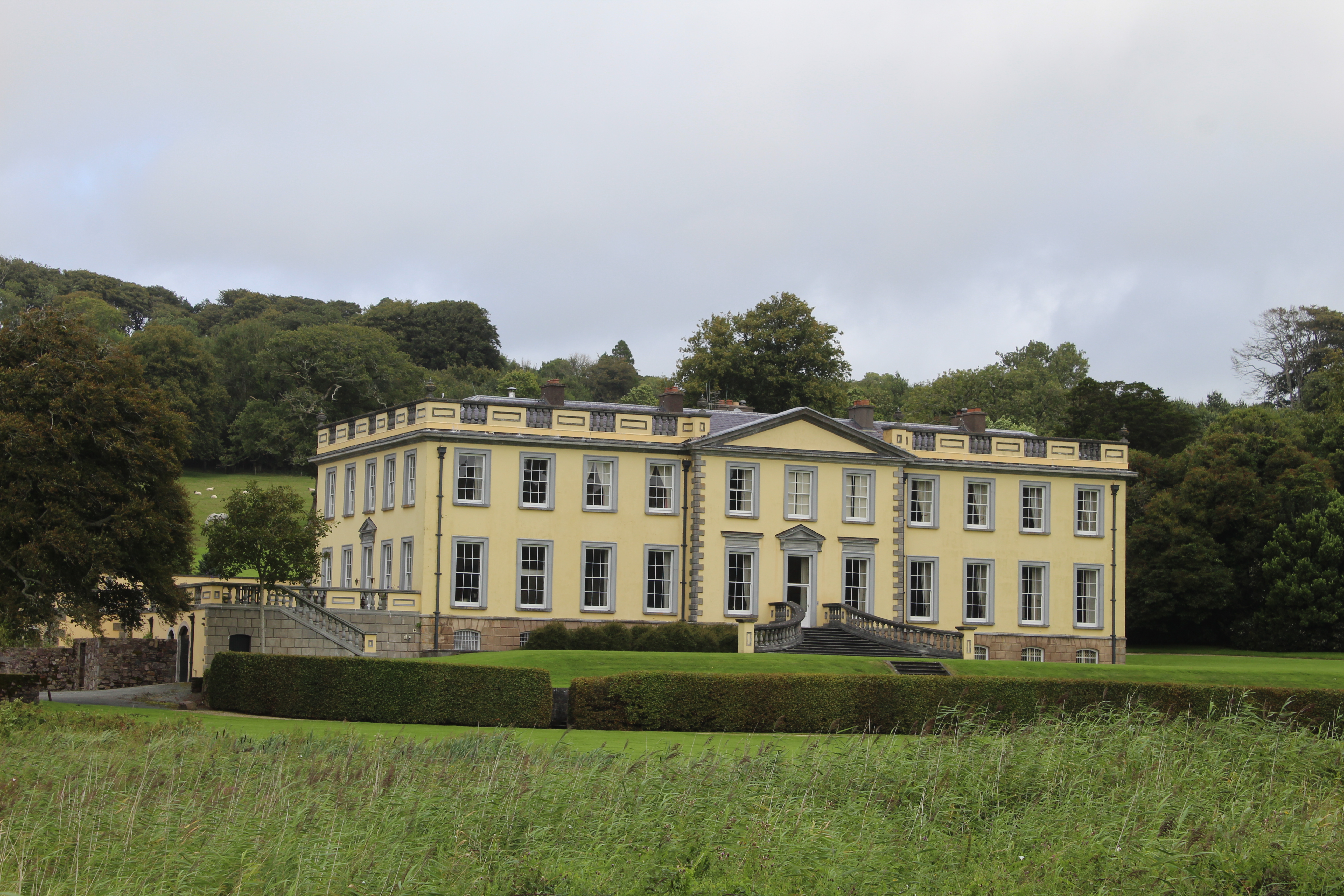
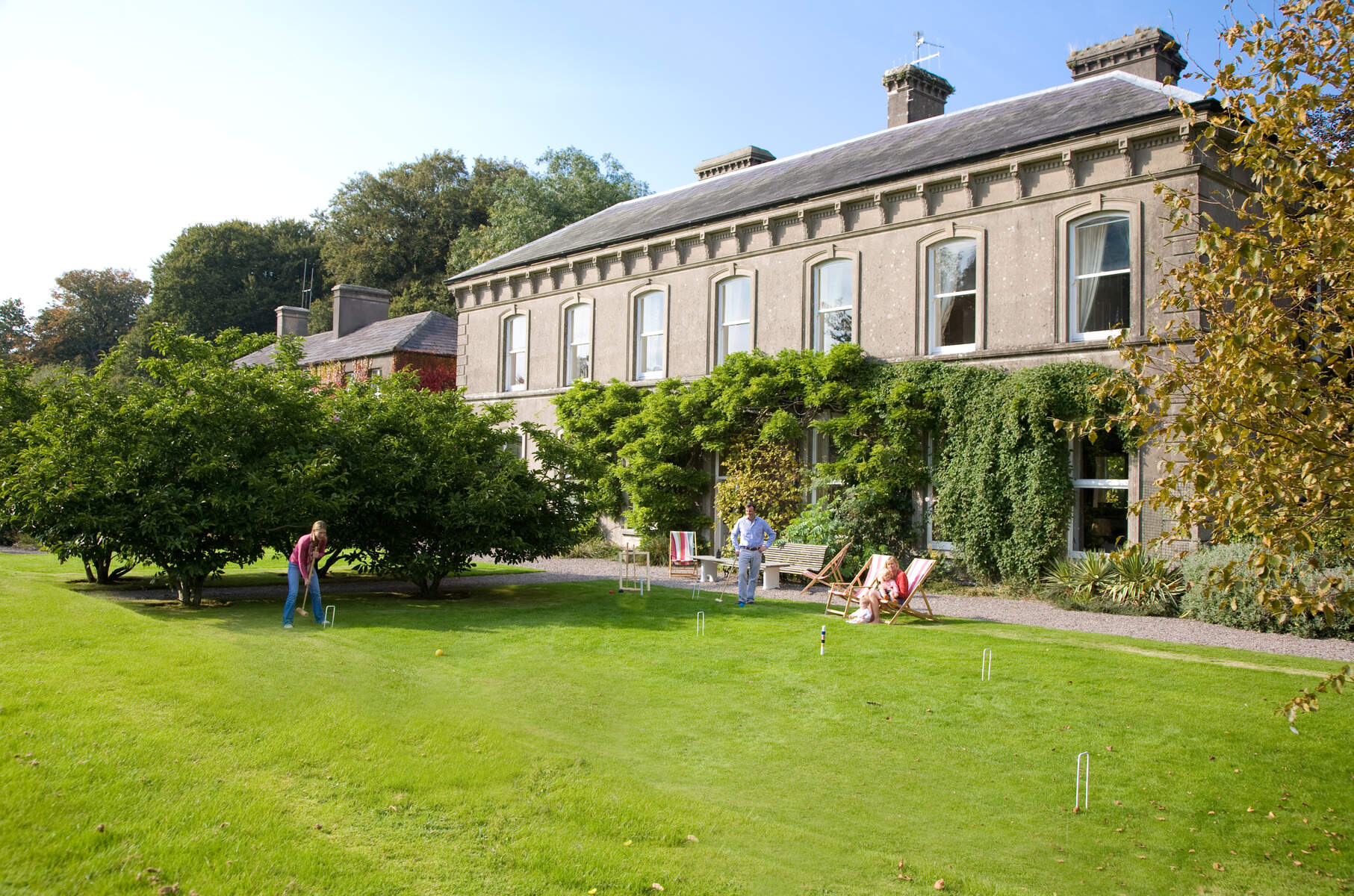
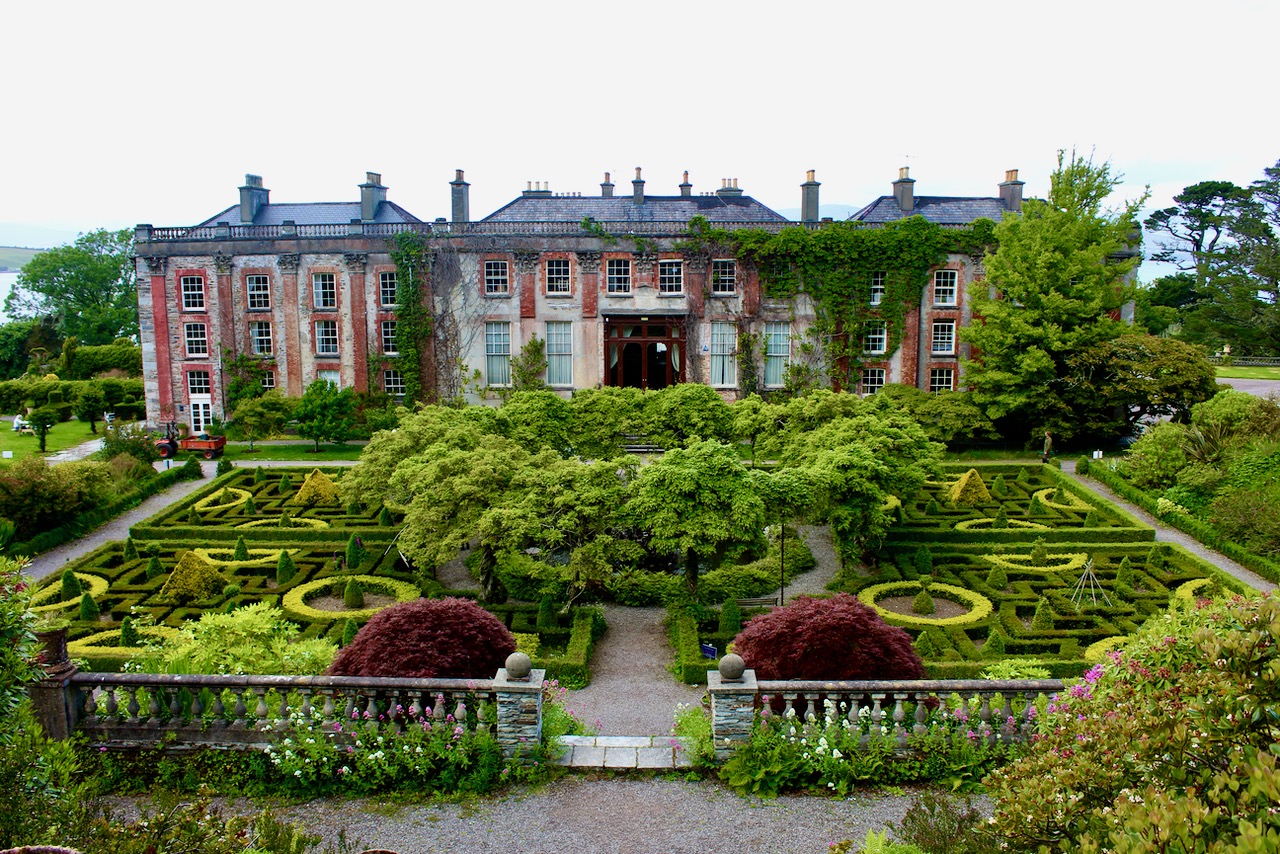


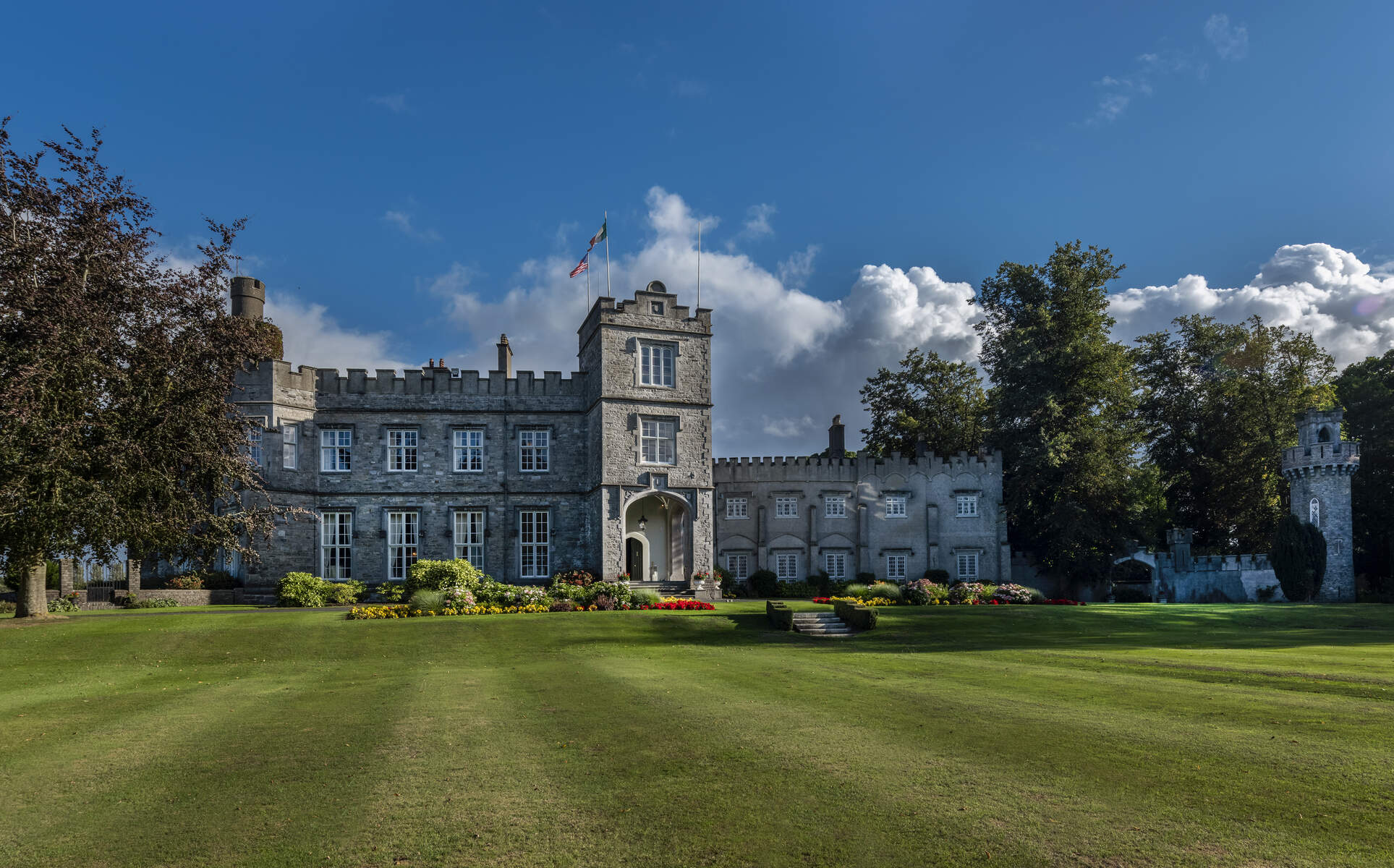


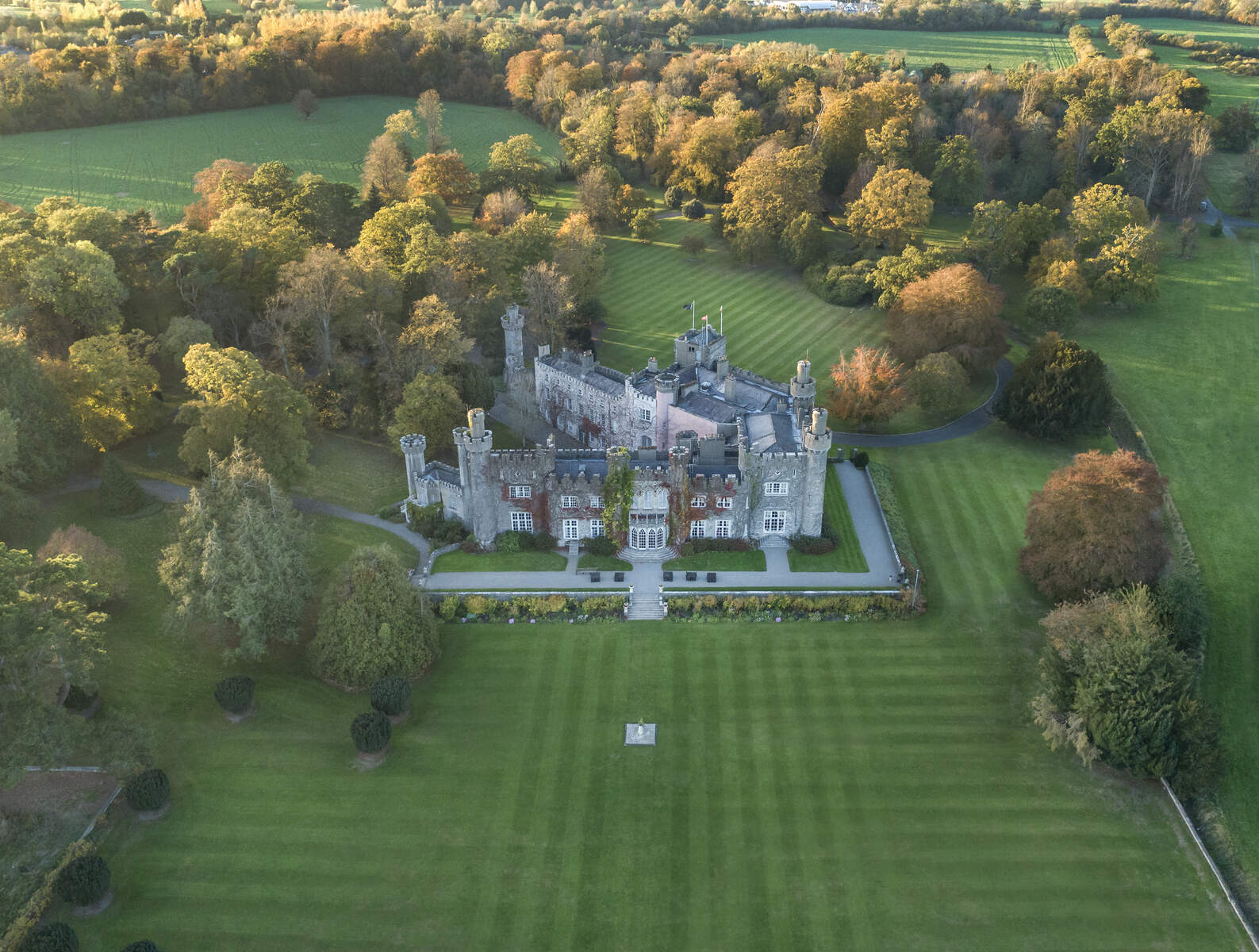
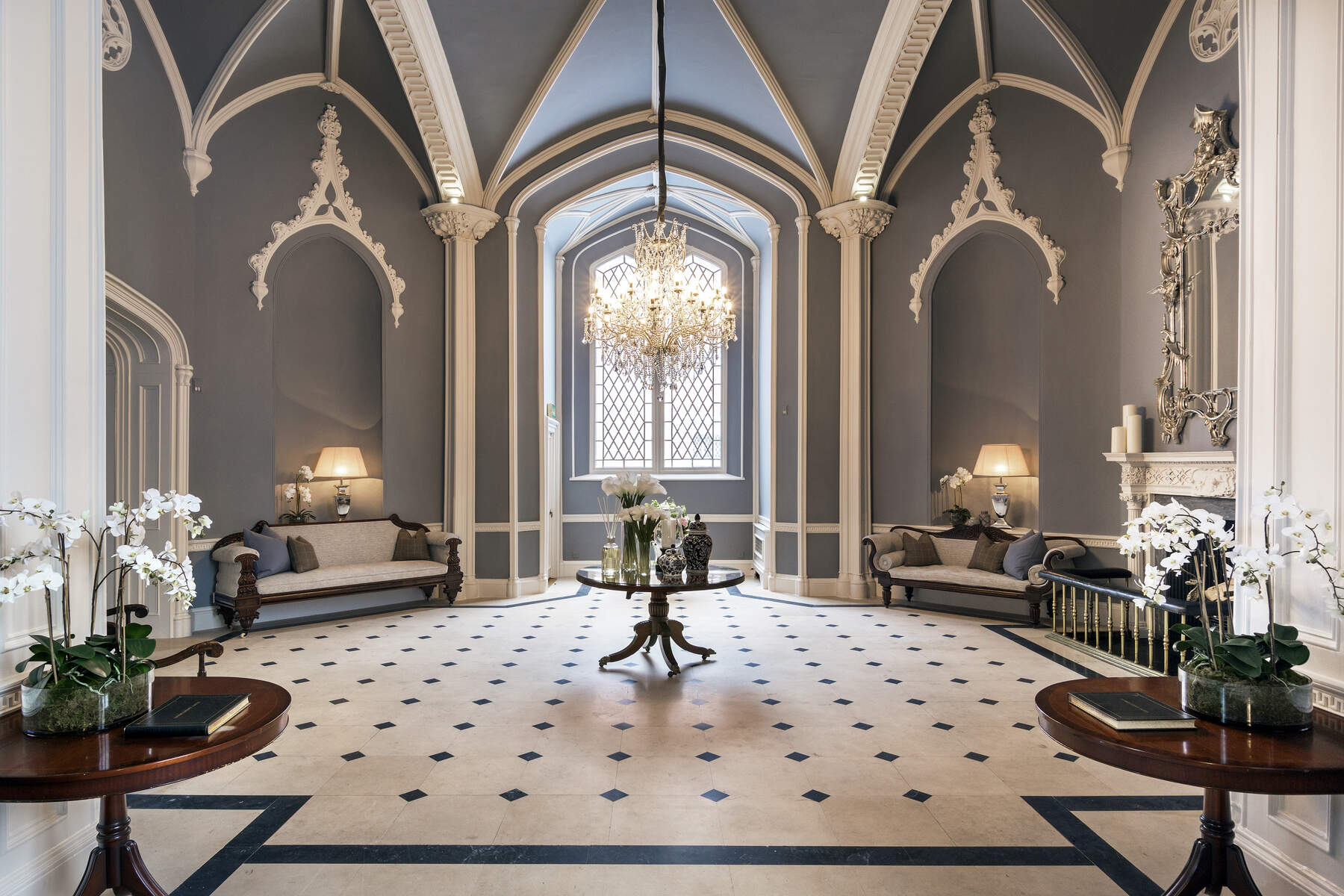


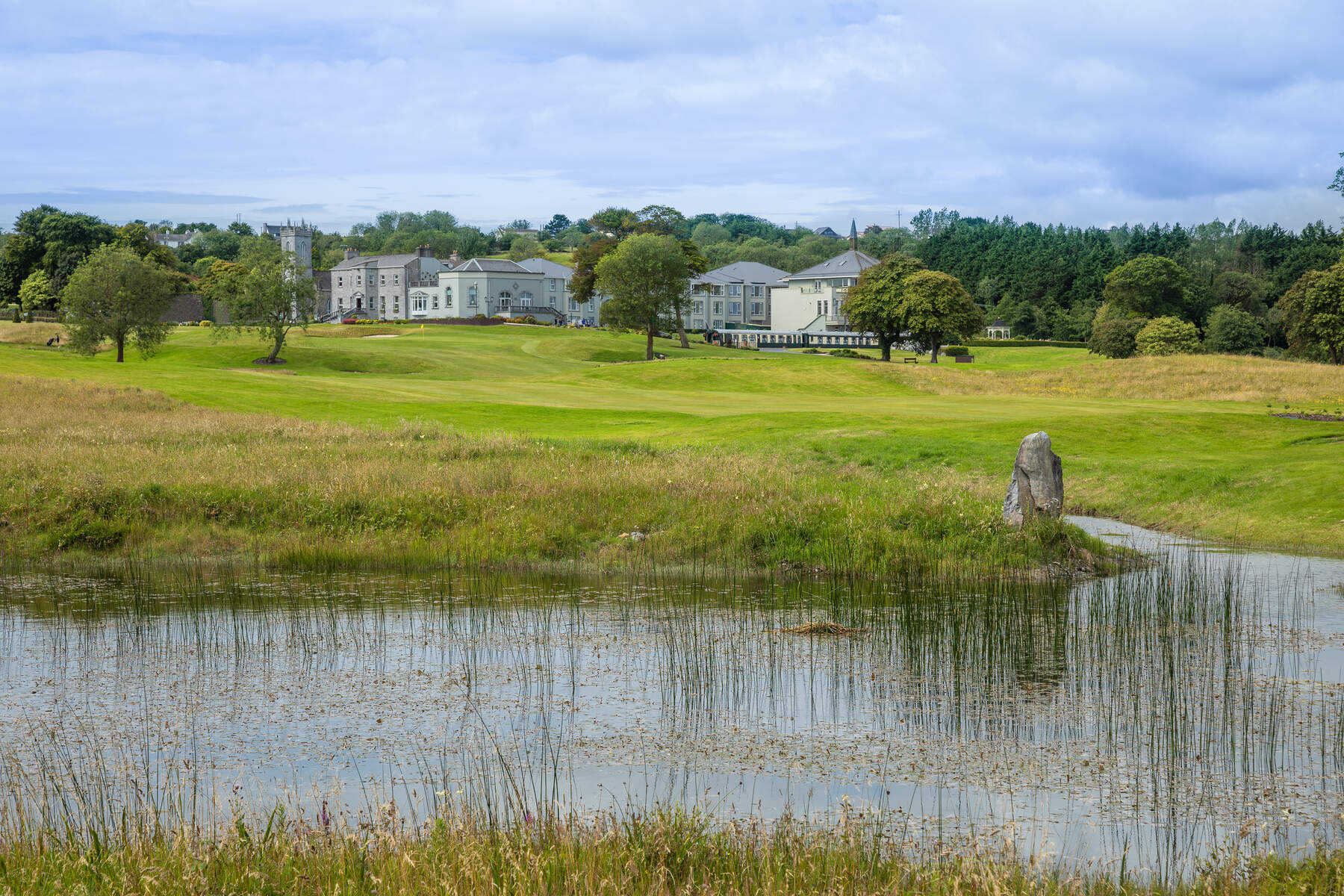


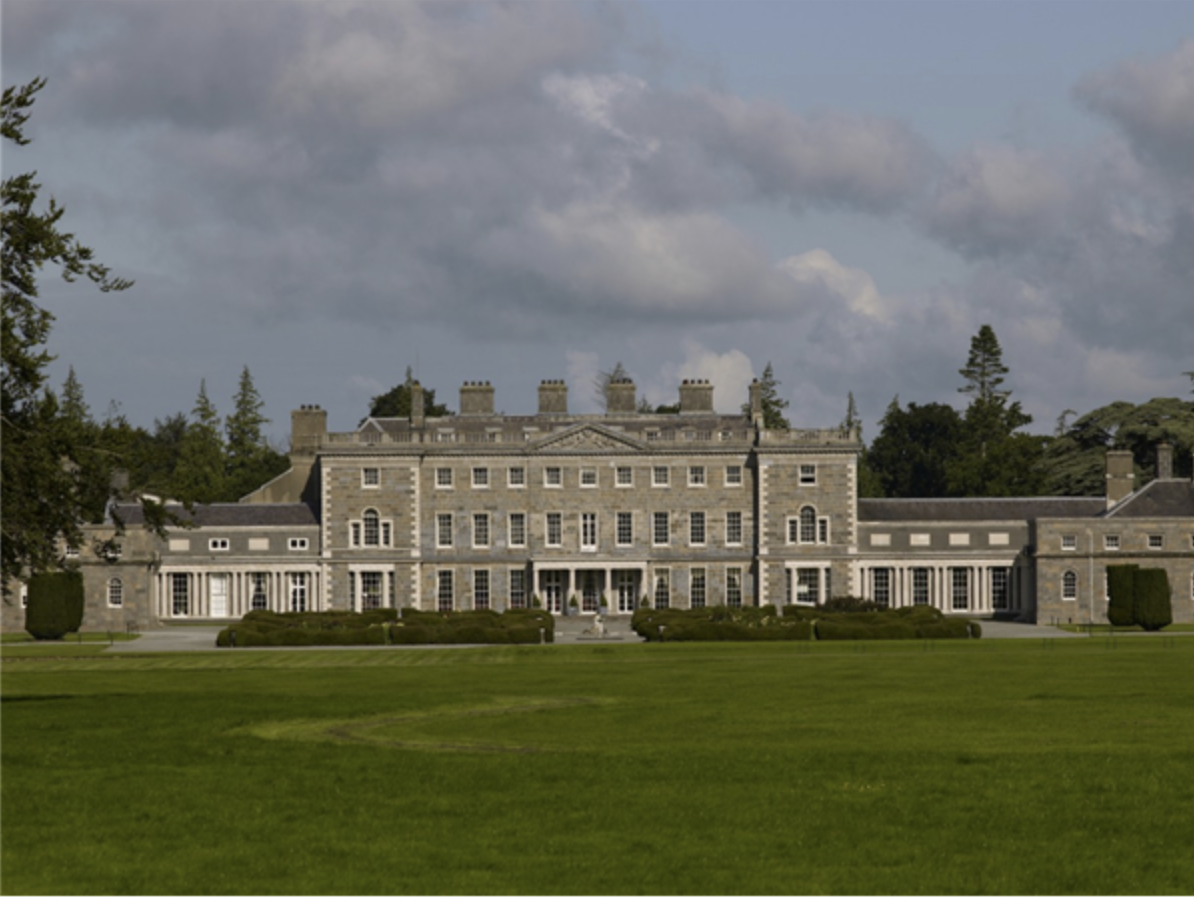
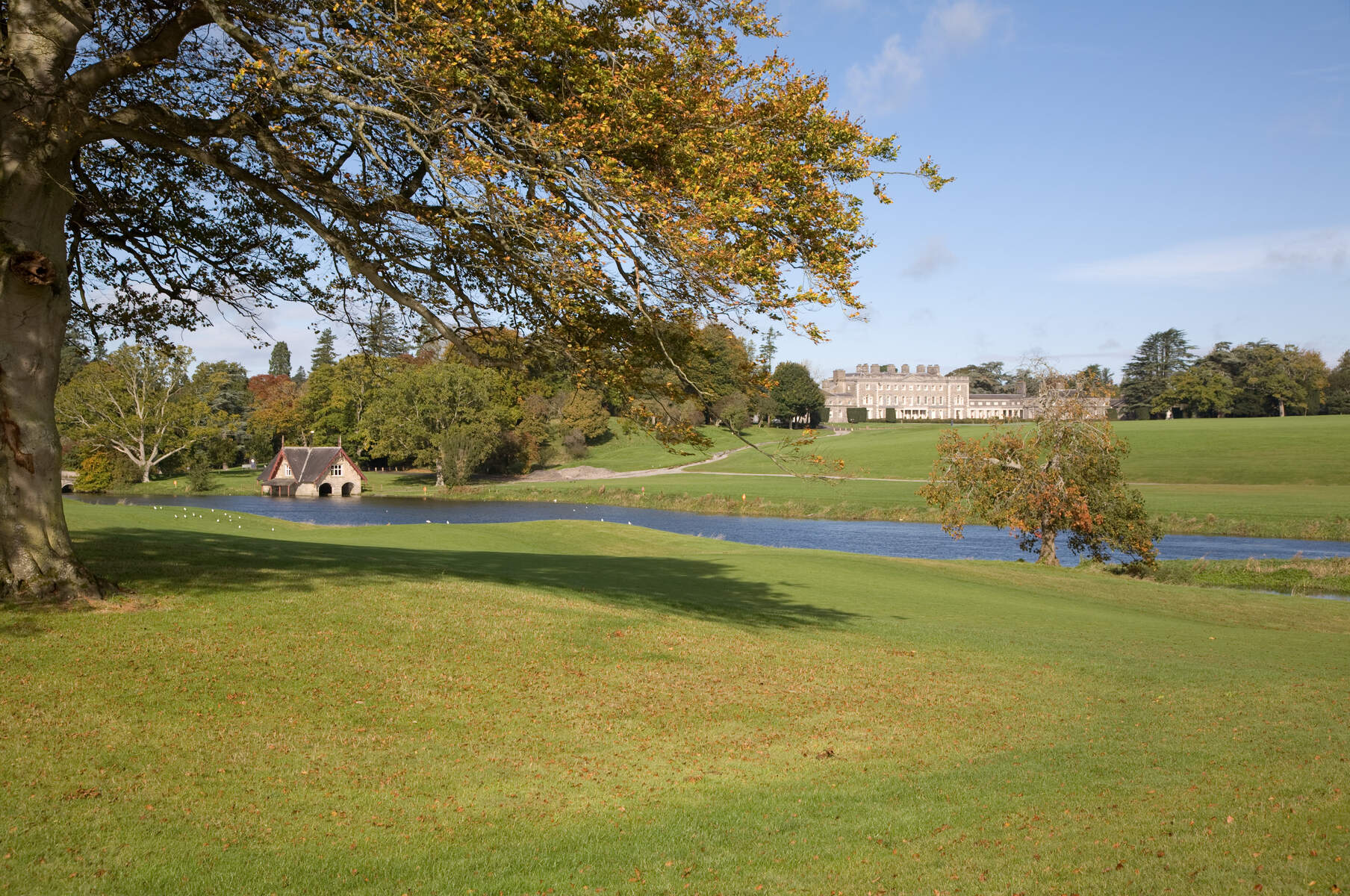

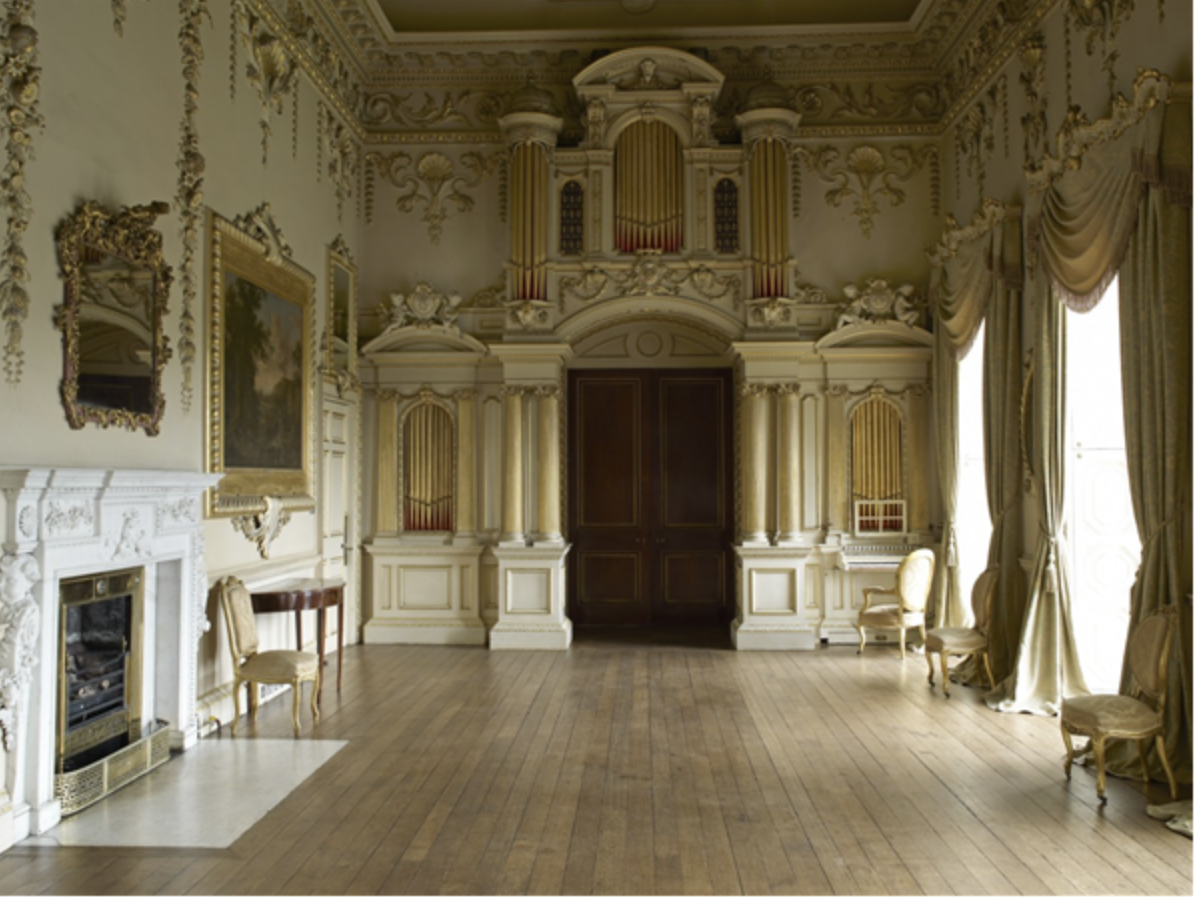
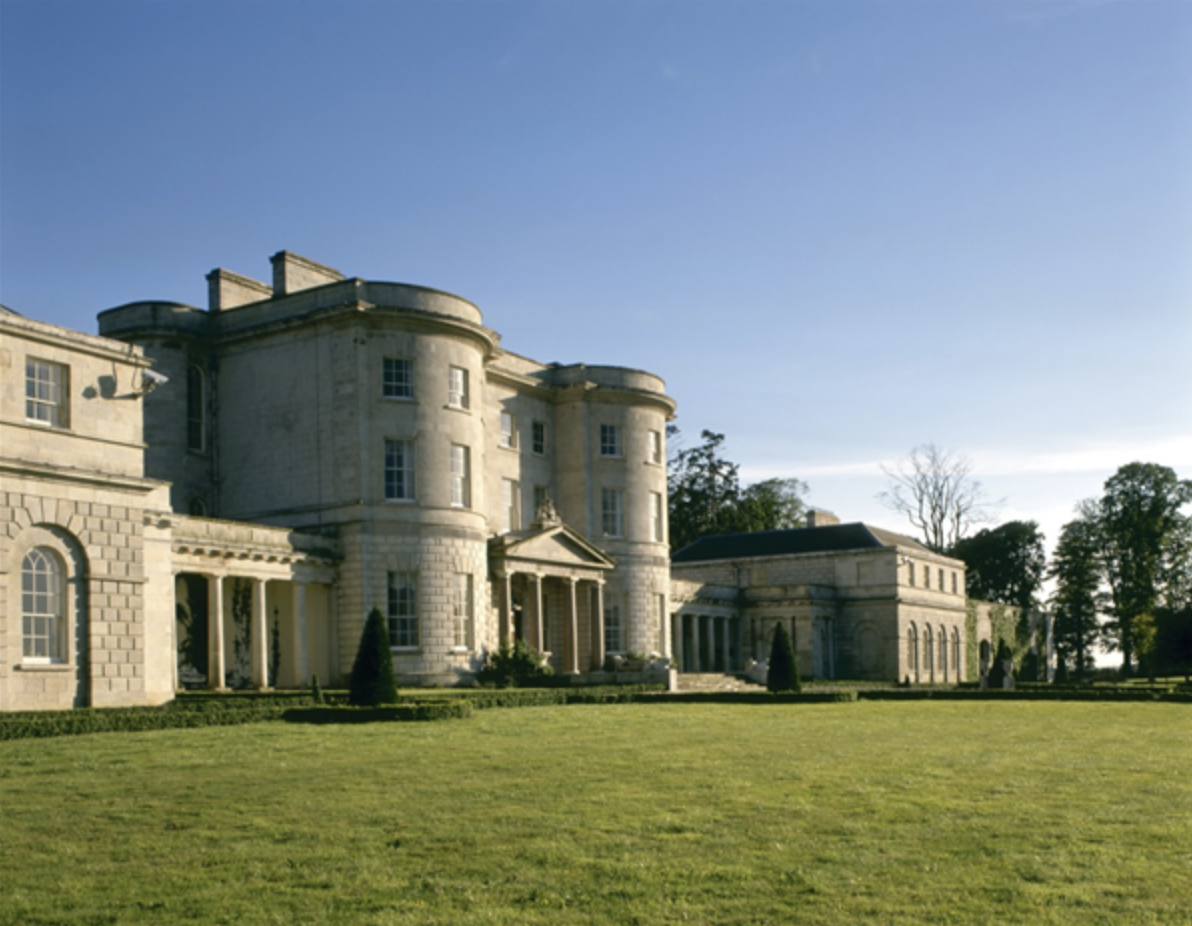

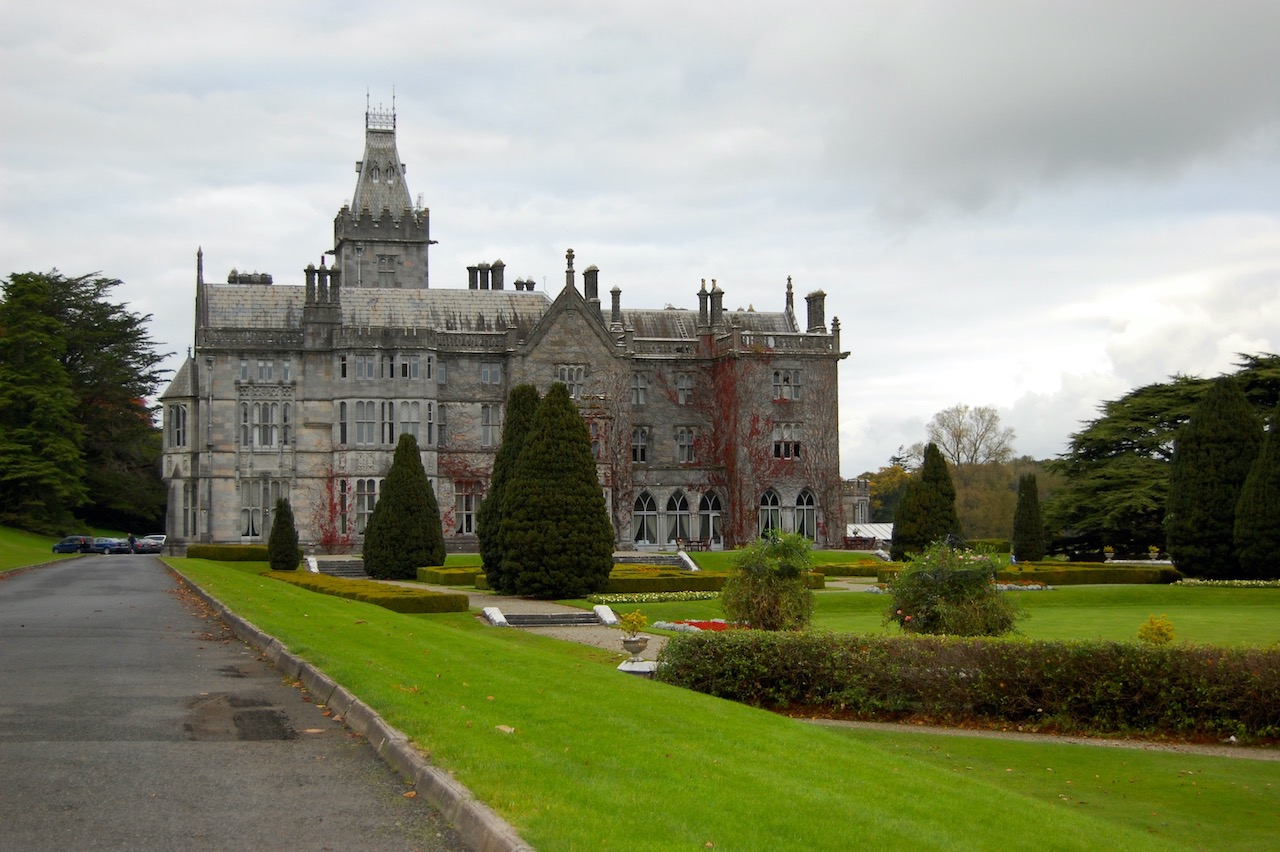


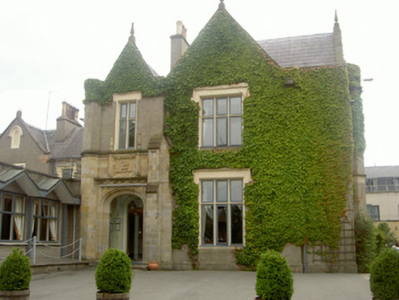

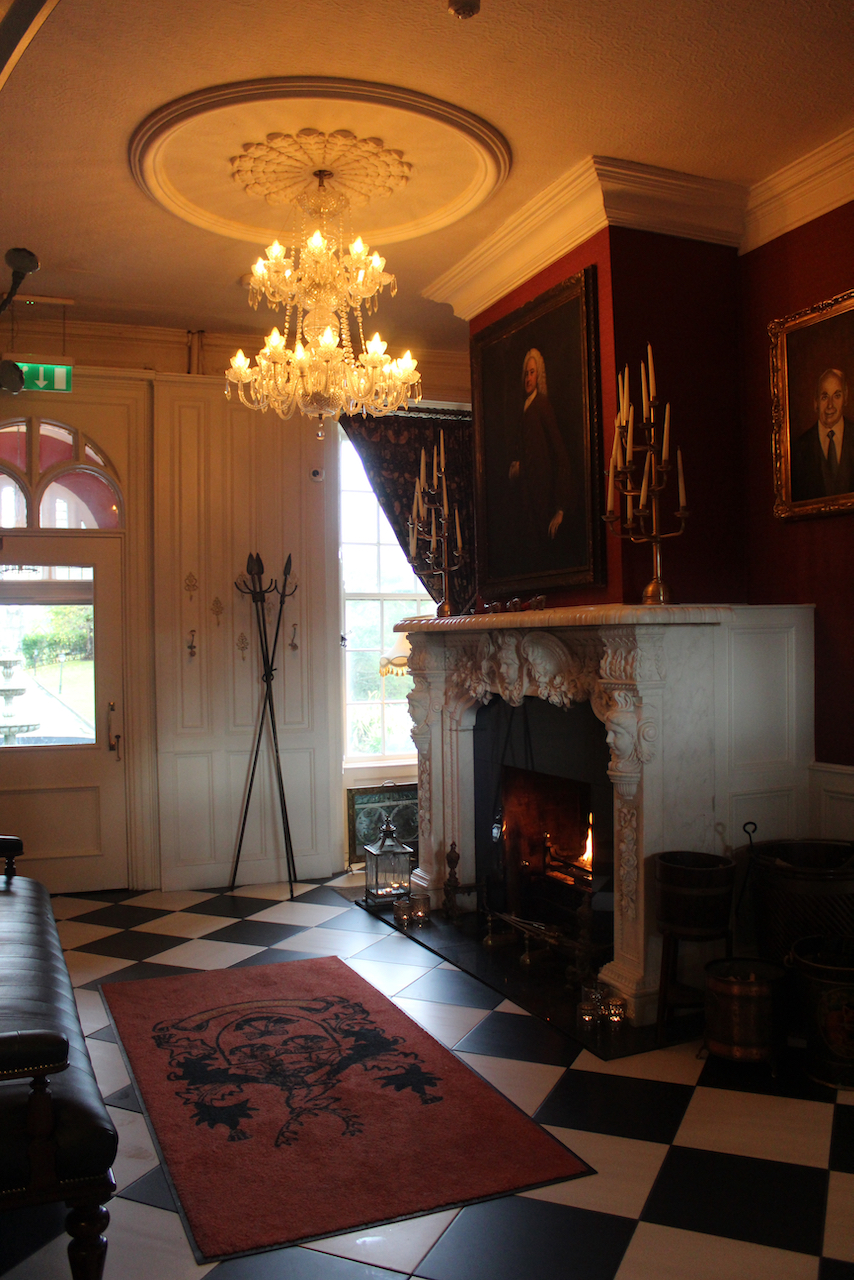


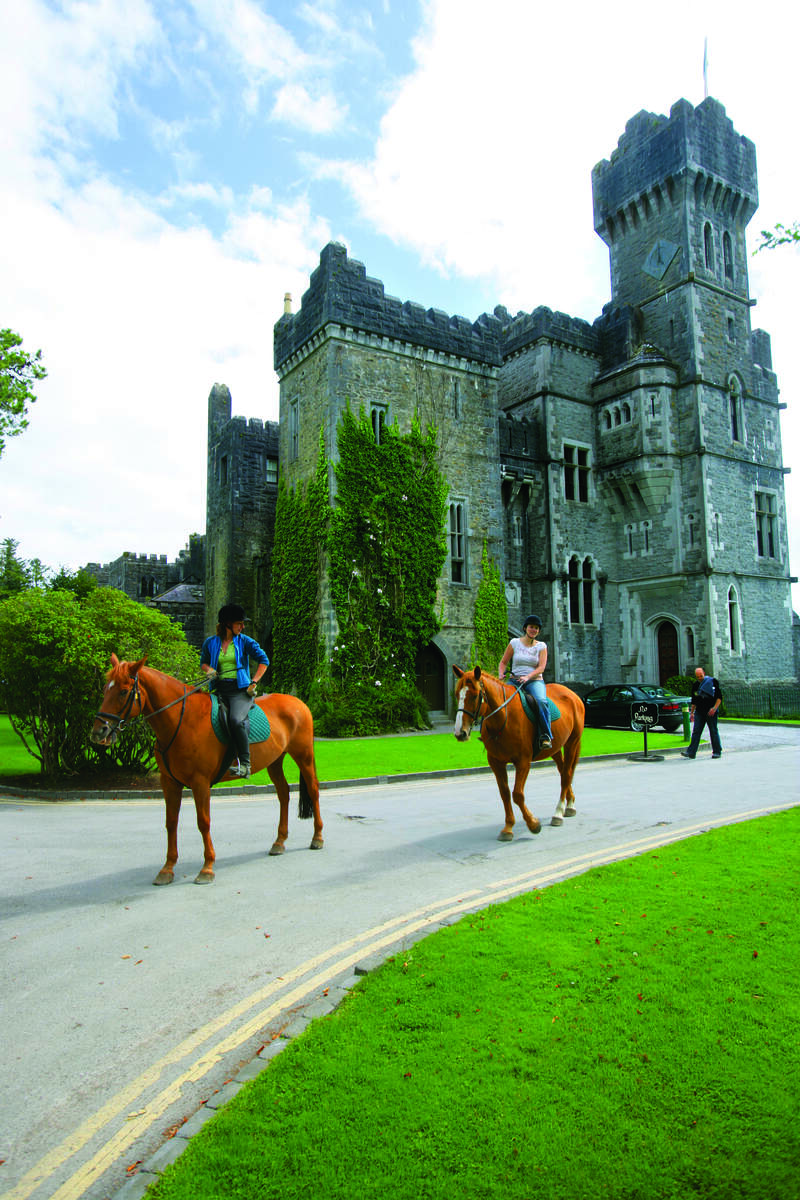
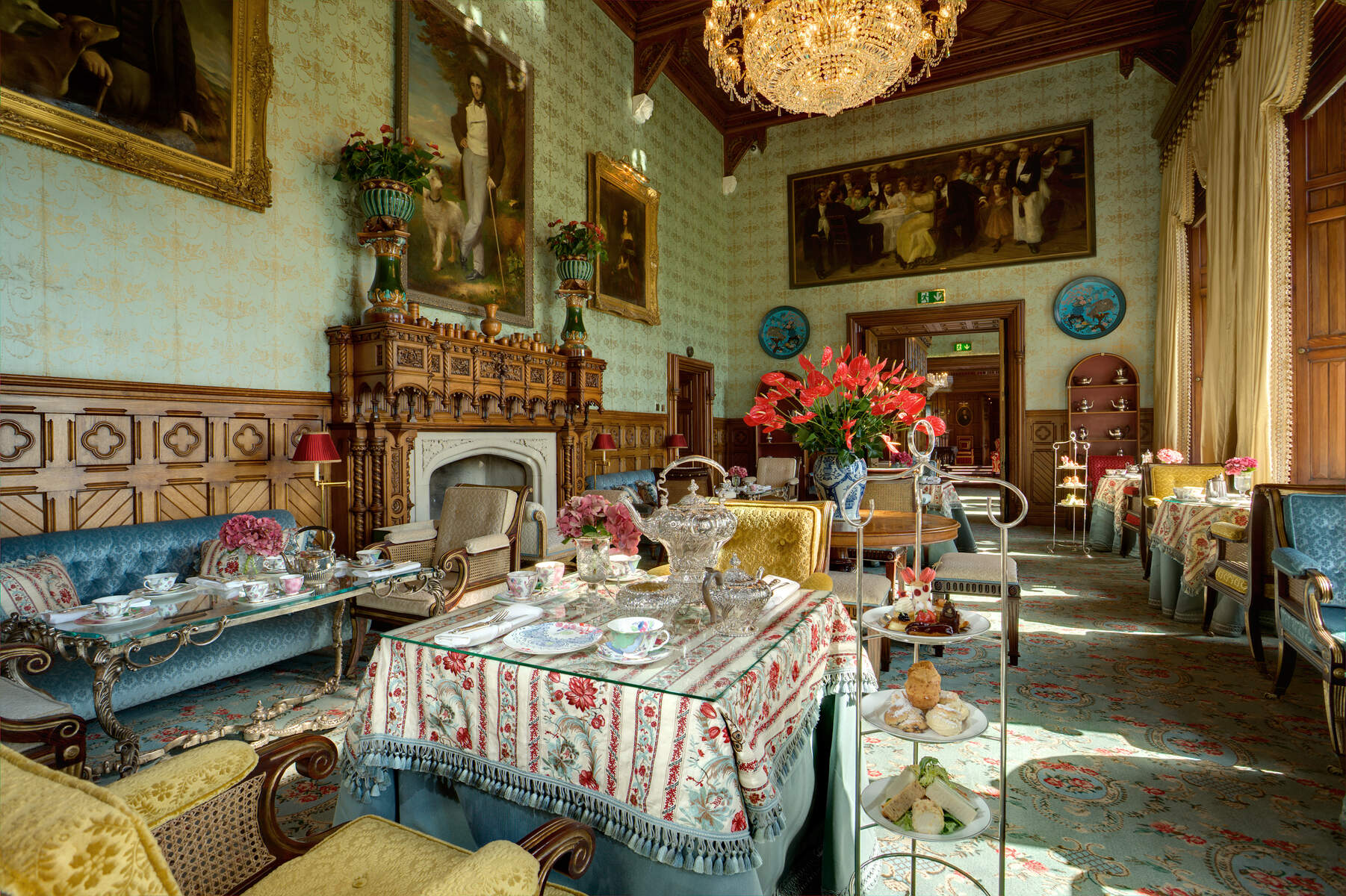

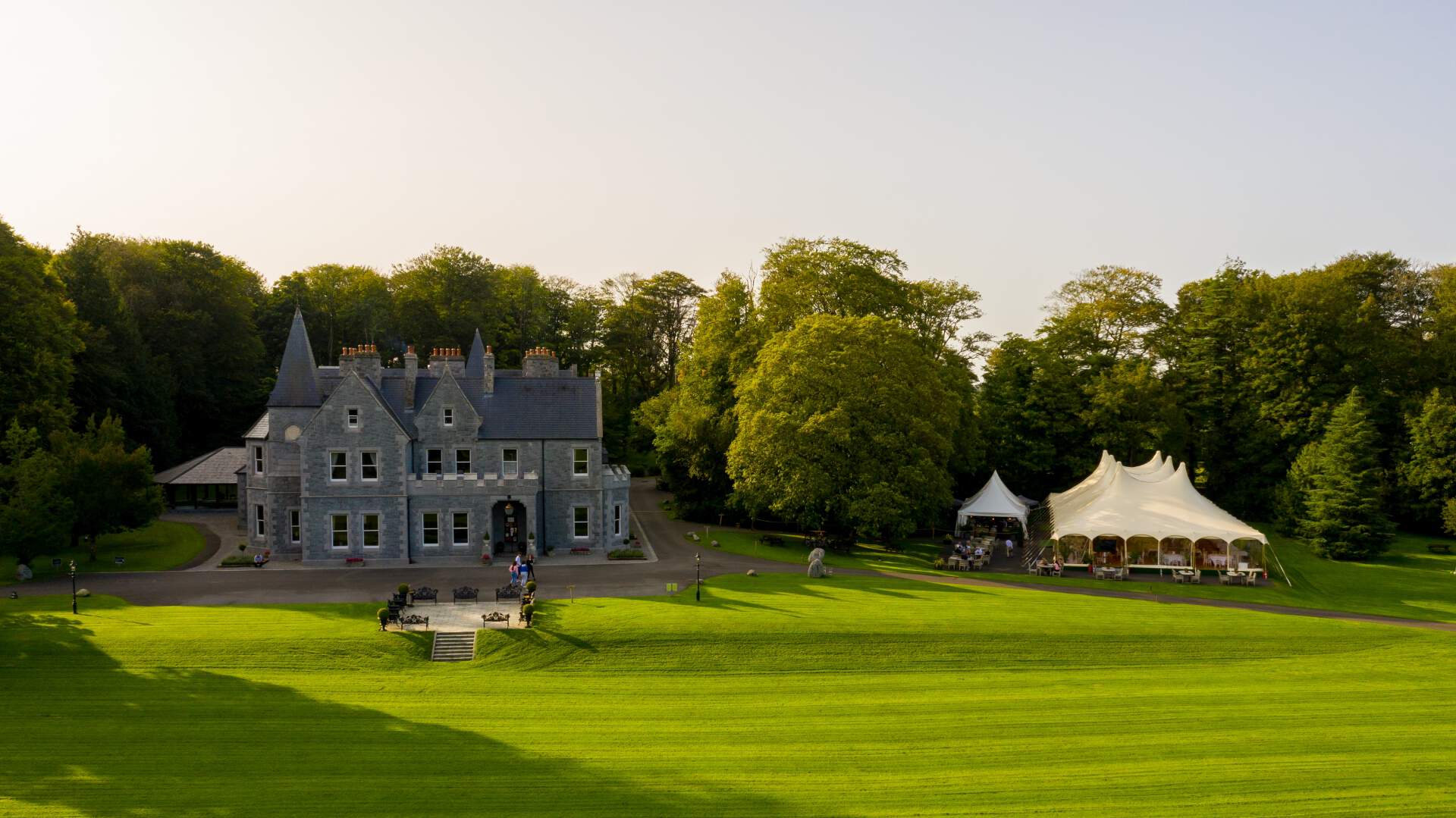
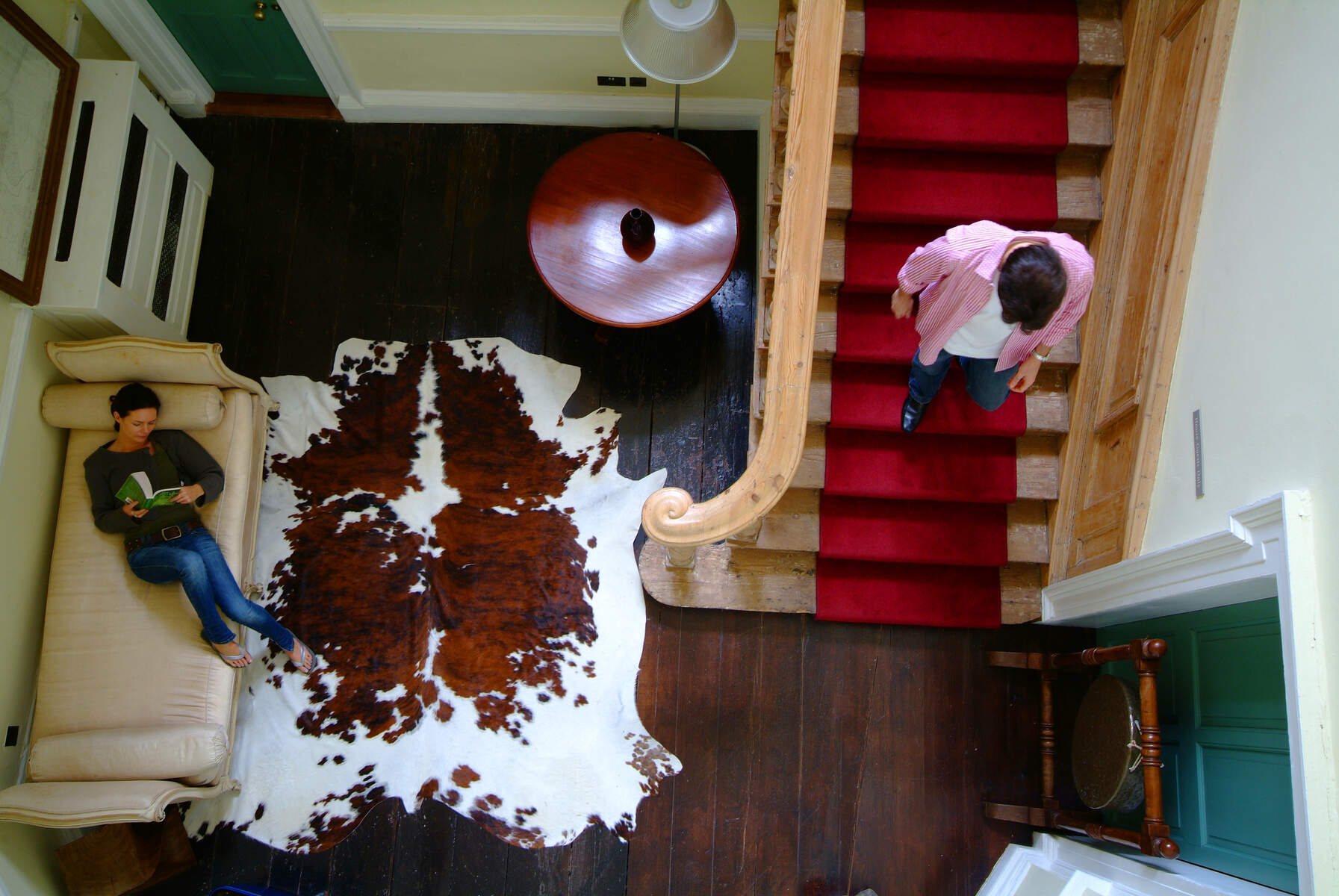
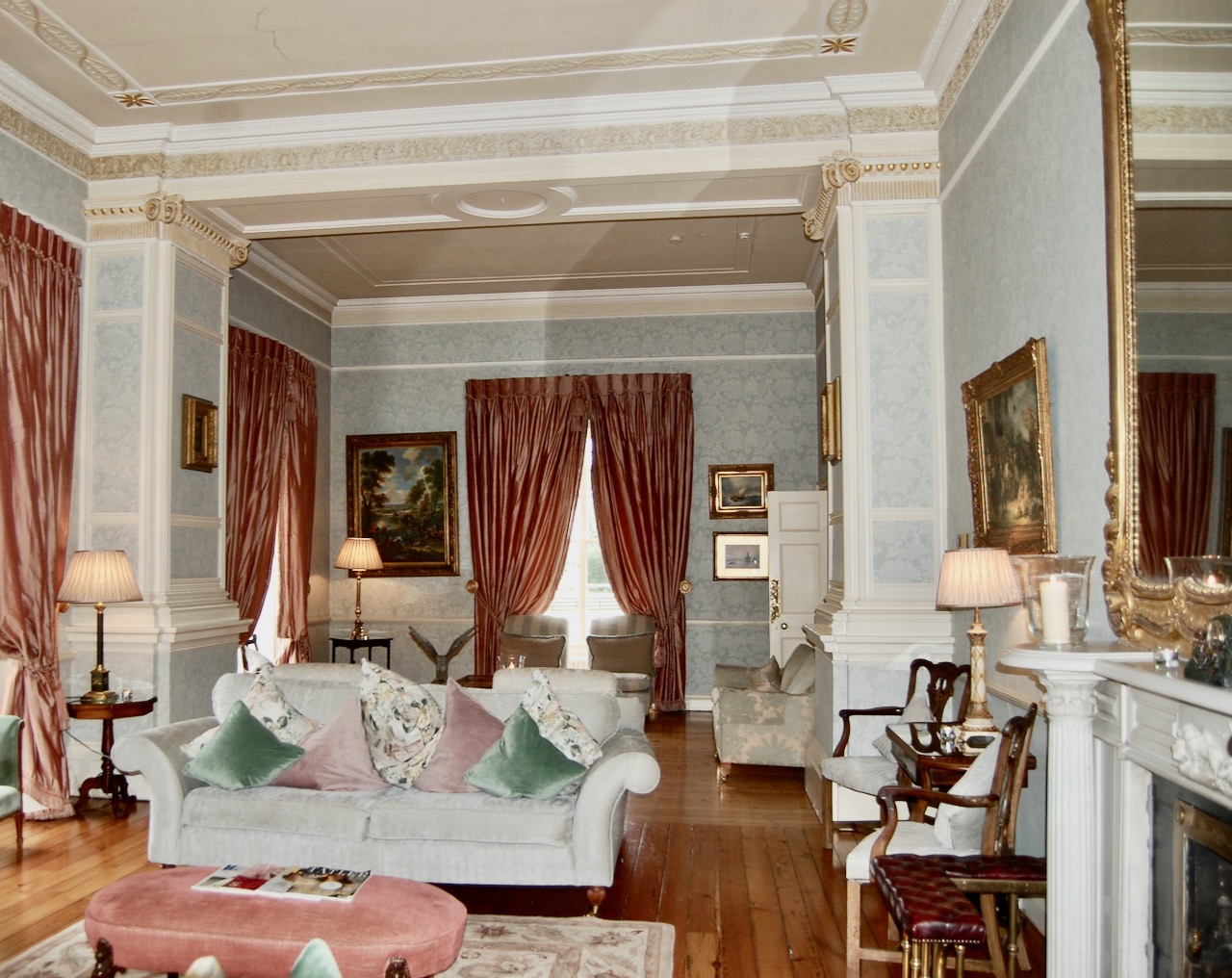
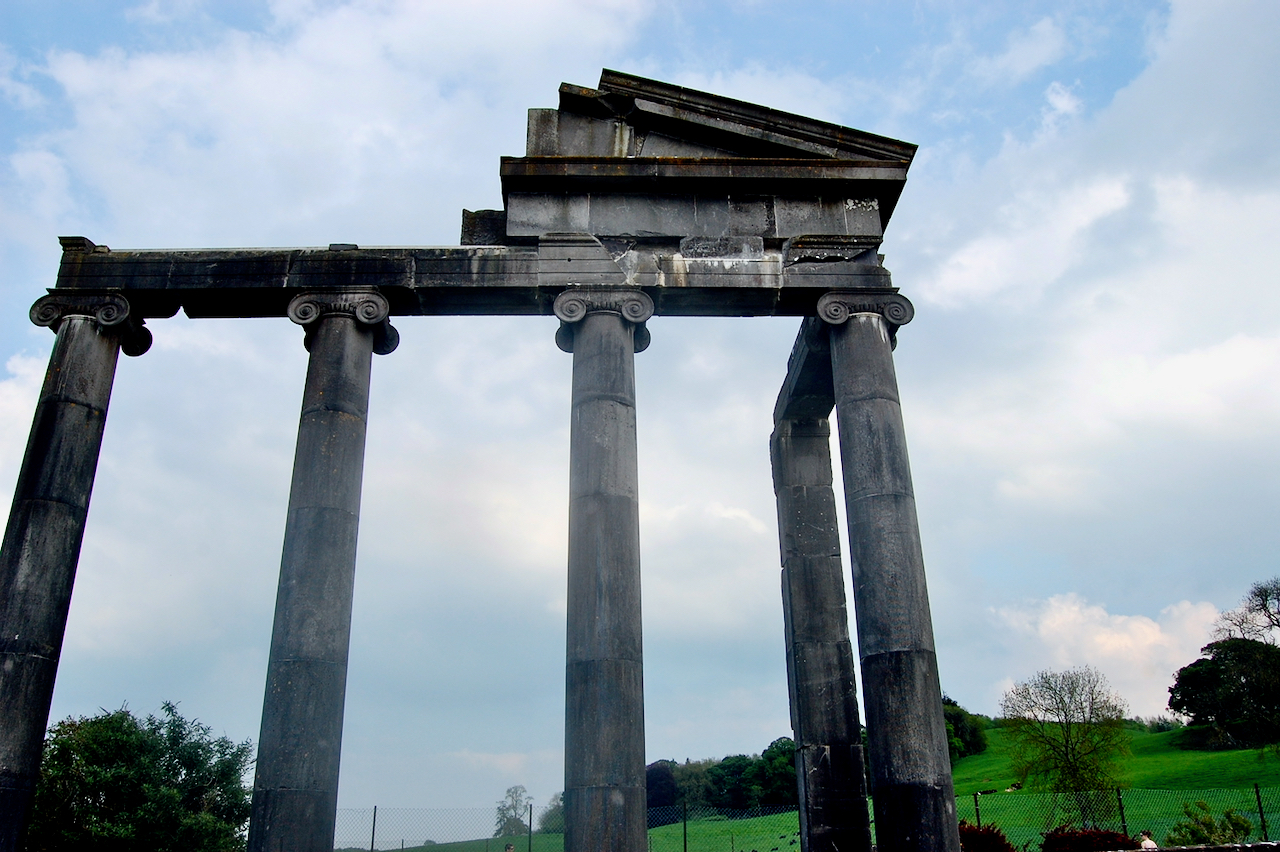


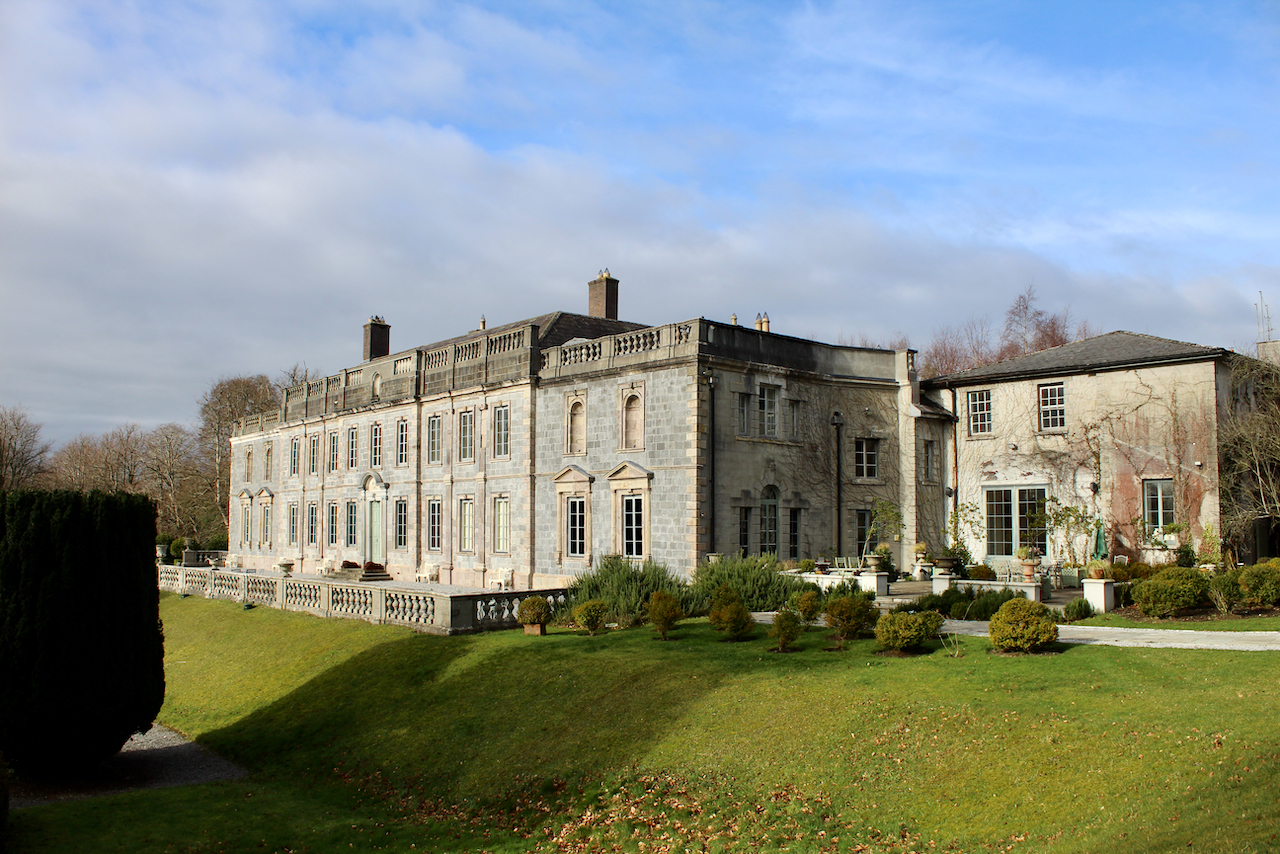


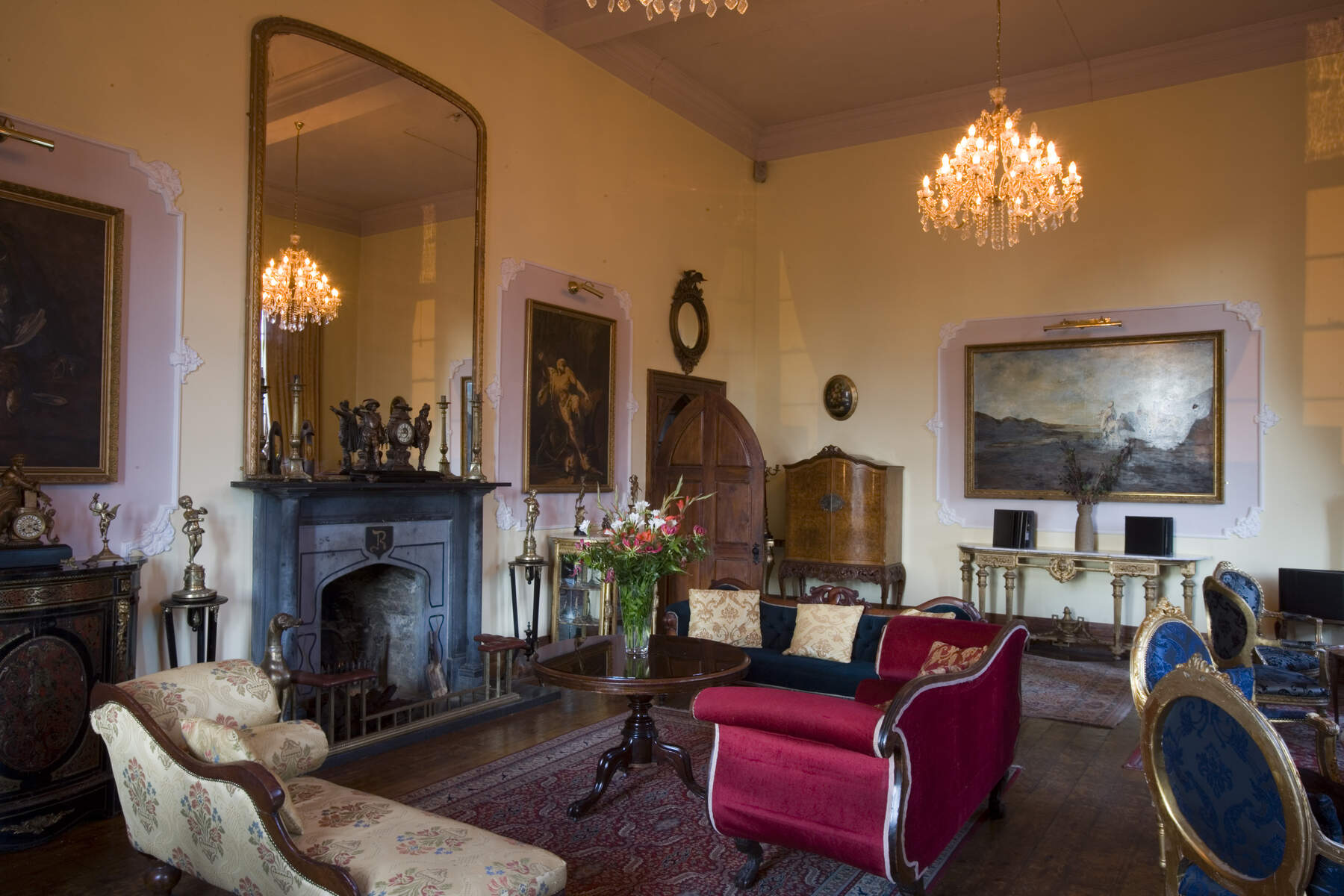
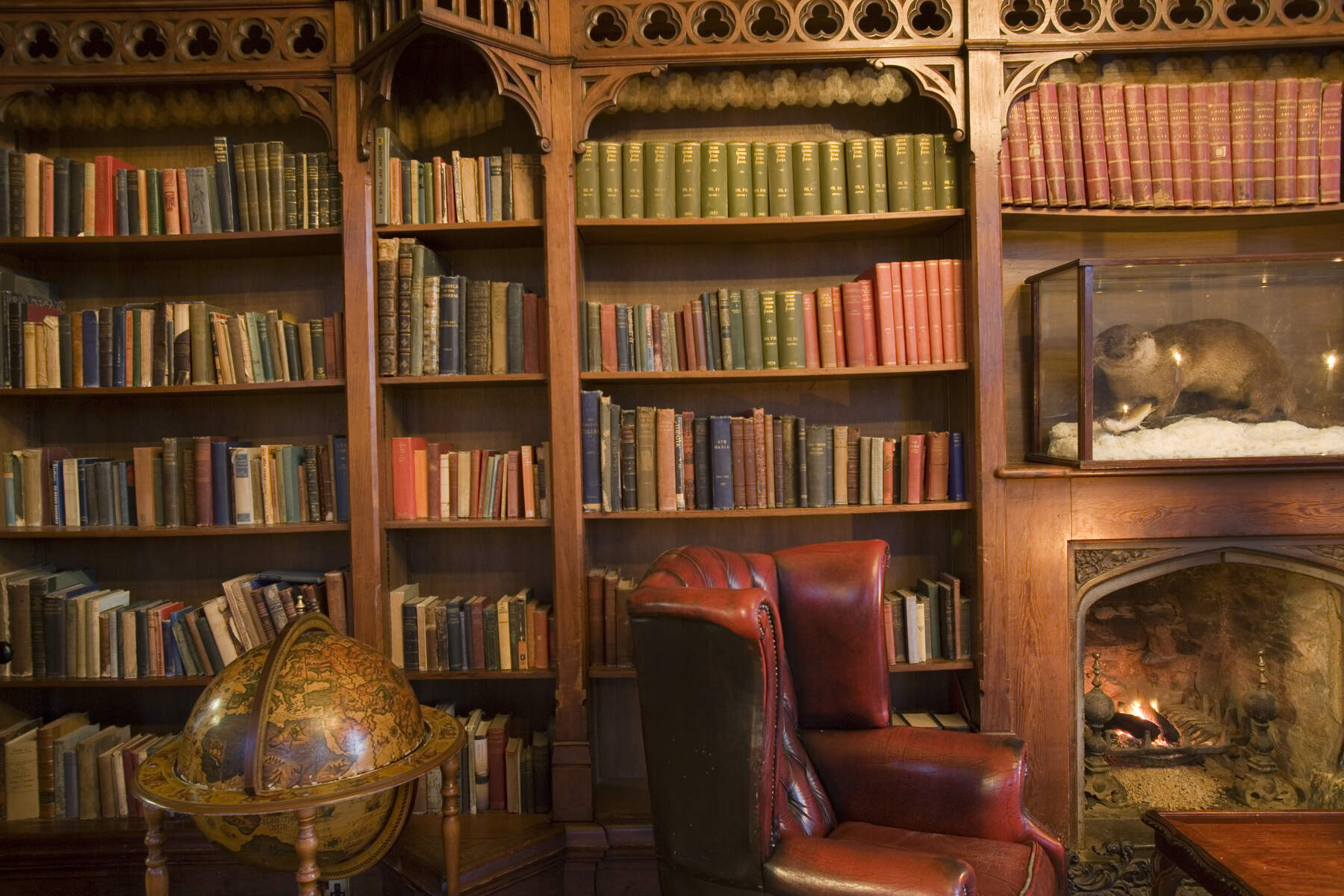
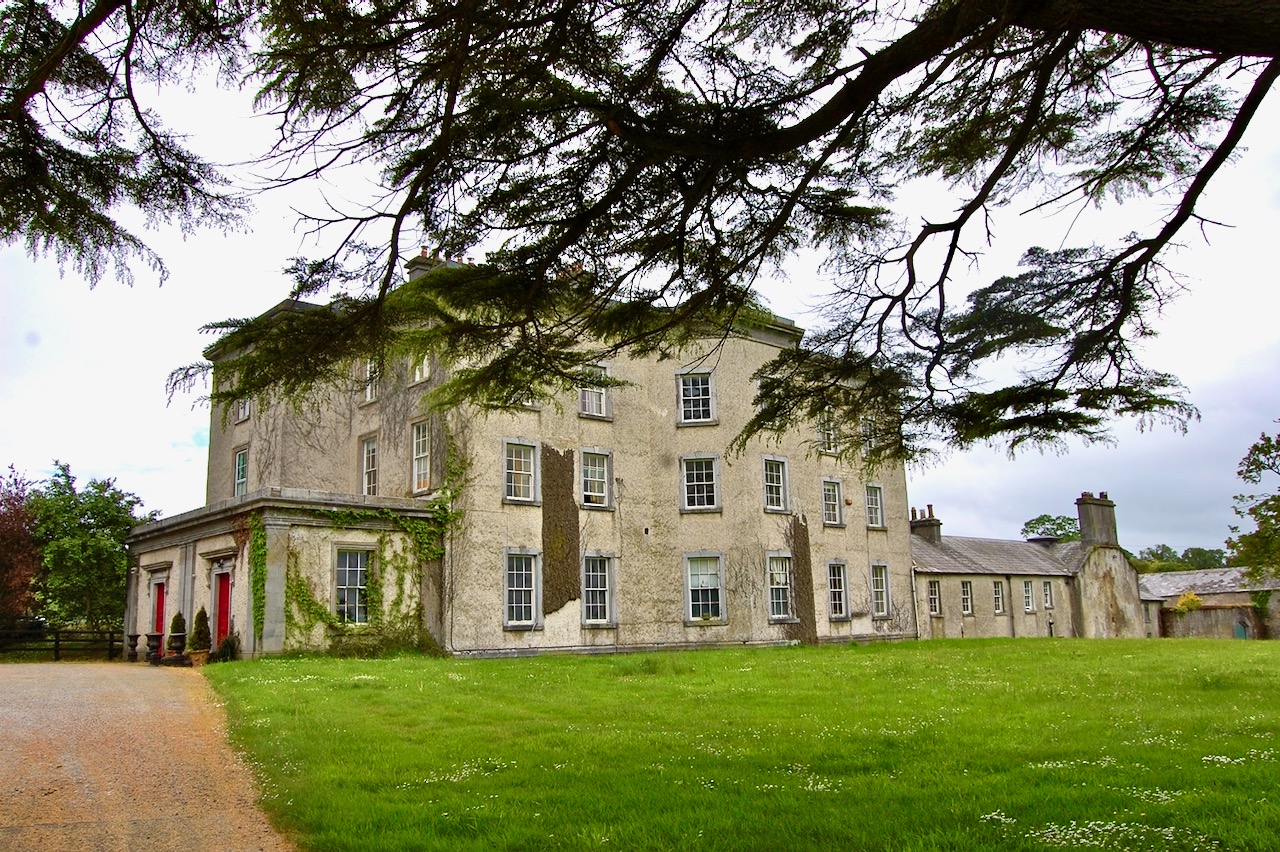
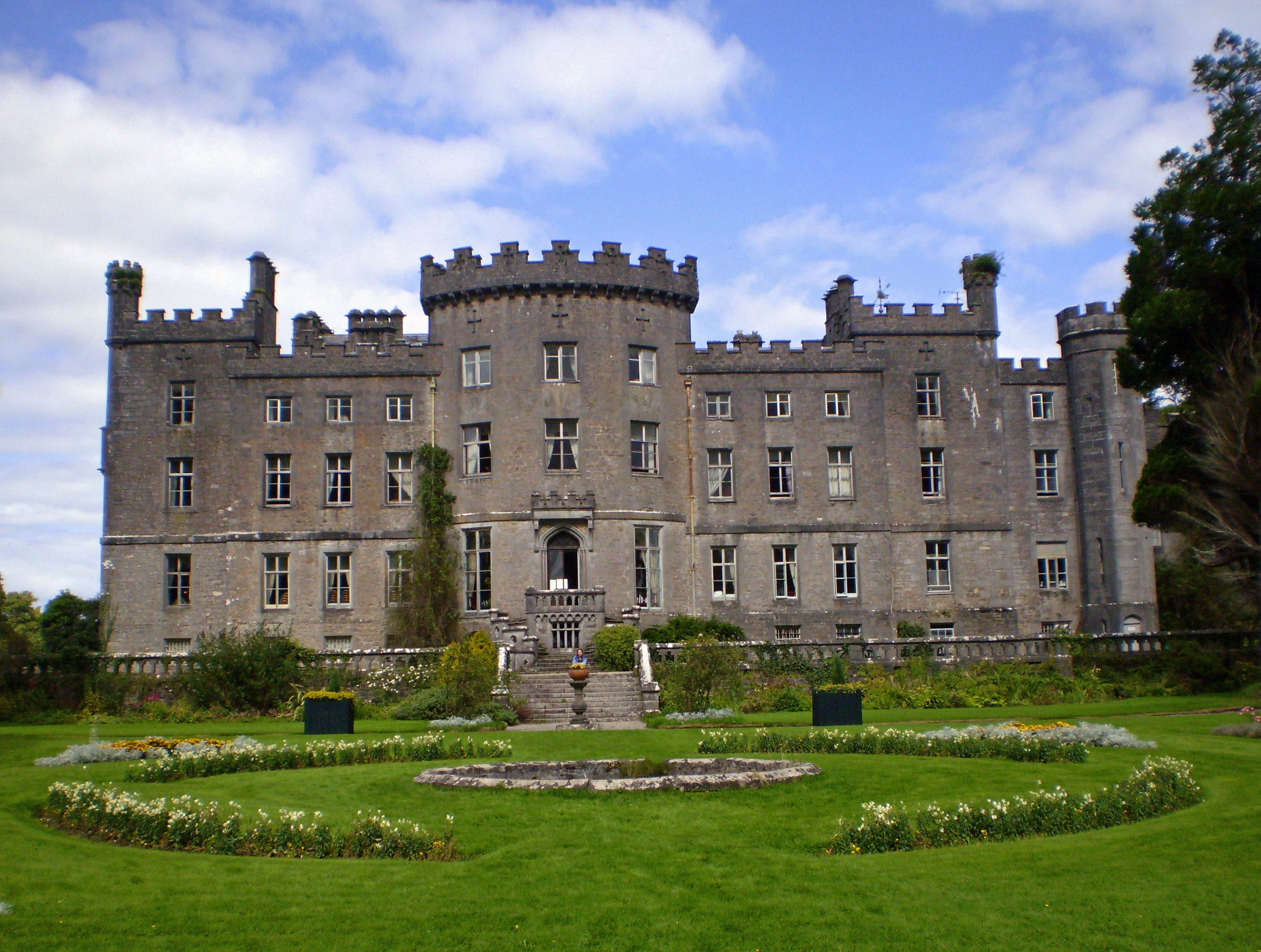


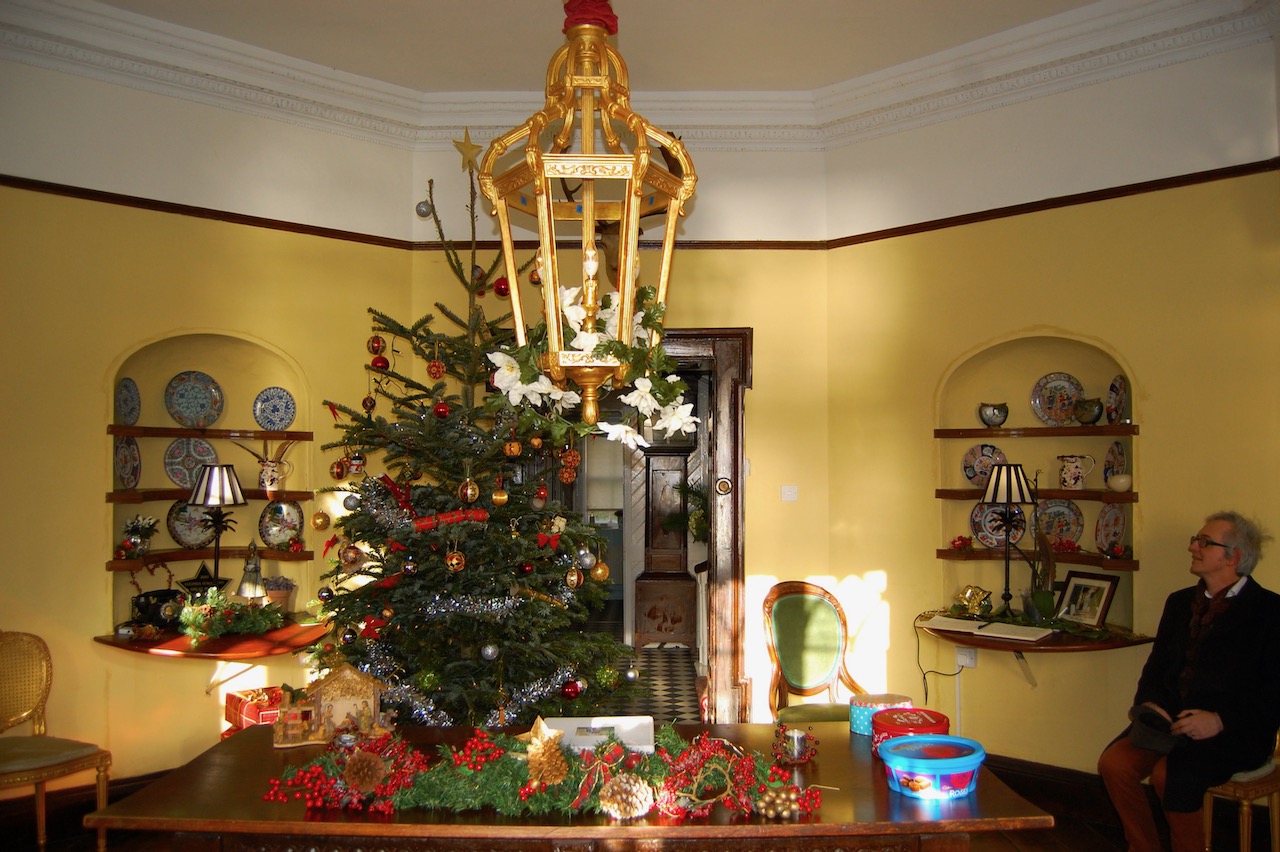
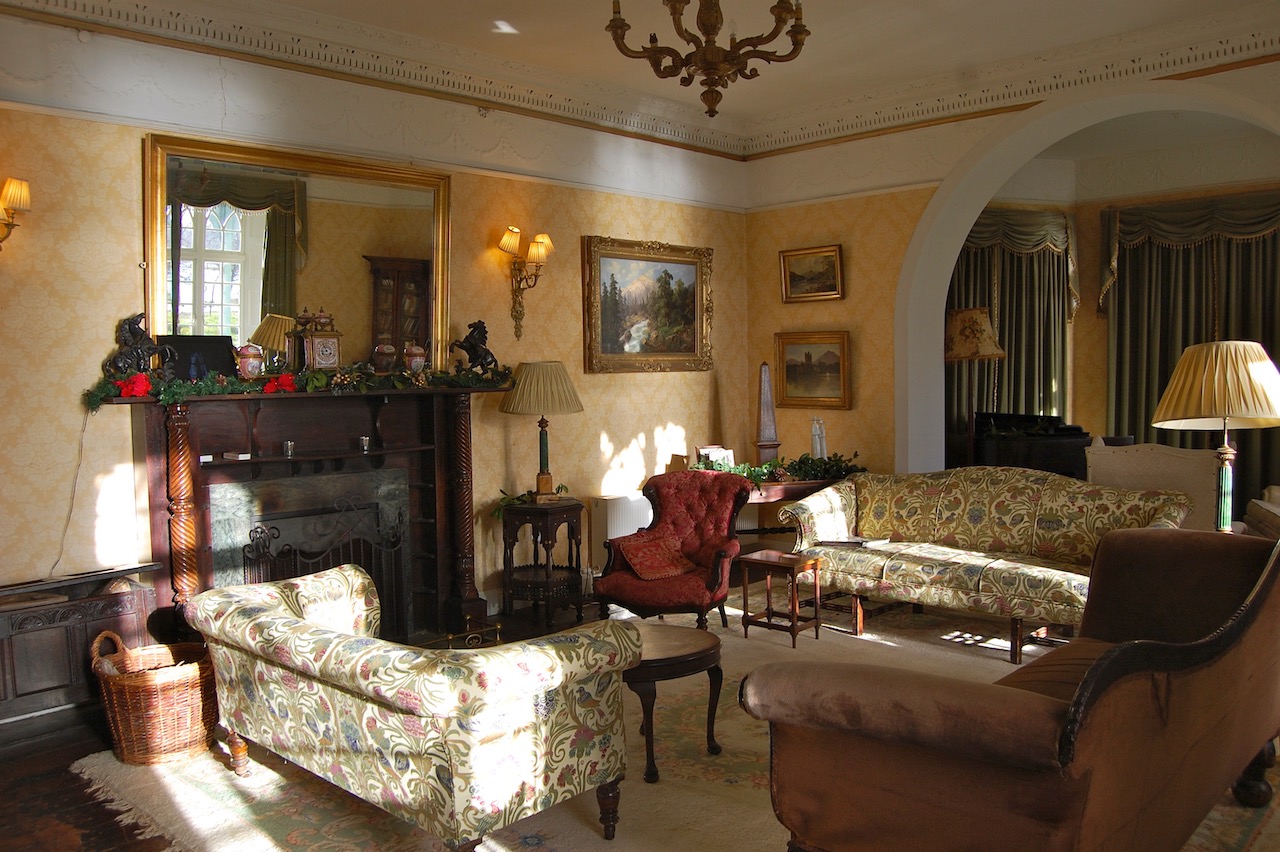
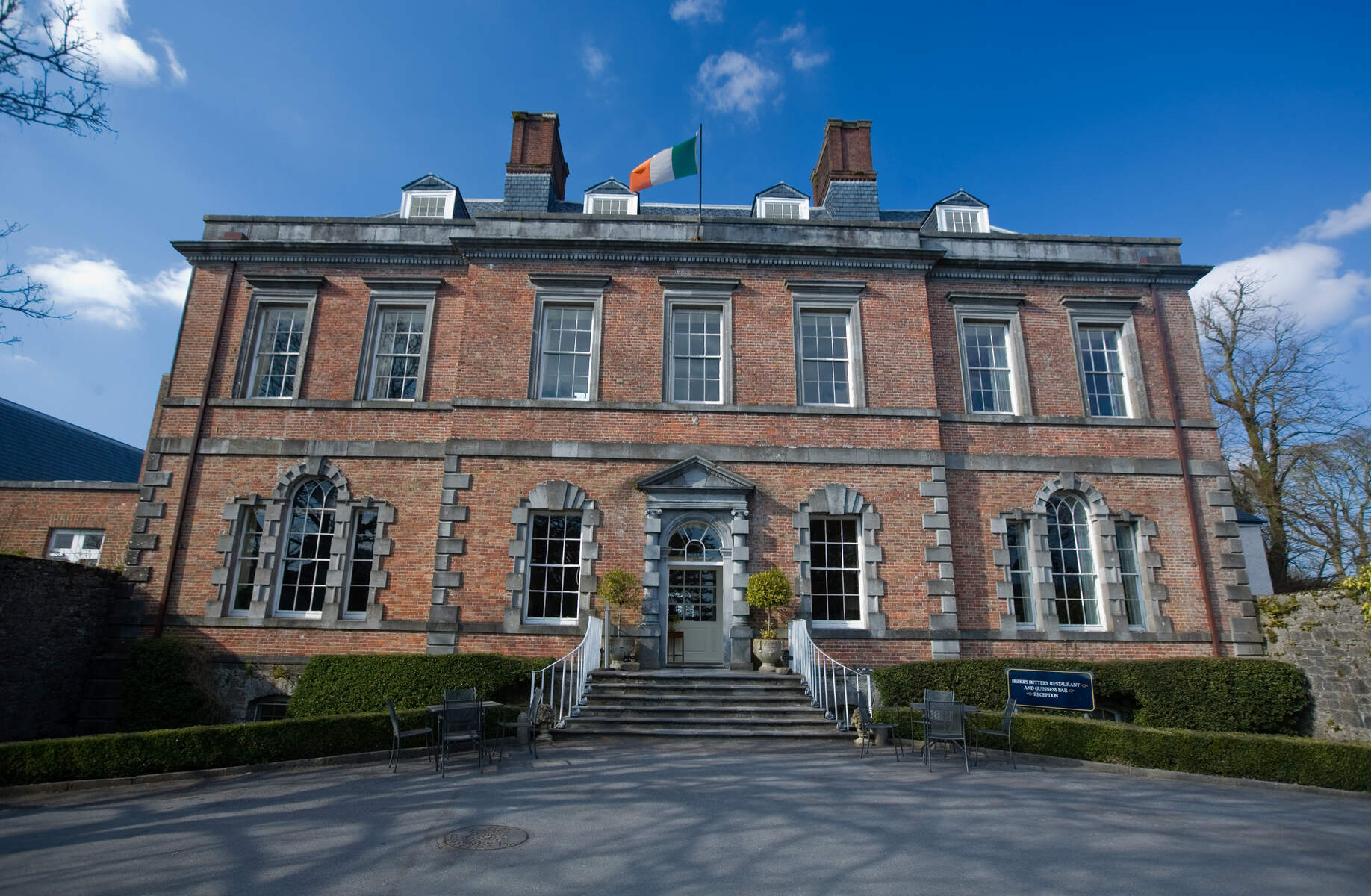
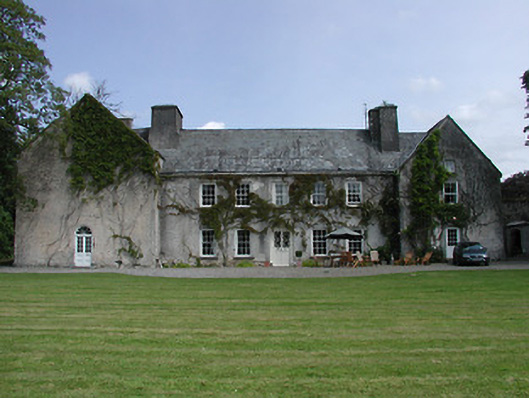
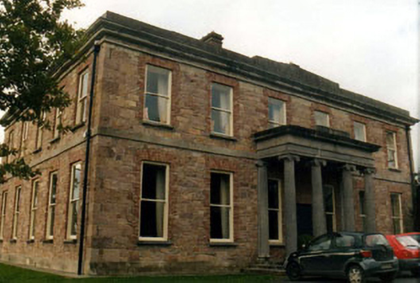

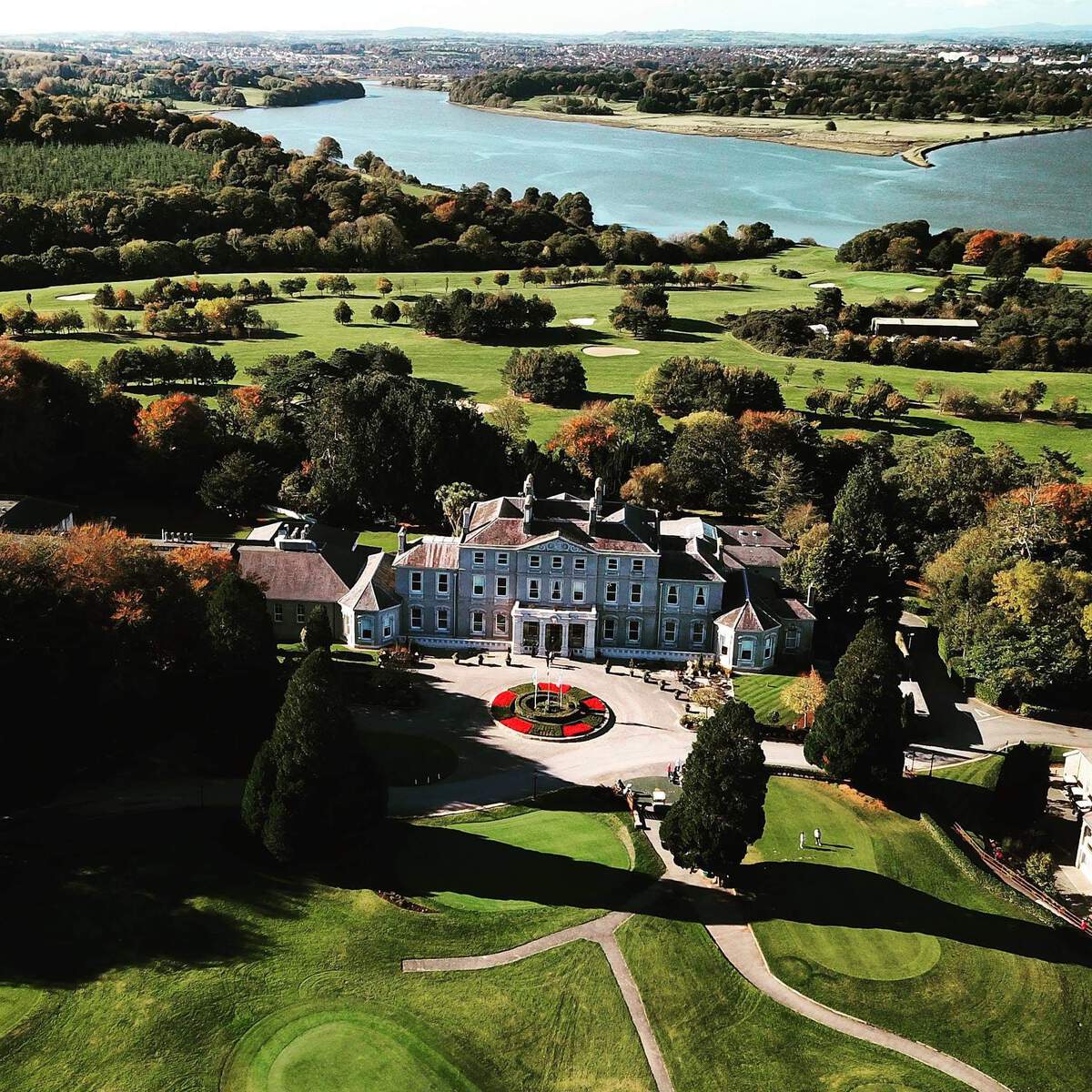

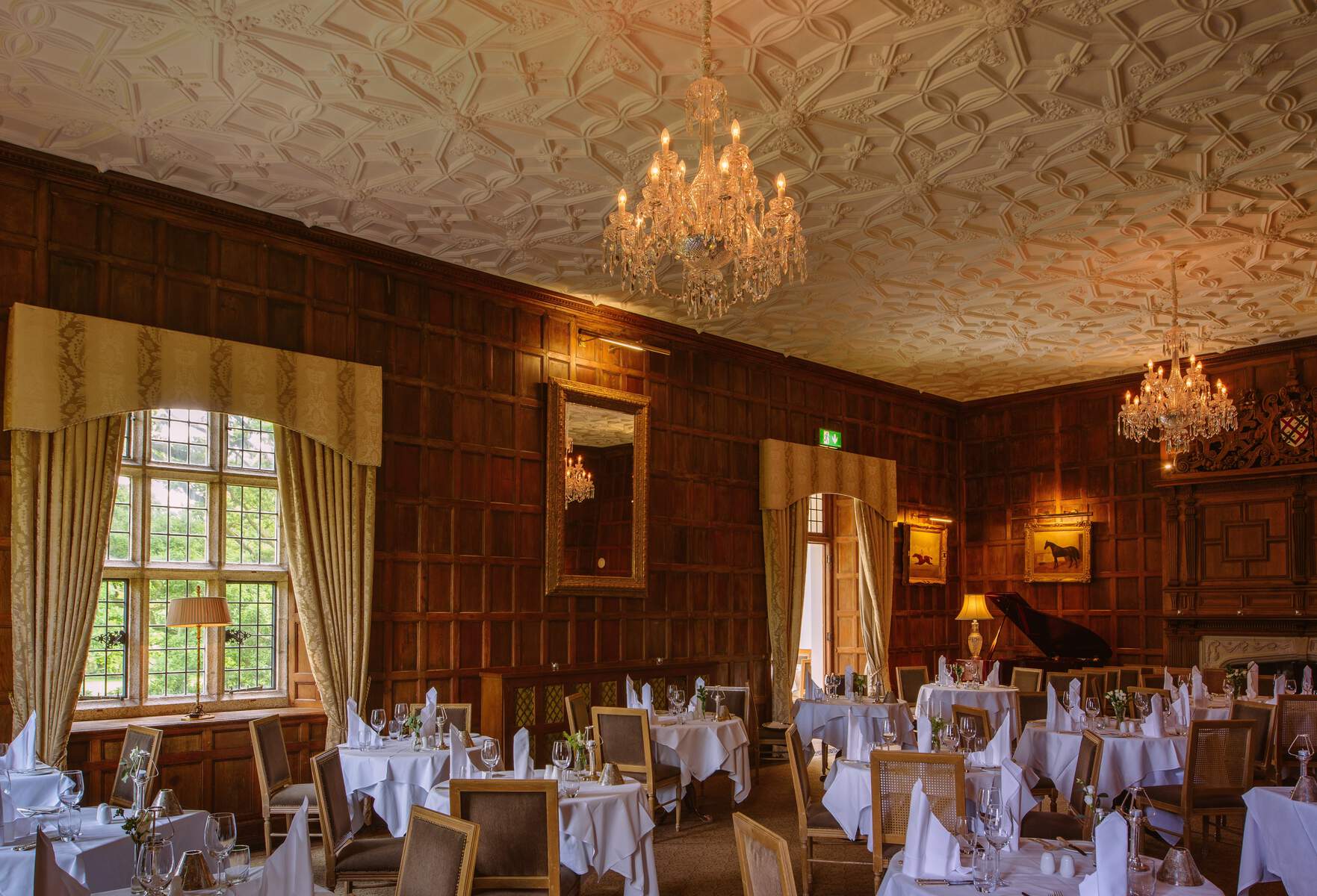

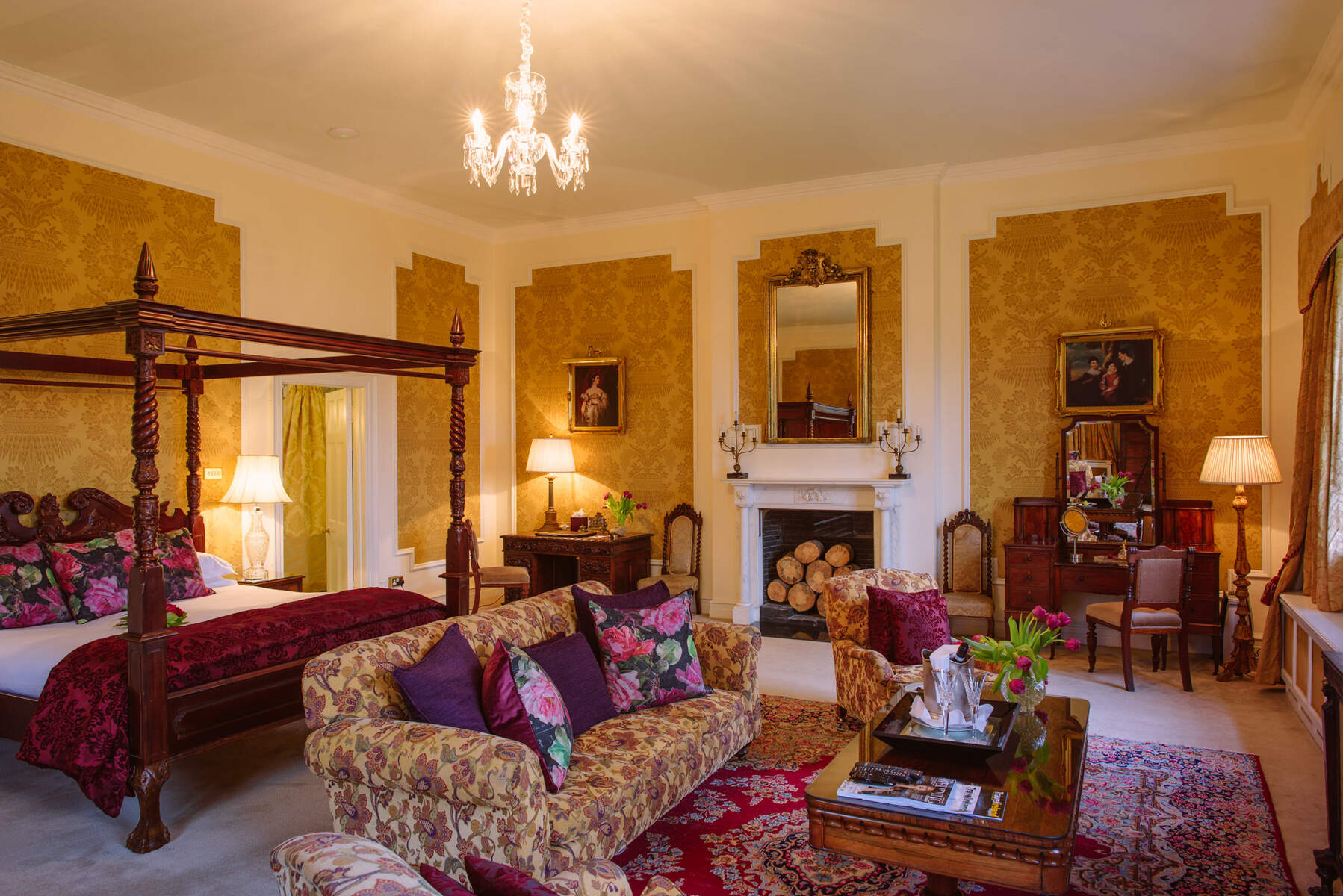

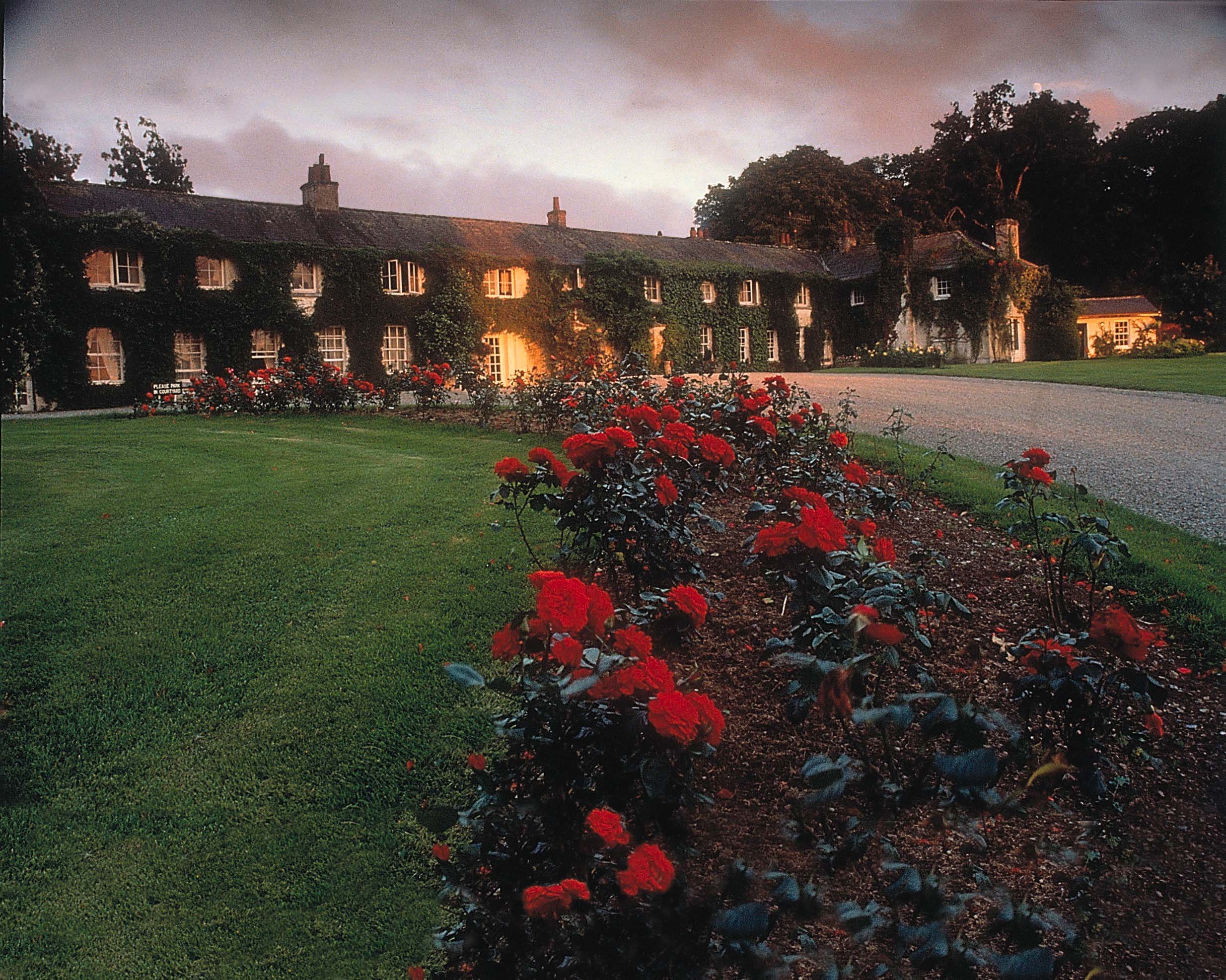


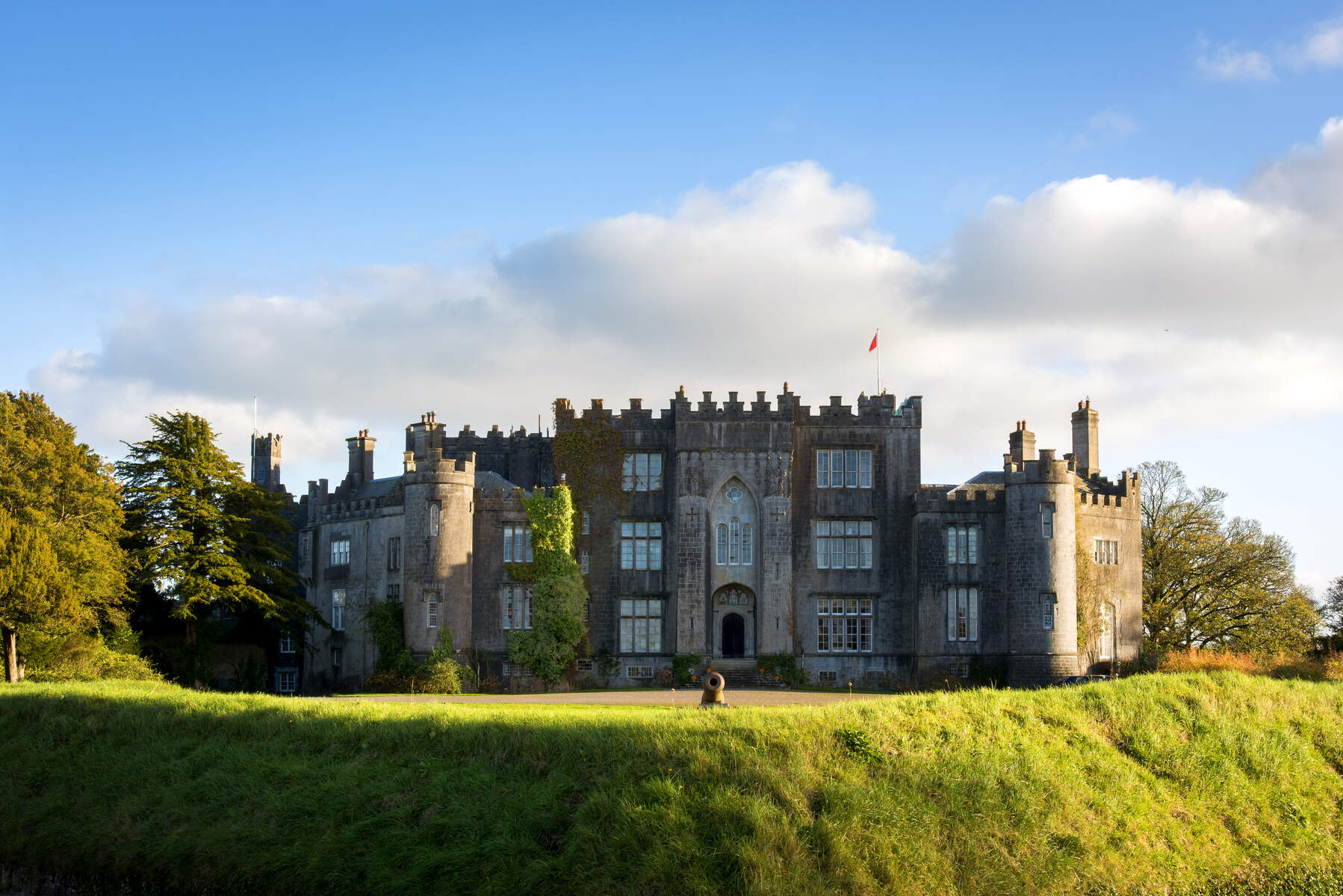
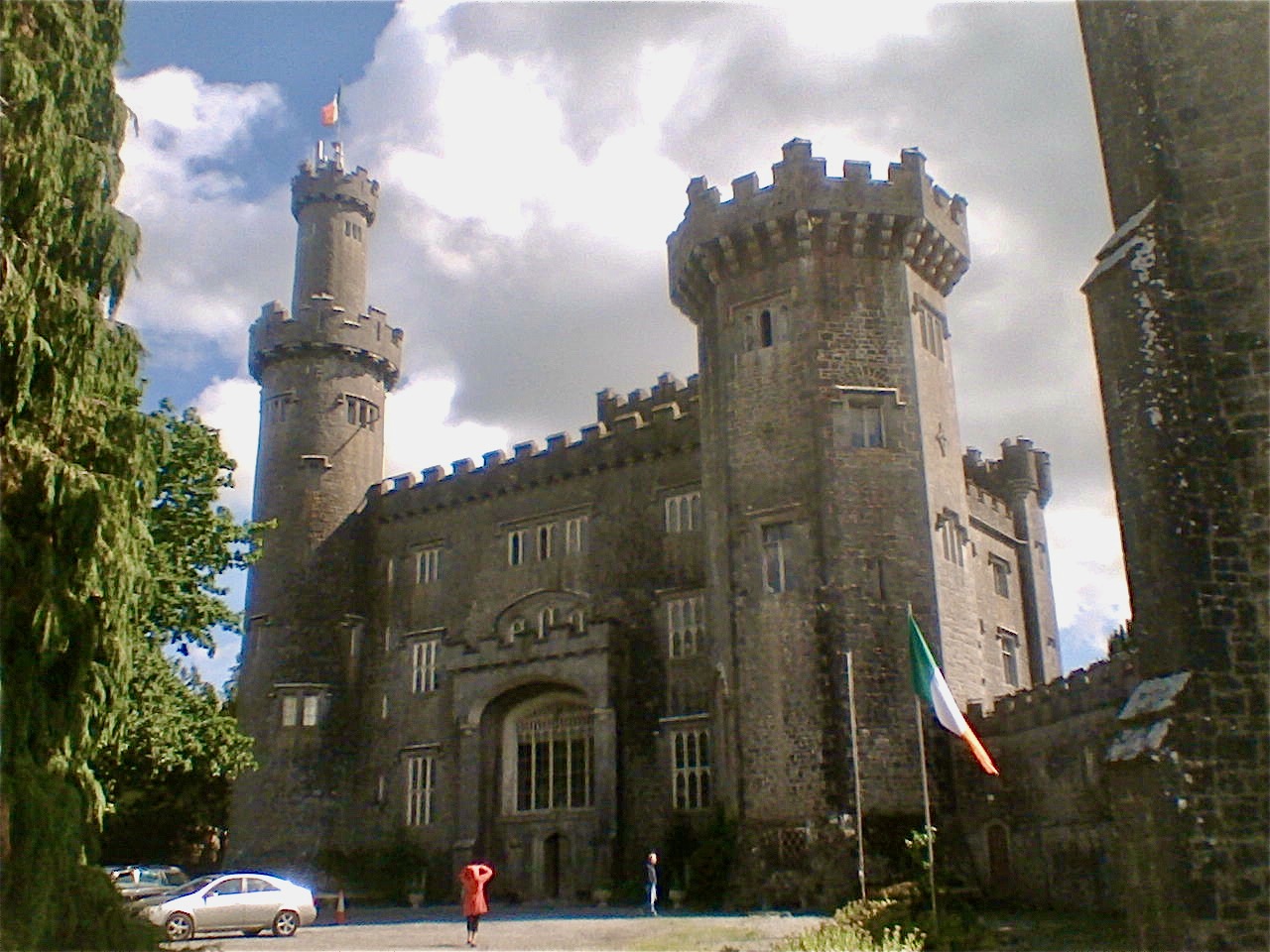
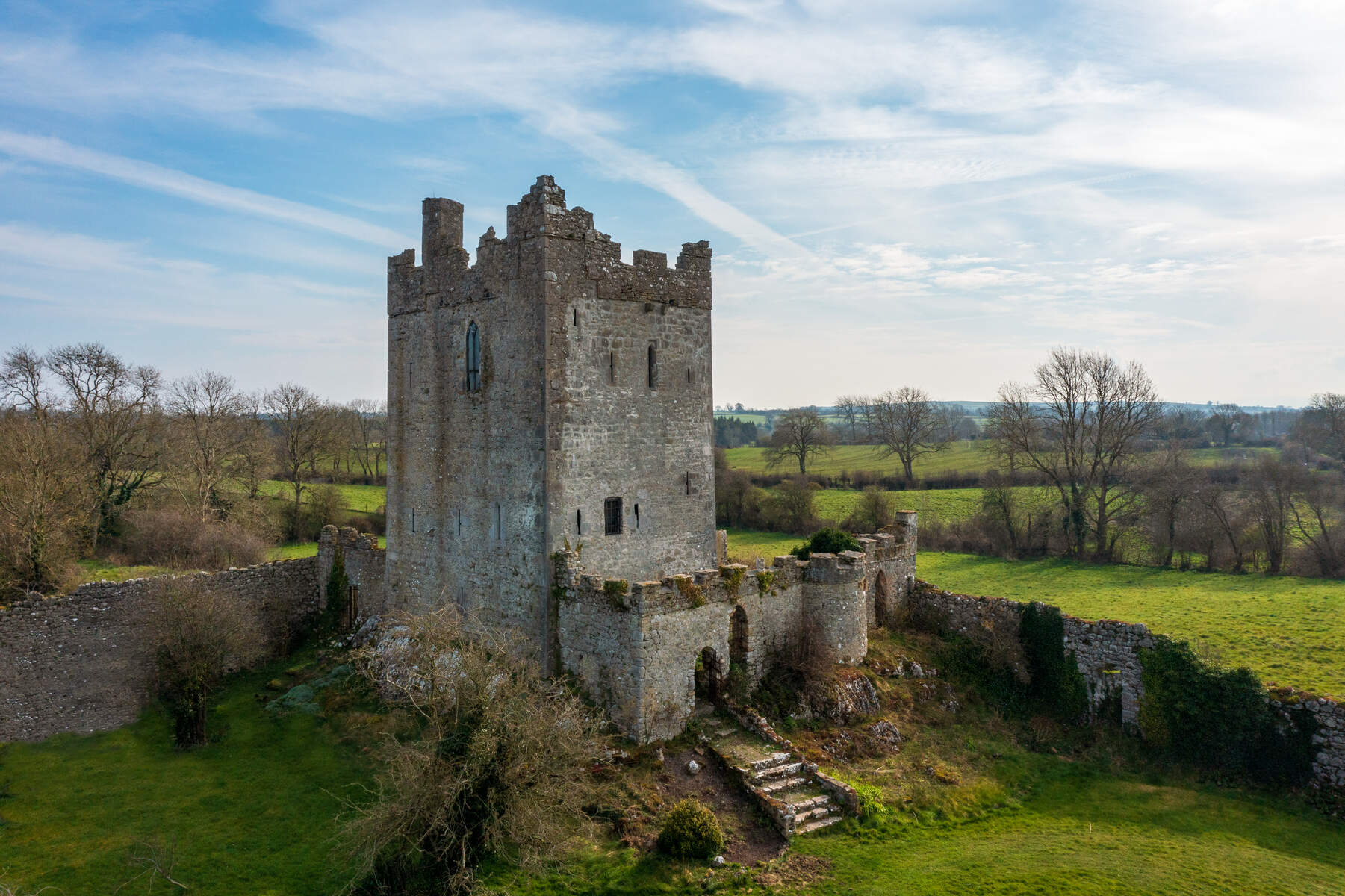
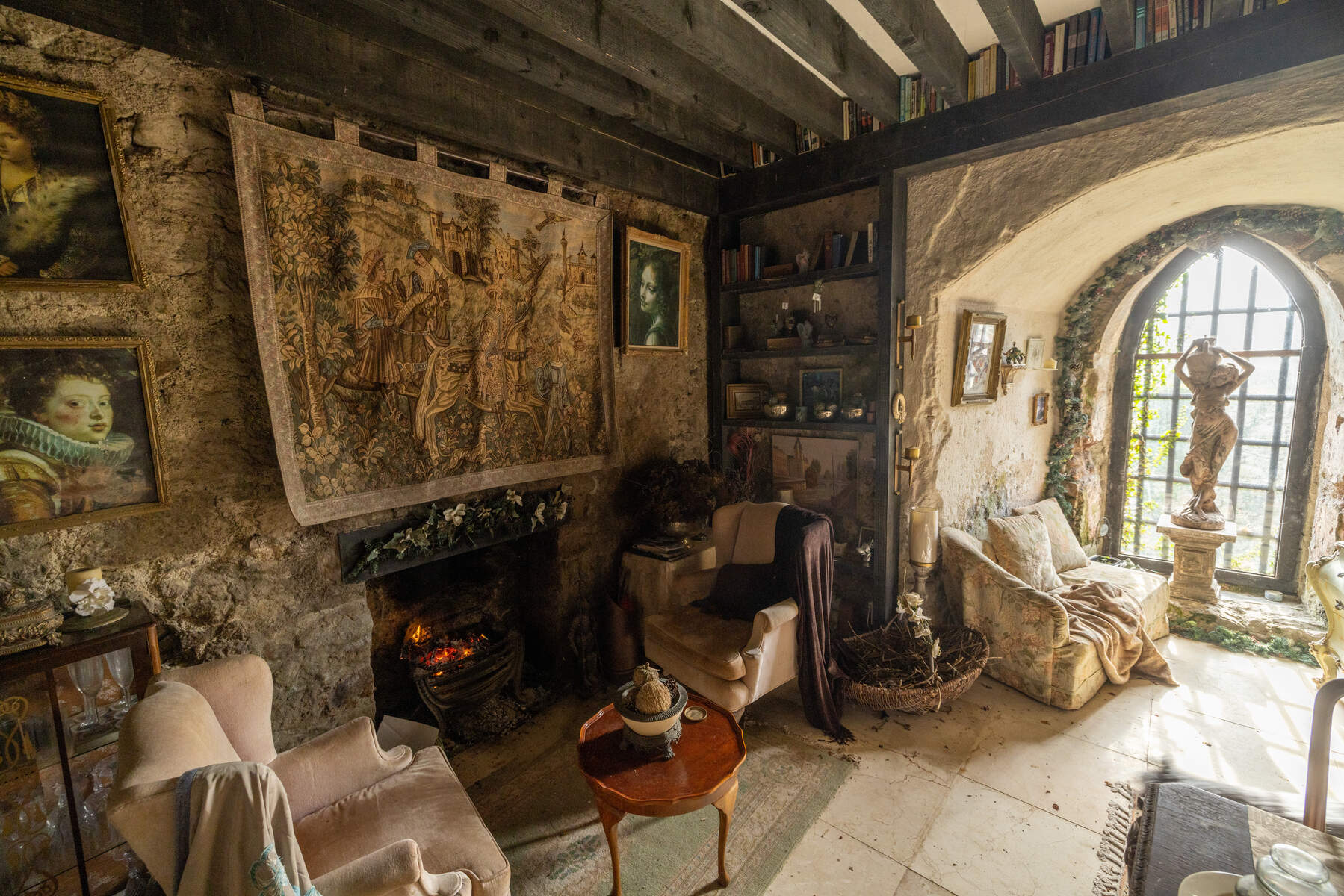

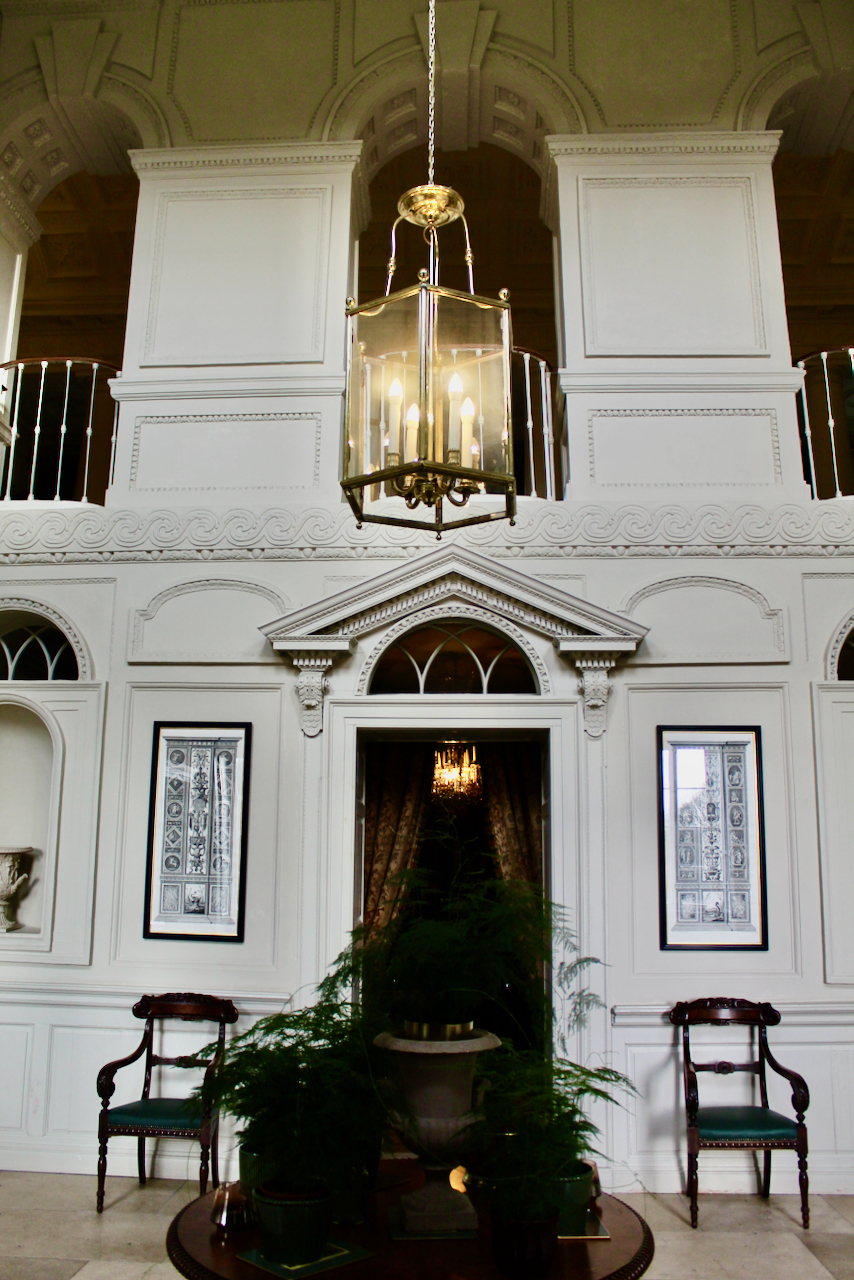
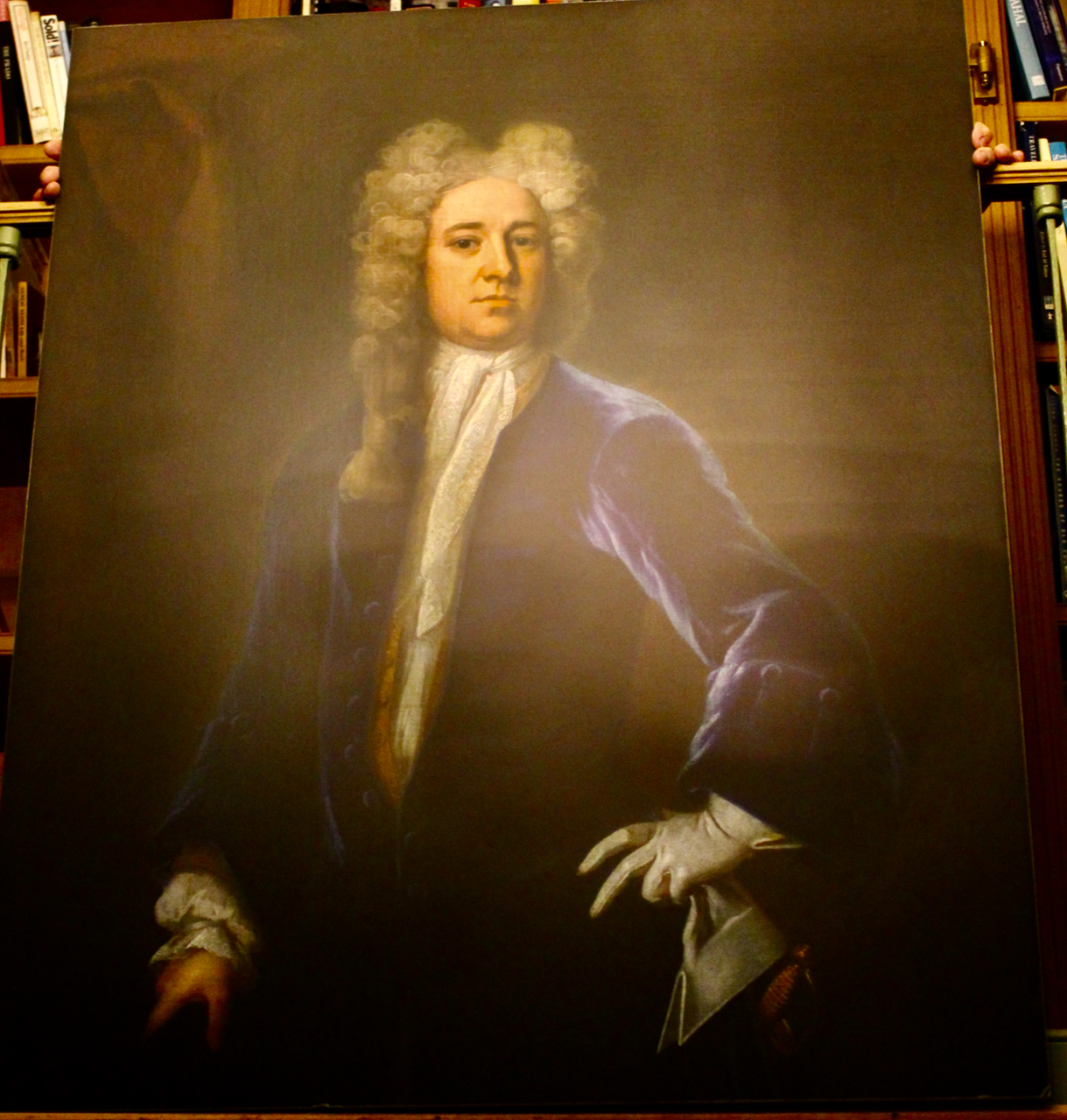
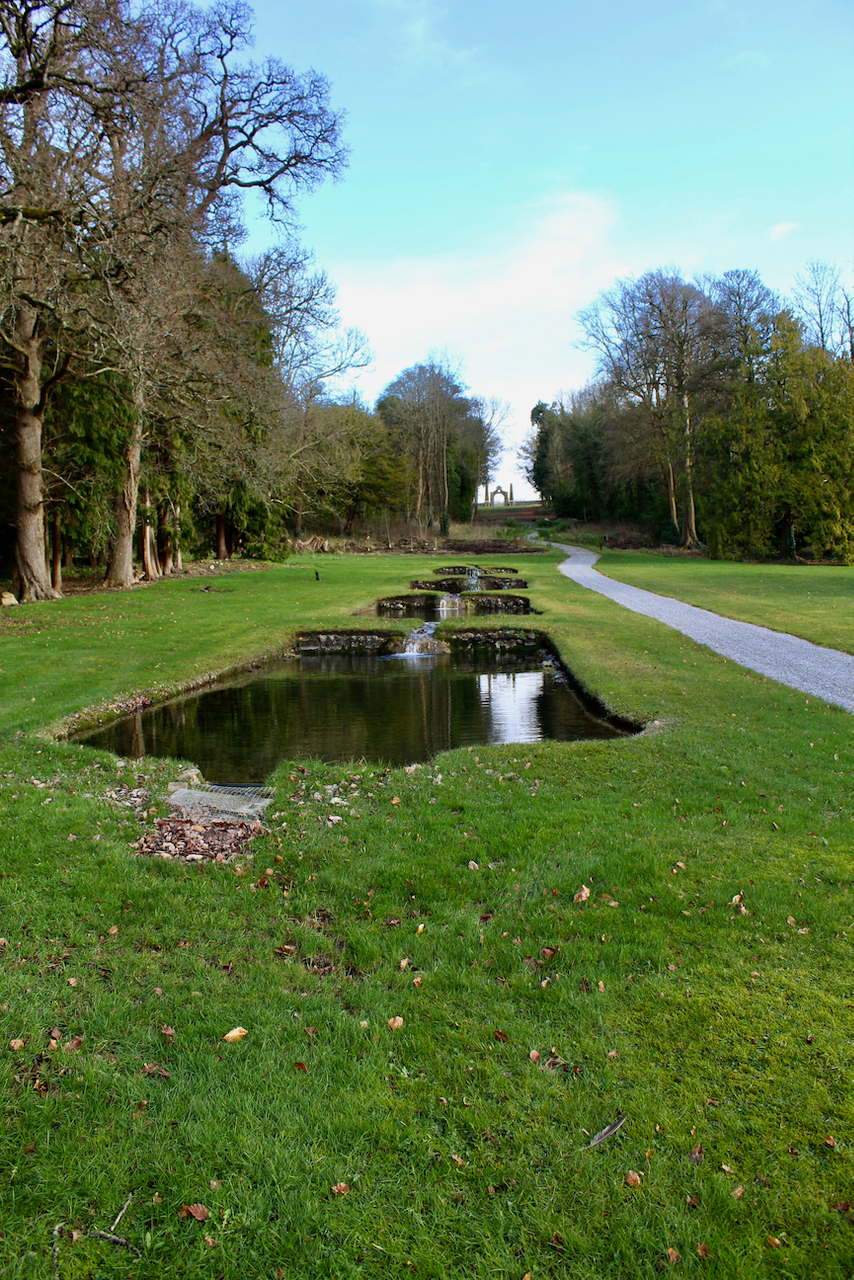
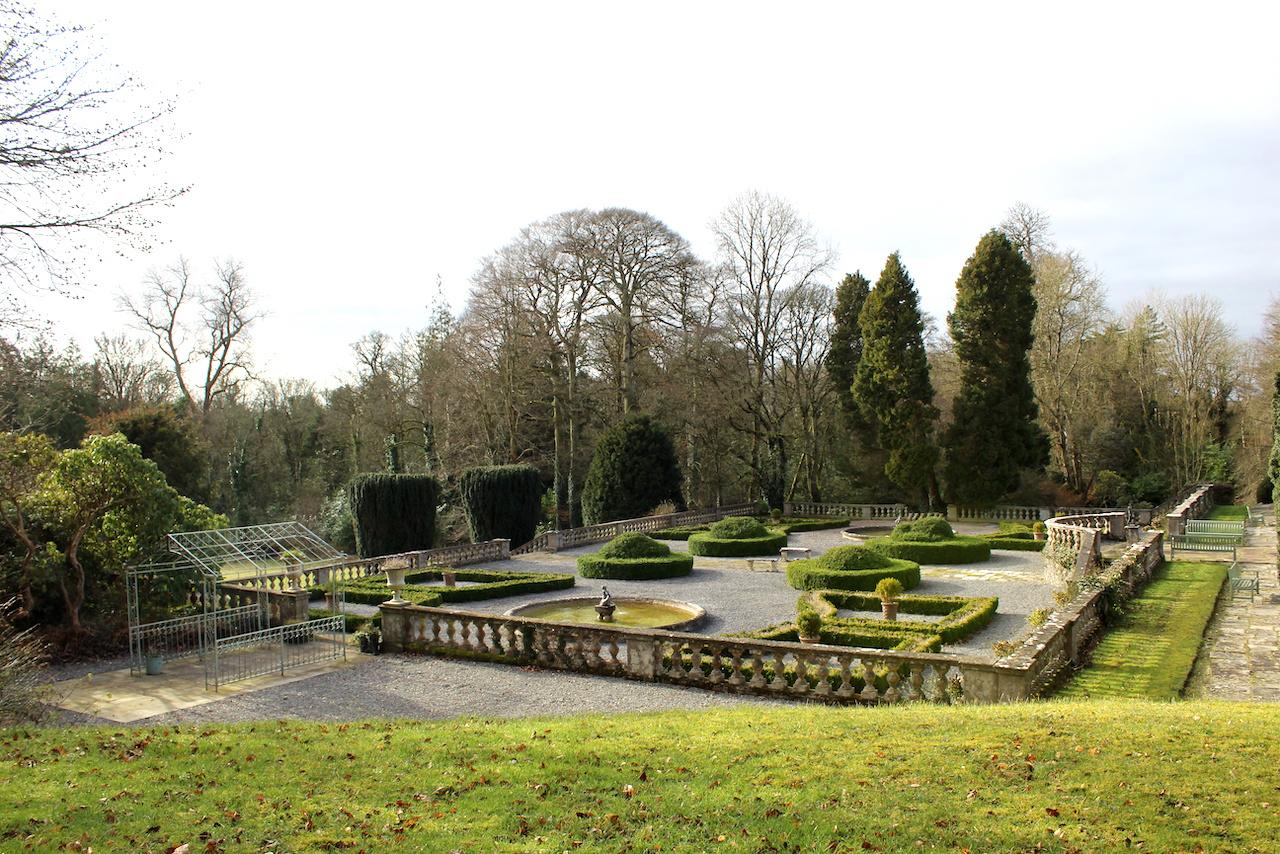

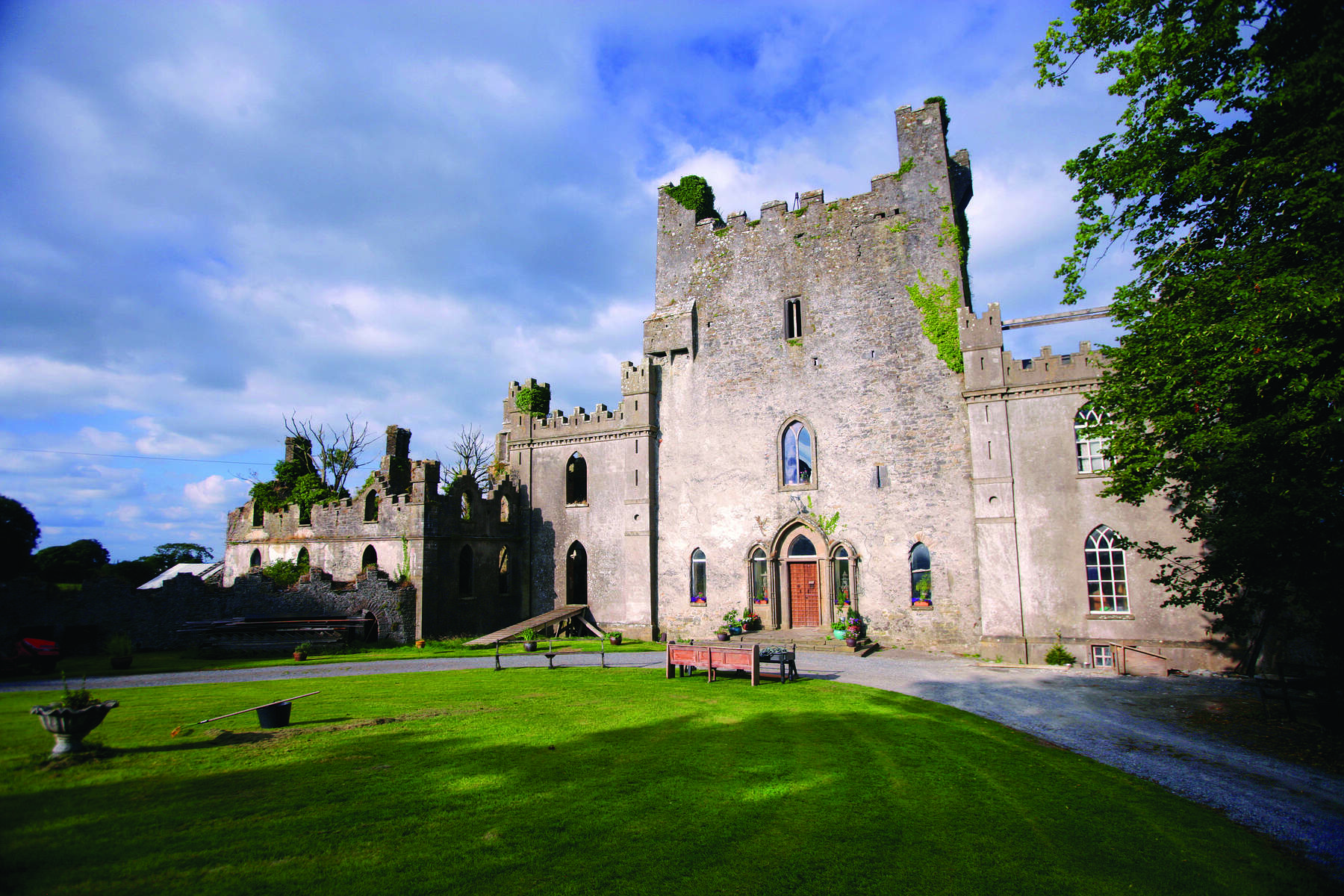
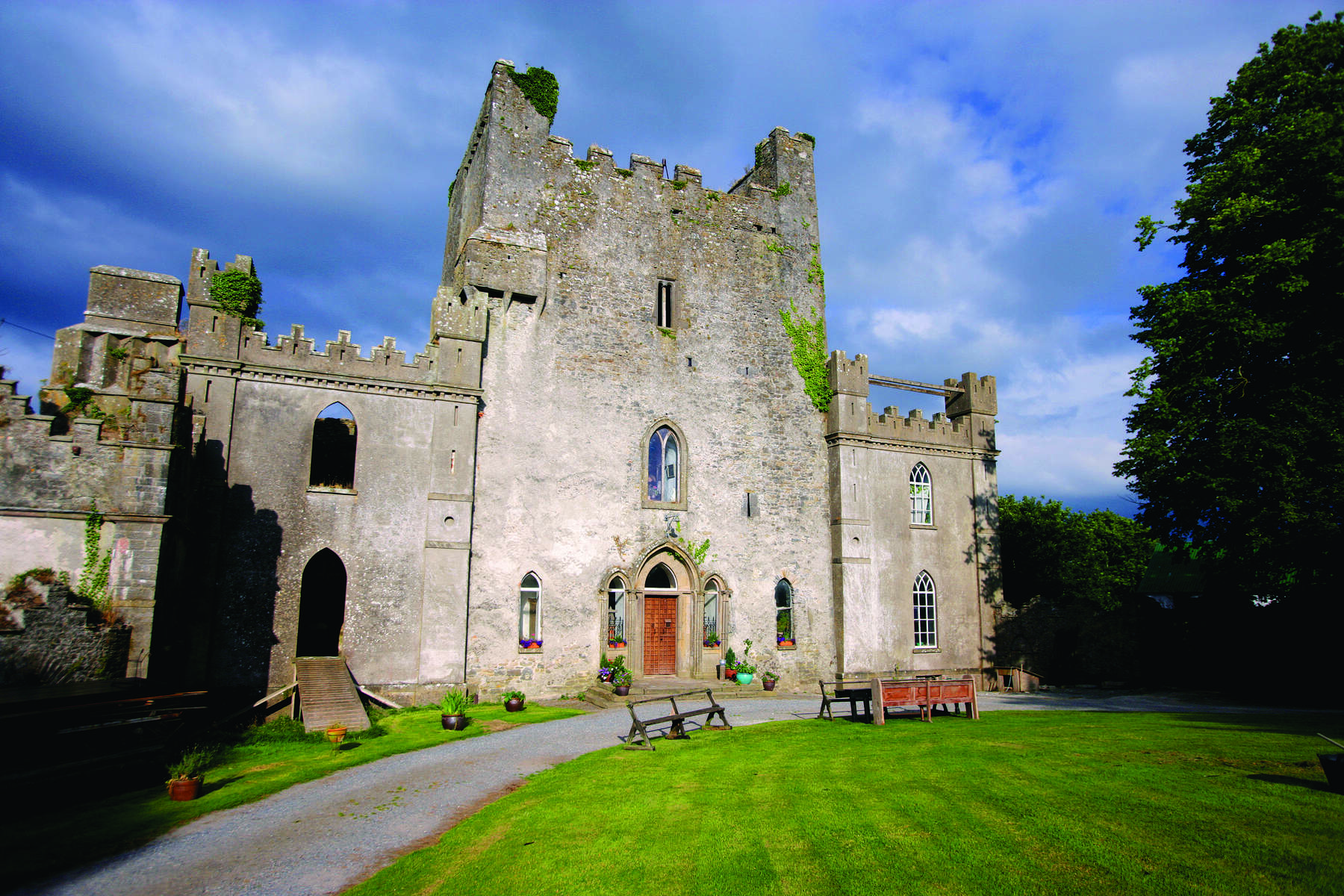

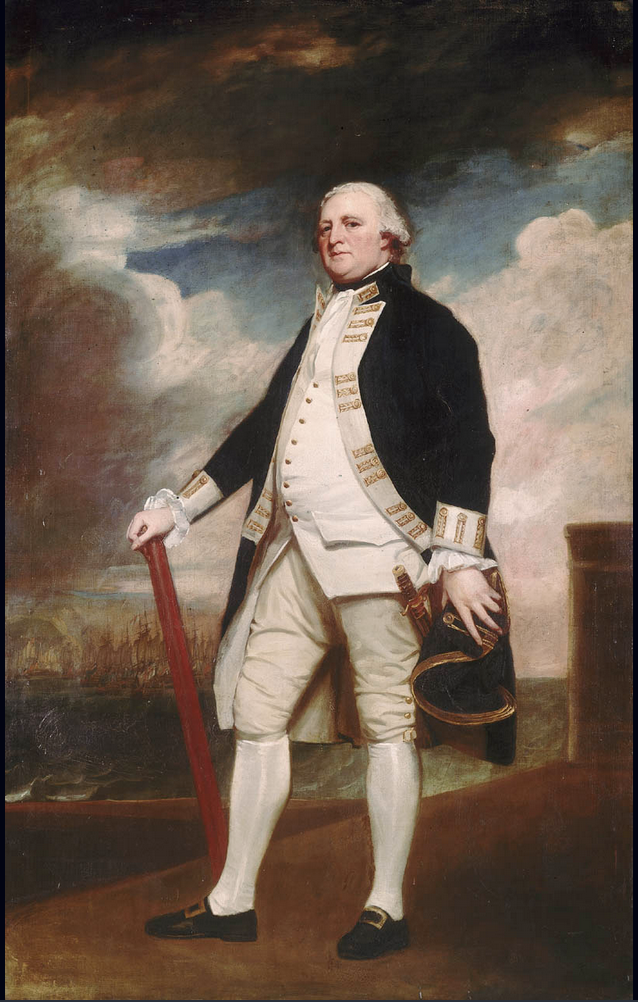
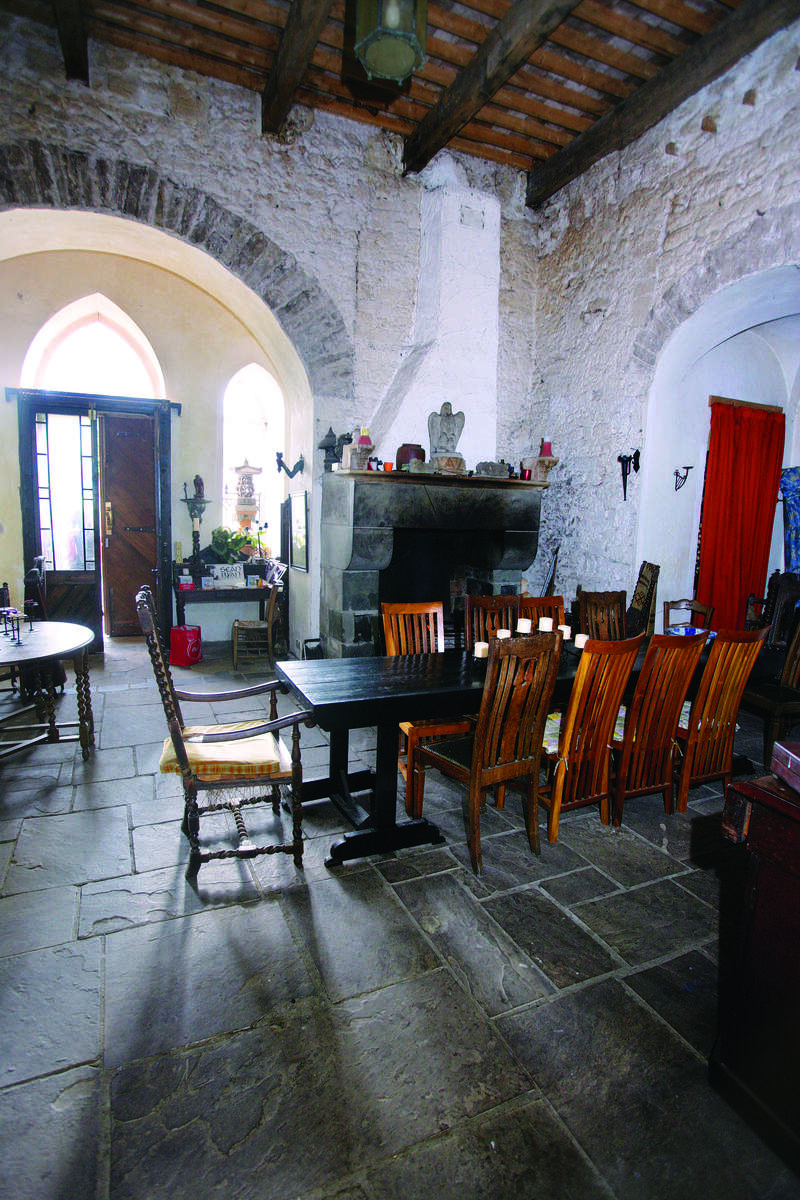

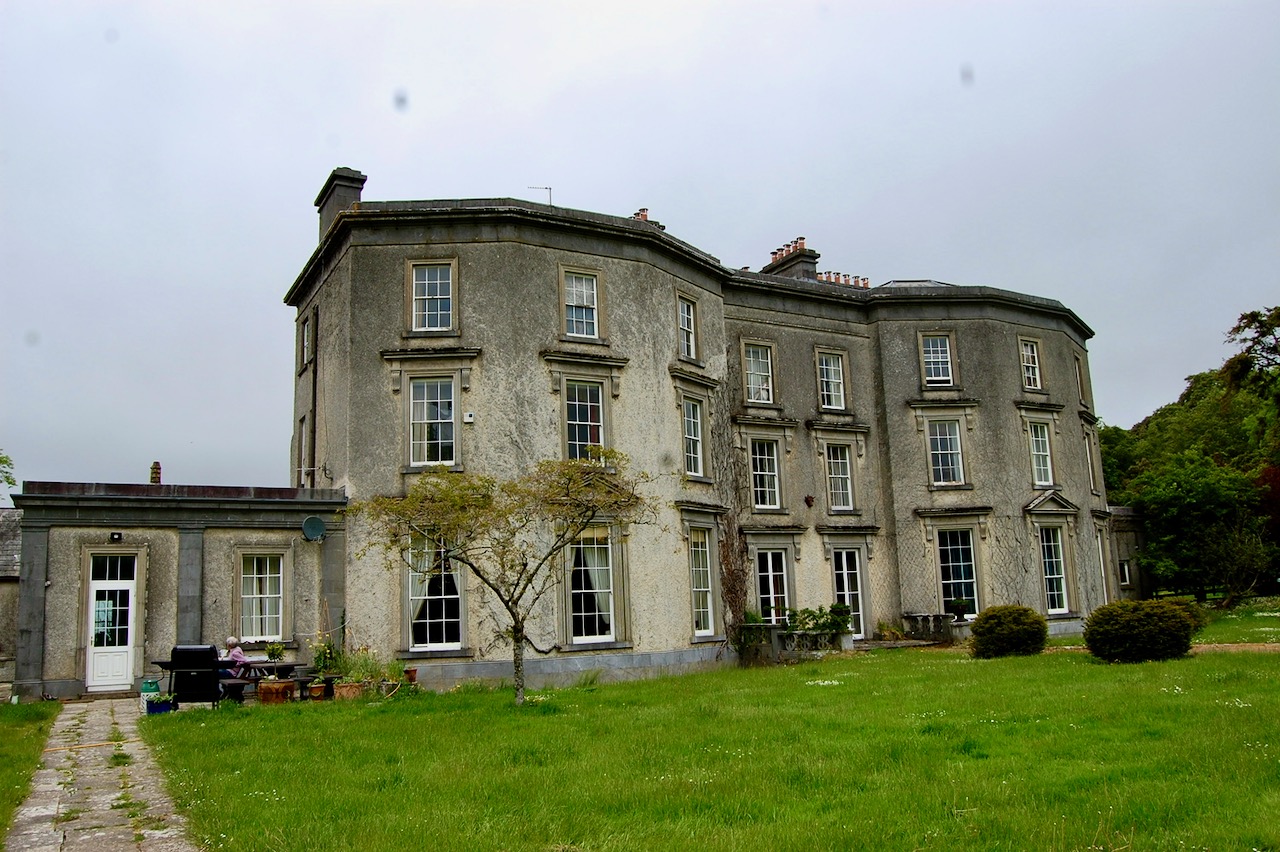


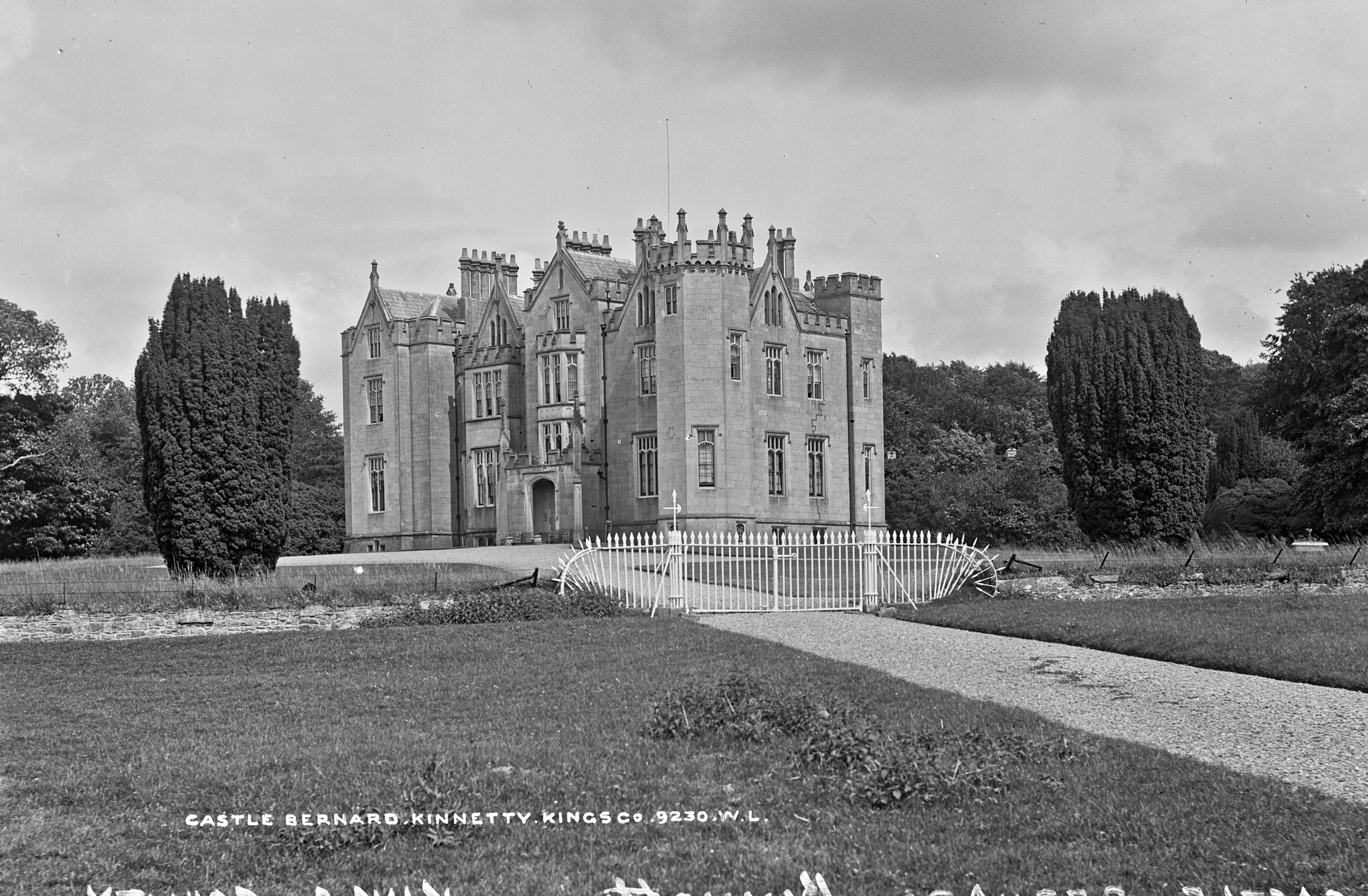

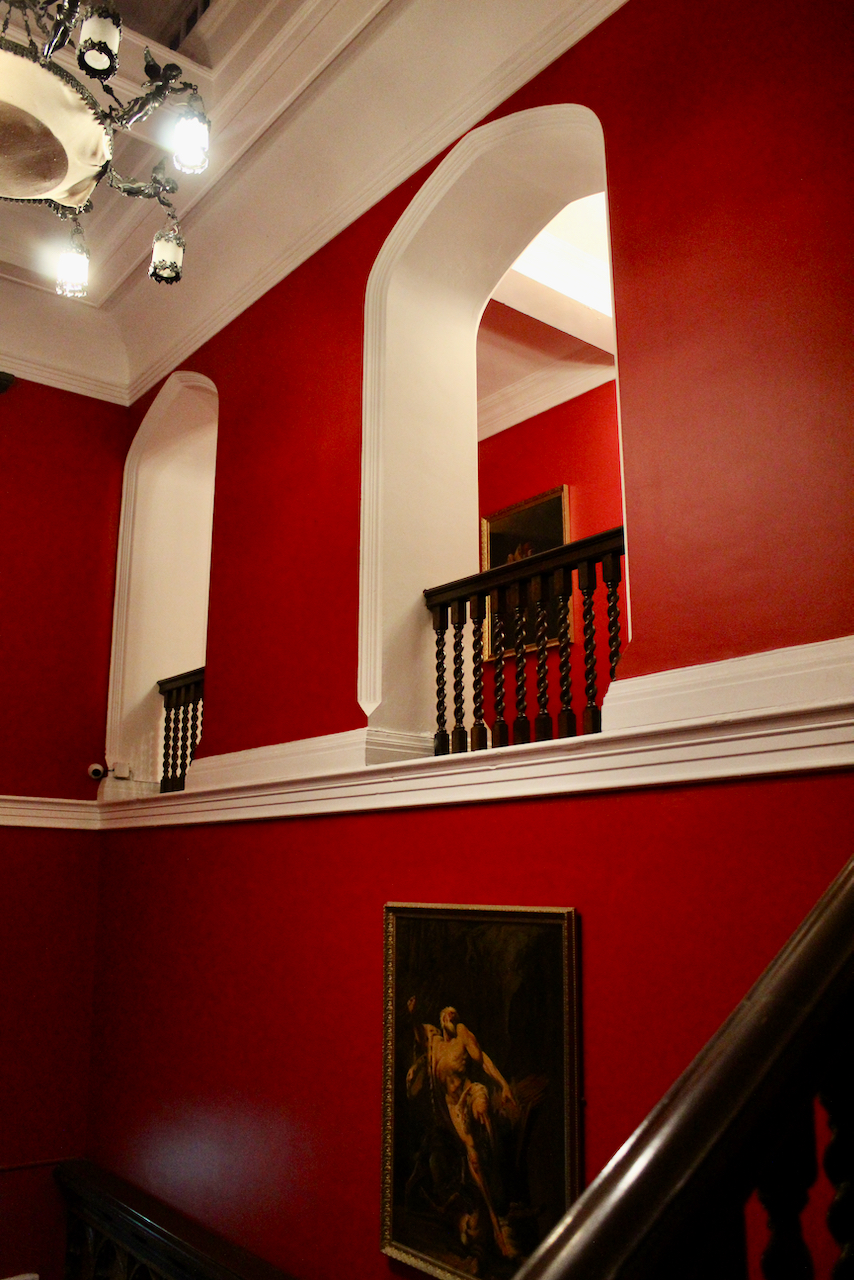
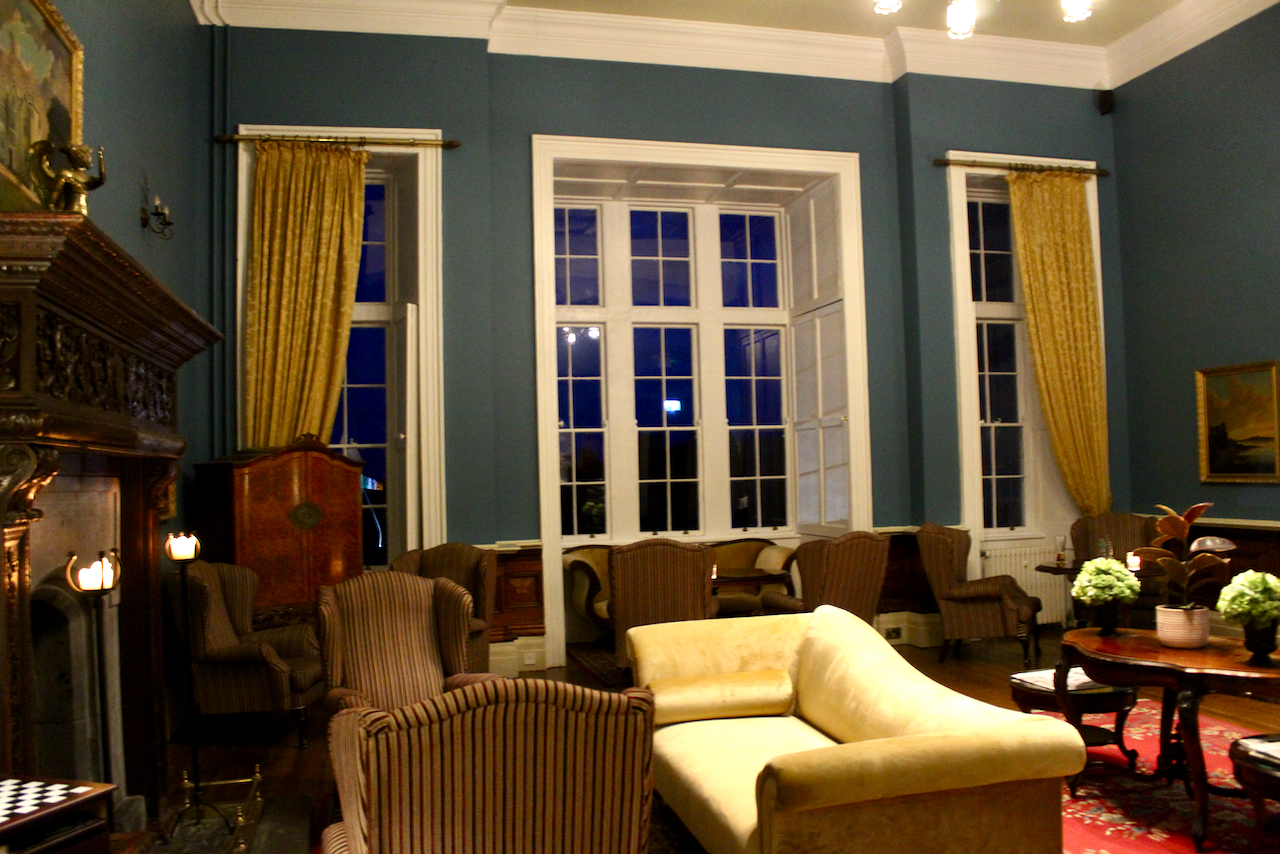
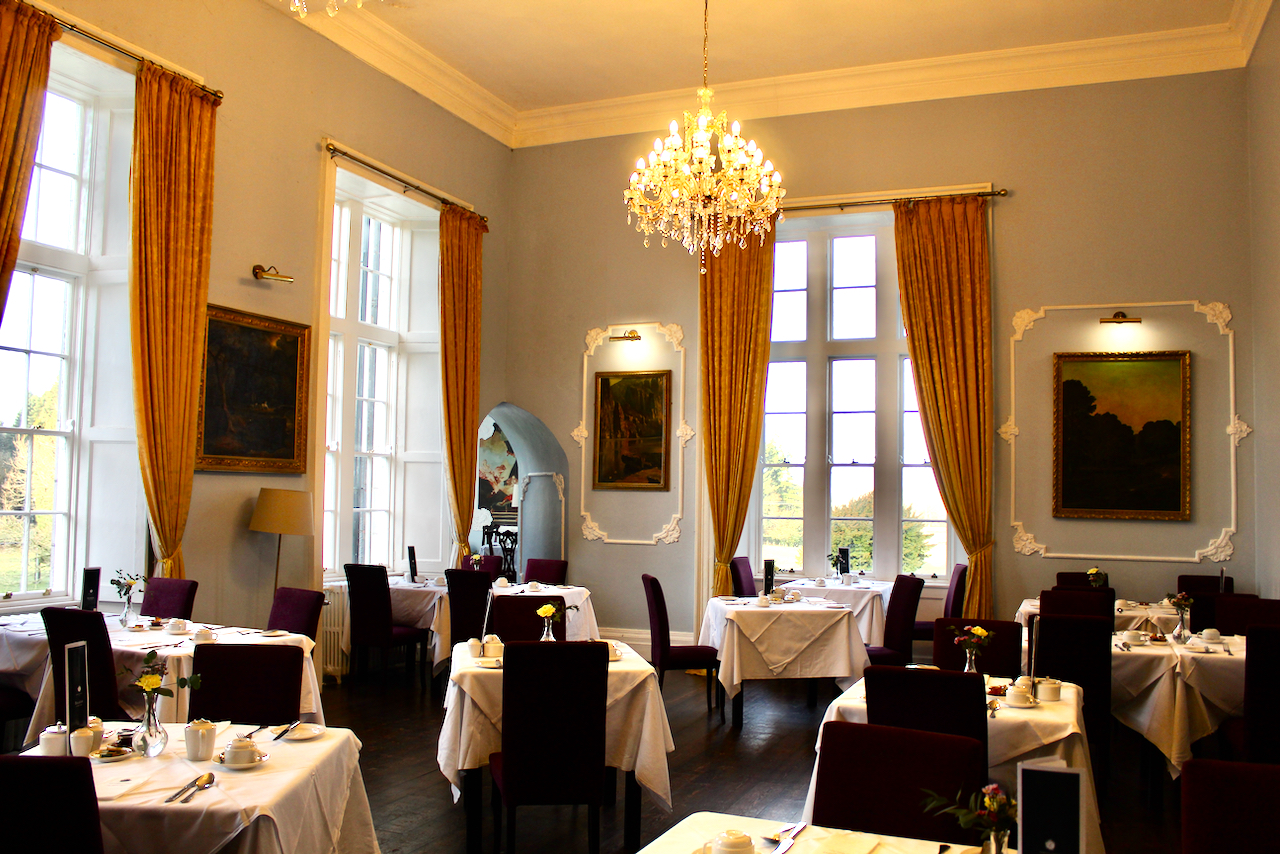

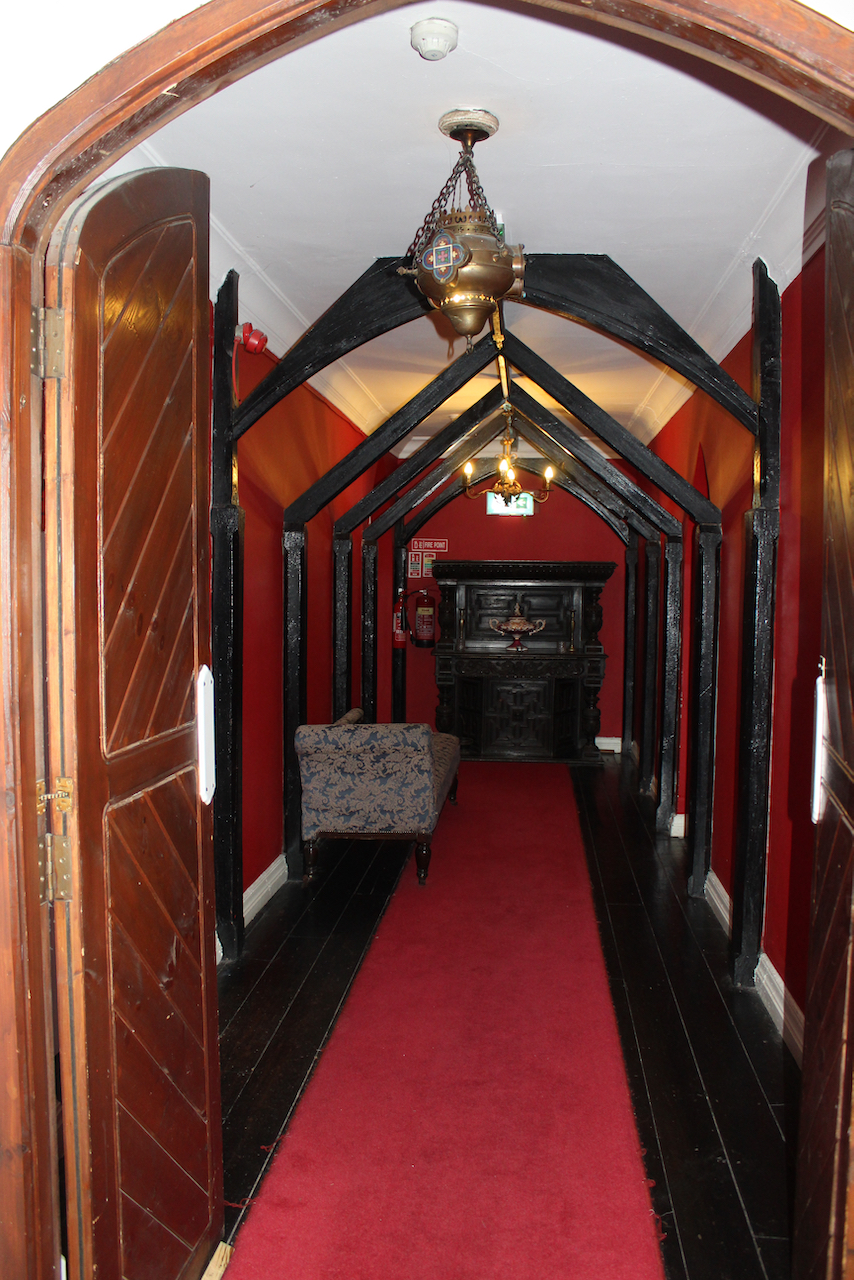
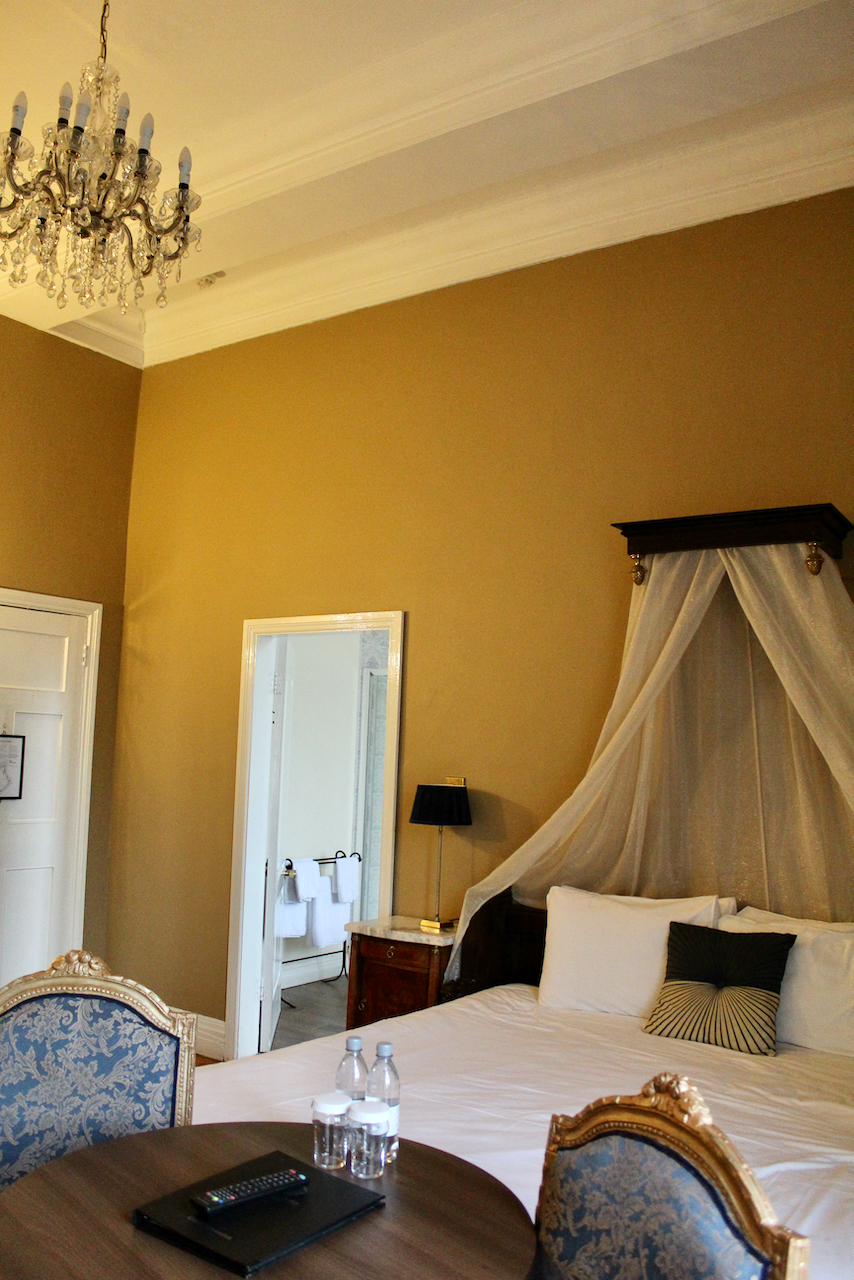
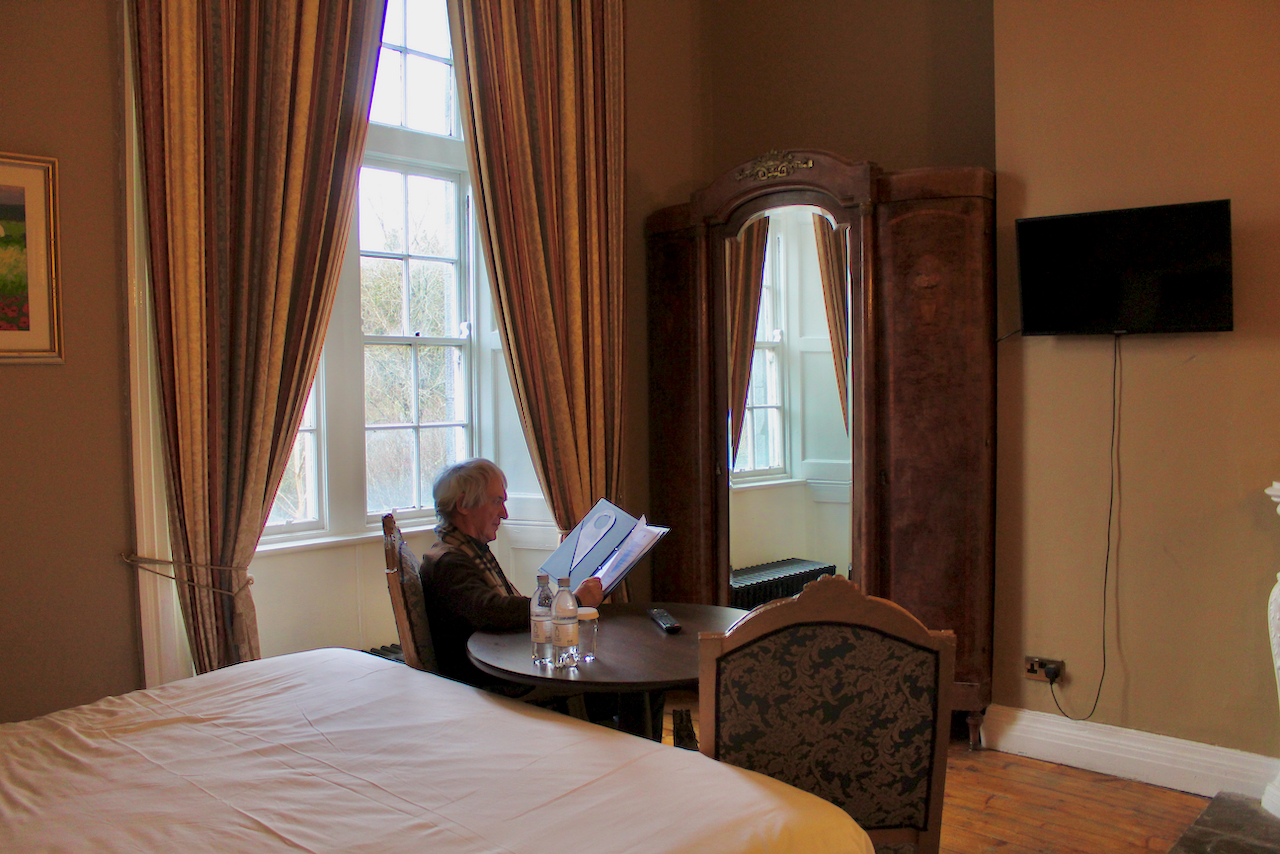


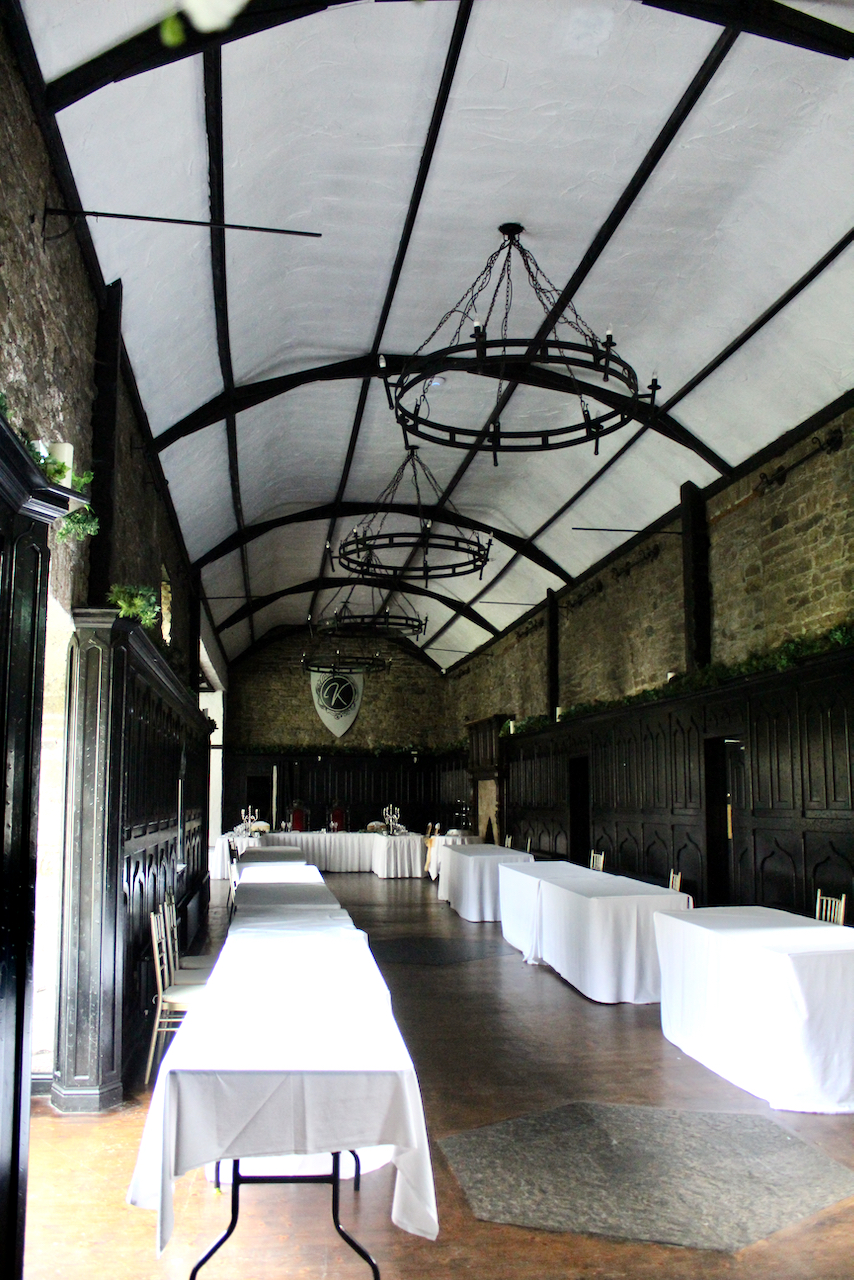
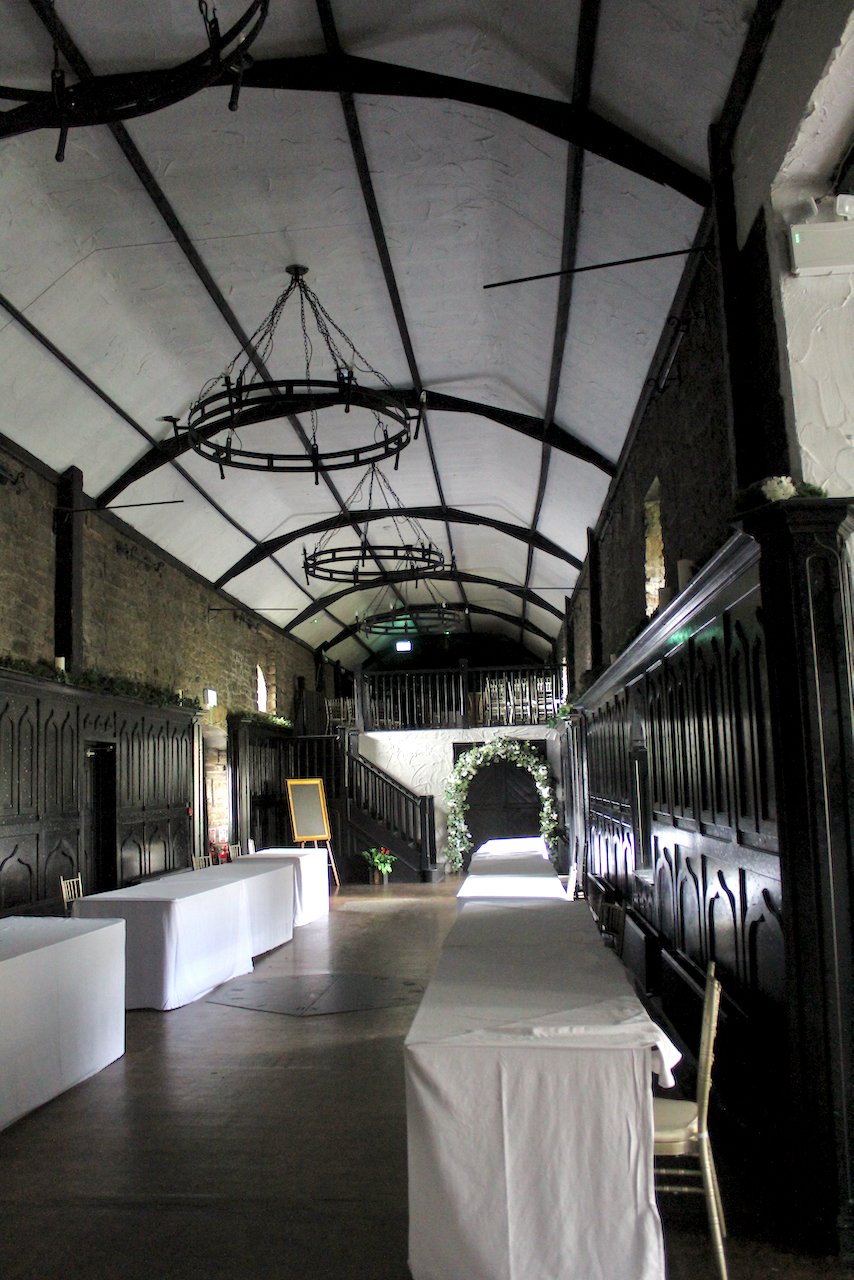


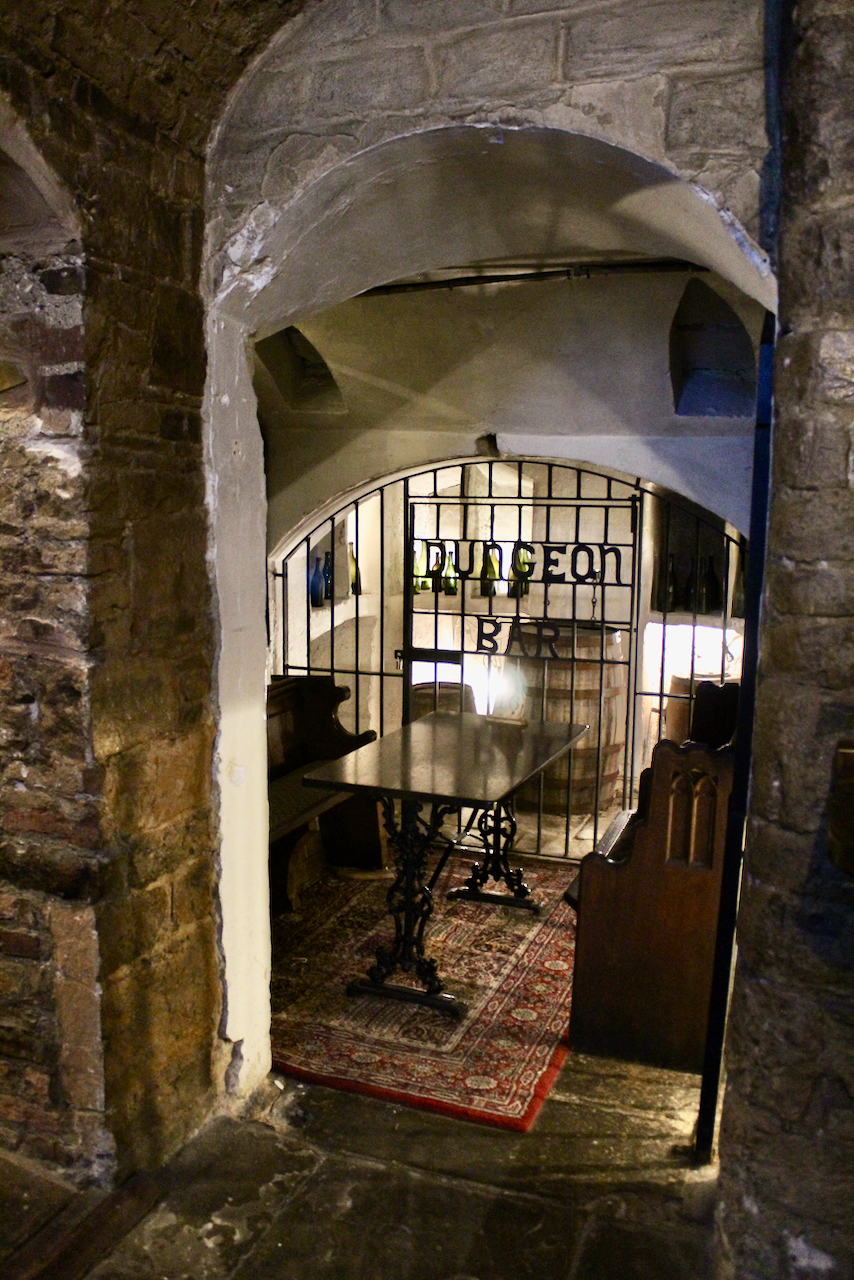


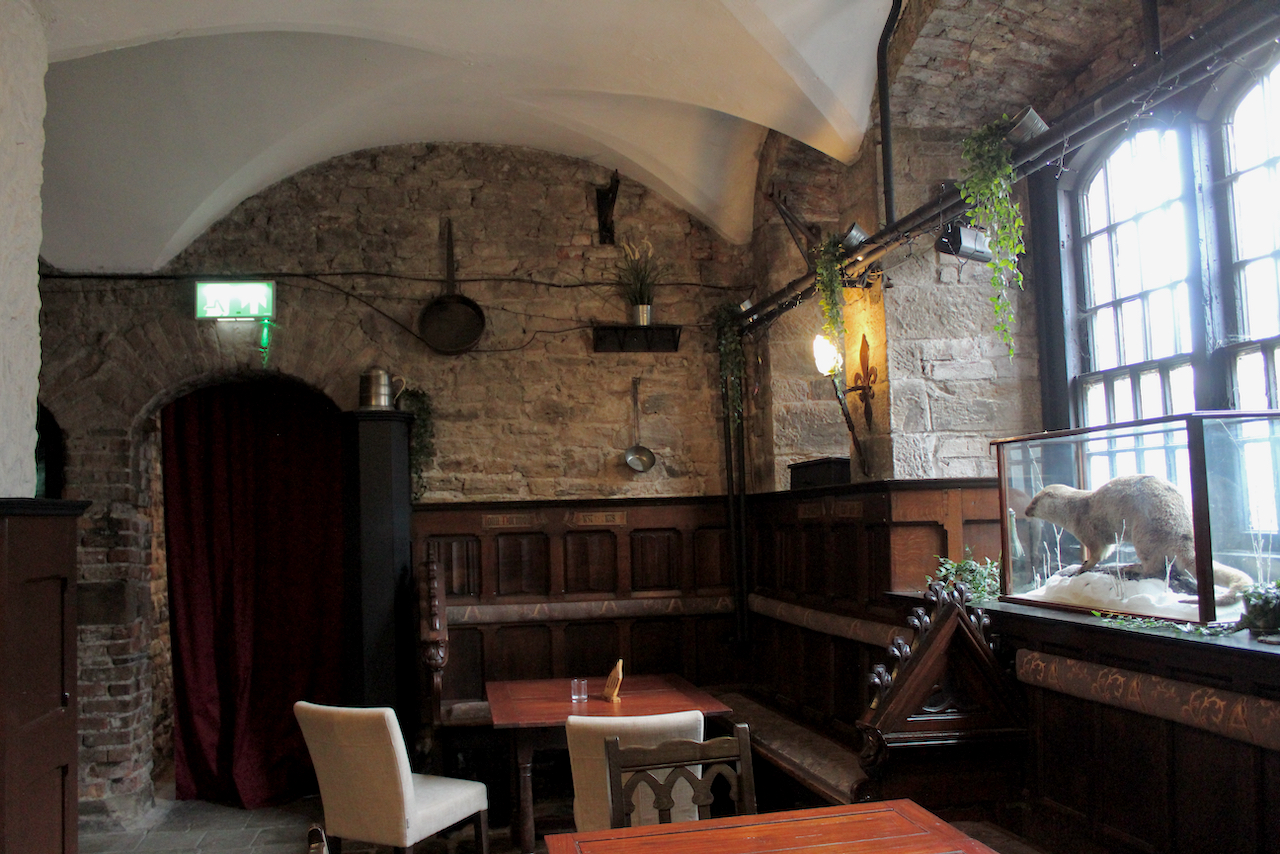
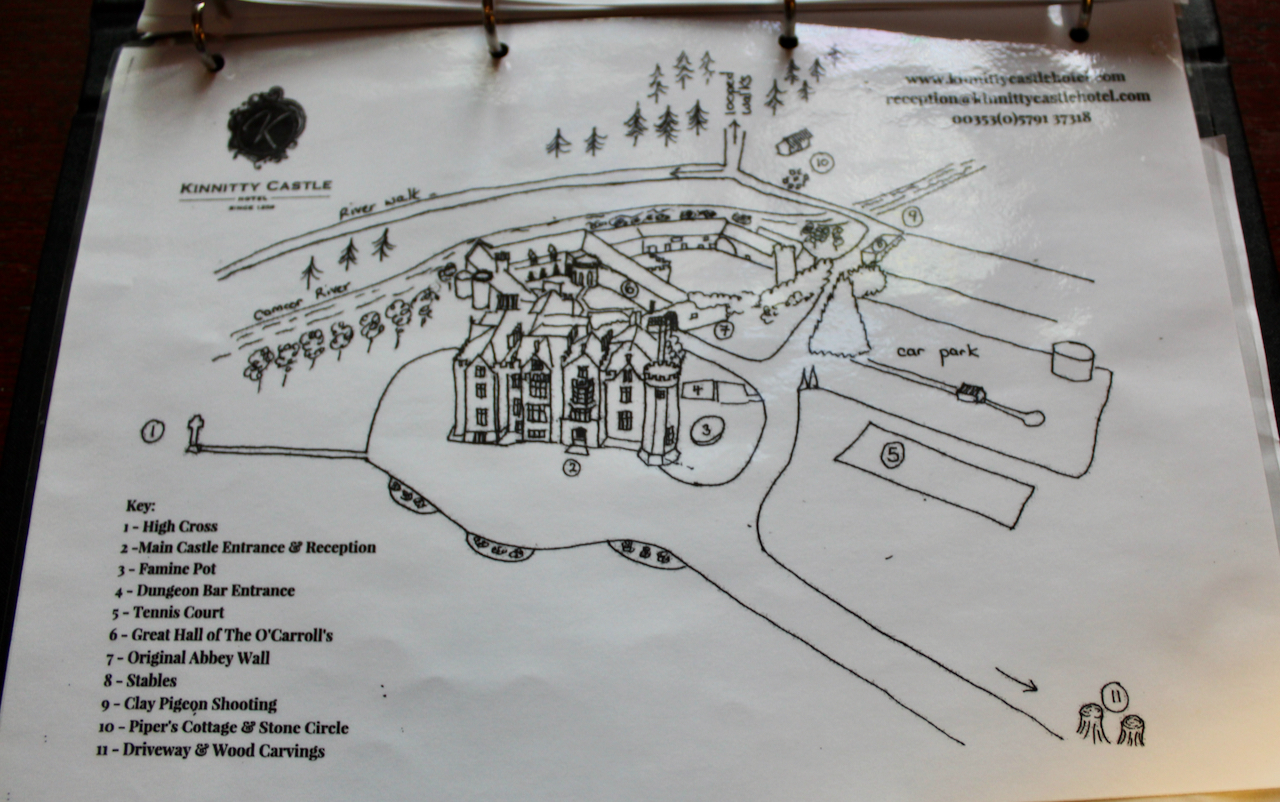
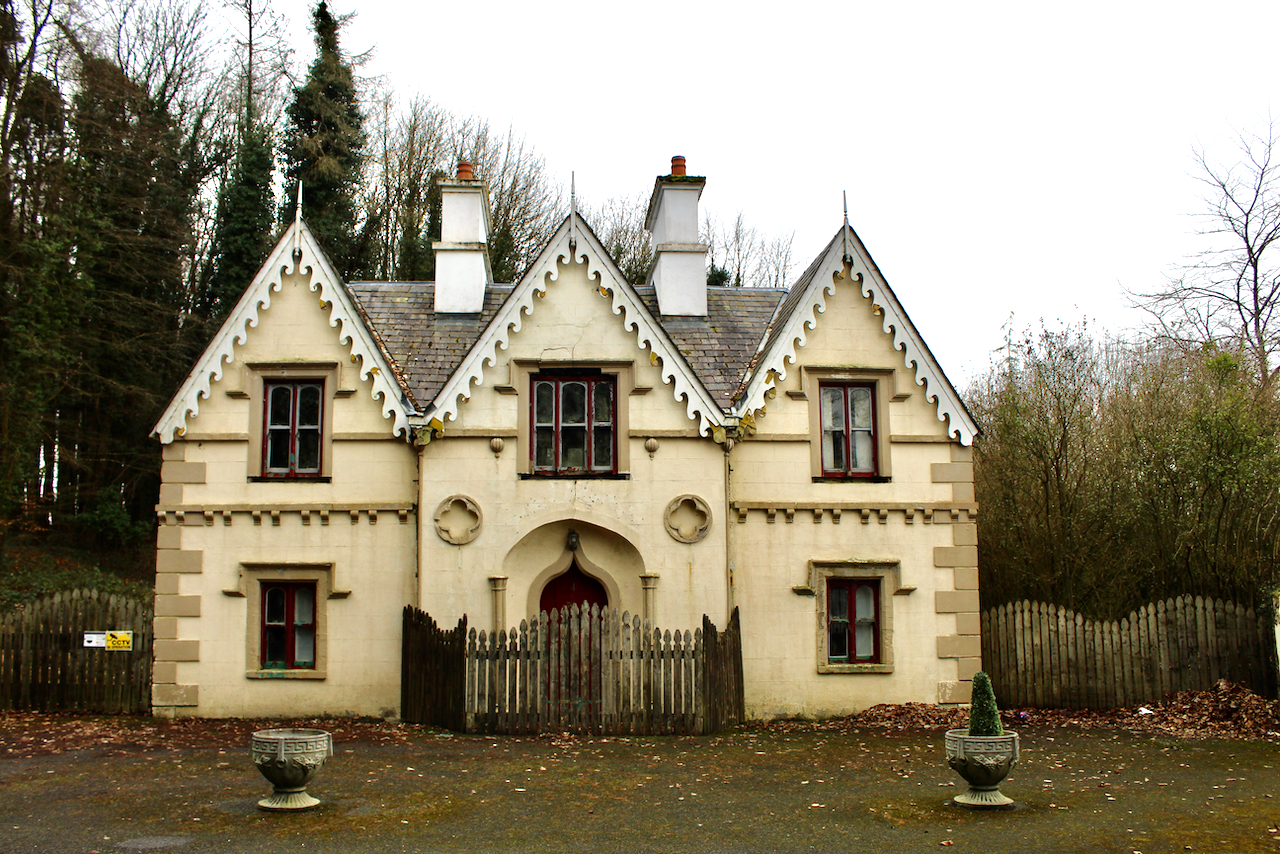


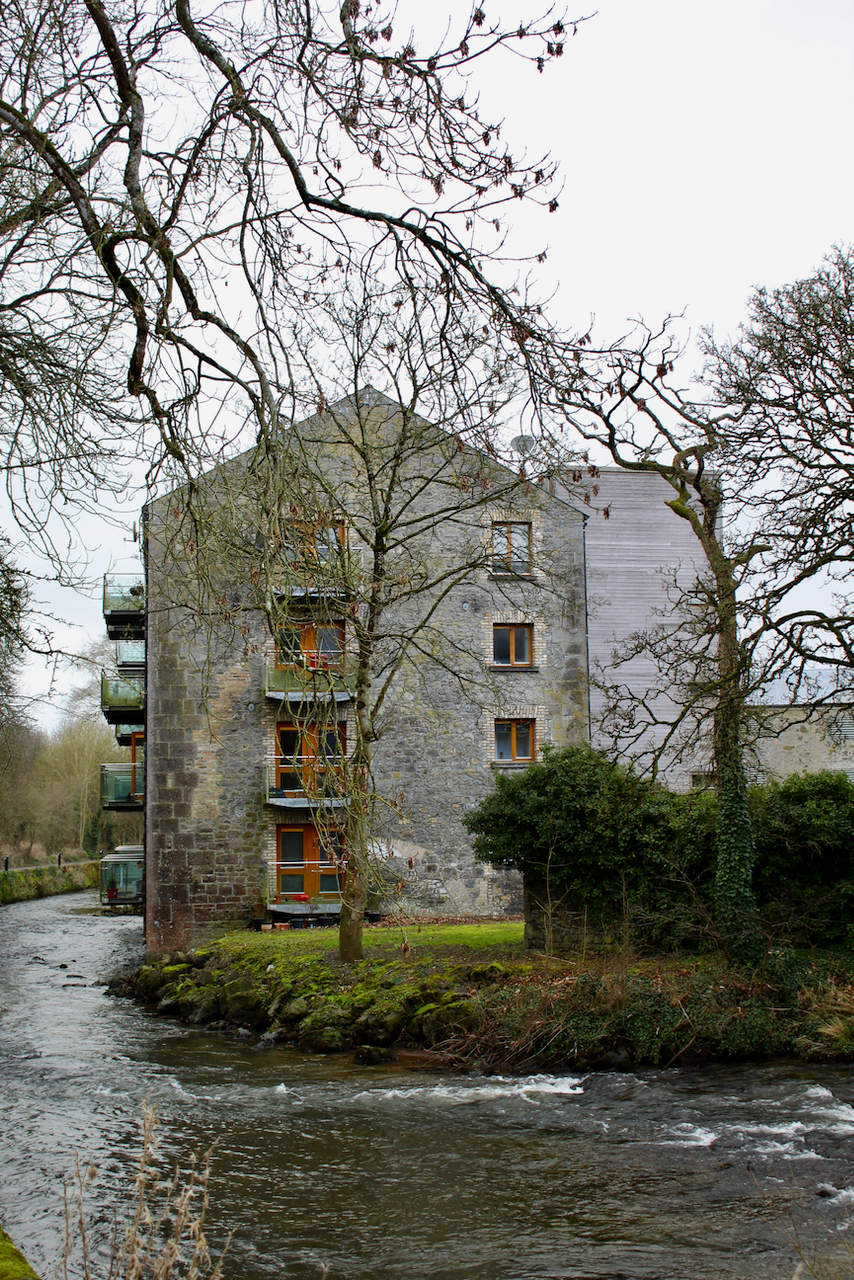

 Irish Historic Houses