Help me to pay the entrance fee to one of the houses on this website. This site is created purely out of love for the subject and I receive no payment so any donation is appreciated!
“The Swiss Cottage, just outside the heritage town of Cahir, is a cottage orné – a fanciful realisation of an idealised countryside cottage used for picnics, small soirees and fishing and hunting parties and was also a peaceful retreat for those who lived in the nearby big house.
“Built in the early 1800s [around 1810] by Richard Butler, 1st Earl of Glengall, who, we believe, managed to persuade world-famous Regency architect John Nash to design it [he also designed Buckingham Palace for the Crown]. Originally, simply known as “The Cottage” it appears to have acquired its present name because it was thought to resemble an Alpine cottage.
“Inside, there is a graceful spiral staircase and some exquisitely decorated rooms. The wallpaper is partly original and partly the fruit of a 1980s restoration project, in which the renowned fashion designer Sybil Connolly was responsible for the interiors.“
We visited the Swiss Cottage in June 2022. The guide told us that the Glengalls probably never even spent a night in their cottage! They used it for entertaining. They lived in the town of Cahir, in what is now Cahir House Hotel, a house that was more comfortable than Cahir Castle, which they also owned.
Richard Butler (1775-1819) 1st Earl of Glengall was the 12th Baron Caher. He was the illegitimate son of James Butler, 11th Baron Caher (d. 1788). The Butlers sent him away with his mother to France to prevent his ever learning of his noble lineage and claims to his family’s title.
His father succeeded his distant cousin Piers Butler (1726-1788) as 11th Baron Caher, as Piers had no offspring. However, the 11th Baron died suddenly the following month with no legitimate son, so Richard became the rightful heir to the title. Unaware of his inheritance, he grew up in poverty in a garret in Paris, where his mother was obliged to winnow corn and occasionally beg for subsistence. [1]
One day Arabella Jefferyes née Fitzgibbon, sister of the Lord Chancellor John Fitzgibbon, wife of James St John Jefferyes of Blarney Castle, Co. Cork, was passing through Cahir and heard about the illegitimate son of the 11th Baron Caher. She determined to go to Paris to find the young man!
She managed to find him and brought him back to Ireland. Probably with the assistance of her brother, she brought the case before the courts and succeeded in having Richard declared the rightful heir of the Caher title and estate. This must have been a large fortune, for she then arranged to have her youngest daughter Emily, who was eight years his senior, marry the newly discovered Lord Caher, despite the fact that Richard Butler was not yet of an age to be married, being just 18 years old. The Lord Chancellor was furious and threatened to put his sister in gaol! However, he did not, and the marriage was allowed.
The Dictionary of Irish Biography tells us that Richard, probably under pressure from his mother-in-law, renounced his Catholicism and converted to the established church. He was accepted readily into society, and became governor of County Tipperary and a trustee of the board of the linen manufacturers. [see 1].
Richard was a representative peer (baron) in the UK parliament from 1801, and was created Viscount Caher and Earl of Glengall on 22 January 1816. He remained till his death a loyal supporter of the government and regularly voted against any pro-Catholic proposals, the Dictionary of Irish Biography tells us.
A Swiss Cottage, or cottage ornee, was the ultimate in impressive entertainment. It was meant to look like it had grown from the ground, and it was designed deliberately off-kilter and asymmetrical with different windows, wavy rooves, oddly shaped rooms. Even the expensive floorboards were painted to look like they were made of a cheaper wood!
“The building, constructed as an architectural toy, was used as a lodge for entertainment purposes and was designed specifically to blend with nature. The roof pitches and tosses and varies in length while differing window sizes and openings punctuate it. The verandah and balconies, although luxury features, have been fashioned to appear humble with exposed rustic tree trunk pillars. The asymmetrical design of the cottage, although immediately apparent of architectural detailing, is deliberately flawed and distorted to appear unsophisticated. Both the building and its setting right down to its cast-iron rustic fencing maintains a sense of blending with nature as it was originally designed.” [2]
Unfortunately we were not allowed to take photographs inside. I took a few photographs looking through the windows. There are a few photographs on the OPW website, which I copy here.
Downstairs has a room off either side of the hallway, the Dufour Room and the Music Room. The Dufour room is so called due to some original Dufour wallpaper, depicting Constantinople, much of which has been reproduced to line the room. Dufour was one of the first Parisian manufacturers creating commercially produced wallpaper. Another door from the central hall leads to a limestone stairway and basement.
The first floor interior comprises a landing with rooms leading directly to the west (Small bedroom) and east (Master bedroom) through angular-headed timber panelled doors.
Master bedroom, Swiss Cottage, photograph courtesy of Office of Public Works.Small bedroom, Swiss Cottage, photograph courtesy of Office of Public Works.
Richard and Emily had one son and three daughters. His son Richard, Viscount Caher (b. 17 May 1794), was elected MP for Tipperary county in 1818, and succeeded his father as 2nd Earl of Glengall. Emily survived Richard by seventeen years, passing away (2 May 1836) in Grosvenor Square, Middlesex. [see 1]
Lismacue House, photograph courtesy of Lismacue website.
donation
Help me to pay the entrance fee to one of the houses on this website. This site is created purely out of love for the subject and I receive no payment so any donation is appreciated!
Lismacue in County Tipperary was listed in the 2024 Revenue Section 482 list as tourist accommodation. The 2025 Revenue Section 482 list has not yet been published. Under the Revenue rules, a historic property can have an income tax reduction for a percentage of repair and renovation costs if they offer tourist accommodation six months of the year, at least four of those months being between 1st May and 30th September.
There are loopholes in the section 482 scheme, in that it does not specify what sort of accommodation must be provided, nor how much the accommodation costs. Lismacue, for example, can only be rented as an entire house with five bedrooms.
However, you can take a tour of Lismacue with the company Historic Family Home Tours, which brings visitors to three historic houses: twelfth century Castlegarde in County Limerick with its 1820s extension by the Pain brothers, Lismacue and Grenane House (see my entry https://irishhistorichouses.com/2024/04/04/grenane-house-tipperary-co-tipperary-e34-ep22/ )
The tours are quite expensive, however, and require a group, so I don’t think I will be able to visit Lismacue house, so I am going to write about the history of the house today.
Lismacue, photograph courtesy of National Inventory of Architectural Heritage.
Mark Bence-Jones tells us in his A Guide to Irish Country Houses that Lismacue is:
“[Baker/IFR] A late-Georgian house with battlements and other mild Gothic touches. Two storeys; entrance front of three bays with Gothic porch, prolonged by lower wing ending in a gable with tracery window. Side of five bays has a battlemented pediment with pinnacles. Another pediment on the rear facade.” [1]
The Archiseek website tells us that the house was designed by architect William Robertson (1770-1850) and building completed in 1813. [2] William Robertson was born in Kilkenny, where he later ran a busy architectural practice. After some years in London, he returned to Kilkenny, where he designed the Gaol, St. Canice’s Church and the Psychiatric Hospital (“Lunatic Asylum”). Among other private residences, he designed Jenkinstown House in County Kilkenny.
Five bay side of Lismacue House, photograph courtesy of website.Jenkinstown House, County Kilkenny, courtesy Lisney Sotheby’s 2024.Also designed by William Robertson, it also has hood mouldings, crenellations, and a large Gothic traceried window.
The National Inventory claims that Lismacue was built around 1760. [3] The work by William Robertson was added to the earlier house.
Lismacue has elements of Tudor-Revival with its hood mouldings over the windows and wonderful pinnacles either side of the central breakfront. The house is two storeys over basement. The sides of the house are of five bays, and there is a lower wing to the north with an ecclesiastical-looking Gothic window.
William Baker (d. 1733) purchased Lismacue from Charles Blount in 1705, and the estate remains in the ownership of the same family. The present owners are Kate née Baker and her husband Jim Nicholson. Kate inherited Lismacue from her father, William Baker. The Bakers’ ancestor Thomas Baker (1577-1642) probably came to Ireland in the retinue of Robert Devereux, 2nd Earl of Essex. [4]
William Baker served as High Sheriff for County Tipperary. His father lived at Lattinmore, County Tipperary. In 1700 William married Margaret, daughter of Captain Hugh Massy of Duntrileague, County Limerick.
William and Margaret had several children. The house passed to their oldest son, Hugh (d. 1772). In 1730 Hugh married Catherine, daughter of Robert Ryves, of Ryves Castle, Ballyskiddane, County Limerick. It may be been Hugh who built the first iteration of the house, in time for his new bride.
Reflecting the exterior, the interior features Gothic details. The front hall is divided by a pointed arch with two fluted columns and further fluted pilasters, and quatrefoil circular decorations on the wall over the arch. A large window lights the staircase with its wooden banisters and carved veloute. The staircase leads from the entrance hall to the guest bedrooms.
Lismacue House, photograph courtesy of website.
The Lismacue website tells us that the accommodation includes a classically proportioned drawing room, dining room, breakfast room and library. The house is centrally heated throughout, and the owners provide warm and welcoming log fires in the reception rooms. All windows have the original pine shutters.
Lismacue House, photograph courtesy of website.
Many of the large rooms have decorative plasterwork, and the ground floor rooms have mahogany doors. Several rooms retain wallpaper dating from the 1830s. The dining room features decorative pelmets and a sideboard niche.
The Library, Lismacue House, photograph courtesy of website.Lismacue House, photograph courtesy of website.
Hugh and Catherine’s son William (1719-1808) served as a Colonel for the Irish Volunteers, the local militia formed in 1778 to protect against invasion, such as the French threat in Bantry Bay.
William married Elizabeth, second daughter of the Very Reverend Charles Massy, Dean of Limerick, and sister of Hugh Dillon Massy 1st Baronet of Doonass, County Limerick. Their son William Baker (1767-1815) inherited, and married Elizabeth daughter of Thomas Roberts, 1st Baronet of Britfieldstown, County Cork.
William hired William Robertson and built the current version of the house in 1813, but he was murdered a few years later in 1815. [5] He was a Justice of the Peace and was murdered on the way home from a meeting in Cashel of the Quarter Sessions held under the Insurrection Act. [see 4] Two men were eventually arrested and one of them was executed, on the testimony of the other. William Blake’s grave in Bansha features quatrefoils similar to those on his house. [6]
After his death William’s wife Elizabeth moved to Cheltenham, taking all the family furniture with her, so none of the original furniture remains in Lismacue. William was succeeded by a son of his brother Hugh, who had died in 1801, also named Hugh (1798-1868). He married Marion, only child of Charles Conyers, of Castletown Conyers, County Limerick.
A bedroom ofLismacue House, photograph courtesy of website.
The Landed Families website tells us:
“Hugh Baker seems to have been a considerate and generous landlord, but that did not stop him receiving unwelcome attention from violent elements in the local population in the 1830s on account of the fact that he employed a Protestant steward. At one point he was obliged to leave the estate for the greater safety of Dublin, although he soon returned and was resident throughout the famine years of the 1840s. He had a large family of four sons and five daughters.“
Hugh’s son Hugh (1845-1887) inherited but he died young, leaving a widow and two small children. The Landed Families website explains:
“The estate passed to his young son, but it was heavily indebted and in an era of falling agricultural prices one of the creditors called in his loan, leading to the estate being vested in trustees for sale. Hugh Baker’s widow, Frances, had meanwhile married again, to Maj. Ralph Hall Bunbury (d. 1898), who bought the house (but not the estate) so that the family could continue to live there. However when he died, rather than leaving the house as might have been expected to his step-son, Hugh Baker (1880-1952), it passed to his unmarried sisters. Hugh, who became a naval officer and a leading figure in the world of fly-fishing, later moved to County Antrim, and died there without issue. The Misses Bunbury sold their unexpected legacy at a generously low valuation to Charles Conyers Massy Baker (1847-1905), the second son of Hugh Baker (1798-1868), who was perhaps looking to retire from his practice as a barrister.”
A wonderfully spacious bedroom ofLismacue House, photograph courtesy of website.
Charles Conyers Massy’s son Allen inherited the house and was the grandfather of the current owner Kate. Interestingly, Allen Baker (1881-1959) was the first person to qualify (in 1900) as a veterinary surgeon at the Royal Veterinary College of Ireland! It’s a pity my father is not still alive as he too graduated from the veterinary college and would have found that interesting.
Allan Baker made his home at Lismacue, where he established a stud farm and acted as the local vet. His son and heir William Baker (1913-77) followed in his father’s footsteps and maintained both the stud and the veterinary practice. Unfortunately William died suddenly and there were large death duties to pay. From around 2000, Kate and her husband found the funds to embark on a systematic restoration of the house. They continue to operate the family stud farm, now with the assistance of a manager
A bedroom ofLismacue House, photograph courtesy of website.A bedroom ofLismacue House, photograph courtesy of website.
Outside is fine open parkland with views of the Galtee Mountains and the Glen of Aherlow, and a long avenue of lime trees said to date from 1760.
[1] Mark Bence-Jones. A Guide to Irish Country Houses (originally published as Burke’s Guide to Country Houses volume 1 Ireland by Burke’s Peerage Ltd. 1978) Revised edition 1988 Constable and Company Ltd, London.
General information: 0505 21850, roscreaheritage@opw.ie
Damer House Roscrea County Tipperary, photographer creator Kerry Kissane All around Ireland 2021 courtesy Tipperary tourism, Ireland’s Content Pool [1]
Finding ourselves with some spare time this Heritage Week (2024) after visiting Emo in County Laois, we drove over to Roscrea, to visit Damer House and Roscrea Castle.
“In the heart of Roscrea in County Tipperary, one of the oldest towns in Ireland, you will find a magnificent stone motte castle dating from the 1280s. It was used as a barracks from 1798, housing 350 soldiers, and later served as a school, a library and even a sanatorium.
“Sharing the castle grounds is Damer House, named for local merchant John Damer [d. 1768], who came into possession of the castle in the eighteenth century. The house is a handsome example of pre-Palladian architecture. It has nine beautiful bay windows. One of the rooms has been furnished in period style.
“The grounds also include an impressive garden with a fountain, which makes Roscrea Castle a very pleasant destination for a day out. There is also a restored mill displaying St Crónán’s high cross and pillar stone.“
This was originally the site of a motte and bailey fortification known as King John’s Castle. The original wooden castle was destroyed in the late 13th century and was replaced with a stone structure built in 1274-1295 by John de Lydyard. The castle was originally surrounded by a river to the east and a moat on the other sides. [2] It was granted to the Butlers of Ormond in 1315 who held it until the early 18th Century. The castle as we see it today was built from 1332.
Roscrea Castle was sold to the Royal Hospital, Kilmainham, by James Butler, 2nd Duke of Ormond in 1703. It was bought by the Damers, who built an elegant three-storey nine bay pre-Palladian house in the courtyard in c. 1730.
The Dictionary of Irish Biography tells us:
“The Damer of folklore tradition is a conflation of the first Joseph [c.1630–1720] with his nephew John [1674-1768]. Thus, while Damer built himself a house in County Tipperary in the seventeenth century, the traditional stories about Damer’s Court (or Damerville) relate to a house built by John after his uncle’s death. John’s brother Joseph [1676–1737] built the Damer House in Roscrea, which was saved from demolition in the 1970s and subsequently restored. The Guildhall Library, London, has Damer correspondence among its Erasmus Smith papers.” [3]
In their book The Tipperary Gentry, Hayes and Kavanagh tell us that Joseph Damer (c.1630–1720) was born in Dorset in England in 1630. [4] He came to Ireland after the restoration of Charles II when land was being sold cheaply by Cromwellian soldiers who were given land instead of pay but did not want to remain in Ireland. Joseph Damer bought land in Tipperary, settling at Shronell, and established himself as a moneylender, lending to other landowners on mortgages. He also became involved in banking in Dublin. His nephew John (1674-1768) acted as his agent in Tipperary.
Joseph had no children and left his vast fortune when he died in 1720 to his nephews John (1674-1768) and Joseph (1676–1737), sons of his brother George Damer. He was so wealthy that he entered folklore with tales of how he gained his wealth, and he was compared to King Midas, as if everything he touched turned to gold.
Jonathan Swift wrote a ditty mocking Joseph Damer’s parsimony:
“He walked the streets and wore a threadbare cloak
He dined and supped at charge of other folk
And – by his look – had he held out his palms
He might be thought an object fit for alms.“
The Dictionary of Irish Biography tells us:
“Despite his reputation for miserliness, Damer was a benefactor of presbyterianism and, by some accounts, unitarianism. He and his nephew John (1673?–1768) were among the trustees and managers of the General Fund established in 1710 to support the protestant dissenting interest; another fund was established in 1718 to support the congregation in New Row in Dublin.” [see 3]
The nephew John had no children and his brother Joseph (1676–1737) inherited. Joseph sat in the British parliament for Dorchester (1722–27) and became MP for Tipperary in 1735. He died two years later. He married Mary Churchill, daughter of John Churchill of Henbury, Dorset.
Robert O’Byrne tells us that his son Joseph (1717-1798) inherited the house and castle was later created the Earl of Dorchester. [5] He was an absentee landlord and his brother managed his Irish properties. He built a mansion named Damerville which was very grand, but was demolished in 1775. Their sister Mary married William Henry Dawson, 1st Viscount Carlow, who lived at Emo in Laois. It was her offspring who later inherited the Damer properties.
Joseph’s son John (1744-1776) married Ann Seymour, a sculptress. He spent all of his inheritance and killed himself. Subsequently it was his younger brother George who inherited the title to become 2nd Earl of Dorchester. None of Joseph’s offspring had children, however, so the properties passed to the 2nd Earl of Portarlington, a second cousin, who assumed the name Dawson-Damer.
Mary Seymour, who according to Mealy’s sales catalogue married John Dawson 1st Earl of Portarlington of Emo Court, by Thomas Heaphey, courtesy of Fonsie Mealy auction; I think she married George Lionel Dawson-Damer, son of 1st Earl.
Mary who had married the 1st Viscount Carlow had a son John Dawson (1744-1798) who became 1st Earl of Portarlington, Queen’s County. He married Caroline Stuart, daughter of the 3rd Earl of Bute and his writer wife, Mary Wortley Montagu. He commissioned James Gandon to built Emo Court in Queen’s County (Laois). It was his son John Dawson (1781-1845), 2nd Earl of Portarlington, who inherited the Damer fortune and lands, and added Damer to his surname.
John Dawson 2nd Earl of Portarlington by Count D’Orsay courtesy of National Portrait Gallery in London NPG D5547Lady Mary Wortley Montagu (1718-1794), Wife of John Patrick Crichton Stuart 3rd Earl of Bute, print after Christian Friedrich Zincke, 1830s, courtesy of National Portrait Gallery of London, NPG D34619.
Damer House has a scroll pediment doorway and inside, a magnificent carved staircase. The Irish Georgian Society was involved in saving it from demolition in the 1960s. [for more photographs, see https://theirishaesthete.com/tag/damer-house/ ] The stairs and floor in the front hall are original to the house. The stairs are similar to ones in Cashel Palace, which was the Archbishop’s Palace, and is now an upmarket hotel. See the website of the Irish Aesthete for photographs of this staircase: https://theirishaesthete.com/tag/cashel-palace/
The Damers didn’t live in the house and it was rented out to various tenants.
Robert O’Byrne tells us about the history of the house:
“In 1798 the house was leased as a barracks and then the whole site sold to the British military in 1858. At the start of the last century the Damer House became ‘Mr. French’s Academy’, a school for boys, reverting to a barracks for the National Army during the Civil War, then being used as a sanatorium, before once again in 1932 serving as a school until 1956, then a library. By 1970 it was empty and unused, and the local authority, Tipperary County Council, announced plans to demolish the house and replace it with an amenity centre comprising a swimming pool, car park, playground and civic centre (it had been nurturing this scheme since as far back as 1957). The council’s chairman wanted the demolition to go ahead, declaring that ‘as long as it stands it reminds the Irish people of their enslavement to British rule,’ and dismissing objectors to the scheme as ‘a crowd of local cranks.’ In fact, most of the so-called ‘crowd’ were members of the Old Roscrea Society and in December 1970 this organisation was offered help by the Irish Georgian Society in the campaign to save the Damer House.“
After our tour of Damer House we crossed the yard for a tour of the castle.
Roscrea Castle fell into disrepair in the 19th century, and when the roof collapsed extensive repairs were needed in the 1850s. It was named a national monument in 1892, and is now under the care of the OPW.
The Castle was located on one of the five main roads in ancient Ireland, and it was essential for the Normans to control this route. In 1315 King Edward II handed the castle over to James Butler, 1st Earl of Ormond.
The castle had many defensive features. The curtain wall is approximately three metres thick, which allowed for a wall-walk from which soldiers had a view of the surrounding area. The River Barrow formed a moat around the east face of the castle, and the Normans constructed a dry moat on the west side. The river was diverted in the 19th century.
Inside the castle reception area there’s a grille on the floor, which is the “oubliette” (from the French, meaning “to forget.”). However, in this case, people were imprisoned here between court dates, the guide told us.
Above the drawbridge is a machicolation from which boiling substances could be dropped, and there are also arrow loop windows for defence. The stairs, called “trip steps” were deliberately built of different heights and widths to impede the intruder. The spiral clockwise to make it more difficult for the enemy to fight his way up the steps.
Silver from nearby silvermines would have been stored in the castle.
Eoin Roe O’Neill (d. 1649), at the head of 1,200 men, stormed Roscrea in 1646 and reportedly killed every man, woman and child. The only survivor was the governor’s wife, Lady Mary Hamilton (1605-1680), who was a sister to the Earl of Ormond [married to George Hamilton, 1st Baronet of Donalong County Tyrone and of Nenagh, County Tipperary]. She was again forced to play host in the castle to O’Neill three years later which again ended by the guests looting everything in sight. [7]
Larger windows were a later addition. Originally there would be only small loopholes. Before glass, the larger windows would be covered with skins to keep out the draught. The inside would have been limewashed, the white walls would then brighten the interior. The fireplace would also provide light.
[4] Hayes, William and Art Kavanagh, The Tipperary Gentry volume 1 published by Irish Family Names, c/o Eneclann, Unit 1, The Trinity Enterprise Centre, Pearse Street, Dublin 2, 2003.
We haven’t been back to Ormond Castle recently but we visited it in May 2018, and I am republishing this entry, previously posted under “Office of Public Works Properties in County Tipperary.” I’m still catching up with write-ups so don’t have anything new to publish today.
Carrick-On-Suir, Co Tipperary Courtesy Tipperary Tourism photo by Kerry Kissane All Around Ireland 2021. [1]
“Joined on to an earlier medieval riverside castle, Ormond Castle Carrick-on-Suir is the finest example of an Elizabethan manor house in Ireland. Thomas, 10th Earl of Ormond [“Black Tom” (1531-1614)], built it in 1565 in honour of his distant cousin Queen Elizabeth.
“The magnificent great hall, which stretches almost the whole length of the building is decorated with some of the finest stucco plasterwork in the country. The plasterwork features portraits of Queen Elizabeth and her brother Edward VI and many motifs and emblems associated with the Tudor monarchy.“
The castle has a low and wide-spreading addition to an older castle, which consisted of two massive towers set rather close together. The castle is joined to these towers by a return at each side, making an enclosed courtyard.
Ormond Castle, Carrick-on-Suir 1949, photograph from Dublin City Library and Archive. [2]
The facade is of two storeys with three gables and a central porch and oriel. It is only one room thick. It is virtually unfortified, having no basement, and windows only three feet from the ground, and a few shot-holes for defence by hand-guns, Craig points out. The windows on the ground floor may have been widened at some point.
Ormond Castle, Carrick-on-Suir 1949, photograph from Dublin City Library and Archive. [see 2]
Mark Bence-Jones writes:
“The house, which is horseshoe shaped, forming three sides of a small inner court, and the castle the fourth. The house is of 2 storeys with a gabled attic; the towers of the castle rise behind it. The gables are steep, and have finials; there are more finials on little piers of the corners of the building. There are full-sized mullioned windows on the ground floor as well as on the floor above, the lights having the slightly curved heads which were fashionable in late C16. There is a rectangular porch-oriel in the centre of the front, and an oriel of similar form at one end of the left-hand side elevation. The finest room in the house is a long gallery on the first floor, which had two elaborately carved stone chimneypieces – one of which was removed to Kilkenny Castle 1909, but has since been returned – and a ceiling and frieze of Elizabethan plasterwork. The decoration includes busts of Elizabeth I, who was a cousin of “Black Thomas,” Ormonde through her mother, Anne Boleyn, and used to call him her “Black Husband”: she is said to have promised to honour Carrick with a visit. The old castle served as part of the house and not merely as a defensive adjunct to it: containing, among other rooms, a chapel with carved stone angels.” [3]
Thomas Butler (1582-1614) the 10th Earl of Ormond is a fascinating character. He was the eldest son of James Butler, 9th Earl of Ormond, and his wife Joan Fitzgerald, daughter of the 10th Earl of Desmond. Because he was dark-haired, he was known to his contemporaries as “Black Tom”or “Tomas Dubh”. As a young boy, Thomas was fostered with Rory O’More, son of the lord of Laois (his mother was granddaughter of Piers Rua Butler, 8th Earl of Ormond) before being sent to London to be educated with the future Edward VI. He was the first member of the Butler family to be brought up in the protestant faith. In 1546, he inherited the Ormond earldom following the sudden death of his father. He fought against the Fitzgerald Earls of Desmond in the Desmond Rebellions, as he was loyal to the British monarchy. He was made Lord Treasurer of Ireland and a Knight of the Garter.
He was highly regarded by Queen Elizabeth to whom he was related through her mother Anne Boleyn. Anne Boleyn was the granddaughter of the 7th Earl of Ormond making Elizabeth and Thomas cousins. Thomas married three times but left no heir and was succeeded by his nephew Walter Butler 11th Earl of Ormond. He died in 1614 and was buried in St Canice’s cathedral, Kilkenny.
James Butler (1611–1688), 1st Duke of Ormonde, in Garter Robes, Peter Lely (1618-1680) (style of), 1171123 National Trust.
James Butler the 12th Earl of Ormond and 1st Duke of Ormond (1610-1688) spent much of his time here and was the last of the family to reside at the castle. On his death in 1688 the family abandoned the property and it was only handed over to the government in 1947, who then became responsible for its restoration.
[3] Mark Bence-Jones. A Guide to Irish Country Houses (originally published as Burke’s Guide to Country Houses volume 1 Ireland by Burke’s Peerage Ltd. 1978); Revised edition 1988 Constable and Company Ltd, London.
Open dates in 2026: May 1-31 closed Sundays, Aug 15-23, Sept 1-30, closed Sundays, 2pm-6pm,
Tours: booking essential for National Heritage Week
Fee: adult €20, OAP €10, child €10 over 12 years and under 18 years
donation
Help me to pay the entrance fee to one of the houses on this website. This site is created purely out of love for the subject and I receive no payment so any donation is appreciated!
Historic Family Home Tours is a company which brings visitors to three historic houses: twelfth century Castlegarde in County Limerick with its 1820s extension by the Pain brothers, Grenane House, and Lismacue in County Tipperary, https://www.hfhtours.ie/
Unfortunately the tours are for groups, but I’d love to see the other two houses as well some time. However, you can visit Grenane house separately as it is listed on Revenue Section 482.
The house at Grenane in County Tipperary was built by and is still owned by members of the Mansergh family. It was lovely to meet the current owner, Philippa, who is very knowledgeable about the history of the house and her family.
Before the house was built there was a castle on the property. The Civil Survey of 1654 mentions the Grenane property in the parish of Templenoe, recorded as consisting of “the castle and town of Grenane and Ballyhosty” (Ballyhusty) and 660 plantation acres. The castle is described as a garrisoned castle, with thirty thatched cabins and houses nearby, forming the “town.” [1] There is a still a field which is called the “castle field” but the castle was pulled down to build the new house.
The house was probably built between 1700-1710, in time of Daniel and Mary Mansergh, from the stones of the castle. The main house, a three-bay Georgian house of middle size, dates from around 1730. [2] Philippa told us that the house had three storeys originally but the third was removed when the west wing was built, around 1740.
Art Kavanagh and William Hayes tell us that three brothers, Brian, James and Robert Mansergh, came to Ireland from Westmoreland in northwest England, with their uncle Daniel Redman, around 1650. [3]
They became involved in the Cromwellian campaign. However, in 1659, after Cromwell’s death, Daniel Redman entered into secret negotiations with the restored Charles II and was formally pardoned for his support of Cromwell. By 1688, Kavanagh and Hayes tell us, Redman was owner of nearly 13,000 acres in Kilkenny. In the land settlement of 1661, James Mansergh received a grant of Macrony Castle in County Cork. This is still occupied today. Brian and Robert Mansergh settled near their uncle in Kilkenny. Brian acquired Ballybur Castle in County Kilkenny, which is now also a Section 482 property, which we have yet to visit. Redman’s daughter Eleanor married James Butler, 3rd Viscount Ikerrin, and his daughter Elizabeth married John Meade, 1st Baronet of Ballintubber, County Cork. [4]
Brian served as High Sheriff and Justice of the Peace for County Kilkenny. He had a son, Daniel (1664-1735). It was through Daniel’s marriage that Grenane came into the ownership of the Mansergh family. Daniel also inherited Macrony Castle from his uncle Colonel James Mansergh, as James’s son George had no children.
Colonel James’s daughter Eleanor married into the Grenane lands in 1684 when she married Nicholas Southcote. Her daughter and heiress Mary Southcote married Daniel Mansergh and brought with her the Grenane property. It was probably in Daniel and Mary’s time that the current house at Grenane was built.
In The Tipperary Gentry, Kavanagh and Hayes tell us the interesting history of the area. Before coming into Mansergh ownership, the land at Grenane was leased to Hardress Waller (1604-1666). He was from a wealthy family from Kent in England, but moved to Ireland after he married an heiress to Irish property, Elizabeth, daughter and coheir of John Dowdall of Kilfinny, Co. Limerick. [5] He served as MP for Askeaton, County Limerick, in the Irish Parliament. At first he supported the Catholic “Old English” who did not want plantation of Protestant settlers in Munster.
However, with the outbreak of the Catholic rebellion in 1641, Waller turned against the “Confederates.” The Confederates were mostly Catholic and many were “Old English” who had settled in Ireland, who wanted to retain their lands despite retaining their Catholic faith. They asserted their loyalty to the King along with their right to keep their faith and their land. The Duke of Ormond James Butler tried to navigate a peaceful means for them to obtain their rights while maintaining loyalty to King Charles I.
The Catholic church became involved in the person of Cardinal Rinuccini, acting on behalf of Pope Innocent X. He came to Ireland in 1645 and brought with him arms and ammunition. The Confederate cause was split, with the emphasis upon the Catholic faith trumping the interest of the Old English who wanted to keep their land and maintain loyalty to the Crown and to King Charles I.
It was a complicated time politically. The Dictionary of Irish Biography tells us that during the summer of 1643 Waller became increasingly critical of the king.
In the spring of 1645 Hardress Waller was serving in the west of Ireland in the Parliamentarian army, possibly under his cousin, William Waller. By April he had taken the solemn league and covenant, and was then appointed as a colonel in the recently formed New Model Army. The Dictionary of Irish Biography continues, telling us that in January 1649 Waller was chosen as a commissioner for the high court of justice to try the king. He attended the trial proceedings as many times as Cromwell, and, on 29 January, signed the king’s death warrant – the only Irish Protestant to do so. After the reinstatement of the Stuart monarchy with King Charles II, Waller was sentenced to death, but the sentence was commuted to life imprisonment on the island of Jersey, where he died.
Waller’s daughter, Elizabeth, married William Petty, author of the Civil Survey of 1654. Another daughter married Nicholas Southcote, a Royalist from Devon.
Nicholas Southcote and Elizabeth had a son, also named Nicholas, who in 1684 married Eleanor Mansergh, daughter of Captain James Mansergh of Macrony Castle, County Cork. The name “Southcote” has been used as an added Christian name in later Mansergh generations.
It was Nicholas and Eleanor Southcote’s daughter and heiress Mary who married her cousin Daniel Mansergh (1664-1735) of Macrony Castle.
Philippa brought us inside and we were shown into the library and sitting room. The drawing room has a Wedgewood frieze around the room and a Bossi fireplace.
The second son of Daniel and Mary, Nicholas Southcote Mansergh (d. 1768), inherited Grenane in 1735, Kavanagh and Hayes tell us. His elder brother James (d. 1774) inherited Macrony Castle. James married Mary St. George and his son Richard inherited the St. George estates and added St. George to his surname.
Richard Mansergh St. George (1756/9-1798) at his wife’s tomb by Hugh Douglas Hamilton courtesy of National Gallery of Ireland ID 8757.The portrait is misleading as it shows him with a full head of hair, whereas in reality he fought in the British army during the American War of Independence and was shot in the head. Miraculously he survived and part of his skull was replaced by a silver plate, and from then on, he wore a cap to cover his head.He is also interesting as he was a friend of artist Henry Fuseli, who was beloved of Mary Wollestonecraft.He inherited the Headfort estate in County Galway, and was murdered by rebels in 1798.Richard Mansergh St. George’s wife Anne St. George née Stepney of Durrow Abbey County Offaly, and Child, 1971, by George Romney courtesy of August Heckscher Collection 1959.147English School c.1828 Headford Castle, Co. Galway (now a ruin), Watercolour, inscribed in pencil, Headford Castle, Co. Galway, Ireland Richard St George Esq. courtesy of The History Sale Adams April 2018.
Nicholas Southcote Mansergh owned Grenane for 33 years. He married Elizabeth, daughter of Richard Lockwood of Castle Leake (Castlelake), Cashel, in 1750. His two eldest sons, Nicholas Southcote (d. 1818) and Daniel (d. 1823) continued the Tipperary branches of the family.
In 1770 Nicholas married Elizabeth, daughter of John Carden of Templemore, County Tipperary and sister of John Craven Carden, 1st Baronet of Templemore. It was during their time in Grenane House that the top storey was removed and the south wing, a long two-storey structure, was built.
John Craven Carden, 1st Baronet of Templemore, County Tipperary, by Robert Hunter courtesy of Country House Collections at Slane Castle 13th October 2015.
Nicholas Mansergh the second owned Grenane for around fifty years, outliving his eldest son John Southcote, JP, who died in 1817. John had married Mary, daughter of Richard Martin of Clifford, Co Cork. The Christian name Martin came to be used subsequently in the Mansergh family.
Grenane passed to their son, Richard Martin Southcote Mansergh (1800-1876). A younger son, Charles Carden Mansergh, married Elizabeth Bland, daughter of Captain Loftus Otway Bland. Charles Mansergh and Elizabeth Bland’s daughter Georgiana Constance Antoinette Mansergh married Robert St. John Cole Bowen, of Bowen’s Court in County Cork, and was the grandmother of the writer Elizabeth Bowen – whose short stories I am currently reading!
Richard Martin Southcote inherited Grenane at the age of 18. He married Jane Rosetta, daughter of Robert Bomford and Maria Massy-Dawson of Rahinston, County Meath. He owned Grenane House and estate for about 60 years. He served as a local magistrate.
Richard Mansergh was chairman of the jury in the trial of William Smith O’Brien (1803-1864), a Young Irelander, in 1848. William Smith O’Brien was a politician and served as a member of parliament. Young Irelanders sought Irish independence. O’Brien was arrested at Thurles railway station shortly after his abortive Young Ireland rising which fizzled out at the Widow McCormack’s farmhouse at Ballingarry in July 1848. At the subsequent trial before a jury, O’Brien was found guilty of high treason. Richard Mansergh as chairman of the jury had to announce the verdict. In association with the jury he made a plea for O’Brien’s life in the following terms: “We earnestly recommend the prisoner to the merciful consideration of the government, being unanimous of the opinion that, for many reasons, his life should be spared.”
William Smith O’Brien (1803-1864) by George Francis Mulvaney, courtesy of National Gallery of Ireland P1934.
The jury also included Southcote Mansergh of Grallagh Castle, County Tipperary, a former property of a junior branch of the Butlers. Smith O’Brien, whom Mansergh regarded as a good friend, was transported to Tasmania, and pardoned six years later.
In The Tipperary Gentry, we are told: “Richard Mansergh was a member of the Select Vestry of Tipperary Church of Ireland parish, which approved of the building of the new parish church in the town in 1829. He paid £300 for the family box pew. He always drove by himself to church, and according to family tradition, after going into his family pew he spread a handkerchief over his face and went to sleep. On other outings as magistrate he drove in a coach and four with two postillions dressed in the family livery of buff with scarlet edging.
“He did not employ a land agent. On the occasions on the Spring and Autumn gale days, the days on which the rents were due, it was his custom to sit at a table under a lime tree at the corner of the avenue, receiving the rent from his seventy or so tenants, listening to whatever complaints they were brave enough to voice, and “dispensing justice as he thought fit.” His eldest son and heir, John Southcote [1823-1899], popularly called Colonel Johnny, stood beside him, “and sometimes helped to soften the decision.”
Philippa told us that during the Famine, nobody at Grenane died nor emigrated. The walled garden was built and trees were planted, as ways of providing employment and pay. Kavanagh and Hayes tell us that:
“During the years of the Great Famine, Colonel Johnny was chairman of the Tipperary Town Relief Committee, the function of which was to submit orders for Indian meal, raise subscriptions, apply for matching government grants and supervise public works. The main works undertaken were whitewashing the poorer houses, putting in sewers and footpaths to try to reduce the risk of fever, and leveling and draining number of roads leading out of the town.”
Colonel Johnny also gave practical help by allowing a sewing project for women on the estate in the late 1840s.
He married Sissy Wyatt of Flintstone, but only about six months after his father’s death in 1876 he and Sissy moved to London where they continued to live until their death. It was at that stage that Grenane became heavily mortgaged and was let.
Johnny had a brother, Richard St. George Mansergh (1832-1897). The house passed eventually to his son, Philip St. George Mansergh (1863-1928).
Philip’s elder brother, Richard Southcote Mansergh who had succeeded to Grenane, went to live in Friarsfield House, built by the family as a dower house around 1860. [6] This is now occupied by former senator Martin Mansergh, a cousin of the current owner of Grenane, Philippa Mansergh-Wallace. They are both grandchildren of Philip St. George Mansergh.
Philip St. George Mansergh (1863-1928) had been sent to Australia at the age of 18 with only £40 in his pocket and his passage. He had trained as an engineer. Kavanagh and Hayes tell us that he was involved with construction of railway lines in Queensland, Australia, in New Zealand and in Africa on the “Cape to Cairo” railway. His descendant Philippa, current resident of Grenane, has wonderful photographs from this period. Philip married his cousin Ethel Marguerite Otway Louise Mansergh. They had two sons.
Philip returned from his railway engineering career in Africa in 1906, by which time the estate was reduced to its demesne lands. [7] Much land was dispersed in the Land Purchase Acts.
Martin Mansergh’s father (Philip) Nicholas Seton Mansergh (1910–91) was a historian who wrote many books about Ireland including The Irish Free State: its government and politics (1934), The government of Northern Ireland: a study in devolution (1936) and Ireland in the age of reform and revolution, published in 1940 (and in a revised edition as The Irish question, 1840–1921 in 1975). The unresolved question: the Anglo-Irish settlement and its undoing, 1912–72 (1991) was published after his death, as were two volumes of essays, edited by his widow, Diana: Nationalism and independence: selected Irish papers (1997), and Independence years: the selected Indian and commonwealth papers of Nicholas Mansergh (1999). [7]
There is a charming playroom in Grenane house which has every surface covered by gorgeous painting by Marion McDonnell of Tipperary depicting “The Mice of Brambley Hedge.” This took two years to paint. I could have looked at it for hours, it is so detailed and wonderful.
The playroom completely hand painted by Marion McDonnell of Tipperary depicting “The Mice of Brambley Hedge,” courtesy of Grenane House website.
Philippa then brought us outside to see the garden. These feature a hazelnut walk, the only one in Ireland. There is a summerhouse in the shape of an old 50 pence. The terraces were laid out around 1860 by a great aunt, Charlotte Mansergh. Philippa has planted a forest of trees. Unfortunately it was starting to rain so we didn’t linger as long as we would have liked. It was a lovely visit.
[1] p. 127. Kavanagh, Art and William Hayes. The Tipperary Gentry. By William Hayes and Art Kavanagh. Published by Irish Family Names, c/o Eneclann, Unit 1, The Trinity Enterprise Centre, Pearse St, Dublin 2, 11 Emerald Cottages, Grand Canal St, Dublin 4 and Market Square, Bunclody, Co Wexford, Ireland. 2003.
p. 127 refers to R.S. Simington, ed. Civil Survey of Ireland, Co Tipperary, Vol. 2, p. 42, 1934.
General information: 052 744 1011, cahircastle@opw.ie
Stephen and I visited Cahir Castle in June 2022, and I was very impressed. I had no idea that we have such an old castle in Ireland with so much intact.
“Cahir Castle is one of Ireland’s largest and best-preserved castles. It stands proudly on a rocky island on the River Suir.
“The castle was was built in the thirteenth century and served as the stronghold of the powerful Butler family. [The Archiseek website tells us it was built in 1142 by Conor O’Brien, Prince of Thomond] So effective was its design that it was believed to be impregnable, but it finally fell to the earl of Essex in 1599 when heavy artillery was used against it for the first time. During the Irish Confederate Wars it was besieged twice more.
“At the time of building, Cahir Castle was at the cutting edge of defensive castle design and much of the original structure remains.“
Our tour guide took us through the castle as if we were invaders and showed us all of the protective methods used. We were free then to roam the castle ourselves.
The name derives from the Irish ‘an ChathairDhun Iascaigh’ meaning stone fort of the earthen fort of the fish.
The information leaflet tells us that the area was owned by the O’Briens of Thomond in 1169 at the time of the Anglo-Norman invasion. The area around Cahir was granted to Phillip of Worcester in 1192 by John, Lord of Ireland, who later became King John. His nephew William was his heir – I’m not sure of his surname! But then his great-granddaughter, Basilia, married Milo (or Meiler) de Bermingham (he died in 1263). They lived in Athenry and their son was the 1st Lord Athenry, Piers Bermingham (died 1307).
Edward III (1312-1377) granted the castle to the James Butler 3rd Earl of Ormond in 1357 and also awarded him the title of Baron of Cahir in recognition of his loyalty. The 3rd Earl of Ormond purchased Kilkenny Castle in c. 1392. Cahir Castle passed to his illegitimate son James Gallda Butler. James Gallda was loyal to his mother’s family, the Desmonds, who were rivals to his father’s family, the Butlers.
In their book The Tipperary Gentry, William Hayes and Art Kavanagh tell us that the rivalry between the Butlers of Ormond and the Fitzgeralds of Desmond turned to enmity when the War of the Roses broke out in England, with the Ormonds supporting the House of Lancaster and the Desmonds the House of York. The enmity found expression in the battle at Pilltown in 1462. The enmity continued for over a century, and the last private battle between the Ormonds and the Desmonds was the Battle of Affane, County Waterford, in 1565. [2]
A descendant of James Gallda Butler, Thomas Butler (d. 1558) was elevated to the peerage of Ireland, on 10 November 1543, by the title of Baron of Caher (of the second creation). He married Eleanor, a daughter of Piers Butler, 8th Earl of Ormond (d. 1539) and Margaret Fitzgerald, daughter of Gerald FitzGerald, 8th Earl of Kildare (d. 1513). His son Edmund became the 2nd Baron (d. 1560) but as there were no legitimate male heirs the title died out.
It was Piers Rua Butler, the 8th Earl of Ormond (c. 1467–1539), who brought peace between the warring factions of Fitzgeralds of Desmond and the Butlers of Ormond. He married Margaret Fitzgerald, daughter of Gerald (or Garret) Fitzgerald (1455-1513) 8th Earl of Kildare. His efforts culminated in a treaty called the Composition of Clonmel. It stated that Edmund Butler of Cahir should receive the manor of Cahir on condition that he and all his heirs “shall be in all things faithful to the Earl [of Ormond] and his heirs.” The Barons of Cahir were not allowed to keep their own private army nor to exact forced labour for the building or repair of their castle or houses. (see [2]).
The brother of Thomas 1st Baron Caher, Piers Butler (d. after February 1567/68) had a son Theobald (d. 1596) who was then created 1st Baron Caher (Ireland, of the 3rd creation) in 1583. [3]
There’s an excellent history of Cahir on the Cahir Social and Historical Website:
“Throughout the reigns of Elizabeth I and Charles I, Cahir Castle appears as a frequent and important scene in the melancholy drama of which Ireland was a stage. The Castle was taken and re-taken, but rarely damaged and through it all remained in the hands of the Roman Catholic Butlers of Cahir. By this time Cahir had become a great centre of learning for poets and musicians. Theobald, Lord Cahir [I assume this was 1st Baron Cahir of second creation who died in 1596] was said by the Four Masters “to be a man of great benevolence and bounty, with the greatest collection of poems of any of the Normans in Ireland”. [4]
Cahir Castle, June 2022.
This storyboard tells us that Ireland was dramatically different from Renaissance England in its language, customs, religion, costume and law. It was divided into 90 or so individual “lordships” of which about 60 were ruled by independent Gaelic chieftains. The rest were ruled by Anglo-Irish lords. Queen Elizabeth saw Ireland as a source of much-needed revenue. She did not have sufficient resources nor a strong enough army to conquer Ireland so she encouraged her authorities in Dublin to form alliances between the crown and any local chieftains who would submit to her authority. Many chieftains who submitted did so in order to assist them in their own power struggles against their neighbours. Elizabeth especially needed this support in order to ensure that if Spain invaded Ireland she would be able to quell rebellion.
Walter Devereux (1541-1576) 1st Earl of Essex, courtesy of National Portrait Gallery, London.
Walter Devereux, 1st Earl of Essex, travelled to Ireland to subjugate Ulster and Shane O’Neill (“The O’Neill) in 1573. He failed, and had to sell of much of his land in England to pay debts accrued from raising an army. He died in Dublin of typhoid in 1576.
His son, the 2nd Earl of Essex came to Ireland to quell a rebellion which included the rise of Hugh O’Neill, 2nd Earl of Tyrone (1550-1616), cousin of Shane O’Neill.
Cahir Castle, June 2022.Cahir Castle, June 2022.
The storyboard tells us that Hugh O’Neill fought alongside the 1st Earl of Essex in Ulster between 1573 and 1575. He also fought for Queen Elizabeth in 1580 against the rebel Gerald Fitzgerald, 14th Earl of Desmond (circa 1533, d. 11 November 1583), and as thanks he was made Earl of Tyrone. However, he turned against the crown in 1594 and formed an alliance with Red Hugh O’Donnell to fight against the Queen’s troops, in the Nine Years War.
The ties between the Earls of Essex and Queen Elizabeth I are complicated. When Walter Devereux the 1st Earl died in Ireland, his wife, Lettice Knollys, remarried. She and Queen Elizabeth’s favourite, Robert Dudley Earl of Leicester, married secretly, a fact which enraged the disappointed Queen. It was Robert Dudley who introduced his stepson Robert Devereux 2nd Earl of Essex to Elizabeth and he subsequently became her favourite, alongside Walter Raleigh. However, Elizabeth was to be angered again when this next favourite, Devereux, also secretly married, this time to Frances Walsingham, who was the widow of Sir Philip Sidney. We came across her before when we visited Portumna Castle as she later married Richard Bourke 4th Earl of Clanricarde. Philip Sidney was the son of Henry Sidney (or Sydney) who had been Lord Deputy of Ireland.
Lord Deputy Henry Sidney is shown crossing a moat leaving Dublin Castle, setting out on a campaign. Above the gate are a number of severed heads!The submission of Turlough Luineach O’Neill to Lord Deputy Sir Henry Sidney in 1575.Sir Henry Sidney (1529-1586), Lord Deputy of Ireland, after painter Arnold Van Brounkhorst, courtesy of National Gallery of Ireland.Portrait of Frances Walsingham, along with her husband Robert Devereux, 2nd Earl of Essex, and in the small picture, Sir Philip Sydney, from information board in Portumna Castle.
Robert Devereux the 2nd Earl of Essex sought to re-win courtly favour by going to fight in Ireland, following the footsteps of his father, and persuaded Elizabeth to name him Lord Lieutenant of Ireland.
In May 1599, Essex and his troops besieged Cahir Castle. He arrived with around two to three thousand men, a cannon and a culverin, a smaller and more accurate piece of heavy artillery.
Thomas Butler the 10th Earl of Ormond, who owned the castle in Carrick-on-Suir and was another favourite of the Queen, as he had grown up with her in the English court. However, the storyboards tell us that he at first rebelled, alongside Thomas Butler 2nd Baron Cahir (or Caher – they seem to be spelled interchangeably in historical records) and Edmond Butler, 2nd Viscount Mountgarret (1540-1602), another titled branch of the Butler family.
Thomas Butler 10th Earl of Ormond by Steven Van der Meulen. He is holding a wheelcock pistol with his coat of arms in the upper left corner.
By the time of the 1599 siege, the Earl of Ormond was fighting alongside Essex, and Cahir Castle was held by rebels, including Thomas Butler’s brother James Gallada Butler (not to be confused with the earlier James Galda Butler who died in 1434). Thomas Butler 2nd Baron Cahir travelled with Essex toward the castle. Baron Cahir sent messengers to ask his brother to surrender the castle but the rebels refused. Thomas Butler 2nd Baron Cahir was suspected of being involved with the rebels. Thomas was convicted of treason but received a full pardon in 1601 and occupied Cahir Castle until his death in 1627. James Gallada Butler claimed that he had been forced by the rebels to fight against Essex. Essex and his men managed to capture the castle.
During the three days of the siege, the castle incurred little damage, mostly because the larger cannon broke down on the first day! Eighty of the defenders of the castle were killed, but James Gallada Butler and a few others escaped by swimming under the water mill. This siege was to be the only time that castle was taken by force. James Gallada recaptured the castle the following year and held it for some months. The Butlers regained possession of the castle in 1601.
Cahir Castle taken by the 2nd Earl of Essex in 1599.Cahir Castle, June 2022.
Inside the castle in one room was a wonderful diorama of this siege of Cahir Castle, with terrifically informative information boards.
The Diorama of the 1599 Siege.The Diorama of the 1599 Siege.The Diorama of the 1599 Siege.The siege map and diorama show the wall of the barbican extending further than it does now, to the bridge across to the island. The plan also shows a number of buildings in the inner ward that no longer exist.The shape of the islands and riverbanks changed following construction of a weir.The Diorama of the 1599 Siege.Someone must have had great fun setting up the little toy soldiers in their fight formations in the diorama.The Diorama of the 1599 Siege.The Diorama of the 1599 Siege.
Failing to win in his battles in Ireland, however, Essex made an unauthorised truce with Hugh O’Neill. This made him a traitor. The Queen did not accept the truce and forbid Essex from returning from Ireland. He summoned the Irish Council in September 1599, put the Earl of Ormond in command of the army, and went to England. He tried to raise followers to oust his enemies at Elizabeth’s court but in doing so, he brought a small army to court and was found guilty of treason and executed.
The Cahir Social and Historical Website continues:
“A study of the Butler Family in Cahir in the sixteenth and seventeenth centuries reveals the rise and fall of one of the minor branches of the House of Ormond. At the end of the fifteenth century, they possessed extensive powers, good territorial possessions and a tenuous link with the main branch of the Butler family. During the sixteenth century, their possession was strengthened by the grant of the title of Baron of Cahir with subsequent further acquisition of land, but they came under closer central government control.”
The Cahir website continues: “A complete reversal in their relations with the Earls of Ormond occurred, strengthened by various marriage alliances. They also participated in political action, both in the Liberty of Tipperary and at National Level. In the late sixteenth and early seventeenth centuries their position was affected by their adherence to Roman Catholicism, which resulted in their revolt during the Nine Years War, and subsequent exclusion from power by the Central Administration. They formed part of the Old English Group and as such, suffered from the discriminatory politics practiced by the Government. From 1641 they became minor landowners keeping their lands by virtue of the favour of their relative, the Duke of Ormond. In 1647 the Castle was surrendered to Lord Inchiquin for Parliament but re-taken in 1650 by Cromwell himself, whose letter describing acceptable terms of surrender still survives.
Murrough O’Brien (1614-1674) 1st Earl of Inchiquin by John Michael Wright courtesy of Manchester Art Gallery.
Murrough O’Brien fought on the side of the Crown – his ancestor Murrough O’Brien was created 1st Baron Inchiquin in 1543 by the Crown in return for converting to Protestantism and pledging allegiance to the King (Henry VIII). Since he took the castle for the crown, it implies that at this time Lord Caher fought against the crown again – and since the information boards tell us that the 1599 siege was the only time it was taken by force, force must not have been used at this later time.
Once invaders get through the portcullis they are trapped in a small area, where defenders can fire arrows and stones at them. The walls of this area slope outwards towards the bottom, known as a base batter, so falling rocks bounce off them to hit the invaders.
Oliver Cromwell took the castle in 1650 and the occupants, under the 4th Baron Caher Piers Butler (d. 1676), surrendered peacefully.
The Butlers of Ormond also had to forfeit their land in the time of Oliver Cromwell’s Protectorate. Both branches of the Butlers had their lands restored with the restoration of the monarchy with Charles II in 1662.
The Cahir website continues: “At the restoration of Charles II, in 1660, George Matthews, (as Warden of Cahir Castle and half-brother to the Duke of Ormond), retained the Cahir lands for the Lord Cahir, then a minor.” [4] George Matthew (or “Mathew,” 1645-1735) was married to Eleanor Butler, daughter of Edmond Butler, 3rd/13th Baron Dunboyne. She seems to have married twice: first to Edmond Butler son of 3rd Baron Cahir, then to to George Matthew. Her son was Piers Butler, 4th Baron Cahir, who was just seven when his father died.
Piers Butler 4th Baron Cahir (1641-1676) married George Mathew’s niece, Elizabeth Mathew (1647-1704). They had no male issue, but two daughters. His daughter Margaret married Theobald Butler, 5th Baron Cahir (d. 1700), great-grandson of the 1st Baron Cahir.
Margaret Butler daughter of the 4th Baron Cahir was the 5th Baron Cahir’s second wife. His first wife, Mary Everard, gave birth to his heir, Thomas (1680-1744), 6th Baron Cahir. Thomas had several sons, who became 7th (d. 1786) and 8th Barons Cahir (d. 1788), but they did not have children, so that title went to a cousin, James Butler (d. 1788), who became 9th Baron Cahir.
The Cahir website tells us: “Despite embracing the Jacobite Cause in the Williamite Wars, the Cahir estate remained relatively intact. However, the Butlers never again lived at Cahir Castle but rather at their country manor, Rehill House, where they lived in peace and seclusion from the mid-seventeenth century, when not living abroad in England and France.
“…By 1700 a sizeable town had grown around the Castle, although hardly any other buildings survive from this period. Agriculture, milling and a wide range of trades would have brought quite a bustle to the muddy precursors of our present streets. At this time, the Castle was quite dilapidated and was let to the Quaker William Fennell, who resided and kept a number of wool combers at work there.” [4]
The castle layout was changed considerably and enlarged during work to repair some of the damage caused by the battles, but was then left abandoned until 1840 when the partial rebuilding of the Great Hall took place. [4]
Female member of Butler family, Cahir Castle, courtesy of Fonsie Mealy auction.
The Cahir website tells us: “On the completion of Cahir House [in the town, now Cahir House Hotel] in the later 1770’s, Fennell rented Rehill House from Lord Cahir and lived there over half a century. [The Barons moved to Cahir House.] A strong Roman Catholic middle class emerged. James [d. 1788], 9th Lord Cahir [d. 1788], practiced his religion openly. He maintained strong links with Jacobite France, and paid regular visits to England. While not a permanent resident, he kept his Cahir Estates in impeccable order and was largely responsible for the general layout of the Town of Cahir. Under his patronage, some of the more prominent buildings such as Cahir House, the Market House and the Inn were built during the late 1770s and early 1780s. In addition, the Quakers built the Manor Mills on the Bridge of Cahir, the Suir Mills (Cahir Bakery), and the Cahir Abbey Mills in the period 1775-90.” [4]
The son of the 9th Baron Cahir, Richard (1775-1819), became 10th Baron and 1st Earl of Glengall. It was he and his wife who had the Swiss Cottage built outside Cahir.
“… The young Lord Cahir married Miss Emily Jeffereys of Blarney Castle and together they led Cahir through the most colourful period of its development…Richard, Lord Cahir, sat in The House of Lords as one of the Irish Representative Peers, and in 1816 was created Earl of Glengall, a title he enjoyed for just 3 years. He died at Cahir House of typhus in January 1819, at the age of 43 years. Richard, Viscount Caher, (now 2nd Earl of Glengall), had already taken his place in political circles while his mother, Emily, ran the Estate with an iron fist.” [4]
Richard Butler (1794-1858) 2nd Earl of Glengall, by Richard James Lane, lithograph, 1854, National Portrait Gallery of London D22384.Margaret Lauretta Butler (née Mellish), Countess of Glengall, wife of the 2nd Earl of Glengall by Richard James Lane courtesy of National Portrait Gallery London NPG D22383.Harriet Anne née Butler (1799-1860) Countess of Belfast, wife of George Hamilton Chichester 3rd Marquess of Donegal and daughter of Richard Butler, 1st Earl of Glengall.Cahir Castle 1943, photograph from Dublin City Library archives. [5]
“During the Great Famine (1846-51), Lord and Lady Glengall did much for the relief of the poor and the starving. Lord Glengall’s town improvement plan was shelved in 1847 due to a resulting lack of funds and his wife’s fortune being tied up in a Trust Fund. The Cahir Estates were sold in 1853, the largest portion being purchased by the Trustees of Lady Glengall. This sale came about due to Lord Glengall being declared bankrupt. The Grubbs had by now become the most important Quaker family in the district and bought parts of the Cahir Estate during the 1853 sale...
“In the interim, Lady Margaret Butler (elder daughter and heir of Lord Glengall) had married Lieut. Col. Hon. Richard Charteris, 2nd son of the 9th Earl of Wemyss & March. Using a combination of her mother’s Trust and Charteris funds, Cahir Town and Kilcommon Demesne were repurchased.
“Lady Margaret, although an absentee landlord, resident in London, kept a close watch on her Cahir Estates through two excellent managers, Major Hutchinson and his successor William Rochfort… Her son, Richard Butler Charteris took over her role in 1915 and remained resident in Cahir from 1916 until his death in 1961. In 1962, the House, and circa 750 acre estate core (within the walls of Cahir Park and Kilcommon Demesne) were auctioned…And so ended the direct line of Butler ownership in Cahir, almost 600 years.“ [4]
The castle became the property of the state after the death of Lord Cahir in 1961; it was classified as a national monument and taken into the care of the Office of Public Works. [6]
The dining hall has a magnificent ceiling. The building would have originally been of two storeys, and taller. The appearance today owes much to restoratation work carried out by William Tinsley in 1840, when the building was converted into a private chapel for the Butler family. The hammer-beam roof and the south and east wall belong to this period. The external wall dates from the 13th century.
[2] p. 58. Hayes, William and Art Kavanagh, The Tipperary Gentry volume 1 published by Irish Family Names, c/o Eneclann, Unit 1, The Trinity Enterprise Centre, Pearse Street, Dublin 2, 2003.
[3] http://www.thepeerage.com/index.htm and G.E. Cokayne; with Vicary Gibbs, H.A. Doubleday, Geoffrey H. White, Duncan Warrand and Lord Howard de Walden, editors, The Complete Peerage of England, Scotland, Ireland, Great Britain and the United Kingdom, Extant, Extinct or Dormant, new ed., 13 volumes in 14 (1910-1959; reprint in 6 volumes, Gloucester, U.K.: Alan Sutton Publishing, 2000), volume IX, page 440.
2026 Diary of Irish Historic Houses (section 482 properties)
To purchase an A5 size 2026 Diary of Historic Houses (opening times and days are not listed so the calendar is for use for recording appointments and not as a reference for opening times) send your postal address to jennifer.baggot@gmail.com along with €20 via this payment button. The calendar of 84 pages includes space for writing your appointments as well as photographs of the historic houses. The price includes postage within Ireland. Postage to U.S. is a further €10 for the A5 size calendar, so I would appreciate a donation toward the postage – you can click on the donation link.
€20.00
donation
Help me to pay the entrance fee to one of the houses on this website. This site is created purely out of love for the subject and I receive no payment so any donation is appreciated!
Clashleigh House is a three bay two storey over basement Georgian home, built in around 1810. The National Inventory claims that it was built on the site of an earlier 18th century dwelling, but Judith Hill writes that there is no evidence from historical study that there was a significant structure on the site prior to the building of the main block, although some features of the house point to the existence and remnants of an earlier structure. The house was built in conjunction with a mill and brewery, the ruins of which remain at the top of the lane. It was built by Samuel Grubb. The house sits in a fourteen acre walled estate nestled in a tranquil valley near the Knockmealdown Mountains.
Another house in Clogheen also belonged to the Grubb family, Cooleville House, built around 1805.
The 1840 Ordnance Survey map, Judith Hill tells us, reveals that 40-50 years after the main house was built, the extensions and outhouses attached to the house were built. More extensions were added in the 1930s, according to the National Inventory. The house has a render and timber entrance porch with thin Doric columns and decorative consoles, which was added around 1840-1866, Judith Hill concludes, as the door with its pilasters and limestone steps date to this period, but the windows of the porch are early 20th century.
A beautiful long curved driveway leads to the house. Judith Hill identifies a fern-leafed beech which is about two hundred years old and may have been one of the earliest in Ireland, as the species was introduced to Ireland in 1804. There is also a magnificent mature cedar.
The house is situated in the town of Clogheen, just off the main street on a laneway called Brewery Lane. The stables and coachhouse are on the other side of the lane.
The current owners commissioned Judith Hill to write a summary about Clashleigh house in 2006, and I obtained my information from this. Samuel Grubb (1750-1815) was the son of a Quaker, Joseph (1709-1782) and his wife Sarah née Greer (1717-1788). As a young man, Joseph worked in a mill in Clonmel in County Tipperary, and by the end of his life he owned several mills on the Clonmel bank of the River Suir and the River Anner. [1]
Samuel was one of many children. He attended the Quaker school in Ballitore, County Kildare. At the age of 26 he married the headmaster’s daughter, Margaret Shackleton (1751-1829), of Ballitore. The headmaster was Richard Shackleton (1726-1792) and Margaret’s mother was his first wife, Elizabeth Fuller, also from Ballitore. In Clogheen, Samuel set up the milling business and a brewery.
The town of Clogheen was owned at that time by the Cornelius O’Callaghan, 1st Viscount Lismore.. They had taken over the land from the Everards of Fethard, who had received the grant of land early in the seventeenth century, Judith Hill tells us. By 1837, Clogheen was a thriving town.
Samuel and Margaret Grubb had many children. According to Hugh Montgomery-Massingberd’s Burke’s Irish Family Records, their oldest son, Abraham, became a corn and butter merchant and an insurance agent and lived in Clonmel. Their second son, Richard (1780-1859) ran a corn mill in Clogheen and lived in Cooleville, and in 1833 built Cahir Abbey to live in. [2]
Built by Samuel Grubb’s son Richard (1780-1859) in the 1830s, Cahir Abbey House, courtesy of National Inventory of Architectural Heritage.
Samuel’s third son, also called Samuel (1787-1859) purchased Castle Grace in Clogheen around 1820. Judith Hill speculates that he may have lived in Clashleigh while Castle Grace was being renovated.
Castle Grace house, County Tipperary, photograph courtesy of myhome.ieCastle Grace manager’s house, built around 1800, and Castlegrace mill, built around 1790, according to the National Inventory of Architectural Heritage. Photograph courtesy of myhome.ie.
Another son, Robert, emigrated to British Columbia in Canada. Another son, Thomas Samuel, was a boat-builder, iron, oils and colour merchant, and built Richmond Mills in Clonmel.
Richmond Mills, Clonmel, County Tipperary, built by Thomas Samuel Grubb (1792-1885) around 1830, photograph courtesy of National Inventory of Architectural Heritage.
The O’Callaghans led much of the development in Clogheen, which Judith Hill tells us included new houses, enlarged and newly paved streets, a new market house and barracks. Other millers were attracted to the area and by 1850 there were seven flour mills worked by fourteen water wheels, as well as Samuel Grubb’s large brewery. One of the biggest businesses was the corn merchant and milling business Samuel Grubb and Son, which was listed in local directories until at least 1870. [3]
The first Samuel Grubb died in 1815 but in the Tithe Applotment books of 1830 a Samuel Grubb is listed as occupying Clashleigh so it must have been the son. His mother died in 1829 so he may have moved back into Clashleigh after she died. In 1847 a Mrs. Grubb, probably Samuel’s wife Deborah née Davis, ran a soup kitchen from Clashleigh for those suffering from the famine. [4]
The second Samuel and Deborah née Davis had many children. The oldest, Richard Davis Grubb (1820-1865), lived at Castle Grace. It was their son Henry Samuel Grubb (1825-1891) who lived at Clashleigh. He held the office of High Sheriff of County Tipperary in 1887, according to Burke’s Peerage, but by this time he had moved from Clashleigh.
With a drop in the amount of tillage in Ireland, milling became less profitable and by the late nineteenth century the number of mills in Clogheen had fallen. By 1893 the only mill included in Guy’s Directory of Munster for Clogheen was John Ward’s Sawing and Flour Mill on Main Street.
In 1874 George Ponsonby O’Callaghan, 2nd Viscount Lismore and his son George Cornelius Gerald O’Callaghan leased Clashleigh house and its gardens to the Representative Church Body for use as a rectory. It was used as a rectory for the next sixty-five years, for the nearby church which had been erected by Viscount Lismore by 1856. [5]
The house contains many of its original features. One enters from the porch under a wide timber panelled arch. The front hall has a double door with a decorative fanlight leading off into the dining room and a reeded timber doorframe to the drawing room. The hall has a plaster ceiling rose and dentillated cornice. The front porch also has a dentillated cornice.
Off the main hall is the double height stair hall with an impressive cantilevered staircase that rises up and curves around in a rectangular manner up to the top storey.
The drawing room has an original reeded cornice and rose detail. Judith Hill writes that some of the most impressive of the original features of the house are the timber sash windows and their associated joinery in the main house, the staircase, the reeded cornice with rose detail and the slate fireplaces in the drawing and reception rooms, as well as the ceiling rose in the drawing room. The main house, she tells us, has two spine walls that divide the plan into three and which contain the chimneys. She also mentions the impressive large stone slabs to the basement.
In 1939 the Representative Body sold the house to Thomas and Ruth Jessop Davis. Thomas died in 1954 and in 1959 Ruth sold Clashleigh to Michael Law, a retired major in the British Army. It passed through several owners until purchased by the present owners in 2006.
The crowning glory of the house is its garden. We were lucky to visit on a beautiful sunny day. To the south side of the front lawn was a field with donkeys.
Hill writes that there is a walnut grove which was planted in the 1980s, accessible from the walled garden, which leads down to the river. The gardens to the east of the house are in pasture and are surrounded by stone walls and contain two specimen lime trees.
The current owners have furnished and maintained the house splendidly, showing it in all its glory. They have created a beautiful home.
[1] Kavanagh, Art and William Hayes. The Tipperary Gentry, 2003. Published by Irish Family Names, c/o Eneclann, Unit 1, The Trinity Enterprise Centre, Pearse St, Dublin 2, 11 Emerald Cottages, Grand Canal St, Dublin 4 and Market Square, Bunclody, Co Wexford, Ireland. 2003.
[2] Montgomery-Massingberd, Hugh. Burke’s Irish Family Records. London, U.K.: Burkes Peerage Ltd, 1976.
[3] Judith Hill references William Hogg, who compiled The Millers and the Mills of Ireland of about 1850, rev. ed. 2000.
[4] Judith Hill references Patrick Power’s History of South Tipperary, Mercier Press, 1989, p. 146.
[5] Judith Hill references Slater’s Directory 1856.
The website tells us that Larchfield extends to 600 acres and includes peaceful forest and woodland alongside picturesque river banks. Steeped in history, Larchfield’s heritage dates back to the 1600’s with many remarkable ups and downs throughout its 350-year history.
“The current owners (Gavin and Sarah Mackie) were married themselves at Larchfield in 2007, and moved back to take on the estate from Gavin’s parents. The estate was opened up for weddings and events around this time and in 2010, as part of its renovation, the Stables was re-built and re-roofed for hire for ceremonies and smaller functions downstairs.
In 2012, Rose Cottage was the first of the onsite accommodation to be restored, leading to the development of accommodation for up to 37 guests. Late 2019 saw the completion of the redevelopment of an 1800s railway style building facing the Larchfield Estate cottages. Harkening back to its history as a piggery, The Old Piggery was officially launched in 2020 as a new offering for experiences, dining, special celebrations and corporate retreats. This project was kindly supported by the Rural Development Programme.“
“The stunning Magheramorne Estate, conveniently located just 23 miles from Belfast, is one of the most exclusive venues available for private hire in Northern Ireland. From weddings, family parties, corporate meetings and events to occasion meals, this coastal estate offers a variety of unique indoor and outdoor spaces to fulfil your dreams.
Built as a grand family home around 1880, the house has recently enjoyed sympathetic and elegant restoration in keeping with its Grade B1 listed status.
The Allen family have made significant investments to ensure the house meets modern expectations while carefully retaining the welcoming warmth of genuine domestic comfort.
Designed circa 1878 by Samuel P Close, it was built by James Henry for Sir James Hogg to mark his rise to the peerage of Baron Magheramorne in 1880. It replaced Ballylig House, an earlier and more modest residence originally constructed in 1817.
“Elmfield Estate has been a family home for generations and of the Shaw family for the last 60 years. It has evolved through the years, from a modest dwelling house and stable yard in the 18c to an impressive Victorian Scottish baronial style house with turrets and ziggurat balustrades, built by the wealthy linen barons in the mid-1800s. The estate ran into disrepair after the second world war but was saved by the Shaws who have lovingly restored the house, farm, and gardens room by room lawn by lawn. Elmfield has certainly been a place of transformation and vision over the last 60 years. When Derek and Ann’s three children were little, they enjoyed the freedom and wildness that only a semi-derelict estate can offer. To turn that into what you see today is down to Derek’s vision.
“Killeavy Castle is a Grade A listed historical building originally designed in 1836 by architect George Papworth of Dublin. Formally known as Killeavy Lodge, the Foxall family had their home rebuilt in the style of the pre-Victorian Gosford Castle with towers, Tudor windows and a medieval-style door transforming the modest farmhouse into a home fit for a king.
Situated on the eastern base of Slieve Gullion, the original castle and surrounding grounds brought a new element to the beautiful landscape. The building contained a basement level with a kitchen, store rooms, servant’s quarters and an underground tunnel to allow servants to enter and exit the building unseen. Above was a parlour and wine cellar, with an adjoining drawing room, library and conservatory. On the top level were six bedrooms, four dressing rooms and bathrooms. There was a beautiful walled garden and an ornamental water wheel.
The Bell family took ownership of the property in 1881, but in recent years the building fell into disrepair. Fortunately, the facade remained intact and, surrounded by fir plantations and lush farmland, it has been returned to its former glory.
The Architect
George Papworth (1781-1855) was the younger brother of English architect John Buonarotti Papworth. He established himself in Ireland and designed many notable buildings including Sir Patrick Dun’s Hospital and the King’s Bridge in Dublin. His drawings of Killeavy were exhibited in the Royal Hibernian Academy in 1836.“
County Carlow venues:
1. Huntington Castle, County Carlow €
Huntington Castle and Gardens, by Daniel O’Connor 2021 for Tourism Ireland.
Lisnavagh, County Carlow, photograph taken October 2019.
Lisnavagh is a wedding venue, and there are buildings with accommodation, including the farm house, converted courtyard stables, the groom’s cottage, schoolhouse, farm and blacksmiths cottages and the bothy.
The National Inventory tells us that it was designed around 1847 by Daniel Robertson. It was built for William McClintock-Bunbury (1800-1866). Around 1953, it was truncated and reordered, to make it more liveable, and this was designed by Alan Hope.
The website tells us that Sandbrook is a handsome period country house, originally built in the early 1700s in Queen Anne style [the National Inventory says 1750], and sits in 25 acres of mature parkland on the Wicklow/Carlow border in the heart of the Irish Countryside with views toward Mount Leinster and the Wicklow Mountains. The National Inventory further describes it:
“five-bay two-storey over basement house with dormer attic, c. 1750, with pedimented central breakfront having granite lugged doorcase, granite dressings, two-bay lateral wings, Palladian style quadrant walls and pavilion blocks. Interior retains original features including timber panelled hall and timber staircase.“
The website tells us: “Barnabrow Country House: in idyllic East Cork is discreet – it is like a secret garden that beckons. Visitors may happen upon it nestled in the rolling hills of East Cork with distant but tantalising glimpses of Ballycotton Bay. At first glance it appears contained – its banqueting hall, high on the hill, is not obvious, the twenty-two bedrooms are tucked away in various courtyards and the cottages are not apparent.“
“A medieval Castle for rent in Ireland, the spectacular home of the former Viscount of Fermoy and Lords of the Barony of Fermoy, is a truly unique heritage site of international significance. Blackwater Castle, with a history extending back some 10,000 years to the Mesolithic period, is available to hire as a private Castle experience for exclusive Castle weddings, private parties, and family gatherings.
The Castle was first erected in the twelfth century on the site of the Bronze Age fortress of Dún Cruadha, an inland promontory fort which was established some 2,500 years ago or more on a rocky outcrop on the banks of the River Awbeg. Beautifully appointed suites, welcoming reception rooms, historical tours, and extensive activities from zip-lining to fly fishing are all on offer at one of Ireland’s more interesting and best preserved castles set on a 50 acre estate of mature native Irish trees with a private stretch of the River Awbeg.“
Nestled in beautiful parkland where you will find our grand Georgian Mansion House which is perfect for weddings, family get togethers, corporate events and much more.
“Steeped in history, the house was originally built in 1789 by Dr Knox of Lifford. The house and grounds have now been beautifully restored by the present owner and offer luxury accommodation as well as a unique, private location for a variety of functions including weddings and corporate events.
Drumhalla House offers superior 5 star accommodation and is a much sought after and unique wedding venue.
Panoramic views over Lough Swilly and the renowned Kinnegar beach provide the perfect backdrop for your wedding day. The beautifully maintained grounds and lawns at Drumhalla House make it perfect for your guests to enjoy and explore.
Allow our Country Manor House, complete with 5 star accommodation at Drumhalla to transform your wedding ideas into the fairytale you always dreamed of.
All of our bedrooms are individual and unique and everything one would expect in a much loved Manor House. The rooms are very comfortable and traditional in style and filled with carefully chosen furnishings. They are located on the 1st floor of the house and provide varied views over the gardens and beach.“
2. Dunmore, Carrigans, Co Donegal – accommodation and weddings
Narrow Water, photograph by Chris Hill 2005 for Tourism Ireland, Ireland’s Content Pool.
The website tells us:
“Narrow Water Castle is the private home of the Hall family who have lived at Narrow Water since 1670, originally in the Old Narrow Water Keep situated on the shoreline of Carlingford Lough which is now a national monument.
As a private home the castle is not open for public admission. It does however occasionally open its doors for weddings and exclusive events.
In 1816 construction began on the new Castle by Thomas Duff, a well-known Newry architect who also designed the Cathedrals in Newry, Armagh and Dundalk. The Elizabethan revival style castle is made from local granite and built next to the existing house, Mount Hall (1680). It was completed in 1836.
Event Venues Dublin
1. Luttrellstown Castle, (known for a period as Woodlands), Clonsilla, Co Dublin
Luttrellstown Castle Resort, photograph by Colm Kerr 2018, Ireland’s Content Pool. The National Inventory describes it: “Detached seven-bay two-storey castle, incorporating fabric of earlier castle. Extended and remodelled c.1810, with battlements and turrets. Two wings to rear, with several later additions. Farmyard quadrangle mostly dating to c.1840. Demesne with lake, cascades, ice-house, gate lodges, obelisk, tower, bridges, rustic pavilion, and Doric temple. Now in use as hotel.”
The castle dates from around 1420, according to Timothy William Ferrars.
Luttrellstown Castle, courtesy of Luttrellstown Castle Resort for Failte Ireland 2019, Ireland’s Content Pool.Luttrellstown Castle, courtesy of Luttrellstown Castle Resort for Failte Ireland 2019, Ireland’s Content Pool.Luttrellstown Castle, courtesy of Luttrellstown Castle Resort for Failte Ireland 2018, Ireland’s Content Pool.Gothic Hall, Luttrellstown Castle, courtesy of Luttrellstown Castle Resort for Failte Ireland 2018, Ireland’s Content Pool.The National inventory describes the interior: “Octagonal entrance hall; Gothic vaulting; ballroom with Adamesque plasterwork.”Inner Hall: the staircase hall with a painted ceiling by Thornhill,Luttrellstown Castle, courtesy of Luttrellstown Castle Resort for Failte Ireland 2018, Ireland’s Content Pool.Luttrellstown Castle Resort, Van Stry Ballroom, photograph by Colm Kerr 2018.Luttrellstown Castle Resort, The Kentian Room: “birds and swags and foliage of stucco in high relief on the walls, and a painted ceiling by de Wit. The room was designed by Mr Felix Harbord, who also designed an Adamesque drawing room decorated with grisaille paintings by Peter de Gree fro Oirel Temple, and transformed the staircase hall with a painted ceiling by Thornhill”, photograph by Colm Kerr, 2019, Ireland’s Content Pool.
“A Georgian mansion built by Dublin snuff merchant Lundy Foot back in 1790. Frequent visitors to the house included the Great Emancipator Daniel O’Connell, Eoin Mac Neill, Padraig Pearse and William Smith O’Brian, among many other famous figures from Anglo-Irish history.
A truly unique house set on 45 acres in the foothills of the Dublin Mountains, with spectacular views over Dublin City and stretching out as far as the Irish Sea. We are only 25 minutes from Dublin Airport and from Dublin city centre. The house has been lovingly and tastefully restored in recent years, with large drawing and reception rooms and open fires. Our beautiful dining room sits 20 people at our regency table. There is a large games room in the basement of the house with table tennis, pool table, and a full-sized snooker table.
There is lots to do in the immediate area including numerous hiking trails both on the estate and in proximity including the Dublin Way and the Wicklow Way. We have an equestrian centre next door with reduced rates for guests and some of Dublin’s most infamous pubs are within 10 minutes of the house, with great local food, traditional music, and Irish dancing.
The house really is one-of-a-kind.
WEDDINGS
Orlagh house is the perfect location for couples who want something different from the norm, a unique and truly personal day to remember. Exclusively yours for your wedding day with a second day optional, we also have 14 bedrooms to offer your guests.
We have an in-house catering team who can create your perfect menu, from sit down formal dining to a more laid-back BBQ’. Choose from our indoor ballroom or numerous outside garden areas. Our wedding team are there to help you with everything you may need.“
Whole House Accommodation and Weddings, County Galway:
1. Cloghan Castle, near Loughrea, County Galway – whole castle accommodation and weddings, €€€ for two.
“An air of historic grandeur and authenticity is the initial impression upon arrival at Cloughan Castle. Follow the long sweeping driveway surrounded with breath-taking countryside views, to the beautifully restored castle with its ornamental stonework & imposing four storey tower. Sitting within several acres of matured woodlands with striking panoramic countryside views, this lovingly restored 13th-century castle holds its historic past with a character that blends effortlessly with elegance and comfort.
Find yourself immersed in unrivalled castle comfort with the ultimate mix of homeliness & grandeur, the most appealing destination for those seeking exclusivity & privacy. A combination of seven magnificently appointed bedrooms, two versatile reception rooms, complete with an idyllic backdrop, ensures a truly memorable occasion to be long remembered. Cloughan Castle offers complete exclusivity for all occasions, from an intimate family getaway to a private party celebration, to a truly magical wedding location.“
Glenlo Abbey Hotel & Estate, Co Galway Kelvin Gillmor Photography 2020,for Tourism Ireland, Ireland’s Content Pool.Glenlo Abbey Hotel & Estate, Co Galway Courtesy Glenlo Abbey Hotel and Estate, Galway 2017, for Tourism Ireland, Ireland’s Content Pool.Glenlo Abbey Hotel 2020 Courtesy Glenlo Abbey Hotel and Estate, Galway, for Tourism Ireland, Ireland’s Content Pool.Palmer Bar, Glenlo Abbey Hotel & Estate, Courtesy Glenlo Abbey Hotel and Estate, Galway 2020, for Tourism Ireland, Ireland’s Content Pool.
“Nestled into the Northern corner of the courtyard, this beautifully appointed self catering cottage can sleep up to six guests – with private entrance and parking. Built during 1846 as part of a programme to provide famine relief during the Great Potato Famine of the time, it originally housed stabling for some of the many horses that were needed to run a large country estate such as Lough Cutra. In the 1920’s the Gough family, who were the then owners of the Estate, closed up the Castle and converted several areas of the courtyard including Cormorant into a large residence for themselves. They brought with them many original features from the Castle, such as wooden panelling and oak floorboards from the main Castle dining room and marble fireplaces from the bedrooms.
We have furnished and decorated the home to provide a luxuriously comfortable and private stay to our guests. Each unique courtyard home combines the history and heritage of the estate and buildings with modern conveniences.“
The website tells us: “Resting on the quiet shores of Ballinakill Bay, and beautifully secluded within 30 acres of its own private woodland, Rosleague Manor in Connemara is one of Ireland’s finest regency hotels.“
The National Inventory tells us: “Attached L-plan three-bay two-storey house, built c.1830, facing north-east and having gabled two-storey block to rear and multiple recent additions to rear built 1950-2000, now in use as hotel…This house is notable for its margined timber sash windows and timber porch. The various additions have been built in a sympathetic fashion with many features echoing the historic models present in the original house.”
“Beautifully situated on a private estate on the edge of Killarney National Park, our luxury four-star hotel is located just twenty minutes’ walk from Killarney town centre. The entrance to the hotel is framed by a tunnel of greenery which unfurls to reveal the beauty of this imposing manor house, constructed in 1877 and formerly home to the Herbert Family.
Cahernane House Hotel exudes a sense of relaxation and peacefulness where you can retreat from the hectic pace of life into a cocoon of calmness and serenity. The only sounds you may hear are the lambs bleating or the birds singing.
Cahernane House was built as the family residence of Henry Herbert in 1877 at a cost of £5,992. The work was carried out by Collen Brothers Contractors. The original plans by architect James Franklin Fuller, whose portfolio included Ballyseedy Castle, Dromquinna Manor and the Parknasilla Hotel, was for a mansion three times the present size.“
The website tells us: “If you are looking for the perfect hideaway which offers peace, tranquility, plus a wonderful restaurant on the lake, Carrig House on the Ring of Kerry and Wild Atlantic Way is the place for you. The beautifully appointed bedrooms, drawing rooms and The Lakeside Restaurant, overlooking Caragh Lake and surrounded by Kerry’s Reeks District mountains, rivers and lakes create the perfect getaway.
Carrig House was built originally circa 1850 as a hunting lodge, it was part of the Blennerhassett Estate. It has been mainly owned and used by British Aristocracy who came here to hunt and fish during the different seasons.
The house was purchased by Senator Arthur Rose Vincentin the early 20th. Century. Vincent moved here after he and his wealthy Californian father in law Mr. Bowers Bourne gave Muckross House & Estate in Killarney to the Irish Government for a wonderful National Park.
Bourne had originally purchased Muckross House from the Guinness family and gave it to his daughter Maud as a present on her marriage to Arthur Rose Vincent. However, Maud died at a young age prompting Bourne and Vincent to donate the estate to the Irish State.
Vincent remarried a French lady and lived at Carrig for about 6 years, they then moved to the France. The country house history doesn’t end there, Carrig has had many other illustrious owners, such as Lady Cuffe , Sir Aubrey Metcalfe, who retired as the British Viceroy in India and Lord Brocket Snr, whose main residence was Brocket Hall in England.
Frank & Mary Slattery, the current owners purchased the house in 1996. They are the first Irish owners of Carrig since it was originally built and have renovated and meticulously restored the Victorian residence to its former glory.
For over two decades Frank & Mary have operated a very successful Country House & Restaurant and have won many rewards for their hospitality and their Lakeside Restaurant. They are members of Ireland’s prestigious Blue Book.
Carrig House has 17 bedrooms, each individually decorated in period style with antique furniture. Each room enjoys spectacular views of Caragh Lake and the surrounding mountains. All rooms are en suite with bath and shower. Those who like to indulge can enjoy the sumptuous comfort of the Presidential Suite with its own separate panoramic sitting room, male and female dressing rooms and bathroom with Jacuzzi bath.
The restaurant is wonderfully situated overlooking the lake. The atmosphere is friendly, warm and one of total relaxation. The menu covers a wide range of the freshest Irish cuisine.
Irish trout and salmon from the lake and succulent Kerry lamb feature alongside organic vegetables. Interesting selections of old and new world wines are offered to compliment dinner whilst aperitifs and after-dinner drinks are served in the airy drawing room beside open peat fires.
Within the house, chess, cards and board games are available in the games room.“
It was constructed for Sir John Columb around 1889-90. The website tells us:
“There are many elements to Dromquinna Manor. Firstly it is a stunning waterside estate unlike anything else. Set on 40 acres of parkland planted in the 1800s, the Estate offers an abundance of activities and facilities.
The Manor, dating from the 1890s, is dedicated to catering for Weddings and events. The Oak Room is the heart of the Manor and is classical in every sense. Stylish beyond words with views of Kenmare Bay celebrations here are truly memorable. The Drawing Rooms and Terrace all make for a very special and memorable occasion for all. It is a real family and friends party as opposed to a hotel ballroom function.
The garden front of Carton House. The house was built in 1739 to designs by Richard Castle and remodelled in 1815 by Richard Morrison. Not Used Country Life archives, 18/02/2009. Photographer Paul Barker.Carton House 2014, for Failte Ireland.
Carton, Image for Country Life, byPaul Barker.The Gold Saloon at Carton House, which was originally known as the Eating Parlour. The organ case was designed by Lord Gerald FitzGerald in 1857. Not Used Country Life archives 18/02/2009, Photographer Paul Barker.
“The Village at Lyons, County Kildare is often described as a restoration but to be frank it is more a recreation. By the time the late Tony Ryan bought the estate in 1996, the buildings beside the Grand Canal, which had once included a forge, mill and dwelling houses, were in a state of almost total ruin. Therefore the work undertaken here in the years prior to his death in 2007 involved a great deal of architectural salvage, much of it brought from France, although some Irish elements were incorporated such as a mid-19th century conservatory designed by Richard Turner, originally constructed for Ballynegall, County Westmeath. Today the place primarily operates as a wedding venue, providing an alluring stage set for photographs but bearing little resemblance to what originally stood here.” [9]
The entrance front of Lyons House, designed by Oliver Grave for Nicholas Lawless, 1st baron Cloncurry circa 1786 and remodelled by his son Richard Morrison in 1802-05. Pub Orig Country Life 16/01/2003, vol. CXCVII by Photographer Paul Barker.
“Firmount House is a unique and stunning venue just outside Clane in County Kildare, only 40minutes from Dublin city centre. Lovingly restored by the owners, the house is known for flexibility and creativity and is now open for weddings, private parties, film shoots, yoga retreats and corporate events. Enjoy visiting the Firmount website and see for yourself the lifelong journey these restoration warriors have taken to provide you with the perfect location in a wonderful, natural setting.
This fabulous house consists of a sitting room, breakfast room and dining room downstairs reached from a large hallway, alongside a commercial kitchen and butlers pantry. The first floor consists of seven large and sumptuous bedrooms – five doubles and two twin rooms with plenty of room for two travel cots which are also provided. There are also six bathrooms. Heated by oil fired radiators, there are also two stoves in the main entertaining space.
The house that stood before the current Manor House was taller and was tenanted by the Earl of Lanesborough. Then in 1792, it was occupied by David La Touche, of the Huguenot banking family. It shortly thereafter burned to the ground and in around 1798 a new house, also called St Catherine’s Park, was built in the same townland to the design of Francis Johnston; it is now Leixlip Manor Hotel & Gardens.
8. Moyvalley (formerly Balyna), Co Kildare – weddings, accommodation
“Balyna House lies to the south of Moyvalley Bridge over the Grand Canal, about half way between Enfield and Kinnegad on the old Dublin — Galway road. The house lies in the centre of the estates 500 acres. Balyna Estate was granted in 1574 by Queen Elizabeth I to the O’Moore family because they had lost their land in Laois and were reinstated in Balyna.“
Balyna House consists of 10 luxurious ensuite bedrooms, 3 reception rooms to cater for up to 100 guests, Balyna Bar and Cellar Bar. The house is available exclusively for private events and weddings.“
“Ballyduff House is a classic Georgian country house with a 14th century castle, steeped in Irish history and full of the warmest of welcomes.
The River Nore sparkles as it runs along Ballyduff’s riverbank while sheep and cattle graze the pasture either side.
Open fires, the book lined library and the comfortable bedrooms furnished with Irish antiques capture an early 18th century experience tempered by discreet 21st century comfort.
This is real Ireland – calm, green and beautiful, set alongside the picturesque village of Inistioge with Dublin only an hour away.“
2. Butler House, Kilkenny, co Kilkenny– accommodation
Ballintubbert is a five-bay two-storey over basement rectory, c. 1835. It was previously owned by actor John Hurt, and poet Cecil Day-Lewis.
The Manor House has five double bedrooms and the Garden Wing has four additional double bedrooms. A beautiful country style kitchen, two stunning living rooms and a dining room that sits twenty. The house has six bathrooms.
4. Preston House, Abbeyleix, County Laois– whole house rental
“We are delighted that you have found our beautifully restored 18th Century Georgian House, with a private courtyard and wooded garden, located on the Main Street of the picturesque Heritage Town of Abbeyleix.“
Newcastle House (now a hotel), County Longford, photograph from the National Inventory of Architectural Heritage.
Newcastle House is a 300-year-old manor house, set on the banks of the River Inny near Ballymahon, in Co. Longford.
The website tells us; “Standing on 44 acres of mature parkland and surrounded by 900 acres of forest, Newcastle House is only one and half hour’s drive from Dublin, making it an excellent base to see, explore and enjoy the natural wonders of Ireland. So whether you are looking for a peaceful place to stay (to get away from it all) or perhaps need a location to hold an event, or that most important wedding, give us a call.”
Newcastle House (now a hotel), County Longford, photograph from the National Inventory of Architectural Heritage.
Ballymascanlon House, County Louth, photograph from National Inventory of Architectural Heritage.
The website tells us: “The Ballymascanlon House is set on 130 acres of beautiful parkland, this impressive Victorian House forms the heart of this Hotel. It is one of the most remarkable historical estates in Ireland dating back to 833 A.D. Steeped in history, Ballymascanlon estate is located in Ireland’s North East on the Cooley Peninsula in close proximity to the Irish Sea and Mourne Mountains. Less than 1 hour from Dublin and Belfast, and 20 minutes from the medieval town of Carlingford. We are delighted to welcome you to our beautiful luxurious venue, ideal for both Business and Leisure.”
“At Bellingham Castle, the welcome is warm, the facilities luxurious and the memories, eternal. Nestled in the medieval village of Castlebellingham in County Louth along Ireland’s Ancient East, Bellingham Castle is an elegant and spacious 17th Century authentic Irish Castle available for exclusive hire, to allow you become King or Queen of your very own castle for a truly memorable experience. The Castle opens for overnight stays on select dates throughout the year, but is predominantly a venue for spectacular Weddings, conferences or events.“
Castle Bellingham, County Louth, November 2022.Castle Bellingham, County Louth, November 2022.
The website tells us: “Unrivalled service, warm Irish hospitality and five-star luxury await at Ashford Castle, part of The Red Carnation Hotel Collection. Situated in a spectacular 350-acre estate, discover sumptuous rooms and suites, splendid interiors brimming with antique furniture, fine fabrics and unique features at every turn.“
It was built originally by the Norman De Burgo family around 1228.
Ashford Castle, photograph by Brian Morrison 2015 for Tourism Ireland, Ireland’s Content Pool.Afternoon tea, Ashford Castle, Co Mayo Courtesy Kelvin Gillmor 2014.Ashford Castle, photograph by Brian Morrison 2015 for Tourism Ireland, Ireland’s Content Pool.
2. Belleek Castle and Ballina House, originally Belleek Castle, Ballina, Mayo –€€
The website tells us: “Owned and run by Adrian & Geraldine Noonan, Knockranny House Hotel & Spa is one of Ireland’s finest 4 star hotels in Westport.
Set in secluded grounds on a hillside, this luxury hotel stands proudly overlooking the picturesque town of Westport and enjoys breathtaking views of Croagh Patrick and Clew Bay’s islands to the west and the Nephin Mountains to the north, one of the best Westport hotels locations.
The welcoming atmosphere at Knockranny House Hotel Westport begins with the open log fires in the reception hall, and is carried throughout the property with its antique furniture, excellent spa facilities, superb cuisine and friendly service, creating a genuine sense of relaxed warmth and hospitality. Previously voted as AA Irish hotel of the year. “
Mount Falcon Estate, Co Mayo_by Mount Falcon 2020 for Tourism Ireland, Ireland’s Content Pool.
The website tells us:
“Mount Falcon Estate is a luxury 32 bedroom 4-star deluxe hotel with 45 luxury lodges located on the west bank of the River Moy and is situated perfectly for exploring the 2500km of rugged Irish coastline called The Wild Atlantic Way. Mount Falcon hotel offers 100 acres of magical woodlands, between Foxford and Ballina, in North County Mayo, the most beautiful part of the West of Ireland. Situated in the heart of the Moy Valley (which encompasses Mayo North and Co. Sligo) this Victorian Gothic manor house (est. 1876) exudes understated elegance from a bygone era. Originally constructed as a wedding gift, Mount Falcon Estate has subsequently become known as the most romantic house in Ireland.“
Bellinter House, photograph for Tourism Ireland, Ireland’s Content Pool.
The website tells us:
“A magnificent 18th century Georgian house, located in the heart of the Boyne Valley, less than 5 minutes of the M3 and under 30 minutes from Dublin City centre and Dublin airport.
A property designed originally by Richard Castles for John Preston [1700-1755], this house was once used as a country retreat for the Preston Family, to abscond from the city for the summer months.
Following over 270 years of beautiful history the purpose of Bellinter House remains the same, a retreat from ones daily life.
On arriving, you will find yourself succumb to the peacefulness and serenity that is Bellinter House.“
“The original manor – or The Johnstown House as it was known – is as storied as many other large country house in Ireland. Luckily, the house itself has stood the test of time and is the beating heart of the hotel and all its facilities which together form The Johnstown Estate.
Built in 1761, The Johnstown House (as it was then known) was the country residence of Colonel Francis Forde [1717-1769], his wife Margaret [Bowerbank] and their five daughters. Colonel Forde was the 7th son of Matthew Forde, MP, of Coolgraney, Seaforde County Down, and the family seat is still in existence in the pretty village of Seaforde, hosting Seaforde Gardens.“
“Set in 38 acres of pretty gardens and parklands and just 35 minutes from Dublin, this stunning country house estate becomes your very own private residence for your special day.“
“Durhamstown Castle is 600 years old inhabited continuously since 1420. Its surrounded by meadows, dotted with mature trees. We take enormous pleasure in offering you our home and hospitality.“
“Built in 1766, The Millhouse and The Old Mill Slane, the weir and the millrace were once considered the largest and finest complex of its kind in Ireland. Originally a corn mill powered by two large water wheels, the harvest was hoisted into the upper floor granaries before being dried, sifted and ground.
Over time, the Old Mill became a specialised manufacturer of textiles turning raw cotton into luxury bed linen. Times have changed but this past remains part of our history, acknowledged and conserved.
In 2006, The Millhouse was creatively rejuvenated, transformed into a hotel and wedding venue of unique character – a nod to the early 1900’s when it briefly served as a hotel-stop for passengers on pleasure steamer boats.”
Kinnitty Castle Hotel, 2014, photographer unknown, for Tourism Ireland, Ireland’s Content Pool.
Mark Bence-Jones writes in his 1988 book of Kinnitty Castle, formerly named Castle Bernard: p. 62. [Castle Bernard]: “[Bernard 1912; De la Poer Beresford, Decies] A Tudor-Revival castle of 1833 by James and George Pain [built for T. Bernard]. Impressive entrance front with gables, oriels and tracery windows and an octagonal corner tower with battlements and crockets; all in smooth ashlar. Subsequently the home of 6th Lord Decies [Arthur George Marcus Douglas De La Poer Beresford (1915-1992)], by whom it was sold ca. 1950. Now a forestry centre.”
Kinnitty Castle Hotel, 2014, photographer unknown, for Tourism Ireland, Ireland’s Content Pool.
Amazingly, when this was photographed for the National Inventory, it was a ruin! It has now been completely renovated. https://www.kilronancastle.ie
The website tells us:
“Kilronan Castle Estate & Spa should be on your list of castles to stay at in Ireland. The luxury 4 star castle hotel is situated in County Roscommon in a secluded corner of the idyllic West of Ireland. Built in the 18th century, the Kilronan Castle resort welcomes its guests through a set of magnificent medieval gates at the top of a meandering driveway through an ancient forest which is surrounded by fifty acres of lush green estate and next to a beautiful lough making the castle look like something straight out of a fairytale.“
The website tells us: “Welcome to Castle Dargan Estate, a magnificent, rambling country estate on 170 rolling acres in W.B. Yeats’ beloved County Sligo. The great poet was inspired to write of its charms in The King of The Great Clock Tower and a hundred years later we invite you to be enchanted by a timeless elegance and unique atmosphere that will stay with you forever.
Accommodation at Castle Dargan Estate offers guests a diverse range of 4-star hotel accommodation including luxury suites in the 18th century Castle Dargan House, one and two bed Walled Garden Suites which are perfect for family breaks, and self-catering lodges available for holiday rentals. With a rich history brought in to 21st century, Castle Dargan Estate offers more to our guests than hospitality and fantastic settings, it offers classic grandeur that remains timeless.“
Ashley Park, County Tipperary, December 2016.Ashley Park, County Tipperary, December 2016.
The Hidden Ireland website tells us:
“Ashley Park House has a magical quality that is particularly appealing. The avenue winds along the shore, through deep woods of oak and beech, until–suddenly–you reach the Georgian house, surrounded by tall trees, with beautiful views over a private lake. Inside, the rooms are large, comfortable and well equipped so offering a truly relaxing break away from the busyness of modern life.
Ashley Park, County Tipperary, December 2016.Ashley Park, County Tipperary, December 2016.
The owners, Margaret & David McKenzie run their home in a relaxed and informal way in the style of the traditional Irish country house, ideal for family and friends taking a break to celebrate a special occasion. Guests like nothing more than losing themselves in the woods and gardens, or rowing around the lake and exploring the ruins of the ancient fort on the island.“
2. Cashel Palace Hotel, Cashel, County Tipperary – €€€
The website tells us it is: “A Palladian manor, in the heart of Ireland, Cashel Palace is a luxury hideaway, meticulously restored and exquisitely reimagined. Spectacularly located by the Rock of Cashel in picturesque Co. Tipperary, the hotel is enveloped in nature and overlooked by ancient history.“
Cashel Palace hotel, County Tipperary, photograph by Brian Morrison 2014 for Tourism Ireland, Ireland’s Content Pool.
The website tells us of the history:
“Built in 1732, as the home of Church of Ireland Archbishop Theophilus Bolton, Cashel Palace was designed by the eminent architect Sir Edward Lovett Pearce. Lovett Pearce was one of the most celebrated architects of the time, and would go on to design Dublin’s impressive Parliament House – now the Bank of Ireland in College Green.“
3. Clonacody House, County Tipperary – whole houseor B&B €
“Clonacody has six spacious bedrooms, all boasting genuine antique interiors. Expect the good-old fashioned hospitality of the bygone days, curious family history, artwork and photographs to pour over. Curl up on our squishy sofas with a good book while enjoying an open fire on our ground floor, or have a bath beside an open window taking in the glorious surrounding views of Co. Tipperary’s mountains for endless relaxation. All include quality bedlinen, towels and toiletries.“
“Lissanisky House is a listed Irish Georgian country house just outside Nenagh in Tipperary, Ireland. Built in approx. 1770 on the site of the 12th century O’Meara castle, it boasts a pedimented breakfront, five bays and three storeys over the basement. It is also renowned for its glorious cobweb fanlight above the front door. It was once a huge estate, but this was carved up by the land commission and now retains 10 acres of the original grounds, including the Victorian walled garden. The trees planted in the walled garden are still producing the tastiest apples, pears, quinces, plums and hazelnuts. If you’re around at the right time, you’ll get to enjoy one of our scrumptious homemade apple and toffee puddings with fresh cream. Delicious!
The house itself is full of history, with some interesting previous owners, like Dr Barry O’Meara, Napoleon’s doctor in St Helena and author of the definitive book on Napoleon, ‘Napoleon in Exile’; The Hon Otway Fortescue Graham-Toler, son of the second Earl of Norbury and relation of John Toler, the infamous ‘hanging judge’ and R Smithwick who is believed to be of the Kilkenny brewing family. We also recently discovered that former owners, the Cleeve family, were related to a member of the Guinness brewing family via the matriarch Heath Otway Waller of Priory Park.
THE FUTURE
We fell in love with Lissanisky House and made it our joint life goal to ensure that it would be restored to its full potential and secure it for future generations. By staying with us in our bed and breakfast or celebrating your wedding here, you are helping to fund all future restoration work to the house and outbuildings, making a huge contribution to the preservation of such an important building.“
7. Raheen House Hotel, Clonmel, County Tipperary €€
“Raheen House Hotel is one of the leading hotels in the vibrant town of Clonmel, County Tipperary. This captivating hotel, with a history dating back to the 17th century, offers visitors the opportunity to relax and luxuriate in exquisite surroundings.
The Hotel offers 15 elegant bedrooms within the tranquillity of its own 3.5 acre gardens. The refinement extends throughout the whole house; have a drink in front of the open fire in the bar, take afternoon tea in the sumptuous Drawing Room or enjoy a delicious formal dinner in our restaurant.”
8.Kilshane, Tipperary, Co Tipperary – whole house rental:
Kilshane, County Tipperary, photograph from the National Inventory of Architectural Heritage.
The National Inventory tells us this impressive country house was built by the architect C.F. Anderson for John Lowe.
Kilshane, County Tipperary: the impressive conservatory – see the website for a better picture, photograph from the National Inventory of Architectural Heritage.
The Faithlegg website tells us that the house was probably built by John Roberts (1714-1796): “a gifted Waterford architect who designed the Waterford’s two Cathedrals, City Hall, Chamber of Commerce and Infirmary. He leased land from Cornelius Bolton at Faithlegg here he built his own house which he called Roberts Mount. He built mansions for local gentry and was probably the builder of Faithlegg House in 1783.”
Waterford Castle Hotel, photo by Shane O’Neill 2010 for Tourism Ireland.
The Archiseek website tells us that Waterford Castle is: “A small Norman keep that was extended and “restored” in the late 19th century. An initial restoration took place in 1849, but it was English architect W.H. Romaine-Walker who extended it and was responsible for its current appearance today. The original keep is central to the composition with two wings added, and the keep redesigned to complete the composition.“
Waterford Castle Hotel and Golf Resort 2021 County Waterford, from Ireland’s Content Pool.Photograph Courtesy of Waterford Castle Hotel and Golf Resort, 2021, Ireland’s Content Pool.Waterford Castle Hotel, photo by Shane O’Neill 2016 for Tourism Ireland.
Middleton Park House featured in The Great House Revival on RTE, with presenter (and architect) Hugh Wallace. The website tells us:
“Carolyn and Michael McDonnell, together with Carolyn’s brother Henry, joined together to purchase this expansive property in Castletown Geoghegan. Built during the famine, the property was last in use as a hotel but it had deteriorated at a surprisingly fast rate over its three unoccupied years.
Designed by renowned architect George Papworth, featuring a Turner-designed conservatory, Middleton Park House stands at a palatial 35,000sq. ft. and is steeped in history. Its sheer scale makes it an ambitious restoration.
The trio’s aim is to create a family home, first and foremost, which can host Henry’s children at the weekends and extended family all year-round. Due to its recent commercial use, the three will need to figure out how to change industrial-style aspects to make it a welcoming home that is economical to run.
Henry will be putting his skills as a contractor and a qualified chippy to use, and Michael will be wearing his qualified engineer’s hat to figure out an effective heating system. Carolyn will be using her love of interiors to work out the aesthetic of the house, and how to furnish a property the size of 35 semi-detached houses in Dublin.“
The trio have now made the house available for accommodation and as a wedding venue.
Monart Spa Wexford Annica Jansson 2016, for Tourism Ireland, Ireland’s Content Pool.
Nestled in over 100 acres of lush countryside in County Wexford, Monart offers two types of accommodation, 68 deluxe bedrooms with lake or woodland views and two luxurious suites located in the 18th century Monart House.
“Horetown House is a private country house wedding venue in County Wexford in the South-East corner of Ireland. Situated among rolling hills in the heart of rural Wexford, Horetown House is the perfect venue for a stylish, laid back wedding. Our charming country house is yours exclusively for the duration of your stay with us.
Family owned and run, we can take care of everything from delicious food, bedrooms and Shepherds huts, to a fully licensed pub in the cellar. Horetown House is perfect for couples looking for something a little bit different, your very own country house to create your dream wedding.“
“Relax and unwind at The Wells Spa, a designated ‘resort spa’. Dine at The Strawberry Tree, Ireland’s first certified Wild and Organic Restaurant, or La Taverna Armento, a Southern Italian style bistro. We also host Actons Country Pub, The Orchard Café, an Organic Bakery, a Smokehouse and a Wild Food Pantry and much more. Macreddin Golf Course designed by European Ryder Cup Captain Paul McGinley is a short stroll from BrookLodge.
Macreddin Village has twice won AA Hotel of the Year, Ireland’s Culinary Hotel of the Year and Ireland’s Luxury Eco-Friendly Hotel. Other recent awards for The Strawberry Tree Restaurant include titles such as Best Restaurant and Best Organic Restaurant.“
2. Druid’s Glen hotel and golf club(formerly Woodstock), Newtownmountkennedy, Co Wicklow
It was built around 1750 as stables and converted in 1798. The range consists of four wings based around a large courtyard with the main wing to the front (west) having two-storey projections to its north and south ends.
The website tells us: “Rathsallagh House has been owned and run by the O’Flynn family for over 30 years, it has a happy and relaxed atmosphere with log and turf fires in the bar and drawing rooms. The food at Rathsallagh is country house cooking at its best, Game in season and fresh fish are specialities. Breakfast in Rathsallagh is an experience in itself and has won the National Breakfast Awards a record four times.
Rathsallagh also has conference and meeting rooms, Spa room, billiard room, and tennis court and is surrounded by the magnificant Rathsallagh Golf Club.“
The website tells us: “Summerhill House Hotel is where glamour and the countryside blend in one of Ireland’s prettiest villages. Our location in the cosy village of Enniskerry is a gloriously refreshing antidote to city living or stressful lives. Reconnect with family and friends and let the kids run free. Lose track of time as you breathe in clean air, stride for miles through nature walks on your doorstep, stargaze under big skies, and, most importantly – relax, with a dose of the finest Wicklow hospitality.“
5. Tinakilly House, Rathnew, Co Wicklow – country house hotel
“Set in 14 acres of mature landscaped gardens overlooking the Irish Sea Tinakilly offers peace and tranquillity yet is only 45 minutes from Dublin. This stunning award winning Country House Hotel in Wicklow is steeped in history and oozes charm and sophistication.“
The website tells us: “Tulfarris Hotel & Golf Resort is a luxury 4 star retreat situated in the garden of Ireland, County Wicklow. Perched on the banks of the Blessington Lakes against the backdrop of the Wicklow mountains, yet only 45 minutes drive from Dublin. Offering delicious food, relaxed bars and deluxe guest accommodation, the views are breathtaking and the golf course is immense. Step back in time as you enter the 18th century Manor House which stands imposingly at the heart of our 200 acre resort. Get married, get your colleagues together or get some rest and relaxation. Tulfarris Hotel in Wicklow is yours to enjoy.“
2026 Diary of Irish Historic Houses (section 482 properties)
To purchase an A5 size 2026 Diary of Historic Houses (opening times and days are not listed so the calendar is for use for recording appointments and not as a reference for opening times) send your postal address to jennifer.baggot@gmail.com along with €20 via this payment button. The calendar of 84 pages includes space for writing your appointments as well as photographs of the historic houses. The price includes postage within Ireland. Postage to U.S. is a further €10 for the A5 size calendar, so I would appreciate a donation toward the postage – you can click on the donation link.
€20.00
donation
Help me to pay the entrance fee to one of the houses on this website. This site is created purely out of love for the subject and I receive no payment so any donation is appreciated!
€15.00
We had a lovely visit to Beechwood House in County Tipperary during Heritage Week in 2022. It is an old rectory for the parish of Cullen, but that church is now gone and has moved to Monard. Beechwood is perhaps not the typical rectory built by the Board of First Fruits as it may be built on to an older residence. Architectural historian Judith Hill visited and observed a few details that may indicate that there have been changes from an earlier construction.
The Board of First Fruits was established in 1711 by Queen Anne, in order to improve churches and glebe houses (i.e. rectories, the “glebe” is the area of land in a parish used to support the parish priest) in Ireland. The Board was financed by taxes collected on clerical incomes, which in turn were financed by tithes. Everyone had to pay tithes to the Church of Ireland, even if one was Catholic, since the Church of Ireland was the state religion at the time. This led to a Tithe War in Ireland between 1830-1836. Jonathan Swift was also involved in creating the Board of First Fruits. The Church Temporalities Act 1883 put an end to the Board of First Fruits, and the Board of Ecclesiastical Commissioners took over.
The Board of First Fruits hired architects to carry out their work. From 1814 or earlier until his death in 1822 John Bowden was architect, so he may have designed Beechwood. In 1823 the post was divided into four, with one architect for each ecclesiastical province: Armagh: William Farrell (we came across his work at Corravahan in County Cavan); Dublin: John Semple 1823-24 then then John Semple & Son 1825-1832 then Frederick Darley, 1833; Cashel: James Pain; Tuam: Joseph Welland. [1]
Beechwood, named after a grove of beech trees on the property which still stand, was built in 1819 but parts of the buildings date from the mid eighteenth century.
Maura and Patrick gave us a useful information leaflet, which informs this entry. As is typical for glebes, the layout of the house, offices and outbuildings and land was designed as a miniature version of a large estate. Beechwood continues to uphold this character, with the house and outbuildings forming a group at the centre of the grounds. The demesne was composed of three fields, and the entrance of the house faces east across a paddock facing onto a view of two lime trees.
The front porch is a later addition. It is decorated with pilasters and an enlarged dentil cornice, with cast iron bootscrapers at the entrance. The front porch leads to an arch with side pilasters containing an inner door. The house contains original joinery doorcases, doors and windows.
The house has a lovely curved timber baluster staircase, and some egg and dart architraving which is original to the house. An arched window lights the staircase, which is usual in this type of house, but the surround is more decorative than is usual for such a window, with the triglyph vertical channels typical of a Doric frieze, a carved cornice and fluted pillar.
The drawing room and dining room open into each other and the drawing room has a lovely large bay window, which was probably added later (as was the one on the lower storey). The windows have shutters, and the south facing rooms on the ground and lower floor have tripartite sash Wyatt windows. The mullions of the Wyatt window in the dining room have decorative reeding.
It is thought that a previous house existed before the current incarnation. The unusually thick internal wall and the archways encasing this part of the house as well as details of the roof lead to this conclusion. This house existed on the south grounds of the current house, encompassing the current lower ground floor kitchen/living room, the drawing and dining rooms and the two south bedrooms.
The dining room has another arched doorway at one end, which used to be a window. This original house, of which there are no records, would then have been remodelled and extended to create the glebe house.
The last person who lived in the house associated with the parish of Cullen was Edmund (or Edward, or Eamonn) Mansfield (1878–1954), who taught in and was headmaster of Cullen National School. He was an activist and at times President of the teachers union Irish Teachers and National Organisation (INTO) and in 1912 was dismissed for his views when a system of pay, curriculum and inspection were set up in Ireland. His dismissal was seen by many, including the Canon, the school manager, to be unfair and harsh. Reconsideration for his reinstatement went all the way to the top, for consideration by Chief Secretary of Ireland Augustine Birrell. He was eventually reinstated. [2] His wife also taught at the school and when he was dismissed he continued to teach without pay until he was reinstated.
Later, Mansfield was involved in the Irish Land Commission and in the 1st Irish Senate in 1922, from which he resigned when anti-Treaty prisoners were executed as a reprisal for the killing of two TDs. As commissioner, he was an influential advocate of land division, and the rights of evicted tenants.
To one side of the house are a yard and former stables and coach house. The wall to the yard has two openings on the north east end, with a carriage arch containing an original cast iron gate. The coach house also has an arched opening, and is flanked by stables.
The stables have been sympathetically converted to more accommodation, retaining as many original features as possible. The original walls have been retained, and wooden beams. The coach house would have been built around 1750, which is another reason to speculate that the house is older than it first appears. Maura pointed out a very unusual feature, where the room upstairs contains three fireplaces. Perhaps the room was originally divided into three. Even if this was the case, it would be unusual to have a fireplace in each.
Outside are lovely lawn and plantings, and some large beech trees, for which the property is named.
[2] Duggan, Michael, PhD Thesis, ‘Twenty hearts beating as none’: Primary education in Ireland, 1899–1922. Thesis presented for the PhD degree Dublin City University, School of History and Geography, Supervisor: Professor James Kelly, December 2021. https://doras.dcu.ie/26511/1/DUGGAN%20PhD.pdf
I had initially published the County Tipperary OPW sites along with Munster counties of Clare and Limerick but the entry is too long so I am dividing it.
OPW sites in CountyTipperary:
1. Cahir Castle, County Tipperary
2. Damer House and Roscrea Castle, County Tipperary
3. Famine Warhouse 1848, County Tipperary
4. Holycross Abbey, County Tipperary – must prebook for tour
5. The Main Guard, County Tipperary – closed at present
6. Nenagh Castle, County Tipperary
7. Ormond Castle, Carrick-on-Suir, County Tipperary
8. Rock of Cashel, County Tipperary
see 2. Roscrea Castle and Damer House, County Tipperary
9. Swiss Cottage, County Tipperary
donation
Help me to pay the entrance fee to one of the houses on this website. This site is created purely out of love for the subject and I receive no payment so any donation is appreciated!
“Cahir Castle is one of Ireland’s largest and best-preserved castles. It stands proudly on a rocky island on the River Suir.
“The castle was was built in the thirteenth century and served as the stronghold of the powerful Butler family. [The Archiseek website tells us it was built in 1142 by Conor O’Brien, Prince of Thomond] So effective was its design that it was believed to be impregnable, but it finally fell to the earl of Essex in 1599 when heavy artillery was used against it for the first time. During the Irish Confederate Wars it was besieged twice more.
“At the time of building, Cahir Castle was at the cutting edge of defensive castle design and much of the original structure remains.“
Our tour guide took us through the outside of the castle, showing us its defenses. Our tour ended inside the Great Hall, or dining hall.
“In the heart of Roscrea in County Tipperary, one of the oldest towns in Ireland, you will find a magnificent stone motte castle dating from the 1280s. It was used as a barracks from 1798, housing 350 soldiers, and later served as a school, a library and even a sanatorium.
“Sharing the castle grounds is Damer House, named for local merchant John Damer, who came into possession of the castle in the eighteenth century. The house is a handsome example of pre-Palladian architecture. It has nine beautiful bay windows. One of the rooms has been furnished in period style.
“How did an ordinary farmhouse near Ballingarry, County Tipperary, become the site of a bloody siege and a monument of the Young Irelander Rebellion of 1848?
“It was here that rebels, under the leadership of Protestant aristocrat William Smith O’Brien, besieged 47 police officers who had barricaded themselves into the McCormack homestead, taking 5 children hostage. After two of their number were killed, the rebels finally gave in. They were later transported to penal colonies abroad.
“The Warhouse, as it became known, is now a museum. Its contents illuminate the history of the Young Irelander Rebellion, the trials of its leaders, their exile in Australia and escape to the USA. The exhibition places the rebellion in the context of the Great Famine and the upheaval that rocked Europe during that turbulent year.“
Traditionally it was known as Ballingarry Warhouse or The Widow McCormack’s House.
4.Holycross Abbey, County Tipperary:
Holycross Abbey, photograph from Ireland’s Content pool, by Liam Murphy 2016 for Failte Ireland [see 1]
“As destination for pilgrims, Holy Cross Abbey, near Thurles, County Tipperary, has a rich history. Pilgrims travelled here for eight centuries to venerate the relic after which the abbey and surrounding villages are named – a piece of the True Cross of Christ’s crucifixion.
“Today this working parish church is a peaceful landmark and a place for quiet contemplation and historical discovery. As well as inspecting the relic of the cross, you can marvel at the building’s ornate stonework. The chancel is possibly the finest piece of fifteenth-century architecture in the country. The abbey also houses one of the only surviving medieval wall paintings in Ireland.“
5.The Main Guard, Sarsfield Street, Clonmel, County Tipperary:
The Main Guard, or Clonmel Courthouse, County Tipperary. Photograph from National Inventory of Architectural Heritage: five-bay two-storey courthouse and market house, built 1673, with arcaded ground floor to front and north gable, and pediment and cupola to roof.Until restored c.2000, building had been five-bay three-storey with triple public house front to ground floor, and timber sliding sash windows. Now in use as museum.The columns of the arcaded facades were recycled from the ruins of the Cistercian abbey of Inislounaght, to the west of the town and retain some decorative elements that testify to this fact.
General Information: 052 612 7484, mainguard@opw.ie
“In the seventeenth century County Tipperary was a palatinate, ruled by James Butler, duke of Ormond. When the duke decided he needed a new courthouse, he built one in the heart of Clonmel [built in 1673]. Later, when it was used as a barracks, it became known as the Main Guard.
“A fine two-storey symmetrical building, some elements of its design were based on works by the famous Sir Christopher Wren.
“In the eighteenth century it was the venue for the Clonmel Assizes. The most notable trial it witnessed was that of Father Nicholas Sheehy, the anti-Penal Laws agitator. Sheehy was hanged, drawn and quartered.
“In about 1810, the ground floor was converted into shops, but the building has recently undergone an award-winning restoration. The open arcade of sandstone columns is once again an attractive feature of the streetscape, while inside you will find a fantastic exhibition and event space.“
Main Guard, 1948, photograph from Dublin City Library and Archives. [2]
6. Nenagh Castle, County Tipperary
Nenagh Castle, photograph by Brian Morrison, 2017, for Tourism Ireland, Ireland’s Content Pool. [see 1]
General information: 067 33850, castlenenagh@gmail.com
The OPW doesn’t seem to have a site for this currently, but there is information at a site about Nenagh:
“Nenagh Castle was built by Theobald Walter (the first of the Butlers of Ormond) around 1200. To this day the cylindrical keep adorns the town and like most keeps it formed part of the perimeter of the fortress. The walls have now almost disappeared, but fragments remain.
“Built from limestone Nenagh Castle measures fifty-five feet in external diameter at the base and rises to a height of one hundred feet. The Castle features four storeys and thanks to a recent renovation this wonderful landmark now represents the town’s premier tourist attraction.
“The building and has stone spiral stairs to the top. There are 101 steps in all to the top. Access to the tower is through a passageway within the base of the wall. This has low head room and visitors will need to stoop to avoid hitting the stone above. All children under the age of 18 must be accompanied by an adult. [3]
Nenagh Castle, photograph by Brian Morrison, 2017, for Tourism Ireland, Ireland’s Content Pool. [see 1]
7. Ormond Castle, Carrick-on-Suir, County Tipperary:
“Joined on to an earlier medieval riverside castle, Ormond Castle Carrick-on-Suir is the finest example of an Elizabethan manor house in Ireland. Thomas, 10th Earl of Ormond [“Black Tom” (1531-1614)], built it in 1565 in honour of his distant cousin Queen Elizabeth.
“The magnificent great hall, which stretches almost the whole length of the building is decorated with some of the finest stucco plasterwork in the country. The plasterwork features portraits of Queen Elizabeth and her brother Edward VI and many motifs and emblems associated with the Tudor monarchy.“
Ormond Castle, Carrick-on-Suir 1949, photograph from Dublin City Library and Archive. [see 2]
James Butler the 12th Earl of Ormond and 1st Duke of Ormond (1610-1688) spent much of his time here and was the last of the family to reside at the castle. On his death in 1688 the family abandoned the property and it was only handed over to the government in 1947, who then became responsible for its restoration.
7. Rock of Cashel, County Tipperary:
Rock of Cashel, Co Tipperary photograph from Ireland’s Content pool, by Brian Morrison 2018 for Failte Ireland. [see 1]
General Information: 062 61437, rockofcashel@opw.ie
“Set on a dramatic outcrop of limestone in the Golden Vale, the Rock of Cashel, iconic in its historic significance, possesses the most impressive cluster of medieval buildings in Ireland. Among the monuments to be found there is a round tower, a high cross, a Romanesque chapel, a Gothic cathedral, an abbey, the Hall of the Vicars Choral and a fifteenth-century Tower House.
“Originally the seat of the kings of Munster, according to legend St. Patrick himself came here to convert King Aenghus to Christianity. Brian Boru was crowned High King at Cashel in 978 and made it his capital.
“In 1101 the site was granted to the church and Cashel swiftly rose to prominence as one of the most significant centres of ecclesiastical power in the country.
“The surviving buildings are remarkable. Cormac’s Chapel, for example, contains the only surviving Romanesque frescoes in Ireland.“
Rock of Cashel, 1955, from Dublin City Library and Archives [see 2].Rock of Cashel ca. 1901, photograph from National Library of Ireland Flickr constant commons.
8.Roscrea Castle and Damer House, County Tipperary:
Roscrea Castle, photograph from Ireland’s Content pool, by Chris Hill 2014 for Failte Ireland. [see 1]
General information: 0505 21850, roscreaheritage@opw.ie
“In the heart of Roscrea in County Tipperary, one of the oldest towns in Ireland, you will find a magnificent stone motte castle dating from the 1280s. It was used as a barracks from 1798, housing 350 soldiers, and later served as a school, a library and even a sanatorium.
“Sharing the castle grounds is Damer House, named for local merchant John Damer, who came into possession of the castle in the eighteenth century. The house is a handsome example of pre-Palladian architecture. It has nine beautiful bay windows. One of the rooms has been furnished in period style.
“The grounds also include an impressive garden with a fountain, which makes Roscrea Castle a very pleasant destination for a day out. There is also a restored mill displaying St Crónán’s high cross and pillar stone.“
This was originally the site of a motte and bailey fortification known as King John’s Castle. The original wooden castle was destroyed in the late 13th century and was replaced with a stone structure built in 1274-1295 by John de Lydyard. The castle was originally surrounded by a river to the east and a moat on the other sides. [4] It was granted to the Butlers of Ormond in 1315 who held it until the early 18th Century. The castle as we see it today was built from 1332.
The castle was used as a barracks from 1798, housing 350 soldiers. It was used later as a school, a library, and a tuberculosis sanatorium. Roscrea Castle fell into disrepair in the 19th century, and when the roof collapsed extensive repairs were needed in the 1850s. It was named a national monument in 1892, and is now under the care of the OPW.
Damer House is of three storeys and nine bays and has a scroll pediment doorway and inside, a magnificent carved staircase. The Irish Georgian Society was involved in saving it from demolition in the 1960s.
9.Swiss Cottage, Ardfinnan Road, Cahir, County Tipperary:
General Information: 052 744 1144, swisscottage@opw.ie
“The Swiss Cottage, just outside the heritage town of Cahir, is a cottage orné – a fanciful realisation of an idealised countryside cottage used for picnics, small soirees and fishing and hunting parties and was also a peaceful retreat for those who lived in the nearby big house.
Built in the early 1800s [around 1810] by Richard Butler, 1st Earl of Glengall, who, we believe, managed to persuade world-famous Regency architect John Nash to design it [he also designed Buckingham Palace for the Crown]. Originally, simply known as “The Cottage” it appears to have acquired its present name because it was thought to resemble an Alpine cottage.”
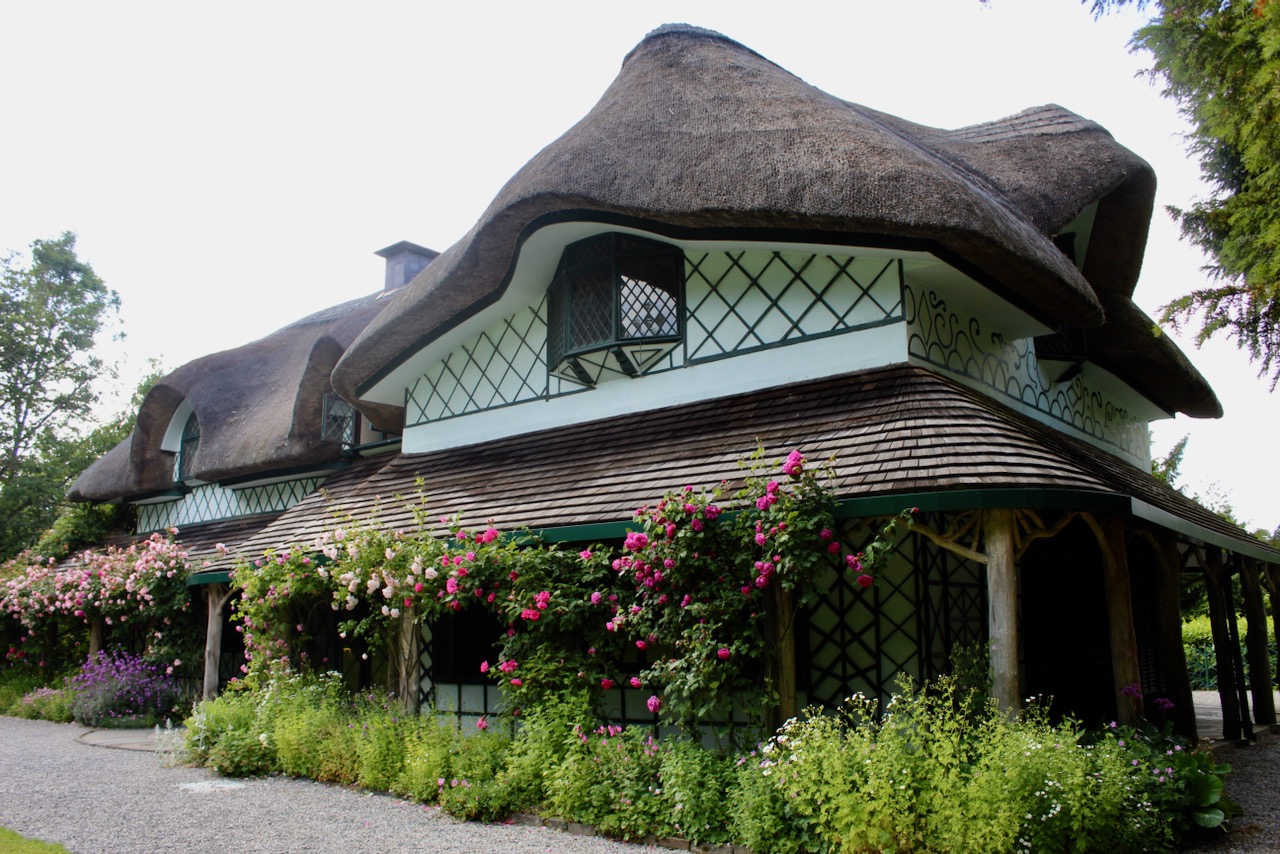

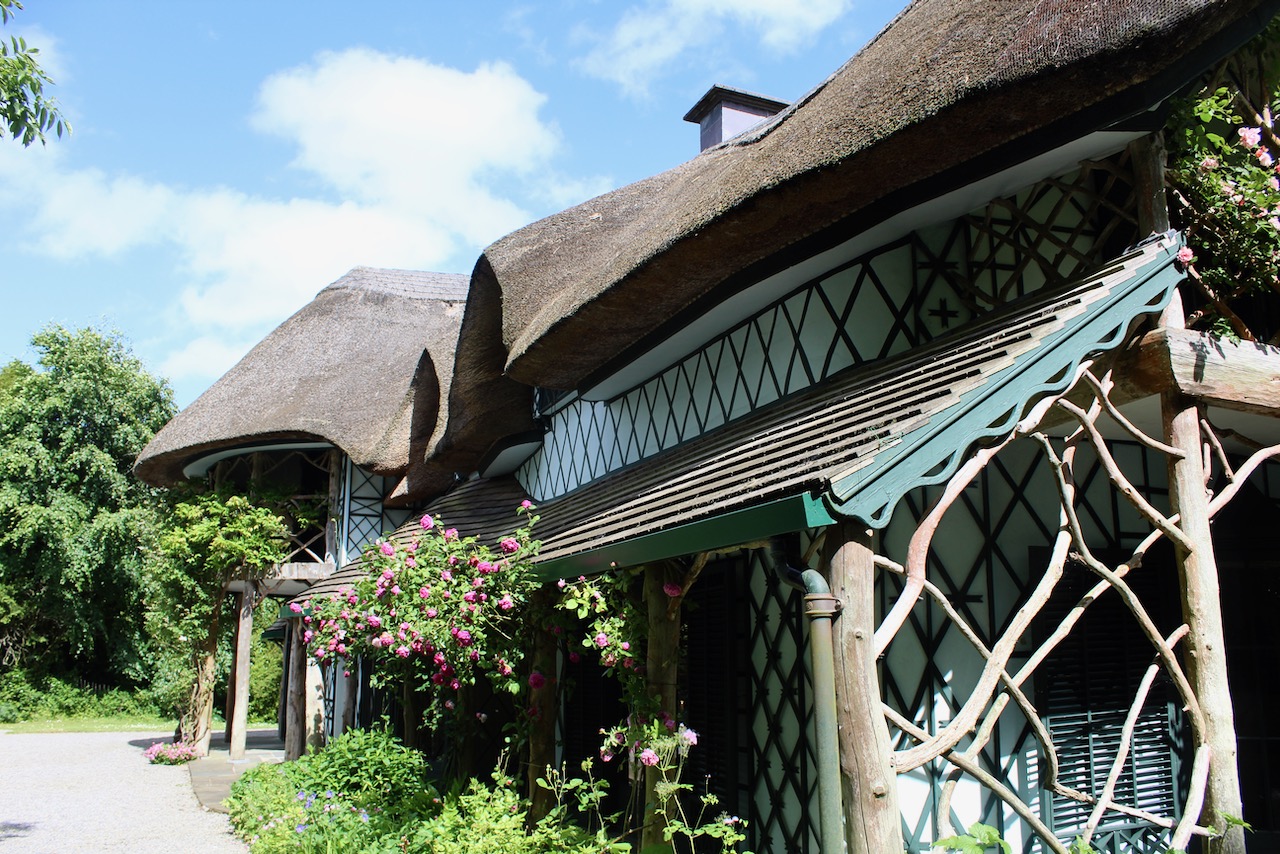

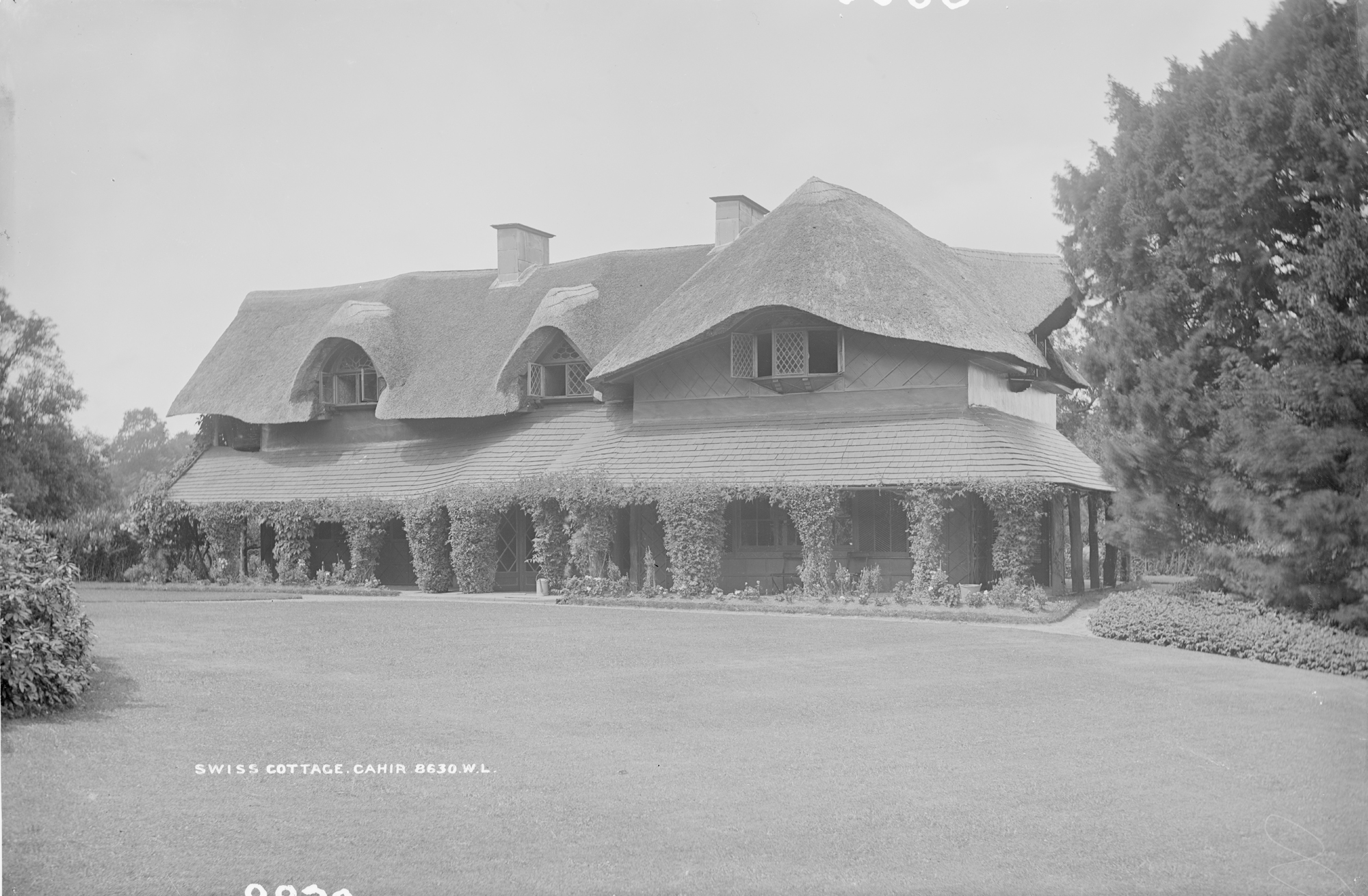

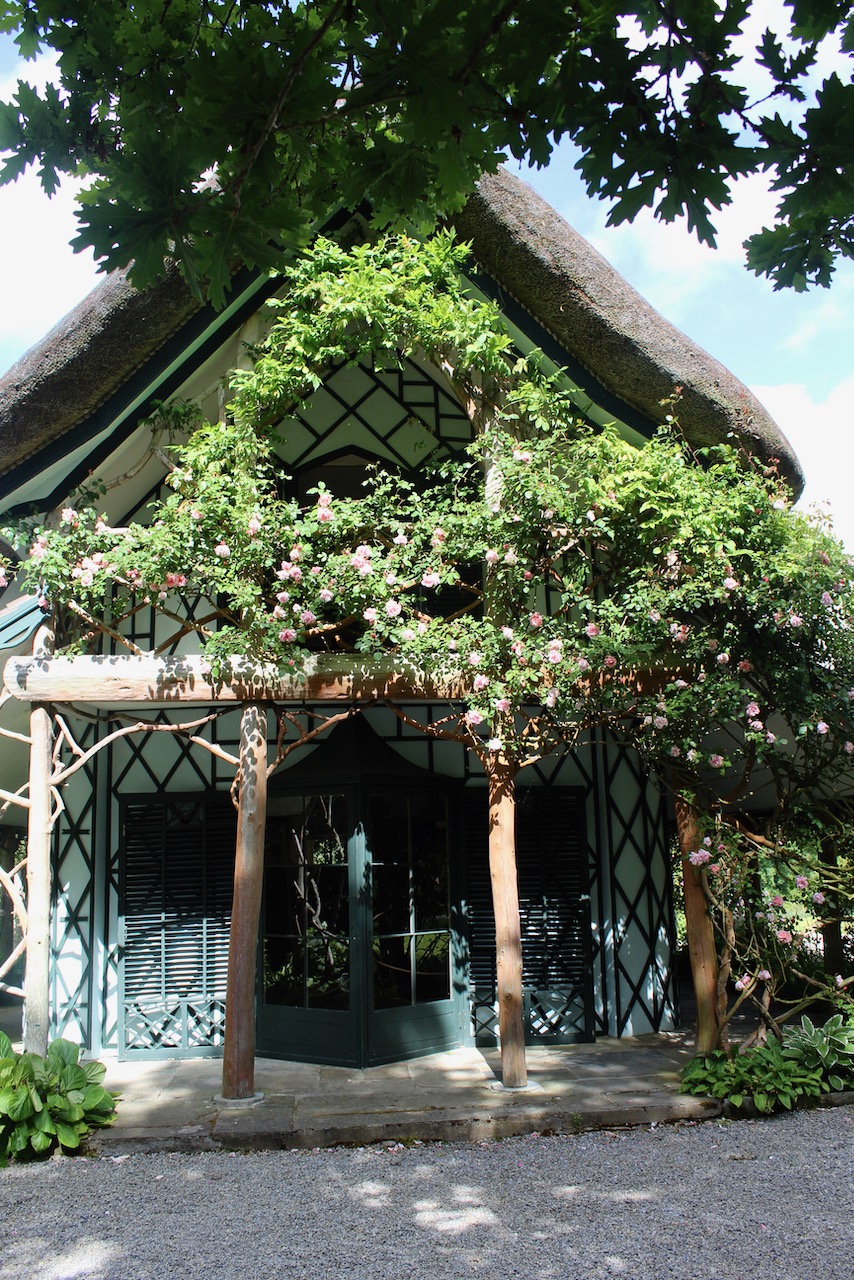
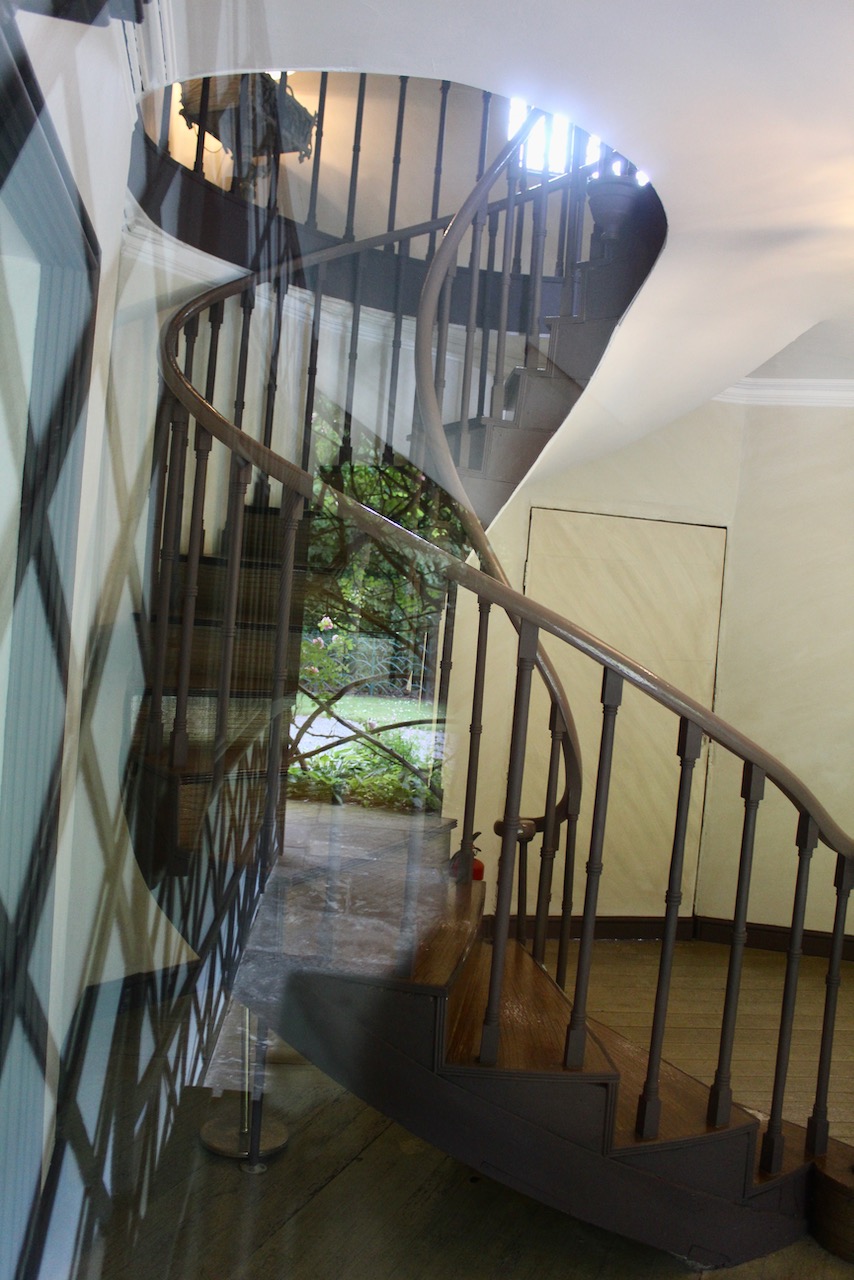
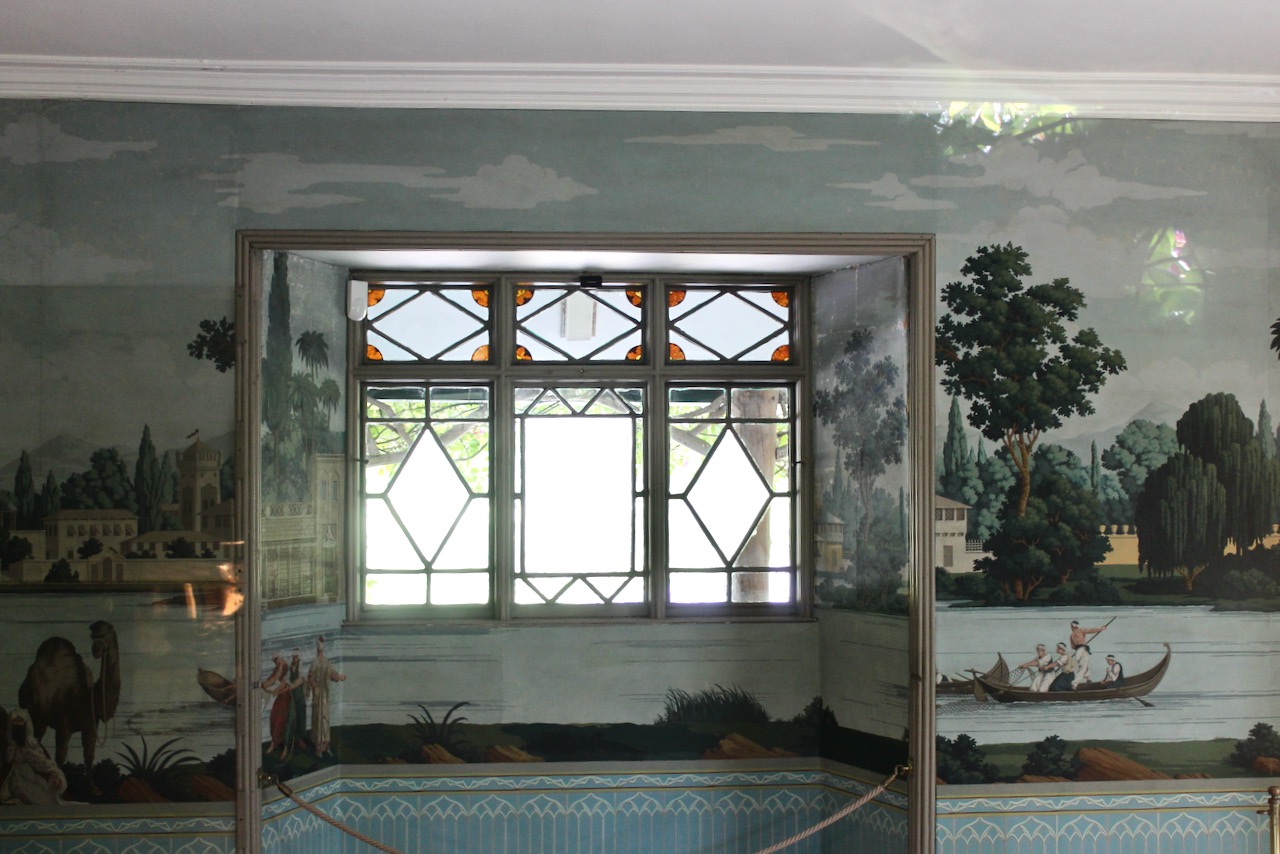
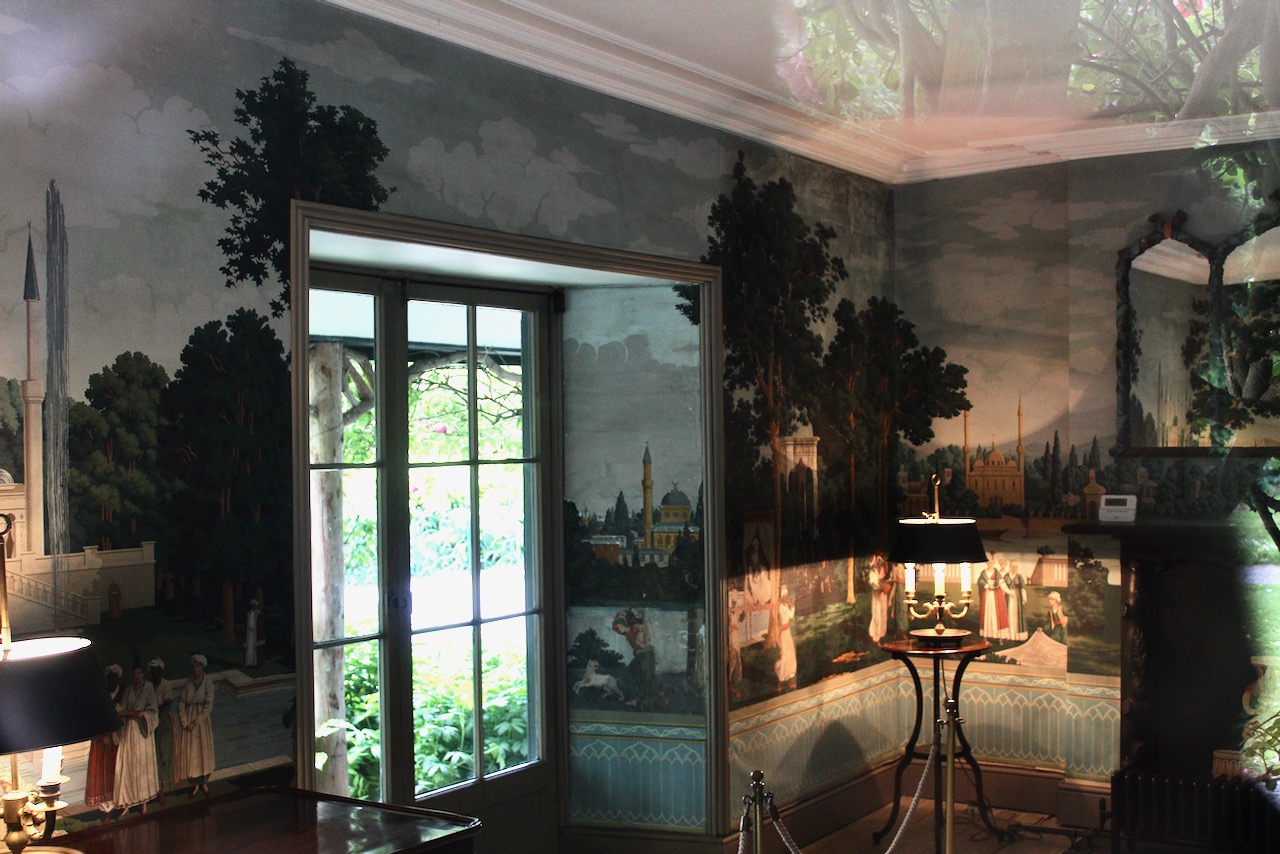

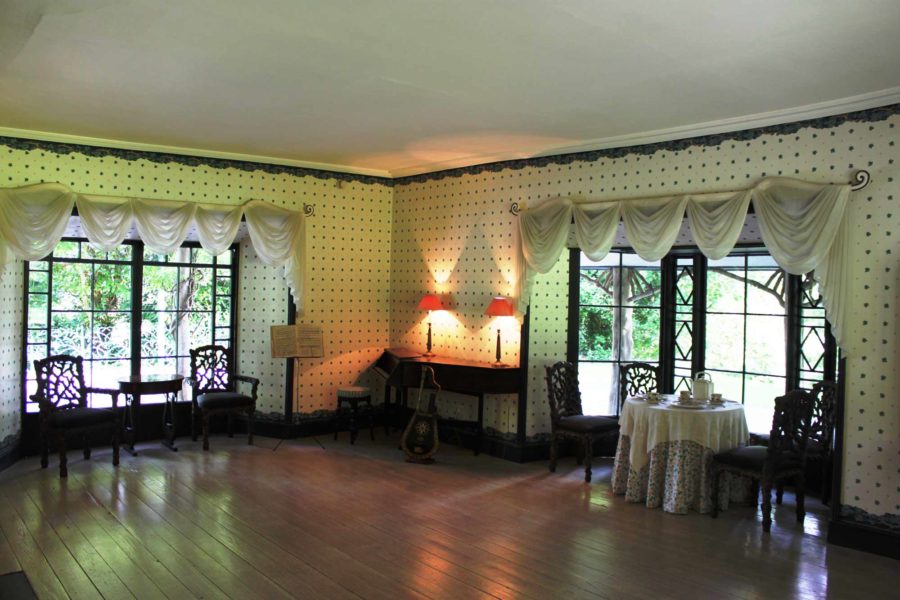
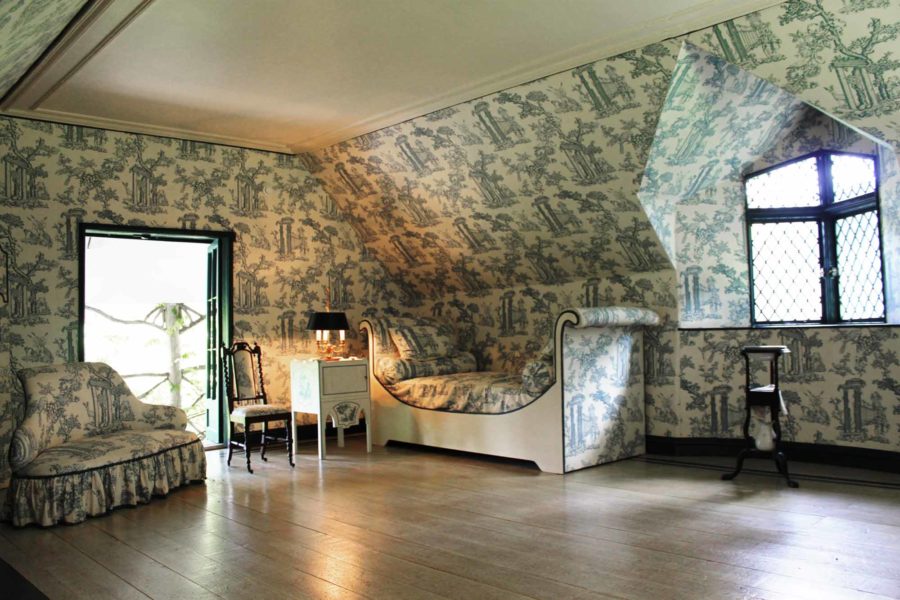
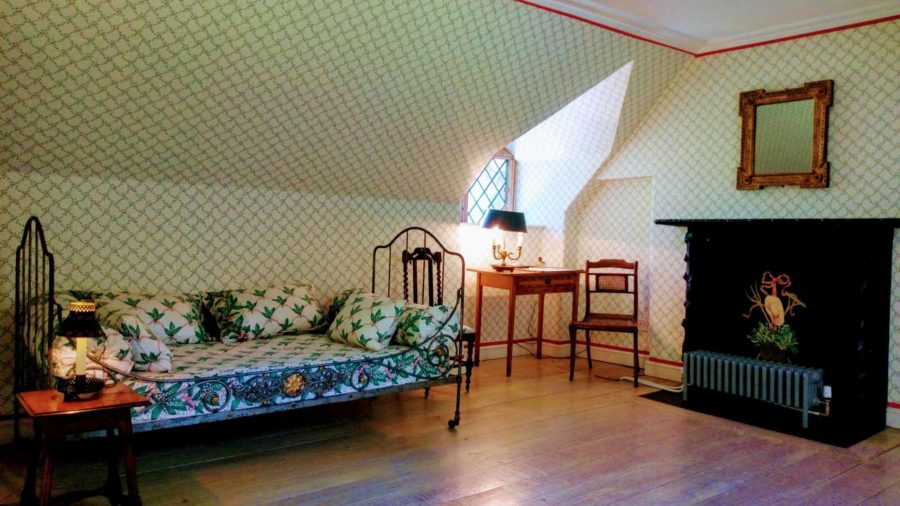
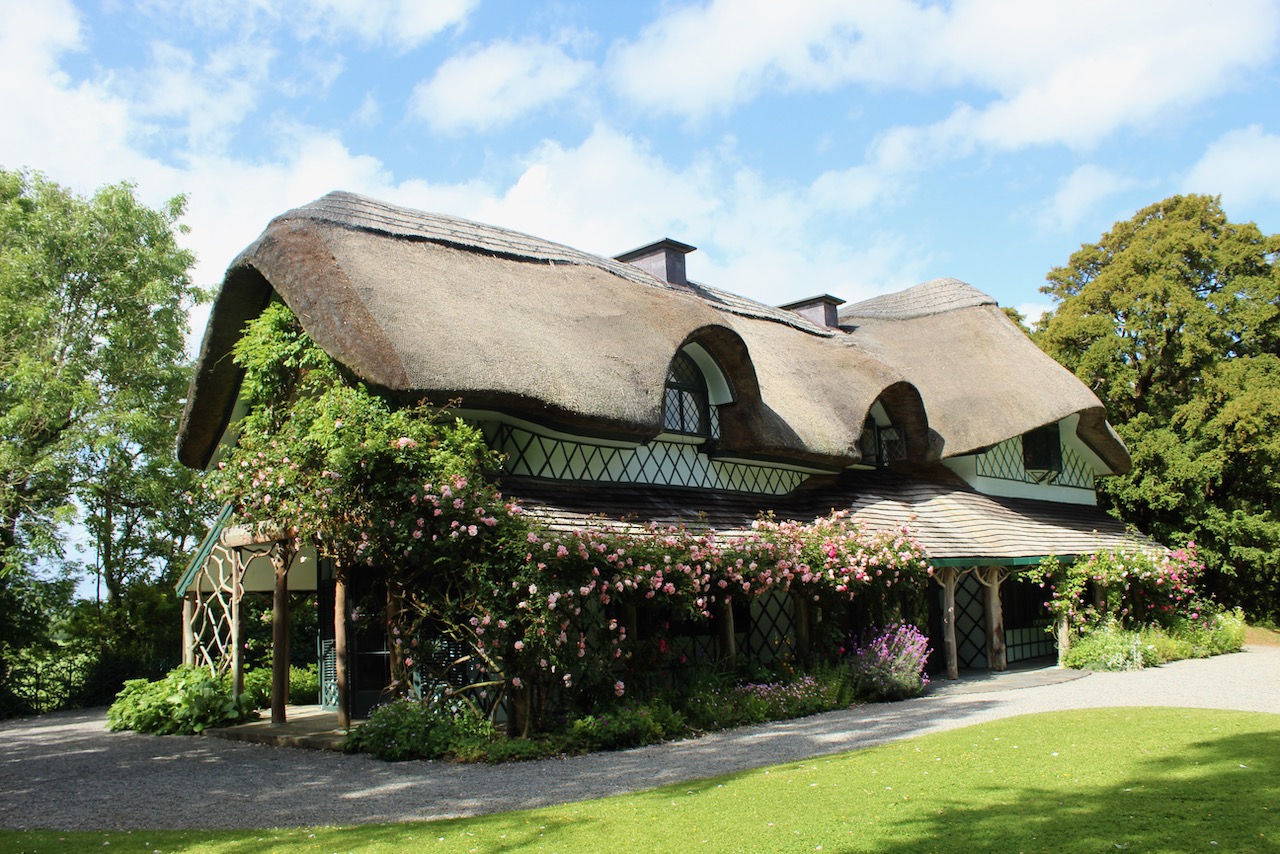

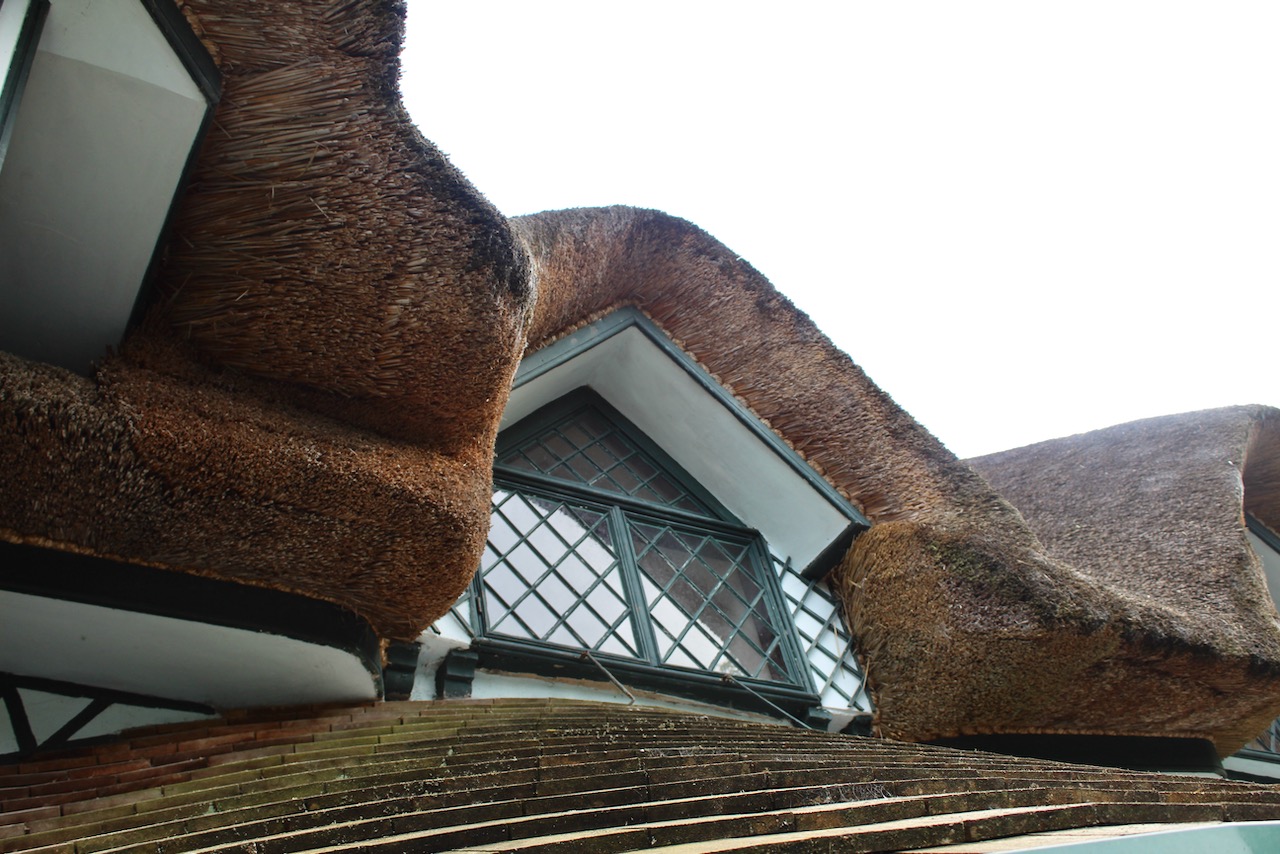
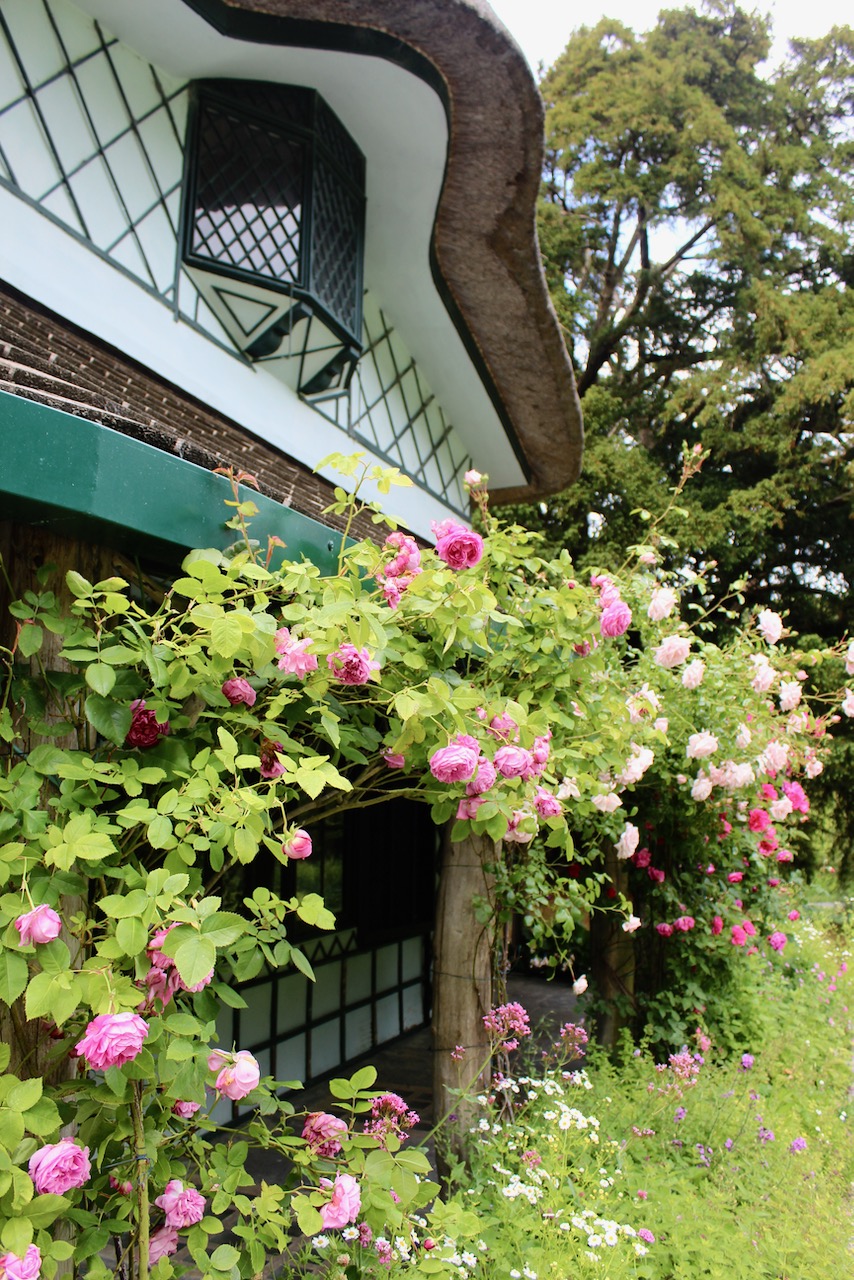
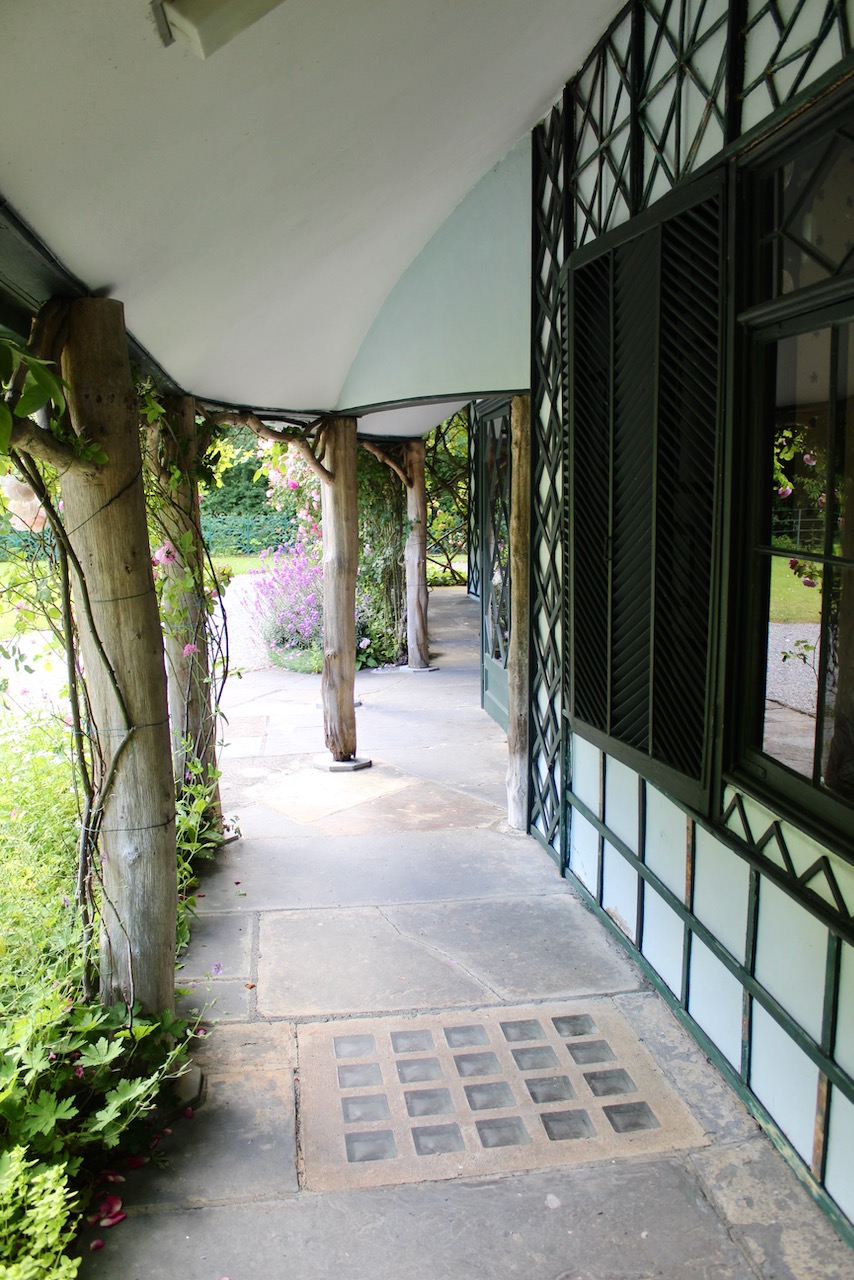


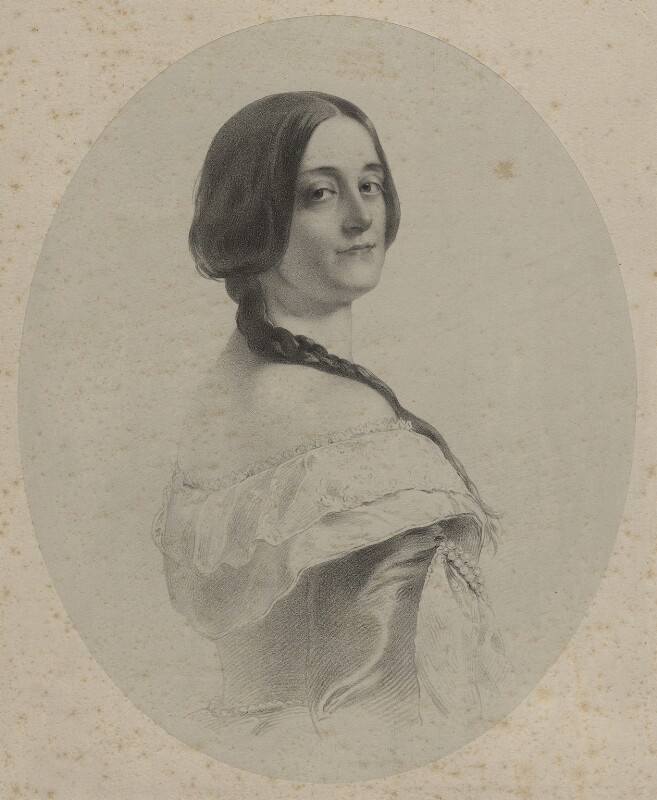
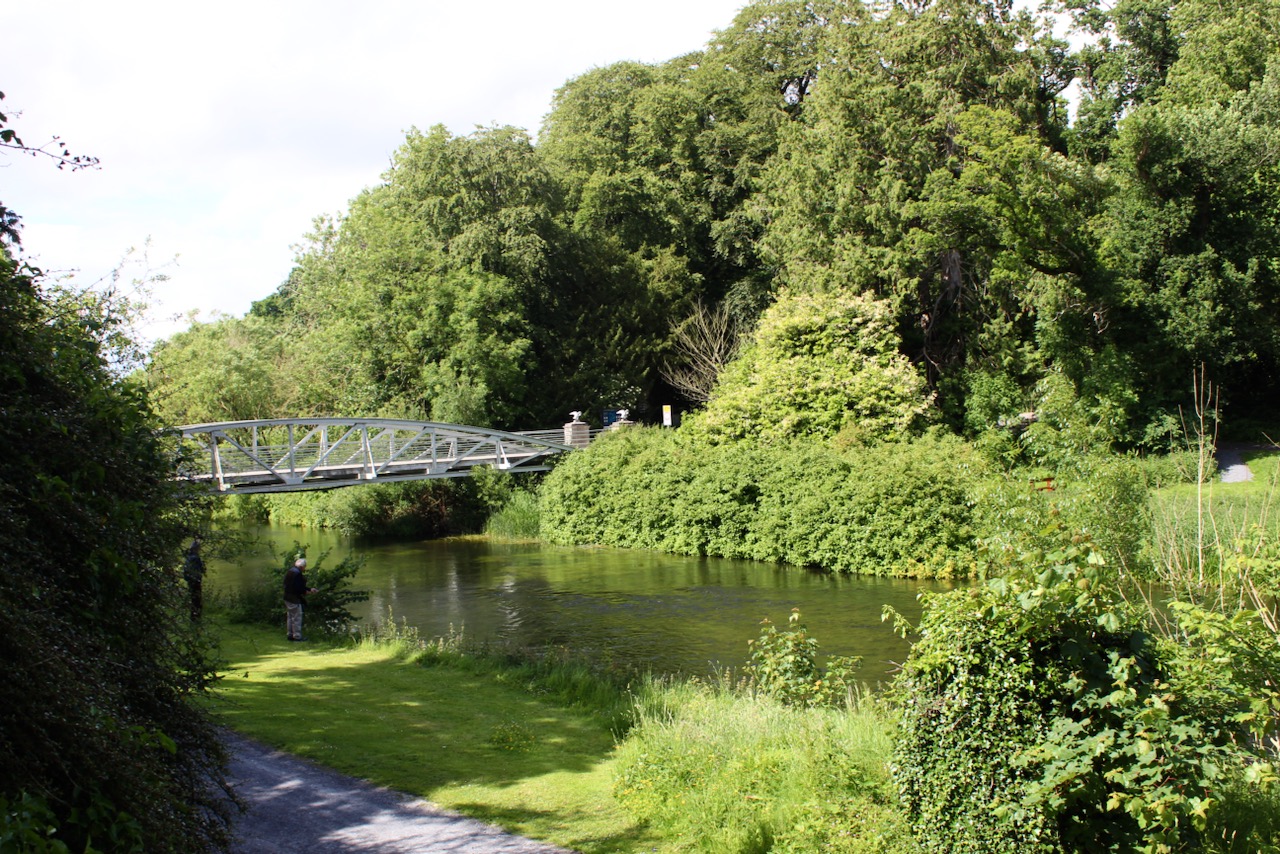
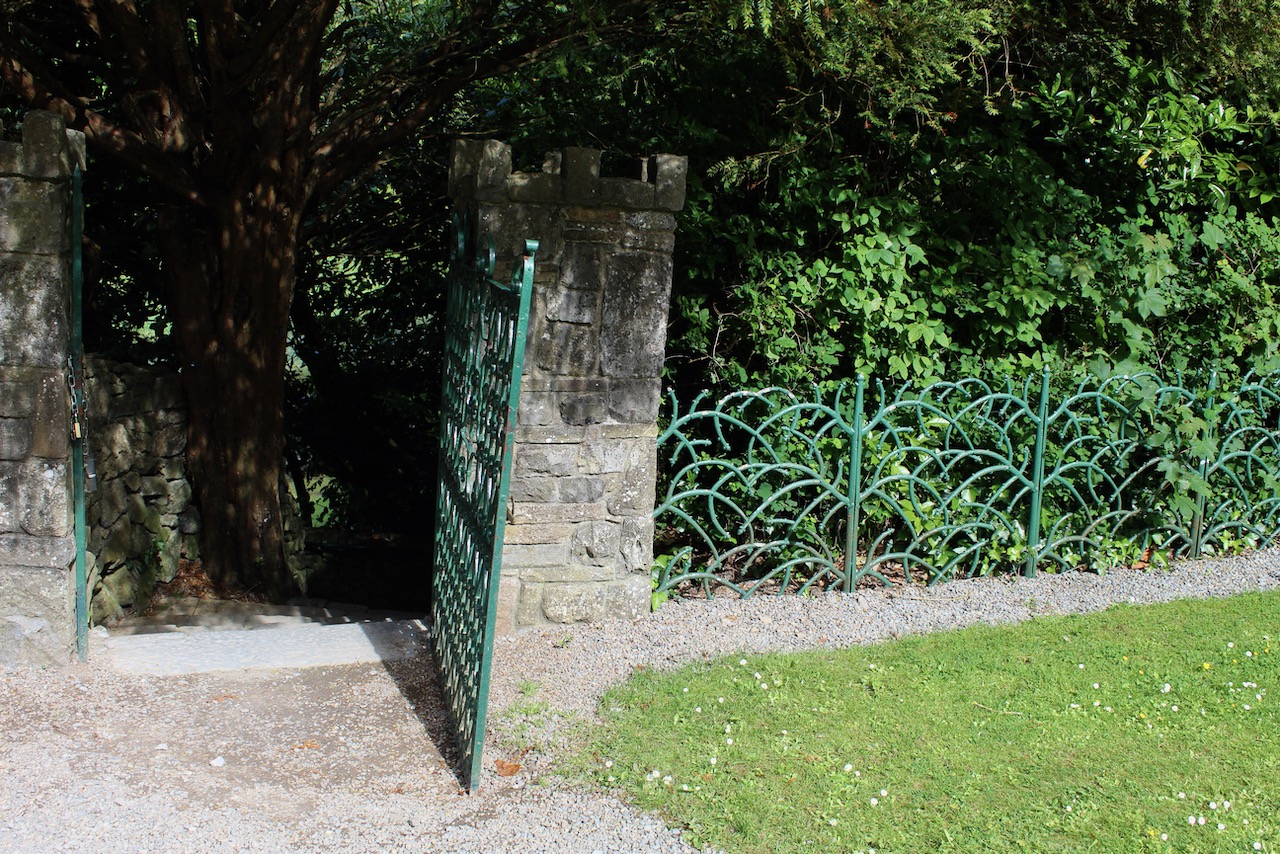
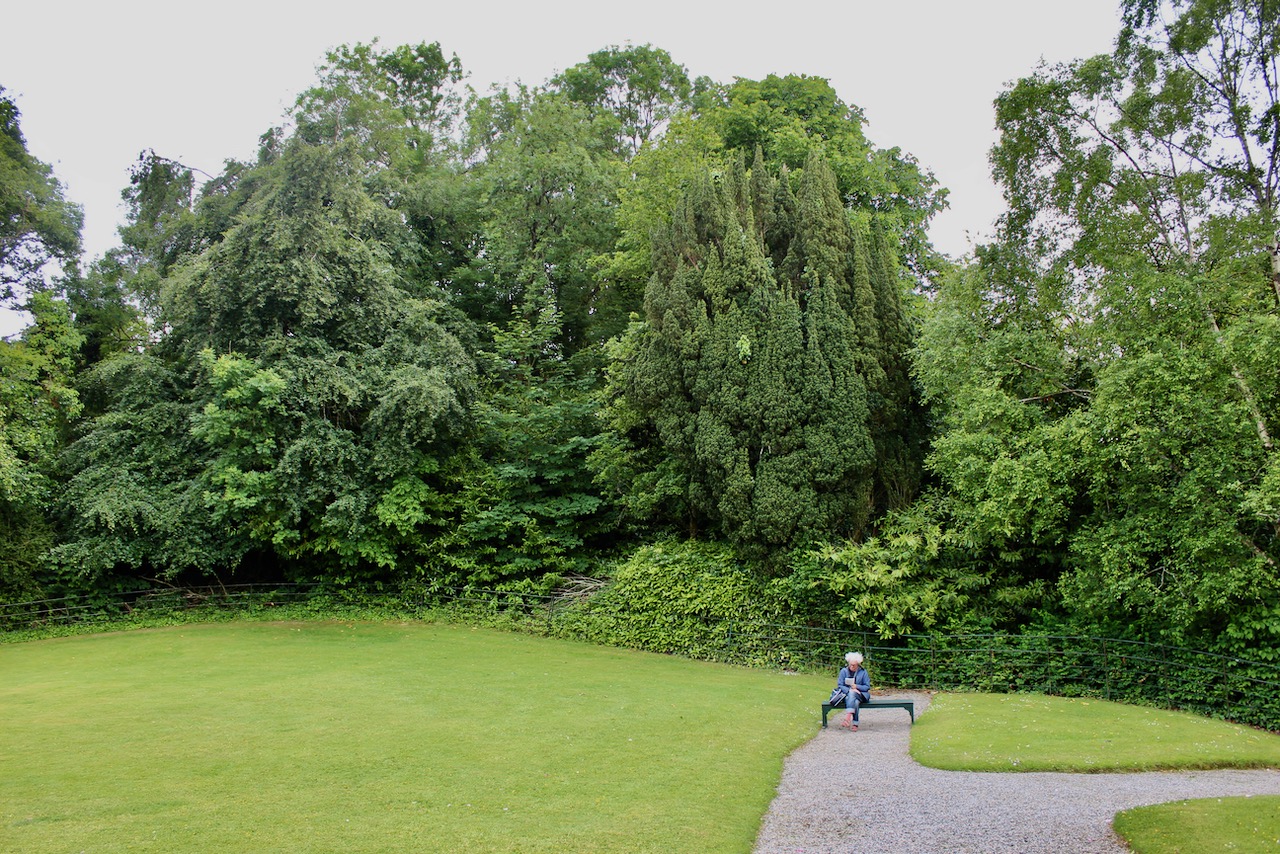

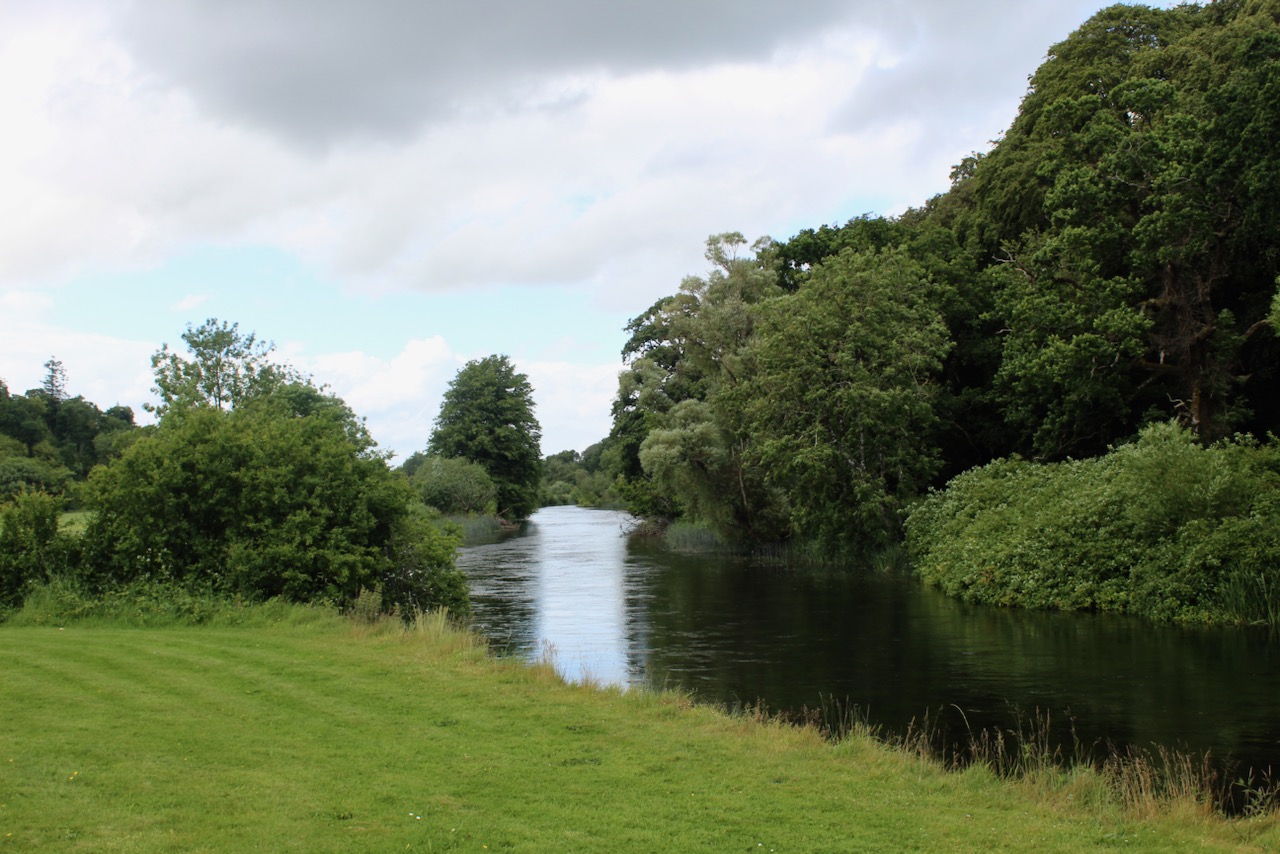


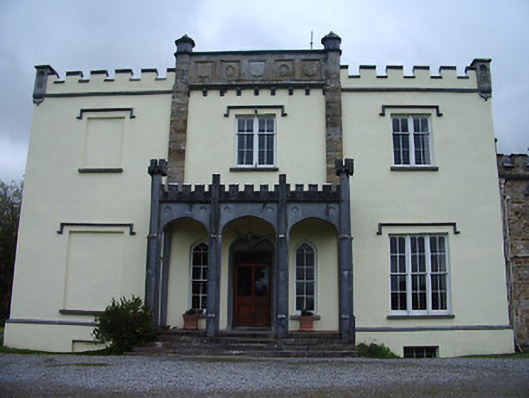
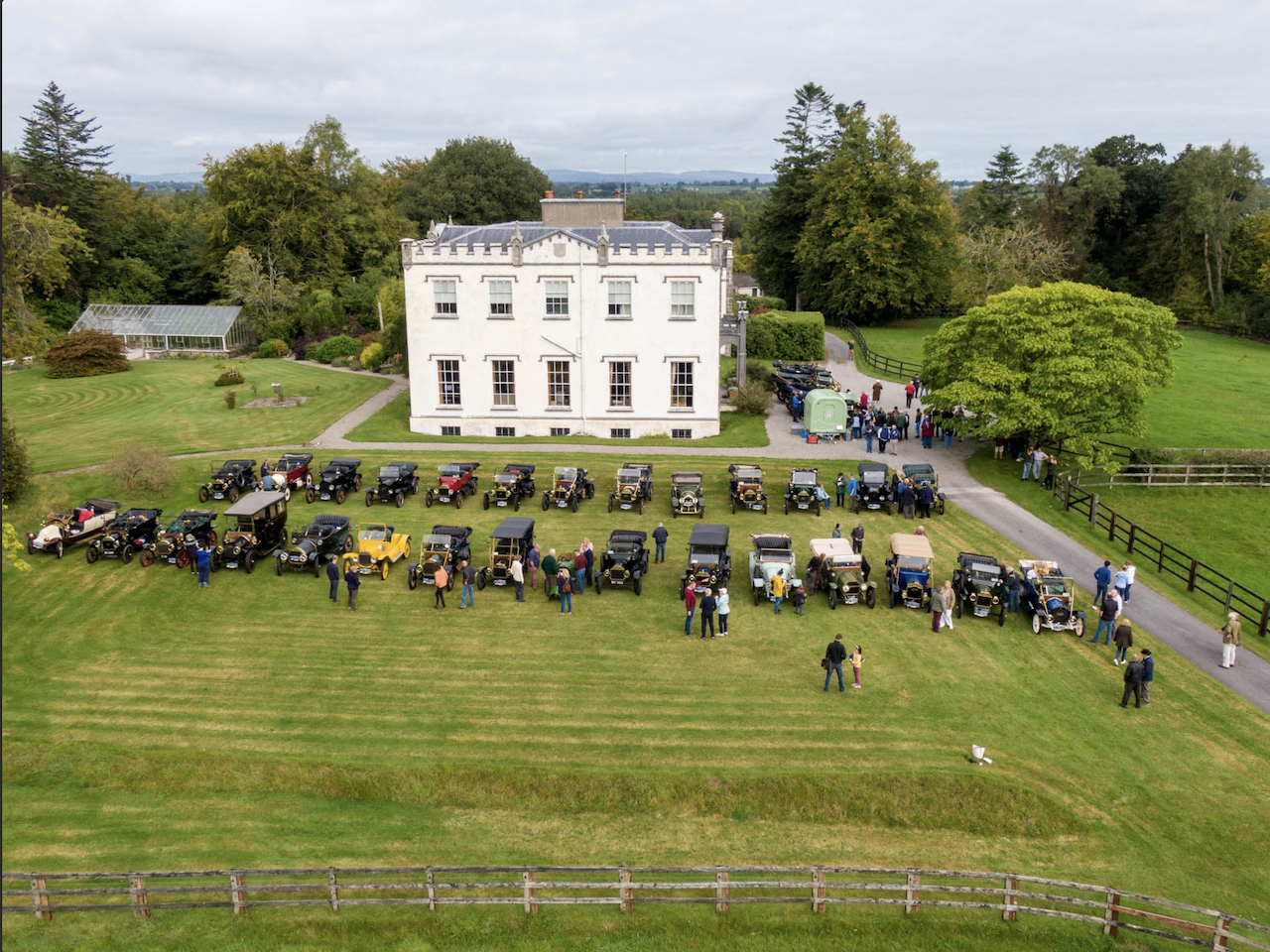
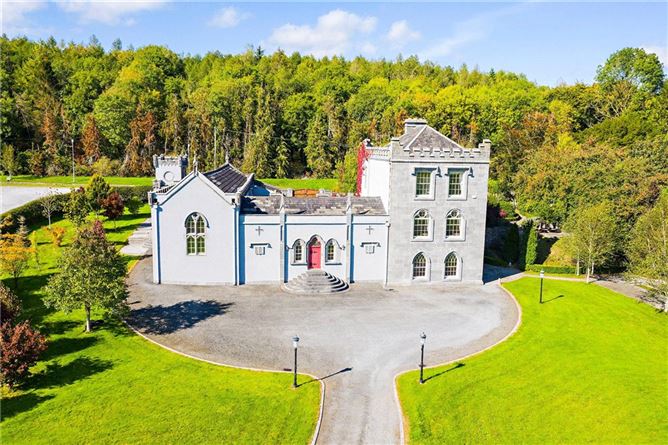


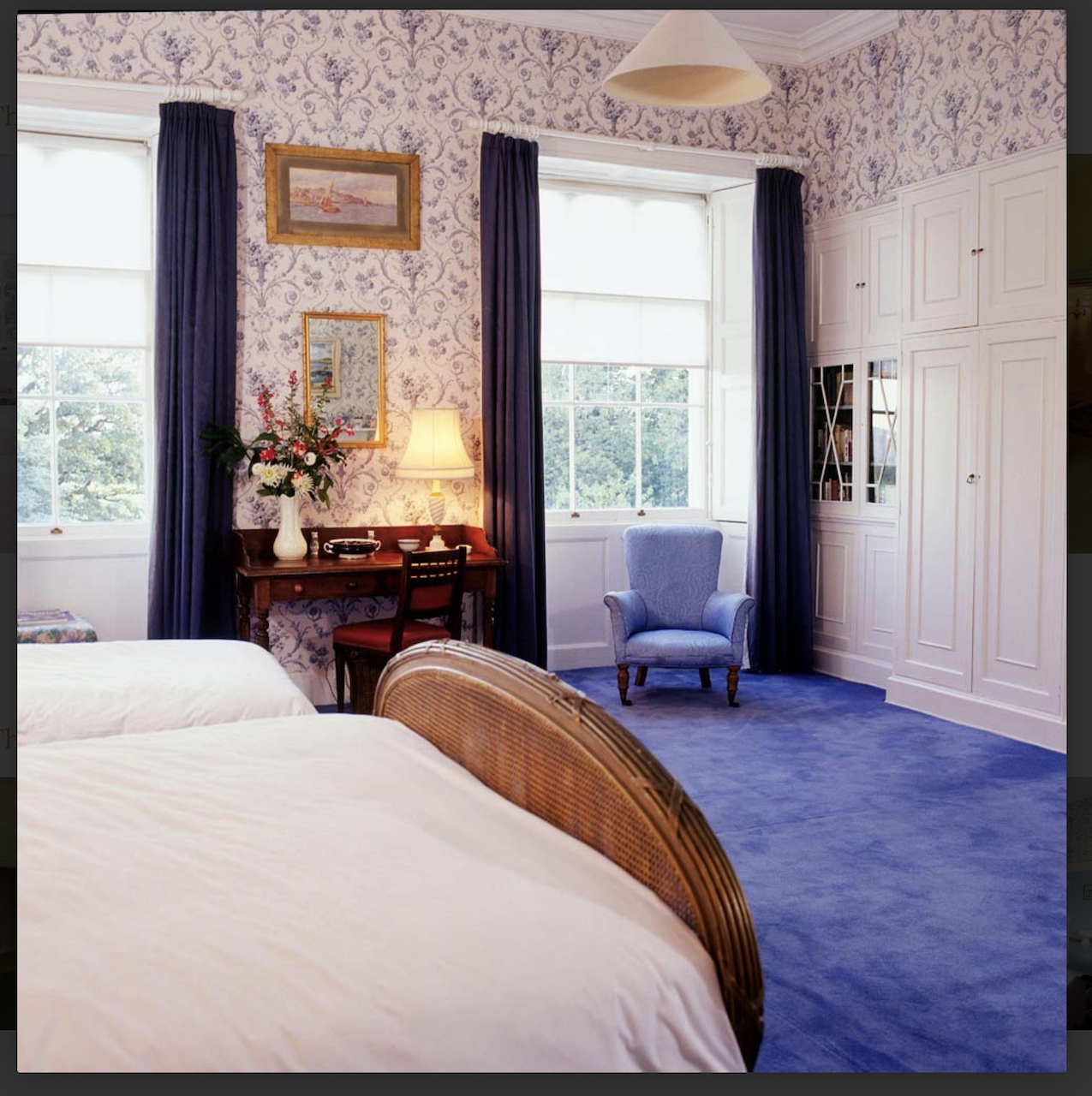
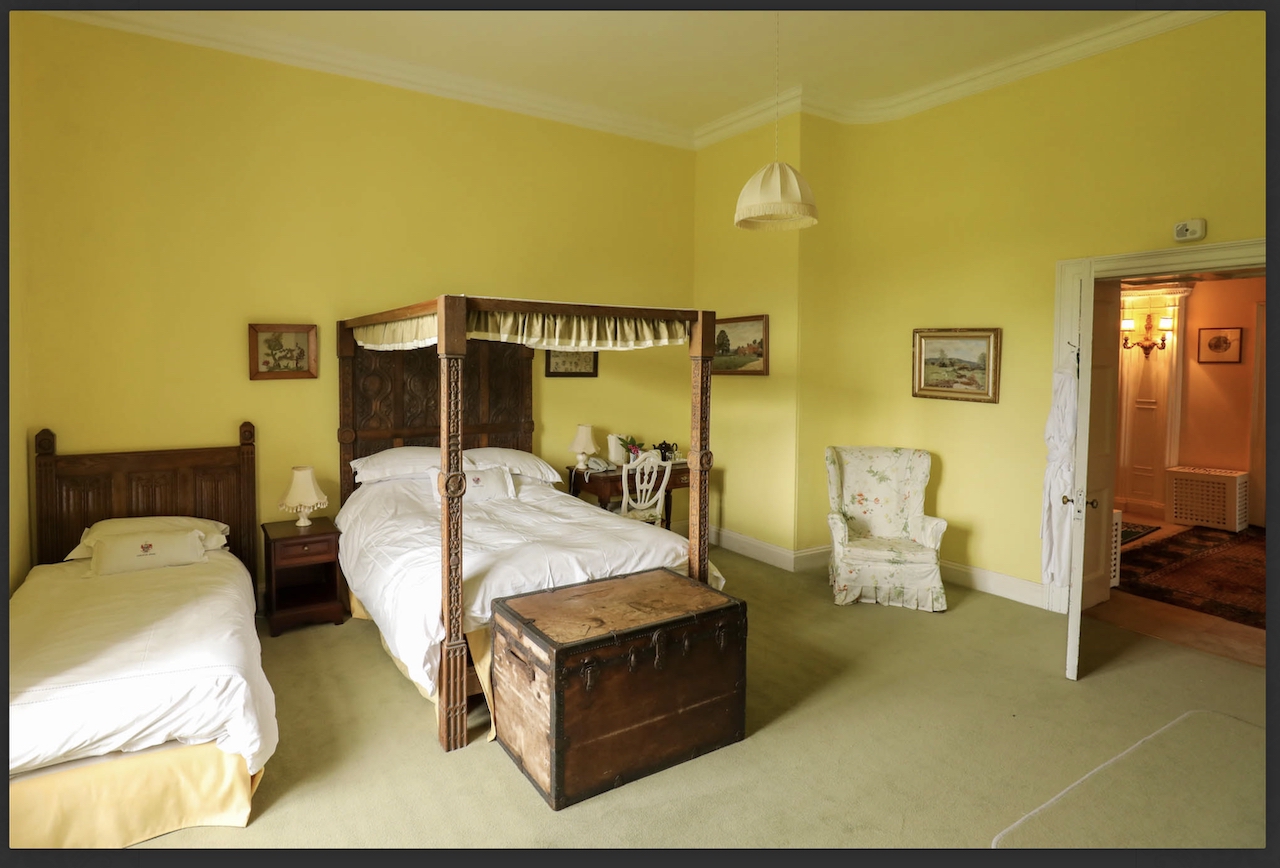
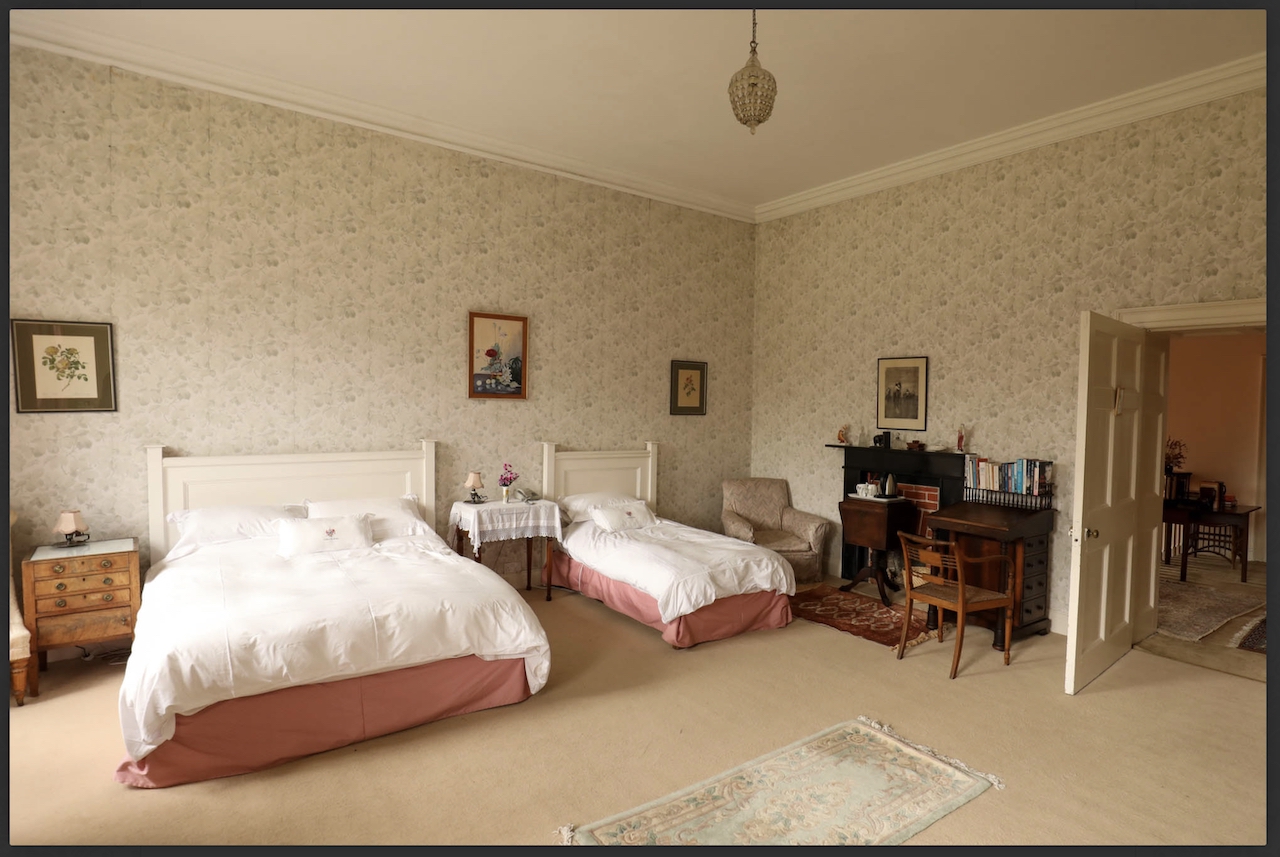
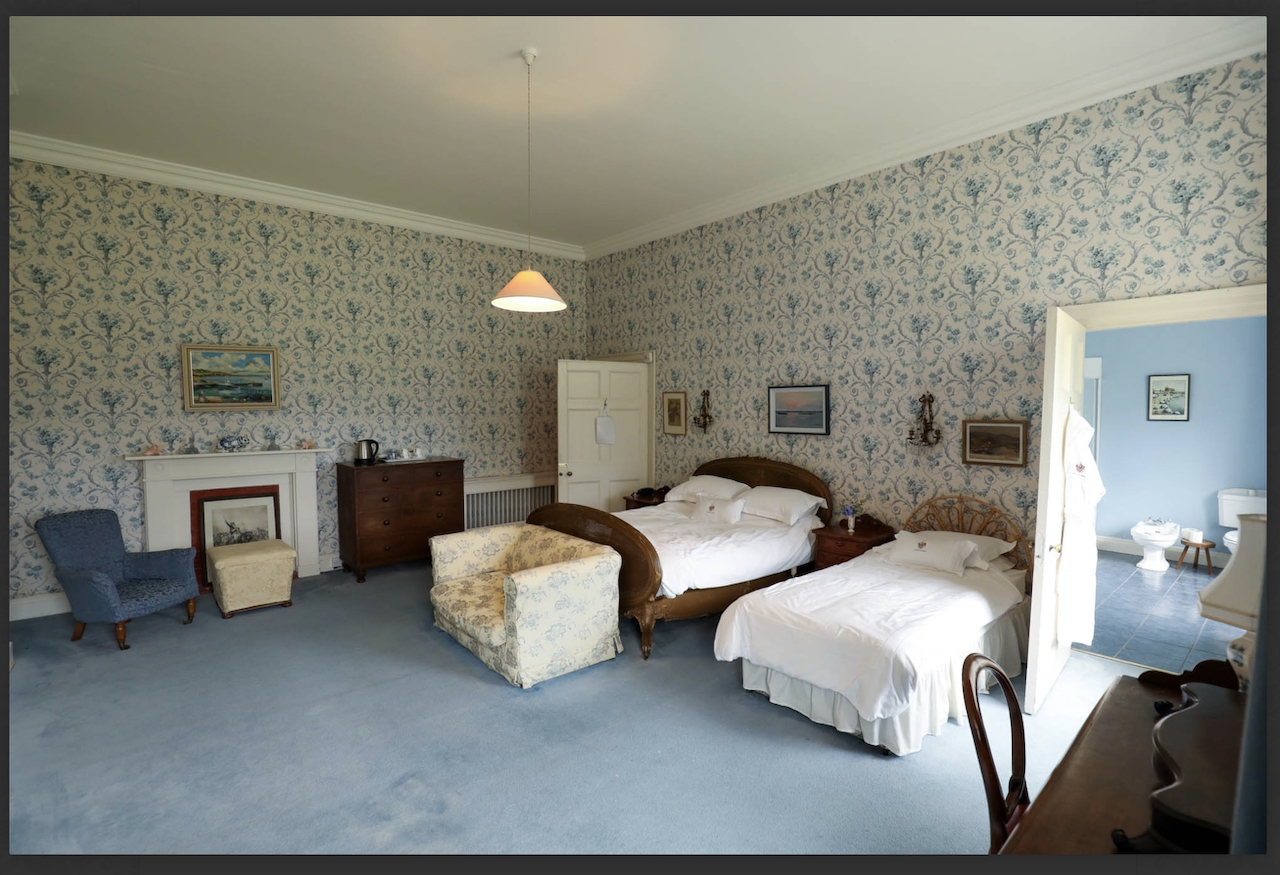

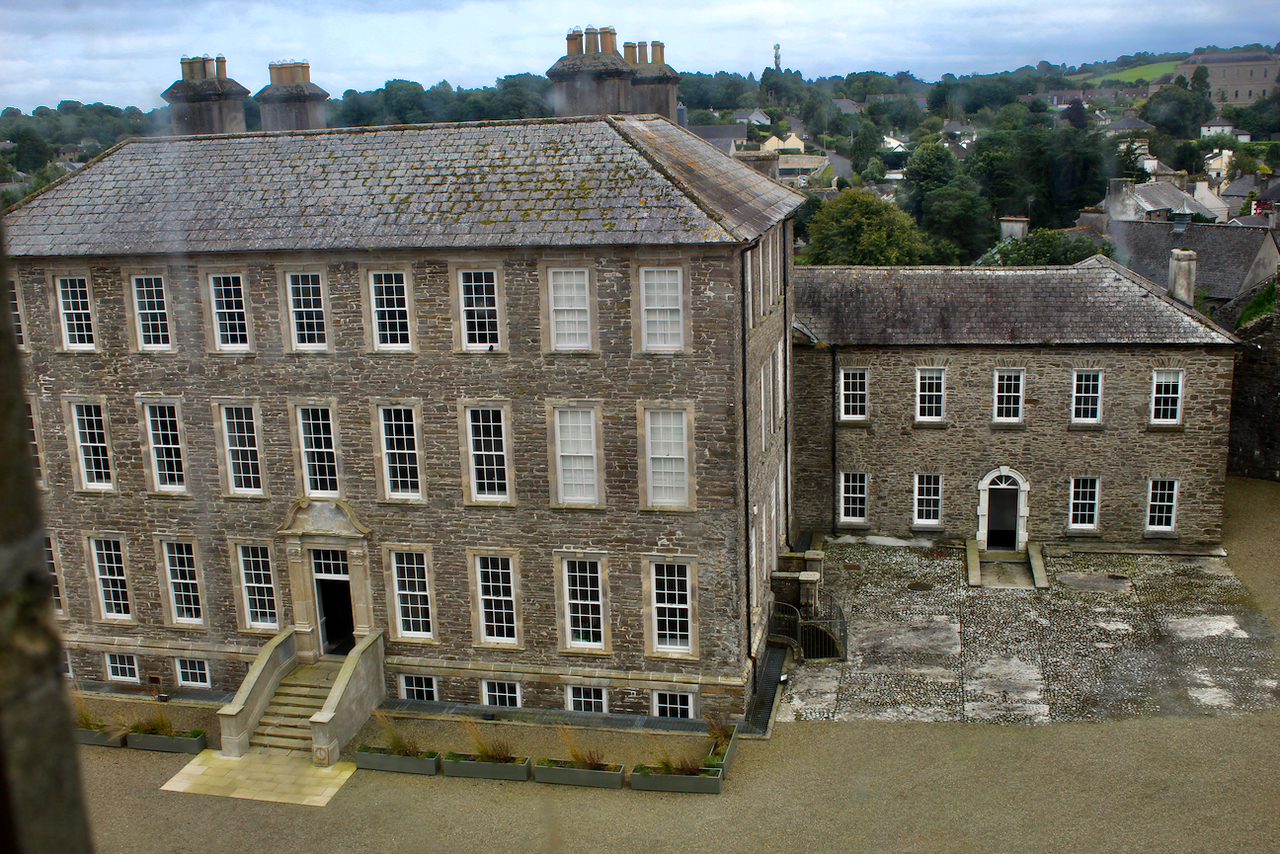
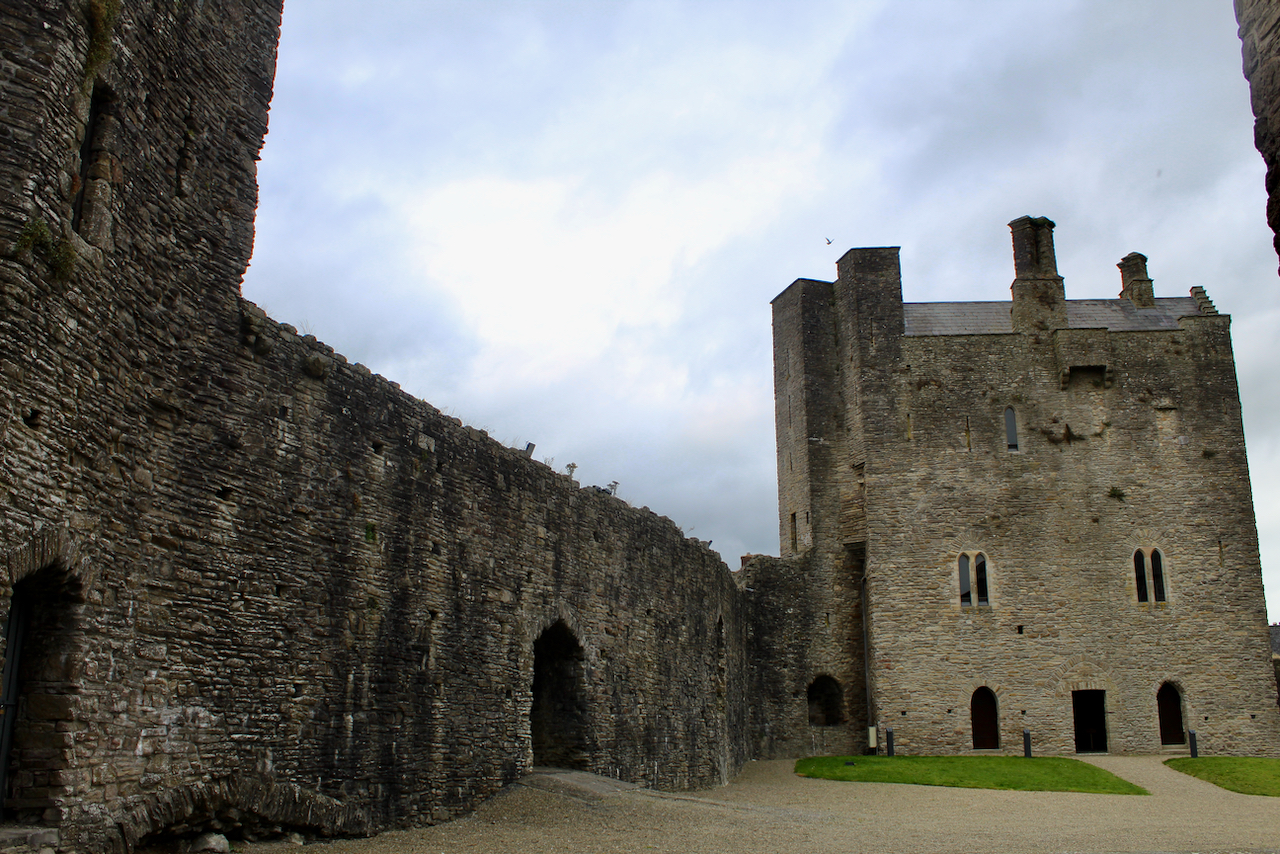
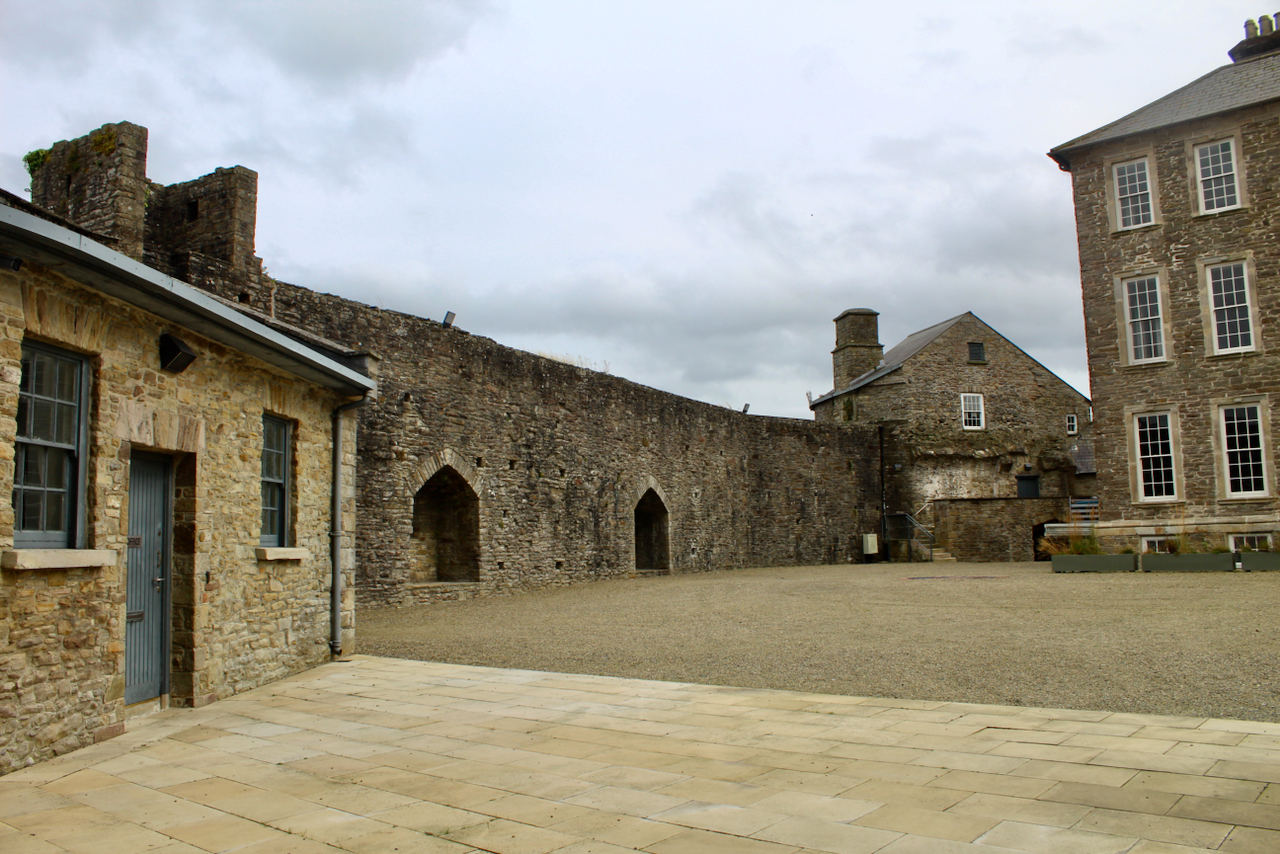
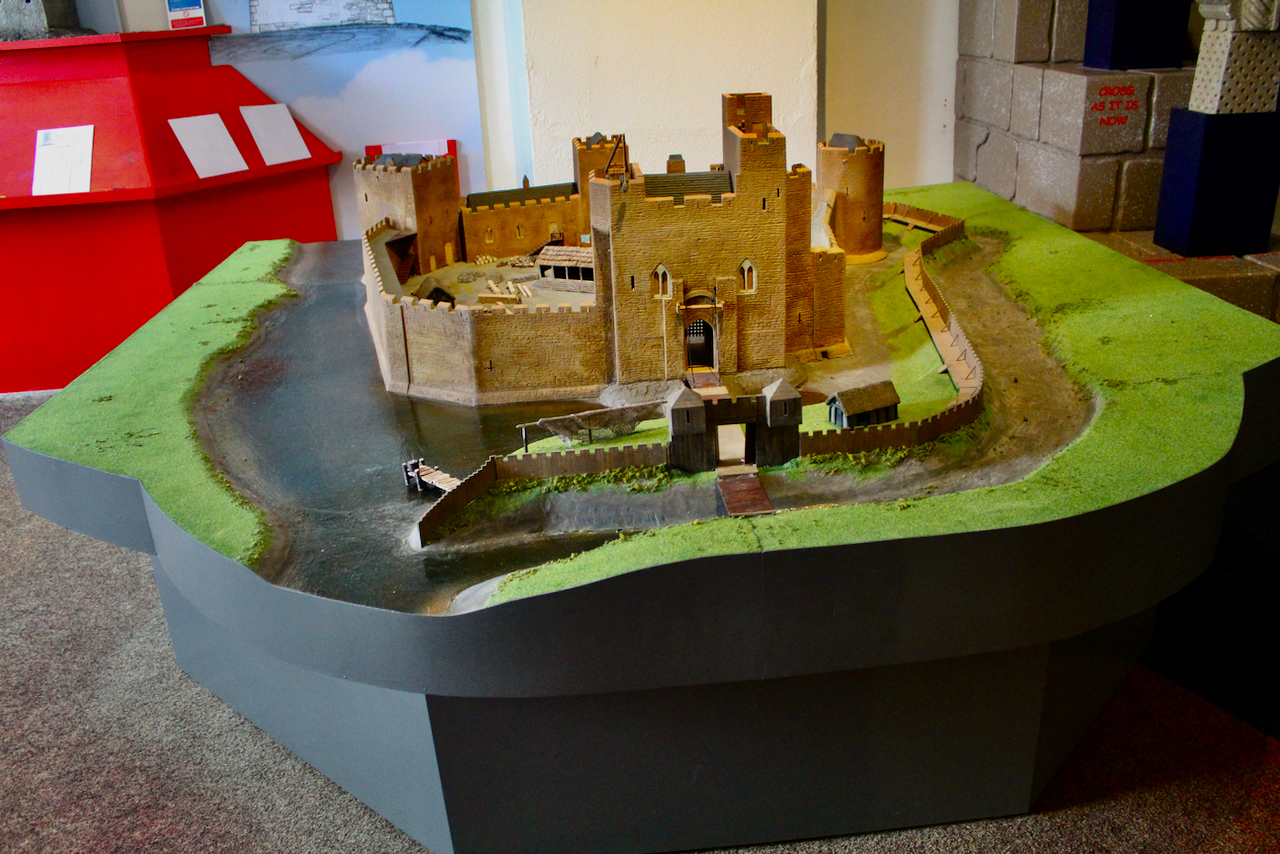
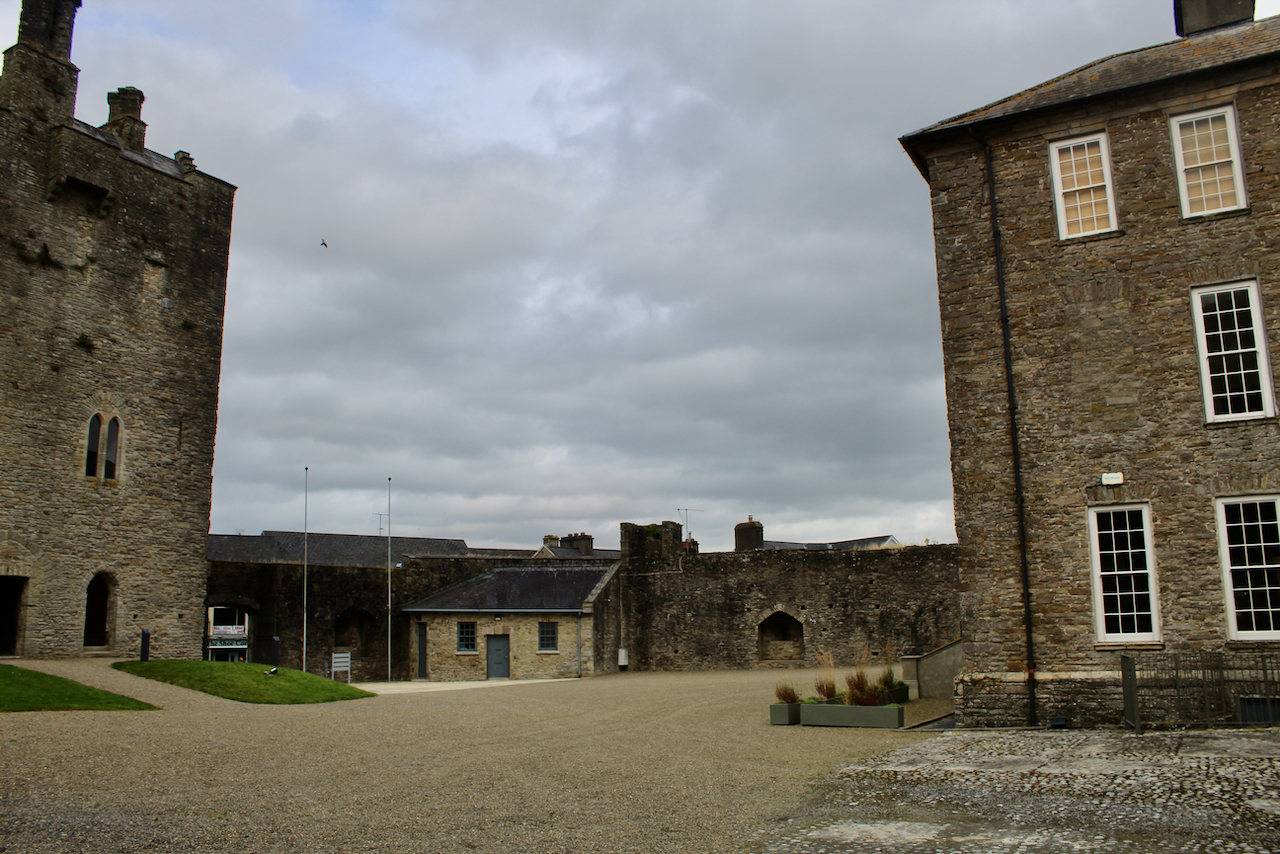
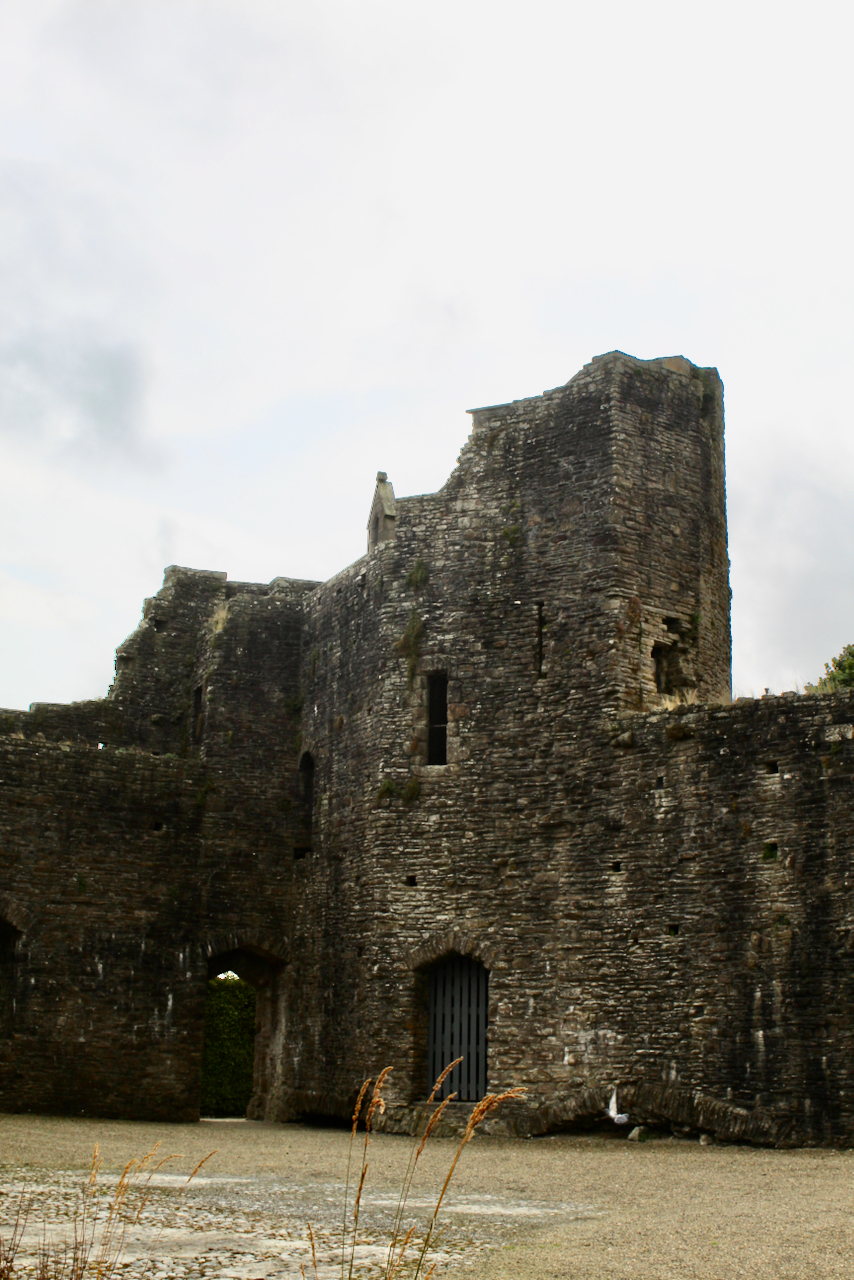
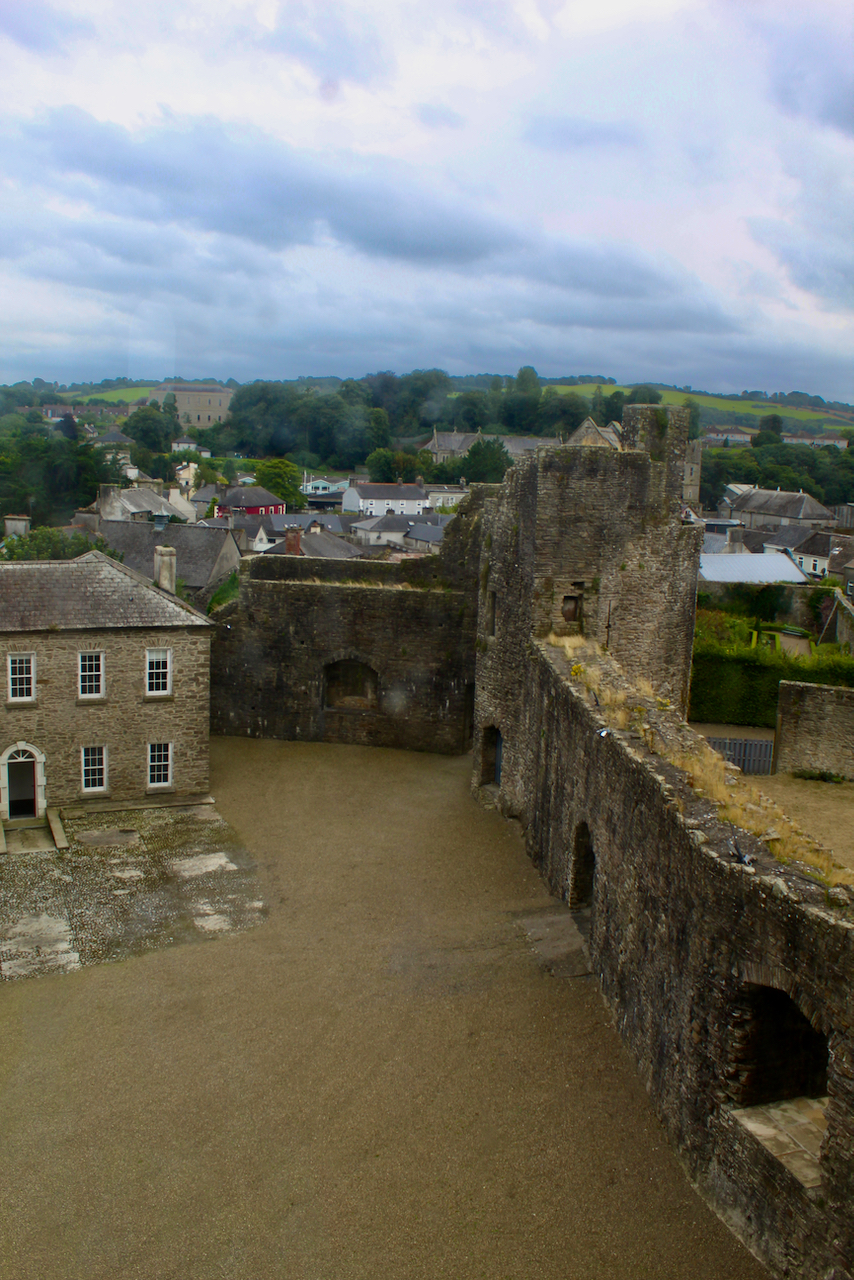
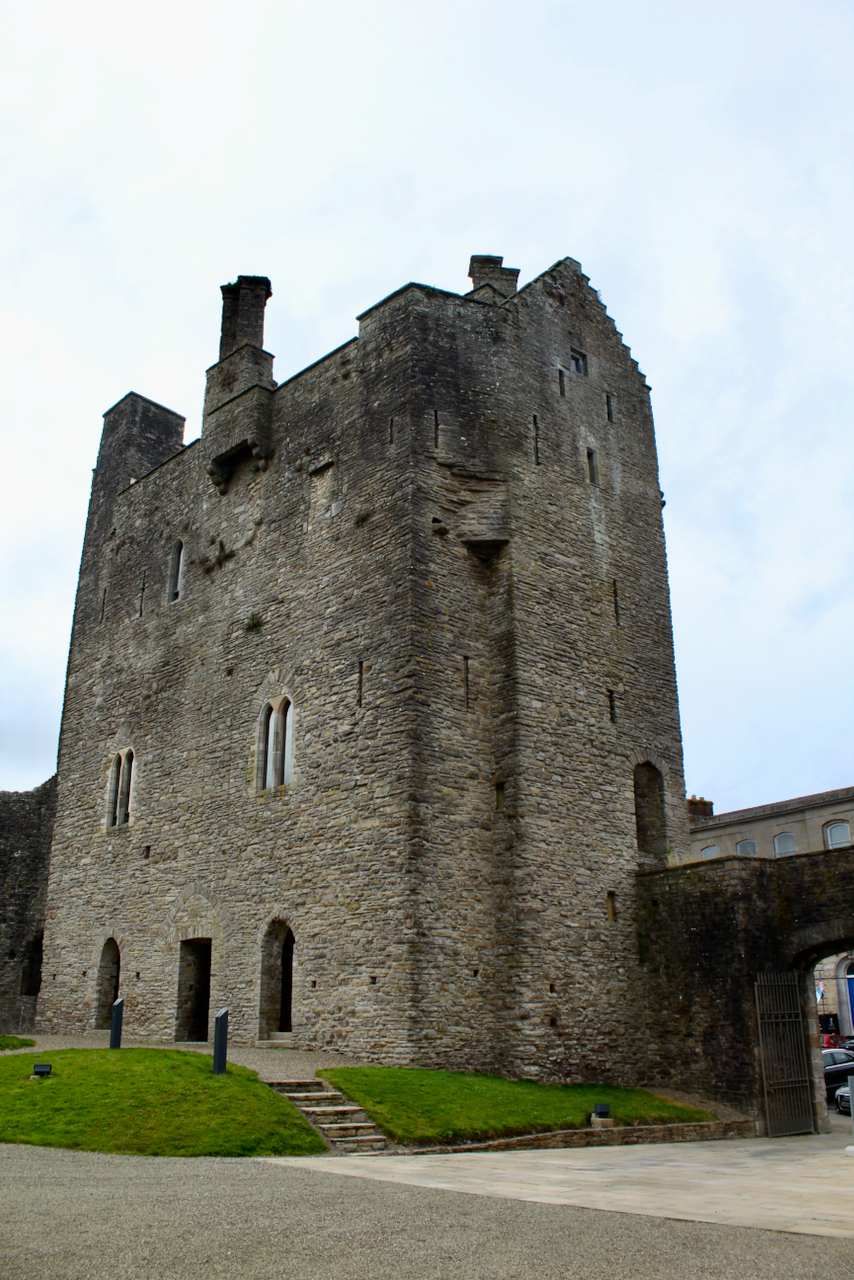
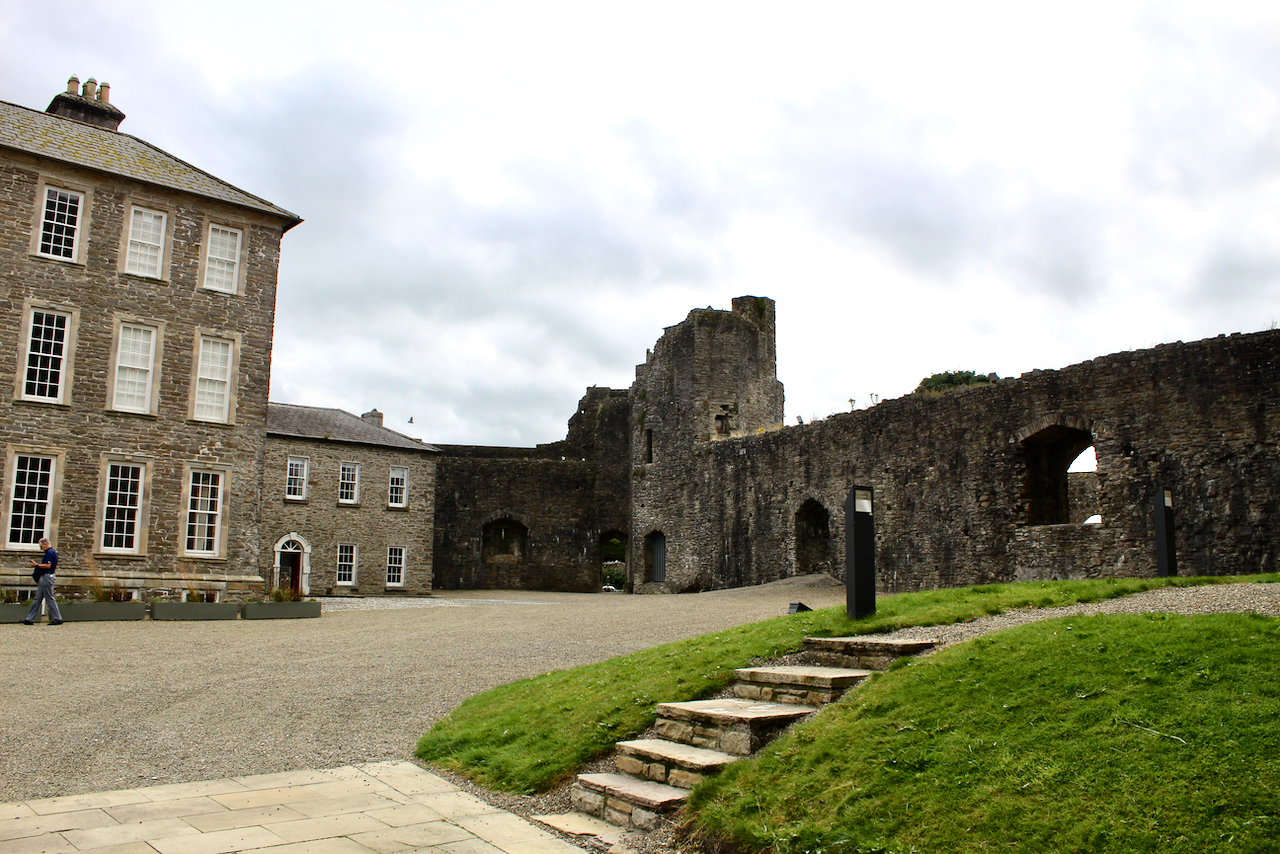

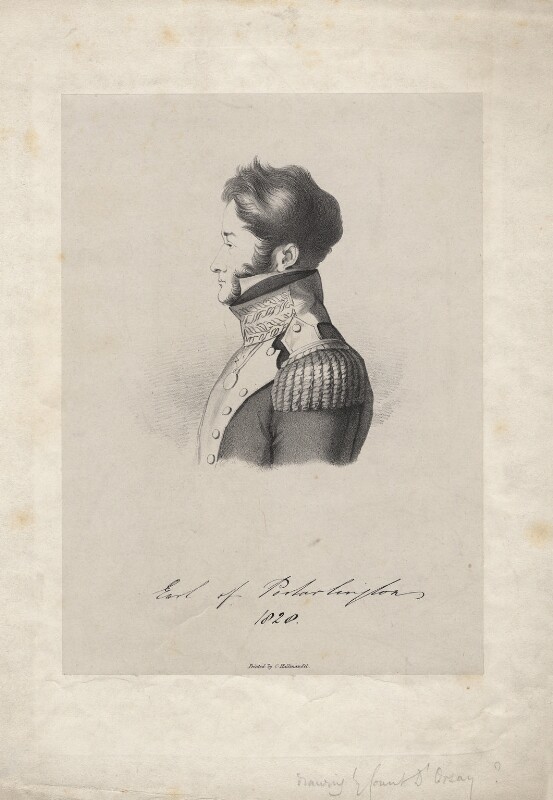

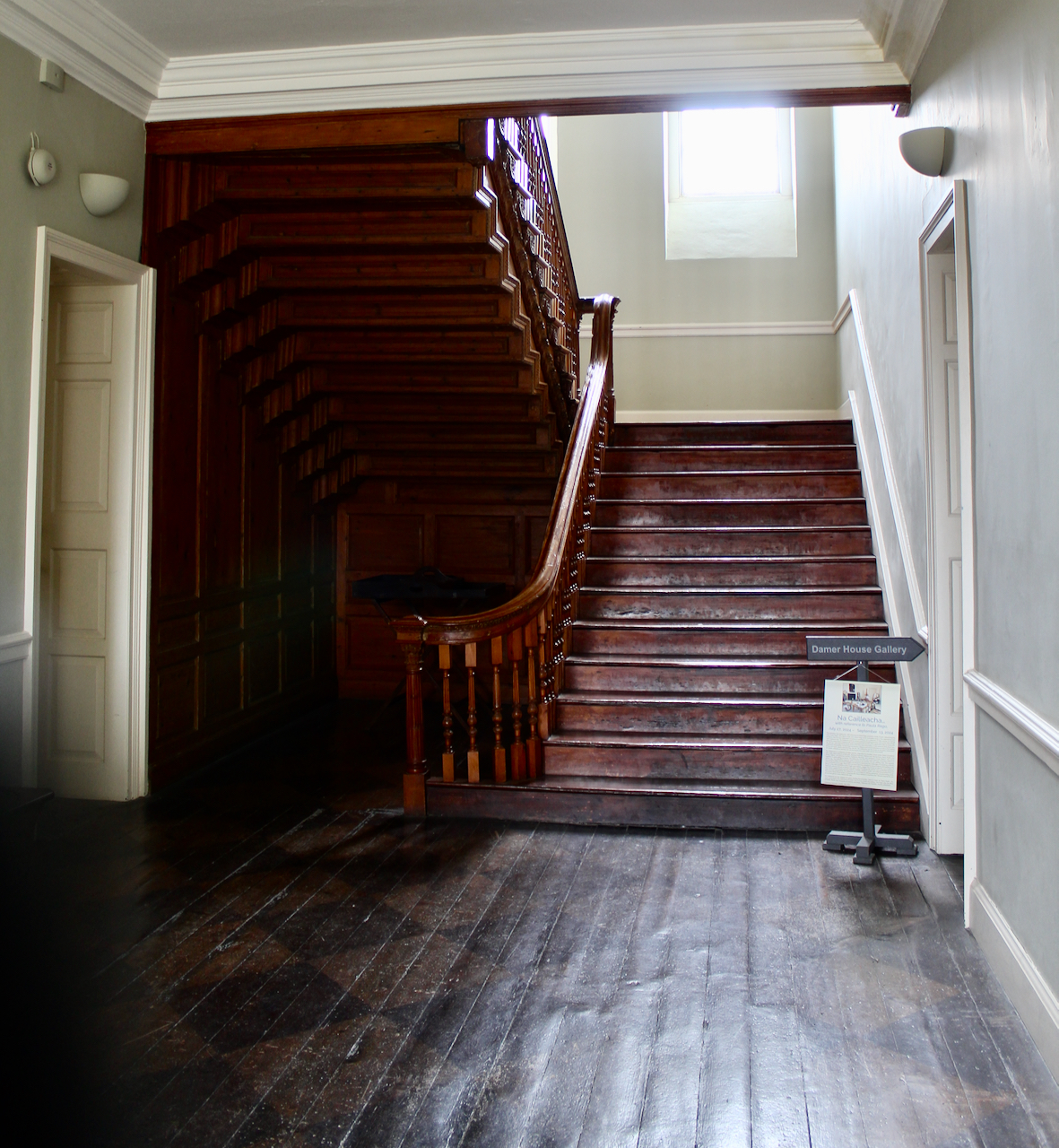
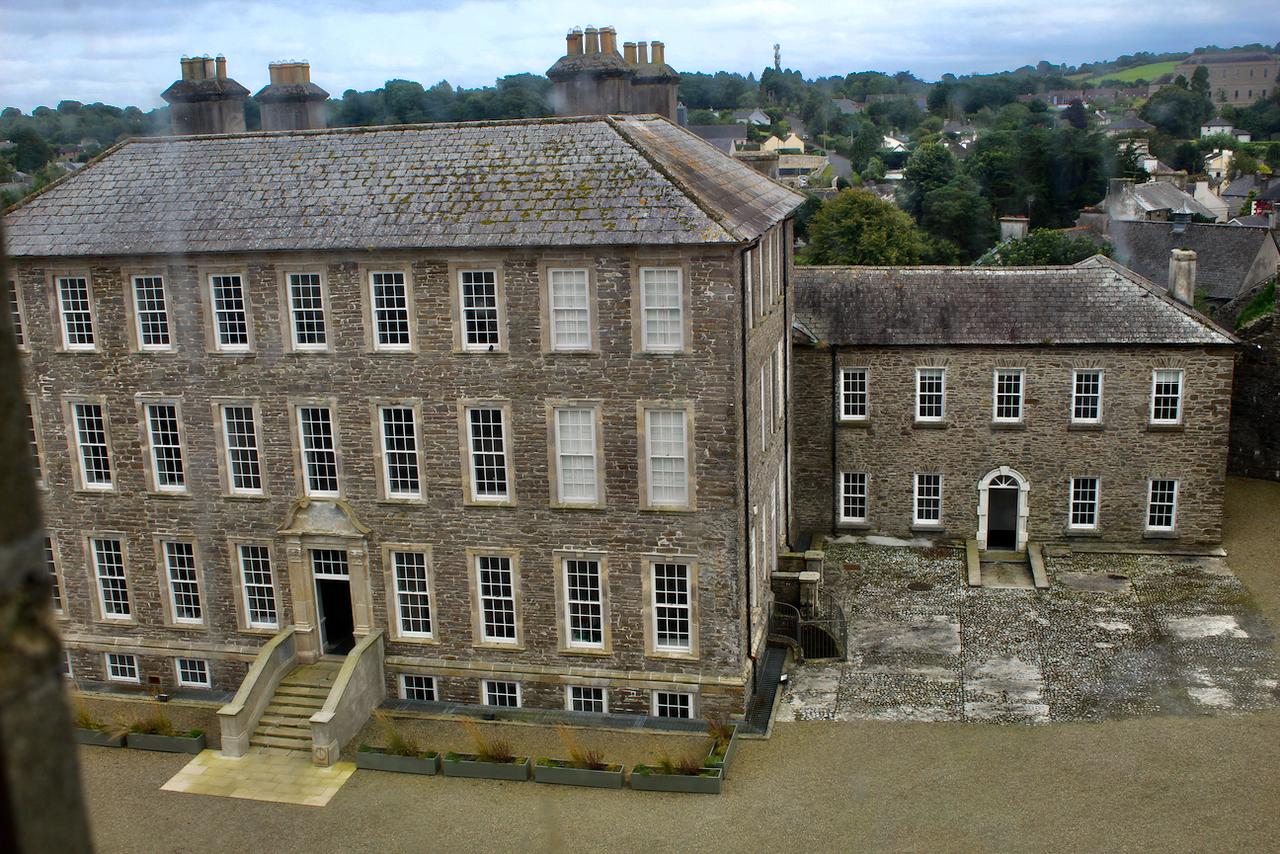
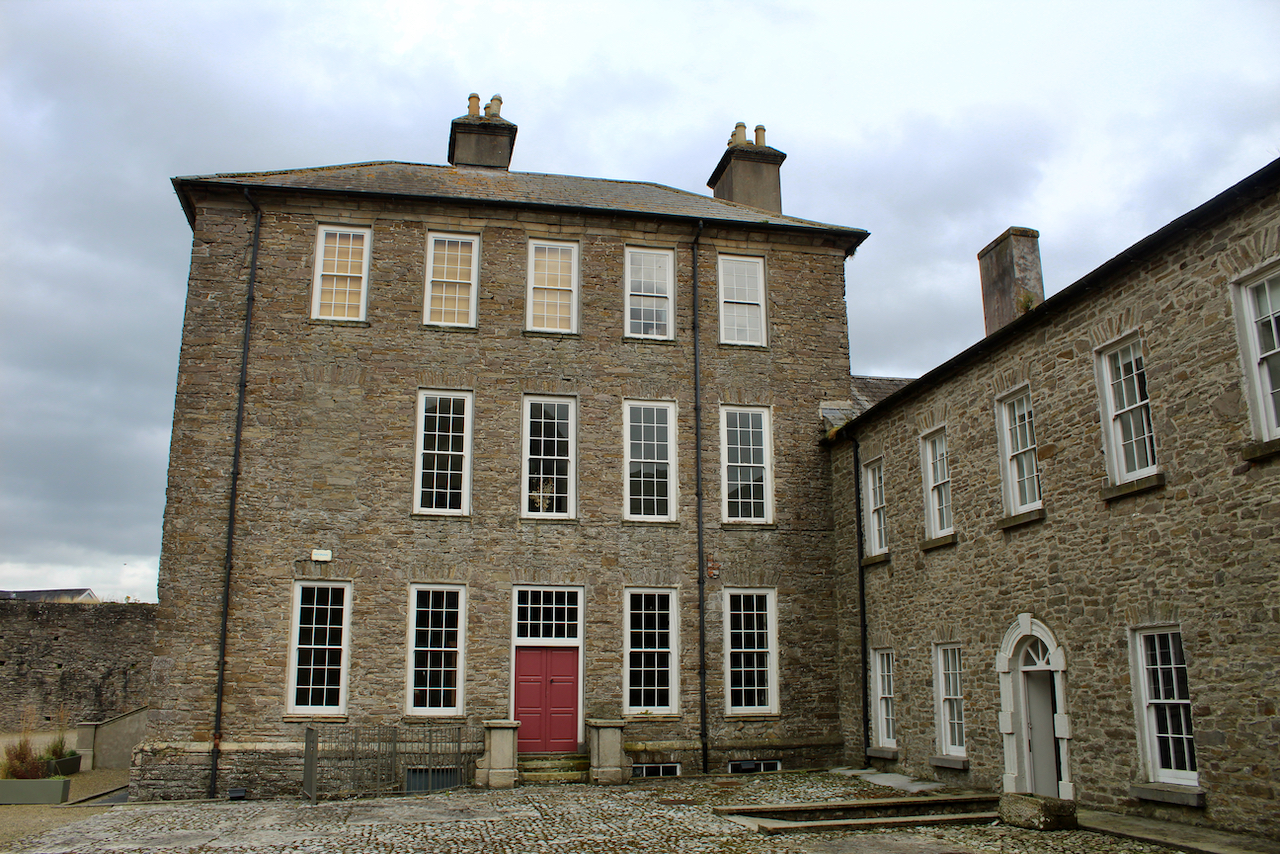
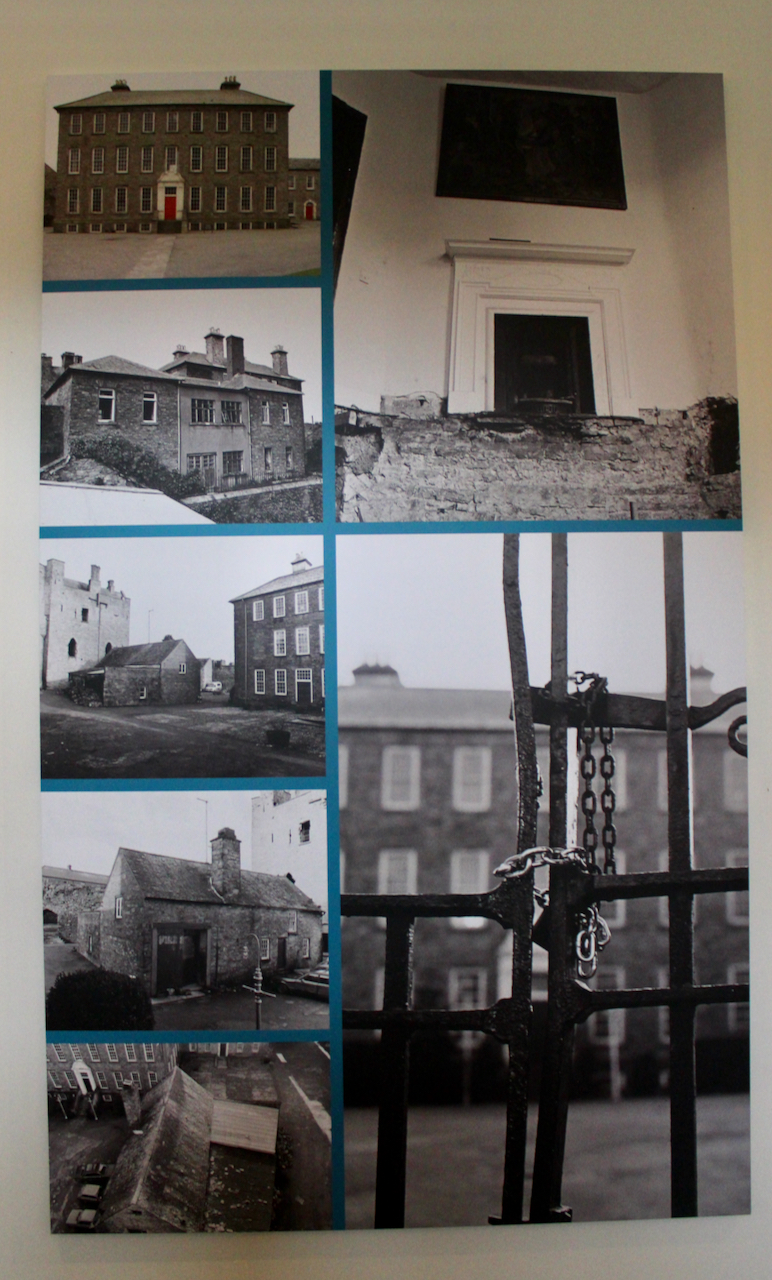
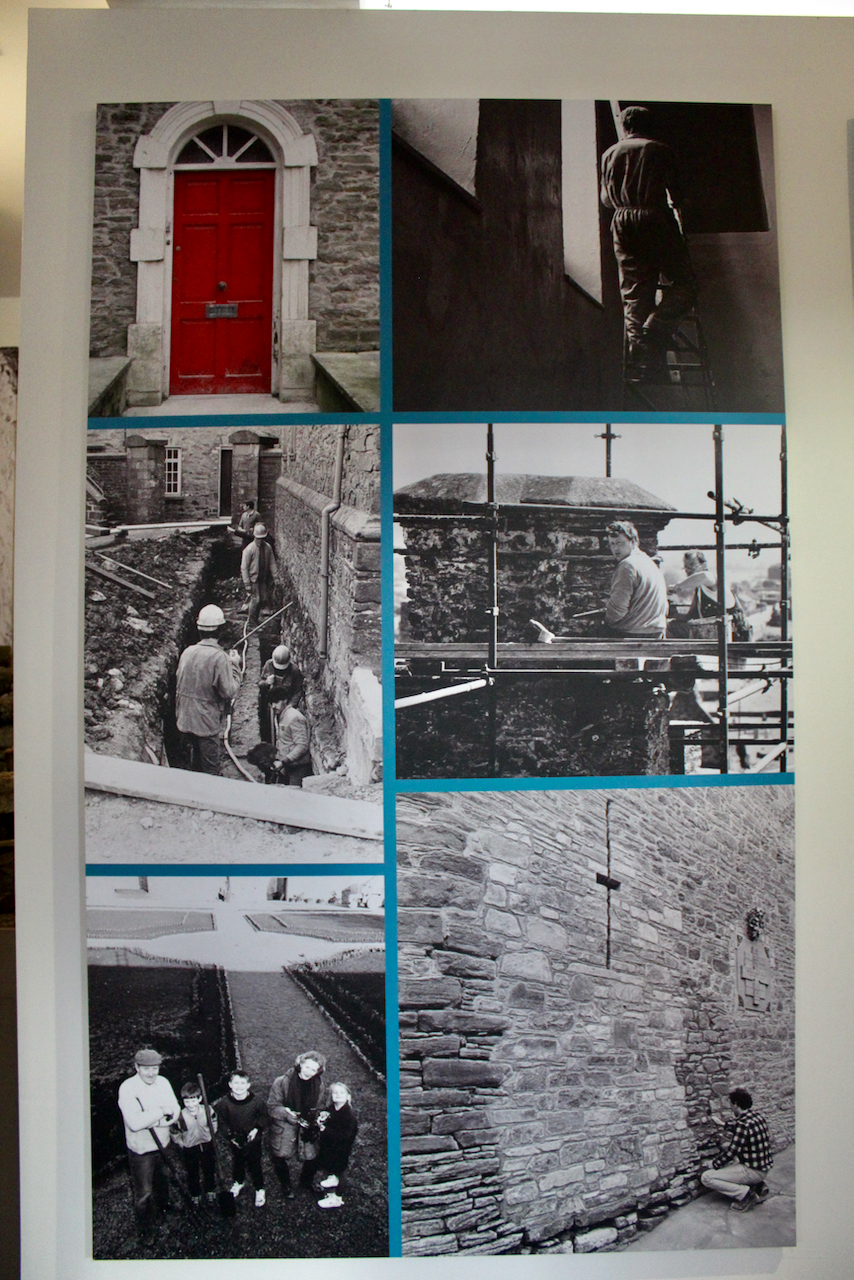
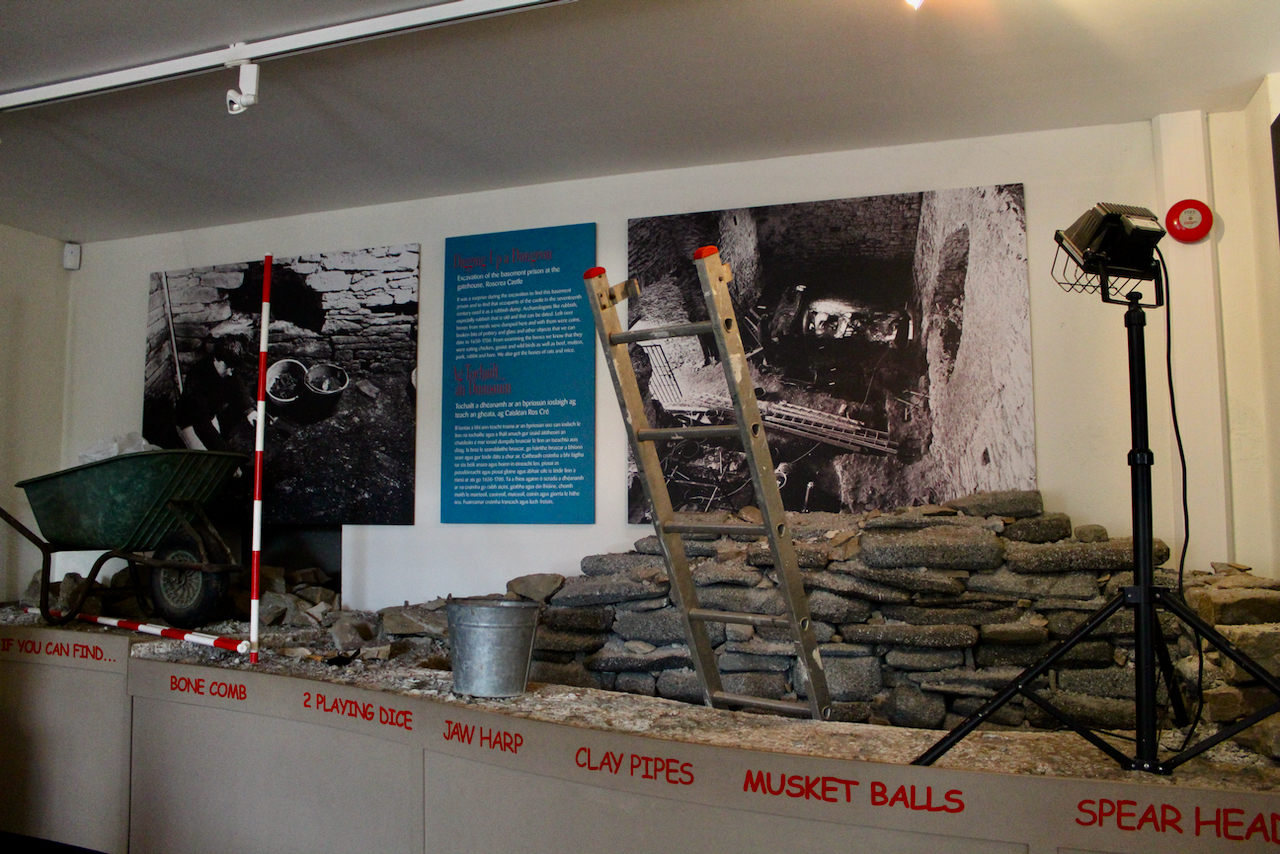
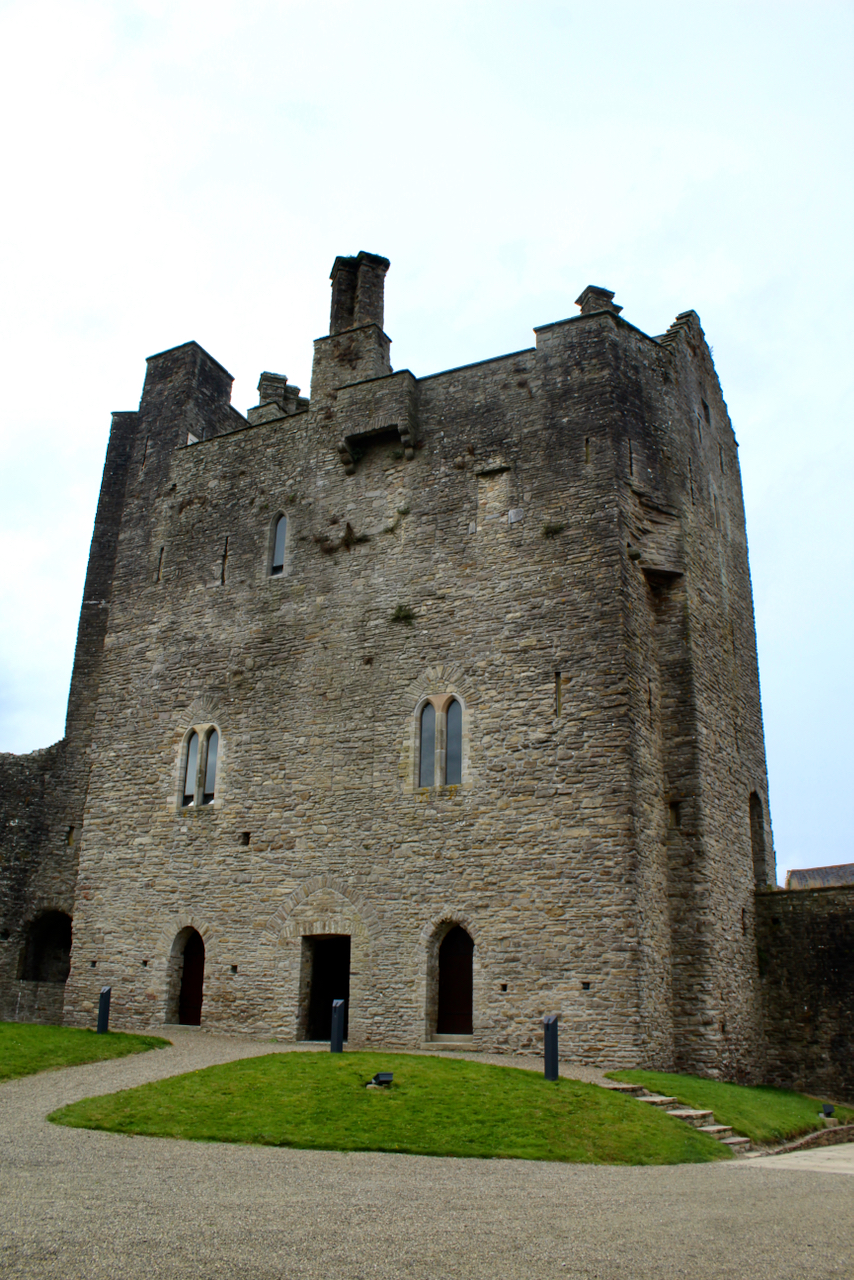
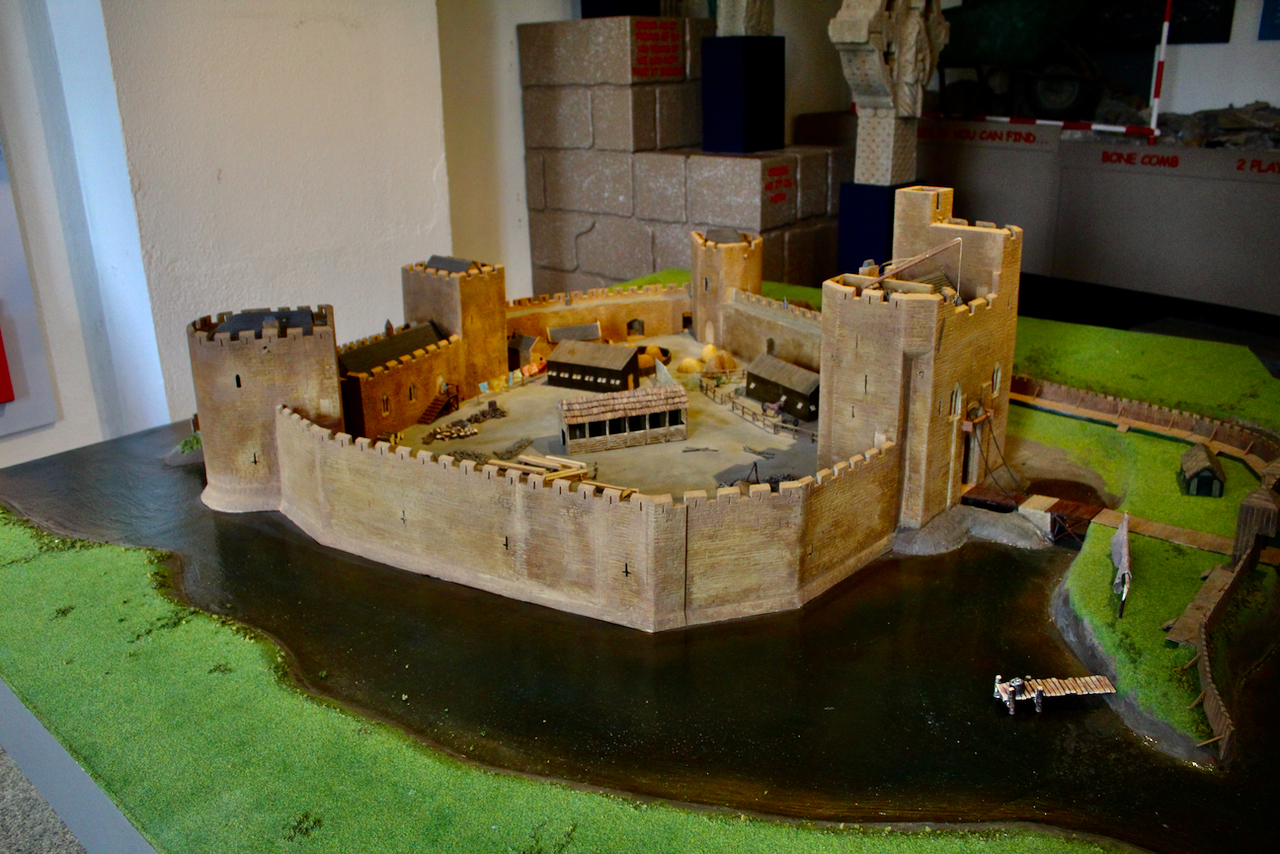
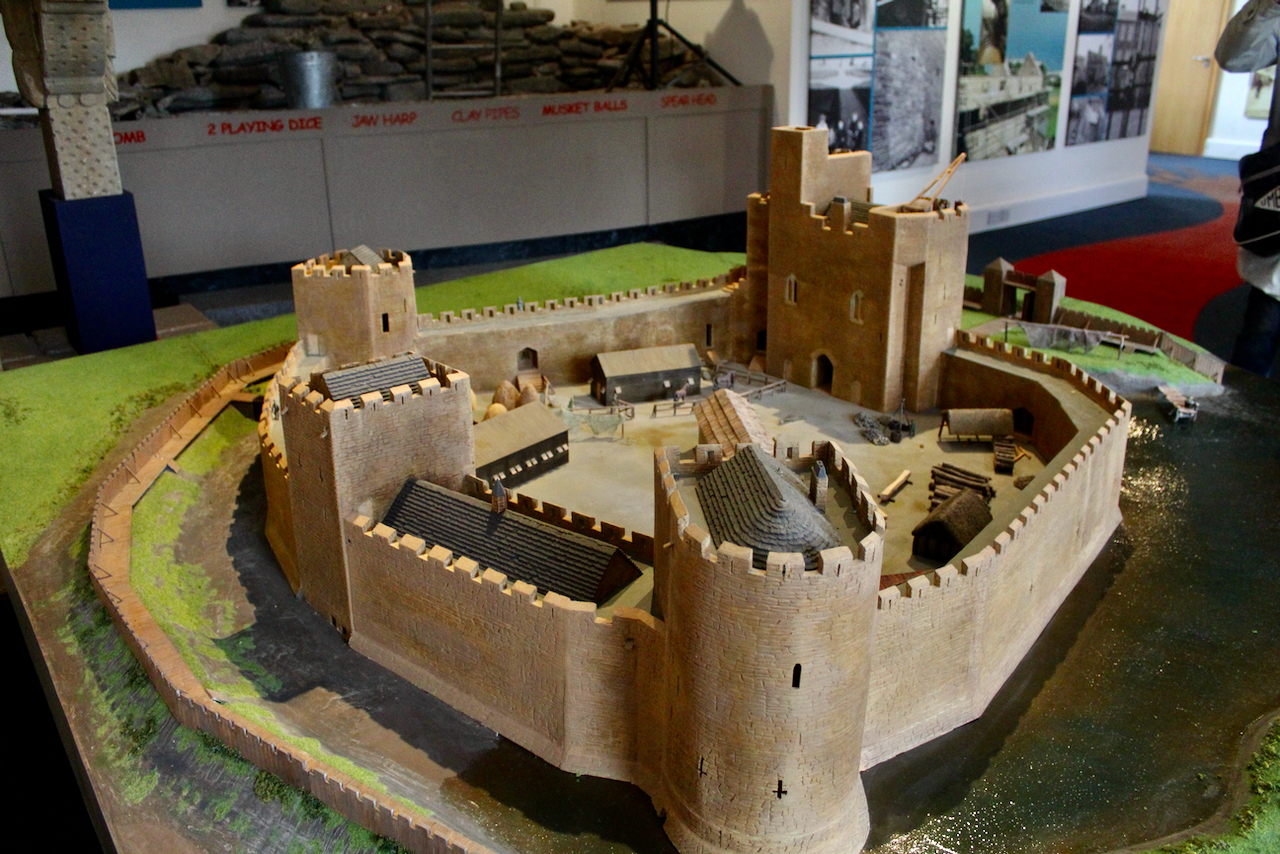
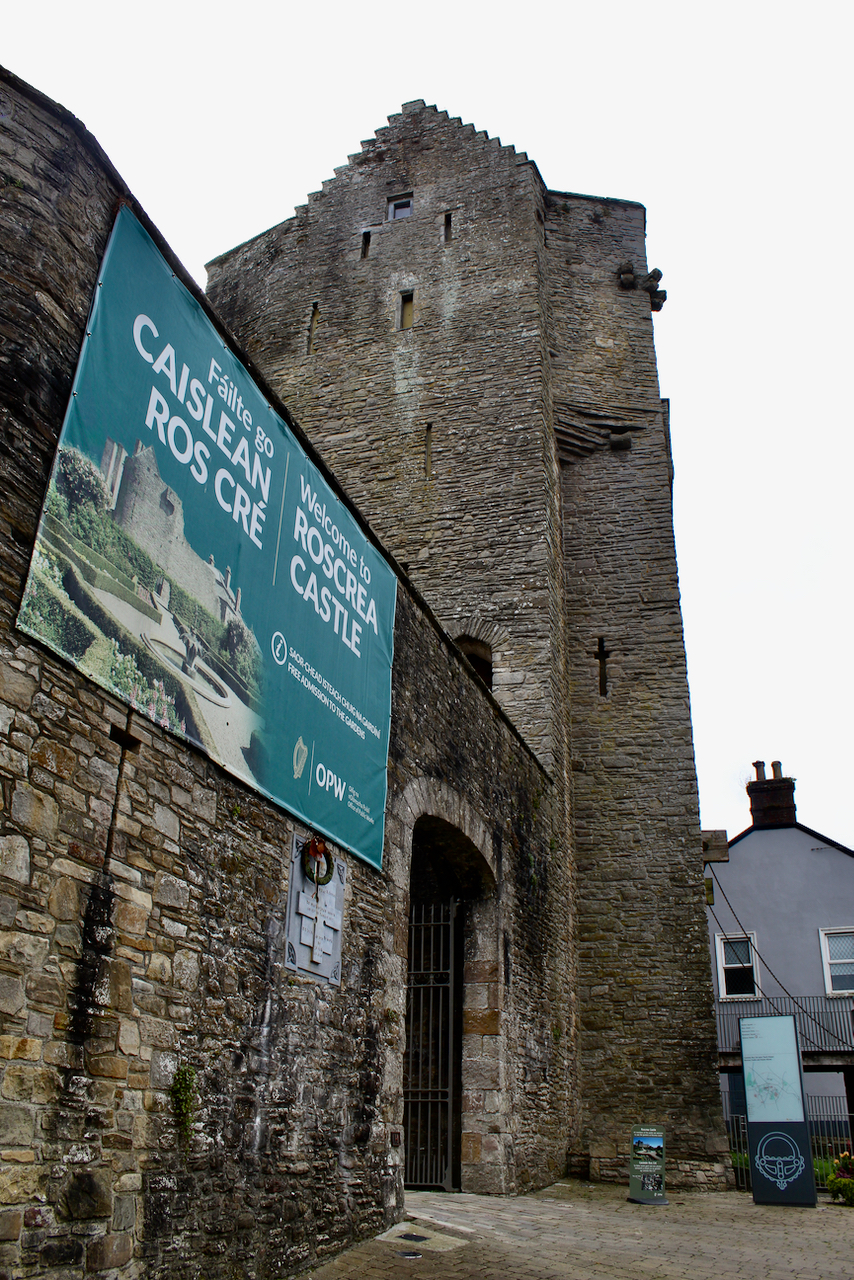
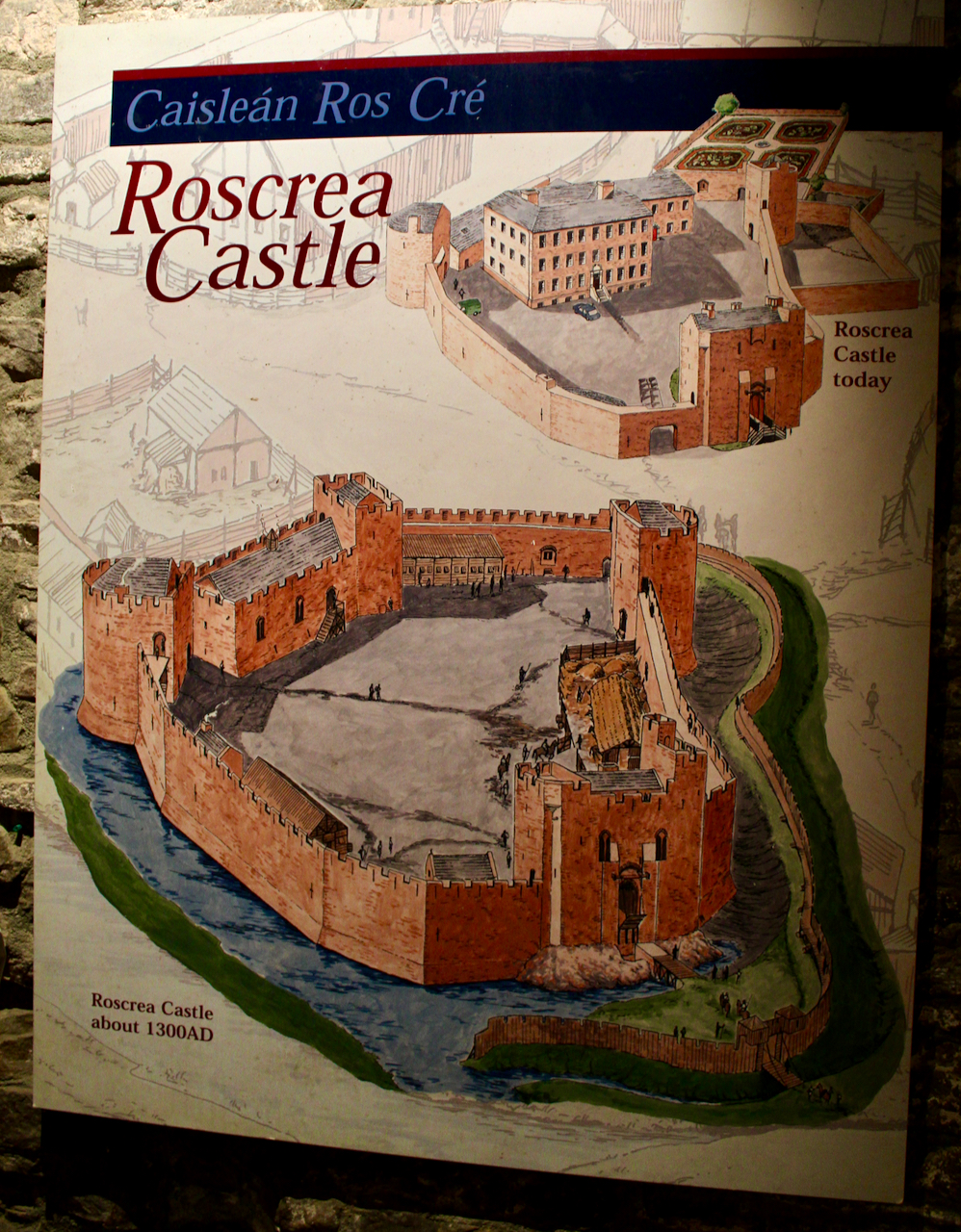
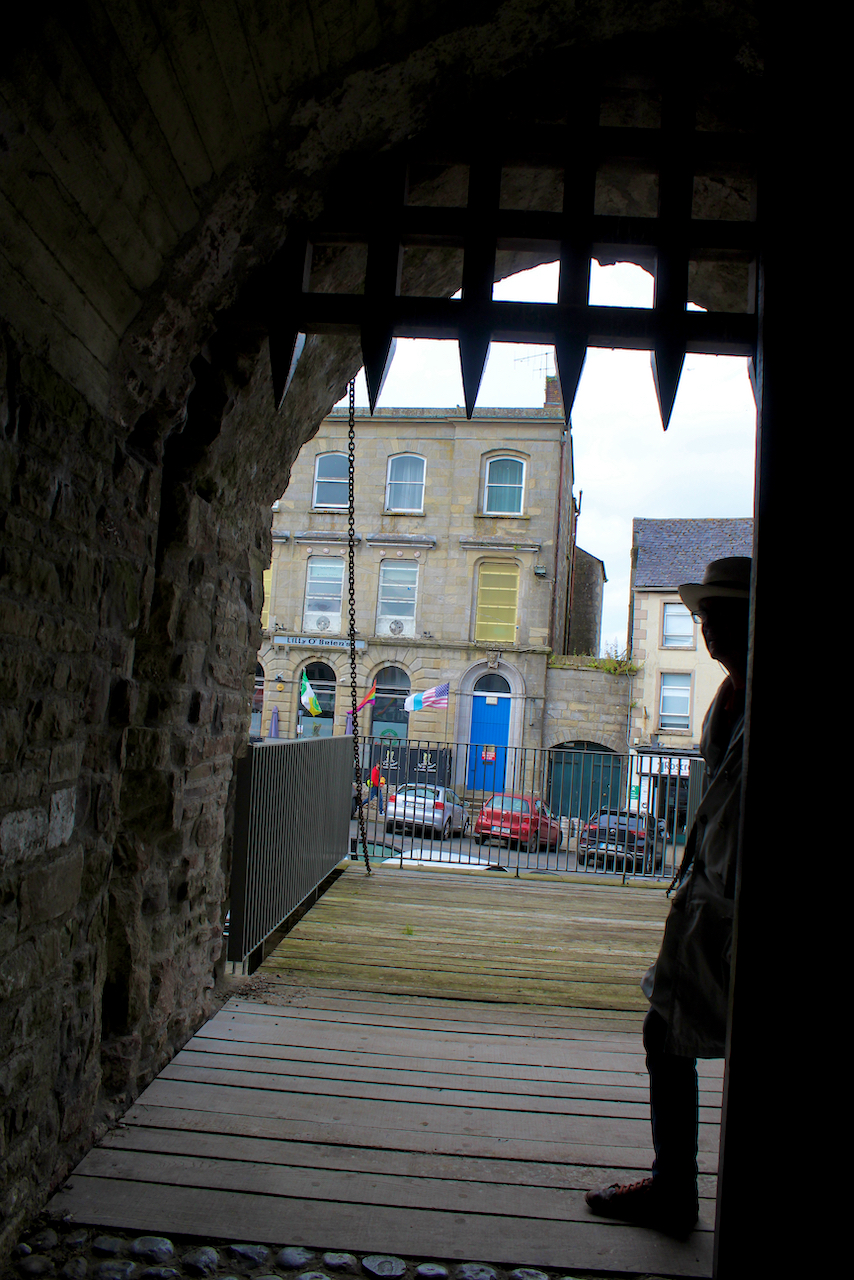
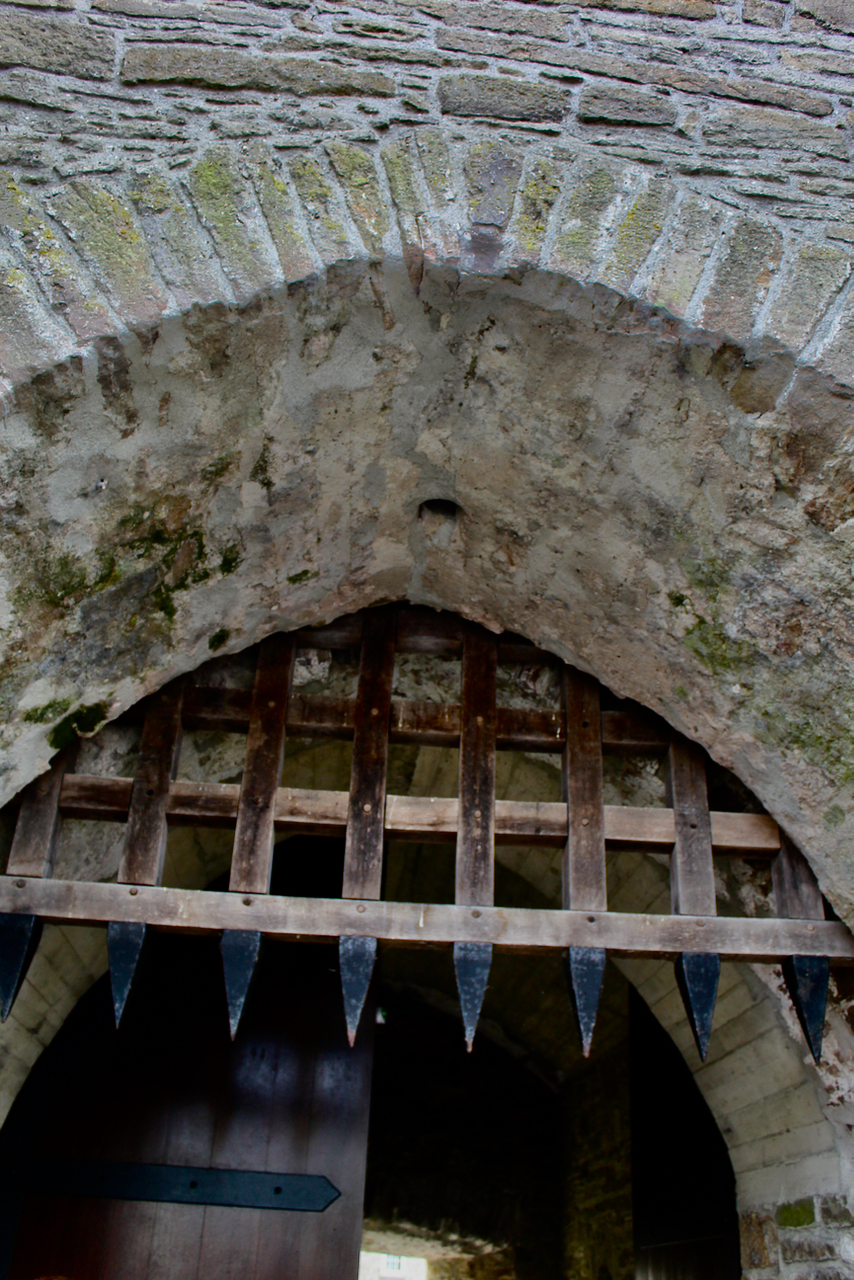
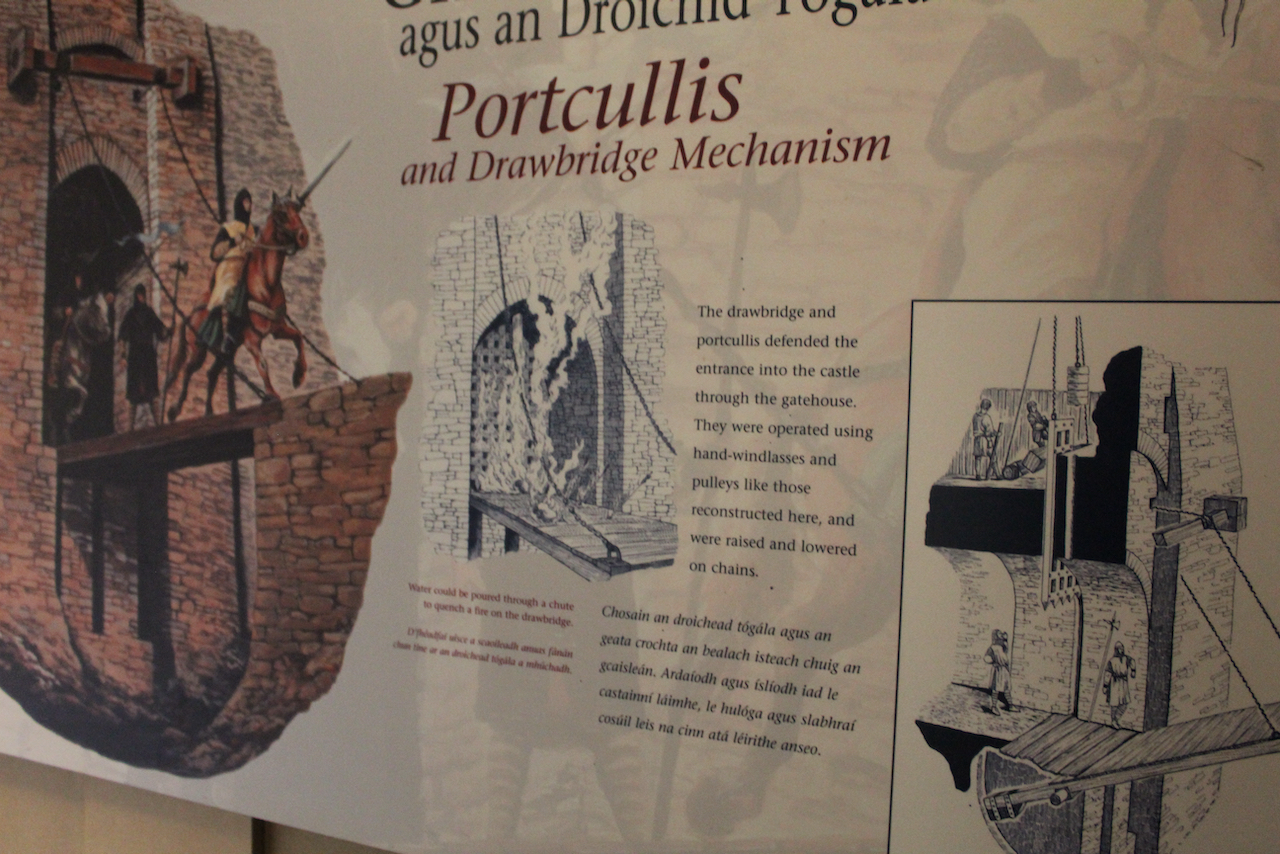
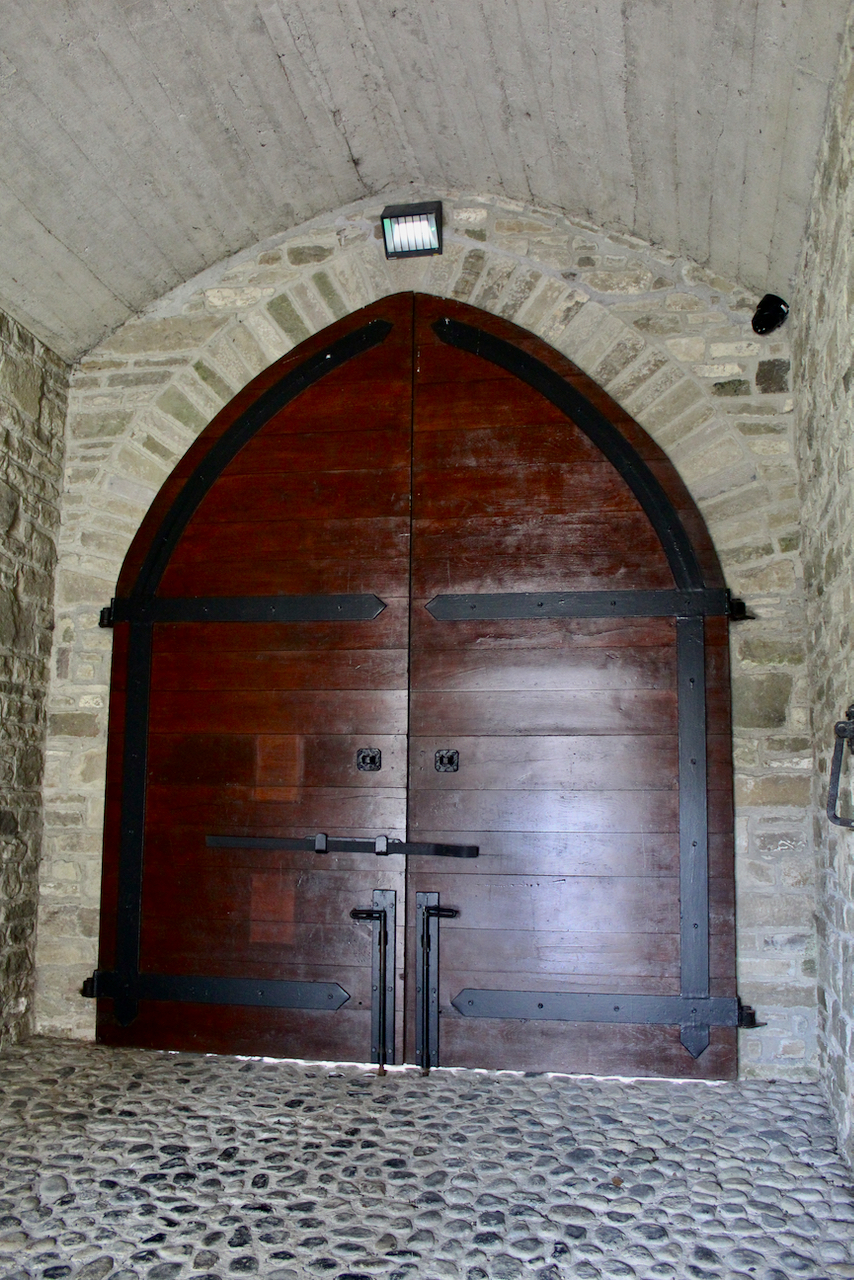
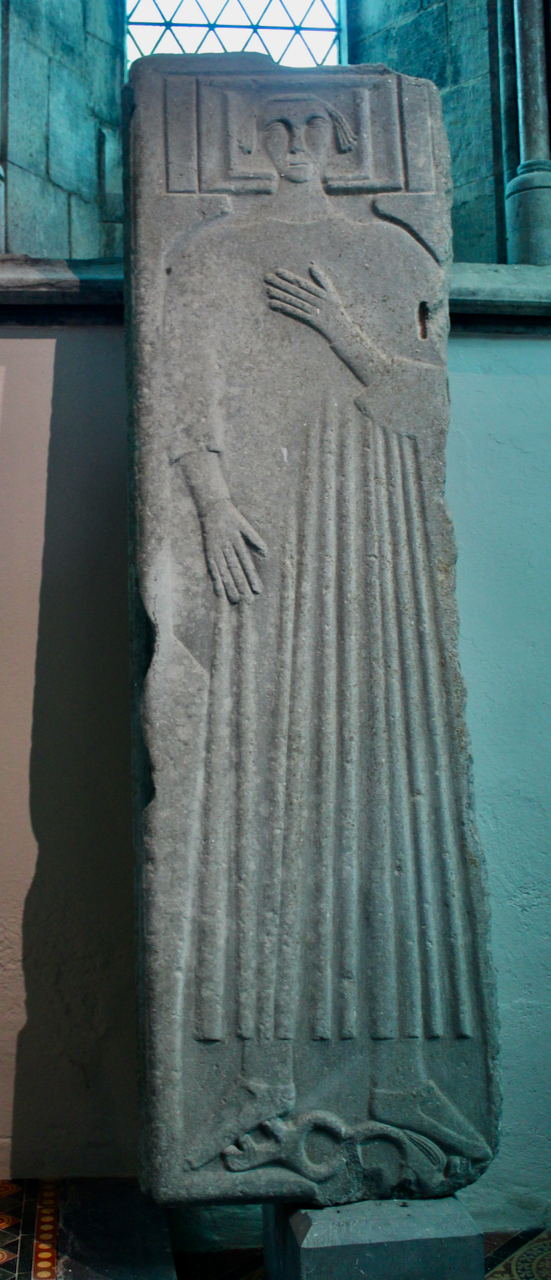
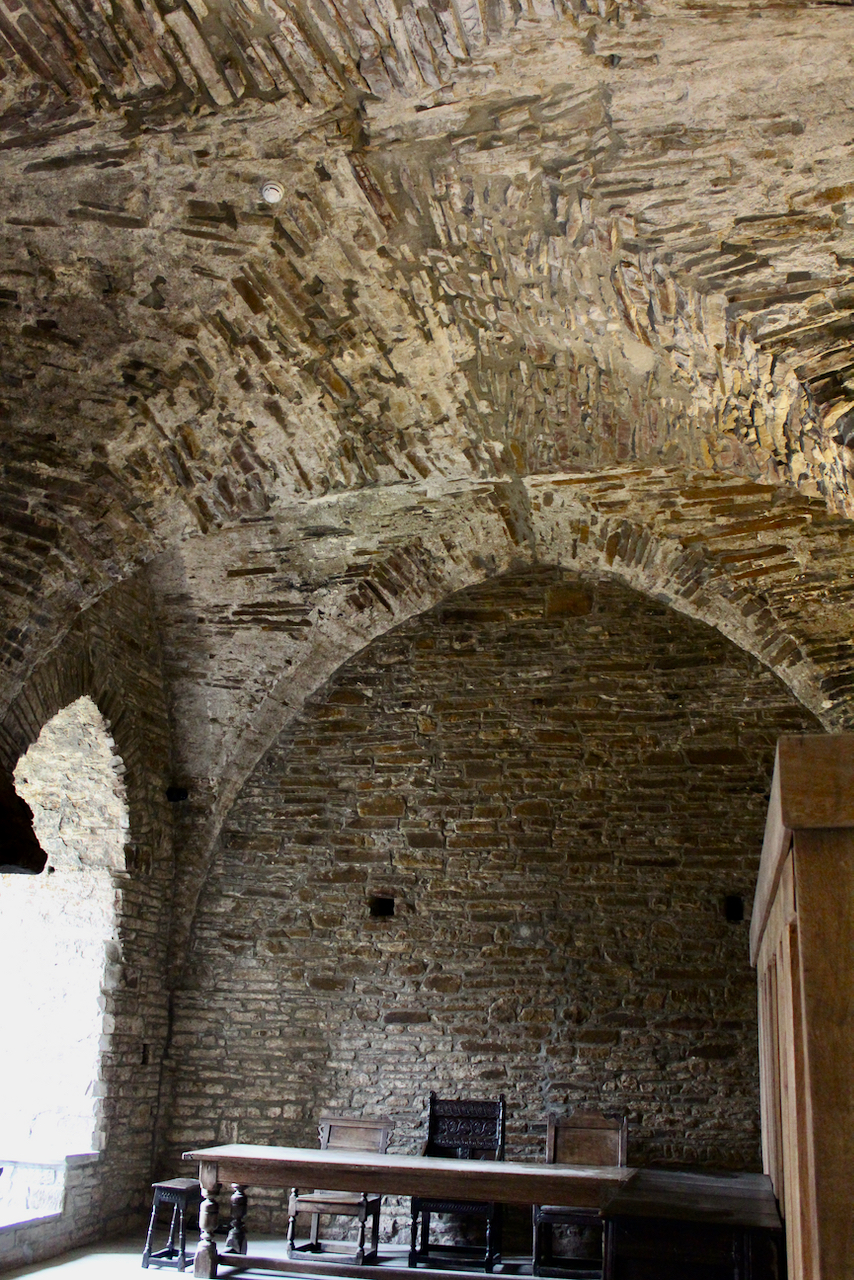
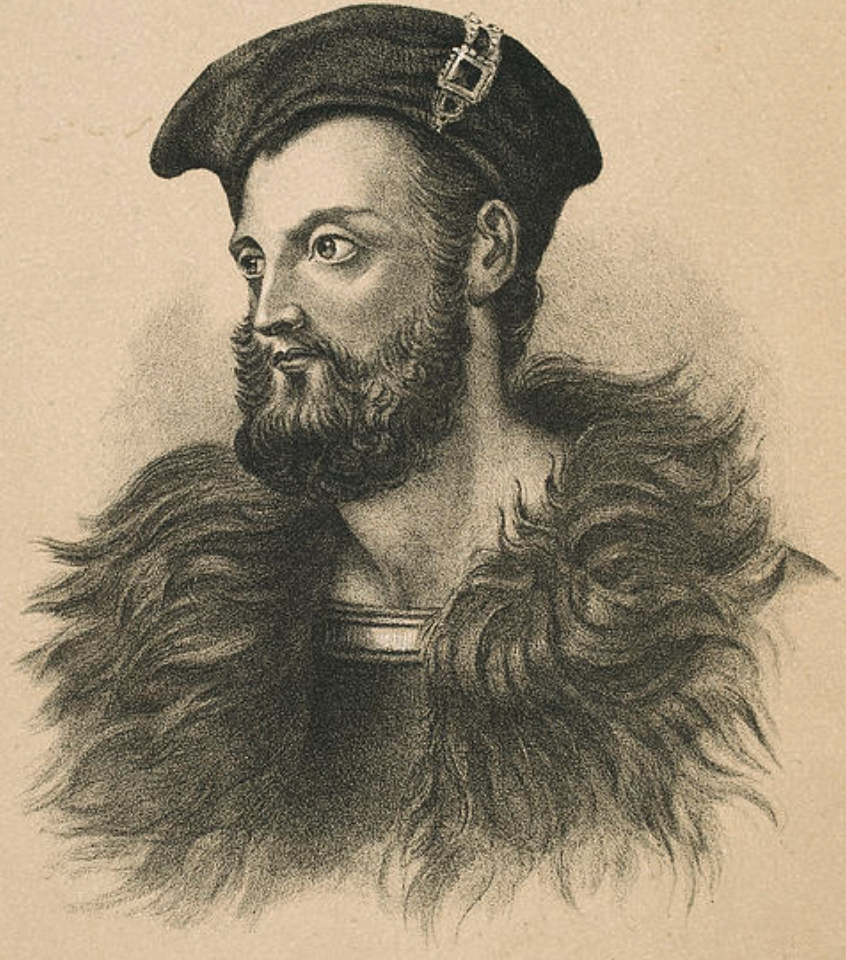
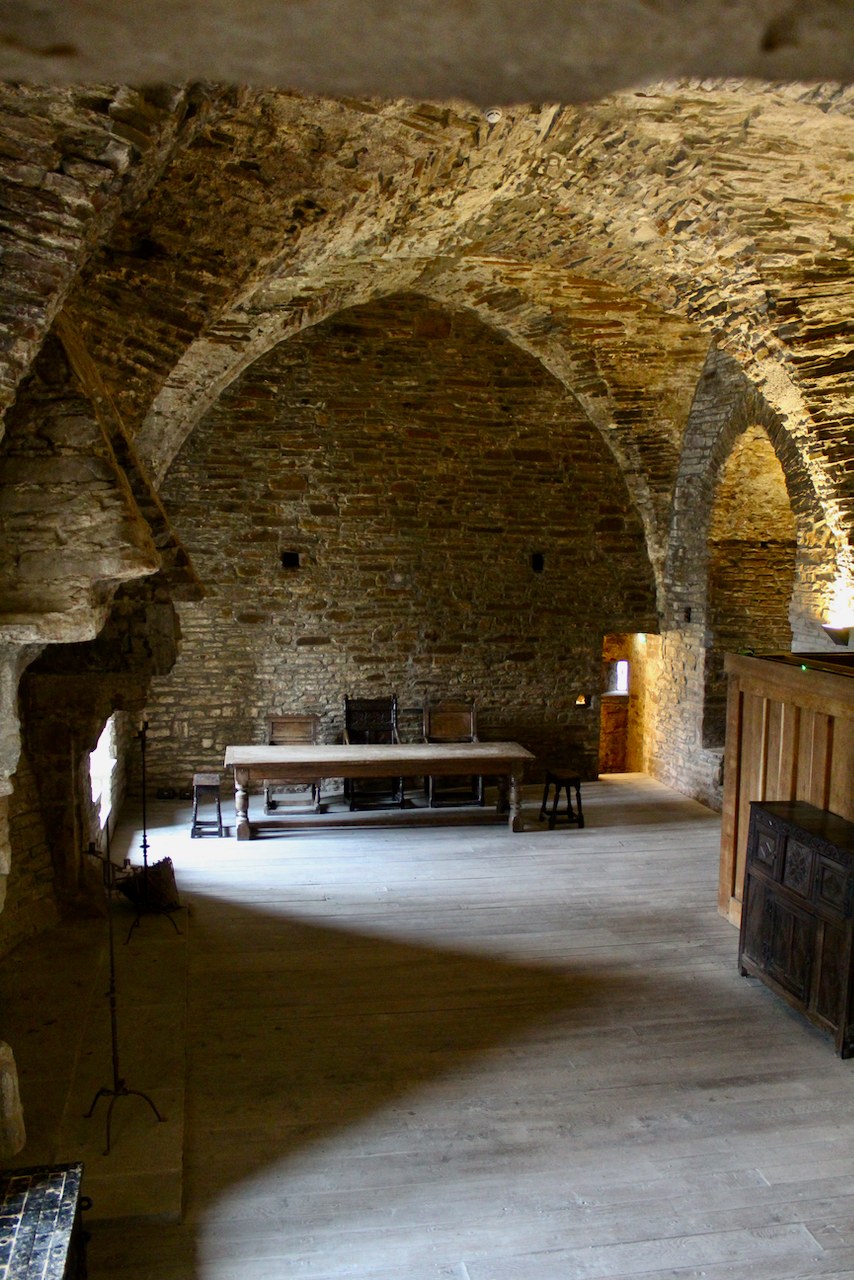
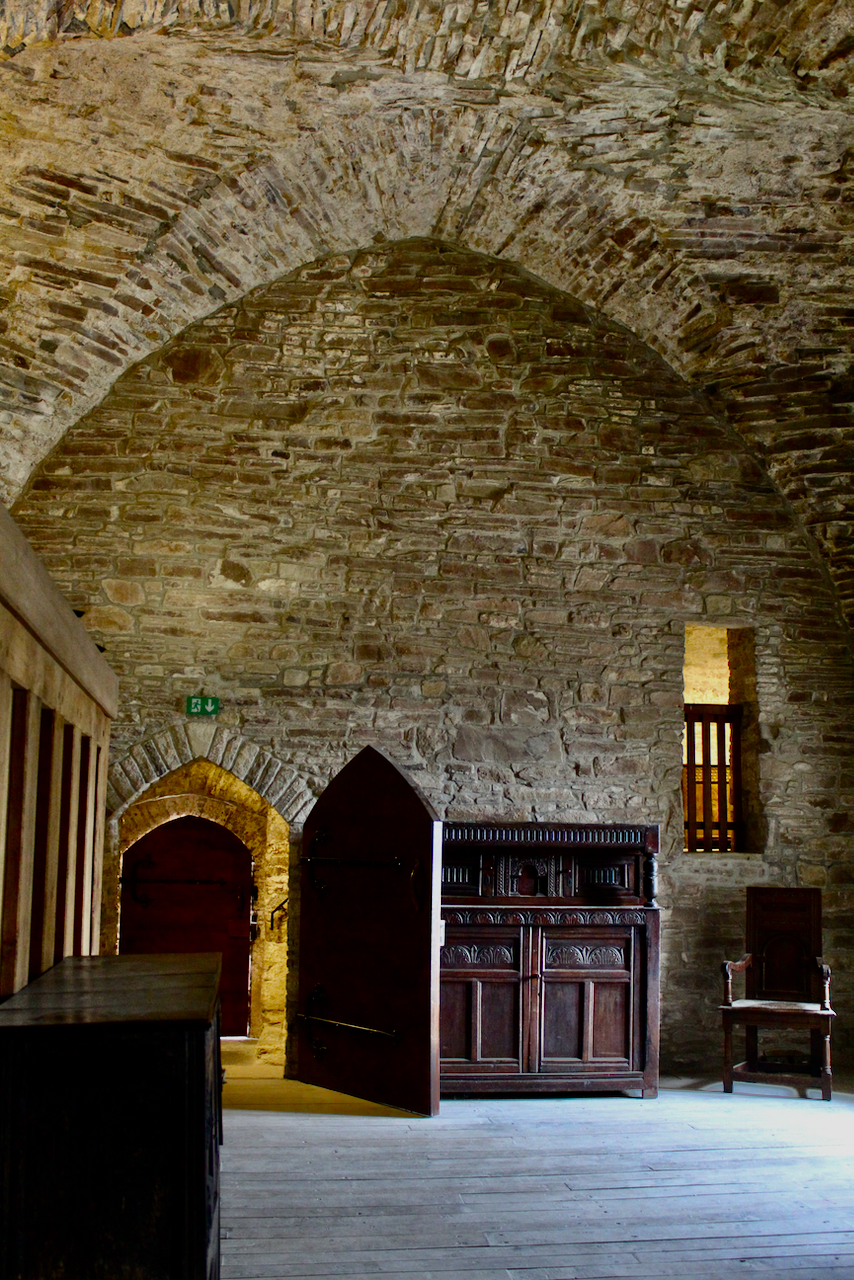
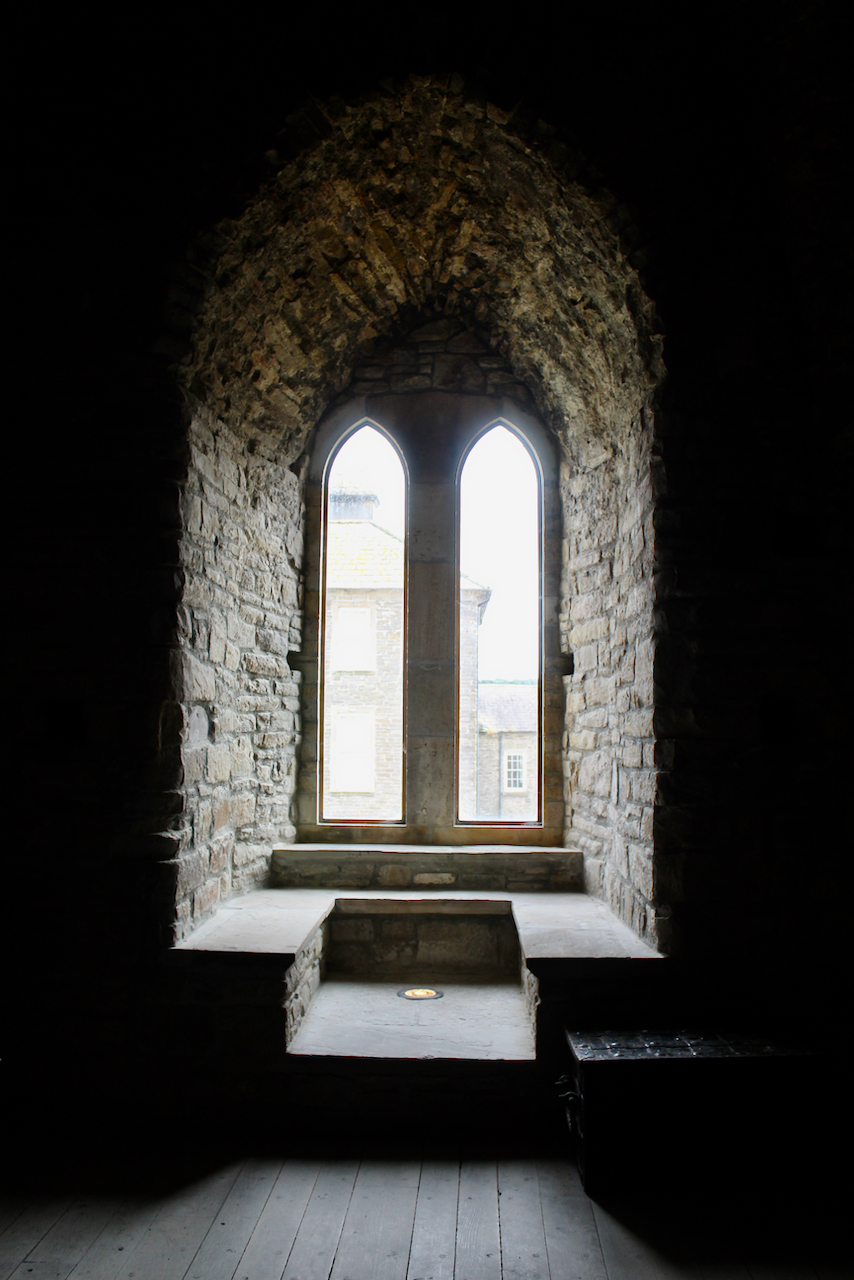
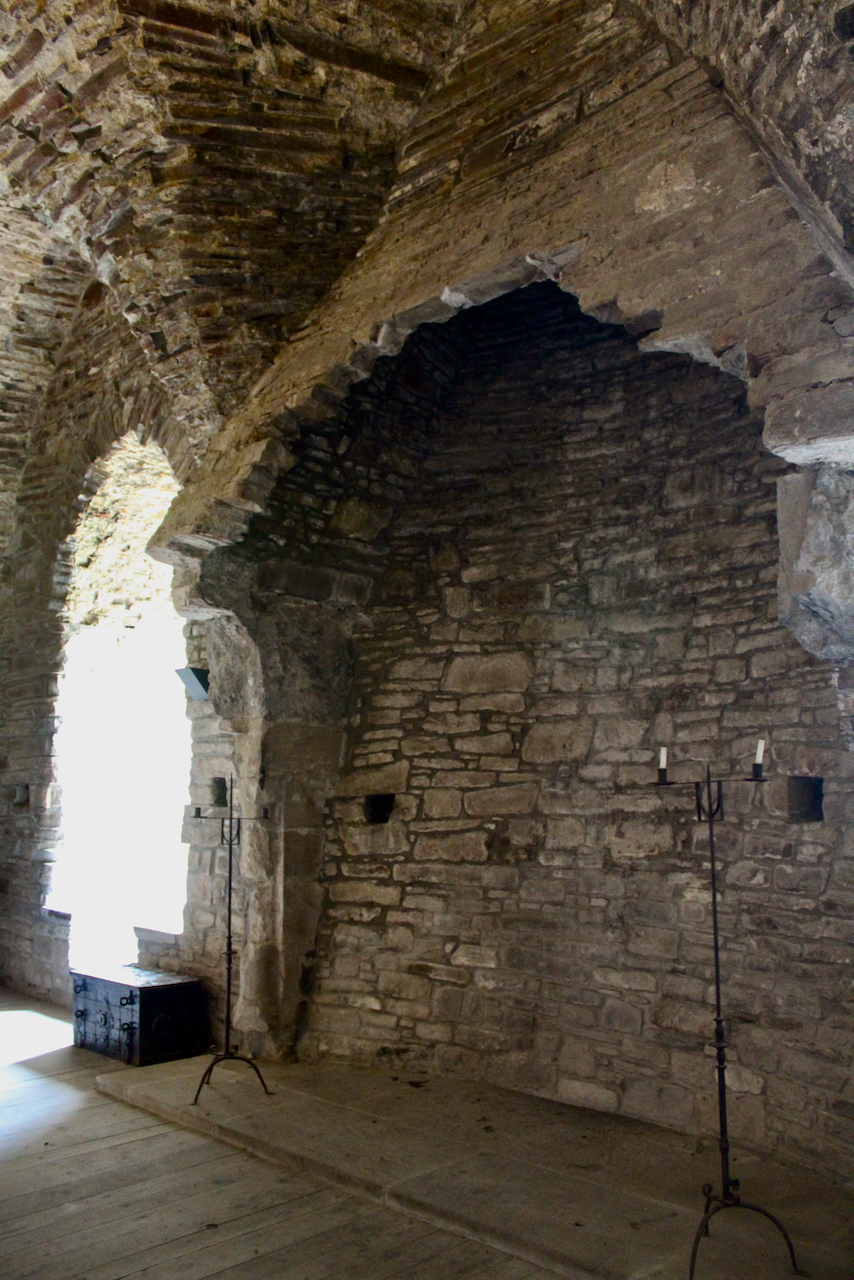
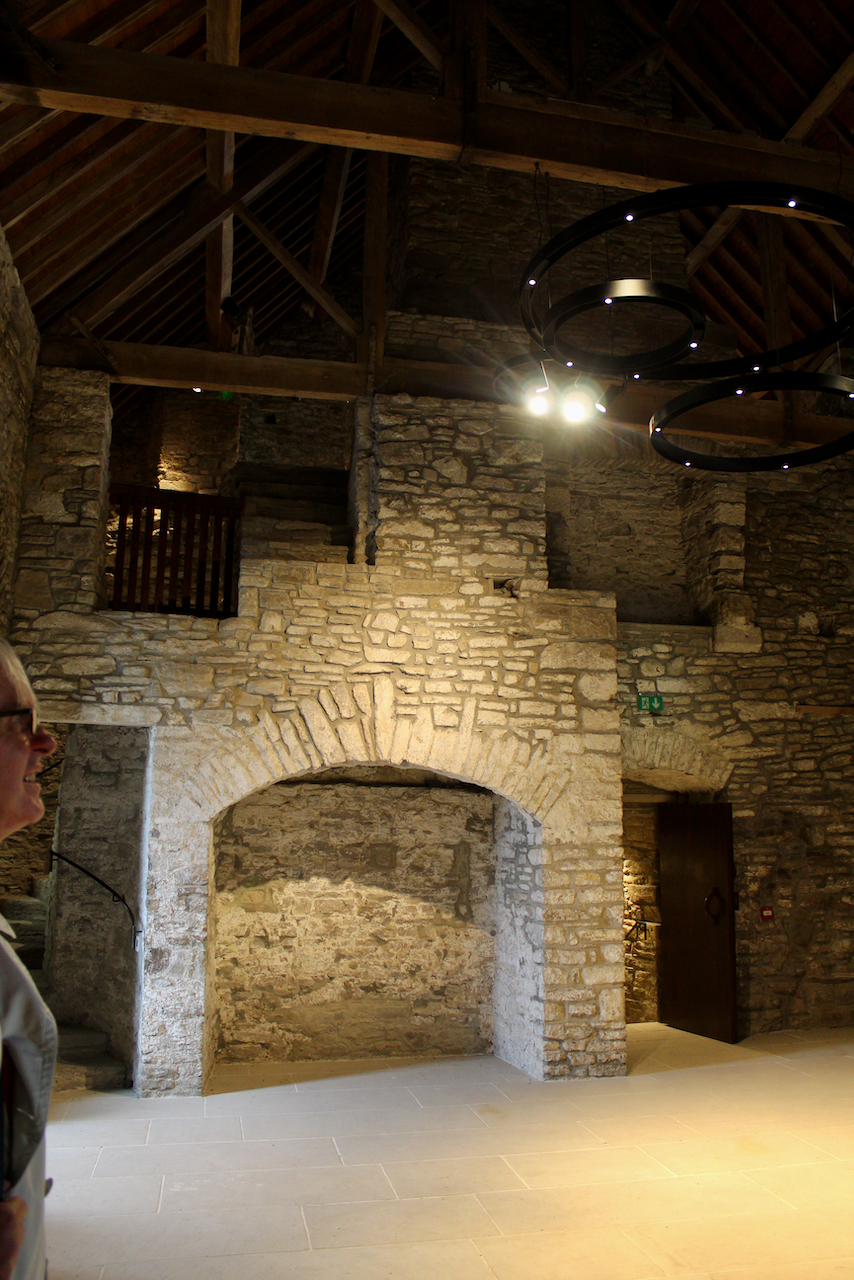
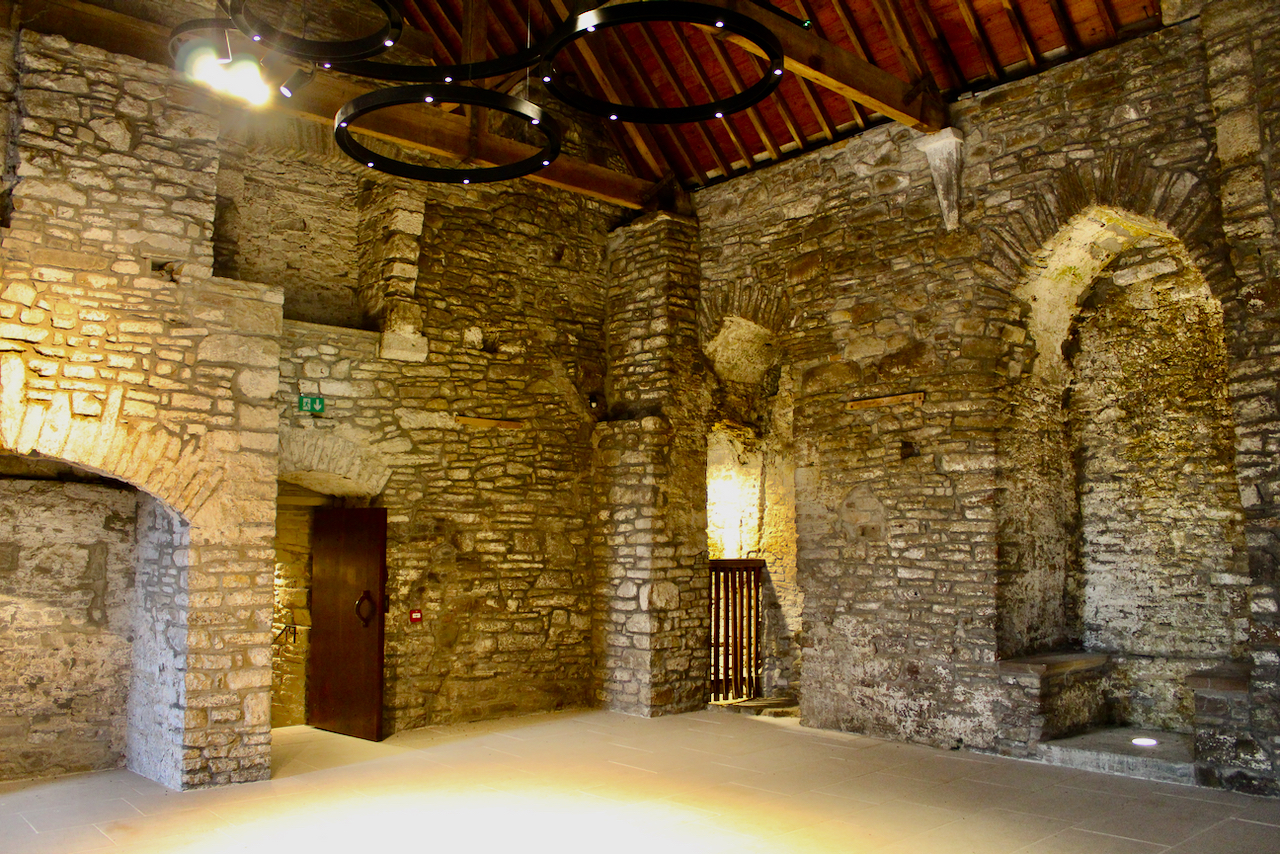
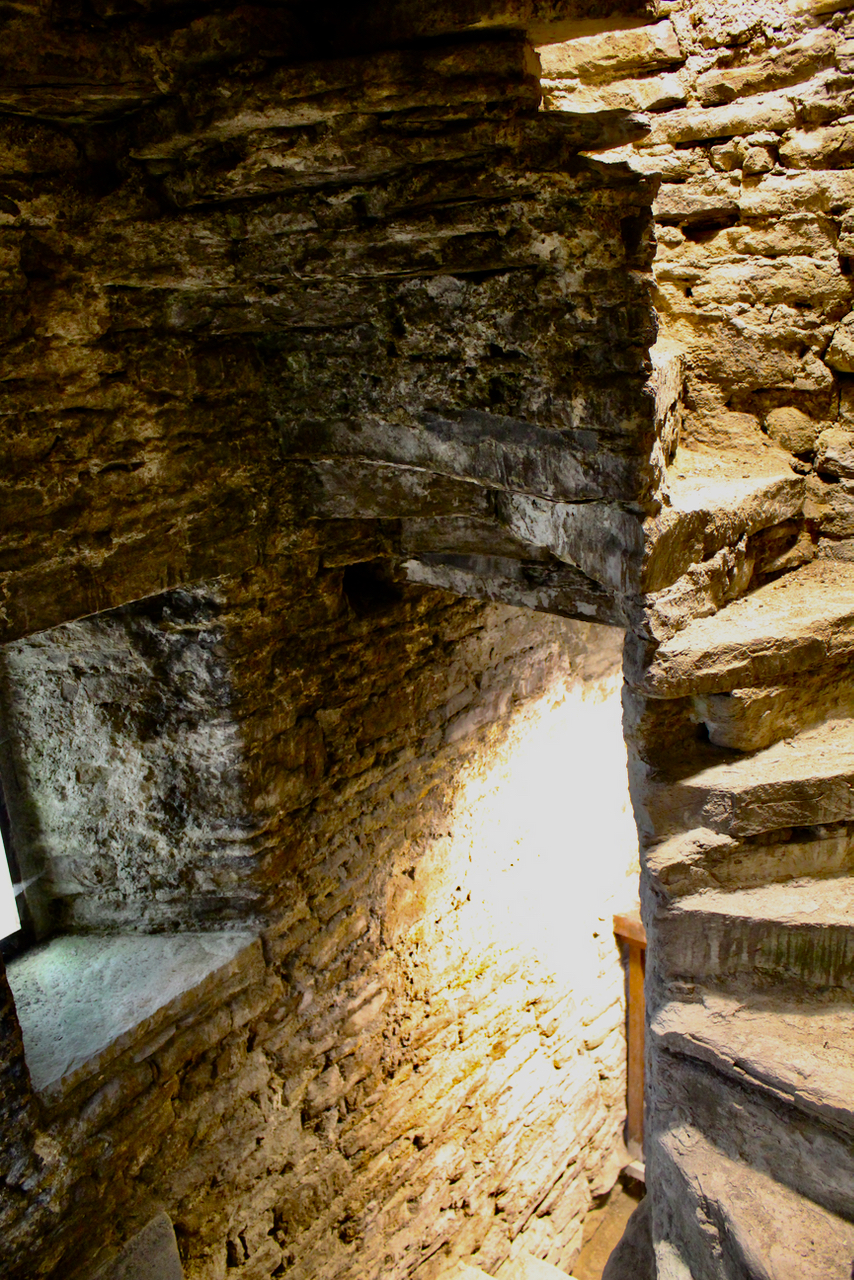
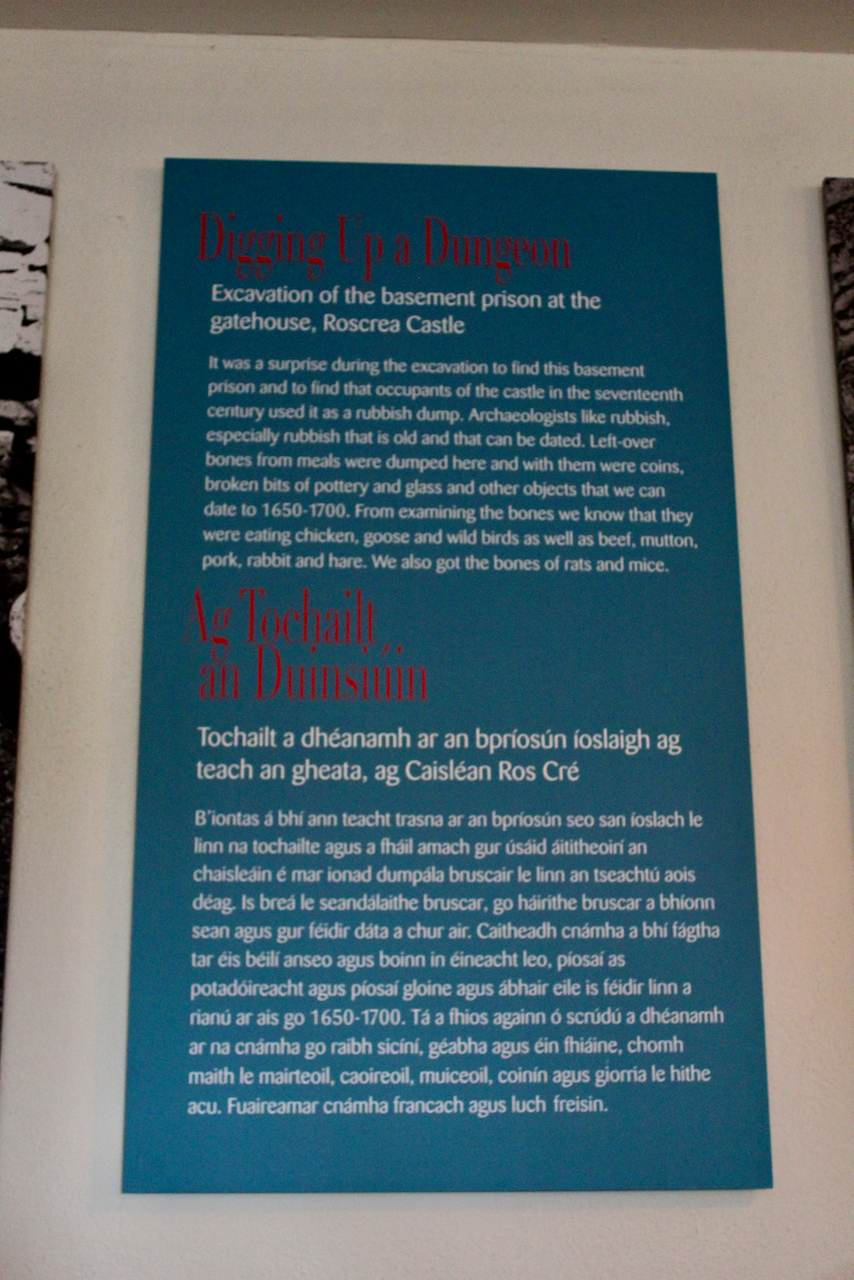
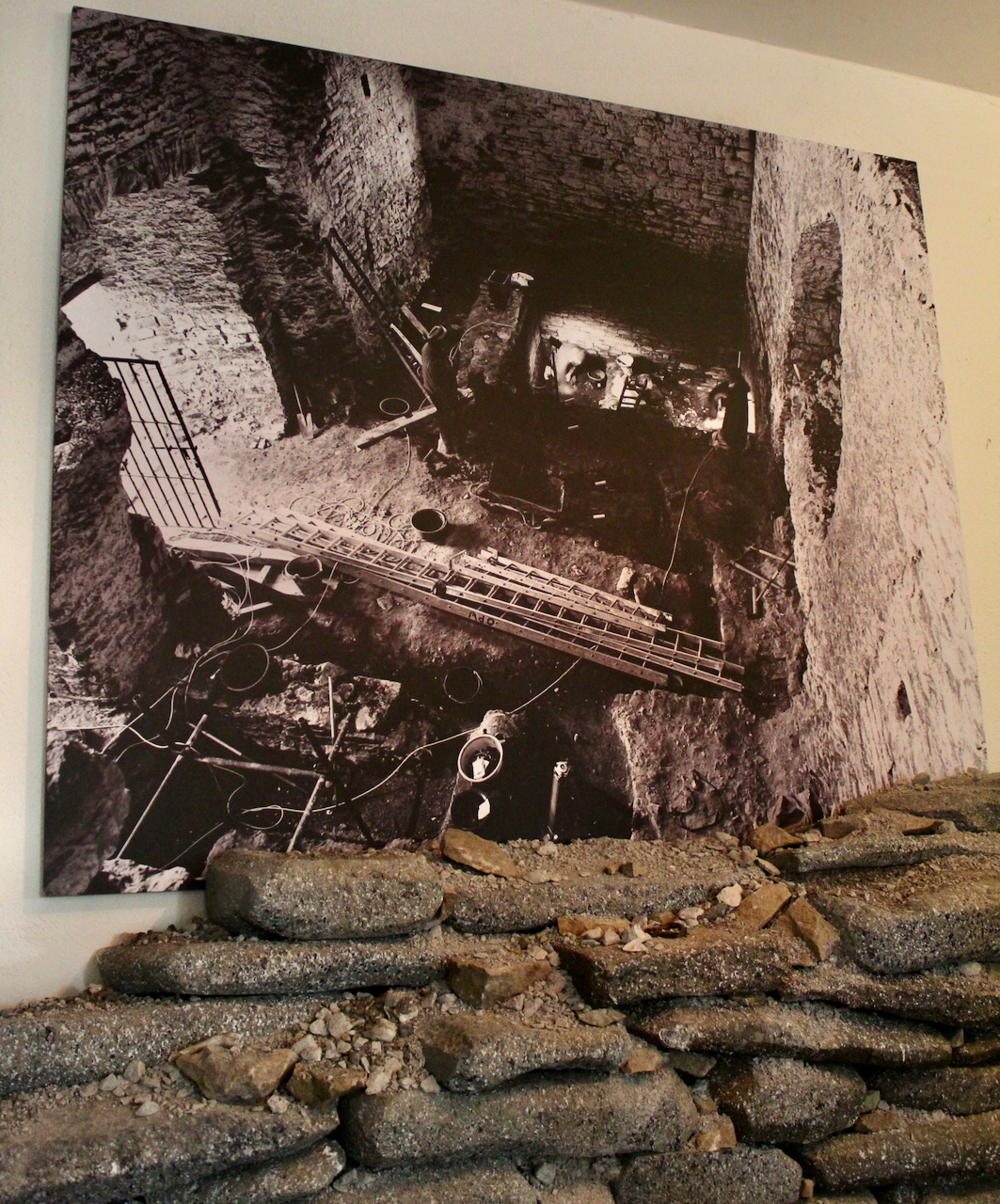
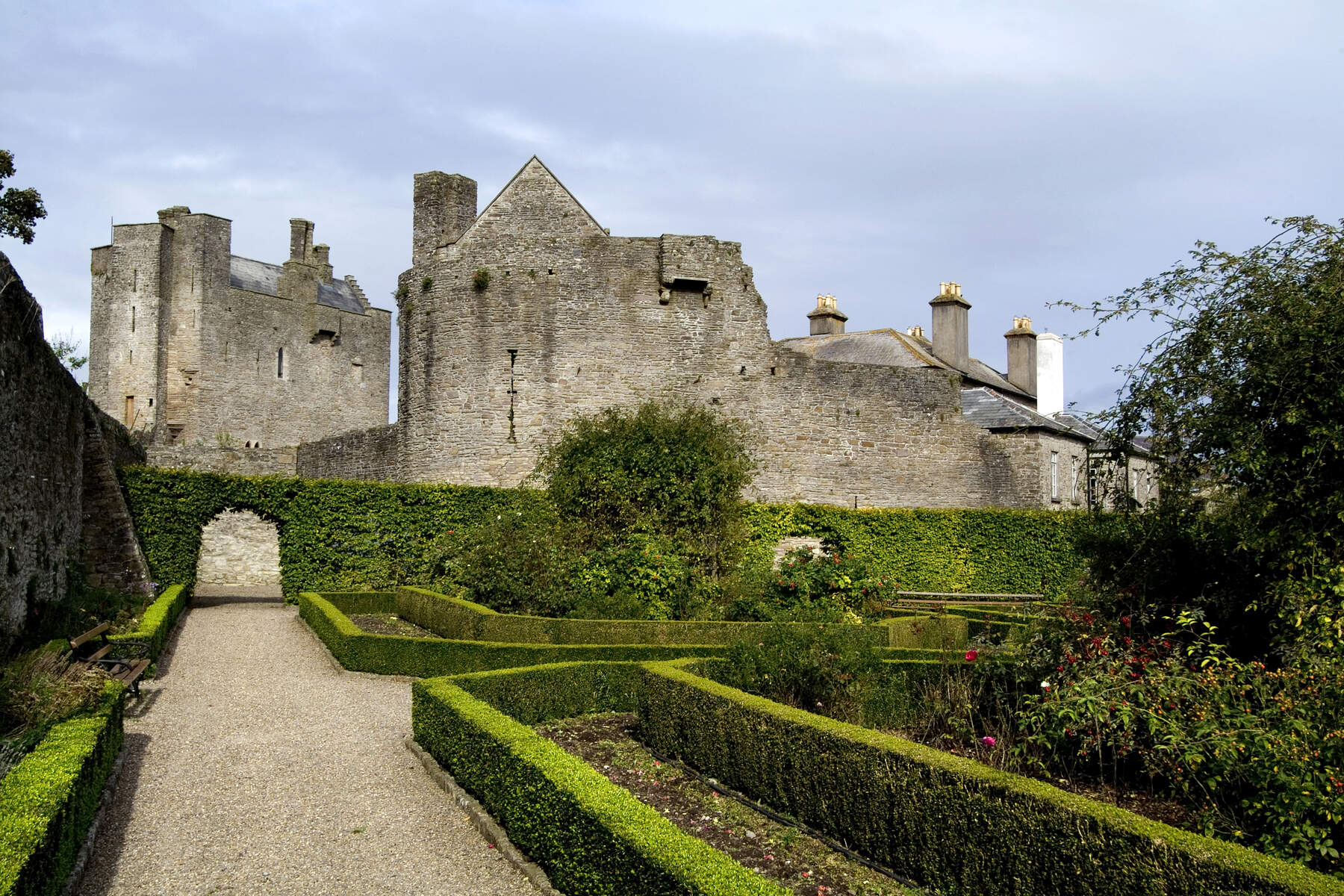
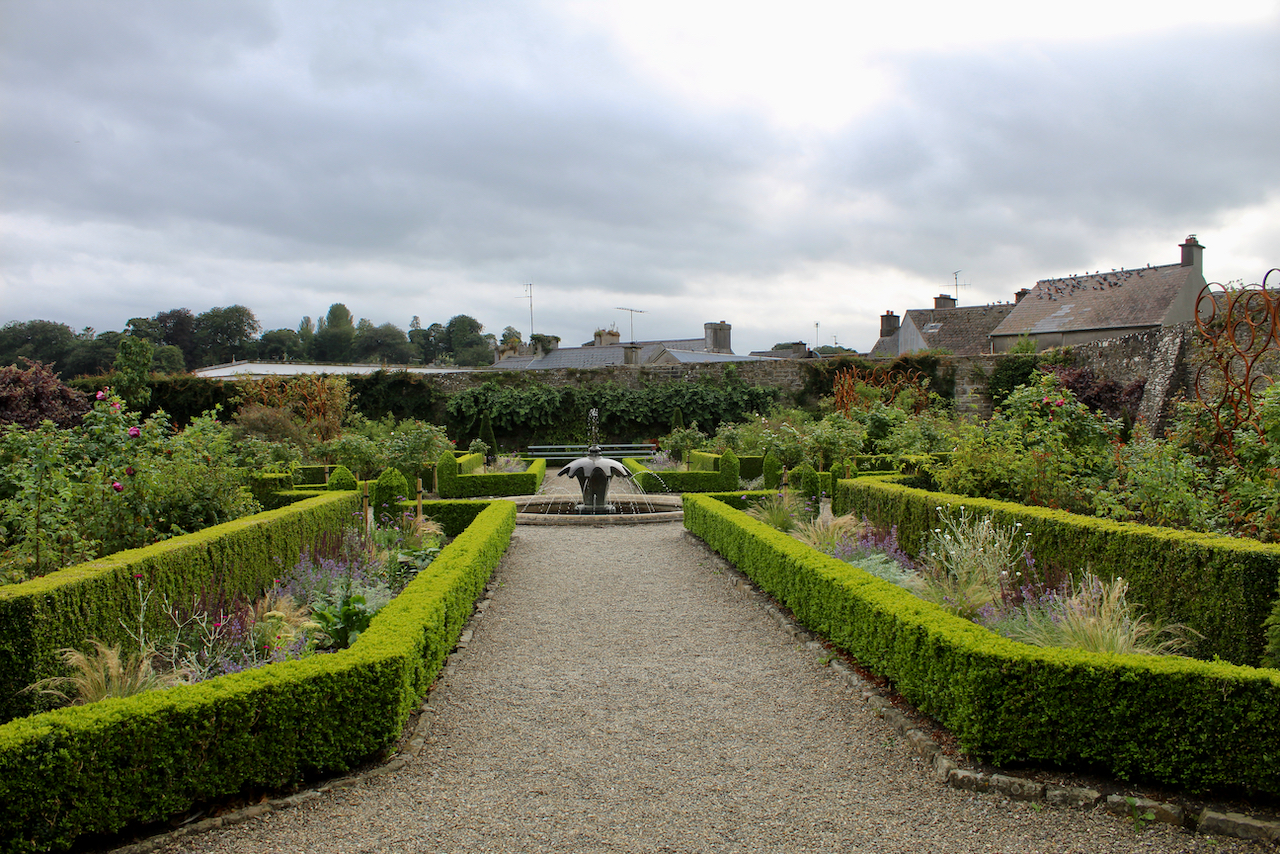
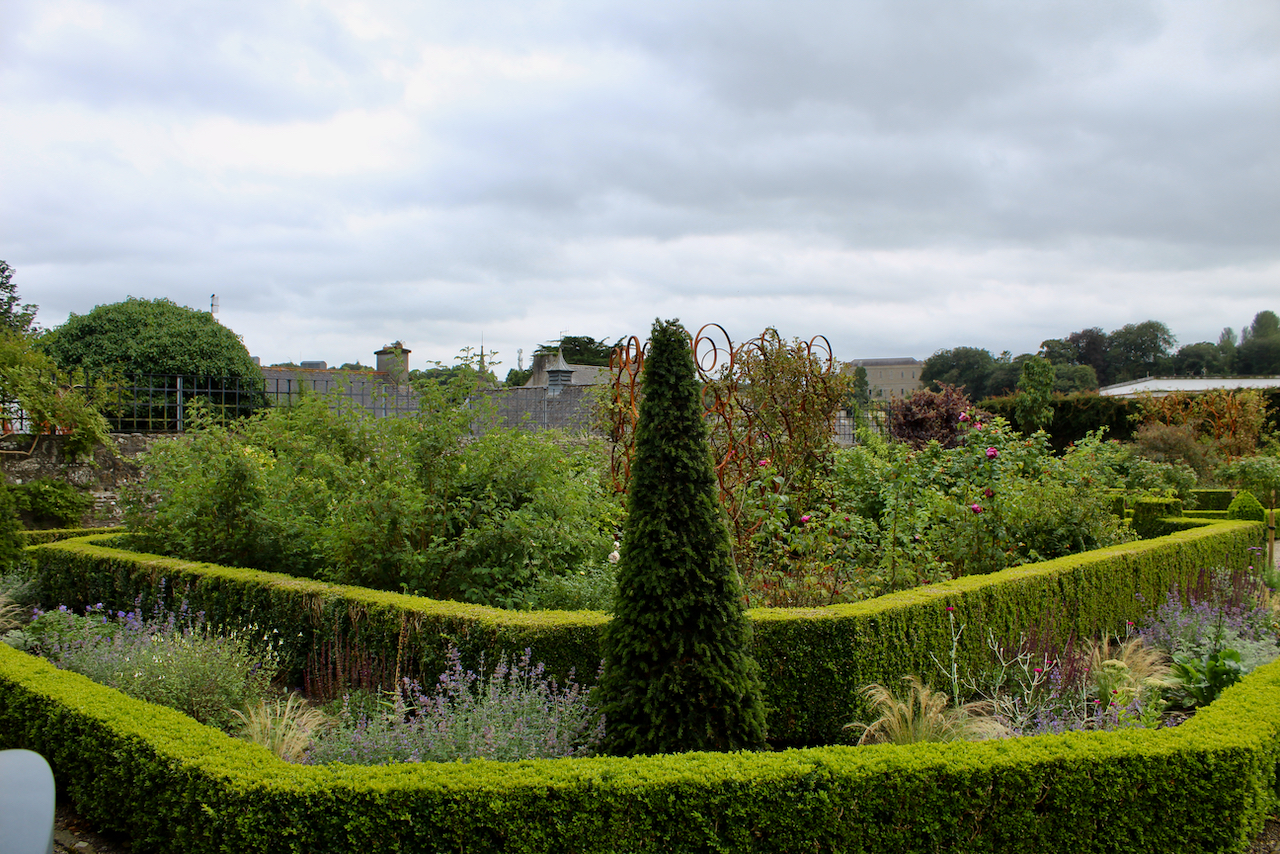
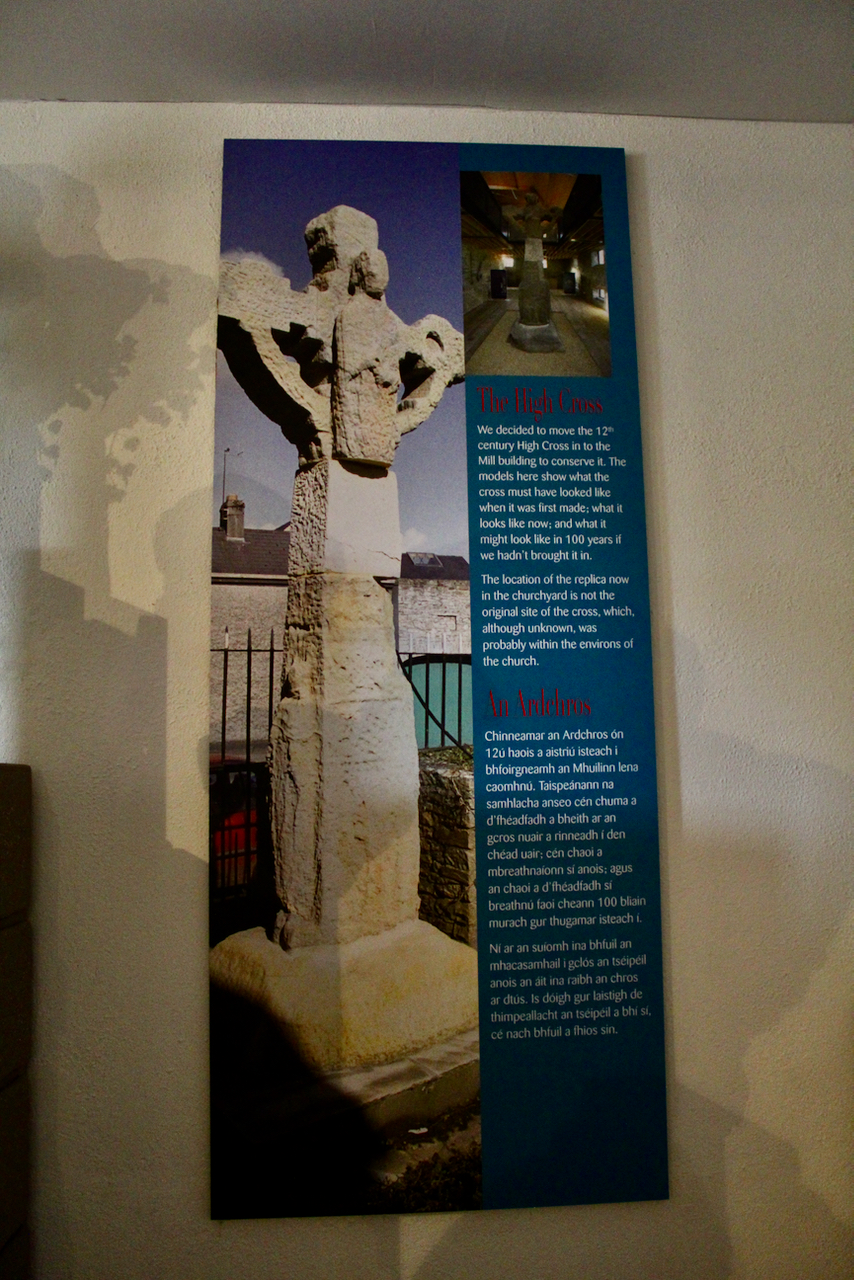
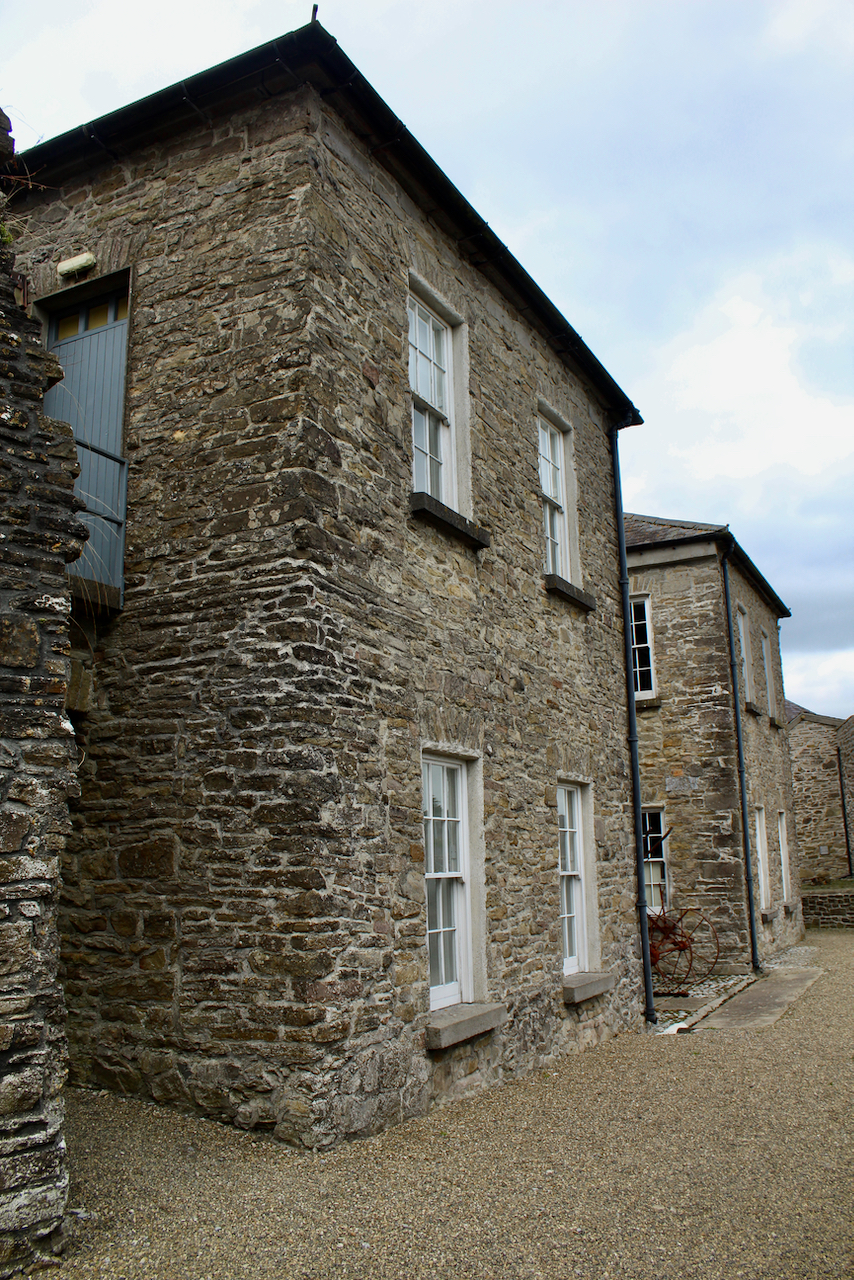
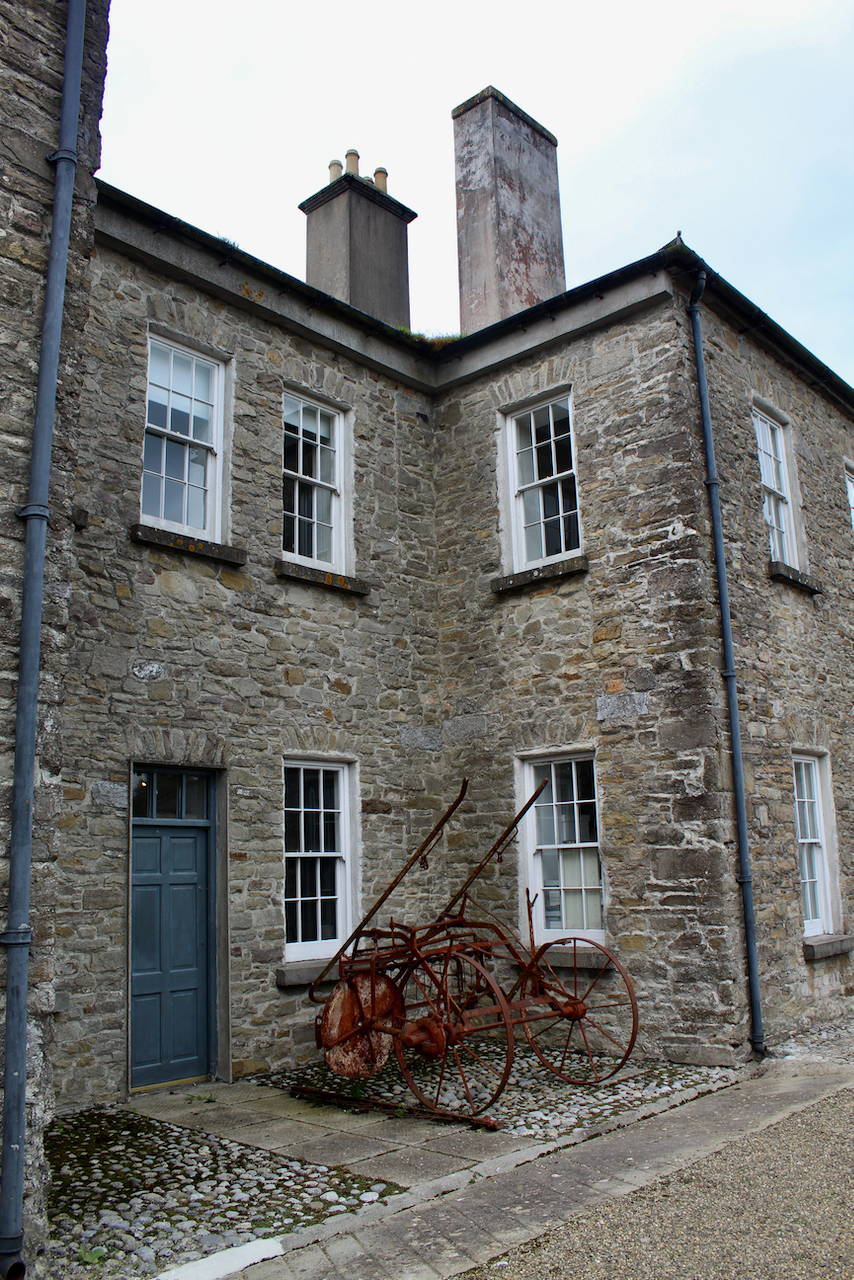

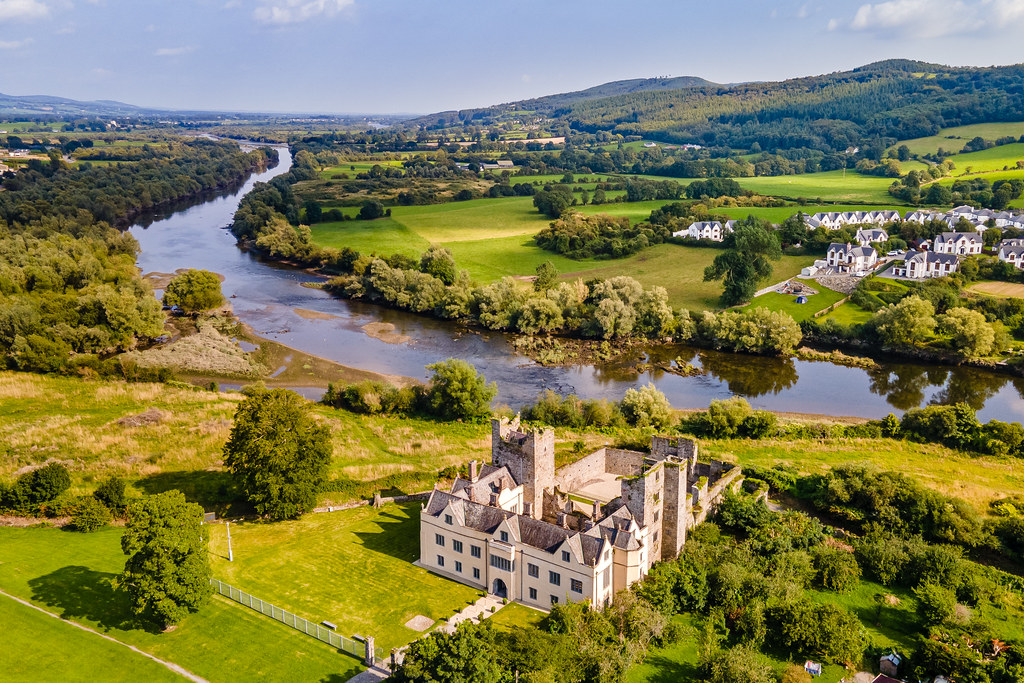
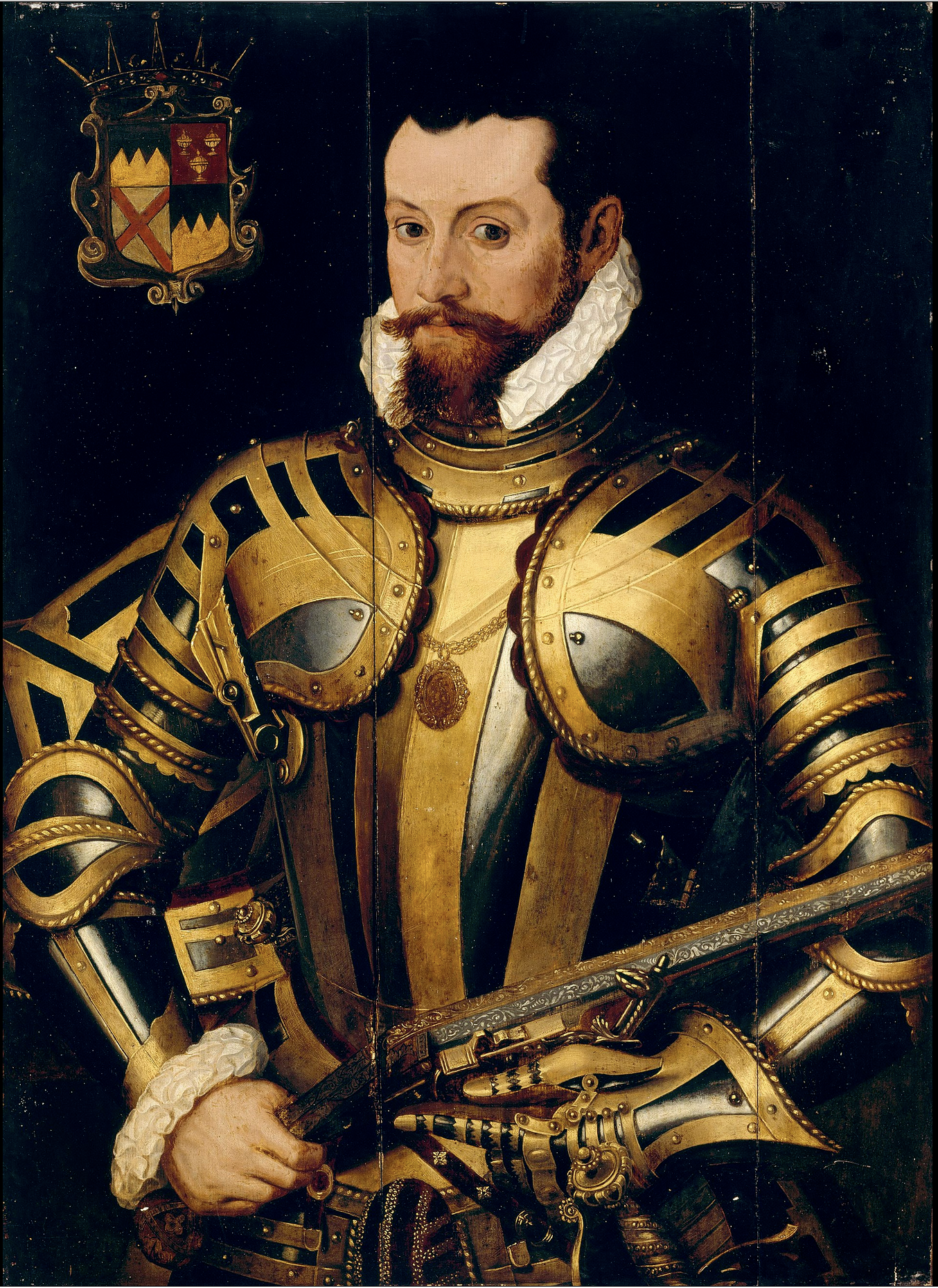
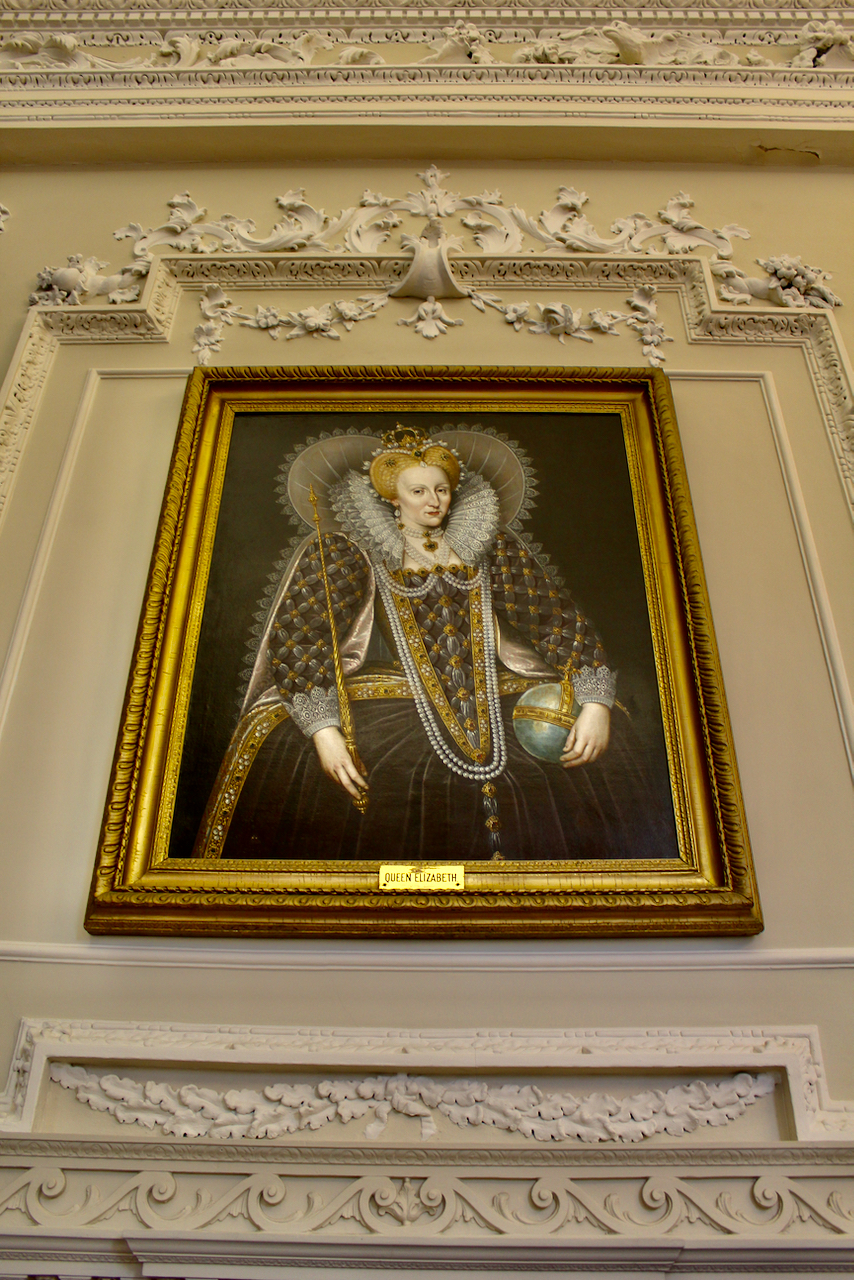

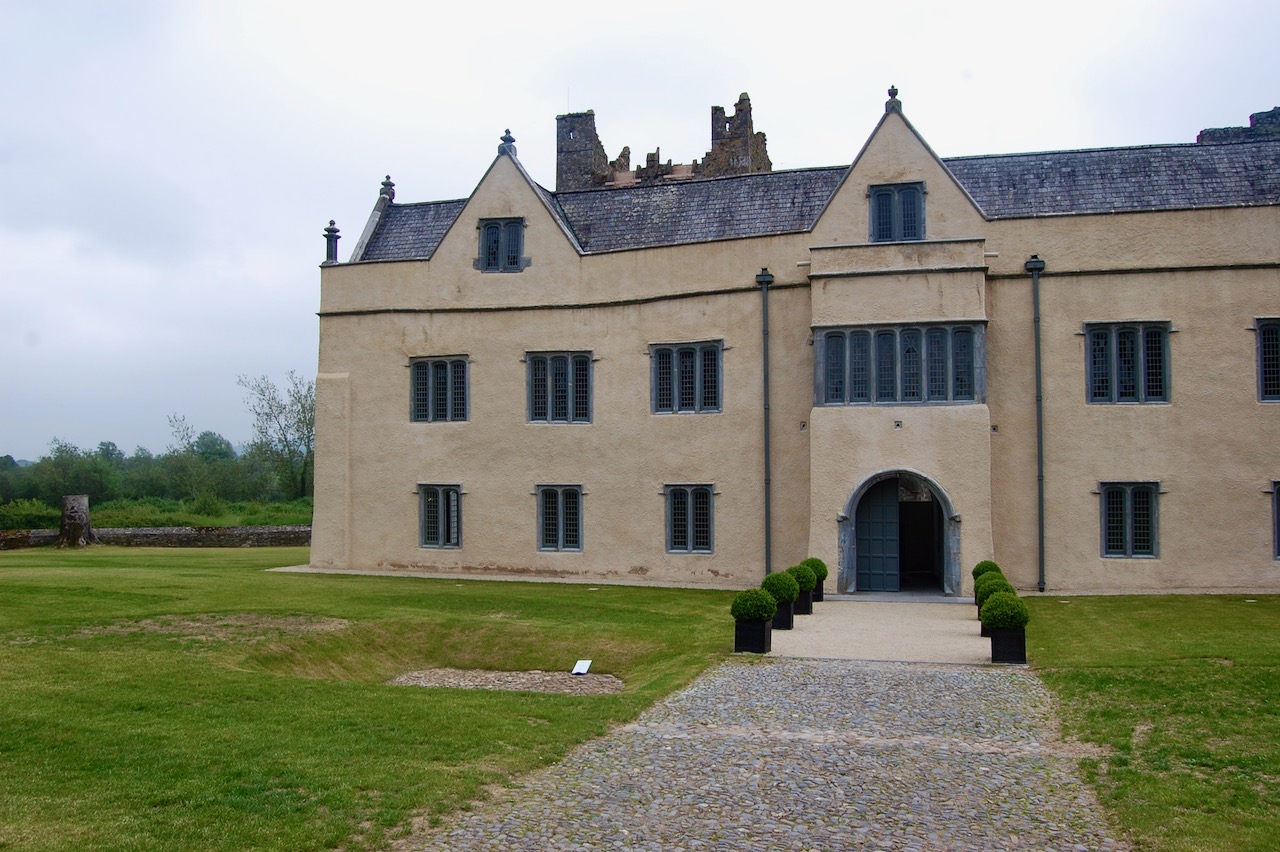
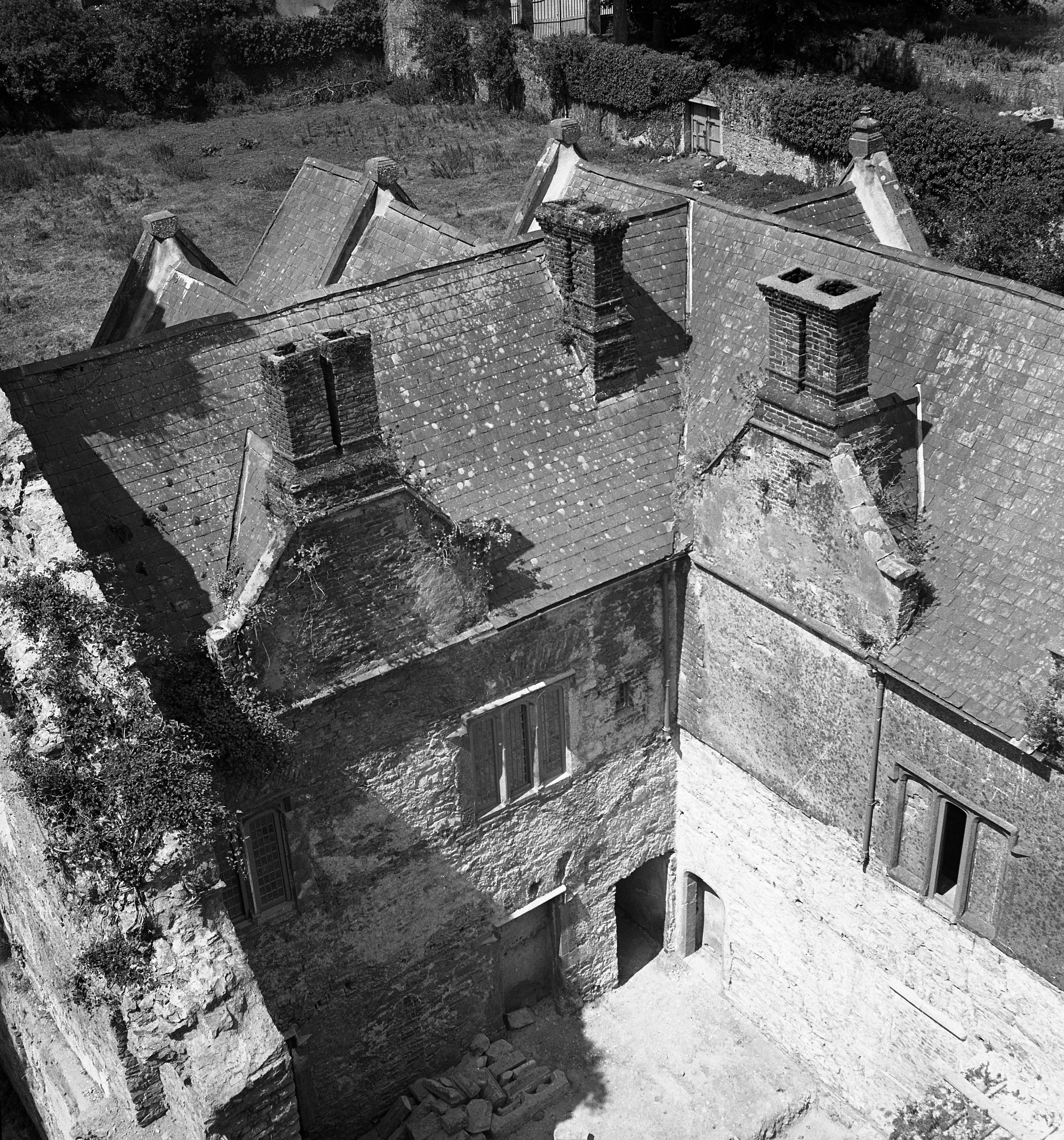
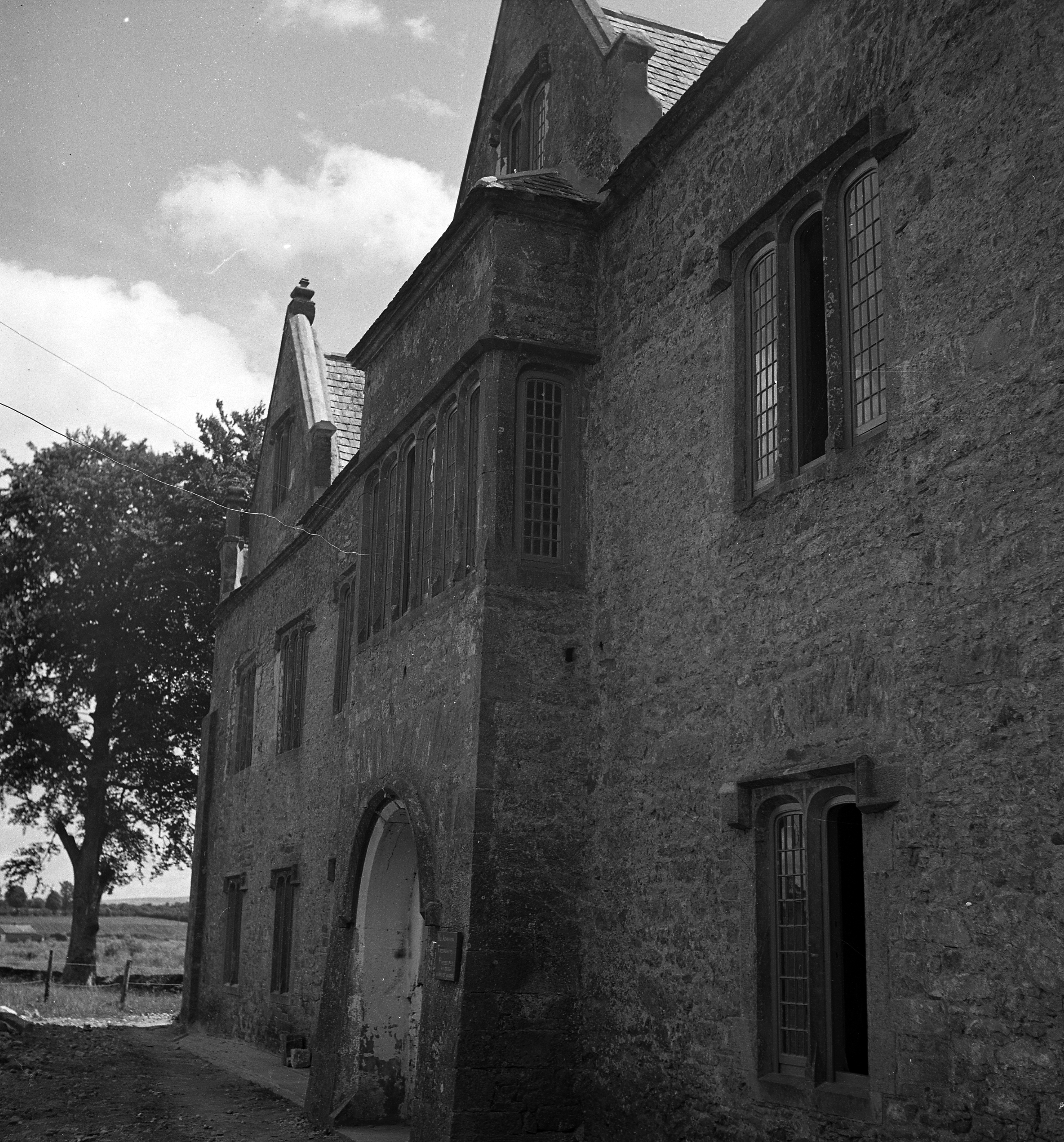
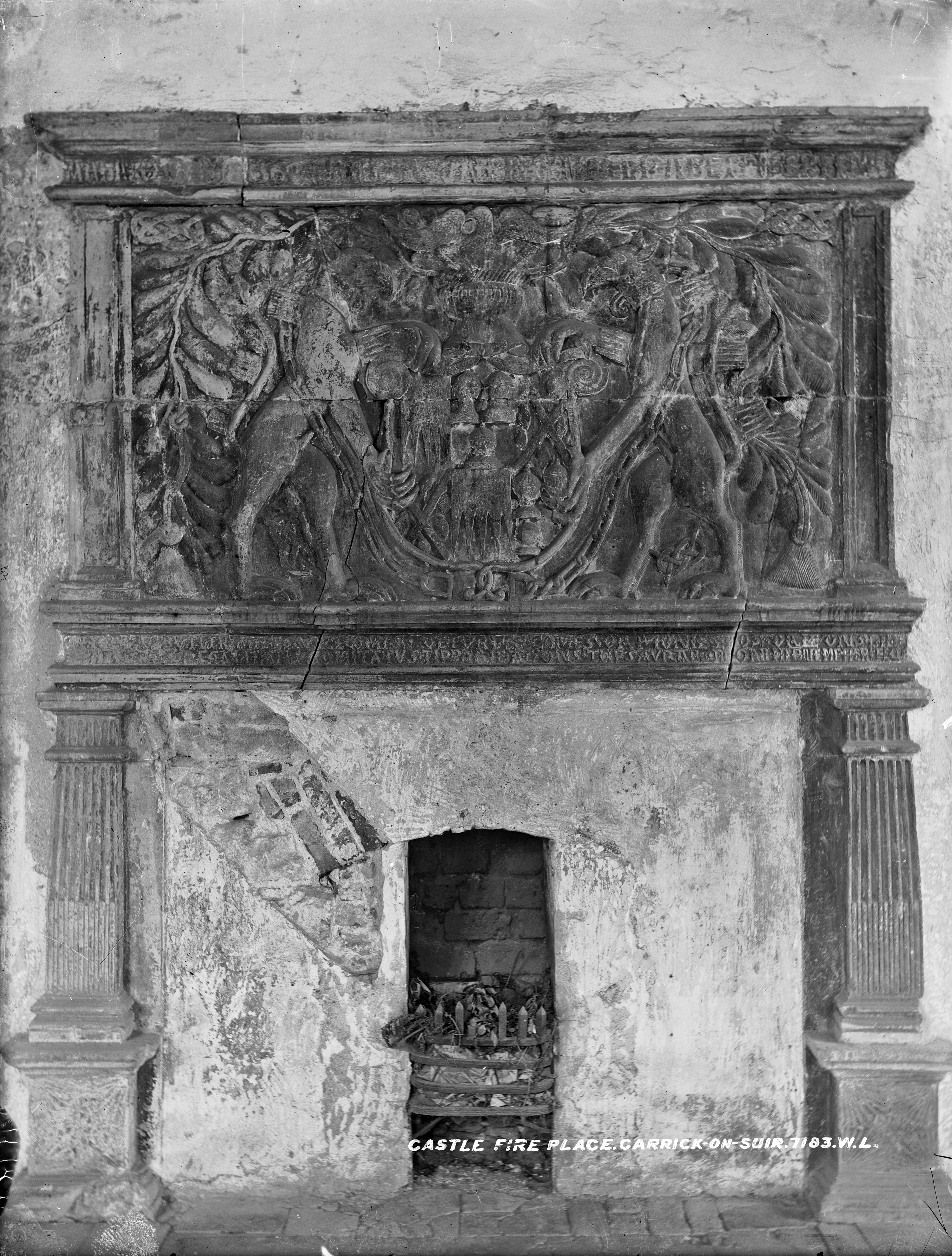
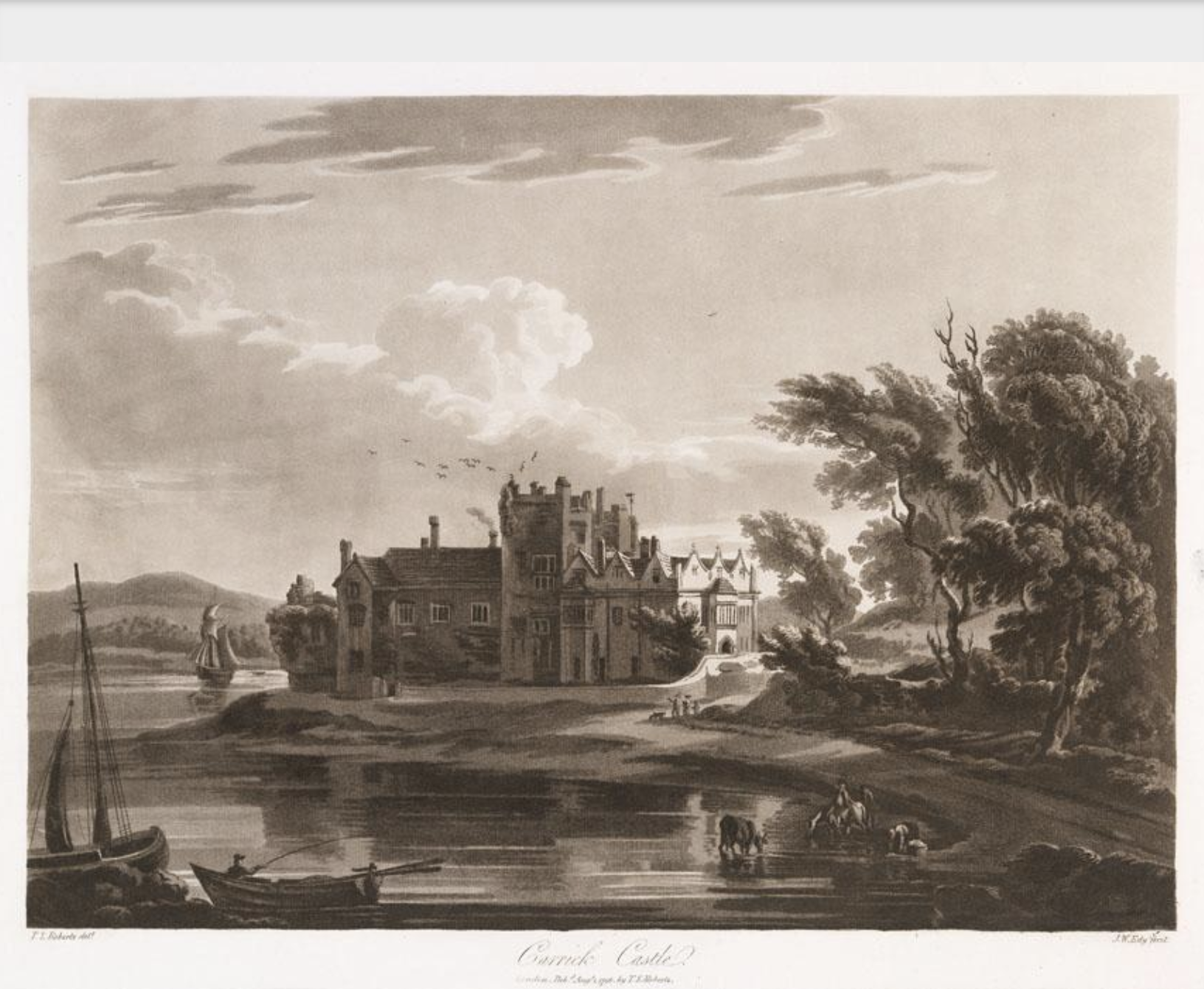
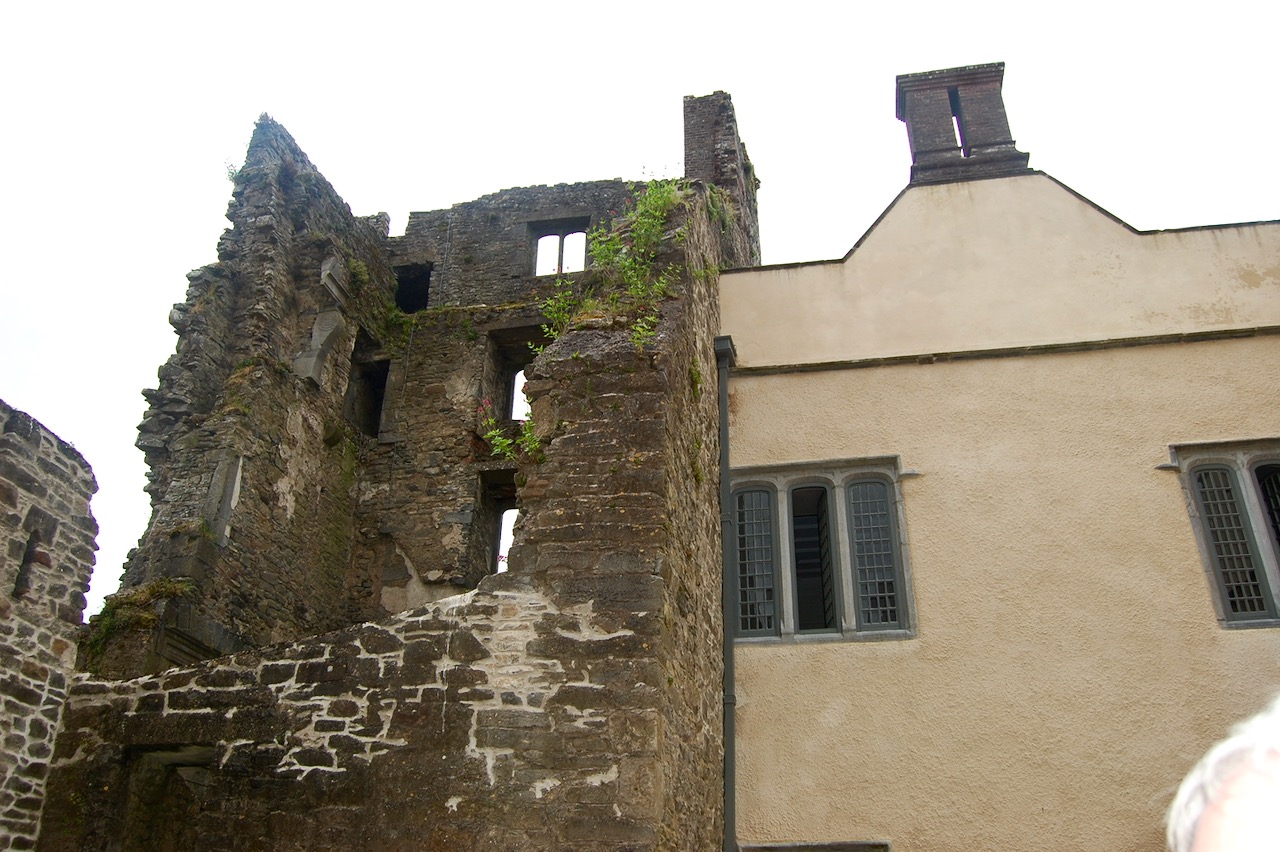
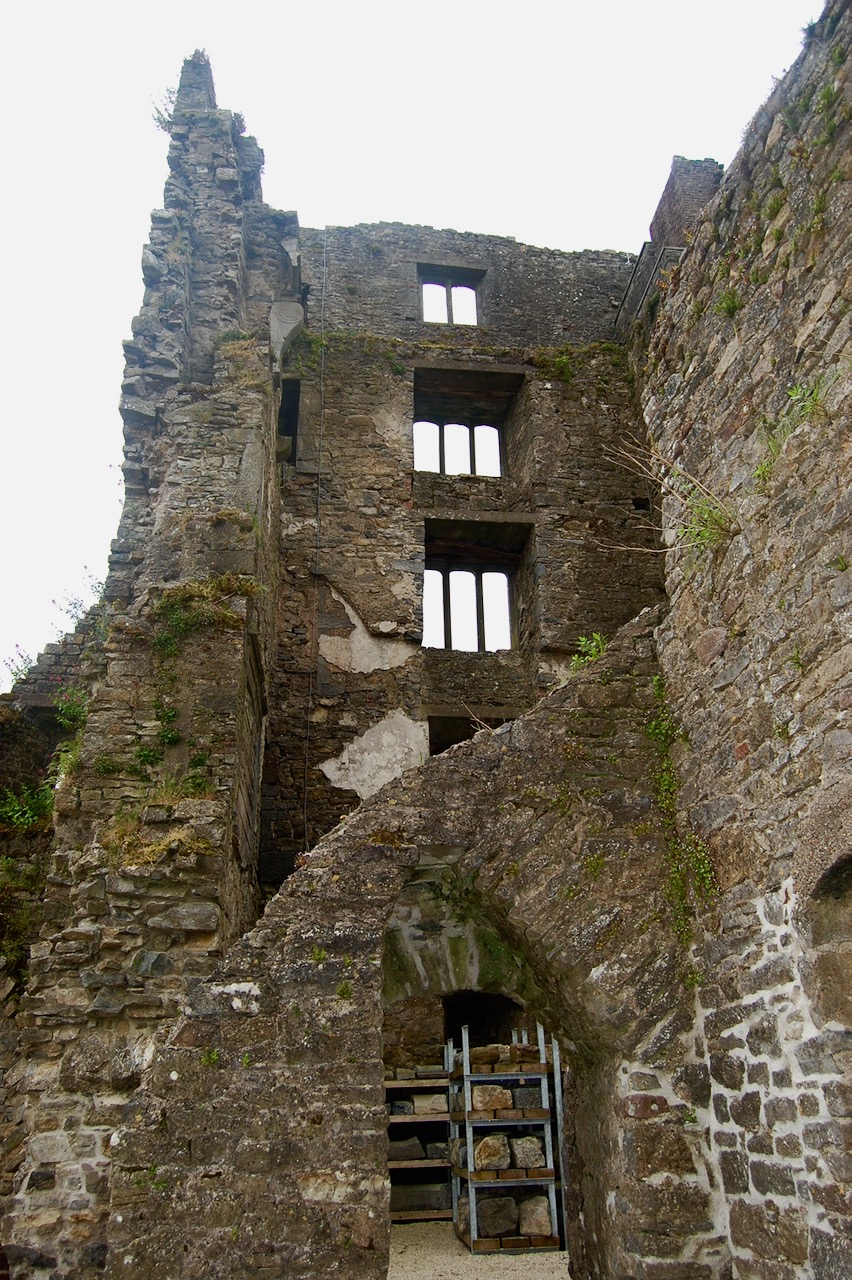
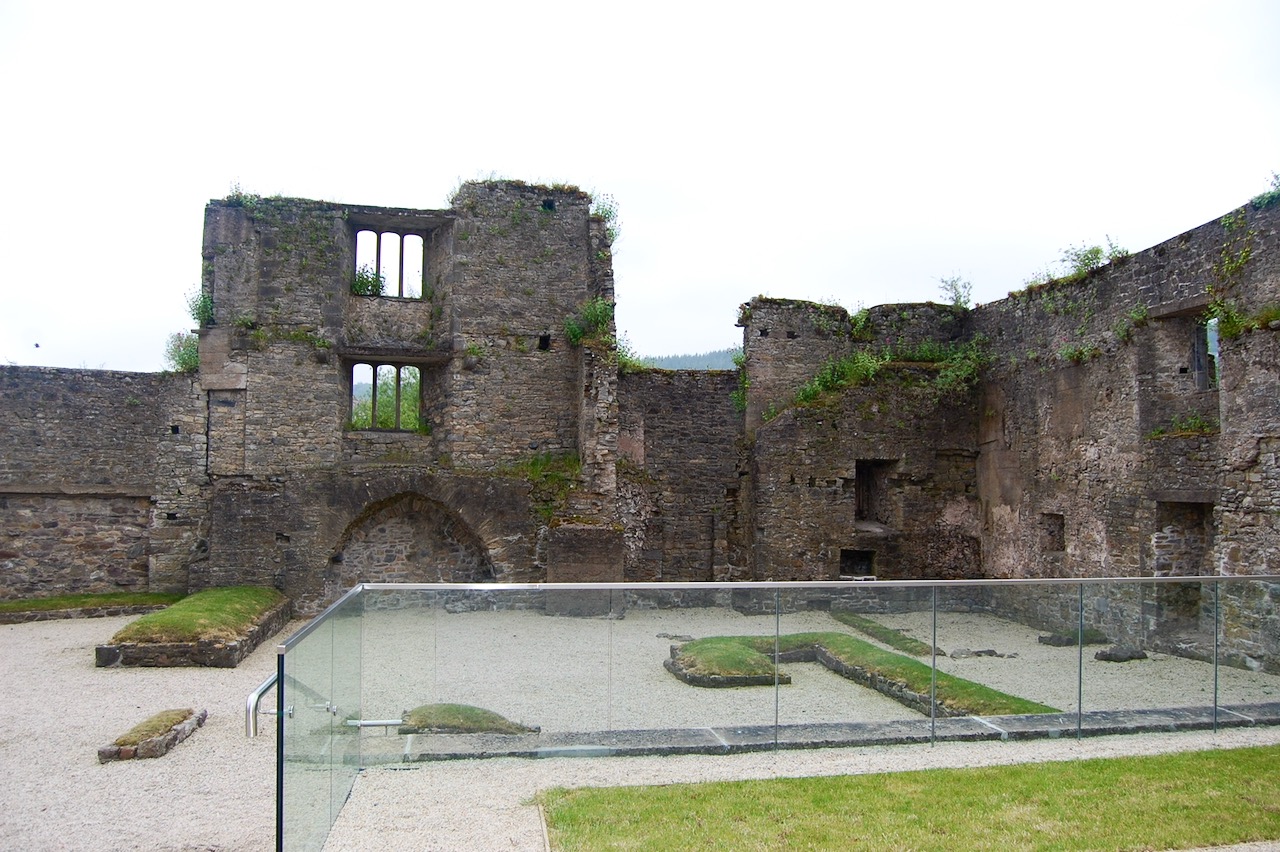
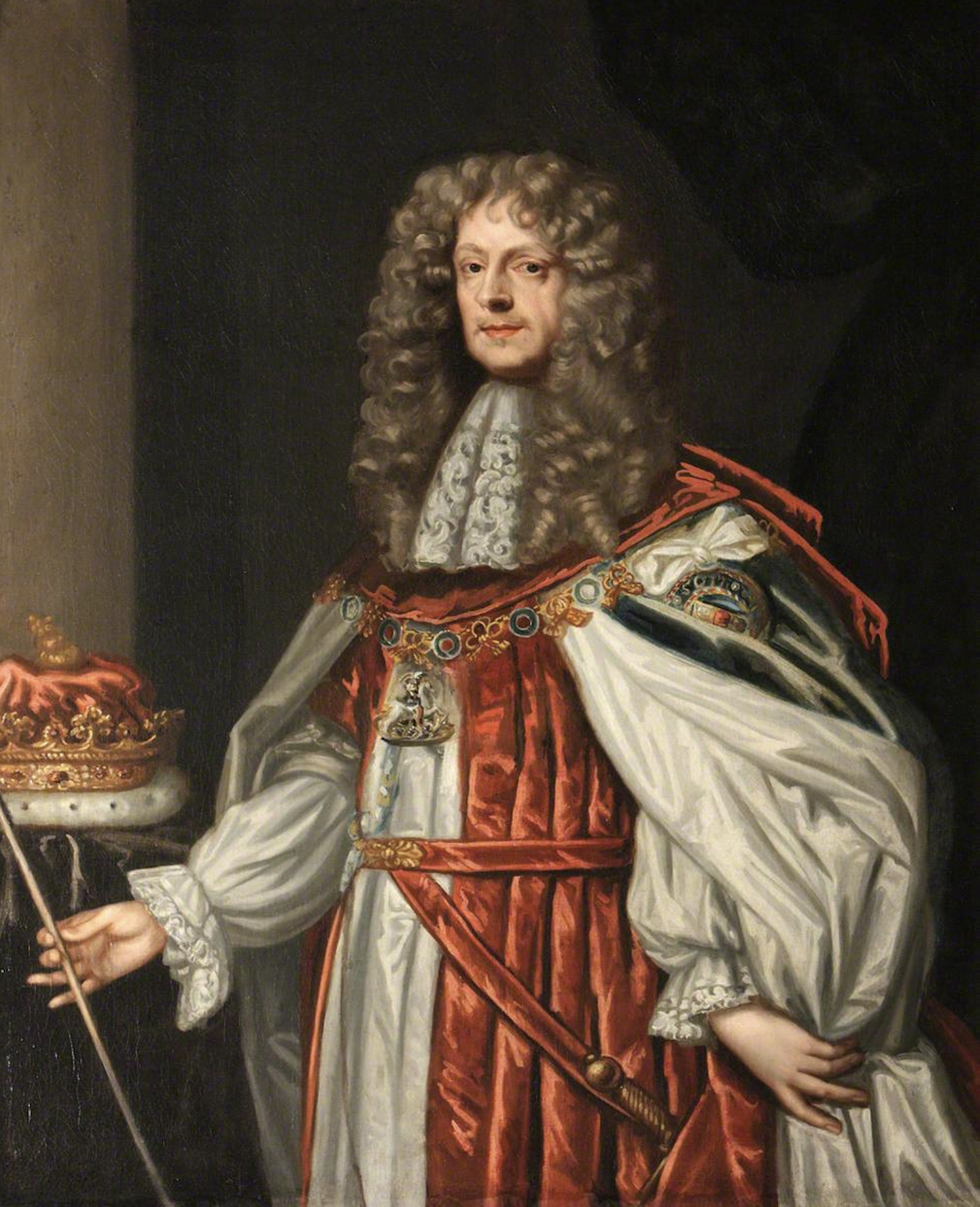
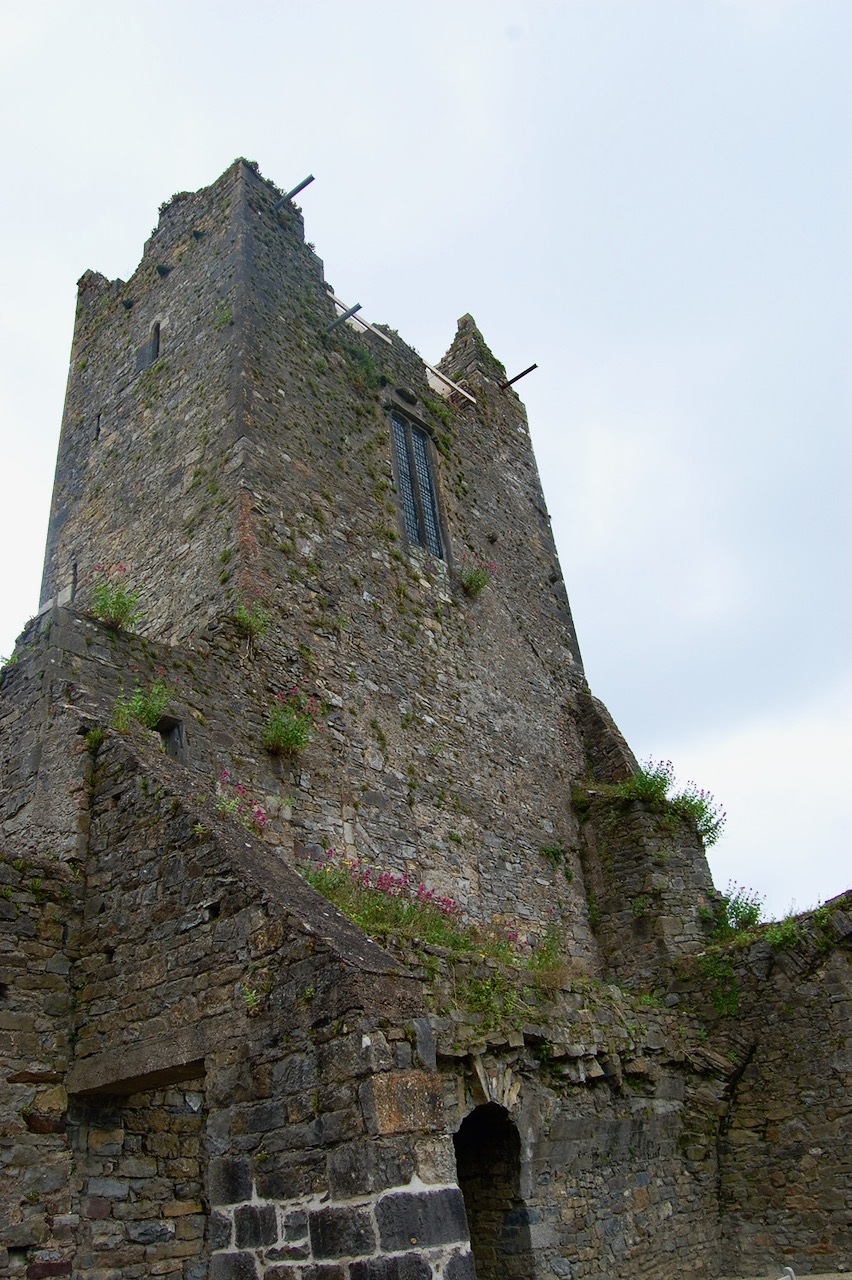
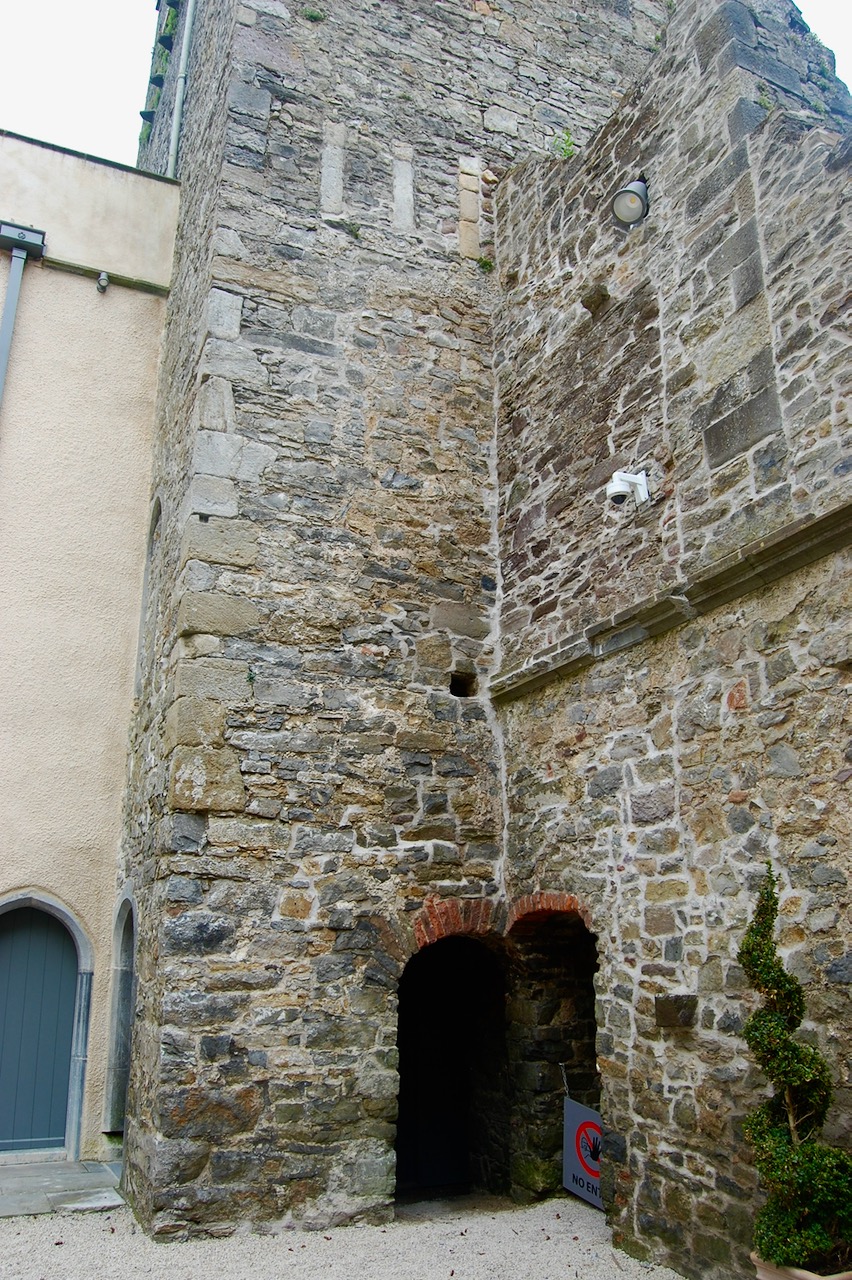

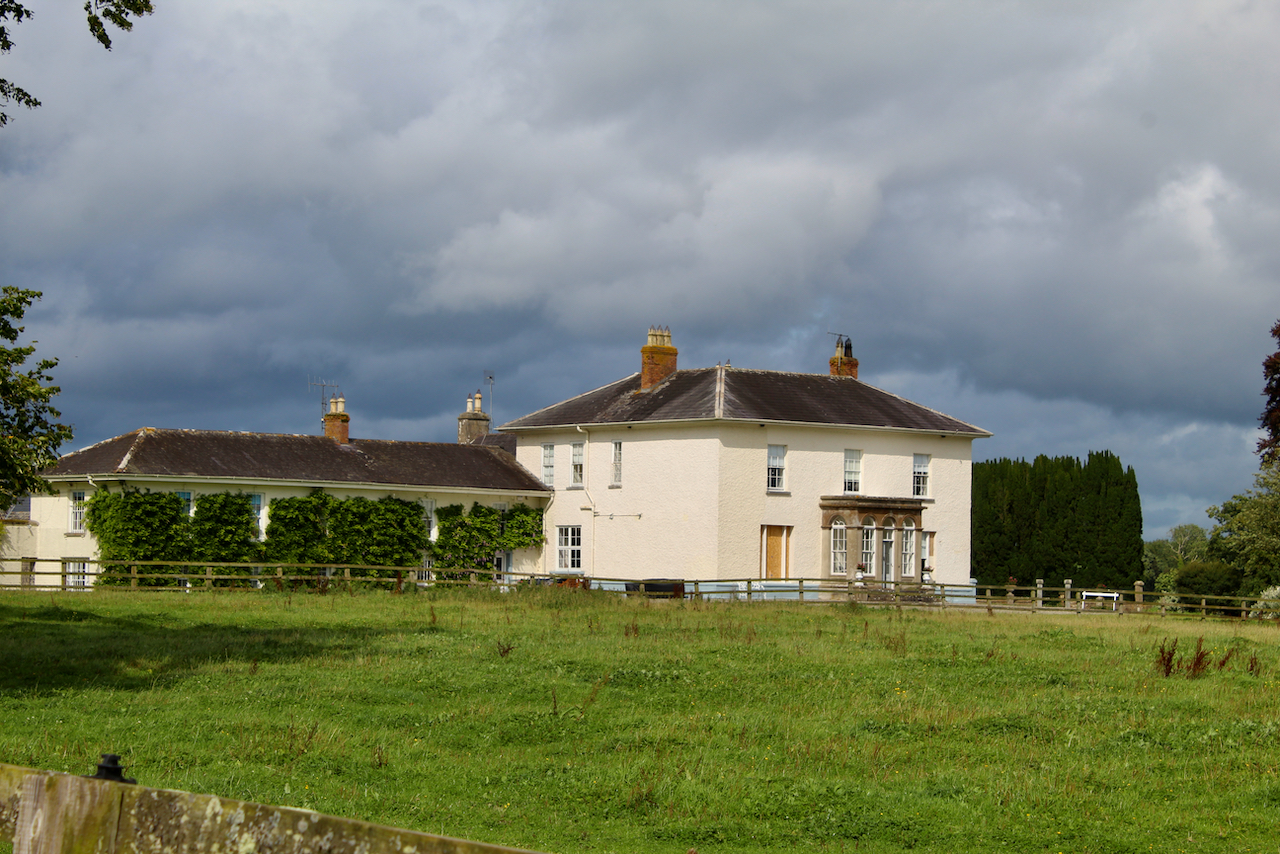
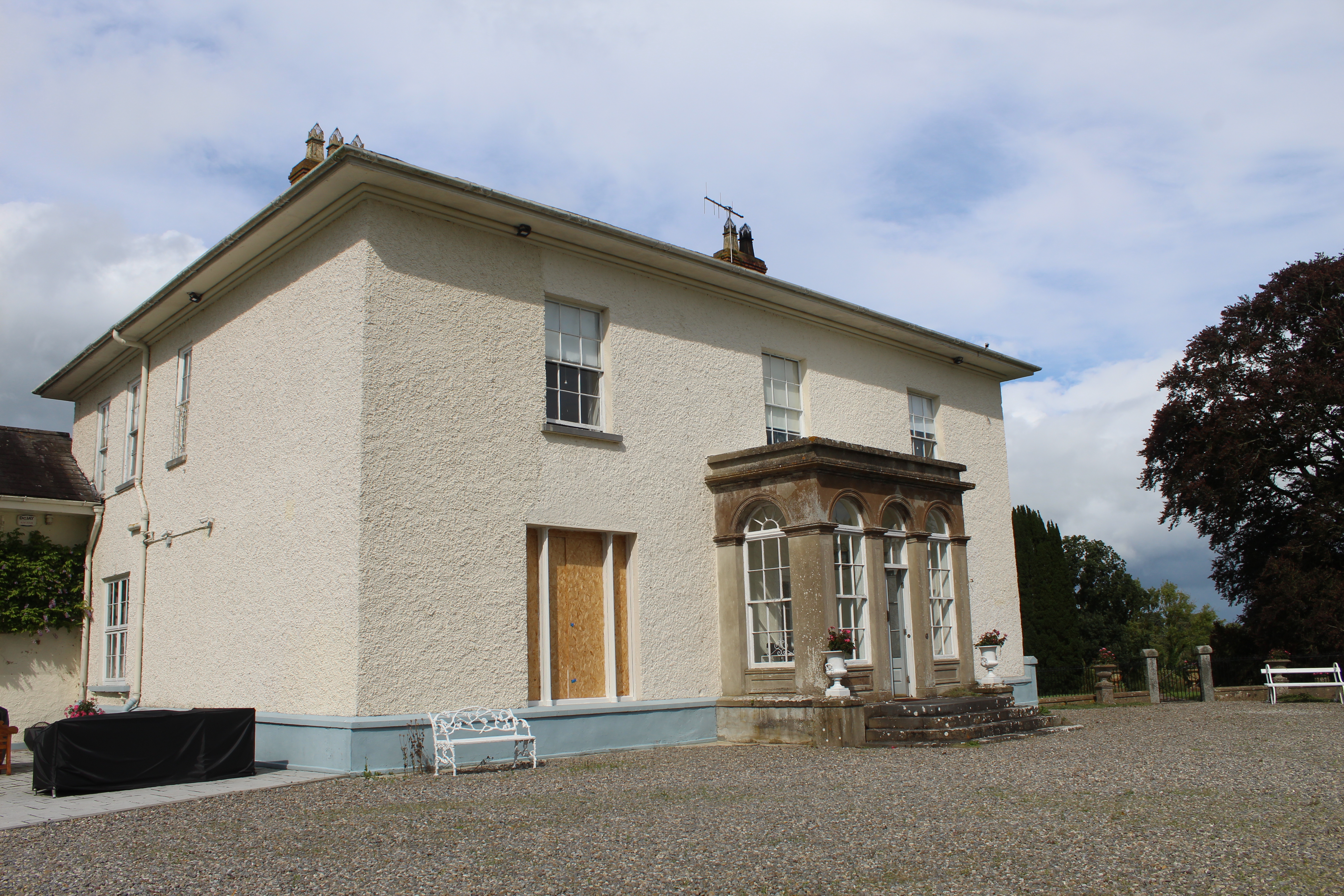

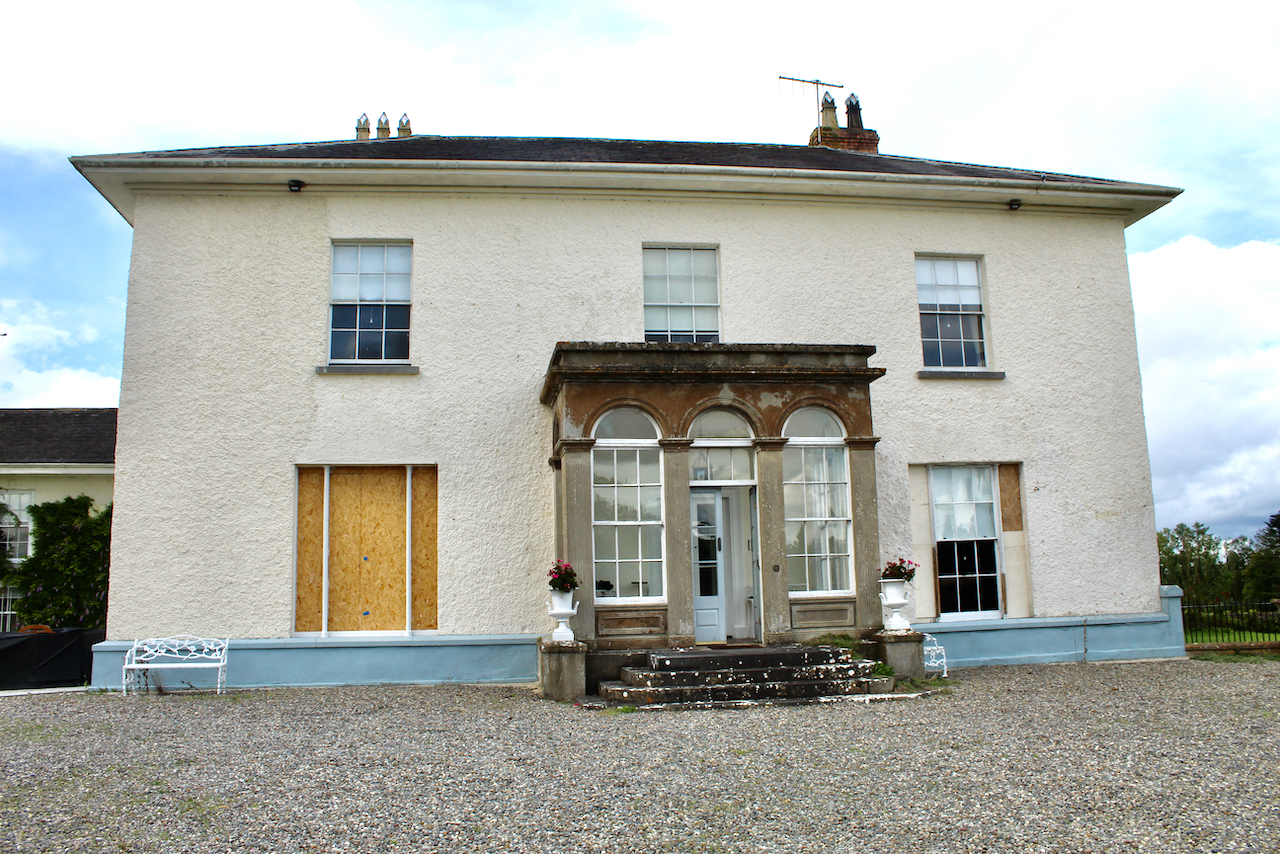
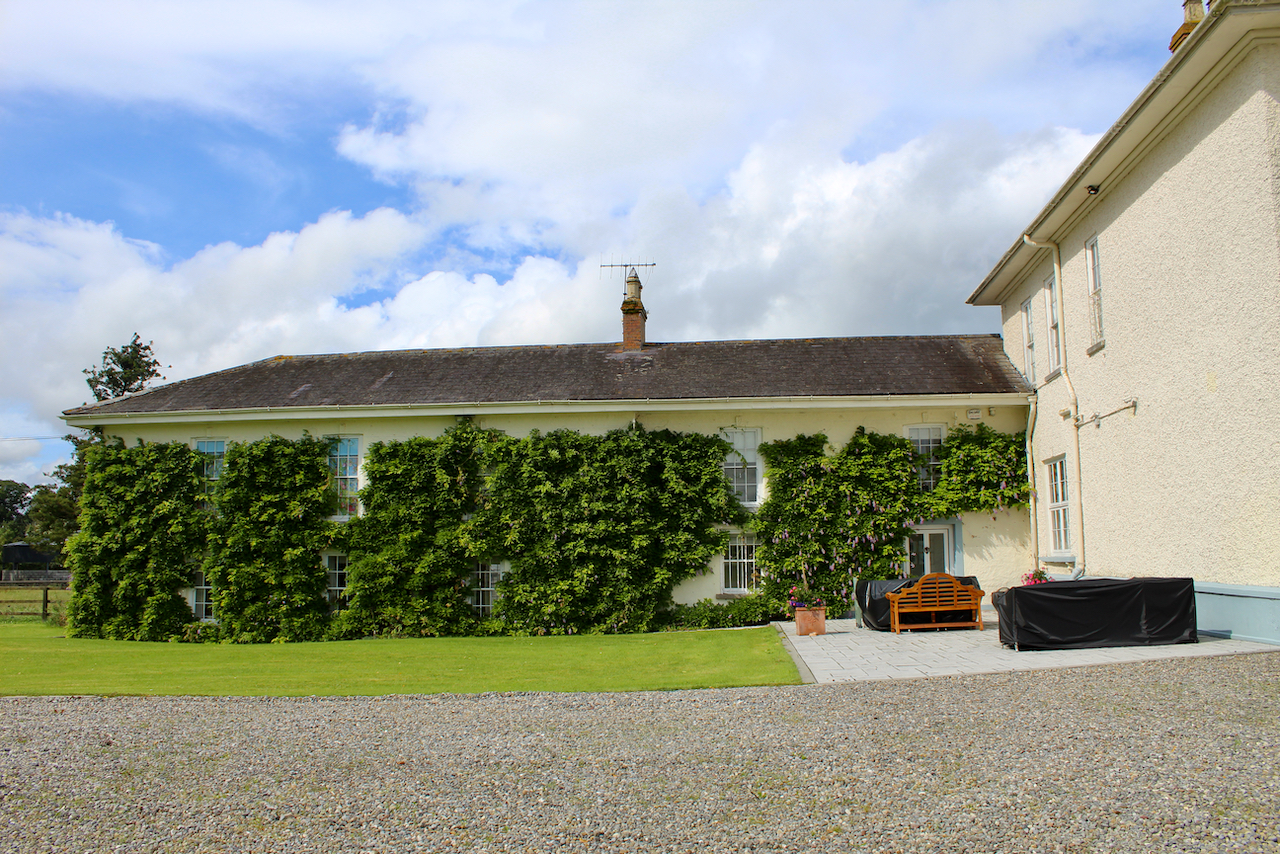
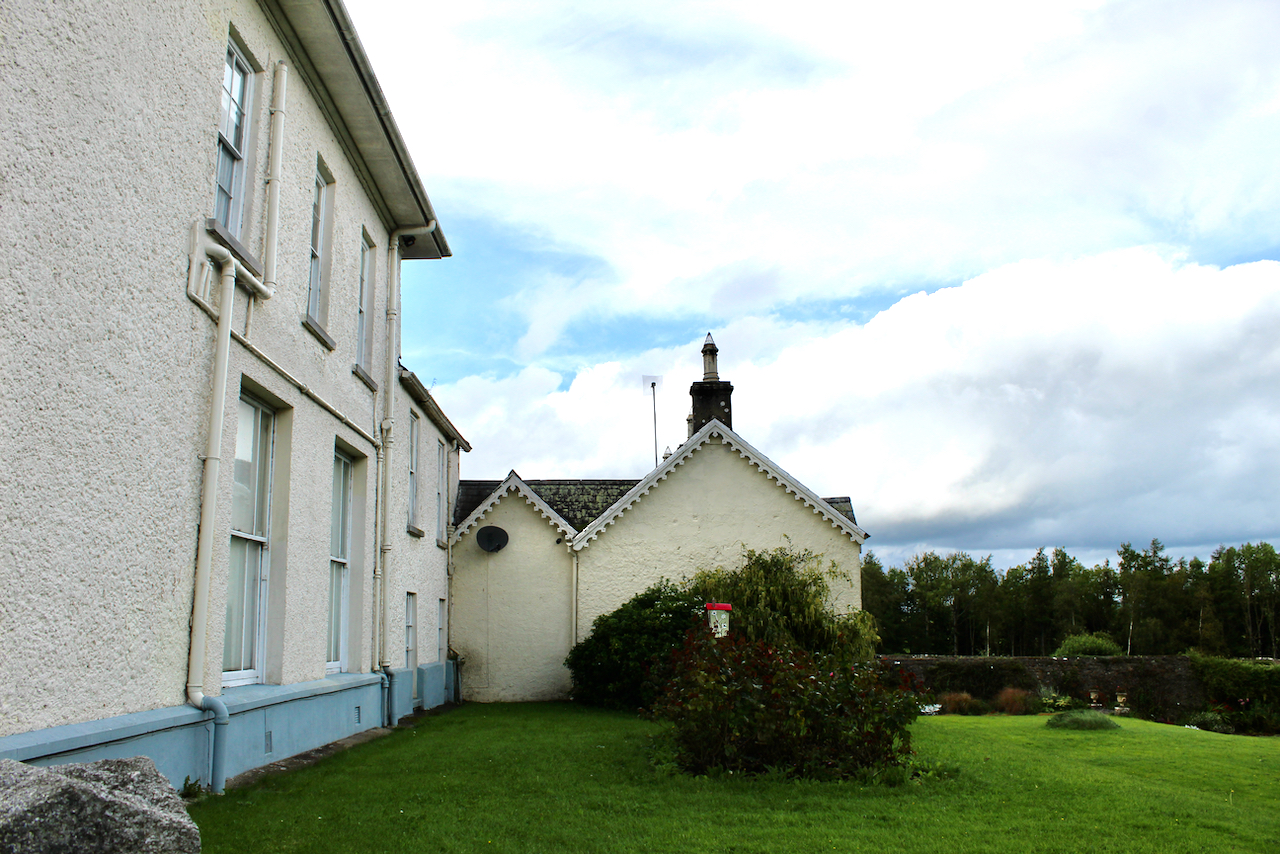

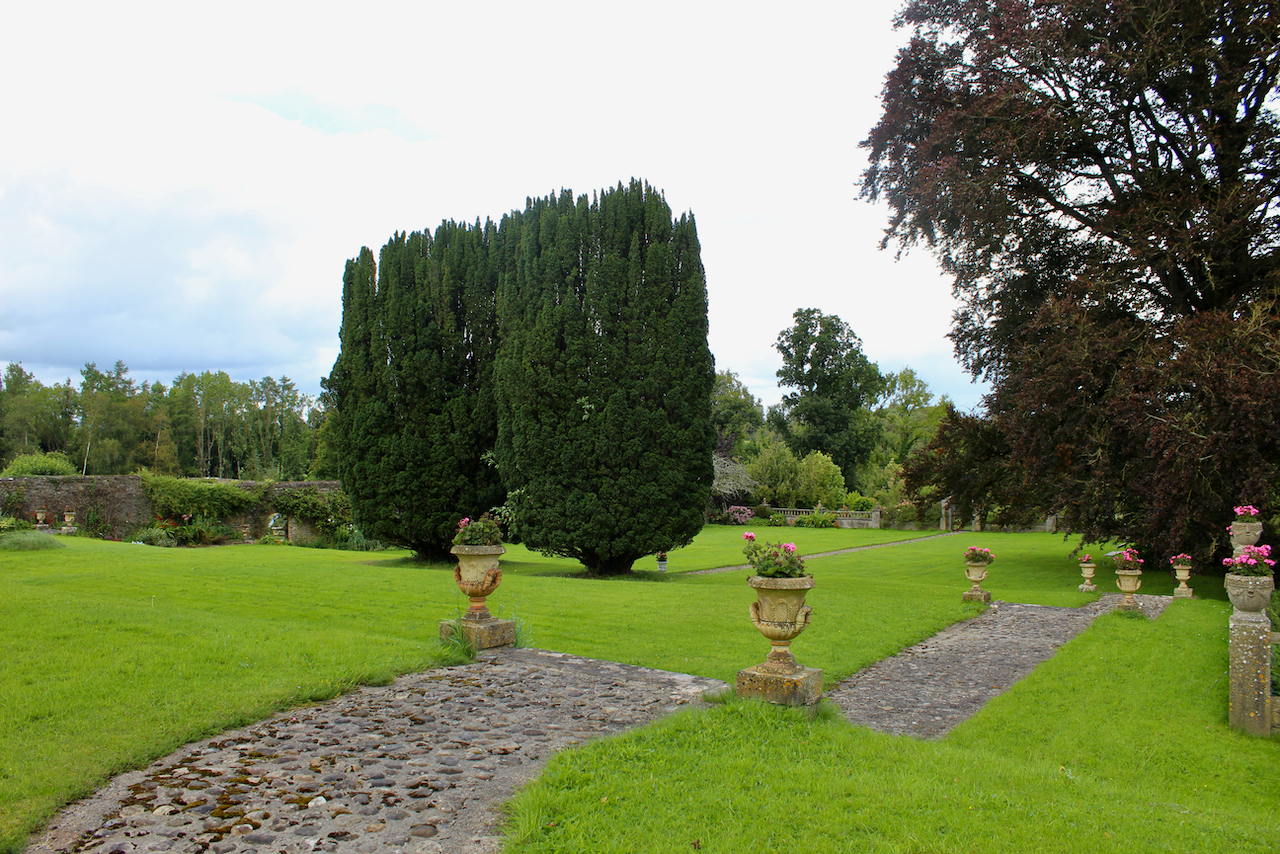


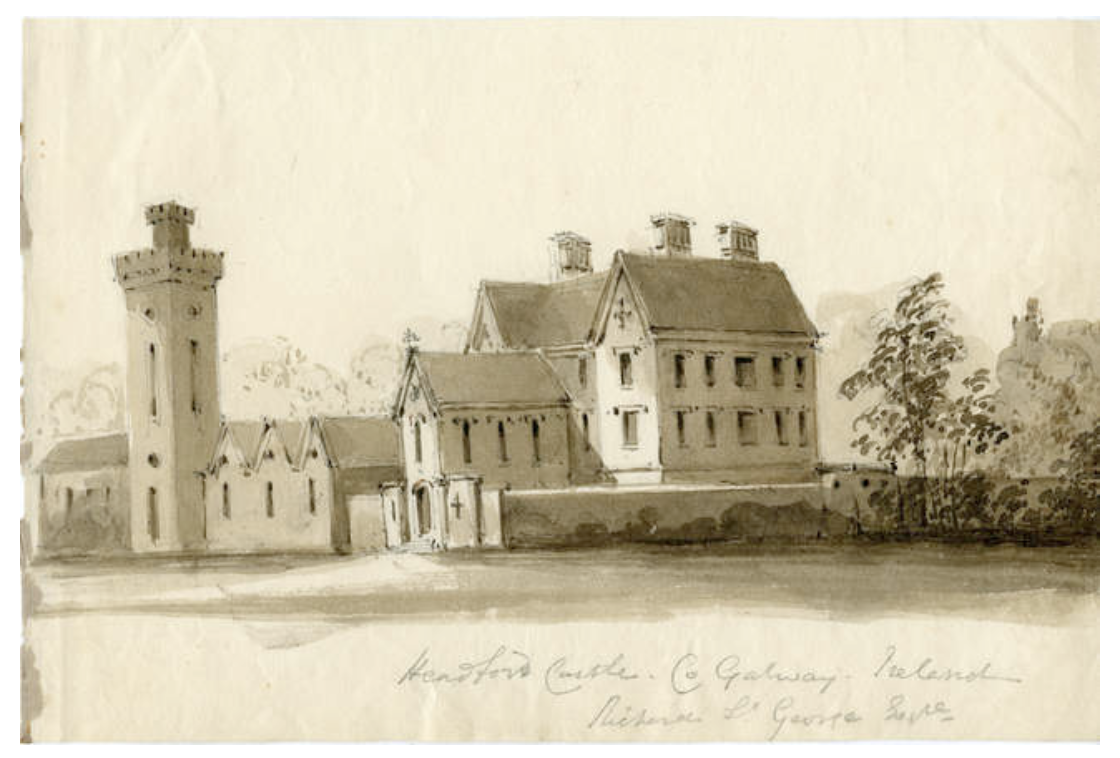
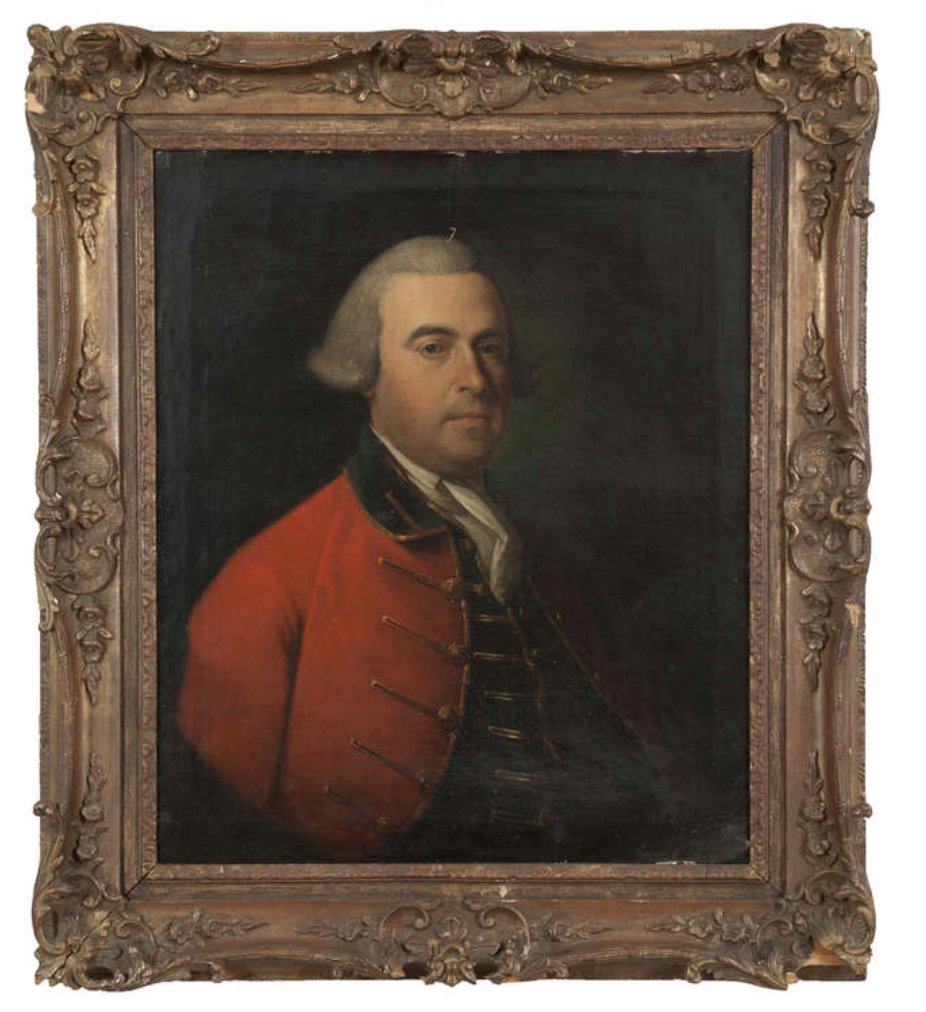
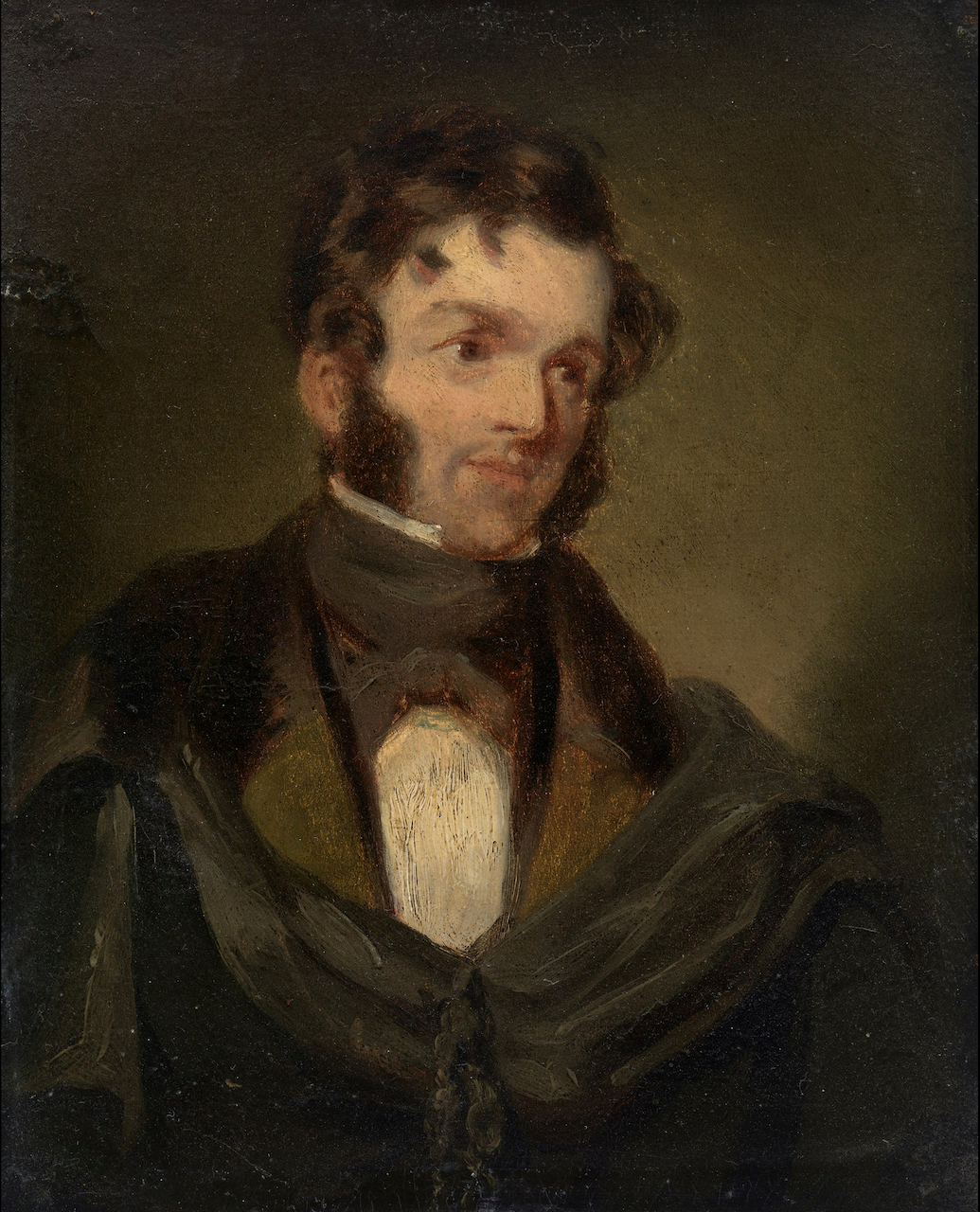
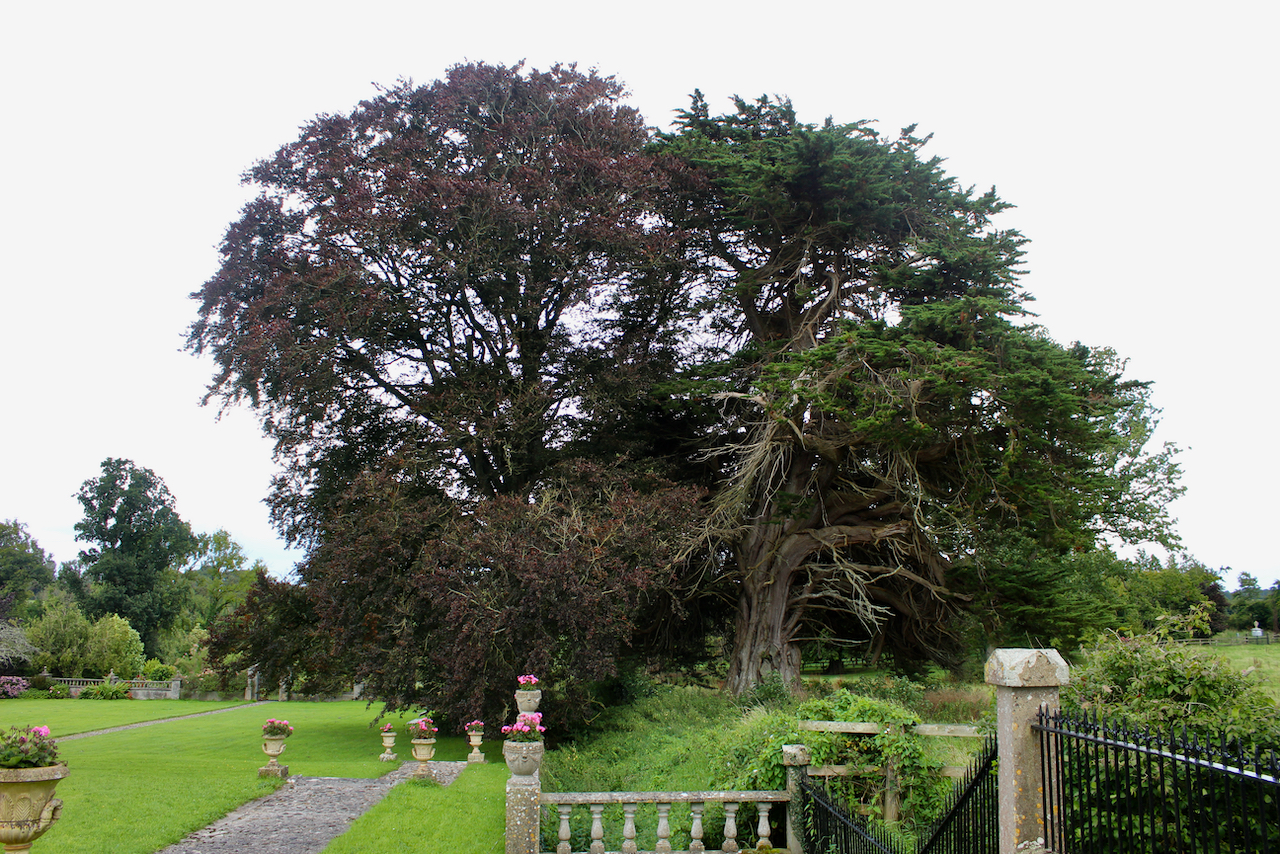

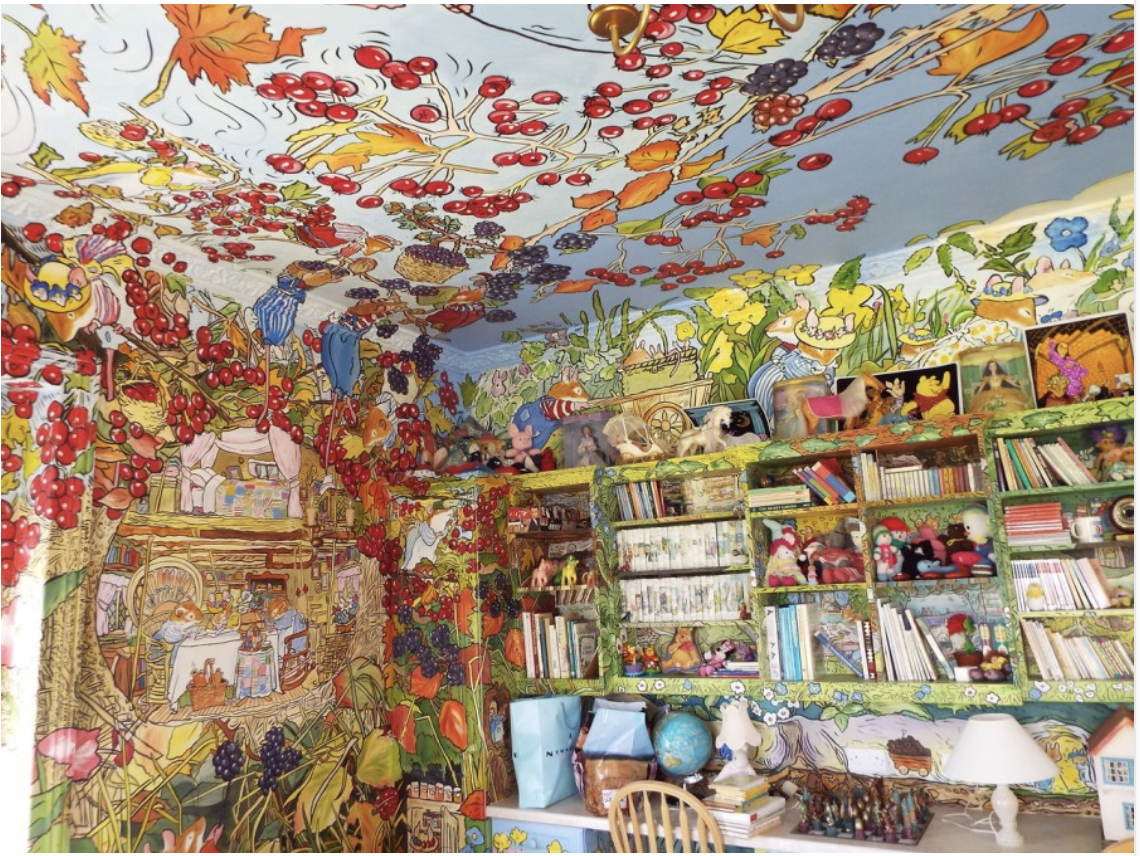


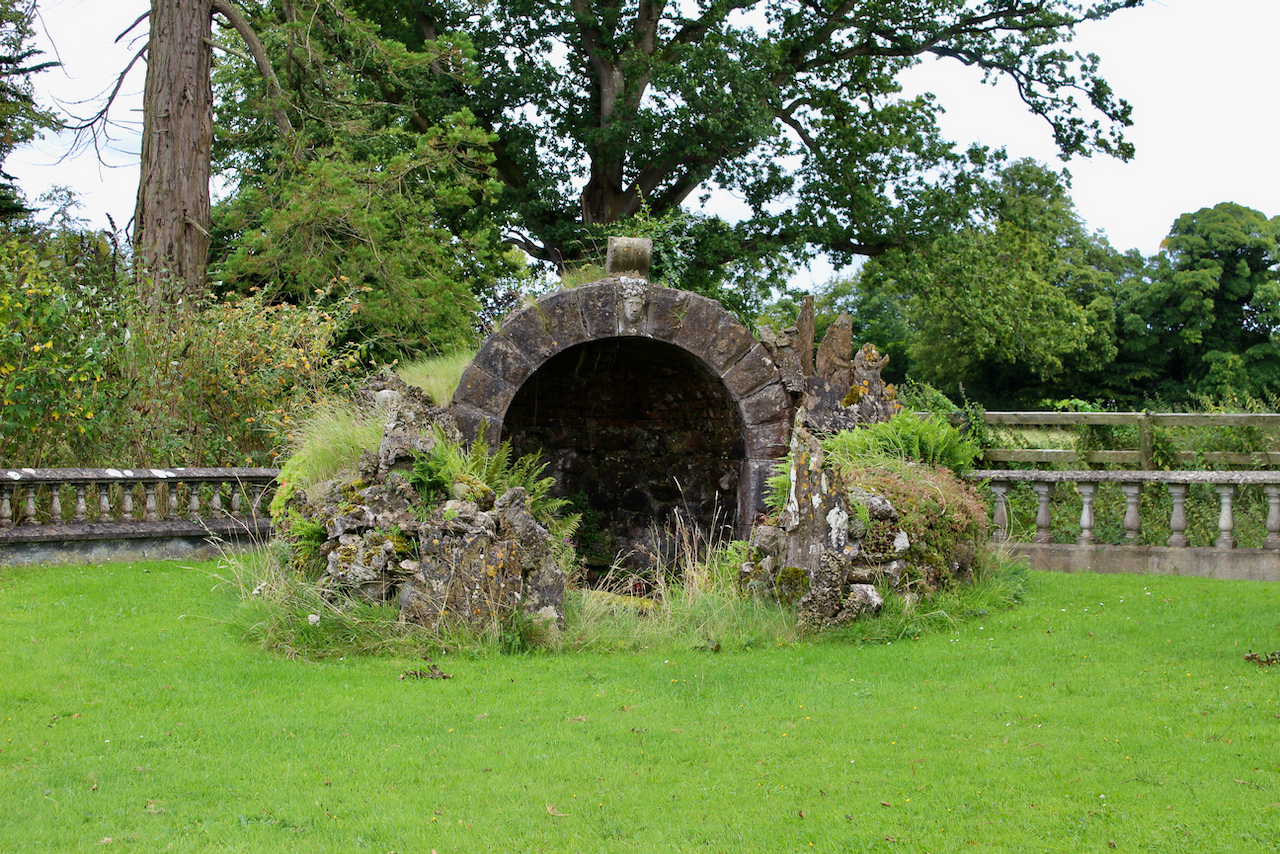

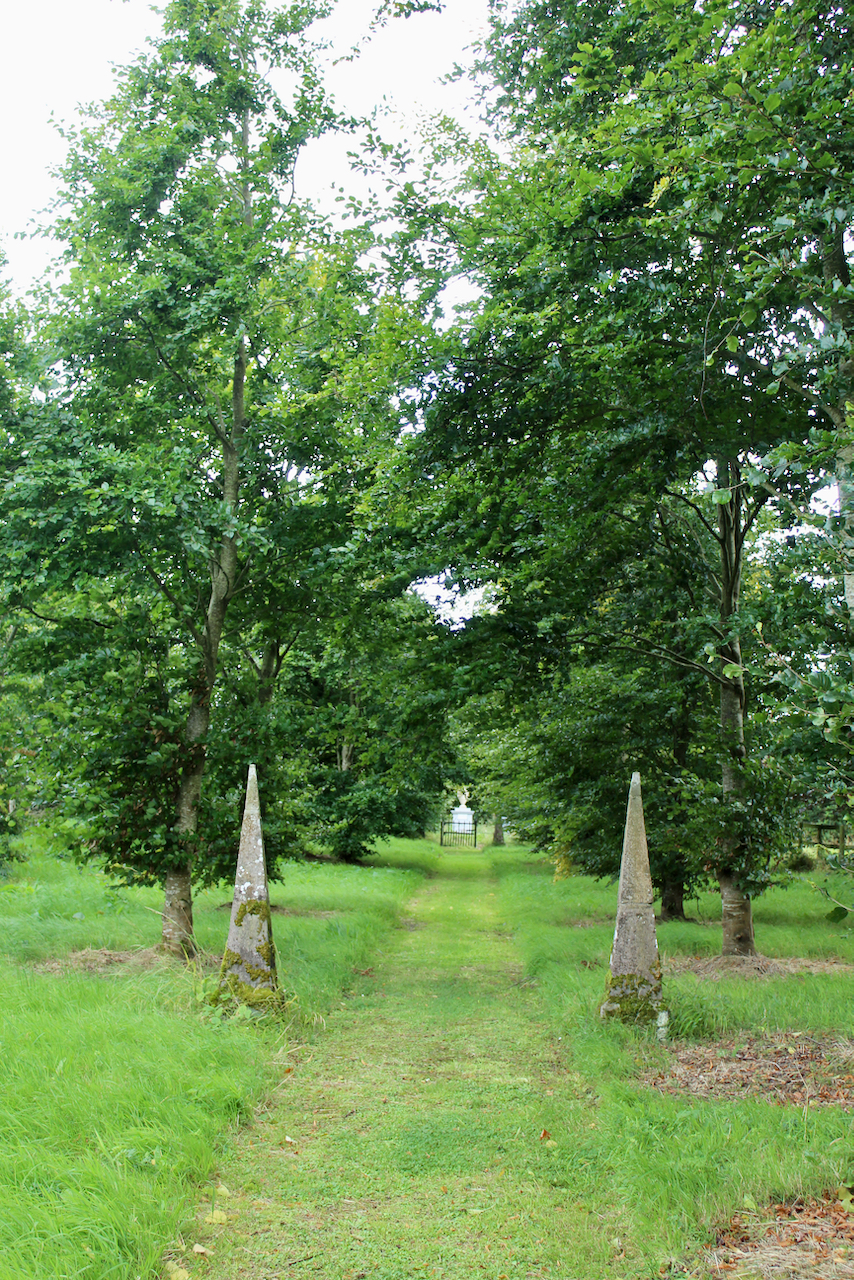

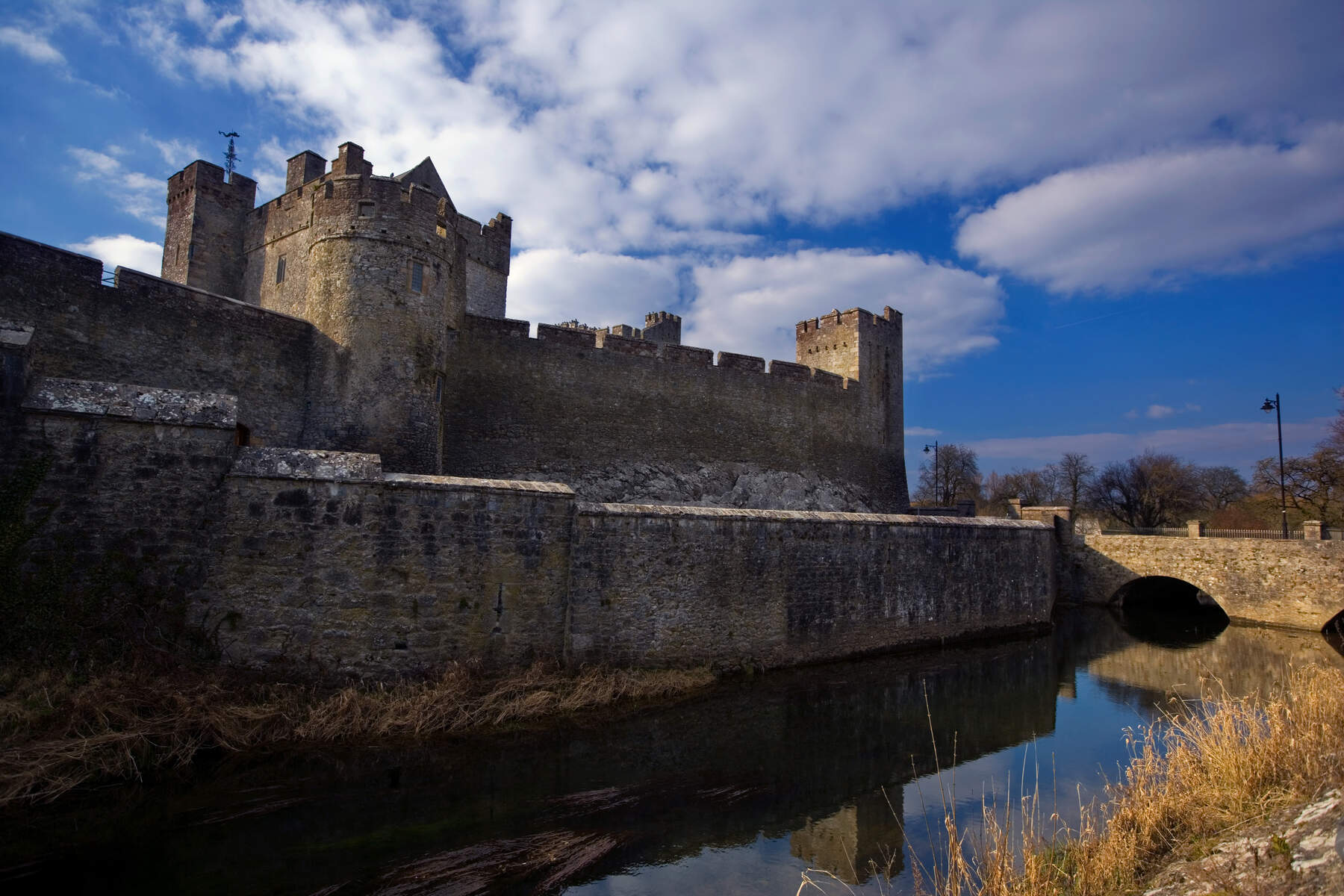
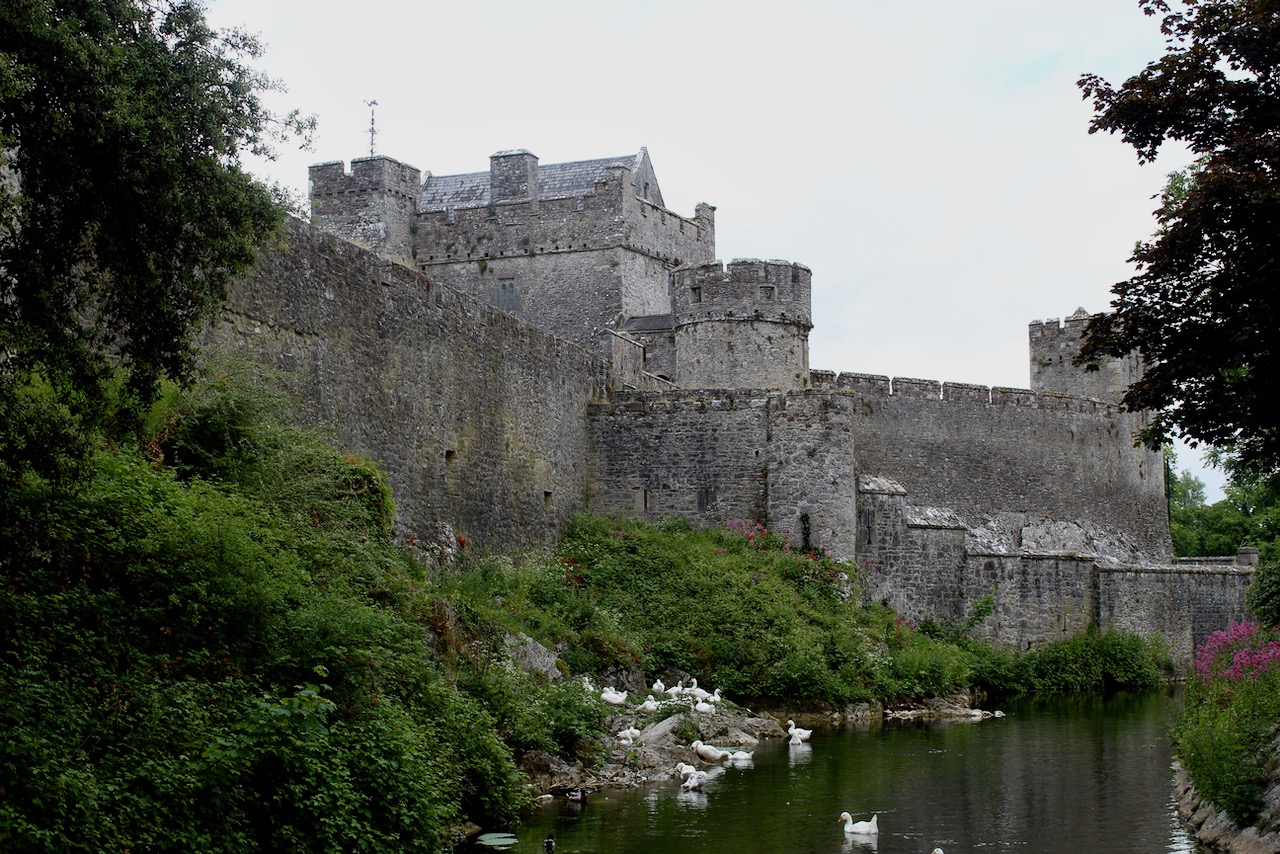
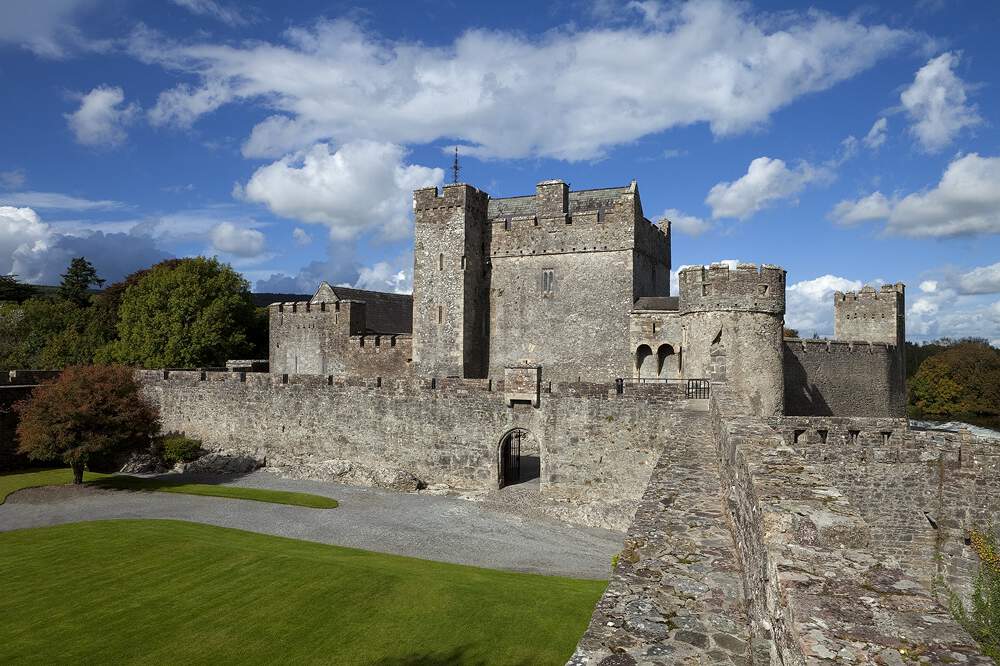
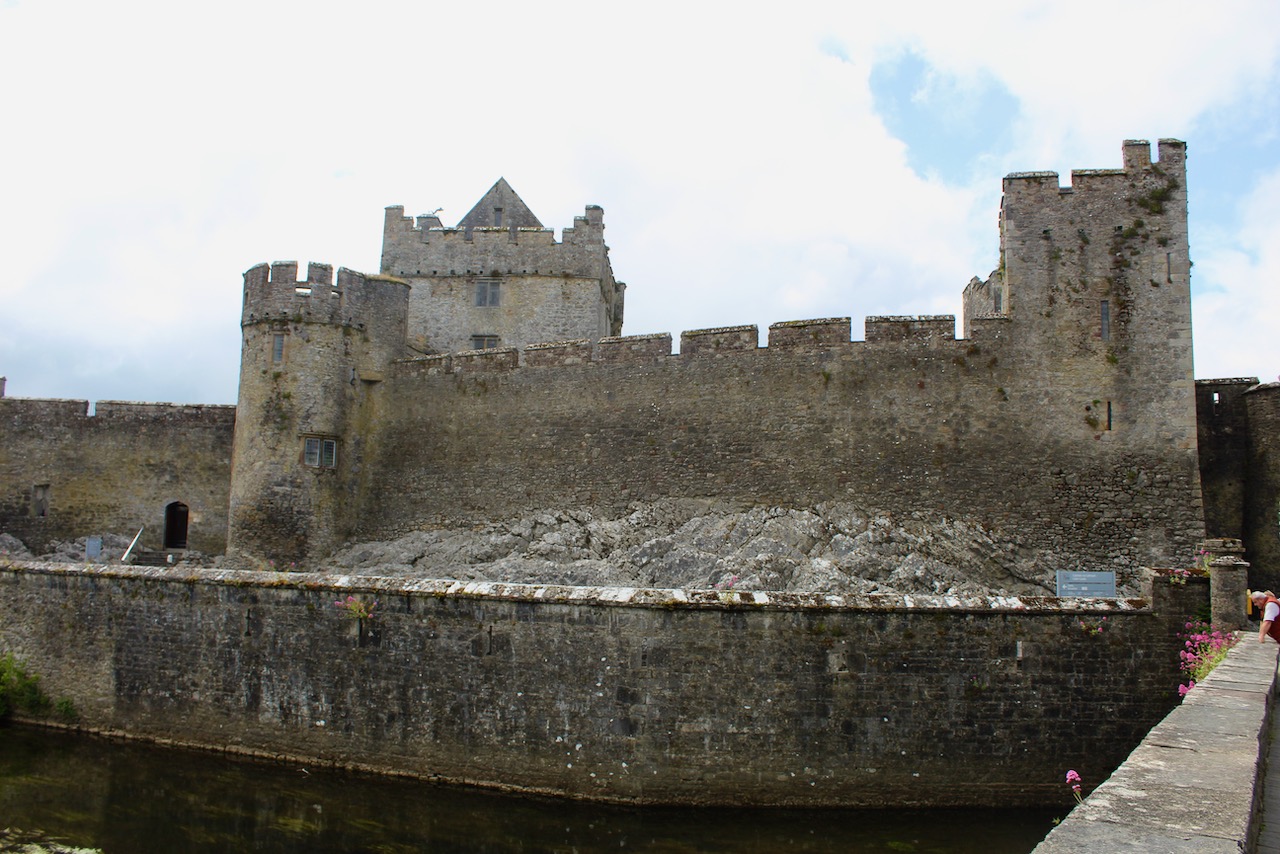


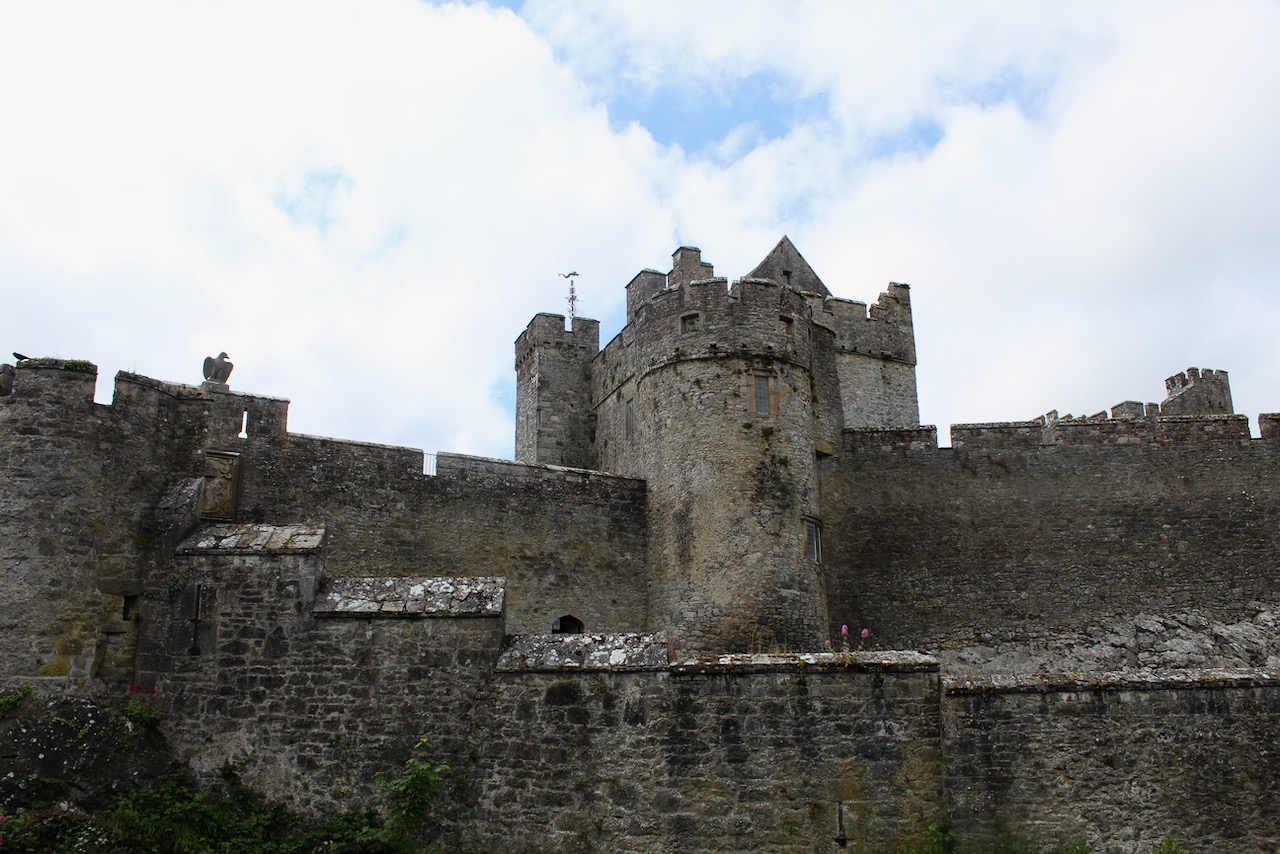
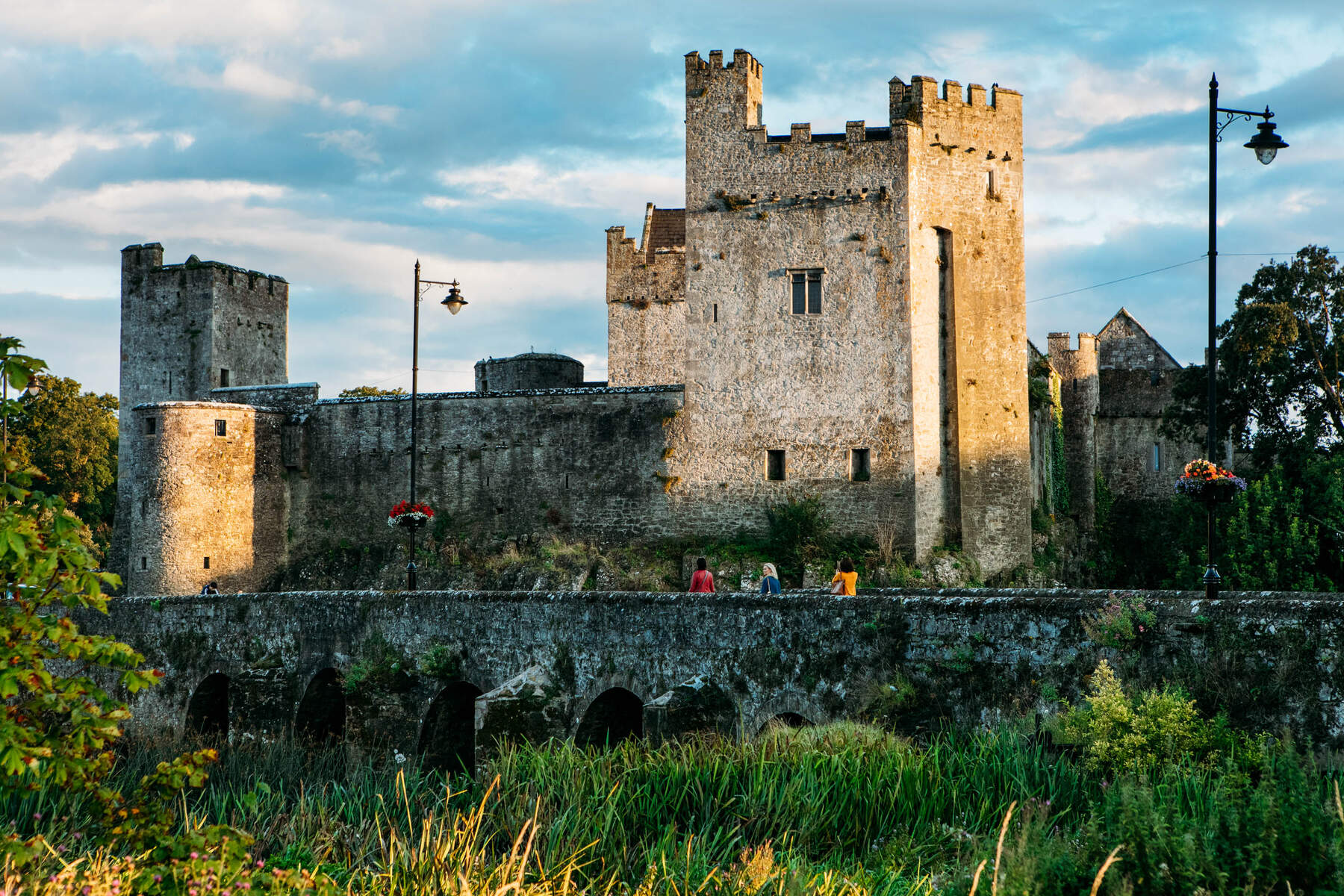
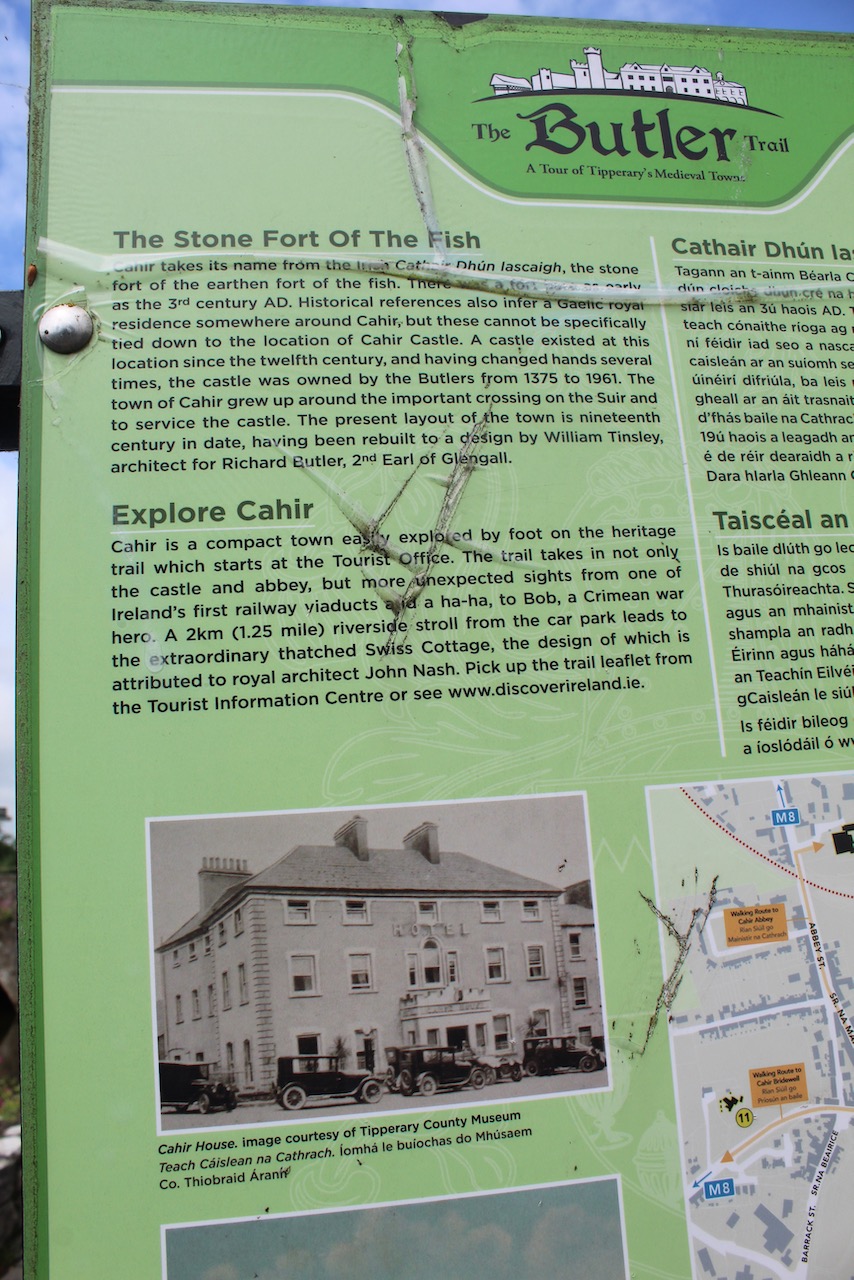
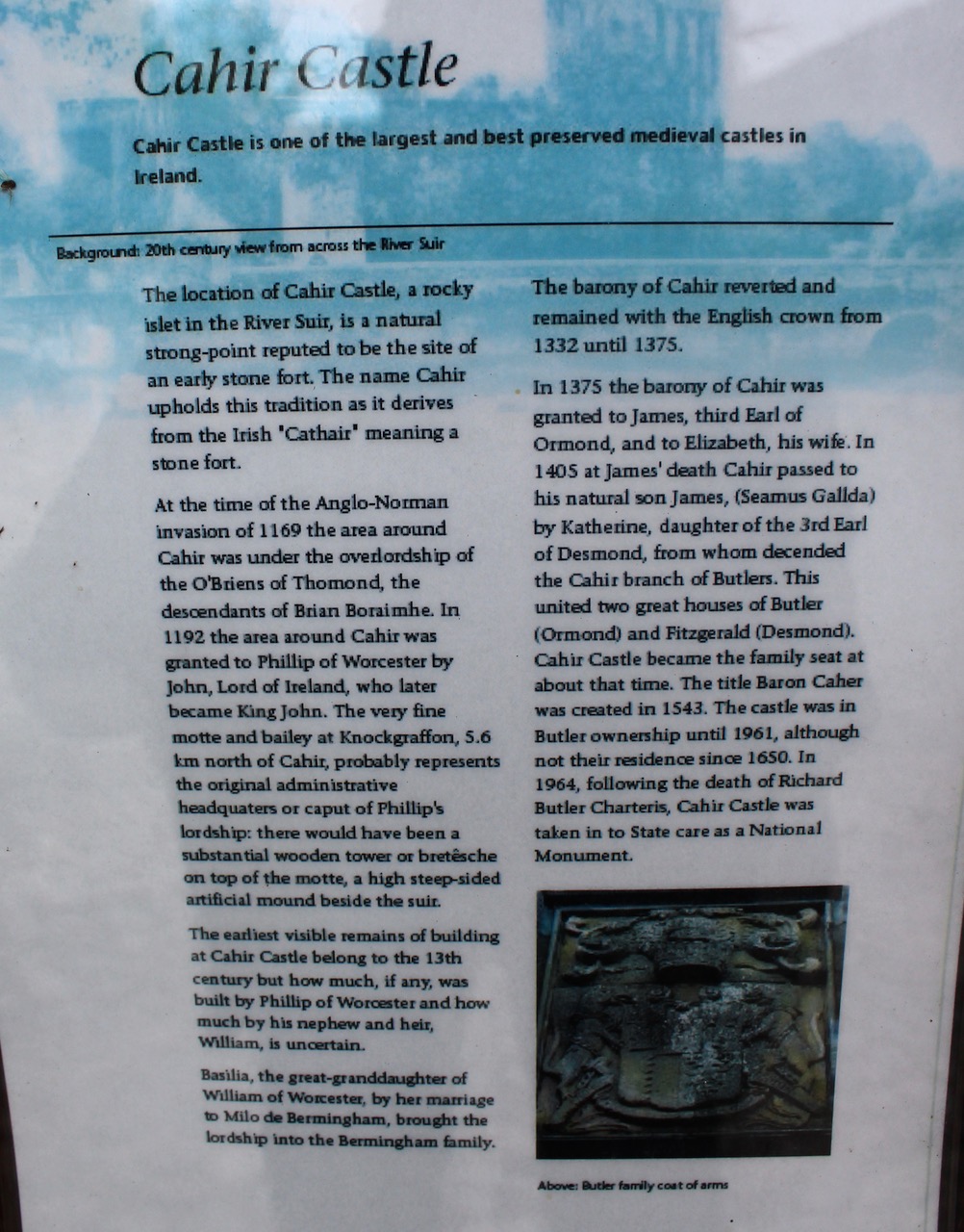
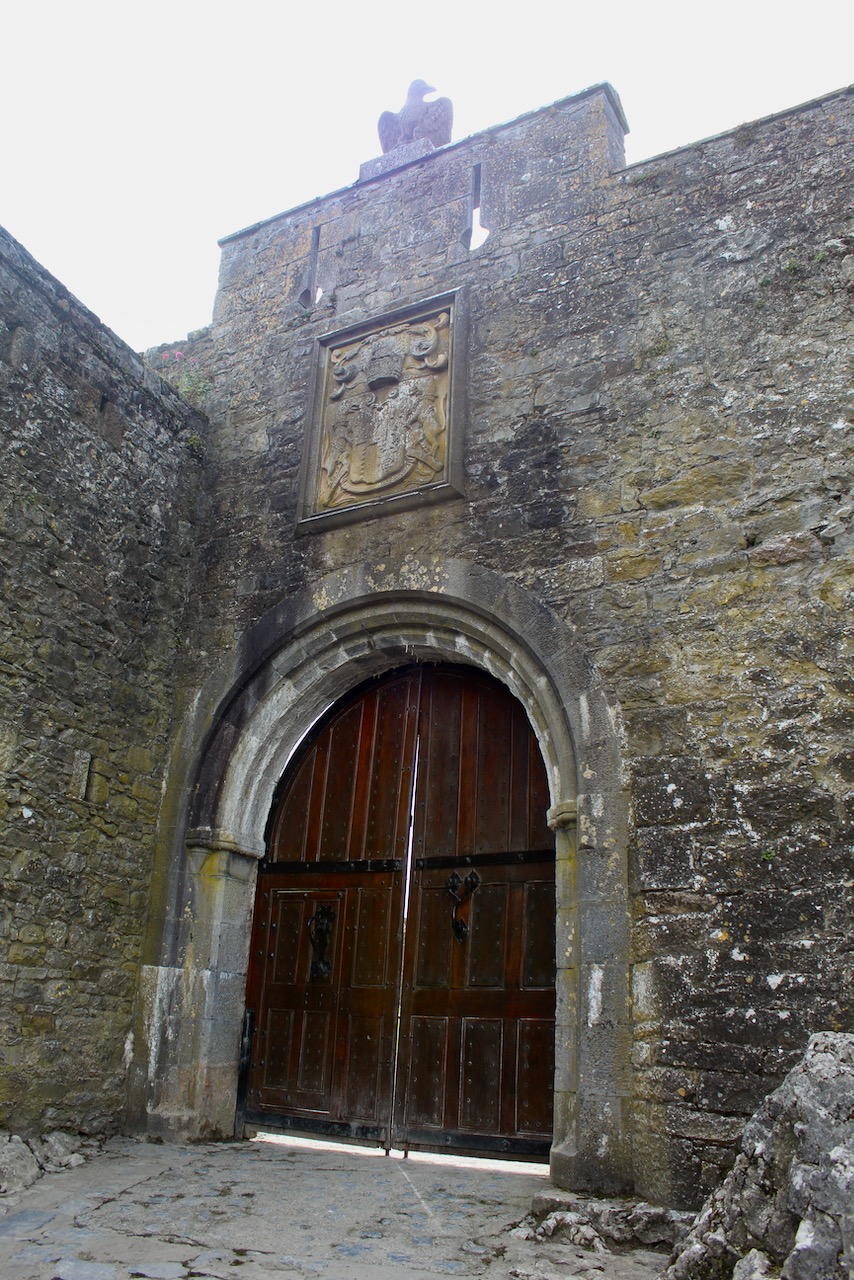
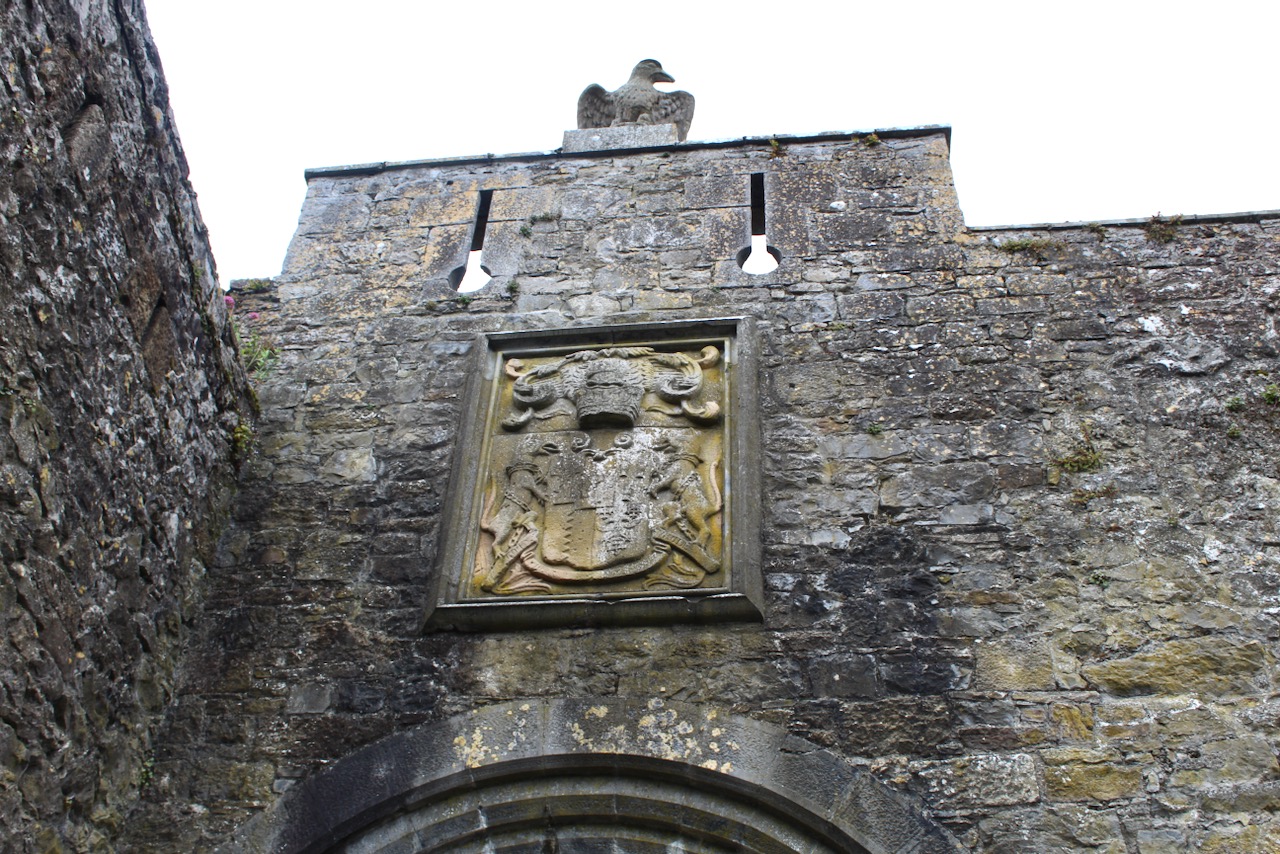
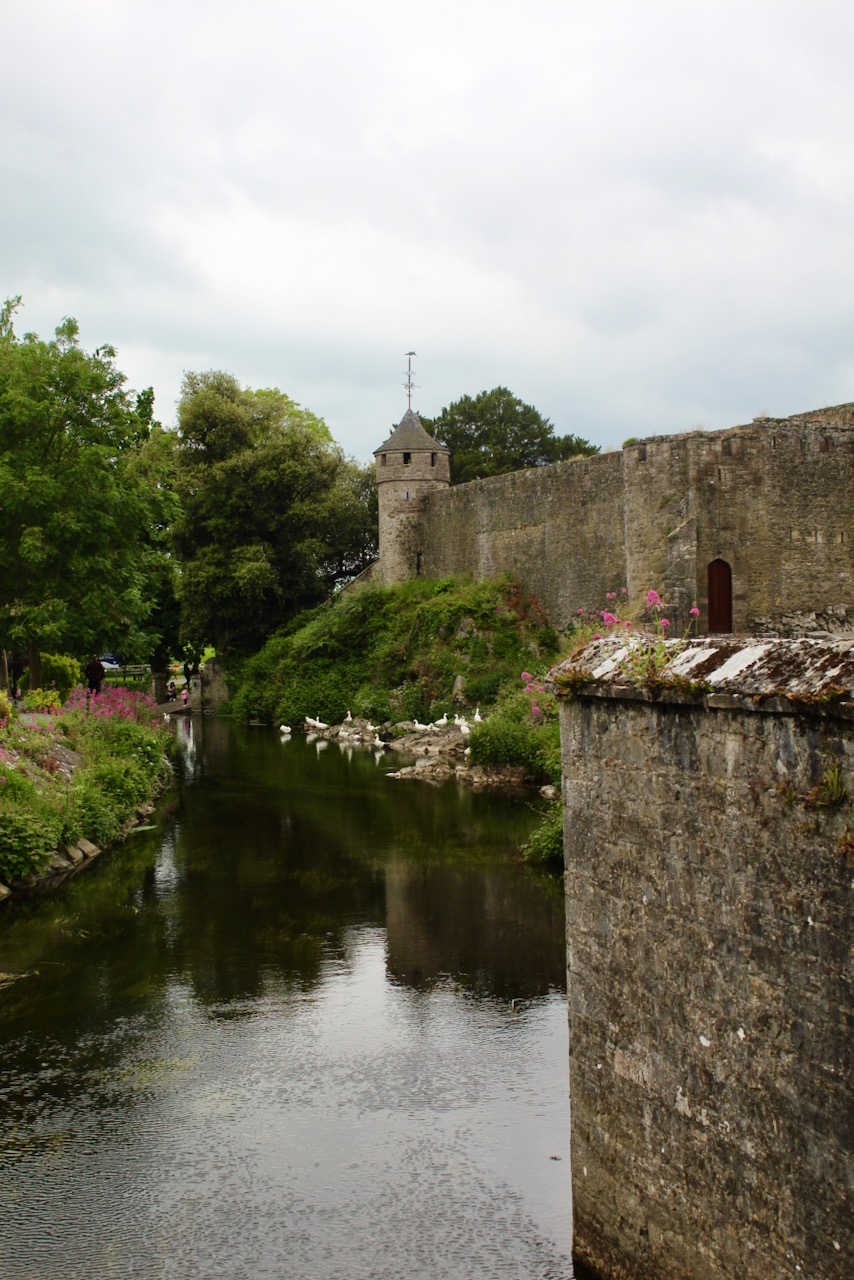

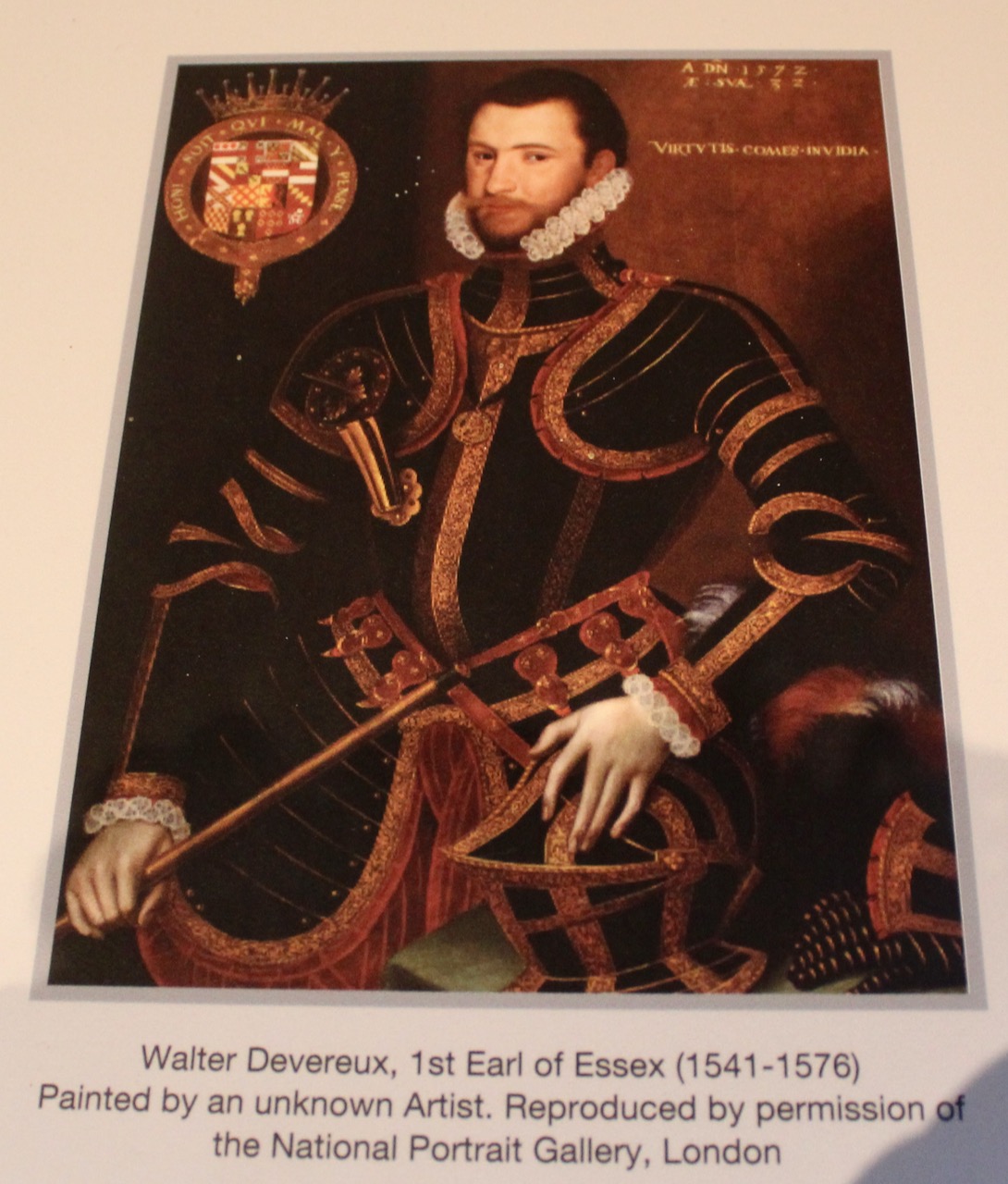
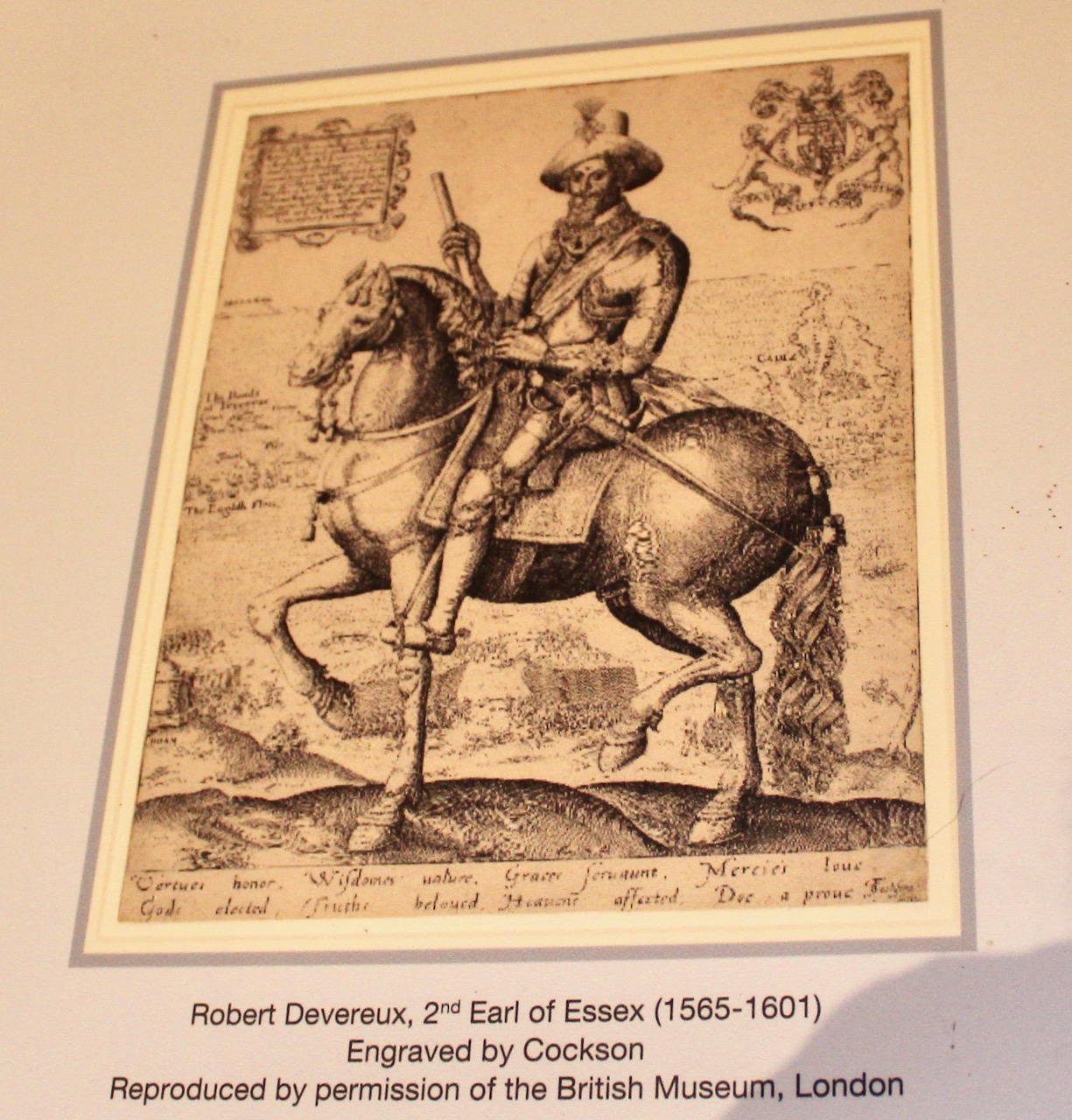

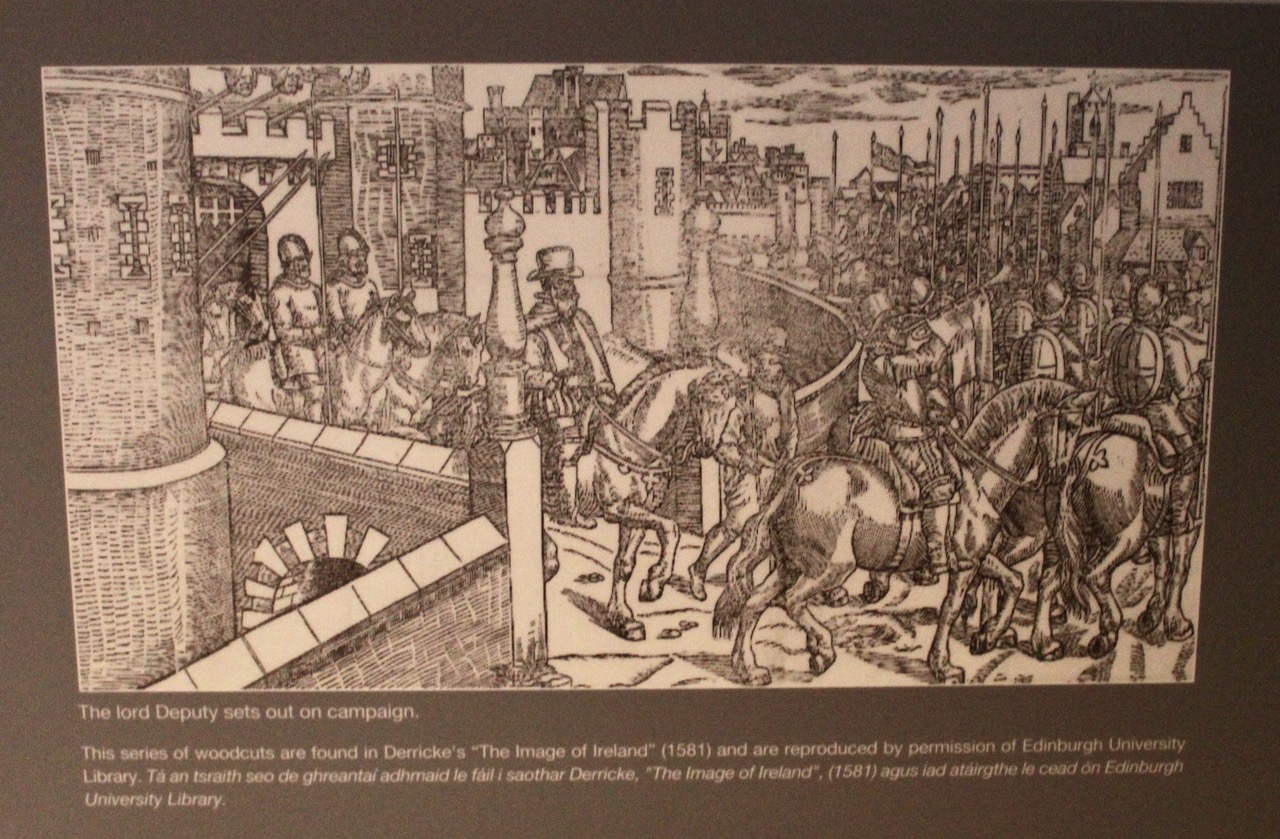
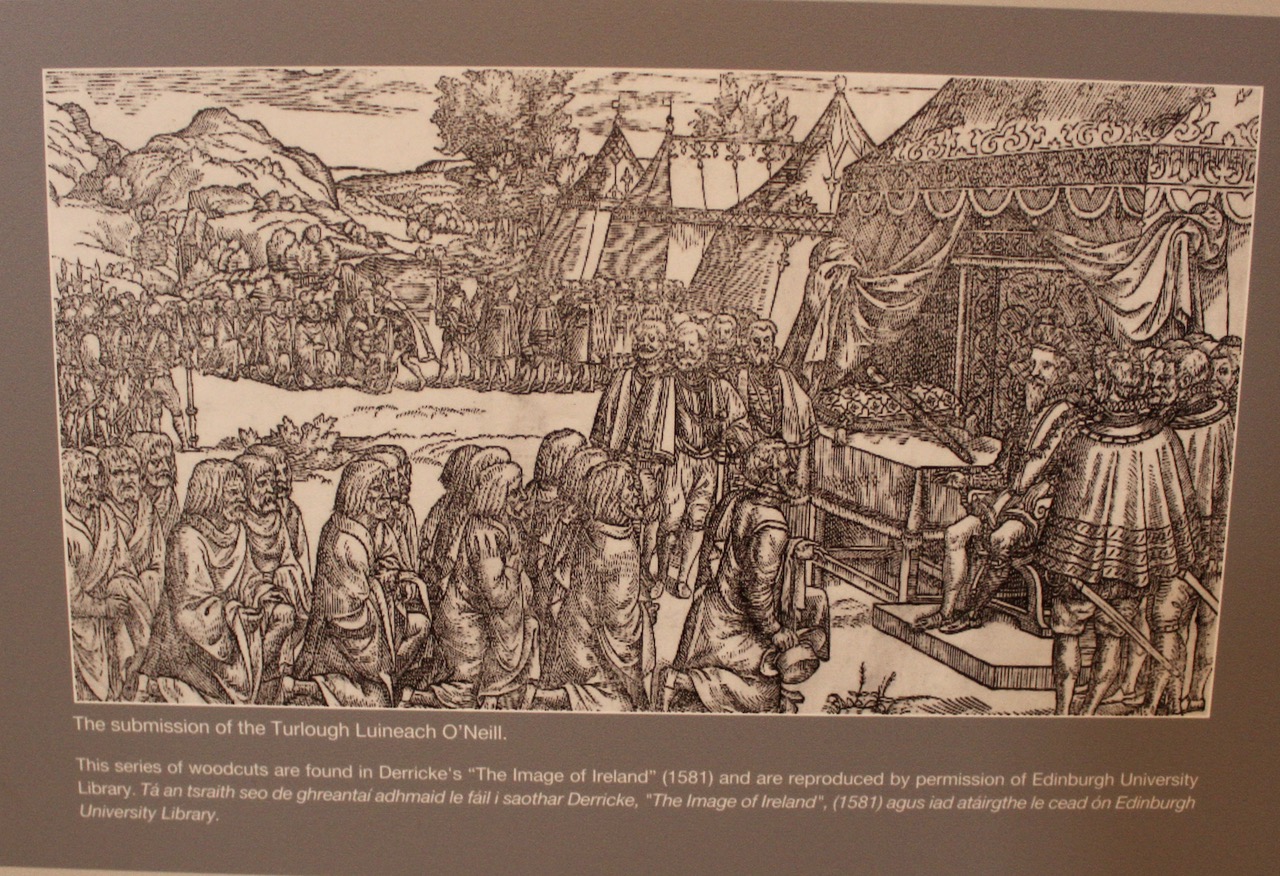
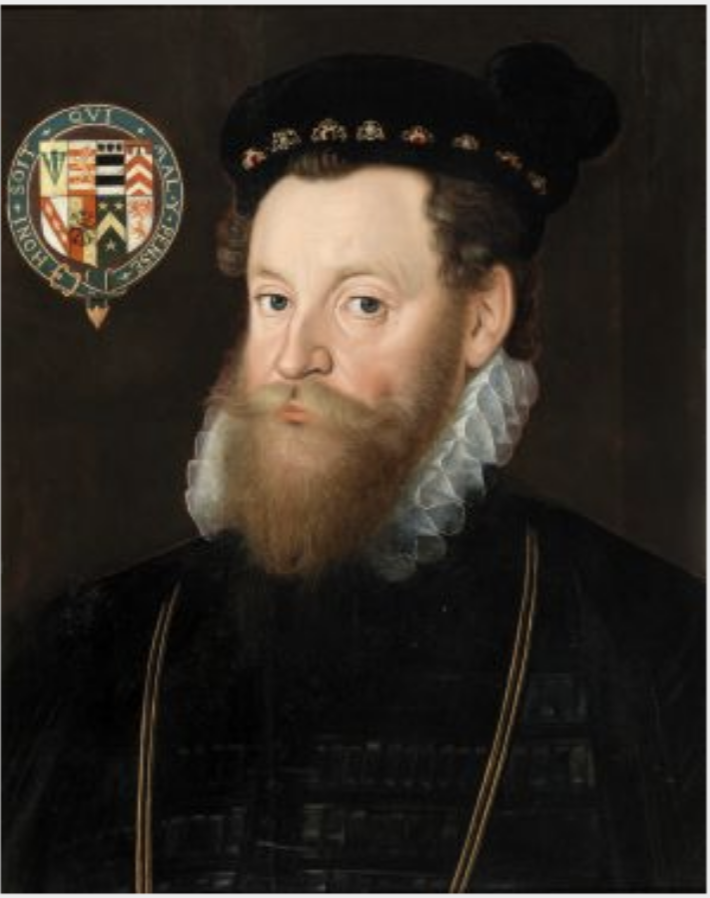
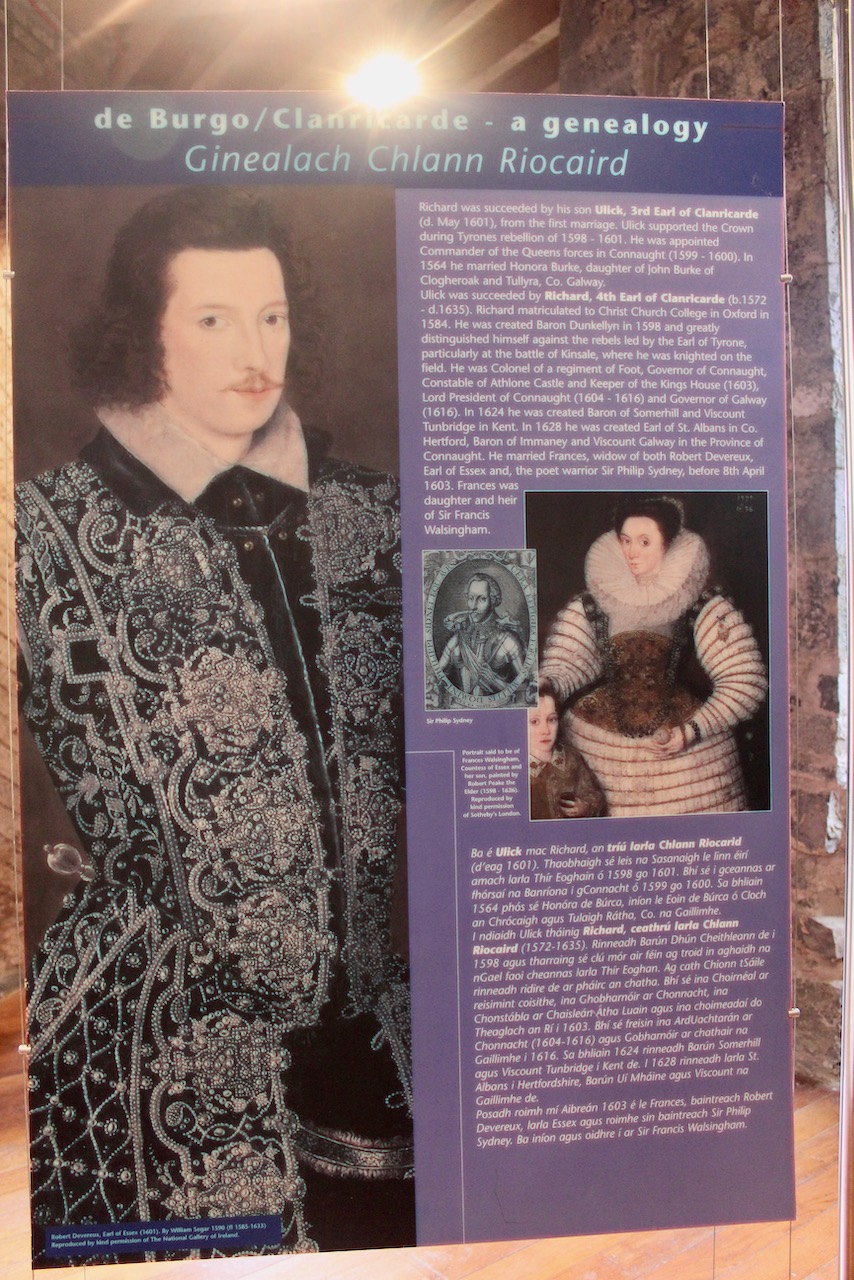
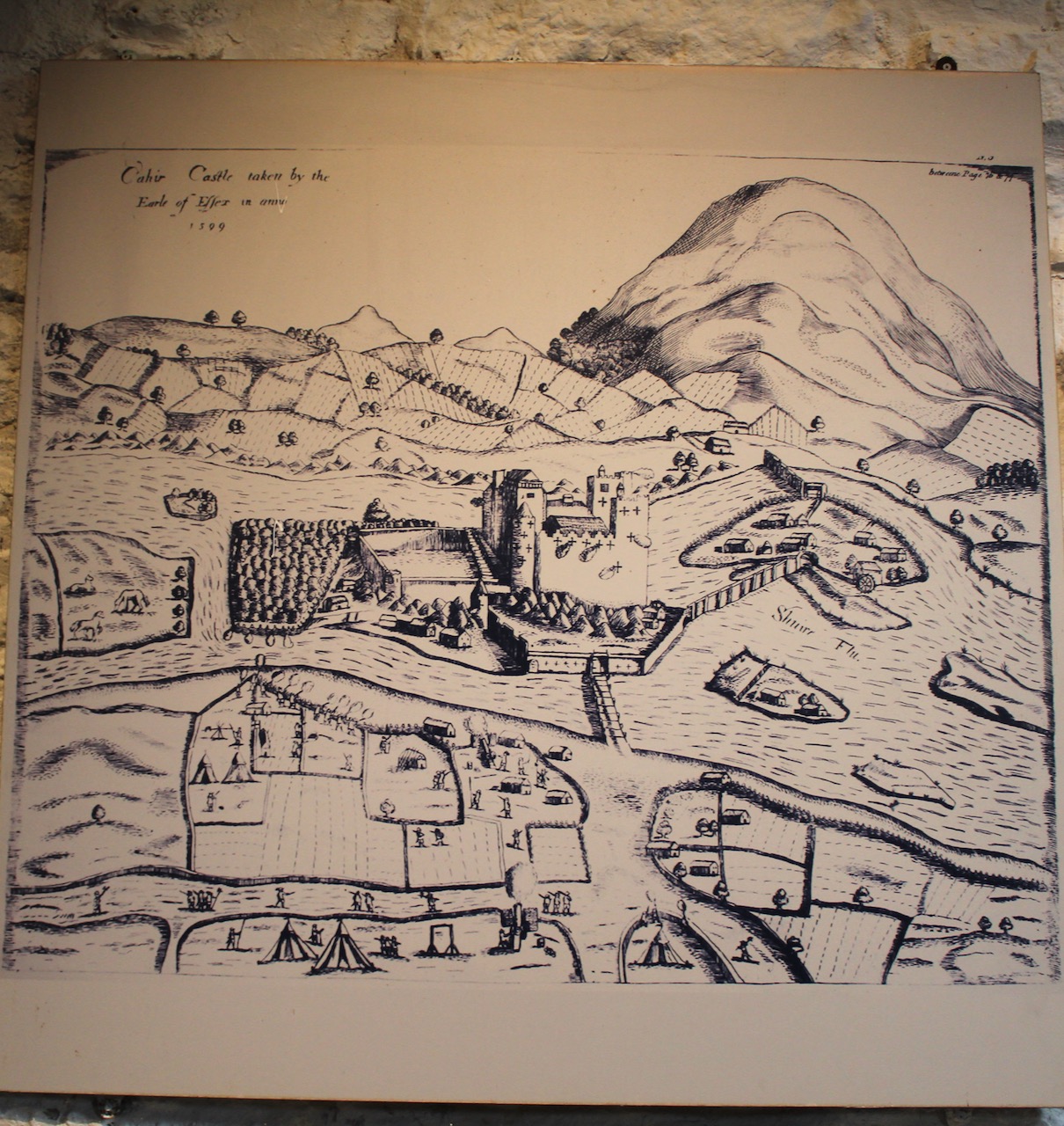

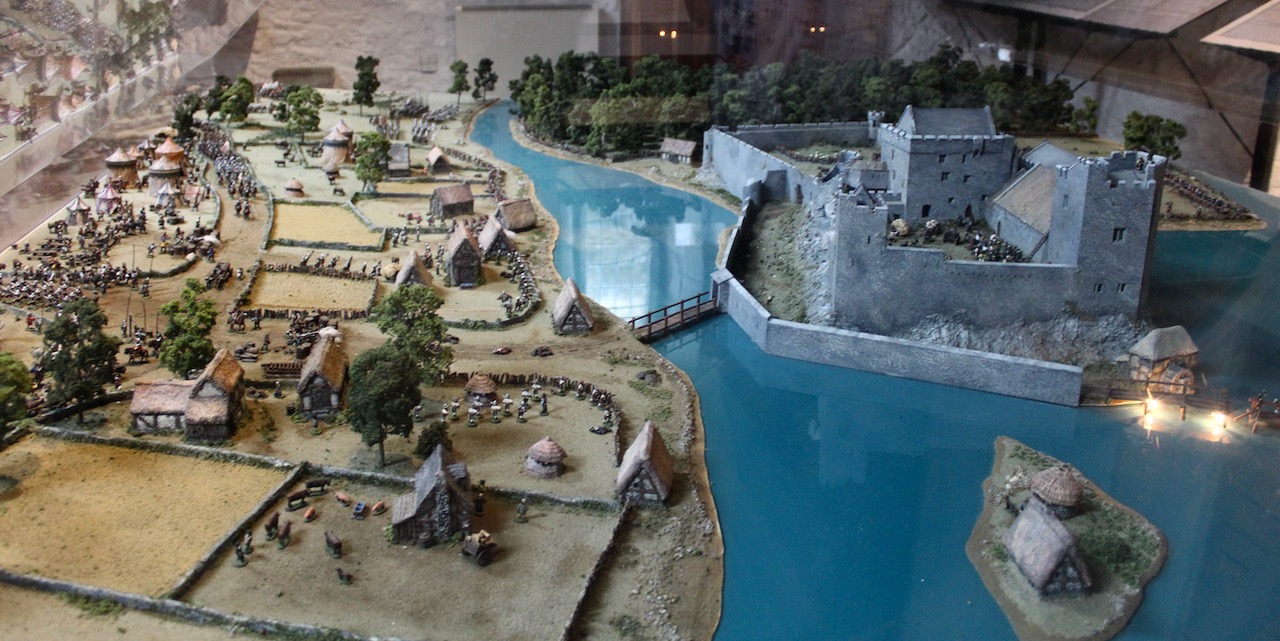


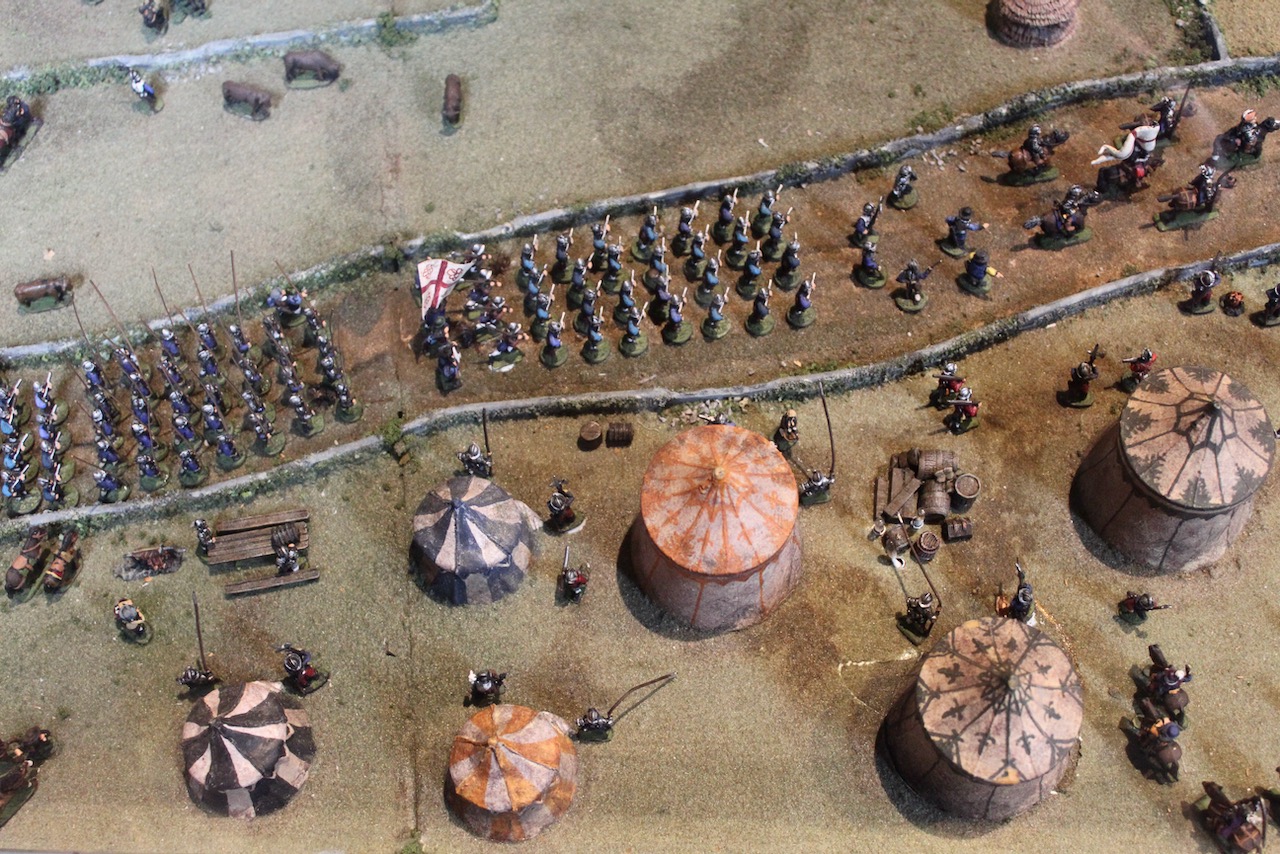
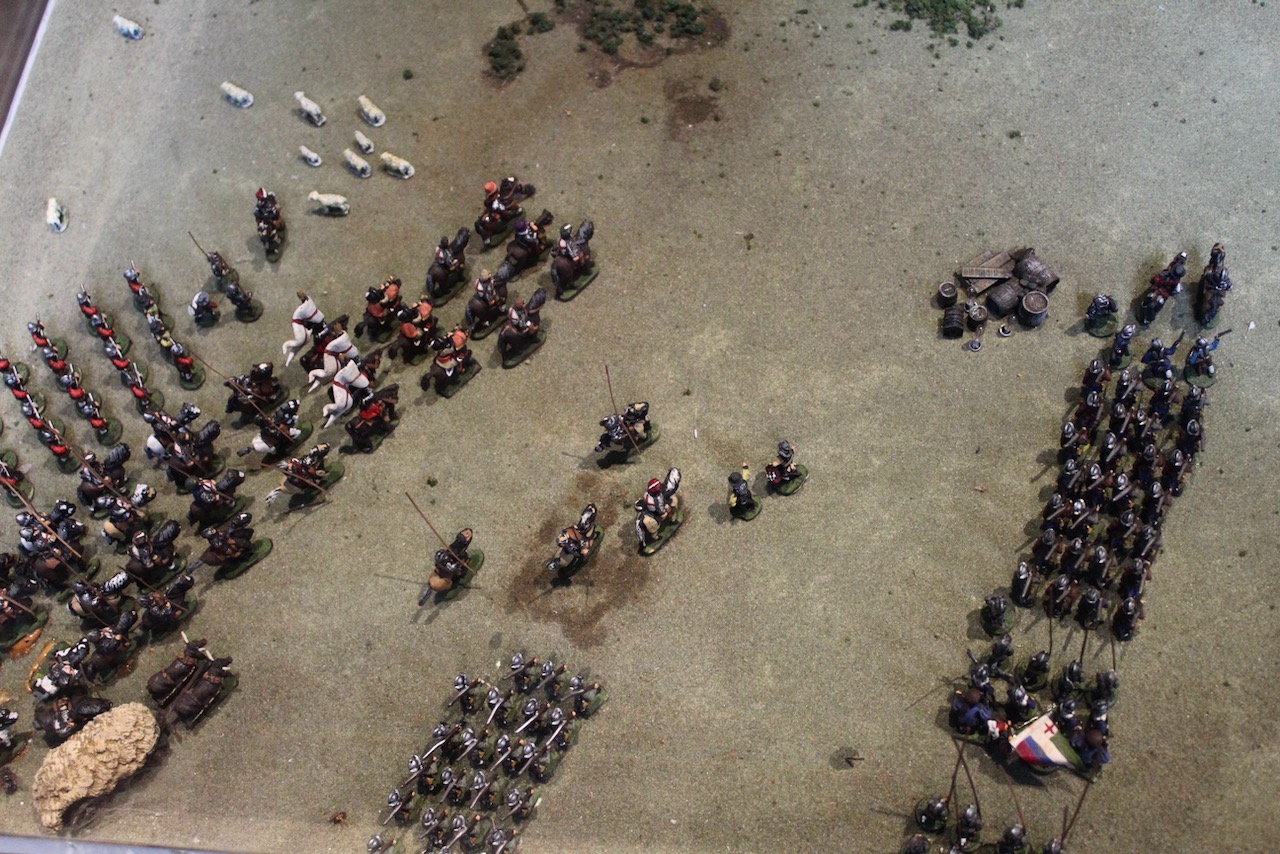
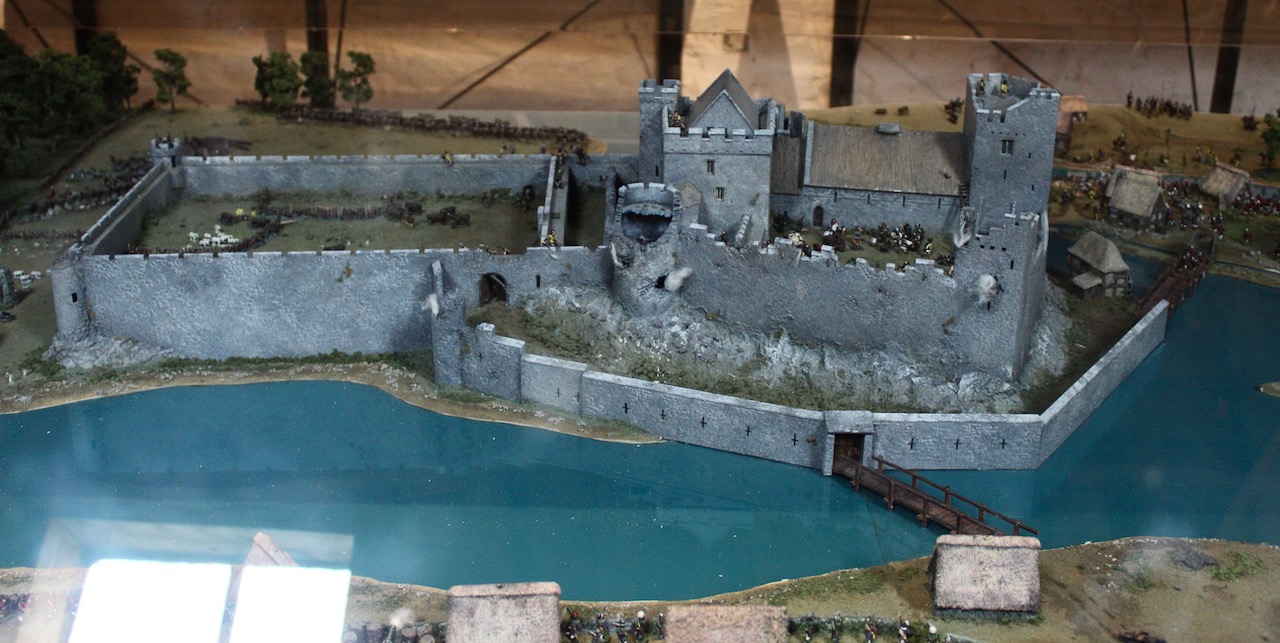
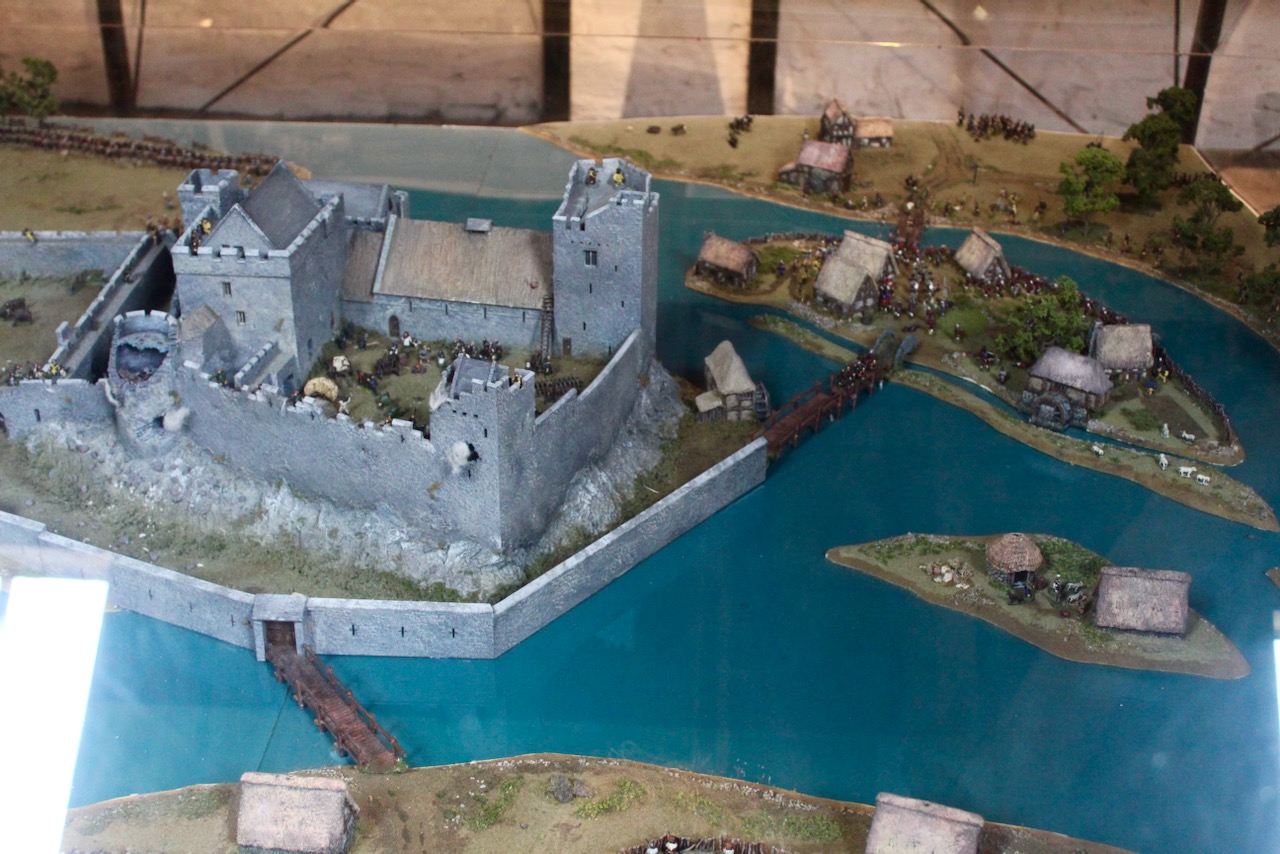


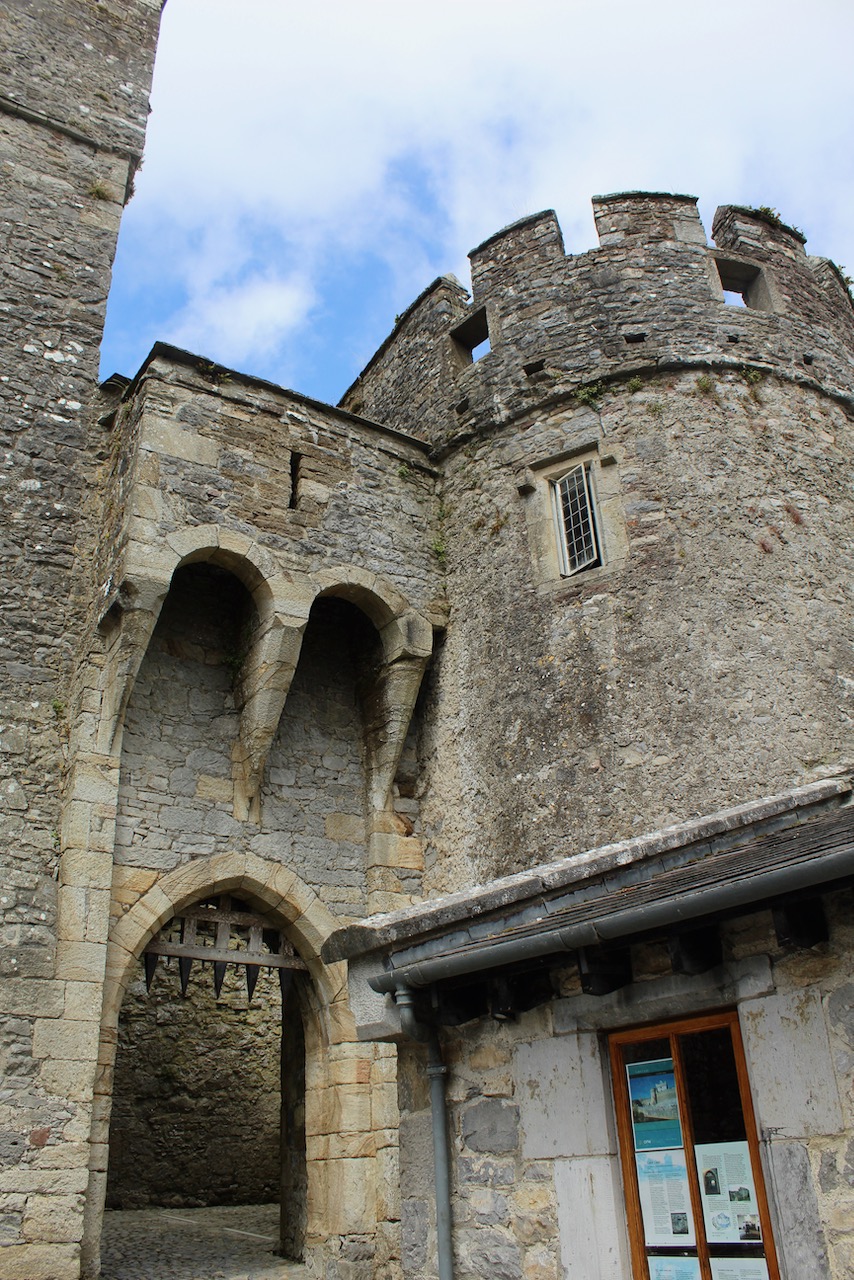
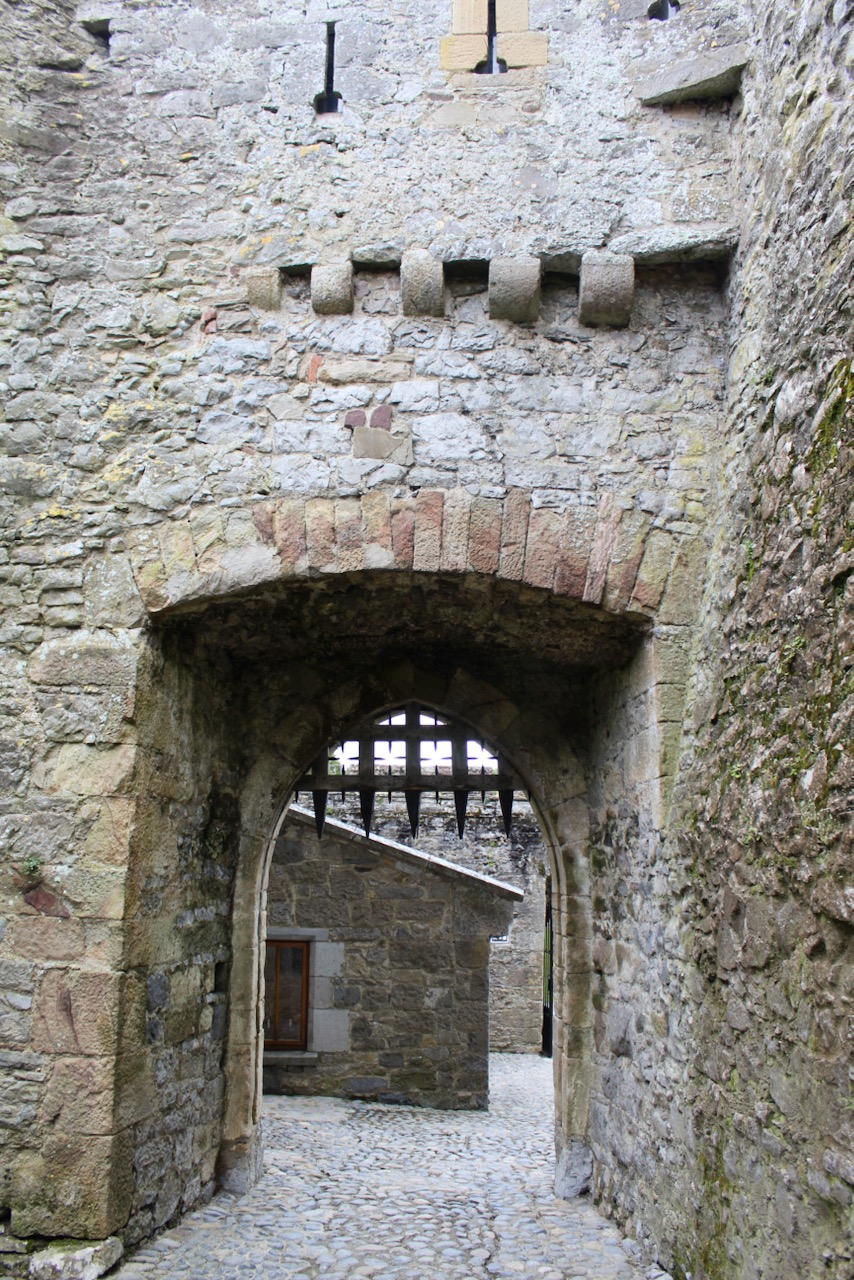


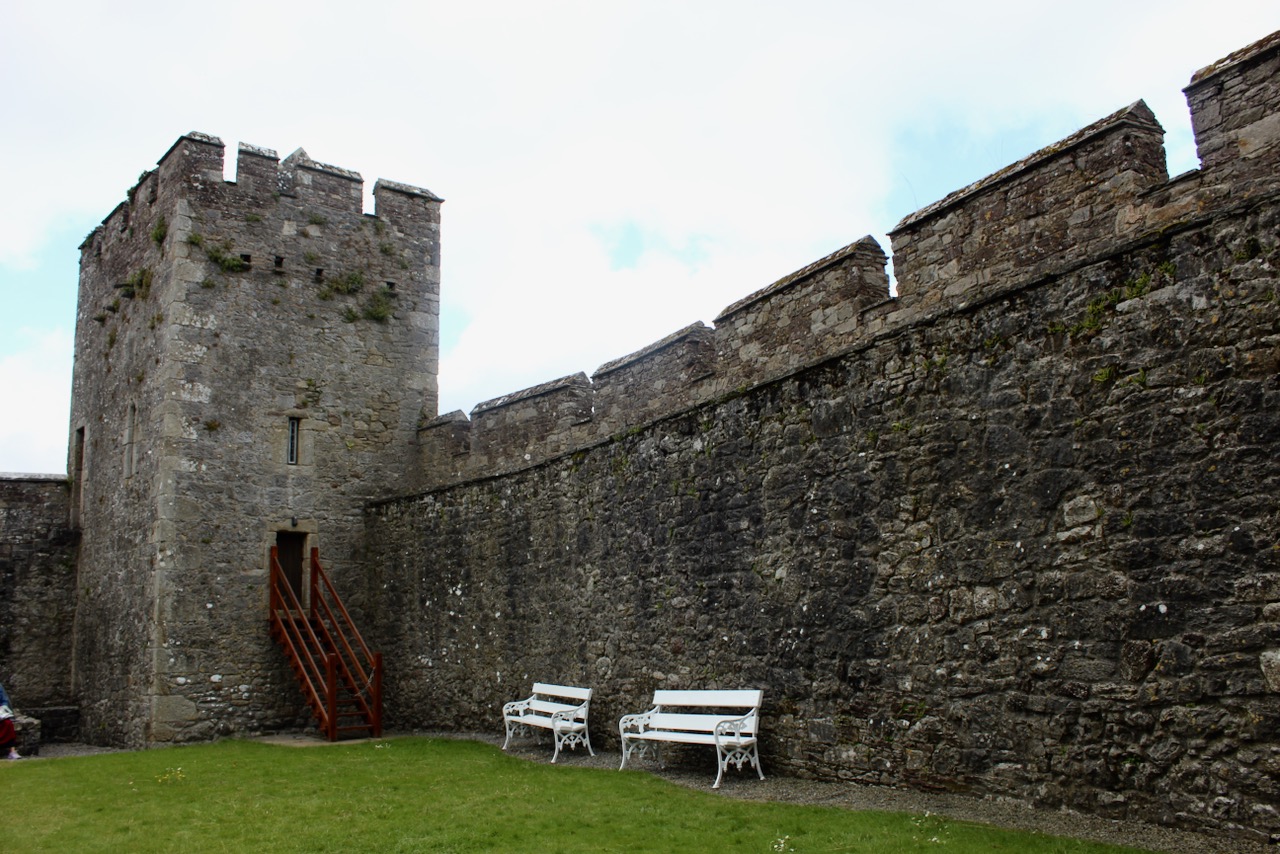
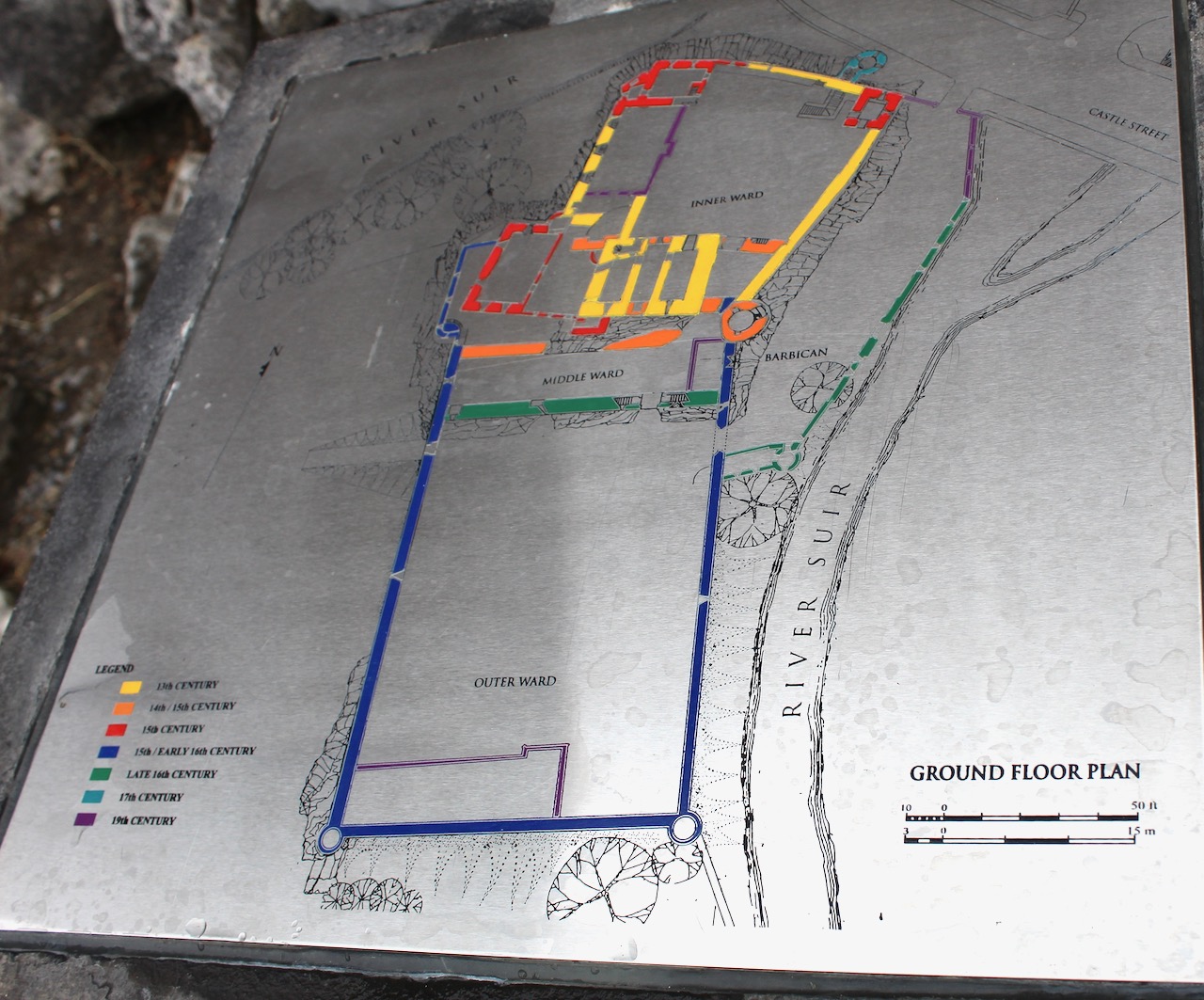
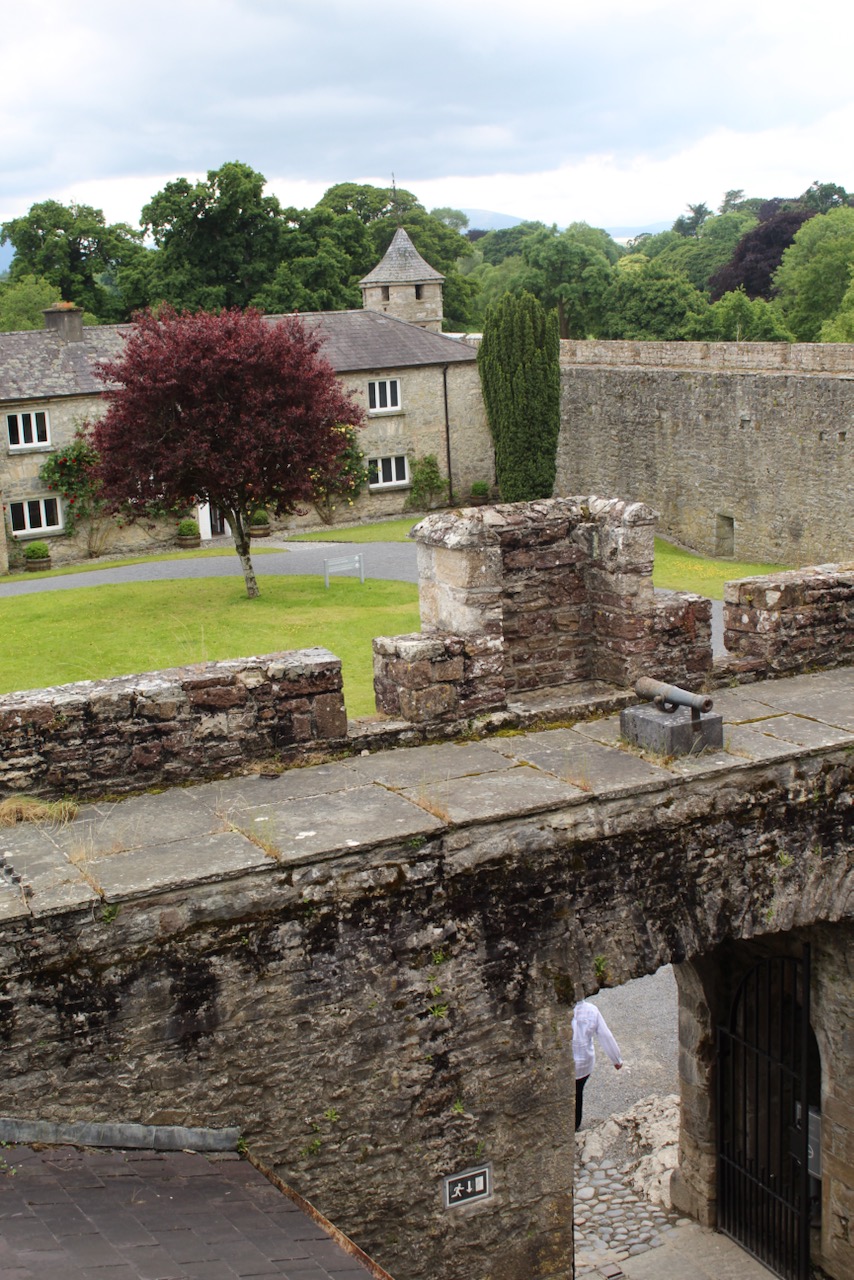
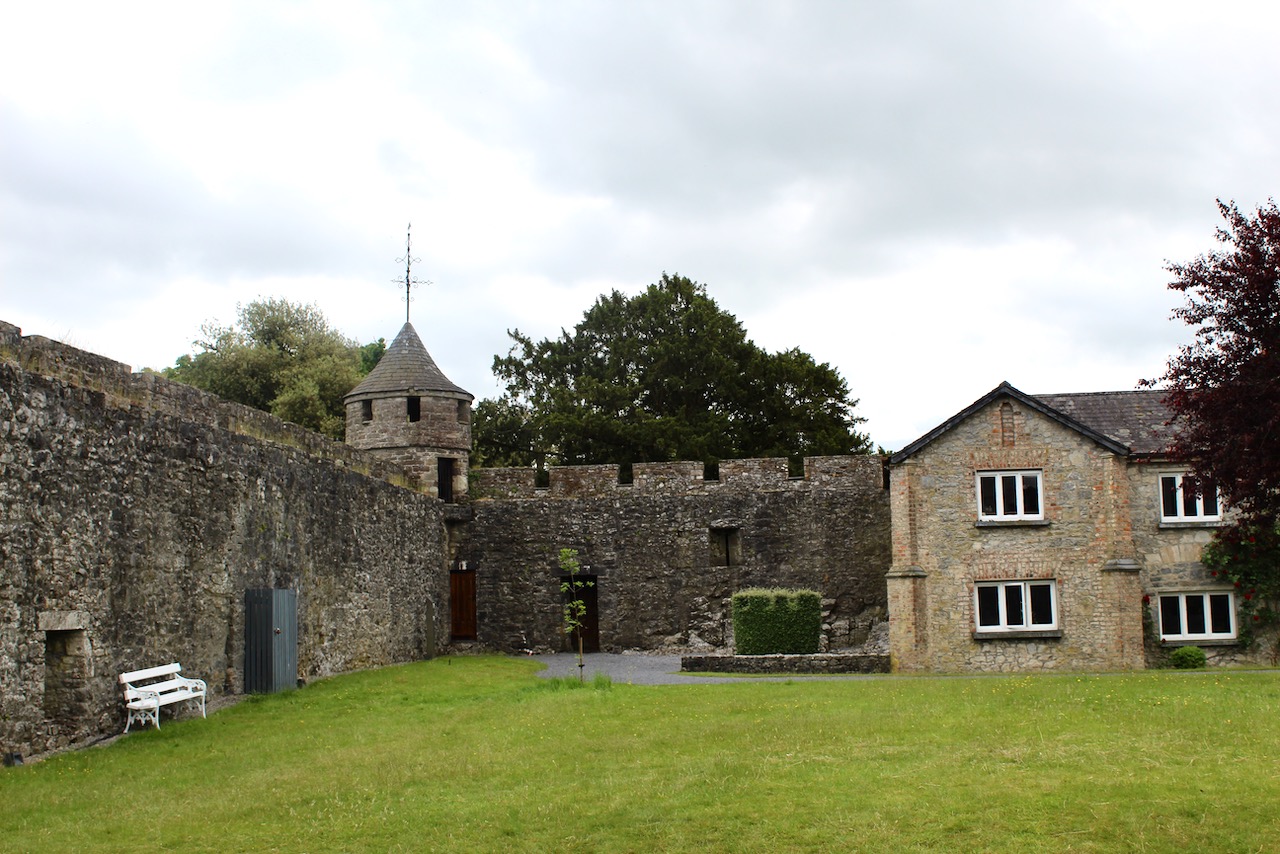
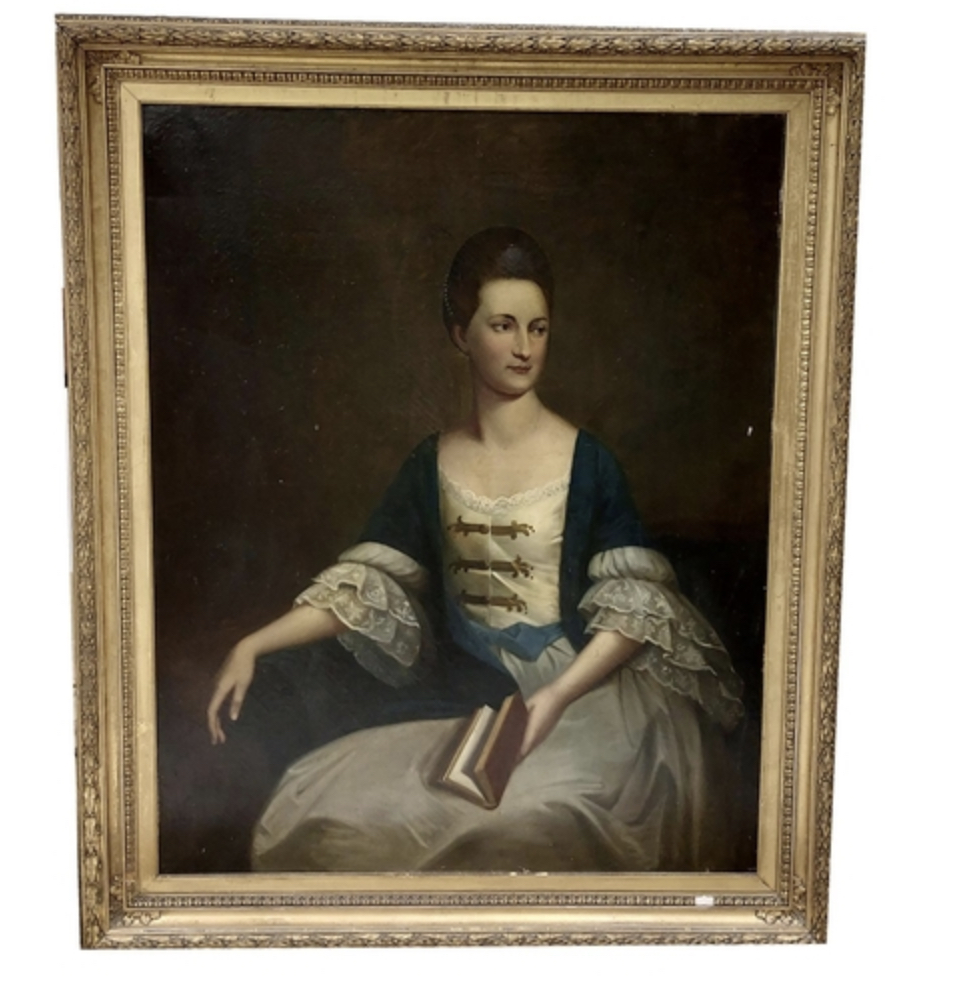
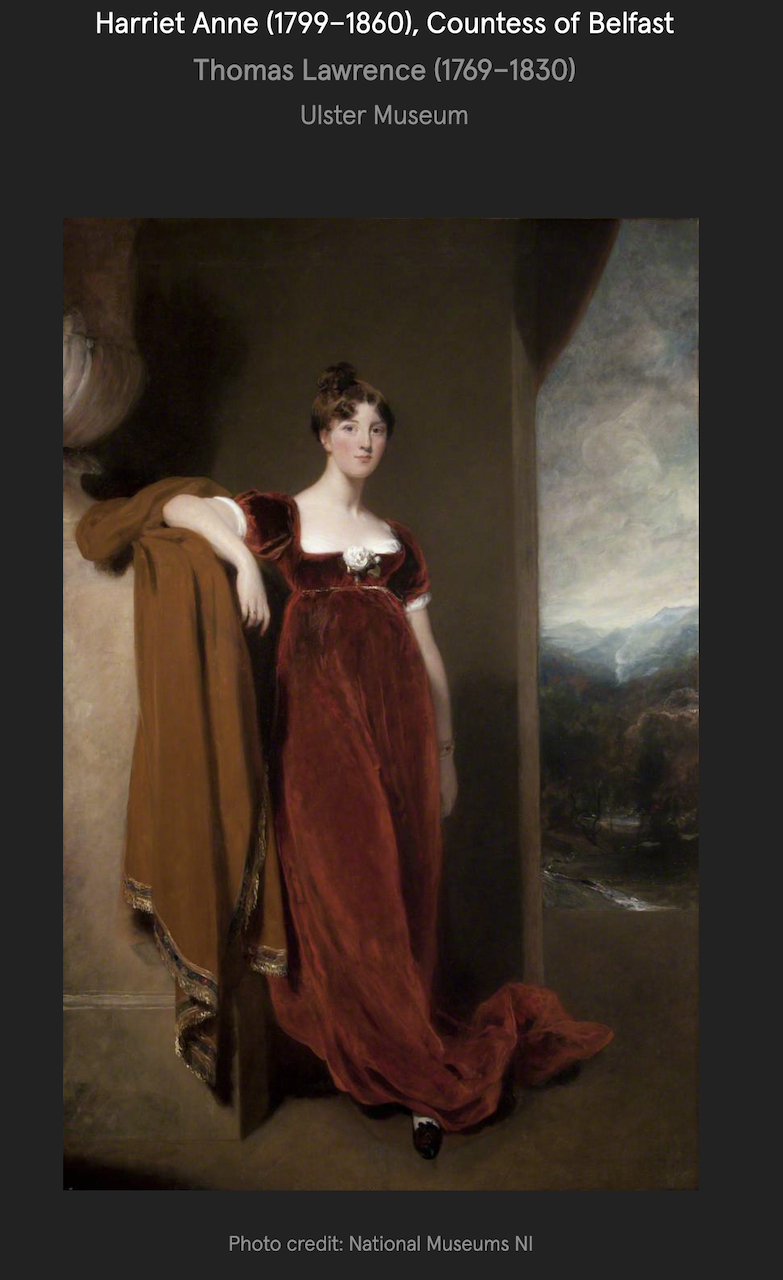
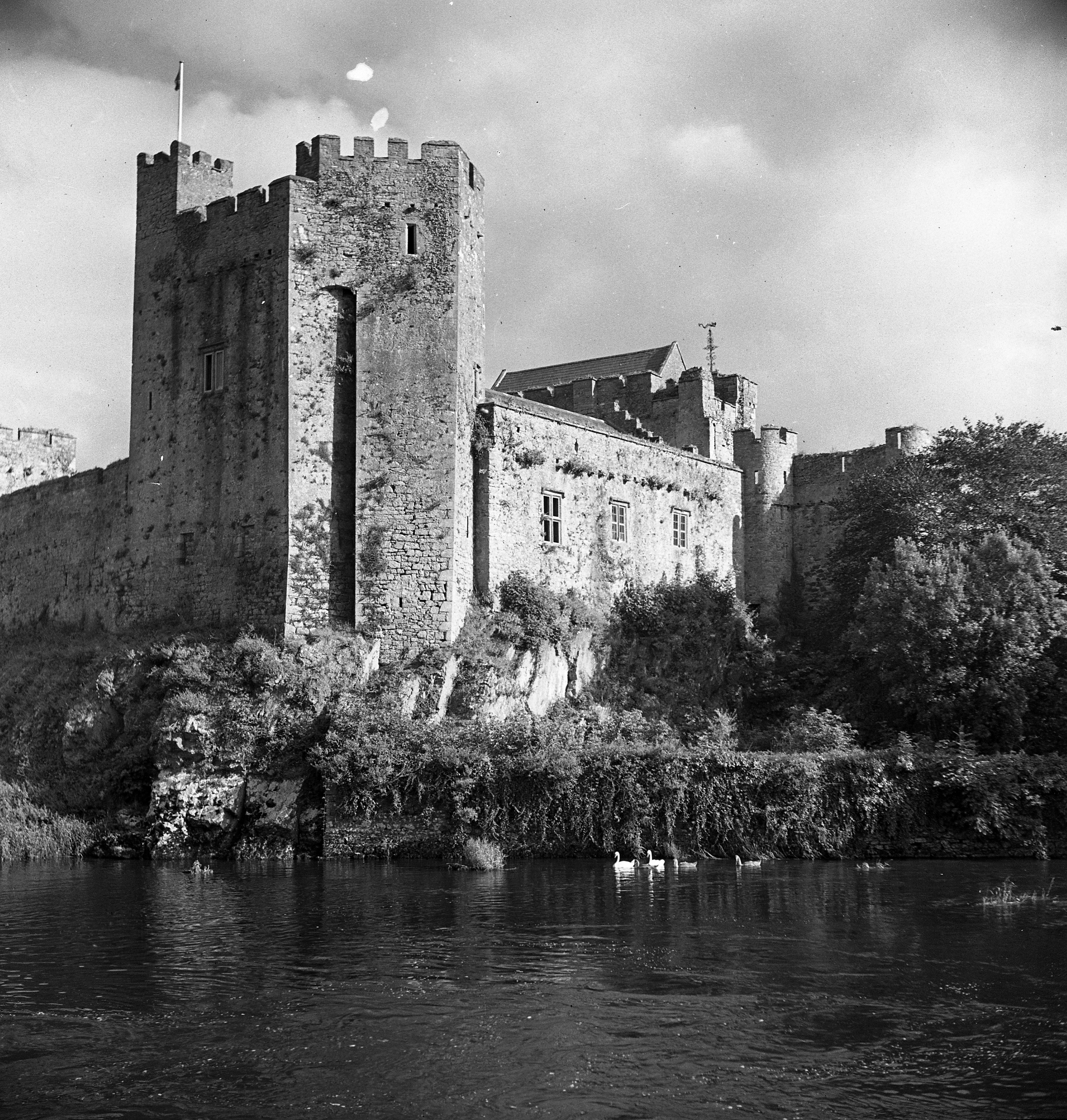
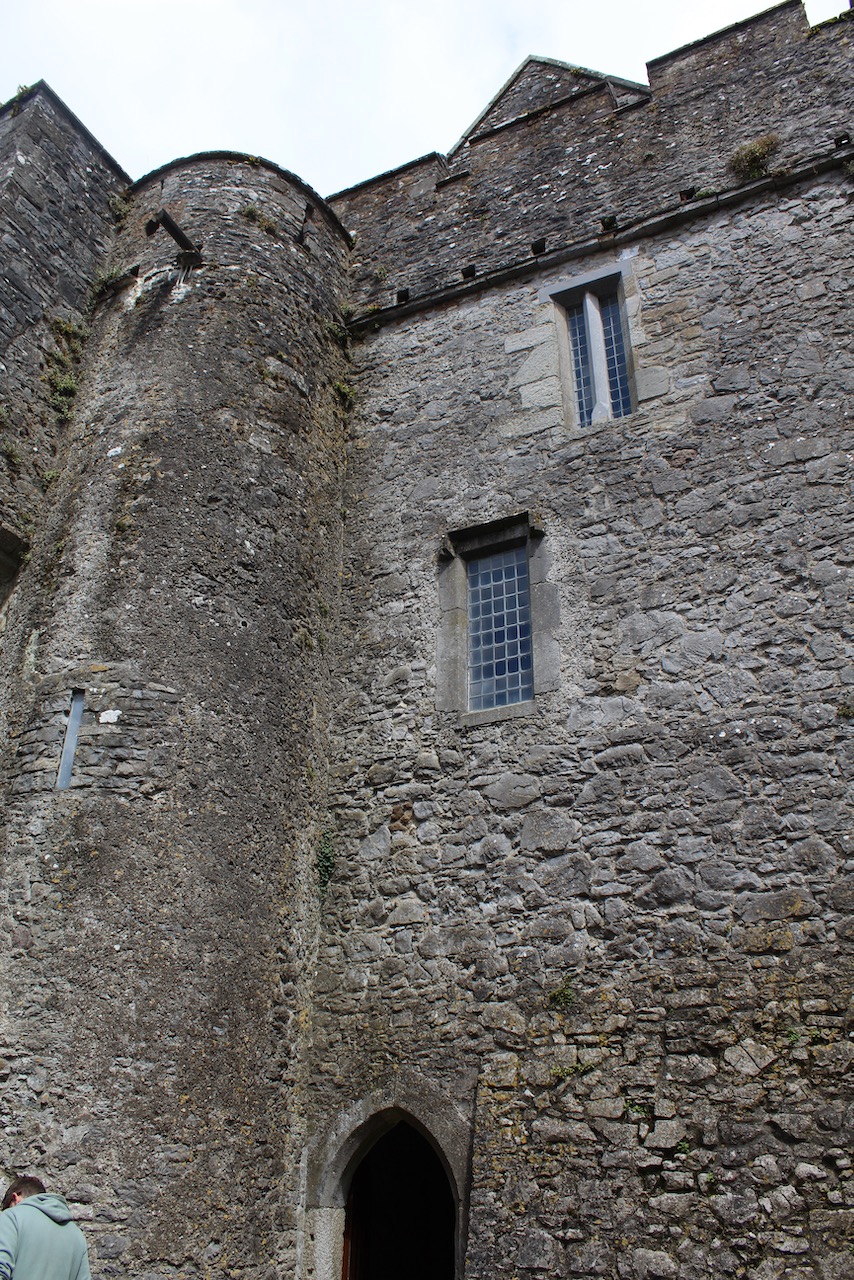


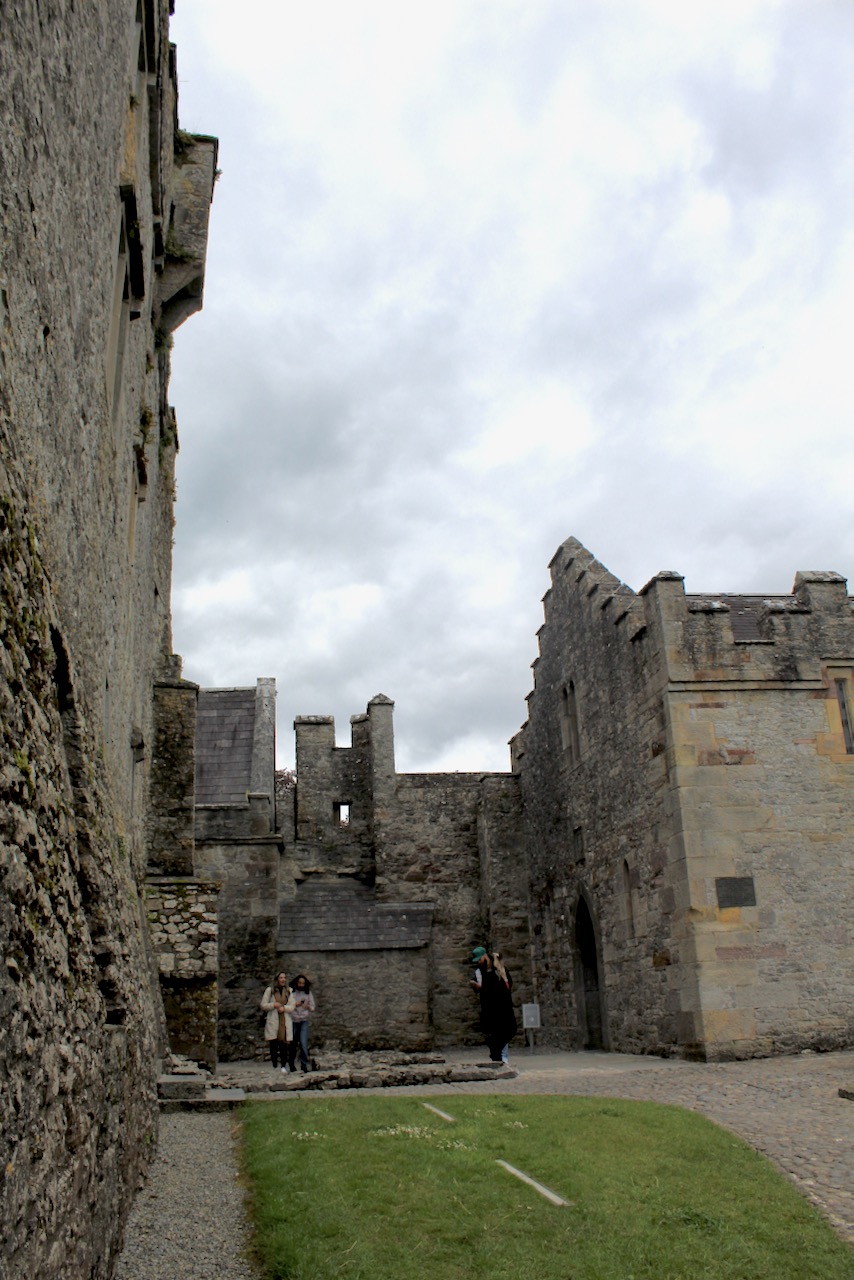
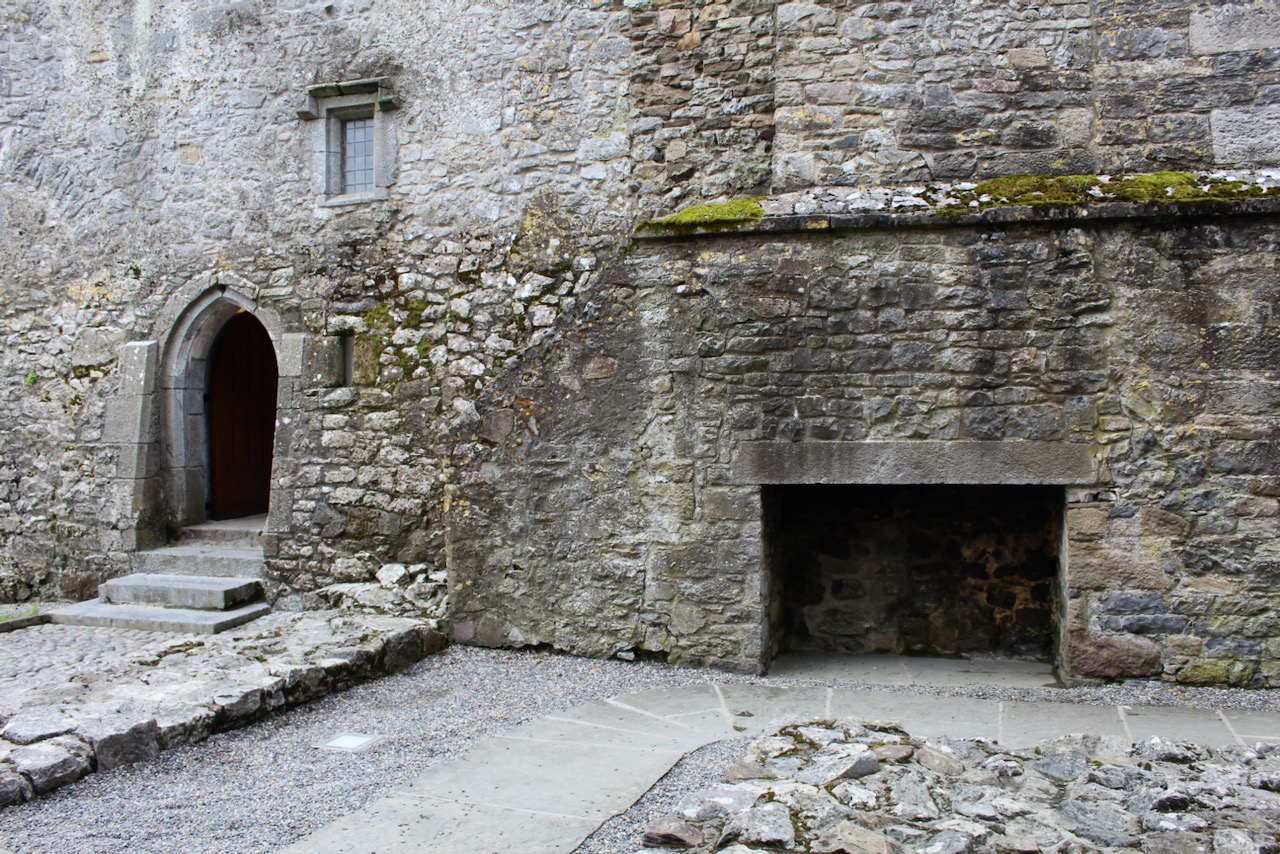


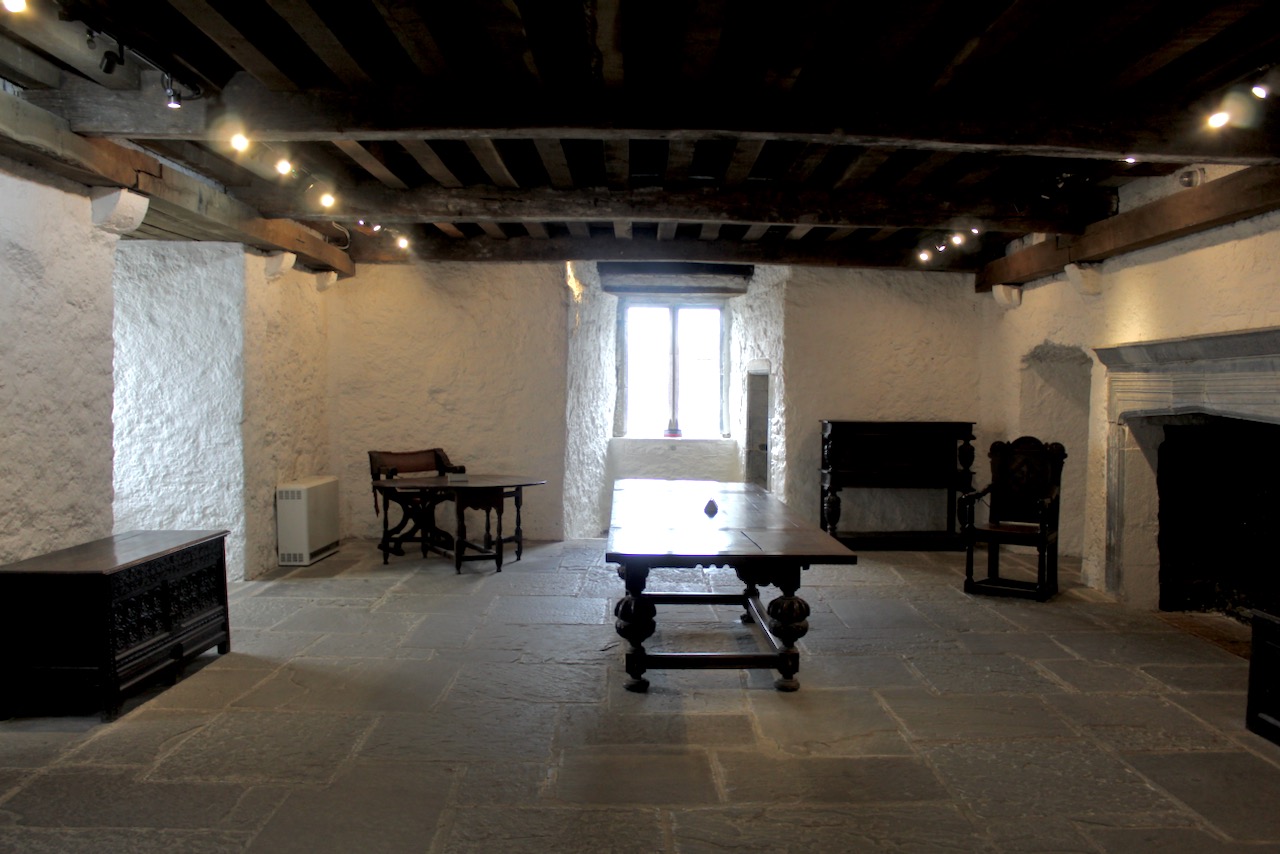
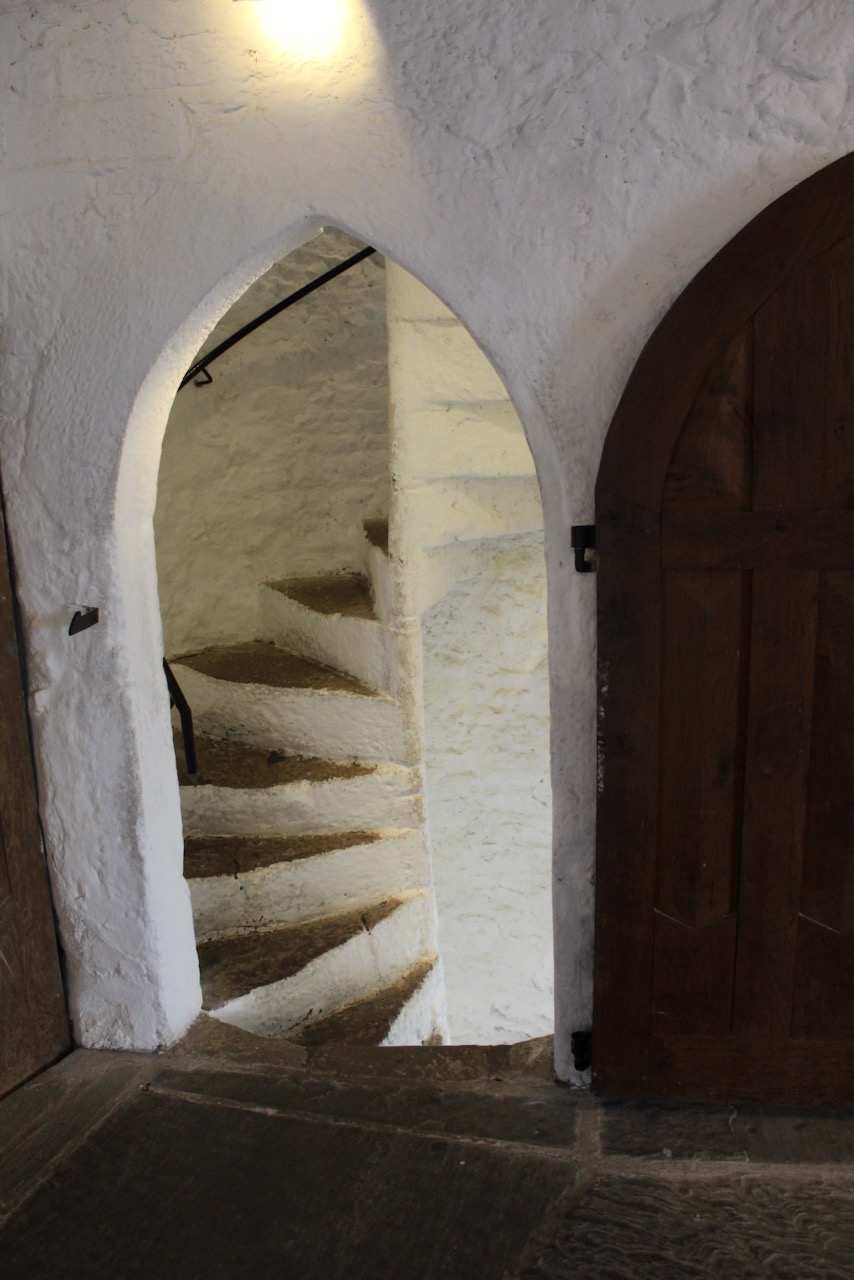
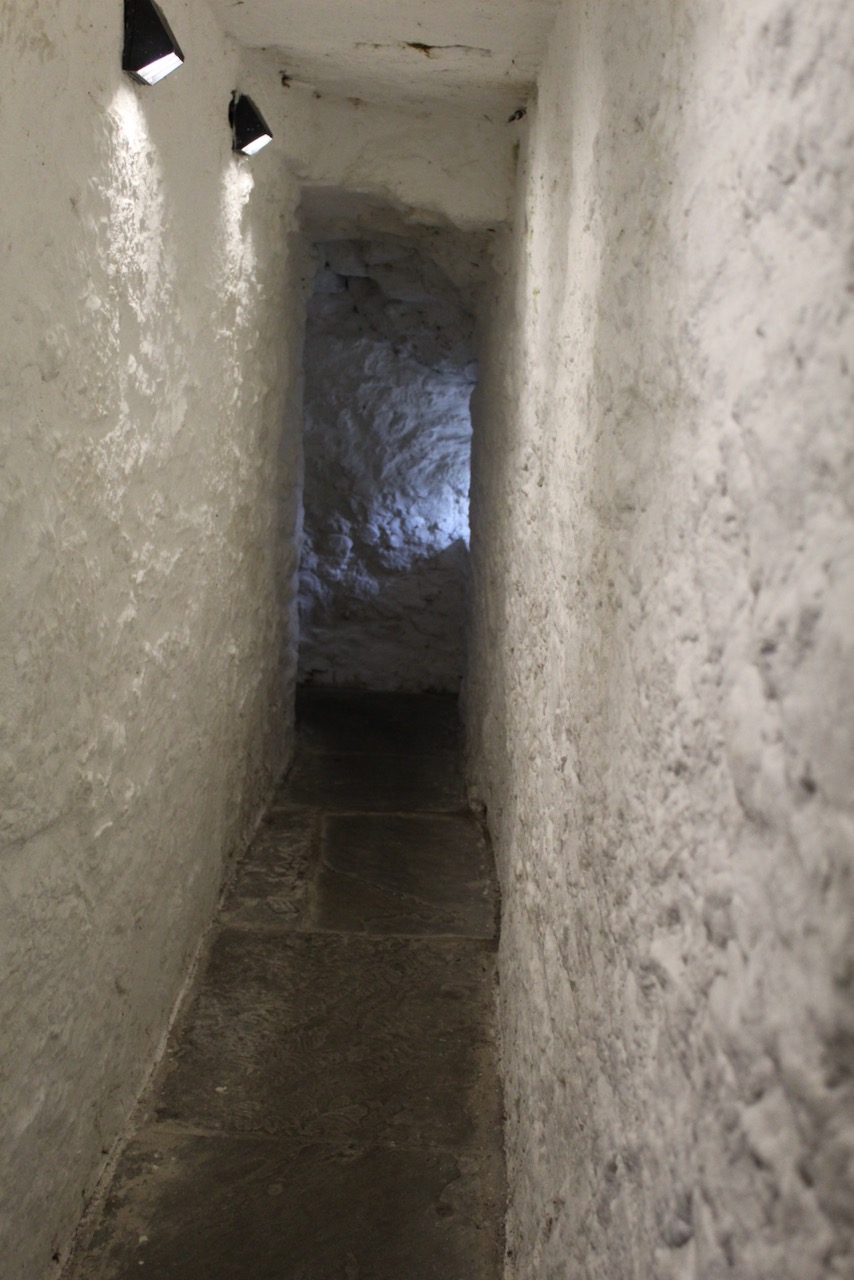
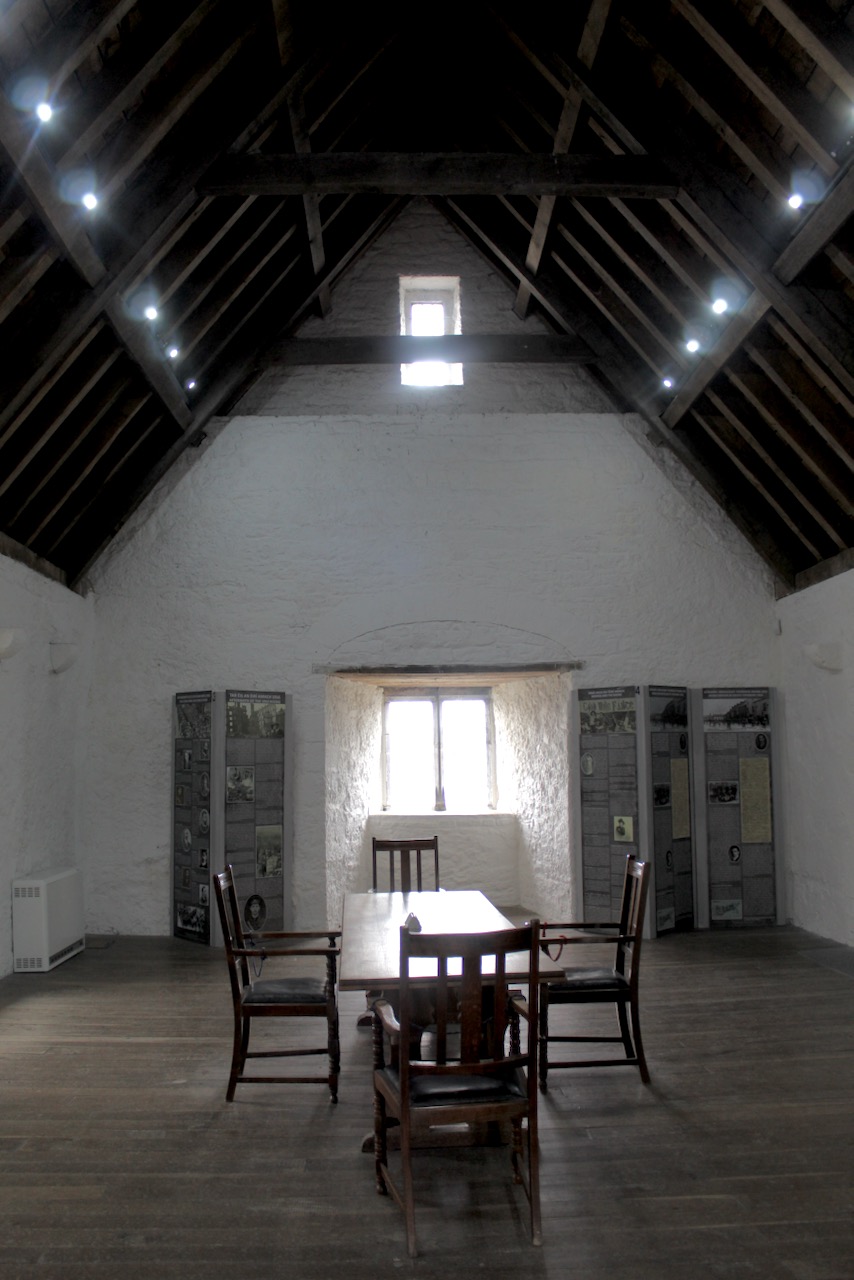
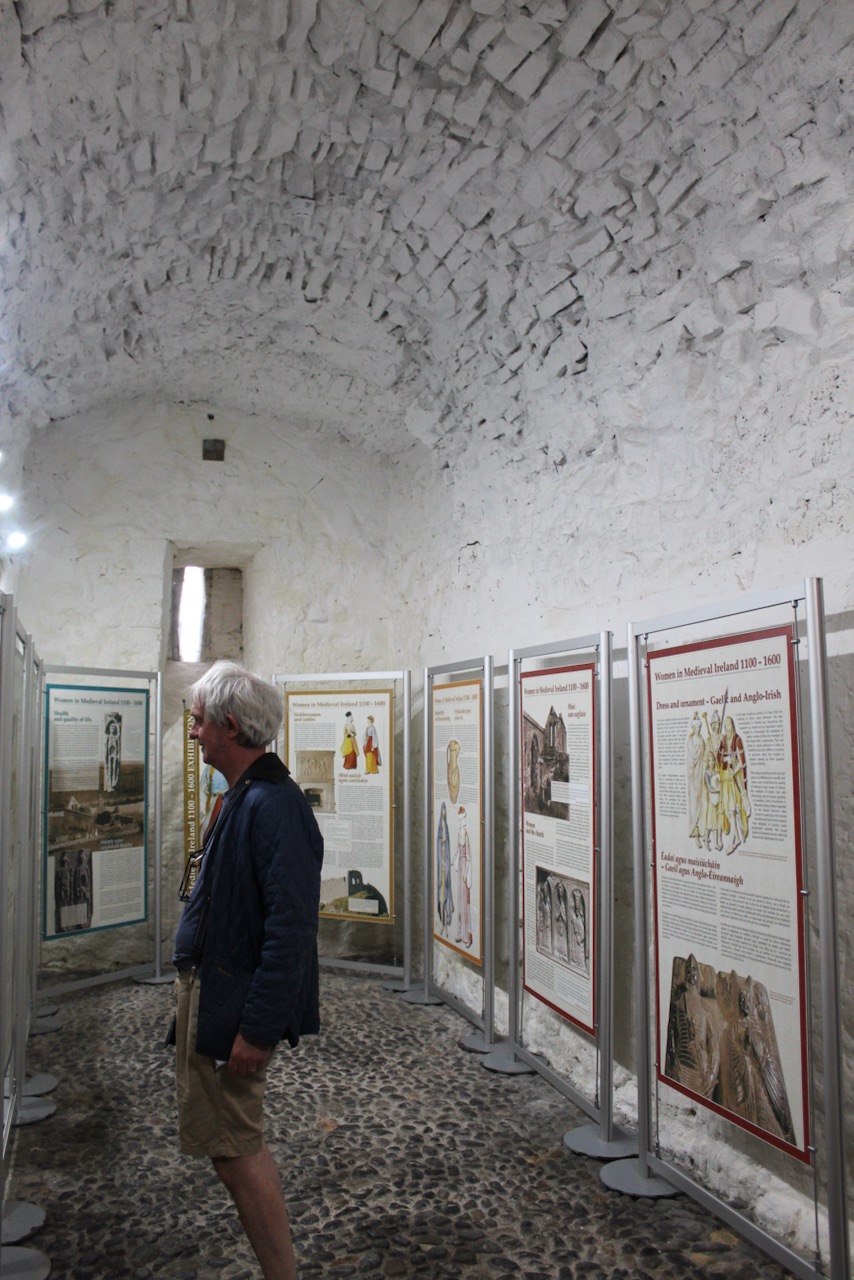


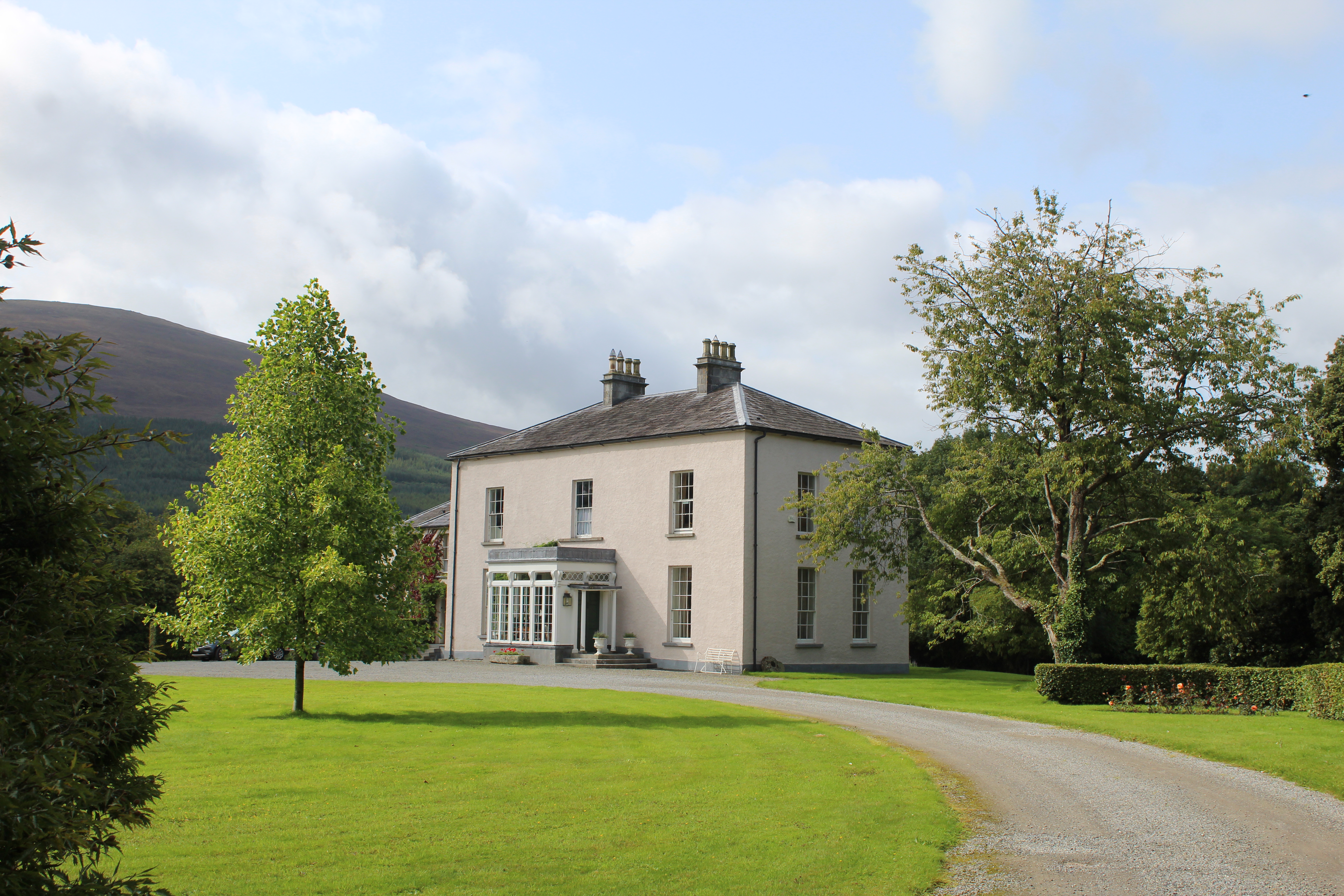
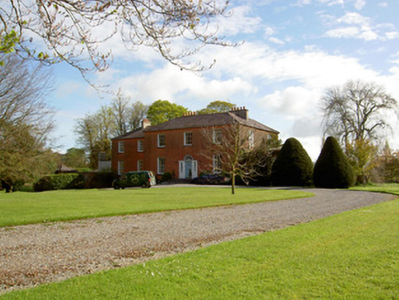
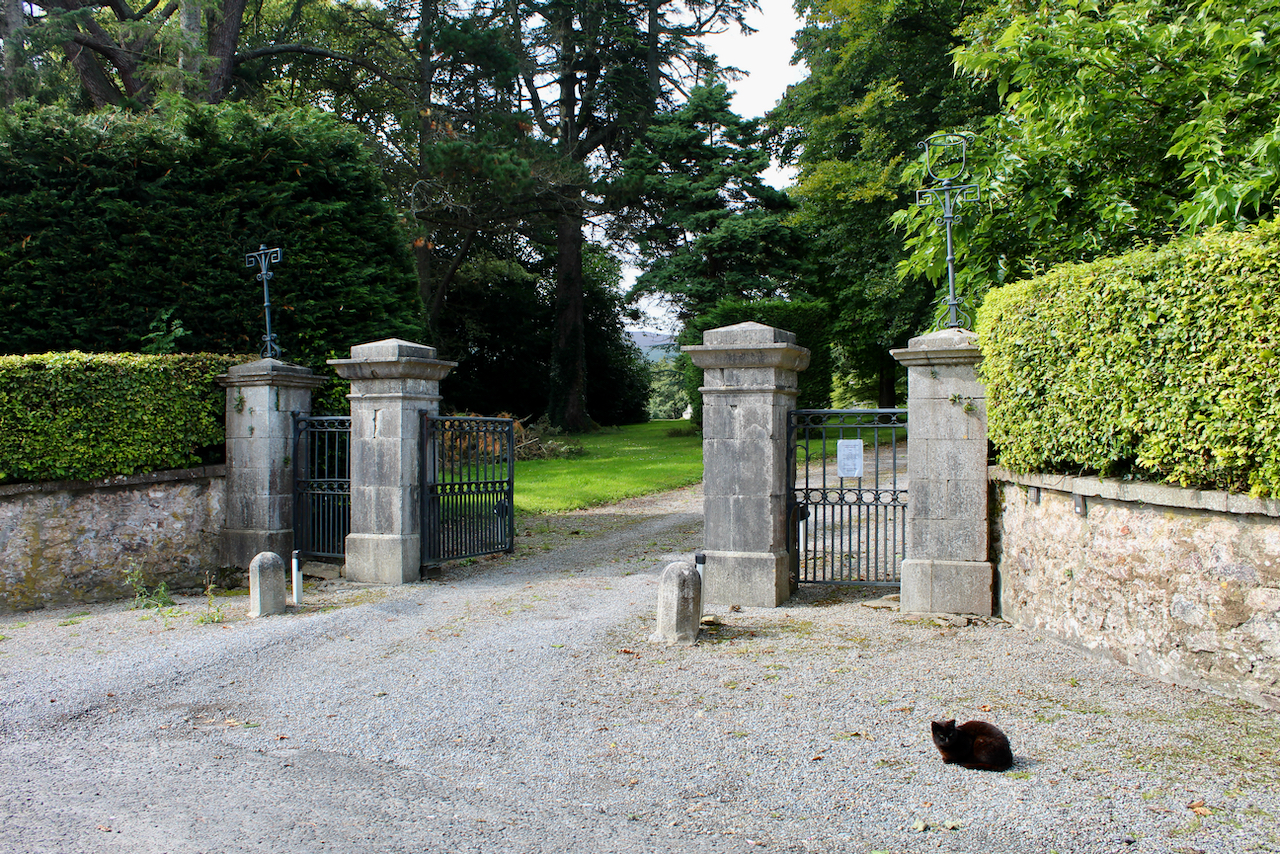
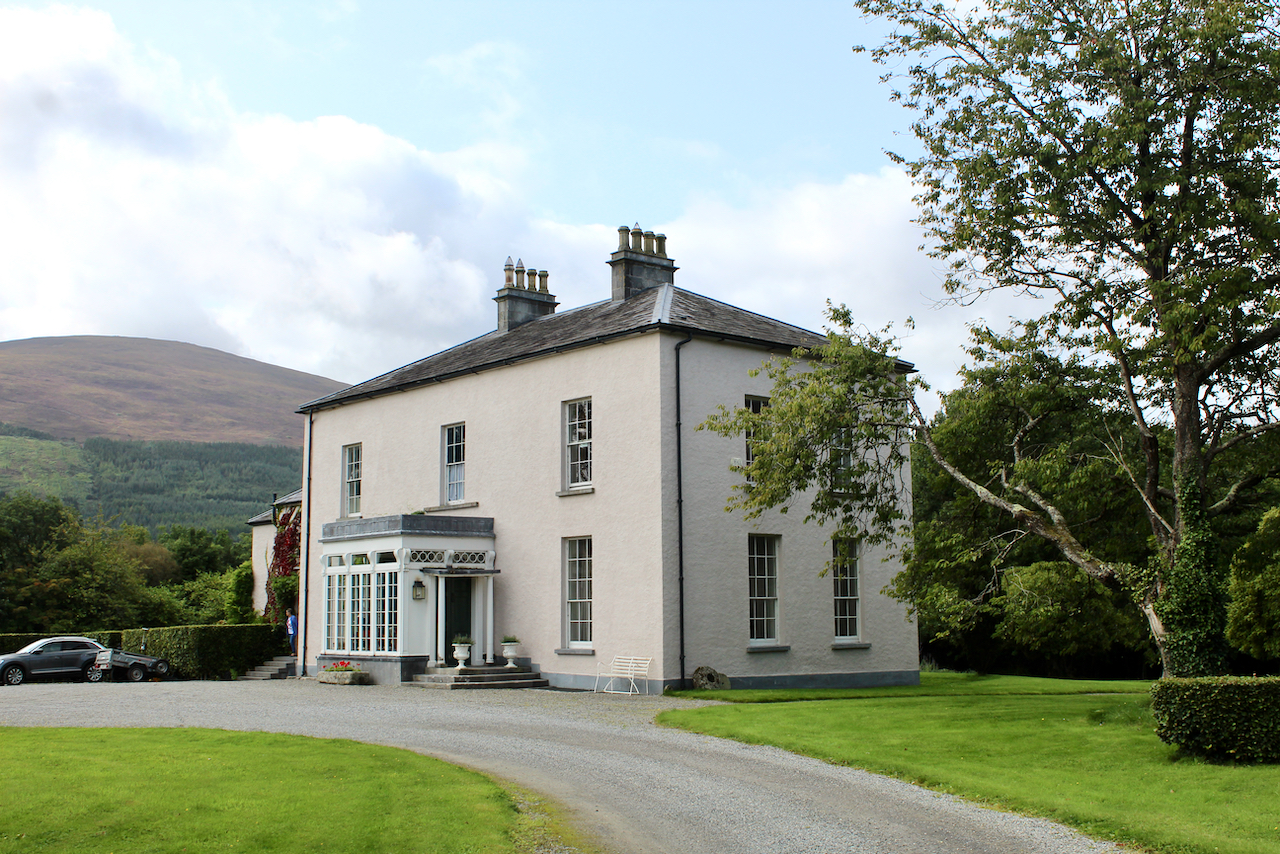
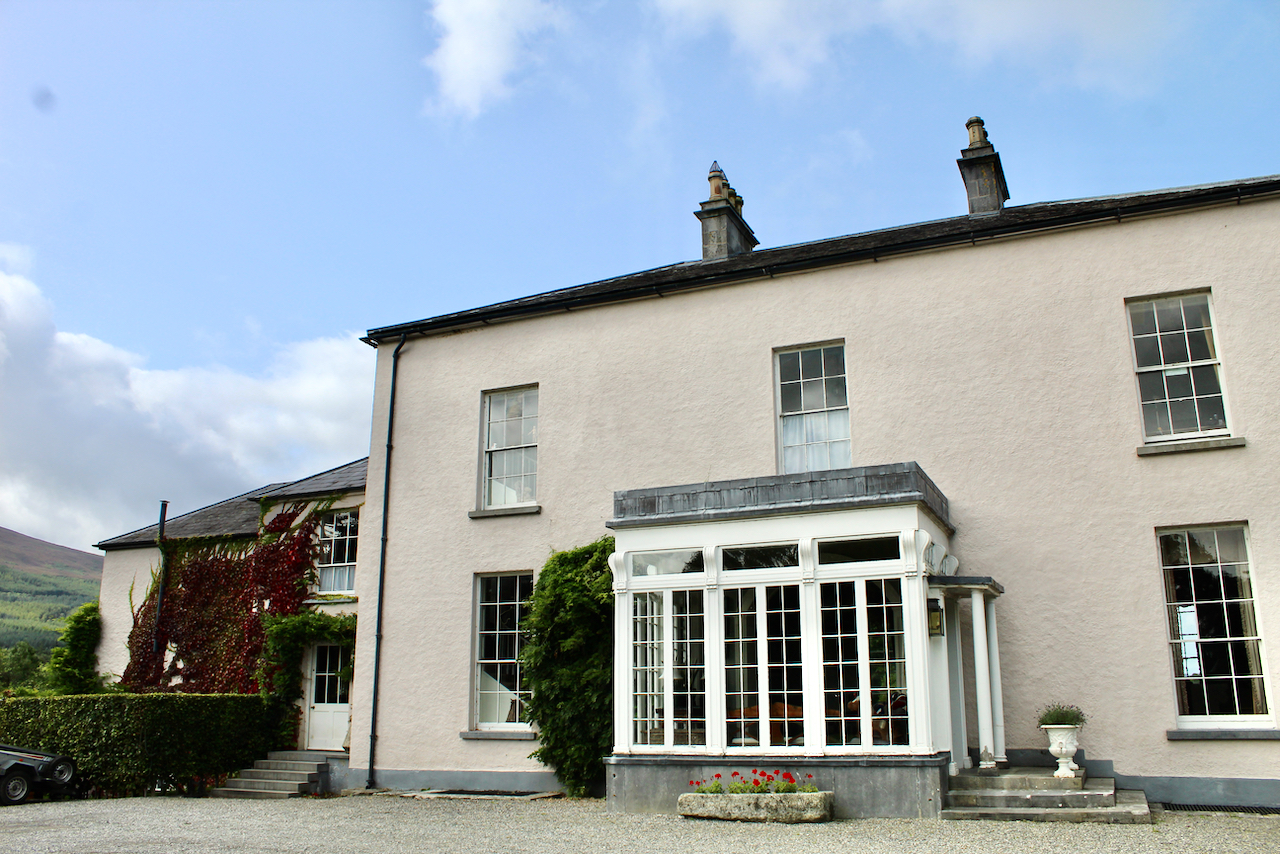
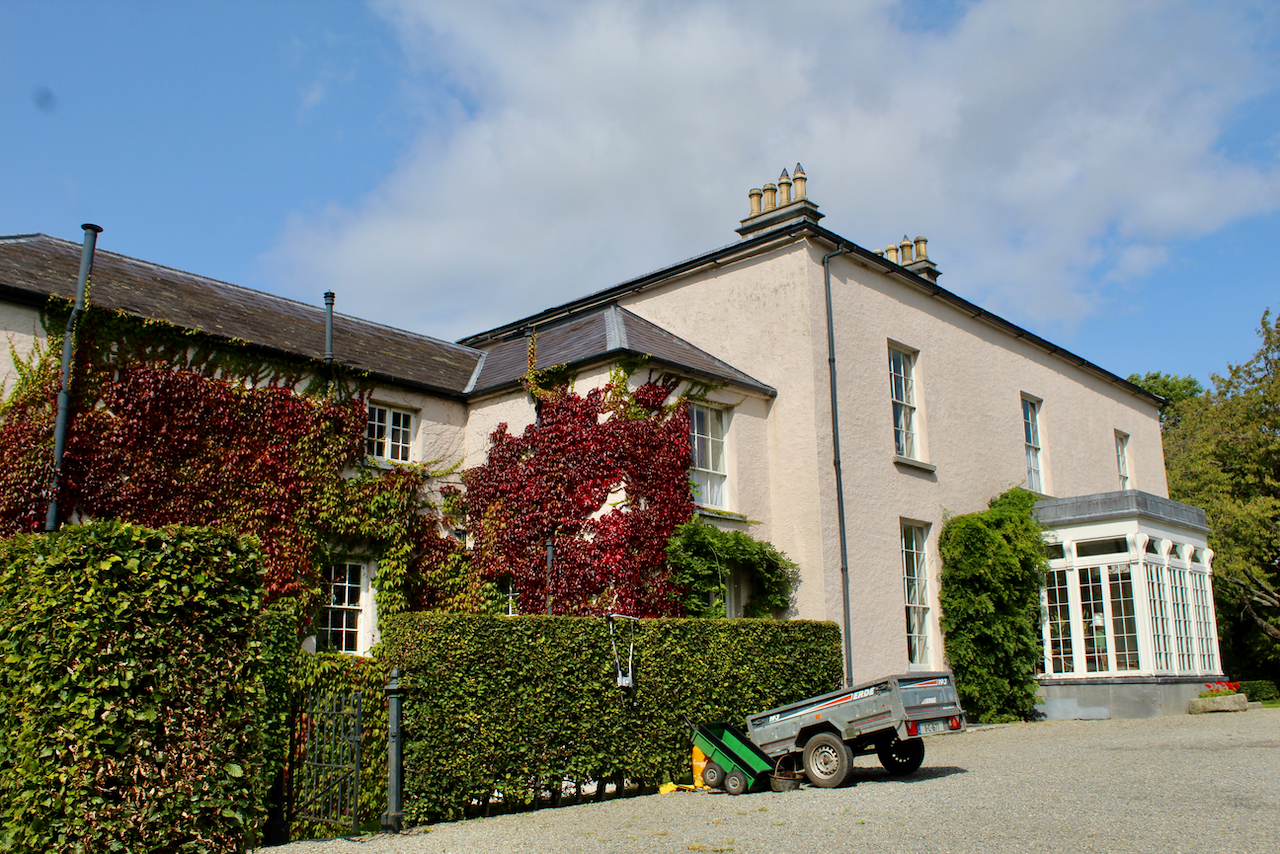

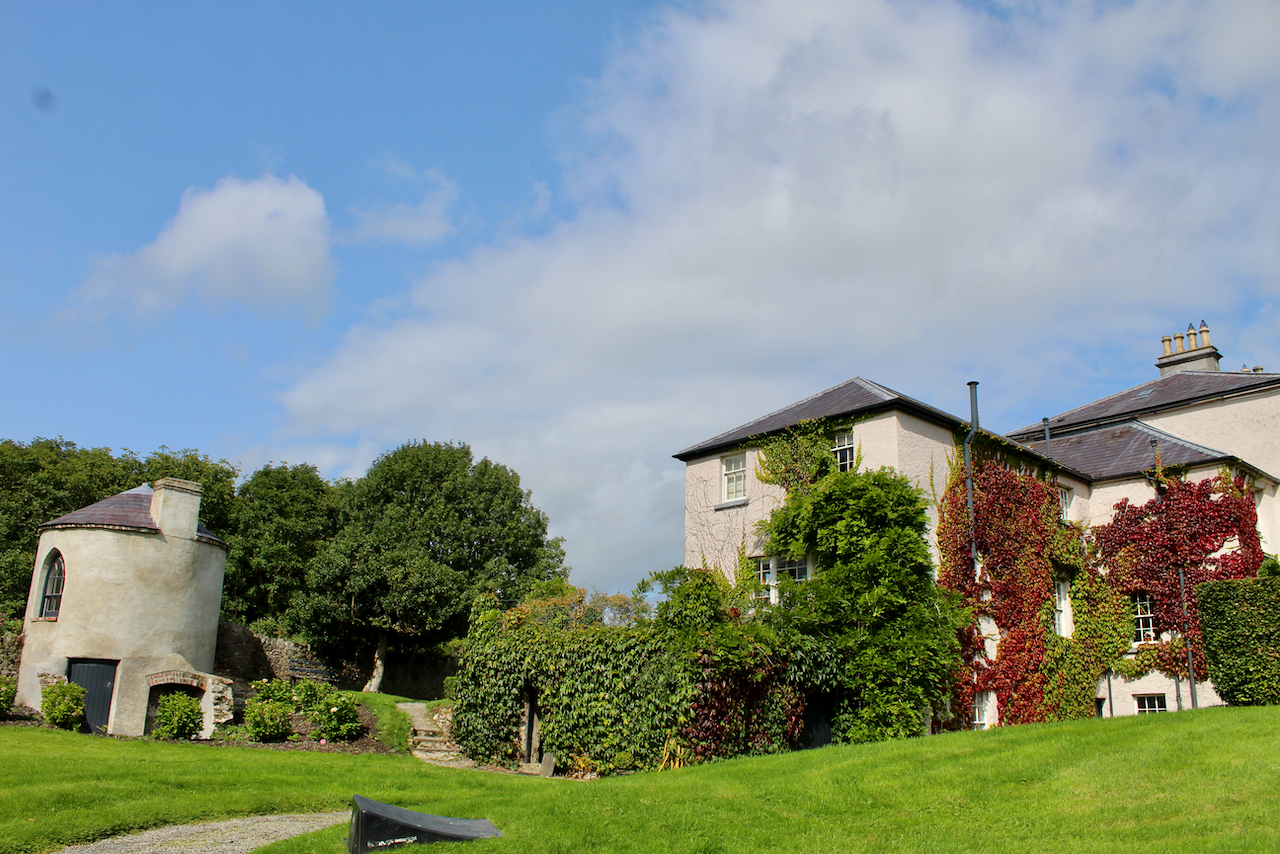
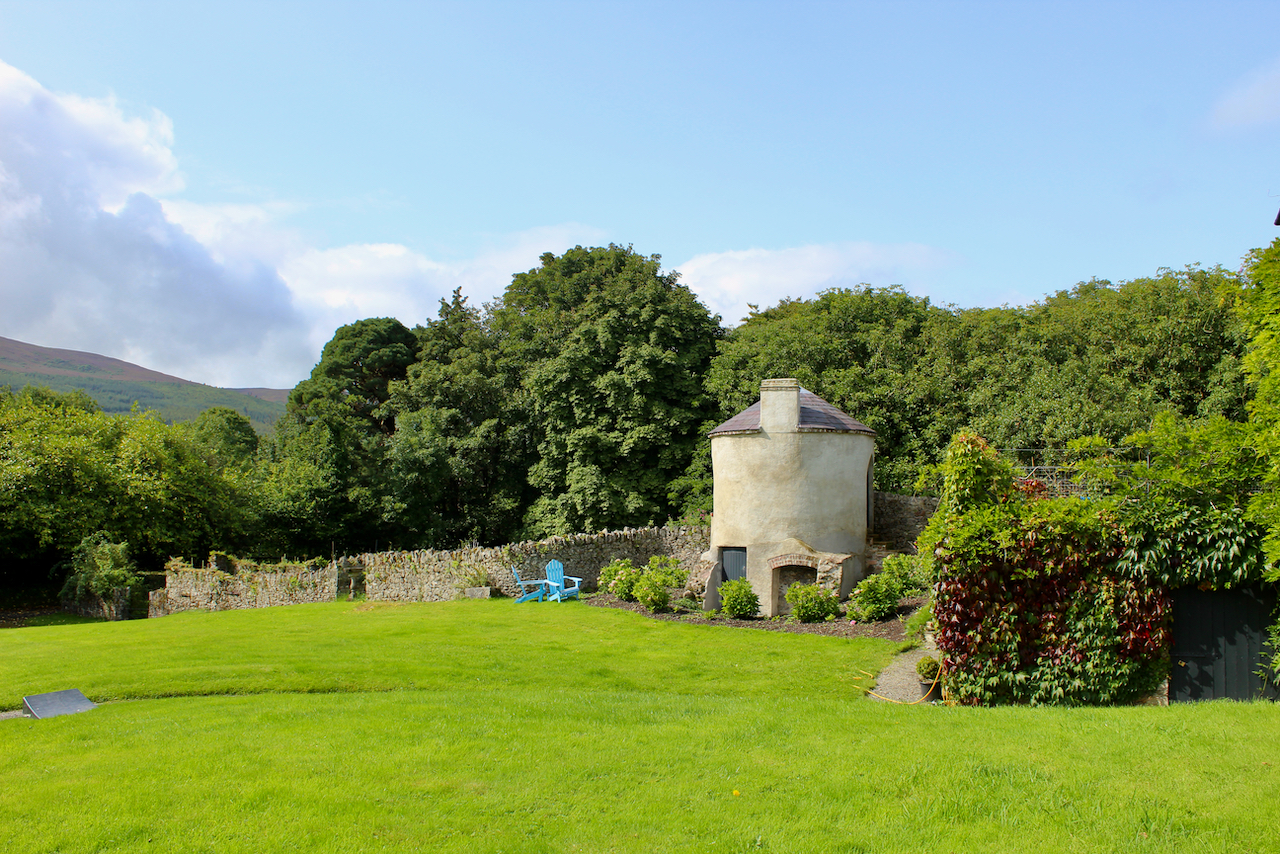

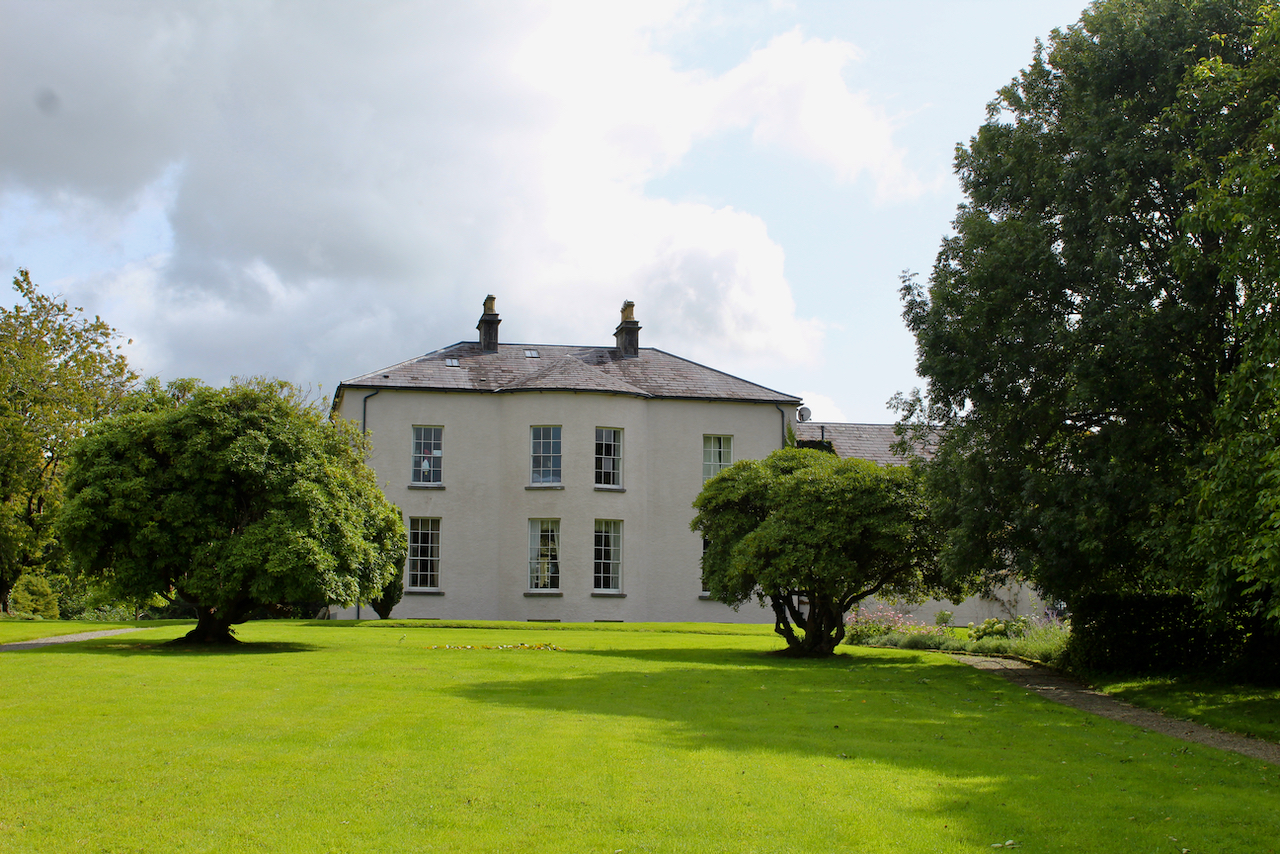
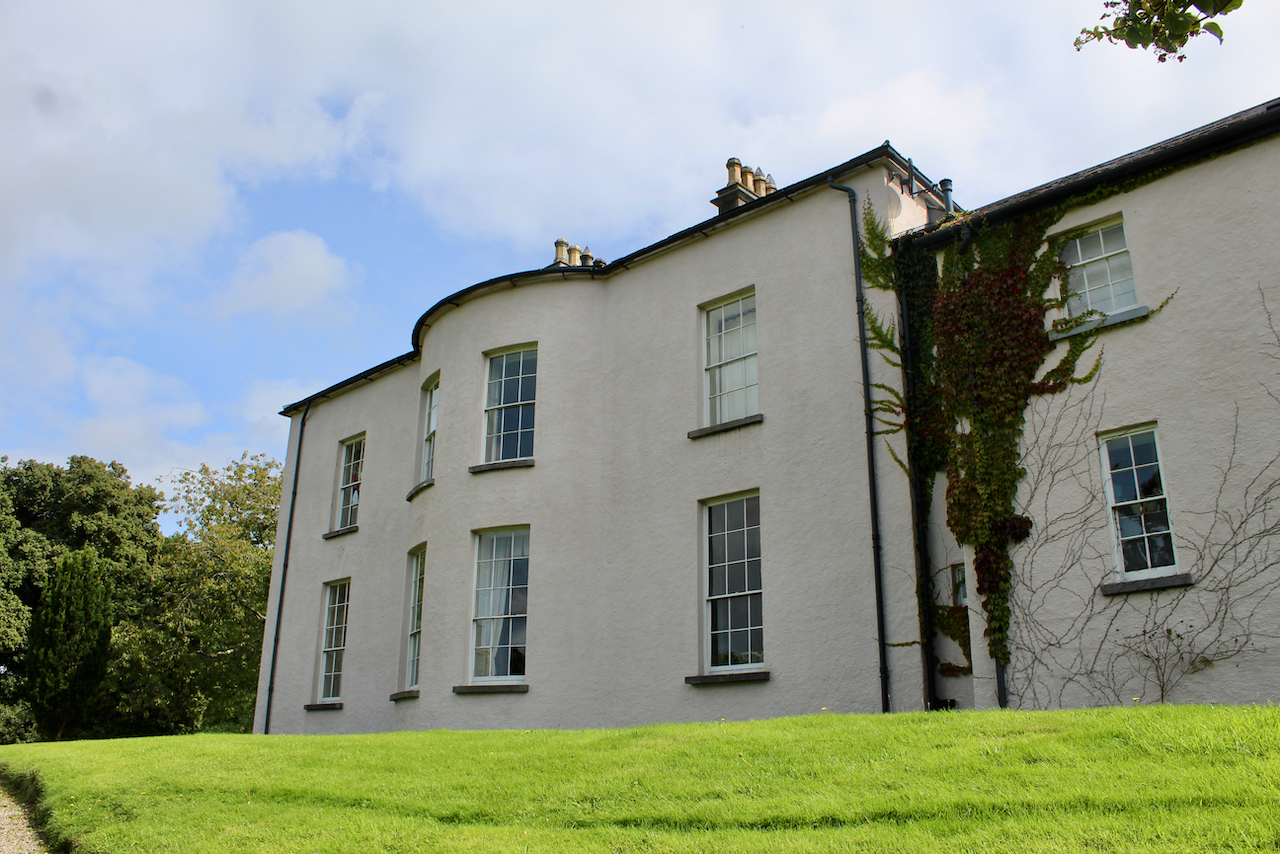
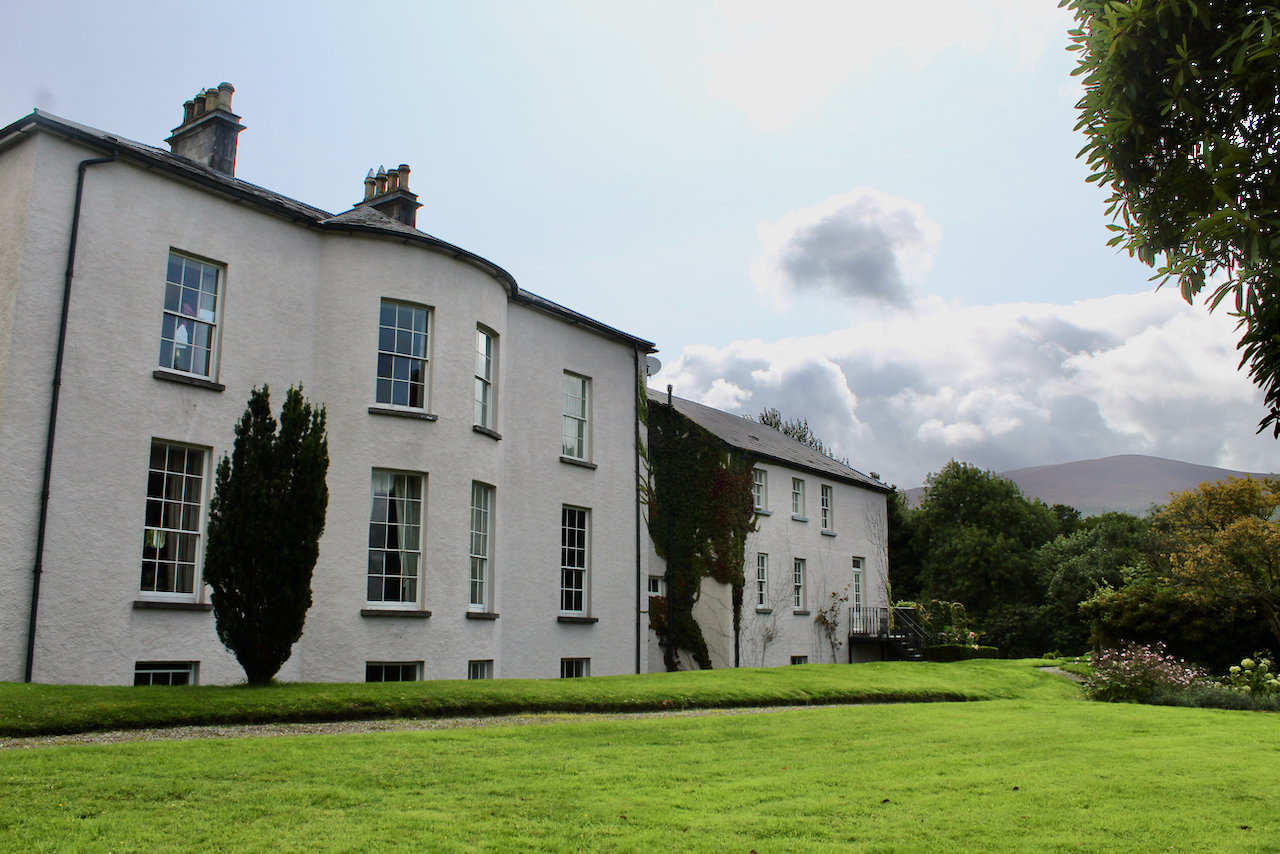
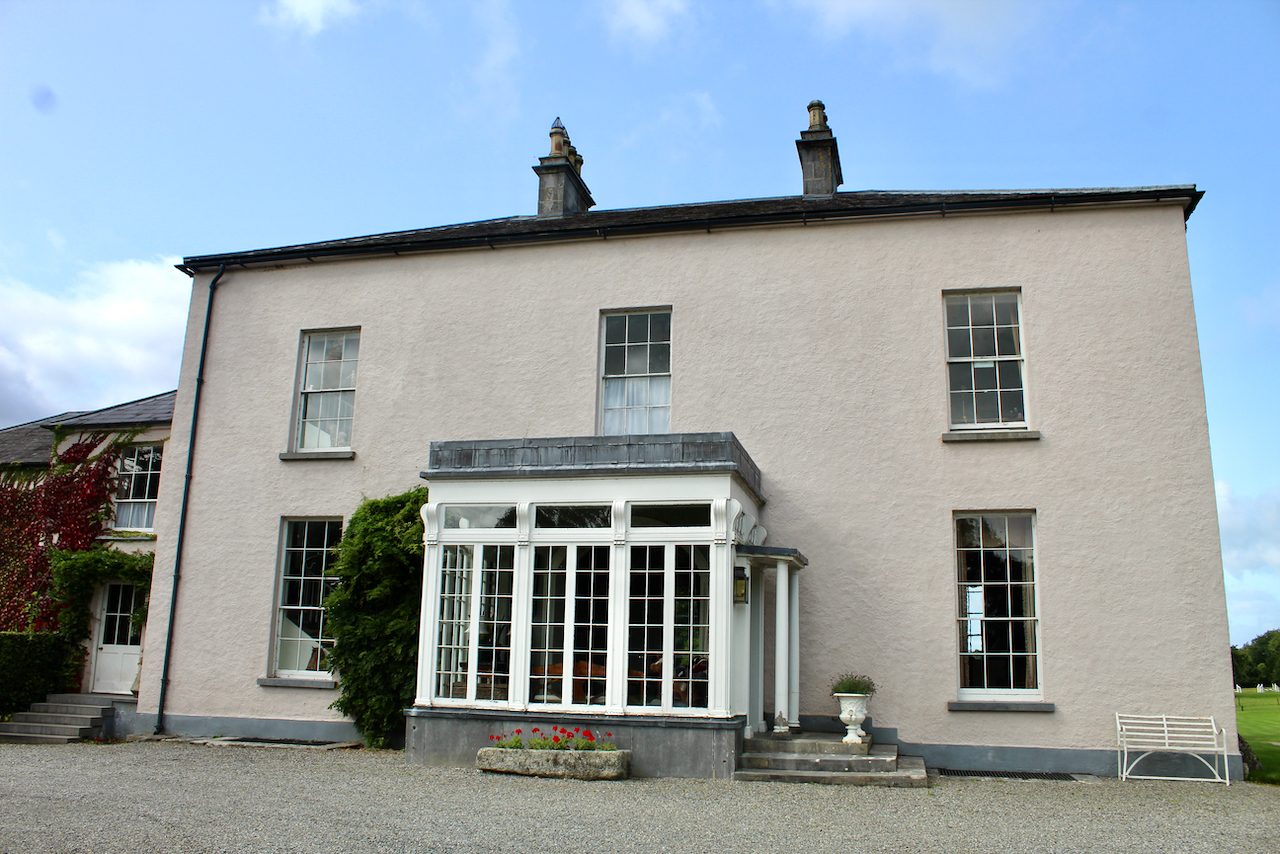

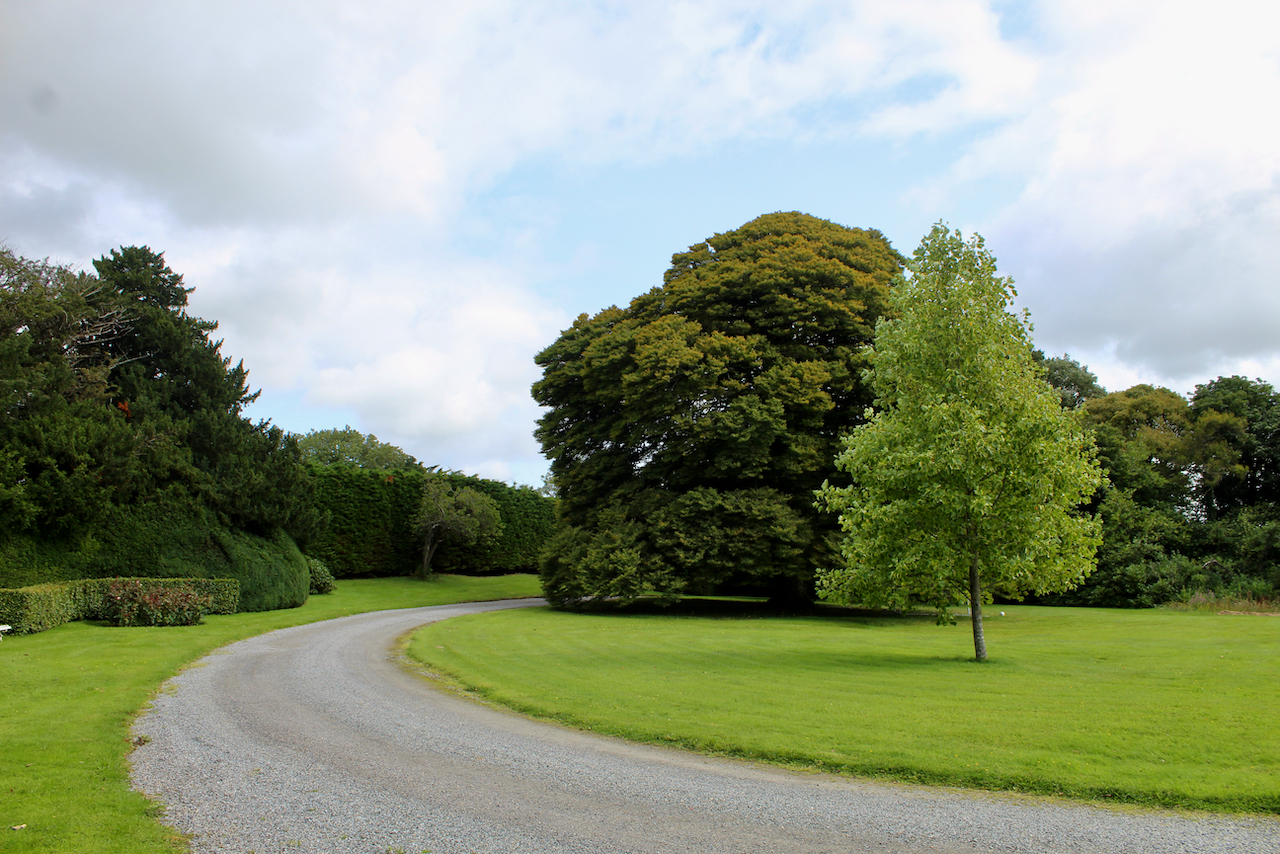
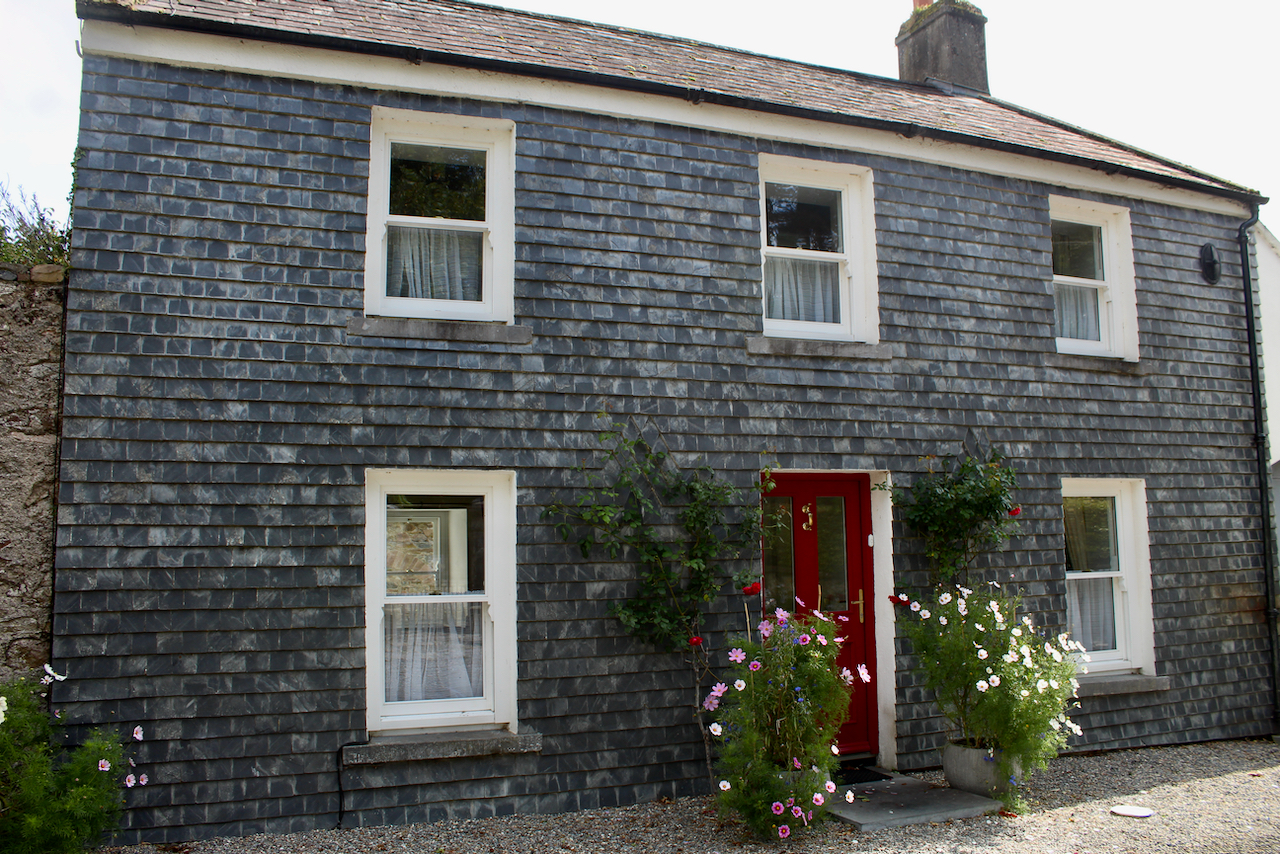
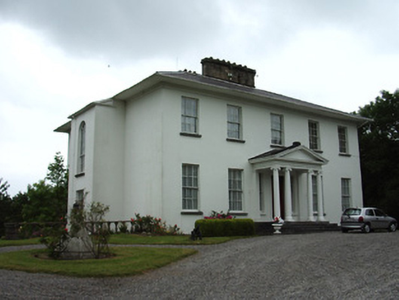
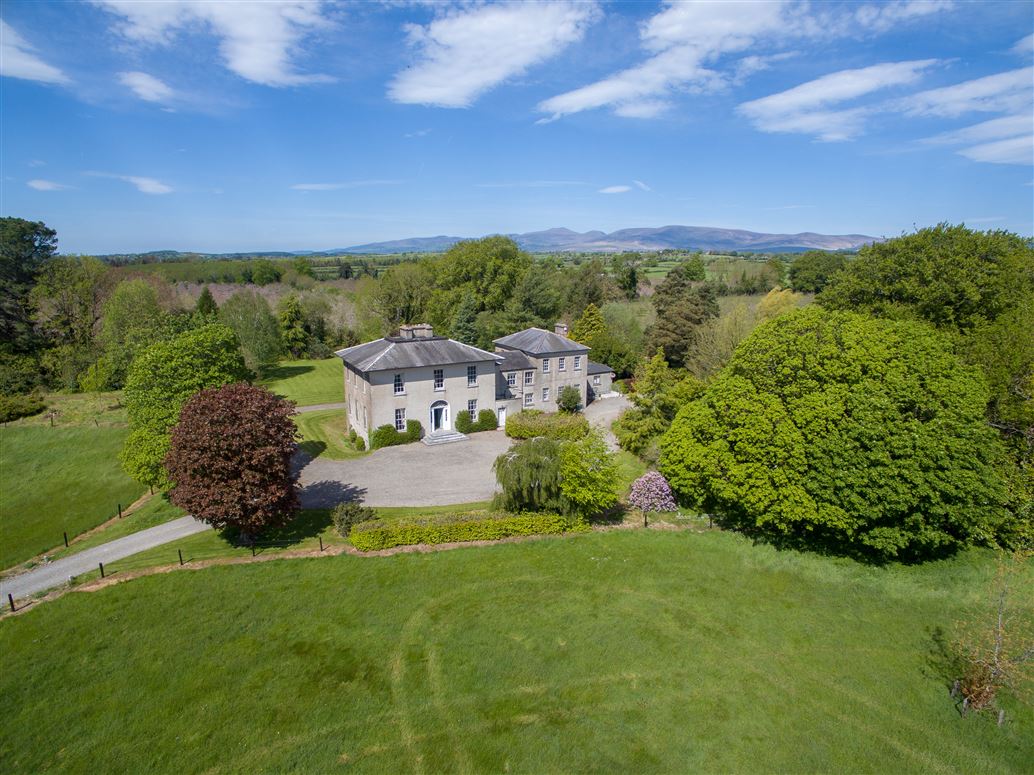

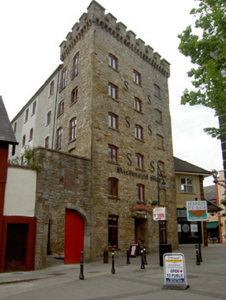
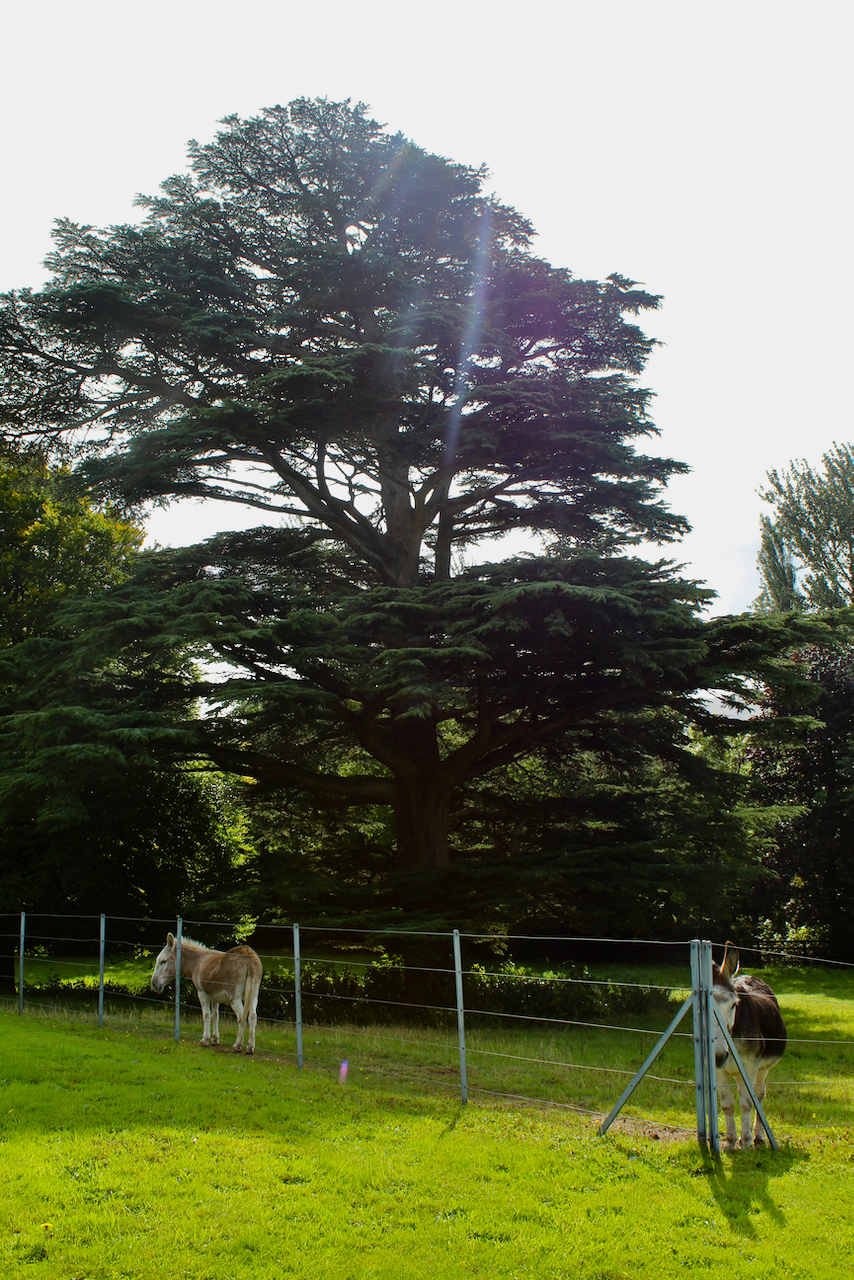
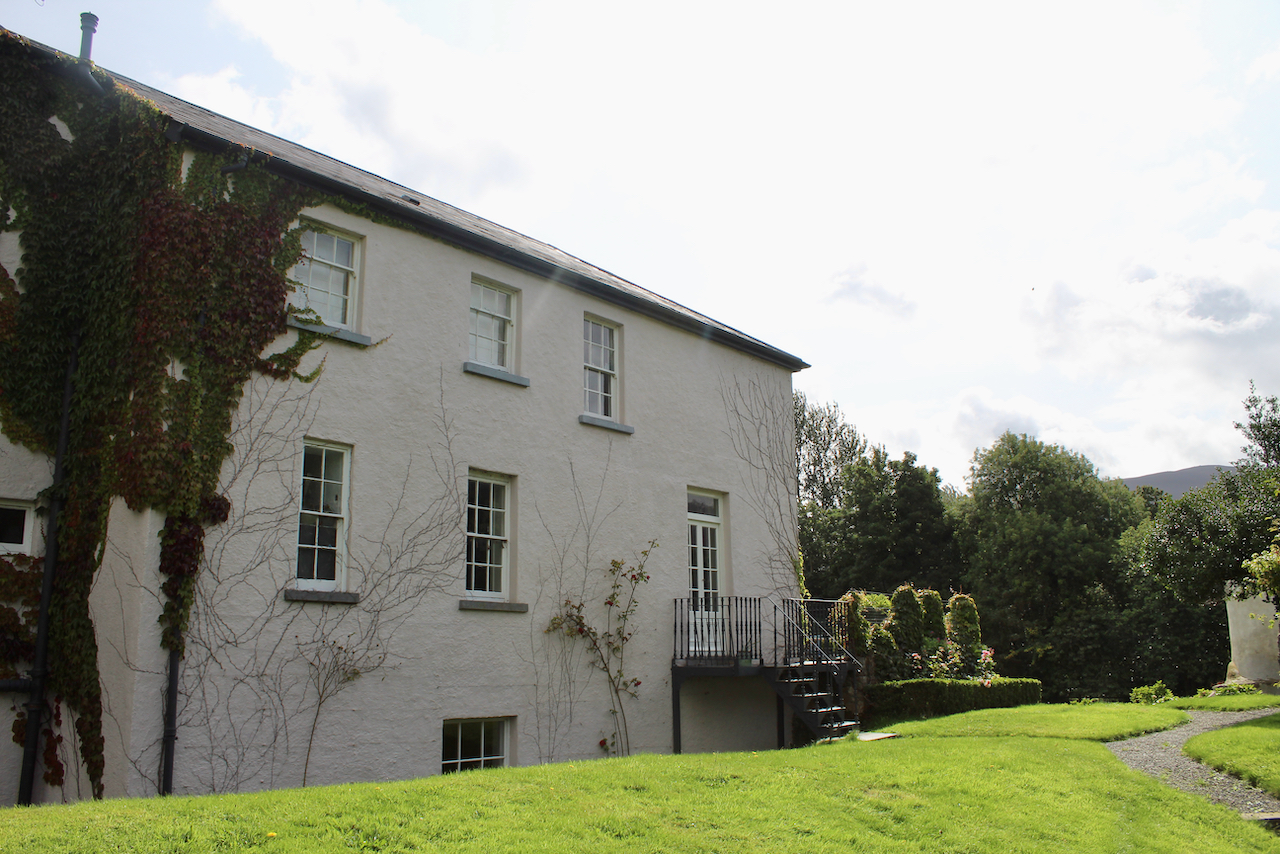
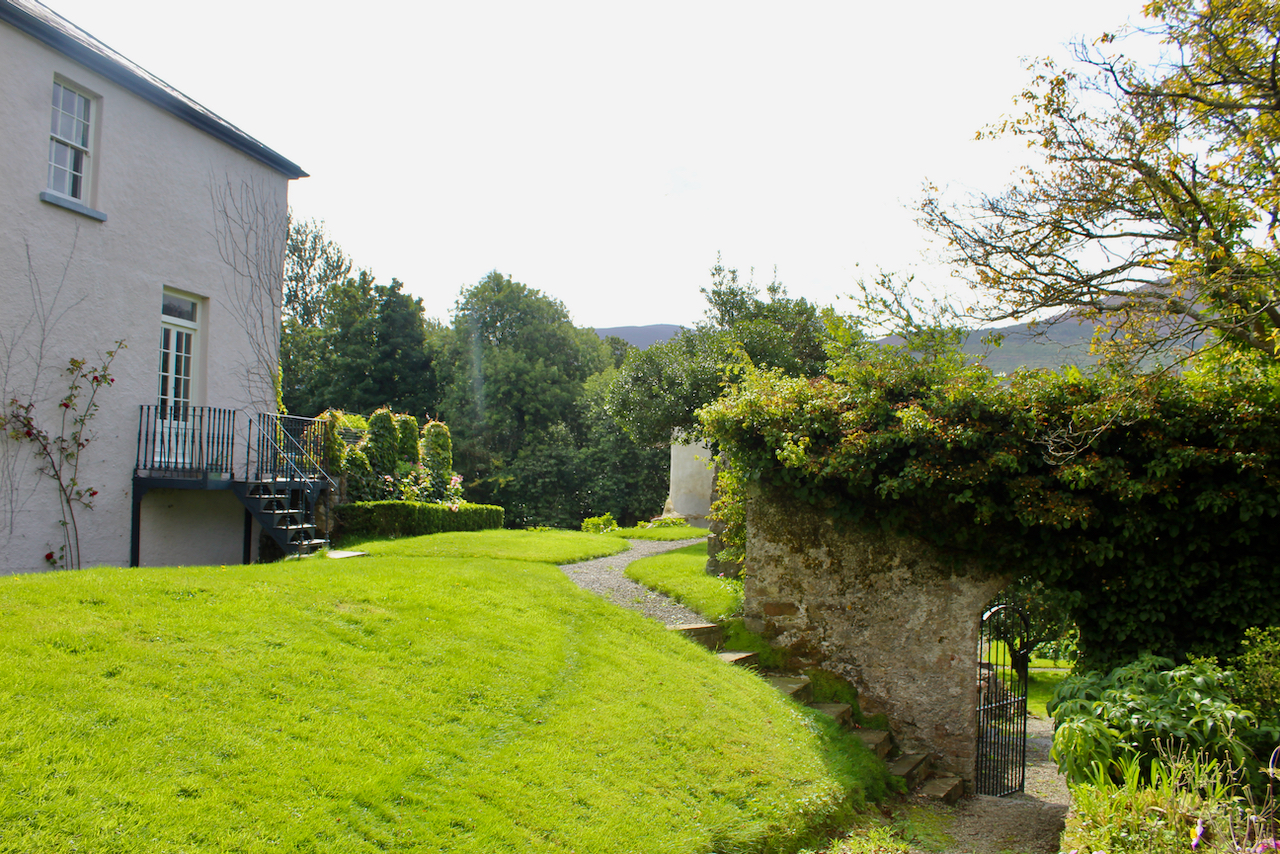
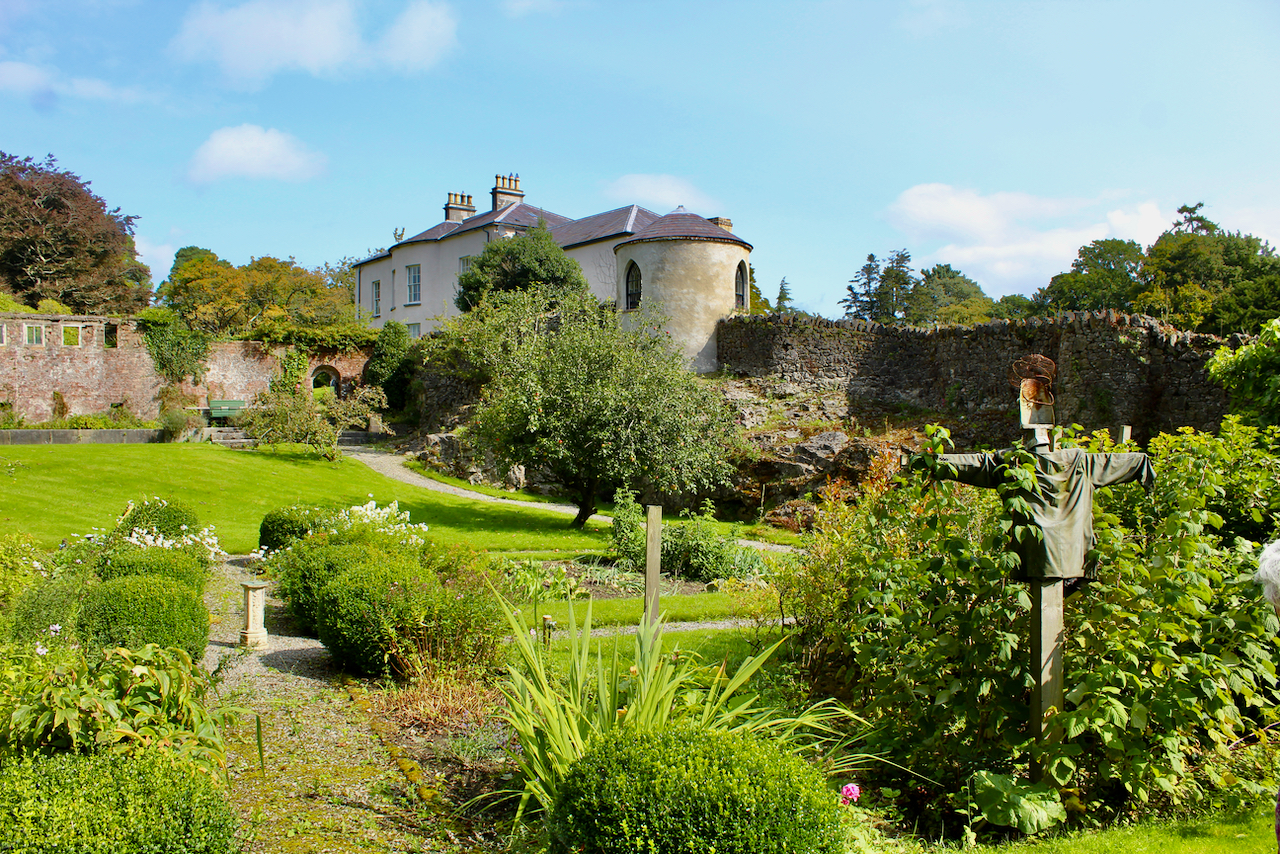

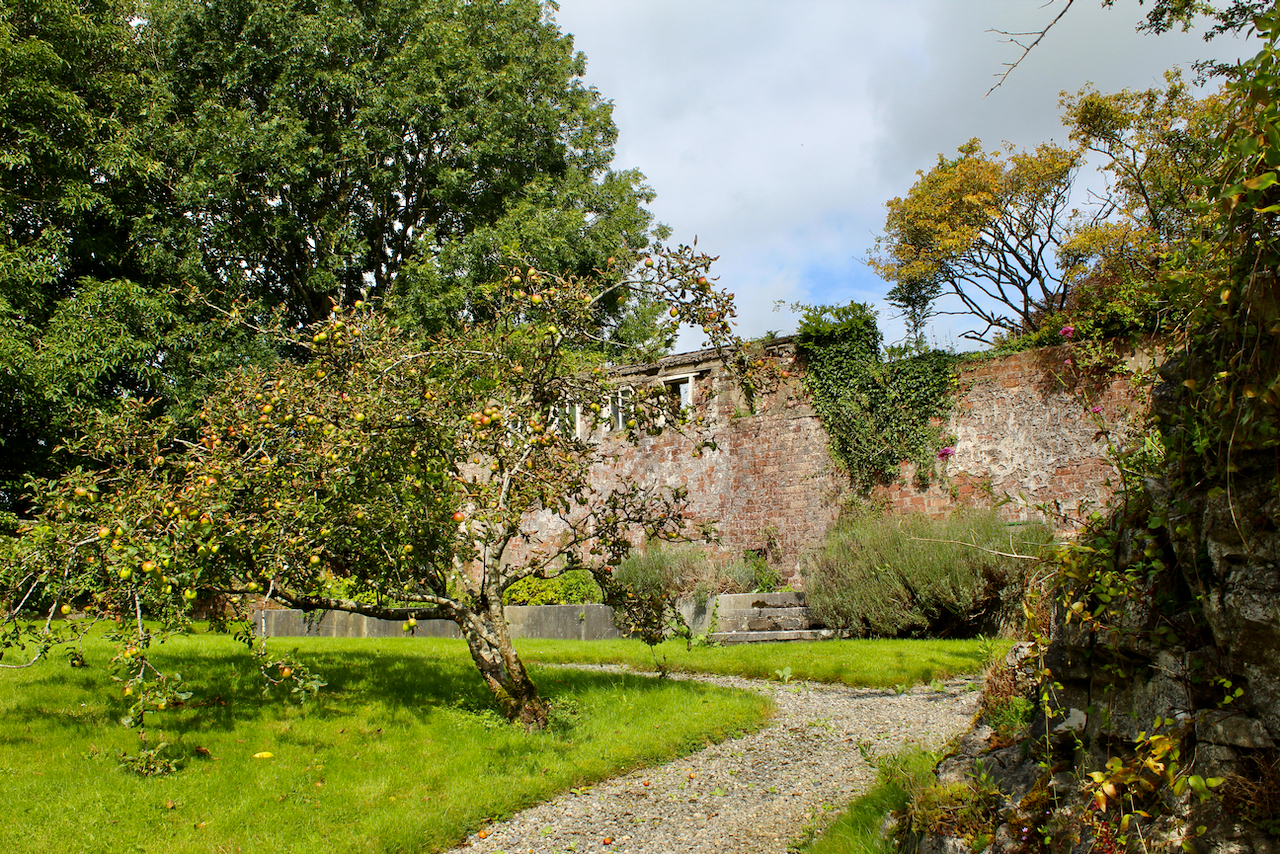

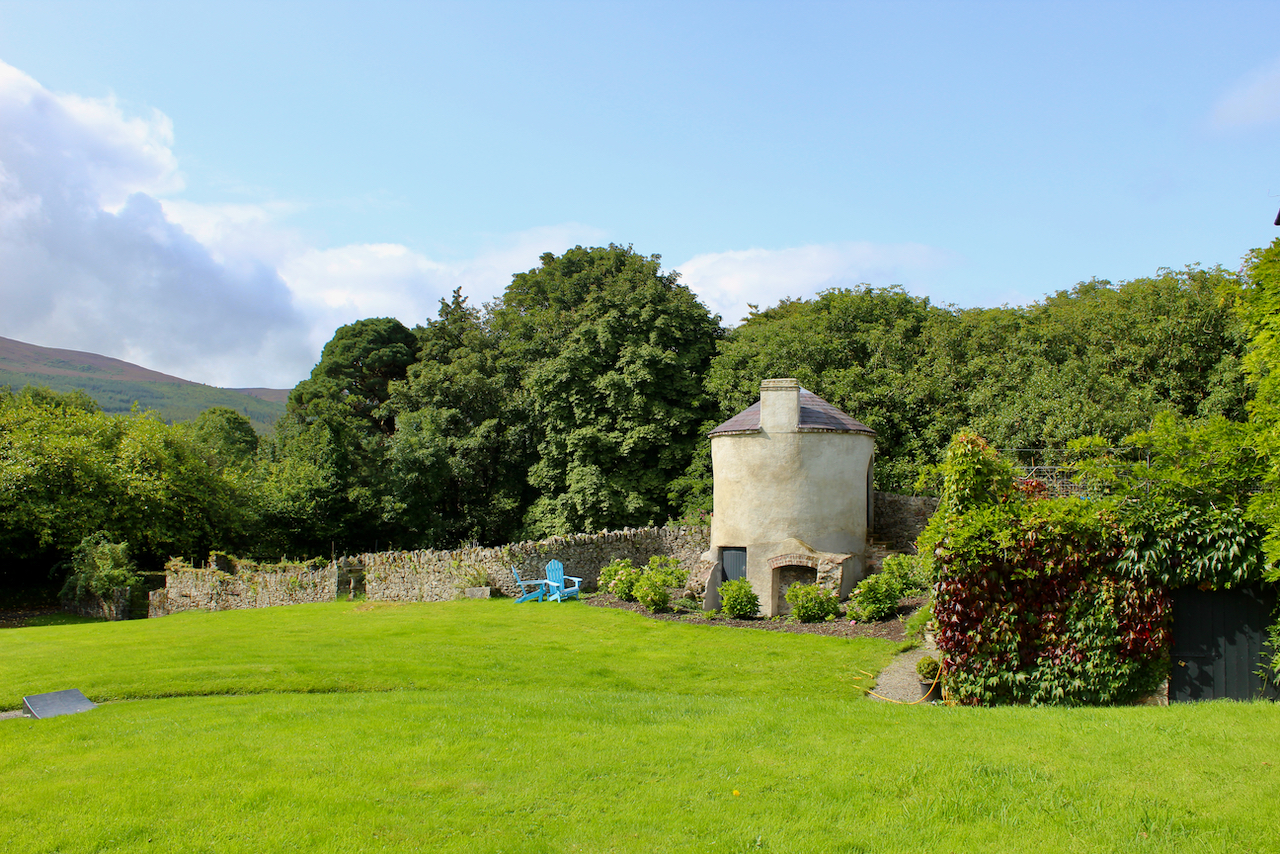
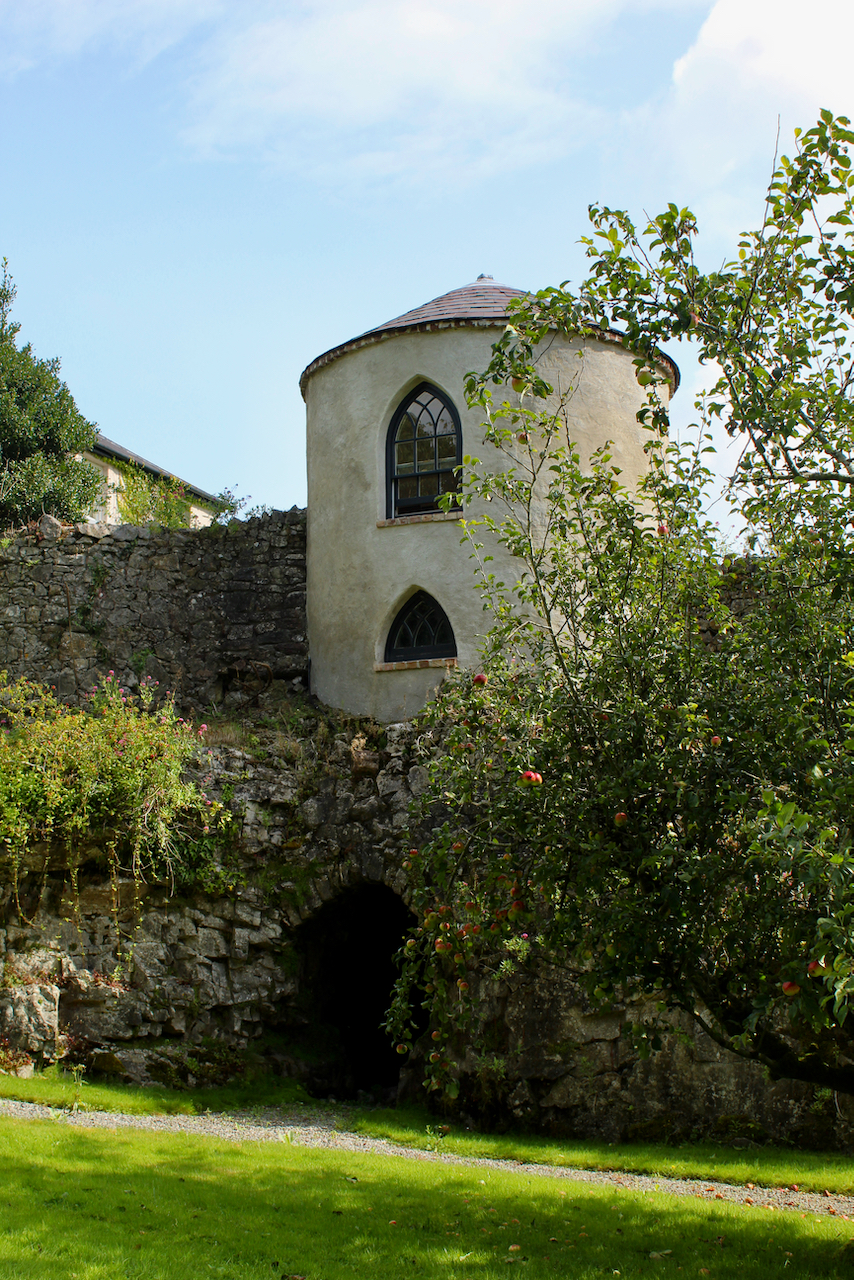


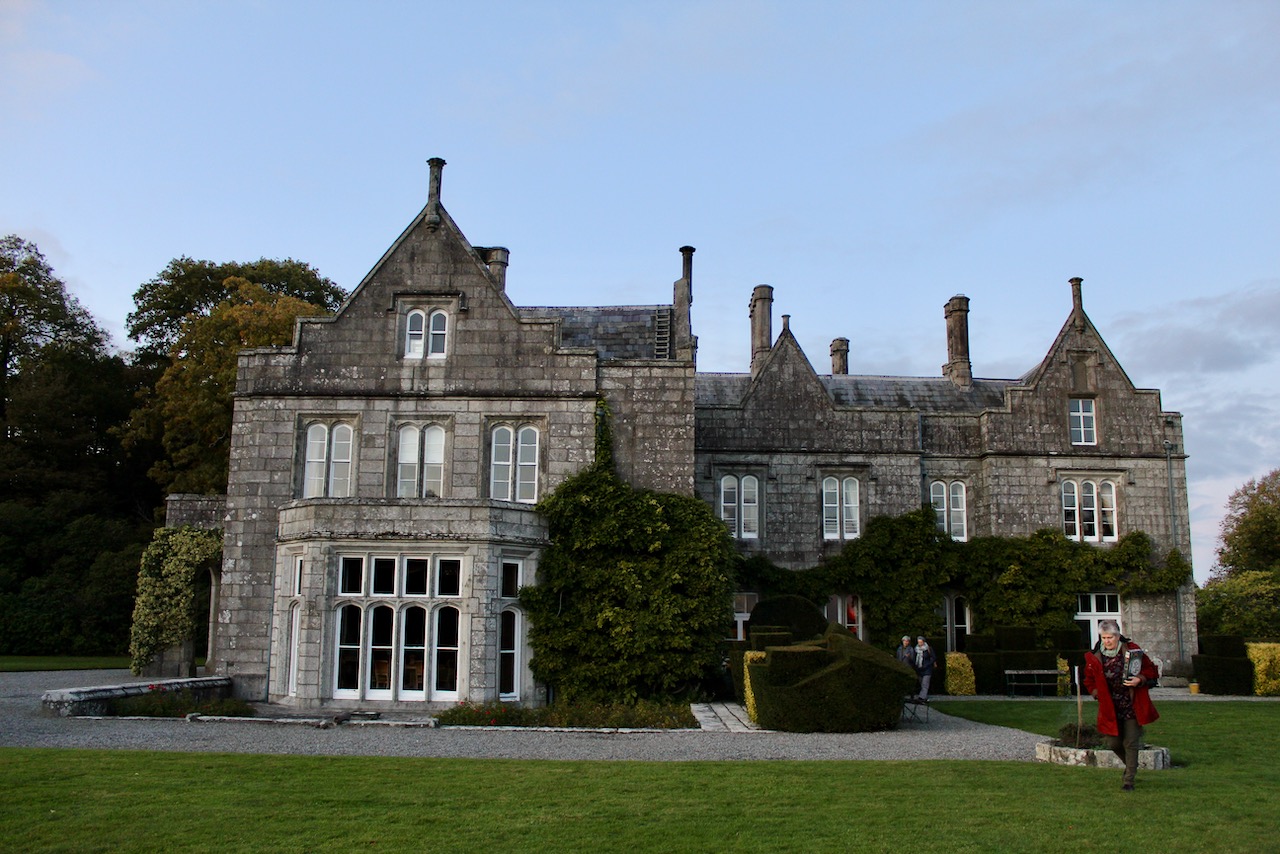
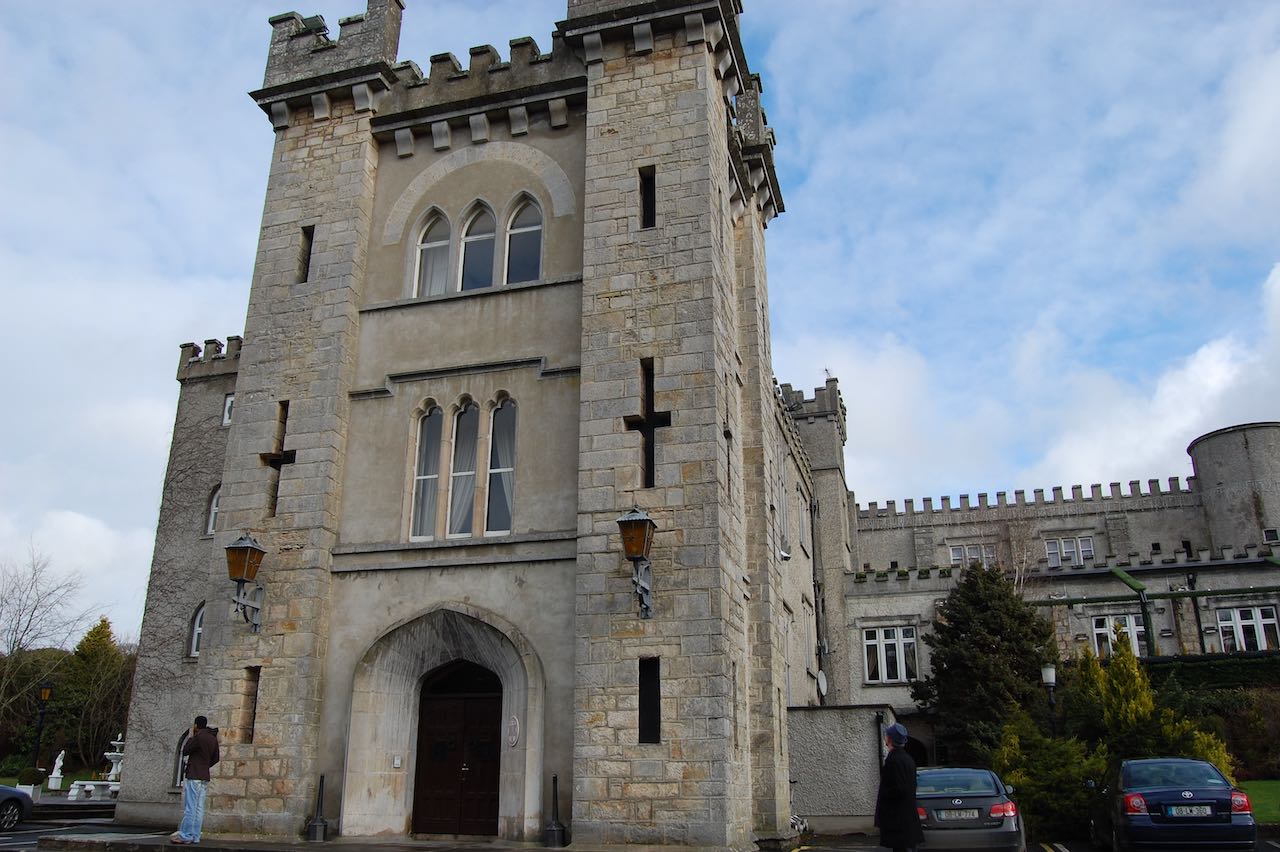


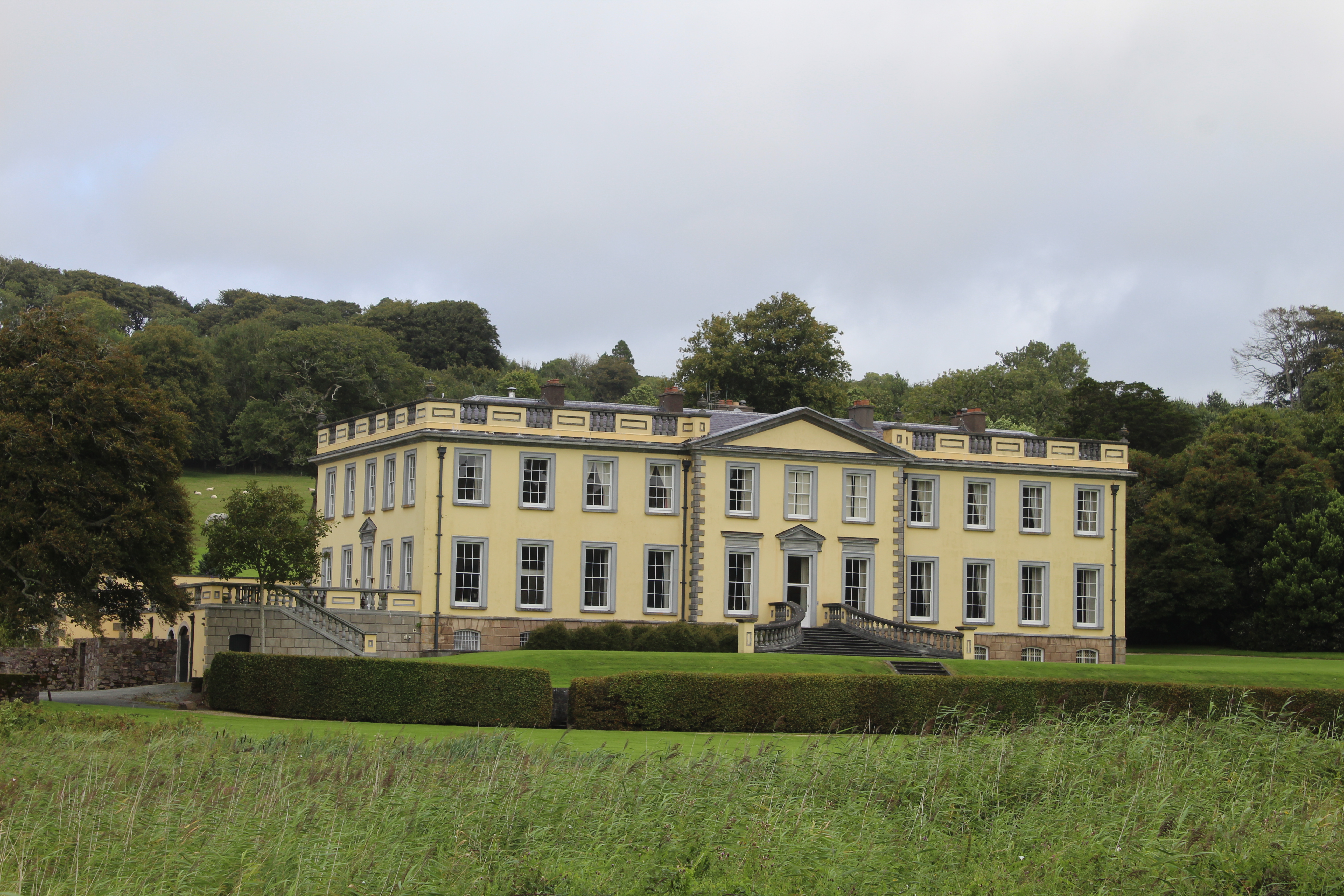
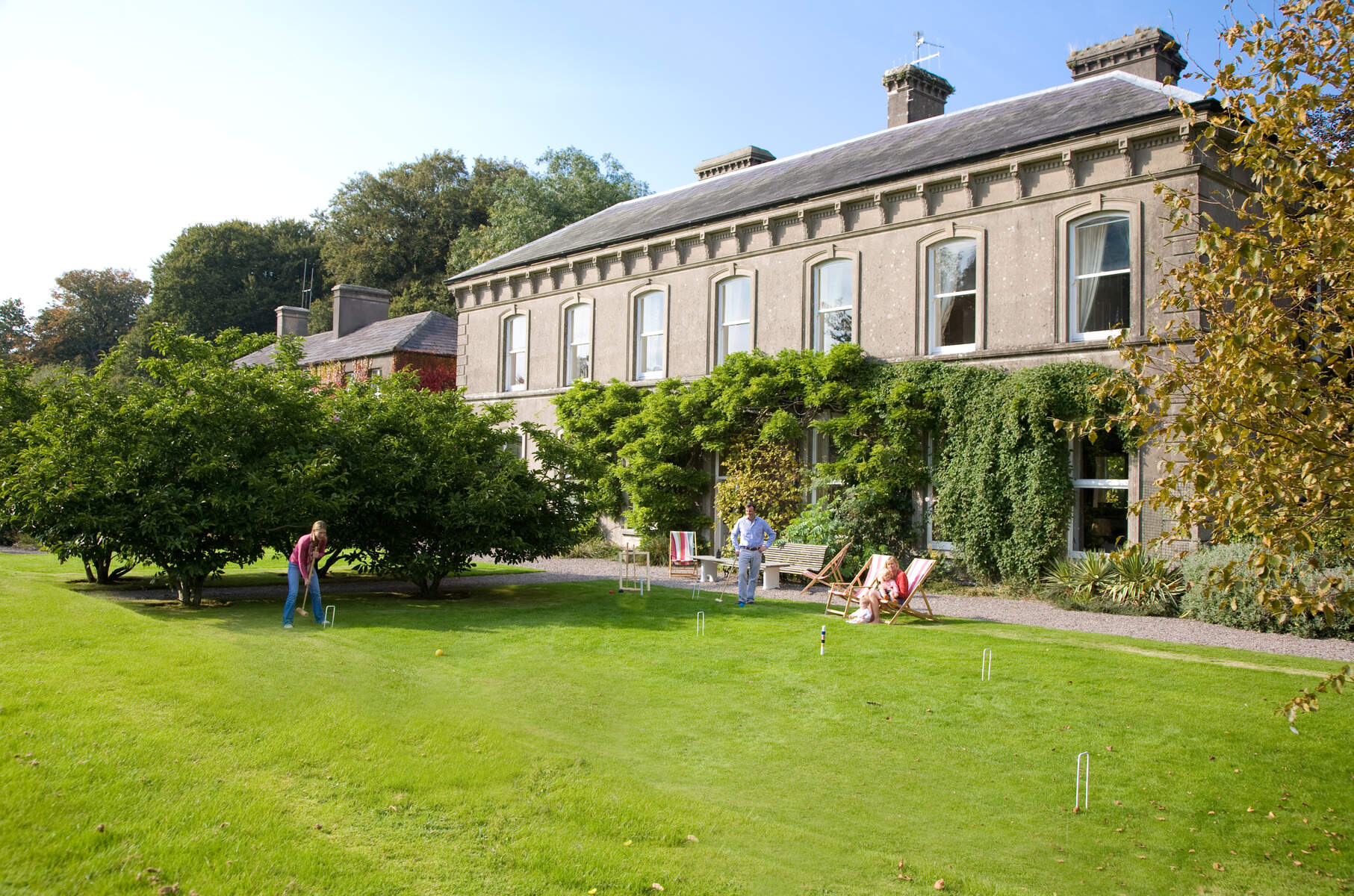
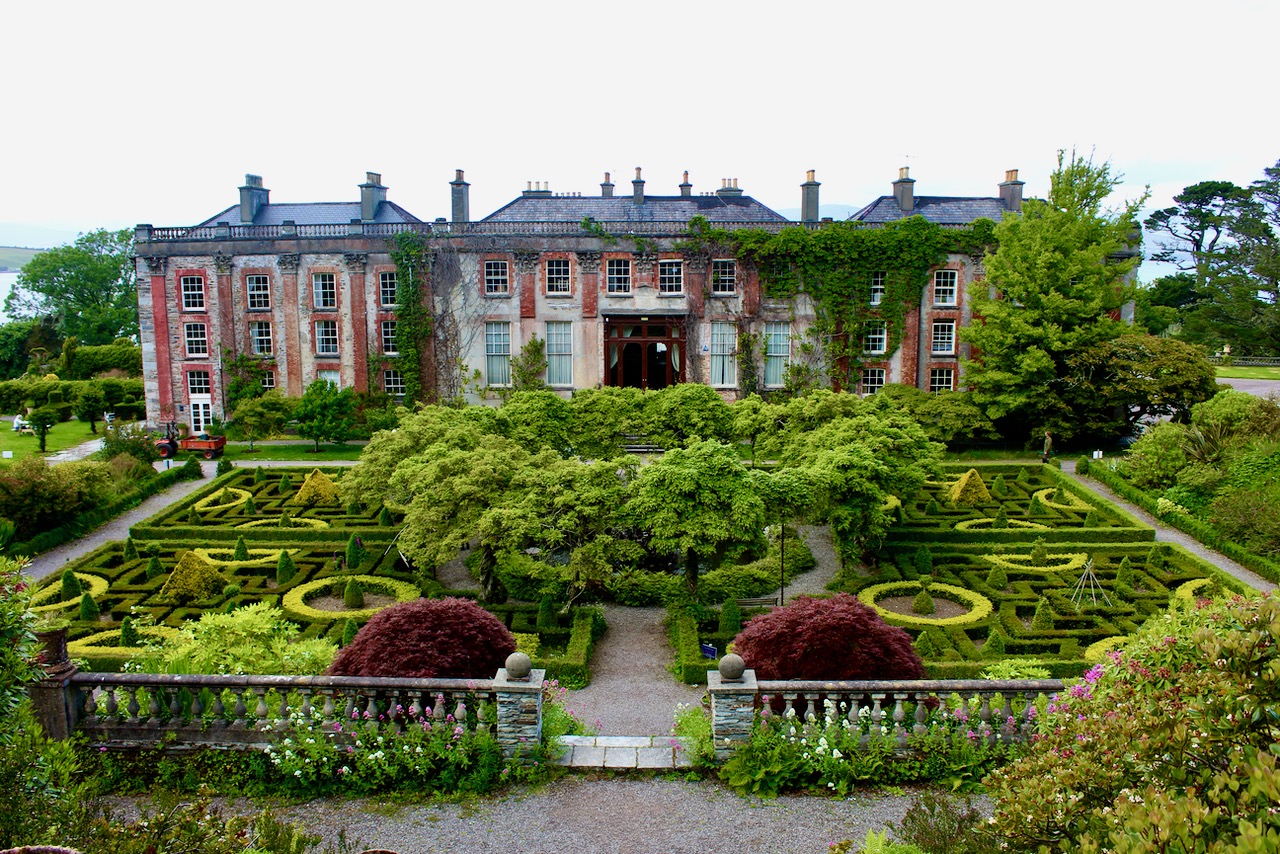


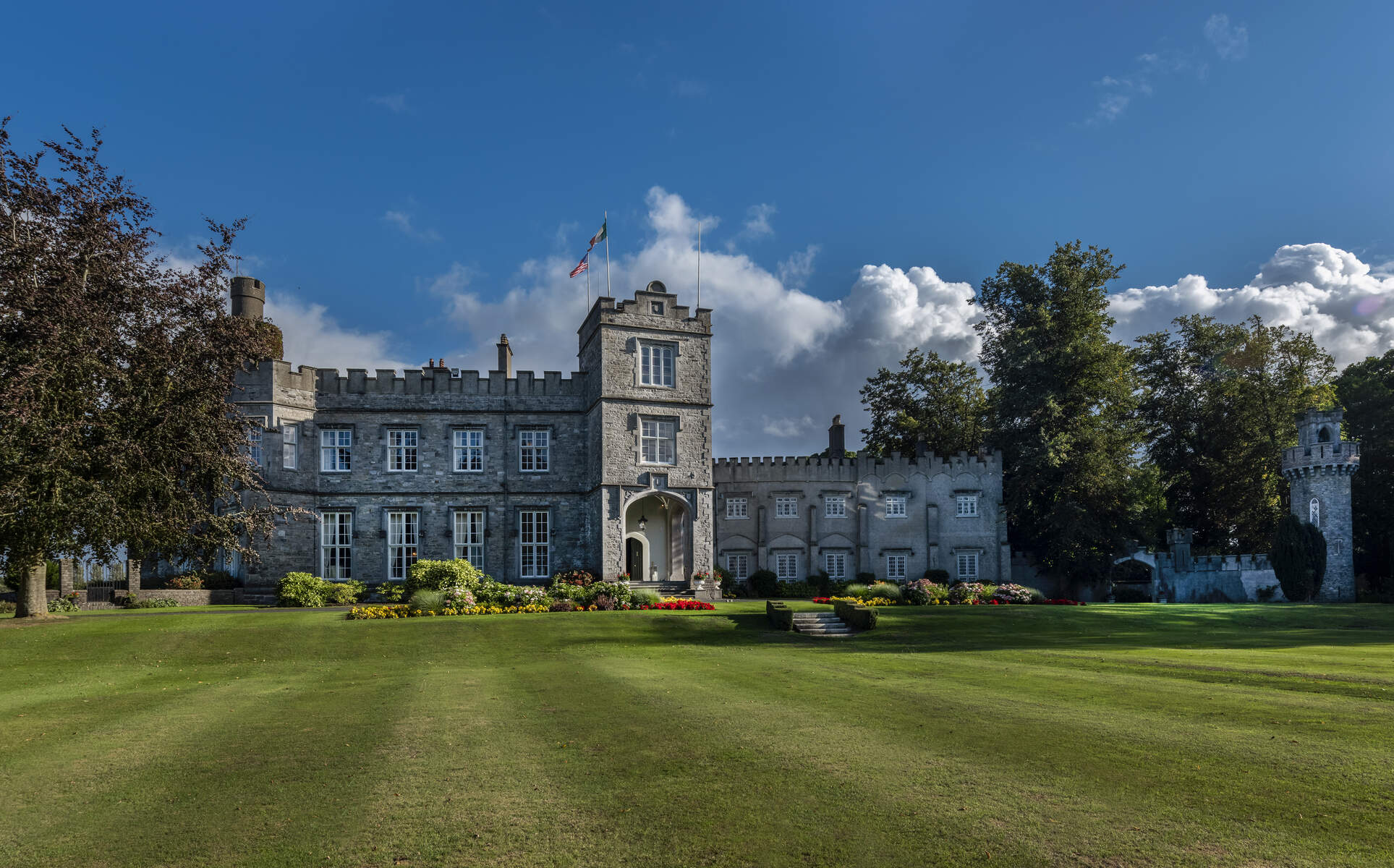


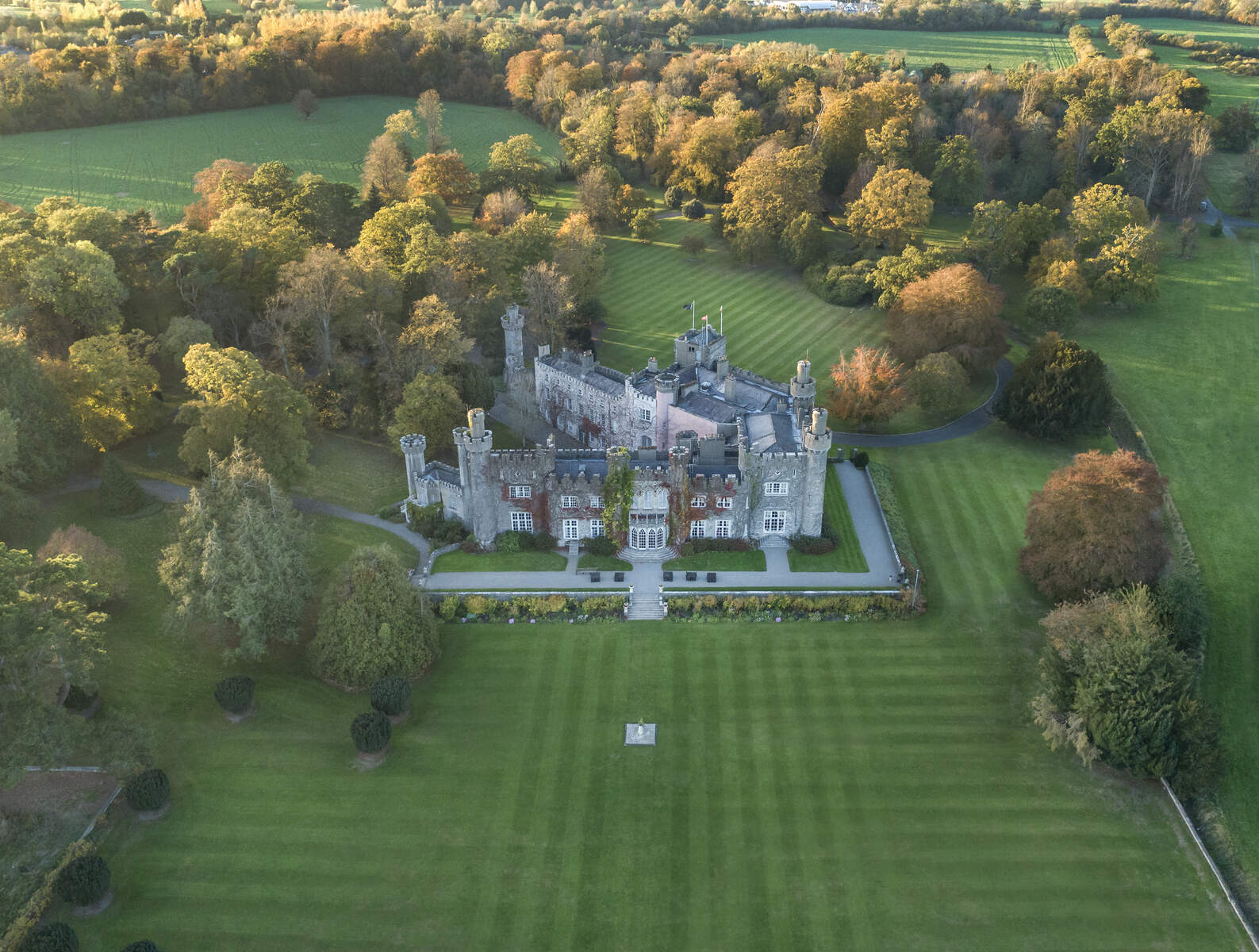
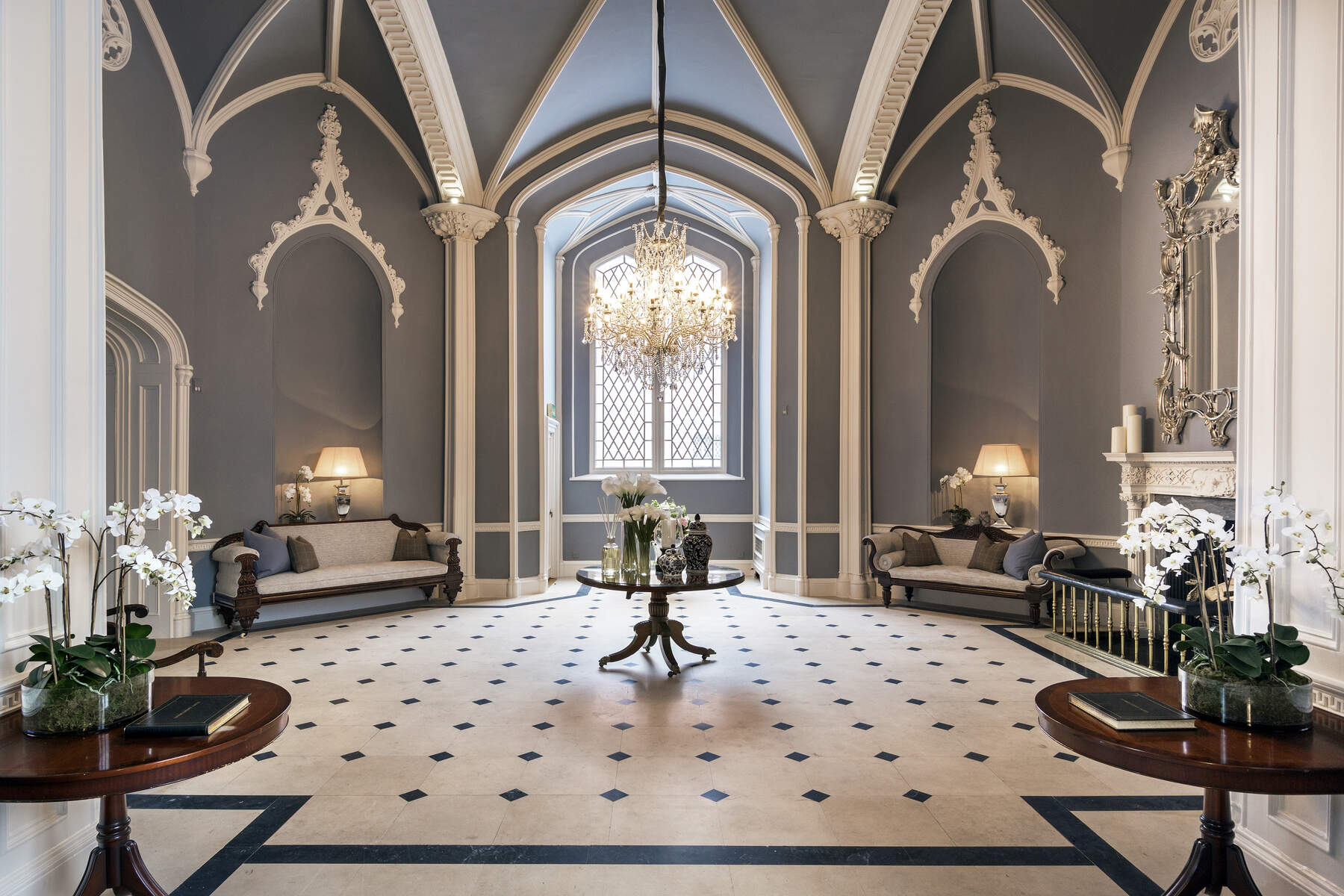


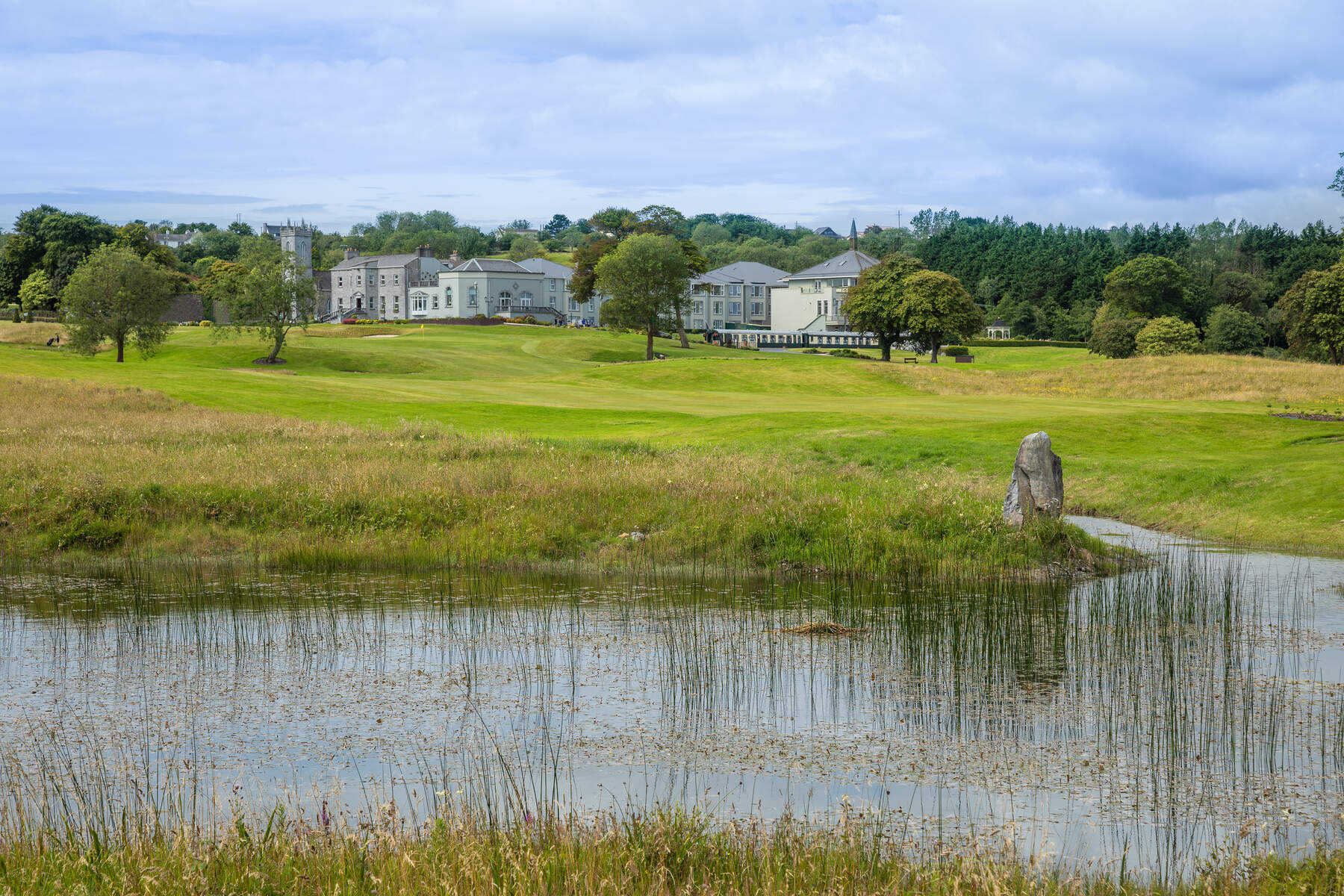


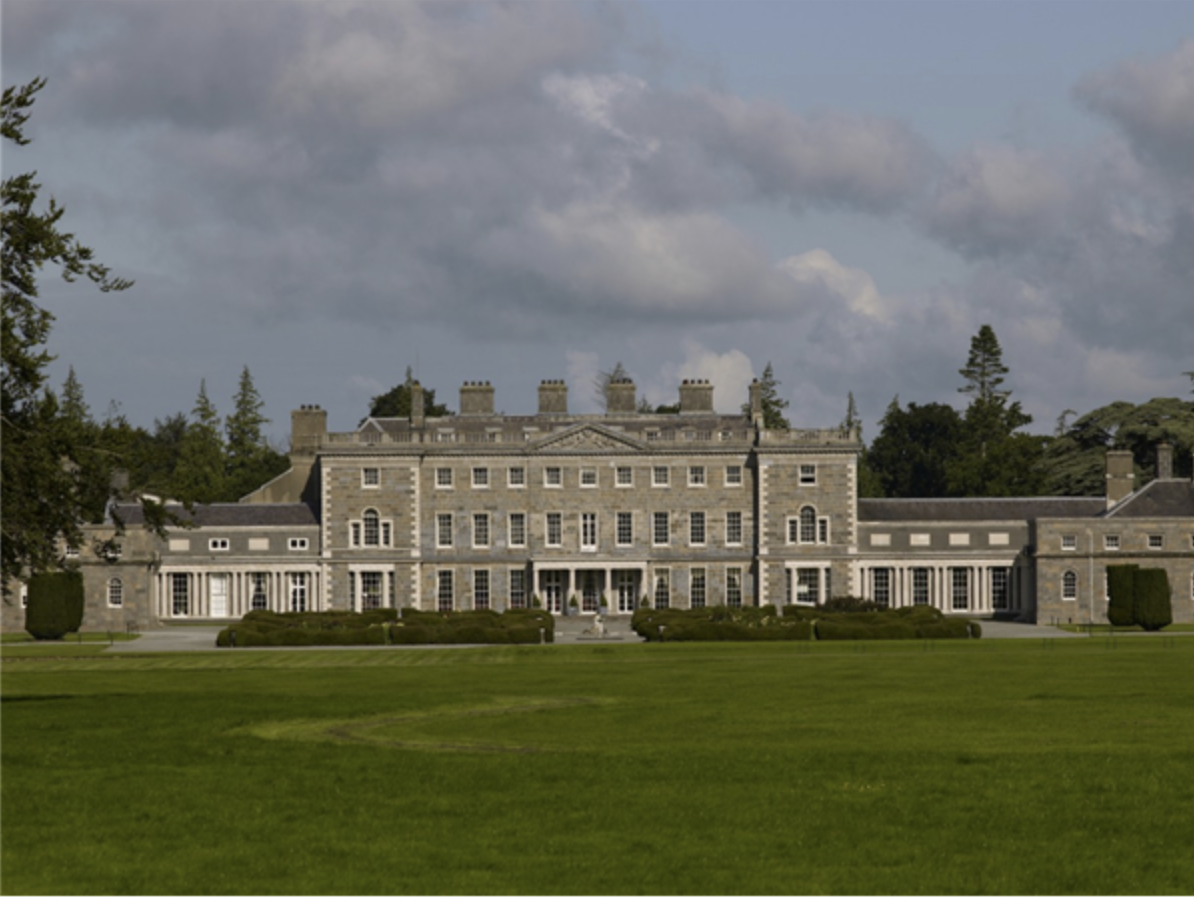
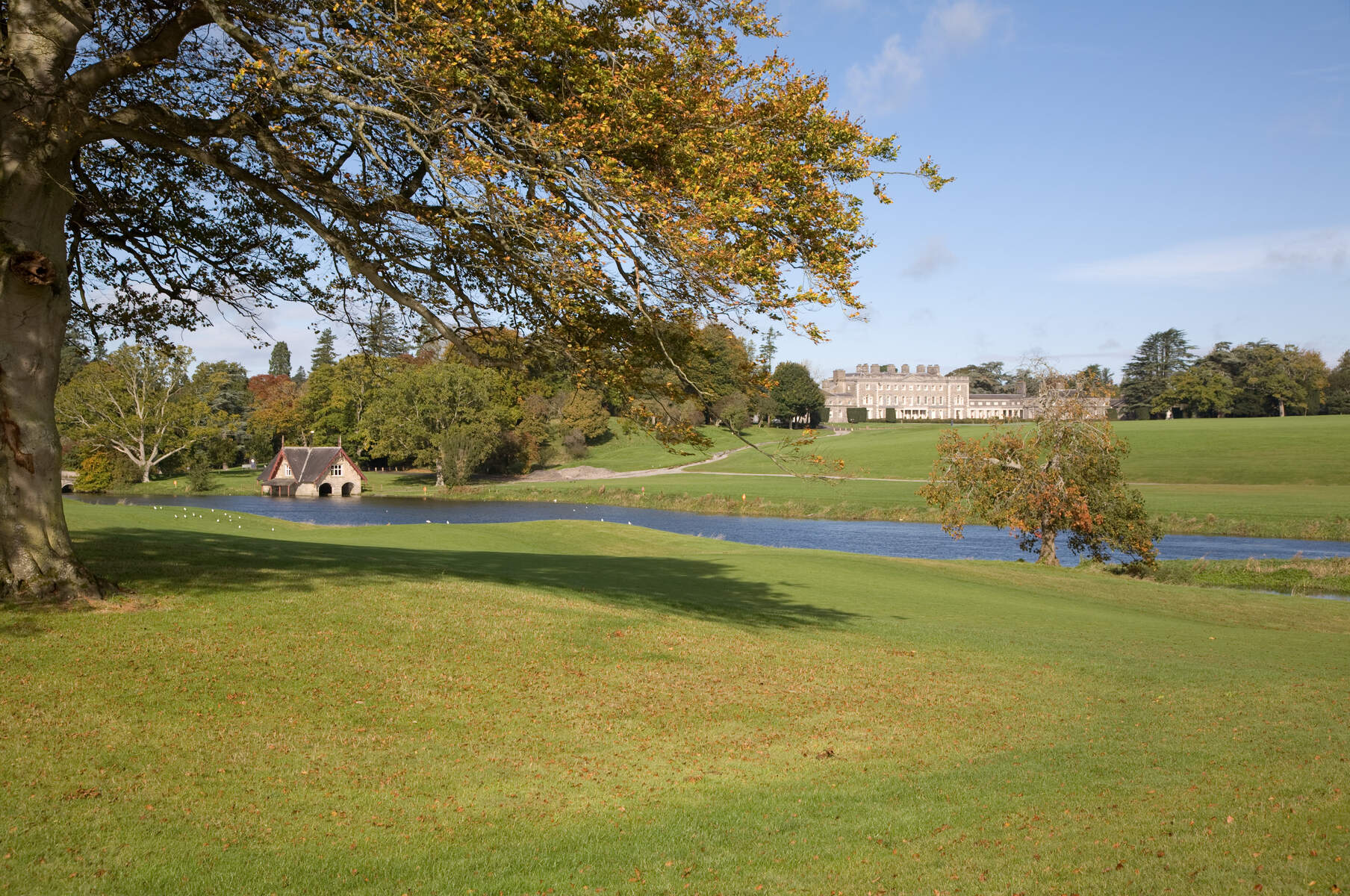

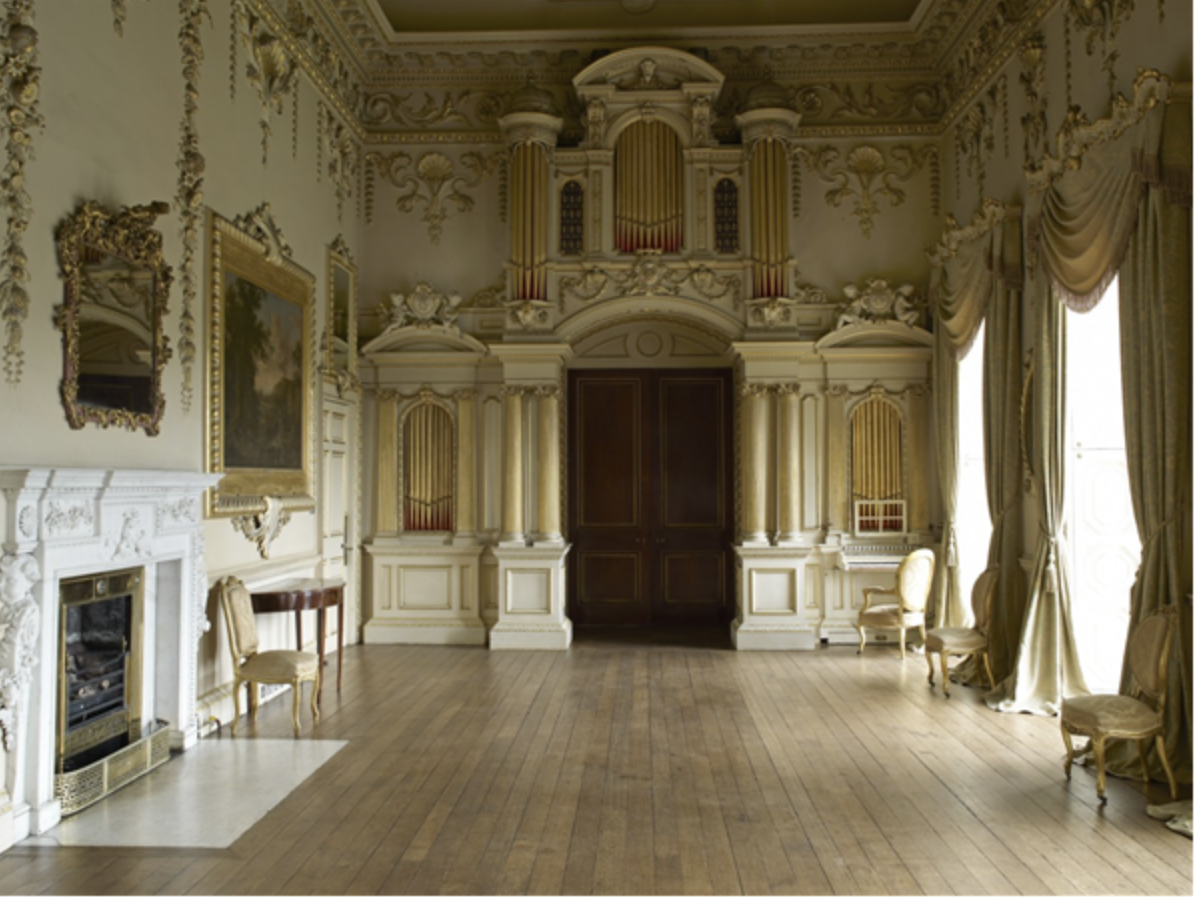
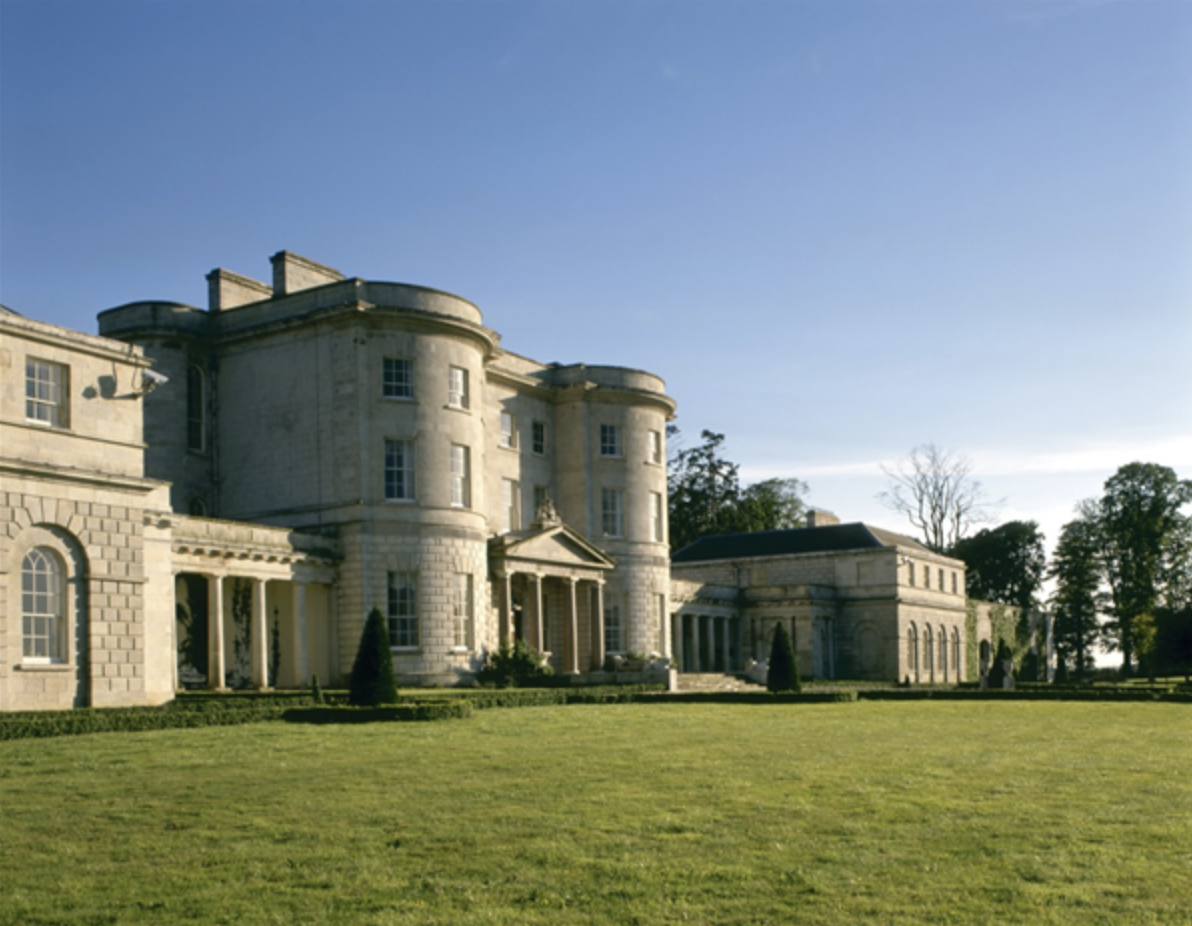

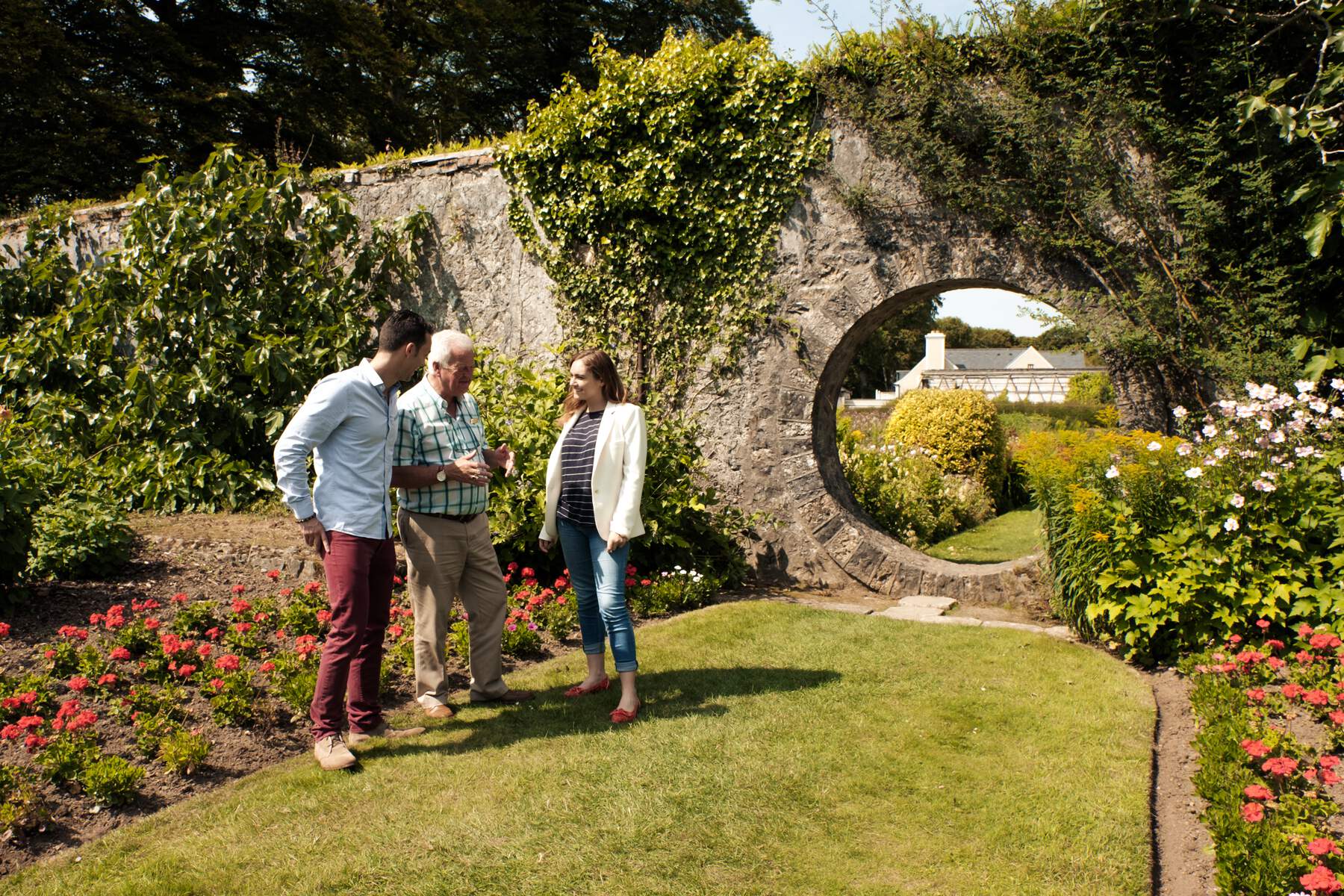
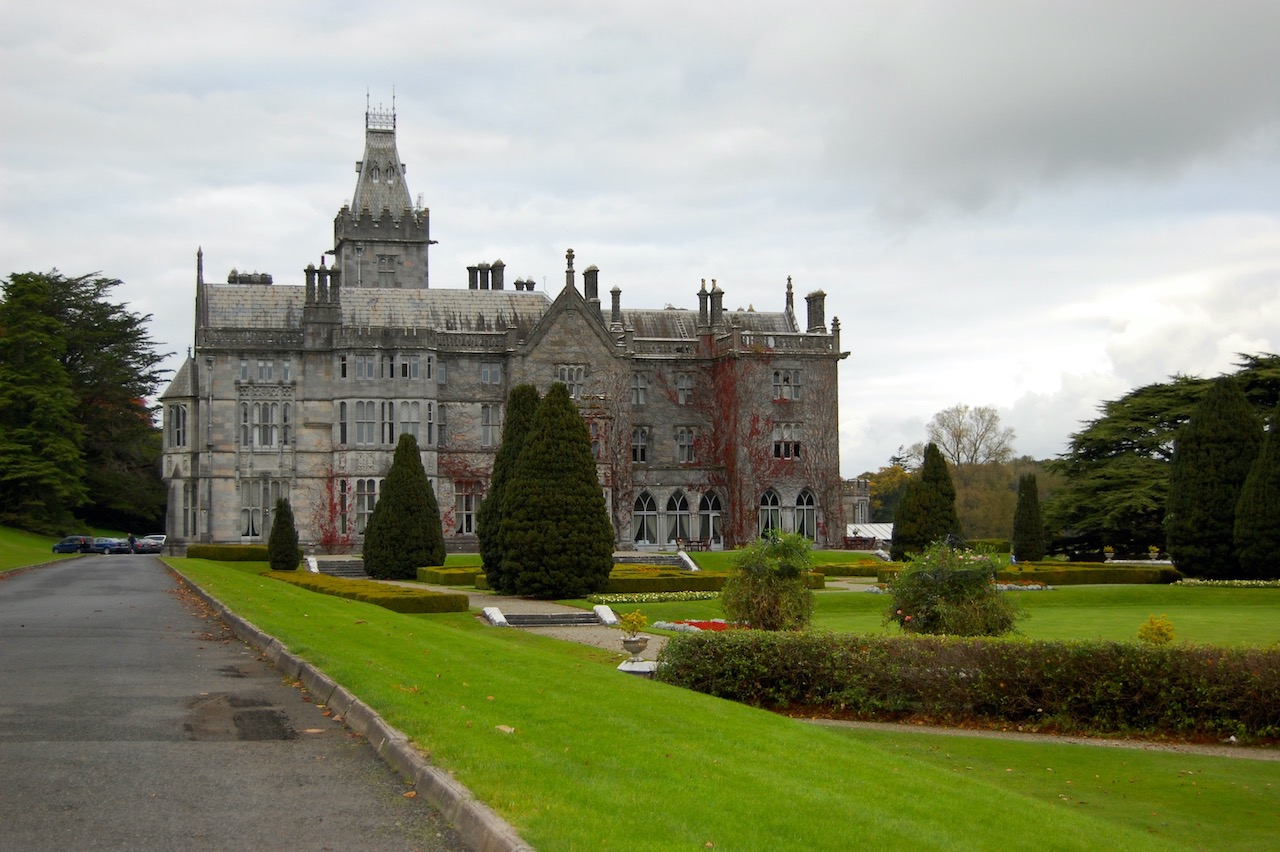



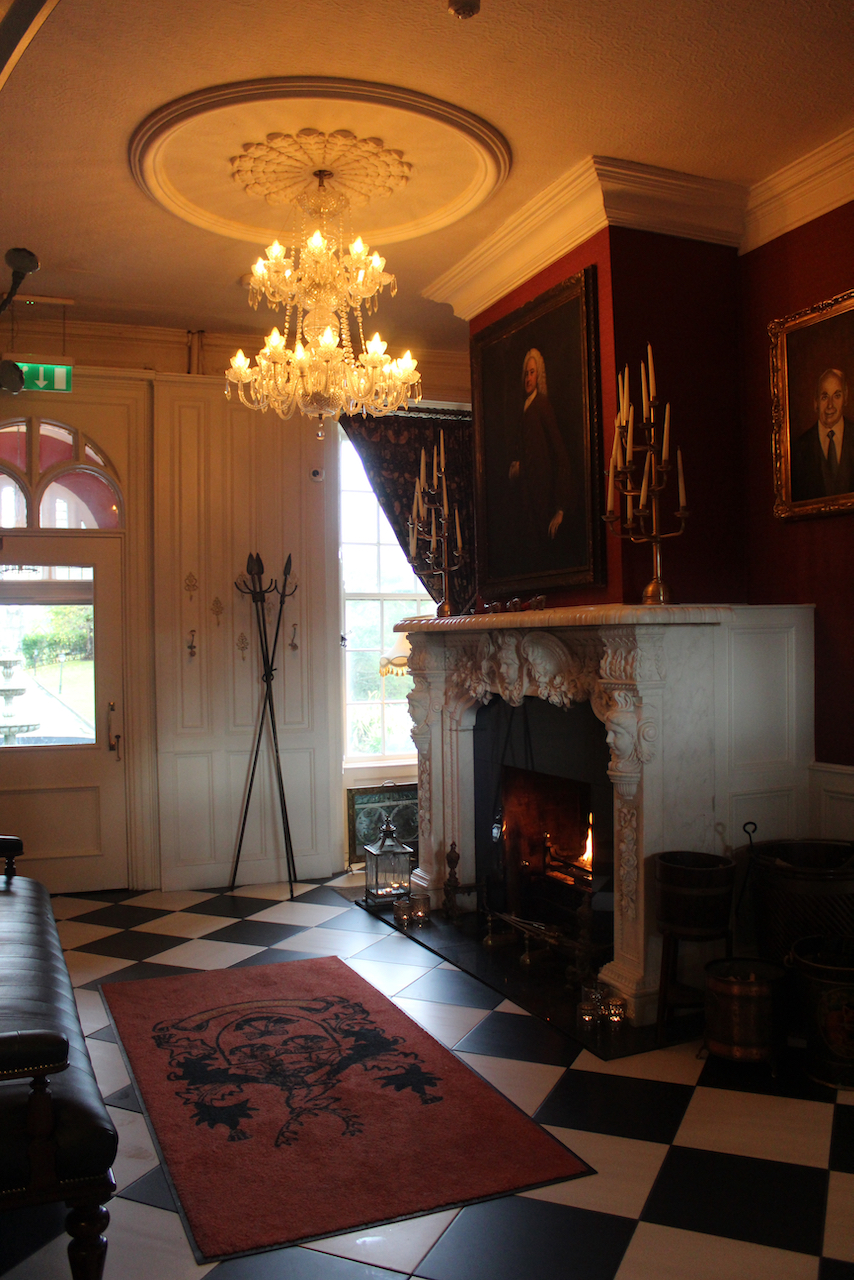


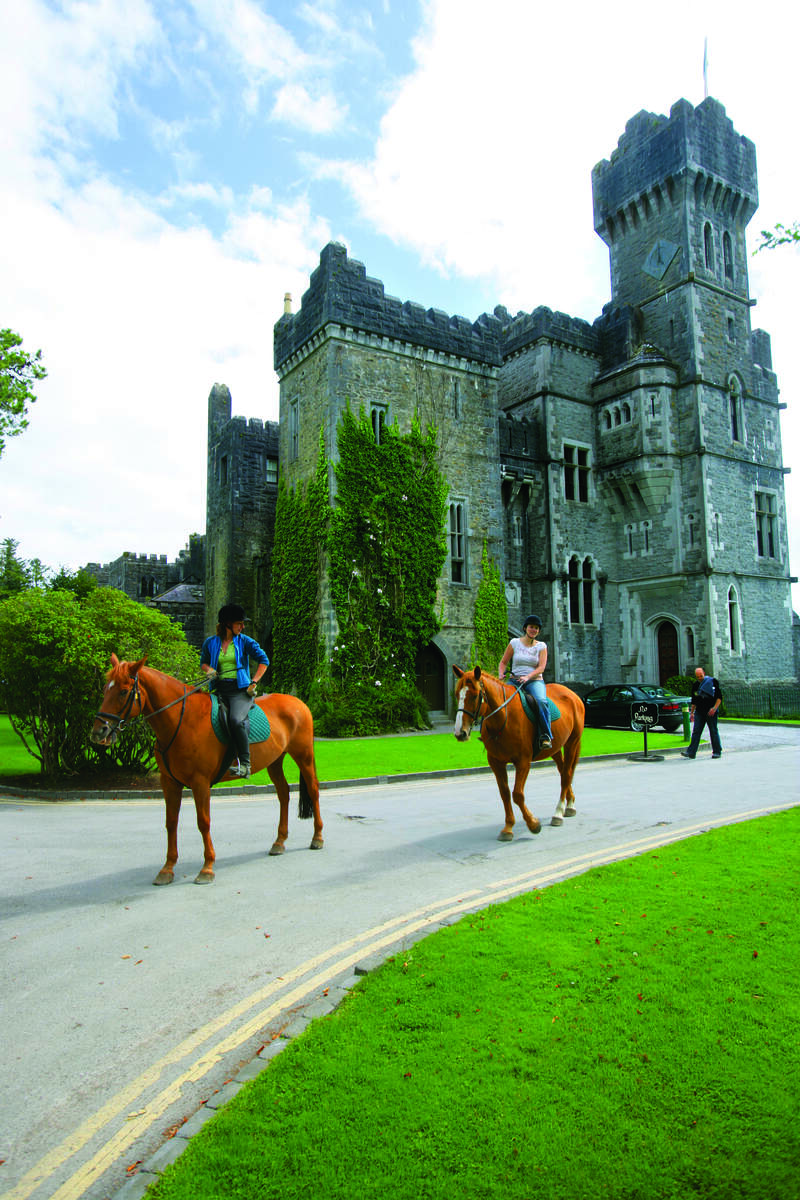
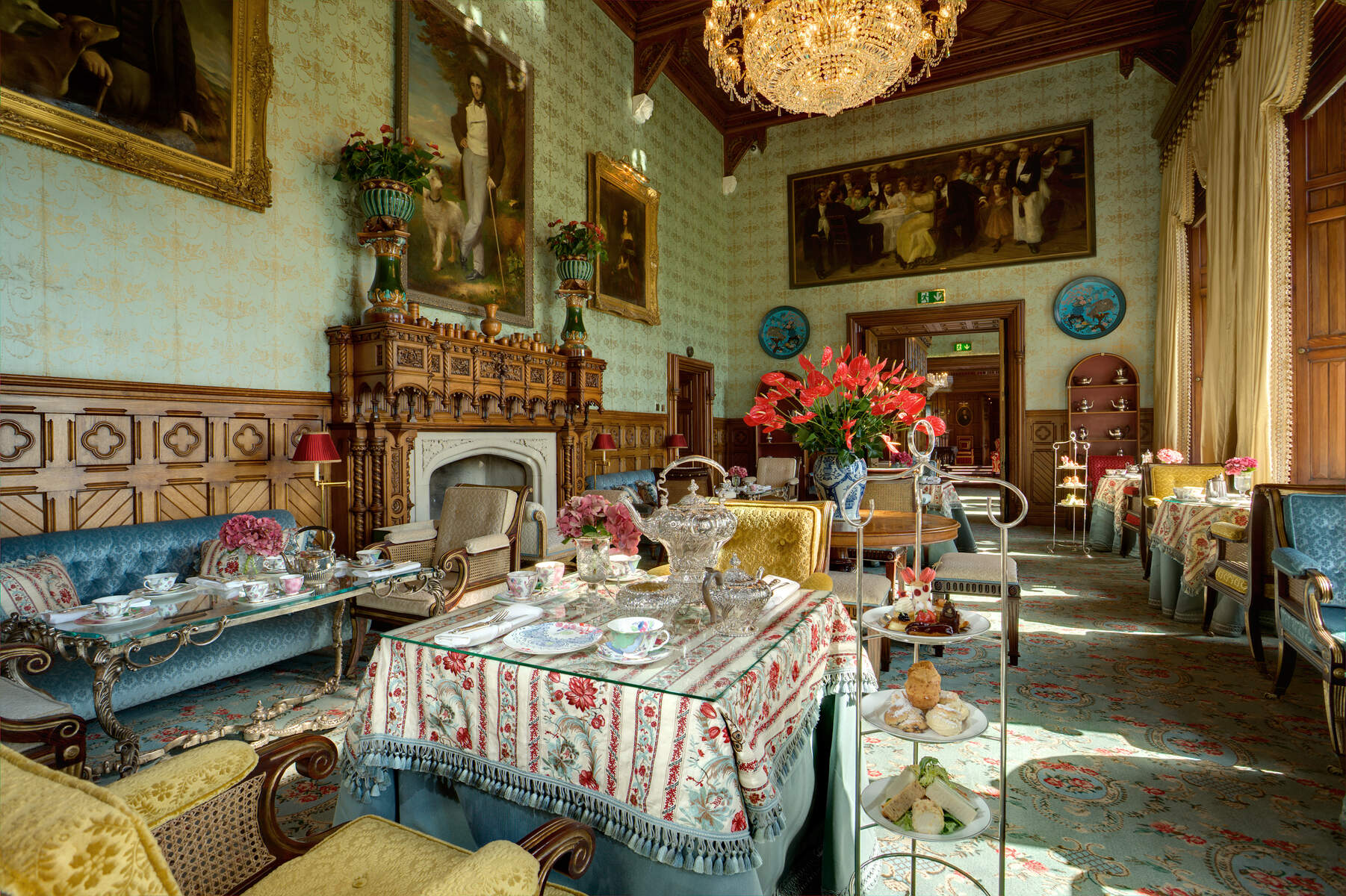

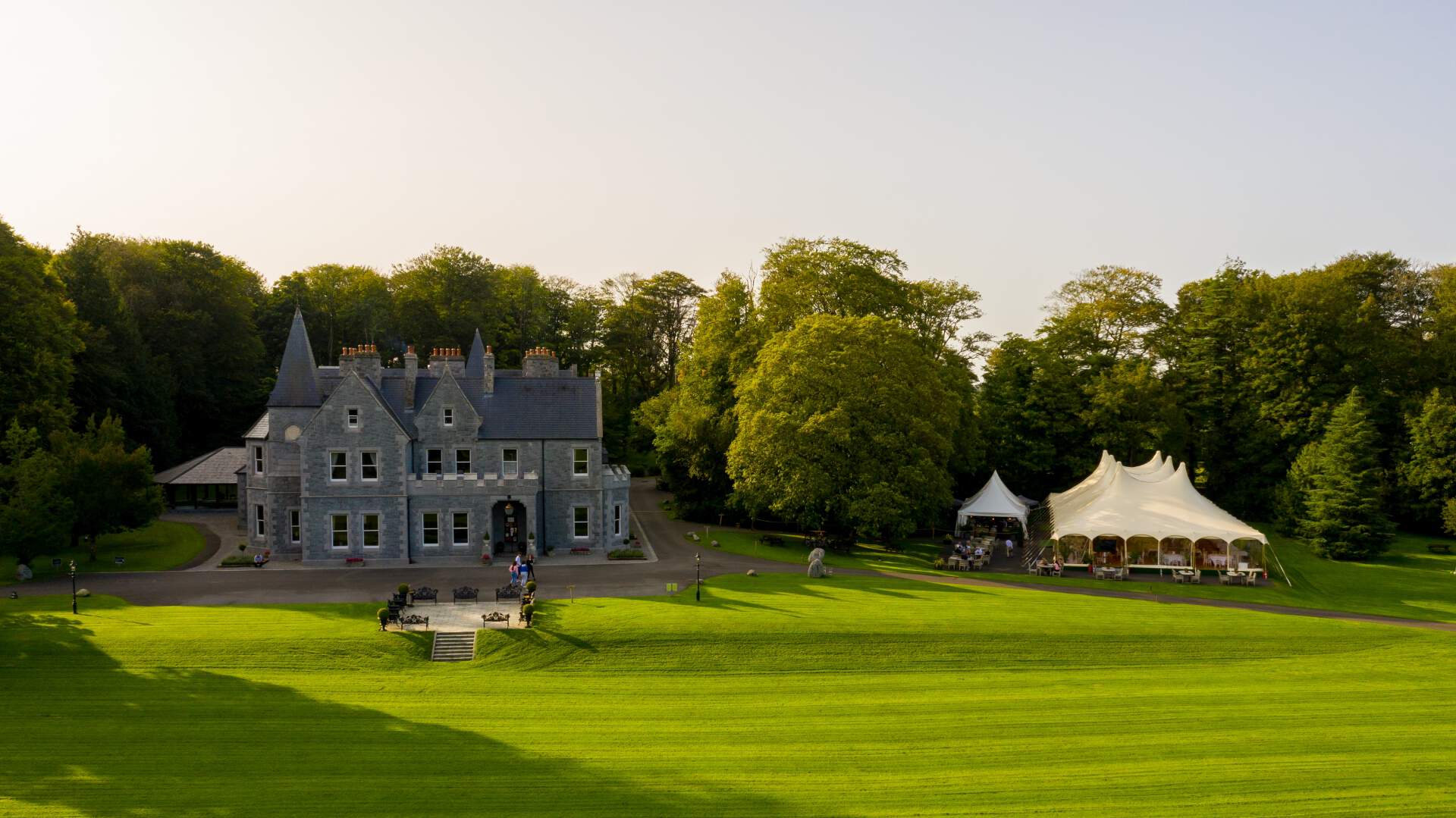
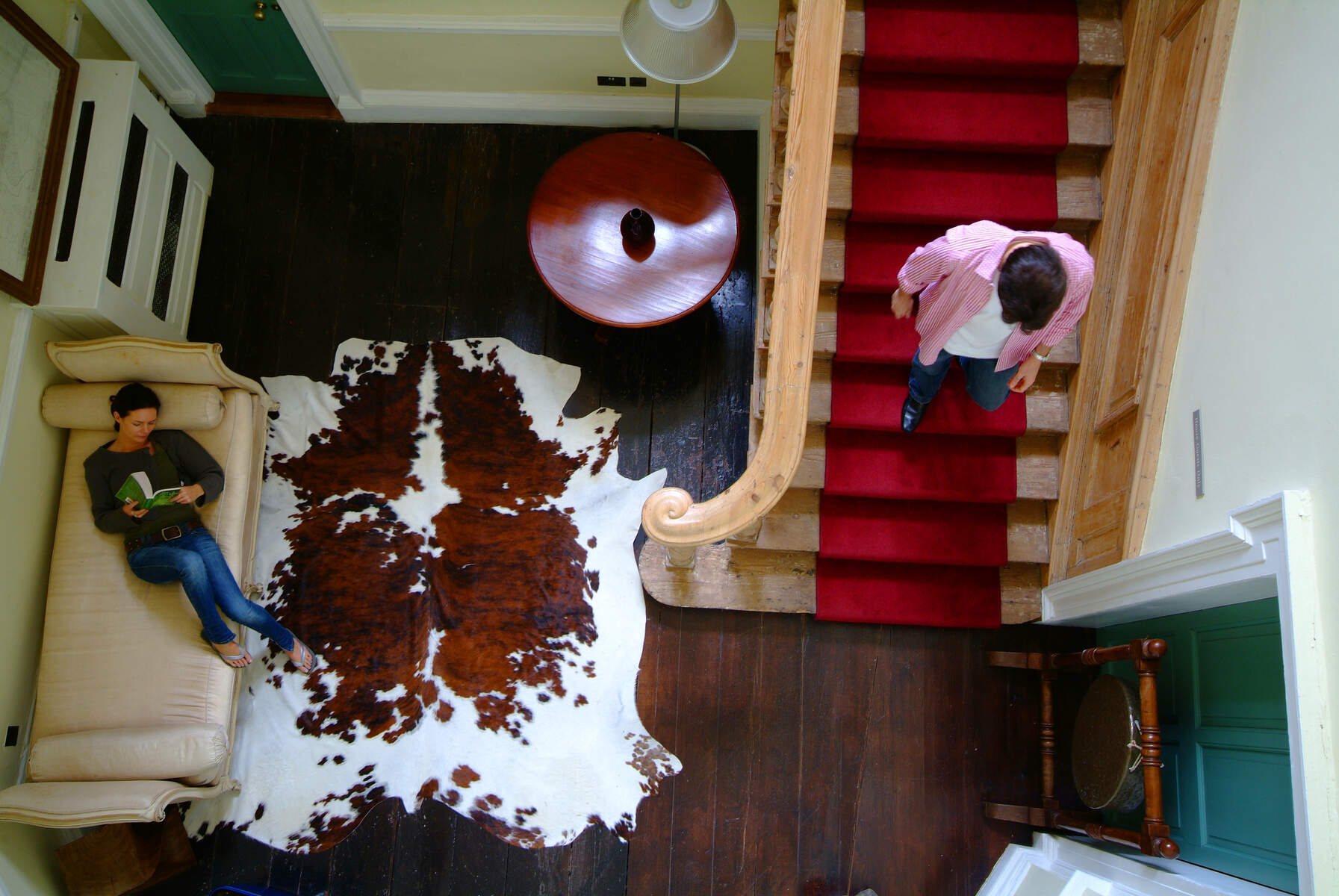
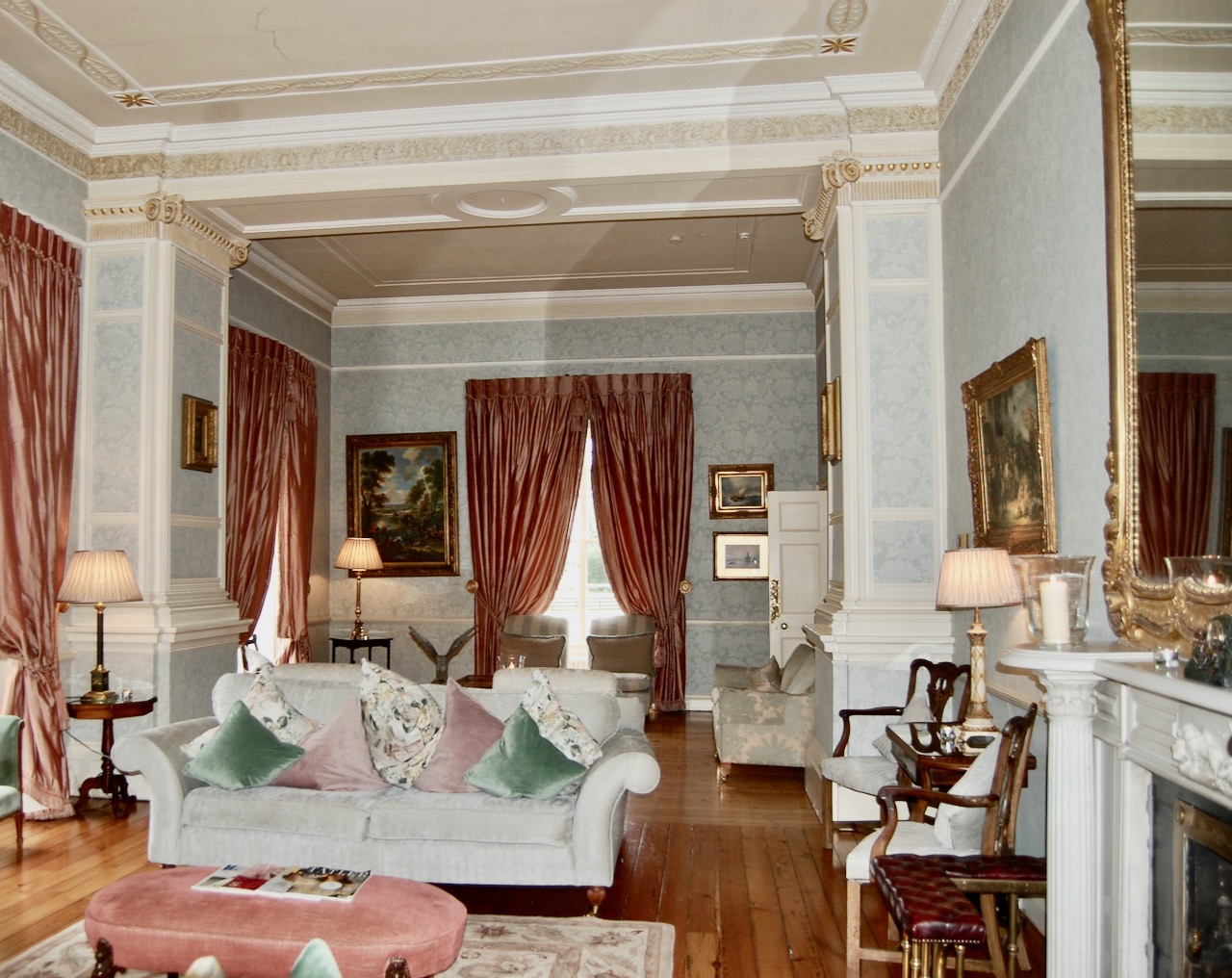
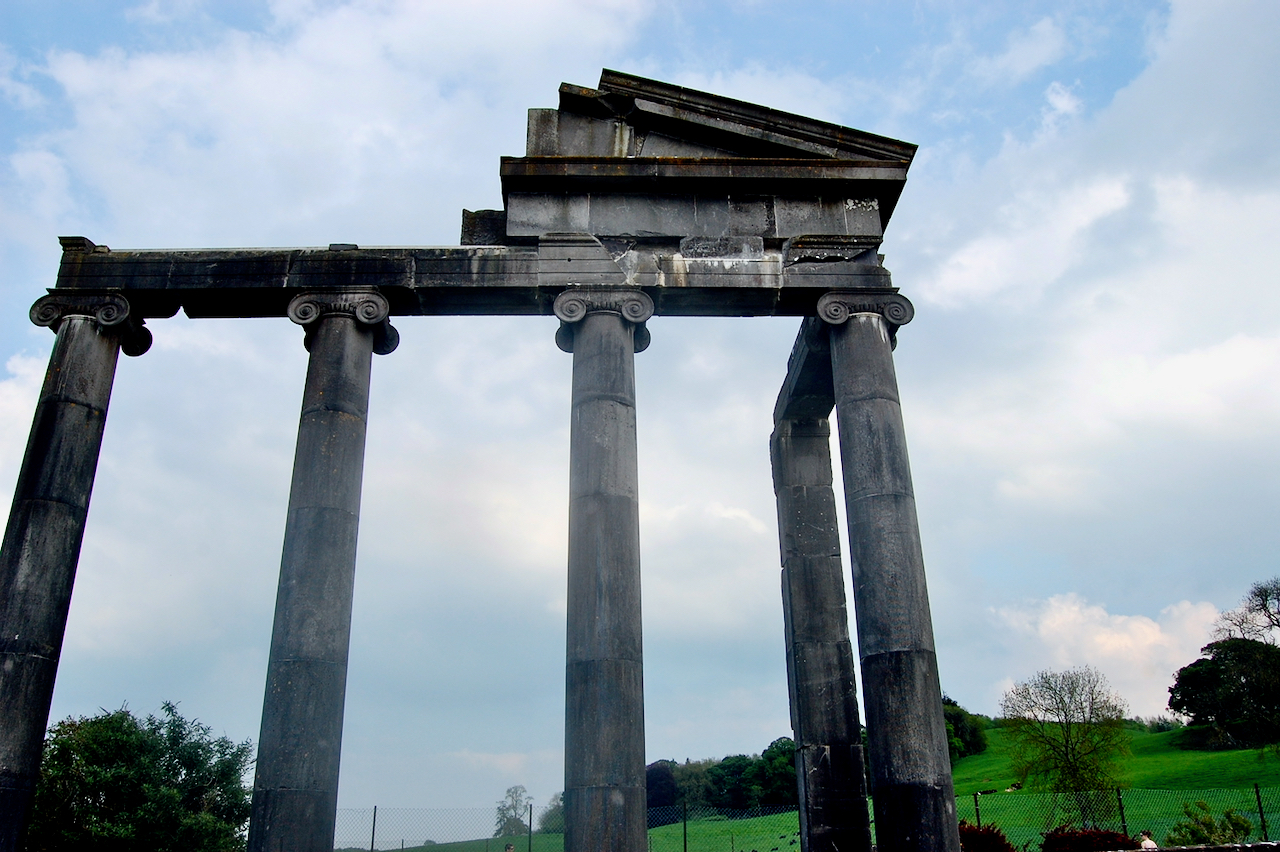


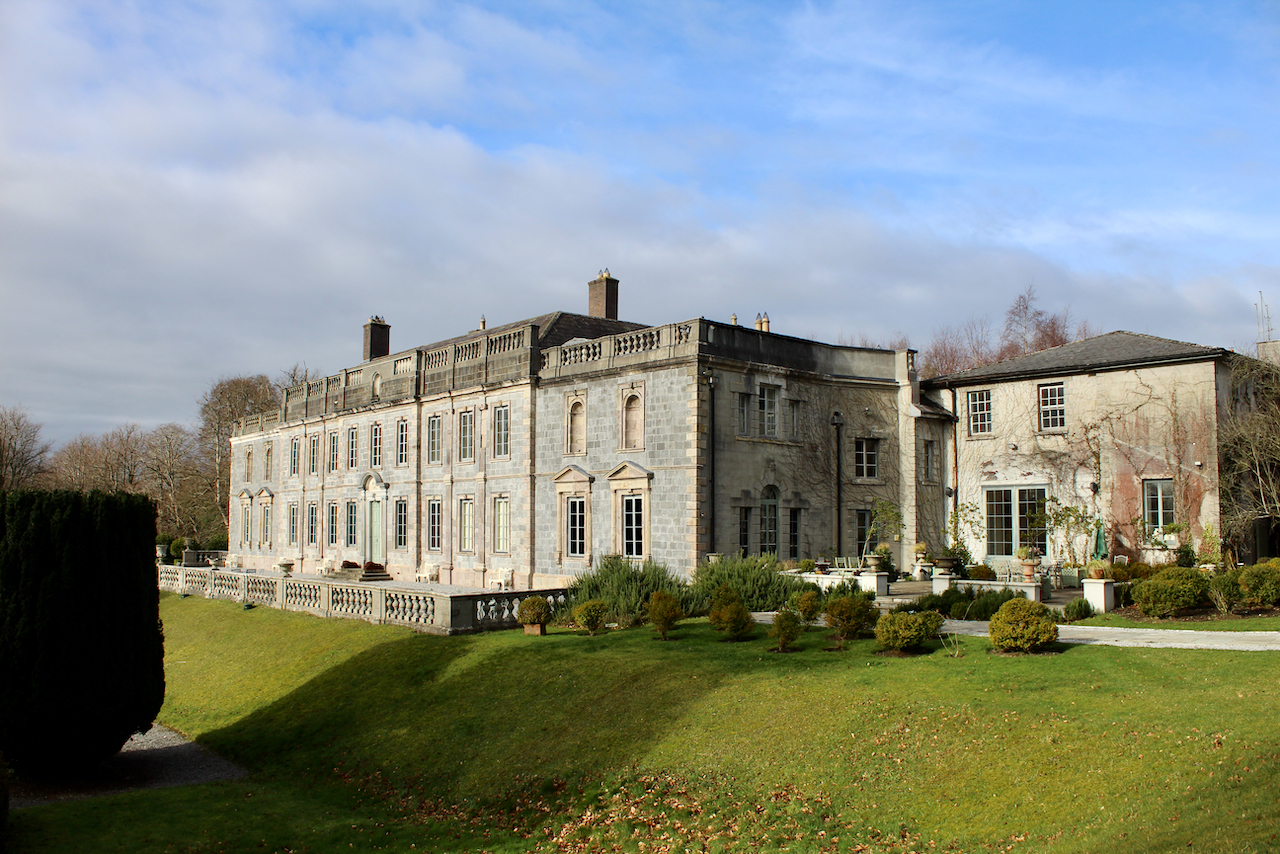


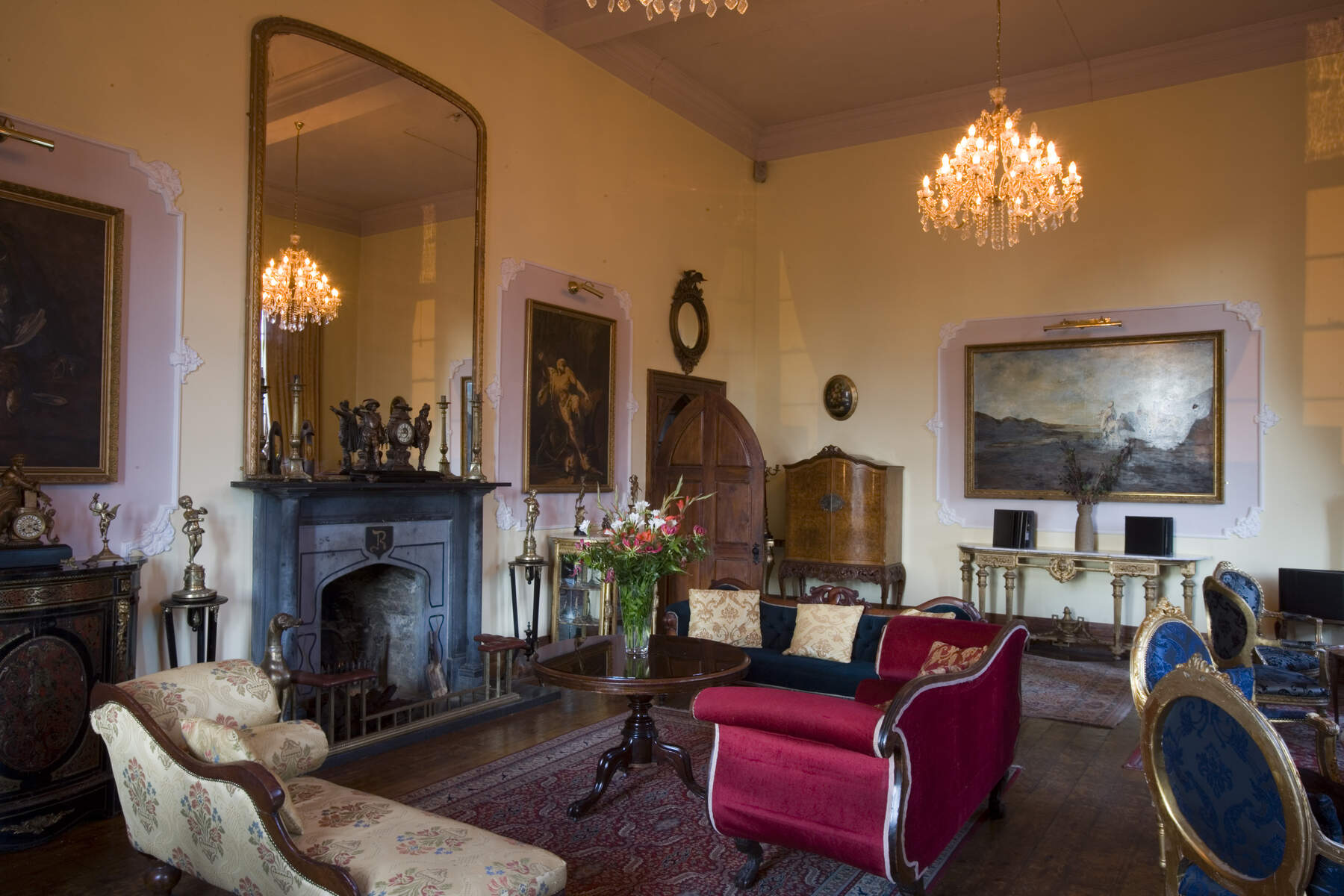
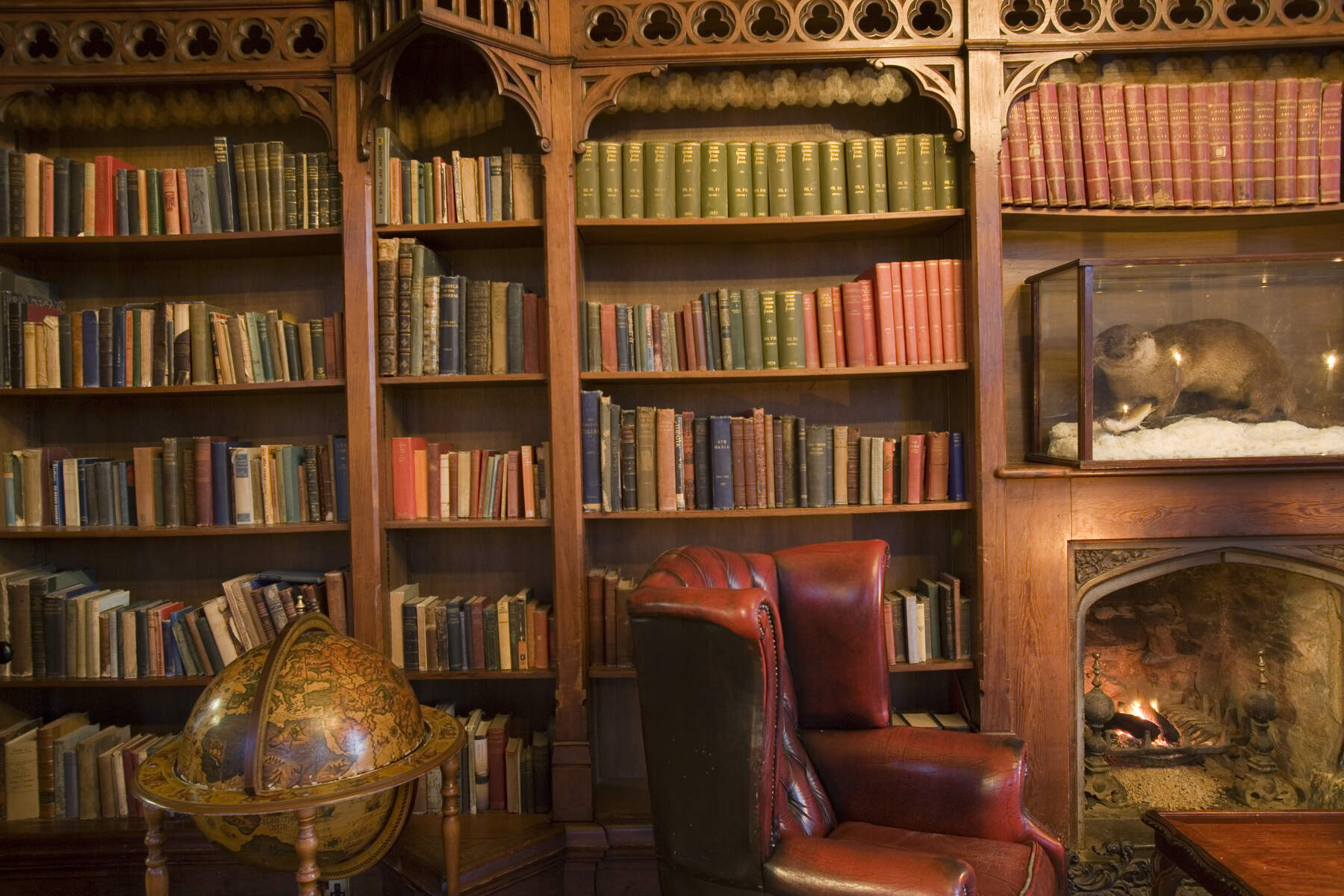
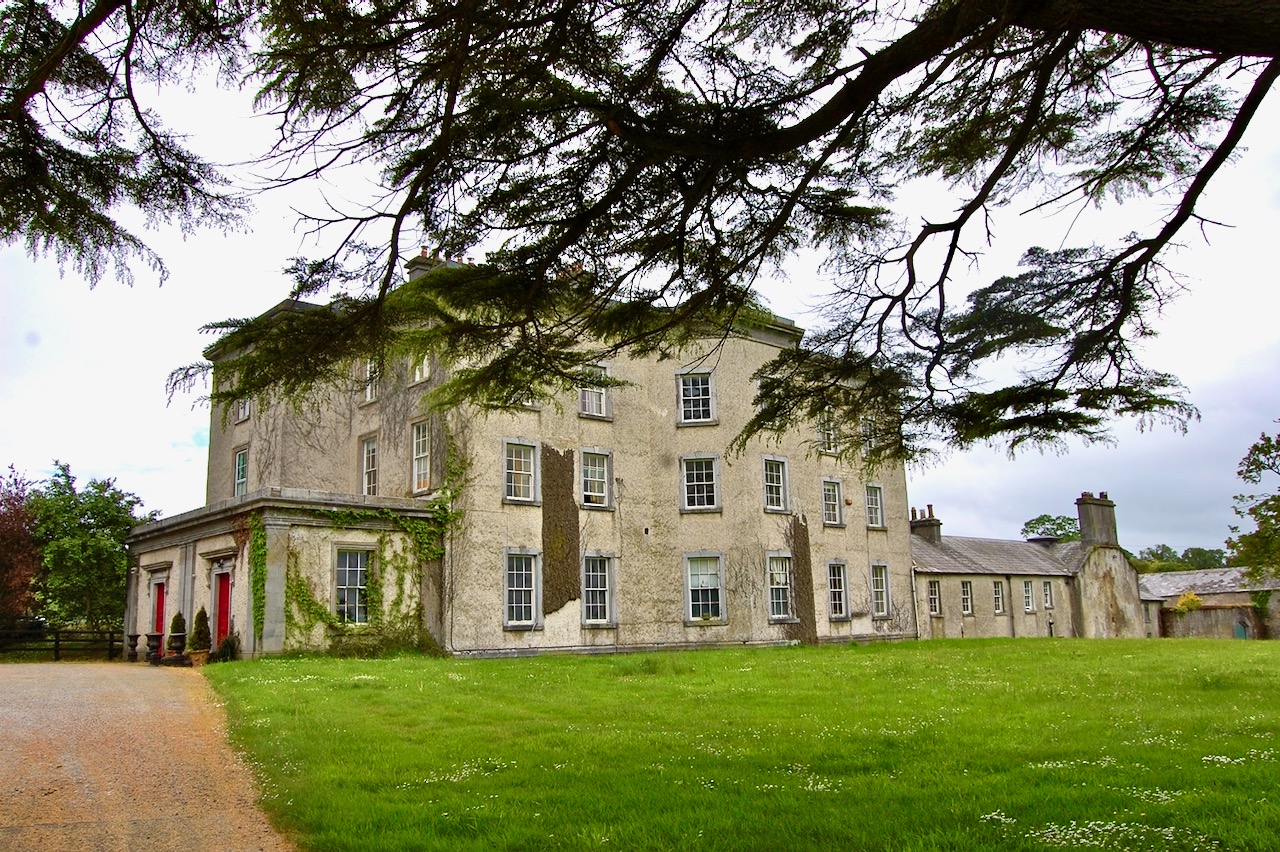
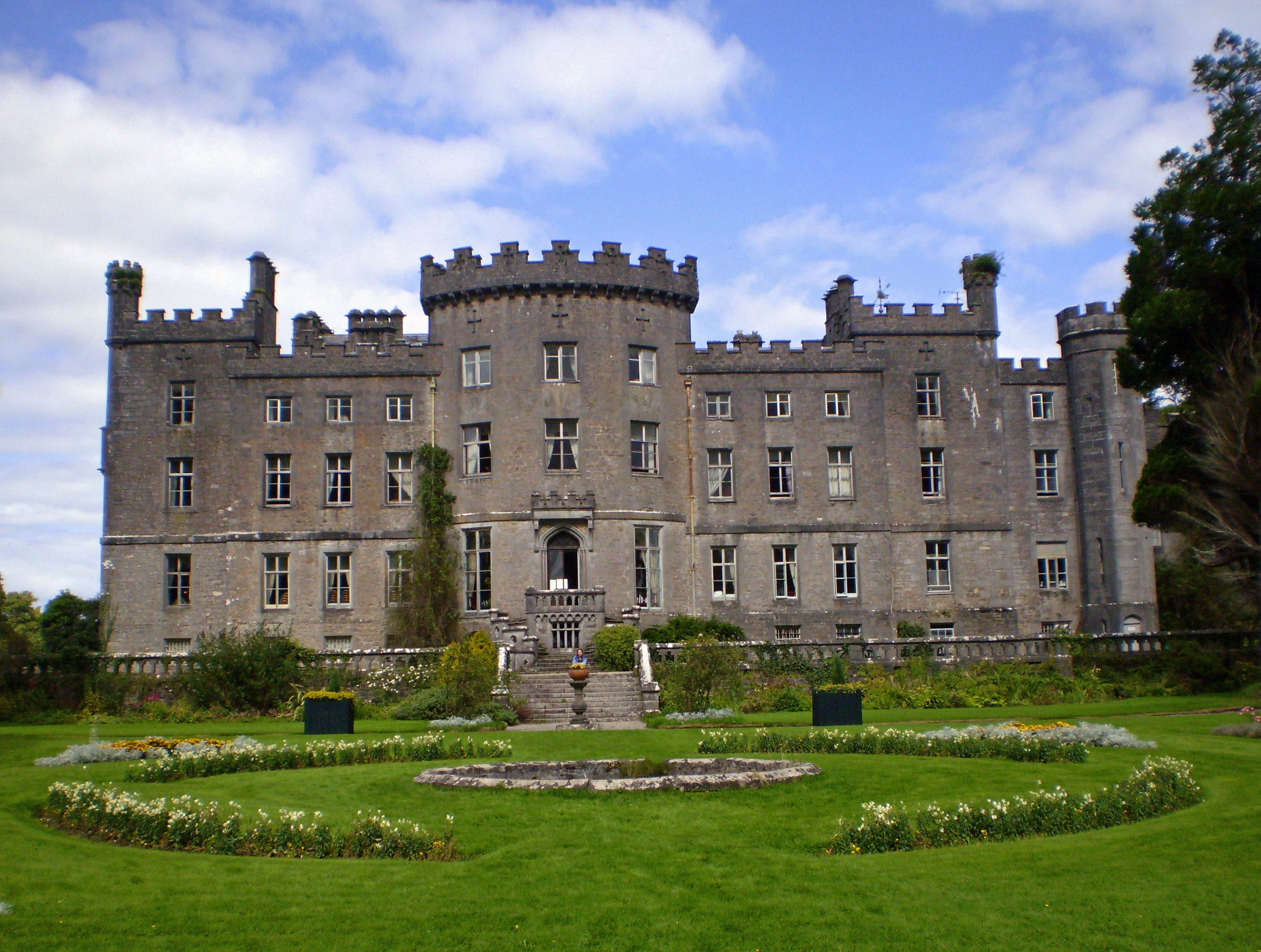


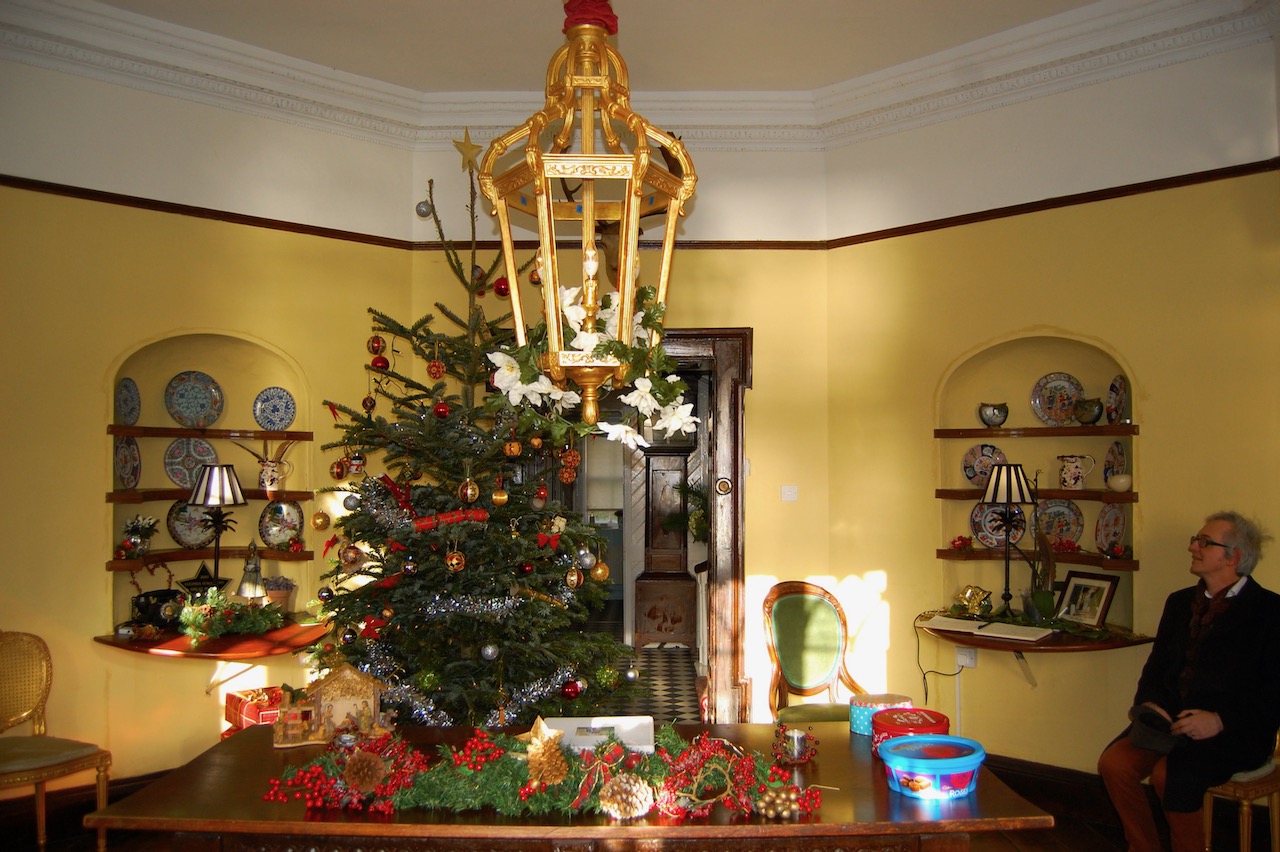
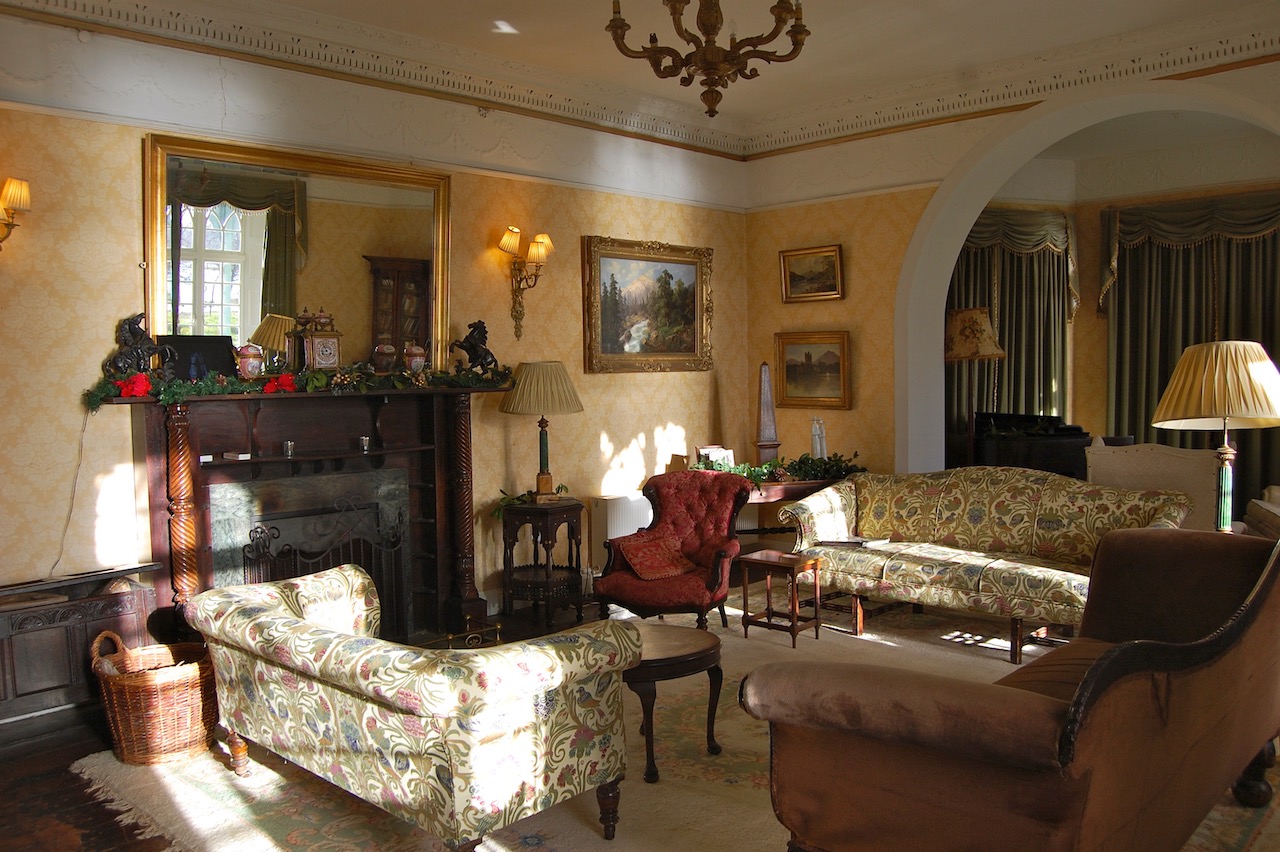
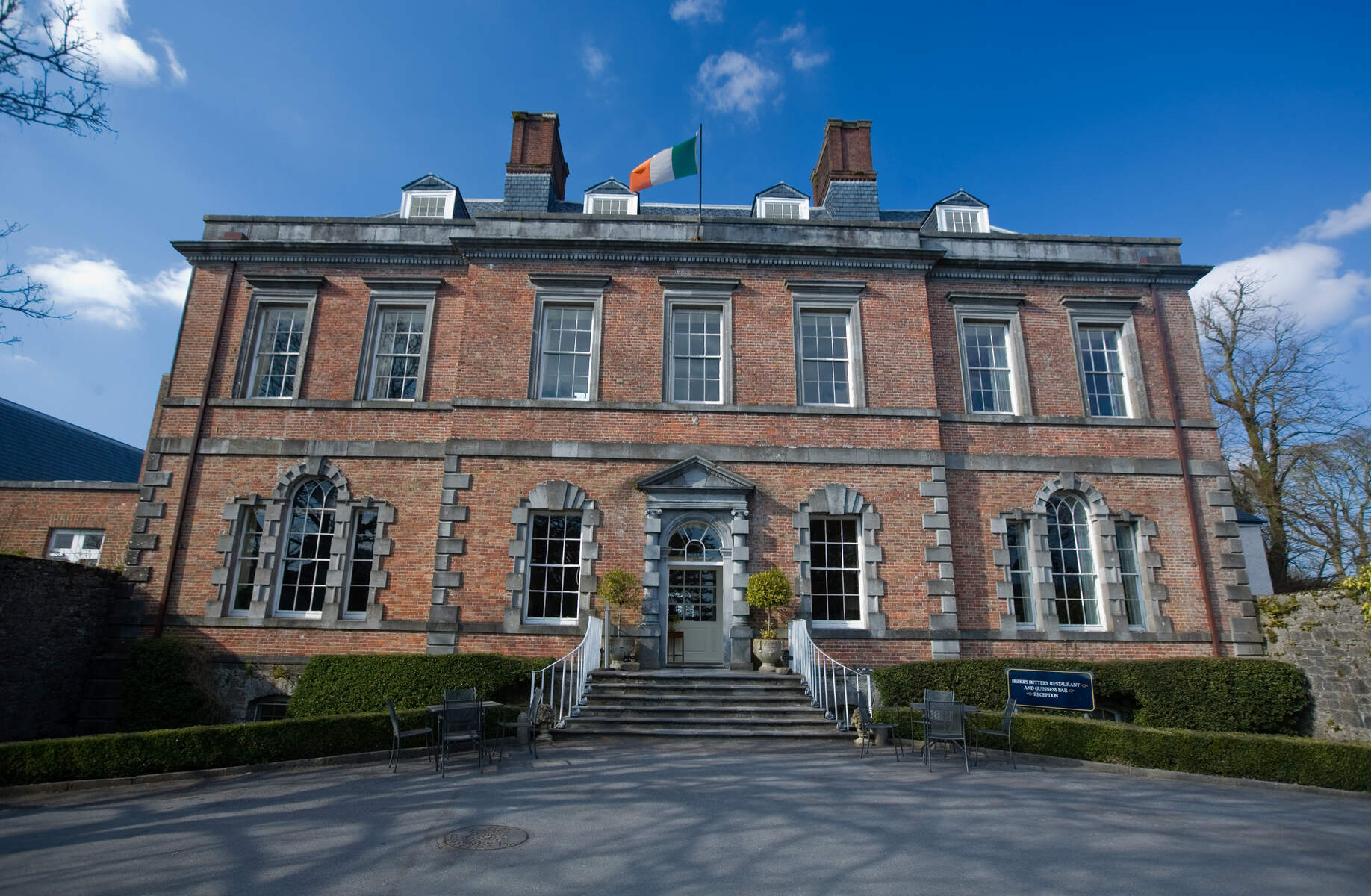
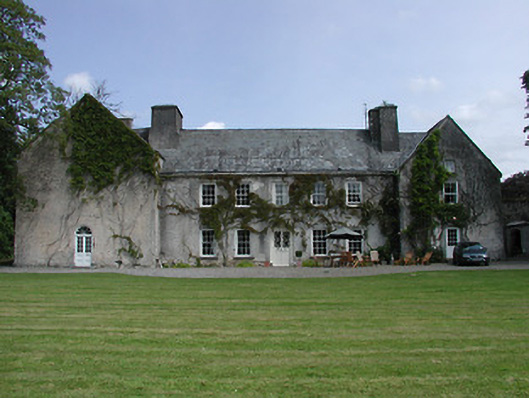
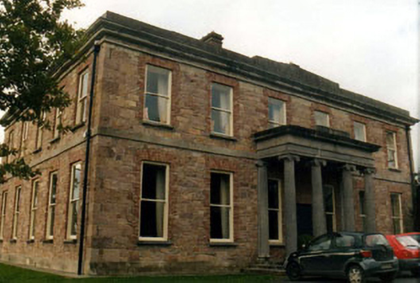

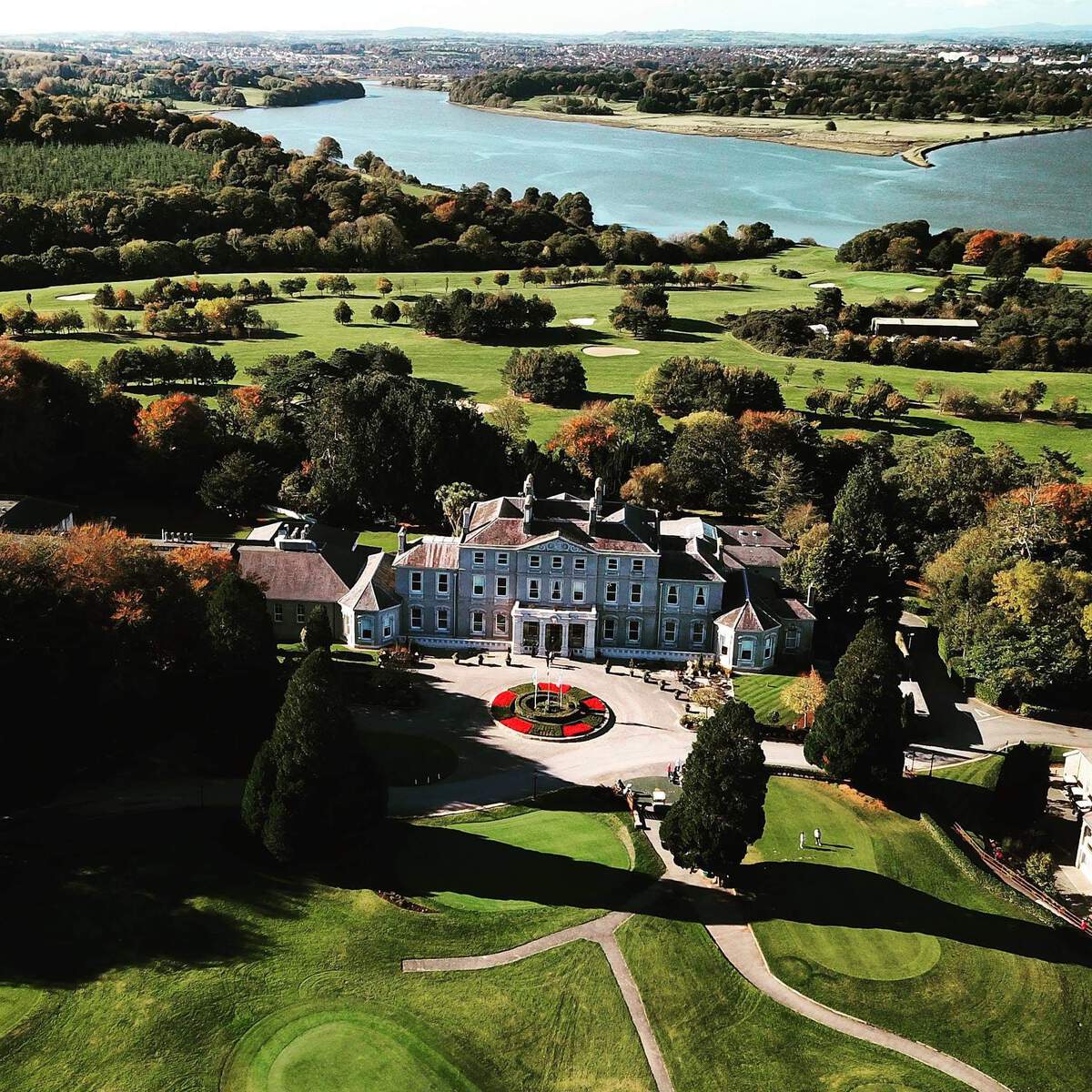

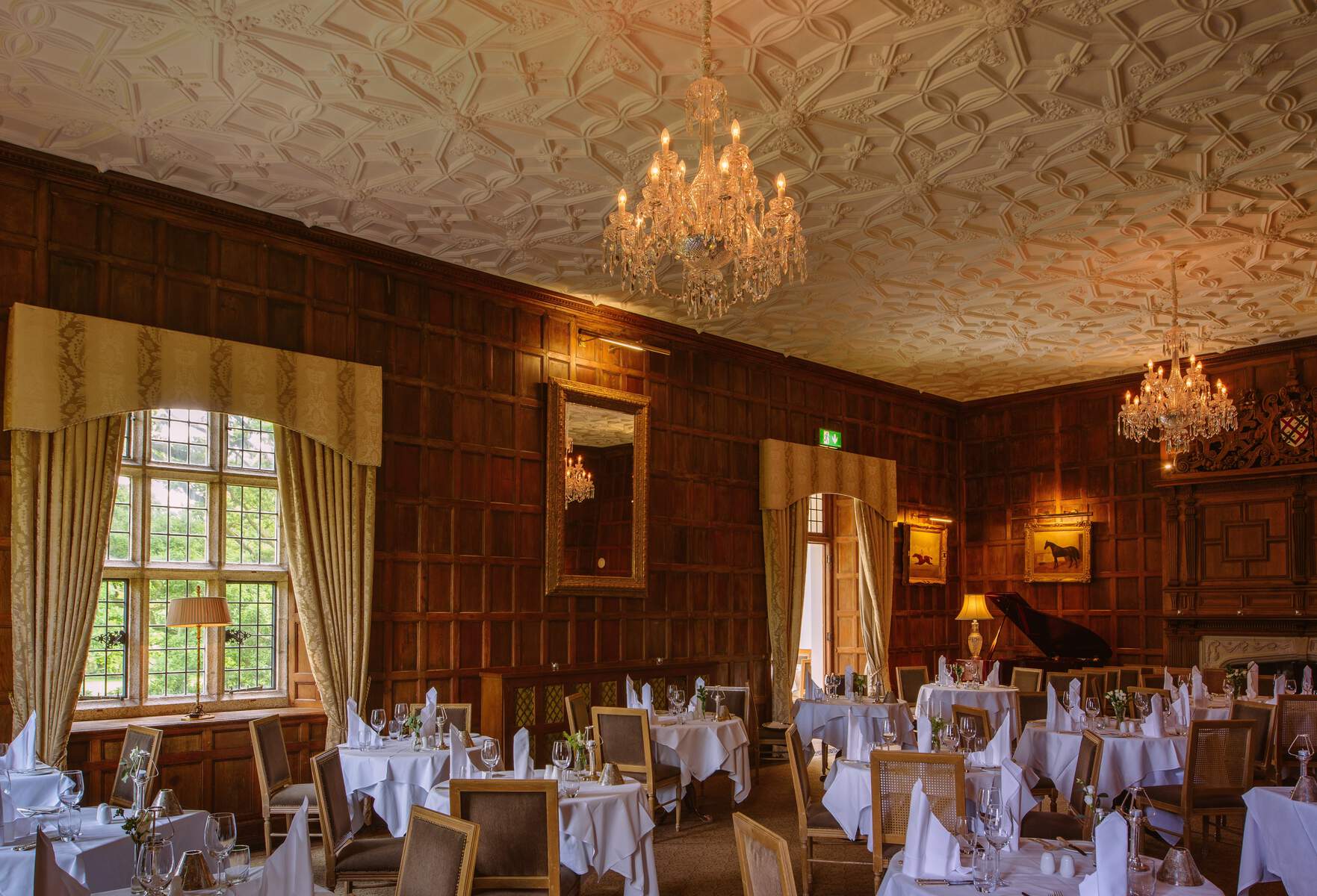

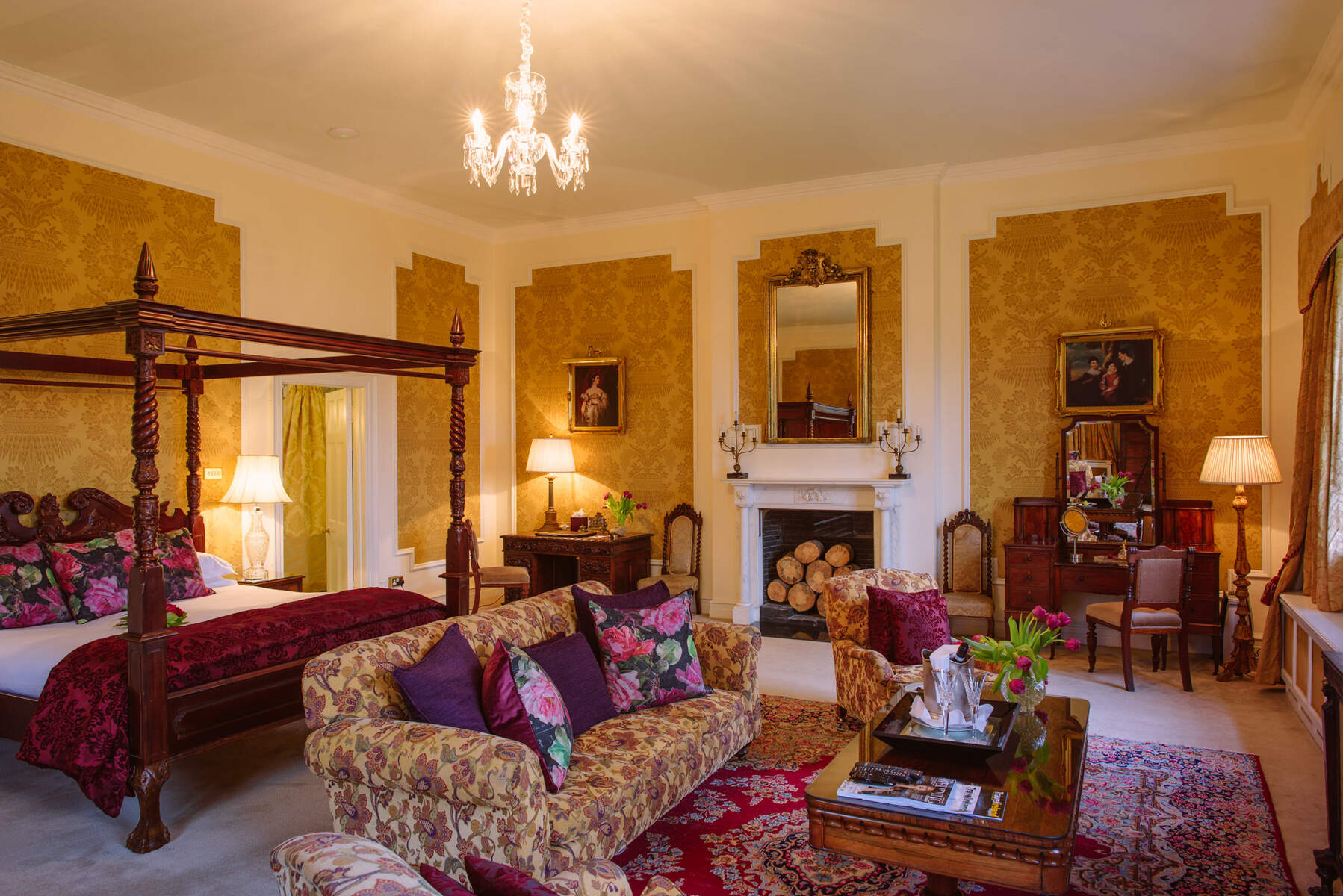
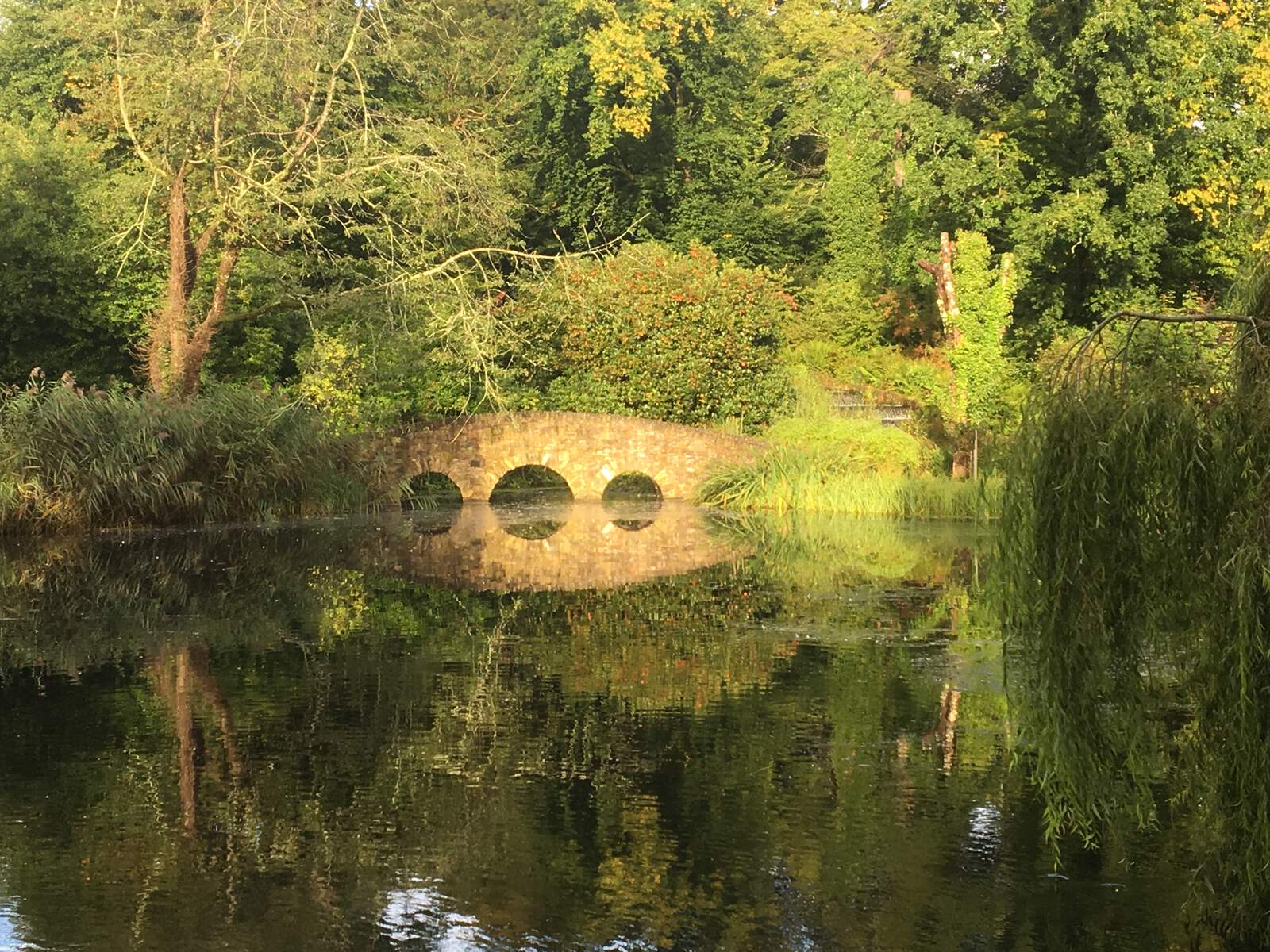

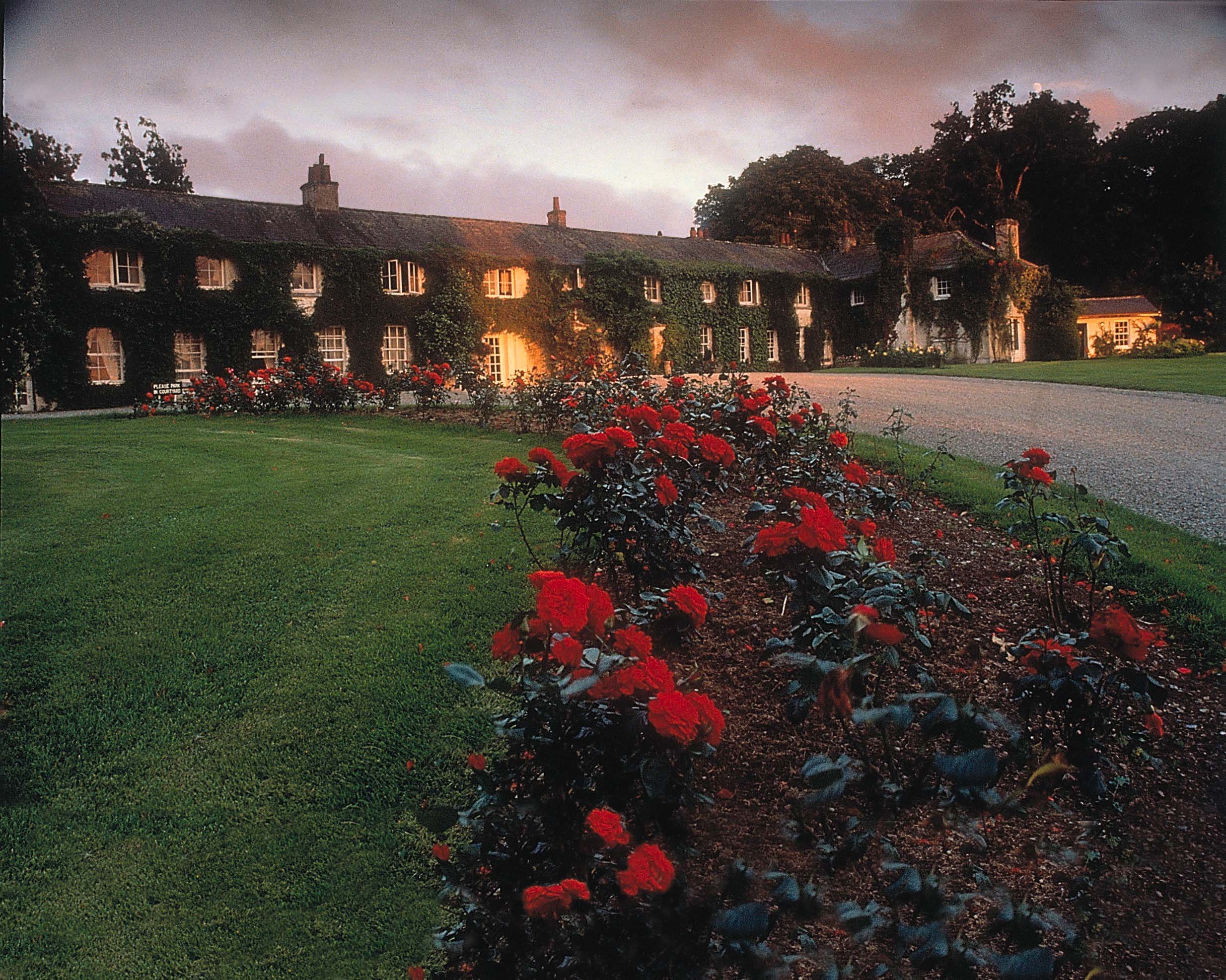

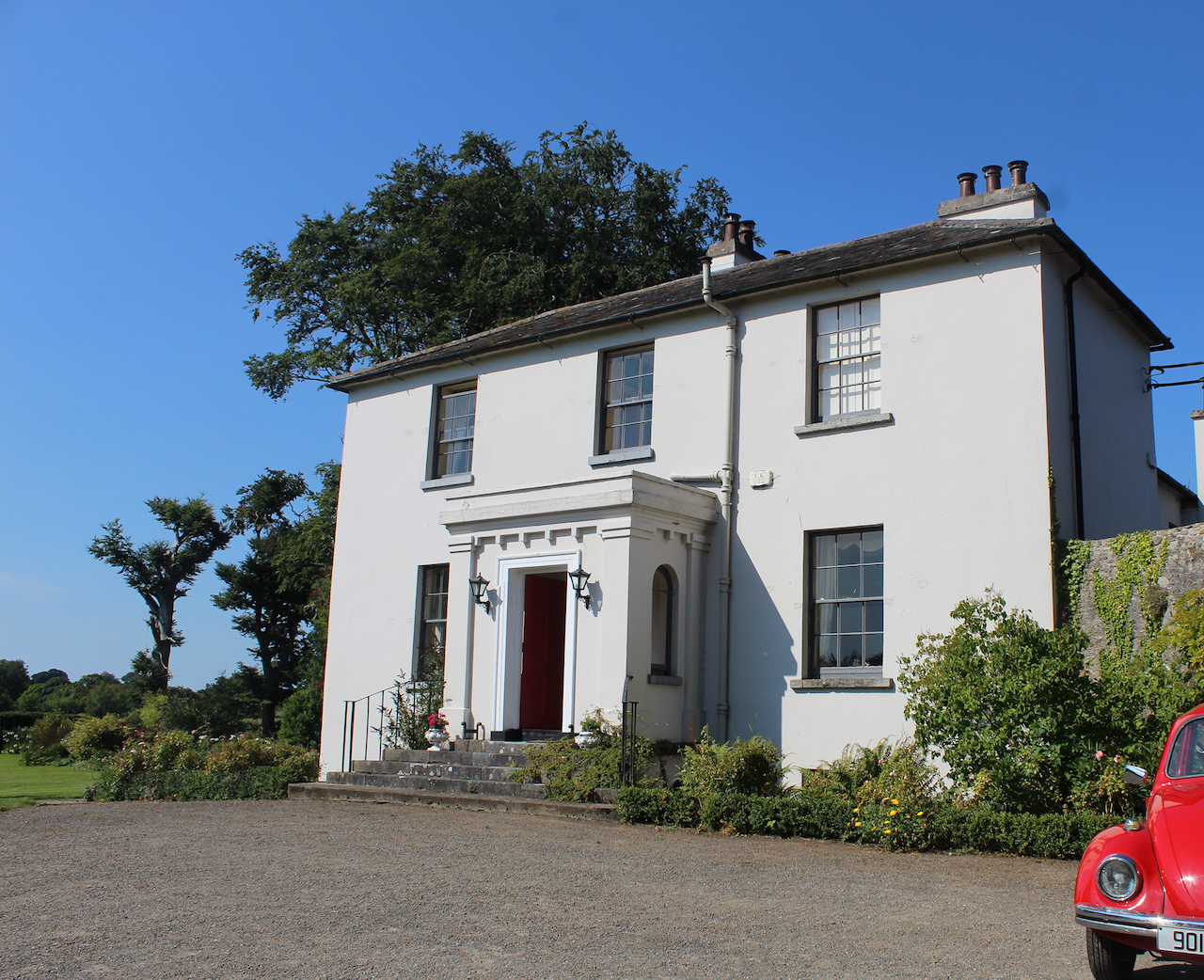

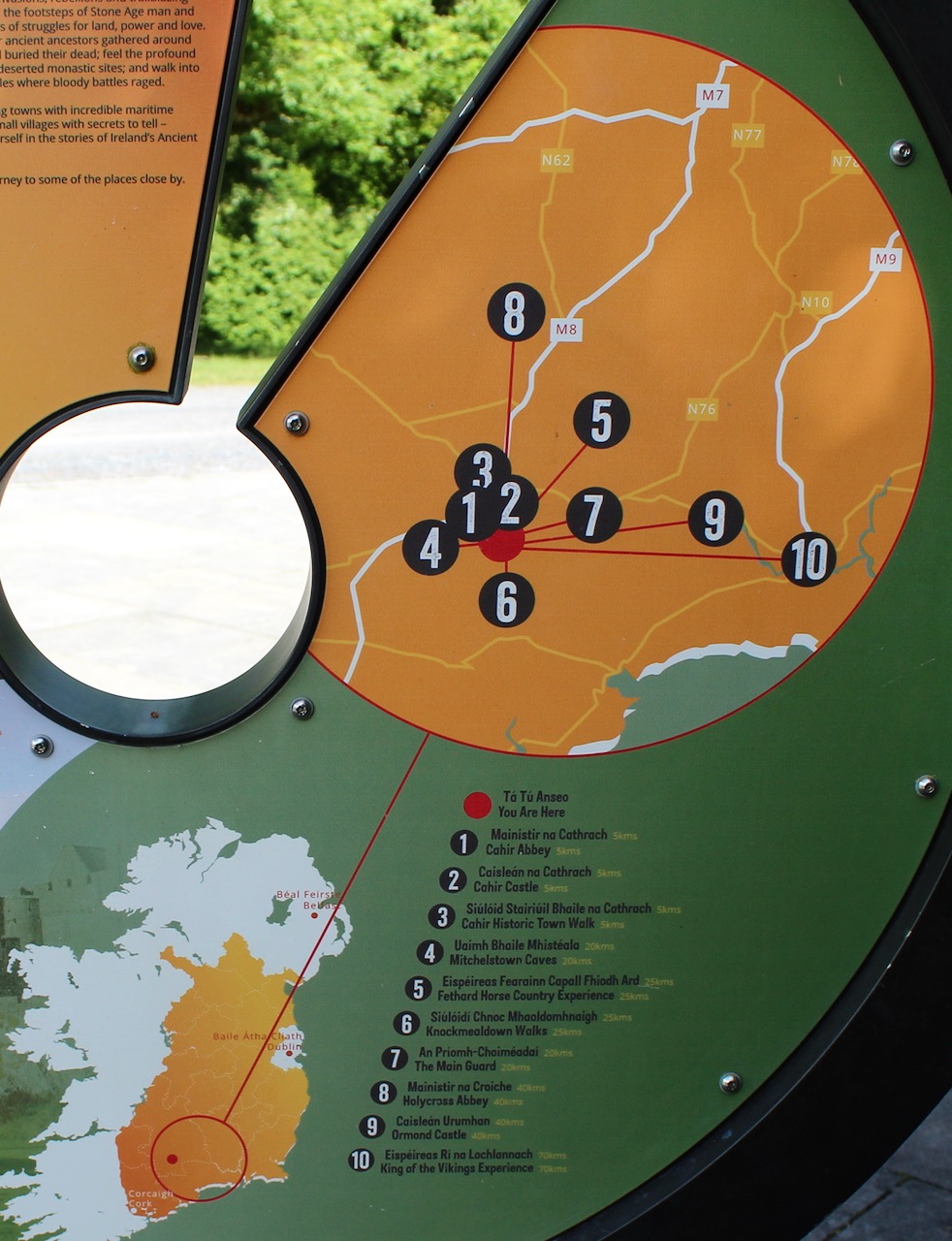


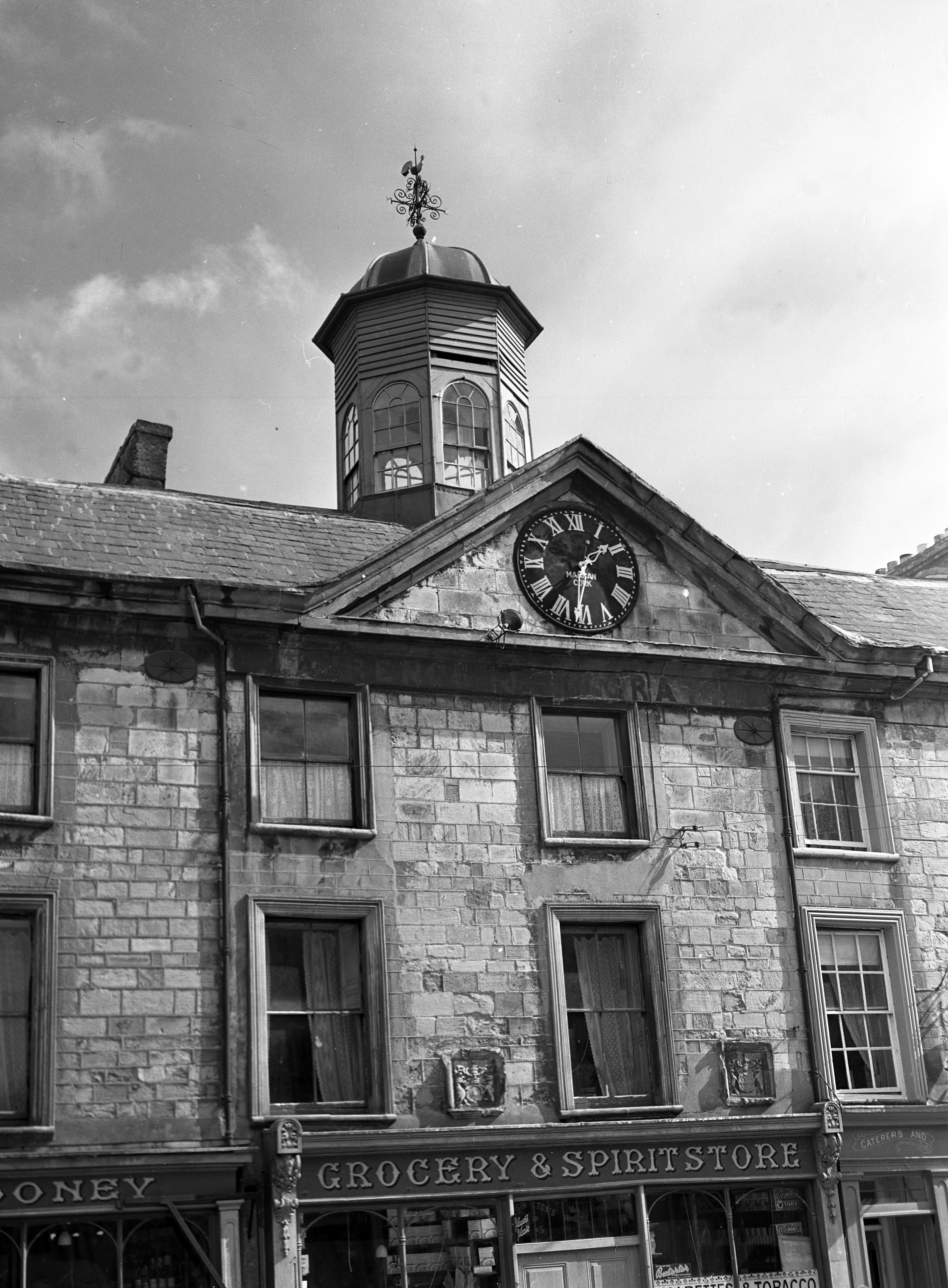
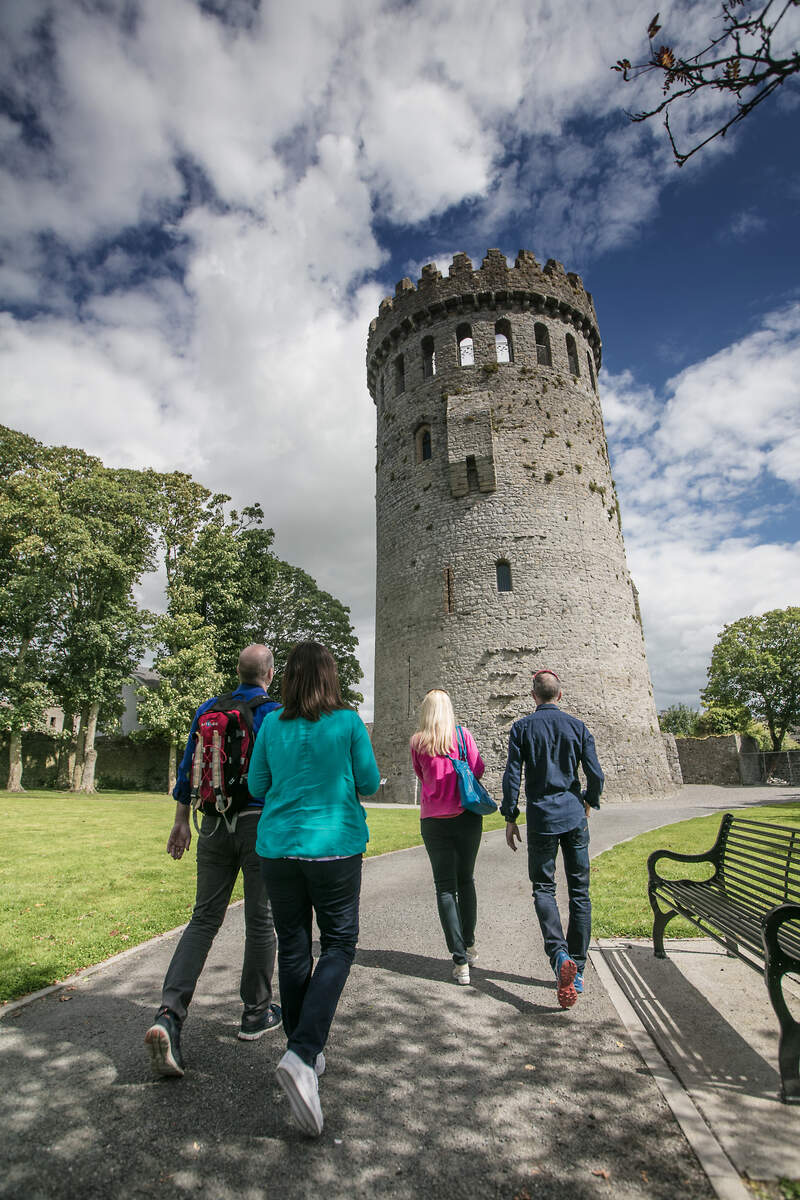
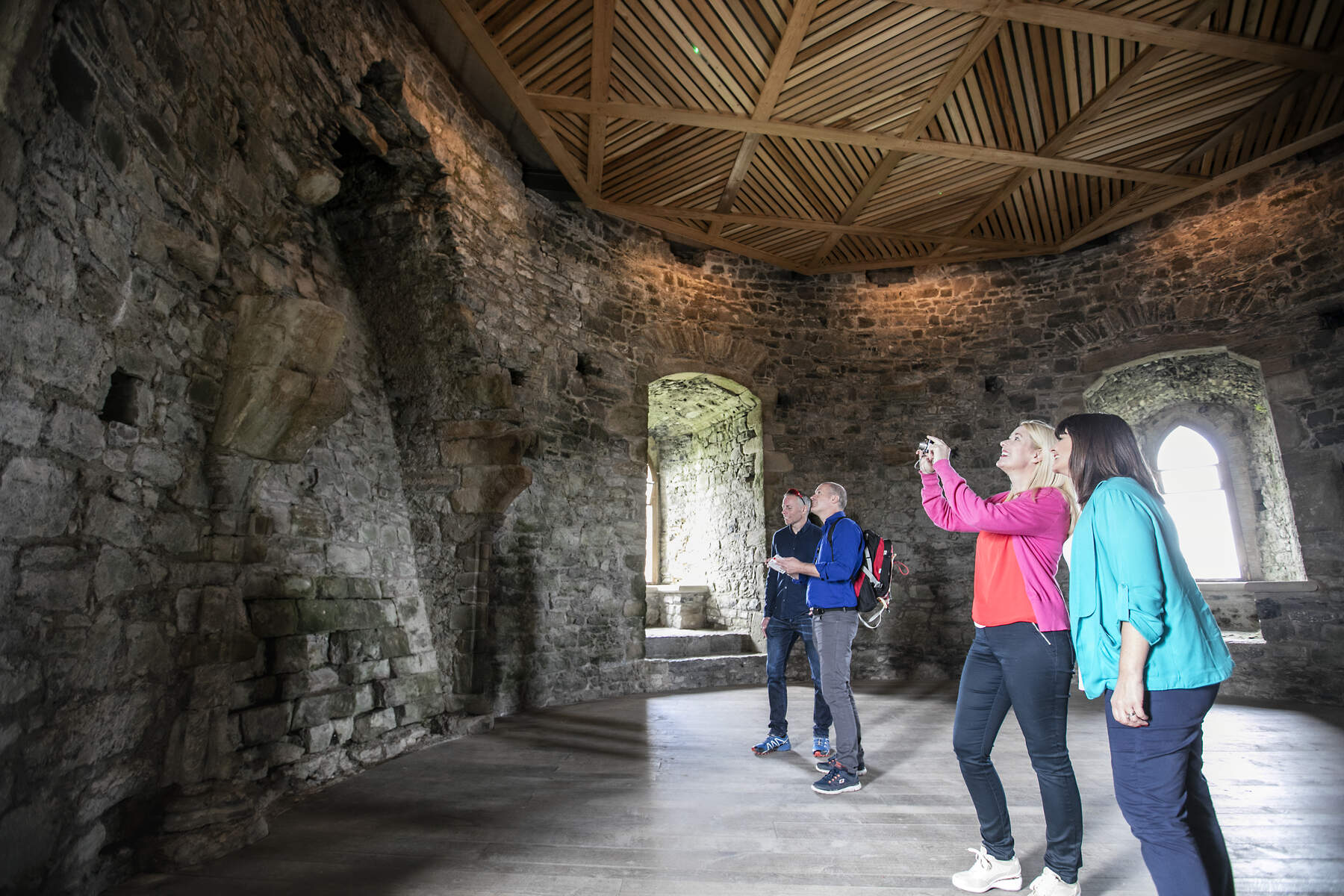
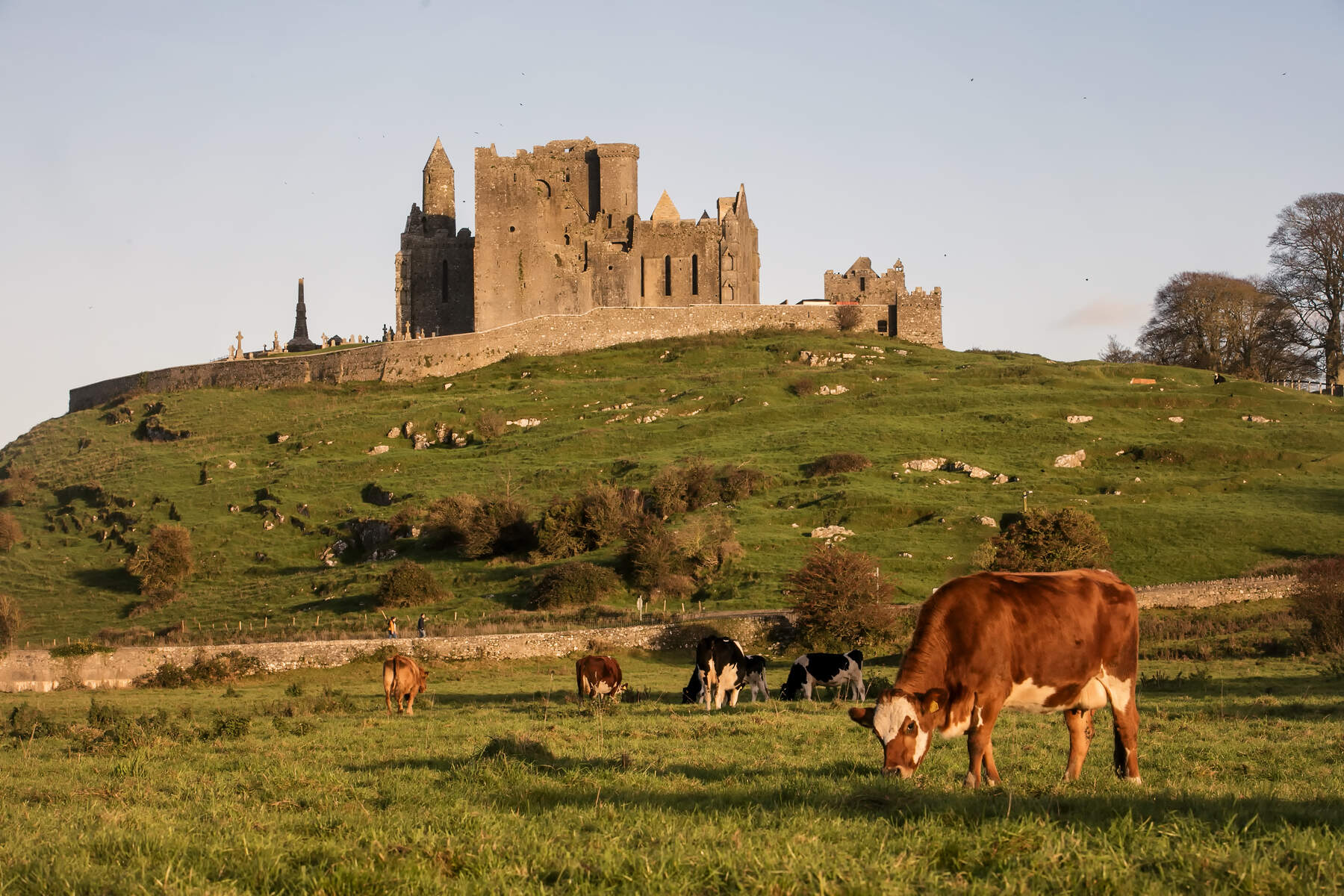
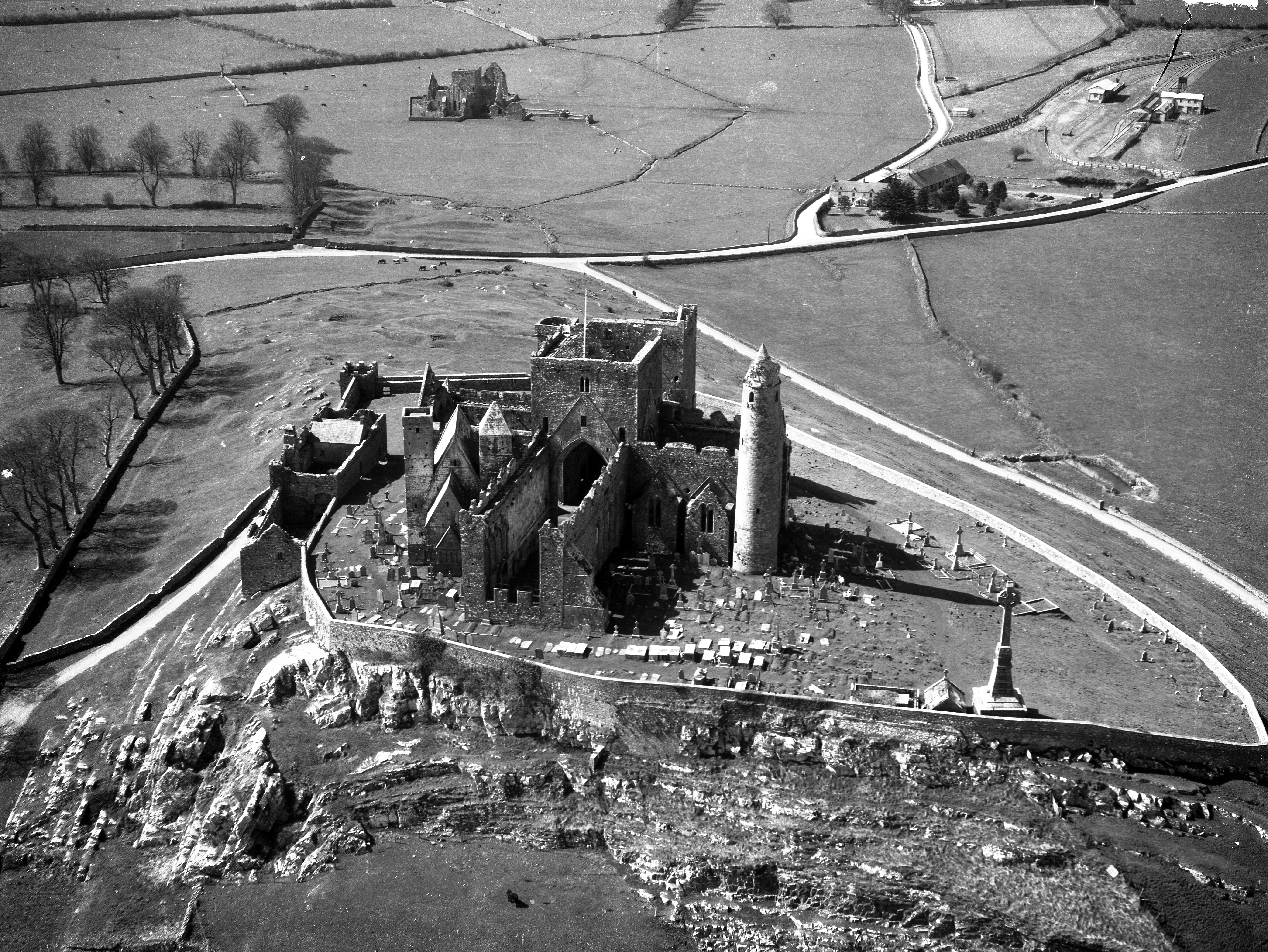

 Irish Historic Houses
