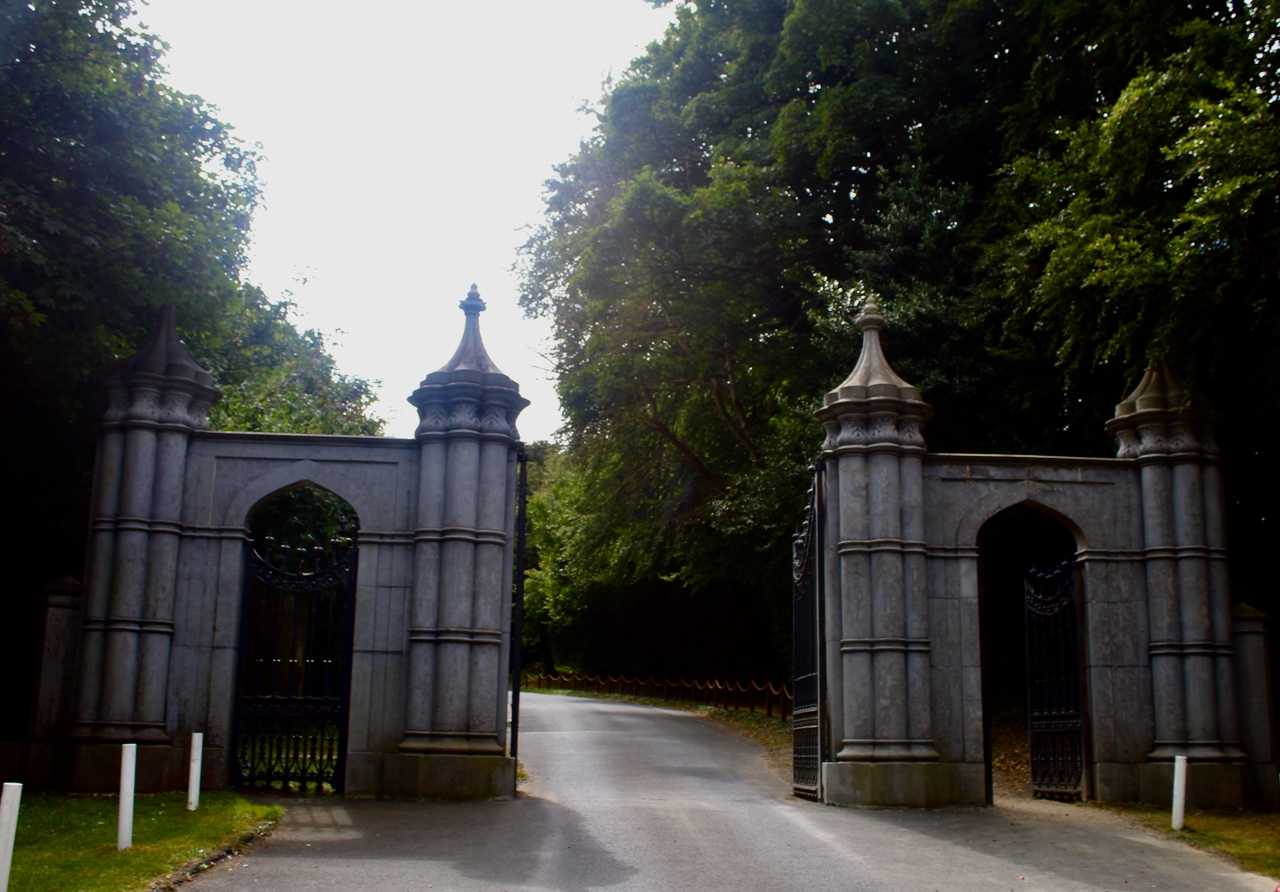
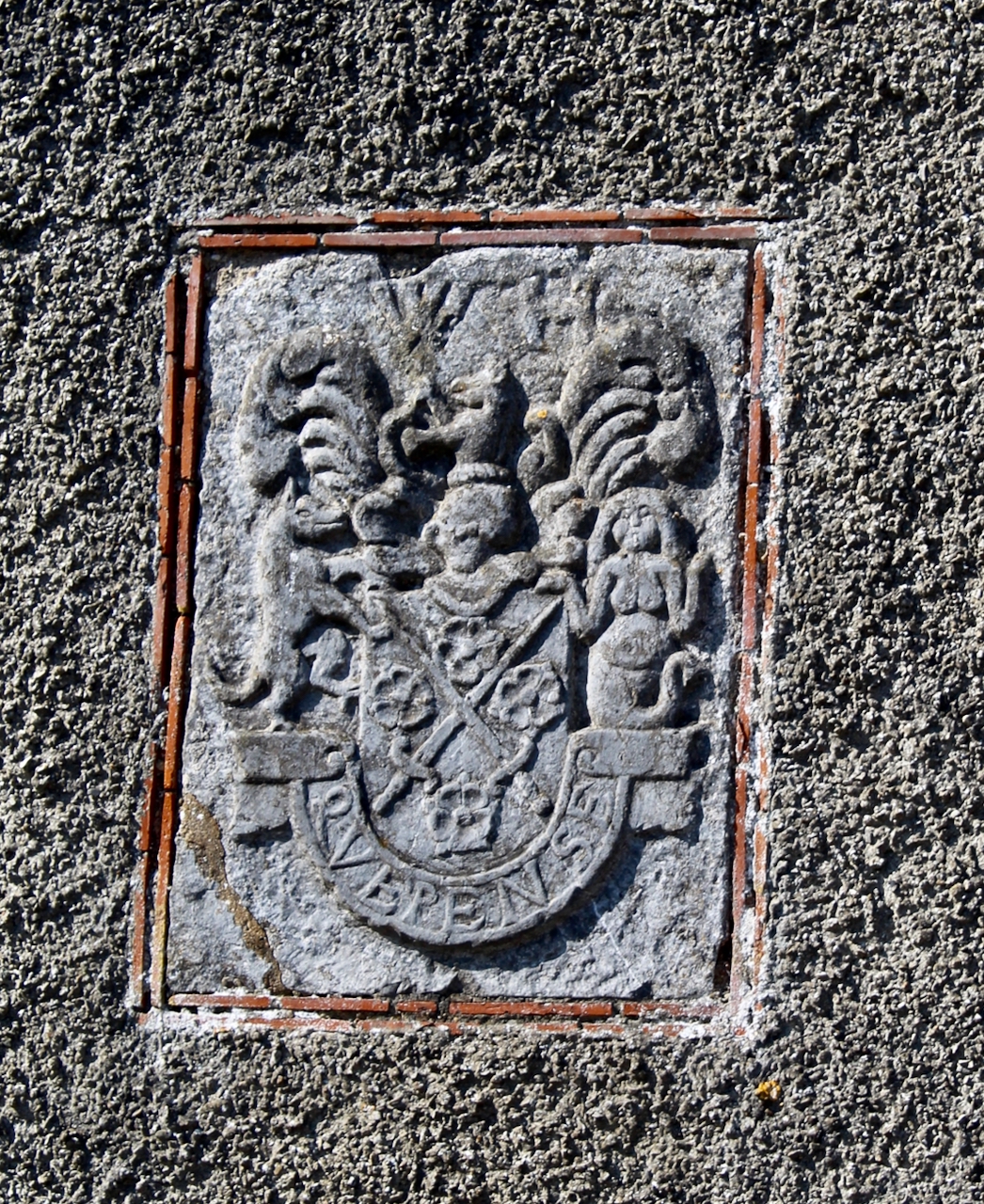
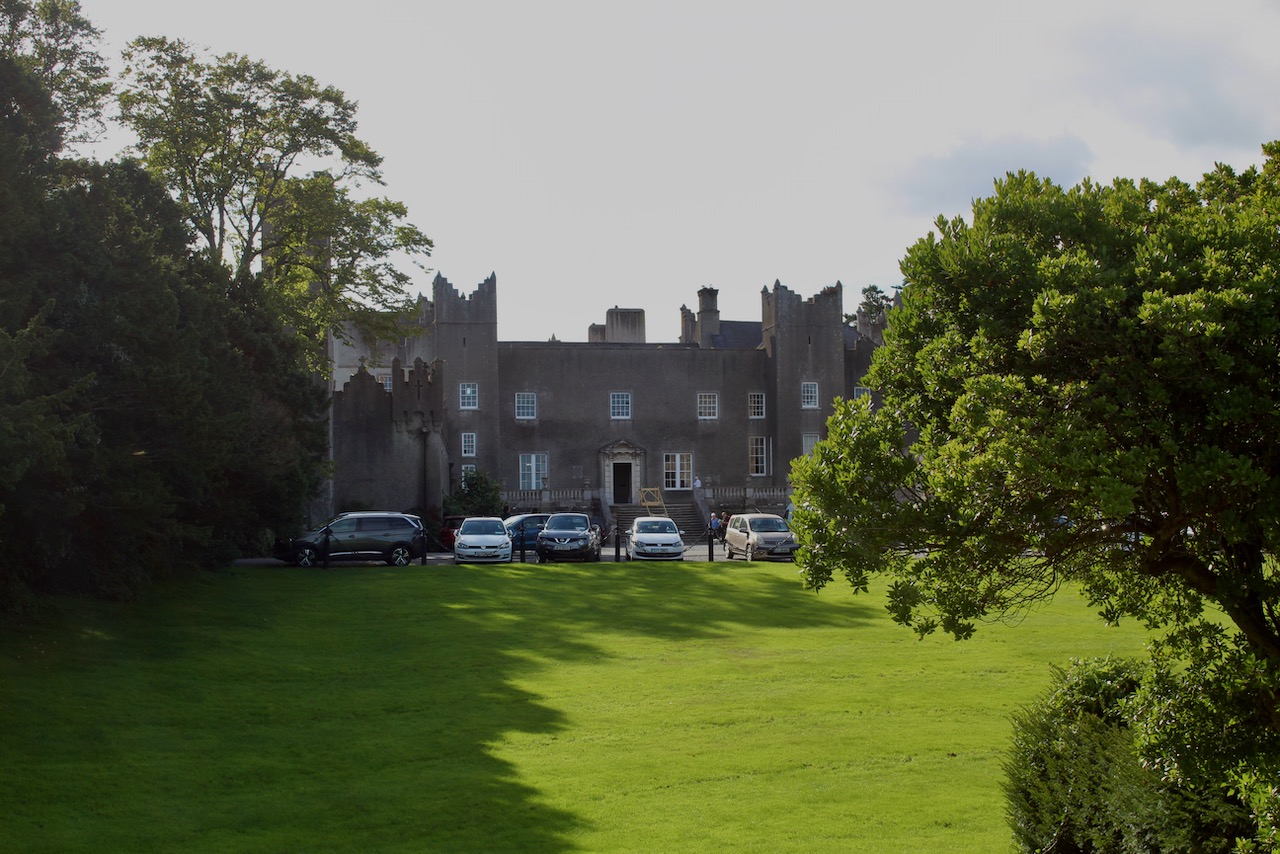
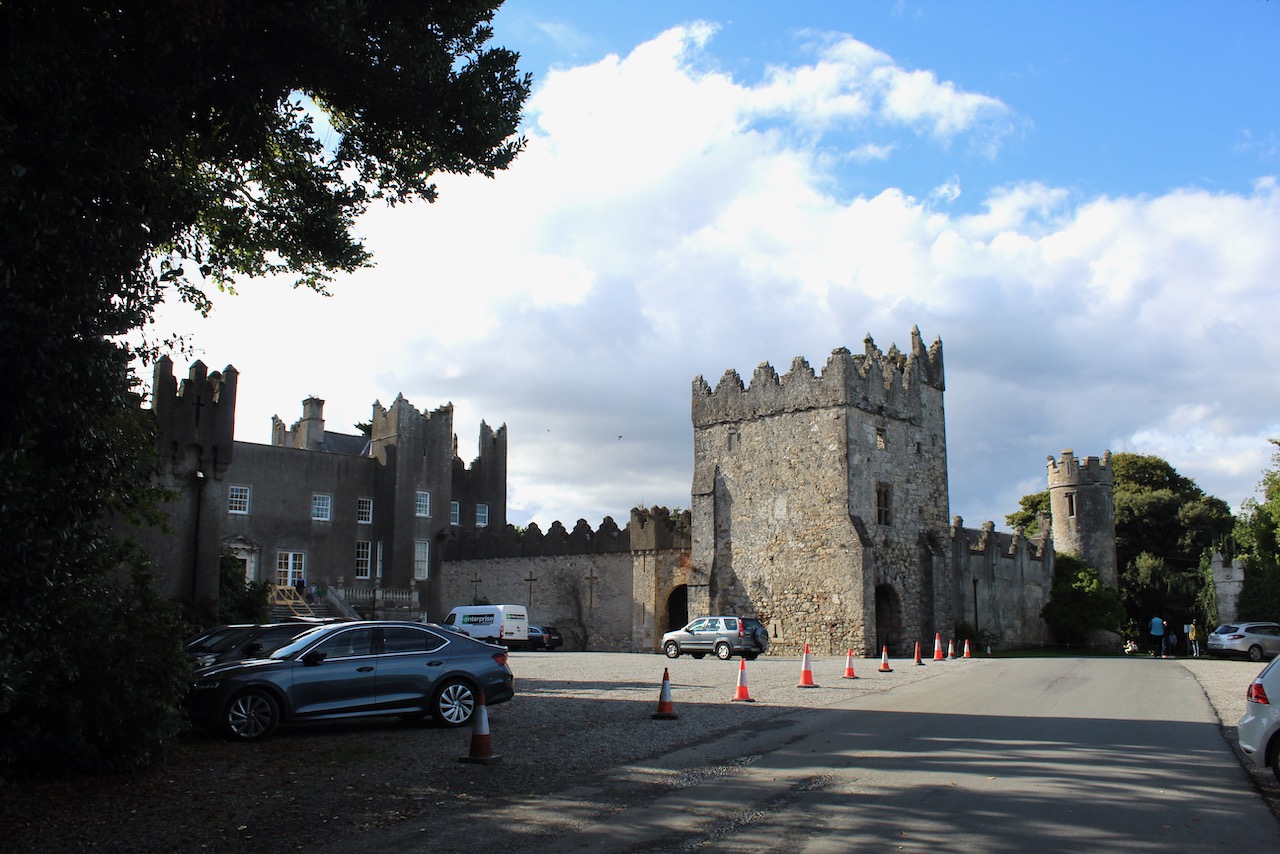
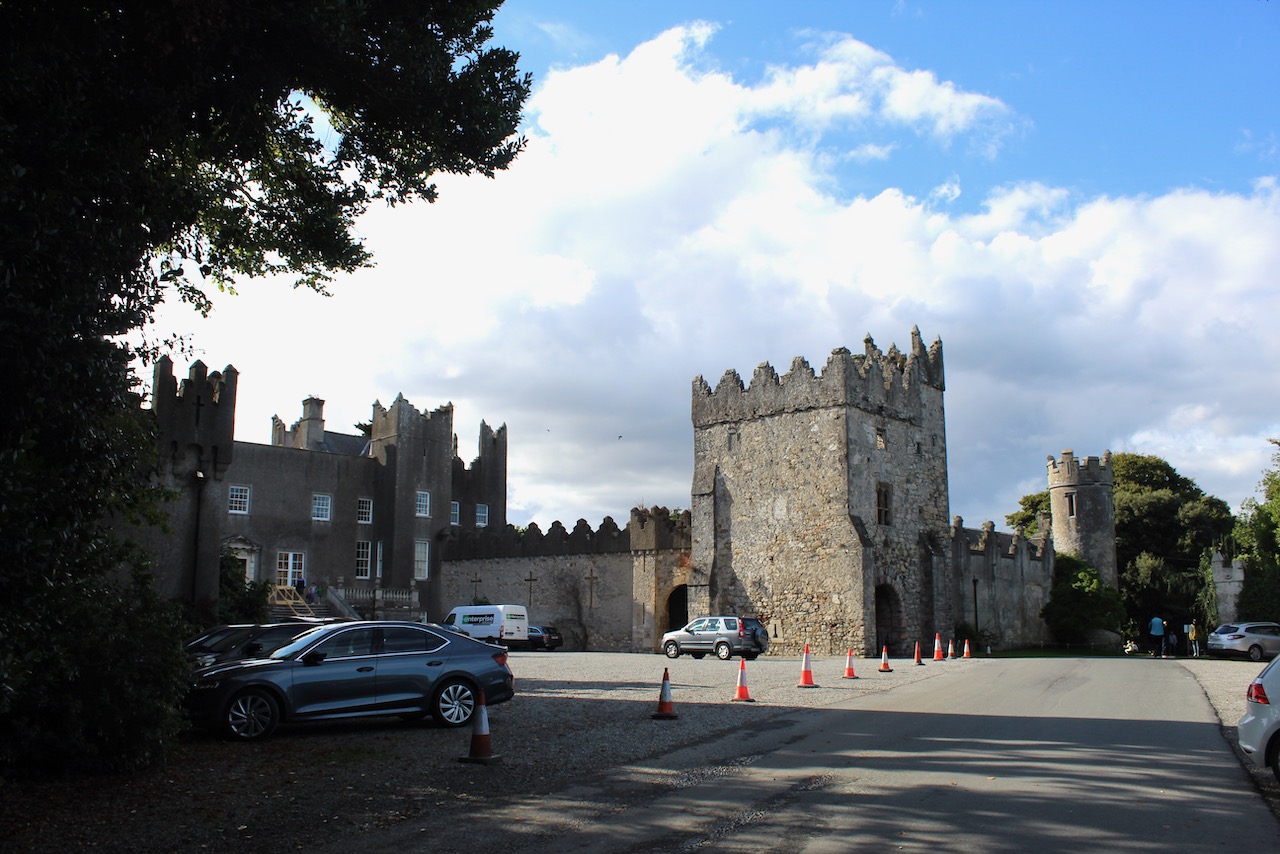
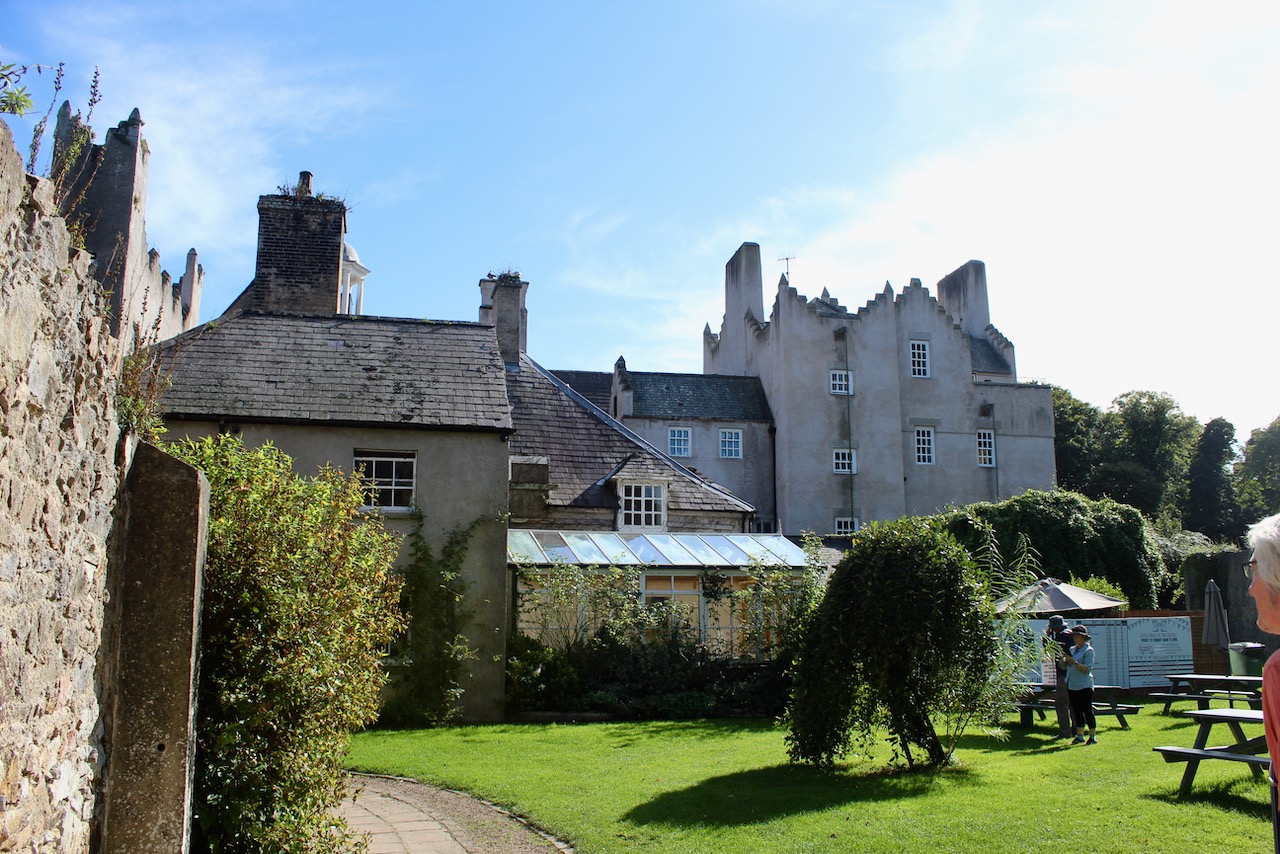
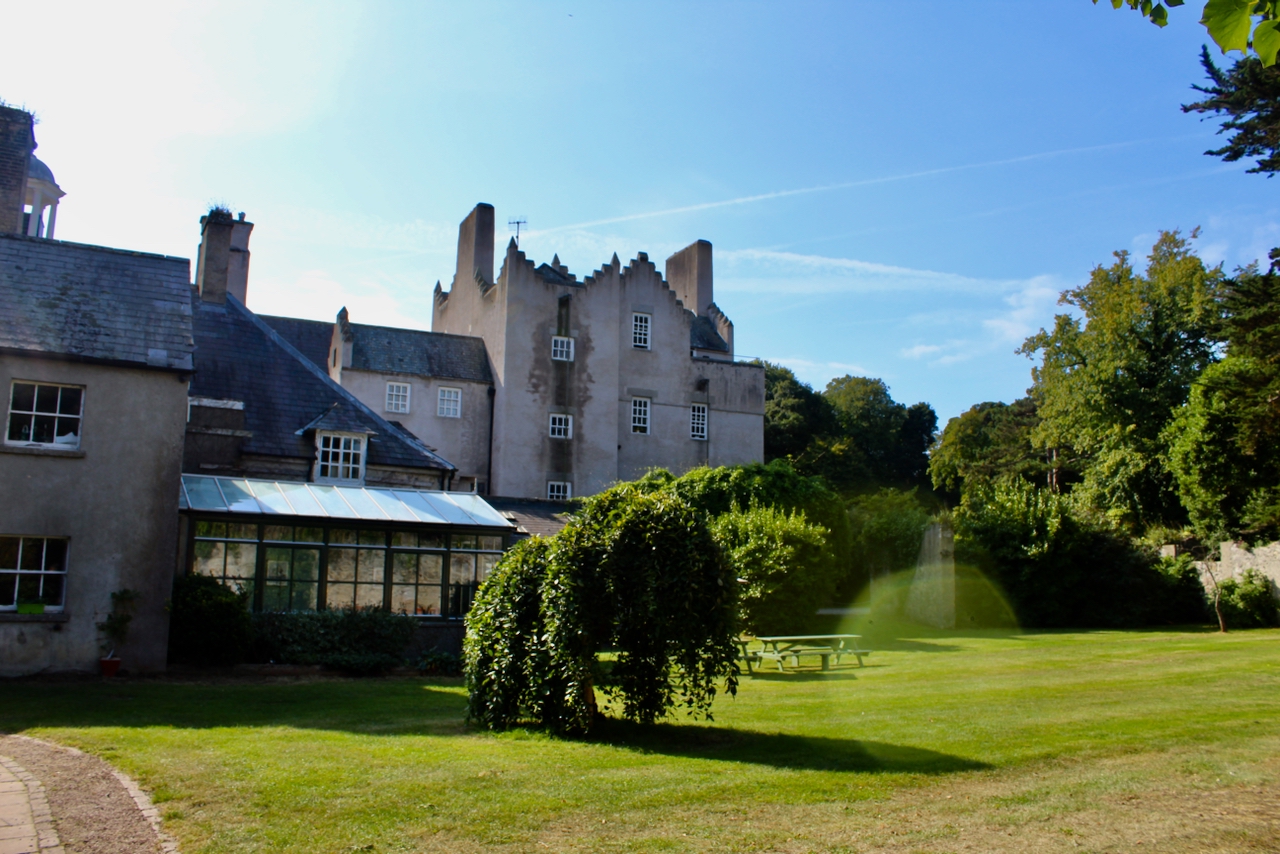
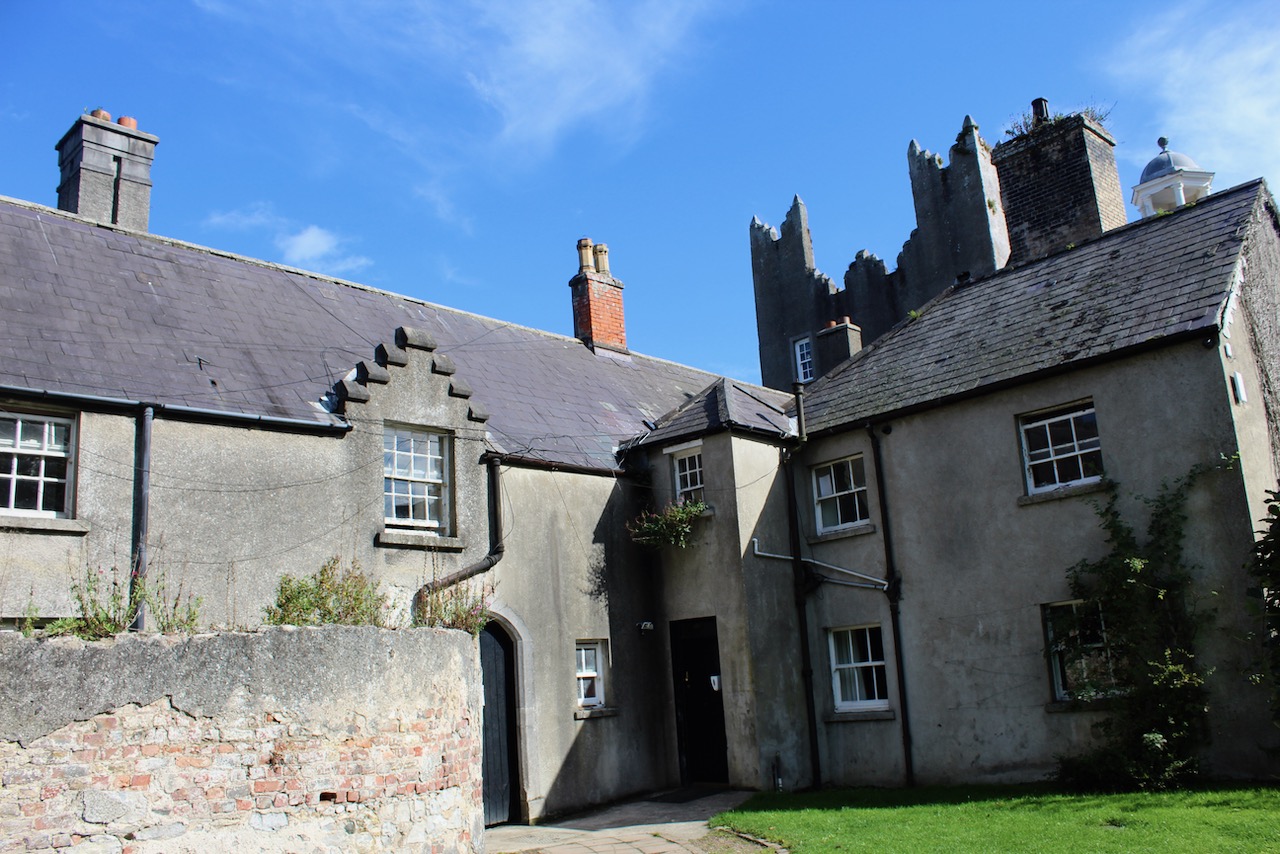
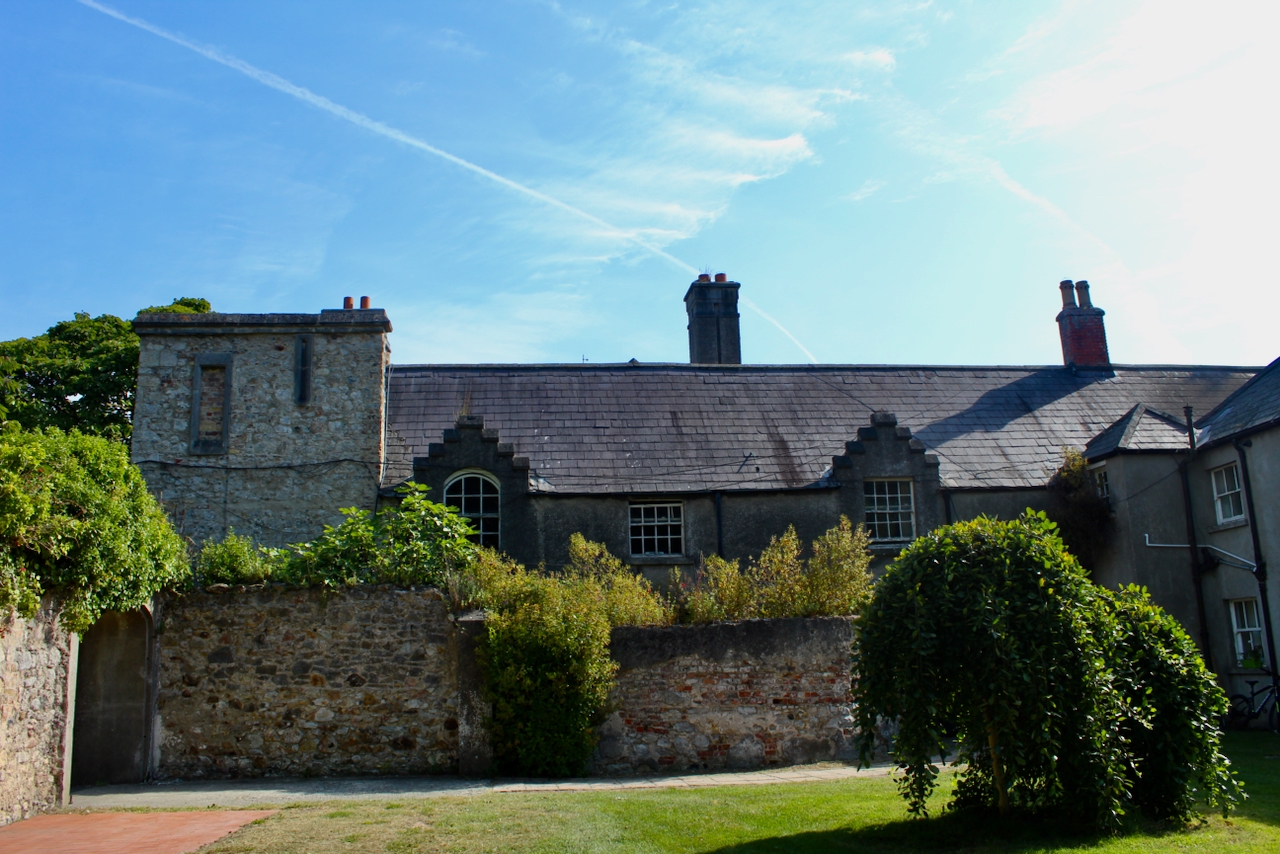
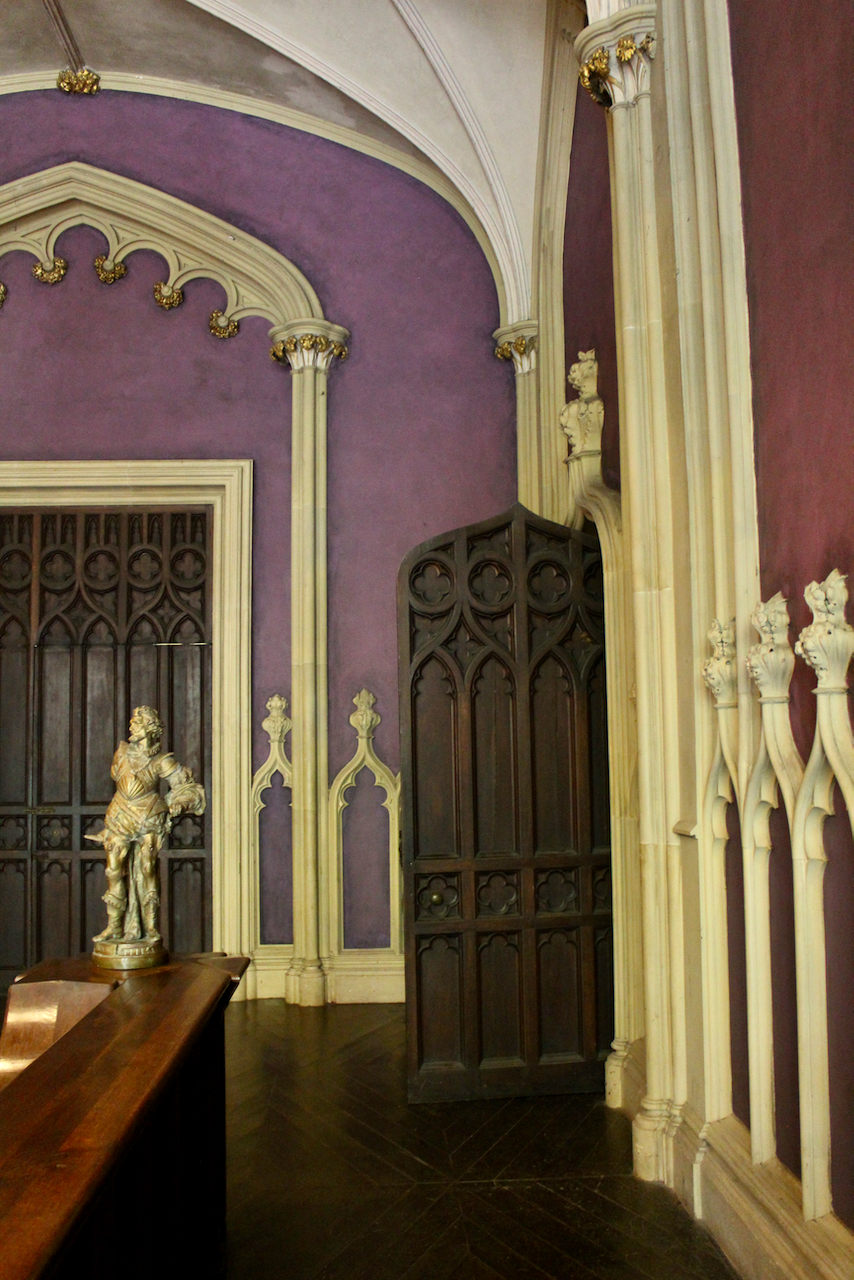
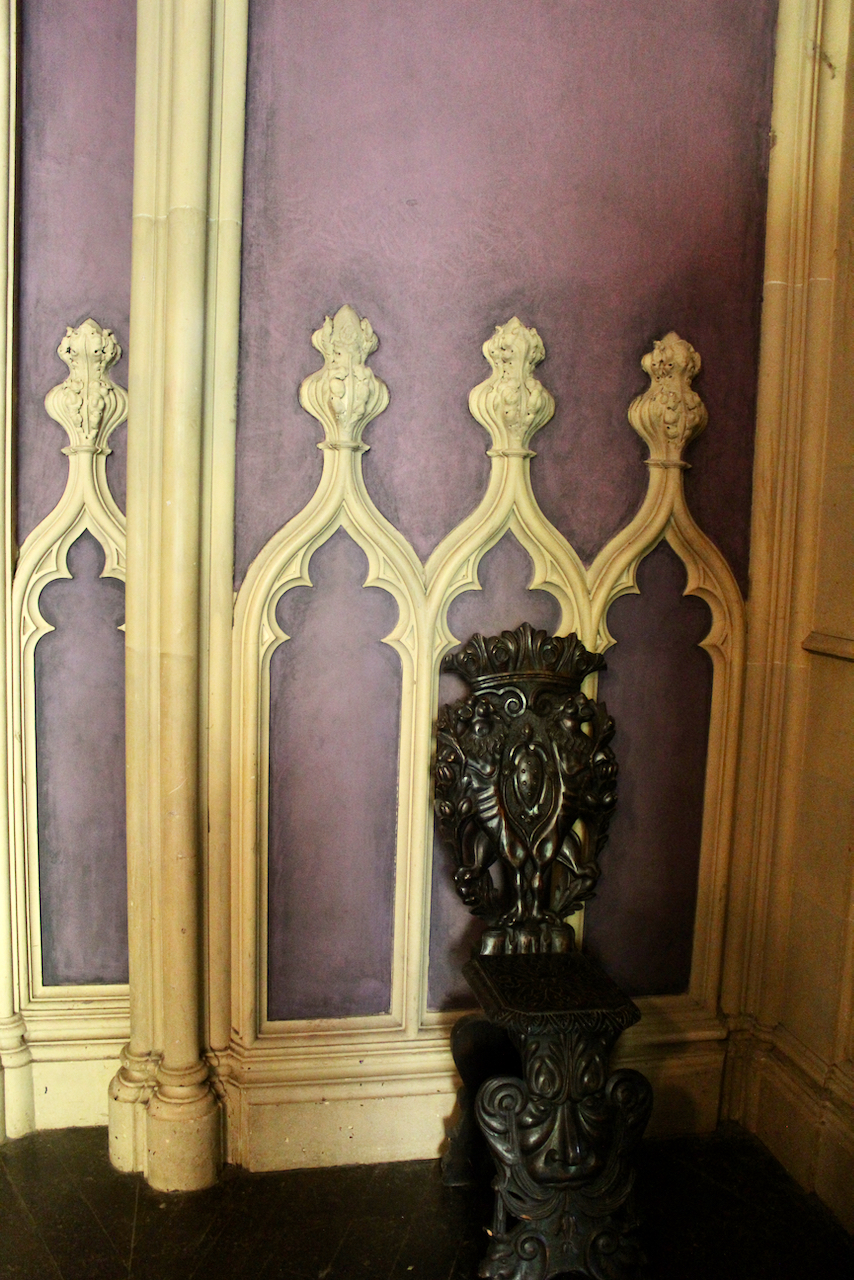
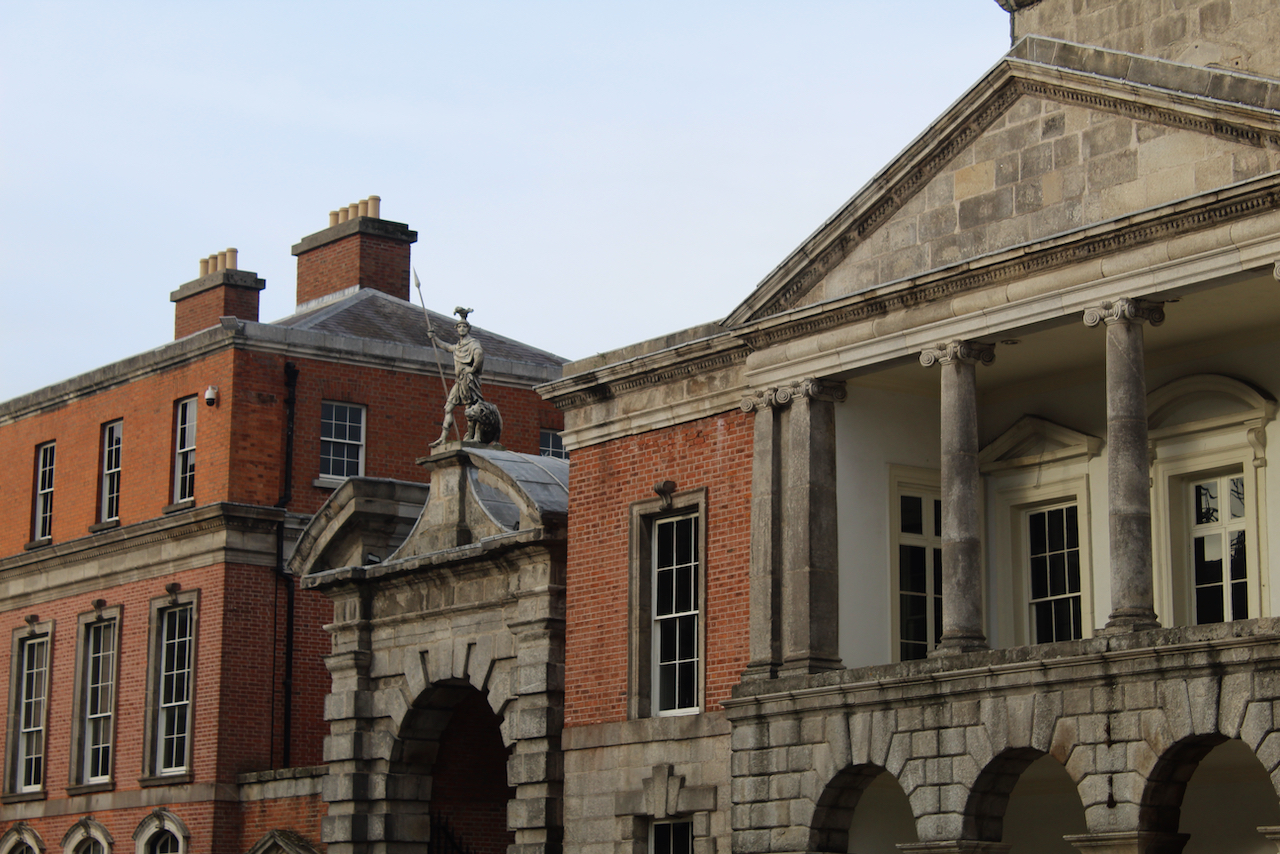
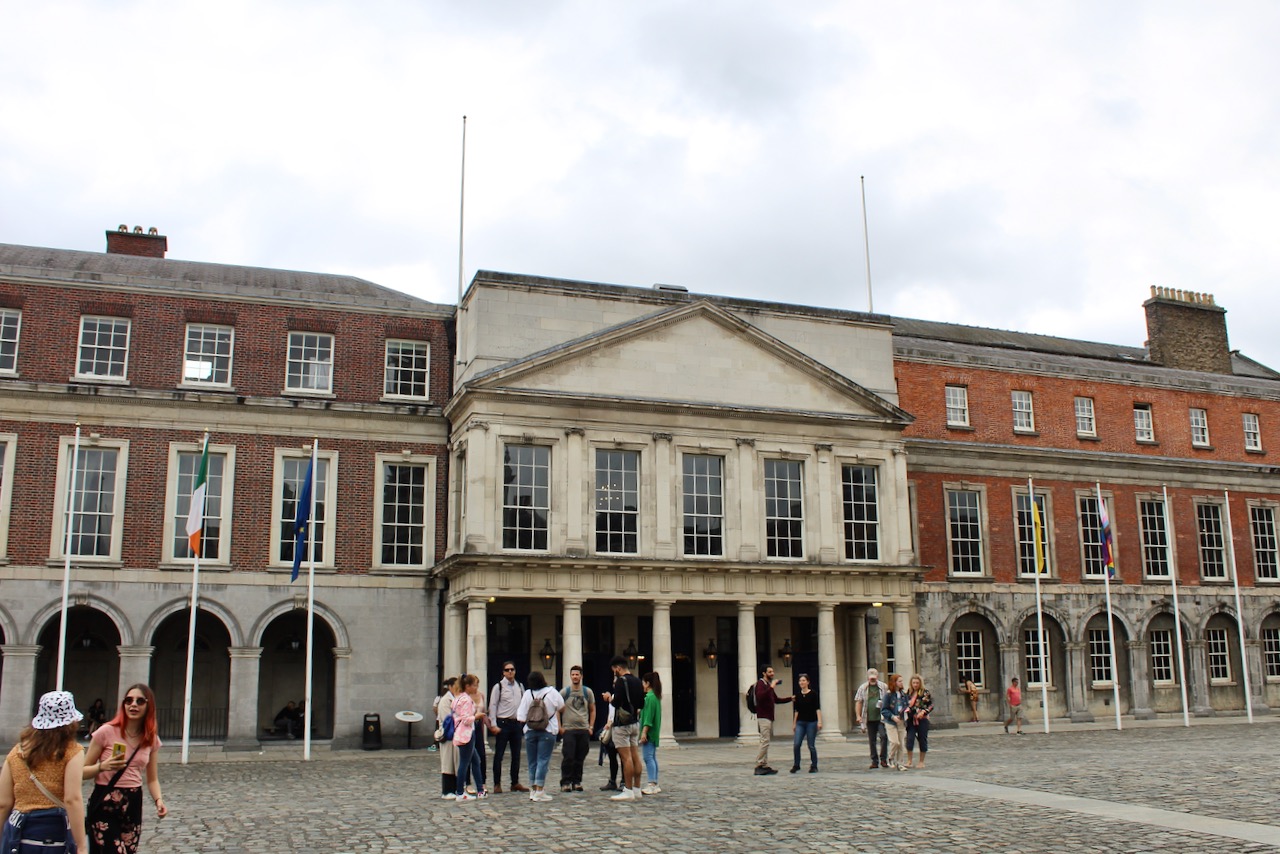
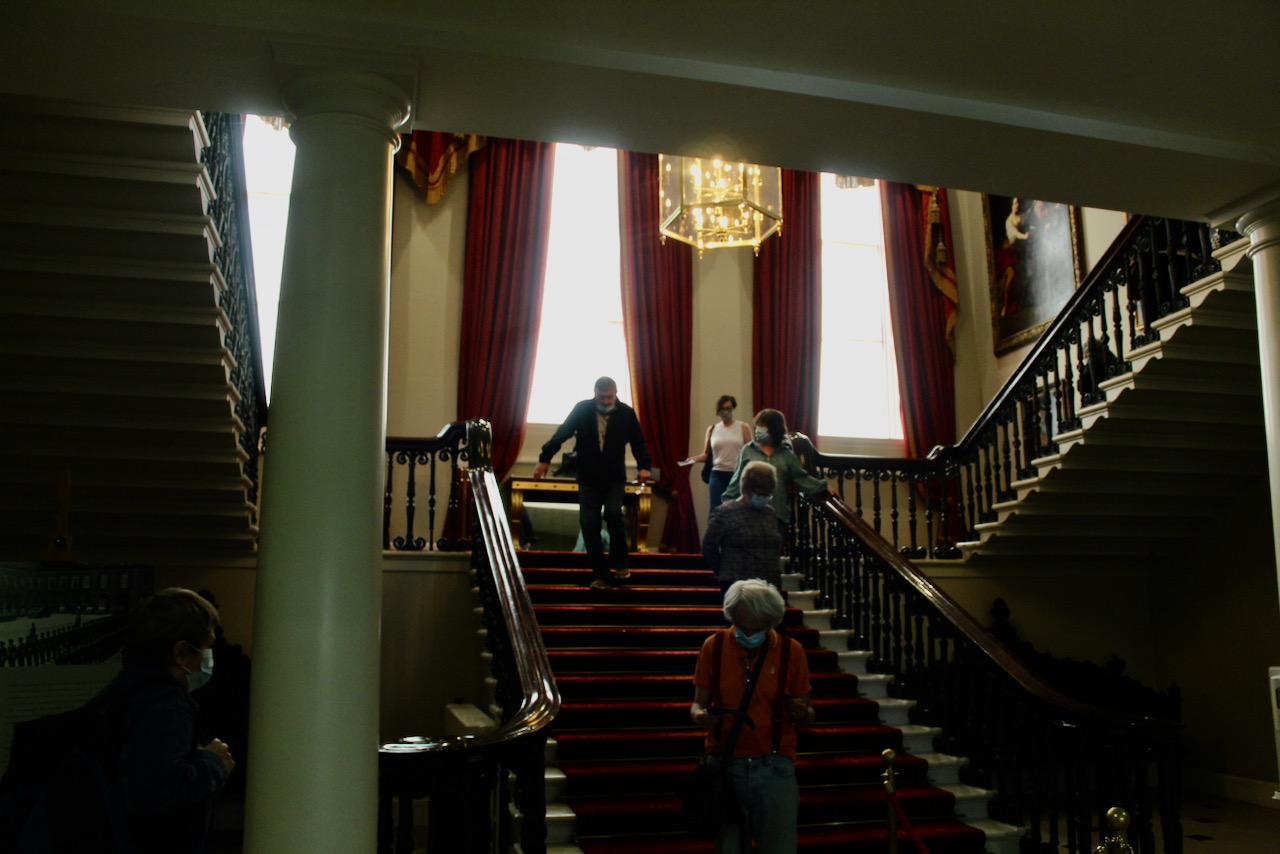
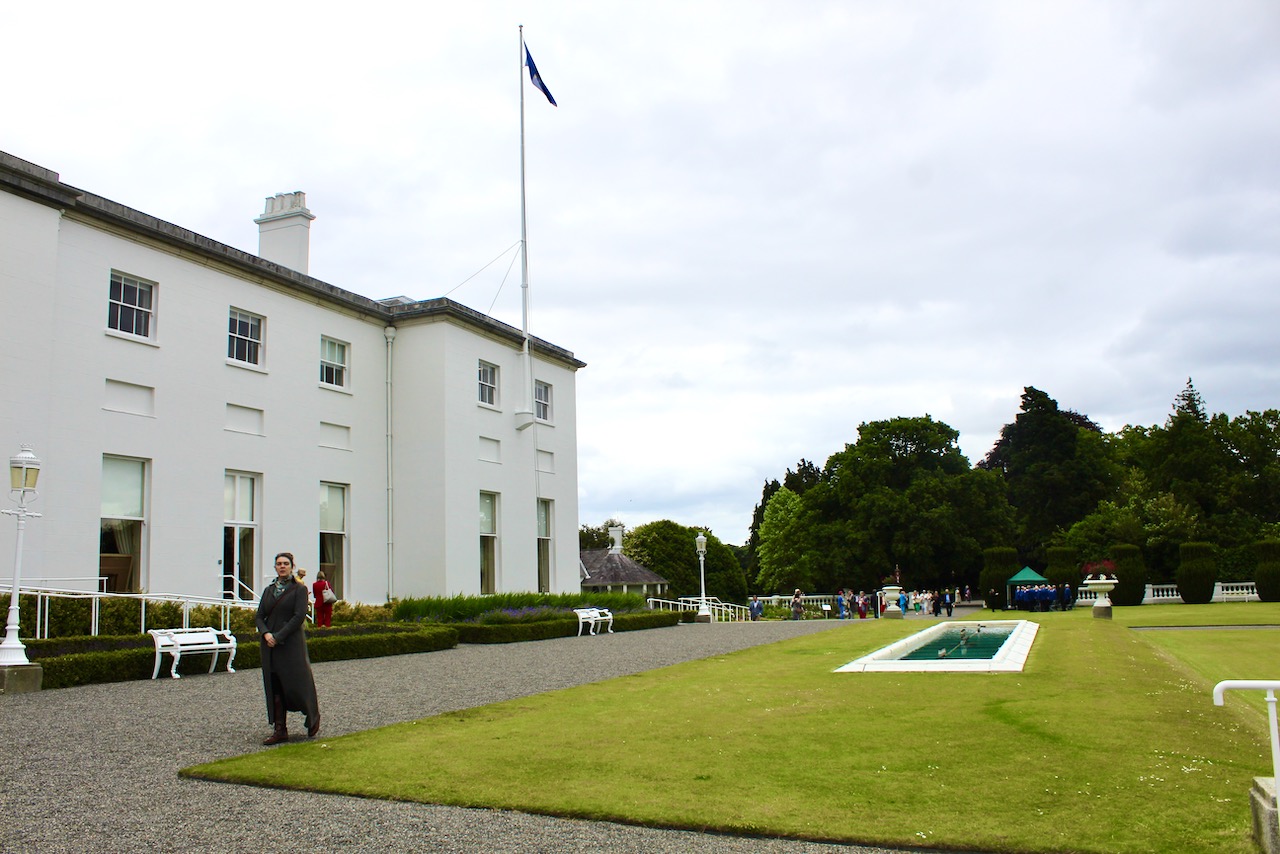
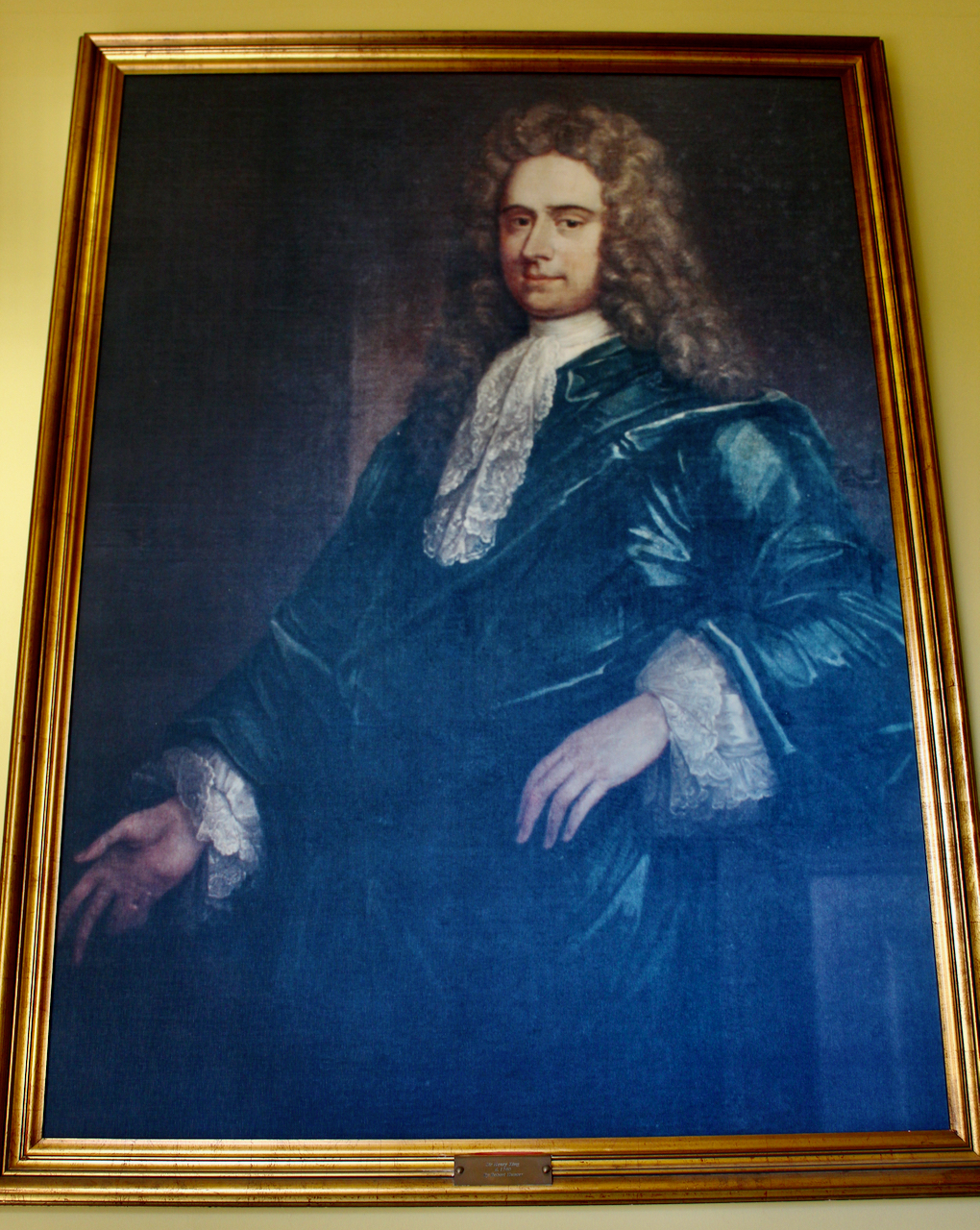
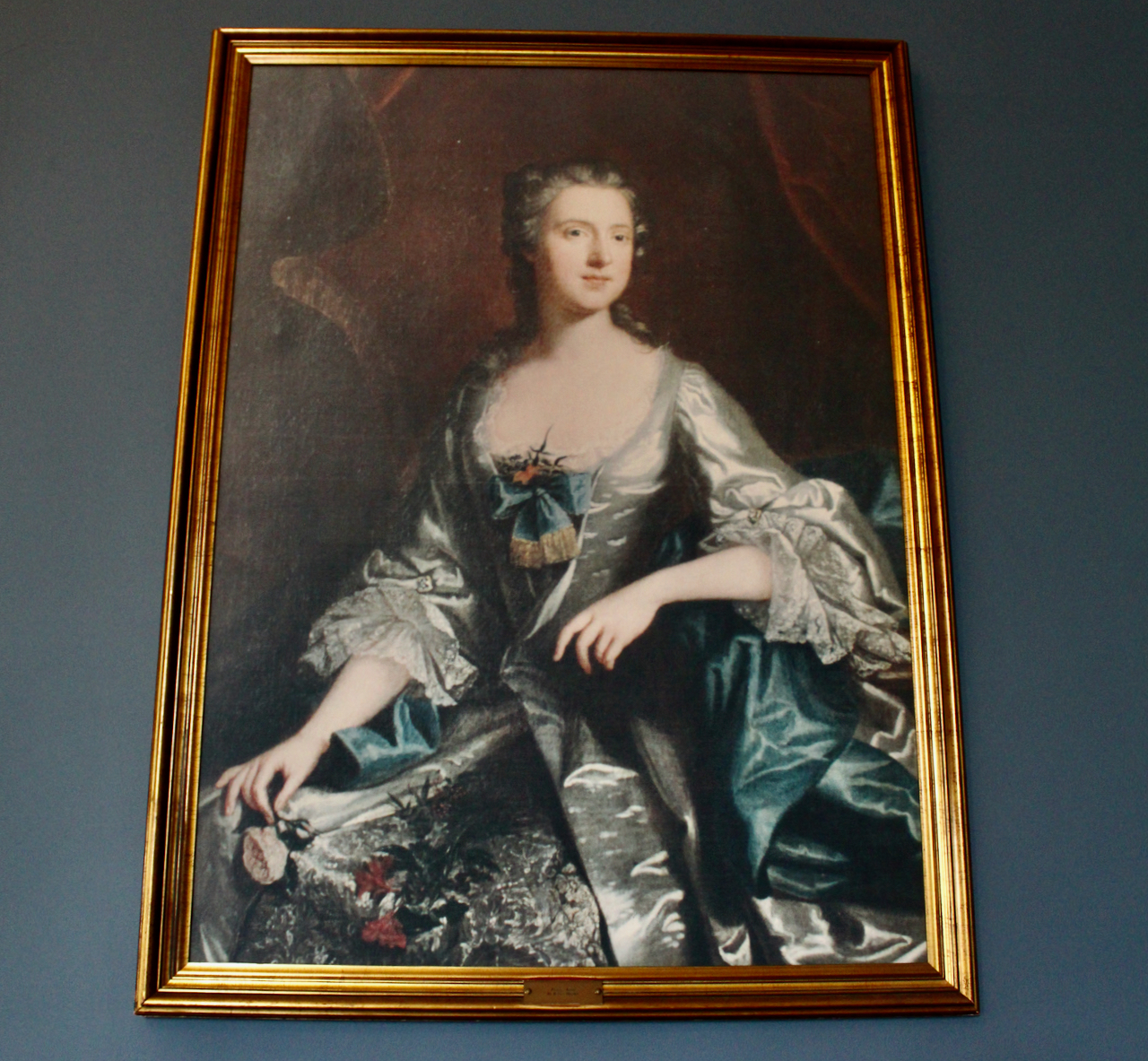
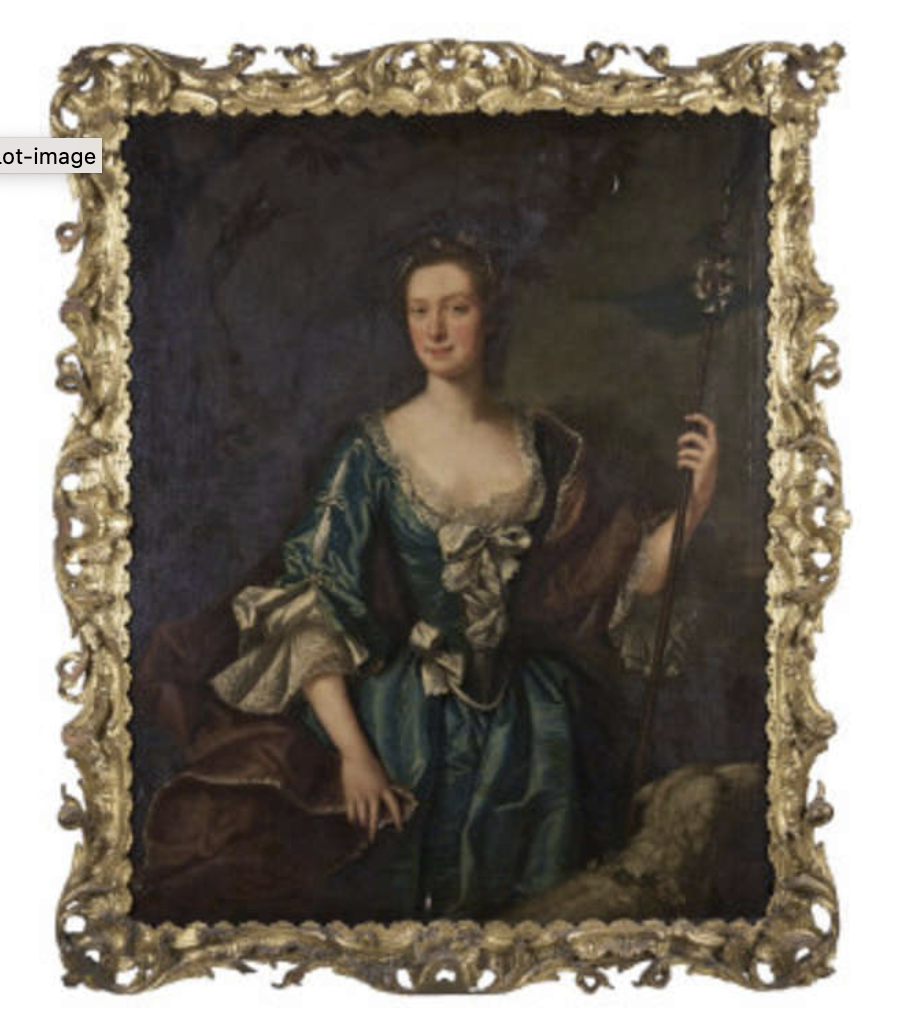
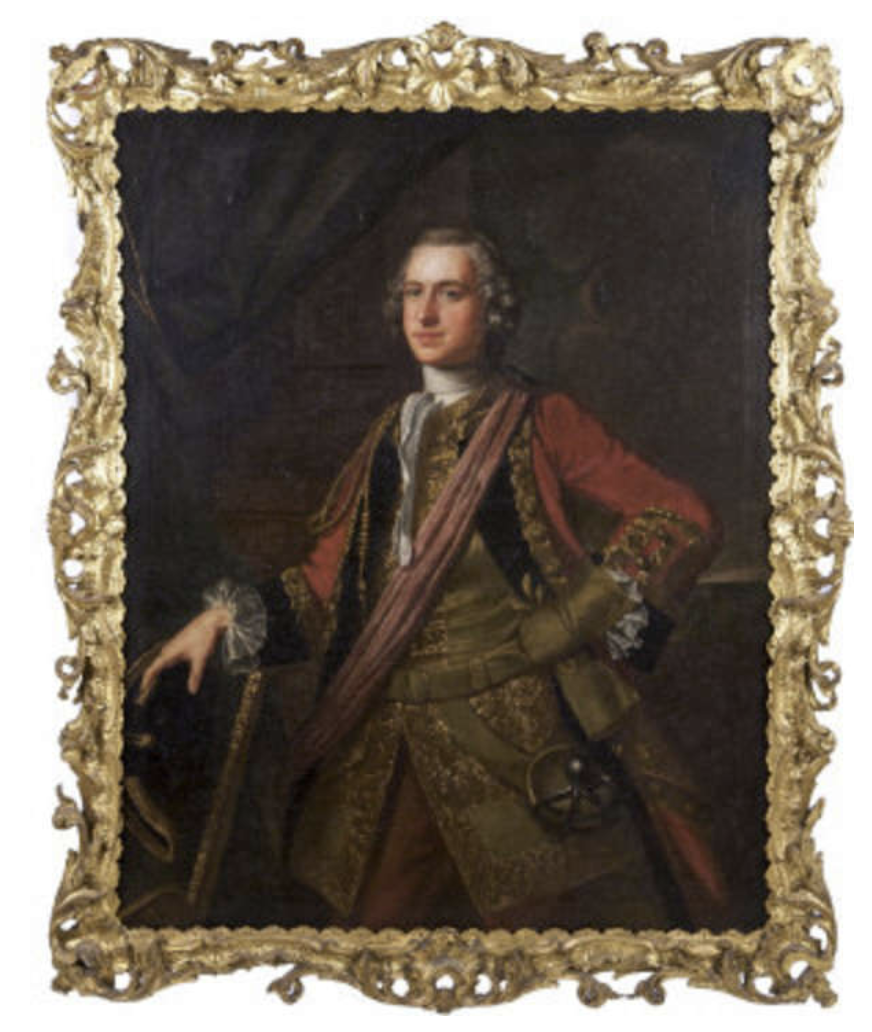
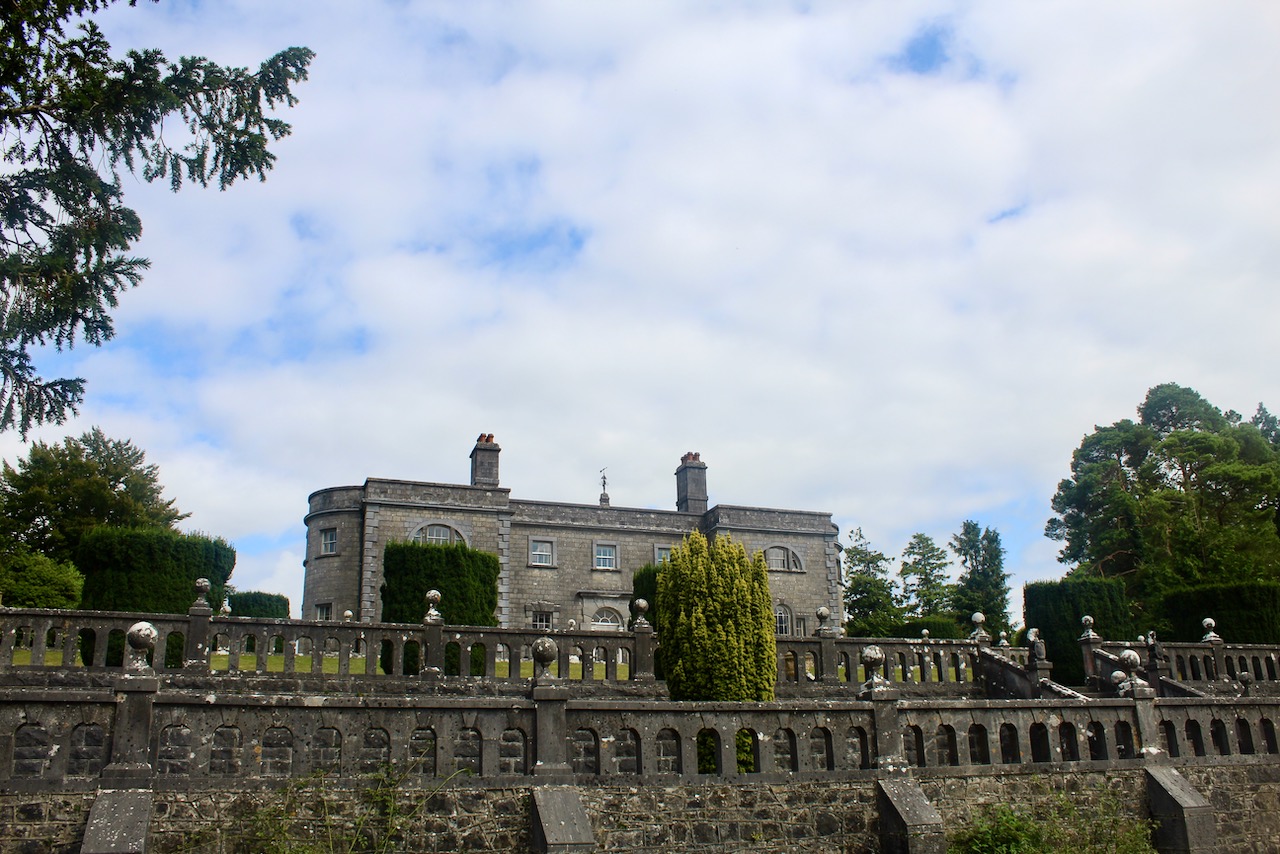
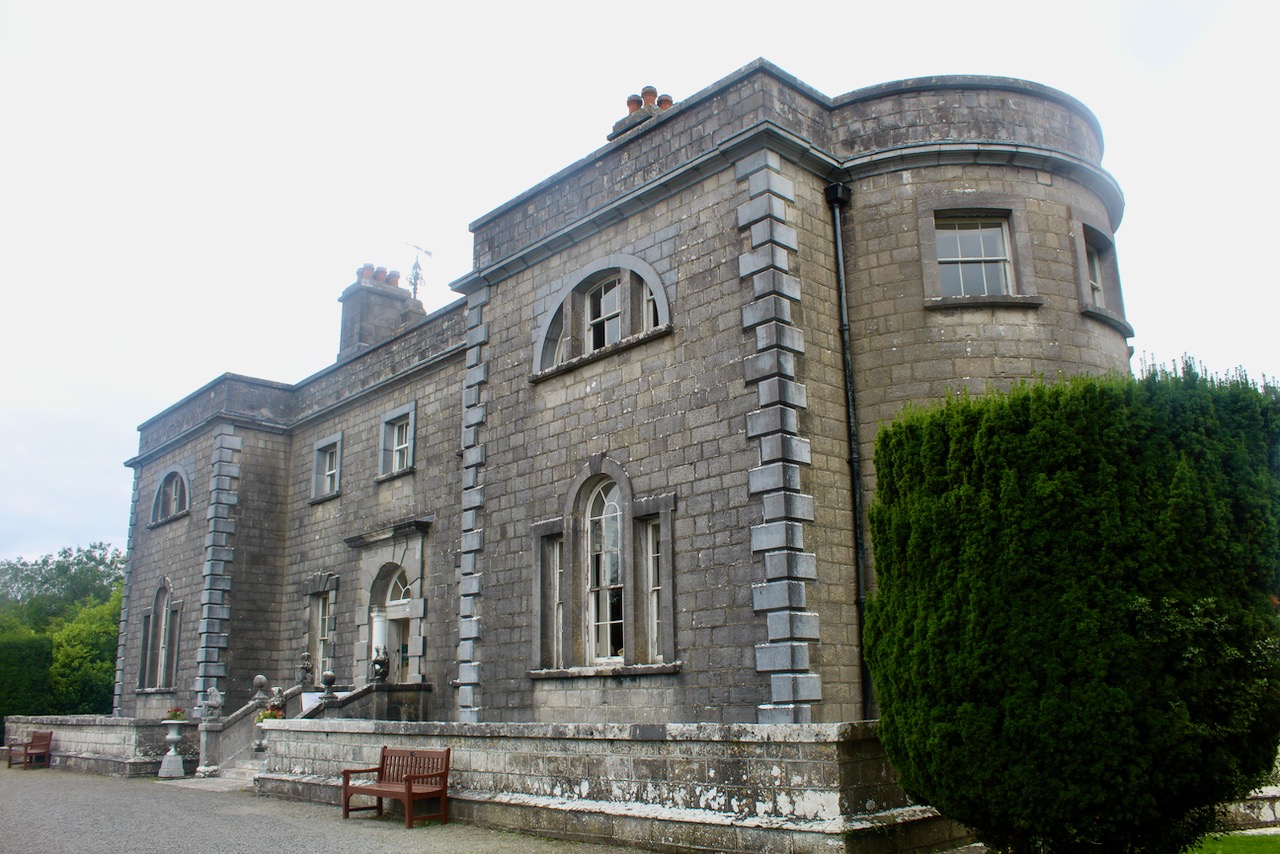
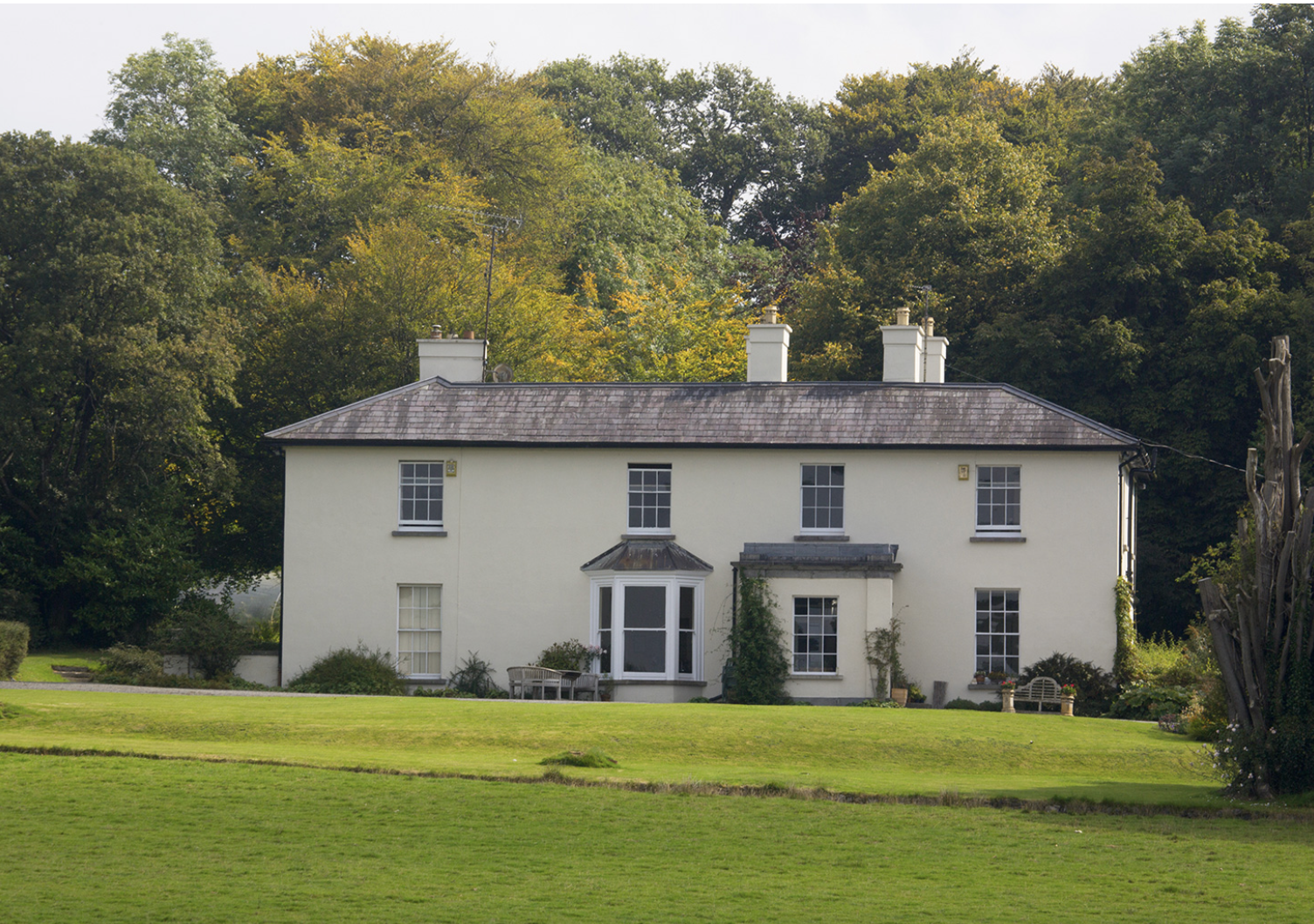
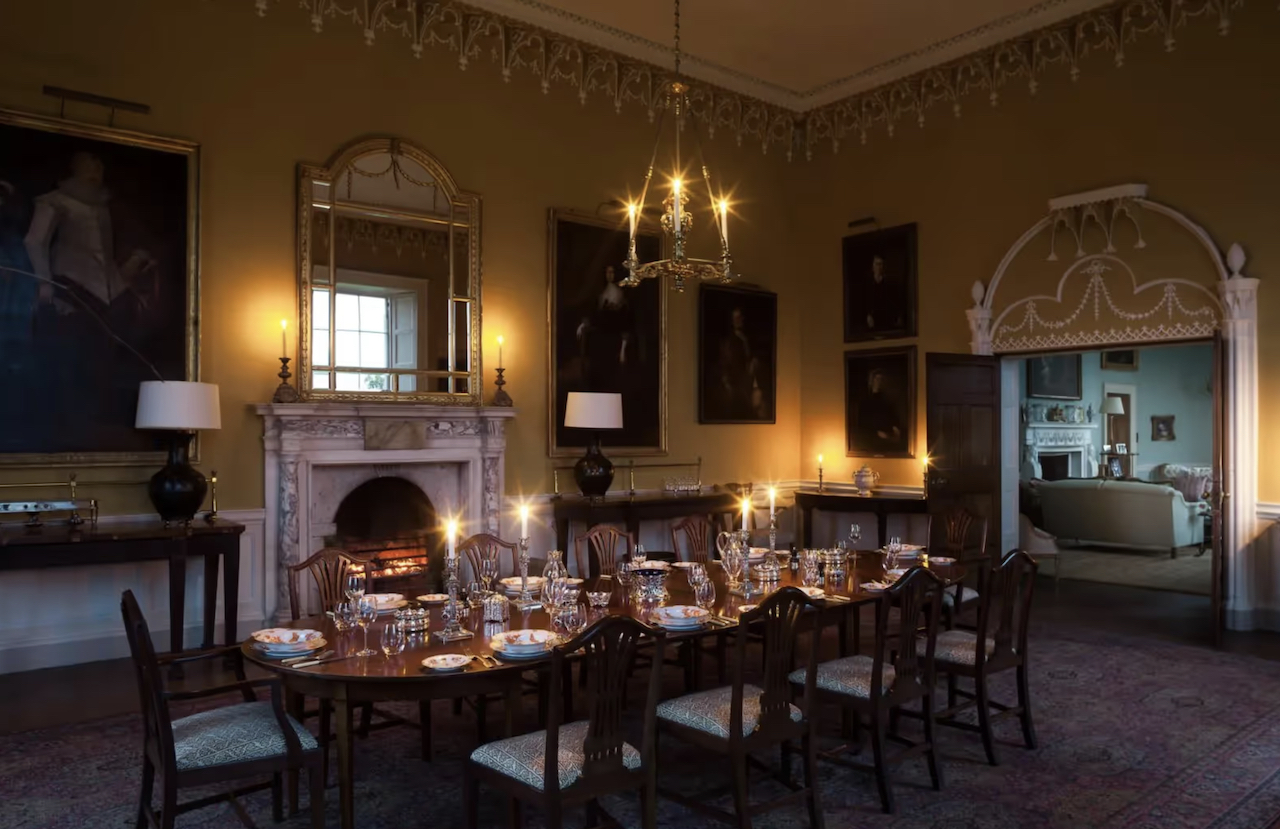
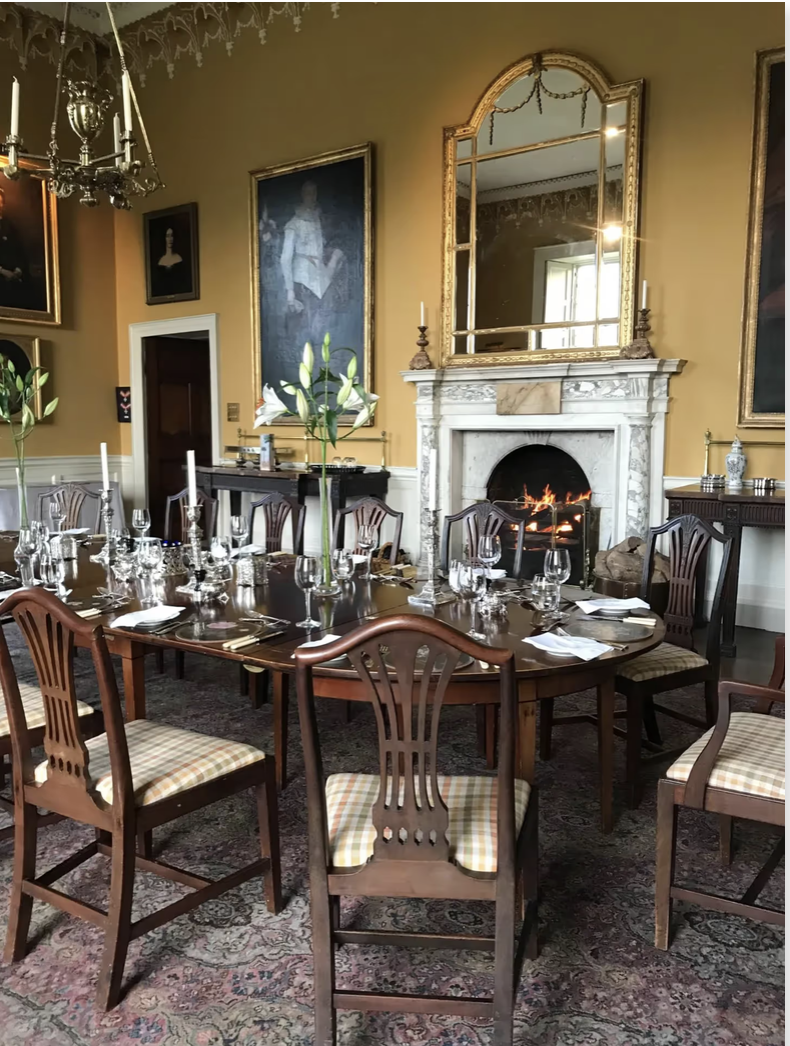
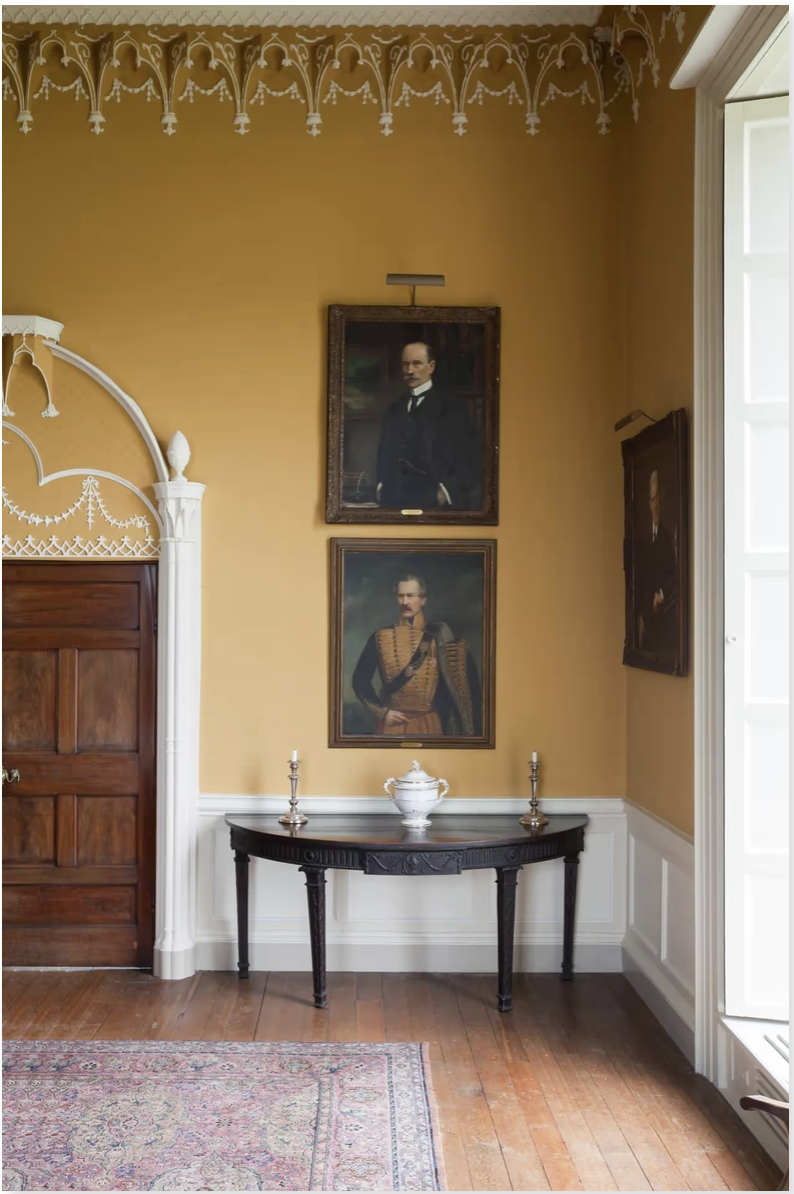
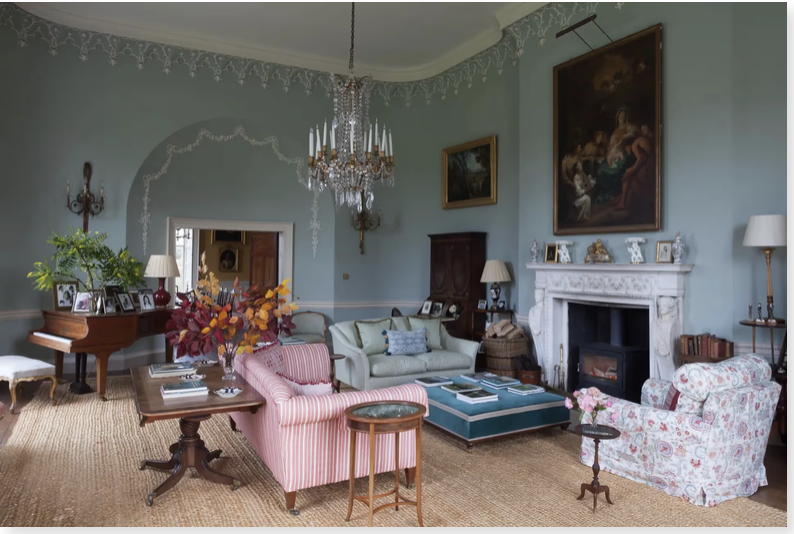
Royal Hospital Kilmainham, Military Road, Dublin 8.
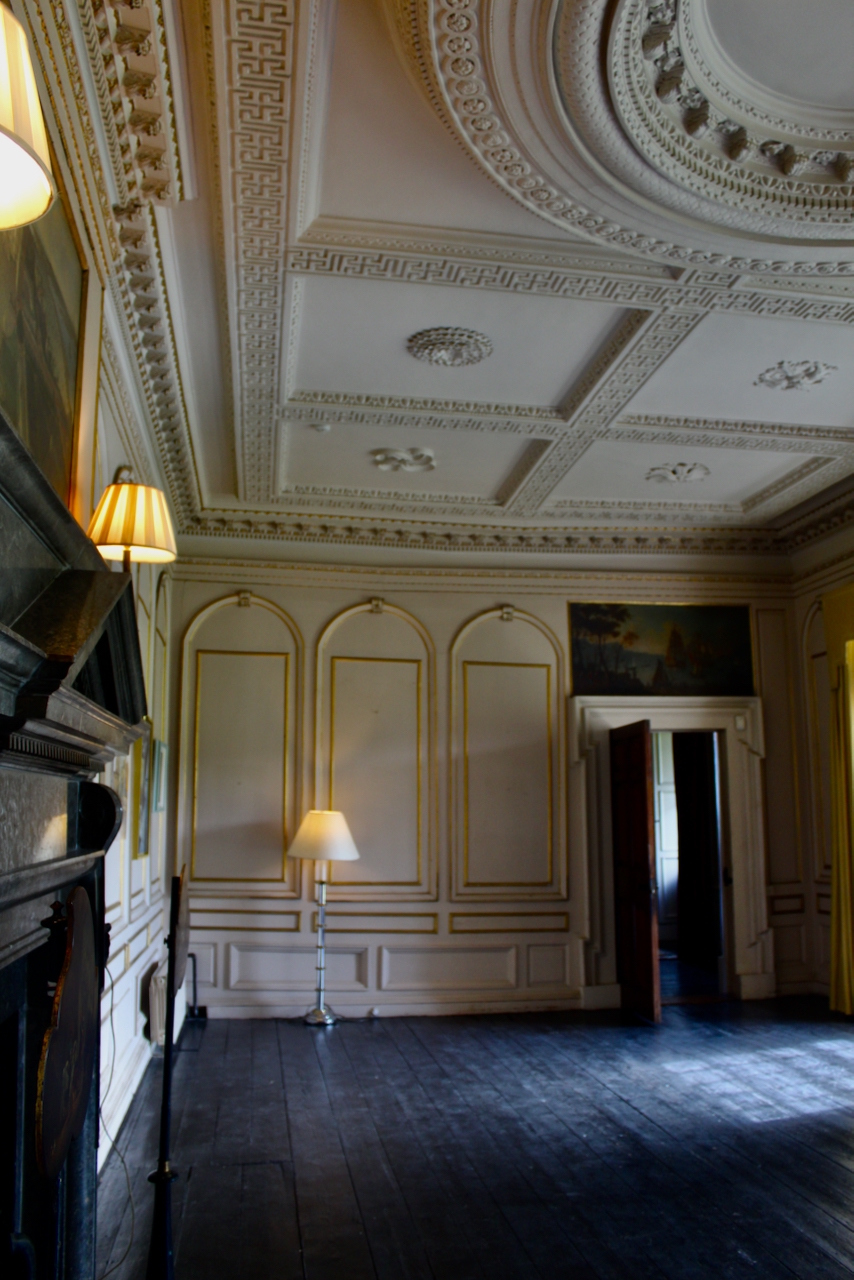
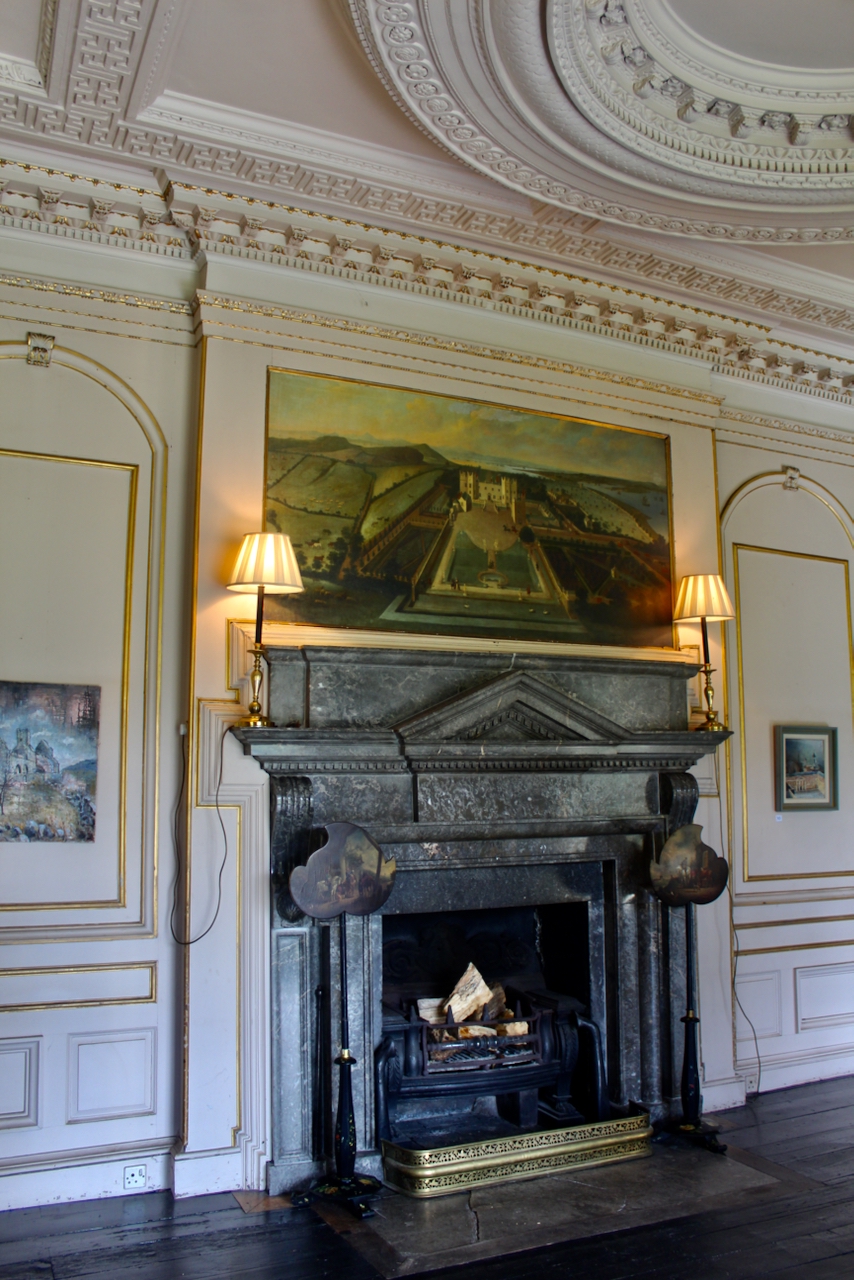
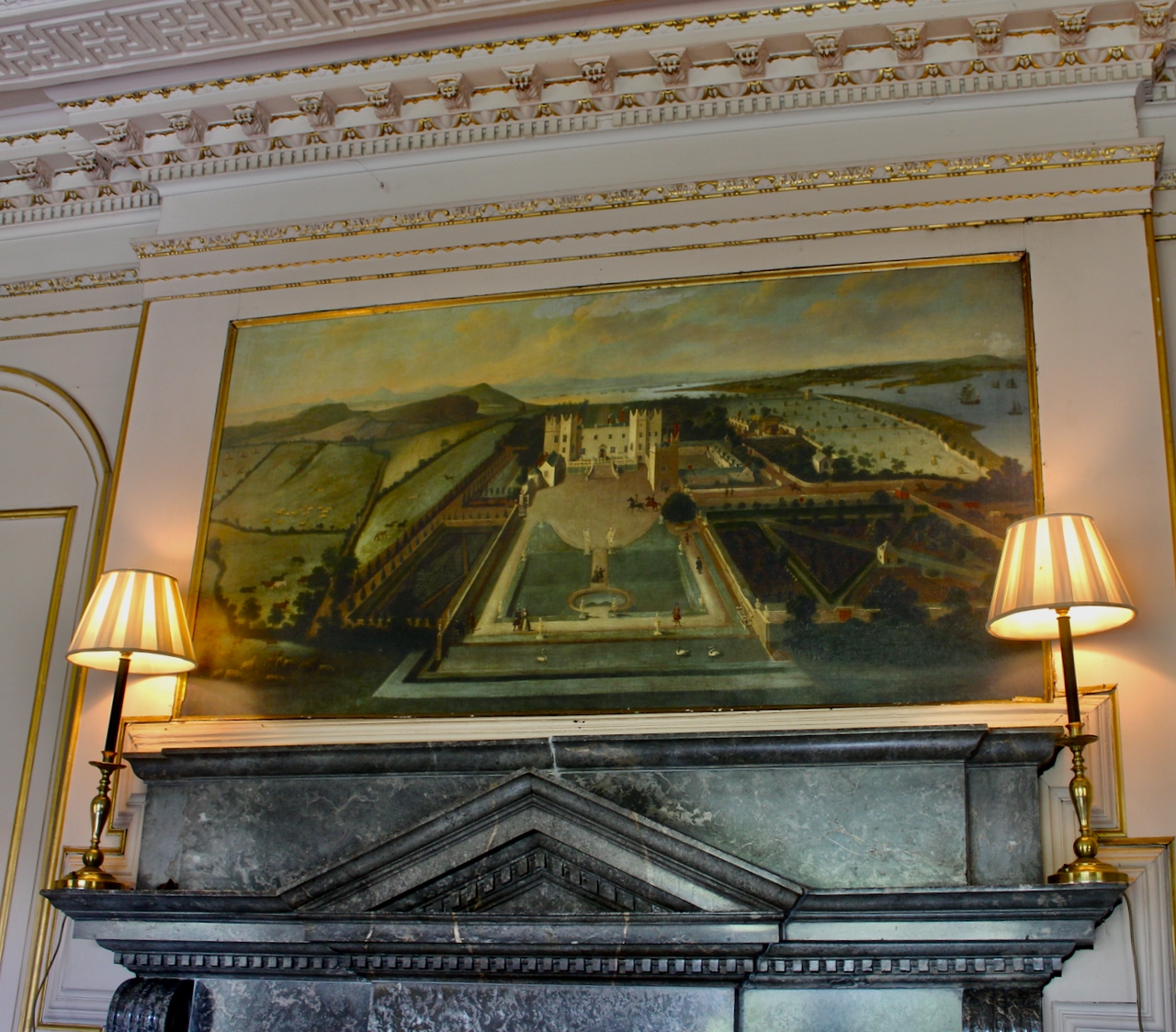
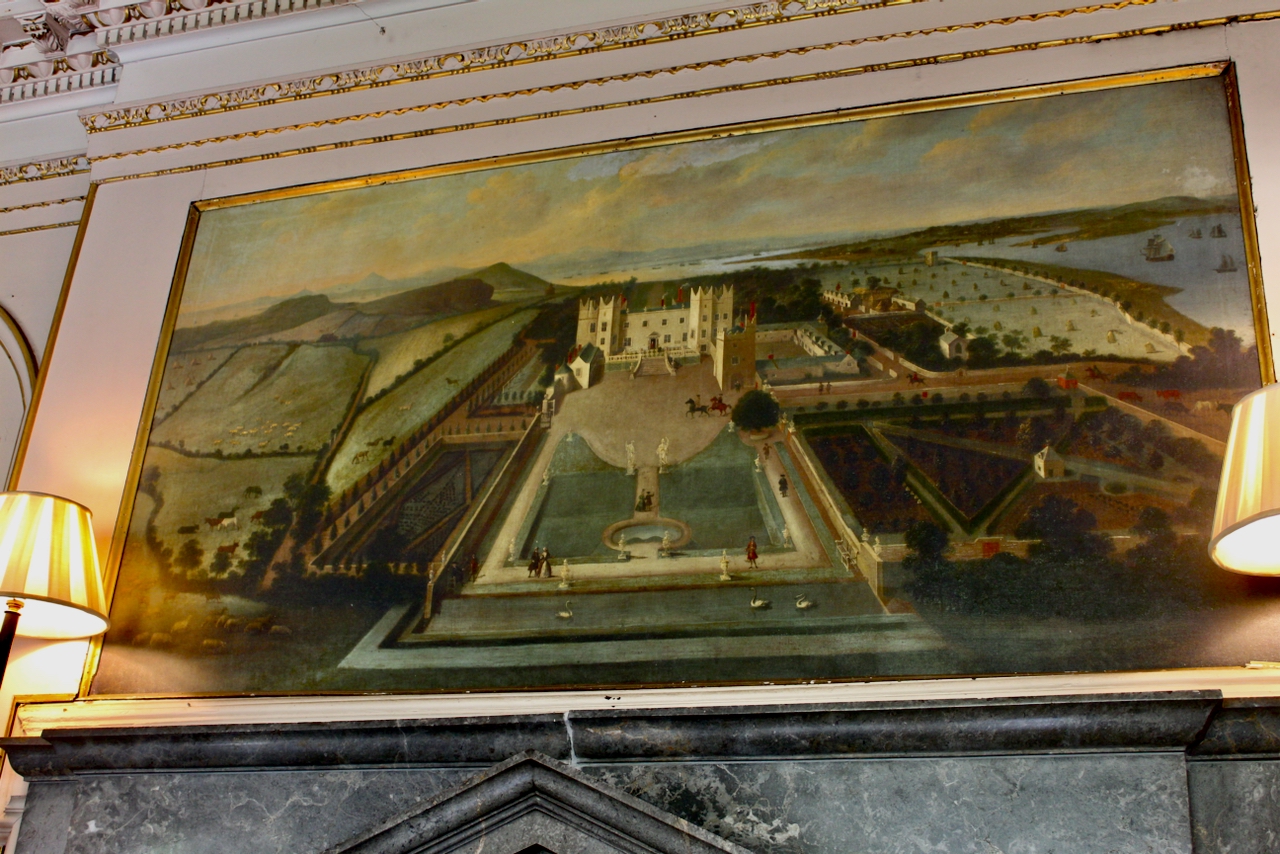
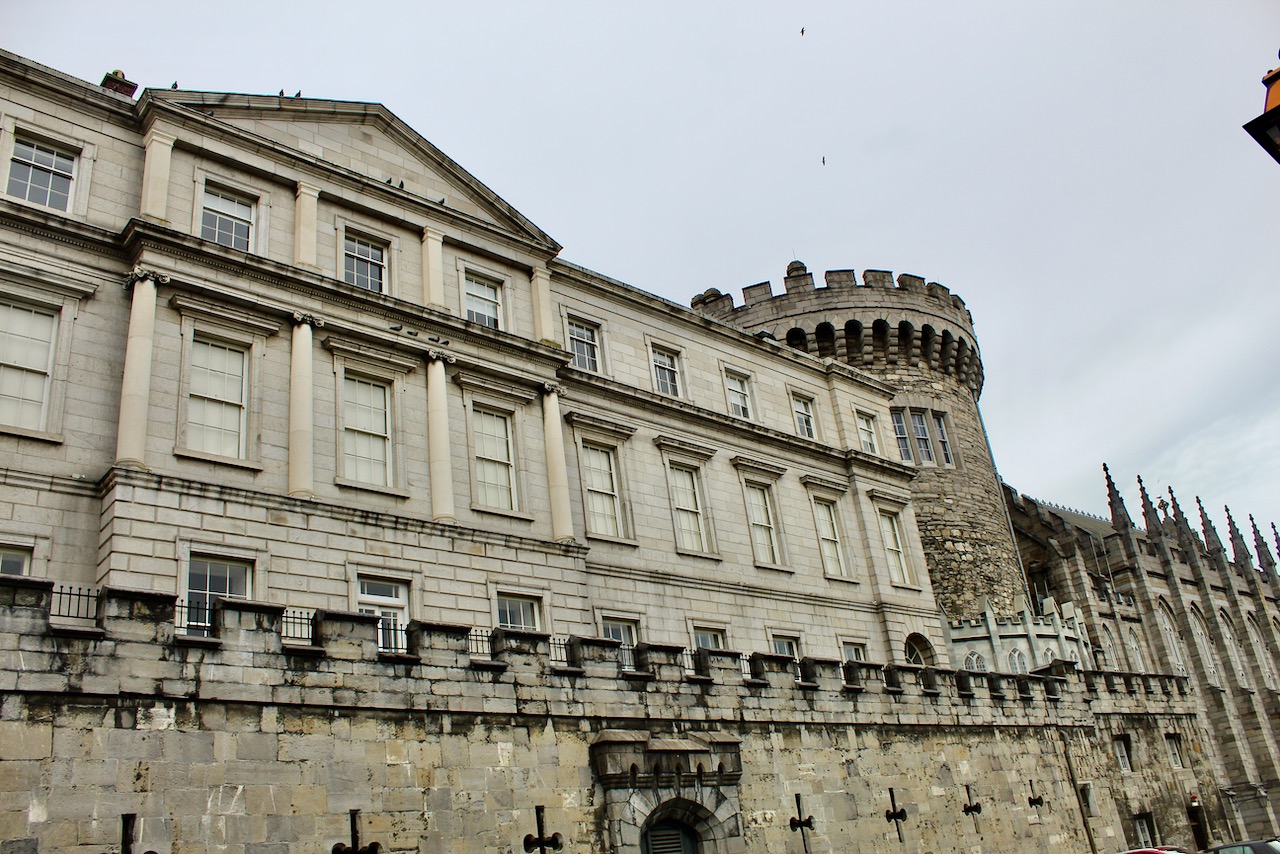
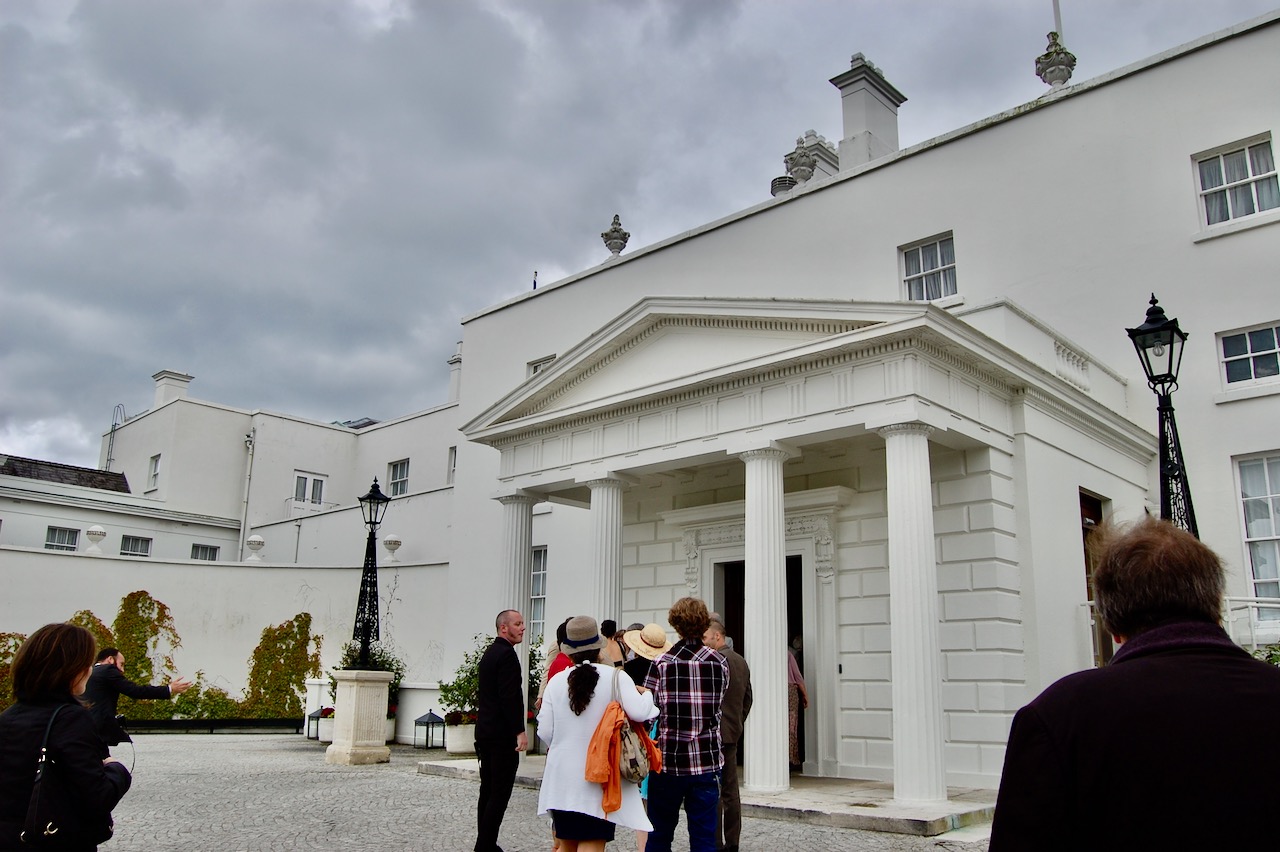
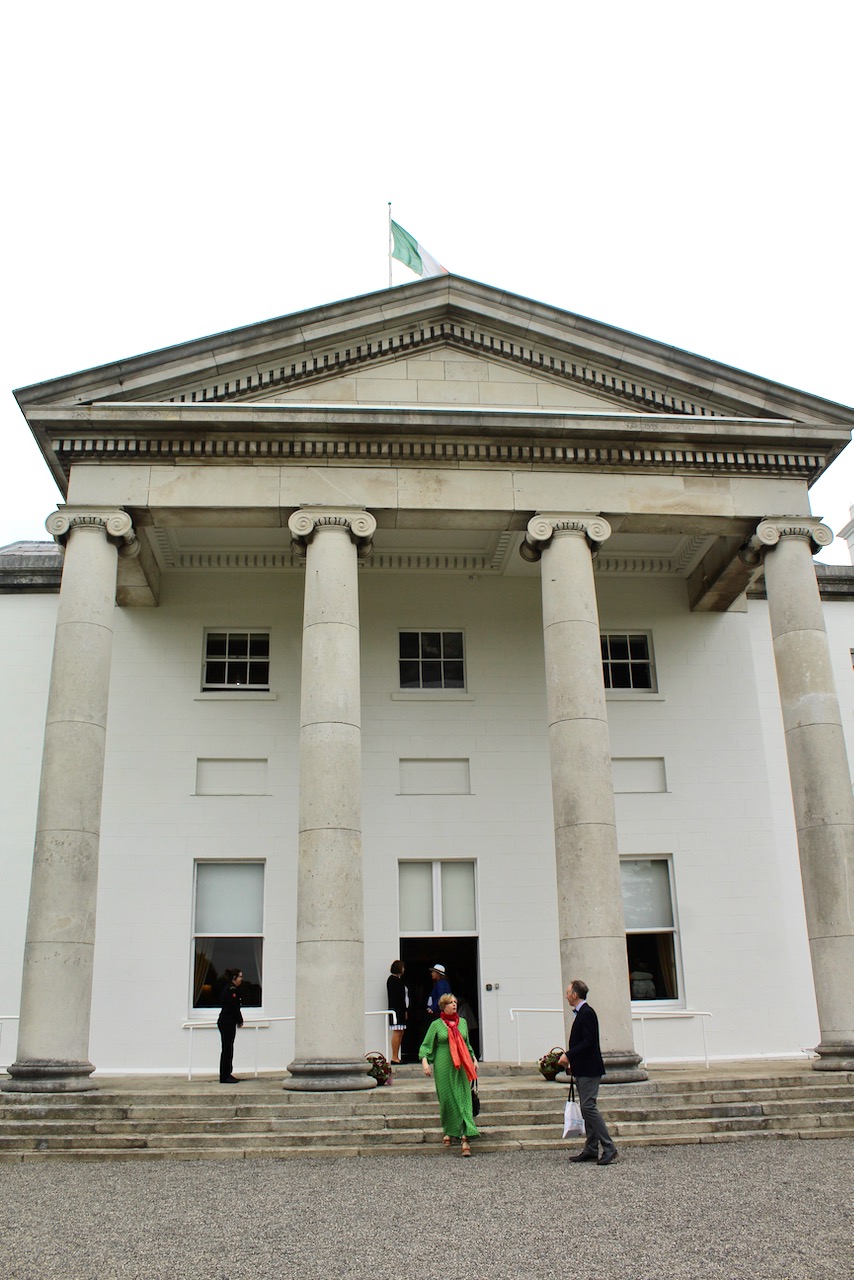
Since the 2025 Revenue Section 482 list has not yet been published, today’s entry is about the Royal Hospital Kilmainham: not a Historic House, but of relevance since designed by several important architects: William Robinson, Thomas Burgh and Francis Johnson.
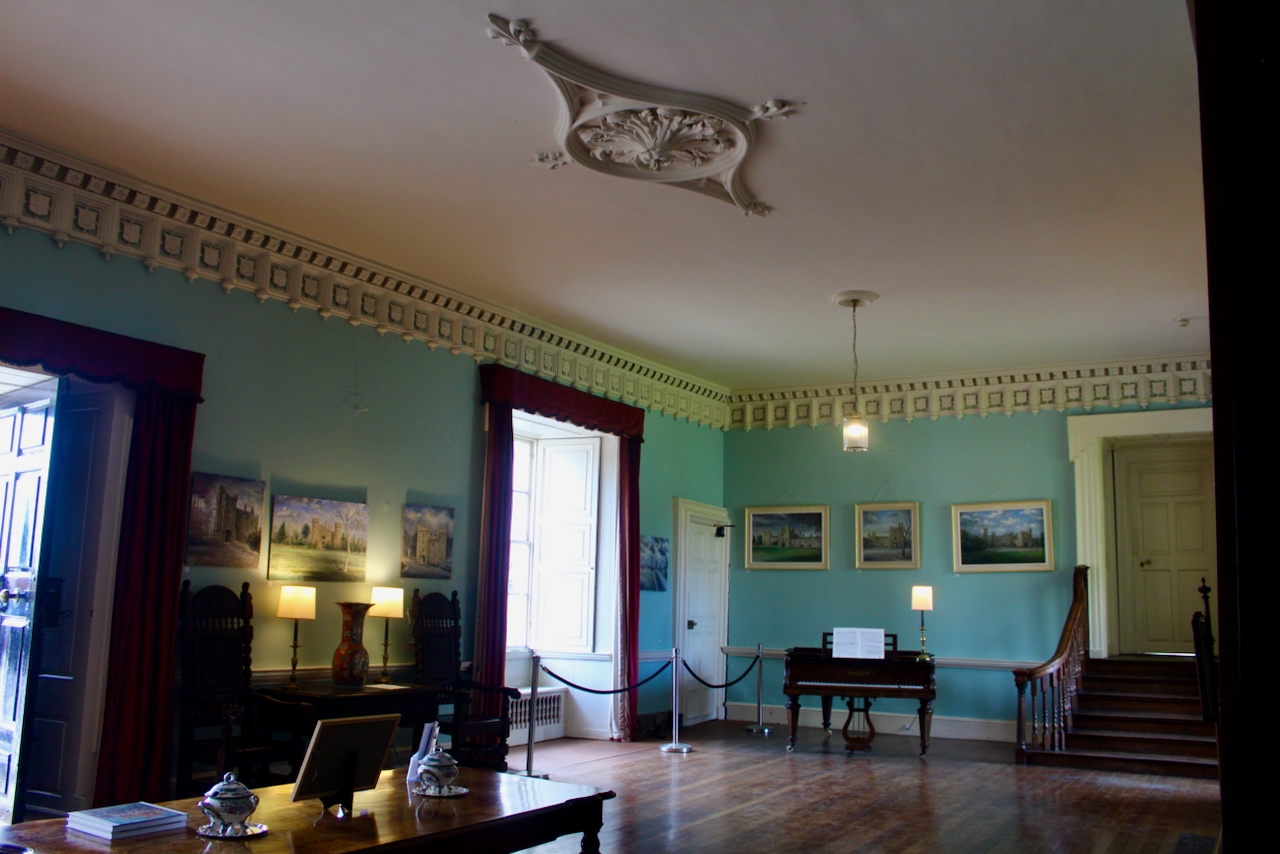
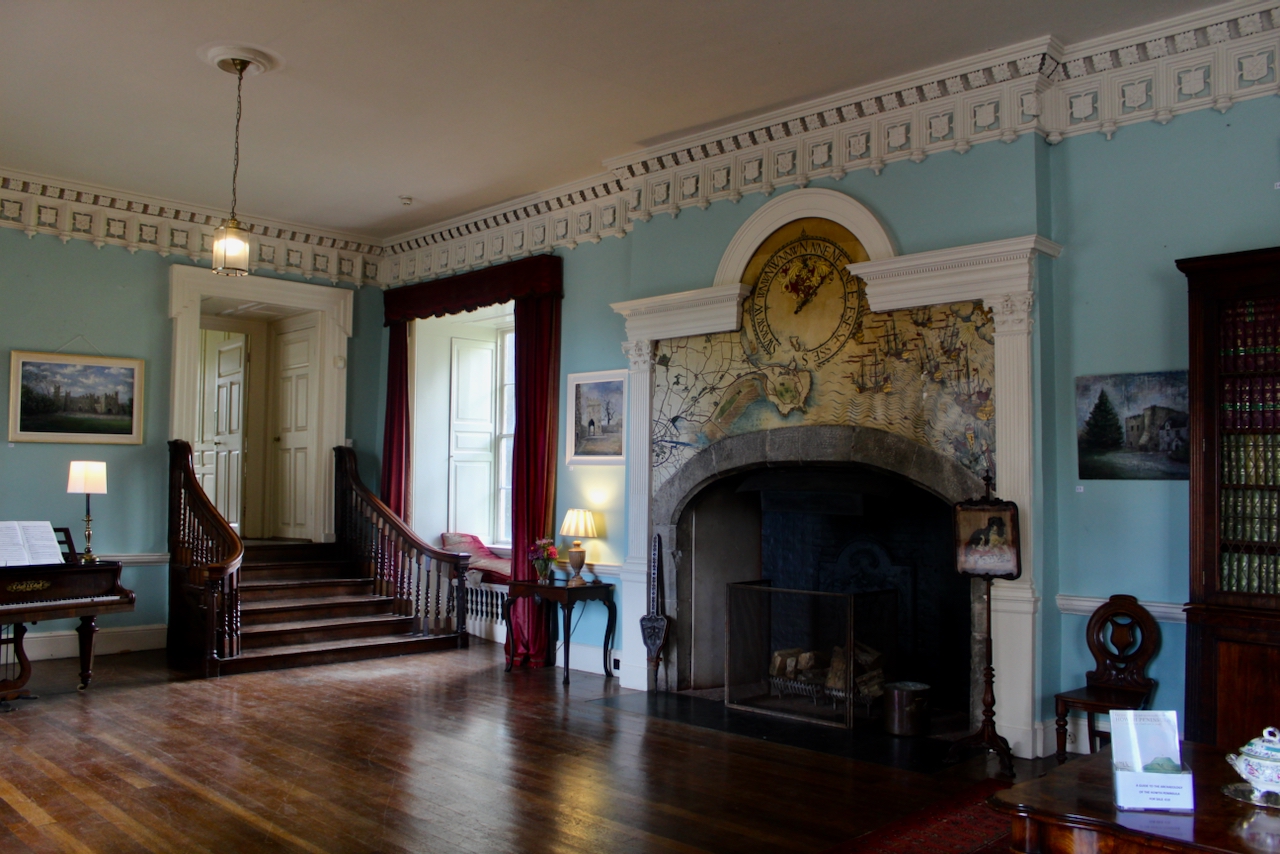
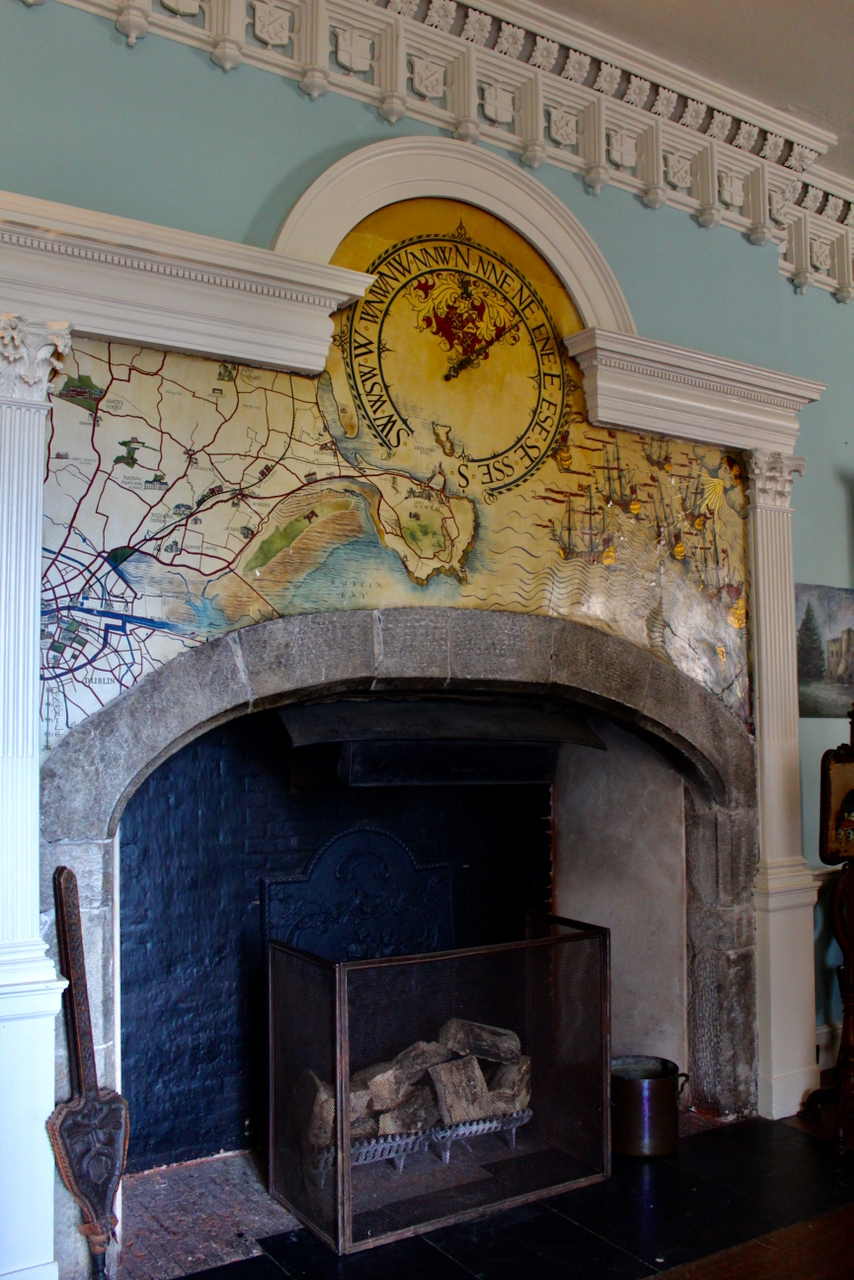
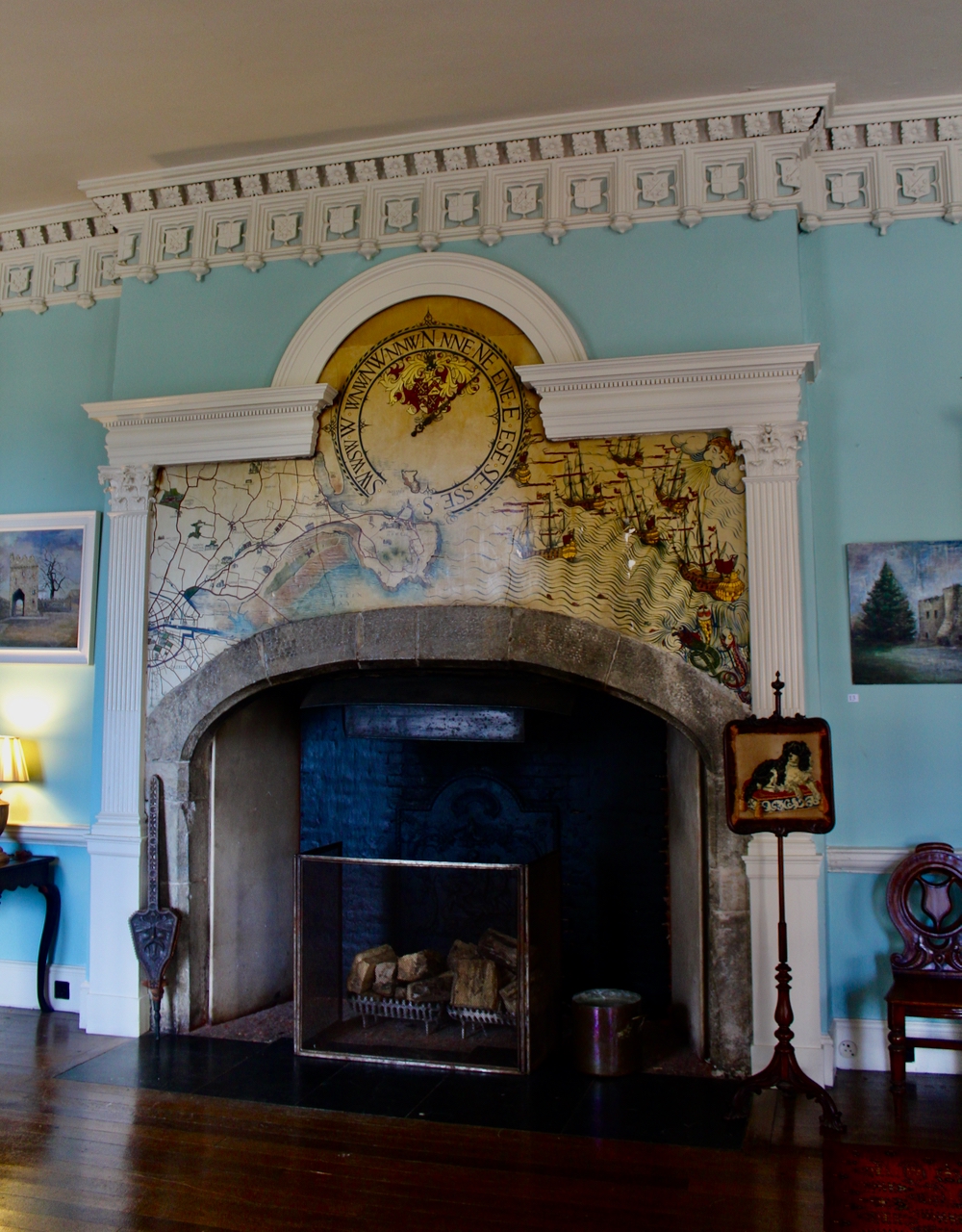
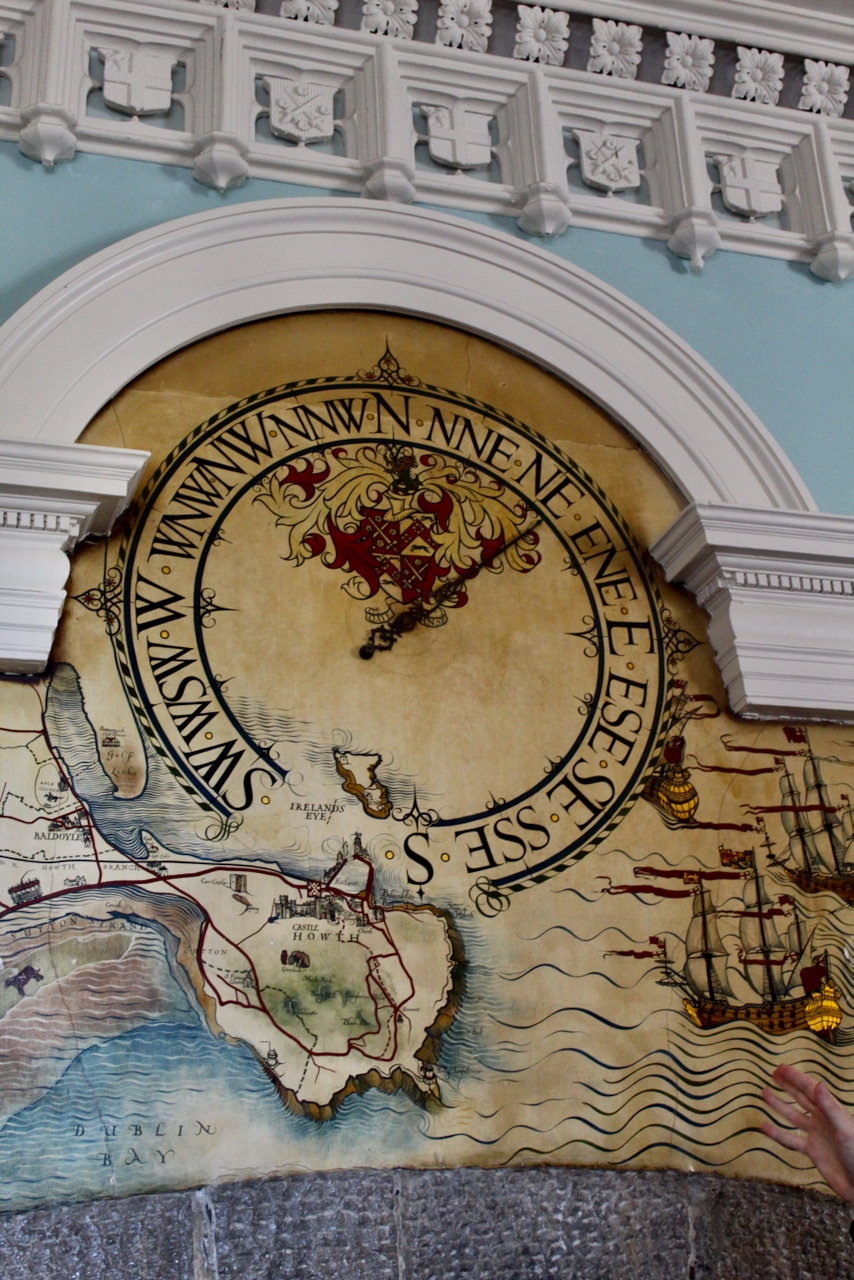
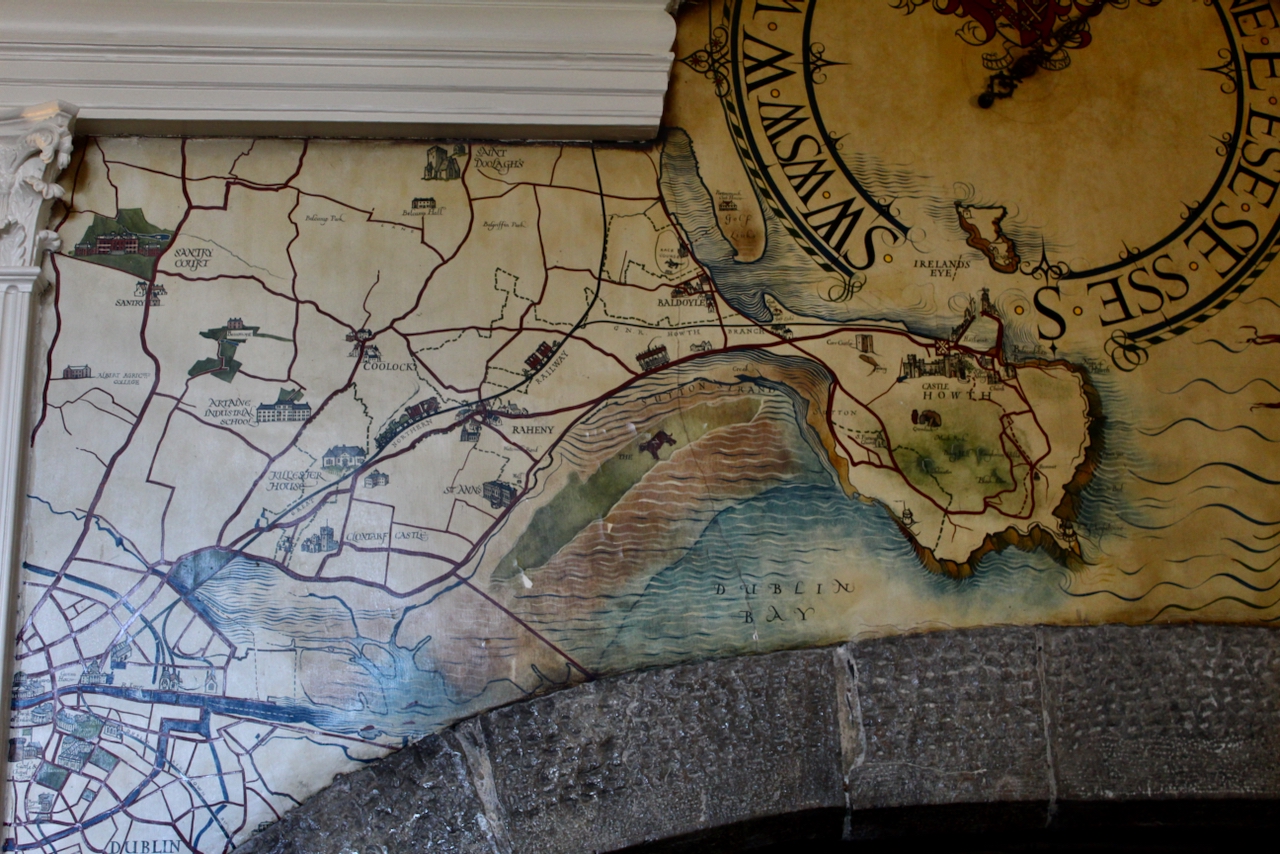
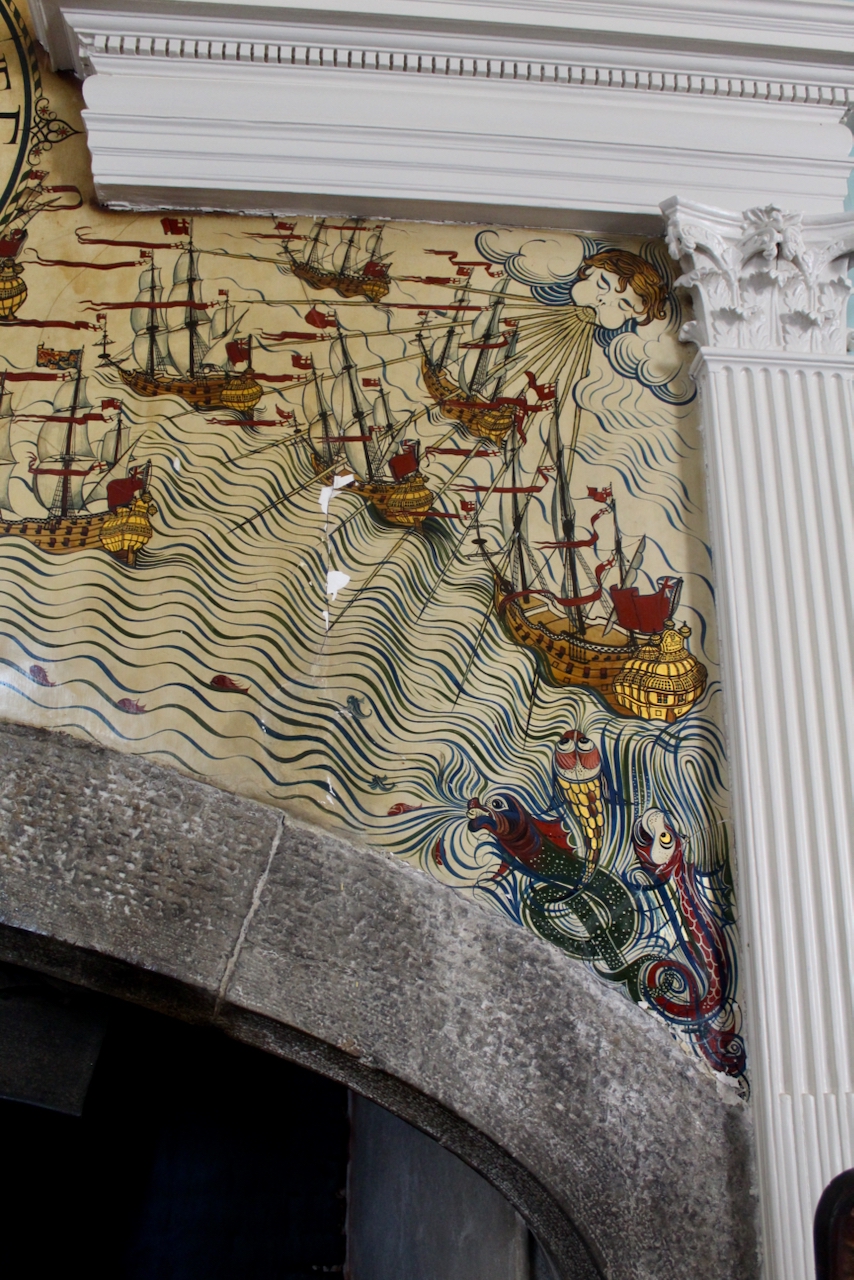
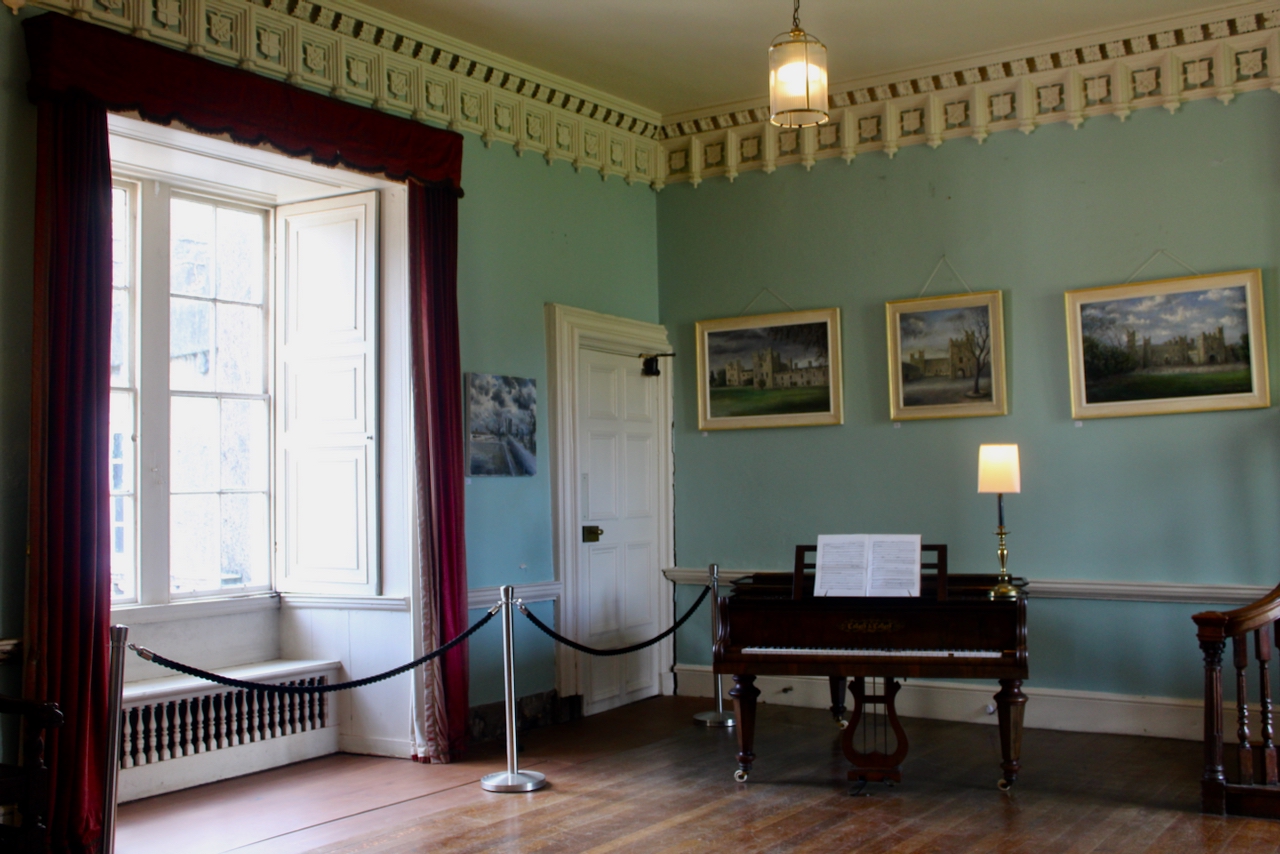
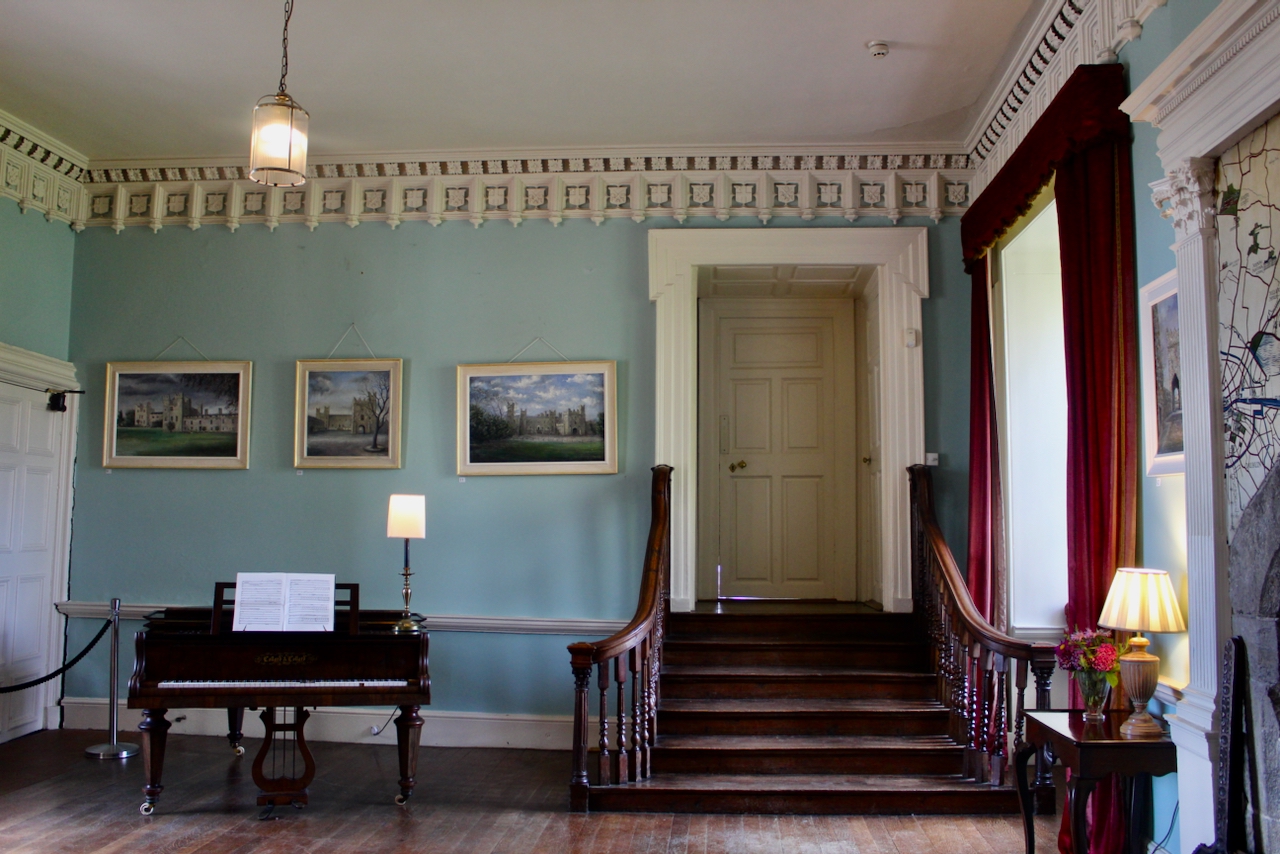
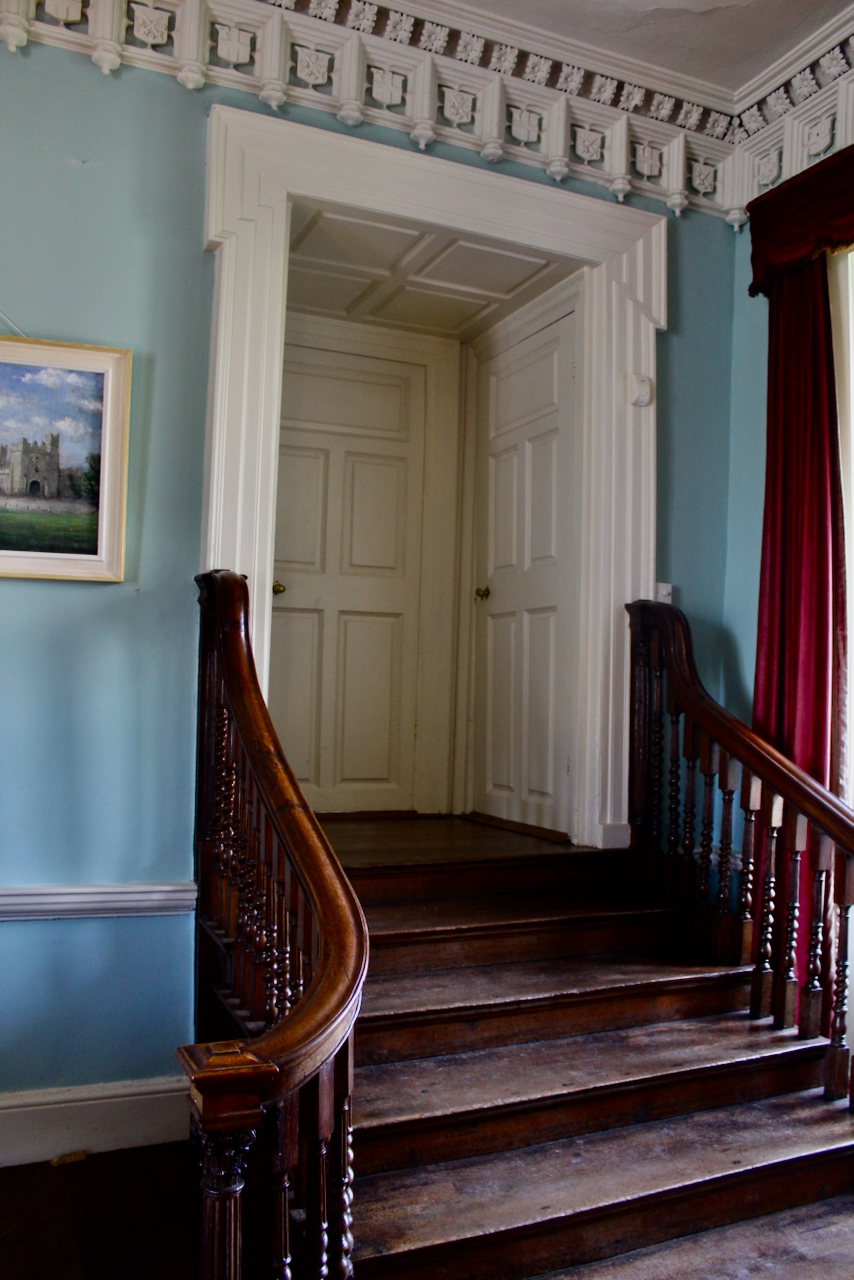
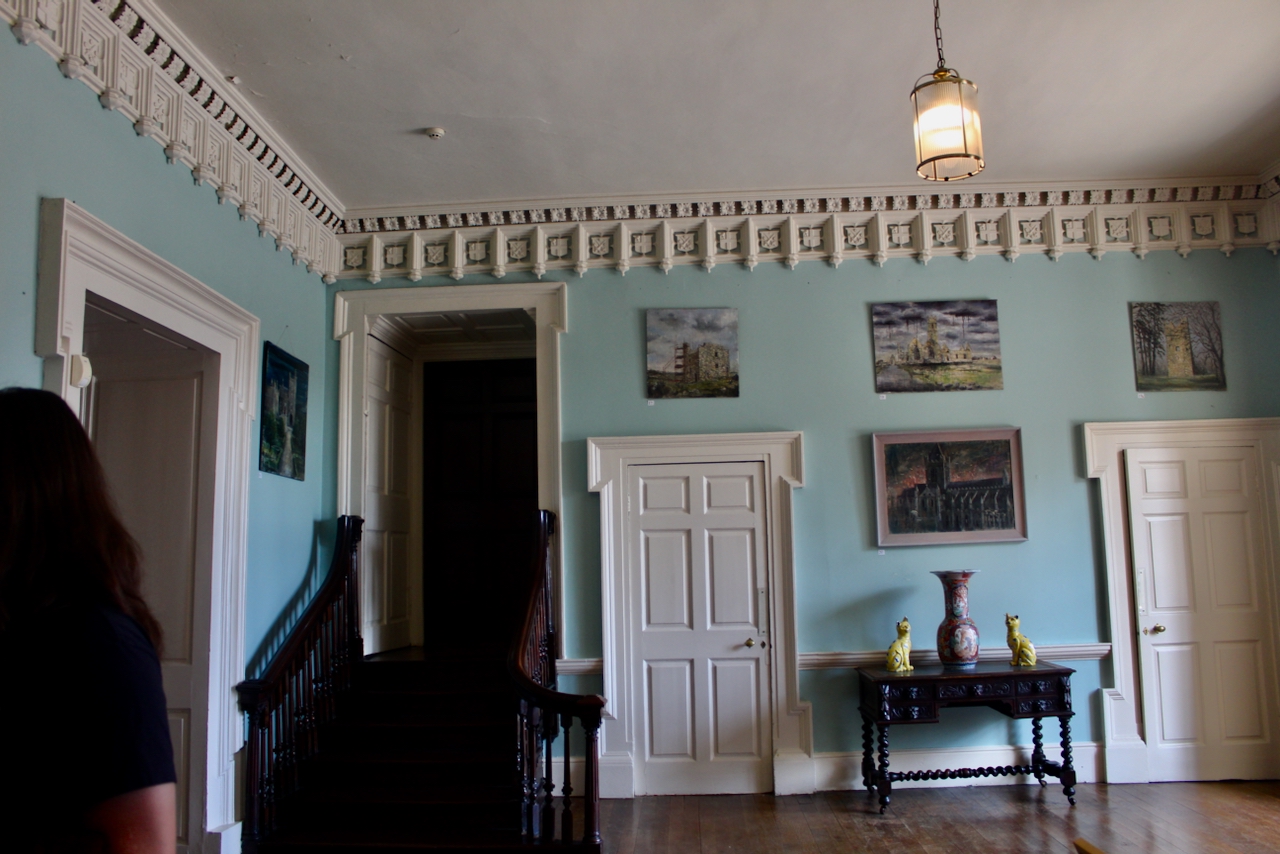
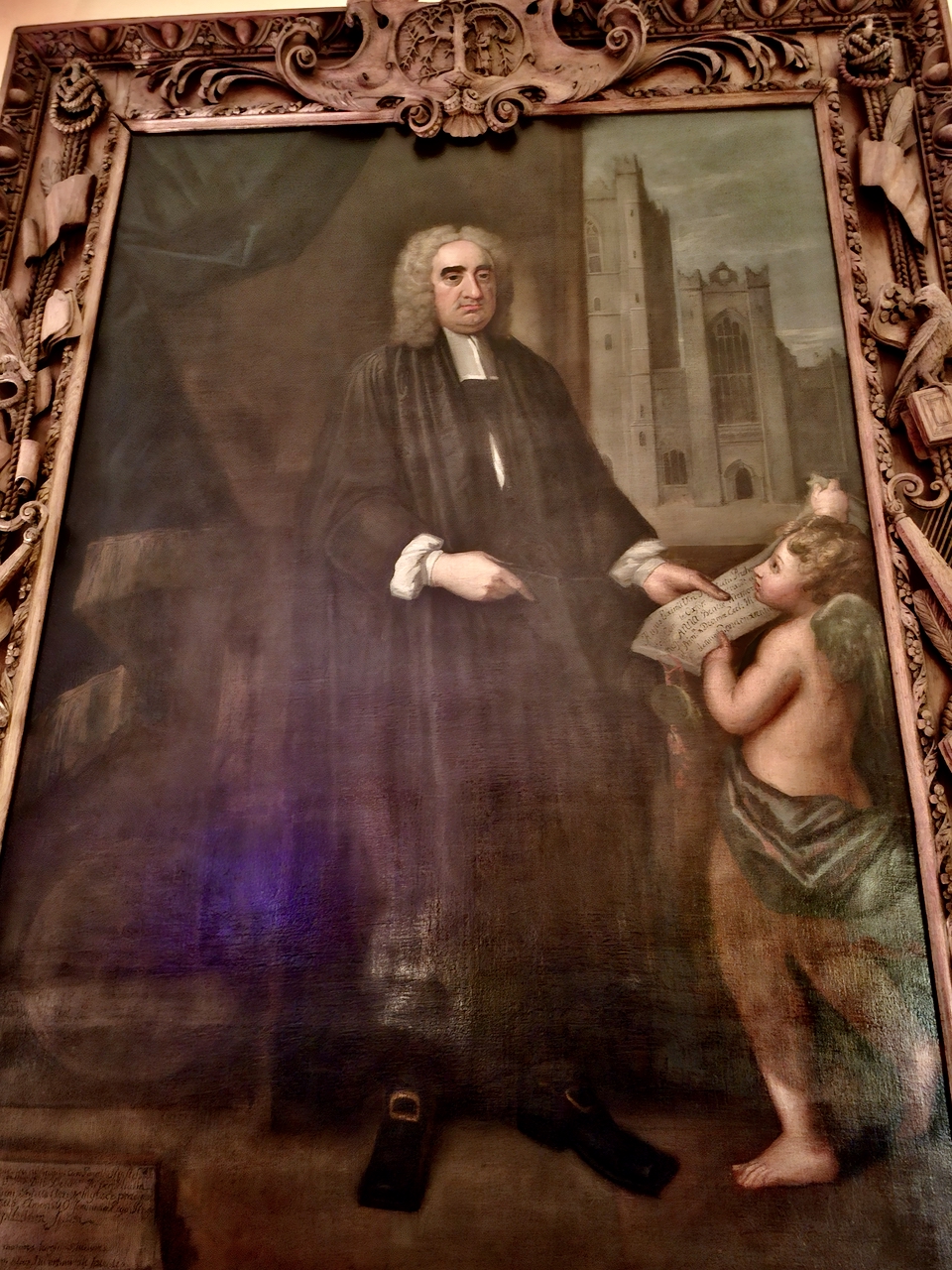
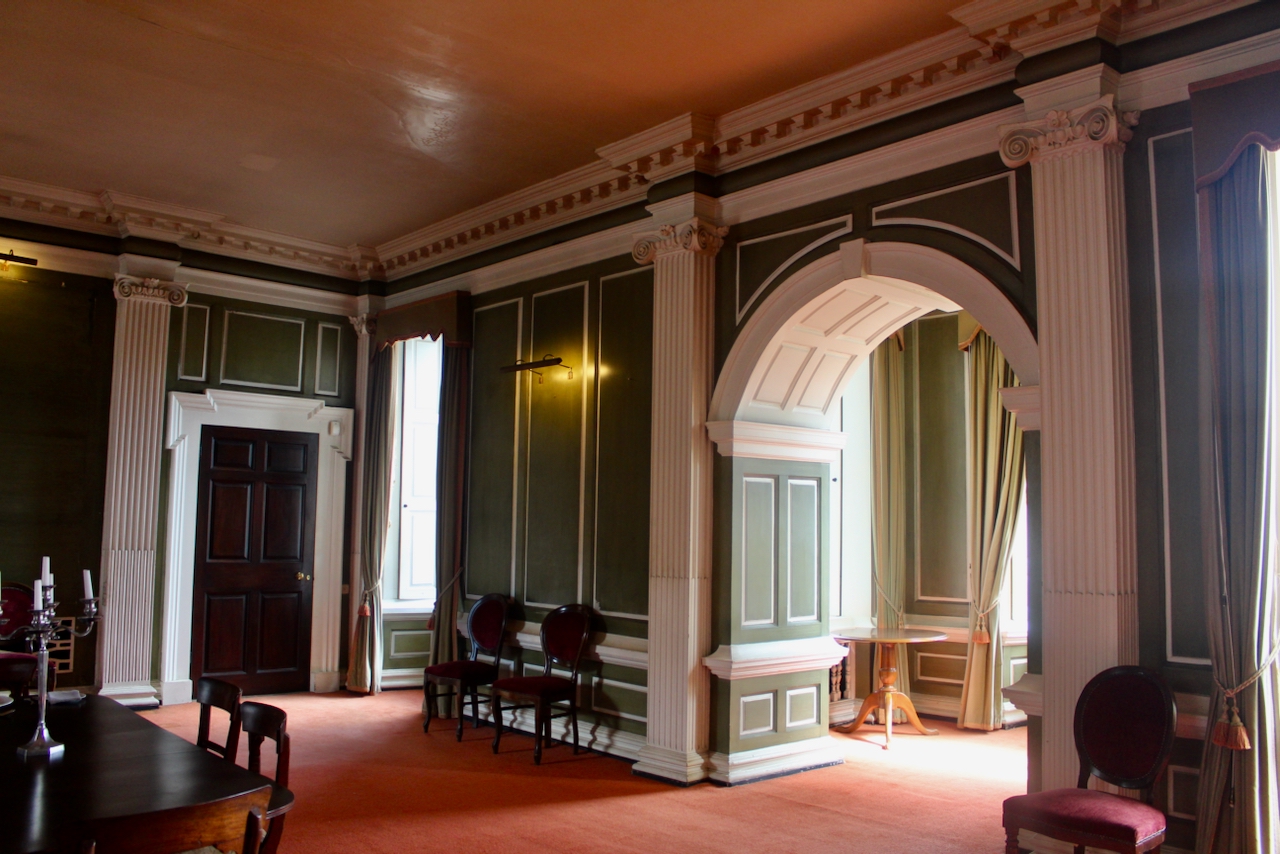
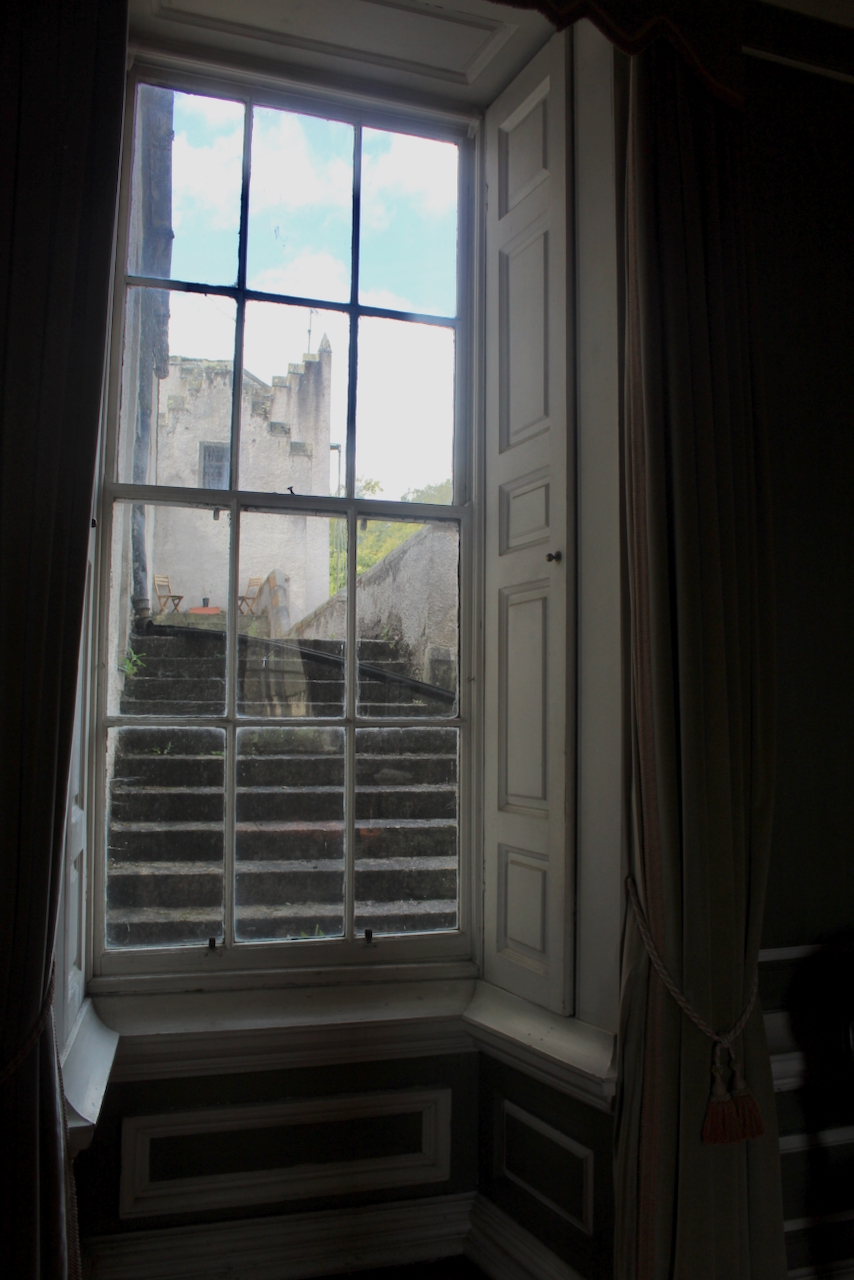
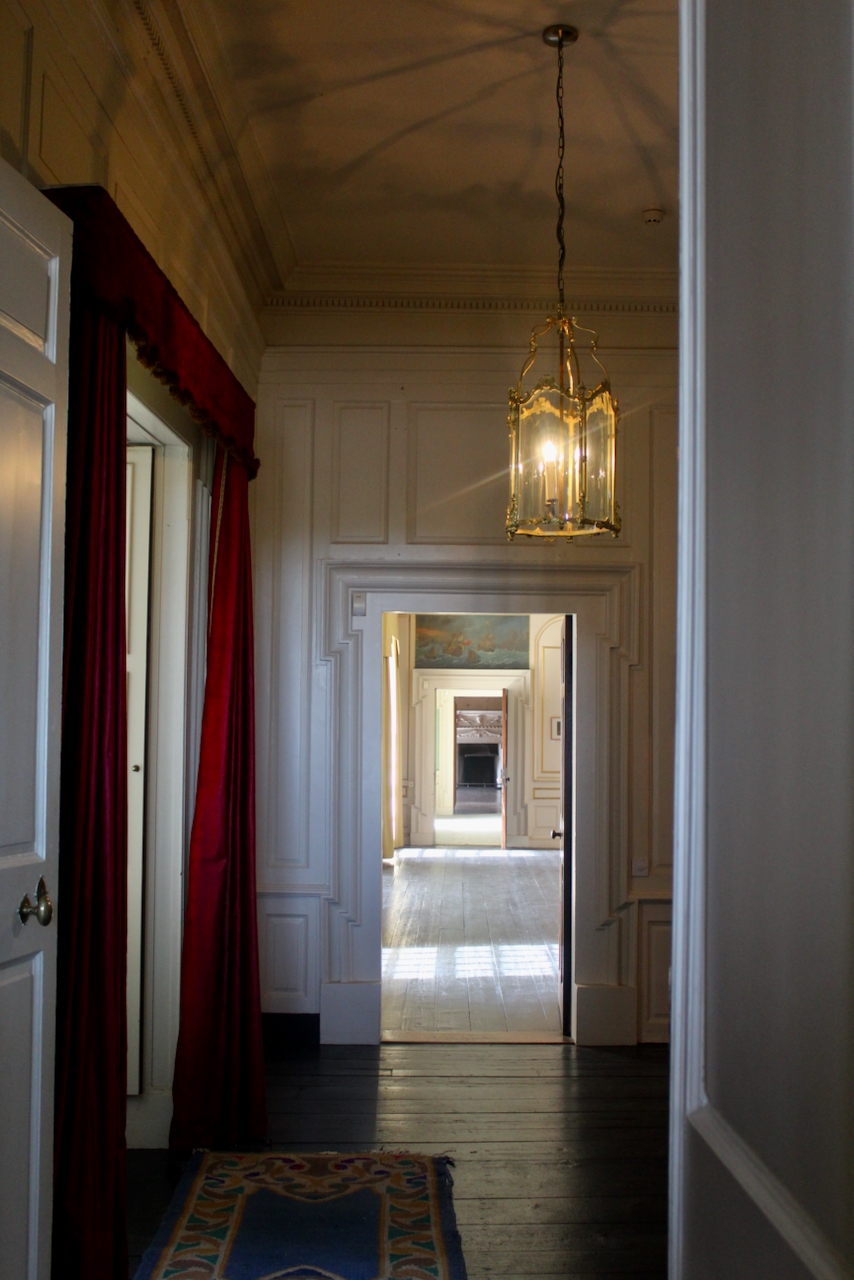
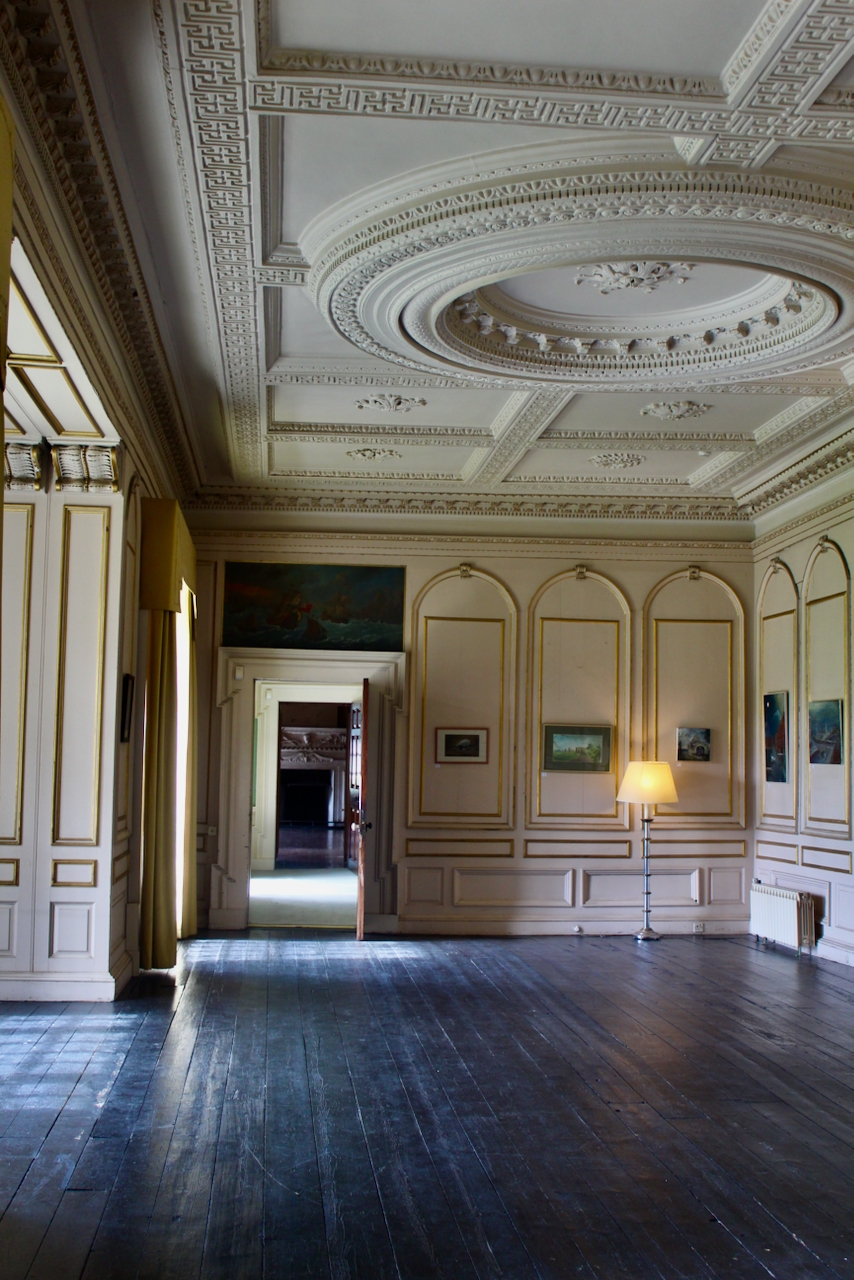
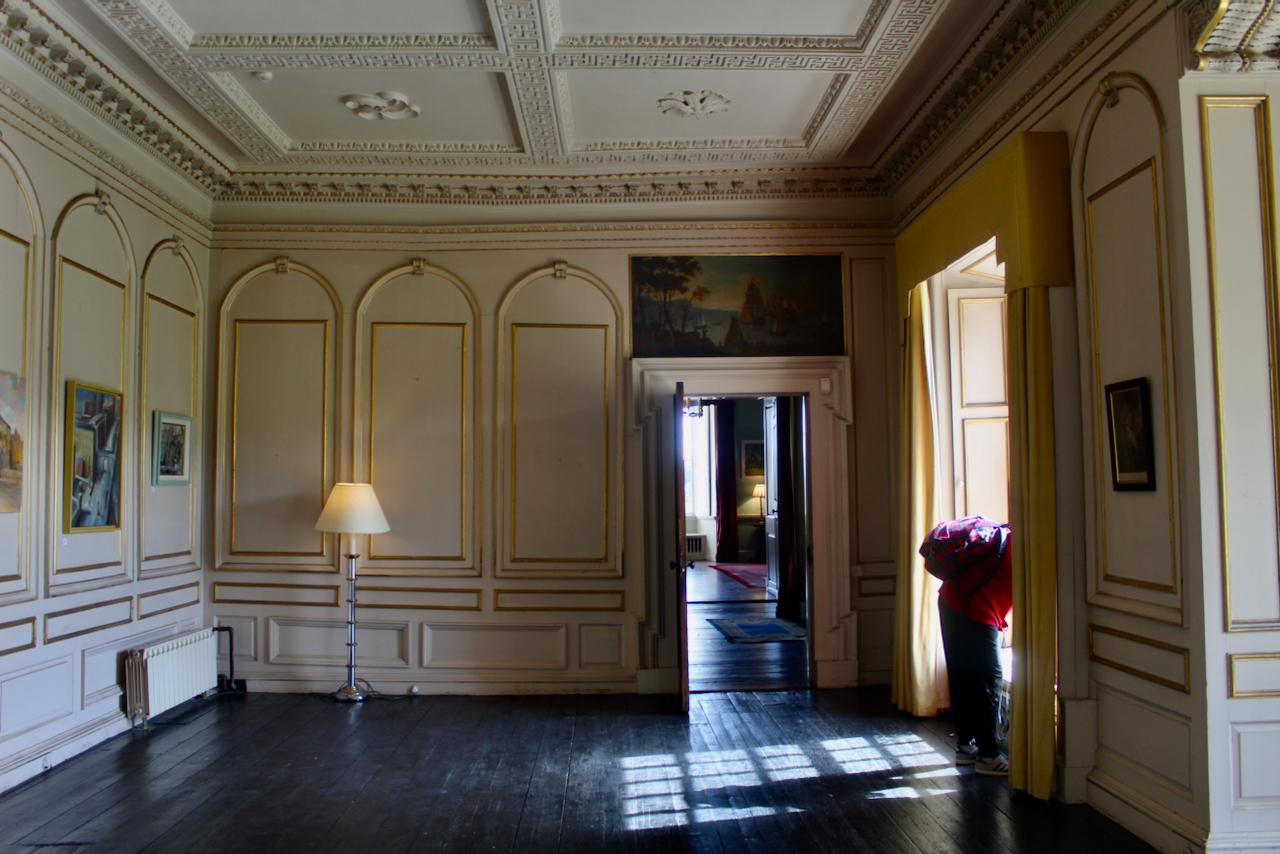
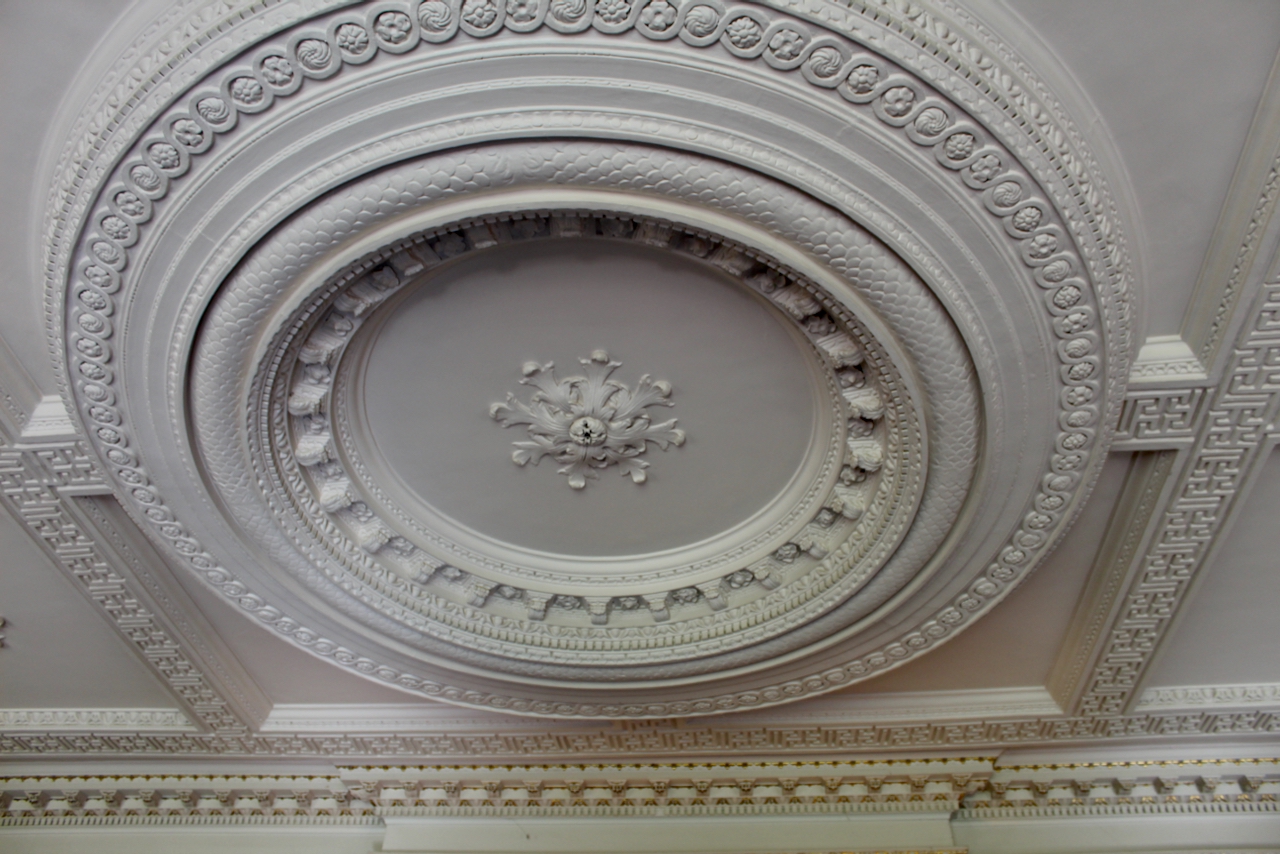
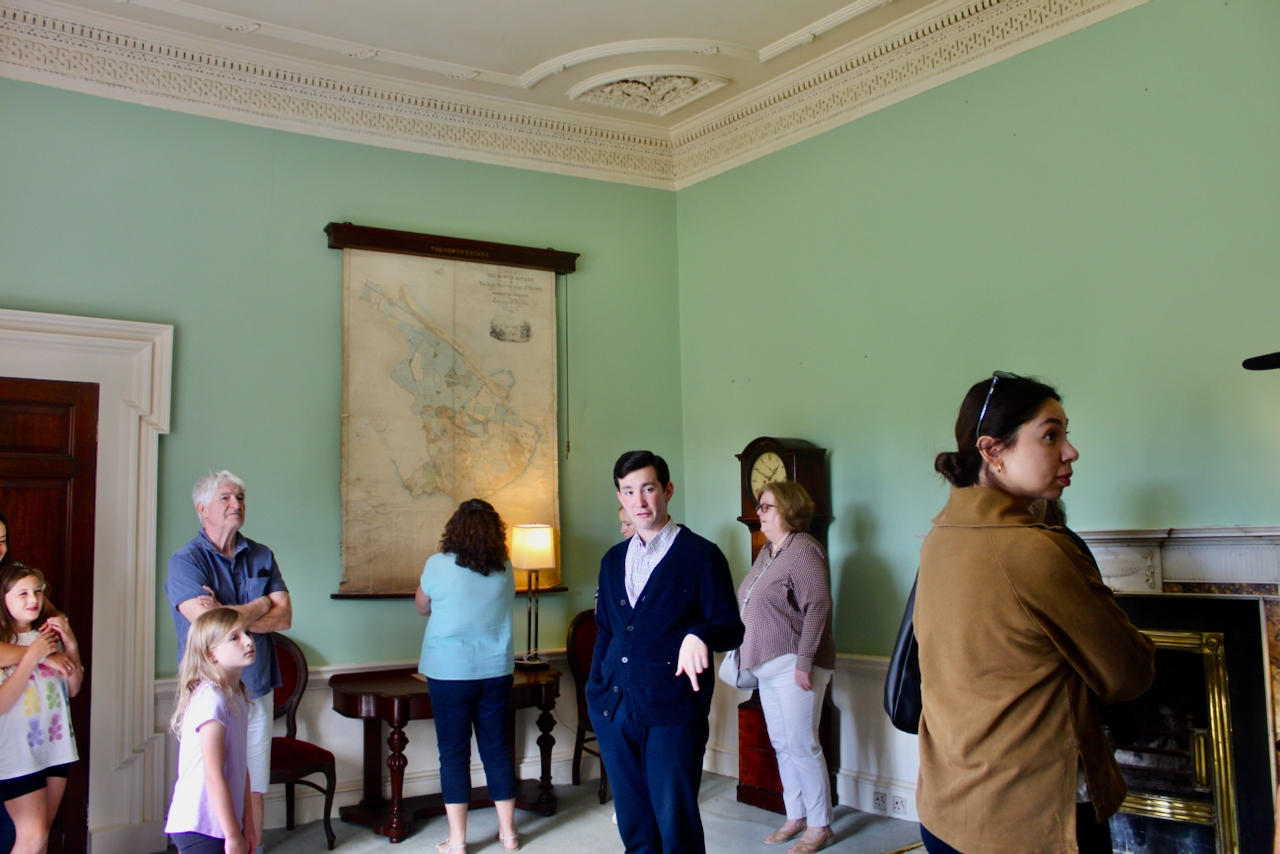
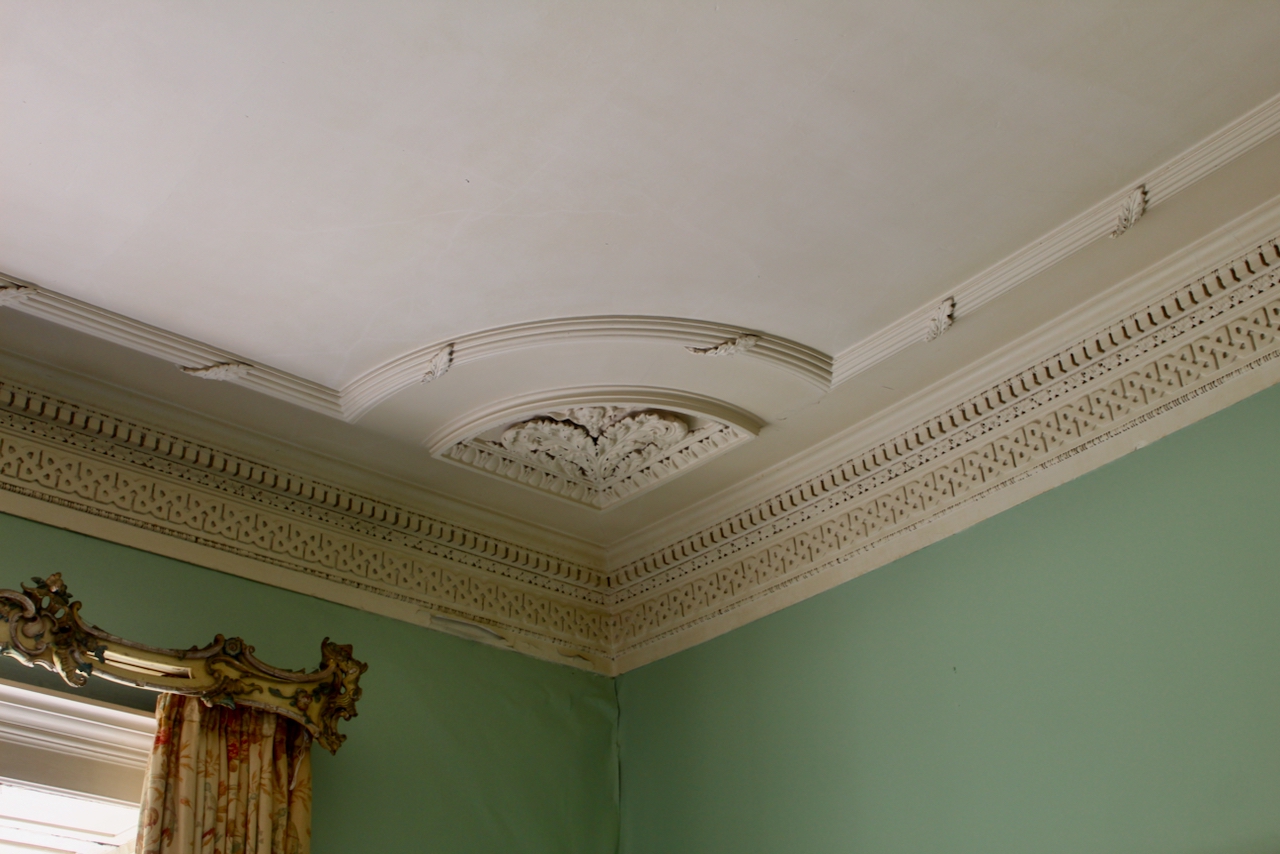
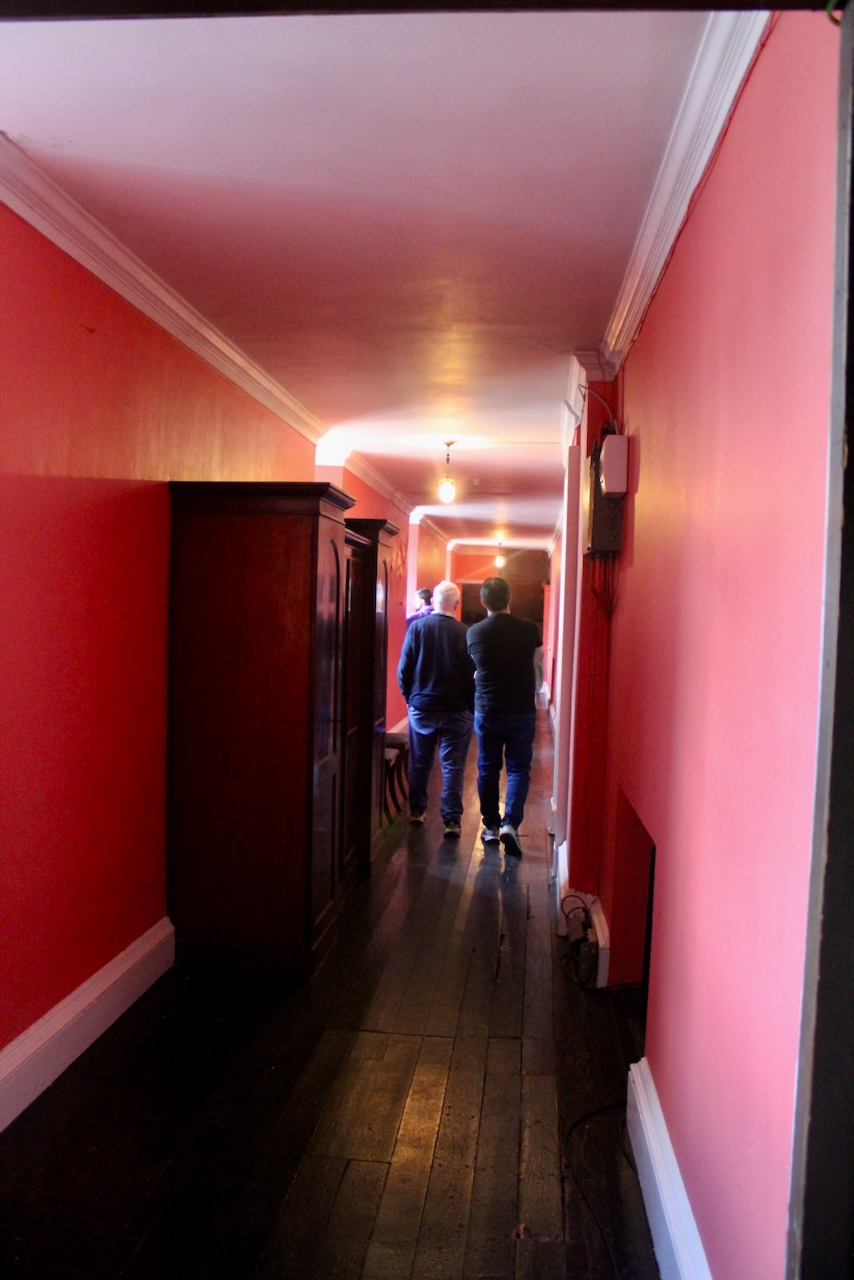
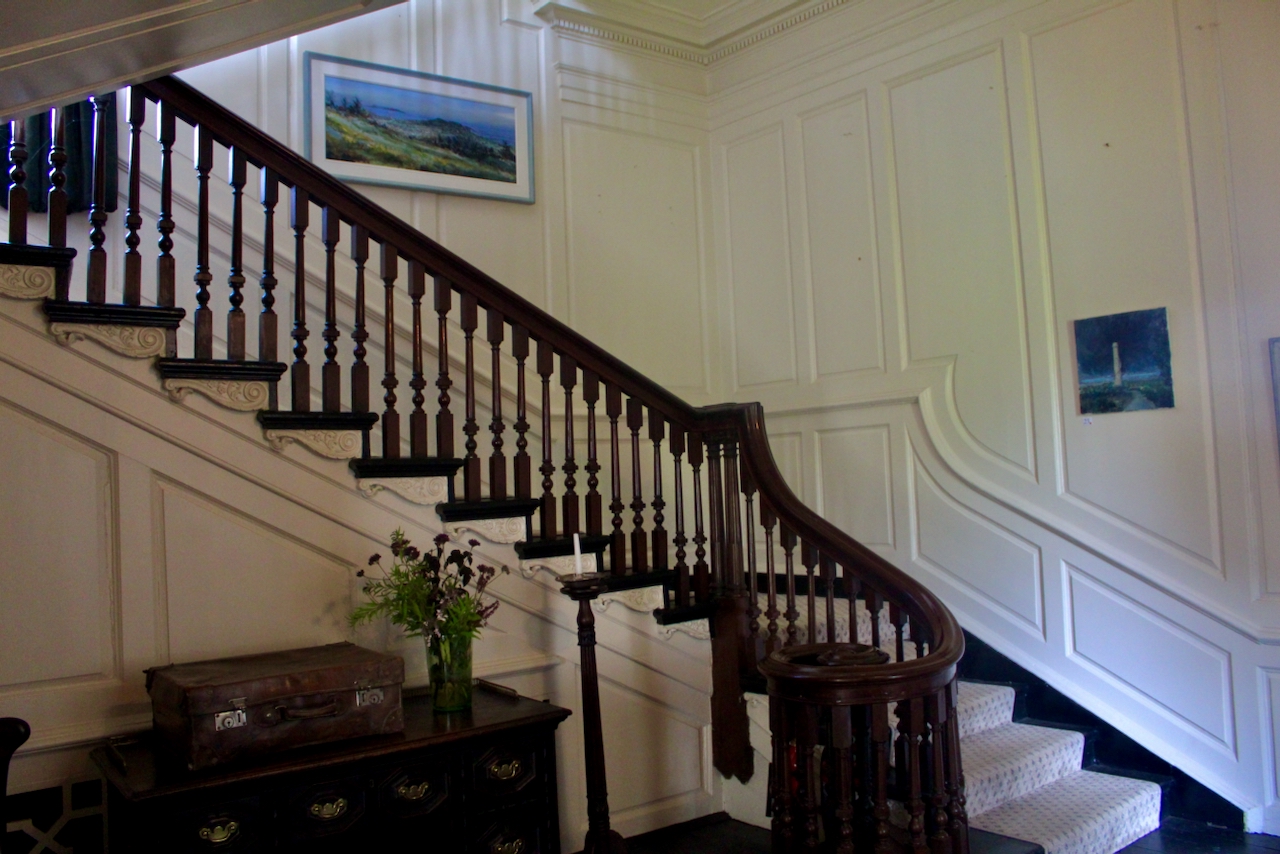
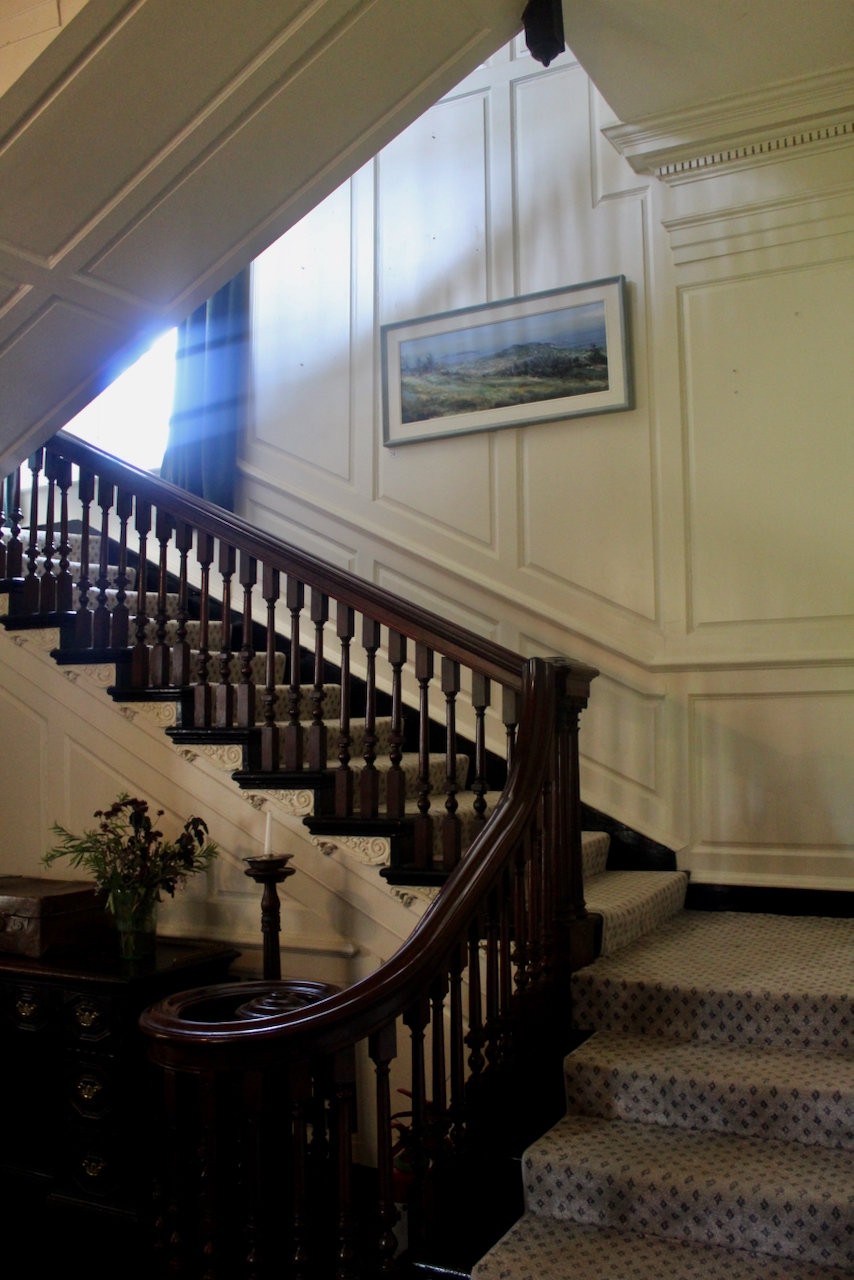
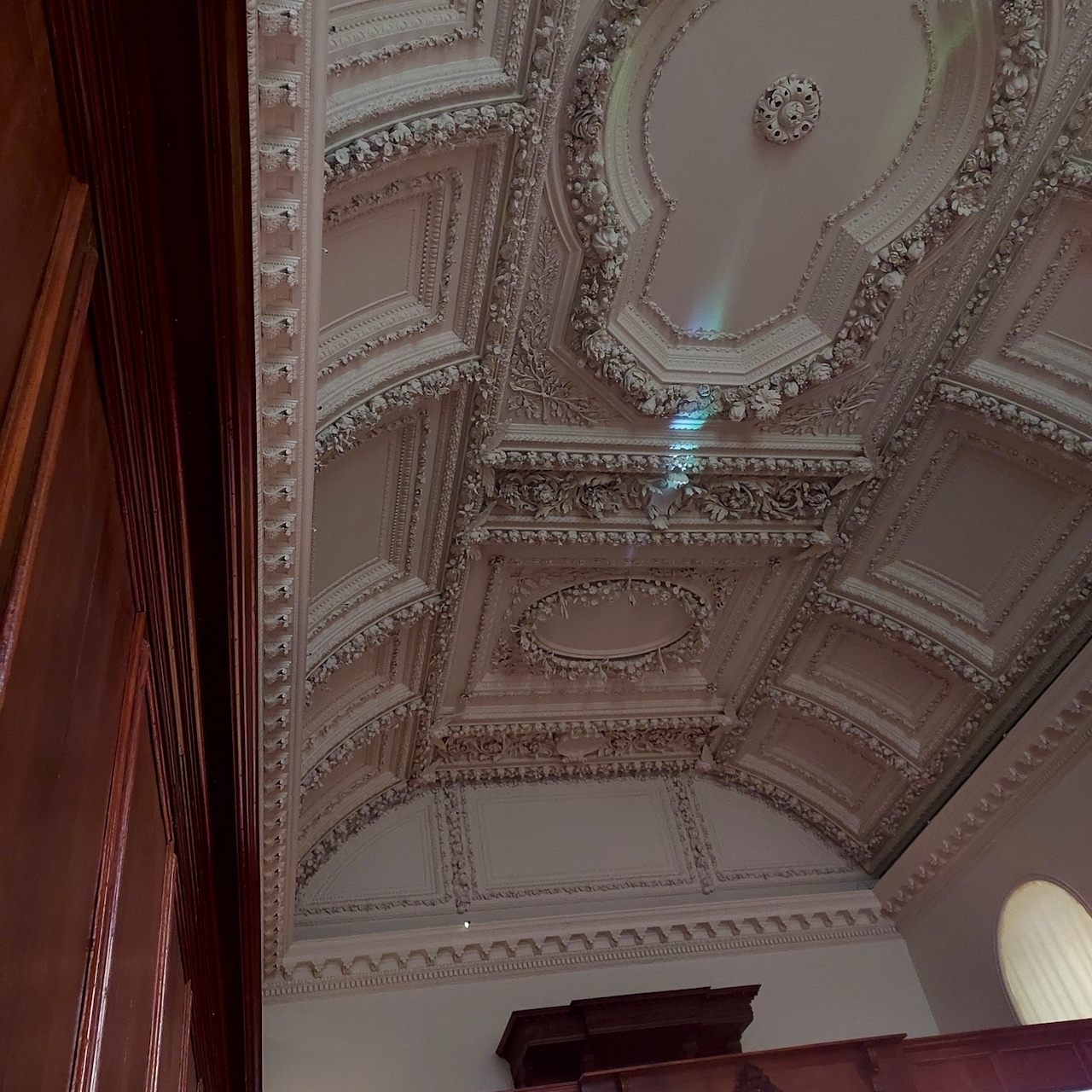
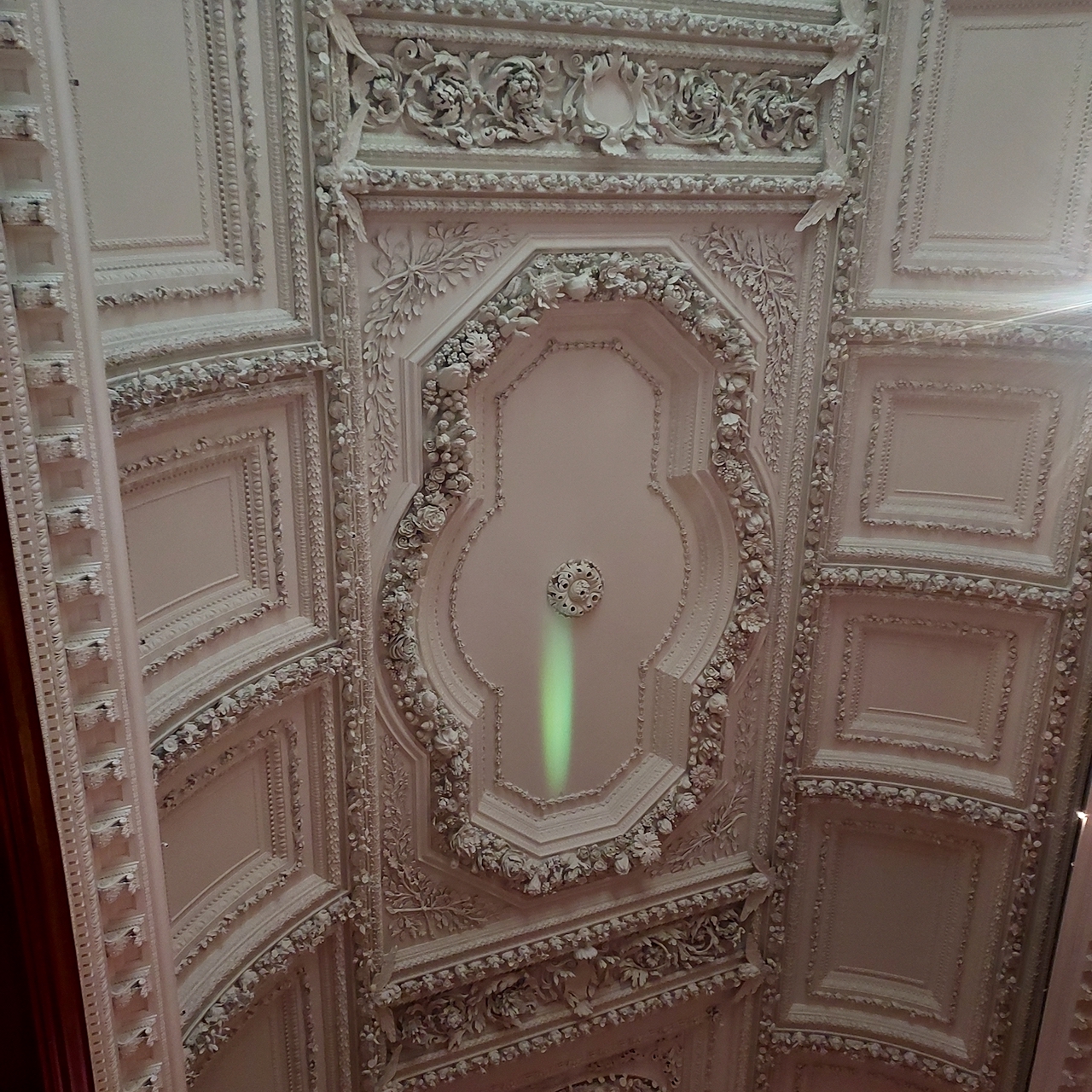
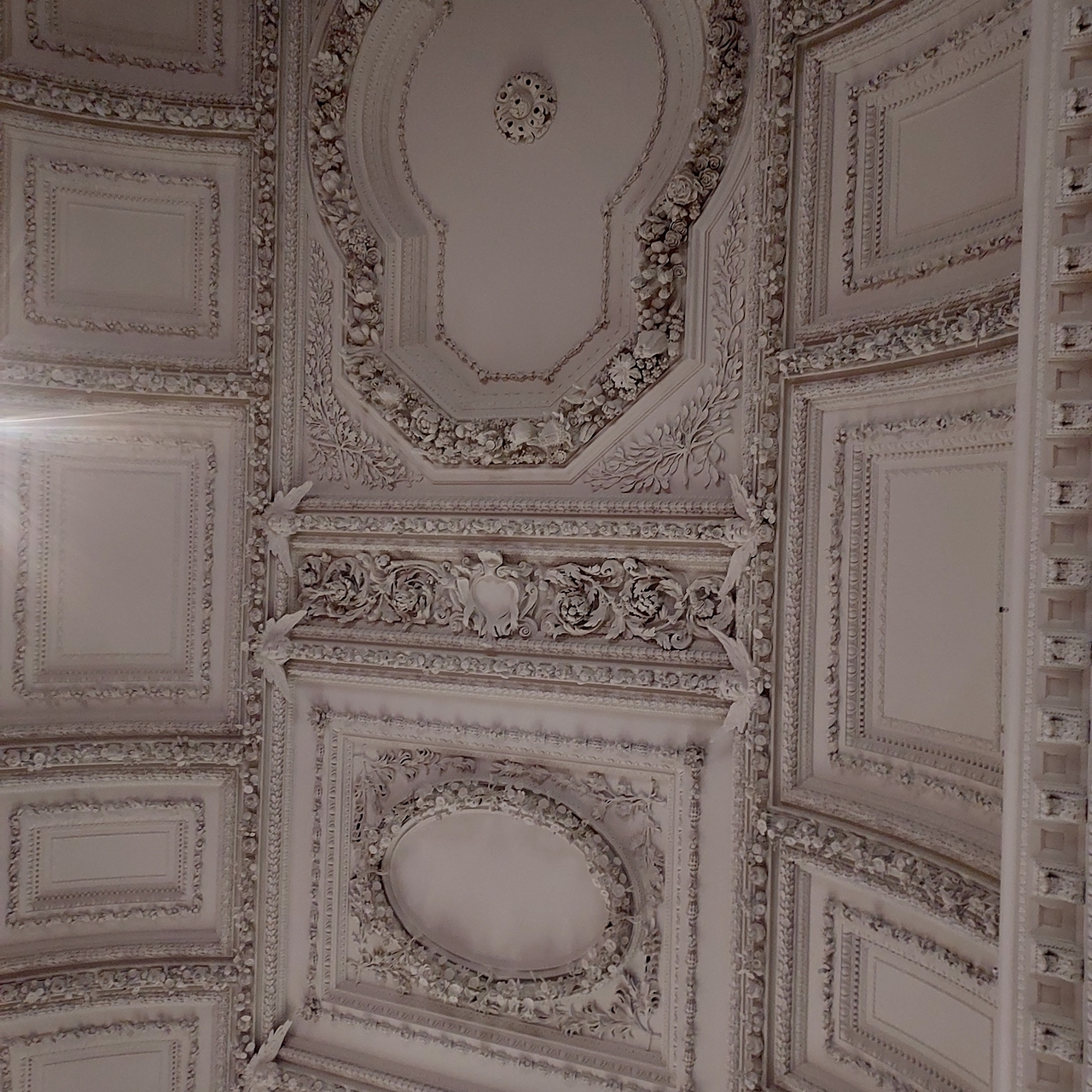
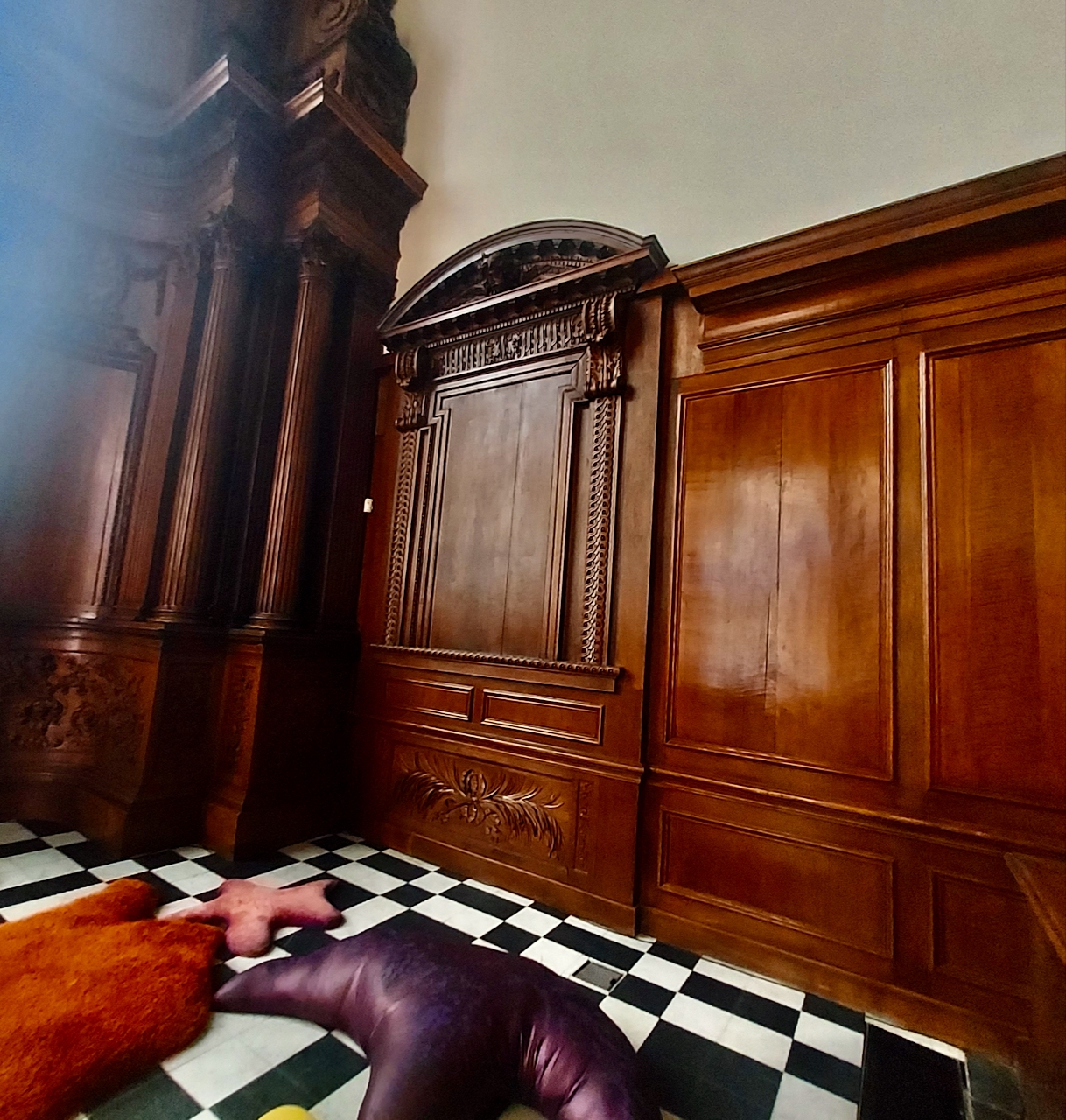
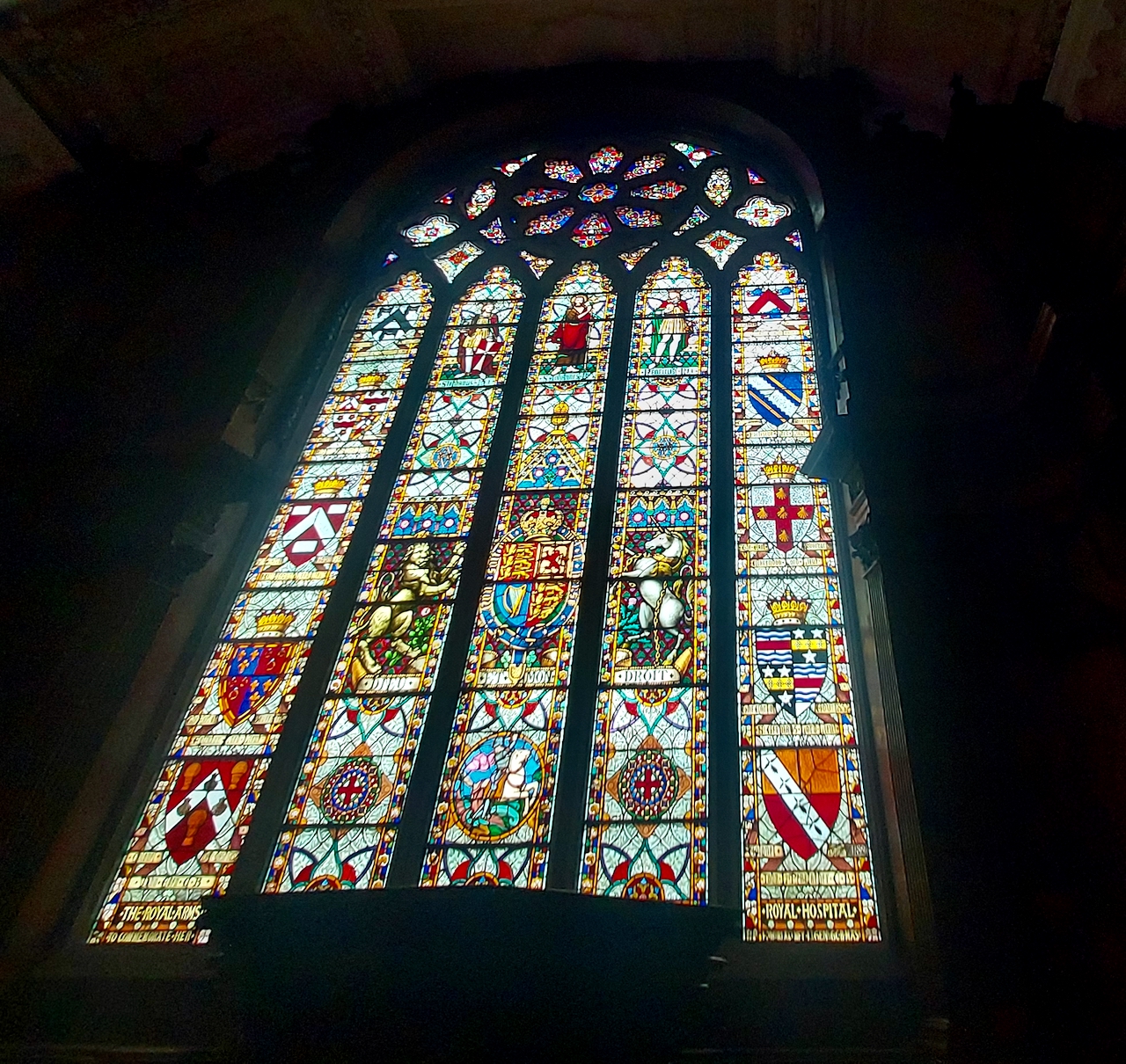
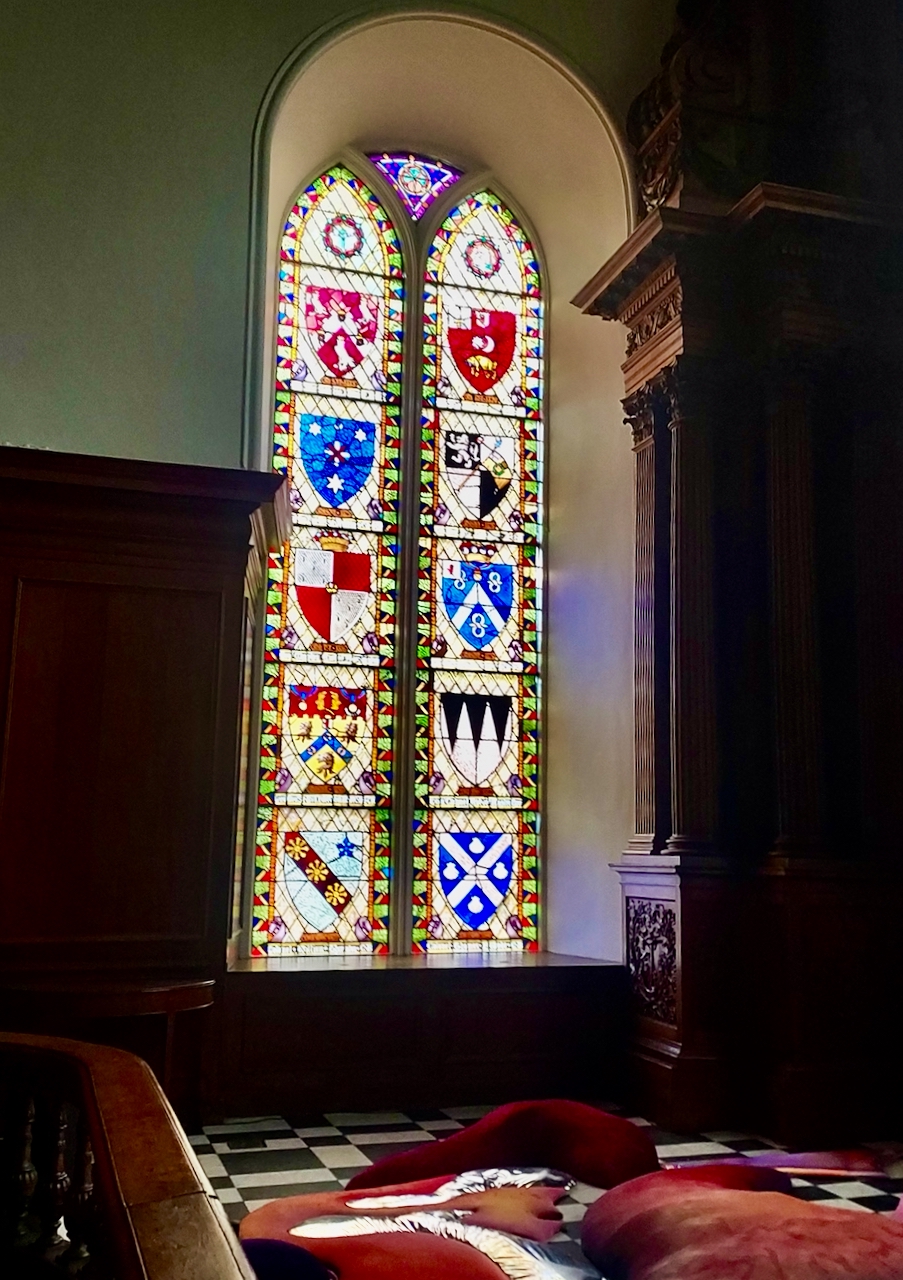
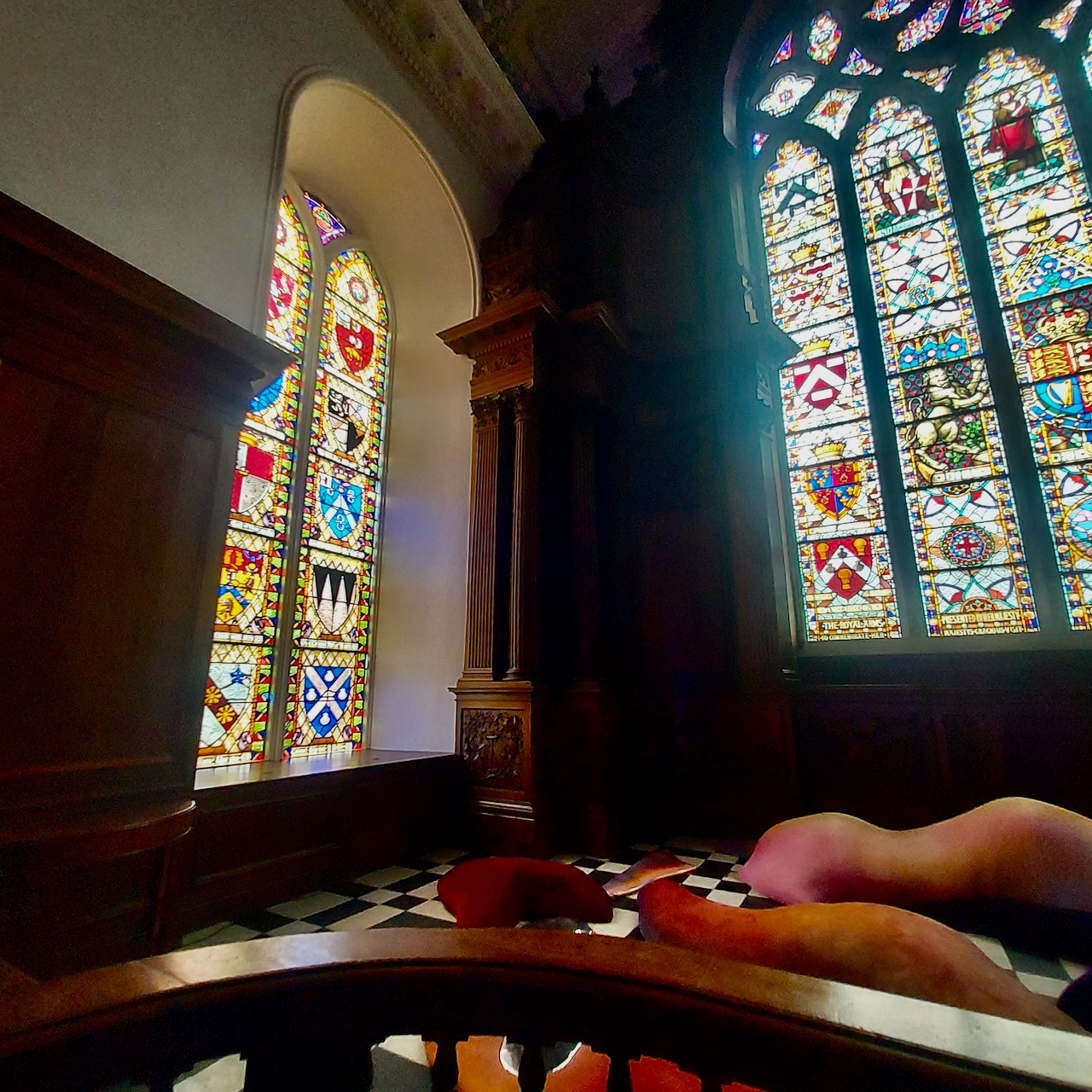
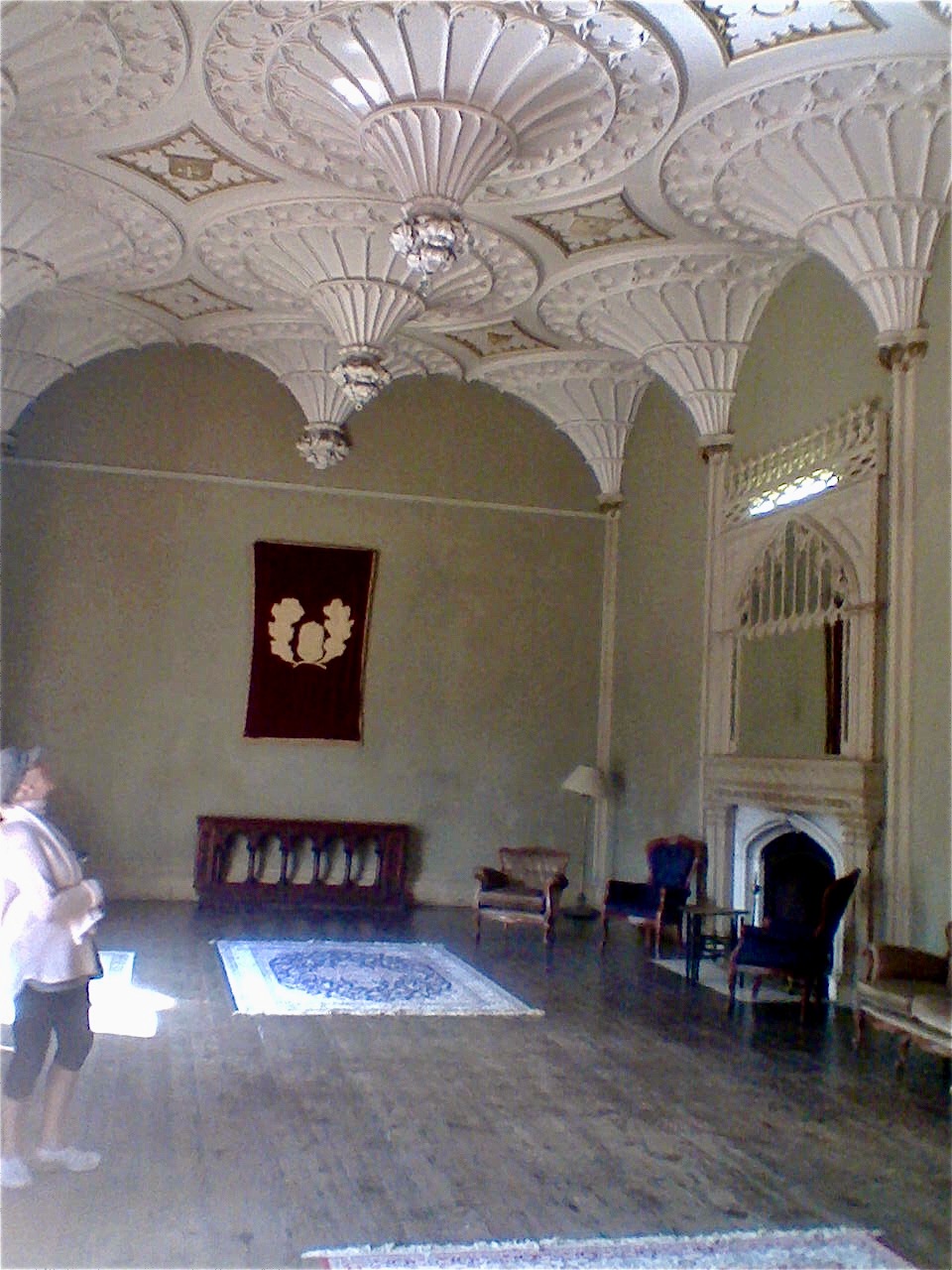
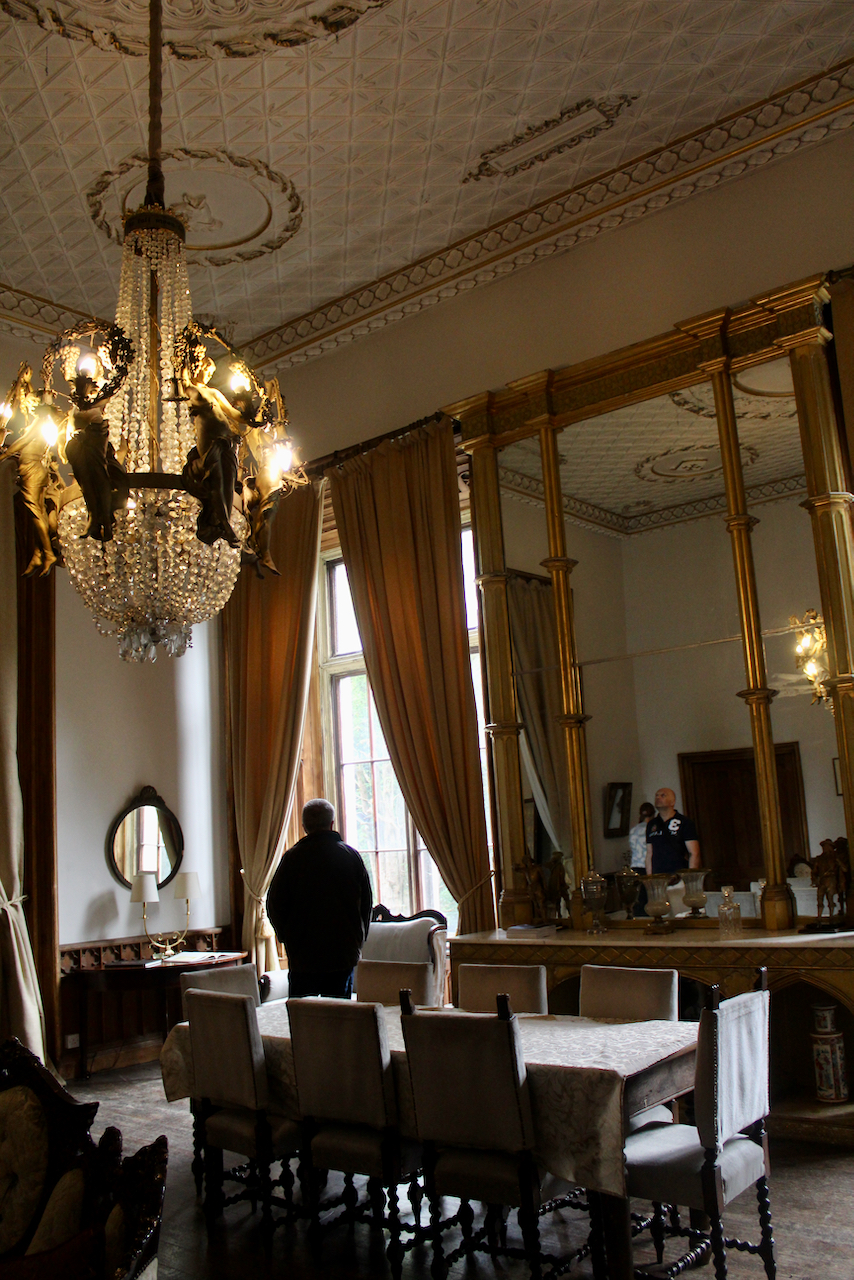
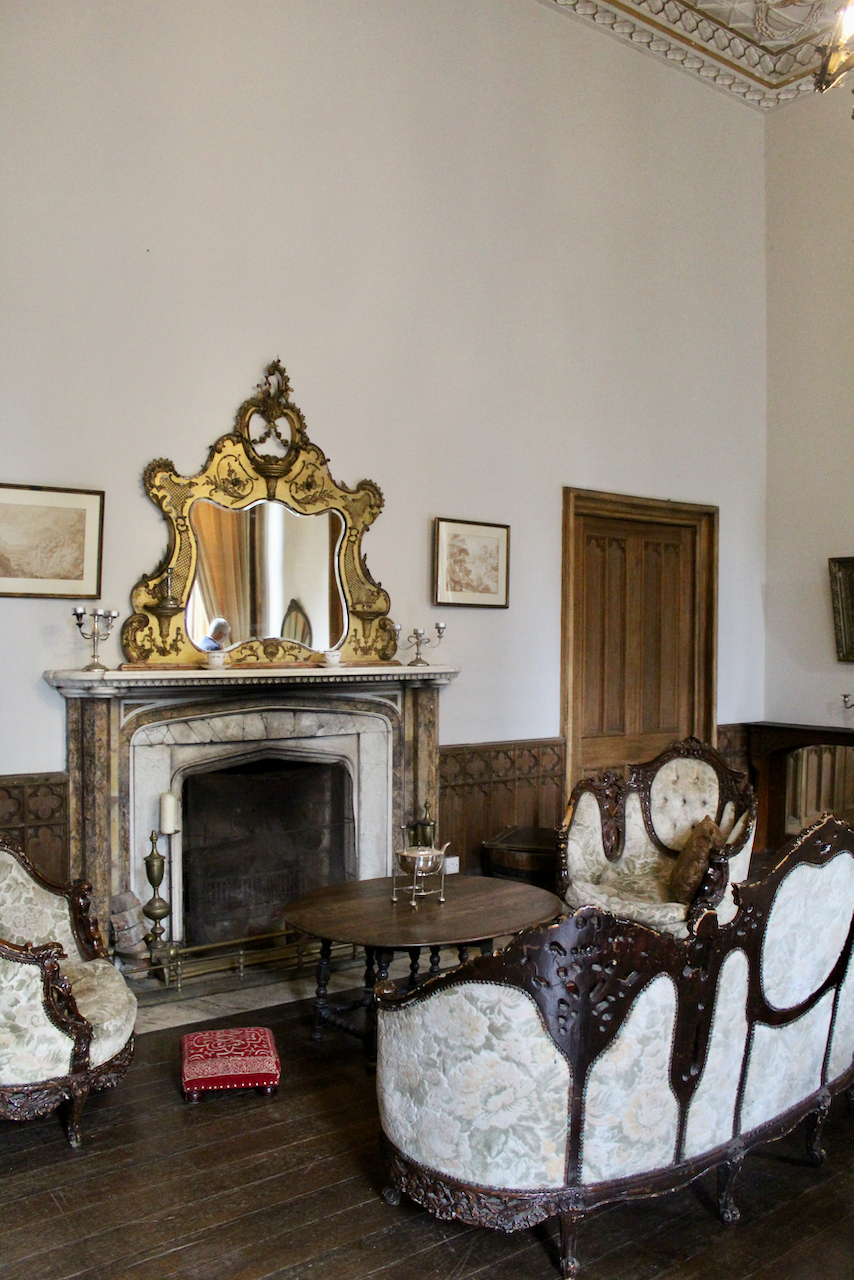
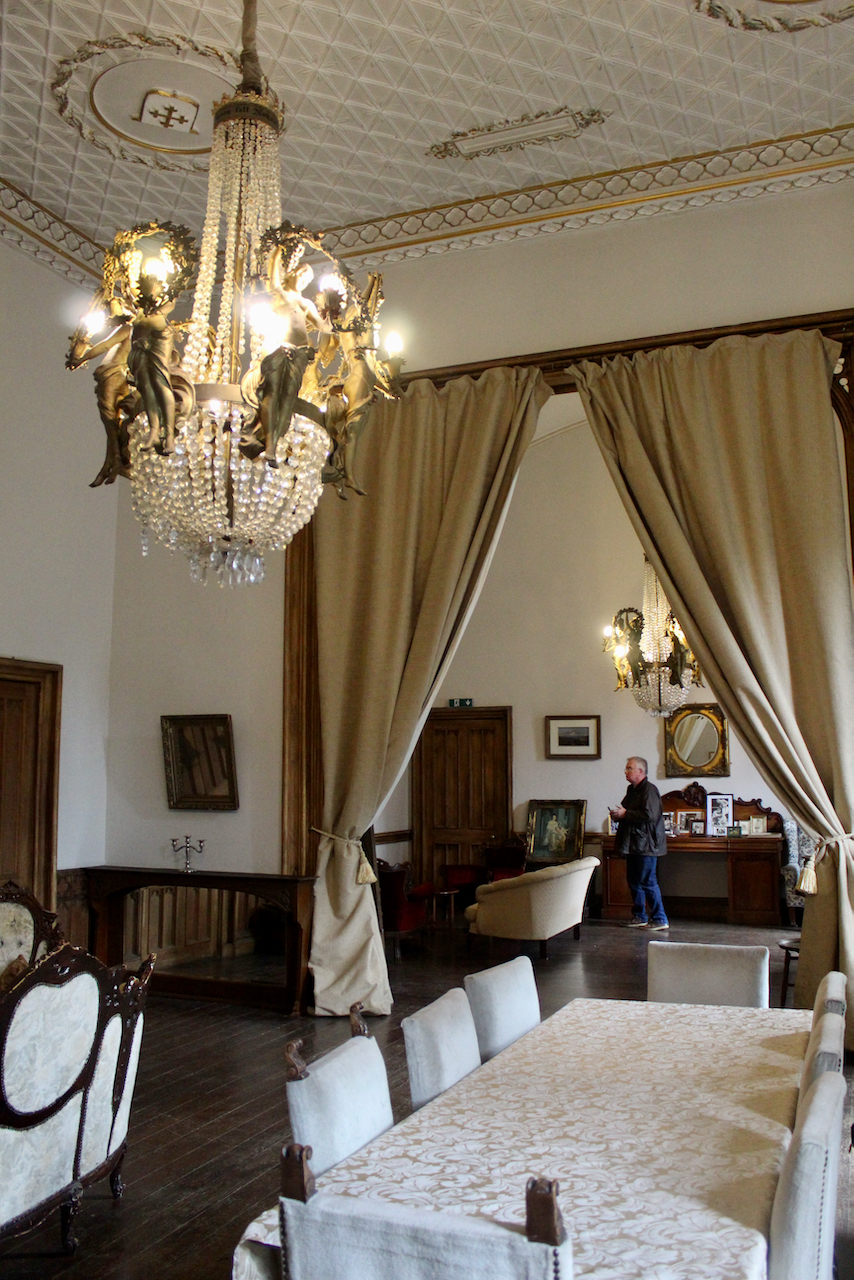
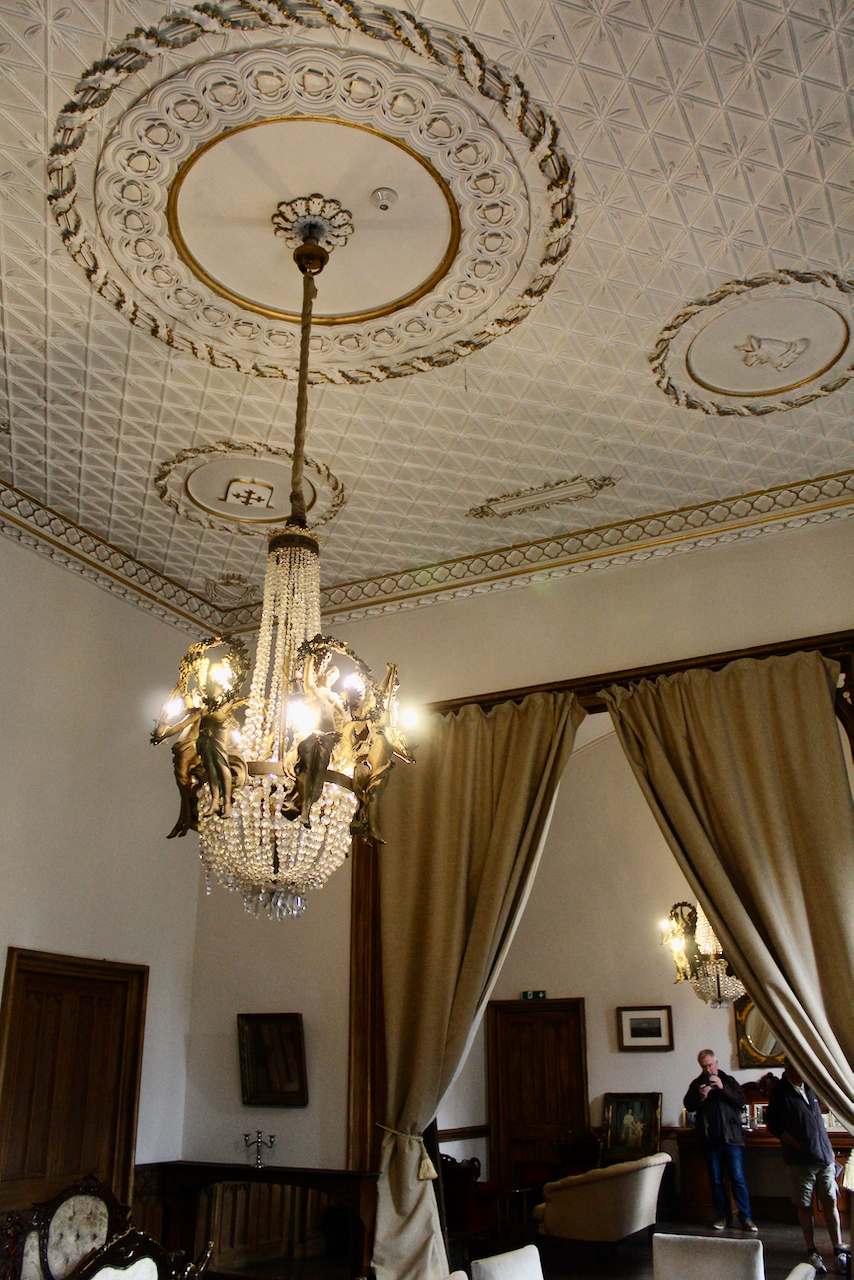
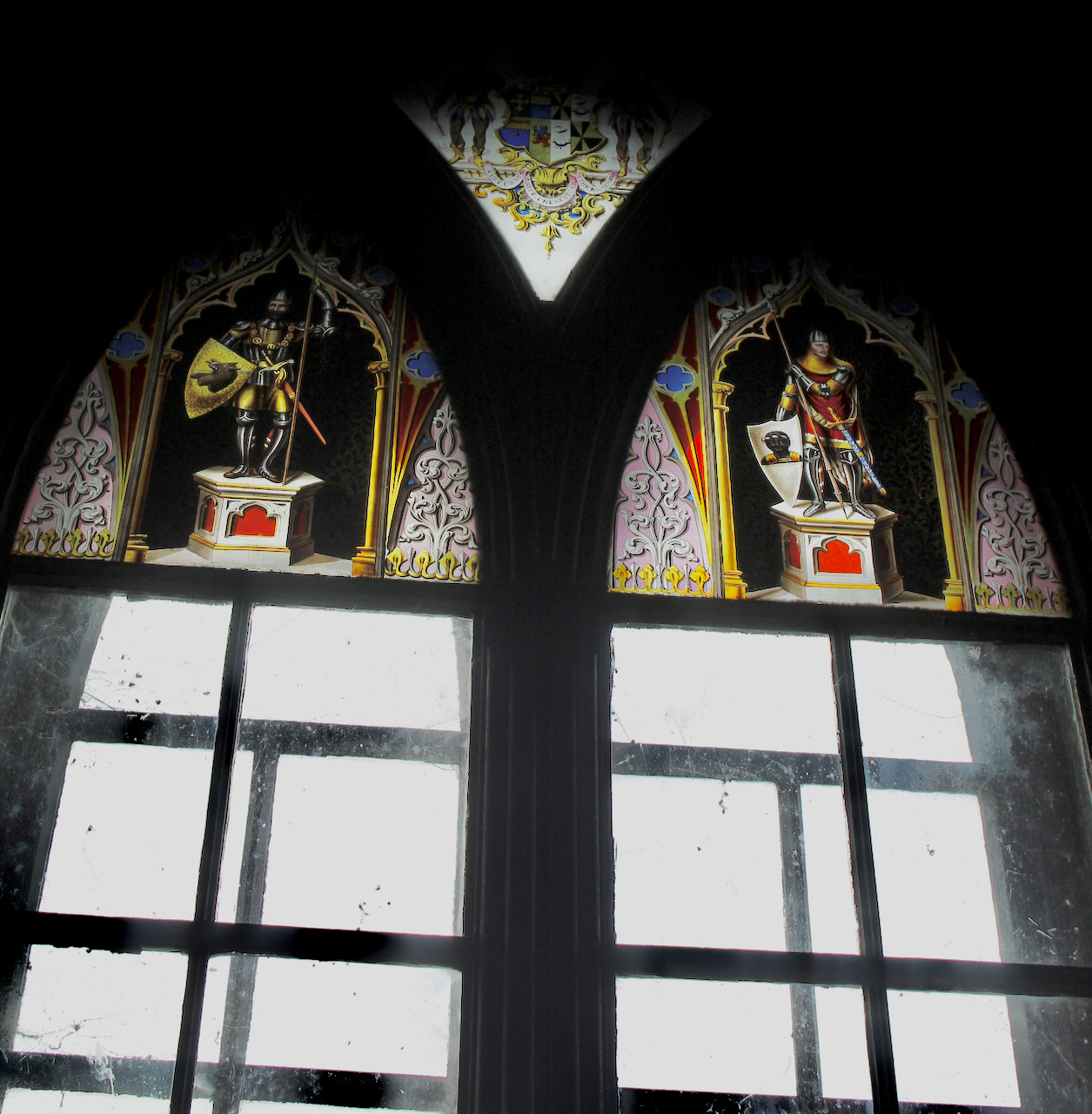
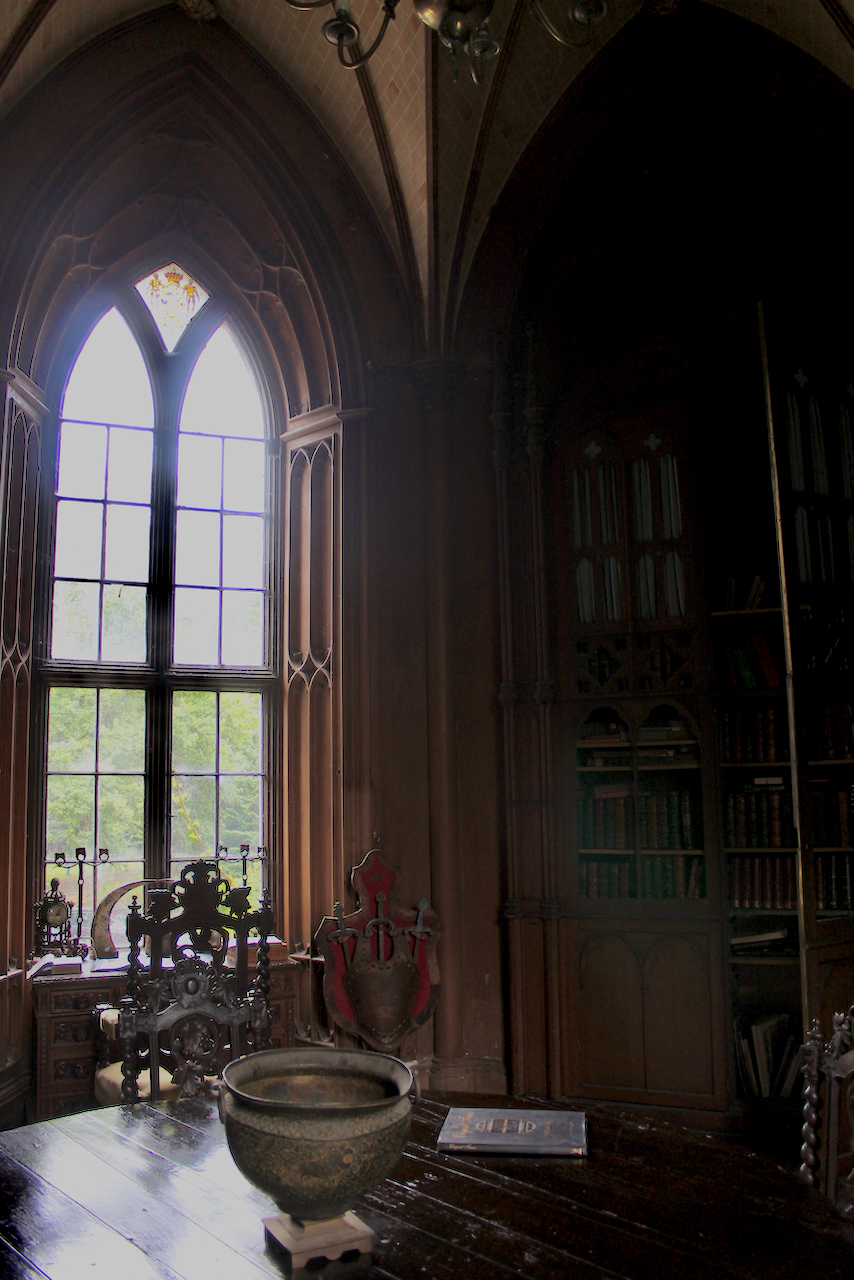
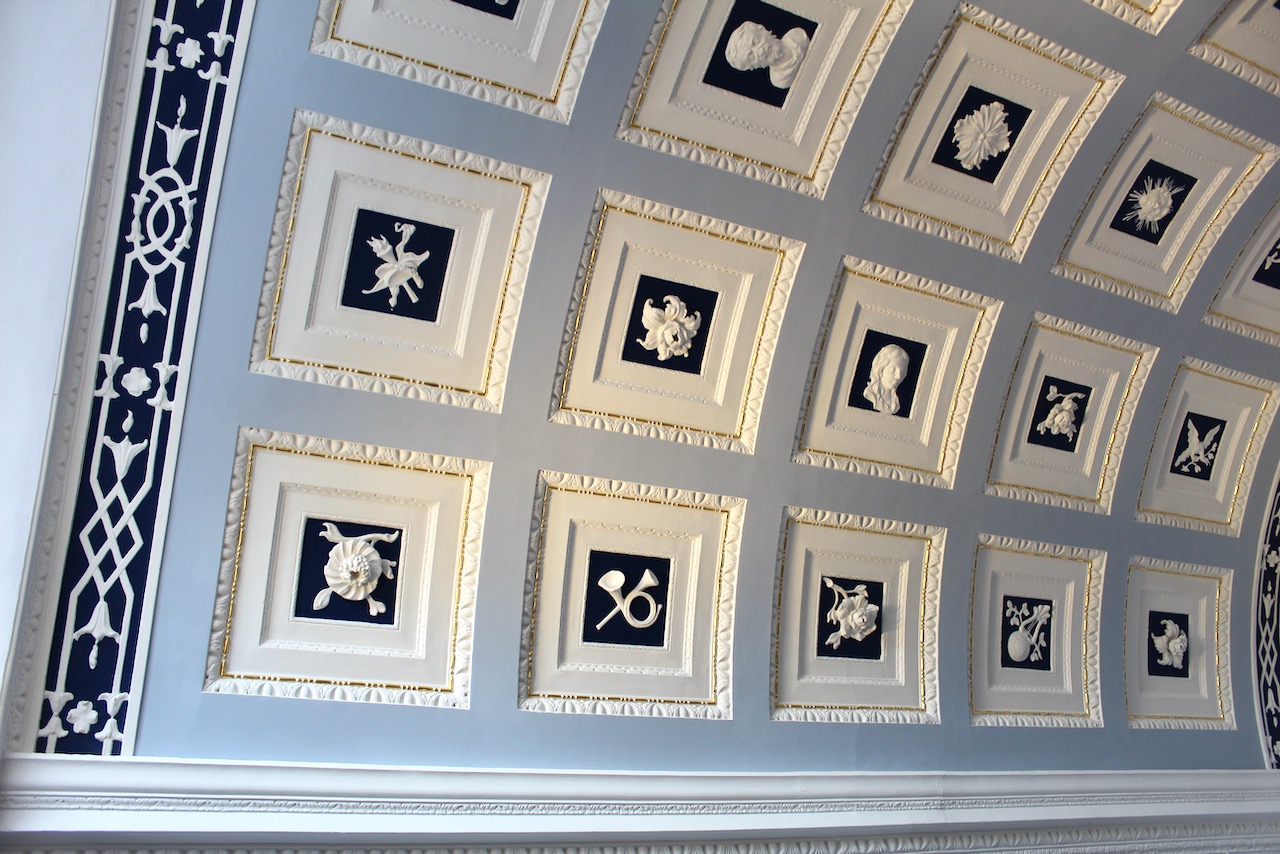
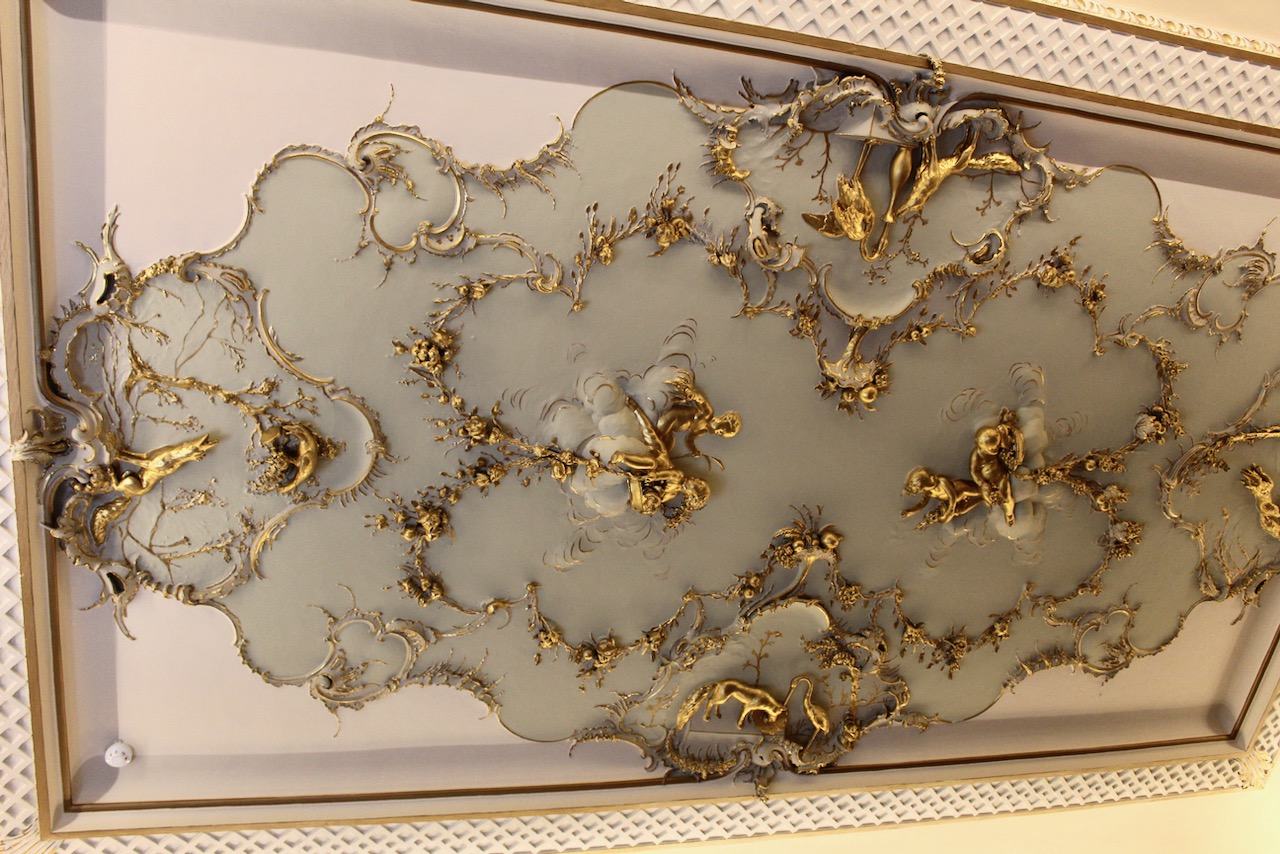
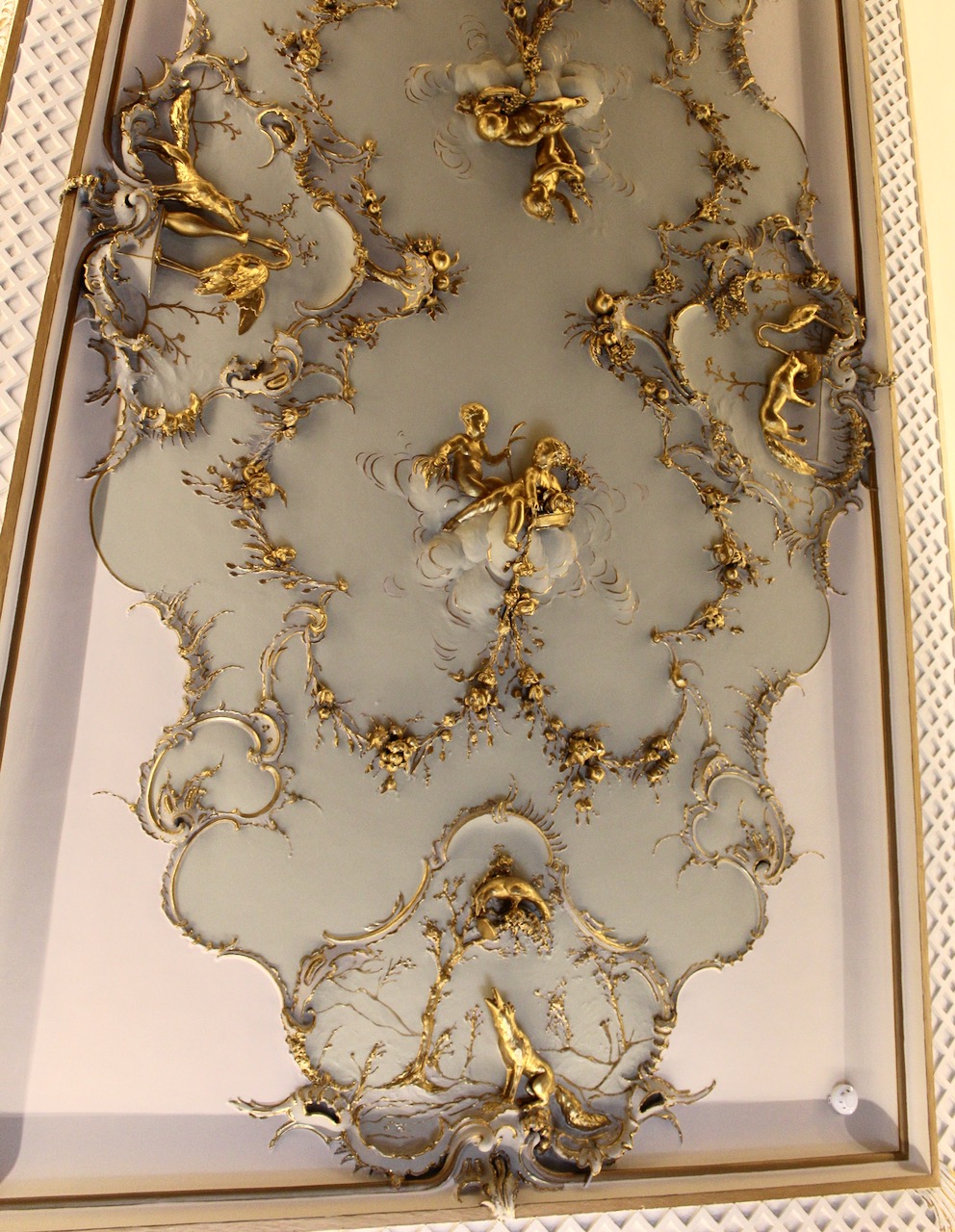
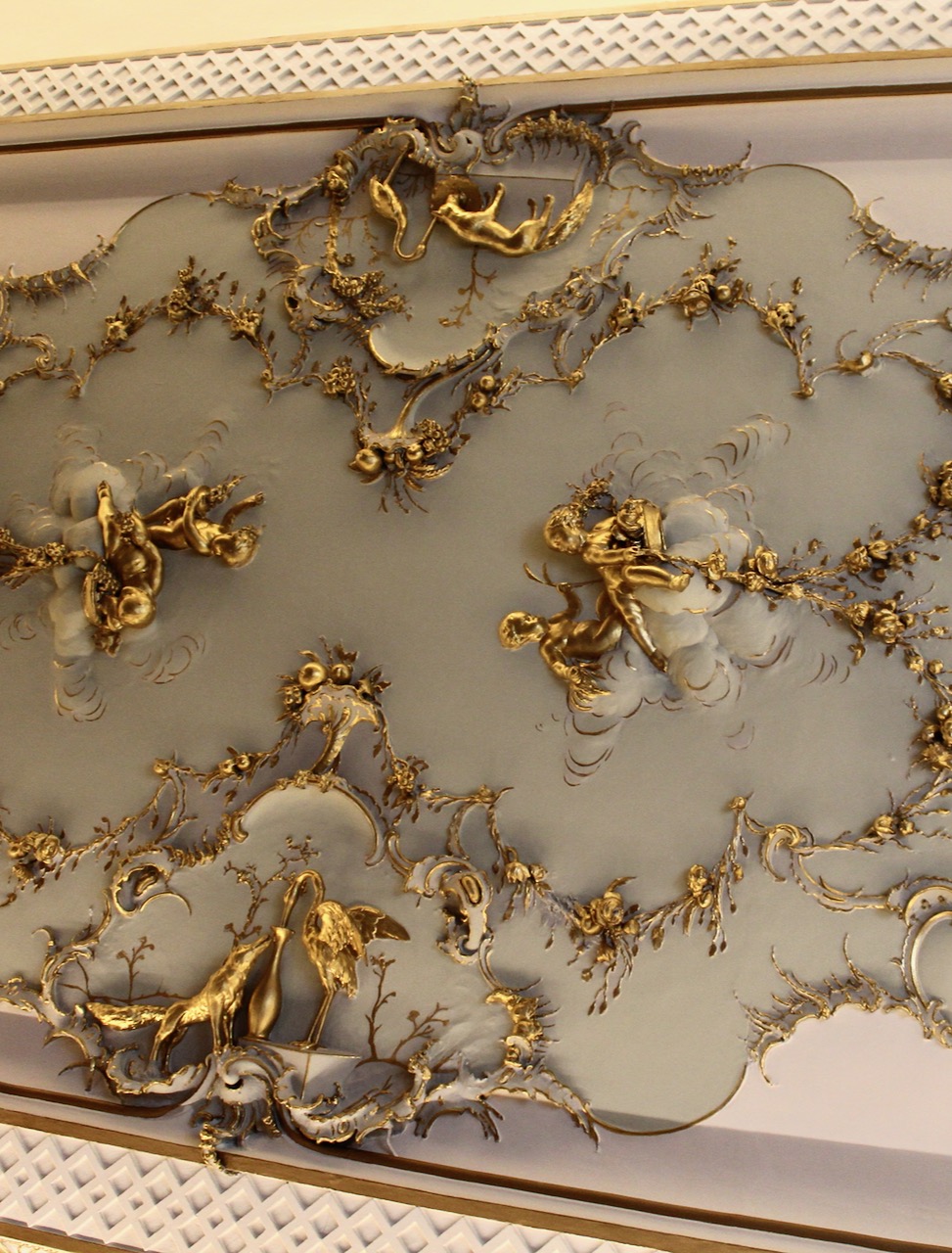
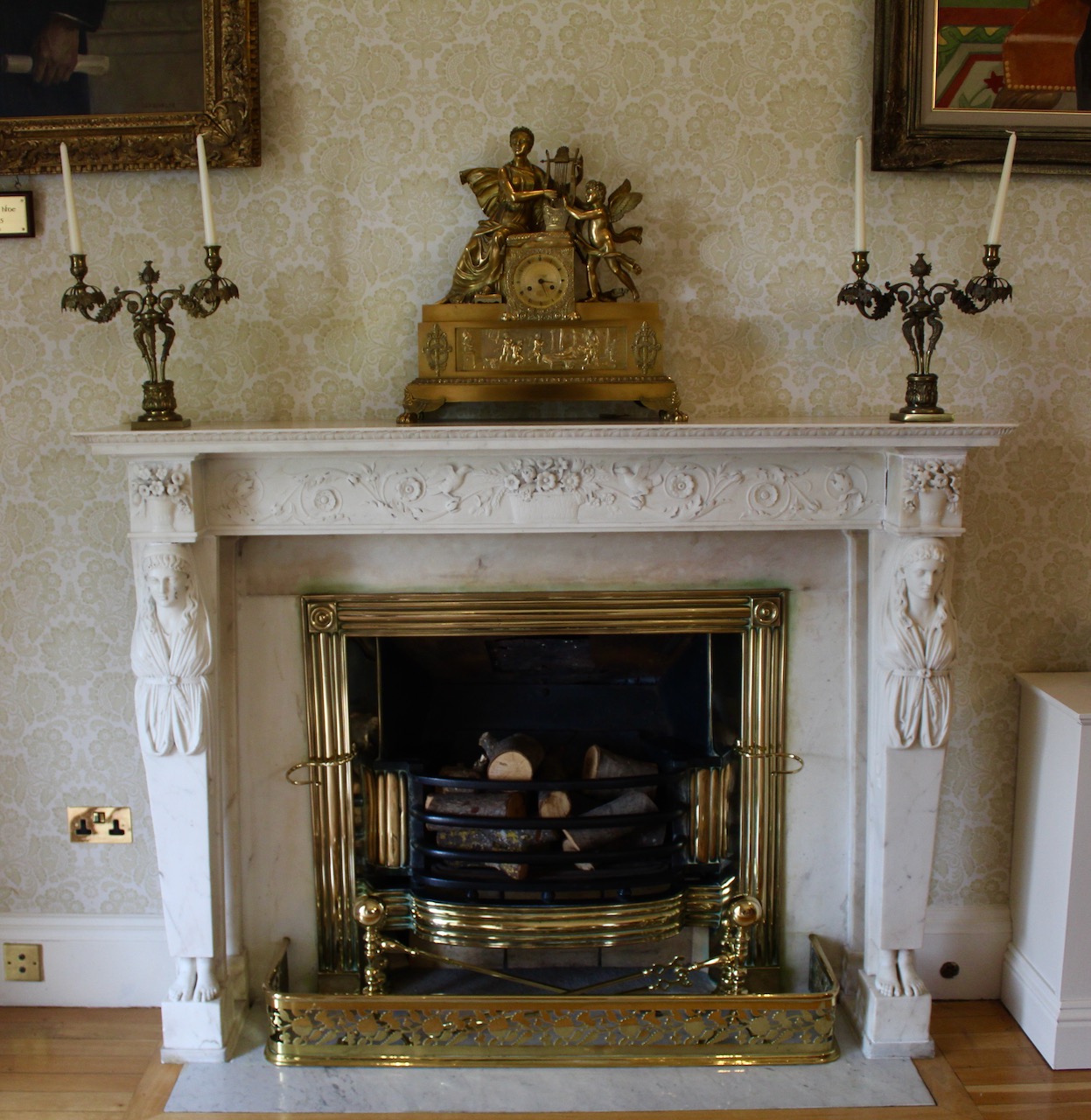
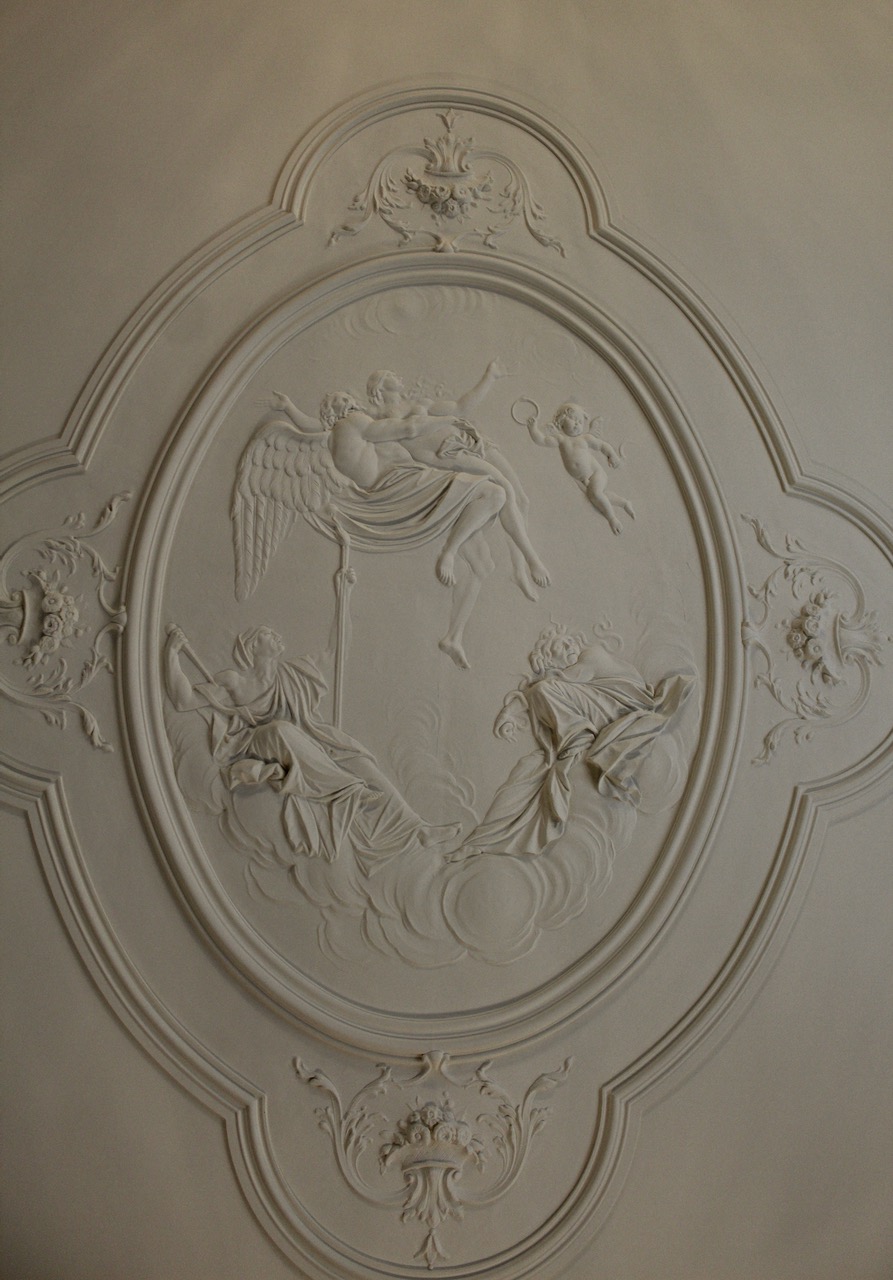
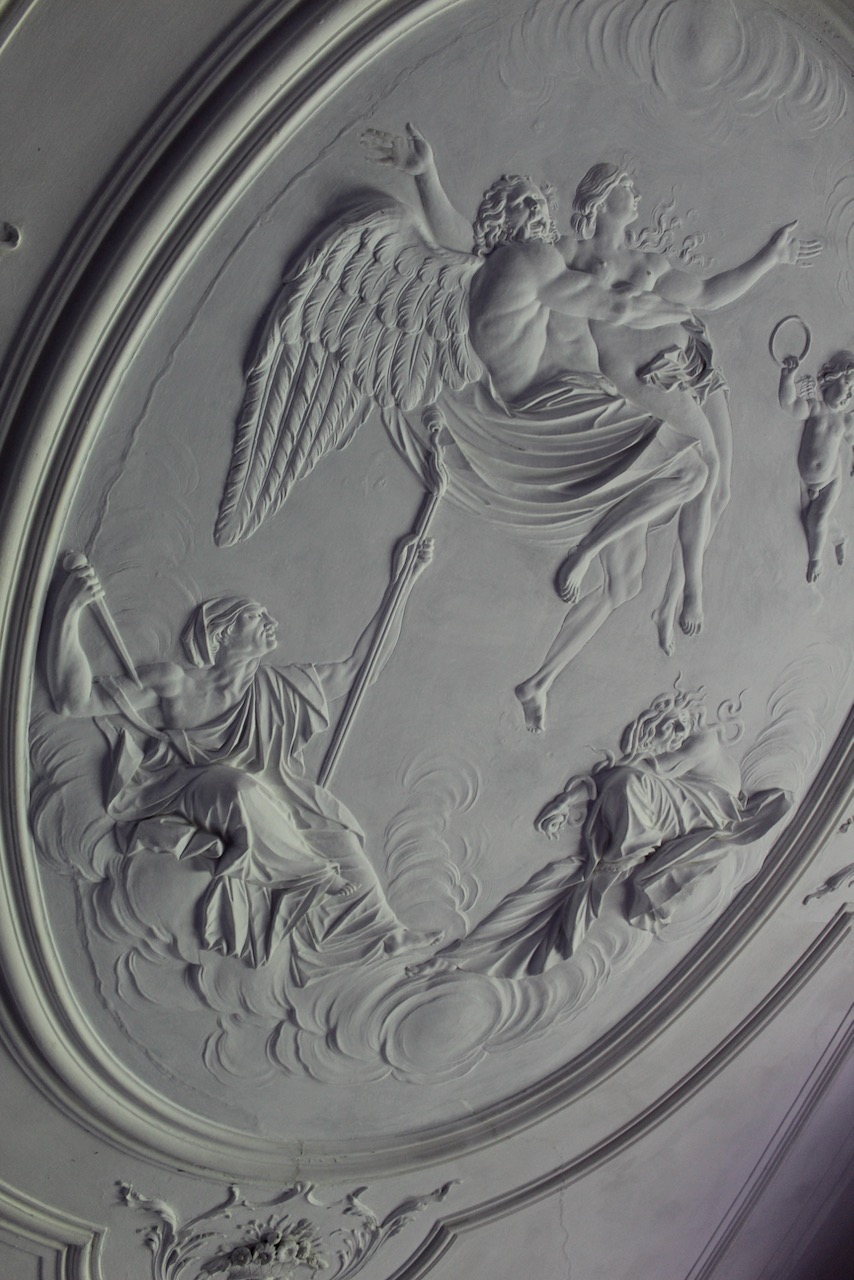
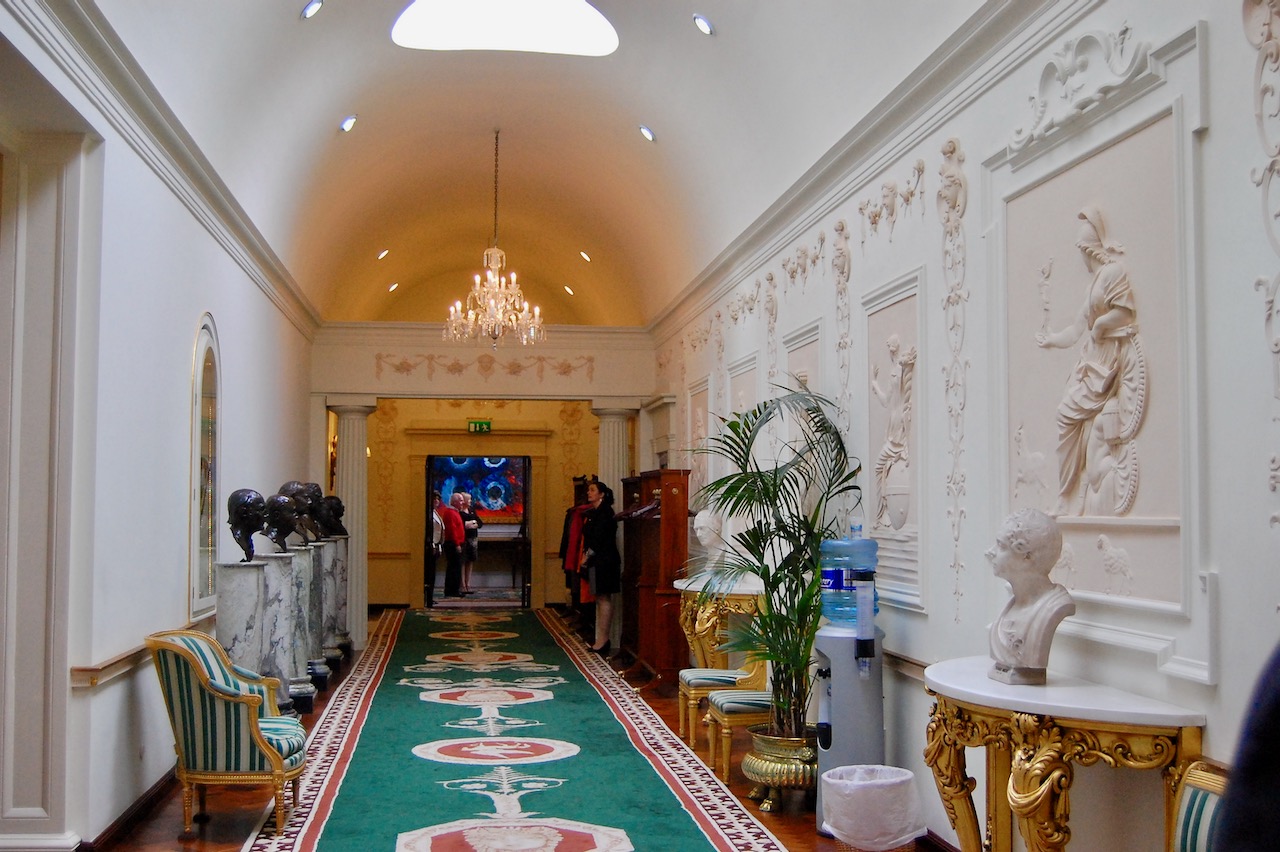
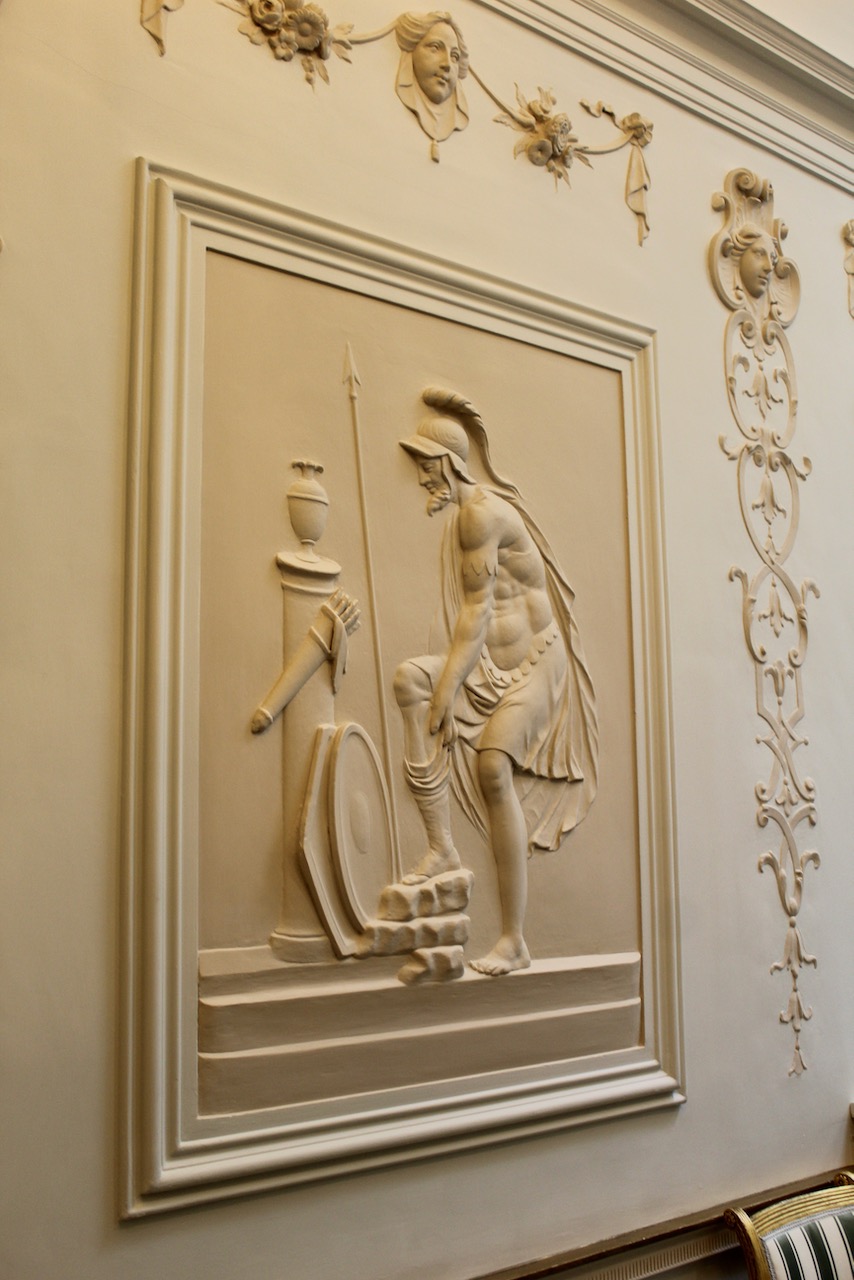
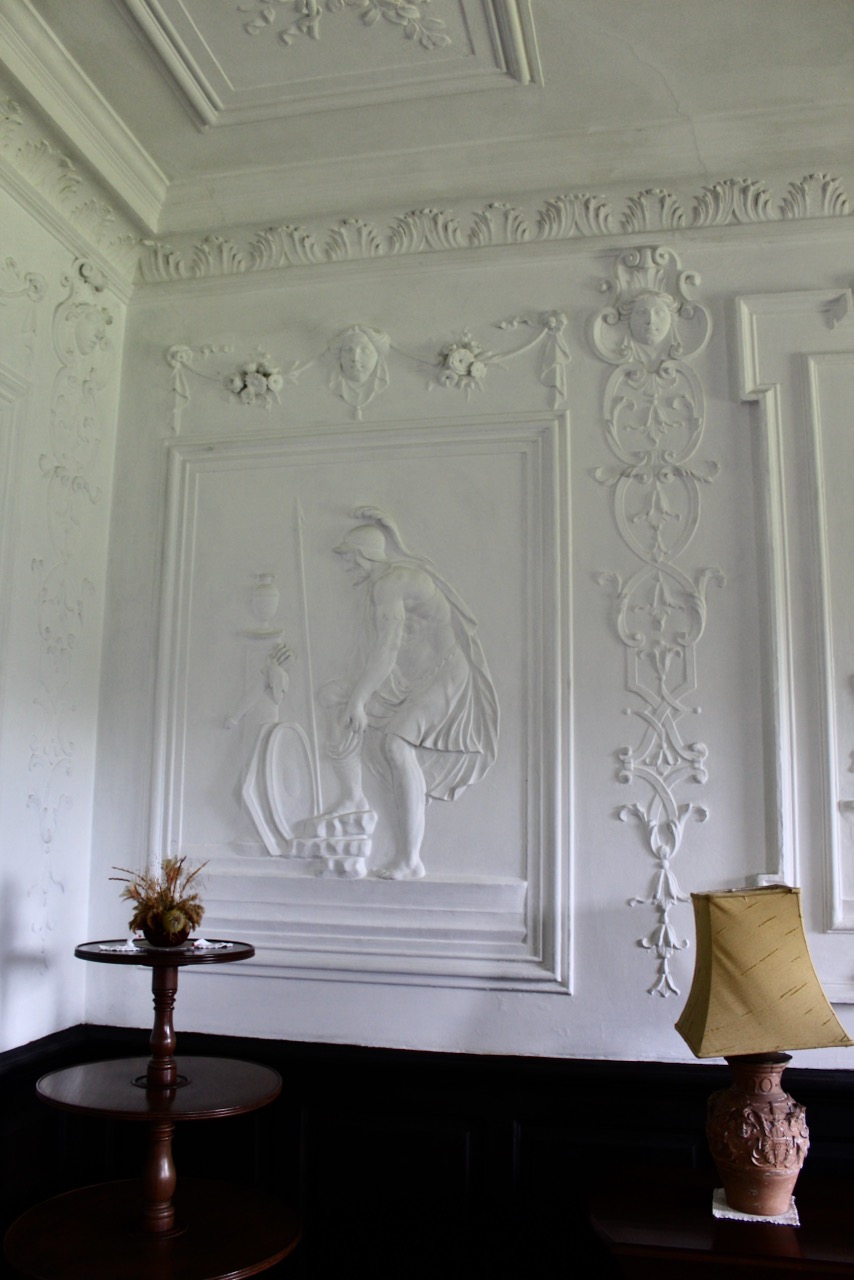
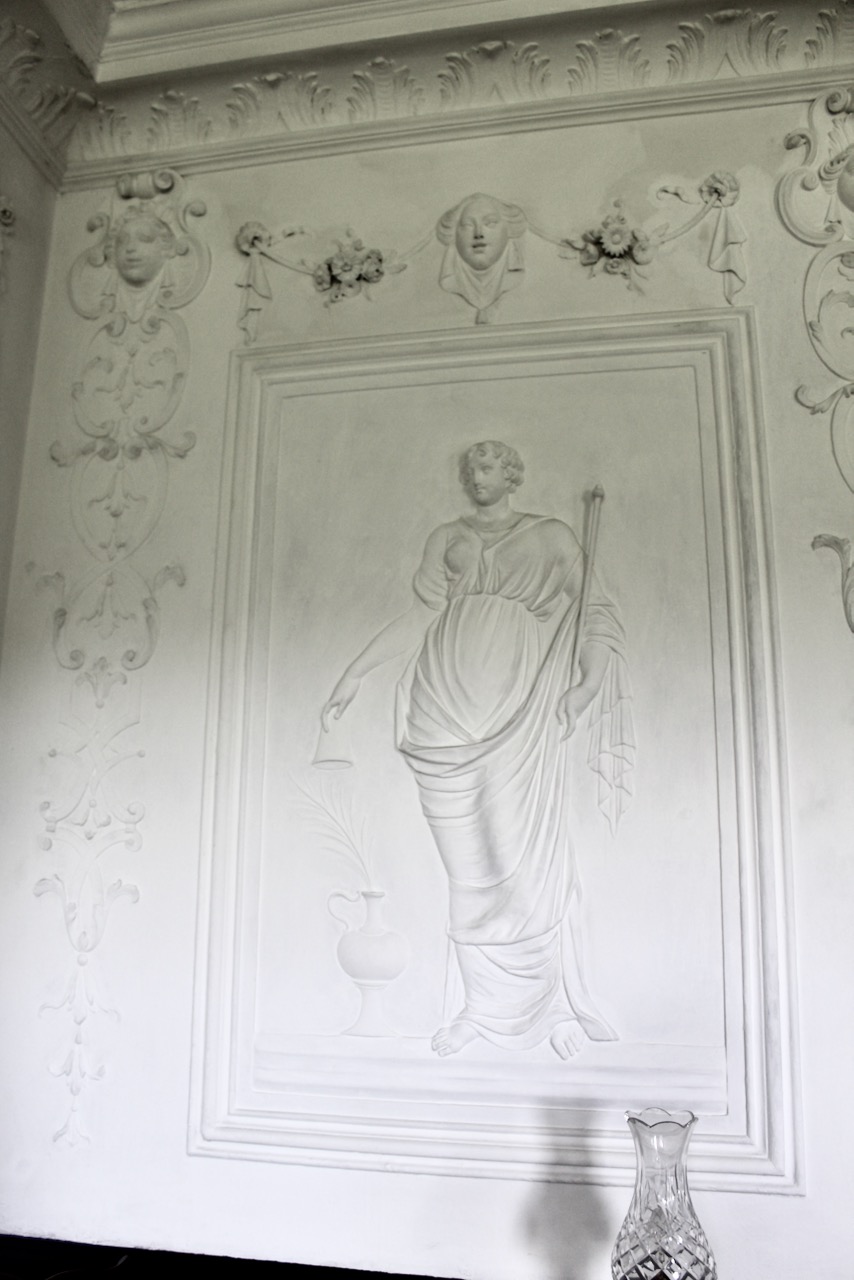
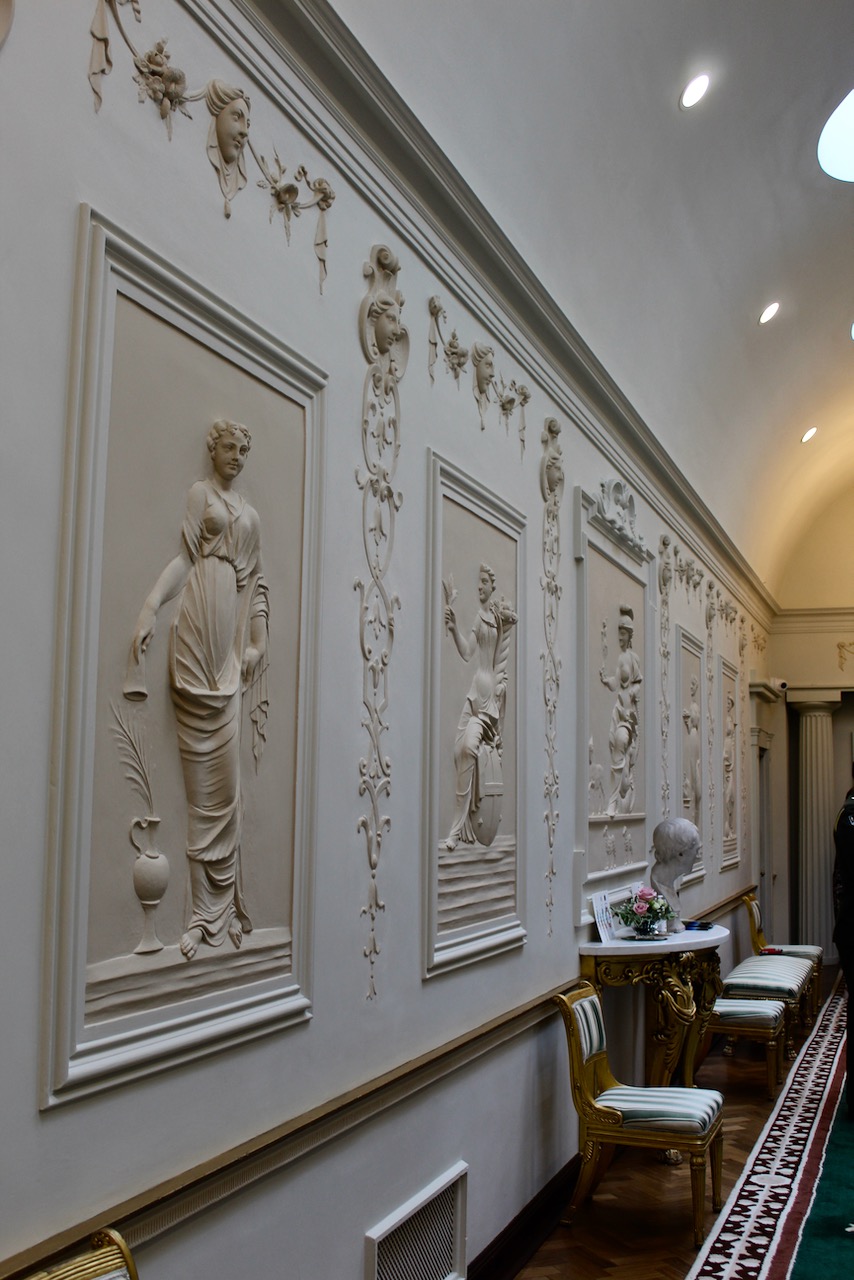
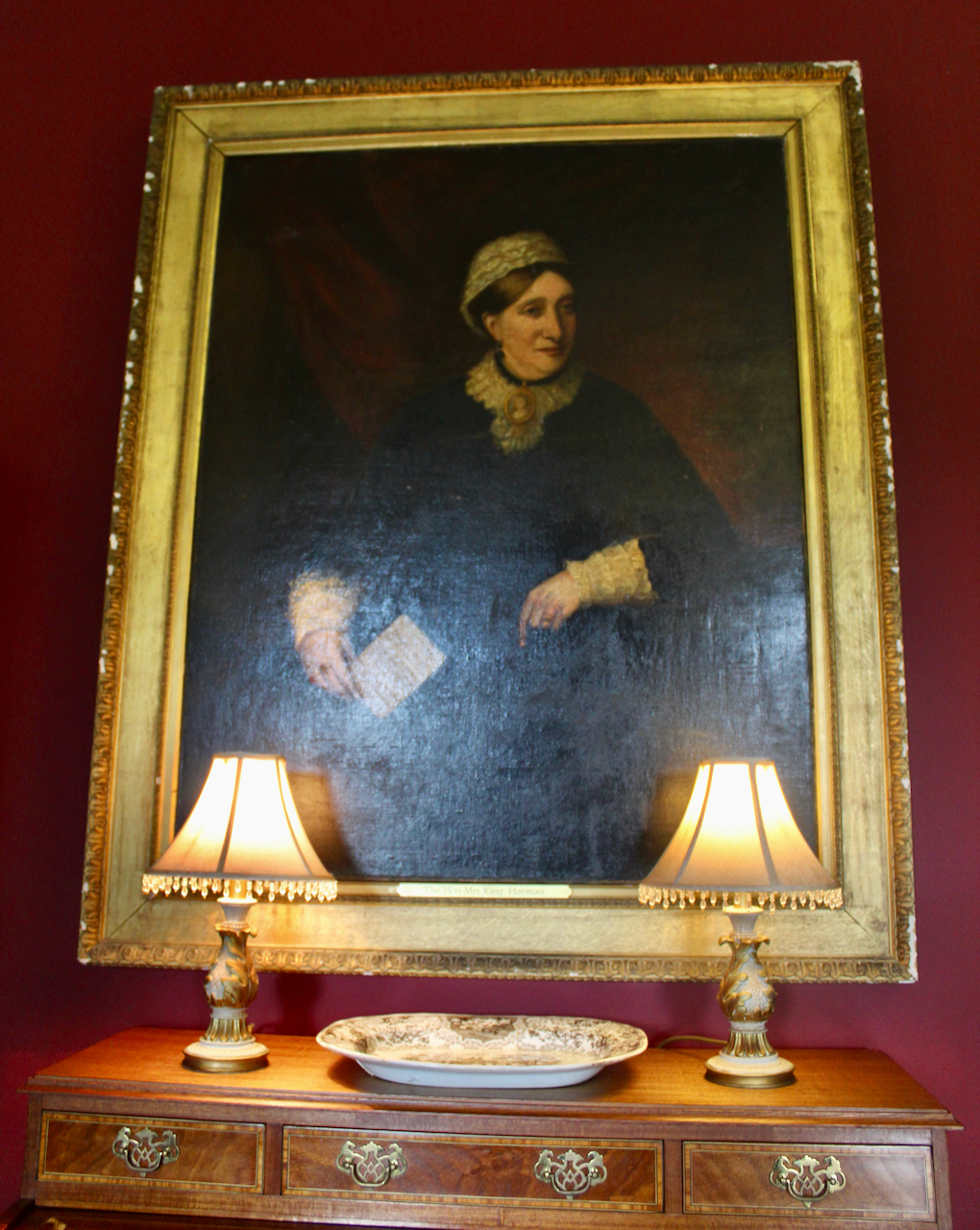
The most decorative rooms have been closed to the public for years for renovation, but I am writing now as I had an opportunity to enter the magnificently baroque chapel in order to see a film. Excuse the poor quality of my photographs in the chapel – I didn’t want to disturb the other film viewers.
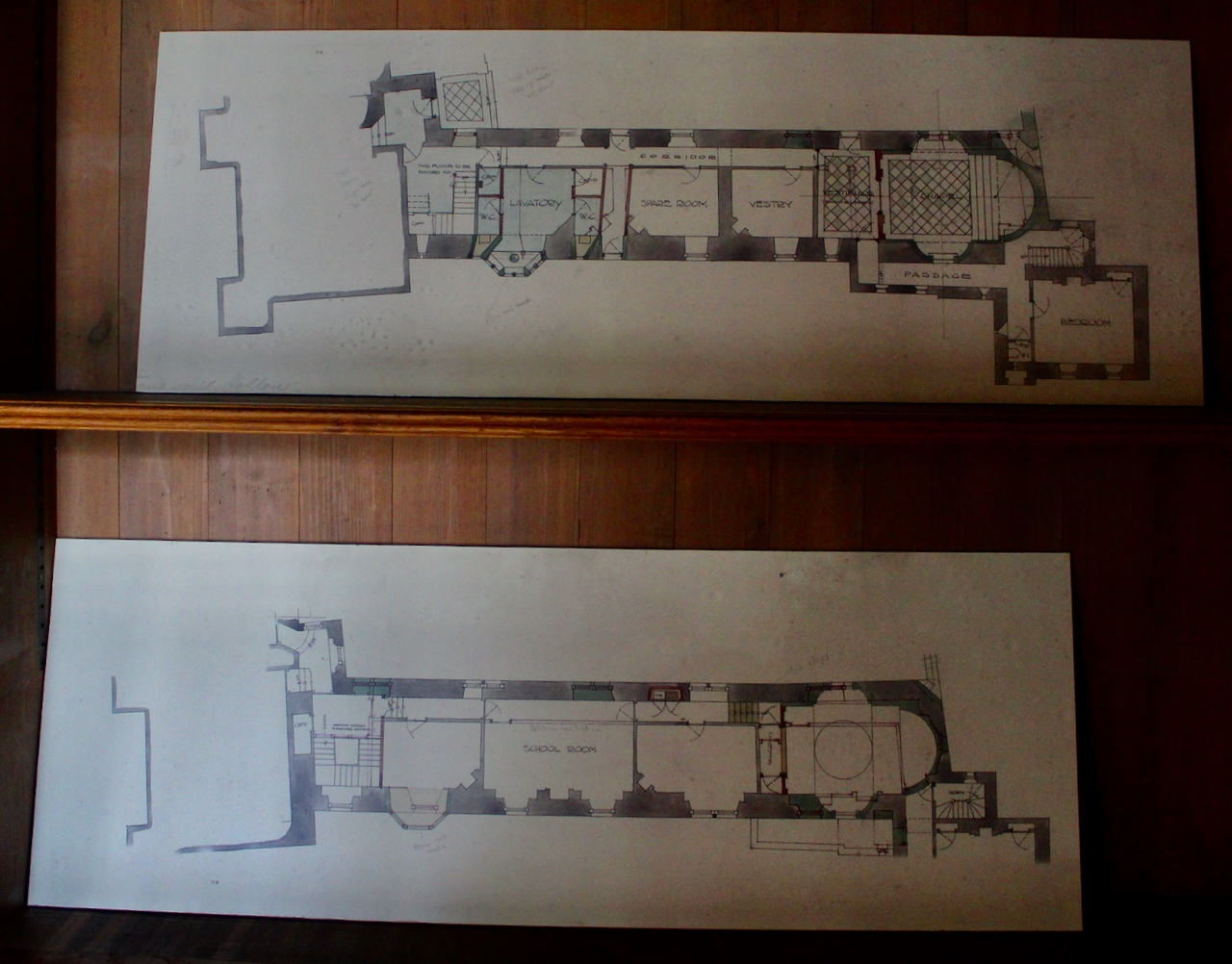
“Since 2018, The North Range has been closed due to remedial works and essential upgrades, including fire safety improvements, mechanical and electrical system replacements, and the meticulous restoration of the Baroque Chapel ceiling, historic timber panelling, and stained glass. This extensive project, operated by the Office of Public Works (OPW), was completed in July 2024, and it was announced the reopening after 6.5 years. We are more than proud to share the news that we are preparing to host events in The North Range.“
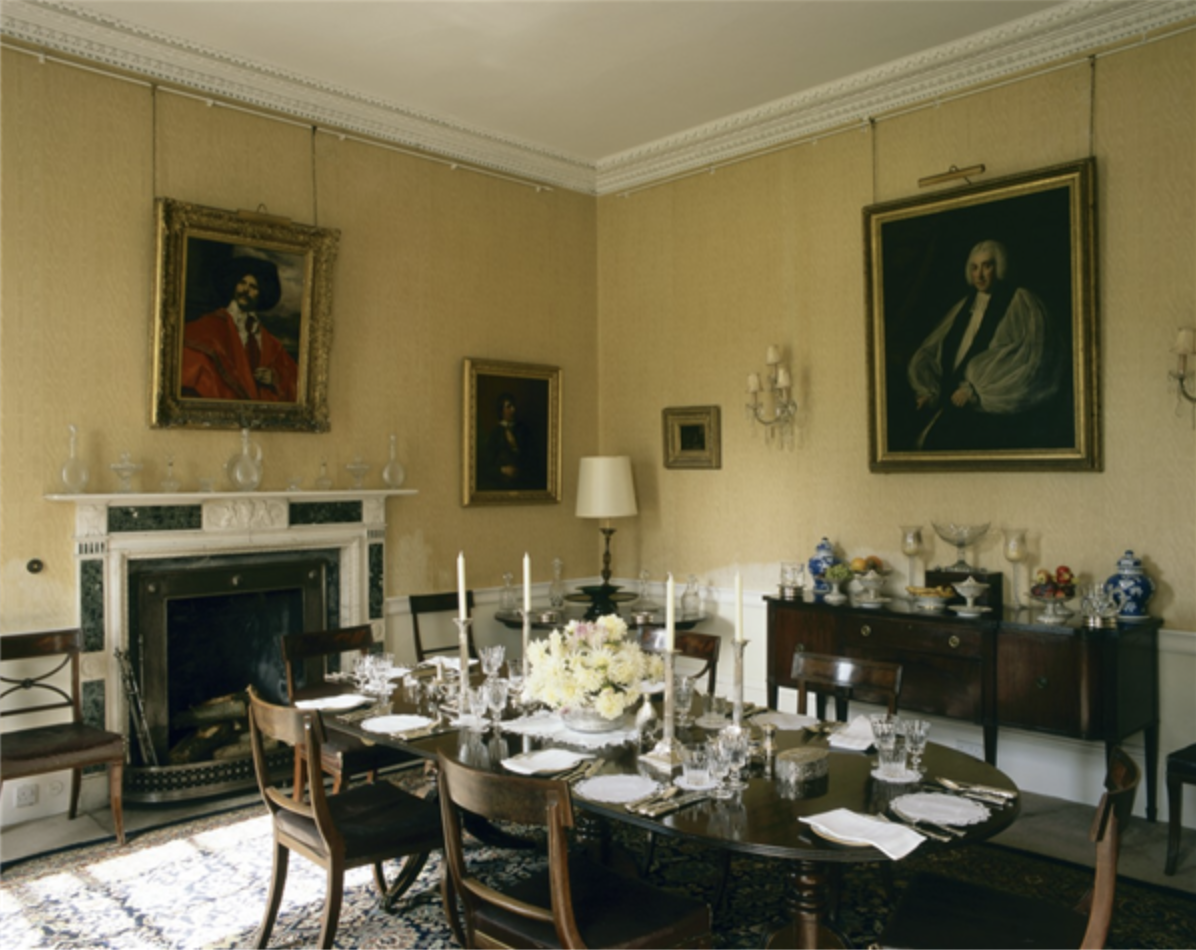
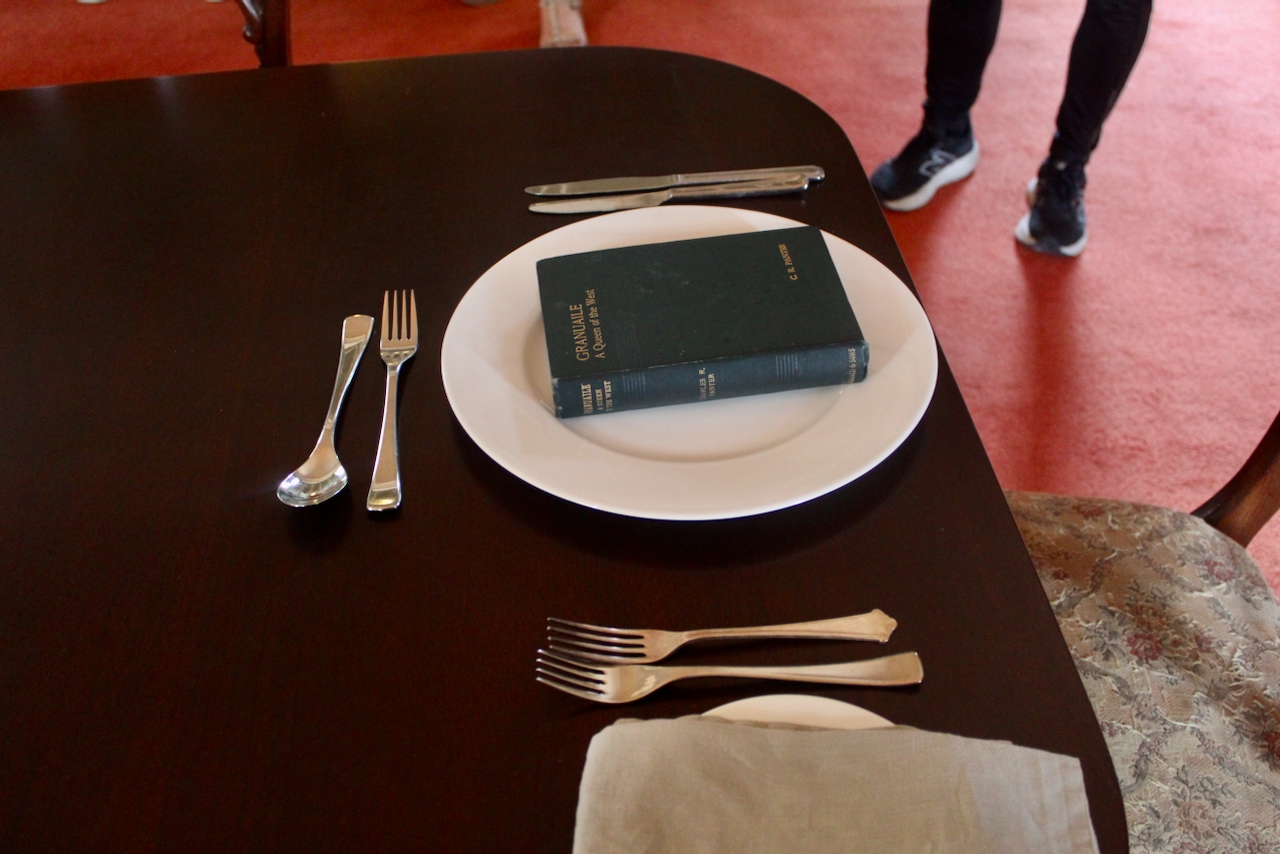
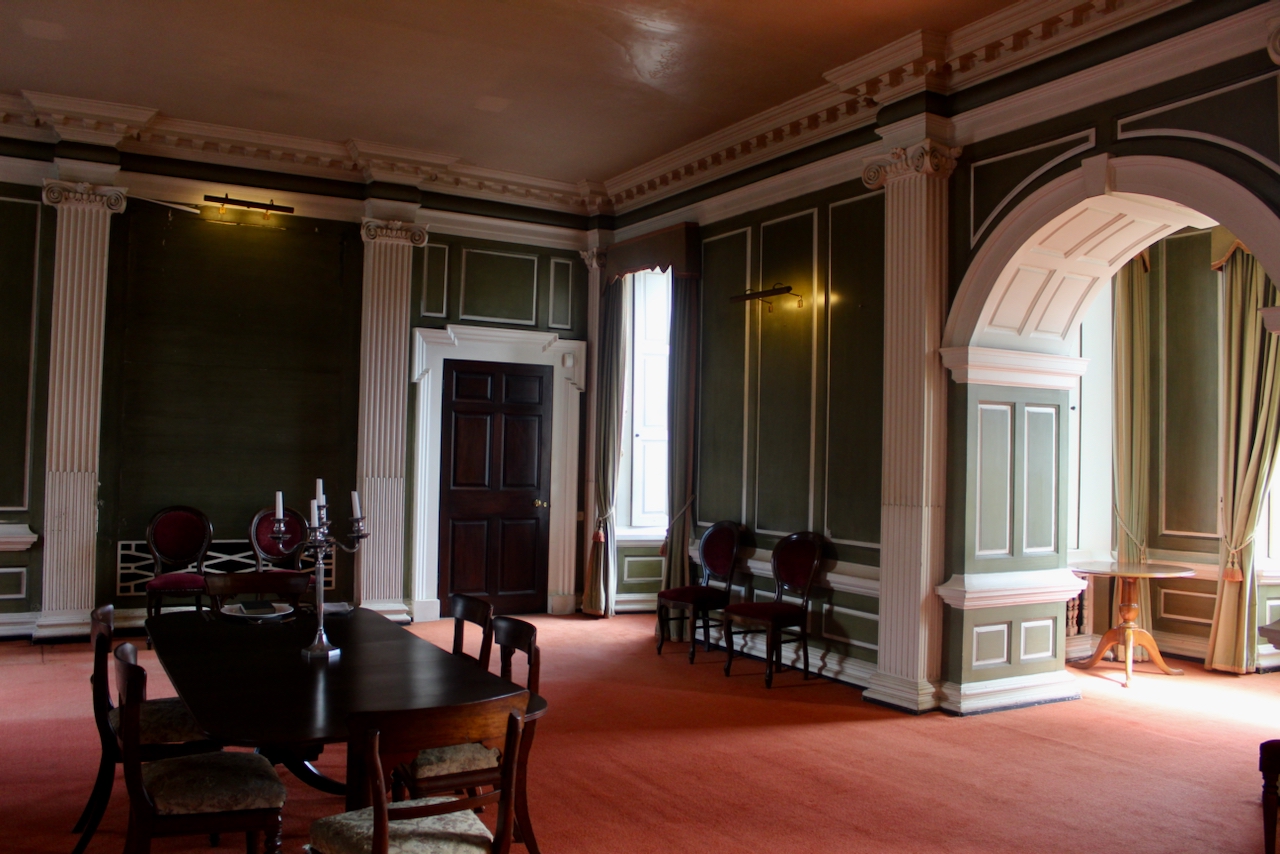
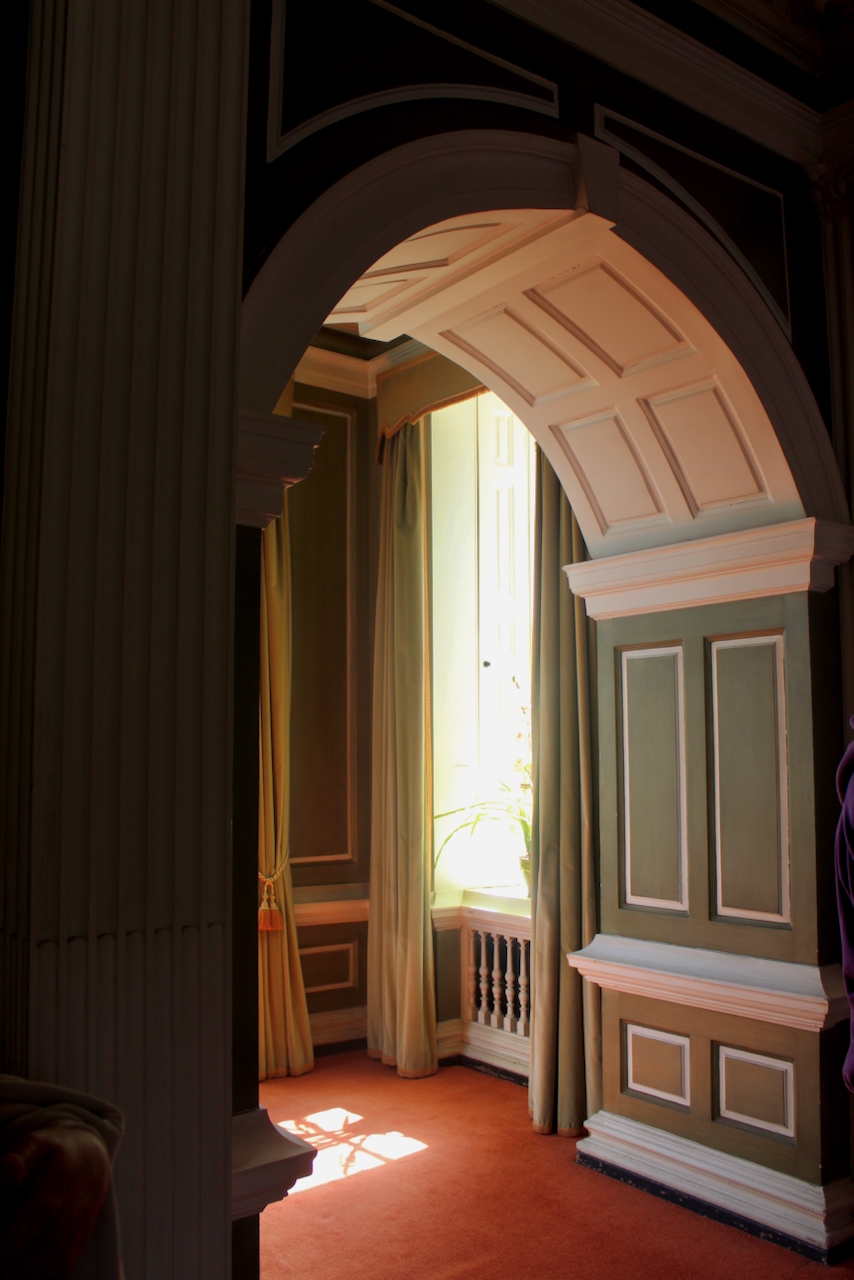
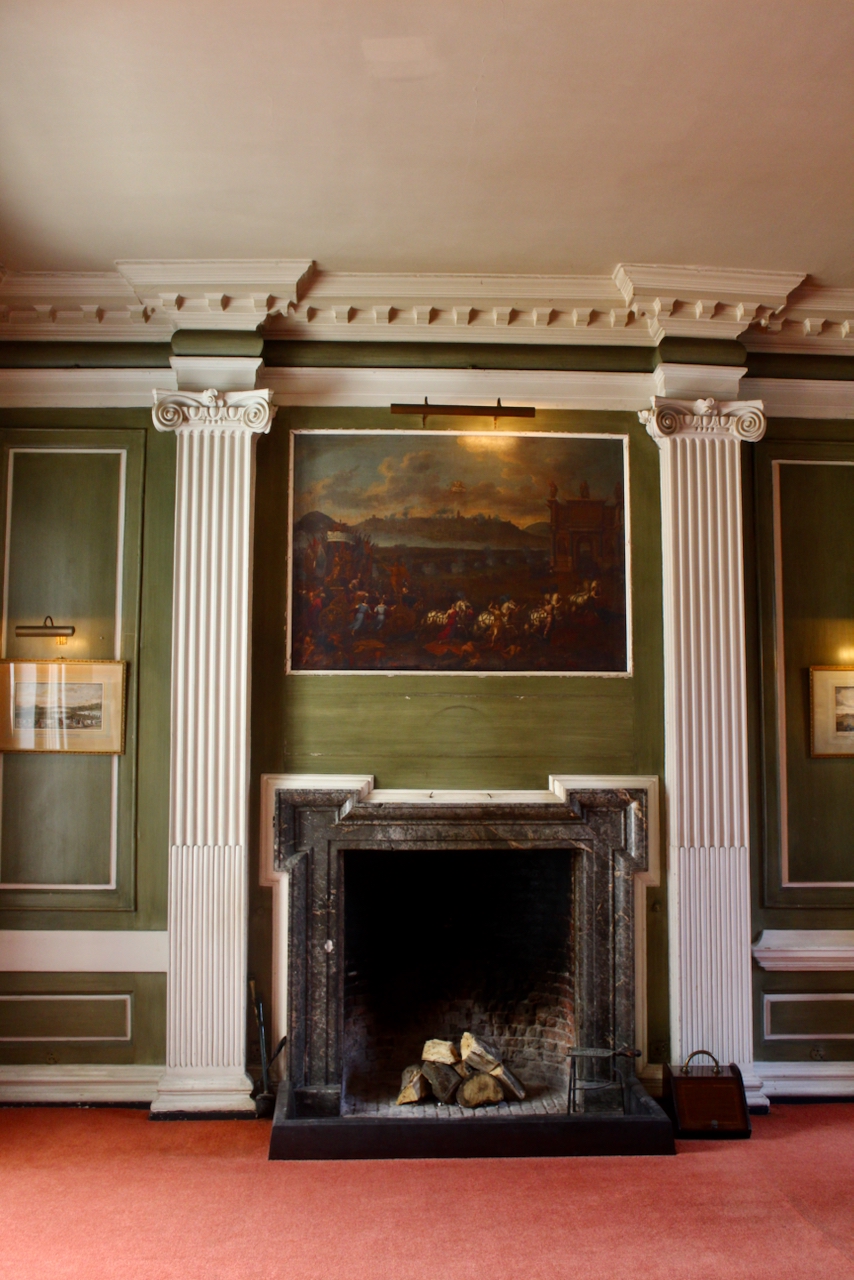
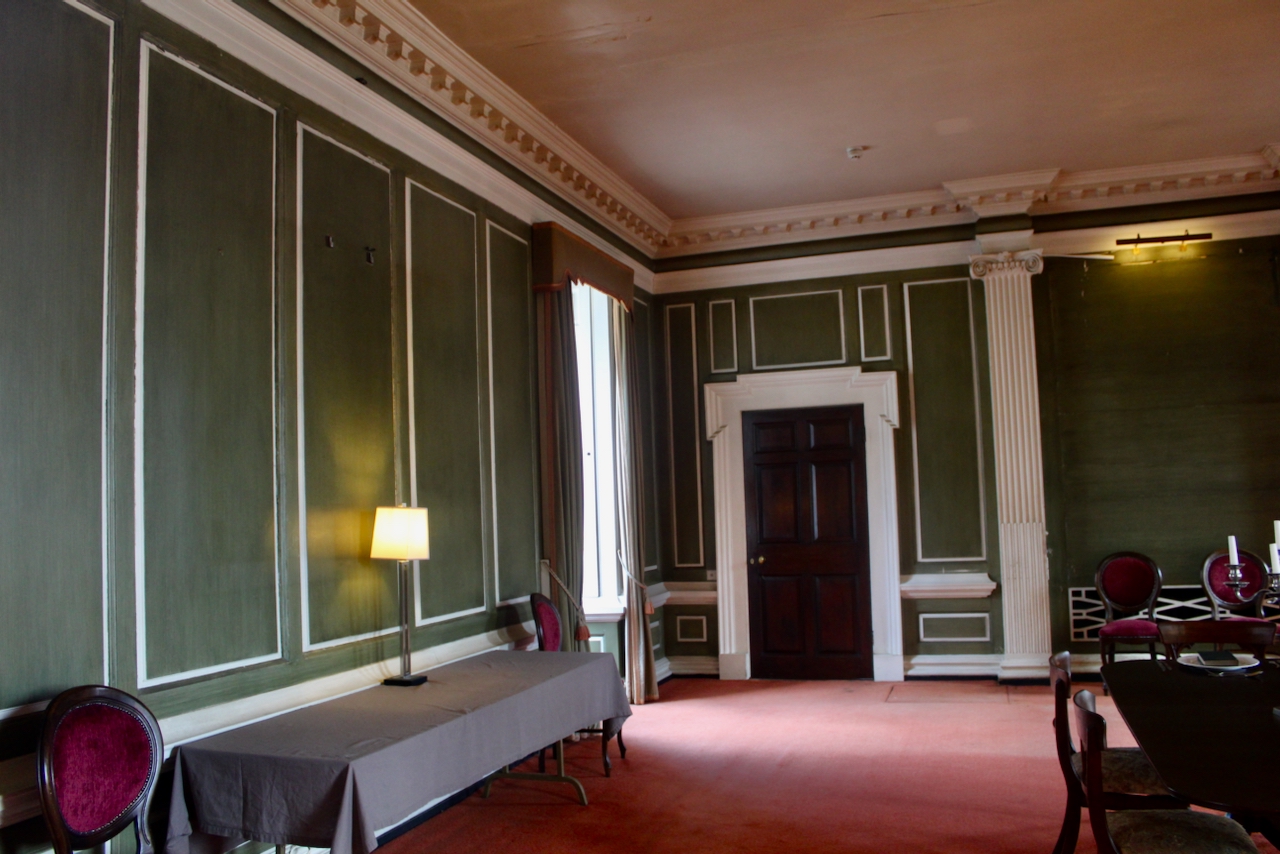
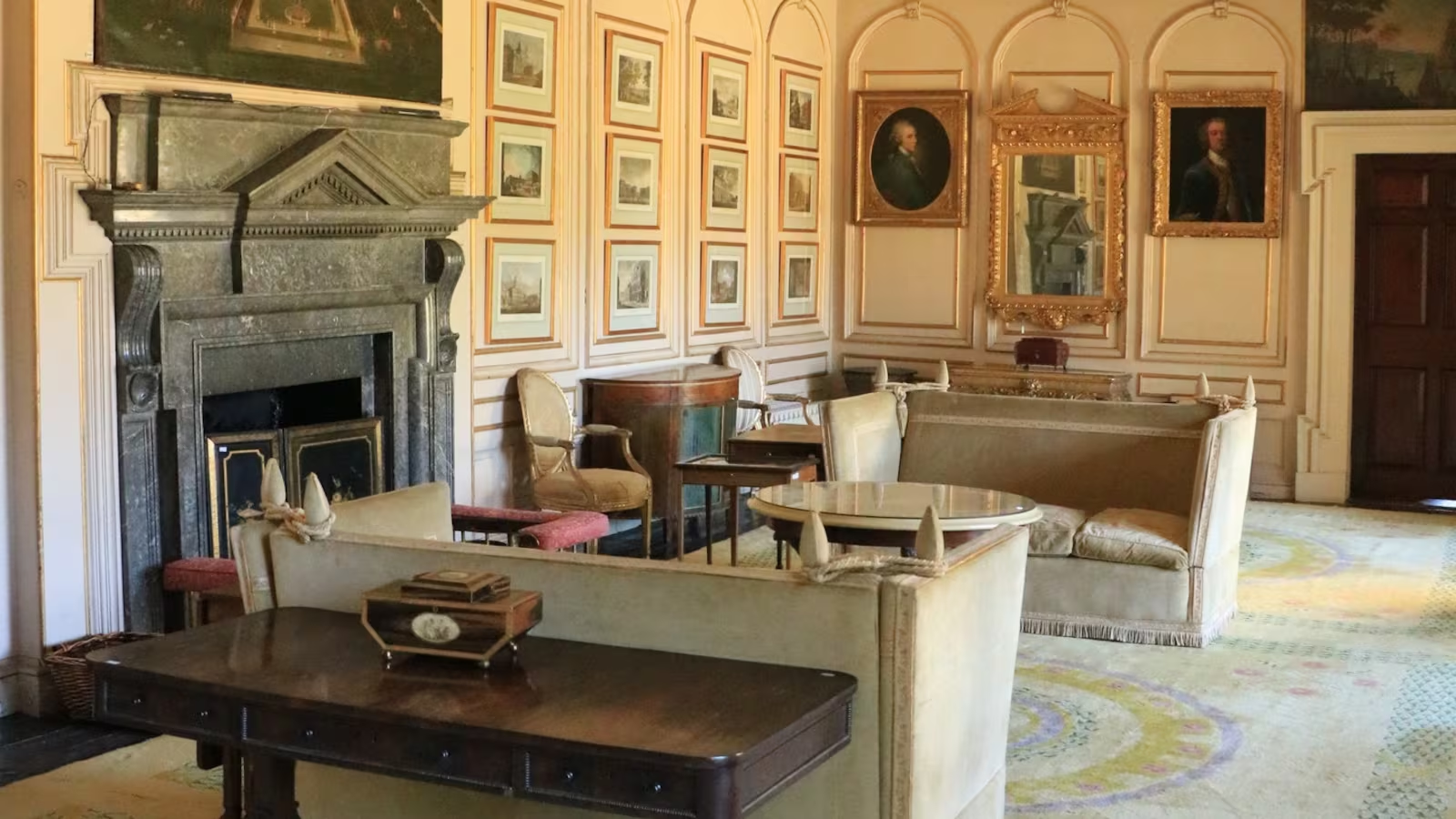
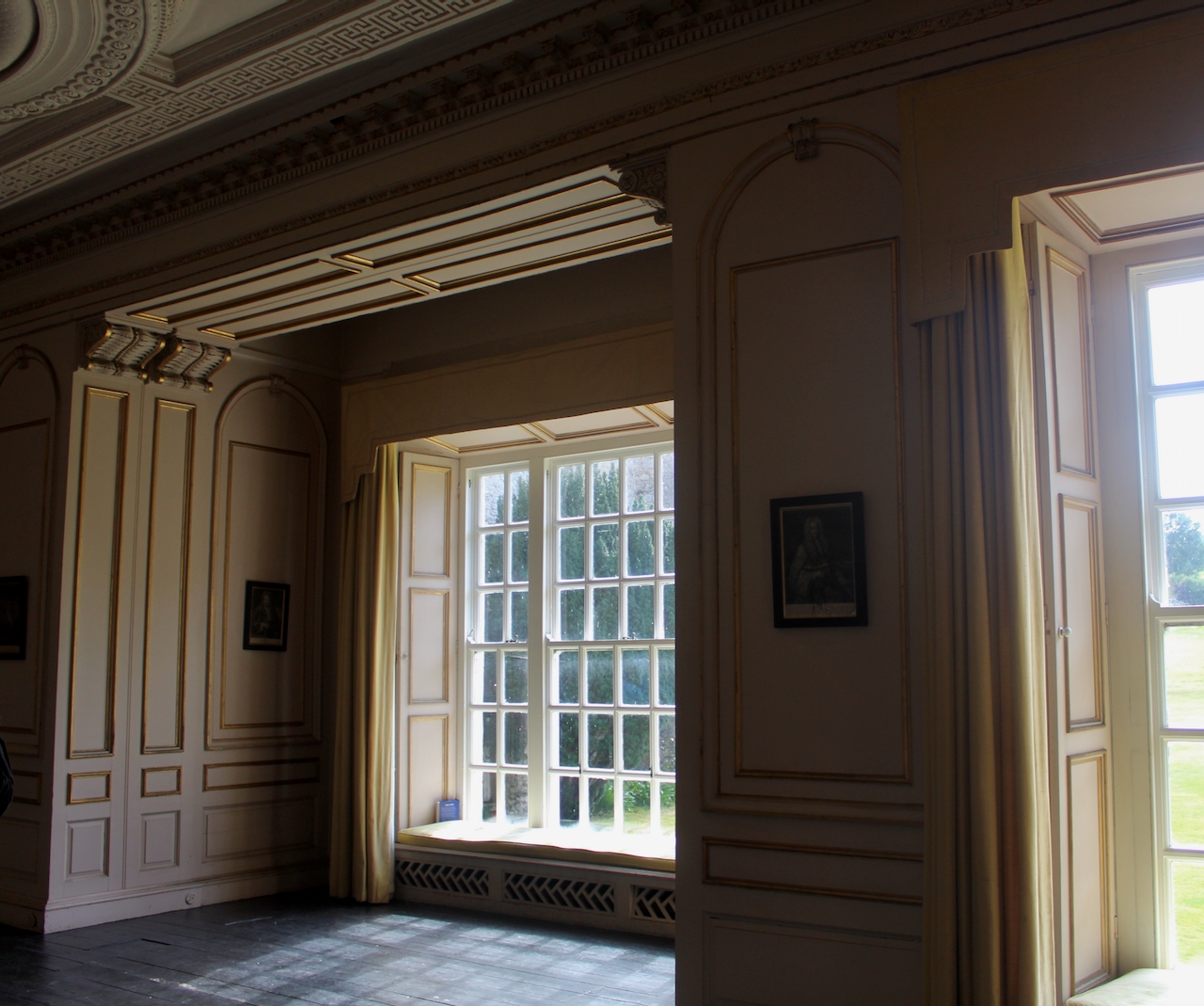
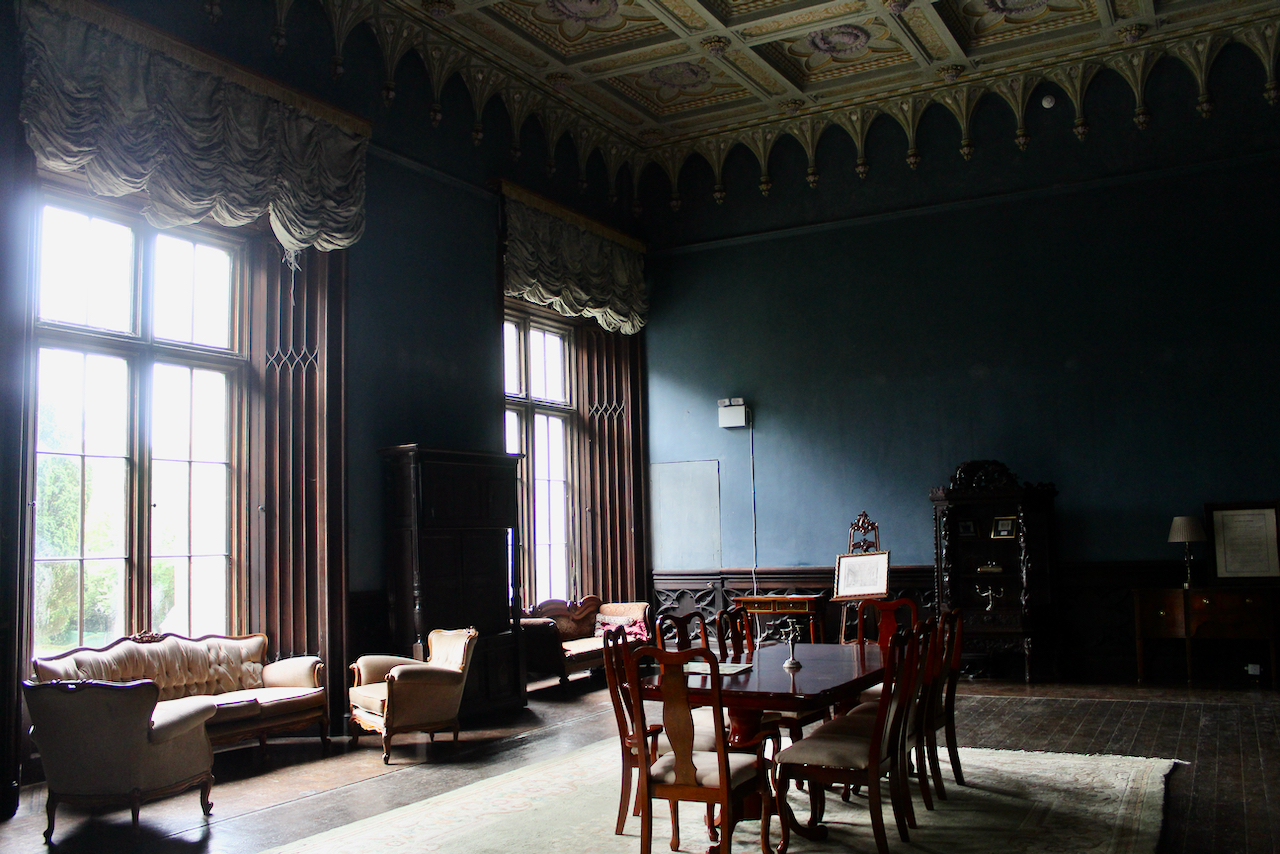
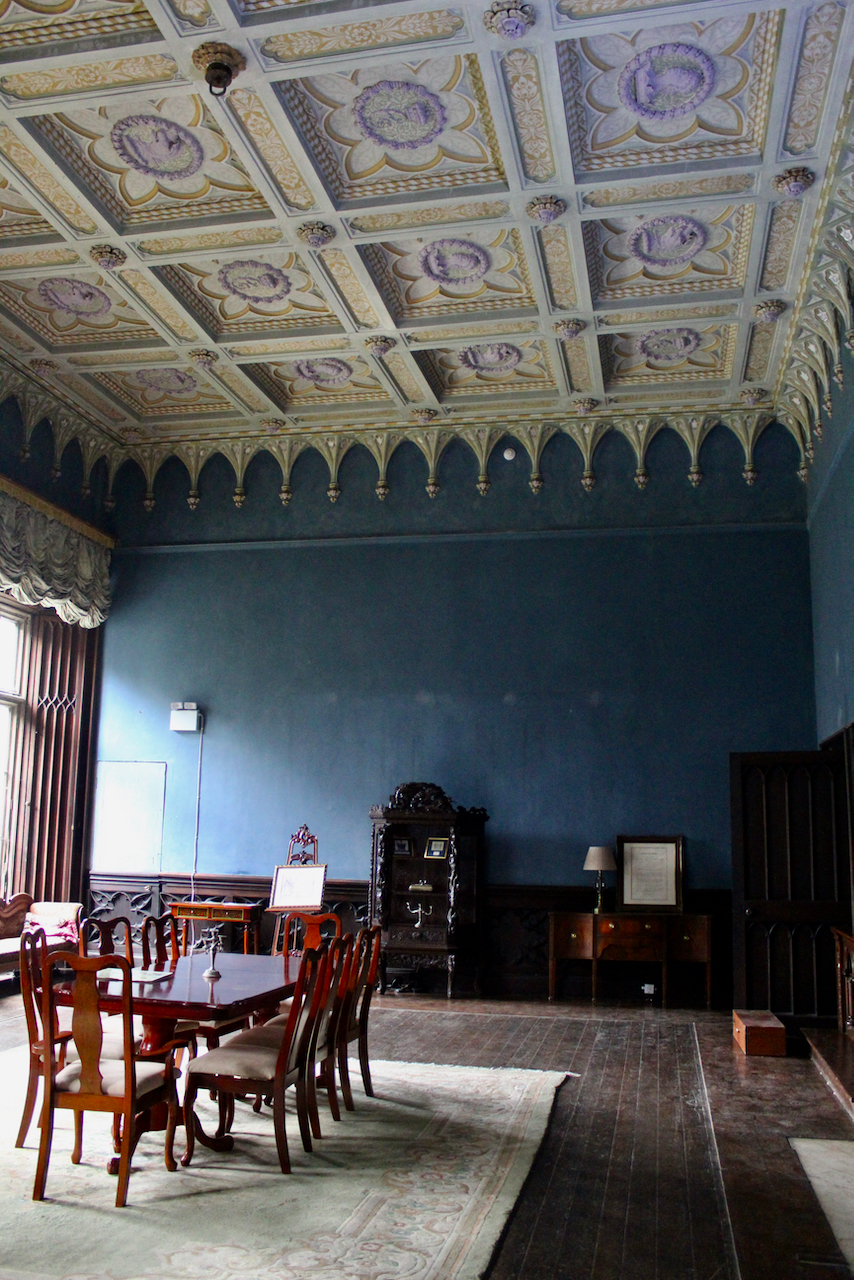
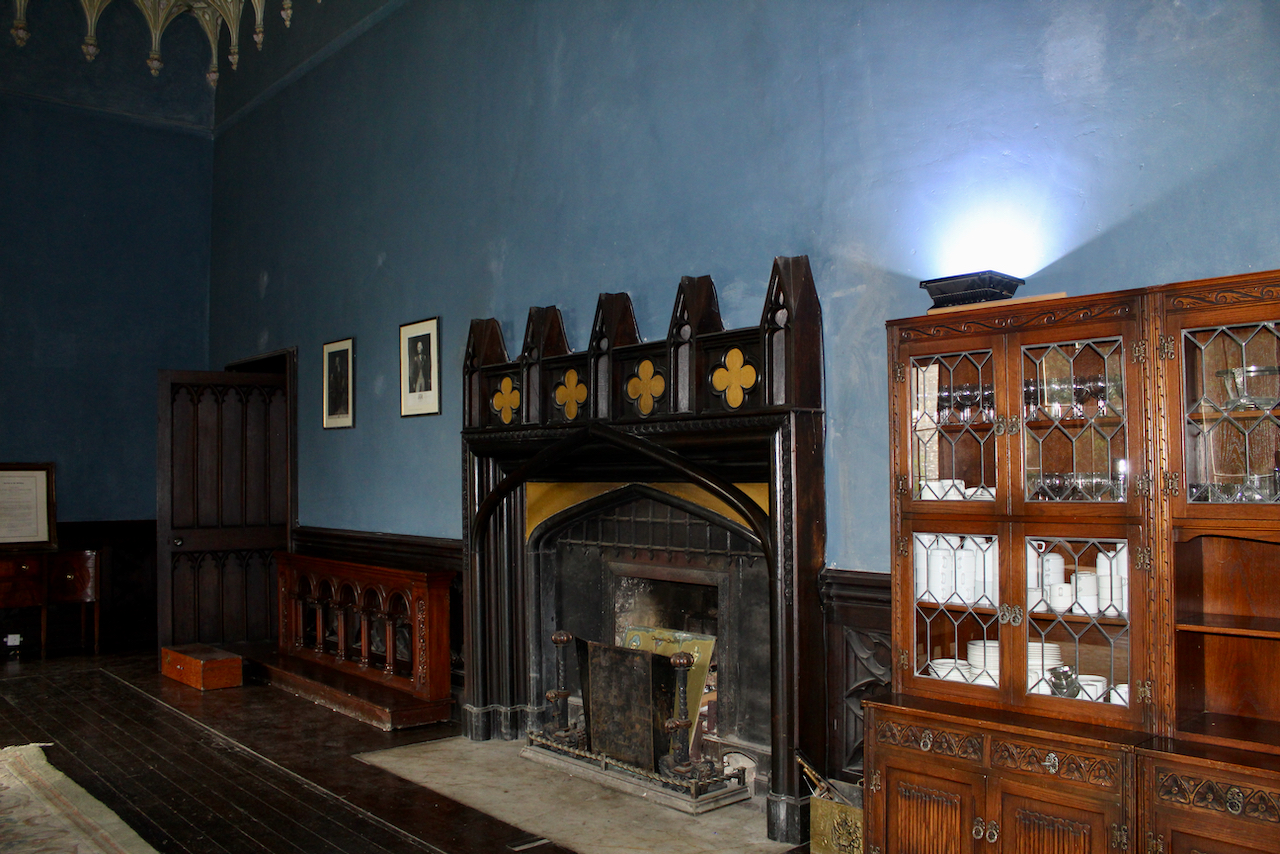
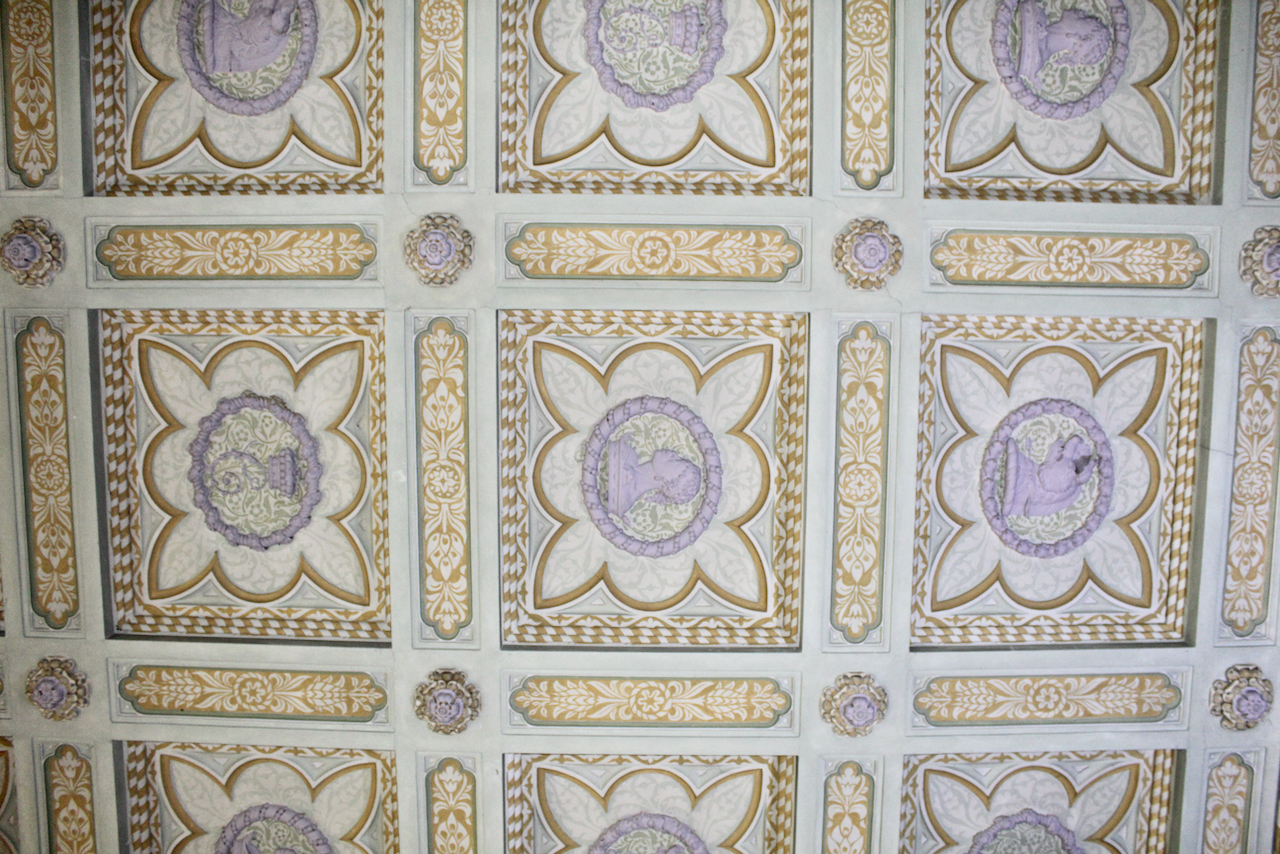
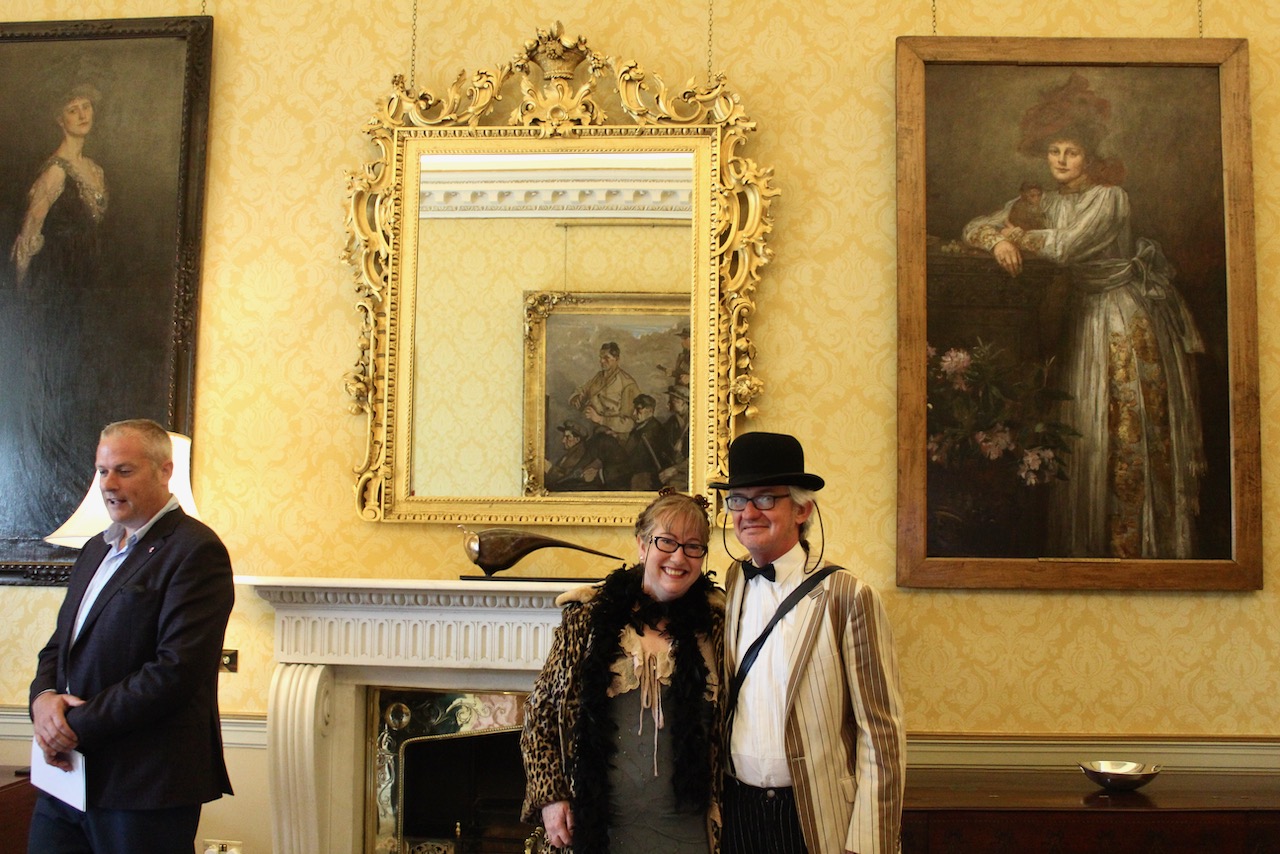
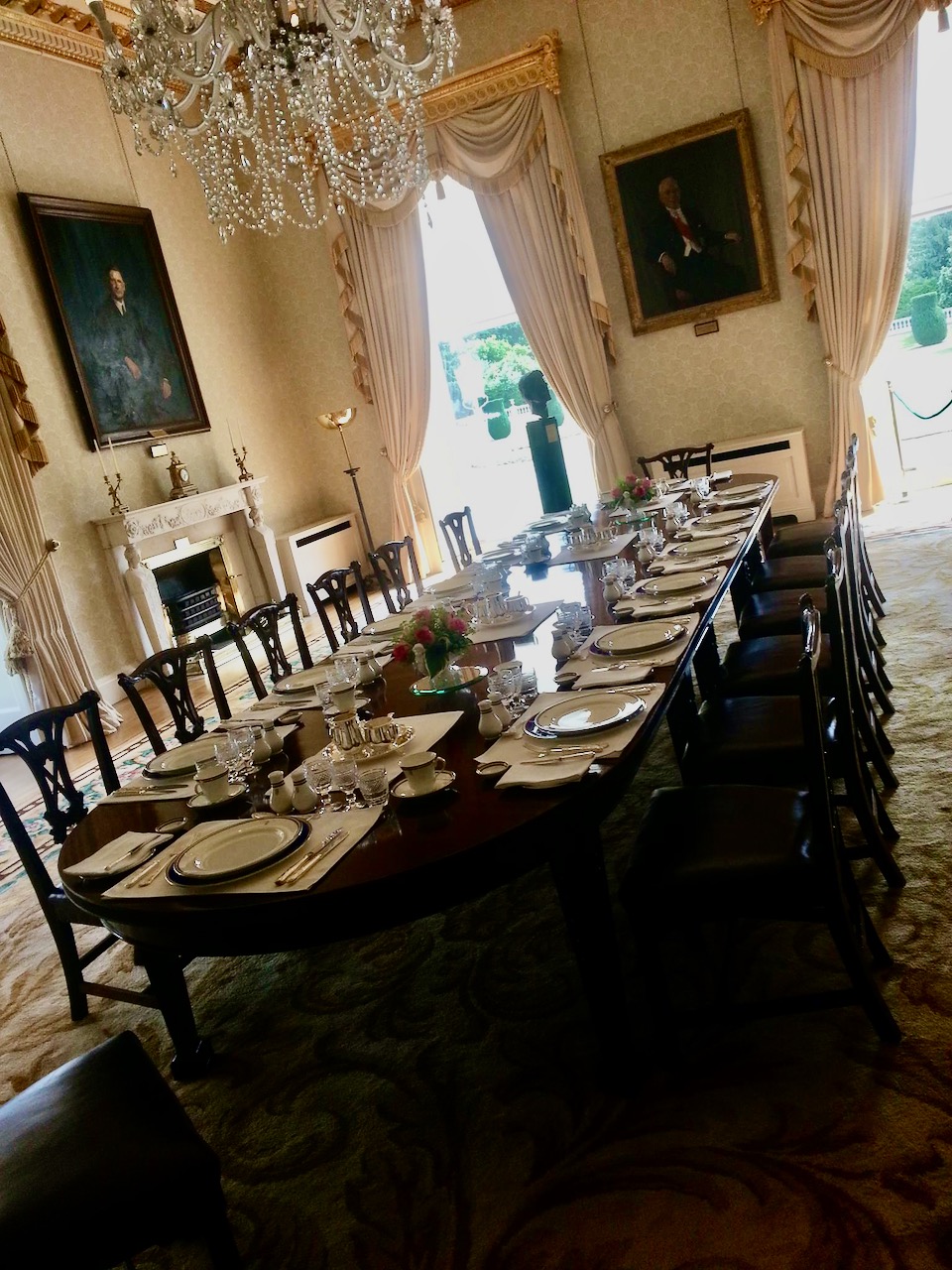
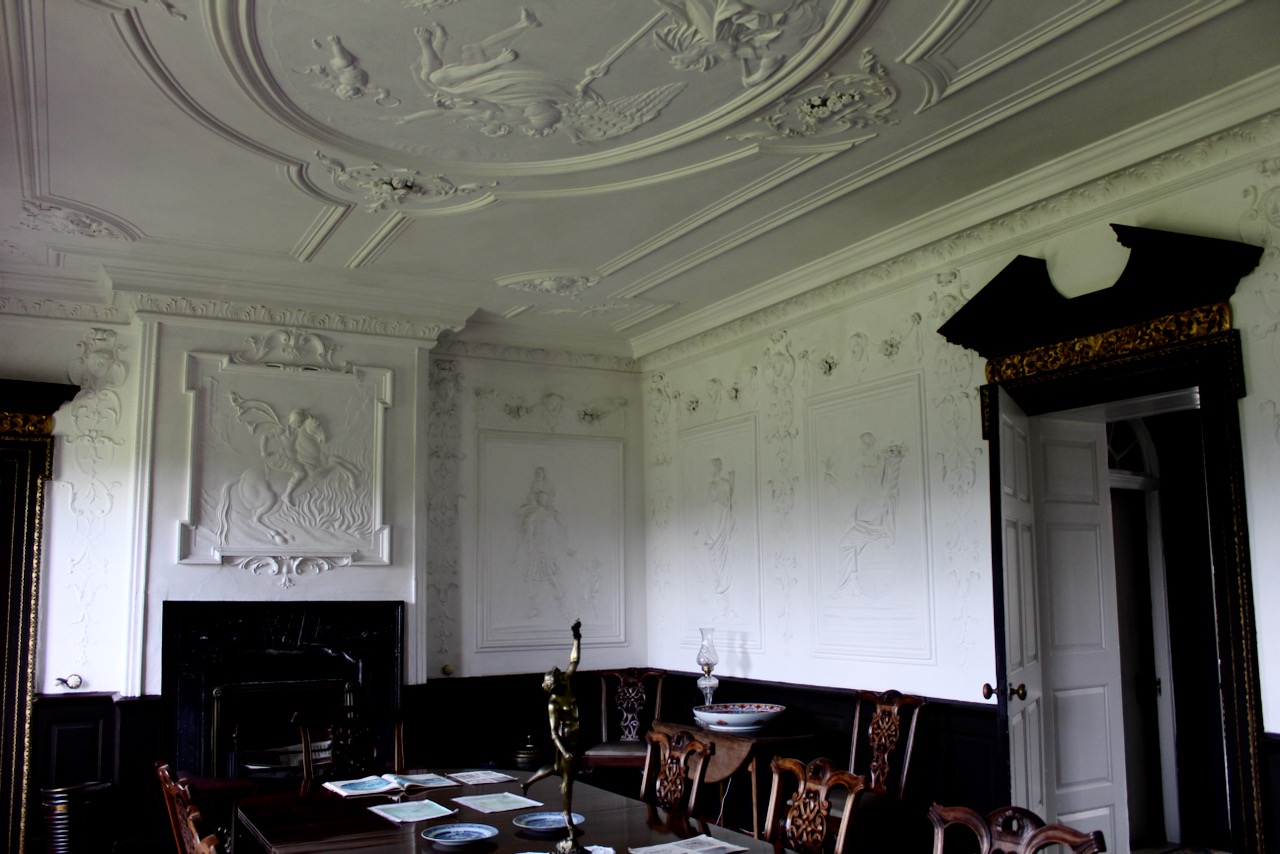
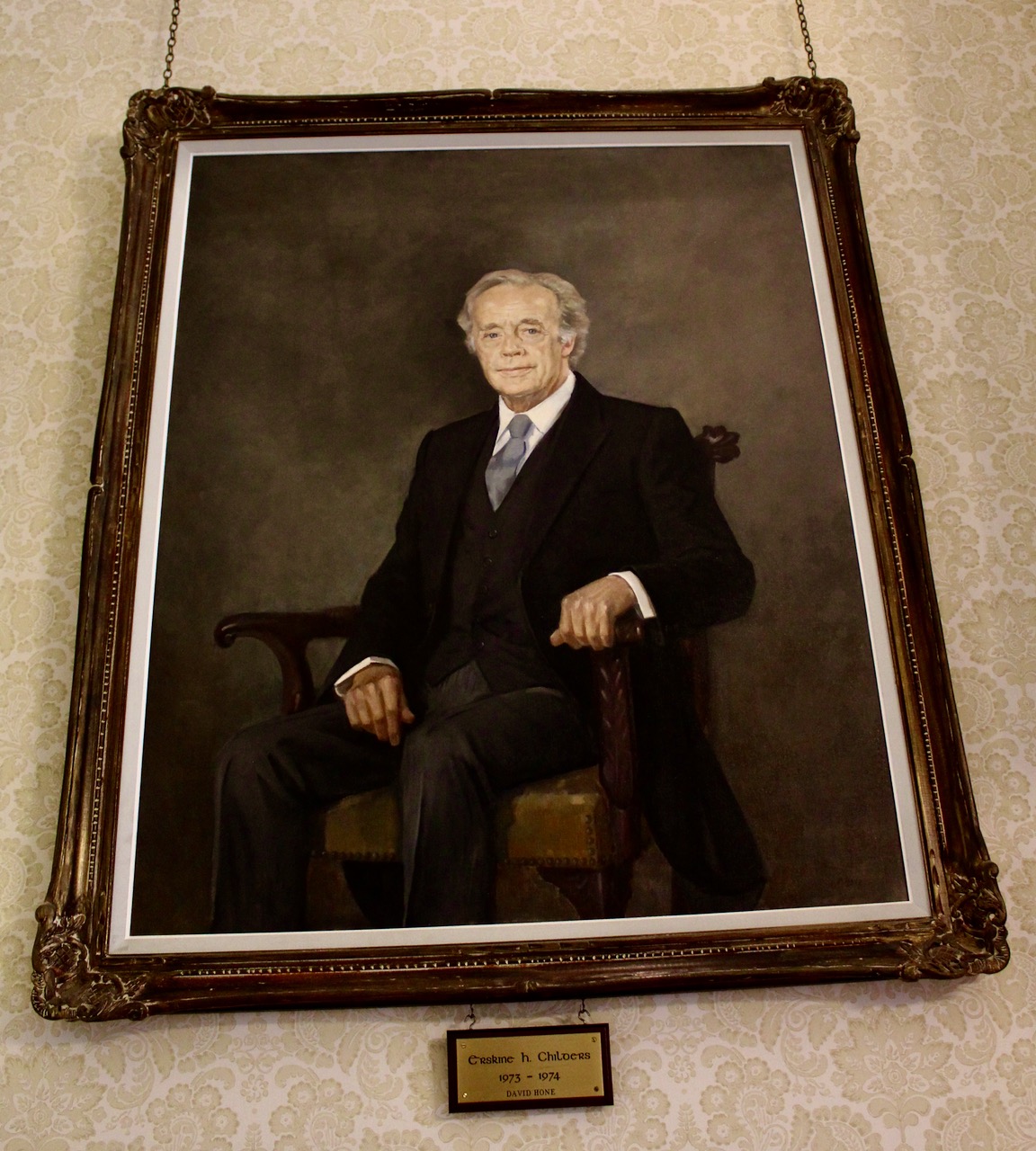
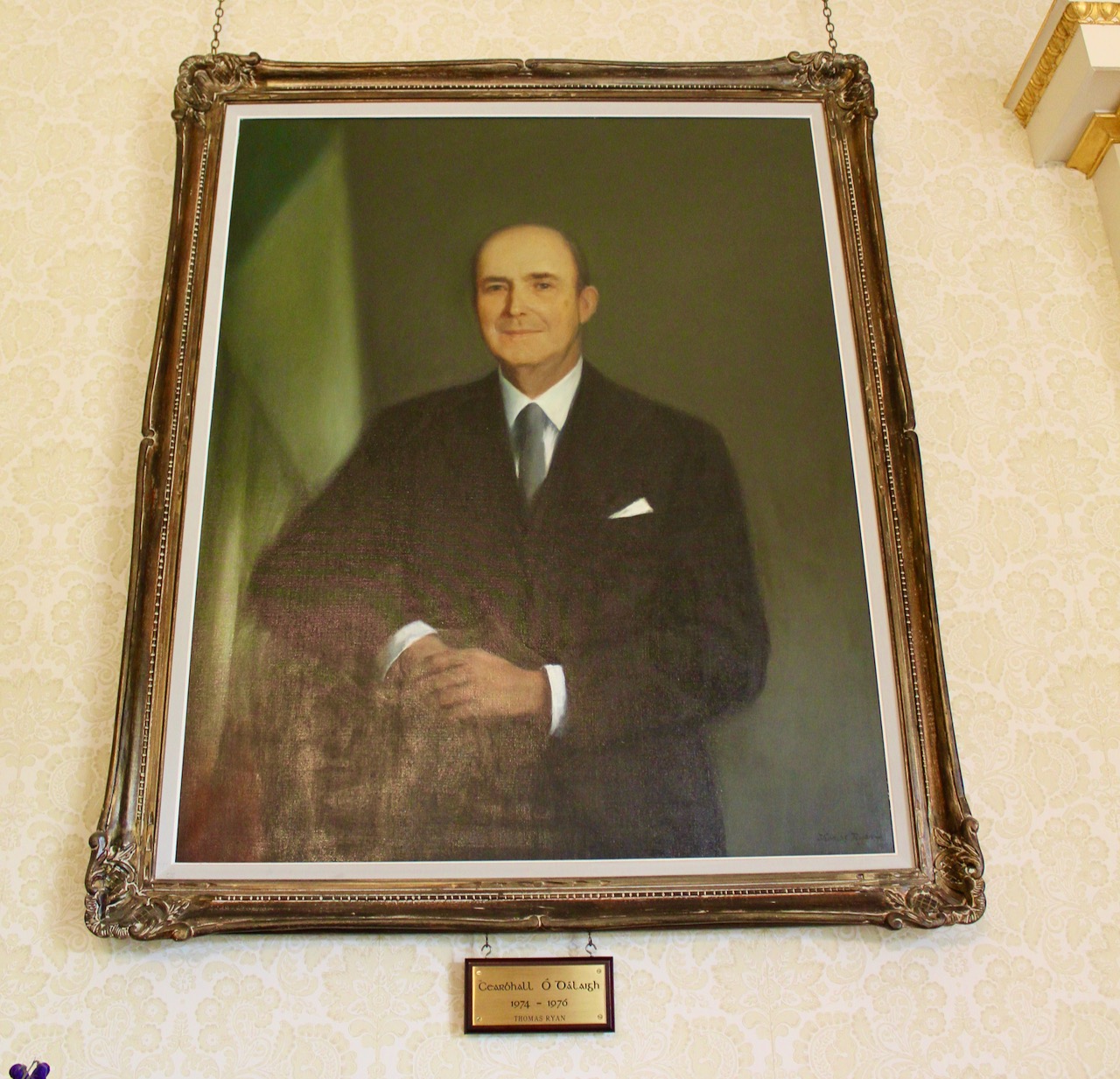
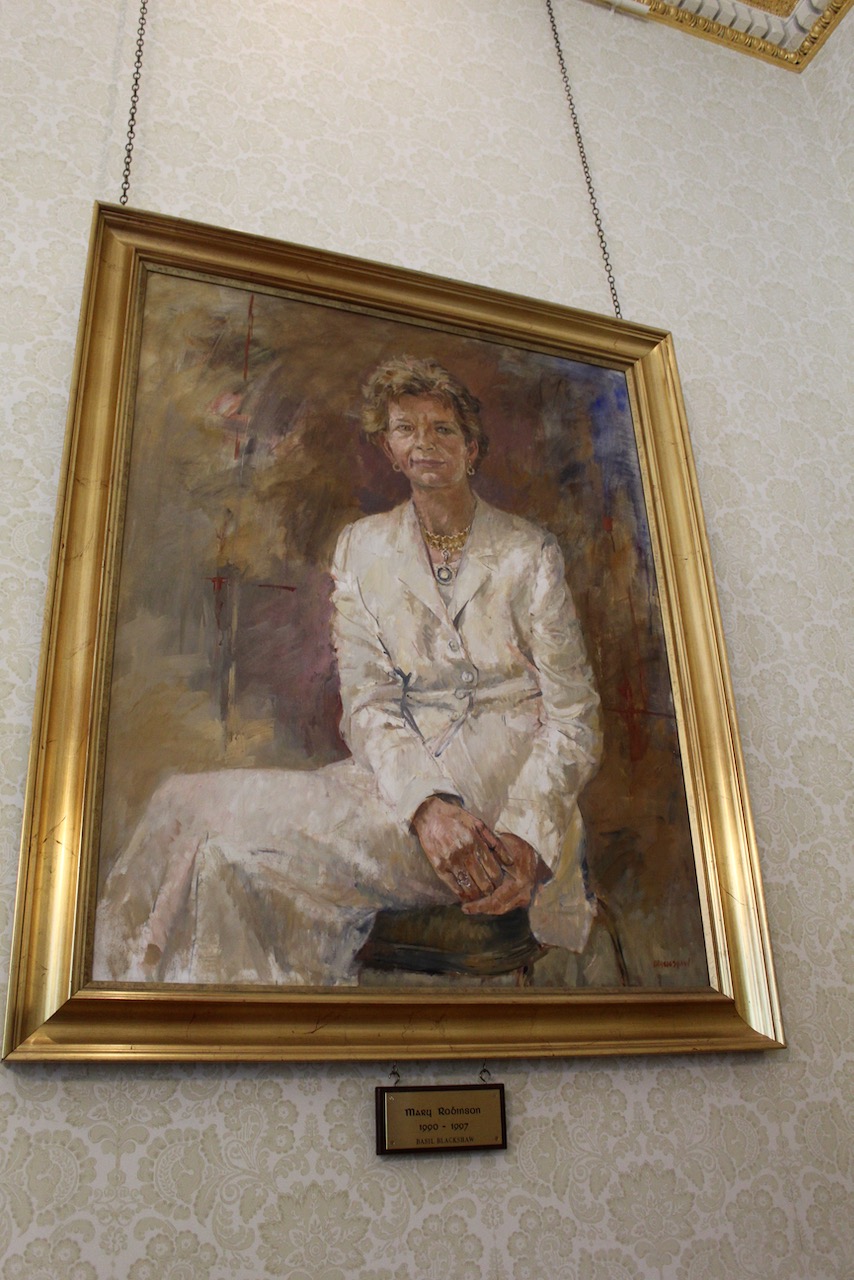
Aww, events? But what about access to the wonderful dining room with its portraits? We shall have to see if it is open…
“Kilmainham” is named after St. Maighneann who established a church and monastery in the area around AD 606. In 1174 the Knights Hospitaller, a Catholic order that focussed on aiding the sick and the poor, founded a Priory in Kilmainham, with the aid of Richard de Clare, 2nd Earl of Pembroke, better known as Strongbow. The Priory was destroyed in 1530s with the dissolution of the monasteries by King Henry VIII.
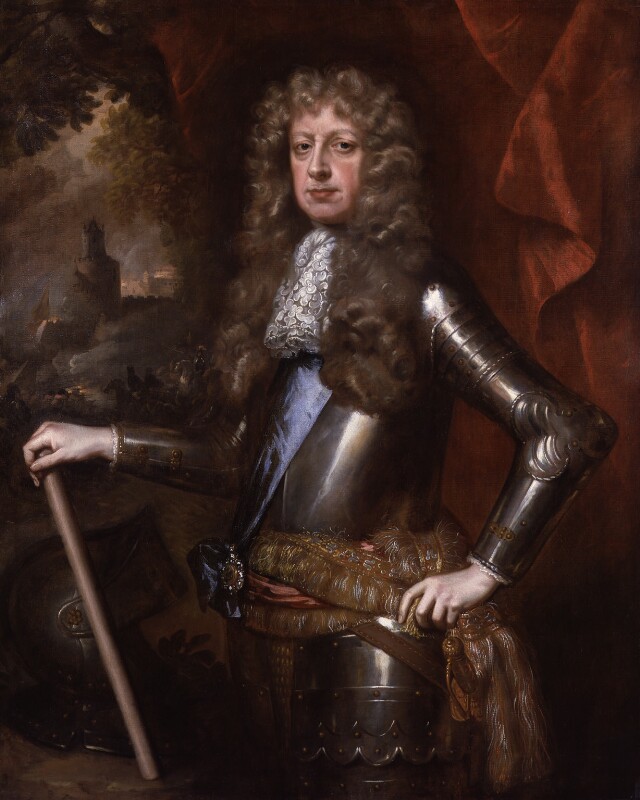
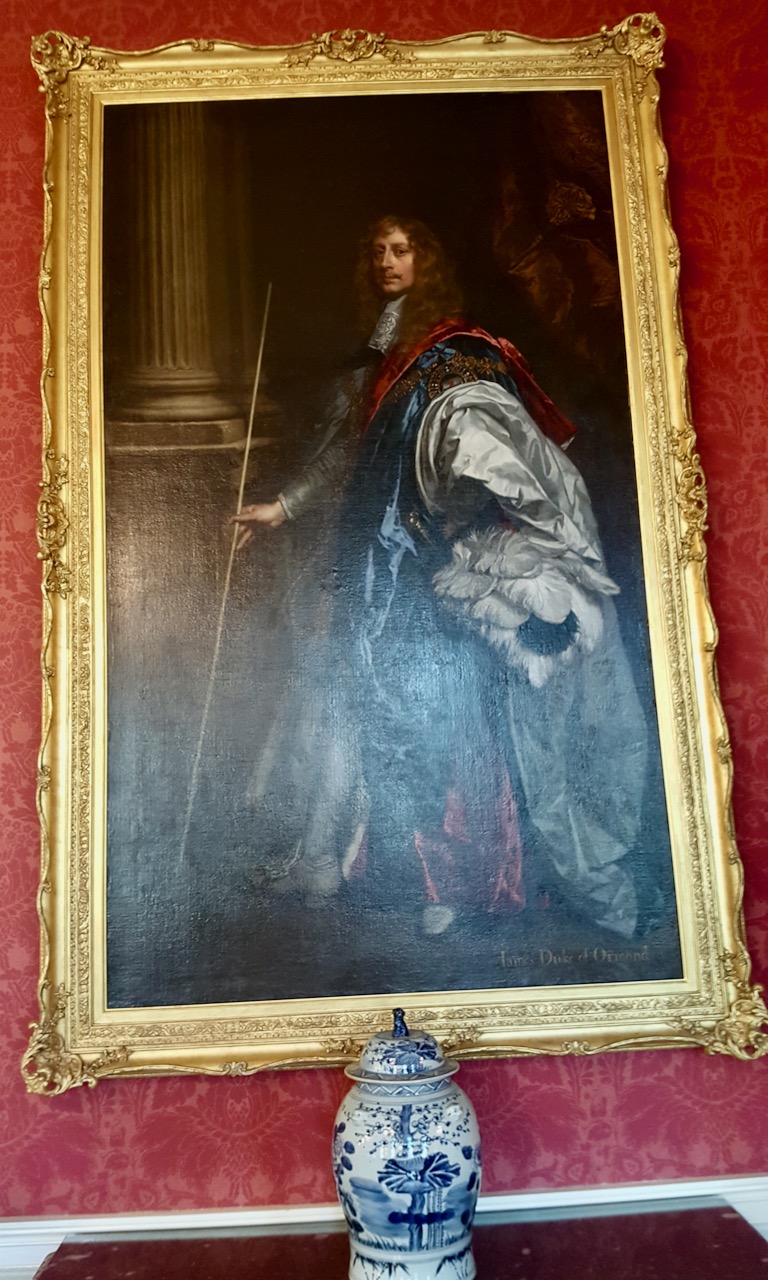
With this history, it seemed appropriate to locate the Royal Hospital here when Arthur Forbes, later Earl of Granard, proposed the idea of building an institution to accommodate veteran soldiers, similar to Les Invalides in Paris. The building was founded by King Charles II in 1679 to accommodate 300 soldiers and construction was overseen by the King’s representative in Ireland, known as the viceroy or Lord Lieutenant, James Butler 1st Duke of Ormond. He was Lord Lieutenant of Ireland from 1661-1669 then again 1677-1684.
Over the next 247 years, thousands of army pensioners lived out their final days within its walls.
The information board from the Royal Hospital tells us that it was hoped that care for injured and elderly soldiers would promote recruitment. After the Civil War between Cromwellian Parliamentarians and Royalists, Charles II was naturally concerned to have a strong military force.
The building was designed by the Chief Engineer and Surveyor General for Fortifications, Buildings, Works, Mines and Plantations for Ireland, William Robinson (1645-1712).
The information board tells us: “Born in England, Robinson went on to hold a great number of public positions. When he resigned as Surveyor General in 1700 due to ill health, he was knighted and given the position of Deputy Receiver-General at the Privy Council of Ireland. However, he was implicated in a financial scandal and following a period of imprisonment at Dublin Castle, he fled to England. He died in 1712 and is buried in Westminster Abbey.”
He must have been forgiven if buried in the Abbey! The notice board also tells us that he personally acquired the portion of the original site near Islandbridge, and built himself a house with a view of the Royal Hospital, but it no longer stands.
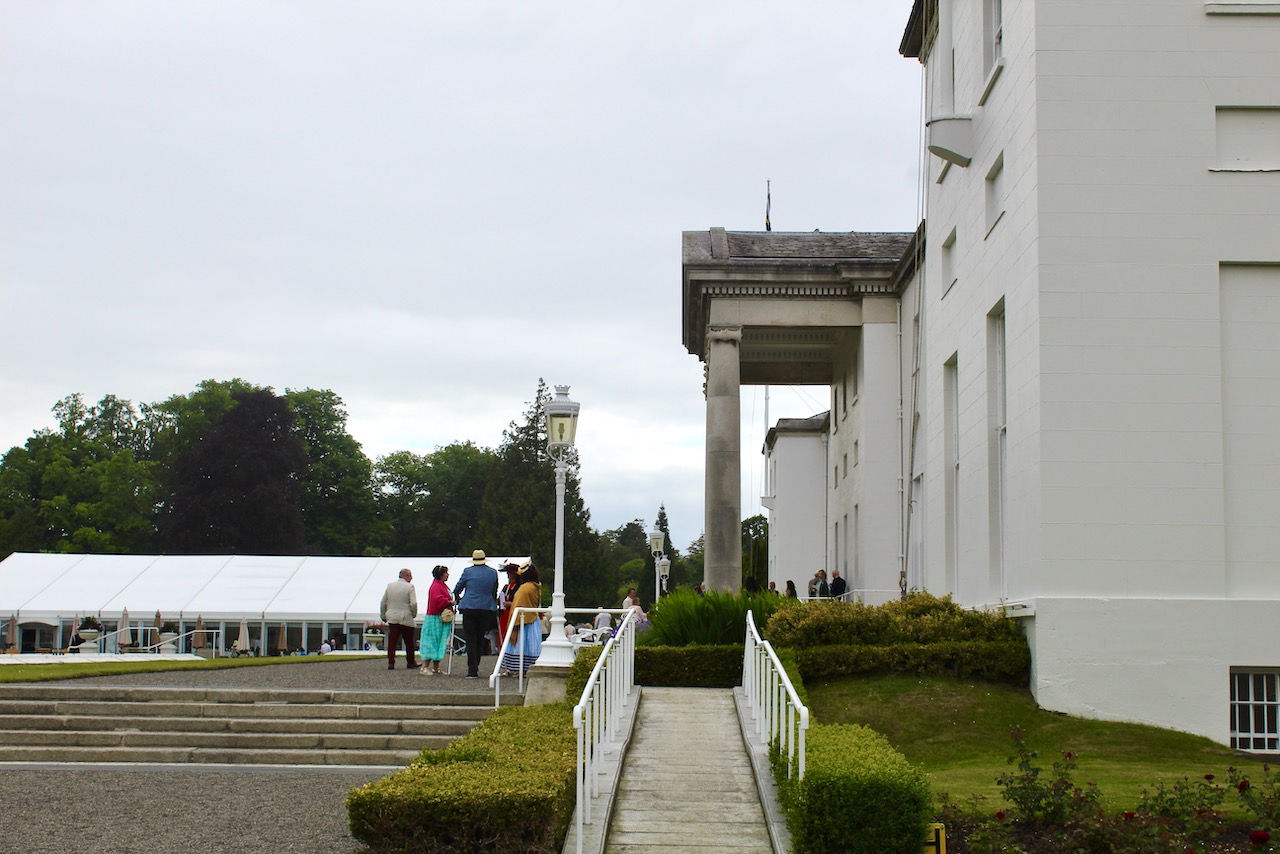
Royal Hospital Kilmainham, 15th October 2023.Royal Hospital Kilmainham, 15th October 2023.
The next Surveyor General, Thomas Burgh (1670-1730), added more to the building. In 1704 he added the tower and steeple over the north range, and designed the infirmary.
In the fourth wing, not generally open to the public, is the splendid Robinson’s Chapel with a baroque plaster ceiling, carved oak and beautiful stained glass window, and the Geat Hall. You can see an online tour at https://my.matterport.com/show/?m=ce2pG4J1huc&mls=1
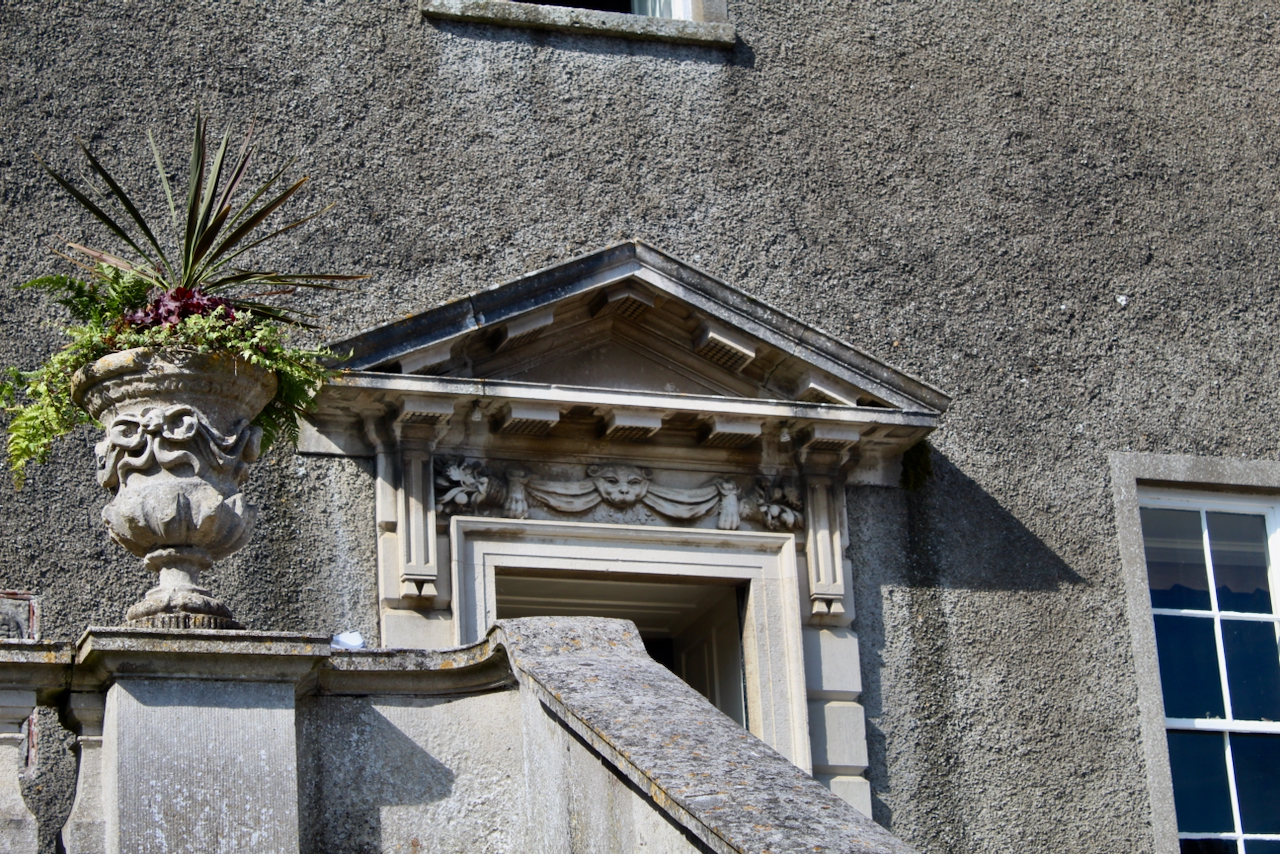
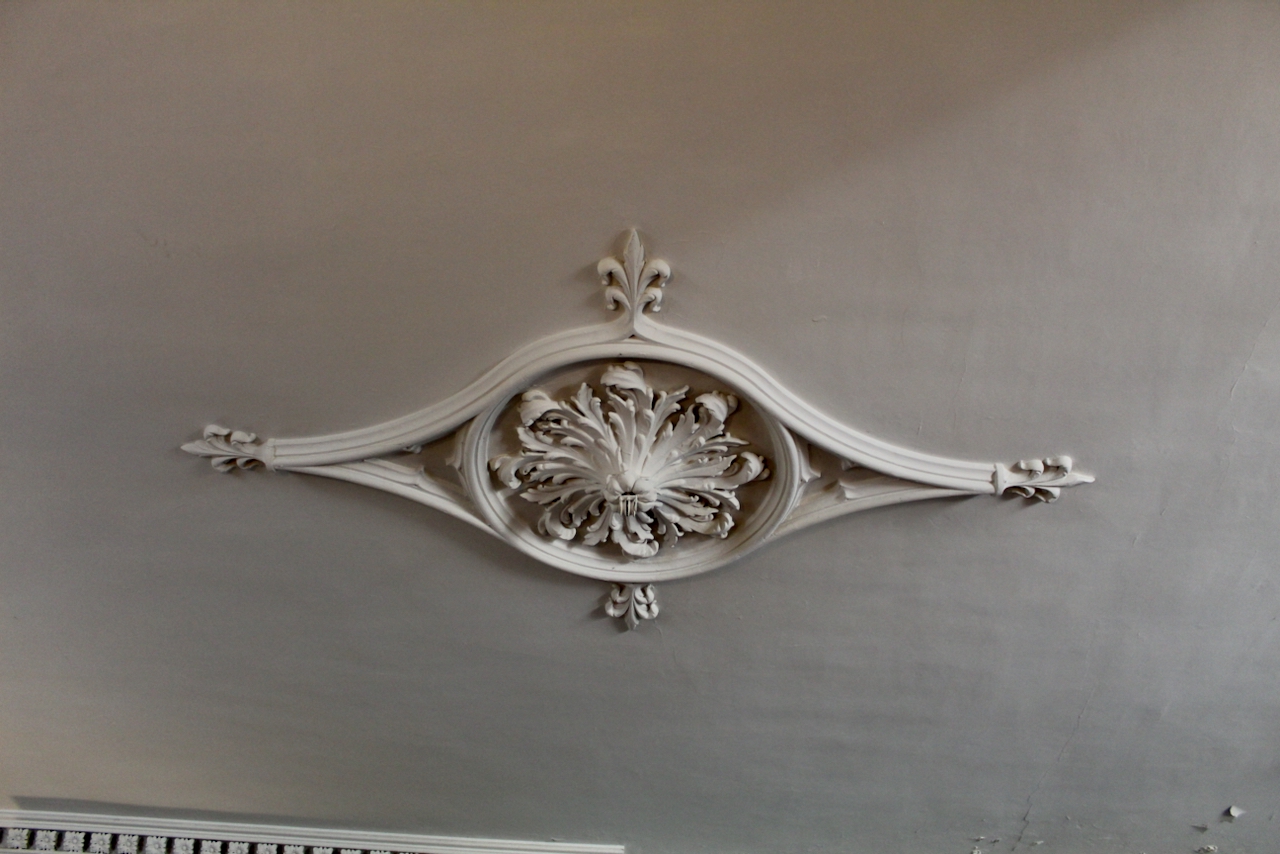
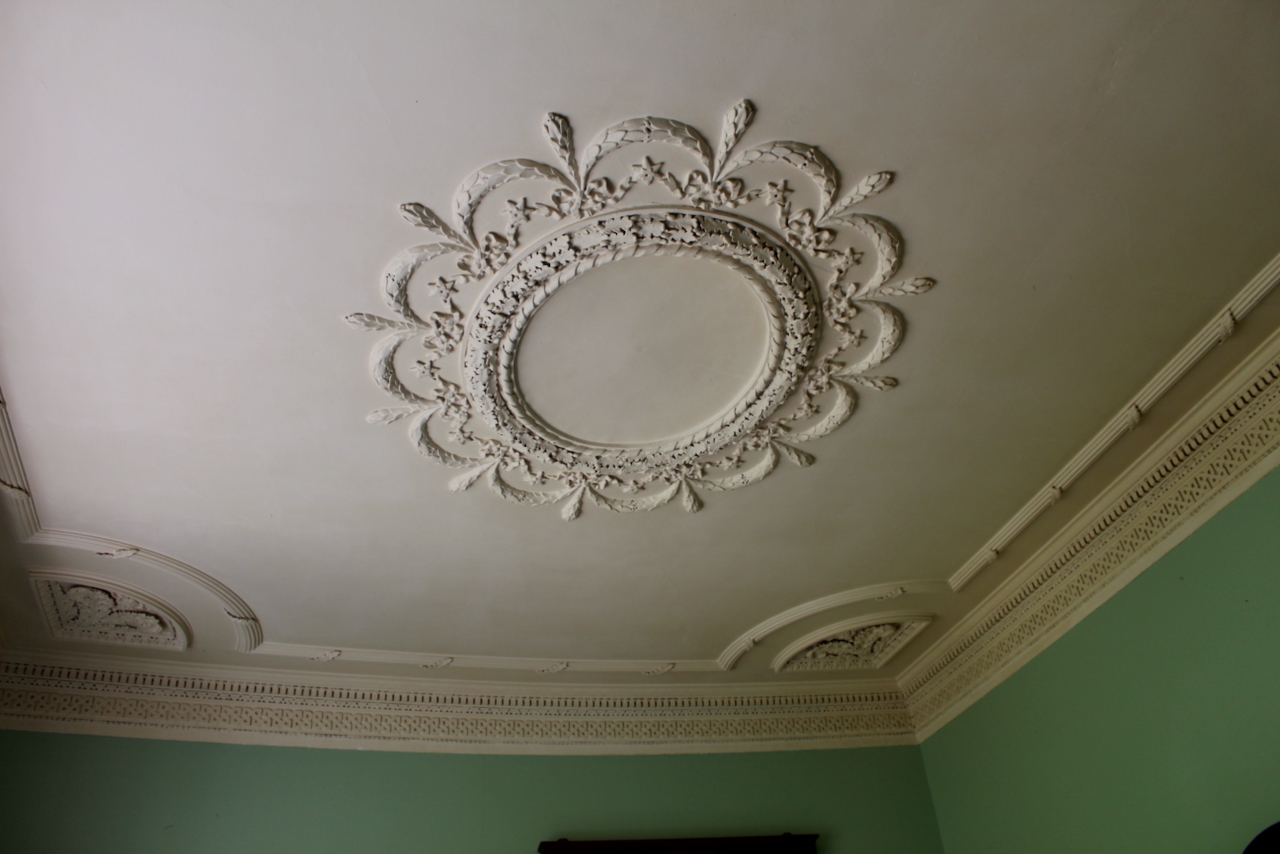
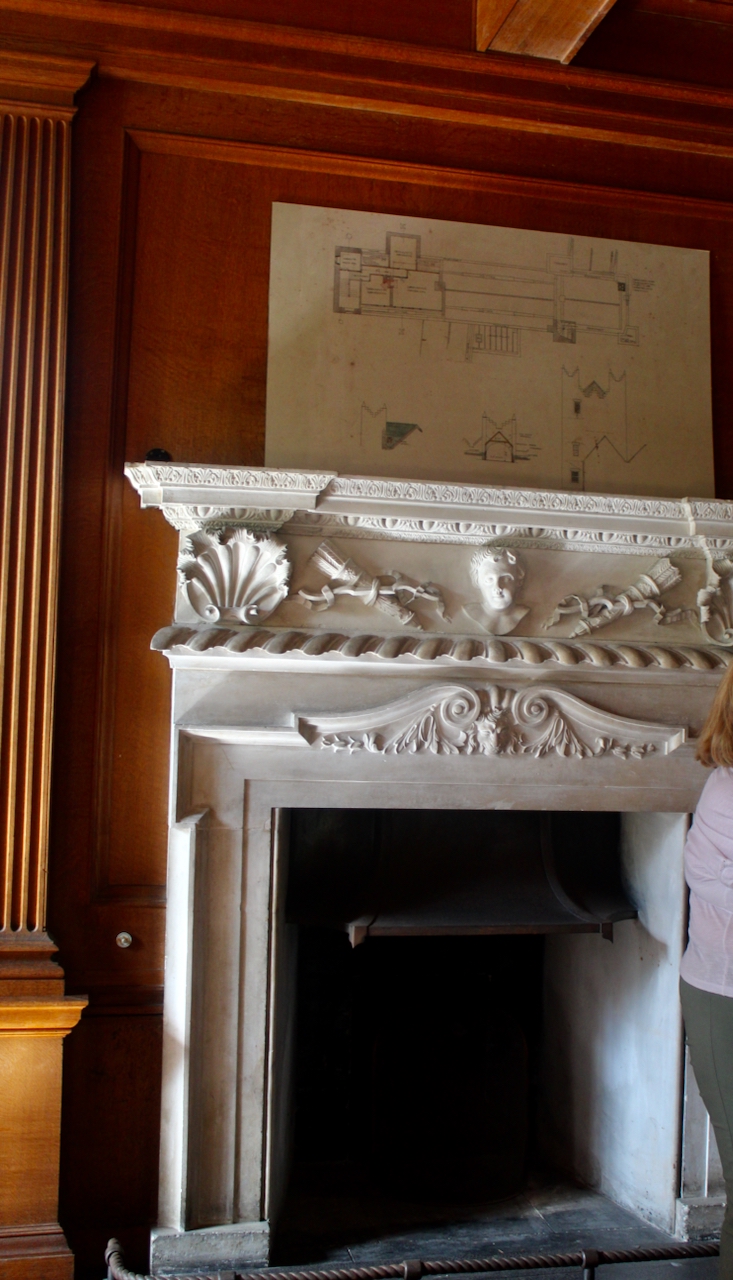
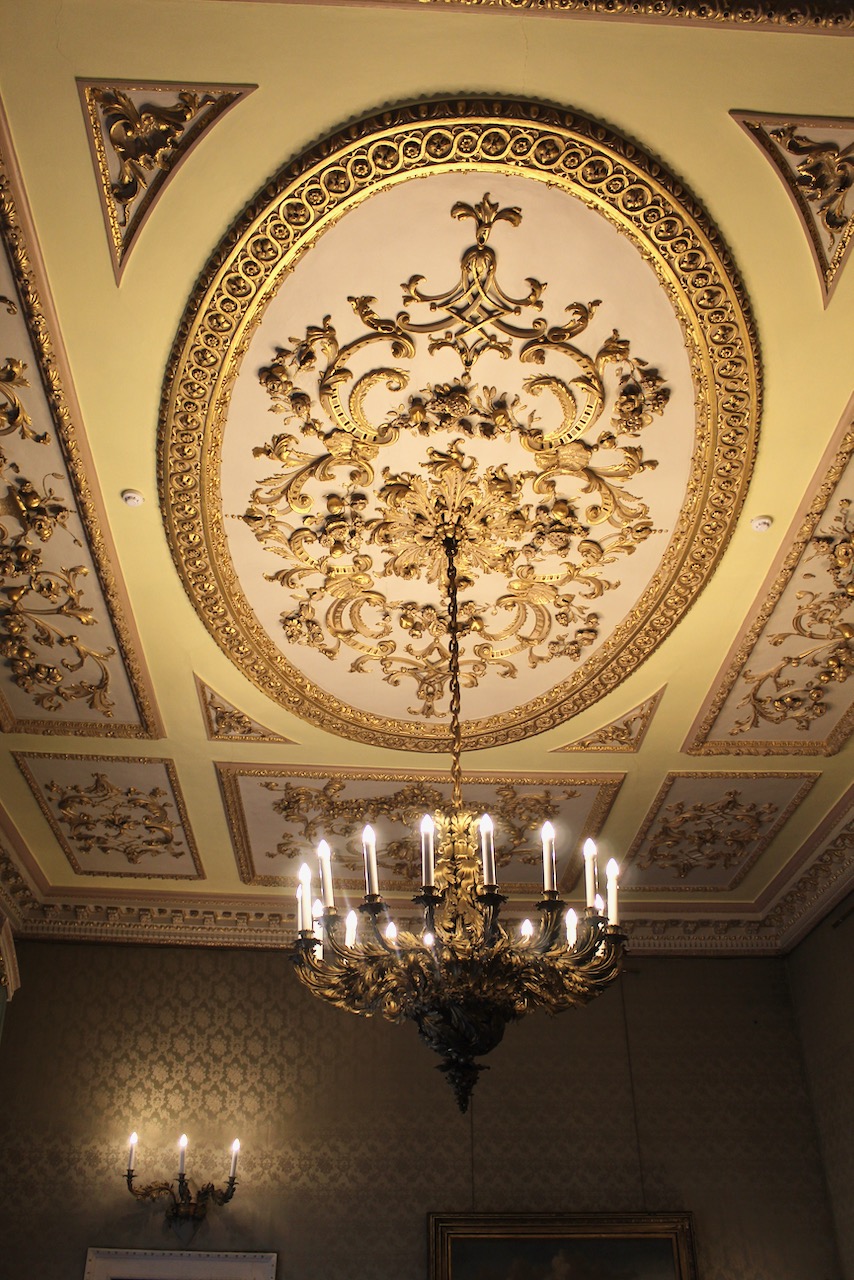
The chapel is dedicated to the memory of King Charles I and its ceiling is beautifully Baroque, a profusion of cherubs’ heads, geometrical shapes, borders, garlands and flowers. Amazingly, the ceiling is a papier-maché replica of the original. The original was too heavy, and the replica was installed in 1901. The artist of the original is unknown. The room is panelled in Baltic pine with ornate oak carving and Corinthian pilasters.
The oak carving of the altar is by Huguenot refugee from Paris, James Tabary. The carvings above the south, east and west Hospital entrances, which are made of wood but painted to look like stone, may also be by Tabary.
The stained glass in the Chapel’s large east window mostly dates to the 19th century, although some of it is said to come from the medieval Priory of St. John the Hospitaller.
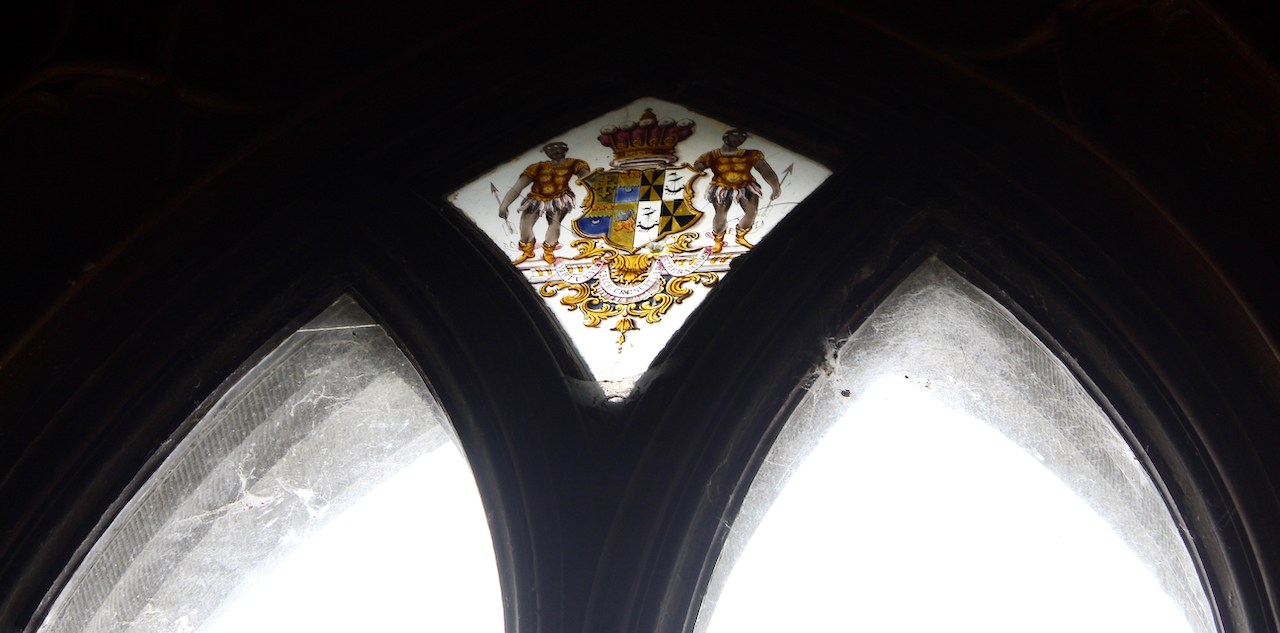
In 1849 young Queen Victoria visited the hospital and bestowed a gift of stained glass which shows the coats of arms of the various Masters of the Hospital, which was made c. 1852 in London by Irish artist Michael O’Connor.
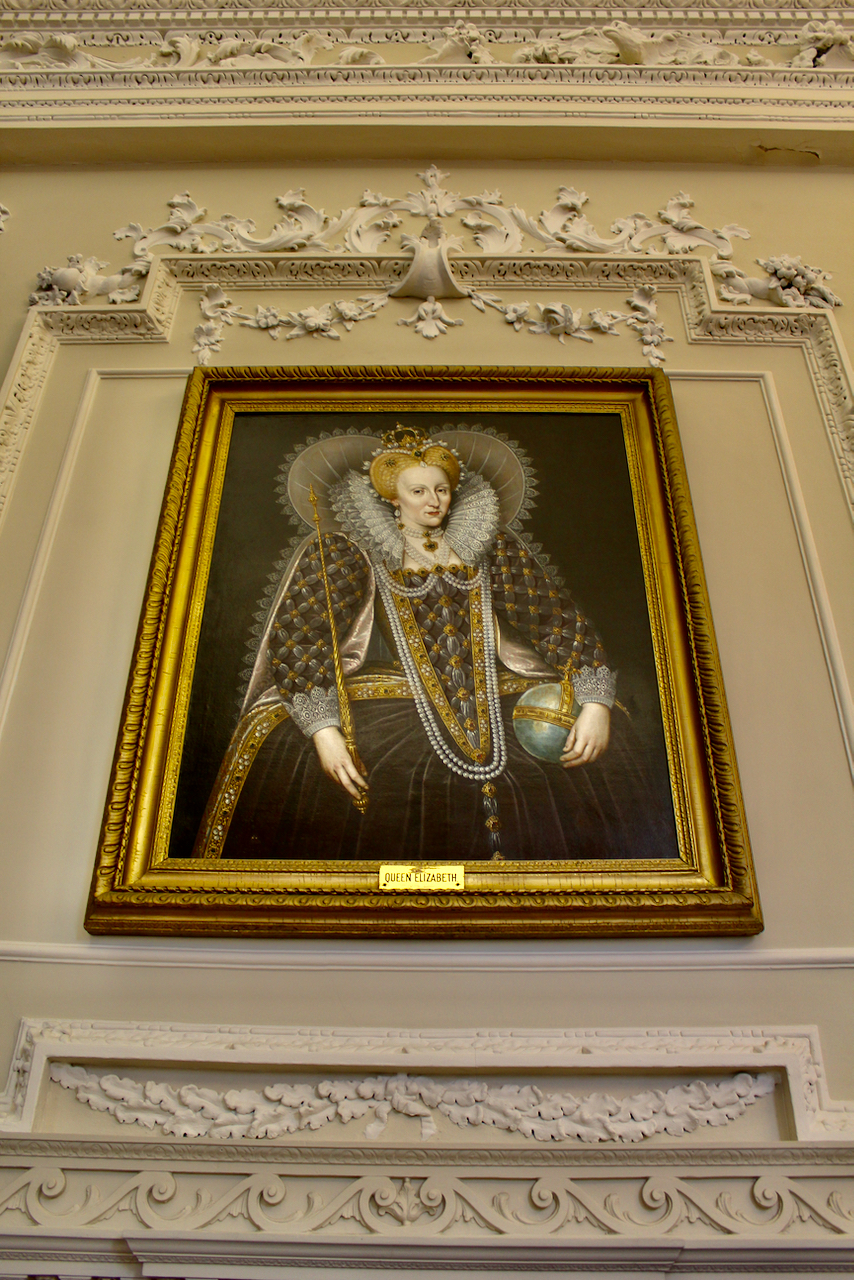
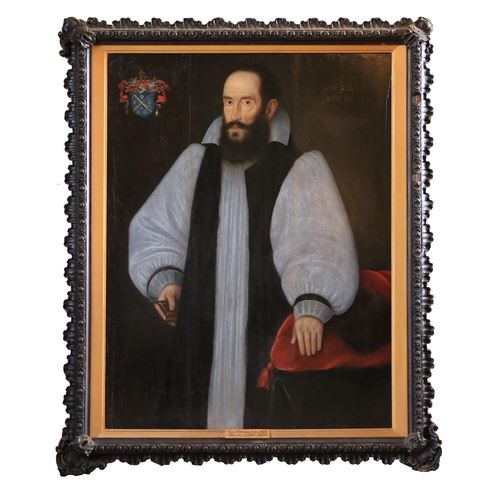
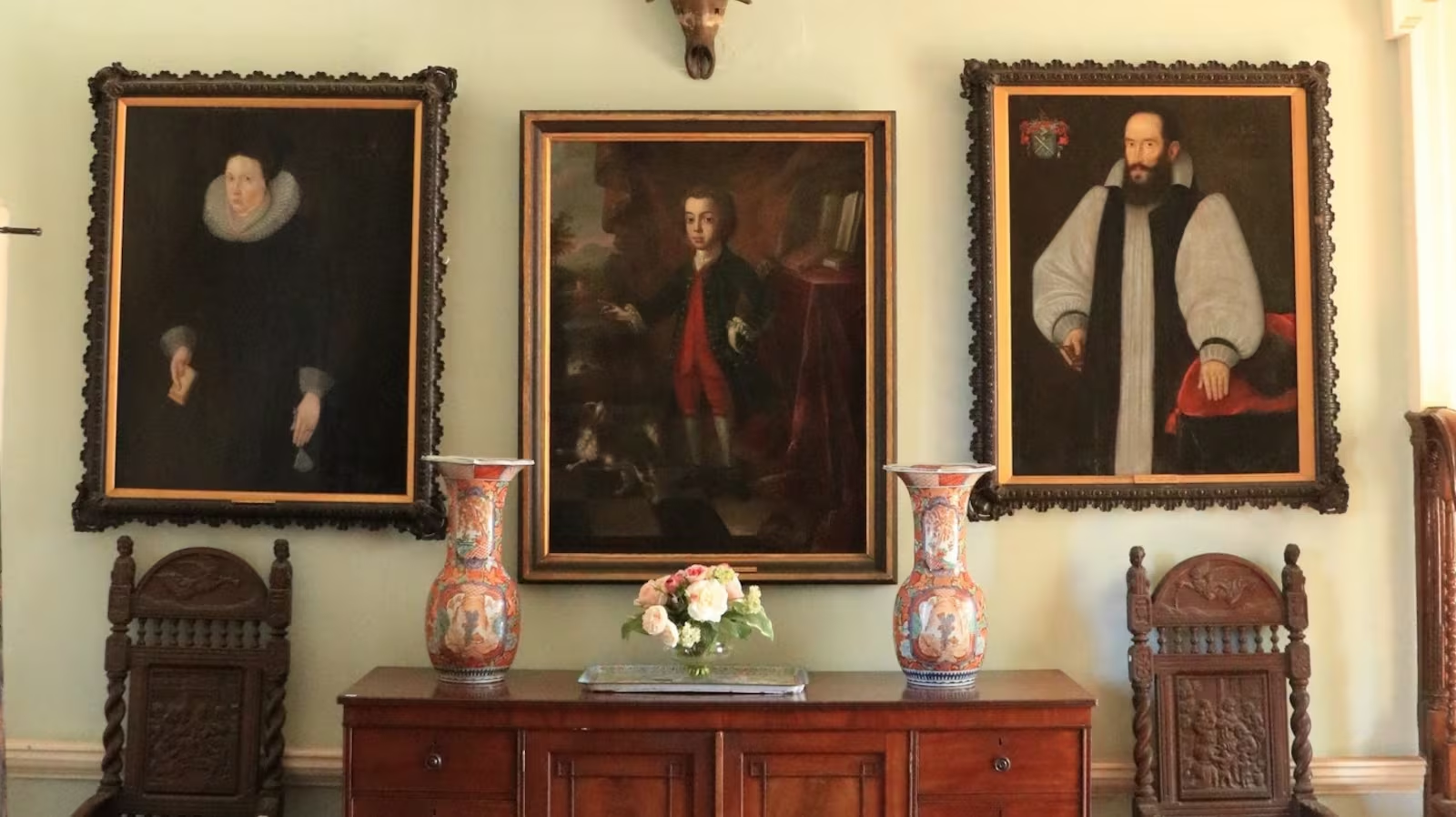
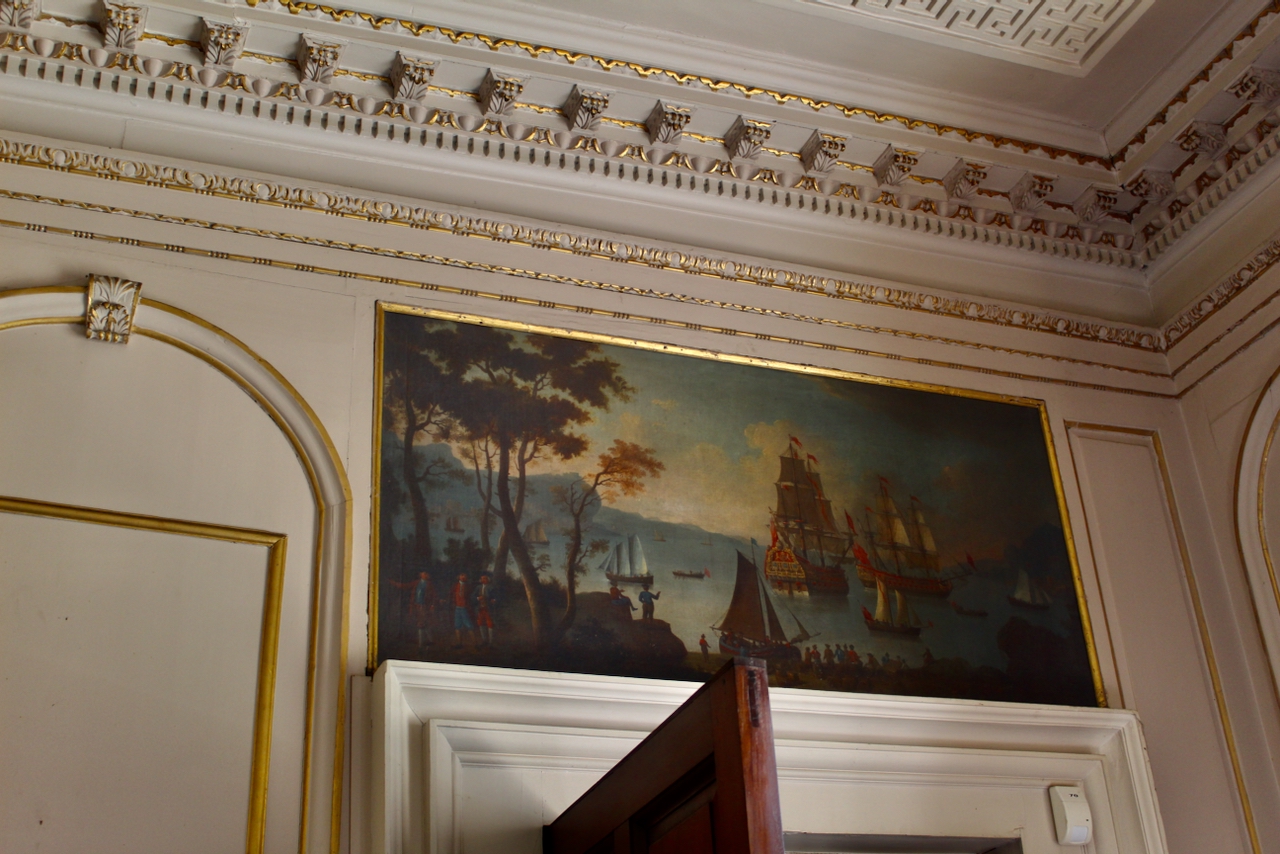
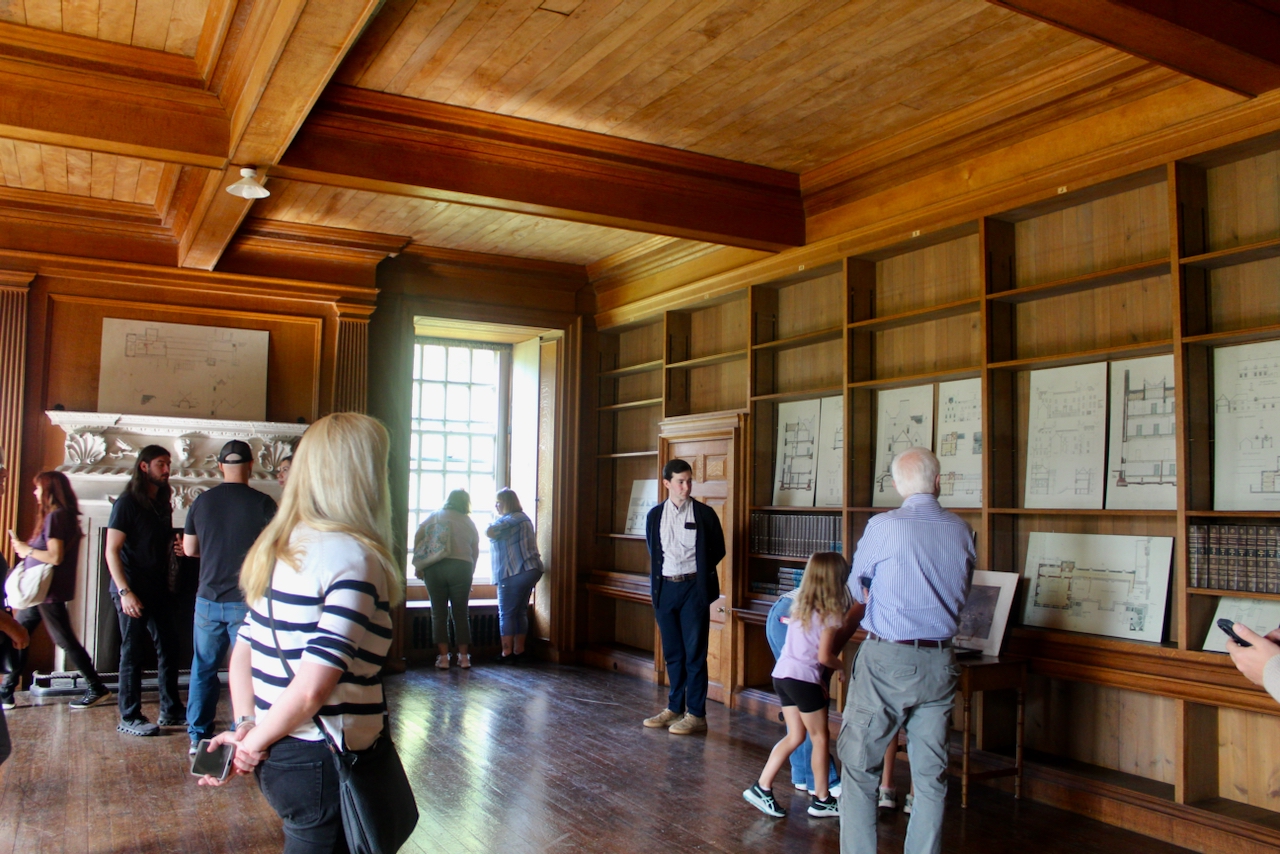
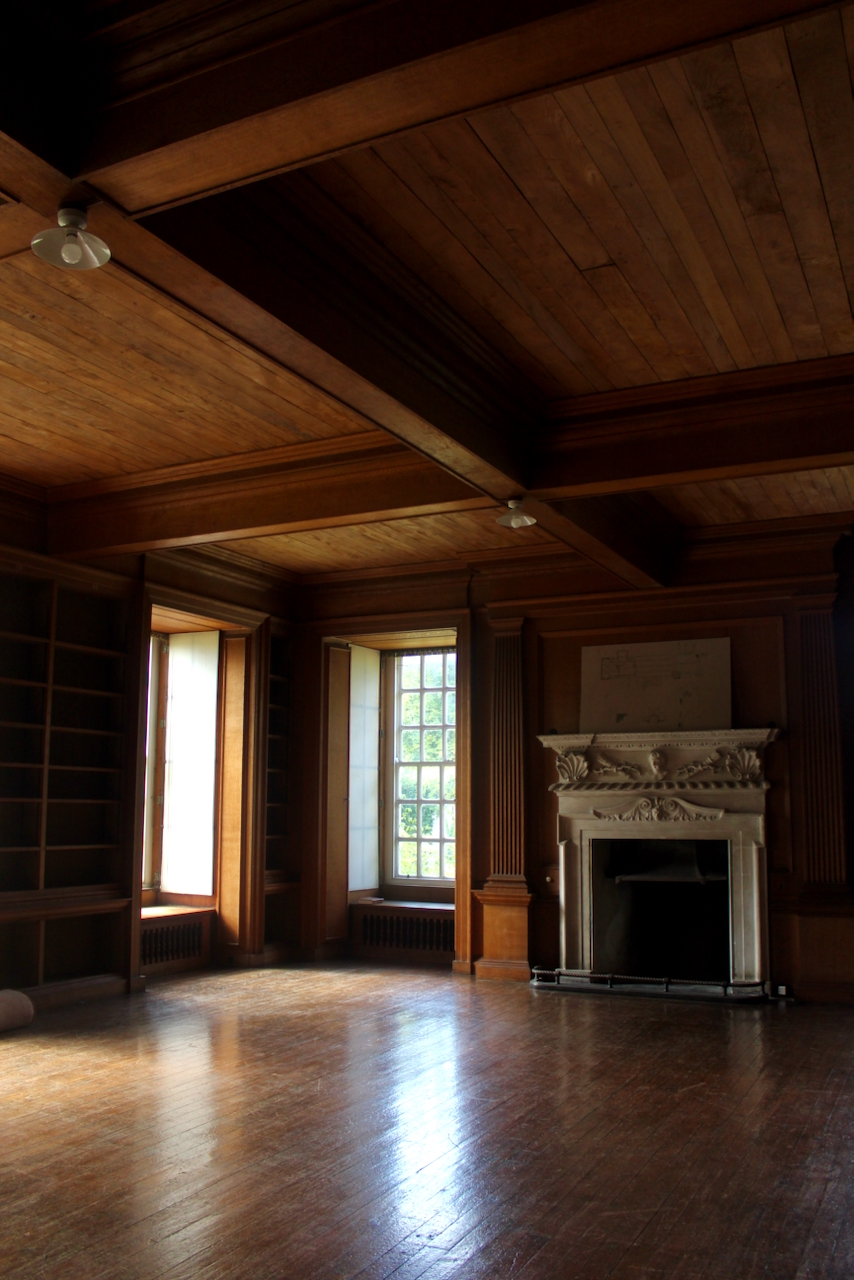
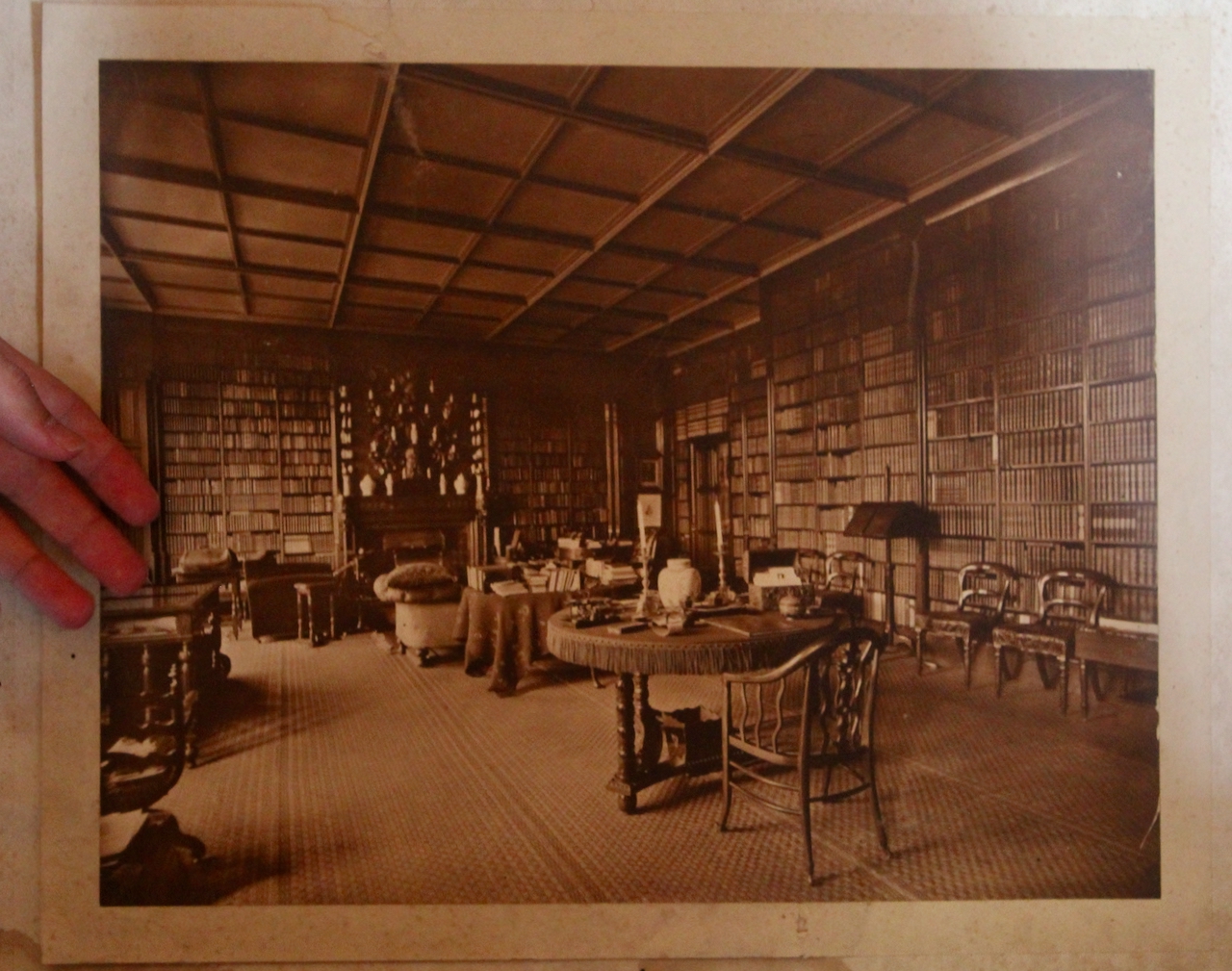
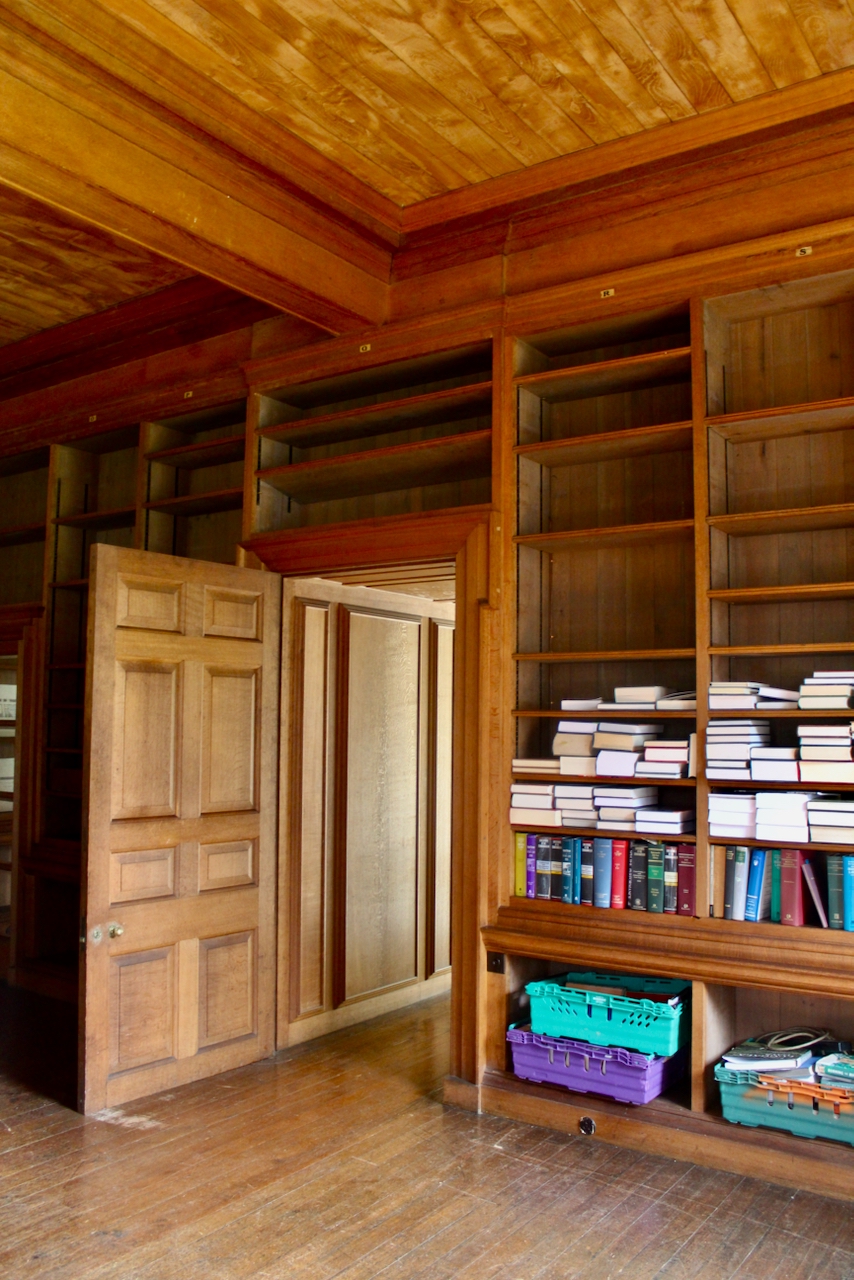
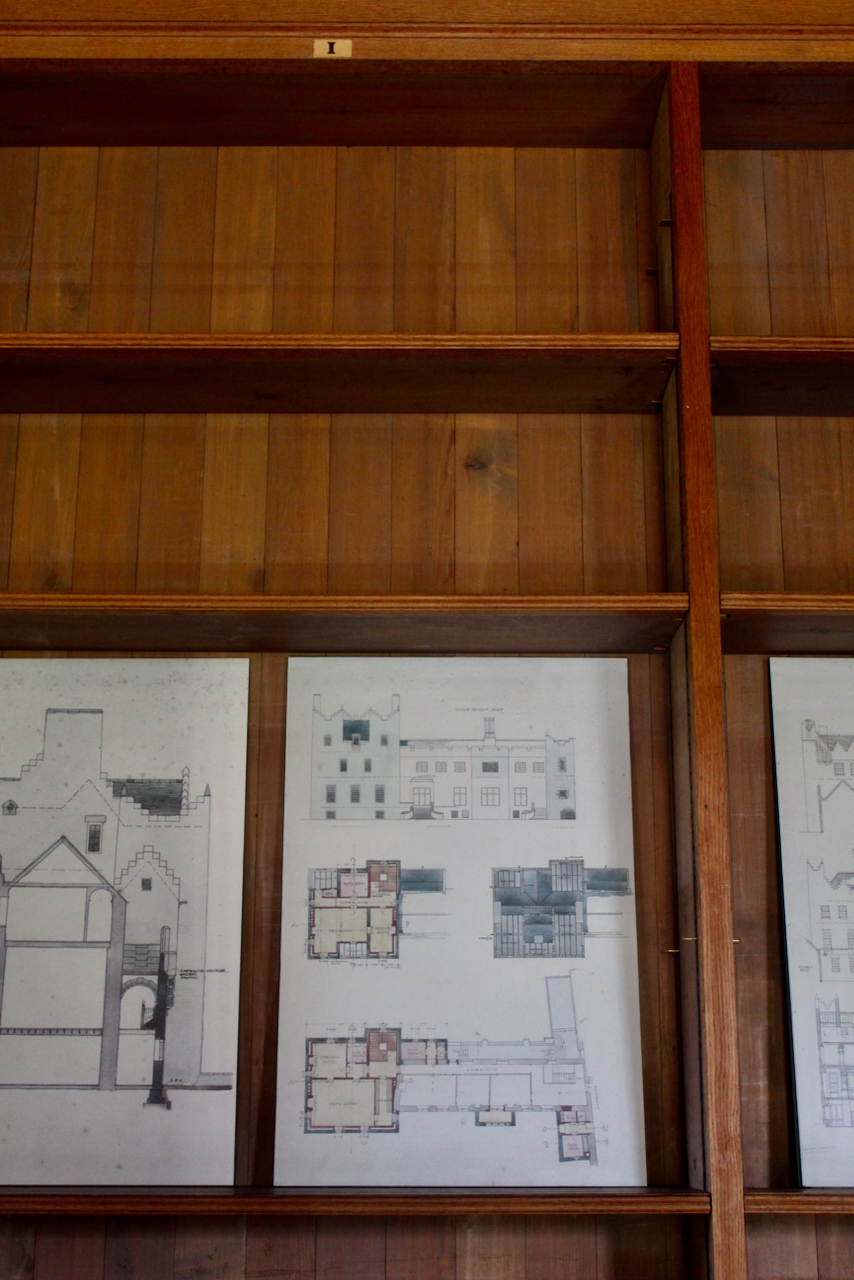
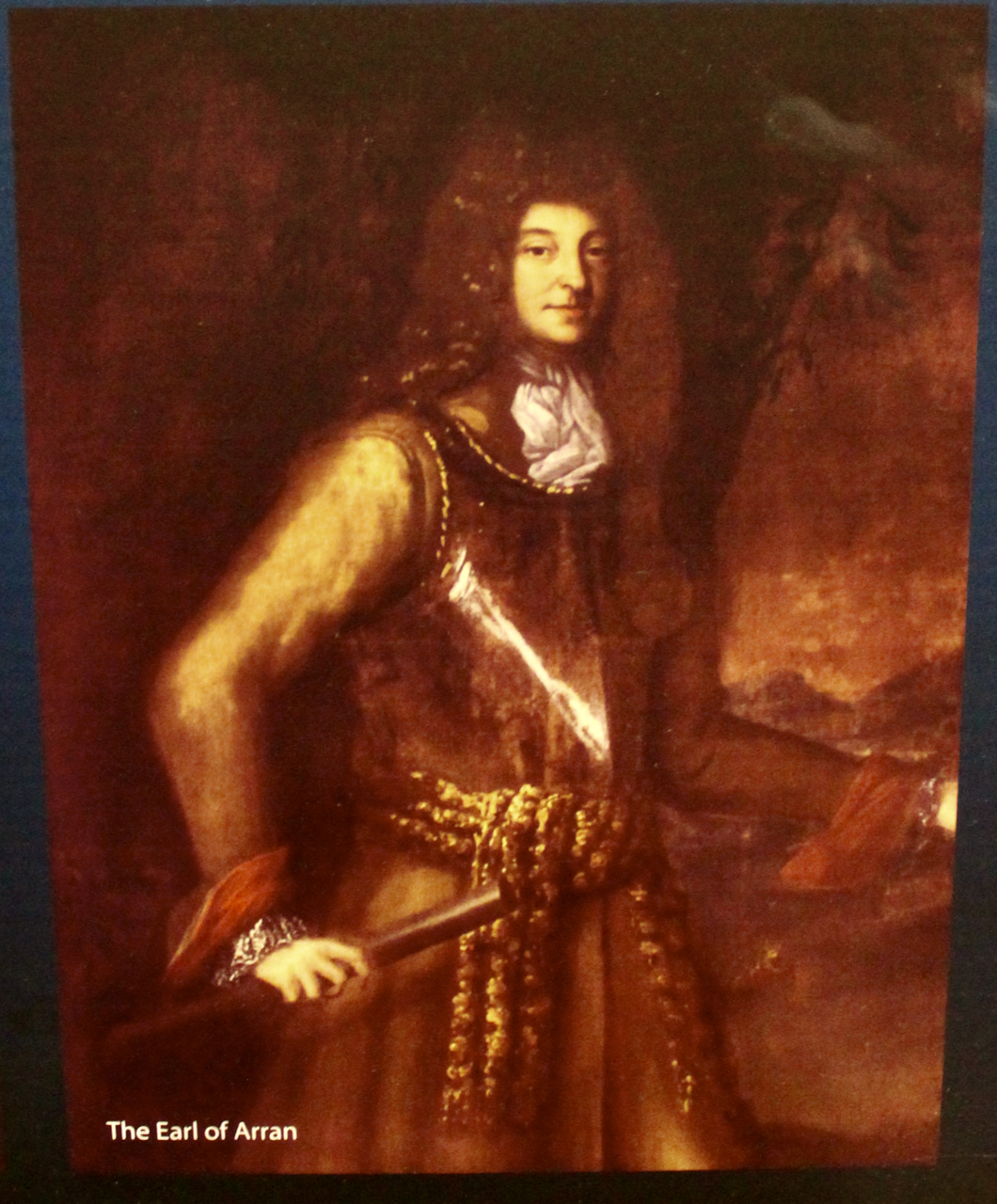
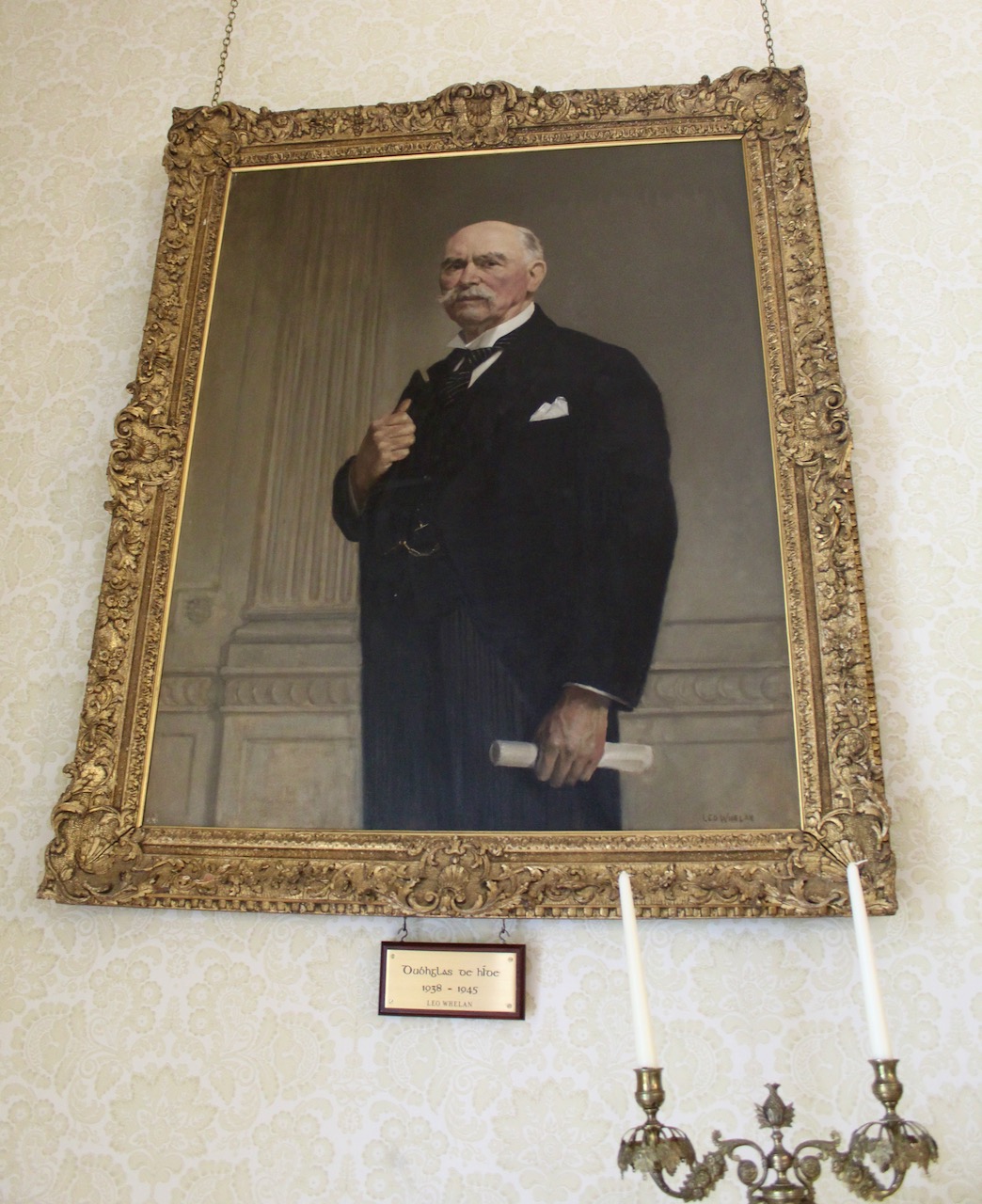
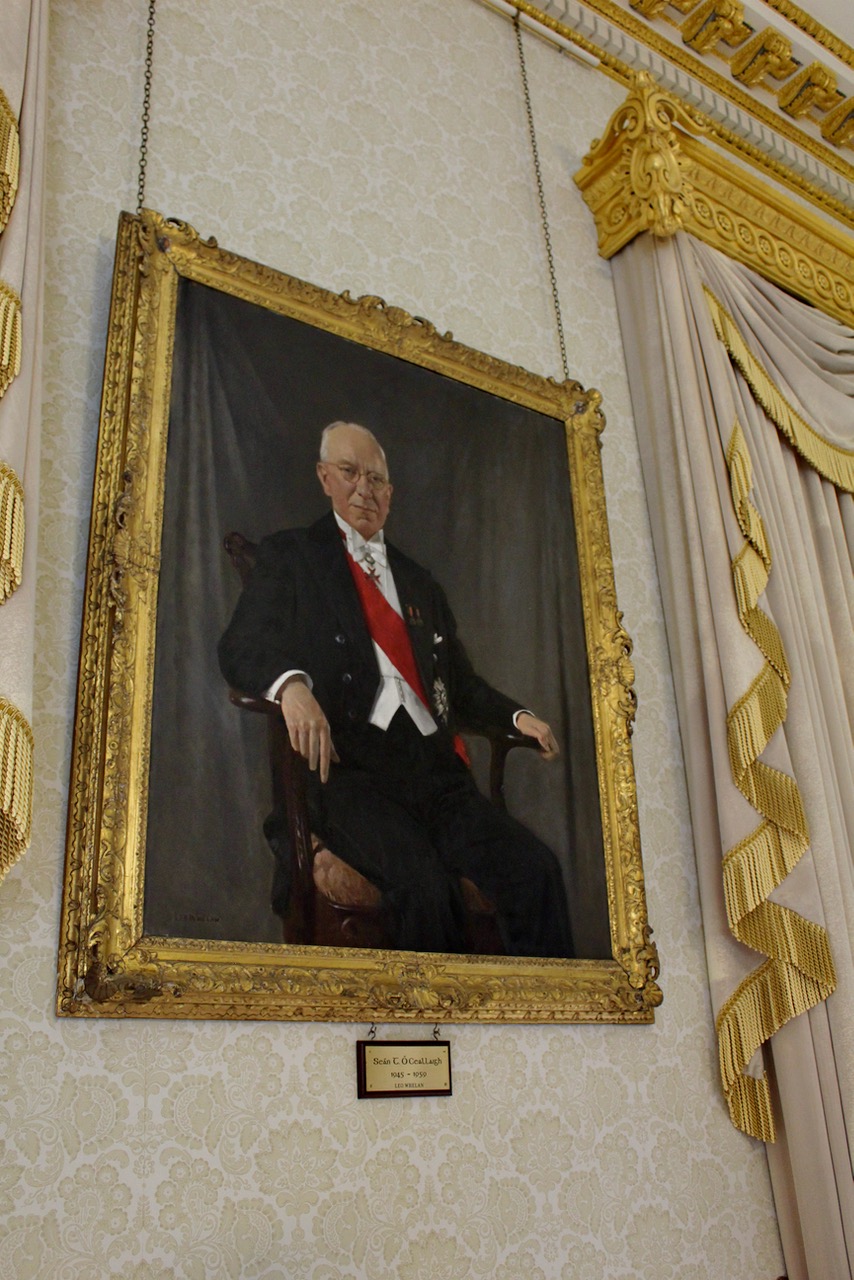
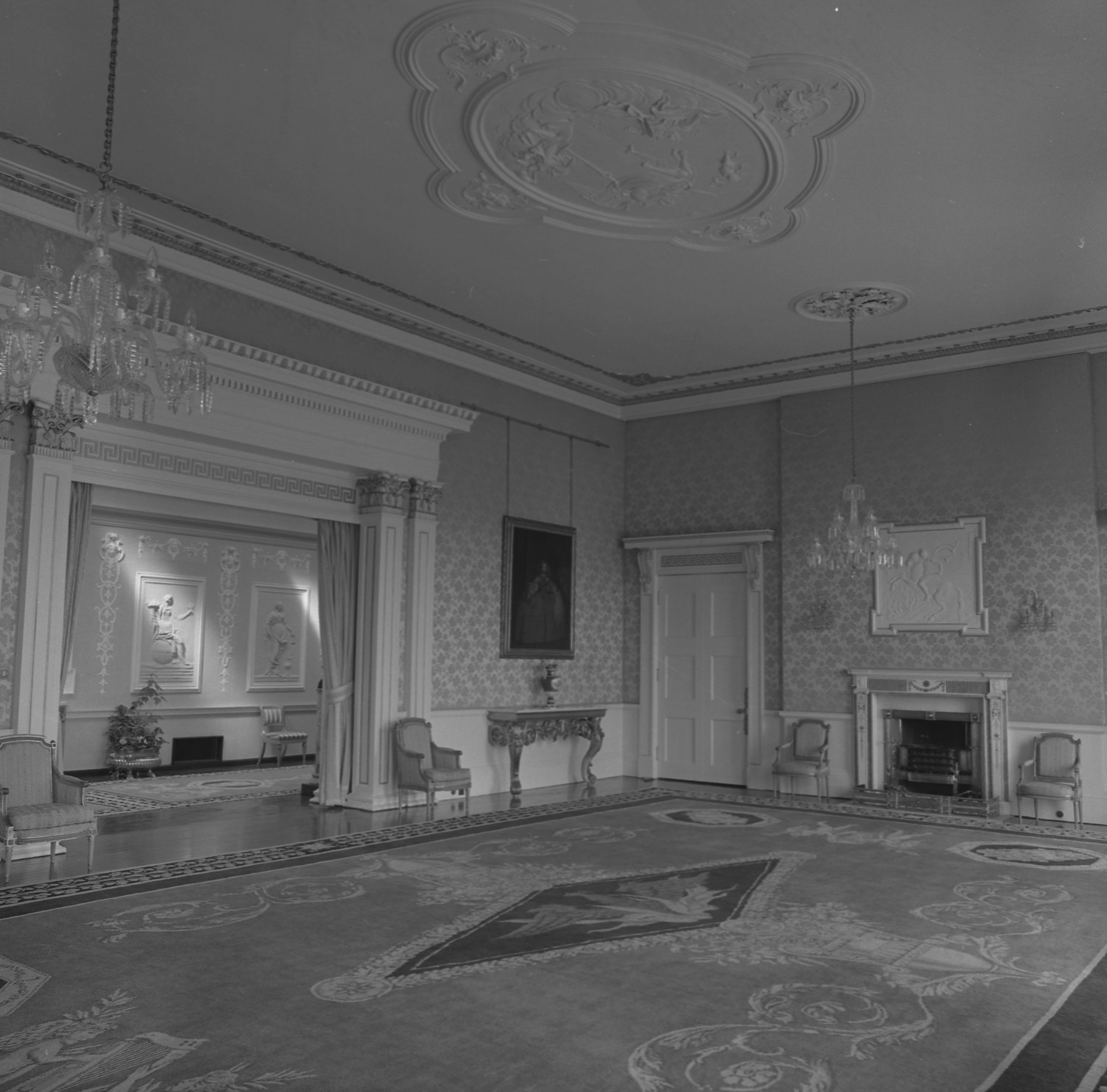
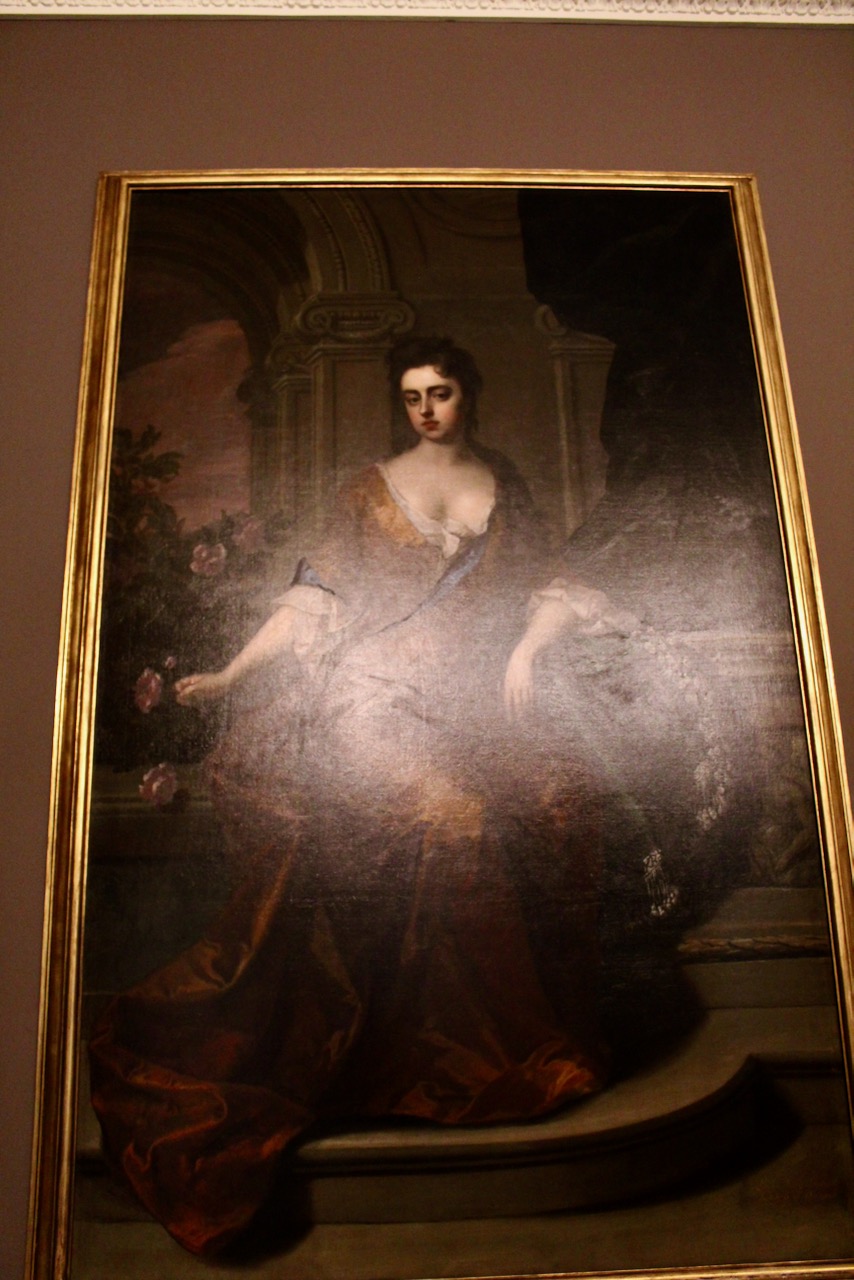
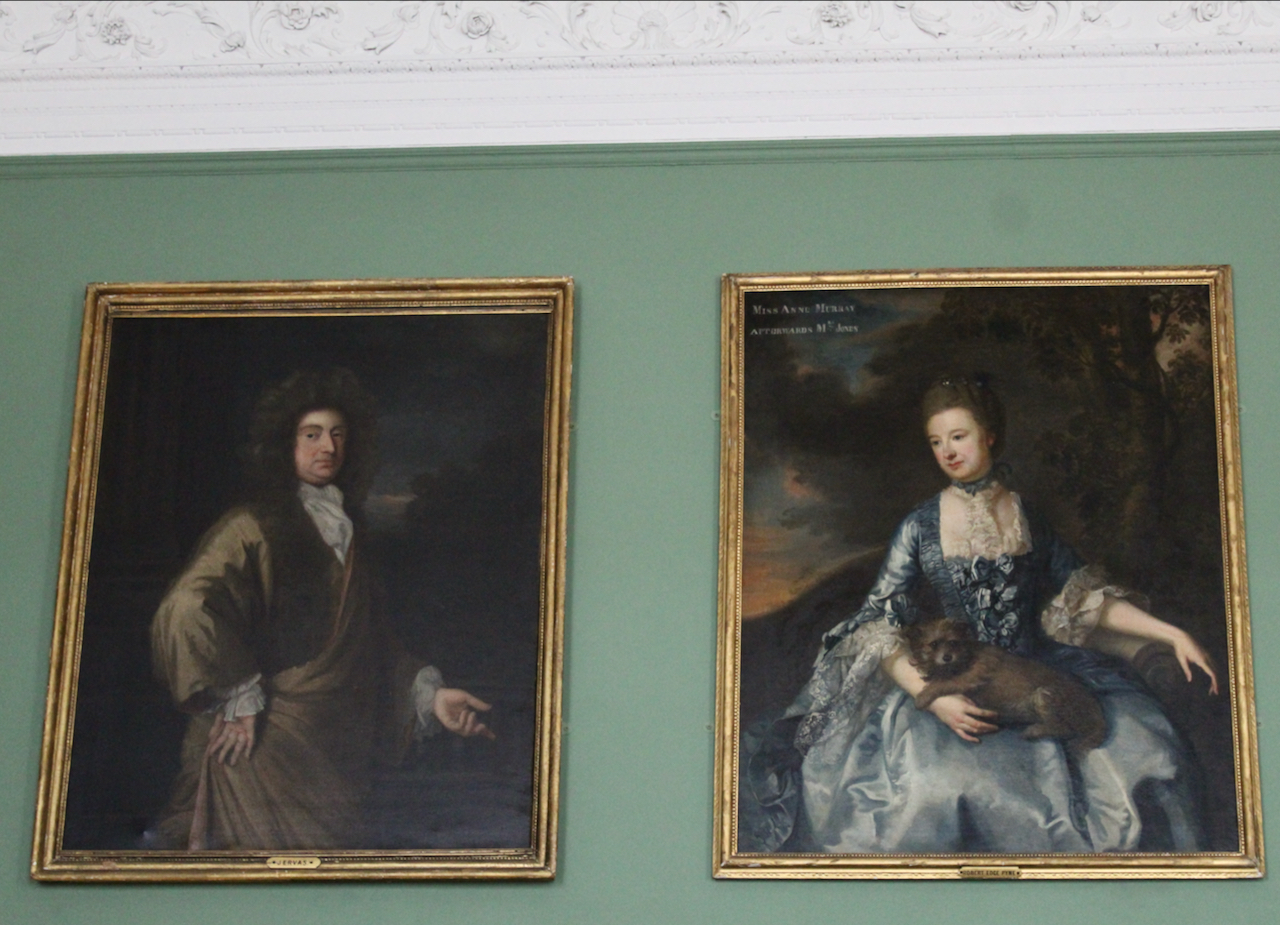
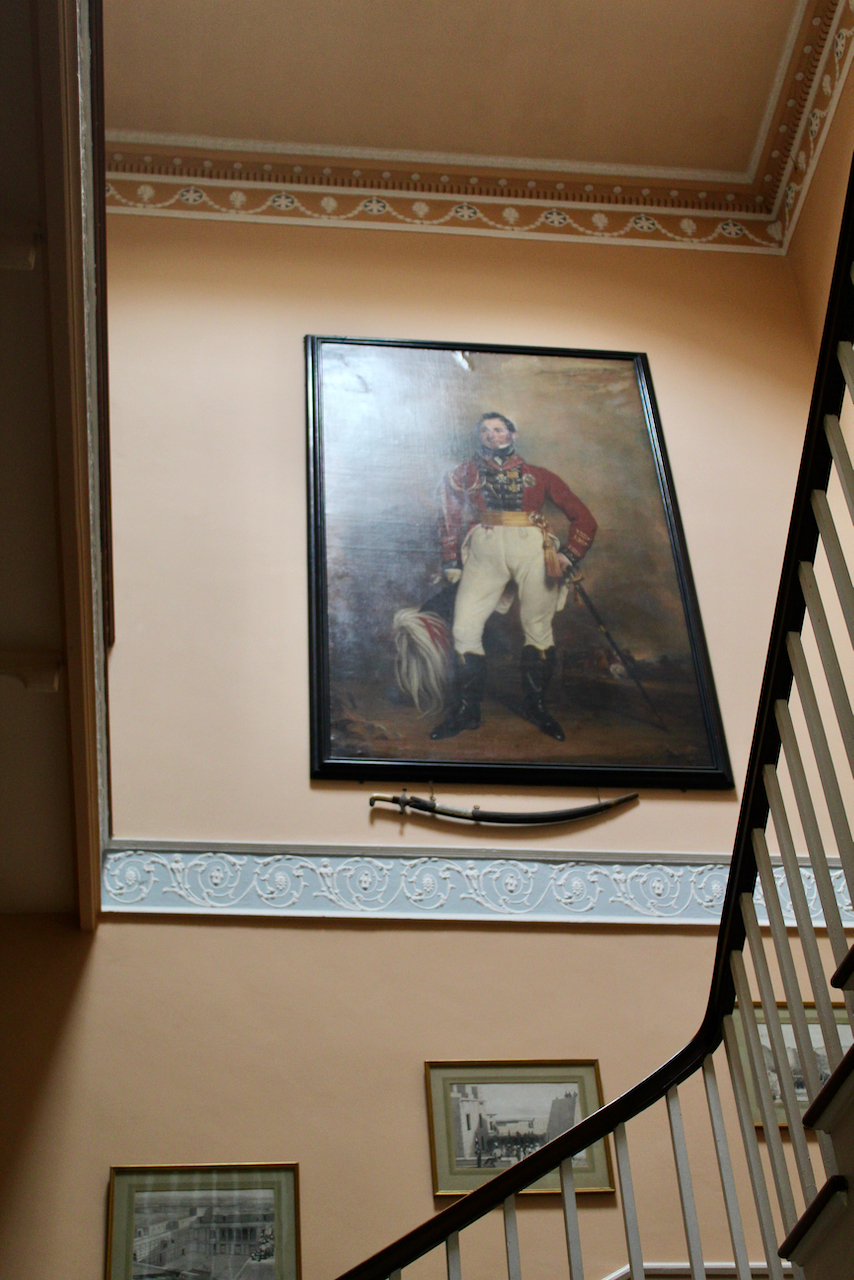
The Great Hall contains portraits that have hung here since 1713, and splendidly carved trophies over the doors remind me of those at Beaulieu in County Louth. The portaits include Queen Anne, Queen Mary, William III, Narcissus Marsh, Charles II, James 1st Duke of Ormond and the Richard Butler Earl of Arran and Earl of Ossory (sons of the Duke of Ormond), amongst others. A library which belonged to the original hospital is also cared by the OPW. The northern wing also contains the Master’s Lodgings, made for the Master of the Royal Hospital.
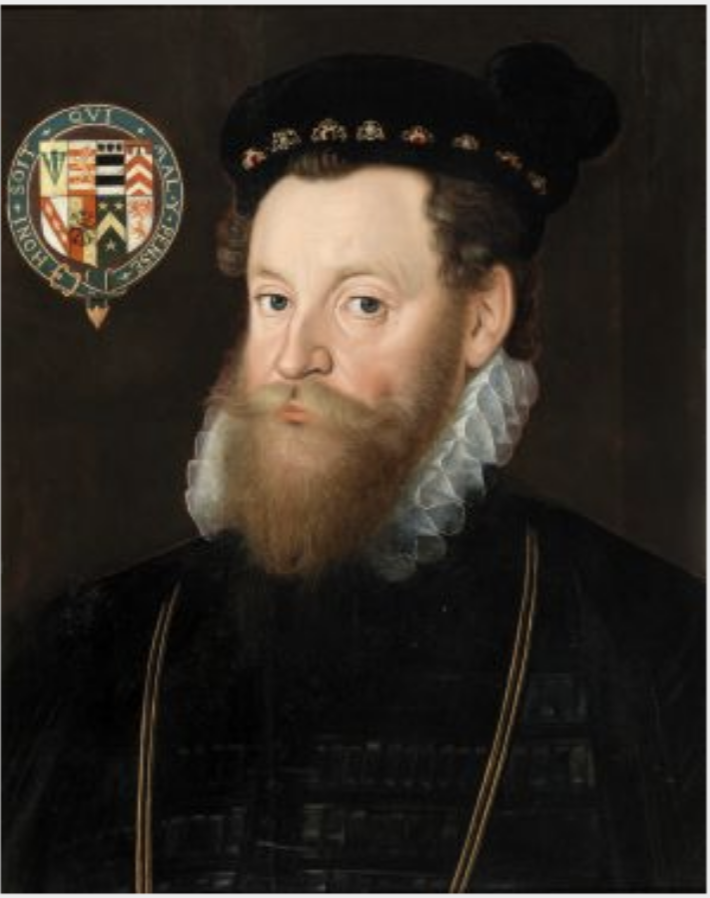
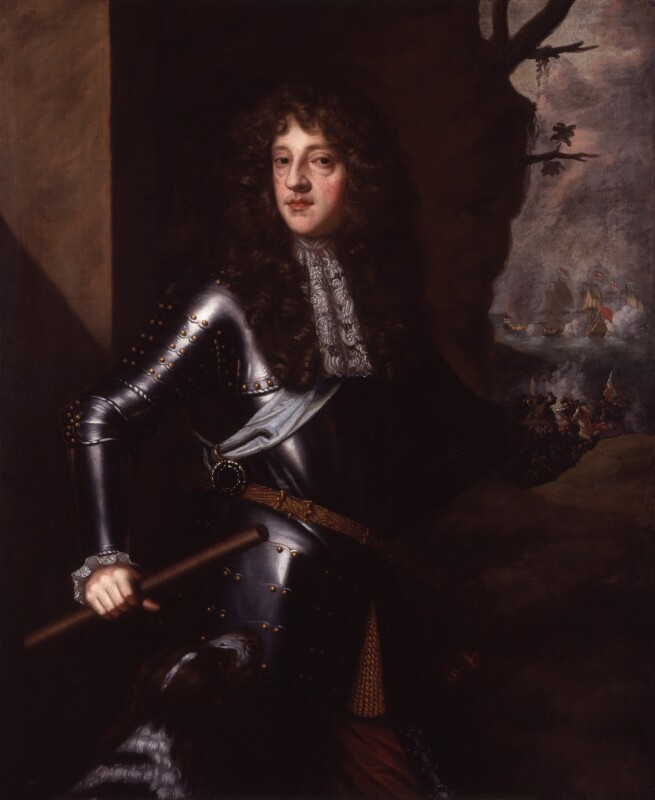
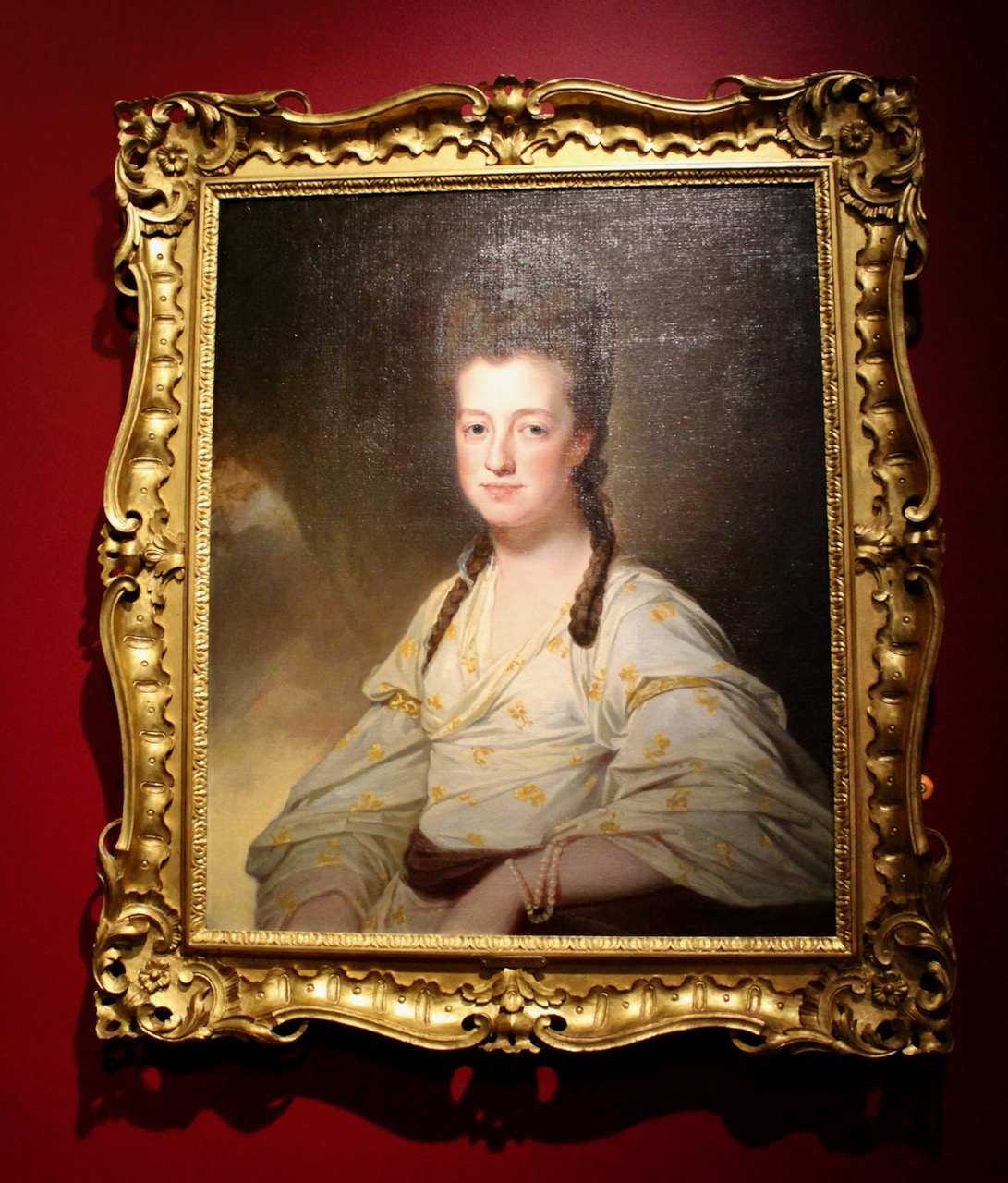
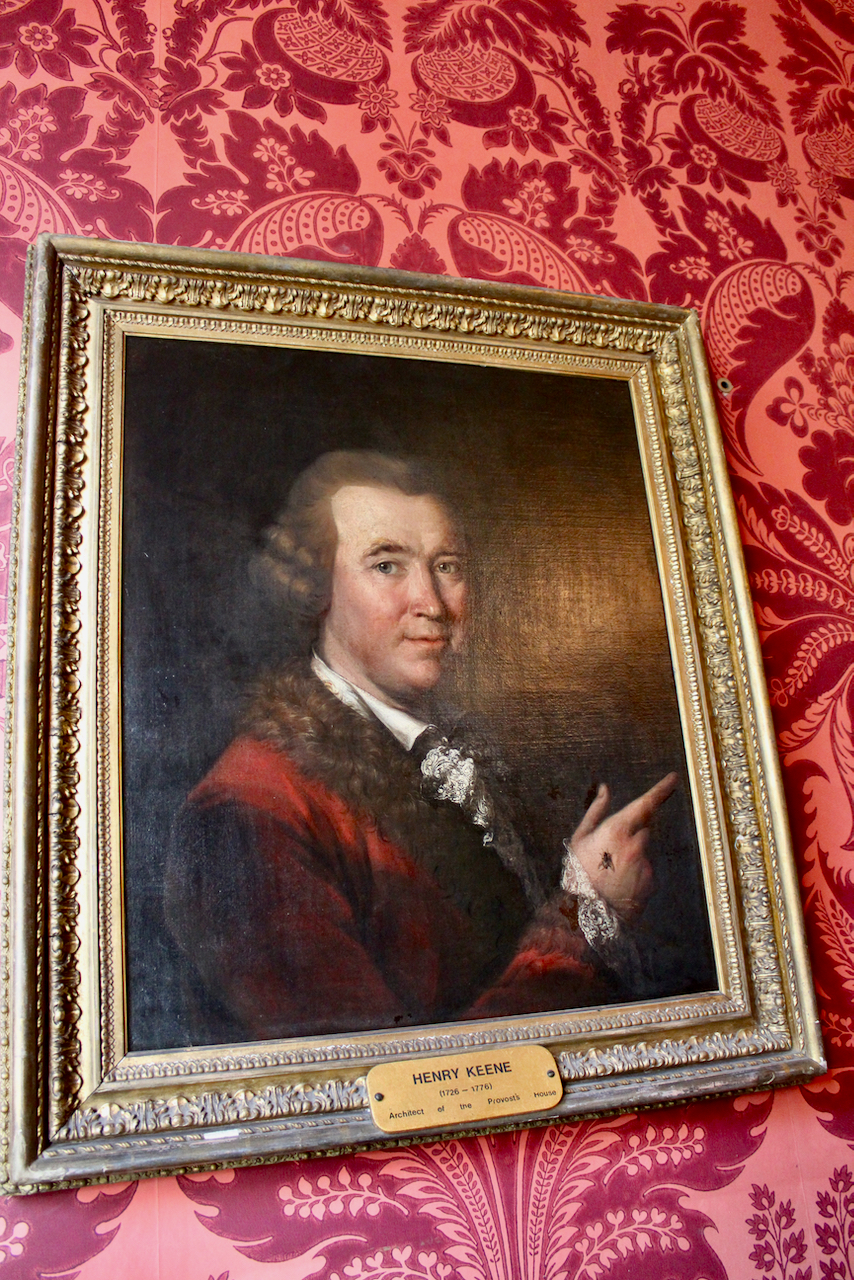
Royal Hospital Kilmainham, 15th October 2023.The Great Hall, Royal Hospital Kilmainham, photograph taken 1987, from Dublin City Library and Archives. [see 2]Royal Hospital Kilmainham dining hall by Robert French, Lawrence Photographic Collection NLI, flickr constant commons.Royal Hospital Kilmainham, 15th October 2023.Royal Hospital Kilmainham, 15th October 2023.Richard Butler (1639-1686) 1st Earl of Arran, son of the Duke of Ormonde, Royal Hospital Kilmainham, 15th October 2023.Thomas Butler (1634-1680) 6th Earl of Ossory, studio of Sir Peter Lely, circa 1678, courtesy of National Portrait Gallery NPG 371. Second son of the Duke and Duchess of Ormond and father of 2nd Duke of Ormonde.
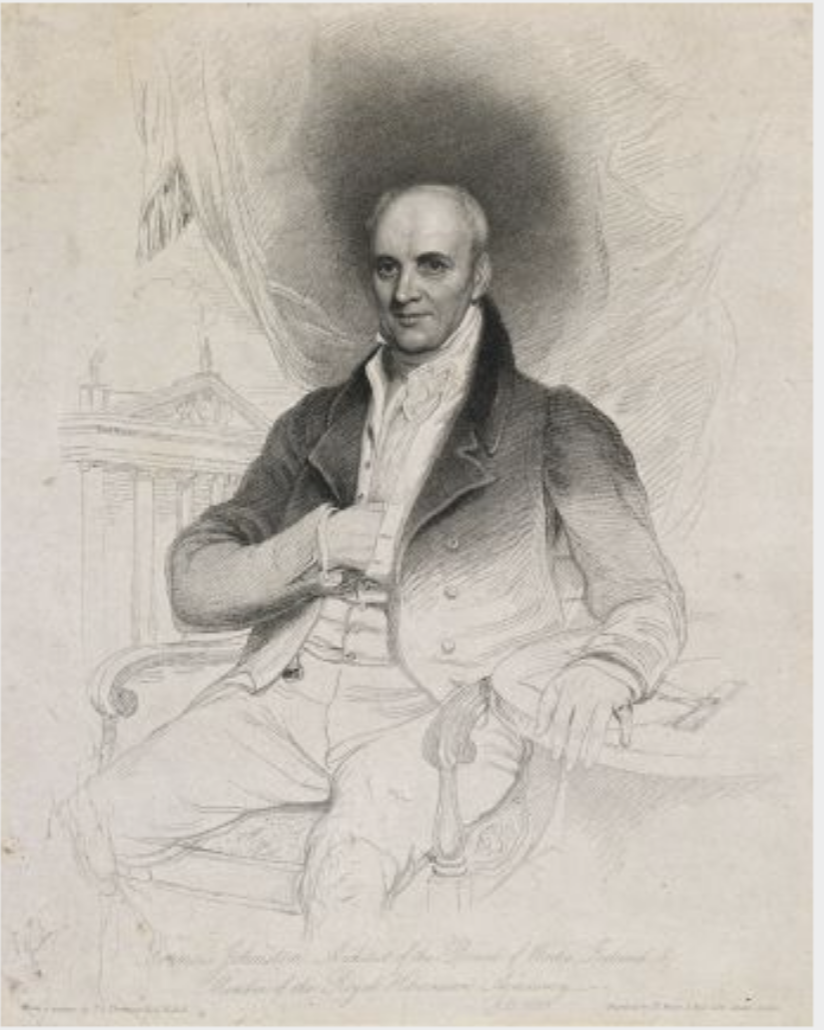
In 1805, Francis Johnston carried out restoration work, and in the 1820s remodelled the Master’s Quarters in the northwest corner. He also designed the Adjutant General’s office and the Richmond Tower which stands at the west entrance to the hospital grounds.
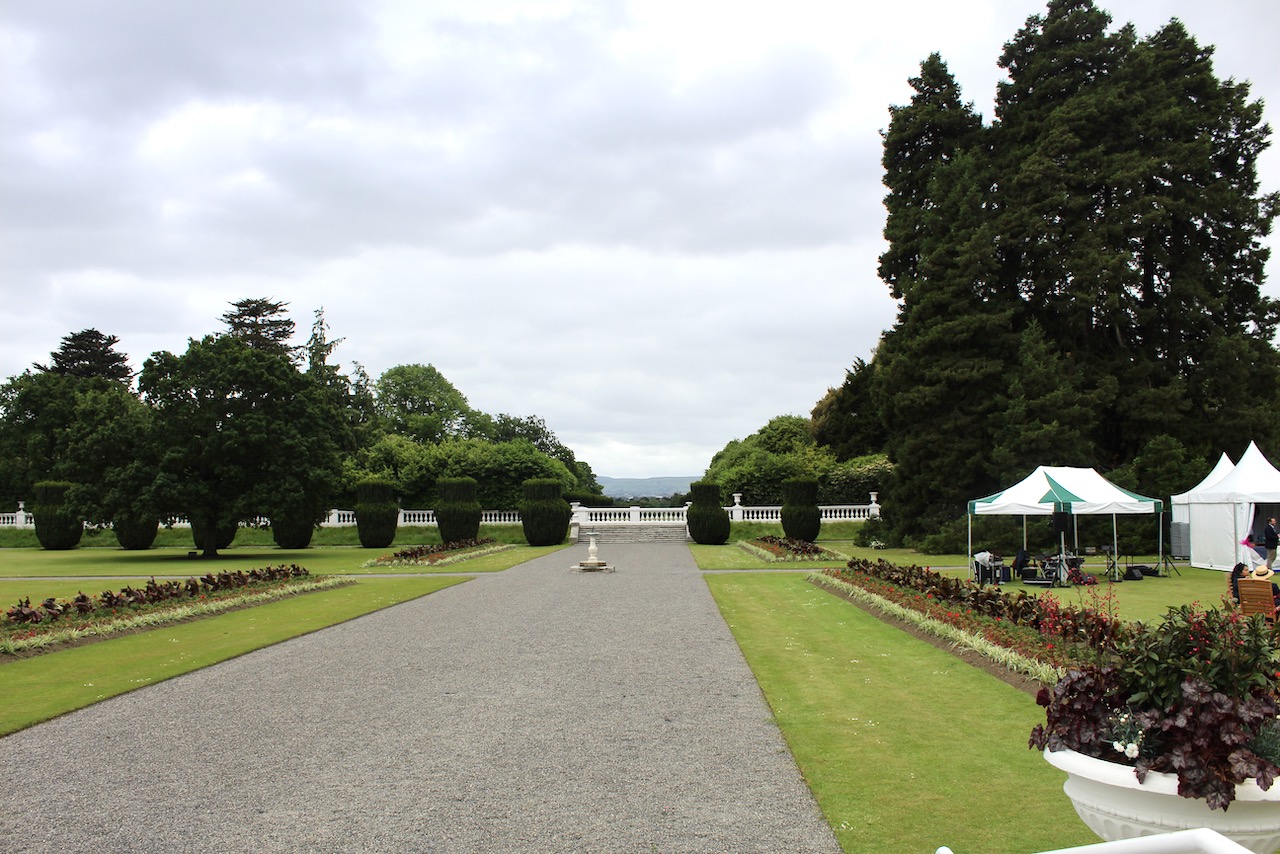
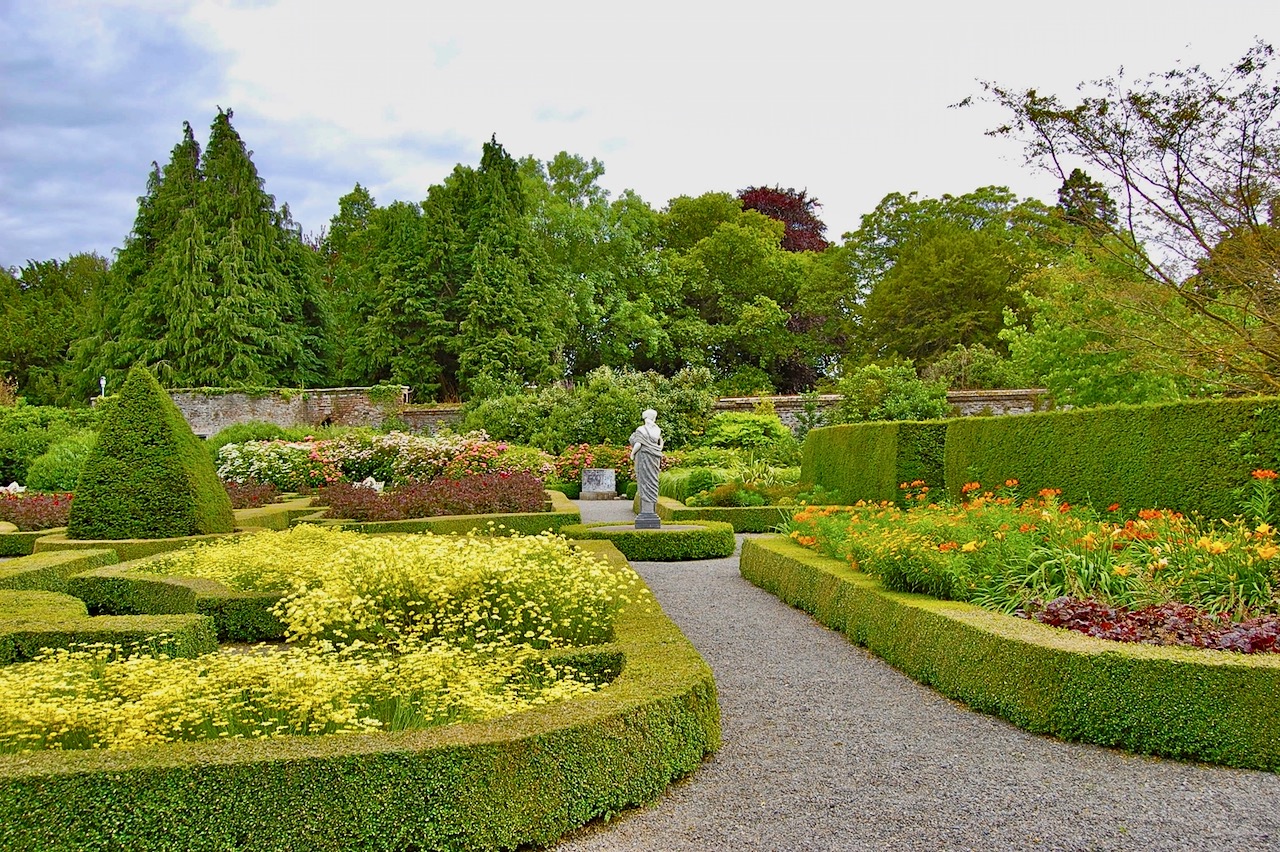
The garden, known as the Master’s Garden, has been restored to its formal glory under the suprvision of architect Elizabeth Morgan. In 1693 Chambré Brabazon 5th Earl of Meath was Master of the Hospital and a Minute of the Royal Hospital Committee notes that he was asked to prepare an account for an estimate of works necessary to put some order on the garden. The work was not carried out at the time.
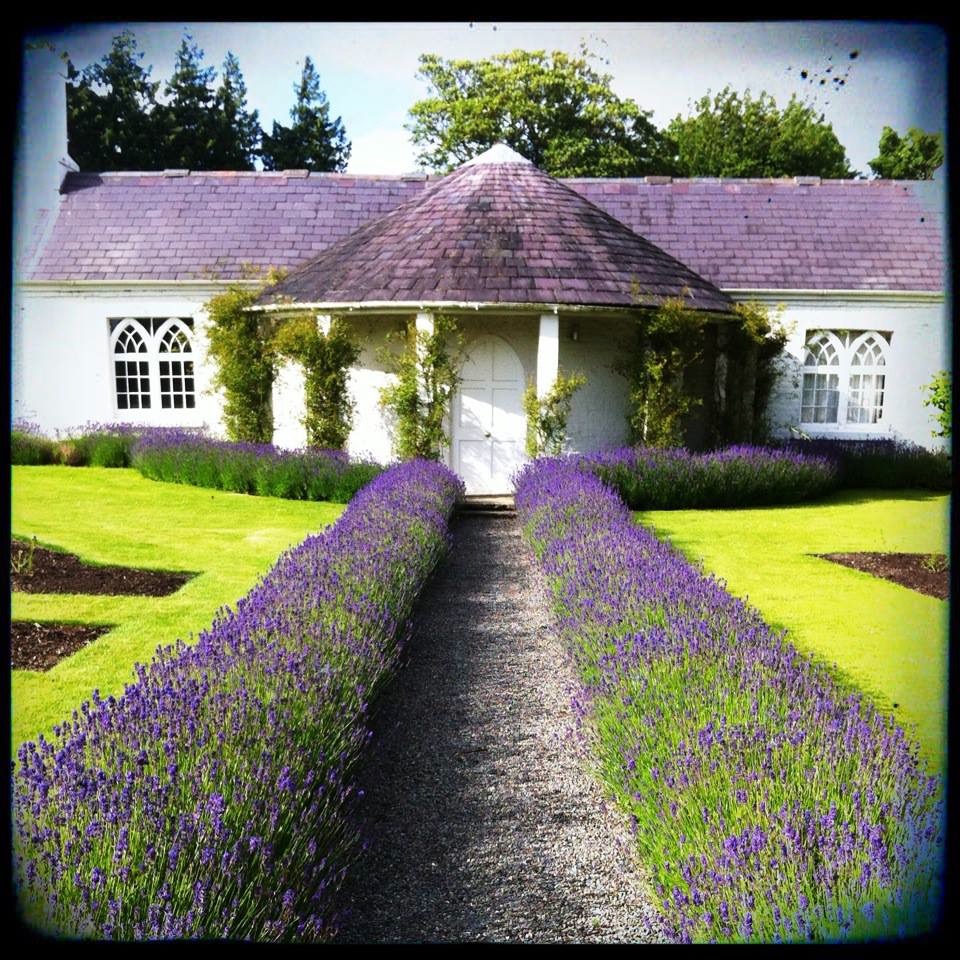
The Garden house is included in a painting by Joseph Tudor in 1750. It was probably designed as a small dining pavilion or banqueting house, with a high coved ceiling on the first floor, and it is attributed to Edward Lovett Pearce circa 1734.
The house was extended in the late 19th century into ahouse for the head gardener.
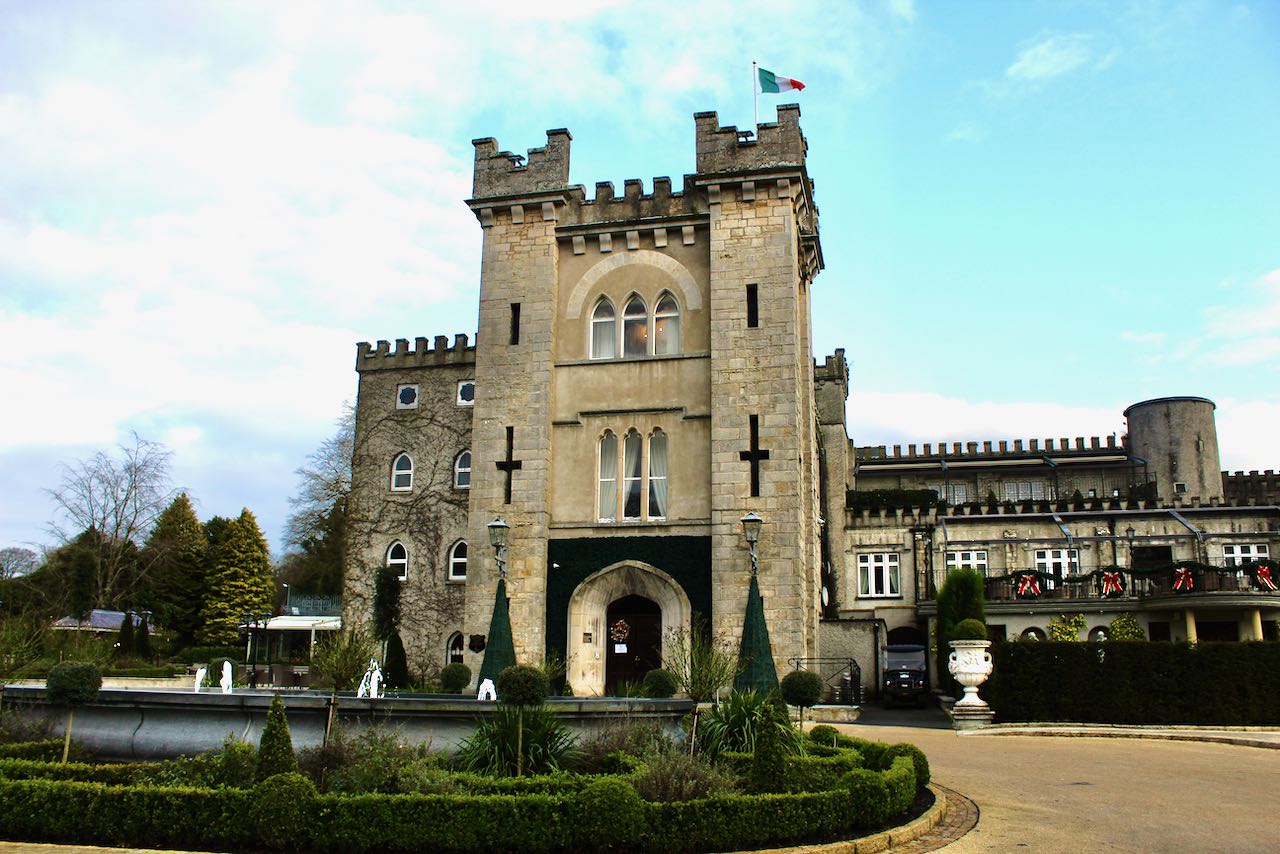
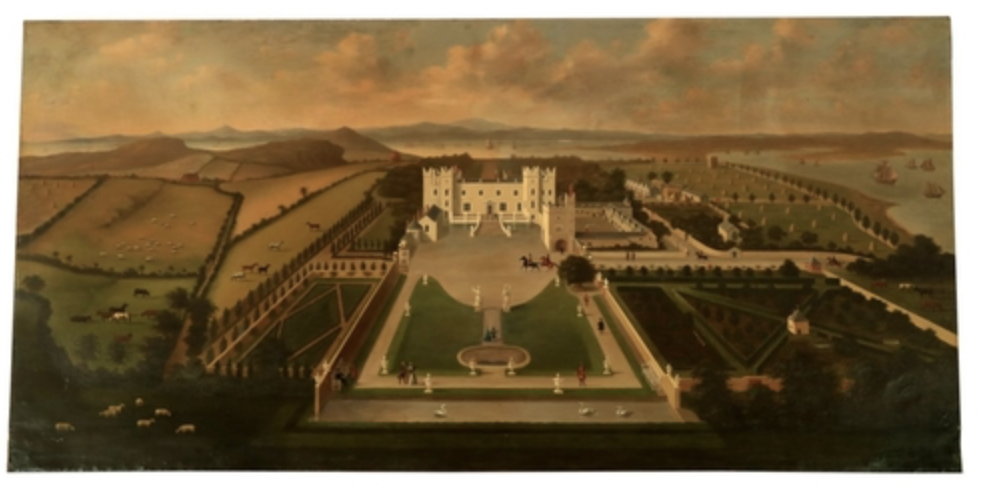
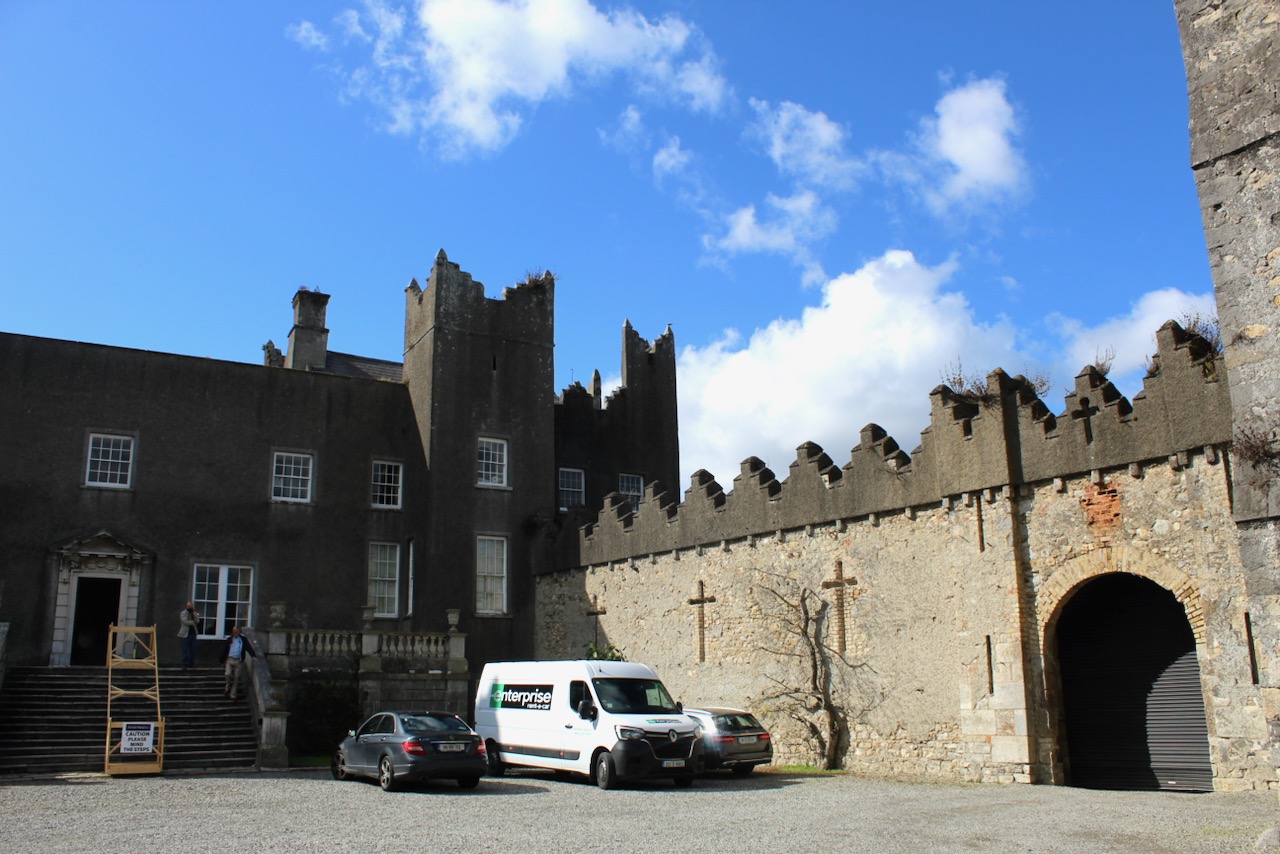
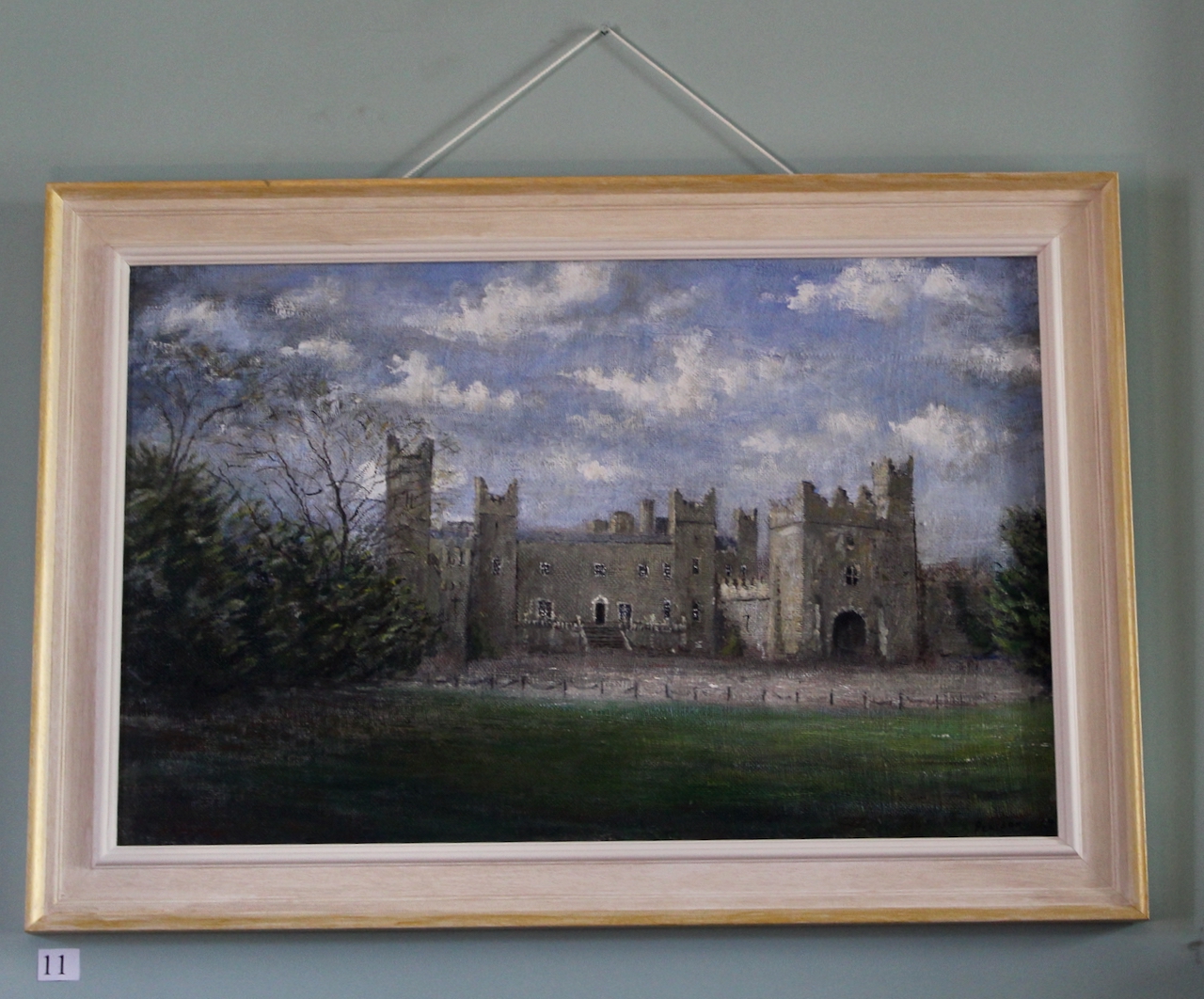
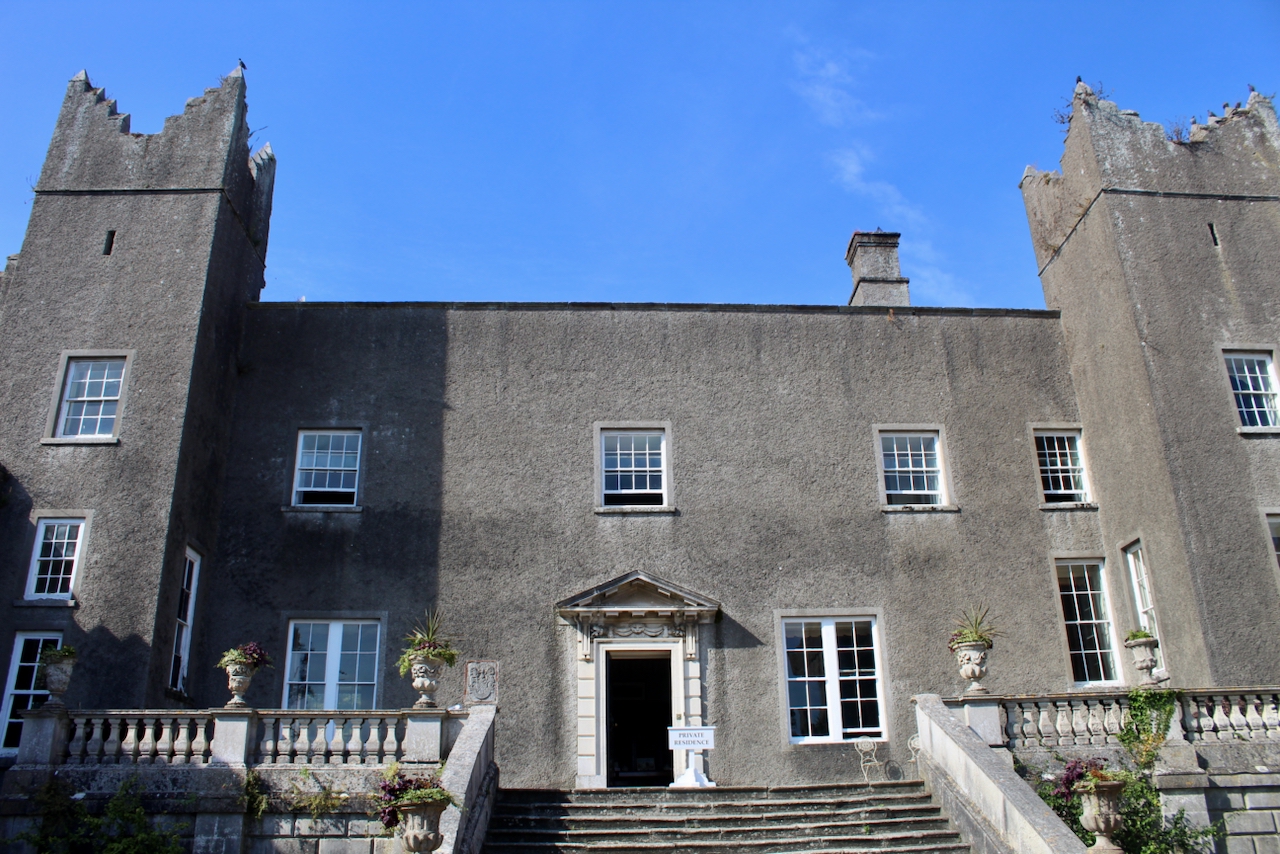
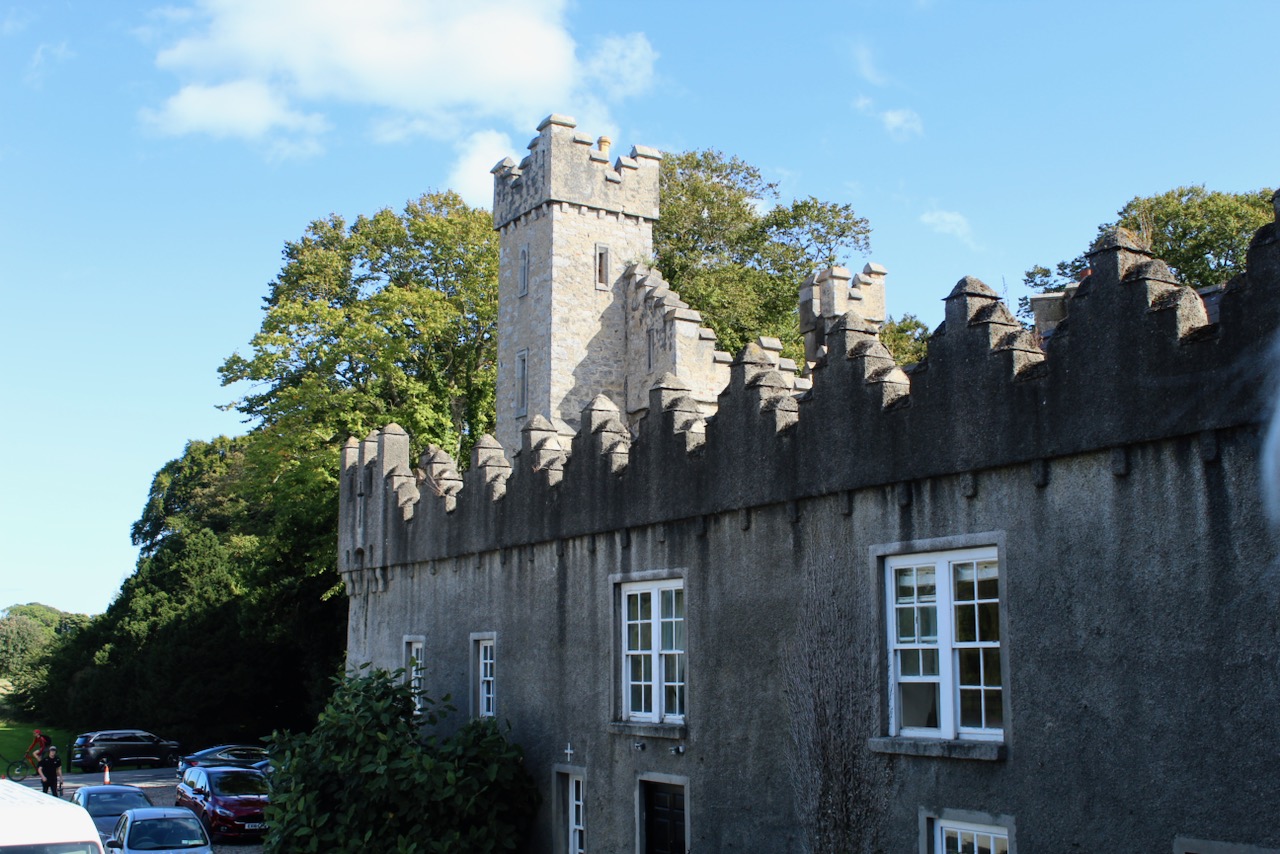
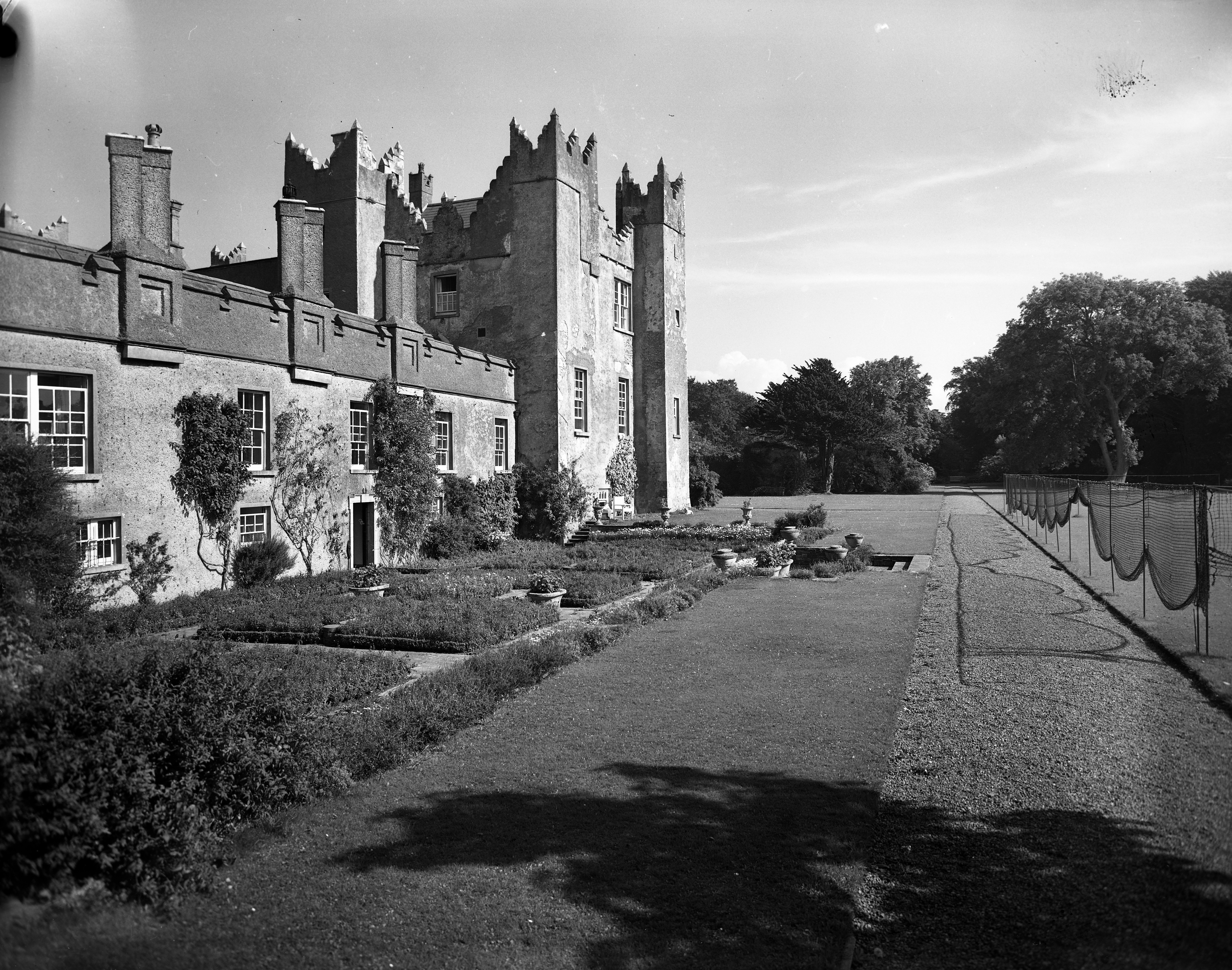
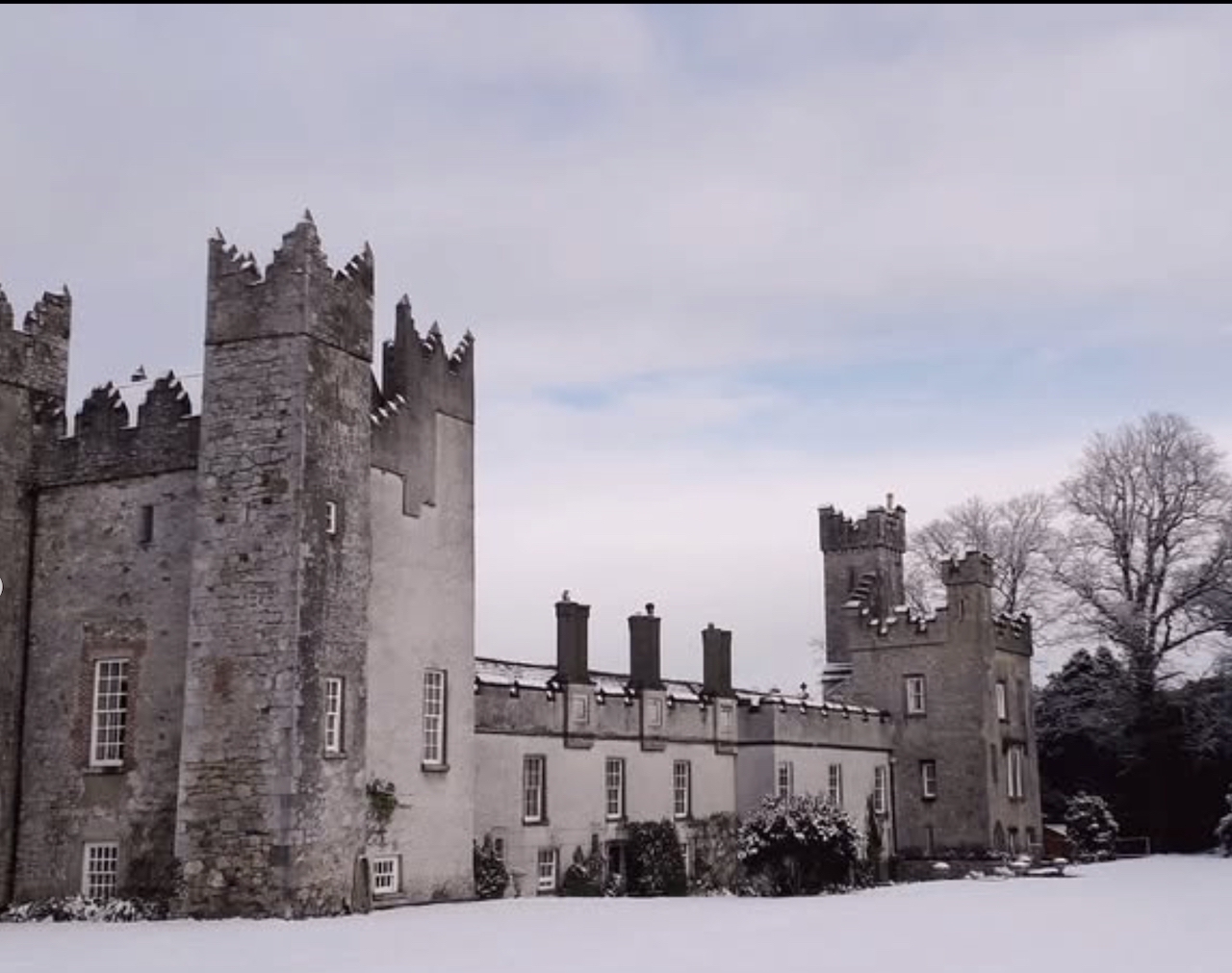
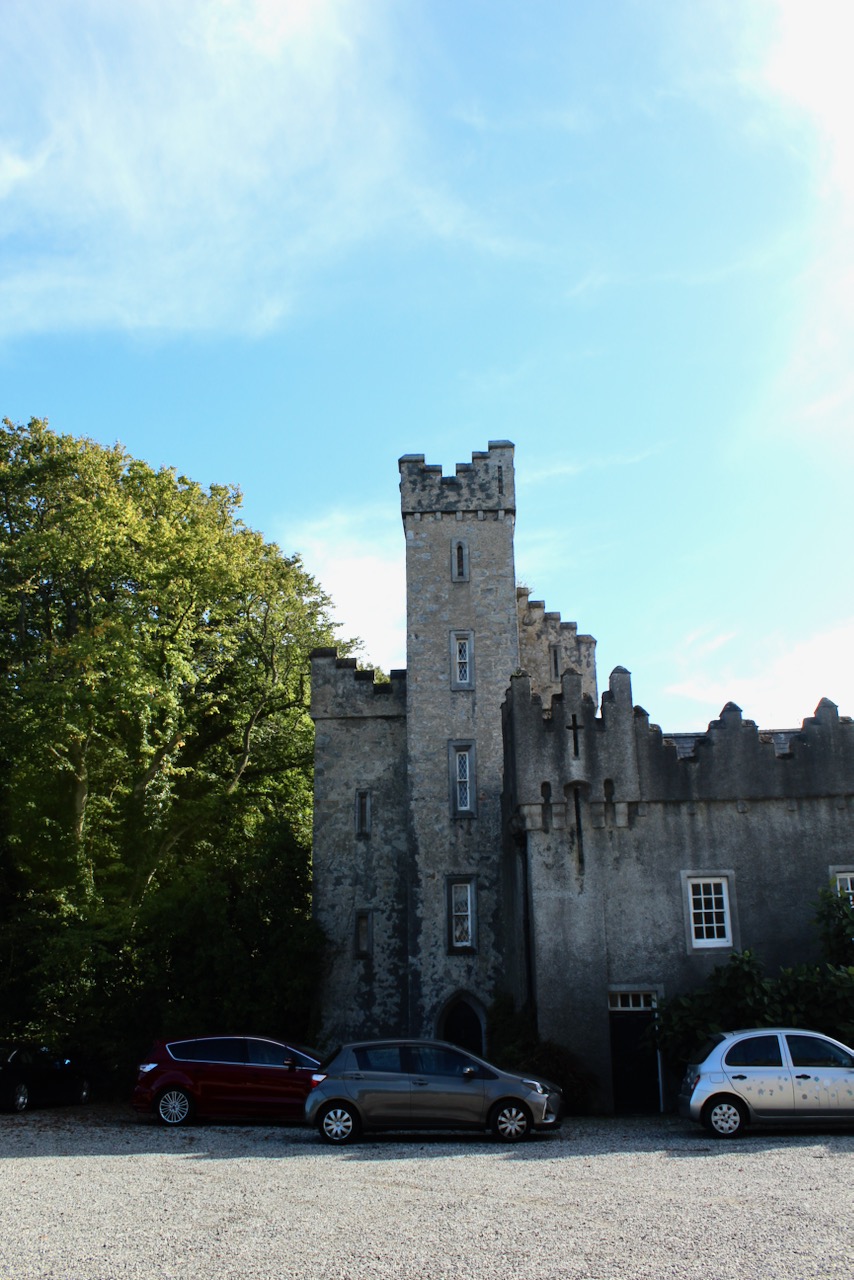
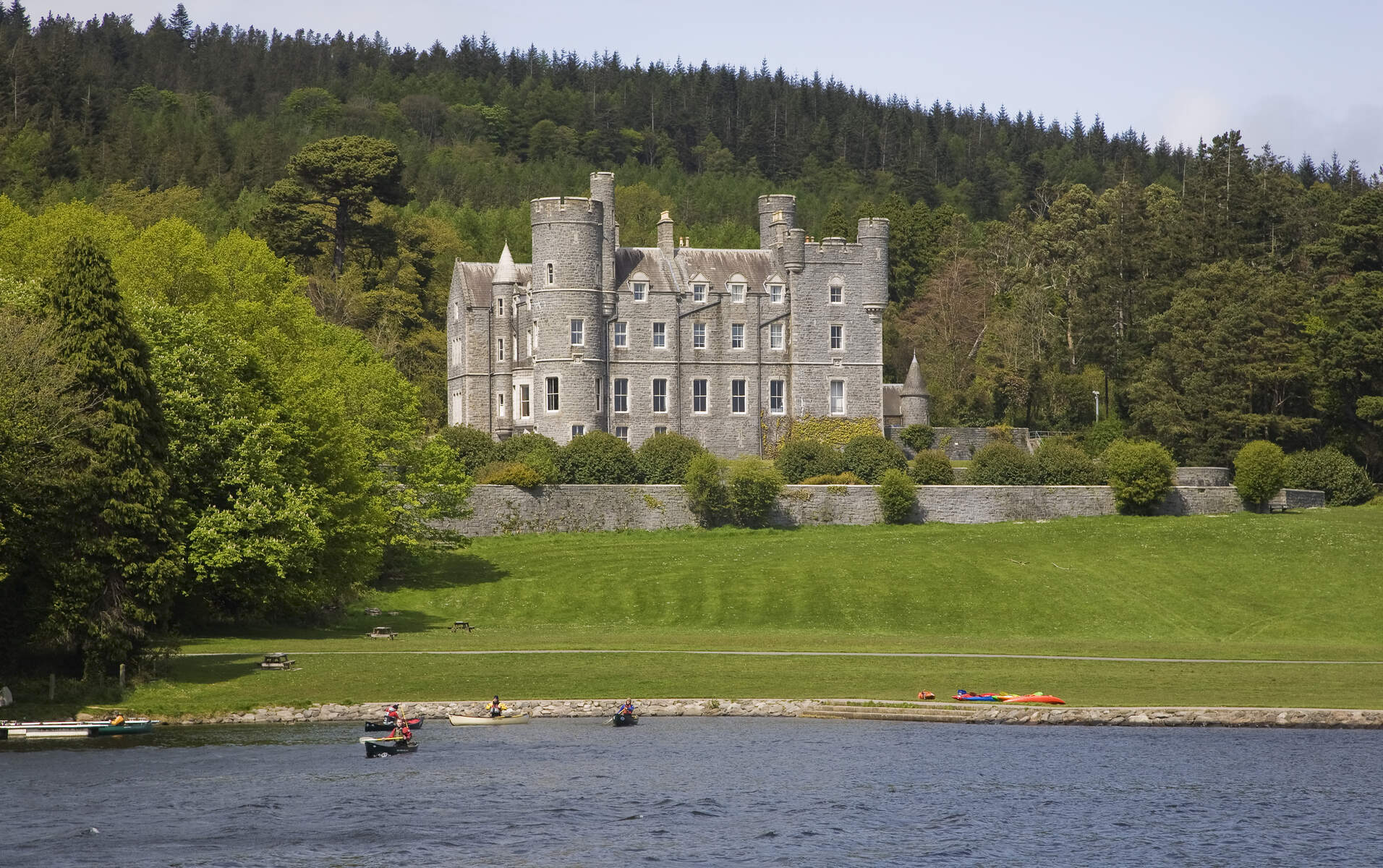
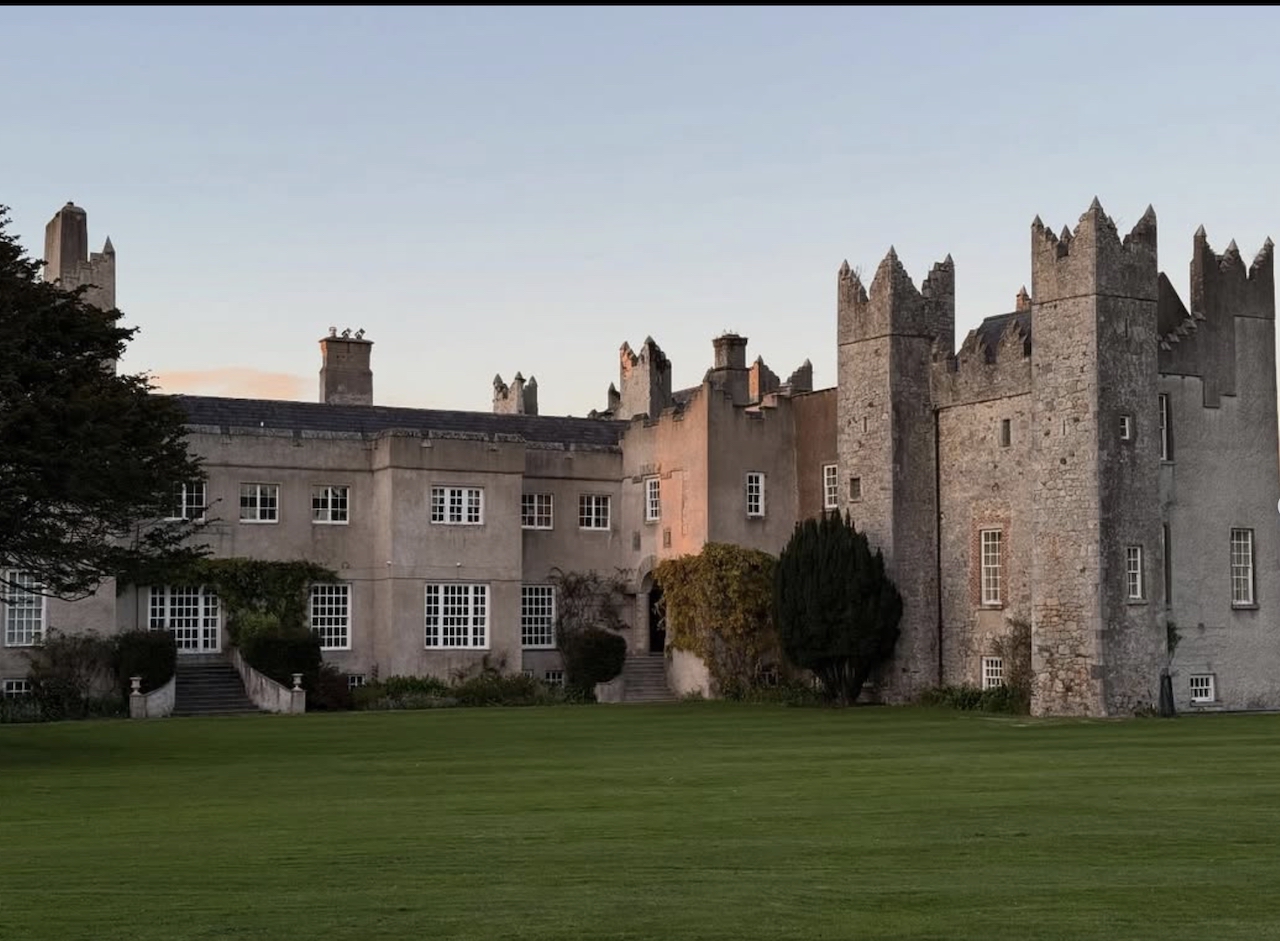
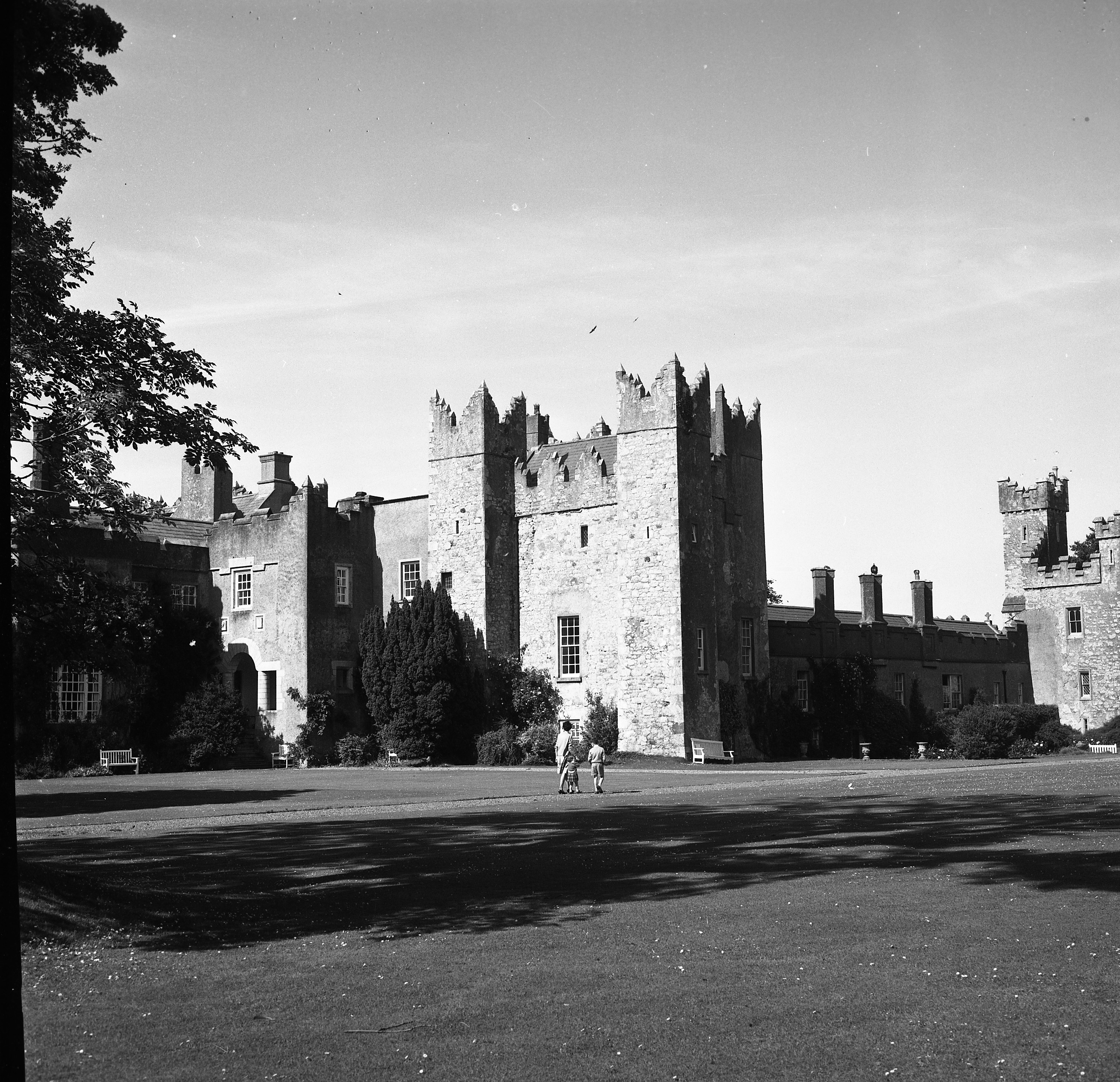
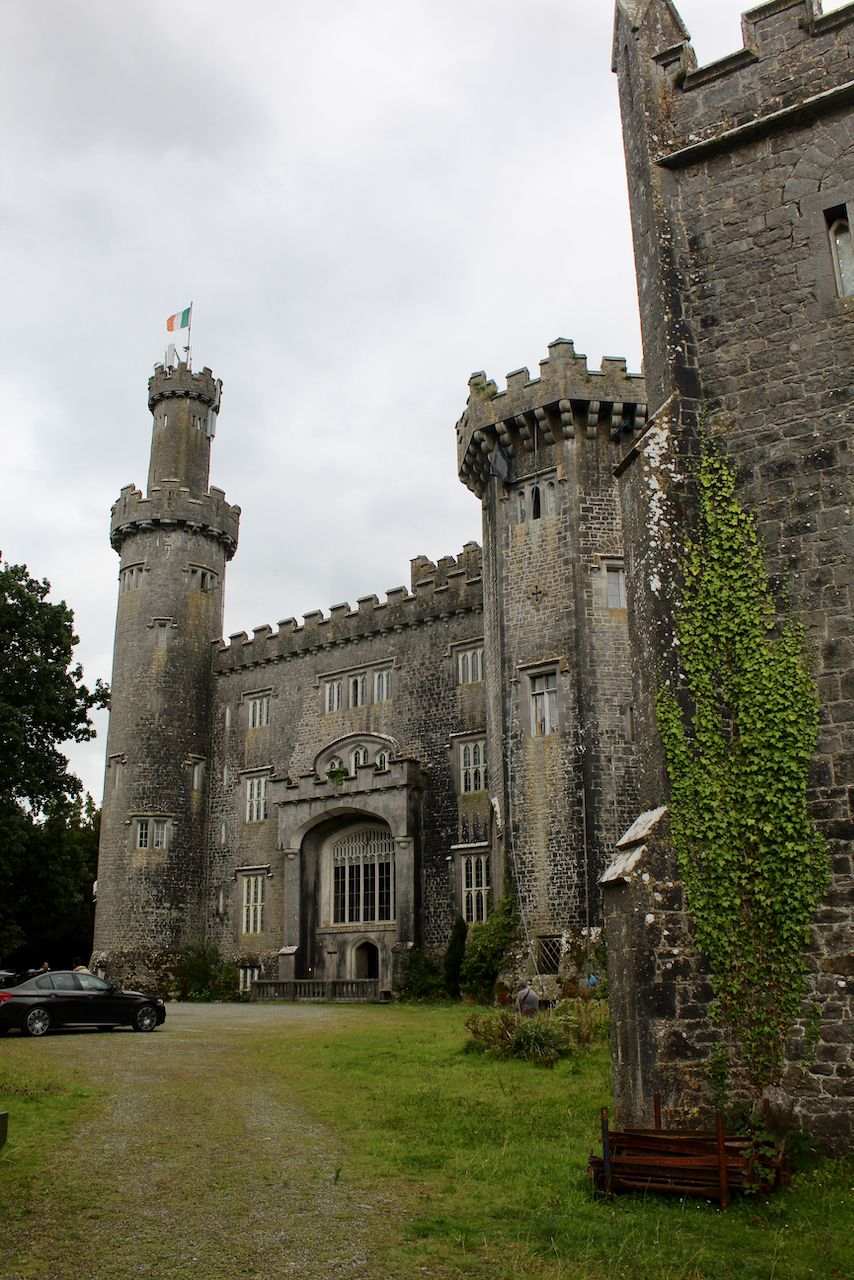
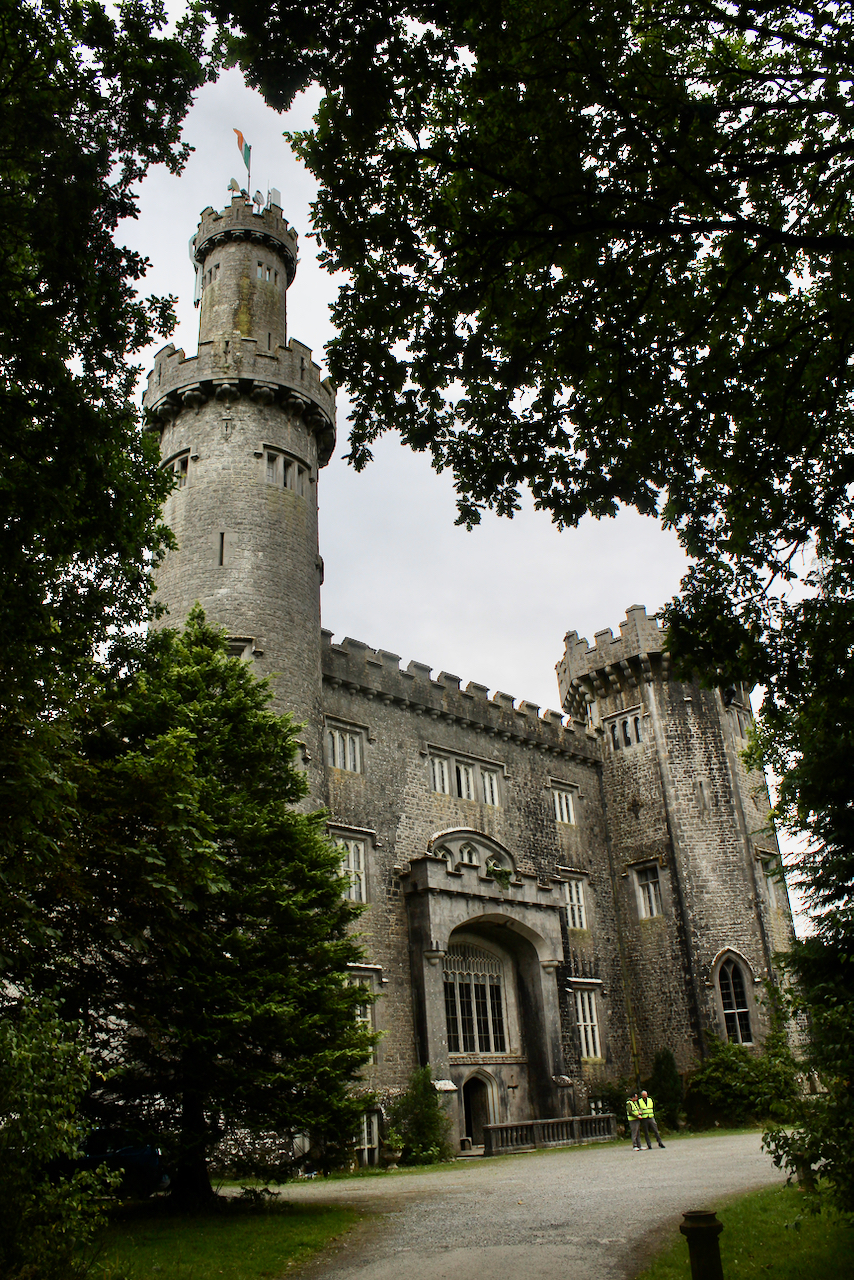
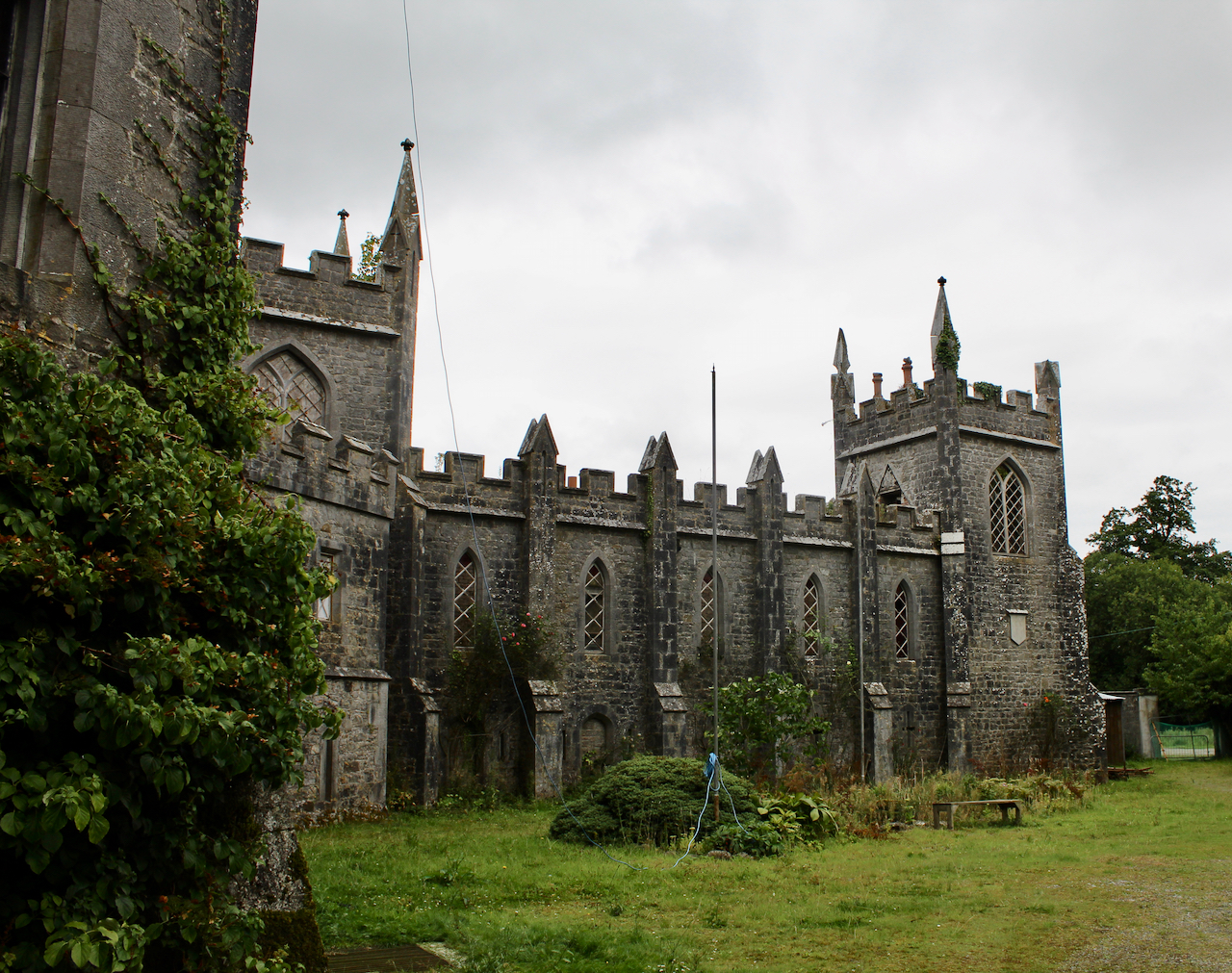
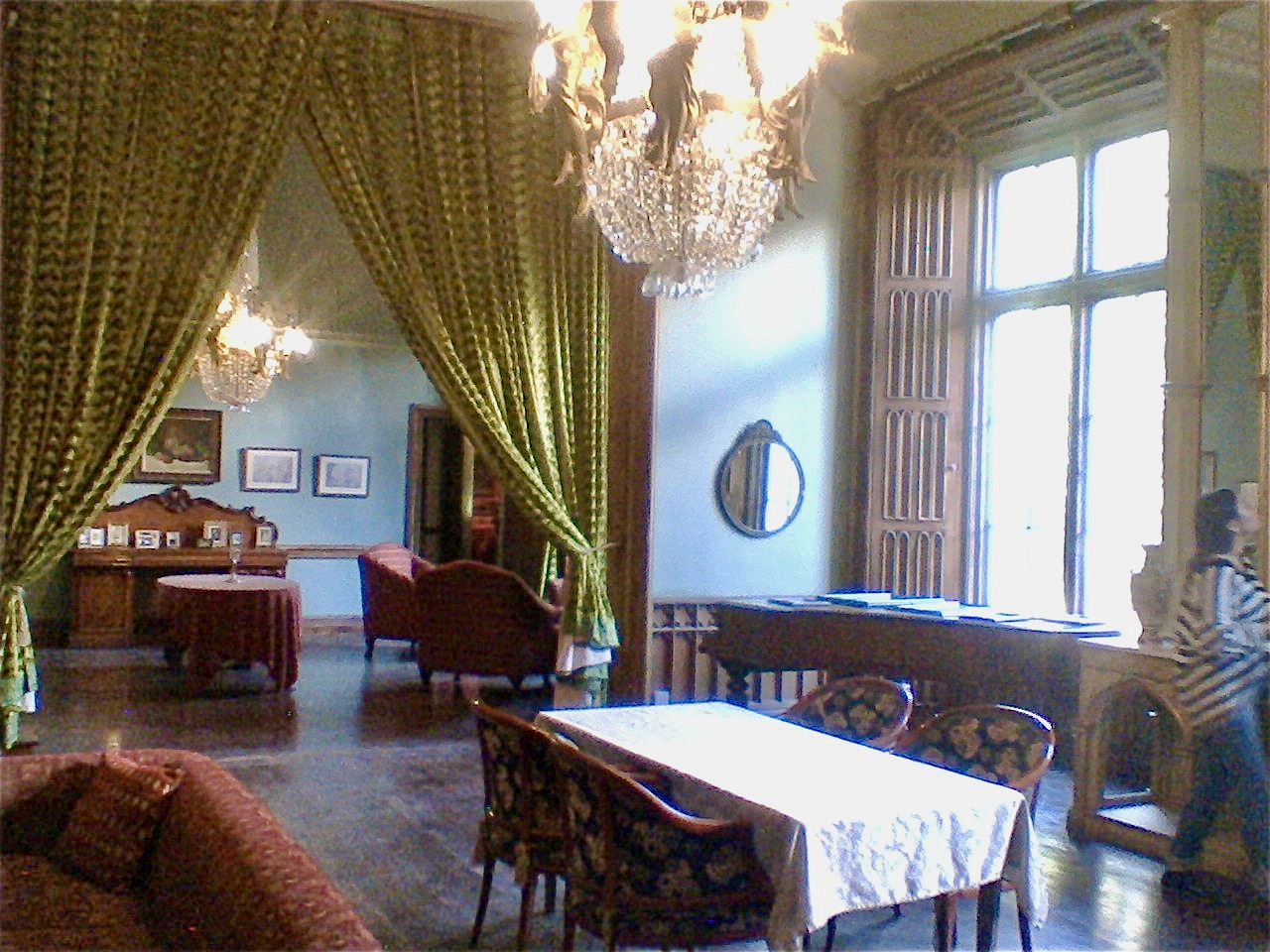
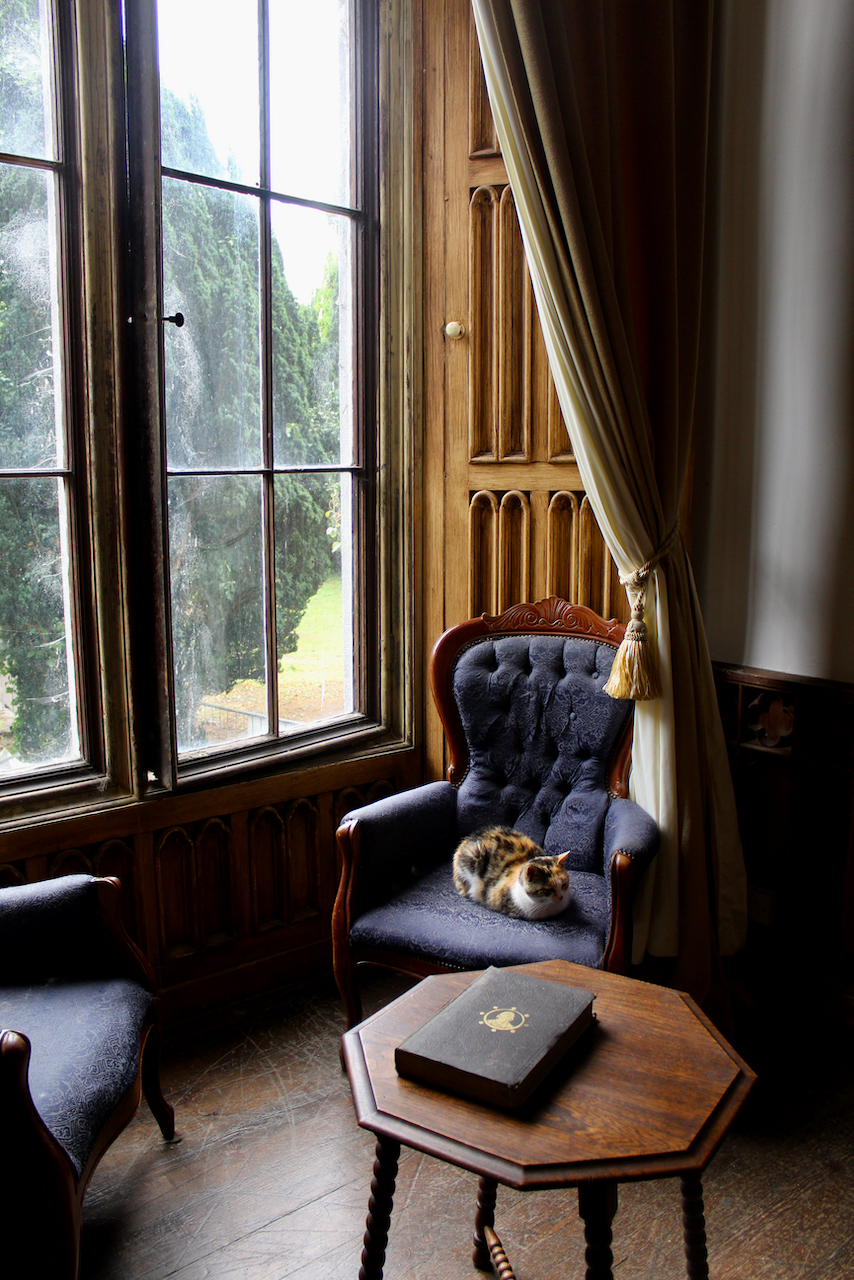
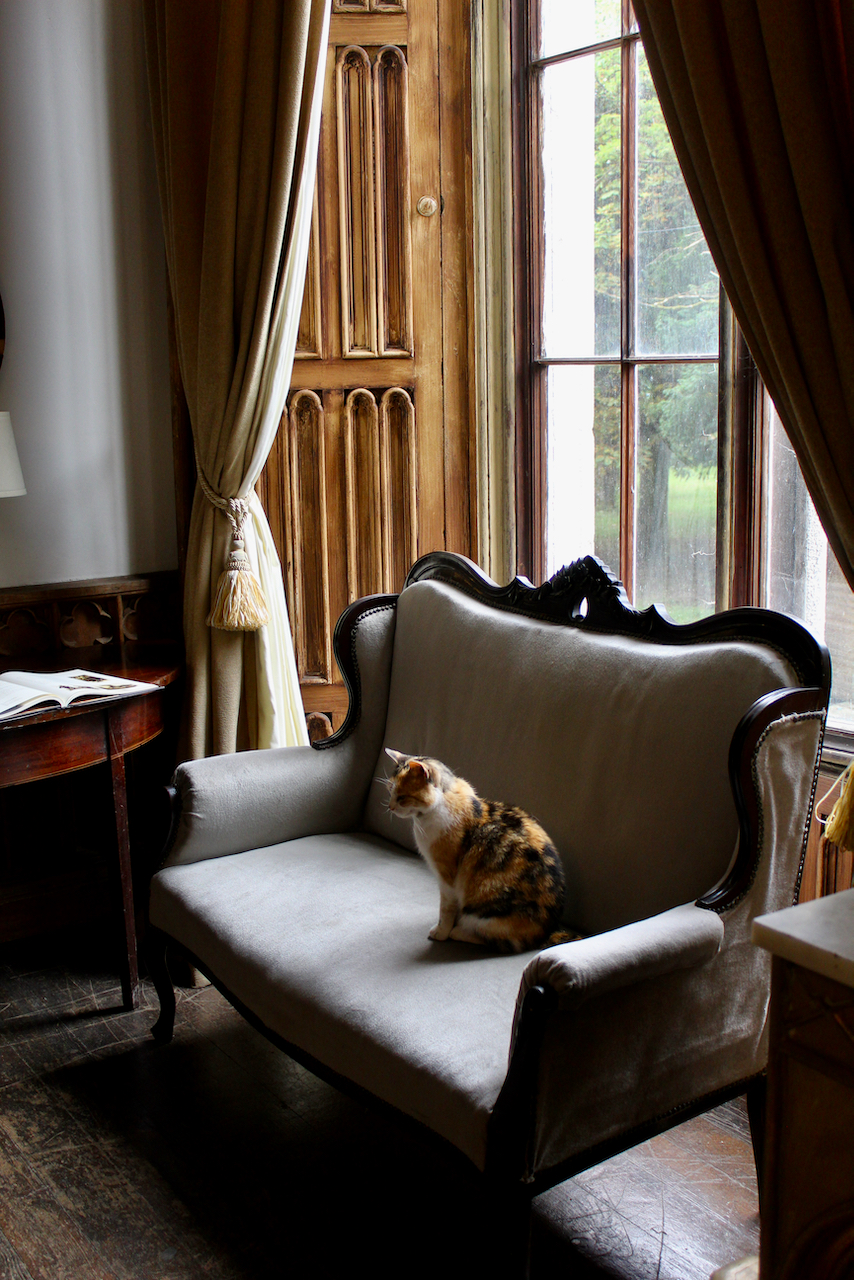
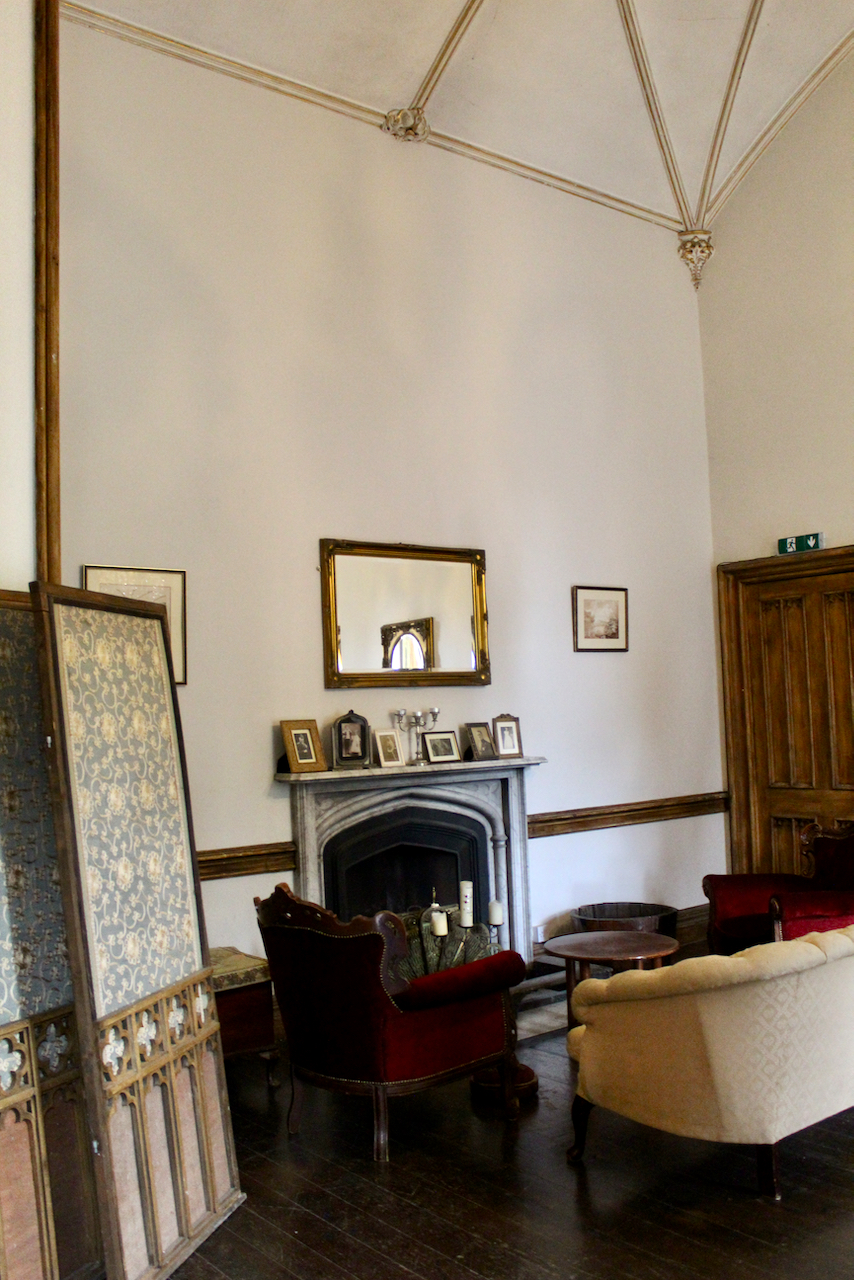
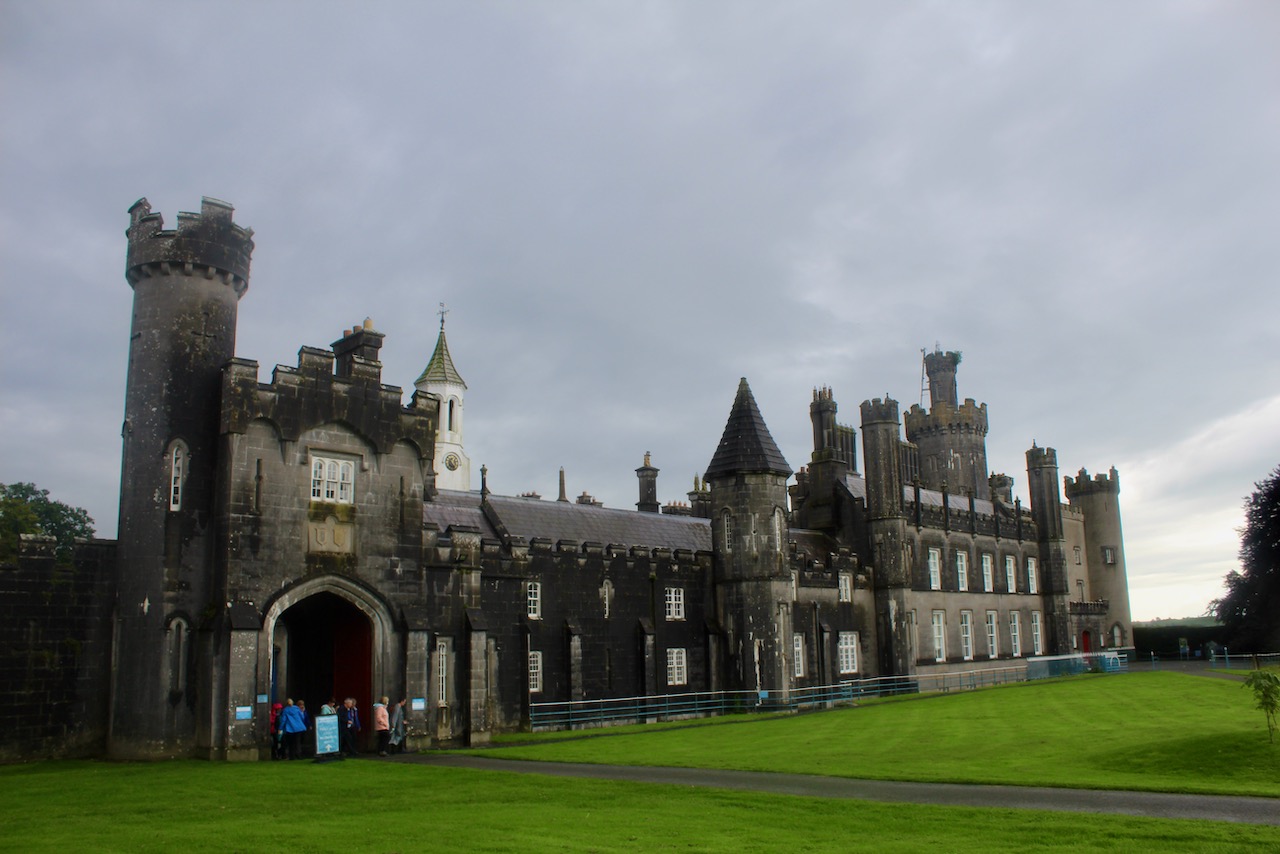
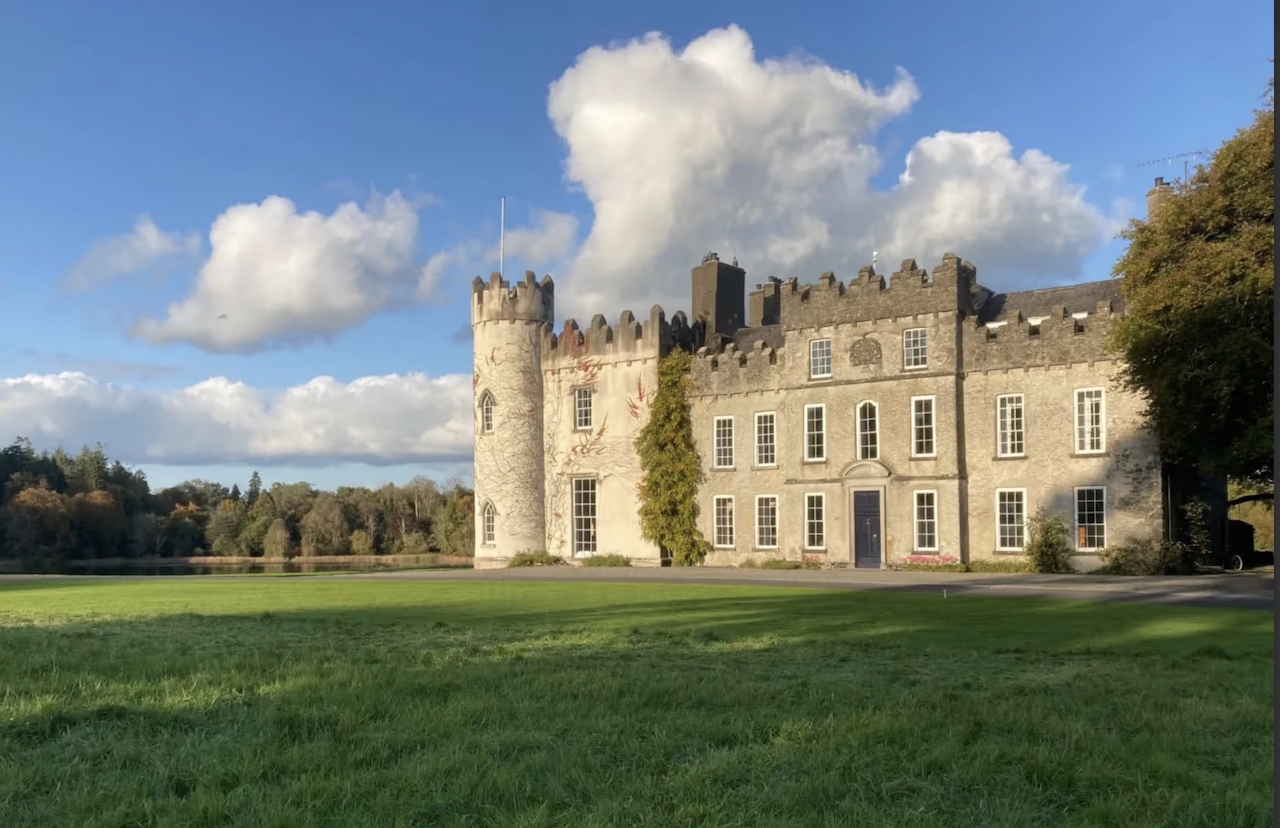
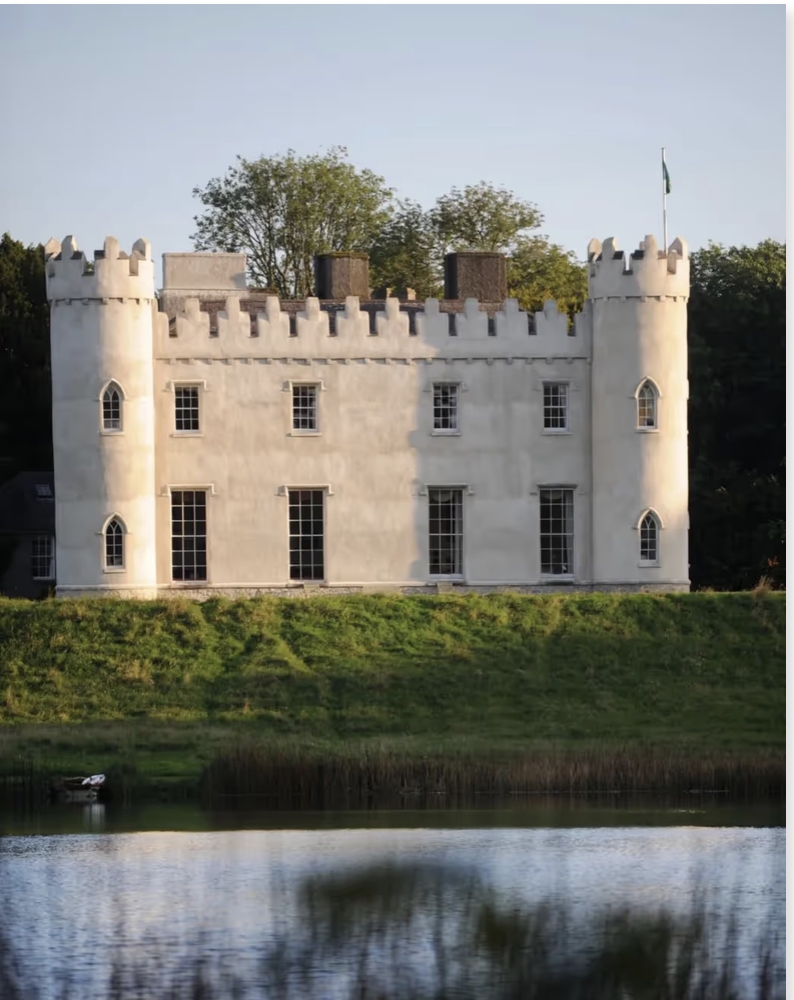
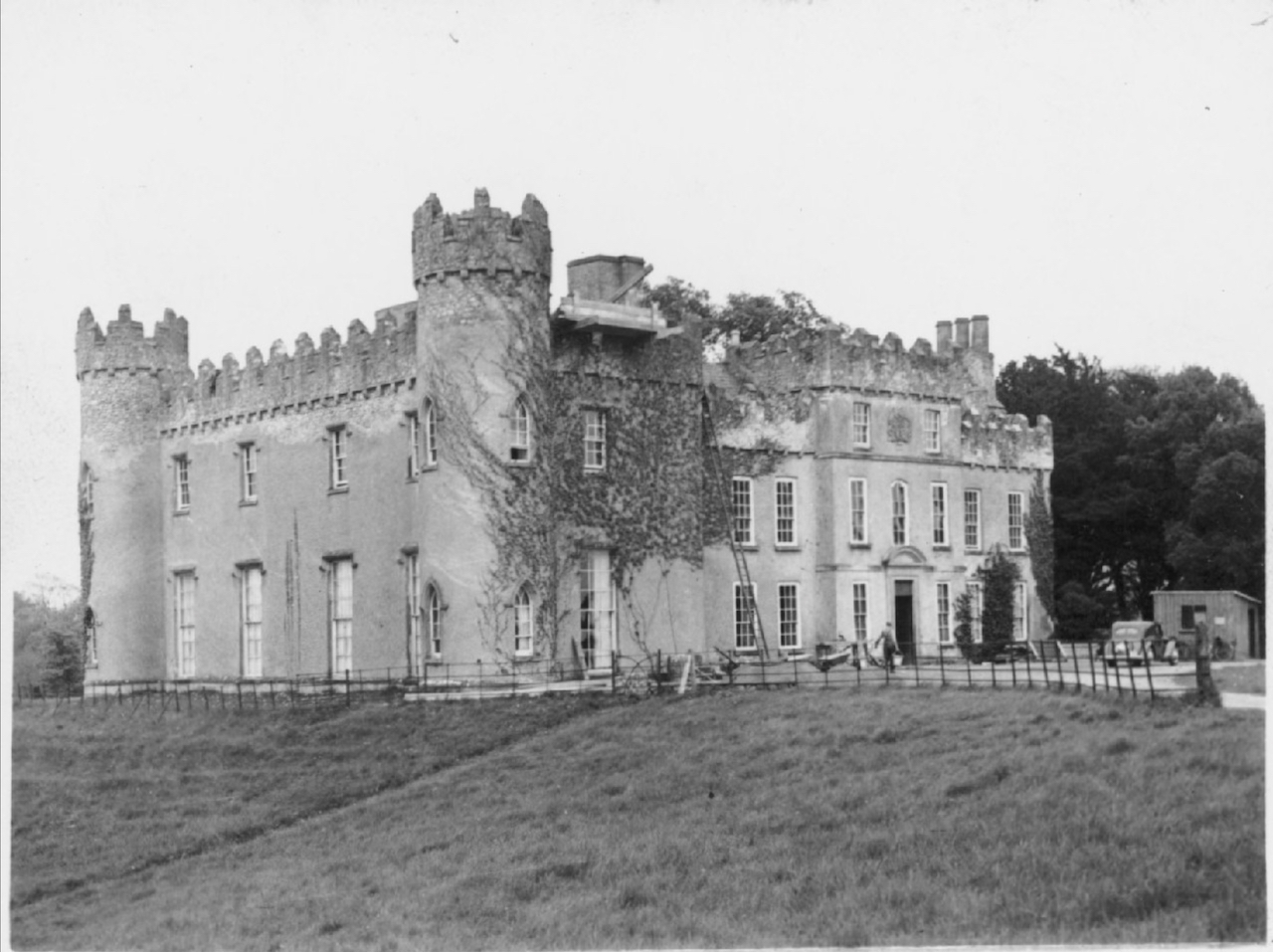
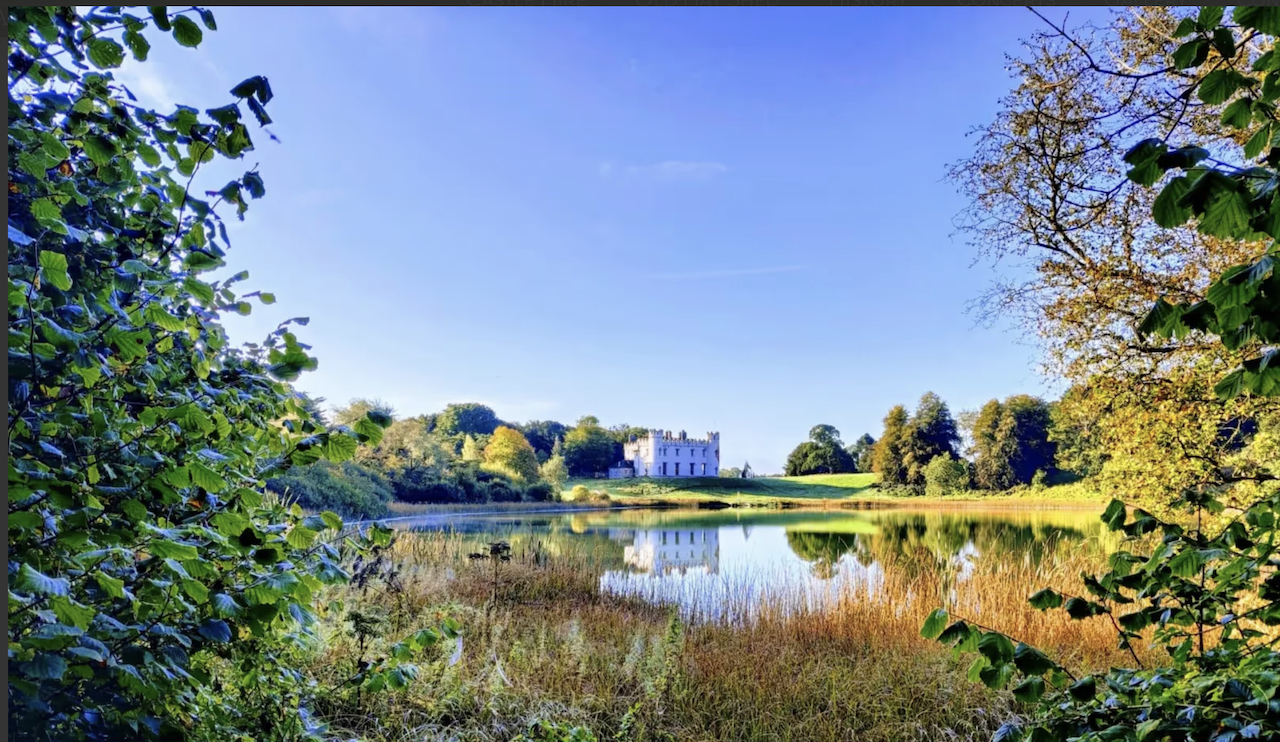
It was built built 1798-1812 for Charles William Bury (1764-1835), later 1st Earl of Charleville, and was designed by Francis Johnston. The castle took 14 years to build, partly because Johnston was busy with other commissions as he was appointed to the Board of Works in 1805. From his work on the castle, Francis Johnston gained many more commissions, and he worked simultaneously on Killeen Castle in County Meath (1802-1812), Markree Castle in County Sligo (1802-1805, see my entry) and Glanmore, County Wicklow (1803-04).
Mark Bence-Jones writes (1988, p. 82) that Charleville Castle is the “finest and most spectacularearly nineteenth century castle in Ireland, Francis Johnston’s Gothic masterpiece, just as Townley Hall, County Louth, is his Classical masterpiece.” [1]
In Irish Houses and Gardens. From the Archives of Country Life, Sean O’Reilly tells us that Charles William Bury and his wife, Catherine Maria née Dawson, had some hand in drawing plans for the building. He tells us: “Bury’s intention, as he wrote in his own unfinished account of the work, was to ‘exhibit specimens of Gothic architecture’ adapted to ‘chimneypieces, ceilings, windows, balustrades, etc.’ but without excluding ‘convenience and modern refinements in luxury.’ This recipe for the Georgian gothic villa had already been used at Horace Walpole’s Strawberry Hill in London, and Bury’s cultivated lifestyle in England certainly would have made him aware of that house and its long line of descendants.” [2]
Charles William Bury was President of the Royal Irish Academy between 1812 and 1822. He saw himself as the castle’s architect.
O’Reilly continues: “It may be that Bury himself – possibly with the assistance of his wife – outlined some of the more dramatic features in his new house, as is suggested by a number of drawings relating to the final design which still survive, now in the Irish Architectural Archive in Dublin. These all show the crude hand of an amateur, but equally betray a total freedom of imagination unshackled by the discipline of architectural training. In particular, a drawing of the exterior shows the smaller tower rising up out of the ground like a tree, with its base spreading and separating as it grows into the ground like roots.” [2]
Charleville Forest was written up by Mark Girouard for Country Life in 1962. Just over fifty-three years later Country Life published another article (October 2016), this time by Dr Judith Hill, awarded a doctorate for her work on the Gothic in Ireland.
Hill researched the role that Charles William Bury’s wife Catherine played in the design of Charleville, and shared her findings in a lecture given to the Offaly History Society and published on the Offaly History blog. She tells us:
“…it was time to look more closely at the collection of Charleville drawings which had been auctioned in the 1980s. Many of these are in the Irish architectural Archive, and those that were not bought were photographed. Here I found two pages of designs for windows that were signed by Catherine (‘CMC’: Catherine Maria Charleville). There is a sketch of a door annotated in her hand writing. There is a drawing showing a section through the castle depicting the wall decoration and furniture that had been attributed to Catherine. Rolf Loeber had a perspective drawing of the castle which showed the building, not quite as it was built, in a clearing in a wood. The architecture was quite confidently drawn and the trees were excellent. It was labelled ‘Countess Charleville’. I looked again at some of the sketches of early ideas for the castle in the Irish Architectural Archive. In one, the building design was hesitant while the trees were detailed; an architect wouldn’t bother with such good trees for an early design sketch. There was another that had an architect’s stamp; the massing of the building quickly drawn, the surrounding trees extremely shadowy. I could see Catherine and [Francis] Johnston talking about the design in these drawings.” [3]
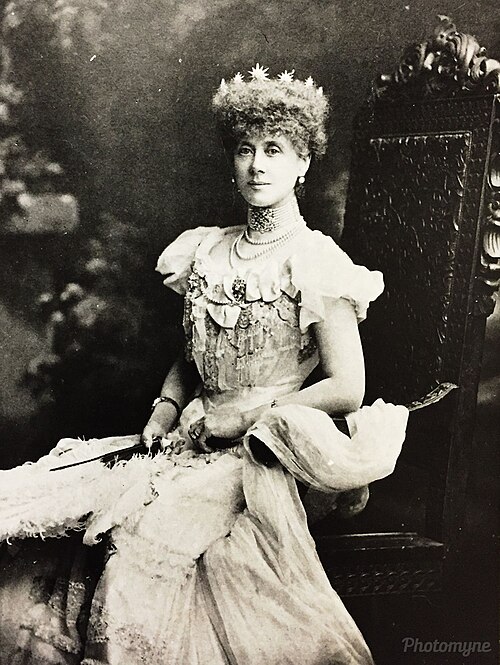
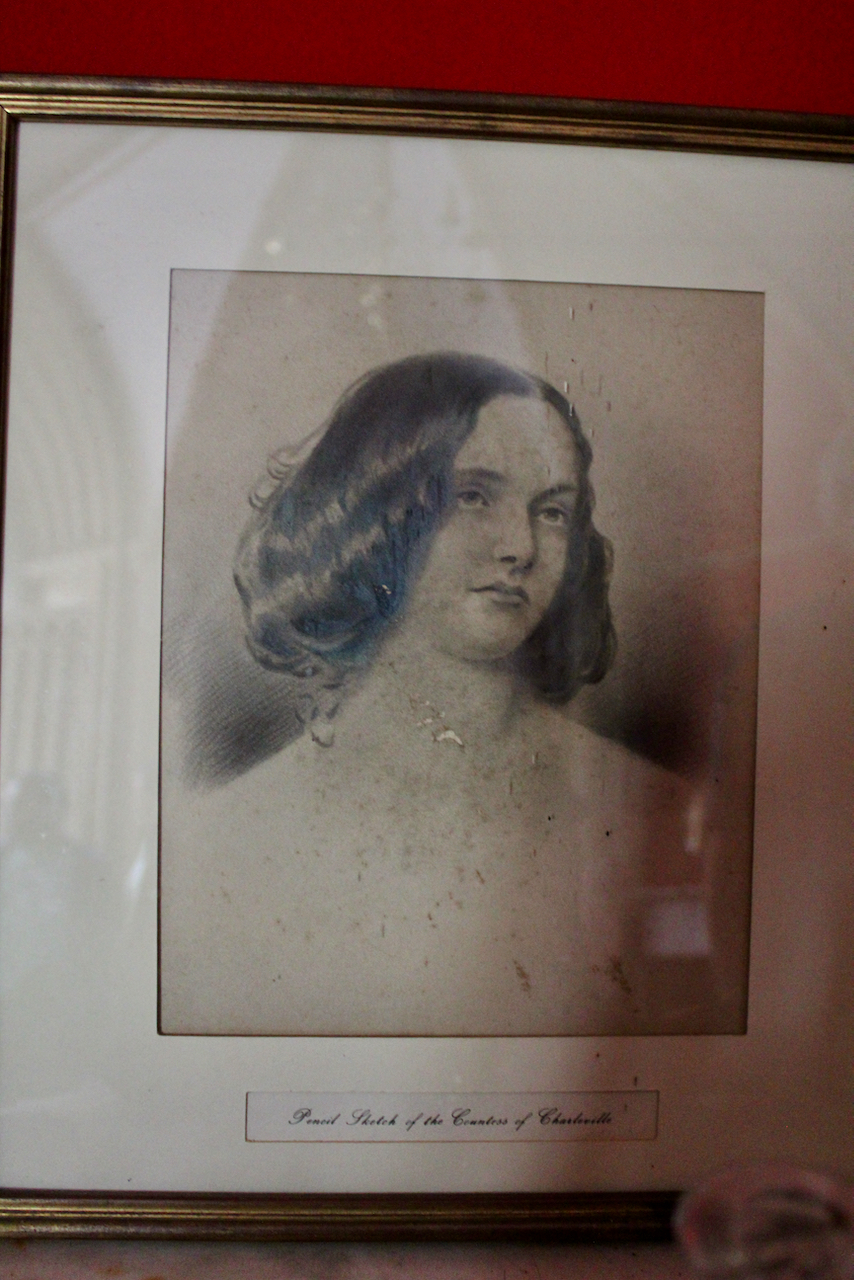
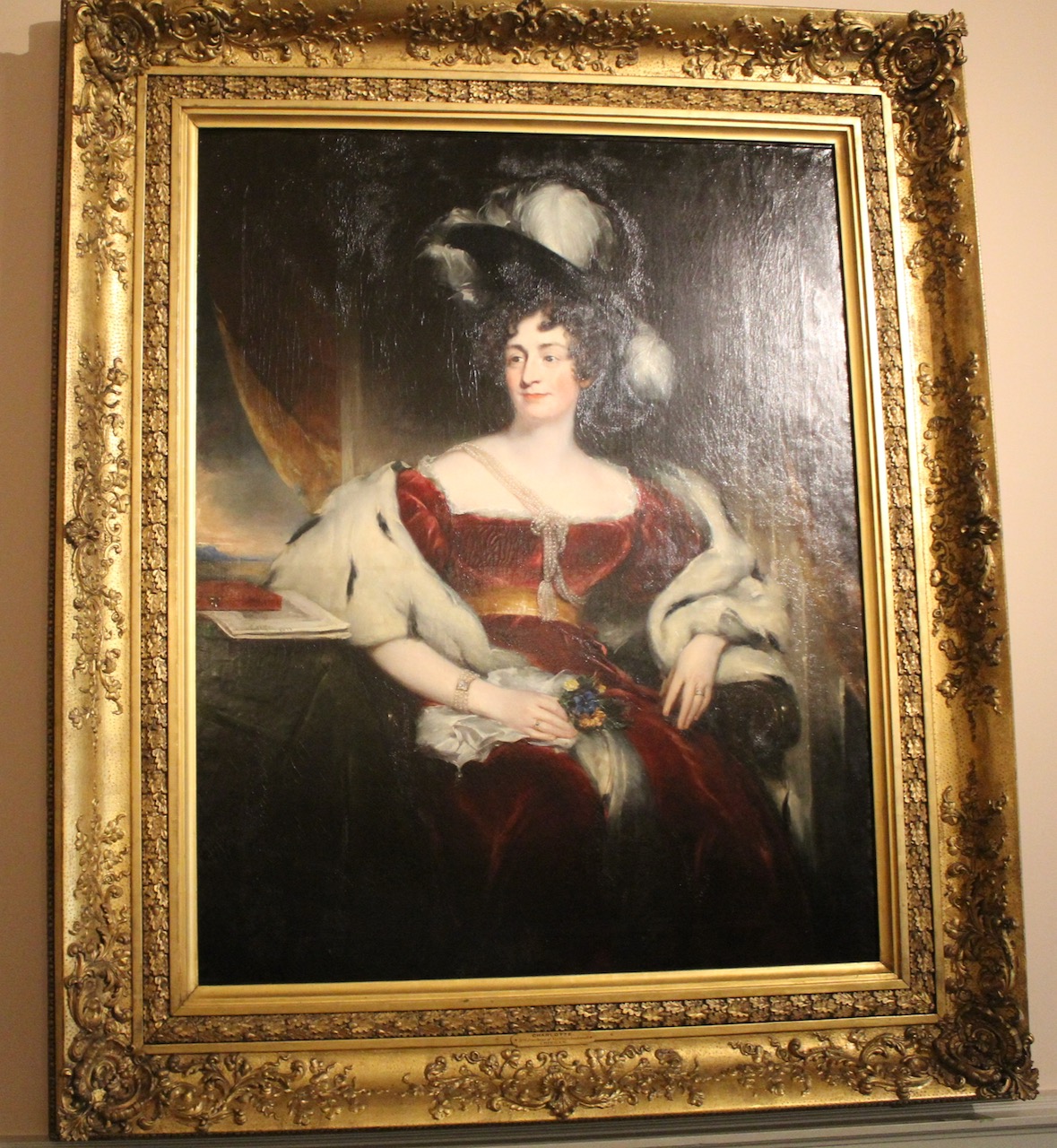
One of the Countesses of Charleville, though I don’t know which one.PossiblyHarriet Charlotte Beaujolois, the third daughter of Col. John Campbell of Shawfield in Scotland and Lady Charlotte Susan Maria Campbell.She was the second countess of Charleville and mother of Beaujolois or Little Beau.
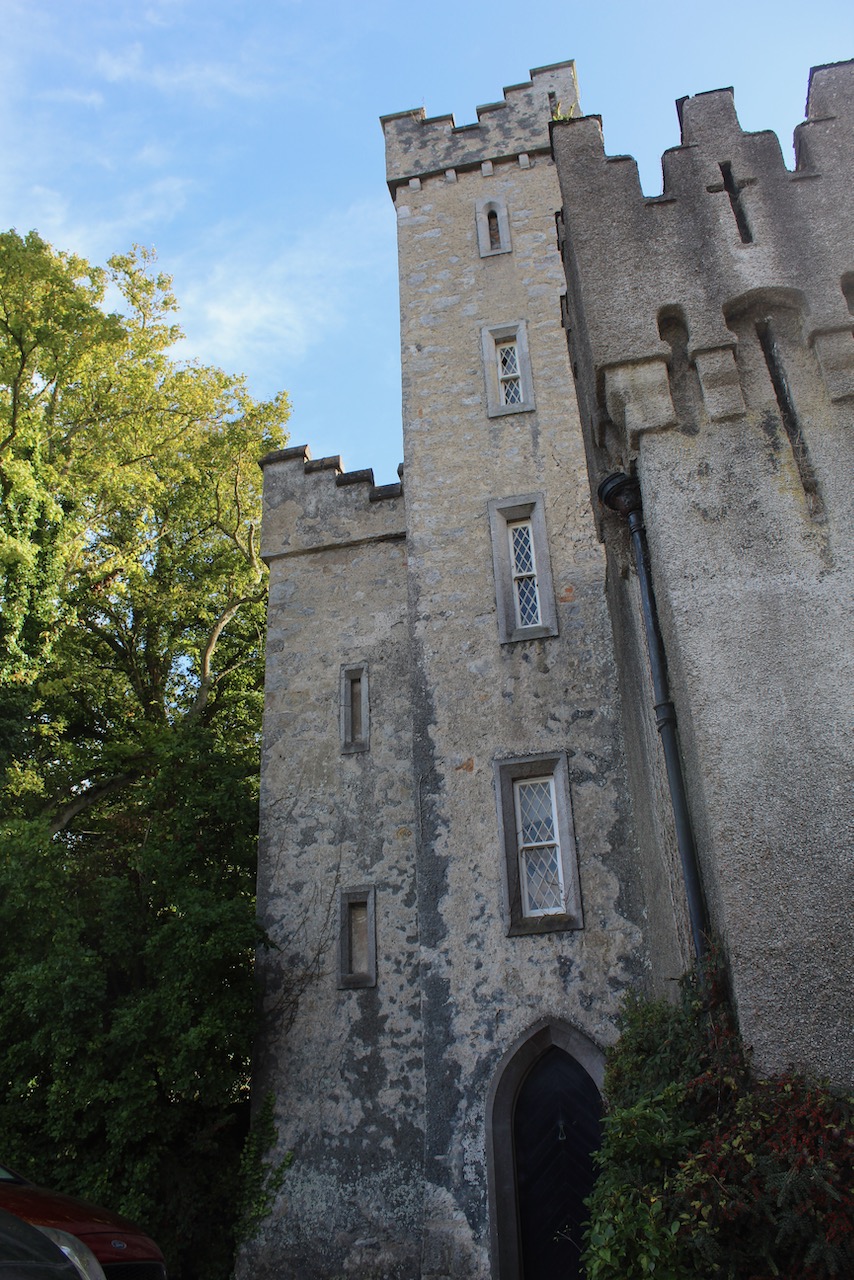
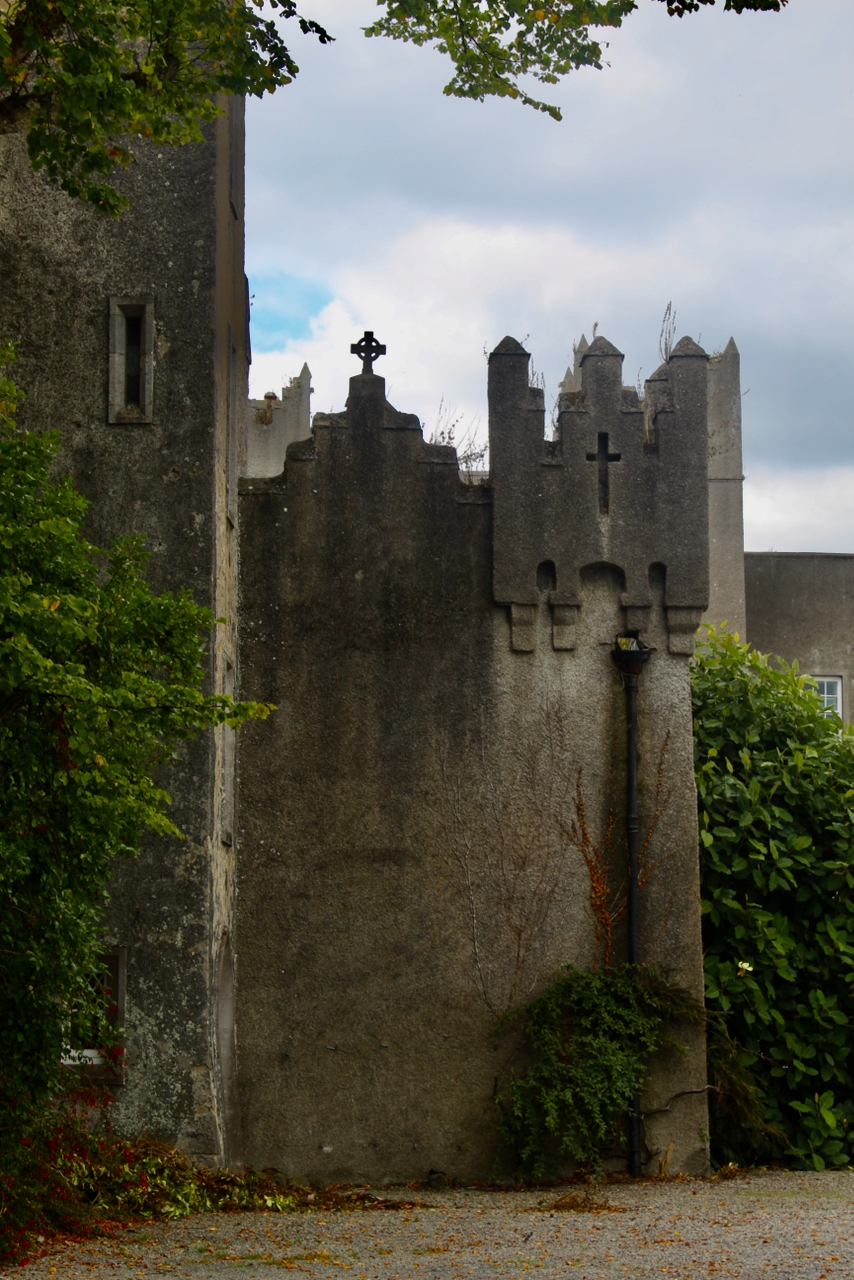
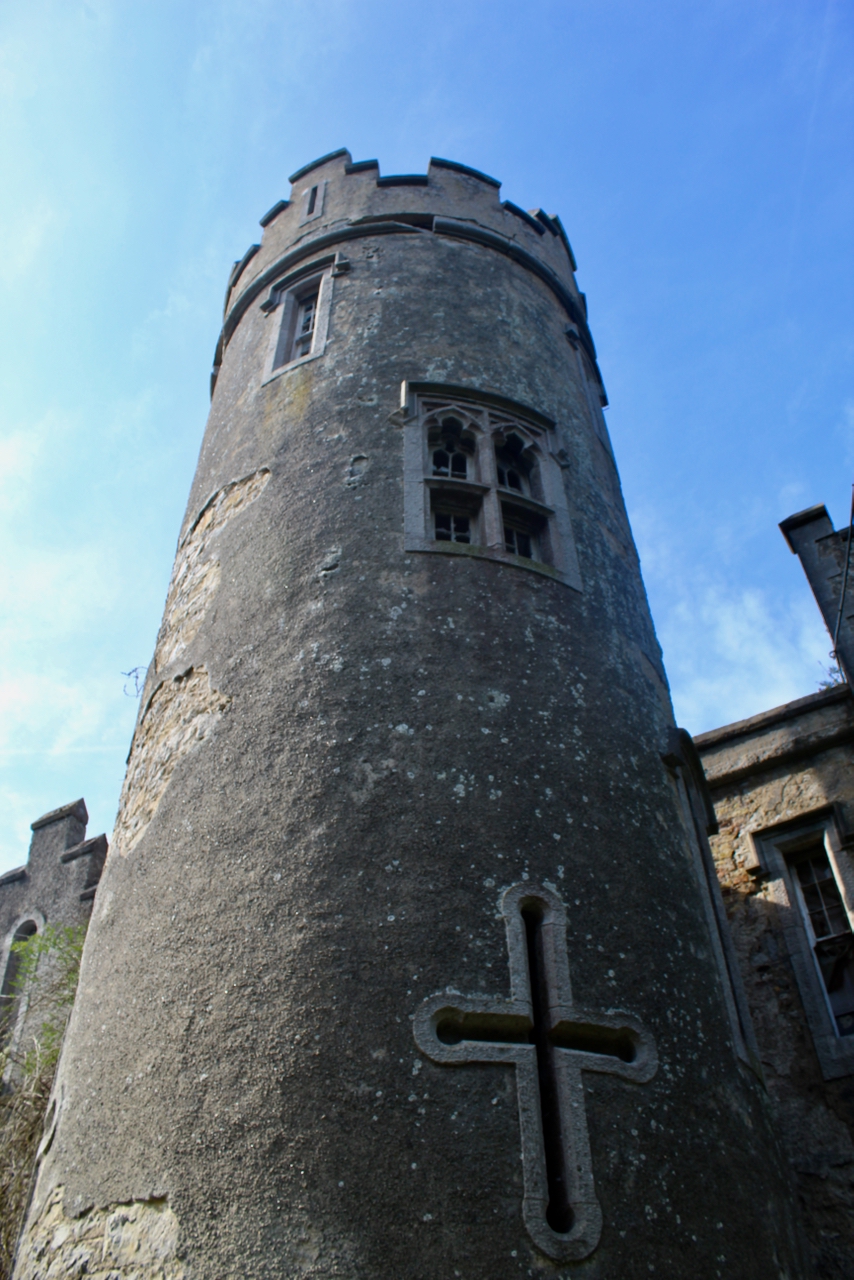
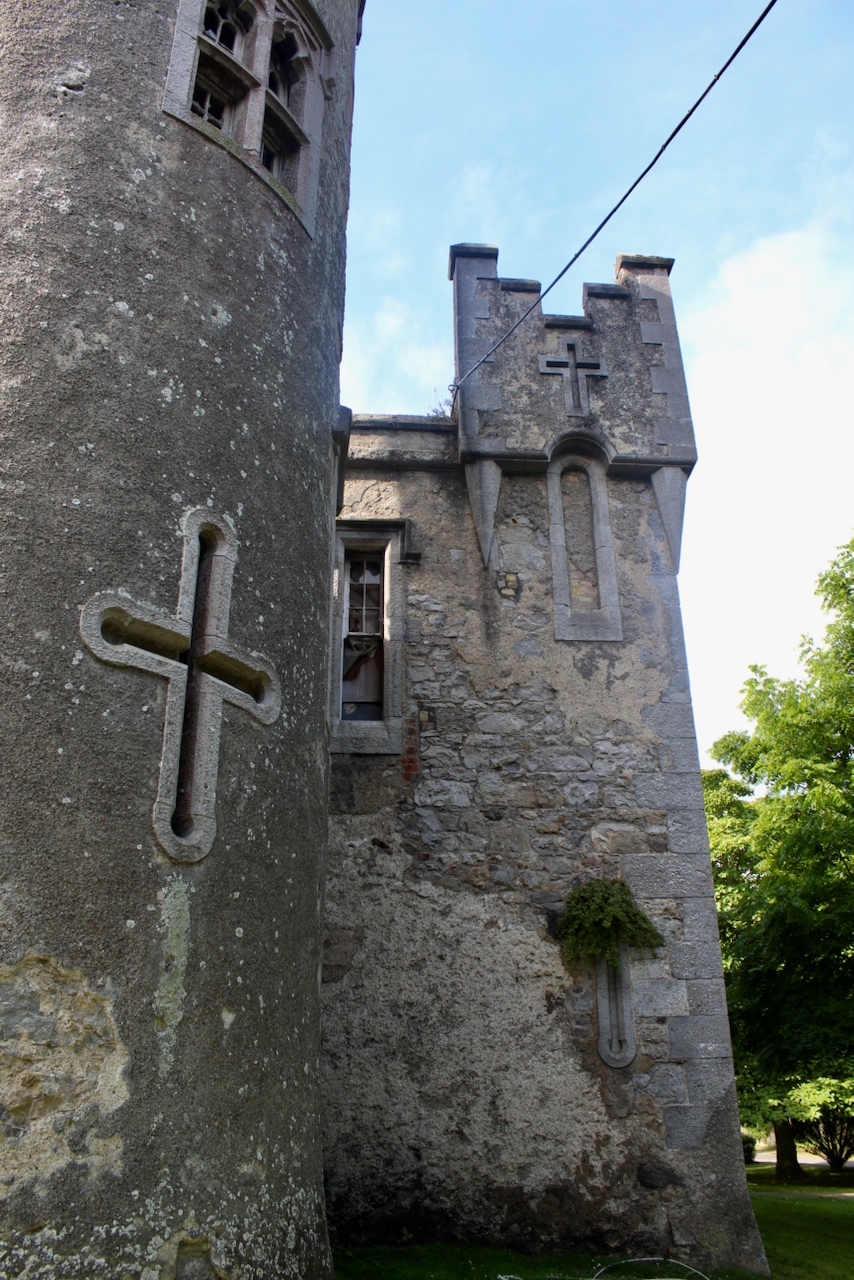
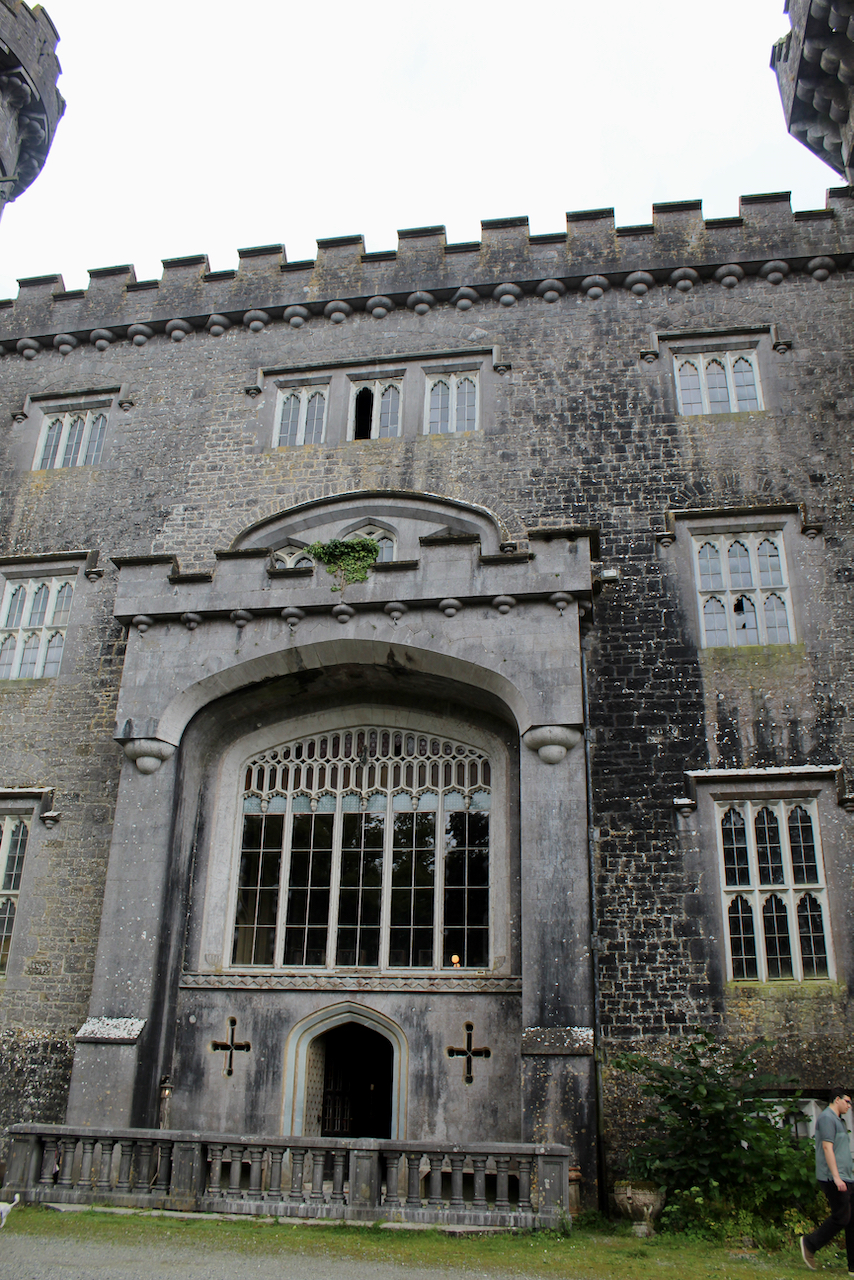
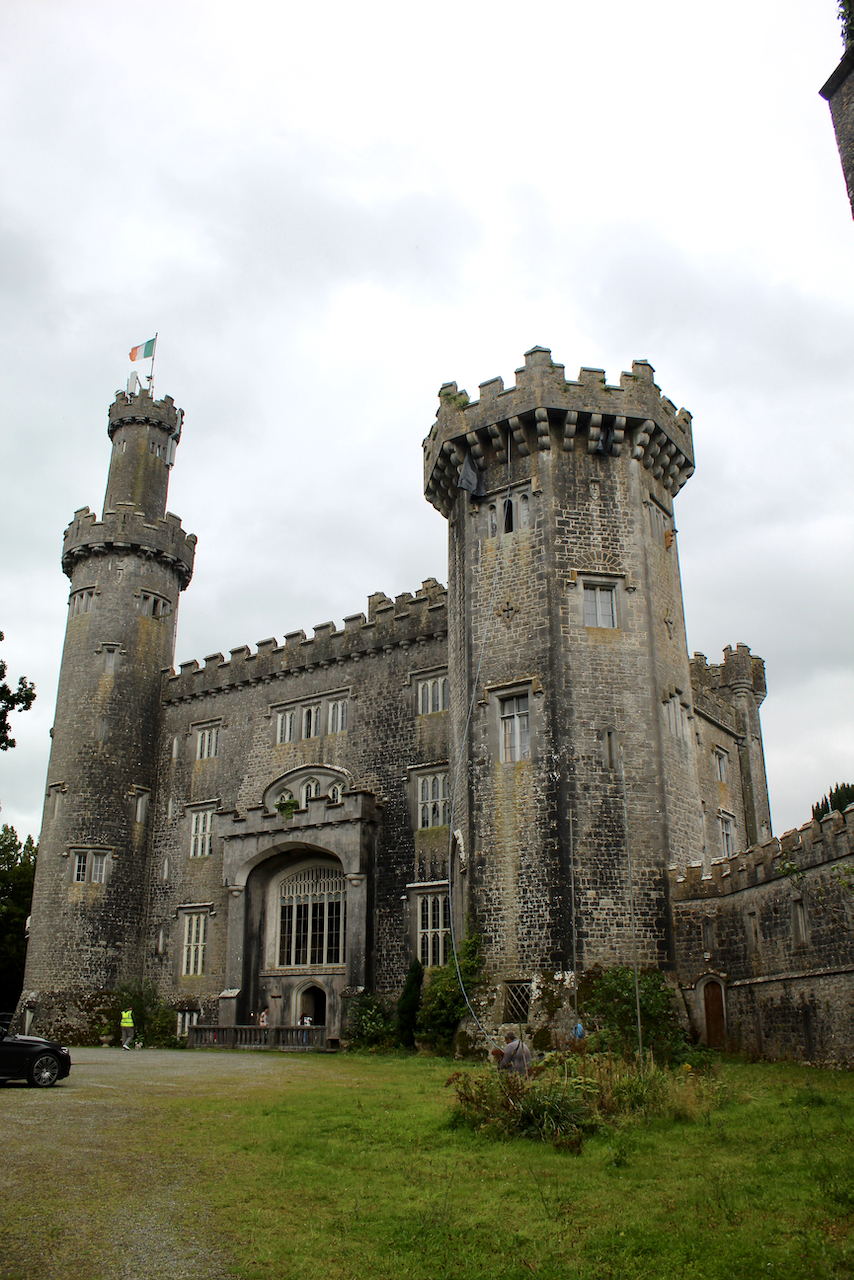
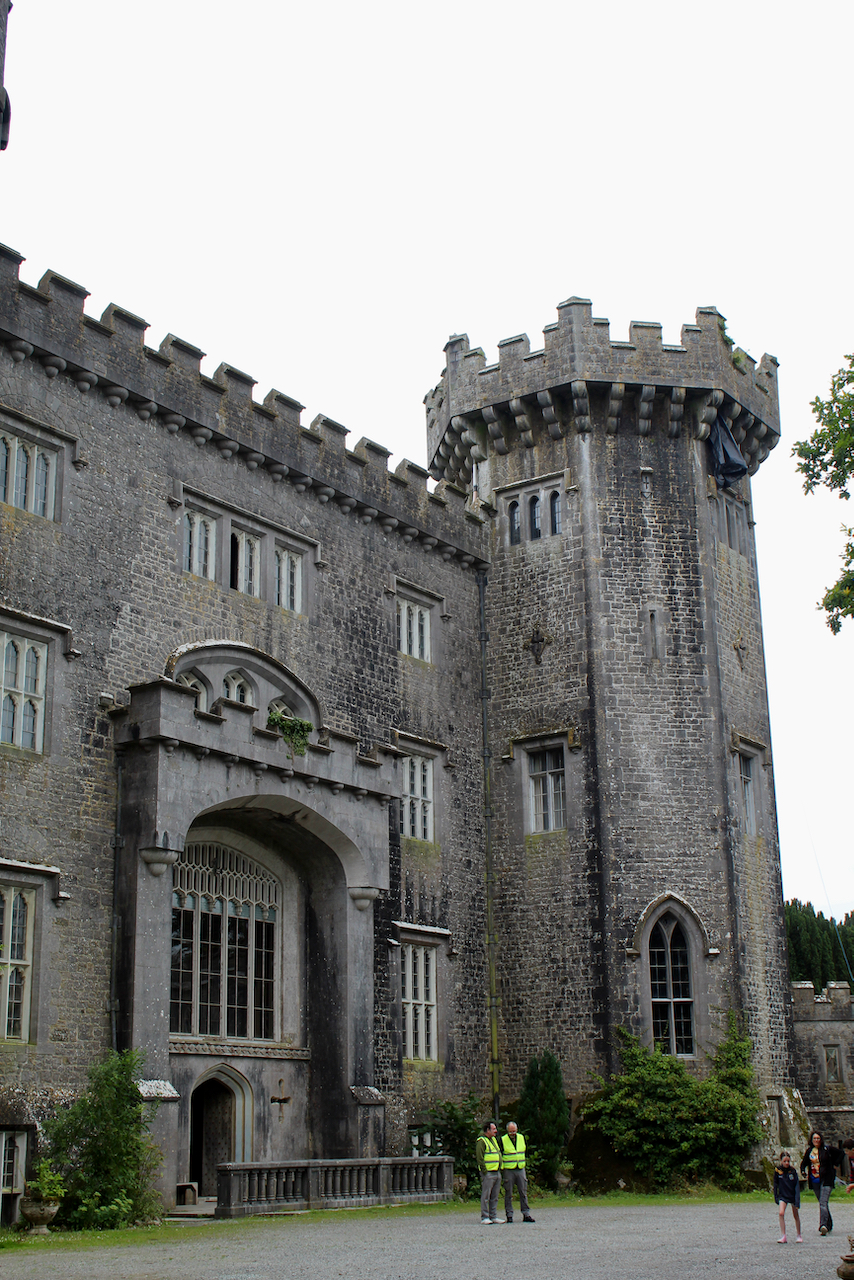
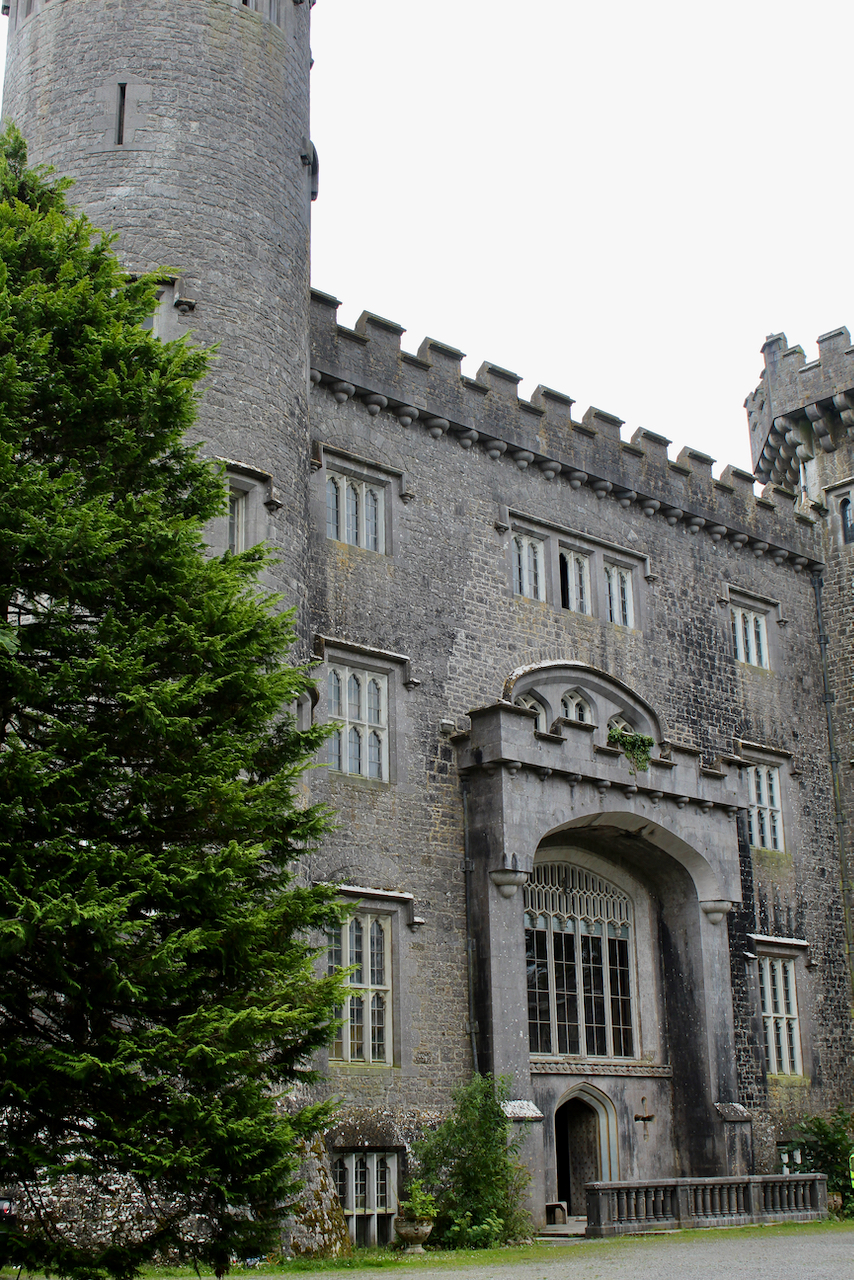
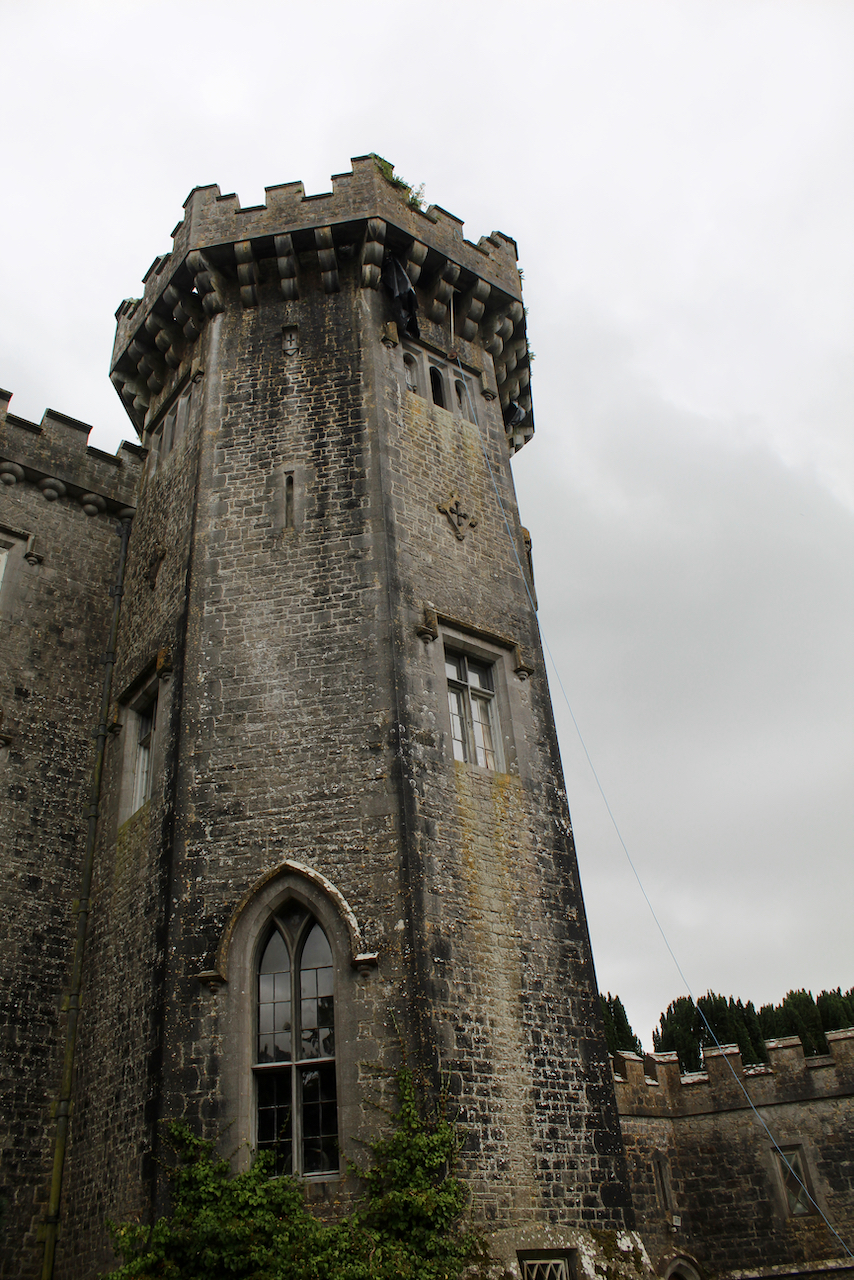
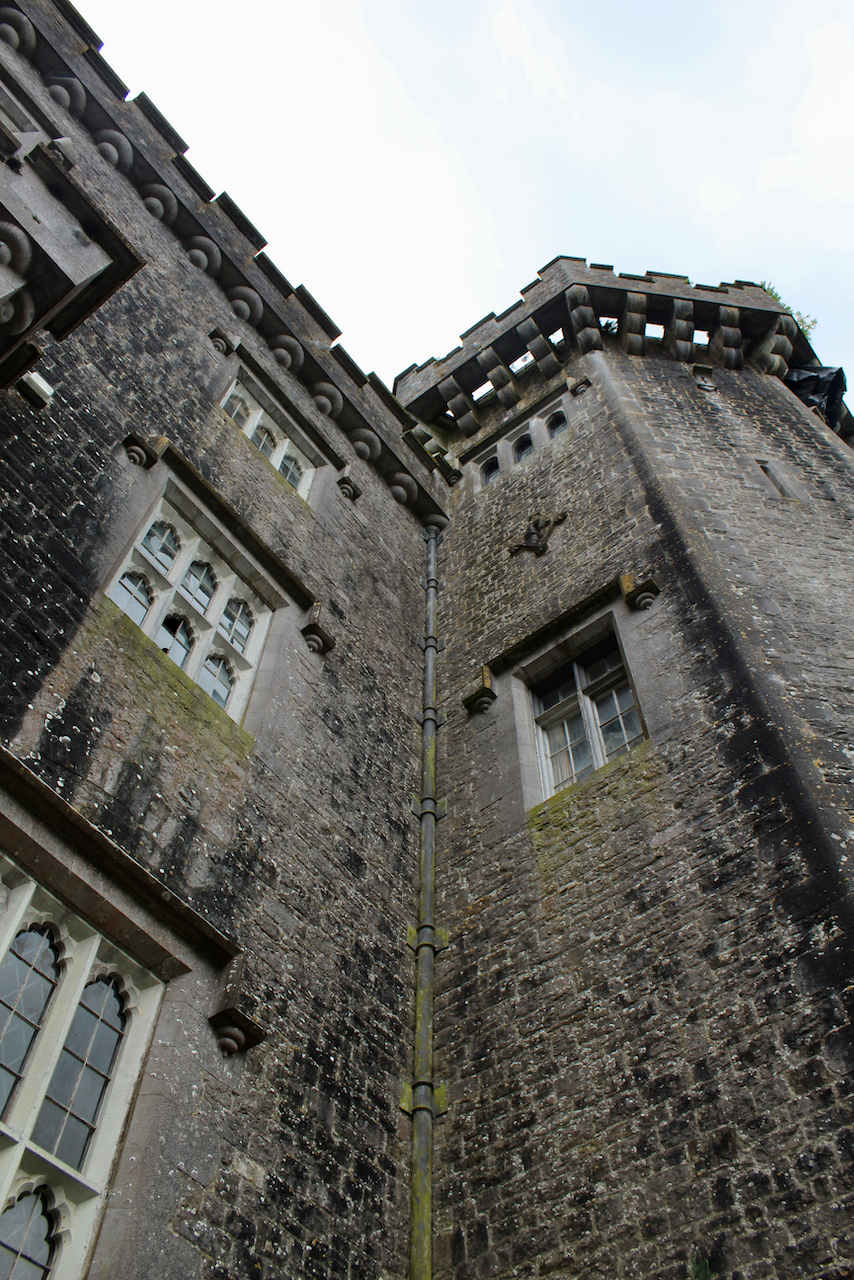
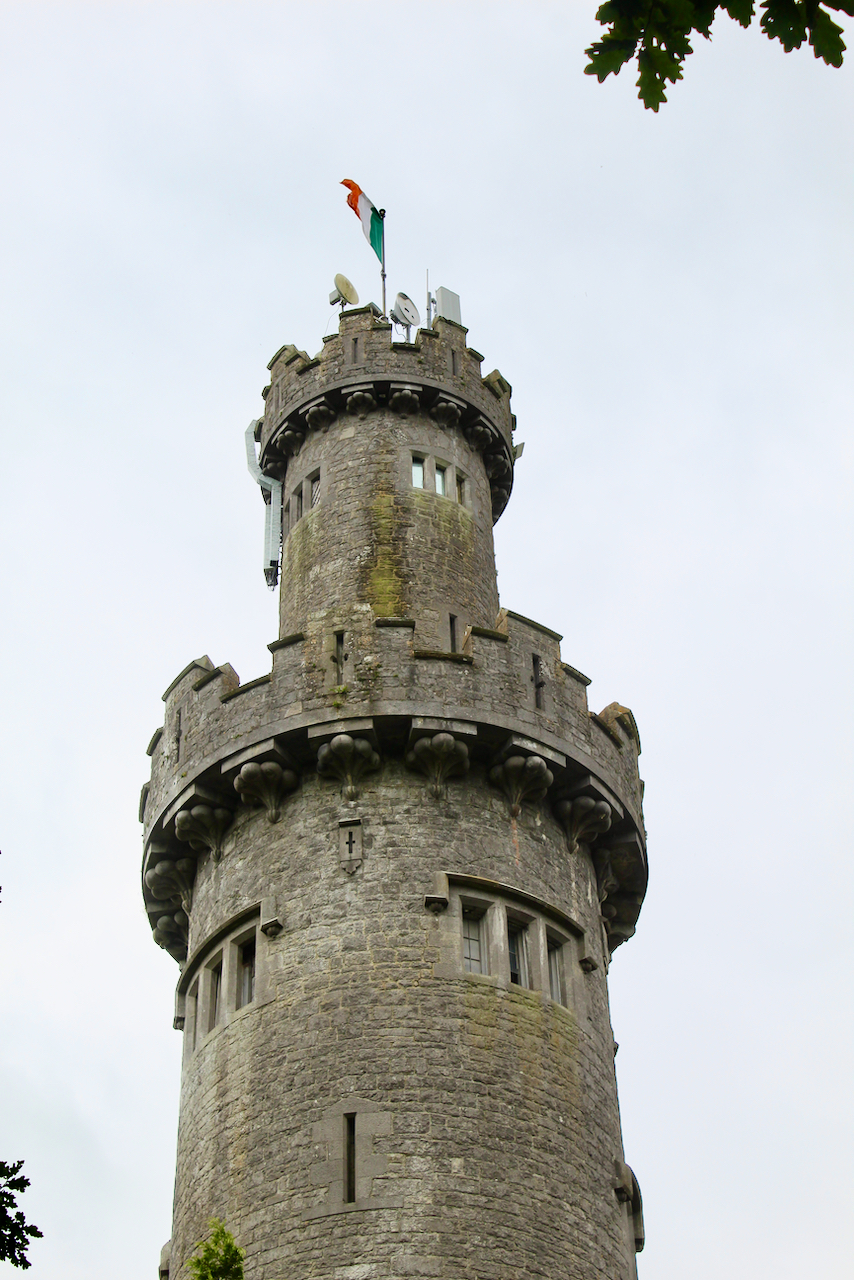
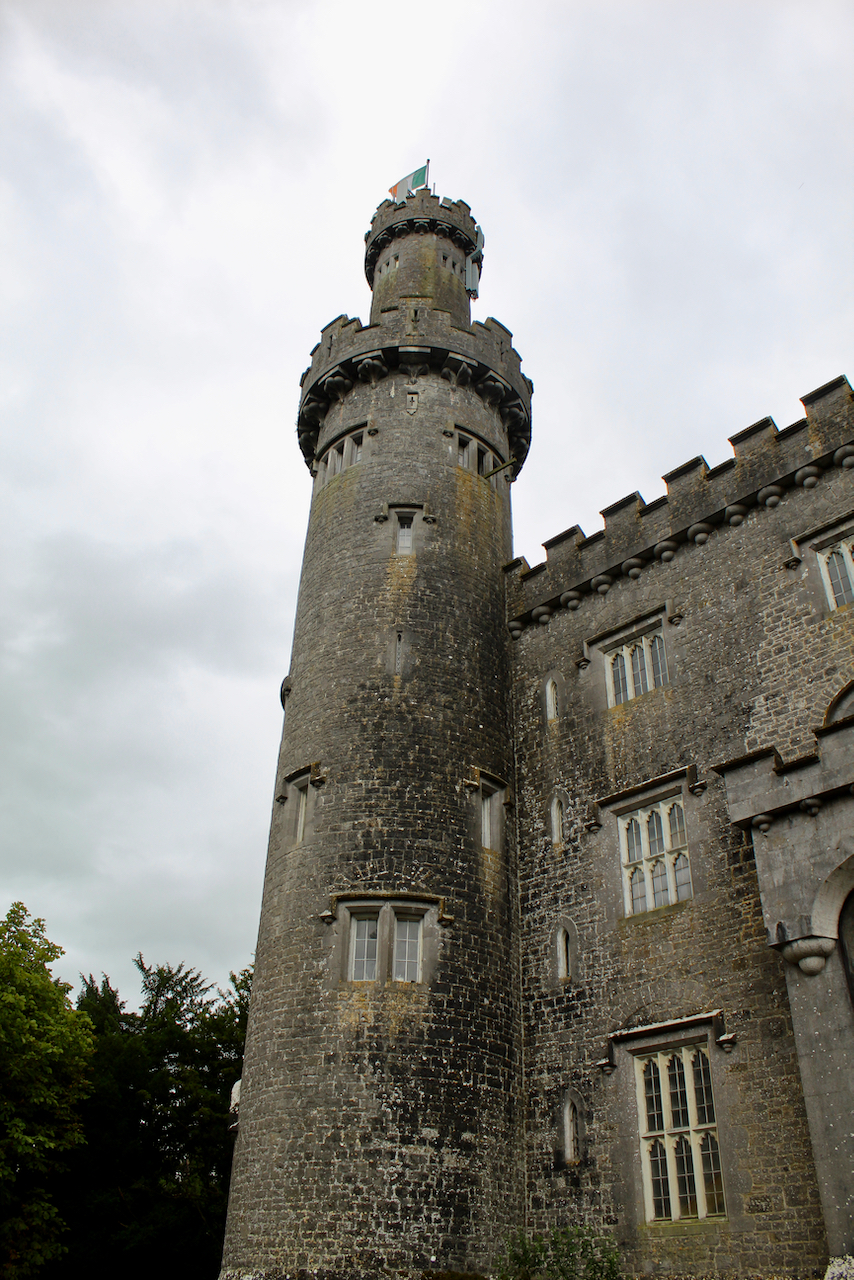
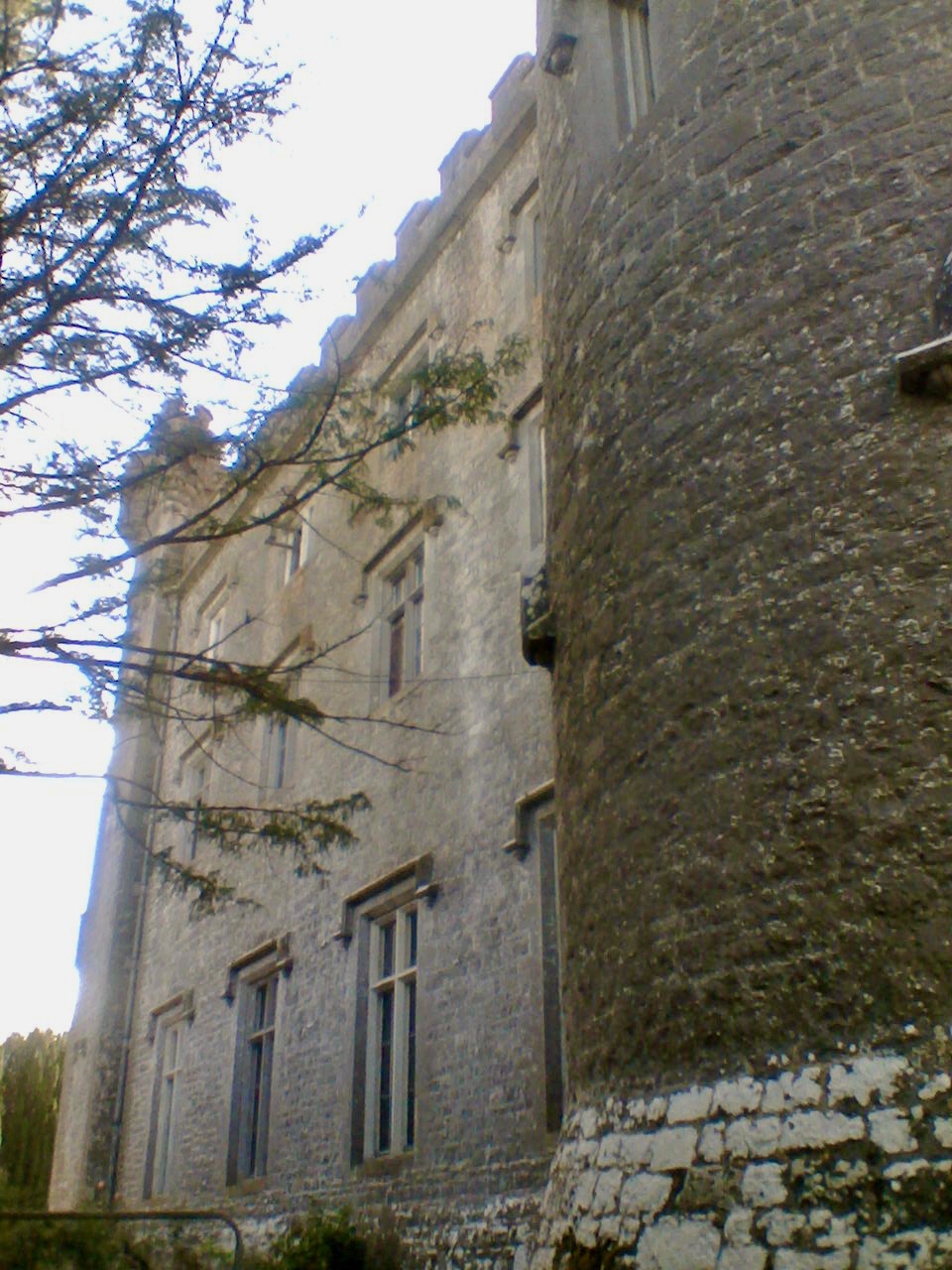
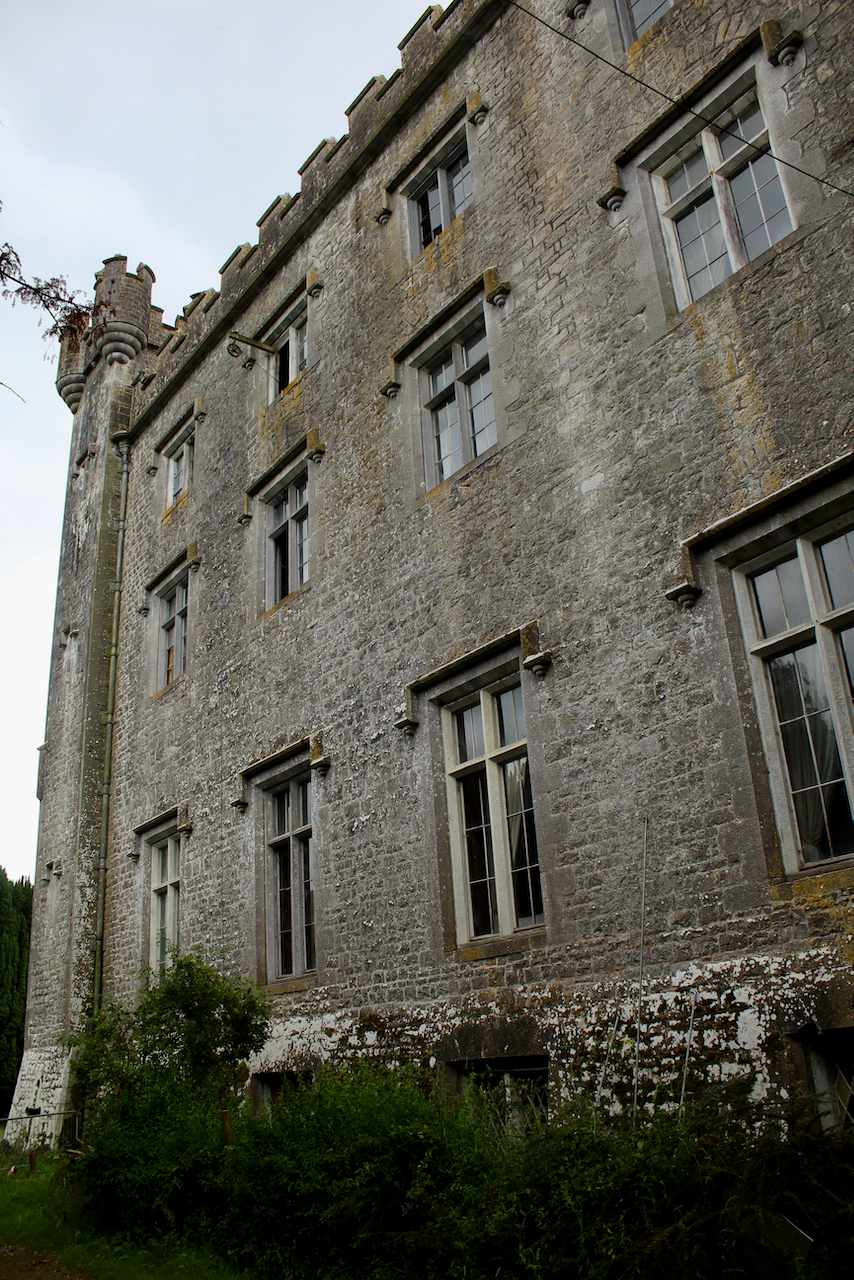
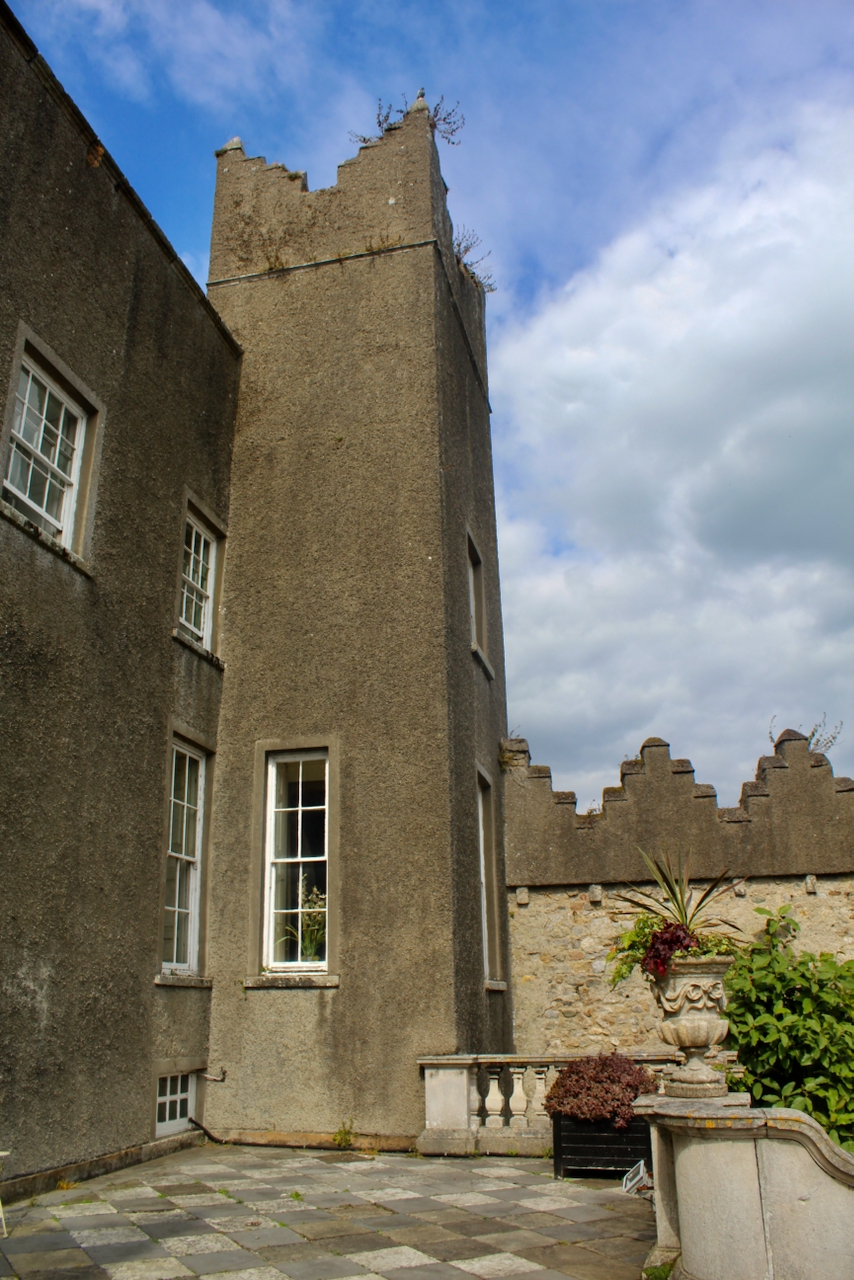
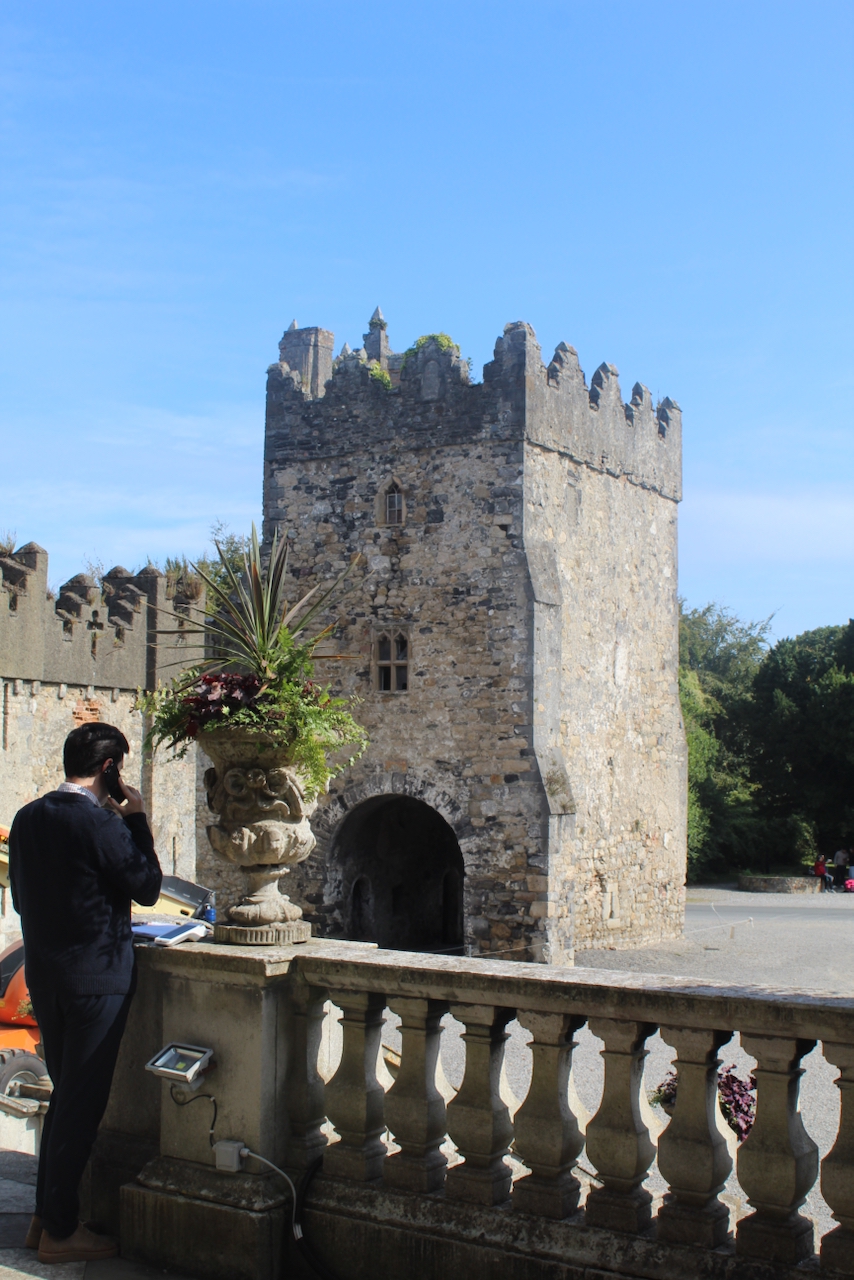
Bence-Jones describes Charleville Forest castle as “a high square battlemented block with, at one corner, a heavily machicolated octagon tower, and at the other, a slender round tower rising to a height of 125 feet, which has been compared to a castellated lighthouse. From the centre of the block rises a tower-like lantern. The entrance door, and the window over it, are beneath a massive corbelled arch. The entire building is cut-stone, of beautiful quality.” [see 1]
Beginning in 1912, with the departure of Lady Emily, the last surviving daughter of the 4th Earl of Charleville, the house was left empty for 68 years.
In 1970 David Hutton-Bury (who owned and lived on the estate adjacent to the castle) granted a 35-year lease for the castle and surrounding 200 acres to Michael McMullen. McMullen lived in the castle and began its restoration in the early 1980s, during which time he restored the six main public rooms. In 1987 Bridget Vance and her mother, Constance Vance-Heavey, took over the leasehold from McMullen and continued the restoration. [4] It is now owned by the Charleville Castle Heritage Trust.
The land of Charleville Forest was inherited by Charles William’s father, John Bury (1725-1764) of Shannongrove, County Limerick. He succeeded to the estates of his maternal uncle, Charles Moore (1712-1764) 1st Earl of Charleville, in February 1764.
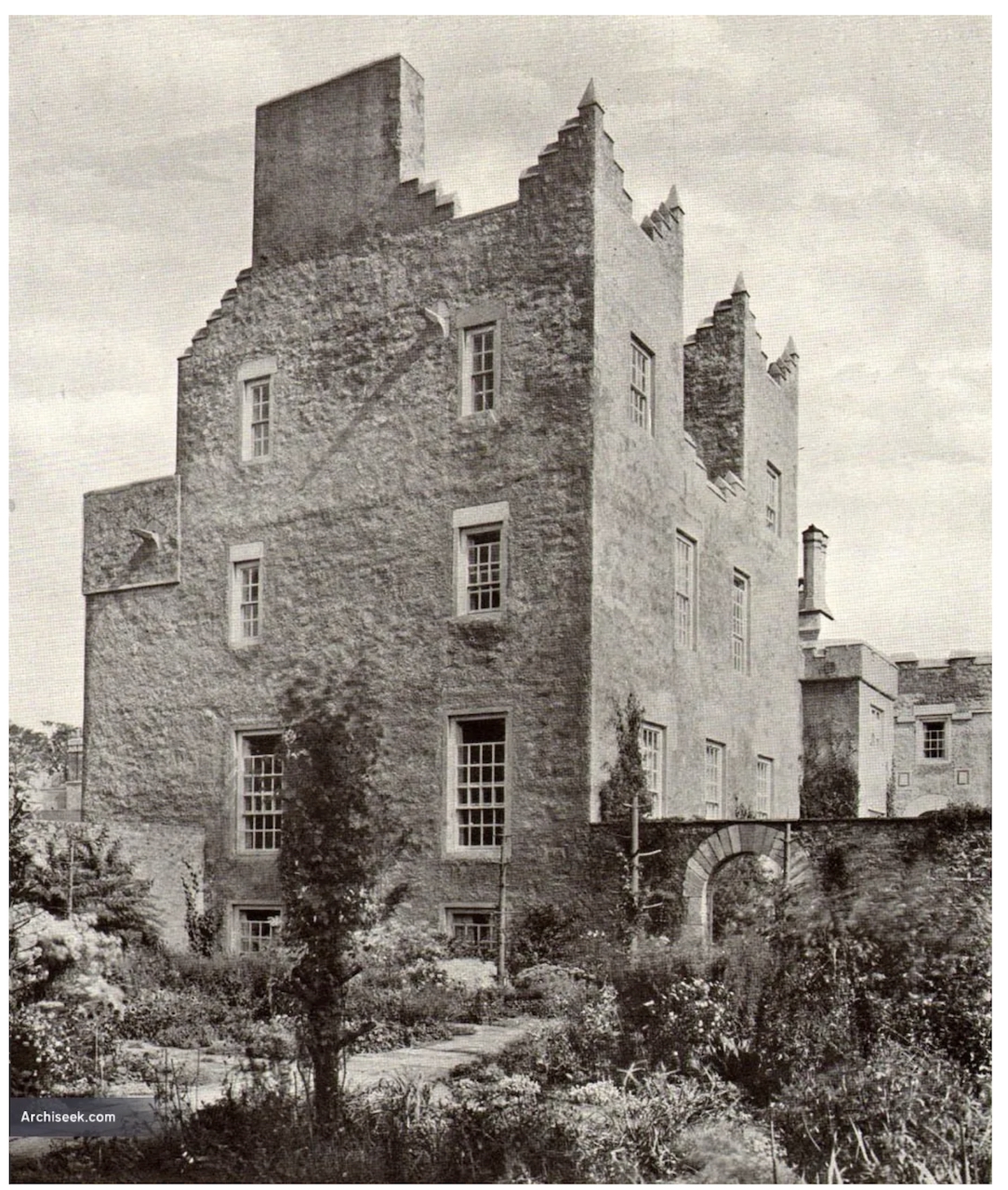
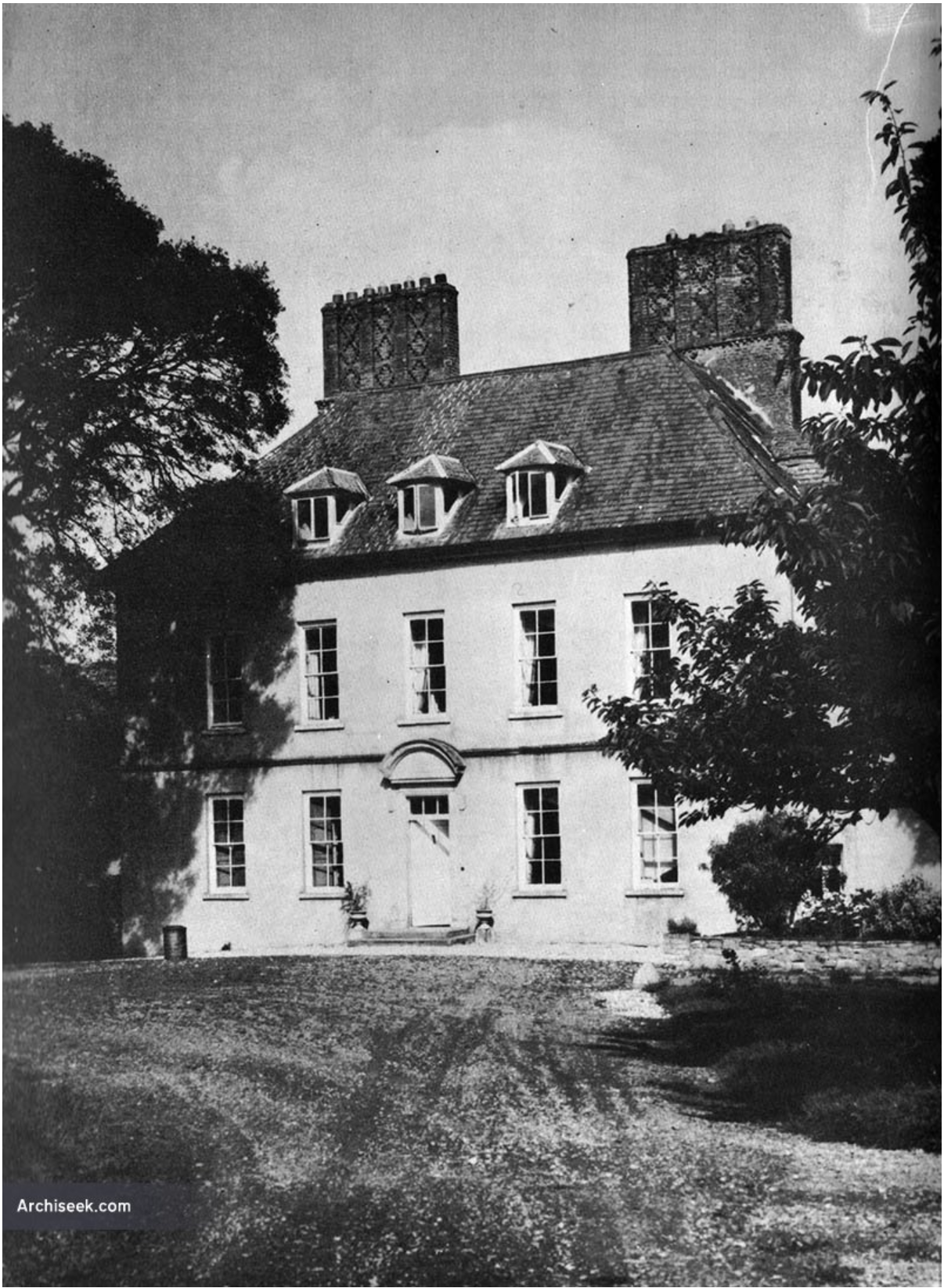
Shannongrove, County Limerick, the home of Charles William Bury’s father, courtesy of Archiseek. [5]
The oak forest and lands were gifted by Queen Elizabeth I to John Moore of Croghan Castle in 1577. Moore leased the land to Robert Forth, who built a house he called Redwood next to the river Clodiagh. In the 1740s Charles Moore 2nd Baron Moore and later 1st Earl of Charleville bought out the lease and made the house the family seat and named it Charleville, after himself.
Due to the lack of male heirs in the Moore family after Charles Moore’s death in 1764, and the fact that John Moore died later that year in 1764, the land was inherited by Charles William Bury who was the grand nephew of the last Earl, at just six months old.
Charles William Bury’s mother Catherine Sadleir was from Sopwell Hall County Tipperary. After her husband John Bury died, she married Henry Prittie (1743-1801) 1st Baron Dunally of Kilboy, which whom she went on to have several more children. The family probably moved to the house he had built called Kilboy House in County Tipperary.
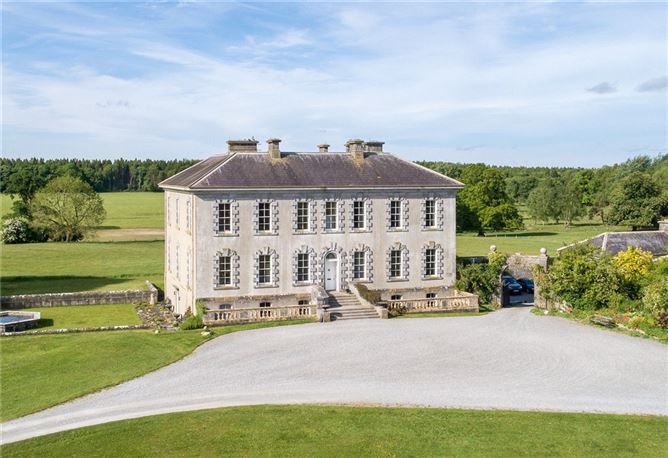
Sopwell Hall, County Tipperary, courtesy of Colliers estate agents and myhome.ie. It was built in 1745 to a design attributed to Francis Bindon.The sale site tells us that in 1745 Francis Sadlier (1709-1797) built Sopwell Hall. The Sopwell Estate ownership passed to the Trench family in 1797 through the marriage of his daughter, Mary. The Trench family remained in ownership until 1985.See more photos in footnotes [6]Henry Prittie, 1st Baron Dunalley (1743-1801), Irish school, courtesy of Christie’s.He was the stepfather of Charles William Bury.
On Charles Moore’s death the title became extinct until Charles William Bury was created 1st Earl of Charleville of the second creation in 1806. Before this, in 1797 he was created Baron Tullamore and in 1800, Viscount Charleville. Bury was returned to the Irish Parliament for Kilmallock in January 1790, but lost the seat in May of that year. He was once again elected for Kilmallock in 1792, and retained the seat until 1797. In 1801 he was elected as an Irish representative to sit in the British House of Lords in England.
Charles William Bury’s wife Catherine was daughter of Thomas Townley Dawson and widow of James Tisdall. From that marriage she had a daughter named Catherine.
Andrew Tierney describes Charleville Forest Castle in The Buildings of Ireland: Central Leinster: Kildare, Laois and Offaly:
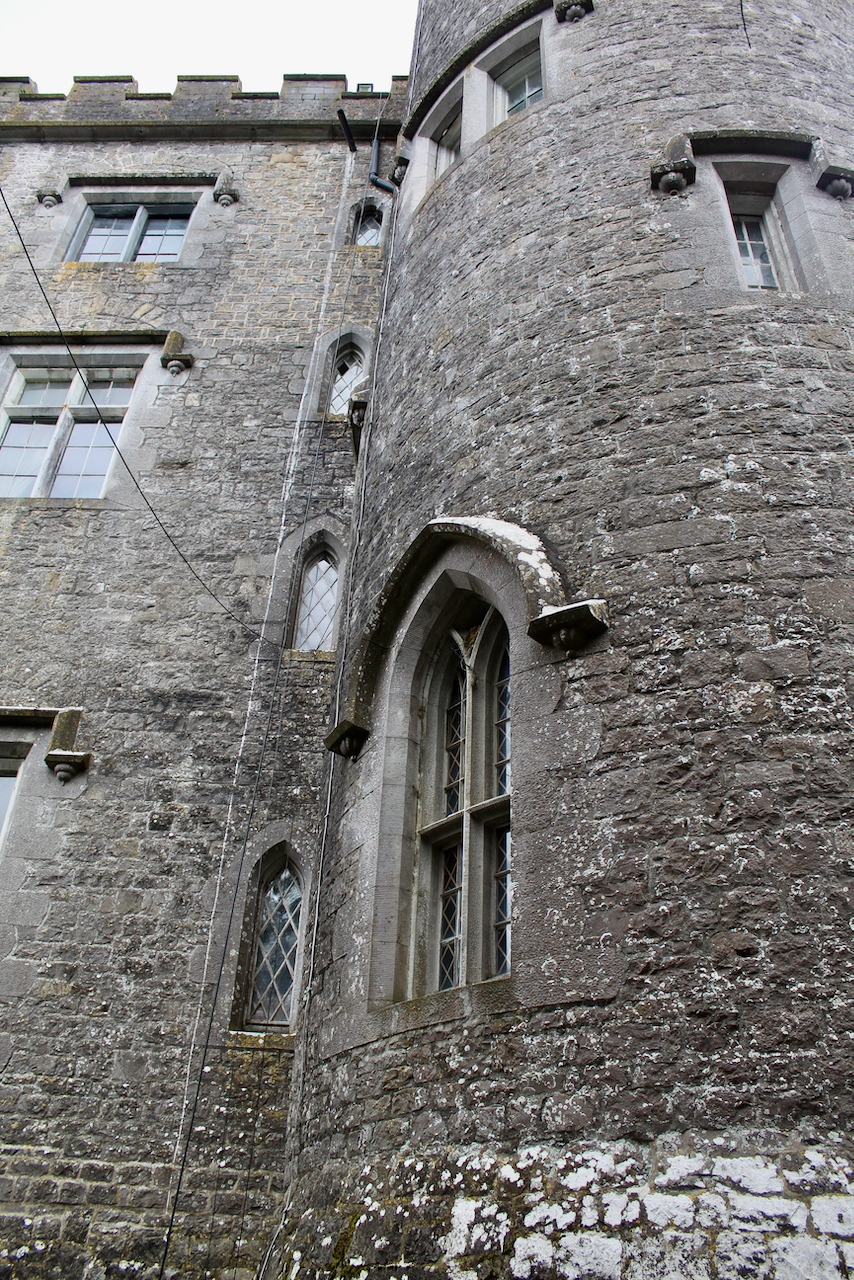
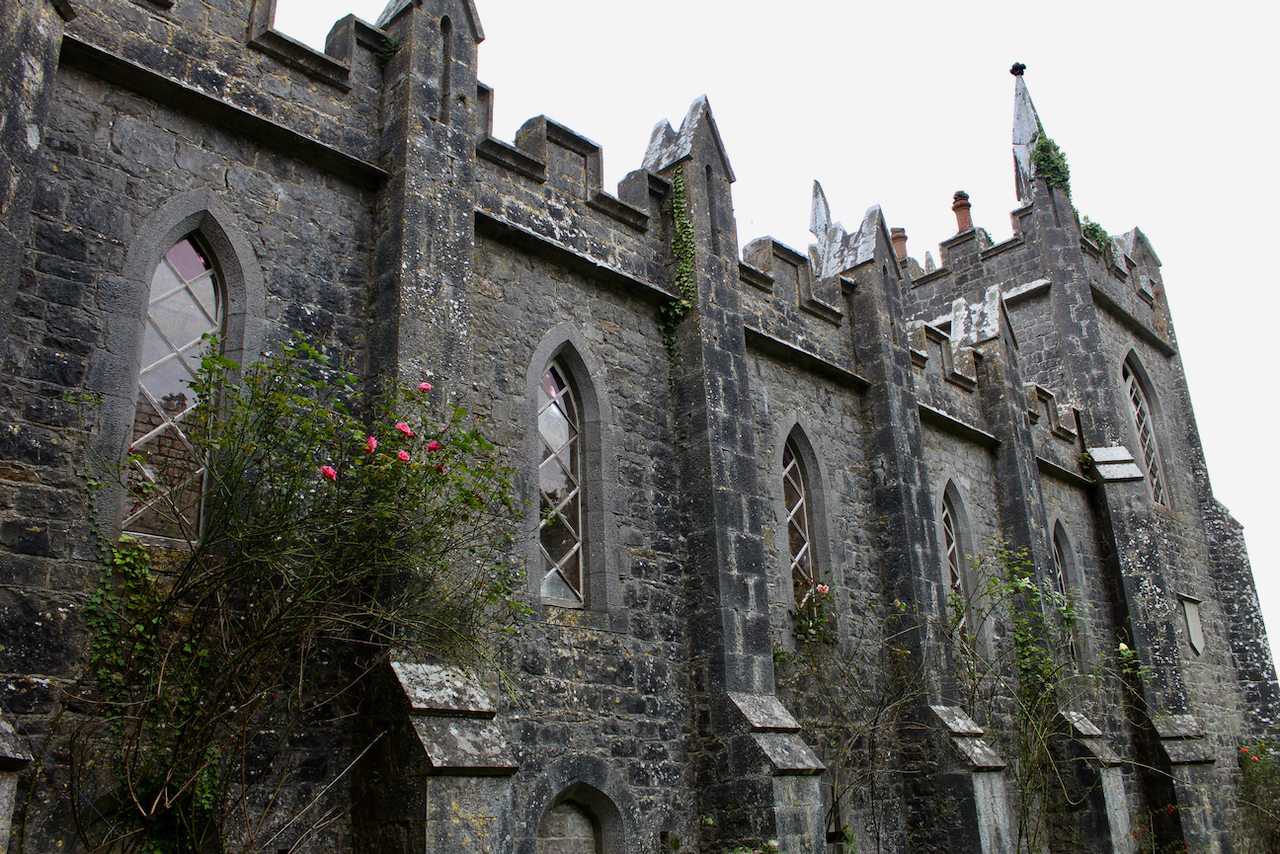
“The castle comprises a tall castellated block of snecked [snecked masonry has a mixture of roughly squared stones of different sizes] limestone rubble with ashlar trim, with a great muscular octagonal tower to the northwest and a narrow round tower with soaring tourelle [small tower] to the NE…The composition breaks out more fully in the collective irregular massing of the towers, the chapel and the stable block, which rambles off to the west.” [7]
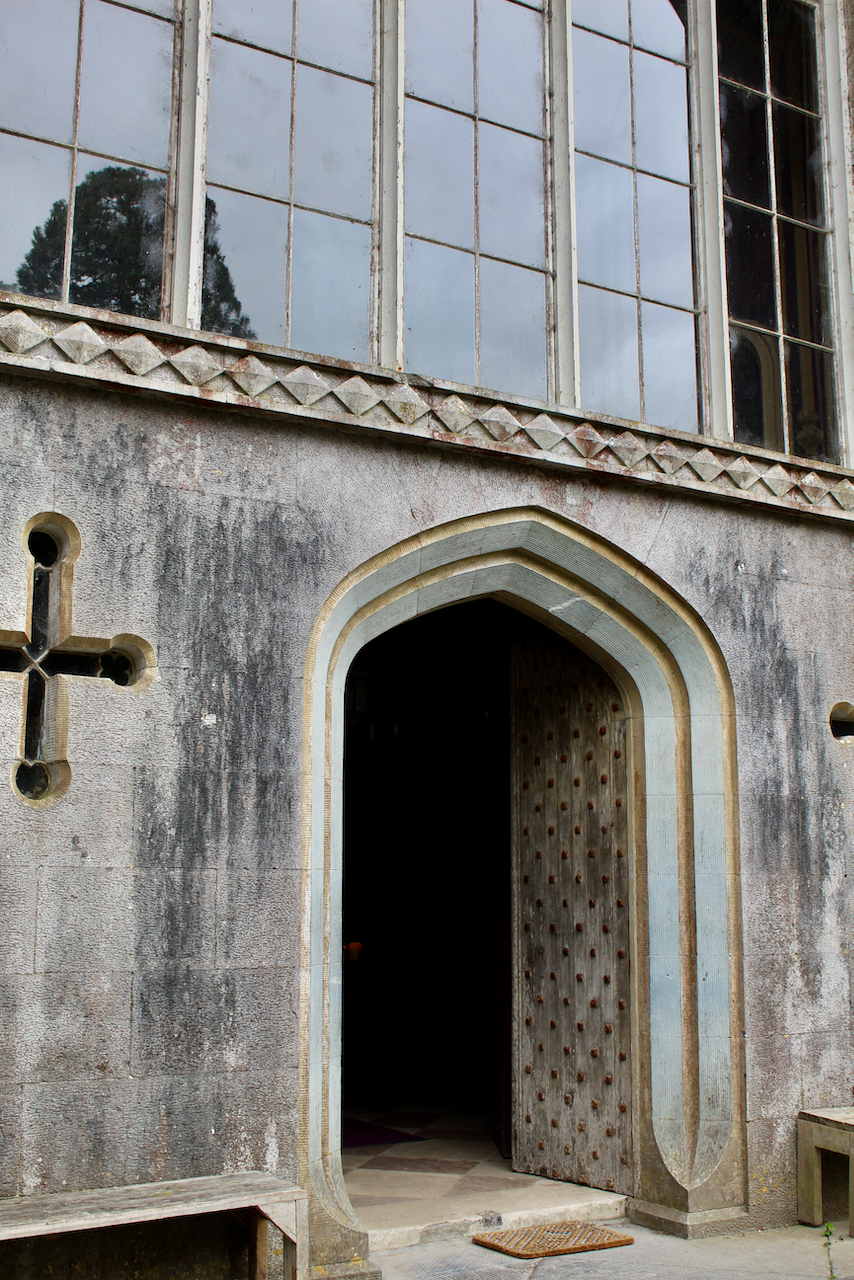
Tierney continues: “The positioning of a great window over the doorway bears comparison with the earlier group of Pale castles, such as Castle Browne (now Clongowes Woods school), attributed to Thomas Wogan Browne. It appears as a portcullis descending from a Gothic arch with a drawbridge in Lord Charleville’s original drawing (which also had a Radcliffean damsel in distress screaming from the battlements). He spent a lot of time drawing a sevenlight panelled window in its stead – the effect is much the same from afar – although the executed window is a more complex Perp design, probably by Johnston. The Tudor arch is employed three times in succession: over the door, in the recess of the great window and in the tripartite window above, which is subdivided into three further arches. This use of the same detailing at varying scales is also seen in the corbelling – a sort pair of intersecting hemispheres. The battlements are simple crenels on the main block but on the towers are rendered in a distinctly Irish fashion (a distinction Johnston would make at Tullynally and Markree), and here the corbelling is also more elaborate, sprouting upwards like cauliflower on the NE tower.“
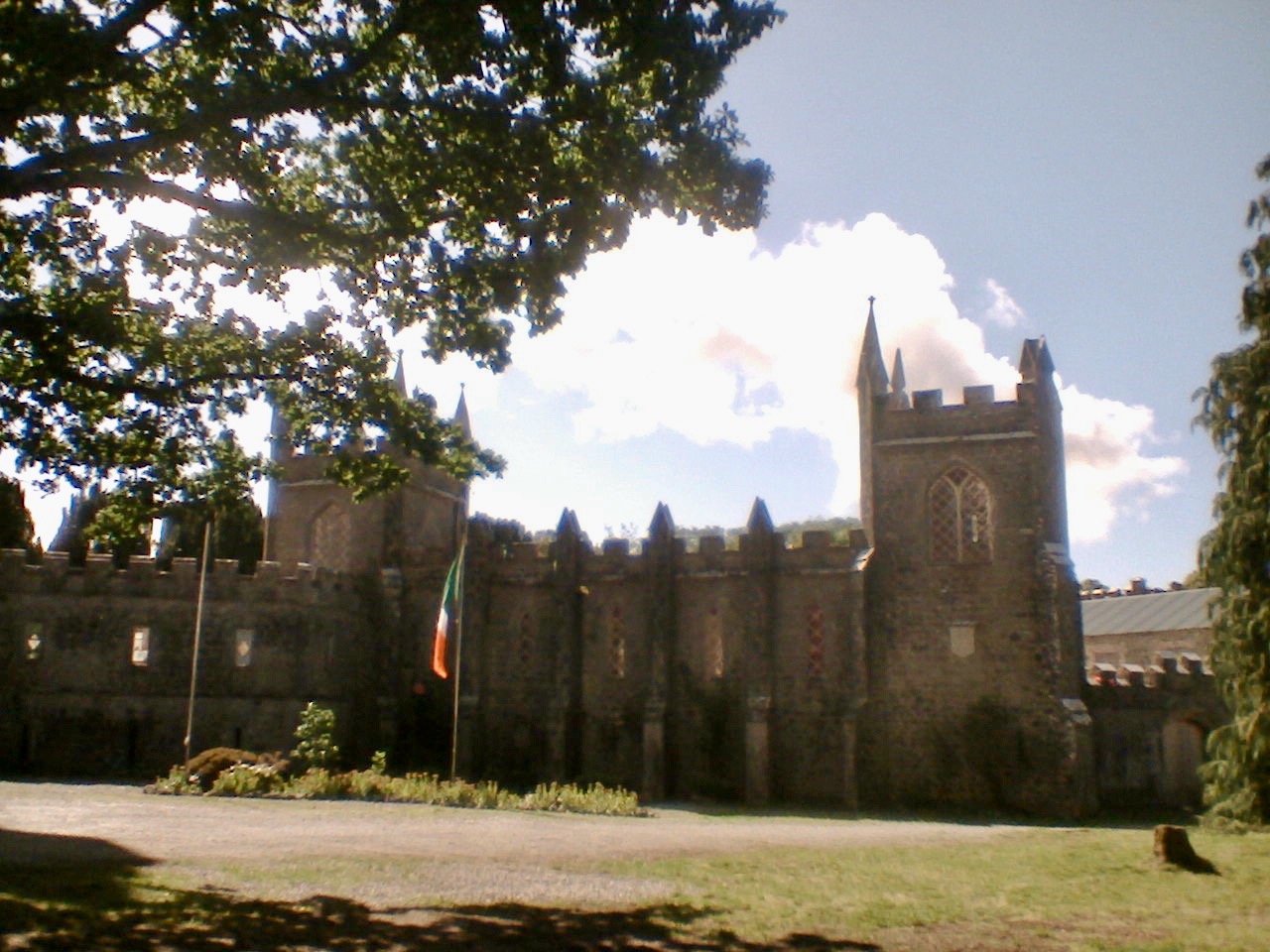
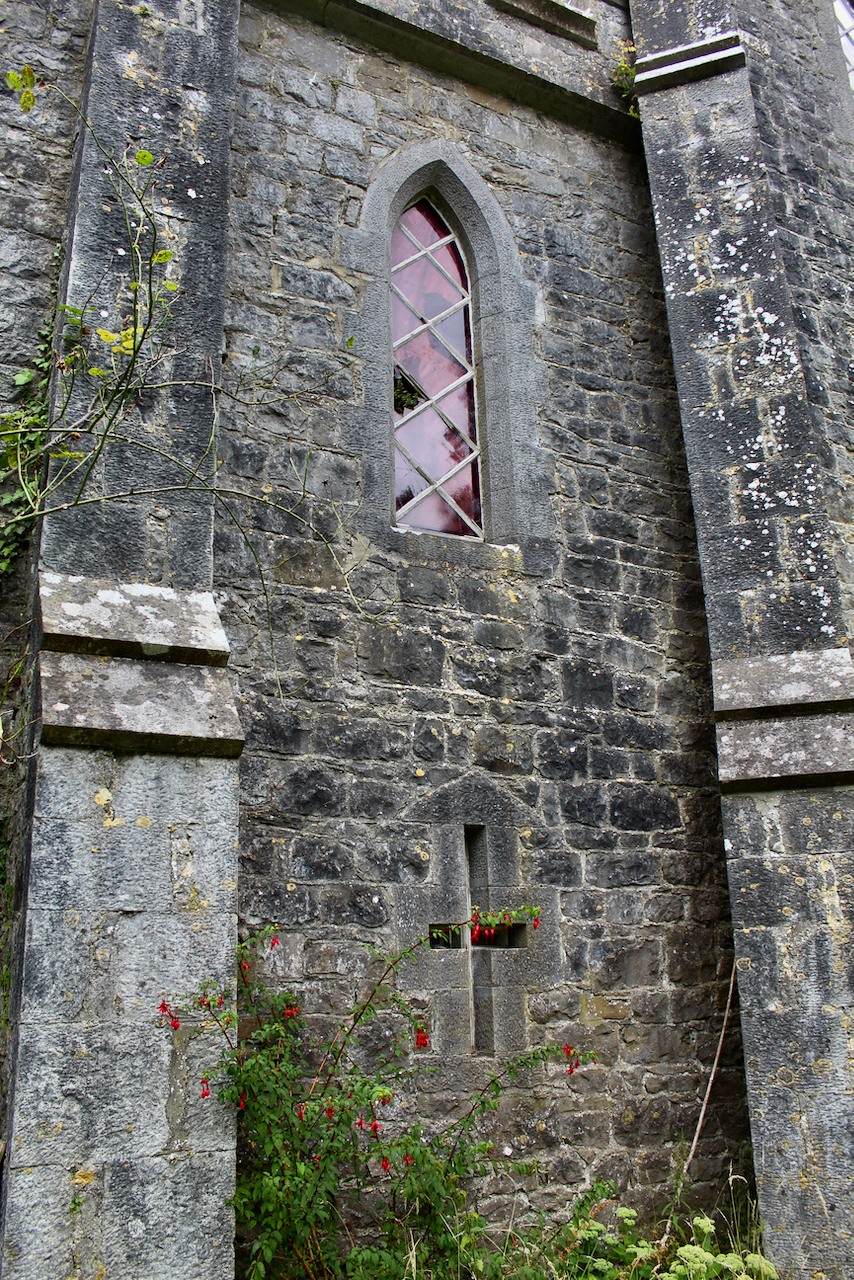
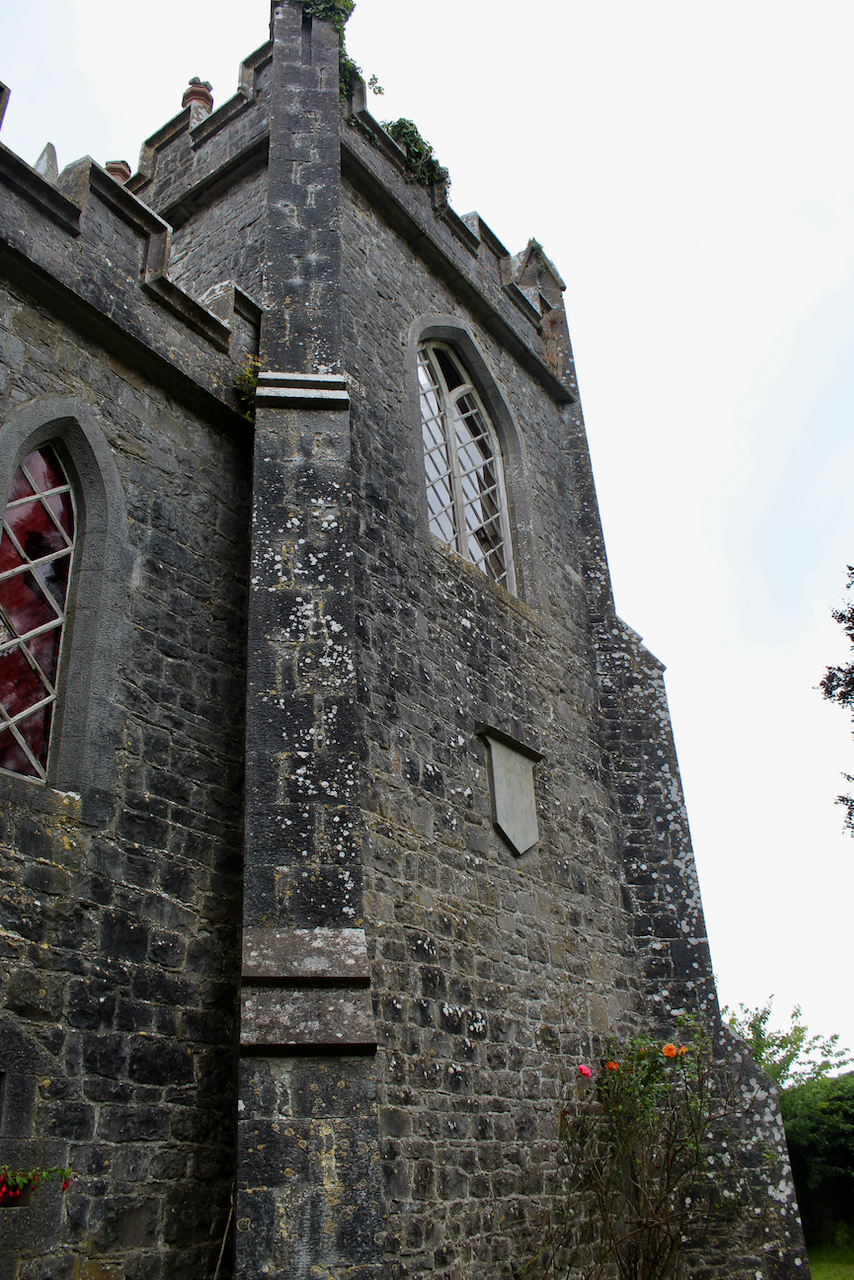
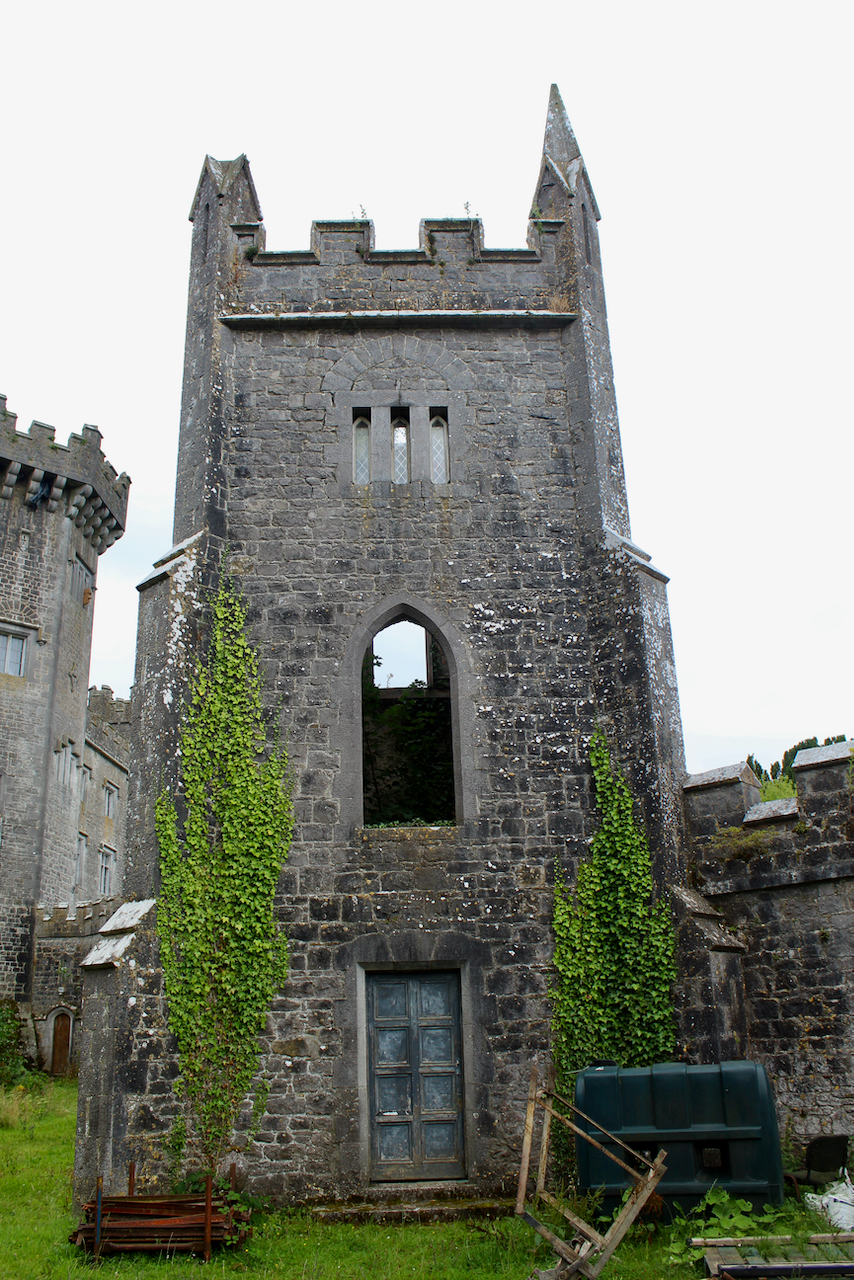
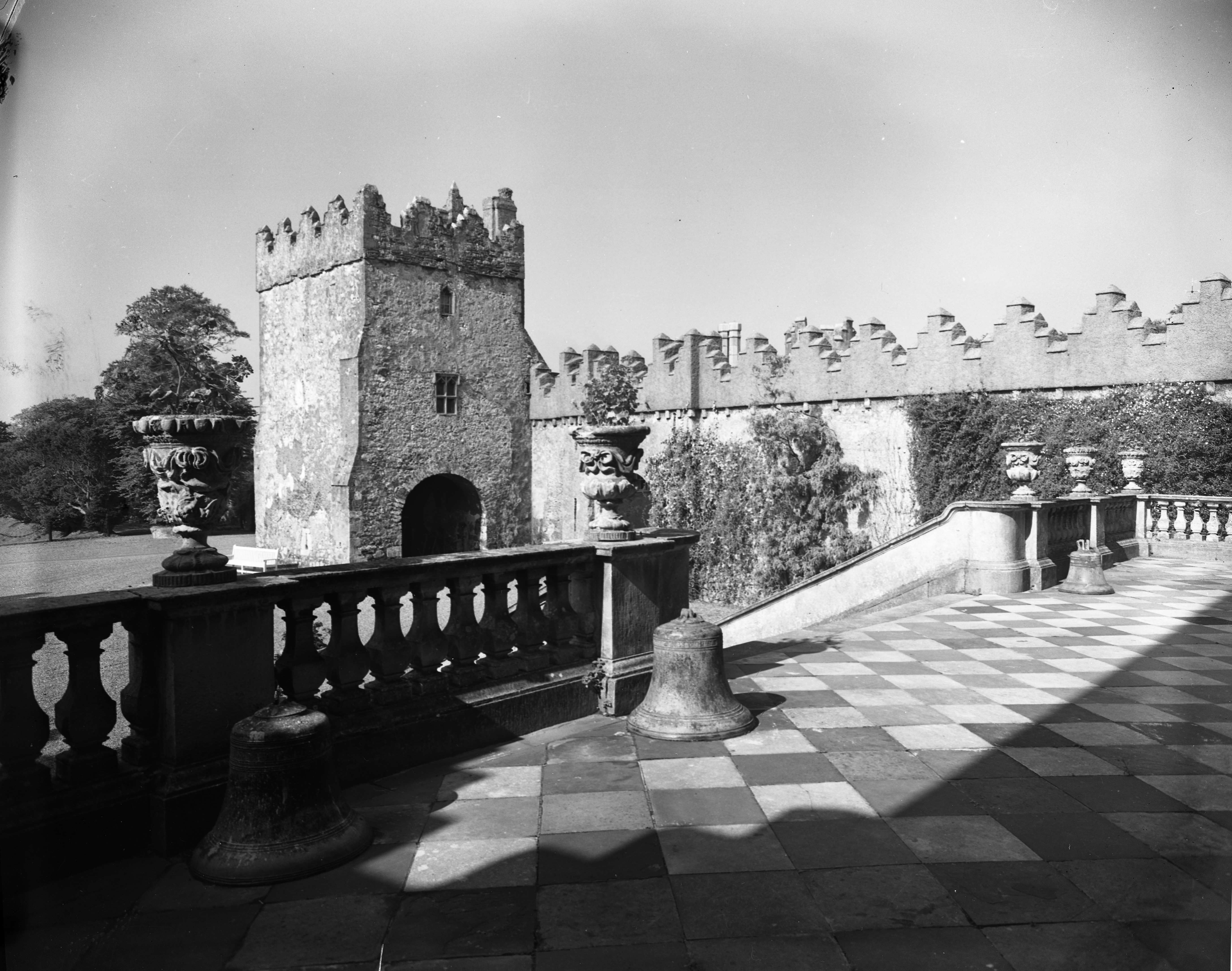
To the right of the entrance front, and giving picturesque variety to the composition, is a long, low range of battlemented offices and a chapel, including a tower with pinnacles and a gateway.
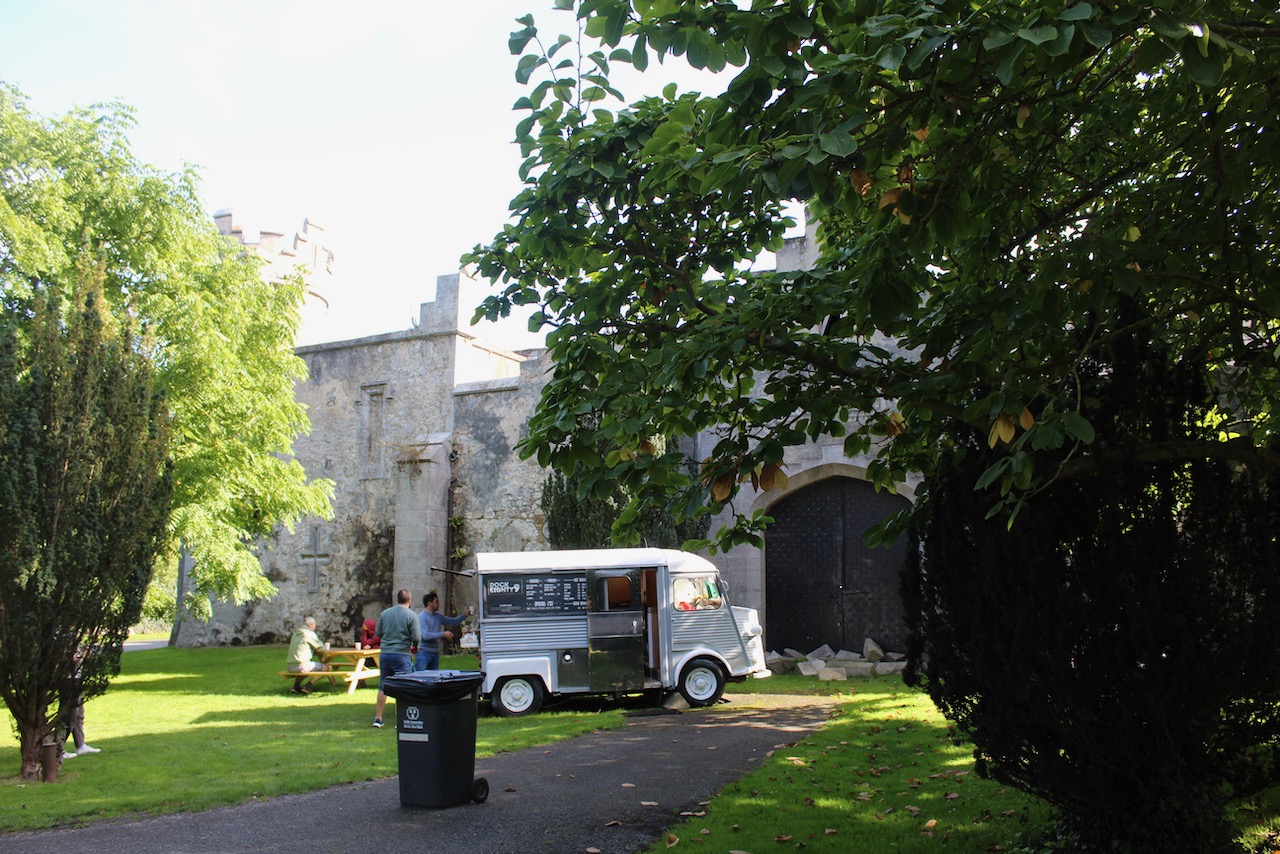
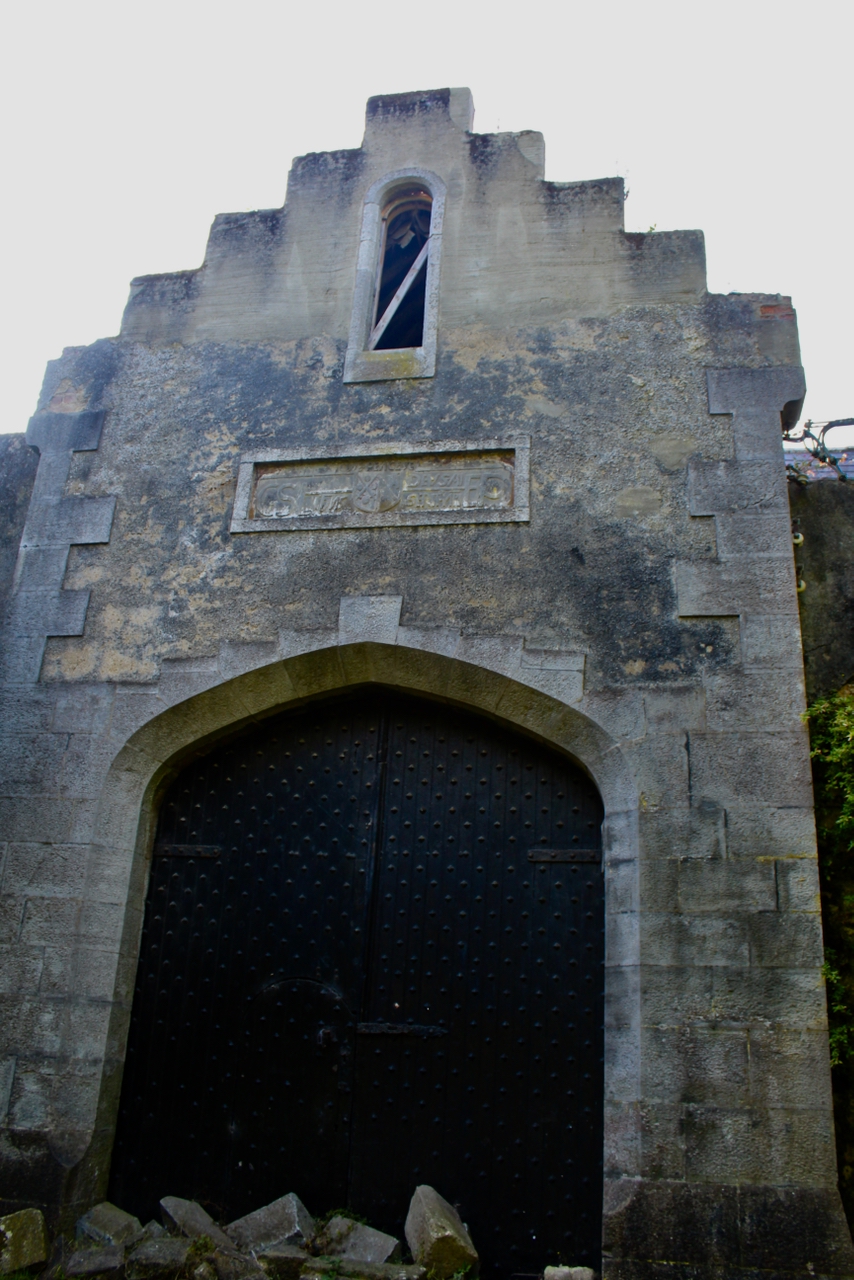
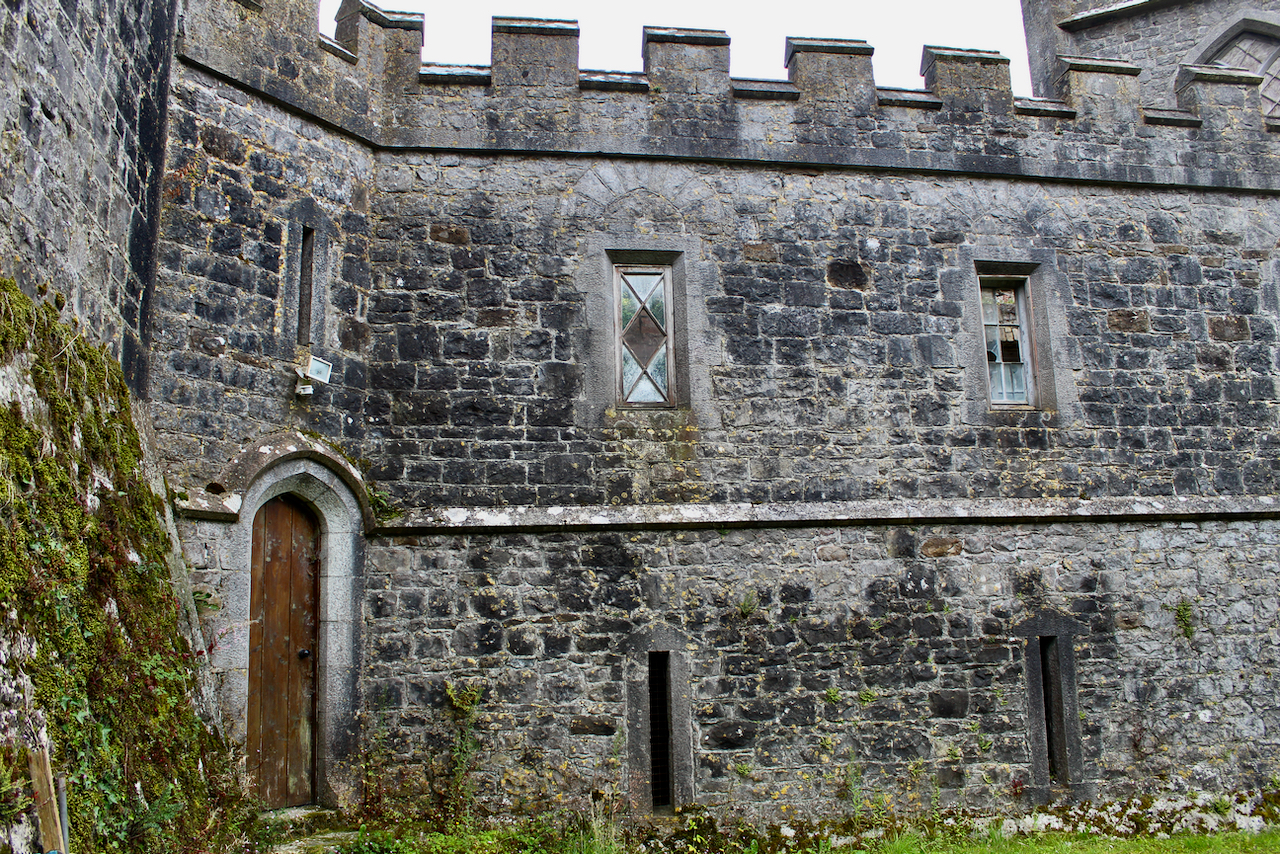
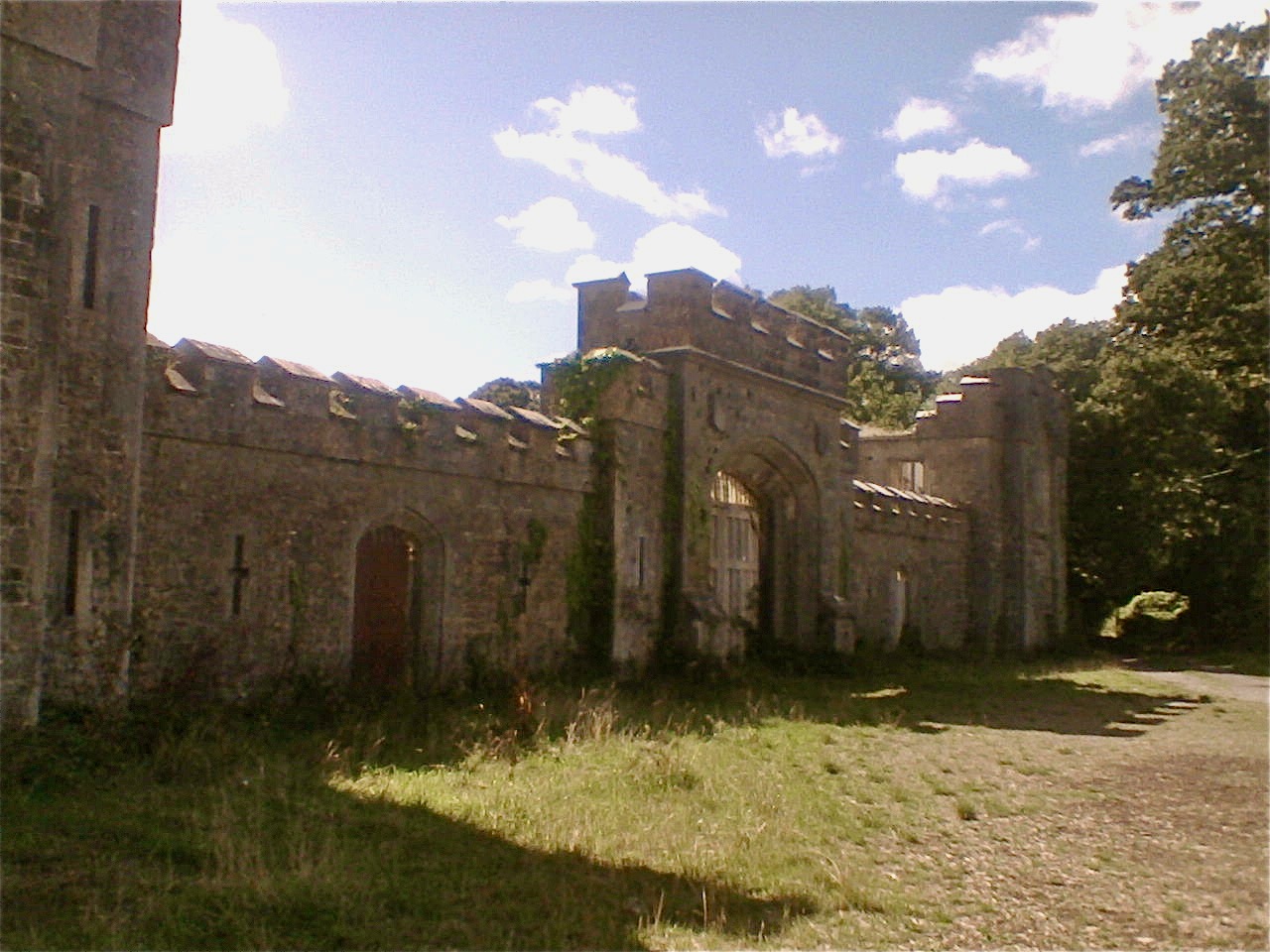
The Stableyard lies beyond the chapel but is not open to the public, which is unfortunate as Tierney describes it as the finest castellated stableyard in Ireland, although now derelict. It is also by Francis Johnston.
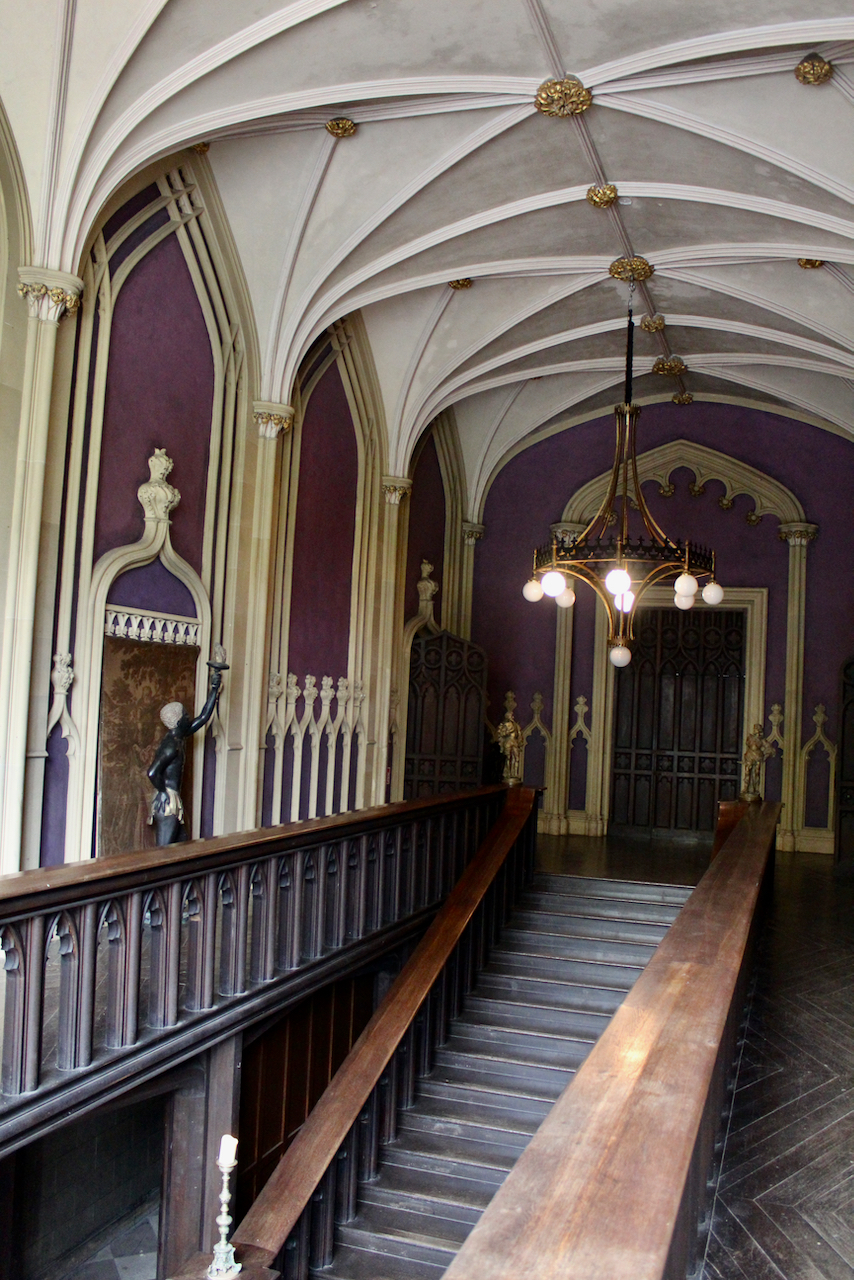
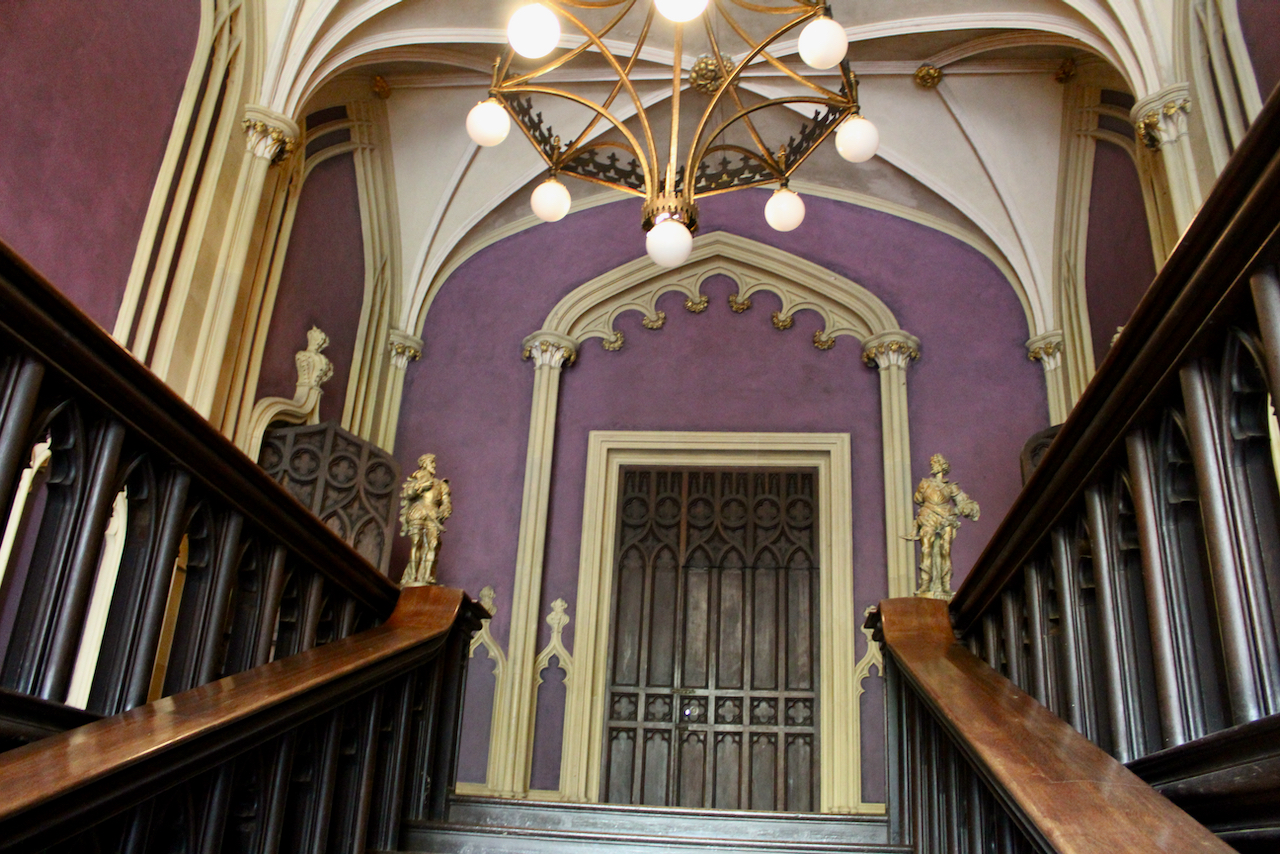
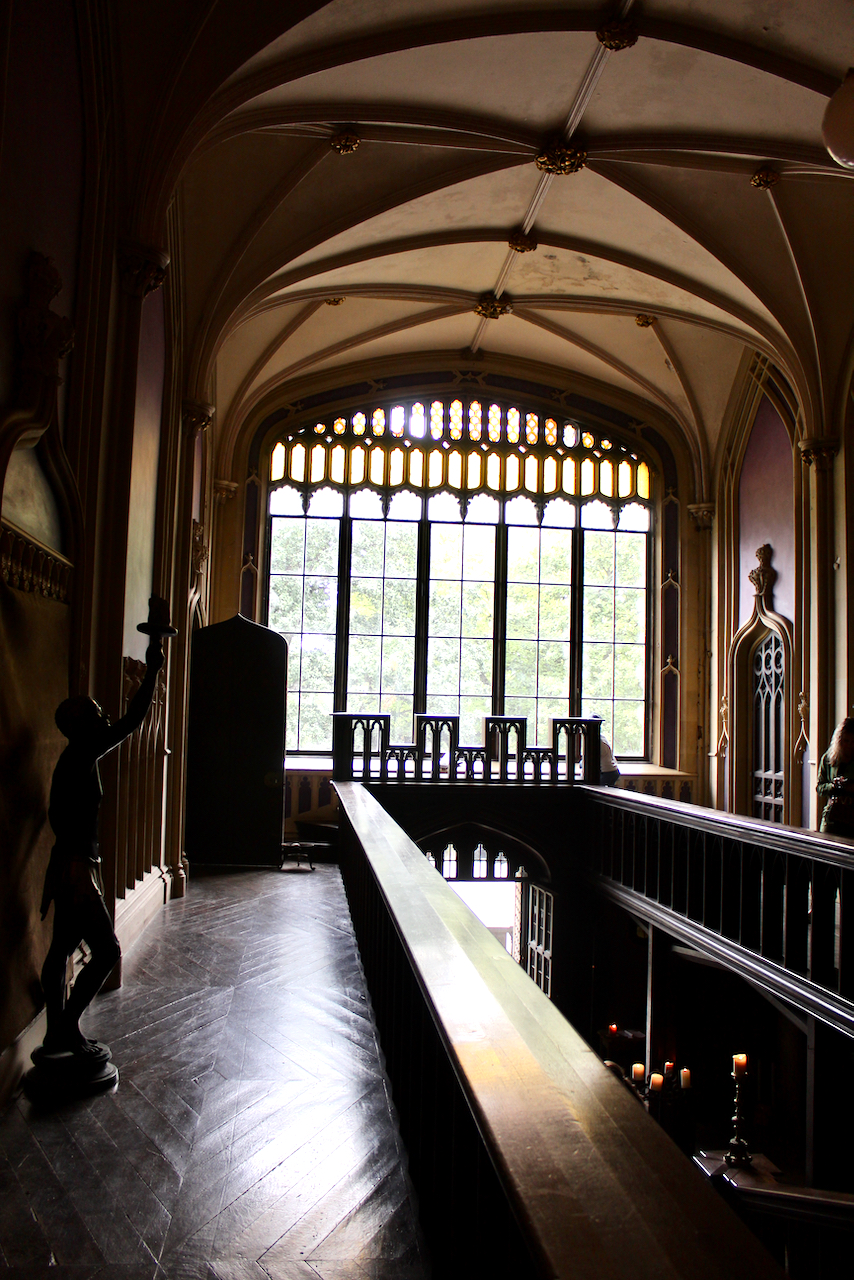
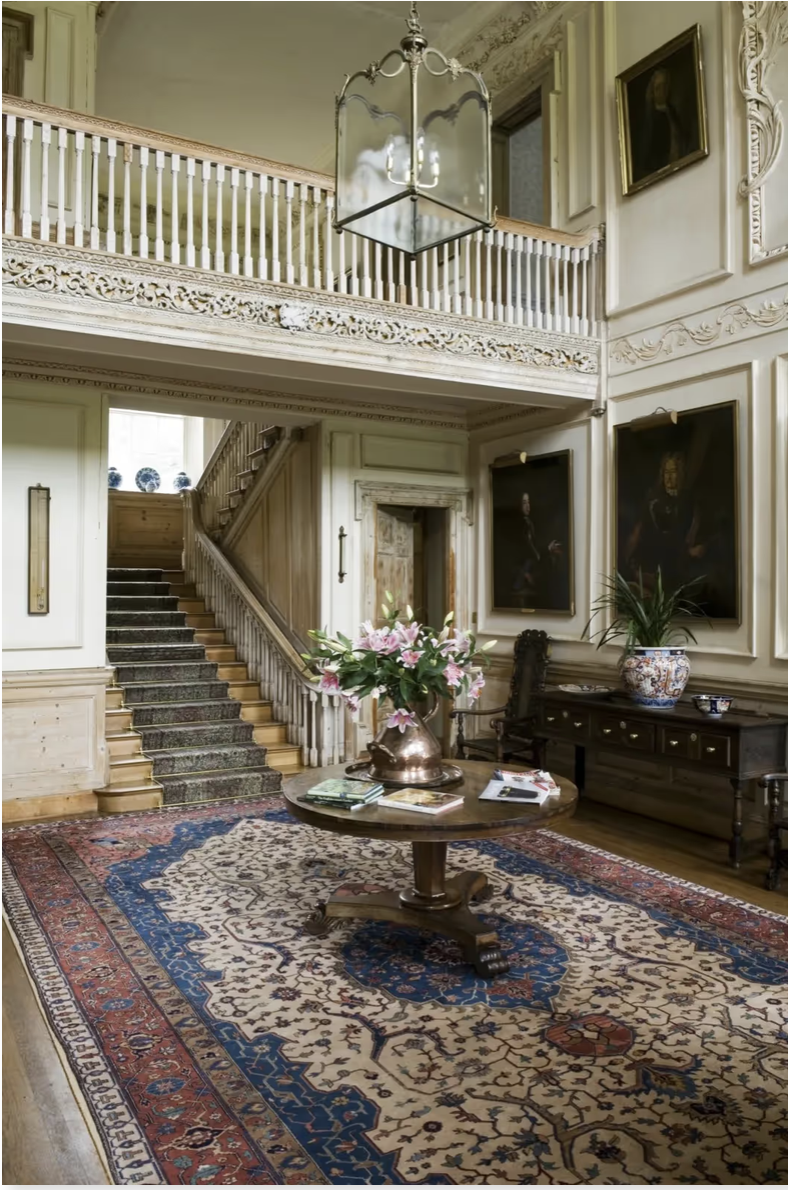
“The interior is as dramatic and well-finished as the exterior. In the hall, with its plaster groined ceiling carried on graceful shafts, a straight flight of stairs rises between galleries to piano nobile level, where a great double door, carved in florid Decorated style, leads to a vast saloon or gallery running the whole length of the garden front.”
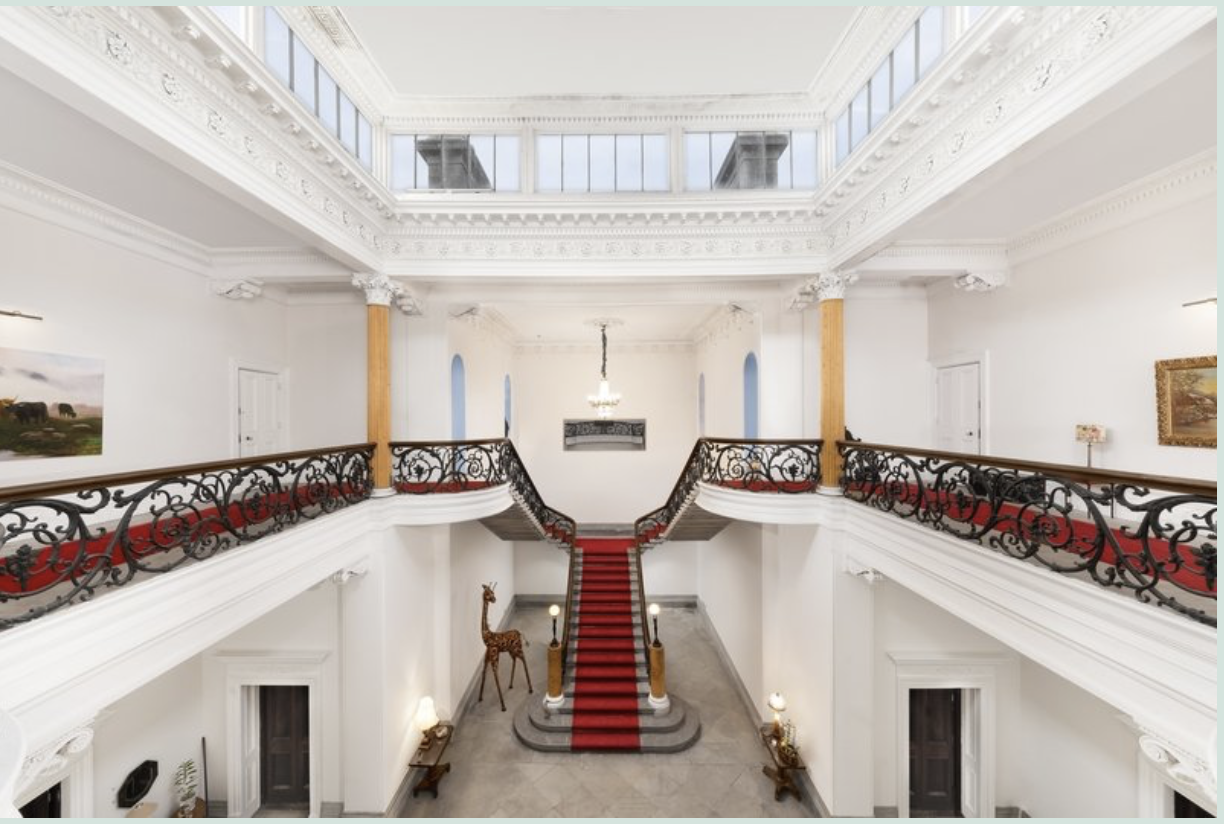
The heavy oak stairs run from the basement to piano nobile. This imitates a similar configuration by James Wyatt at Fonthill and Windsor, which Lord Charleville knew. The upper stage, Tierney describes, has a plaster-panelled dado with ogee-headed niches in the style of Batty Langley, conceived for a parade of suits of armour in drawings by Lady Charleville.
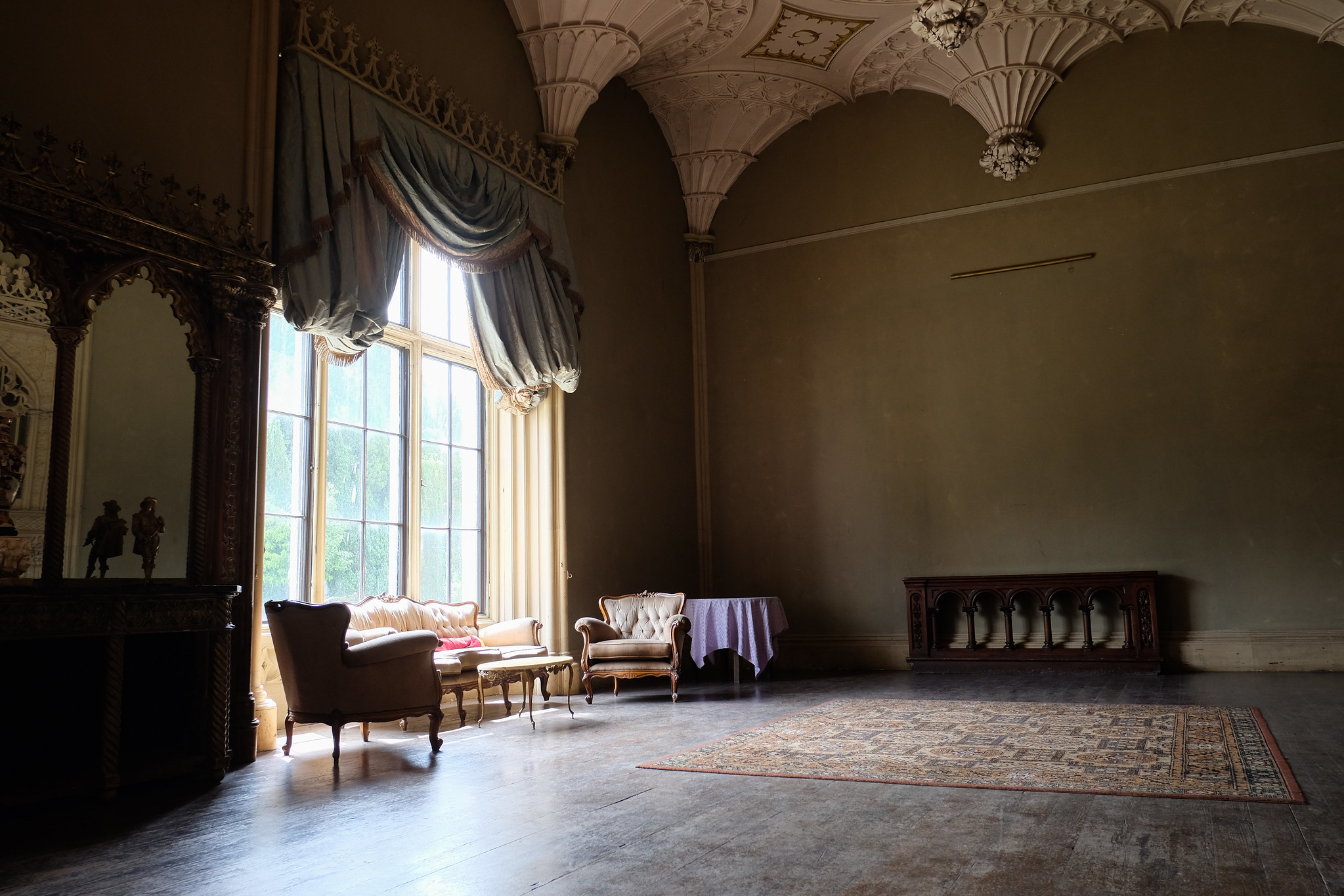
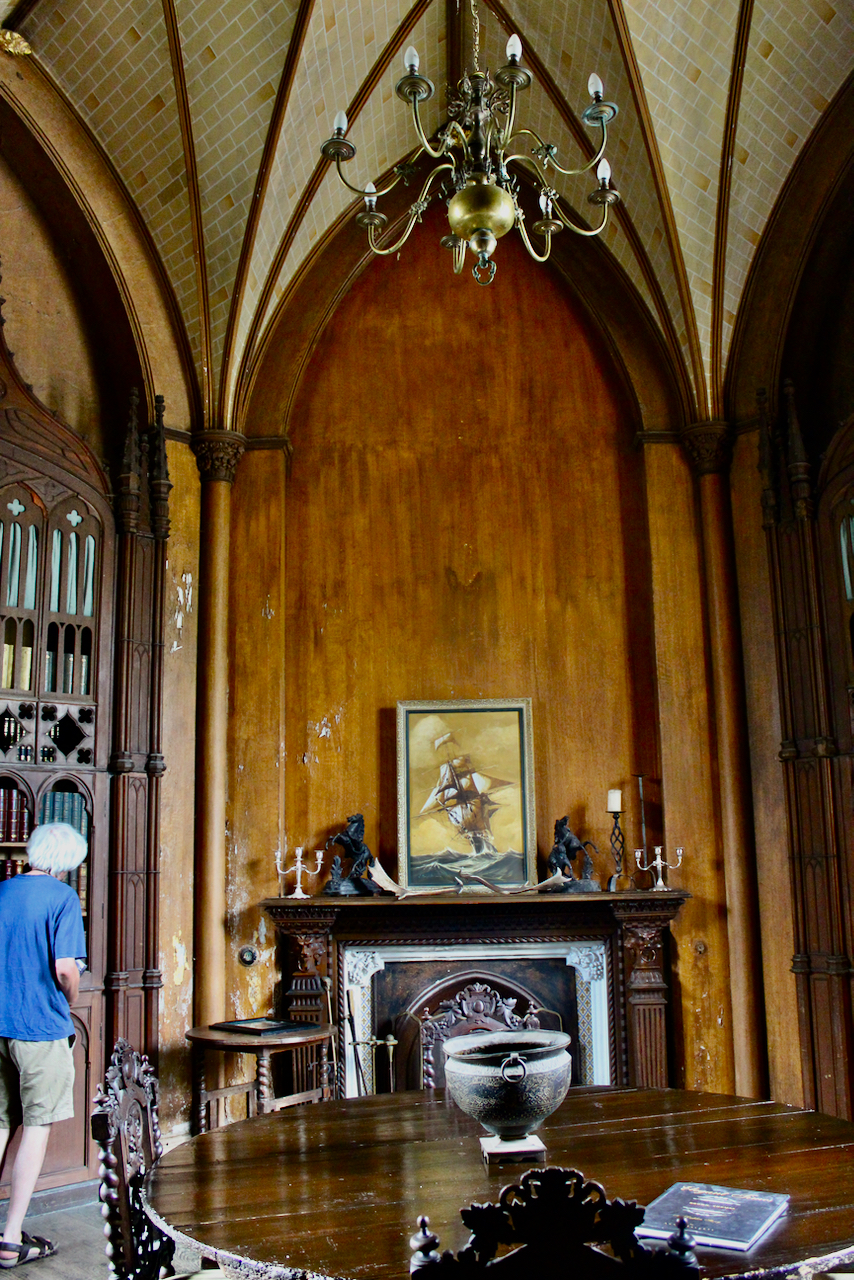
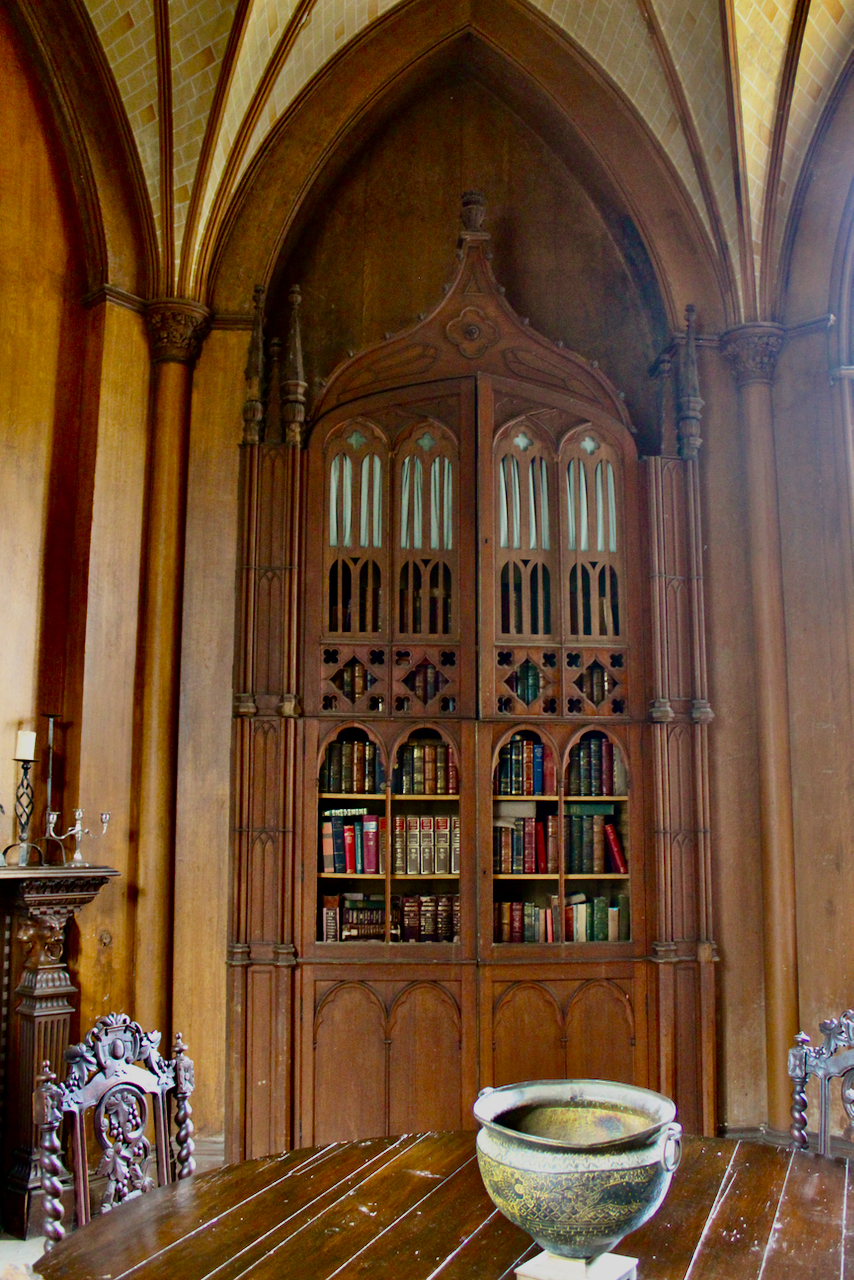
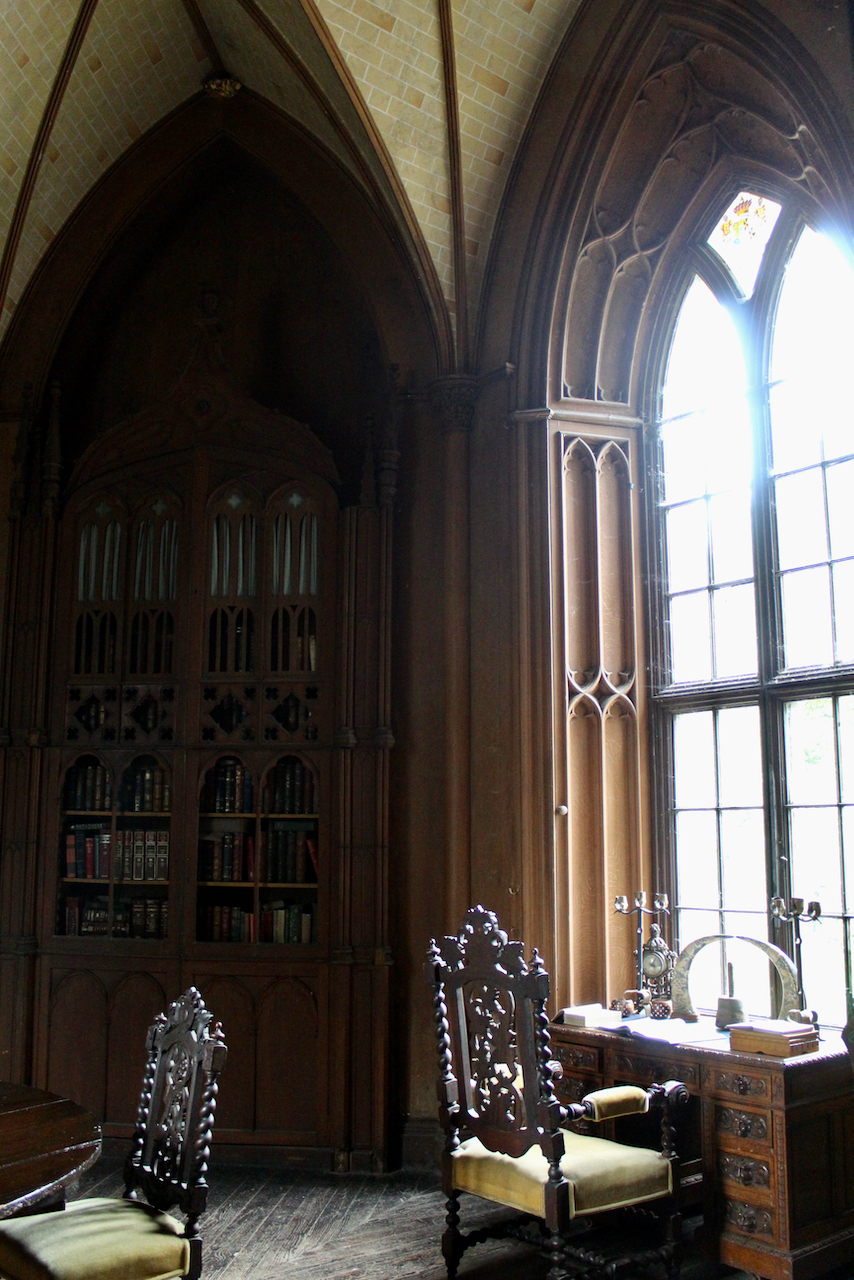
Through the double doors is the most splendid room, the south facing Gallery. Unfortunately this was closed on our Heritage Week visit in 2024 due to filming of the Addams family movie, “Wednesday.” Mark Bence-Jones continues:“This is one of the most splendid Gothic Revival interiors in Ireland; it has a ceiling of plaster fan vaulting with a row of gigantic pendants down the middle; two lavishly carved fireplaces of grained wood, Gothic decoration in the frames of the windows opposite and Gothic bookcases and side-tables to match.“
Charleville Castle Tullamore by Alex Johnson June 2017, courtesy of flickr constant commons.Photograph of Charleville Forest Castle that appeared in 1962 in Country Life. The castle was uninhabited at this time and the furniture was borrowed from Belvedere, County Westmeath.
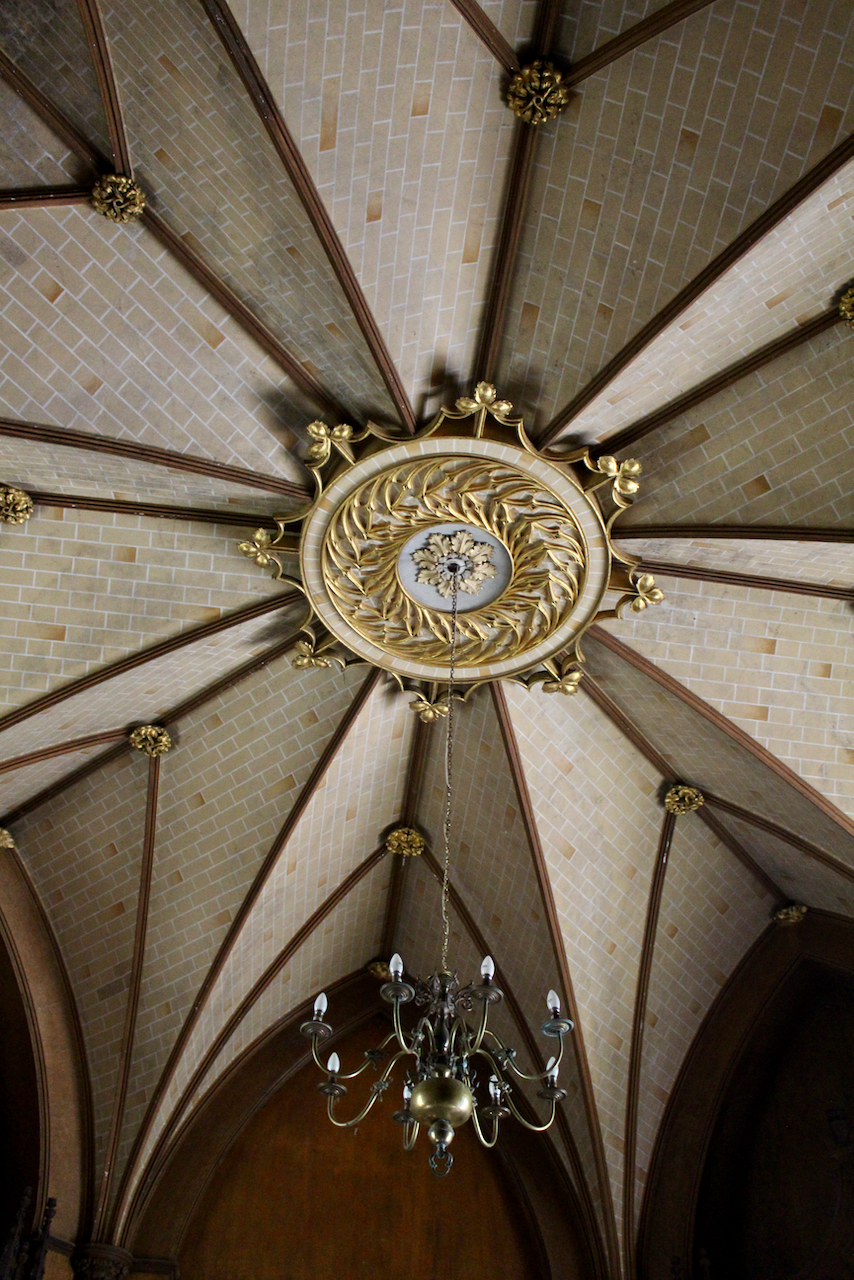
The fan-vaulted ceiling is inspired by Horace Walpole’s Strawberry Hill, which the Burys visited, which is in turn based on Henry VII’s Chapel at Westminster Abbey, Tierney tells us. The ceiling is thought to have been executed by George Stapleton, who is also responsible for the fan-vaulting in Johnston’s Chapel Royal in Dublin Castle. The ceiling is anchored with clustered shafts along the walls, with bays framing the two Gothic chimneypieces, the doorcase on the north wall, and the Gothic casings of the windows.
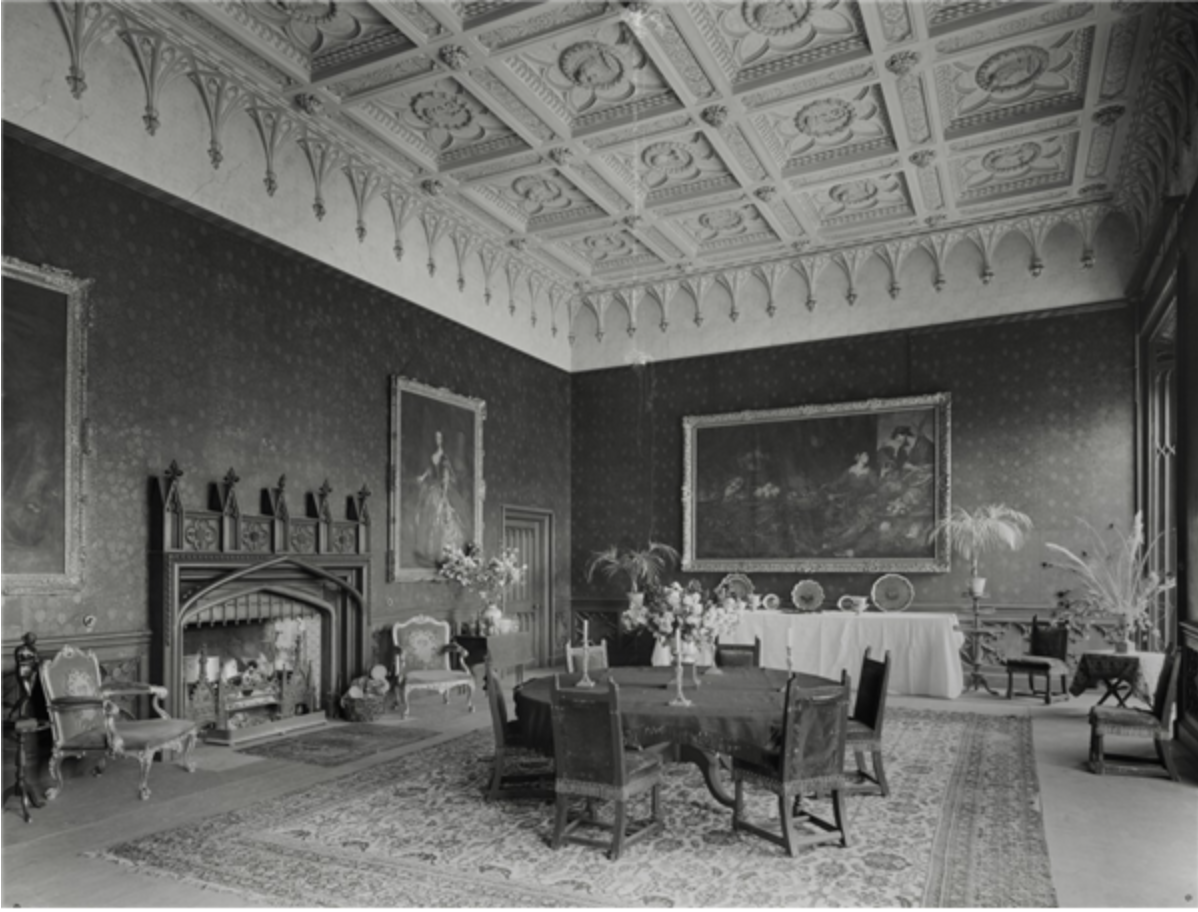
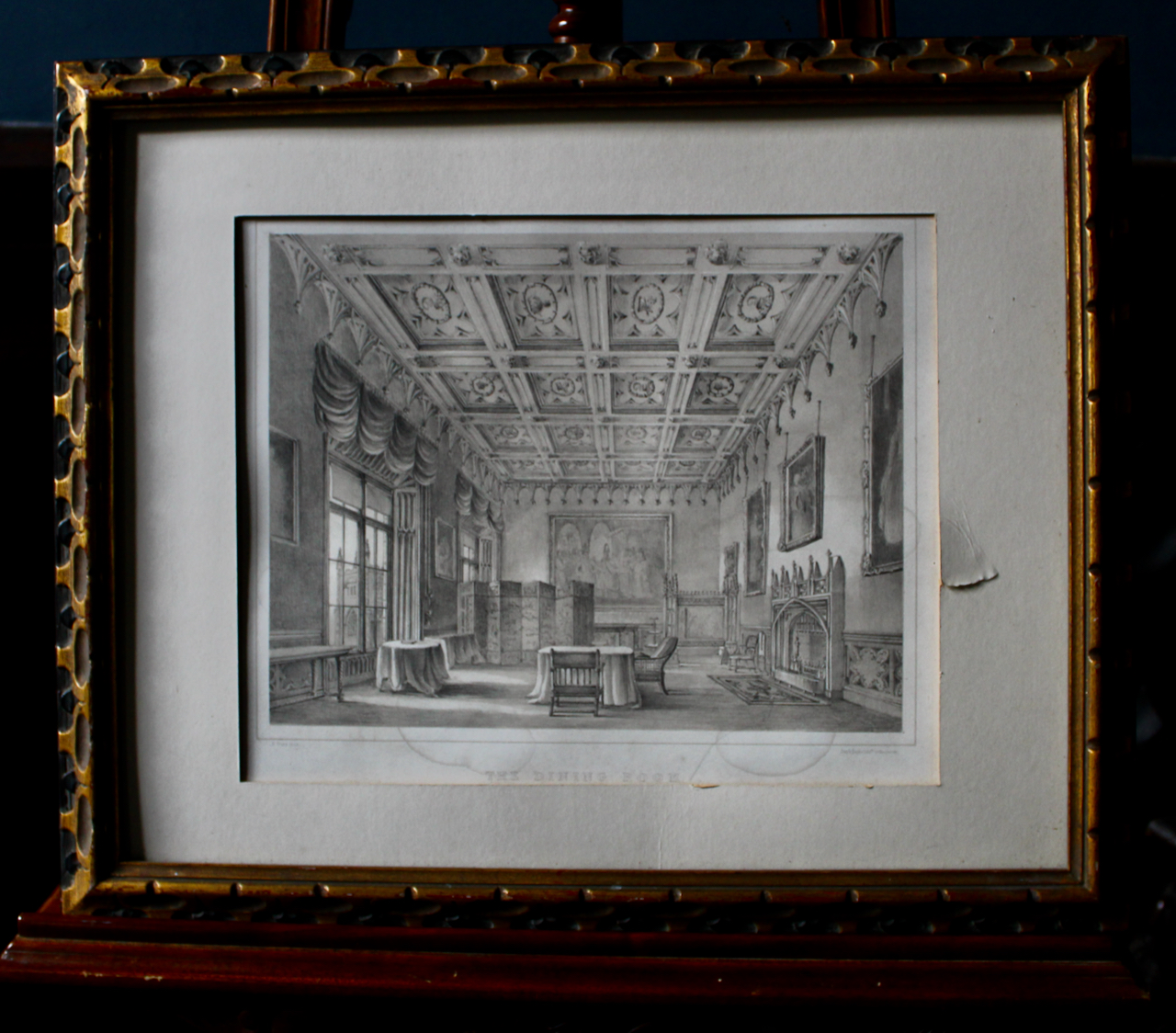
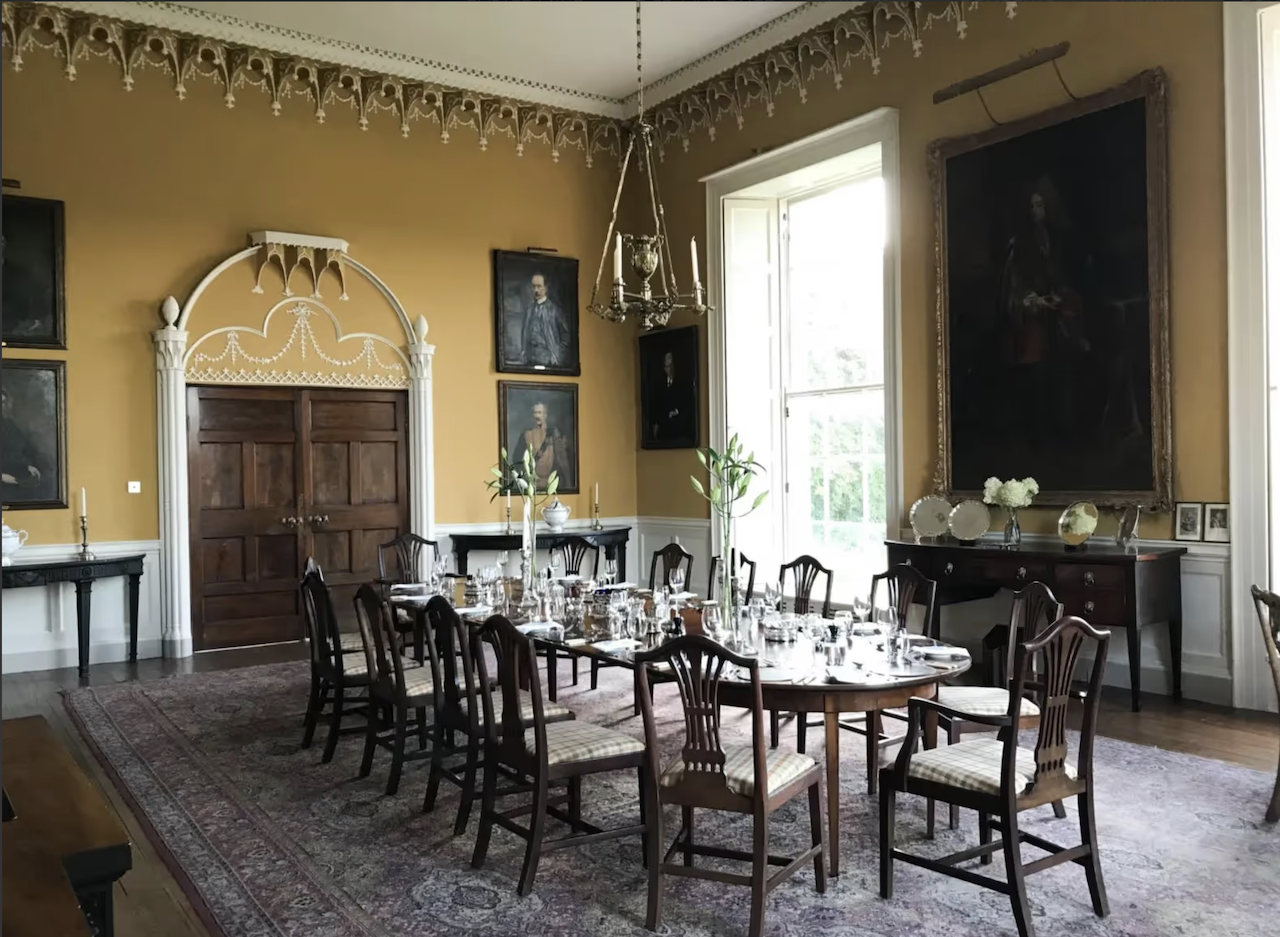
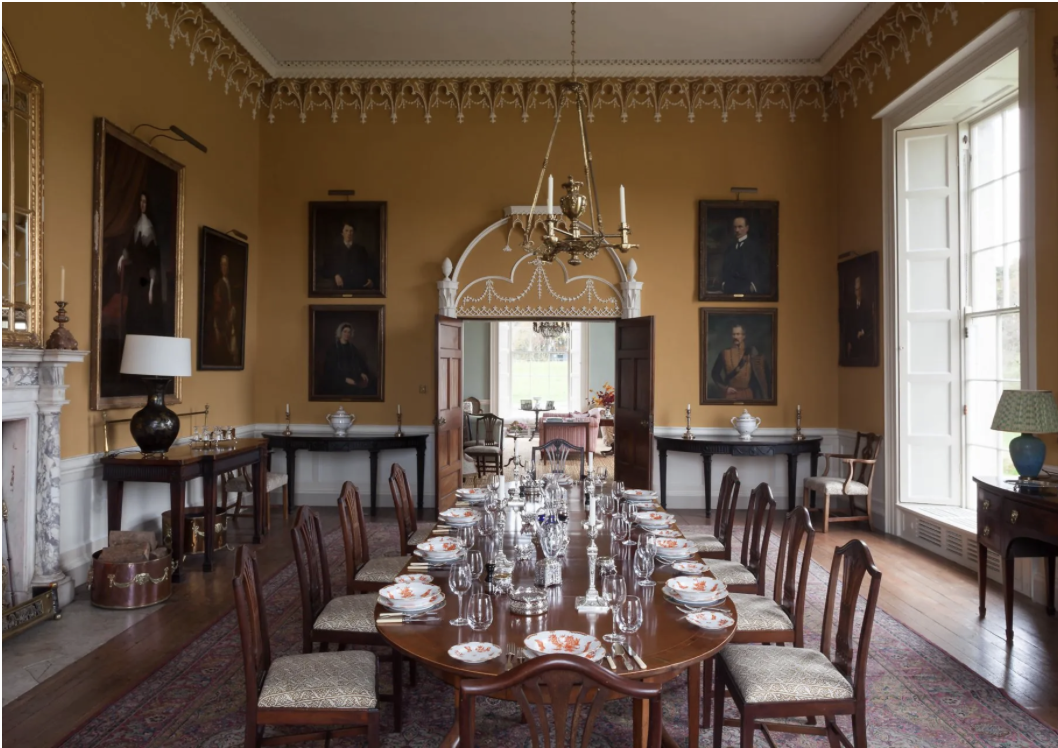
The drawing room and dining room are on either side of the entrance hall. The dining room on the west side has a coffered ceiling and a fireplace which is a copy of the west door of Magdalen College chapel, Oxford.
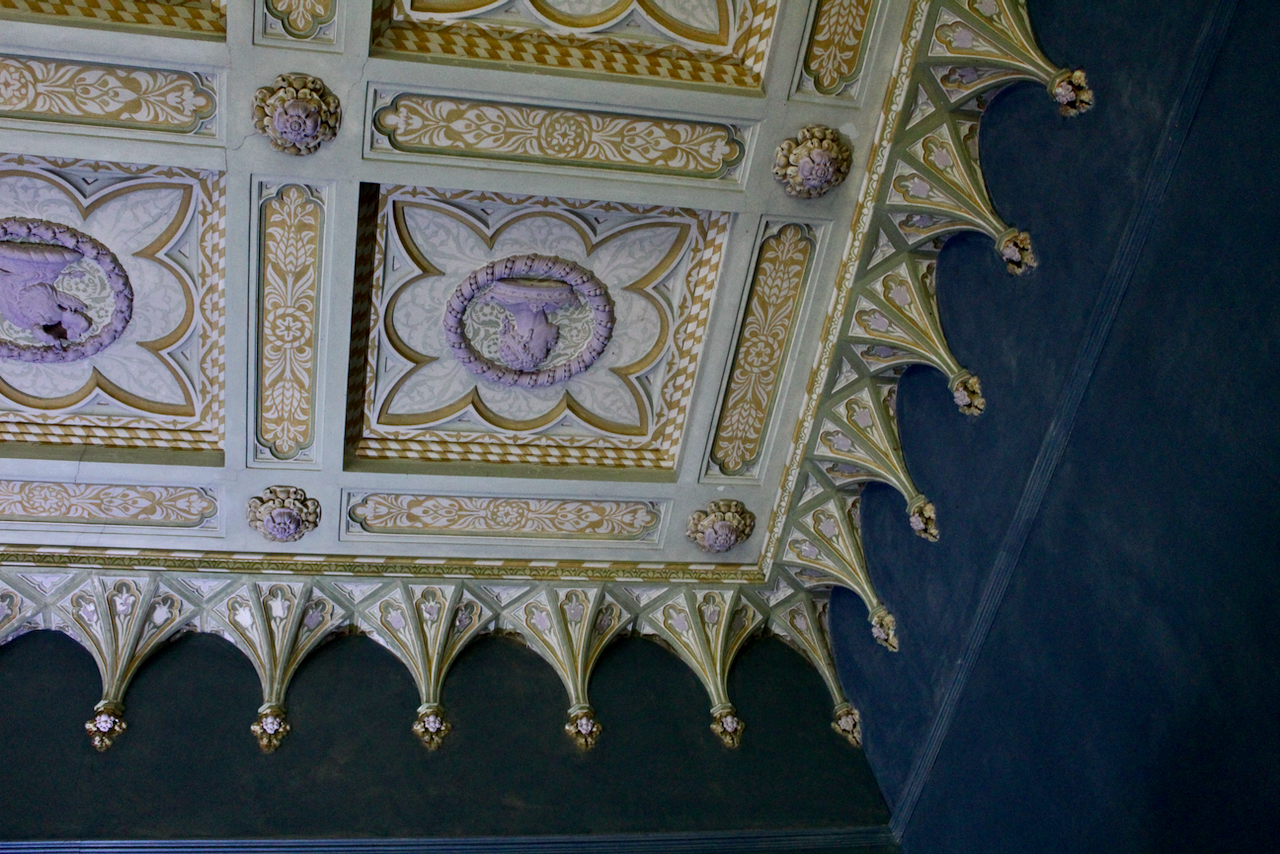
The dining room has, Tierney points out, a Dado of double-cusped panelling derived from the staircase balustrade of Strawberry Hill. The ceiling has crests of the family in the panel, supported by a Gothic frieze in the form of miniature fan vaults. The Moores are represented by a silhouette of a Moorish person, and the Burys by a boar’s head with an arrow through its neck. There are also “C”s for “Charleville.” The volunteers during Heritage Week told us that the ceiling is by William Morris, but Tierney tells us that he redecorated the room in 1875, but the scheme no longer survives. The decoration on the miniature fan vault frieze does look rather William Morris-esque to me, as well as the painting between the crests.
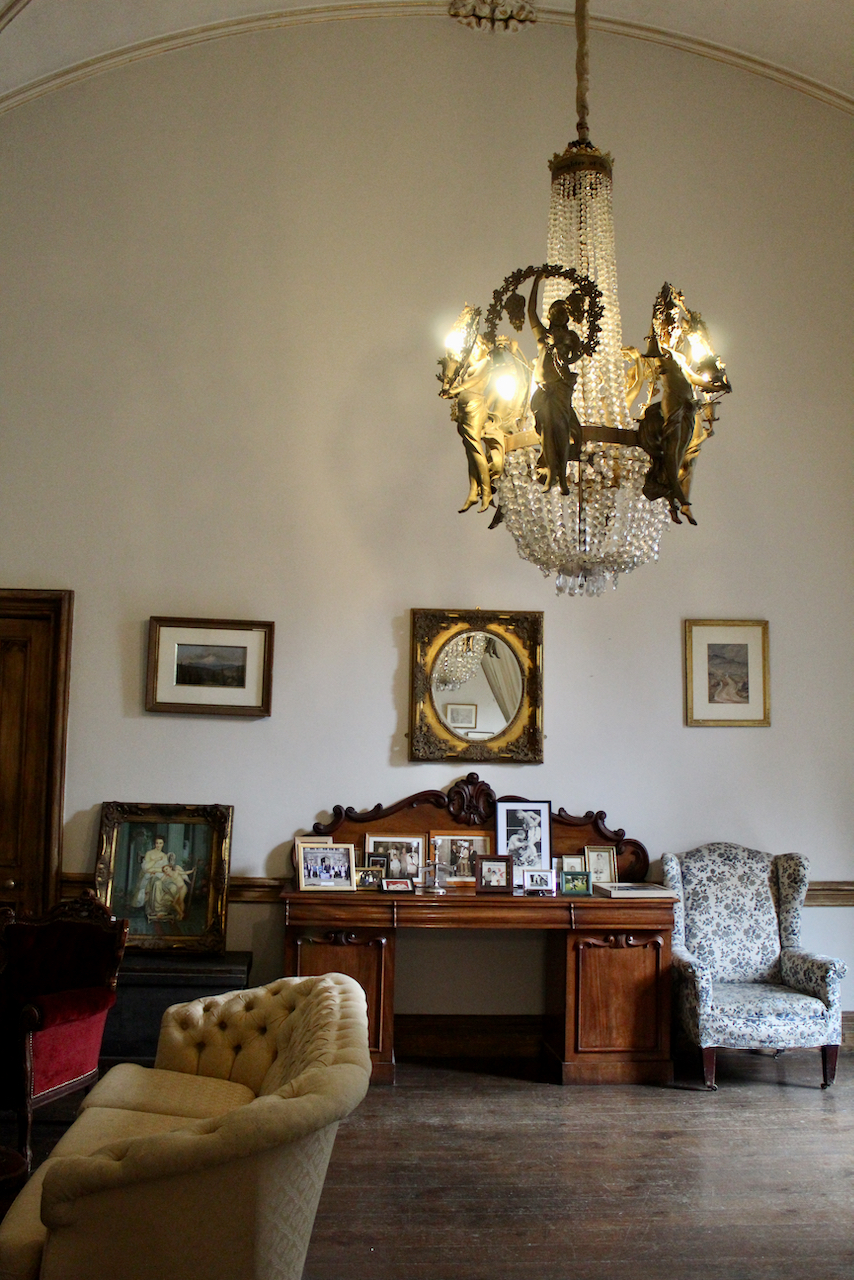
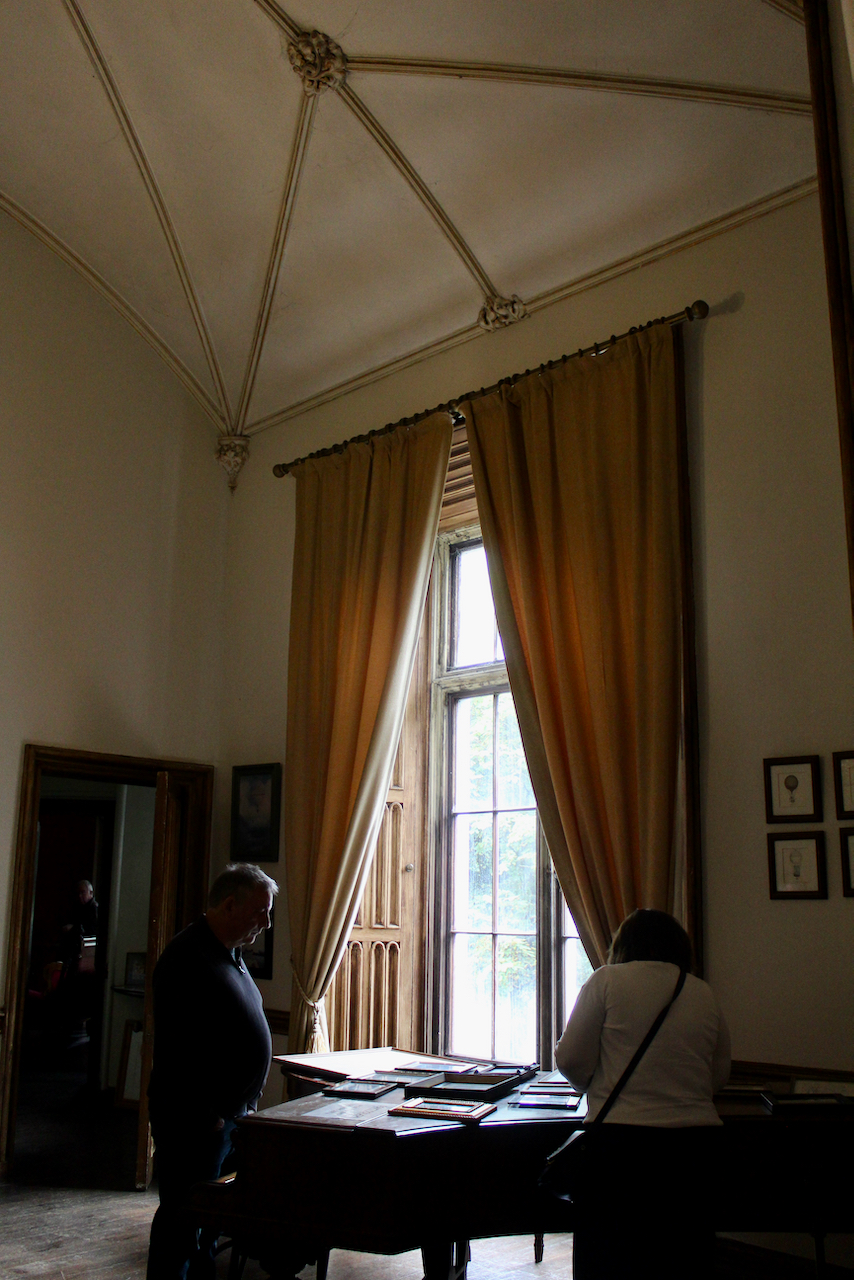
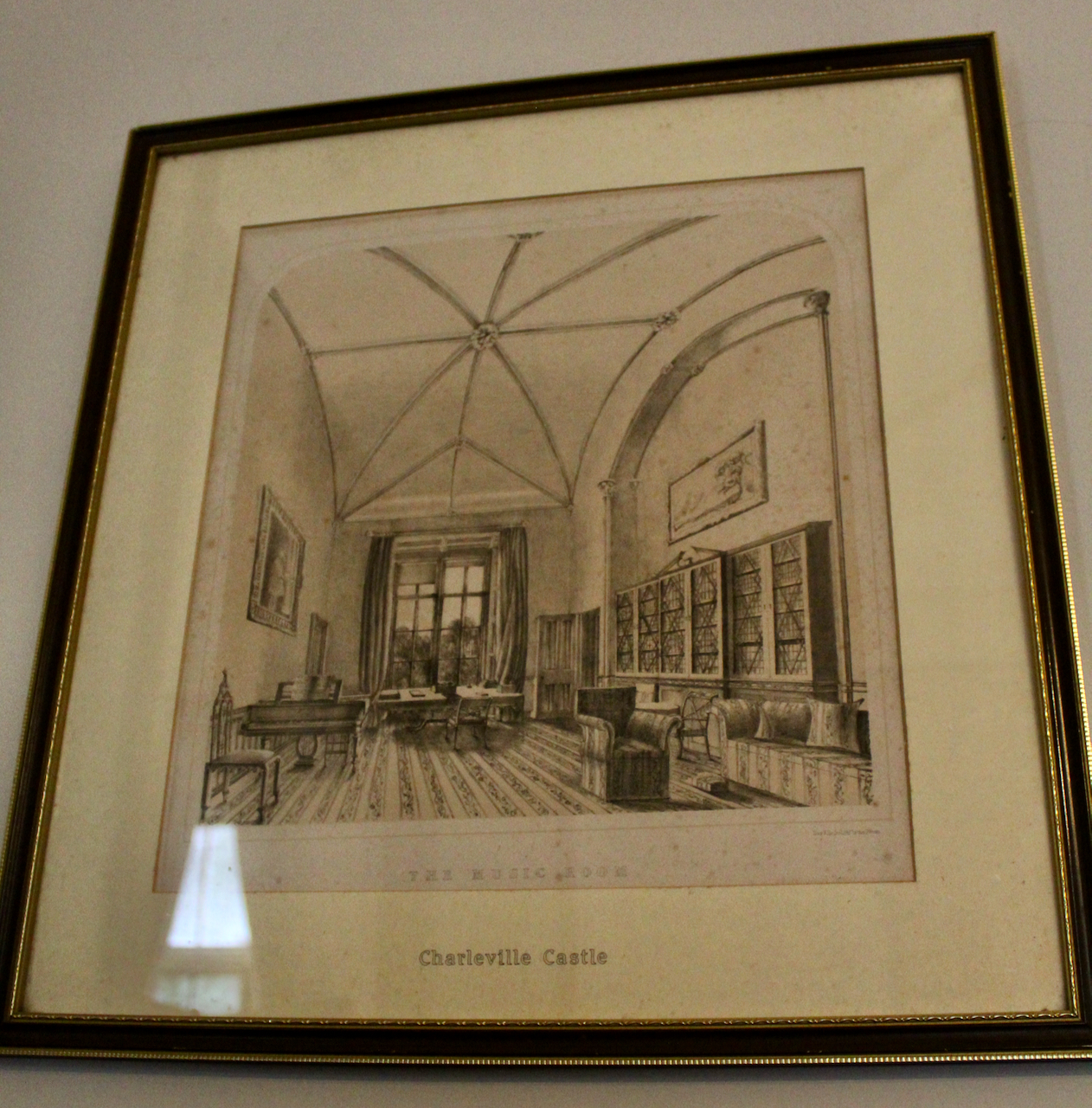
The Drawing Room is on the east side of the house. It has a fretwork ceiling with circular heraldic panels, a panelled dado and quatrefoil cornice. The room connects through a great arch with the rib-vaulted music room to its north. Unfortunately none of the furniture is original to the house but was brought it by the current owners.
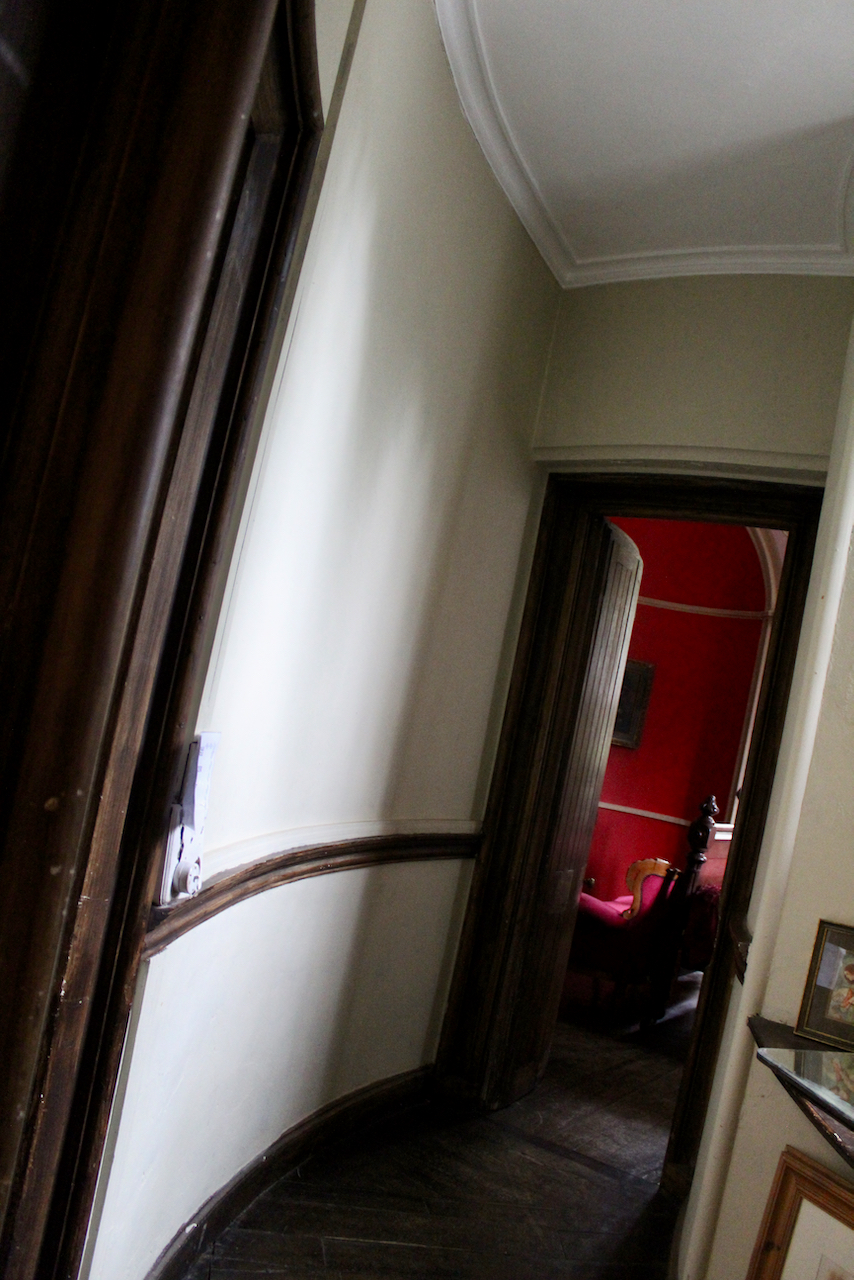
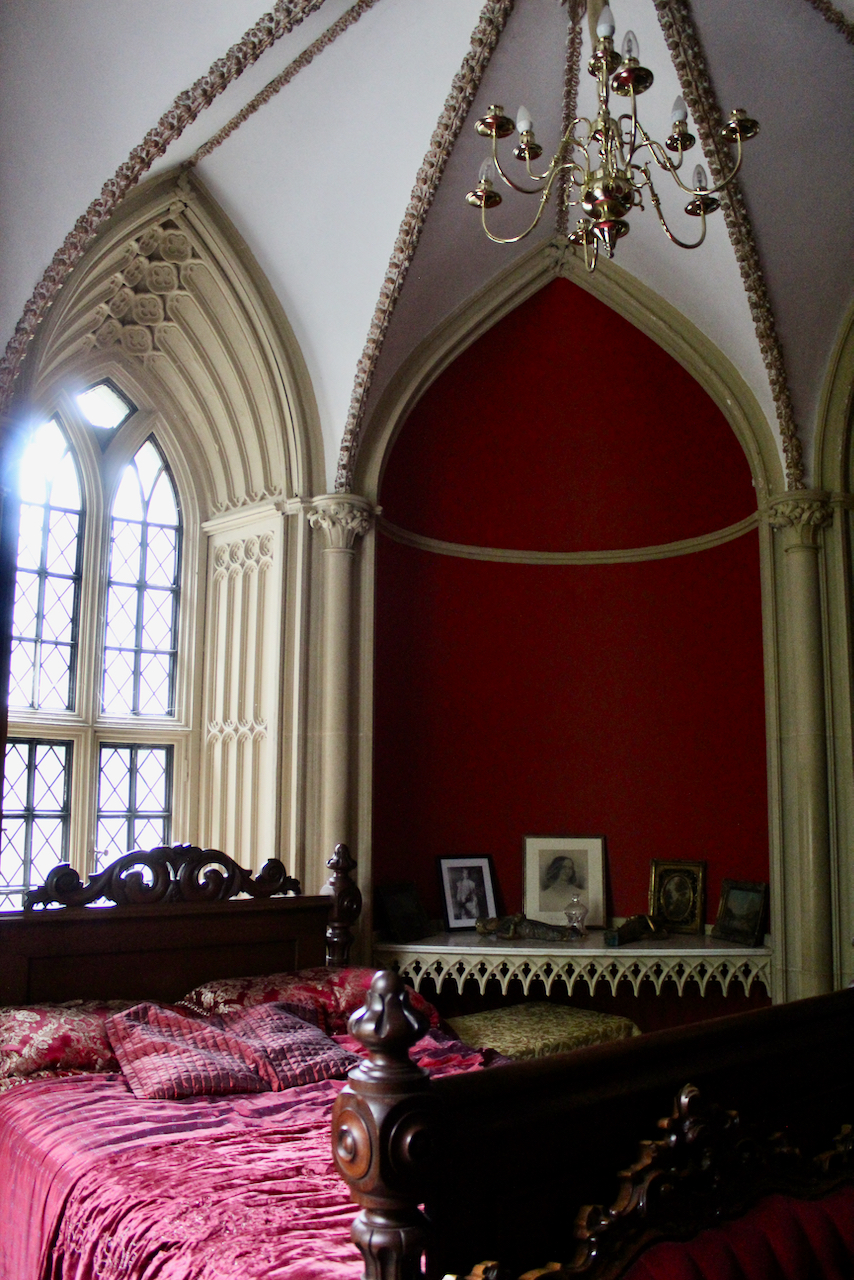
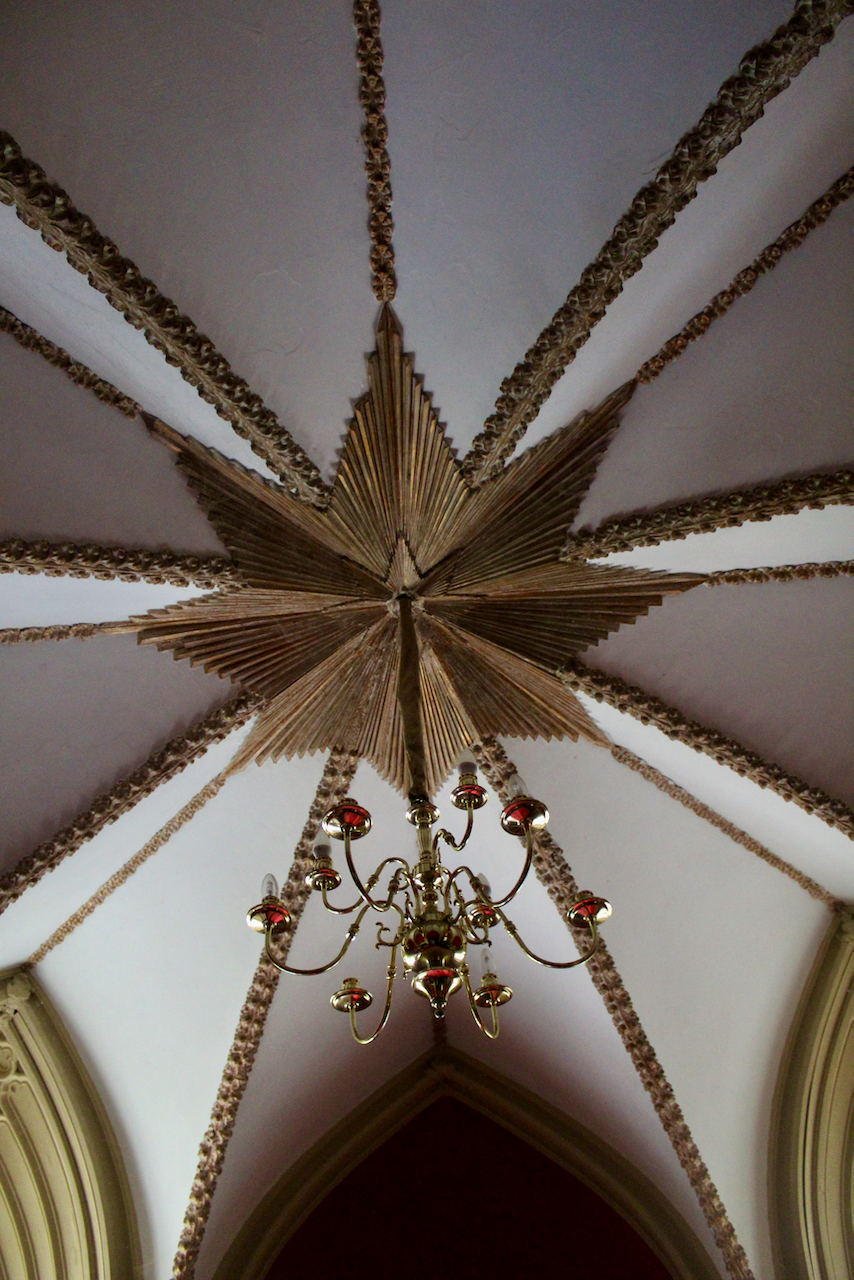
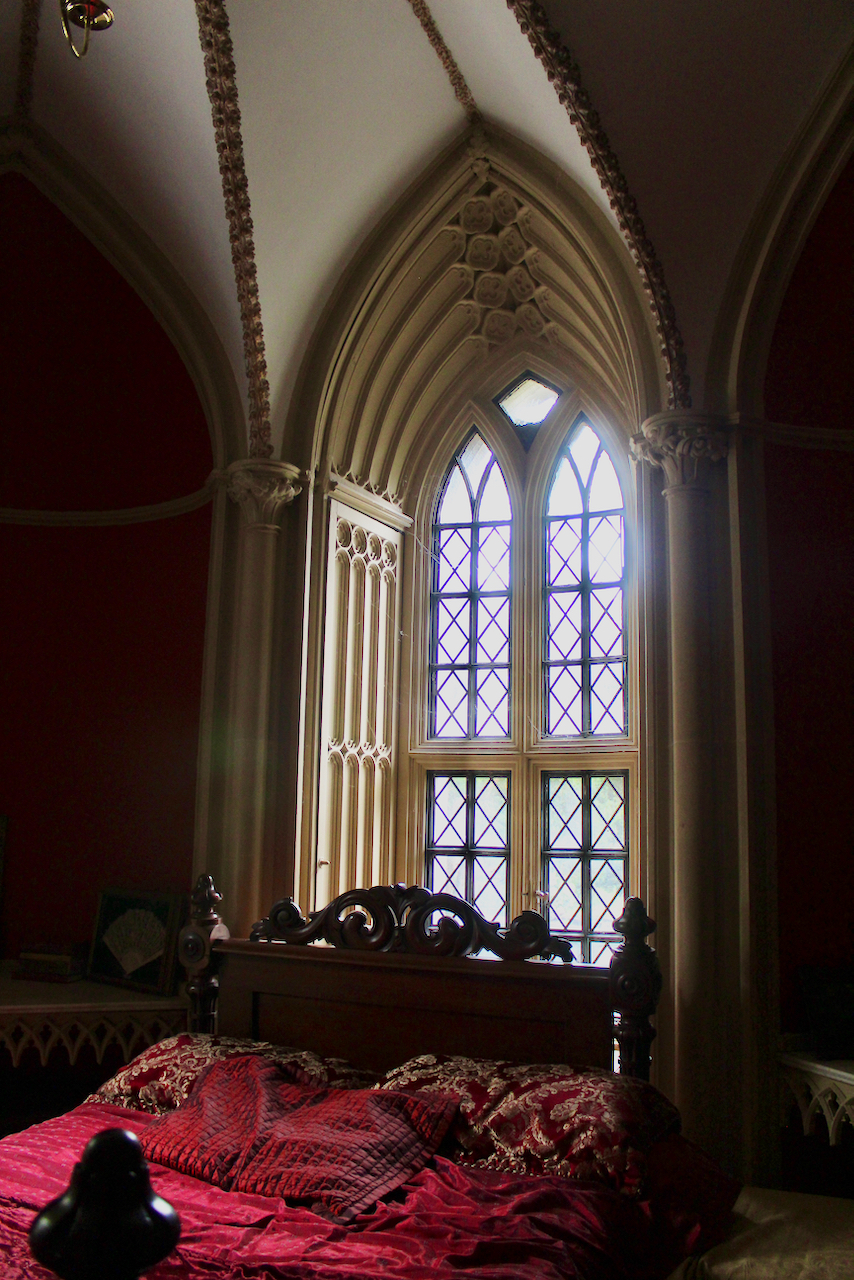
The Music Room connects via a curved short corridor to the Boudoir in the northeast tower, a homage to Walpole’s Tribune in Strawberry Hill, Tierney tells us. This used to be my friend Howard Fox’s bedroom when he was staying as a guest, leading mushroom foraging walks in Charleville Woods! It is a star-vaulted circular room, with bays alternating between four wide round niches and smaller openings for windows, door and fireplace. Above was Lord Charleville’s dressing room, but we did not get to go there.
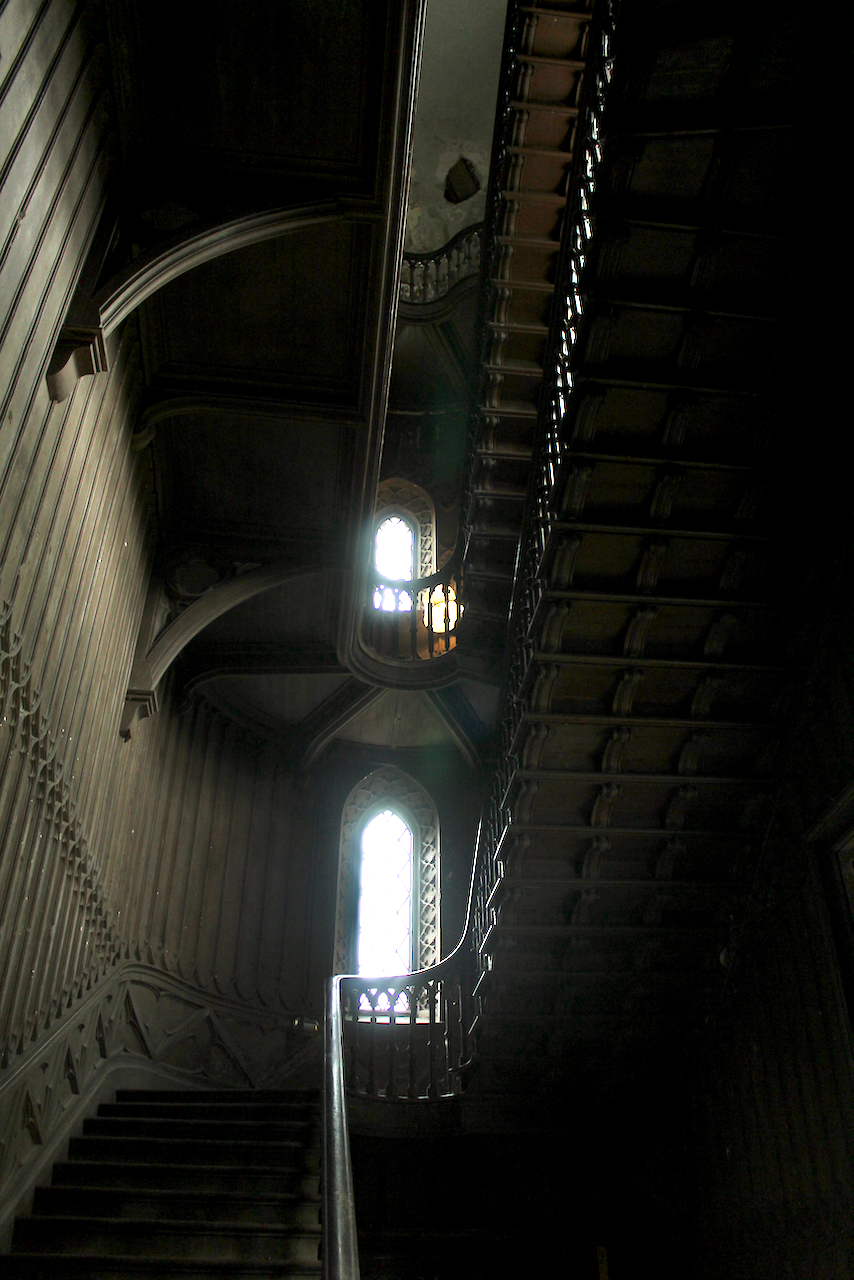
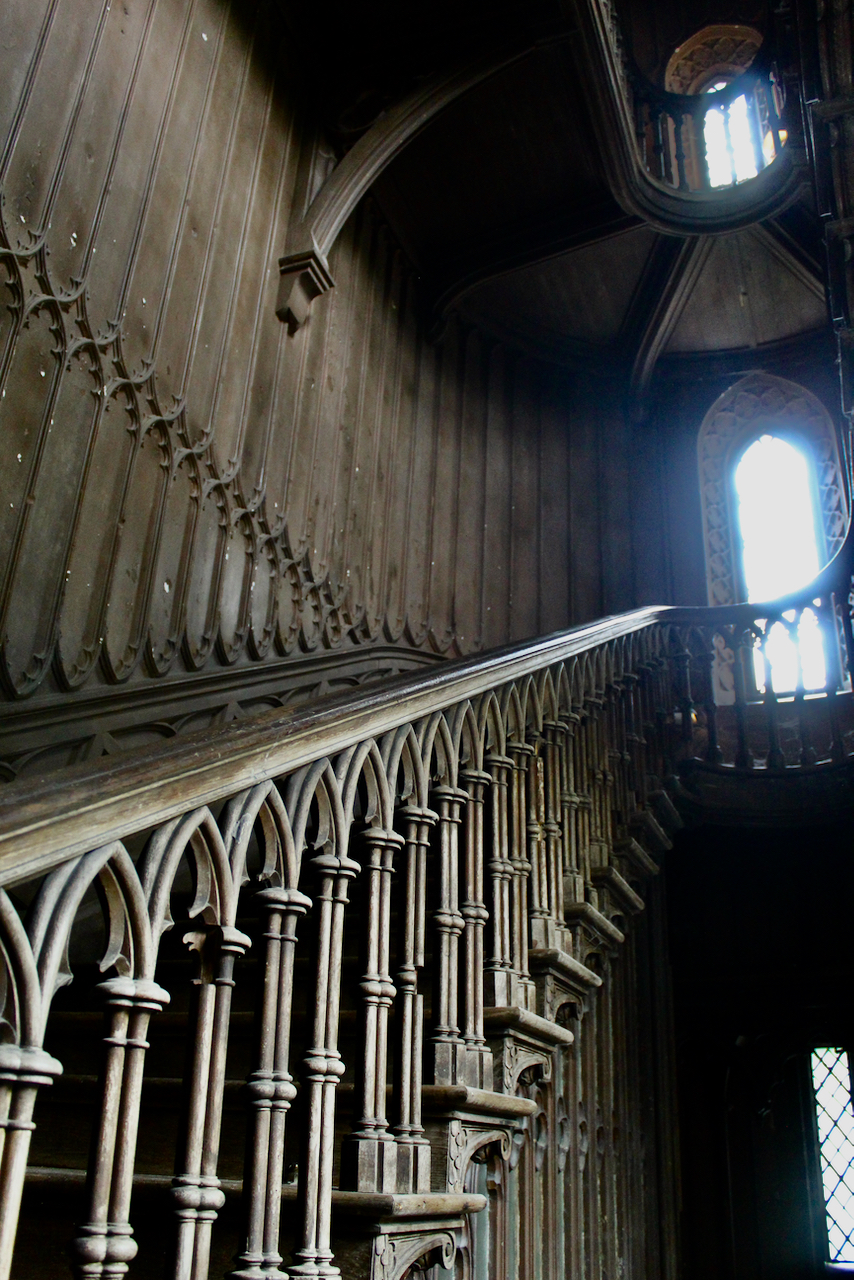
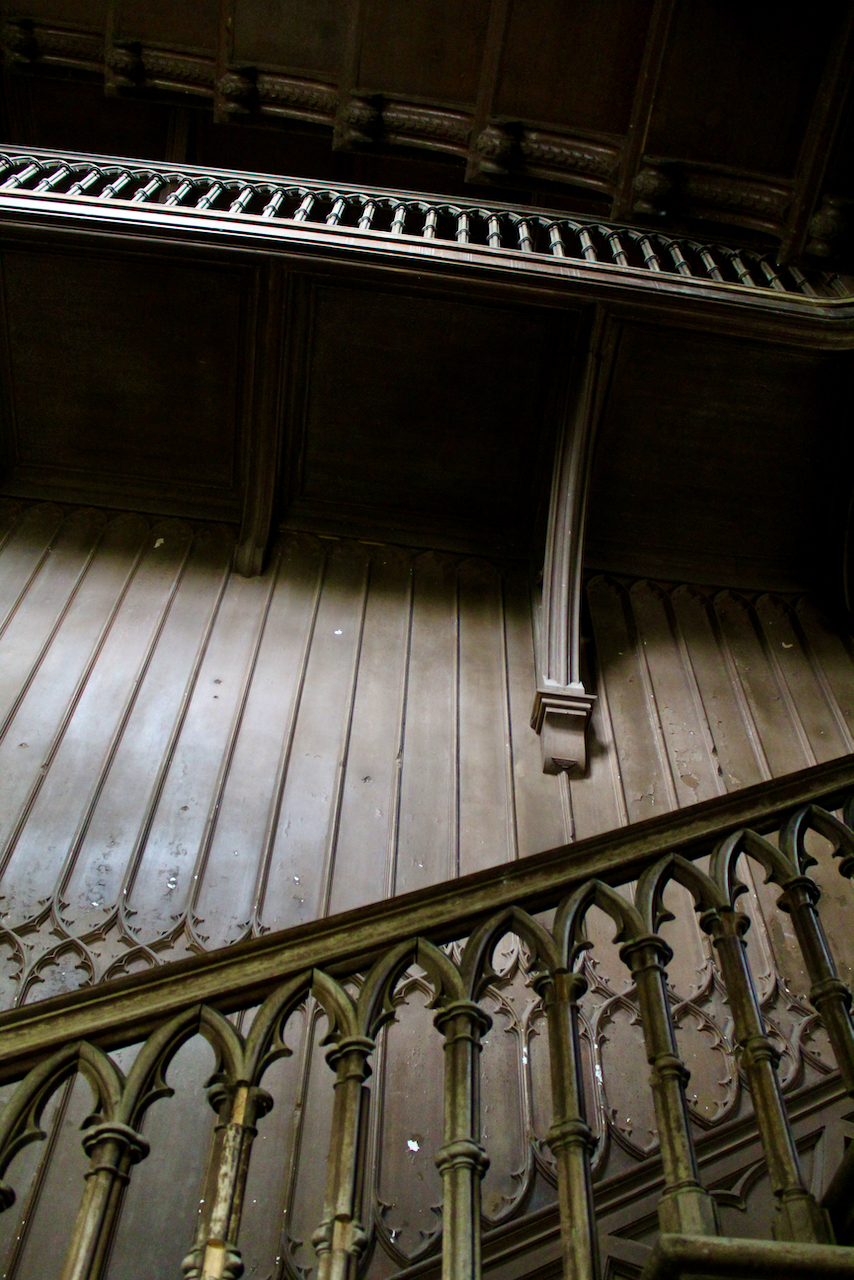
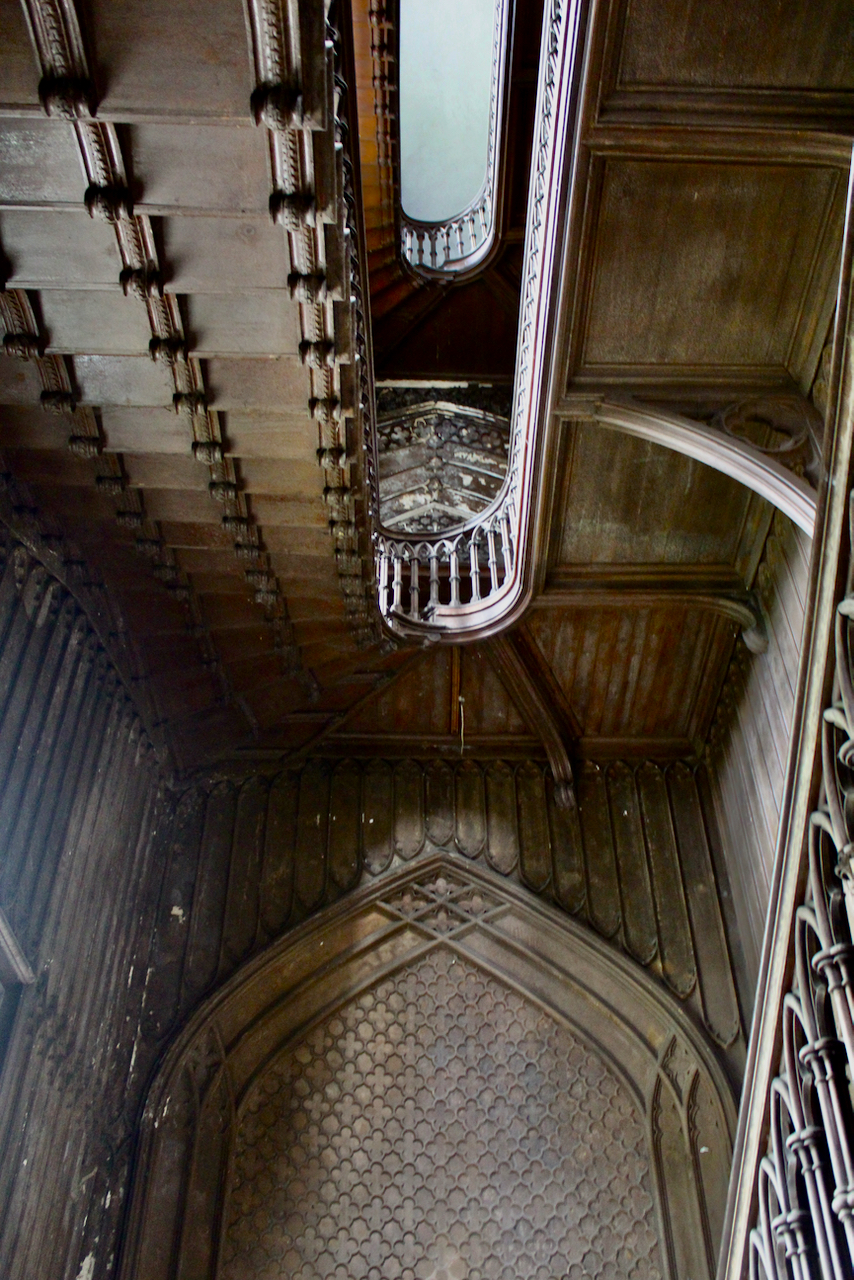
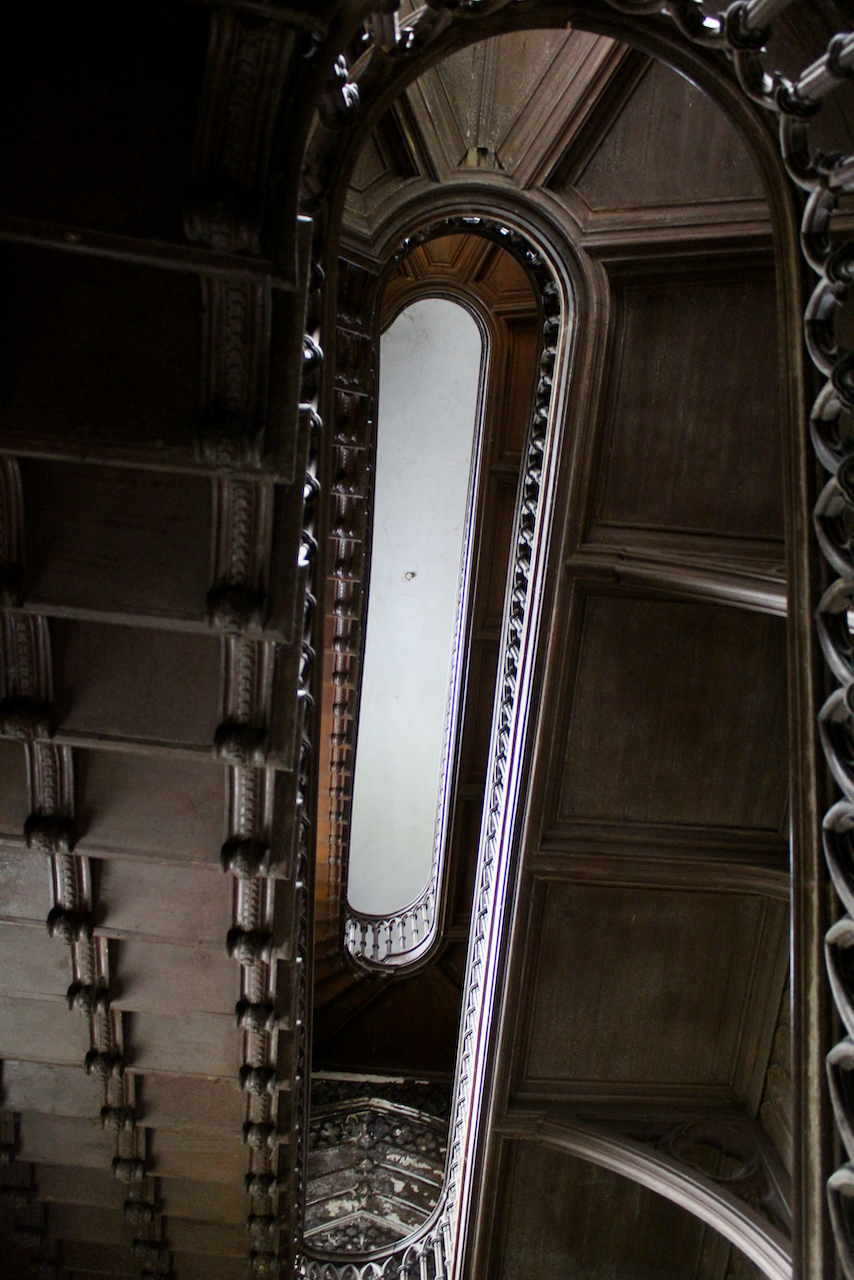
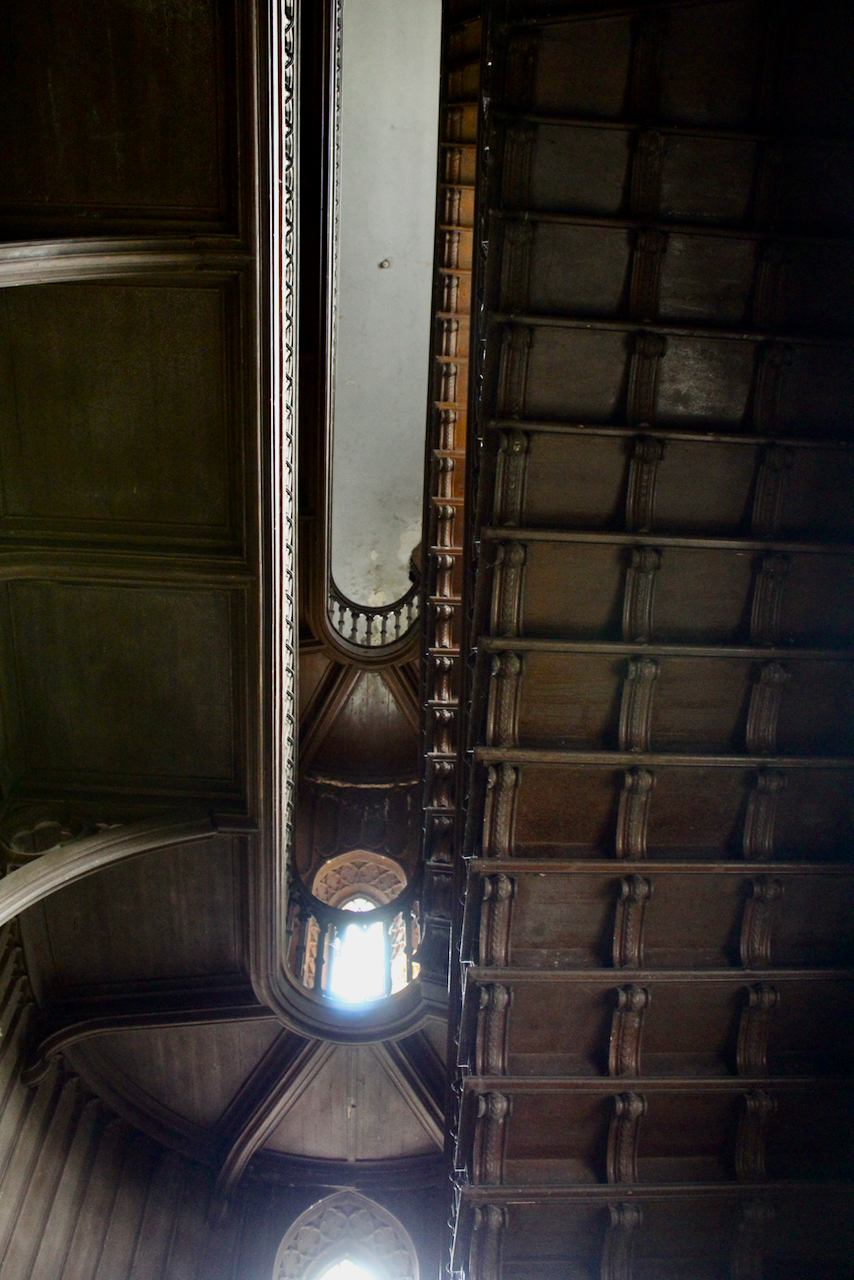
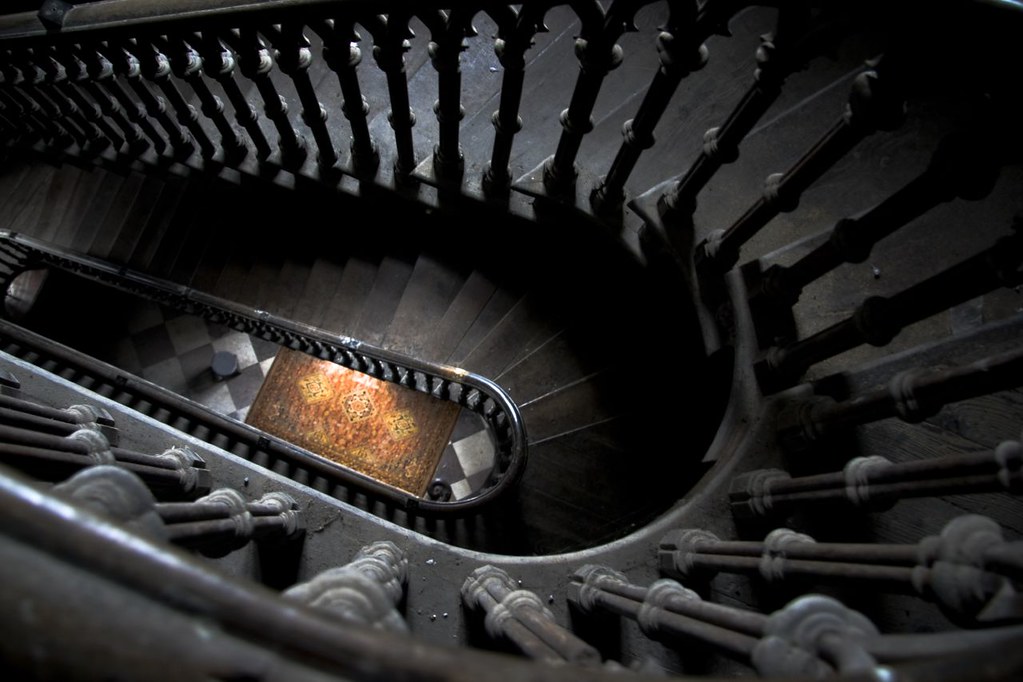
The stairs is tucked away in an odd place, behind a door off the northwest corner of the entrance hall. It is an intricate tightly curved staircase of Gothic joinery leading to the upper storeys, with Gothic mouldings on walls. The wall panelling is plaster painted and grained to look like oak. It rises through three storeys.
Tierney tells us that at the top of each flight, there is a great cavetto-moulded doorcase enriched with quatrefoil fretwork in plaster. The cavetto is a concave molding with a profile approximately a quarter-circle, quarter-ellipse, or similar curve. I find the staircase thrilling. Tierney writes: “Its dark colouring is in tune with the “gloomth” of its north facing aspect, and no Gothic room in Ireland rivals its Hmmer Horror atmosphere“!
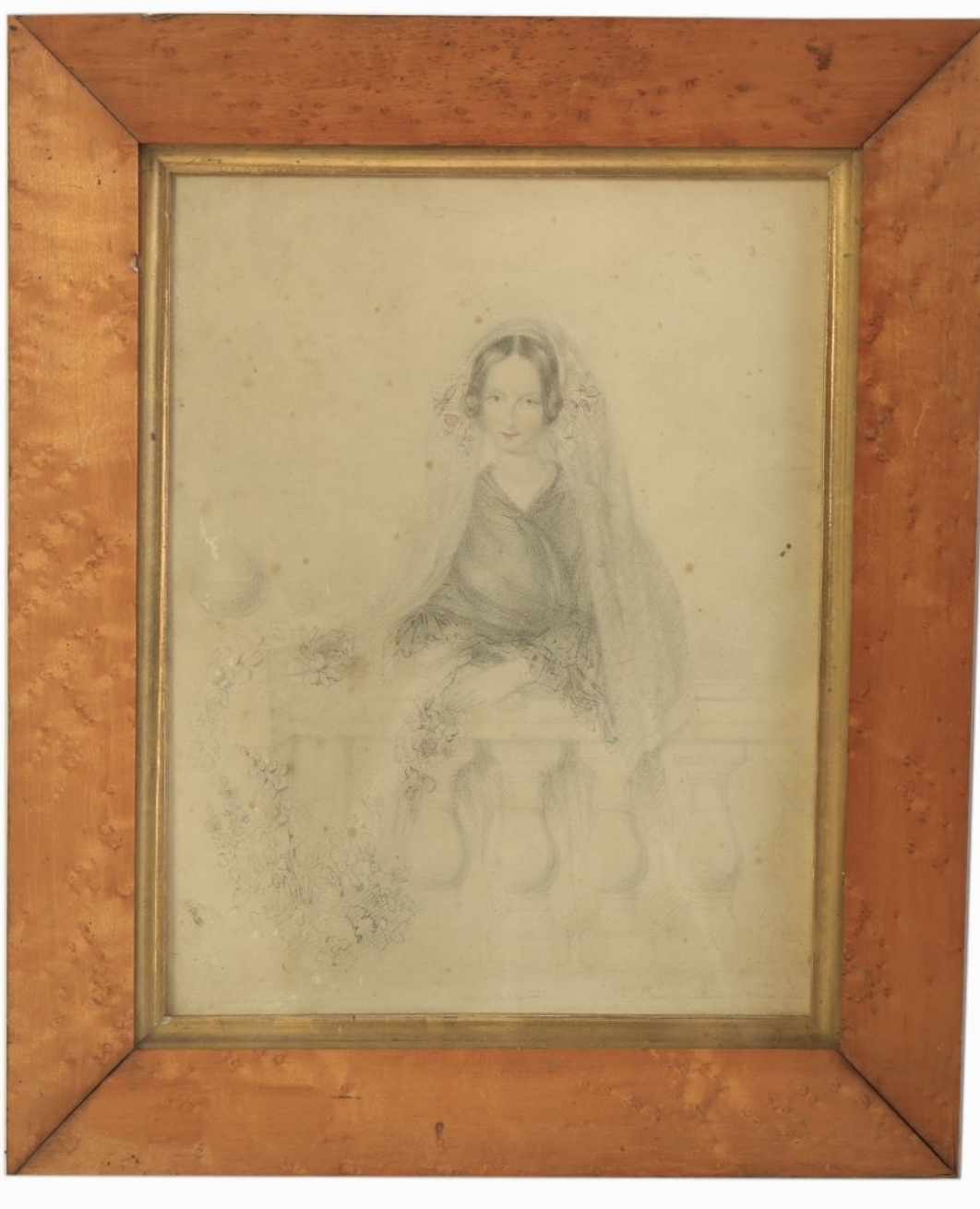
A tragic accident occurred in 1861 when the 5th Earl’s young sister Harriet was sliding down the balustrade of the Gothic staircase from the nursery on the third floor and fell. She is said to haunt the staircase and to be heard singing.
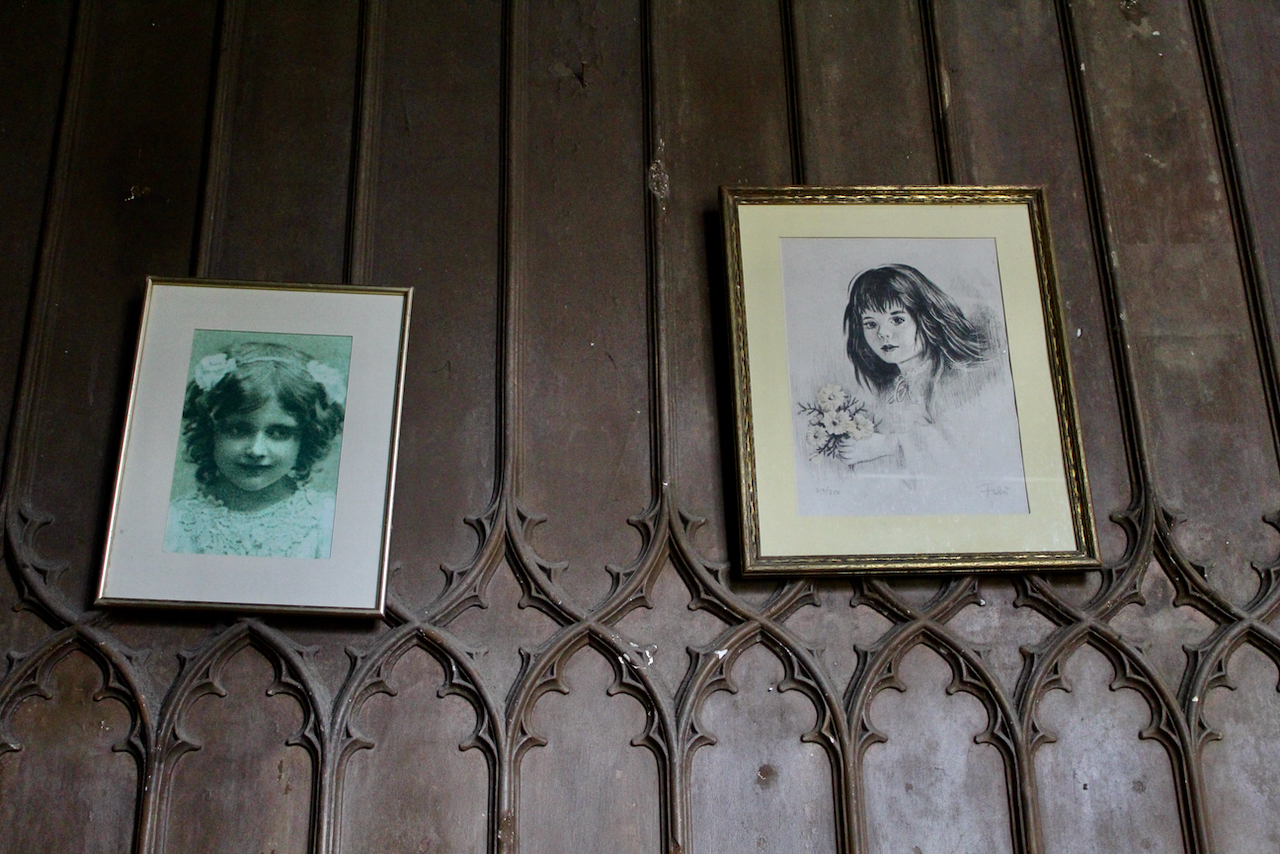
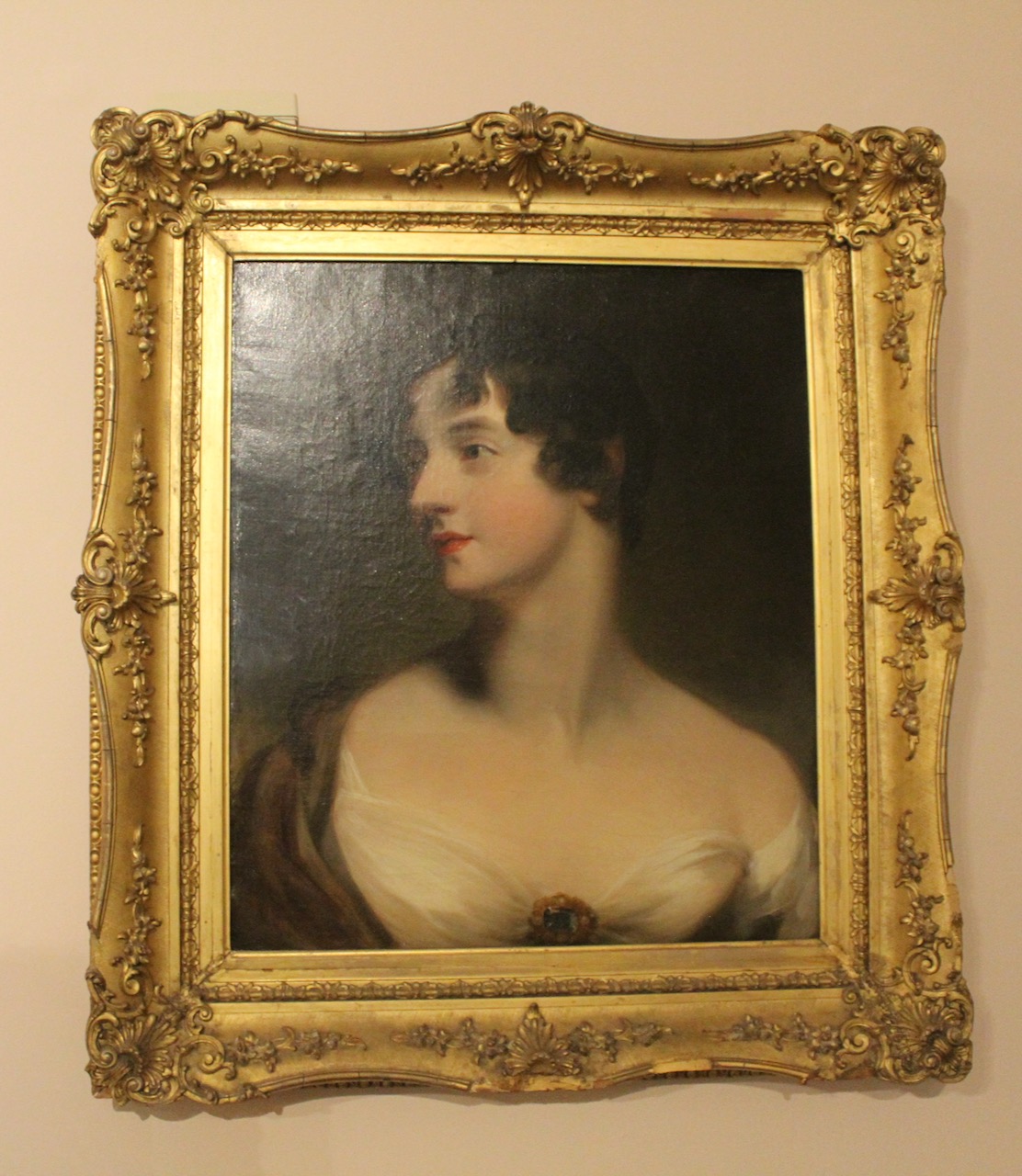
I’m not sure if this is a photograph of Harriet who died falling from the staircase.
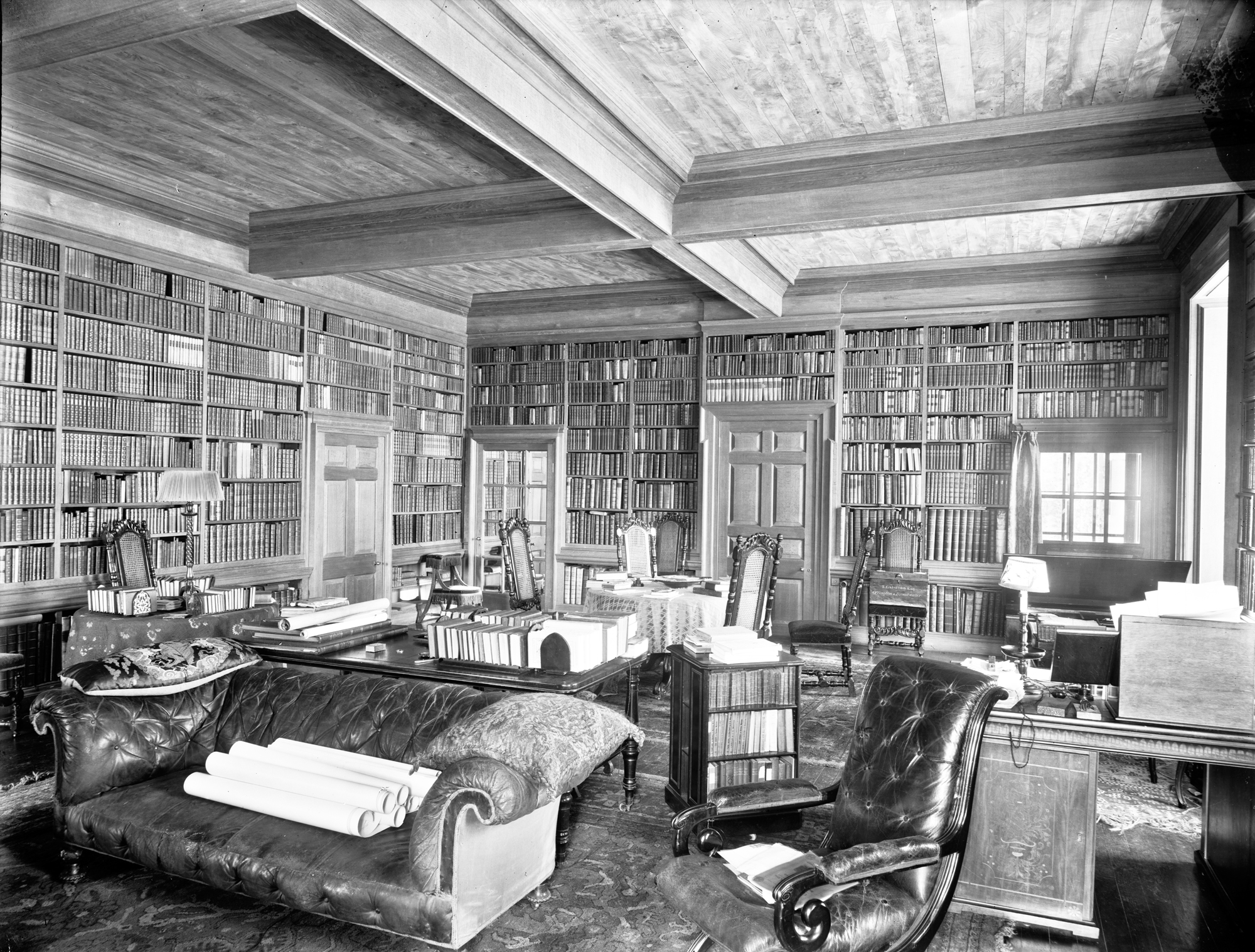
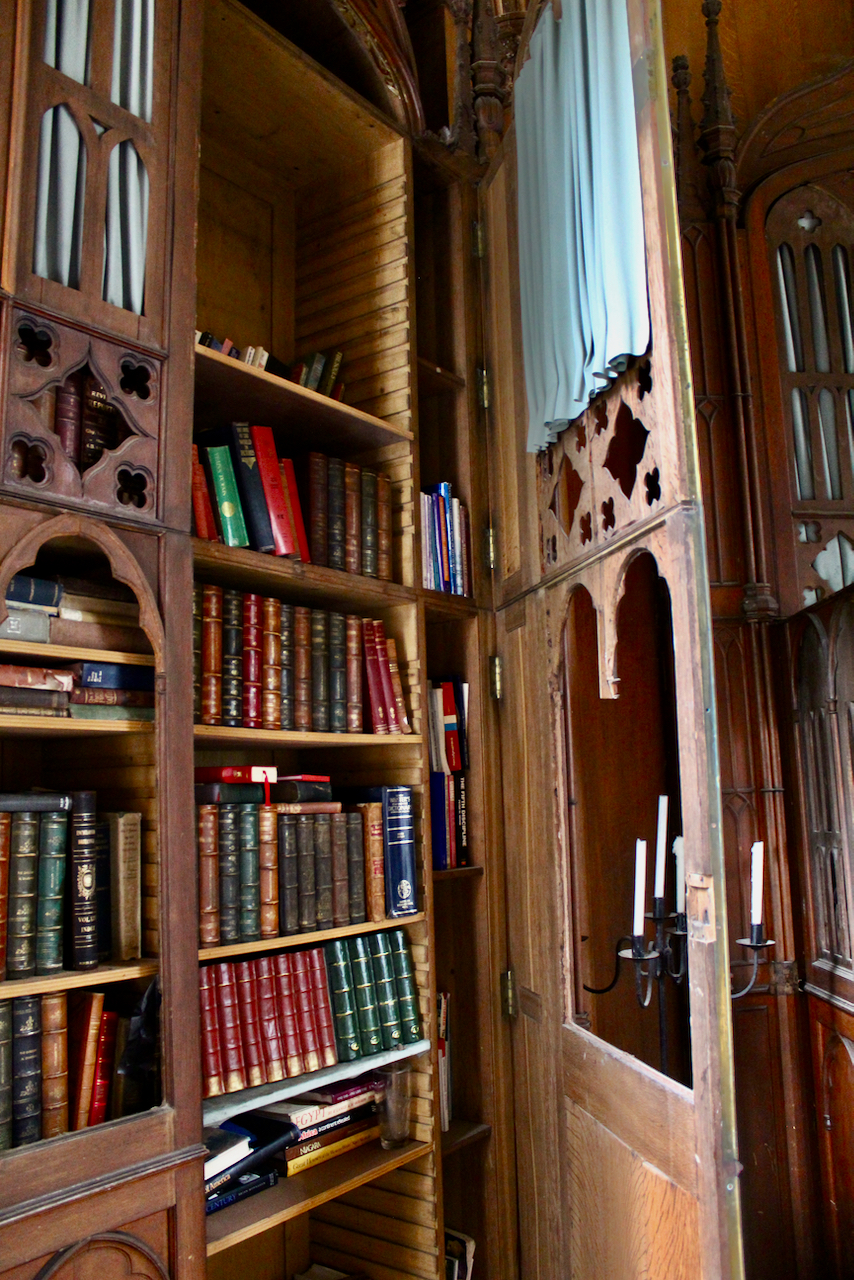
Beyond the staircase on the primary level is a small library with rib vaulted ceiling and Gothic bookcases.
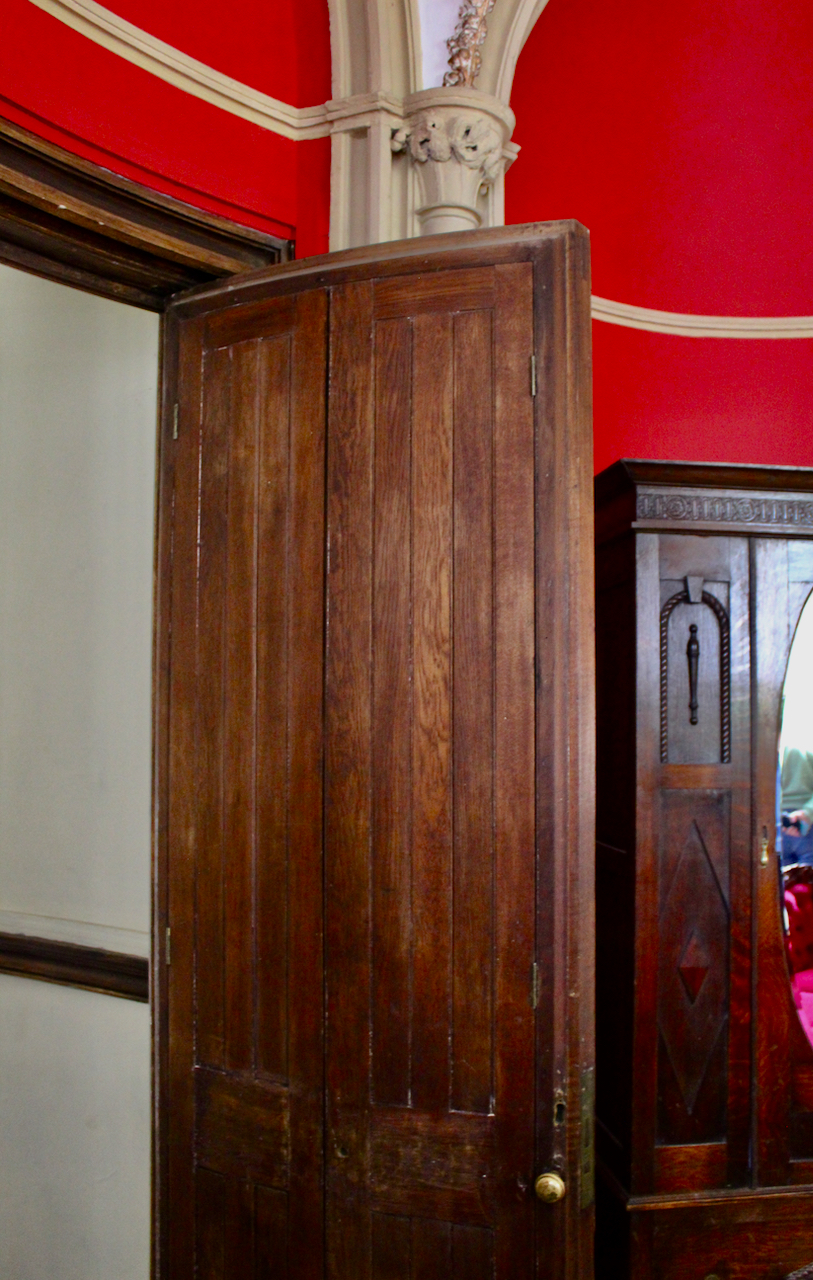
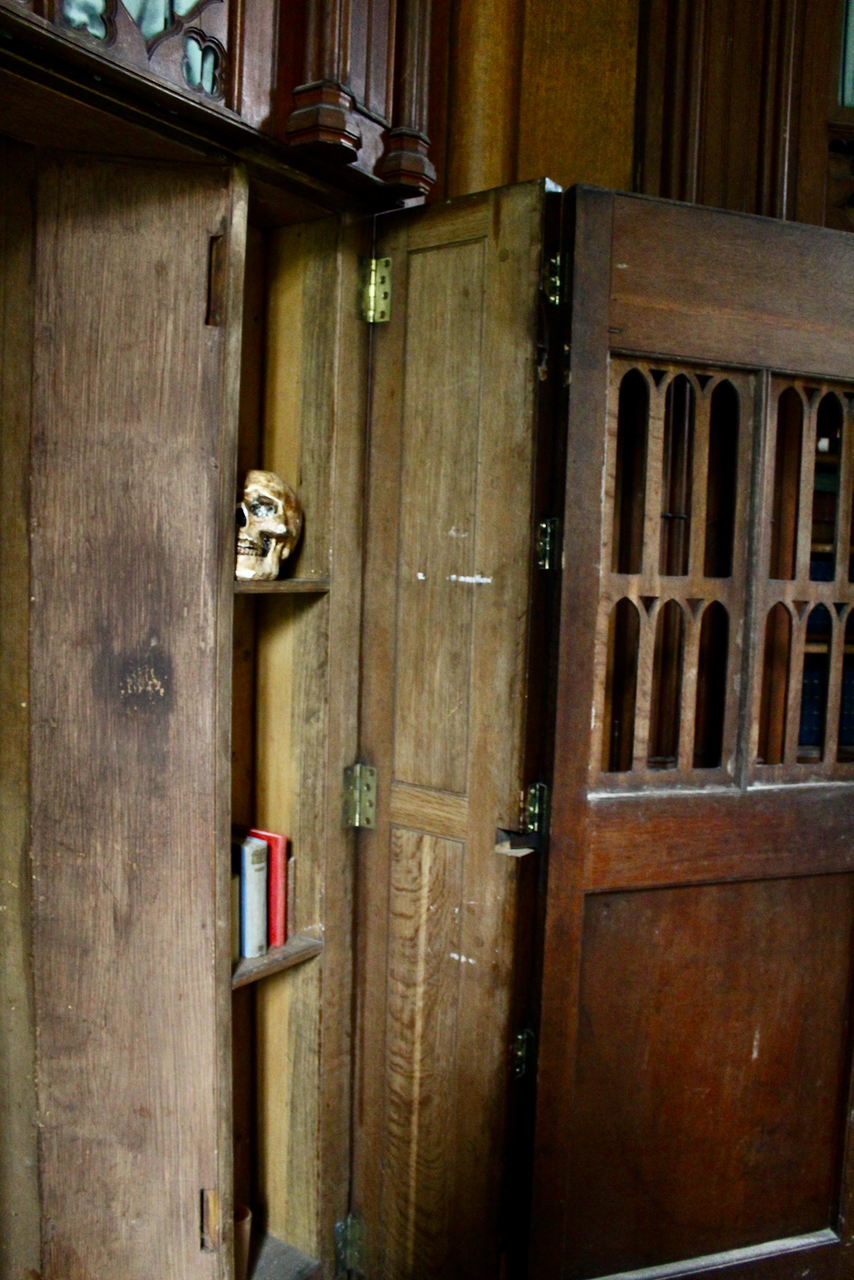
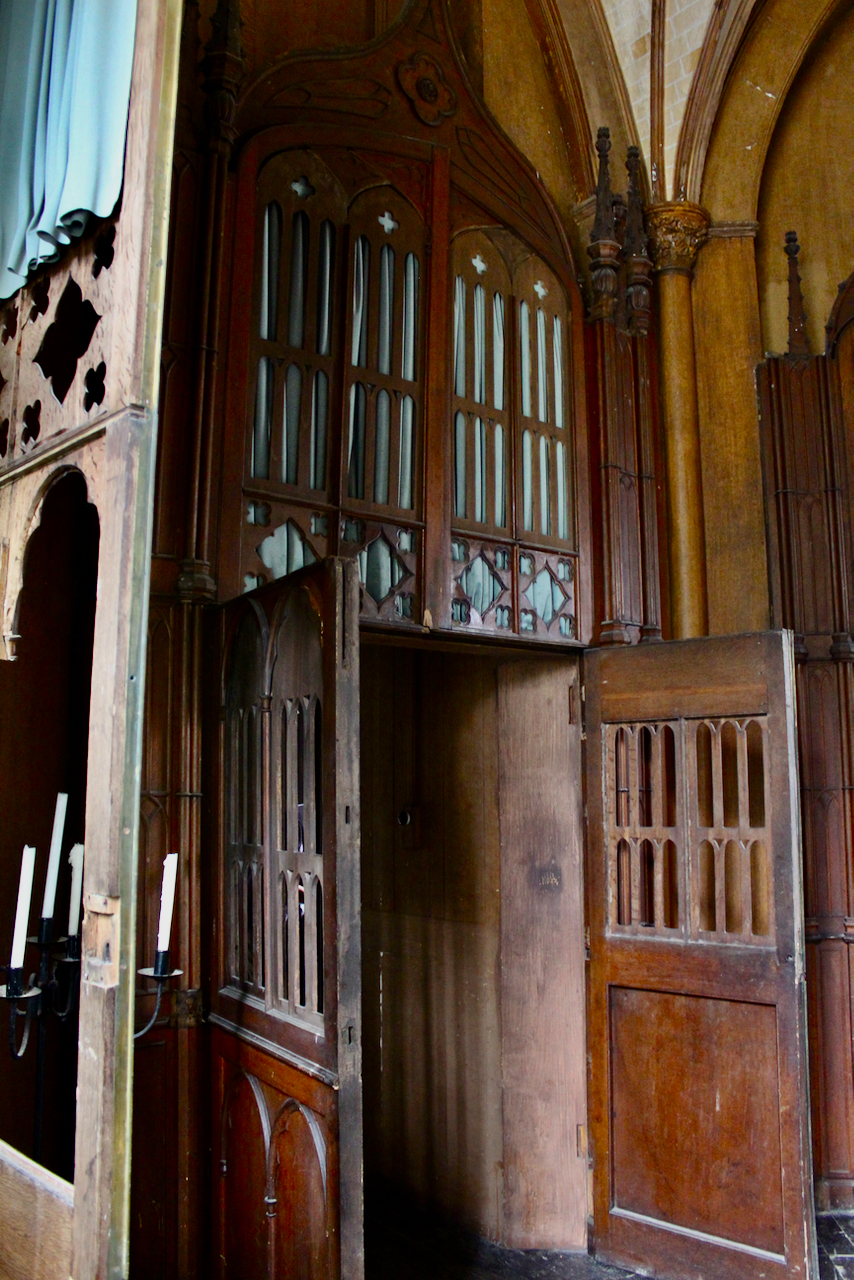
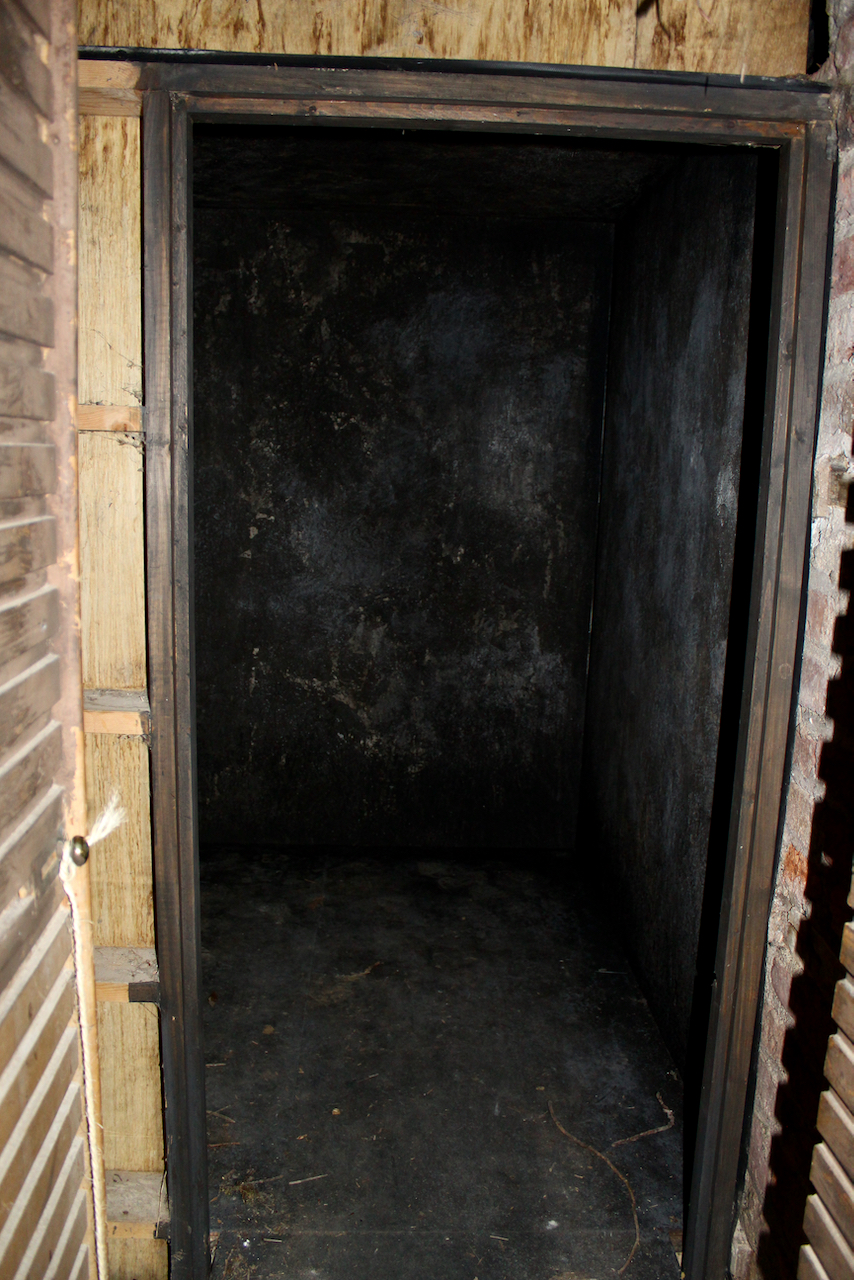
The panelling by each bookcase can be opened to reveal more space, and behind one secret door is a small room which leads out to the chapel, the guide told us.
O’Reilly tells us: “Charleville Forest’s patron, Charles William Bury, from 1800 Viscount and from 1806 Earl of Charleville, was a man well versed in contemporary English taste and style. He inherited lands in Limerick, through his father’s maternal line, and in Offaly. His great wealth, lavish lifestyle and generous nature allowed him simultaneously to distribute largesse in Ireland, live grandly in London and travel widely on the continent…[p. 139] Charleville’s lack of success in his search for a sinecure proved ill for the future of the family fortunes for, continuing to live extravagantly above their means, they advanced speedily towards bankruptcy. On Charleville’s death in 1835, the estate was ‘embarrassed’ and by 1844, the Limerick estates had to be sold and the castle shut up, while his son and heir, ‘the greatest bore the world can produce’ according to one contemporary, retired to Berlin.“
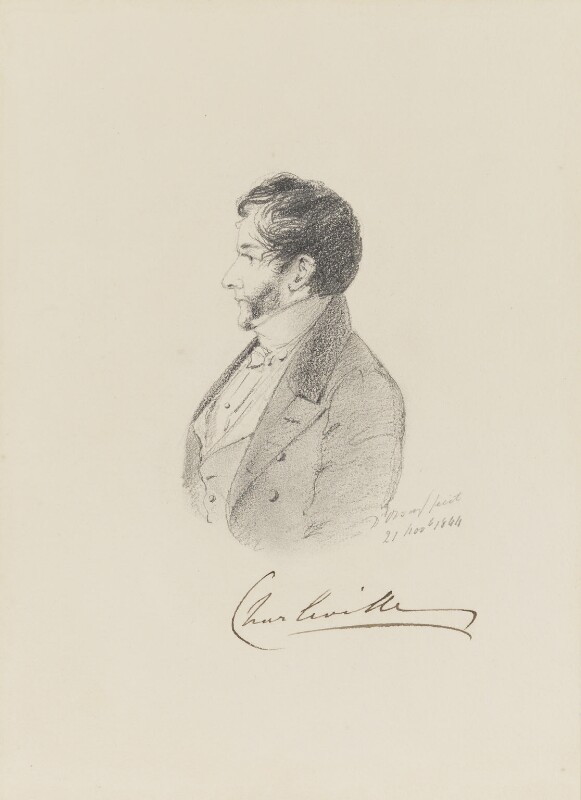
“The greatest bore the world can produce,” Charles William Bury (1801-1851), 2nd Earl of Charleville by Alfred, Count D’Orsay 1844, courtesy of National Portrait Gallery NPG 4026(12).
The 2nd Earl held the office of Representative Peer [Ireland] between 1838 and 1851.
Charles William Bury, 2nd Earl of Charleville, seated in red cloak before a curtain, portrait by Henry Pierce Bone, 1835.
The 3rd Earl, Charles William George Bury (1822-1859), returned to the house in 1851, but with a much reduced fortune. He died young, at the age of 37, and his son, also named Charles William (1852-1874), succeeded as the 4th Earl at the age of just seven years old. His mother had died two years earlier. It seems that many of the Bury family were fated to die young.
The 4th Earl died at the age of 22 in 1874, unmarried, so the property passed to his uncle, Alfred, who succeeded as 5th Earl of Charleville but died the following year in 1875, without issue. The young 4th Earl had quarrelled with his sister who was next in line, so the property passed to a younger sister Emily.
In 1881 Emily married Kenneth Howard (1845-1885), son of the 16th Earl of Suffolk and of Louisa Petty-FitzMaurice, daughter of Henry Petty-FitzMaurice, 3rd Marquess of Lansdowne. On 14 December 1881 his name was legally changed to Kenneth Howard-Bury by Royal Licence, after his wife inherited the Charleville estate. He held the office of High Sheriff of King’s County in 1884.
After Emily’s death in 1931 the castle remained unoccupied. Her son Charles Kenneth Howard-Bury (1883-1963) preferred to live at another property he had inherited, Belvedere in County Westmeath (see my entry), which he inherited from Charles Brinsley Marlay. He auctioned the contents in 1948.
The house stood almost empty, with a caretaker, for years. When Charles Kenneth died in 1963, the property passed to a cousin, the grandson of the 3rd Earl’s sister with whom he had quarrelled. She had married Edmund Bacon Hutton and her grandson William Bacon Hutton legally changed his surname to Hutton-Bury when he inherited in 1964. The castle remained empty, until it was leased for 35 years to Michael McMullen in 1971. It had been badly vandalised at this stage. He immediately set to restore the castle.
More repairs were carried out by the next occupants, Bridget “Bonnie” Vance and her parents, who planned to run a B&B and wedding venue. Today the castle is run by Charleville Castle Heritage Trust.
[1] Bence-Jones, Mark. A Guide to Irish Country Houses (originally published as Burke’s Guide to Country Houses volume 1 Ireland by Burke’s Peerage Ltd. 1978); Revised edition 1988 Constable and Company Ltd, London.
[2] p. 136. O’Reilly, Sean. Irish Houses and Gardens. From the Archives of Country Life. Aurum Press Ltd, London, 1998.
Sopwell Hall, County Tipperary, courtesy of Colliers estate agents and myhome.ieSopwell Hall, County Tipperary, courtesy of Colliers estate agents and myhome.ieSopwell Hall, County Tipperary, courtesy of Colliers estate agents and myhome.ieSopwell Hall, County Tipperary, courtesy of Colliers estate agents and myhome.ieSopwell Hall, County Tipperary, courtesy of Colliers estate agents and myhome.ieSopwell Hall, County Tipperary, courtesy of Colliers estate agents and myhome.ie
[7] p. 232-8. Tierney, Andrew. The Buildings of Ireland: Central Leinster: Kildare, Laois and Offaly. Yale University Press, New Haven and London, 2019.
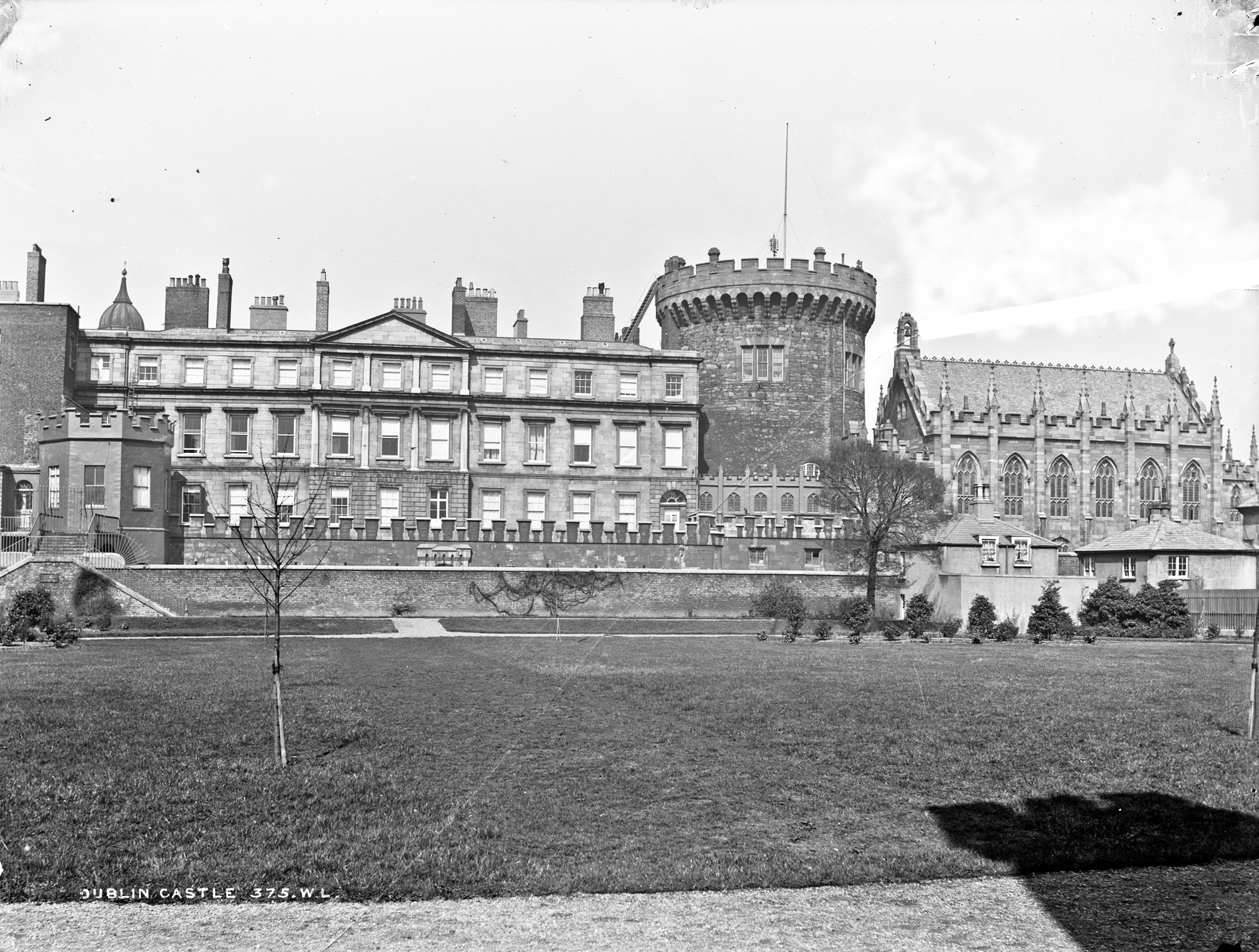
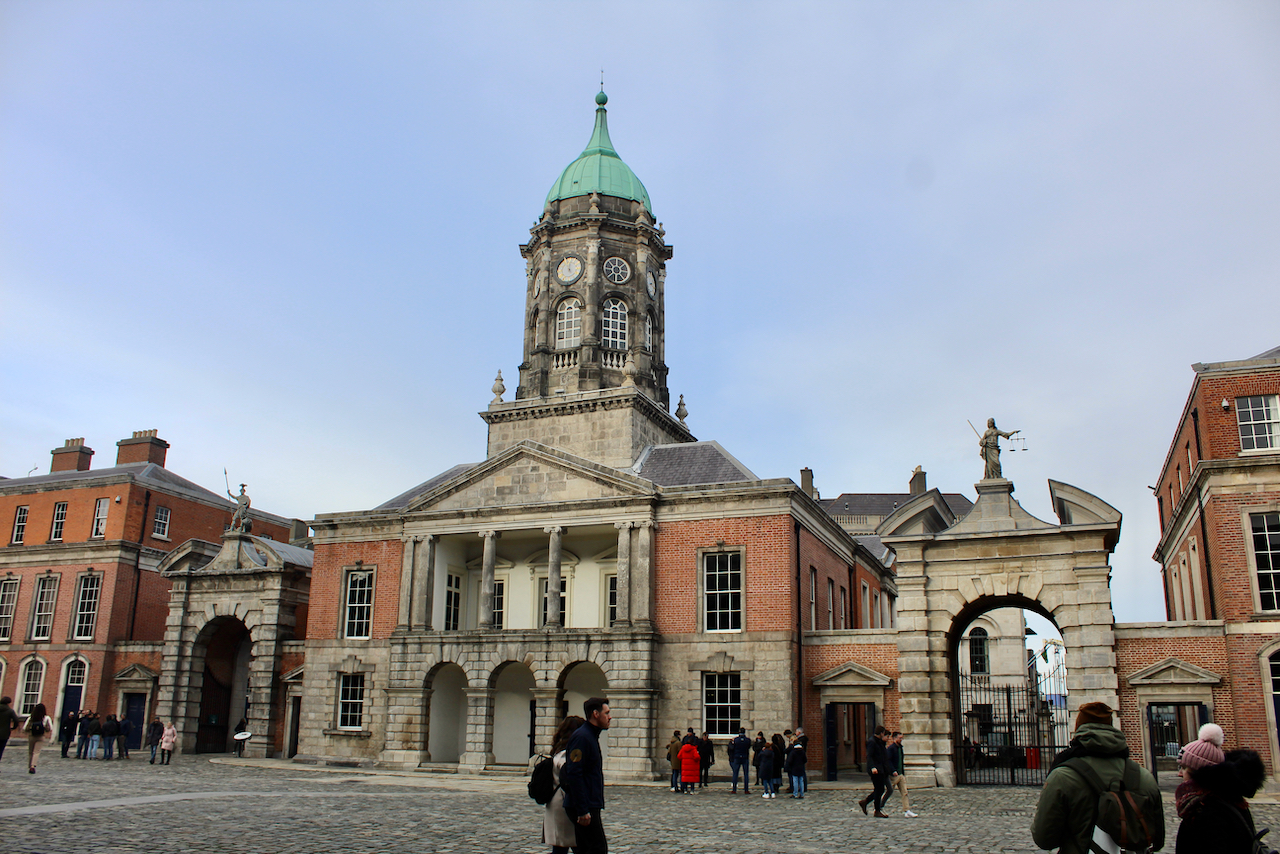
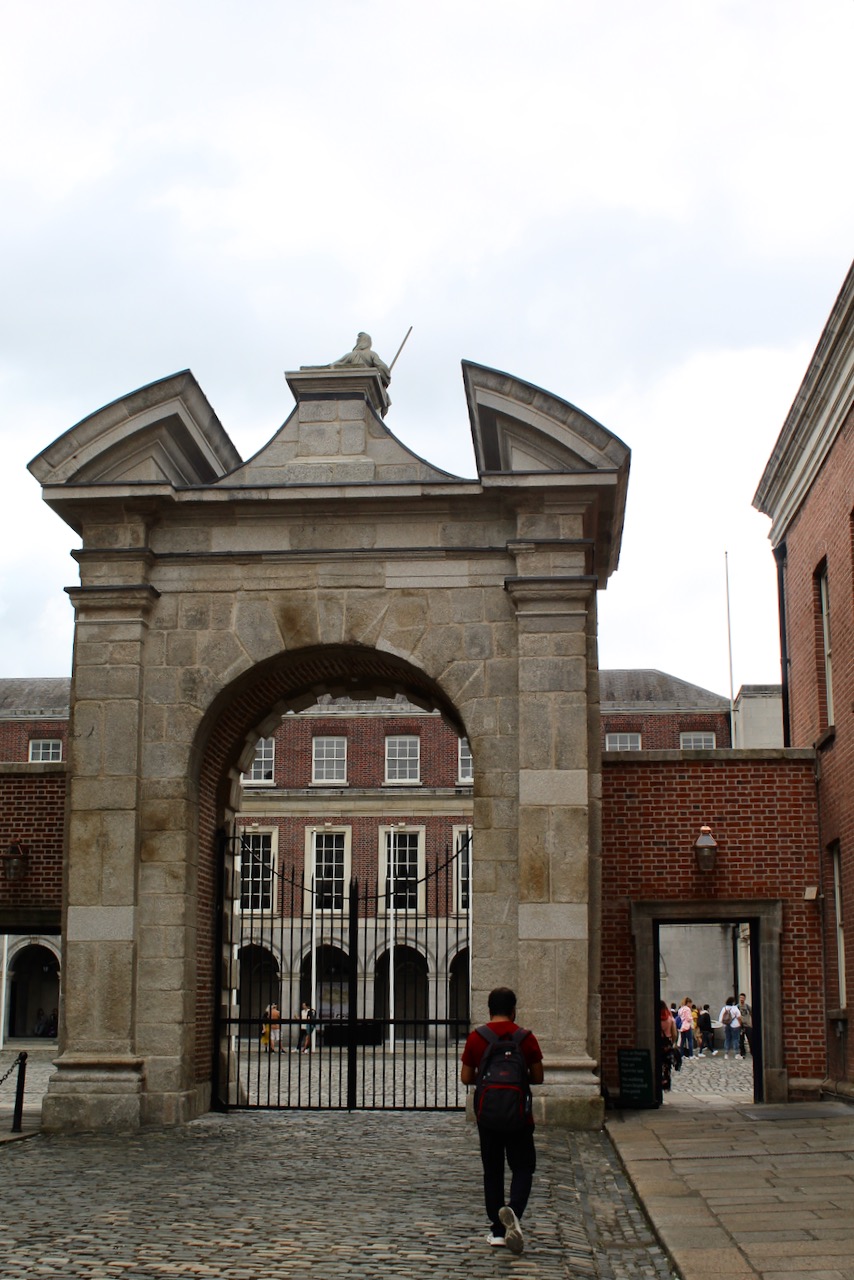
Dublin castle, photograph taken 1951, from Dublin City Library archives. [1] This is the Bedford Hall and the design has been attributed to Arthur Jones Nevill (d. 1771), who was Surveyor General at the time. He also designed the entrance front of the Battleaxe Hall building with its colonnade of Doric columns. The Bedford Hall was completed by his successor Thomas Eyre (d. 1772). [2]Dublin Castle, 2020.Dublin Castle information board.
General Enquiries: 01 645 8813, dublincastle@opw.ie
From the website:
“Just a short walk from Trinity College, on the way to Christchurch, Dublin Castle is well situated for visiting on foot. The history of this city-centre site stretches back to the Viking Age and the castle itself was built in the thirteenth century.
“The building served as a military fortress, a prison, a treasury and courts of law. For 700 years, from 1204 until independence, it was the seat of English (and then British) rule in Ireland.
“Rebuilt as the castle we now know in the seventeenth, eighteenth, nineteenth and twentieth centuries, Dublin Castle is now a government complex and an arena of state ceremony.
“The state apartments, undercroft, chapel royal, heritage centre and restaurant are now open to visitors.“
Dublin castle by Robert French Lawrence Photographic Collection National Library of Ireland, flickr constant commons.Dublin Castle, 2020.
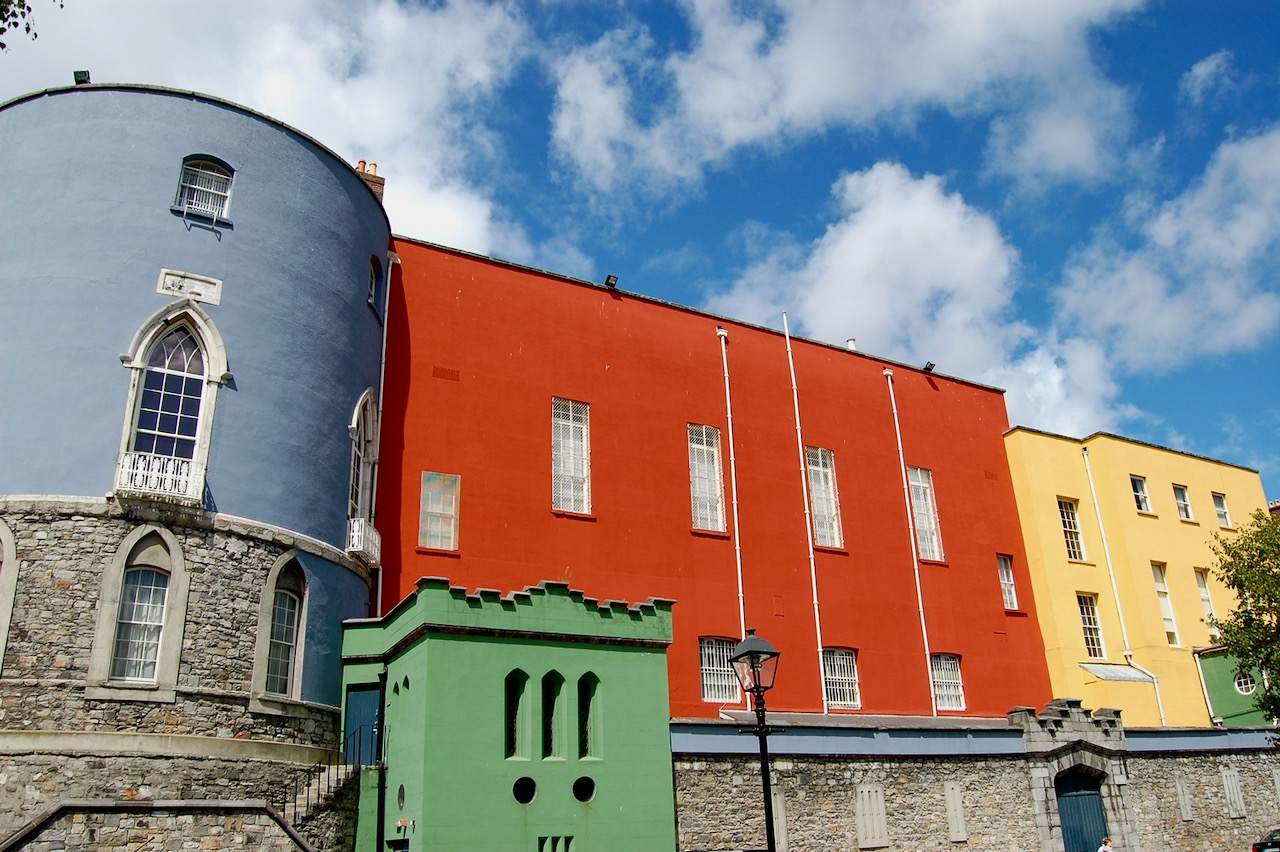
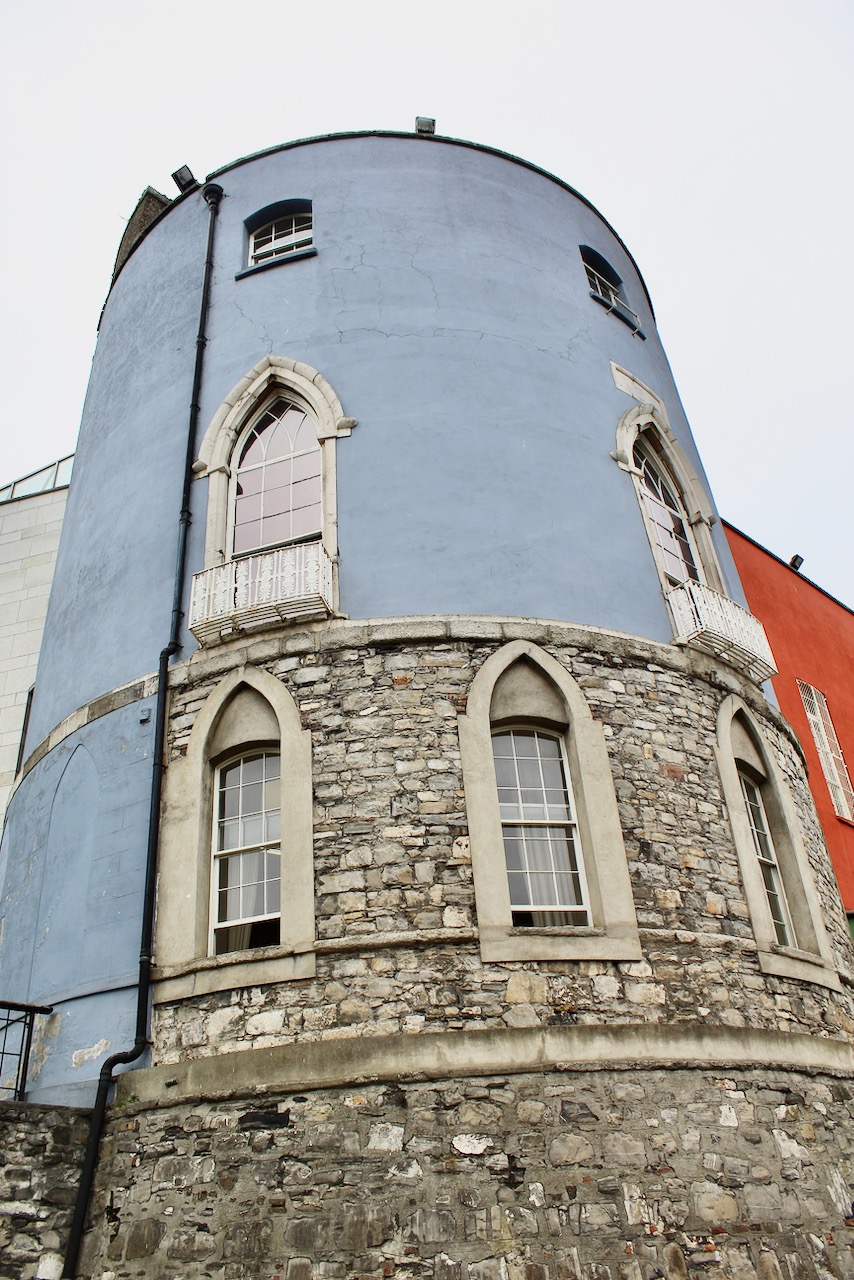
What is called “Dublin Castle” is a jumble of buildings from different periods and of different styles. The castle was founded in 1204 by order of King John who wanted a fortress constructed for the administration of the city. By the beginning of the seventeenth century, the castle contained law courts, meeting of Parliament, the residence of the Viceroy and a council chamber, as well as a chapel.
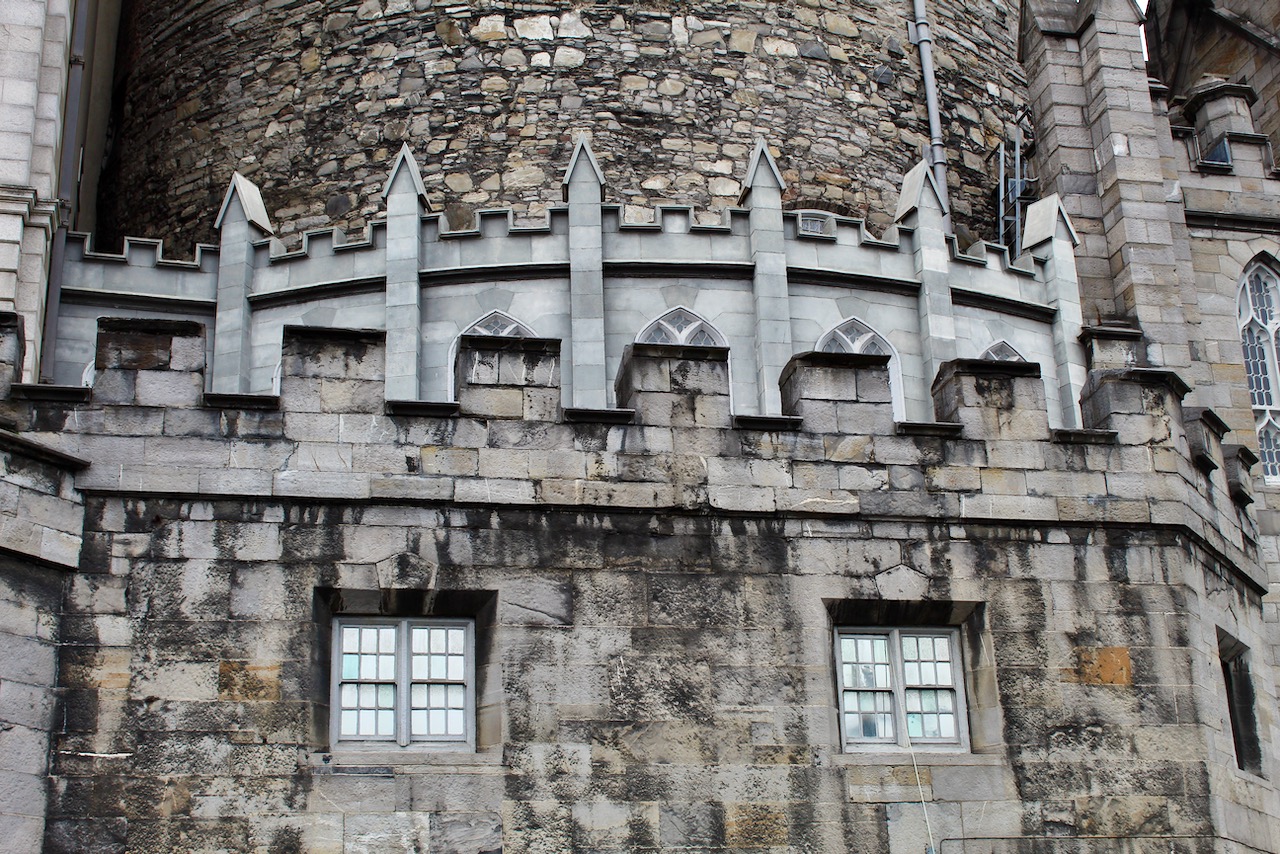
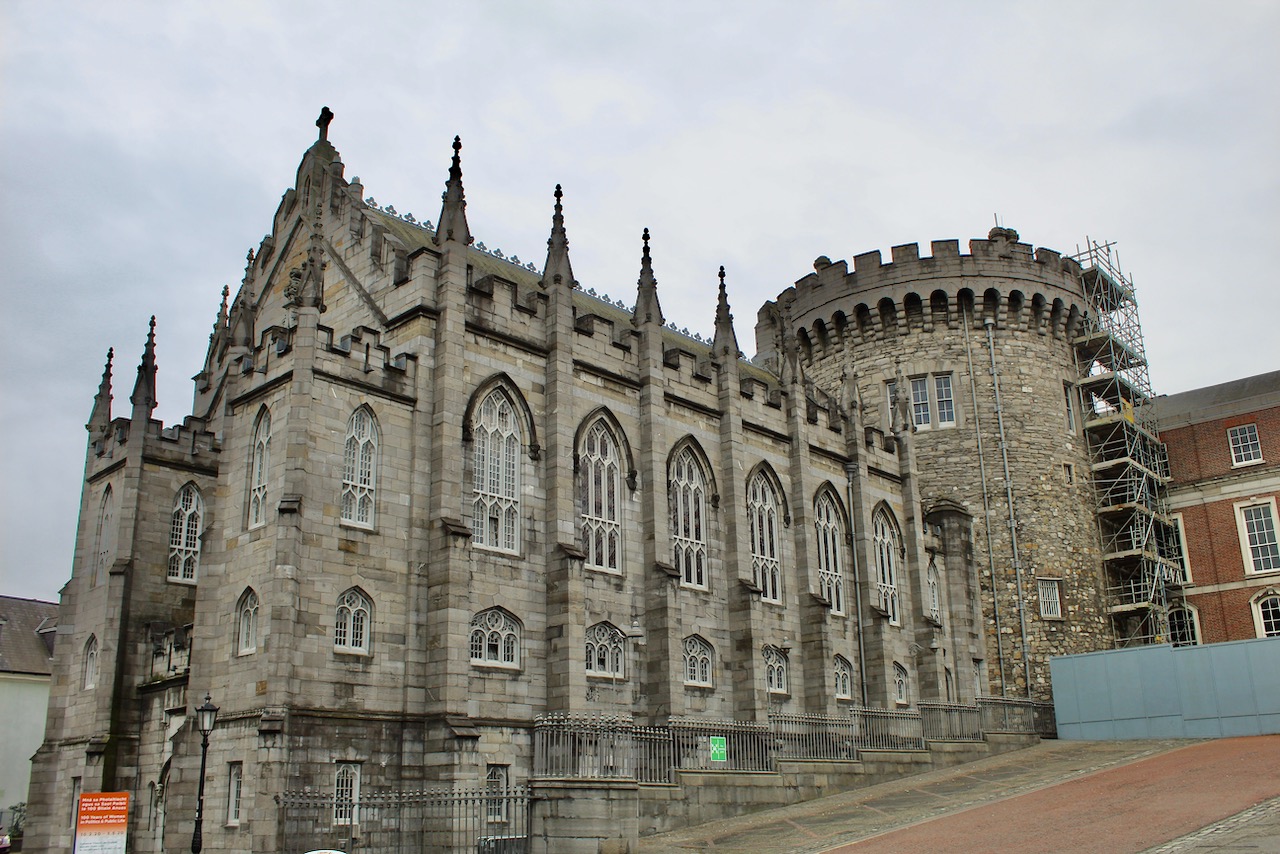
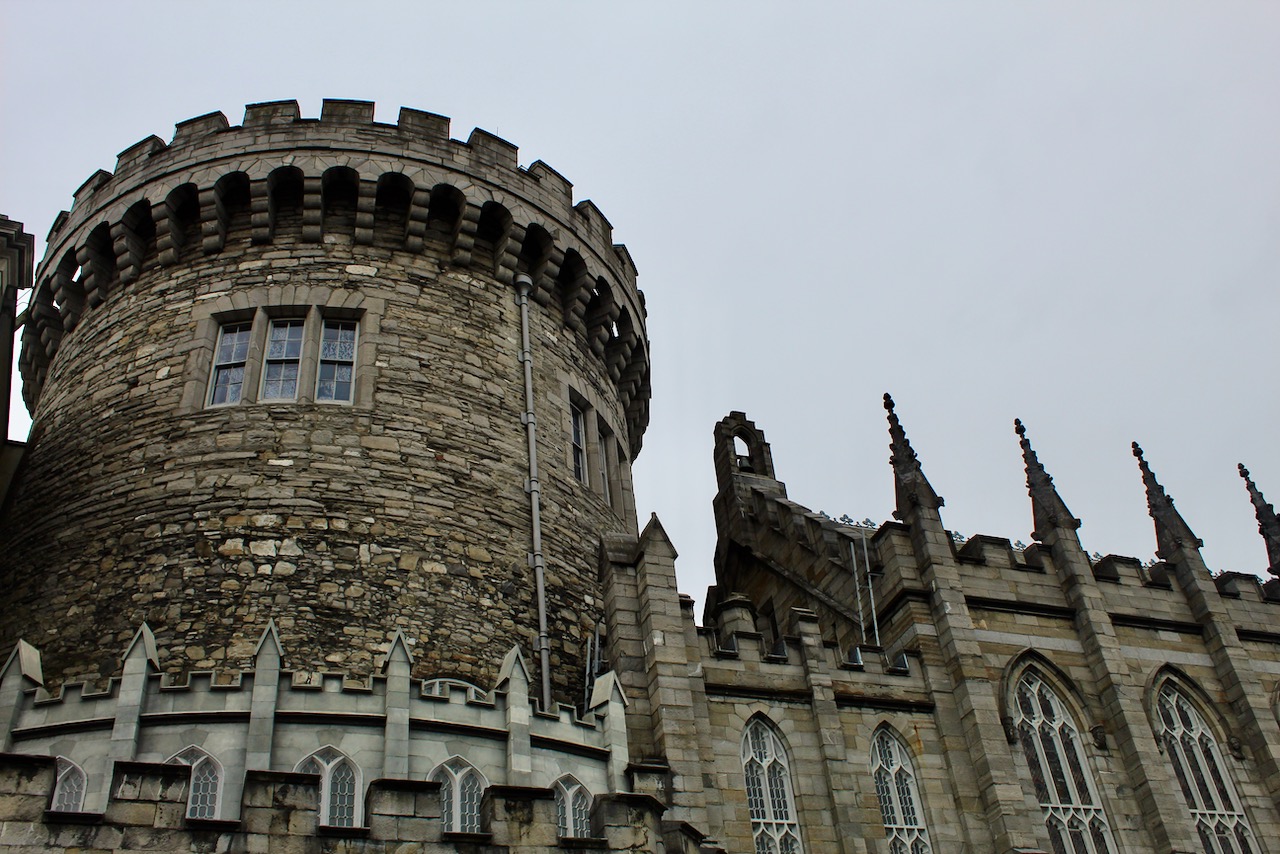
The oldest parts remaining are the medieval Record Tower from the thirteenth century and the tenth century stone bank visible in the Castle’s underground excavation.
The first Lord Deputy (also called Lord Lieutenant or Viceroy) to make his residence here was Sir Henry Sidney (1529-1586) in 1565. He was brought up at the Royal Court as a companion to Prince Edward, afterwards King Edward VI. He served under both Queen Mary and Queen Elizabeth I. He spent much of his time in Ireland expanding English administration over Ireland, which had reduced before his time to the Pale and a few outlying areas.
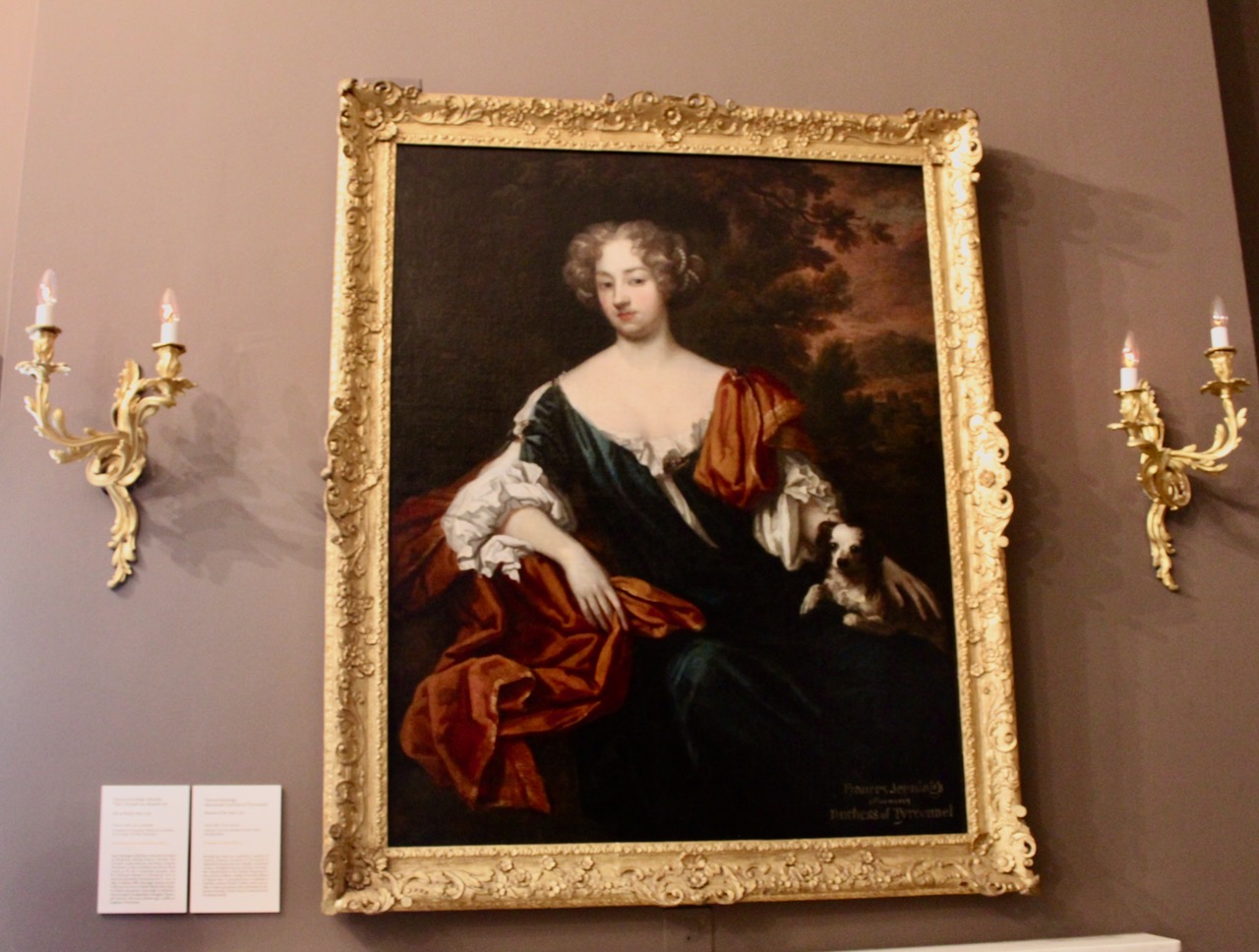
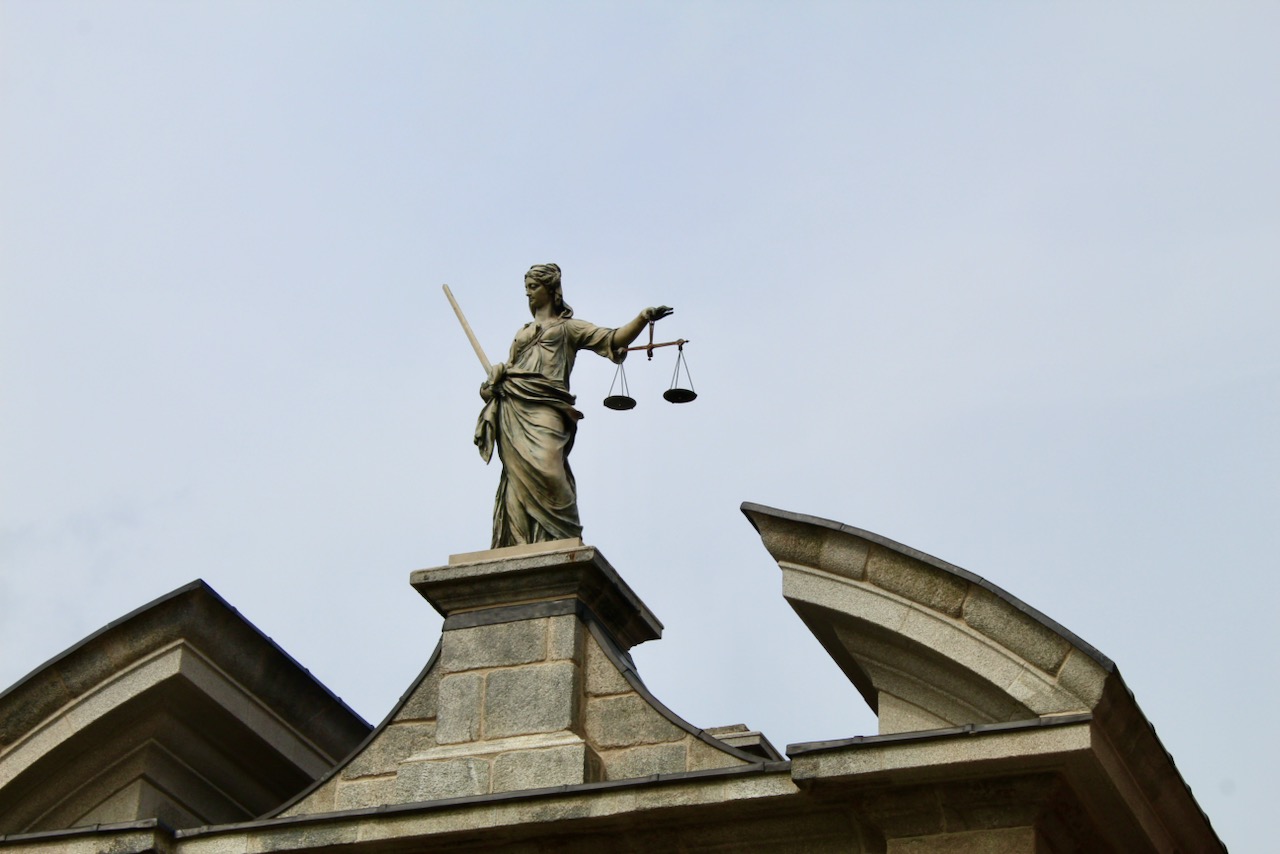
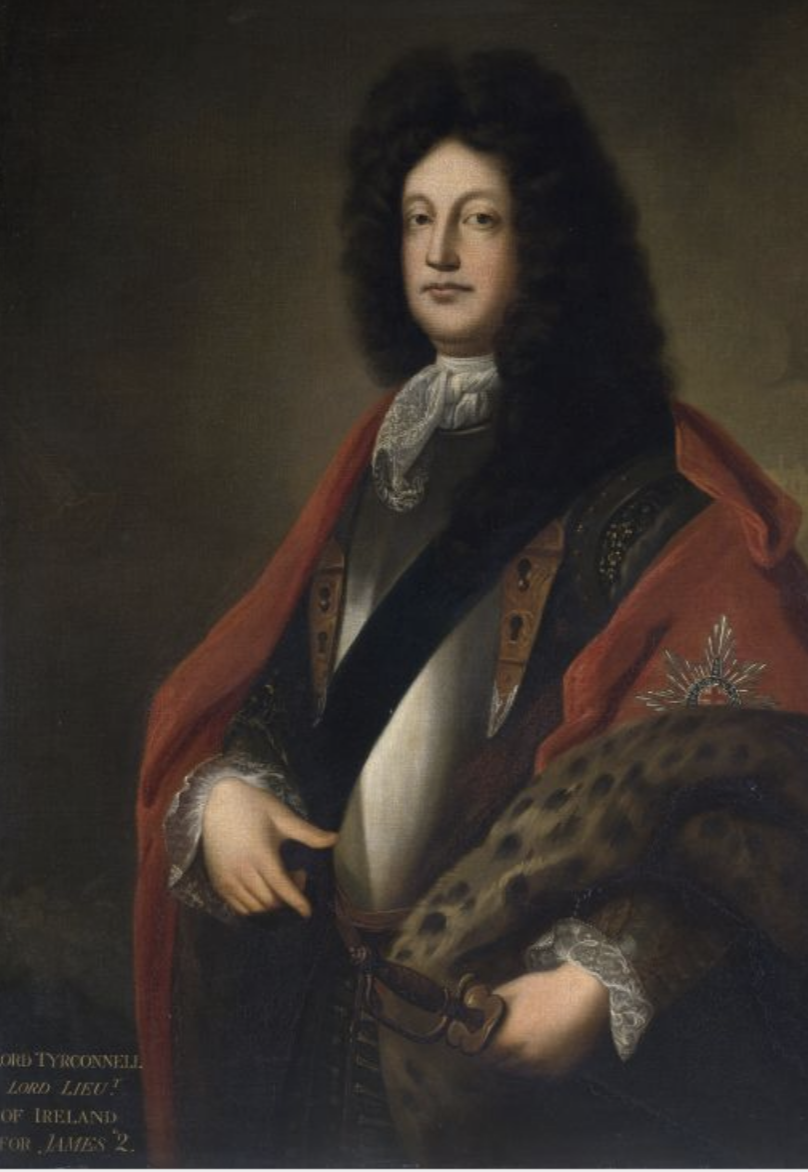
Sir Henry Sidney (1529-1586), Lord Deputy of Ireland After Arnold van Brounkhorst, Dutch, fl.1565-1583. Photograph courtesy of National Gallery of Ireland.James Malton, English, 1761-1803 The Upper Yard, Dublin Castle, photograph courtesy of National Gallery of Ireland.Dublin Castle.Dublin Castle.Frances Jennings, Vicereine of Ireland 1687-89, Duchess of Tyrconnell. She and her husband would have been Vicereine and Viceroy while the new State Apartments by William Robinson were constructed. Resting her hand on a spaniel, a symbol of loyalty. She was committed to James II, which prompted her to establish a Catholic convent beside Dublin Castle and in 1689, to lead a procession that culminated in the seizure of Christ Church cathedral from Protestant hands.She was married to Richard Talbot, 1st Duke of Tyrconnell (1630-1691). She was previously married to George Hamilton, Comte d’Hamilton.The statue of Justice by John Van Nost (1721).Dublin Castle, September 2021. The statue of Justice by John Van Nost (1721).On the other gate is the figure of Fortitude.Fortitude by John Van Nost, photograph by Jeremy Hylton.Dublin Castle.
In 1684 a fire in the Viceregal quarters destroyed part of the building. The Viceroy at the time would have been James Butler, 1st Duke of Ormond. He moved temporarily to the new building of the Royal Hospital Kilmainham. New designs by the Surveyor General Sir William Robinson were constructed by October 1688, who also designed the Royal Hospital Kilmainham. He designed the State Apartments, originally to be living accommodation for the Lord Lieutenant (later known as the Viceroy), the representative for the British monarch in Ireland. [3] Balls and other events were held for fashionable society in the Castle. The State Apartments are now used for State occasions such as the Inauguration of the President. The Castle was formally handed over to General Michael Collins on 16th January 1922, and the Centenary of this event was commemorated in January 2022.
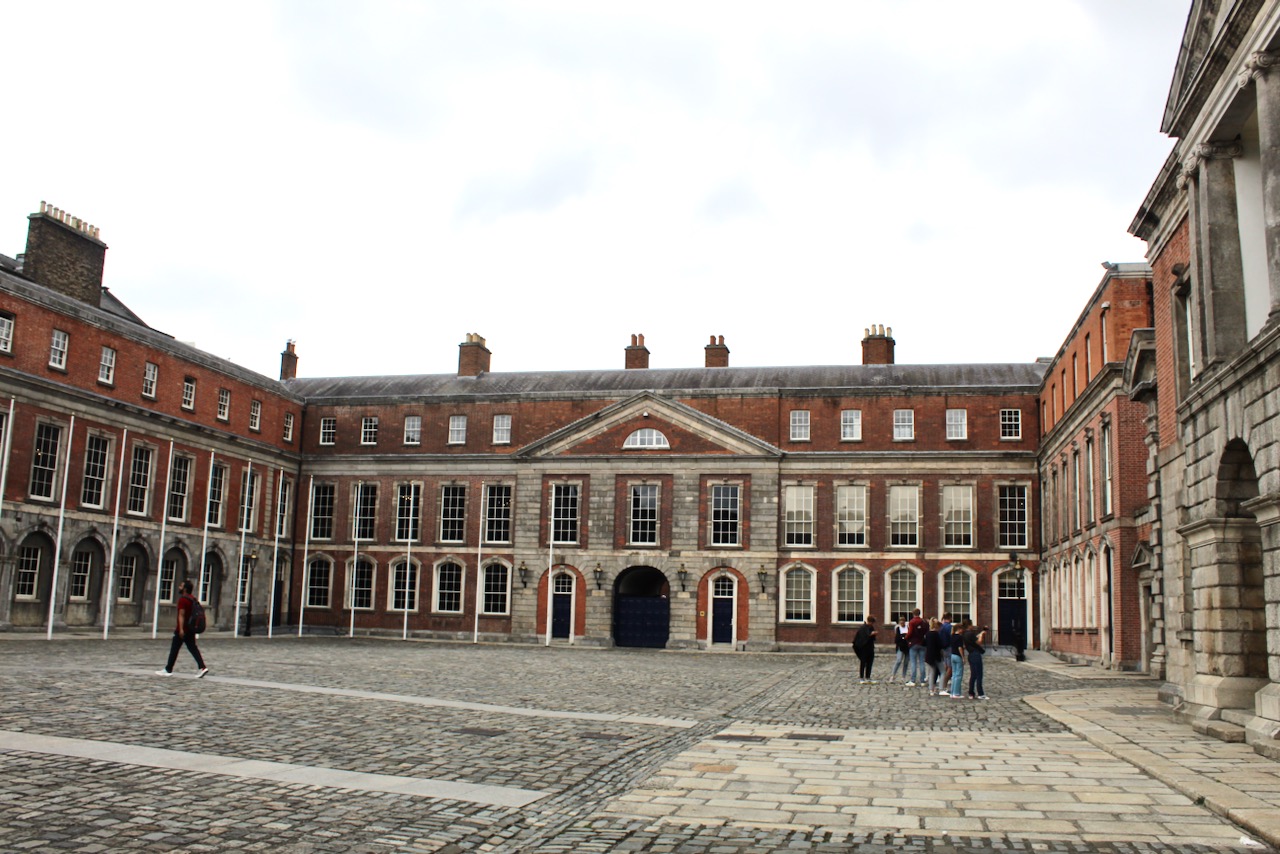
James Butler 1st Duke of Ormond, Viceroy from 1643, on and off until he died in 1688.Dublin Castle Upper Yard, 2022.Dublin Castle Upper Yard, 2022.Dublin Castle Upper Yard, 2022, exit to the Lower Yard.Dublin Castle Lower Yard, 2020.
The State Apartments consist of a series of ornate decorated rooms, stretching along the first floor of the southern range of the upper yard.
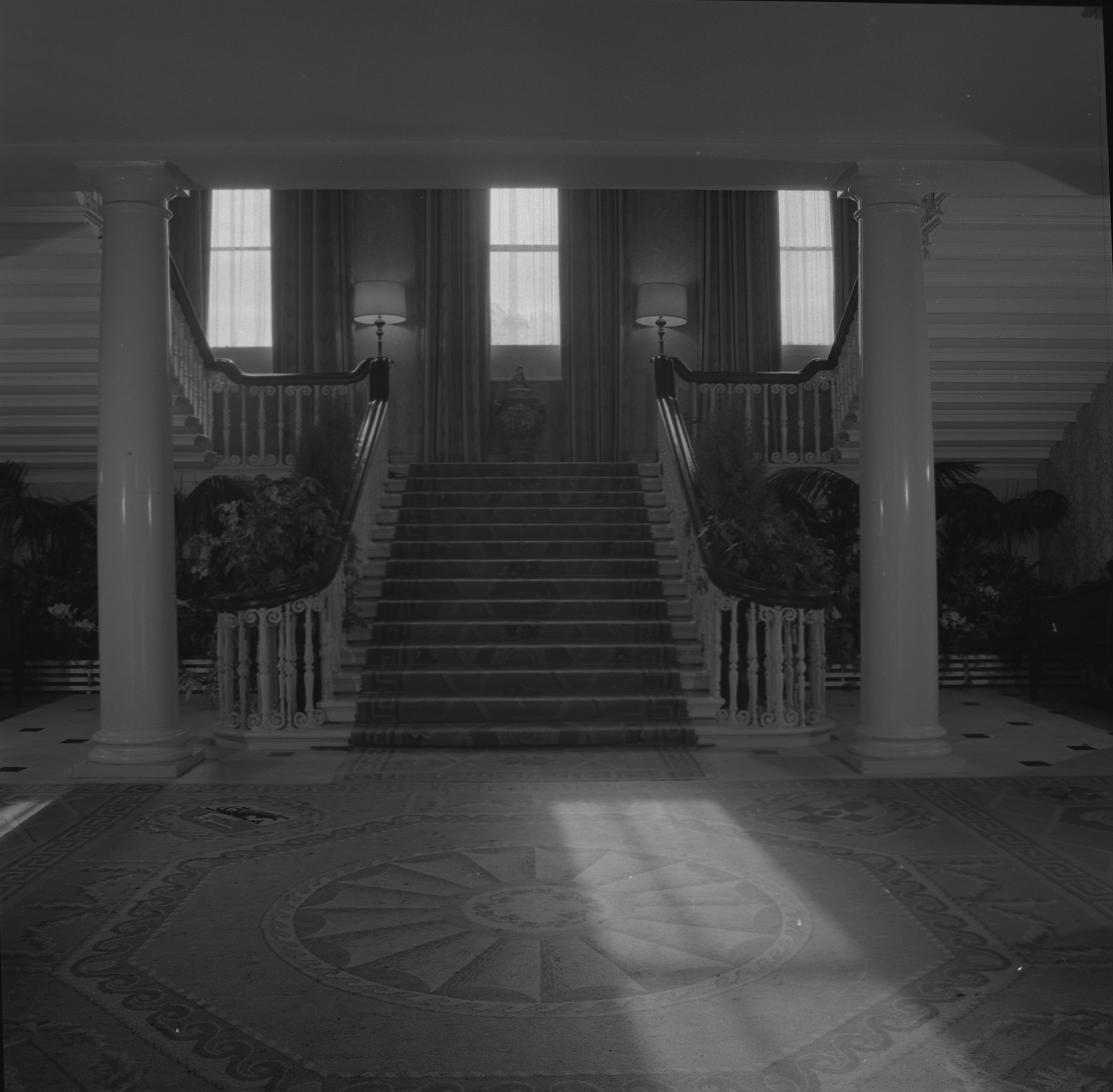
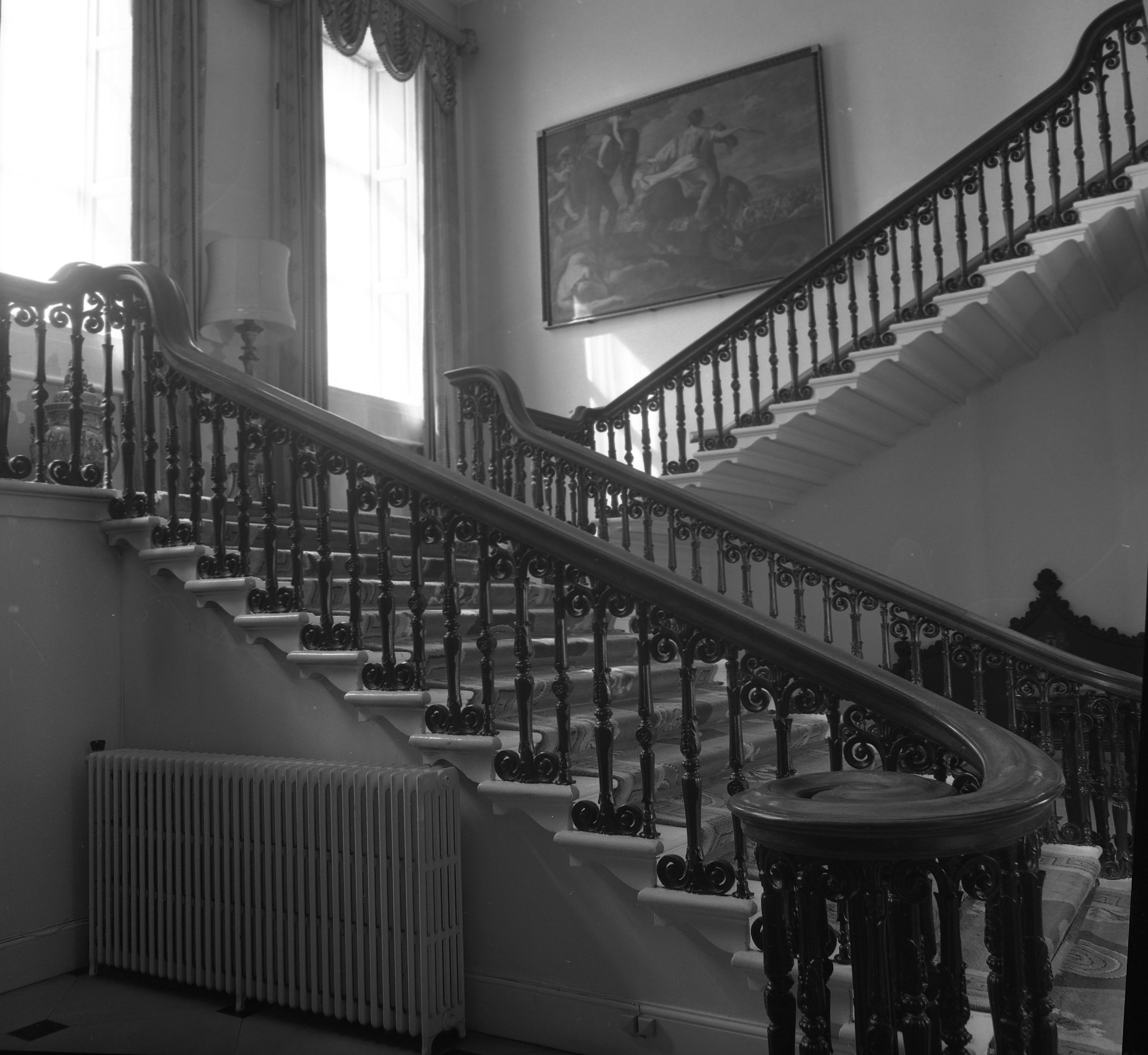
The Battleaxe Staircase, Dublin Castle, September 2021.This staircase dates from 1749 and is the gateway to the State Apartments.The Viceroy’s Guards were called the Battleaxe Guards.Photograph of the “Battleaxe staircase” taken in 1984, photograph from Dublin City Library archives. [see 3]Photograph of the “Battleaxe staircase” taken in 1984, photograph from Dublin City Library archives. [see 3]NLI Ref.: L_ROY_06809, National Library of Ireland, flickr constant commons.Dublin Castle.
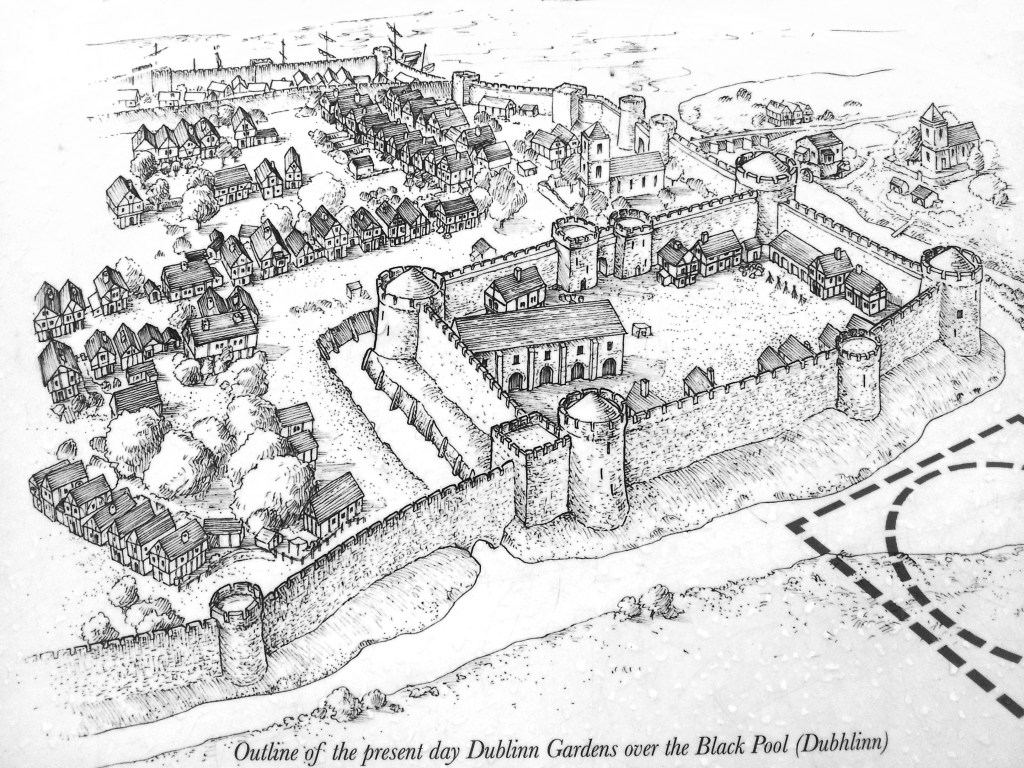
Located around the castle within the castle grounds are the Coach House Gallery, Garda Museum, the Revenue Museum, the Hibernia Conference Centre and the Chester Beatty Museum and Dubh Linn Gardens, which are located on the original “dubh linn” or black pool of Dublin.
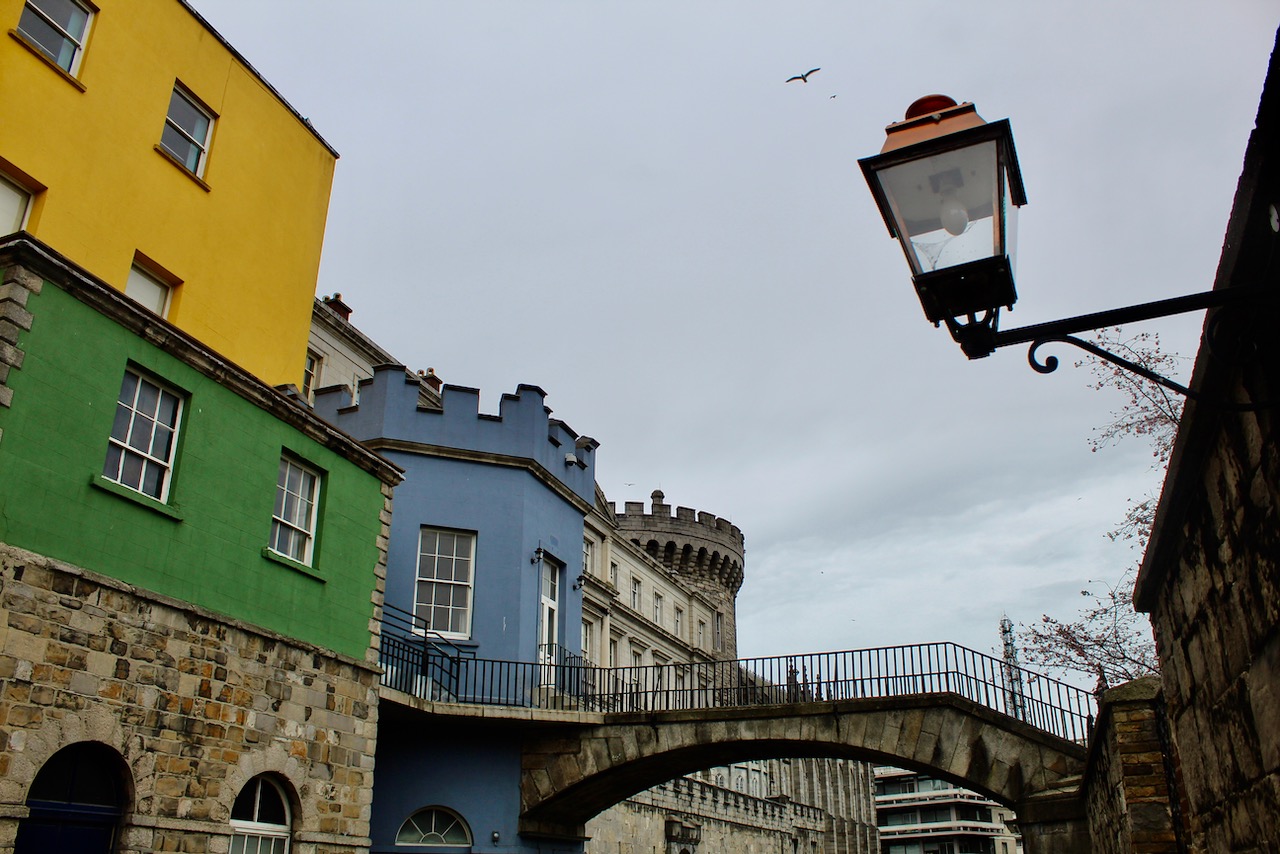
Dublin Castle, 2020.Dublin Castle, 2020.Dublin Castle July 2011.Bermingham Tower of Dublin Castle, 2020.This tower was destroyed by a gunpowder explosion in 1775 and demolished, leaving only its lowest stage and battery base. The tower was rebuilt in 1777 in a loose interpretation of the medieval which we now term Georgian Gothic or “Gothick.” [4]Dublin Castle, 2020, the base of the Records, or Wardrobe, Tower.
The Bedford Tower was constructed around 1750 along with its flanking gateways to the city. The clock tower is named after the 4th Duke of Bedford John Russell who was Lord Lieutenant at the time.
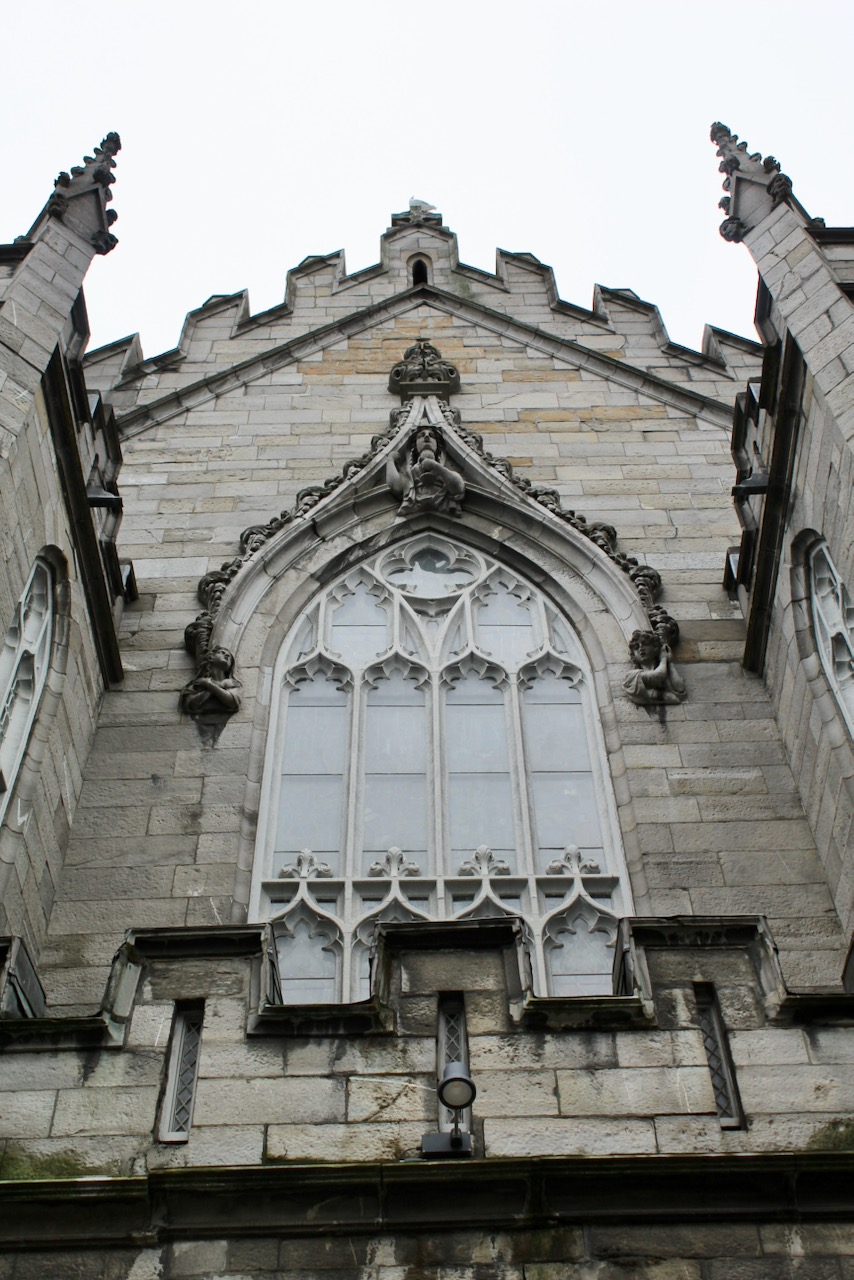
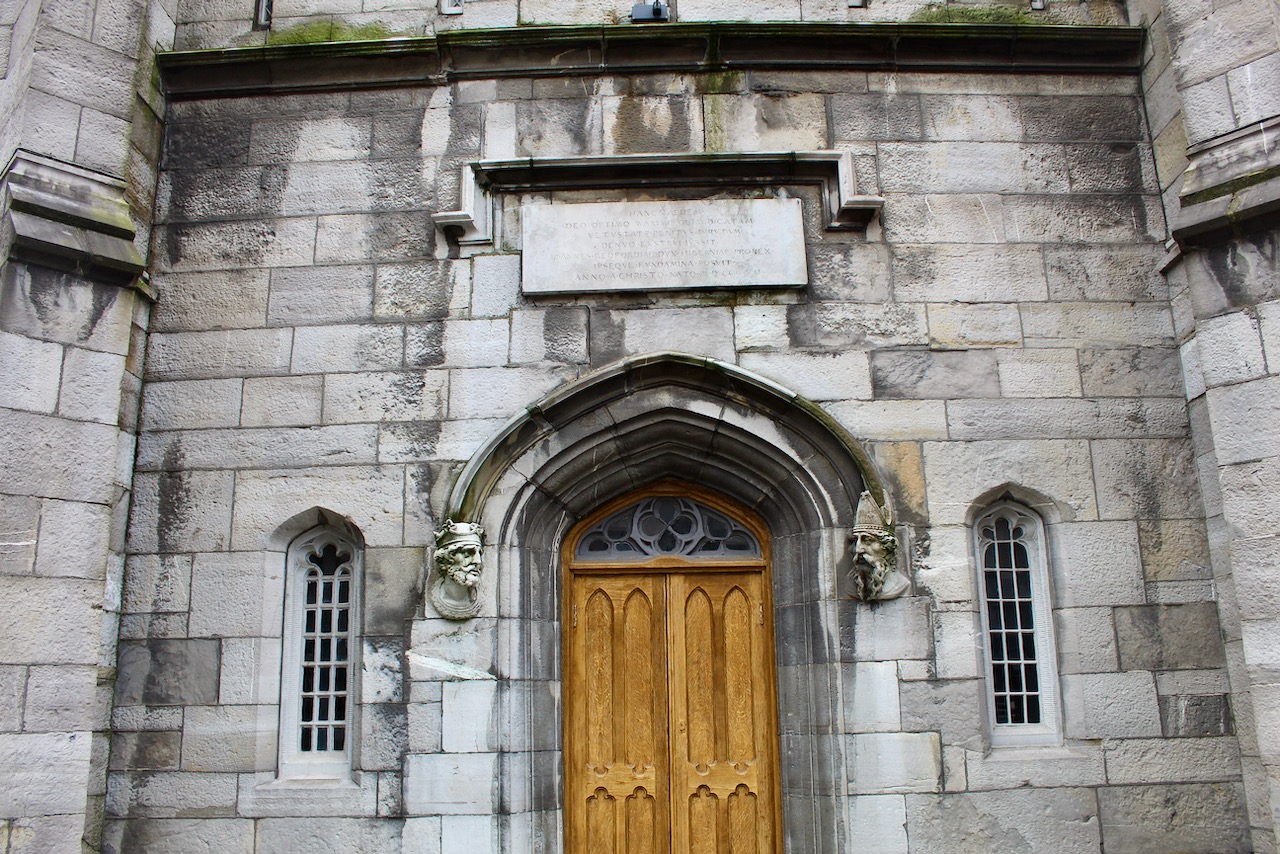
The Chapel Royal, renamed the Church of the Most Holy Trinity in 1943, was designed by Francis Johnston in 1807. It is built on the site of an earlier church which was built around 1700. The exterior is decorated with over 100 carved stone heads by Edward Smyth, who did the river heads on Dublin’s Custom House, and by his son John. They are carved in Tullamore limestone, and represent a variety of kings, queens, archbishops and ‘grotesques’. A carving of Queen Elizabeth I is on the north façade and Saint Peter and Jonathan Swift above the main entrance. The interior of the chapel has plasterwork by George Stapleton and wood carving by Richard Stewart. What looks like carved stone is actually limestone ashlar facing on a structure of timber, covered in painted plaster. Plasterwork fan vaulting, inspired by Henry VII’s chapel at Westminster Abbey, is by George Stapleton (1777-1841) while a host of modelled plasterwork heads are by the Smyths, likely the work of John (the younger) after the death of his father in 1812. [9] The Arms of all the Viceroys from 1172-1922 are on display.
Chapel Royaland the Record Tower, Dublin Castle, March 2020.Dublin Castle, 2020.The Wardrobe tower was renovated at the same time as the Chapel Royal, in 1807, with the addition of a storey, topped with battlements.Chapel Royal, Dublin Castle, 2020.Chapel Royal,Dublin Castle, 2020.Two of the 103 heads carved by Edward and John Smyth. These two are Brian Boru and St. Patrick.
Returning to the State Apartments in the Upper Courtyard, The State Corridor on the first floor of the State Apartments is by Edward Lovett Pearce in 1758.
The Viceroy at the time of Francis Johnston’s work on the chapel would have been Charles Lennox, 4th Duke of Richmond.
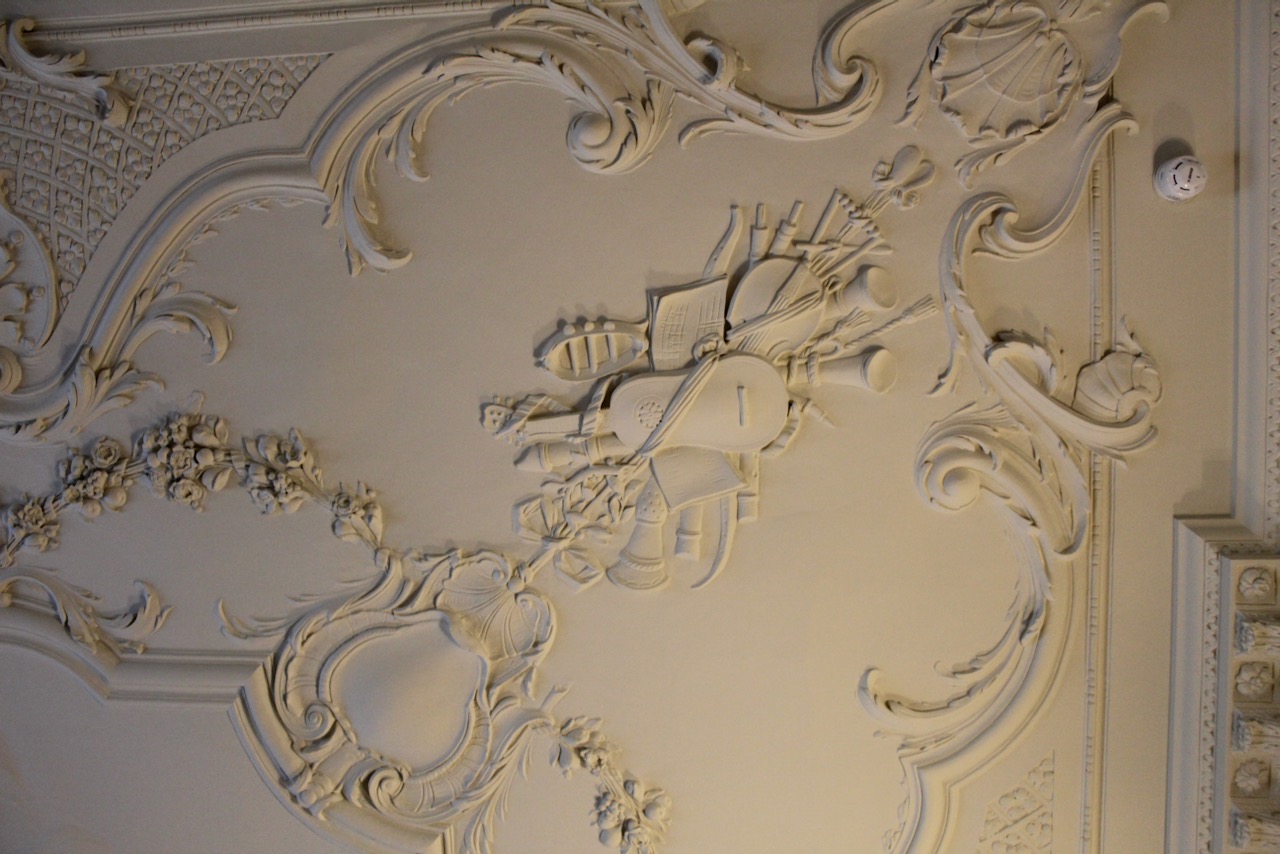
The State Corridor, Dublin Castle, September 2021. It was designed in 1758 and provided access to a series of public reception rooms on the left and the Viceregal’s quarters on the right. At the far end it led to the Privy Council Chamber.State apartments Dublin Castle, photograph taken 1985, from Dublin City Library archives. [see 3]The ceiling of the Apollo Room.Apollo, god of the sun and music, identified by a sunburst and a lyre. Emerging from the clouds are some of the signs of the zodiac, including Sagittarius, Scorpio and Libra.The ceiling was taken in eleven pieces from a nearby townhouse, Tracton House,St Stephen’s Green, which was demolished in 1910. [10]In the corners of the Apollo room are “trophies” i.e. collections of objects and instruments that symbolise life’s pursuits. Pictures here is Music. The other corners are The Arts, Hunting and some that can either be identified as Love or War.
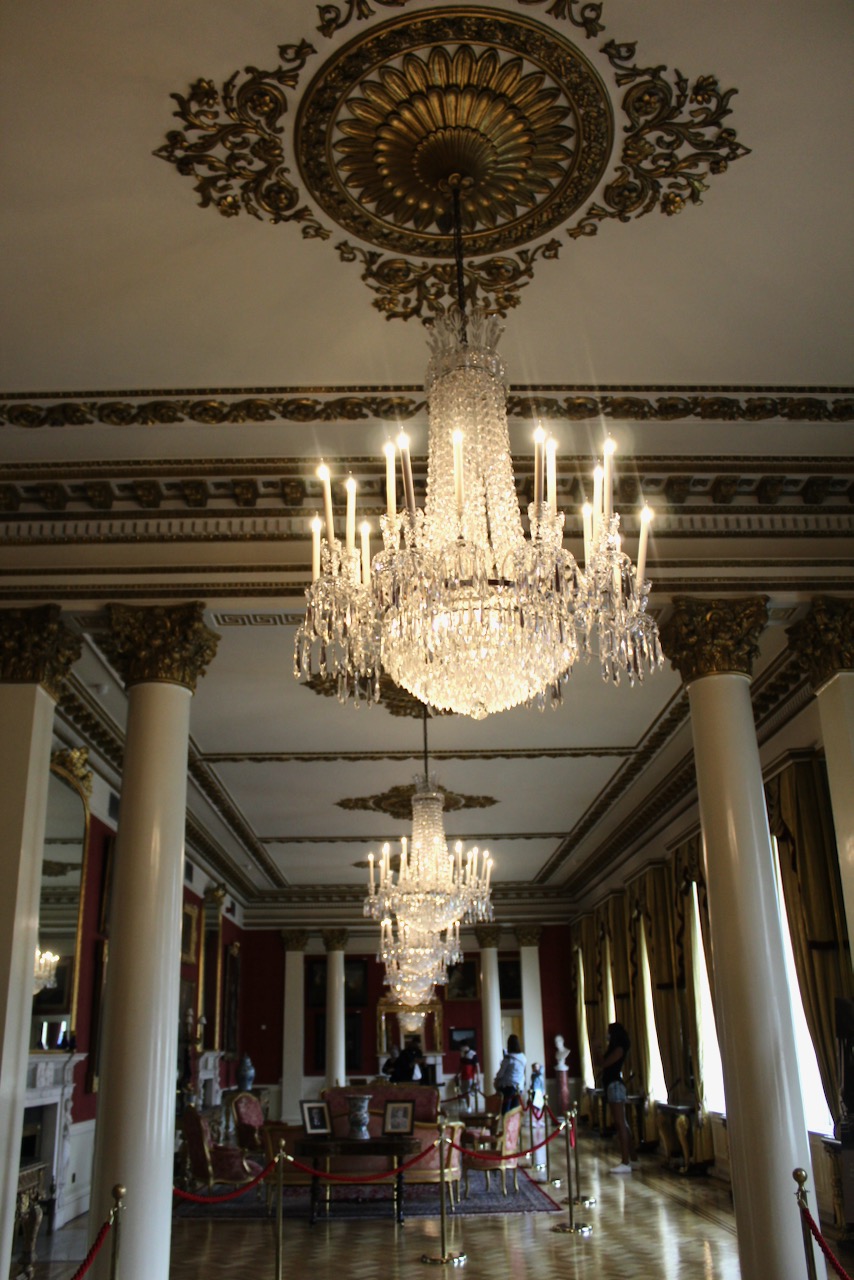
The Drawing room was largely destroyed in a fire in 1941, and was reconstructed in 1968 in 18th century style. It is heavily mirrored with five large Waterford crystal chandeliers.
The State Drawing Room, designed in 1838, with its five Waterford crystal chandeliers, installed in the 1960s.
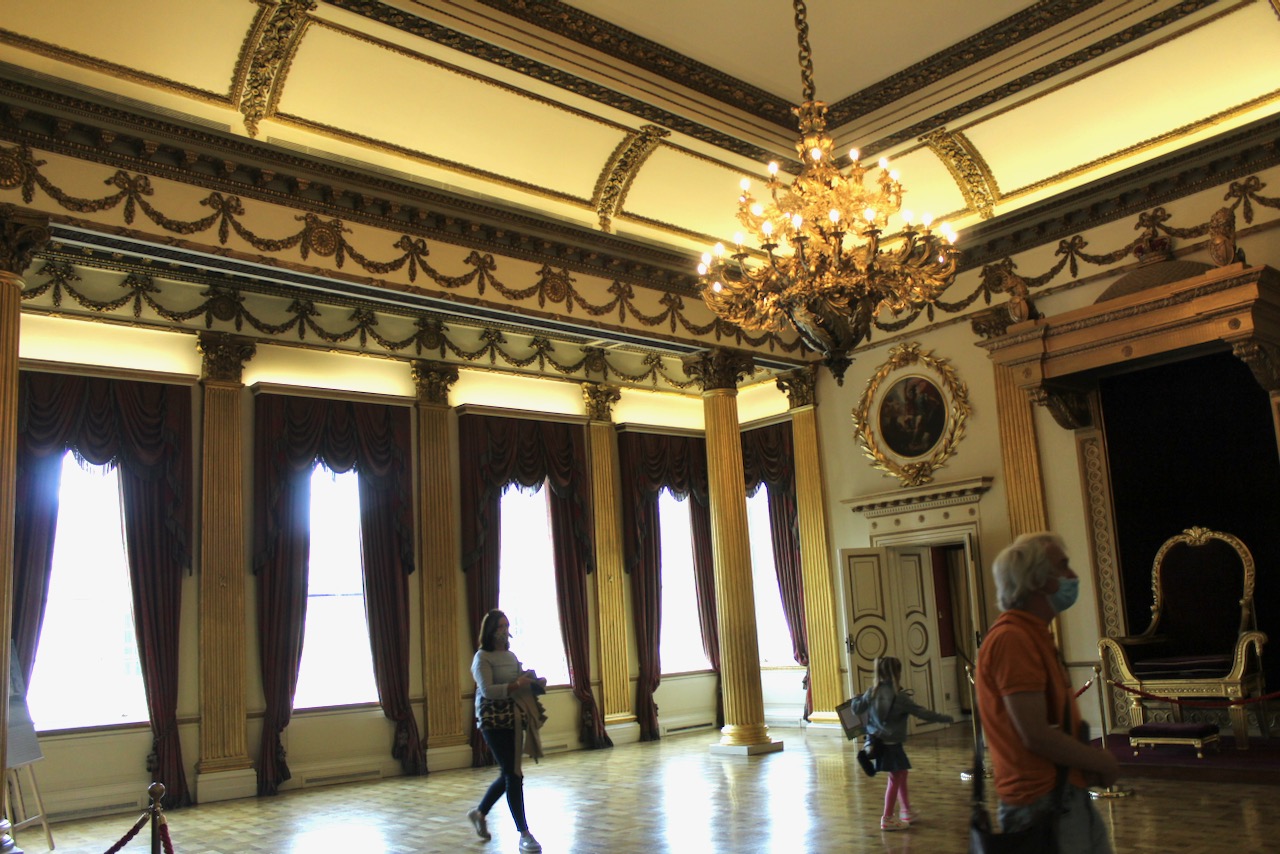
The Throne Room, originally known as Battleaxe Hall, has a throne created for the visit of King George IV in 1821. The walls are decorated with roundels painted by Gaetano Gandolfi, depicting Jupiter, Juno, Mars and Venus. The Throne Room was created by George Nugent-Temple-Grenville, 1st Marquess of Buckingham, the viceroy of the day.
The Throne Room, originally known as Battleaxe Hall. The walls are decorated with roundels painted by Gaetano Gandolfi depicting Jupiter, Juno, Mars and Venus.The chandelier was created in 1788. (see [6])Dublin Castle.On the canopy is a lion representing England and a unicorn representing Scotland, each gripping the harp, to symbolise British control of Ireland. These date from 1788 when the Throne Room was created by Lord George Nugent-Temple-Grenville, 1st Marquess Buckingham (1753-1813), the viceroy of the day.The Throne Room, originally known as Battleaxe Hall. The walls are decorated with roundels painted by Gaetano Gandolfi depicting Jupiter, Juno, Mars and Venus.
Next to the Throne Room is the Portrait Gallery, where formal banquets took place at the time of the Viceroys.
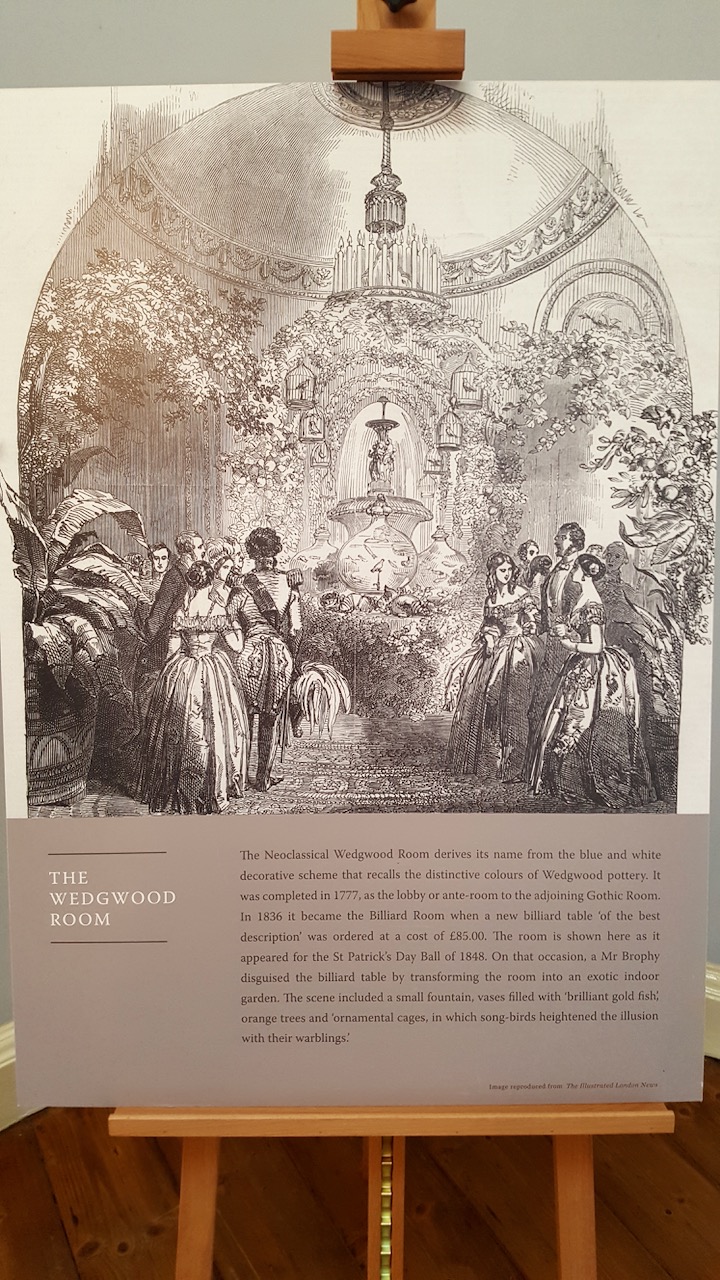
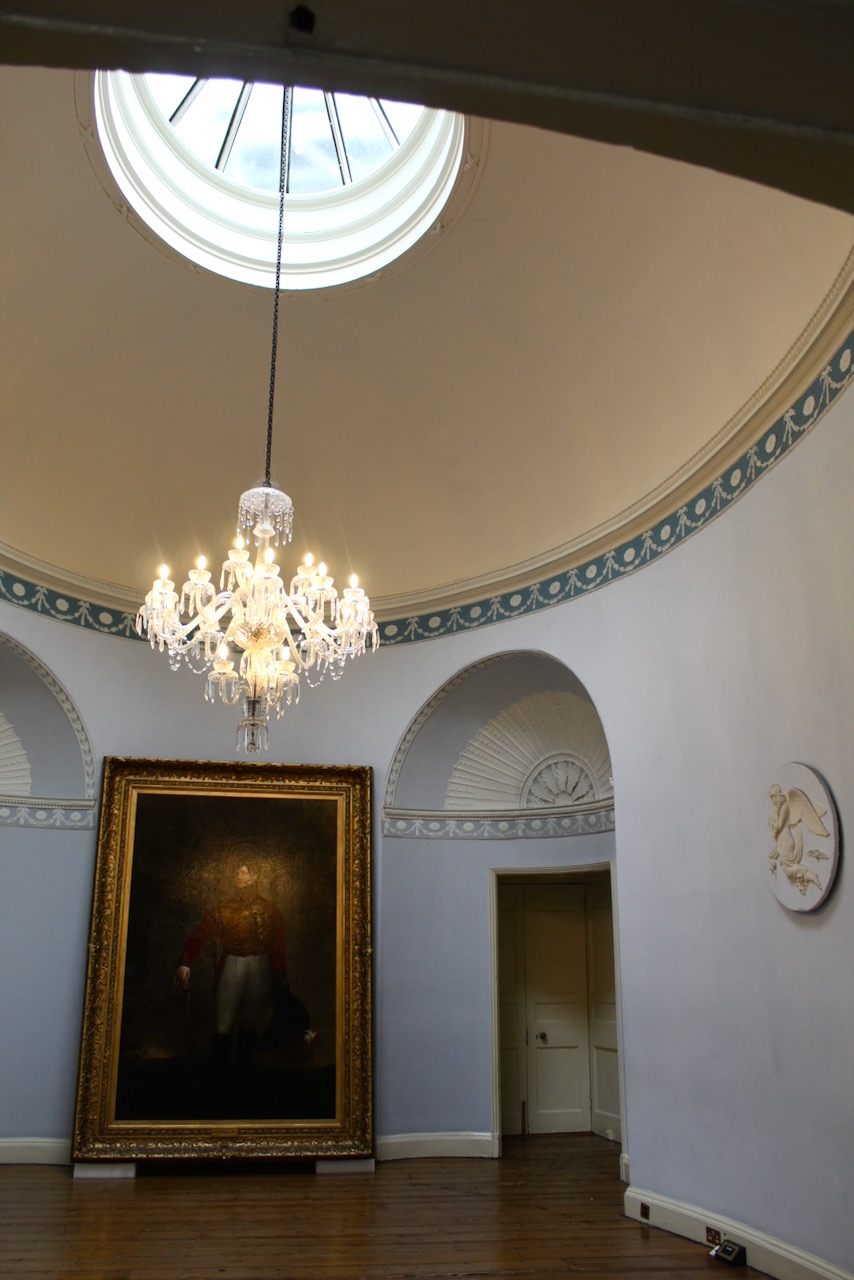
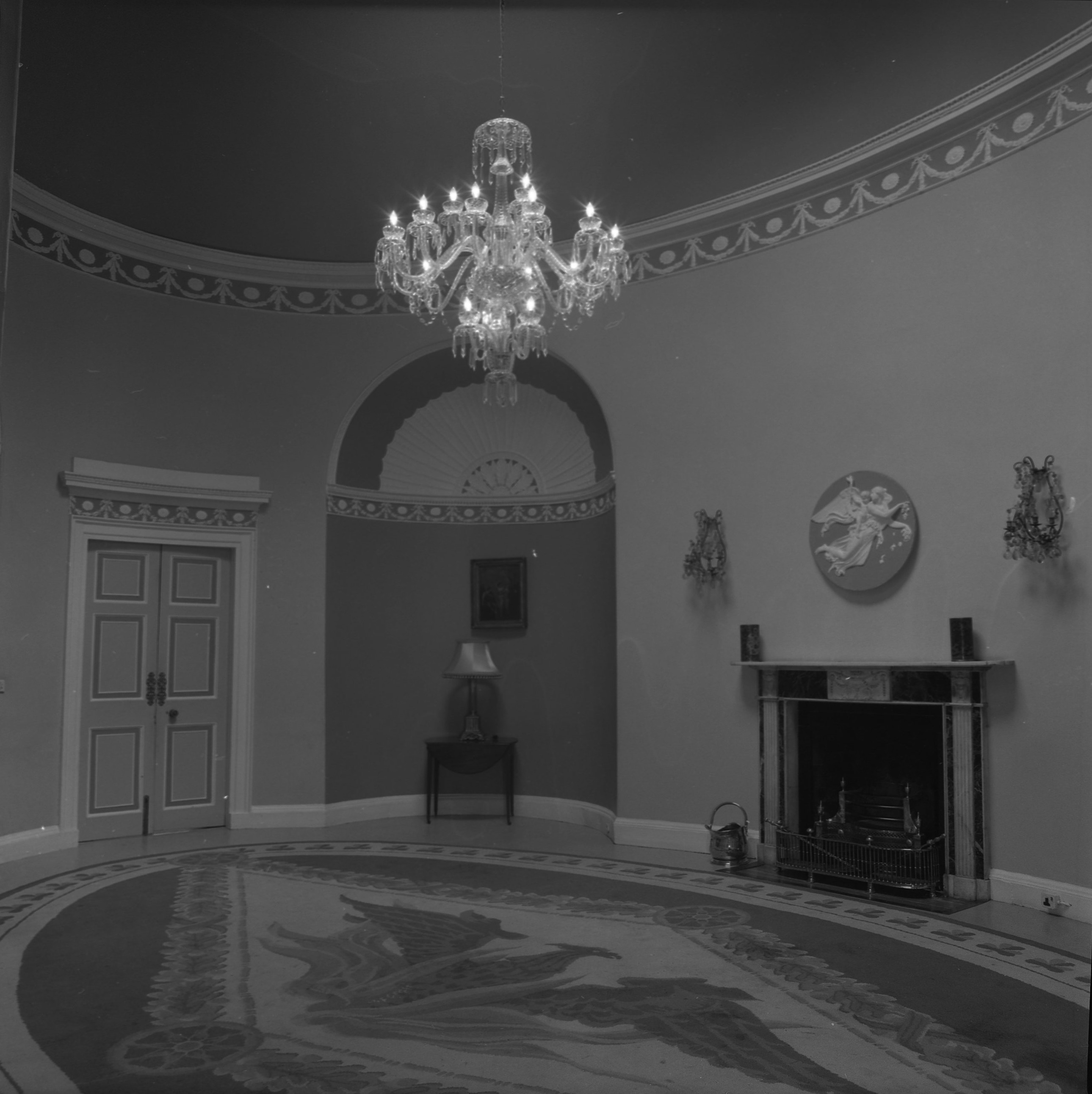
There are many other important rooms, including the Wedgwood Room, an oval room decorated in Wedgwood Blue with details in white, which was used as a Billiards Room in the 19th century. It dates from 1777.
Dublin Castle.The Wedgwood Room.Wedgwood Room, Dublin Castle, photograph taken 1985, from Dublin City Library archives. [see 3]
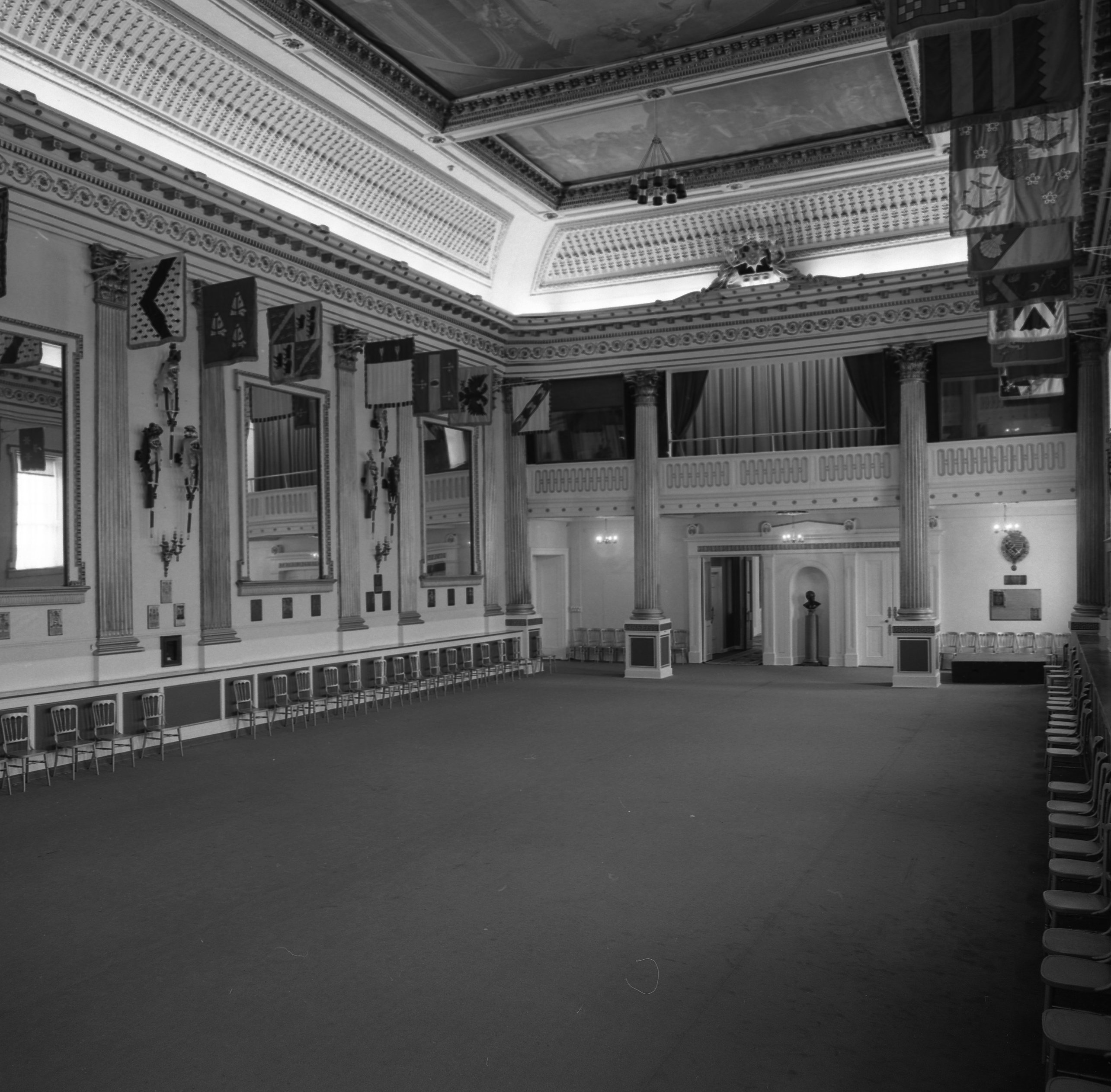
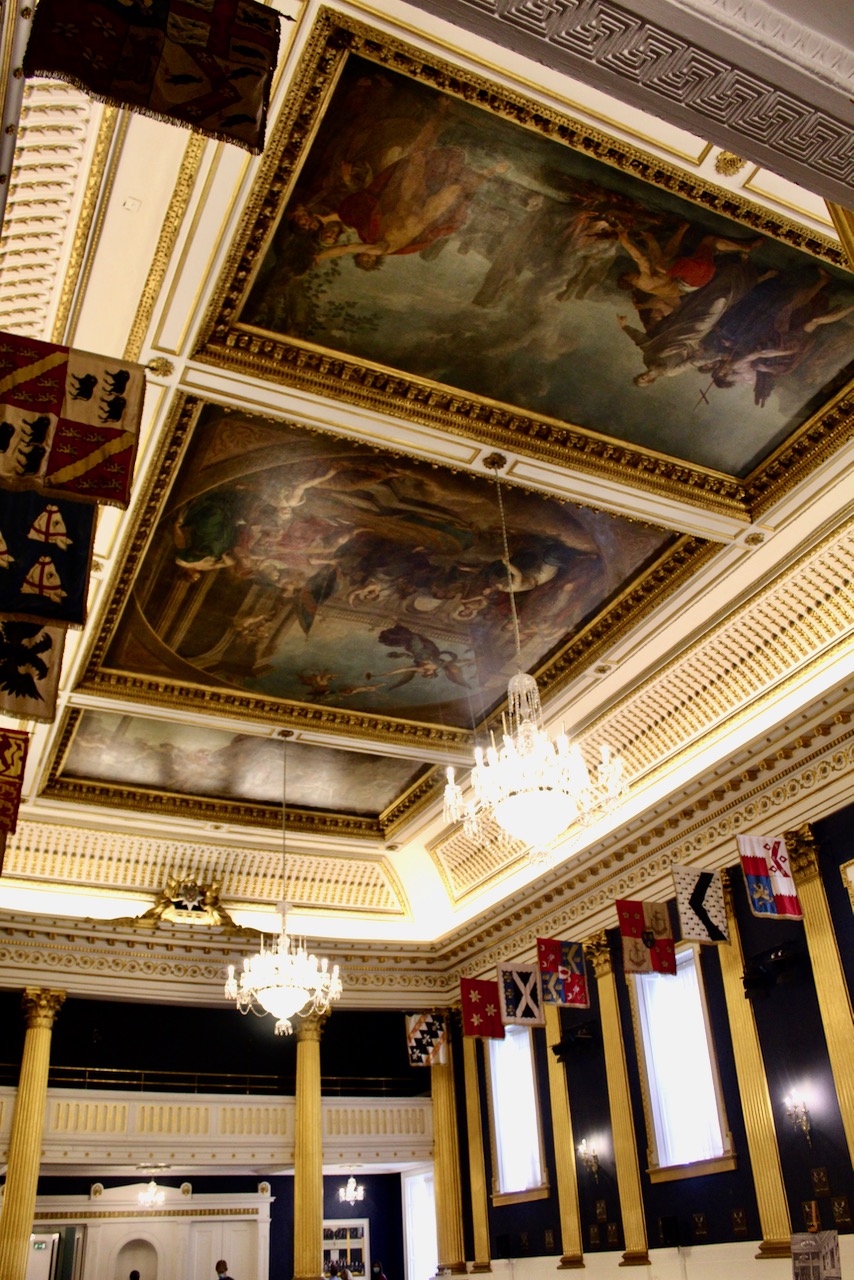
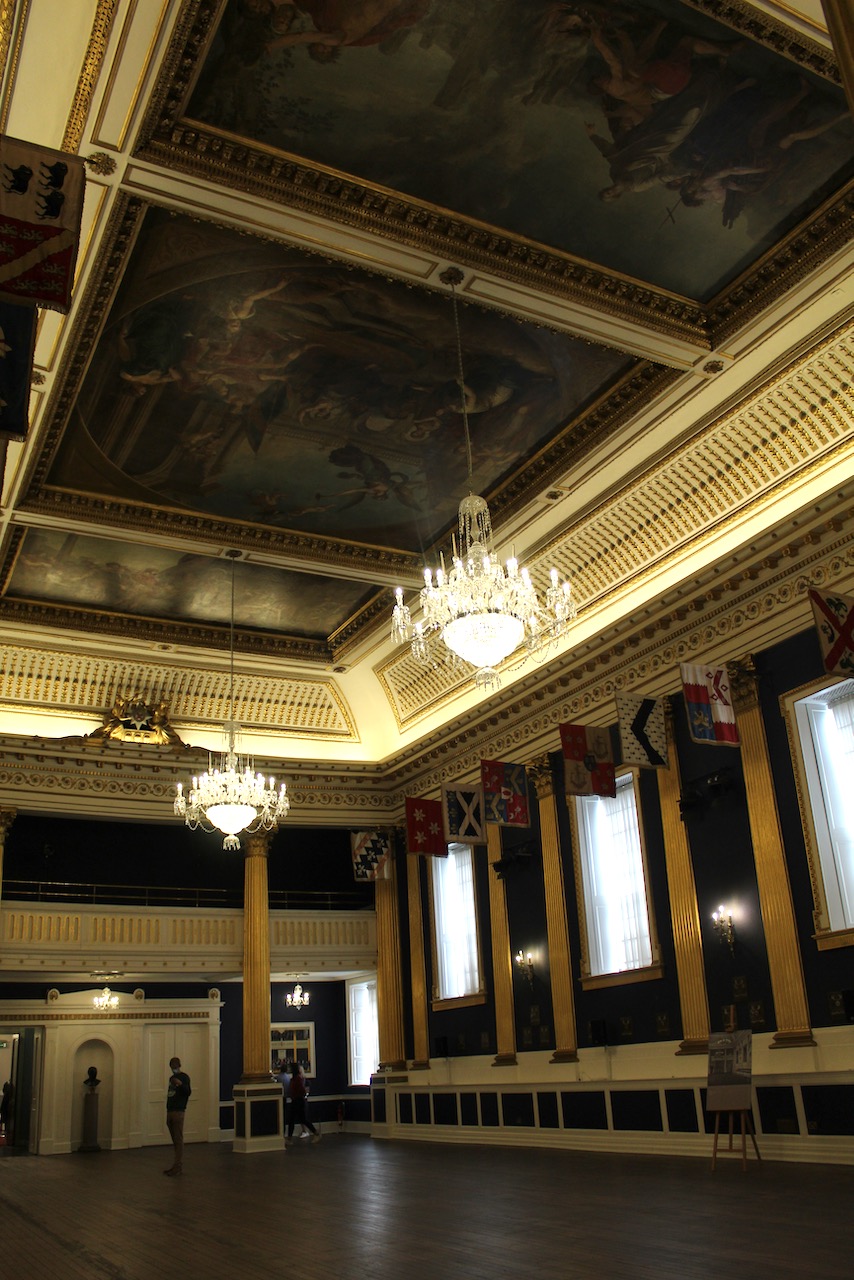
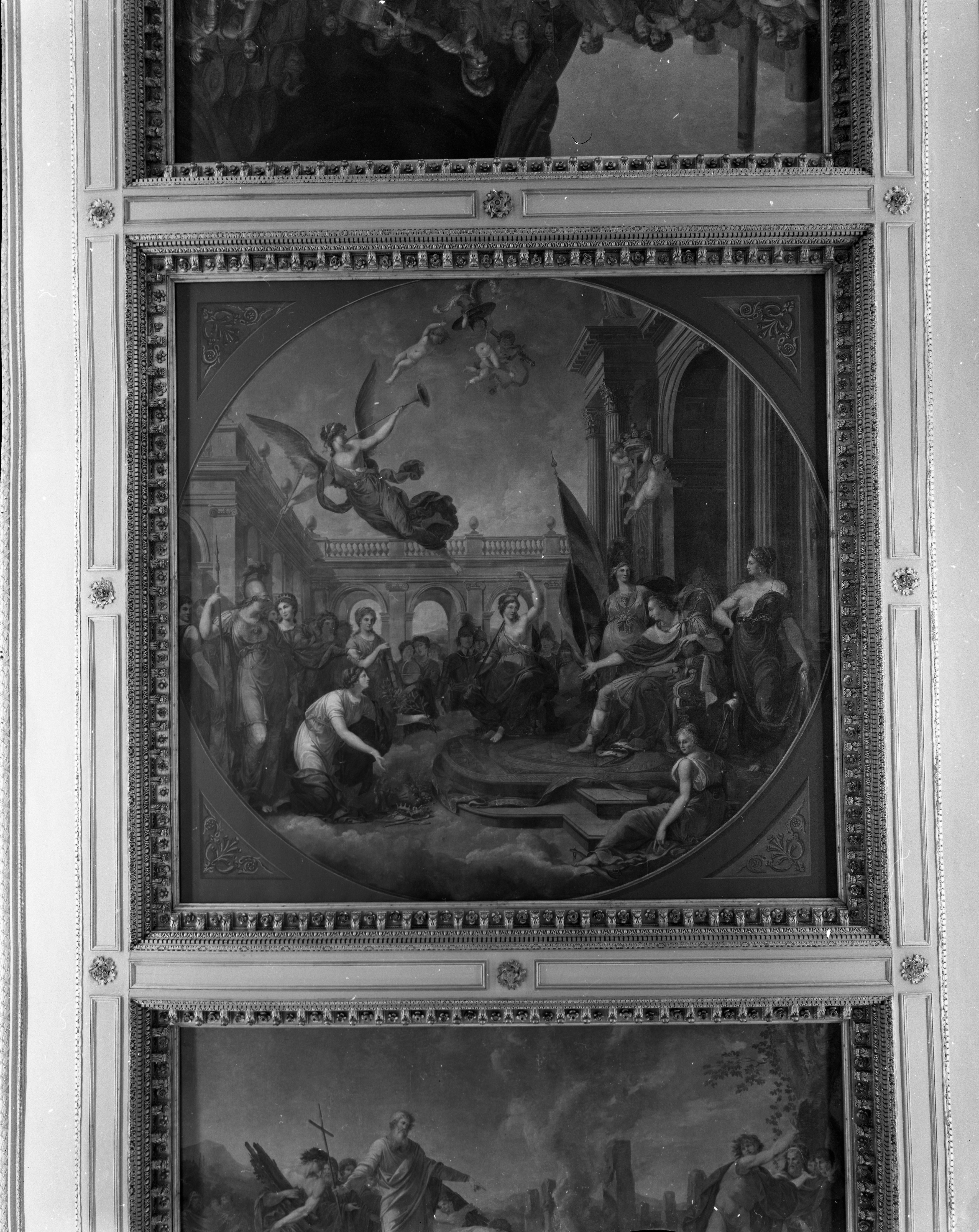
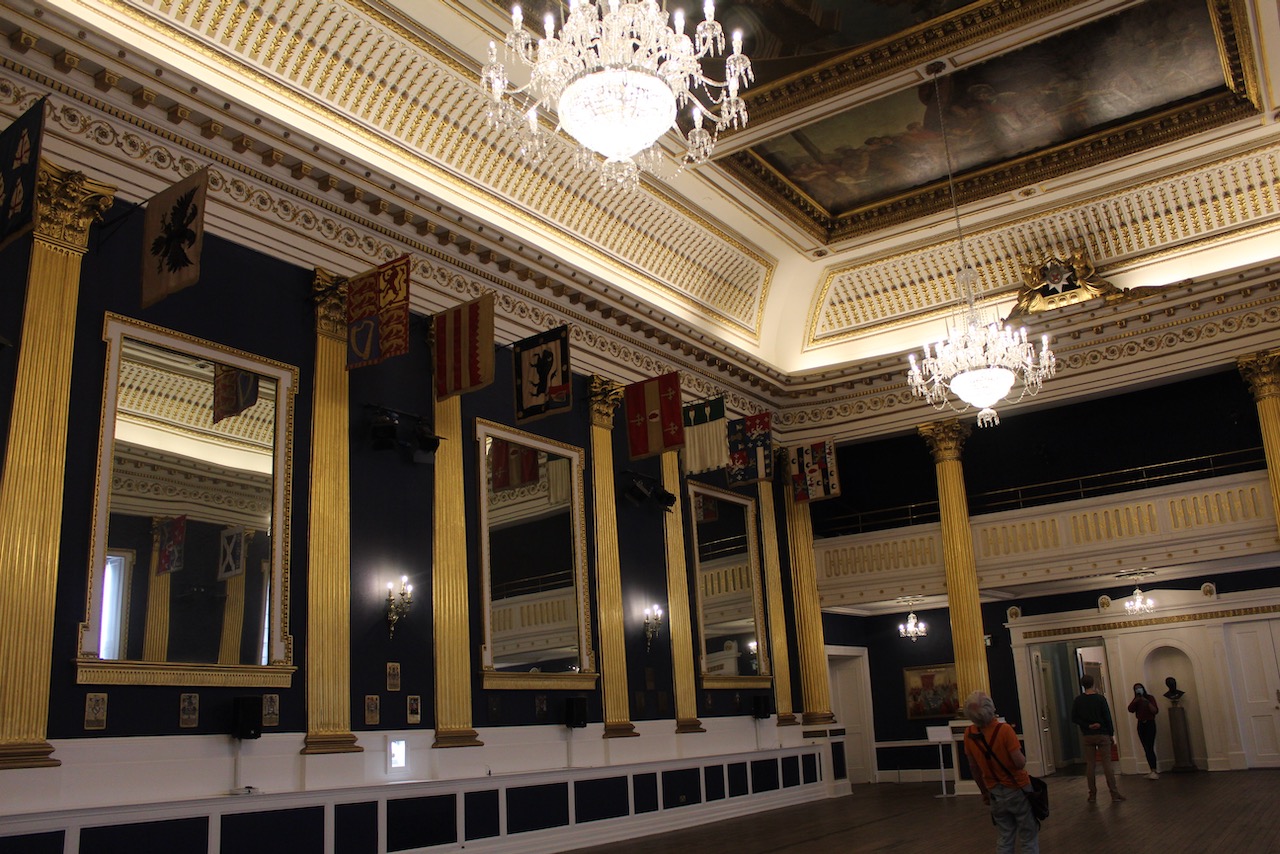
Beyond the Wedgwood Room is the Gothic Room, and then St. Patrick’s Hall. It has two galleries, one at each end, initially intended as one for musicians and one for spectators. There are hanging banners of the arms of the members of the Order of St Patrick, the Irish version of the Knight of the Garter: they first met here in 1783. The room is in a gold and white colour scheme with Corinthian columns. The painted ceiling, commissioned and paid for by the viceroy George Nugent-Temple-Grenville, 1st Marquess of Buckingham in 1788, is by Vincenzo Valdre (c. 1742-1814), an Italian who was brought to Ireland by his patron the Marquess of Buckingham. In the central panel, George III is between Hibernia and Brittania, with Liberty and Justice. Other panels depict St. Patrick, and Henry II receiving the surrender of Irish chieftains.
The hall was built originally as a ballroom in the 1740s but was damaged by an explosion in 1764, remodelled in 1769, and redecorated in the 1780s in honour of the Order of St Patrick.
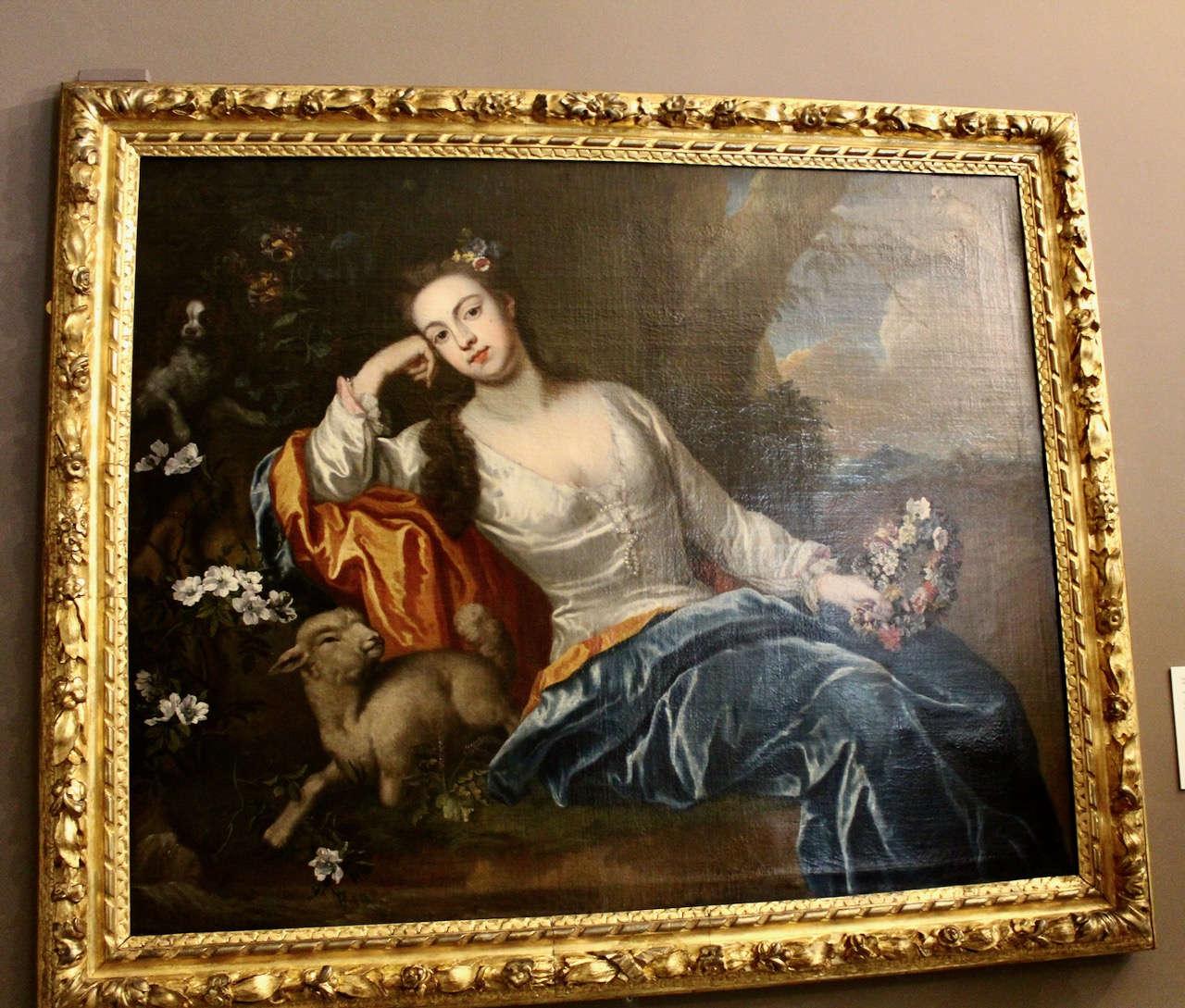
1985, photograph from Dublin City Library and Archives. (see [5])St. Patrick’s Hall, Dublin Castle.St. Patrick’s Hall, Dublin Castle.Dublin castle, photograph taken 1960, from Dublin City Library archives. [see 3]St. Patrick’s Hall, Dublin Castle.Henrietta Crofts, Duchess of Bolton (1682-1730) as shepherdess, by James Maubert. Henrietta Street was named in her honour. Vicereine 1717-1720. She was the daughter of James Crofts (Scott), 1st and last Duke of Monmouth, illegitimate son of King Charles II. She married Charles Paulet, 2nd Duke of Bolton.Dublin Castle, September 2021.Dublin Castle state apartments, photograph taken 1985, from Dublin City Library archives. [see 3]next to Dublin Castle, 2020.Entrance toDublin Castle, March 2020.Entrance to Dublin Castle, March 2020.Entrance toDublin Castle, March 2020.
The following is a list of the Lord Lieutenants of Ireland (courtesy of wikipedia):
Richard de Clare, 2nd Earl of Pembroke (Strongbow): 1173–1176
William FitzAldelm: 1176–1177
Hugh de Lacy, Lord of Meath: 1177–1181
John fitz Richard, Baron of Halton, Constable of Chester and Richard Peche, Bishop of Lichfield, jointly: 1181
Hugh de Lacy, Lord of Meath and Hubert Walter, Bishop of Salisbury, jointly: (1181–1184)
Philip de Worcester: 1184–1185
John de Courcy: 1185–1192
William le Petit & Walter de Lacy: 1192–1194
Walter de Lacy & John de Courcy: 1194–1195
Hamo de Valognes: 1195–1198
Meiler Fitzhenry: 1198–1208
John de Gray, Bishop of Norwich: 1208–1213
William le Petit 1211: (during John’s absence)
Henry de Loundres, Archbishop of Dublin: 1213–1215
Geoffrey de Marisco: 1215–1221
Under the House of Plantagenet
Henry de Loundres, Archbishop of Dublin: 1221–1224
William Marshal: 1224–1226
Geoffrey de Marisco: 1226–1228
Richard Mor de Burgh: 1228–1232
Hubert de Burgh, 1st Earl of Kent 1232 (held the office formally, but never came to Ireland)[3]
Maurice FitzGerald, 2nd Lord of Offaly: 1232–1245
Sir John Fitz Geoffrey: 1246–1256
Sir Richard de la Rochelle 1256
Alan de la Zouche: 1256–1258
Stephen Longespée: 1258–1260
William Dean: 1260–1261
Sir Richard de la Rochelle: 1261–1266
David de Barry 1266–1268
Robert d’Ufford 1268–1270
James de Audley: 1270–1272
Maurice Fitzmaurice Fitzgerald: 1272–1273
Geoffrey de Geneville: 1273–1276
Sir Robert D’Ufford: 1276–1281
Stephen de Fulbourn, Archbishop of Tuam: 1281–1288
John de Sandford, Archbishop of Dublin: 1288–1290
Sir Guillaume de Vesci: 1290–1294
Sir Walter de la Haye: 1294
William fitz Roger, prior of Kilmainham 1294
Guillaume D’Ardingselles: 1294–1295
Thomas Fitzmaurice Fitzgerald: 1295
Sir John Wogan: 1295–1308
Edmund Butler 1304–1305 (while Wogan was in Scotland)
Piers Gaveston: 1308–1309
Sir John Wogan: 1309–1312
Edmund Butler, Earl of Carrick: 1312–1314
Theobald de Verdun, 2nd Baron Verdun: 1314–1315
Edmund Butler, Earl of Carrick: 1315–1318
Roger Mortimer, 1st Earl of March: 1317–1318
William FitzJohn, Archbishop of Cashel: 1318
Alexander de Bicknor, Archbishop of Dublin: 1318–19
Roger Mortimer, 1st Earl of March 1319–1320
Thomas FitzGerald, 2nd Earl of Kildare: 1320–1321
Sir Ralph de Gorges: 1321 (appointment ineffective)
John de Bermingham, 1st Earl of Louth: 1321–1324
John D’Arcy: 1324–1327
Thomas FitzGerald, 2nd Earl of Kildare: 1327–1328
Roger Utlagh: 1328–1329
John D’Arcy: 1329–1331
William Donn de Burgh, 3rd Earl of Ulster: 1331–1331
Anthony de Lucy: 1331–1332
John D’Arcy: 1332–1338 (Lords Deputy: Sir Thomas de Burgh: 1333–1337 and Sir John Charlton: 1337–1338)
Thomas Charleton, Bishop of Hereford: 1338–1340
Roger Utlagh: 1340
Sir John d’Arcy: 1340–1344 (Lord Deputy: Sir John Morice (or Moriz))
Sir Raoul d’Ufford: 1344–1346 (died in office in April 1346)
Roger Darcy 1346
Sir John Moriz, or Morice: 1346–1346
Sir Walter de Bermingham: 1346–1347
John L’Archers, Prior of Kilmainham: 1347–1348
Sir Walter de Bermingham: 1348–1349
John, Lord Carew: 1349
Sir Thomas de Rokeby: 1349–1355
Maurice FitzGerald, 4th Earl of Kildare: 1355–1355
Maurice FitzGerald, 1st Earl of Desmond: 1355–1356
Maurice FitzGerald, 4th Earl of Kildare: 1356
Sir Thomas de Rokeby: 1356–1357
John de Boulton: 1357
Maurice FitzGerald, 4th Earl of Kildare: 1357
Almaric de St. Amaud, Lord Gormanston: 1357–1359
James Butler, 2nd Earl of Ormond: 1359–1360
Maurice FitzGerald, 4th Earl of Kildare: 1361
Lionel of Antwerp, 5th Earl of Ulster (later Duke of Clarence): 1361–1364
James Butler, 2nd Earl of Ormond: 1364–1365
Lionel of Antwerp, Duke of Clarence: 1365–1366
Thomas de la Dale: 1366–1367
Gerald FitzGerald, 3rd Earl of Desmond: 1367–1369, a.k.a. Gearóid Iarla
Sir William de Windsor: 1369–1376
James Butler, 2nd Earl of Ormond: 1376–1378
Alexander de Balscot and John de Bromwich: 1378–1380
Edmund Mortimer, 3rd Earl of March: 1380–1381
Roger Mortimer, 4th Earl of March: 1382 (first term, aged 11, Lord Deputy: Sir Thomas Mortimer)
Sir Philip Courtenay: 1385–1386
Robert de Vere, Duke of Ireland: 1386
Alexander de Balscot, Bishop of Meath: 1387–1389
Sir John Stanley, K.G., King of Mann: 1389–1391 (first term)
James Butler, 3rd Earl of Ormond: 1391
Thomas of Woodstock, Duke of Gloucester: 1392–1395
Roger Mortimer, 4th Earl of March: 1395–1398 (second term)
Thomas Holland, Duke of Surrey: 1399
Under the Houses of York and Lancaster
Sir John Stanley: 1399–1402 (second term)
Thomas of Lancaster, 1st Duke of Clarence: 1402–1405 (aged 13)
James Butler, 3rd Earl of Ormond: 1405
Gerald FitzGerald, 5th Earl of Kildare: 1405–1408
Thomas of Lancaster, 1st Duke of Clarence: 1408–1413
Sir John Stanley: 1413–1414 (third term)
Thomas Cranley, Archbishop of Dublin: 1414
John Talbot, 1st Earl of Shrewsbury: 1414–1421 (first term)
James Butler, 4th Earl of Ormond: 1419–1421 (first term)
Edmund Mortimer, 5th Earl of March: 1423–1425
John Talbot, 1st Earl of Shrewsbury: 1425 (second term)
James Butler, 4th Earl of Ormond: 1425–1427
Sir John Grey: 1427–1428
John Sutton, later 1st Lord Dudley: 1428–1429
Sir Thomas le Strange: 1429–1431
Thomas Stanley, 1st Baron Stanley: 1431–1436
Lionel de Welles, 6th Baron Welles: 1438–1446
John Talbot, 1st Earl of Shrewsbury: 1446 (third term)
Richard of York, 3rd Duke of York: 1447–1460 (Lord Deputy: Thomas FitzGerald, 7th Earl of Kildare)
George Plantagenet, Duke of Clarence: 1462–1478 (Lords Deputy: Thomas FitzGerald, 7th Earl of Desmond/Thomas FitzGerald, 7th Earl of Kildare)
John de la Pole, 2nd Duke of Suffolk: 1478
Richard of Shrewsbury, Duke of York: 1478–1483 (aged 5. Lord Deputy:Gerald FitzGerald, 8th Earl of Kildare)
Edward of Middleham: 1483–1484 (aged 11. Lord Deputy:Gerald FitzGerald, 8th Earl of Kildare)
John de la Pole, Earl of Lincoln: 1484–1485
Under the House of Tudor
Jasper Tudor, 1st Duke of Bedford| 1485–1494 (Lord Deputy:Gerald FitzGerald, 8th Earl of Kildare)
Henry, Duke of York: 1494–?1519 (Aged 4. Lords Deputy: Sir Edward Poynings/Gerald FitzGerald, 8th Earl of Kildare/Gerald FitzGerald, 9th Earl of Kildare)
Gerald Fitzgerald (1487-1534) 9th Earl of Kildare, courtesy of Bodleian Libraries, University of Oxford.
Thomas Howard, 2nd Duke of Norfolk: 1519–1523 (Lord Deputy:Thomas Howard, Earl of Surrey)
Lords Deputy
Under the House of Tudor
The Earl of Ossory: 1523–1524
Gerald FitzGerald, 9th Earl of Kildare: 1524–1529
The Duke of Richmond and Somerset: 22 June 1529 (aged 10)
Sir William Skeffington: 1529–1532
Gerald FitzGerald, 9th Earl of Kildare: 1532–1534
Sir William Skeffington: 30 July 1534
Leonard Grey, 1st Viscount Grane: 23 February 1536 – 1540 (executed, 1540)
Lords Justices: 1 April 1540
Sir Anthony St Leger: 7 July 1540 (first term)
Sir Edward Bellingham: 22 April 1548
Lords Justices: 27 December 1549
Sir Anthony St Leger: 4 August 1550 (second term)
Sir James Croft: 29 April 1551
Lords Justices: 6 December 1552
Sir Anthony St Leger: 1 September 1553 – 1556 (third term)
Viscount FitzWalter: 27 April 1556
Lords Justices: 12 December 1558
The Earl of Sussex (Lord Deputy): 3 July 1559
The Earl of Sussex (Lord Lieutenant): 6 May 1560
Sir Henry Sidney: 13 October 1565
Lord Justice: 1 April 1571
Sir William FitzWilliam: 11 December 1571
Sir Henry Sidney: 5 August 1575
Lord Justice: 27 April 1578
The Lord Grey de Wilton: 15 July 1580
Lords Justices: 14 July 1582
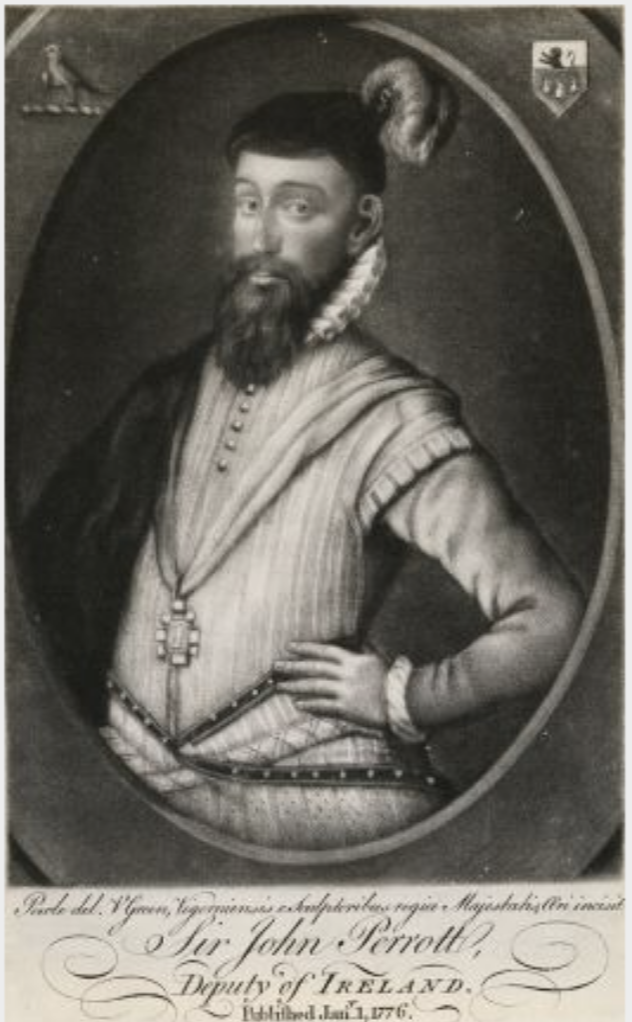
Sir John Perrot: 7 January 1584
Sir John Perrot 1527-1592, said to be a son of King Henry VIII, soldier and Lord Deputy of Ireland, date 1776, engraver Valentine Green, English 1739-1813 copyist George Powle.
Sir William FitzWilliam: 17 February 1588
Sir William Russell: 16 May 1594
The Lord Burgh: 5 March 1597
Lords Justices: 29 October 1597
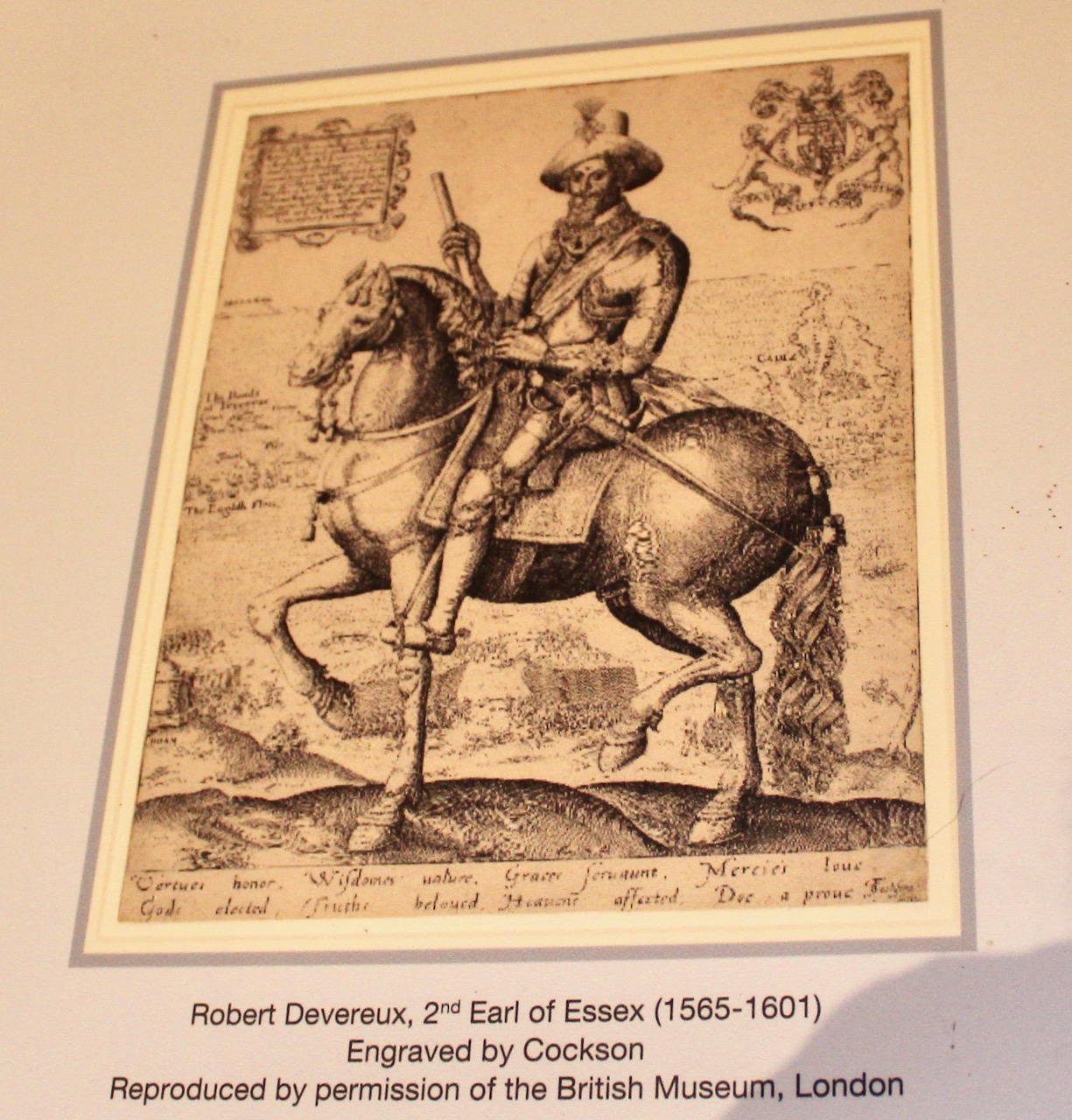
Robert Devereux, 2nd Earl of Essex. 12 March 1599
Robert Devereux, 2nd Earl of Essex.
Lords Justices: 24 September 1599
The Lord Mountjoy (Lord Deputy): 21 January 1600
Under the House of Stuart
The Lord Mountjoy (Lord Lieutenant): 25 April 1603
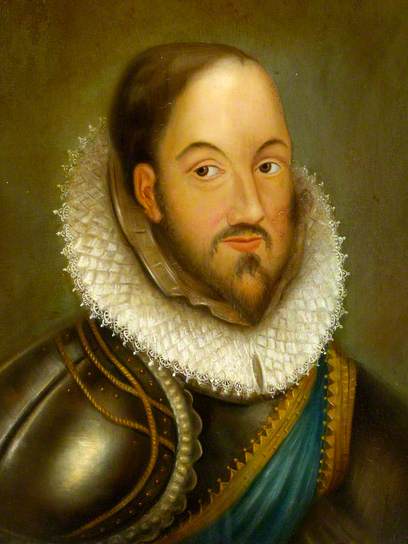
Arthur Chichester (1563-1625) Baron Chichester Of Belfast: 15 October 1604
Arthur Chichester (1563-1625) Baron Chichester Of Belfast (c) Belfast Harbour Commissioners; Supplied by The Public Catalogue Foundation.
Sir Oliver St John: 2 July 1616
Henry Cary, 1st Viscount Falkland: 18 September 1622
Lords Justices: 8 August 1629
The Viscount Wentworth later The Earl of Strafford: 3 July 1633 (executed May 1641)
The Earl of Leicester (Lord Lieutenant): 14 June 1641
The Marquess of Ormonde: 13 November 1643 (appointed by the king)
Viscount Lisle: 9 April 1646 (appointed by parliament, commission expired 15 April 1647)
The Marquess of Ormonde: 30 September 1648 (appointed by the King)
During the Interregnum
Oliver Cromwell (Lord Lieutenant): 22 June 1649
Henry Ireton (Lord Deputy): 2 July 1650 (d. 20 November 1651)
Charles Fleetwood (Lord Deputy): 9 July 1652
Henry Cromwell (Lord Deputy): 17 November 1657
Henry Cromwell (Lord Lieutenant): 6 October 1658, resigned 15 June 1659
Edmund Ludlow (Commander-in-Chief): 4 July 1659
Under the House of Stuart
The Duke of Albemarle: June 1660
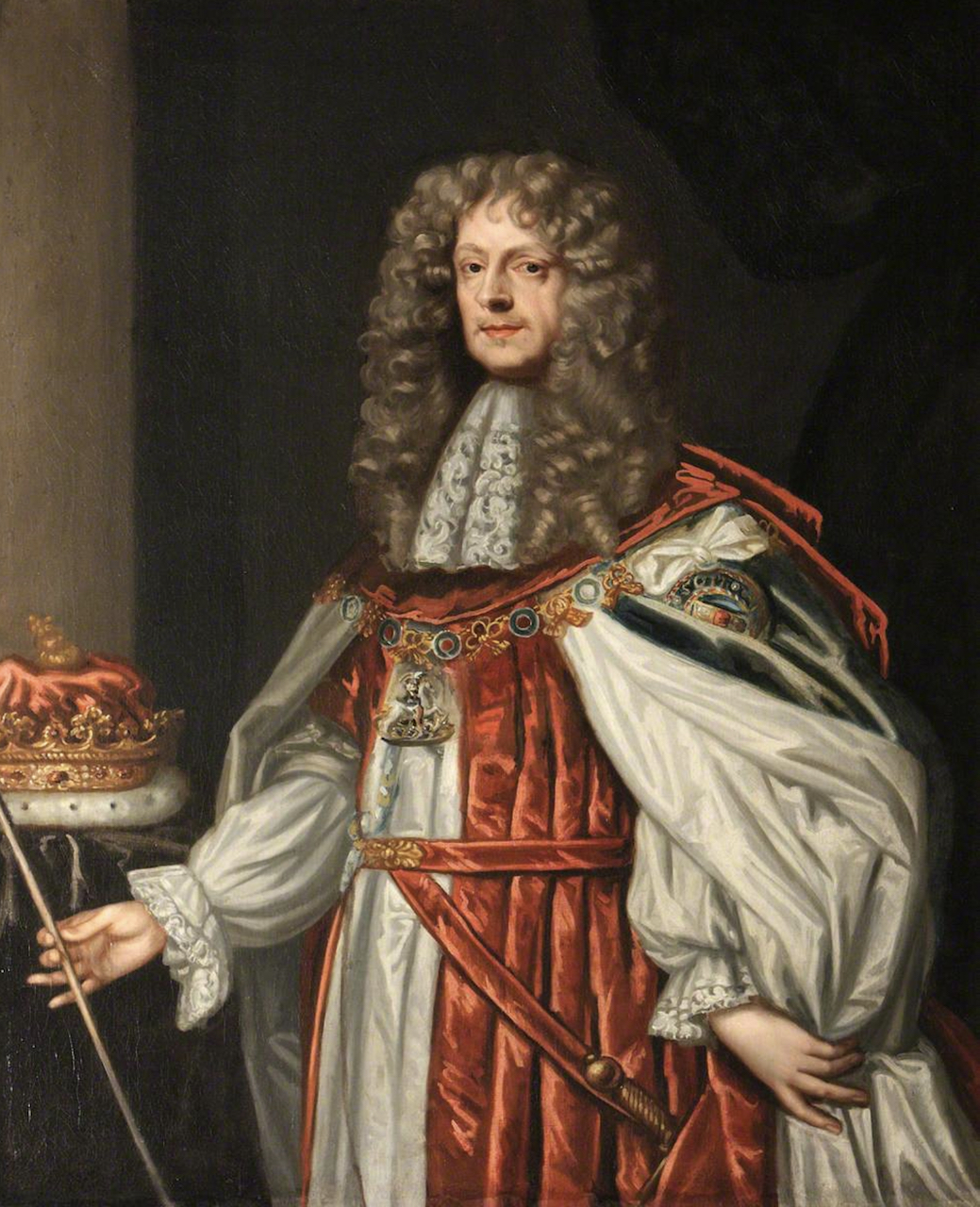
The Duke of Ormonde: 21 February 1662
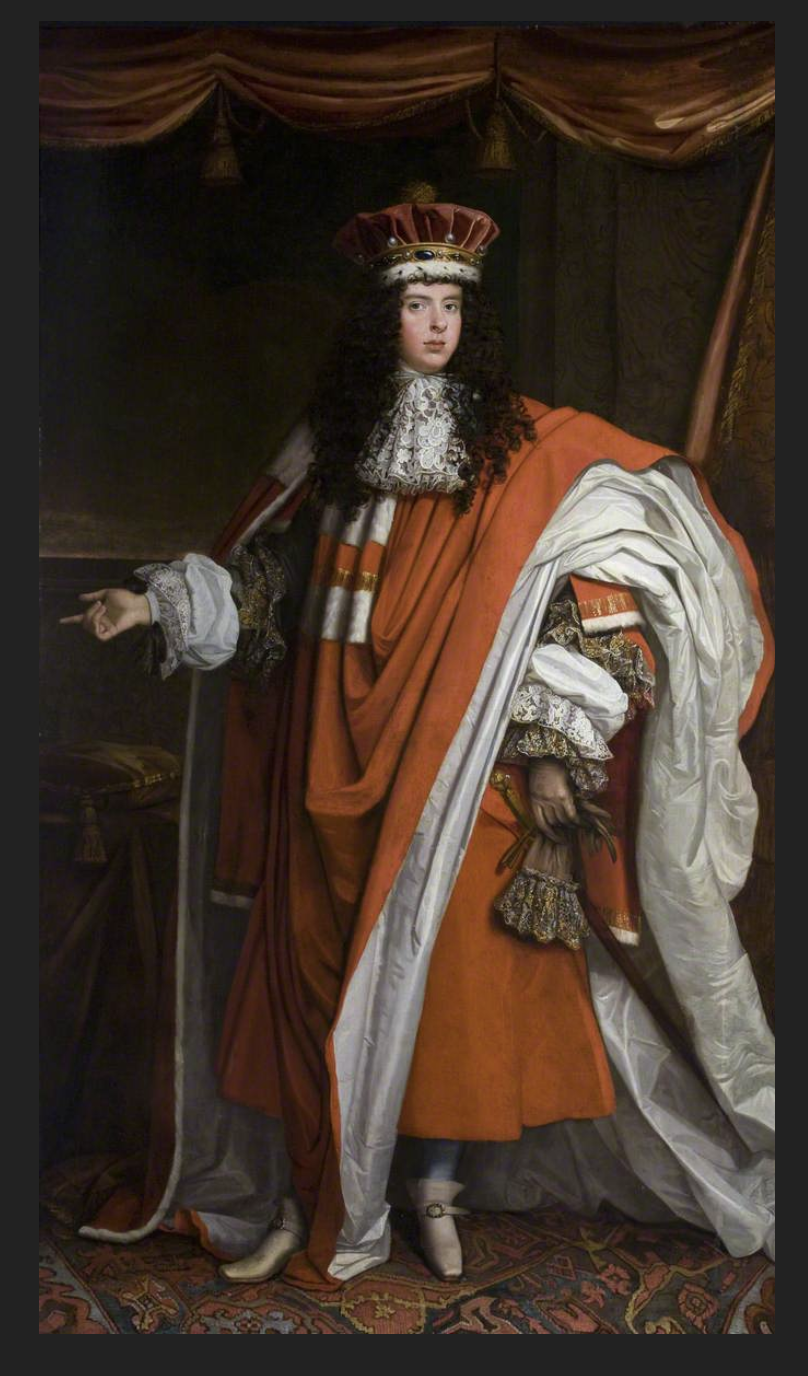
James Butler (1611–1688), 1st Duke of Ormonde, in Garter Robes, Peter Lely (1618-1680) (style of), 1171123 National Trust.
Thomas Butler (1634-1680) 6th Earl of Ossory (Lord Deputy): 7 February 1668
Thomas Butler (1634-1680) 6th Earl of Ossory, studio of Sir Peter Lely, circa 1678, courtesy of National Portrait Gallery NPG 371. Second son of the Duke and Duchess of Ormond and father of 2nd Duke of Ormonde.
The Lord Robartes: 3 May 1669
The Lord Berkeley of Stratton: 4 February 1670
The Earl of Essex: 21 May 1672
The Duke of Ormonde: 24 May 1677
The Earl of Arran: 13 April 1682
Richard Butler (1639-1686) 1st Earl of Arran, son of the Duke of Ormonde, Royal Hospital Kilmainham, 15th October 2023.
The Duke of Ormonde: 19 August 1684
Lords Justices: 24 February 1685
Henry Hyde (1638-1709 (?)) 2nd Earl of Clarendon: 1 October 1685
Henry Hyde (1638-1709 (?)) 2nd Earl of Clarendon, as Lord Privy Seal and Lord Lieutenant of Ireland, Irish school courtesy of National Trust Castle Ward.
Richard Talbot (1630-1691), Duke of Tyrconnell (Lord Deputy): 8 January 1687
Richard Talbot (1630-1691), Duke of Tyrconnell, courtesy of National Gallery of Ireland.
King James II himself in Ireland: 12 March 1689 – 4 July 1690
King William III himself in Ireland: 14 June 1690
Lords Justices: 5 September 1690
The Viscount Sydney: 18 March 1692
Lords Justices: 13 June 1693
Algernon Capell 1670-1710 2nd Earl of Essex (Lord Deputy): 9 May 1695
Algernon Capell 1670-1710 2nd Earl of Essex.
Lords Justices: 16 May 1696
The Earl of Rochester: 28 December 1700
The Duke of Ormonde: 19 February 1703
The Earl of Pembroke: 30 April 1707
The Earl of Wharton: 4 December 1708
The Duke of Ormonde: 26 October 1710
The Duke of Shrewsbury: 22 September 1713
Under the House of Hannover
The Earl of Sunderland: 21 September 1714
Lords Justices: 6 September 1715
The Viscount Townshend: 13 February 1717
The Duke of Bolton: 27 April 1717
The Duke of Grafton: 18 June 1720
The Lord Carteret: 6 May 1724
The Duke of Dorset: 23 June 1730
The Duke of Devonshire: 9 April 1737
The Earl of Chesterfield: 8 January 1745
The Earl of Harrington: 15 November 1746
The Duke of Dorset: 15 December 1750
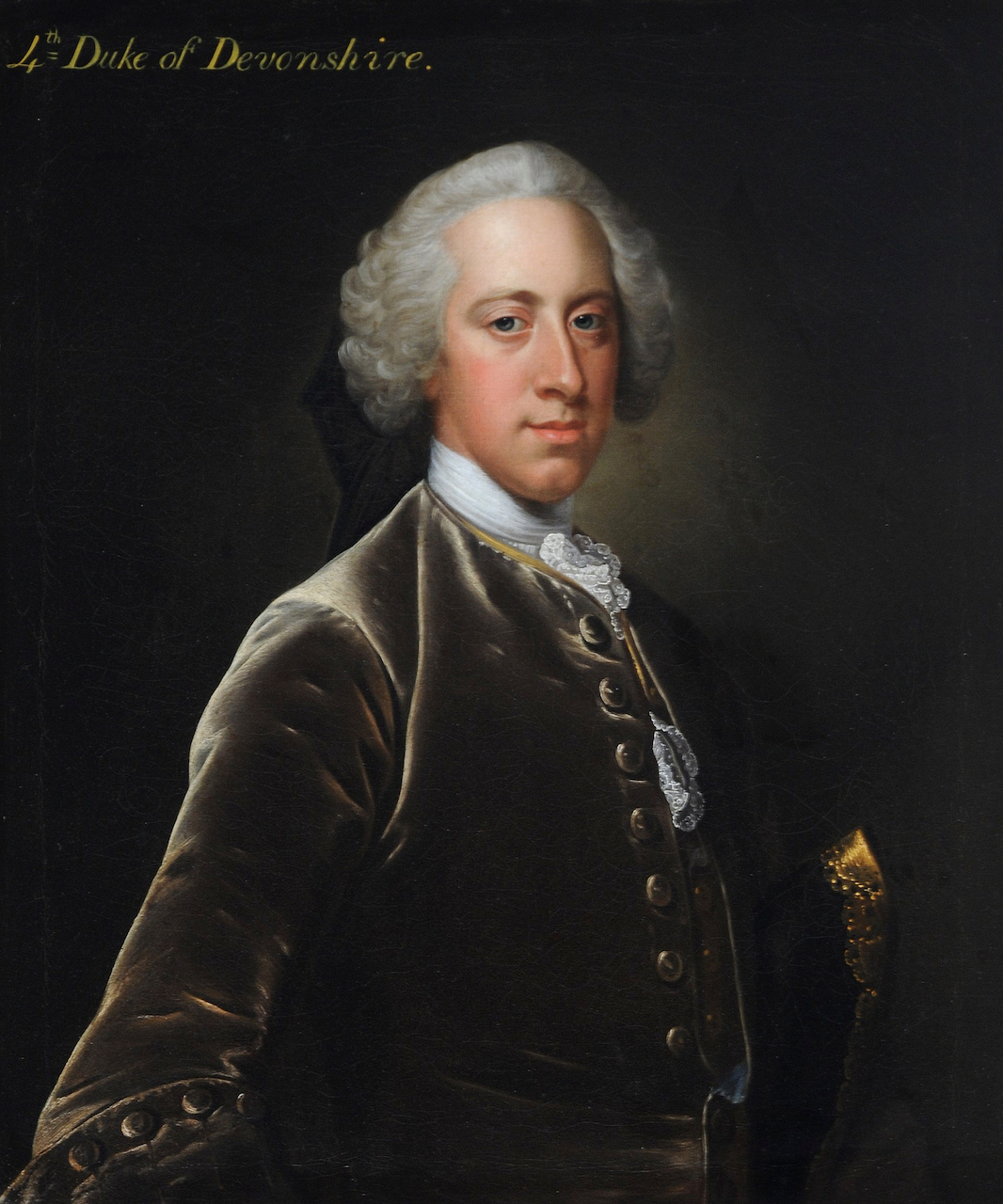
William Cavendish (1720-1764) 4th Duke of Devonshire: 2 April 1755
William Cavendish (1720-1764) 4th Duke of Devonshire, who brought Lismore Castle, County Waterford, into the Cavendish family by his marriage. Painting by Thomas Hudson.
The Duke of Bedford: 3 January 1757
The Earl of Halifax: 3 April 1761
The Earl of Northumberland: 27 April 1763
The Viscount Weymouth: 5 June 1765
The Earl of Hertford: 7 August 1765
The Earl of Bristol: 16 October 1766 (did not assume office)
The Viscount Townshend: 19 August 1767
The Earl Harcourt: 29 October 1772
The Earl of Buckinghamshire: 7 December 1776
The Earl of Carlisle: 29 November 1780
The Duke of Portland: 8 April 1782
The Earl Temple: 15 August 1782
The Earl of Northington: 3 May 1783
The Duke of Rutland: 12 February 1784
The Marquess of Buckingham: 27 October 1787
The Earl of Westmorland: 24 October 1789
The Earl FitzWilliam: 13 December 1794
The Earl Camden: 13 March 1795
The Marquess Cornwallis: 14 June 1798
United Kingdom of Great Britain and Ireland
Under the House of Hannover
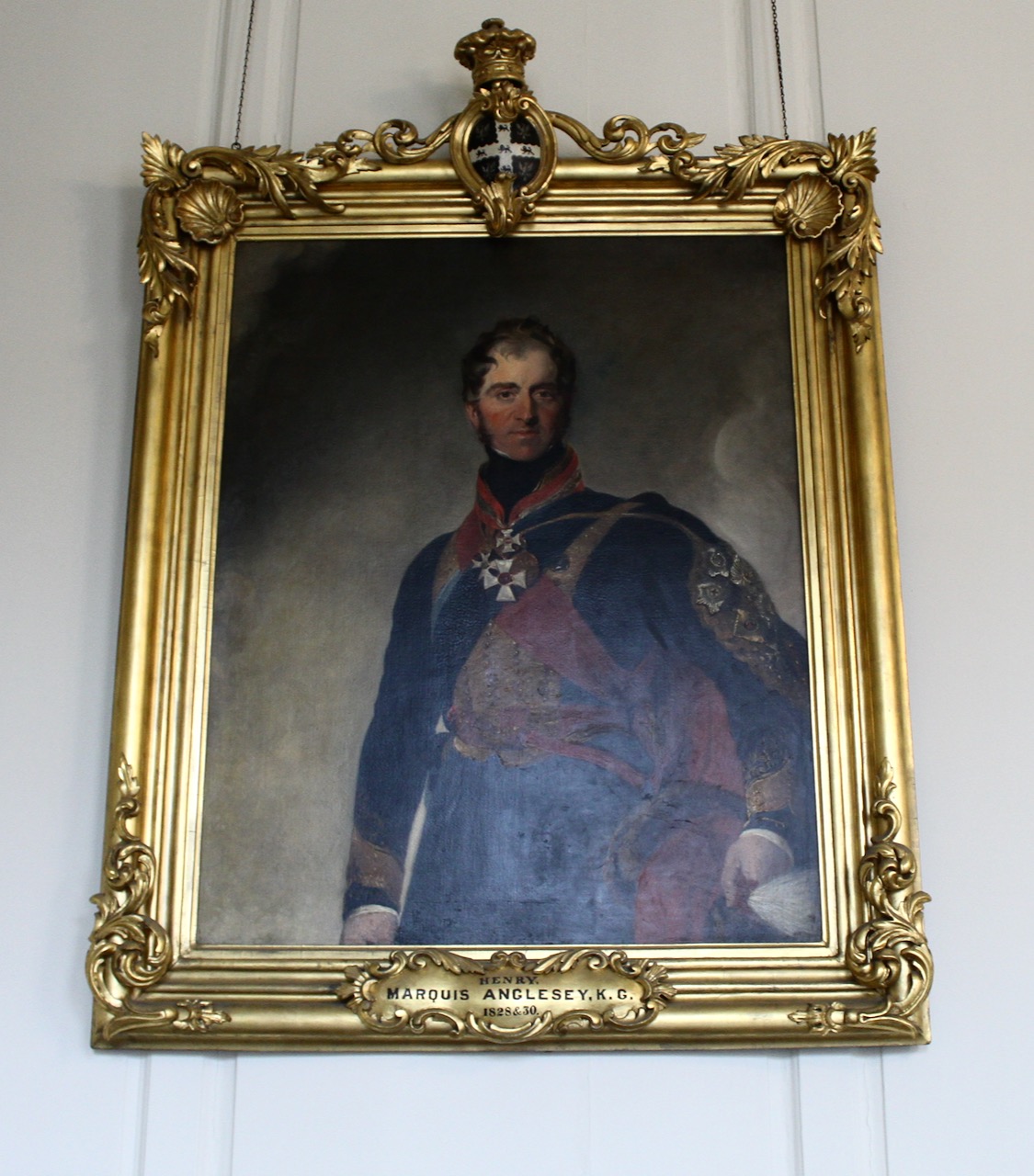
Henry Paget, 1st Marquess of Anglesey (1768-1854), Viceroy in 1828 and 1830.
The Earl of Hardwicke: 27 April 1801
The Earl of Powis: 21 November 1805 (did not serve)
The Duke of Bedford: 12 March 1806
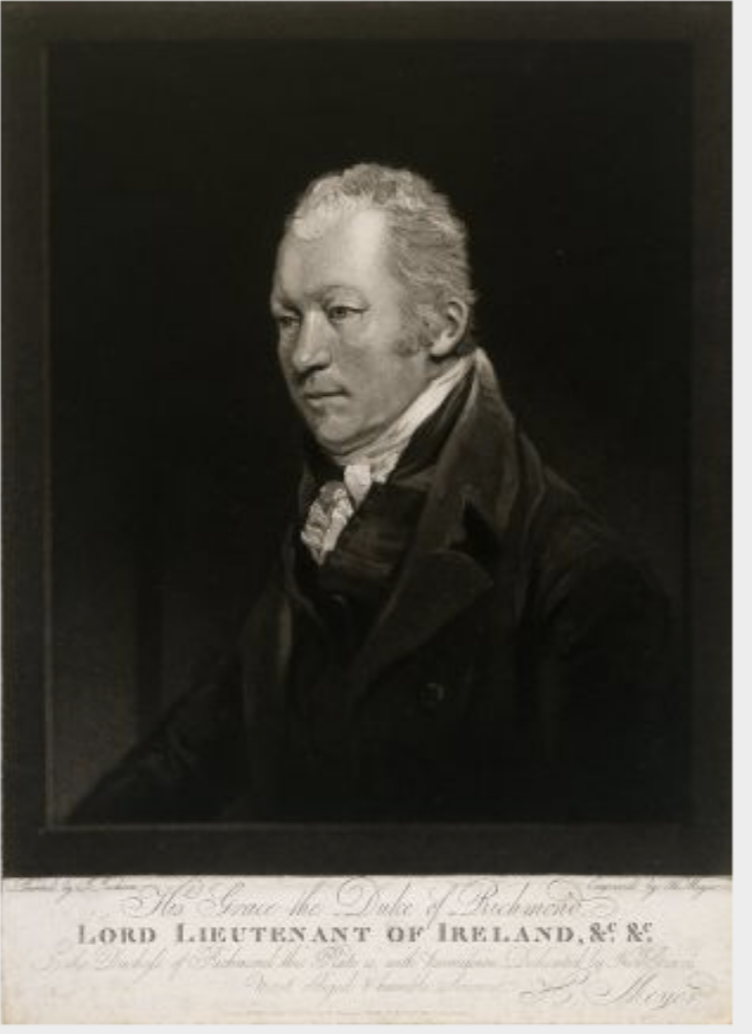
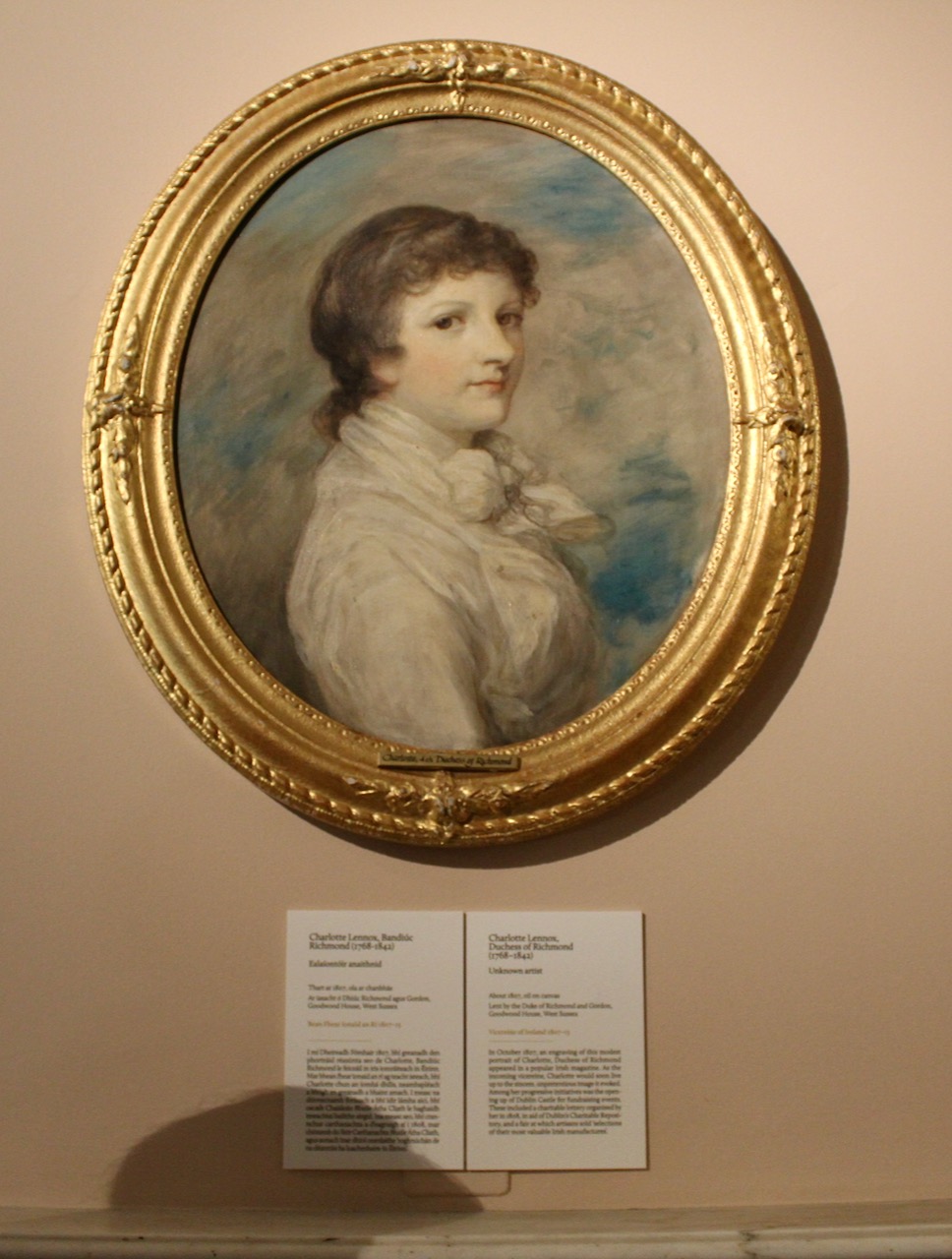
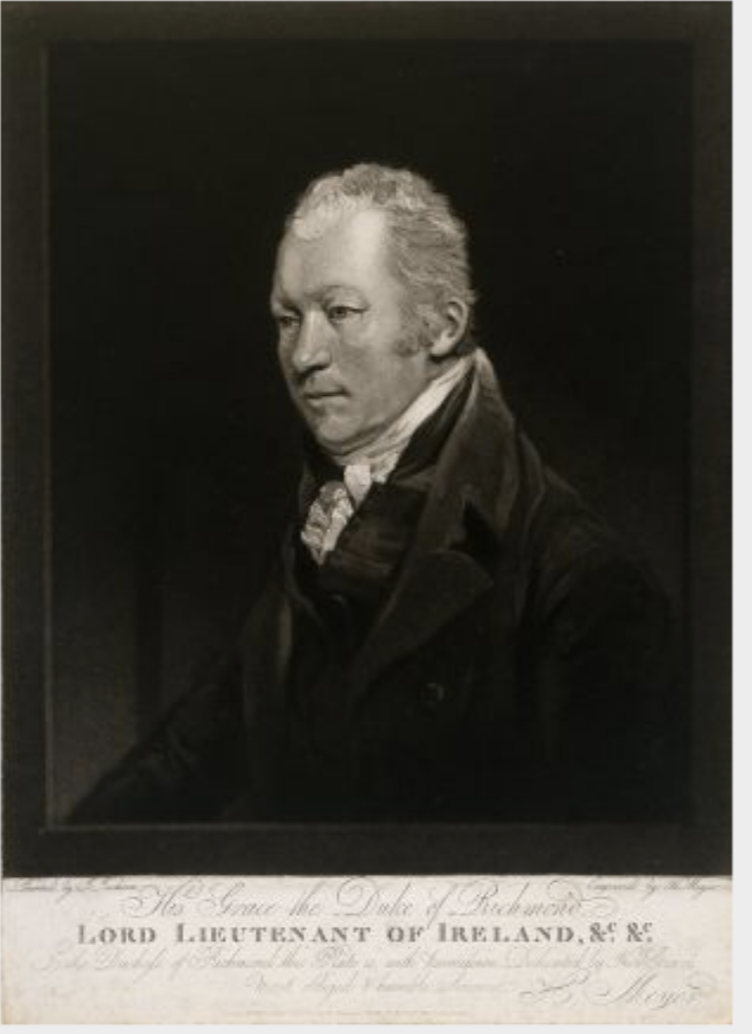
Charles Lennox, 4th Duke of Richmond: 11 April 1807
Charles Lennox (1764-1819) 4th Duke of Richmond, engraver Henry Hoppner Meyer, after painter John Jackson, courtesy of National Gallery of Ireland.Charlotte Lennox nee Gordon (1768-1842), Duchess of Richmond, Vicereine 1807-1813, wife of Charles Lennox, 4th Duke of Richmond.
The Viscount Whitworth: 23 June 1813
The Earl Talbot: 3 October 1817
The Marquess Wellesley: 8 December 1821
Henry Paget, 1st Marquess of Anglesey (1768-1854): 27 February 1828
The Duke of Northumberland: 22 January 1829
Henry Paget, 1st Marquess of Anglesey (1768-1854): 4 December 1830
Richard Colley Wellesley (1760-1842), 2nd Earl of Mornington and 1st Marquess Wellesley: 12 September 1833
Richard Colley Wellesley (1760-1842), 2nd Earl of Mornington and 1st Marquess Wellesley by John Philip Davis courtesy of National Portrait Gallery in London NPG 846.
The Earl of Haddington: 1 January 1835
The Earl of Mulgrave: 29 April 1835
Viscount Ebrington: 13 March 1839
The Earl de Grey: 11 September 1841
The Lord Heytesbury: 17 July 1844
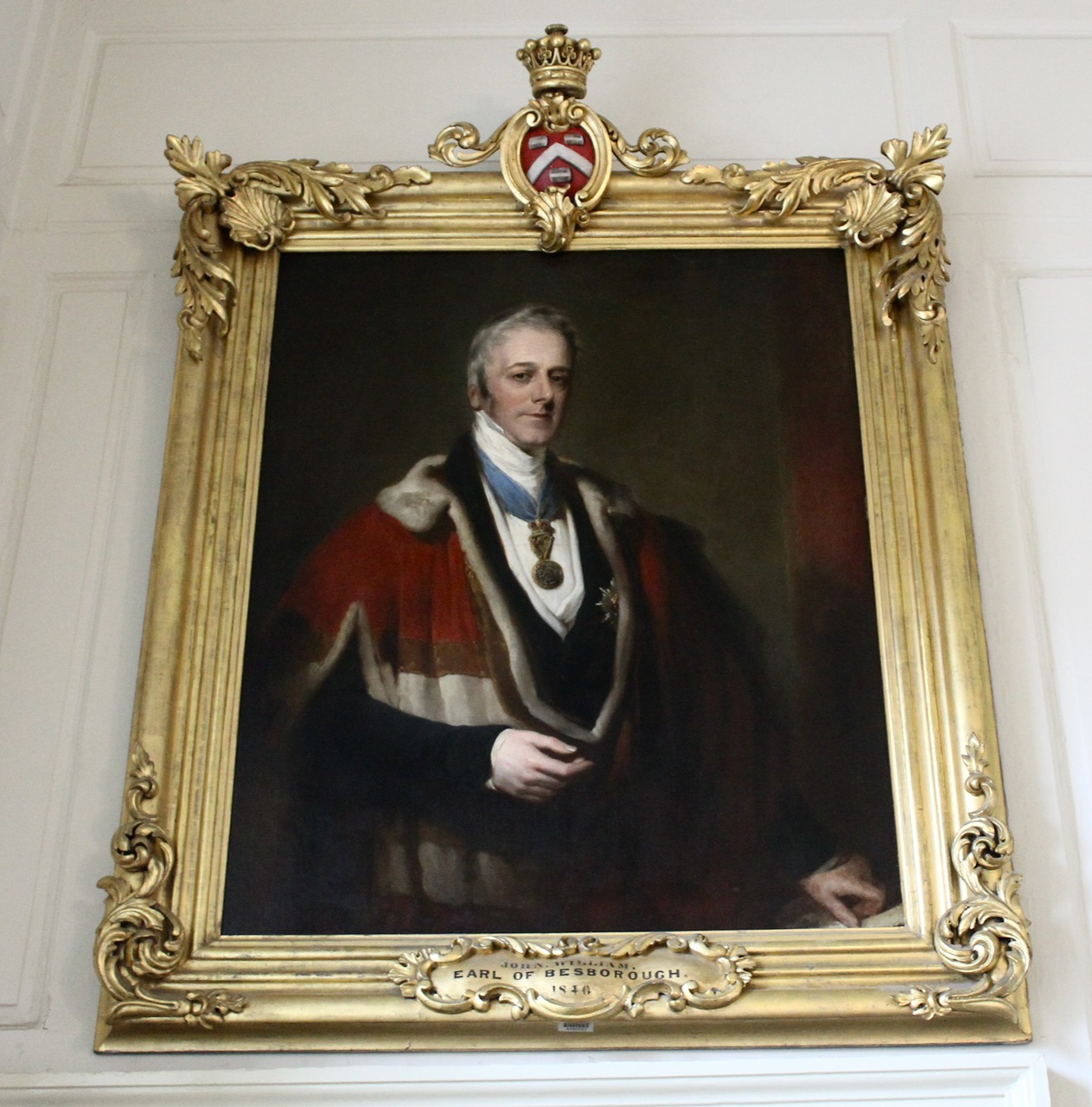
John William Brabazon Ponsonby (1781-1847) 4th Earl of Bessborough, County Kilkenny: 8 July 1846
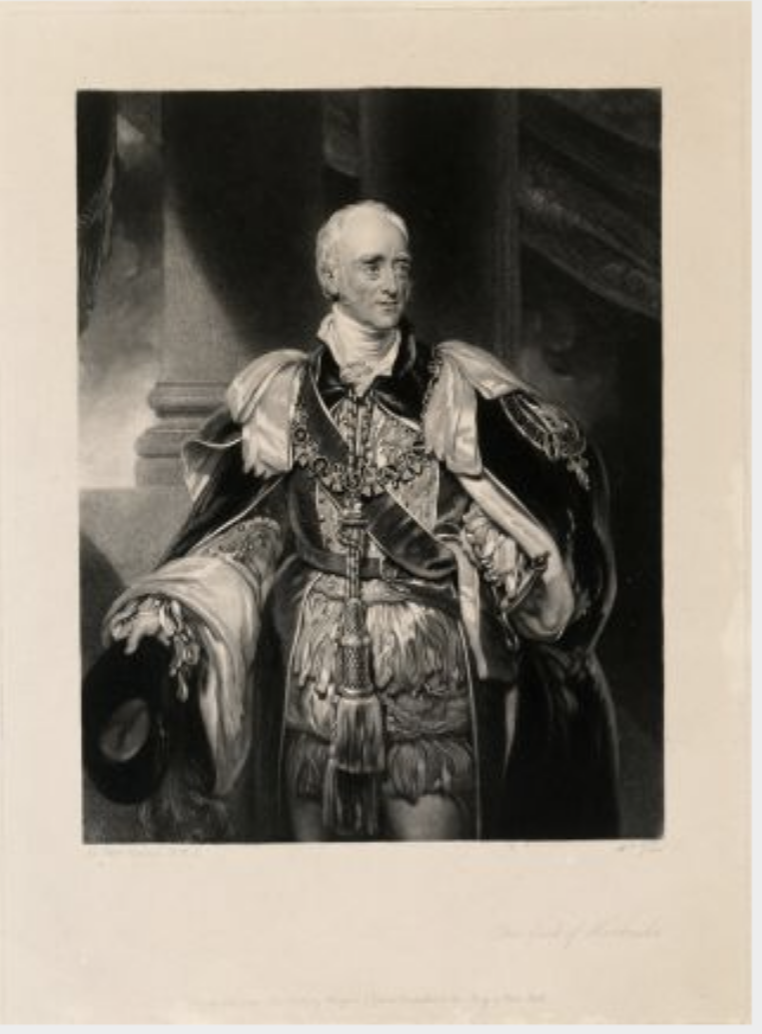
The Viceroys wear a star-shaped badge that contains rubies, emeralds and Brazilian diamonds. These crown jewels were stolen from Dublin Castle in 1907.Pictured here, John William Brabazon Ponsonby (1781-1847) 4th Earl of Bessborough, County Kilkenny, Viceroy in 1846.
The Earl of Clarendon: 22 May 1847
The Earl of Eglinton: 1 March 1852
The Earl of St Germans: 5 January 1853
The Earl of Carlisle: 7 March 1855
The Earl of Eglinton: 8 March 1858
The Earl of Carlisle: 24 June 1859
The Lord Wodehouse: 1 November 1864
The Marquess of Abercorn: 13 July 1866
The Earl Spencer: 18 December 1868
James Hamilton (1811-1885) 1st Duke of Abercorn: 2 March 1874
James Hamilton (1811-1885) 1st Duke of Abercorn, Landowner and politician; Lord Lieutenant of Ireland, possibly by John Watkins 1860s courtesy of National Portrait Gallery NPG Ax21858.
The Duke of Marlborough: 11 December 1876
The Earl Cowper: 4 May 1880
The Earl Spencer: 4 May 1882
The Earl of Carnarvon: 27 June 1885
The Earl of Aberdeen: 8 February 1886
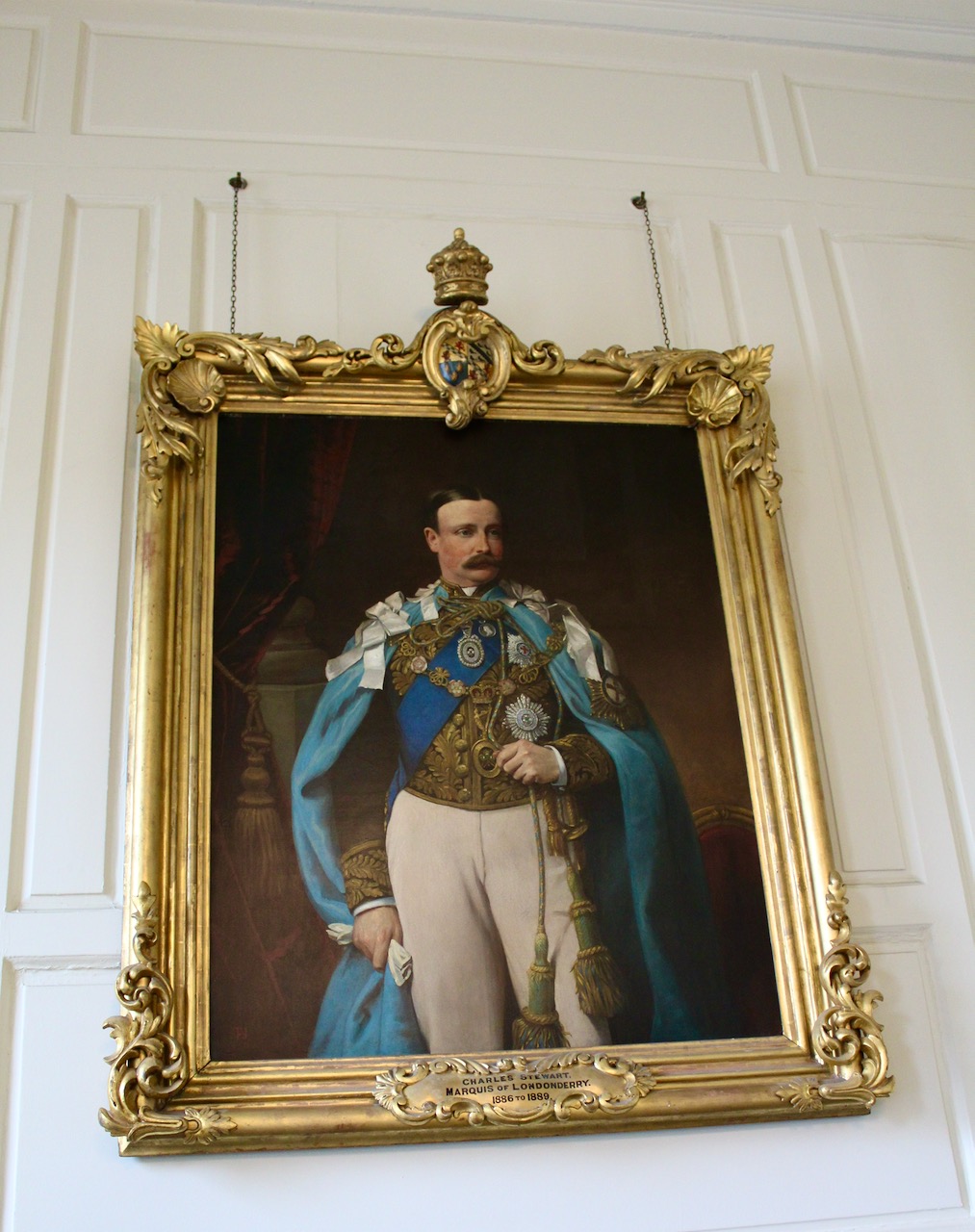
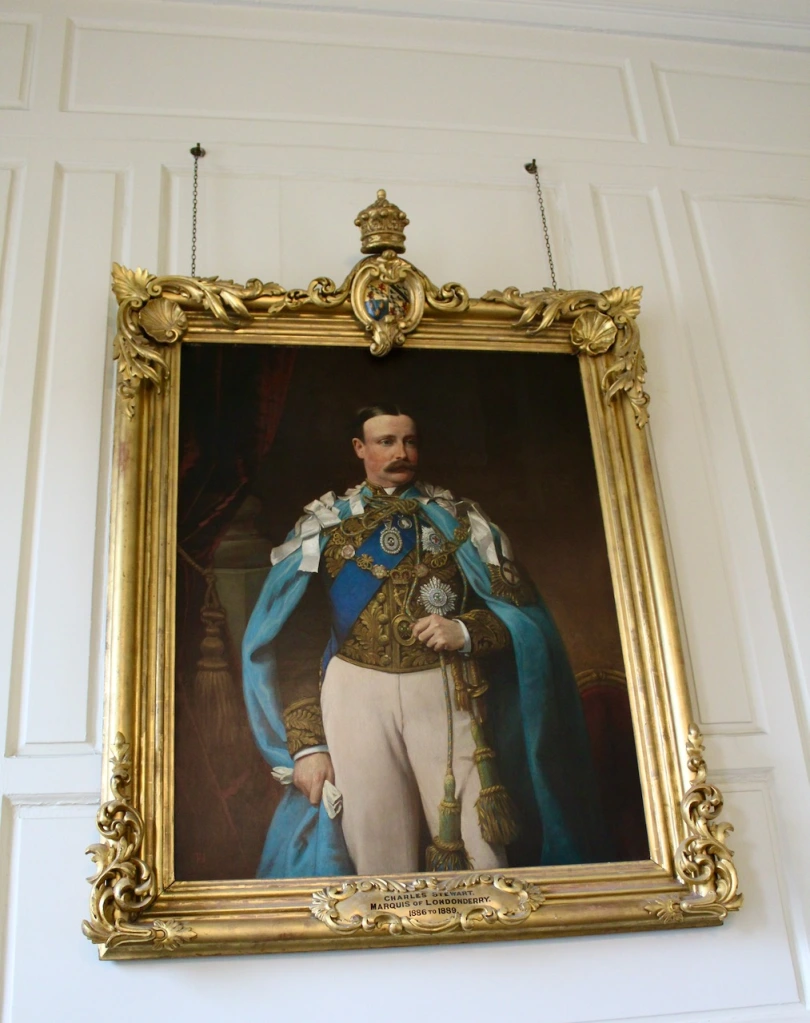
Charles Vane-Tempest-Stewart (1852-1915), 6th Marquess of Londonderry: 3 August 1886
Some of the Viceroys also wear the chain of office.The panelling in the room is from 1747 and is the oldest surviving interior finish in the State Apartments.Pictured here, Charles Vane-Tempest-Stewart (1852-1915), 6th Marquess of Londonderry, Viceroy from 1886-1889.
The Earl of Zetland: 30 July 1889
The Lord Houghton: 18 August 1892
The Earl Cadogan: 29 June 1895
Under the House of Saxe-Coburg and Gotha (later Windsor)
[2] p. 8, Marnham, Niamh. An Introduction to the Architectural Heritage of Dublin South City. Published by the Department of Culture, Heritage and the Gaeltacht, 2017.
[4] p. 6, Marnham, Niamh. An Introduction to the Architectural Heritage of Dublin South City. Published by the Department of Culture, Heritage and the Gaeltacht, 2017.
[10] p. 9, Marnham, Niamh. An Introduction to the Architectural Heritage of Dublin South City. Published by the Department of Culture, Heritage and the Gaeltacht, 2017.
Open in 2025: Aug 1-31, Sept 1-9, Dec 1-20, 9am-1pm
Fee: adult/student/OAP €8, child €4
2025 Diary of Irish Historic Houses (section 482 properties)
To purchase an A5 size 2025 Diary of Historic Houses (opening times and days are not listed so the calendar is for use for recording appointments and not as a reference for opening times) send your postal address to jennifer.baggot@gmail.com along with €20 via this payment button. The calendar of 84 pages includes space for writing your appointments as well as photographs of the historic houses. The price includes postage within Ireland. Postage to U.S. is a further €10 for the A5 size calendar, so I would appreciate a donation toward the postage – you can click on the donation link.
€20.00
donation
Help me to pay the entrance fee to one of the houses on this website. This site is created purely out of love for the subject and I receive no payment so any donation is appreciated!
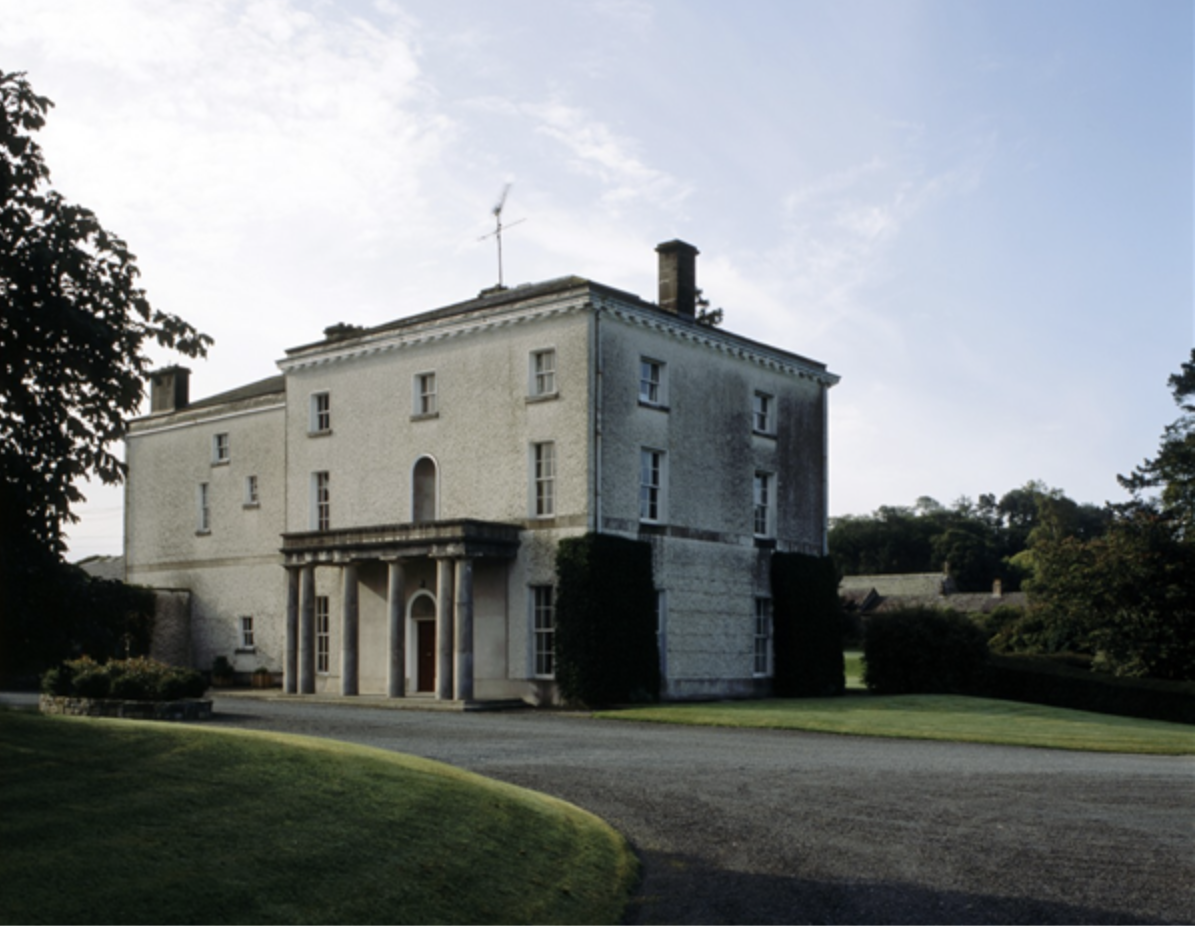
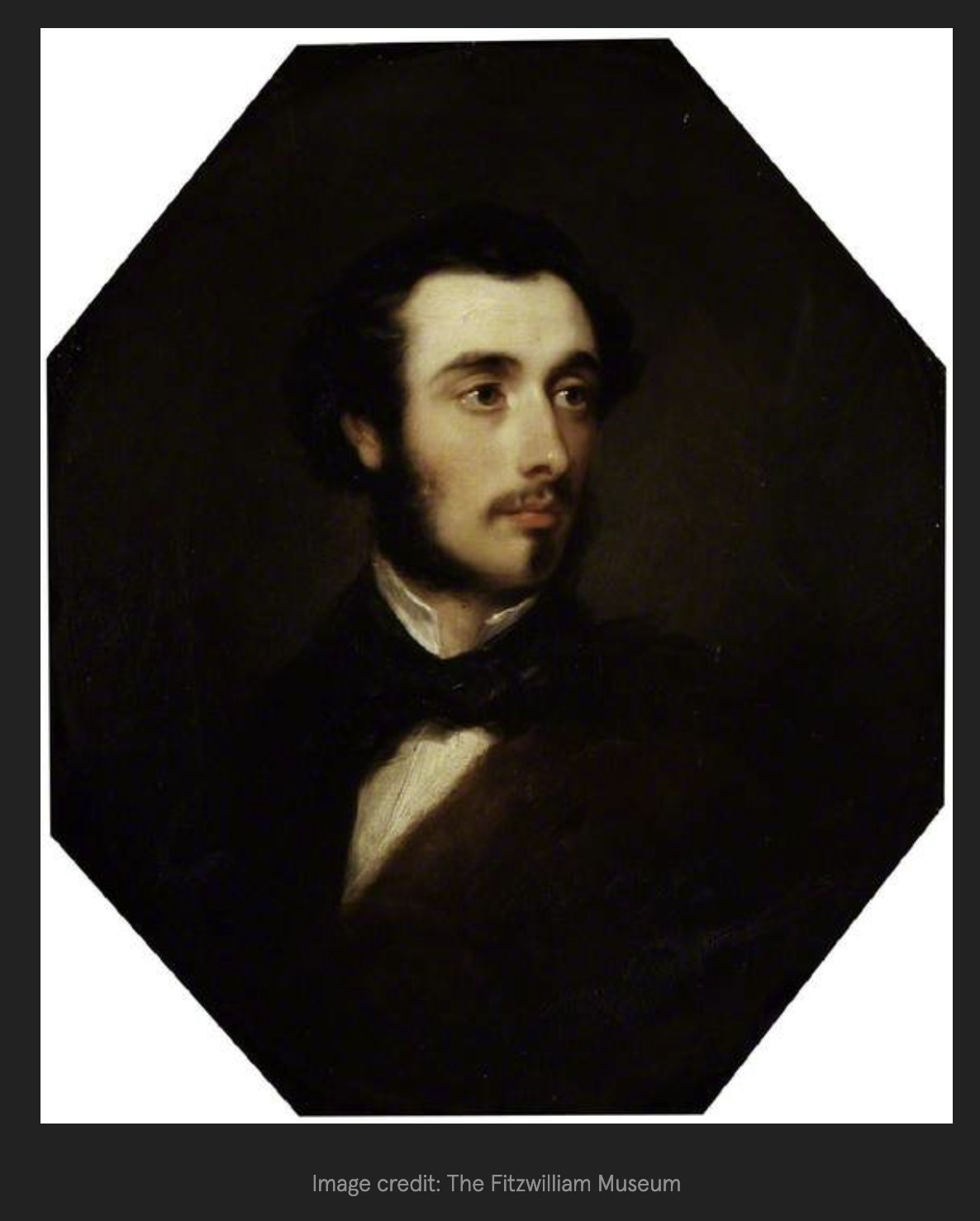
I was excited to visit Turbotstown in County Westmeath because it was owned by the Dease family, and a branch of the Baggot family married into the Dease family, though I have not established that my ancestors were related to this branch of Baggots.
It is currently owned by Peter Bland and his family, and Peter kindly welcomed us and showed us around. Peter’s grandmother was from the Dease family. When Peter purchased the property, which had been sold out of the family, it had been unoccupied, except for grain and sheep!
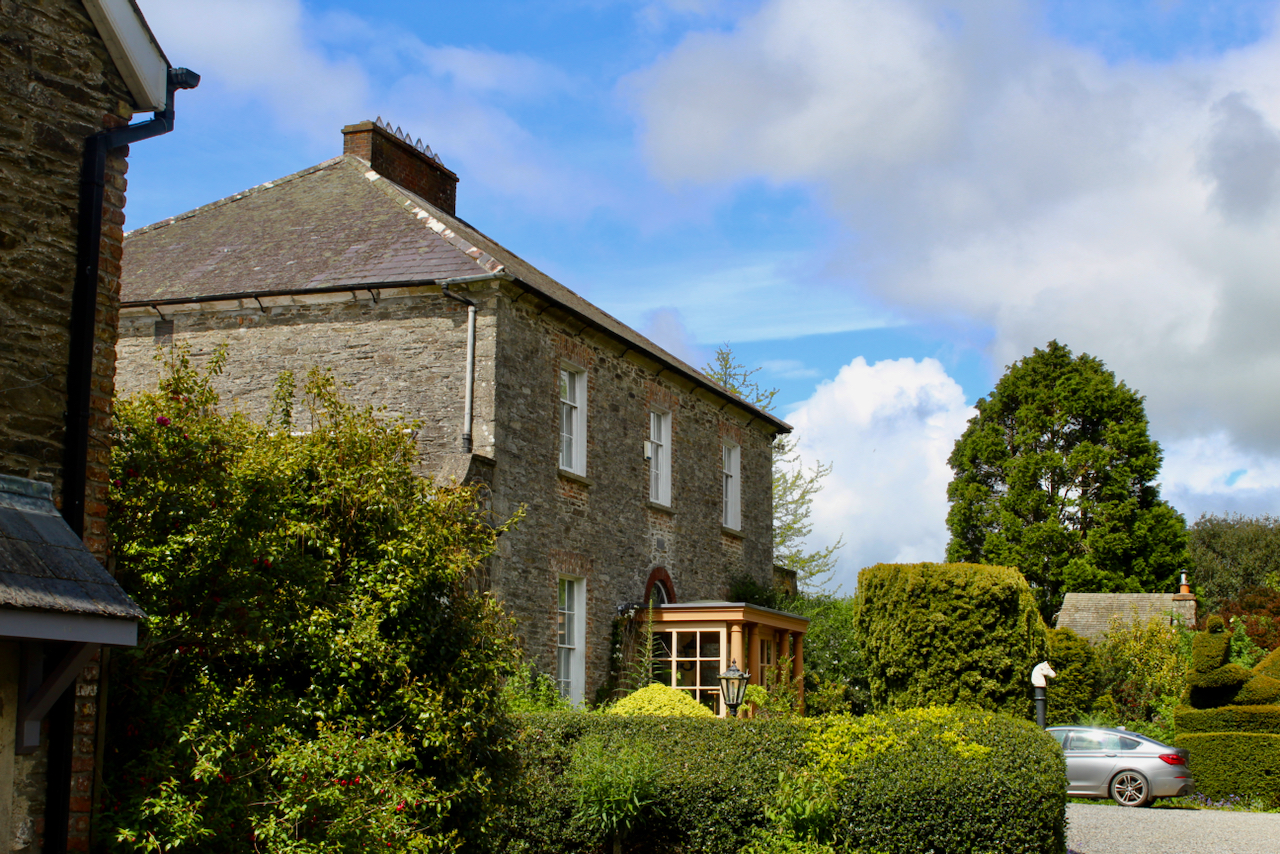
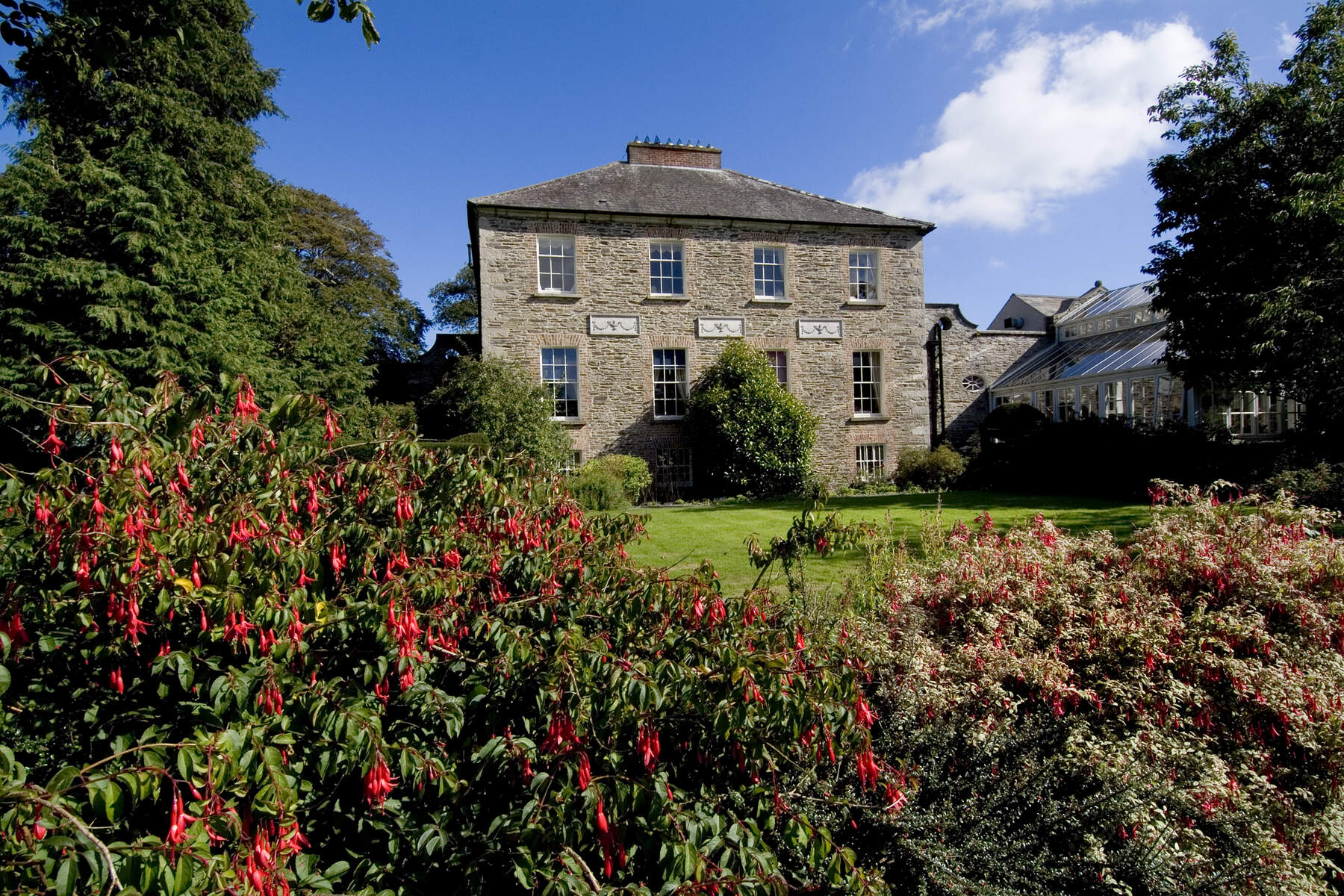
I only learned upon visiting that the house was designed by Francis Johnston, and has many elements characteristic of his work. The house was built around 1810 and Johnston was carrying out extensive work at nearby Tullynally for the Pakenham Earls of Longford (another Section 482 property, see my entry https://irishhistorichouses.com/2020/11/19/tullynally-castle-and-gardens-castlepollard-county-westmeath/ ). Francis Johnston also worked on Killeen Castle in County Meath and the Dease family intermarried with the Plunkett family, and Johnston built the Protestant church in Castlepollard, Peter told us.
Francis Johnston (1761-1829), 1823 by engraver Henry Hoppner Meyer after Thomas Clement Thompson, courtesy of National Gallery of Ireland.
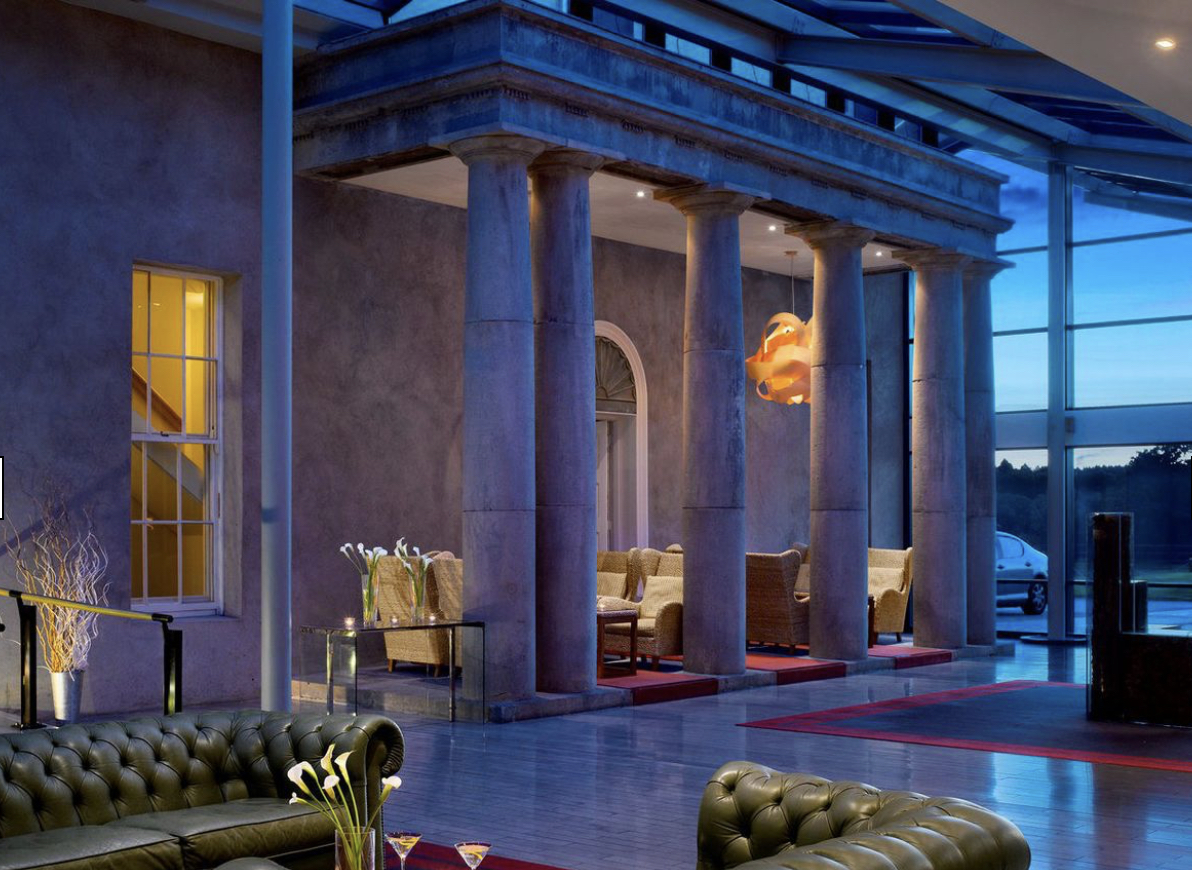
The house is in the Greek Revival style and is composed of a large two storey three bay block, four bays on the side, the front facade’s centre bay breaking forward slightly, with a single storey Ionic portico, and a Wyatt window in the upper storey. There is a two storey service wing to one side, which the owner Peter thinks might be older than the Greek Revival block.
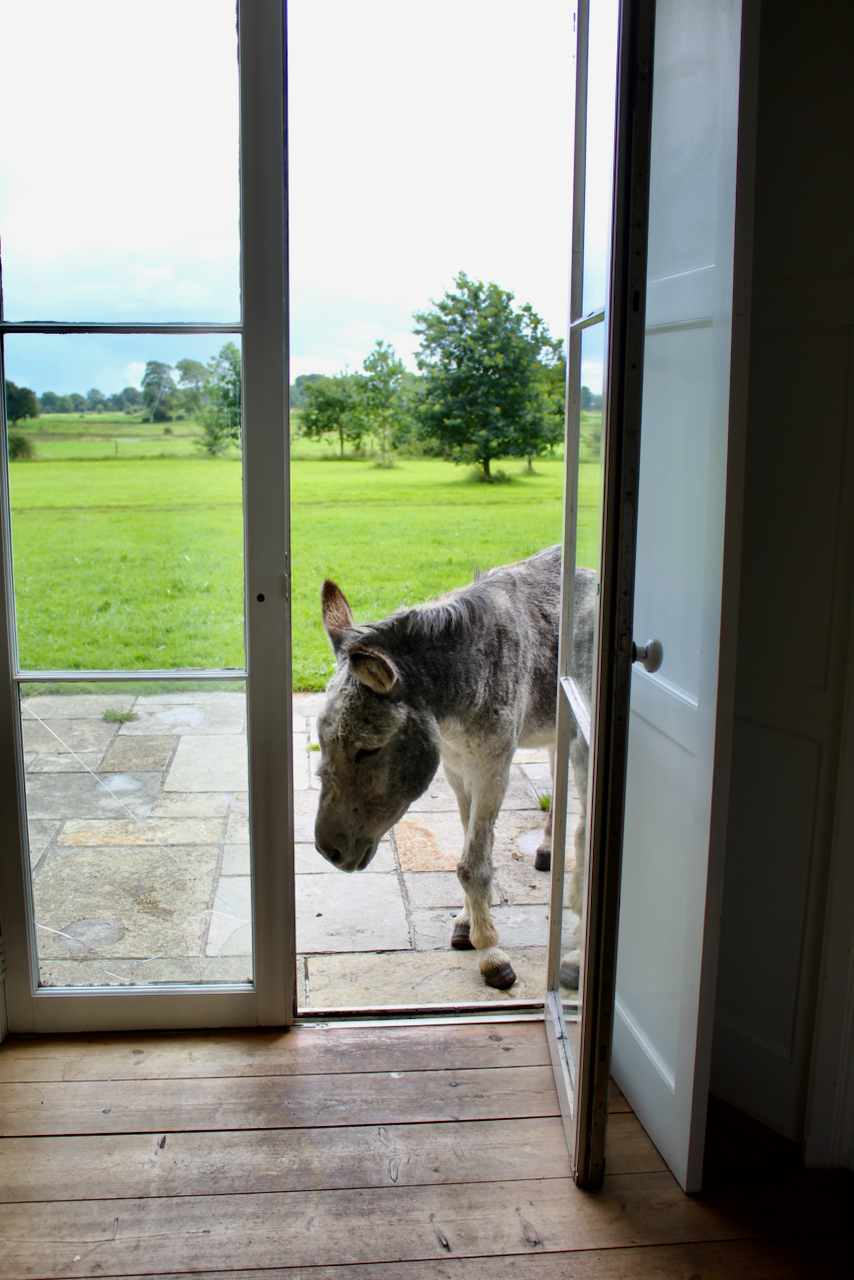
Along with Peter, a donkey came to meet us, walking slowly on his arthritic legs. Later the friendly donkey tried to join us by entering the French doors to the kitchen in the wing of the house!
The Dease family lived in the area since the 1270s. In Hugh Montgomery-Massingberd’s Burke’s Irish Family Records, we are told that an Edmond Dease reportedly purchased Turbotstown in 1272. [1] A James Dease of Turbotstown occured in the roll of gentry of Liberty of Trim in 1436, and a Richard Dease succeeded to Turbotstown around 1568. He was appointed Commissioner for Musters, County Westmeath.
A prominent Catholic family after the Reformation, the Dease family intermarried with the Plunketts and the Nugents who also remained Catholic. For their Catholicism and perhaps loyalty to the Stuart monarchy, the Deases lost their Turbotstown property five times but they always managed to get it back.
Richard Dease married Elizabeth Nugent. He had sons James, Thomas and Lawrence. James and Lawrence had families and the Deases of Turbotstown descended from the elder, James. Another son, Thomas (1568-1652), held the office of Catholic Bishop of Meath between 1621 and 1652. He also, Peter told us, wrote bawdy verse in Irish! He studied in Paris and was also a Rector in the Irish College in Paris.
James lived at Turbotstown and married Margaret Leicester. Their son Richard (1603-1650) was the ancestor of the Deases of Turbotstown. They had several other children. Hugh Montgomery-Massingberd tells us that Richard Dease forfeited his estates after the 1641 Rebellion, but bought them back from the Pakenhams with the proceeds of a Cavan property which had been held in trust by the Pollards of Castle Pollard.
During the time of the Penal Laws, the property was held by “Occlusive Trust” i.e. by a Protestant relative, in this case, a Nugent cousin who had converted to the Established religion.
Richard Dease married Mary Browne, and had several children, the ancestor of the Deases of Turbotstown was James (d. 1707) who lived at Turbotstown. His son Richard predeceased him in France and his son William (d. 1751) inherited. William was a Colonel in King Charles’s army, I believe – that must be Charles II’s army. William married Eleanor Nangle and they had several children. The ancestor of the Turbotstown Deases is William and Eleanor’s son Garret Dease (d. 1790).
Garret Dease married Susan Plunkett, daughter of Oliver of Rathmore Castle, Athboy, County Meath.
On his website Meath History Hub, Noel French tells us a lovely story about how Rathmore Castle came into the hands of the Plunkett family:
“Rathmore Castle and Church was built by the de Verdons, the Norman family who conquered this area. They built a church on the site of the present ruin.
“The last de Vernon Lord of Rathmore had only one child, a daughter, Matilda. Sir Christopher Cruise, then an old man held considerable property in the area and had a castle at Cruisetown. Sir Christopher succeeded in winning the hand of Matilda and married her in 1406 and thus acquired Rathmore. Cruise’s nephews regarded themselves as his heir and were very disappointed to see him marry and thus raising the possibility of a son and closer heir. The nephews decided to murder Sir Christopher and his wife. Their hired killers and attacked the couple as they walked along the avenue of Cruisetown Castle. Sir Christopher held off the attackers while his wife made a run for refuge at the castle. Sir Christopher died from his wounds before help arrived but Lady Cruise just made it to the castle before the pursuing murderers. Little did the attackers know but she was carrying her husband’s child at the time.
“Knowing she was in a dangerous situation she packed all the plate and other treasures into strong chests and sunk them in the lake in the grounds of the castle. A report was spread that Lady Cruise was ill and would not survive the night. Men were sent from Rathmore to bear her remains to the home of her father. Her coffin was taken to Rathmore and brought to the castle, but her coffin had airholes in it.
“Gathering all the Rathmore plate and placing it in the coffin Lady Cruise buried it in the graveyard. It was commonly thought for many centuries that there was treasure buried in Rathmore church. In the nineteenth century one man dug up a portion of the floor near the altar one dark night. A ghost priest with robes appeared behind him and the treasure-seeker left in quite a hurry.
“Lady Cruise fled to England with the title deeds of Rathmore and Cruisetown to escape from her husband’s “inheritors”. In London she gave birth to a daughter who was christened Mary Ann Cruise. Lady Cruise’s money and jewels were gradually eroded in her fight to prove her claim and establish her child’s rights. She lost all the cases she brought for the restoration of her property and was eventually forced to find work. The only job she could get was as a washerwoman. Mother and daughter took in washing and washed and bleached the clothes on the banks of the Thames near London Bridge.
“One day Mary Ann had to go wash on her own as her mother was ill. She started to sing a lament in Irish that her mother had composed on the loss of her estates. A passing gentleman stopped and listened to the song. Sir Thomas Plunkett, the third son of the first Baron of Killeen, understood the Irish song and indeed knew the places mentioned in the song. He approached the girl and she told him the full story. He explained that he was a lawyer and Mary Ann took him to her mother where he was shown the title deeds and other papers. Taking the case he won back Rathmore and Cruisestown castles and their estates and also won the heart and hand of Mary Ann Cruise and so the Plunketts became Lords of Rathmore. That is the legend of Rathmore.” [2]
John Baggot of Castle Bagot married Eleanor Dease (d.1843), daughter of Garret Dease of Turbotstown, and his wife Lady Susan Plunkett. John Baggot bought Castle Bagot in Rathcoole, County Dublin, which still stands. I think he was married before, to Mary (Anne) Walsh, and had daughter Anne who married Ambrose More O’Ferrall (1752-1835).
John Baggot and Eleanor Dease’s sons William Gerald Baggot (d. 1821) and James John Baggot (1784-1860) were involved with Daniel O’Connell and the fight for Catholic Emancipation. William Gerald died young, unfortunately, and James John married but had no children, so the Baggot inheritance passed through their half-sister Anne (d. 1810) who married Ambrose More O’Ferrall, of another strongly Catholic family. Ambrose More O’Ferrall went overseas and fought as a Major in the Royal Sardinian Army (1752-1835). His family was from Balyna in County Kildare. The house is now part of the Moyvalley Hotel. [3]
Eleanor Dease’s brother Gerald (1790-1854) inherited Turbotstown. He married Elizabeth O’Callaghan (d. 1846), daughter of Edmond O’Callaghan of Kilgory, County Clare. Interestingly, aforementioned James John Bagot married her sister, Ellen Maria O’Callaghan. Their sister Catherine married Thomas Browne 3rd Earl of Kenmare.
It was Gerald Dease who had the new Greek Revival house built, perhaps added on to an older house.
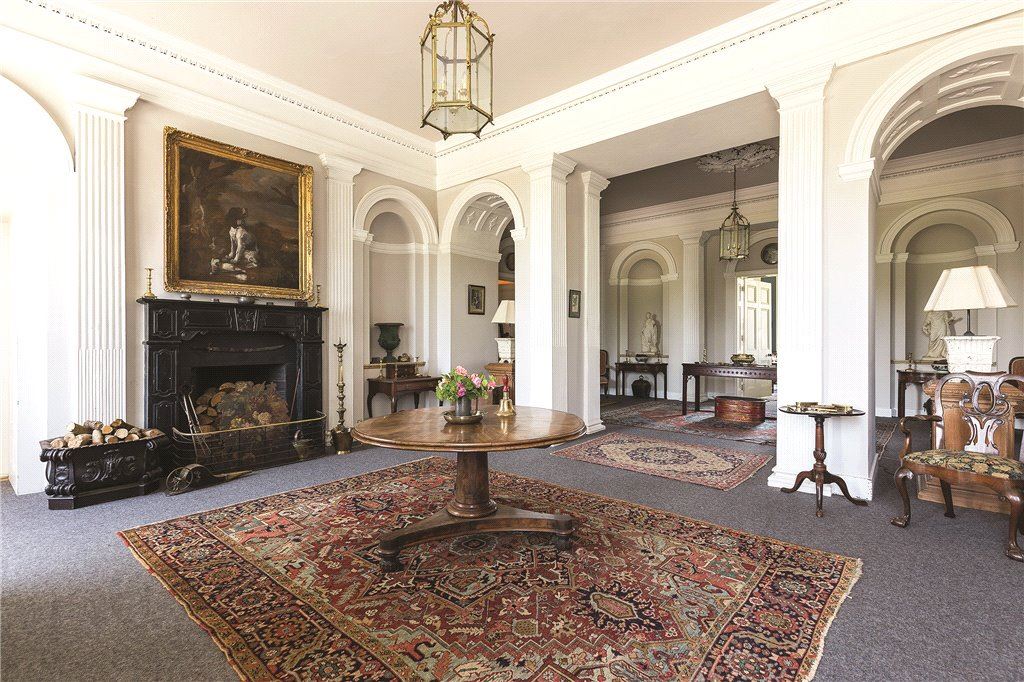
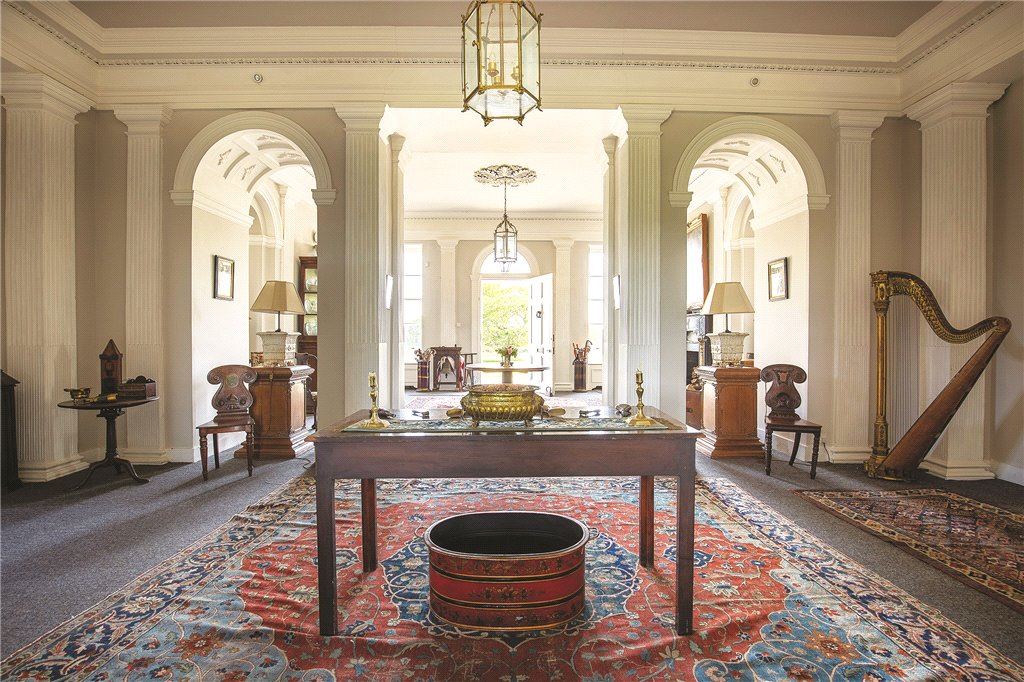
The interior of Turbotstown surprised us with an inner hall with a circular opening to an upper floor gallery which is toplit by an octagonal shaped lantern skylight not visible from the front of the house, the octagonal walls of the lantern composed of eight by eight panelled windows. This is a Francis Johnston feature. You can see photographs on Robert O’Byrne’s website. [4]
The staircase hall is also rather grand, the cantilevered staircase winding around in a square shape with a lovely stucco ceiling at the top, and a large arched window provides illumination.
A window detail in the main rooms indicates Francis Johnston’s attention to detail, as they slant upwards, letting in more sunlight, and there are lovely sunbursts carved into the corner timber frames. I didn’t take a photograph but they are similar to those in Rokeby in County Louth (another section 482 house, see my entry ( https://irishhistorichouses.com/2020/08/17/rokeby-hall-grangebellew-county-louth/ ). Another house by Francis Johnston is Townley Hall in County Louth.
Francis Johnston attic window detail, from Sean O’Reilly’s Irish Houses and Gardens, from the Archives of “Country Life.” Aurum Press Ltd, 2008.
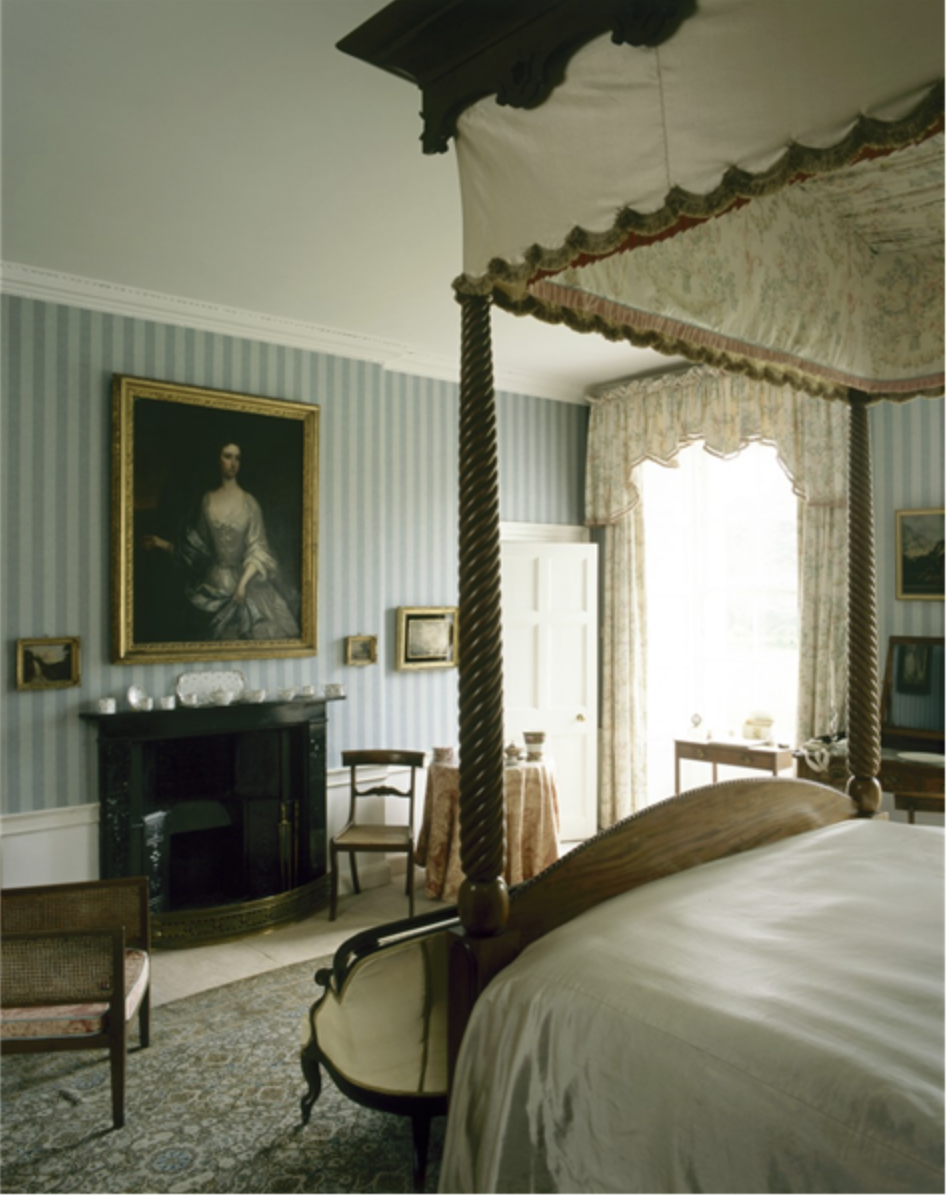
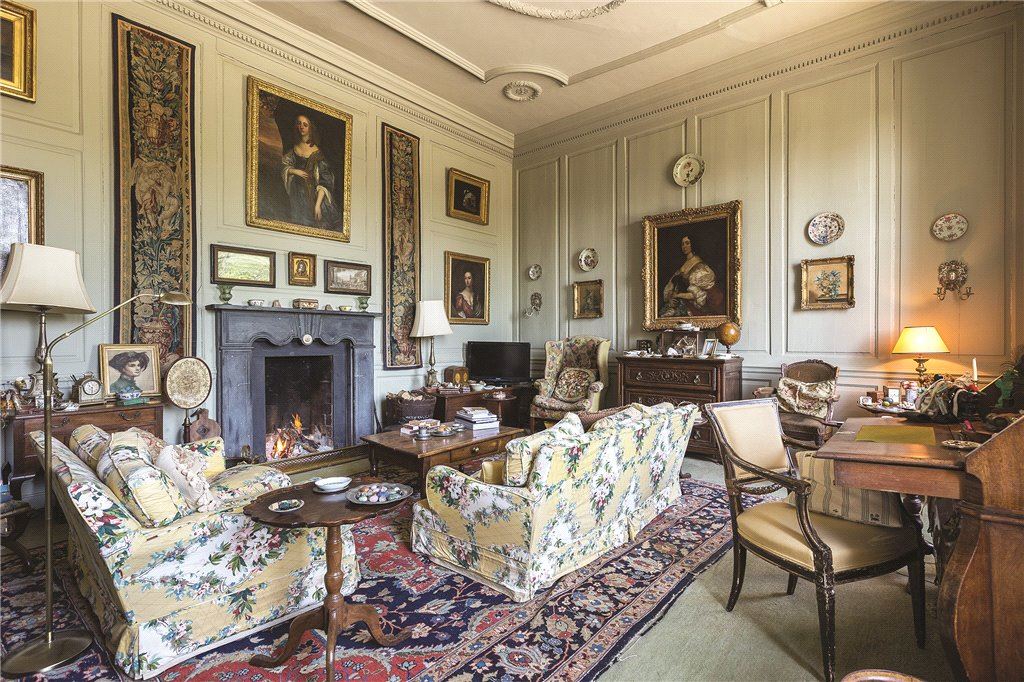
Some of the rooms have decorative cornices, and they have lovely high ceilings. Another detail is that the door edge is slightly slanted to prevent drafts!
In the older part of the house is a chapel, still consecrated, which was built by the Dease family. Robert O’Byrnes writes that this was presumably where they worshipped prior to providing the land for the construction of a Roman Catholic church nearby.
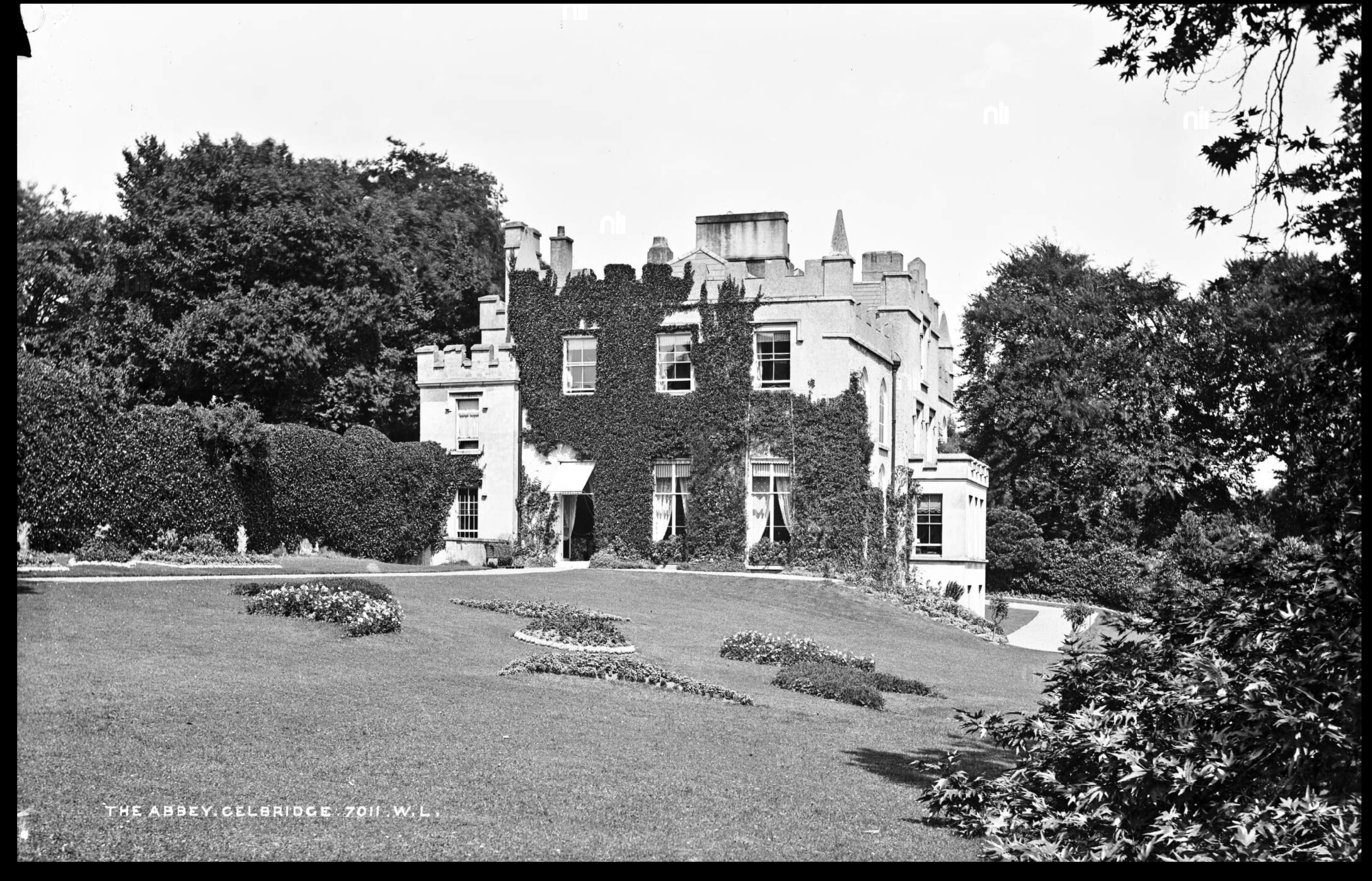
One of Gerald Dease’s sons, Gerald Richard, went on to live in Celbridge Abbey in County Kildare, a house which when we last saw it was badly in need of repair.
Celbridge Abbey, Lawrence Photographic Collection National Library of Ireland, French, Robert, 1841-1917 photographer.
Another son, Edmund Gerald Dease (1829-1904), married Mary Grattan, daughter of Henry Grattan. A son of theirs, Major Edmund James Dease (1861-1945) lived at Rath House, Ballybrittas, County Laois and married Mabel More O’Ferrall, a descendant of aforementioned Ambrose More O’Ferrall of Balyna, County Kildare, Mabel was great-granddaughter of Anne Baggot of Castle Bagot, Rathcoole.
Another son, James Arthur Dease, married Charlotte Jerningham and they went on to have many children, and lived in Turbotstown. Of the two sons, one, Gerald, didn’t have children, the other, Edmond Fitzlaurence, sold Turbotstown after his son Maurice died in 1914 in the First World War.
Peter Bland, the current owner of Turbotstown, is a descendant of Major Edmund James Dease (1861-1945) and Mabel More O’Ferrall! Their daughter Marion (1900-1969) married William Bland (1901-1963) of Blandsfort, Abbeyleix, County Laois, Peter’s grandfather. My Dad also was from Abbeyleix, but his father only moved there after his marriage in 1920. Blandsfort house was built by Blands in around 1715.
Another well-known member of the Dease family is from another branch, from Lisney or Lisanny, County Cavan. William Dease (1752-1798) was one of the founders of the Royal College of Surgeons in Ireland. At the time, surgeons were still members of the “Barber-Surgeons Guild.” The red and white stripes one sees on poles outside barber shops hearkens to this time, and represents blood and bandages! The Dictionary of Irish Biography tells us that Dease pointed out that people who trained as doctors were not taught surgery, and that they had to go abroad, as he did to France, to learn surgery. He founded the Dublin Society of Surgeons in 1780, and chaired the committee that successfully campaigned for a royal charter, which was granted in 1784, and the Royal College of Surgeons Ireland was established.
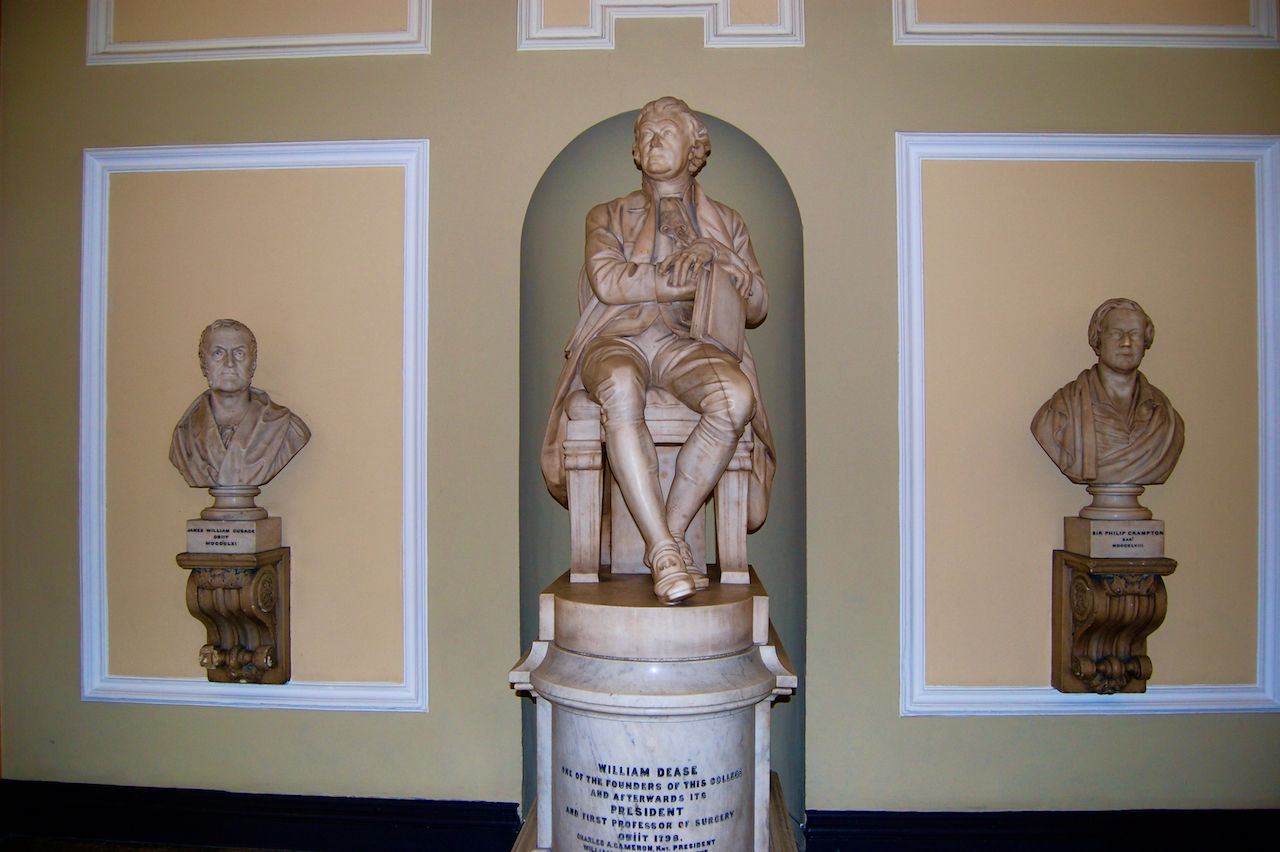
There is a prominent crack on the leg of the statue of William Dease in the College of Surgeons. Dease was sympathetic to the rebels cause in 1798 and legend has it that he heard that he was suspected of being a United Irishman. To avoid capture, he is said to have severed his femoral artery, and bled to death. This artery runs along exactly where the crack is in the sculpture! This story is told by Richard Robert Madden who wrote The United Irishmen, their lives and times. [7]
The Dease family died out, Peter told us. The last Dease, Dorothy, granddaughter of Major Edmond James Dease and Mabel née More O’Ferrall, grew up in Rath House, Ballybrittas, County Laois, and married Major George Geoffrey Robert Edward de Stacpoole, 6th Duc de Stackpoole, a Papal Duke. They lived in Errisbeg House in County Galway, now a bed and breakfast run by the 7th Duke and his family. [6]
A branch of the Bland family used to own Derryquin Castle in County Kerry, now the hotel Parknasilla. The hotel website tells us “The Blands of Derryquin Castle Demense were a Yorkshire family, the first of whom Rev. James Bland came to Ireland in 1692 and from 1693 was vicar of Killarney. His son Nathaniel, a judge and vicar general of Ardfert and Aghadoe obtained a grant of land in 1732 which would later become the Derryquin Estate. Derryquin Castle was the third house of the Blands on this land but it is not known when it was first constructed, its earliest written mention being in 1837, however it was indicated some decades earlier by Nimmo in his 1812 map.” [5]
Nathaniel Bland (1695-1760), Vicar General of Diocese of Ardfert and Aghadoe, Picture from The Story of Dorothy Jordan by Clare Jerrold, 1914, courtesy of Teresa Stokes, flickr
It’s wonderful that a descendant of the Dease family is now living in Turbotstown and has renovated it back into a family home.
[1] p. 132, Montgomery-Massingberd, Hugh (ed.) Burke’s Irish Family Records. London, U.K.: Burkes Peerage Ltd, 1976.
In August 2012, we visited the Catholic church of St. Finian’s in Kilamactalway, near Newcastle-Lyons, to see the baptismal font donated by Ellen Maria Bagot née O’Callaghan in memory of her husband James John Baggot, who died in 1860 and who had lived in Castle Bagot in Rathcoole/ Kilmactalway.
Having recently revisited the wonderful Casino (“little house”) in Marino, my entry for the Dublin Office of Public Works properties is becoming too long so I have to split it up into several entries, starting today with my entry for the Aras an Uachtaráin, the House of the President, in Phoenix Park. I will be publishing my updated Casino entry soon.
I haven’t been visiting Section 482 properties in the past two months, as I was experiencing “burnout.” As lovely as it is to visit historic properties, it is difficult arranging visits with owners. I feel like I am treading on toes, especially because I will be publishing about my visit, which I can understand alarms owners. It is so much easier visiting public properties. I am also still catching up writing about properties which I visited during the year, and sending entries to owners before publication, seeking approval.
Every weekend which passes, however, without a visit to a Section 482 property is an opportunity missed, and I do hope that the properties which I will not have time to visit this year will continue to be on the Section 482 list next year! Already since I started this project in 2019, some properties have dropped off the list and I have missed the chance to visit.
I’m already excited about the 2024 list, and I will be creating my calendars next year for the 2024 Section 482 properties, which will be available to purchase via this website. Unfortunately the Revenue does not publish the list until late February, so I won’t be able to have the calendars ready at the beginning of the new year. However, I have calendars for sale currently which do not list opening dates for the properties but have all of the pictures of the properties, and which can be used in any year. They would make a good Christmas present!
Section 482 any year calendar A5 size
2024 Diary of Irish Historic Houses (section 482 properties)
To purchase an A5 size 2024 Diary of Historic Houses (opening times and days are not listed so the calendar is for use for recording appointments and not as a reference for opening times) send your postal address to jennifer.baggot@gmail.com along with €20 via this payment button. The calendar of 84 pages includes space for writing your appointments as well as photographs of the historic houses. The price includes postage within Ireland. Postage to U.S. is a further €10 for the A5 size calendar, so I would appreciate a donation toward the postage – you can click on the donation link.
€20.00
Office of Public Works Properties in Dublin:
1. Áras an Uachtaráin, Phoenix Park, Dublin
2. Arbour Hill Cemetery, Dublin
3. Ashtown Castle, Phoenix Park, Dublin – closed at present
4. The Casino at Marino, Dublin
5. Customs House, Dublin
6. Dublin Castle
7. Farmleigh House, Dublin
8. Garden of Remembrance, Dublin
9. Government Buildings Dublin
10. Grangegorman Military Cemetery, Dublin
11. Irish National War Memorial Gardens, Dublin
12. Iveagh Gardens, Dublin
13. Kilmainham Gaol, Dublin
14. National Botanic Gardens, Dublin
15. Phoenix Park, Dublin
16. Rathfarnham Castle, Dublin
17. Royal Hospital Kilmainham in Dublin – historic rooms closed
18. St. Audoen’s, Dublin
19. St. Enda’s Park and Pearse Museum, Dublin
20. St. Stephen’s Green, Dublin
donation
Help me to pay the entrance fee to one of the houses on this website. This site is created purely out of love for the subject and I receive no payment so any donation is appreciated!
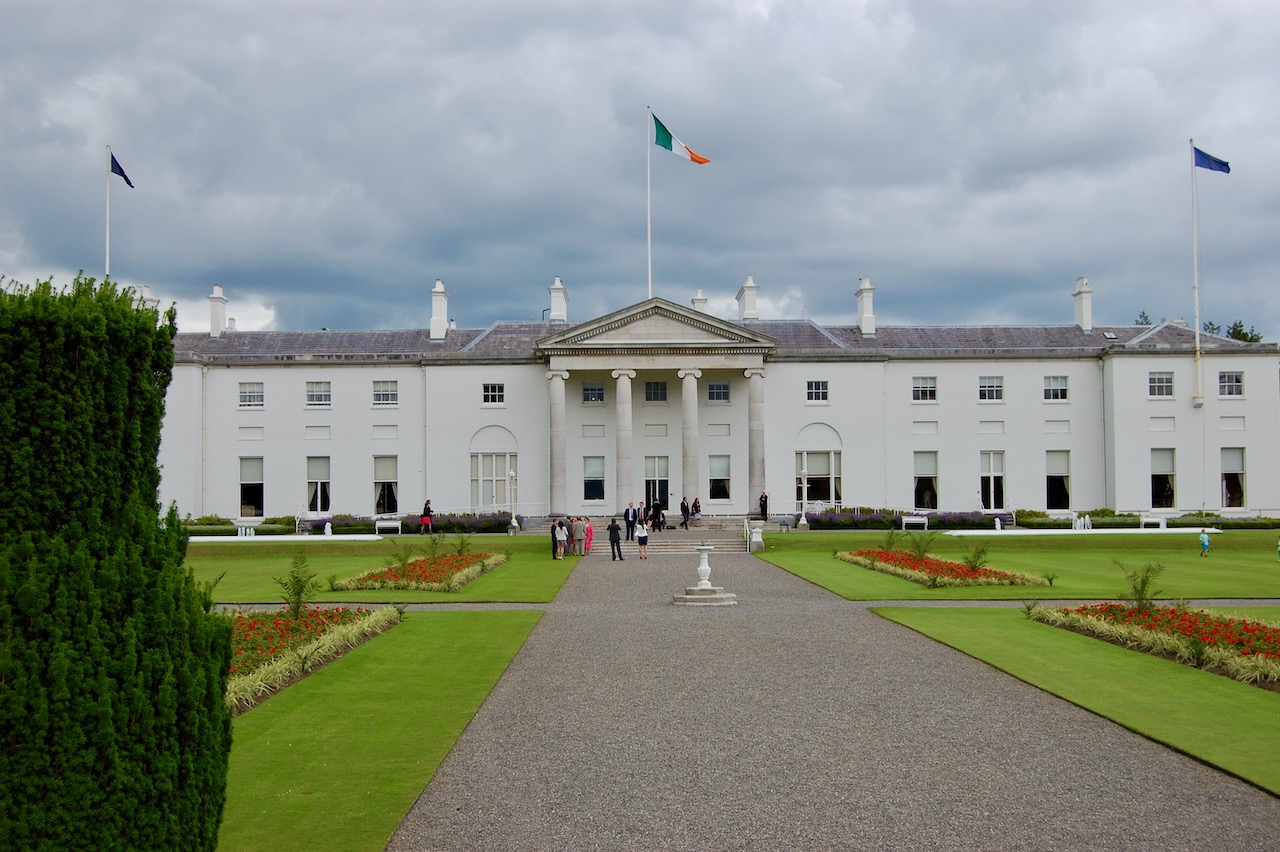
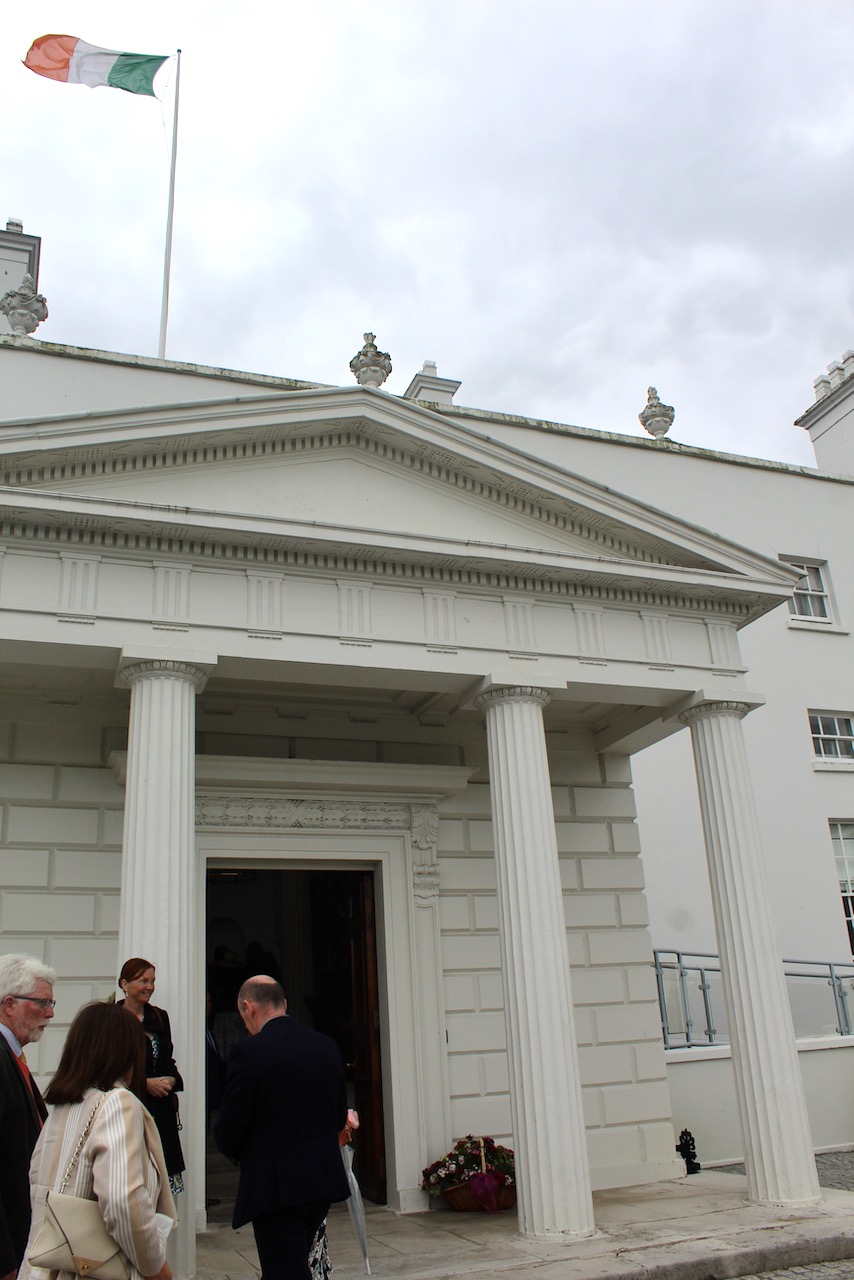
“Áras an Uachtaráin started life as a modest brick house, built in 1751 for the Phoenix Park chief ranger. It was later an occasional residence for the lords lieutenant. During that period it evolved into a sizeable and elegant mansion.
“It has been claimed that Irish architect James Hoban used the garden front portico as the model for the façade of the White House.
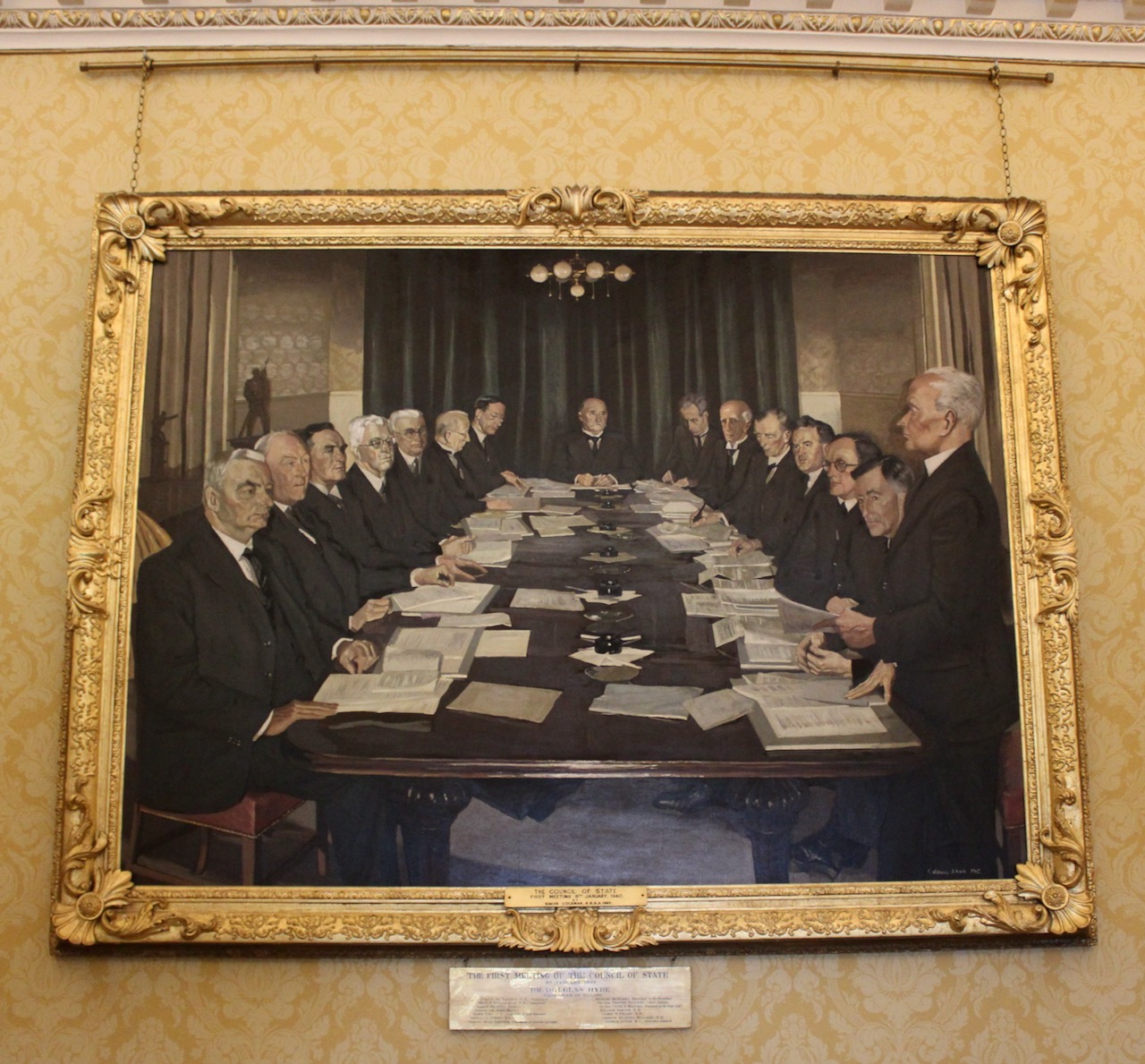
“After independence, the governors general occupied the building. The first president of the Republic of Ireland, Douglas Hyde, took up residence here in 1938. It has been home to every president since then.” [1]
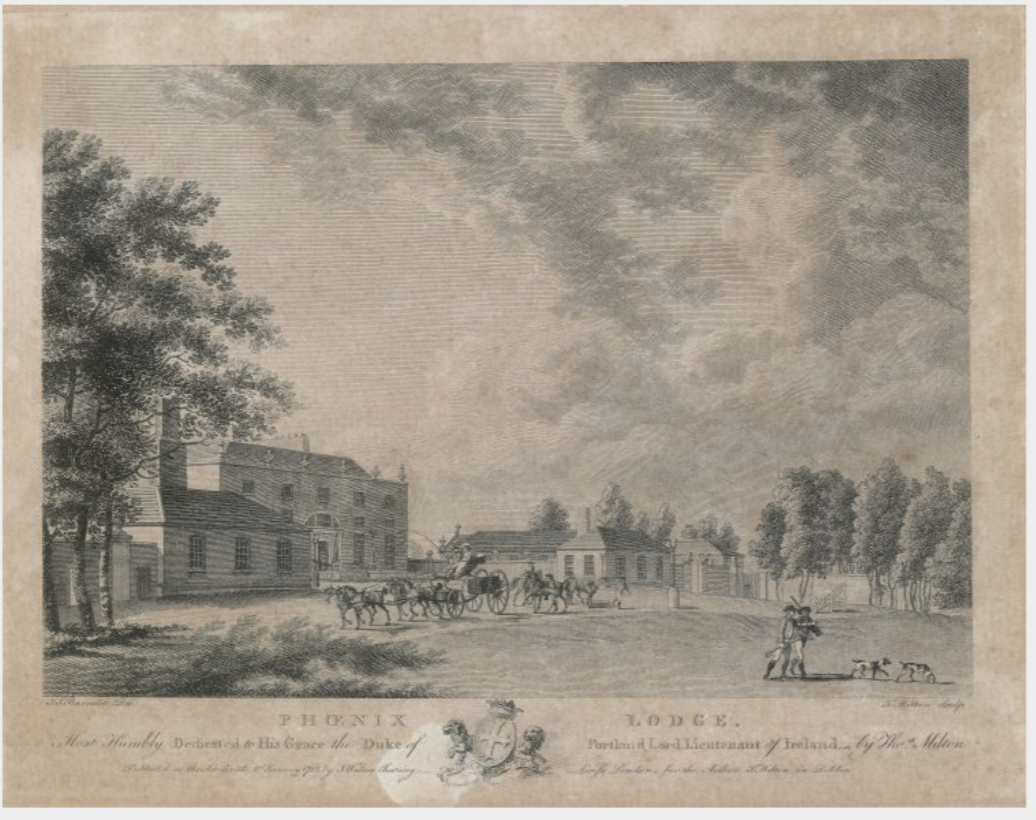
Phoenix Park was originally formed as a royal hunting Park in the 1660s, created by James Butler the Duke of Ormond. A large herd of fallow deer still remain to this day. Since it was a deer park it needed a park ranger. One of the park chief rangers was Nathaniel Clements (1705-1777), who was also an architect, and it was he who built the original house in 1751 which became the Aras. He was appointed as Ranger and Master of the Game by King George II in 1751. Clements was also an MP in the Irish Parliament.
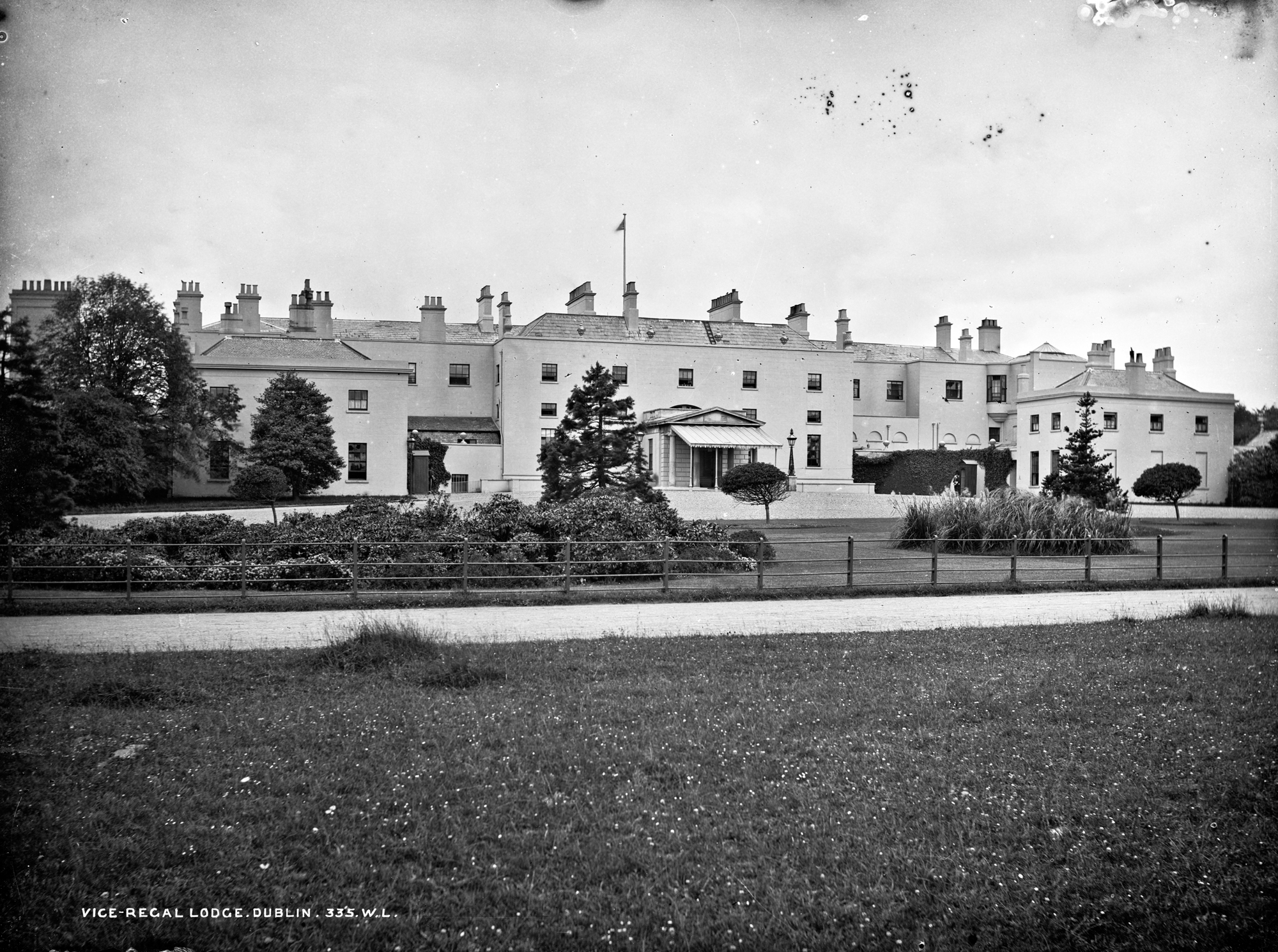
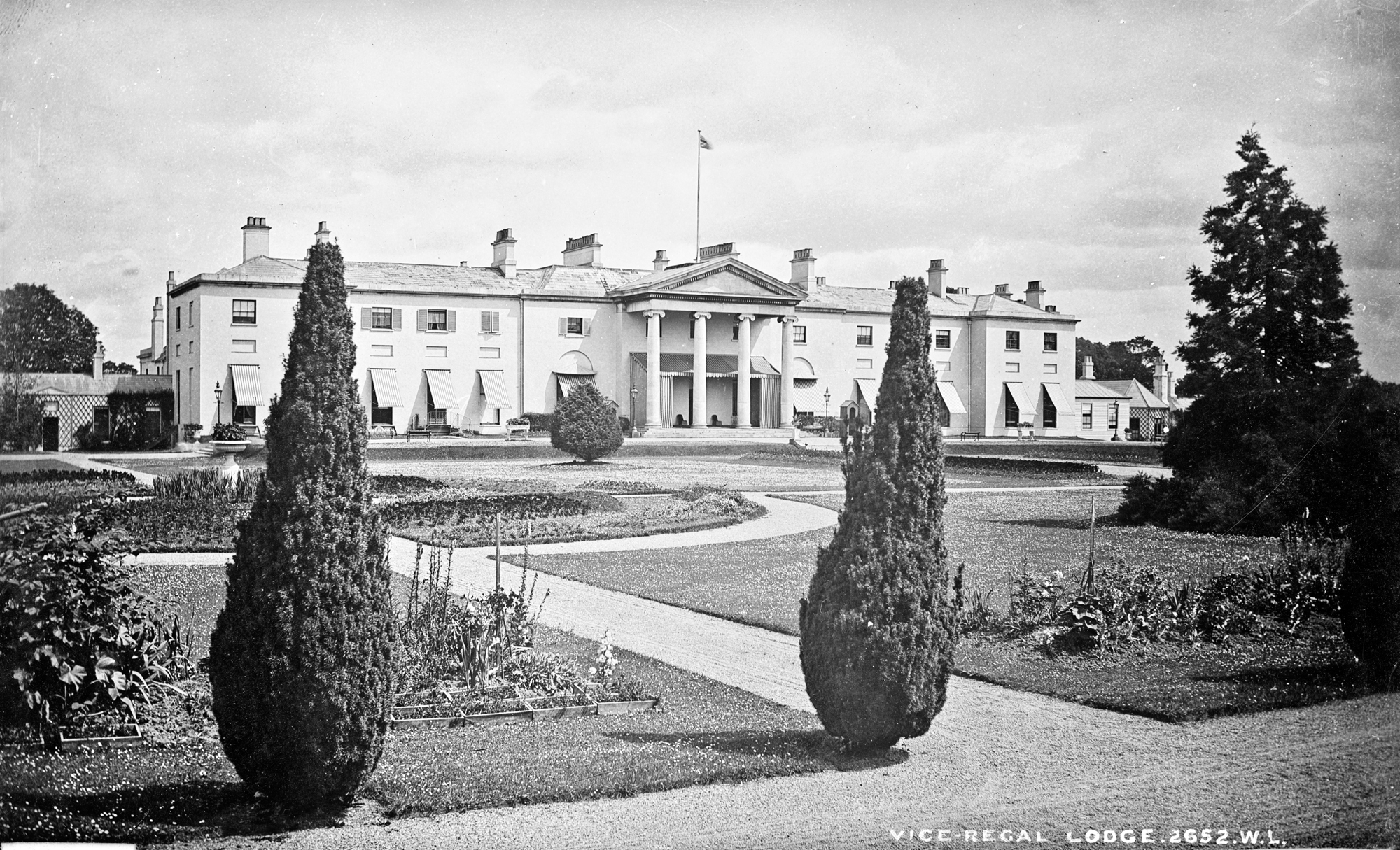
Photograph from the National Library, from when the building was the Vice Regal Lodge.This is the front which faces Chesterfield Avenue.Photograph is by Robert French, and the photograph is part of the Lawrence Photographic Collection, Date: between circa. 1865-1914, NLI Ref: L_ROY_00335The Vice-Regal Lodge (Lord Lieutenant’s Residence), Phoenix Park, Dublin After John James Barralet, Irish, 1747-1815, photograph courtesy of National Gallery of Ireland.
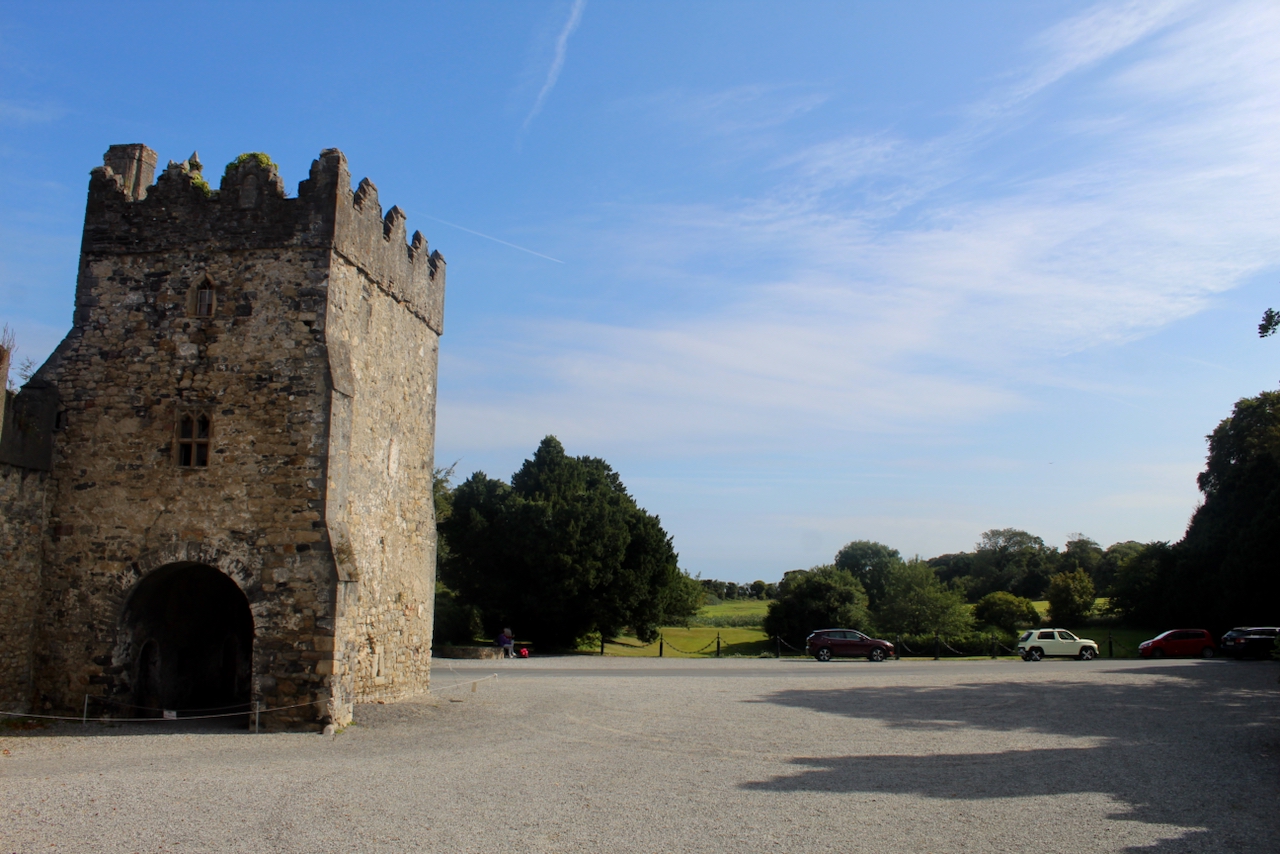
Clements accumulated much property including Abbotstown in Dublin, and estates in Leitrim and Cavan. In Dublin, he developed property including part of Henrietta Street, where he lived in number 7 from 1734 to 1757. For more about him, see Melanie Hayes’s wonderful book The Best Address in Town: Henrietta Street, Dublin and its First Residents, 1720-80 published by Four Courts Press in 2020. Another house he designed, which is sometimes on the Section 482 list, is Beauparc in County Meath, and another Section 482 property, Lodge Park in County Kildare. Desmond Fitzgerald also attributed Colganstown to him, a house we visited in 2019, though this is not certain. [2]
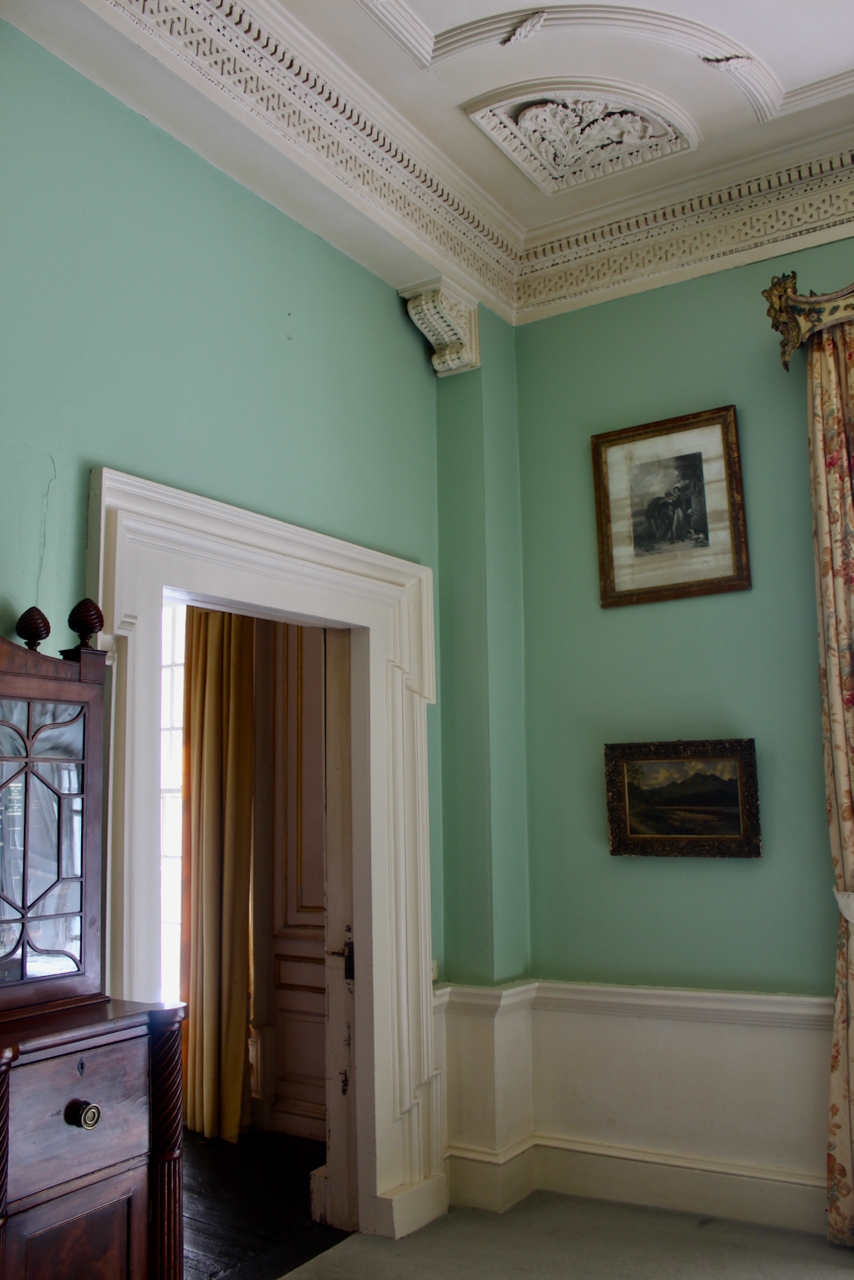
7 Henrietta Street, recently for sale, photograph courtesy of myhome.ie, built for Nathaniel Clements, who also built the house that has become Aras an Uachtarain.Number 7 Henrietta Street, from myhome.ie. The interior retains an original double-height open-well staircase and early dog-leg closed-string service stair with original plasterwork and joinery throughout. Laid out by Luke Gardiner in the 1720s, Henrietta Street is a short cul-de-sac containing the finest early Georgian houses in the city, and was named after Henrietta Crofts, the third wife of Charles Paulet, 2nd Duke of Bolton and Lord Lieutenant in 1717-1721.
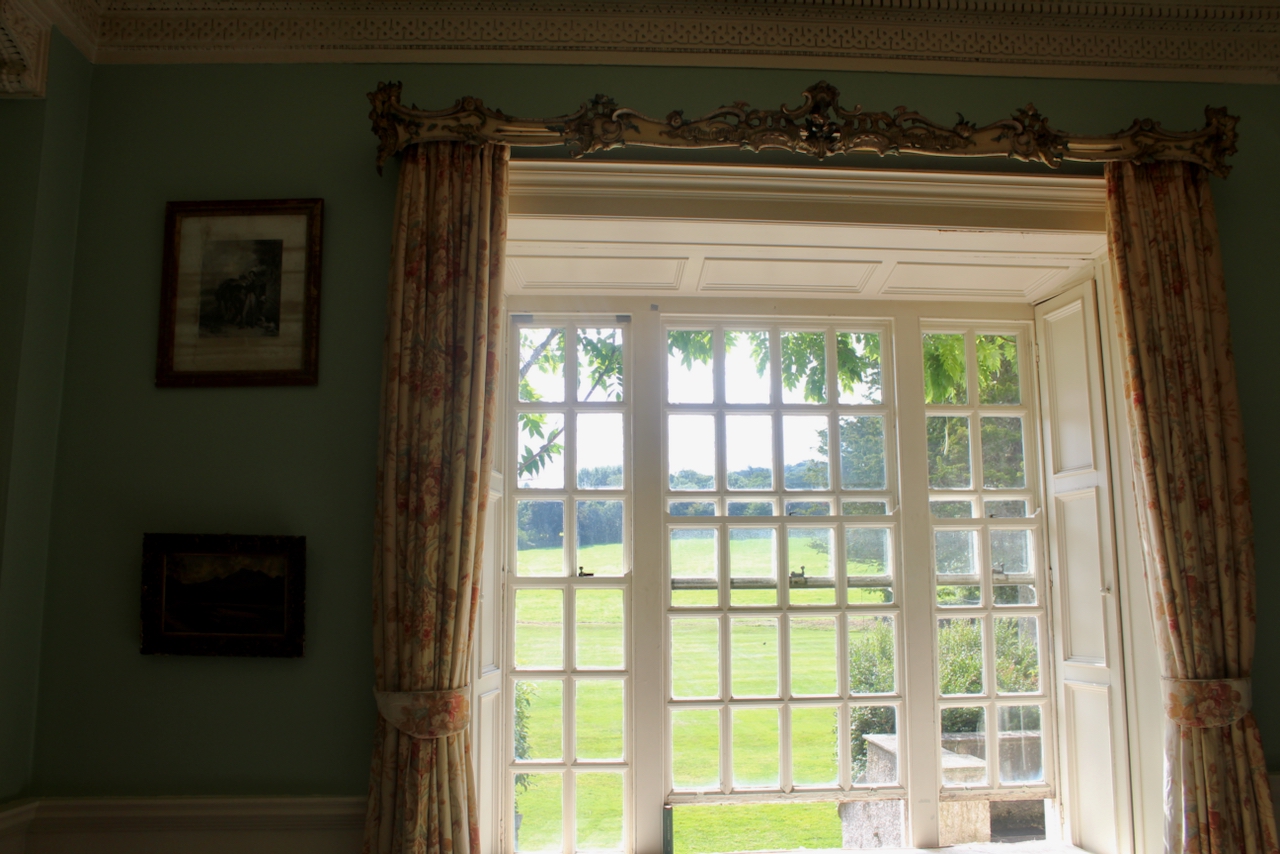
We attended a few of President Higgins’s summer parties at the Aras. These are open to the public, by booking tickets.
The Entrance Hall of the Áras dates from 1751 from the time of Nathaniel Clements, and features a magnificent barrel-vaulted ceiling with plaster busts in the ceiling coffers.
The Council of State Room is part of the original 1751 house. The ceiling, installed by Nathaniel Clements in 1757, is by Bartholomew Cramillion and depicts three of Aesop’s Fables – the Fox and the Stork, the Fox and the Crow and the Fox and the Grapes.
The administration of the British Lord Lieutenant bought the house from Nathaniel Clements’ son Robert 1st Earl of Leitrim in 1781, to be the personal residence for the Lord Lieutenant. In 1781 the Viceroy, or Lord Deputy, was Frederick Howard, 5th Earl of Carlisle. The building was rebuilt and named the Viceregal Lodge. At first it served as a summer residence, while the Viceroy stayed in Dublin Castle for the winter. The first “Lord Lieutenant” was his successor, William Henry Cavendish Bentinck, 3rd Duke of Portland.
The house was extended when acquired for the Viceroys to reflect its increased ceremonial importance. Mark Bence-Jones tells us that after being bought by the government, the house was altered and enlarged at various times. David Hicks tells us in his Irish Country Houses, A Chronicle of Change that all those who were awarded the position of Lord Lieutenant were from titled backgrounds and accustomed to grand country houses in England, so they found the Viceregal Lodge to be unimpressive. The 3rd Earl of Hardwicke, Philip Yorke, was the first Lord Lieutenant after the Act of Union in 1800, in 1801-1806. Yorke supported Catholic emancipation. In 1802 Yorke employed Robert Woodgate, a Board of Works architect, to make some alterations to the house, adding new wings to the house.
Photograph from the National Library of Ireland.This is the garden side of the house.The double height pedimented portico of four gian Ionic columns was added in 1815 by architect Francis Johnston.Photograph is by Robert French, and the photograph is part of the Lawrence Photographic Collection, Date: between circa. 1865-1914, NLI Ref: L_CAB_02652.Philip Yorke, 3rd Earl of Hardwicke, (1757-1834), Former Lord Lieutenant of Ireland Date 1836 Engraver William Giller, British, c.1805-after 1868 After Thomas Lawrence, English, 1769-1830, photograh courtesy of National Gallery of Ireland.
Additional work was carried out by Michael Stapleton – who was an architect as well as noted stuccadore – and Francis Johnston. In 1808, when Charles Lennox, 4th Duke of Richmond was Lord Lieutenant, Johnston added a Doric portico to the entrance front, and the single-storey wings were increased in height.
In 1815, Johnston extended the garden front by five bays projecting forwards, and in the centre of this front he added the pedimented portico of four giant Ionic columns which is the house’s most familiar feature.
It was not until the major renovations in the 1820s that the Lodge came to be used regularly by Lord Lieutenants. In the 1820s the Lord Deputy was Richard Wellesley, 1st Marquess Wellesley, 2nd Earl of Mornington, brother of the Duke of Wellington of Waterloo fame. See my footnotes for some portraits of Vicereines and Viceroys who may have lived in the Aras.
Richard Colley Wellesley (1760-1842), 2nd Earl of Mornington and 1st Marquess Wellesley by John Philip Davis courtesy of National Portrait Gallery in London NPG 846.
Maria Phipps née Liddell, Marchioness of Normanby (1798-1882),Vicereine 1835-39, laid out the gardens along with Decimus Burton in 1839-40. Decimus Burton also designed many gardens in London including St. James’s Park, Hyde Park Corner and Regent’s Park. He was also an architect.
In 1849 the east wing was added, which houses the new State Dining Room. The financing of any royal visit was a matter of concern for Lord Lieutenants as they had to finance any improvements to the Viceregal Lodge. It was during the tenure of George Villiers, 4th Earl of Clarendon (1800-1870), that Queen Victoria visited, with the idea that this would boost morale after the famine.
Queen Victoria planted a Wellingtonia Gigantea tree which is still standing (others have planted trees also, including Queen Alexandria and Barak Obama, Charles de Gaulle, John F. Kennedy, Pope John Paul II and King Juan Carlos of Spain).
In 1854 the west wing was added, also designed by Jacob Owen. Queen Victoria visited again in 1853, and at this time the Viceregal Lodge was connected to the public gas supply, in order to illuminate the reception rooms and also to provide public lighting throughout Phoenix Park.
A new part of the West Wing was added for the visit of George V in 1911, during the Lord Lieutenancy of John Campbell Hamilton-Gordon, 1st Marquess of Aberdeen and Temair.
The office of Lord Lieutenant was abolished in 1922 when the Irish Free State came into being. From 1922 until 1932 it was the residence of the Governor General of the Irish Free State. In 1922 Tim Healy was sworn in as Governor General. Over the following weeks, the former Viceregal Lodge was attacked and came under heavy fire on regular occasions.
The State Dining Room contains furniture by James Hicks of Dublin. The early 19th century fireplaces were originally a gift to Archbishop Murray of Dublin in 1812 “by his flock” for his residence at 44 Mountjoy Square, and were brought to the house in 1923, upon the sale of the house in Mountjoy Square, by the first Governor General of the Irish Free State, Tim Healy.
In 1937 when the office of President of Ireland was established, the house became the house of the president. The first President was Douglas Hyde (President of Ireland 1938-1945).
During the incumbency of President Sean T. O’Kelly, in 1948, a mid-C18 plasterwork ceiling attributed to Cramillion representing Jupiter and the Four Elements, with figures half covered in clouds, was brought from Mespil House, Dublin, which was then being demolished, and installed in the President’s Study, one of the two smaller rooms in the garden front of the original house, which we did not see.
The Mespil House ceiling was brought here at the instigation of Dr. C.P. Curran, who was also instrumental in having casts made of the plasterwork by the Francini, or Lafranchini, brothers, at Riverstown House, Co. Cork, which then seemed in danger; and which have been installed in the ballroom and in the adjoining corridor.
The State Reception Room (formerly the ballroom) features a plaster cast of a Lafranchini panel in the ceiling. The Lafranchini brothers were 18th century Swiss stuccodores who also worked on Carton and Castletown Houses. See my entry about Riverstown House https://irishhistorichouses.com/2022/10/05/__trashed/.
The State Corridor, also called the Lafranchini Corridor, leads from the Entrance Hall past the State Reception Room. This corridor was originally part of the orchestra pit for the adjoining ballroom. It was created as a corridor in the 1950s. One side of the corridor is lined with bronze busts of Irish Presidents mounted on marble columns and the other side features stucco panels showing classical figures. These too are casts taken from Riverstown House.
Later additions to the gardens were carried out by Ninian Niven, who designed Iveagh Gardens in Dublin. The gardens contain many Victorian features including ceremonial trees, an arboretum, wilderness, pleasure grounds, avenues, walks, ornamental lakes and a walled garden, which contains a Turner peach house and which grows the food and flowers organically.
Some of the Viceroys and Vicereines who lived there may include (portraits below are from the 2021 exhibition of Vicereines that took place in Dublin Castle): William Henry Cavendish-Bentinck the 3rd Duke of Portland and his wife Dorothy (Viceroy 1782), George Nugent-Temple-Grenville, 11st Marquess of Buckingham (Viceroy 1782), Charles Manners the 4th Duke of Rutland (1754-1787), Viceroy 1784-87, and his wife Mary Isabella, Charles Lennox the 4th Duke of Richmond and his wife Charlotte (Viceroy 1807-1813), Hugh Percy 3rd Duke of Northumberland and his wife Charlotte Florentia (Viceroy 1829-30), Constantine Henry Phipps 1st Marquess of Normanby and his wife Maria Phipps (Viceroy 1835-39), James Hamilton 1st Duke of Abercorn and his wife Louisa (Viceroy 1866-68 and 1874-76), Thomas de Grey, 2nd Earl de Grey, 3rd Baron Grantham, 6th Baron Lucas and his wife Henrietta Cole from Florence Court, County Fermanagh (Viceroy 1841-1844), Charles Vane-Tempest-Stewart, 6th Marquess of Londonderry and his wife Theresa (Viceroy 1886-89), John Spencer, 5th Earl Spencer (Viceroy 1868-74 and 1882-5), John Hamilton-Gordon, 1st Marquess of Aberdeen and Temair (Viceroy 1886 and 1905-1915)and Ivor Guest, 1st Viscount Wimborne (Viceroy 1915-1918).
Kilmokea is listed under section 482 as Tourist Accommodation. The owners open the gardens to the public for a small fee. The stables and coach house have been converted to self-catering rental.
The main lawn at the rear of the house – surrounded by perenniel borders – and some fine topiary.Photograph created by George Munday, Tourism Ireland, 2014, taken from Ireland’s Content Pool care of Failte Ireland. [1]
Mark Bence-Jones tells us in his A Guide to Irish Country Houses (1988) that it is a former glebe house, that is, it was on the grounds of the church, built in 1794 (the National Inventory says 1806 – the website explains that it was not finished and occupied until the later date). It served as the residence for the Whitechurch parish Church of Ireland rector. The website for the house tells us that it is located on the site of an ancient monastery.
Kilmokea is on Great Island, which is not actually an island, although it is largely surrounded by water. The website tells us that the River Barrow, which converges with the River Nore just upstream from New Ross, forms the “island’s” western boundary, and the inner reaches of Waterford Harbour border Great Island to the South. The Campile River, to the east, also flows into Waterford Harbour, while the connecting isthmus to the ‘mainland’ of County Wexford is largely low-lying and prone to floods, hence the name Great Island. It was previously known as “Hervey’s Island” as it was part of the barony belonging to Anglo-Norman Hervey de Montmorency.
The National Inventory tells us that the composition of the house is attributed to Francis Johnston (1760-1829) “confirmed by such attributes as the deliberate alignment maximising on scenic vistas overlooking landscaped grounds with the meandering River Barrow in the near distance; the near square plan form centred on a restrained doorcase; and the diminishing in scale of the openings on each floor producing a graduated visual impression.”
It is a two-storey over basement house, roughly square, with a three-bay facade protected by a later porch. The garden front is of four bays and the rooms at the rear are set high above the lawn and treated as a piano nobile.
Photograph created by Chris Hill, Tourism Ireland, 2014, taken from Ireland’s Content Pool care of Failte Ireland.
The National Inventory lists the rectors who lived here: Reverend Thomas Hancock (d. 1836); Reverend Joseph Miller (d. 1838); Reverend John Keefe Robinson (d. 1862); Reverend Edward Moore (d. 1865); and Reverend Robert Gordon Stowell Greer (1871-1929), ‘Rector of [Whitechurch] Parish for 29 years.’
The gardens were created by previous owners David and Joan Price, from whom the current owners purchased the property. The website tells us that when the Prices purchased the property in 1948 it was dilapidated, and they restored and extended the house, removing the external rendering and stripping and waxing the internal joinery by hand.
The subtropical microclimate allows many rare and tender plants to flourish. The Prices surrounded the house with a series of interconnecting garden ‘rooms’ of varying size. Across the road the garden continues with a reconstructed millpond which feeds a small stream, which winds its way through a woodland garden to the River Barrow.
In 1997 Mark and Emma Hewlett purchased the property. They have extended and enhanced both house and garden, and built a new conservatory. Upstairs was completely renovated.
The entrance door inside the porch is topped by a spiderweb fanlight, leading to a generous entrance hall. The National Inventory tells us that the carved timber door surrounds, the moulded plasterwork cornice and acanthus ceiling rose are original to the house.
The National Inventory tells us that the drawing room (north-west) retains a carved timber surround to the door opening framing a timber panelled door, and carved timber surrounds to window openings with framing timber panelled shutters. It retains a cut-black marble Classical-style chimneypiece, and moulded plasterwork cornice to the ceiling centred on “Grape and Vine”-detailed plasterwork ceiling rose.
The National Inventory tells us that the staircase is on a dog leg plan with replacement turned timber “spindle” balusters supporting a carved timber banister terminating in a volute. The study, now an office, has a cut-white marble Classical-style chimneypiece. It retains a picture railing below a moulded plasterwork cornice to the ceiling which is centred on a plasterwork ceiling rose.
There’s a leisure area in a stone building with an indoor heated swimming pool, sauna, jacuzzi, aromatherapy treatments and a gym area. An all weather tennis court and croquet lawn complete these facilities which are for the use of residents.
Kilmokea Country Manor has won numerous awards for its hospitality and fine dining. Kilmokea is also a member of Hidden Ireland and has been recommended by Alastair Sawday’s special places to stay in Ireland, Karen Brown’s Ireland Charming Inns and Itineraries, Georgina Campbell’s guide to Ireland and The Hidden places of Ireland.
In 1847, the Johnson family of Warrenstown changed their surname from MacShane to Anglicized Johnson. Christopher Johnson married Anne, daughter of Michael Warren of Warrenstown, County Meath. Their son John married Catherine Nangle. [1]
Robert King (d. 1657) lived in Boyle Abbey, County Roscommon. He married first, Frances, daughter of Henry Folliott, 1st Lord Folliott, Baron of Ballyshannon. Frances gave birth to a son, John King (1638-1676) who became 1st Baron Kingston; a second son, Robert (d. 1707) became 1st Baronet King, of Boyle Abbey, Co. Roscommon.
Robert King, (d. 1707) 1st Baronet of Boyle Abbey, County Roscommon from the circle of John Closterman, courtesy of “mutualart.com”
John King (1638-1676) 1st Baron Kingston married Catherine Fenton who gave birth to their heir, the 2nd Baron Kingston (1657–1693), who died unmarried, so the title passed to John (d. 1727/8) 3rd Baron Kingston.
John (d. 1727/8) 3rd Baron Kingston married Margaret O’Cahan.
Margaret O’Cahan (c. 1662-1721), standing in a black habit, and holding a string of rosary beads, Attributed to Garret Morphy (c.1655-1715), courtesy Adam’s 6 Oct 2009 she married James King 3rd Baron Kingston.
The 3rd Baron’s daughter Catherine married George Butler, grandson of Edmund Roe Butler, 4th Viscount Mountgarret. His son James King (1693-1761) became 4th Baron Kingston. He married Elizabeth, daughter of John Meade, 1st Bt of Ballintubber, County Cork. She was the widow of Ralph Freke, 1st Bt.
Their daughter Margaret (d. 1763) married Richard Fitzgerald, son of Robert Fitzgerald, 19th Earl of Kildare. A son predeceased him, so on the 4th Baron’s death, the Barony of Kingston became extinct.
Jeremiah Barrett (d.1770) A conversation portrait of the Children, William, Elizabeth and Margaret King, of James 4th (last) Baron Kingston of Mitchelstown with a pet doe and dog courtesy of Adam’s 6 Oct 2009. The surviving daughter Margaret, daughter of Elizabeth Meade (Clanwilliam), inherited the vast Mitchellstown Estate of the White Knights. She married Richard Fitzgerald of Mount Ophally, and their only daughter Caroline married, as arranged, the 2nd Earl of Kingston thus uniting the two branches of the King family. Life at Mitchellstown was recorded by two famous employees of the Kings, Arthur Young the agriculturalist and Mary Wollstonecraft who probably sketched out the basis of Vindication of the Rights of Women whilst governess to the King children. It was not without excitement, in 1799 Lord Kingston shot dead Colonel Fitzgerald, his wife’s illegitimate half-brother in the hotel in Mitchellstown for abducting his 17 year old daughter Mary Elizabeth and his eldest daughter Margaret having married the 2nd Earl of Mount Cashell left him to befriend Shelley in Italy and is The Lady in ‘The Sensitive Plant’. Provenance: Rockingham House.
Robert King (d. 1707) 1st Baronet King, of Boyle Abbey, Co. Roscommon married Frances Gore, granddaughter of Paul Gore, 1st Baronet Gore, of Magherabegg, Co. Donegal. Their daughter Mary married Chidley, son of Richard Coote, 1st Lord Coote, Baron of Coloony. A son John became 2nd Baronet but died childless and the title passed to his brother Henry (d. 1739/40) who became 3rd Baronet of Boyle Abbey, Co. Roscommon.
Henry King (1681-1739) 3rd Baronet King of Boyle Abbey, by Robert Hunter.
Henry King (d. 1739/40) 3rd Baronet of Boyle Abbey, Co. Roscommon married Isabella, daughter of Edward Wingfield of Powerscourt, County Wicklow.
Isabella Wingfield (d. 1761) by John Verelst, 1722, daughter of Edward Wingfield (d. 1728) of Powerscourt, sister of 1st Viscount Powerscourt, wife of Henry King 3rd Baronet.
Henry King (d. 1739/40) 3rd Baronet and Isabella’s daughter Elinor married William Stewart of Killymoon. Another daughter, Isabella (1729-1794) married Thomas St. Lawrence 1st Earl of Howth, and Anne (d. 1803) married John ‘Diamond’ Knox of Castlerea, Co. Mayo, and Frances (1726-1812) married Hans Widman Wood of Rossmead, County Westmeath. It’s funny looking at their portraits by Robert Hunter – he seems to have used the same picture for each sister except for Frances, with tiny adjustments to the dress and pose!
Henry King (d. 1739/40) 3rd Baronet and Isabella’s son Robert (1724-1755) succeeded as 4th Baronet King, of Boyle Abbey, Co. Roscommon and was created 1st (and last) Baron Kingsborough. Another son, Edward (1726-1797) succeeded as 5th Baronet King, of Boyle Abbey, Co. Roscommon was created 1st Earl of Kingston, and they had another son, Henry.
Edward (1726-1797) 5th Baronet King, of Boyle Abbey, Co. Roscommon, 1st Earl of Kingston married Jane Caulfeild (d. 1784), daughter of Thomas Caulfeild of Castle Donamon, County Roscommon. Their daughter Jane (d. 1838) married Laurence Harman, 1st Earl of Rosse. A daughter Frances married Thomas Tenison (d. 1812). Another daughter, Eleanor, died unmarried, as did her sister Isabella. The heir was Robert (1754-1799) who became 2nd Earl of Kingston.
Robert King (1754-1799) 2nd Earl of Kingston married Caroline Fitzgerald (d. 1823), daughter of Richard Fitzgerald and Margaret King. The latter was daughter of James King, 4th Baron Kingston. Richard Fitzgerald was son of Robert 19th Earl of Kildare.
Caroline née Fitzgerald and Robert King 2nd Earl of Kingston had a daughter Margaret (1773-1835) who married first, Stephen Moore 2nd Earl of Mountcashell and second, George William Tighe. Caroline and Robert 2nd Earl’s son George (1771-1839) succeeded as 3rd Earl of Kingston.
Caroline and Robert 2nd Earl’s son Henry (d. 1839) married first Mary Hewitt and then Catherine Philips. Another son, James William King (d. 1848) married Caroline Cleaver. Another son, Robert Edward (1773-1854) was created 1st Viscount Lorton of Boyle, County Roscommon. Another son, Richard Fitzgerald King (1779-1856) married Williamina Ross.
George King (1771-1839) 3rd Earl of Kingston had several illegitimate children with Caroline Amelia Morison, daughter of William Morison, Chief Justice of the Bahamas. The 3rd Earl married Helena Moore (1773-1847), daughter of Stephen Moore, 1st Earl Mountcashell. His son (1795-1837) Edward King, known as Viscount Kingsborough, was imprisoned for his father’s debts and died of typhus in prison. His son Robert Henry King (1796-1867) succeeded 4th Earl of Kingston. He was declared of unsound mind, and had no children. His brother James King (1800-1869) succeeded as 5th Earl of Kingston.
orange: “whole house rental” i.e. those properties that are only for large group accommodations or weddings, e.g. 10 or more people.
green: gardens to visit
grey: ruins
Carlow, Dublin, Kildare, Kilkenny, Laois, Longford, Louth, Meath, Offaly, Westmeath, Wexford and Wicklow are the counties that make up the Leinster region.
As well as places to visit, I have listed separately places to stay, because some of them are worth visiting – you may be able to visit for afternoon tea or a meal.
For places to stay, I have made a rough estimate of prices at time of publication:
€ = up to approximately €150 per night for two people sharing (in yellow on map);
2.Lough Bawn House, Colllinstown, County Westmeath €€
3. Lough Bishop House, Collinstown, County Westmeath€
4. Mornington House, County Westmeath €€
Whole House Rental/wedding venue, County Westmeath:
1. Bishopstown House, Rosemount, County Westmeath – whole house rental (sleeps up to 18 people)
2. Middleton Park, Mullingar, County Westmeath – whole house rental and weddings
donation
Help me to pay the entrance fee to one of the houses on this website. This site is created purely out of love for the subject and I receive no payment so any donation is appreciated!
Cruising by Athlone Castle, Co Westmeath Courtesy Fennell Photography 2015, for Tourism Ireland, Ireland’s Content Pool.
The website tells us: “Trace the footprints of the generations who shaped this place. From early settlements and warring chieftains to foreign invaders and local heroes. This site on the River Shannon is the centre of Ireland’s Hidden Heartlands.
“Over the centuries it has been the nucleus of the Anglo-Norman settlement; a stronghold of the rival local families the Dillons and the O’Kelly’s; the seat of the Court of Claims; the residence of the President of Connaught and the Jacobite stronghold during the sieges of Athlone. After the Siege of Athlone it became incorporated into the new military barrack complex. It remained a stronghold of the garrison for almost three hundred years.
“In 1922 when the Free State troops took over the Barracks from their British counterparts, they proudly flew the tricolour from a temporary flagpole much to the delight of the majority of townspeople.
“In 1967 the Old Athlone Society established a museum in the castle with a range of exhibits relating to Athlone and its environs and also to folk-life in the district. Two years later when the military left the castle it was handed over to the Office of Public Works and the central keep became a National Monument.
“In 1991 to mark the Tercentenary of the Siege of Athlone the castle became the foremost visitor attraction in Athlone. Athlone Town Council (then Athlone UDC) made a major investment in the castle creating a multi-faceted Visitor Centre as it approached its 800th Anniversary in 2010. A total of €4.3million euro was invested in the new facility by Fáilte Ireland and Athlone Town Council and was officially opened by the then Minister of State for Tourism and Sport, Michael Ring T.D. on Tuesday 26th February 2012.“
Athlone Castle, County Westmeath, photograph by Robert French, Lawrence Photographic Collection, National Library of Ireland.Athlone Castle, Athlone, Co Westmeath_Courtesy Ros Kavanagh 2014,for Tourism Ireland, Ireland’s Content Pool.
“Athlone Castle Visitor Centre is now a modern, engaging, fun and unique family attraction which harnesses most significant architectural features, such as the keep, to act as a dramatic backdrop to its diverse and fascinating story.
“It houses eight individual exhibition spaces, each depicting a different aspect of life in Athlone, the Castle and the periods both before and after the famous Siege. Fun, hands-on interactives, touchable objects and educational narratives immerse visitors in the drama, tragedy and spectacle of Athlone’s diverse and fascinating story. 3D maps, audio-visual installations, illustrations and artefacts bring the stories and characters of Athlone to life and The Great Siege of Athlone is dramatically recreated in a 360-degree cinematic experience in the Keep of the castle.“
Athlone Castle, Athlone, Co Westmeath_Courtesy Ros Kavanagh 2014,for Tourism Ireland, Ireland’s Content Pool.
“As part of Westmeath County Council’s commemoration of Ireland’s world-renowned tenor, John Count McCormack, a new exhibition dedicated to the celebrated singer was opened at Athlone Castle in October 2014.“
Archiseek tells us about Athlone Castle: “Towards the end of the 12th century the Anglo-Normans constructed a motte-and-bailey fortification here. This was superceeded by a stone structure built in 1210, on the orders of King John of England. The Castle was built by John de Gray, Bishop of Norwich. The 12-sided donjon dates from this time. The rest of the castle was largely destroyed during the Siege of Athlone and subsequently rebuilt and enlarged upon. In the early 1800s, during the Napoleonic Wars, the castle was rebuilt as a fortification to protect the river crossing, taking the form we largely see today. The machicolations of the central keep are all nineteenth century. In the interior is an early nineteenth century two-storey barrack building. The modern ramp up to the castle has a line of pistol loops. The castle was taken over by the Irish Army in 1922 and continued as a military installation until it was transferred to the Office of Public Works in 1970.” [8]
Athlone Castle, Athlone, Co Westmeath_Courtesy Sonder Visuals 2021 for Tourism Ireland, Ireland’s Content Pool.
2. Belvedere House, Gardens and Park, County Westmeath
Mark Bence-Jones writes of Belvedere in his 1988 book:
p. 39. “(Rochfort, sub Belvedere, E/DEP Rochfort/LGI1912; Marlay/LGI1912; Howard-Bury, sub Suffolk and Berkshire, E/PB; and Bury/IFR) An exquisite villa of ca 1740 by Richard Castle, on the shores of Lough Ennell; built for Robert Rochfort, Lord Bellfield, afterwards 1st Earl of Belvedere, whose seat was at Gaulston, ca 5 miles away. Of two storeys over basement, with a long front and curved end bows – it may well be the earliest bow-ended house in Ireland – but little more than one room deep.”
Castle, May 1-3, 8-10, 15-17, 22-24, 29-31, June 5-7, 12-14, 19-21, 26-28, July 3-5, 10-12, 17-19, Aug 1-2, 7-9, 14-24, 28-30, Sept 4-6, 11-13, 18-20, 11am-3pm
Garden, Mar 27-Sept 28, Thurs-Sundays, and Bank Holidays, National Heritage Week, Aug 16-24,11am-5pm
Fee: castle adult €16.50, child entry allowed for over 8 years €8.50, garden, adult €8.50, child €4, family ticket (2 adults + 2 children) €23, adult season ticket €56, family season ticket €70, special needs visitor with support carer €4, child 5 years or under is free
“The family run Annebrook House Hotel Mullingar opened its doors February 2007. Originally an Old Georgian residence for the local county surgeon, Dr O’Connell, the historic Annebrook House Hotel was purchased by the Dunne family in 2005. With his experience in hospitality and construction Berty Dunne set about creating a hotel as unique as the man who owns it. The Annebrook’s central location, its diverse range of accommodation from 2 bedroomed family suites to executive doubles has made it a very popular location for those coming to experience all that the midlands has to offer.
“Situated in the heart of Mullingar overlooking 10 acres of parkland, the Award Winning 4 star Annebrook House Hotel presents a modern day styling coupled with 17th century heritage. As a family run hotel the Annebrook prides itself on quality and high standards of customer service, working as part of one team to ensure all guests of their best and personal attention at all times. Annebrook House Hotel is steeped in history and enjoys the enviable advantage of being one of the most centrally located hotels in Mullingar town. This unique venue mixes old world charm with modern comfort and has established itself as one of Westmeath’s top wedding venues and was recently voted Best Wedding Venue Ireland by Irish Wedding Diary Magazine. With accommodation ranging from executive hotel rooms, family suites, luxurious champagne suites and apartments, the Annebrook has much to offer those visiting Mullingar. Offering a range of dining options from Berty’s Bar to fine dining in the award winning Old House Restaurant. The four star Annebrook House Hotel offers an excellent service to both its corporate & leisure guests. The hotel is accessible by car just 50 mins from Dublin and is only 10 minutes from the local Train Station.“
2.Lough Bawn House, Colllinstown, Co Westmeath – B&B accommodation €€
“A classic Georgian house in a unique setting. Lough Bawn house sits high above Lough Bane with amazing sweeping views. Nestled in a 50 acre parkland at the end of a long drive, Lough Bawn House is a haven of peace and tranquillity.
“The house and estate has been in the same family since it was built in 1820 by George Battesby, the current occupier, Verity’s, Great Great Great Grandfather. The house is being lovingly restored by Verity, having returned from England to live in the family home. Verity ran her own catering and events company in Gloucestershire for over 20 years. Her passion for cooking & entertaining shines through. Guests enjoy an extensive and varied breakfast with much of the ingredients being grown or reared by Verity herself, and delicious dinners are on offer. Breakfast is eaten in the large newly restored dining room, with wonderful views over the lough and of the parading peacocks on the rolling lawns.“
Photograph courtesy of Lough Bawn House website.Photograph courtesy of Lough Bawn House website.
“Both of the large, en-suite rooms have fine views down the length of Lough Bane and over the wooded hills while the single room and the twin/double room have sweeping views of the surrounding parklands. Guests are warmly welcomed and encouraged to relax in the homely drawing room in front of a roaring fire or to explore one of the many local historical sites, gardens, walks or cultural entertainments on offer.
Several areas of the estate have been classified as Special Areas of Conservation (SAC‘s) due to the incredibly varied and rare flora. Wild flowers can be found in abundance and a charming fern walk has been the created amongst the woodland near the house.“
3. Lough Bishop House, Collinstown, County Westmeath€
“Built in the early 19th Century, Lough Bishop is a charming Country House nestling peacefully into a south-facing slope overlooking Bishop’s Lough in County Westmeath, Ireland.
“Breathtaking scenery in an unspoilt and tranquil setting, amid the rolling farmlands and lakes of Westmeath make Lough Bishop an ideal refuge from the hustle and bustle of modern life. There are family dogs in the background and animals play a large part of life at Lough Bishop House.
“Lough Bishop House is a family run business offering Country House Bed & Breakfast accommodation in a wonderful location in the middle of a working organic farm. We even have a purpose built trailer towed behind the quad bike to give guests a tour of the farm and the opportunity to get up close to the animals.
“Following extensive renovation this attractive Georgian Country Farmhouse offers its guests luxurious bed and breakfast accommodations, peaceful surroundings and fine home cooked food much of which comes from our own farm, garden and orchard.“
4. Mornington House, County Westmeath – B&B accommodation
Mornington House, photograph courtesy of their website.
“Mornington House, a historic Irish Country Manor offering luxury country house accommodation located in the heart of the Co. Westmeath countryside, just 60 miles from Ireland’s capital city of Dublin. Tranquility and warm hospitality are the essence of Mornington, home to the O’Hara’s since 1858.
“Mornington House is hidden away in the midst of a charming and dramatic landscape with rolling hills, green pasture, forests with ancient, heavy timber and sparkling lakes, deep in an unexplored corner of County Westmeath. Nearby are ancient churches, castles and abbeys, and delightful small villages to explore, away from all hustle and bustle of 21st century life, yet just 60 miles from Dublin.
“There has been a house at Mornington since the early 17th century but this was considerably enlarged in 1896 by Warwick’s grandparents. It is now a gracious family home with a reputation for delicious breakfasts which are prepared in the fine tradition of the Irish Country House and really set you up for the day ahead.
“A special place to stay for a romantic or relaxing break Mornington House’s location in the centre of Ireland just an hour’s drive from Dublin and Dublin Airport makes it ideal for either a midweek or weekend country break. Guests can walk to the lake or wander round the grounds. Excellent golf, fishing, walking and riding can be arranged. The Hill of Uisneach, the Neolithic passage tombs at Loughcrew and Newgrange and the early Christian sites at Fore and Clonmacnoise are all within easy reach, as are the gardens at Belvedere, Tullynally and Loughcrew.“
The National Inventory tells us:
“A well-detailed middle-sized country house, on complex plan, which retains its early aspect, form and much of its important early fabric. The ascending breakfronts to the entrance front of this structure adds to the overall form and its architectural impact. The facade, incorporating extensive moulded detailing and a very fine doorcase, is both visually and architecturally impressive and displays a high level of workmanship. The present entrance front (east) is built to the front of an earlier house, the form of which suggests that it might be quite early, perhaps early eighteenth-century in date. The 1896 entrance front was built to designs by W.H. Byrne (1844-1917), a noted architect of his day, best remembered for his numerous church designs. Apparently, Mornington is one of only two domestic commissions that can be attributed to this noteworthy architect, adding extra significance to this structure. The building was completed by 1898 at a cost of £2,400. Mornington House was in the ownership of the Daly Family in the early eighteenth-century and has been in the ownership of the O’Hara Family since 1858. It forms the centrepiece of an interesting, multi-period, complex with the outbuildings, the walled gardens and the fine entrance gates to the south. It represents an important element to the architectural heritage of Westmeath and occupies attractive nature grounds to the east of Multyfarnham.” [9]
Whole House accommodation, County Westmeath:
1. Bishopstown House, Rosemount, Westmeath (sleeps up to 18 people)
“Bishopstown House is a three-storey Georgian house built in the early 1800s by the Casey family. After he passed away, the original owner, Mr. J Casey left Bishopstown to his two daughters, who then sold the house to Mr Richard Cleary in 1895.
“Mr Richard Cleary, formally from the famed lakeside Cleaboy Stud near Mullingar, planned and erected Bishopstown House and Stud. In his younger days he rode horses at Kilbeggan, Ballinarobe, Claremorris and other Irish meetings with varying degrees of success, but as a trainer he knew no bounds. In his later years he devoted his time to breeding and training, and in time he became one of Ireland’s most famous trainers, breeding some excellent horses, including the winner of the 1916 Irish Grand National, Mr James Kiernan’s All Sorts!
“Other famous horses from the Bishopstown stud include Shaun Spada and Serent Murphy who both won the Aintree Grand National in England. Another horse called Dunadry won the Lancashire Steeple Chase. Other stallion winners include Sylvio III, Lustrea and Irish Battle who frequently had their names in the limelight throughout Irish and English racecourses.
“After being left fall into a dilapidated state, the stud farm and house was purchased by Paddy and Claire Dunning, the owners of the award-winning Grouse Lodge Recording Studios and Coolatore House and members of the Georgian society. It was restored to its former glory in 2009 and is now available for rent.“
2. Middleton Park, Mullingar, County Westmeath – wedding venue and accommodation
Photograph courtesy of Middleton Park House website.
Middleton Park House featured in The Great House Revival on RTE, with presenter (and architect) Hugh Wallace. The website tells us:
“Carolyn and Michael McDonnell, together with Carolyn’s brother Henry, joined together to purchase this expansive property in Castletown Geoghegan. Built during the famine, the property was last in use as a hotel but it had deteriorated at a surprisingly fast rate over its three unoccupied years.
“Designed by renowned architect George Papworth, featuring a Turner-designed conservatory, Middleton Park House stands at a palatial 35,000sq. ft. and is steeped in history. Its sheer scale makes it an ambitious restoration.
“The trio’s aim is to create a family home, first and foremost, which can host Henry’s children at the weekends and extended family all year-round. Due to its recent commercial use, the three will need to figure out how to change industrial-style aspects to make it a welcoming home that is economical to run.
“Henry will be putting his skills as a contractor and a qualified chippy to use, and Michael will be wearing his qualified engineer’s hat to figure out an effective heating system. Carolyn will be using her love of interiors to work out the aesthetic of the house, and how to furnish a property the size of 35 semi-detached houses in Dublin.“
Photograph courtesy of Middleton Park House website.
The trio have now made the house available for accommodation and as a wedding venue.
Photograph courtesy of Middleton Park House website.
The National Inventory tells us:
“A very fine and distinguished large-scale mid-nineteenth country house, which retains its early form, character and fabric This well-proportioned house is built in an Italianate style and is elevated by the fine ashlar limestone detailing, including a well-executed Greek Ionic porch/portico and a pronounced eaves cornice. This house was (re)built for George Augustus Boyd [1817-1887] in 1850 to designs by George Papworth (1781-1855) and replaced an earlier smaller-scale house on site, the property of a J. Middleton Berry, Esq., in 1837 (Lewis). The style of this house is quite old fashioned for its construction date and has the appearance of an early-nineteenth/late-Georgian country house. The form of this elegant house is very similar to Francis Johnston’s masterpiece Ballynagall (15401212), located to the north of Mullingar and now sadly in ruins. This house remained in the Boyd-Rochfort family until 1958 and was famously offered as a prize in a raffle in 1986 by its then owner, Barney Curly. This house forms the centerpiece of an important collection of related structures along with the elegant conservatory by Richard Turner (15318024), the service wing to the north (15318020), the stable block to the north (15318022) and the main gates (15318017) and the gate lodge (15318018) to the west. This building is an important element of the built heritage of Westmeath and adds historic and architectural incident to the landscape to the south of Castletown Geoghegan.” [10]
[3] Bence-Jones, Mark. A Guide to Irish Country Houses (originally published as Burke’s Guide to Country Houses volume 1 Ireland by Burke’s Peerage Ltd. 1978); Revised edition 1988 Constable and Company Ltd, London.
[4] p. 136. O’Reilly, Sean. Irish Houses and Gardens. From the Archives of Country Life. Aurum Press Ltd, London, 1998.
Just to finish up my entries about Office of Public Works properties: Carlow, Dublin, Kildare, Kilkenny, Laois, Longford, Louth, Meath, Offaly, Westmeath, Wexford and Wicklow are the counties that make up the Leinster region.
Carlow:
1. Altamont Gardens
Kildare:
2. Castletown House, County Kildare
3. Maynooth Castle, County Kildare
Carlow:
1. Altamont House and Gardens, Bunclody Road, Altamont, Ballon, County Carlow:
Altamont House and Gardens, photograph by Sonder Visuals, 2015, for Tourism Ireland, from Ireland’s Content Pool. [1]
“A large and beautiful estate covering 16 hectares in total, Altamont Gardens is laid out in the style of William Robinson, which strives for ‘honest simplicity’. The design situates an excellent plant collection perfectly within the natural landscape.
“For example, there are lawns and sculpted yews that slope down to a lake ringed by rare trees and rhododendrons. A fascinating walk through the Arboretum, Bog Garden and Ice Age Glen, sheltered by ancient oaks and flanked by huge stone outcrops, leads to the banks of the River Slaney. Visit in summer to experience the glorious perfume of roses and herbaceous plants in the air.
“With their sensitive balance of formal and informal, nature and artistry, Altamont Gardens have a unique – and wholly enchanting – character.” [2]
From “In Harmony with Nature, The Irish Country House Garden 1600-1900” in the Irish Georgian Society, July 2022, curated by Robert O’Byrne.Altamont, photograph by Sonder Visuals 2017 for Tourism Ireland, Ireland’s Content Pool. [see 1]
From Living Legacies: Ireland’s National Historic Properties in the care of the OPW, Government Publications, Dublin, 2018:
“Altamont House was constructed in the 1720s, incorporating parts of an earlier structure said to have been a medieval nunnery. In the 1850s, a lake was excavated in the grounds of the house, but it was when the Lecky-Watsons, a local Quaker family, acquired Altamont in 1924 that the gardens truly came into their own.
“Feilding Lecky-Watson had worked as a tea planter in Ceylon (Sri Lanka) where he nurtured his love of exotic plants, and of rhododendrons in particular. Back in Ireland, he became an expert in the species, cultivating plants for the botanical gardnes at Glasnevin, Kew and Edinburgh. So passionate was he about these plants that when his wife, Isobel, gave birth to a daughter in 1922, she was named Corona, after his favourite variety of rhododendron.” [3]
Altamont House and Gardens lake, photograph by Sonder Visuals, 2015, for Tourism Ireland, from Ireland’s Content Pool. [see 1]
Around the lake are mature conifers that were planted in the 1800s, including a giant Wellingtonia which commemorates the Battle of Waterloo. [3] Corona continued in her father’s footsteps, planing rhododendrons, magnolia and Japanese maples. Another feature is the “100 steps” hand-cut in granite, leading down to the River Slaney. There are red squirrels, otters in the lake and river, and peacocks. Before her death, Corona handed Altamont over to the Irish state to ensure its preservation.
The Temple,Altamont House and Gardens, photograph by Sonder Visuals, 2015, for Tourism Ireland, from Ireland’s Content Pool. [see 1]
Kildare:
2.Castletown House and Parklands, Celbridge, County Kildare.
Castletown House, County Kildare, Photo by Mark Wesley 2016, Tourism Ireland, from Ireland’s Content Pool. [see 1]
The Obelisk, or Conolly Folly, was reputedly built to give employment during an episode of famine. It was restored by the Irish Georgian Society in 1960.
“This majestic stone castle was founded in the early thirteenth century. It became the seat of power for the FitzGeralds, the earls of Kildare, as they emerged as one of the most powerful families in Ireland. Garret Mór, known as the Great Earl of Kildare, governed Ireland in the name of the king from 1487 to 1513.
Maynooth Castle was one of the largest and richest Geraldine dwellings. The original keep, begun around 1200, was one of the largest of its kind in Ireland. Inside, the great hall was a nerve centre of political power and culture.
Only 30 kilometres from Dublin, Maynooth Castle occupies a deceptively secluded spot in the centre of the town, with well-kept grounds and plenty of greenery. There is a captivating exhibition in the keep on the history of the castle and the family.“
[3] p. 8, Living Legacies: Ireland’s National Historic Properties in the Care of the OPW. Government Publications, Dublin 2, 2018.
[4] p. xiii, Jennings, Marie-Louise and Gabrielle M. Ashford (eds.), The Letters of Katherine Conolly, 1707-1747. Irish Manuscripts Commission 2018. The editors reference TCD, MS 3974/121-125; Capel Street and environs, draft architectural conservation area (Dublin City Council) and Olwyn James, Capel Street, a study of the past, a vision of the future (Dublin, 2001), pp. 9, 13, 15-17.
[7] p. 75. Bence-Jones, Mark. A Guide to Irish Country Houses (originally published as Burke’s Guide to Country Houses volume 1 Ireland by Burke’s Peerage Ltd. 1978); Revised edition 1988 Constable and Company Ltd, London.
[8] p. 129. Great Irish Houses. Forewards by Desmond FitzGerald, Desmond Guinness. IMAGE Publications, 2008.
I have noticed that an inordinate amount of OPW sites are closed ever since Covid restrictions, if not even before that (as in Emo, which seems to be perpetually closed) [these sites are marked in orange here]. I must write to our Minister for Culture and Heritage to complain.
I have written to Minister for Tourism Catherine Martin and received a response in June 2022:
“I wish to acknowledge receipt of your recent correspondence to Catherine Martin, TD. Minister for Tourism, Culture, Arts, Gaeltacht, Sport and Media in connection with OPW Sites.
OPW Sites would fall under the remit of Minister of State Patrick O’Donovan and the Department of Office of Public Works. Minister of State O’Donovan’s office can be reached at ministersoffice@opw.ie and should be able to assist you with your query.“
Well, I have another email to write! I’ll keep you posted…
Dublin:
1. Aras an Uachtarain, Phoenix Park, Dublin
2. Arbour Hill Cemetery, Dublin
3. Ashtown Castle, Phoenix Park, Dublin
4. The Casino at Marino, Dublin
5. Customs House, Dublin
6. Dublin Castle
7. Farmleigh House, Dublin
8. Garden of Remembrance, Dublin
9. Government Buildings Dublin
10. Grangegorman Military Cemetery, Dublin
11. Irish National War Memorial Gardens, Dublin
12. Iveagh Gardens, Dublin
13. Kilmainham Gaol, Dublin
14. National Botanic Gardens, Dublin
15. Phoenix Park, Dublin
16. Rathfarnham Castle, Dublin
17. Royal Hospital Kilmainham in Dublin – historic rooms closed
18. St. Audoen’s, Dublin
19. St. Enda’s Park and Pearse Museum, Dublin
20. St. Stephen’s Green, Dublin
donation
Help me to pay the entrance fee to one of the houses on this website. This site is created purely out of love for the subject and I receive no payment so any donation is appreciated!
“Áras an Uachtaráin started life as a modest brick house, built in 1751 for the Phoenix Park chief ranger. It was later an occasional residence for the lords lieutenant. During that period it evolved into a sizeable and elegant mansion.
“It has been claimed that Irish architect James Hoban used the garden front portico as the model for the façade of the White House.
“After independence, the governors general occupied the building. The first president of the Republic of Ireland, Douglas Hyde, took up residence here in 1938. It has been home to every president since then.” [1]
General enquiries: (01) 821 3021, superintendent.park@opw.ie
From the OPW website:
“The military cemetery at Arbour Hill is the last resting place of 14 of the executed leaders of the 1916 Rising. It is therefore a place of pilgrimage for students and aficionados of this tempestuous moment in Irish history.
“There is an adjoining church, the chapel for Arbour Hill Prison. At the rear of the church lies the old cemetery, containing fascinating memorials to British military personnel.
“The clear focus of Arbour Hill, however, is the legend of the rising. Among those buried here are Patrick Pearse, James Connolly and Major John MacBride. Their bodies were put into an unmarked pit and covered with quicklime, but their grave has now been saved from obscurity with an impressive memorial inscribed in English and Irish.
“Arbour Hill Cemetery is at the rear of the National Museum of Ireland, Collins Barracks, where you can currently find a large display of 1916-related material.“
3. Ashtown Castle, Phoenix Park, Dublin:
Ashtown Castle is in the Phoenix Park. The OPW are currently running one tour per day. From the OPW website:
“Ashtown Castle is a tower house that probably dates from the seventeenth century, but may be as early as the fifteenth.
“For years it was completely hidden within the walls of a Georgian mansion once occupied by the under-secretary for Ireland. When that house was demolished in the late 1980s, the castle was rediscovered. It has since been fully restored and now welcomes visitors.”
General enquiries (01) 833 1618, casinomarino@opw.ie
From the website:
“The Casino is a remarkable building, both in terms of structure and history. Sir William Chambers designed it as a pleasure-house for James Caulfeild, first earl of Charlemont, beside his residence in what was then the countryside. It is a gem of eighteenth-century neo-classical architecture. In fact, it is one of the finest buildings of that style in Europe.
“The term ‘casino’ in this case means ‘little house’, and from the outside it gives an impression of compactness. However, it contains 16 rooms, each of which is finely decorated and endlessly rich in subtle and rare design. The Zodiac Room, for example, has a domed ceiling which represents the sky with astrological symbols modelled around its base.“
Custom House, Dublin, by James Gandon, 1781-91. Photograph by Chris Hill, 2014, for Tourism Ireland. Ireland’s Content Pool. [2]
General enquiries: 086 606 2729, customhousevc@opw.ie
From the website:
“This architectural icon stands on the Liffey quays, which were once Ireland’s major trade route to the wider world. The architect James Gandon completed the building, a masterpiece of European neoclassicism, in 1791. Admire the decorative detail of Edward Smyth’s beautifully executed stonework carvings on the exterior and the famous carved keystones depicting the terrible heads of the river gods. There are 14 of these – one for every major river of Ireland.
“The Custom House witnessed not only the development of a great city, but also some of the most turbulent milestones in its history. The building was destroyed by burning in 1921 and later restored to its former splendour.
“The stories of the building, burning and restoration of Dublin’s Custom House are now brought to life in a new and fascinating exhibition, revealing a rich, many-layered story that spans over 200 years.“
A previous Custom House was located further up the river at Essex Quay, built in 1707. By 1780 it was judged to be unsafe for ships to come all the way up the river to that point, where the Clarence Hotel is now located, and a new building was required. John Beresford (1738-1805) determined position for the new Custom House against much objection as its position affected property prices – raising prices in the area and lowering the value of properties nearer the previous Custom House. Beresford sought to move the city centre eastwards from the Capel Street-Parliament Street axis towards College Green. The new Custom House was built on land reclaimed from the estuary of the Liffey. He wanted to shift the city near to his developer brother-in-law’s estate, the Gardiner estate, where Luke Gardiner Ist Viscount Mountjoy had developed an exclusive area for the gentry to inhabit. Both Luke Gardiner and John Beresford married sisters, daughters of William Montgomery of Magbiehill, 1st Baronet of England, who served as an MP in Ireland.
John Beresford, (1738-1805), First Commissioner of Revenue in Ireland G. Cowen, Dublin and at T. Macklin’s, London, 1st November 1790, Engraver Charles Howard Hodges, English, 1764-1837 After Gilbert Stuart, American, 1755-1828. Photograph courtesy of National Gallery of Ireland.John Beresford was related to Luke Gardiner who developed the Gardiner estate.
John Beresford was the son of Marcus Beresford 1st Earl of Tyrone and Catherine De la Poer of Curraghmore in County Waterford.
James Gandon was an English-born architect who settled in Dublin in 1781 and was responsible for three major public buildings there – the Custom House, the Four Courts, and the King’s Inns – as well as for Carlisle Bridge and for extensions to the Parliament House. He also designed Emo in County Laois for John Dawson, 1st Earl of Portarlington (formerly 2nd Viscount Carlow). He was apprenticed to William Chambers, who designed on the Casino at Marino.
James Gandon, (1743-1823), Architect, against the Custom House, Dublin, photograph courtesy of National Gallery of Ireland.
The Custom House has four different but consistent facades, linked by corner pavilions. The south facade is of Portland stone, the others of mountain granite. The exterior is adorned with sculptures by Thomas Banks, Agnostino Carlini and Edward Smyth. Smyth carved the series of sculpted keystones symbolising the rivers of Ireland: the Bann, Barrow, Blackwater, Boyne, Erne, Foyle, Lagan, Lee, Liffey, Nore, Shannon, Slaney and Suir. On the north face are personifications of the four continents of world trade: Africa, America, Asia and Europe. [4]
During the Irish Civil War, the buildings was engulfed in flames and the interior destroyed. The dome was rebuilt with Ardbraccan limestone instead of Portland stone.
Custom House photograph taken 1971, Dublin City Library archives. [see 5]
General Enquiries: 01 645 8813, dublincastle@opw.ie
From the website:
“Just a short walk from Trinity College, on the way to Christchurch, Dublin Castle is well situated for visiting on foot. The history of this city-centre site stretches back to the Viking Age and the castle itself was built in the thirteenth century.
“The building served as a military fortress, a prison, a treasury and courts of law. For 700 years, from 1204 until independence, it was the seat of English (and then British) rule in Ireland.
“Rebuilt as the castle we now know in the seventeenth, eighteenth, nineteenth and twentieth centuries, Dublin Castle is now a government complex and an arena of state ceremony.
“The state apartments, undercroft, chapel royal, heritage centre and restaurant are now open to visitors.“
What is called “Dublin Castle” is a jumble of buildings from different periods and of different styles. The castle was founded in 1204 by order of King John who wanted a fortress constructed for the administration of the city. By the beginning of the seventeenth century, the castle contained law courts, meeting of Parliament, the residence of the Viceroy and a council chamber, as well as a chapel.
The oldest parts remaining are the medieval Record Tower from the thirteenth century and the tenth century stone bank visible in the Castle’s underground excavation.
The Chapel Royal, renamed the Church of the Most Holy Trinity in 1943, was designed by Francis Johnston in 1807. It is built on the site of an earlier church which was built around 1700.
The Drawing room was largely destroyed in a fire in 1941, and was reconstructed in 1968 in 18th century style. It is heavily mirrored with five large Waterford crystal chandeliers.
The Throne Room, originally known as Battleaxe Hall, has a throne created for the visit of King George IV in 1821. The walls are decorated with roundels painted by Gaetano Gandolfi, depicting Jupiter, Juno, Mars and Venus. The Throne Room was created by George Nugent-Temple-Grenville, 1st Marquess of Buckingham, the viceroy of the day.
General enquiries: (01) 821 3021, superintendent.park@opw.ie
From the OPW website:
“This beautiful garden in the centre of the city was designed by architect Dáithí Hanly and dedicated to the memory of ‘all those who gave their lives in the cause of Irish freedom’.
“The garden was officially opened on the fiftieth anniversary of the 1916 Rising.
“The focus point is a magnificent sculpture by Oisín Kelly, based on the legend of the Children of Lir, in which four children are transformed into swans and remain so for 900 years before becoming human again. A poem by Liam Mac Uistin is inscribed on the wall behind the sculpture. It concludes: ‘O generations of freedom remember us, the generations of the vision.’
“The garden is intended as a place of quiet remembrance. It is a perfect place to enjoy some respite from the clamour of the city.“
Garden of Remembrance, Dublin, photo by Anthony Woods, 2021 for Failte Ireland, Ireland’s Content Pool.
and
“In the eighteenth century, it was the location of pleasure gardens which were intended to raise funds for the maternity hospital to the front of Rutland (now Parnell) Square. In the late nineteenth century, thesegardens contained a large temporary building which was used as a hall, and called Rotunda Rink.
“It was at Rotunda Rink in 1913 that the Irish Volunteers were formed, at a meeting reportedly attended by around 7,000 people. In 1916, the Rotunda gardens were also where many of the leaders of the Easter Rising were held, before being taken to Kilmainham Gaol for execution. The site for the Garden of Remembrance was bought from the hospital in 1939, and a competition for its design was announced the year after.” [15]
“Architect Daithí Hanly (1917-2003) was responsible for the design of the Garden. The centre of the plan contains a large cross-shaped pool, with a tiled mosaic pattern as its base. The tiles show a picture of swords, shields, and spears thrown beneath waves; this is a nod to the Celtic custom of casting weapons into water once a battle had ended. Important objects from the history of prehistoric and medieval Ireland were woven into the structure of the Garden elsewhere; in the railings can be seen the shapes of the Trinity College (Brian Boru) harp, the Loughnashade trumpet, and the Ballinderry sword.” [15]
Commemorated by the Garden of Remembrance are:
the 1798 rebellion of the Society of United Irishmen
Irish Government Buildings, Dublin, housing the office of the Prime Minister or Taoiseach, as well as the Department of Finance. Photograph by Dave Walsh, 2009, for Tourism Ireland, Ireland’s Content Pool. (see [2])Government buildings, Photograph by Jeremy Hylton, June 2022.
General Inquiries: 01 645 8813
From the OPW website:
“The imposing complex of Government Buildings on Upper Merrion Street, next door to Leinster House, was the last major public building the British constructed in Ireland. It was intended as accommodation for the Royal College of Science and various departments of the administration.
“Fortuitously, it was complete by 1922. When independence dawned, the new Free State government moved in.
“In more recent times, Taoiseach Charles Haughey converted and entirely refurbished the building to form state-of-the-art accommodation for a number of departments, including the Department of the Taoiseach, the Department of Finance and the Office of the Attorney General. Despite criticism of the expenditure involved, the renovated building won awards for its architectural design when it opened in the 1990s.
“There are free guided tours every Saturday, although they are subject to occasional cancellation for urgent government business.“
The building was constructed between 1904 and 1922 as a combination of Government offices and Royal College of Science, which occupied the centre block. My father went to college there! The function is represented by statues of William Rowan Hamilton, a mathematician, and Richard Boyle, the scientist, in niches flanking the entrance. The architects were Sir Aston Webb of London (who also designed Admiralty Arch in London’s Trafalgar Square) and Sir Thomas Manley Dean, from Cork. 1,000 people were at the opening ceremony. George V knighted the Architects on the day.
Internally the building was one of the most modern of its day. The floors were made of concrete and all the corridors were paved with marble tiles. Many rooms were fitted with fireplaces but it was mainly central heating that was used. Electricity was installed throughout and there was also a lift. Fans ventilated the rooms. It was one of the first colleges to admit women to its privileges.
The College was taken over by University College Dublin in 1926. In 1989 U.C.D. vacated the premises and moved to Belfield. Between January December 1990 and December 1991 the building was renovated by architects of the Office of Public Works to house the Department of the Taoiseach which had previously occupied as side wing. It was occupied by the Department in January 1991.
Stephen and I took the tour of the buildings in 2020 but one is not allowed to take photographs. We were excited to stand in the Office of the Taoiseach – who was Leo Varadkar at the time.
1947, photograph from Digital Repository, Dublin City Archives and Library, for Failte Ireland. [see 5]
10. Grangegorman Military Cemetery, Blackhorse Avenue, Dublin 7:
General enquiries: (01) 821 3021, superintendent.park@opw.ie
From the OPW website:
“The largest military cemetery in Ireland, Grangegorman is a stone’s throw from the landmark Phoenix Park.
“The graveyard was opened in 1876 as a resting place for service personnel of the British Empire and their families. It contains war graves from both world wars, as well as the graves of some of the British soldiers who lost their lives during the 1916 Rising.
“A simply designed screen-wall memorial, built of Irish limestone and standing nearly 2 metres high, commemorates those war casualties whose graves lie elsewhere in Ireland and can no longer be maintained.
“Mature trees and well-maintained lawns cast a sombre and reflective atmosphere over this restful place.” [16]
The cemetery adopts the “garden cemetery” styple promoted by J.C. Louden, the Victorian botanist and garden designer.
11. Irish National War Memorial Gardens, Islandbridge, Dublin:
General enquiries: (01) 475 7816, parkmanager@opw.ie
From the OPW website:
“These gardens in Islandbridge, a Dublin suburb, are one of the most famous memorial gardens in Europe. They are dedicated to the memory of the 49,400 Irish soldiers who died in the First World War. The name of every single soldier is contained in the sumptuously illustrated Harry Clarke manuscripts in the granite bookrooms.” They were created in the 1930s, with the stipulation that labour would be divided with fifty percent coming from ex-soldiers of the British army and fifty percent from ex-soldiers of the Irish army.
“These gardens are not only a place of remembrance; they are also of great architectural interest and beauty. The great Sir Edwin Lutyens (1869-1944) designed them. Lutyens was a prolific garden designer, especially of war memorials, but nonetheless lent his expertise to only four gardens in Ireland.
“Sunken rose gardens, herbaceous borders and extensive tree-planting make for an enjoyable visit in any season. The solemn, serene atmosphere of this elegant garden makes it a perfect place in which to relax and reflect.“
“The site chosen for the Gardens lies on the banks of the River Liffey, and was known as Longmeadows. It is around fifty acres in size. Its location next to this section of the Liffey meant that it was an important ancient and medieval fording point. The earliest Viking burials were discovered in the vicinity in the early nineteenth century. The most recent excavations in 2008 uncovered a grave which contained a sword, spearhead, and ringed pin. In an era when the Liffey was unconstrained by its modern quays, and spread far wider than it does today, Islandbridge was the first navigable point. The Irish National War Memorial Gardens therefore occupy a space that was important at many different points in Irish history.
“Today, the location of the Gardens mean that they are a popular recreational destination for both the local community and international visitors alike. The pathways between the rose gardens, tree avenues, and herbaceous borders allow for pleasant walking. The presence of many boatclubs, mainly along the north side of the Liffey, mean that the park is a significant hub for rowing, and other water sports, in Dublin. The 250m-long weir, dating to the 13th century, attracts a steady stream of anglers who fish its salmon and trout.” [17]
12.Iveagh Gardens, Clonmel Street, Dublin 2:
Iveagh Gardens, Dublin, October 2021.
General Enquiries: 01 475 7816, parkmanager@opw.ie
From the OPW website:
“Tucked away behind the National Concert Hall, the Iveagh Gardens are among the finest, but least known, of Dublin’s parks and gardens.
“They were designed by Ninian Niven in 1865 as the grounds for the Dublin Exhibition Palace – a space ‘where the citizens might meet for the purposes of rational amusement blended with instruction’.
“The gardens contain a unique collection of features, which include rustic grottos, sunken formal panels of lawn with fountain centrepieces, woodlands, a maze, a rosarium, the American garden, rockeries and archery grounds.
“This oasis of tranquillity and beauty, just a stone’s throw from the city centre, can justly claim to be the capital’s best-kept secret.“
The website gives us a wonderfully informative history of the garden:
“In 1777, Harcourt Street was built southwards from the south-west corner of St Stephen’s Green. The following year, its first residence was completed – Clonmel House – now number 17 Harcourt street. The proprietor was John Scott (1739 – 1798), 1st Earl of Clonmell, whose country estate was Temple Hill House in Blackrock, Co Dublin. A lawyer by profession, Scott was a friend, collaborator, and fellow-scoundrel of the infamous ‘Buck’ Whaley (whose house at number 85 St Stephen’s Green backed onto Leeson’s Fields).” John Scott, or “Jack,” was the original “Copper Faced Jack,” so called because of his face red from alcohol.
John Scott, 1st Earl of Clonmel, (1739-1798), Chief Justice of the King’s Bench in Ireland Date after 1798 by Engraver Pierre Condé, French, fl.1806-after 1840 After Richard Cosway, English, 1742-1821, photograph courtesy of National Gallery of Ireland.
“Scott bought eleven acres of Leeson’s Fields as a garden for Clonmel House. Because Harcourt Street separated the two, a subterranean passage was built (believed to be extant), from one of the now-demolished wings of Clonmel House, with two entrances in the garden. In a map of 1789 this site is named ‘Lord Earlsfort’s Lawn’ after Scott’s first title Baron Earlsfort. In the 1790s he became Earl of Clonmell, to which he added an ‘L’ (Clonmell).
“In 1817 this private land was leased, made public, and renamed the ‘Cobourg Gardens’, a name probably suggested by recent events on the Continent. For a brief period the Cobourg Gardens, barely altered from their time as the lawn of Clonmell House, enjoyed a very fashionable position among Dublin’s upper-class society…“
Iveagh Gardens 2014, photograph by James Fennell for Tourism Ireland, Ireland’s Content Pool. (see [2])
“By the 1830s the popularity of the Cobourg Gardens had declined sharply. In 1836, the ground reverted to Thomas, Earl of Clonmell, who seems to have encouraged plans to build a new street across the Garden, parallel to St Stephen’s Green to be called Clonmel Street.
“The gardens … were badly neglected until bought by Benjamin Lee Guinness from John Henry, [3rd] Earl of Clonmell, in 1862.
“Benjamin Lee Guinness acquired the land to act as a garden for his town house mansion Iveagh House (numbers 80 and 81 St Stephen’s Green), which he acquired in 1856. Being characteristic of his conscientious and philanthropic family, he became a trustee of the Dublin Exhibition Palace and Winter Garden Company, established in 1862.
“He sold the land bordered by Harcourt Street, St Stephens Green south, Earlsfort Terrace and Hatch Street, to the Company for the price he had paid for it. This was to be the location of the Company’s planned recreational and cultural centre for Dublin’s citizens…
“Meanwhile, considerable labour was required in the pleasure grounds of the Exhibition Palace. Ninian Niven, famed landscape gardener and former Director of the Botanic Gardens Glasnevin (1834 – 1838), designed the layout…” [you can see a picture of the Exhibition building on the OPW website]. The gardens combined the “French formal” style with “English landscape.” Niven also designed the gardens at a Section 482 property, Hilton Park in County Monaghan, as well as the National Botanic Gardens at Glasnevin at gardens at Aras an Uachtarain.
Iveagh Gardens 2014, photograph by James Fennell for Tourism Ireland, Ireland’s Content Pool. (see [2])
“The heir to the throne, Albert Edward, Prince of Wales, to rapturous enthusiasm, performed the grand opening, on 9 May 1865. In all a huge 930,000 visitors attended the Exhibition between 9 May and 9 November. The Company arranged special railway and other concessions and the Palace was equipped with a telegraph centre, post office branch, railway office, and facilities for a large number of international newspapers.“
The gardens remained open to the public until the exhibition building was sold and then, the land made private again in 1883. They opened again to the public in 1941, first as part of University College Dublin.
“The Gardens feature a unique collection of landscape features, which include a Rustic Grotto and Cascade, sunken formal panels of lawn with Fountain Centre Pieces, Wilderness Woodlands, a Maze, Rosariurn, American Garden, Archery grounds, Rockeries and Rookeries. Happily, many of these features were still visible when the gardens transferred into State care in 1991.
“Accordingly, a plan was put in place immediately to undertake restoration and conservation works to the gardens. Looking around the gardens the fruits of this work are visible, in features such as the Yew maze and the Rosarium with its period collection of roses pre-dating 1865. The two fountains, restored in 1994, form a magnificent centerpiece in the gardens.” [18]
Legend tell us that an elephant is buried near the sunken lawn. It may have been used for dissection in the medical school or by a veterinarian, or else could have died in Dublin zoo. However, no remains have ever been found so its presence may be an urban myth.
General Enquiries: 01 453 5984, kilmainhamgaol@opw.ie
from OPW website:
“Kilmainham Gaol is one of the largest unoccupied gaols in Europe. It opened in 1796 as the new county gaol for Dublin and finally shut its doors as such in 1924. During that period it witnessed some of the most heroic and tragic events in Ireland’s emergence as a modern nation.
“Among those detained – and in some cases executed – here were leaders of the rebellions of 1798, 1803, 1848, 1867 and 1916, as well as members of the Irish republican movement during the War of Independence and Civil War.
“Names like Henry Joy McCracken [founder of the United Irishmen. He entered the Gaol on the 11th of October 1796 and was hanged two years later], Robert Emmet [United Irishman, hung in 1803], Anne Devlin [friend of Robert Emmet, spent two years in Kilmainham Gaol] and Charles Stewart Parnell [leader of the Irish Parliamentary Party at Westminster, and many of his fellow MPs were detained in Kilmainham after their open rejection of the Land Act introduced by the British government in 1881. Parnell was imprisoned in Kilmainham from October 1881 to May 1882] will always be associated with the building. Not to be forgotten, however, are the thousands of men, women and children that Kilmainham held in its capacity as county gaol.
“Kilmainham Gaol is now a major museum. The tour of the prison includes an audio-visual presentation.“
The Gaol was closed as a convict prison in 1910 and handed over to the British Army. It was closed for good as a prison in 1924.
“The Easter Rising of 1916 was devised to take place at a time when the British were distracted by fighting the Great War on the continent. Led by members of the Military Council of the Irish Republican Brotherhood, with support from the Irish Citizen Army, the Irish Volunteers, and Cumann na mBan, the rebels seized key sites in Dublin on the 24th of April 1916. It began with a reading of the Proclamation of the Republic by Patrick Pearse. Fighting lasted for six days, until the British Army suppressed the rebellion and Pearse surrendered.
“James Connolly was badly wounded and brought to Dublin Castle. Patrick Pearse was brought to Arbour Hill, before transferring to where the rest of the leaders were located, in Richmond Barracks. There they were court-martialled and sentenced to death. They were transferred to Kilmainham Gaol. Here, they were visited by loved ones, and wrote their final goodbyes. It was also here that another leader, Joseph Plunkett, married Grace Gifford in the Gaol chapel the night before he was shot. Between the 3rd and 12th of May 1916, fourteen men were executed by firing squad in the Stonebreakers’ Yard of Kilmainham Gaol. Seven of them had been the signatories of the Proclamation. These were Thomas Clarke, Seán Mac Diarmada, Thomas MacDonagh, Patrick Pearse, Éamonn Ceannt, James Connolly, and Joseph Plunkett.” [23]
General enquiries: (01) 804 0300, botanicgardens@opw.ie
From the OPW website:
“The National Botanic Gardens in Glasnevin, just 3 kilometres from Dublin city centre, are renowned for the exquisite plant collections held there. They are home to over 15,000 plant species and cultivars from a variety of habitats from all around the world.
“The jewel in the gardens’ crown is a set of exquisitely restored and planted historic glasshouses. Most notable among these are Richard Turner’s Curvilinear Range and the Great Palm House, both winners of an award for excellence in conservation architecture.
“Conservation plays an important role in the life of the gardens and Glasnevin is home to over 300 endangered plant species, 6 of which are already extinct in the wild.
“The gardens have been closely associated with their counterpart in Kilmacurragh, County Wicklow, since 1854. Unlike the Wicklow branch, though, they provide a calm and beautiful green space in the midst of the nation’s capital.“
“In 1790, the Irish Parliament, with the active support of the Speaker of the House, John Foster, granted funds to the Dublin Society (now the Royal Dublin Society), to establish a public botanic garden.
“In 1795, the Gardens were founded on lands at Glasnevin…The original purpose of the Gardens was to promote a scientific approach to the study of agriculture. In its early years the Gardens demonstrated plants that were useful for animal and human food and medicine and for dyeing but it also grew plants that promoted an understanding of systematic botany or were simply beautiful or interesting in themselves.
By the 1830s, the agricultural purpose of the Gardens had been overtaken by the pursuit of botanical knowledge.
“This was facilitated by the arrival of plants from around the world and by closer contact with the great gardens in Britain, notably Kew and Edinburgh and plant importers such as Messrs. Veitch. By 1838, the basic shape of the Gardens had been established. Ninian Niven as Curator had, in four years, laid out the system of roads and paths, and located many of the garden features that are present today. [Niven had formerly been head gardener at the Chief Secretary’s Lodge in the Phoenix Park, now the residence of the American Ambassador to Ireland).
“The ever increasing plant collection, and especially plants from tropical areas, demanded more and more protected growing conditions and it was left to Niven’s successor, David Moore, to develop the glasshouse accommodation. Richard Turner the great Dublin iron-master, had already supplied an iron house to Belfast Gardens, and he persuaded the Royal Dublin Society that such a house would be a better investment than a wooden house. So indeed it has proved.
“…Moore used the great interest in plants that existed among the estate owners and owners of large gardens in Ireland to expand trial grounds for rare plants not expected to thrive at Glasnevin. The collections at Kilmacurragh, Headford, and Fota, for example, attest to this.
“It was David Moore who first noted potato blight in Ireland at Glasnevin on 20th August 1845, and predicted that the impact on the potato crop would lead to famine in Ireland….
A development plan for the Gardens, published in 1992, led to a dramatic programme of restoration and renewal.
“Primary amongst these was the magnificent restoration of the Turner Curvilinear Range of glasshouses completed for the bicentenary of the Garden in 1995. A new purpose-built herbarium/library was opened in 1997. The 18th century Director’s House and the Curator’s House have been refurbished. New service glasshouses and compost storage bays have been built. Additional lecture rooms for the Teagasc Course in Amenity Horticulture were opened in 1999. Improved visitor and education facilities have been provided in a new Visitor Centre. In tandem with the restoration and expansion of the buildings, upgrading of the collections and displays has also been in progress. The work of plant identification and classification, of documenting, labelling and publishing continues, as does that of education and service to the visiting public.
“The Botanic Gardens came into state care in 1878 and since then have been administered variously by the Department of Art and Industry, the Department of Agriculture, Dúchas the Heritage Service of the Department of Arts, Heritage the Gaeltacht and the Islands, and the Office of Public Works (OPW), which currently has responsibility for the Gardens.” [20]
The gardens include an extensive arboretum as well as rockery, herbaceous border, alpine house, rose garden and woodland garden.
Phoenix Park in snow, 1969, photograph from Dublin City Library archive. [see 5]
General Enquiries: 01 821 3021, superintendent.park@opw.ie
One would think it was named for the bird that rose from the flames, but in fact its name comes from the Irish phrase “Fionn Uisce” meaning “clear water.”
A neolithic burial chamber was discovered in the park in 1838, and the grave of a Viking woman.
“It was originally formed as a royal hunting Park in the 1660s [by James Butler, 1st Duke of Ormond, for King Charles II] and opened to the public in 1747. A large herd of fallow deer still remain to this day. The Park is also home to the Zoological Gardens, Áras an Uachtaráin, and Victorian flower gardens. The Phoenix Park is only a mile and a half from O’Connell Street. Both passive and active recreational pursuits may be viewed or pursued such as walking, running, polo, cricket, hurling, and many more. The Glen Pond is set in very scenic surrounds in the Furry Glen. There are many walks and cycle trails available to the public.“
“The Phoenix Park is open 24 hrs a day, 7 days a week, all year round.”
“The 4th Earl of Chesterfield [Philip Stanhope] was appointed Lord Lieutenant of Ireland in January 1745, and is credited with initiating a series of landscape works, many of which were probably not completed until after his short tenure, having been recalled to London more than a year later. These included considerable replanting of the Park as well as planting of trees on either side of the main avenue and the erection of the Phoenix Column in 1747. He is also credited with opening the Park to the public.
“The dominant eighteenth-century managerial and infrastructural characteristics of the Phoenix Park were reflected in the extensive use of the Park by the military and the number of lodges used by government officers and other lesser officials involved in Park management. Apart from the use of the Park for military manoeuvres and practices, there were also a number of military institutions which included the Royal Hibernian Military School (1766) for children who were orphaned, or whose father was on active military service abroad. The Magazine Fort, constructed in 1736 with additions in 1756, was a major military institution from which small arms, munitions and gunpowder were distributed to other military barracks in the Dublin area. Mountjoy Cavalry Barracks (formerly the home of Luke Gardiner, one of the Keepers of the Park) and the Royal Military Infirmary were two further buildings constructed during the eighteenth century, in 1725 and 1786 respectively. The role of the Salute Battery (for firing cannon on Royal and other special occasions), situated in the environs of the Wellington Testimonial, was discontinued, and the lands it occupied within the Park subsequently became known as the Wellington Fields, and on which the Wellington Testimonial was erected.
“All the important lodges and accompanying demesnes, which were originally occupied by Park Rangers or Keepers, were purchased for Government use as private dwellings for the chief officers of state. These included the Viceregal Lodge for the Lord Lieutenant (now Áras an Uachtaráin), the Chief Secretary’s Residence (now the residence of the U.S. Ambassador to Ireland [called Deerfield]) and the Under-Secretary’s Residence (subsequently the Papal Nunciature and now the Phoenix Park Visitor Centre [Ashtown Castle, next to a Victorian walled kitchen garden]).
“The beginning of the nineteenth century saw the Park in a much-neglected state with poor drainage, the roads in bad order, and most of the trees very old and/or in a state of decay. However with the Commissioners of Woods and Forests taking over the management of the public areas of the Park and the employment of the renowned architect/landscape architect, Decimus Burton, all this was about to change. Burton produced a master plan for the Park which included the building of new gate lodges, the removal and levelling of old hedgerows and shooting butts, tree planting in strategic locations, drainage, the restoration of the boundary wall, creation and realignment of the Park roads, which included Chesterfield Avenue. This latter project involved the relocation of the Phoenix Column on the main avenue. Burton’s involvement for nearly two decades represents the greatest period of landscape change since the Park’s creation by the Duke of Ormond.
“…From the 1830s and particularly after the 1860s, sporting and recreational activities became prominent. The Royal Dublin Zoological Society opened Dublin Zoo in 1830. The Promenade Grounds opened in 1840 (later to be known as the People’s Garden) and were considerably improved in the 1860s with the addition of a Head Gardener’s House, rock garden, and horticultural facilities to allow for flower production for planting in the Gardens. Between the People’s Garden and Dublin Zoo, a bandstand and tearooms were built in the final decade of the nineteenth century.” [21]
Phoenix Park People’s Garden, 1971, photograph from Dublin City Library archive. [see 5]
Next to the visitor’s centre is a Victorian Walled Garden.
An area in the park is designated as People’s Flower Garden:
“A 9-hectare section of the massive Phoenix Park is given over to this enclosed and immaculately manicured Victorian flower garden.
“The garden was laid out and opened in the mid-nineteenth century as the Promenade Grounds. It provides an opportunity to enjoy the horticulture of that era at its best. A large ornamental lake with various fowl, a children’s playground, picnic areas and Victorian bedding schemes are just some of the attractions you will come across here.
“Whether you’re looking to relax in the sun, have a picnic or simply take a pleasant walk, don’t miss this enchanting portion of the capital’s largest green space.“
Phoenix Park People’s Garden, 1959, photograph from Dublin City Library archive. [see 5]
General Enquiries: 01 493 9462, rathfarnhamcastle@opw.ie
From the OPW website:
“The castle at Rathfarnham dates back to the Elizabethan period. It was built [around 1583] for Adam Loftus, a Yorkshire clergyman and politician [1533-1605]. Loftus was ambitious and eventually rose to become Archbishop of Dublin and Lord Chancellor of Ireland.
“Loftus’s castle, with its four flanker towers, is an excellent example of the Elizabethan fortified house in Ireland. In the late eighteenth century, the house was remodelled on a splendid scale employing some of the finest architects of the day including Sir William Chambers and James ‘Athenian’ Stuart. The collection includes family portraits by Angelica Kauffman, Sir Peter Lely, and Hugh Douglas Hamilton.“
In Irish, ‘Kil Maignenn’ means Maignenn’s church, and the area takes its name from that saint, who established a church and monastery here around AD 606. After Strongbow’s arrival in Ireland, the land was granted to the Knights Hospitaller of St John of Jerusalem, who established a priory here.
From the OPW website:
“The building as we know it today was begun in 1680. Leading architects such as William Robinson, Thomas Burgh and Francis Johnson made it the starting point for Dublin’s development into a city of European standing.
“Inspired by Les Invalides in Paris, the building was to be a retirement home for old soldiers. Over the next 247 years, thousands of army pensioners lived out their final days within its walls.
“In 1991, the Royal Hospital Kilmainham became home to the Irish Museum of Modern Art.” [22]
General Enquiries: 01 677 0088, staudoenschurch@opw.ie
From the OPW website:
“Nestled in the heart of the walled medieval city of Dublin, St Audoen’s Church is the only remaining medieval parish church in the capital. It is dedicated to the seventh-century bishop of Rouen and patron saint of Normandy.
“St Audoen’s Church was crucial to the life of the medieval city. Here papal bulls were pronounced and public penances carried out. The Guild Chapel of St Ann houses an award-winning exhibition on the importance of St Audoen’s to medieval Dublin.
“Visitors to St Audoen’s can examine the part of the church still in use by the Church of Ireland. They can also view the stunning fifteenth-century tomb to Baron Portlester and his wife.“
The church is dedicated to St Ouen the 7th century bishop of Rouen and patron saint of Normandy, and was built in 1190 to replace an earlier structure. It is said to have the oldest bells in Ireland with three bells dating from 1423 hanging in the tower. In the main porch is stored an early Christian gravestone known as the Lucky Stone which has been kept here since 1309.
The OPW restored and re-roofed St Anne’s Guild Chapel, which had been without a roof since 1826. This chapel dates back to the time of Henry VI of England, who in 1430 authorised the erection of a chantry here, to be dedicated to St. Anne. The story of this Guild is fascinating as it had most of Dublin’s most important businessmen as its members. After Henry VIII made Protestantism the state religion, the Catholic members of St Anne’s Guild had to have meetings and Catholic masses in secret. They held much property, as wealthy patrons gave land to the church and guild as a way to curry favour in heaven, and so Guild members took to hiding the property deeds to the St Anne’s Guild.
An article written for the OPW tells us more about St. Anne’s Guild:
“Medieval Christians believed that only the truly saintly would enter heaven after death. Others had to spend time in purgatory to purify their souls. The idea of purgatory became widely accepted after 1290, when a chantry house or lay religious guild was established after the death of Queen Eleanor of Castile to pray for her soul. Masses sung or said for a person after death, especially on the anniversary of their death, would speed the journey through purgatory and into heaven. People regularly left money in their wills to provide for these masses.
“Christians came together in sodalities and fraternities to support each other in praying for their dead relatives. St Anne’s Guild, based in St Audoen’s Church, grew out of this movement. There were about six religious guilds in medieval Dublin. St Anne’s is the most well known and probably the most long lived of these.The guild was formally established by charter in 1430, but property deeds relating to the work of the guild go back as far as 1285. The purpose of the guild was to fund chaplains in St Audoen’s church to pray for dead guild members’ souls. Financial support for St Anne’s guild during a person’s lifetime or in their will, was a form of spiritual insurance; your soul would be cared for after your death...
“…All masters and wardens were drawn from the elite of medieval Dublin; Mayors of Dublin, Alderman of Dublin Corporation, Recorders of Dublin (chief magistrates), freemen, citizens, chaplains, knights or merchants. This connection to powerful people was one of the factors that enabled the guild to survive and thrive even through the Reformation.
“…Some of the wealthier members of the guild paid fees to St Audoen’s church so that they could be buried within the walls of the church.
“…Perhaps the most well know endowment at St Audoen’s church was from Sir Roland FitzEustace, Lord of Portlester in 1482. He funded a private chapel to the south east of the church, which was named the Portlester Chapel. FitzEustace was Lord Chancellor of Ireland and it is said he made the donation in thanks for being saved during a perilous sea journey. He also bequeathed a life size cenotaph of himself and his wife Margaret, least anyone forget his generosity. Probably as a gesture of appreciation, St Anne’s guild granted him a messuage; this medieval term referred to a property with buildings, outbuildings, a garden and an orchard. It was located close to St Audoen’s Church and was granted for his and his son’s lifetime.” [23]
The roof of the Portlester Chapel was removed in the 17th century, and the tomb was removed and can be seen in the main porch. The church still holds a weekly Church of Ireland service.
“In 1534, the guild acquired Blakeney’s Inn, located to the east of St Audoen’s Church. The guild purchased the Inn from James Blakeney of Rykynhore in exchange for cash and lands at Saucereston, near Rykynhore in the parish of Swords. The Inn is described as having a garden and a turret. It had been the home of the Blakeney family whose ancestors John and James Blakeney had been among the founders of the guild over a hundred years before. The building was renamed the College of St Anne and was used as accommodation for the guild chaplains. Parts of the College were also rented out to raise income.
“The building is long gone and St Audoen’s Catholic church stands in its place today.
“…From 1541, the new Protestant religion was promoted in Ireland. Henry VIII abolished lay religious guilds across England. Many in Ireland, including St Anne’s Guild, managed to survive. The new Protestant religion, with King Henry VIII at its head, rejected the doctrine of purgatory. This had been a core part of the existence of St Anne’s Guild. Many of the rituals at the core of St Anne’s Guild, such as veneration of shrines, were called into question by the new religion. With the dissolution of the monasteries (1536-41), St Anne’s guild lost some of its properties, such as the lands rented from St Mary’s Abbey. However, they did manage to salvage some lands in Kilmainham that were leased out to the prior of the Hospital of St John.
“Wealthy parishioners continued to support St Anne’s guild and leave money and property in their wills. Chaplains continue to be appointed each year and the property portfolio continued to grow. Affiliation to St Anne’s guild was initially able to transcend the differences between Catholics and Protestants; the guild was able to accommodate both. St Audoen’s Church had been appropriated for Anglican services after 1540s and Catholic services were fully transferred to St Anne’s College by 1611. St Anne’s College was later appropriated by the St Audoen’s Protestant parish clergy and renamed St Audoen’s College.“
“..Conscious that they were coming under attack from the state and established church, the guild recorded the minutes of their meetings meticulously. From 1591, measures were taken to secure all the property deeds of the guild. They were put in a stout chest locked with three keys. The keys were held by the wardens and a senior guild member; all three needed to be present to open it...
“There were many Catholics and recusants, those who refused to adopt the new state Protestant religion, among the membership of the guild. Walter Sedgrave, guild master in 1593, had been arrested for supporting the rebellion of Viscount Baltinglass in the early 1580s and was known to protect priests in his home. Michael Chamberlain, guild master from 1598, and Matthew Handcock, guild warden in 1593, were imprisoned for their recusancy in 1605-6, having refused an order to accompany the governor to Protestant divine service. Catholics Edmund Malone and Nicholas Stephens held guild wardenships from 1605. Stephen’s execution was ordered in 1613 for his leading role in the riot in Dublin after the overturning of the parliamentary election. He was reprieved. Handcock, Malone and Stephens spent the early months of 1606 in prison in Dublin Castle. Guild member, William Talbot, lost his position as Recorder of Dublin because of his refusal to take the Oath of Supremacy. All of these attacks on guild members hindered the administration of the guild. As the guild came under attack, they employed the services of the Lawyer, Henry Burnell. Burnell was also recusant.
“…The decision to refurbish the guild altar in St Audoen’s in 1597 and again in 1605, shows that the shrine was still important to guild members. The hall of St Anne’s college was refurbished in the following years and in 1618 it was said that masses were conducted there – despite being outlawed by the state. Masses were also said in the houses of guild members. It is likely that money paid to Catholic priests was not recorded in the guild accounts. Members of the Sedgrave, Browne and Malone families worked as priests in the Dublin area from 1600-1630 and all had kinfolk in the guild.
“In 1611, the state brought proceedings against the continued existence of St Anne’s Guild, with a view to acquiring the guild’s extensive property portfolio. John Davis, the Attorney General, filed a case against Mathew Hancock, Master, and Nicholas Stephens and Edmond Malone, wardens of St Anne’s Guild. Davis was challenging the practices of St Anne’s Guild; demanding to know the legal basis on which they were founded and challenging their corporate status. The guild successfully relied on the original 1430 charter to defend its right to exist, arguing these rights had been exercised uninterrupted since 1430. The Attorney General argued that this was insufficient to protect their property being seized by the King. But the case seemed to rest there and no action was taken.
“…The argument that the guild was being used to support Catholic members, Catholic priests and ultimately a restoration of the Catholic religion was revived in 1634 when the Anglican Vicar of Christchurch, Reverend Thomas Lowe presented his case to the Archbishop of Dublin. Lowe claimed that a Papal Bull from Pope Pius V dating to 1568-9 was found in the papers of Richard and Christopher Fagan; directing the assets of St Anne’s guild be applied only to the benefit of Catholics. He revived the argument that the guild assets were being divided between its own members, Jesuit priests and popish friars. He also accused the guild of swallowing up all the church means to the detriment of the parish church that was in need of funds.
“Lowe delivered the documents as proof of wrong-doing to The Lord Deputy of Ireland, Thomas Wentworth, in Dublin Castle. Wentworth had already been involved in a wholesale attempt to seize the assets of Irish Catholics. He sought to have these ‘secret misappropriated livings’ returned to the Anglican church. He ordered that the records of the guild be inspected to investigate their expenditure since 1603. The records showed that St Anne’s guild had investments worth over 800 pounds and were only giving a small part of that to the parish church. They attempted to seize some of the guild property for use by the parish church and imposed thirty Protestant luminaries as members of the guild. They also seize the property of St Anne’s College for the use of Anglican priests and renamed it St Audoen’s College. This attempted coup of St Anne’s Guild failed, probably because of the religious upheaval throughout the country at the time. While this attempt to close the guild failed, the membership was now mostly Protestant.
“Lord Deputy Wentworth was recalled to London for ‘high misdemeanours’ and the charges against him specifically refer to his treatment of St Anne’s Guild. Within months, he was taken to the Tower of London where he was executed on the 12th May 1641. Despite the fate of Lord Deputy Wentworth, Reverend Lowe continued his persecution of St Anne’s Guild.“
Thomas Wentworth, the 1st Earl of Strafford (1593-1641).
“…After 1690, Catholics were excluded from holding the roles of master or warden of the guild. In 1695, the assets of the guild were handed over to four trustees; Archbishop Narcissus Marsh, Rev. John Finglass, William Molyneux and Christopher Usher. The trustees later sold a large part of the property portfolio to the Wide Streets Commission for clearance prior to the layout of new wider streets in Dublin.
“The Charitable work continued through this time with funds used for the relief of poverty, the upkeep of the Blue Coat school, the upkeep of the church and the freeing of Christian slaves in Algeria and the Turkish Empire.
Blackhall Place, Dublin, or The Blue Coat School, by Thomas Ivory, 2019.
“Throughout the 18th century, the guild continued its charitable works under the watchful eye of the prebend of St Audoen’s Church. They met every year on the 26th July for their members banquet. Membership remained principally Protestant, although some small number of Catholic families continued to be members. The bonds of friendship between the families still in the guild remained strong and they continued to dispense relief from poverty and distress in a spirit of civic welfare and solidarity.
“The Accounts of the Guild of St Anne shows that guild members continued to collect rents and pay out grants up to 1779. The final property transaction in their records dates to 1817, although some small number of their properties were retained by St Audoen’s Church right up to recent years. In 1773, the parish clergy ordered the removal of the roof at the east side of the chapel, including the Portlester Chapel; the cost of maintaining the building was beyond the means of the church. In 1820, they removed the roof from St Anne’s Chapel for the same reason. In 1835, an act of parliament abolished what remained of the medieval guilds but by then St Anne’s had already ceased operation.” [23]
Photograph from the National Library of Ireland.The arch and old city walls, St. Audoen’s, 1954 photograph from Dublin City Library and Archives. [see 5]
Pearse Museum, St Enda’s Park, Dublin, photograph 2021 by Aoife O’Neill_Aidona Photography for Fáilte Ireland, Ireland’s Content Pool. (see [2])
General Enquiries: 01 493 4208, pearsemuseum@opw.ie
From the OPW website:
“The Pearse Museum in St Enda’s Park is where the leader of the 1916 Rising, Patrick Pearse, lived and operated his pioneering Irish-speaking school from 1910 to 1916.
“Set in nearly 20 hectares of attractive parkland in Rathfarnham, Dublin, the museum tells the story of Patrick Pearse and his brother Willie, both of whom were executed for their part in the 1916 Rising. Here you can peruse a fascinating exhibition on Pearse’s life and wander through the historic rooms where he, his family and his students once lived and worked.
“The romantic landscape surrounding the museum contains a wild river valley, forested areas and some enchanting eighteenth- and nineteenth-century follies.” The follies were built by two generations of the Hudson family.
and
“Edward Hudson, the State Dentist and a Doctor of Physic, signed a lease on the lands known as the ‘Fields of Odin’ in Rathfarnham which were owned by Thomas Connolly of Castletown House in Co. Kildare on 2 April, 1786. He had a home and business premises on St. Stephen’s Green but he also built the house which now houses the Pearse Museum as a country retreat and appropriately named it ‘The Hermitage’.“
We stayed in the country house of Edward Hudson in Cork in 2020, Glenville Park, which later became the home of Mark Bence-Jones.
“Across the road was The Priory, the home of the famous lawyer John Philpot Curran. His daughter, Sarah, was the sweetheart of the rebel Robert Emmet. Legend has it that Hudson allowed the two young lovers to meet in the grounds of the Hermitage away from the disapproving stares of her father. It was this story which first drew Pearse to this area of Rathfarnham in the summer of 1910.
“Edward Hudson was a very learned man with a passionate interest in science and the ancient past. This interest is reflected in the garden monuments and follies which are dotted around the park, many of which were built in imitation of ancient Irish field monuments, including the ogham stone which bears his name. His son William Elliot shared his father’s fascination with Irish history, and in particular the Irish language. He was a founder of the Celtic Society and was a friend of Thomas Davis. He was a lawyer and was involved in the defence of the Young Irelanders, Thomas Francis Meagher and William Smith O’Brien, following their rebellion in 1848. He sold The Hermitage to a legal colleague, Justice Richard Moore, in 1847. Ironically it was Moore who eventually passed sentence on Meagher and Smith O’Brien.
“From Justice Moore the property came into the ownership of Major Richard Doyne, a veteran of the Crimean War, who purchased it in 1859. It was then inherited by his son, Lieutenant-Colonel Philip Kavanagh Doyne, who spent much of his life serving with the British Army in India. In 1898, two years before his death, he sold The Hermitage to William Woodbyrne who had made his fortune in the diamond mines of South Africa. Woodbyrne made many improvements to the grounds, including the creation of the ornamental lake. He never lived in the house as his wife contracted tuberculosis and they had to move to a warmer climate. Instead he rented the house to a series of tenants, including Pearse.
“One other tenant of particular note was Sir Neville Chamberlain, a former officer in the British army in India and the person credited with the invention of the game of snooker. He moved into The Hermitage in 1900 when he was appointed Chief Inspector of the Royal Irish Constabulary, the police force of Ireland at the time. In an amazing historic coincidence, Sir Neville was head of the RIC in 1916 when Pearse led the Rising against British rule in Ireland!
“Surrounded by fifty acres of landscaped parkland, the museum is located in the former home and school of Patrick Pearse, the leader of the 1916 Rising. He founded his school, Scoil Éanna, in 1908 in Cullenswood House, Ranelagh. His initial interest in education stemmed from his involvement in the Gaelic League and the Irish language movement. However he very quickly became passionate about education and its possibilities. His ideas were progressive and radical and he had little time for the exam-focused education system of the time. He felt that schools should nurture the talents of all their pupils, even if those talents lay outside the traditional school subjects.
“For Pearse the key to real learning was inspiration, and he felt that to be a success his school needed a suitably inspiring setting. He was anxious to find a home for his school which would allow his pupils direct access to the natural world. He discovered The Hermitage in Rathfarnham in 1910 while on a historical pilgrimage of sites associated with the revolutionary Robert Emmet. Nestled in the foothills of the Dublin Mountains, it was the ideal location for his school.
“The house was also Patrick Pearse’s family home. His mother, brother and sisters all assisted in the running of the school. In 1916 he and his brother William left to fight in the 1916 Rising, never to return. Pearse was the leader of the uprising and the author of the Proclamation of the Irish Republic. He also oversaw the surrender once all hope of victory was lost. While revolution was raging in Dublin, his mother and sisters waited for news in Rathfarnham. It was there that they heard that both brothers were to be executed. His mother and eldest sister lived on in the house and ran the school there until 1935. Following the death of Pearse’s last surviving sister in 1968, the house and grounds were handed over to the state with the provision that they be used as a memorial to the lives of Patrick and William Pearse. The Pearse Museum was then opened to the public in 1979.” [25]
General Enquiries: 01 475 7816, info@heritageireland.ie
from the OPW website:
“In the very centre of Dublin’s shopping district lies one of Ireland’s best-known public parks.
“Lord Ardilaun [Arthur Edward Guinness, 1st and last Baron Ardilaun of Ashford (1840-1915)] opened it for the citizens of the city in 1880. This 9-hectare green space has been maintained in its original Victorian layout, with extensive tree and shrub planting and spectacular spring and summer bedding. The herbaceous border provides vibrant colour from early spring to late autumn.
“It boasts over 3.5 kilometres of accessible pathways. The waterfall and Pulham rockwork on the western side of the green are well worth a visit. So is the ornamental lake, which provides a home for waterfowl. Several sculptures are located throughout the green, including the James Joyce Memorial Sculpture and a fine specimen by Henry Moore.
“A children’s playground in the park is always popular and, if you visit at lunchtime during the summer months, you might even catch a free concert.”
“The name St Stephen’s Green originates from a church called St Stephen’s in that area in the thirteenth century. Attached to the church was a leper hospital. Around this time the area was a marshy piece of common ground, which extended as far as the River Dodder and was used by the citizens of the city for grazing livestock.
“In 1663 the City Assembly decided that the plot of ground could be used to generate income for the city and a central area of twenty-seven acres was marked out which would define the park boundary, with the remaining ground being let out into ninety building lots. Rent generated was to be used to build walls and paving around the Green. Each tenant also had to plant six sycamore trees near the wall, in order to establish some privacy within the park. In 1670 the first paid gardeners were employed to tend to the park.“
“The Green became a particularly fashionable place during the eighteenth century, owing mainly to the opening of Grafton Street in 1708 and Dawson Street in 1723, and the construction of desirable properties in and around this area. The Beaux Walk situated along the northern perimeter of the park became a popular location for high society to promenade. Lewis’ Dublin Guide of 1787 describes the Beaux Walk as being a scene of elegance and taste. Other walks found in the park included the French Walk found along the western perimeter of the park, and Monk’s Walk and Leeson’s Walk located along the eastern and southern boundaries of the park respectively.
“By the nineteenth century the condition of the park had deteriorated to such an extent that the perimeter wall was broken, and many trees were to be found in bad condition around the park. In 1814 commissioners representing the local householders were handed control of the park. They replaced the broken wall with ornate Victorian railings and set about planting more trees and shrubs in the park. New walks were also constructed to replace the formal paths previously found in the park. However with these improvements, the Green then became a private park accessible only to those who rented keys to the park from the Commission, despite the 1635 law which decreed that the park was available for use by all citizens. This move was widely resented by the public.“
“Sir Arthur Guinness, later known as Lord Ardilaun, grew up in Iveagh House located on St Stephen’s Green, and came from a family well noted for its generosity to the Dublin public. In 1877 Sir Arthur offered to buy the Green from the commission and return it to the public. He paid off the park’s debts and secured an Act which ensured that the park would be managed by the Commissioners of Public Works, now the OPW.
“Sir Arthur’s next objective was to landscape the park, and provide an oasis of peace and tranquility in the city. He took an active part in the design of the redeveloped park, and many of the features in the park are said to have been his suggestions. The main features of the redeveloped park included a three-acre lake with a waterfall, picturesquely-arranged Pulham rockwork, and a bridge, as well as formal flower beds, and fountains. The superintendent’s lodge was designed with Swiss shelters. It is estimated the redevelopment of the park cost £20,000.
“After three long years of construction work, and without a formal ceremony the park reopened its gates on 27th of July 1880, to the delight of the public of Dublin.” [26]
[6] p. 8, Marnham, Niamh. An Introduction to the Architectural Heritage of Dublin South City. Published by the Department of Culture, Heritage and the Gaeltacht, 2017.
[8] p. 6, Marnham, Niamh. An Introduction to the Architectural Heritage of Dublin South City. Published by the Department of Culture, Heritage and the Gaeltacht, 2017.
[10] p. 9, Marnham, Niamh. An Introduction to the Architectural Heritage of Dublin South City. Published by the Department of Culture, Heritage and the Gaeltacht, 2017.
Bibliography: Berry, H. (1904) History of the Religious Guild of St Anne in St Audoen’s Church Dublin 1430- 1740, Taken from its records in the Haliday collection, R.I.A. Proceedings of the Royal Irish Academy: Archaeology, Culture, History, Literature. Volumn 25 (1904/1905) pp. 21- 106. Empey, A. (2002) The layperson in the parish: the medieval inheritance, 1169-1536 , in The Laity and the Church of Ireland 1000-2000 eds. Gillespie,R. and Neely, W.G. Four Court Press, Dublin Lennon, C. (2017) Charitable Property: The Manuscripts of St Anne’s Guild, Dublin. RIA lecture available: https://www.ria.ie/charitable-property-manuscripts-st-annes-guild-dublin Lennon, C. (2011) ‘The Fraternity of St Anne in St Audoen’s parish, Dublin’, in Salvador Ryan & Brendan Leahy (eds), Treasures of Irish Christianity: people and places, images and texts (Dublin: Veritas, 2012), pp 116–18. Lennon, C. (1990) The Chantries in the Irish Reformation: the case of St Anne’s Guild, Dublin, 1550-1630 in Comerford, R.V., Cullen, M, Hill, J and Lennon, C. Religious Conflict and Coexistence in Ireland, 1990 published by Gill and Macmillian Ltd. Dublin McMahon, M (2006) St Audoen’s Church, Cornmarket, Dublin: Archaeology and Architecture. The Stationary Office, Dublin ‘The Case of St Anne’s Guild’ from National Library of Ireland LO2337