Open dates in 2026: May 1-2, 7-9, 14-16, 21-23, 28-30, June 4-6, 10-12, 18-20, 25-27, July 2-4, 9-11, 16-18, 23-25, 30-31, Aug 1, 6-8, 13-23, 27-29 Sept 3-5, 2pm-6pm
Fee: adult €10, OAP €7, student €6, child €3
donation
Help me to pay the entrance fee to one of the houses on this website. This site is created purely out of love for the subject and I receive no payment so any donation is appreciated!
The Swiss-Italian stuccadores were brought to Ireland from England in 1738 by Robert Fitzgerald (1675-1744) 19th Earl of Kildare, who built both Leinster House in Dublin (first known as Kildare House until his son was raised to be Earl of Leinster) and Carton House.
Going back to its origins, the estate of Riverstown was purchased by Edward Browne (b. 1676), Mayor of Cork. He married Judith, the heiress daughter of Warham Jemmett (b. 1637), who lived in County Cork. The present house possibly dates from the mid 1730s, Frank Keohane tells us in Buildings of Ireland: Cork City and County. [2] A hopper with the date 1753 probably records alterations, when the gable end at one side was replaced by full-height canted bays.
Mark Bence-Jones describes Riverstown in his A Guide to Irish Country Houses (1988):
“…The house consists of a double gable-ended block of two storeys over a basement which is concealed on the entrance front, but which forms an extra storey on the garden front, where the ground falls away steeply; and a three-storey one bay tower-like addition at one end, which has two bows on its side elevation. The main block has a four bay entrance front, with a doorway flanked by narrow windows not centrally placed.” [3]
The tower-like third storey on part of the house was possibly added by architect Henry Hill around 1830, Keohane tells us. Henry Hill was an architect who worked in Cork, perhaps initially with George Richard Pain, and later with William Henry Hill and Arthur Hill.
As Riverstown and its plasterwork was described in 1750 in Smith’s History of County Cork, it must have been created before this, perhaps when Browne’s son Jemmet Browne was elevated to the position of Bishop of Cork in 1745. He later became Archbishop of Tuam.
Reverend Jemmett Browne at a meet of Foxhounds by Peter Tillemans, courtesy of Yale Centre for British Art.
Reverend Jemmett Browne gave rise to a long line of clerics. He married Alice Waterhouse, daughter of Reverend Thomas Waterhouse. His son Edward (1726-1777) became Archbishop of Cork and Ross, and a younger son, Thomas, also joined the clergy.
A portrait of Alice Waterhouse, wife of Bishop Jemmett Browne.
Edward Archbishop of Cork and Ross named his heir Jemmett (1753-1797) and he also joined the clergy. He married Frances Blennerhassett of Ballyseede, County Kerry (now a hotel and also a section 482 property, see my entry). If the tower part of the house was built in 1830 it would have been for this Jemmett Browne’s heir, another Jemmett (1787-1850).
In BeautiesofIreland (vol. 2, p. 375, published 1826), James Norris Brewer writes that: “the river of Glanmire runs through the gardens banked with serpentine canals which are well stocked with carp,tench, etc. A pleasant park stocked with deer, comes close to the garden walls. The grounds of this very respectable seat about in aged timber and the whole demesne wears an air of dignified seclusion.”
The first Jemmett Browne was friendly with Laurence Sterne, author of Tristram Shandy. The bawdiness of the novel demonstrates that clerics at the time led a different life than those of today! Jemmett Browne’s interest in fine stucco work was probably influenced by fellow clerics Bishop George Berkeley, Samuel “Premium” Madden and Bishop Robert Clayton. Samuel Madden recommended, in his Reflections and Resolutions Proper to the Gentlemen of Ireland that stucco is substituted for wainscot. [4] Bishop Clayton owned what is now called Iveagh House on St. Stephen’s Green in Dublin (see my entry, https://irishhistorichouses.com/2022/09/23/open-house-culture-night-and-heritage-week-dublin-visits/ ).
Portrait c. 1740 of Archbishop Robert Clayton (1695–1758) and Katherine née Donellan by James Latham, courtesy of National Gallery of Ireland. Known for his unorthodox views, at the time of his death Robert Clayton was facing charges of heresy.George Berkeley (1685-1753), Philosopher; Bishop of Cloyne, by John Smibert 1730 courtesy of National Portrait Gallery NPG 653.He was a friend of Reverend Jemmett Browne.
The stucco work is so important that the Office of Public Works feared it would be lost, as the house was standing empty in the 1950s before being purchased by John Dooley, father of the current owner, in around 1965. Under the direction of Raymond McGrath of the Office of Public Words, with advice from Dr. C. P. Curran, the authority on Irish decorative plasterwork, moulds were taken in 1955-6. The moulds are now displayed prominently in the home of Ireland’s President, Áras an Uachtaráin. (see my entry on the Áras in the entry on Office of Public Works properties in Dublin, https://irishhistorichouses.com/2022/01/21/office-of-public-works-properties-dublin/ )
Shortly after John Dooley purchased the property, the members of the Irish Georgian Society decided to help to restore the plasterwork.
The book published on the 50th anniversary of the Irish Georgian Society, by Robert O’Byrne, has part of a chapter on Riverstown and the Irish Georgian Society’s role in restoration of the Lafranchini plasterwork in the 1960s.
The book published on the 50th anniversary of the Irish Georgian Society has part of a chapter on Riverstown and the Irish Georgian Society’s role in restoration of the Lafranchini plasterwork in the 1960s. By this time, John Dooley had purchased Riverstown, after it has been standing empty. At the time, Dooley had not yet moved in, and the dining room was not preserved to the standard the Georgian Society would have liked. The book has a photograph of potatoes being stored in the dining room.
Photograph from Irish Georgian Society, by Robert O’Byrne. The photograph was published in the Cork Examiner in February 1965.We don’t know of course how temporary this storage was.
The entrance hall of Riverstown is also impressive, and the members of the Georgian Society also helped to clean the plasterwork in this room. The walls curve, and the room has an elegant Neoclassical Doric frieze and shapely Corinthian columns.
Mark Bence-Jones decribes: “The hall, though of modest proportions, is made elegant and interesting by columns, a plasterwork frieze and a curved inner wall, in which there is a doorcase giving directly onto an enclosed staircase of good joinery. To the left of the hall, in the three storey addition, are two bow-ended drawing rooms back to back. Straight ahead, in the middle of the garden front, is the dining room, the chief glory of Riverstown.”
The Lafranchini work in the dining room derives from Maffei’s edition of Agostini’s Gemme AnticheFigurate (1707-09). Frank Keohane notes that the Maffei’s engravings were also used for the decoration of the Apollo Room in 85 St. Stephen’s Green, Dublin, also by the Lafranchini brothers.
The ceiling at Riverstown: winged figure of Father Time, rescuing Truth from the assaults of Discord and Envy, taken from the allegorical painting by Nicholas Poussin which he painted on the ceiling in France for Cardinal Richelieu in 1641 and now hangs in the Louvre, Paris.
C. P. Curran tells us that the history of the Lafranchini brothers is obscure, but they “represent one of the successive waves of stuccodores who from quite early periods swarmed over Europe from fertile hives in the valleys of either side of the Swiss Italian Alps….They worked in some unascertained way side by side with local guildsmen and introduced new motifs and methods. Their repertory of ornament was abundant and they excelled in figure work.” [4] They executed their work in Carton in 1739, Curran tells us, and in 85 St. Stephen’s Green in 1740.
Keohane tells us that the simple eighteenth century black-marble slab chimneypiece was installed in the 1950s when the house was saved by the Dooley family from ruination. It replaced a remarkable overmantel, now in an upper room, with great scrolled jambs garlanded with flowers and tufted with acanthus, and a comic mask in the centre of the frieze which possibly depicts Bishop Browne.
The work by the members of the Irish Georgian Society on the dining room in Riverstown was complete by the end of 1965. John Dooley continued the restoration of the rest of the house, and it is now kept in beautiful condition by his son Denis and wife Rita, with many treasures collected by the Dooleys. A 1970 Irish Georgian Society Bulletin, Robert O’Byrne tells us, reported further improvements made by the Dooleys. It tells us that one of the house’s two late-eighteenth century drawing rooms adjoining the dining room:
“has been given a new dado, architraves, chimney-piece, overdoors and overmantel. These have been collected by John Lenehan of Kanturk, who rescued them from houses in Dublin that were being demolished and inserted them at Riverstown.”
The two drawing rooms do indeed have splendid over mantel and overdoors. The drawing room has been hung with green silk wall covering. The Dooleys have shown fine taste for the decoration and maintenance of the rooms and I suspect John Dooley knew what he was doing when he purchased and thus saved the house.
A fine wooden staircase brings us upstairs to a spacious lobby containing a Ladies’ conversation chair. Keohane suggests the stair may have originally been open to the front hall, but is now hidden by a screen wall. He writes that this arrangement probably dates from c. 1784, when Phineas Bagnell was granted a long lease of the house.
The owners’ bedroom has an extraordinary carved marble mantel. It was probably originally in the room with the Lafranchini stuccowork. It has great scrolled jambs garlanded with flowers and tufted with acanthus, and a comic mask in the centre of the frieze which possibly depicts Bishop Browne, Frank Keohane tells us.
The Dooleys have a garden centre, which is situated behind the house. They maintain the gardens with its rolling lawns beautifully. The Glanmire river passes by the bottom of the garden.
[1] https://repository.dri.ie/catalog [2] p. 556, Keohane, Frank. Buildings of Ireland: Cork City and County. Yale University Press, New Haven and London, 2020.
[3] Bence-Jones, Mark A Guide to IrishCountryHouses. (originally published as Burke’s Guide to Country Houses volume 1 Ireland by Burke’s Peerage Ltd. 1978); Revised edition 1988 Constable and Company Ltd, London.
[4] Curran, C.P. RiverstownHouseGlanmire, County Cork and the Francini. A leaflet given to us by Denis Dooley.
I have noticed that an inordinate amount of OPW sites are closed ever since Covid restrictions, if not even before that (as in Emo, which seems to be perpetually closed) [these sites are marked in orange here]. I must write to our Minister for Culture and Heritage to complain.
I have written to Minister for Tourism Catherine Martin and received a response in June 2022:
“I wish to acknowledge receipt of your recent correspondence to Catherine Martin, TD. Minister for Tourism, Culture, Arts, Gaeltacht, Sport and Media in connection with OPW Sites.
OPW Sites would fall under the remit of Minister of State Patrick O’Donovan and the Department of Office of Public Works. Minister of State O’Donovan’s office can be reached at ministersoffice@opw.ie and should be able to assist you with your query.“
Well, I have another email to write! I’ll keep you posted…
Dublin:
1. Aras an Uachtarain, Phoenix Park, Dublin
2. Arbour Hill Cemetery, Dublin
3. Ashtown Castle, Phoenix Park, Dublin
4. The Casino at Marino, Dublin
5. Customs House, Dublin
6. Dublin Castle
7. Farmleigh House, Dublin
8. Garden of Remembrance, Dublin
9. Government Buildings Dublin
10. Grangegorman Military Cemetery, Dublin
11. Irish National War Memorial Gardens, Dublin
12. Iveagh Gardens, Dublin
13. Kilmainham Gaol, Dublin
14. National Botanic Gardens, Dublin
15. Phoenix Park, Dublin
16. Rathfarnham Castle, Dublin
17. Royal Hospital Kilmainham in Dublin – historic rooms closed
18. St. Audoen’s, Dublin
19. St. Enda’s Park and Pearse Museum, Dublin
20. St. Stephen’s Green, Dublin
donation
Help me to pay the entrance fee to one of the houses on this website. This site is created purely out of love for the subject and I receive no payment so any donation is appreciated!
“Áras an Uachtaráin started life as a modest brick house, built in 1751 for the Phoenix Park chief ranger. It was later an occasional residence for the lords lieutenant. During that period it evolved into a sizeable and elegant mansion.
“It has been claimed that Irish architect James Hoban used the garden front portico as the model for the façade of the White House.
“After independence, the governors general occupied the building. The first president of the Republic of Ireland, Douglas Hyde, took up residence here in 1938. It has been home to every president since then.” [1]
General enquiries: (01) 821 3021, superintendent.park@opw.ie
From the OPW website:
“The military cemetery at Arbour Hill is the last resting place of 14 of the executed leaders of the 1916 Rising. It is therefore a place of pilgrimage for students and aficionados of this tempestuous moment in Irish history.
“There is an adjoining church, the chapel for Arbour Hill Prison. At the rear of the church lies the old cemetery, containing fascinating memorials to British military personnel.
“The clear focus of Arbour Hill, however, is the legend of the rising. Among those buried here are Patrick Pearse, James Connolly and Major John MacBride. Their bodies were put into an unmarked pit and covered with quicklime, but their grave has now been saved from obscurity with an impressive memorial inscribed in English and Irish.
“Arbour Hill Cemetery is at the rear of the National Museum of Ireland, Collins Barracks, where you can currently find a large display of 1916-related material.“
3. Ashtown Castle, Phoenix Park, Dublin:
Ashtown Castle is in the Phoenix Park. The OPW are currently running one tour per day. From the OPW website:
“Ashtown Castle is a tower house that probably dates from the seventeenth century, but may be as early as the fifteenth.
“For years it was completely hidden within the walls of a Georgian mansion once occupied by the under-secretary for Ireland. When that house was demolished in the late 1980s, the castle was rediscovered. It has since been fully restored and now welcomes visitors.”
General enquiries (01) 833 1618, casinomarino@opw.ie
From the website:
“The Casino is a remarkable building, both in terms of structure and history. Sir William Chambers designed it as a pleasure-house for James Caulfeild, first earl of Charlemont, beside his residence in what was then the countryside. It is a gem of eighteenth-century neo-classical architecture. In fact, it is one of the finest buildings of that style in Europe.
“The term ‘casino’ in this case means ‘little house’, and from the outside it gives an impression of compactness. However, it contains 16 rooms, each of which is finely decorated and endlessly rich in subtle and rare design. The Zodiac Room, for example, has a domed ceiling which represents the sky with astrological symbols modelled around its base.“
Custom House, Dublin, by James Gandon, 1781-91. Photograph by Chris Hill, 2014, for Tourism Ireland. Ireland’s Content Pool. [2]
General enquiries: 086 606 2729, customhousevc@opw.ie
From the website:
“This architectural icon stands on the Liffey quays, which were once Ireland’s major trade route to the wider world. The architect James Gandon completed the building, a masterpiece of European neoclassicism, in 1791. Admire the decorative detail of Edward Smyth’s beautifully executed stonework carvings on the exterior and the famous carved keystones depicting the terrible heads of the river gods. There are 14 of these – one for every major river of Ireland.
“The Custom House witnessed not only the development of a great city, but also some of the most turbulent milestones in its history. The building was destroyed by burning in 1921 and later restored to its former splendour.
“The stories of the building, burning and restoration of Dublin’s Custom House are now brought to life in a new and fascinating exhibition, revealing a rich, many-layered story that spans over 200 years.“
A previous Custom House was located further up the river at Essex Quay, built in 1707. By 1780 it was judged to be unsafe for ships to come all the way up the river to that point, where the Clarence Hotel is now located, and a new building was required. John Beresford (1738-1805) determined position for the new Custom House against much objection as its position affected property prices – raising prices in the area and lowering the value of properties nearer the previous Custom House. Beresford sought to move the city centre eastwards from the Capel Street-Parliament Street axis towards College Green. The new Custom House was built on land reclaimed from the estuary of the Liffey. He wanted to shift the city near to his developer brother-in-law’s estate, the Gardiner estate, where Luke Gardiner Ist Viscount Mountjoy had developed an exclusive area for the gentry to inhabit. Both Luke Gardiner and John Beresford married sisters, daughters of William Montgomery of Magbiehill, 1st Baronet of England, who served as an MP in Ireland.
John Beresford, (1738-1805), First Commissioner of Revenue in Ireland G. Cowen, Dublin and at T. Macklin’s, London, 1st November 1790, Engraver Charles Howard Hodges, English, 1764-1837 After Gilbert Stuart, American, 1755-1828. Photograph courtesy of National Gallery of Ireland.Barbara Montgomery (?1757-1788), second wife of John Beresford (1738-1805) by Hugh Douglas Hamilton, courtesy of National Gallery of Ireland P5547. His first wife was Anne Constantia Ligondes.Montgomery sisters, Barbara, Elizabeth and Anne, as Three Ladies Adorning a Term of Hymen, 1773 by Joshua Reynolds courtesy of Tate Gallery, London. Elizabeth married Luke Gardiner 1st Viscount Mountjoy.John Beresford was related to Luke Gardiner who developed the Gardiner estate.
John Beresford was the son of Marcus Beresford 1st Earl of Tyrone and Catherine De la Poer of Curraghmore in County Waterford.
James Gandon was an English-born architect who settled in Dublin in 1781 and was responsible for three major public buildings there – the Custom House, the Four Courts, and the King’s Inns – as well as for Carlisle Bridge and for extensions to the Parliament House. He also designed Emo in County Laois for John Dawson, 1st Earl of Portarlington (formerly 2nd Viscount Carlow). He was apprenticed to William Chambers, who designed on the Casino at Marino.
James Gandon, (1743-1823), Architect, against the Custom House, Dublin, photograph courtesy of National Gallery of Ireland.
The Custom House has four different but consistent facades, linked by corner pavilions. The south facade is of Portland stone, the others of mountain granite. The exterior is adorned with sculptures by Thomas Banks, Agnostino Carlini and Edward Smyth. Smyth carved the series of sculpted keystones symbolising the rivers of Ireland: the Bann, Barrow, Blackwater, Boyne, Erne, Foyle, Lagan, Lee, Liffey, Nore, Shannon, Slaney and Suir. On the north face are personifications of the four continents of world trade: Africa, America, Asia and Europe. [4]
During the Irish Civil War, the buildings was engulfed in flames and the interior destroyed. The dome was rebuilt with Ardbraccan limestone instead of Portland stone.
Custom House photograph taken 1971, Dublin City Library archives. [see 5]
General Enquiries: 01 645 8813, dublincastle@opw.ie
From the website:
“Just a short walk from Trinity College, on the way to Christchurch, Dublin Castle is well situated for visiting on foot. The history of this city-centre site stretches back to the Viking Age and the castle itself was built in the thirteenth century.
“The building served as a military fortress, a prison, a treasury and courts of law. For 700 years, from 1204 until independence, it was the seat of English (and then British) rule in Ireland.
“Rebuilt as the castle we now know in the seventeenth, eighteenth, nineteenth and twentieth centuries, Dublin Castle is now a government complex and an arena of state ceremony.
“The state apartments, undercroft, chapel royal, heritage centre and restaurant are now open to visitors.“
What is called “Dublin Castle” is a jumble of buildings from different periods and of different styles. The castle was founded in 1204 by order of King John who wanted a fortress constructed for the administration of the city. By the beginning of the seventeenth century, the castle contained law courts, meeting of Parliament, the residence of the Viceroy and a council chamber, as well as a chapel.
The oldest parts remaining are the medieval Record Tower from the thirteenth century and the tenth century stone bank visible in the Castle’s underground excavation.
The Chapel Royal, renamed the Church of the Most Holy Trinity in 1943, was designed by Francis Johnston in 1807. It is built on the site of an earlier church which was built around 1700.
The Drawing room was largely destroyed in a fire in 1941, and was reconstructed in 1968 in 18th century style. It is heavily mirrored with five large Waterford crystal chandeliers.
The Throne Room, originally known as Battleaxe Hall, has a throne created for the visit of King George IV in 1821. The walls are decorated with roundels painted by Gaetano Gandolfi, depicting Jupiter, Juno, Mars and Venus. The Throne Room was created by George Nugent-Temple-Grenville, 1st Marquess of Buckingham, the viceroy of the day.
General enquiries: (01) 821 3021, superintendent.park@opw.ie
From the OPW website:
“This beautiful garden in the centre of the city was designed by architect Dáithí Hanly and dedicated to the memory of ‘all those who gave their lives in the cause of Irish freedom’.
“The garden was officially opened on the fiftieth anniversary of the 1916 Rising.
“The focus point is a magnificent sculpture by Oisín Kelly, based on the legend of the Children of Lir, in which four children are transformed into swans and remain so for 900 years before becoming human again. A poem by Liam Mac Uistin is inscribed on the wall behind the sculpture. It concludes: ‘O generations of freedom remember us, the generations of the vision.’
“The garden is intended as a place of quiet remembrance. It is a perfect place to enjoy some respite from the clamour of the city.“
Garden of Remembrance, Dublin, photo by Anthony Woods, 2021 for Failte Ireland, Ireland’s Content Pool.
and
“In the eighteenth century, it was the location of pleasure gardens which were intended to raise funds for the maternity hospital to the front of Rutland (now Parnell) Square. In the late nineteenth century, thesegardens contained a large temporary building which was used as a hall, and called Rotunda Rink.
“It was at Rotunda Rink in 1913 that the Irish Volunteers were formed, at a meeting reportedly attended by around 7,000 people. In 1916, the Rotunda gardens were also where many of the leaders of the Easter Rising were held, before being taken to Kilmainham Gaol for execution. The site for the Garden of Remembrance was bought from the hospital in 1939, and a competition for its design was announced the year after.” [15]
“Architect Daithí Hanly (1917-2003) was responsible for the design of the Garden. The centre of the plan contains a large cross-shaped pool, with a tiled mosaic pattern as its base. The tiles show a picture of swords, shields, and spears thrown beneath waves; this is a nod to the Celtic custom of casting weapons into water once a battle had ended. Important objects from the history of prehistoric and medieval Ireland were woven into the structure of the Garden elsewhere; in the railings can be seen the shapes of the Trinity College (Brian Boru) harp, the Loughnashade trumpet, and the Ballinderry sword.” [15]
Commemorated by the Garden of Remembrance are:
the 1798 rebellion of the Society of United Irishmen
Irish Government Buildings, Dublin, housing the office of the Prime Minister or Taoiseach, as well as the Department of Finance. Photograph by Dave Walsh, 2009, for Tourism Ireland, Ireland’s Content Pool. (see [2])Government buildings, Photograph by Jeremy Hylton, June 2022.
General Inquiries: 01 645 8813
From the OPW website:
“The imposing complex of Government Buildings on Upper Merrion Street, next door to Leinster House, was the last major public building the British constructed in Ireland. It was intended as accommodation for the Royal College of Science and various departments of the administration.
“Fortuitously, it was complete by 1922. When independence dawned, the new Free State government moved in.
“In more recent times, Taoiseach Charles Haughey converted and entirely refurbished the building to form state-of-the-art accommodation for a number of departments, including the Department of the Taoiseach, the Department of Finance and the Office of the Attorney General. Despite criticism of the expenditure involved, the renovated building won awards for its architectural design when it opened in the 1990s.
“There are free guided tours every Saturday, although they are subject to occasional cancellation for urgent government business.“
The building was constructed between 1904 and 1922 as a combination of Government offices and Royal College of Science, which occupied the centre block. My father went to college there! The function is represented by statues of William Rowan Hamilton, a mathematician, and Richard Boyle, the scientist, in niches flanking the entrance. The architects were Sir Aston Webb of London (who also designed Admiralty Arch in London’s Trafalgar Square) and Sir Thomas Manley Dean, from Cork. 1,000 people were at the opening ceremony. George V knighted the Architects on the day.
Internally the building was one of the most modern of its day. The floors were made of concrete and all the corridors were paved with marble tiles. Many rooms were fitted with fireplaces but it was mainly central heating that was used. Electricity was installed throughout and there was also a lift. Fans ventilated the rooms. It was one of the first colleges to admit women to its privileges.
The College was taken over by University College Dublin in 1926. In 1989 U.C.D. vacated the premises and moved to Belfield. Between January December 1990 and December 1991 the building was renovated by architects of the Office of Public Works to house the Department of the Taoiseach which had previously occupied as side wing. It was occupied by the Department in January 1991.
Stephen and I took the tour of the buildings in 2020 but one is not allowed to take photographs. We were excited to stand in the Office of the Taoiseach – who was Leo Varadkar at the time.
1947, photograph from Digital Repository, Dublin City Archives and Library, for Failte Ireland. [see 5]
10. Grangegorman Military Cemetery, Blackhorse Avenue, Dublin 7:
General enquiries: (01) 821 3021, superintendent.park@opw.ie
From the OPW website:
“The largest military cemetery in Ireland, Grangegorman is a stone’s throw from the landmark Phoenix Park.
“The graveyard was opened in 1876 as a resting place for service personnel of the British Empire and their families. It contains war graves from both world wars, as well as the graves of some of the British soldiers who lost their lives during the 1916 Rising.
“A simply designed screen-wall memorial, built of Irish limestone and standing nearly 2 metres high, commemorates those war casualties whose graves lie elsewhere in Ireland and can no longer be maintained.
“Mature trees and well-maintained lawns cast a sombre and reflective atmosphere over this restful place.” [16]
The cemetery adopts the “garden cemetery” styple promoted by J.C. Louden, the Victorian botanist and garden designer.
11. Irish National War Memorial Gardens, Islandbridge, Dublin:
General enquiries: (01) 475 7816, parkmanager@opw.ie
From the OPW website:
“These gardens in Islandbridge, a Dublin suburb, are one of the most famous memorial gardens in Europe. They are dedicated to the memory of the 49,400 Irish soldiers who died in the First World War. The name of every single soldier is contained in the sumptuously illustrated Harry Clarke manuscripts in the granite bookrooms.” They were created in the 1930s, with the stipulation that labour would be divided with fifty percent coming from ex-soldiers of the British army and fifty percent from ex-soldiers of the Irish army.
“These gardens are not only a place of remembrance; they are also of great architectural interest and beauty. The great Sir Edwin Lutyens (1869-1944) designed them. Lutyens was a prolific garden designer, especially of war memorials, but nonetheless lent his expertise to only four gardens in Ireland.
“Sunken rose gardens, herbaceous borders and extensive tree-planting make for an enjoyable visit in any season. The solemn, serene atmosphere of this elegant garden makes it a perfect place in which to relax and reflect.“
“The site chosen for the Gardens lies on the banks of the River Liffey, and was known as Longmeadows. It is around fifty acres in size. Its location next to this section of the Liffey meant that it was an important ancient and medieval fording point. The earliest Viking burials were discovered in the vicinity in the early nineteenth century. The most recent excavations in 2008 uncovered a grave which contained a sword, spearhead, and ringed pin. In an era when the Liffey was unconstrained by its modern quays, and spread far wider than it does today, Islandbridge was the first navigable point. The Irish National War Memorial Gardens therefore occupy a space that was important at many different points in Irish history.
“Today, the location of the Gardens mean that they are a popular recreational destination for both the local community and international visitors alike. The pathways between the rose gardens, tree avenues, and herbaceous borders allow for pleasant walking. The presence of many boatclubs, mainly along the north side of the Liffey, mean that the park is a significant hub for rowing, and other water sports, in Dublin. The 250m-long weir, dating to the 13th century, attracts a steady stream of anglers who fish its salmon and trout.” [17]
12.Iveagh Gardens, Clonmel Street, Dublin 2:
Iveagh Gardens, Dublin, October 2021.
General Enquiries: 01 475 7816, parkmanager@opw.ie
From the OPW website:
“Tucked away behind the National Concert Hall, the Iveagh Gardens are among the finest, but least known, of Dublin’s parks and gardens.
“They were designed by Ninian Niven in 1865 as the grounds for the Dublin Exhibition Palace – a space ‘where the citizens might meet for the purposes of rational amusement blended with instruction’.
“The gardens contain a unique collection of features, which include rustic grottos, sunken formal panels of lawn with fountain centrepieces, woodlands, a maze, a rosarium, the American garden, rockeries and archery grounds.
“This oasis of tranquillity and beauty, just a stone’s throw from the city centre, can justly claim to be the capital’s best-kept secret.“
The website gives us a wonderfully informative history of the garden:
“In 1777, Harcourt Street was built southwards from the south-west corner of St Stephen’s Green. The following year, its first residence was completed – Clonmel House – now number 17 Harcourt street. The proprietor was John Scott (1739 – 1798), 1st Earl of Clonmell, whose country estate was Temple Hill House in Blackrock, Co Dublin. A lawyer by profession, Scott was a friend, collaborator, and fellow-scoundrel of the infamous ‘Buck’ Whaley (whose house at number 85 St Stephen’s Green backed onto Leeson’s Fields).” John Scott, or “Jack,” was the original “Copper Faced Jack,” so called because of his face red from alcohol.
John Scott, 1st Earl of Clonmel, (1739-1798), Chief Justice of the King’s Bench in Ireland Date after 1798 by Engraver Pierre Condé, French, fl.1806-after 1840 After Richard Cosway, English, 1742-1821, photograph courtesy of National Gallery of Ireland.
“Scott bought eleven acres of Leeson’s Fields as a garden for Clonmel House. Because Harcourt Street separated the two, a subterranean passage was built (believed to be extant), from one of the now-demolished wings of Clonmel House, with two entrances in the garden. In a map of 1789 this site is named ‘Lord Earlsfort’s Lawn’ after Scott’s first title Baron Earlsfort. In the 1790s he became Earl of Clonmell, to which he added an ‘L’ (Clonmell).
“In 1817 this private land was leased, made public, and renamed the ‘Cobourg Gardens’, a name probably suggested by recent events on the Continent. For a brief period the Cobourg Gardens, barely altered from their time as the lawn of Clonmell House, enjoyed a very fashionable position among Dublin’s upper-class society…“
Iveagh Gardens 2014, photograph by James Fennell for Tourism Ireland, Ireland’s Content Pool. (see [2])
“By the 1830s the popularity of the Cobourg Gardens had declined sharply. In 1836, the ground reverted to Thomas, Earl of Clonmell, who seems to have encouraged plans to build a new street across the Garden, parallel to St Stephen’s Green to be called Clonmel Street.
“The gardens … were badly neglected until bought by Benjamin Lee Guinness from John Henry, [3rd] Earl of Clonmell, in 1862.
“Benjamin Lee Guinness acquired the land to act as a garden for his town house mansion Iveagh House (numbers 80 and 81 St Stephen’s Green), which he acquired in 1856. Being characteristic of his conscientious and philanthropic family, he became a trustee of the Dublin Exhibition Palace and Winter Garden Company, established in 1862.
“He sold the land bordered by Harcourt Street, St Stephens Green south, Earlsfort Terrace and Hatch Street, to the Company for the price he had paid for it. This was to be the location of the Company’s planned recreational and cultural centre for Dublin’s citizens…
“Meanwhile, considerable labour was required in the pleasure grounds of the Exhibition Palace. Ninian Niven, famed landscape gardener and former Director of the Botanic Gardens Glasnevin (1834 – 1838), designed the layout…” [you can see a picture of the Exhibition building on the OPW website]. The gardens combined the “French formal” style with “English landscape.” Niven also designed the gardens at a Section 482 property, Hilton Park in County Monaghan, as well as the National Botanic Gardens at Glasnevin at gardens at Aras an Uachtarain.
Iveagh Gardens 2014, photograph by James Fennell for Tourism Ireland, Ireland’s Content Pool. (see [2])
“The heir to the throne, Albert Edward, Prince of Wales, to rapturous enthusiasm, performed the grand opening, on 9 May 1865. In all a huge 930,000 visitors attended the Exhibition between 9 May and 9 November. The Company arranged special railway and other concessions and the Palace was equipped with a telegraph centre, post office branch, railway office, and facilities for a large number of international newspapers.“
The gardens remained open to the public until the exhibition building was sold and then, the land made private again in 1883. They opened again to the public in 1941, first as part of University College Dublin.
“The Gardens feature a unique collection of landscape features, which include a Rustic Grotto and Cascade, sunken formal panels of lawn with Fountain Centre Pieces, Wilderness Woodlands, a Maze, Rosariurn, American Garden, Archery grounds, Rockeries and Rookeries. Happily, many of these features were still visible when the gardens transferred into State care in 1991.
“Accordingly, a plan was put in place immediately to undertake restoration and conservation works to the gardens. Looking around the gardens the fruits of this work are visible, in features such as the Yew maze and the Rosarium with its period collection of roses pre-dating 1865. The two fountains, restored in 1994, form a magnificent centerpiece in the gardens.” [18]
Legend tell us that an elephant is buried near the sunken lawn. It may have been used for dissection in the medical school or by a veterinarian, or else could have died in Dublin zoo. However, no remains have ever been found so its presence may be an urban myth.
General Enquiries: 01 453 5984, kilmainhamgaol@opw.ie
from OPW website:
“Kilmainham Gaol is one of the largest unoccupied gaols in Europe. It opened in 1796 as the new county gaol for Dublin and finally shut its doors as such in 1924. During that period it witnessed some of the most heroic and tragic events in Ireland’s emergence as a modern nation.
“Among those detained – and in some cases executed – here were leaders of the rebellions of 1798, 1803, 1848, 1867 and 1916, as well as members of the Irish republican movement during the War of Independence and Civil War.
“Names like Henry Joy McCracken [founder of the United Irishmen. He entered the Gaol on the 11th of October 1796 and was hanged two years later], Robert Emmet [United Irishman, hung in 1803], Anne Devlin [friend of Robert Emmet, spent two years in Kilmainham Gaol] and Charles Stewart Parnell [leader of the Irish Parliamentary Party at Westminster, and many of his fellow MPs were detained in Kilmainham after their open rejection of the Land Act introduced by the British government in 1881. Parnell was imprisoned in Kilmainham from October 1881 to May 1882] will always be associated with the building. Not to be forgotten, however, are the thousands of men, women and children that Kilmainham held in its capacity as county gaol.
“Kilmainham Gaol is now a major museum. The tour of the prison includes an audio-visual presentation.“
The Gaol was closed as a convict prison in 1910 and handed over to the British Army. It was closed for good as a prison in 1924.
“The Easter Rising of 1916 was devised to take place at a time when the British were distracted by fighting the Great War on the continent. Led by members of the Military Council of the Irish Republican Brotherhood, with support from the Irish Citizen Army, the Irish Volunteers, and Cumann na mBan, the rebels seized key sites in Dublin on the 24th of April 1916. It began with a reading of the Proclamation of the Republic by Patrick Pearse. Fighting lasted for six days, until the British Army suppressed the rebellion and Pearse surrendered.
“James Connolly was badly wounded and brought to Dublin Castle. Patrick Pearse was brought to Arbour Hill, before transferring to where the rest of the leaders were located, in Richmond Barracks. There they were court-martialled and sentenced to death. They were transferred to Kilmainham Gaol. Here, they were visited by loved ones, and wrote their final goodbyes. It was also here that another leader, Joseph Plunkett, married Grace Gifford in the Gaol chapel the night before he was shot. Between the 3rd and 12th of May 1916, fourteen men were executed by firing squad in the Stonebreakers’ Yard of Kilmainham Gaol. Seven of them had been the signatories of the Proclamation. These were Thomas Clarke, Seán Mac Diarmada, Thomas MacDonagh, Patrick Pearse, Éamonn Ceannt, James Connolly, and Joseph Plunkett.” [23]
General enquiries: (01) 804 0300, botanicgardens@opw.ie
From the OPW website:
“The National Botanic Gardens in Glasnevin, just 3 kilometres from Dublin city centre, are renowned for the exquisite plant collections held there. They are home to over 15,000 plant species and cultivars from a variety of habitats from all around the world.
“The jewel in the gardens’ crown is a set of exquisitely restored and planted historic glasshouses. Most notable among these are Richard Turner’s Curvilinear Range and the Great Palm House, both winners of an award for excellence in conservation architecture.
“Conservation plays an important role in the life of the gardens and Glasnevin is home to over 300 endangered plant species, 6 of which are already extinct in the wild.
“The gardens have been closely associated with their counterpart in Kilmacurragh, County Wicklow, since 1854. Unlike the Wicklow branch, though, they provide a calm and beautiful green space in the midst of the nation’s capital.“
“In 1790, the Irish Parliament, with the active support of the Speaker of the House, John Foster, granted funds to the Dublin Society (now the Royal Dublin Society), to establish a public botanic garden.
“In 1795, the Gardens were founded on lands at Glasnevin…The original purpose of the Gardens was to promote a scientific approach to the study of agriculture. In its early years the Gardens demonstrated plants that were useful for animal and human food and medicine and for dyeing but it also grew plants that promoted an understanding of systematic botany or were simply beautiful or interesting in themselves.
By the 1830s, the agricultural purpose of the Gardens had been overtaken by the pursuit of botanical knowledge.
“This was facilitated by the arrival of plants from around the world and by closer contact with the great gardens in Britain, notably Kew and Edinburgh and plant importers such as Messrs. Veitch. By 1838, the basic shape of the Gardens had been established. Ninian Niven as Curator had, in four years, laid out the system of roads and paths, and located many of the garden features that are present today. [Niven had formerly been head gardener at the Chief Secretary’s Lodge in the Phoenix Park, now the residence of the American Ambassador to Ireland).
“The ever increasing plant collection, and especially plants from tropical areas, demanded more and more protected growing conditions and it was left to Niven’s successor, David Moore, to develop the glasshouse accommodation. Richard Turner the great Dublin iron-master, had already supplied an iron house to Belfast Gardens, and he persuaded the Royal Dublin Society that such a house would be a better investment than a wooden house. So indeed it has proved.
“…Moore used the great interest in plants that existed among the estate owners and owners of large gardens in Ireland to expand trial grounds for rare plants not expected to thrive at Glasnevin. The collections at Kilmacurragh, Headford, and Fota, for example, attest to this.
“It was David Moore who first noted potato blight in Ireland at Glasnevin on 20th August 1845, and predicted that the impact on the potato crop would lead to famine in Ireland….
A development plan for the Gardens, published in 1992, led to a dramatic programme of restoration and renewal.
“Primary amongst these was the magnificent restoration of the Turner Curvilinear Range of glasshouses completed for the bicentenary of the Garden in 1995. A new purpose-built herbarium/library was opened in 1997. The 18th century Director’s House and the Curator’s House have been refurbished. New service glasshouses and compost storage bays have been built. Additional lecture rooms for the Teagasc Course in Amenity Horticulture were opened in 1999. Improved visitor and education facilities have been provided in a new Visitor Centre. In tandem with the restoration and expansion of the buildings, upgrading of the collections and displays has also been in progress. The work of plant identification and classification, of documenting, labelling and publishing continues, as does that of education and service to the visiting public.
“The Botanic Gardens came into state care in 1878 and since then have been administered variously by the Department of Art and Industry, the Department of Agriculture, Dúchas the Heritage Service of the Department of Arts, Heritage the Gaeltacht and the Islands, and the Office of Public Works (OPW), which currently has responsibility for the Gardens.” [20]
The gardens include an extensive arboretum as well as rockery, herbaceous border, alpine house, rose garden and woodland garden.
Phoenix Park in snow, 1969, photograph from Dublin City Library archive. [see 5]
General Enquiries: 01 821 3021, superintendent.park@opw.ie
One would think it was named for the bird that rose from the flames, but in fact its name comes from the Irish phrase “Fionn Uisce” meaning “clear water.”
A neolithic burial chamber was discovered in the park in 1838, and the grave of a Viking woman.
“It was originally formed as a royal hunting Park in the 1660s [by James Butler, 1st Duke of Ormond, for King Charles II] and opened to the public in 1747. A large herd of fallow deer still remain to this day. The Park is also home to the Zoological Gardens, Áras an Uachtaráin, and Victorian flower gardens. The Phoenix Park is only a mile and a half from O’Connell Street. Both passive and active recreational pursuits may be viewed or pursued such as walking, running, polo, cricket, hurling, and many more. The Glen Pond is set in very scenic surrounds in the Furry Glen. There are many walks and cycle trails available to the public.“
“The Phoenix Park is open 24 hrs a day, 7 days a week, all year round.”
“The 4th Earl of Chesterfield [Philip Stanhope] was appointed Lord Lieutenant of Ireland in January 1745, and is credited with initiating a series of landscape works, many of which were probably not completed until after his short tenure, having been recalled to London more than a year later. These included considerable replanting of the Park as well as planting of trees on either side of the main avenue and the erection of the Phoenix Column in 1747. He is also credited with opening the Park to the public.
“The dominant eighteenth-century managerial and infrastructural characteristics of the Phoenix Park were reflected in the extensive use of the Park by the military and the number of lodges used by government officers and other lesser officials involved in Park management. Apart from the use of the Park for military manoeuvres and practices, there were also a number of military institutions which included the Royal Hibernian Military School (1766) for children who were orphaned, or whose father was on active military service abroad. The Magazine Fort, constructed in 1736 with additions in 1756, was a major military institution from which small arms, munitions and gunpowder were distributed to other military barracks in the Dublin area. Mountjoy Cavalry Barracks (formerly the home of Luke Gardiner, one of the Keepers of the Park) and the Royal Military Infirmary were two further buildings constructed during the eighteenth century, in 1725 and 1786 respectively. The role of the Salute Battery (for firing cannon on Royal and other special occasions), situated in the environs of the Wellington Testimonial, was discontinued, and the lands it occupied within the Park subsequently became known as the Wellington Fields, and on which the Wellington Testimonial was erected.
“All the important lodges and accompanying demesnes, which were originally occupied by Park Rangers or Keepers, were purchased for Government use as private dwellings for the chief officers of state. These included the Viceregal Lodge for the Lord Lieutenant (now Áras an Uachtaráin), the Chief Secretary’s Residence (now the residence of the U.S. Ambassador to Ireland [called Deerfield]) and the Under-Secretary’s Residence (subsequently the Papal Nunciature and now the Phoenix Park Visitor Centre [Ashtown Castle, next to a Victorian walled kitchen garden]).
“The beginning of the nineteenth century saw the Park in a much-neglected state with poor drainage, the roads in bad order, and most of the trees very old and/or in a state of decay. However with the Commissioners of Woods and Forests taking over the management of the public areas of the Park and the employment of the renowned architect/landscape architect, Decimus Burton, all this was about to change. Burton produced a master plan for the Park which included the building of new gate lodges, the removal and levelling of old hedgerows and shooting butts, tree planting in strategic locations, drainage, the restoration of the boundary wall, creation and realignment of the Park roads, which included Chesterfield Avenue. This latter project involved the relocation of the Phoenix Column on the main avenue. Burton’s involvement for nearly two decades represents the greatest period of landscape change since the Park’s creation by the Duke of Ormond.
“…From the 1830s and particularly after the 1860s, sporting and recreational activities became prominent. The Royal Dublin Zoological Society opened Dublin Zoo in 1830. The Promenade Grounds opened in 1840 (later to be known as the People’s Garden) and were considerably improved in the 1860s with the addition of a Head Gardener’s House, rock garden, and horticultural facilities to allow for flower production for planting in the Gardens. Between the People’s Garden and Dublin Zoo, a bandstand and tearooms were built in the final decade of the nineteenth century.” [21]
Phoenix Park People’s Garden, 1971, photograph from Dublin City Library archive. [see 5]
Next to the visitor’s centre is a Victorian Walled Garden.
An area in the park is designated as People’s Flower Garden:
“A 9-hectare section of the massive Phoenix Park is given over to this enclosed and immaculately manicured Victorian flower garden.
“The garden was laid out and opened in the mid-nineteenth century as the Promenade Grounds. It provides an opportunity to enjoy the horticulture of that era at its best. A large ornamental lake with various fowl, a children’s playground, picnic areas and Victorian bedding schemes are just some of the attractions you will come across here.
“Whether you’re looking to relax in the sun, have a picnic or simply take a pleasant walk, don’t miss this enchanting portion of the capital’s largest green space.“
Phoenix Park People’s Garden, 1959, photograph from Dublin City Library archive. [see 5]
General Enquiries: 01 493 9462, rathfarnhamcastle@opw.ie
From the OPW website:
“The castle at Rathfarnham dates back to the Elizabethan period. It was built [around 1583] for Adam Loftus, a Yorkshire clergyman and politician [1533-1605]. Loftus was ambitious and eventually rose to become Archbishop of Dublin and Lord Chancellor of Ireland.
“Loftus’s castle, with its four flanker towers, is an excellent example of the Elizabethan fortified house in Ireland. In the late eighteenth century, the house was remodelled on a splendid scale employing some of the finest architects of the day including Sir William Chambers and James ‘Athenian’ Stuart. The collection includes family portraits by Angelica Kauffman, Sir Peter Lely, and Hugh Douglas Hamilton.“
In Irish, ‘Kil Maignenn’ means Maignenn’s church, and the area takes its name from that saint, who established a church and monastery here around AD 606. After Strongbow’s arrival in Ireland, the land was granted to the Knights Hospitaller of St John of Jerusalem, who established a priory here.
From the OPW website:
“The building as we know it today was begun in 1680. Leading architects such as William Robinson, Thomas Burgh and Francis Johnson made it the starting point for Dublin’s development into a city of European standing.
“Inspired by Les Invalides in Paris, the building was to be a retirement home for old soldiers. Over the next 247 years, thousands of army pensioners lived out their final days within its walls.
“In 1991, the Royal Hospital Kilmainham became home to the Irish Museum of Modern Art.” [22]
General Enquiries: 01 677 0088, staudoenschurch@opw.ie
From the OPW website:
“Nestled in the heart of the walled medieval city of Dublin, St Audoen’s Church is the only remaining medieval parish church in the capital. It is dedicated to the seventh-century bishop of Rouen and patron saint of Normandy.
“St Audoen’s Church was crucial to the life of the medieval city. Here papal bulls were pronounced and public penances carried out. The Guild Chapel of St Ann houses an award-winning exhibition on the importance of St Audoen’s to medieval Dublin.
“Visitors to St Audoen’s can examine the part of the church still in use by the Church of Ireland. They can also view the stunning fifteenth-century tomb to Baron Portlester and his wife.“
The church is dedicated to St Ouen the 7th century bishop of Rouen and patron saint of Normandy, and was built in 1190 to replace an earlier structure. It is said to have the oldest bells in Ireland with three bells dating from 1423 hanging in the tower. In the main porch is stored an early Christian gravestone known as the Lucky Stone which has been kept here since 1309.
The OPW restored and re-roofed St Anne’s Guild Chapel, which had been without a roof since 1826. This chapel dates back to the time of Henry VI of England, who in 1430 authorised the erection of a chantry here, to be dedicated to St. Anne. The story of this Guild is fascinating as it had most of Dublin’s most important businessmen as its members. After Henry VIII made Protestantism the state religion, the Catholic members of St Anne’s Guild had to have meetings and Catholic masses in secret. They held much property, as wealthy patrons gave land to the church and guild as a way to curry favour in heaven, and so Guild members took to hiding the property deeds to the St Anne’s Guild.
An article written for the OPW tells us more about St. Anne’s Guild:
“Medieval Christians believed that only the truly saintly would enter heaven after death. Others had to spend time in purgatory to purify their souls. The idea of purgatory became widely accepted after 1290, when a chantry house or lay religious guild was established after the death of Queen Eleanor of Castile to pray for her soul. Masses sung or said for a person after death, especially on the anniversary of their death, would speed the journey through purgatory and into heaven. People regularly left money in their wills to provide for these masses.
“Christians came together in sodalities and fraternities to support each other in praying for their dead relatives. St Anne’s Guild, based in St Audoen’s Church, grew out of this movement. There were about six religious guilds in medieval Dublin. St Anne’s is the most well known and probably the most long lived of these.The guild was formally established by charter in 1430, but property deeds relating to the work of the guild go back as far as 1285. The purpose of the guild was to fund chaplains in St Audoen’s church to pray for dead guild members’ souls. Financial support for St Anne’s guild during a person’s lifetime or in their will, was a form of spiritual insurance; your soul would be cared for after your death...
“…All masters and wardens were drawn from the elite of medieval Dublin; Mayors of Dublin, Alderman of Dublin Corporation, Recorders of Dublin (chief magistrates), freemen, citizens, chaplains, knights or merchants. This connection to powerful people was one of the factors that enabled the guild to survive and thrive even through the Reformation.
“…Some of the wealthier members of the guild paid fees to St Audoen’s church so that they could be buried within the walls of the church.
“…Perhaps the most well know endowment at St Audoen’s church was from Sir Roland FitzEustace, Lord of Portlester in 1482. He funded a private chapel to the south east of the church, which was named the Portlester Chapel. FitzEustace was Lord Chancellor of Ireland and it is said he made the donation in thanks for being saved during a perilous sea journey. He also bequeathed a life size cenotaph of himself and his wife Margaret, least anyone forget his generosity. Probably as a gesture of appreciation, St Anne’s guild granted him a messuage; this medieval term referred to a property with buildings, outbuildings, a garden and an orchard. It was located close to St Audoen’s Church and was granted for his and his son’s lifetime.” [23]
The roof of the Portlester Chapel was removed in the 17th century, and the tomb was removed and can be seen in the main porch. The church still holds a weekly Church of Ireland service.
“In 1534, the guild acquired Blakeney’s Inn, located to the east of St Audoen’s Church. The guild purchased the Inn from James Blakeney of Rykynhore in exchange for cash and lands at Saucereston, near Rykynhore in the parish of Swords. The Inn is described as having a garden and a turret. It had been the home of the Blakeney family whose ancestors John and James Blakeney had been among the founders of the guild over a hundred years before. The building was renamed the College of St Anne and was used as accommodation for the guild chaplains. Parts of the College were also rented out to raise income.
“The building is long gone and St Audoen’s Catholic church stands in its place today.
“…From 1541, the new Protestant religion was promoted in Ireland. Henry VIII abolished lay religious guilds across England. Many in Ireland, including St Anne’s Guild, managed to survive. The new Protestant religion, with King Henry VIII at its head, rejected the doctrine of purgatory. This had been a core part of the existence of St Anne’s Guild. Many of the rituals at the core of St Anne’s Guild, such as veneration of shrines, were called into question by the new religion. With the dissolution of the monasteries (1536-41), St Anne’s guild lost some of its properties, such as the lands rented from St Mary’s Abbey. However, they did manage to salvage some lands in Kilmainham that were leased out to the prior of the Hospital of St John.
“Wealthy parishioners continued to support St Anne’s guild and leave money and property in their wills. Chaplains continue to be appointed each year and the property portfolio continued to grow. Affiliation to St Anne’s guild was initially able to transcend the differences between Catholics and Protestants; the guild was able to accommodate both. St Audoen’s Church had been appropriated for Anglican services after 1540s and Catholic services were fully transferred to St Anne’s College by 1611. St Anne’s College was later appropriated by the St Audoen’s Protestant parish clergy and renamed St Audoen’s College.“
“..Conscious that they were coming under attack from the state and established church, the guild recorded the minutes of their meetings meticulously. From 1591, measures were taken to secure all the property deeds of the guild. They were put in a stout chest locked with three keys. The keys were held by the wardens and a senior guild member; all three needed to be present to open it...
“There were many Catholics and recusants, those who refused to adopt the new state Protestant religion, among the membership of the guild. Walter Sedgrave, guild master in 1593, had been arrested for supporting the rebellion of Viscount Baltinglass in the early 1580s and was known to protect priests in his home. Michael Chamberlain, guild master from 1598, and Matthew Handcock, guild warden in 1593, were imprisoned for their recusancy in 1605-6, having refused an order to accompany the governor to Protestant divine service. Catholics Edmund Malone and Nicholas Stephens held guild wardenships from 1605. Stephen’s execution was ordered in 1613 for his leading role in the riot in Dublin after the overturning of the parliamentary election. He was reprieved. Handcock, Malone and Stephens spent the early months of 1606 in prison in Dublin Castle. Guild member, William Talbot, lost his position as Recorder of Dublin because of his refusal to take the Oath of Supremacy. All of these attacks on guild members hindered the administration of the guild. As the guild came under attack, they employed the services of the Lawyer, Henry Burnell. Burnell was also recusant.
“…The decision to refurbish the guild altar in St Audoen’s in 1597 and again in 1605, shows that the shrine was still important to guild members. The hall of St Anne’s college was refurbished in the following years and in 1618 it was said that masses were conducted there – despite being outlawed by the state. Masses were also said in the houses of guild members. It is likely that money paid to Catholic priests was not recorded in the guild accounts. Members of the Sedgrave, Browne and Malone families worked as priests in the Dublin area from 1600-1630 and all had kinfolk in the guild.
“In 1611, the state brought proceedings against the continued existence of St Anne’s Guild, with a view to acquiring the guild’s extensive property portfolio. John Davis, the Attorney General, filed a case against Mathew Hancock, Master, and Nicholas Stephens and Edmond Malone, wardens of St Anne’s Guild. Davis was challenging the practices of St Anne’s Guild; demanding to know the legal basis on which they were founded and challenging their corporate status. The guild successfully relied on the original 1430 charter to defend its right to exist, arguing these rights had been exercised uninterrupted since 1430. The Attorney General argued that this was insufficient to protect their property being seized by the King. But the case seemed to rest there and no action was taken.
“…The argument that the guild was being used to support Catholic members, Catholic priests and ultimately a restoration of the Catholic religion was revived in 1634 when the Anglican Vicar of Christchurch, Reverend Thomas Lowe presented his case to the Archbishop of Dublin. Lowe claimed that a Papal Bull from Pope Pius V dating to 1568-9 was found in the papers of Richard and Christopher Fagan; directing the assets of St Anne’s guild be applied only to the benefit of Catholics. He revived the argument that the guild assets were being divided between its own members, Jesuit priests and popish friars. He also accused the guild of swallowing up all the church means to the detriment of the parish church that was in need of funds.
“Lowe delivered the documents as proof of wrong-doing to The Lord Deputy of Ireland, Thomas Wentworth, in Dublin Castle. Wentworth had already been involved in a wholesale attempt to seize the assets of Irish Catholics. He sought to have these ‘secret misappropriated livings’ returned to the Anglican church. He ordered that the records of the guild be inspected to investigate their expenditure since 1603. The records showed that St Anne’s guild had investments worth over 800 pounds and were only giving a small part of that to the parish church. They attempted to seize some of the guild property for use by the parish church and imposed thirty Protestant luminaries as members of the guild. They also seize the property of St Anne’s College for the use of Anglican priests and renamed it St Audoen’s College. This attempted coup of St Anne’s Guild failed, probably because of the religious upheaval throughout the country at the time. While this attempt to close the guild failed, the membership was now mostly Protestant.
“Lord Deputy Wentworth was recalled to London for ‘high misdemeanours’ and the charges against him specifically refer to his treatment of St Anne’s Guild. Within months, he was taken to the Tower of London where he was executed on the 12th May 1641. Despite the fate of Lord Deputy Wentworth, Reverend Lowe continued his persecution of St Anne’s Guild.“
Thomas Wentworth, the 1st Earl of Strafford (1593-1641).
“…After 1690, Catholics were excluded from holding the roles of master or warden of the guild. In 1695, the assets of the guild were handed over to four trustees; Archbishop Narcissus Marsh, Rev. John Finglass, William Molyneux and Christopher Usher. The trustees later sold a large part of the property portfolio to the Wide Streets Commission for clearance prior to the layout of new wider streets in Dublin.
“The Charitable work continued through this time with funds used for the relief of poverty, the upkeep of the Blue Coat school, the upkeep of the church and the freeing of Christian slaves in Algeria and the Turkish Empire.
Blackhall Place, Dublin, or The Blue Coat School, by Thomas Ivory, 2019.
“Throughout the 18th century, the guild continued its charitable works under the watchful eye of the prebend of St Audoen’s Church. They met every year on the 26th July for their members banquet. Membership remained principally Protestant, although some small number of Catholic families continued to be members. The bonds of friendship between the families still in the guild remained strong and they continued to dispense relief from poverty and distress in a spirit of civic welfare and solidarity.
“The Accounts of the Guild of St Anne shows that guild members continued to collect rents and pay out grants up to 1779. The final property transaction in their records dates to 1817, although some small number of their properties were retained by St Audoen’s Church right up to recent years. In 1773, the parish clergy ordered the removal of the roof at the east side of the chapel, including the Portlester Chapel; the cost of maintaining the building was beyond the means of the church. In 1820, they removed the roof from St Anne’s Chapel for the same reason. In 1835, an act of parliament abolished what remained of the medieval guilds but by then St Anne’s had already ceased operation.” [23]
Photograph from the National Library of Ireland.The arch and old city walls, St. Audoen’s, 1954 photograph from Dublin City Library and Archives. [see 5]
Pearse Museum, St Enda’s Park, Dublin, photograph 2021 by Aoife O’Neill_Aidona Photography for Fáilte Ireland, Ireland’s Content Pool. (see [2])
General Enquiries: 01 493 4208, pearsemuseum@opw.ie
From the OPW website:
“The Pearse Museum in St Enda’s Park is where the leader of the 1916 Rising, Patrick Pearse, lived and operated his pioneering Irish-speaking school from 1910 to 1916.
“Set in nearly 20 hectares of attractive parkland in Rathfarnham, Dublin, the museum tells the story of Patrick Pearse and his brother Willie, both of whom were executed for their part in the 1916 Rising. Here you can peruse a fascinating exhibition on Pearse’s life and wander through the historic rooms where he, his family and his students once lived and worked.
“The romantic landscape surrounding the museum contains a wild river valley, forested areas and some enchanting eighteenth- and nineteenth-century follies.” The follies were built by two generations of the Hudson family.
and
“Edward Hudson, the State Dentist and a Doctor of Physic, signed a lease on the lands known as the ‘Fields of Odin’ in Rathfarnham which were owned by Thomas Connolly of Castletown House in Co. Kildare on 2 April, 1786. He had a home and business premises on St. Stephen’s Green but he also built the house which now houses the Pearse Museum as a country retreat and appropriately named it ‘The Hermitage’.“
We stayed in the country house of Edward Hudson in Cork in 2020, Glenville Park, which later became the home of Mark Bence-Jones.
“Across the road was The Priory, the home of the famous lawyer John Philpot Curran. His daughter, Sarah, was the sweetheart of the rebel Robert Emmet. Legend has it that Hudson allowed the two young lovers to meet in the grounds of the Hermitage away from the disapproving stares of her father. It was this story which first drew Pearse to this area of Rathfarnham in the summer of 1910.
“Edward Hudson was a very learned man with a passionate interest in science and the ancient past. This interest is reflected in the garden monuments and follies which are dotted around the park, many of which were built in imitation of ancient Irish field monuments, including the ogham stone which bears his name. His son William Elliot shared his father’s fascination with Irish history, and in particular the Irish language. He was a founder of the Celtic Society and was a friend of Thomas Davis. He was a lawyer and was involved in the defence of the Young Irelanders, Thomas Francis Meagher and William Smith O’Brien, following their rebellion in 1848. He sold The Hermitage to a legal colleague, Justice Richard Moore, in 1847. Ironically it was Moore who eventually passed sentence on Meagher and Smith O’Brien.
“From Justice Moore the property came into the ownership of Major Richard Doyne, a veteran of the Crimean War, who purchased it in 1859. It was then inherited by his son, Lieutenant-Colonel Philip Kavanagh Doyne, who spent much of his life serving with the British Army in India. In 1898, two years before his death, he sold The Hermitage to William Woodbyrne who had made his fortune in the diamond mines of South Africa. Woodbyrne made many improvements to the grounds, including the creation of the ornamental lake. He never lived in the house as his wife contracted tuberculosis and they had to move to a warmer climate. Instead he rented the house to a series of tenants, including Pearse.
“One other tenant of particular note was Sir Neville Chamberlain, a former officer in the British army in India and the person credited with the invention of the game of snooker. He moved into The Hermitage in 1900 when he was appointed Chief Inspector of the Royal Irish Constabulary, the police force of Ireland at the time. In an amazing historic coincidence, Sir Neville was head of the RIC in 1916 when Pearse led the Rising against British rule in Ireland!
“Surrounded by fifty acres of landscaped parkland, the museum is located in the former home and school of Patrick Pearse, the leader of the 1916 Rising. He founded his school, Scoil Éanna, in 1908 in Cullenswood House, Ranelagh. His initial interest in education stemmed from his involvement in the Gaelic League and the Irish language movement. However he very quickly became passionate about education and its possibilities. His ideas were progressive and radical and he had little time for the exam-focused education system of the time. He felt that schools should nurture the talents of all their pupils, even if those talents lay outside the traditional school subjects.
“For Pearse the key to real learning was inspiration, and he felt that to be a success his school needed a suitably inspiring setting. He was anxious to find a home for his school which would allow his pupils direct access to the natural world. He discovered The Hermitage in Rathfarnham in 1910 while on a historical pilgrimage of sites associated with the revolutionary Robert Emmet. Nestled in the foothills of the Dublin Mountains, it was the ideal location for his school.
“The house was also Patrick Pearse’s family home. His mother, brother and sisters all assisted in the running of the school. In 1916 he and his brother William left to fight in the 1916 Rising, never to return. Pearse was the leader of the uprising and the author of the Proclamation of the Irish Republic. He also oversaw the surrender once all hope of victory was lost. While revolution was raging in Dublin, his mother and sisters waited for news in Rathfarnham. It was there that they heard that both brothers were to be executed. His mother and eldest sister lived on in the house and ran the school there until 1935. Following the death of Pearse’s last surviving sister in 1968, the house and grounds were handed over to the state with the provision that they be used as a memorial to the lives of Patrick and William Pearse. The Pearse Museum was then opened to the public in 1979.” [25]
General Enquiries: 01 475 7816, info@heritageireland.ie
from the OPW website:
“In the very centre of Dublin’s shopping district lies one of Ireland’s best-known public parks.
“Lord Ardilaun [Arthur Edward Guinness, 1st and last Baron Ardilaun of Ashford (1840-1915)] opened it for the citizens of the city in 1880. This 9-hectare green space has been maintained in its original Victorian layout, with extensive tree and shrub planting and spectacular spring and summer bedding. The herbaceous border provides vibrant colour from early spring to late autumn.
“It boasts over 3.5 kilometres of accessible pathways. The waterfall and Pulham rockwork on the western side of the green are well worth a visit. So is the ornamental lake, which provides a home for waterfowl. Several sculptures are located throughout the green, including the James Joyce Memorial Sculpture and a fine specimen by Henry Moore.
“A children’s playground in the park is always popular and, if you visit at lunchtime during the summer months, you might even catch a free concert.”
“The name St Stephen’s Green originates from a church called St Stephen’s in that area in the thirteenth century. Attached to the church was a leper hospital. Around this time the area was a marshy piece of common ground, which extended as far as the River Dodder and was used by the citizens of the city for grazing livestock.
“In 1663 the City Assembly decided that the plot of ground could be used to generate income for the city and a central area of twenty-seven acres was marked out which would define the park boundary, with the remaining ground being let out into ninety building lots. Rent generated was to be used to build walls and paving around the Green. Each tenant also had to plant six sycamore trees near the wall, in order to establish some privacy within the park. In 1670 the first paid gardeners were employed to tend to the park.“
“The Green became a particularly fashionable place during the eighteenth century, owing mainly to the opening of Grafton Street in 1708 and Dawson Street in 1723, and the construction of desirable properties in and around this area. The Beaux Walk situated along the northern perimeter of the park became a popular location for high society to promenade. Lewis’ Dublin Guide of 1787 describes the Beaux Walk as being a scene of elegance and taste. Other walks found in the park included the French Walk found along the western perimeter of the park, and Monk’s Walk and Leeson’s Walk located along the eastern and southern boundaries of the park respectively.
“By the nineteenth century the condition of the park had deteriorated to such an extent that the perimeter wall was broken, and many trees were to be found in bad condition around the park. In 1814 commissioners representing the local householders were handed control of the park. They replaced the broken wall with ornate Victorian railings and set about planting more trees and shrubs in the park. New walks were also constructed to replace the formal paths previously found in the park. However with these improvements, the Green then became a private park accessible only to those who rented keys to the park from the Commission, despite the 1635 law which decreed that the park was available for use by all citizens. This move was widely resented by the public.“
“Sir Arthur Guinness, later known as Lord Ardilaun, grew up in Iveagh House located on St Stephen’s Green, and came from a family well noted for its generosity to the Dublin public. In 1877 Sir Arthur offered to buy the Green from the commission and return it to the public. He paid off the park’s debts and secured an Act which ensured that the park would be managed by the Commissioners of Public Works, now the OPW.
“Sir Arthur’s next objective was to landscape the park, and provide an oasis of peace and tranquility in the city. He took an active part in the design of the redeveloped park, and many of the features in the park are said to have been his suggestions. The main features of the redeveloped park included a three-acre lake with a waterfall, picturesquely-arranged Pulham rockwork, and a bridge, as well as formal flower beds, and fountains. The superintendent’s lodge was designed with Swiss shelters. It is estimated the redevelopment of the park cost £20,000.
“After three long years of construction work, and without a formal ceremony the park reopened its gates on 27th of July 1880, to the delight of the public of Dublin.” [26]
[6] p. 8, Marnham, Niamh. An Introduction to the Architectural Heritage of Dublin South City. Published by the Department of Culture, Heritage and the Gaeltacht, 2017.
[8] p. 6, Marnham, Niamh. An Introduction to the Architectural Heritage of Dublin South City. Published by the Department of Culture, Heritage and the Gaeltacht, 2017.
[10] p. 9, Marnham, Niamh. An Introduction to the Architectural Heritage of Dublin South City. Published by the Department of Culture, Heritage and the Gaeltacht, 2017.
Bibliography: Berry, H. (1904) History of the Religious Guild of St Anne in St Audoen’s Church Dublin 1430- 1740, Taken from its records in the Haliday collection, R.I.A. Proceedings of the Royal Irish Academy: Archaeology, Culture, History, Literature. Volumn 25 (1904/1905) pp. 21- 106. Empey, A. (2002) The layperson in the parish: the medieval inheritance, 1169-1536 , in The Laity and the Church of Ireland 1000-2000 eds. Gillespie,R. and Neely, W.G. Four Court Press, Dublin Lennon, C. (2017) Charitable Property: The Manuscripts of St Anne’s Guild, Dublin. RIA lecture available: https://www.ria.ie/charitable-property-manuscripts-st-annes-guild-dublin Lennon, C. (2011) ‘The Fraternity of St Anne in St Audoen’s parish, Dublin’, in Salvador Ryan & Brendan Leahy (eds), Treasures of Irish Christianity: people and places, images and texts (Dublin: Veritas, 2012), pp 116–18. Lennon, C. (1990) The Chantries in the Irish Reformation: the case of St Anne’s Guild, Dublin, 1550-1630 in Comerford, R.V., Cullen, M, Hill, J and Lennon, C. Religious Conflict and Coexistence in Ireland, 1990 published by Gill and Macmillian Ltd. Dublin McMahon, M (2006) St Audoen’s Church, Cornmarket, Dublin: Archaeology and Architecture. The Stationary Office, Dublin ‘The Case of St Anne’s Guild’ from National Library of Ireland LO2337
Today (Saturday 27th April 2019) my husband Stephen and I made our first official blog trip. We started in the “ancient east,” going to Slane Castle in County Meath. The land around the Boyne River is beautiful, rolling and fertile. It took almost exactly one hour to drive from our home in Dublin, taking the M1 which I find easier than the M2 through the city’s north side, with which I’m less familiar. Our timing was perfect, we arrived at 2:10pm, in time for the 2:15 tour – there are tours every hour on the quarter hour. [1]
The castle is three storeys over basement, in the Gothic Revival style. There is a bow on the back side of the castle, facing the river, and the basement serves as the ground floor on this side due to the steep slope down to the River Boyne. The bow forms a round tower, but you cannot see it as you approach the castle as the river is behind.
Our guide Matthew told us that the castle was reconstructed and enlarged by William Burton Conyngham (1733-1796). It was built on the foundations of a medieval castle of the Fleming family, replacing an earlier house.
William Burton Conyngham was a classicist and the front hall features Greek columns and key patterns on the walls and many marble Greek sculptures, including a sculpture of King George IV of England, donated by the king himself.
William Burton Conyngham (1733–1796) by Anton Raphael Mengs c. 1754-58, courtesy of wikipedia.
William Burton Conyngham argued with his architects, Matthew told us, so ended up having three architects for his castle: James Gandon, James Wyatt and Francis Johnston. According to Mark Bence-Jones in A Guide to Irish Country Houses, Francis Johnston completed the house for the the second Lord Conyngham’s son, nephew of William Burton Conyngham, Henry (1766-1832), who later became the 1st Marquess Conyngham.
Other architects were consulted at various times, including James Gandon, who most famously designed the Custom House and the Four Courts in Dublin, and Emo in County Laois. Francis Johnston designed the General Post Office in Dublin, and Townley Hall, County Louth. Another architect consulted was a favourite of King George IV, the English Thomas Hopper.
William Burton Conyngham, (1733-1796), Teller of the Irish Exchequer and Treasurer of the Royal Irish Academy Date 1780 Engraver Valentine Green, English, 1739 – 1813 After Hugh Douglas Hamilton, Irish, 1740-1808.
In 1785 the castle was remodelled to the design of James Wyatt (1746 – 1813). Wyatt also designed another house on the section 482 list this year, Curraghmore in County Waterford, and a house not on the list, unfortunately, as I would love to see inside, Abbeyleix House (incidentally, my father grew up in Abbeyleix and we used to enjoy the gardens which used to be open and which were reknowned for the bluebells. Also, coincidentally, according to wikipedia, Wyatt spent six years in Italy, 1762–68, in company with Richard Bagot of Staffordshire, who was Secretary to the Earl of Northampton’s embassy to the Venetian Republic. My family is rumoured to be descended from the Staffordshire Bagots, although I have not found the connection!).
The Conyngham family have owned the castle since 1703.
Slane Castle, County Meath, photograph by Robert French, (between ca. 1865-1914), Lawrence Photograph Collection, National Library of Ireland.
The Flemings of Slane
The Conynghams bought the land in Slane after it was confiscated from the Flemings. In 1175, Richard Le Fleming built a castle at the western end of Slane hill and, three generations later, Simon Fleming was created Baron of Slane. [4]
The Conynghams did not acquire Slane directly after it was confiscated from the Flemings – Terry Trench of the Slane History and Archaeology Society writes that the estate changed hands, at least on paper, seven times between 1641 and 1703. The estate was taken from the Flemings in 1641, when William Fleming, the 14th Baron Slane, joined the Catholic Irish forces in rebellion against the British. He remained loyal to the king, but objected to the laws that the British parliament passed to make the Irish parliament subservient to the British parliament. The estate was restored to William’s son Randall under the Act of Settlement and Distribution of Charles II’s reign, by decree dated 27th March 1663. [5] Many estates that had been confiscated by Cromwell’s parliament were restored when Charles II was restored to the throne in 1660.
The Flemings had their land confiscated again as Christopher, 17th Baron Slane (1669-1726), backed James II in his battles against William of Orange. He served in the Irish Parliament of King James II in 1689, and as colonel in James’s army in Ireland 1689-91, fighting in both the Battle of the Boyne and in Aughrim, where he was taken prisoner by William’s forces. Released, he emigrated and fought in the French and Portuguese armies, as did many of James II’s followers who were attainted and lost their estates, as they needed to be able to earn a living. He was later reconciled with Queen Anne of England (daughter of James II) and returned to Ireland, to live in Anticur, County Antrim. In 1703, Henry Conyngham purchased the estate of Slane.
The Conynghams of Slane
The Conyngham motto, Over Fork Over, recounts the way Duncan hid from Macbeth (familiar to us from Shakespeare). Matthew told us that Duncan hid in straw in a barn, having it forked over him. After that, he managed to defeat Macbeth and to become king. So the Conynghams are descendants of a Scottish king!
Alexander Conyngham moved from Scotland to Ireland when he was appointed in 1611 to be the first Protestant minister to Enver and Killymardin the diocese of Raphoe, County Donegal. [3] He was appointed dean of Raphoe in 1631.
He settled at Mount Charles, County Donegal, on an estate he leased from John Murray, earl of Annandale, the owner of ‘a vast estate’ in Scotland. Conyngham subsequently acquired the Mount Charles property through his marriage to the earl’s grand-neice, Marian, daughter of John Murray of Broughton, in Scotland (see [3]).
Alexander’s son Albert lived at Mountcharles. [2] Albert had fought with William III’s troops in the Battle of the Boyne, against Fleming and James II’s troops.
Albert Cunningham (d. 1691) first colonel of the 6th (Inniskilling) Dragoons, by Willem Wissing c. 1690, courtesy of British Cavalry Regiments website and wikipedia.
Albert married Mary, daughter of the Right Reverend Robert Leslie, Bishop of Raphoe – this Bishop is the ancestor of the Leslie family of Castle Leslie in County Monaghan, another property on the Section 482 list that I will be visiting. Albert was killed by Irish Royalist rebels, and succeeded by his only surviving son, Henry (1664-1705).
Henry, a military man who also served as MP for County Donegal, purchased the land in Slane in 1703.
He built himself a residence, which he called Conyngham Hall, on the foundations of an older castle formerly belonging to the Flemings.
Henry Conyngham (d. 1705) fought first in James II’s army, but then persuaded his regiment to transfer their loyalty to William III.
Henry’s son Henry (1705-1781) inherited the Slane estate. Henry became an Member of the Irish Parliament and was raised to the peerage in 1753 to the title of Baron Conyngham of Mount Charles, and later became Viscount and eventually, Earl. He died without a son so the Barony passed to his nephew, William Burton (his sister Mary had married Francis Burton).
William Burton (1733-1796) took the name of Conyngham upon inheriting the estate in 1781. It was he who rebuilt Slane Castle.
William Burton Conyngham, engraving After GILBERT STUART courtesy of Adams Country House Collections auction Oct 2023.
His brother Francis Pierpoint Burton also who then took the name of Conyngham in 1781 as he inherited the title to become 2nd Baron Conyngham of Mount Charles, Co. Donegal. He died six years later, in 1787. [see 3]. In 1750 he had married Elizabeth, the daughter of amateur architect Nathaniel Clements, whose work we will see later in other houses on the section 482 list of heritage properties. For himself, Nathaniel Clements built what is now the Áras an Uachtaráin, the residence of our President, Michael D. Higgins, in Phoenix Park in Dublin.
The castle and estate passed to Francis 2nd Baron Conyngham’s son Henry (1766-1832). Henry succeeded as the 3rd Baron Conyngham of Mount Charles, Co. Donegal in 1787. He served as a politician and moved quickly up the ranks of the peerage and was Lord Steward of the Royal household between 1821-30. He married Elizabeth Denison in 1794.
Elizabeth née Denison, Marchioness Conyngham (1769-1861), wife of Henry 1st Marquess.
In 1821 King George IV visited Ireland, and he spent time in the Castle with his lover, Elizabeth, wife of Frances Pierpoint Burton Conyngham. “In return,” as our guide told us, the king made Conyngham a Marquess, although this isn’t quite true as he became Marquess in 1816. [6].
Elizabeth Conyngham (née Denison), Marchioness Conyngham (1769–1861) by George Chinnery, English, 1774-1852.Elizabeth Conyngham née Denison, wife of Henry 1st Marquess by Thomas Lawrence 1821 courtesy of Calouste Gulbenkian Museum.Maria Conyngham (died 1843), daughter of 1st Marquess of Slane by Sir Thomas Lawrence courtesy of Metropolitan museum.
One of the rooms of the castle, the Smoking Room, has two cartoons from the period mocking the King and his consort Elizabeth, drawing them as overweight. In one, she aids her son when he has to move from the Castle of Windsor where he was Royal Chamberlain. It was he who announced to Victoria that she was Queen, upon death of the previous monarch. He was let go from his position when he tried to move his lover into his rooms in Windsor. His mother came to fetch him, with several wheelbarrows, the story goes, and she took all the furniture from his rooms. Somehow she brought a grand piano back from Windsor to Slane Castle where it sat in a specially made arbor for music in the Smoking room, until it was destroyed by a fire in Slane Castle in the 1990’s. One of the Punch style cartoons is of Elizabeth with a wheelbarrow fetching her son from Windsor. I can’t quite remember the other – it had King George IV and herself in a carriage. The Irish were very annoyed that when he came to Ireland he spent his entire time at Slane Castle!
“Neither the king nor his inamorata were in the first flush of youth, and both were equally corpulent. These circumstances however did nothing to dampen their ardour. As was written of them at the time, ‘Tis pleasant at seasons to see how they sit/ First cracking their nuts, and then cracking their wit/ Then quaffing their claret – then mingling their lips/ Or tickling the fat about each other’s hips.’ And according to one contemporary observer, Lady Conyngham ‘lived exclusively with him during the whole time he was in Ireland at the Phoenix Park. When he went to Slane, she received him dressed out as for a drawing-room; he saluted her, and they then retired alone to her apartments.’” [7]
Our tour started with a video of Charles Conyngham, now known as Lord Mount Charles, telling of his childhood in the Castle, growing up in a very old-world upper class manner. He did not join his parents at the dining table until he was twelve years old, dining until then in the Nursery. His nurse, Margaret Browne, came to the Castle at 16 years old, and he held her in such regard that he named his bar after her.
The menu in Browne’s Bar, which gives an explanation of the name, telling of the housekeeper.
Lord Mount Charles described how he started out, when he had to take over the Castle, with a restaurant, which is now the Gandon Restaurant. To further fund the Castle maintenance, Lord Mount Charles started concerts at the venue, beginning with Thin Lizzy in 1981. To seal the deal, the next show was the Rolling Stones! With such august imprimateur, the Castle’s concerts became world-famous and featured many top performers including David Bowie, Bob Dylan, Neil Young and Queen.
Lovely picture of Phil Lynnott of Thin Lizzy carrying a child at Slane.
Henry 1st Marquess Conyngham’s son, Francis Nathaniel Burton Conyngham (1797-1876) inherited the property and the title, to become 2nd Marquess Conyngham. His daughter Frances Caroline Maria married Gustavus William Lambart (1814-1886), who we will come across later as the owner of Beauparc in County Meath, another Section 482 property https://irishhistorichouses.com/2022/07/22/beauparc-house-beau-parc-navan-co-meath/ . The current owner of Slane inherited Beauparc from the Lambarts.
A son, George Henry (1825-1882) became 3rd Marquess Conyngham, and his son, Henry Francis the 4th Marquess. He married the daughter of the 4th Baron Mollens of Ventry, County Kerry. Their son the 5th Marquess died unmarried, so the title passed to his brother, Frederick William Burton, 6th Marquess. The current Marquess is the 8th, who is known as Lord Henry Mount Charles, but is officially 8th Marquess Conyngham since 2009.
A disasterous fire in the castle in 1991 destroyed the roof and one third of the castle.
Newspaper clippings about the fire, in the entry to pub and restaurant.At Slane, April 2019.
The magnificent library with its intricate ceiling and impressive wooden chandelier was saved by two firemen fighting the fire from within the room, battling for nine hours. The smoke was so thick that one couldn’t see the ceiling. I think they deserve a plaque in the room to recognise their effort! Meanwhile the family saved as many priceless historic paintings and antiques as they could, including a huge portrait of King George IV that is now hanging again in the library, by cutting it from its giant gilt frame then taking the frame apart into four pieces in order to get it out through the doors. Lord Mount Charles now suffers with his lungs, probably partially as a result of long exposure to the flames and smoke. It took ten years to reconstruct the castle, but it has been done excellently so traces of the fire barely remain.
Portrait of George IV which was saved from the fire, Slane Castle Tour, Slane, Co Meath, photograph by Nomos Productions, 2022, Courtesy Failte Ireland.
We weren’t allowed to take pictures inside, as usual with these properties. There is a picture of the ornate roof in the library on the wonderful blog of the Irish Aesthete [8].
Mark Bence-Jones describes the room in his 1988 book (published before the fire, but this room remained intact!), A Guide to Irish Country Houses:
“…the great circular ballroom or library which rises through two storeys of the round tower and is undoubtedly the finest Gothic Revival room in Ireland; with a ceiling of Gothic plasterwork so delicate and elaborate that it looks like filigree. Yet this, too, is basically a Classical room; the Gothic ceiling is, in fact, a dome; the deep apses on either side of the fireplace are such as one finds in many of Wyatt’s Classical interiors, except that the arches leading into them are pointed; they are decorated with plasterwork that can be recognised as a very slightly Gothicized version of the familiar Adam and Wyatt fan pattern.“
Slane Castle Tour, Slane, Co Meath, photograph by Nomos Productions, 2022, Courtesy Failte Ireland.Slane Castle Tour, Slane, Co Meath, photograph by Nomos Productions, 2022, Courtesy Failte Ireland.Slane Castle, Slane, Co Meath, photograph by Nomos Productions, 2022, Courtesy Failte Ireland
Of the tales on the tour, I especially enjoyed the story of the funeral of a soldier’s leg. Apparently it was quite the custom to have funerals for body parts – his leg had to be amputated on the field of battle and the soldier brought it back to be buried with a full-scale military funeral. It must have been to do with the fact that a person’s body is to be resurrected on the Last Day, so it’s good to know where all the parts are! Cremation used to be forbidden in the Catholic church, as somehow it would be too difficult for God to put the ashes back together – never mind a disintegrated body!
There is an adjoining distillery in what used to be the stables, and a tour of that can be purchased in combination if desired. Lord Charles’s mother bred horses before the stables were converted. The stables were designed by Capability Brown.
“Henry Conyngham, grandson of General Henry Conyngham who purchased the property, around 1770 invited Capability Brown around 1770 to produce a design both for the landscaping of the parkland at Slane, and also for a new stable block. In the collection of the Irish Architectural Archive in Dublin a drawing survives of Brown’s proposal for the latter. It is not unlike the finished building, but more elaborate than what we see today.” [9]
I found a blog by the Irish Aesthete on a portrait now in Slane, of Lady Elizabeth wife of the first Marqess’s daughter, Lady Maria Conyngham. Reportedly Lady Elizabeth looked very like her daughter – which one would not guess from the unflattering cartoons of her! [10]
Donation
Help me to fund my creation and update of this website. It is created purely out of love for the subject and I receive no payment so any donation is appreciated! For this entry I paid for petrol and entrance fee for myself and Stephen.
“She probably became his [George IV’s] lover in 1819, when he was Prince Regent, but finally supplanted her predecessor, Isabella Seymour-Conway, Marchioness of Hertford, after he became king in 1820. He became besotted with her, constantly “kissing her hand with a look of most devoted submission.” While his wife Caroline of Brunswick was on trial in 1820 as part of efforts to divorce her, the king could not be seen with Lady Conyngham and was consequently “bored and lonely.” During his coronation, George was constantly seen “nodding and winking” at her. “Lady Conyngham’s liaison with the king benefited her family. Her husband was raised to the rank of a marquess in the Peerage of the United Kingdom and sworn to the Privy Council, in the coronation honours of 1821. He was also given several other offices, including Lord Steward of the Household and the lieutenancy of Windsor Castle. Her second son was made Master of the Robes and First Groom of the Chamber.”

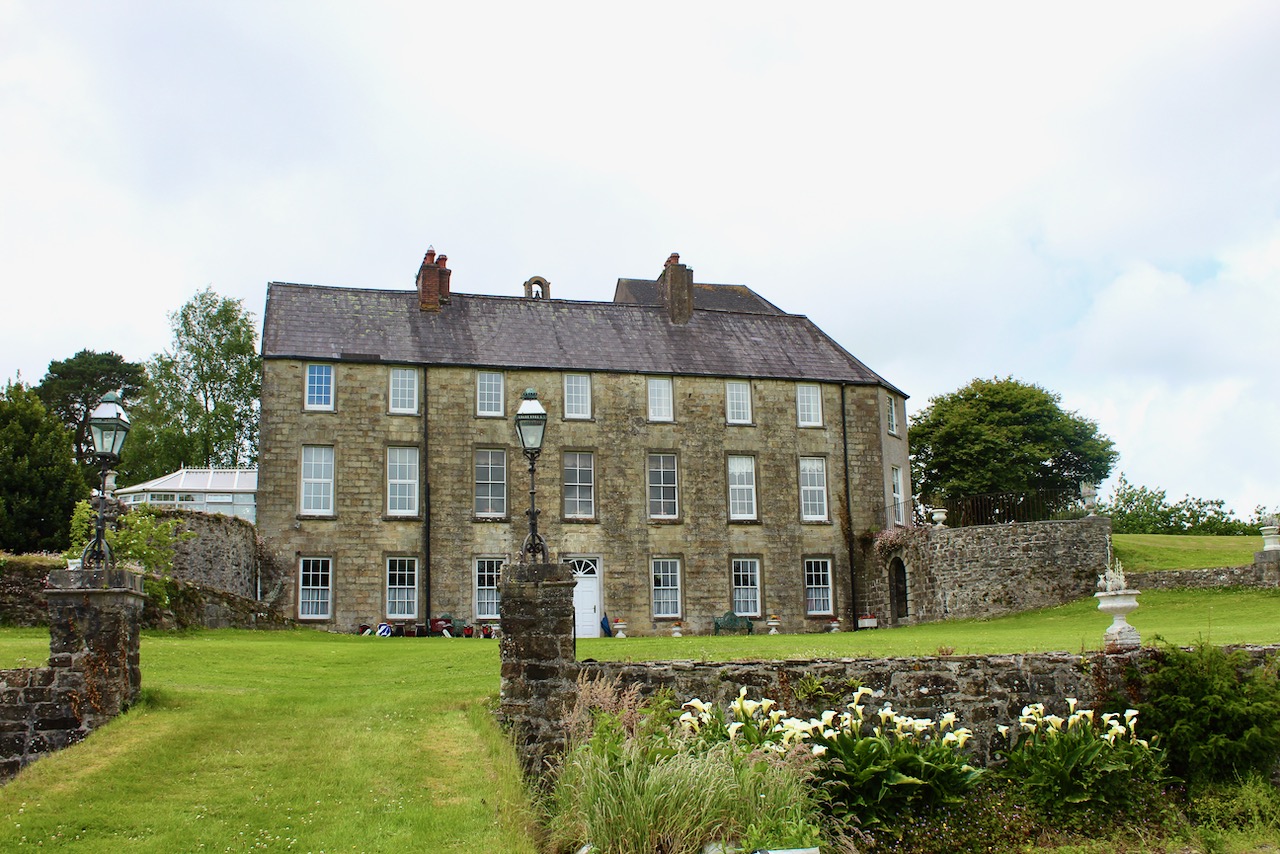
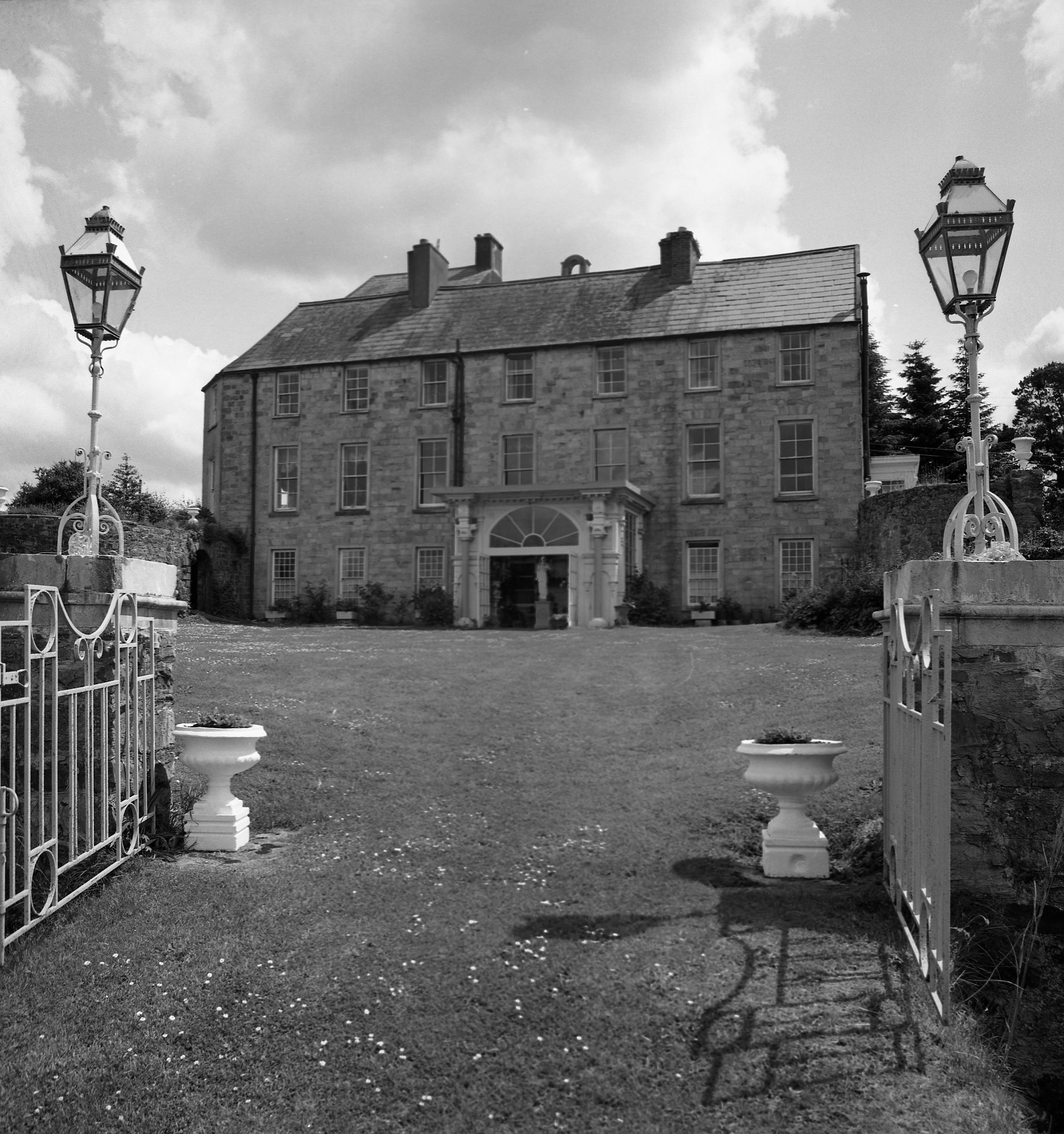
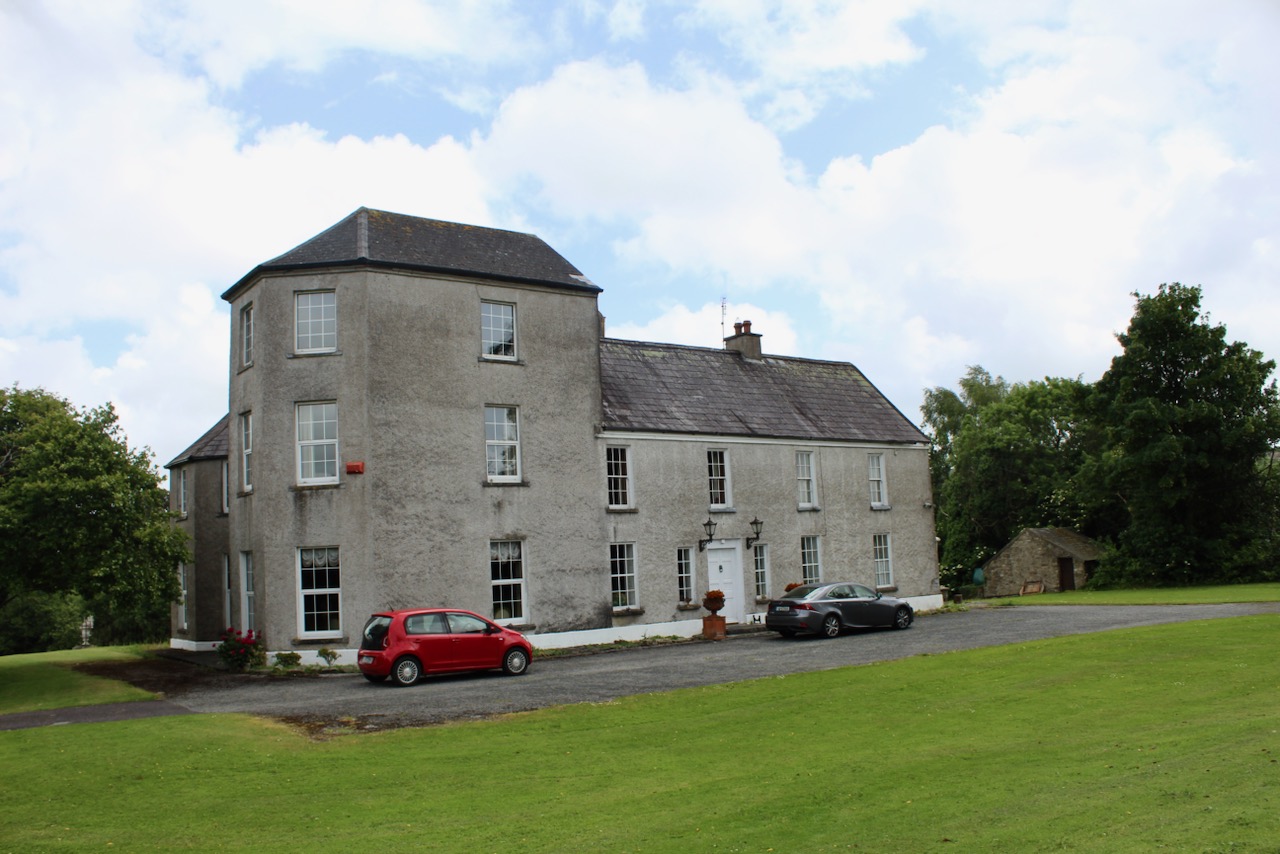
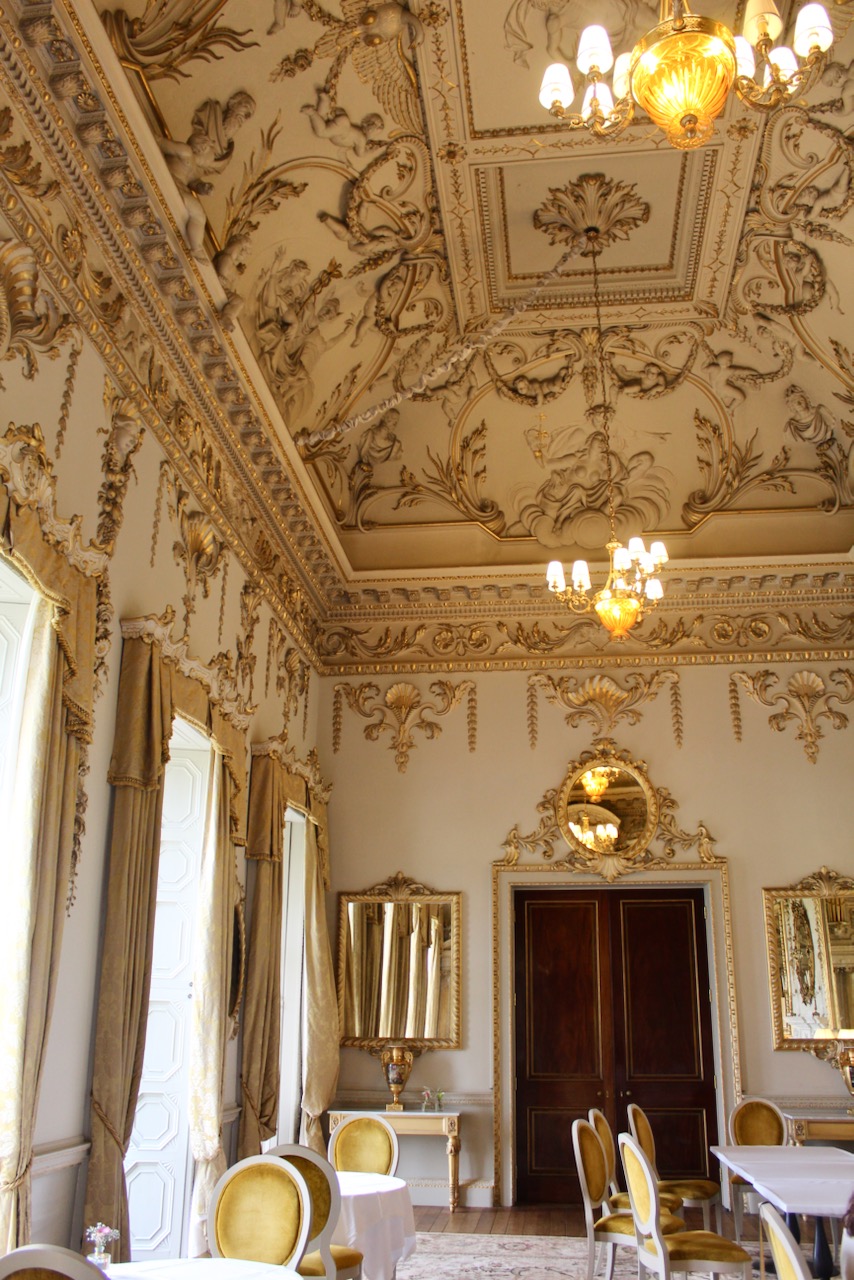

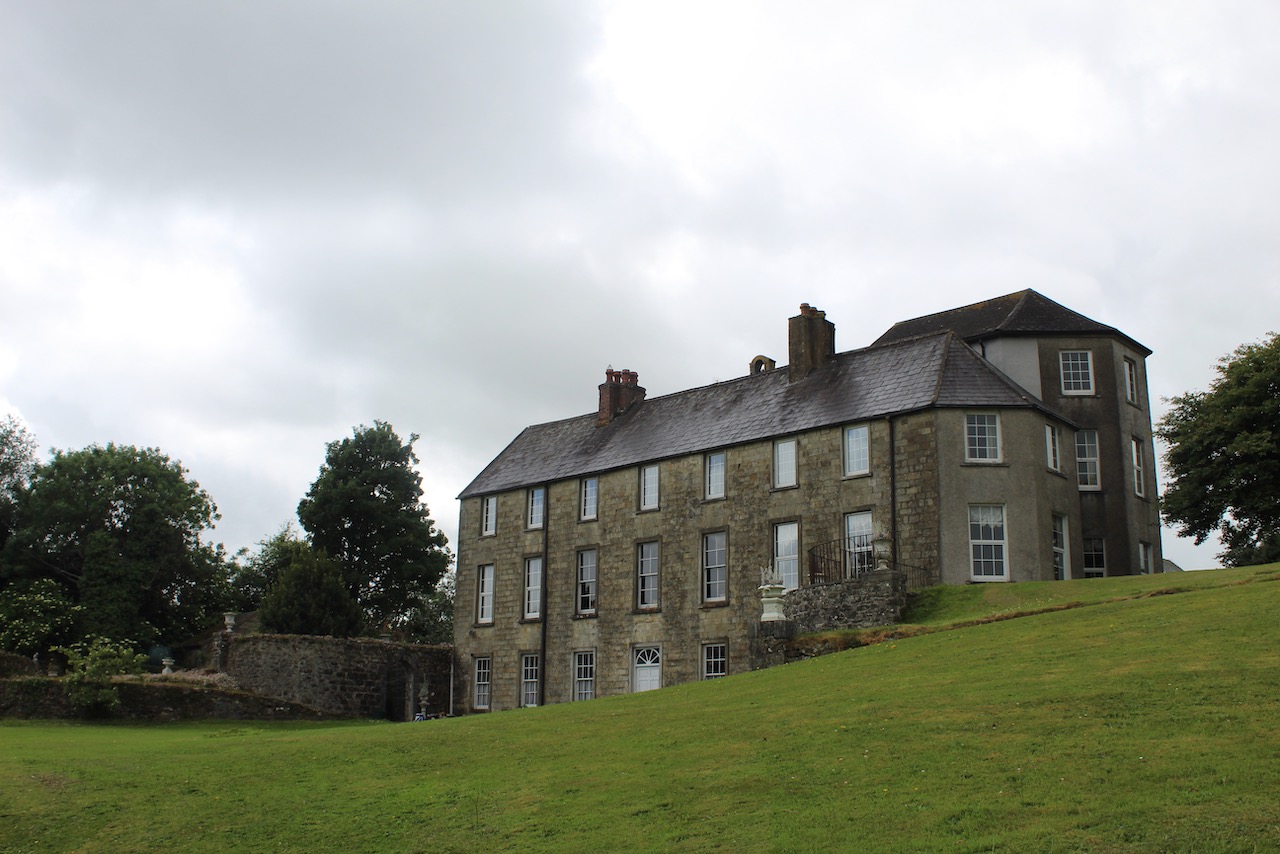
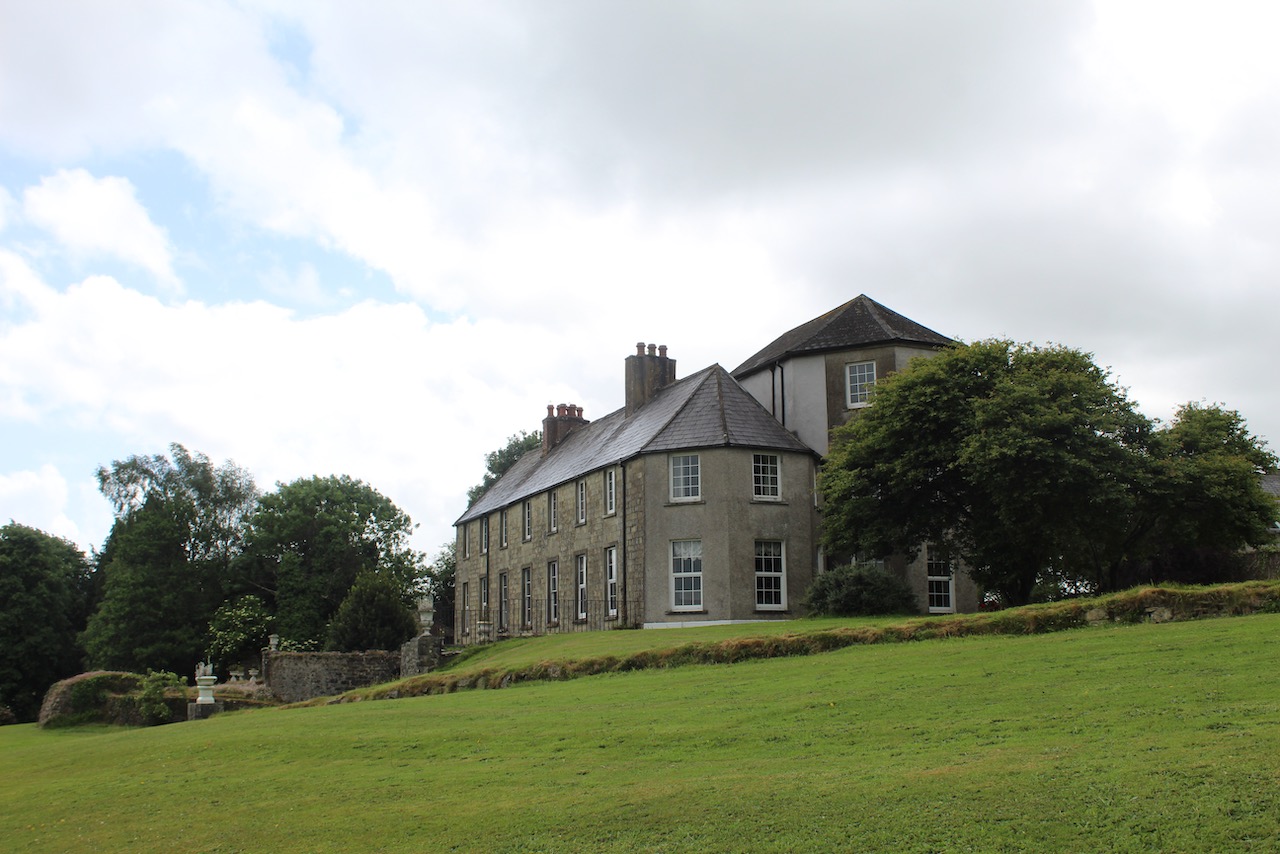
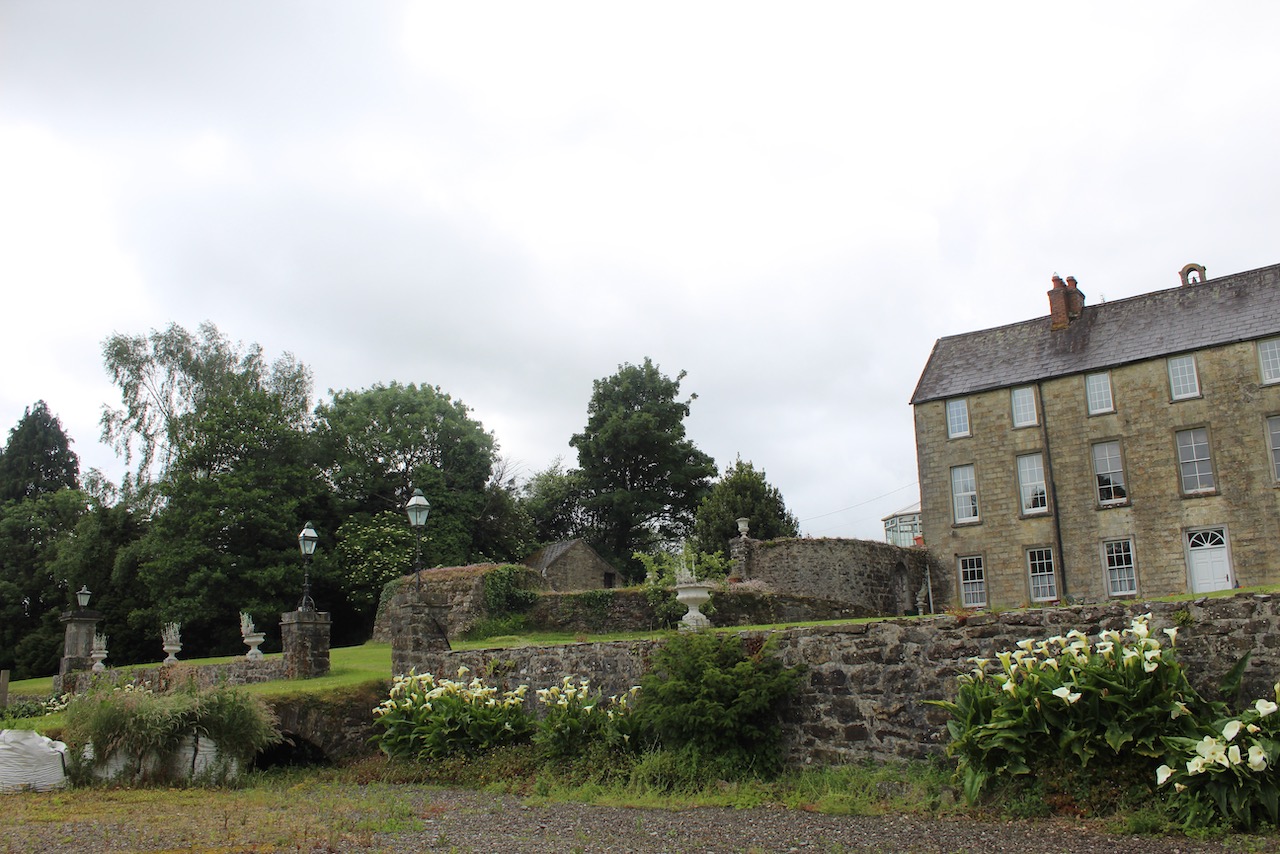
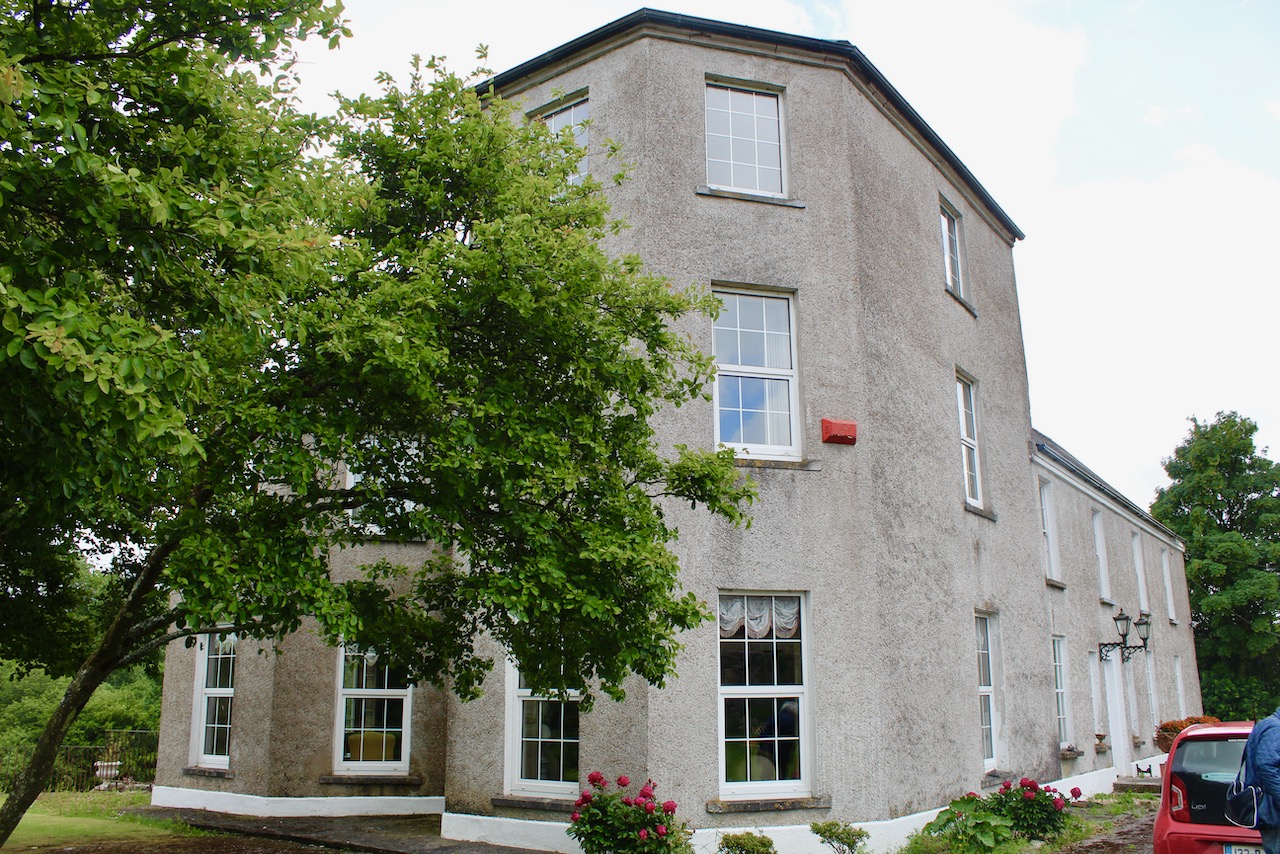

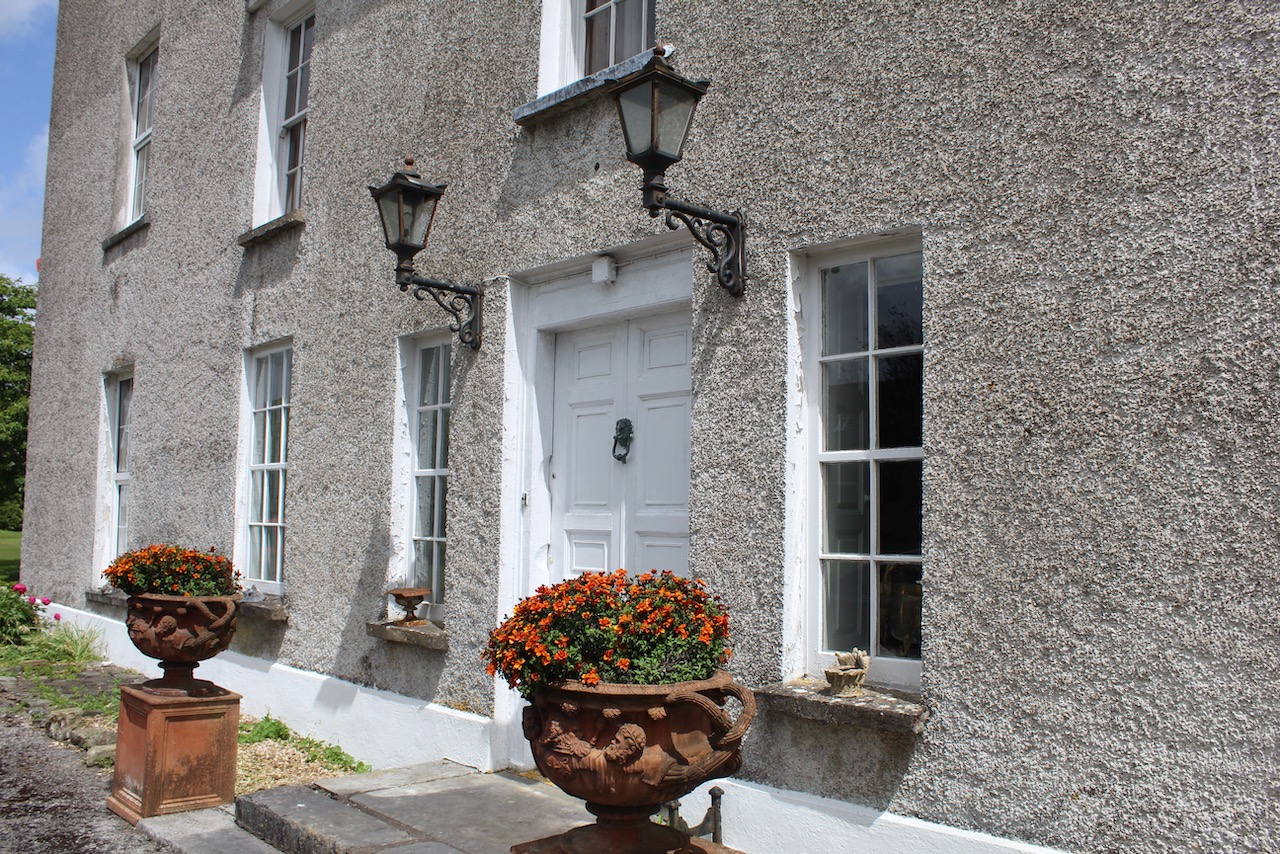


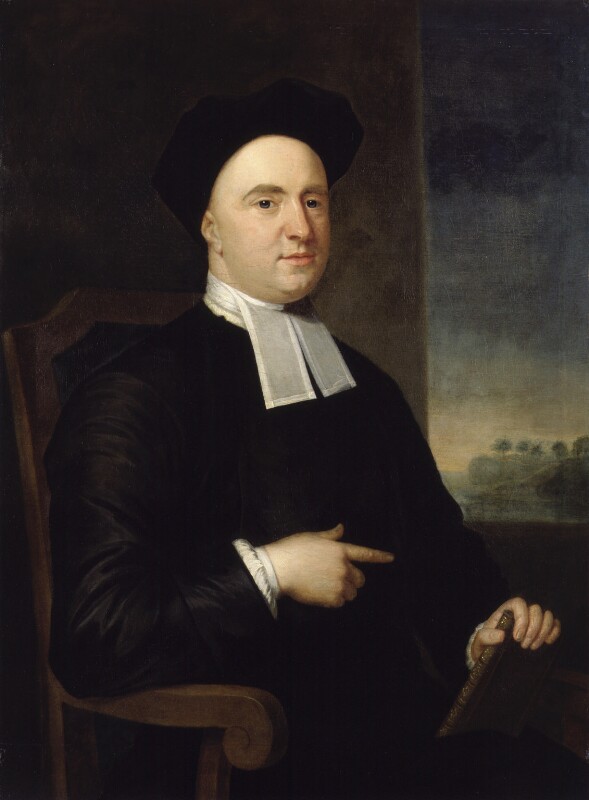
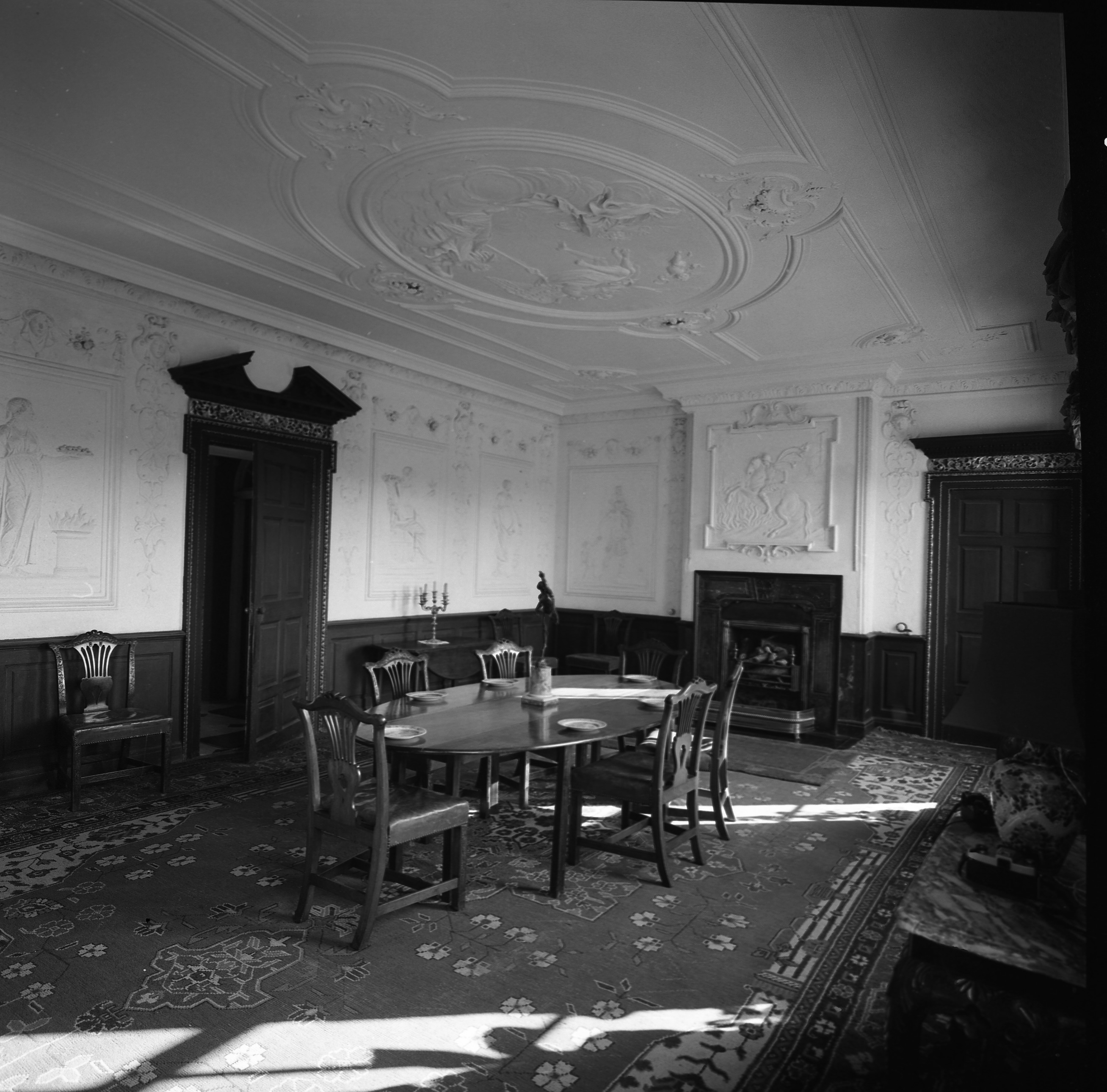
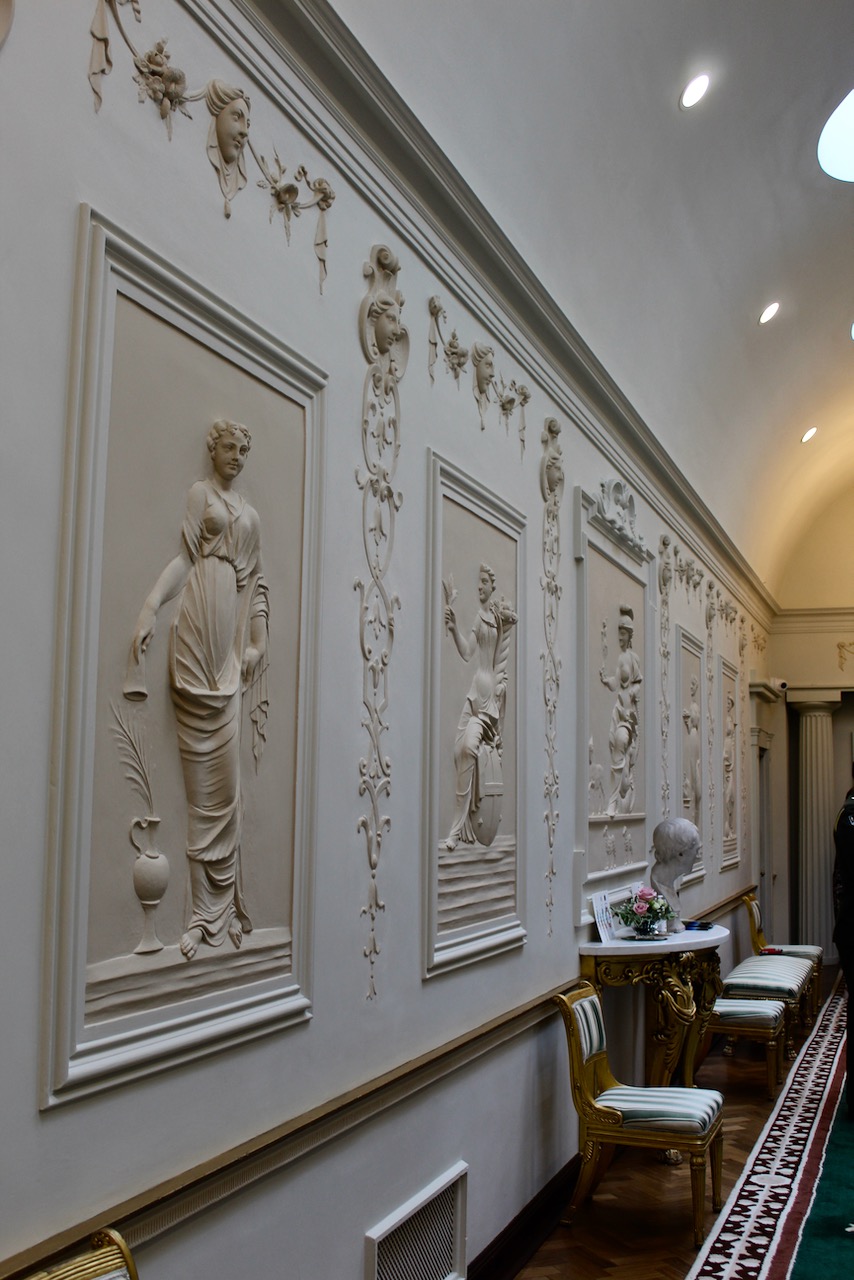

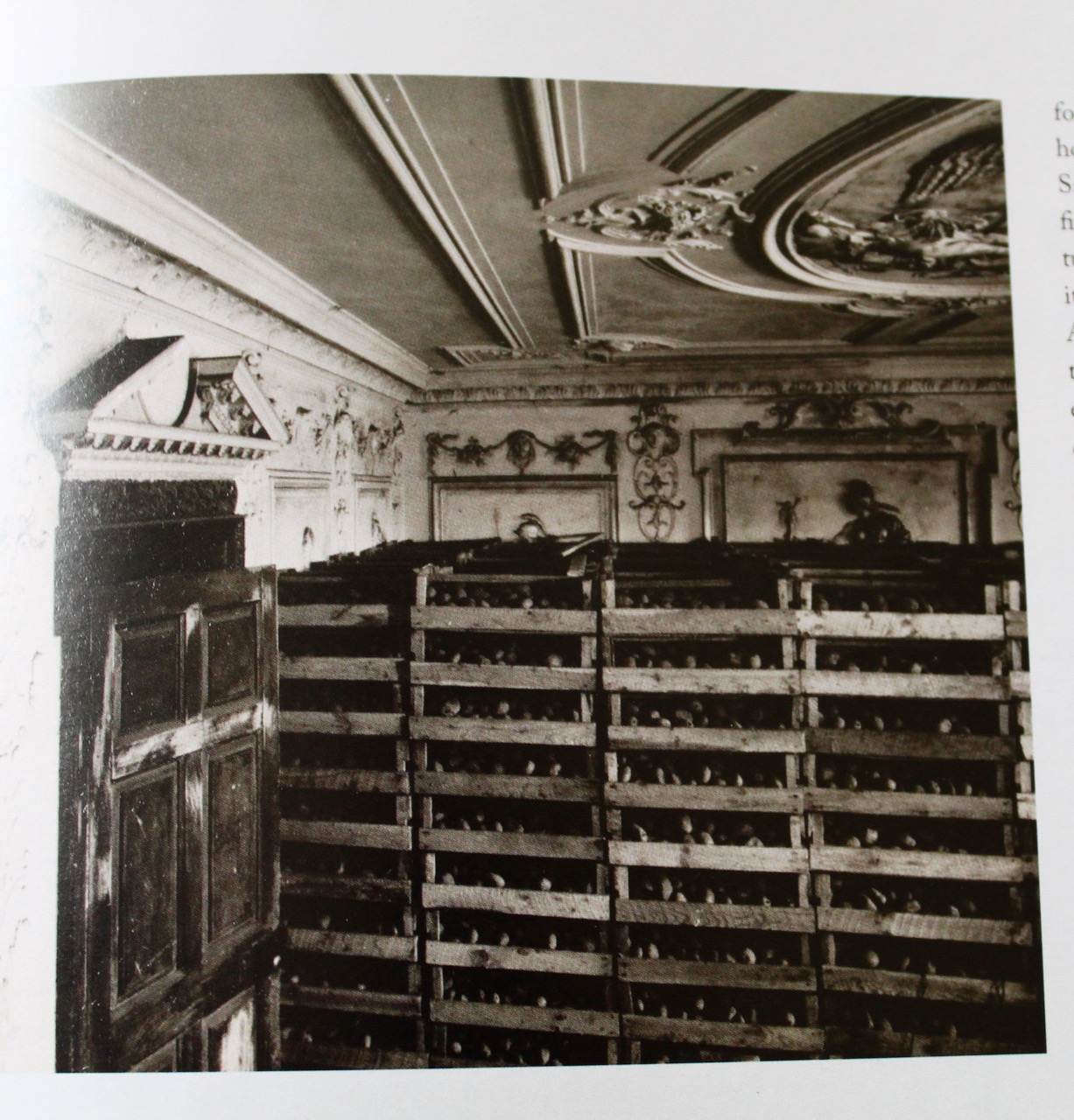
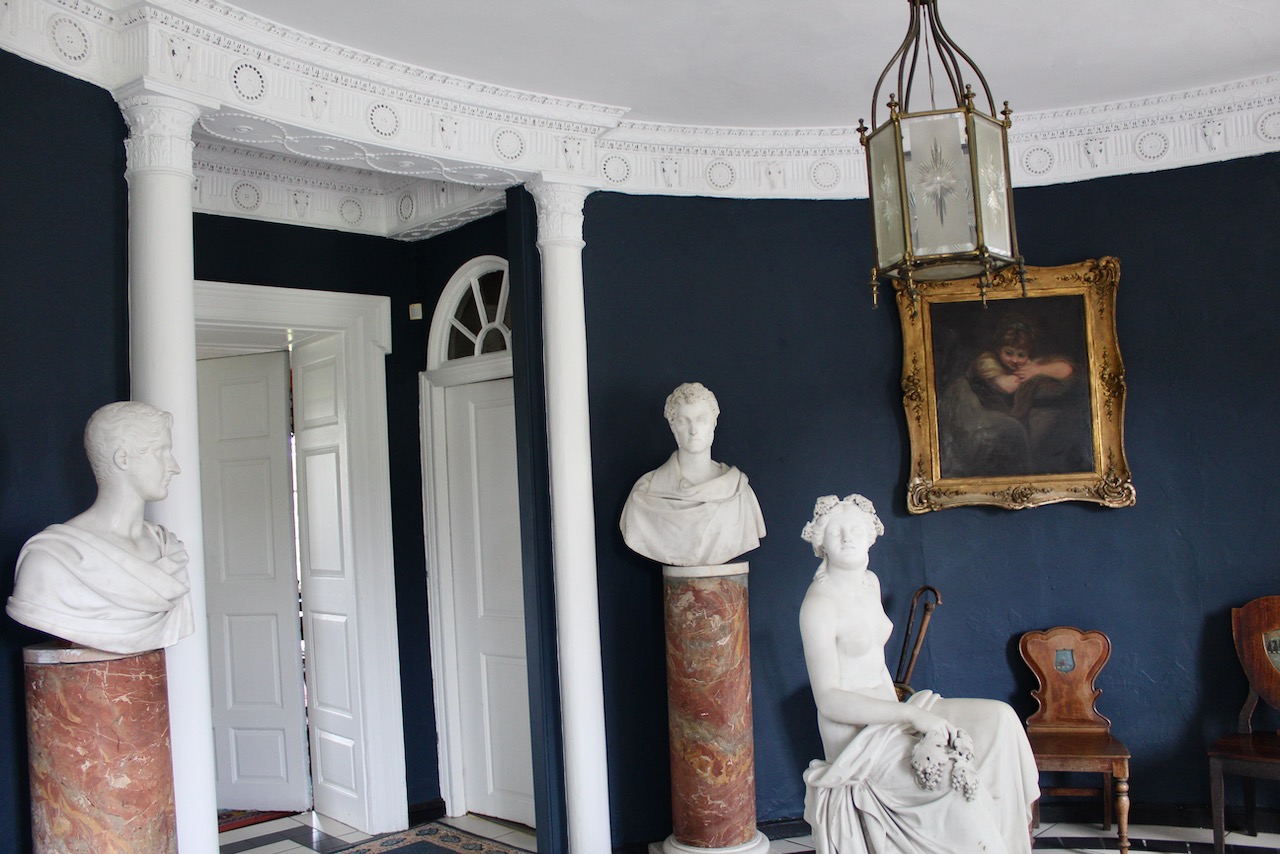


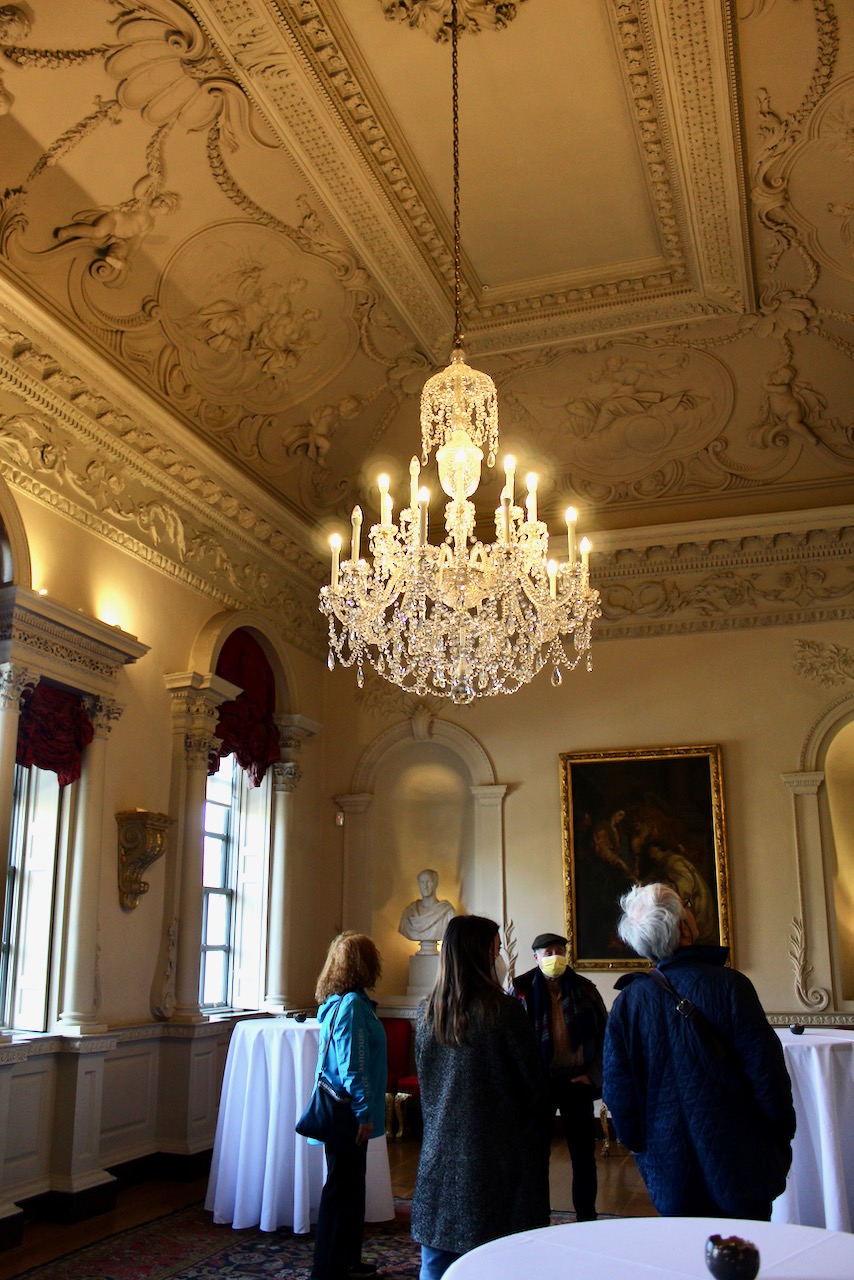
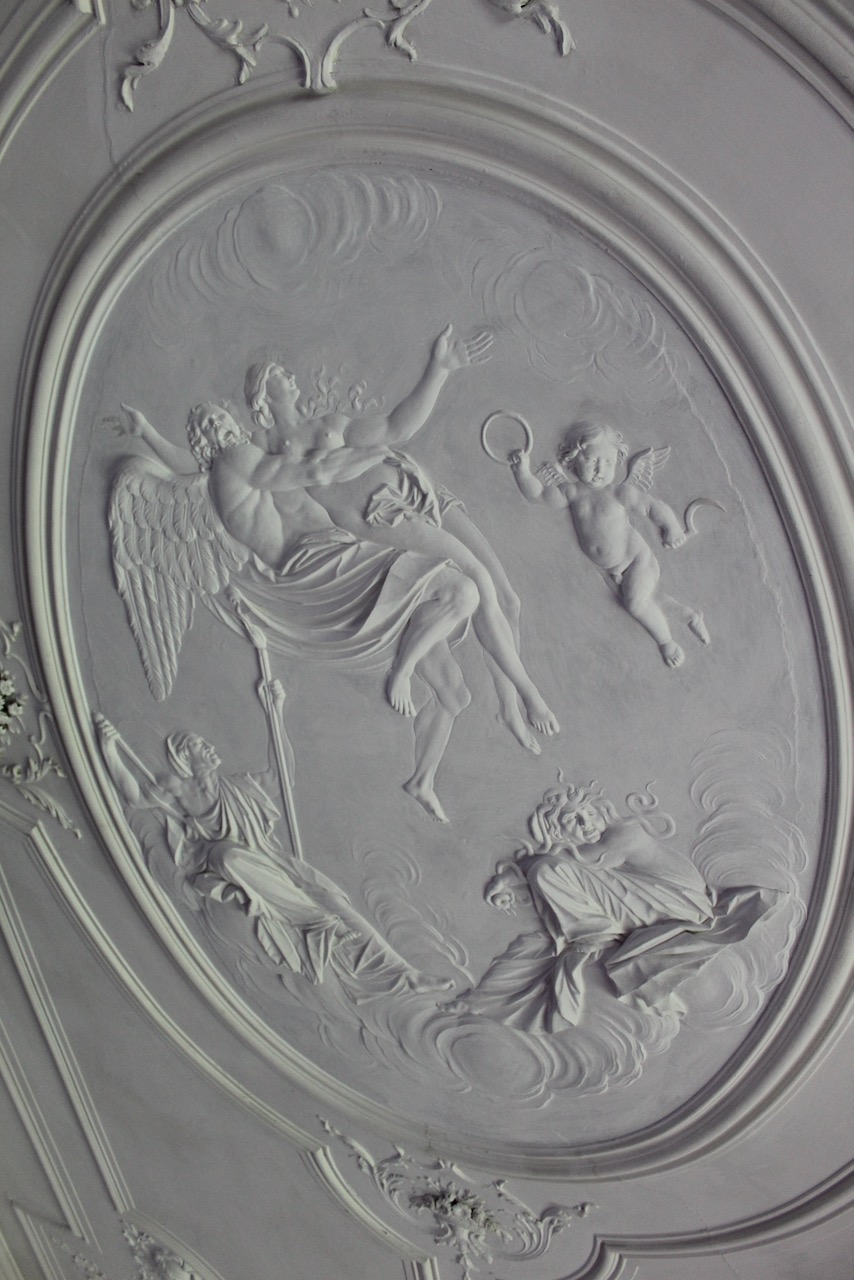

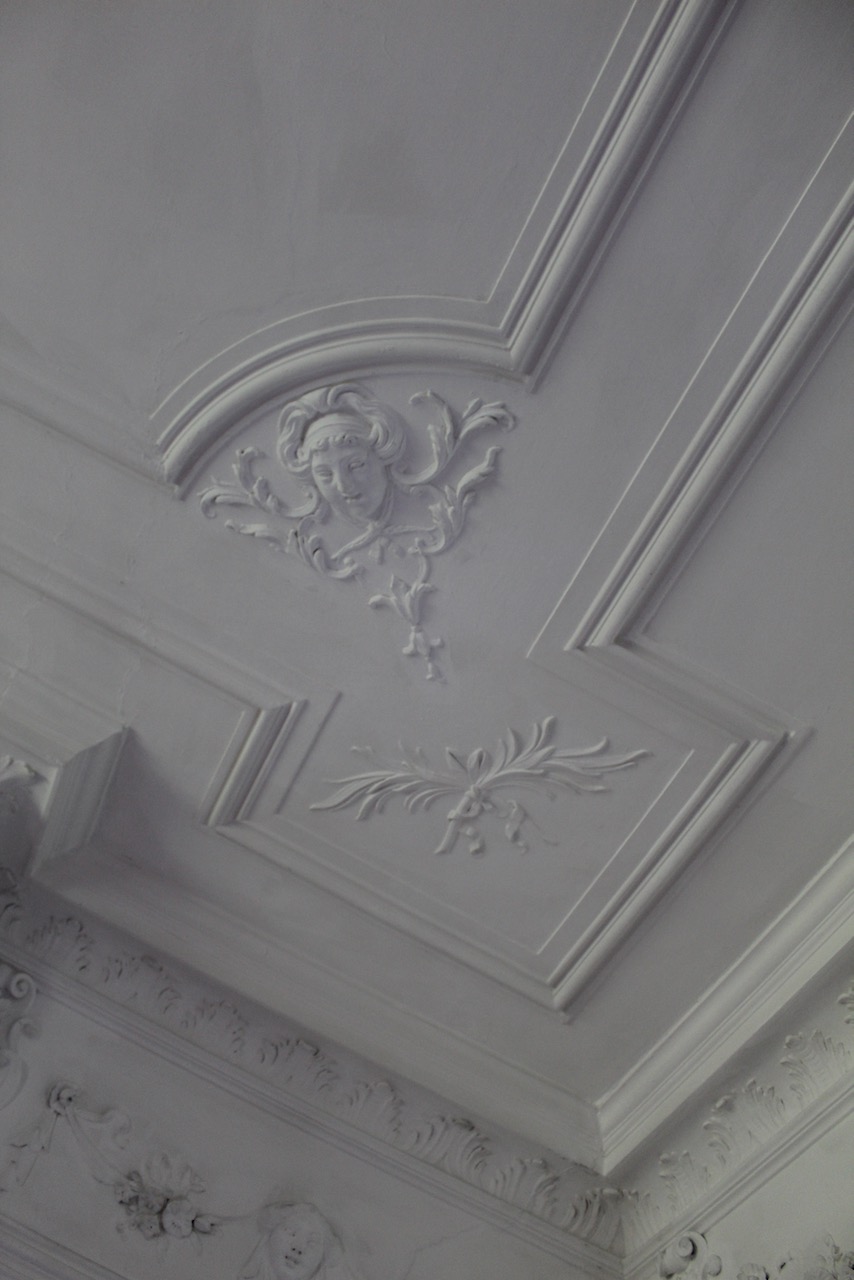
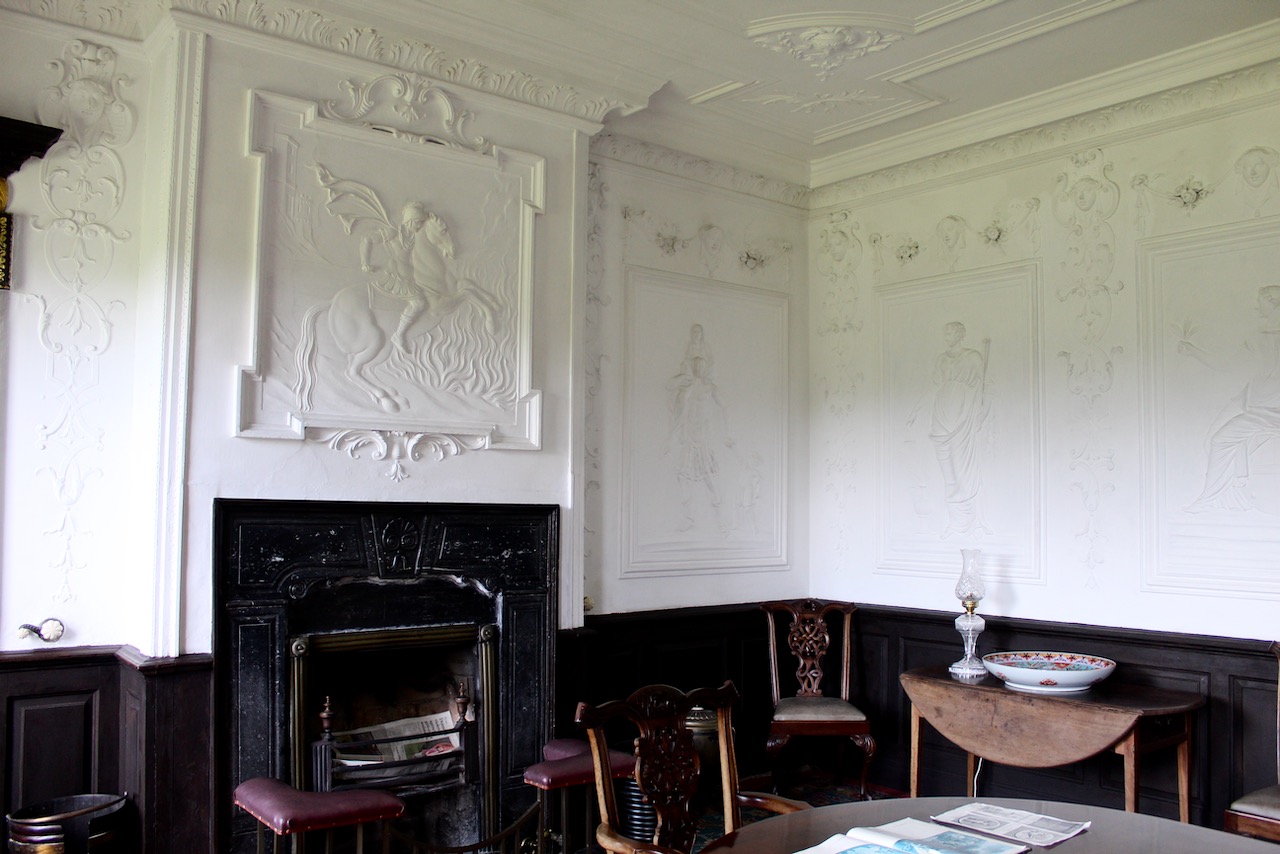

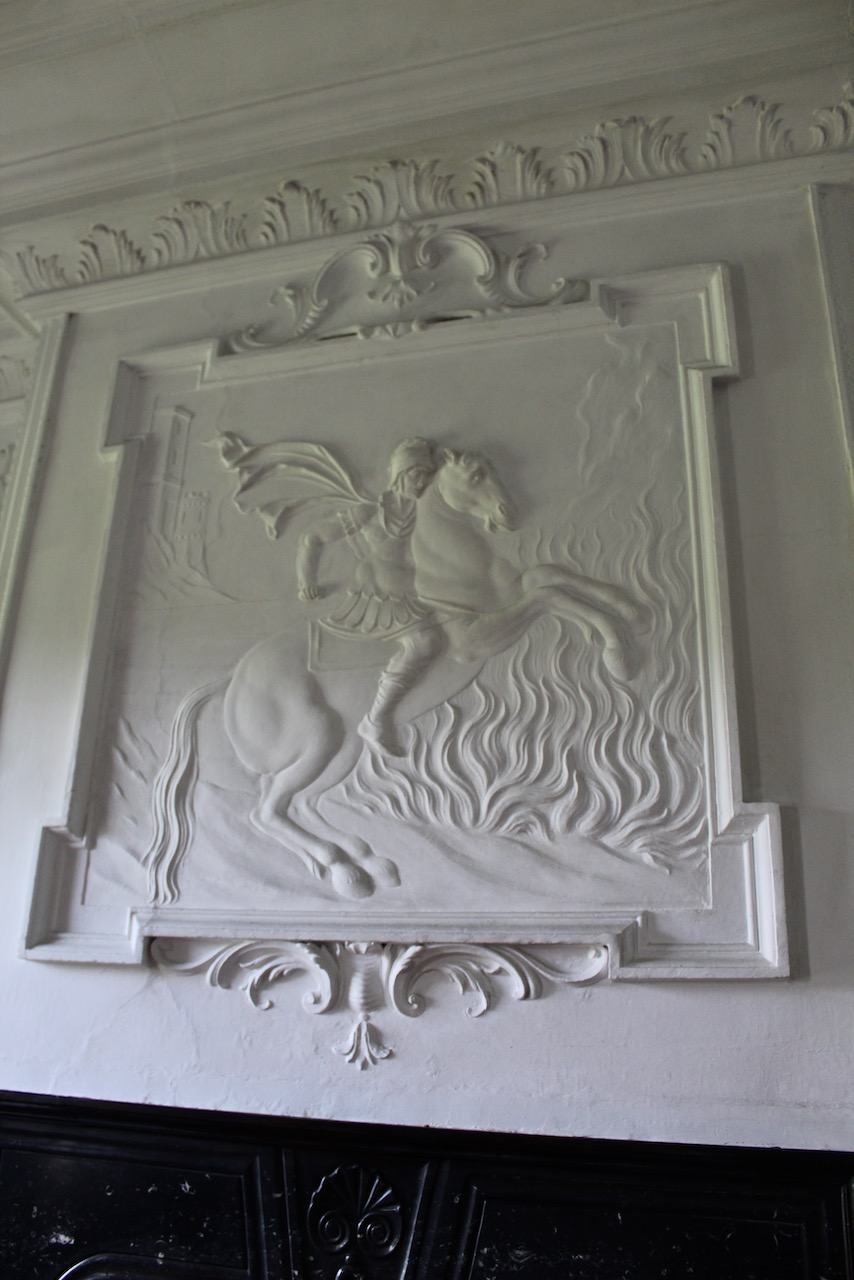
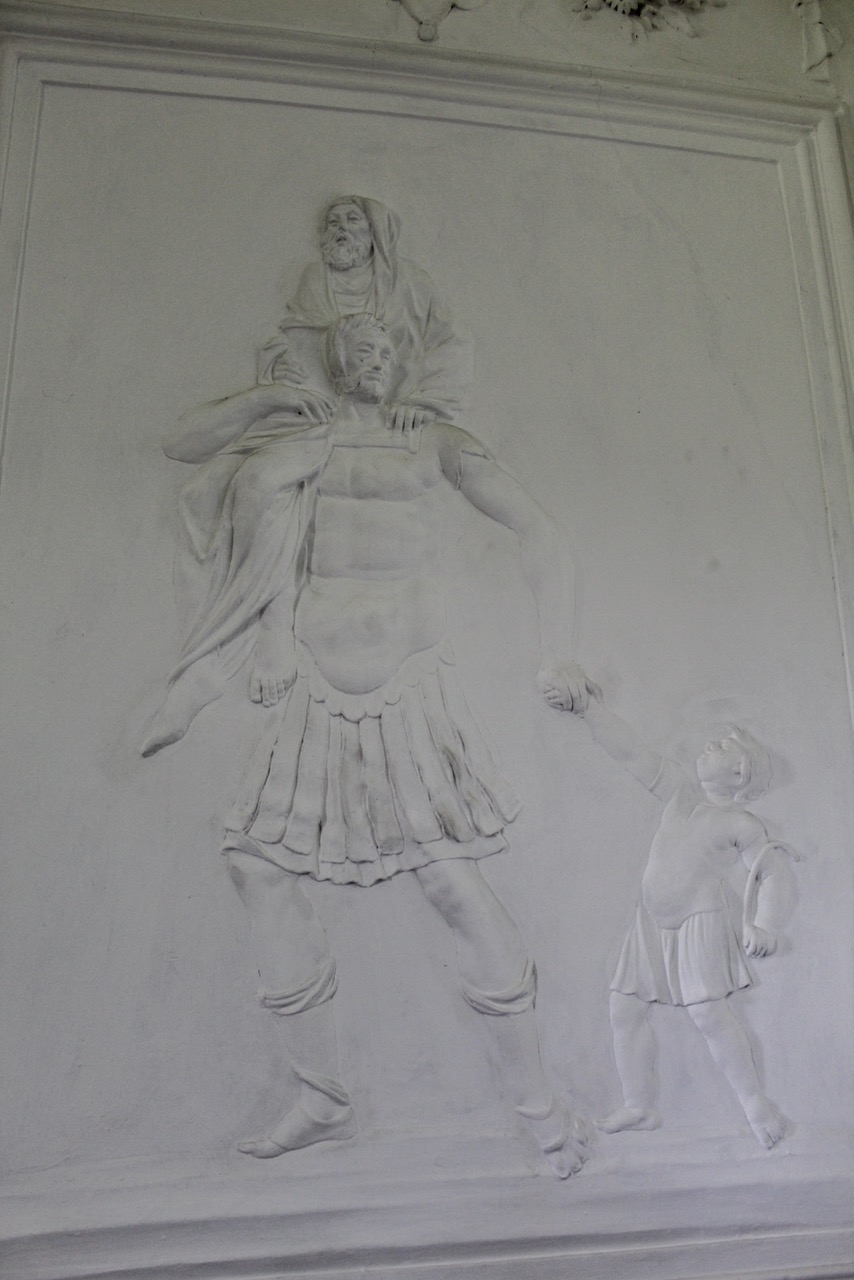

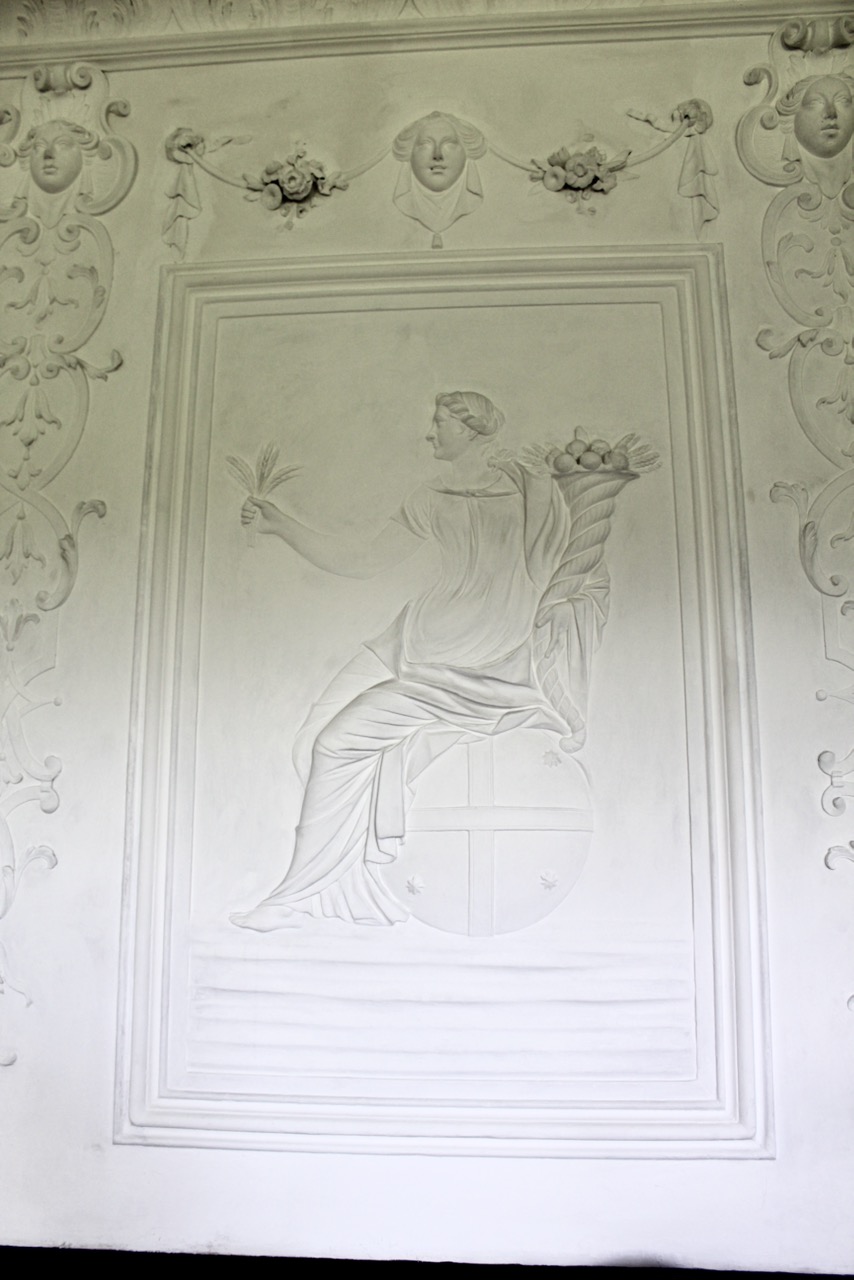
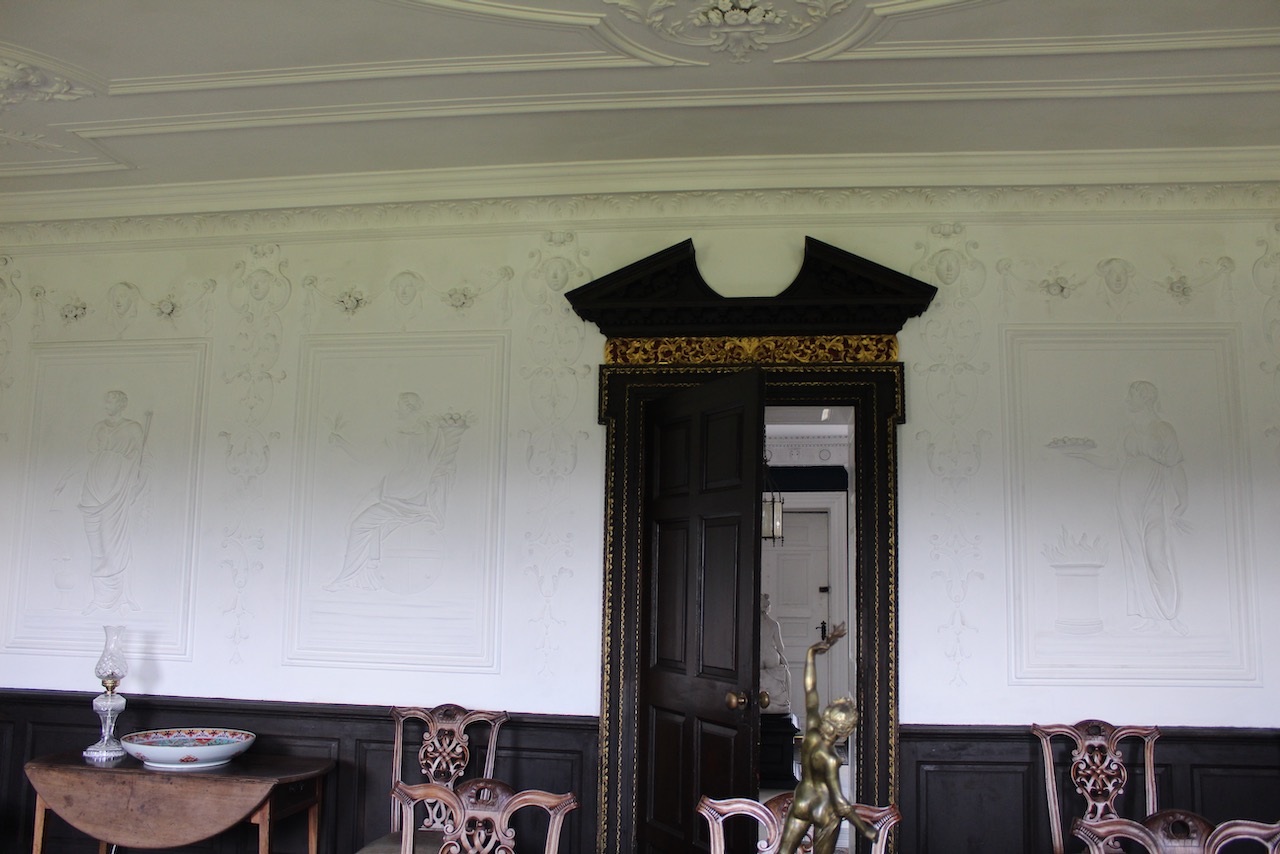
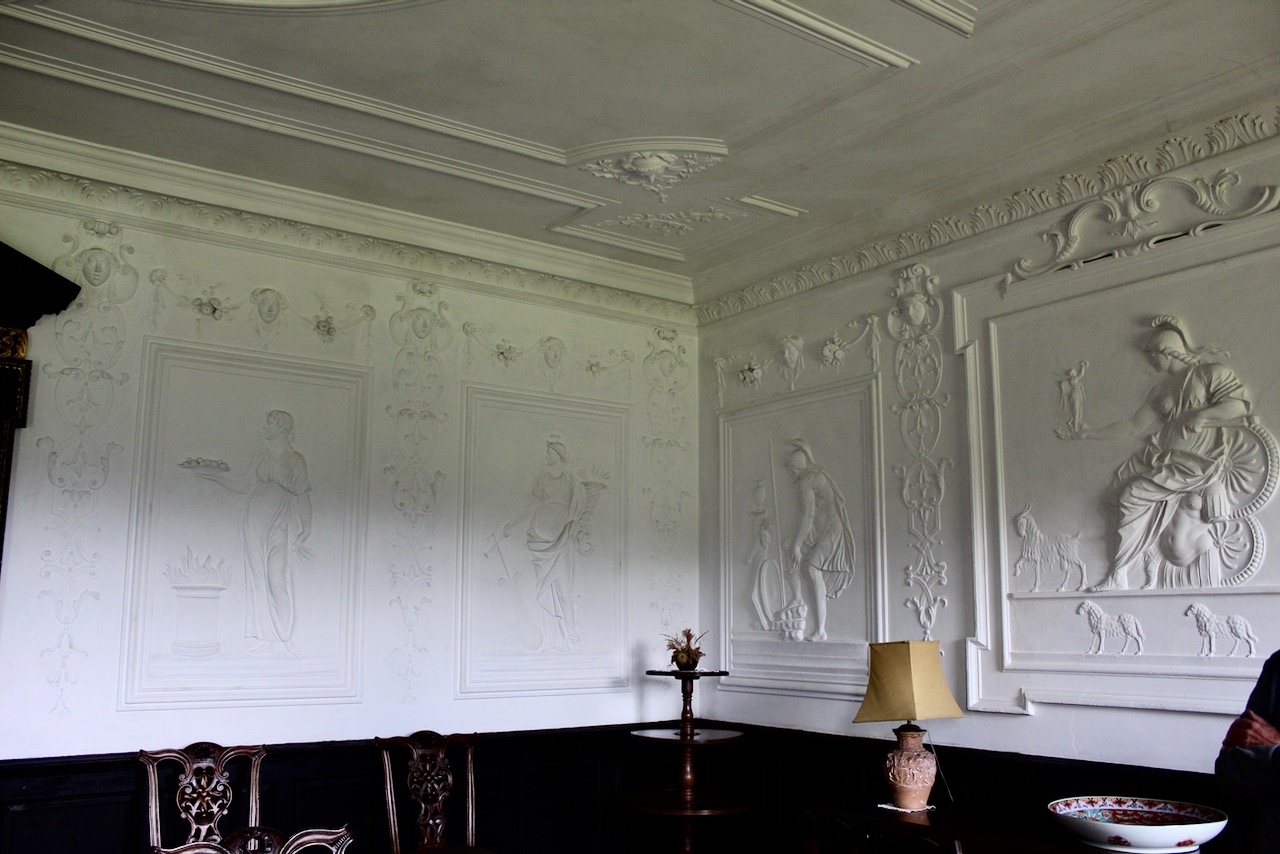
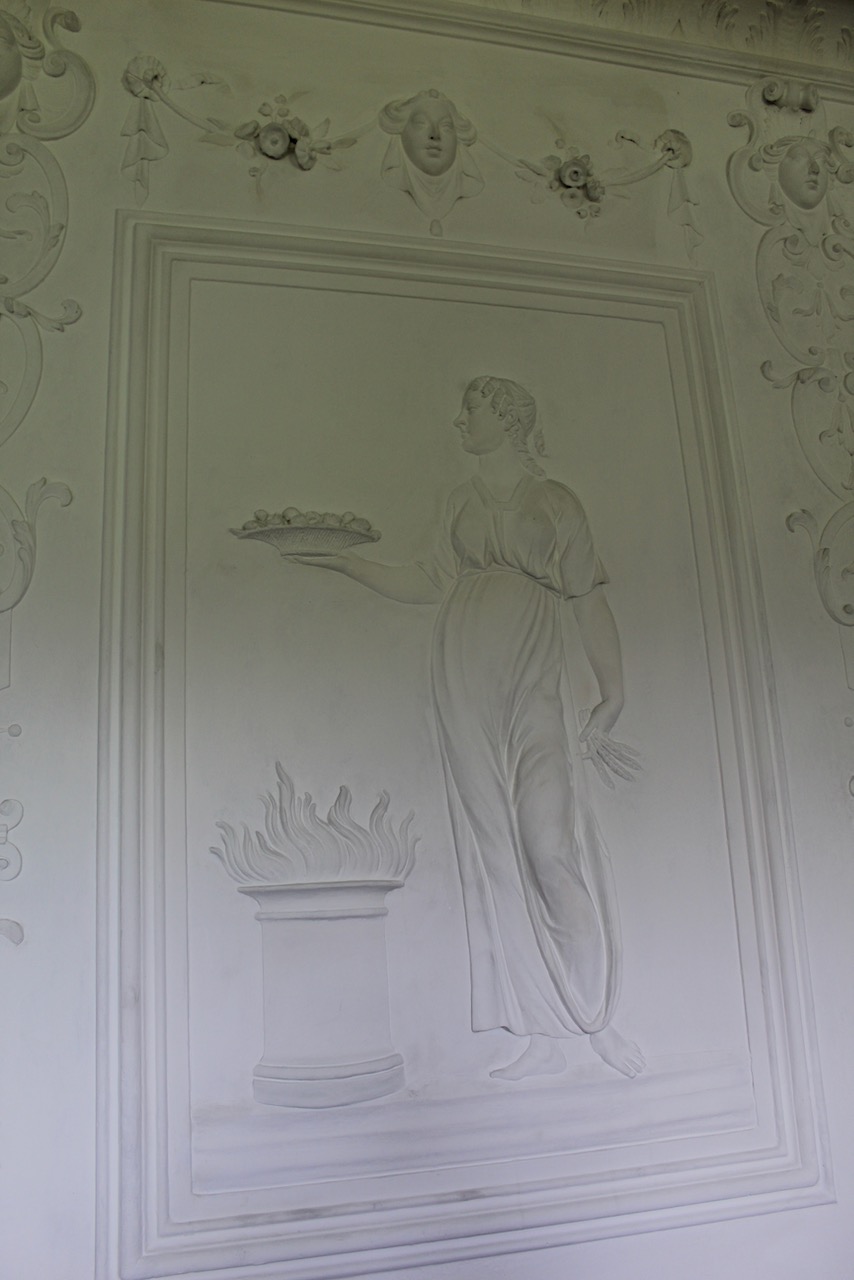
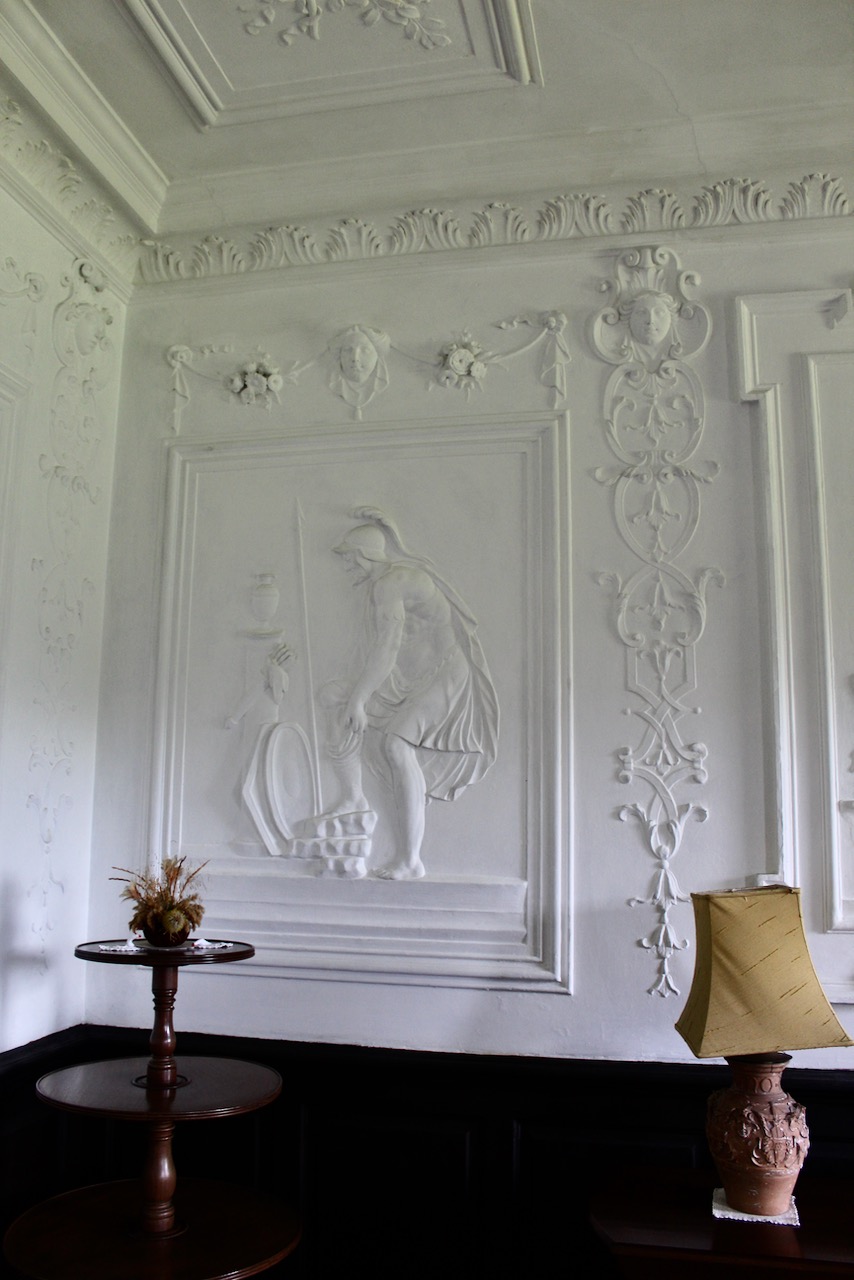
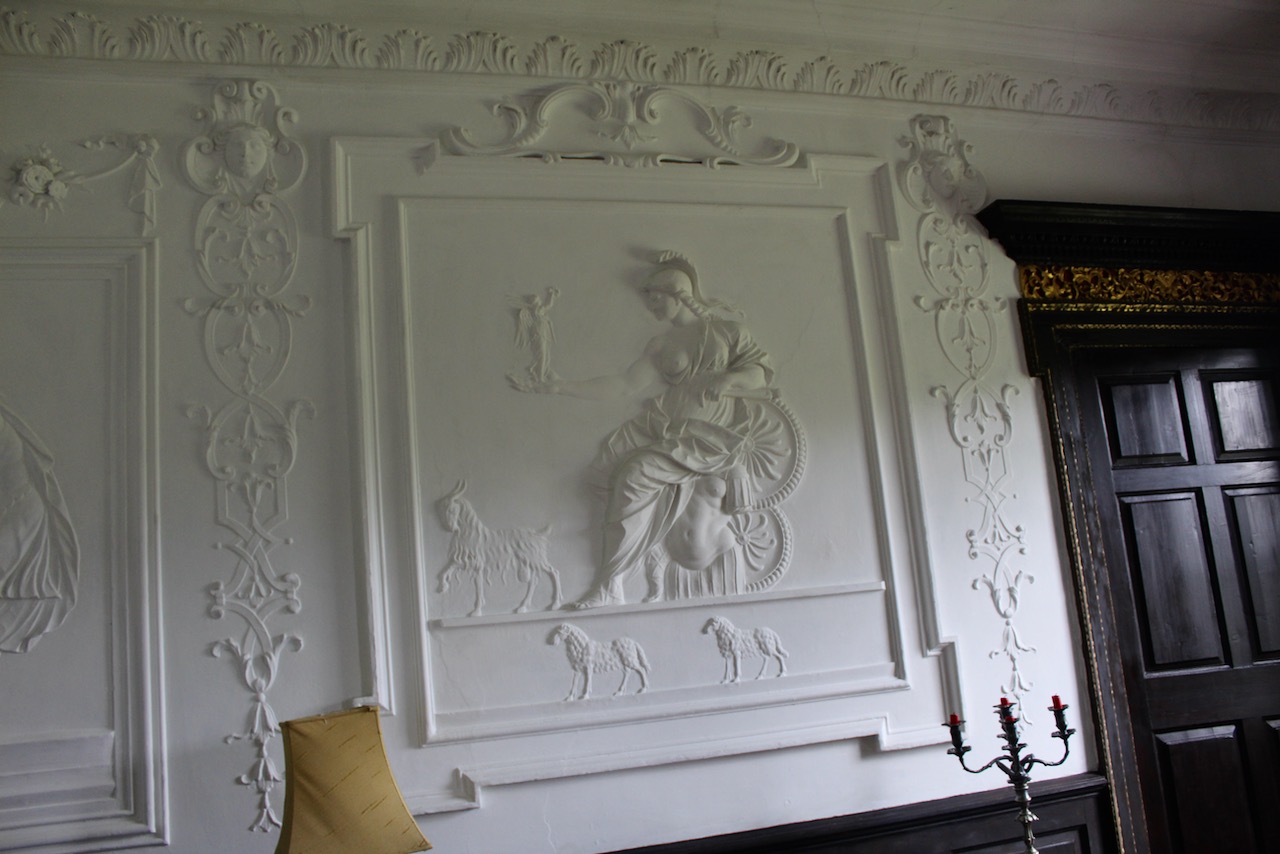
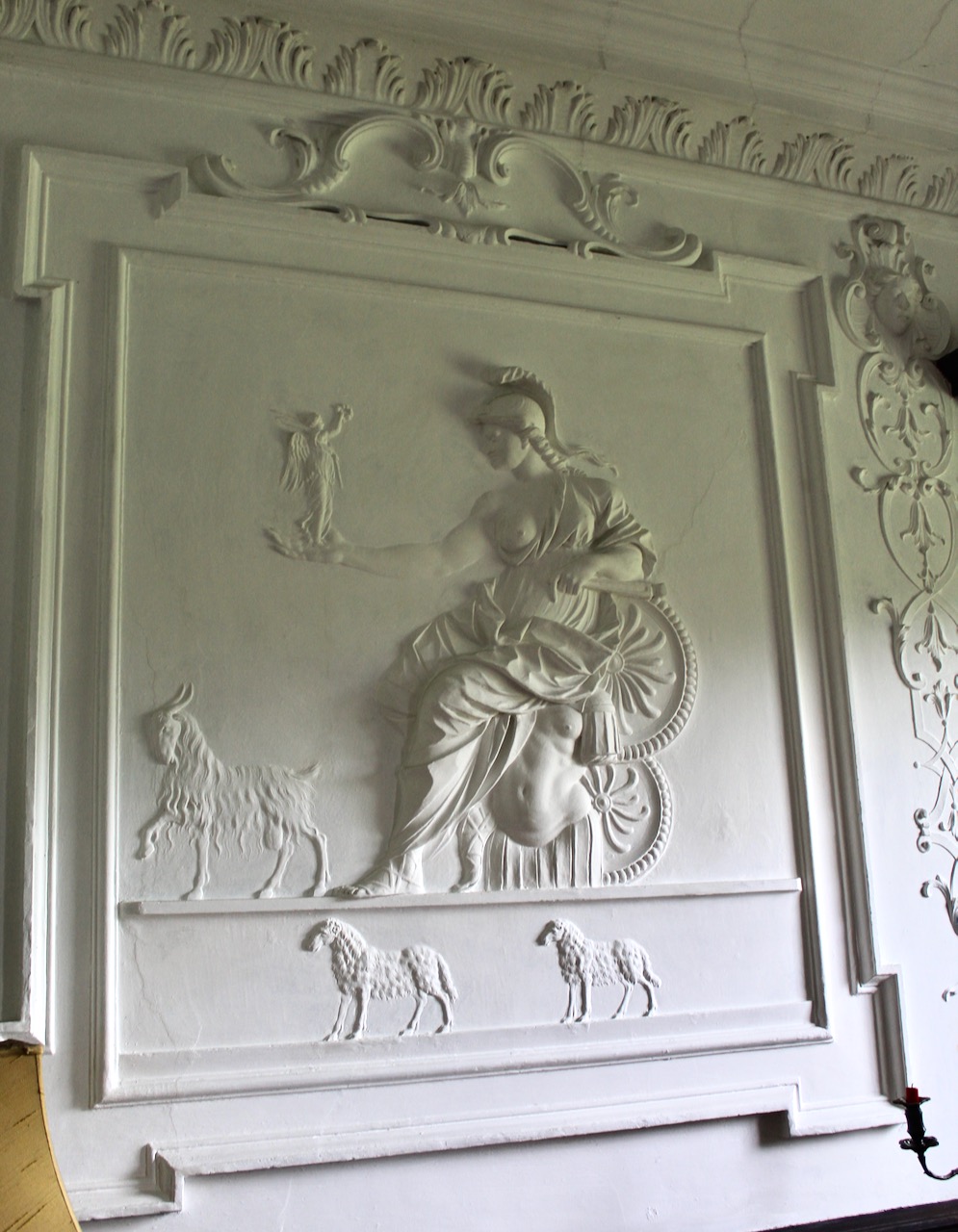
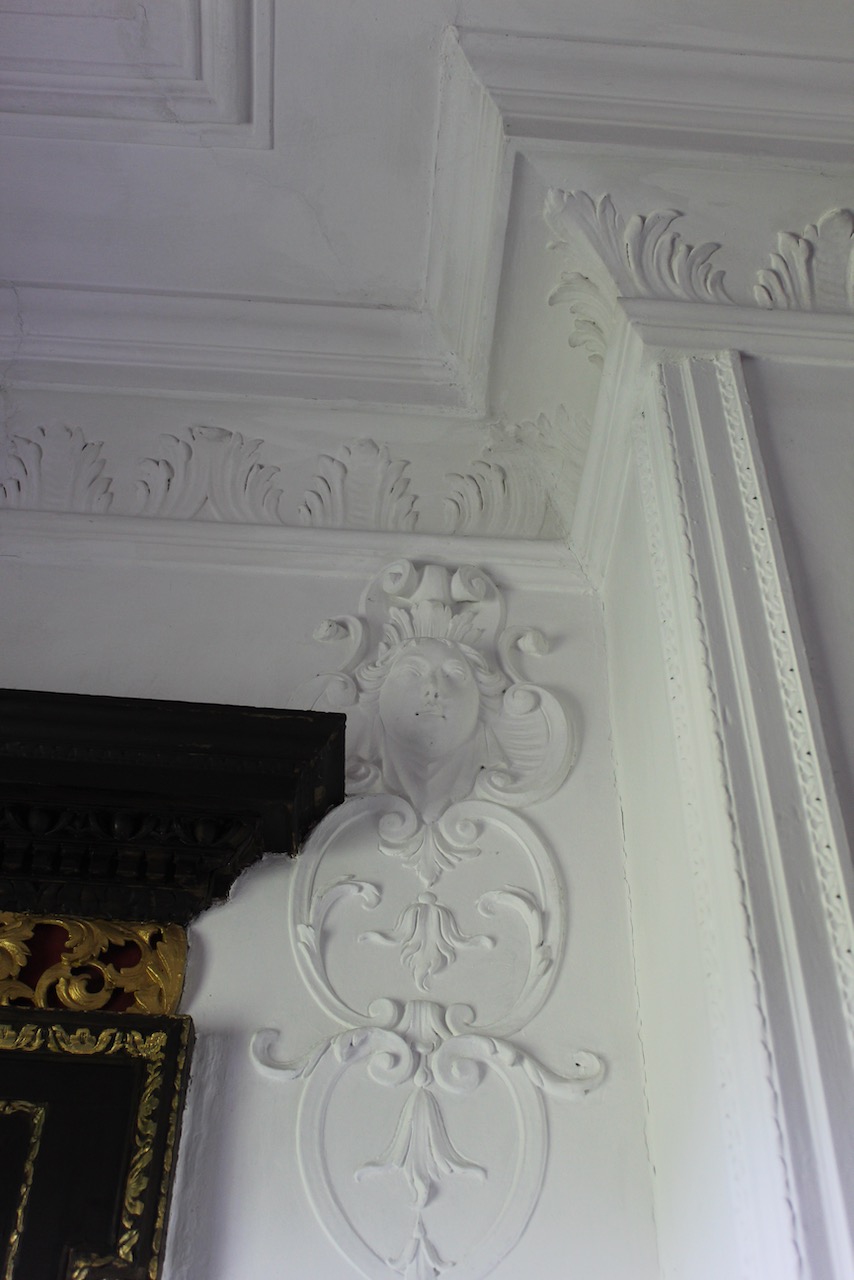


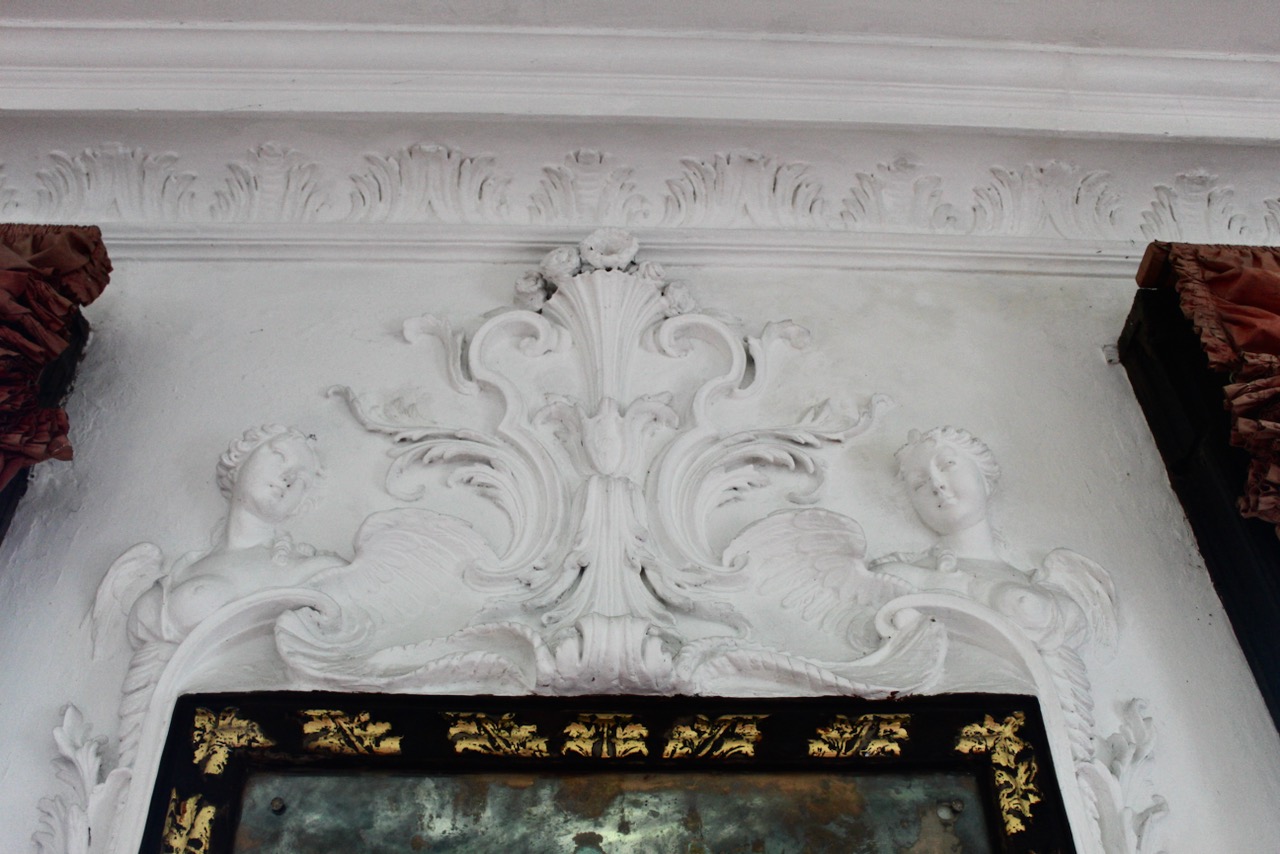

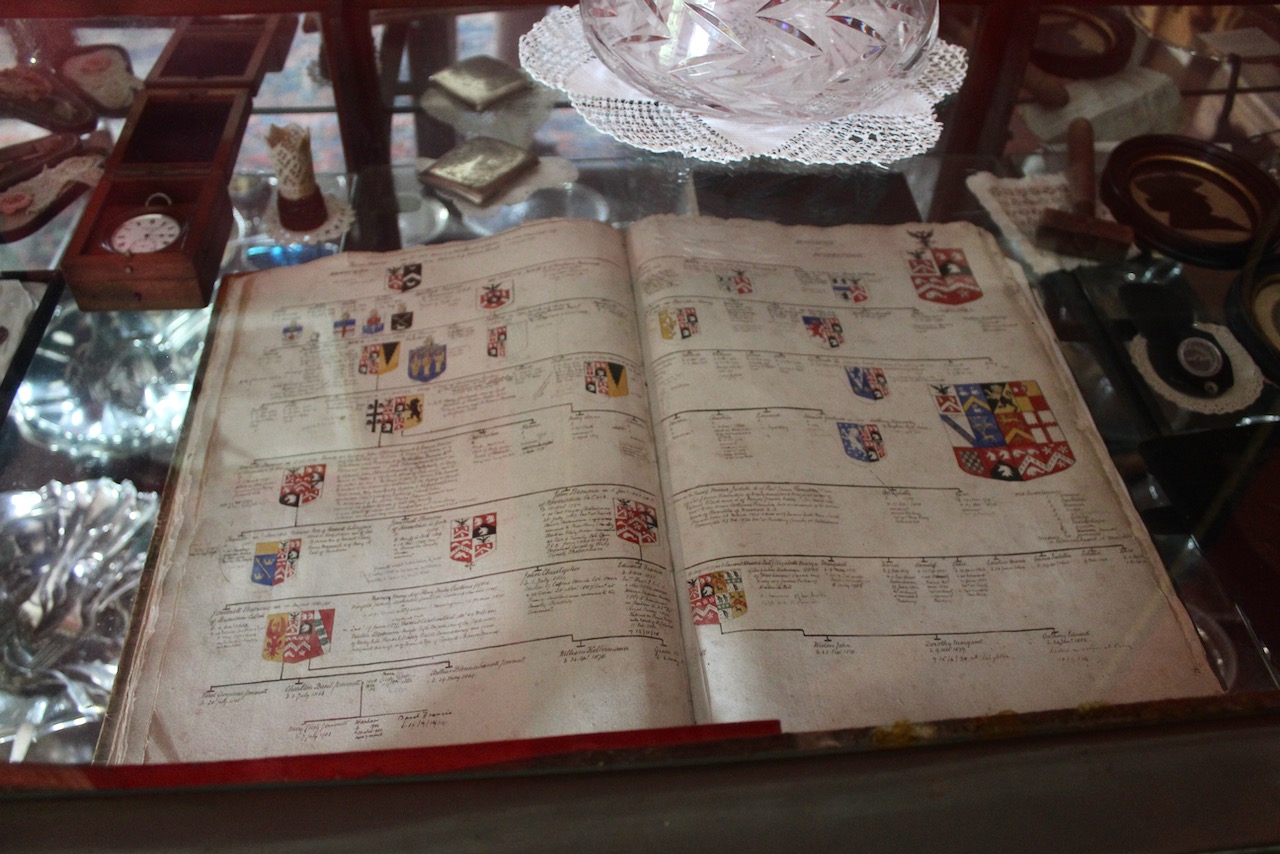

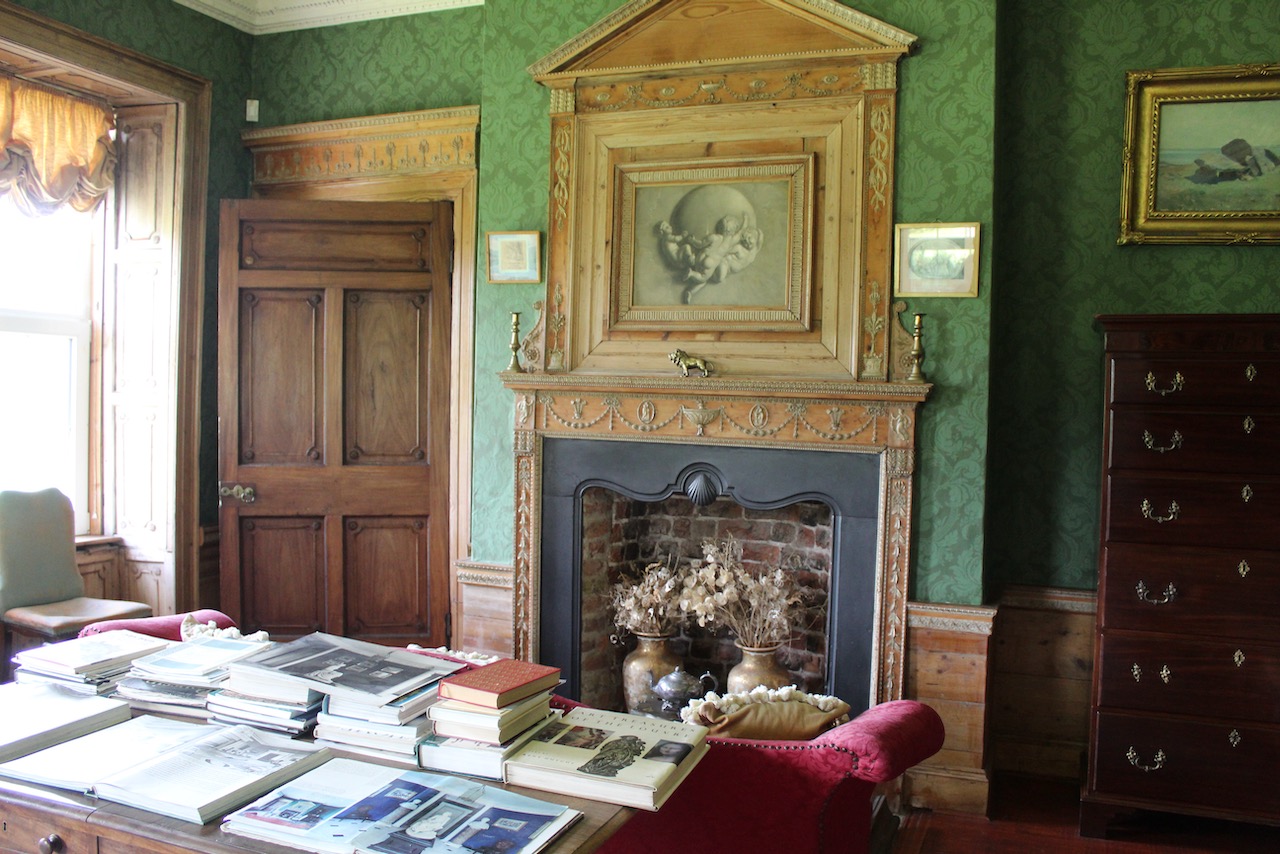
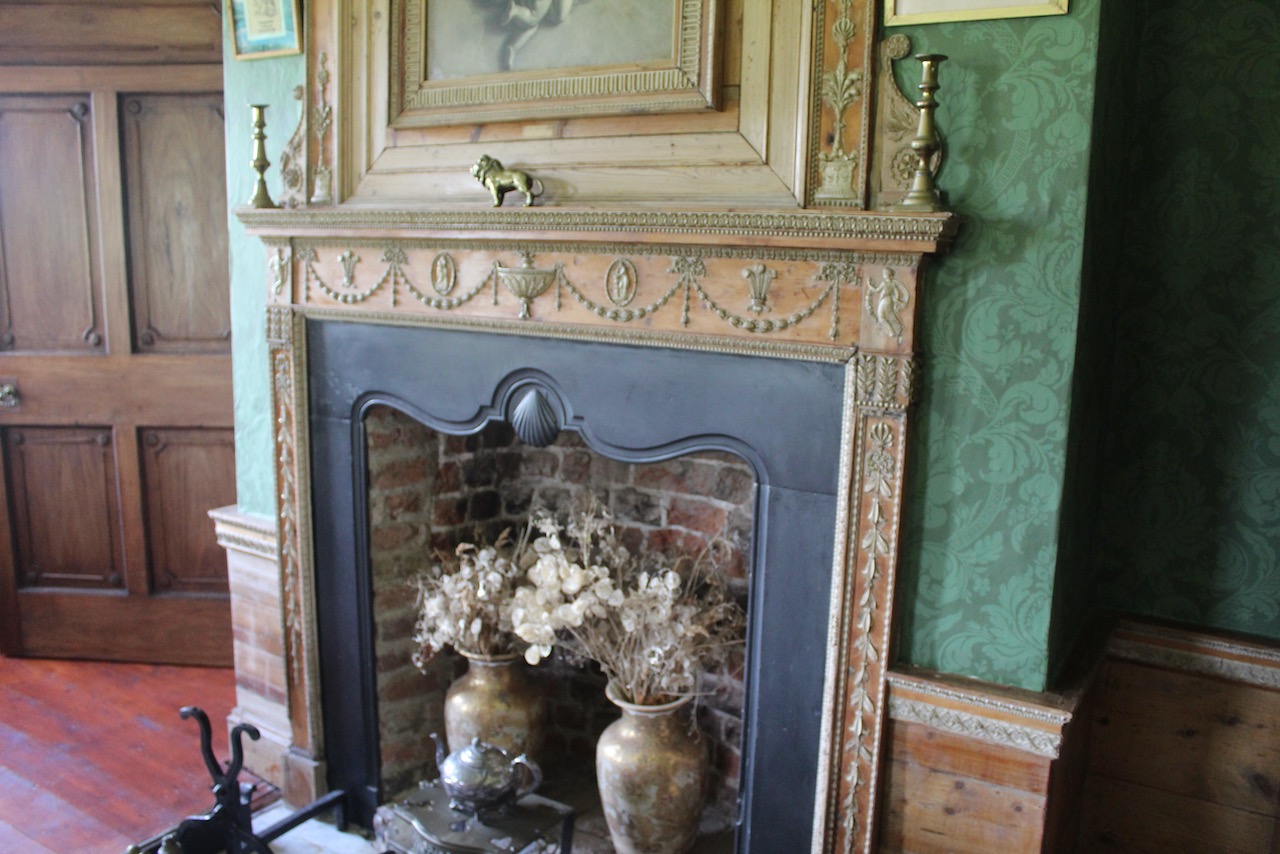
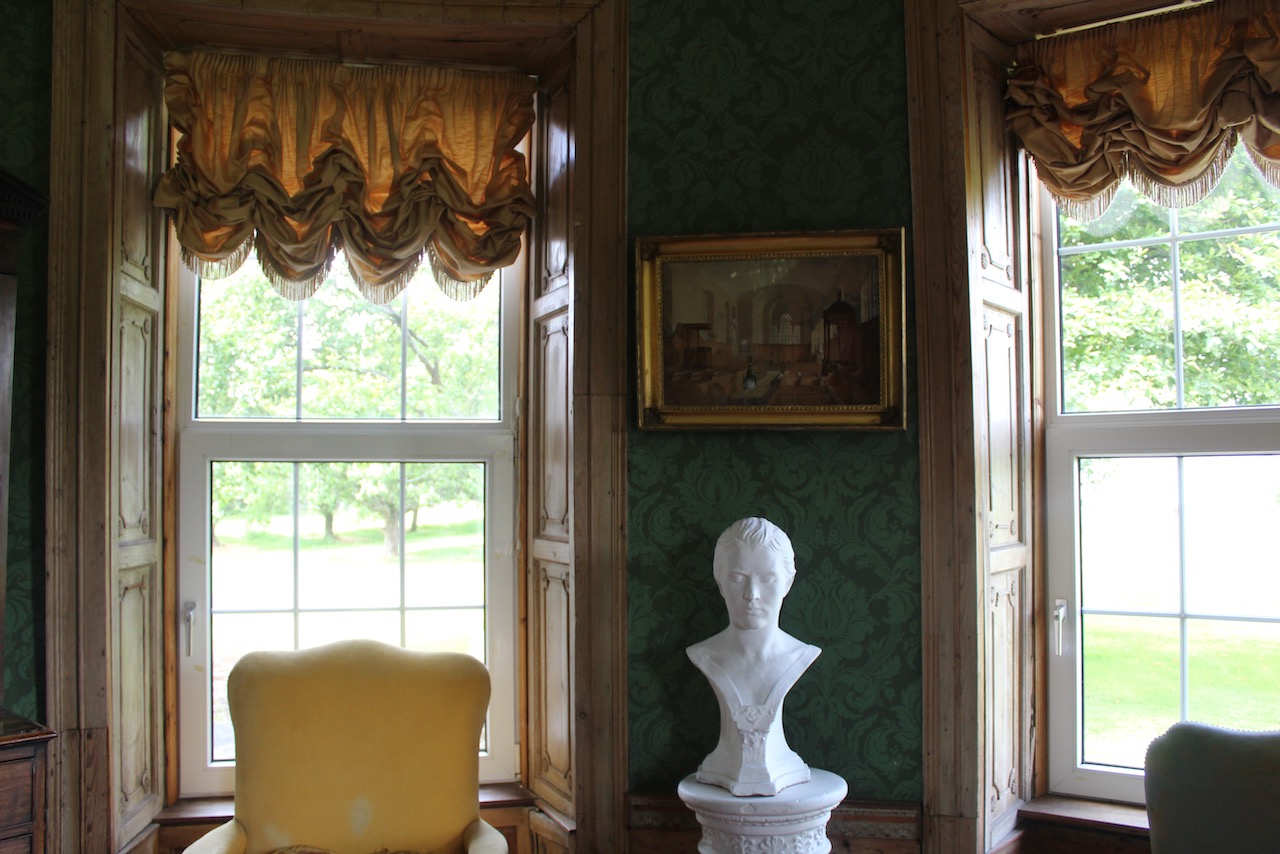
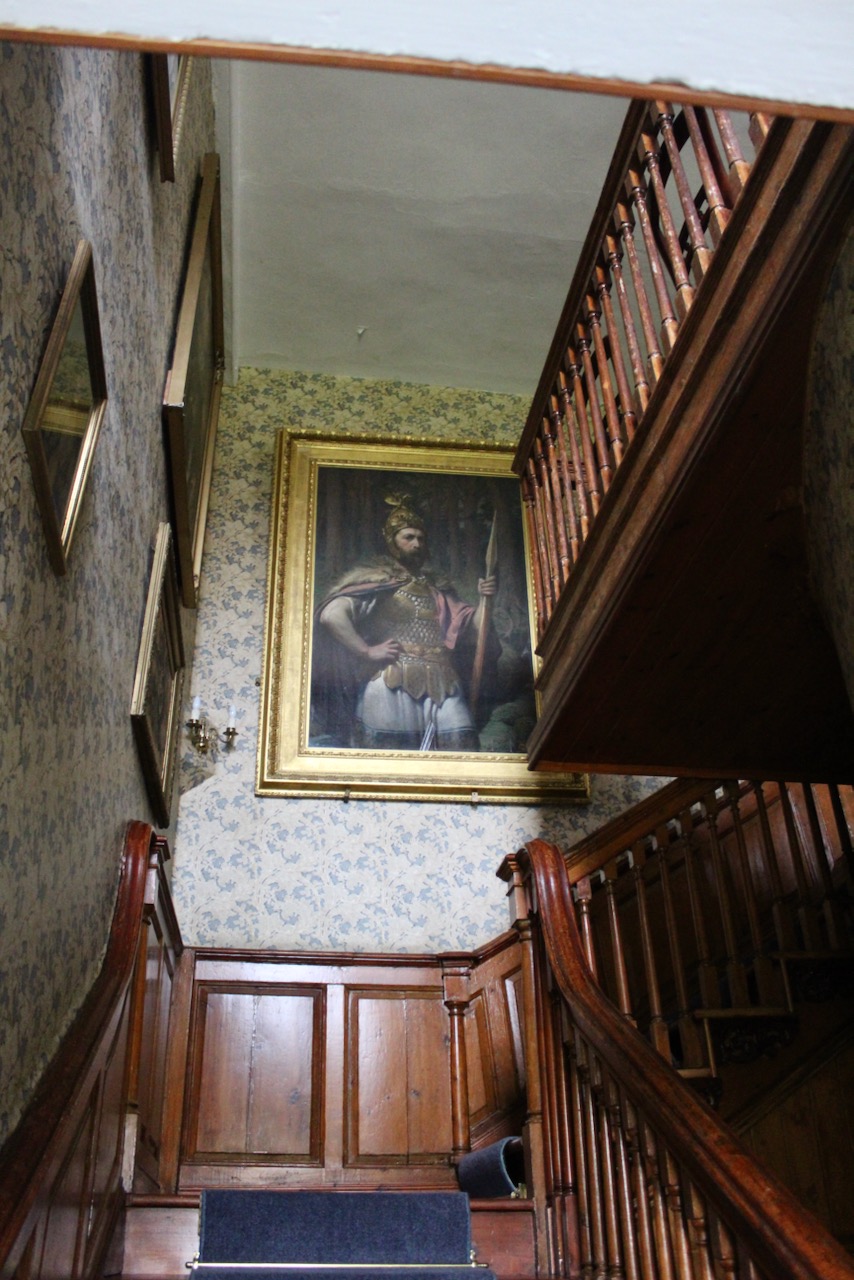

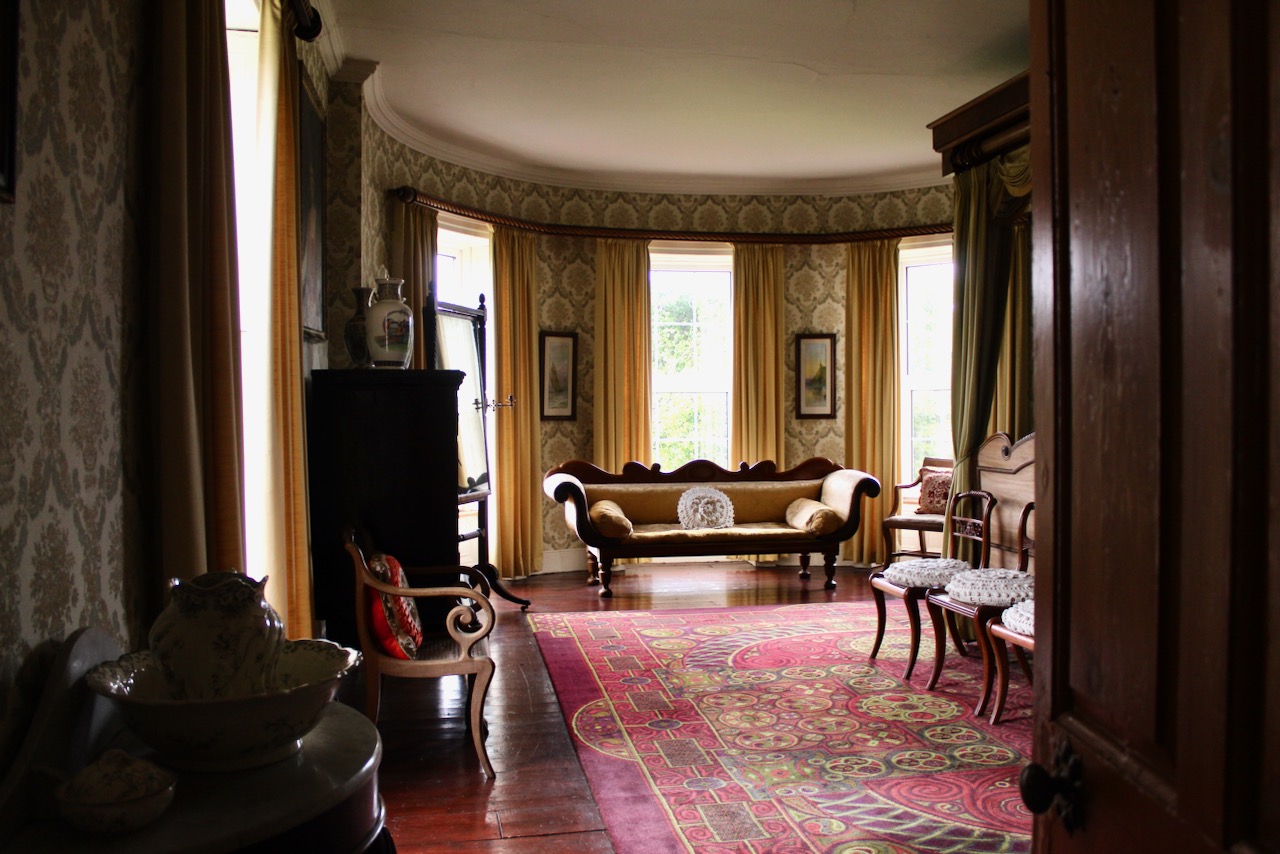

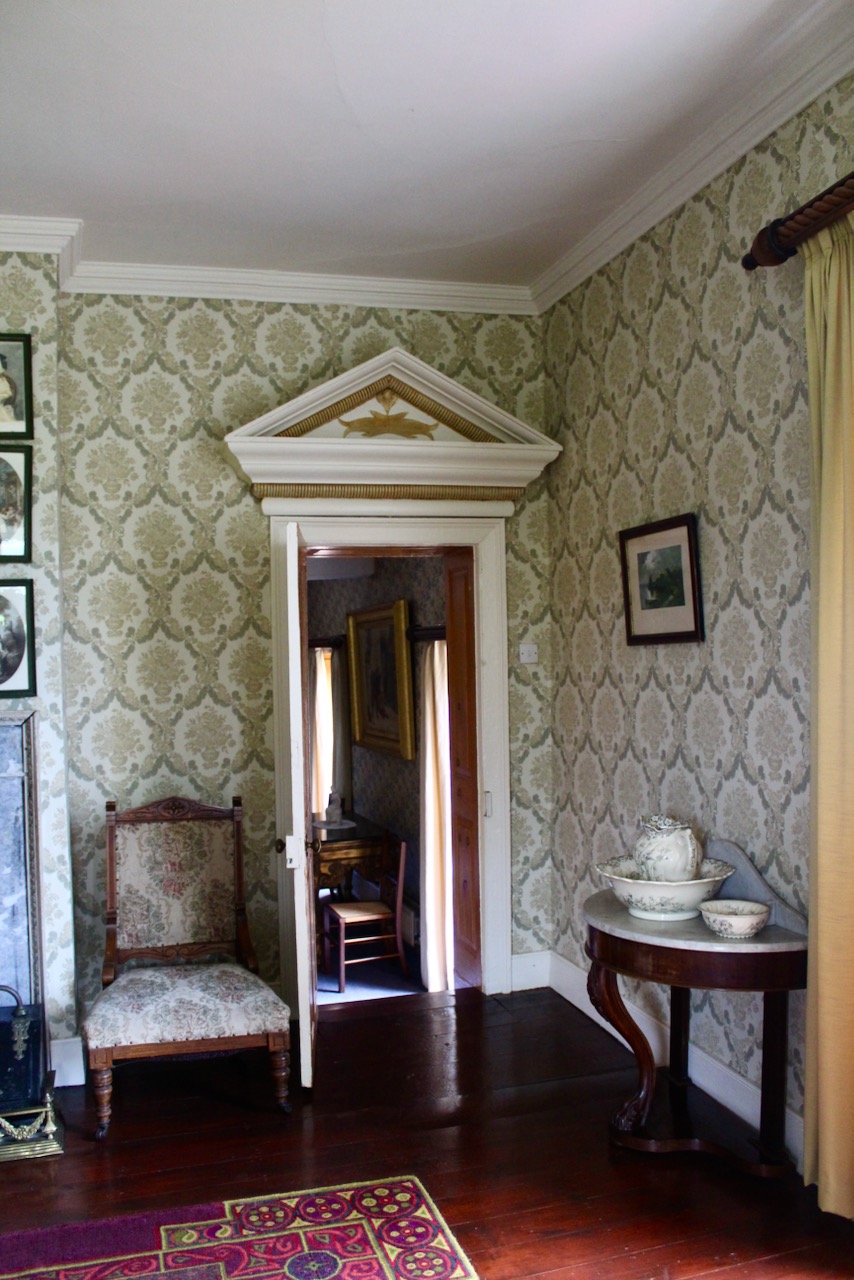
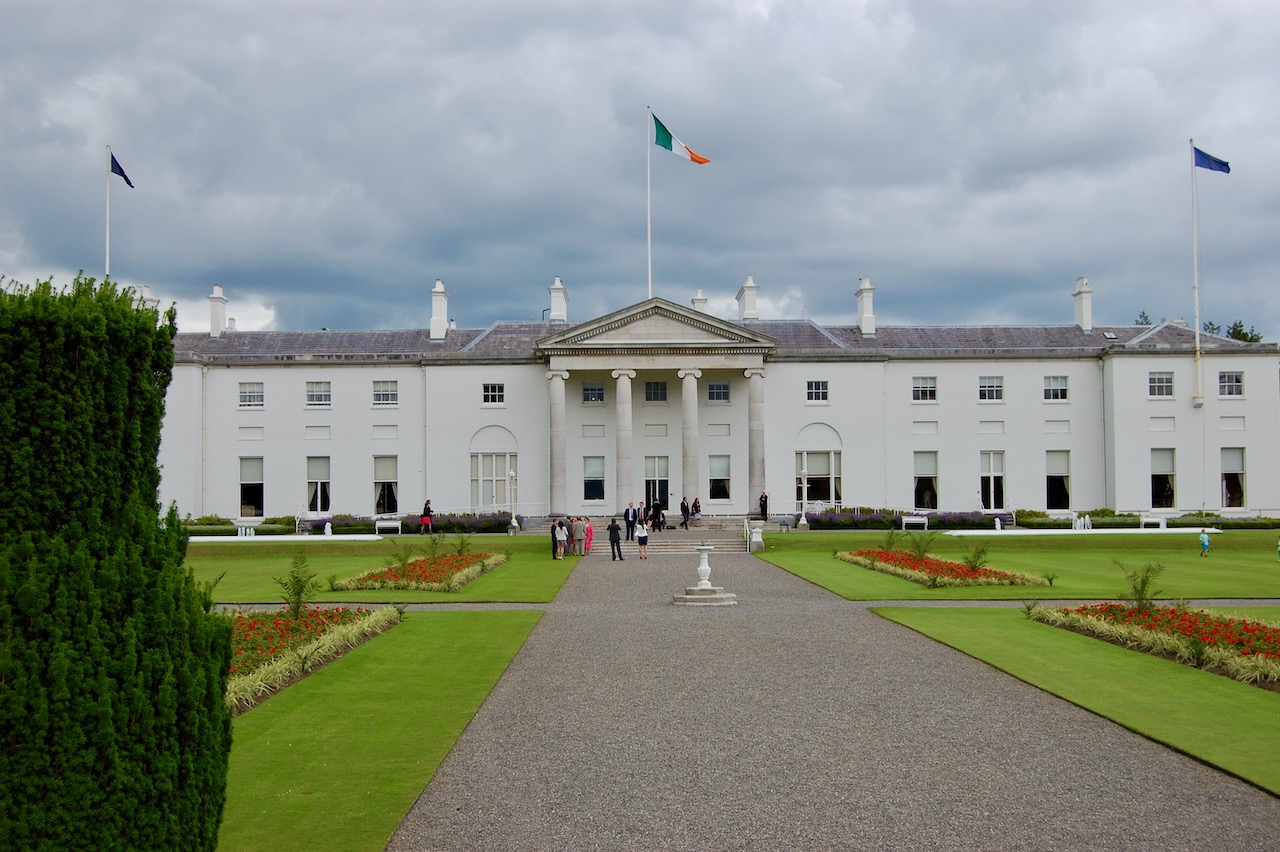
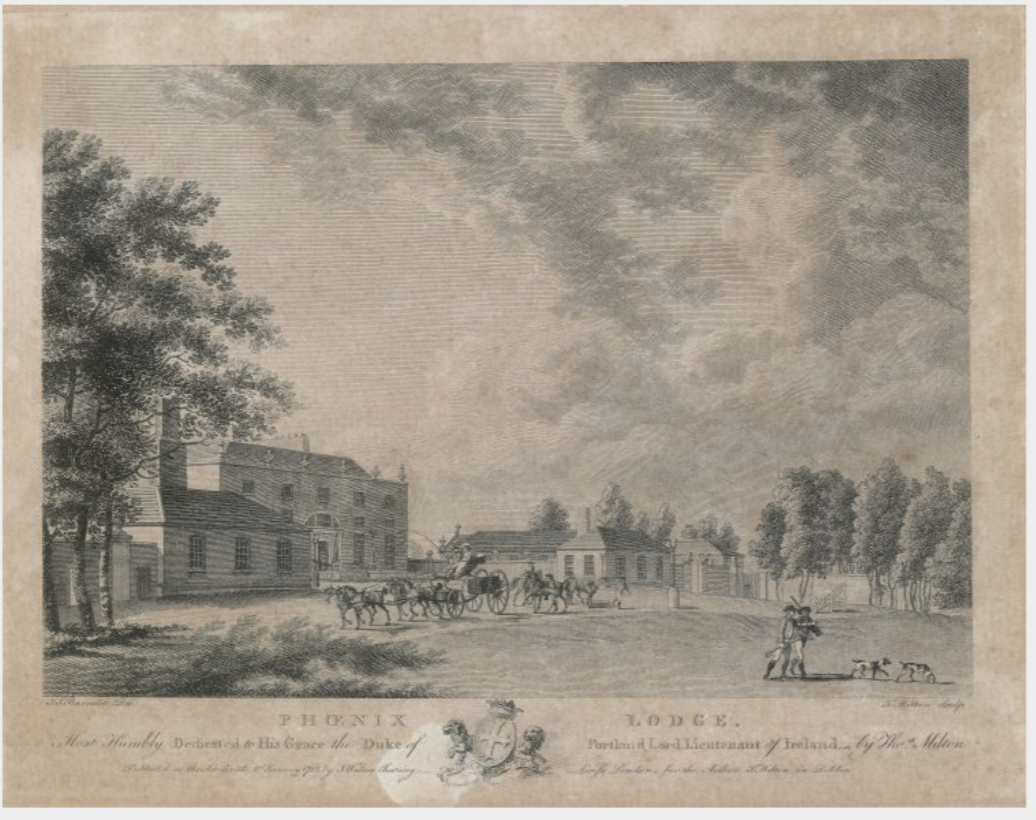
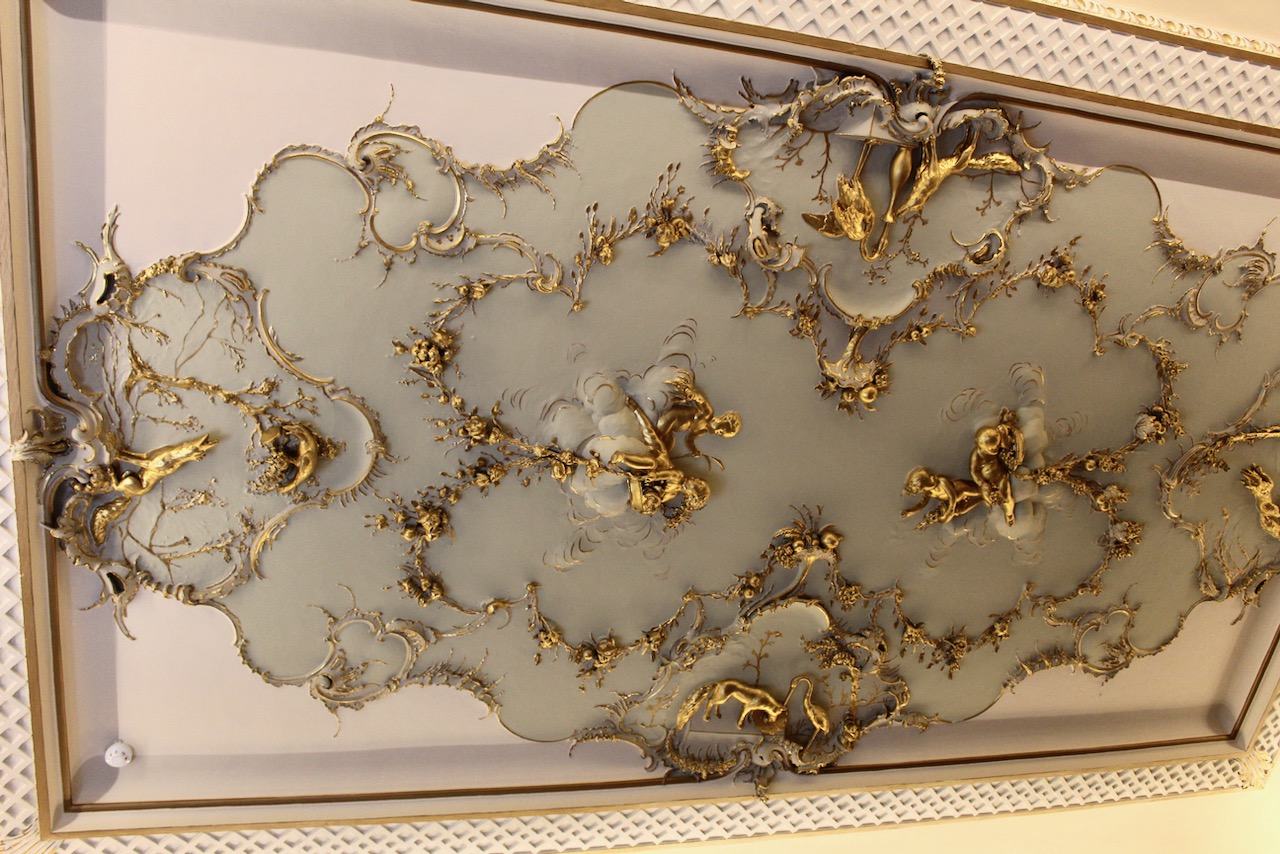
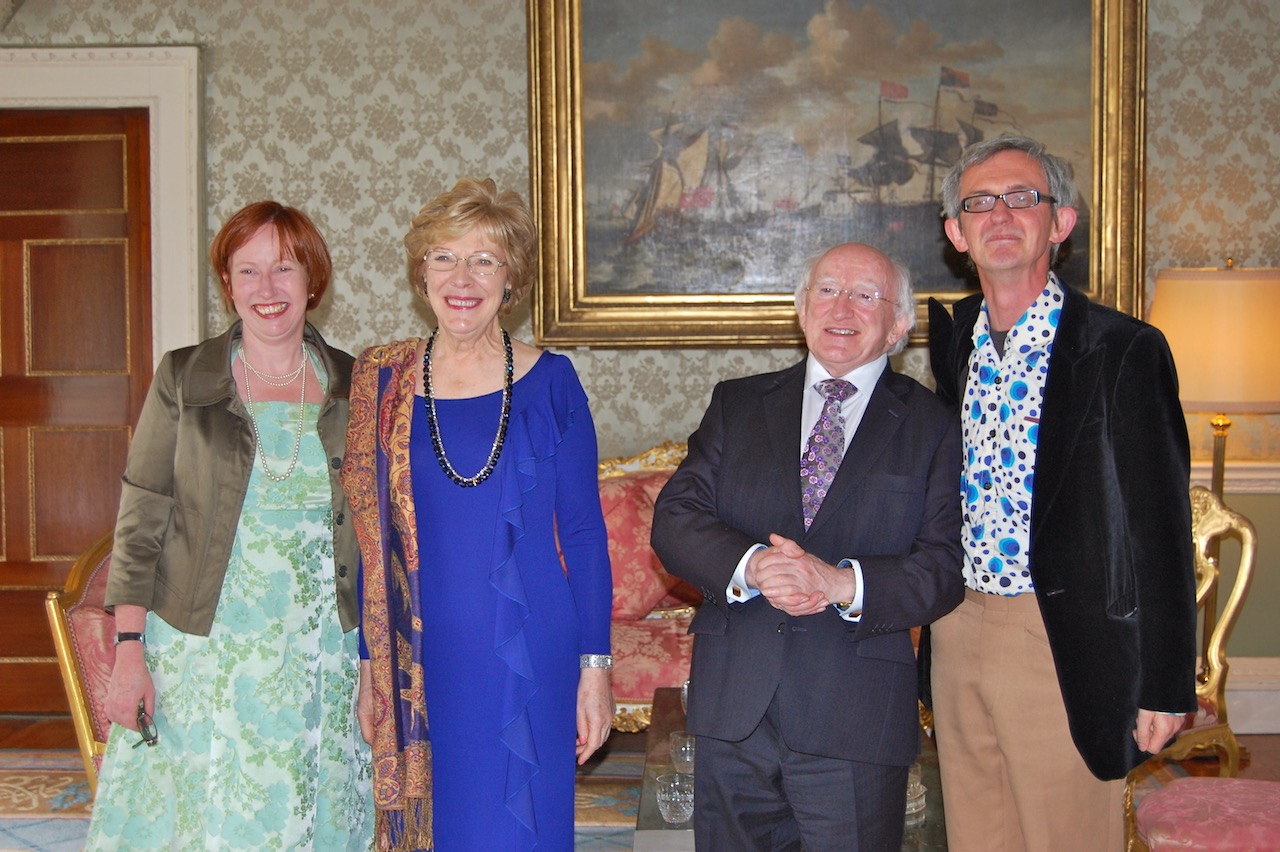
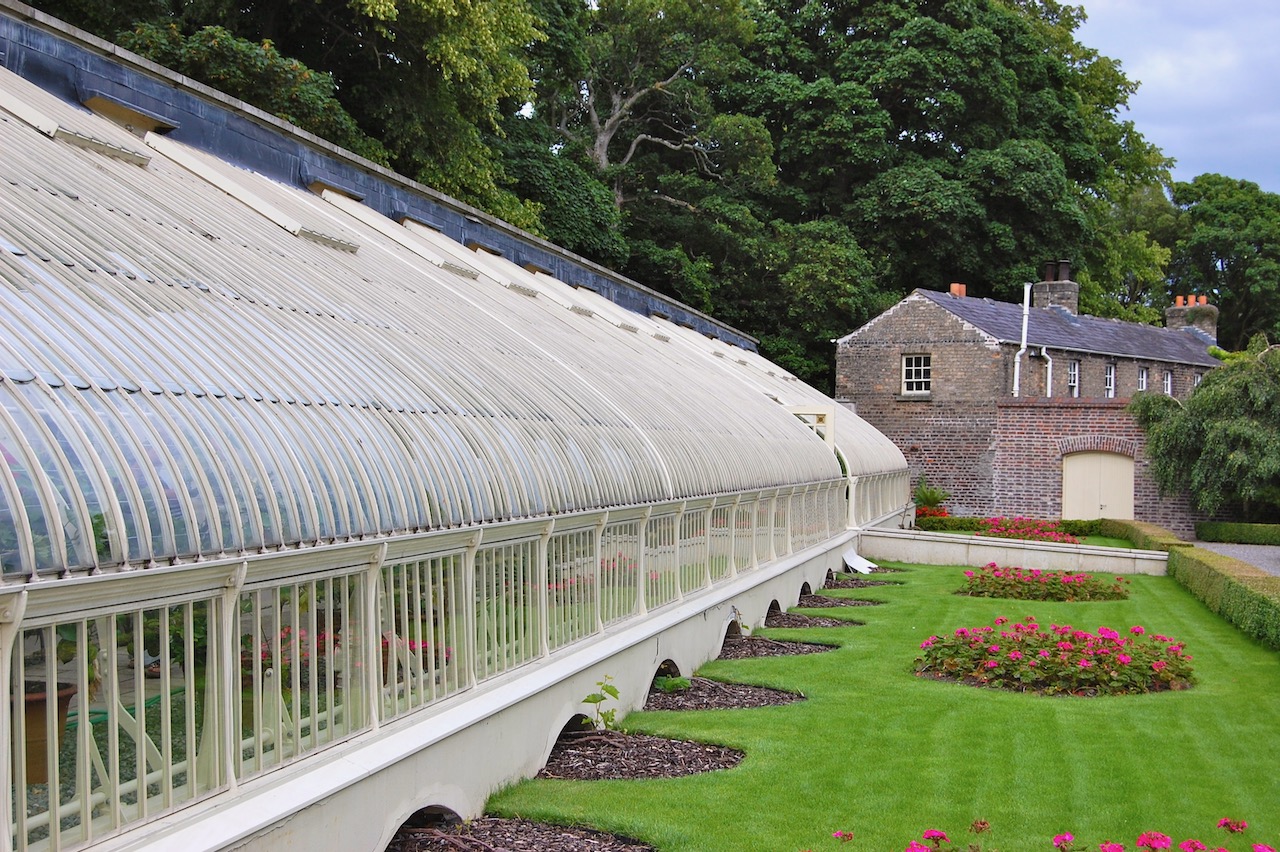
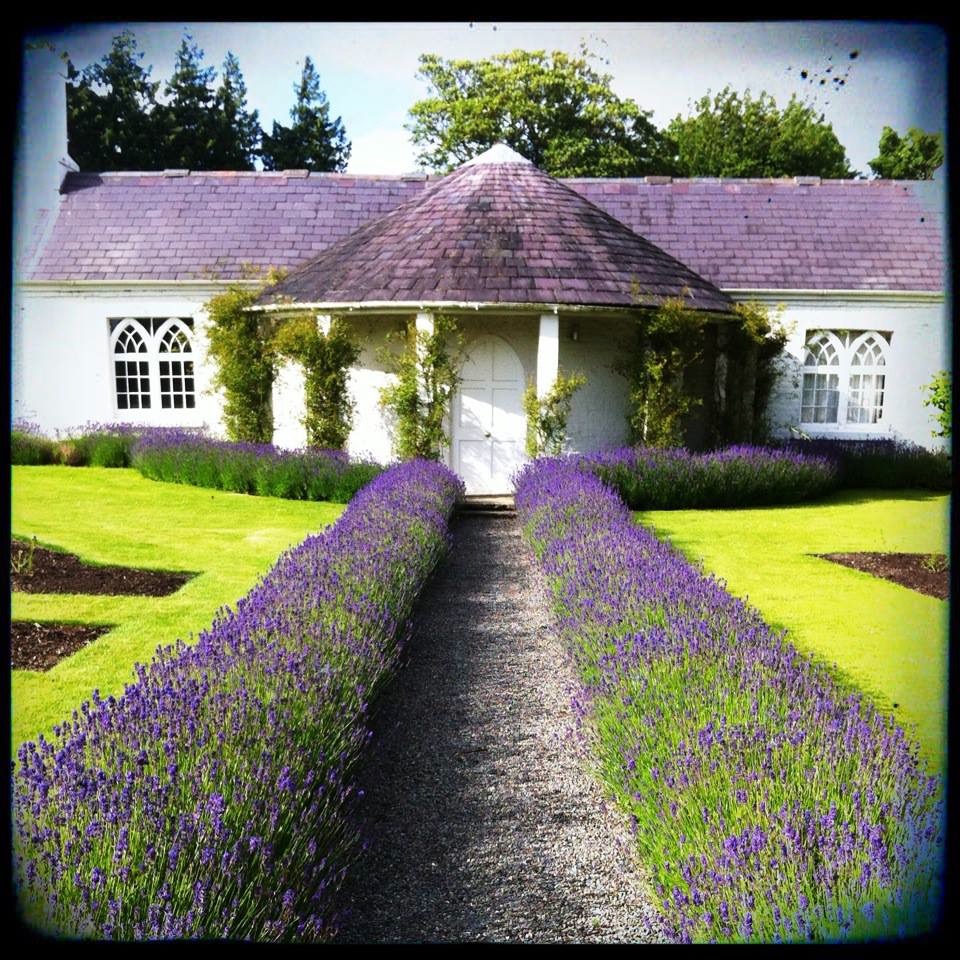
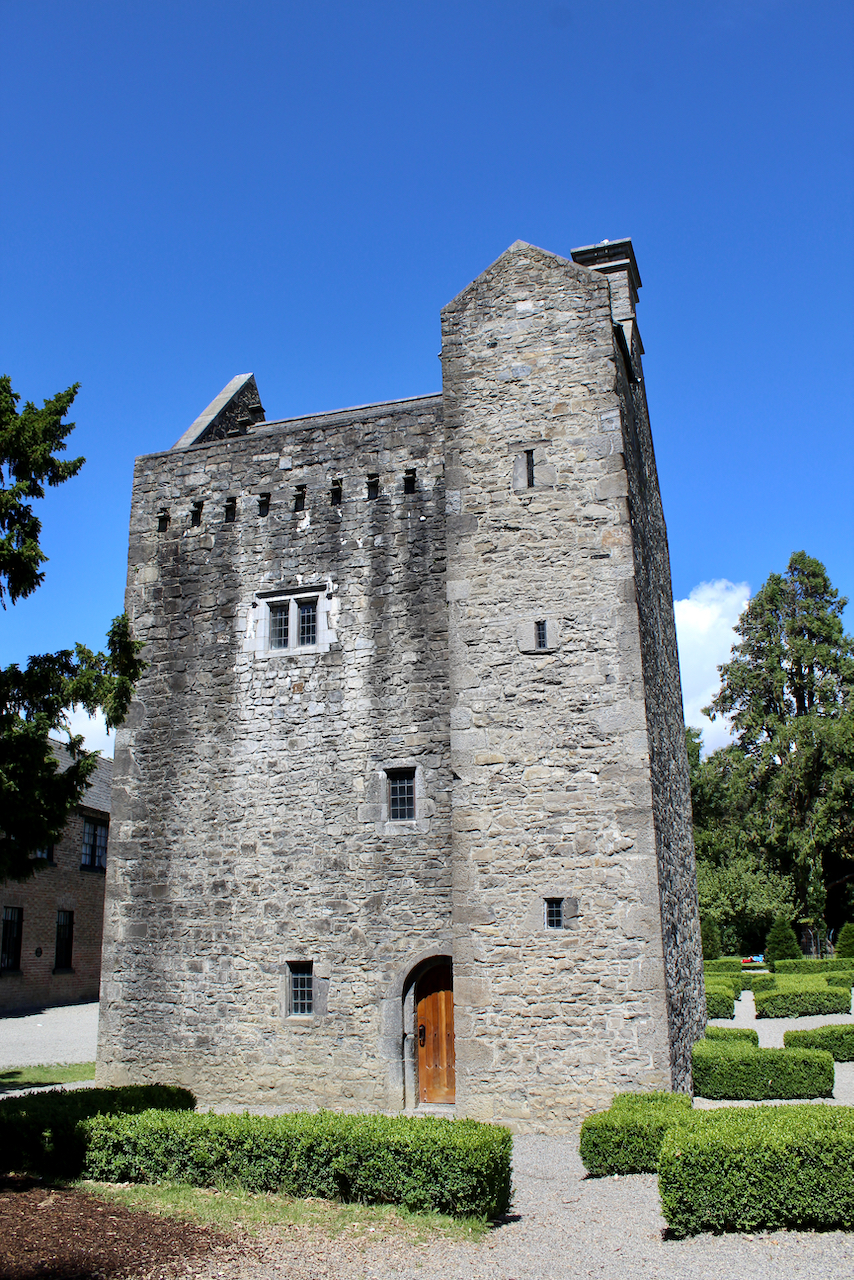
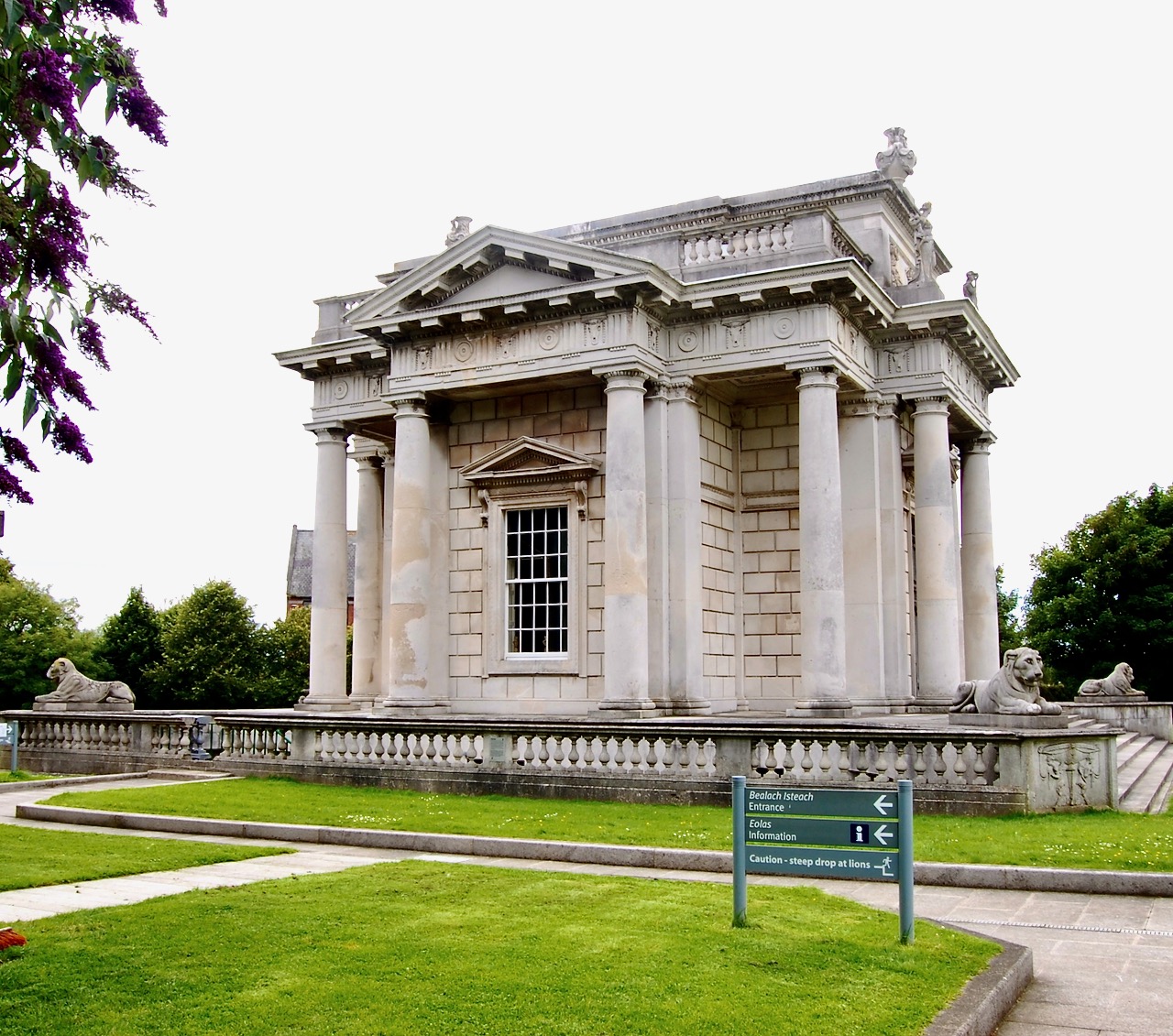
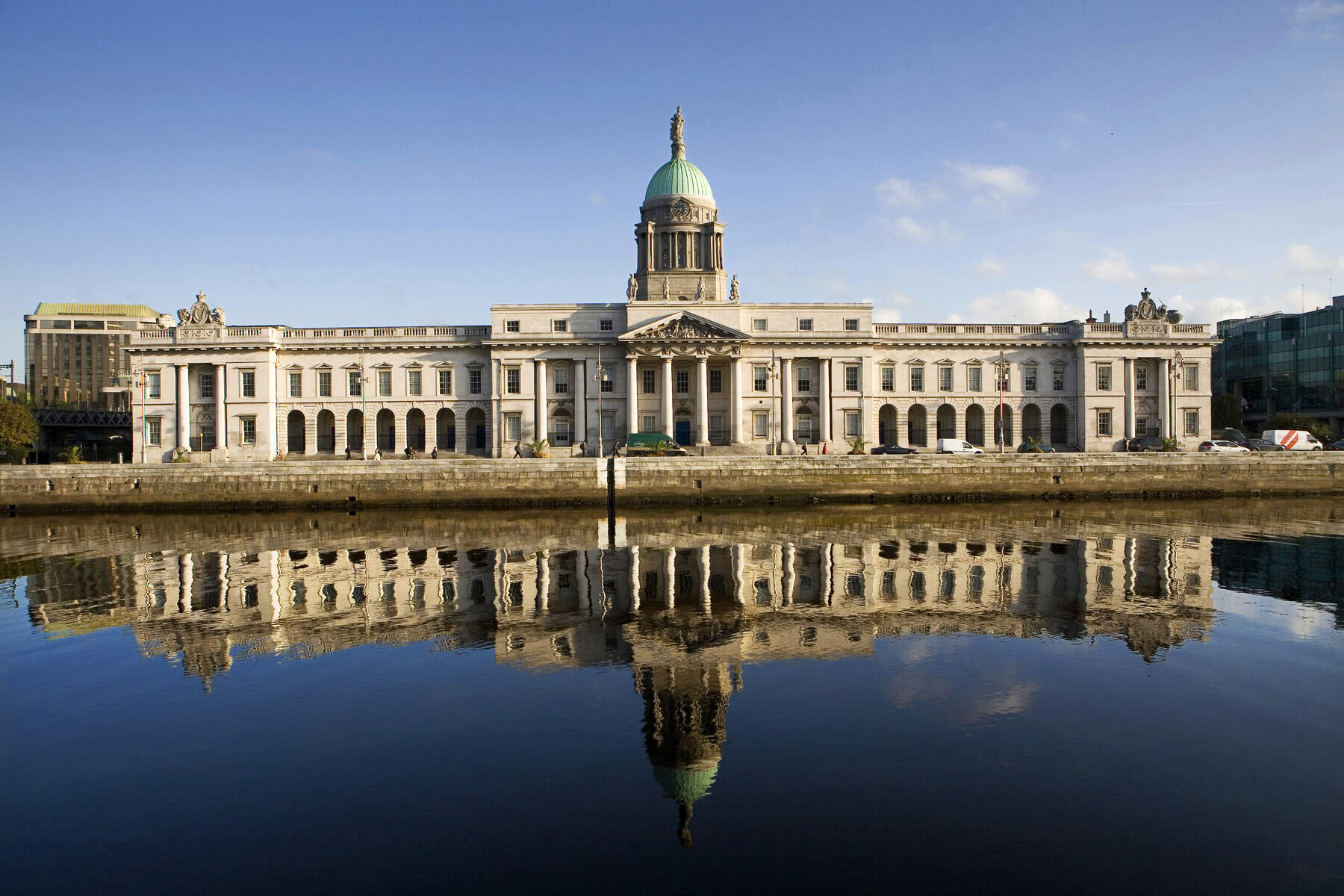

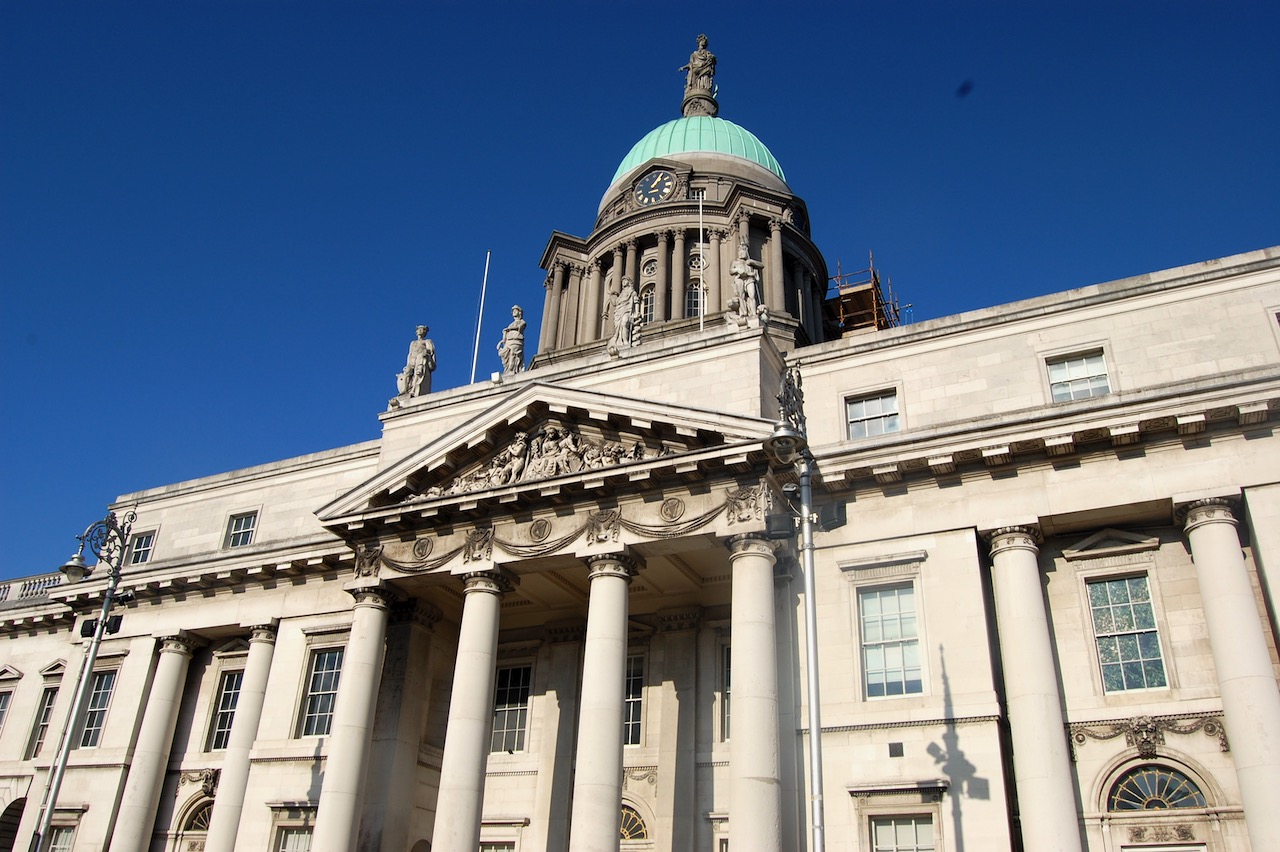
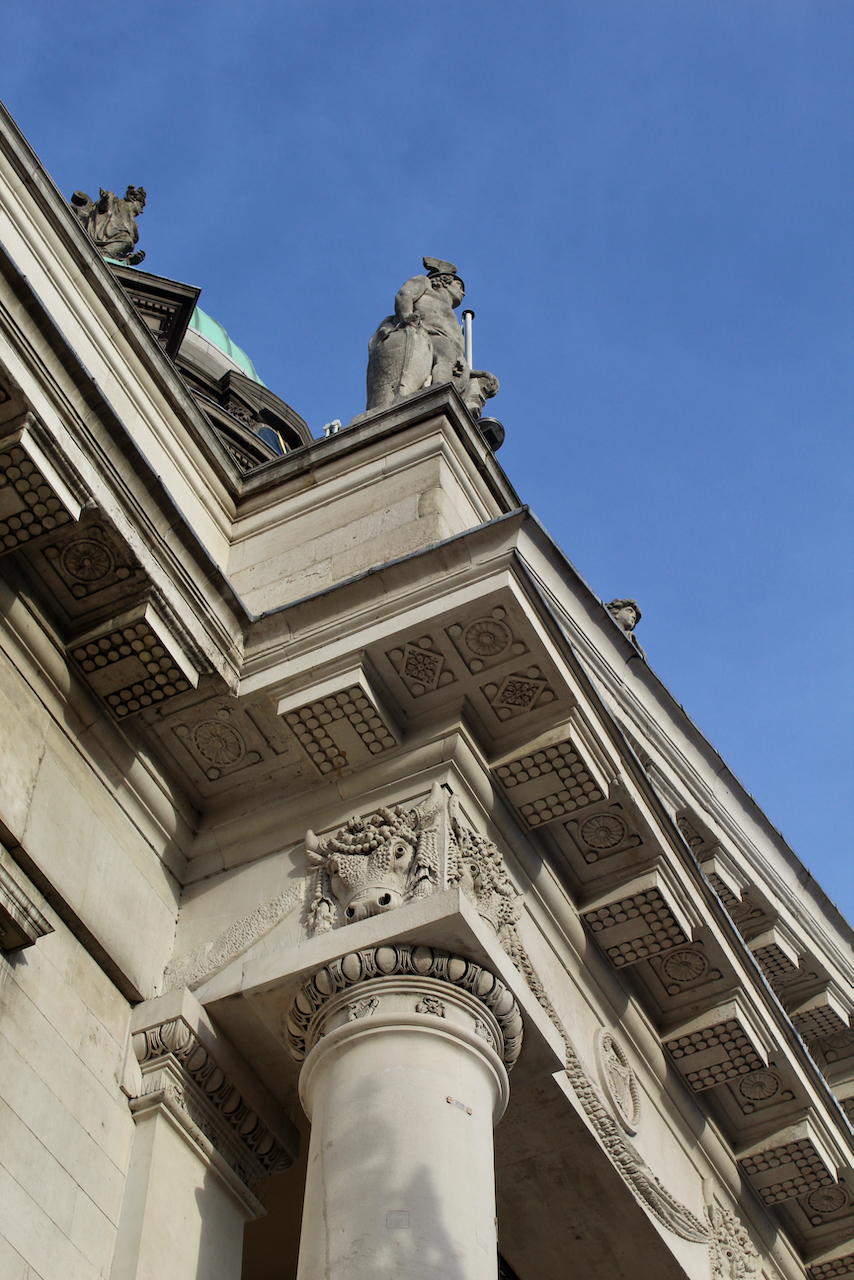

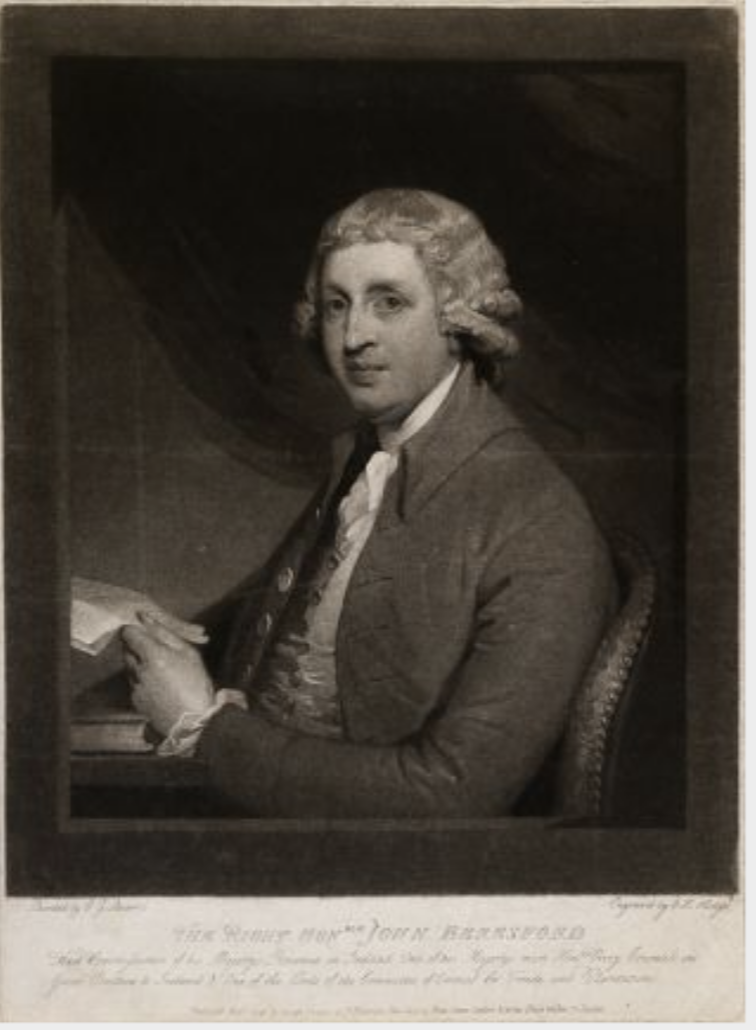

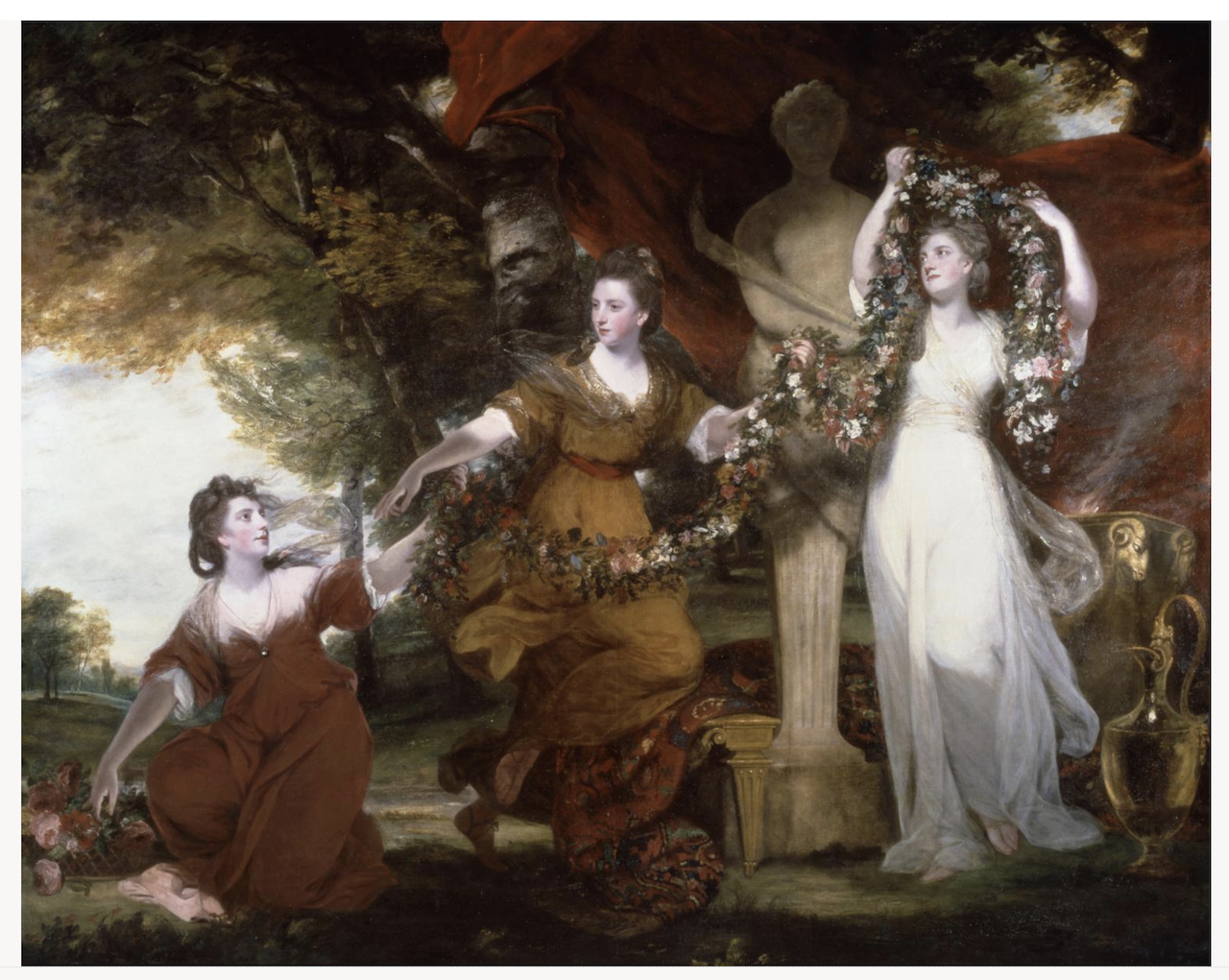


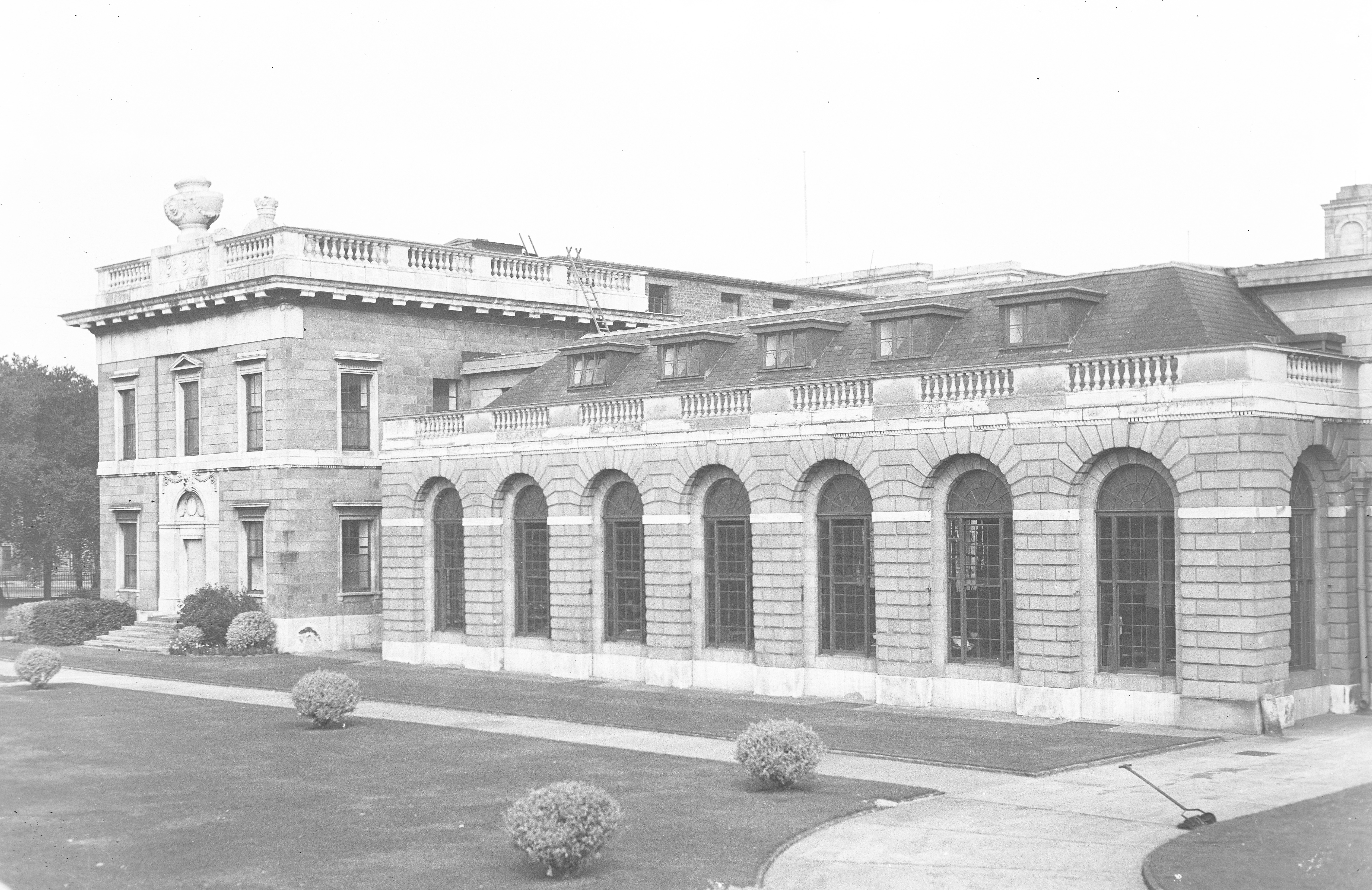

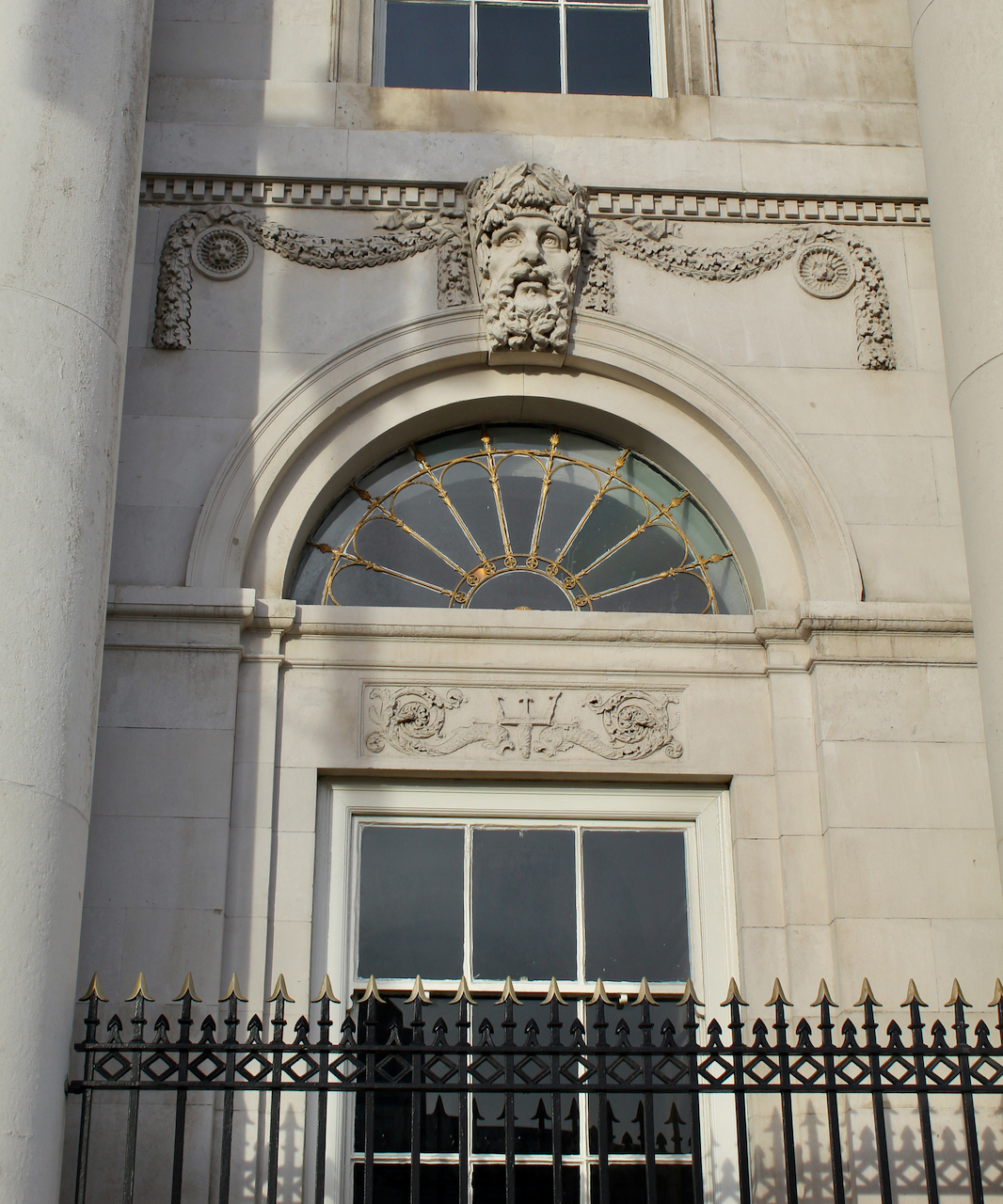
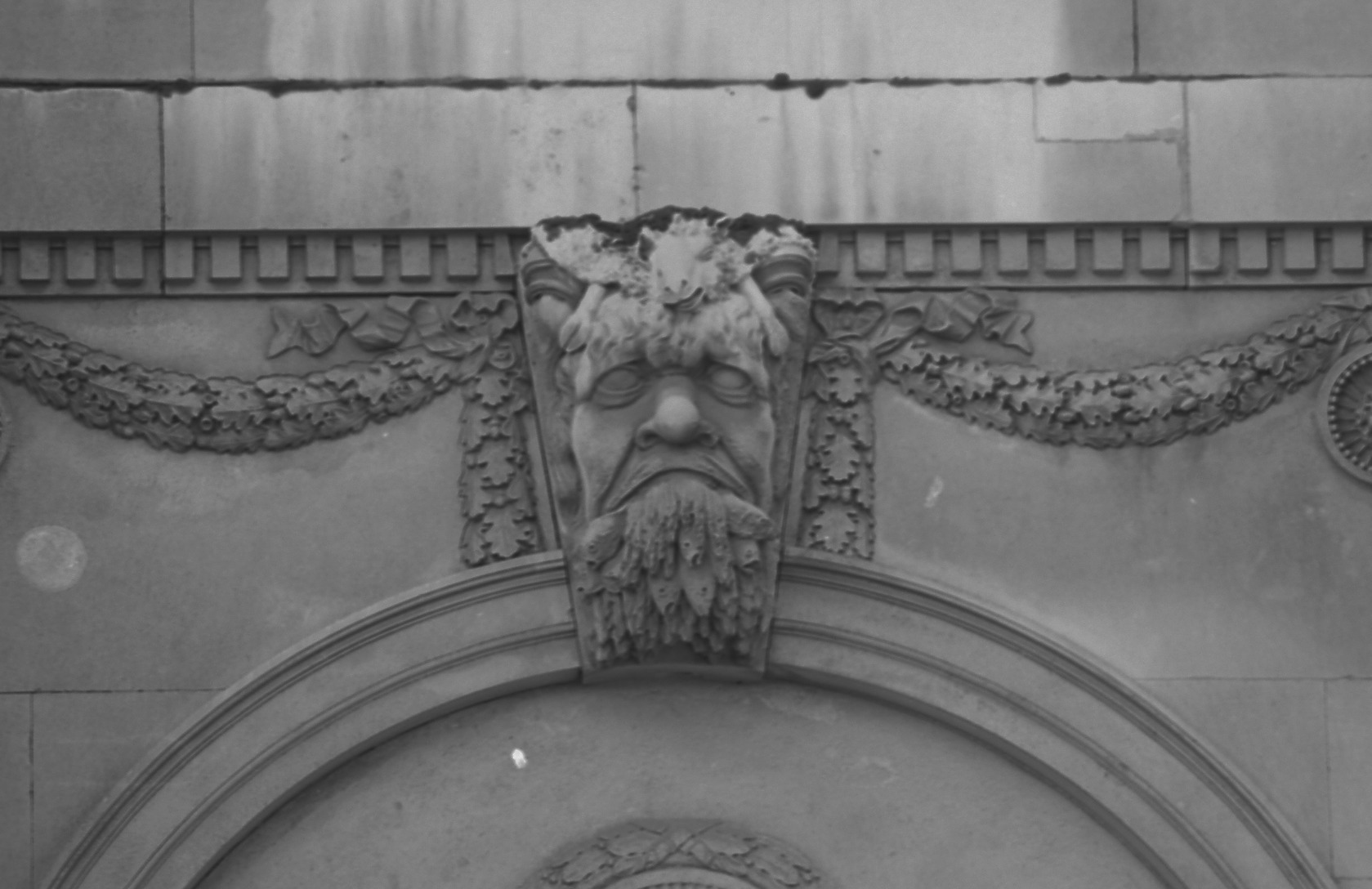

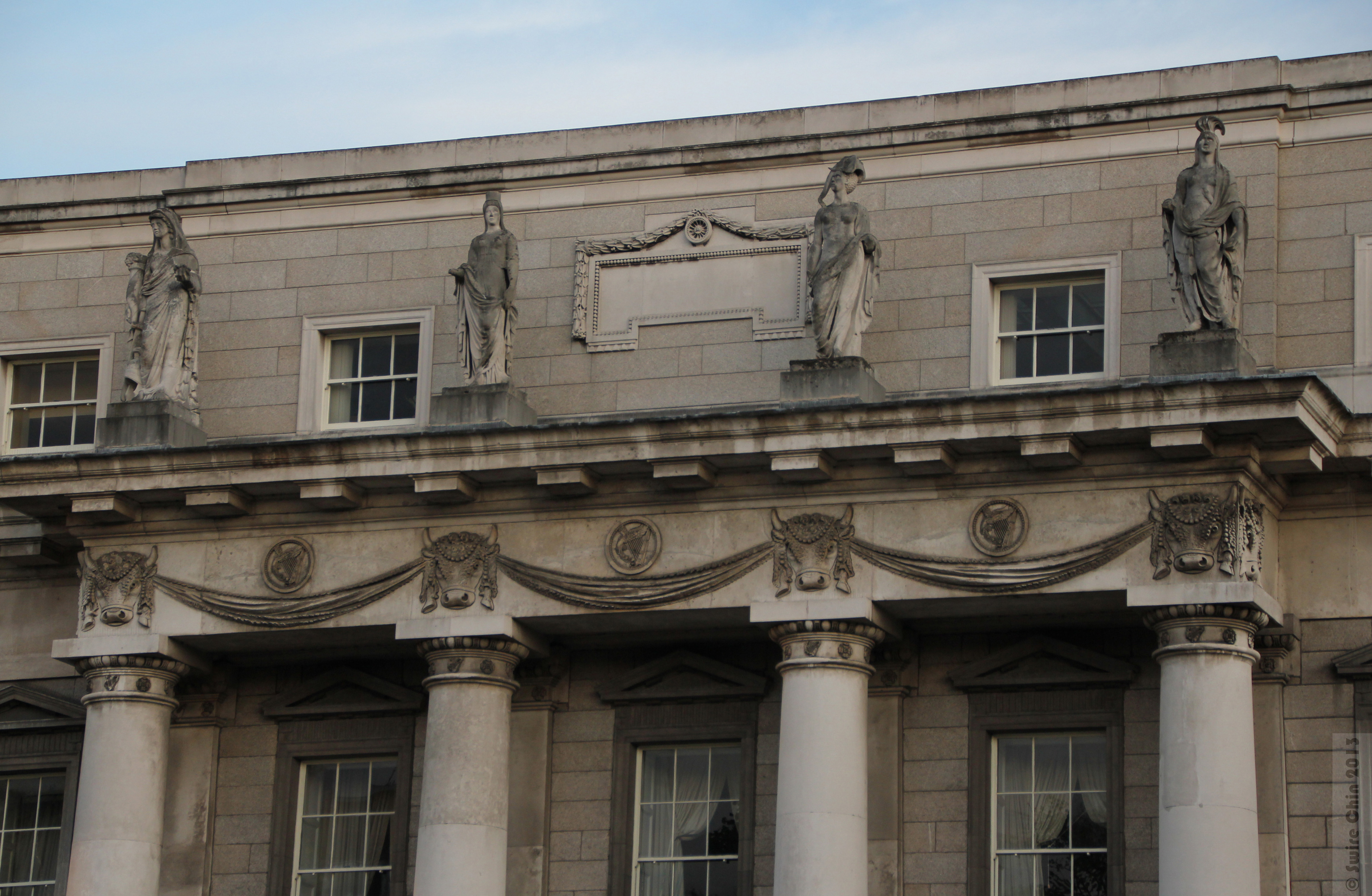
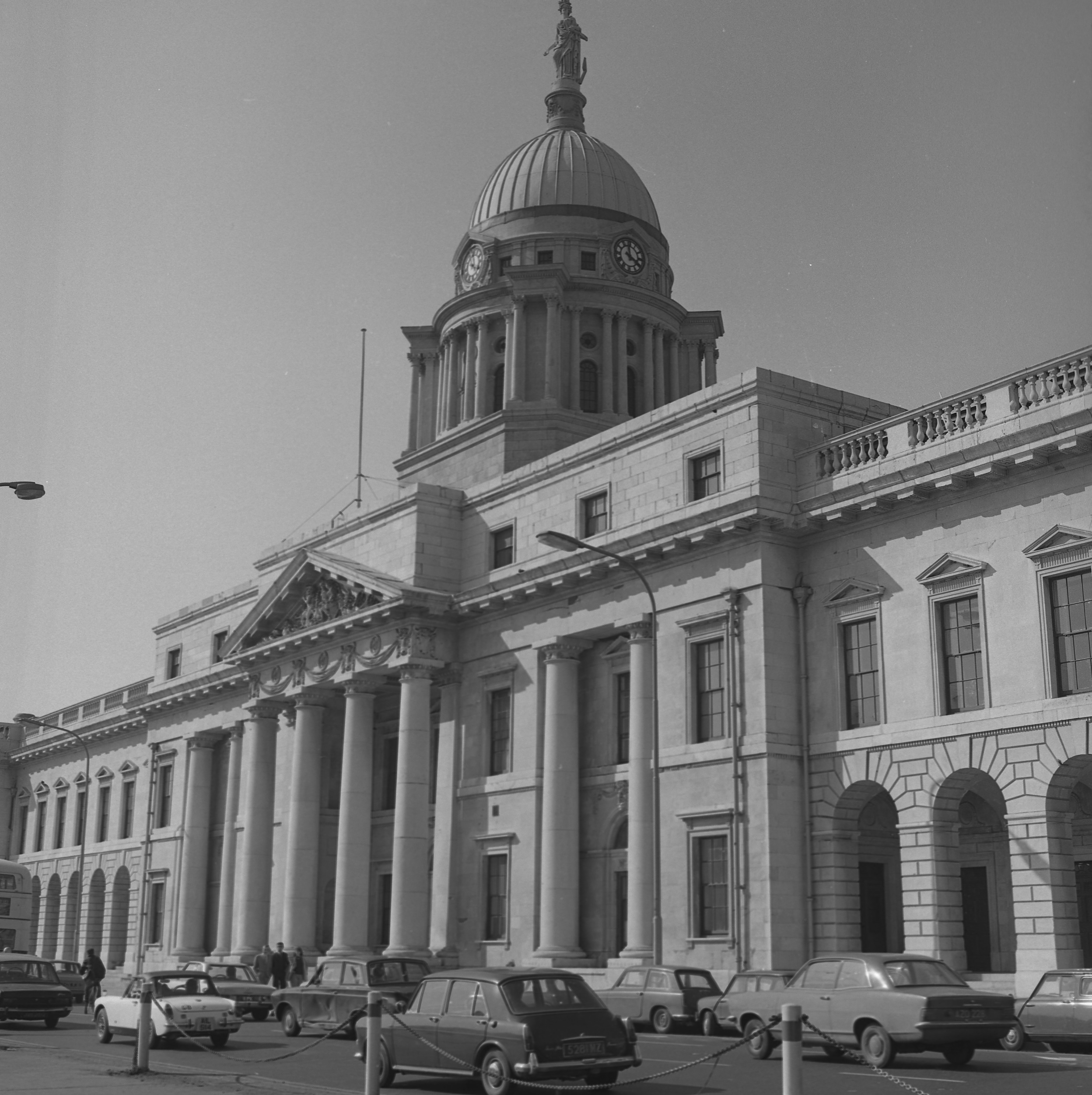


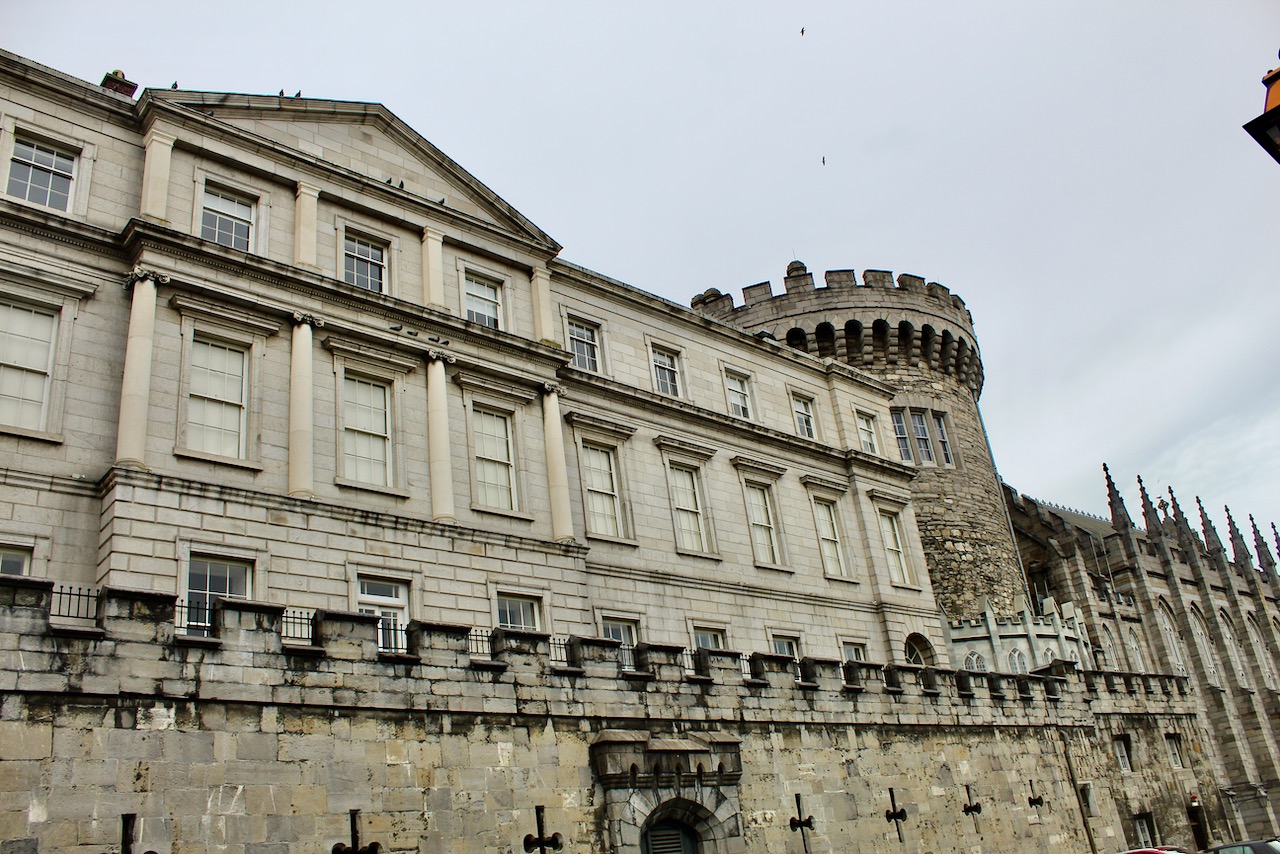

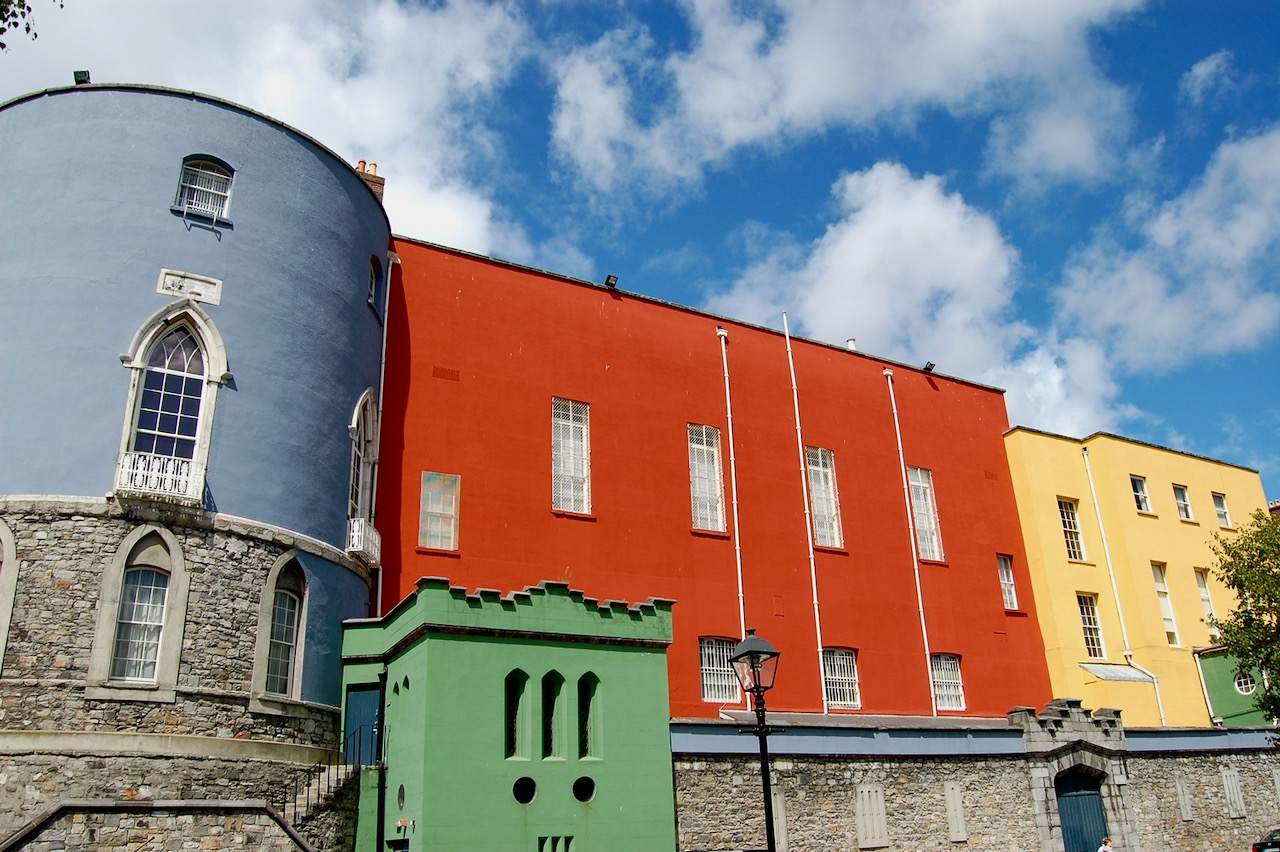
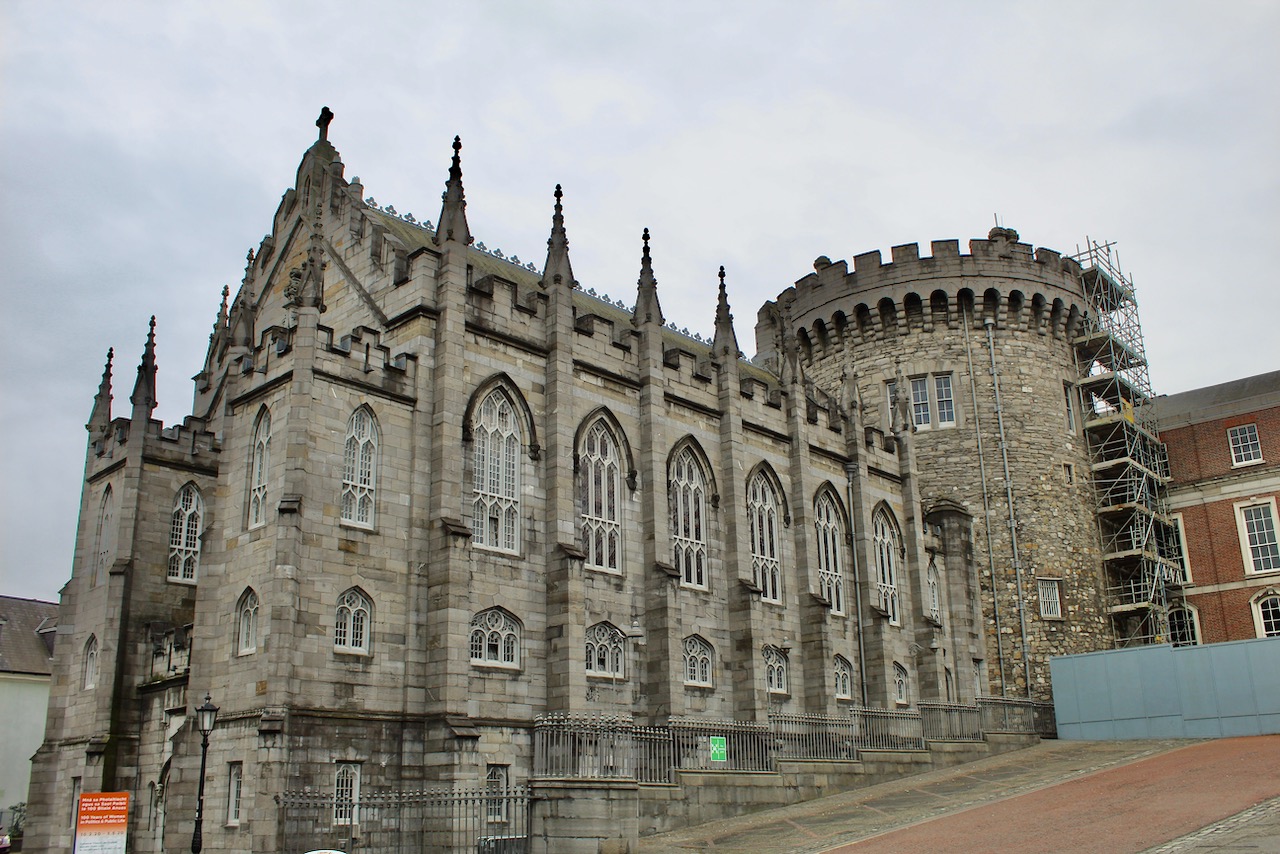
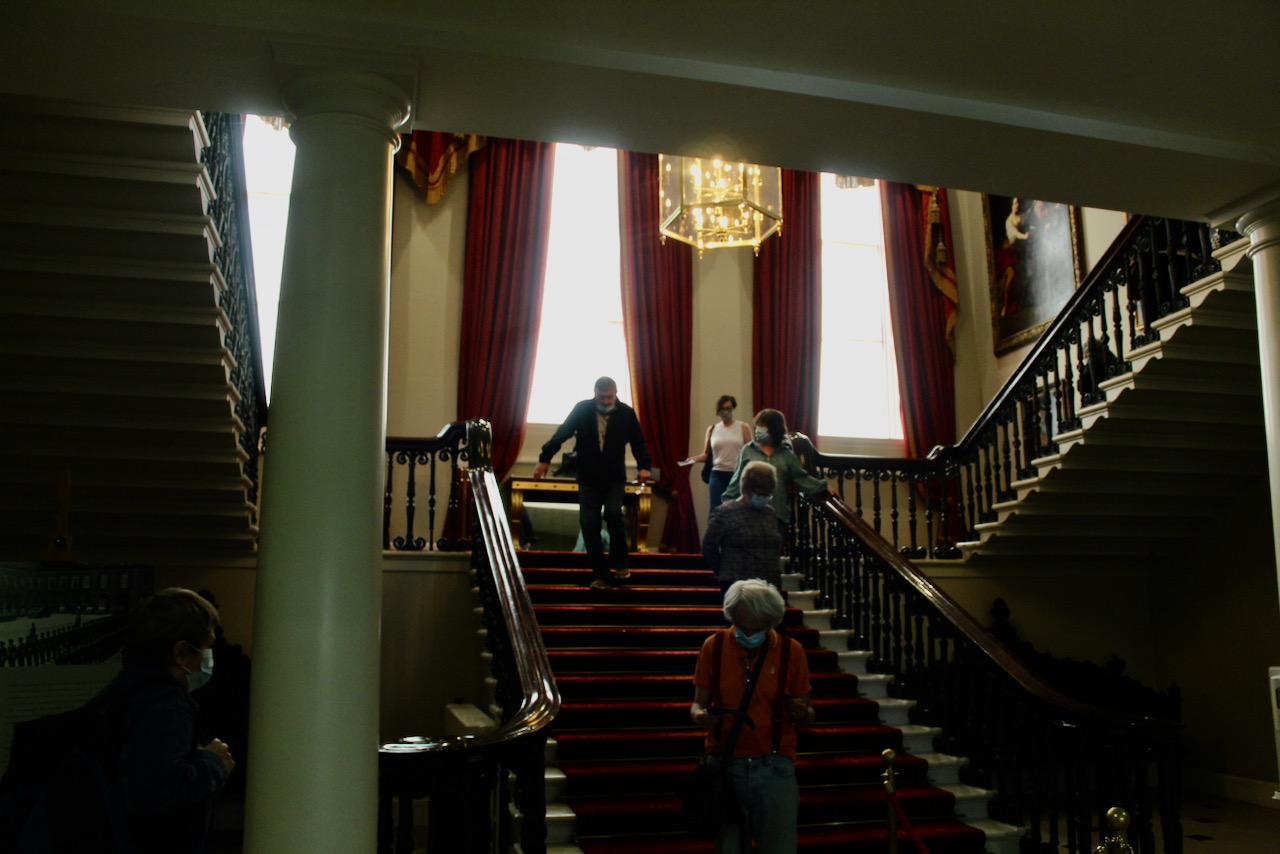


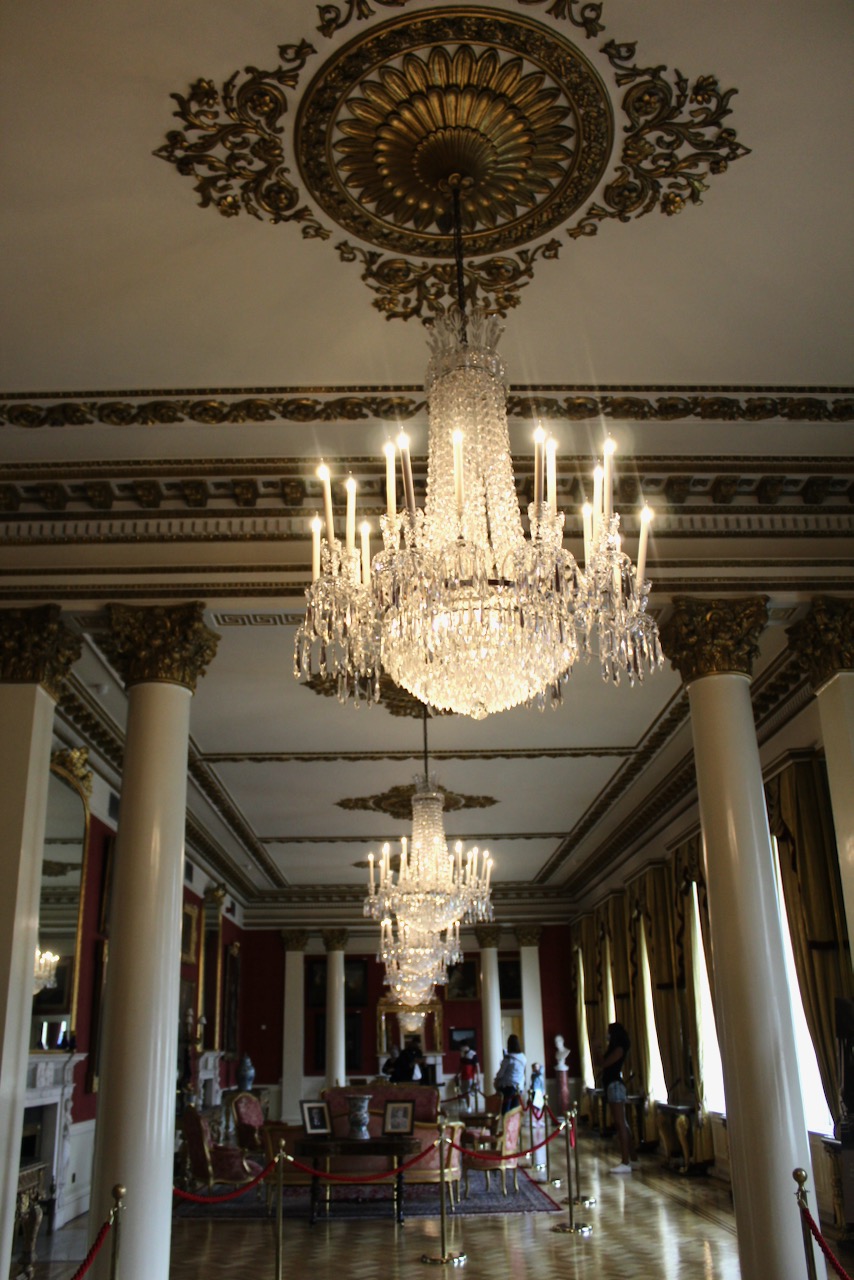

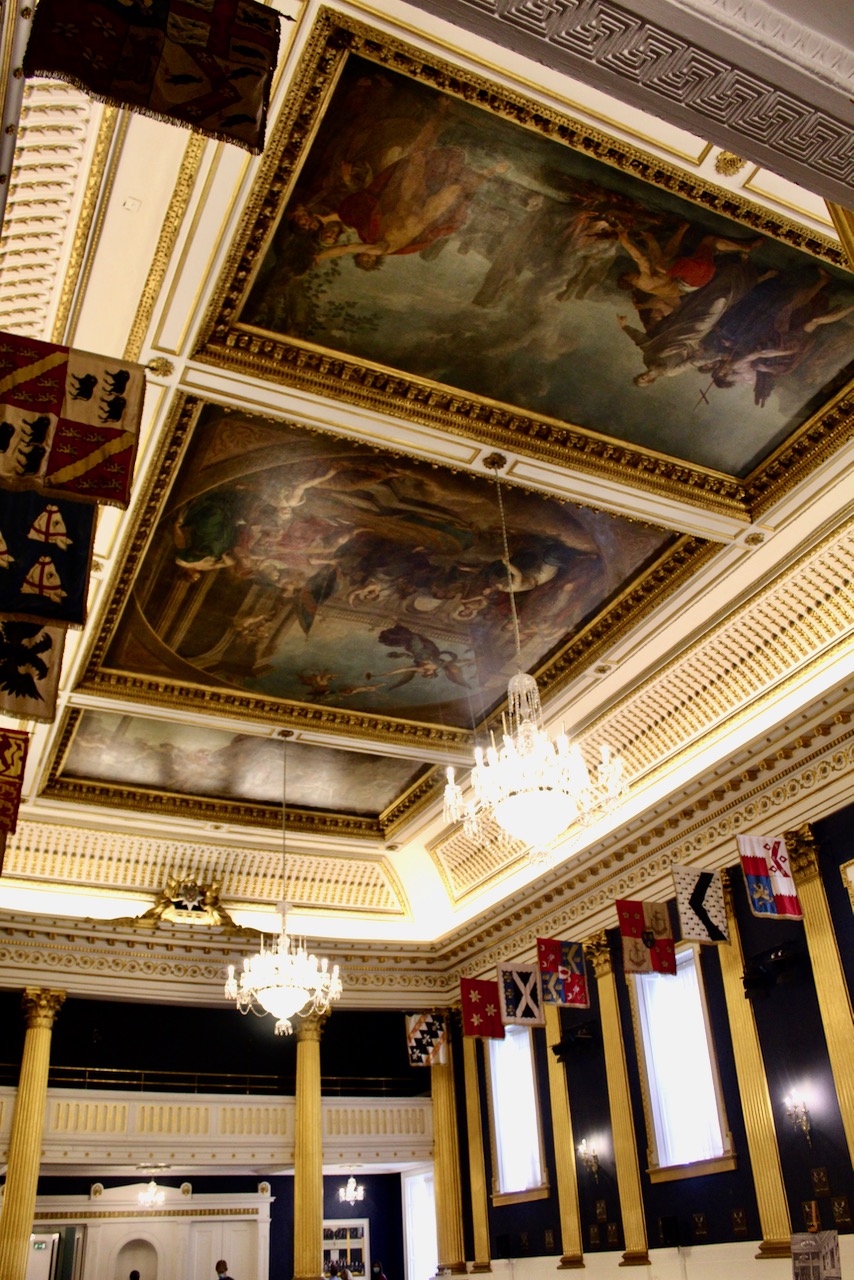
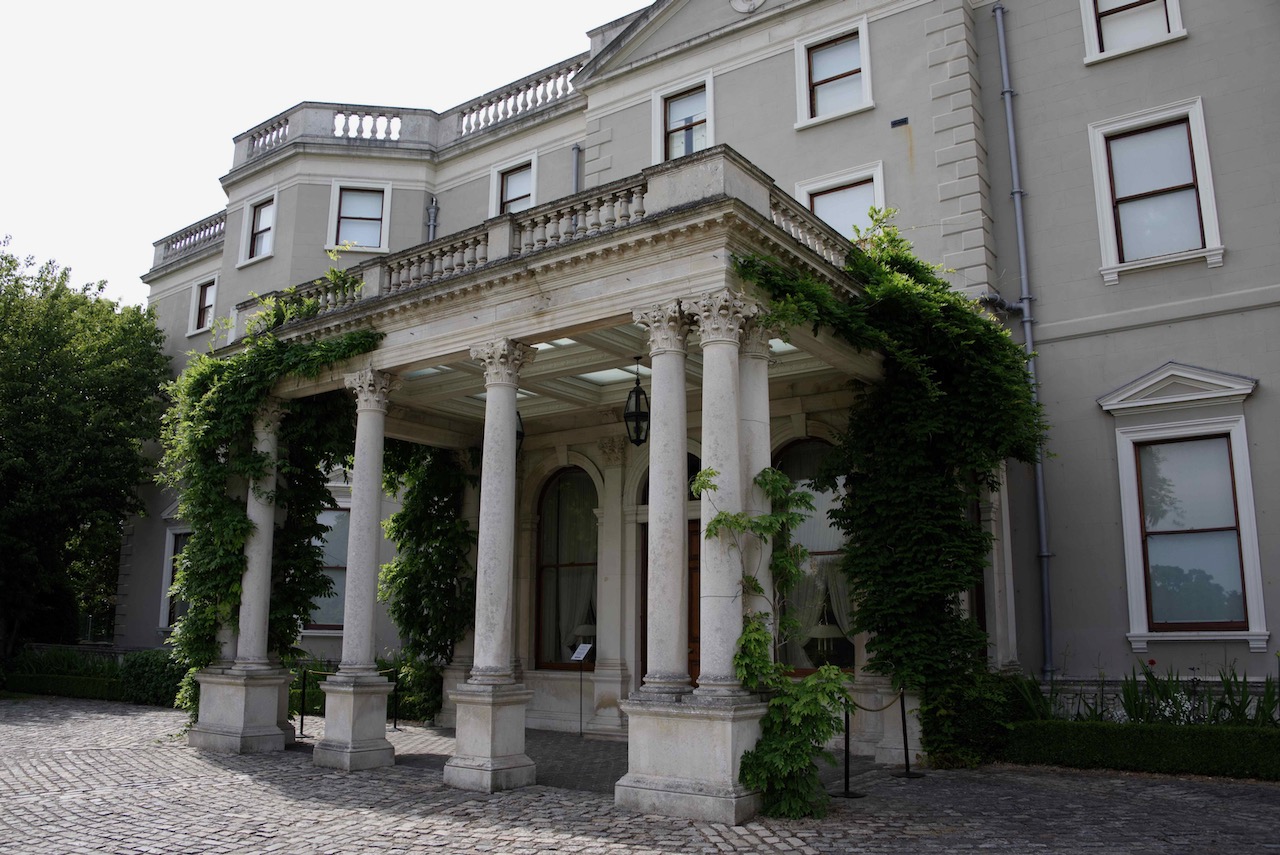
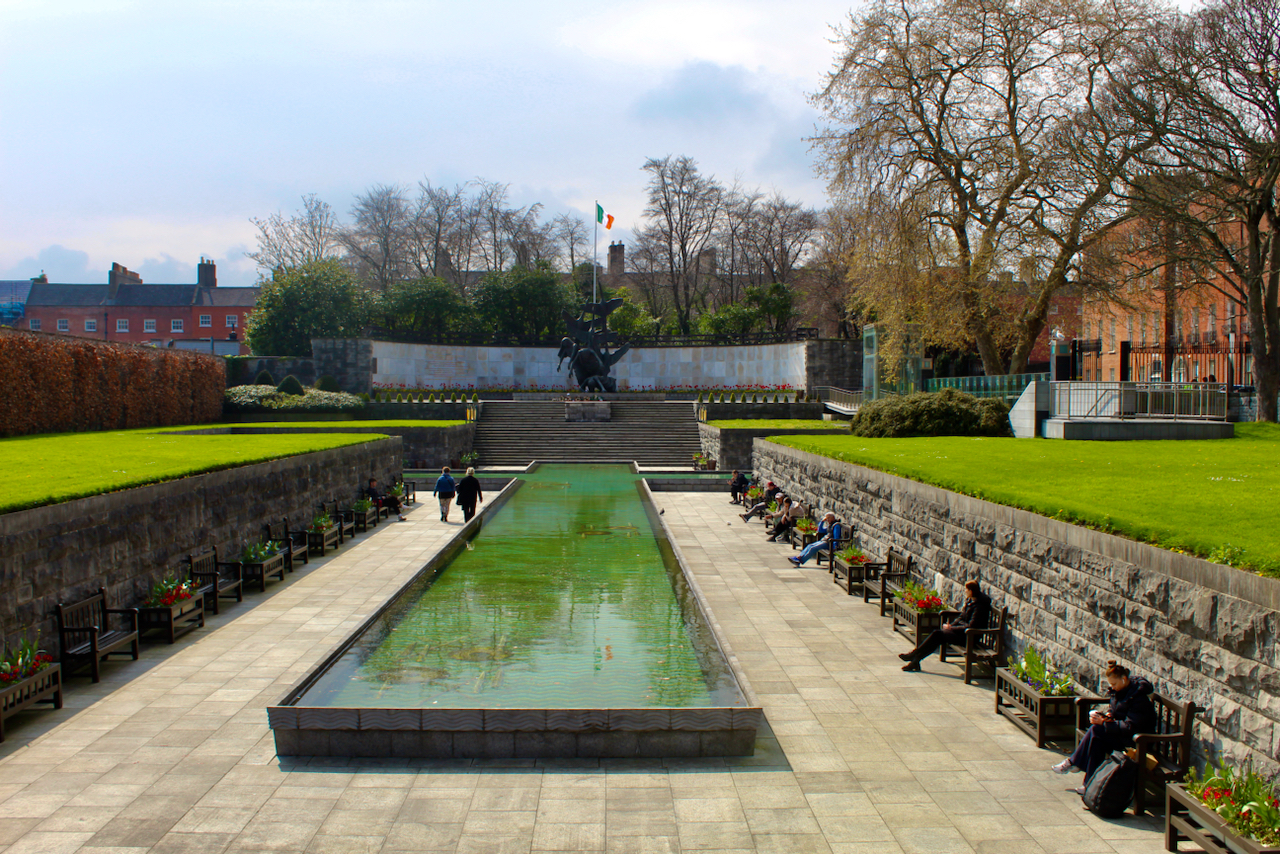
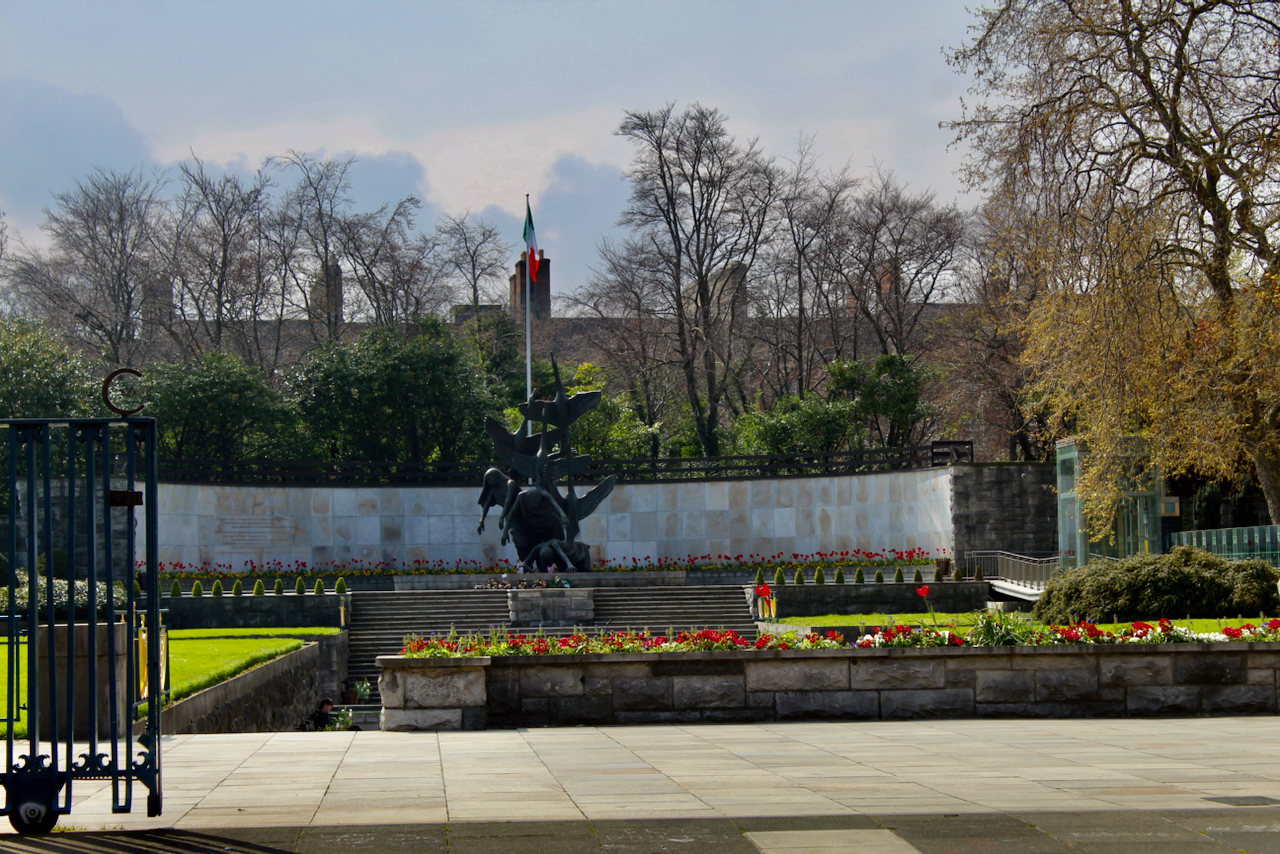


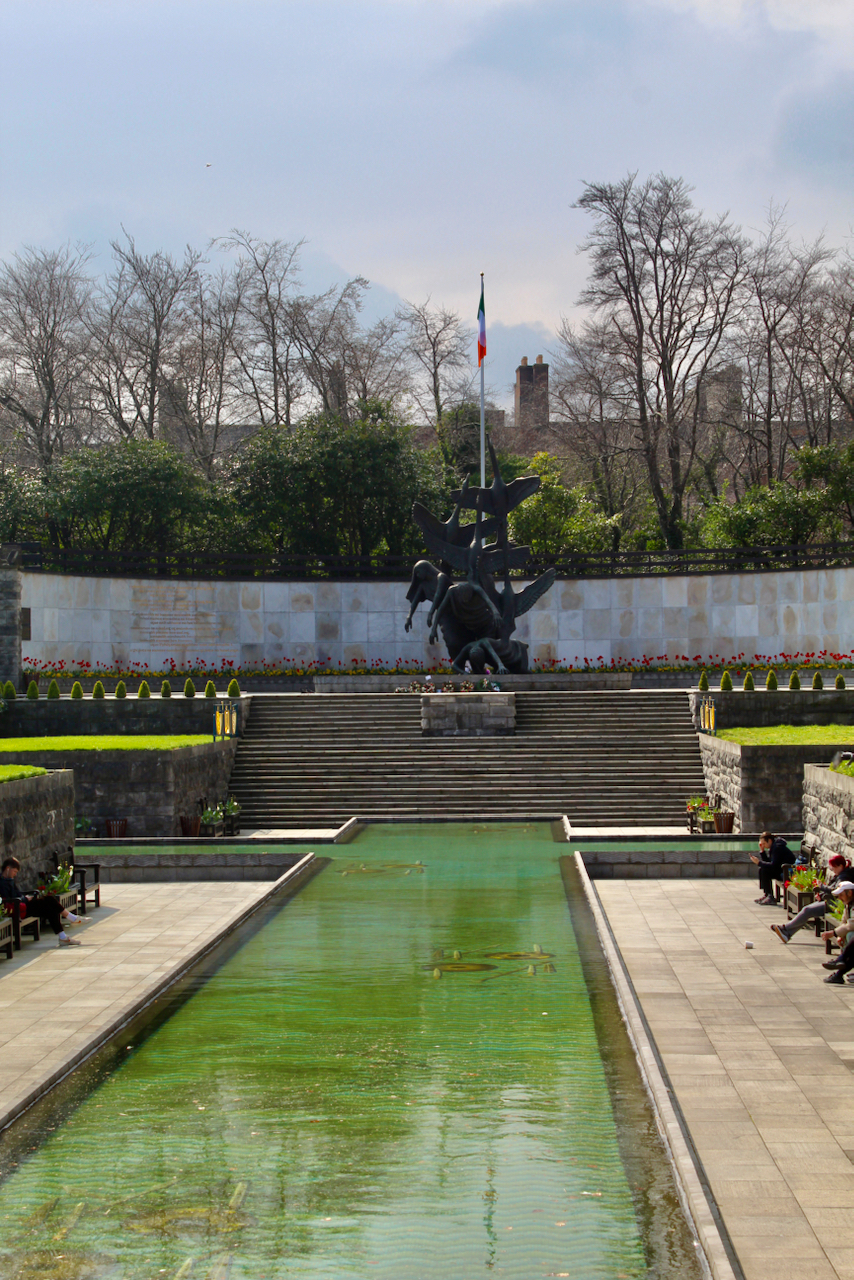
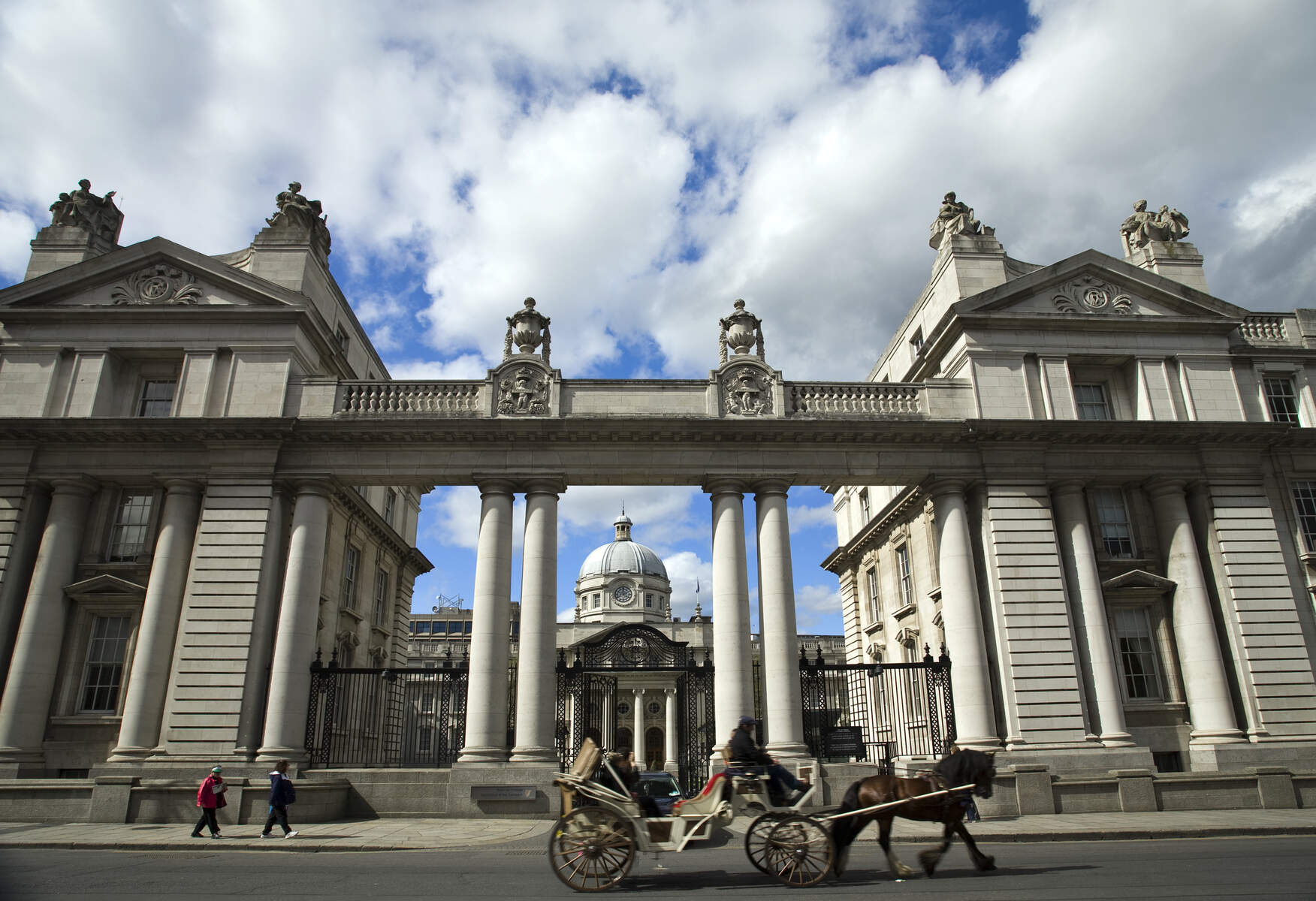
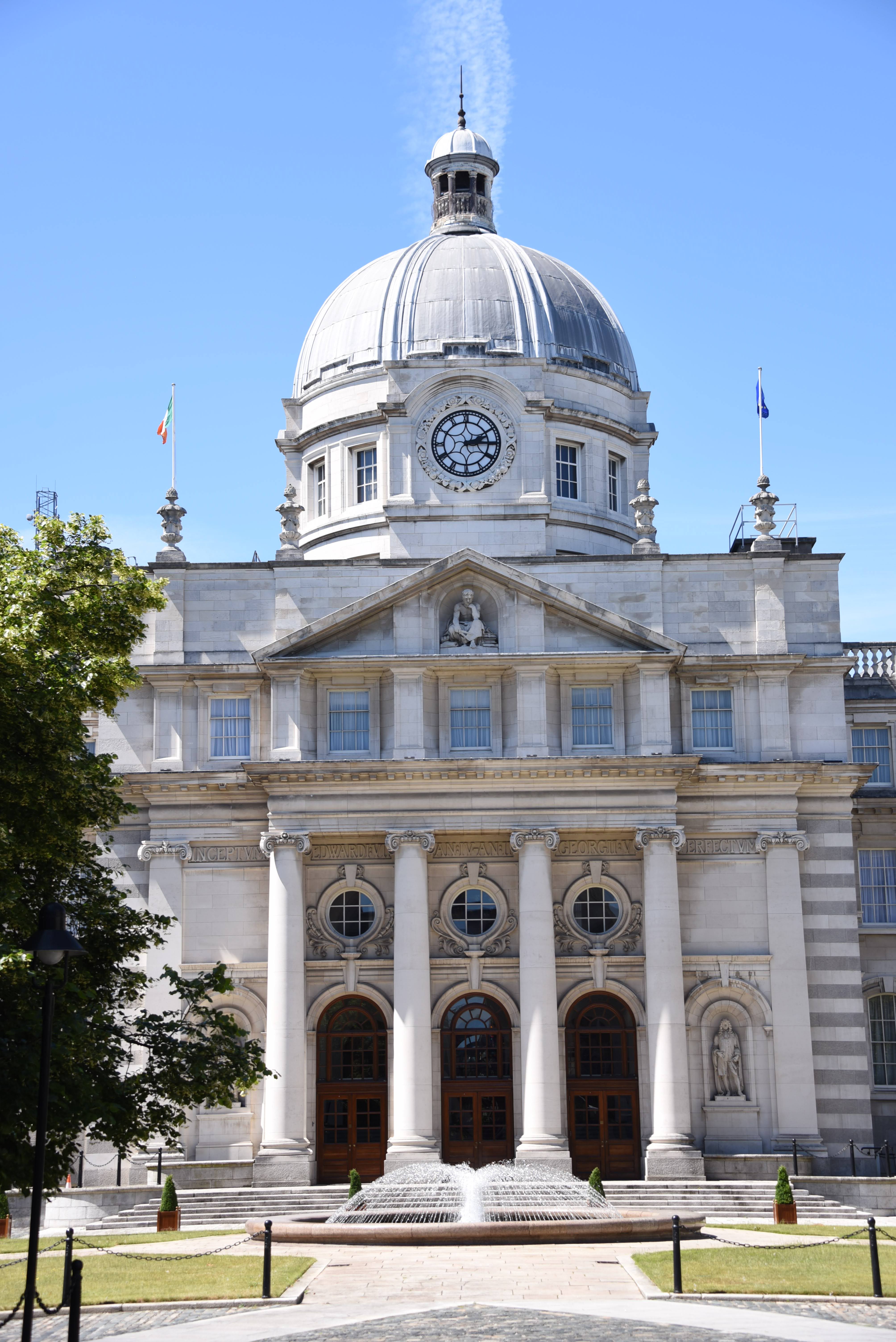
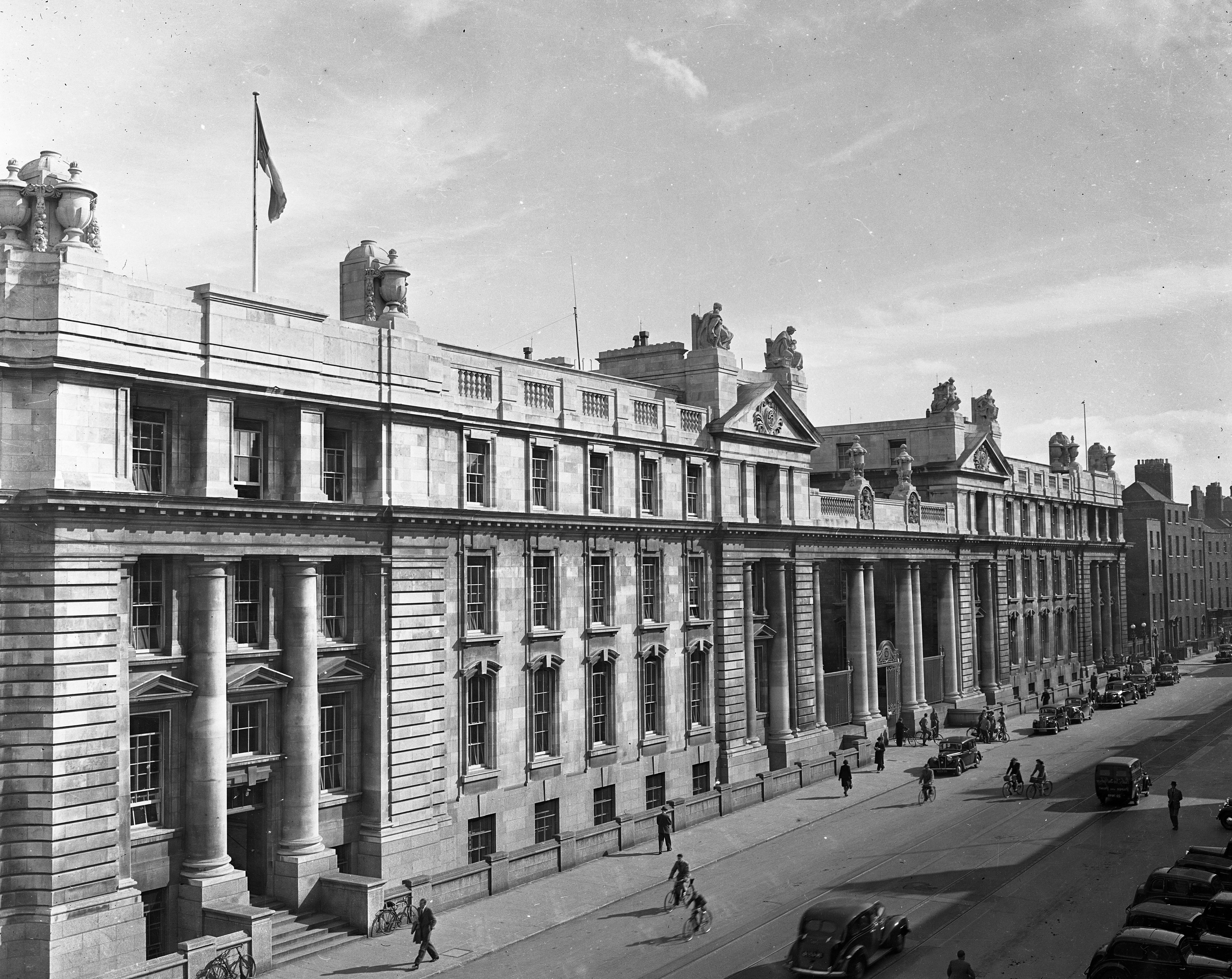
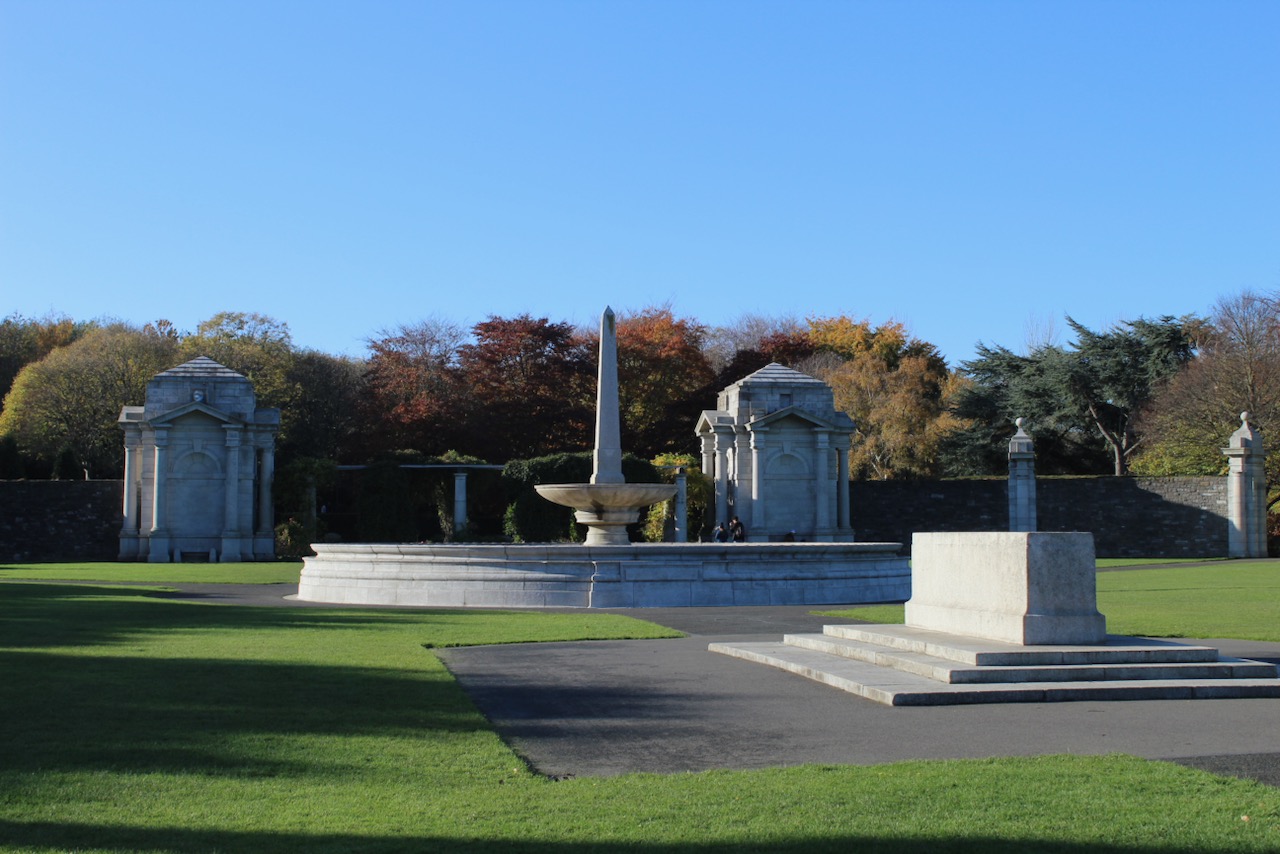

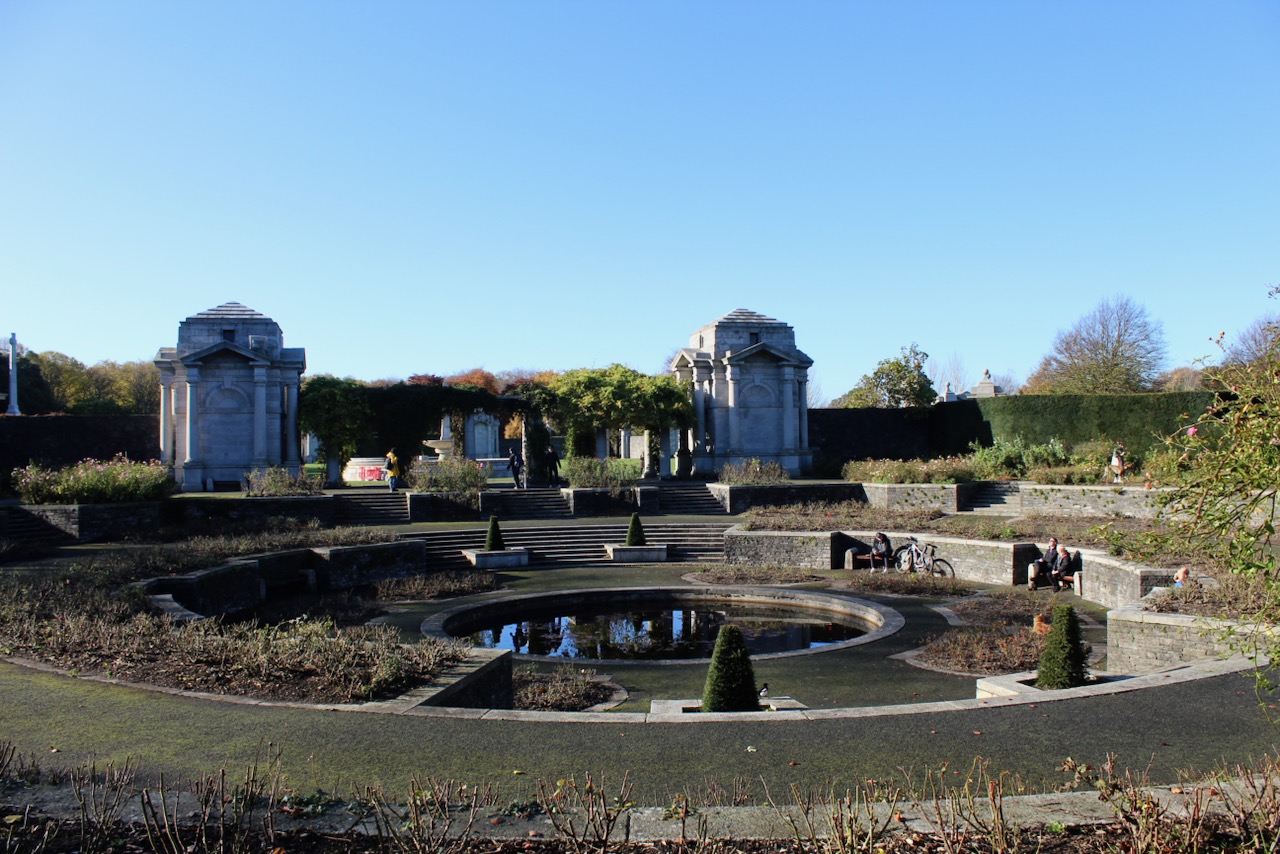
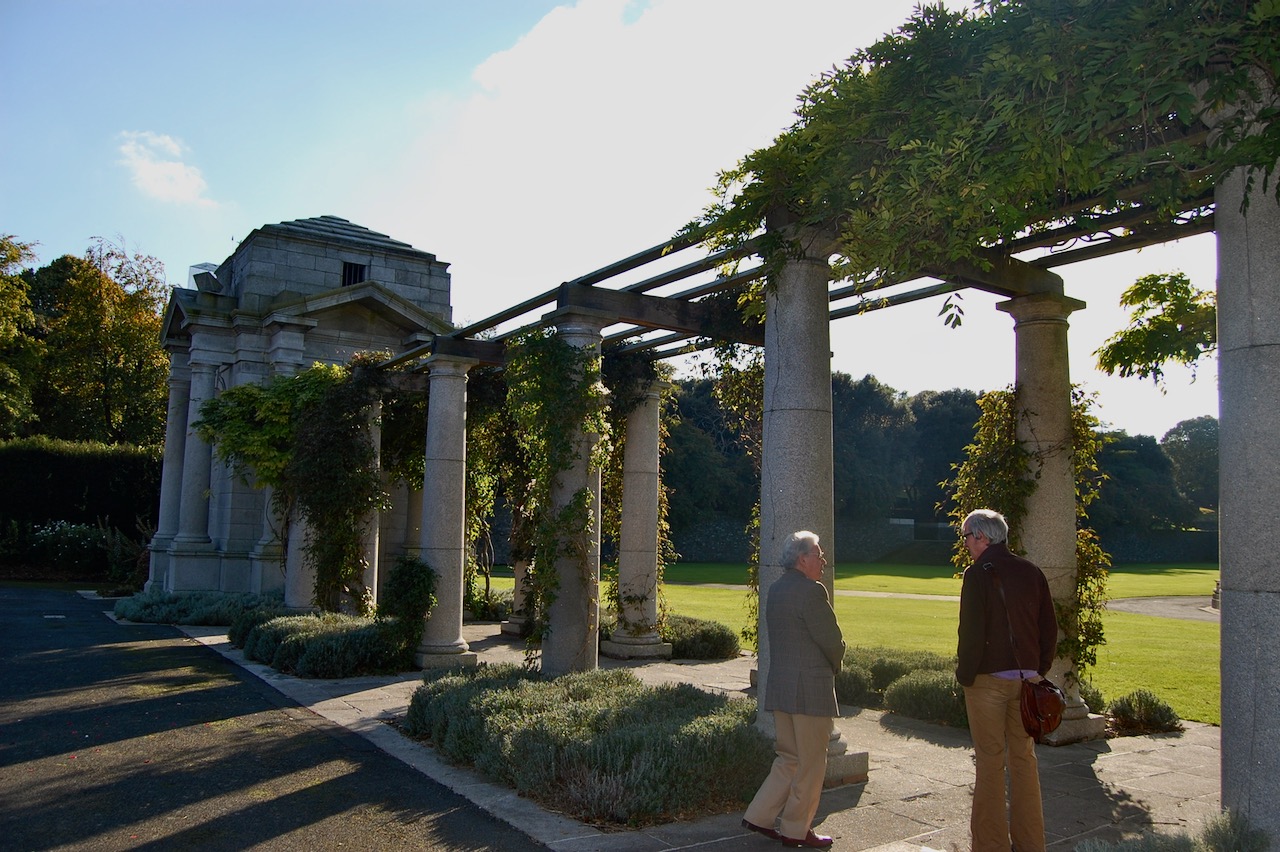
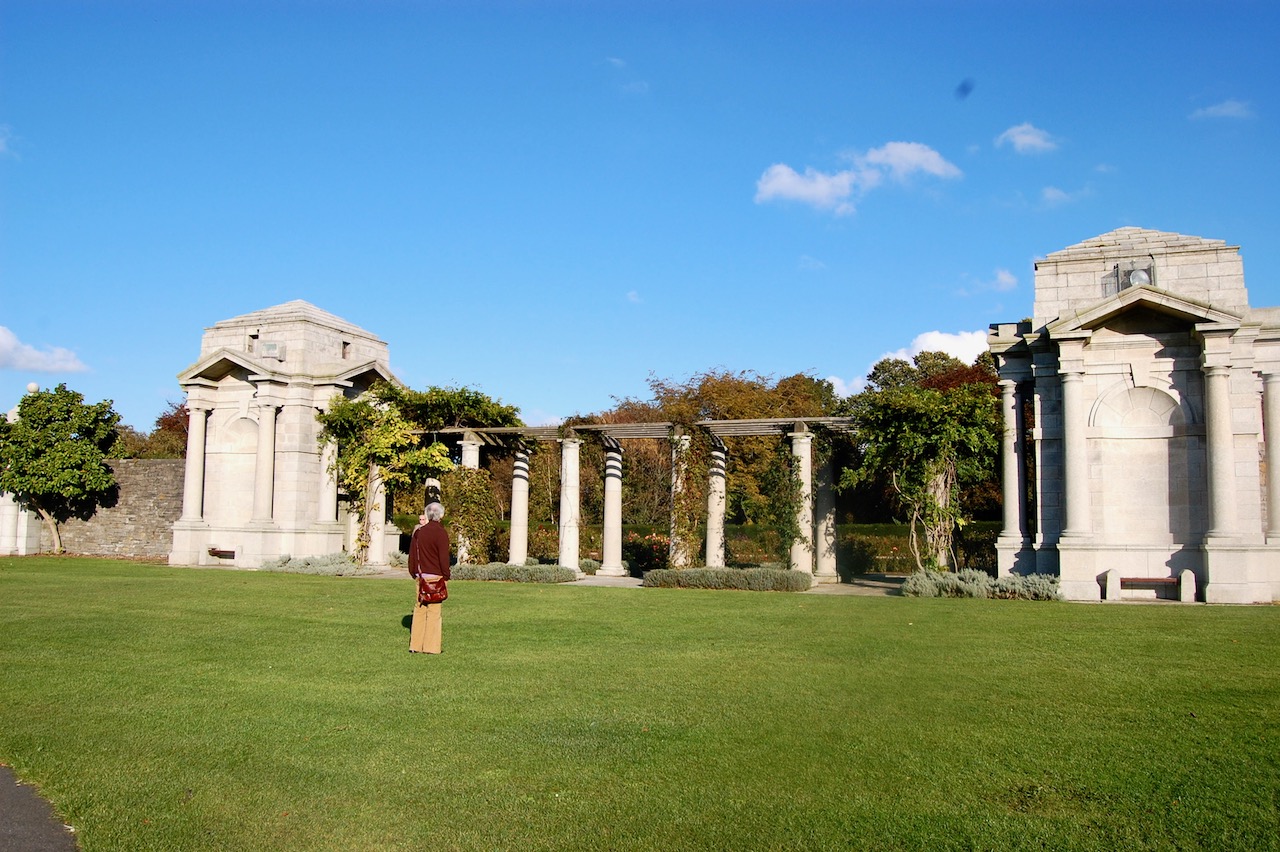

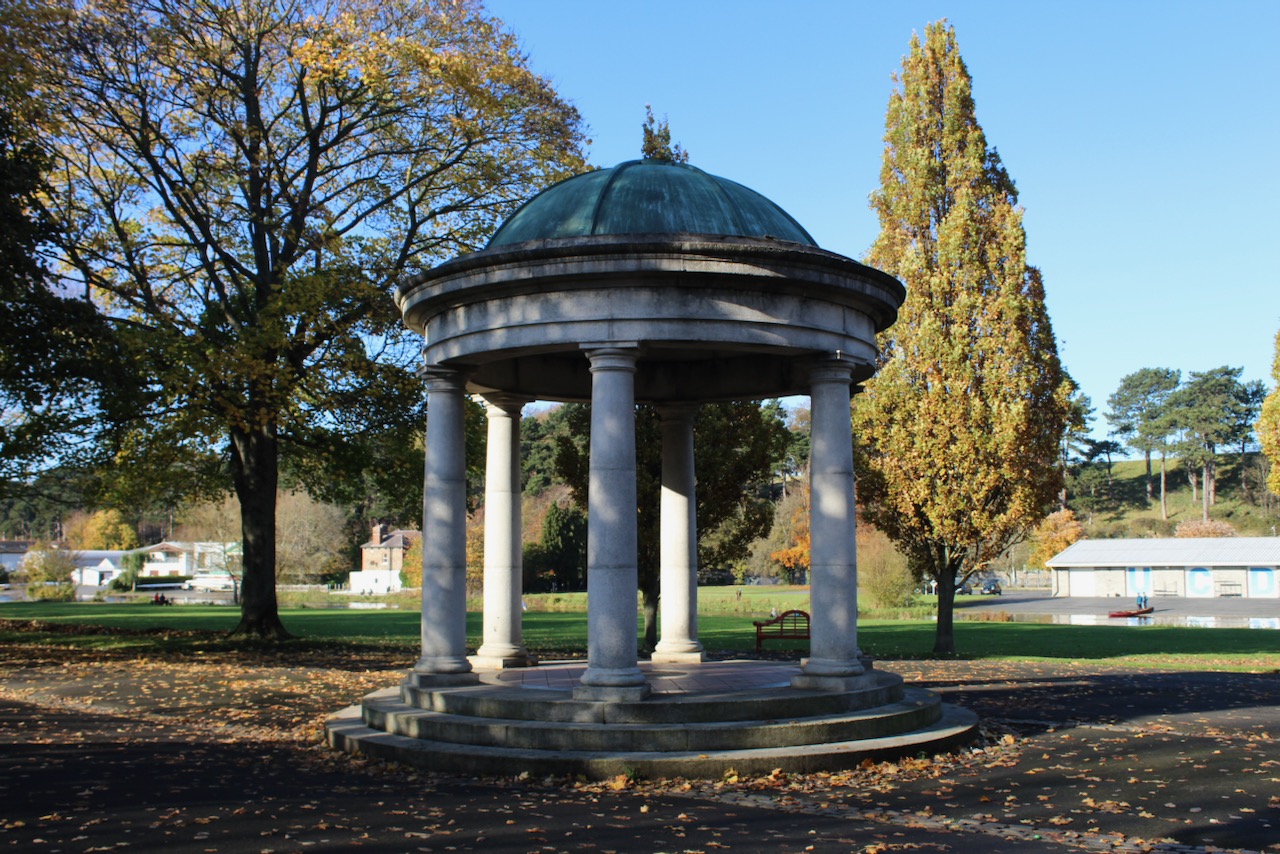
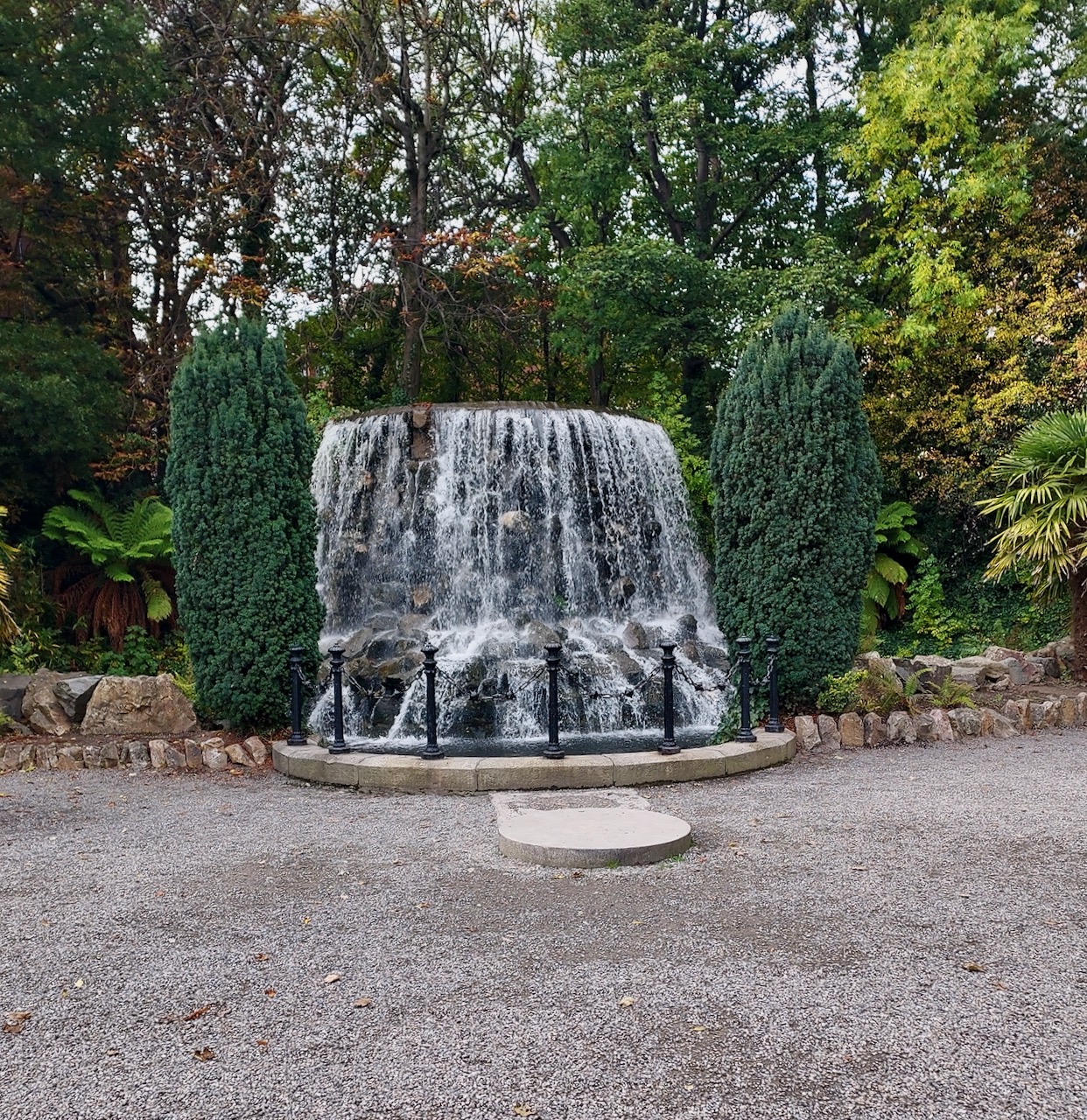

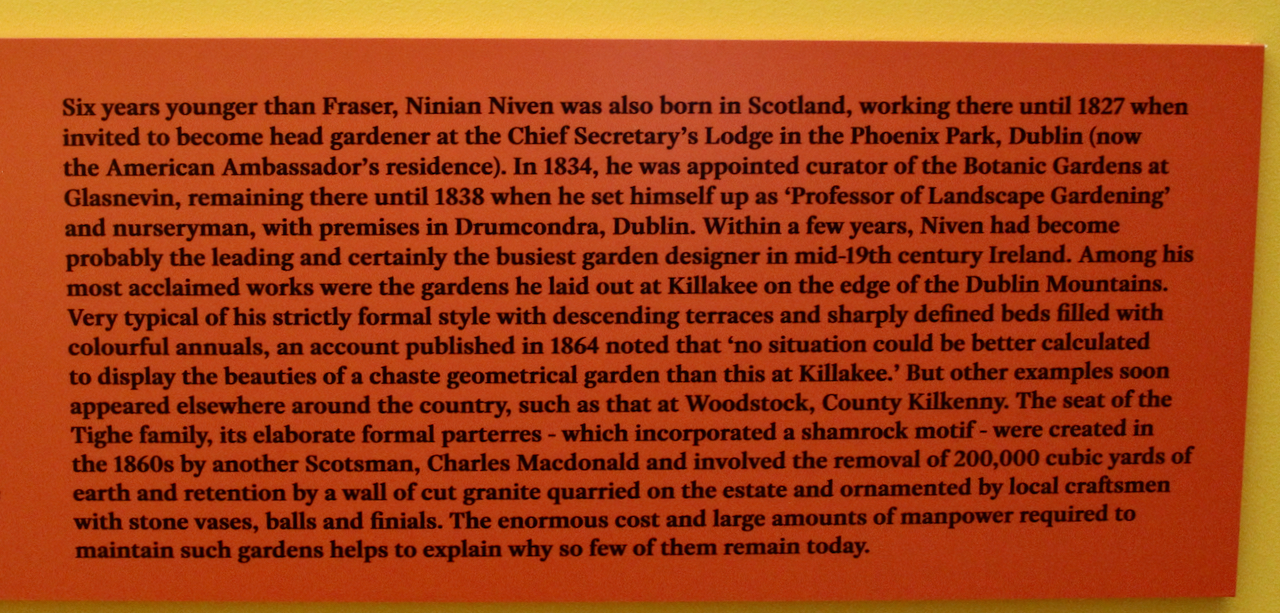
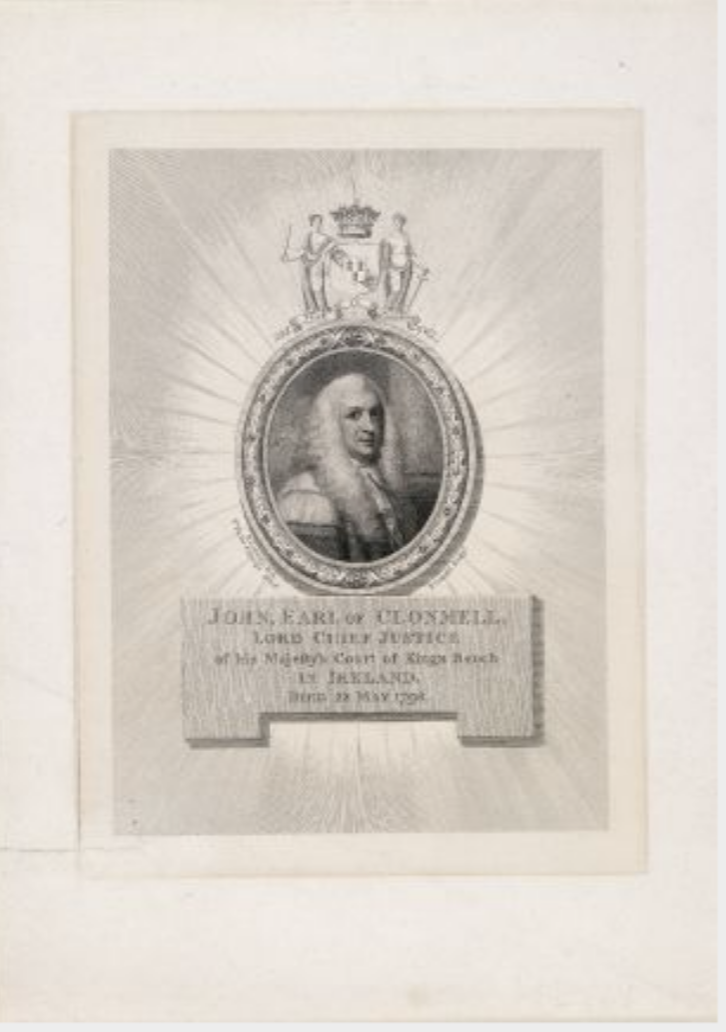
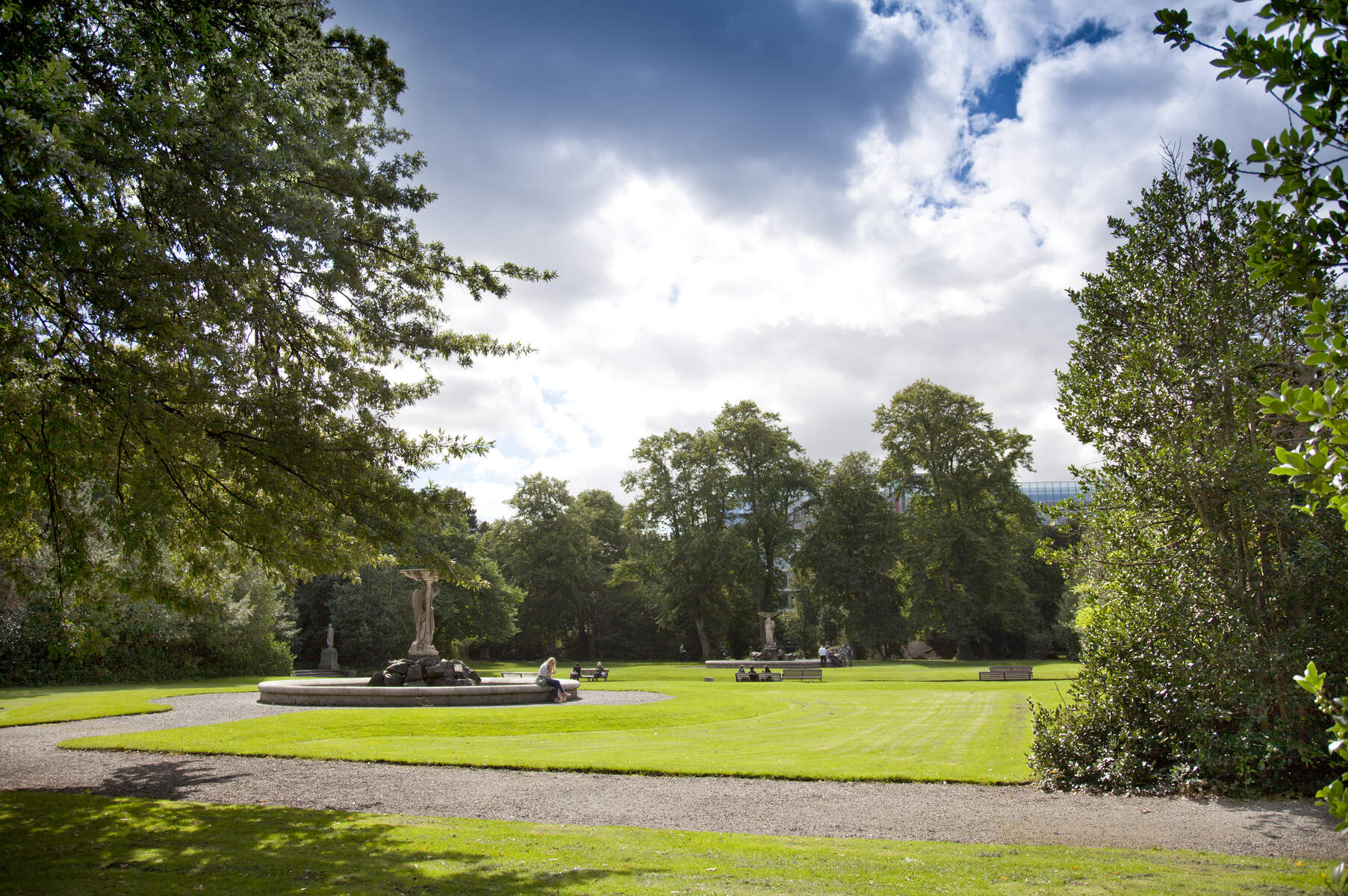

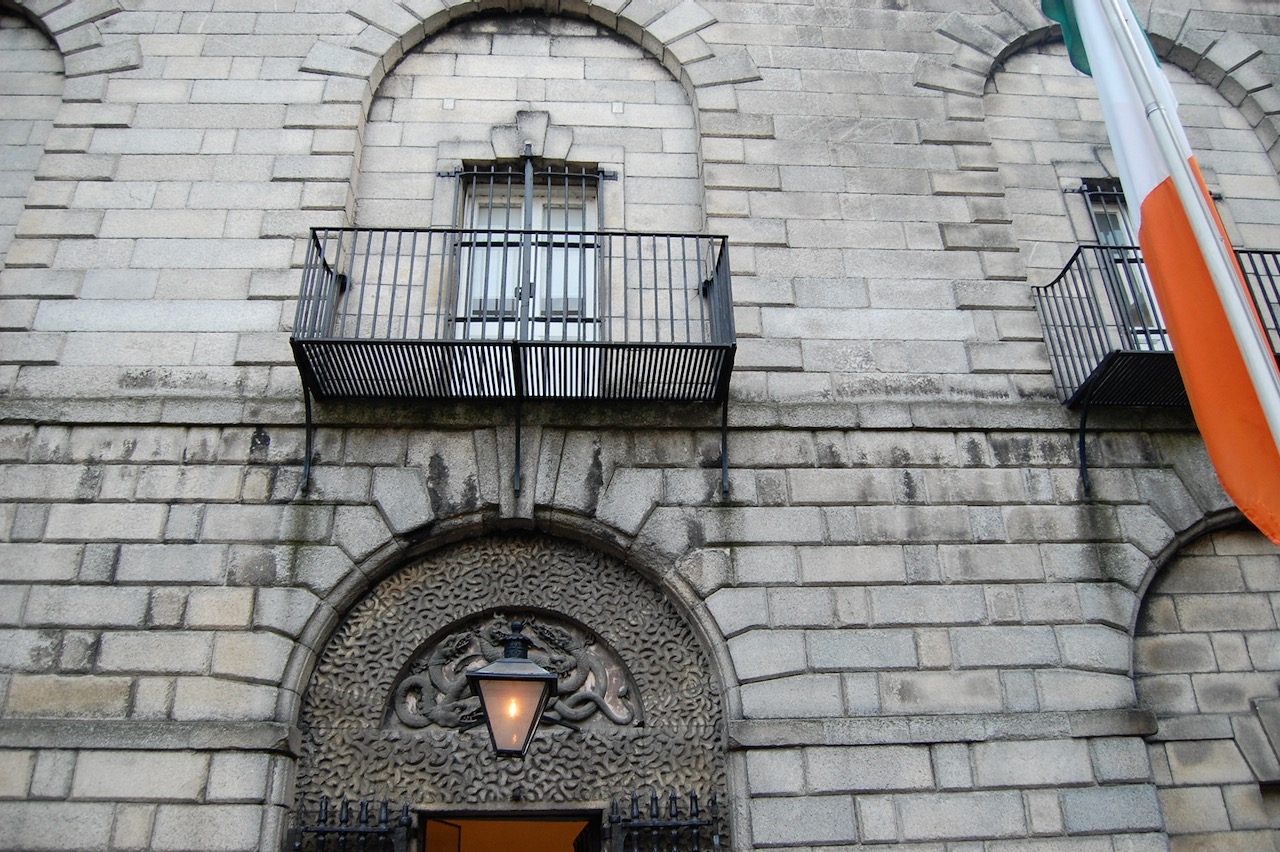
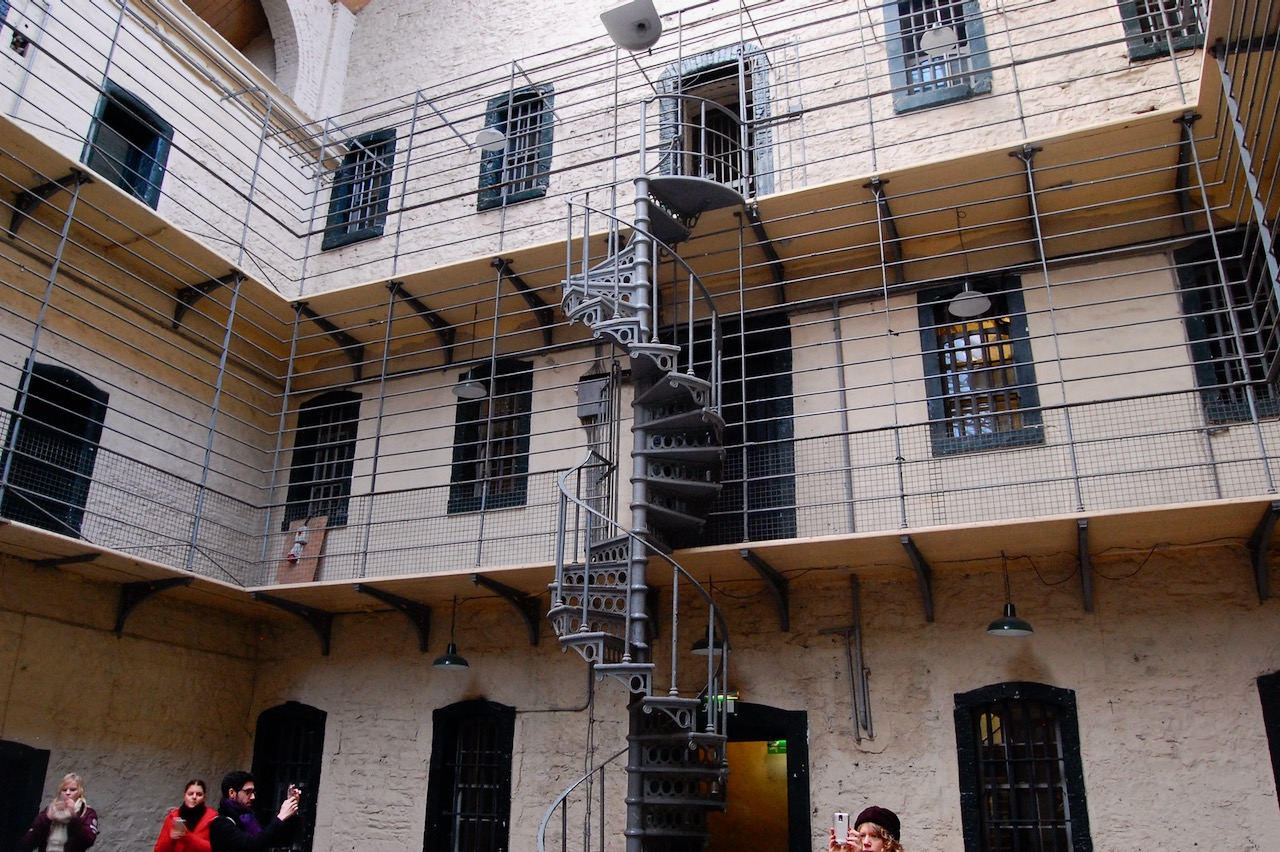
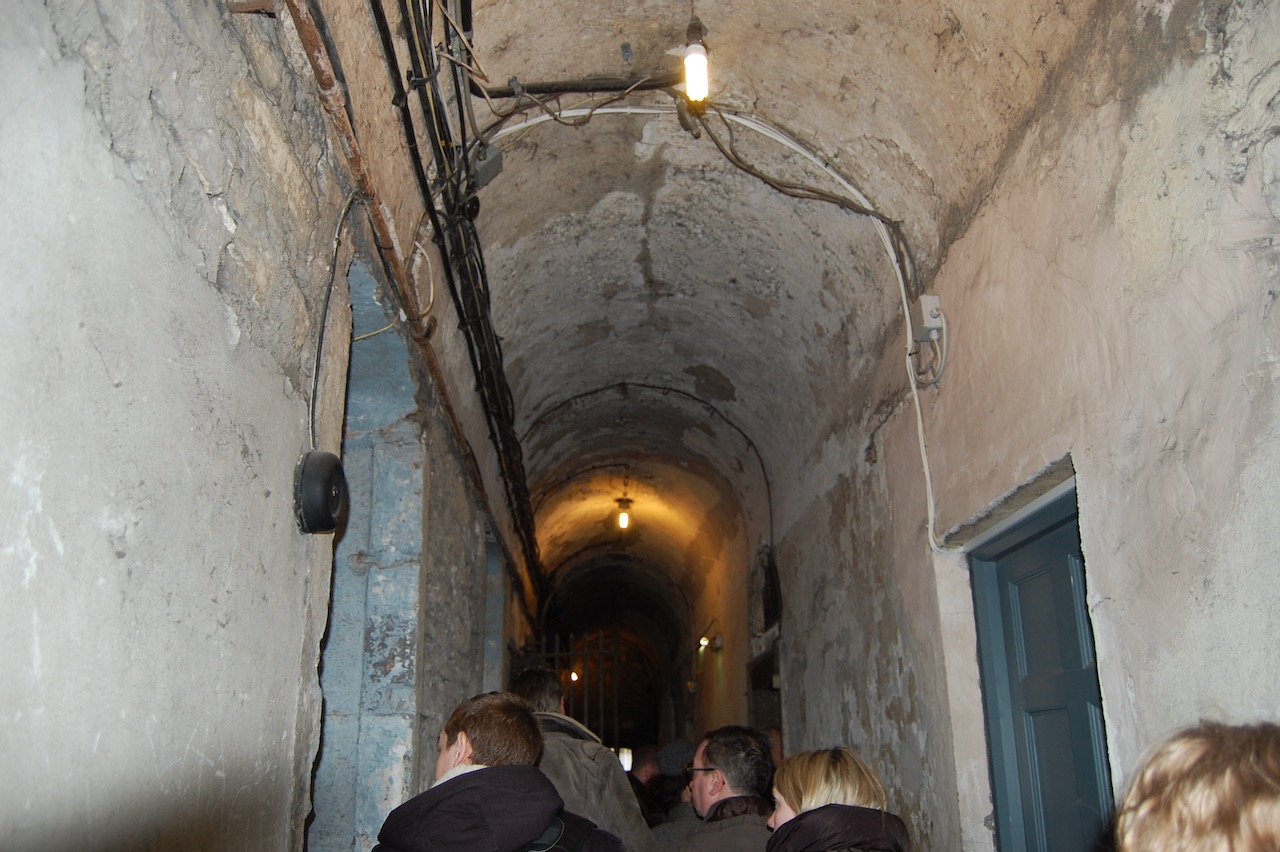
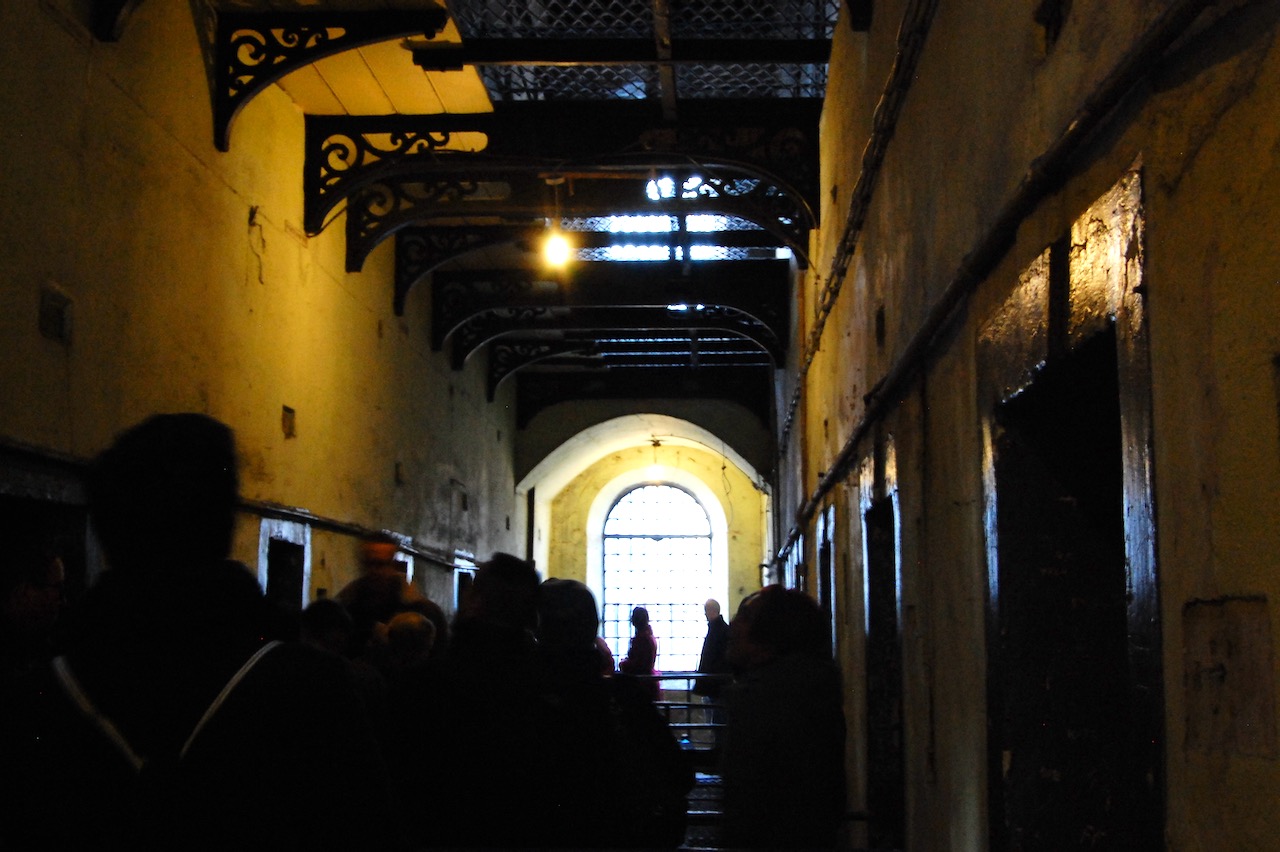
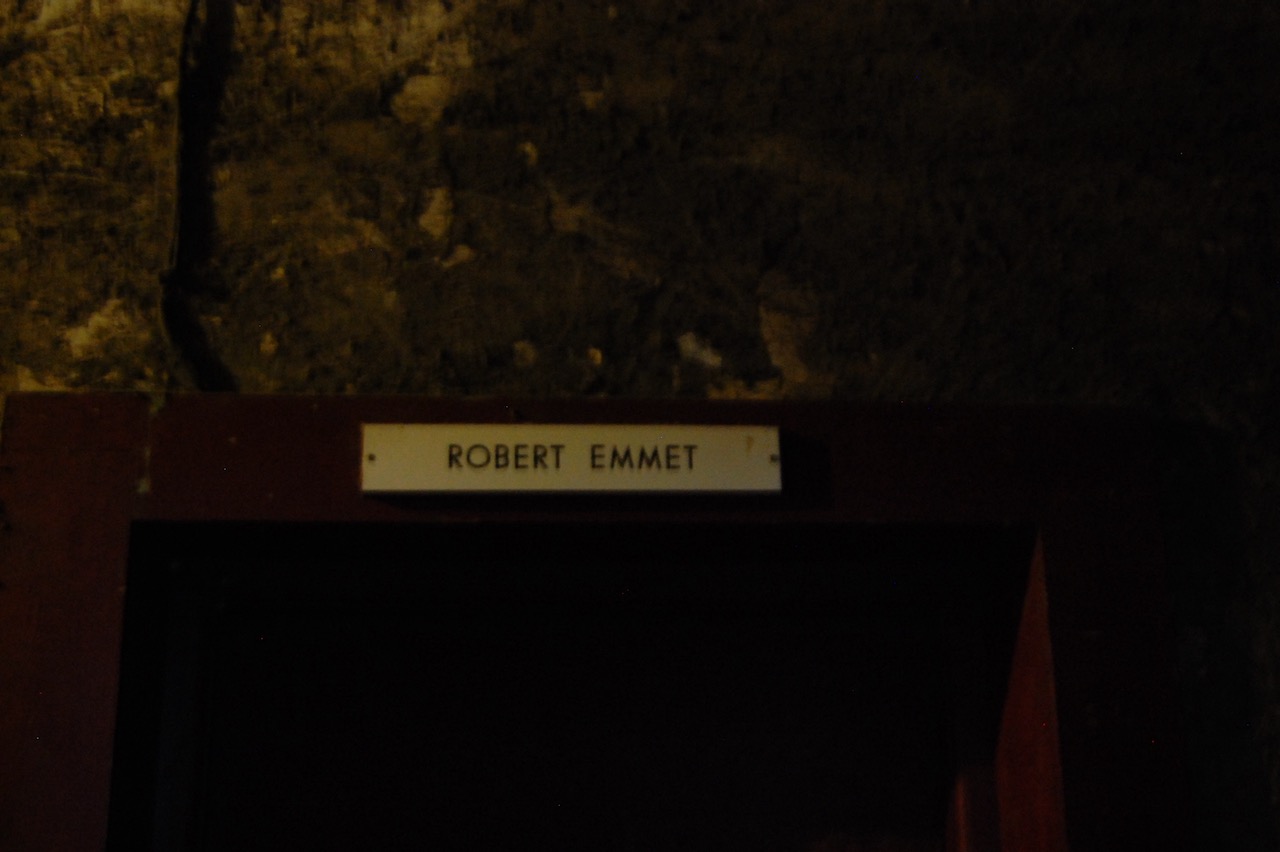
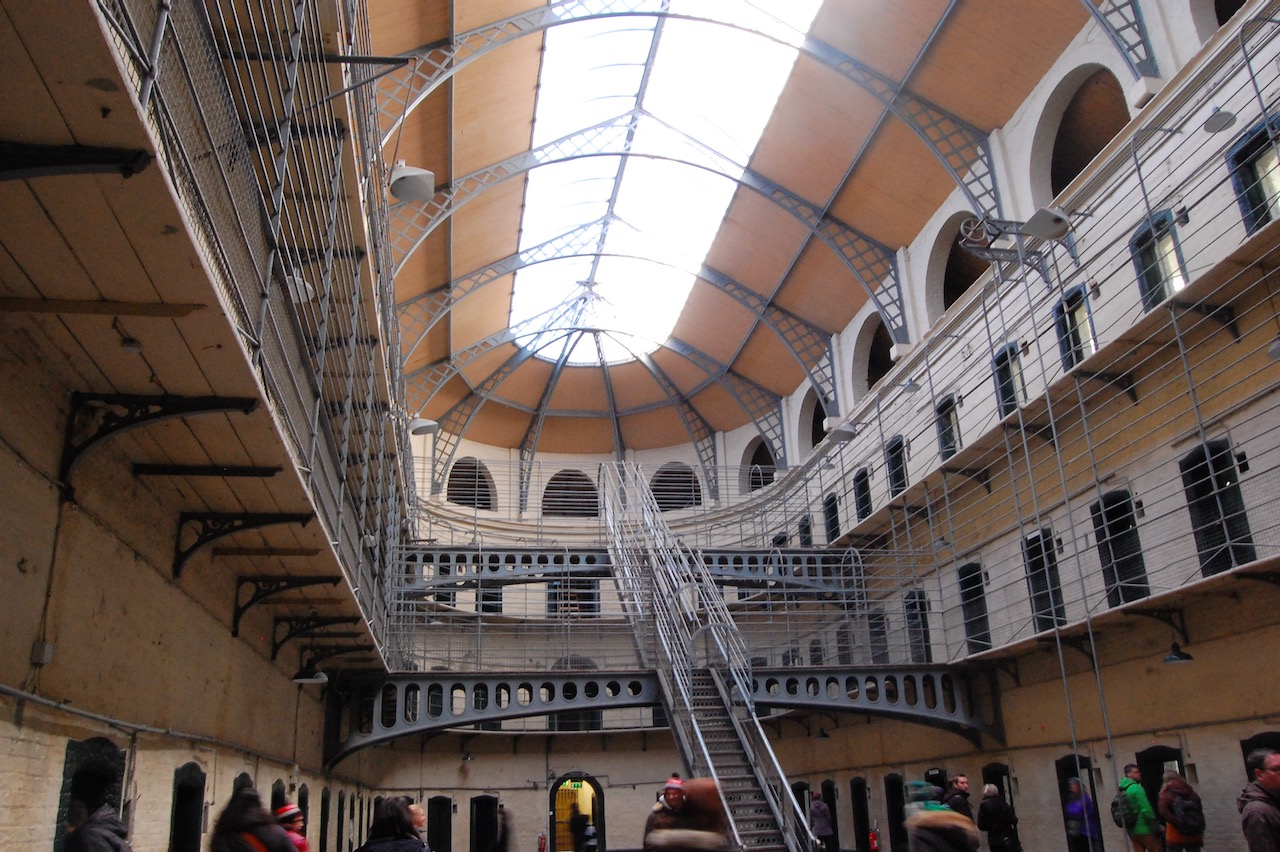
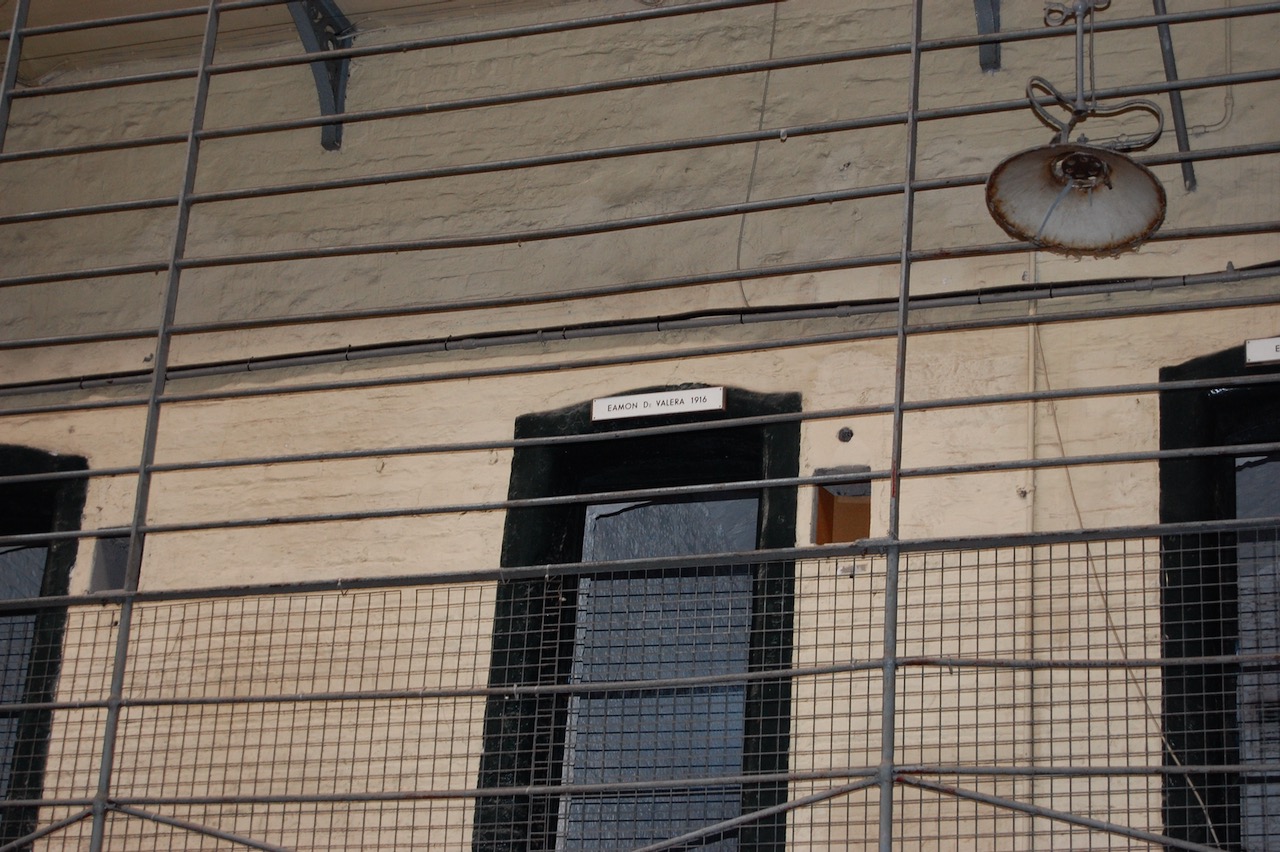
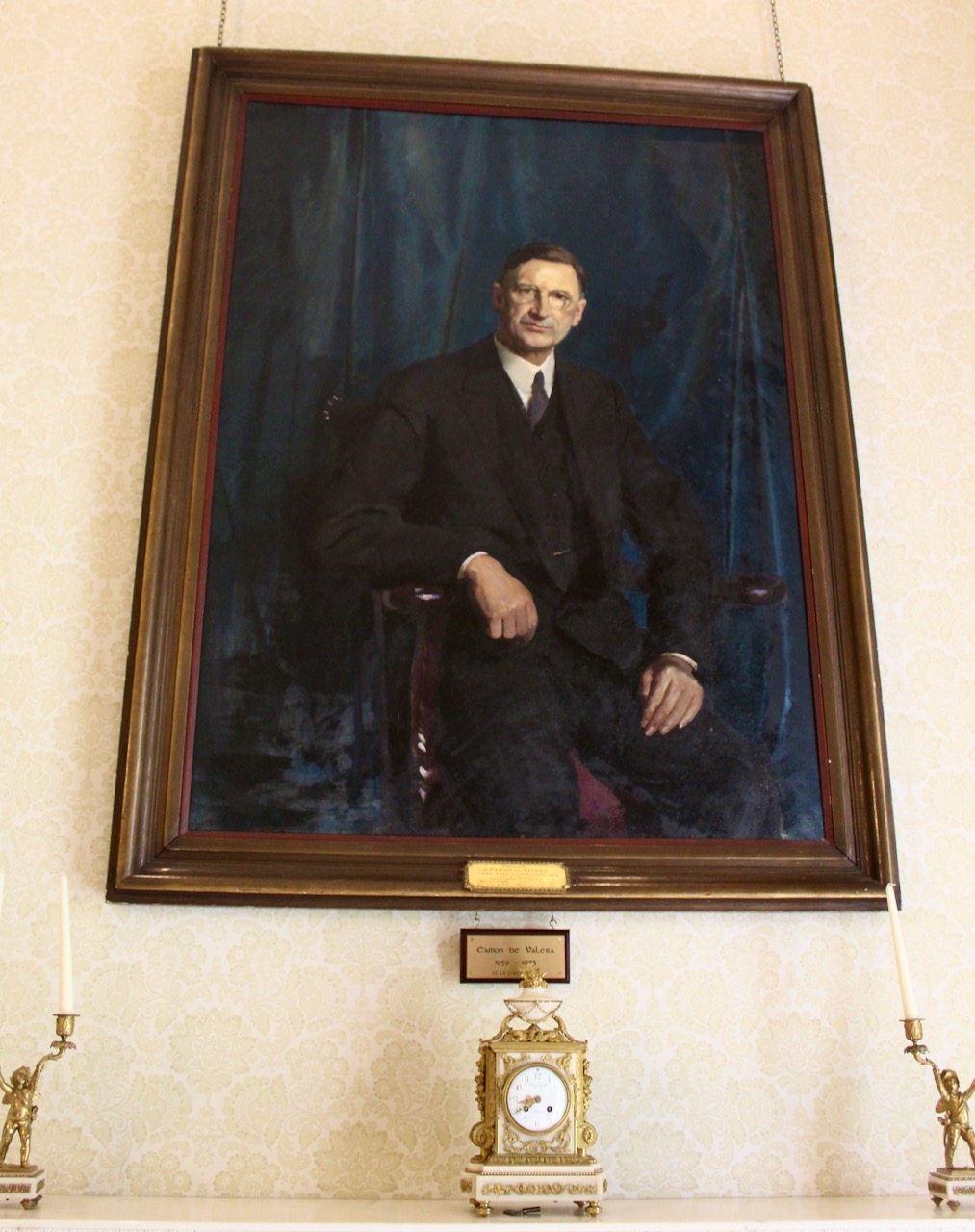
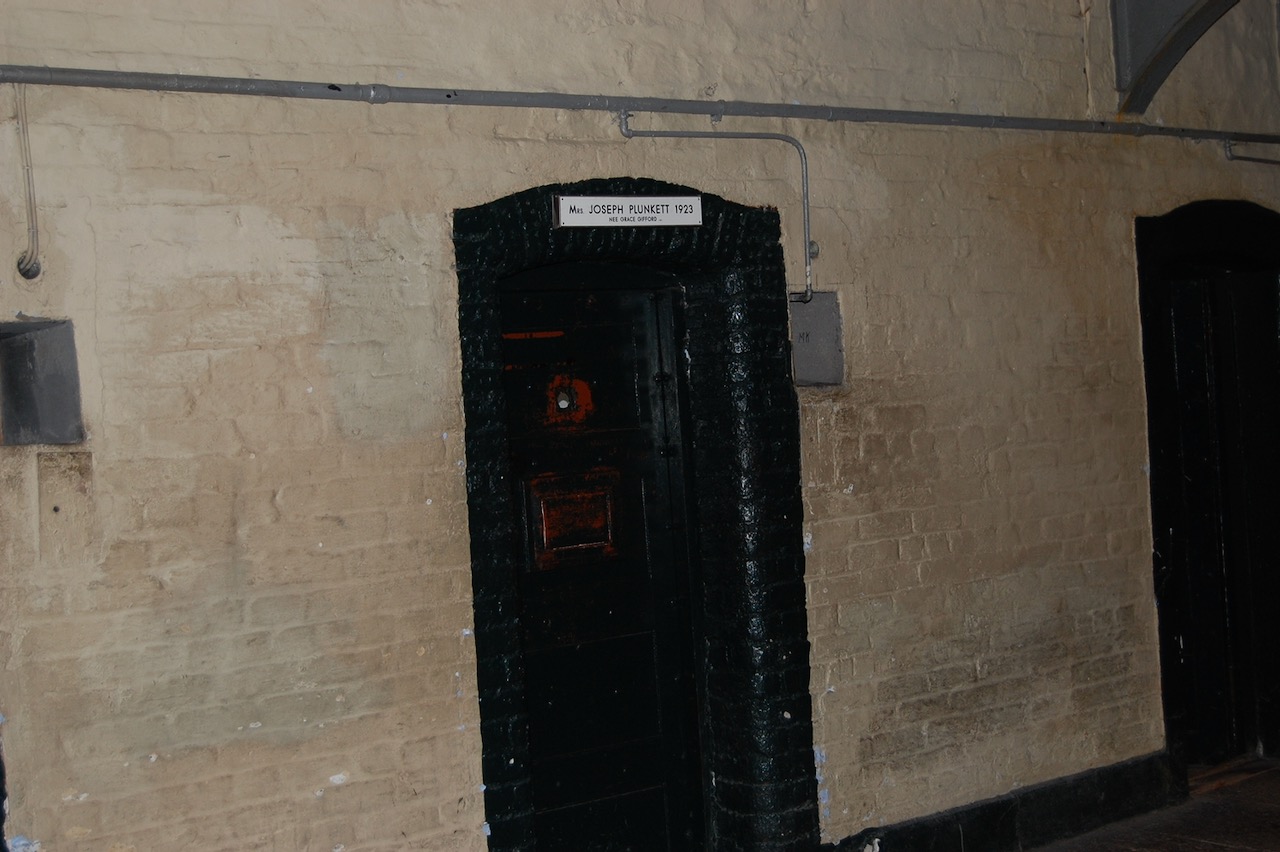
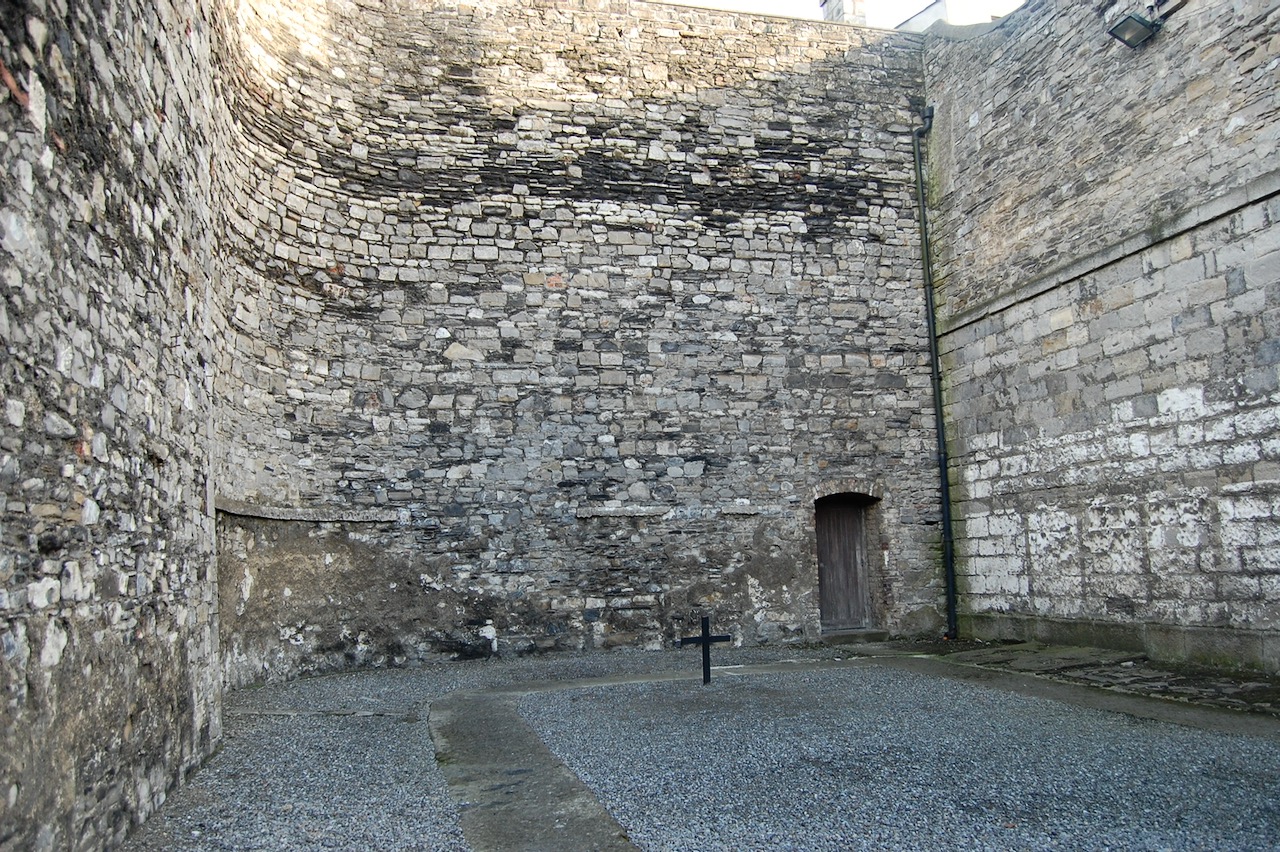
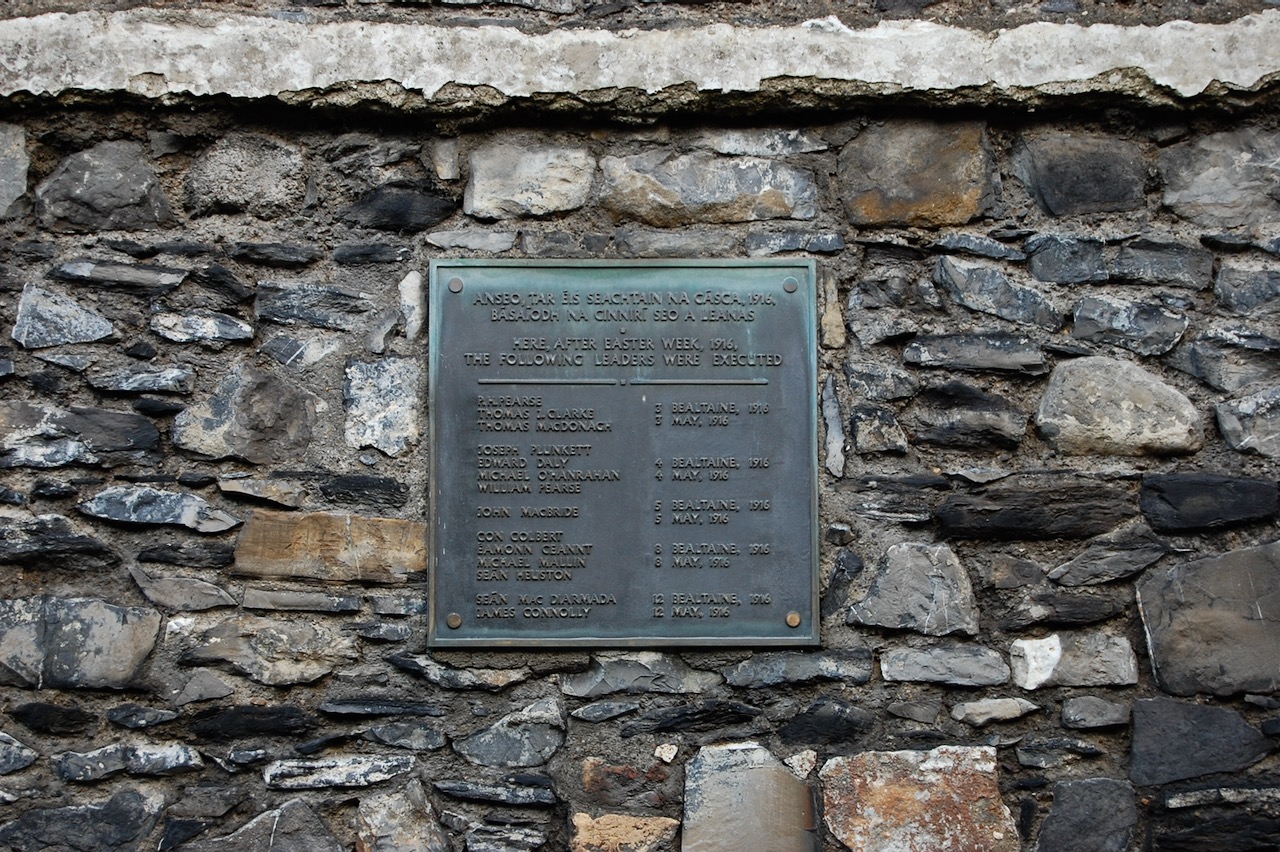
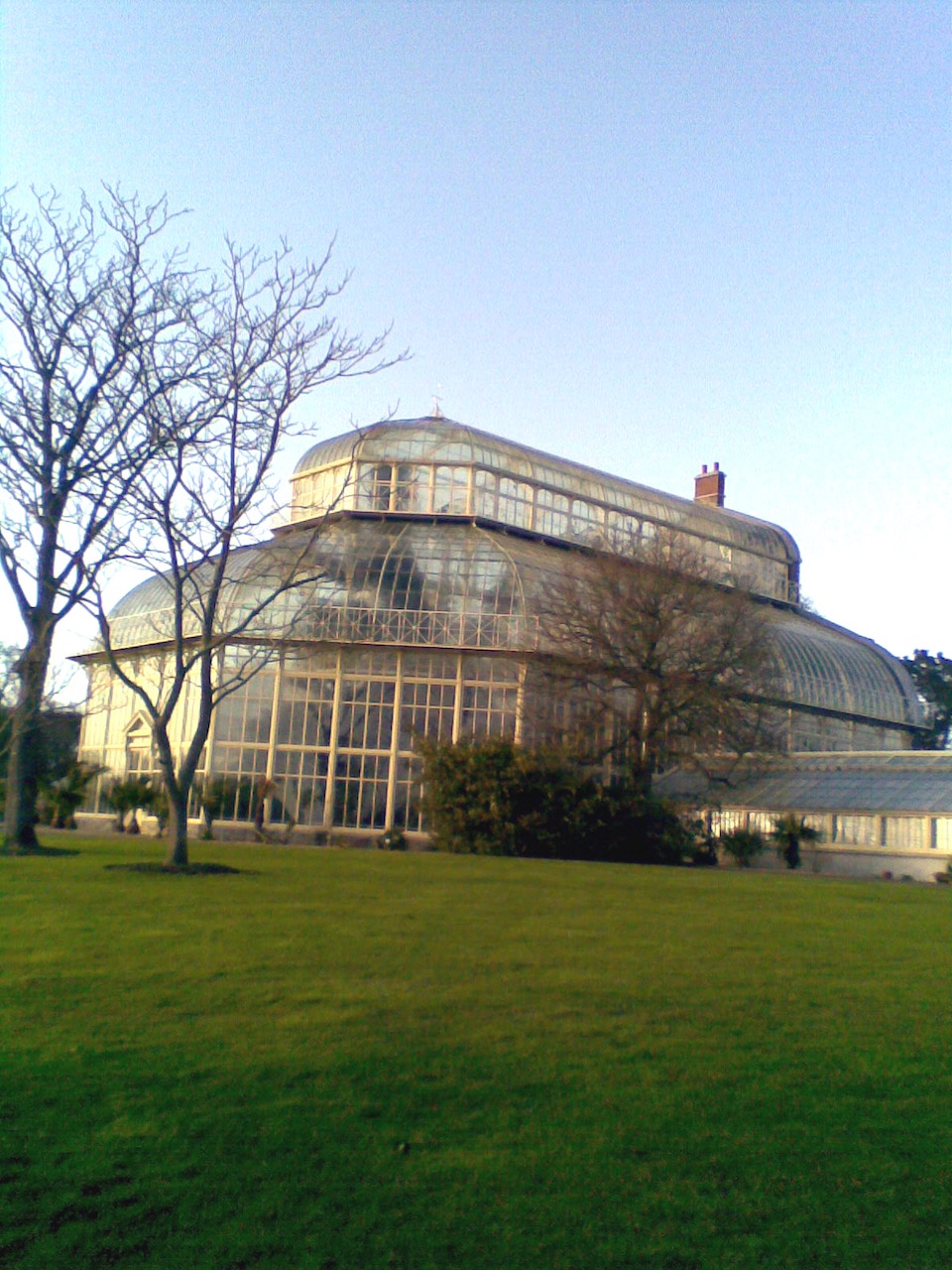
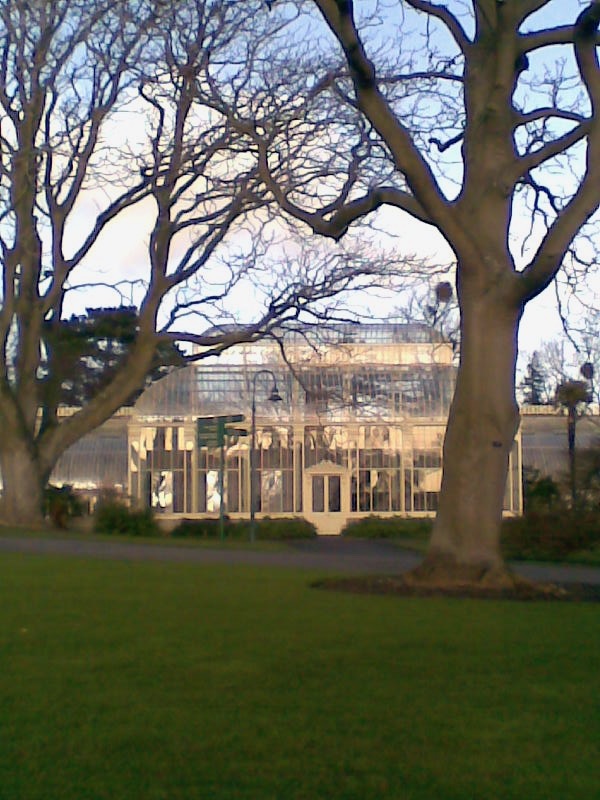
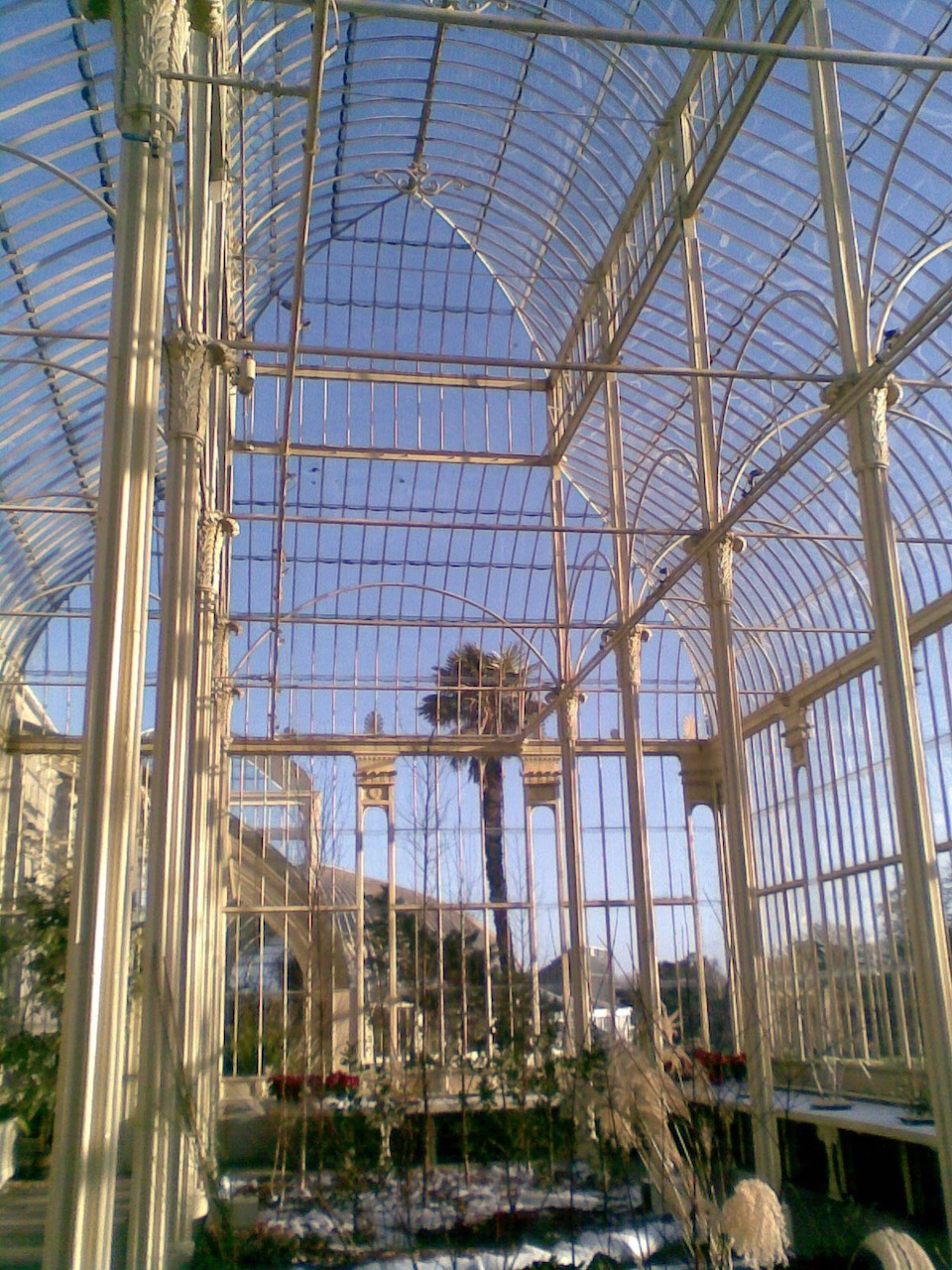
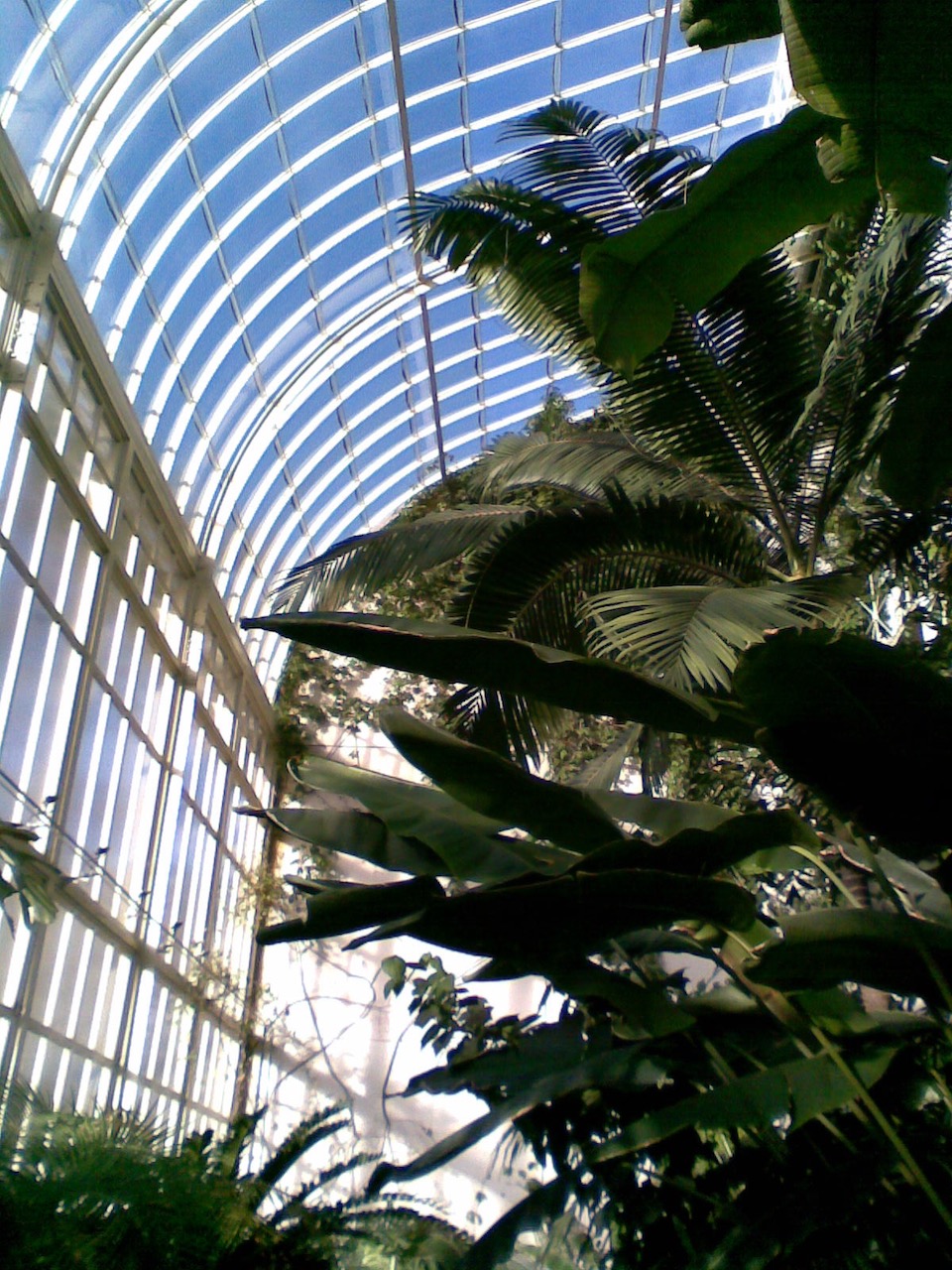
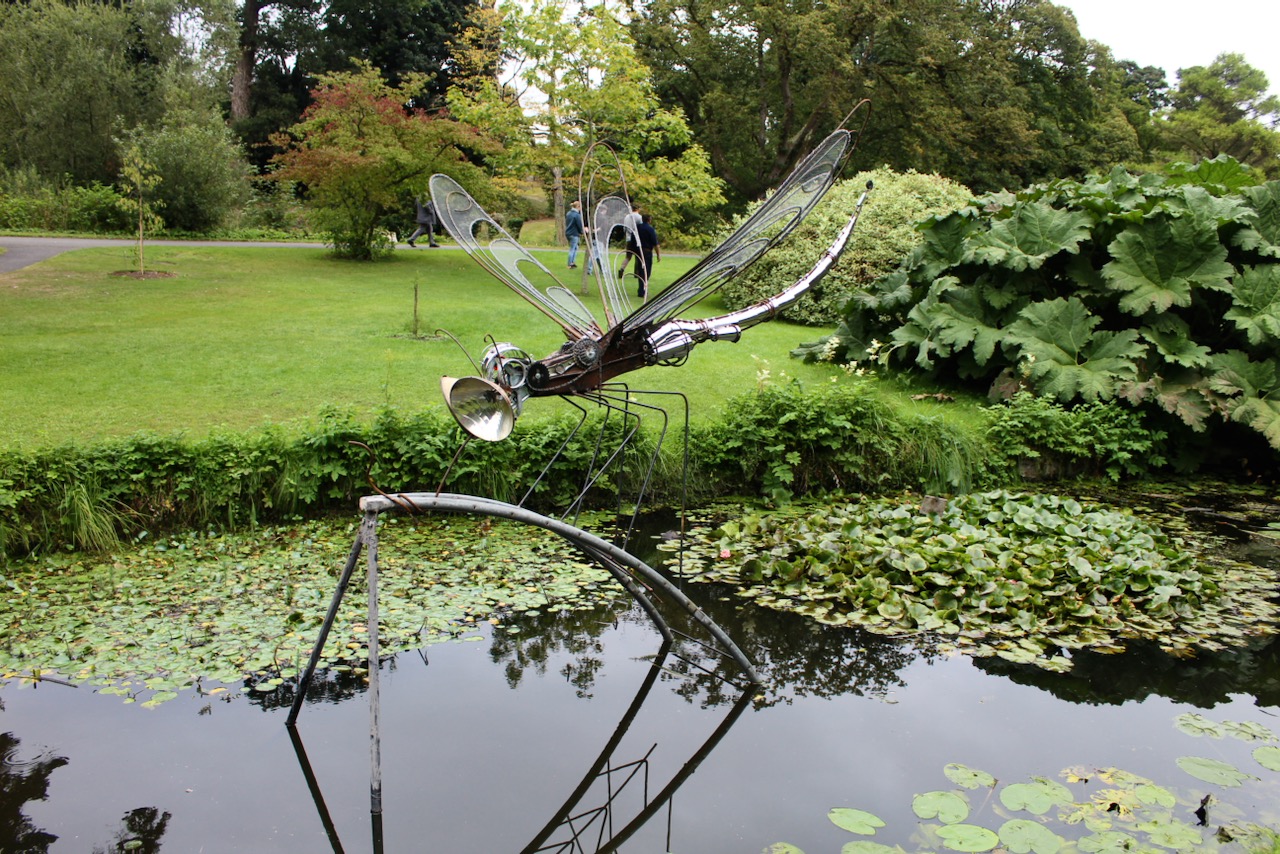

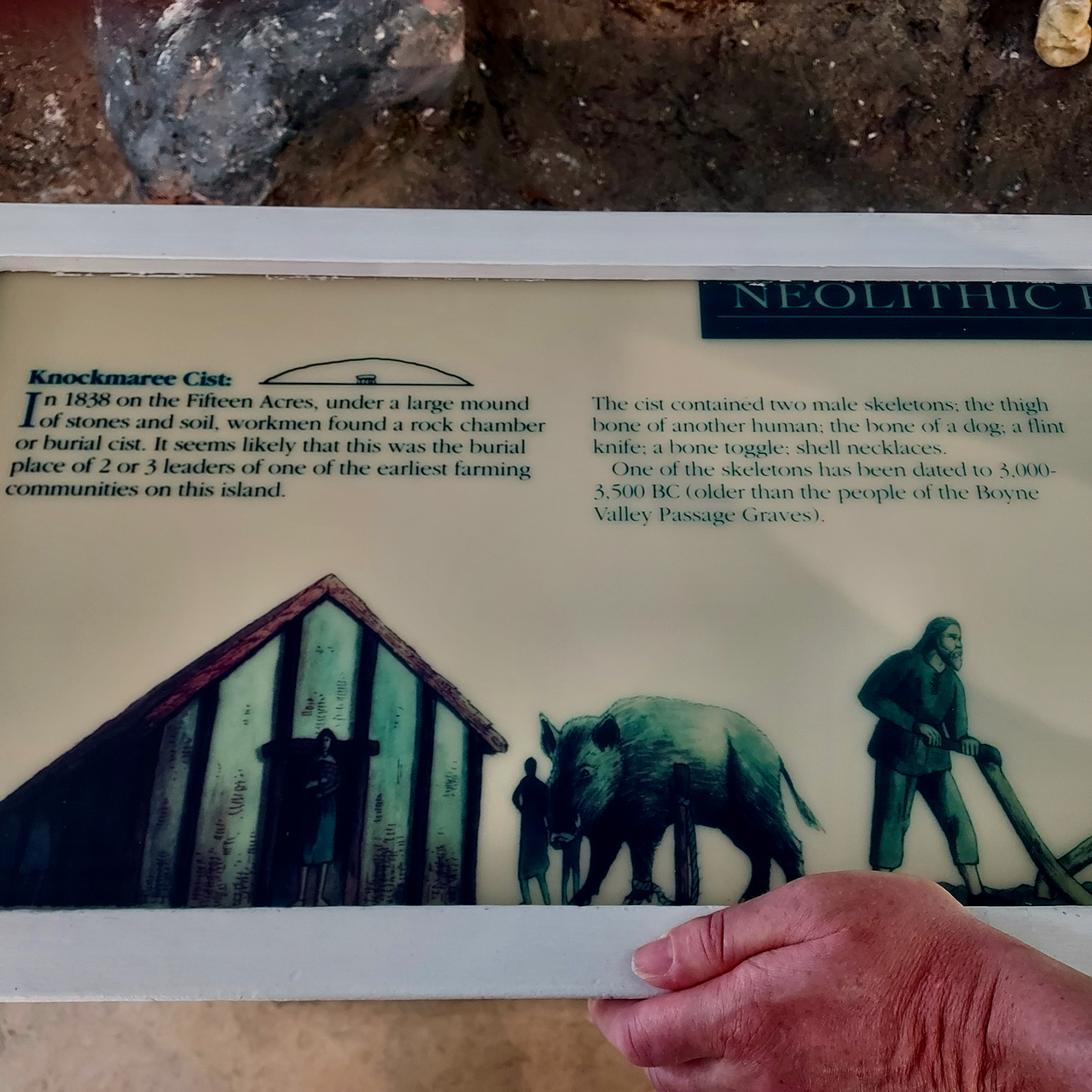
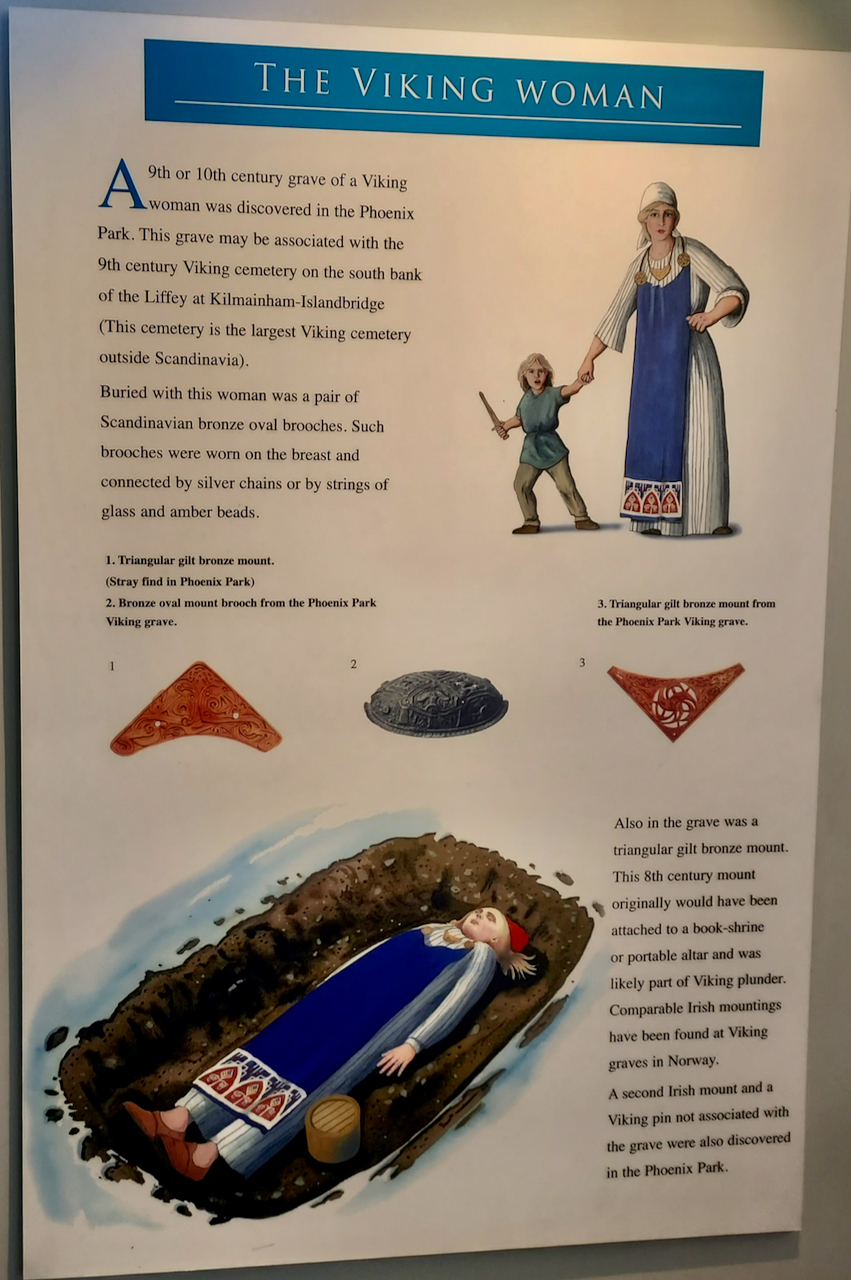
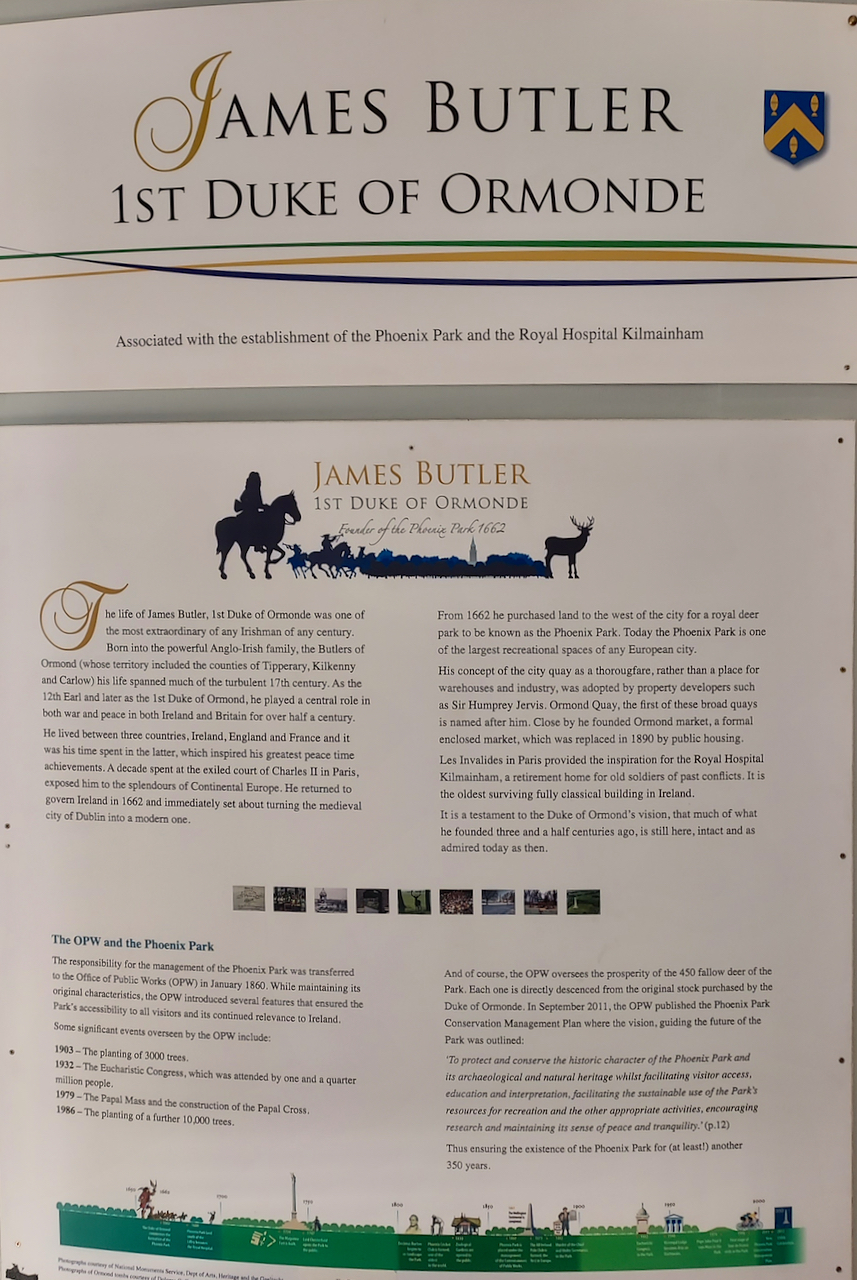
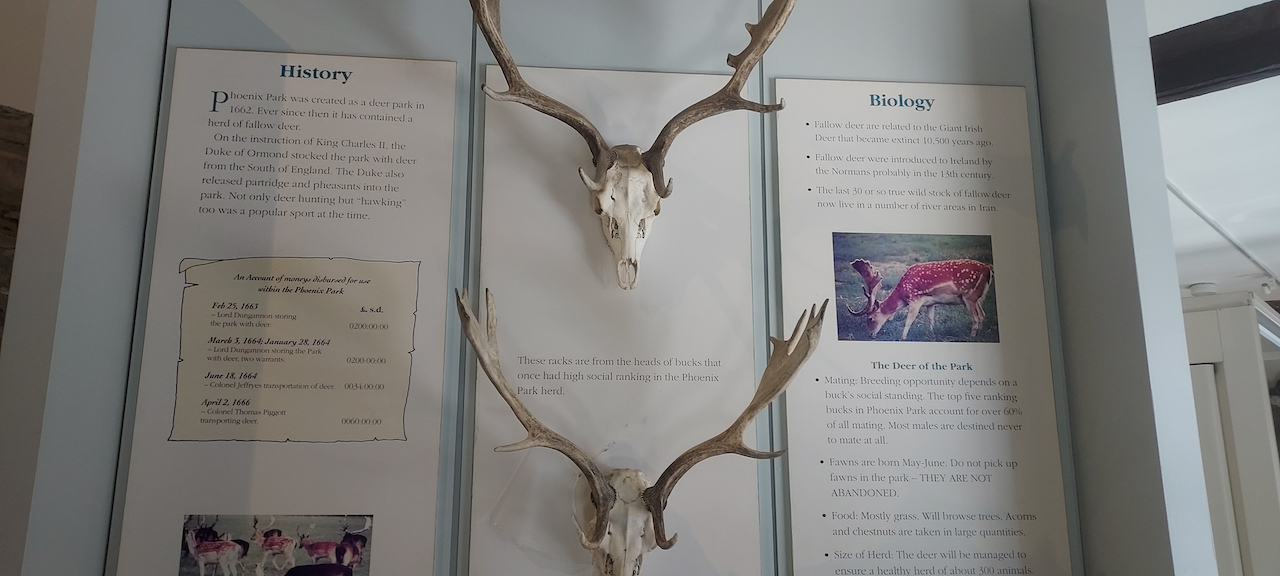

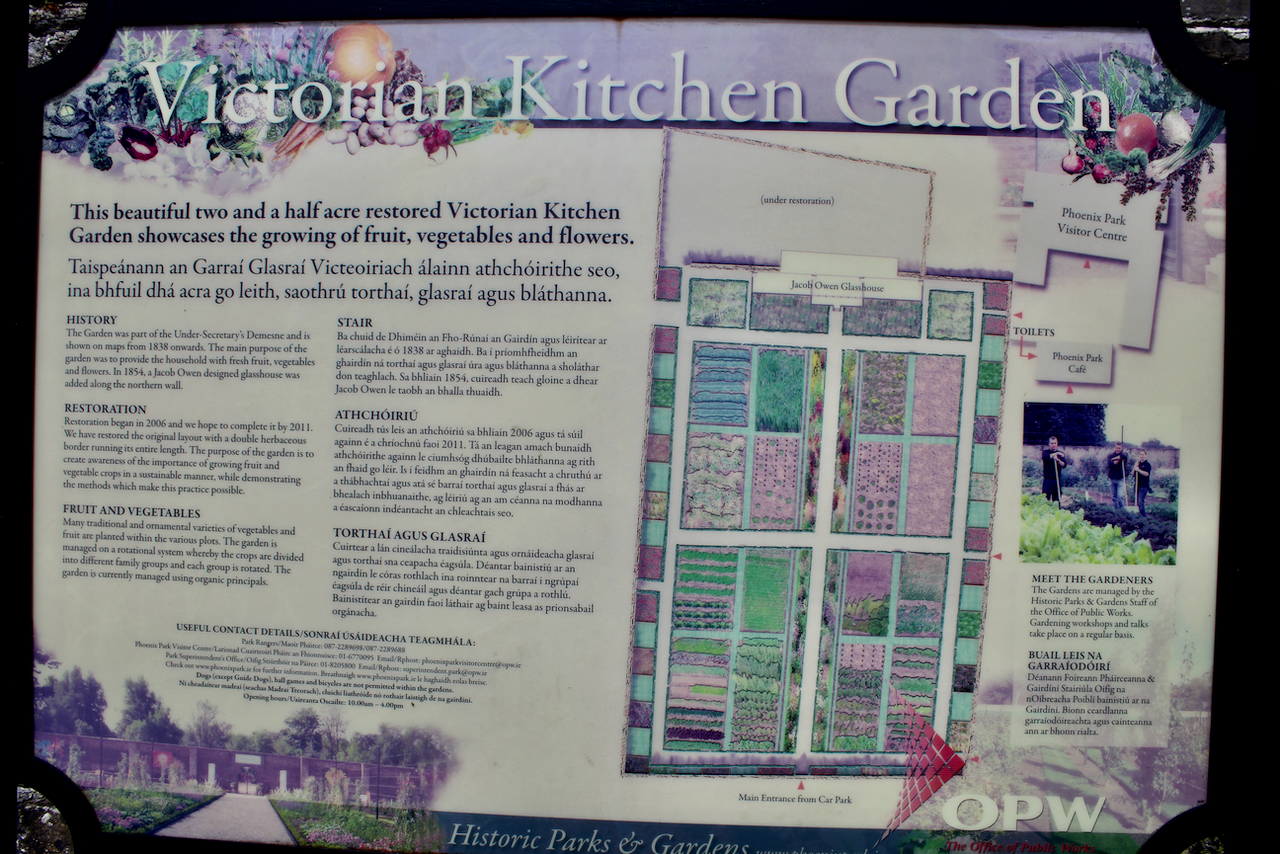
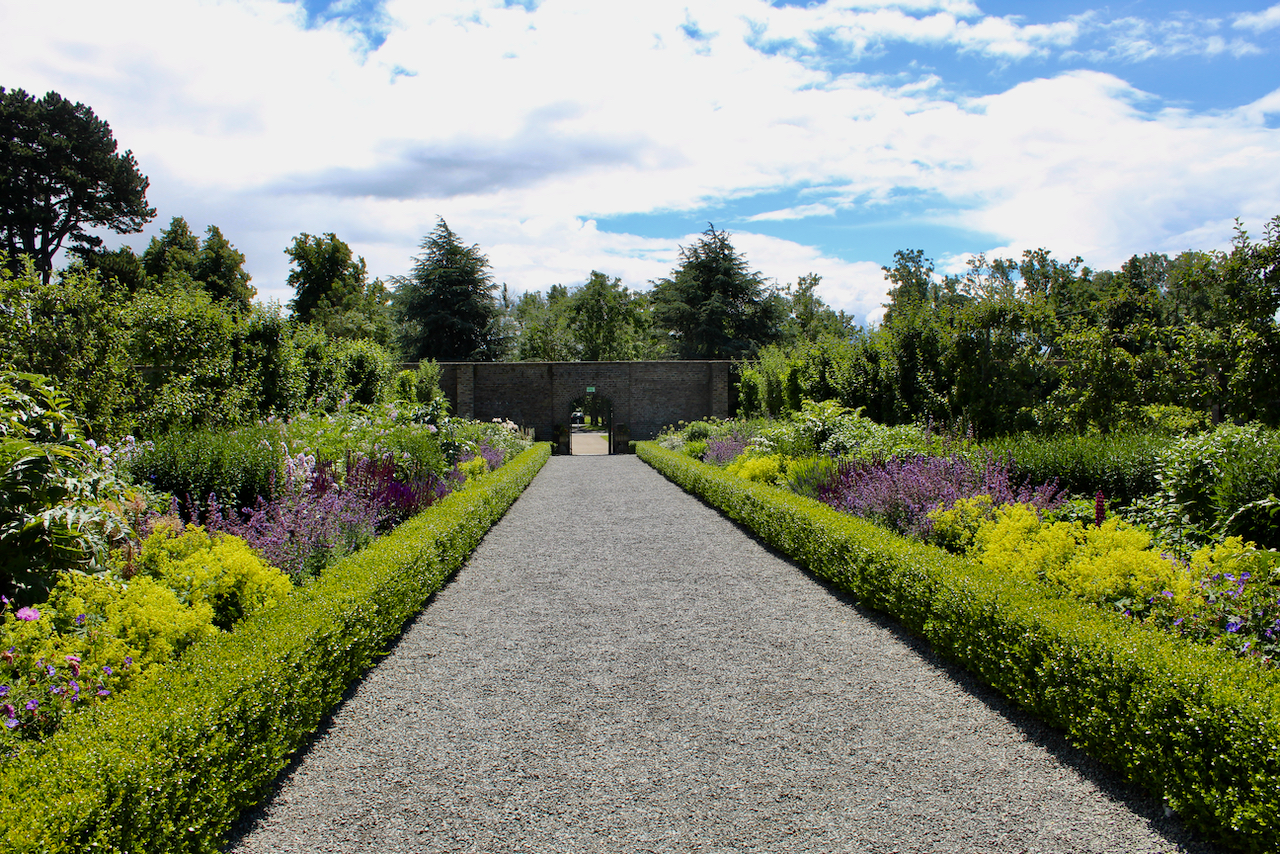
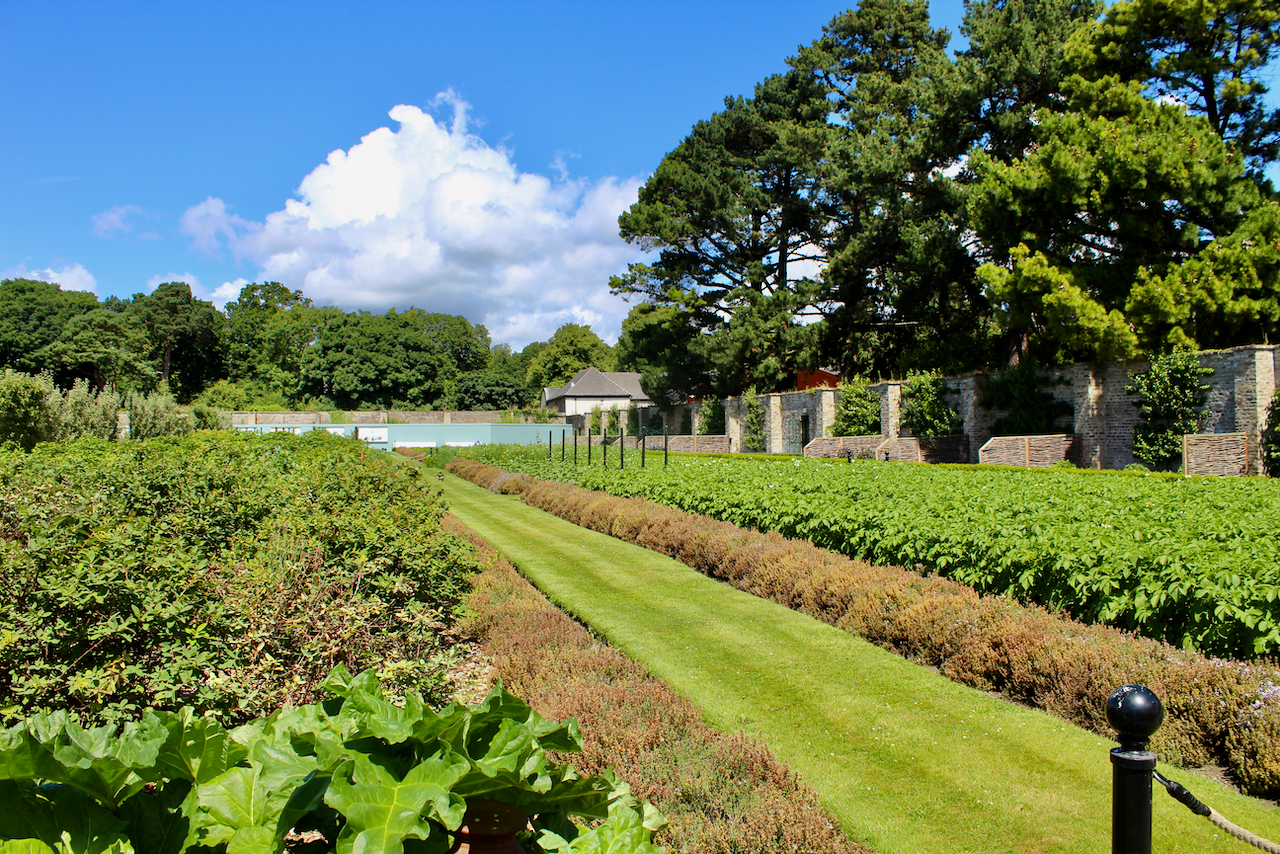
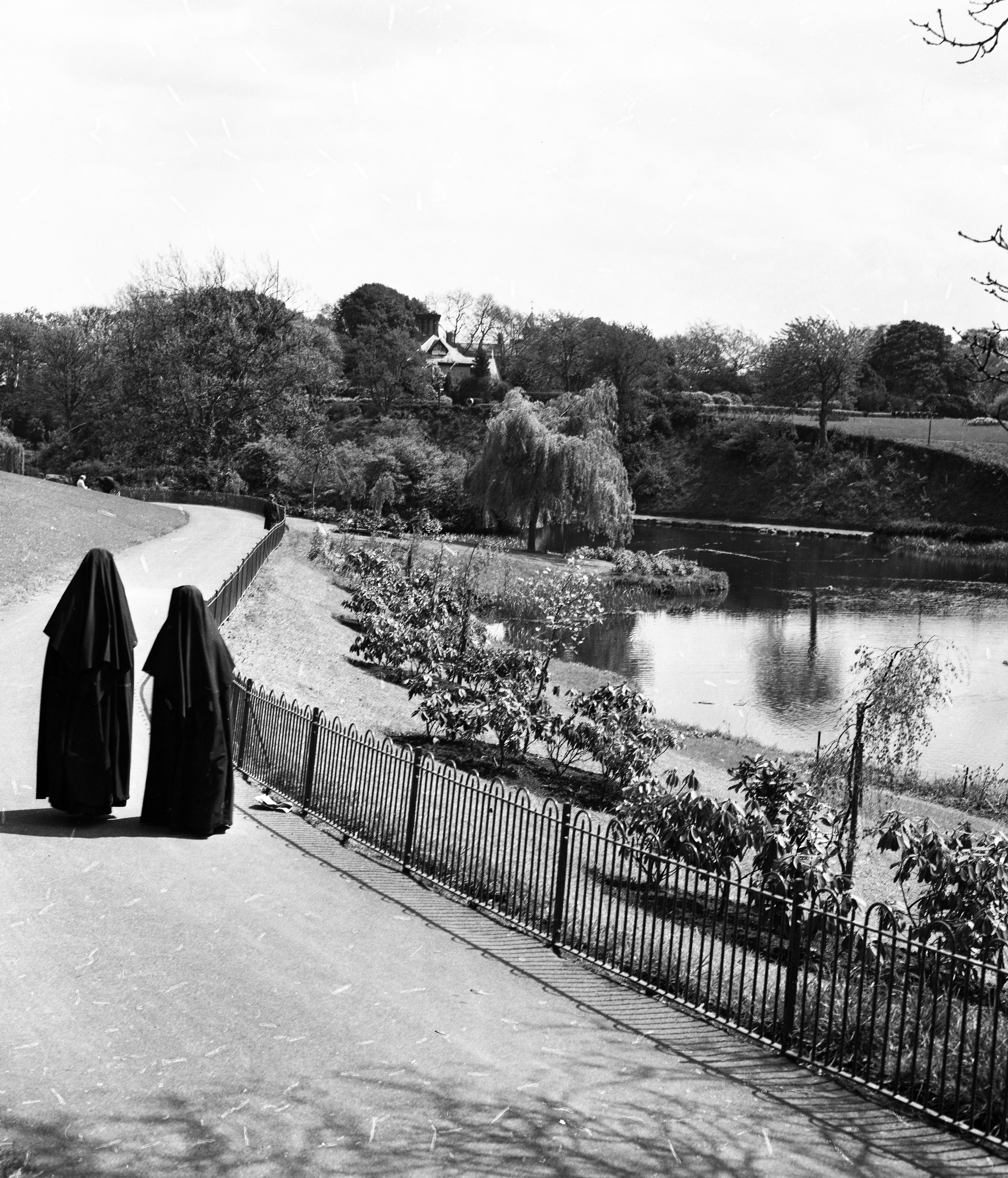
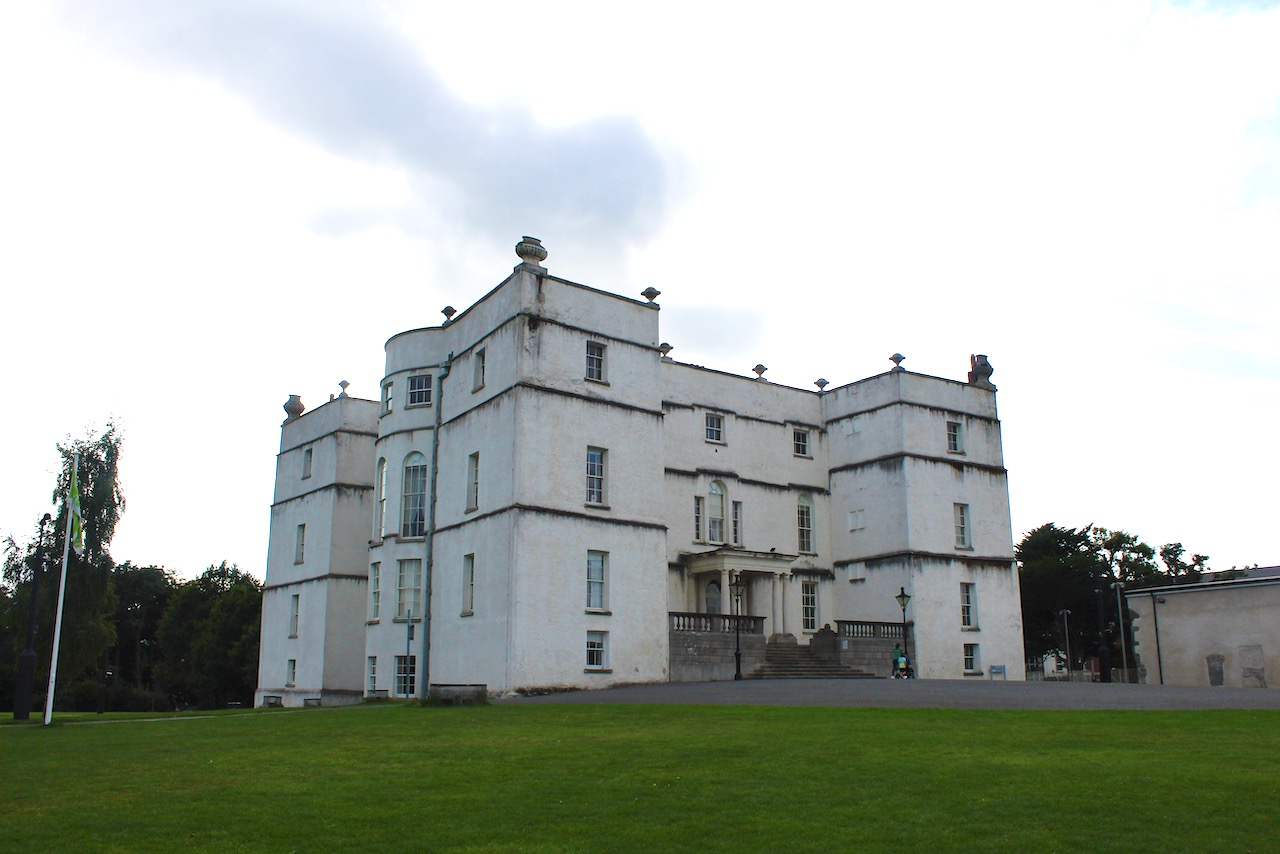
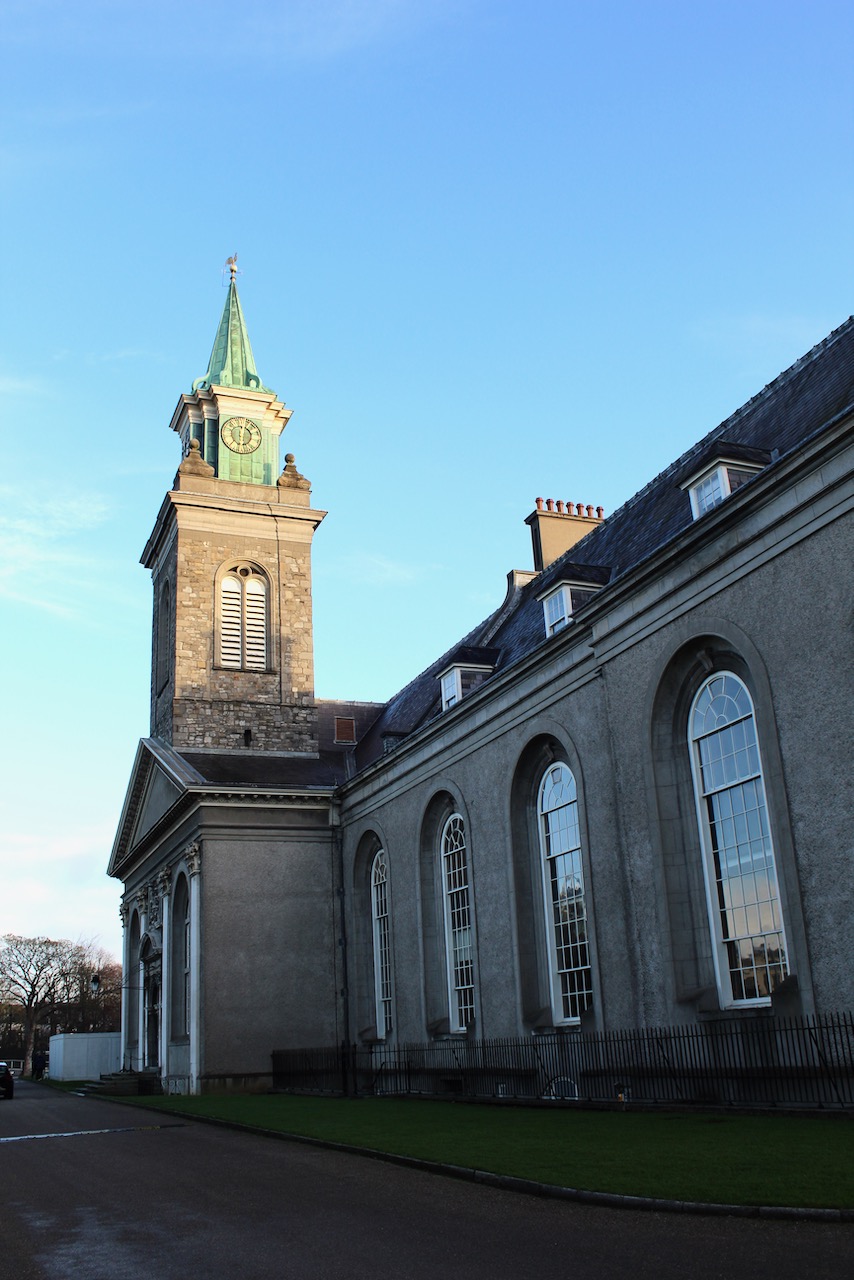
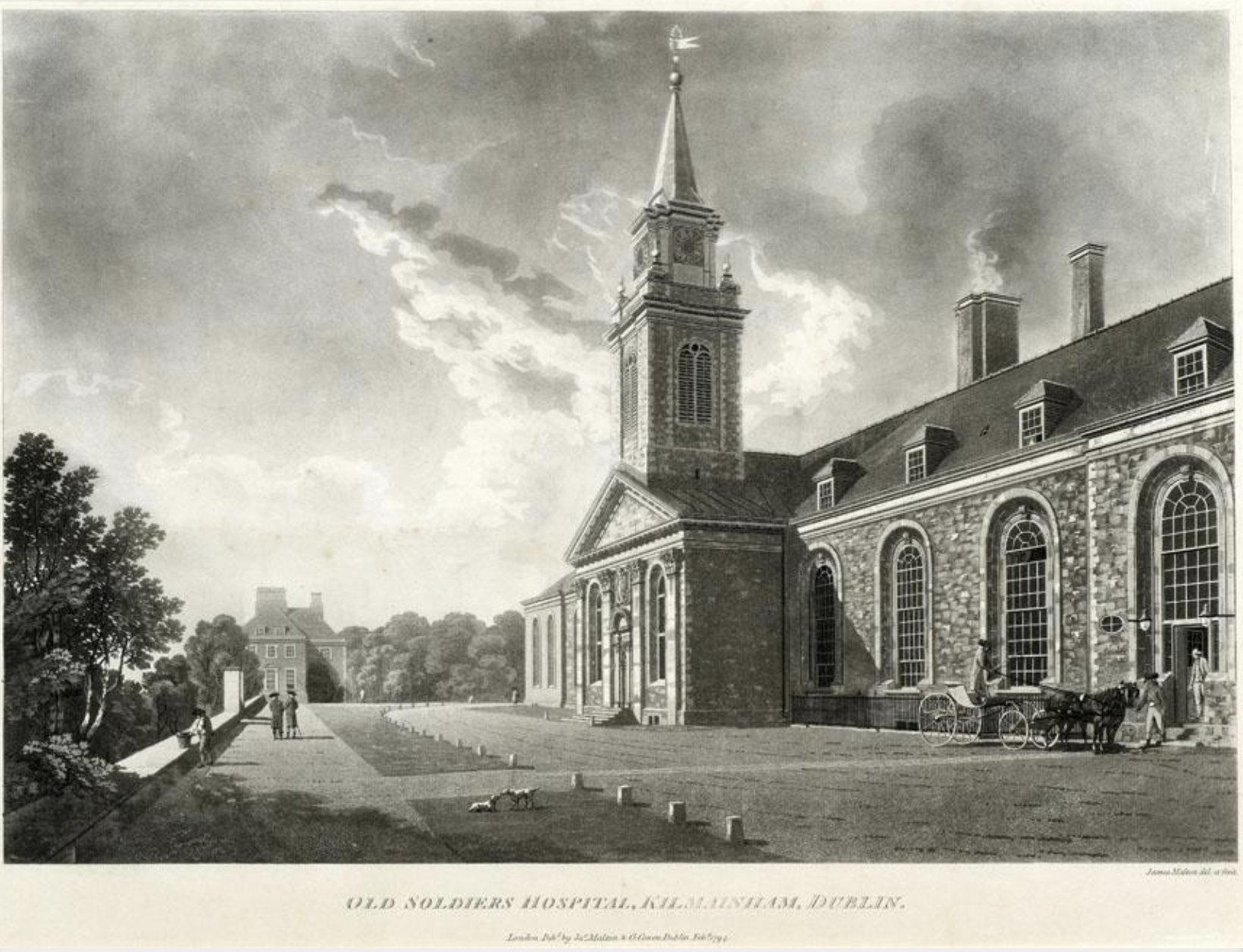

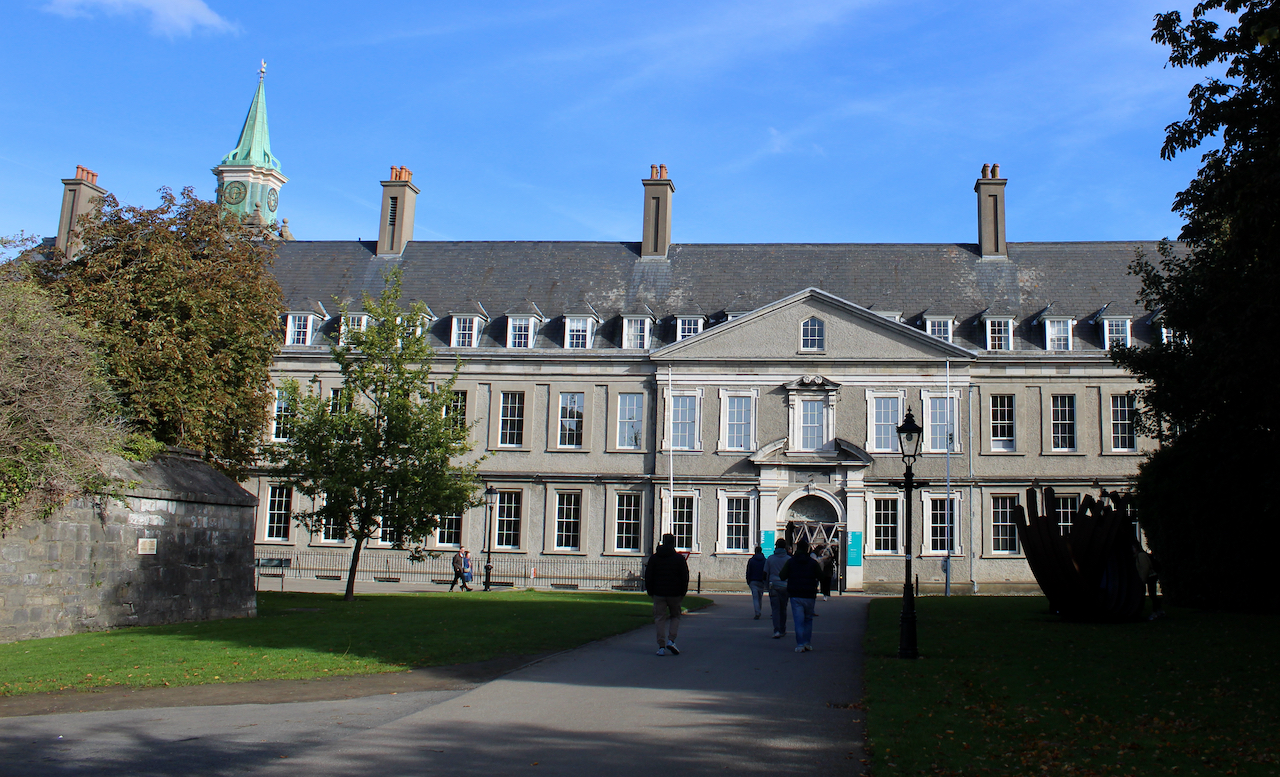

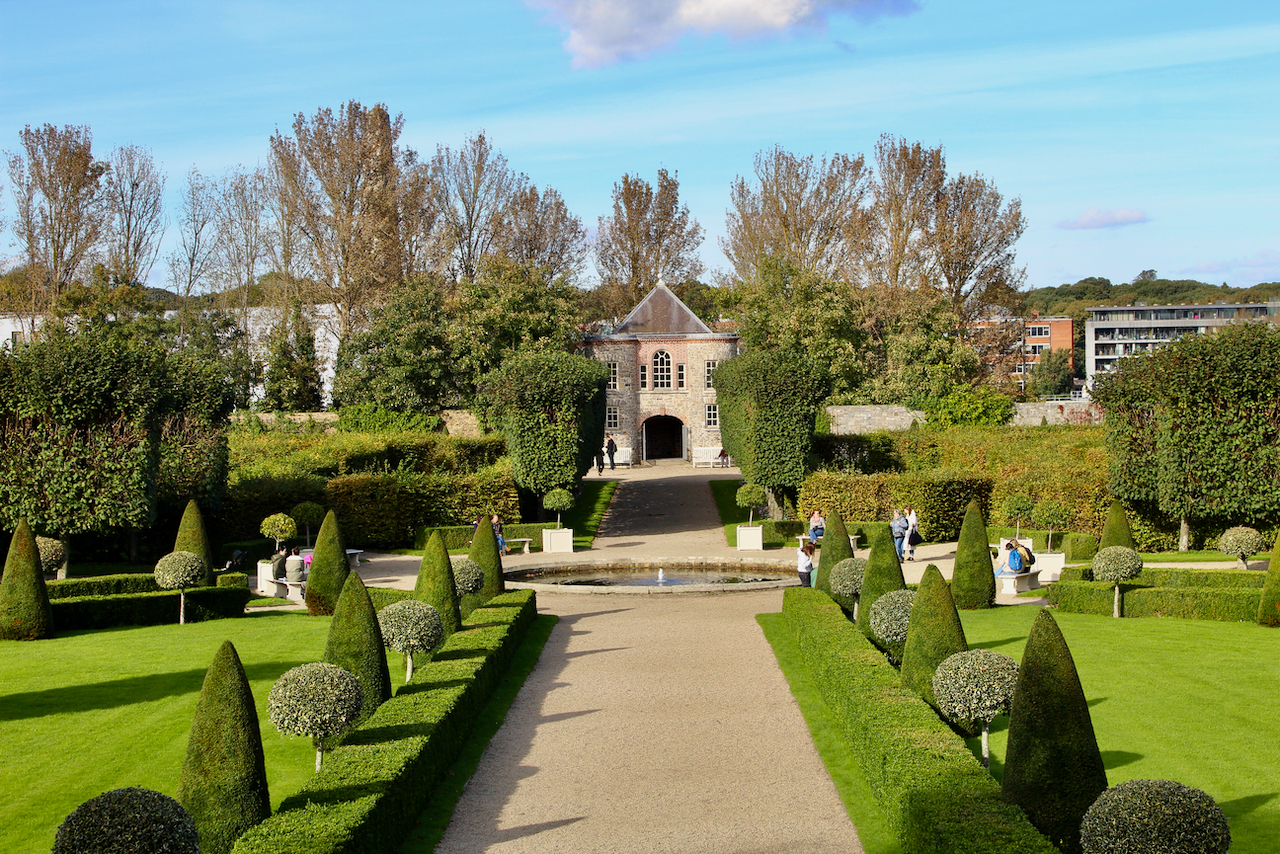

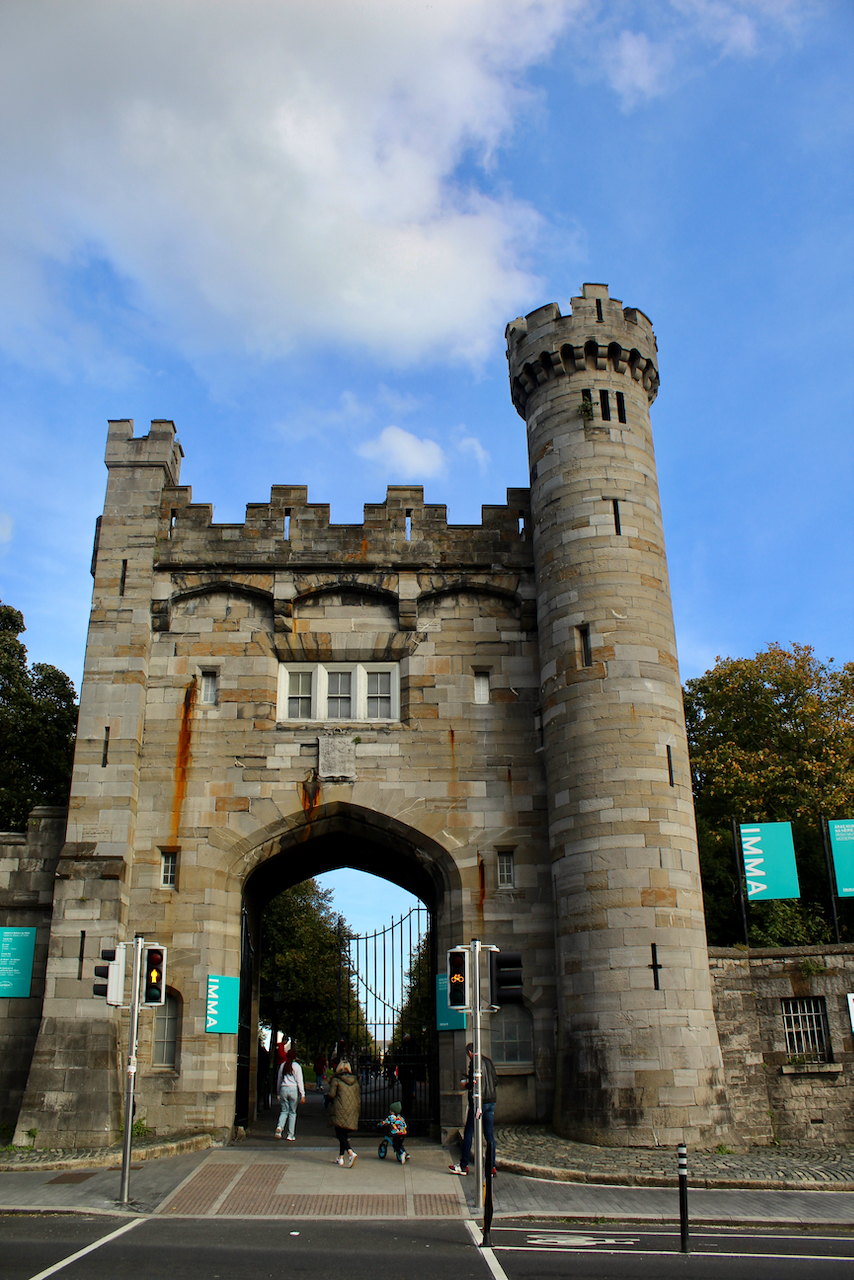


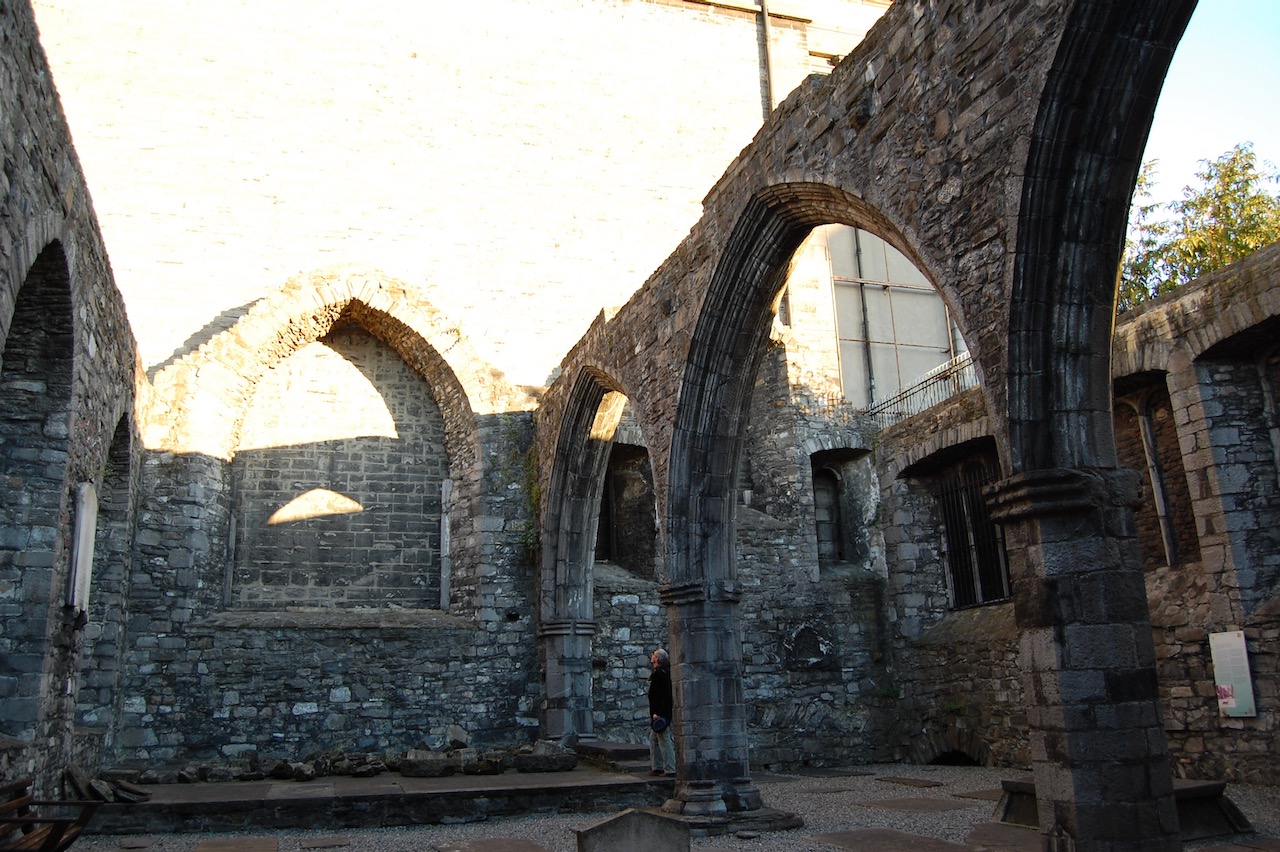
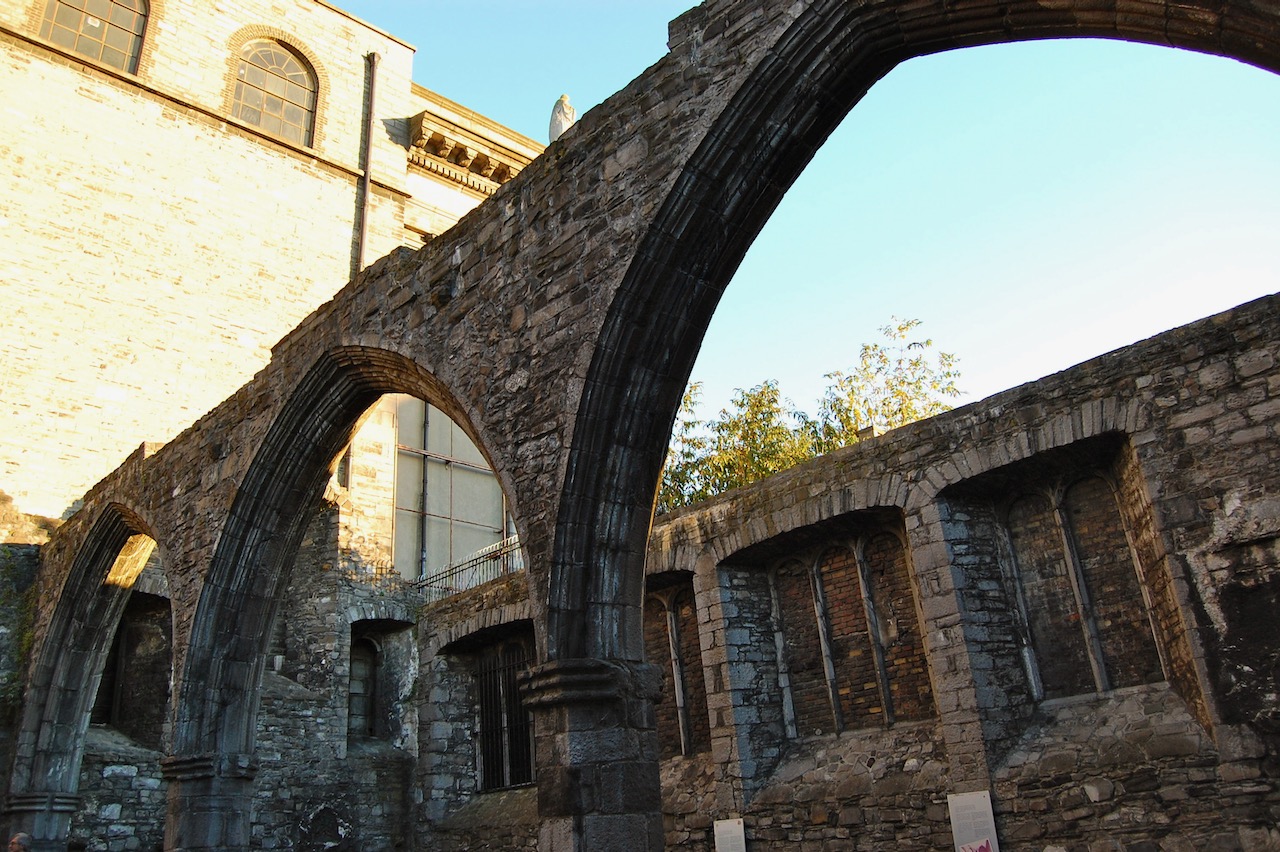
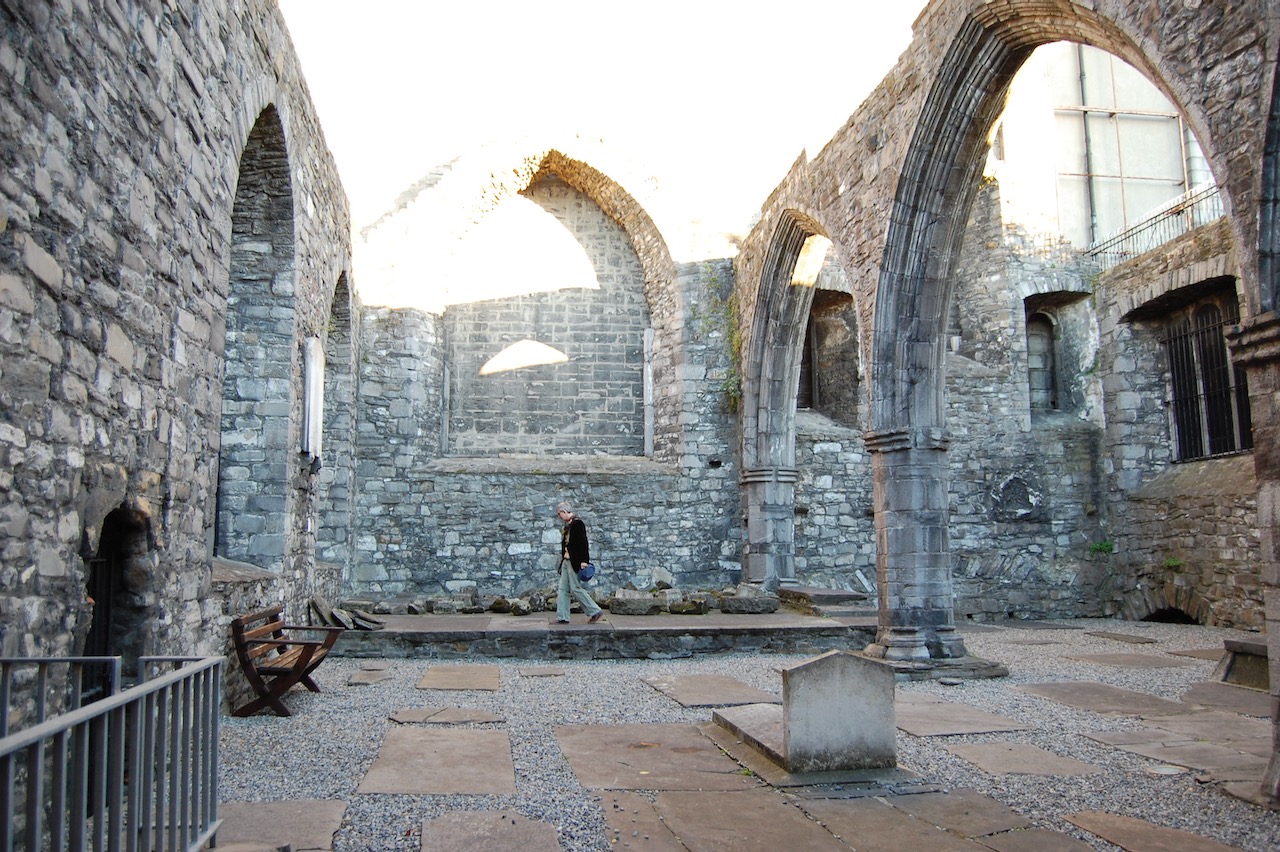
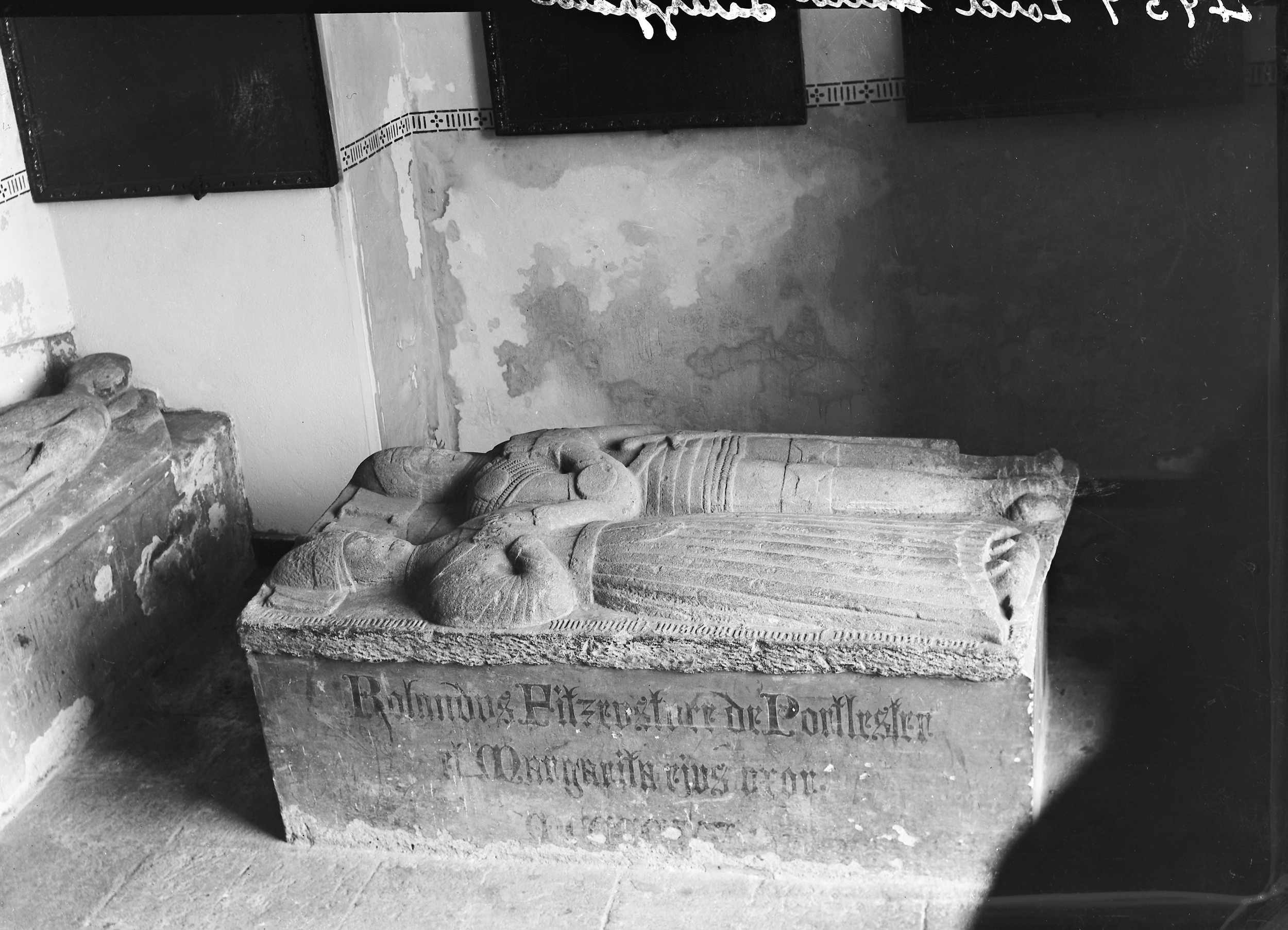

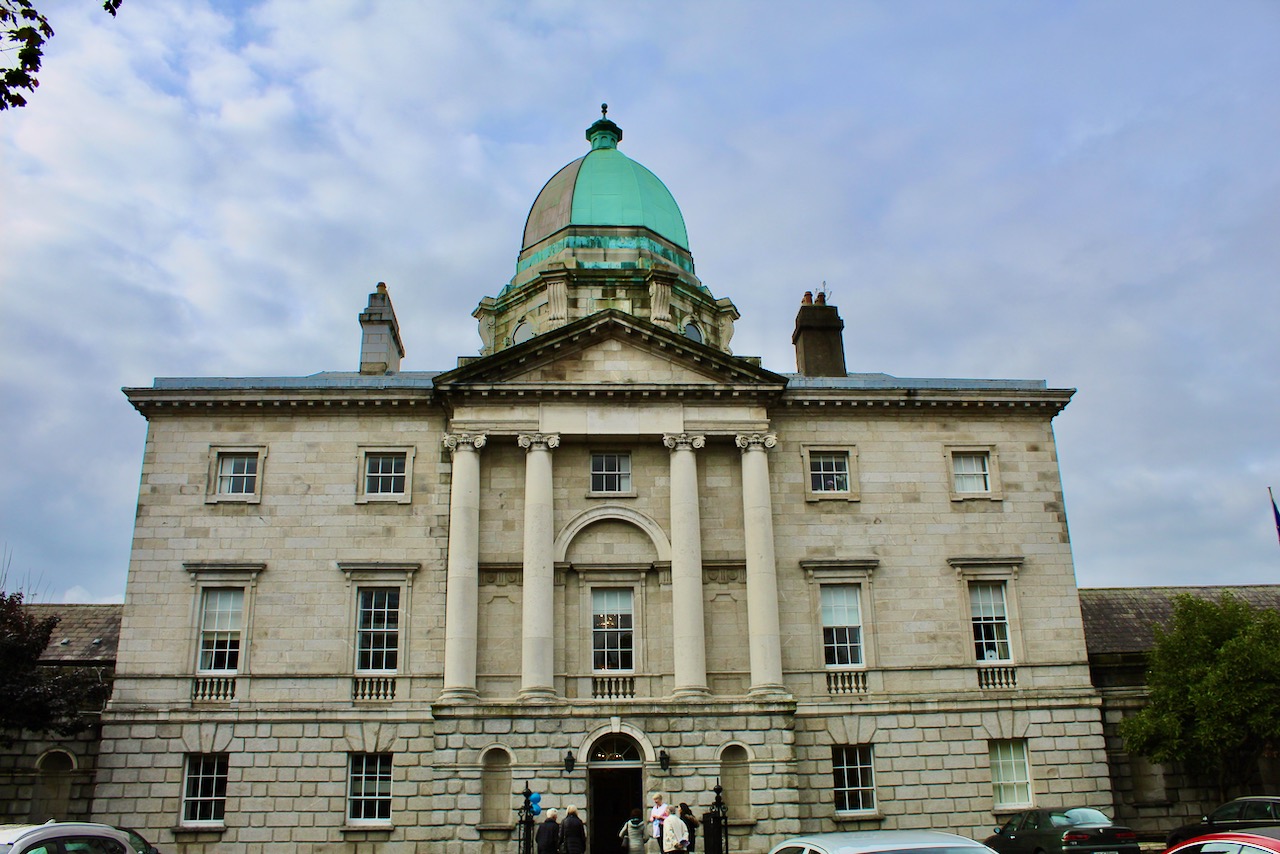

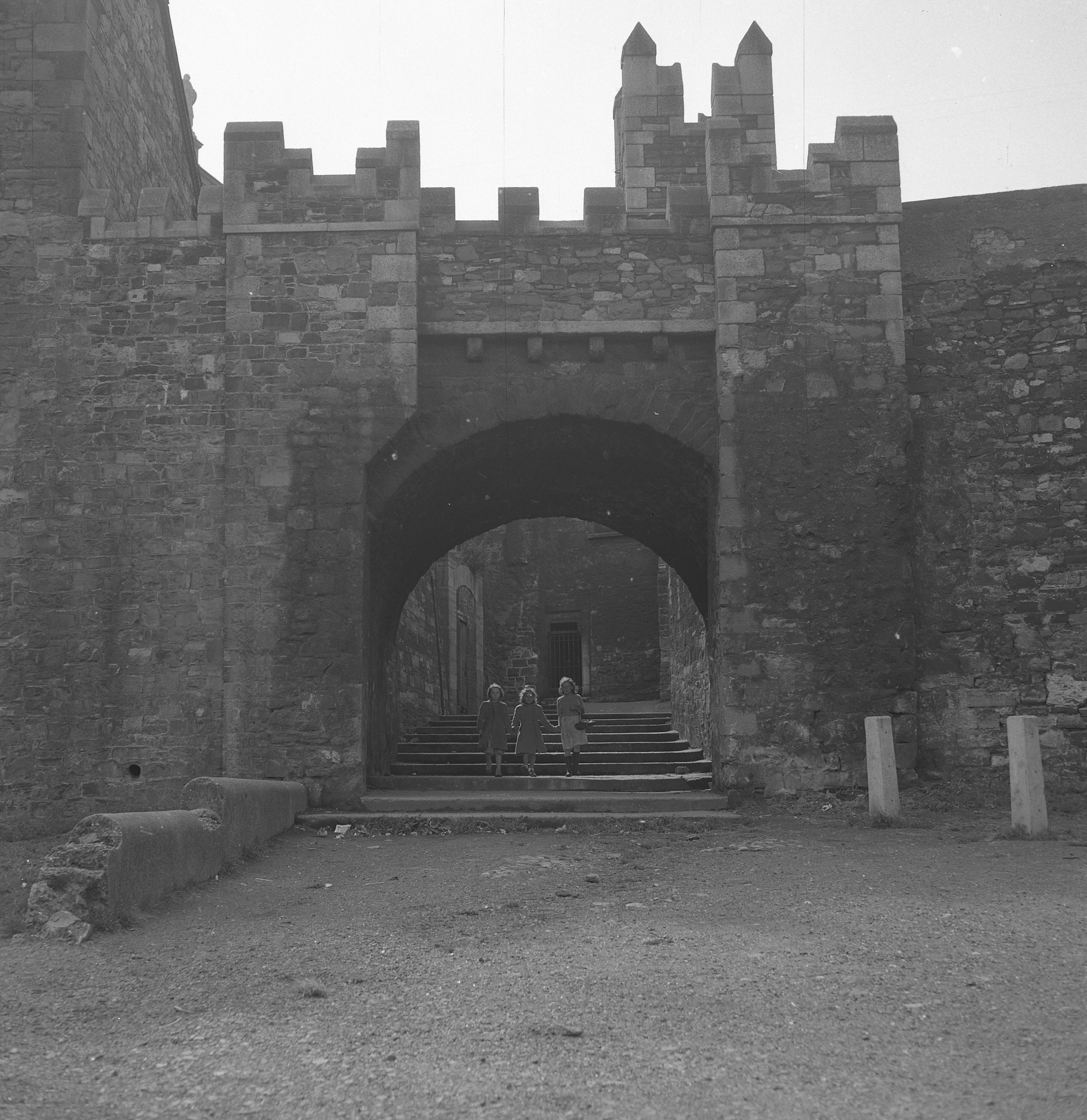
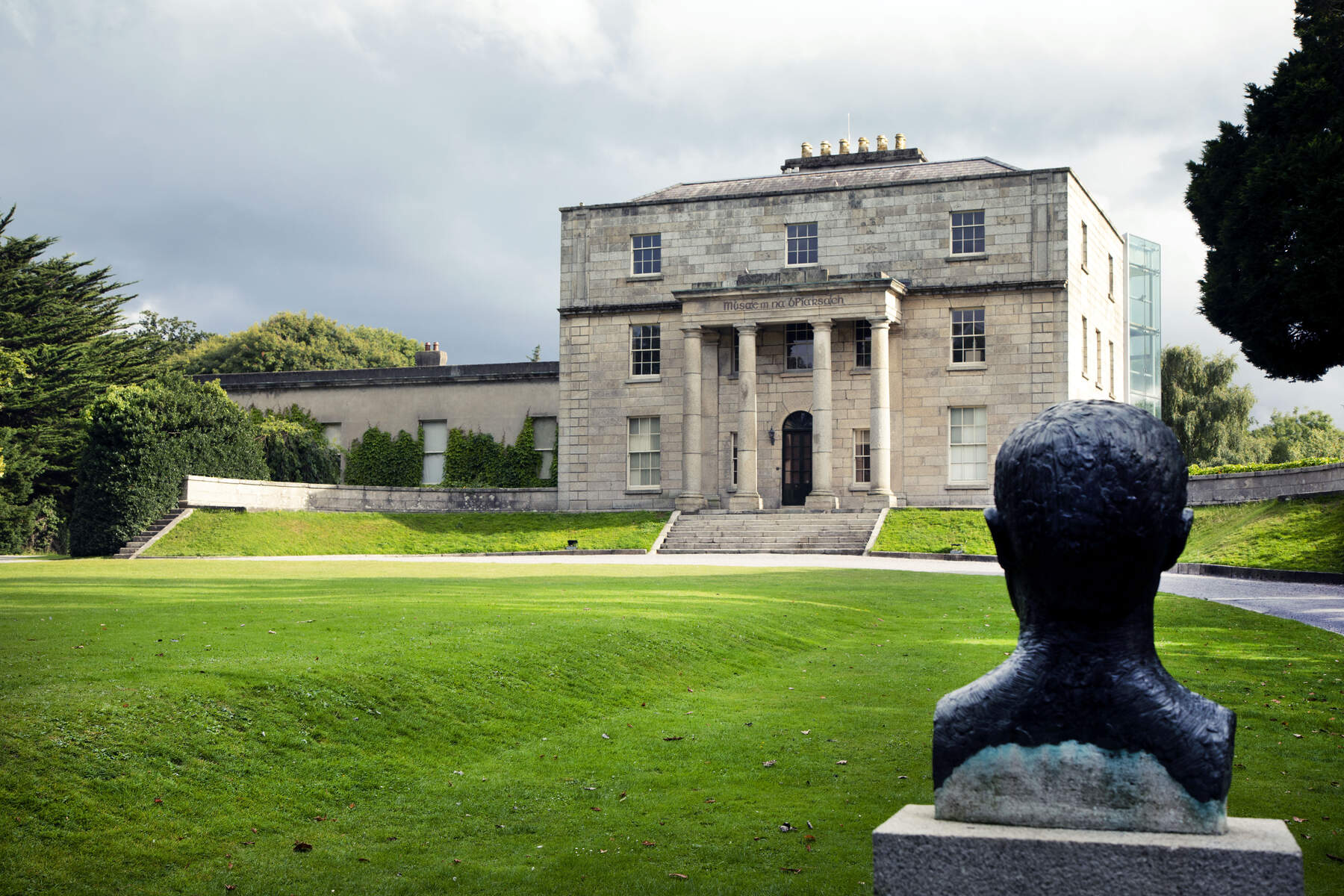
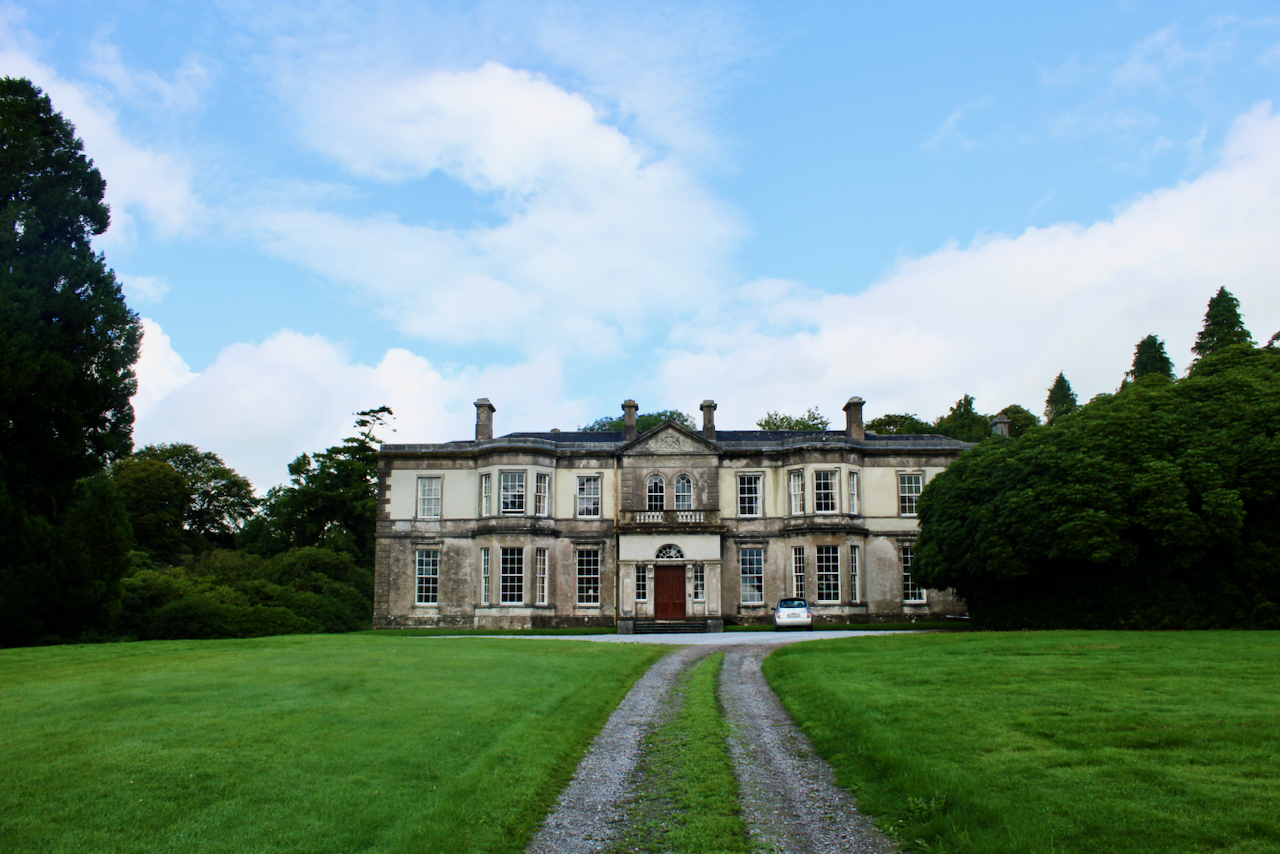
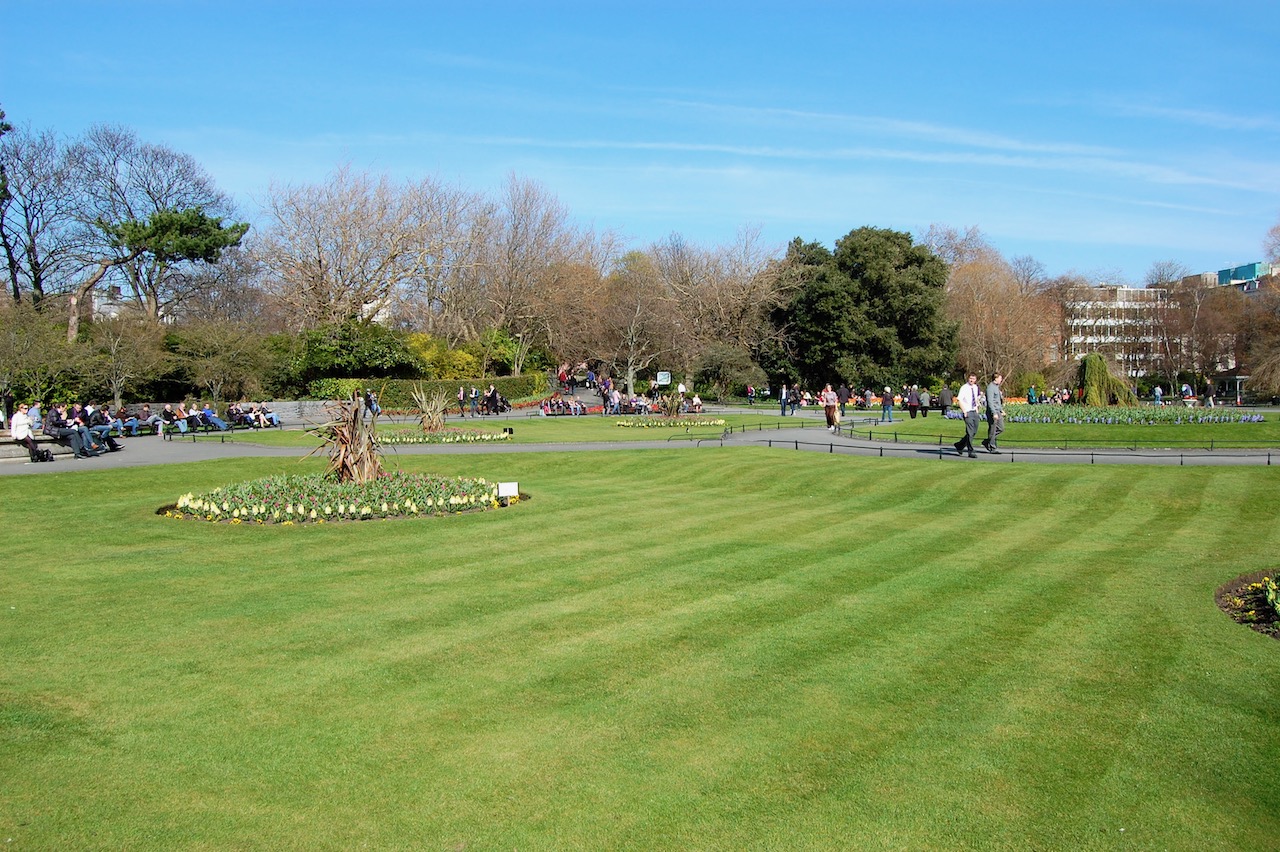


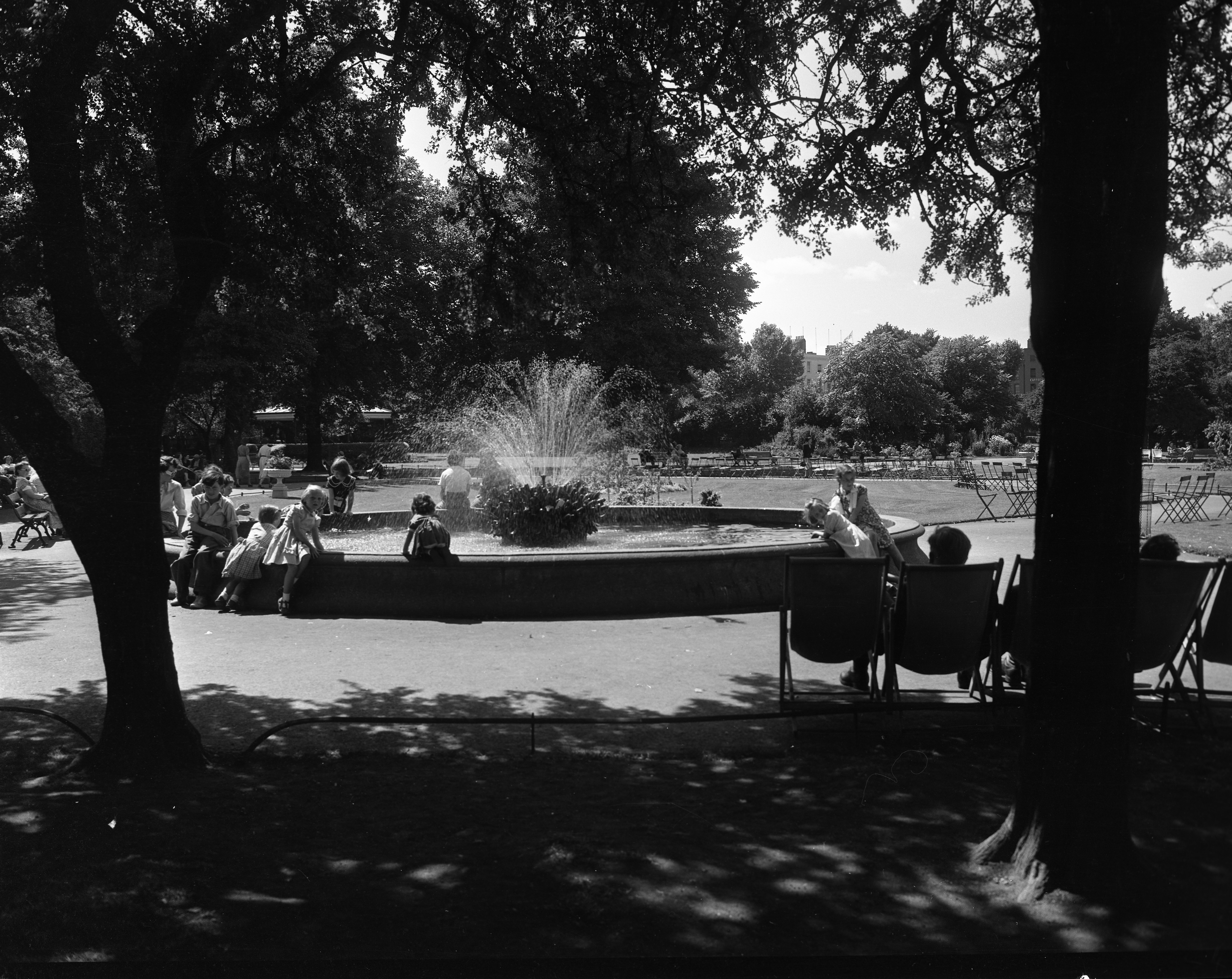
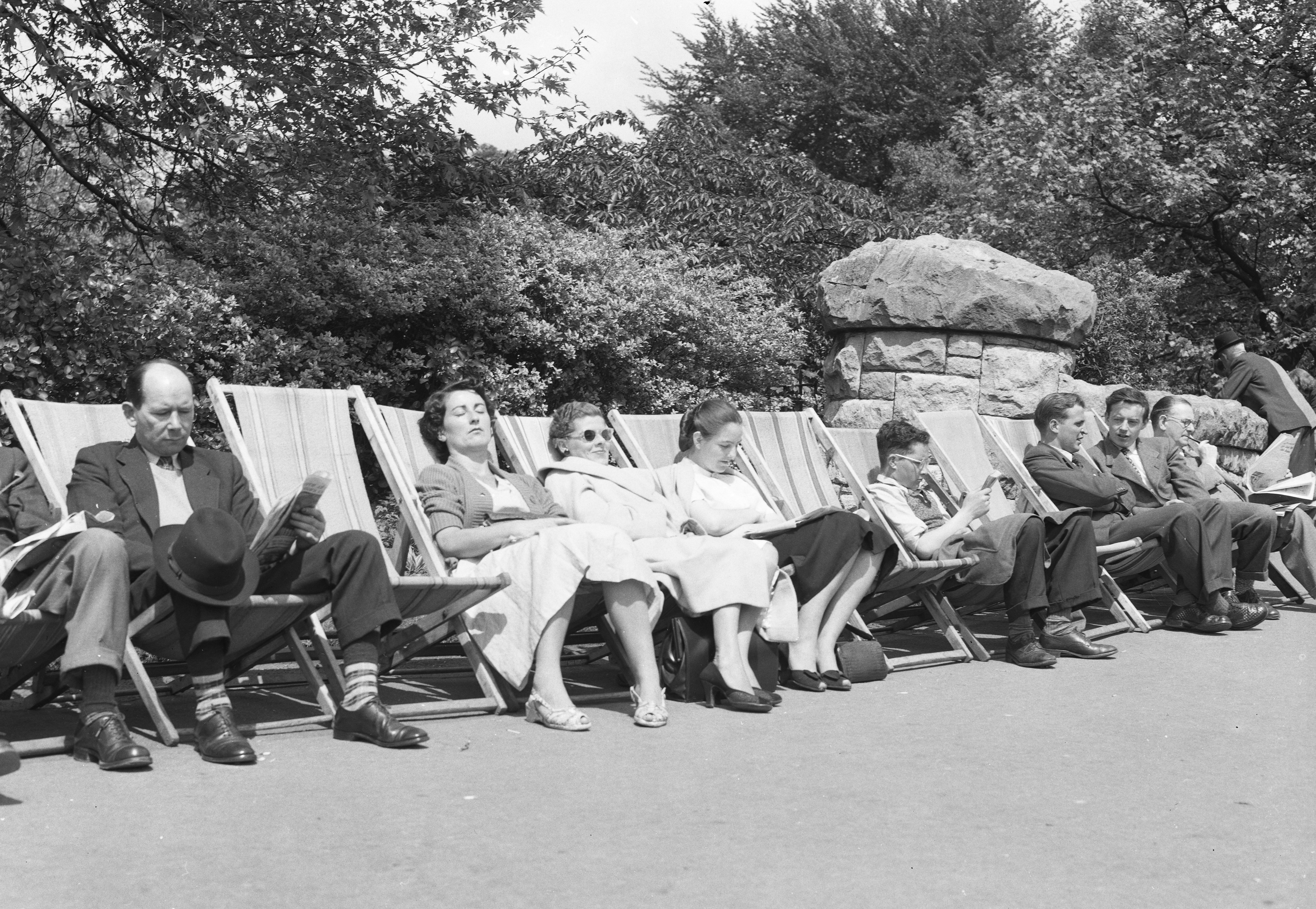
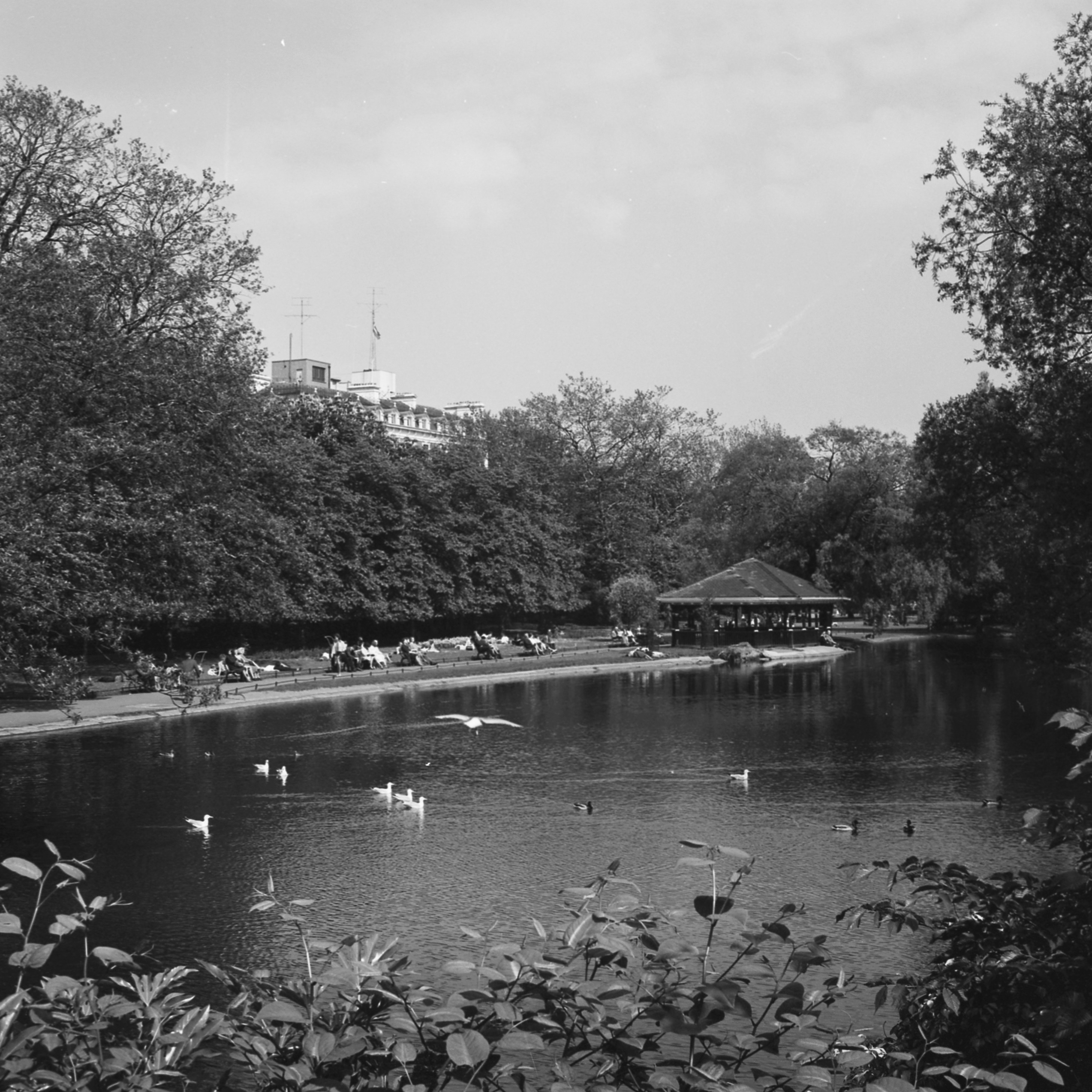

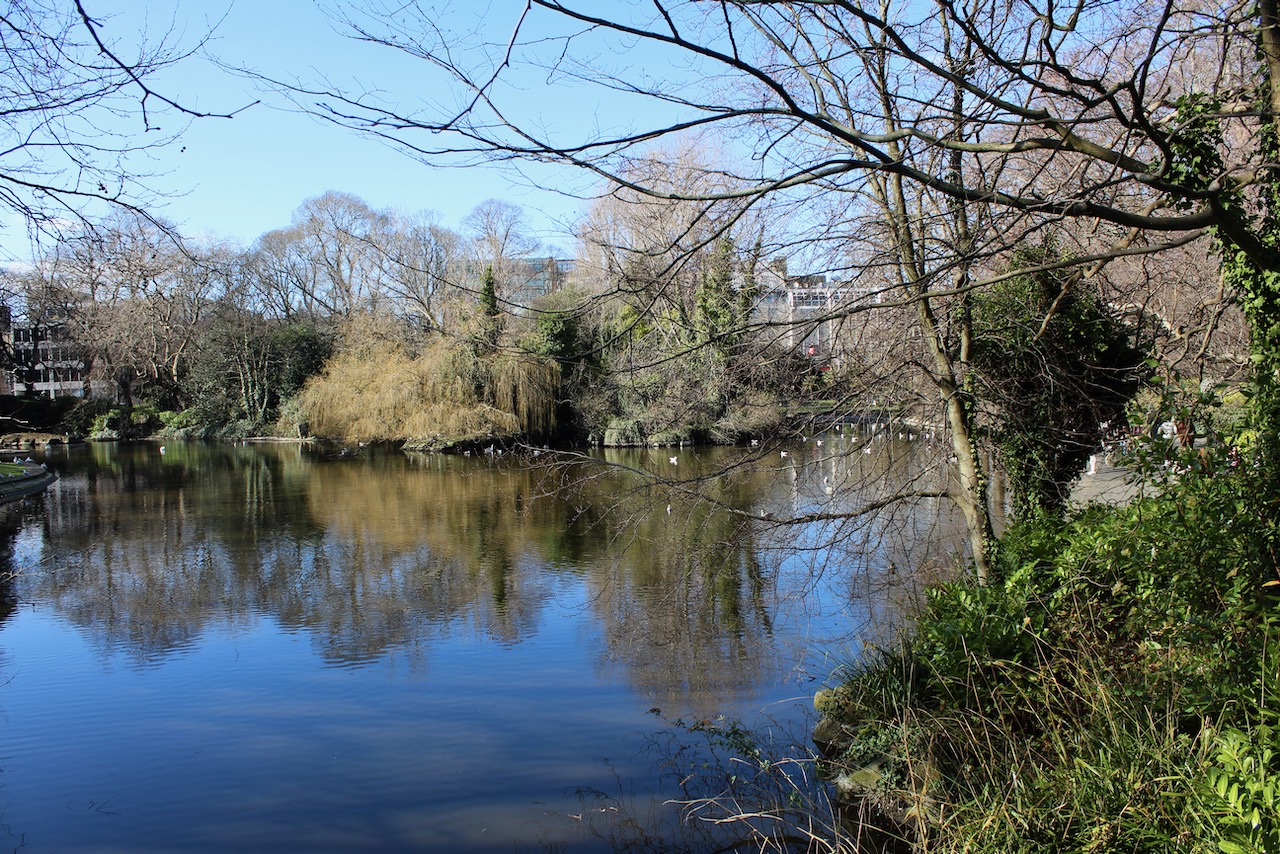
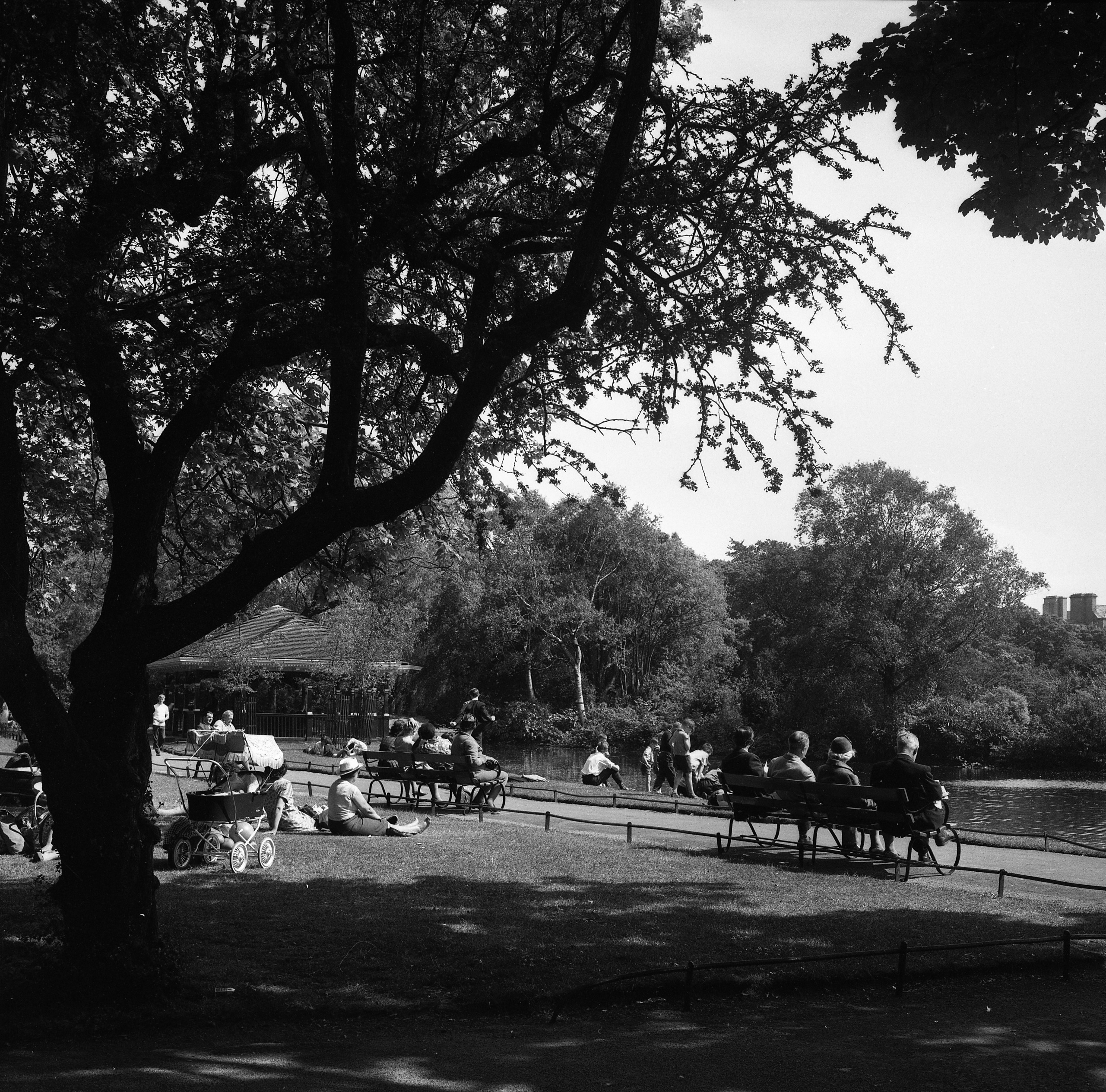
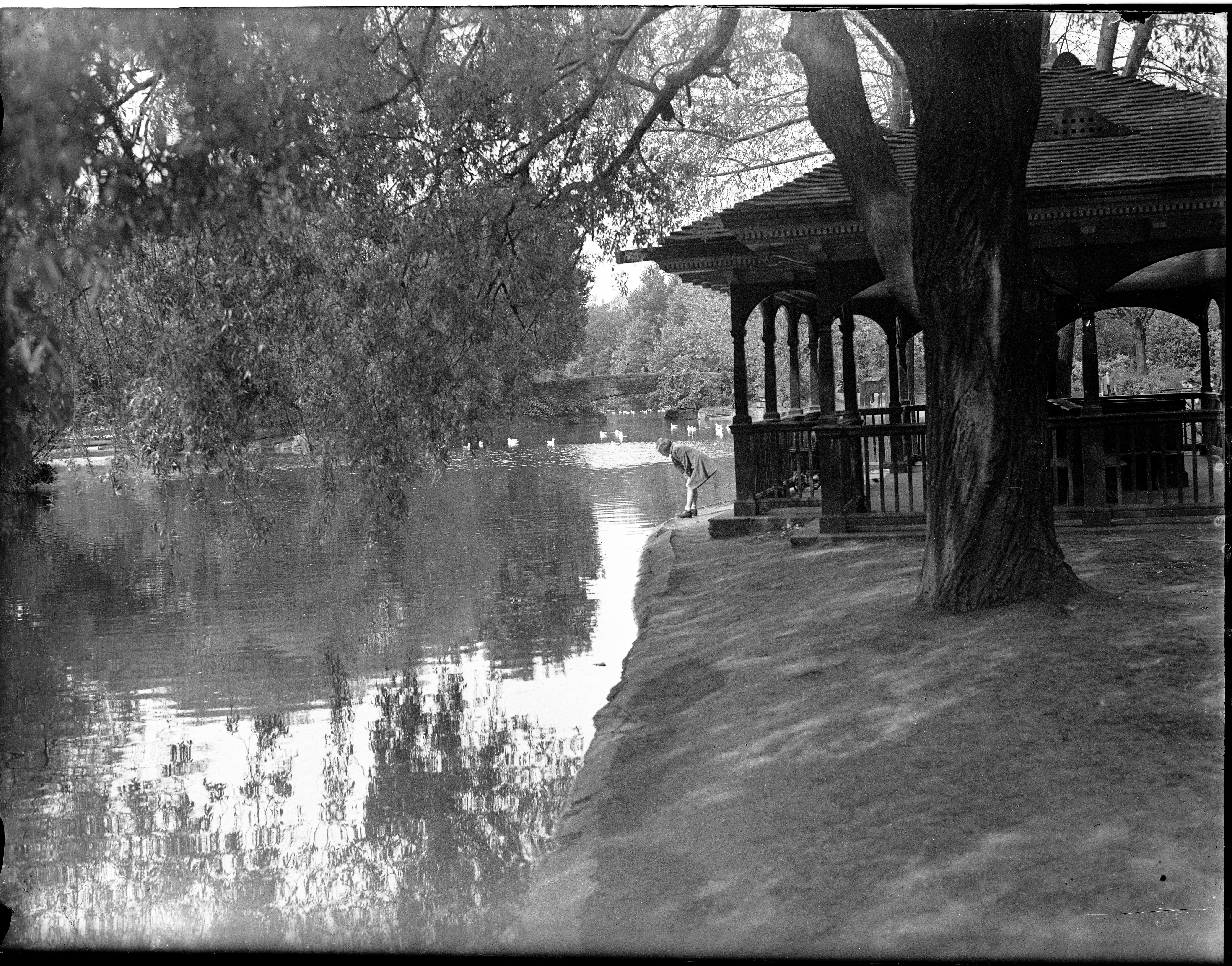

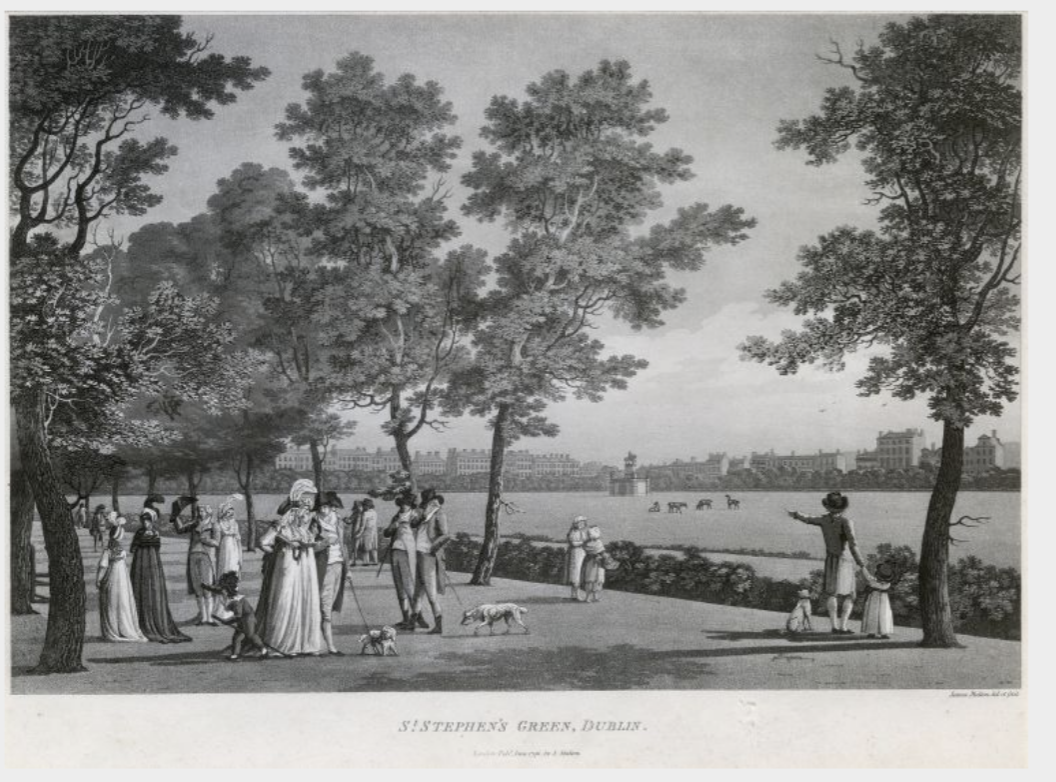
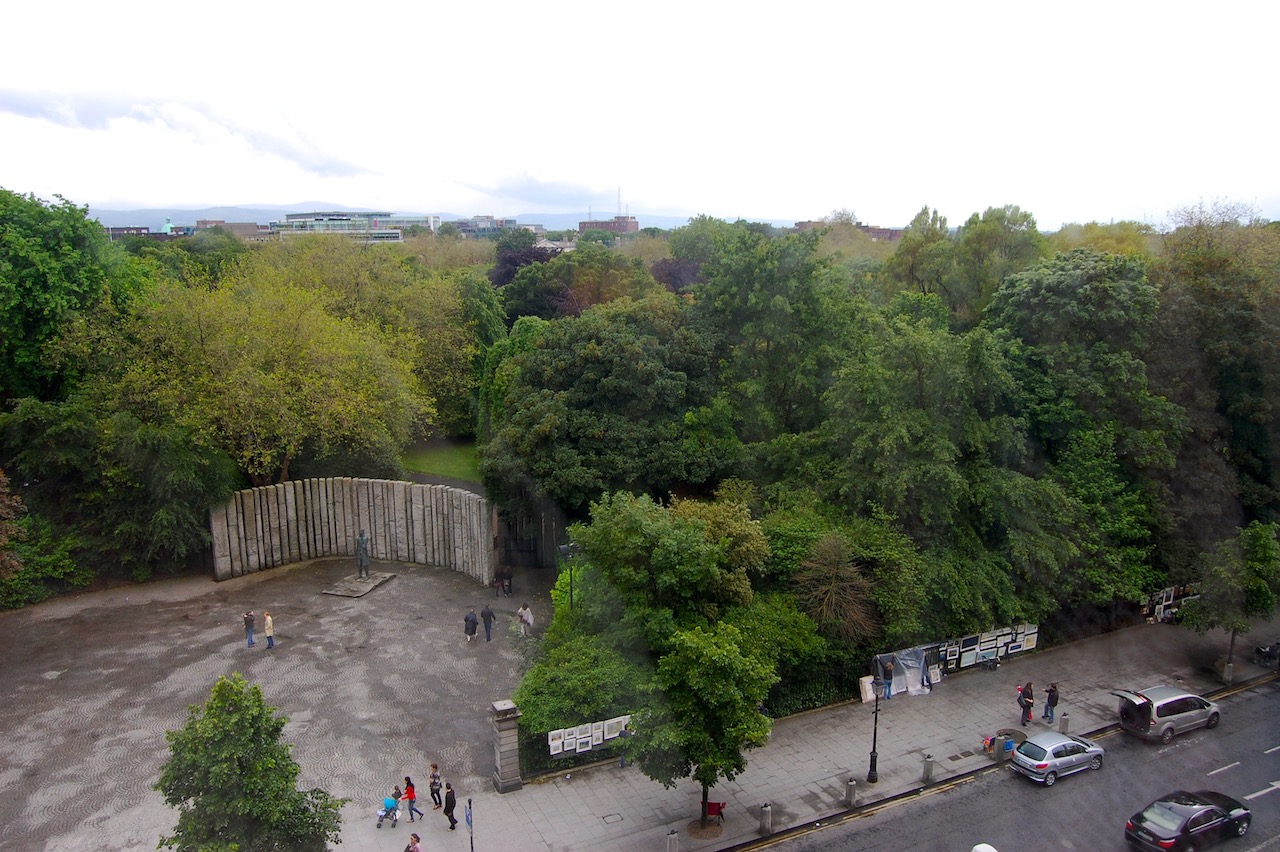
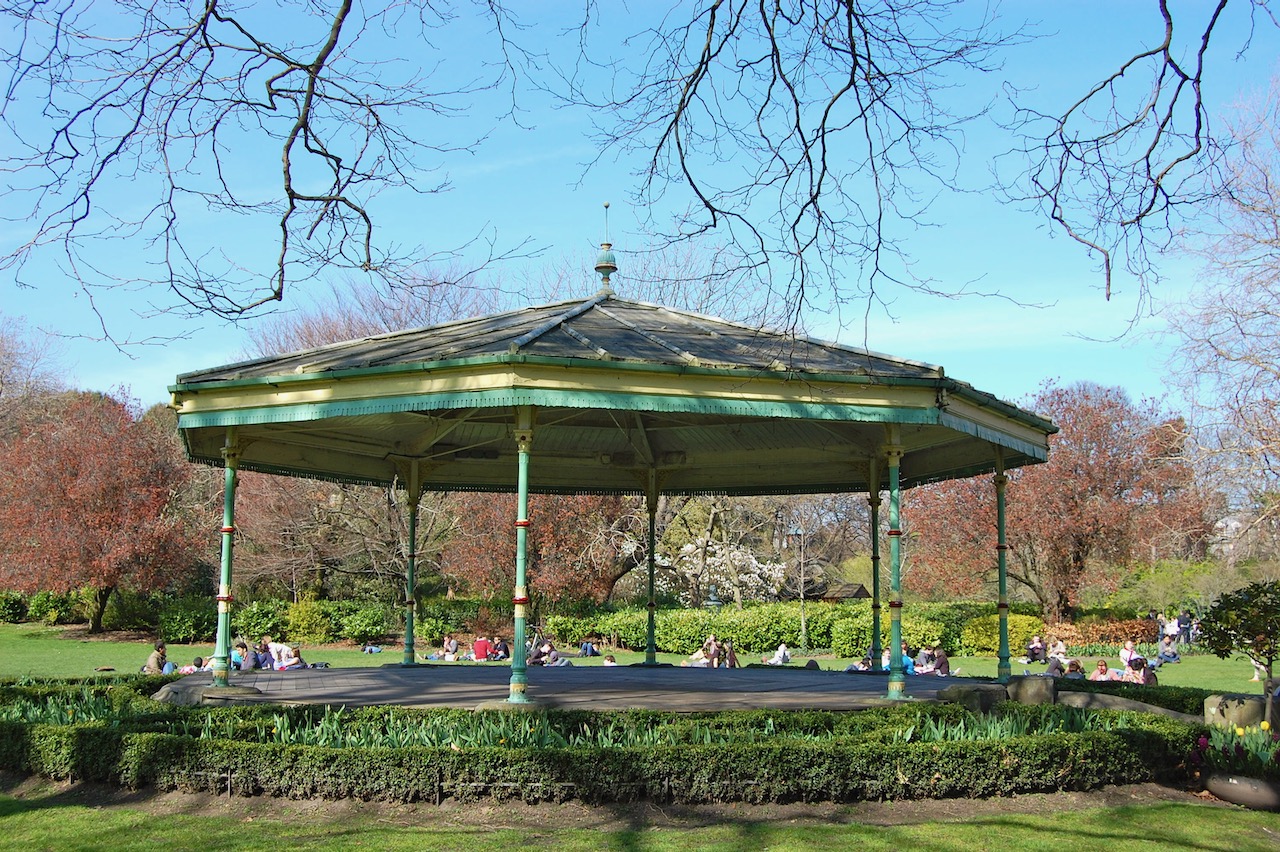

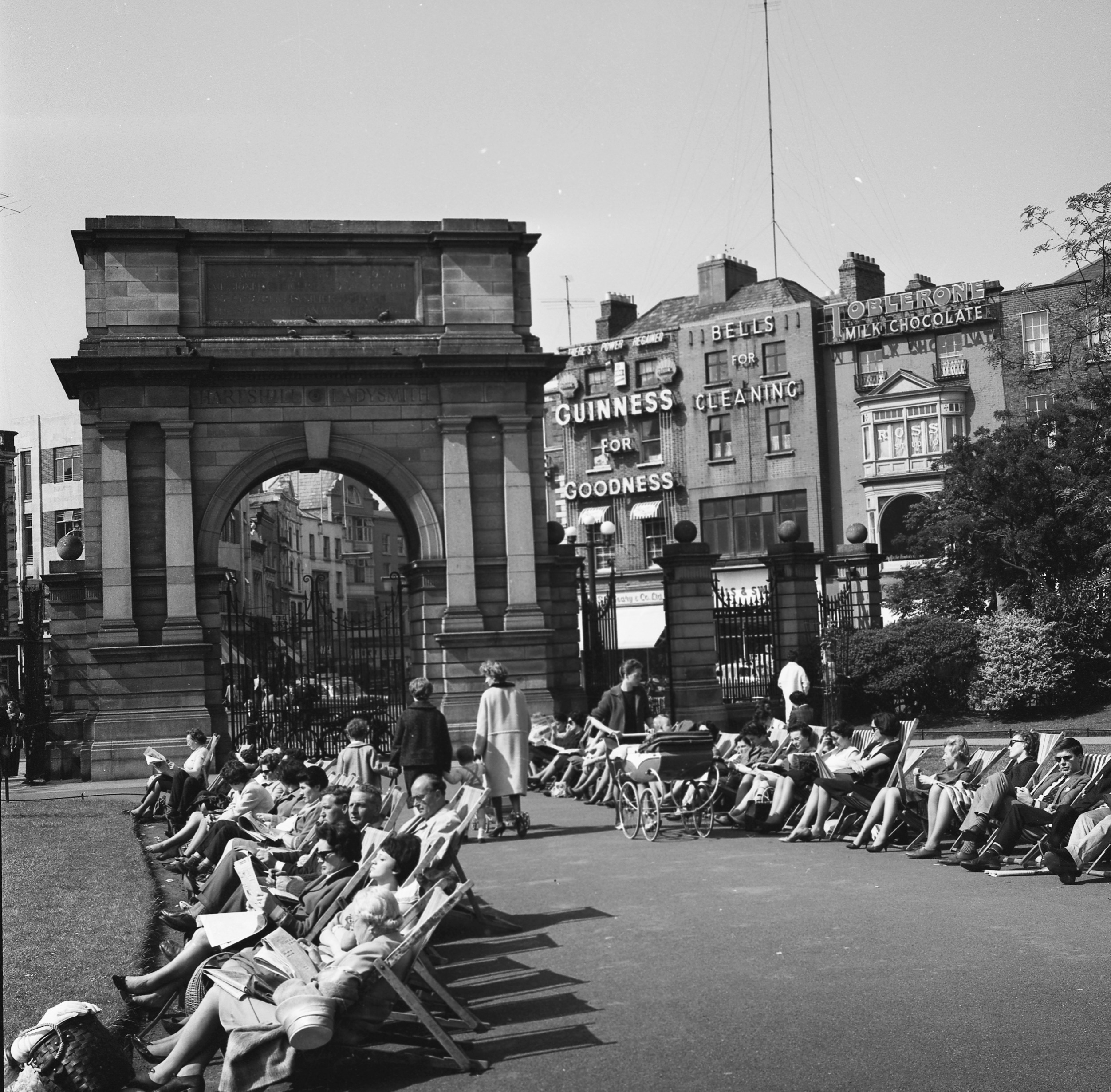
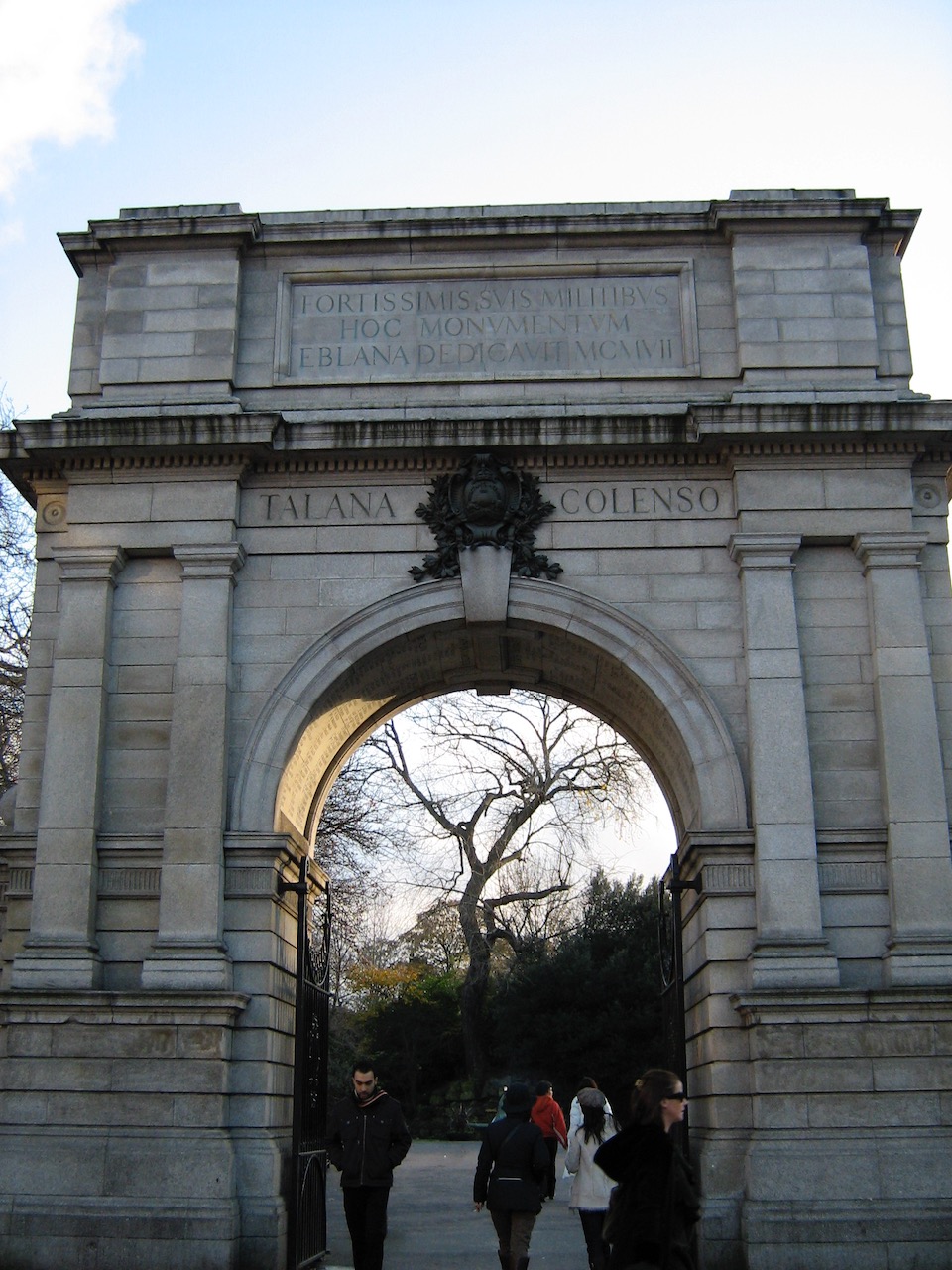


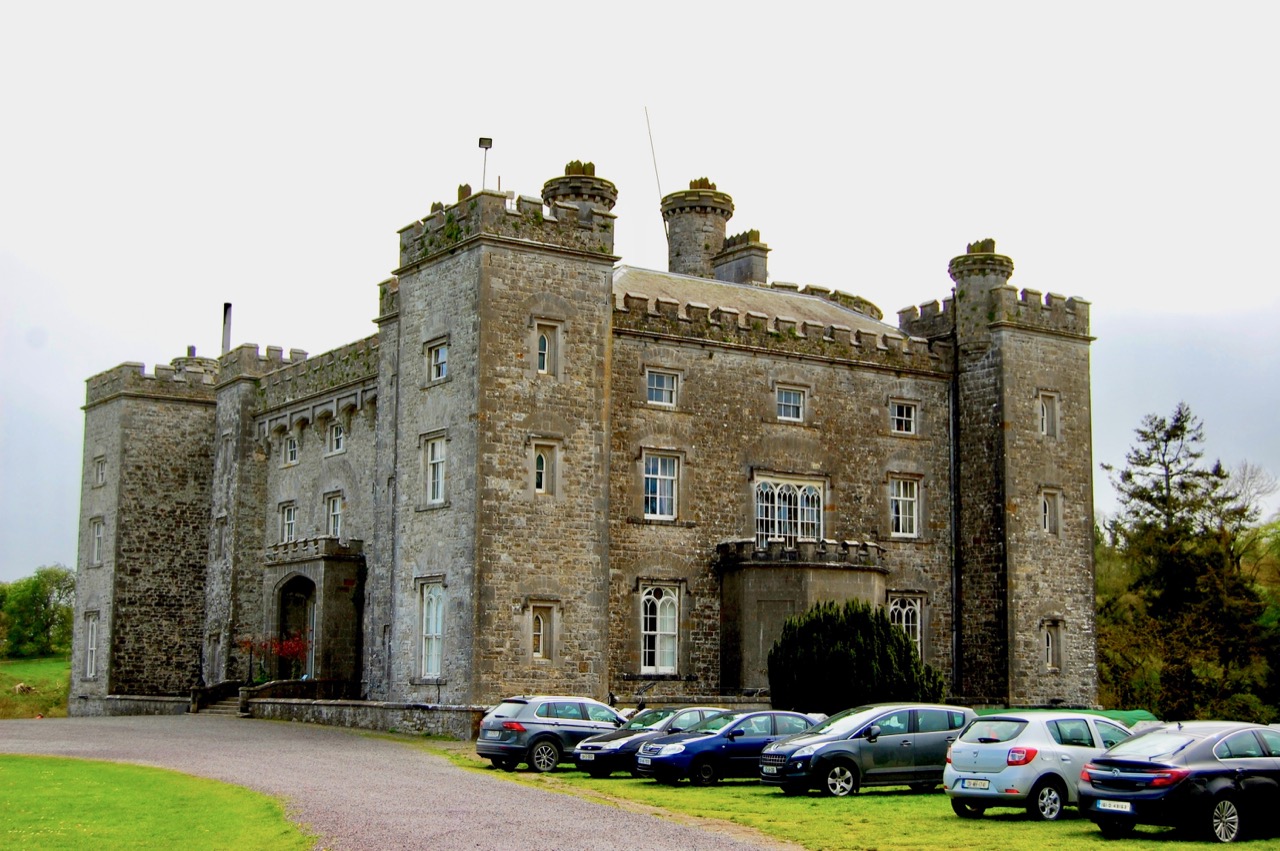
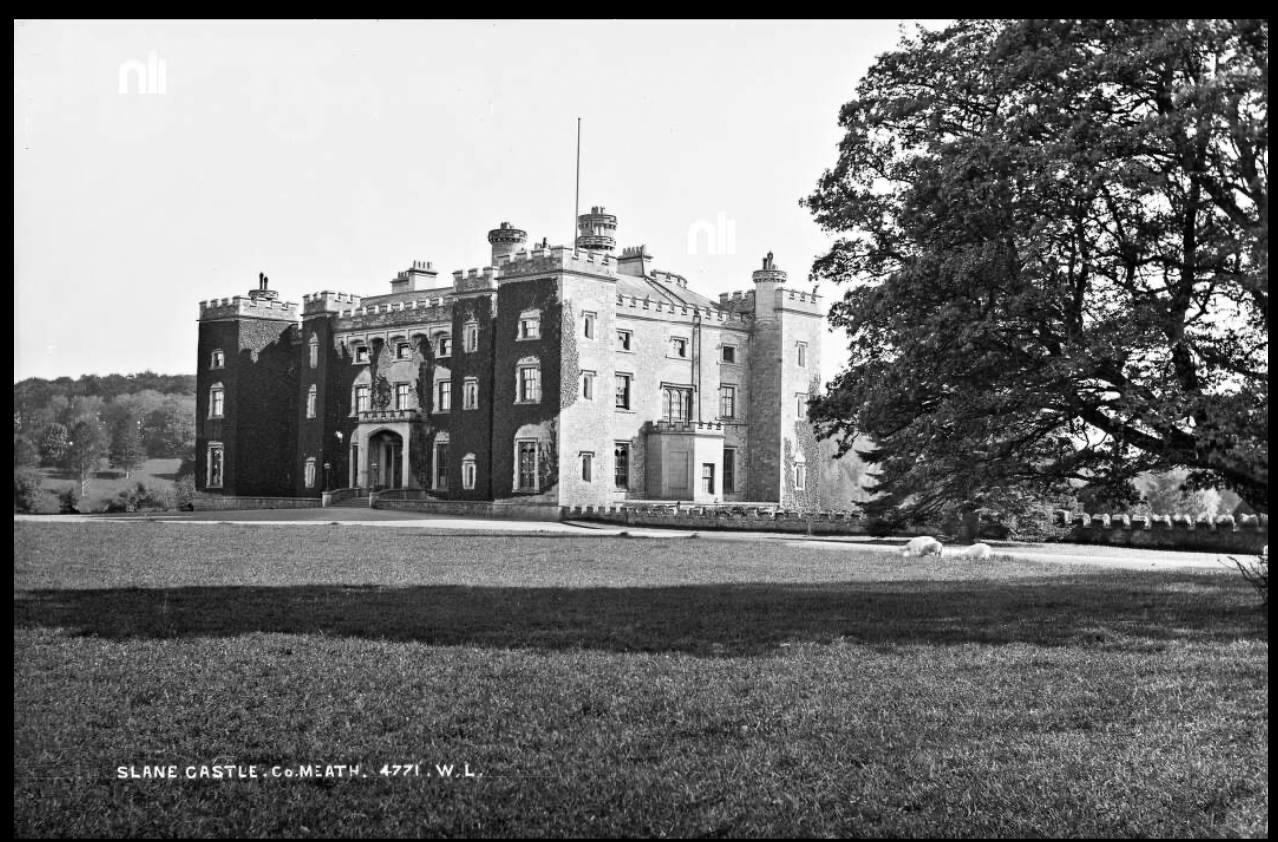
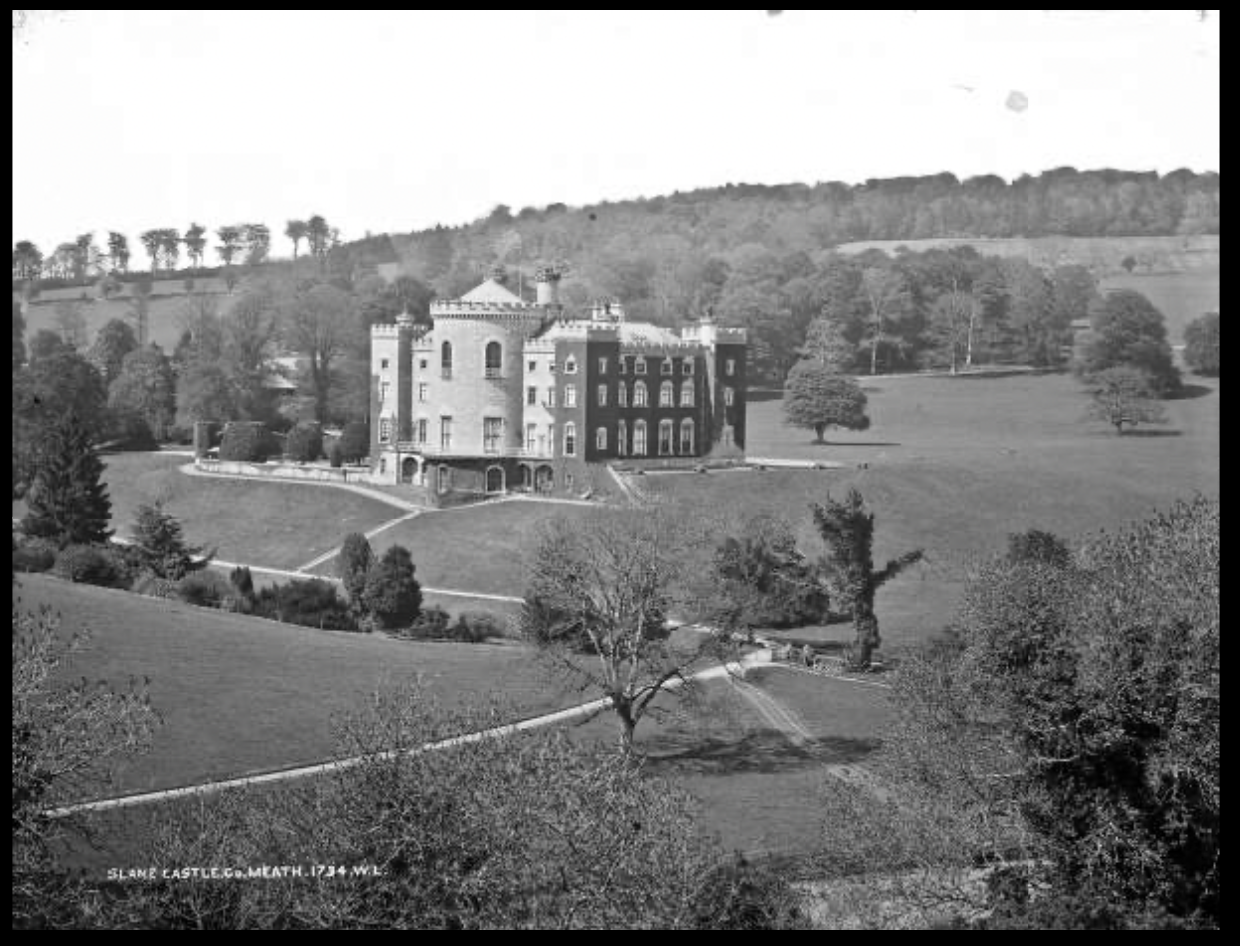
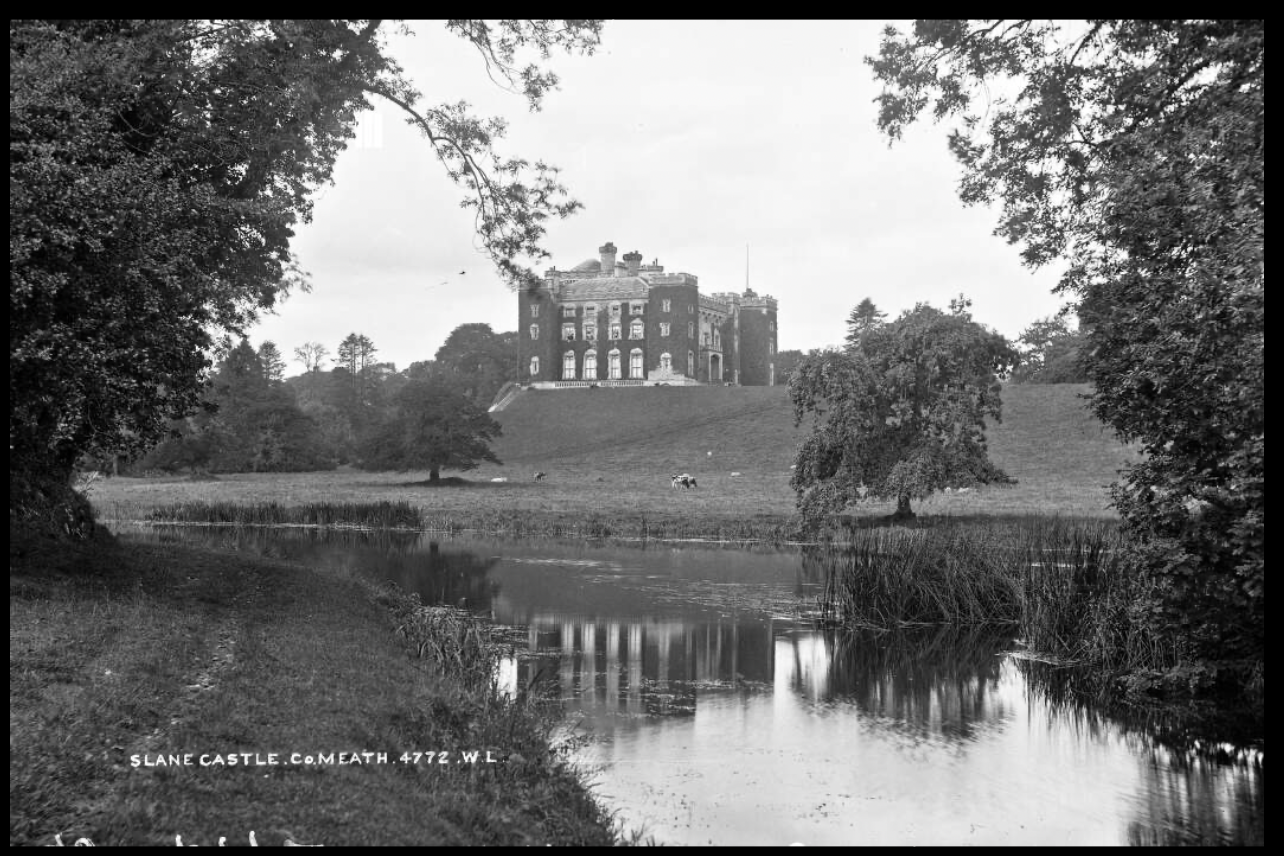
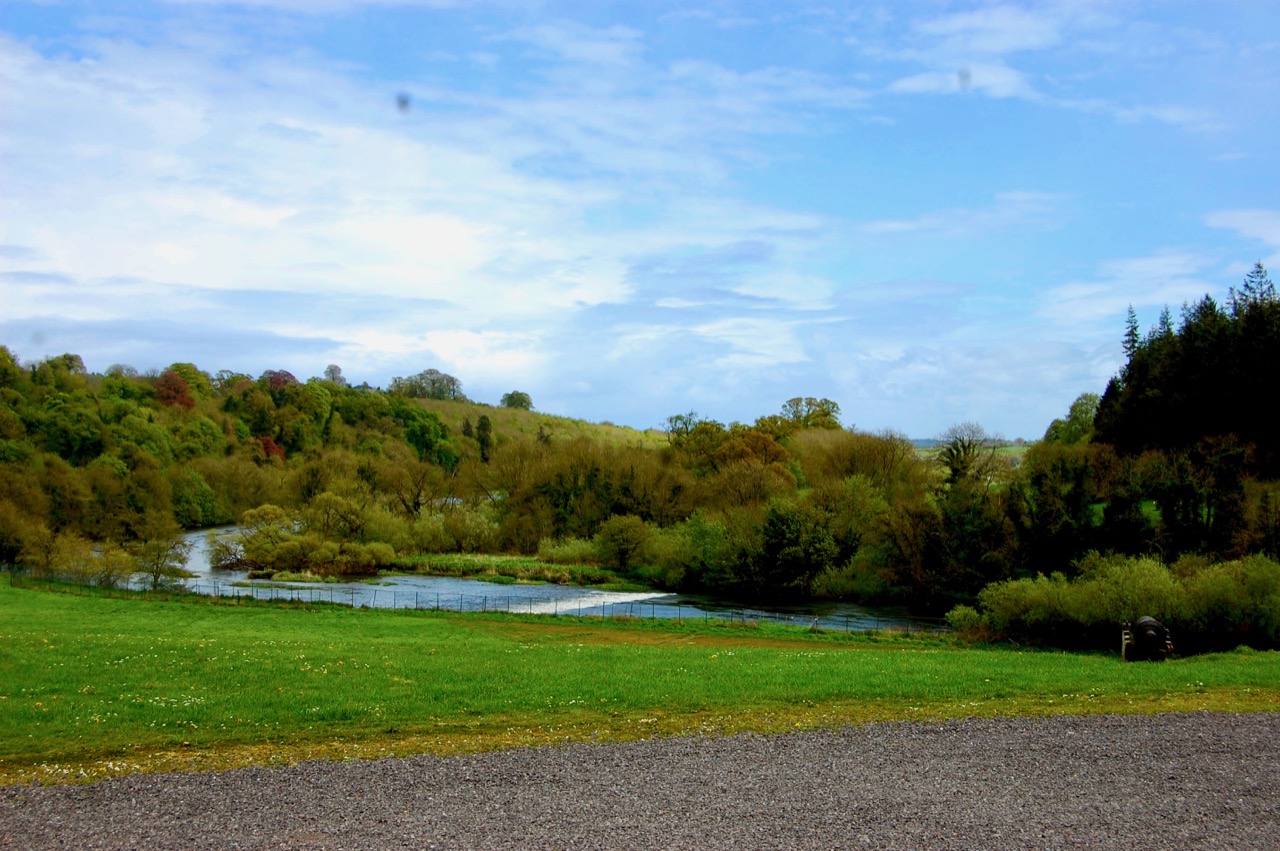
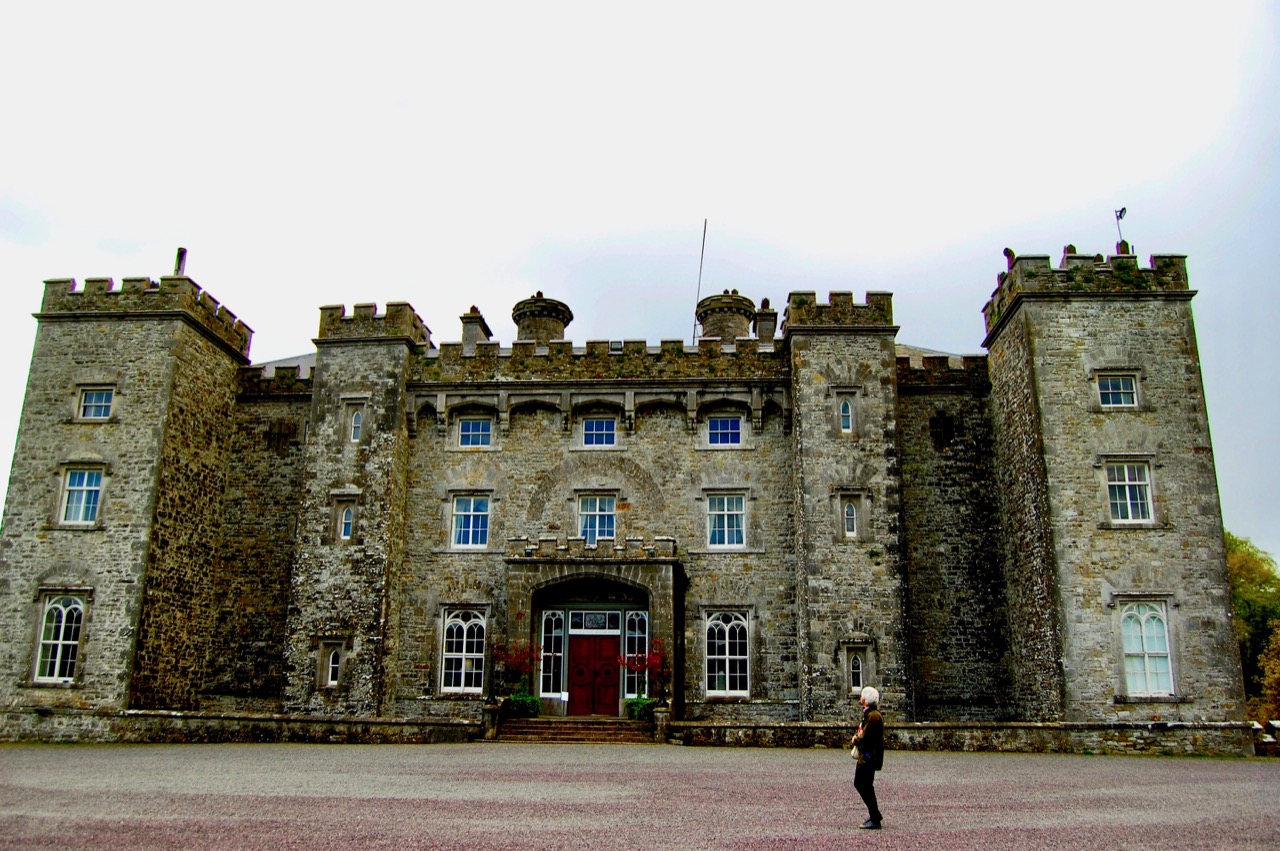
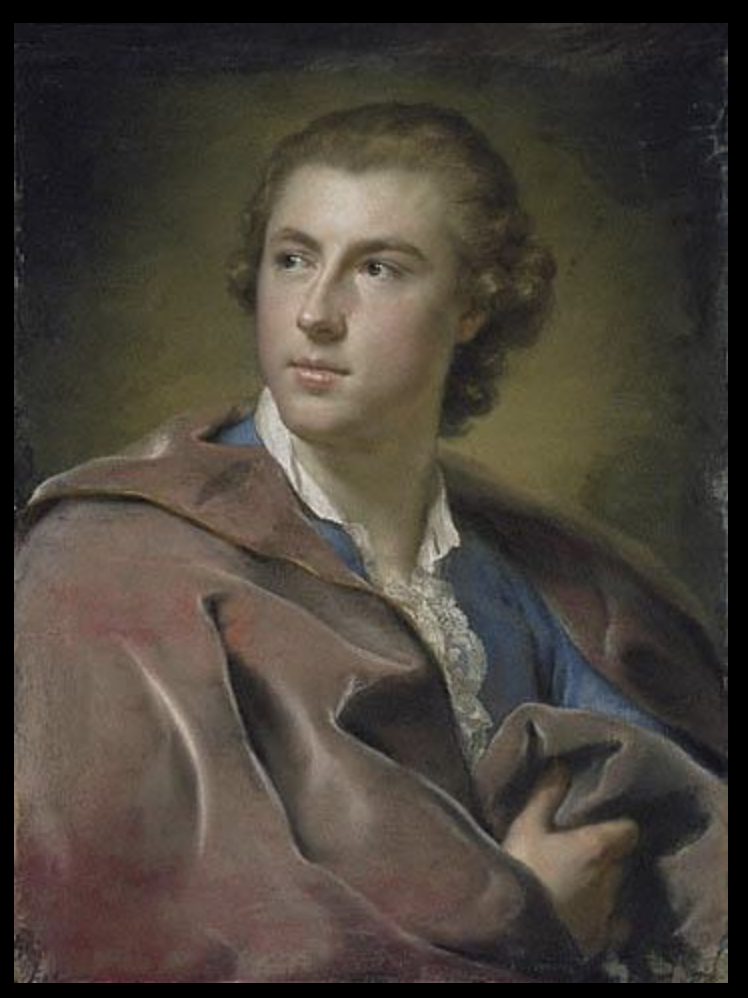
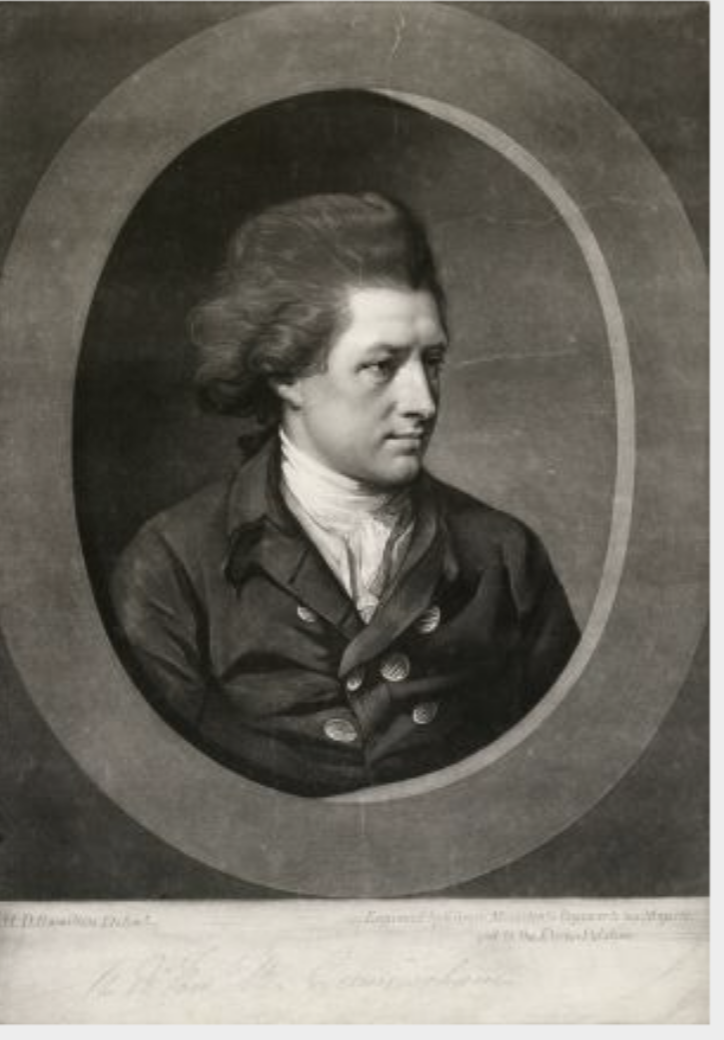
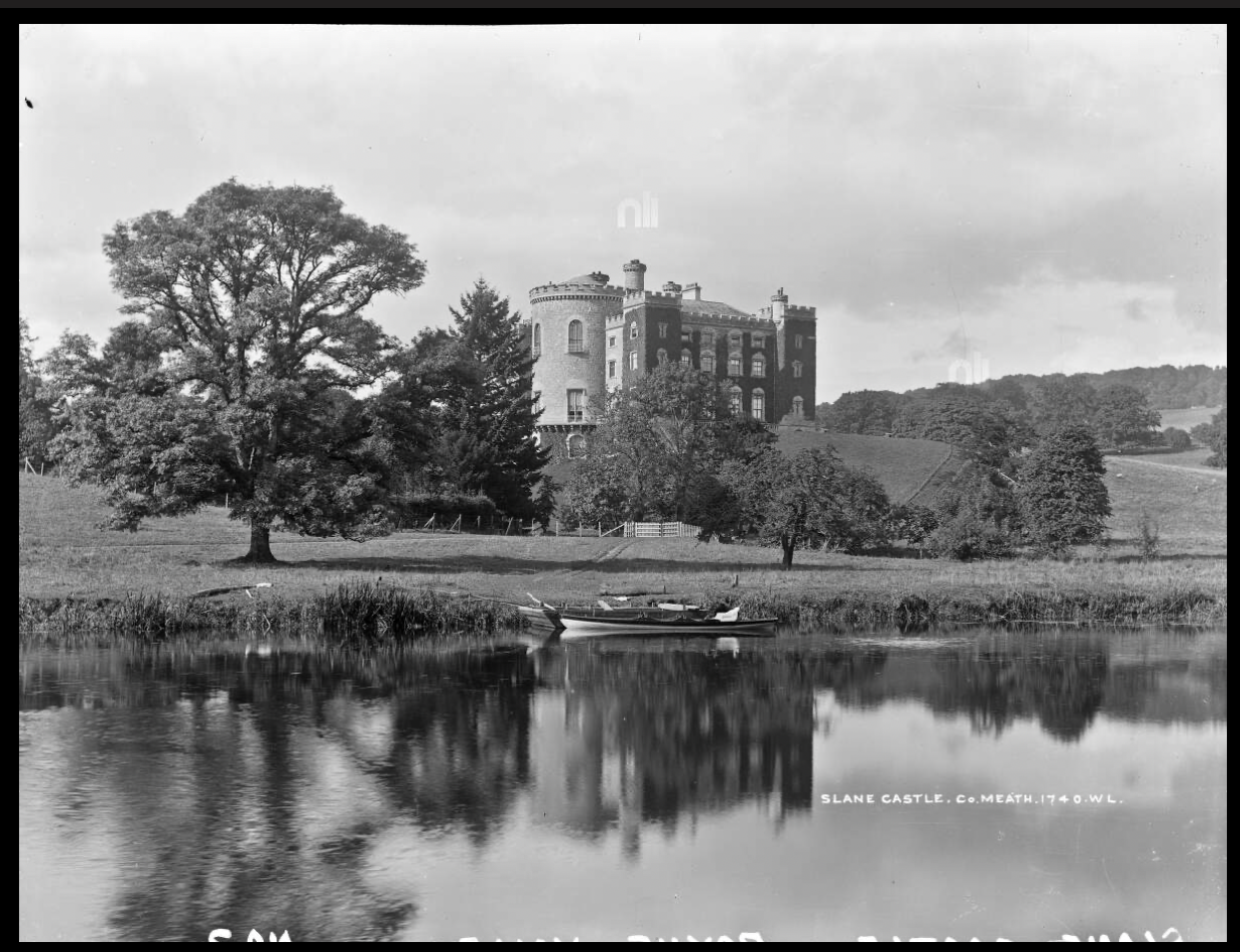
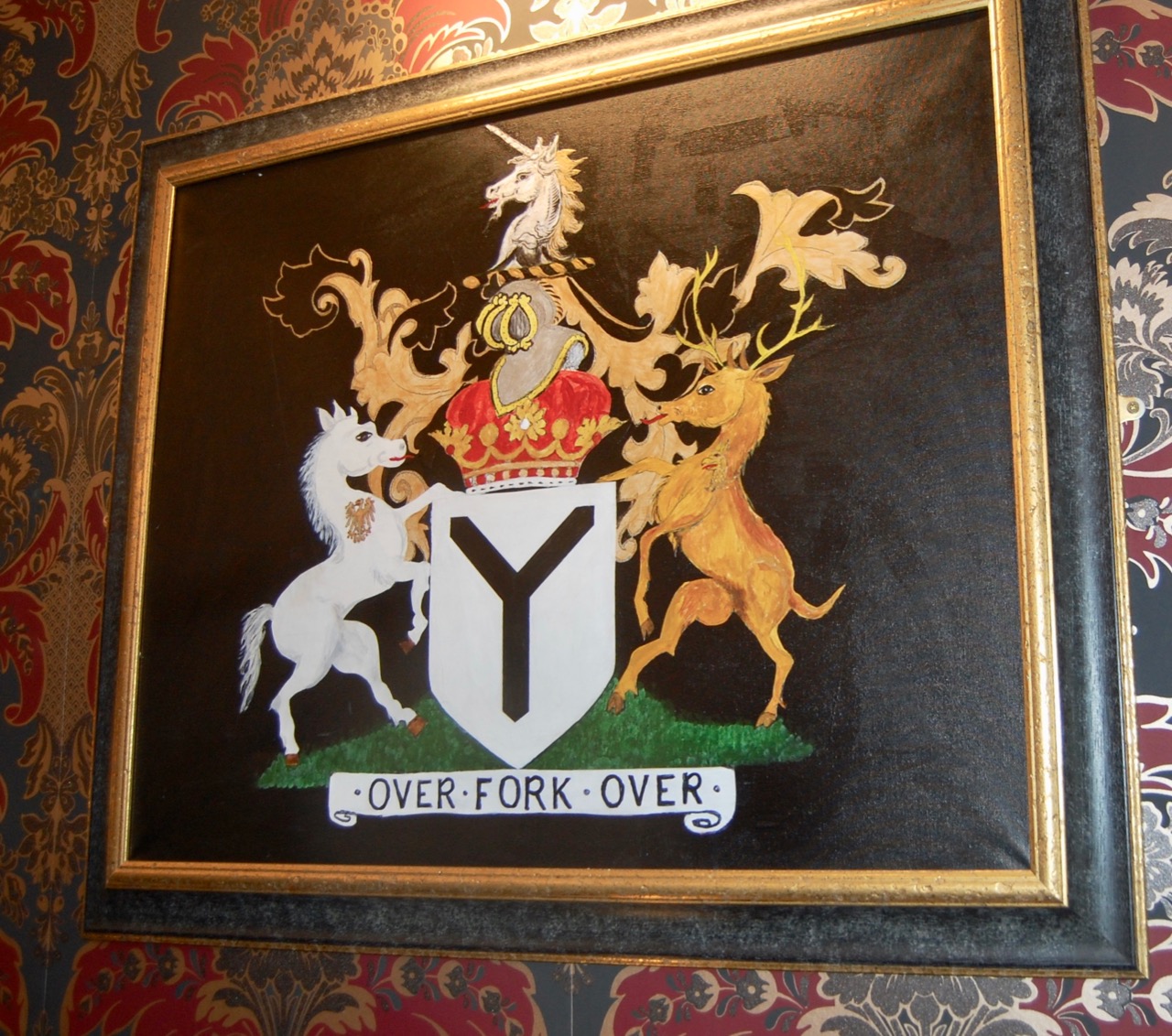
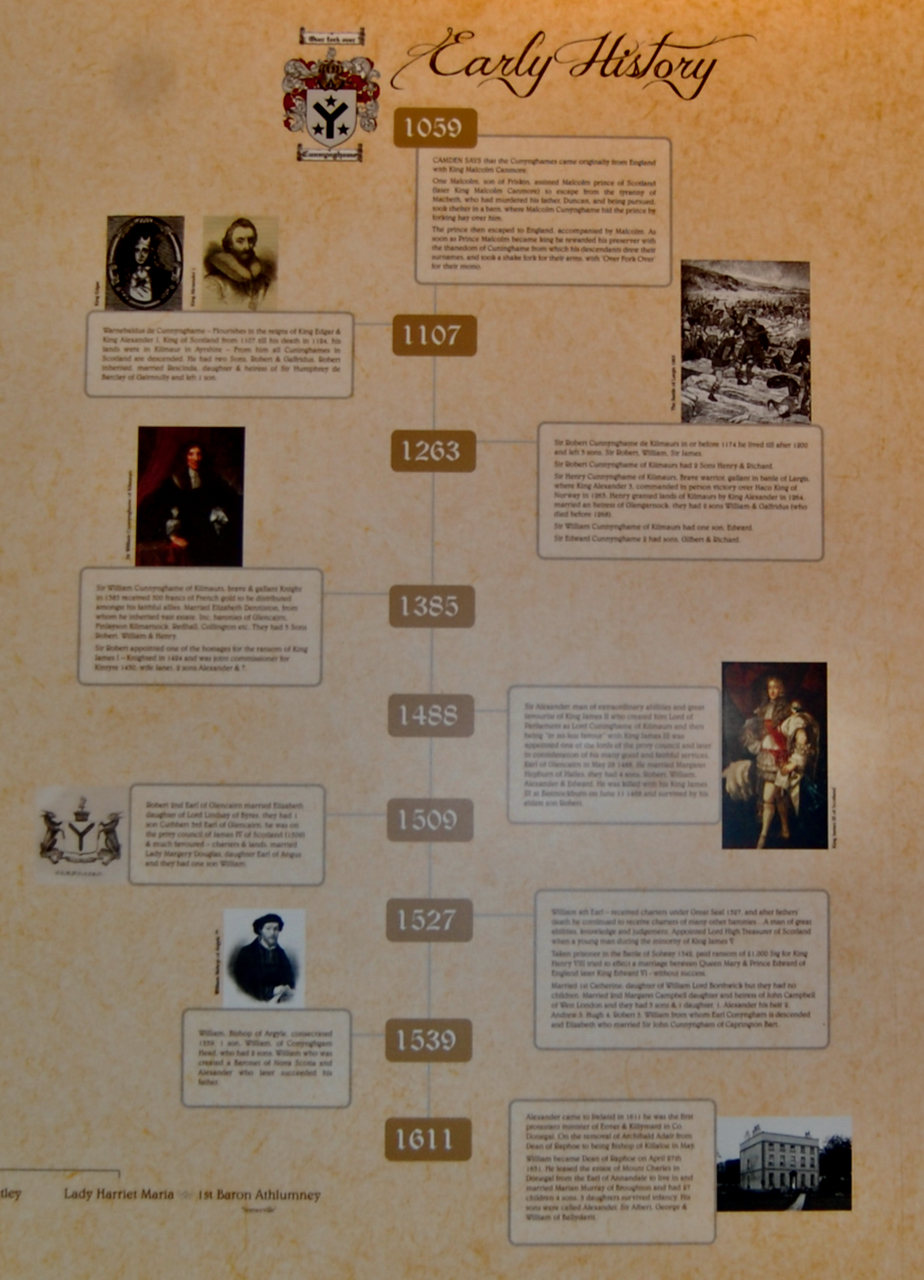
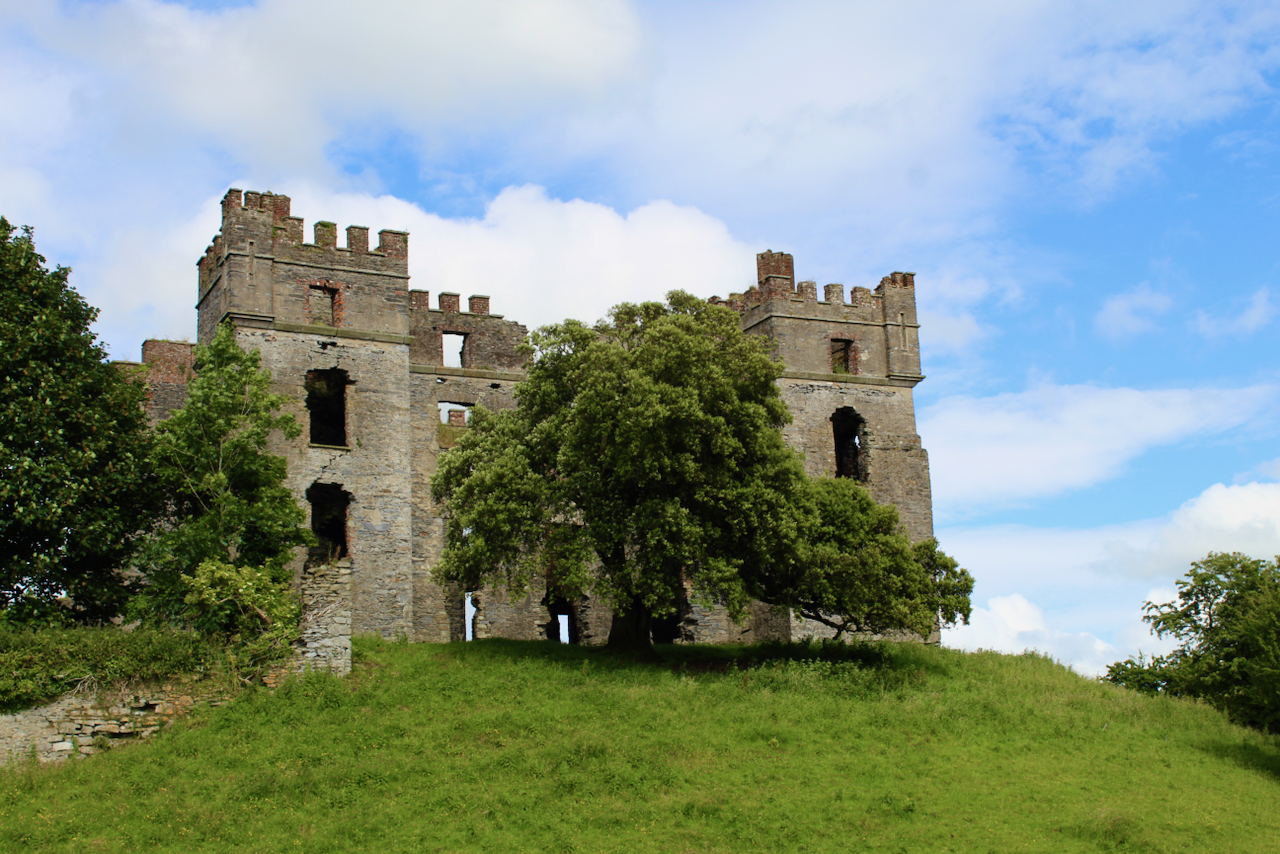
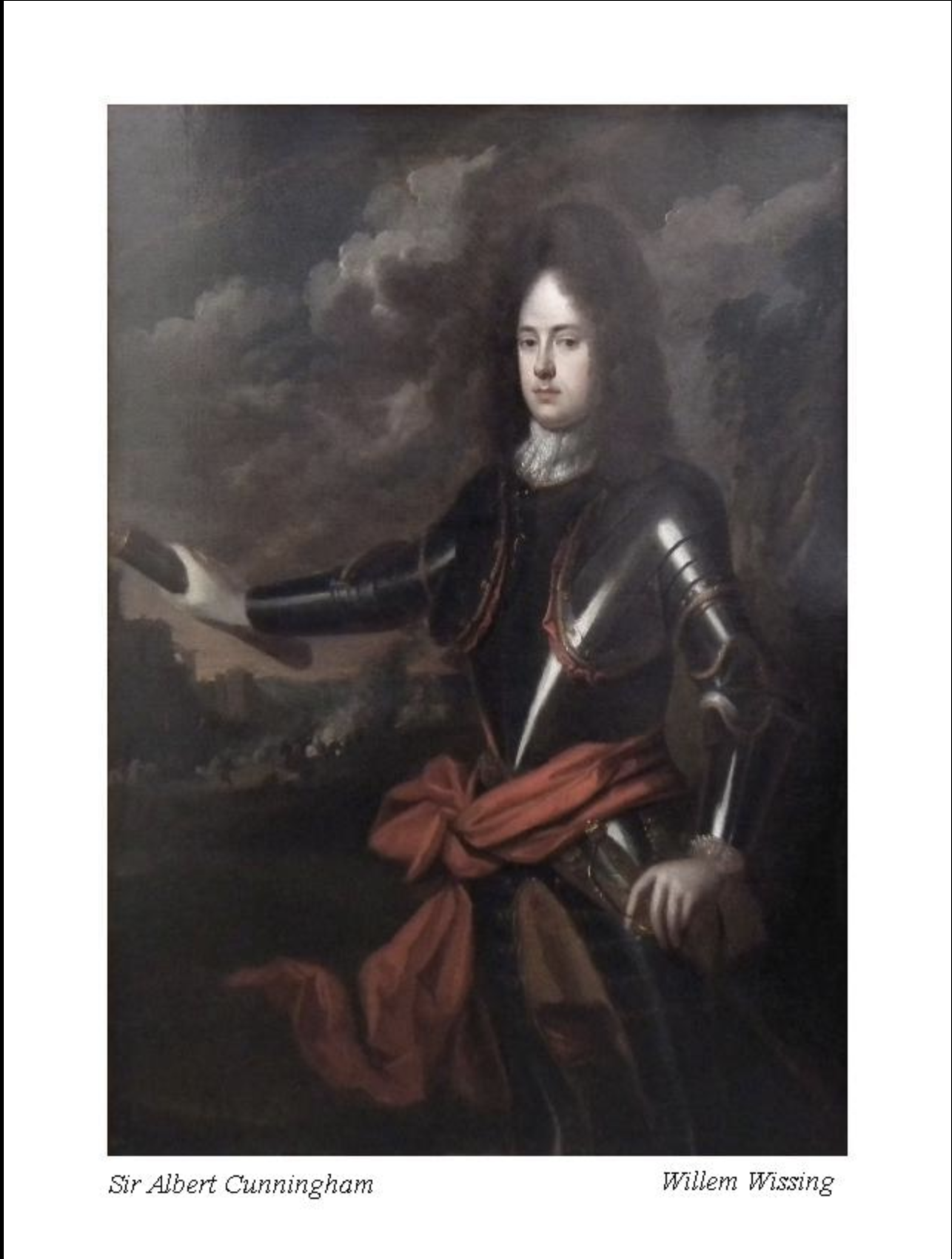
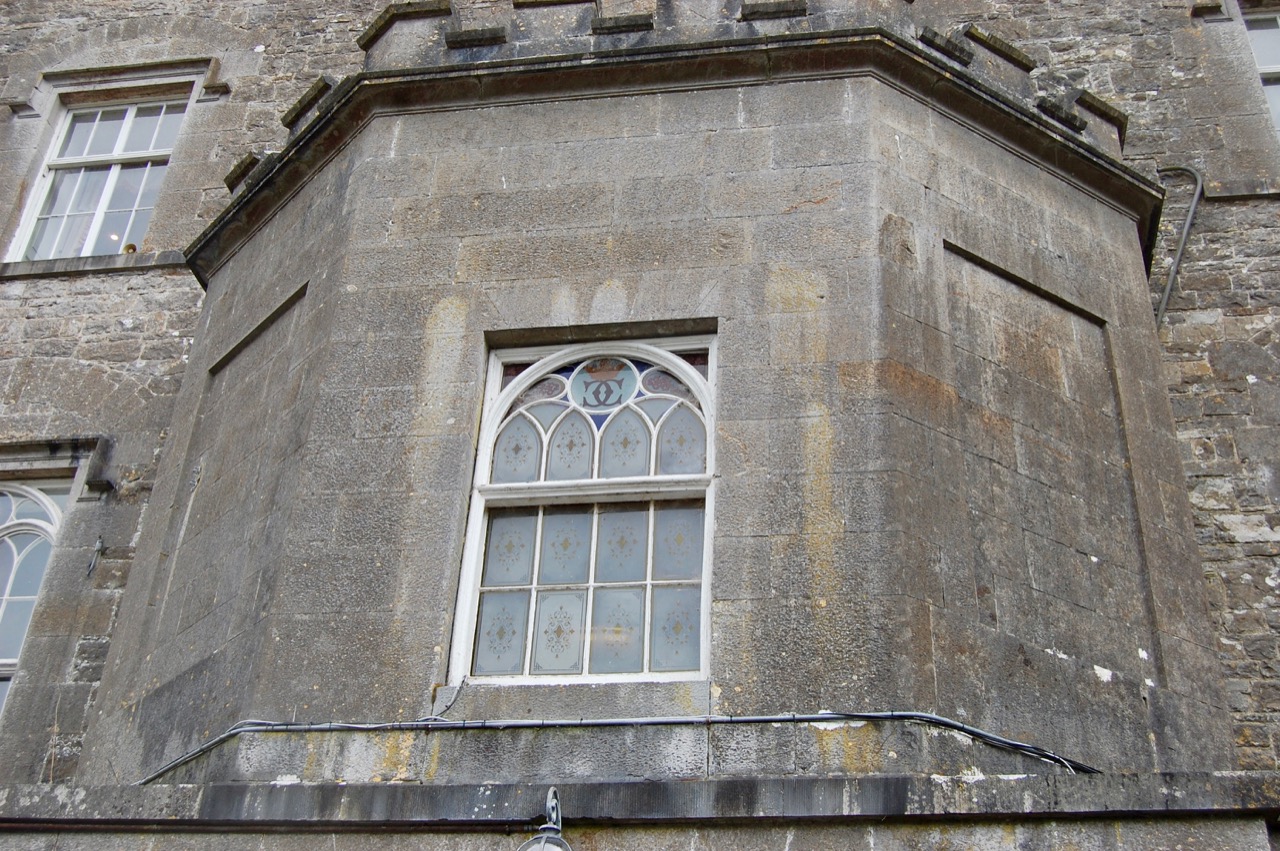
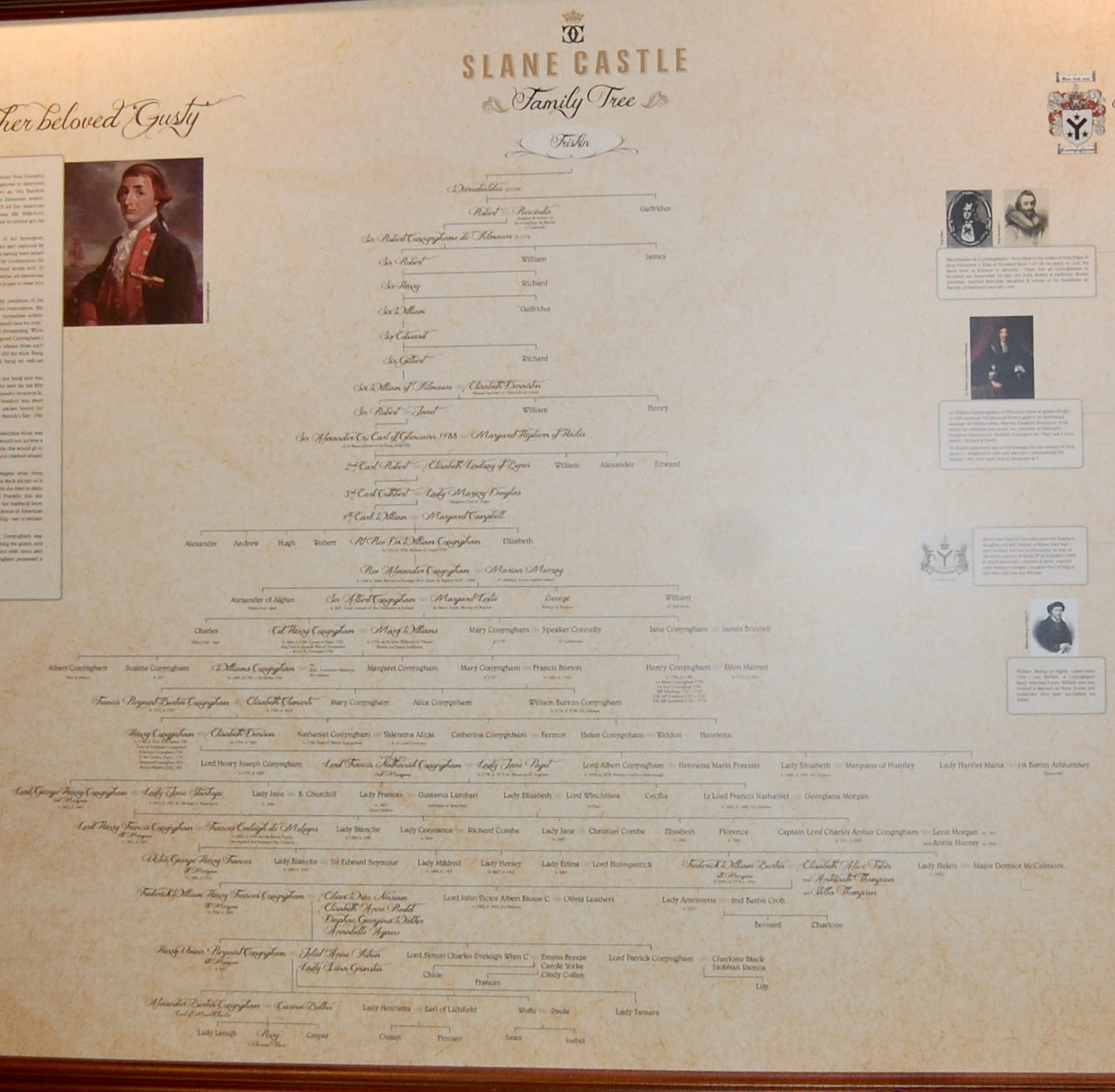
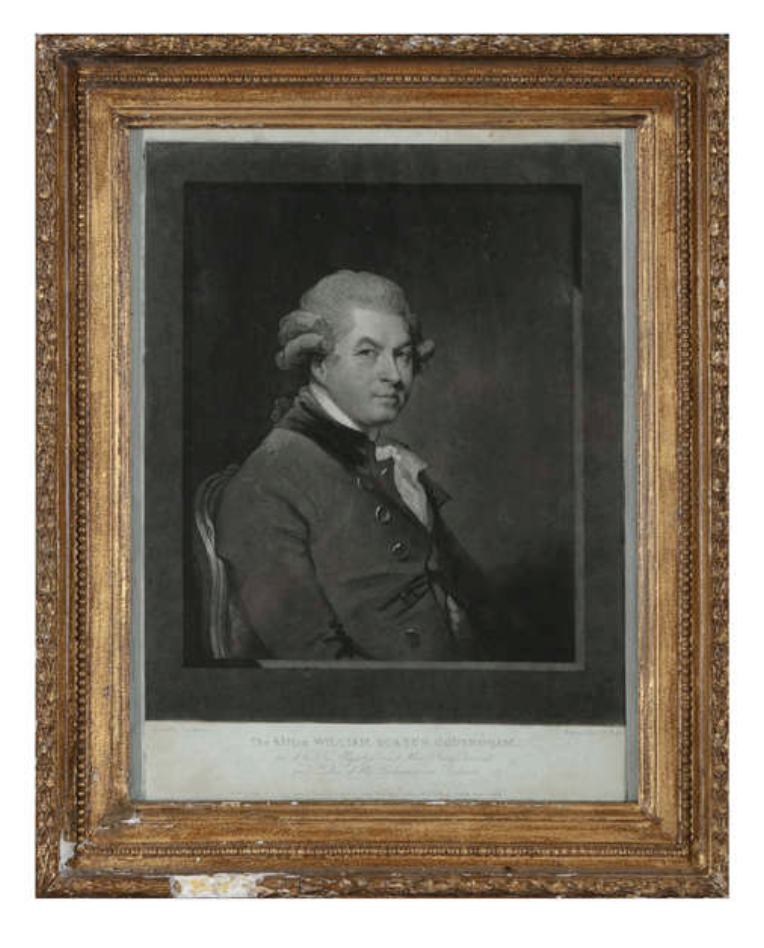


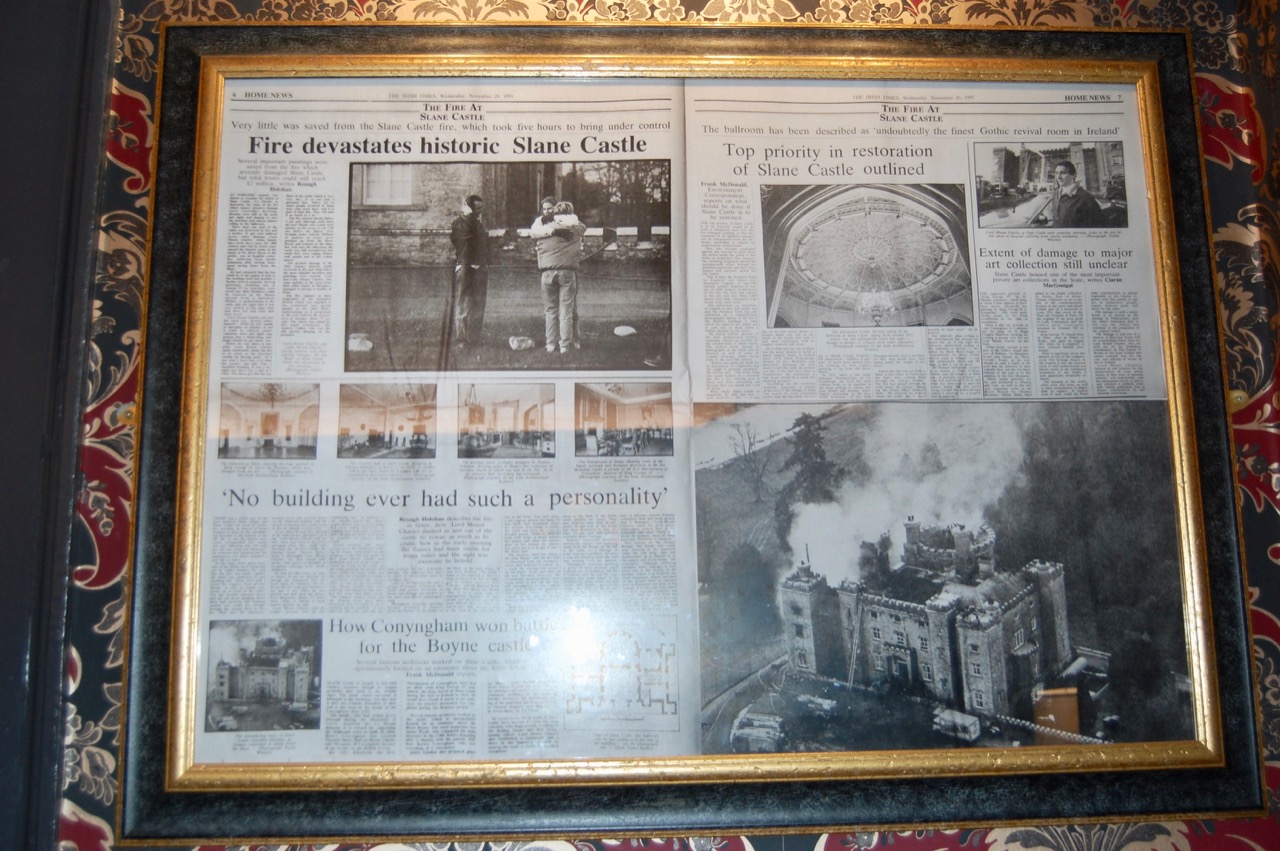


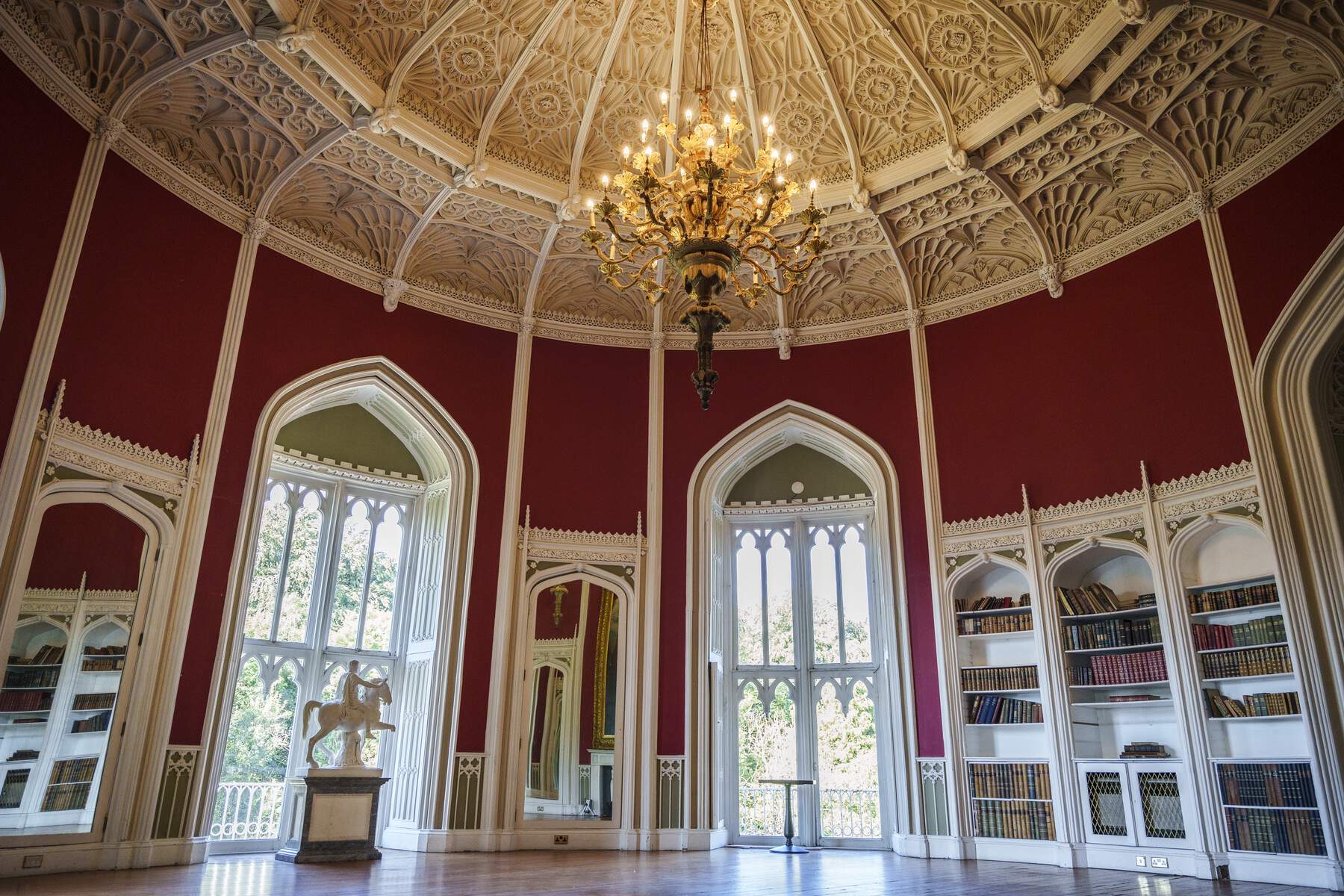
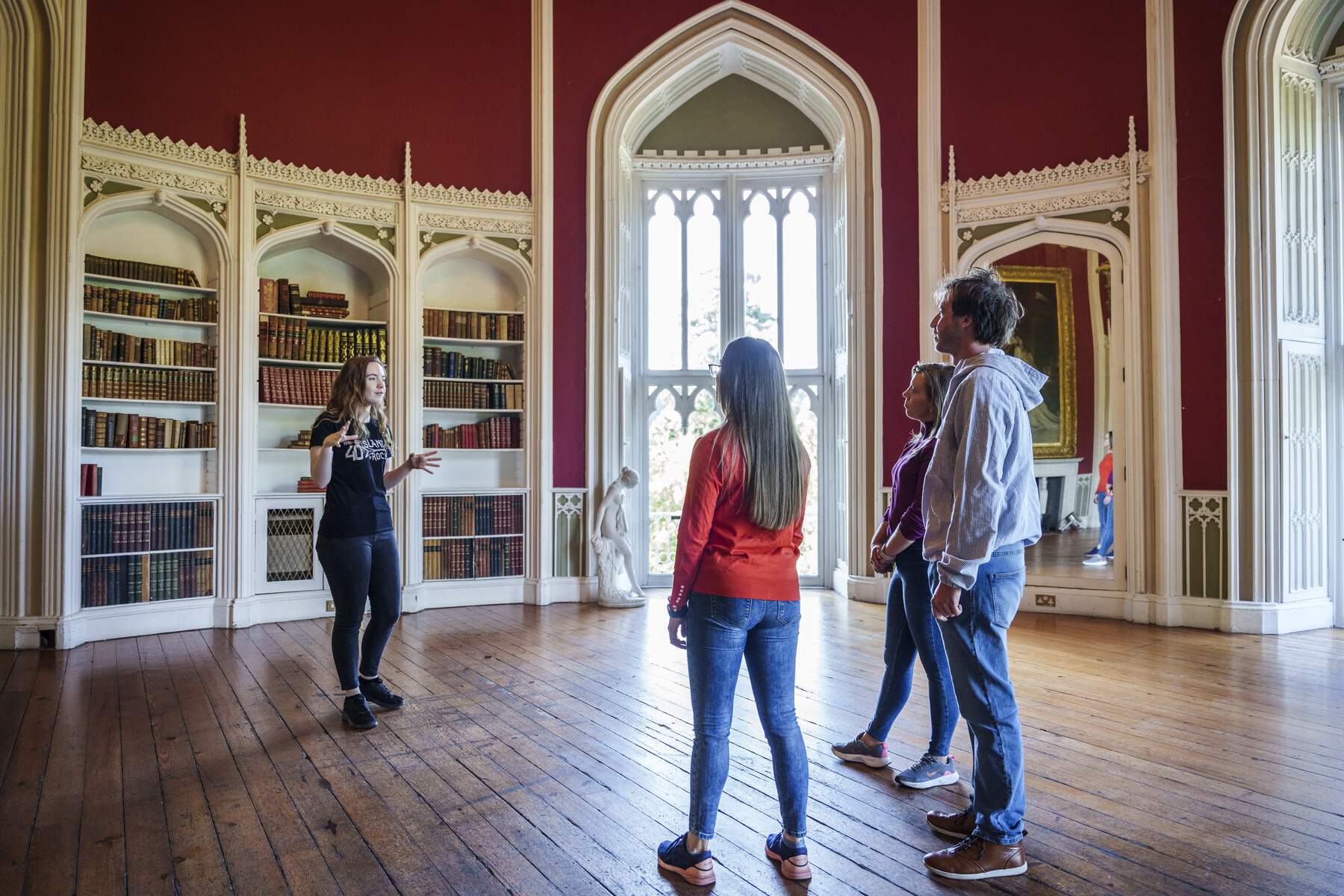
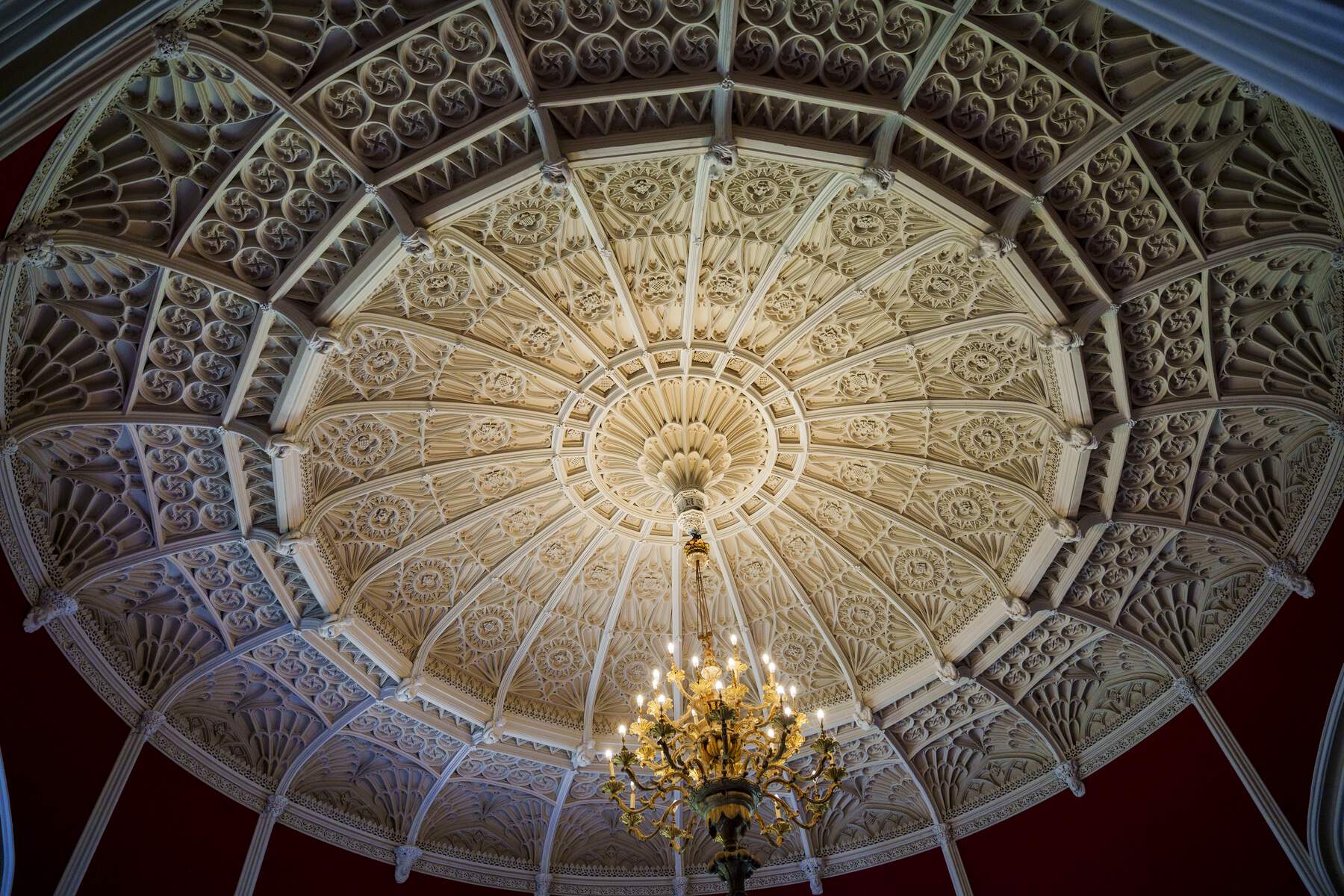
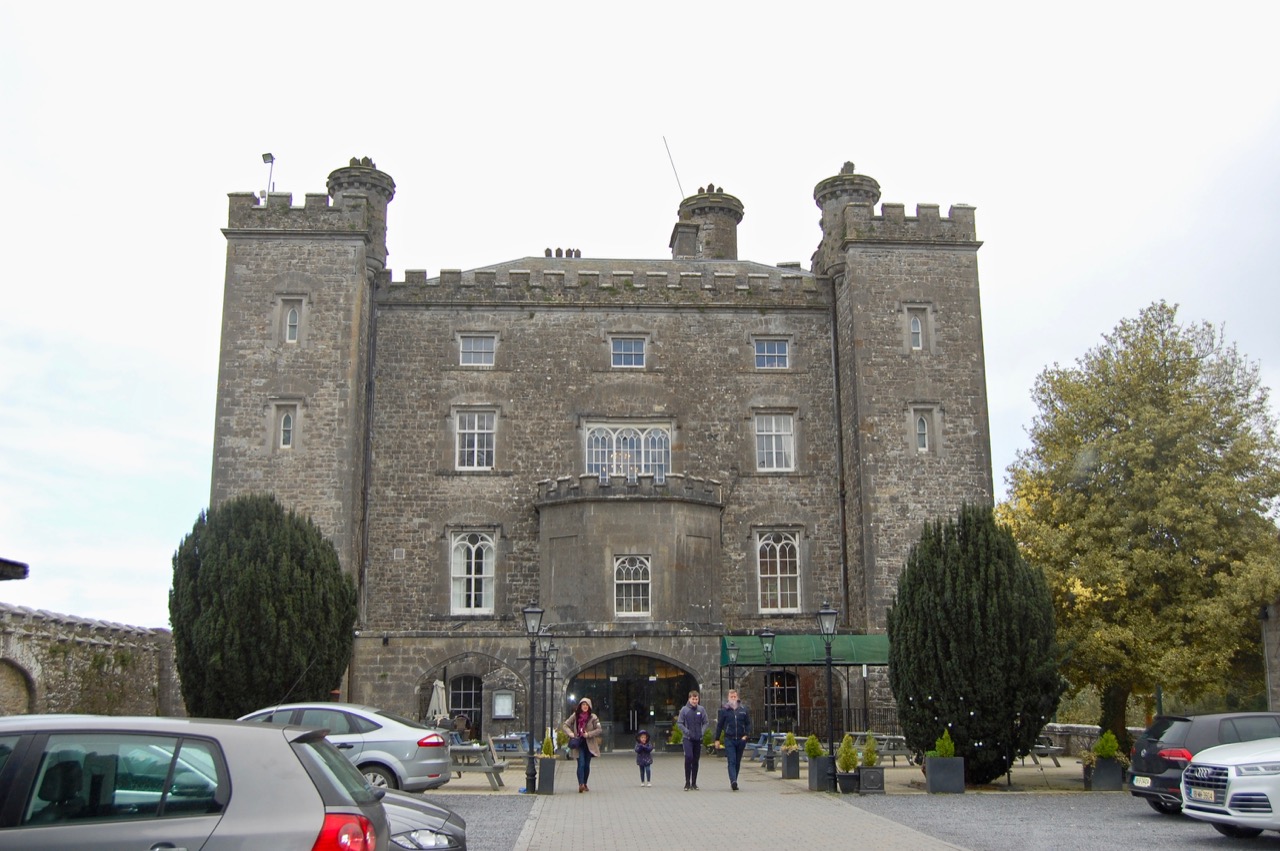


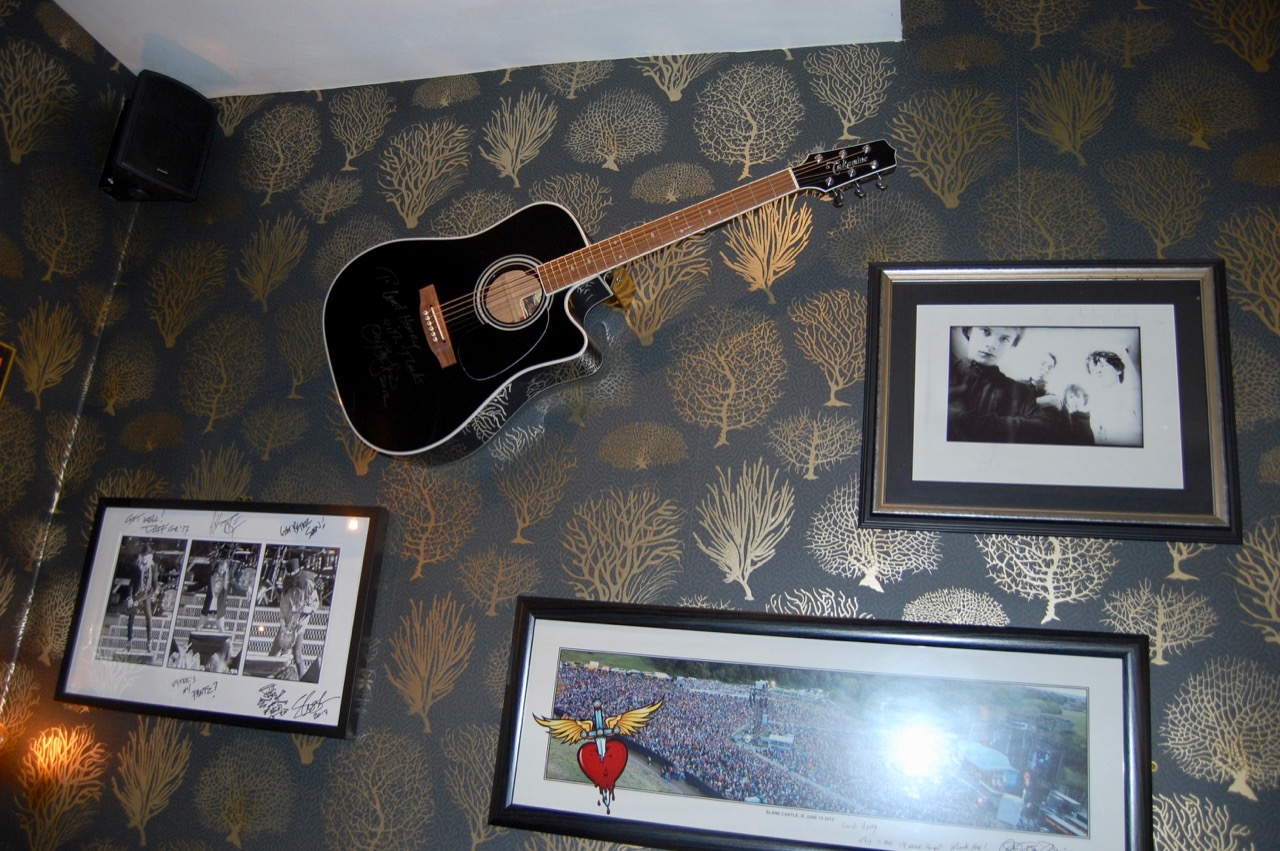


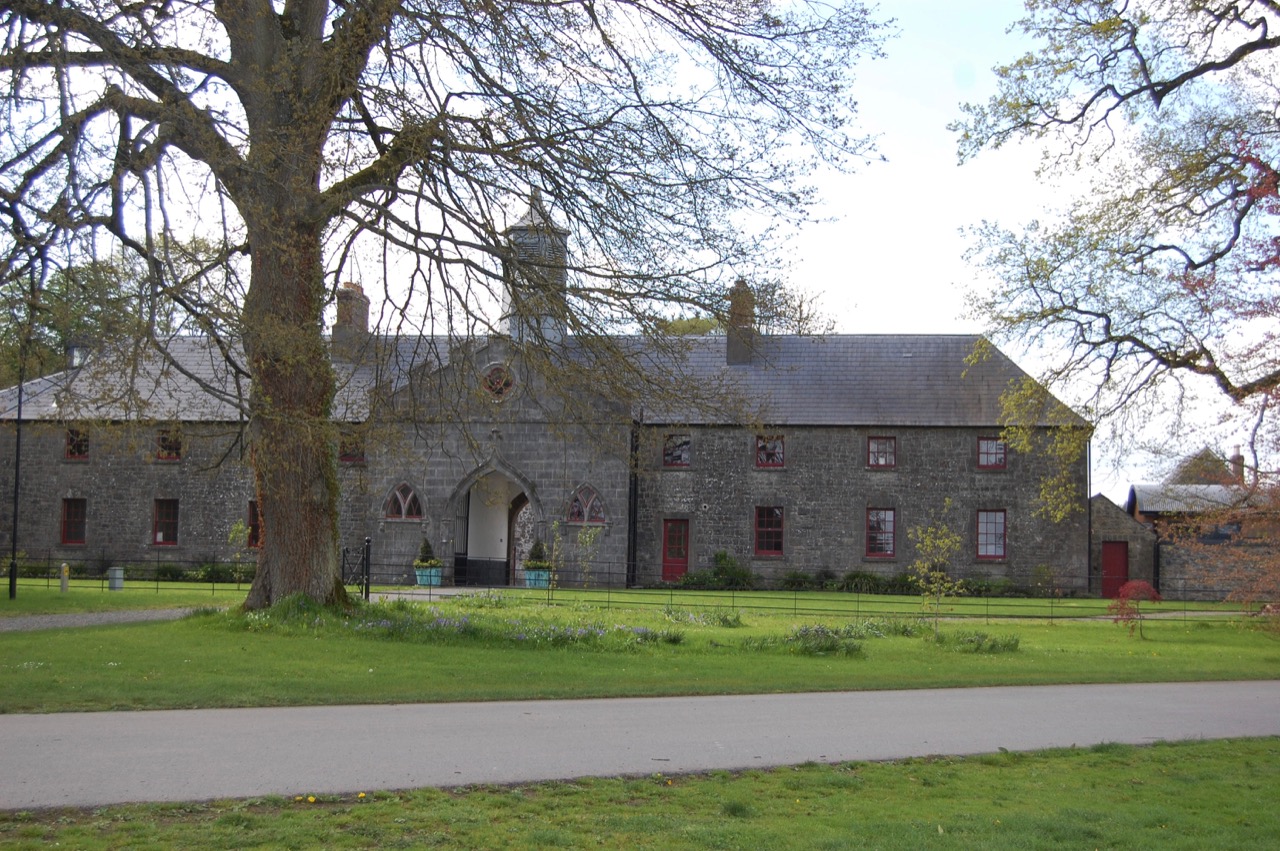
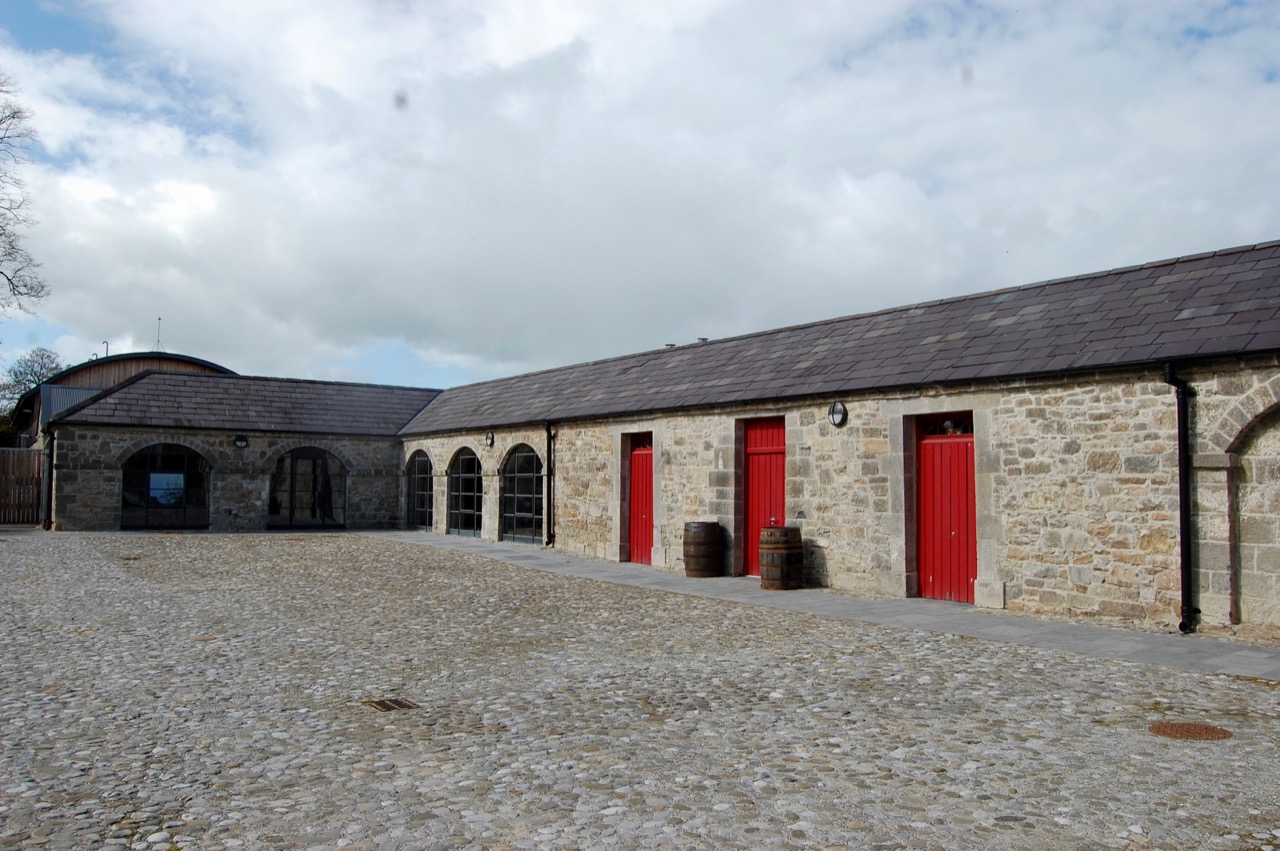


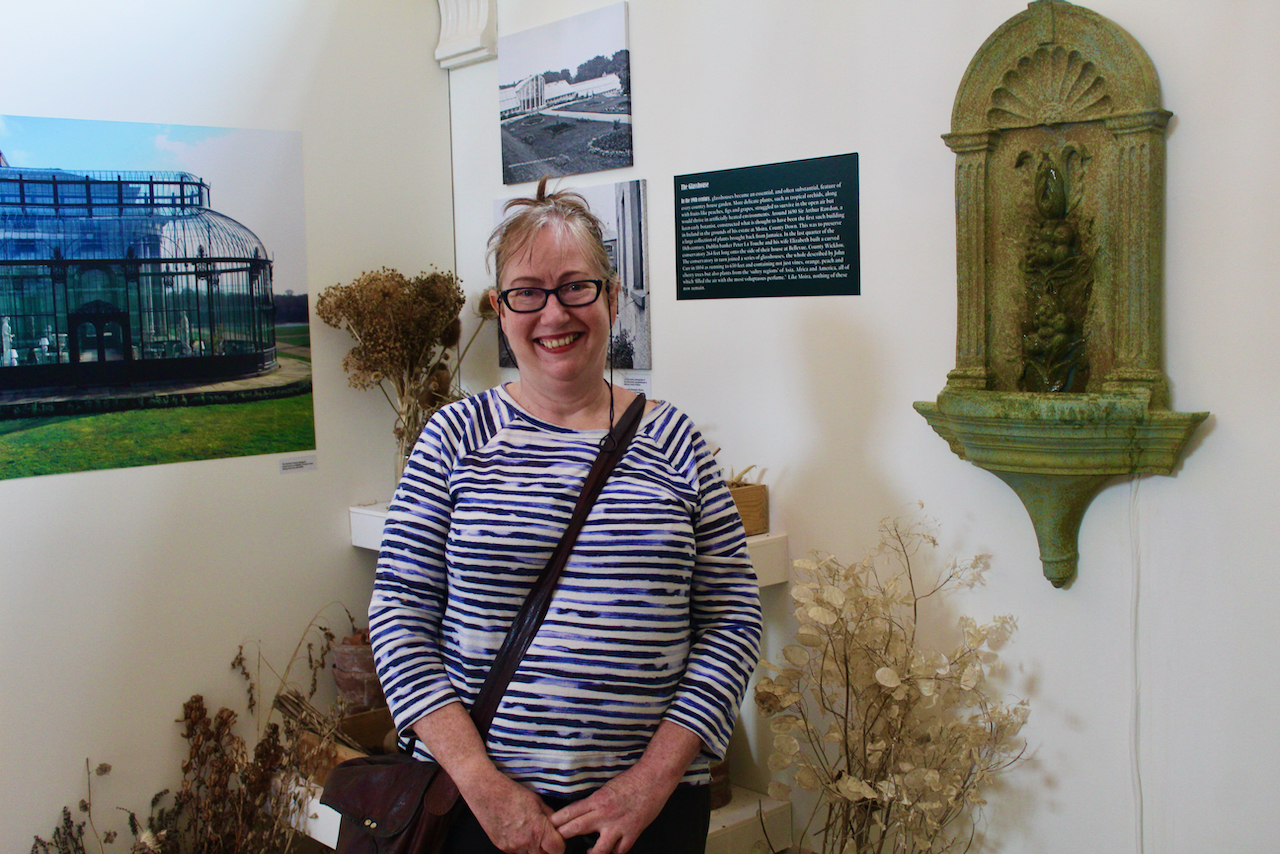
 Irish Historic Houses