Ballynastragh, Gorey, Co Wexford
Mark Bence-Jones. A Guide to Irish Country Houses (originally published as Burke’s Guide to Country Houses volume 1 Ireland by Burke’s Peerage Ltd. 1978); Revised edition 1988 Constable and Company Ltd, London.

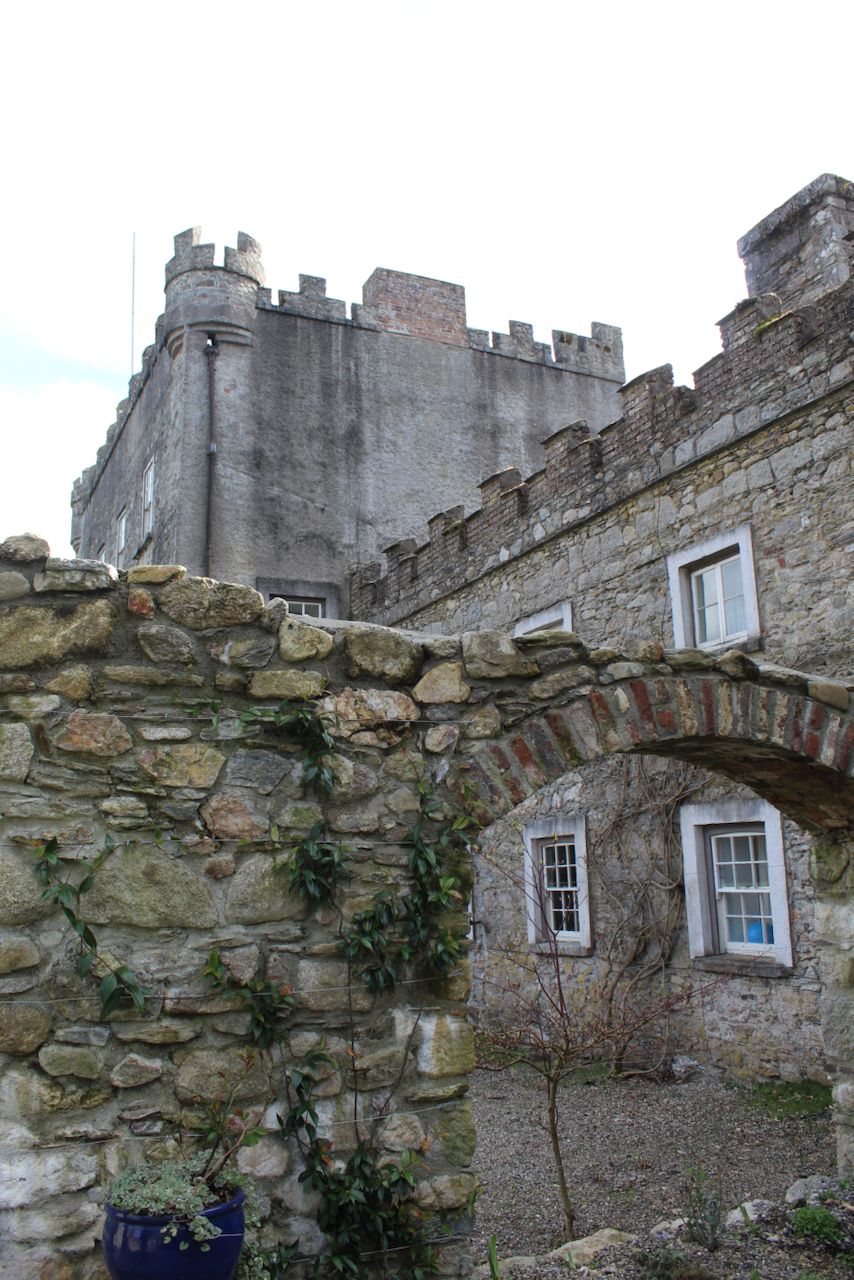
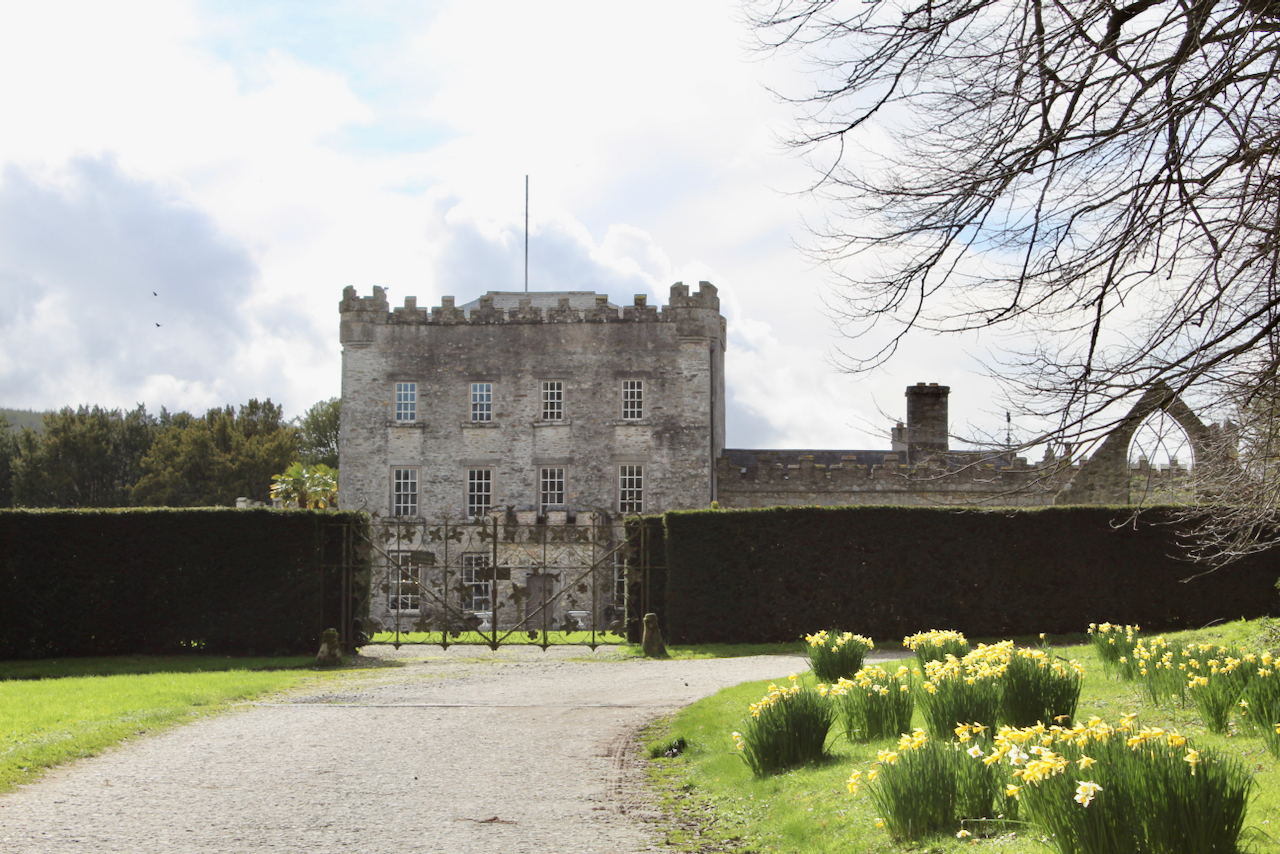
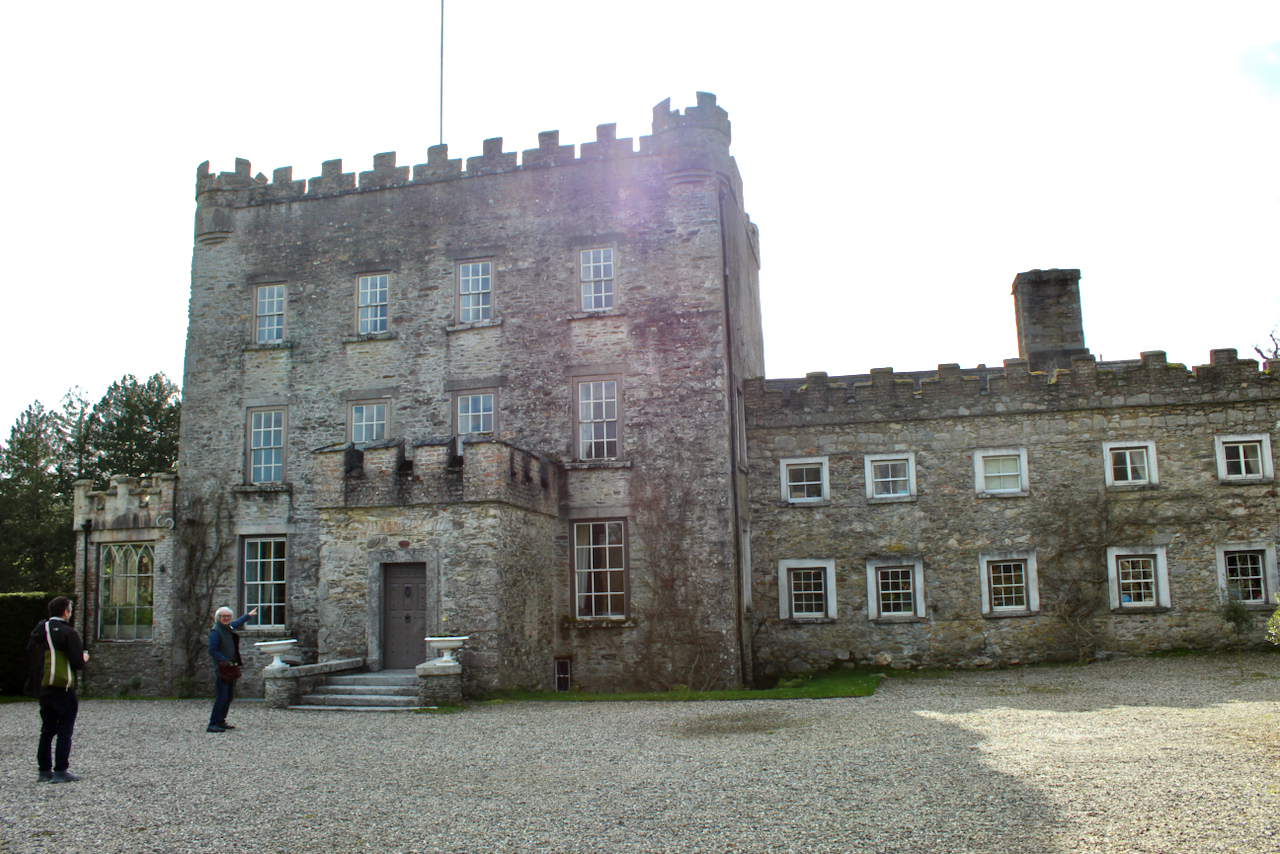
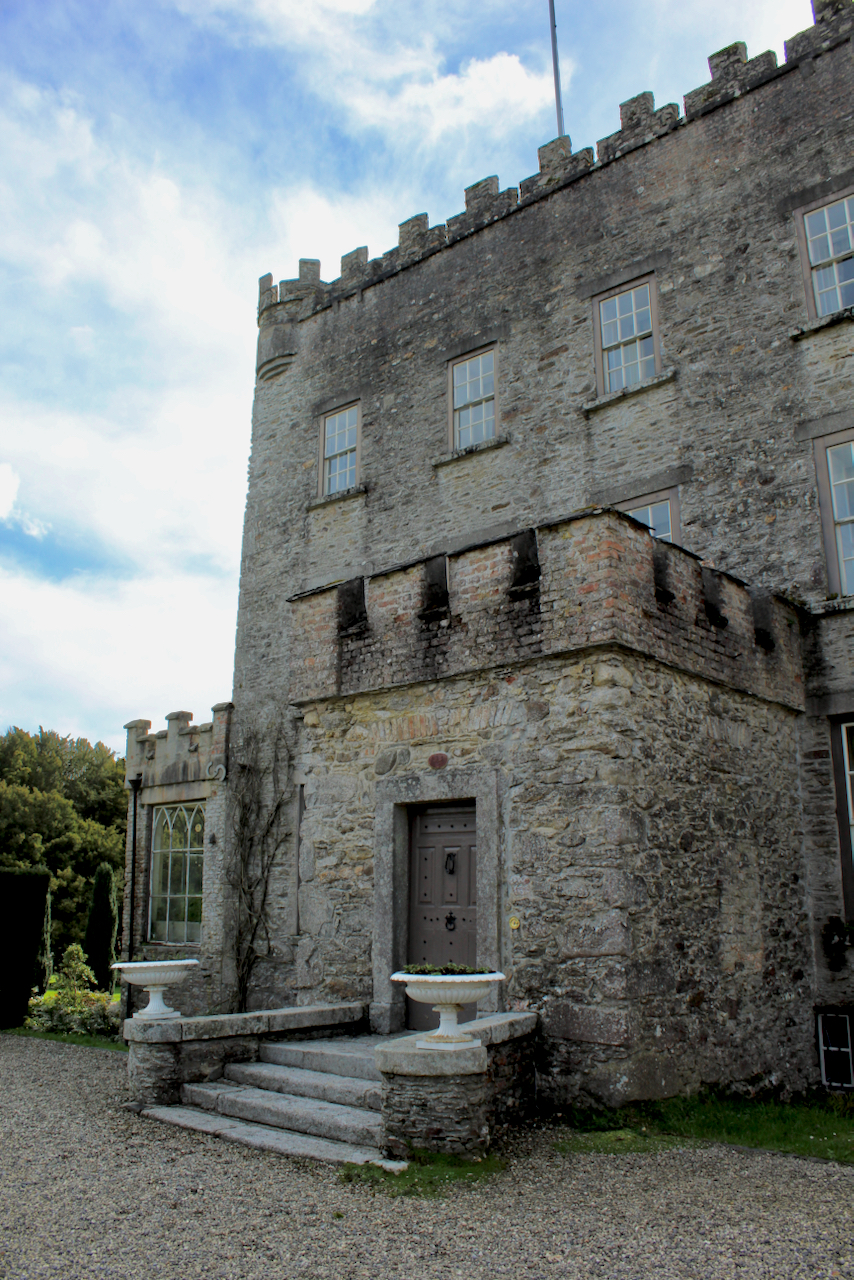
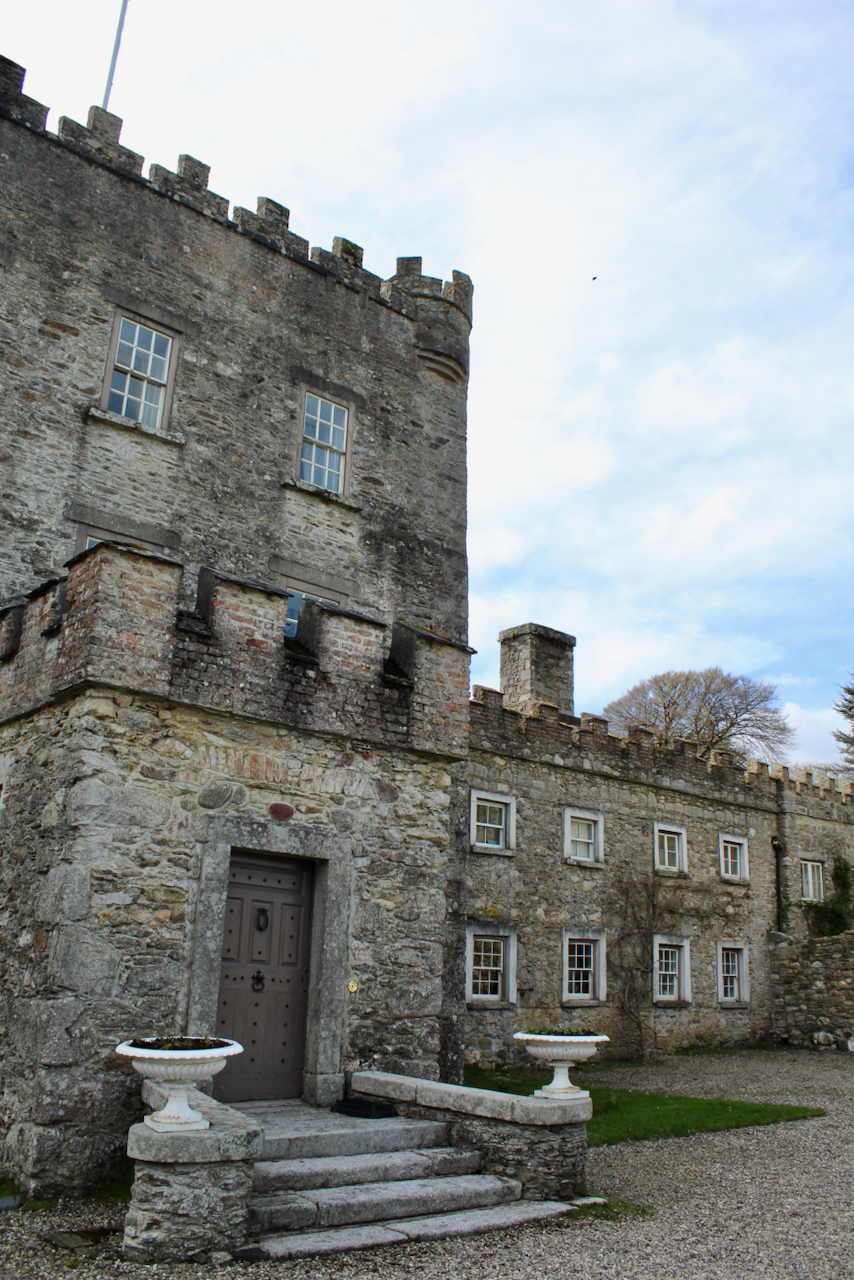
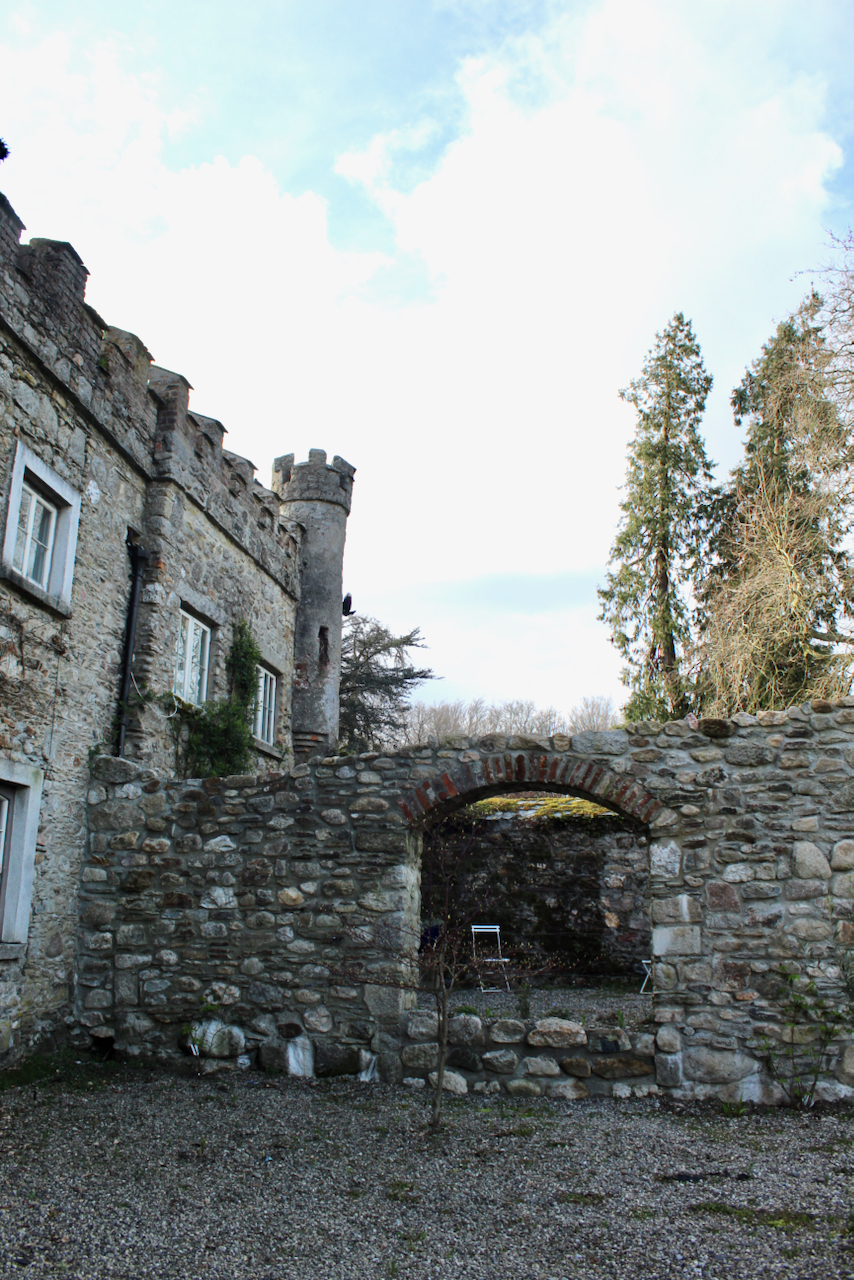
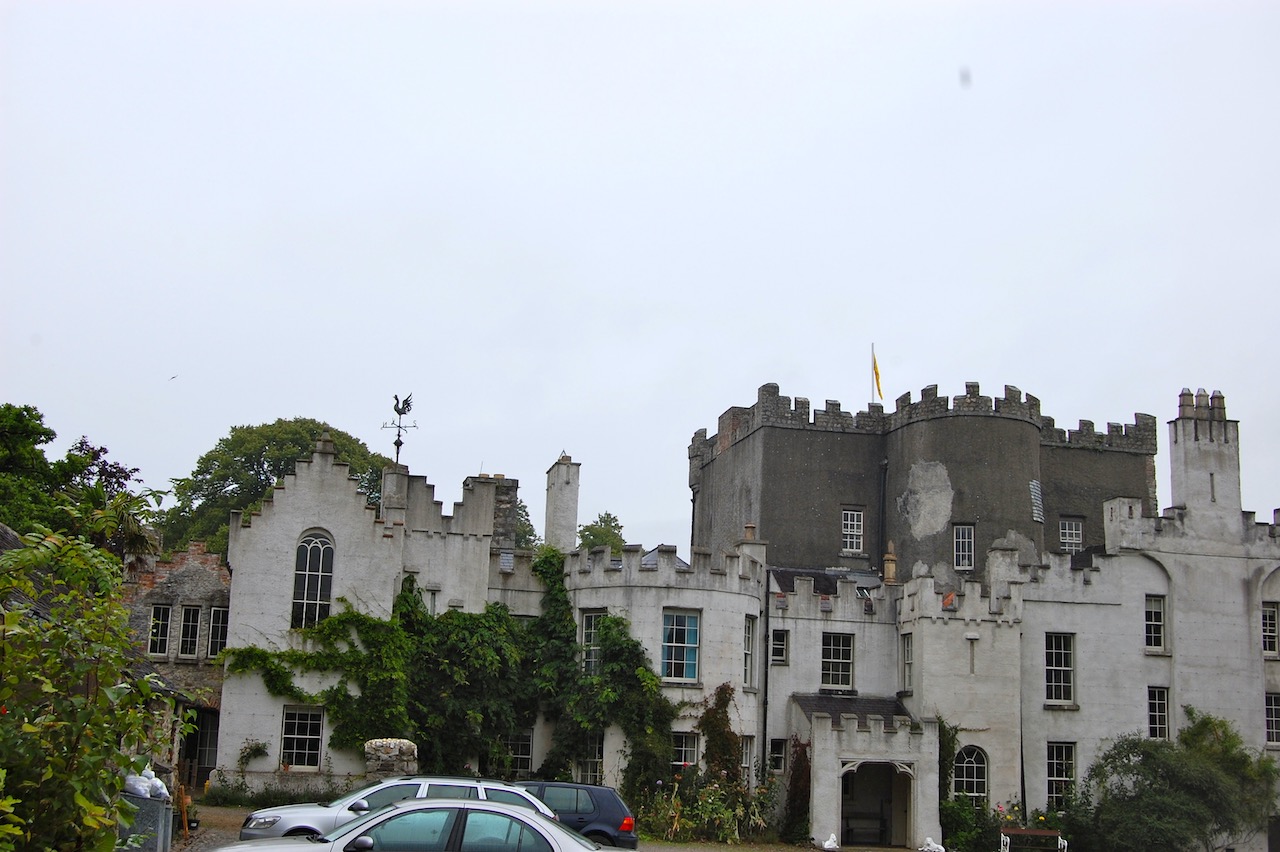
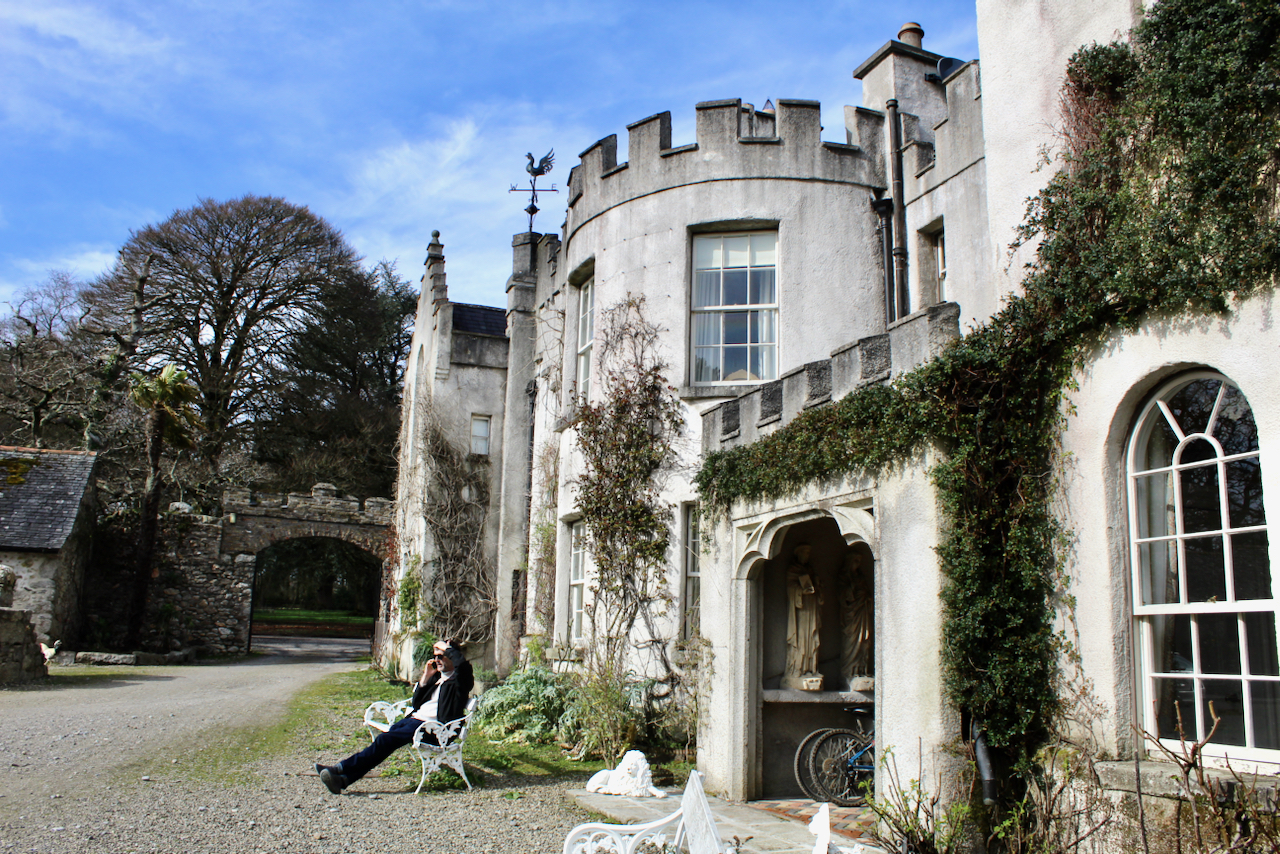
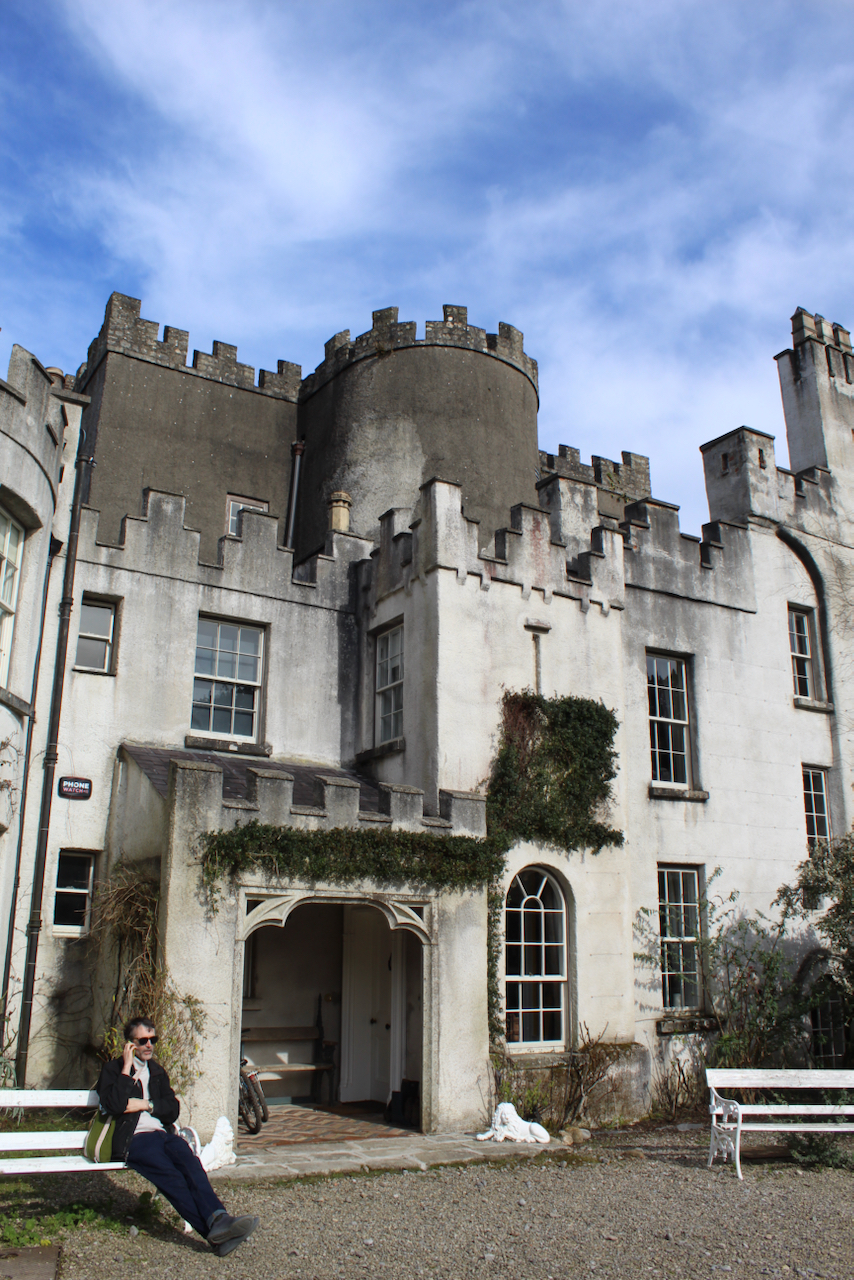
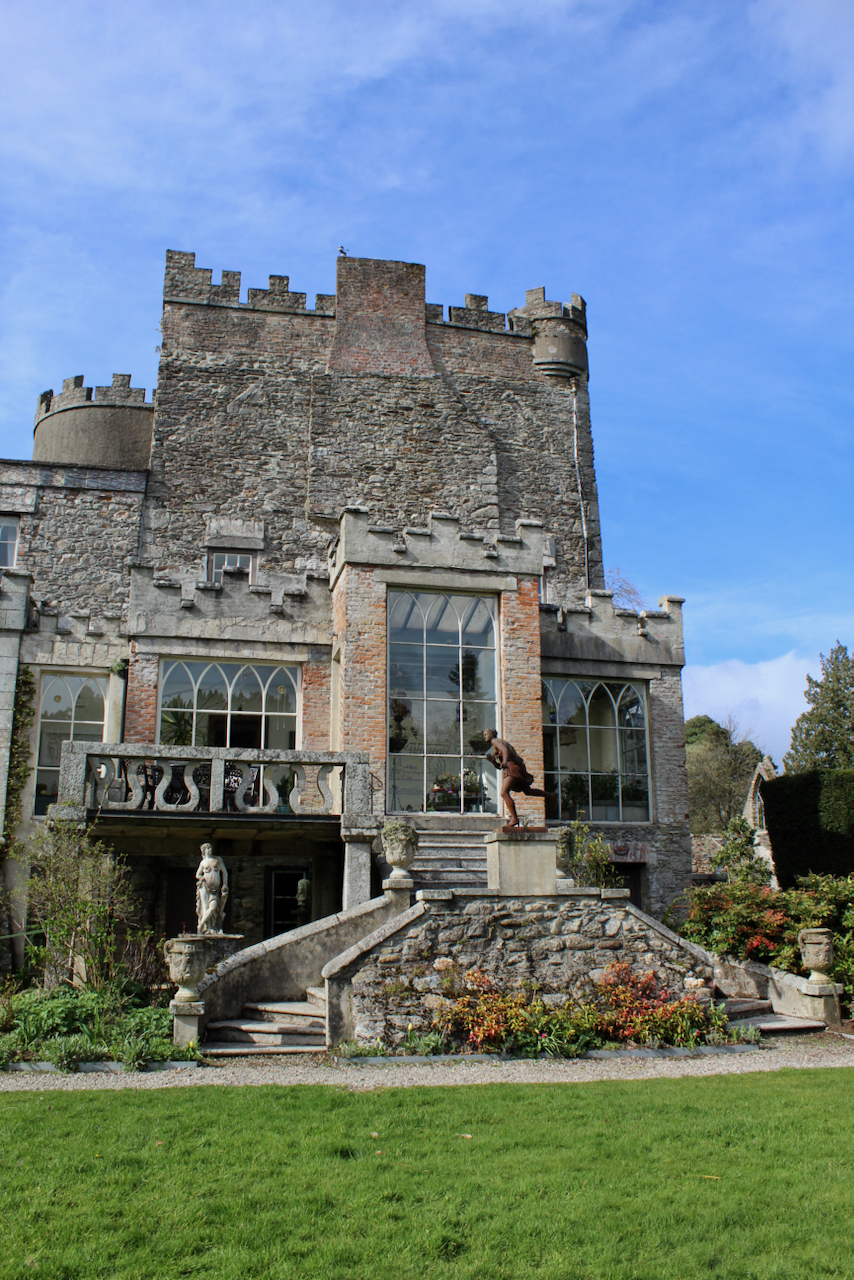
p. 26. [Esmonde, Bt/PB] Originally a seventeenth century house, built by James Esmonde; enlarged and modernized by Sir Thomas Esmonde, 8th Baronet, probably soon after he succeeded in 1767; so that it became a house of mid-C18 appearance, of three storeys over basement. Handsome seven bay front with three bay breakfront; niche with statue in centre, above entrance door; parapeted roof; good quoins; statues at ends of area parapet. Various alterations were carried out by Sir Thomas Esmonde, 9th Bt, between 1803-1825, including, probably, the addition of the single-storey Doric portico on the entrance front. Later in 19C, the house was embellished and slightly castellated; probably in two phases; the architect, in any case, being George Ashlin. A slender five storey battlemented tower was added on one side, and a projection with round-headed windows on the other. The parapet of the roof, as well as that of the portico, was battlemented. The garden front was given two Victorian three sided bows, of a style very characteristic of Ashlin, with three tiers of pilasters. The house was burnt 1923 and replaced 1937 by a new house in the Georgian style to the design of Mr. Dermot Gogarty, (son of Oliver St John Gogarty, of Renvyle), who worked under Lutyens; and a connection of the Esmonde family. It is of brick, two storeys and five bays; with a high-pitched sprocketed roof and a verandah recessed under the upper storey.”

Listed in Vanishing Country Houses of Ireland by The Knight of Glin, David J. Griffin and Nicholas K. Robinson, published by The Irish Architectural Archive and The Irish Georgian Society, 1988.
p. 149. (18th C house) “A three storey mid 18C house built by Sir Thomas Esmonde incorporating some 17C work. The single storey Doric portico may date from the early 19C. Battlements were added to the house later in the 19C and further alterations were carried out to the design of George Ashlin. Burnt in 1923. A very attractive modern house designed by Dermot Gogarty was built in 1937.”

http://lordbelmontinnorthernireland.blogspot.com/2018/08/ballynastragh-house.html
THE ESMONDE BARONETS OWNED 3,533 ACRES OF LAND IN COUNTY WEXFORD
This family is of very ancient establishment in County Wexford, where we find John Esmonde was consecrated Bishop of Ferns in 1349.
The immediate founder of the present house,
JAMES ESMONDE, of Johnstown, County Wexford, with whom the Visitation of Wexford by Daniel Molyneux, Ulster King of Arms, begins, married Isabel, daughter of Thomas Rosseter, of Rathmacknee Castle, and was father of
LAURENCE ESMONDE, of Johnstown, who wedded Eleanor, daughter of Walter Walsh, of the Mountains, by whom he had two sons, and was succeeded by the elder,
WILLIAM ESMONDE, who espoused Margaret, daughter of Michael Furlong, of Horetown, and had, with seven daughters, four sons,
Robert;
LAURENCE, of whom presently;
James;
Patrick.
The second son,
SIR LAURENCE ESMONDE (1565-1645), Knight, abandoning the ancient creed of his ancestors, declared himself a partisan of ELIZABETH I, and a convert to protestantism.
Sir Laurence was elevated to the peerage in 1622, in the dignity of BARON ESMONDE, of Lymbrick, County Wexford.
During one of his campaigns in Connaught, having fallen in love with Margaret, the beautiful daughter of Murrough O’Flaherty, of Connemara, he reputedly married her, and had a son, THOMAS.
It happened, however, that Lady Esmonde, a devout Roman Catholic, fearing that her child might be brought up a Protestant, carried off the infant by stealth and returned to her family in Connaught.
This act of maternal devotion seems to have been not at all disagreeable to Sir Laurence, as affording him a pretext for casting suspicion on the legality of his union, that of a Protestant with a Catholic; yet, without resorting to legal measures to annul the marriage in due form, he some time later married Elizabeth, second daughter of the Hon Walter Butler, fourth son of James, 9th Earl of Ormonde, but by her had no issue.
His lordship died in 1645, bequeathing all his extensive estates to his only son, SIR THOMAS ESMONDE.
The severity and singularity of his case created considerable interest; and there is scarcely a doubt that, but for the melancholy state of civil war, usurpation, and destruction of property, at that period, the conduct of Lord Esmonde towards his lady, and the legality of his second marriage, his first un-divorced wife still living, upon legal investigation into the matter, and the accompanying circumstances, Sir Thomas Esmonde’s right of succession to his father’s peerage could not fail to have been acknowledged.
Before, however, that could have taken place, Sir Thomas died; and his successor had to occupy himself with entering into possession of his grandfather’s property.
Sir Thomas Esmonde, as already noticed, was reared and educated with his maternal relations; and upon his uncle being raised to the peerage, to the dignity of Viscount Mayo, in 1627, Sir Thomas, who had already been knighted for his eminent services in the cause of royalty, as General of Horse in the armies of CHARLES I, was, through the Lord Mayor’s influence, created a baronet in 1629, designated of Ballynastragh, County Wexford.
Sir Thomas married firstly, Ellice, widow of Thomas, 4th Baron Cahir, and daughter of Sir John Fitzgerald, of Dromana, County Waterford, and had issue,
LAURENCE, his successor;
James, of Ballynastagh, ancestor of the 7th Baronet.
Sir Thomas was succeeded by his elder son,
SIR LAURENCE ESMONDE, 2nd Baronet (1634-88), who wedded Lucia Butler, niece of the 1st Duke of Ormonde, and had issue,
LAURENCE, his successor;
Frances; Lucy; two other daughters.
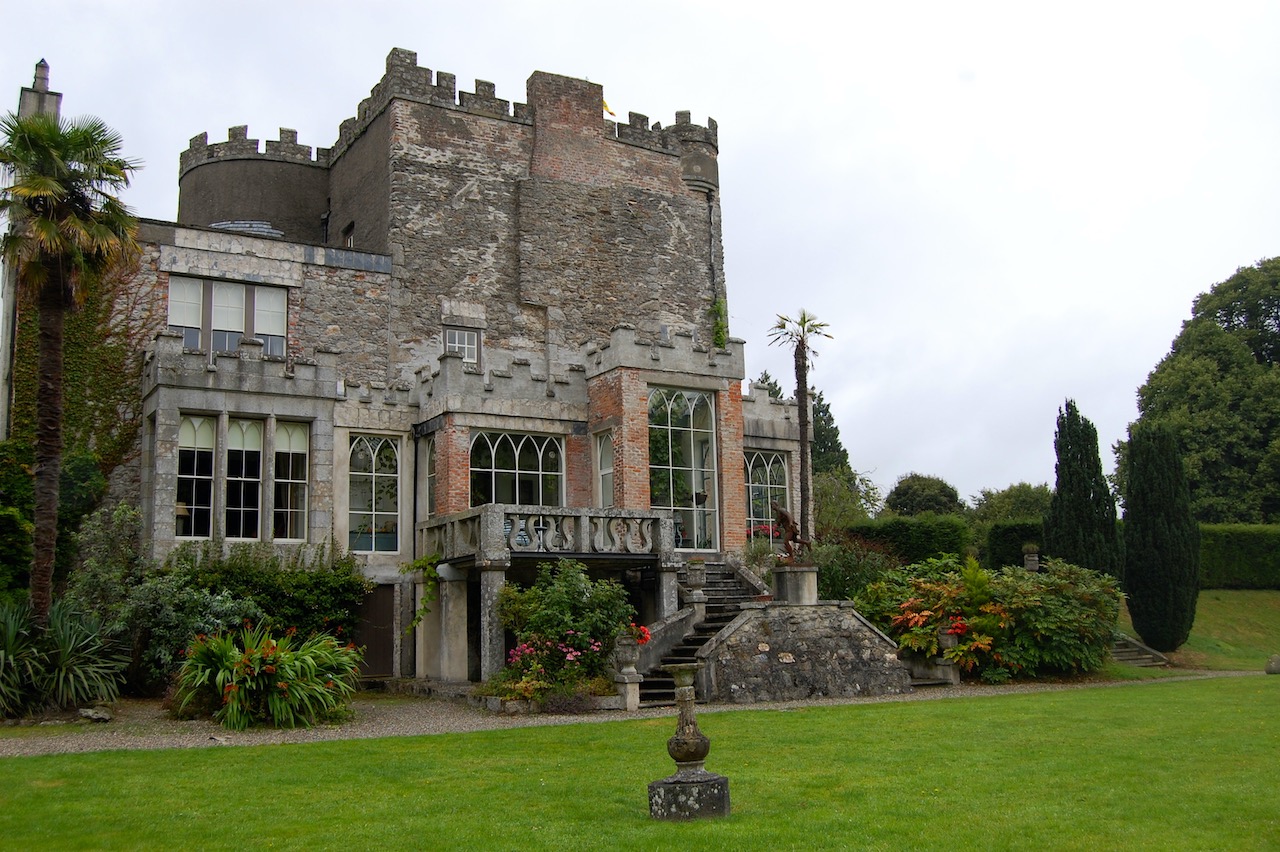
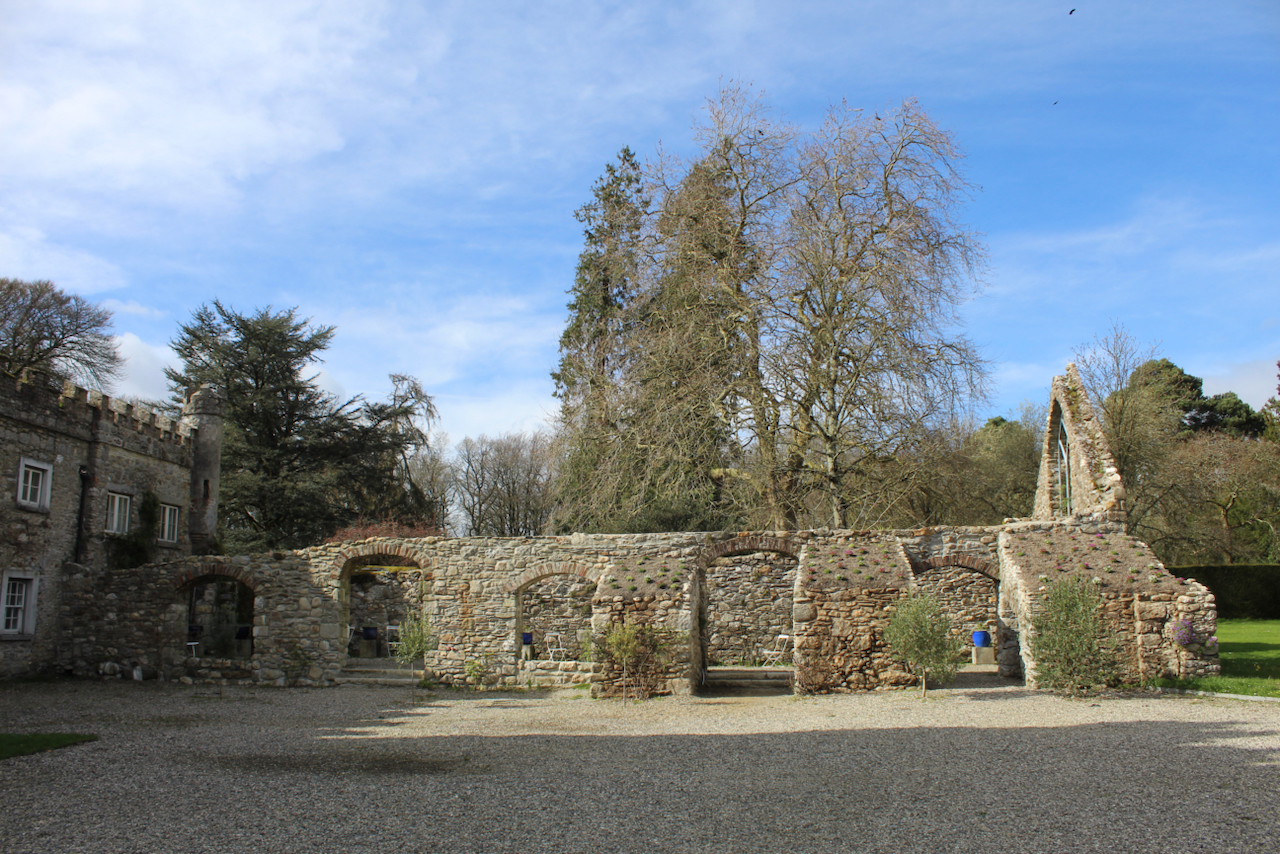
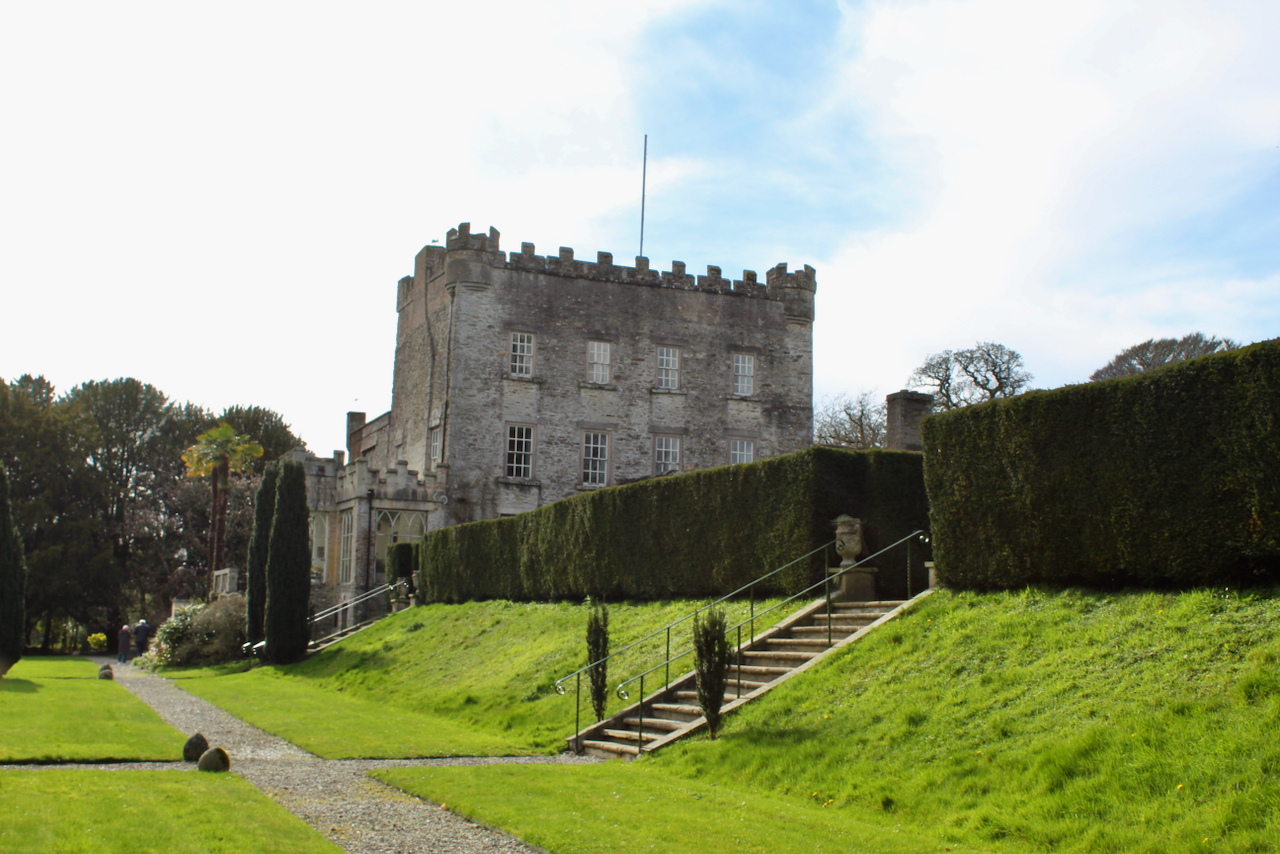
Sir Laurence’s seat, Huntington Castle, County Carlow, was built by Lord Esmonde in 1625, and named after the ancient seat of his ancestors in England.
He was succeeded by his eldest son,
THE RT HON SIR LAURENCE ESMONDE, 3rd Baronet, who espoused, in 1703, Jane Lucy, daughter of Matthew Forde, and had issue,
LAURENCE, 4th Baronet;
JOHN, 5th Baronet;
WALTER, 6th Baronet;
Richard.
Sir Laurence died ca 1720, and was succeeded by his eldest son,
SIR LAURENCE ESMONDE, 4th Baronet, who died unmarried ca 1738, and was succeeded by his next brother,
SIR JOHN ESMONDE, 5th Baronet, who married and died without male issue, 1758, and was succeeded by his brother,
SIR WALTER ESMONDE, 6th Baronet, who wedded Joan, daughter of Theobald, 5th Baron Caher, and had three daughters.
Sir Walter died without male issue, 1766, when the title passed to his cousin,
SIR JAMES ESMONDE, 7th Baronet (1701-66), a descendant of James Esmond, younger son of the 1st Baronet, who survived Sir Walter not more than a few days, and wedded Ellice, only daughter and heir of James Whyte, of Pembrokestown, County Waterford, and had issue,
THOMAS, his successor;
John, ancestor of the 10th Baronet;
James;
Elizabeth; Katherine; Frances; Mary.
Sir James was succeeded by his eldest son,
SIR THOMAS ESMONDE, 8th Baronet; but had no issue by either of his two wives, and died in 1803, when the title reverted to his nephew and heir,
THE RT HON SIR THOMAS ESMONDE, 9th Baronet (1786-1868), MP for Wexford Borough, 1841-7, who espoused firstly, in 1812, Mary, daughter of E Payne; and secondly, in 1856, Sophia Maria, daughter of Ebenezer Radford Rowe, though both marriages were without issue, when the baronetcy passed to his cousin,
SIR JOHN ESMONDE, 10th Baronet (1826-76), JP DL, son of Commander James Esmonde RN, MP for Waterford, 1852-76, who married, in 1861, Louisa, daughter of Henry Grattan, and had issue,
THOMAS HENRY GRATTAN, his successor;
LAURENCE GRATTAN, 13th Baronet;
John Geoffrey Grattan;
Walter George Grattan;
Henrietta Pia; Louisa Ellice Benedicta Grattan; Annetta Frances Grattan.
Sir John was succeeded by his eldest son,
SIR THOMAS HENRY GRATTAN ESMONDE, 11th Baronet (1862-1935), DL MP, who wedded firstly, in 1891, Alice Barbara, daughter of Patrick Donovan, and had issue,
OSMOND THOMAS GRATTAN, his successor;
John Henry Grattan;
Alngelda Barbara Mary Grattan; Eithne Moira Grattan; Patricia Alison Louisa Grattan.
Sir Thomas was succeeded by his eldest son,
SIR OSMOND THOMAS GRATTAN ESMONDE, 12th Baronet (1896-1936), who died unmarried, when the title passed to his cousin,
SIR LAURENCE GRATTAN ESMONDE, 13th Baronet (1863-1943), Lieutenant-Colonel, Waterford Royal Field Artillery, who married twice, though both marriages were without issue, when the title reverted to his cousin,
SIR JOHN LYMBRICK ESMONDE, as 14th Baronet (1893-1958), who wedded, in 1922, Eleanor, daughter of Laurence Fitzharris, though the marriage was without issue, when the title passed to his younger brother,
SIR ANTHONY CHARLES ESMONDE, 15th Baronet (1899-1981), who wedded, in 1927, Eithne Moira Grattan, daughter of Sir Thomas Esmonde, 11th Baronet, and had issue,
JOHN HENRY GRATTAN, his successor;
Bartholomew Thomas Grattan;
Anthony James Grattan;
Alice Mary Grattan; Eithne Marion Grattan; Anne Caroline Grattan.
Sir Anthony was succeeded by his eldest son,
SIR JOHN HENRY GRATTAN ESMONDE, 16th Baronet (1928-87), Barrister, Irish politician, who married, in 1957, Pamela Mary, daughter of Dr Francis Stephen Bourke, and had issue,
THOMAS FRANCIS GRATTAN, his successor;
Harold William Grattan;
Richard Anthony Grattan;
Karen Maria Grattan; Lisa Marion Grattan.
Sir John was succeeded by his eldest son,
(SIR) THOMAS (Tom) FRANCIS GRATTAN ESMONDE, 17th Baronet (1960-2021), Consultant Neurologist, Royal Victoria Hospital, Belfast, 1992-, who married, in 1986, Pauline Loretto, daughter of James Vincent Kearns, and had issue,
SEAN VINCENT GRATTAN, his successor;
Aisling Margaret Pamela Grattan; Niamhe Pauline Grattan.
The 17th Baronet, better known as Dr Tom Esmonde, was succeeded by his son,
DR SEAN VINCENT GRATTAN ESMONDE, MBchB, MRCP, born in 1989, who would be 18th Baronet, though has yet to establish his succession to the baronetcy.
BALLYNASTRAGH HOUSE, near Gorey, County Wexford, was originally a 17th century house, built by James Esmonde.
It was enlarged and modernized by Sir Thomas Esmonde, 8th Baronet, shortly after he succeeded in 1767.
Ballynastragh comprised three storeys over a basement, with a fine seven-bay front and three-bay breakfront.
Alterations were undertaken to the mansion by the 9th Baronet between 1803-25; and later that decade the house was embellished and slightly castellated.
The mansion was burnt by the IRA in 1923 and replaced in 1937 by a Neo-Georgian dwelling.
First published in August, 2018.
for new building replacing old, Buildings of Ireland:
https://archiseek.com/2013/ballynestragh-gorey-co-wexford
1869 – Ballynastragh, Gorey, Co. Wexford
Architect: G.C. Ashlin
Largely remodeled by G.C. Ashlin in the late 1860s for local MP Sir John Esmonde, and destroyed in an arson attack in March 1923 when it belonged to his son Sir Thomas Esmonde, a Senator of the new Irish Free State. The original house was a large Georgian house to which Ashlin added unconvincing battlements and a tower to one end. After the fire, in which it was almost completely destroyed, Fuller & Jermyn drew up designs for a rebuild, it was eventually rebuilt after much dispute over compensation by Dermot St.John Gogarty in 1937 in a Neo-Georgian style.
The Irish Times, 12th March 1923, reported: “Ballynastragh, the beautiful residence of Senator Sir Thomas Henry Grattan Esmonde, Bart., about three miles from Gorey, County Wexford, was set on fire on Friday night, and burned to the ground… The only occupants of the house at the time of the outrage were Colonel Laurence Esmonde, his brother, together with five servants. The raiders, of whom there were about 50 in all, forced an entrance through one of the lower windows at about 9.30 pm, and gave the occupants ten minutes to get ready. They were kept under armed guard in an out-building till the house was well alight, the rooms and furniture having been sprayed with petrol. With the permission of the man in charge, Colonel Esmonde removed the golden chalice and sets of vestments from the beautiful little chapel in the upper portion of the building before the raiders had commenced their work of destruction. These articles are all that was saved. With the aid of a fairly strong wind, gas bombs being also used, the flames made great headway, huge tongues of fire rising towards the sky. They were seen at least ten miles away. The garrison of National troops at Gorey, attracted by the fire, arrived shortly after 11 o’clock, about half an hour after the raiders had left, but they were too late to save the building. Only the bare walls of it remain”.
“Some interesting particulars concerning the burning of his house were given yesterday afternoon to a representative of the Press Association by Sir Thomas Grattan Esmonde, who for the past few days has been in residence in London, but returns to Dublin today. “I received a wire yesterday,” he said, “that my house had been burned down, and I must say that it came as a surprise to me. The only reason for such an act, so far as I know, is that I am a Senator of the Irish Free State, and, of course, I am in no worse a position than anybody else”.
Featured in The Wexford Gentry by Art Kavanagh and Rory Murphy. Published by Irish Family Names, Bunclody, Co Wexford, Ireland, 1994.
p. 97. Esmonde of Ballynastragh
The very distinguished family of Esmonde, a surviving branch of which still lives at Ballynastragh, near Gorey, began their connection with Wexford in the 12th century. It is believed that Geoffrey de Estmont was one of the thirty knights who accompanied Robert FitzStephen to Ireland in 1169 when the latter lead the advance force that landed at Bannow that year. According to Philip Hore, Geoffrey de Estmont came from [p. 98] Huntingdon, in Lincolnshire, where a family of Esmondes survived and were ancestors of Lord Worhouse of Norfolk.
[Hore Mss in St. Peter’s College]
In her article Anna Kinsella stated that “it is not by accident that an Esmonde was among the first to come to Wexford, because Evan, the daughter of Sir John Esmonde who was the wife of Robert FitzHarding, Portrieve of Bristol, who was so friendly with Diarmuid McMurrough that the latter called his daughter Aoife, after Eva Esmonde.”
According to Donovan, the original castle of Johnstown, near Wexford, now an Agricultural Research Centre, was built by this Geoffrey de Estomont. However, Herbert Hore stated that the property was acquired frmo and held under the see of Ferns from the time that John Esmonde was Bishop of Ferns, in the 14C, and the fortified mansion or hall of Johnstown was erected by the Esmondes in the reign of Henry VII, in the latter part of 15C. Anna Kinsella states that Sir Geoffrey built a motte and baily at Lymbrick in the Barony of Forth, and his son Sir Maurice built a castle on the same site. After Maurice’s death in 1225 the castle was abandoned and his son John built a castle on a new site which was called Johnstown Castle. John died in 1261.
John was succeeded by his son Sir William Esmonde who had several sons, including John who became Bishop of Ferns, Walter (of Ballynastragh) a Conon of Ferns and an Attorney for Archbishop Lecky of Dublin, and Thomas. Sir William also had a brother Henry who was Seneschal of Wexford in 1294 and Chancellor in 1310. He was also one of the deputatinsent in 1317 to demand a charter for Wexford town from the Earl of Pembroke. [see Hilary Murphy, The Families of County Wexford].
p. 99. This is the first reference to Ballynastragh and it may well have been Walter who was the first Esmonde to settle here. An interesting thing about Ballynastragh was that it was situated in the parish of Kilcavan (Killinerin) near modern day Gorey and in the middle ages was called Lymbrick, probably a name brought to that part by the Esmondes who settled first at Lymbrick in the Barony of Forth.
p. 101. During the reign of Queen Elizabeth Lawrence Esmonde, the second son of William Esmonde and his wife Margaret, daughter of Michael Furlong of Horetown, thought it prudent to embrace the new religion. By doing so, he secured his future prospects. In the words of Anna Kinsella, “he renounced the faith of his ancestors in return for which he was appointed Major Genearl of all the King’s forces in Ireland.” His services to the crown were rewarded with knighthood. He was very active in the Nine Years War against the Kavanaghs and O’Byrnes. He was in charge of a company [p. 102] beaten at the battle near Enniscorthy where the Kavanagh/Byrne/O’Moore faction were victorious. In 1599 in a famous battle fought between the Deputy, Essex and the Kavanagh/Byrne alliance, near Arklow, Captain Esmonde was shot and wounded but survived to fight another day. Howeverhis father, William, was not so fortunate and was killed in the same encounter. In 1602 Captain Esmonde wrote to Lord Shrewsbury the Lord Deputy to say that he “had broken the Kavanagh faction and had caused Donal Spainnigh Kavanagh etc to submit upon their knees.”
P 102. IN the same year he built a castle and a church at Luimneach near the modern village of Killinerin and near Ballynastragh, which he named Lymbrick after the original Norman motte and bailey in the Barony of Forth. In 1606 he was appointed Governor of Duncannon Fort, which was established in the late 16C to prevent an invasion of teh coast of Wexford/Waterford by the Spanish. He remained Governor of the Fort until his death in 1646.
[in the family tree I may have Lawrence Esmondes confused. It seems confused in the Wexford book. In that book Lawrence the son of Wm and Mgt Furlong marries O’Flaherty and Eliz Butler, but in The Peerage, it is Lawrence son of Patrick, sheriff of Carlow, who marries these two, and becaome Baron of Lymbrick. See Lord Belmont below – also like the Wexford Gentry book]
p. 103. Sir Laurence became a major player in the plantations and acquired vast estates in Wexford, Waterford, Kilkenny and Tipperary. He was MP for Wicklow in the Irish Parliament of 1613. Together with Sir William Parsons and Sir Edward Fisher he was a Commissioner for the Plantations, one of a small group of very influential and powerful men. In 1622 he was created Baron of Lymbrick. In 1625 he built Huntingdon castle in Clonegal which had named after the ancient seat of his ancestors in England. IN this year he also purchased Ballytramont, near Castlebridge, from the Synnotts for £2,600. AFter his death the Huntington estate and castle was occupied as a military station by Dudley Colclough from 1649-1674. When the Ram family acquired their Gorey lands in 1626 Lawrence Esmonde was given 13 acres in the town which almost three hundred years later became the site of the Catholic church and schools in Gorey.
p. 104. The Baronet seemed to have had a human side to him also. When Richard Masterson, the owner of considerable lands in the Ferns area, died in 1627, his next heir was Edward the grandson of his brother Nicholas, a boy of nine. Sir Lawrence took his under his wing to protect his interests from other Mastersons, in particular Lawrence Masterson. Lawrence was Richard’s grandson by his illegitimate son John. Richard was a friend of Esmonde and would have known him from the time of teh wars with the Kavanaghs in the late 1590s. He said of Edward “his dead father left the trust of teh child to me and I have bred him up att scoole in my house this fowre years past relygiouslye, and will the next sommersend him to the college (Trinity) if it so please God.” However it appears that Edward was influenced by Esmonde’s Catholic wife and he became a Catholic later in his life.
When the war broke out in 1641, Wexford was an extremely dangerous place for Protestant landowners as the following account of the Lords Justices of Ireland attest:
“The rebells in ye county of Wexford, increasinge daily have taken the Castells of Arklow, Limbrick, the Lord Esmonde’s house, and Fort Chichester, places of good strength and importance…in both these counties of Wicklow and Wexford, all the castles and House of the English with all their substance are come into ye hands of ye rebells nd the English themselves with their wives and children stript naked and banished thence by their fury and rage…”
Lord Esmonde was in command of Duncannon fort, and loyal to England during the Great Rebellion, and his son, Sir Thomas, was a Confederate General on the opposing side. Sir Thomas had started his military career as an officer in the continental army of Charles I and for his valiant service at the siege of La Rochelle he was made a baronet of Ireland while his father still lived. He did not however come back to Ireland until 1646 after his father’s death. He was a resolute Catholic and his heirs after him remained true to the faith of their original ancestors.
p. 105. The fort was an English stronghold and soldiers from the fort attacked Redmond Hall, near Hook Head, which was defeneded by the Redmonds. One of the attacking forcewas a Lieutenant John Esmonde, a nephew or grand-nephew of Lord Esmonde. He and fourteen soldiers from the fort were hanged by the confederates for their part in the attack. Walter Roche as Provost Marshall of Wexford was responsible for the executions and it is most likely he knew Lieut. Esmonde quite well. Duncannon fort itself was besieged for three months by confederates in 1633 and Lord Esmonde was forced to surrender. The officer to whom he surrendered was Captain Thomas Roche. Lord Esmonde survived for two more years and was still the titular commander of the fort at the time of his death.
After his death in 1646, Sir Lawrence was buried in the vault of his church at Lymbrick. His son, Sir Thomas, continued to fight for the Confederates and in the civil war of 1648, when the Confederates split he declared against the Papal Nuncio and was excommunicated for his troubles. In the following year he was appointed Major General of the Leinster forces to oppose Cromwell. He continued to campaign during 1650 but was eventually forced to submit. During the Cromwellian campaign the castle at Lymbrick was burnt to prevent its being used by the Cromwellian soldiers. Sir Thomas was on the list of Transplantable Catholics in 1653.
After the Cromwellian Confiscations, since the Johnstown Esmondes wre Catholic, their lands were granted to Colonel Overstreet, and later came into the possession of the Grogan family. The Ballynastragh/Lymbrick lands were also confiscated and the Ballytramont property was granted to the Duke of Ablemarle (General Monck).
Interestingly it appears that Sir Laurence Esmonde had taken the lands from General Monck during the Plantation period as asserted in a petition by his son in 1668…
p. 106. It took the Esmondes 60 years and cost an enormous amount of money to get back parts of their North Wexford estates.
p. 106. Sir Thomas was married to Ellice the dau of Sir John FitzGerald, and they had three sons, Lawrence, James and Patrick. Lawrence inherited the title and as Sir Lawrence reoccupied Huntingdon Castle in 1682. His young son [Laurence] went to France and entered the French army at the age of 14. His guardian was the Countess of Devonshire. He came back to Huntington to become the 3rd Baronet. James succeeded to Ballynastragh and the youngest son, Patrick became an officer in the Austrian army and fought in the Turkish wards, spending seven years as a prisoner of war in the infamous Seven Towers prison in Constantinople. He was later made a Chevalier and appointed Governor of Prague.
p. 106. The main line of Esmondes continued on through the descendants of Sir Thomas who in the persons of the 3rd, 4th, 5th and 6th baronets resided at Huntington. The widow of the 6th Baronet was left in “straitened circumstances” and sold the estate of Huntington to Sir James Leslie, the Church of Ireland Bishop of Limerick, in 1751. Huntington remained in his family until 1825 when it was leased to Alexander Durdin and later bought by his descendants. It passed by marriage to the Robertsons who are still in possession of Huntington Castle today. [note that the 5th Bt had a daugther, who married Richard Durdin. The 6th Baronet had only daughters also].
[7th Bt was from the line of James, son of Thomas the 1st baronet – James was the second son, who inherited Ballynastragh. He had a son, Laurence (1670-1760) who had the son James the 7th Bt of Ballynastragh).
p. 107. James the second son of Thomas 1st Bt married Barbara Vincent and they had at least two sons, Lawrence, who succeeded his father as owner of Ballynastragh in 1717 and Marcus who, in 1670, temporarily regained possession of Johnstown (forfeited in 1654). This may have come about when the widow of Colonel Overstreet married a man called Withers, who may have let Johnstown to Marcus. Johnstown was sold to Col John Reynolds and his daughter Mary married John Grogan of Wexford, a yeoman and merchant, who took possession of the estates in the late 1690s.
p. 107. Ballynastragh was confiscated because of the “rebel” taint, and the sons of Dr John Esmonde, who had been hanged for his part in the 1798 rebellion, fled to France. Sir Thomas had no family so when he died, John’s eldest son Thomas succeeded as heir and 9th Bt. He eventually regained possession of Ballynastragh in 1816.
Sir Thomas, 9th Bt, gave the Catholic church the sites and grounds for the present St Michael’s church in Gorey, the Presbytery, the CBS school and Monastery and the Loreto Convent. The Church was designed by Pugin, who visited Wexford at the invitation of Sir Thomas and Mr John Talbot of Castle Talbot. The portion of ground so generously donated was known as “Sparrow’s Plot.” [p. 109] Sparrow was the person who in Penal Times “discovered” the Esmondes as Catholics and following the resultant confiscation was awarded teh portion of ground which became known as “Sparrow’s Plot” which Sir thomas Esmonde bought from Lord Valentia (Annesley).
The 9th Bt died in 1868 ages 82. One of his brothers was very Rev. Bartholomew Esmonde, a Jesuit, who was Superior of Clongowes Wood College and an eminent theologian. Sir Thomas was succeeded by his newphew, Sir Thomas, 10thBt [son of James], who married Louisa the daughter of Henry Grattan MP and grand daughter of the great Henry Grattan (of Parliament fame).
Featured in The Wexford Gentry by Art Kavanagh and Rory Murphy. Published by Irish Family Names, Bunclody, Co Wexford, Ireland, 1994.
p. 97. Esmonde of Ballynastragh
The very distinguished family of Esmonde, a surviving branch of which still lives at Ballynastragh, near Gorey, began their connection with Wexford in the 12th century. It is believed that Geoffrey de Estmont was one of the thirty knights who accompanied Robert FitzStephen to Ireland in 1169 when the latter lead the advance force that landed at Bannow that year. According to Philip Hore, Geoffrey de Estmont came from [p. 98] Huntingdon, in Lincolnshire, where a family of Esmondes survived and were ancestors of Lord Worhouse of Norfolk.
[Hore Mss in St. Peter’s College]
In her article Anna Kinsella stated that “it is not by accident that an Esmonde was among the first to come to Wexford, because Evan, the daughter of Sir John Esmonde who was the wife of Robert FitzHarding, Portrieve of Bristol, who was so friendly with Diarmuid McMurrough that the latter called his daughter Aoife, after Eva Esmonde.”
According to Donovan, the original castle of Johnstown, near Wexford, now an Agricultural Research Centre, was built by this Geoffrey de Estomont. However, Herbert Hore stated that the property was acquired frmo and held under the see of Ferns from the time that John Esmonde was Bishop of Ferns, in the 14C, and the fortified mansion or hall of Johnstown was erected by the Esmondes in the reign of Henry VII, in the latter part of 15C. Anna Kinsella states that Sir Geoffrey built a motte and baily at Lymbrick in the Barony of Forth, and his son Sir Maurice built a castle on the same site. After Maurice’s death in 1225 the castle was abandoned and his son John built a castle on a new site which was called Johnstown Castle. John died in 1261.
John was succeeded by his son Sir William Esmonde who had several sons, including John who became Bishop of Ferns, Walter (of Ballynastragh) a Conon of Ferns and an Attorney for Archbishop Lecky of Dublin, and Thomas. Sir William also had a brother Henry who was Seneschal of Wexford in 1294 and Chancellor in 1310. He was also one of the deputatinsent in 1317 to demand a charter for Wexford town from the Earl of Pembroke. [see Hilary Murphy, The Families of County Wexford].
p. 99. This is the first reference to Ballynastragh and it may well have been Walter who was the first Esmonde to settle here. An interesting thing about Ballynastragh was that it was situated in the parish of Kilcavan (Killinerin) near modern day Gorey and in the middle ages was called Lymbrick, probably a name brought to that part by the Esmondes who settled first at Lymbrick in the Barony of Forth.
p. 101. During the reign of Queen Elizabeth Lawrence Esmonde, the second son of William Esmonde and his wife Margaret, daughter of Michael Furlong of Horetown, thought it prudent to embrace the new religion. By doing so, he secured his future prospects. In the words of Anna Kinsella, “he renounced the faith of his ancestors in return for which he was appointed Major Genearl of all the King’s forces in Ireland.” His services to the crown were rewarded with knighthood. He was very active in the Nine Years War against the Kavanaghs and O’Byrnes. He was in charge of a company [p. 102] beaten at the battle near Enniscorthy where the Kavanagh/Byrne/O’Moore faction were victorious. In 1599 in a famous battle fought between the Deputy, Essex and the Kavanagh/Byrne alliance, near Arklow, Captain Esmonde was shot and wounded but survived to fight another day. Howeverhis father, William, was not so fortunate and was killed in the same encounter. In 1602 Captain Esmonde wrote to Lord Shrewsbury the Lord Deputy to say that he “had broken the Kavanagh faction and had caused Donal Spainnigh Kavanagh etc to submit upon their knees.”
P 102. IN the same year he built a castle and a church at Luimneach near the modern village of Killinerin and near Ballynastragh, which he named Lymbrick after the original Norman motte and bailey in the Barony of Forth. In 1606 he was appointed Governor of Duncannon Fort, which was established in the late 16C to prevent an invasion of teh coast of Wexford/Waterford by the Spanish. He remained Governor of the Fort until his death in 1646.
[in the family tree I may have Lawrence Esmondes confused. It seems confused in the Wexford book. In that book Lawrence the son of Wm and Mgt Furlong marries O’Flaherty and Eliz Butler, but in The Peerage, it is Lawrence son of Patrick, sheriff of Carlow, who marries these two, and becaome Baron of Lymbrick. See Lord Belmont below – also like the Wexford Gentry book]
p. 103. Sir Laurence became a major player in the plantations and acquired vast estates in Wexford, Waterford, Kilkenny and Tipperary. He was MP for Wicklow in the Irish Parliament of 1613. Together with Sir William Parsons and Sir Edward Fisher he was a Commissioner for the Plantations, one of a small group of very influential and powerful men. In 1622 he was created Baron of Lymbrick. In 1625 he built Huntingdon castle in Clonegal which had named after the ancient seat of his ancestors in England. IN this year he also purchased Ballytramont, near Castlebridge, from the Synnotts for £2,600. AFter his death the Huntington estate and castle was occupied as a military station by Dudley Colclough from 1649-1674. When the Ram family acquired their Gorey lands in 1626 Lawrence Esmonde was given 13 acres in the town which almost three hundred years later became the site of the Catholic church and schools in Gorey.
p. 104. The Baronet seemed to have had a human side to him also. When Richard Masterson, the owner of considerable lands in the Ferns area, died in 1627, his next heir was Edward the grandson of his brother Nicholas, a boy of nine. Sir Lawrence took his under his wing to protect his interests from other Mastersons, in particular Lawrence Masterson. Lawrence was Richard’s grandson by his illegitimate son John. Richard was a friend of Esmonde and would have known him from the time of teh wars with the Kavanaghs in the late 1590s. He said of Edward “his dead father left the trust of teh child to me and I have bred him up att scoole in my house this fowre years past relygiouslye, and will the next sommersend him to the college (Trinity) if it so please God.” However it appears that Edward was influenced by Esmonde’s Catholic wife and he became a Catholic later in his life.
When the war broke out in 1641, Wexford was an extremely dangerous place for Protestant landowners as the following account of the Lords Justices of Ireland attest:
“The rebells in ye county of Wexford, increasinge daily have taken the Castells of Arklow, Limbrick, the Lord Esmonde’s house, and Fort Chichester, places of good strength and importance…in both these counties of Wicklow and Wexford, all the castles and House of the English with all their substance are come into ye hands of ye rebells nd the English themselves with their wives and children stript naked and banished thence by their fury and rage…”
Lord Esmonde was in command of Duncannon fort, and loyal to England during the Great Rebellion, and his son, Sir Thomas, was a Confederate General on the opposing side. Sir Thomas had started his military career as an officer in the continental army of Charles I and for his valiant service at the siege of La Rochelle he was made a baronet of Ireland while his father still lived. He did not however come back to Ireland until 1646 after his father’s death. He was a resolute Catholic and his heirs after him remained true to the faith of their original ancestors.
p. 105. The fort was an English stronghold and soldiers from the fort attacked Redmond Hall, near Hook Head, which was defeneded by the Redmonds. One of the attacking forcewas a Lieutenant John Esmonde, a nephew or grand-nephew of Lord Esmonde. He and fourteen soldiers from the fort were hanged by the confederates for their part in the attack. Walter Roche as Provost Marshall of Wexford was responsible for the executions and it is most likely he knew Lieut. Esmonde quite well. Duncannon fort itself was besieged for three months by confederates in 1633 and Lord Esmonde was forced to surrender. The officer to whom he surrendered was Captain Thomas Roche. Lord Esmonde survived for two more years and was still the titular commander of the fort at the time of his death.
After his death in 1646, Sir Lawrence was buried in the vault of his church at Lymbrick. His son, Sir Thomas, continued to fight for the Confederates and in the civil war of 1648, when the Confederates split he declared against the Papal Nuncio and was excommunicated for his troubles. In the following year he was appointed Major General of the Leinster forces to oppose Cromwell. He continued to campaign during 1650 but was eventually forced to submit. During the Cromwellian campaign the castle at Lymbrick was burnt to prevent its being used by the Cromwellian soldiers. Sir Thomas was on the list of Transplantable Catholics in 1653.
After the Cromwellian Confiscations, since the Johnstown Esmondes wre Catholic, their lands were granted to Colonel Overstreet, and lter came into the possession of the Grogan family. The Ballynastragh/Lymbrick lands were also confiscated and the Ballytramont property was granted to the Duke of Ablemarle (General Monck).
Interestingly it appears that Sir Laurence Esmonde had taken the lands from General Monck during the Plantation period as asserted in a petition by his son in 1668…
p. 106. It took the Esmondes 60 years and cost an enormous amount of money to get back parts of their North Wexford estates.
p. 106. Sir Thomas was married to Ellice the dau of Sir John FitzGerald, and they had three sons, Lawrence, James and Patrick. Lawrence inherited the title and as Sir Lawrence reoccupied Huntingdon Castle in 1682. His young son [Laurence] went to France and entered the French army at the age of 14. His guardian was the Countess of Devonshire. He came back to Huntington to become the 3rd Baronet. James succeeded to Ballynastragh and the youngest son, Patrick became an officer in the Austrian army and fought in the Turkish wards, spending seven years as a prisoner of war in the infamous Seven Towers prison in Constantinople. He was later made a Chevalier and appointed Governor of Prague.
p. 106. The main line of Esmondes continued on through the descendants of Sir Thomas who in the persons of the 3rd, 4th, 5th and 6th baronets resided at Huntington. The widow of the 6th Baronet was left in “straitened circumstances” and sold the estate of Huntington to Sir James Leslie, the Church of Ireland Bishop of Limerick, in 1751. Huntington remained in his family until 1825 when it was leased to Alexander Durdin and later bought by his descendants. It passed by marriage to the Robertsons who are still in possession of Huntington Castle today. [note that the 5th Bt had a daugther, who married Richard Durdin. The 6th Baronet had only daughters also].
[7th Bt was from the line of James, son of Thomas the 1st baronet – James was the second son, who inherited Ballynastragh. He had a son, Laurence (1670-1760) who had the son James the 7th Bt of Ballynastragh).
p. 107. James the second son of Thomas 1st Bt married Barbara Vincent and they had at least two sons, Lawrence, who succeeded his father as owner of Ballynastragh in 1717 and Marcus who, in 1670, temporarily regained possession of Johnstown (forfeited in 1654). This may have come about when the widow of Colonel Overstreet married a man called Withers, who may have let Johnstown to Marcus. Johnstown was sold to Col John Reynolds and his daughter Mary married John Grogan of Wexford, a yeoman and merchant, who took possession of the estates in the late 1690s.
p. 107. Ballynastragh was confiscated because of the “rebel” taint, and the sons of Dr John Esmonde, who had been hanged for his part in the 1798 rebellion, fled to France. Sir Thomas had no family so when he died, John’s eldest son Thomas succeeded as heir and 9th Bt. He eventually regained possession of Ballynastragh in 1816.
Sir Thomas, 9th Bt, gave the Catholic church the sites and grounds for the present St Michael’s church in Gorey, the Presbytery, the CBS school and Monastery and the Loreto Convent. The Church was designed by Pugin, who visited Wexford at the invitation of Sir Thomas and Mr John Talbot of Castle Talbot. The portion of ground so generously donated was known as “Sparrow’s Plot.” [p. 109] Sparrow was the person who in Penal Times “discovered” the Esmondes as Catholics and following the resultant confiscation was awarded teh portion of ground which became known as “Sparrow’s Plot” which Sir thomas Esmonde bought from Lord Valentia (Annesley).
The 9th Bt died in 1868 ages 82. One of his brothers was very Rev. Bartholomew Esmonde, a Jesuit, who was Superior of Clongowes Wood College and an eminent theologian. Sir Thomas was succeeded by his newphew, Sir Thomas, 10thBt [son of James], who married Louisa the daughter of Henry Grattan MP and grand daughter of the great Henry Grattan (of Parliament fame).
Detached five-bay two-storey country house with dormer attic, dated 1937, on a square plan; five-bay two-storey side elevations. Refenestrated, —-. Hipped slate roof on a U-shaped plan with clay ridge tiles, yellow brick Flemish bond chimney stacks on yellow brick Flemish bond bases having cornice capping, sproketed eaves, and cast-iron rainwater goods on timber eaves boards on “Cavetto” cornice retaining embossed cast-iron hoppers (“1937”) and square profile downpipes. Tuck pointed yellow brick Flemish bond walls with stained yellow brick flush quoins to corners. Square-headed central door opening approached by two steps with coat of arms-detailed doorcase having bull nose-detailed reveals framing timber panelled double doors having overlight. Square-headed window openings with shallow sills, and yellow brick voussoirs framing replacement eight-over-twelve (ground floor) or eight-over-eight (first floor) sash windows without horns having part exposed sash boxes. Set in landscaped grounds.
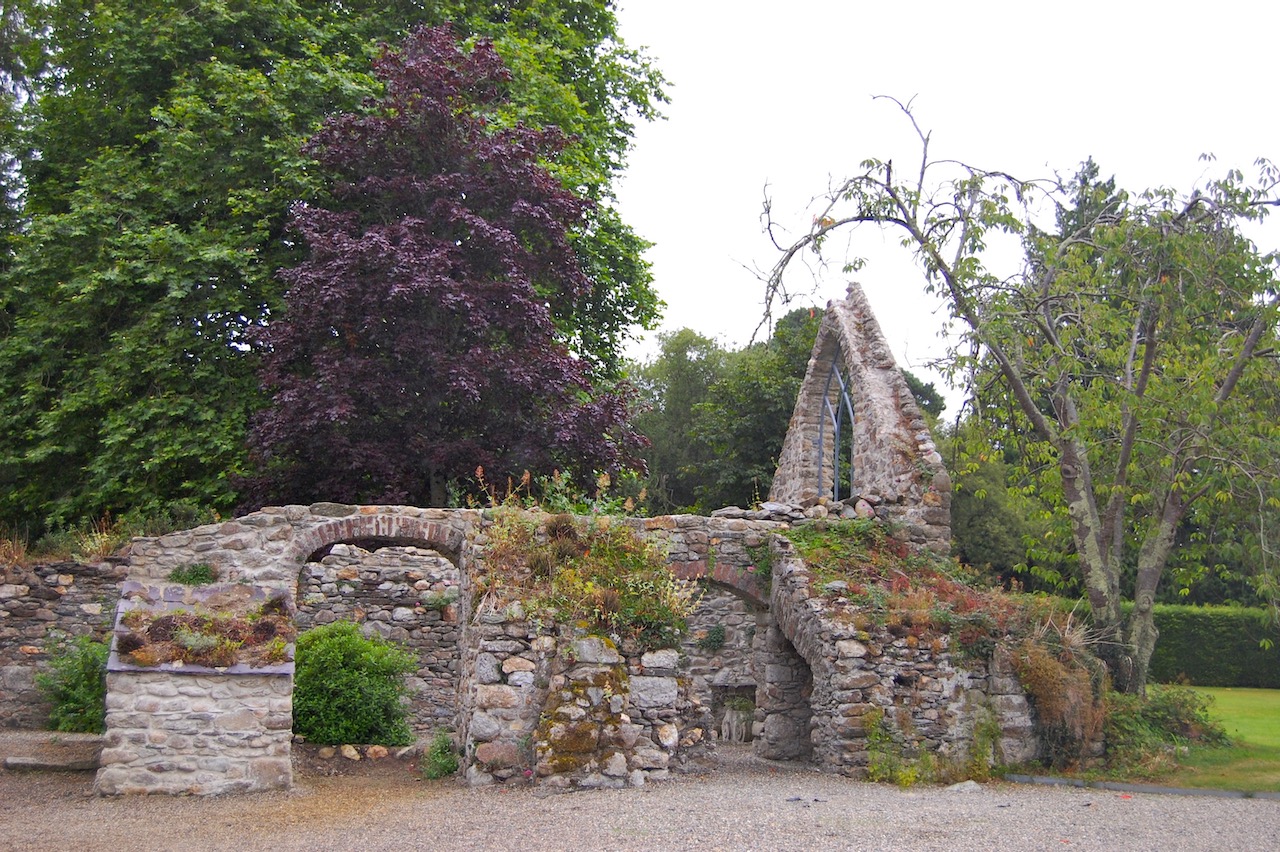
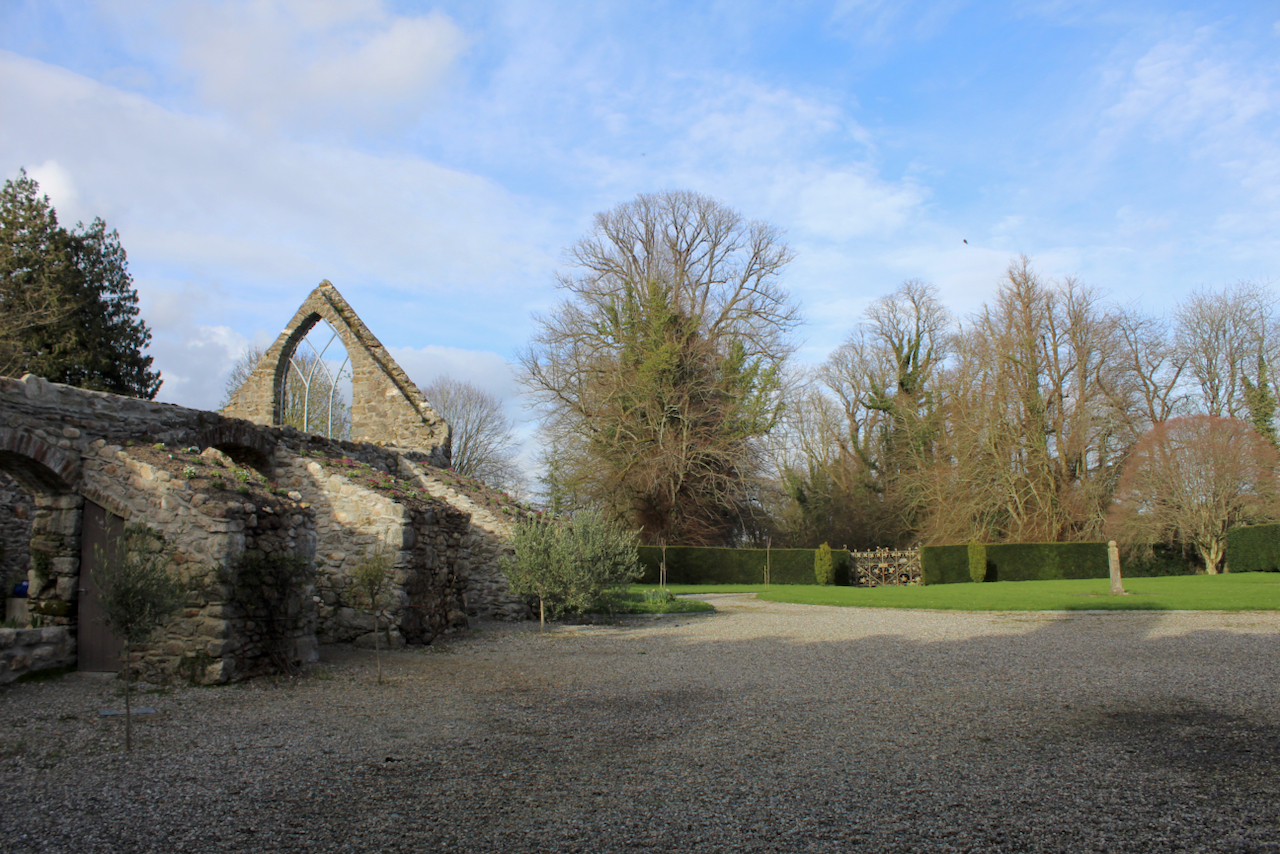
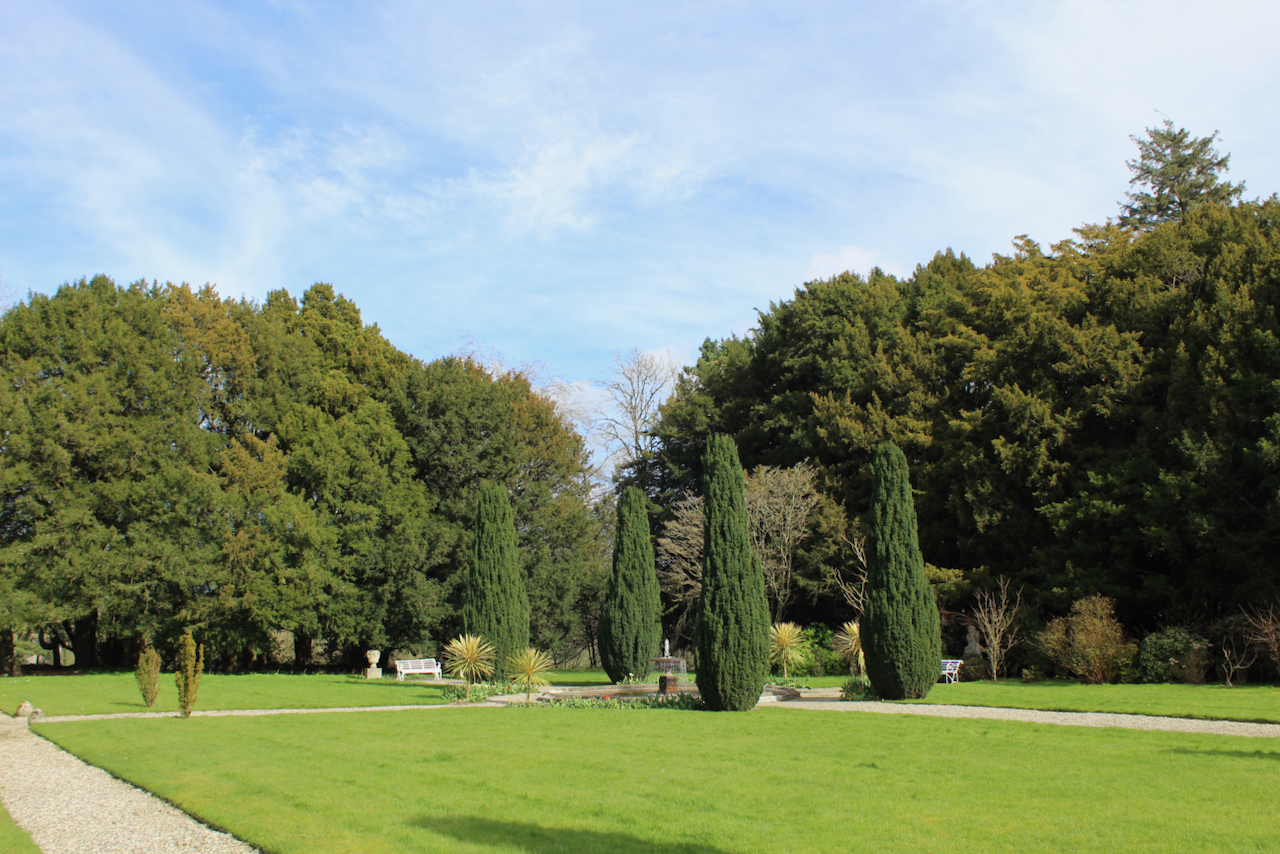
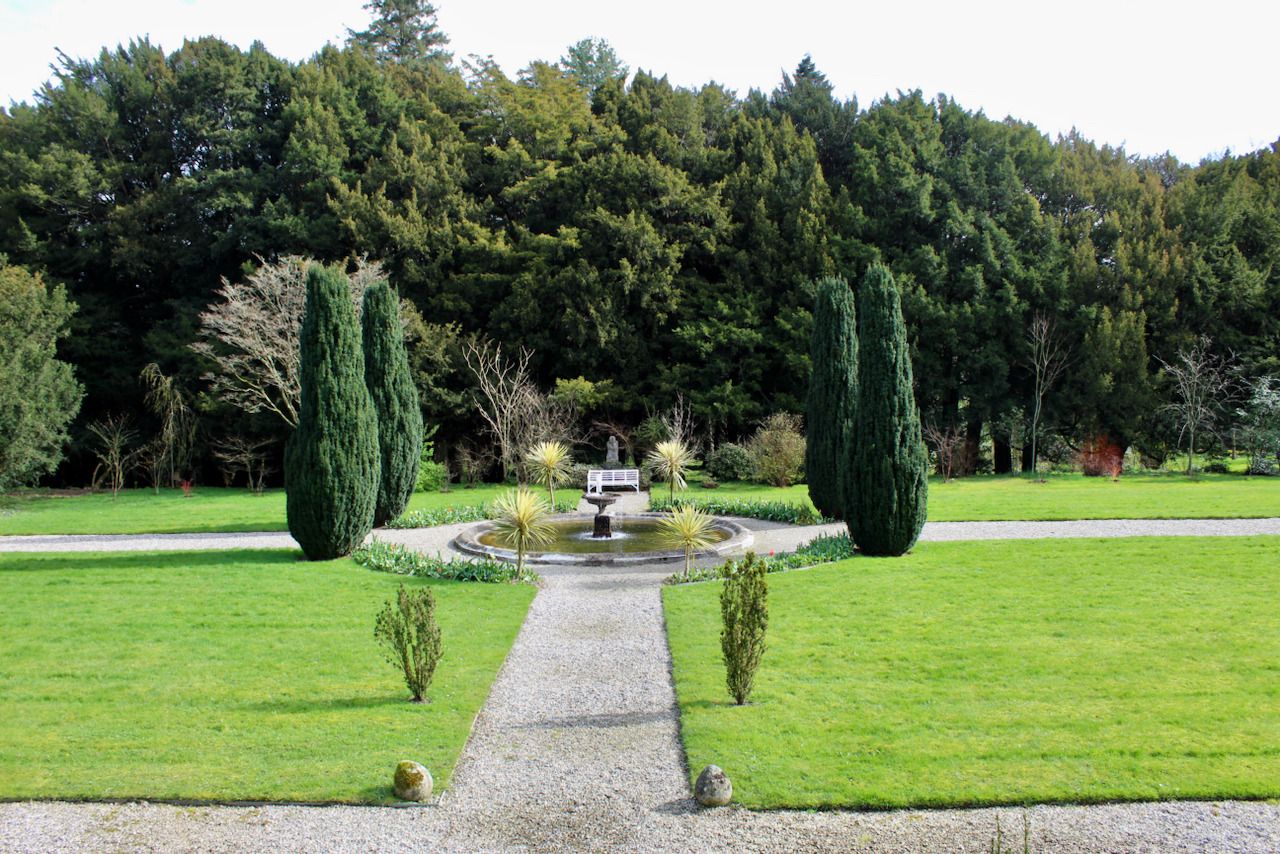
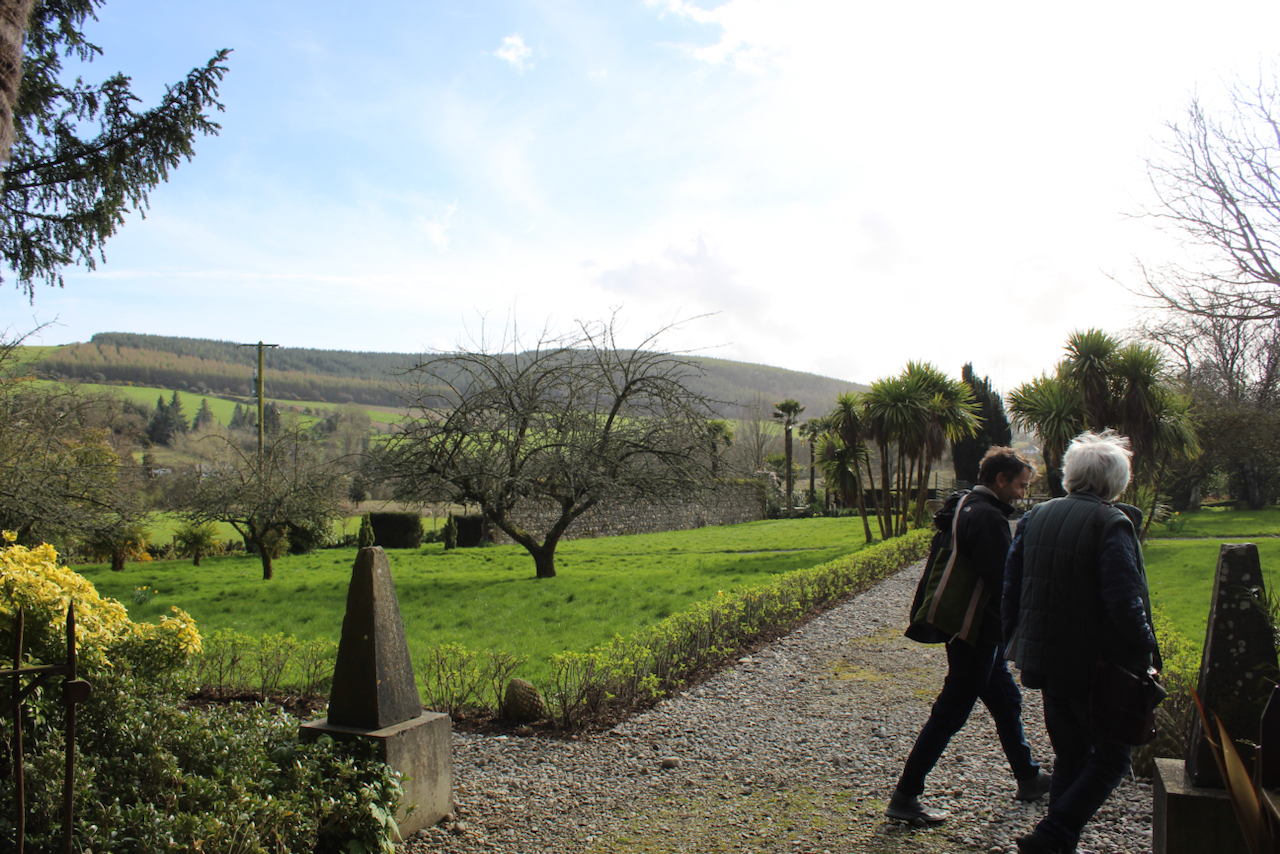
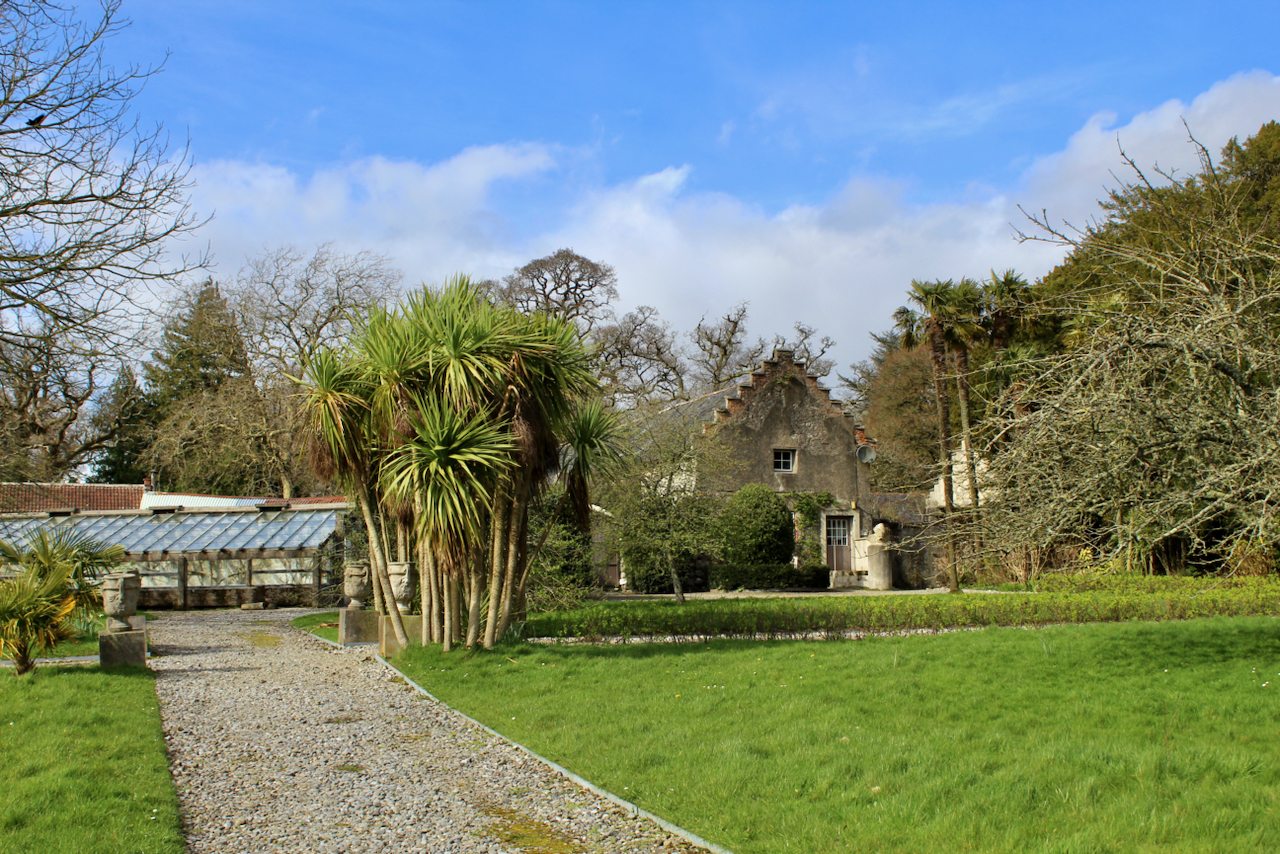
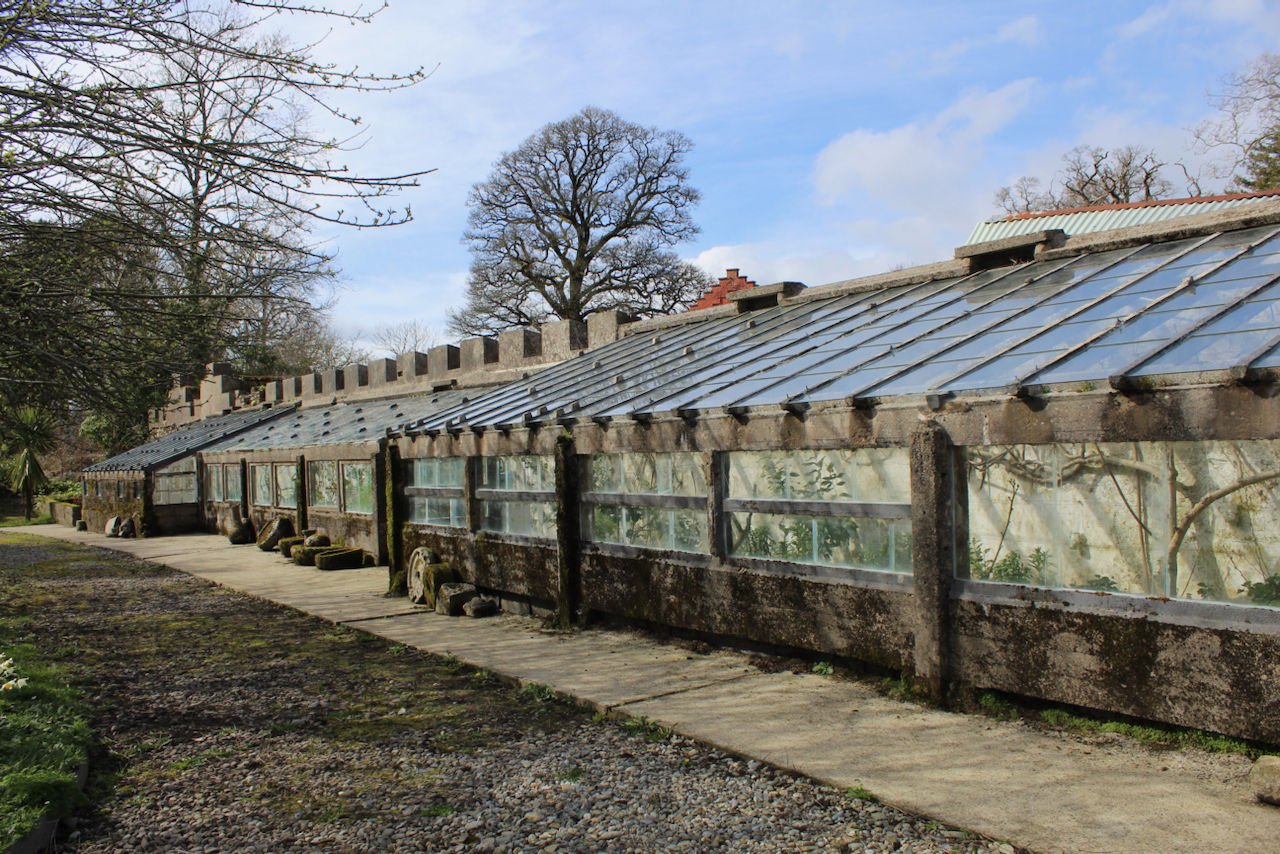
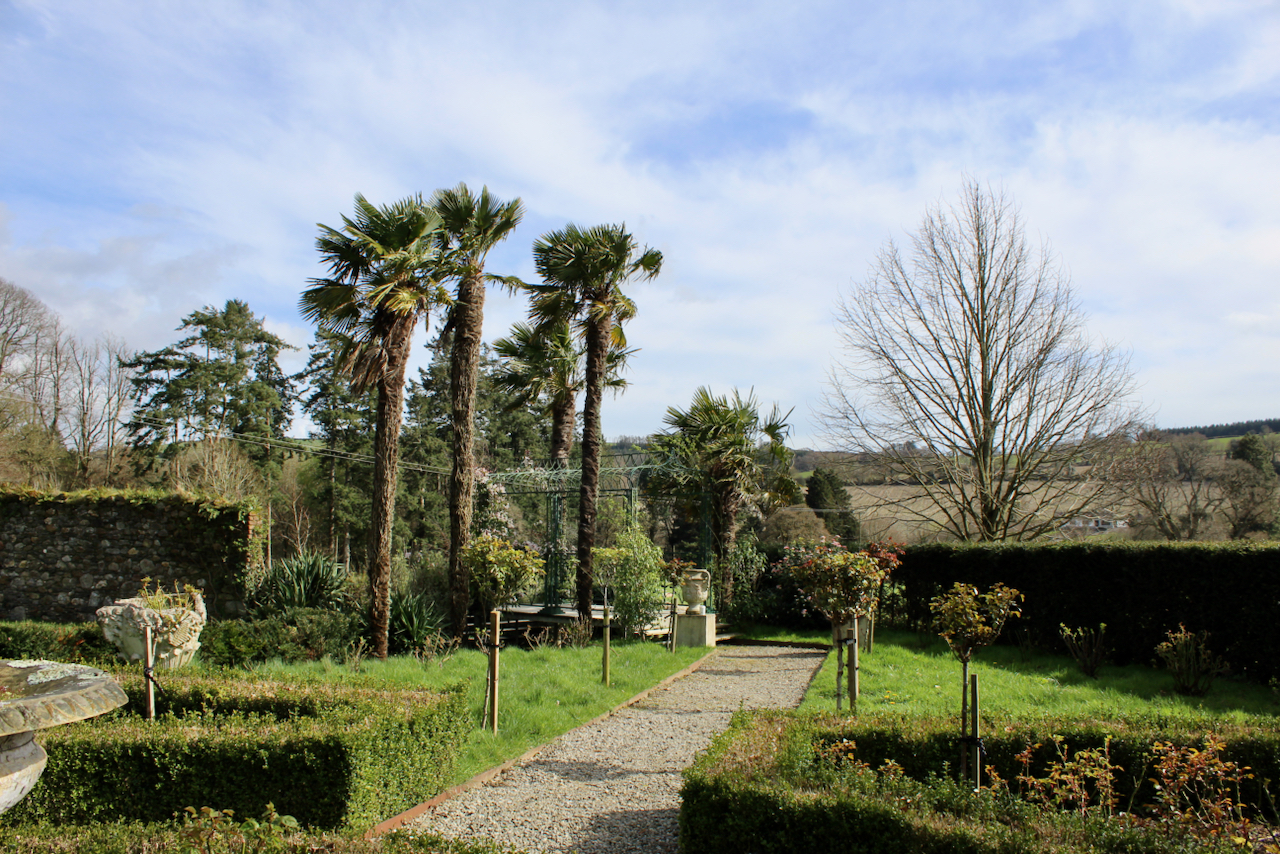
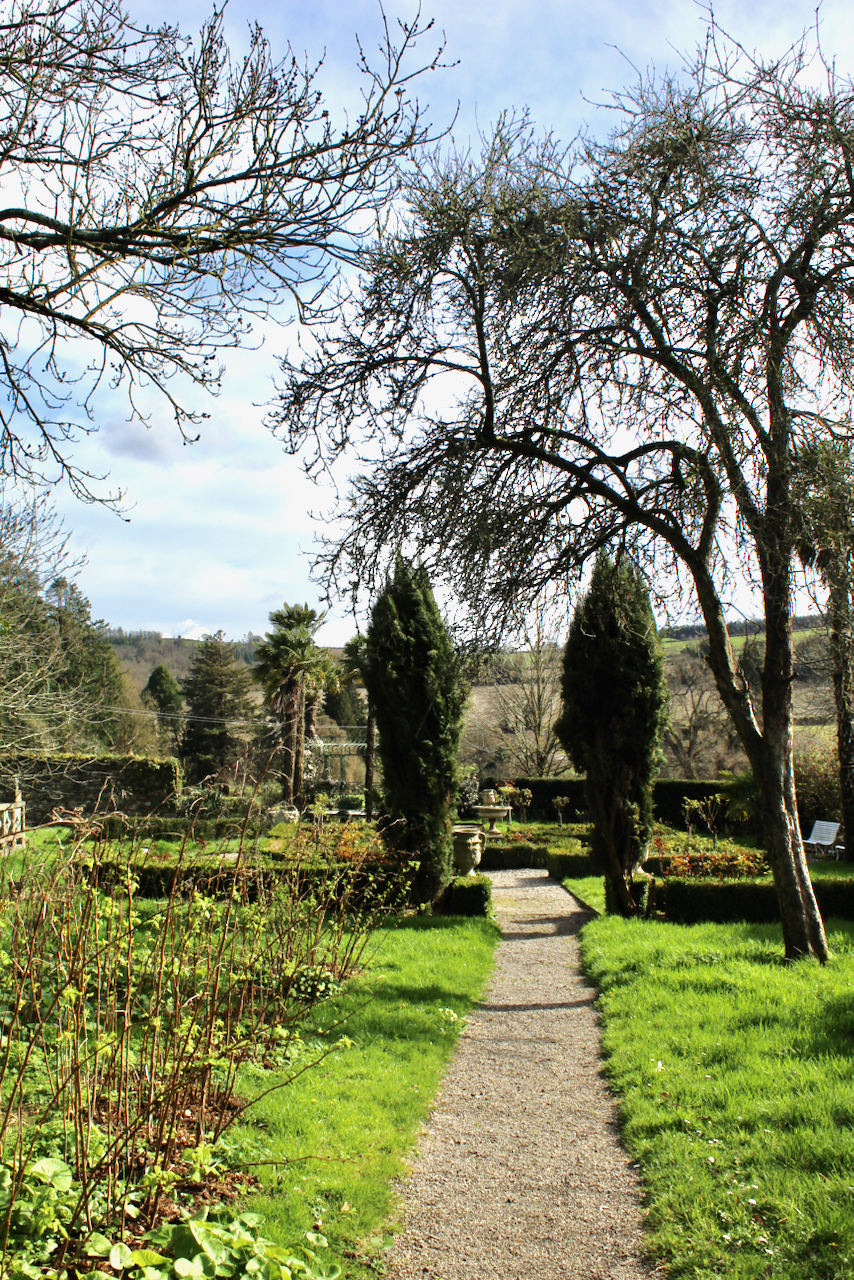
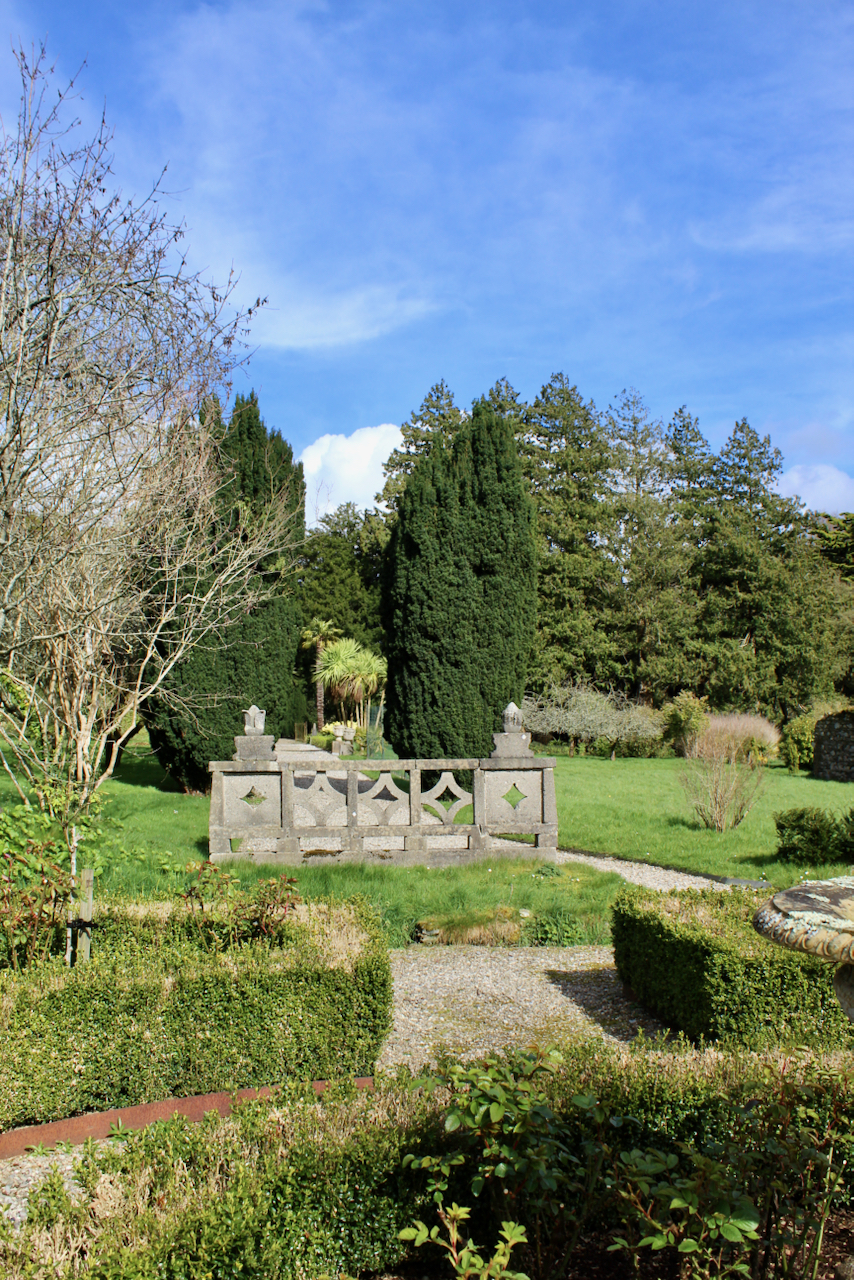
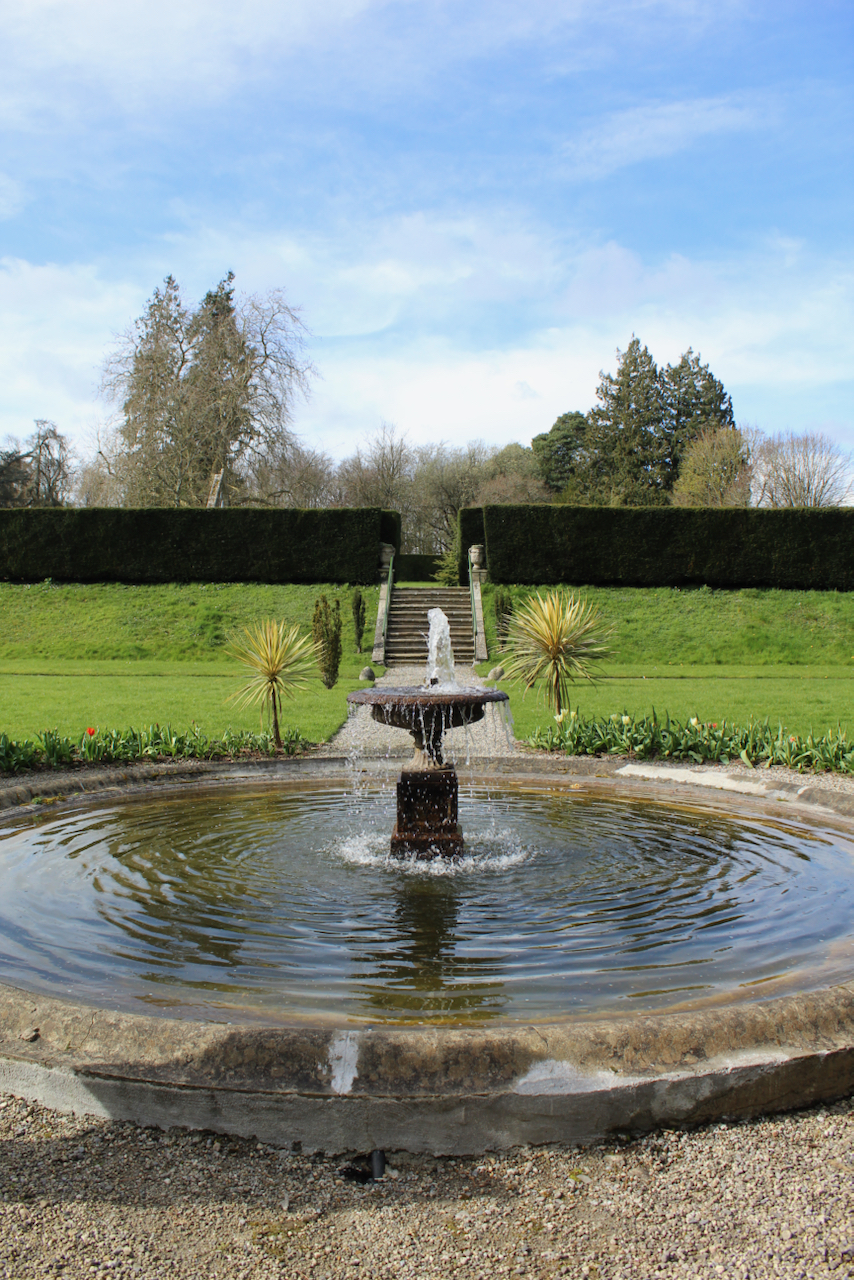
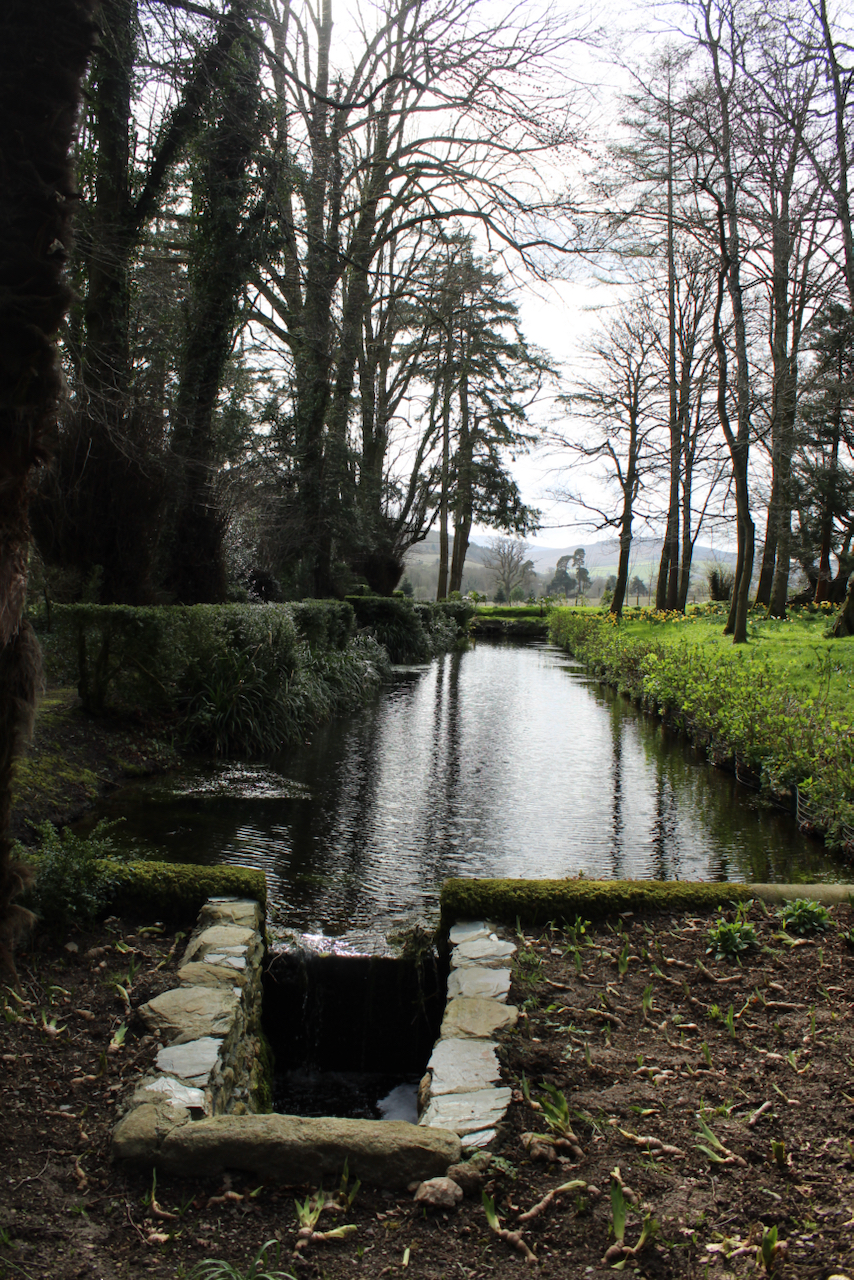
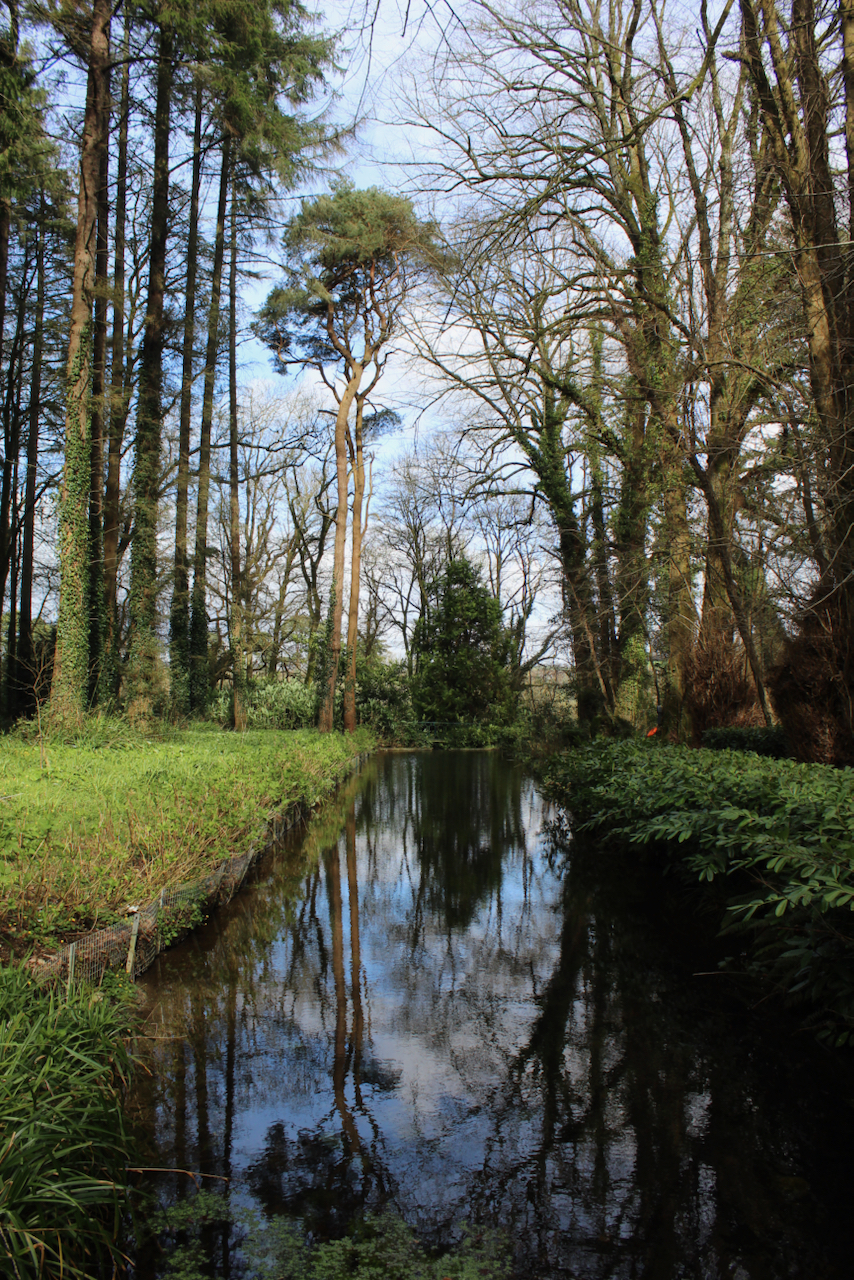
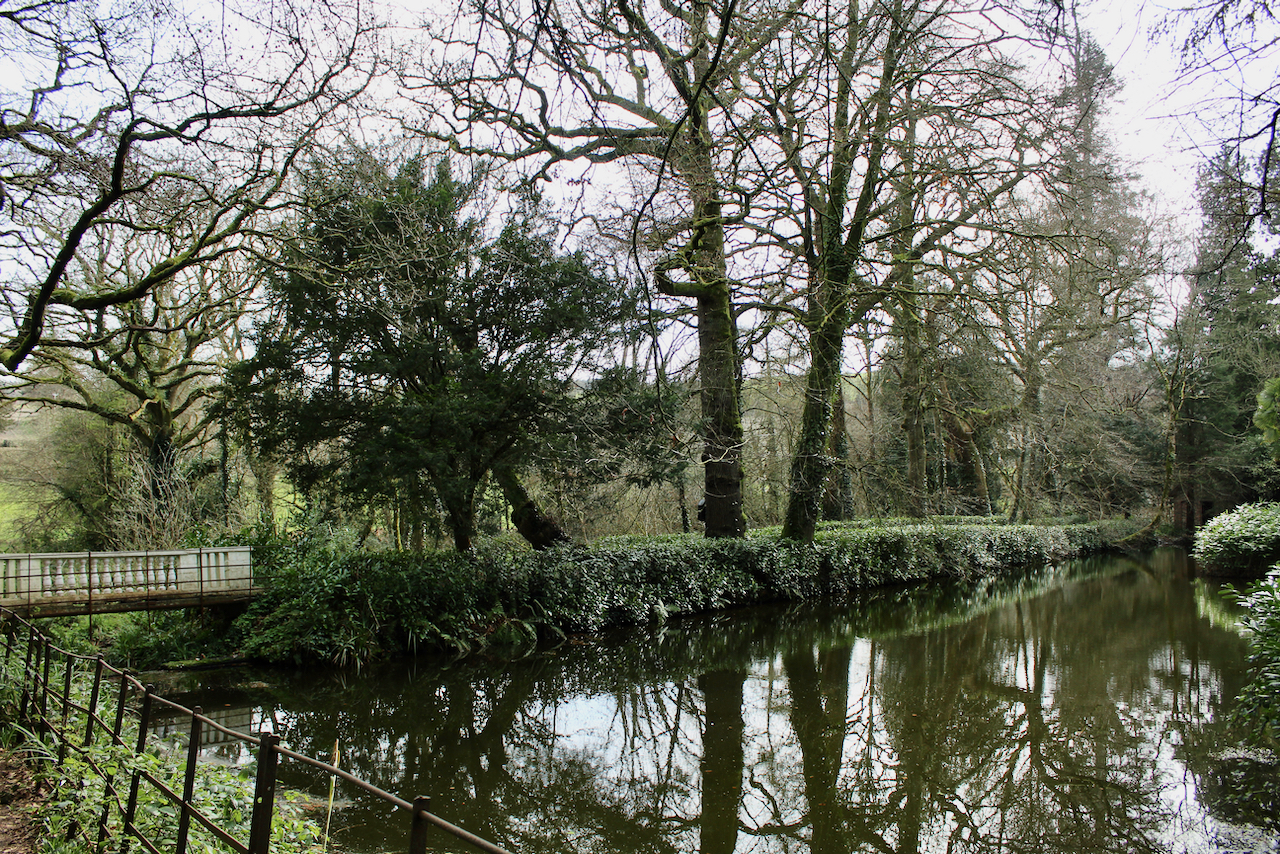
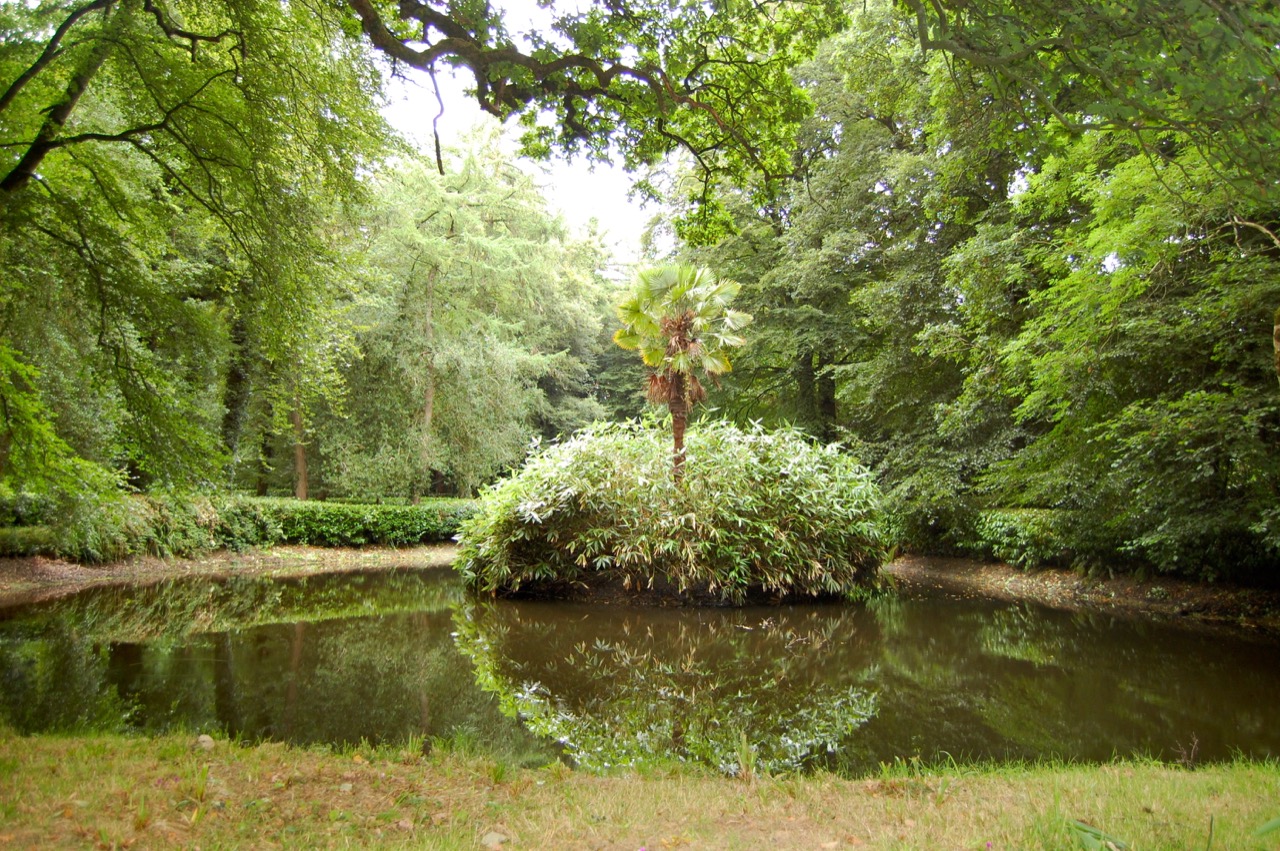
A country house erected to a design by Dermot St. John Gogarty (b. 1908) of Merrion Square, Dublin (DIA), representing an important component of the twentieth-century domestic built heritage of north County Wexford with the architectural value of the composition, one rooted firmly in the contemporary Georgian Revival fashion, confirmed by such attributes as the deliberate alignment maximising on scenic vistas overlooking ‘a very fine parkland with a large ornamental lake in front’ (Craig and Garner 1975, 54); the compact near-square plan form centred on a restrained doorcase demonstrating good quality workmanship; the diminishing in scale of the openings on each floor producing a graduated visual impression; and the Sir Edwin Lutyens (1869-1944)-esque high pitched sproketed roofline: meanwhile, a colonnaded “loggia” survives as an interesting relic of ‘the beautiful residence of Senator Sir Thomas Henry Grattan Esmonde [1862-1935] set on fire and burned to the ground’ (The People 14th March 1923, 3). Having been well maintained, the elementary form and massing survive intact together with substantial quantities of the original fabric, both to the exterior and to the interior, thus upholding the character or integrity of the composition. Furthermore, a walled garden (see 15700707); and a ruined gate lodge (see 15700709), all continue to contribute positively to the group and setting values of an estate having historic connections with the Esmonde family including Lieutenant-Colonel Sir Laurence Grattan Esmonde (1863-1943), thirteenth Baronet; Sir John Lymbrick Esmonde (1893-1958), fourteenth Baronet; Sir Anthony Charles Esmonde (1899-1981), fifteenth Baronet; and Sir John Henry Grattan Esmonde (1928-87), sixteenth Baronet.


























 Irish Historic Houses