Mark Bence-Jones. A Guide to Irish Country Houses (originally published as Burke’s Guide to Country Houses volume 1 Ireland by Burke’s Peerage Ltd. 1978); Revised edition 1988 Constable and Company Ltd, London.
p. 205. “(Woolsey, sub Barrow/IFR) A long plain two storey house of late-Georgian aspect. The principal front has two wide three sided bows, joined by an iron verandah. There are two narrower three sided bows on the end of the house. Prominent eaved roof, on bracket cornice. Burnt 1923 but rebuilt 1925, using the old walls.”
Not in national inventory
Casey, Christine and Alistair Rowan. The Buildings of Ireland: North Leinster. Penguin Books, London, 1993.
p. 186. An early C18 house burnt out in 1920 and rebuilt within the old walls by W. S. Barbert in 1925, thus at least the shape of the original building is preserved. A large, two-storey rectangle with a hipped rofo and extended entrance front. This has a three bay centre with a Georgian porch flanked by exceptionally wide canted bays like an English rectory.”
Mark Bence-Jones. A Guide to Irish Country Houses (originally published as Burke’s Guide to Country Houses volume 1 Ireland by Burke’s Peerage Ltd. 1978); Revised edition 1988 Constable and Company Ltd, London.
p. 198. “(Stafford/LGI1912) A two storey house of ca 1770. 7 bay front, Ionic doorcase.”
Mark Bence-Jones. A Guide to Irish Country Houses (originally published as Burke’s Guide to Country Houses volume 1 Ireland by Burke’s Peerage Ltd. 1978); Revised edition 1988 Constable and Company Ltd, London.
p. 194. “(Plunkett, Louth, B/PB) The familiar Irish castle theme of an old tower-house with a later building attached; but in this case the three storey nine bay 1760 addition is as high as the old tower, and there is a continuous skyline of early C19 battlements; the whole effect being one of vastness and a certain grimness. In the entrance front, which is plain except for a small C18 pedimented and fanlighted doorway, the old tower projects at one end, forming an obtuse angle with the later building; it is differentiated by having pointed Georgian Gothic windows whereas in the rest of the façade there are ordinary rectangular sahse; it also had slightly higher battlements, with Irish crow-stepped battlements at the corners, which are balanced by similar battlements at the opposite end of the front. In the garden front, there is a projection at one end with a shallow curved bow, giving the effect of another tower; the ground floor windows of the bow being Georgian Gothic. There is good plasterwork of ca 1800 in the principal rooms, the largest being a ballroom in the bow of the garden front.”
Louth Hall, County Louth, courtesy National Inventory.
Detached multiple-bay three-storey Georgian house, built c. 1760, now in ruins. Shallow projecting curved bow to the east of south elevation c. 1805, tower house to west c.1350. House destroyed by fire in 2000. Roof not visible, hidden behind crenellated parapet, remains of red brick corbelled chimneystack to angle of fourteenth-century house and eighteenth-century house, south elevation. Roughcast-rendered over squared coursed rubble stone walling, coping to crenellations. Pointed arch square- and round-headed window openings, tooled limestone sills. Round-headed door opening to north elevation flanked by engaged tooled limestone columns, surmounted by broken pediment and fanlight, painted timber door with ten flat-panels, Plunkett family crest above pediment. House situated within field with ranges of random rubble stone outbuildings to west c. 1805, arranged around three yards; remains of walled garden to west, artificial lake to south, dovecot to south-west. Entrance gates to north-east on roadside comprising tooled limestone squared piers, cast-iron gates, flanked by pedestrian gates and curving quadrant plinth surmounted by cast-iron railings.
Appraisal
This house was the home of the Plunkett family, Lords of Louth, from the later medieval until the early-twentieth century. The continuity of occupation is reflected in the architectural changes, the migration from tower house to Georgian mansion. A fire in 2000 destroyed delicate early nineteenth century interior plasterwork. The archaeological, architectural and historical associations of this building are as immense as the structure itself.
Louth Hall, County Louth, courtesy National Inventory.Louth Hall, County Louth, courtesy National Inventory.Louth Hall, County Louth, courtesy National Inventory.Louth Hall, County Louth, courtesy National Inventory.Louth Hall, County Louth, courtesy National Inventory.
In Blake, Tarquin. Abandoned Mansions of Ireland. Collins Press, Cork, 2010.
Louth Hall. (notes from Abandoned Houses of Ireland,by Tarquin Blake), 365 windows. Owners: 1541, Oliver Plunkett, made Baron of Louth, by Henry 8th; 1641, 6th.Baron, Oliver, converted to Irish rebels – imprisoned for High Treason. Cromwell forfeited the huge lands, Charles ii restored, 1669. 11th Baron, Thomas Oliver, House of Lords. 1805- extensions to House – 250 acres with 700 trees, total, 3,068 acres. 1909, most sold off to tenants. 14th Baron died 1941 – all sold, 1953, derelict.
The last Roman Catholic to be executed in England for his faith (although officially it was for high treason), Oliver Plunkett was also the first Irishman to be canonised for some seven centuries when declared a saint in 1975. Born 350 years earlier in Loughcrew, County Meath, Plunkett was member of a family which traced its origins back to Sir Hugh de Plunkett, a Norman knight who had come to Ireland during the reign of Henry II. His descendants established themselves primarily in Meath and Louth and soon acquired large land holdings in both. During the Reformation period, the Plunketts remained loyal to the Catholic religion of their forebears. Oliver Plunkett’s education was accordingly assigned to a cousin Patrick Plunkett, Abbot of St Mary’s, Dublin (and brother of the first Earl of Fingall). He then travelled to Rome where he entered the Irish College and became a priest, remaining in Italy until 1669 when appointed Archbishop of Armagh: the following year he returned to this country where he established a Jesuit College in Drogheda. However, changes in legislation and government attitudes towards Catholicism following the so-called Popish Plot of 1678 obliged him to go into hiding. Finally arrested in Dublin in December 1679 he was initially tried in Ireland but when the authorities here realised it would be impossible to secure a conviction he was taken to London where found guilty of high treason ‘for promoting the Roman faith’ and hanged, drawn and quartered at Tyburn in July 1681: since 1921 his head has been displayed in a reliquary in St Peter’s, Drogheda.
One of the houses associated with Oliver Plunkett is Louth Hall, County Louth. It was here he came to stay on his return to Ireland in 1670, provided with lodgings by his namesake and kinsman Oliver Plunkett, sixth Baron Louth. The original building on the site was a late-mediaeval tower house set on a hill above the river Glyde. This branch of the family had been based at Beaulieu, immediately north of Drogheda but in the early 16th century another Oliver Plunkett moved to the site of Louth Hall and in 1541 was created the first Lord Louth by Henry VIII. He may have improved the property to befit his status but given the travails that befell his successors as they remained Catholic during the upheavals of the next 150 years it is unlikely much more work was done to the building: on a couple of occasions their lands were seized from them or they were outlawed. The ninth Lord Louth, a minor when he succeeded to the estate in 1707, was raised in England in the Anglican faith and so his successors remained until the second half of the 19th century when the 13th Baron Louth was received into the Catholic church. Meanwhile considerable changes were wrought to their house, to which c.1760 a long three-storey, one-room deep extension was added. Further alterations were made in 1805 when Richard Johnston, elder brother of the more famous Francis, created several large spaces including a ballroom with bow window to the rear of the building. He was also responsible for inserting arched gothic windows to the original tower house and providing a crenellated parapet to conceal the pitched roof behind.
The Plunketts remained at Louth Hall until almost the middle of the last century. Most of the surrounding estate, which in the 1870s ran to more than 3,500 acres, was sold following the 1903 Wyndham Land Act but the house stayed in the family’s ownership and was occupied by the 14th Lord Louth who died in 1941. Louth Hall was then disposed of and seems to have stood empty thereafter. When Mark Bence-Jones wrote of the house in 1978 (Burke’s Guide to Country Houses: Ireland), he included a photograph of the dining room being used to store sacks of grain. Fifteen years later Christine Casey and Alistair Rowan (Buildings of Ireland: North Leinster) wrote of ‘delicate rococo plasterwork’ in two niches of the same room, and of crisp neo-classical plasterwork in the stairwell, as well as the first-floor drawing room featuring ‘delicate plasterwork of oak garlands and acorns.’ Almost none of this remains today, as vandals set fire to the already-damaged house in 2000 and left it an almost complete ruin. Somehow traces of the original interior decoration remain here and there, tantalising hints of how it must once have looked, but even the Plunkett coat of arms that until recently rested above the pedimented entrance doorcase has either been stolen or destroyed. As so often in this country, the only remaining occupants are cattle. Oliver Plunkett is a much–venerated saint in Ireland but not even his documented links with Louth Hall has been sufficient to protect it from a sad end.
THE BARONS LOUTH WERE MAJOR LANDOWNERS IN COUNTY LOUTH, WITH 3,578 ACRES
This noble family, the eldest branch of the numerous house of PLUNKETT, claims a common ancestor with the Earls of Fingall and the Barons Dunsany; namely, John Plunkett, who was seated, about the close of the 11th century, at Beaulieu, County Louth.
From this gentleman descended two brothers, John and Richard Plunkett; the younger of whom was the progenitor of the Earls of Fingall and the Barons Dunsany; and the elder, the ancestor of
SIR PATRICK PLUNKETT, Knight, of Kilfarnan, Beaulieu, and Tallanstown, who was appointed, in 1497, Sheriff of Louth during pleasure.
Sir Patrick married Catherine, daughter of Thomas Nangle, 15th Baron of Navan, and dying in 1508, was succeeded by his eldest son,
OLIVER PLUNKETT, of Kilfarnon, who was elevated to the peerage, in 1541, in the dignity of BARON LOUTH (second creation).
His lordship wedded firstly, Catherine, daughter and heir of John Rochfort, of Carrick, County Kildare, by whom he had six sons and four daughters; and secondly, Maud, daughter and co-heir of Walter Bath, of Rathfeigh, by whom he had two sons and two daughters.
He was succeeded at his decease by his eldest son,
THOMAS, 2nd Baron (c1547-71), who married Margaret, daughter and heir of Nicholas Barnewall, and was succeeded at his decease by his eldest son,
PATRICK, 3rd Baron (1548-75), who wedded Maud, daughter of Lord Killeen; but dying without issue (having been slain by McMahon, in the recovery of a prey of cattle, at Essexford, County Monaghan), the title devolved upon his brother,
OLIVER, 4th Baron; who having, with the Plunketts of Ardee, brought six archers on horseback to the general hosting, at the hill of Tara, 1593, was appointed to have the leading of County Louth.
He married firstly, Frances, daughter of Sir Nicholas Bagenall, Knight Marshal of Ireland, by whom he had five sons and three daughters; and secondly, Genet Dowdall, by whom he had no issue.
His lordship died in 1607, and was succeeded by his eldest son,
MATTHEW, 5th Baron, who wedded Mary, daughter of Sir Richard Fitzwilliam, of Meryon, and had four sons.
His lordship died in 1629, and was succeeded by his eldest son,
OLIVER, 6th Baron (1608-79); who, joining the Royalists in 1639, was at the siege of Drogheda, and at a general meeting of the principal Roman Catholic gentry of County Louth, held at the hill of Tallaghosker.
His lordship was appointed Colonel-General of all the forces to be raised in that county; and in the event of his lordship’s declining the same, then Sir Christopher Bellew; and upon his refusal, then Sir Christopher Barnewall, of Rathasker.
This latter gentleman accepted the said post of Colonel-General, for which he was imprisoned, in 1642, at Dublin Castle, and persecuted by the usurper Cromwell’s parliament.
His lordship married Mary, Dowager Viscountess Dillon, second daughter of Randal, 1st Earl of Antrim, and was succeeded at his demise by his only son,
MATTHEW, 7th Baron; who, like his father, suffered by his adhesion to royalty, having attached himself to the fortunes of JAMES II.
His lordship died in 1639, and was succeeded by his eldest son,
OLIVER, 8th Baron (de jure) (1668-1707); who, upon taking his seat in parliament, was informed by the Chancellor that his grandfather, Oliver, 6th Baron, had been outlawed in 1641; and not being able to establish the reversal of the same, the dignity remained, for the two subsequent generations, unacknowledged in law.
His lordship was succeeded by his only son, by Mabella, daughter of Lord Kingsland,
MATTHEW, 9th Baron (de jure) (1698-1754), who was succeeded by his eldest son,
OLIVER, 10th Baron (de jure) (1727-63), who wedded Margaret, daughter of Luke Netterville, and had issue,
THOMAS, his successor; Matthew; Susannah; Anne.
His lordship was succeeded by his elder son,
THOMAS OLIVER, 11th Baron (1757-1823), who had the outlawry of his great-grandfather annulled, and was restored to his rank in the peerage in 1798.
He married, in 1808, Margaret, eldest daughter of Randal, 13th Lord Dunsany, and had issue,
THOMAS, his successor; Randall Matthew; Charles Dawson; Henry Luke; Edward Sidney.
His lordship was succeeded by his eldest son,
THOMAS OLIVER, 12th Baron (1809-49), who espoused, in 1830, Anna Maria, daughter of Philip Roche, of Donore, County Kildare, by Anna Maria, his wife, youngest daughter of Randall, Lord Dunsany, and had issue,
RANDAL PERCY OTWAY, his successor; Thomas Oliver Westenra; Algernon Richard Hartland; Augusta Anna Margaret; another daughter.
His lordship was succeeded by his eldest son,
RANDAL PERCY OTWAY, 13th Baron (1832-83) an officer in the 79th Highlanders.
14th Baron Louth
RANDAL PILGRIM RALPH, 14th Baron (1868-1941), JP DL, was an officer in the Westminster Dragoons and the Wiltshire Regiment, and served in the First and Second World Wars.
The 14th Baron, though not prominent in politics, did take part in public life: He was a member of the Irish Reform Association, and took part in the campaign for a Catholic University. In politics he was a Unionist. His papers show that he was an active sportsman and also travelled widely.
He sold most of the estate soon after the 1903 Wyndham Land Act. He died in 1941, and was succeeded by his only surviving son Otway, briefly 15th Baron, before his death in 1950.
Louth Hall and demesne at Tallanstown were sold and the family settled at Jersey, Channel Islands.
The 16th Baron died at Jersey, Channel Islands, on the 6th January, 2013, aged 83.
The title now devolves upon his lordship’s eldest son, the Hon Jonathan Oliver Plunkett, born in 1952.
LOUTH HALL, the ancestral demesne of the Barons Louth, is in the parish of Tallanstown, 2½ miles south of the village of Louth, County Louth.
The mansion is a three-storey Georgian house, built ca 1760, now in ruins.
There is a shallow, projecting, curved bow to the east of south elevation of ca 1805; and a tower-house to west of ca 1350.
The roof is not visible, hidden behind a crenellated parapet.
The Plunkett family crest is above the pediment.
Louth Hall is situated within what is now a field, with ranges of random rubble stone outbuildings of ca 1805, arranged around three yards; remains of walled garden to west; artificial lake to south, dovecote to south-west.
Entrance gates to north-east on roadside comprising tooled limestone squared piers, cast-iron gates, flanked by pedestrian gates and curving quadrant plinth surmounted by cast-iron railings.
This house was the home of the Plunkett family from the later medieval until the early-20th century.
The 14th Baron sold most of the estate soon after the 1903 Wyndham Land Act.
He died in 1941, and his only surviving son, Otway, was briefly 15th Baron Louth, before his death in 1950.
The house and demesne were also sold, some years after the estate, and the family settled in Jersey, Channel Islands.
The continuity of occupation is reflected in the architectural changes, the migration from tower house to Georgian mansion.
A fire in 2000 destroyed delicate early 19th century interior plasterwork.
The archaeological, architectural and historical associations of this building are as immense as the structure itself.
First published in March, 2013. Louth arms courtesy of European Heraldry.
Mark Bence-Jones. A Guide to Irish Country Houses (originally published as Burke’s Guide to Country Houses volume 1 Ireland by Burke’s Peerage Ltd. 1978); Revised edition 1988 Constable and Company Ltd, London.
p. 189. “(Filgate/IFR) A three storey seven bay red brick house of 1788-98, built by William Filgate onto the end of an earlier house with panelled rooms, and at right angles to it; forming a house with a T plan. The 1788-98 block had a pedimented and fanlighted tirpartile doorway and a parapeted roof. It was demolished 1974, leaving the earlier house to serve as the family residence. Two rooms have since been added to it.”
Lissrenny, Tallanstown, Co Louth courtesy National Inventory.
Detached eight-bay two-storey with attic house, built c. 1740. Three two-storey returns to south, single- and two-storey extension to west c. 1800, squared bay windows to ground floor north elevation, gable-fronted dormer windows, pitched slate roofs to south elevation, projecting entrance bay to south elevation of extension c. 1800. Pitched and hipped slate roofs, crested clay ridge tiles to main house, clay hip tiles, copper flashing, roughcast-rendered and brick corbelled chimneystacks, moulded cast-iron gutters on carved stone corbelled eaves course to main block, cast-iron hoppers and circular. Roughcast-rendered walling, projecting smooth rendered plinth to main block. Square-headed window openings, tooled stone sills, smooth rendered reveals, painted timber four-over-four sliding sash windows to first floor north elevation, metal casement windows to ground floor north elevation, six-over-six, six-over-three and four-over-two sliding sash windows to extension; chamfered ashlar limestone flush sills and surrounds to bay windows and entrance-bay south elevation, multiple-pane metal casement windows, separated by stone mullions within bay-windows. Square-headed door openings, main entrance to north, carved sandstone pedimented surround, painted timber door with four raised-and-fielded panels and four plain-glazed panels, accessed by stone step; door set at angle within south elevation, tooled limestone surround recessed within segmental-headed tooled limestone arch with decorative label stops, painted timber door with nine flat panels, accessed by curved stone steps. Walled garden to south. Multiple ranges of roughcast-rendered and stone outbuildings to east centred around cobbled stableyard, pitched slate roofs, square- and round-headed window openings, brick surrounds, square-headed door openings and segmental-headed carriage arches, stone surrounds, random rubble bellcote to south range. Two-bay two-storey roughcast-rendered farmhouse to east. House set in own extensive grounds, accessed through large decorative gates with gate lodge to north-west.
Appraisal
Lisrenny House is an extensive eighteenth-century house which has evolved over the centuries having been extended in various stages and the retention of various features from different periods adds to the architectural value of the house. The large complex of outbuildings, walled garden and farm house are all part of the original site context, and these associated buildings reveal the social importance of a once significant demesne which possibly provided much work for those in the locality.
Lissrenny, Tallanstown, Co Louth courtesy National Inventory. Lissrenny, Tallanstown, Co Louth courtesy National Inventory. Lissrenny, Tallanstown, Co Louth courtesy National Inventory. Lissrenny, Tallanstown, Co Louth courtesy National Inventory.
Detached three-bay single-storey former gate lodge, built c. 1850, now in private domestic use. Projecting entrance to north elevation, extension to south; entrance gate to north-east. Hipped slate roof, hidden by rendered crenellated parapet, smooth rendered chimneystacks with caps, gutter hidden by parapet, cast-iron hoppers, circular cast-iron and uPVC downpipes. Painted roughcast-rendered walling, roughly dressed limestone quoins, painted smooth rendered plinth, roughcast-rendered extension to south, granite quoins, smooth rendered plinth. Paired shouldered-arched window openings with chamfered reveals and soffits, granite sills, smooth rendered surround with mullions and transoms, hood-moulding, painted timber casement windows. Projecting entrance, ballustraded parapet, smooth rendered channelled walling, basket-arched door opening, surmounted by hood moulding, painted timber door with five raised-and-fielded panels, plain-glazed overlight, rendered steps to entrance; replacement timber panelled door with sidelights to east elevation. Entrance gate to north-east comprising four finely tooled fluted limestone Doric columns surmounted by decorative capping stones, limestone plinth surmounted by decorative cast-iron railings with quadrant railings to square-profile limestone piers with Greek key motif to frieze and carved capping stones. Cast-iron gates made by R Turner of Stephen’s Green, resting on tooled limestone bollards give access to Lisrenny House.
Appraisal
Tallanstown gate lodge terminates the vista of the road coming from the north and the gates give access to Lisrenny House. The former gate lodge itself is an attractive well designed structure and though modest in its scale, the decoration and detail afforded to it are impressive. The crenellated parapet and balustraded entrance porch add a formality to the structure which is complimented by the fine entrance gates with beautifully tooled column and decorative cast-iron gates. This attractive grouping of structures forms a focal point on this rural roadway and they make a positive contribution to the architectural heritage of County Louth.
Lissrenny, Tallanstown, Co Louth courtesy National Inventory. Lissrenny, Tallanstown, Co Louth courtesy National Inventory.
Help me to pay the entrance fee to one of the houses on this website. This site is created purely out of love for the subject and I receive no payment so any donation is appreciated!
€15.00
Kinnitty Castle (formerly Castle Bernard), Kinnity, County Offaly
Kinnitty Castle Hotel, 2014, photographer unknown, for Tourism Ireland, Ireland’s Content Pool. [1]
We treated ourselves to a stay in Kinnitty Castle in February 2023. Formerly a home, it is now a hotel.
The website used to include a history, which told us that the present building was originally built by William O’Carroll on the site of an old Abbey in 1630. The building we see today, however, received a major reconstruction by architect brothers James (1779-1877) and George Richard Pain (1793-1838) in 1833. You can see traces of the Abbey in the courtyard.
In 1641 the castle was confiscated from William O’Carroll, as he must have played a part in the 1641 rebellion. The land was granted in 1663 by King Charles II to Colonel Thomas Winter for his military service.
The Stable yard is in use as a banqueting hall, called the Great Hall of the O’Carrolls, and kitchens.
The website continues, telling us that the Winter family sold the building in 1764 to the Bernards of County Carlow.
Andrew Tierney tells us in his The Buildings of Ireland Central Leinster that Franks Bernard (named after the surname “Franks”), a son of Charles Bernard of Bernard’s Grove, County Laois (now called Blandsfort), leased a small estate here in the early eighteenth century. Either he or his nephew Thomas (d. 1788) probably built the modest T-plan house that forms the core of the castle.
There is another Castle Bernard in County Cork – this seems to have belonged to a different Bernard family.
The castle website tells us that it was Catherine Hely Hutchinson (d. 1844, daughter of Francis Hely Hutchinson, MP for Naas, County Kildare), wife of Colonel Thomas Bernard (d. 1834), who hired the Pain brothers, James and George Pain, to renovate the building, in 1833 (according to Mark Bence-Jones).
James and George Pain were architects of the impressive Mitchellstown Castle, unfortunately no longer existing.
Mitchelstown Castle, County Cork, designed by the Pain brothers, courtesy of the National Library of Ireland, Lawrence PHotographic Collection, photographer Robert French ca. 1865-1914 ref. NLI L_ROY_01072.
James and George were sons of James Pain, an English builder and surveyor. Their Grandfather William Pain was the author of a series of builder’s pattern books, so they had architecture in the blood. According to the Dictionary of Irish Architects, James and his younger brother George Richard were both pupils of John Nash, one of the foremost British architects of his day, responsible for the design of many important areas of London including Marble Arch, Regent Street and Buckingham Palace. He was architect to the prolific lover of architecture the Prince Regent, later King George IV. When Nash designed Lough Cutra Castle in County Galway for Charles Vereker in 1811, he recommended that the two brothers should be placed in charge of the work, so it was at this time that they came to Ireland. Lough Cutra is an amazing looking castle privately owned which is available for self-catering rental (very expensive, I am sure! But for those of you with oodles of money to spend, or for an event that requires nine bedrooms…). [2]
Lough Cutra castle, County Galway, also designed by the Pain brothers, photograph from Lough Cutra website.
James Pain settled in Limerick and George in Cork, but they worked together on a large number of buildings – churches (both Catholic and Protestant), country houses, court houses, gaols and bridges – almost all of them in the south and west of Ireland. [3] In 1823 James Pain was appointed architect to the Board of First Fruits for Munster, responsible for all the churches and glebe houses in the province.
The Pains Gothicized and castellated Dromoland Castle in County Clare at some time from 1819-1838, now a luxury hotel. [4]
Dromoland Castle, County Clare, which was renvoated by the Pain brothers, photo care of Dromoland Castle, for Tourism Ireland 2019, Ireland’s Content Pool.
The Pains took their Gothicizing skills then to Mitchelstown Castle in 1823-25. In 1825 they also worked on Convamore (Ballyhooly) Castle but that is now a ruin. They also probably worked on Quinville in County Clare and also Curragh Chase in County Limerick (now derelict after a fire in 1941), Blackrock Castle in County Cork (now a science centre, museum and observatory which you can visit [7]), they did some work for Adare Manor in County Limerick (also now a luxury hotel), Clarina Park in Limerick (also, unfortunately, demolished, but you can get a taste of what it must have been like from its gate lodge), Fort William in County Waterford, and they probably designed the Gothicization and castellation of Ash Hill Towers in County Limerick (a section 482 property and with lovely tourist accommodation, see my entry https://irishhistorichouses.com/2023/04/06/ash-hill-kilmallock-co-limerick/), alterations and castellation of Knappogue Castle, County Clare (you can also visit and stay, or attend a medieval style banquet), Aughrane Castle mansion in County Galway (demolished – Bagots used to own it, I don’t know if we are related!), a castellated tower on Glenwilliam Castle, County Limerick and more.
Curragh Chase, County Limerick garden front 1938, also designed by the Pain brothers, like Loughton it is classical rather than Tudor Gothic, photograph from Vanishing Country Houses of Ireland by The Knight of Glin, David J. Griffin and Nicholas K. Robinson, published by The Irish Architectural Archive and The Irish Georgian Society, 1988.Fortwilliam, Glencairn, Lismore, Co Waterford courtesy Michael H. Daniels and Co., also designed by the Painsin Tudor Gothic style.Knappogue, or Knoppogue, Castle, County Clare, also designed by the Pains.Kinnity Castle (Castle Bernard) County Offaly, photograph by Robert French, Lawrence c. 1865-1914 Photographic Collection National Library of Ireland ref L_Cab_09230.
In his 1988 book A Guide to Irish Country Houses, Mark Bence-Jones writes about Kinnitty Castle, formerly named Castle Bernard, that it is a Tudor-Revival castle of 1833, with impressive entrance front with gables, oriels and tracery windows and an octagonal corner tower with battlements and crockets; all in smooth ashlar.[5]
Kinnitty Castle Hotel, 2014, photographer unknown, for Tourism Ireland, Ireland’s Content Pool. (see [1])
The National Inventory describes it:
“Ashlar limestone walls with castellated parapet, carved limestone plinth course and continuous string course to parapet. Battered walls to basement level. Square-headed window openings with tooled limestone and sandstone label mouldings, chamfered surrounds and punched limestone sills. Castellated box bay to second bay from north-east rising from basement level to first floor with chamfered stone mullions. Oriel window above entrance added at later date.”
Battered walls at basement are walls that slant outwards. This was a traditional building feature of castles, so that stones could be dropped from above and they would not fall straight down but hit the battered walls and bounce outwards to hit intruders.
Mark Bence-Jones defines an oriel window as a large projecting window in Gothic, Tudor, Gothic-Revival and Tudor-Revival architecture; sometimes rising through two or more storeys, sometimes in an upper storey only and carried on corbelling. This particular window is not carried on corbels.
The National Inventory continues: “Single-storey castellated entrance porch with diagonal buttresses surmounted by pinnacles with crockets and finials. Tudor arched opening to porch with label moulding accessed rendered porch with ribbed ceiling, niches to side walls and tooled limestone bell surround and post box flanking door. Square-headed door opening with chamfered limestone surround and label moulding, sandstone threshold and timber double doors.“
Before he married Catherine, Thomas Bernard, MP for County Offaly, married Elizabeth, daughter of Henry Prittie, 1st Baron Dunalley of Kilboy, County Tipperary. She died in 1802 and he married for a second time in 1814. He began building work on his house in 1833 but died the following year.
Thomas and Catherine had several children. Their heir was Thomas Bernard (1816-1882). Other sons were Francis, Richard Wellesley, and John Henry Scrope, and daughter Margaret.
Thomas Bernard (1816-1882), son of Catherine née Hely Hutchinson and Thomas Bernard (d. 1834).
Nearby the Bernard family have an unusual pyramid-shaped mausoleum. Richard Wellesley Bernard (c. 1822-1877) completed his military training in Egypt. He was an architect and engineer and it is said that he built the pyramid between 1830-34 but he would have been only eight years old, so perhaps it was constructed by an earlier Bernard. It is an exact replica of the Egyptian pyramid of Cheop.
The website continues: “The building was burned in 1922 by Republican forces and rebuilt by means of a Government grant of £32,000 in 1927.
The Buildings of Ireland Central Leinster book by Andrew Tierney tells us that the castle was rebuilt by Joseph John Bruntz. He was born in Dublin. The Dictionary of Irish Architects tells us that he was a pupil in his father’s office for four years and remained as an assistant for a further three years. After starting to practise independently as an architect circa 1915, he moved in 1917 or 1918 to Edenderry, Co. Offaly, where he set up an office. From 1922 he held the position of architect and civil engineer to the Co. Offaly Board of Health.
The website continues: “The building became the property of Lord Decies in 1946. He in turn sold it and the estate to the Government of Ireland on 12th December 1951. The State used the castle as a Forestry Training centre from 1955 until it was purchased in 1994 and turned into a 37 bedroom luxurious hotel for all guests both locally and internationally to enjoy.“
Arthur George Marcus Douglas De La Poer Beresford (1915-1992), 6th Lord Decies, bought the property in 1946. He sold it in 1951.
It is a wonderful and affordable hotel, full of character.
[5] p. 62 (under Castle Bernard), Bence-Jones, Mark. A Guide to Irish Country Houses (originally published as Burke’s Guide to Country Houses volume 1 Ireland by Burke’s Peerage Ltd. 1978); Revised edition 1988, Constable and Company Ltd, London.
General information: 051 562650, tinternabbey@opw.ie
donation
Help me to pay the entrance fee to one of the houses on this website. This site is created purely out of love for the subject and I receive no payment so any donation is appreciated!
€15.00
We visited Tintern Abbey when we were in Wexford in May 2023. We visited again recently as it had rained on our previous visit and we didn’t get to to go to Colclough walled garden, so we made a beeline for the walled garden on our second visit.
The Abbey was converted into a residence after the Dissolution of the Monasteries in King Henry VIII’s time. When the Abbey was gifted to the state, the Irish Board of Works immediately demolished the residence, so that the building was left a ruin. It was only two decades later that the Board of Works began to conserve the property.
The OPW website https://heritageireland.ie/visit/places-to-visit/tintern-abbey/ tells us that the Abbey was founded as a Cistercian monastery around the year 1200 by William Marshall, 1st Earl of Pembroke, who became Lord of Leinster as he married Isabella de Clare, the daughter of “Strongbow,” Richard de Clare, 2nd Earl of Pembroke. Marshall vowed to create an abbey wherever he could safely land in Ireland during a storm, and he landed in Bannow Bay. Tintern Abbey is located at the head of a small inlet of the sea, next to a stream that provided fresh water. The Abbey was founded as a “daughter house” of Tintern Abbey in Wales, made famous by poet William Wordsworth. To distinguish it from the Welsh abbey, Wexford’s Abbey was also called “Tintern de Voto” meaning “of the vow.”
After the dissolution of the monasteries by Thomas Cromwell and King Henry VIII, Tintern Abbey was granted to a soldier, Anthony Colclough (d. 1584).
Information boards tell us about the history of the Abbey and the Cistercian Order, which was based on a strict interpretation of Benedictine rule. The monks would have lived according to a spartan routine of prayer and manual labour. Most of the difficult tasks were carried out by lay brothers. The practice of having lay brothers began because initially the monks wanted to cut themselves off from the outside world and did not allow lay people on their land. However, they needed labourers, so the lay ministry was formed. Some of these lay brothers may have lived nearby in Rathumney Hall, or Castle, now a ruin. Lay brothers often lived in out-farms or “granges,” which would have their own hall, dormitory, kitchen and chapel, and the brothers would then join the monks at the Abbey at weekends.
Tintern Abbey, County Wexford, May 2023.Tintern Abbey, County Wexford, situated at the top of an inlet.Tintern Abbey, photograph by Celtic Routes, 2019 for Tourism Ireland, Ireland’s Content Pool. [see 1]
Information boards tell us of the various phases of the Abbey. It would have been built first by lay monks, and later by the mid 1200s, by professional masons.
Tintern Abbey, County Wexford, May 2023.Reconstruction drawings by Daniel Tietzsch-Tyler.Tintern Abbey, County Wexford, May 2023.Makers Marks, from as early as the 1200s, Tintern Abbey, County Wexford, May 2023.
Cistercian simplicity was reflected in their buildings, of strong form and good building techniques. In 1140, Malachy, Bishop of Down, visited Bernard of Clairvaux. Bernard sent helped to establish the Cistercian monastery in Mellifont, County Louth, and by 1169 Ireland had fourteen Cistercian settlements. The Anglo Normans established a further ten in the fifty years after 1169, including Dunbrody Abbey, another Cistercian monastery near Tintern Abbey.
The Cistercians built according to well-established convention. The churches consisted of an aisled nave and presbytery with north and south transepts. A tower was not a usual feature. The cloister was south of the church and was surrounded by buildings such as the infirmary, dormitory, kitchen, guest house and scriptorium.
Sculpture was not encouraged in Cistercian buildings but Tintern has a few fine surviving examples. A carved corbel table remains, which contains twenty four carved heads, some human, some monstrous.
In the 16th century the old abbey was granted to the Colclough family (pronounced Coakley) and soon after the church was partly converted into living quarters and further adapted over the centuries. The Colcloughs occupied the abbey from the sixteenth century until the mid-twentieth.
The nave contained the main residence of the Colclough family.Renovations and excavation at Tintern Abbey.Tintern Abbey, County Wexford, May 2023.
A chapter by Sean Clooney about Tintern Abbey in Tintern Abbey County Wexford, Cistercians and Colcloughs, Eight Centuries of Occupation, 1st Edition edited by Kevin Whelan, 2nd Edition edited by Anne Finn, tells us that Anthony Colclough, much like King Henry VIII, divorced his first wife! He divorced Thomasine Sutton in 1547 and married Clare Agard. He converted the tower of the abbey into a fortified tower house. A fire in 1562 had destroyed many of the other buildings. He also built the unique fortified bridge nearby.
He is buried in the small ruined church a few hundred metres south east of the abbey. The plaque in this church reads:
“Here lieth the body Syr Anthony Colclought Knight, eldest sune of Richard Colcloughtof Wolstanton in Stafordshire Esquier who came first into this land in the 34 yere of Henry the 8 and then was Captayn of the Pensioners in which place and others of greater charge he continued a most faythful serviter during the life of Edward the VI and Queen Mary and until the XXVI yer of our most noble Queen Elisabeth and then died the IX of December 1584. He left his wife, Clare Agare, daughter of Thomas Agare Esquier7 sonns, Frances, Ratlife, Anthony, Syr Thomas Colclough, Knight, John, Matew, Lenard and 5 doghters, Jaqnet who married to Nicholas Walsh Esquier of the Priveie Counsayle and one of the Justice of the Kings Bench in Ireland; Fraunc married to William Smethwike of Smethwik in Cheshier; Clare married to William Snead of Brodwal in Stafordshire Esquier; Elinor died iunge.”
Anthony’s son Thomas continued to develop Tintern, and is said to have established oyster beds in Bannow Bay. He married, first, Martha Loftus, daughter of Adam Loftus, Protestant Archbishop of Dublin. Their son Adam was raised to the baronetcy as 1st Baronet of Tintern Abbey. Thomas’s second wife, Eleanor Bagenal, was Catholic. After her husband’s death, she married Lucas Plunkett, 1st Earl of Fingall. Thomas’s son by his second marriage inherited lands at Duffry, where Duffry Hall was built by his grandson Patrick Colclough (d. 1691).
Tintern Abbey, County Wexford, May 2023.Tintern Abbey, County Wexford, May 2023.Reconstruction drawings by Daniel Tietzsch-Tyler.Colclough family tree, in Tintern Abbey County Wexford, Cistercians and Colcloughs, Eight Centuries of Occupation, 1st Edition edited by Kevin Whelan, 2nd Edition.
During the 1641 rebellion 200 local Protestant people took refuge in Tintern which was garrisoned by forty soldiers from Duncannon Fort situated nearby. At that time Tintern would have been inhabited by the 2nd Baronet, Caesar Colclough (d. 1684). Shortly afterwards the Catholic branch of the family laid siege to the Protestant branch who were in residence in Tintern Abbey. [2]
The Catholic branch who took control of the abbey following a two-week siege included Dudley Colclough (1613-1663), who had married Katherine Esmonde of Johnstown Castle, and his two brothers John and Anthony (who married Mary Esmonde from Johnstown Castle). Following Oliver Cromwell’s arrival in 1649 Dudley was banished to Connaught and he ultimately died in exile in France.
The 3rd Baronet of Tintern Abbey, Caesar (1650-1687) had no heir so the title expired and the lands passed to his sister Margaret. She married firstly, in 1673, Robert Leigh, of Rosegarland, who thereupon assumed the surname of Colclough; and secondly, in 1696, John Pigott, of Kilfinney, County Limerick, who also assumed the surname of Colclough.
Caesar Colclough (d. 1766), known as “Great Caesar,” great-grandson of Catholic Dudley who had rebelled in 1641, united the properties. His grandfather, Patrick Colclough of Duffry Hall, married Katherine Bagenal of Dunleckney, County Carlow. Patrick Colclough was Catholic and very active in the Jacobite cause and was attainted of High Treason and outlawed by King William III but he died in 1691, before the attainder passed into law, so his eldest son was able to inherit his estates. His son Dudley (d. 1712) was brought up in the Protestant faith. [3] He married Mary Barnewall, granddaughter of Nicholas Barnewall, 1st Viscount Barnewall of Kingsland. The Great Caesar was their son.
The “Great Caesar” was a great sportsman and generous landlord. He brought a team of men to play hurling in front of King George. The team wore a yellow sash to distinguish them from the opposition, and the king or queen called out, “Come on the yellow bellies!” and from then on, Wexford men are called “yellow bellies.”
Caesar’s second wife, Henrietta Vesey, was the great-granddaughter of King Charles II, granddaughter of Mary Walters de Crofts, illegitimate daughter of Charles II.
Upon the Great Caesar’s death in 1766, the Tintern estates passed to his grandson Vesey, and the Duffry estates passed to his younger son Adam. Vesey Colclough (1745-1794) married Catherine Grogan of Johnstown Castle in County Wexford. It was not a happy marriage and they separated, but Vesey remained in Tintern and transformed the chancel of the abbey into a residence. He was extravagant in his lifestyle, however, and his son John had to extricate himself from debt accrued.
John did more renovations of the abbey, constructing a second storey over the south transept aisle, which was known as the Lady Chapel. The lower storey held a kitchen and above, a library, wiht a massive Gothic window facing the sea.
However, when John was standing for election he was shot dead in a duel in 1807 by William Alcock of Wilton Castle in County Wexford, an opponent in the election. Alcock was acquitted by a jury of his peers, but his mental health deteriorated.
Four Colcloughs died in duels. Thomas of Duffrey Hall was killed in a duel in 1690. Agmondisham, son of “Great Caesar,” was killed in a duel in 1758, and John Colclough of St. Kieran’s was killed in 1801 by Henry Loftus Tottenham of Loftus Hall, far down on the Hook Peninsula (a property that is again advertised for sale).
Tintern passed to John’s brother, another Caesar Colclough (1766-1843). He and his wife Jane Kirwan had no children, and some suspected his wife of killing him. She went on to marry Thomas Boyce. Her right to the property was challenged by the Colclough family. So many court cases were instigated that it has been said that it was one of the inspirations for Dickens’ “Jarndice vs Jarndice” in Bleak House.
Adam, the son of “Great Caesar” who inherited Duffry, had a son, Caesar, who died in 1822. He was Chief Justice of Prince Edward Island in Canada. It was his daughter, Mary, who married John Thomas Rossborough, who eventually gained ownership. Her husband took the name Colclough.
The Colclough family lived there until 1958, when it was presented to the state by Lucy Biddulph-Colclough.
The Board of Works that took on care of Tintern Abbey dismantled the residential part of the building: floors, doors and windows were taken out, the roof was taken off, and materials were sold by auction. It was only twenty years later that the Board of Work returned to preserve the abbey.
Tintern Abbey noticeboard.Reconstruction drawings by Daniel Tietzsch-Tyler.Tintern before restoration work.Tintern before restoration work.
When it was being restored, the roof of the tower was rebuilt. The coach house with the medieval gateway was restored to provide visitor facilities.
When the Abbey was converted into a residence, new flooring was added and the tower house was divided into rooms with wattle and daub timber frame screen walls and oak panelling fixed to the masonry walls. What remains of the oak panelling has been conserved and is now located on the first floor of the Crossing Tower. Dendrochronology dates the timbers to 1600-1620. It was known as “wainscotting.” It added warmth to the room.
The website continues: “Conservation works have included special measures to protect the local bat colonies. The abbey is set in a special area of conservation and is surrounded by woodland within which are walking trails. Not to be missed is the restored Colclough Walled Garden situated within the old estate.“
Following the donation of Tintern Abbey to the Irish State in 1959 the walled garden was abandoned to nature and became overgrown. The gradual restoration of the walled garden by a team of volunteers began in 2010 and the 1830s layout shown on the Ordnance Survey was reinstated. The restored garden, which opened to the public in 2012, is divided into two sections: the Ornamental Garden and the Kitchen Garden.
See the sale of Loftus Hall, courtesy of Colliers.
Loftus Hall, County Wexford, for sale April 2025 courtesy Colliers.
Loftus Hall is a large, partly re-furbished country house which was built on the site of the original Redmond Hall. The property boasts one of the most scenic locations in the southeast with views over Hook Peninsula and the world famous Hook Lighthouse, providing the most stunning landscape which is steeped in history and reputed by locals to have been haunted the property. The property was purchased by the Quigley family in 2011 and run as a tourist attraction with guided tours of the property and seasonal events. In 2021 the property was bought by its current owners who had a masterplan to refurbish the original building over two phases. The estate has already undergone extensive renovations, with Phase 1 nearing completion, set to transform the property into an exclusive 22-bedroom luxury hotel with high-end amenities, extensive food and beverage facilities, and beautifully landscaped gardens. The vision for Phase 2, included an additional 56 bedroom hotel block, a gym and spa, dedicated wedding facilities, 33 standalone garden cottages and 10 eco pods strategically placed along the perimeter of the property.
Loftus Hall, County Wexford, for sale April 2025 courtesy Colliers.
Location Loftus Hall is located on the southern tip of Hook Peninsula, close to the famous Hook Lighthouse, one of the oldest operational lighthouses in the world. Loftus Hall offers an unparalleled location for exploring the beauty and history of County Wexford. Just 4km from the iconic Hook Lighthouse, 33km from the vibrant town of New Ross, 45km from Wexford and 51km from Waterford. The property is also in close proximity to several popular tourist destinations, including Passage East (17km) and Dunmore East (30km) and the charming nearby villages such as Hookless Village, Slade, and Fethard-On-Sea, all within easy access. The location is quite picturesque, making it a popular spot for visitors interested in history, architecture, and the paranormal. Main House Built originally between 1870 and 1871 on the site of Redmond Hall, which traces its history to 1350, Loftus Hall comprises a detached nine-bay, three storey house. The estate is situated on approximately 27.68 hectares (68 acres) with the house extending to a total gross internal area (GIA) of 2,460 sq.m (26,480 sq. ft). Loftus Hall is a protected structure under RPS Ref WCC0692 and under the NIAH Ref 15705401. The estate has already undergone extensive renovations, with Phase 1 nearing completion. The ground floor of the original building has been transformed to contain a large dining room, a cigar room and a number of guest lounge areas. When completed the restaurant will seat over 100 covers which will feature visibility of the chefs working with an open pass, an outside BBQ area and fire pit adjacent to the new restaurant area with the existing bar fully refurbished. The hotel bedrooms are finished to second fix over the first and second floors and are appointed with large ensuite bathrooms and with commanding and sweeping views out to sea. The vision for Phase 2 consists of the development of a permanent marquee erected on the grounds which will cater for up to 300 seated wedding guests, a gym & spa, a new hotel bedroom block which will contain up to 56 additional bedrooms, 33 standalone garden cottages, 10 eco pods wrapped around the perimeter of the property, a children’s playground, a herb and vegetable garden, over two hundred car park spaces in total between the front and rear of the development and a walkway that will allow guests to access the beach directly from the development. The Grounds The grounds are a feature of Loftus Hall and have been maintained to the highest standards throughout the refurbishment. The gardens at Loftus Hall, particularly the walled garden, were designed to thrive in the unique climate of the Hook Peninsula. The garden’s high walls provided a sheltered environment, allowing a variety of plants to flourish. Fruit trees were a significant feature, with mulberry trees being particularly successful. The sheltered environment also supported other fruit trees like apple and pear. Additionally, the garden likely included a variety of herbs and vegetables, which were essential for the estate’s kitchen. The garden’s design and plant selection reflect the practical needs and aesthetic preferences of the time, creating a space that was both beautiful and functional.
Mark Bence-Jones. A Guide to Irish Country Houses (originally published as Burke’s Guide to Country Houses volume 1 Ireland by Burke’s Peerage Ltd. 1978); Revised edition 1988 Constable and Company Ltd, London.
p. 225. (Bond/LGI1958) An early or mid-C18 gable-ended house of three storeys and five bays. Window surrounds with keystones in all three storeys. Fanlighted doorway with sidelights and baseless pediment carried on engaged columns.”
Gateway to Newtownbond House, County Longford, courtesy National Inventory.
Gateway originally serving the north entrance to Newtownbond House, erected c. 1790. Comprising a central pair of ashlar limestone piers (on square-plan) having projecting dressed limestone plinths and carved stepped capstones over, and with moulded entablatures to heads having floral motifs set within roundels to frieze. Double-leaf wrought-iron gates with spear finials. Gateway flanked to either side (east and west) by sections of sections of rubble stone walling having cut stone plinth courses and cut stone coping over, an terminated to either side by ashlar limestone gateway piers of the same design as central piers. Integral square-headed pedestrian entrances to side walls having dressed limestone surrounds, entrances now blocked with rubble stone. Rubble stone boundary walls with tapered profile to either side of outer gate piers. Set back from road to the south of Ballinalee, and to the north of Newtownbond House (demolished).
Appraisal
This ornate classically-detailed gateway formerly served as the north entrance to Newtownbond House, now demolished. This gateway is particularly well-designed and is of apparent architectural merit, acting as a reminder of the former grandeur of the main house. The piers are solidly constructed and form a strong focal point which is offset by the finely sculpted limestone side entrances. The level of craftsmanship involved in the construction of these gates is of the highest quality, partially seen in the floral detailing to the friezes of the piers. The gates are a reminder of the skill of local stone masons and sculptors available in Ireland at the time of their construction. They provide important context to the locality and form an attractive roadside feature. The rubble stone walling to either side of the main entrance suggests that either these walls were rebuilt/remodelled or that that walls were originally rendered. Newtownbond House was a five-bay three-storey early-to-mid eighteenth-century house having a pedimented fanlight doorway. It was demolished at some stage during the second half of the twentieth century. The Bonds were Presbyterians from Yorkshire who settled in the north of Ireland during the mid-seventeenth century. One of them, Revd. James Bond, bought Newtownflood about 1729, renaming it Newtownbond, and reputedly built or rebuilt the Presbyterian meeting house at nearby Corboy (13401440). His fourth son, William (1750 – 1811), High Sheriff in Longford, commanded the Carrigglas Yeomanry during the rebellion of 1798, and, as agent to the Edgeworth family, supervised the building of the road from Edgeworthstown to Longford to the south. The estate remained in the Bond family throughout the nineteenth century. Henry Bond lived here in 1837 and 1846 (Lewis, Slater’s Directory), and Capt. William Bond was in residence in 1881 (Slater’s Directory).
Gateway to Newtownbond House, County Longford, courtesy National Inventory.
Mark Bence-Jones. A Guide to Irish Country Houses (originally published as Burke’s Guide to Country Houses volume 1 Ireland by Burke’s Peerage Ltd. 1978); Revised edition 1988 Constable and Company Ltd, London.
p. 205. “(Harman, sub King-Harman/LG1937 supp; De Montfort/IFR) A two storey mid-C18 house built by Wesley Harman. Three bay front, with an additional bay added to the left. Doorcase with blocking. Bought 1764 by Henry Montfort; sold by a subsequent Henry Montfort ca 1837.”
Detached four-bay two-storey house, built c. 1760, with recent two-bay single-storey lean-to extension to rear (west). Pitched natural slate roof with three rendered chimneystacks. Painted roughcast rendered walls over smooth rendered plinth, and having render block quoins to the corners of the front elevation. Front elevation partially cover in ivy/vegetation. Square-headed window openings to front elevation with painted stone sills, rendered reveals and replacement windows. Blank façade to rear (apart from extension). Round-headed door opening with painted carved limestone Gibbsian surround with architrave, and having timber panelled door with spider’s web fanlight over. Doorway behind modern open porch with metal columns and rendered base. Set back from road in extensive mature grounds to the south of Cloondara. Two-storey rubble stone outbuilding to rear (south) with pitched natural slate roof, rubble, square-headed door opening with timber lintel and external stone staircase having access to first floor. Dressed limestone gate pier (on square-plan) adjacent to outbuilding. Rubble stone boundary wall (probably part of walled garden) to site with dressed limestone quoins and loop hole openings, probably originally part of an outbuilding (now partially demolished). Main entrance gates to the northeast of house comprising a pair of chamfered carved limestone gate posts with wrought-iron double-leaf gates and wrought-iron pedestrian turnstile. Long approach avenue to the east of house.
Appraisal
Although altered with the loss of some original fabric, this interesting house retains much of its early character. The long narrow appearance of this house, with the stocky chimneystacks and the pitched roof would appear to indicate an early date for the structure. While a house was indeed built on this site in the 1700s (local information), the structure as it appears today is said to be a latter addition to an earlier portion (south end; map information) which was demolished in the early twentieth-century. The large window openings to the front are consistent with a nineteenth-century provenance, but perhaps more telling is the lack of any openings to the rear, an unusual feature that suggests that this building formerly had a return to the rear or that it may be of considerable antiquity. Like many large houses in Ireland, the entrance is emphasised, in this case with a fine carved stone surround and a round-headed opening, which adds a decorative element to the otherwise plan front elevation. The proportions to the front elevation, and the location of the chimneystacks, indicates that this building was extended to the south by a bay at some stage. The two-storey outbuilding to the rear and the attractive entrance gateway and pedestrian turnstile to the northwest of the house add considerably to this interesting composition. The rubble stone wall to the rear with loop hole openings is probably part of a partially demolished outbuilding, perhaps associated with a walled garden. Middleton was reputedly bought by the Montfort family in 1764, and was the residence of a Montford Esq. c. 1777 – 83 (Taylor and Skinner map). It was still in the possession of the Montford (Henry Esq.) in 1846 (Slater’s Directory). The Montford (or de Montfort family) were of French Huguenot descent, and appear to have come to have originally come to Ireland during the late-seventeenth century, probably just after 1690 (a Pierre de Montford was a lieutenant in the army of William III; he settled in County Longford in 1702). The Montfort family later bought the estate of Middletown c. 1750. It had passed out of the ownership of the Montford family by 1900.
Mark Bence-Jones. A Guide to Irish Country Houses (originally published as Burke’s Guide to Country Houses volume 1 Ireland by Burke’s Peerage Ltd. 1978); Revised edition 1988 Constable and Company Ltd, London.
p. 183. “A very perfect small early C18 house of two storeys over high basement, possibly by Richard Castle. Three bay front, tripartite doorway with pediment extending over door and side-lights, on pilaters which stand on miniature rusticated basements; broad flight of steps to hall door. Solid roof parapet; windows surrounds with keystones; bold quoins. Symmetrical rear elevation, wiht blocking round windows and central basement door. Deep hall with chimneypiece of black Kilkenny marble. Plaster panelling in ground floor rooms, with occasional shell and other ornament; wood panelling upstairs. Seat of the Ledwiths, became derelict, now being restored.”
Ledwithstown, County Longford, photograph courtesy of Mark Bence-Jones, A Guide to Irish Country Houses.Ledwithstown House, County Longford, by Peter Murray, 2020, courtesy Irish Georgian Society.
The design of Ledwithstown House has been attributed to Richard Castle, or Cassels, an architect who, in 1728, came to Ireland, from the city of Kassel in northern Hesse, Germany. Castle came at the invitation of Sir Gustavus Hume, of Enniskillen, Co. Fermanagh, and over the course of a long and successful career designed many buildings, including the Printing House in Trinity College, the Conolly Folly, Leinster House, and Russborough House in Co. Wicklow. Castle also has a number of lesser-known houses attributed to him, including Ledwithstown in Co. Longford. With its Doric temple portico surrounding the entrance door, the exterior of Ledwithstown is plain, almost severe. There is no pretty semi-circular fanlight here; instead three plain squares of glass, and two windows flanking the entrance door that provide light to the hallway. Although relatively small, the windows on the façade are surrounded by heavy stone frames, making them appear larger. Thick glazing bars reinforce the early eighteenth-century character of this house. The attribution to Richard Castle is reasonable, as is the date 1746. All the architectural components have been carefully considered, and a sense of proportion—a term often over-used in relation to eighteenth-century architecture—infuses every element, up to and including the two chimney stacks, which are arranged parallel to the façade. The roof is partly concealed by an elaborate cornice, adding to the Palladian grandeur. The severity of Ledwithstown’s temple front, with its plain pilasters and rusticated base, is relieved by a Baroque flourish of balustrade and steps that lead to the entrance door. Other country houses by, or attributed to Castle include Hazelwood in Co. Sligo and Bellinter House in Co. Meath.
IGS Grants — 2001: repairs to interior decorative plasterwork; 2006: restoration of panelled rooms
The work of the Irish Georgian Society is supported through the Heritage Council’s ‘Heritage Capacity Fund 2022’.
Ledwithstown, County Longford, courtesy National Inventory.
Detached three-bay two-storey over raised basement house, built 1746. Hipped natural slate roof hidden behind parapet wall with pronounced moulded cut stone eaves course and with cut stone coping over. Pair of tall dressed ashlar limestone chimneystacks, aligned along with roof ridge, having moulded cut stone coping over. Sections of cast-iron rainwater goods remain, cast-iron hopper dated 1857. Roughcast rendered walls over rubble stone construction; cut stone block-and-start quoins to the corners and chamfered cut stone string course above basement level. Square-headed window openings with replacement nine-over-six pane timber sliding sash windows having cut limestone surrounds with architraves and prominent keystone, and with tooled limestone sills. Central cut stone tripartite Tuscan doorcase to main elevation (south) comprising tetrastyle limestone pilasters resting on rusticated ashlar limestone base section and surmounted by carved pediment. Timber panelled door with overlight and having flanking six-over-four pane timber sliding sidelights. Doorway accessed by flight of moulded cut stone steps flanked to either side (east and west) by splayed rendered walls with cut stone coping over and having terminating cut stone piers (on square-plan) to base with moulded capstones over. Square-headed door opening to the east elevation having cut limestone block-and-start surround with prominent keystone, replacement timber door and a plain overlight. Set back from road in extensive mature grounds to the rural landscape to the south of Keenagh and to the northwest of Ballymahon. Long straight approach avenue to house from the south. Gateway to the south comprising a pair of dressed ashlar limestone gate piers (on square-plan) having moulded plinths and stepped capstones with moulded cornice detail. Single-bay single-storey outbuilding to the southeast of house having rubble stone walls and pitched corrugated-metal roof. Rubbles stone boundary walls to road-frontage and to site.
Appraisal
This sophisticated middle-sized house is one of the most important elements of the architectural heritage of County Longford. Its design has been attributed to the eminent architect Richard Castle (died 1751) who was probably the foremost architect working in Ireland at the time of construction and has been credited with the dissemination of the Palladian architectural style throughout rural Ireland. Ledwithstown House has quite a robust appearance on account of the heavy parapet with pronounced eaves cornice and by the large tall ashlar chimneystacks that are aligned along with the front elevation. Although built using rubble stone masonry, this building is well-detailed with high quality, if robust, cut limestone trim in features like the window surrounds and the heavy eaves cornice. The good-quality dressed limestone quoins to the corners help to emphasise the stocky appearance of this building. The fine Tripartite doorcase with pediment is strongly detailed and provides a central focus to the main elevation. This central focus is further enhanced by the flight of cut stone steps with flanking walls having splayed bases. The house is further enhance by its long and straight drive aligned with the centre of the front elevation, which creates a sense of grandeur and generates a sense of anticipation when approaching the house. The well-crafted gate piers at the start of this driveway complete the setting and add substantially to this important composition. This building has been recently restored after a long period of near-derelict. Ledwithstown House was the home of the Ledwith family from its construction until c. 1900. The Ledwith family were an important in County Longford from c. 1650, and throughout the eighteenth and nineteenth centuries and a number of family members served as Grand Jurors and as High Sheriff of the county (High Sheriffs included George Ledwith in 1764 – 5; James in 1792 – 3, Richard in 1807 and Edward in 1847 – 8).
Ledwithstown, County Longford, courtesy National Inventory.Ledwithstown, County Longford, courtesy National Inventory.Ledwithstown, County Longford, courtesy National Inventory.Ledwithstown, County Longford, courtesy National Inventory.Ledwithstown, County Longford, courtesy National Inventory.
featured in Great Irish Houses. Forewards by Desmond FitgGerald, Desmond Guinness. IMAGE Publications, 2008.
p. 200. “Ledwithstown House in the north midlands was built in 1746 by Edward Ledwith and occupied by the family until the later part of the 19th century. Among the family members who resided there were the Reverend Palmer in the 1770s and Captain James Smyth Ledwith in the later half of the 19th century.
The Anglo-Norman family of Ledwith was established in County Meath as early as 1270 but the first evidence of the family in south County Longford comes in the middle of the 17th century. Ledwithstown House is probably the work of the great German architect Richard Castle, Officer of the Engineers, who came to Ireland in 1727 to design a house for Sir Gustavus Hume in County Fermanagh. He became one of the most prominent architects in Ireland and contributed to many of the great houses of the 18th century including Leinster House, Powerscourt and Carton.
In 1893, William Ledwith, son of Captain James Smyth Ledwith, leased the house to Thomas Ronaldson and he purchased the property in 1903, thus ending the Ledwith family association with the house. Lawrence Feeney, grandfather of the present owner, bought the house in 1911. During the 1920s, at a time of political unrest in Ireland, Mr Feeney’s widow and family moved out the of the house. For the next six decades the house would be lived in by an assortment of family members, squatters and local eccentrics, until the Feeney family repossessed it in 1981.
Much damage had been done over the years: parts of the roof were falling in, panelling had been removed for firewood and the windows were in a sorry state. With the assistance of the Irish Georgian Society, the owners, Edward Feeney and his wife Mary, have set about restoring and redecorating the house. “I suppose if we had known what lay in store we might never have gone near it,” Edward Feeney says, looking back on the difficulties they encountered. “But we were young and foolish and it was too beautiful a house to leave to fall into complete disrepair. Initially we wanted to just stop the rot nd keep the weather out of the house. Our approach was to take it one step at a time.”
Today the estate has shrunk to 200 acres, having swelled to 2,500 in the middle of the 18th century, yet the family continue to farm the land. They have kept the house as close to the original as possible. “The house is so well designed that there wouldn’t be much point making changes,” says Mary Feeney. “We have always loved the proportions of the house.”
Edward Feeney adds, “Structurally it’s quite modest but it has a typical Castle entrance and a very well-planned layout. We are not certain that Castle was the designer, but the overall structure and the black Kilkenny marble fireplaces would seem to confirm his hand at work. Also, several other houses he worked on at the time, including Belvedere in Mullingar, are not all that far from Ledwithstown. So it’s entirely possible.”
The entrance hall was last decorated in the 1850s. The cornice had to be replaced over the main door and much work was done on the ceilings. Conservation expert Mary McGrath also worked on the colour schemes, and a pale grey thought to be the original colouring was found on the panelling and window and door surrounds. McGrath explains: “In the summertime the door was probably open all the time and in the winter there would have been a fire in the hearth. So of all of the rooms of the house, the hallway was probably painted most often. All of the early coats would have been distemper and as the procedure was to dust off the loose paint and to wash down the walls, it is difficult to be certain about the full sequence of colours.”
[p. 203] “The black Kilkenny marble fireplace in the hall is original and has a black shell motif. Much of the original contents of the house had been sold during an auction in 1911, with the remainder dispersed during subsequent decades. Almost all the furniture has been brought into the house over the last two decades, including a family piano, which stands in front of the fireplace.
The breakfast room contains a fine 1859 Italian marble fireplace. Consultant historic buildings conservator Richard Ireland, who was responsible for the restoration of the surfaces of Castletown, underpinned the remaining plasterwork on the ceiling of this room in 2002. George o’Malley, who is based in County Wicklow, worked on the plasterwork with his father, Tom, who came out of retirement ages 82 to work at Ledwithstown.
When the current owners took over the house, a large tree was growing in the centre of the drawing room and out through the roof. Today the room has been beautifully restored. A local craftsman, who copied a surviving example, replaced the shuttering. The fireplace is not original and dates to sometime in the 1860s. The chandelier was a choice of the owners and the sofas were all bought in Ireland. Many of the pieces of furniture, including a fine Irish table, were bought at auction.
While oil heating has been installed, the family may convert to wood pellets to reduce energy costs. The rooms are modest in scale – the ceilings not quite as high as many Irish country houses of similar scale – so the house is already relatively efficient.
A “Marrakech” red has been chosen for the dining room, which also has a Kilkenny marble fireplace. The table was bought at an auction in Birr. The library, which has a fireplace taken from upstairs, contains some of the few pieces of original furniture including the bookcase and a round circular table. A local dealer told Edward Feeney’s mother that the table, then stored in a nearby hen house, had come out of the house during the auction in 1911. The table was purchased for £4.50
The green bedroom upstairs which has fine wood panelling and a shell motif Kilkenny marble fireplace. The Georgian cream coloured curtains offset the green of the walls. In the master bedroom the wood panelling is being restored by local craftsman Coleman Lovett and an adjacent powder room is being converted into an en suite bathroom. Edward and Mary’s dedication to the restoration of this house and its historic gardens will ensure that Ledwithstown rightfully takes its place as one of Ireland’s great houses.”
Casey, Christine and Alistair Rowan. The Buildings of Ireland: North Leinster. Penguin Books, London, 1993.
Ledwithstown House is a handsome Georgian country house, situated outside the town of Ballymahon, and has been described as a “miniature gem” by architectural historians.
It is believed to have been designed c.1730 by the eminent architect Richard Castle, who died in 1751. Castle, or Cassels, was probably the foremost architect in Ireland at the time of construction and was one of the greatest proponents of Palladian architecture in Ireland.
His domestic villas were strongly influenced by the designs of Italian architect Andrea Palladio, who designed elegant, symmetrical houses with classical details inspired by the architecture of ancient Rome.
Ledwithstown House has solid, robust appearance with a pleasing symmetrical design, typical of Palladian villas. It features finely-carved cut limestone trim, such as the window surrounds and the heavy eaves cornice that runs along the top of the walls.
The good-quality dressed limestone quoins to the corners help to emphasise the stocky appearance of this building. The doorcase is especially attractive and provides a central focus to the main elevation, and is further enhanced by the flight of stone steps to its base.
The house has undergone an extensive programme of conservation and renovation by the present owners from the 1970s onwards, with support of agencies such as the Irish Georgian Society (www.igs.ie).
Ledwithstown House was the residence of the Ledwith family from its construction to around 1900. The Ledwith family were an important family in County Longford from 1650 onwards. Successive generations of family members served in public office as grand jurors, or as high sheriff of the county, including George Ledwith who was the high sheriff in 1764; James Ledwith in 1792, Richard in 1807 and Edward in 1847.
Ledwithstown House is privately owned by the Feeney family.
‘The townland, and chief part of the demesne of Ledwithstown, are in this parish (Shruel), though the dwelling house and offices are in the parish of Kilcommack. It has been long the residence of a respectable family of the name of Ledwith, who possess a considerable property in this neighbourhood.’ A Statistical Account, or Parochial Survey, of Ireland, 1819. In 1976 Maurice Craig wrote of Ledwithstown, County Longford, ‘there can be few houses of its size in Ireland more thoroughly designed, and with internal decoration so well integrated.’ The house has long been attributed to Richard Castle and is one of three such properties considered to have been designed by the architect, the other two being Gaulstown, County Westmeath (see Gallia Urba est Omnis Divisa in Partes Tres, February 24th 2014) and Whitewood Lodge, County Meath (see An Appalling Vista, February 9th last). In their form and composition this triumvirate demonstrates a steadily growing assurance, with Ledwithstown displaying by far the greatest sophistication and thus inclining to the idea that it was the latest, probably dating from the second half of the 1740s (Castle died in 1751). Relatively little is known of the building’s history, other than that until 1911 it was owned, although not always occupied, by the Ledwith family who settled in the area around 1650. Members of that now-vanished class, the gentry, the Ledwiths played their part in local society as Grand Jurors and High Sheriffs but otherwise came little to public notice. The same is true of their former home, which despite its considerable charm, can be passed unnoticed on the public highway: again like Gaulstown and Whitewood, Ledwithstown lies at the end of an exceptionally long, straight drive.
As with Gaulstown and Whitewood, Ledwithstown is a three-bay house of two storeys over a semi-raised basement. With all three the main entrance is approached by a flight of stone steps; in this instance, the supporting walls splay out to create the impression of a ceremonial approach to the door. In the case of the other two properties, the doorcase is relatively plain, of cut limestone with a fanlight (that at Gaulstown also has side lights). Ledwithstown’s south-facing doorcase is altogether more elaborate, a cut-stone tripartite Tuscan design incorporating tetrastyle pilasters resting on rusticated base and surmounted by carved pediment. Such an entrance immediately indicates this is a building with greater aspirations than those of its siblings. In other respects, however, the facade of Ledwithstown is closer in spirit to Whitewood than to Gaulstown, sharing the same heavy parapet wall concealing the greater part of a slated roof with a pair of substantial chimneystacks (those at Gaulstown are at either gable end). Likewise Ledwithstown and Whitewood have raised corner quoins which add further gravitas to the building, the most striking differences between the two being that Whitewood’s facade is of cut stone (as opposed to roughcast render over rubble stone) and Ledwithstown’s first floor fifteen-pane sash windows share the same proportions as those one storey below (their equivalents at Whitewood are smaller).
The interior design and decoration of Ledwithstown is much more elaborate than either of the two houses with which it bears comparison. Although measuring just forty-eight by forty-seven feet, it can be considered a country house in miniature, the layout being identical to that found in many larger properties. There are, for example, two staircases, that to the west, of carved wood, serving only the ground and first floors while secondary service stairs of stone to the east also descend to the basement area. Immediately inside the entrance hall are doors to left and right providing access to the former morning room and study; a matching pair to the rear open to the staircases while one in the centre of the back wall leads to the drawing room. Here and in the adjacent dining room, the walls retain their mid-18th century plaster panelling, that in the drawing room being especially fine with a combination of lugged and round topped panels topped by swags or baskets of fruit and shells. Similarly the main staircase, lit by a round-topped window, has timber wainscoting and leads to a panelled first floor landing with egg-and-dart and dentil cornicing; one of the rooms on this level is entirely panelled in wood and others still contain their shallow limestone chimney pieces. The basement likewise keeps much of its original character with a sequence of rooms opening off a central stone-flagged and vaulted central passage.
In 1911 Ledwithstown was bought from the original family by Laurence Feeney. However, following his premature death just six years later, the house was let to a variety of tenants none of whom took care of the property; seemingly a brother and sister who lived there for a while removed all the door and shutter knobs, while another family allowed the chimneys to become blocked and then knocked holes in the walls to permit smoke escape. In 1976 Maurice Craig described Ledwithstown as being ‘unhappily in an advanced state of dilapidation, perhaps not beyond recovery’ and two years later Mark Bence-Jones wrote that the place was ‘now derelict.’ However, around this time the original Laurence Feeney’s grandson, likewise called Laurence, married and he and his wife Mary began to consider the possibility of restoring Ledwithstown. The couple, together with their children, initiated work on the house and in 1982 they were visited by Desmond Guinness. Soon afterwards the Irish Georgian Society offered its first grant to Ledwithstown, the money being put towards replacing the roof. Further financial aid from the IGS followed, along with voluntary work parties to help the Feeneys in their enterprise. By 1987 Ledwithstown had a new roof and parapet and was once more watertight. Inevitably sections of the reception rooms’ plaster panelling and other decoration had been lost to damp, but enough remained for it to be copied and replaced. The same was true of the main stair hall and sections of the first floor wood panelling, all of which was gradually replaced: when new floors were installed on this level in 1990 surviving panelled walls had to be suspended in mid-air to facilitate the removal of decayed boards. Ledwithstown demonstrates that even the most rundown building can be saved provided the task is approached with enough commitment. Today, more than thirty years after they embarked on their mission, the Feeneys remain happily living in what is, above all else, a family home. So too are both Gaulstown and Whitewood Lodge, making this another trait all three houses share.
Woodhouse, County Waterford – private house, tourist accommodation in gate lodge and cottages
donation
Help me to pay the entrance fee to one of the houses on this website. This site is created purely out of love for the subject and I receive no payment so any donation is appreciated!
€15.00
We visited Woodhouse on a day trip with the Cork Chapter of the Irish Georgian Society on a gloriously sunny day on May 24th, 2023. The home owners Jim and Sally Thompson welcomed us into their home, and historian Marianna Lorenc delivered a wonderful talk about the history of the house and the family who lived there.
“The original house was built in the early part of the 17th century by the Fitzgerald family (a branch of the MacThomas Geraldines of the Decies).
An old estate map of Woodhouse.An information board in the museum.
“While in the ownership of the Uniacke family it was passed by inheritance to the Beresford family and subsequently sold by Lord William Beresford in ca 1970. The House has since been extended over the years to become an impressive six bay window residence with bright and spacious rooms overlooking this private estate with the River Tay flowing through.”
The website gives us a detailed description of the history of the house so I will quote it here:
“The house of Woodhouse as we see it at present was built in at least three stages.
“The first one dates back to early 1600’s and the Munster Plantation, when the Messenger for Court of Wards and Liveries, an English Protestant and Undertaker (in other words Planter), James Wallis Esq., rented the lands of Woodhouse, Carrigcrokie, Stradballymore, Ballykerogue and others from the fellow Elizabethan settler and land distributor Richard Beacon. The latter gentleman was awarded the lands of the Catholic FitzGerald family in Co. Limerick and Co. Waterford (Woodhouse) by the Queen in appreciation for having performed his duties as her majesty’s attorney for the province of Munster. After leasing the land James Wallis had built a fine stone house, a mill, a walled garden accompanied by a numerous outbuildings and weirs (river dams) in the river Tay. The original house was built in an Elizabethan style on a rectangular plan.“
James Wallis (ca. 1570-1661).
“During the 1641 Rebellion in Ireland, James Wallis Esq. was forced out of Woodhouse by rebels and despite his detailed Deposition made in 1642 describing the damage to his house and the loss of his goods, as well as the favourable court ruling in his favour in 1653, he never returned to the property.“
At Woodhouse, County Waterford.
“The 1654 Civil Survey states that the owner of Woodhouse was then Thomas FitzGerald. Two generations later his grandson Major Richard MacThomas FitzGerald (then of Prospect House in Kinsalebeg, Co. Waterford) was facing large debts and had no way of paying them back so he had to sell the house and lands in 1724. Richard MacThomas Fitzgerald received over £8000 for this property but could only retain £840 while the rest was required to cover his debts.
“The new owner of Woodhouse was Richard MacThomas Fitzgerald’s distant relative and close neighbour Thomas Uniacke Esq. of Ballyvergin, Barnageehy and Youghal. It was then that the second phase of development for Woodhouse started. Thomas’ sons, Borr and Maurice Uniacke, invested heavily into renovating the dilapidated house and completely changed its character by developing it into a Georgian structure. There is no evidence to confirm who the architect of the changes was so it’s quite possible that the wealthy Uniacke family used the “Pattern Books” and hired traveling stonemasons to introduce the changes. The house was substantially enlarged and its functionality vastly changed. At this time the Woodhouse estate was is thought to have consisted of about 2500 acres in total.
“What the house looked like, may be seen at one of Borr Uniacke’s granddaughter’s amateur painting which was likely done in the first half of 1800s.“
Colonel Robert Uniacke (1756-1802).
“Woodhouse remained with the Uniacke family for about 130 years but in 1853 the Estate changed hands again. It did not entirely leave the Uniacke family inasmuch as the last heiress of this branch of the family, Frances Constantia Uniacke, having inherited Woodhouse from her older brother, Robert Borr Uniacke in 1844, married George John Beresford the grandnephew of the 1st Marquess of Waterford. Frances and George John took on the responsibility for the house and had the house and the outbuildings further extended. Owing to his sufferings caused by severe gout, at the back of the main house he had built a Turkish bath. We also know that construction of the boat house in nearby Stradbally Cove (which in contemporary nautical charts was called the Blind Cove) was done at this time.“
George John Beresford (1807-1864).
“For almost a century after that Woodhouse did not see any major changes and once again it became in need of extensive work to save it. Most of the eight Beresford children of George John and Frances Beresford married but none of them had children of their own. In 1933, the last surviving daughter of the couple, Lady Emily Frances Louisa (Beresford) Hodson bequeathed Woodhouse (the main house, 550 acres of land and the village of Stradbally) to her distant cousin Lt. Lord Hugh Tristram de la Poer Beresford Royal Navy, the sixth child of the 6th Marquess of Waterford. At the time of Lady Hodson’s death Lord Hugh was Aide De Camp to the Governor General of South Africa, yet he still managed to order renovation works including the installation of electricity and running water to the house. There is an extensive written evidence of his endeavours, which describes the works undertaken.“
Emily Frances Louisa (née Beresford) Hodson(1861-1934).At Woodhouse, County Waterford.
“In 1936 Lord Hugh Beresford made his last will and testament and bequeathed Woodhouse to his older brother Major Lord William Mostyn de la Poer Beresford. When in 1941 Lt. Cmdr. Lord Hugh Beresford was killed in action during the Battle of Crete, the will and testament were probated and when in 1944 Major Lord William Beresford returned from the war he took on Woodhouse, its lands and the village of Stradbally. Hence the third stage of structural development for Woodhouse began. Until his return however, the Estate was looked after by Arthur Hunt Esq. who had been the agent for the Beresford family since the late 1800s.
“Upon his return from the war, Lord William Beresford moved into Woodhouse. He found the Estate to be quite run down and badly in need of repairs.
“Lord William introduced considerable changes not only to the structure of the main house, but he also developed the land and garden in such a way that they yielded large crops. Every week he transported the rich surplus of vegetables, fruits and dairy products to Waterford where they were sold in the first Co-Op in town.“
“Lord William and his wife Rachel are remembered as a good and kind people who successfully ran Woodhouse as a working farm and they put all their energy into making it a self-sufficient establishment.”Lord William and his wife Rachel are remembered as a good and kind people who successfully ran Woodhouse as a working farm and they put all their energy into making it a self-sufficient establishment.
“The year 1971 was the year when everything had changed for Woodhouse. It was the first time in 250 years that it was sold outside of the Fitzgerald/Uniacke/Beresford Anglo-Irish family. In that year Lord William sold the Estate to Mr. John McCoubrey who farmed and bred his cattle here and, thanks to the auspicious nature, he succeeded in that enterprise. However only one year later Mr. McCoubrey decided to move on and he, too, sold Woodhouse.
“In 1972 Mr. John Rohan bought the house and all the lands. The new owner began extensive renovations to the main house and, being the Master of the Waterford Hunt, built stables for his horses and kennels for his dogs in the walled garden. He also purchased and installed the beautiful black gate at the main entrance to the Estate.“
“Ten years later, in 1983 Woodhouse changed hands again and was purchased as an investment by a company owned by Mr. Mahmoud Fustok and his associates from the Middle East. Mr. Fustok never occupied Woodhouse but chose to make it available to Dr John O’Connell, an Irish parliamentarian, and his friends. The house was adjusted to their style, but no major renovations took place between 1983 and 2006.
“After 23 years under Mr. Fustok’s ownership Woodhouse was purchased by two Irish business partners – Mr. Aidan Farrell and Mr. Charles O’Reilly-Hyland. After their purchase these two owners sold some land parcels of Woodhouse to interested parties and made some improvements to the Estate but did not make it their residence. Eventually in 2012 they decided to sell the entire estate.“
“The new purchasers, Jim Thompson and his wife Sally, took on the task of renovating and modernizing the vastly run-down house, cottages, outbuildings and lands. Their initiative involved an enormous amount of effort and patience but ultimately was successful. The works extended into every part of the large Estate (500 acres) and was achieved over a period of six years with the support and encouragement of the people of Stradbally.“
“After many years of being forgotten and with no sufficient means to sustain itself, Woodhouse was brought back to life by various experts – architectural, building, landscape, and farm – who guided the Thompsons through the long renovation process. This commitment to bring Woodhouse back to its former glory proved very successful and as of 2019 – 400 years after the house was originally built – Woodhouse is a vibrant estate once more.“
We gathered at the ancilliary buildings for coffee and a chat before Marianna’s introduction to the house’s history. She has published a book that was for sale, along with Julian Walton.
After our talk, we visited the house and then the walled garden. The website tell us:
“When Woodhouse changed hands in 2012 a project was undertaken to bring the walled garden back to its former glory. Today the Walled Garden and Orchard have a wide variety of fruits, vegetables, herbs and many types of flowers and, thanks to Paddy Kiely and his excellent team of skilled workmen, has developed in a place of beauty in tune with nature as it was planned when originally built.An oasis of calm and tranquility situated right in the centre of the Estate, the beautifully restored Walled Garden is a perfect venue for small intimate weddings and gatherings. Completely enclosed and surrounded by high stone walls the walled garden has flowers beds, beautiful green lawns, a raised pergola overlooking the entire garden and a soothing water feature. As well as providing a beautiful backdrop for weddings the Walled Garden is also an ideal venue for a variety of special events. Whether you are looking to toast a birthday or anniversary or hold a charity event the Walled Garden adds a special atmosphere to any occasion. For more information please get in touch1woodhouseestate@gmail.com “


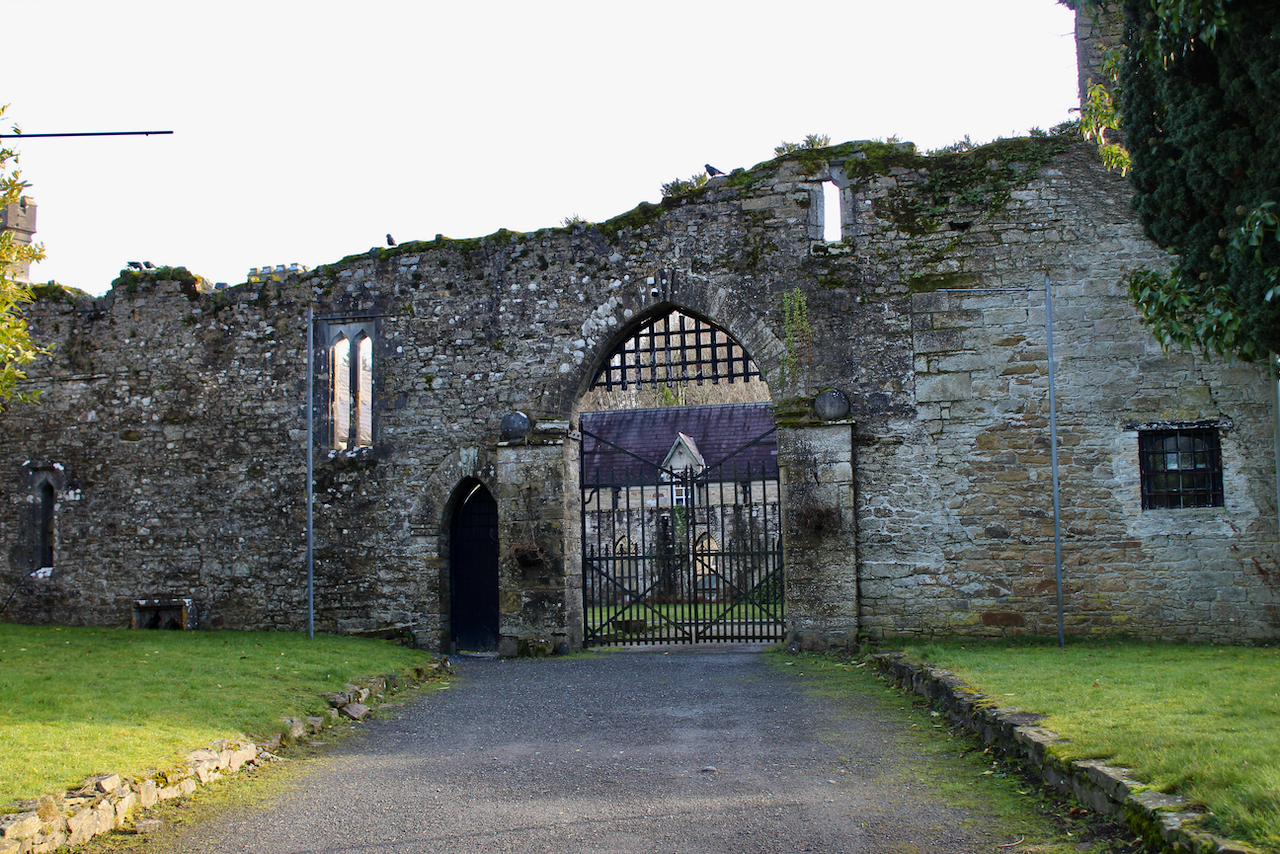
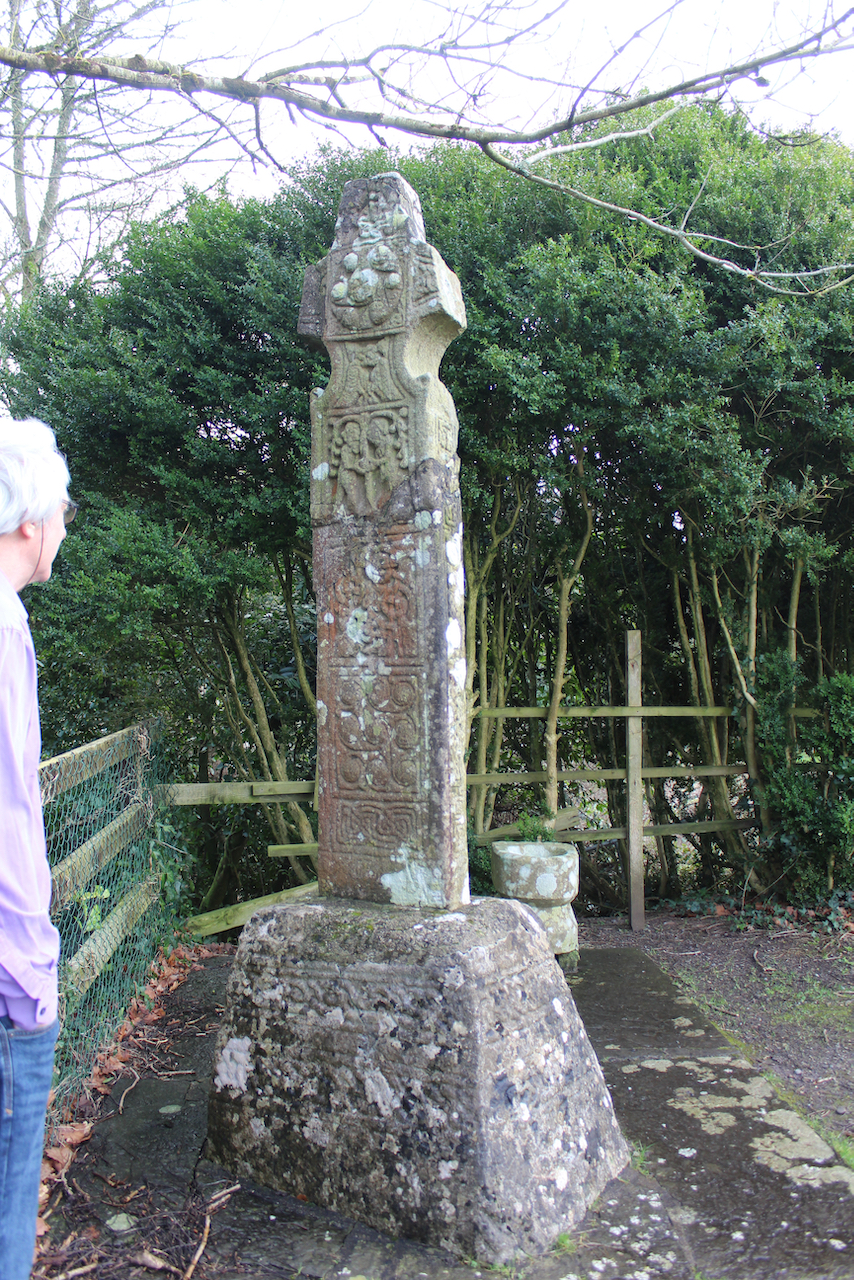
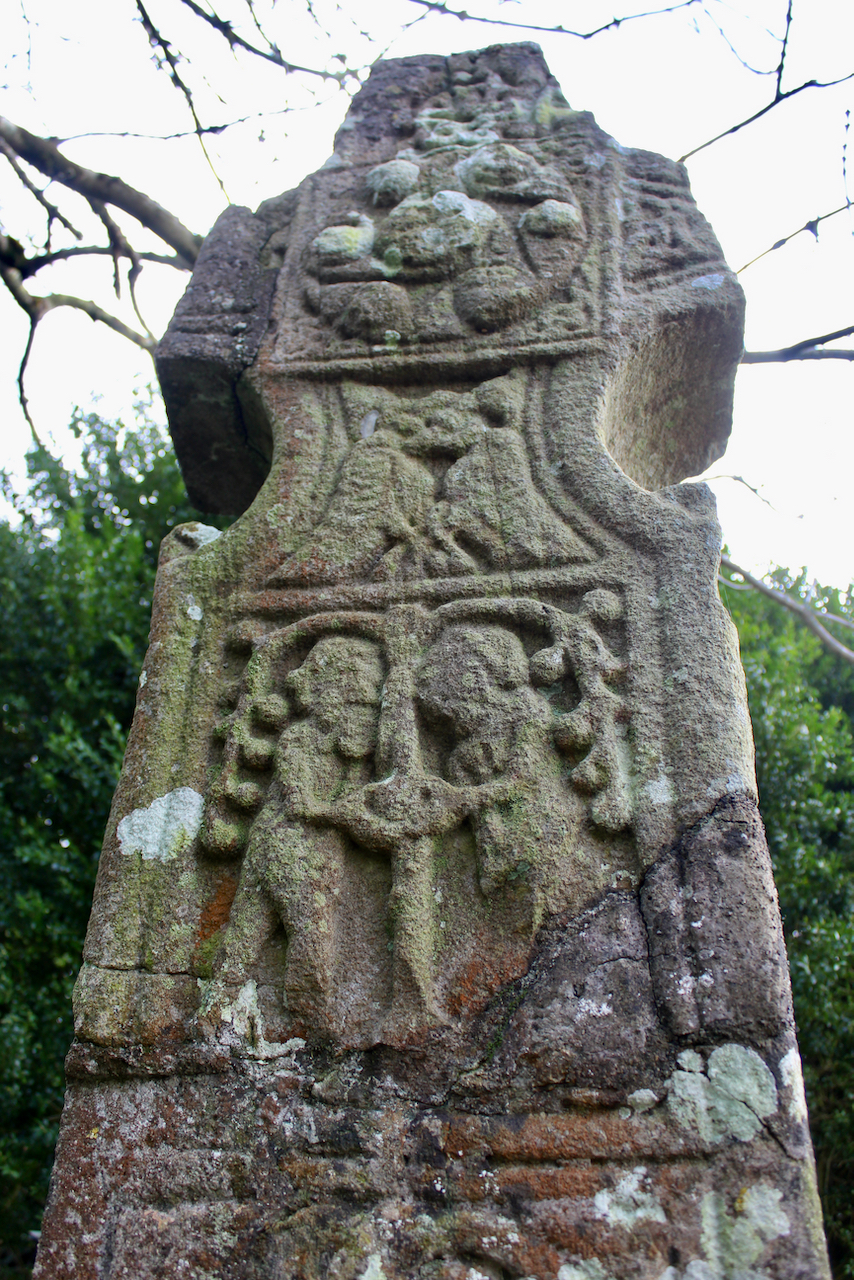


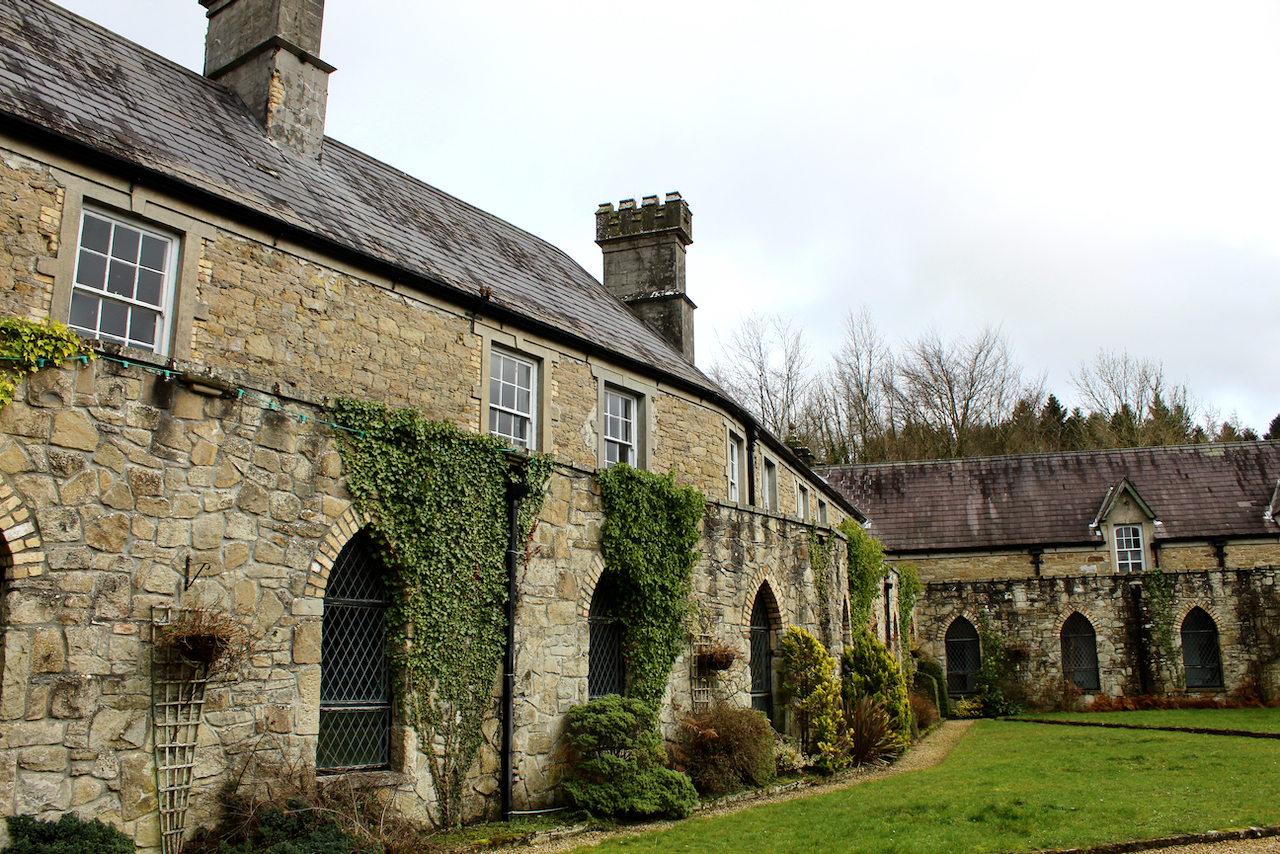
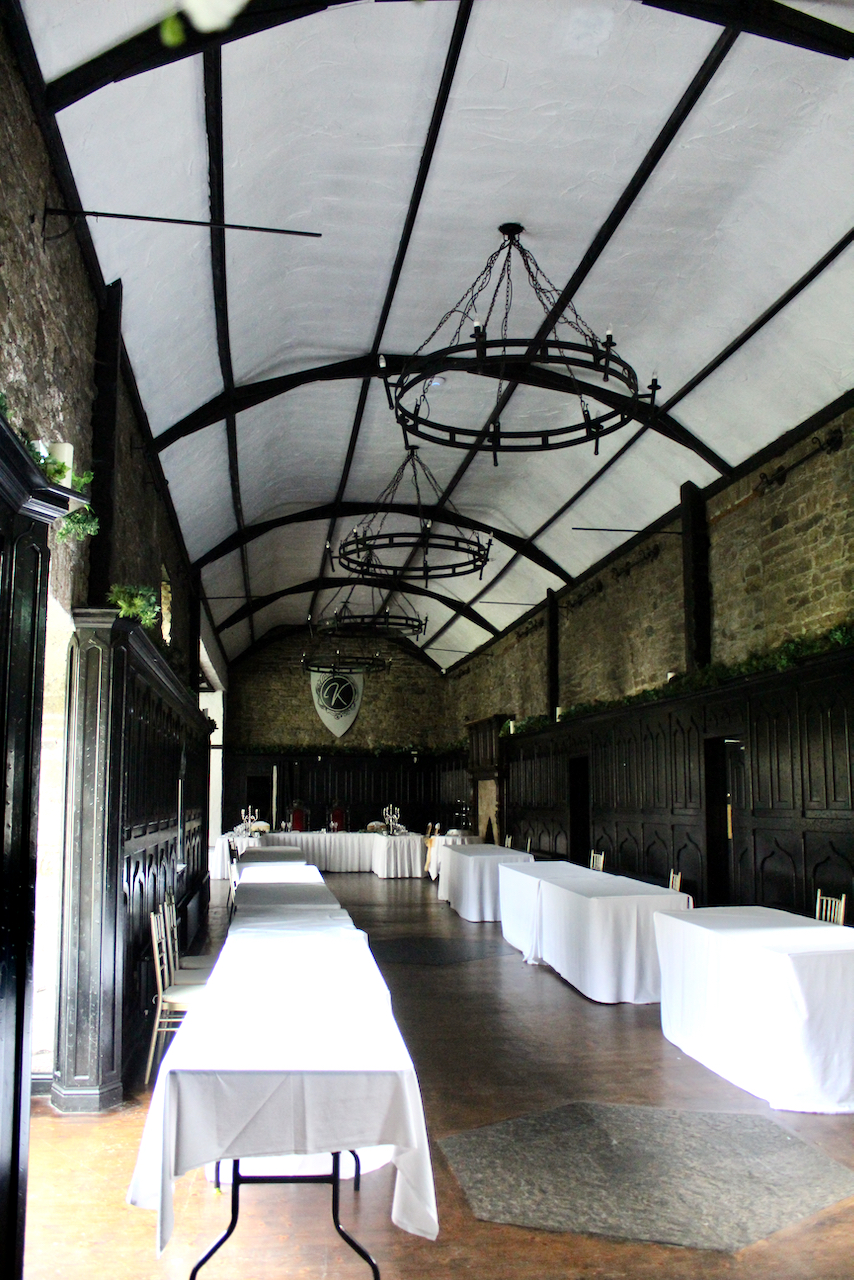
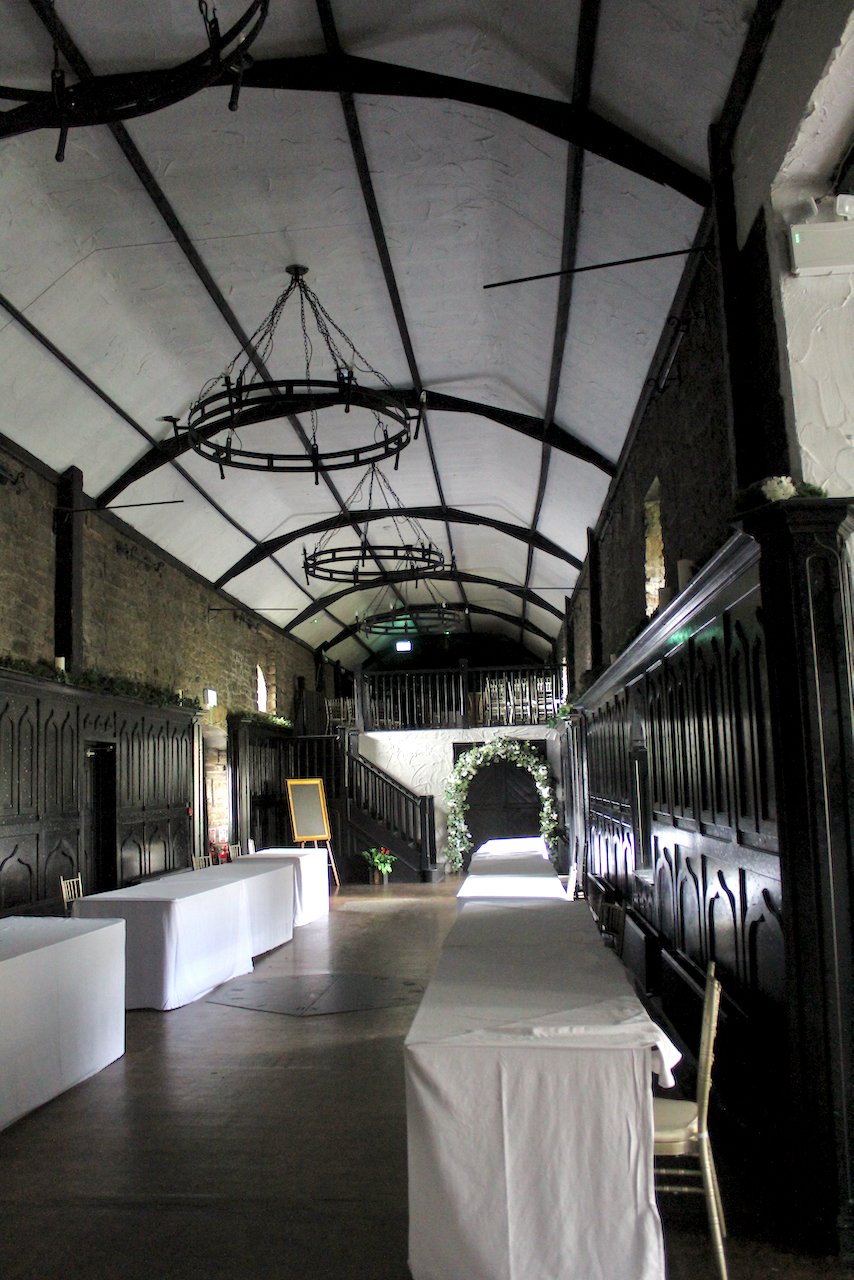


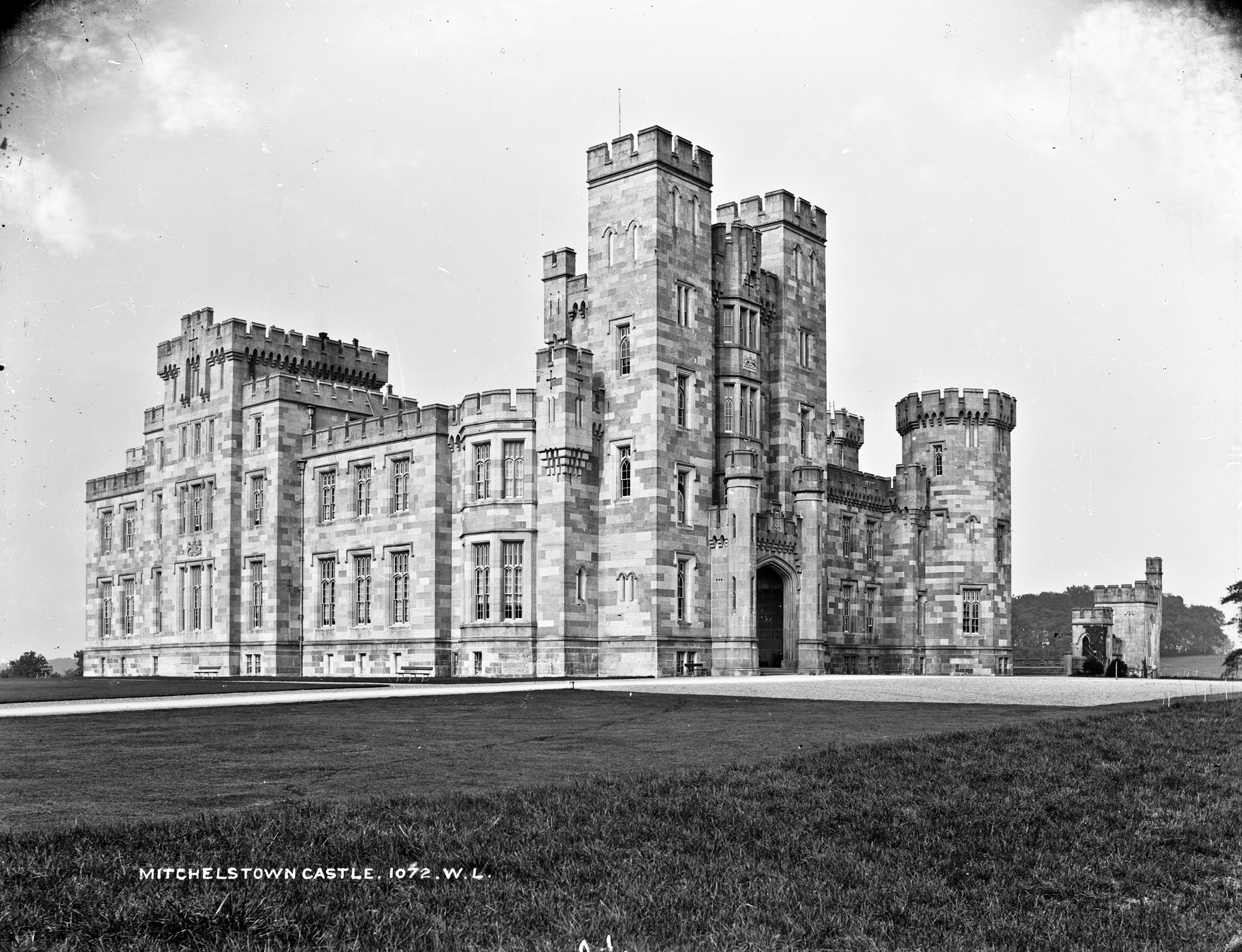
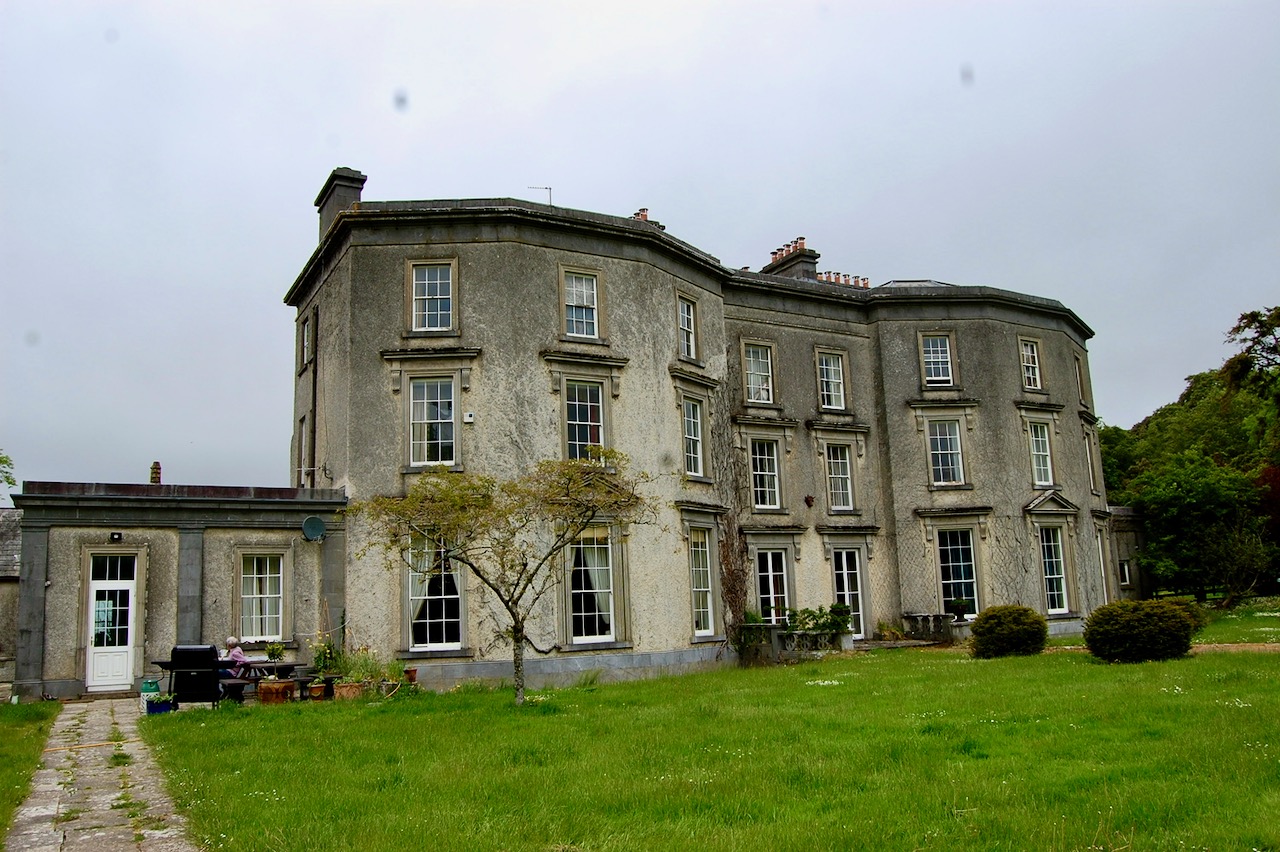


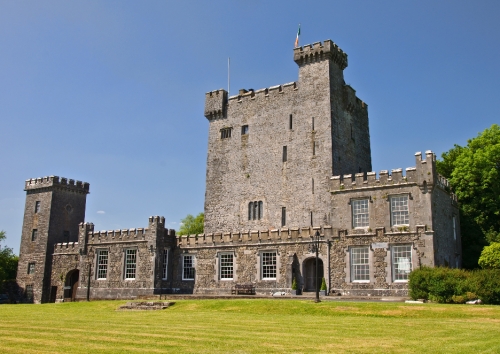
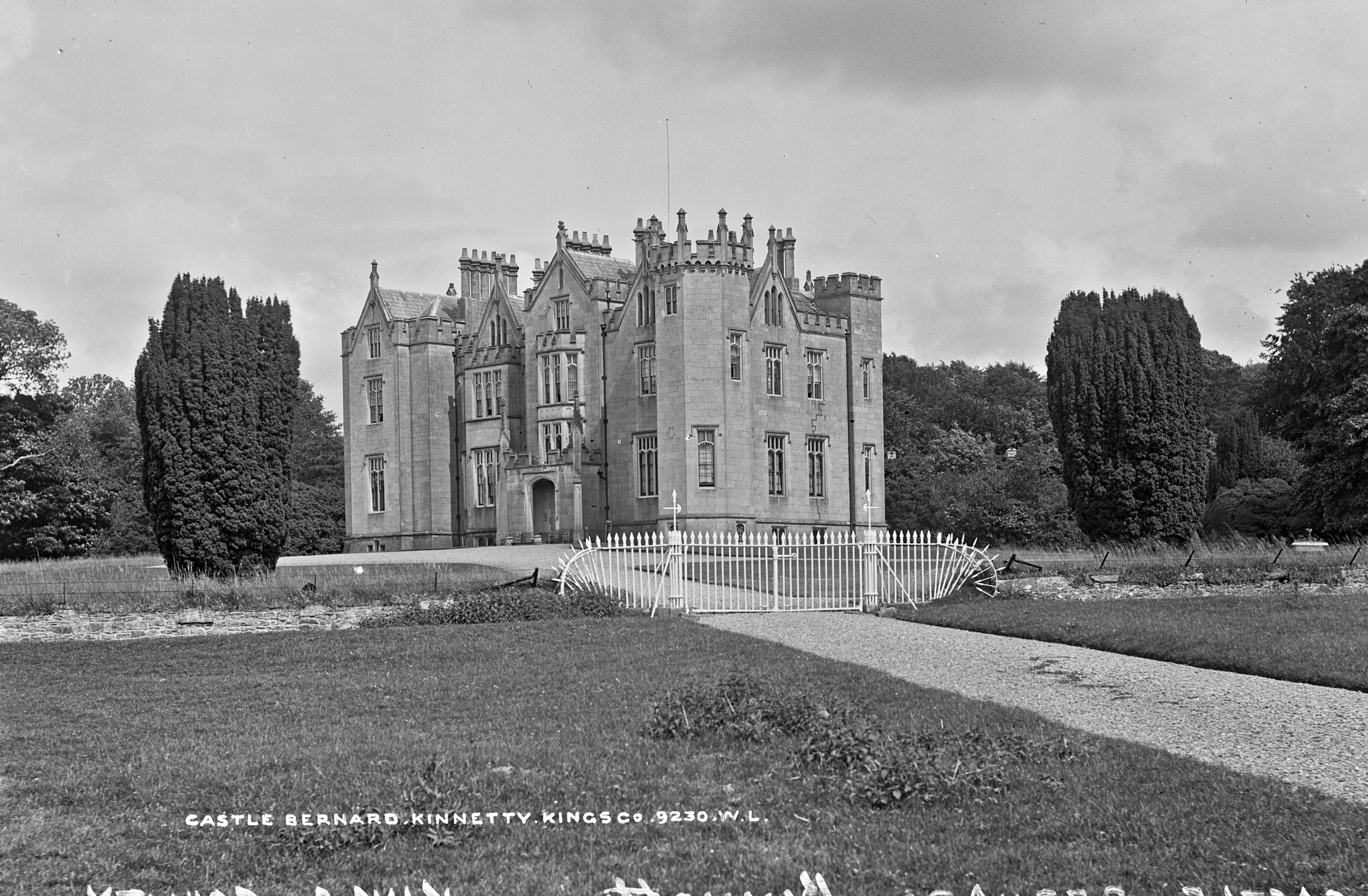

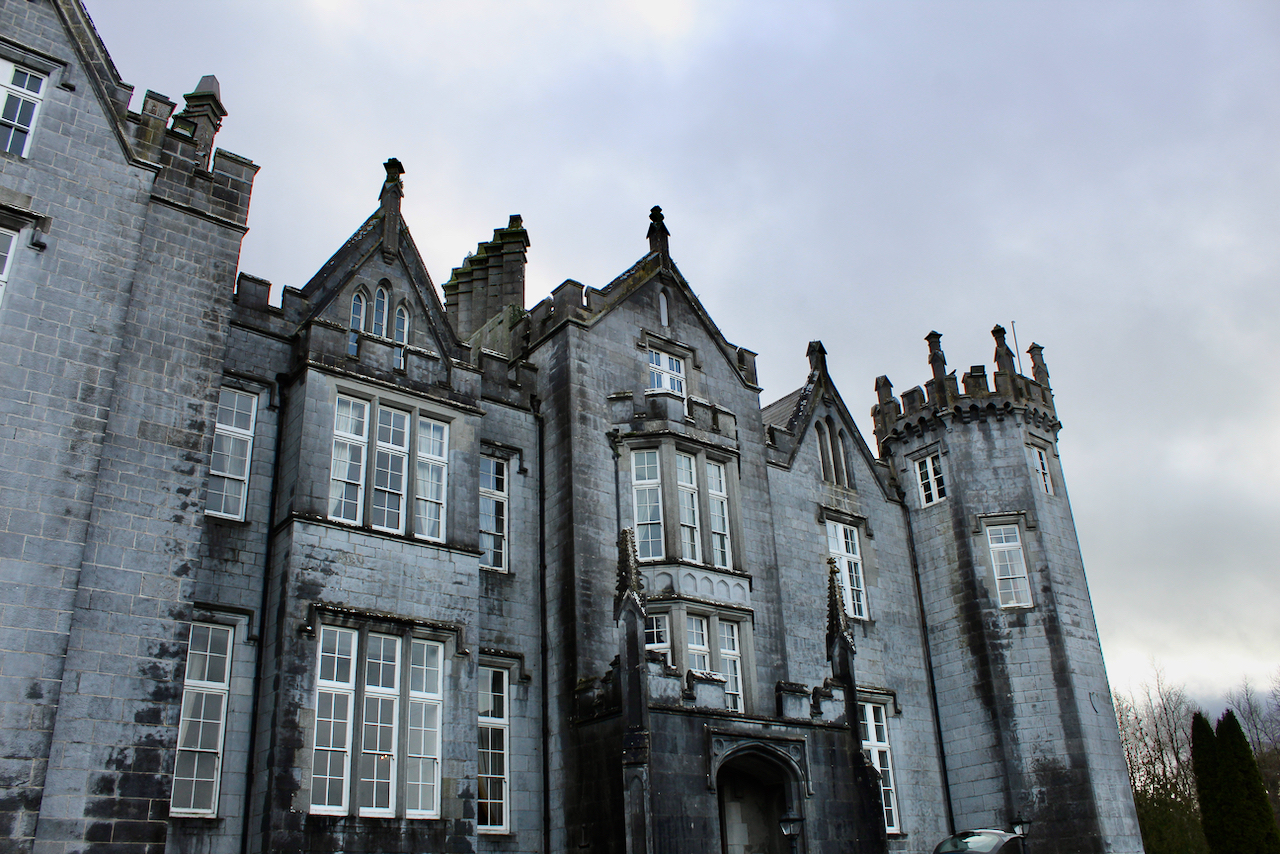

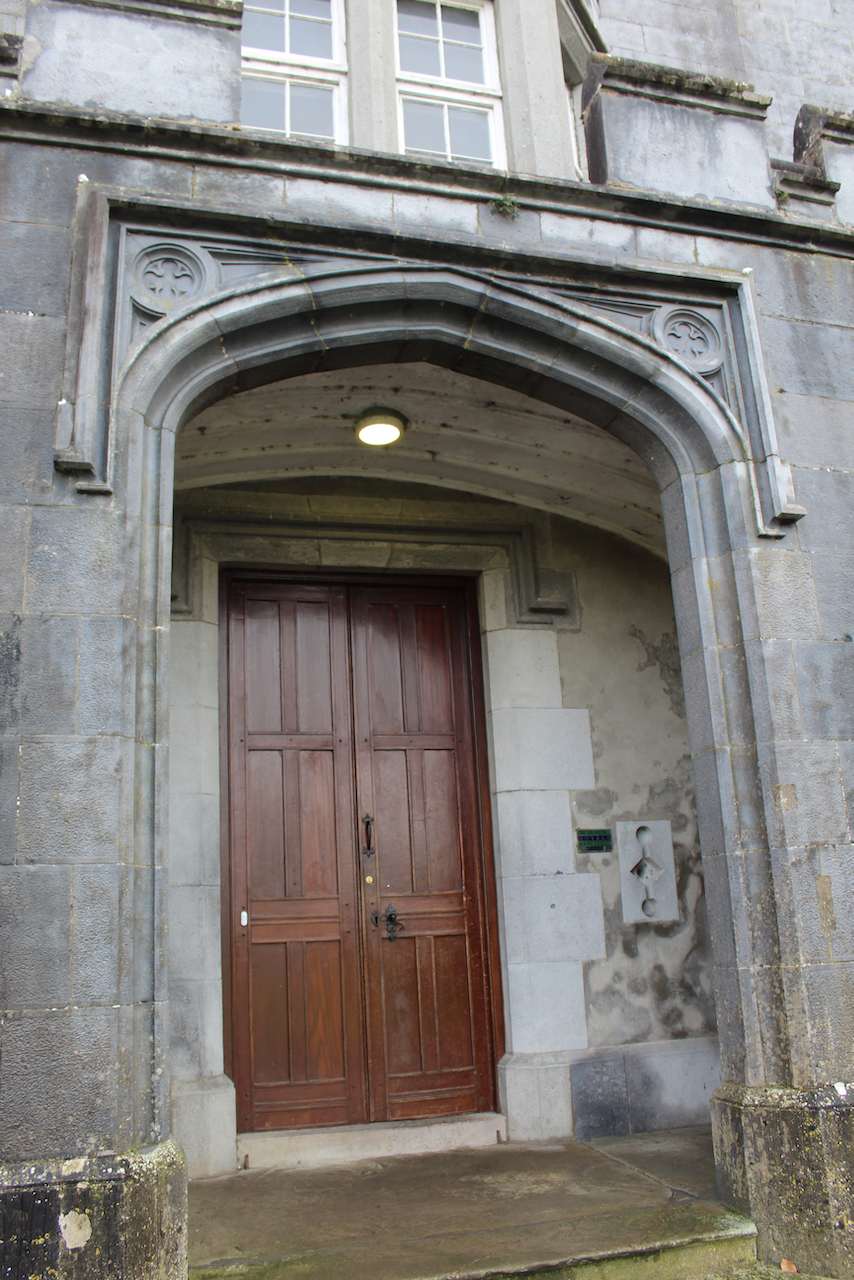
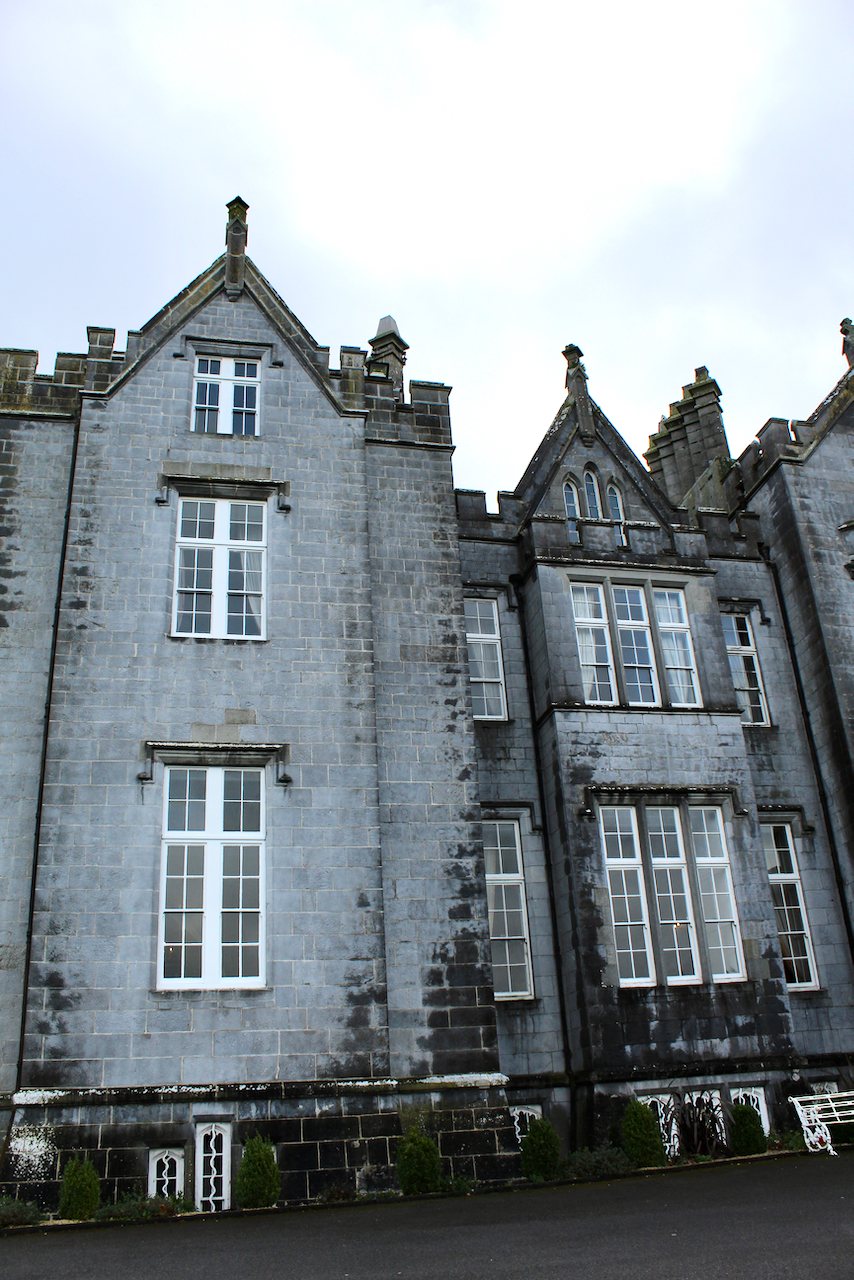
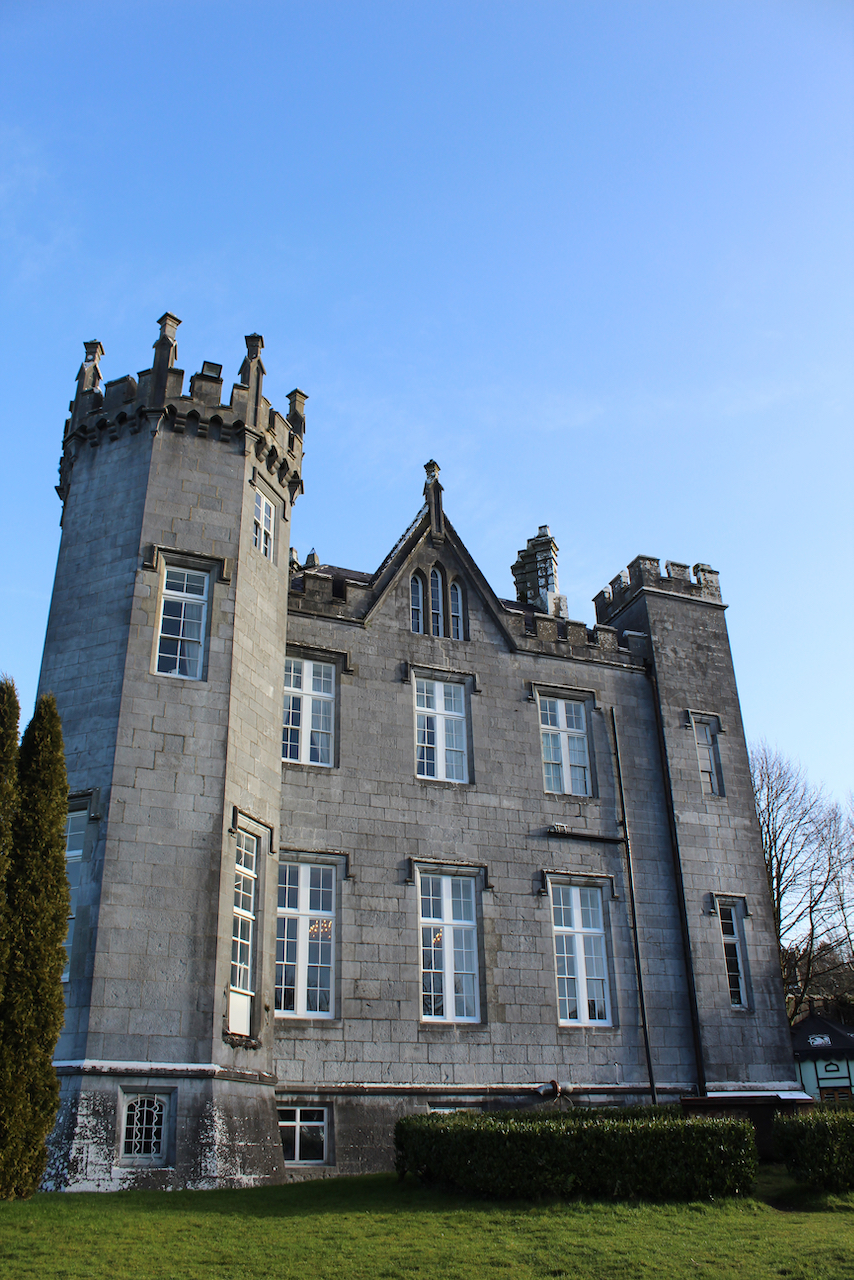

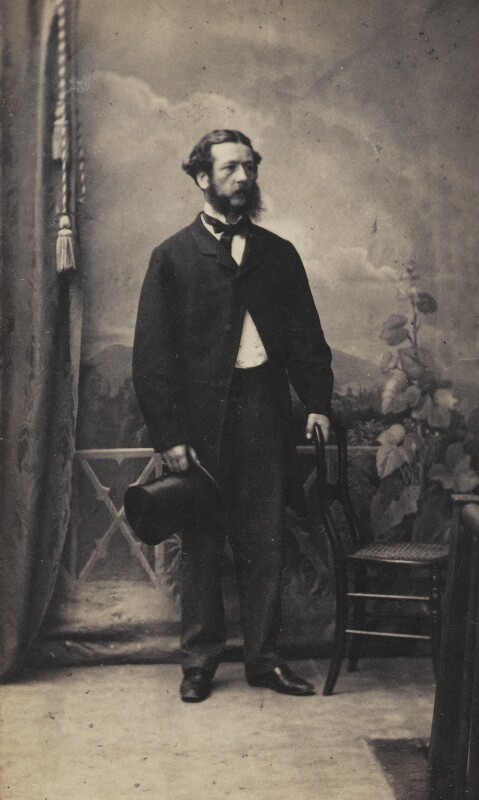
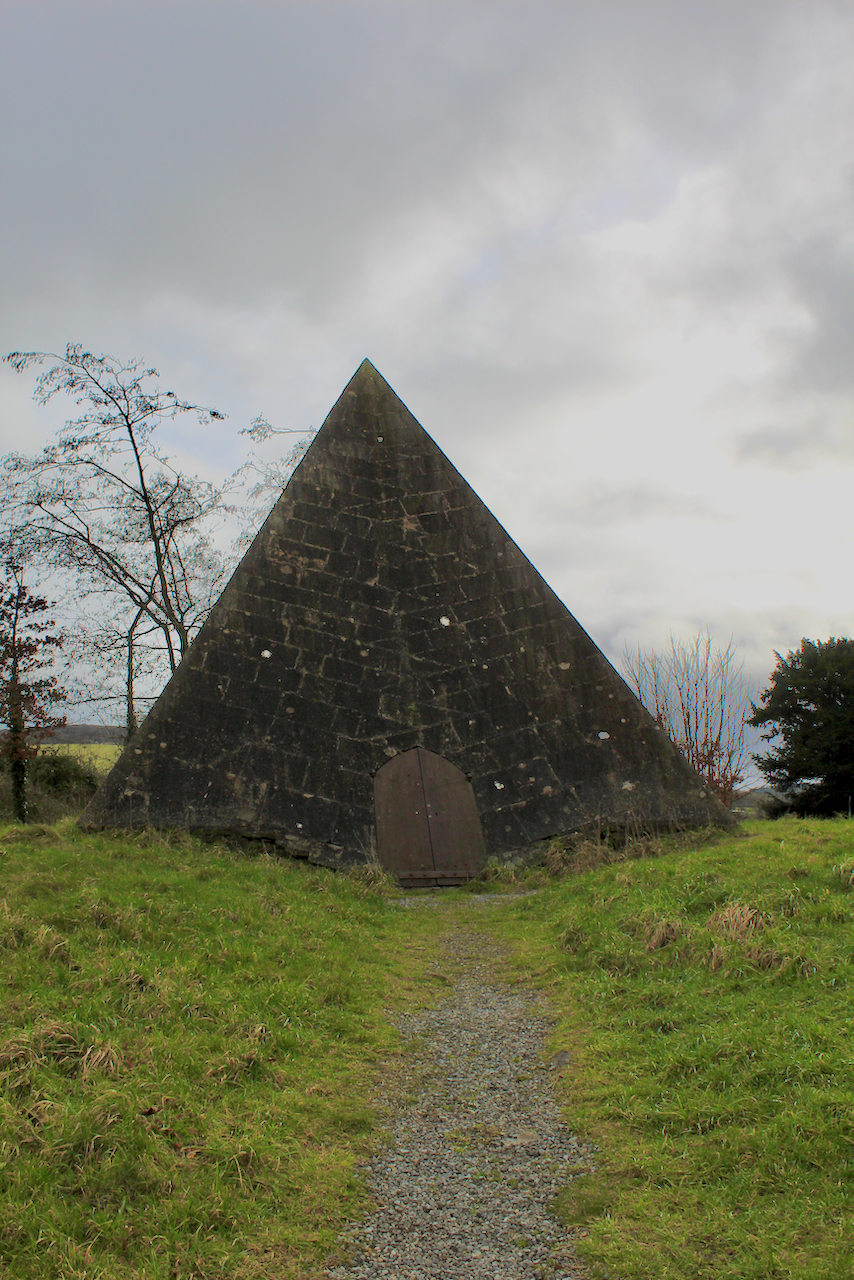

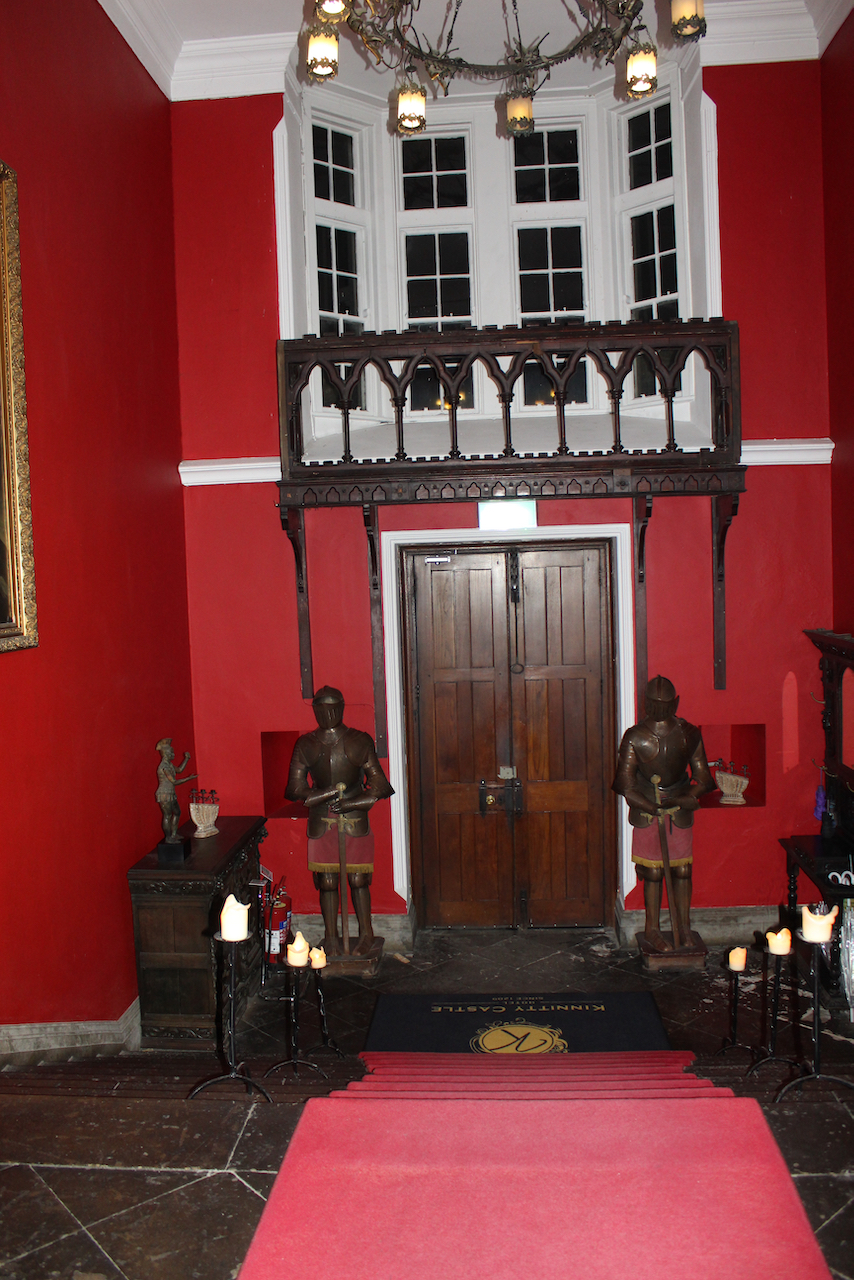
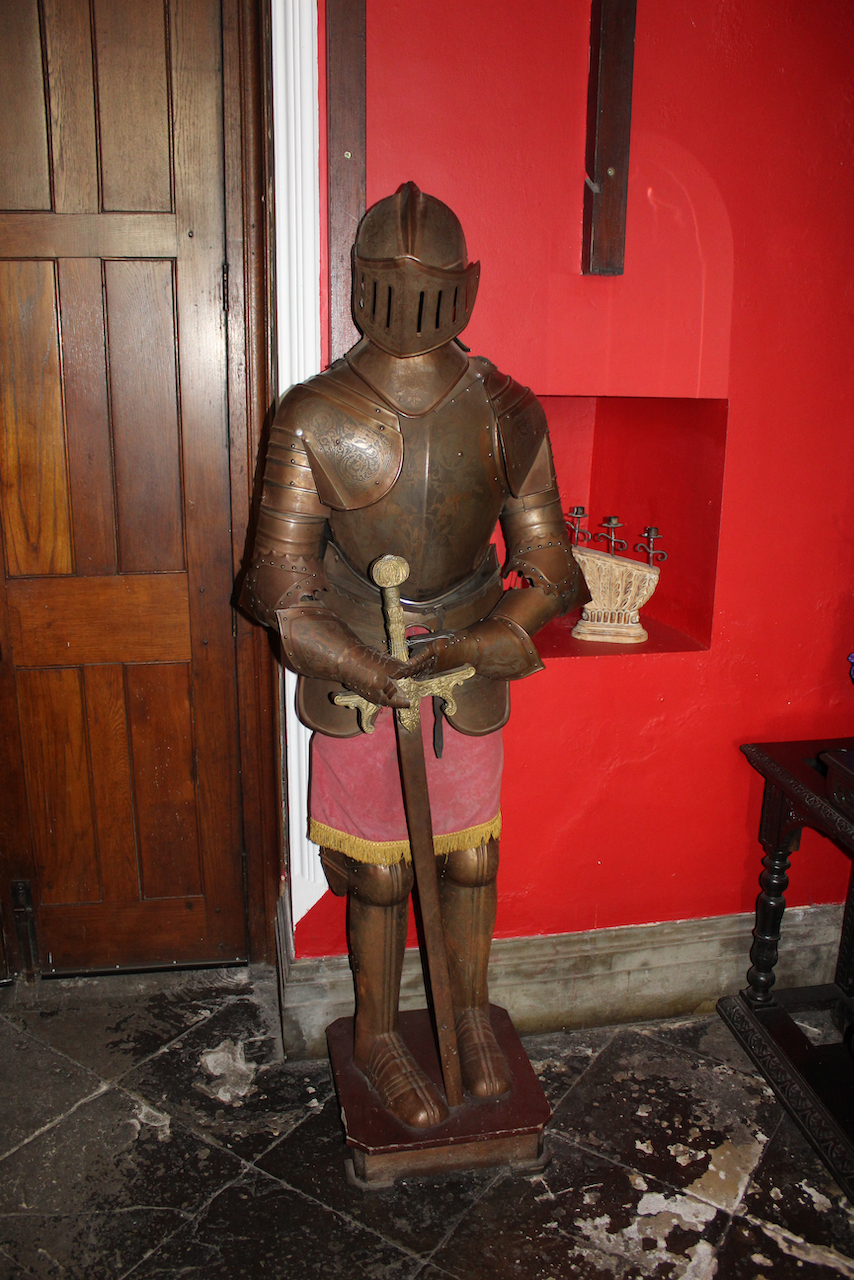
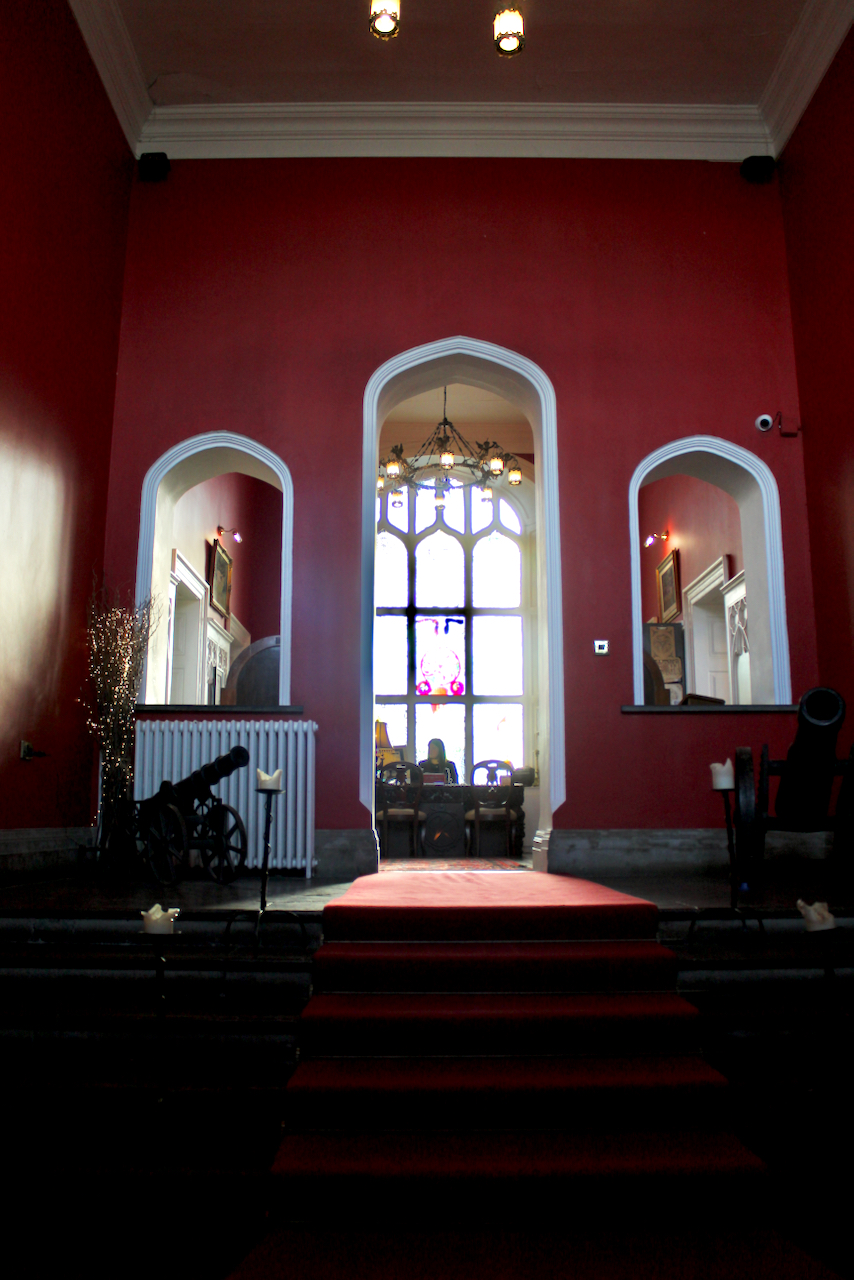

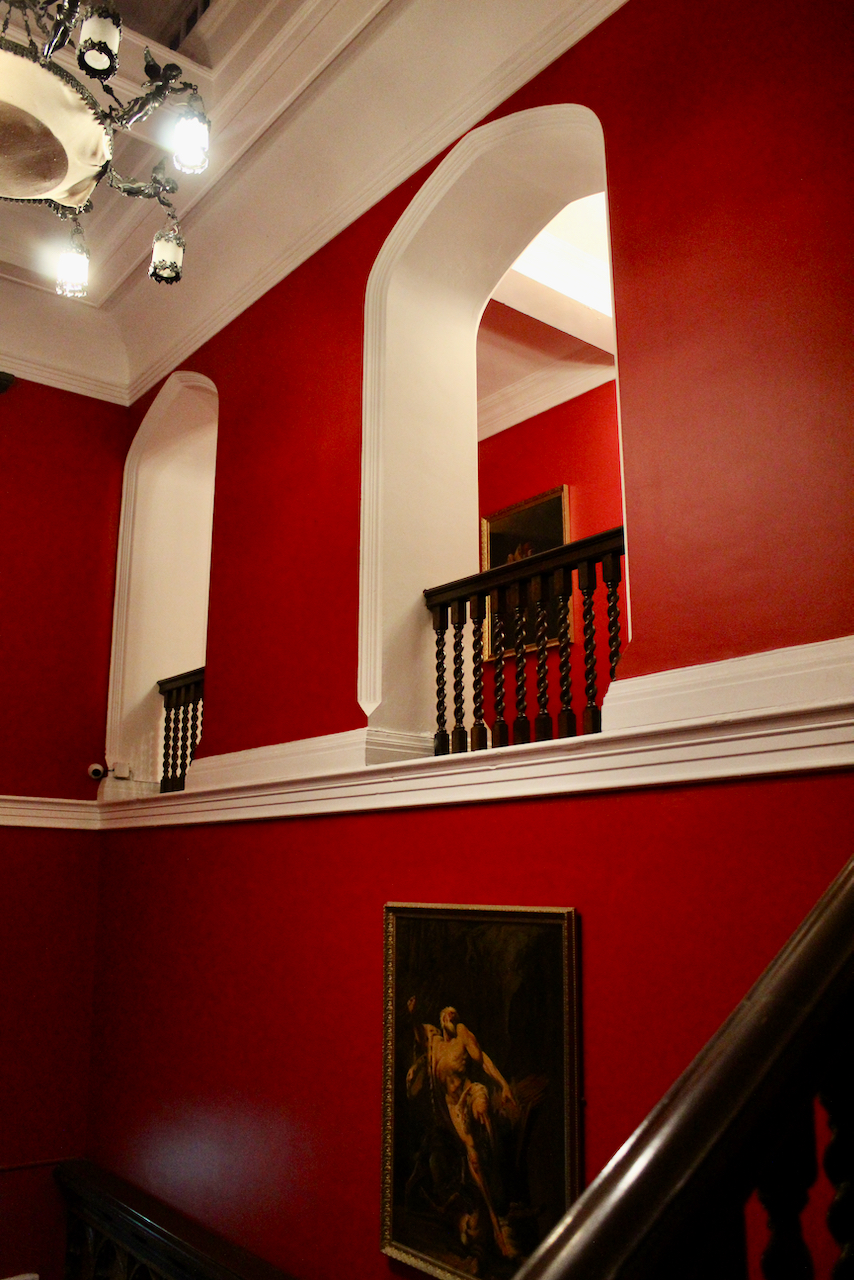

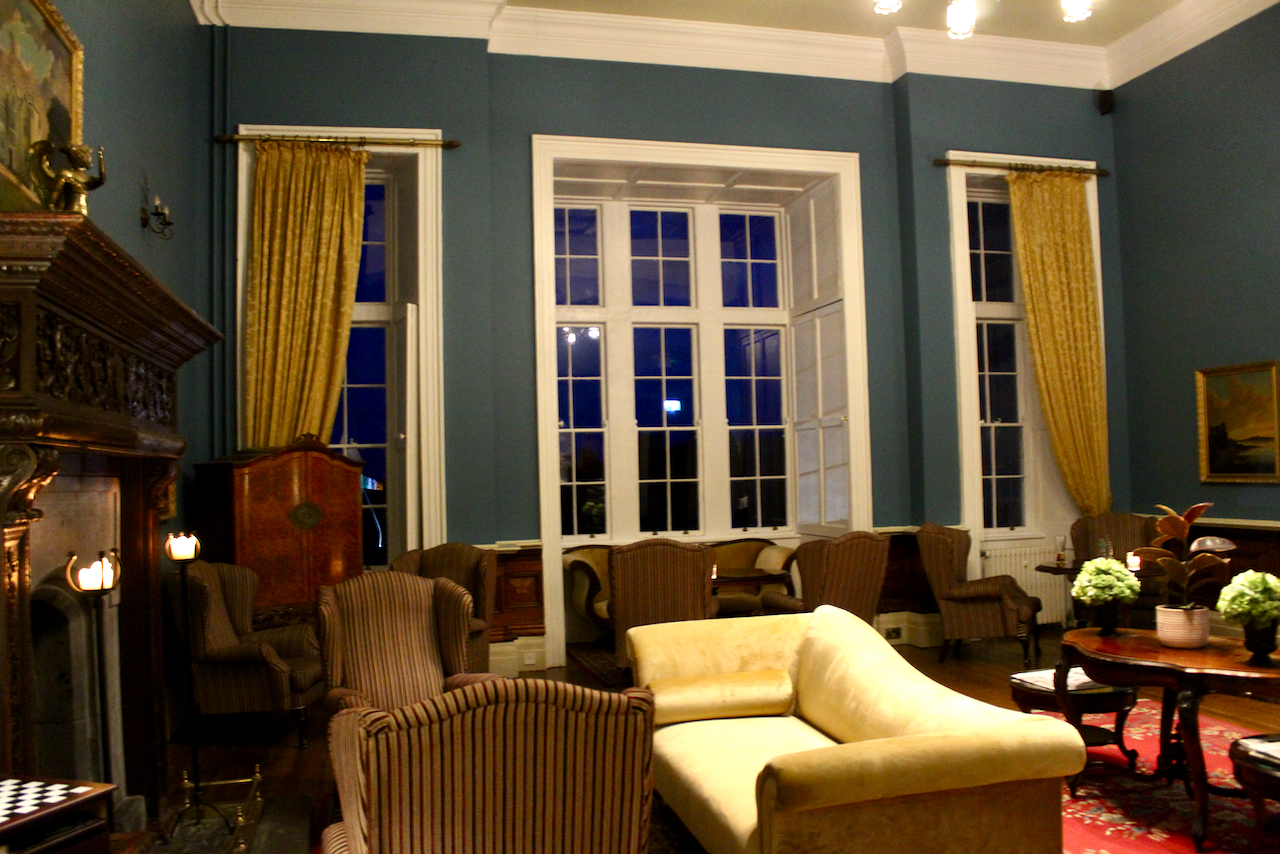

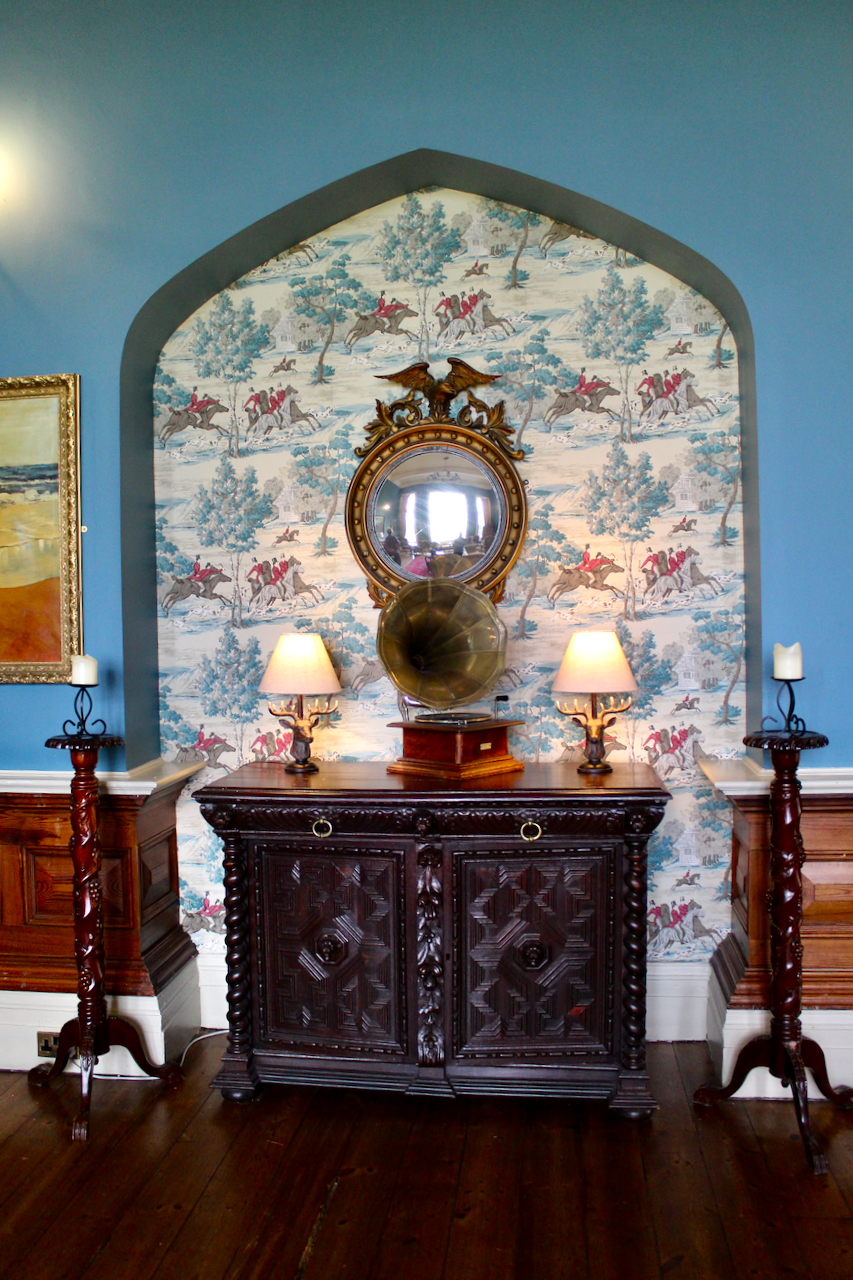
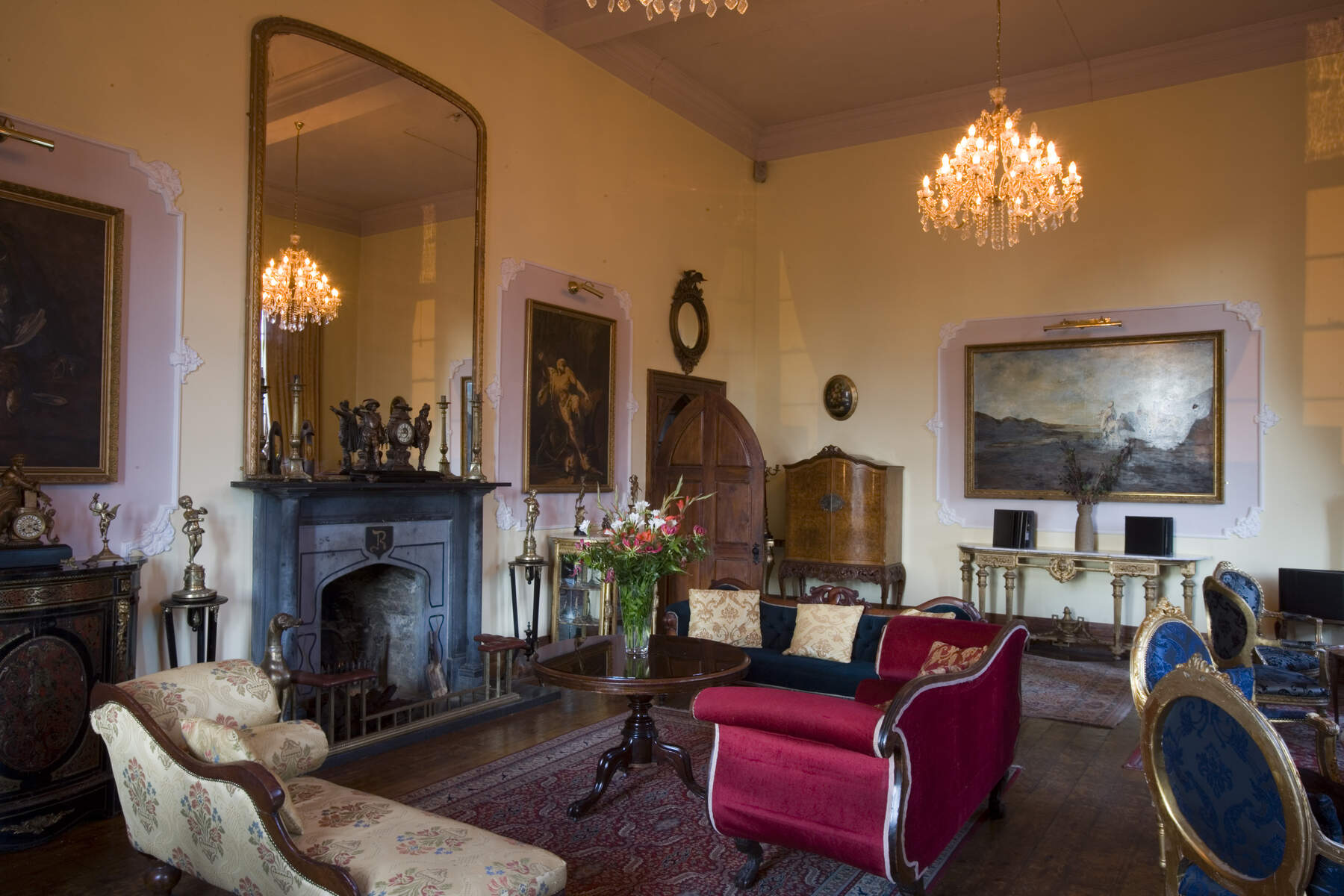
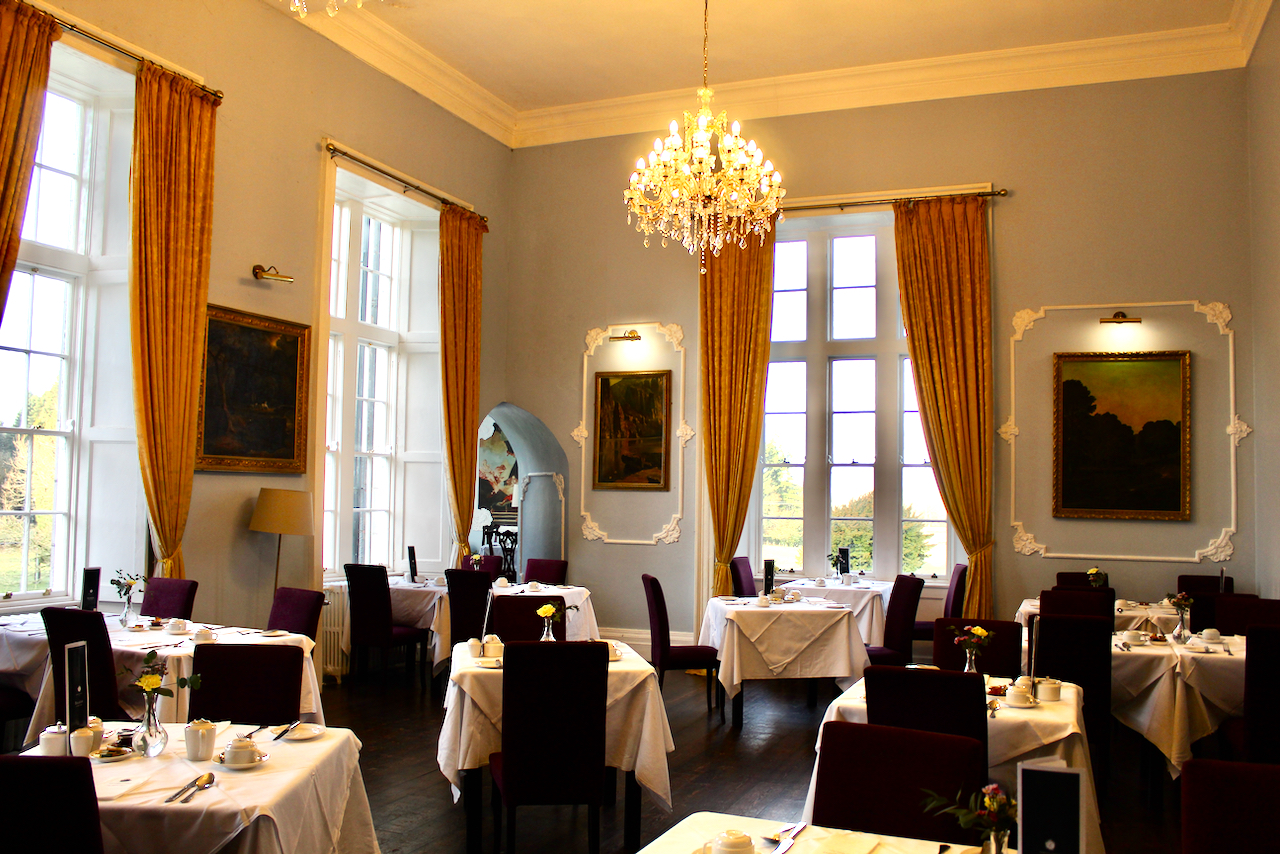
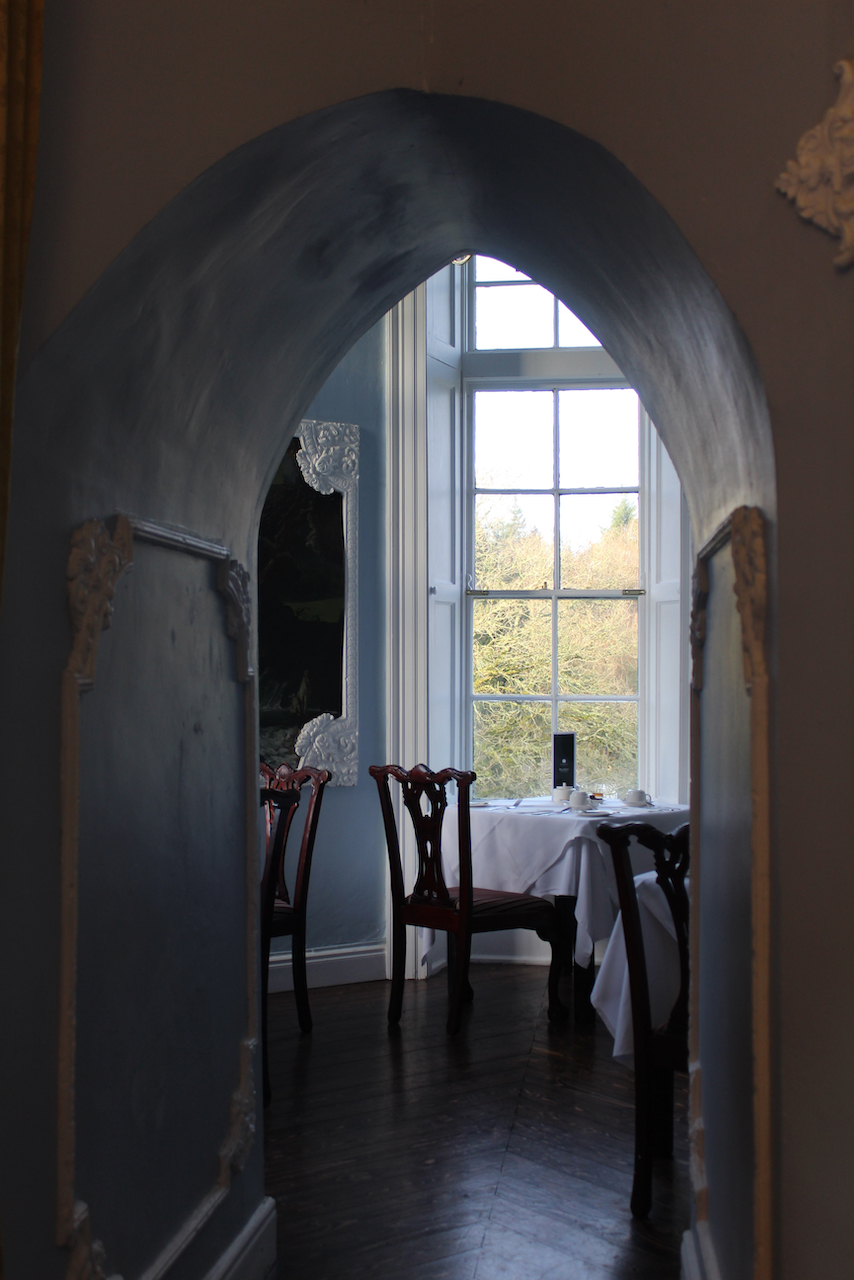

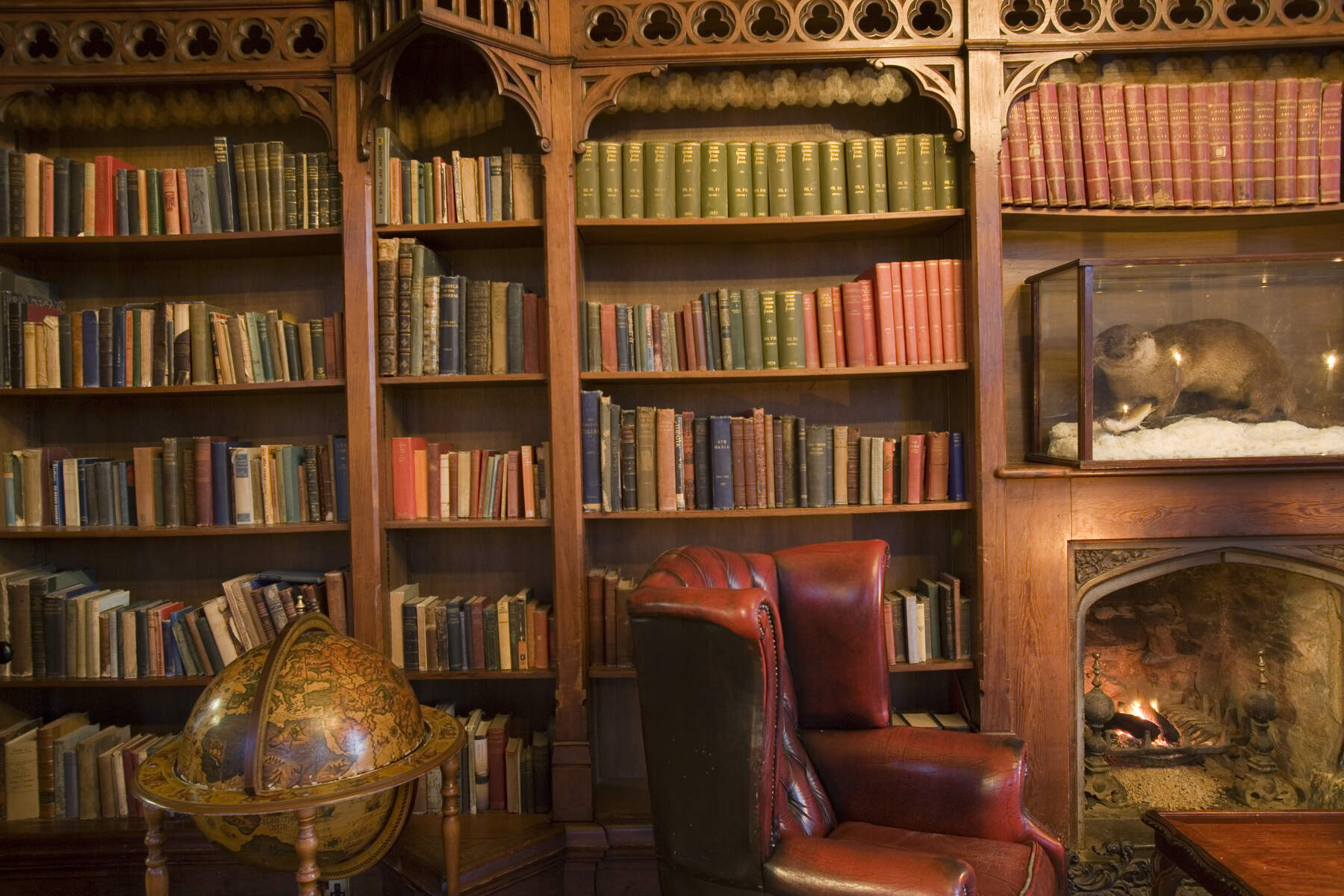
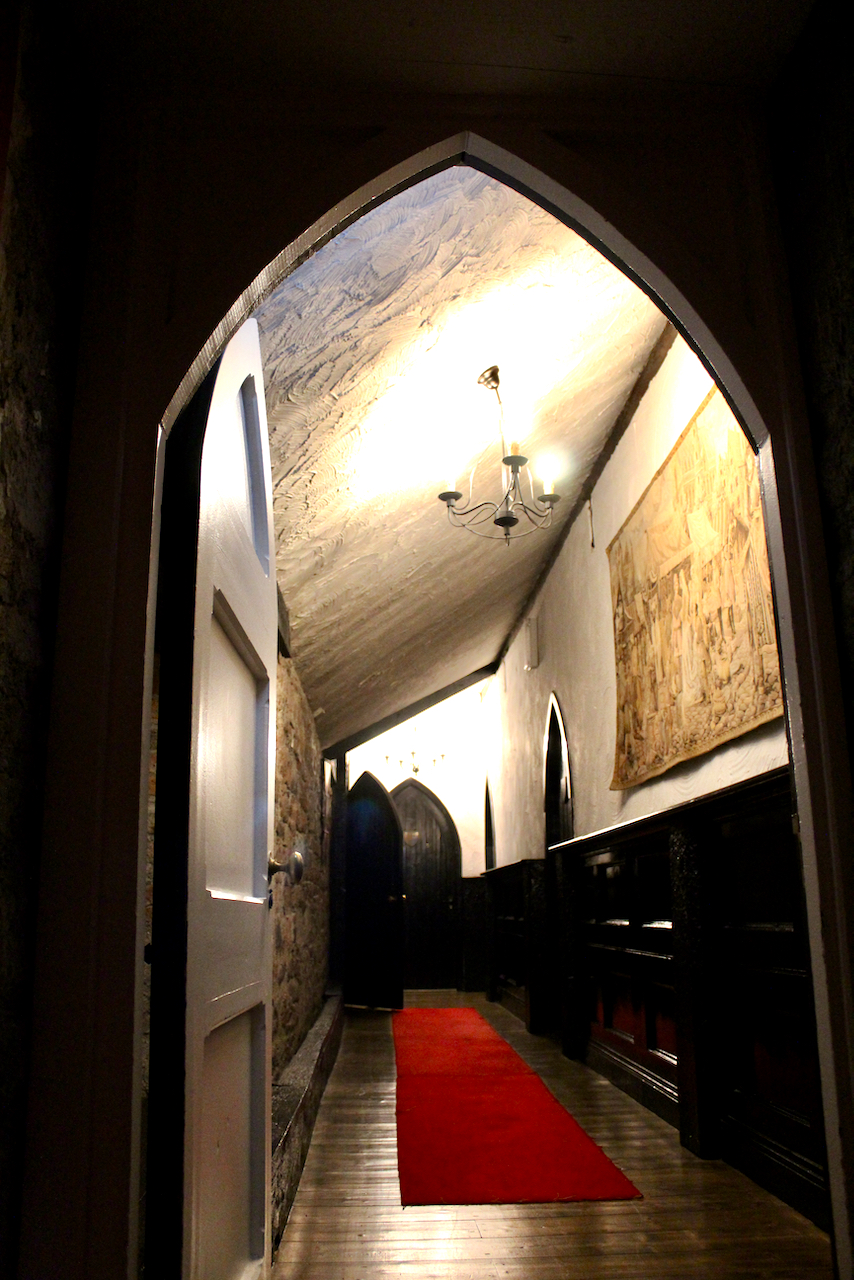

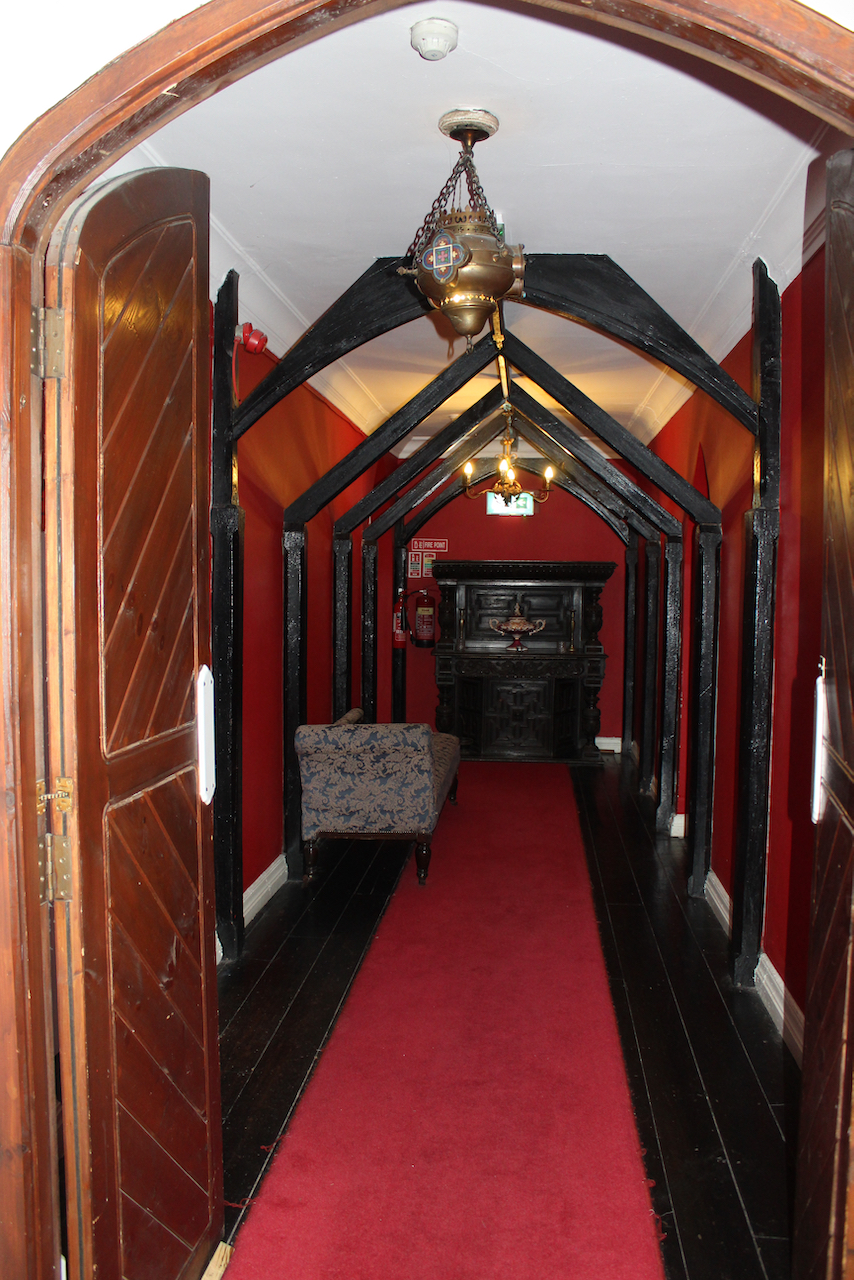
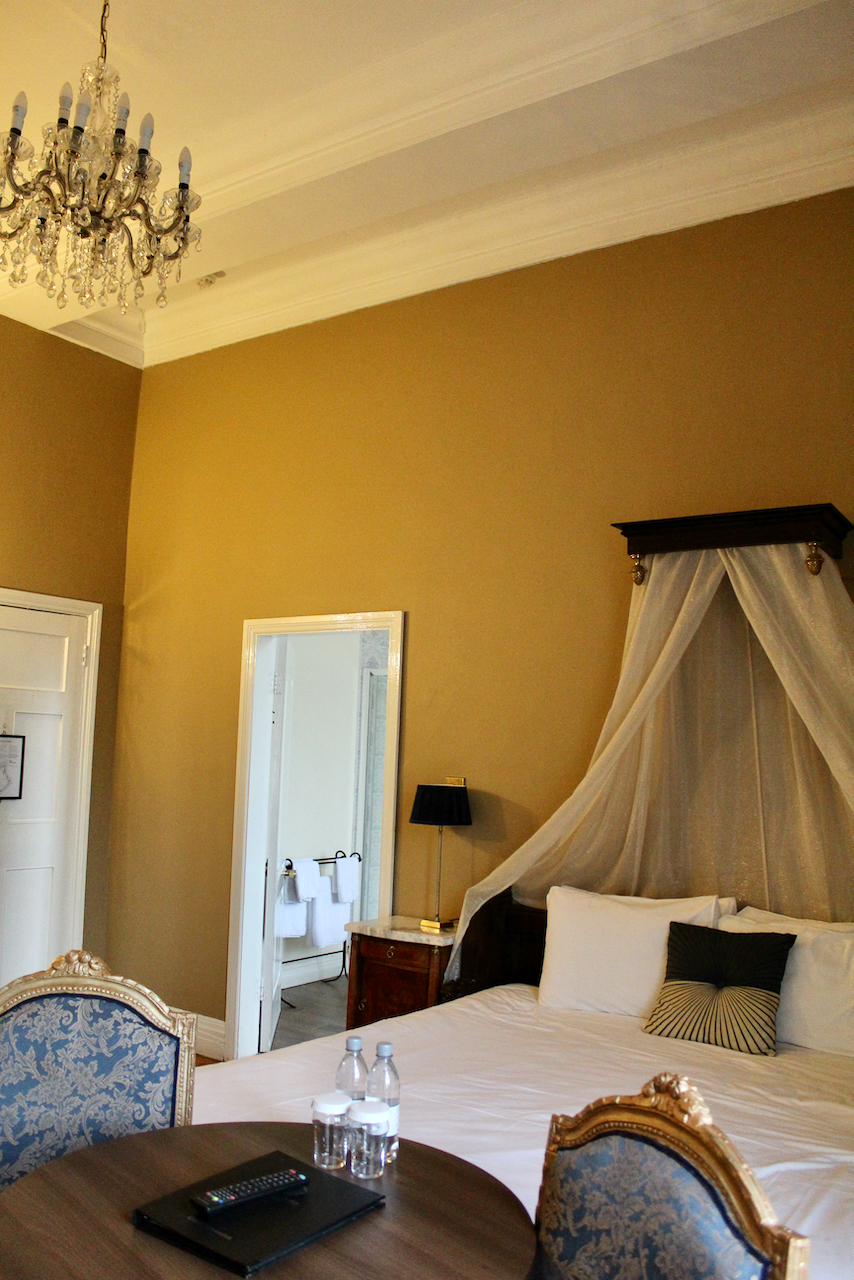
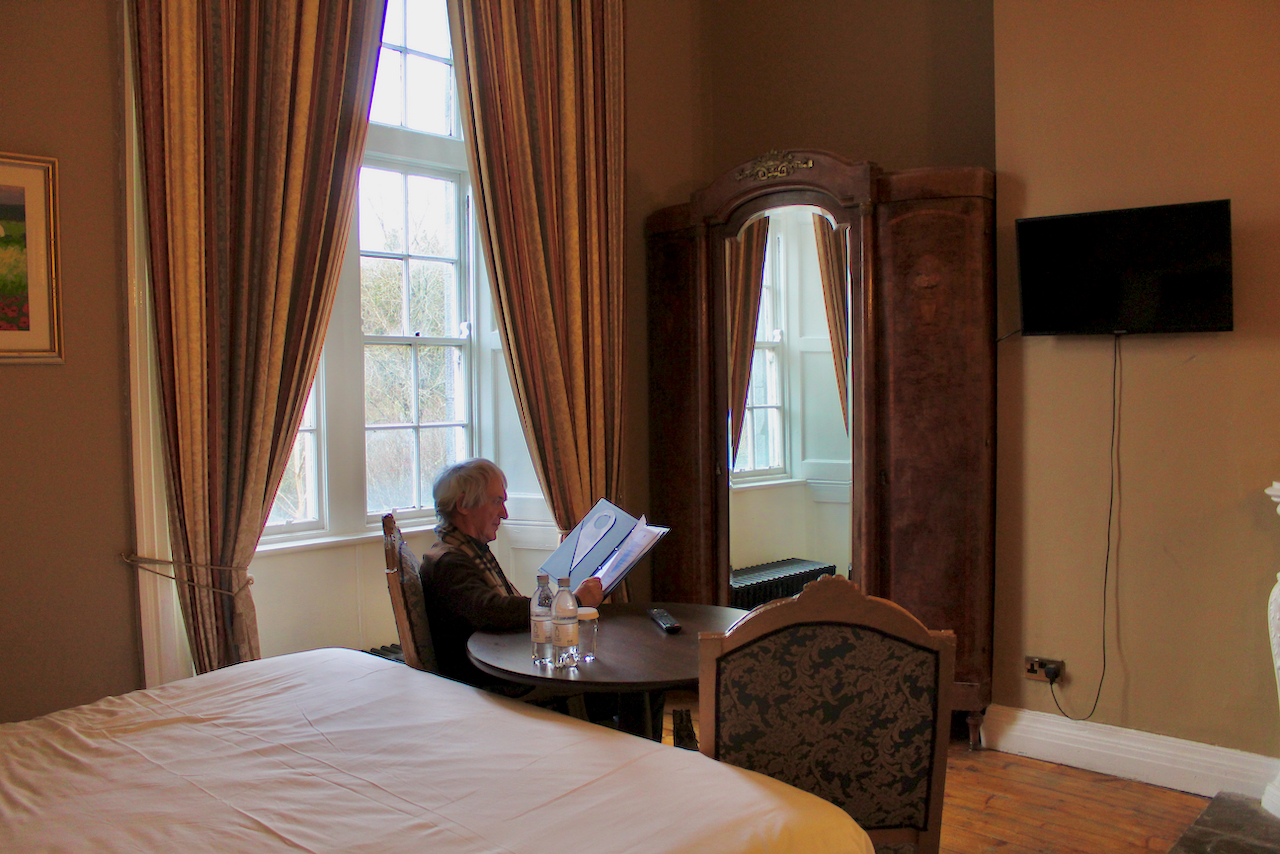
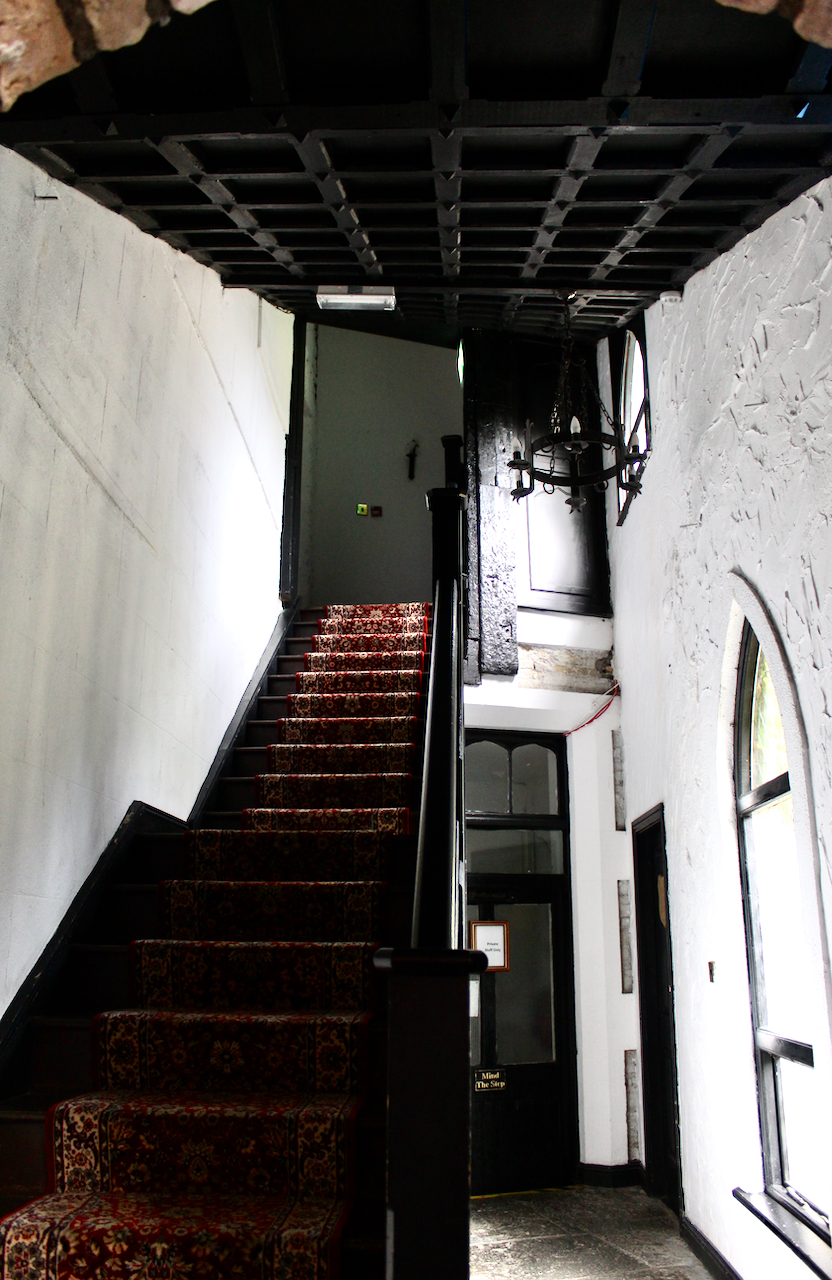
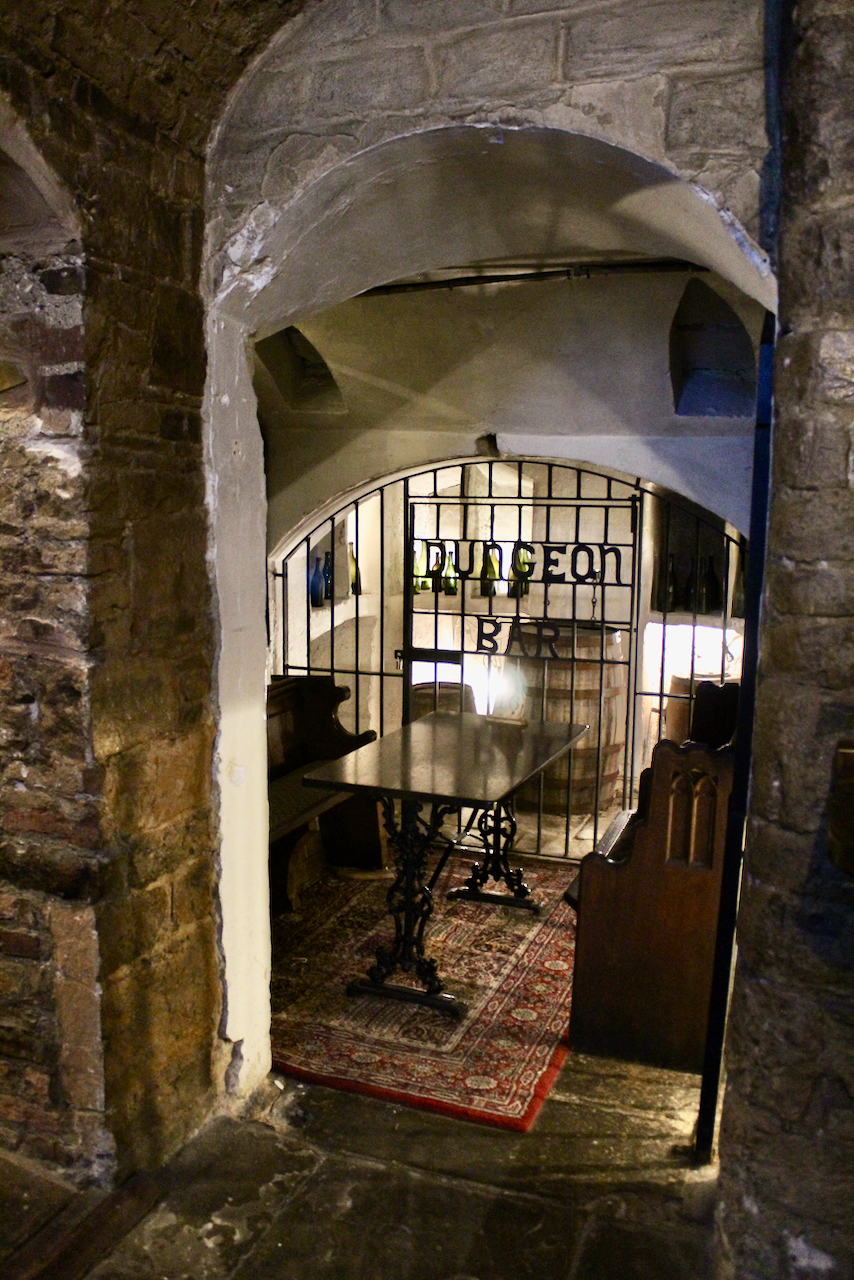
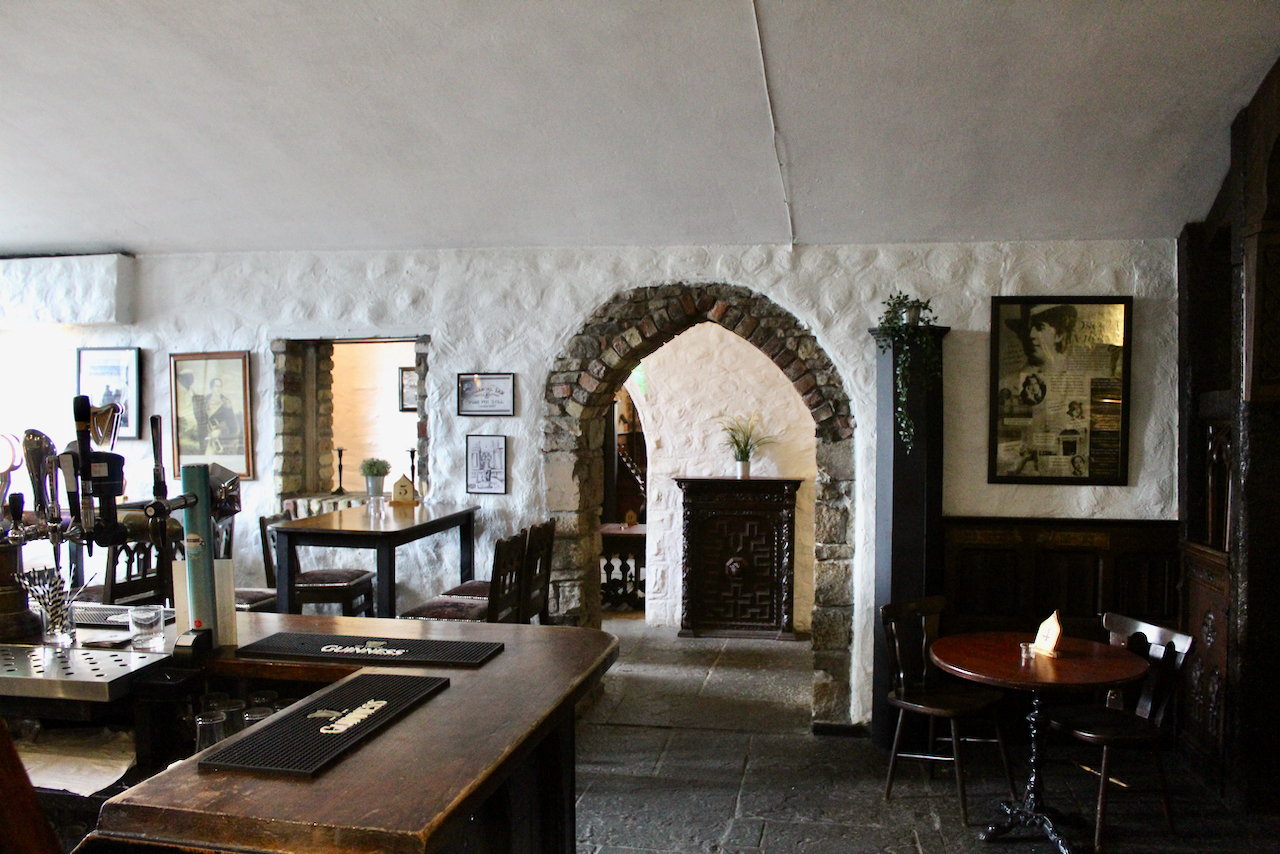


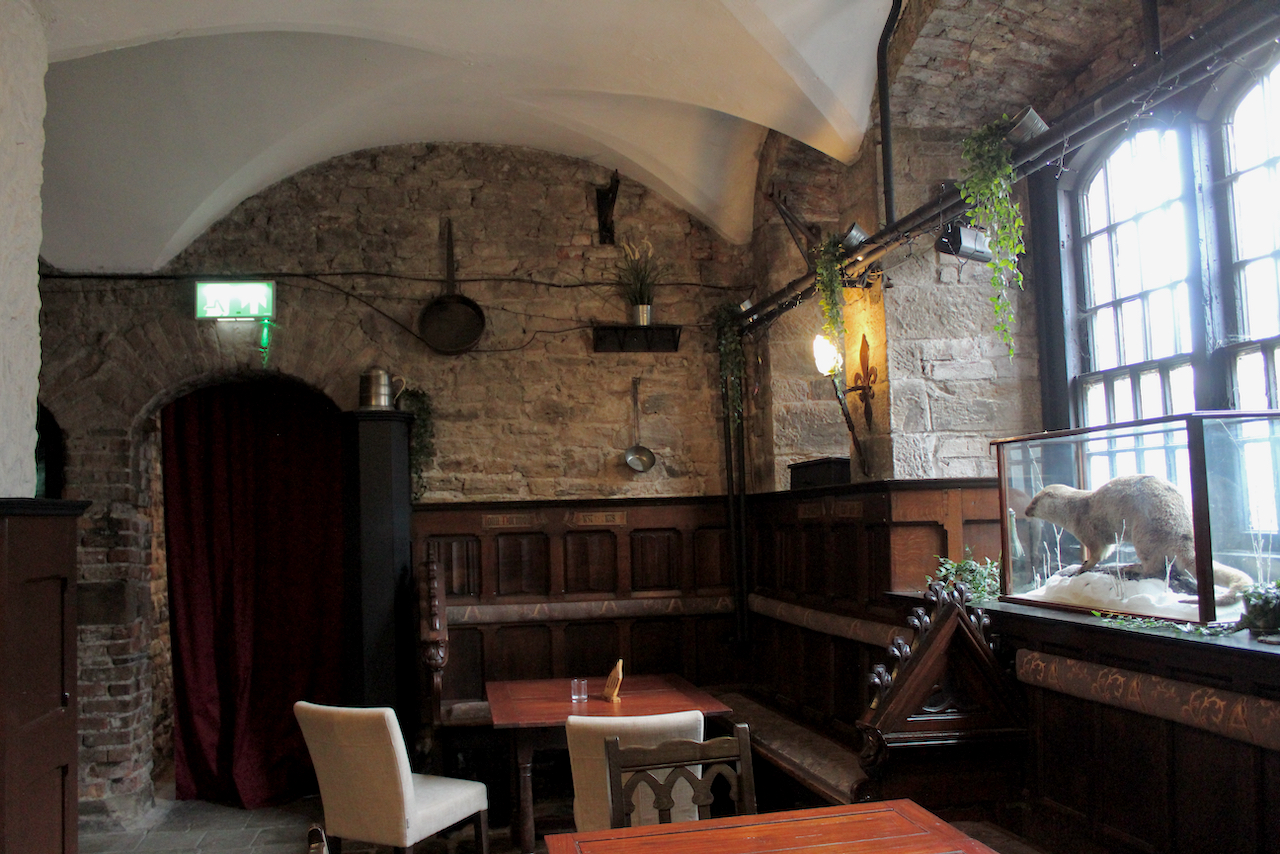


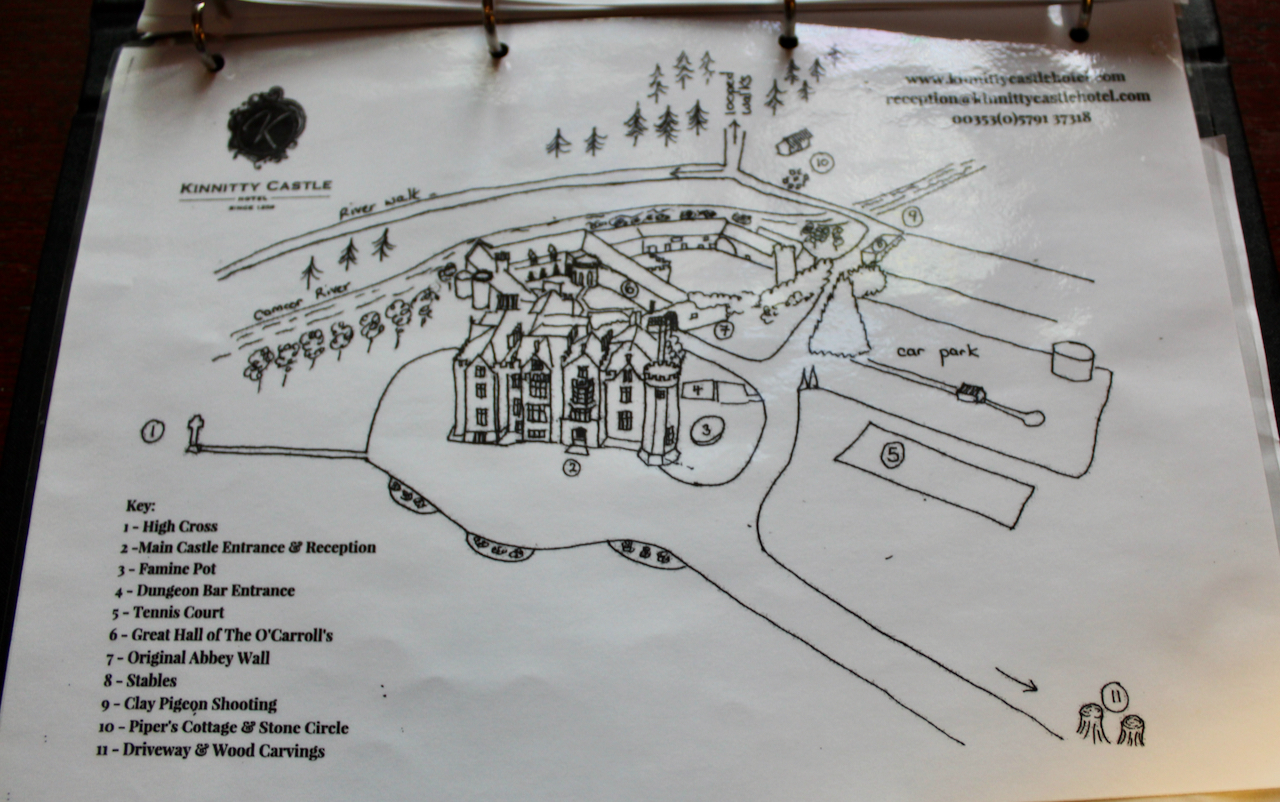
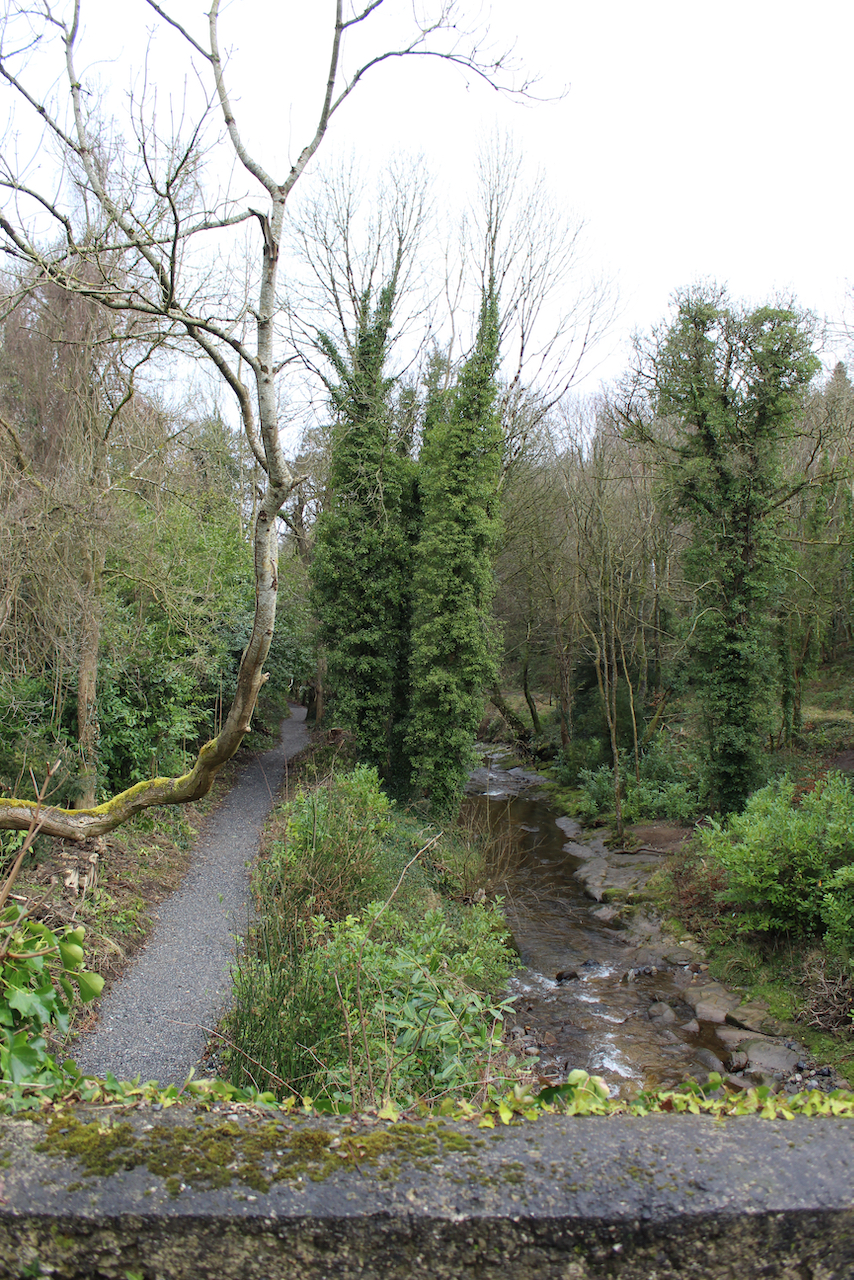
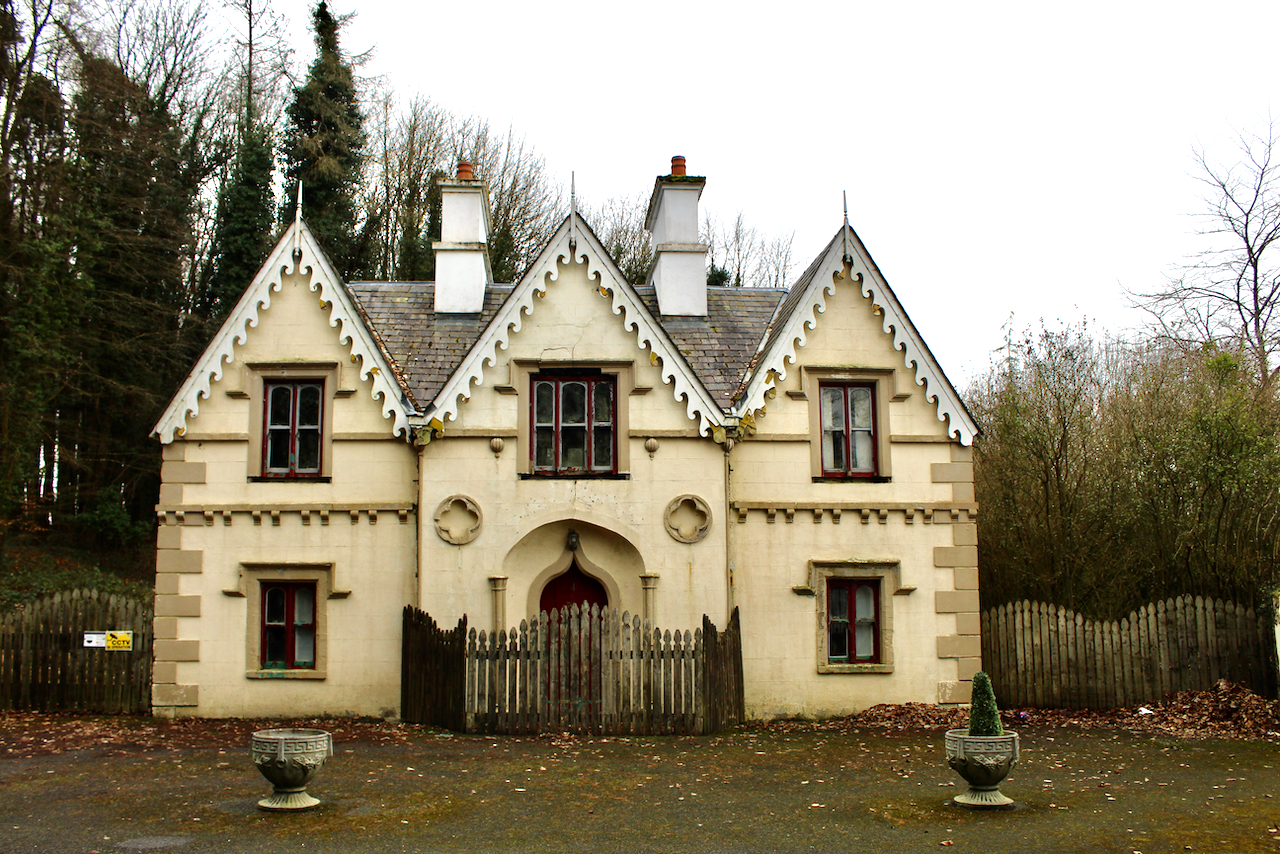
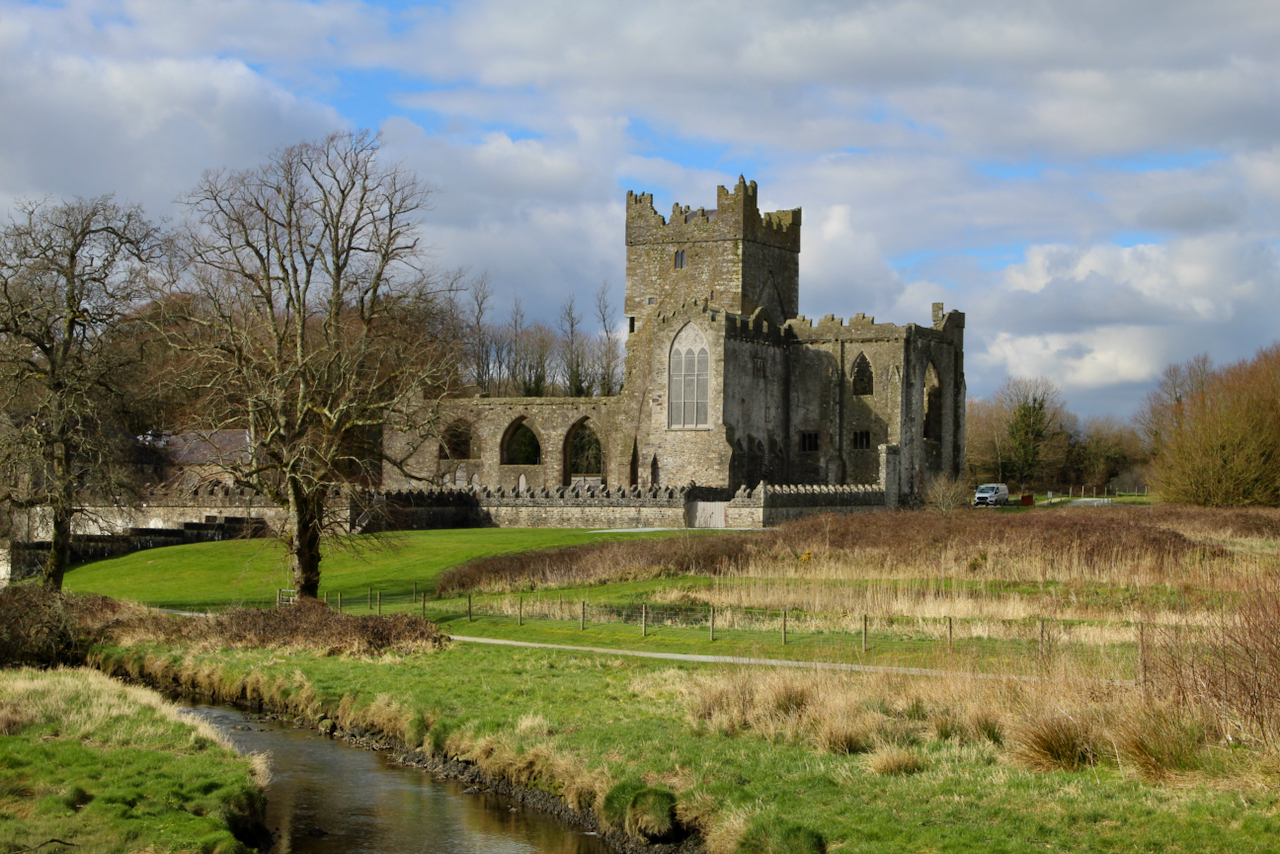

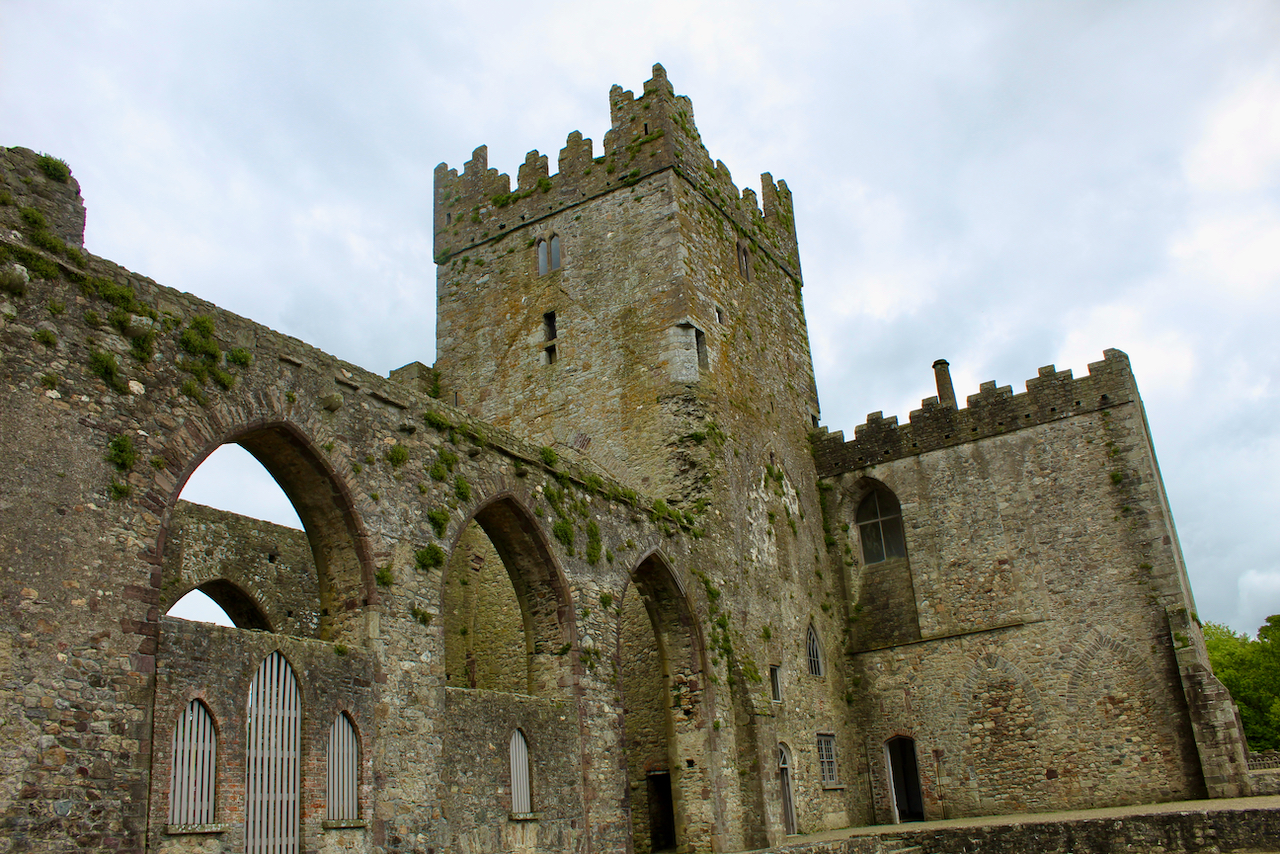
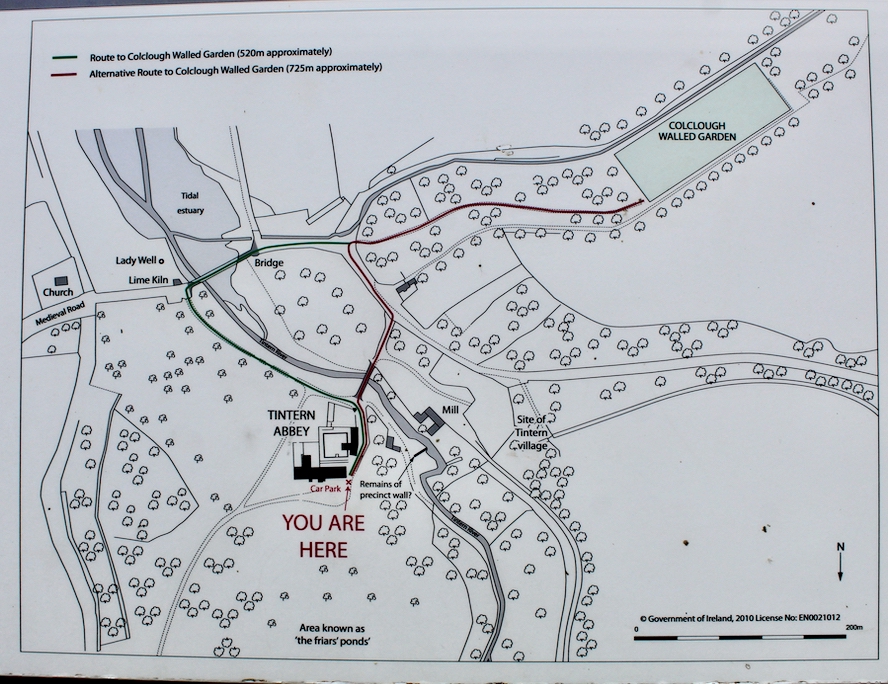

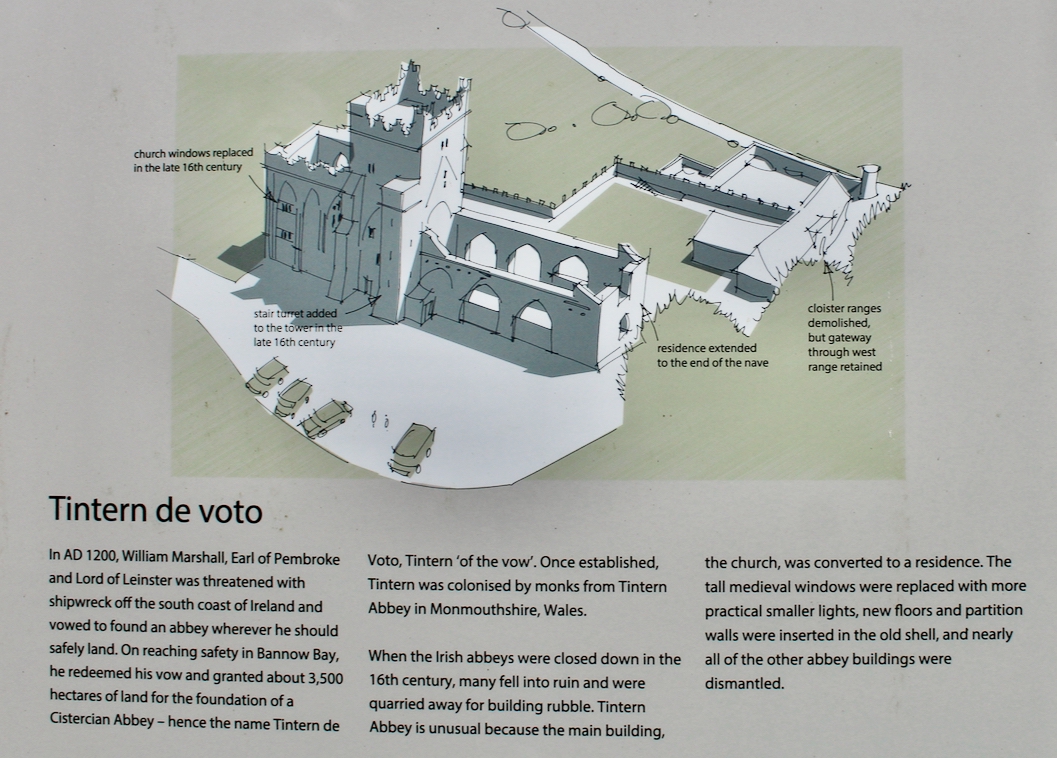
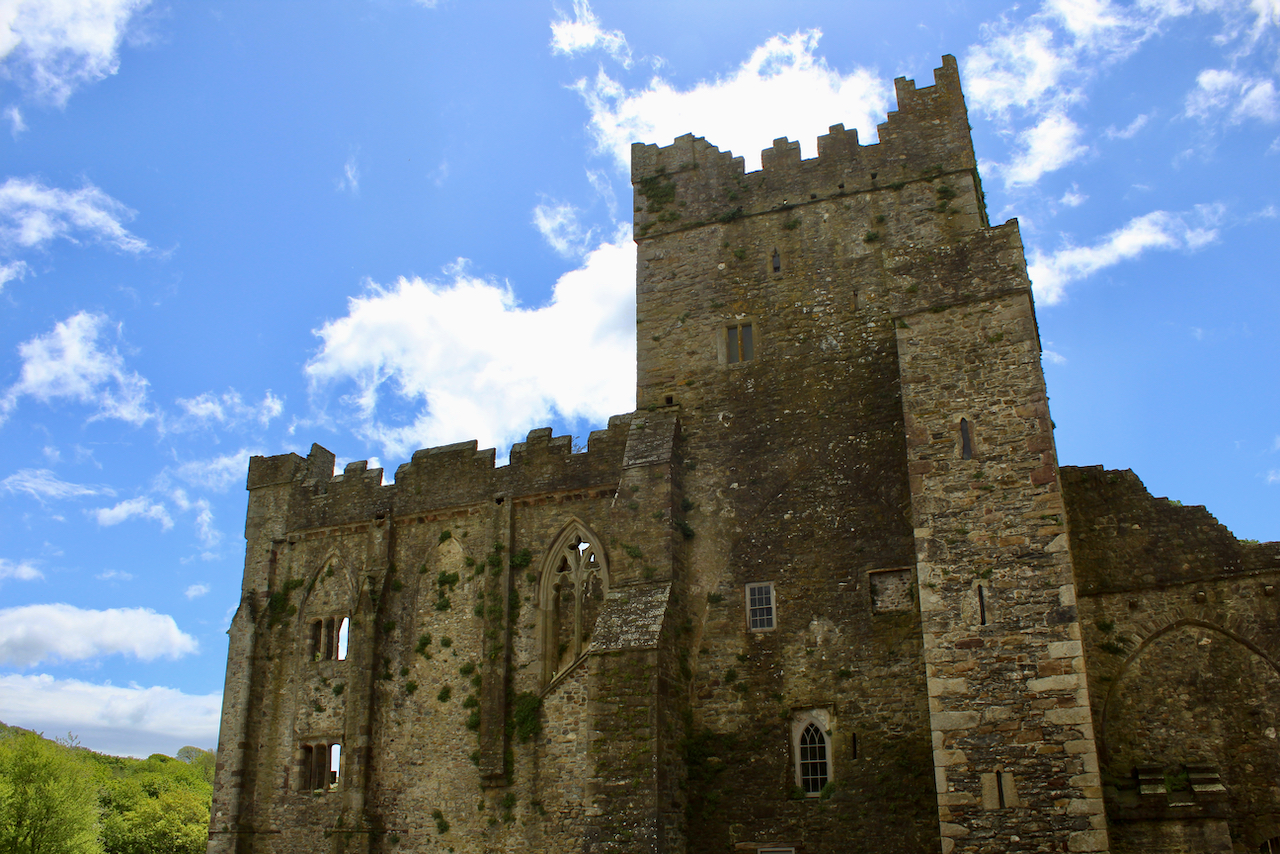
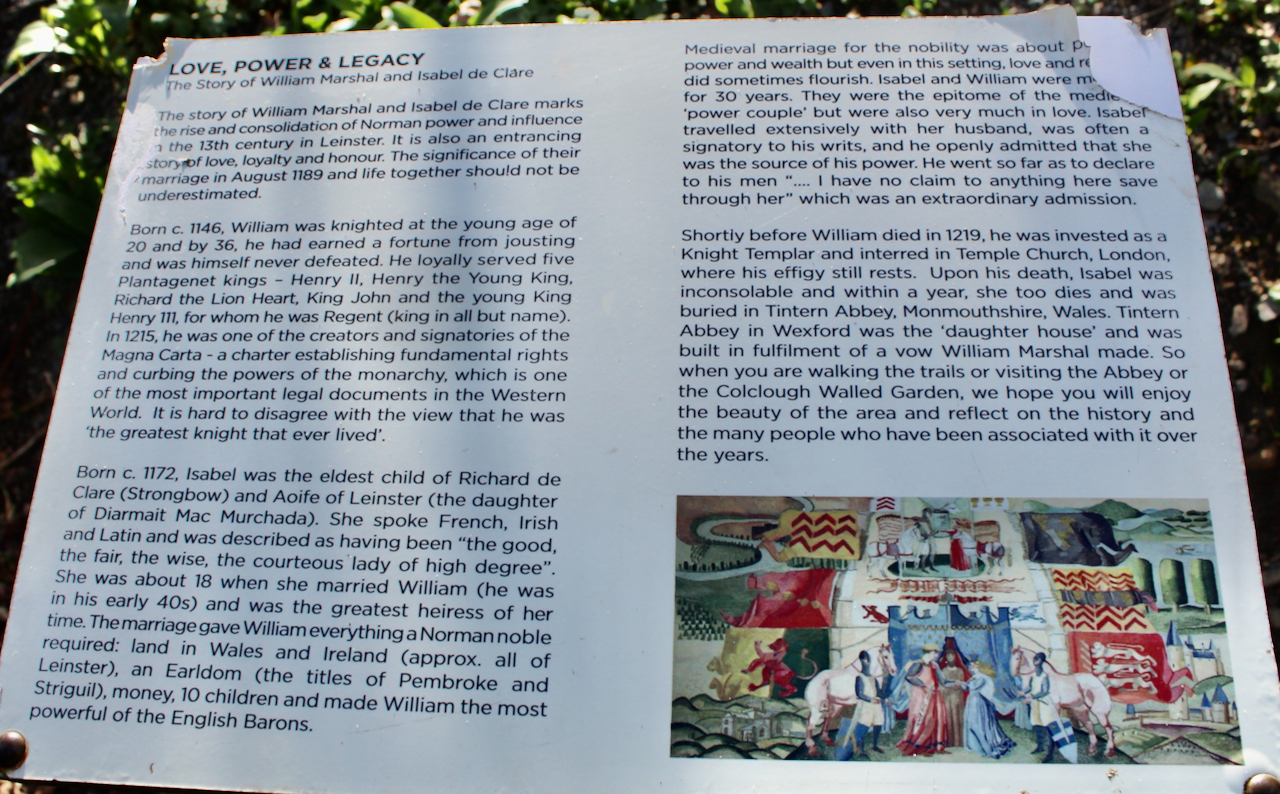

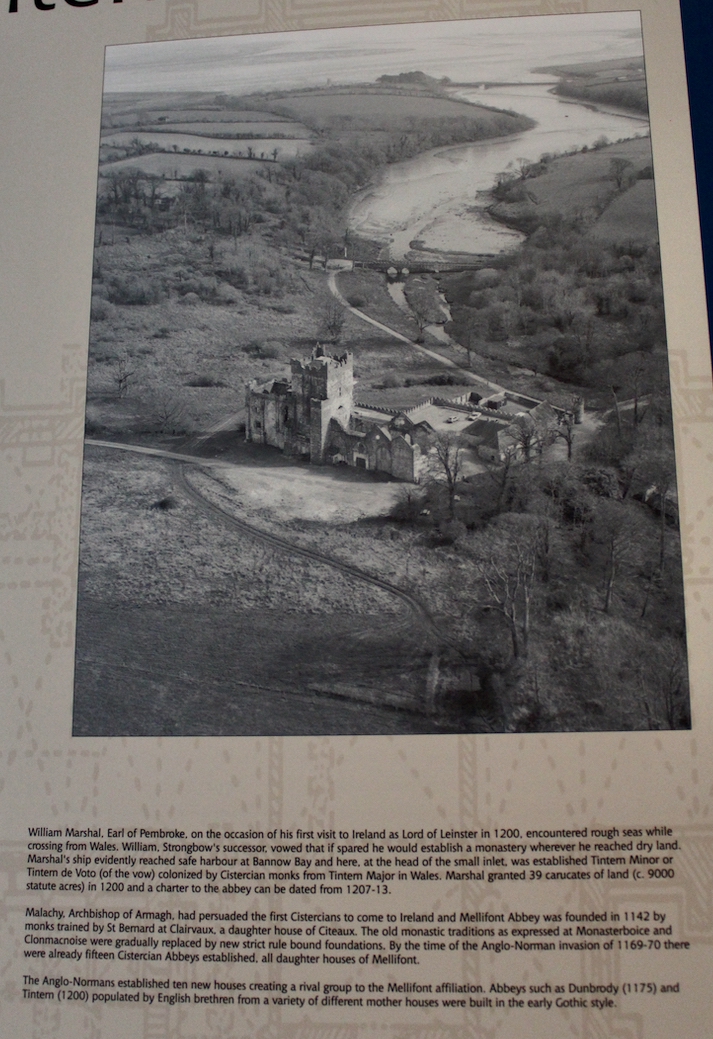

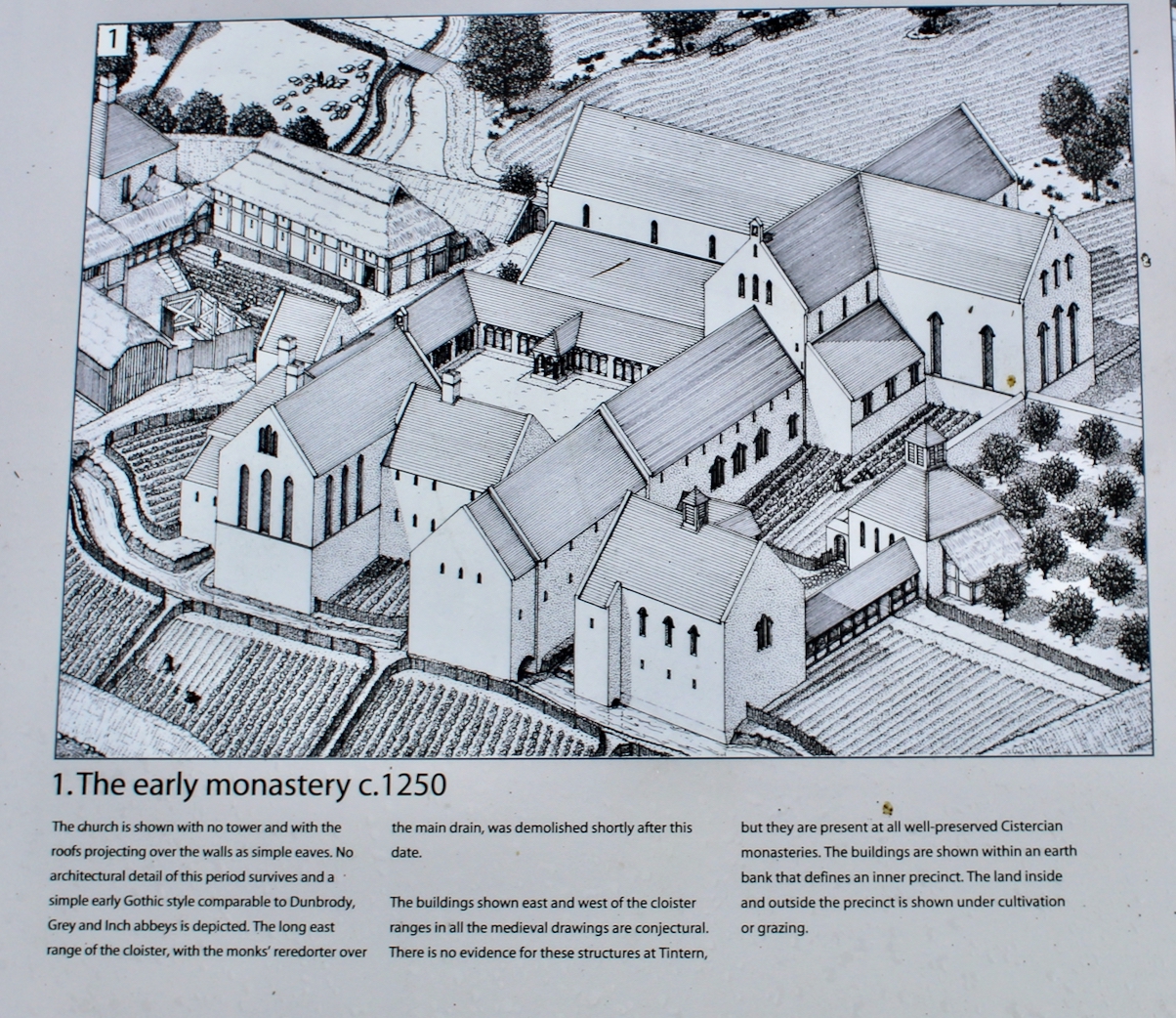
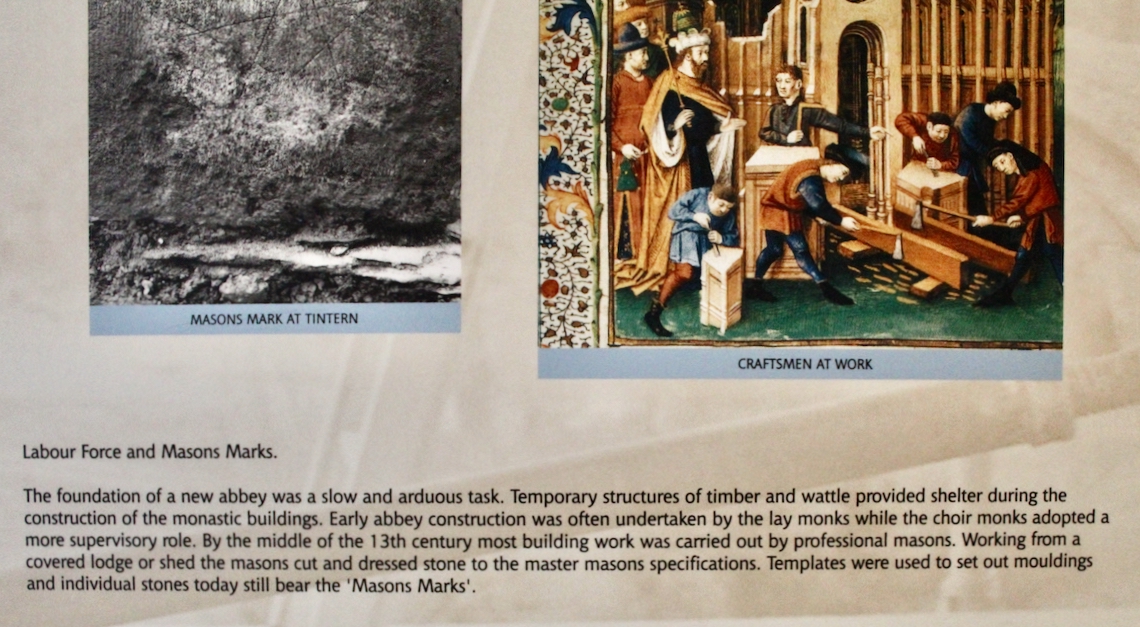
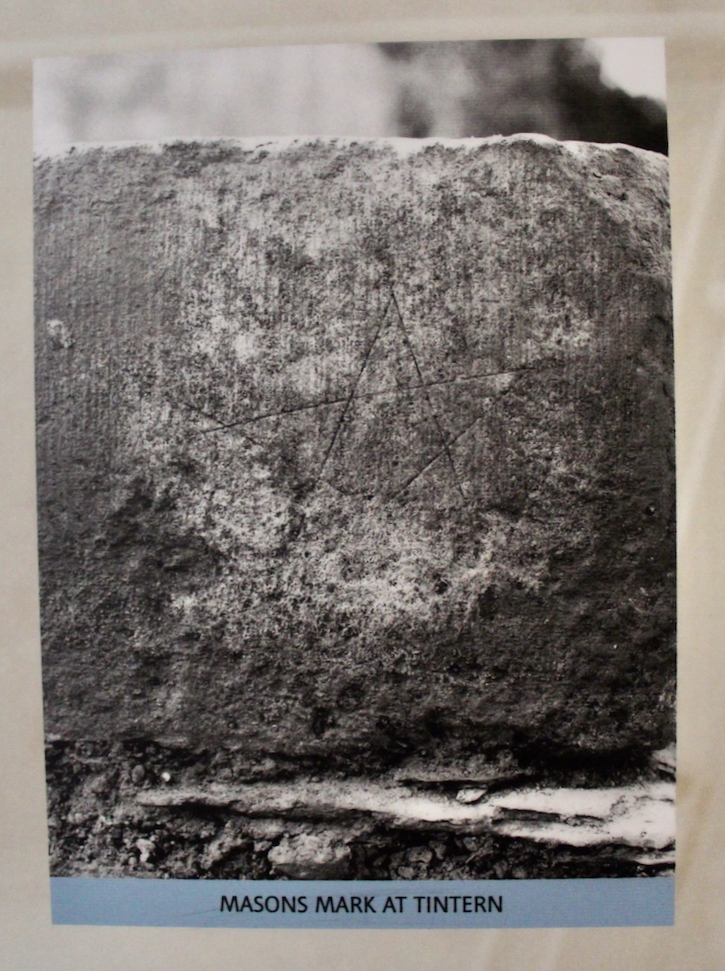
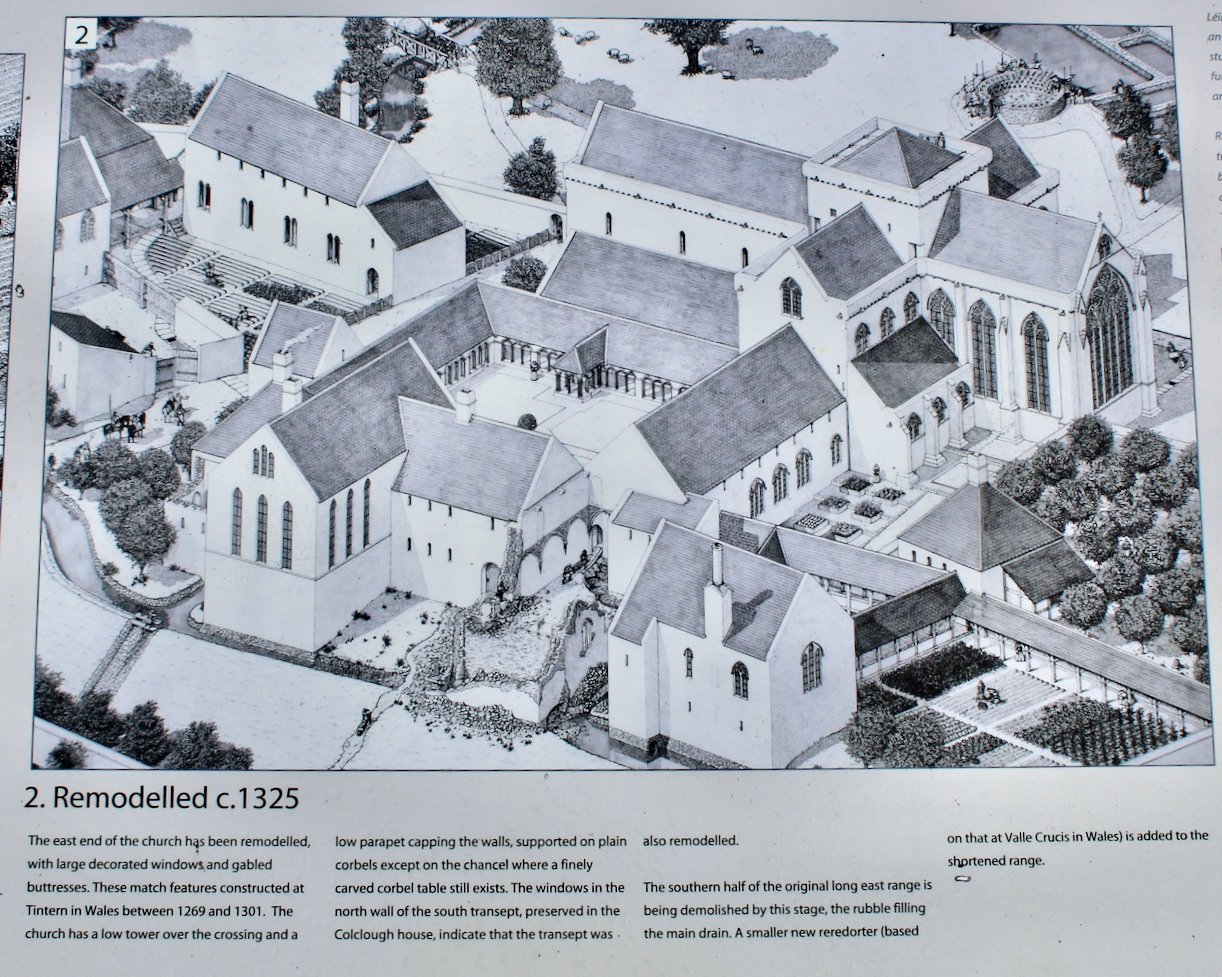
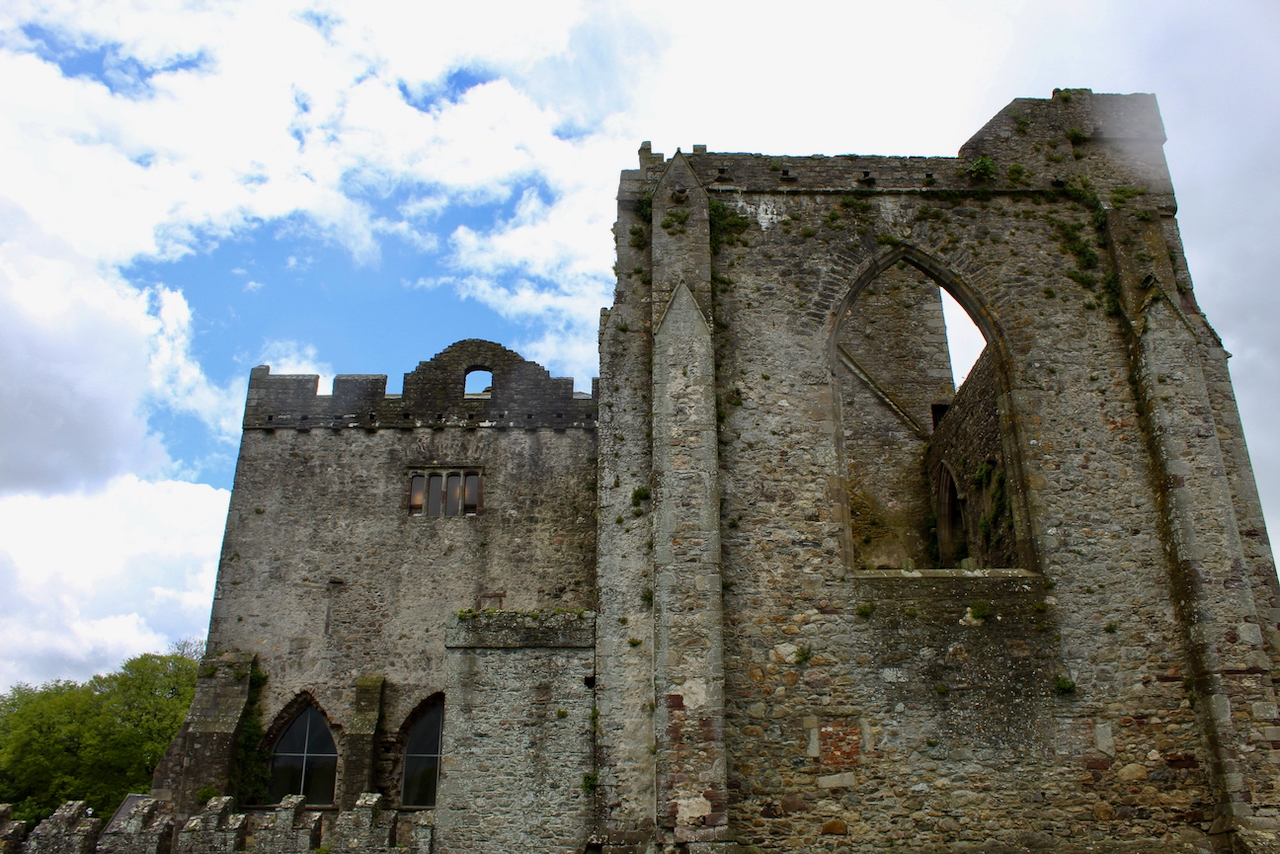
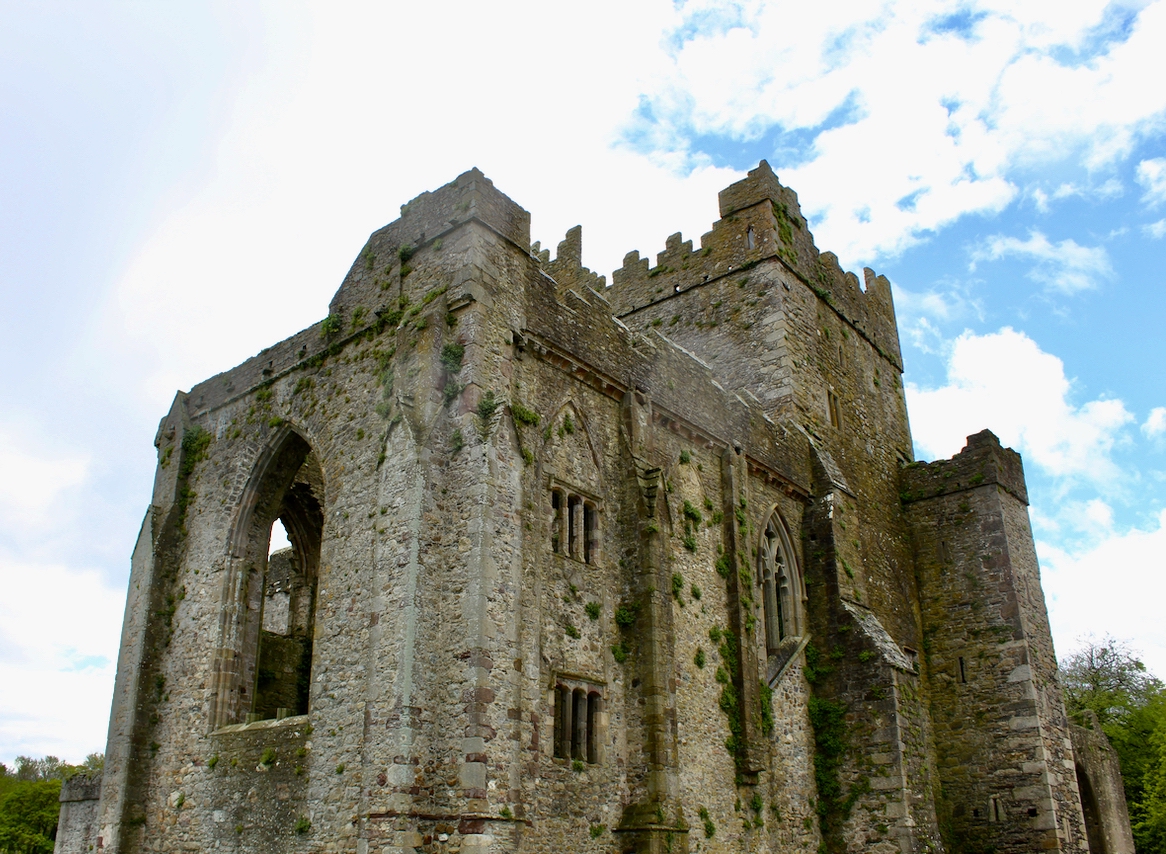
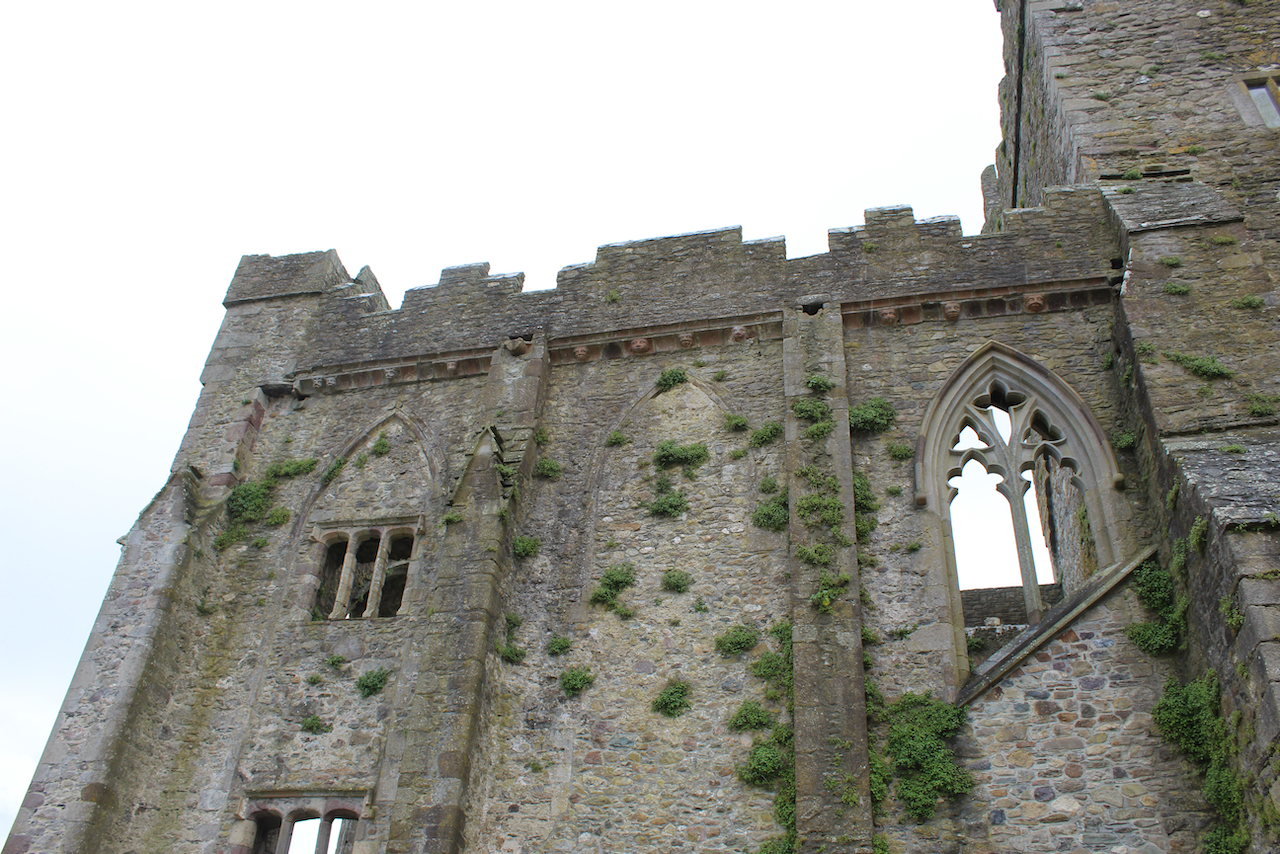
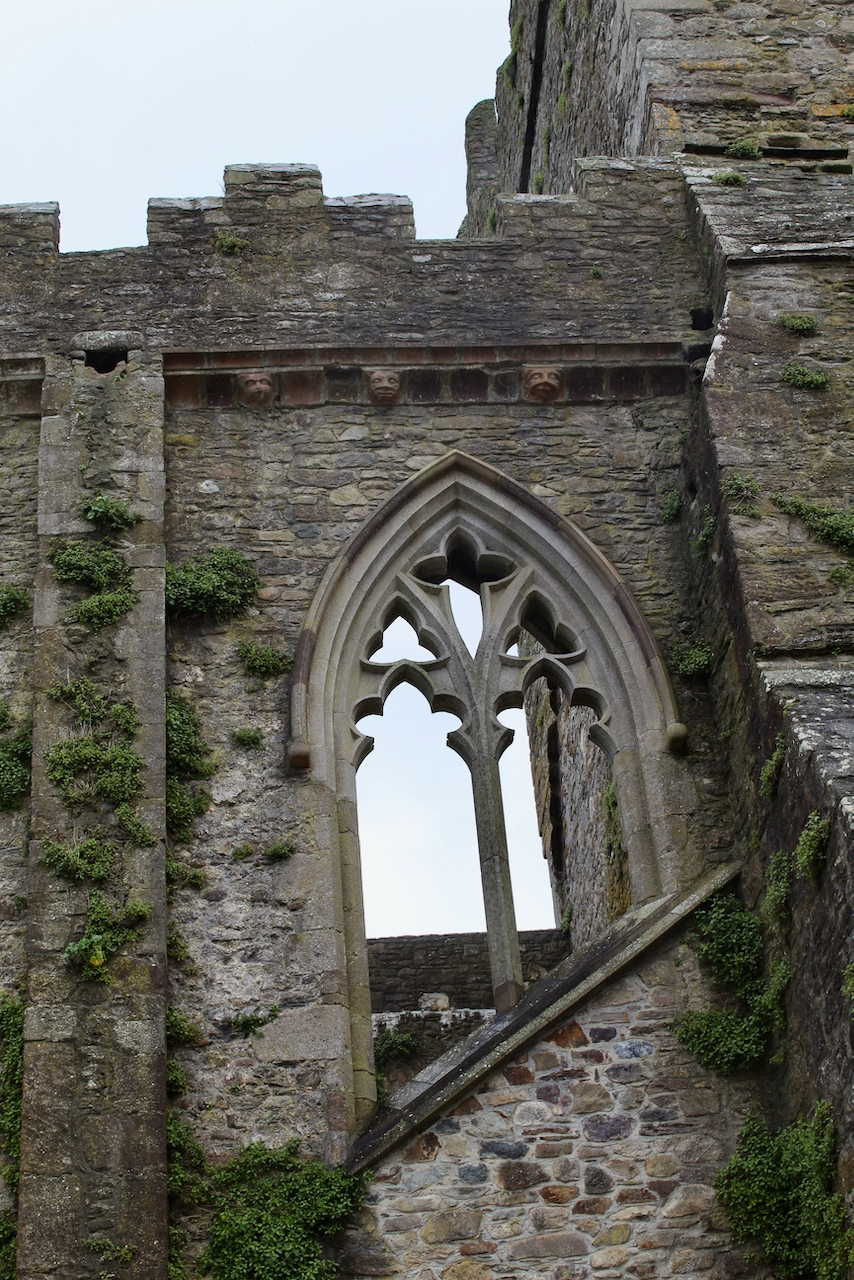
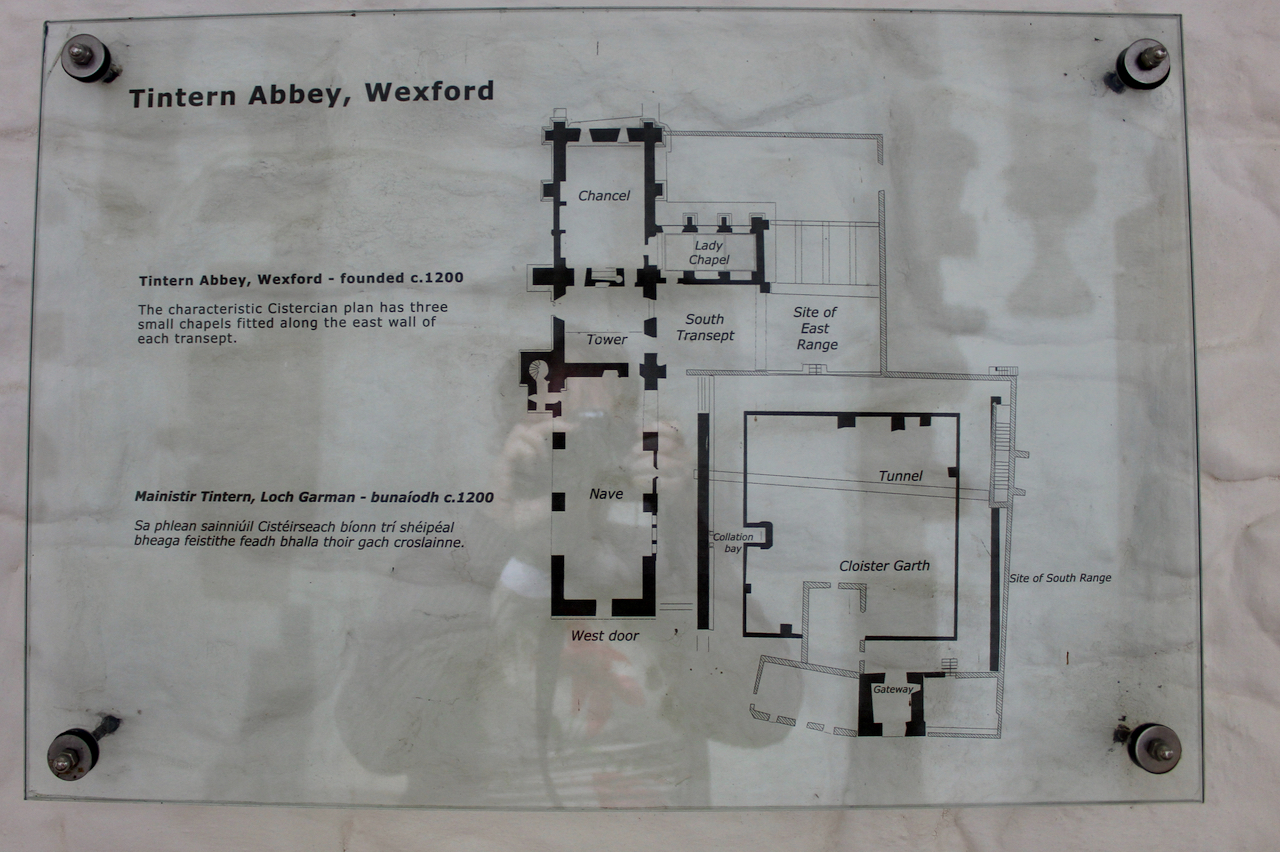
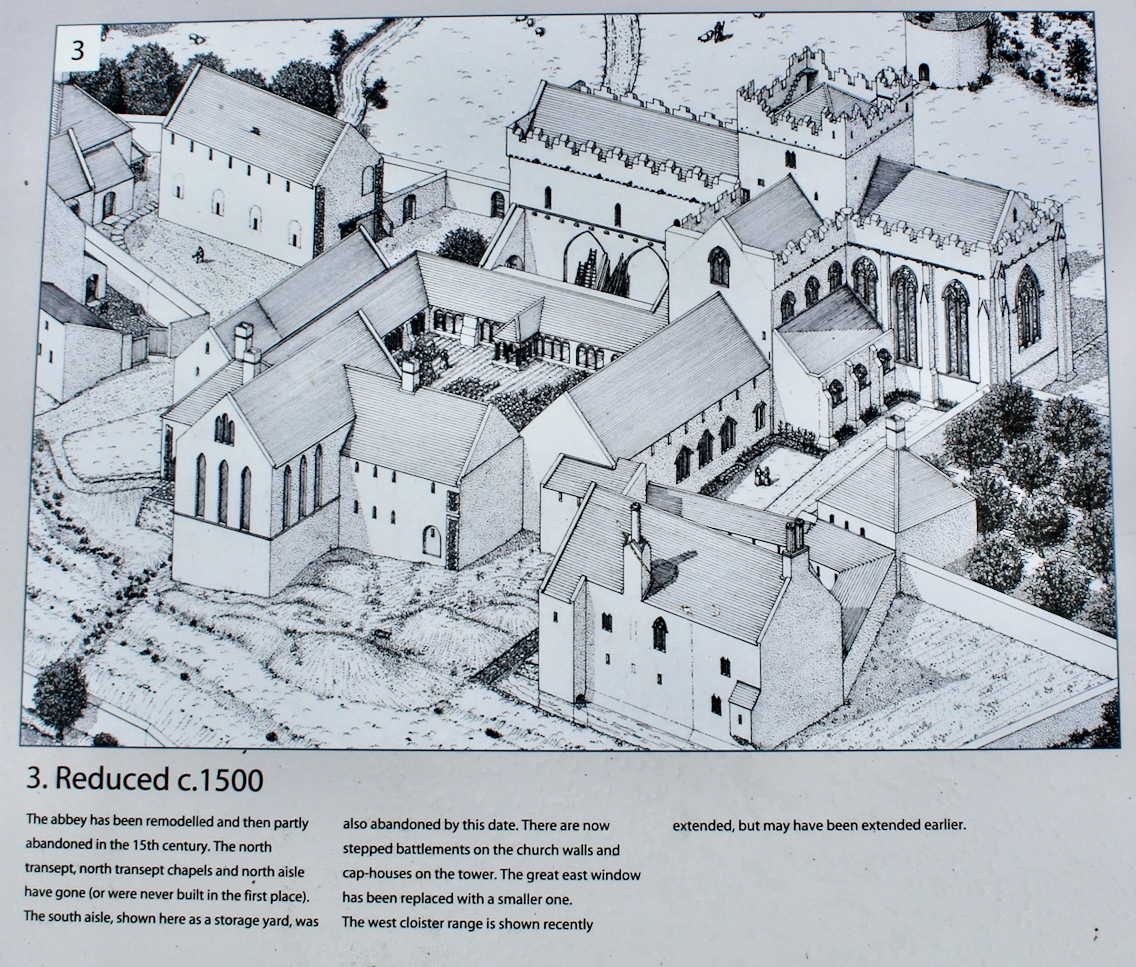
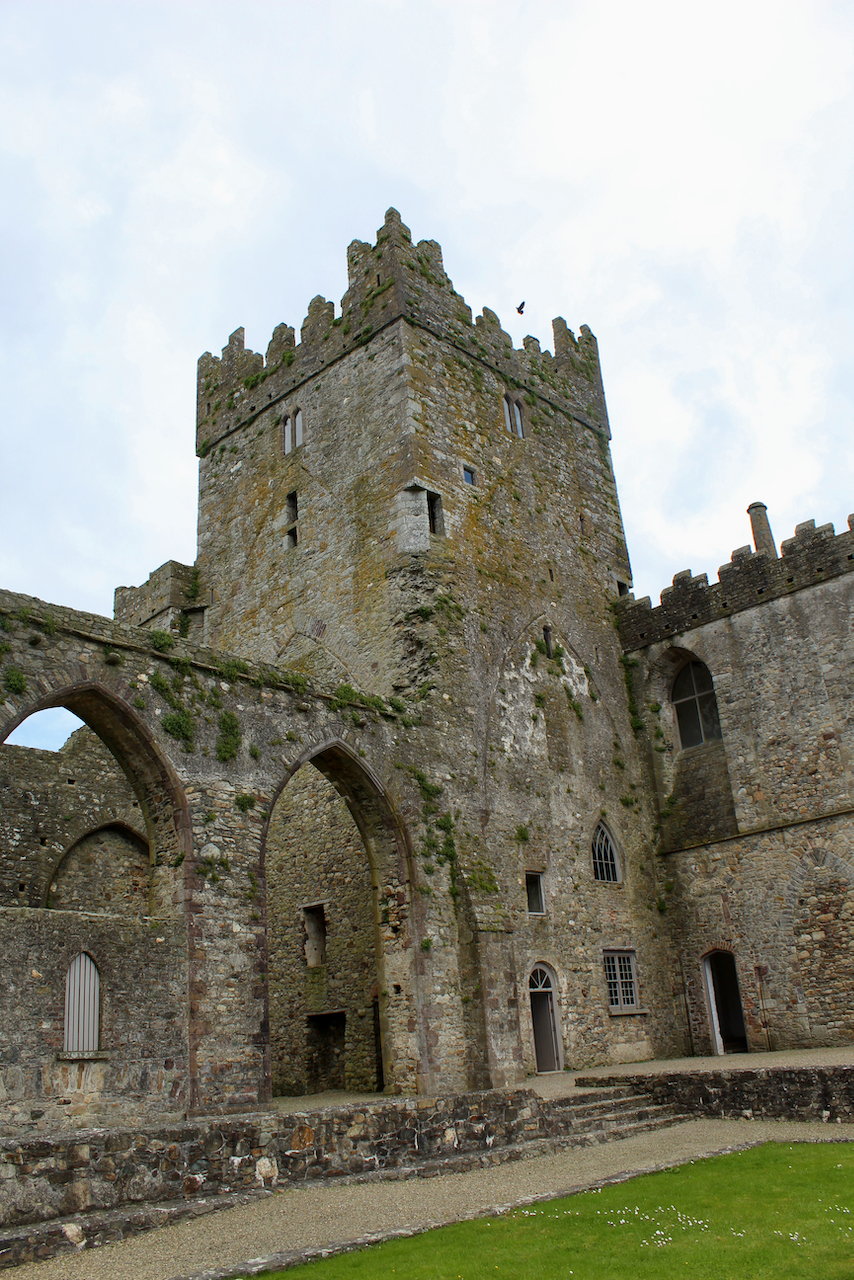
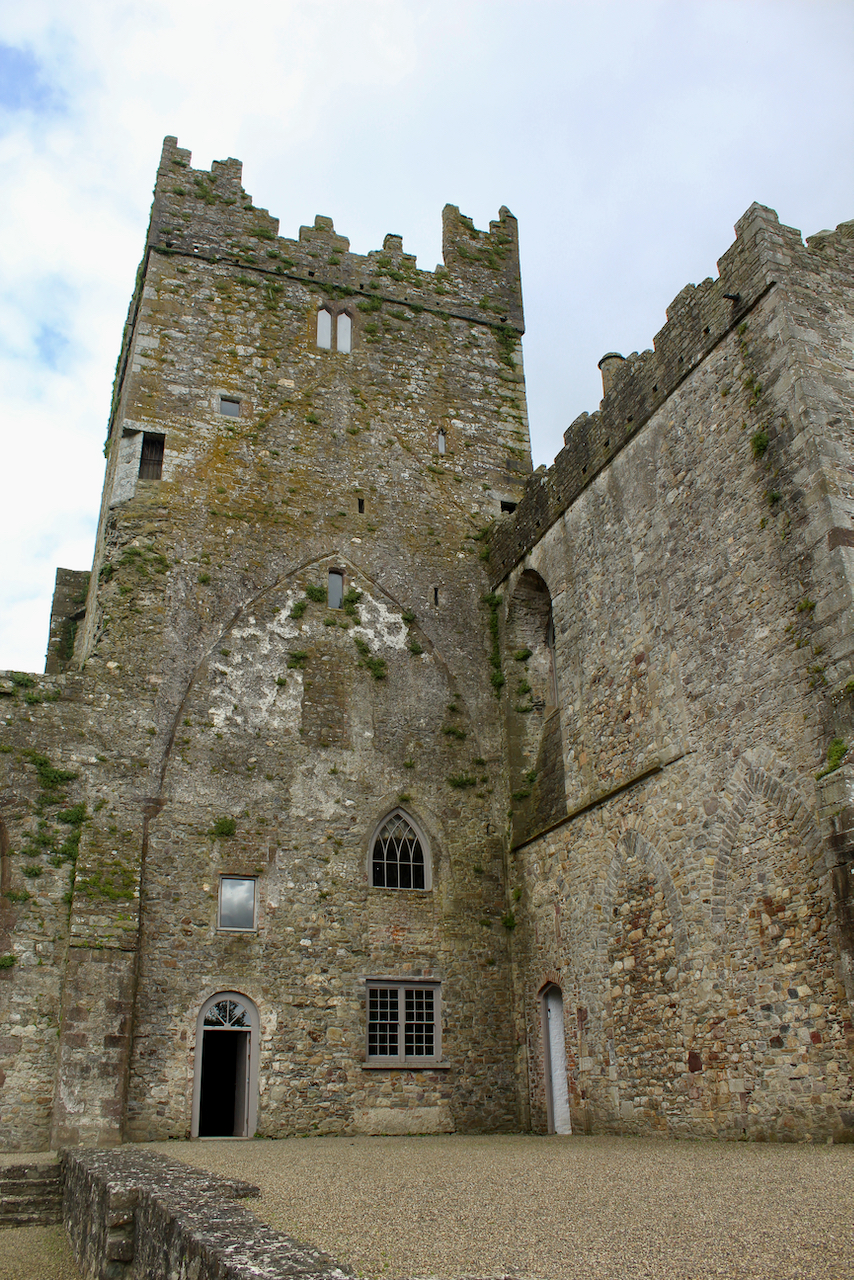
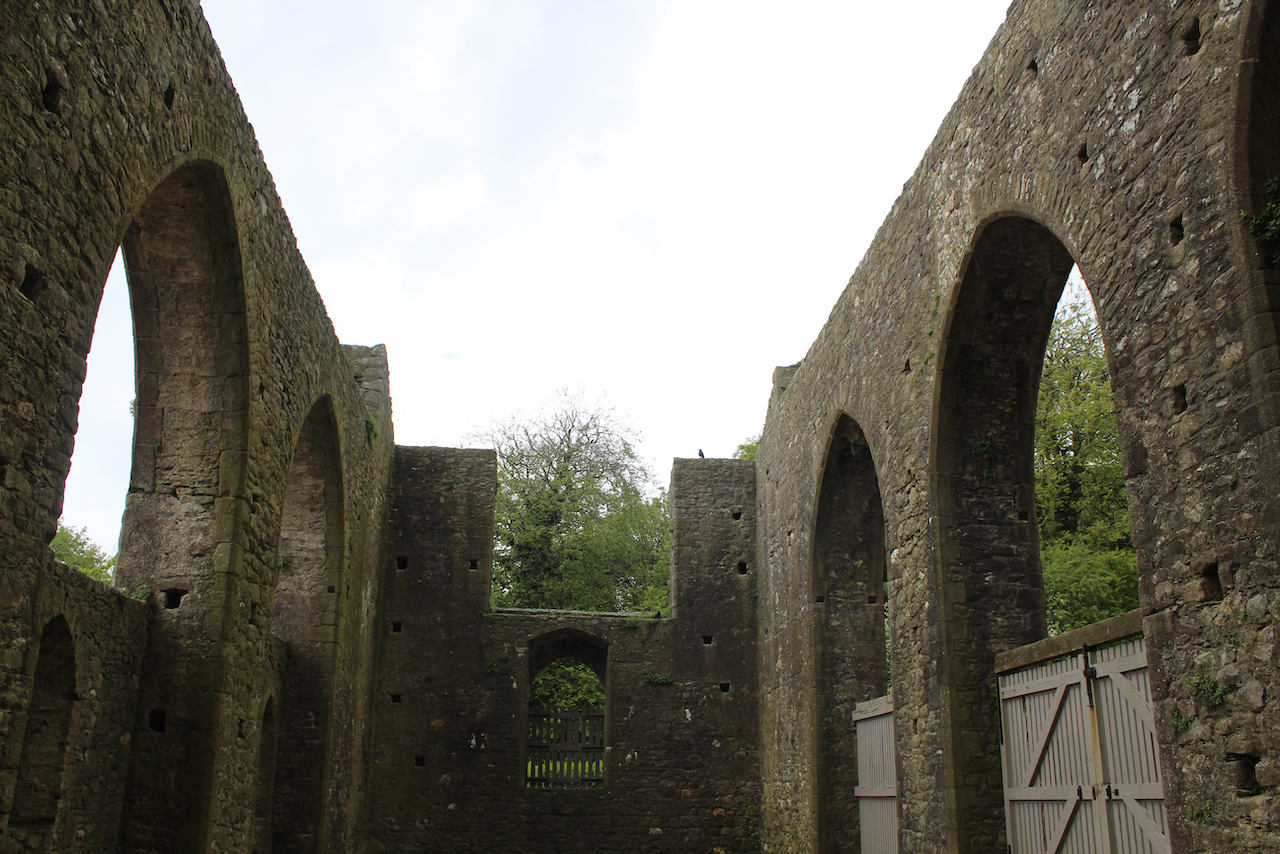
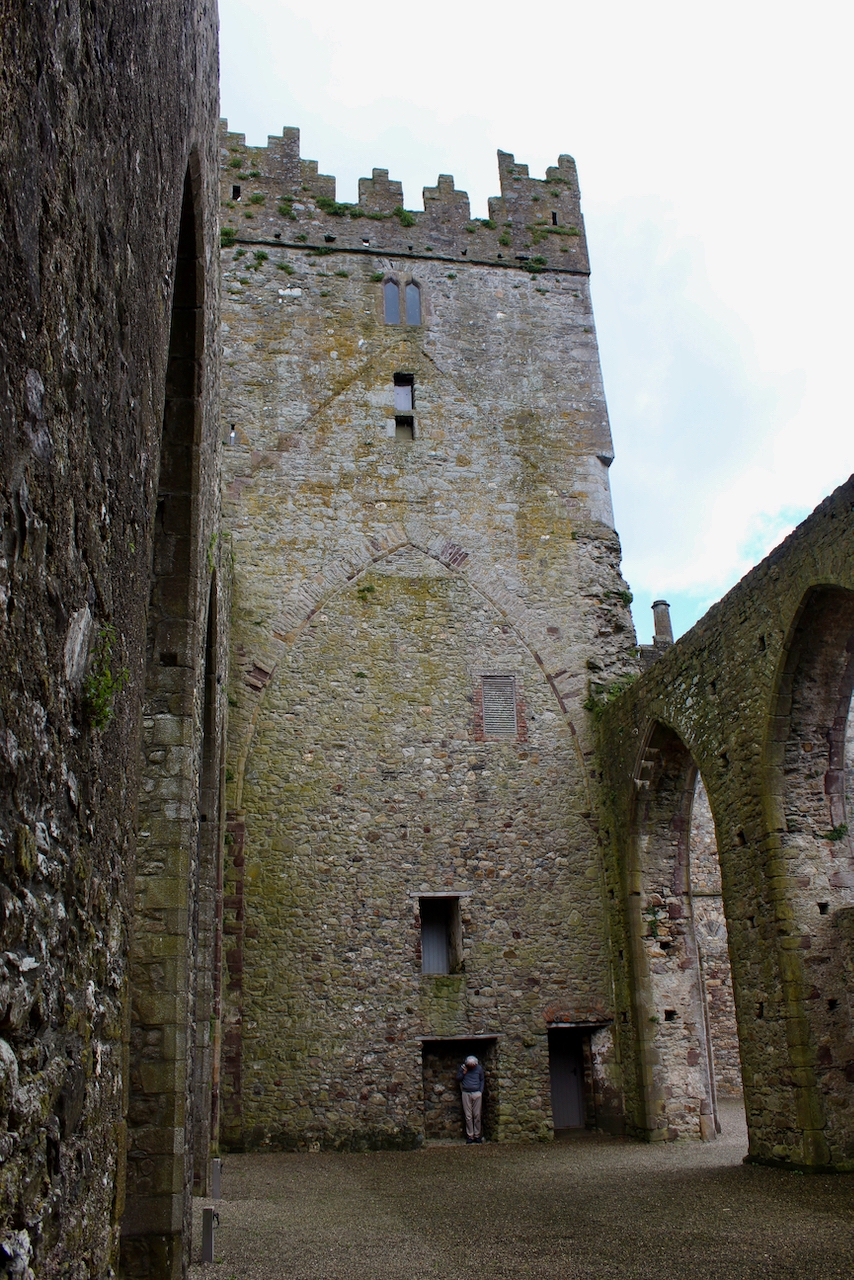
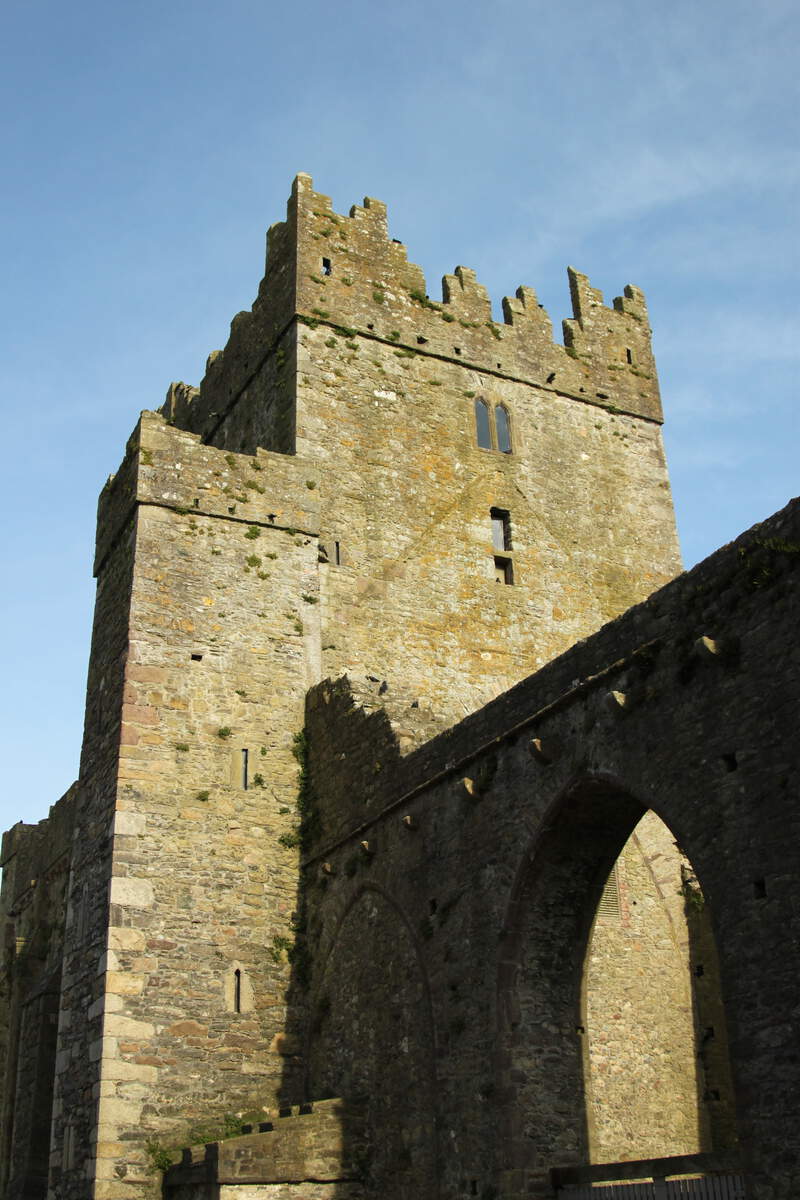
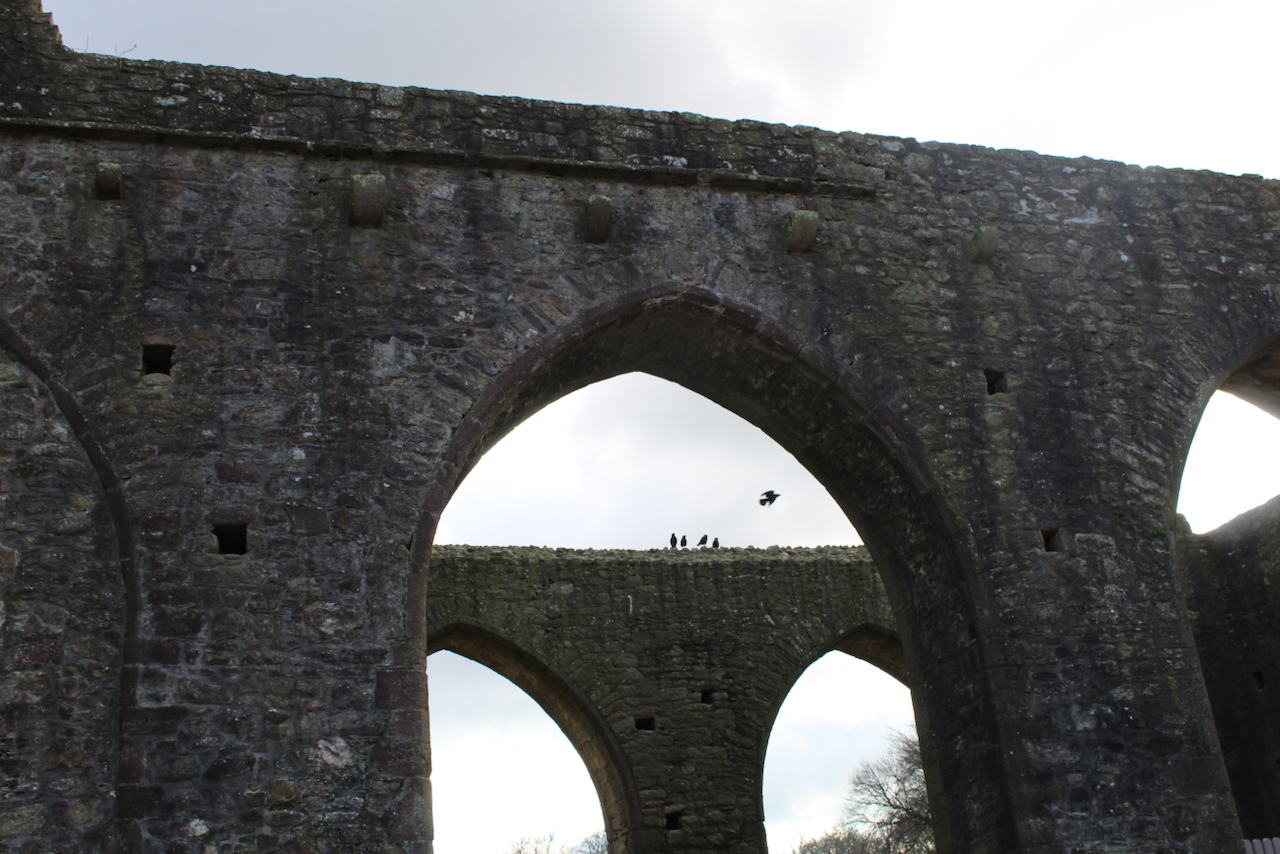
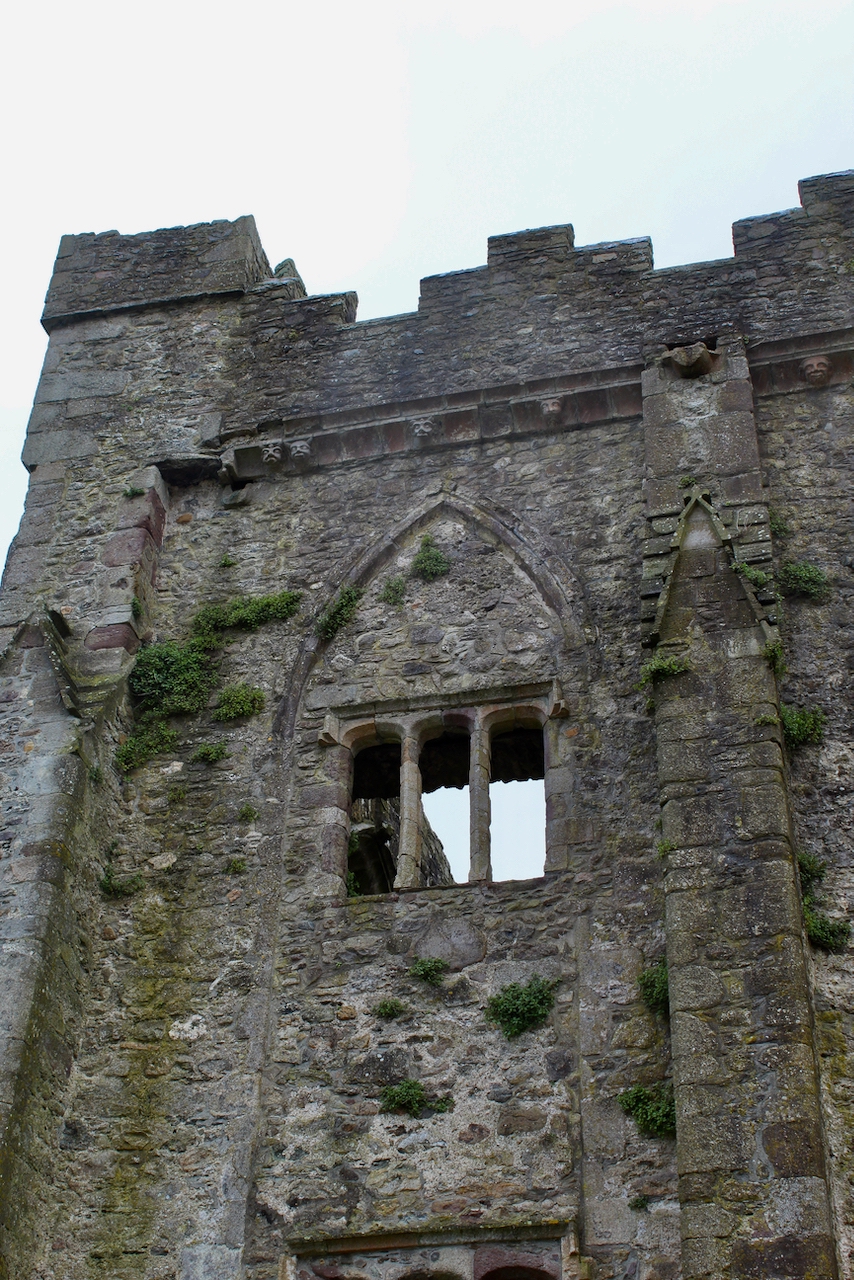
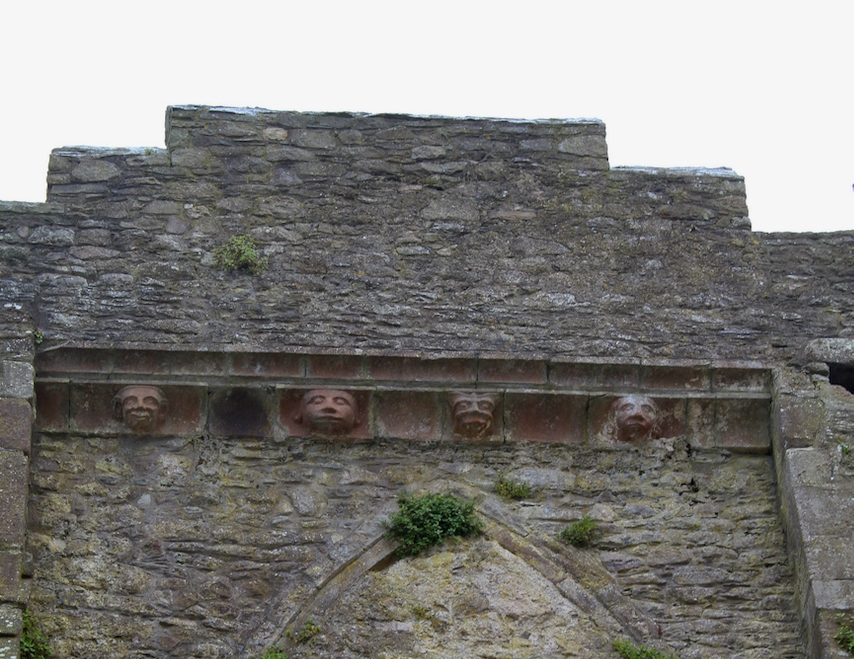
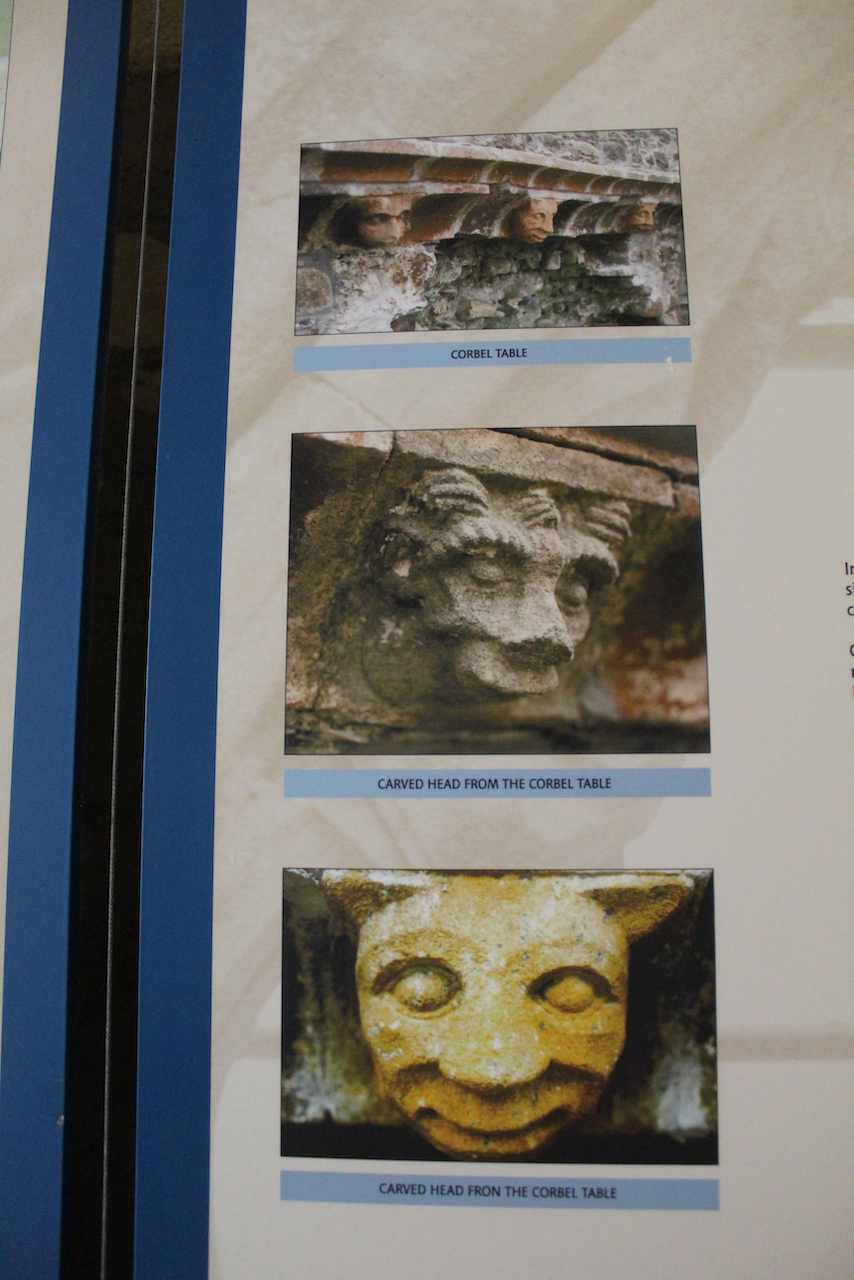
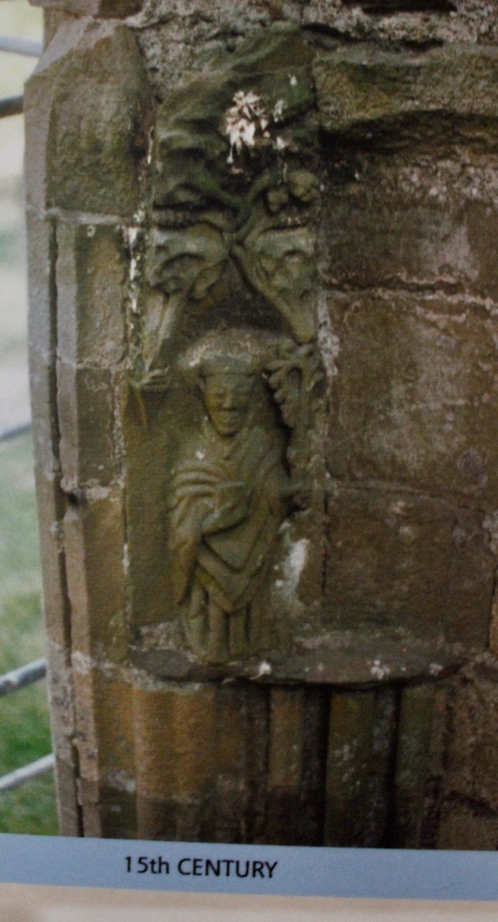
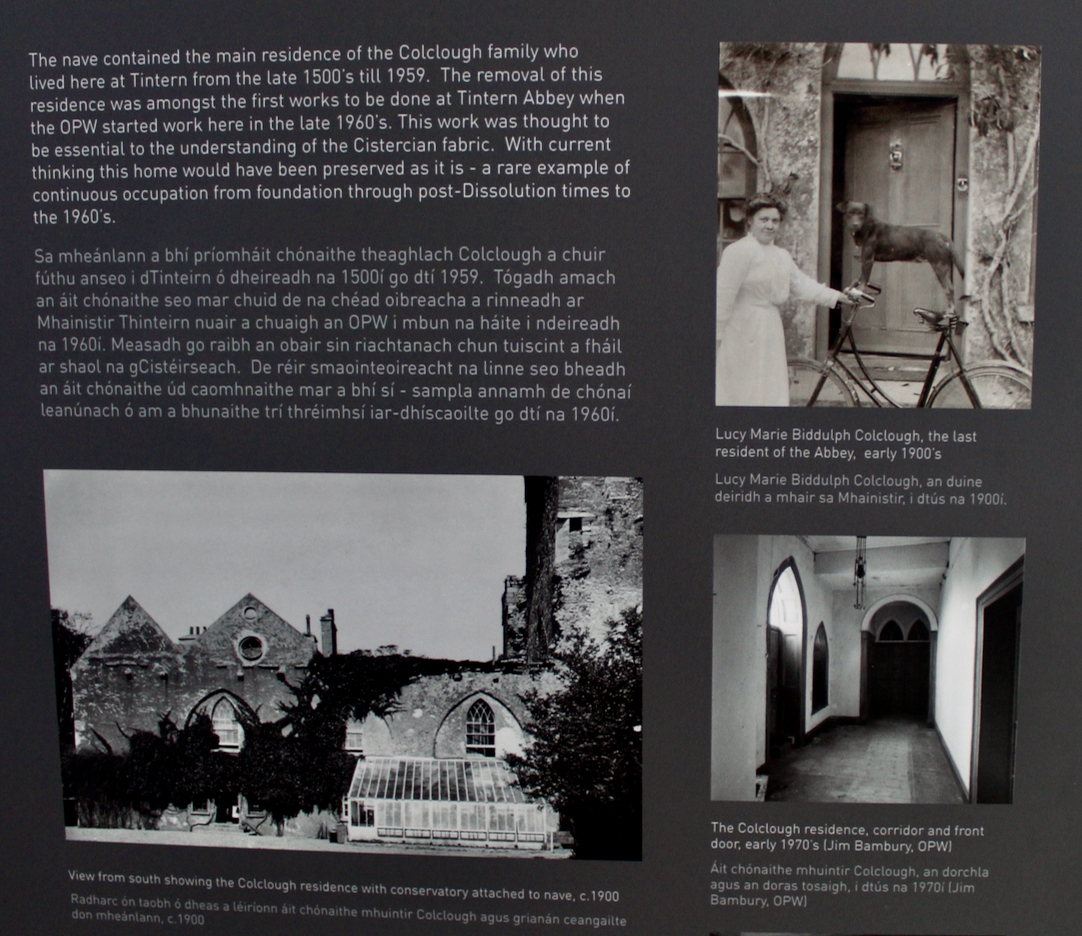
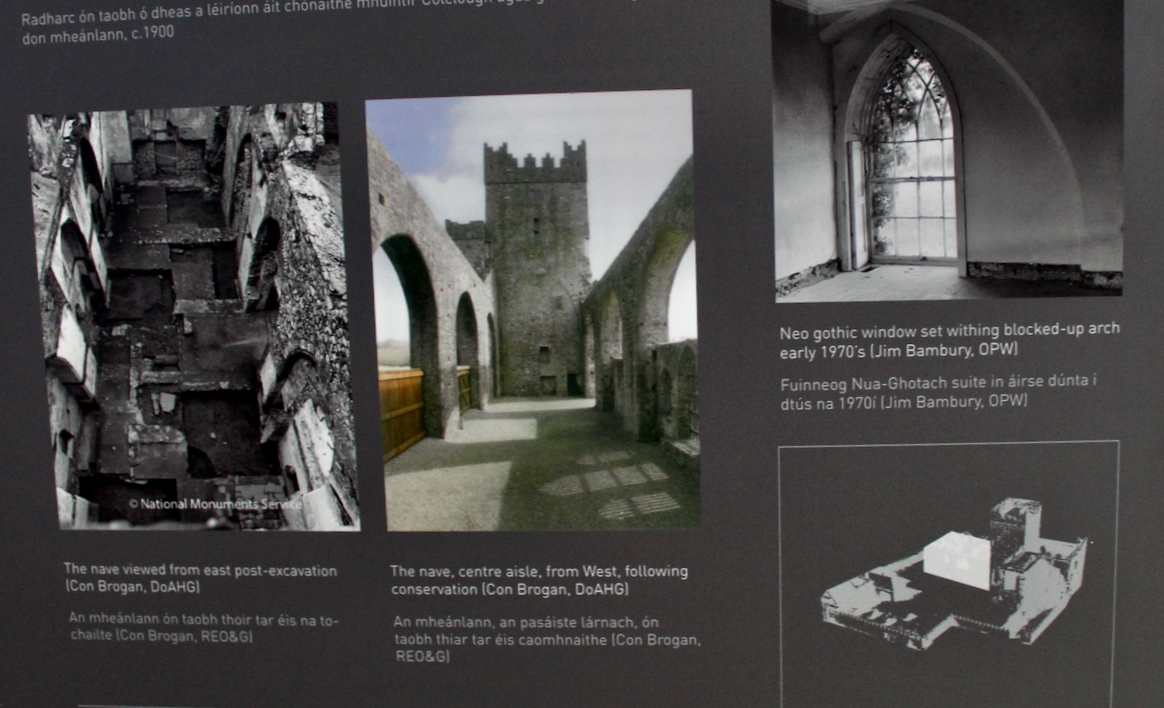
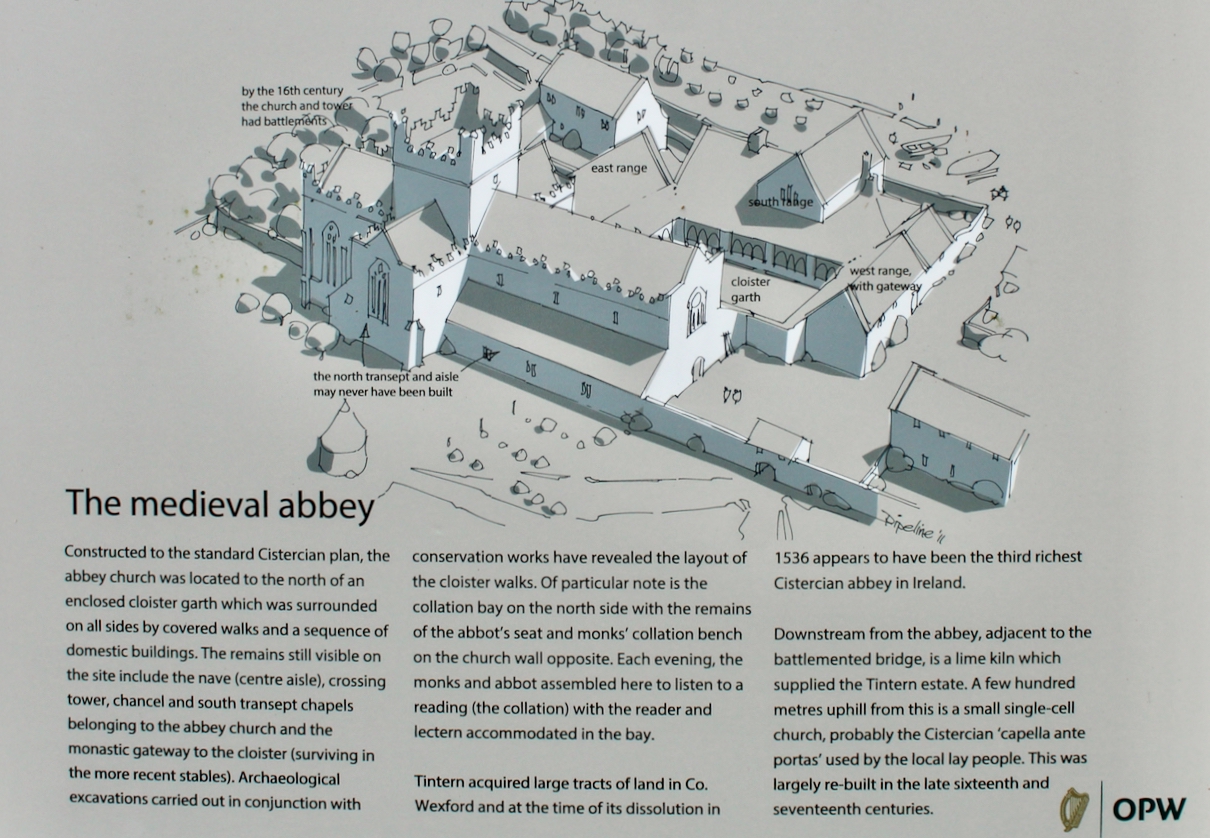
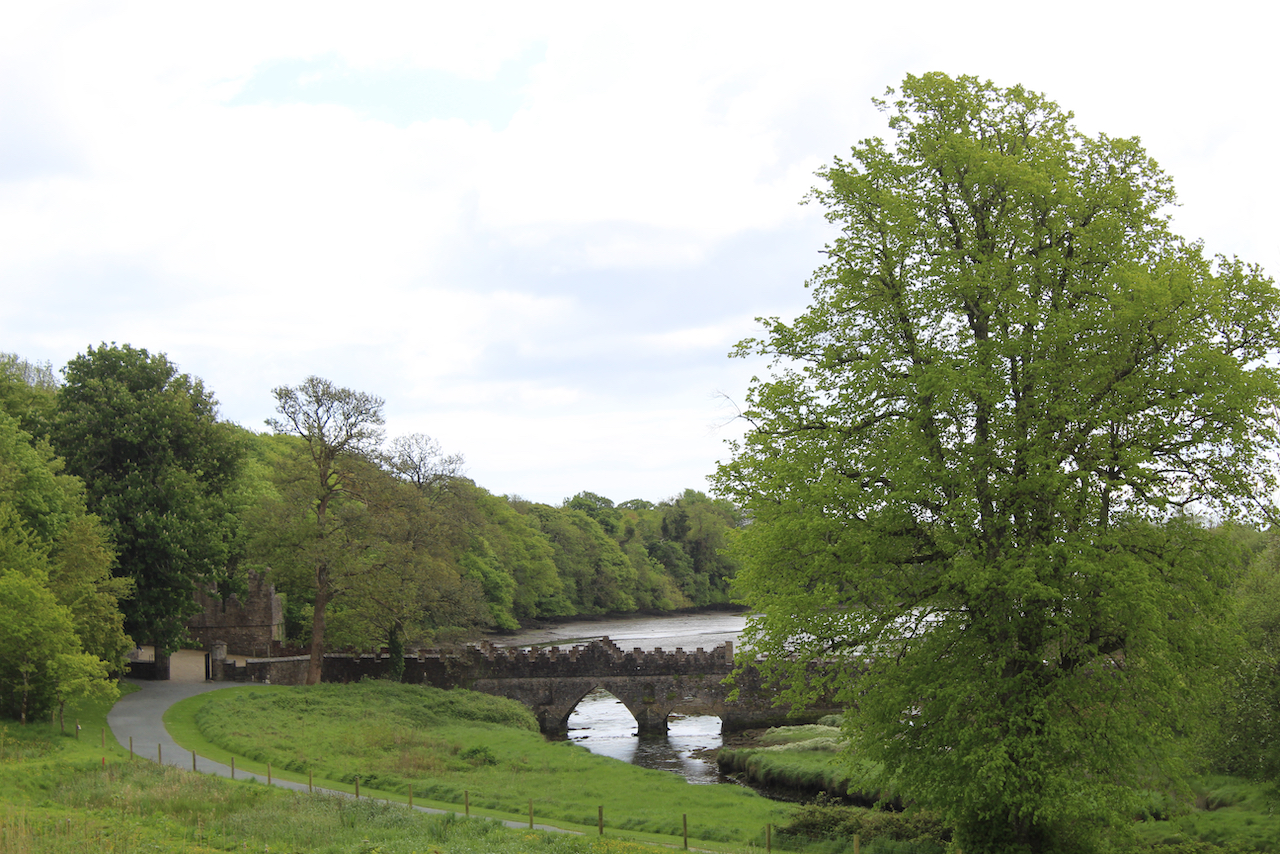
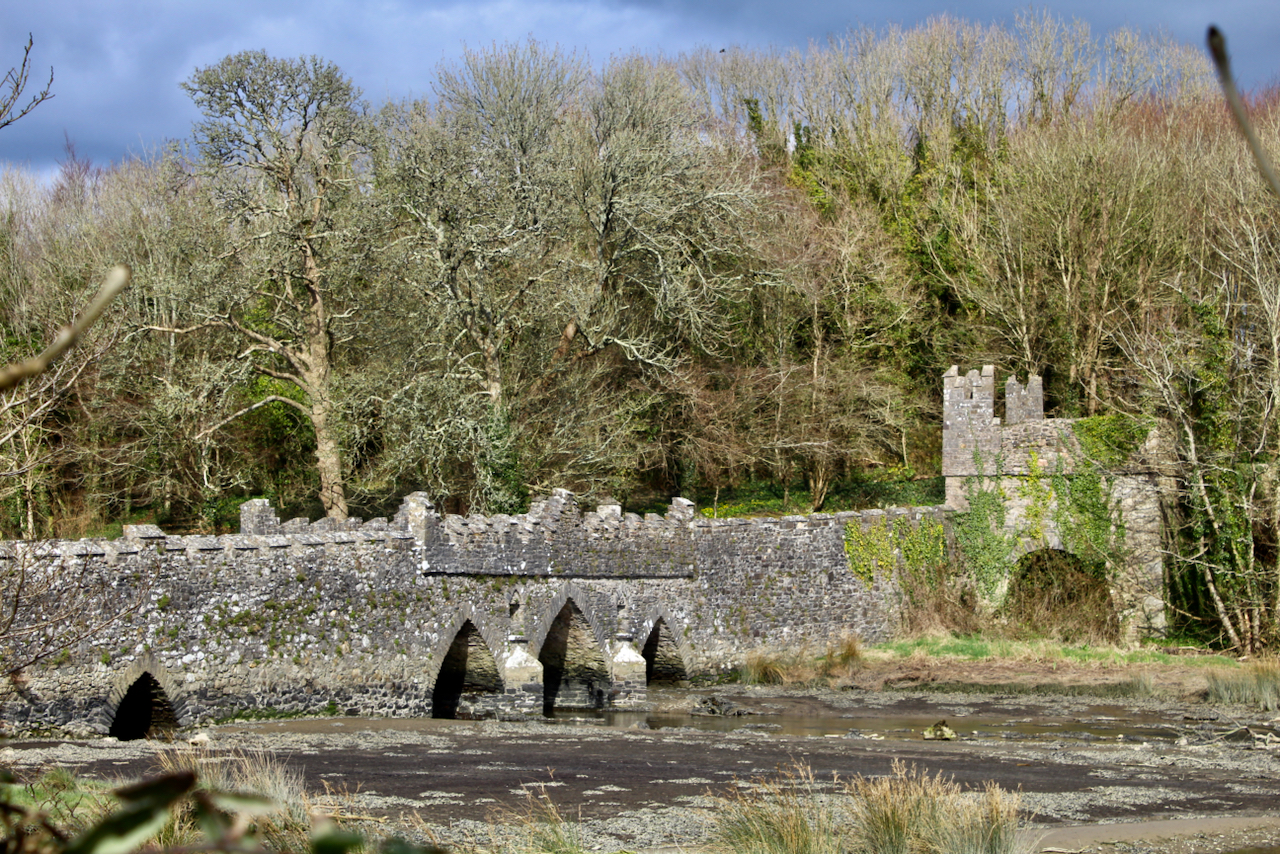
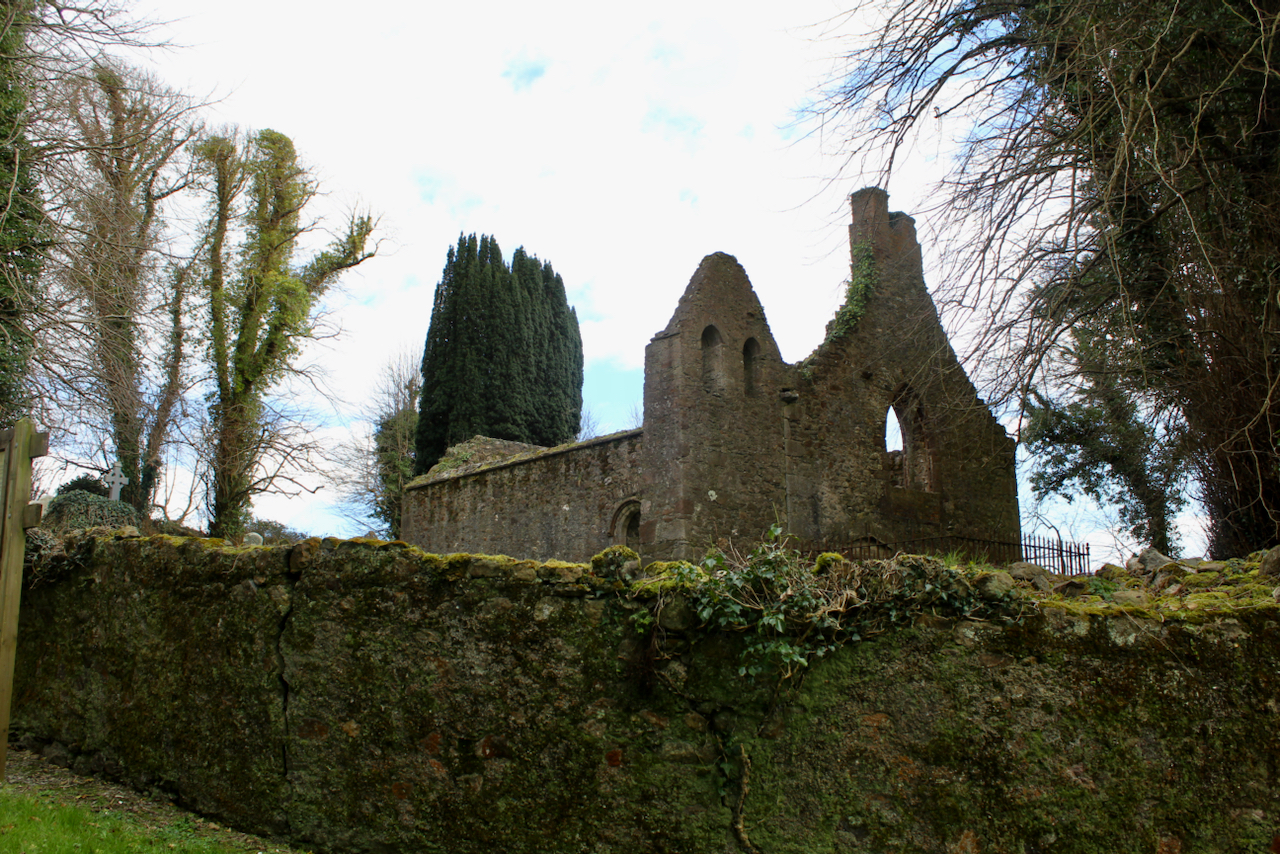
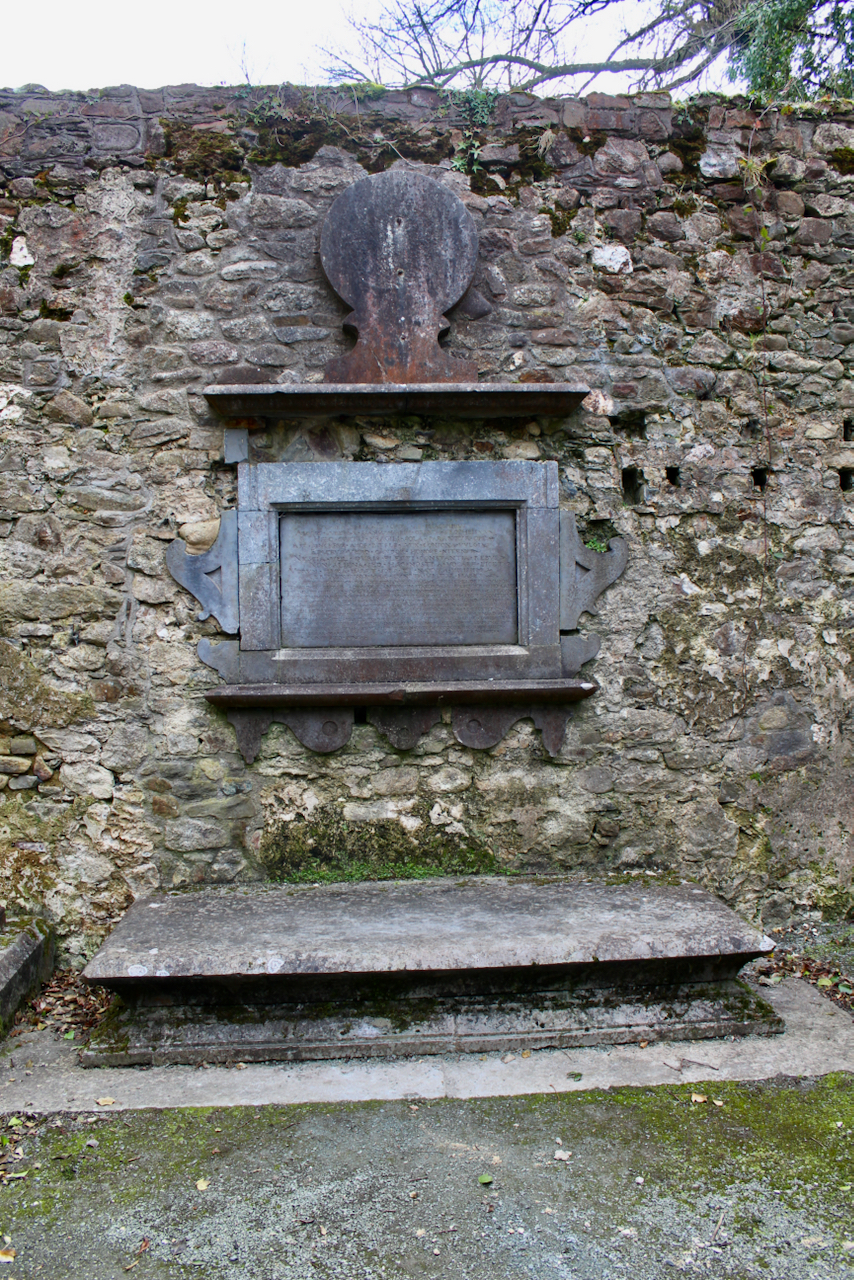
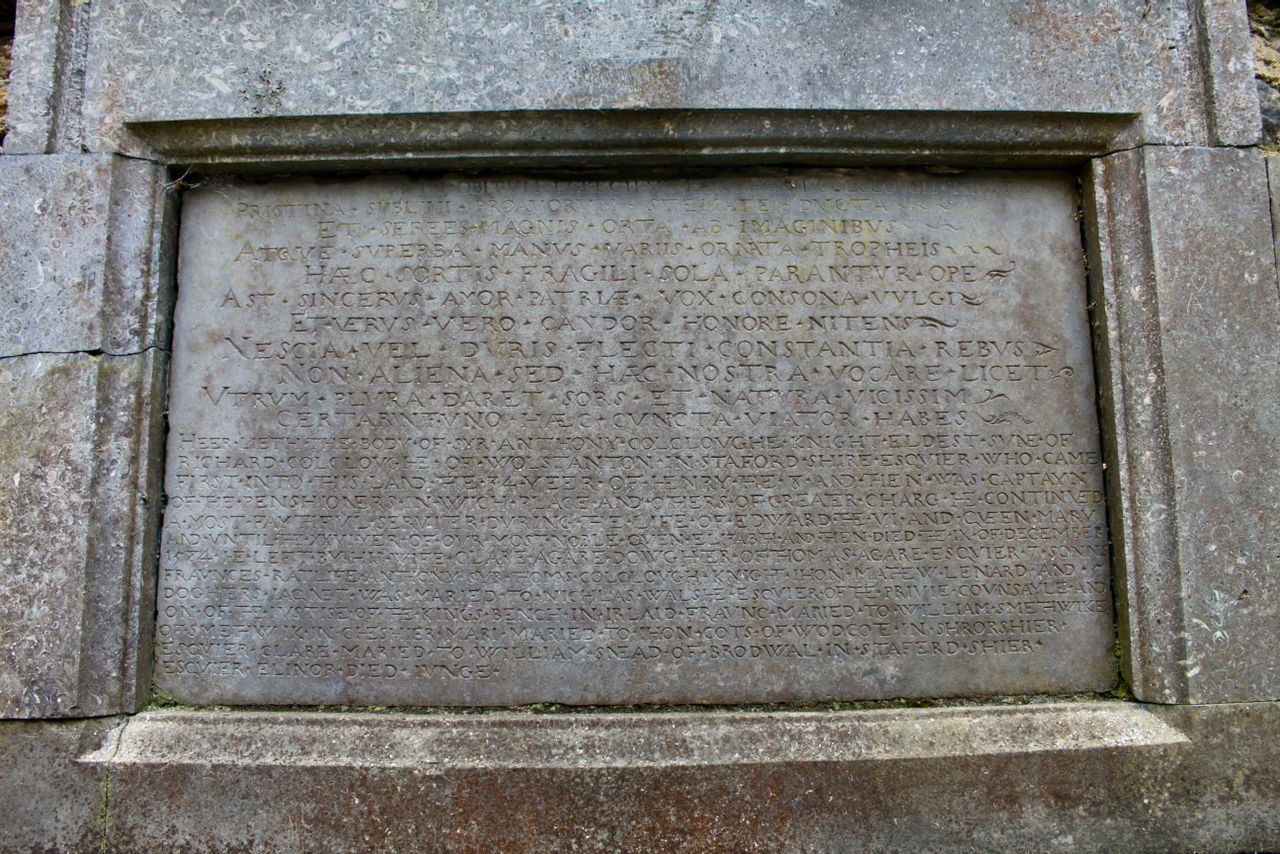
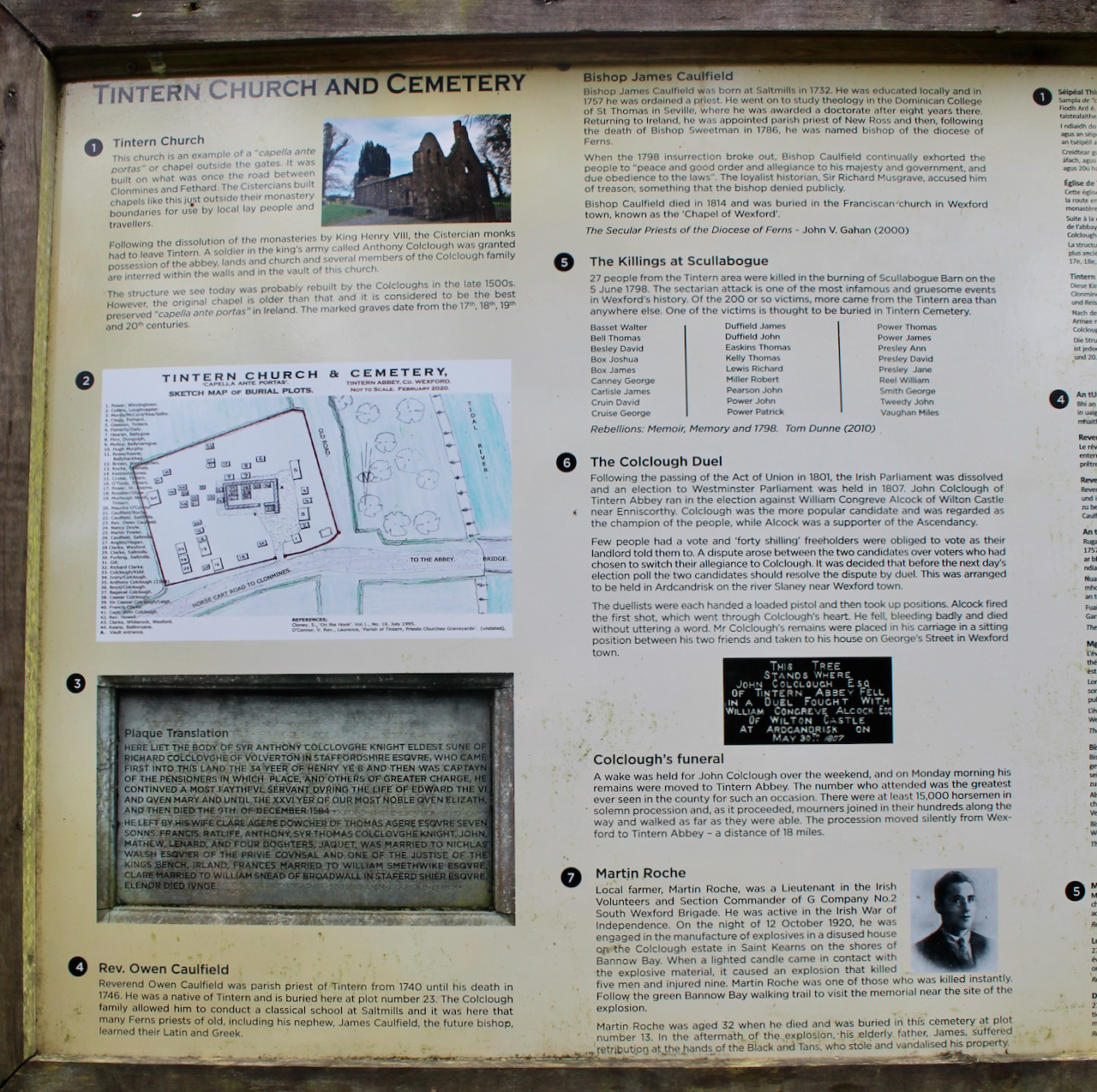
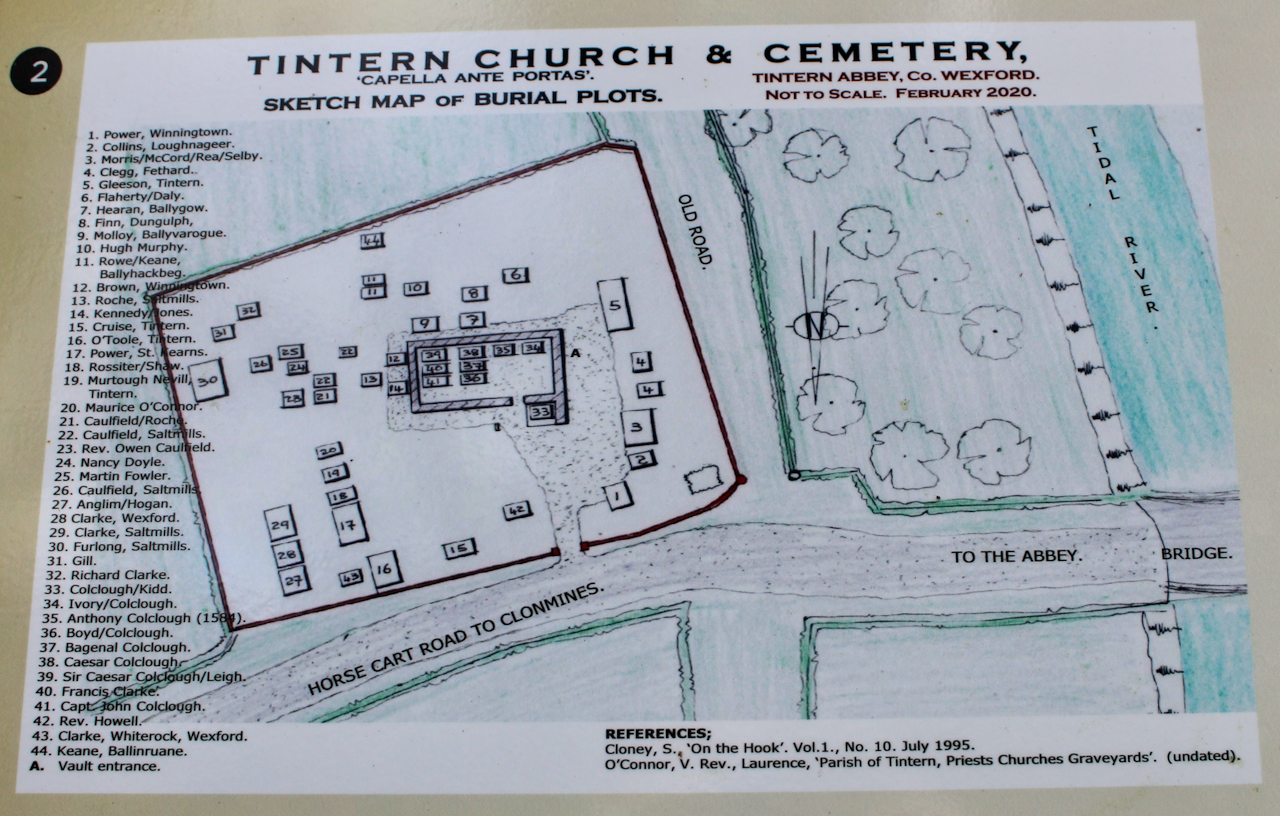
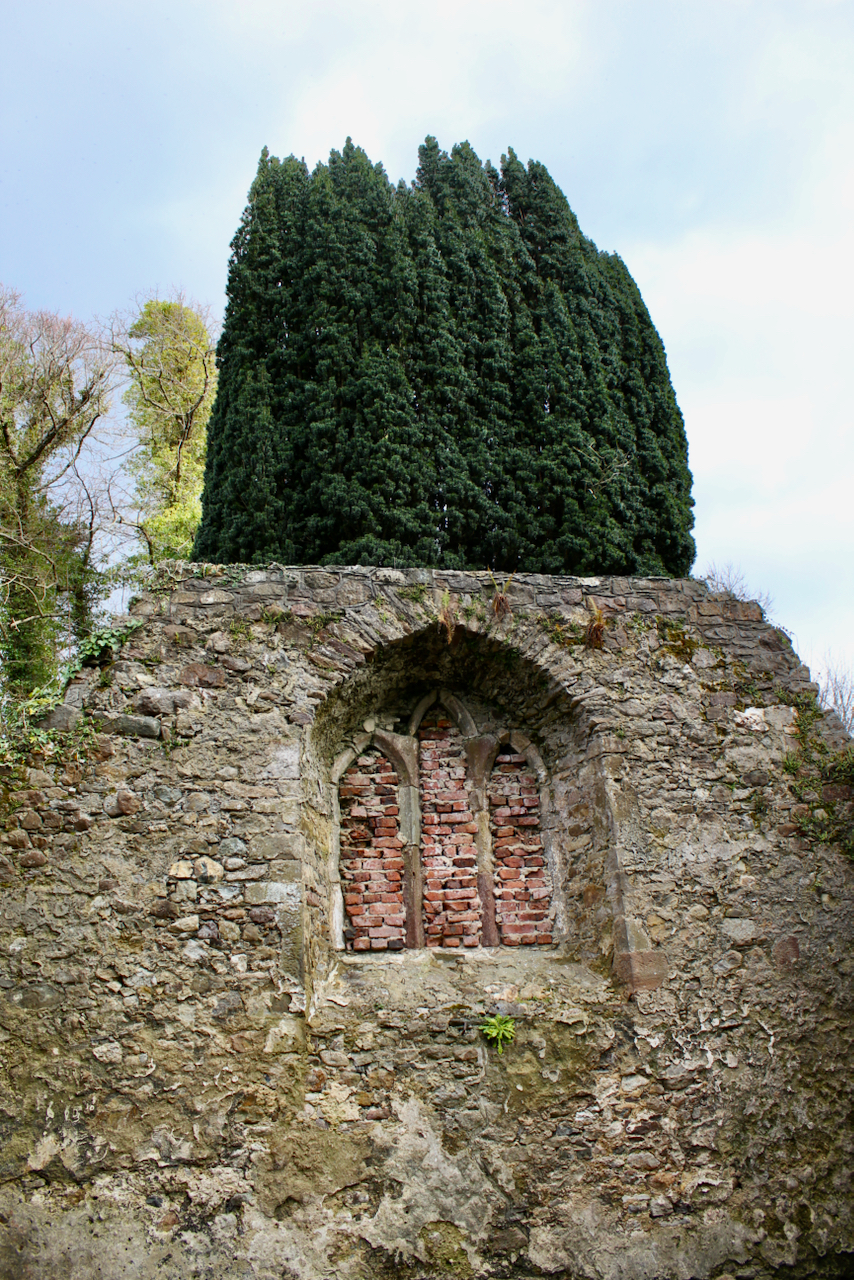
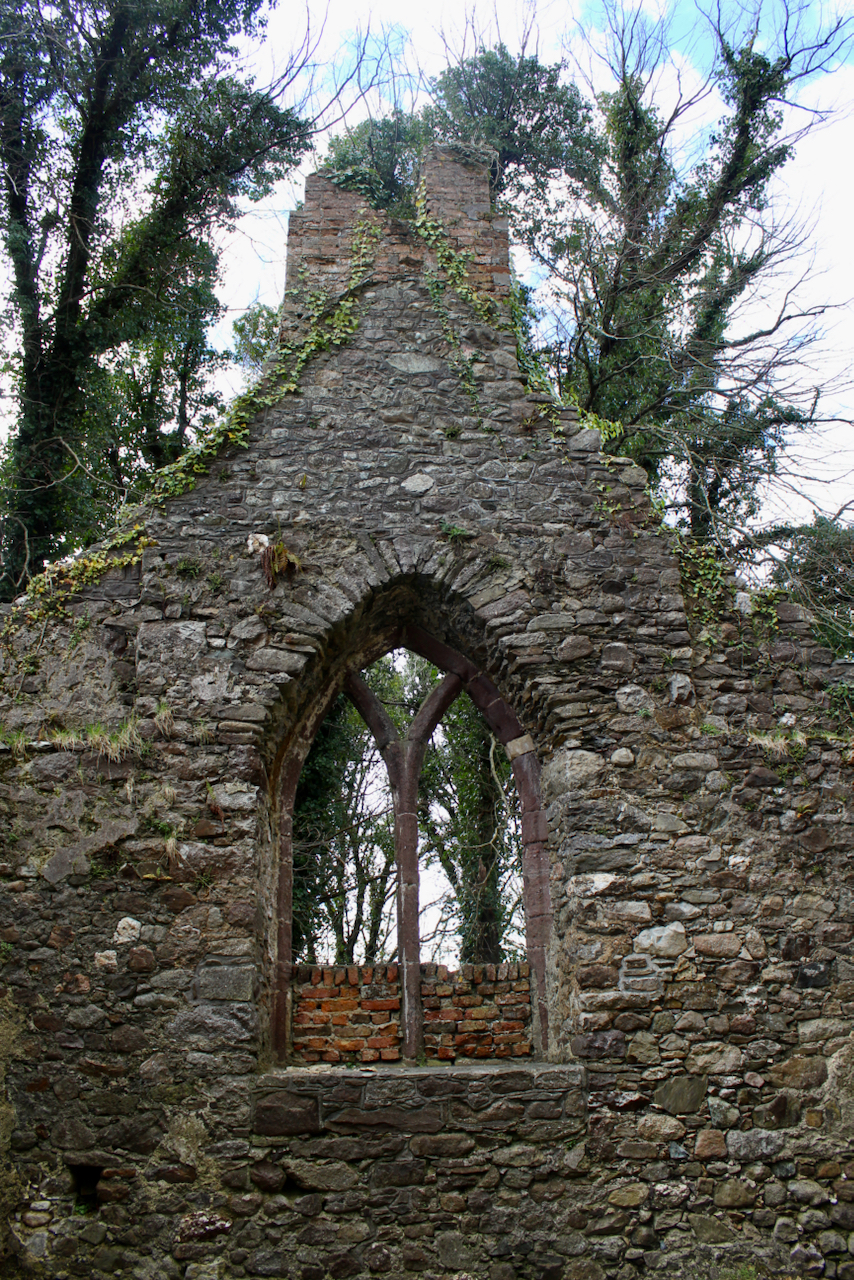
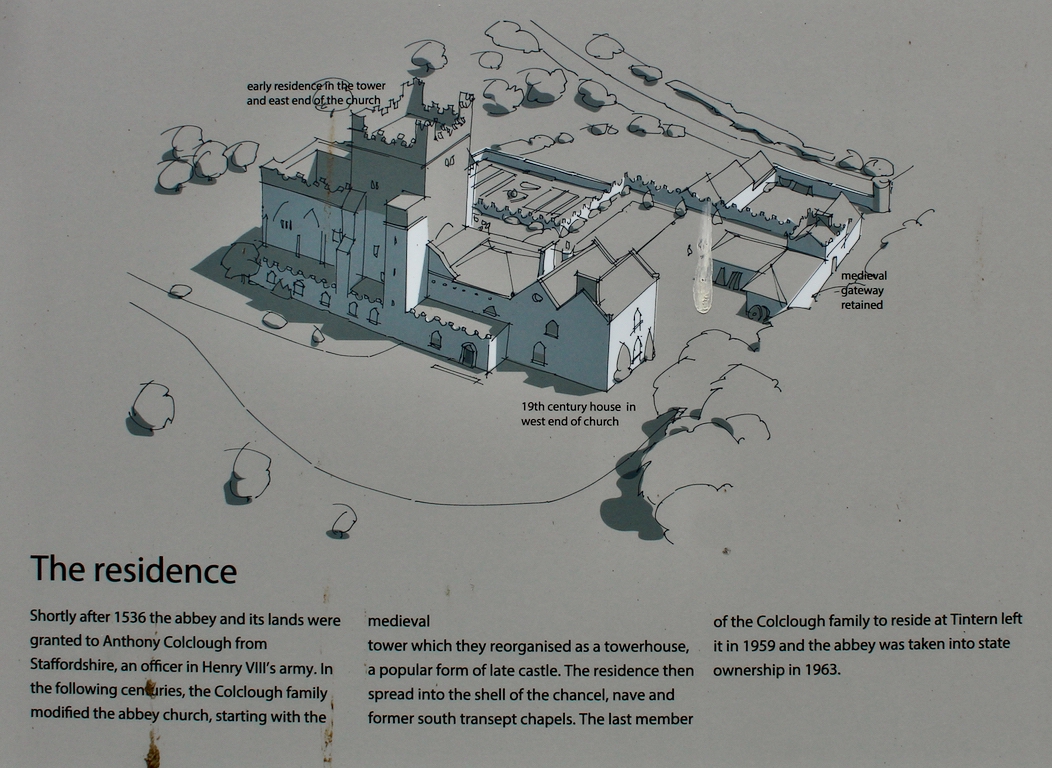
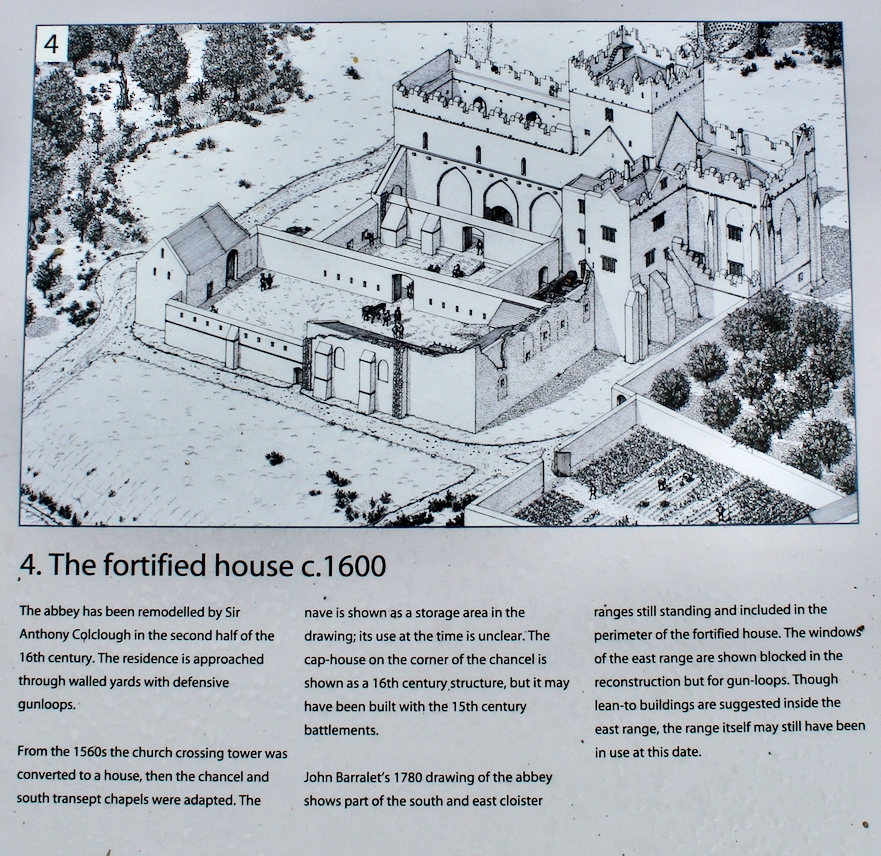
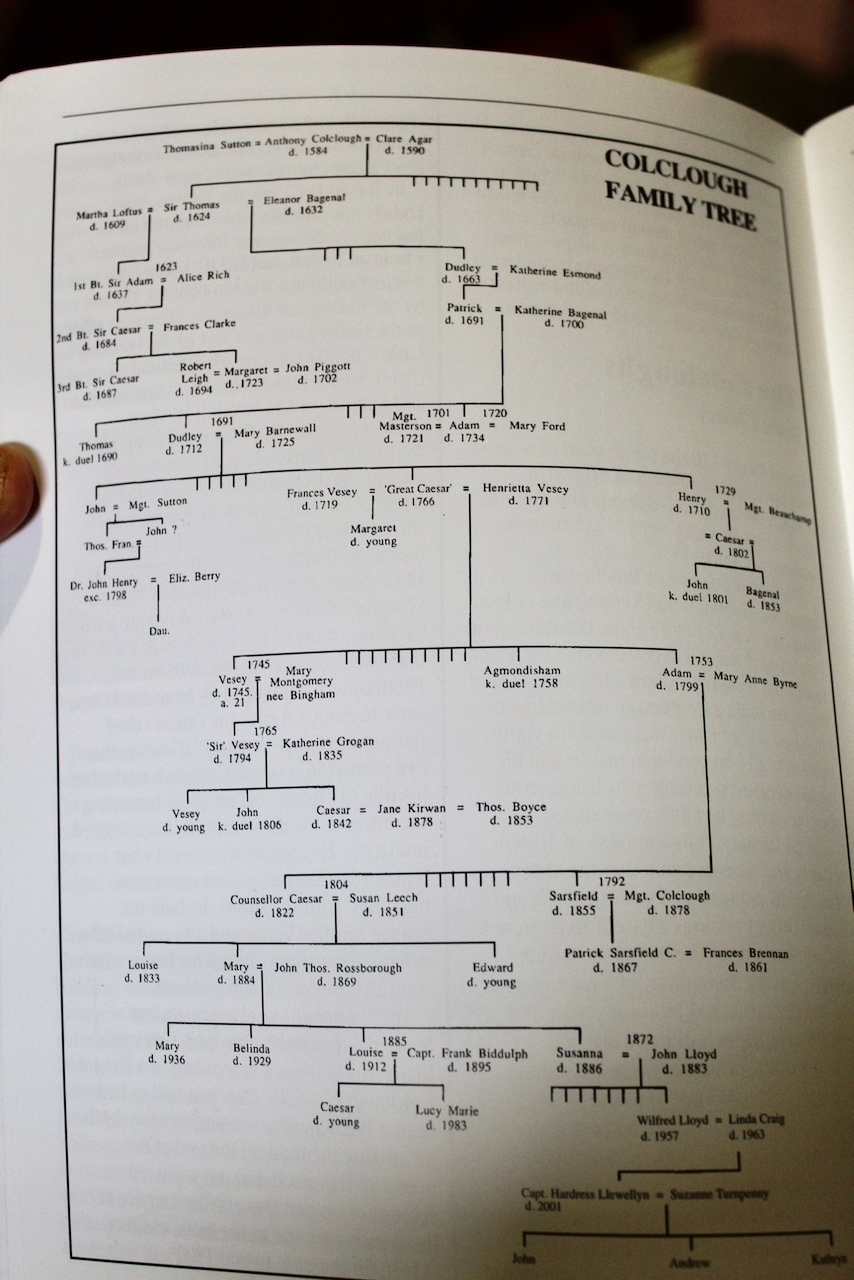
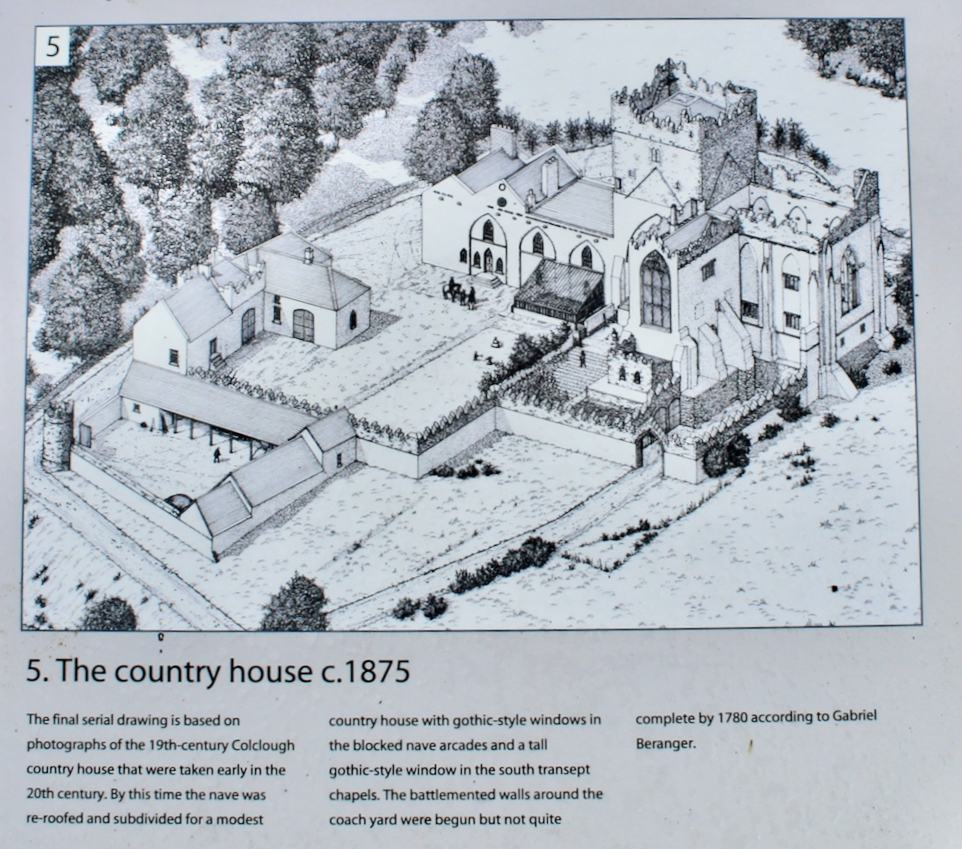
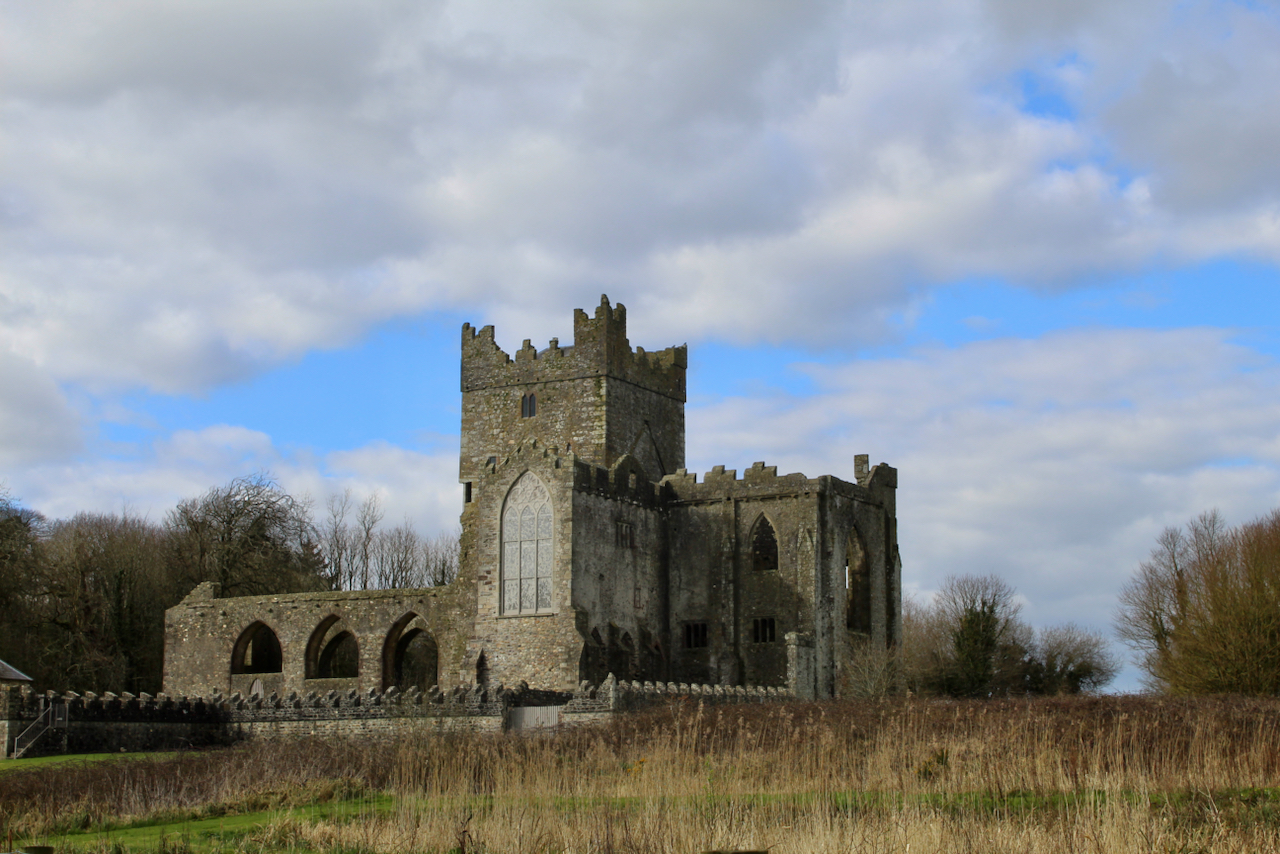
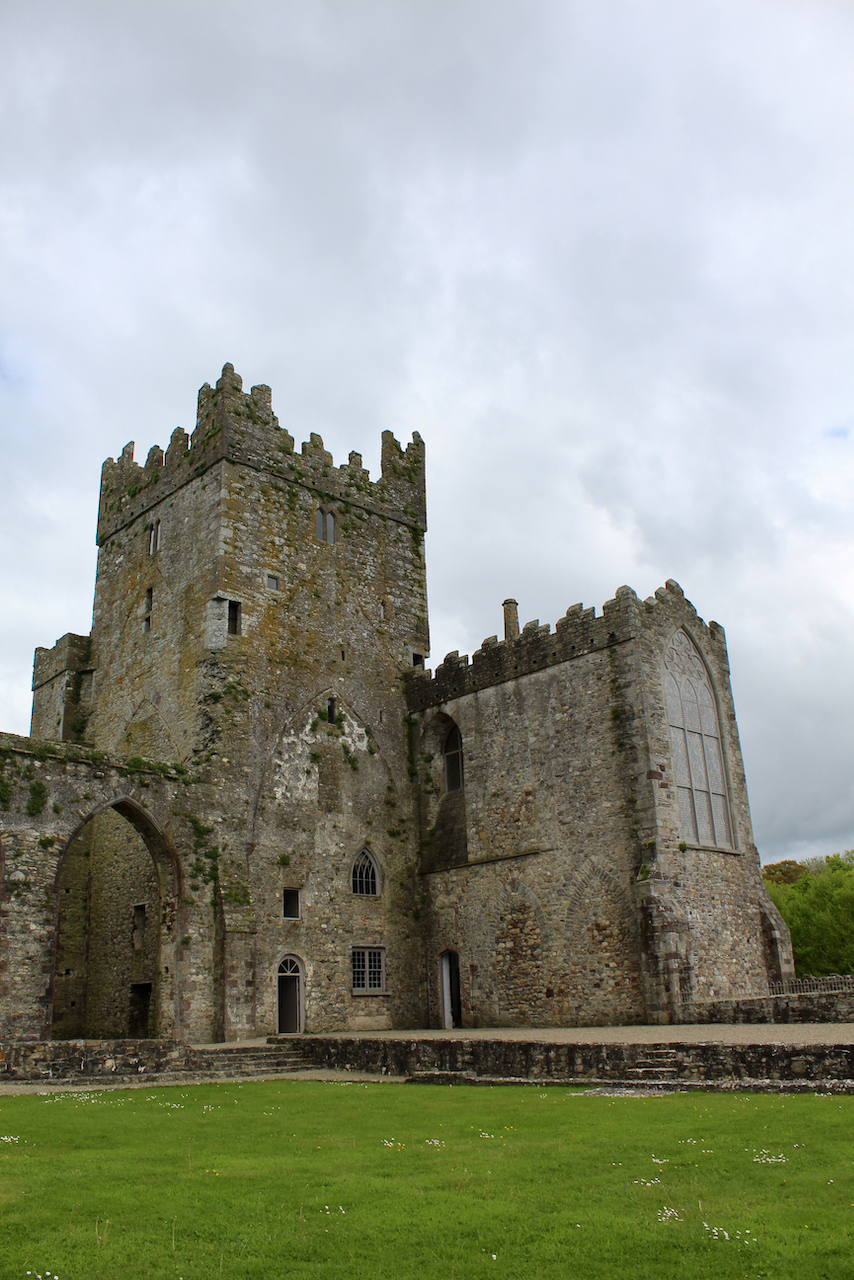

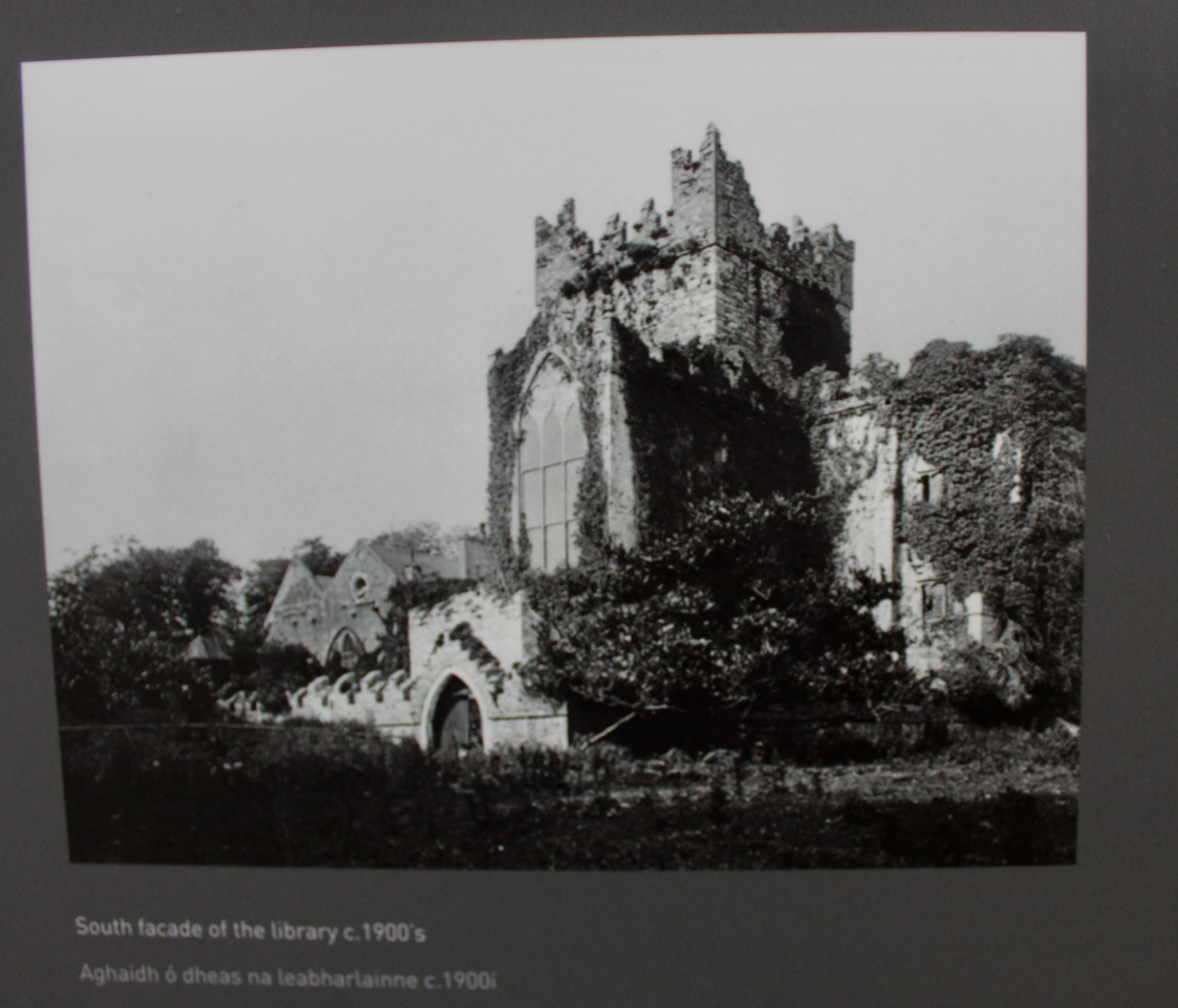
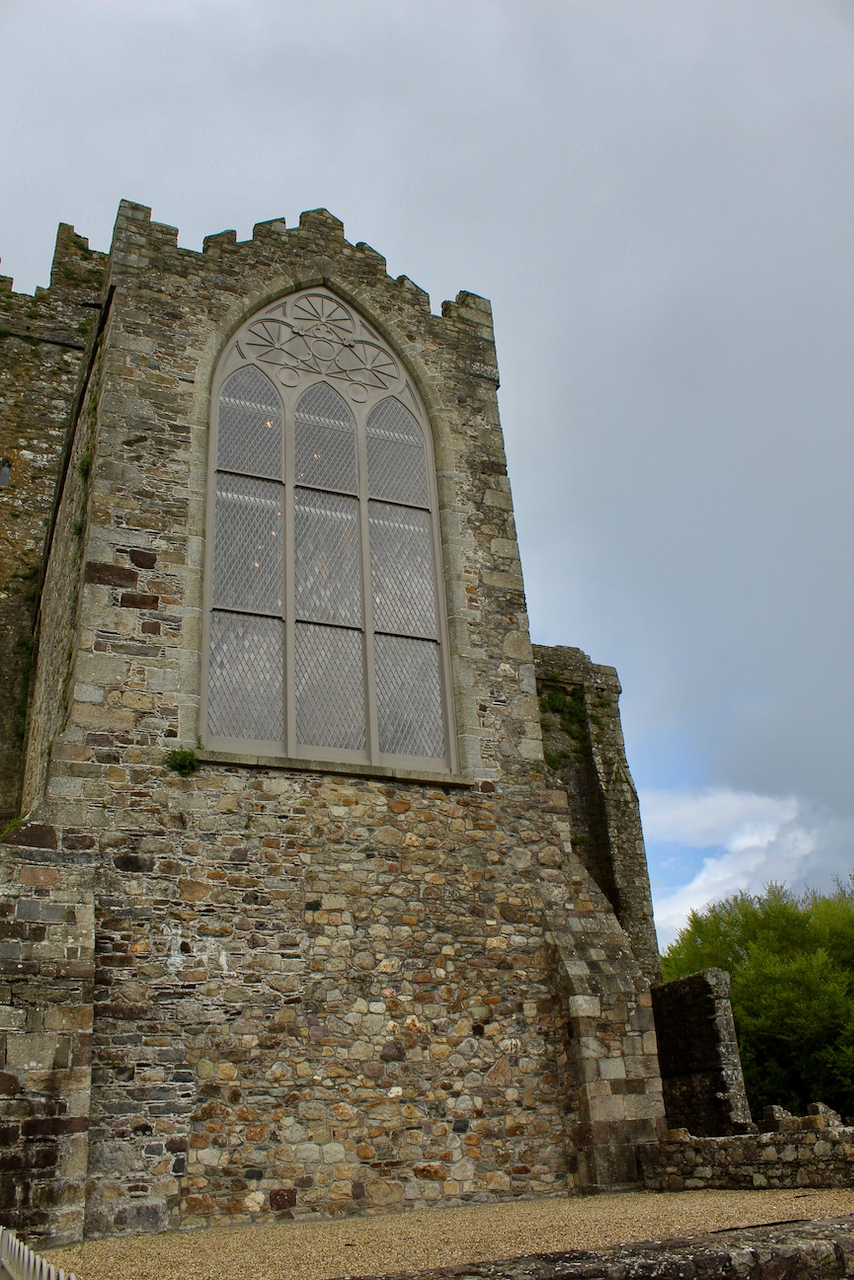
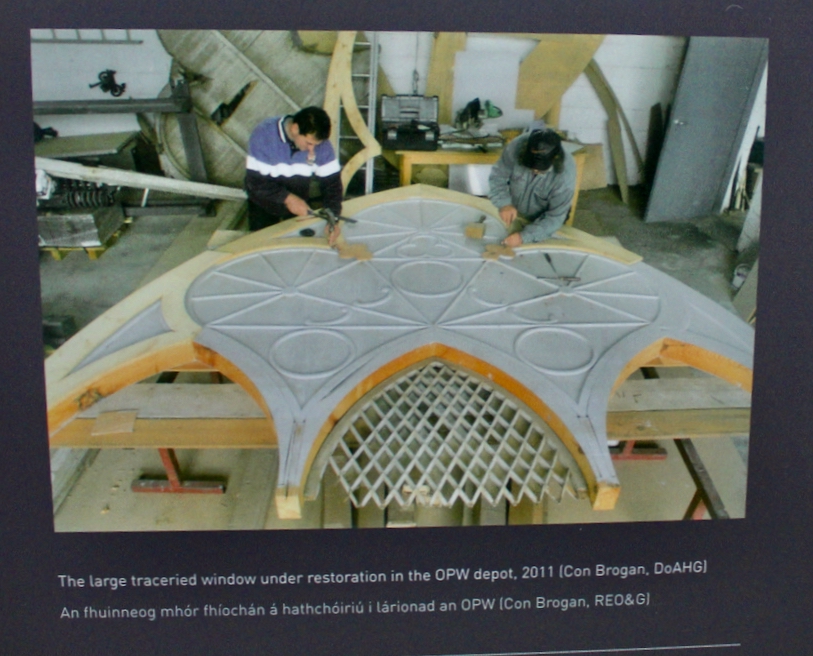
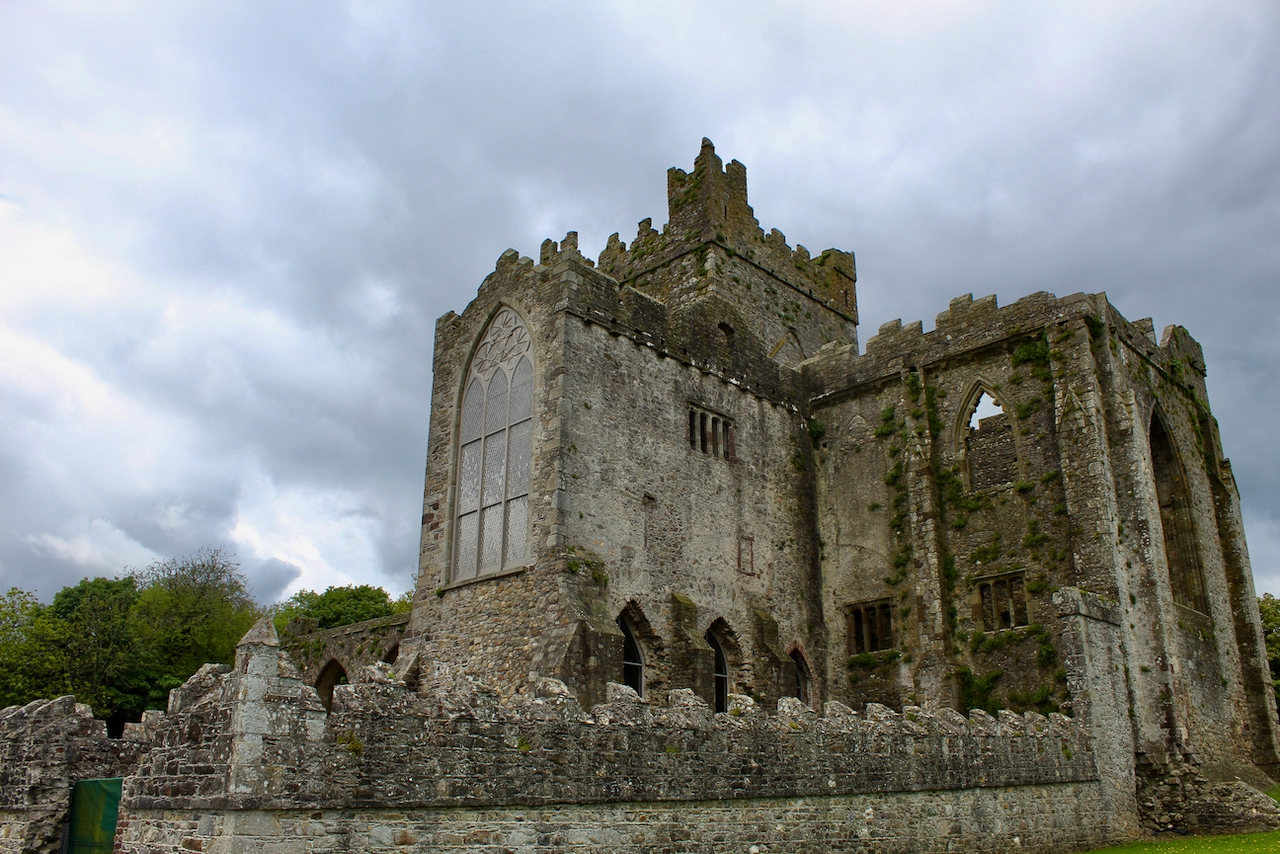
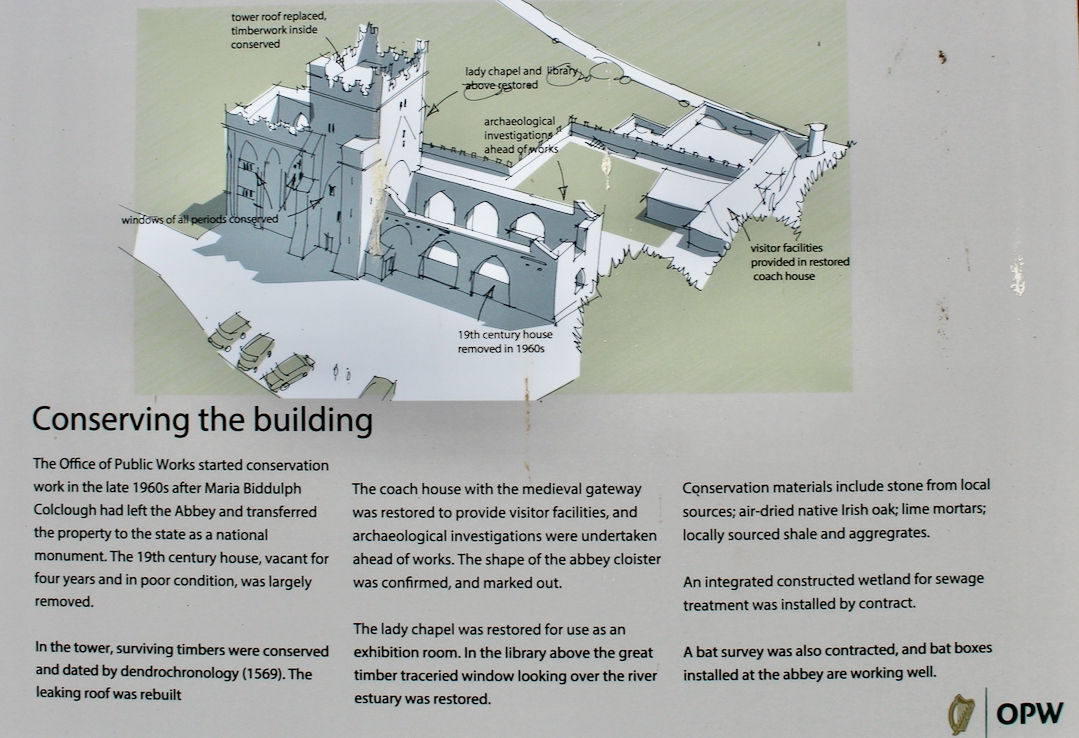
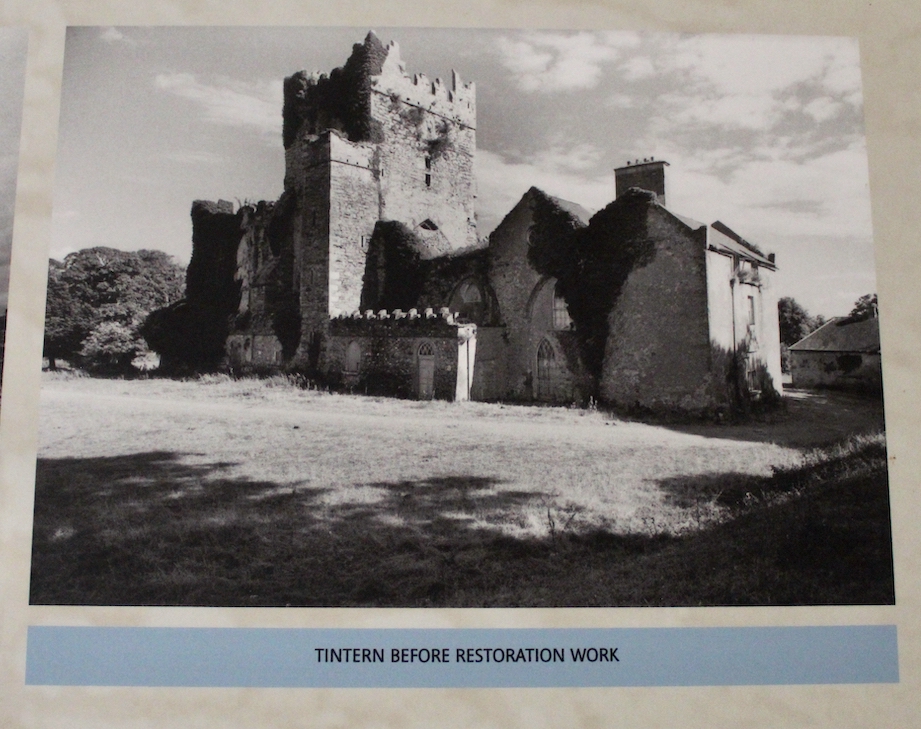
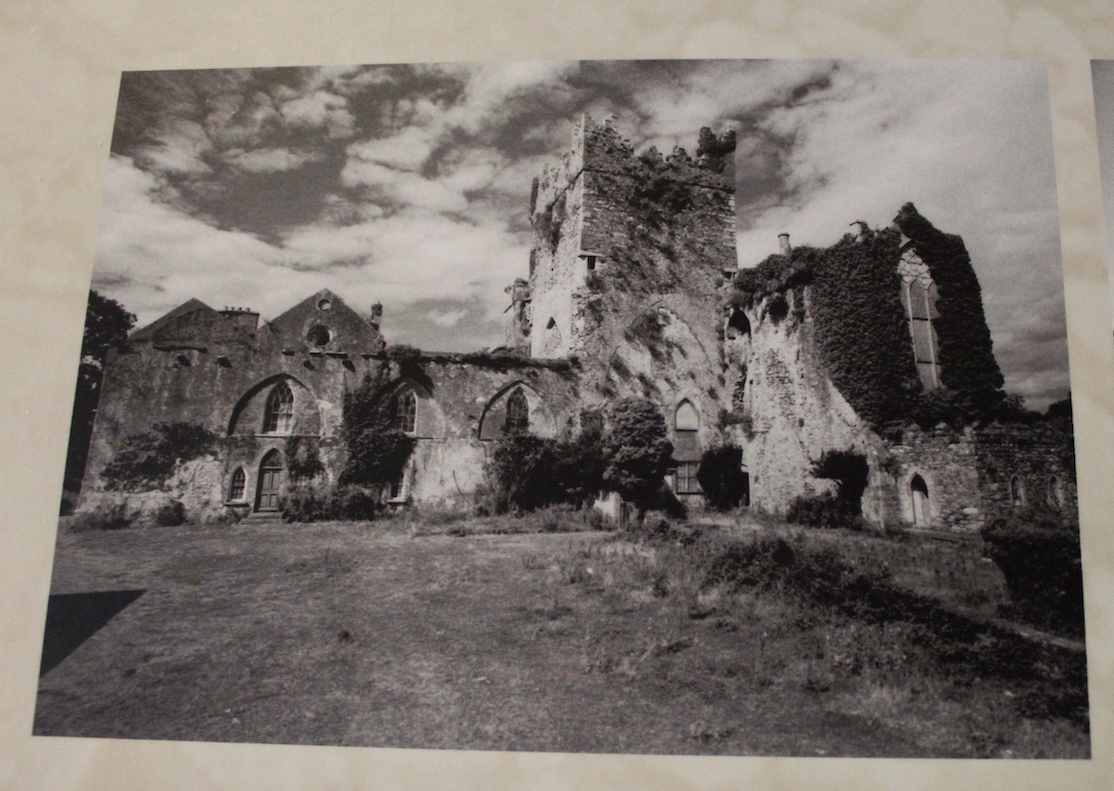
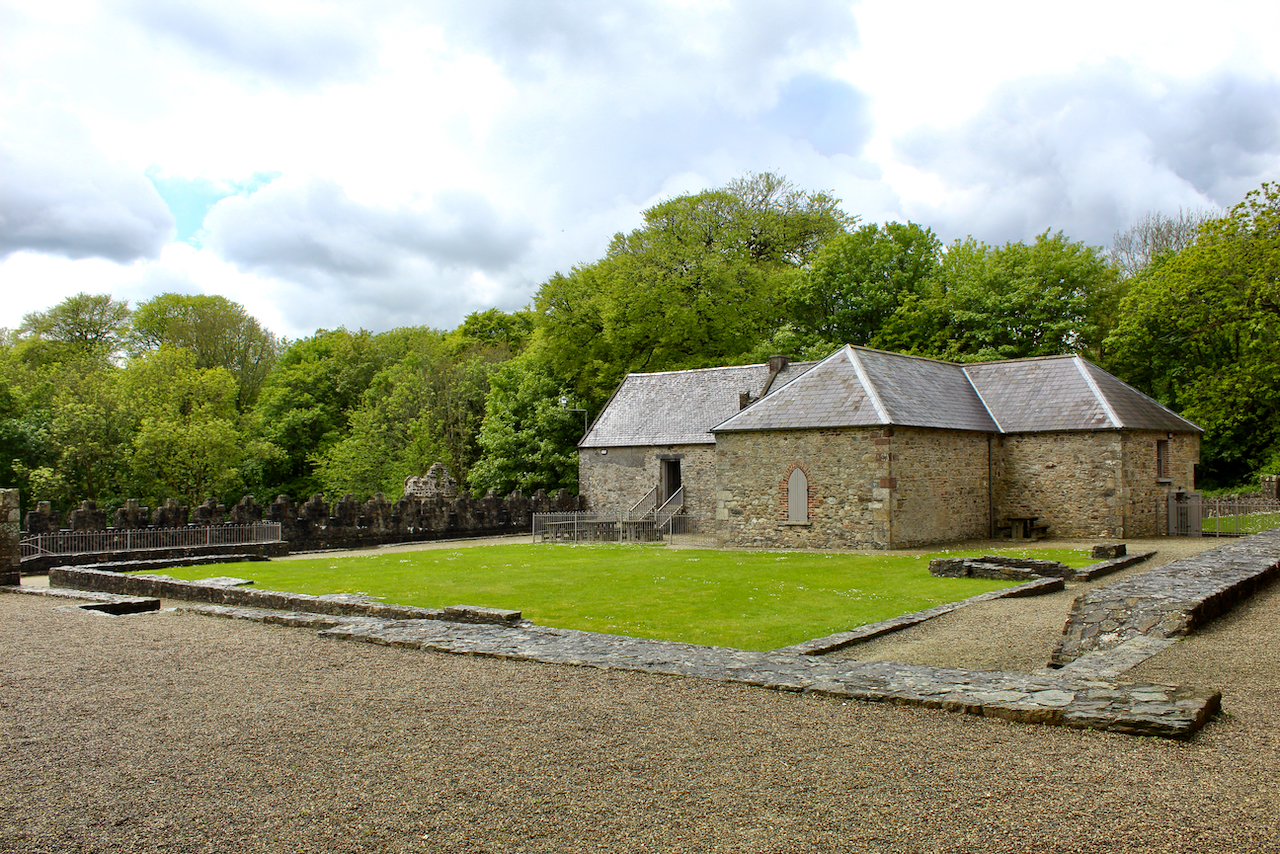

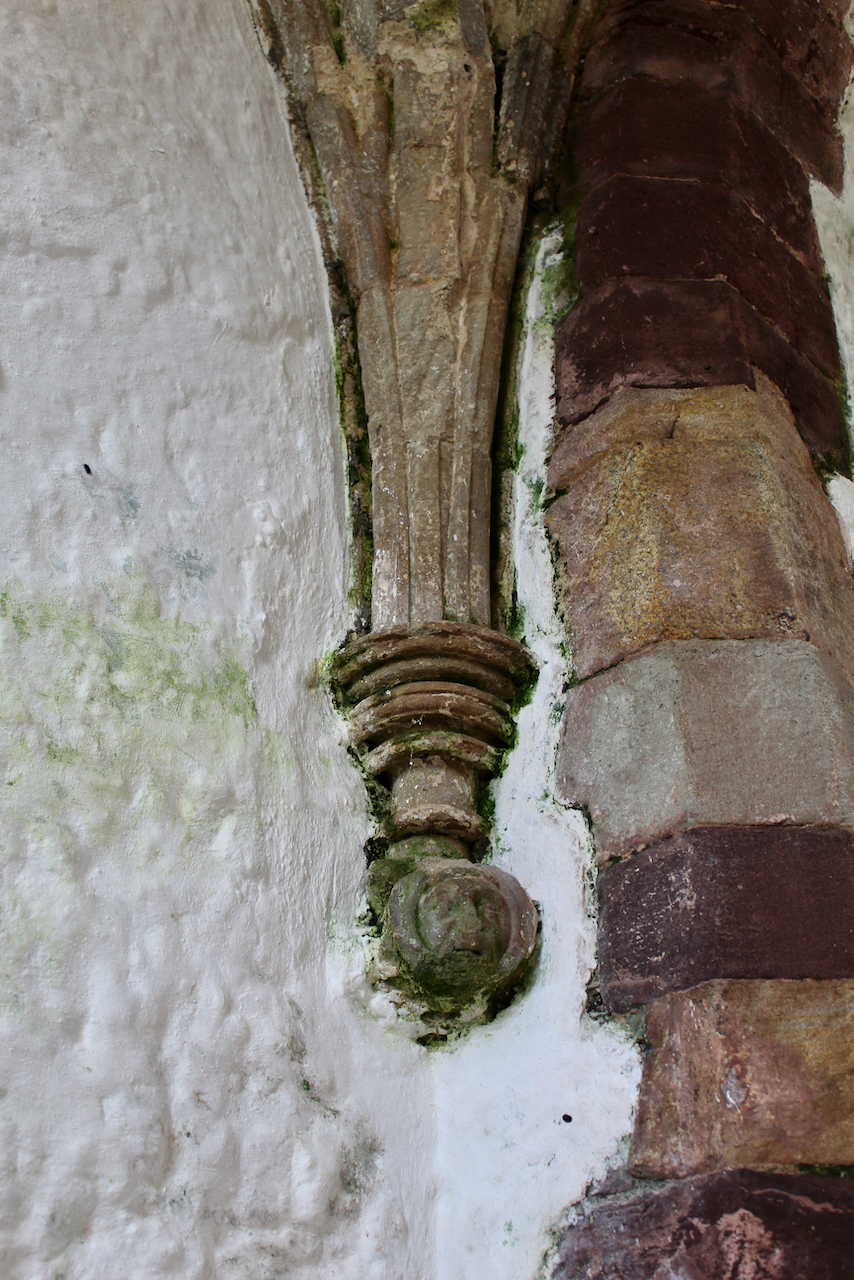

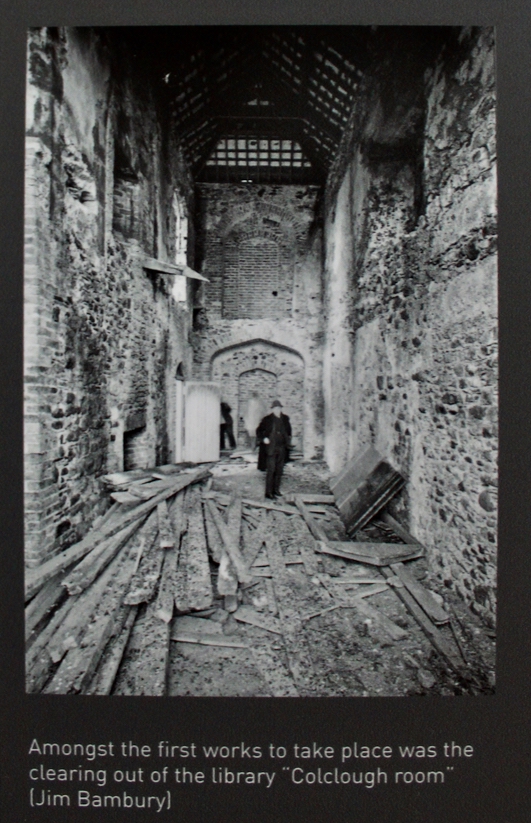
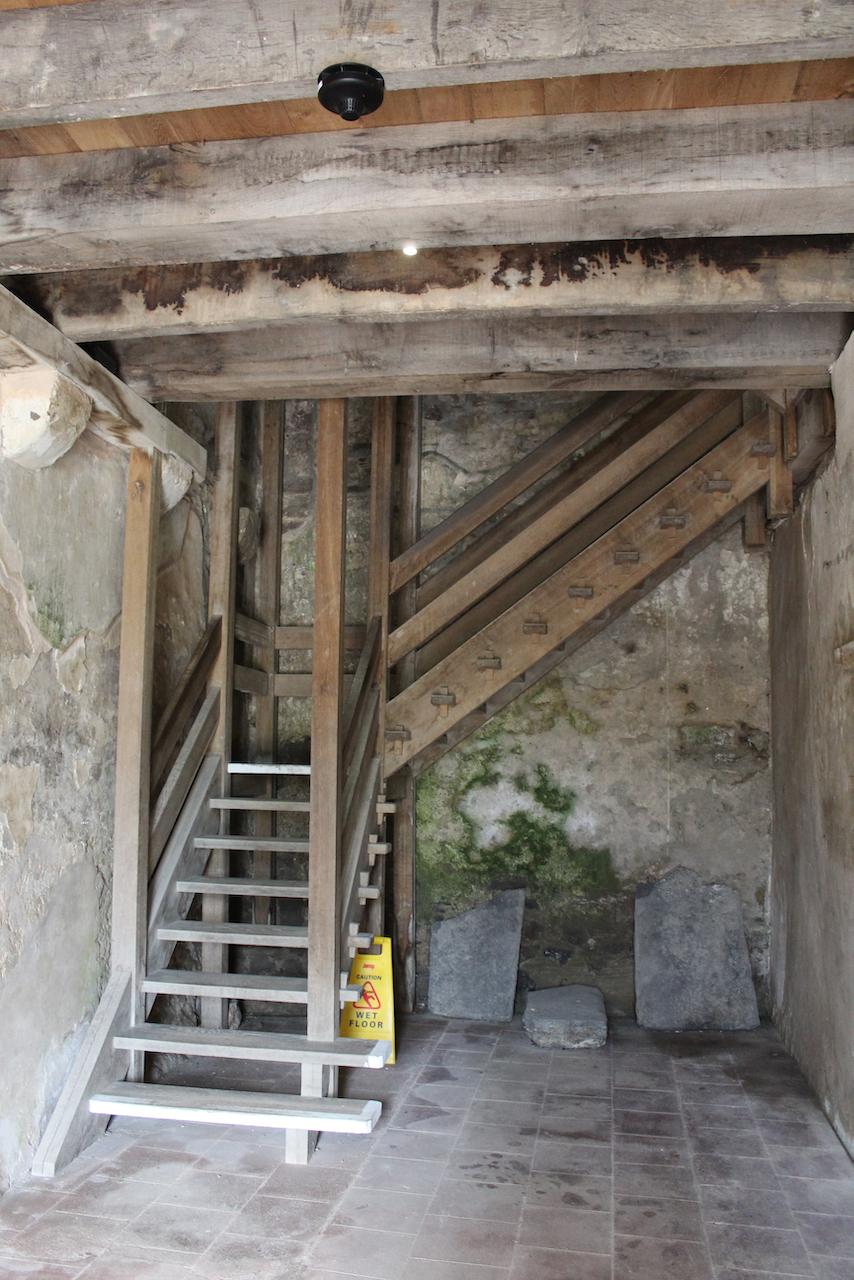
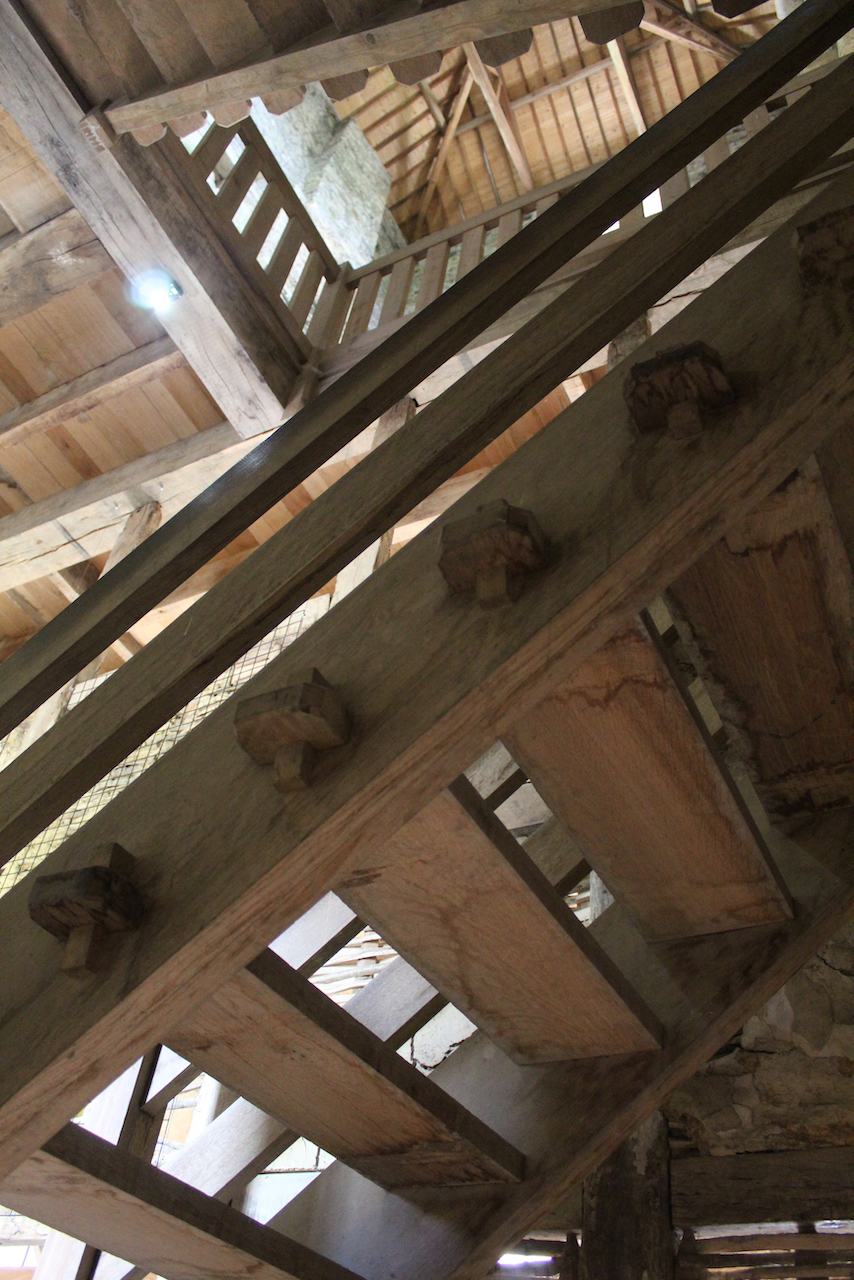
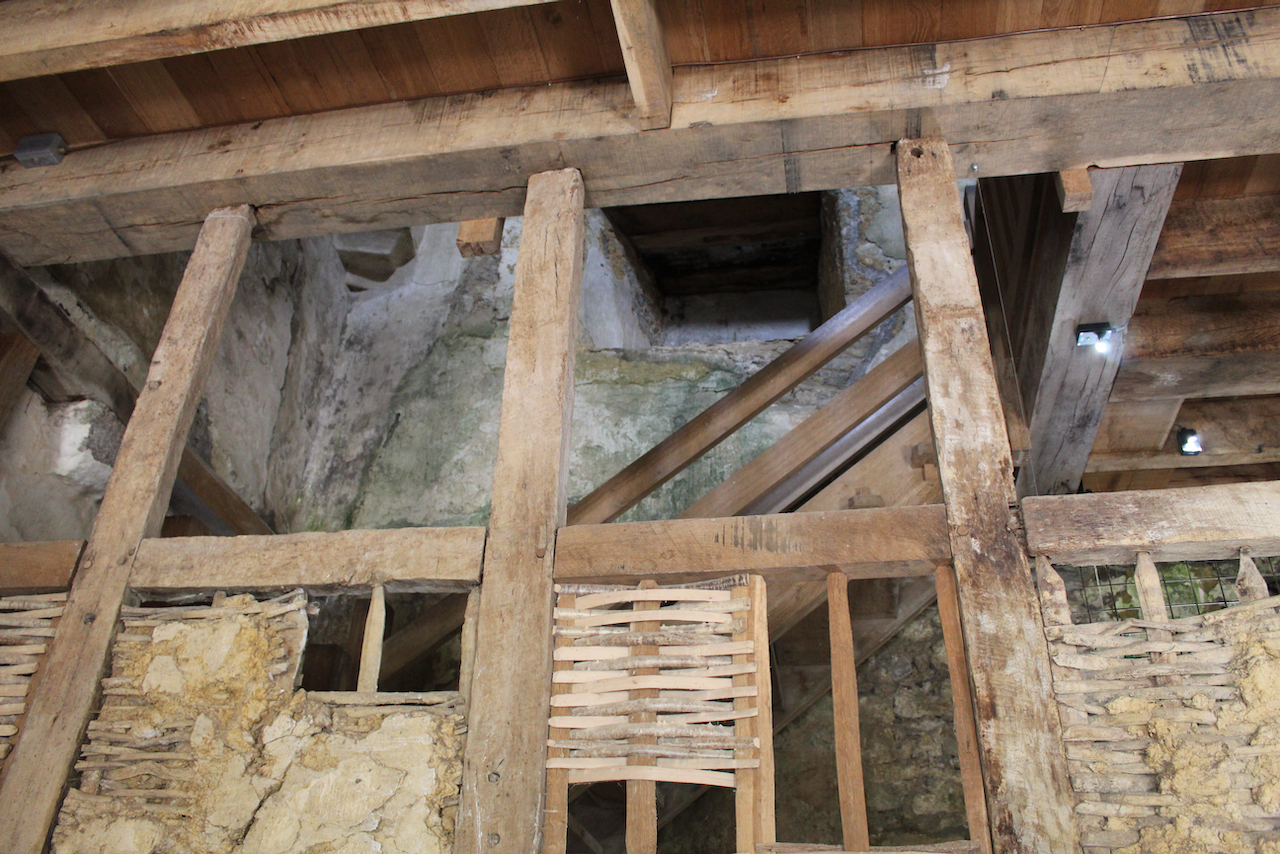
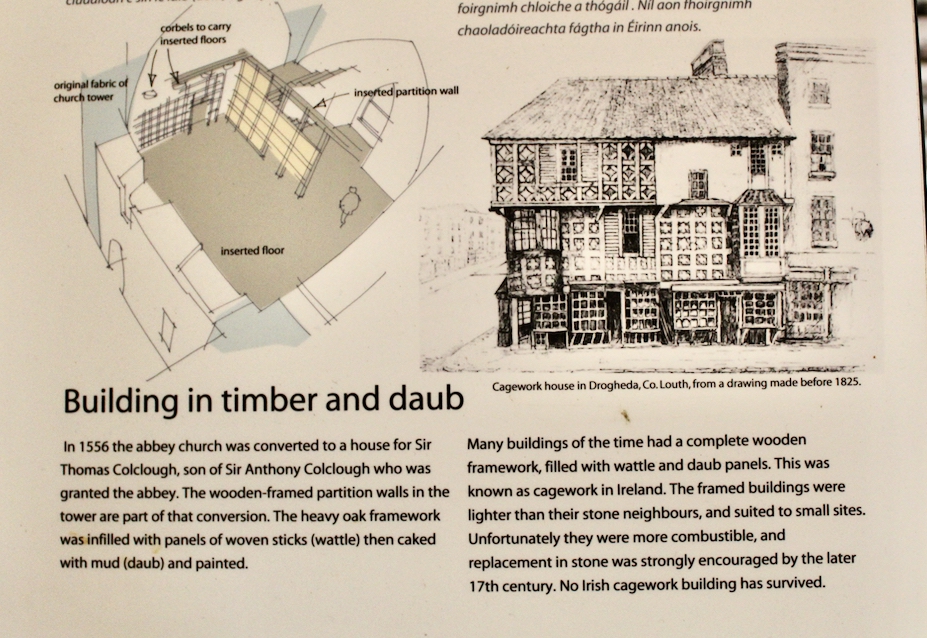
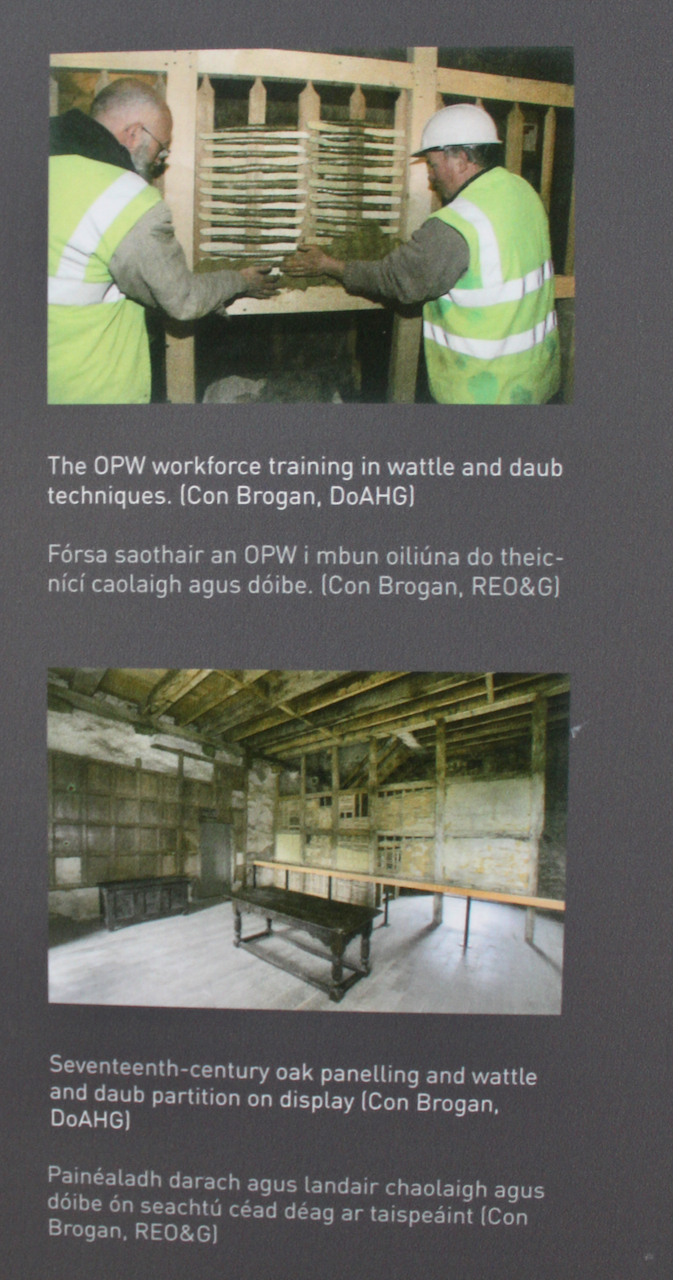
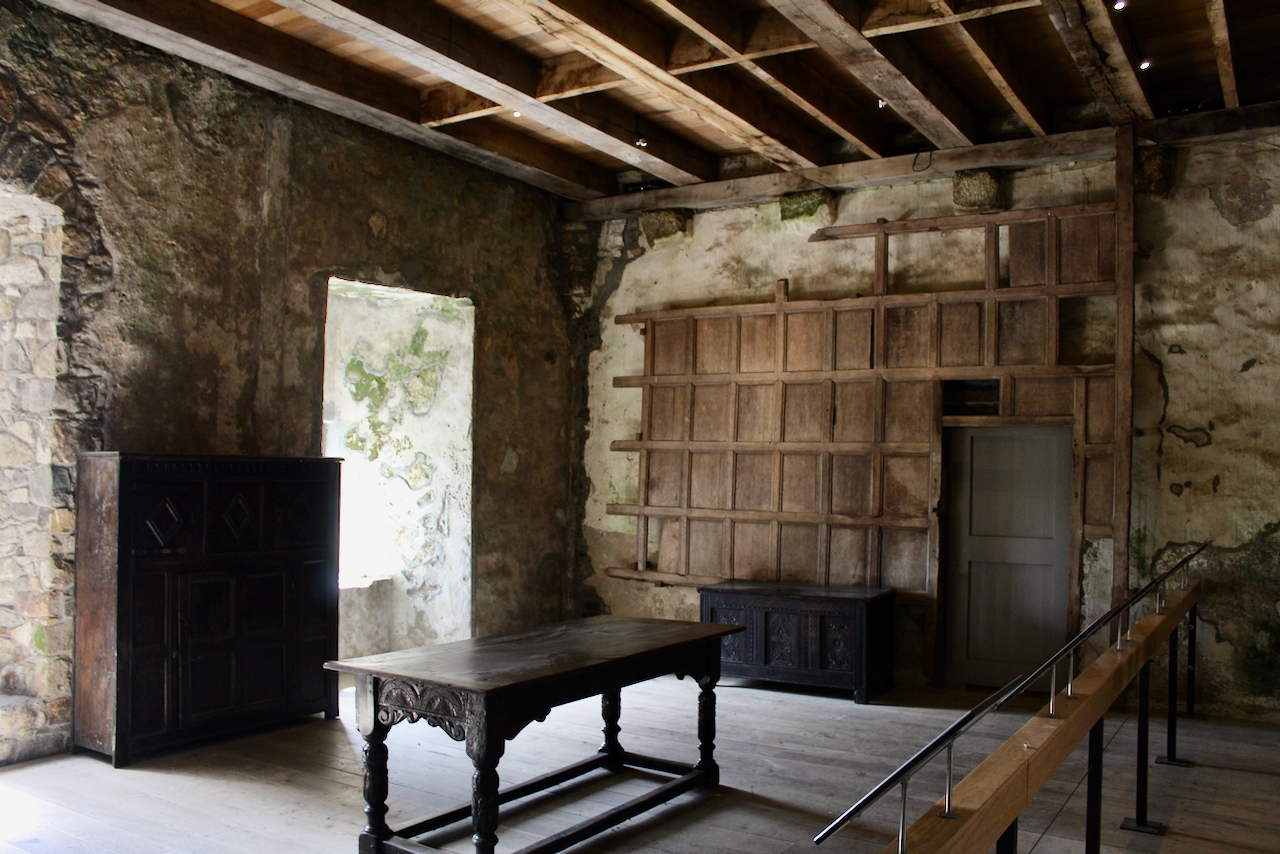
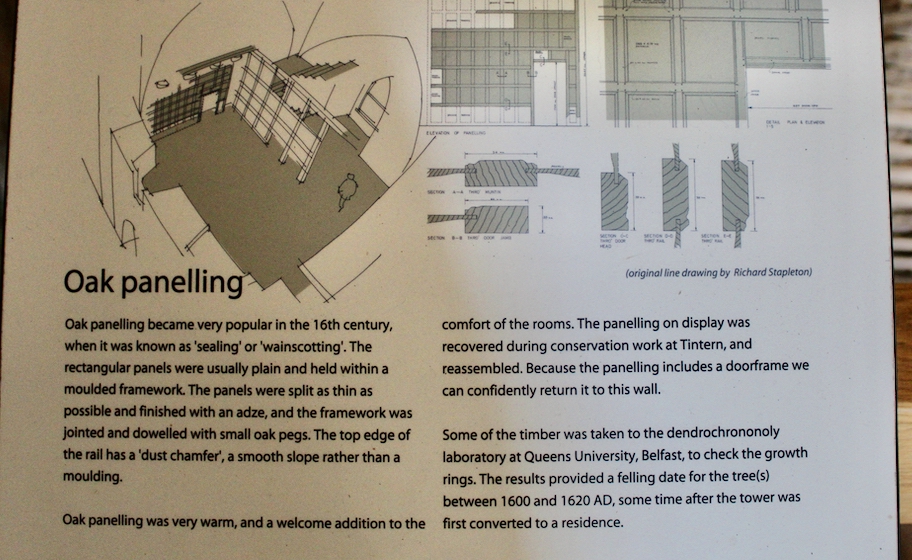
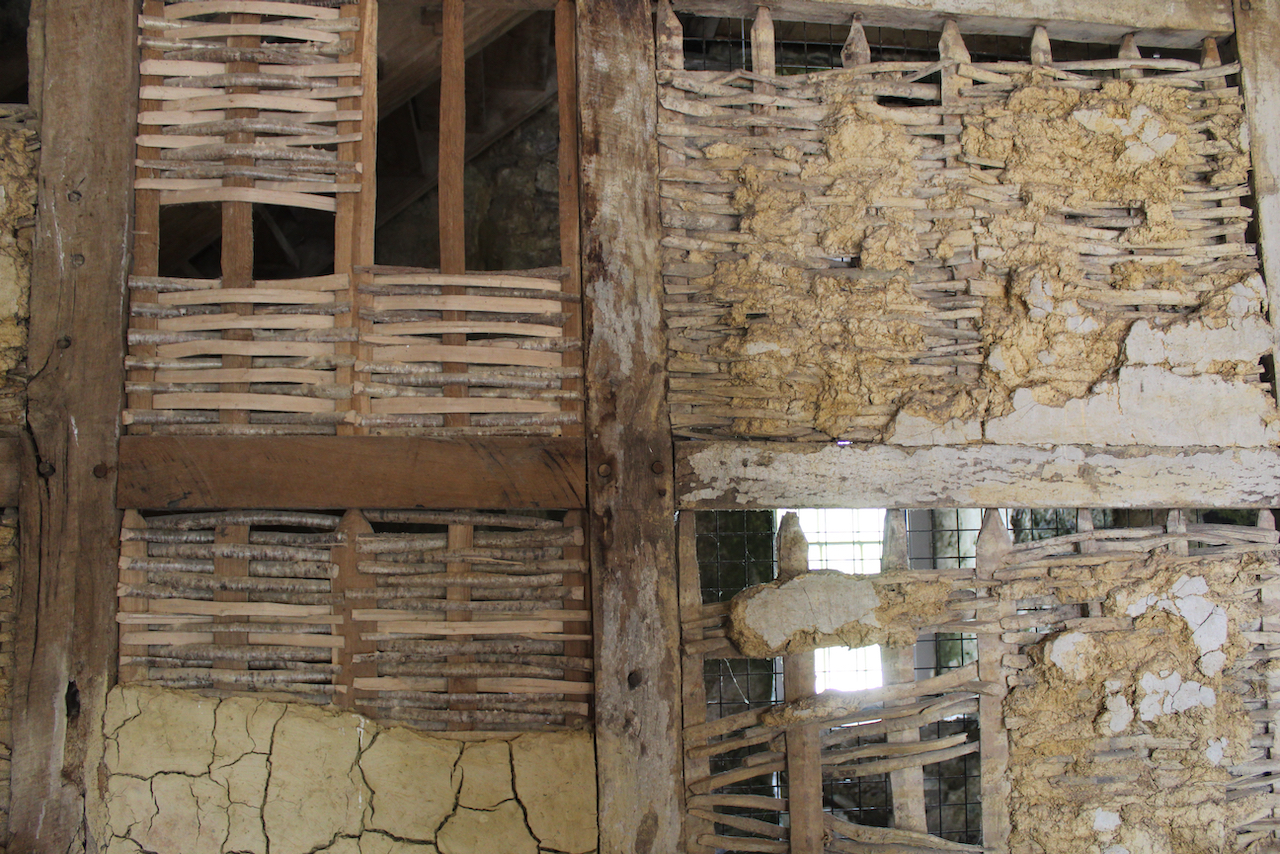
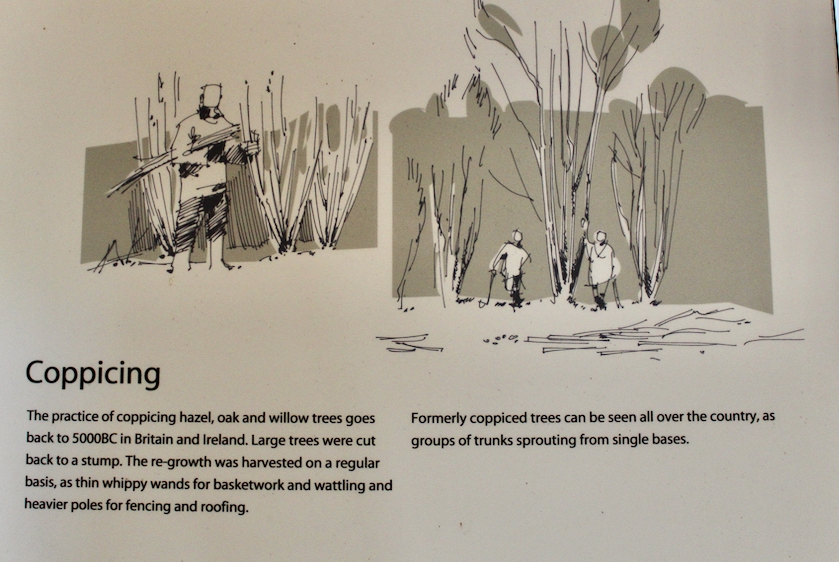
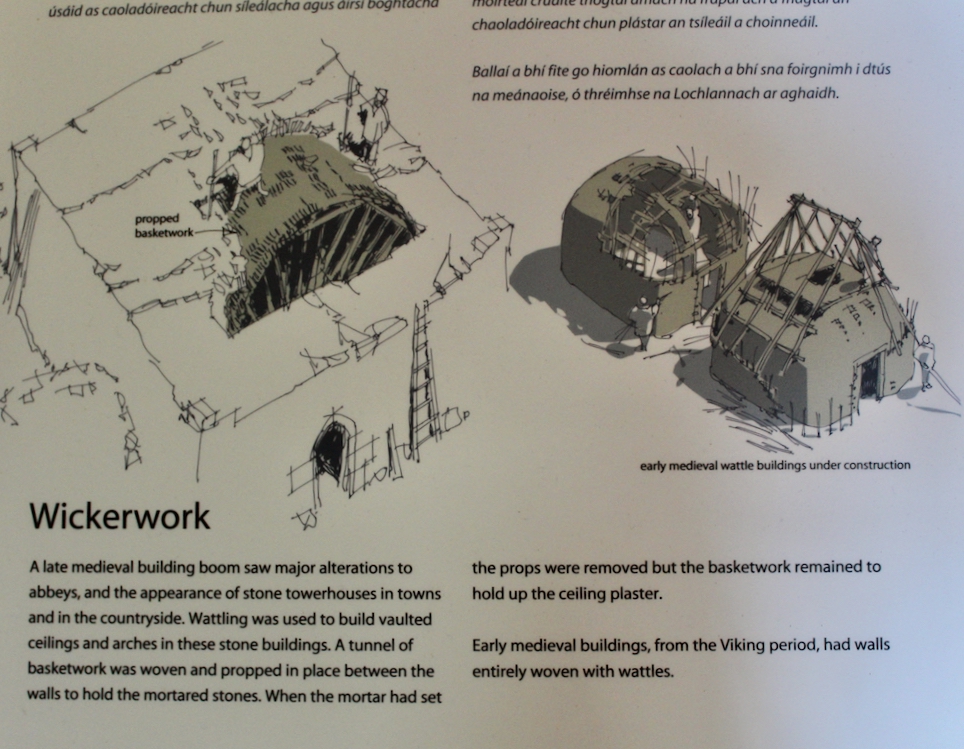
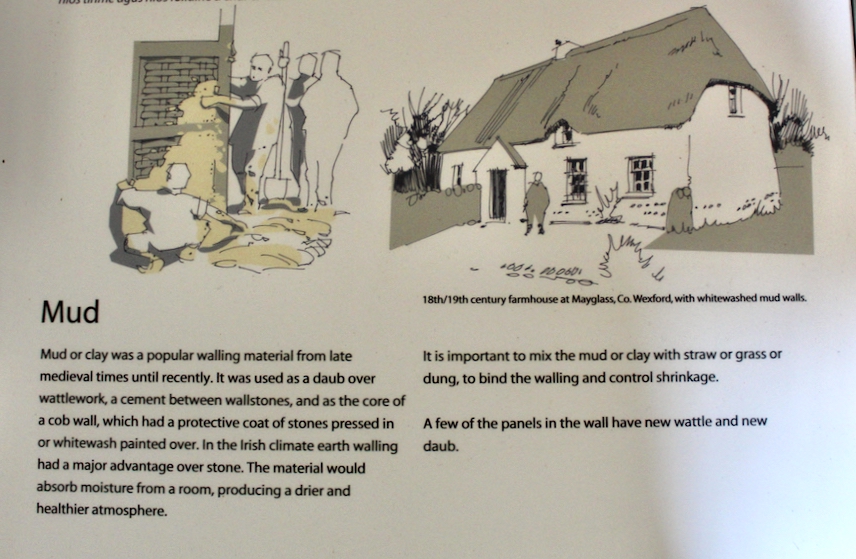

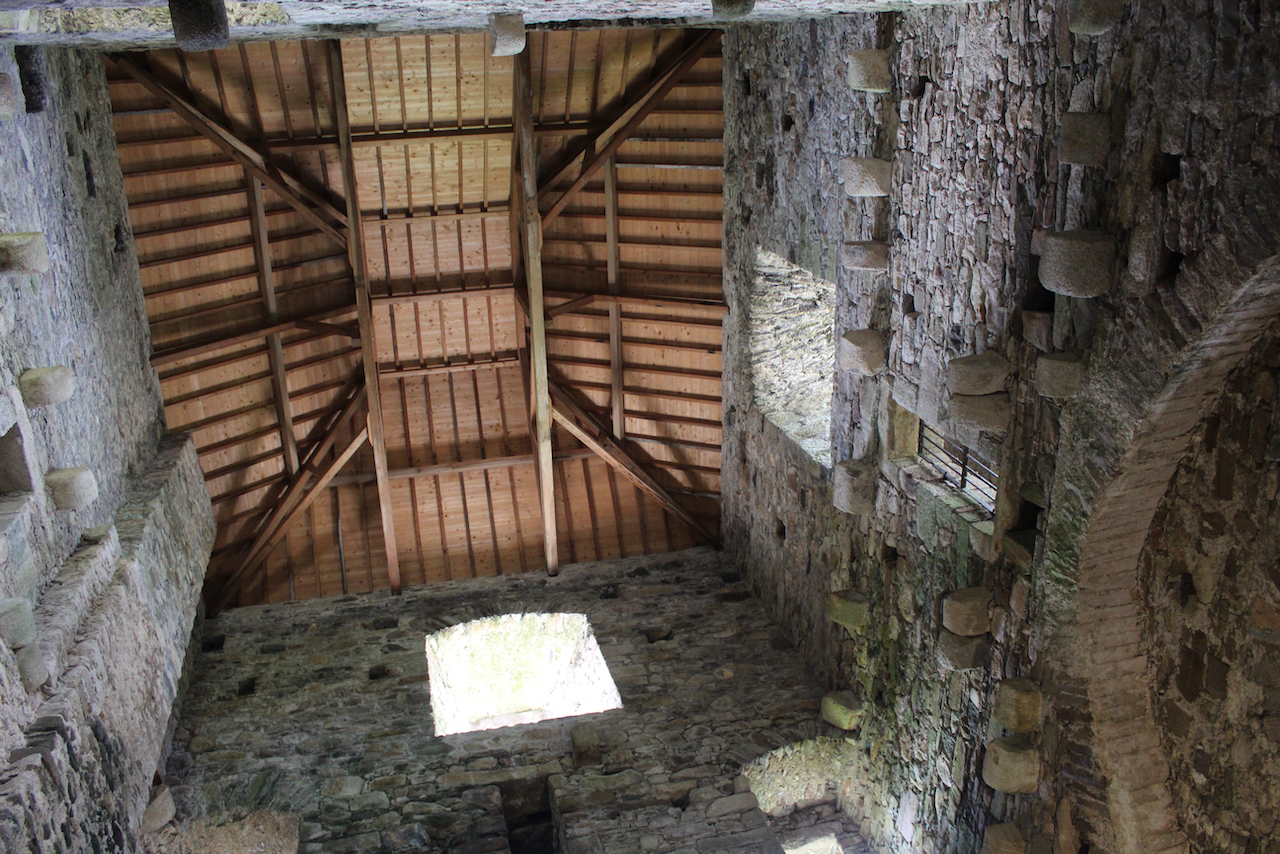

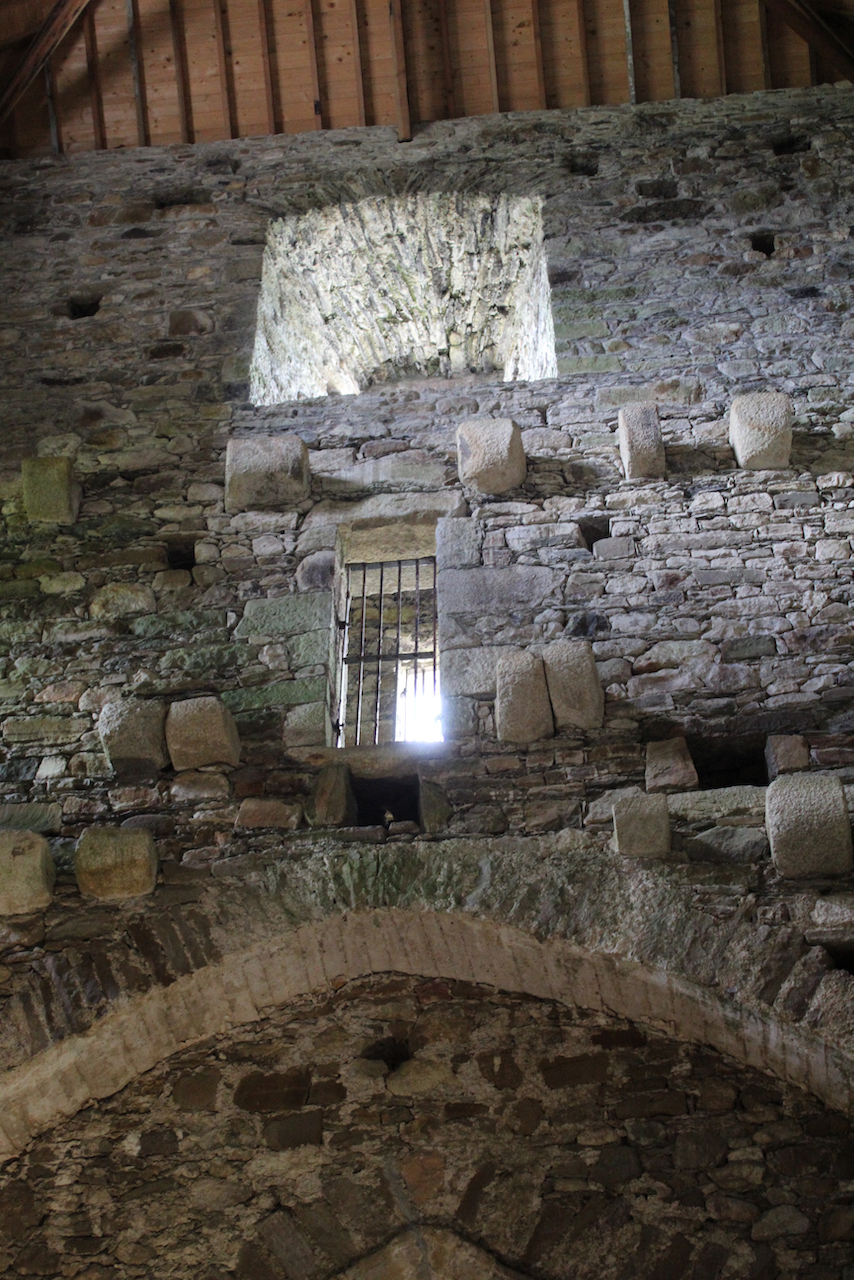
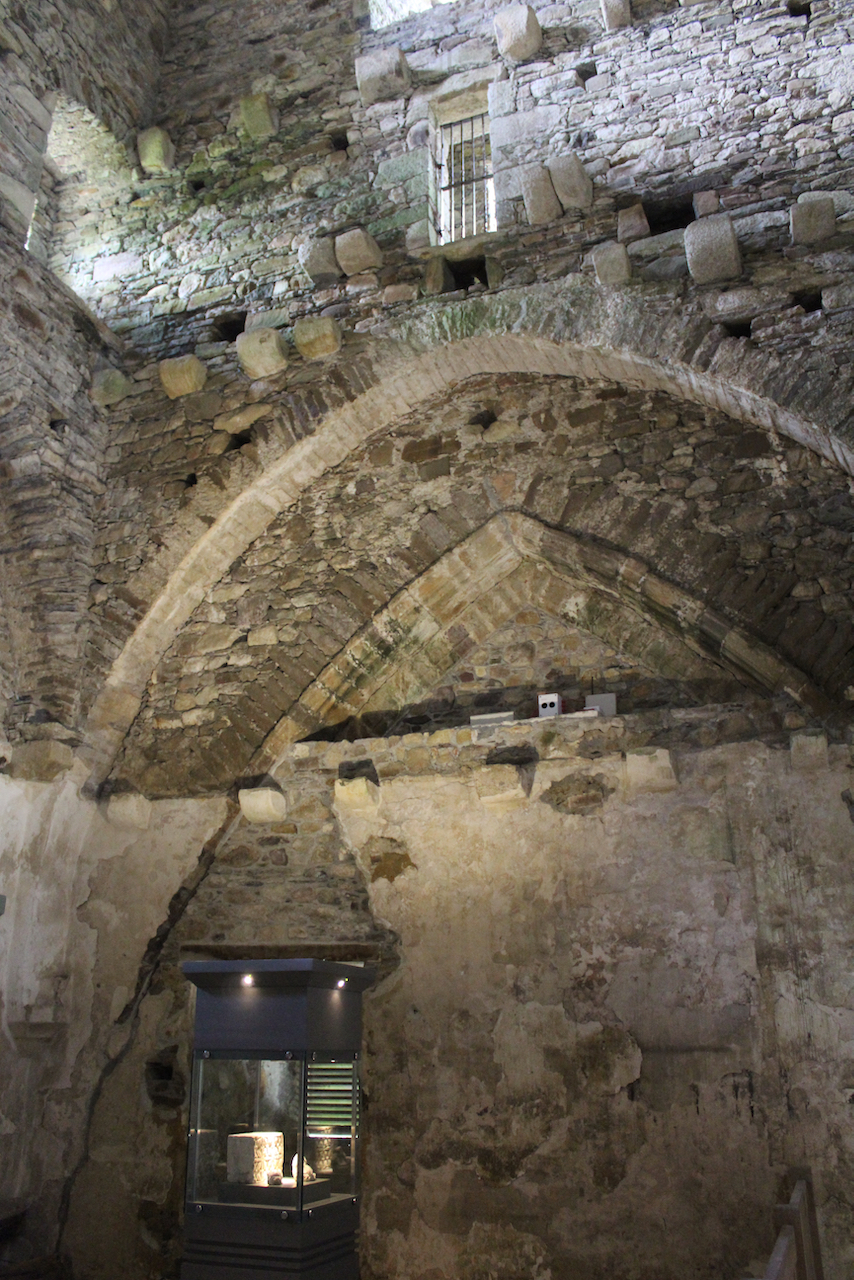
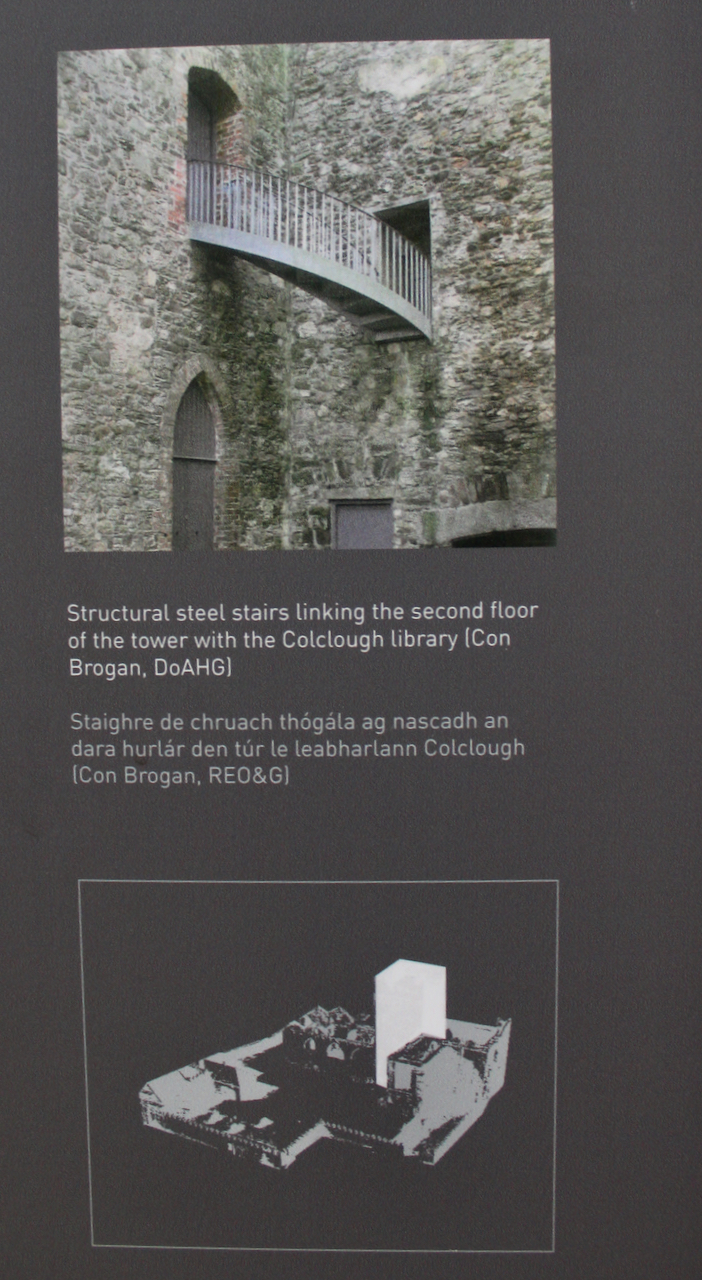


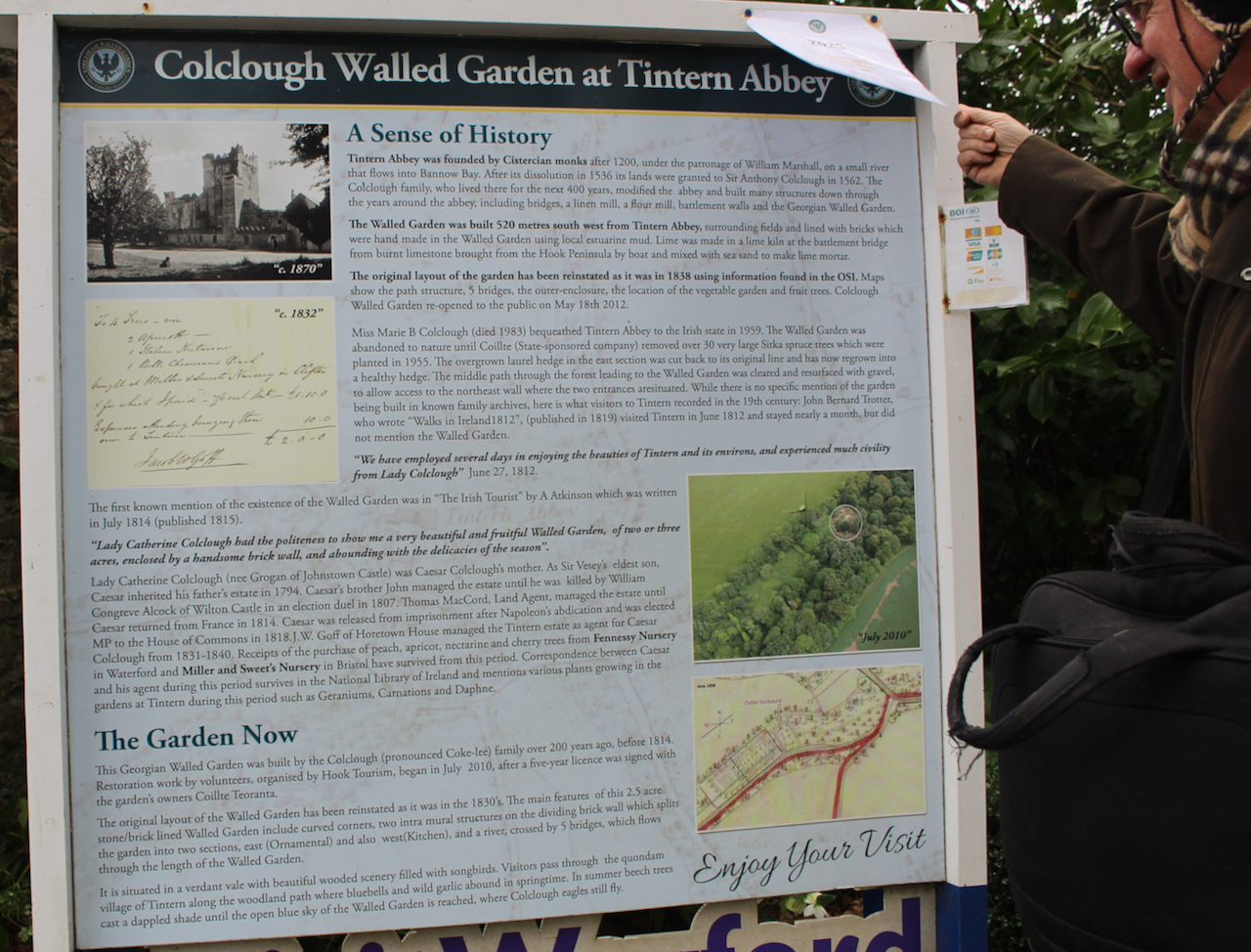
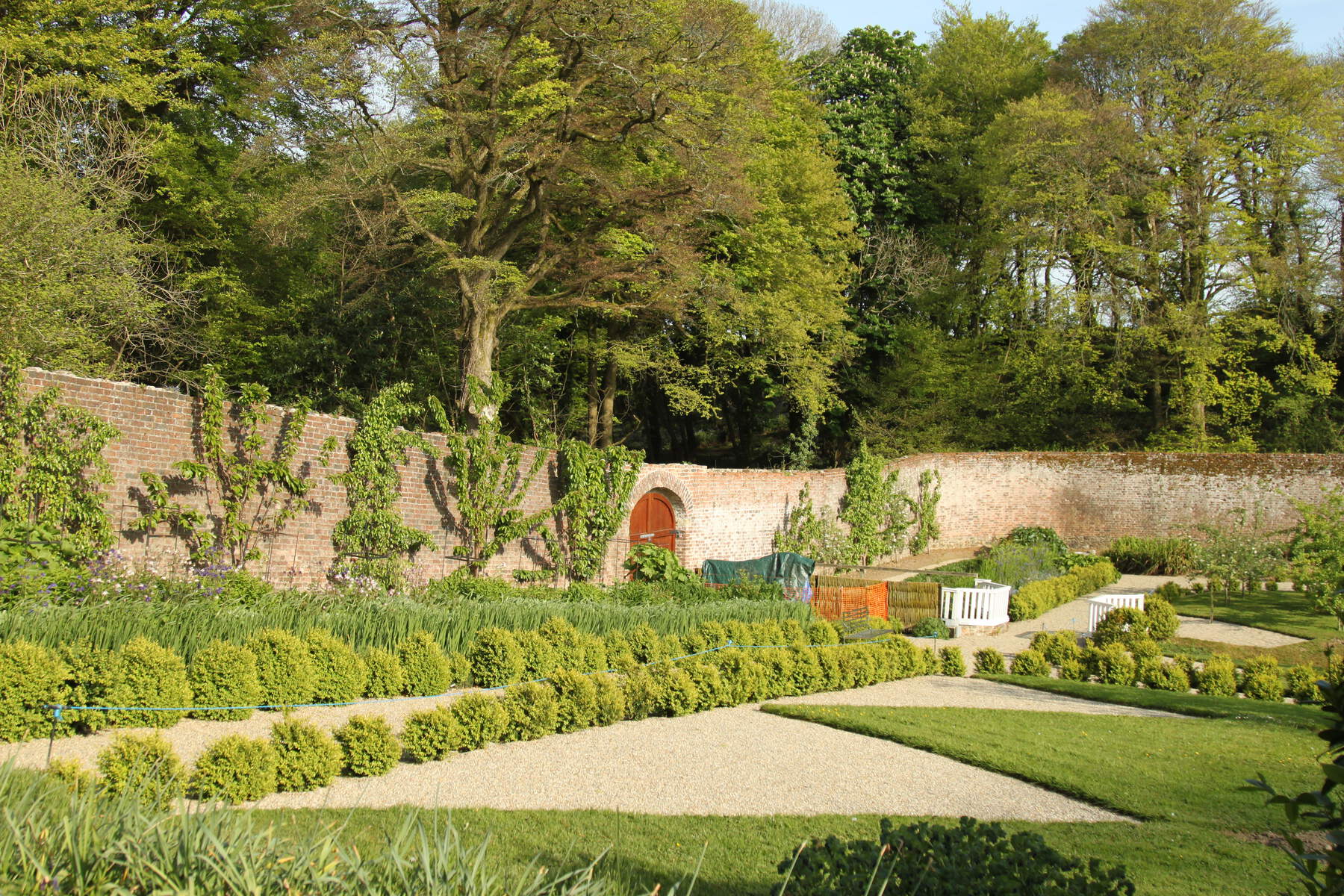

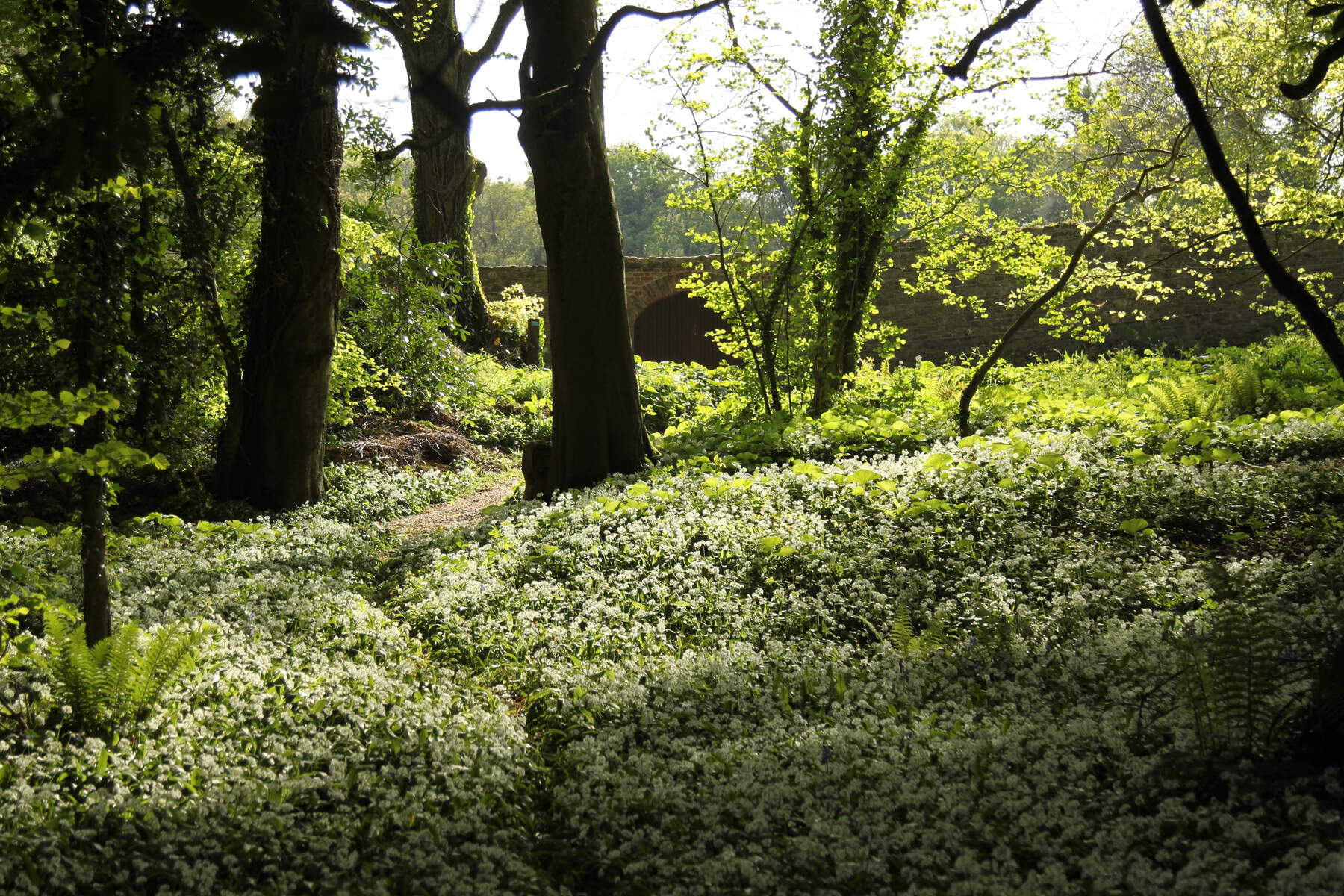
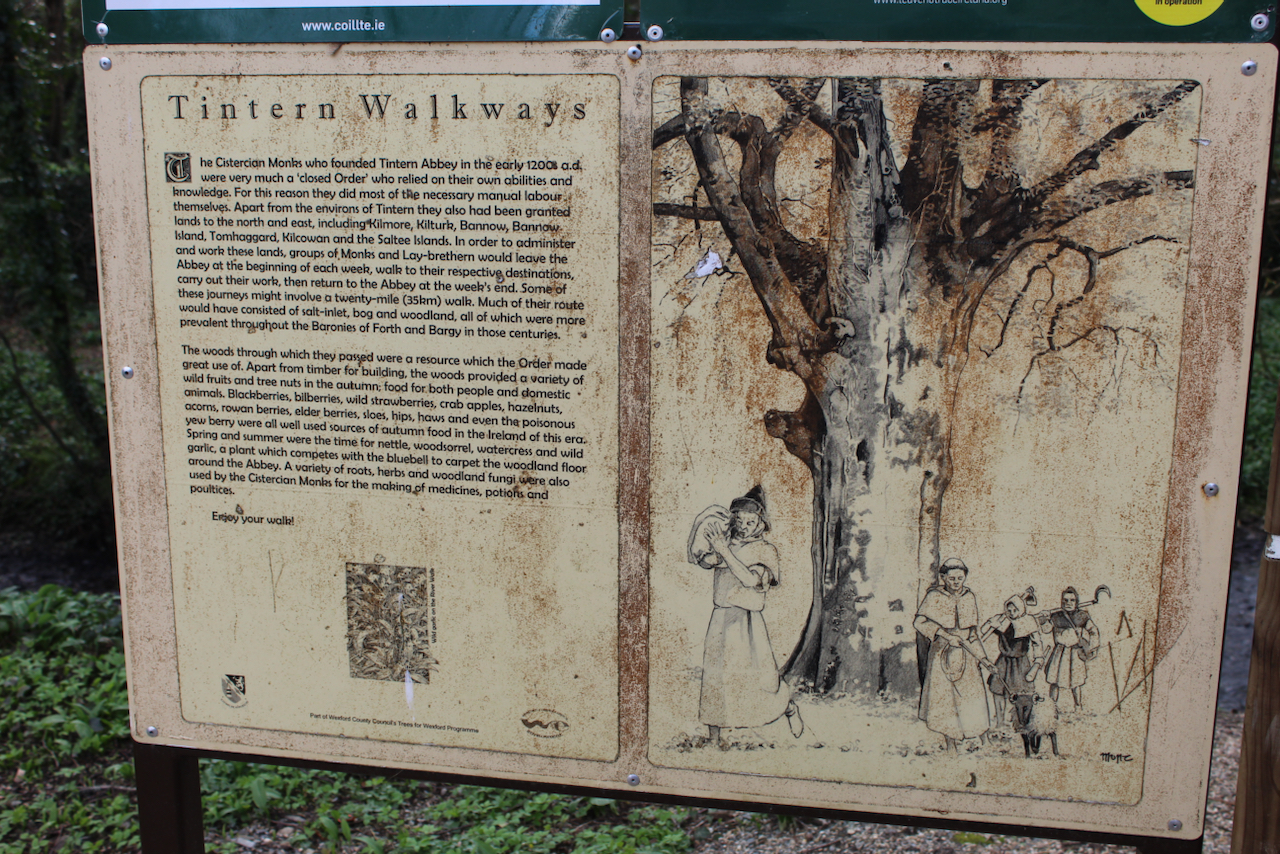
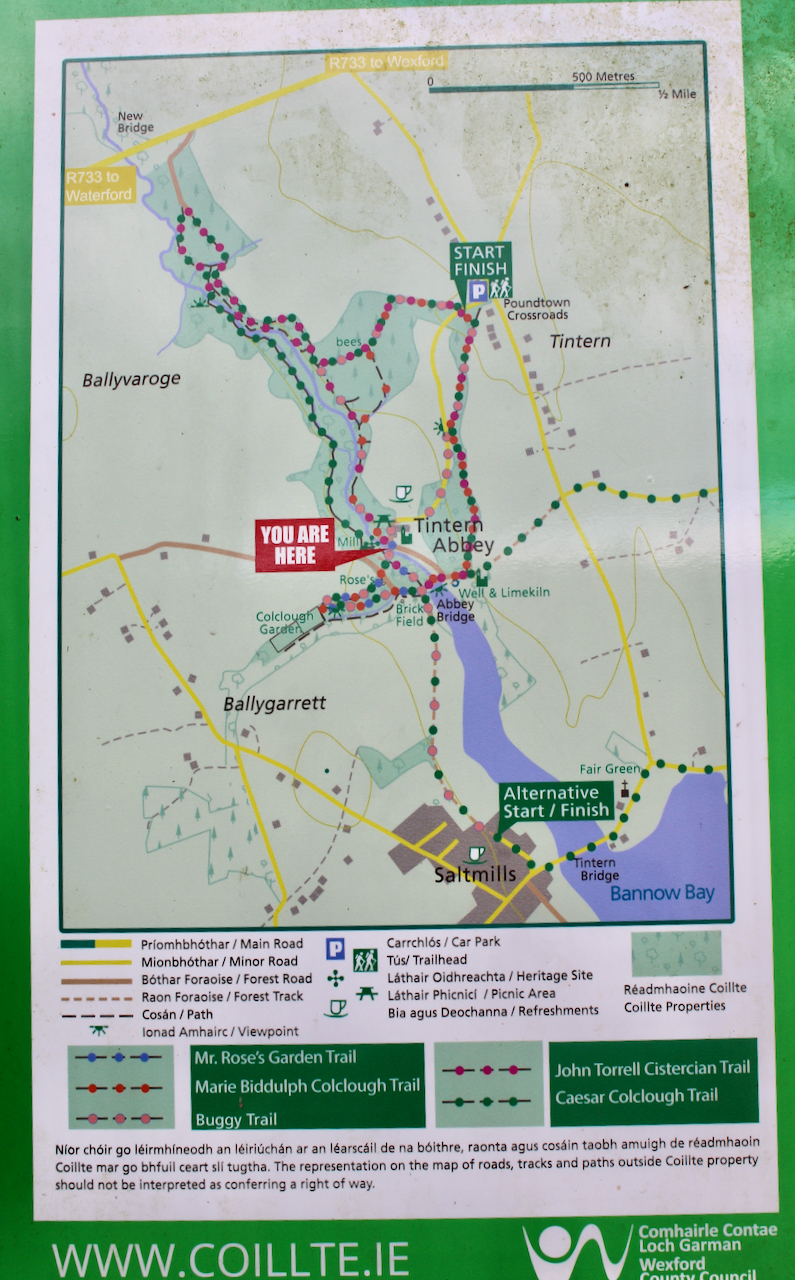
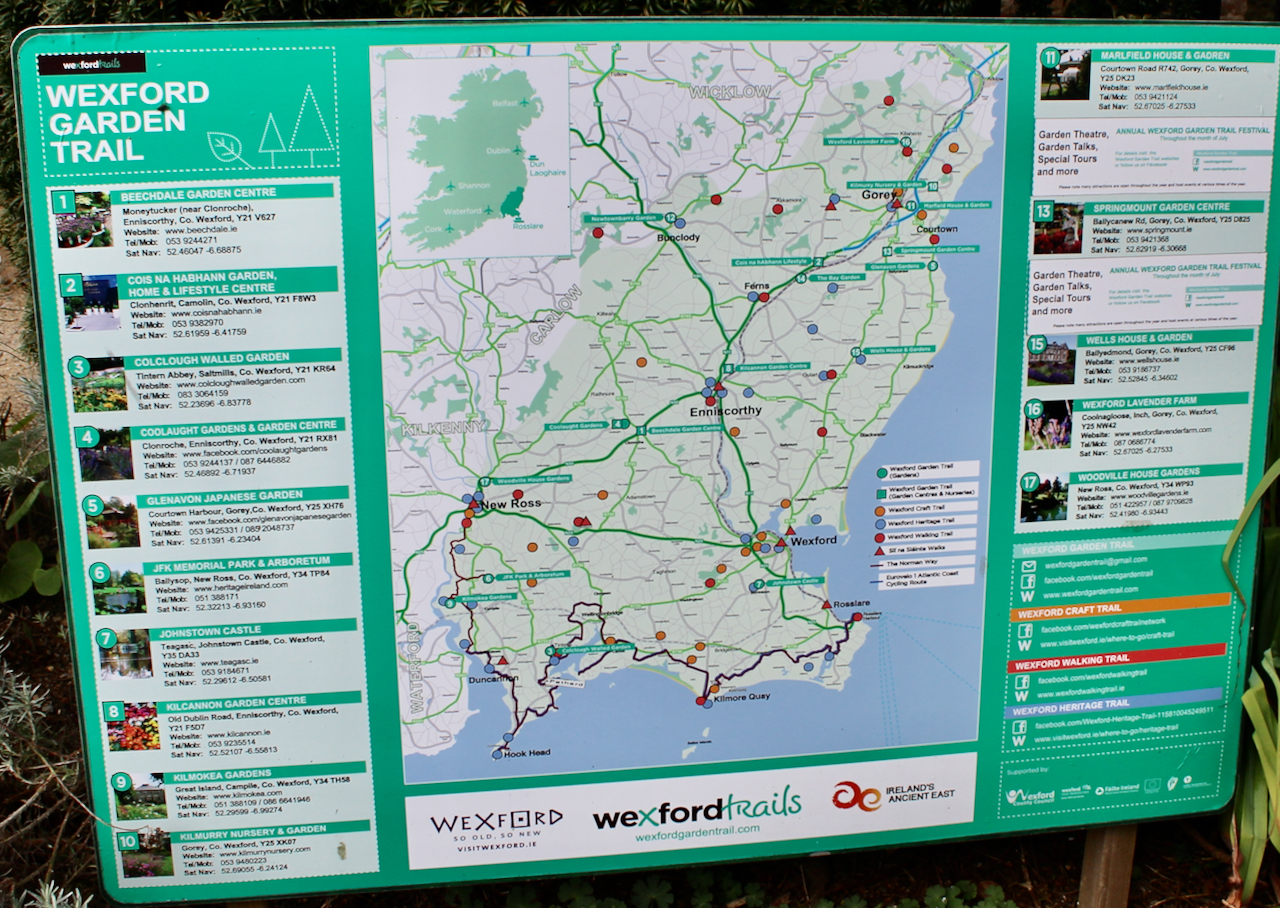
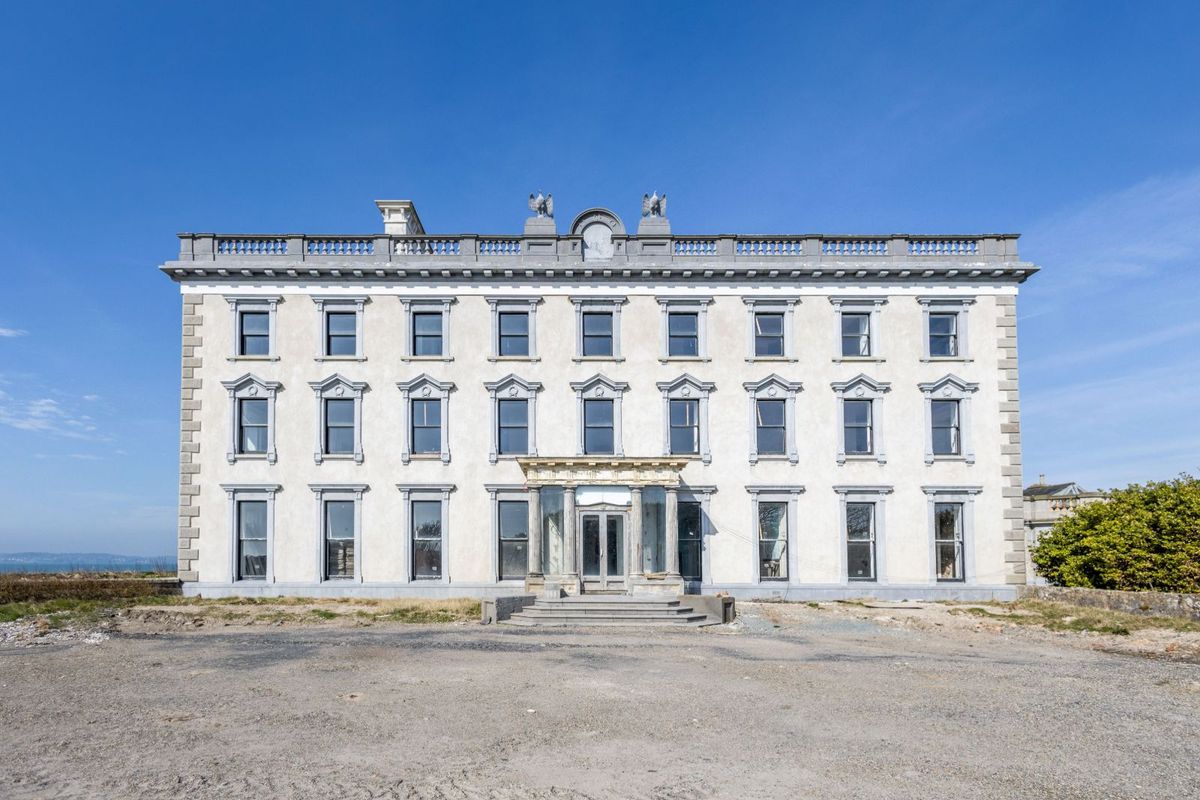
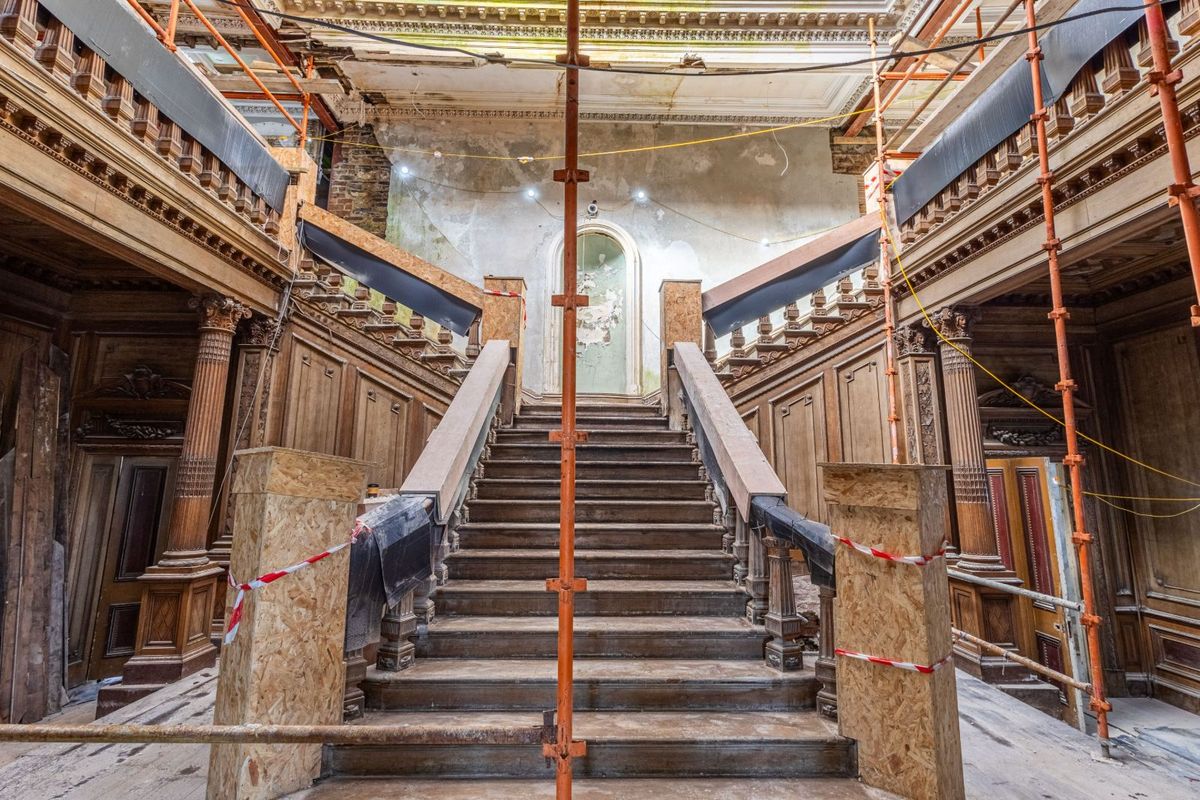


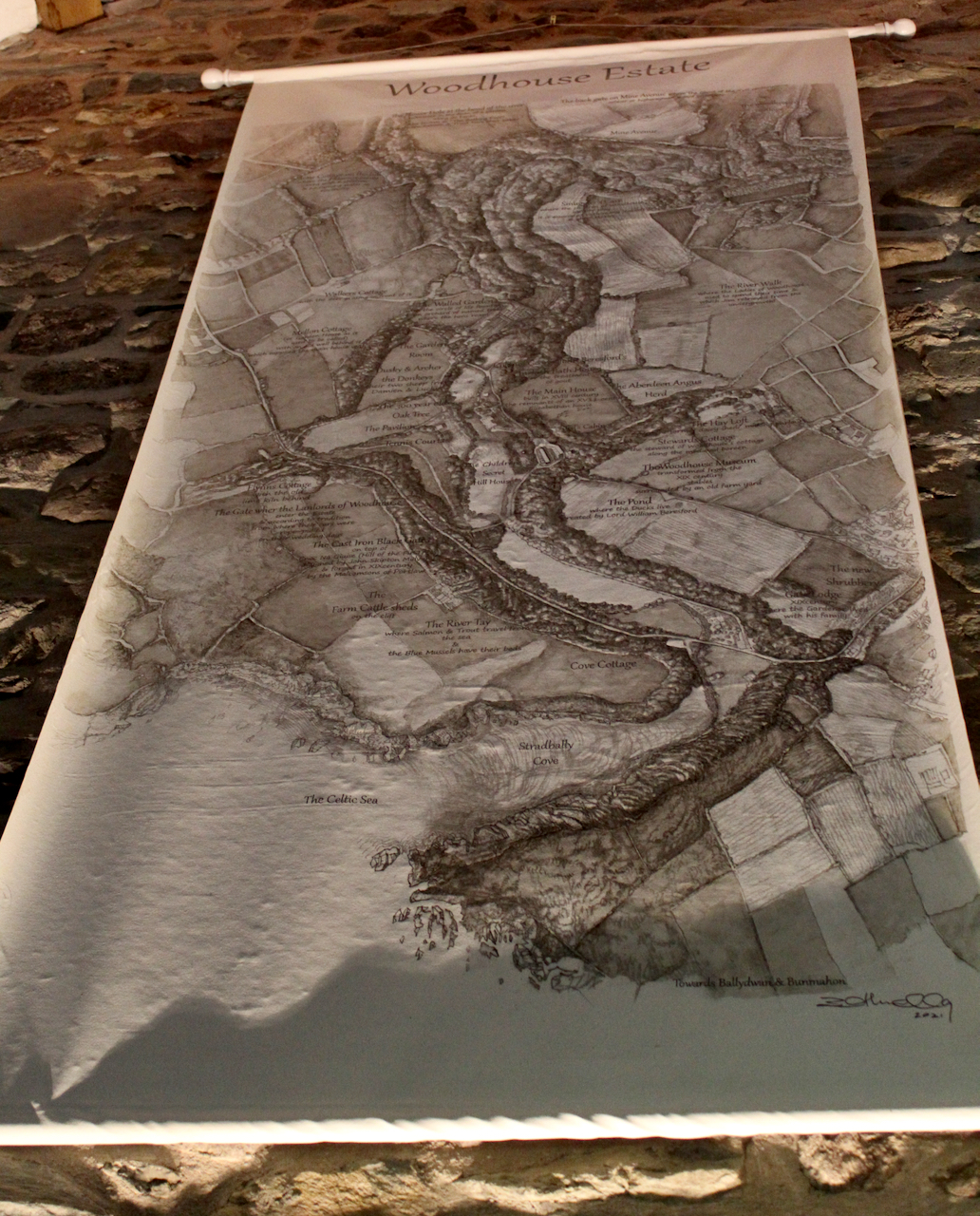
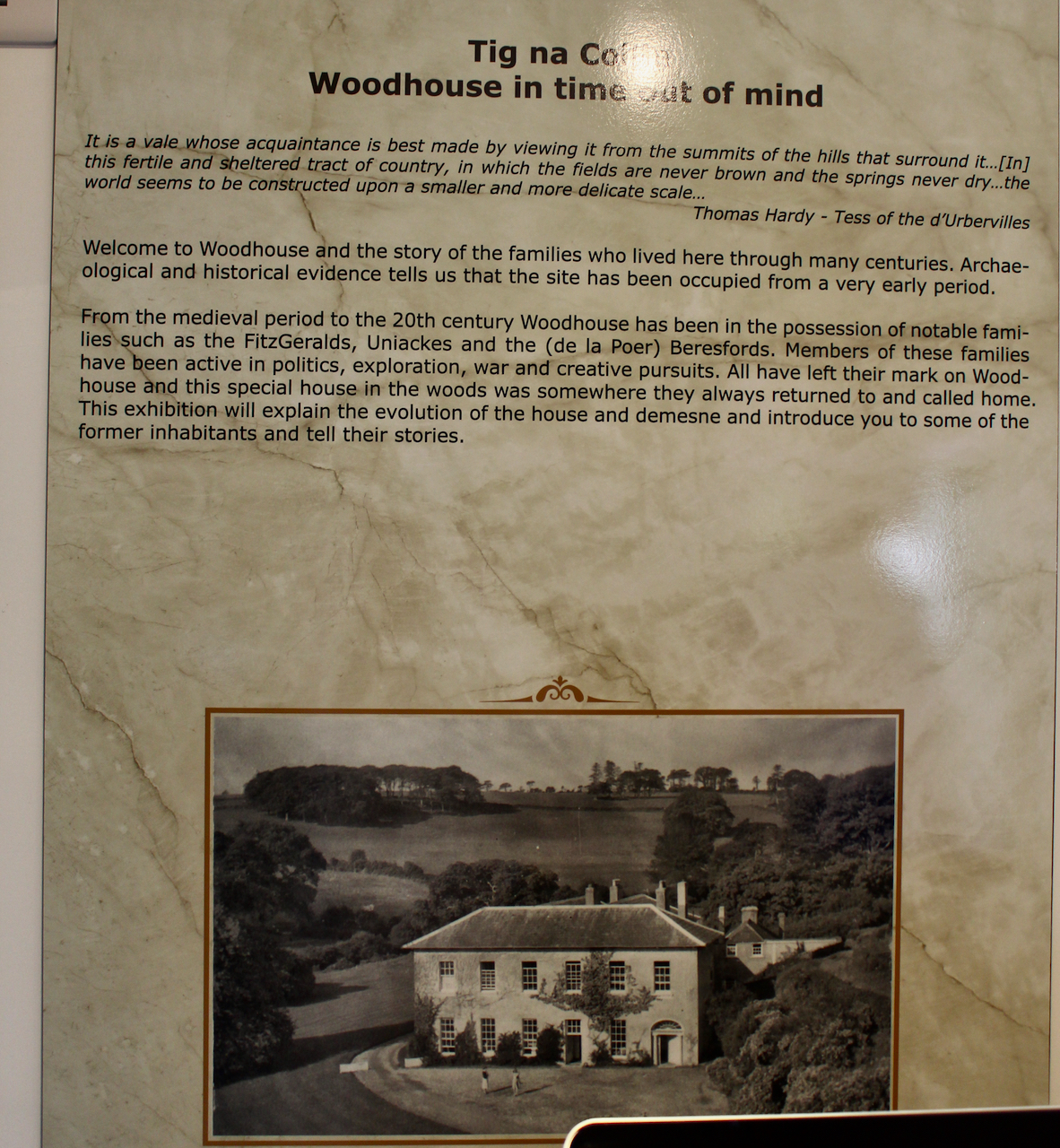

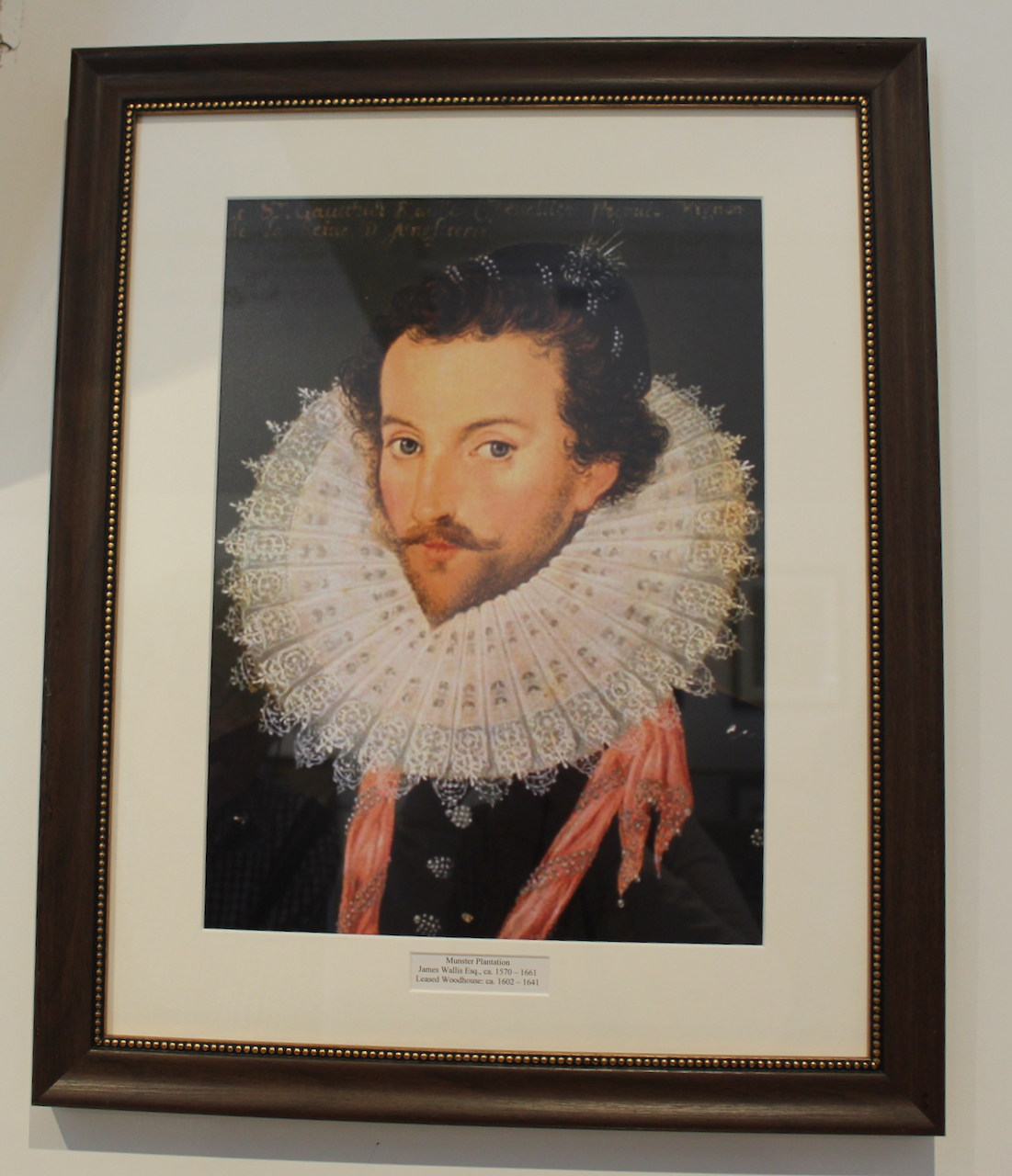
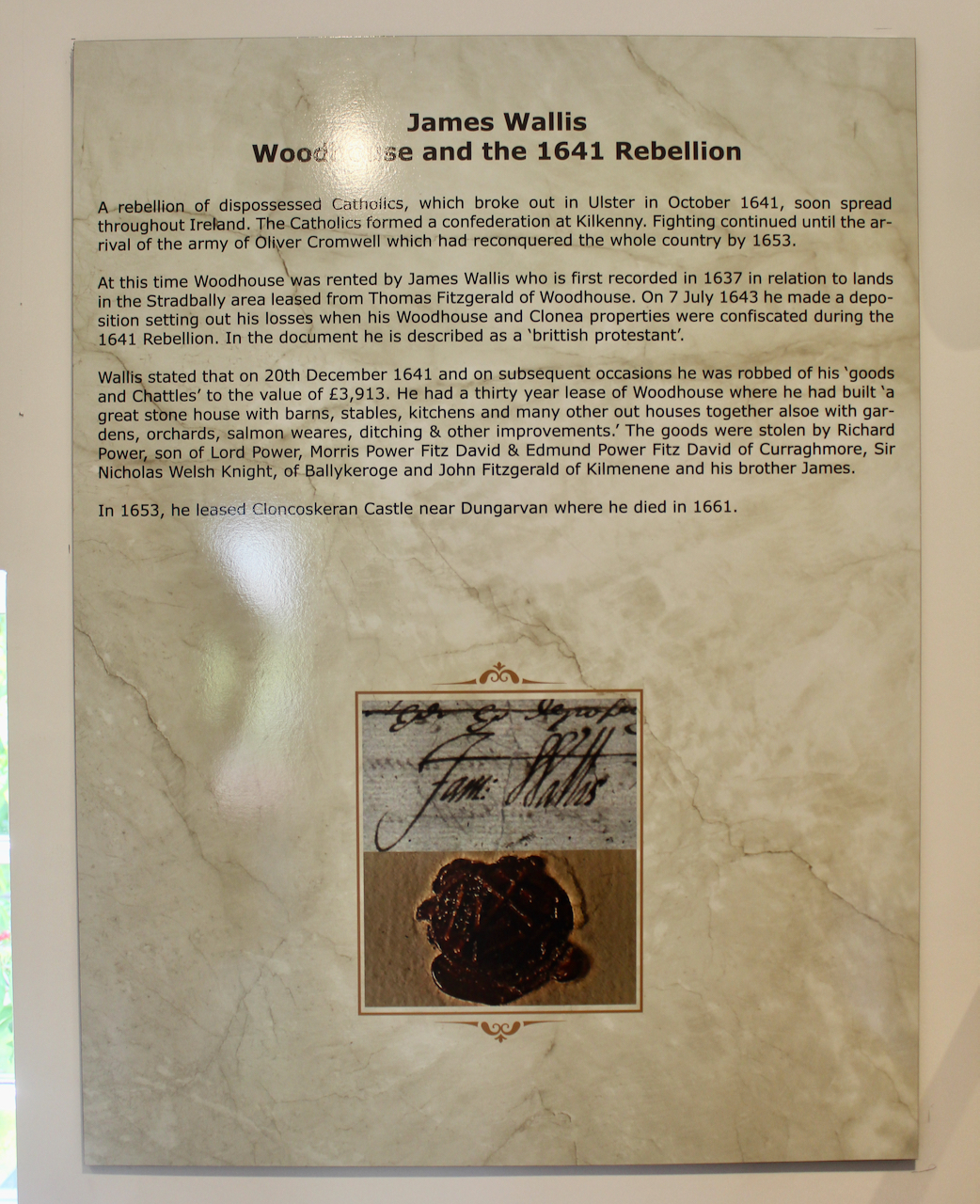
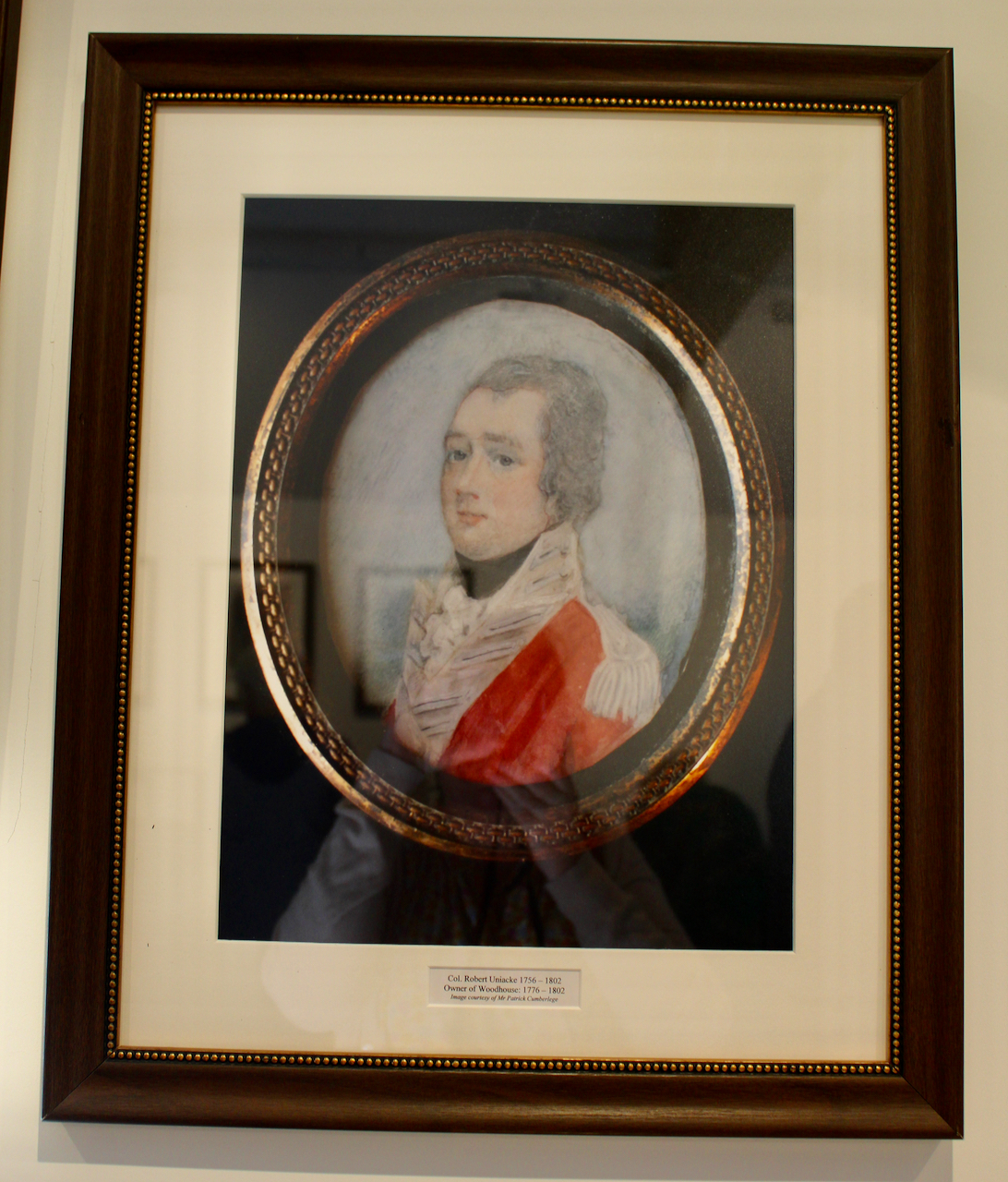


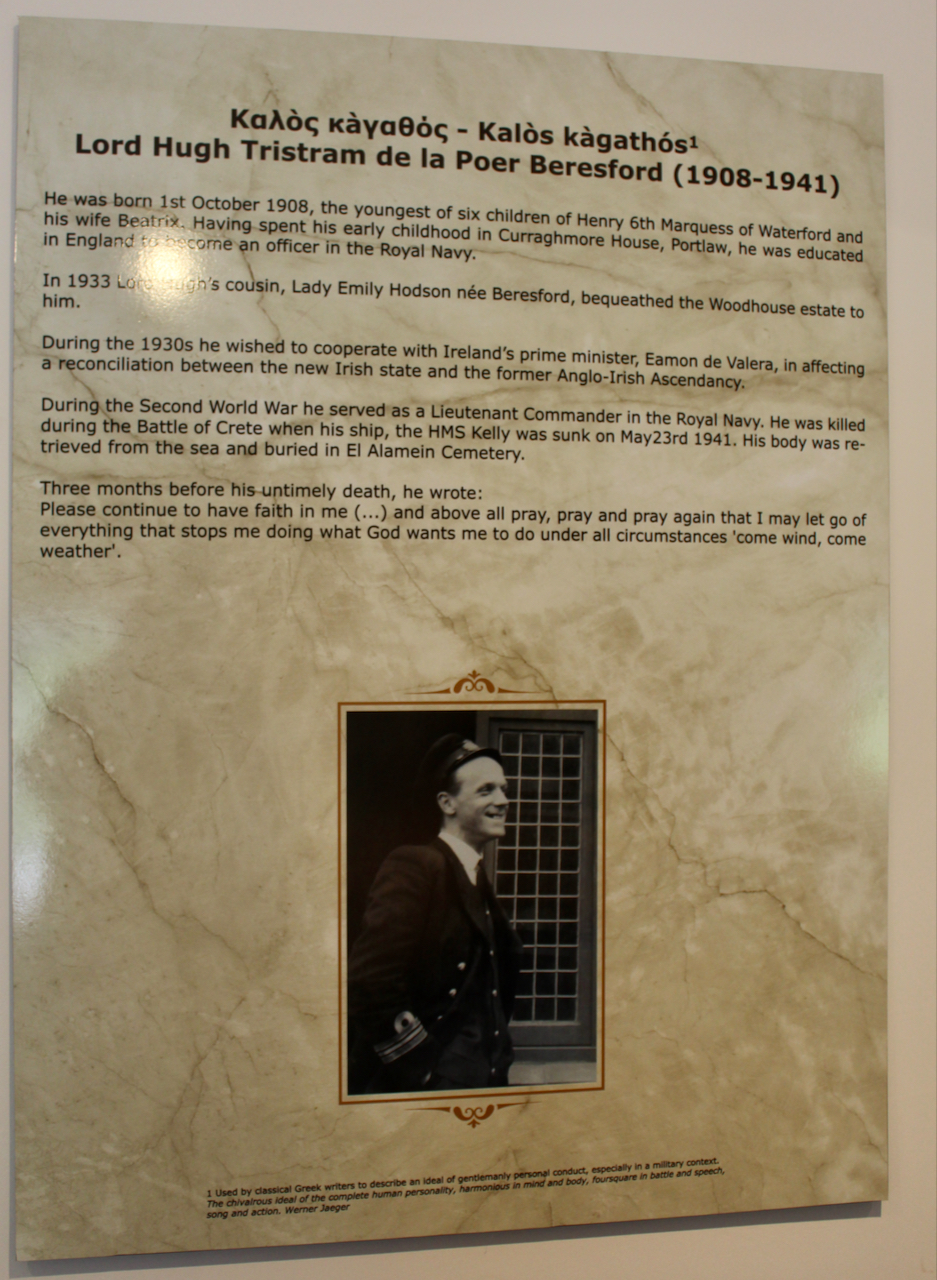
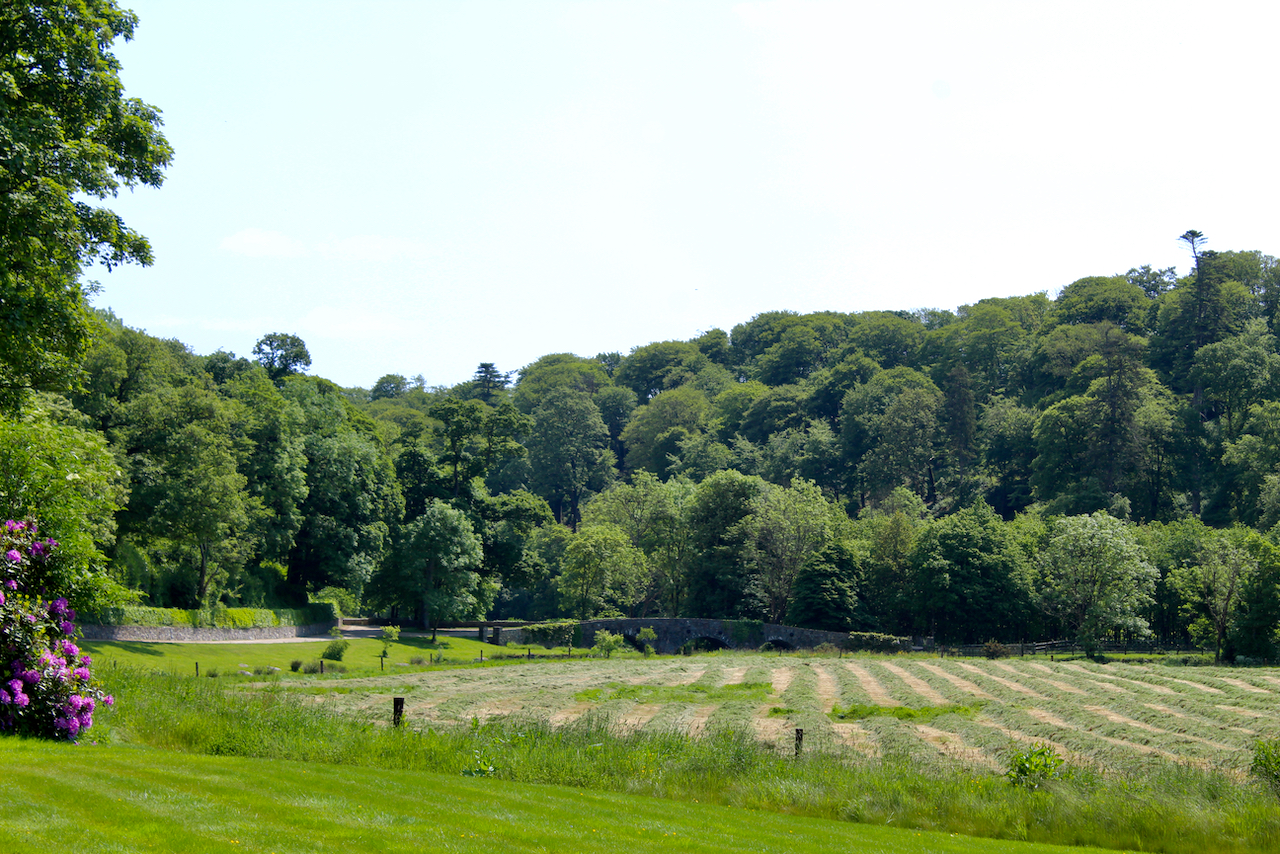
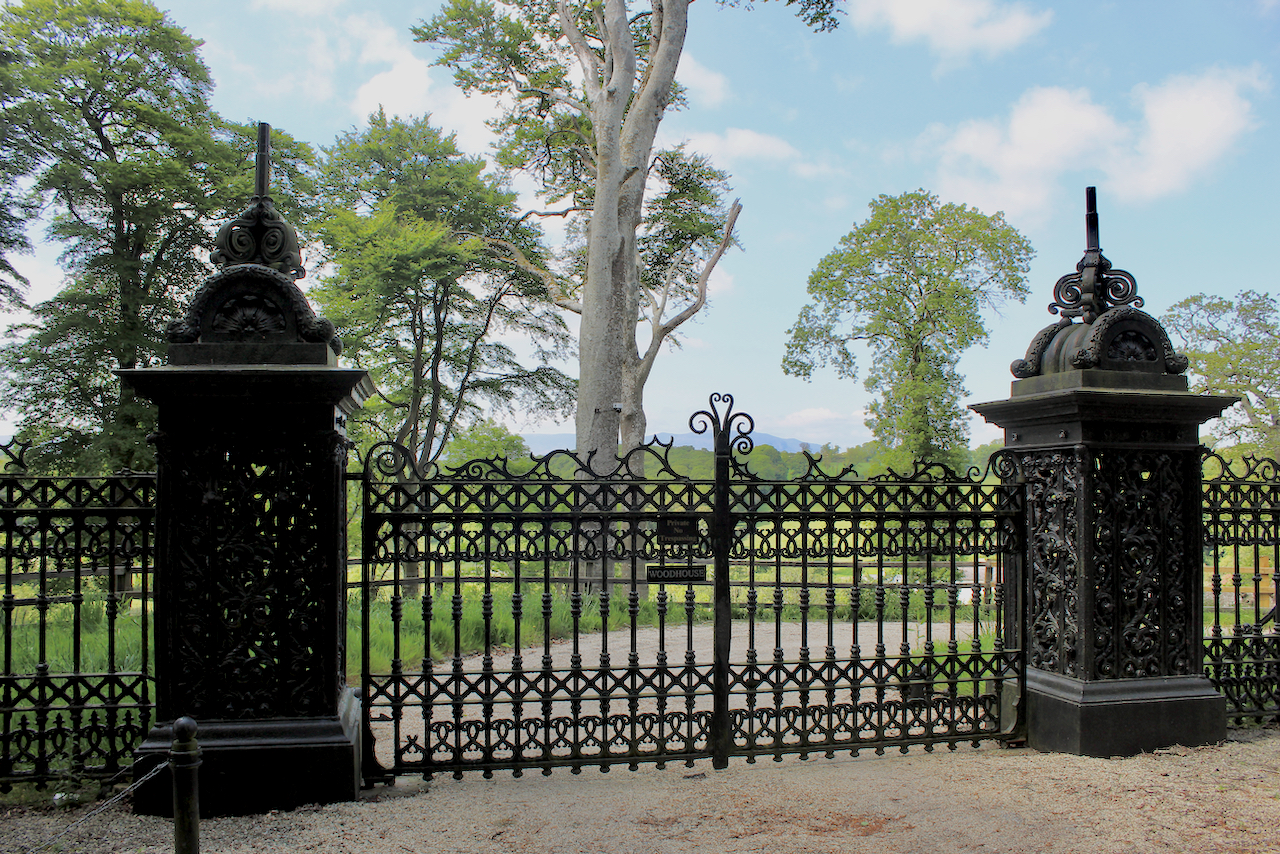
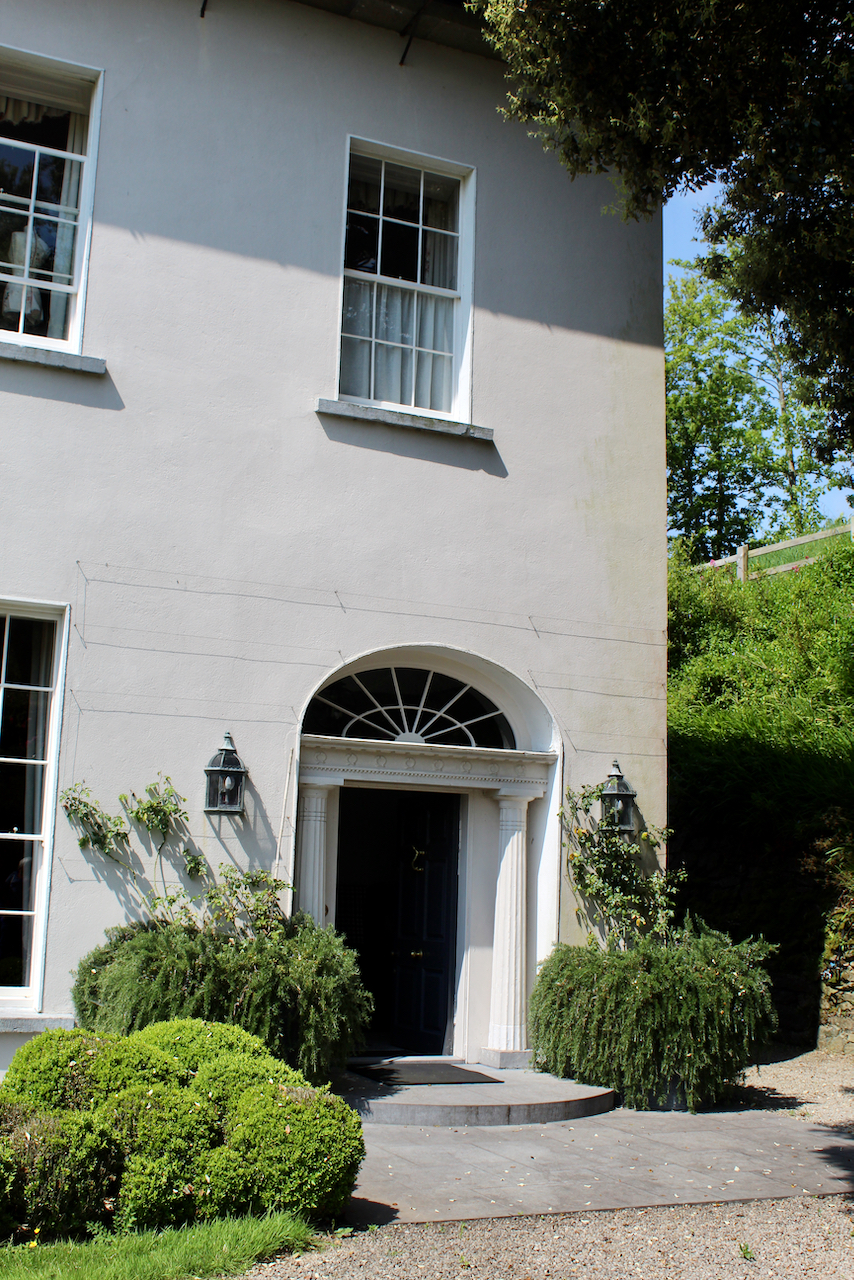
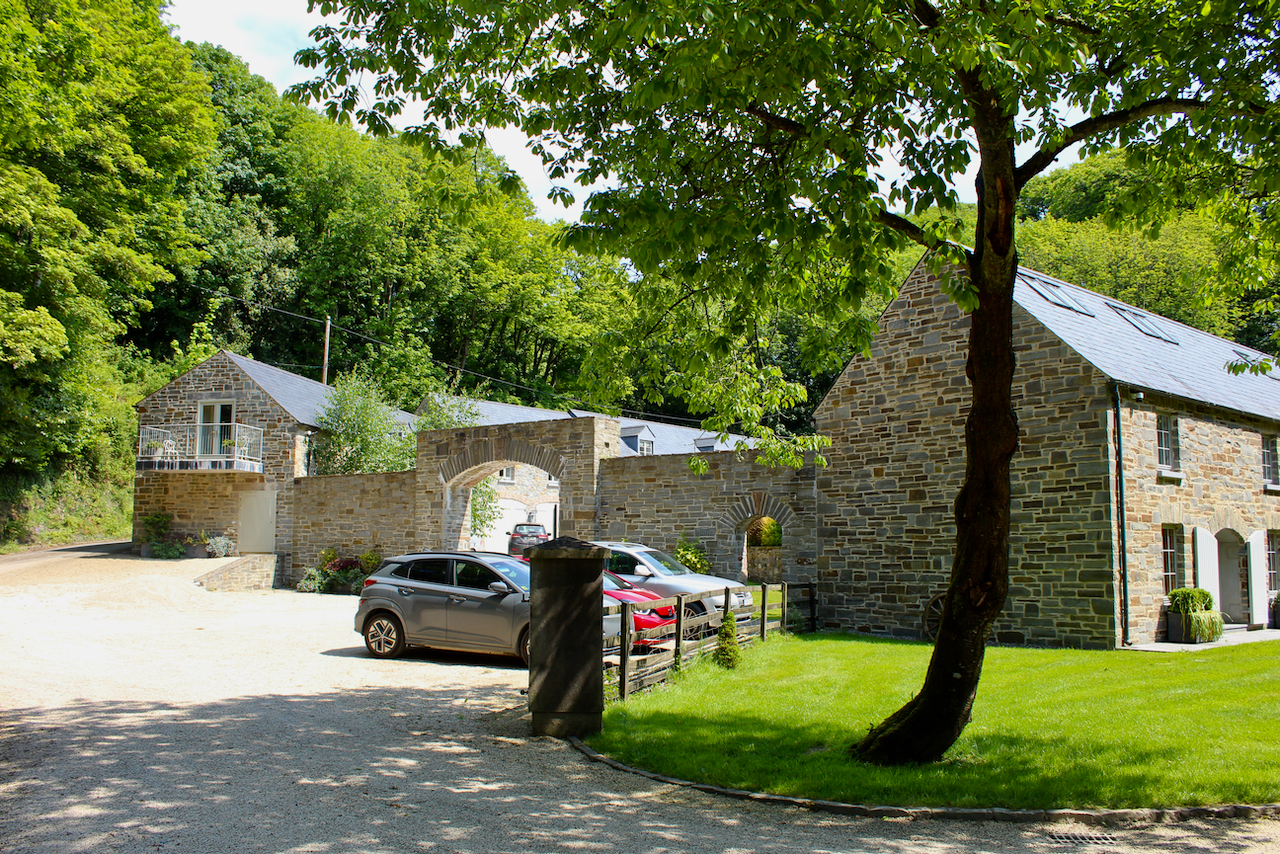
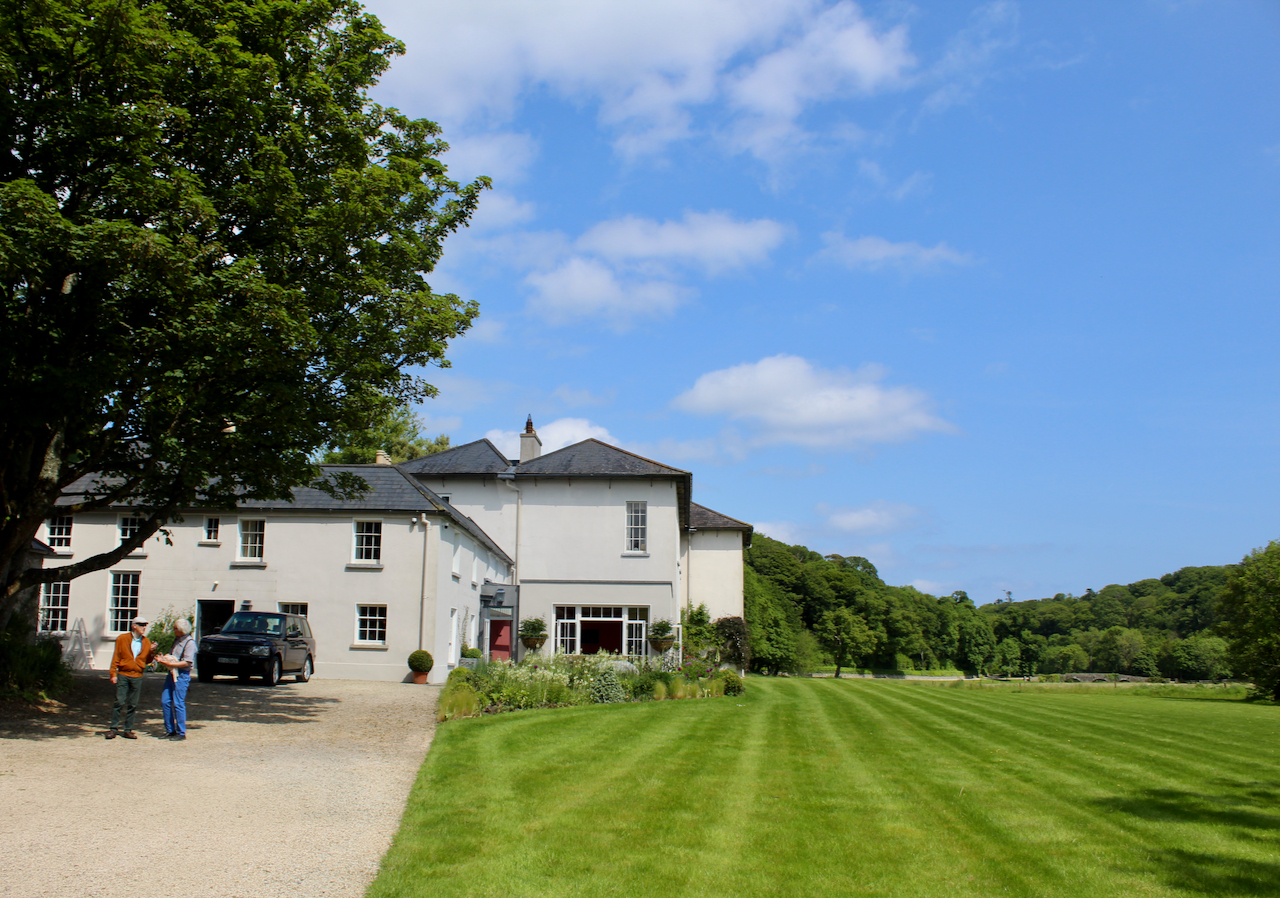
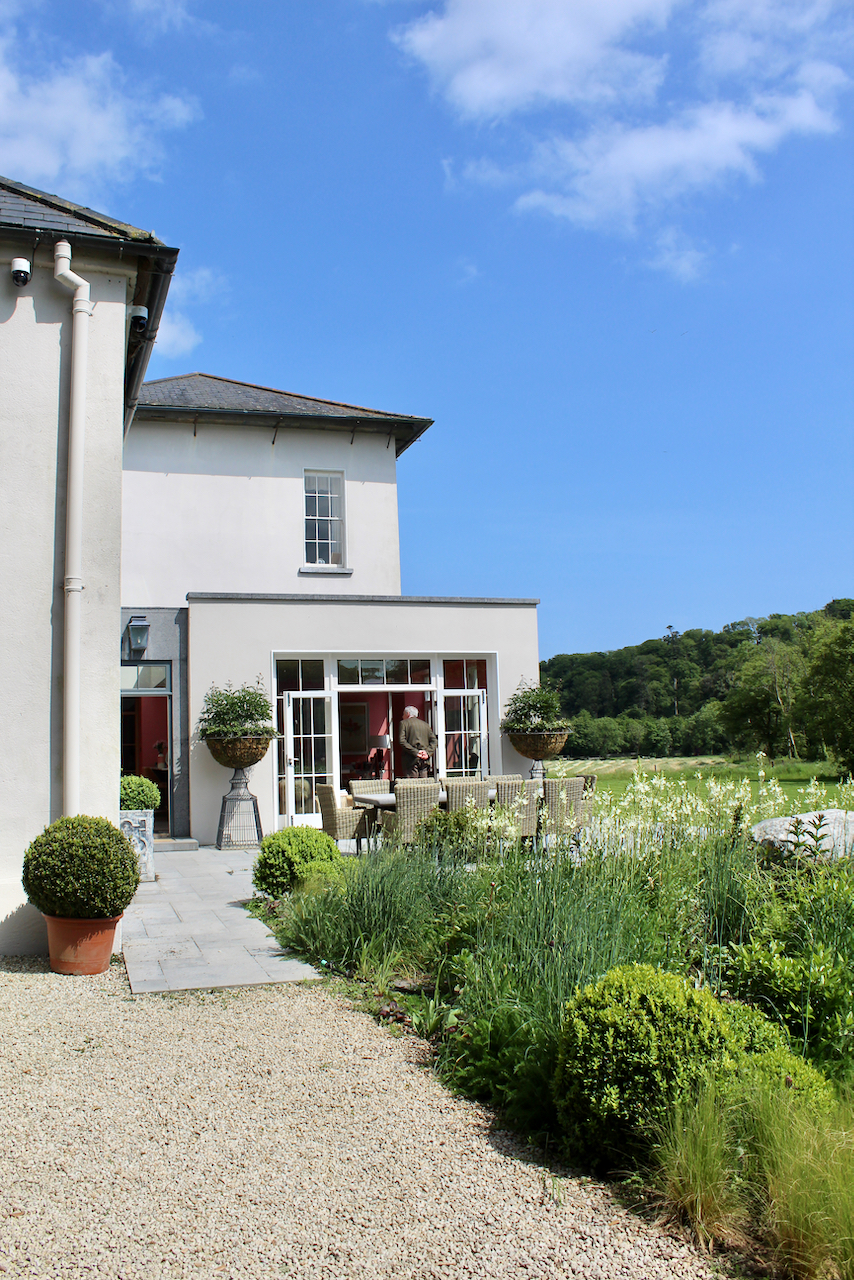

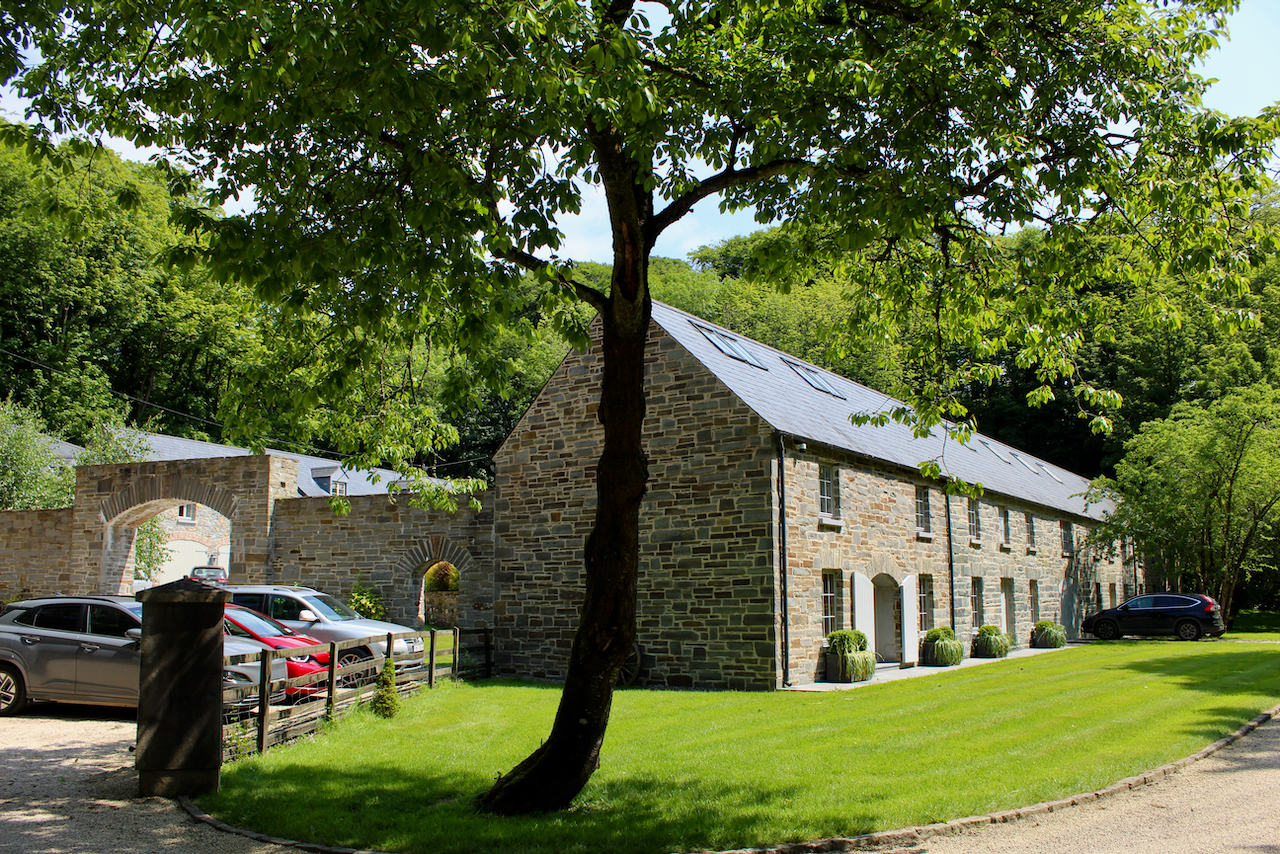




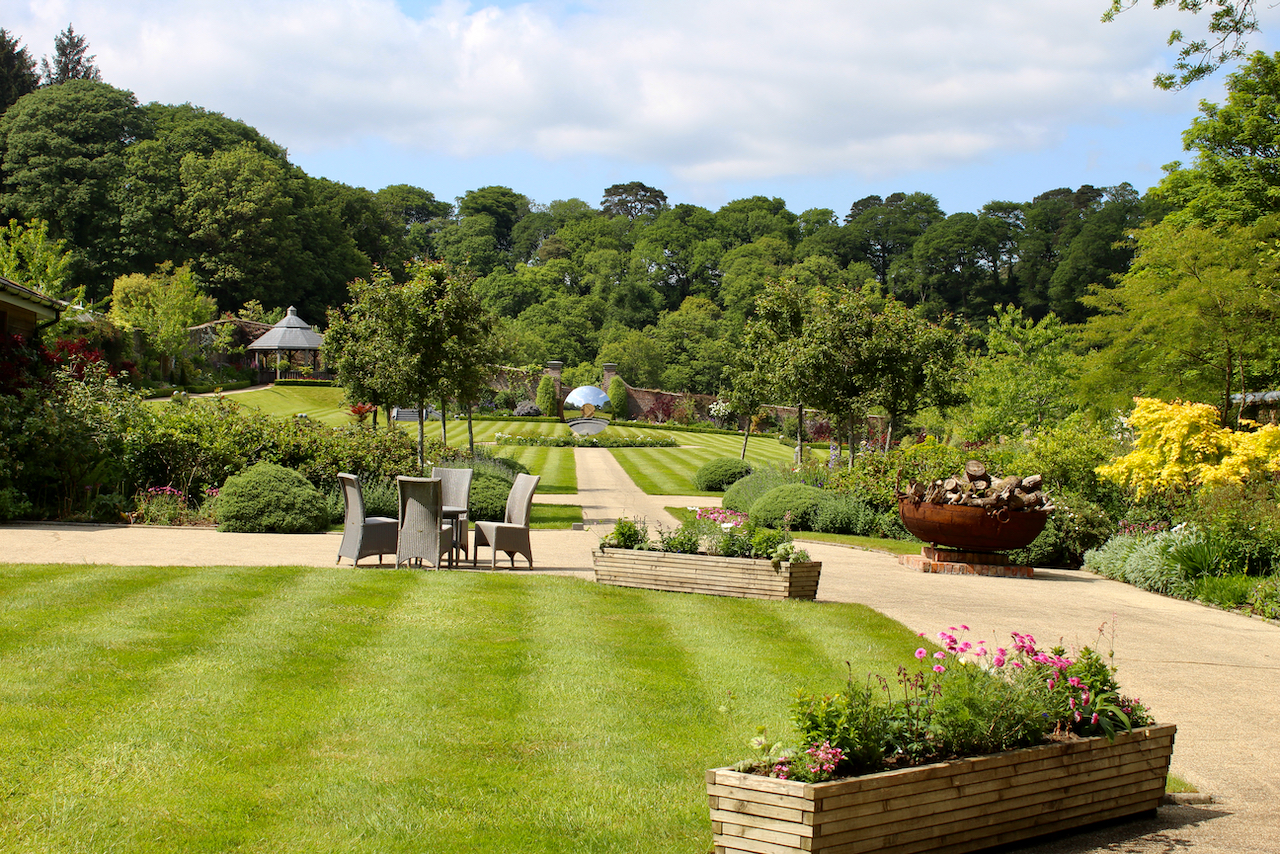
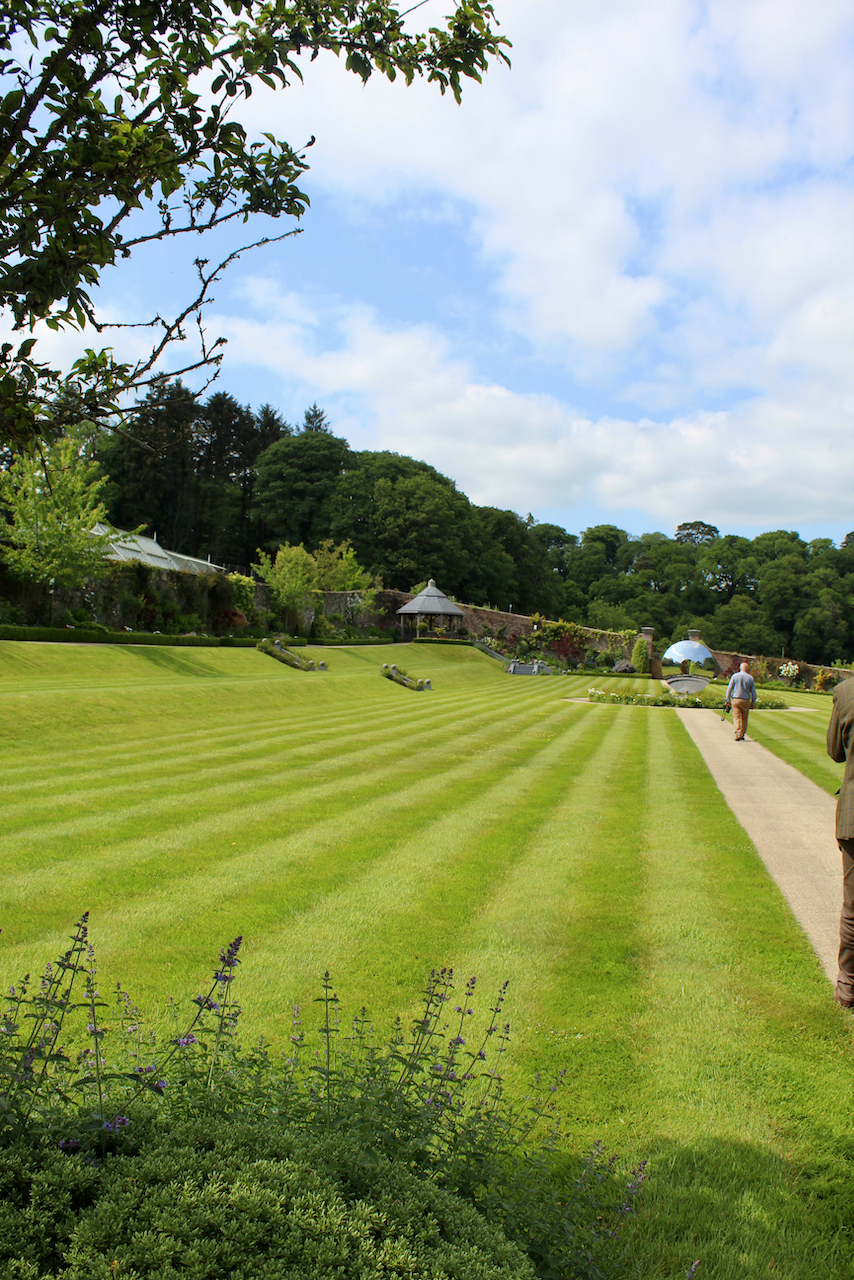


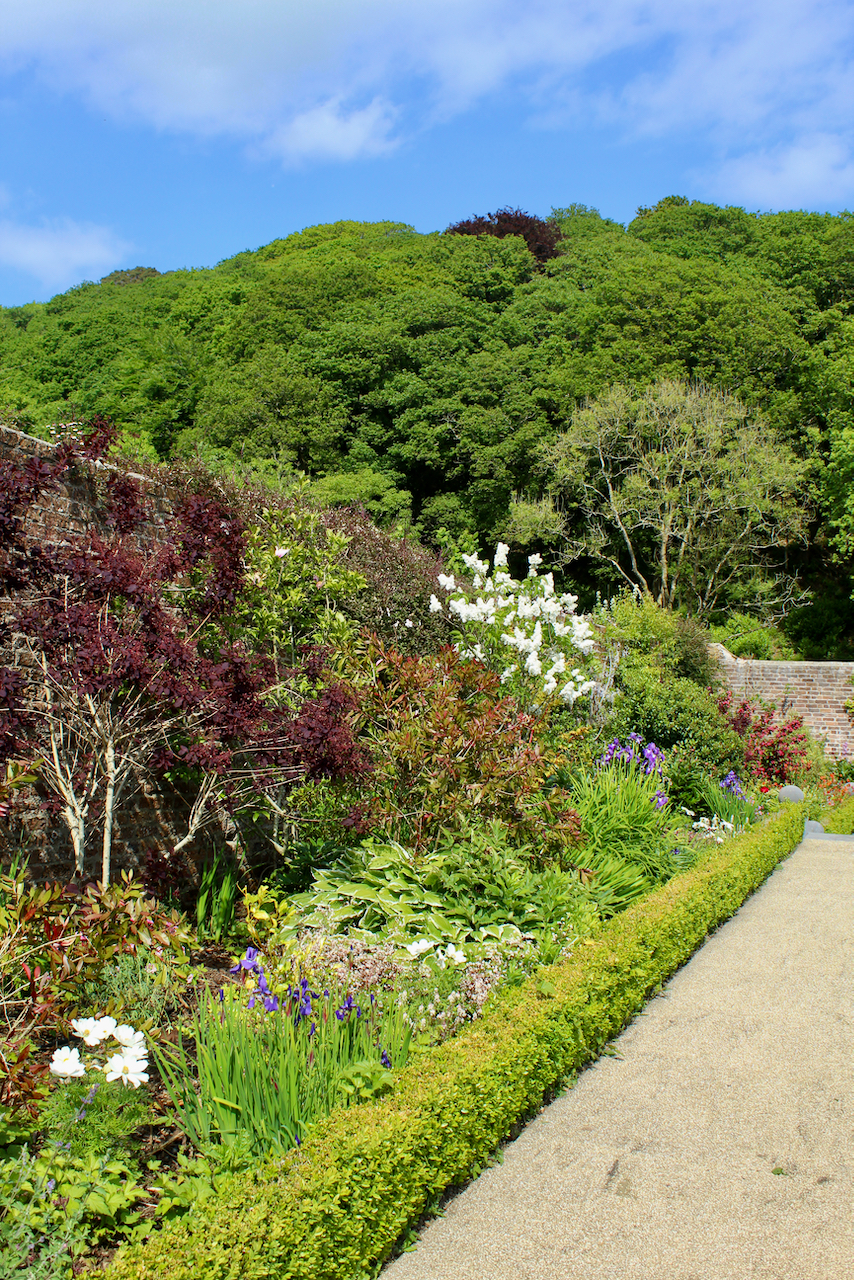

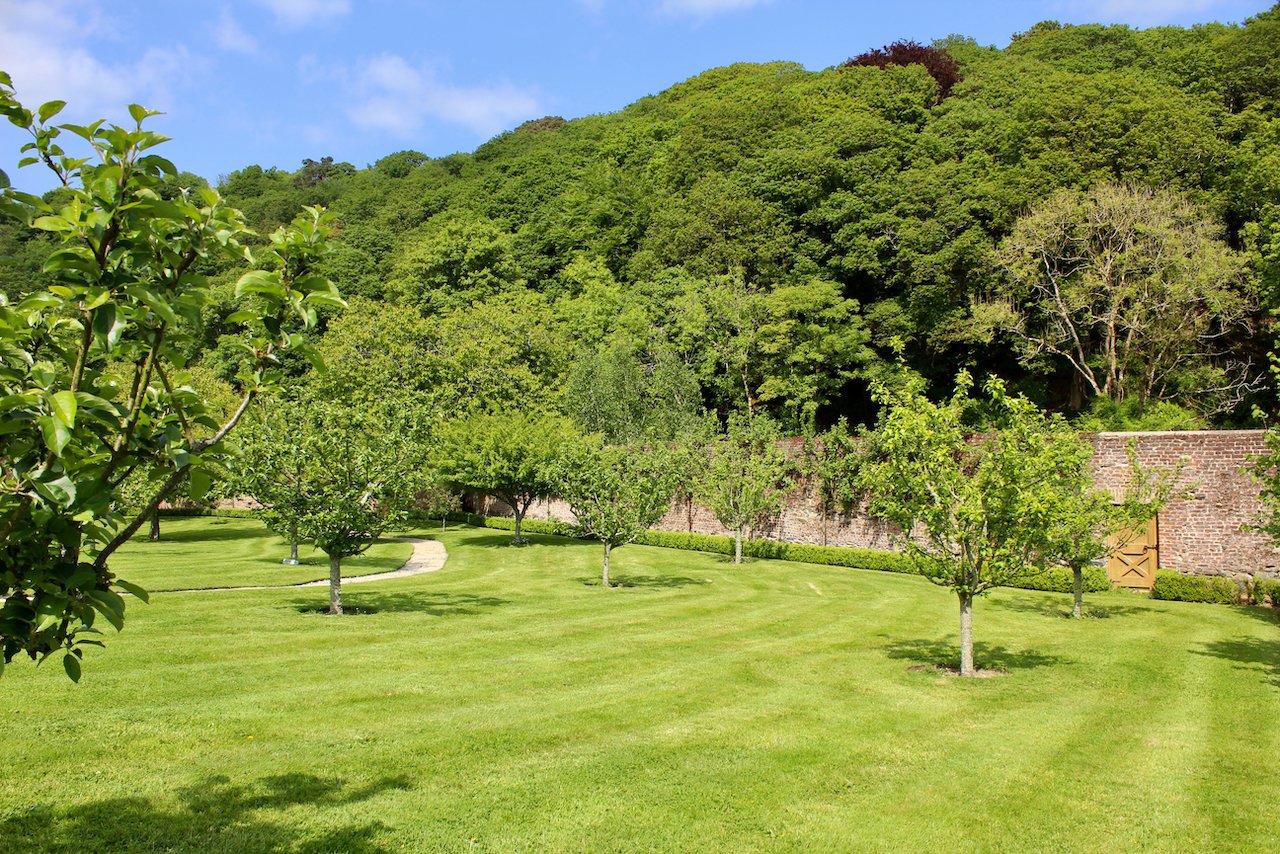
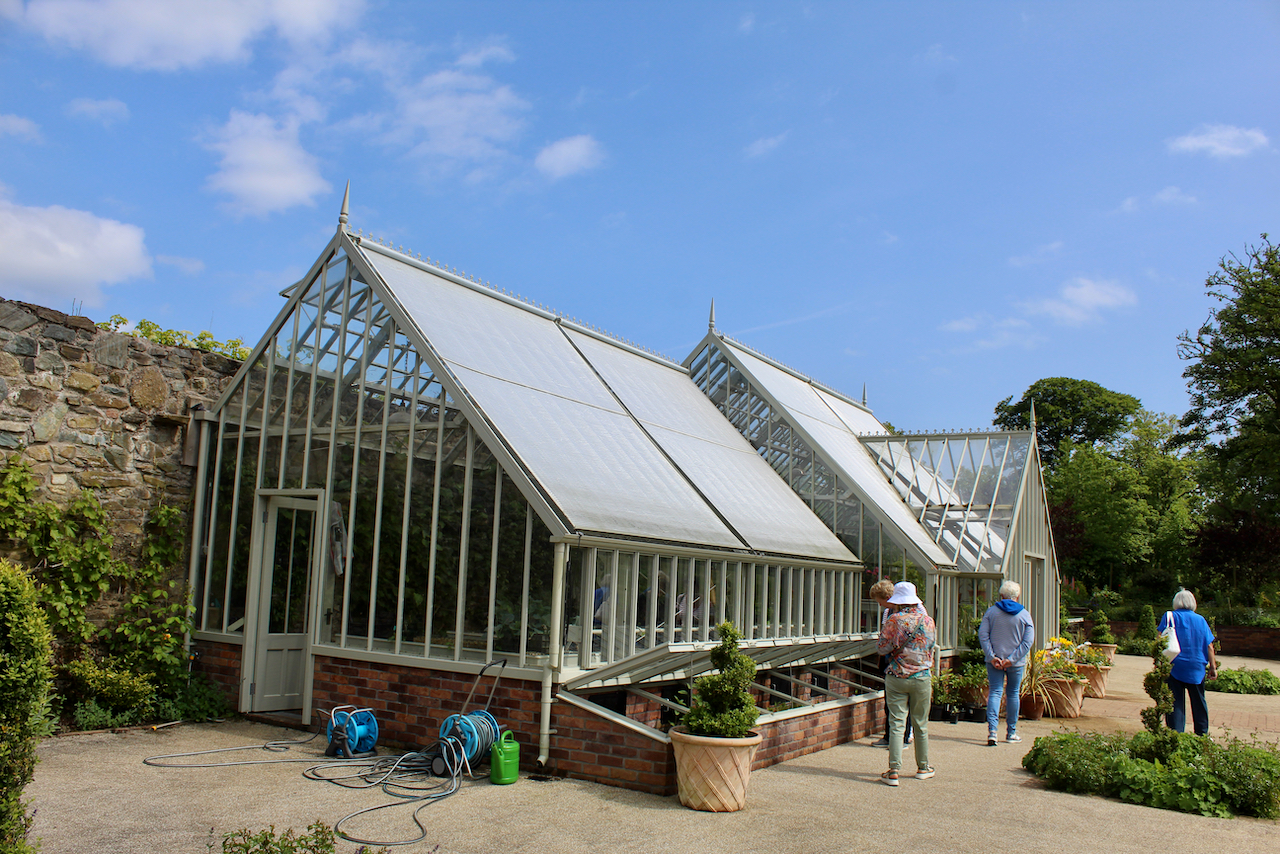
 Irish Historic Houses