My friend Gary and I went on a tour of Howth Castle in Dublin during Heritage Week in 2025. You can arrange a tour if you contact the castle in advance, see the website https://howthcastle.ie
I envy historian Daniel, our tour guide, as he lives in the castle! Mark Bence-Jones describes the castle as a massive medieval keep, with corner towers crenellated in the Irish crow-step fashion, to which additions have been made through the centuries. [1]
Howth Castle, courtesy of Howth Castle instagram.In the middle of the photograph is the old tower house.Howth Castle, County Dublin, after Francis Wheatley, English, 1747-1801.
Timothy William Ferres tells us that the current building is not the original Howth Castle, which was on the high slopes by the village and the sea. [2]
Until recently, the castle was owned by the Gaisford-St. Lawrence family. Irish investment group Tetrarch who purchased the property in 2019 plan to build a hotel on the grounds. It had been owned by the same family, originally the St. Lawrences, ever since it was built over eight hundred years ago. Over the years, wings, turrets and towers were added, involving architects such as Francis Bindon (the Knight of Glin suggests he may have been responsible for some work around 1738), Richard Morrison (the Gothic gateway, and stables, around 1810), Francis Johnson (proposed works for the 3rd Earl of Howth), and Edward Lutyens (for Julian Gaisford-St. Lawrence).
Timothy William Ferres tells us that the St. Lawrence family was originally the Tristram family. Sir Almeric Tristram took the name St. Lawrence after praying to the saint before a battle which took place on St. Lawrence’s Day near Clontarf in Dublin. Sir Almeric landed in Howth in 1177. After the battle he was rewarded for his valour in the conflict with the lands and barony of Howth. [see 2]
In an article in the Irish Times on Saturday August 14th 2021, Elizabeth Birthistle tells us that a sword that is said to have featured in the St. Lawrence’s Day battle is to be auctioned. A “more sober assessment” of the Great Sword of Howth, she tells us, dates it to the late 15th century. Perhaps, she suggests, Nicholas St. Lawrence 3rd Baron of Howth used it in 1504 at the Battle of Knockdoe. The sword is so heavy that it must be held with two hands. It is first recorded in an inventory of 1748, and is described and illustrated in Joseph C Walker’s An Historical Essay on the Dress of the Ancient and Modern Irish. [3]
Almeric went on to fight in Ulster and then Connaught. In Connaught, he was killed by the O’Conor head of the province, along with his thirty knights and two hundred infantry. He left three sons by his wife, a sister of John de Courcy, Earl of Ulster. The eldest son, Nicholas Fitz Almeric, relinquished his father’s Ulster conquests to religious houses, and settled in Howth. [see 2]
The first construction on the site would have been of wood.
The family coat of arms depicts a mermaid and a sea lion. The mermaid is often pictured holding a mirror. There is a coat of arms on the wall of the front of the castle which was probably moved from an older part of a castle. The Howth Castle website tells us:
“A mermaid is one of the supporters of the St. Lawrence family coat of arms, alongside a sea lion. The mermaid is often portrayed holding a small glass mirror. According to legend, the mermaid was once Dame Geraldine O’Byrne, daughter of The O’Byrne of Wicklow. She fell victim to dark magic at Howth Castle and was transformed into a mermaid. One item she left behind in her bedroom was a small glass mirror. The tower she slept in was from then always known as the ‘Mermaid’s Tower’. “
An article in the Irish Times tells us that there was a tryst between Dame Geraldine O’Byrne and Tristram St. Lawrence which left the Wicklow woman heartbroken and shamed, so she transformed into a mermaid. It is said her wails of melancholy are still carried through the winds at night near the Mermaid’s Tower on the estate. [3]
The Howth Castle website tells us that:
“One Christmas, Thomas St. Lawrence, Bishop of Cork and Ross [(1755–1831), son of the 1st Earl, 15th Baron of Howth] returned to Howth Castle to find that the family had gone to stay with Lord Sligo for the holiday season. Bishop St. Lawrence was left alone in the cold and dark castle with just a housekeeper for company and his ancestors glaring at him from the portraits in the dark hallways. The housekeeper put him to bed in the ‘Mermaid’s Tower’. His room was described as if ‘designed as the locus in quo for a ghost scene. Its moth-eaten finery, antiquated and shabby – -its yellow curtains, fluttering in the air…the appearance of the room was enough to make a nervous spirit shudder.’
“He was suddenly and violently awoken in the night by the feeling of a cold, wet hand clasping his wrist and a cold hand covering his mouth. He made one large leap from his bed, lit his candle and there he found not a sinner in the room with him but one bloody yellow glove lying on his bed. Was he visited in the night by the mermaid?”
I’m confused about Barons of Howth as different sources number the Barons differently. I will follow the numbering used on The Peerage website, which refers to L. G. Pine, The New Extinct Peerage 1884-1971: Containing Extinct, Abeyant, Dormant and Suspended Peerages With Genealogies and Arms (London, U.K.: Heraldry Today, 1972), page 150. According to this, Christopher St. Lawrence (died around 1462) was 1st Baron Howth. He held the office of Constable of Dublin Castle from 1461.
The oldest surviving part of the castle is the gate tower in front of the main house. It dates to around 1450, the time of the 1st Baron Howth.
The Howth Castle website tells us that the Keep, the tower incorporated into the castle, also dates from the mid fifteenth century. Unfortunately I have misplaced the notes I took on my visit to the castle. Daniel pointed out the various parts of the castle as we stood on the balustrade looking out into the courtyard, telling us when each part was built. From the photograph of the painting above, the Keep is the large tower on the left of the front door, and the Gate House is slightly to the front of the building to the right. Traces remain in the gardens of the wall and turrets, which would have enclosed the area. You can’t fully see the keep from the front of the house.
Christopher’s son Robert St. Lawrence (d. 1486) 2nd Baron Howth served as Lord Chancellor of Ireland, after first serving as “Chancellor of the Green Wax,” which was the title of the Chancellor of the Exchequer of Ireland. He married Joan, second daughter of Edmund Beaufort, 2nd Duke of Somerset, so by marriage, Timothy William Ferres tells us, Lord Howth’s descendants derived descent from King Edward III, and became inheritors of the blood royal. [see 2]
Nicholas St. Lawrence (d. 1526) was 3rd Baron Howth according to the Dictionary of Irish Biography. He also served as Lord Chancellor of Ireland. He married three times. The first bride was Janet, daughter of Christopher Plunkett 2nd Baron Killeen. We came across the Plunketts of Killeen and Dunsany when we visited Dunsany Castle in County Meath.
The Dictionary of Irish Biography tells us that when Lambert Simnel came to Ireland in 1487 and was crowned as King Edward VI in Christchurch catheral in Dublin, Nicholas the 3rd Baron remained loyal to King Henry VII. [4] In 1504, as mentioned earlier, the 3rd Baron Howth played a significant role at the battle of Knockdoe in County Galway, where the lord deputy, 8th Earl of Kildare, defeated the MacWilliam Burkes of Clanricard and the O’Briens of Thomond. [see 4]
The family were well-connected. The third baron’s daughter Elizabeth married widower Richard Nugent, 3rd Baron Delvin, whose first wife had been the daughter of Gerald Fitzgerald 8th Earl of Kildare.
The son and heir of the 3rd Baron, Christopher (d. 1542), served as Sheriff for County Dublin. Christopher the 4th Baron was father to the 5th, Edward (d. 1549), 6th (Richard, d. 1558 and married Catherine, daughter of the 9th Earl of Kildare, but they had no children) and 7th Barons of Howth.
The Hall, which is the middle of the front facade, was added to the side of the Keep in 1558 by Christopher, who is the 20th Lord of Howth according to the Howth Castle website, or the 7th Baron. He was also called “the Blind Lord,” presumably due to weak eyesight. The 1558 hall is now entered by the main door of the Castle.
Christopher St. Lawrence (d. 1589) 7th Baron Howth was educated at Lincoln’s Inn, along with his two elder brothers, the 5th and 6th barons. Christopher entered Lincoln’s Inn in 1544 and was still resident ten years later in 1554. That year he was threatened with expulsion from Lincoln’s Inn for wearing a beard, which indicates, Terry Clavin suggests in the Dictionary of Irish Biography, a rakish side to his personality. He inherited his family estate of Howth and the title on the death of his brother Richard in autumn 1558 and was sworn a member of the Irish privy council soon afterward. [5]
The Dictionary of Irish Biography tells us that between December 1562 and February 1563 the 7th Baron represented Thomas Radcliffe 3rd Earl of Sussex’s views on the government of Ireland to Queen Elizabeth. [5]
The Dictionary tells us that from 1570 onward the 7th Baron Howth ceased to play an active role in the privy council and became increasingly estranged from the government. By 1575, concerned about his loyalty, the government briefly imprisoned him, following the arrest of his close associate Gerald Fitzgerald, 11th Earl of Kildare, upon charges of treason.
Christopher St. Lawrence (d. 1589) 7th Baron Howth compiled a book, The Book of Howth, in which he rebutted Henry Sidney’s views of Ireland.
Sir Henry Sidney (1529-1586), Lord Deputy of Ireland, after painter Arnold Van Brounkhorst, courtesy of National Gallery of Ireland.
Sidney believed that the medieval conquest of Ireland failed due to the manner in which the descendants of the Norman colonists, the so-called ‘Old English,’ embraced Gaelic customs. He regarded as especially pernicious the system of ‘coign and livery.’ Under ‘coign and livery,’ landowners maintained private armies. Sidney believed this impoverished the country and institutionalised violence. Clavin writes that Lord Howth produced the ‘Book of Howth’ to rebut this interpretation of Irish history and to provide a thinly-veiled critique of Sidney’s reliance on and promotion of English-born officials and military adventurers at the expense of the Old English community. Howth held that the abolition of ‘coign and livery’ would leave the Old English exposed to the depredations of the Gaelic Irish. [5]
Instead of “coign and livery,” the English maintained a royal army, with landowners providing for the soldiers with the “cess.” Christopher St. Lawrence 7th Baron opposed the “cess.” Sidney suggested that a tax be imposed instead of the cess. Lord Howth objected and was imprisoned for six months. He and others similarly imprisoned were released when they acknowledged that the queen was entitled to tax her subjects during times of necessity. [5]
In 1579, Christopher was convicted cruelty towards his wife and children. His wife Elizabeth Plunket was from Beaulieu in County Louth (see my entry https://irishhistorichouses.com/2021/03/17/beaulieu-county-louth/). After he whipped his thirteen year old daughter Jane to punish her, she died. He beat his wife so badly that she had to remain in bed for two weeks, and then fled to her brother. Howth was tried before the court of castle chamber on charges of manslaughter and domestic abuse. Clavin writes that: “In an unprecedented step, given Howth’s social status, the court accepted testimony providing lurid details of his dissolute private life. This may reflect either the crown’s desire to discredit a prominent opposition figure or simply the savagery of his crimes.” [5] He was imprisoned and fined, and made to pay support for his wife and children, from whom he separated, and he fell out of public life.
Amazingly, he later married for a second time, this time to Cecilia Cusack (d. 1638), daughter of an Alderman of Dublin, Henry Cusack. After Christopher died in 1589, she married John Barnewall of Monktown, Co. Meath, and after his death, John Finglas, of Westpalstown, Co. Dublin.
Another legend of the castle stems from around the time of Christopher 7th Baron. When we visited the castle, the dining room was set with a place for a guest. The tradition is to keep a place for any passing guest. This stems from a legend about Grace O’Malley (c.1530-1603), “the pirate queen.”
Grace O’Malley was nicknamed ‘Grainne Mhaol’ (Grace the Bald) because when she was a child she cut her hair when her father Eoghan refused to take her on a voyage to Spain because he believed that a ship was no place for a girl. She cropped her hair to look like a boy. [6]
Grace O’Malley, 18th century Irish school, courtesy of Fonsie Mealy auction for Howth Castle, 2021.
The story is told that in around 1575, Grace O’Malley landed in Howth on her return from a visit to Queen Elizabeth. However, the Howth website tells us that Grace O’Malley did not visit Queen Elizabeth until 1593. She was in Dublin, however, in 1576, visiting the Lord Deputy. The story tells us that Grace O’Malley proceeded to Howth Castle, expecting to be invited for dinner, and to obtain supplies for her voyage home to Mayo. However, the gates were closed against her. This breached ancient Irish hospitality.
Later, when Lord Howth’s heir was taken to see her ship, she abducted him and brought him back to Mayo. She returned him after extracting a promise from Lord Howth that his gates would never be closed at the dinner hour, and that a place would always be laid for an unexpected guest.
Nicholas the 8th Baron fought with the British against the rebels in the Nine Years War (1594–1603). He fought alongside Henry Bagenal (d. 1598) against Hugh O’Neill (c.1540–1616) 2nd Earl of Tyrone, and accompanied Lord Deputy William Russell, later 1st Baron Russell of Thornhaugh, on his campaign against the O’Byrnes in County Wicklow. In 1601 he went to London to discuss Irish affairs, and the Queen formed a high opinion of him. She was also impressed by Howth’s eldest son Christopher, later 9th Baron Howth. [7]
William Russell (d. 1613) 1st Baron of Thornhaugh, painting attributed to Marcus Gheeraerts the Younger. Nicholas the 8th Baron accompanied Lord Deputy William Russell 1st Baron Russell of Thornhaugh on his campaign against the O’Byrnes in County Wicklow.
Nicholas married Margaret, daughter of Christopher Barnewall of Turvey in Dublin. She gave birth to the heir, and her daughter Margaret married Jenico Preston, 5th Viscount Gormanston. When widowed, daughter Margaret married Luke Plunkett, 1st Earl of Fingall.
In 1599, Christopher St. Lawrence 9th Baron was one of six who accompanied Robert Devereux 2nd Earl of Essex on his unauthorised return to England, riding with the earl to the royal palace at Nonesuch, where Essex burst in to Queen Elizabeth’s bedchamber.
Robert Devereux, 2nd Earl of Essex (1566-1601) by Marcus Geeraerts the younger (Bruges 1561/2 – London 1635/6) and Studio, dated, top left: 1599. From a full-length portrait at Woburn Abbey (Duke of Bedford), courtesy of National Trust.
Rumour circulated that Christopher St. Lawrence pledged to kill Essex’s arch-rival Sir Robert Cecil. The Dictionary of Irish Biography tells us:
“In late October he was summoned before the English privy council, where he denied having threatened Cecil’s life. One of the counsellors then referred to his Irishness, the clear implication being that as such he could not be trusted, at which he declared: ‘I am sorry that when I am in England, I should be esteemed an Irish Man, and in Ireland, an English Man; I have spent my blood, engaged and endangered my Liffe, often to doe Her Majestie Service, and doe beseech to have yt soe regarded’ (Collins, Letters and memorials of state, i, 138). His dignified and uncharacteristically tactful response eloquently summed up the quandary of the partially gaelicised descendants of the medieval invaders of Ireland (the Old English), who were regarded with suspicion by the Gaelic Irish and English alike. It also mollified his accusers, who, in any case, recognised that his martial prowess was urgently required in Ireland. Prior to his return to Dublin on 19 January, the queen reversed an earlier decision to cut off his salary, and commended him to the authorities in Dublin.” [8]
Christopher married Elizabeth Wentworth, daughter of Sir John Wentworth of Little Horkesley and Gosfield Hall, Essex, but by 1605 they separated, and the Privy Council ruled that he must pay for her maintenance. The St. Lawrence family inherited estates near Colchester from her family.
By 1601, while fighting in Ulster alongside the Lord Deputy Charles Blount, 8th Baron Mountjoy, many of the men Christopher commanded were Gaelic Irish. Increasingly dissatisfied, Christopher St. Lawrence began to alienate leading members of the political establishment.
Charles Blount (1563-1606), 8th Baron Mountjoy, Lord Deputy of Ireland, 1775, engraver Valentine Green after Paulus Van Somer; photograph courtesy of National Gallery of Ireland.
In 1605 the government began prosecuting prominent Catholics for failing to attend Church of Ireland services. Although Protestant, St. Lawrence’s family connections led him to identify with the Catholic opposition. The Dictionary of Irish Biography tells us that he became involved in the planning of an uprising in late 1605, along with Hugh O’Neill, despite his father having previously battled against O’Neill. [8]
Hugh O’Neill (c. 1540-1616) 2nd Earl of Tyrone, courtesy of National Museums Northern Ireland. In Irish Portraits 1660-1860 by Anne Crookshank and the Knight of Glin, we are told that this was painted during his exile in Rome.
Low on funds, and not having yet inherited Howth, he sought to join the Spanish army in Flanders, where an Irish regiment had been established in 1605. He wanted support for a rebellion against the British crown. However, perhaps realising that an uprising would fail, he turned into an informant for the government. The Dictionary of Irish Biography tells us that he sought to consolidate ties to the establishment by arranging the marriage of his son and heir Nicholas to a daughter of the Church of Ireland bishop of Meath, George Montgomery, in 1615.
George Montgomery, Bishop of Meath (c. 1566-1621), courtesy of Fonsie Mealy auction 2021.Inside Howth Castle before the interiors auction, photograph courtesy of Irish Times, Saturday August 14th 2021.Pictured here is George Montgomery, Bishop of Meath (c. 1566-1621). On the left is a painting of George Montgomery’s wife Susan Steyning (1573-1614). In the middle is William St. Lawrence, son of William, 14th Baron Howth c 1740, Attributed to John Lewis (fl 1745-60). The auction catalogue tells us: “Born sometime around 1732, William was given the same name as his father, William St. Lawrence, 14th Baron Howth. Although William’s mother, Lucy Gorges, was twenty years younger than her husband, they were happily married and had three children; a daughter named Mary, and two sons, Thomas (who became 1st Earl of Howth), and William, the sitter in this portrait. The St. Lawrences were friends of Jonathan Swift, who was a frequent visitor to Howth Castle and also to Kilfane, their country house in Co. Kilkenny, where William Snr indulged his passion for horses and hunting…The attribution of this painting to the Dublin artist John Lewis, in Toby Bernard’s “Making the Grand Figure: Lives and Possessions in Ireland 1641-1770”, is convincing. Although not well-known as a portrait painter, Lewis was at the centre of Dublin’s theatre and cultural life in the mid eighteenth century, when he worked as a scene painter at the Smock Alley Theatre. He painted portraits of actor Peg Woffington, and dramatist Henry Brooke. While on a visit to Quilca House in Co. Cavan with Thomas Sheridan, he painted mural decorations, with images of Milton, Shakespeare and Jonathan Swift. He may have painted the portrait of William St. Lawrence after the boy’s untimely death. Although destined for a life as a professional soldier, and appointed an ensign in the army while still just fourteen years old, William’s military career was shortlived. While still a teenager, in April 1749, he died of smallpox. Dr. Peter Murray 2021.”
Christopher acted as a secret agent for the Crown, while pretending to be part of the rebellion against the Crown. He was afraid of being discovered as a traitor. The Dictionary of Biography has a long entry about his and his double dealings. He died in 1619 at Howth and was buried at Howth abbey on 30 January 1620. He and his wife had two sons and a daughter; he was succeeded by his eldest son, Nicholas. [8]
Nicholas St. Lawrence (d. 1643/44) 10th Baron Howth added the top floor above the hall of Howth Castle sometime prior to 1641. He and his wife Jane née Montgomery had two daughters: Alison, who married Thomas Luttrell of Luttrellstown Castle (now a wedding venue), and Elizabeth.
Luttrellstown Castle, courtesy of Luttrellstown Castle Resort for Failte Ireland 2019, Ireland’s Content Pool. [9]
Nicholas’s brother Thomas (d. 1649) succeeded as 11th Baron. Thomas’s son, William St. Lawrence (1628-1671), succeeded as 12th Baron Howth. The 12th Baron was appointed Custos Rotulorum for Dublin in 1661, and sat in the Irish House of Lords.
Nicholas the 10th Baron’s daughter Elizabeth married, as her second husband, her cousin William St. Lawrence 12th Baron Howth. She gave birth to the 13th Baron Howth.
Thomas St. Lawrence (1659-1727) 13th Baron Howth inherited the title when he was only twelve years old. Thomas Butler, 6th Earl of Ossory was appointed by his father as his legal guardian.
Thomas Butler (1634-1680) 6th Earl of Ossory, studio of Sir Peter Lely, circa 1678, courtesy of National Portrait Gallery NPG 371. Second son of the Duke and Duchess of Ormond and father of 2nd Duke of Ormonde. He was appointed as Thomas St. Lawrence (1659-1727) 13th Baron Howth’s legal guardian.
Thomas St. Lawrence married Mary, daughter of Henry Barnewall, 2nd Viscount Barnewall of Kingsland, County Dublin. After first backing King James II, in 1697 he signed the declaration in favour of King William III.
His son William (1688-1748) succeeded as 14th Baron, and carried out extensive work on Howth Castle, completing the project in 1738. A painting dating from this period commemorates the work.
Dating from around 1740, this bird’s eye view of Howth Demesne commemorates the extensive rebuilding of Howth Castle, a project completed in 1738 under the direction of William St. Lawrence, 14th Baron of Howth. Attributed to William Van der Hagen (fl. 1720-1745) or Joseph Tudor (d. 1759). Photograph courtesy of Sales Catalogue, Fonsie Mealy auction of Howth Castle contents, 2021.
Mark Bence-Jones writes that the castle is “Basically a massive medieval keep, with corner towers crenellated in the Irish crow-step fashion, to which additions have been made through the centuries. The keep is joined by a hall range to a tower with similar turrets which probably dates from early C16; in front of this tower stands a C15 gatehouse tower, joined to it by a battlemented wall which forms one side of the entrance court.” [see 1]
Mark Bence-Jones describes the central part of the front of the house:
“The hall range, in the centre, now has Georgian sash windows and in front of it runs a handsome balustraded terrace with a broad flight of steps leading up to the entrance door, which has a pedimented and rusticated Doric doorcase. These Classical features date from 1738, when the castle was enlarged and modernized by William St. Lawrence, 14th Lord Howth, who frequently entertained his friend Dean Swift here.” [see 1]
Mark Bence-Jones describes: “The hall has eighteenth century doorcases with shouldered architraves, an early nineteenth century Gothic frieze and a medieval stone fireplace with a surround by Lutyens.” [see 1] The hall was added to the medieval tower in 1558 by Christopher, who is the 20th Lord of Howth according to the Howth Castle website, or the 7th Baron. It was later adapted by Edwin Lutyens in around 1911.
In Irish Houses and Gardens. From the Archives of Country Life, Sean O’Reilly writes about the article written about Howth Castle by Weaver for Country Life:
“It is Lutyens’s selective retention and sensitive recovery of surviving original fabric from a variety of eras that distinguishes his work at Howth. The entrance hall, at the head of a wide flight of stairs, displays best his ability to empathise. While the photographs, by an unknown photographer and by Henson, convey his success, Weaver’s summary clarifies the architect’s methodology: ‘The general work of reparation in the interior revealed in the hall fireplace an old elliptical arch which enabled the original open hearth to be used once more. Above it Mr Macdonald Gill had painted, under Mr Lutyens’ direction, a charming conventional map of Howth and the neighbouring sea and a dial which records the movement of a wind gauge.’ ” [11]
The chimneypiece in the entrance hall was developed from existing Georgian and Victorian features, Seán O’Reilly tells us, with medieval fabric recovered during renovation, providing a mix of styles typical of Lutyens’ restorations. I wish I could find my notes to tell you more about the map painted by MacDonald Gill! I will just have to return so historian Daniel can tell me again.
We were lucky enough to visit the castle when it hosted an exhibition of paintings by Peter Pearson, which feature in a book: Of Sea and Stone: Paintings 1974-2014.
William the 14th Baron (1688-1748) married Lucy, younger daughter of Lieutenant-General Richard Gorges of Kilbrew, County Meath. Her mother was Nicola Sophia Hamilton, who before marrying Richard Gorges, had been married to Tristram Beresford, 3rd Baronet of Coleraine.
The Howth Castle website reminds us of a story that our guide on our visit to Curraghmore in County Waterford told us:
“For many years in the Drawing Room of the castle hung the portrait of a handsome woman. To the back of the portrait was attached an unsigned and undated note stating that the painting once had a black ribbon round the wrist but that this had been removed during cleaning. The woman is Nicola Hamilton born 1667 who married firstly Sir Tristram Beresford and subsequently General Richard Gorges. The younger daughter of this marriage was Lucy Gorges, wife of the 27th Lord Howth, Swift’s ‘blue-eyed nymph’.”
Nicola Hamilton (1666-1713) by 17th century Irish portraitist, Garrett Morphy, courtesy of Howth Castle instagram.
“The legend is that when she was quite young, she made an agreement with John Le Poer, Earl of Tyrone that whoever died first would come back and appear to the other. On dying Lord Tyrone came to her in the night, assured her of the truth of the Christian Revelation and made various predictions, that her first husband would soon die, that her son would marry the Tyrone heiress, and that she herself would die in her forty-seventh year, all of which came true. To convince her of the reality of his presence, he grasped her wrist causing her an injury and permanent scar which she concealed beneath a black ribbon.
“The ease with which the ribbon was removed from the portrait does little to enhance the veracity of the story.“
Nicola’s son was Marcus Beresford (1694-1763) 4th Baronet of Coleraine and as the ghost predicted, he married Catherine Le Poer of Curraghmore, daughter and heiress of James, 3rd Earl of Tyrone.
William St. Lawrence 14th Baron of Howth spent much time at another house he owned in Ireland, Kilfane in County Kilkenny. [12] He sat in the Irish House of Commons as MP for Ratoath between 1716 and 1727, and became a member of the Privy Council of Ireland in 1739.
William 14th Baron came to know Jonathan Swift through his wife. Swift became a regular visitor to Howth Castle and they exchanged numerous letters. At Howth’s request, Swift had his portrait painted by Francis Bindon.
Jonathan Swift by Francis Bindon, courtesy of Howth auction by Fonsie Mealy, 2021.
The painting of Jonathan Swift by Francis Bindon was offered at auction in 2021. A very similar painting by Bindon is owned by the Deanery of St. Patrick’s Cathedral. An obituary notice about Bindon in Faulkner’s Journal from 1765 describes Bindon as “one of the best painters and architects this nation has ever produced” and a copy of the Swift picture, painted by Robert Home, hangs in the Examination Hall at Trinity College, Dublin.
Portrait of Jonathan Swift (1667-1745) by Francis Bindon owned by St. Patrick’s Cathedral Deanery.
In 1736, Lady Lucy Howth’s brother Hamilton Gorges killed Lord Howth’s brother Henry St. Lawrence in a duel. Gorges was tried for murder but acquitted.
William 14th Baron and Lucy’s son Thomas (1730-1801) succeeded as 15th Baron. He was educated in Trinity College Dublin, and succeeded to the title when he was eighteen years old, after his father’s death. He became a barrister, and was elected as a “Bencher,” or Master of the Bench of King’s Inn in Dublin in 1767.
In 1750 he married Isabella, daughter of Henry King, 3rd Baronet of Boyle Abbey in County Roscommon.
Isabella King, daughter of Henry King 3rd Baronet of Boyle Abbey in County Roscommon and wife of Thomas, 1st Earl of Howth courtesy Adam’s 6 Oct 2009 Robert Hunter (c.1715/20-c.1803).
In 1767 Thomas was created Viscount St. Lawrence and then Earl of Howth. He was appointed to Ireland’s Privy Council in 1768. Timothy William Ferres tells us that in consideration of his own and his ancestors’ services, he obtained, in 1776, a pension of £500 a year.
His daughter Elizabeth married Dudley Alexander Sydney Cosby, 1st and last Baron Sydney and Stradbally, whom we came across when we visited Stradbally Hall in County Laois (see my entry https://irishhistorichouses.com/2021/10/14/stradbally-hall-stradbally-co-laois/ ). A younger son, Thomas St. Lawrence (1755-1831), became Lord Bishop of Cork and Ross. He’s the one who supposedly heard the mermaid in the tower!
Thomas’s son William (1752-1822) succeeded as 2nd Earl. William married firstly, in 1777, Mary Bermingham, 2nd daughter and co-heiress of Thomas, 1st Earl of Louth. Mary gave birth to several daughters.
Harriet St. Lawrence (d. 1830), daughter of William 2nd Earl of Howth. She married Arthur French St. George (1780-1844).
A daughter of the 2nd Earl of Howth, Isabella (d. 1837), married William Richard Annesley, 3rd Earl Annesley of Castlewellan, County Down.
Mary née Bermingham died in 1773 and William 2nd Earl of Howth then married Margaret Burke, daughter of William Burke of Glinsk, County Galway.
Howth Harbour was constructed from 1807, and in 1821, King George IV visited Ireland, landing at Howth pier.
Margaret the second wife, Countess of Howth, gave birth to a daughter Catherine, who married Charles Boyle, Viscount Dungarvan, son of the 8th Earl of Cork. She also gave birth to the heir, Thomas (1803-1874), who succeeded as 3rd Earl of Howth in 1822.
Thomas the 3rd Earl served as Vice-Admiral of the Province of Leinster, and Lord-Lieutenant of County Dublin. He married Emily, daughter of John Thomas de Burgh, the 1st Marquess of Clanricarde.
Emily, Countess of Howth, courtesy Fonsie Mealy Howth Castle sale.
Around 1840, Richard Morrison drew up plans for alterations in the castle, which were only partially executed, including Gothicizing the stables. [see 2]
Emily gave birth to several children, including the heir, but died of measles at the age of thirty-five, in 1842.
Emily and Thomas had a daughter, Emily (d. 1868), who married Thomas Gaisford (d. 1898). Another daughter, Margaret Frances, married Charles Compton William Domvile, 2nd Baronet of Templeogue and Santry.
The 3rd Earl married for a second time in 1851, to Henriette Elizabeth Digby Barfoot. She had a daughter, Henrietta Eliza, who married Benjamin Lee Guinness (1842-1900), and two other children.
In 1855 the 3rd Earl had the Kenelm Lee Guinness Tower built at the end of the east range at the front of the castle. Kenelm was the son of Henrietta née St. Lawrence and Benjamin Lee Guinness. The tower must have been named later, as Kenelm was born in 1887.
Thomas and Emily’s son William Ulick Tristram (1827-1909) succeeded as 4th Earl in 1874. He served as Captain in the 7th Hussars 1847-50. He was High Sheriff of County Dublin in 1854 and State Steward to the Lord Lieutenant of Ireland from 1855 until 1866. In the English House of Commons he served as Liberal MP for Galway Borough from 1868 until 1874.
He had no children and the titles died with him.
The property passed to his sister Emily’s family, and her son added St. Lawrence to his surname to become Julian Charles Gaisford-St. Lawrence (d. 1932). In 1911 he hired Edwin Lutyens to renovate and enlarge the castle.
The most substantial addition was the three bay two storey Gaisford Tower, with basement and dormer attic, at the end of the west wing, which he built to house his library. This tower picked up many of the motifs distinguishing the earlier fabric, from its irregular massing to the use of stepped battlements with pyramidal pinnacles, all moulding it into the meandering fabric of the earlier buildings. [see 11] Other work included the steps to the east of the new tower, a loggia with bathrooms above between the old hall and the west wing and a sunken garden. He also added square plan corner turrets to the south-west and north-east facades, incorporating fabric of earlier structures, 1738 and ca 1840. [see 2]
New facade on the west wing introduced by Lutyens, with library tower on the left, photograph courtesy of Howth Castle instagram.Plan of Howth Castle, courtesy Archiseek.Drawings by Lutyens for Howth Castle.
Mark Bence-Jones writes:
“On the other side of the hall range, a long two storey wing containing the drawing room extends at right angles to it, ending in another tower similar to the keep, with Irish battlemented corner turrets. This last tower was added 1910 for Cmdr Julian Gaisford-St. Lawrence, who inherited Howth from his maternal uncle, 4th and last Earl of Howth, and assumed the additional surname of St Lawrence; it was designed by Sir Edward Lutyens, who also added a corridor with corbelled oriels at the back of the drawing room wing and a loggia at the junction of the wing with the hall range; as well as carrying out some alterations to the interior.”
This architectural sketch by Lutyens shows in the middle drawing, the balustraded terrace to the front door, the hall, with “smoking room” on the right and dining room on the left.The Gaisford Tower, I think, containing the library, by Lutyens. Photograph courtesy of Archiseek. [13]Drawings by Lutyens for Howth Castle.
From the front hall, to the right, when facing the fireplace, is the dining room. It has surviving eighteeth century panelling.
Bence-Jones writes that Lutyens restored the dining room to its original size after it had been partitioned off into several smaller rooms. It has a modillion cornice and eighteenth century style panelling with fluted Corinthian pilasters.
Mark Bence-Jones writes: “The drawing room has a heavily moulded mid-C18 ceiling, probably copied from William Kent’s Works of Inigo Jones; the walls are divided into panels with arched mouldings, a treatment which is repeated in one of the bedrooms.”
Before entering the library we entered another room, the Boudoir, which contains an old map of the estate. At its height, the Howth Estate covered about 15,000 acres. This estate stretched from Howth to Killester and partially through North County Dublin and Meath.
Mark Bence-Jones tells us: “Lutyens also made a simple and dignified Catholic chapel in early C19 range on one side of the entrance court; it has a barrel-vaulted ceiling and an apse behind the altar.”
The addition to the east wing by Lutyens in around 1911 contains the chapel. Unfortunately we did not get to see inside this wing.
Drawings by Lutyens for Howth Castle, the east wing.The Chapel, Howth Castle, photograph courtesy of Archiseek. [13]
Bence-Jones also tells us that the castle has famous gardens, with a formal garden laid out around 1720, gigantic beech hedges, an early eighteenth century canal, and plantings of rhododendrons. I will have to return to see the gardens!
2026 Diary of Irish Historic Houses (section 482 properties)
To purchase an A5 size 2026 Diary of Historic Houses (opening times and days are not listed so the calendar is for use for recording appointments and not as a reference for opening times) send your postal address to jennifer.baggot@gmail.com along with €20 via this payment button. The calendar of 84 pages includes space for writing your appointments as well as photographs of the historic houses. The price includes postage within Ireland. Postage to U.S. is a further €10 for the A5 size calendar, so I would appreciate a donation toward the postage – you can click on the donation link.
€20.00
donation
Help me to pay the entrance fee to one of the houses on this website. This site is created purely out of love for the subject and I receive no payment so any donation is appreciated!
€15.00
Donation towards website.
I receive no funding nor aid to create and maintain this website, it is a labour of love. The website costs €300 annually on wordpress. Help to fund the website.
€150.00
[1] p. 155. Bence-Jones, Mark. A Guide to Irish Country Houses (originally published as Burke’s Guide to Country Houses volume 1 Ireland by Burke’s Peerage Ltd. 1978); Revised edition 1988 Constable and Company Ltd, London.
General information: 052 744 1011, cahircastle@opw.ie
Stephen and I visited Cahir Castle in June 2022, and I was very impressed. I had no idea that we have such an old castle in Ireland with so much intact.
“Cahir Castle is one of Ireland’s largest and best-preserved castles. It stands proudly on a rocky island on the River Suir.
“The castle was was built in the thirteenth century and served as the stronghold of the powerful Butler family. [The Archiseek website tells us it was built in 1142 by Conor O’Brien, Prince of Thomond] So effective was its design that it was believed to be impregnable, but it finally fell to the earl of Essex in 1599 when heavy artillery was used against it for the first time. During the Irish Confederate Wars it was besieged twice more.
“At the time of building, Cahir Castle was at the cutting edge of defensive castle design and much of the original structure remains.“
Our tour guide took us through the castle as if we were invaders and showed us all of the protective methods used. We were free then to roam the castle ourselves.
The name derives from the Irish ‘an ChathairDhun Iascaigh’ meaning stone fort of the earthen fort of the fish.
The information leaflet tells us that the area was owned by the O’Briens of Thomond in 1169 at the time of the Anglo-Norman invasion. The area around Cahir was granted to Phillip of Worcester in 1192 by John, Lord of Ireland, who later became King John. His nephew William was his heir – I’m not sure of his surname! But then his great-granddaughter, Basilia, married Milo (or Meiler) de Bermingham (he died in 1263). They lived in Athenry and their son was the 1st Lord Athenry, Piers Bermingham (died 1307).
Edward III (1312-1377) granted the castle to the James Butler 3rd Earl of Ormond in 1357 and also awarded him the title of Baron of Cahir in recognition of his loyalty. The 3rd Earl of Ormond purchased Kilkenny Castle in c. 1392. Cahir Castle passed to his illegitimate son James Gallda Butler. James Gallda was loyal to his mother’s family, the Desmonds, who were rivals to his father’s family, the Butlers.
In their book The Tipperary Gentry, William Hayes and Art Kavanagh tell us that the rivalry between the Butlers of Ormond and the Fitzgeralds of Desmond turned to enmity when the War of the Roses broke out in England, with the Ormonds supporting the House of Lancaster and the Desmonds the House of York. The enmity found expression in the battle at Pilltown in 1462. The enmity continued for over a century, and the last private battle between the Ormonds and the Desmonds was the Battle of Affane, County Waterford, in 1565. [2]
A descendant of James Gallda Butler, Thomas Butler (d. 1558) was elevated to the peerage of Ireland, on 10 November 1543, by the title of Baron of Caher (of the second creation). He married Eleanor, a daughter of Piers Butler, 8th Earl of Ormond (d. 1539) and Margaret Fitzgerald, daughter of Gerald FitzGerald, 8th Earl of Kildare (d. 1513). His son Edmund became the 2nd Baron (d. 1560) but as there were no legitimate male heirs the title died out.
It was Piers Rua Butler, the 8th Earl of Ormond (c. 1467–1539), who brought peace between the warring factions of Fitzgeralds of Desmond and the Butlers of Ormond. He married Margaret Fitzgerald, daughter of Gerald (or Garret) Fitzgerald (1455-1513) 8th Earl of Kildare. His efforts culminated in a treaty called the Composition of Clonmel. It stated that Edmund Butler of Cahir should receive the manor of Cahir on condition that he and all his heirs “shall be in all things faithful to the Earl [of Ormond] and his heirs.” The Barons of Cahir were not allowed to keep their own private army nor to exact forced labour for the building or repair of their castle or houses. (see [2]).
The brother of Thomas 1st Baron Caher, Piers Butler (d. after February 1567/68) had a son Theobald (d. 1596) who was then created 1st Baron Caher (Ireland, of the 3rd creation) in 1583. [3]
There’s an excellent history of Cahir on the Cahir Social and Historical Website:
“Throughout the reigns of Elizabeth I and Charles I, Cahir Castle appears as a frequent and important scene in the melancholy drama of which Ireland was a stage. The Castle was taken and re-taken, but rarely damaged and through it all remained in the hands of the Roman Catholic Butlers of Cahir. By this time Cahir had become a great centre of learning for poets and musicians. Theobald, Lord Cahir [I assume this was 1st Baron Cahir of second creation who died in 1596] was said by the Four Masters “to be a man of great benevolence and bounty, with the greatest collection of poems of any of the Normans in Ireland”. [4]
Cahir Castle, June 2022.
This storyboard tells us that Ireland was dramatically different from Renaissance England in its language, customs, religion, costume and law. It was divided into 90 or so individual “lordships” of which about 60 were ruled by independent Gaelic chieftains. The rest were ruled by Anglo-Irish lords. Queen Elizabeth saw Ireland as a source of much-needed revenue. She did not have sufficient resources nor a strong enough army to conquer Ireland so she encouraged her authorities in Dublin to form alliances between the crown and any local chieftains who would submit to her authority. Many chieftains who submitted did so in order to assist them in their own power struggles against their neighbours. Elizabeth especially needed this support in order to ensure that if Spain invaded Ireland she would be able to quell rebellion.
Walter Devereux (1541-1576) 1st Earl of Essex, courtesy of National Portrait Gallery, London.
Walter Devereux, 1st Earl of Essex, travelled to Ireland to subjugate Ulster and Shane O’Neill (“The O’Neill) in 1573. He failed, and had to sell of much of his land in England to pay debts accrued from raising an army. He died in Dublin of typhoid in 1576.
His son, the 2nd Earl of Essex came to Ireland to quell a rebellion which included the rise of Hugh O’Neill, 2nd Earl of Tyrone (1550-1616), cousin of Shane O’Neill.
Cahir Castle, June 2022.Cahir Castle, June 2022.
The storyboard tells us that Hugh O’Neill fought alongside the 1st Earl of Essex in Ulster between 1573 and 1575. He also fought for Queen Elizabeth in 1580 against the rebel Gerald Fitzgerald, 14th Earl of Desmond (circa 1533, d. 11 November 1583), and as thanks he was made Earl of Tyrone. However, he turned against the crown in 1594 and formed an alliance with Red Hugh O’Donnell to fight against the Queen’s troops, in the Nine Years War.
The ties between the Earls of Essex and Queen Elizabeth I are complicated. When Walter Devereux the 1st Earl died in Ireland, his wife, Lettice Knollys, remarried. She and Queen Elizabeth’s favourite, Robert Dudley Earl of Leicester, married secretly, a fact which enraged the disappointed Queen. It was Robert Dudley who introduced his stepson Robert Devereux 2nd Earl of Essex to Elizabeth and he subsequently became her favourite, alongside Walter Raleigh. However, Elizabeth was to be angered again when this next favourite, Devereux, also secretly married, this time to Frances Walsingham, who was the widow of Sir Philip Sidney. We came across her before when we visited Portumna Castle as she later married Richard Bourke 4th Earl of Clanricarde. Philip Sidney was the son of Henry Sidney (or Sydney) who had been Lord Deputy of Ireland.
Lord Deputy Henry Sidney is shown crossing a moat leaving Dublin Castle, setting out on a campaign. Above the gate are a number of severed heads!The submission of Turlough Luineach O’Neill to Lord Deputy Sir Henry Sidney in 1575.Sir Henry Sidney (1529-1586), Lord Deputy of Ireland, after painter Arnold Van Brounkhorst, courtesy of National Gallery of Ireland.Portrait of Frances Walsingham, along with her husband Robert Devereux, 2nd Earl of Essex, and in the small picture, Sir Philip Sydney, from information board in Portumna Castle.
Robert Devereux the 2nd Earl of Essex sought to re-win courtly favour by going to fight in Ireland, following the footsteps of his father, and persuaded Elizabeth to name him Lord Lieutenant of Ireland.
In May 1599, Essex and his troops besieged Cahir Castle. He arrived with around two to three thousand men, a cannon and a culverin, a smaller and more accurate piece of heavy artillery.
Thomas Butler the 10th Earl of Ormond, who owned the castle in Carrick-on-Suir and was another favourite of the Queen, as he had grown up with her in the English court. However, the storyboards tell us that he at first rebelled, alongside Thomas Butler 2nd Baron Cahir (or Caher – they seem to be spelled interchangeably in historical records) and Edmond Butler, 2nd Viscount Mountgarret (1540-1602), another titled branch of the Butler family.
Thomas Butler 10th Earl of Ormond by Steven Van der Meulen. He is holding a wheelcock pistol with his coat of arms in the upper left corner.
By the time of the 1599 siege, the Earl of Ormond was fighting alongside Essex, and Cahir Castle was held by rebels, including Thomas Butler’s brother James Gallada Butler (not to be confused with the earlier James Galda Butler who died in 1434). Thomas Butler 2nd Baron Cahir travelled with Essex toward the castle. Baron Cahir sent messengers to ask his brother to surrender the castle but the rebels refused. Thomas Butler 2nd Baron Cahir was suspected of being involved with the rebels. Thomas was convicted of treason but received a full pardon in 1601 and occupied Cahir Castle until his death in 1627. James Gallada Butler claimed that he had been forced by the rebels to fight against Essex. Essex and his men managed to capture the castle.
During the three days of the siege, the castle incurred little damage, mostly because the larger cannon broke down on the first day! Eighty of the defenders of the castle were killed, but James Gallada Butler and a few others escaped by swimming under the water mill. This siege was to be the only time that castle was taken by force. James Gallada recaptured the castle the following year and held it for some months. The Butlers regained possession of the castle in 1601.
Cahir Castle taken by the 2nd Earl of Essex in 1599.Cahir Castle, June 2022.
Inside the castle in one room was a wonderful diorama of this siege of Cahir Castle, with terrifically informative information boards.
The Diorama of the 1599 Siege.The Diorama of the 1599 Siege.The Diorama of the 1599 Siege.The siege map and diorama show the wall of the barbican extending further than it does now, to the bridge across to the island. The plan also shows a number of buildings in the inner ward that no longer exist.The shape of the islands and riverbanks changed following construction of a weir.The Diorama of the 1599 Siege.Someone must have had great fun setting up the little toy soldiers in their fight formations in the diorama.The Diorama of the 1599 Siege.The Diorama of the 1599 Siege.
Failing to win in his battles in Ireland, however, Essex made an unauthorised truce with Hugh O’Neill. This made him a traitor. The Queen did not accept the truce and forbid Essex from returning from Ireland. He summoned the Irish Council in September 1599, put the Earl of Ormond in command of the army, and went to England. He tried to raise followers to oust his enemies at Elizabeth’s court but in doing so, he brought a small army to court and was found guilty of treason and executed.
The Cahir Social and Historical Website continues:
“A study of the Butler Family in Cahir in the sixteenth and seventeenth centuries reveals the rise and fall of one of the minor branches of the House of Ormond. At the end of the fifteenth century, they possessed extensive powers, good territorial possessions and a tenuous link with the main branch of the Butler family. During the sixteenth century, their possession was strengthened by the grant of the title of Baron of Cahir with subsequent further acquisition of land, but they came under closer central government control.”
The Cahir website continues: “A complete reversal in their relations with the Earls of Ormond occurred, strengthened by various marriage alliances. They also participated in political action, both in the Liberty of Tipperary and at National Level. In the late sixteenth and early seventeenth centuries their position was affected by their adherence to Roman Catholicism, which resulted in their revolt during the Nine Years War, and subsequent exclusion from power by the Central Administration. They formed part of the Old English Group and as such, suffered from the discriminatory politics practiced by the Government. From 1641 they became minor landowners keeping their lands by virtue of the favour of their relative, the Duke of Ormond. In 1647 the Castle was surrendered to Lord Inchiquin for Parliament but re-taken in 1650 by Cromwell himself, whose letter describing acceptable terms of surrender still survives.
Murrough O’Brien (1614-1674) 1st Earl of Inchiquin by John Michael Wright courtesy of Manchester Art Gallery.
Murrough O’Brien fought on the side of the Crown – his ancestor Murrough O’Brien was created 1st Baron Inchiquin in 1543 by the Crown in return for converting to Protestantism and pledging allegiance to the King (Henry VIII). Since he took the castle for the crown, it implies that at this time Lord Caher fought against the crown again – and since the information boards tell us that the 1599 siege was the only time it was taken by force, force must not have been used at this later time.
Once invaders get through the portcullis they are trapped in a small area, where defenders can fire arrows and stones at them. The walls of this area slope outwards towards the bottom, known as a base batter, so falling rocks bounce off them to hit the invaders.
Oliver Cromwell took the castle in 1650 and the occupants, under the 4th Baron Caher Piers Butler (d. 1676), surrendered peacefully.
The Butlers of Ormond also had to forfeit their land in the time of Oliver Cromwell’s Protectorate. Both branches of the Butlers had their lands restored with the restoration of the monarchy with Charles II in 1662.
The Cahir website continues: “At the restoration of Charles II, in 1660, George Matthews, (as Warden of Cahir Castle and half-brother to the Duke of Ormond), retained the Cahir lands for the Lord Cahir, then a minor.” [4] George Matthew (or “Mathew,” 1645-1735) was married to Eleanor Butler, daughter of Edmond Butler, 3rd/13th Baron Dunboyne. She seems to have married twice: first to Edmond Butler son of 3rd Baron Cahir, then to to George Matthew. Her son was Piers Butler, 4th Baron Cahir, who was just seven when his father died.
Piers Butler 4th Baron Cahir (1641-1676) married George Mathew’s niece, Elizabeth Mathew (1647-1704). They had no male issue, but two daughters. His daughter Margaret married Theobald Butler, 5th Baron Cahir (d. 1700), great-grandson of the 1st Baron Cahir.
Margaret Butler daughter of the 4th Baron Cahir was the 5th Baron Cahir’s second wife. His first wife, Mary Everard, gave birth to his heir, Thomas (1680-1744), 6th Baron Cahir. Thomas had several sons, who became 7th (d. 1786) and 8th Barons Cahir (d. 1788), but they did not have children, so that title went to a cousin, James Butler (d. 1788), who became 9th Baron Cahir.
The Cahir website tells us: “Despite embracing the Jacobite Cause in the Williamite Wars, the Cahir estate remained relatively intact. However, the Butlers never again lived at Cahir Castle but rather at their country manor, Rehill House, where they lived in peace and seclusion from the mid-seventeenth century, when not living abroad in England and France.
“…By 1700 a sizeable town had grown around the Castle, although hardly any other buildings survive from this period. Agriculture, milling and a wide range of trades would have brought quite a bustle to the muddy precursors of our present streets. At this time, the Castle was quite dilapidated and was let to the Quaker William Fennell, who resided and kept a number of wool combers at work there.” [4]
The castle layout was changed considerably and enlarged during work to repair some of the damage caused by the battles, but was then left abandoned until 1840 when the partial rebuilding of the Great Hall took place. [4]
Female member of Butler family, Cahir Castle, courtesy of Fonsie Mealy auction.
The Cahir website tells us: “On the completion of Cahir House [in the town, now Cahir House Hotel] in the later 1770’s, Fennell rented Rehill House from Lord Cahir and lived there over half a century. [The Barons moved to Cahir House.] A strong Roman Catholic middle class emerged. James [d. 1788], 9th Lord Cahir [d. 1788], practiced his religion openly. He maintained strong links with Jacobite France, and paid regular visits to England. While not a permanent resident, he kept his Cahir Estates in impeccable order and was largely responsible for the general layout of the Town of Cahir. Under his patronage, some of the more prominent buildings such as Cahir House, the Market House and the Inn were built during the late 1770s and early 1780s. In addition, the Quakers built the Manor Mills on the Bridge of Cahir, the Suir Mills (Cahir Bakery), and the Cahir Abbey Mills in the period 1775-90.” [4]
The son of the 9th Baron Cahir, Richard (1775-1819), became 10th Baron and 1st Earl of Glengall. It was he and his wife who had the Swiss Cottage built outside Cahir.
“… The young Lord Cahir married Miss Emily Jeffereys of Blarney Castle and together they led Cahir through the most colourful period of its development…Richard, Lord Cahir, sat in The House of Lords as one of the Irish Representative Peers, and in 1816 was created Earl of Glengall, a title he enjoyed for just 3 years. He died at Cahir House of typhus in January 1819, at the age of 43 years. Richard, Viscount Caher, (now 2nd Earl of Glengall), had already taken his place in political circles while his mother, Emily, ran the Estate with an iron fist.” [4]
Richard Butler (1794-1858) 2nd Earl of Glengall, by Richard James Lane, lithograph, 1854, National Portrait Gallery of London D22384.Margaret Lauretta Butler (née Mellish), Countess of Glengall, wife of the 2nd Earl of Glengall by Richard James Lane courtesy of National Portrait Gallery London NPG D22383.Harriet Anne née Butler (1799-1860) Countess of Belfast, wife of George Hamilton Chichester 3rd Marquess of Donegal and daughter of Richard Butler, 1st Earl of Glengall.Cahir Castle 1943, photograph from Dublin City Library archives. [5]
“During the Great Famine (1846-51), Lord and Lady Glengall did much for the relief of the poor and the starving. Lord Glengall’s town improvement plan was shelved in 1847 due to a resulting lack of funds and his wife’s fortune being tied up in a Trust Fund. The Cahir Estates were sold in 1853, the largest portion being purchased by the Trustees of Lady Glengall. This sale came about due to Lord Glengall being declared bankrupt. The Grubbs had by now become the most important Quaker family in the district and bought parts of the Cahir Estate during the 1853 sale...
“In the interim, Lady Margaret Butler (elder daughter and heir of Lord Glengall) had married Lieut. Col. Hon. Richard Charteris, 2nd son of the 9th Earl of Wemyss & March. Using a combination of her mother’s Trust and Charteris funds, Cahir Town and Kilcommon Demesne were repurchased.
“Lady Margaret, although an absentee landlord, resident in London, kept a close watch on her Cahir Estates through two excellent managers, Major Hutchinson and his successor William Rochfort… Her son, Richard Butler Charteris took over her role in 1915 and remained resident in Cahir from 1916 until his death in 1961. In 1962, the House, and circa 750 acre estate core (within the walls of Cahir Park and Kilcommon Demesne) were auctioned…And so ended the direct line of Butler ownership in Cahir, almost 600 years.“ [4]
The castle became the property of the state after the death of Lord Cahir in 1961; it was classified as a national monument and taken into the care of the Office of Public Works. [6]
The dining hall has a magnificent ceiling. The building would have originally been of two storeys, and taller. The appearance today owes much to restoratation work carried out by William Tinsley in 1840, when the building was converted into a private chapel for the Butler family. The hammer-beam roof and the south and east wall belong to this period. The external wall dates from the 13th century.
[2] p. 58. Hayes, William and Art Kavanagh, The Tipperary Gentry volume 1 published by Irish Family Names, c/o Eneclann, Unit 1, The Trinity Enterprise Centre, Pearse Street, Dublin 2, 2003.
[3] http://www.thepeerage.com/index.htm and G.E. Cokayne; with Vicary Gibbs, H.A. Doubleday, Geoffrey H. White, Duncan Warrand and Lord Howard de Walden, editors, The Complete Peerage of England, Scotland, Ireland, Great Britain and the United Kingdom, Extant, Extinct or Dormant, new ed., 13 volumes in 14 (1910-1959; reprint in 6 volumes, Gloucester, U.K.: Alan Sutton Publishing, 2000), volume IX, page 440.
Tourist Accommodation Facility – not open to the public Open for accommodation in 2026: January 2-December 24
donation
Help me to pay the entrance fee to one of the houses on this website. This site is created purely out of love for the subject and I receive no payment so any donation is appreciated!
In 2023 Claregalway is listed in Section 482 as accommodation and is no longer open to the public, unfortunately! We were lucky to visit during Heritage Week in 2022. I am sure it will continue to host events and tours – keep an eye on the website. Accommodation is in the auxiliary buildings in the bawn but one may have access inside the tower house itself.
The tower house dates to the early half of the fifteenth century, according to radio carbon dating [1]. Across the road is the Franciscan Friary of Claregalway, built in 1240. The tower of the Abbey was built 200 years later, around 1440.
The castle is part of the Barony of Clare, an administrative barony formed in the sixteenth century. The other major castle in this territory is Corofin. Before being designated a barony the area was part of the kingdom of Magh Seóla (“the level plain.” It was Clanricarde Burke territory, and the castle was damaged in battles between the Burkes of Clanricarde and the Burkes of Mayo.
The castle website tells us:
“Located on a low crossing point of the River Clare, the castle controlled water and land trade routes, exacted tolls, and maintained Clanricarde Burke authority in the surrounding countryside, a region known in pre-Norman times as Magh Seóla (the level plain). By 1580, there was a network of Clanricarde Burke castles stretching from Lough Corrib to the River Shannon. The castle once had a six metre high bawn/defensive wall, an imposing gate-house, a moat as well as other buildings including a dining hall.“
An article in the Galway Review from July 8th 2010 by Declan Varley tells us that the castle belongs to an eye surgeon Mr Eamon O Donoghue who has funded and overseen the restoration of the castle for the past decade, bringing in some of Europe’s top stonemasons and conservationists to ensure that the castle is returned to its original state. A major reconstruction programme was planned by conservation architect David Johnson, a former inspector of national monuments with The Office of Public Works, and and archaeologist Leo Swan was also involved.
When he purchased the castle, Eamon tells us in a lecture that one can view online, there were trees growing out of the top! [2] Mr. O’Donoghue studied archaeology in Maynooth for a few years, so this probably influenced him to make the decision to buy the castle.
The ancillary buildings also influenced O’Donoghue’s decision to purchase the castle and its surrounds. Evidence for a bawn was discovered, including the base of bawn turrets, and a mill pond, a gatehouse and a moat. A tower house was generally surrounded by an enclosed space called a bawn, which would contain ancillary buildings such as a bakehouse, brewhouse, chapel, storehouses, guard accommodation, and in the case of Claregalway, a mill. Farmers and fishermen would have lived outside the bawn.
The castle was owned by John Buckley Jr (formerly of Spiddal House), then living in Indonesia, who agreed to sell. When purchased, the tower was roofless and had no upper floors at all, it was just a shell. The roof of the castle had been removed in 1653, following the Siege of Galway by Cromwellian forces. When restoring, Mr. O’Donoghue did research to determine what sort of turret the castle would have had, and determined from what remained that it was probably similar to Isert Kelly Castle. Isert Kelly Castle was the principal seat of the MacHubert Burkes from the early 1400s. The three storey tower house was stronghold to the MacHuberts, later passing hands to the MacRedmonds, both of whom were branches of the De Burgo (Burke) family. [3]
O’Donoghue engaged many architects including Rory Sherlock. He had stonemasons from the Companions Guild in France, including Jean Baptise Maduit, the now current master mason from Chartres, who believed the belfry of the abbey, built in 1433, was built by the same person who built the tower house. The stonemasons in the Companions Guild in France have a seven year apprenticeship.
We came across the Claricarde Burkes on our visit to Portumna Castle in County Galway. William de Burgo (d. 1205) came to Ireland with Prince John in 1185, and was granted lands stretching from Cashel to Limerick. His brother Hubert, the castle website tells us, was a Justiciar of England. In 1193 William married the daughter of Donal Mor O’Brien, King of Thomond, thus securing a good relationship with the native rulers. His son Richard (d. 1241) suceeded him and was known as Lord of Connaught. Richard began the feudalisation of Connaught after military conquest. Richard was suceeded by his son Richard (d. 1248) and then Walter, who was created 1st Earl of Ulster.
Information board from Portumna Castle in County Galway.
The descendants of William de Burgo adopted Irish customs and clothing.
The pointed doorway is in the SE wall near the east corner. It opens into a small lobby with a guardroom on the left and a spiral stairway on the right. The tower is vaulted above the second floor. There are several mural passages and mural chambers at different levels and fireplaces at first and second floors. The presence of some corbels at parapet level indicate that there was a machicolation. When one enters the tower house, one sees just how much renovation work has been accomplished. It has been furnished with a collection of wonderful antique oak furniture.
The website tells us of a battle which took place nearby in 1504, the Battle of Knockdoe (Knockdoe in Irish is “cnoc tuagh”, literally “the hill of axes”). The military axe was the traditional weapon of the Irish Galloglass, the professional military caste in medieval Ireland. Literally meaning foreign young men or foreign young warriors, the galloglass had first come into Ireland from the Scottish Isles as early as the 13th century. Over the following centuries these men had established themselves under the patronage of different Gaelic Lords, first in Ulster but soon spread to other parts of the country. [5]
The battle was fought between the Clanricarde Burkes, led by Ulick, who had become the lord of Clanricard in 1485, and a combined force headed by the 8th Earl of Kildare, Gearóid Mór Fitzgerald. The official reason for this battle was that Ulick Burke had aggressively overstepped his authority in Connacht. He also married a sister or daughter of the Earl of Kildare, Eustacia, and she returned home claiming to have been mistreated. Furthermore, Burke was traditionally an ally of the Ormonds, who were enemies of the Fitzgeralds. The Fitzgeralds supported the royal House of York whereas the Ormonds were loyal to King Henry VII.
Near-contemporary accounts of the battle are found in the Annals of Loch Cé, the Annals of Ulster, the Annals of Connacht and the Annals of the Four Masters, as well as in The Book of Howth, a chronicle about the St. Lawrence family, who were represented in the Earl of Kildare’s army. The Book of Howth depicts the battle as an Old English victory over the Gaelic Irish. Interestingly, it portrays Clanricard as a full member of the Gaelic Irish community. The Clanricard de Burgos also used the alternative name of “McWilliam.”
The Garret Mór Fitzgerald (1455-1513), 8th Earl of Kildare, was at the time the crown’s lord deputy in Ireland. He held this office until his death in 1513. Between 1496 and his death Garret Mór did much to uphold and even extend royal power in Ireland and the campaign that led to Knockdoe arguably represents the height of Garret Mór Fitzgerald’s political and military power in Ireland. Although it has been described as a battle between Old English and the Irish, Fitzgerald’s army had many Irish as well, including Hugh Roe O’Donnell of Tyrconnell, some of the O’Neills, the O’Conor Roe, the McDermots of Moylurg, the McMahons from modern-day county Monaghan, the Magennises, the O’Reillys of Cavan, the O’Farrells of Longford, the O’Hanlons of Armagh, the Mayo McWilliam Burkes, and the O’Kellys. (see [5])
The website tells us that this battle took place five kilometres from Claregalway Castle and was one of the largest pitched battles in medieval Irish history, involving an estimated 10,000 combatants.
There was terrible slaughter and Burke’s army was defeated, though he himself survived. At least 3,000 men died in close, hand-to-hand combat.
Afterwards, the website tells us, Fitzgerald captured Claregalway Castle, taking some of Burke’s children as hostages. He then proceeded to Galway city whose mayor provided over 7,000 gallons of wine for the victors to celebrate with.
Ulick Burke of Clanricarde (d. 1544) became Earl of Clanricarde and Baron of Dunkellin, and was one of the earliest Irish Chiefs to accept Henry VIII’s policy of “surrender and regrant,” accepting Henry VIII as his sovereign. The website tells us that he was called in Irish Uileag na gCeann (‘Ulick of the heads/the beheader’), so he had quite a reputation!
The website tells us:
“…known as Ulick of the heads because of his having taken many heads of defeated enemies. This charismatic figure travelled to meet Henry VIII at Greenwich Palace, London. There, as part of Henry’s ‘Surrender and Regrant’ policy in Ireland, Ulick knelt before Henry, accepting his claim as King of Ireland. In return, Ulick was granted the title of Earl of Clanricarde, along with lands and property near Dublin. Prior to visiting England, Ulick married Dame Marie Lynch, a rich widow from Galway city. Marie helped Ulick prepare for English court etiquette, and also taught him some English since Ulick spoke only Gaelic and Latin. Unfortunately, Ulick already had two other wives; Grainne O’ Carroll and his cousin Honora De Burgo. In the following generation, there were bitter wars of succession between the sons from these different marriages, and Connacht suffered as a consequence.“
The website adds that “While at Greenwich, King Henry presented Burke with a gift of the so-called Irish Harp, the national symbol of Ireland, now held at Trinity College Dublin. Tradition says that Ulick brought this famous instrument back to Claregalway Castle with him, where its music likely echoed through the castle’s great hall.“
Ulick’s son Richard, 2nd Earl of Clanricarde, fought the Irish for the British crown. The website tells us that Claregalway castle was the chief fortress of the powerful Clanricard de Burgo or Burke family from the early 1400s to the mid-1600s.
Richard Burke (1572-1635)the 4th Earl of Clanricarde built Portumna Castle which then became the Irish base for the de Burgo, or Burke, family.
Richard Bourke 4th Earl of Clanricarde was brought up and educated in England. He fought on the side of the English against Hugh O’Neill, Earl of Tyrone, and was knighted on the field at the battle of Kinsale. He was a protege of Robert Devereux, 2nd Earl of Essex, and married Frances Walsingham, who was the widow of the poet Philip Sydney (1554-1586) and of Robert Devereux, the 2nd Earl of Essex (1566-1601), favourite of Queen Elizabeth I.
The website tells us that Ulick Burke (1604-57), 5th Earl of Clanricarde, spent time at the castle during the late 1640s/early 1650s. He was the Royalist commander in Ireland for King Charles II in the closing stages of the English Civil War which had also extended into Ireland. Correspondence written by Burke from Claregalway Castle to the King survives.
The website tells us: “In 1651 Claregalway Castle was captured by Oliver Cromwell’s commander for Connacht, the brutal Sir Charles Coote (later Earl of Mountrath), who made the castle his headquarters. The English Civil Wars combined with the Irish Rebellion were by then nearly over. Galway, a staunch Royalist stronghold, was the last town in Ireland to yield to Cromwellian forces but only after a dreadful nine month siege prosecuted by Coote. On 5April 1652, Galway’s leaders surrendered the town to Coote at Claregalway Castle. It is probably sometime after this that the castle was slighted, meaning that its battlements and bawn walls were demolished. In the centuries after this, the castle fell into disrepair.“
We learned about this battle for Galway when we visited Oranmore Castle in Galway.
Claregalway Castle, 2022.Claregalway Castle, August 2022.
The ground and first floors are both constructed under a vaulted arched ceiling. We saw a similar ceiling in Oranmore Castle, which did not have the wooden floored upper room within the space.
We then went upstairs to the first floor. Tower houses built in the fifteenth century had complex internal layouts to distinguish the private from the public space.
Typical of tower houses of this period, Claregalway Castle has a great hall on the second floor, which is carried by a principal vault, and this great hall is very tall and open to the underside of the roof. The principal stair ends at the level of the hall, and a second stair rises from that level. Often in the case of towers of this type, this second stair gives access to a wall walk, as well as to lesser upper chambers. Tower houses of this type are heated by a central hearth, and often have window seats and window embrasures with carved rear arches and the windows often have multiple opes and ornate heads.
The tower houses of this type often have ornate arches and arcades on the end wall of the hall, and finely carved corbel courses. Tower houses of this type are found in Galway, Limerick, Cork and Tipperary, and include Barryscourt in County Cork (an OPW property which one can visit, the OPW website tells us that Barryscourt Castle was the seat of the great Anglo-Norman Barry family and is one of the finest examples of a restored Irish Tower House. Dating from between 1392 and 1420, the Castle has an outer bawn wall and largely intact corner towers).
The Great Hall is on the second floor and rises to the underside of the roof. Smoke from the hearth can rise to the open roof space which can be opened by a louver or vent. The apex of the restored roof of Claregalway is 10.74 metres from the floor of the hall, and it was built to impress.
In 1620 Luke Gernon wrote about a visit to a tower house. He writes that the hall is the uppermost room, and once you go up to it, you won’t come down until the next day! You would first be presented by the lady of the house to the drinks of the house: first ordinary ale, then sack, then “olde ale” which you must not refuse. You would then wait by the hearth until dinner was served, and then housed in a chamber for sleep. Next morning you are woken with “aquae vitae.”
The website tells us thatthere was an English military garrison stationed at the castle in the early 1700s. In 1791, a French diplomat, Coquebert de Montbert, passed through Claregalway while on a tour of Connacht. De Montbert described the castle as being in good condition, but without its roof and battlements.
The website tells us that at some point, either in the late 1700s or early 1800 centuries, there was a water-wheel and flax mill in operation at the castle. An etching by Samuel Lover in 1831, and an engraving by the artist William Henry Bartlett from about 1841, show the ruined castle, with the water-wheel, the original eleven-arched bridge beside the castle and the nearby Franciscan Friary.
“Stay in one of our five beautiful rooms (River, Old Mill, Salmon Pool & Abbey) at the Old Mill & Manor House beside the Castle, a peaceful medieval gem on the banks of the River Clare in the village of Claregalway. Just 10km from Galway City Centre and within walking distance of a bus stop, restaurants/bars and the stunning Abbey. The room is very comfortable with under-floor heating and luxurious bedding. Includes complimentary wine, tea/coffee and a generous continental breakfast.
This room is directly adjacent to the Castle tower and you will have access to the tower and the delightful castle grounds.“
Several of the ancilliary buildings contain the rental accommodation. You would be in august company, as in 1931, the actor Orson Welles, then a 16 year old unknown, stayed at the castle for a time as part of his travels in Ireland.
The castle was used by the British as a garrison and as a prison for I.R.A. soldiers during War of Independence, 1919-21. The first Garda Siochána (Irish police force) station in the area was based at the castle for a short time.
I had initially published the County Tipperary OPW sites along with Munster counties of Clare and Limerick but the entry is too long so I am dividing it.
OPW sites in CountyTipperary:
1. Cahir Castle, County Tipperary
2. Damer House and Roscrea Castle, County Tipperary
3. Famine Warhouse 1848, County Tipperary
4. Holycross Abbey, County Tipperary – must prebook for tour
5. The Main Guard, County Tipperary – closed at present
6. Nenagh Castle, County Tipperary
7. Ormond Castle, Carrick-on-Suir, County Tipperary
8. Rock of Cashel, County Tipperary
see 2. Roscrea Castle and Damer House, County Tipperary
9. Swiss Cottage, County Tipperary
donation
Help me to pay the entrance fee to one of the houses on this website. This site is created purely out of love for the subject and I receive no payment so any donation is appreciated!
“Cahir Castle is one of Ireland’s largest and best-preserved castles. It stands proudly on a rocky island on the River Suir.
“The castle was was built in the thirteenth century and served as the stronghold of the powerful Butler family. [The Archiseek website tells us it was built in 1142 by Conor O’Brien, Prince of Thomond] So effective was its design that it was believed to be impregnable, but it finally fell to the earl of Essex in 1599 when heavy artillery was used against it for the first time. During the Irish Confederate Wars it was besieged twice more.
“At the time of building, Cahir Castle was at the cutting edge of defensive castle design and much of the original structure remains.“
Our tour guide took us through the outside of the castle, showing us its defenses. Our tour ended inside the Great Hall, or dining hall.
“In the heart of Roscrea in County Tipperary, one of the oldest towns in Ireland, you will find a magnificent stone motte castle dating from the 1280s. It was used as a barracks from 1798, housing 350 soldiers, and later served as a school, a library and even a sanatorium.
“Sharing the castle grounds is Damer House, named for local merchant John Damer, who came into possession of the castle in the eighteenth century. The house is a handsome example of pre-Palladian architecture. It has nine beautiful bay windows. One of the rooms has been furnished in period style.
“How did an ordinary farmhouse near Ballingarry, County Tipperary, become the site of a bloody siege and a monument of the Young Irelander Rebellion of 1848?
“It was here that rebels, under the leadership of Protestant aristocrat William Smith O’Brien, besieged 47 police officers who had barricaded themselves into the McCormack homestead, taking 5 children hostage. After two of their number were killed, the rebels finally gave in. They were later transported to penal colonies abroad.
“The Warhouse, as it became known, is now a museum. Its contents illuminate the history of the Young Irelander Rebellion, the trials of its leaders, their exile in Australia and escape to the USA. The exhibition places the rebellion in the context of the Great Famine and the upheaval that rocked Europe during that turbulent year.“
Traditionally it was known as Ballingarry Warhouse or The Widow McCormack’s House.
4.Holycross Abbey, County Tipperary:
Holycross Abbey, photograph from Ireland’s Content pool, by Liam Murphy 2016 for Failte Ireland [see 1]
“As destination for pilgrims, Holy Cross Abbey, near Thurles, County Tipperary, has a rich history. Pilgrims travelled here for eight centuries to venerate the relic after which the abbey and surrounding villages are named – a piece of the True Cross of Christ’s crucifixion.
“Today this working parish church is a peaceful landmark and a place for quiet contemplation and historical discovery. As well as inspecting the relic of the cross, you can marvel at the building’s ornate stonework. The chancel is possibly the finest piece of fifteenth-century architecture in the country. The abbey also houses one of the only surviving medieval wall paintings in Ireland.“
5.The Main Guard, Sarsfield Street, Clonmel, County Tipperary:
The Main Guard, or Clonmel Courthouse, County Tipperary. Photograph from National Inventory of Architectural Heritage: five-bay two-storey courthouse and market house, built 1673, with arcaded ground floor to front and north gable, and pediment and cupola to roof.Until restored c.2000, building had been five-bay three-storey with triple public house front to ground floor, and timber sliding sash windows. Now in use as museum.The columns of the arcaded facades were recycled from the ruins of the Cistercian abbey of Inislounaght, to the west of the town and retain some decorative elements that testify to this fact.
General Information: 052 612 7484, mainguard@opw.ie
“In the seventeenth century County Tipperary was a palatinate, ruled by James Butler, duke of Ormond. When the duke decided he needed a new courthouse, he built one in the heart of Clonmel [built in 1673]. Later, when it was used as a barracks, it became known as the Main Guard.
“A fine two-storey symmetrical building, some elements of its design were based on works by the famous Sir Christopher Wren.
“In the eighteenth century it was the venue for the Clonmel Assizes. The most notable trial it witnessed was that of Father Nicholas Sheehy, the anti-Penal Laws agitator. Sheehy was hanged, drawn and quartered.
“In about 1810, the ground floor was converted into shops, but the building has recently undergone an award-winning restoration. The open arcade of sandstone columns is once again an attractive feature of the streetscape, while inside you will find a fantastic exhibition and event space.“
Main Guard, 1948, photograph from Dublin City Library and Archives. [2]
6. Nenagh Castle, County Tipperary
Nenagh Castle, photograph by Brian Morrison, 2017, for Tourism Ireland, Ireland’s Content Pool. [see 1]
General information: 067 33850, castlenenagh@gmail.com
The OPW doesn’t seem to have a site for this currently, but there is information at a site about Nenagh:
“Nenagh Castle was built by Theobald Walter (the first of the Butlers of Ormond) around 1200. To this day the cylindrical keep adorns the town and like most keeps it formed part of the perimeter of the fortress. The walls have now almost disappeared, but fragments remain.
“Built from limestone Nenagh Castle measures fifty-five feet in external diameter at the base and rises to a height of one hundred feet. The Castle features four storeys and thanks to a recent renovation this wonderful landmark now represents the town’s premier tourist attraction.
“The building and has stone spiral stairs to the top. There are 101 steps in all to the top. Access to the tower is through a passageway within the base of the wall. This has low head room and visitors will need to stoop to avoid hitting the stone above. All children under the age of 18 must be accompanied by an adult. [3]
Nenagh Castle, photograph by Brian Morrison, 2017, for Tourism Ireland, Ireland’s Content Pool. [see 1]
7. Ormond Castle, Carrick-on-Suir, County Tipperary:
“Joined on to an earlier medieval riverside castle, Ormond Castle Carrick-on-Suir is the finest example of an Elizabethan manor house in Ireland. Thomas, 10th Earl of Ormond [“Black Tom” (1531-1614)], built it in 1565 in honour of his distant cousin Queen Elizabeth.
“The magnificent great hall, which stretches almost the whole length of the building is decorated with some of the finest stucco plasterwork in the country. The plasterwork features portraits of Queen Elizabeth and her brother Edward VI and many motifs and emblems associated with the Tudor monarchy.“
Ormond Castle, Carrick-on-Suir 1949, photograph from Dublin City Library and Archive. [see 2]
James Butler the 12th Earl of Ormond and 1st Duke of Ormond (1610-1688) spent much of his time here and was the last of the family to reside at the castle. On his death in 1688 the family abandoned the property and it was only handed over to the government in 1947, who then became responsible for its restoration.
7. Rock of Cashel, County Tipperary:
Rock of Cashel, Co Tipperary photograph from Ireland’s Content pool, by Brian Morrison 2018 for Failte Ireland. [see 1]
General Information: 062 61437, rockofcashel@opw.ie
“Set on a dramatic outcrop of limestone in the Golden Vale, the Rock of Cashel, iconic in its historic significance, possesses the most impressive cluster of medieval buildings in Ireland. Among the monuments to be found there is a round tower, a high cross, a Romanesque chapel, a Gothic cathedral, an abbey, the Hall of the Vicars Choral and a fifteenth-century Tower House.
“Originally the seat of the kings of Munster, according to legend St. Patrick himself came here to convert King Aenghus to Christianity. Brian Boru was crowned High King at Cashel in 978 and made it his capital.
“In 1101 the site was granted to the church and Cashel swiftly rose to prominence as one of the most significant centres of ecclesiastical power in the country.
“The surviving buildings are remarkable. Cormac’s Chapel, for example, contains the only surviving Romanesque frescoes in Ireland.“
Rock of Cashel, 1955, from Dublin City Library and Archives [see 2].Rock of Cashel ca. 1901, photograph from National Library of Ireland Flickr constant commons.
8.Roscrea Castle and Damer House, County Tipperary:
Roscrea Castle, photograph from Ireland’s Content pool, by Chris Hill 2014 for Failte Ireland. [see 1]
General information: 0505 21850, roscreaheritage@opw.ie
“In the heart of Roscrea in County Tipperary, one of the oldest towns in Ireland, you will find a magnificent stone motte castle dating from the 1280s. It was used as a barracks from 1798, housing 350 soldiers, and later served as a school, a library and even a sanatorium.
“Sharing the castle grounds is Damer House, named for local merchant John Damer, who came into possession of the castle in the eighteenth century. The house is a handsome example of pre-Palladian architecture. It has nine beautiful bay windows. One of the rooms has been furnished in period style.
“The grounds also include an impressive garden with a fountain, which makes Roscrea Castle a very pleasant destination for a day out. There is also a restored mill displaying St Crónán’s high cross and pillar stone.“
This was originally the site of a motte and bailey fortification known as King John’s Castle. The original wooden castle was destroyed in the late 13th century and was replaced with a stone structure built in 1274-1295 by John de Lydyard. The castle was originally surrounded by a river to the east and a moat on the other sides. [4] It was granted to the Butlers of Ormond in 1315 who held it until the early 18th Century. The castle as we see it today was built from 1332.
The castle was used as a barracks from 1798, housing 350 soldiers. It was used later as a school, a library, and a tuberculosis sanatorium. Roscrea Castle fell into disrepair in the 19th century, and when the roof collapsed extensive repairs were needed in the 1850s. It was named a national monument in 1892, and is now under the care of the OPW.
Damer House is of three storeys and nine bays and has a scroll pediment doorway and inside, a magnificent carved staircase. The Irish Georgian Society was involved in saving it from demolition in the 1960s.
9.Swiss Cottage, Ardfinnan Road, Cahir, County Tipperary:
General Information: 052 744 1144, swisscottage@opw.ie
“The Swiss Cottage, just outside the heritage town of Cahir, is a cottage orné – a fanciful realisation of an idealised countryside cottage used for picnics, small soirees and fishing and hunting parties and was also a peaceful retreat for those who lived in the nearby big house.
Built in the early 1800s [around 1810] by Richard Butler, 1st Earl of Glengall, who, we believe, managed to persuade world-famous Regency architect John Nash to design it [he also designed Buckingham Palace for the Crown]. Originally, simply known as “The Cottage” it appears to have acquired its present name because it was thought to resemble an Alpine cottage.”
Help me to pay the entrance fee to one of the houses on this website. This site is created purely out of love for the subject and I receive no payment so any donation is appreciated!
€15.00
1.Dunmore Cave, Mothel, Ballyfoyle, Castlecomer Road, County Kilkenny:
General information: 056 776 7726, dunmorecaves@opw.ie
“Dunmore Cave, not far from Kilkenny town, is a series of limestone chambers formed over millions of years. It contains some of the most impressive calcite formations found in any Irish underground structure.
“The cave has been known for many centuries and is first mentioned in the ninth-century Triads of Ireland, where it is referred to as one of the ‘darkest places in Ireland’. The most gruesome reference, however, comes from the Annals of the Four Masters, which tells how the Viking leader Guthfrith of Ivar massacred a thousand people there in AD 928. Archaeological investigation has not reliably confirmed that such a massacre took place, but finds within the cave – including human remains – do indicate Viking activity.
“Dunmore is now a show cave, with guided tours that will take you deep into the earth – and even deeper into the past.“
“Founded in the 12th century, Jerpoint Abbey is one of the best examples of a medieval Cistercian Abbey in Ireland. The architectural styles within the church, constructed in the late twelfth century, reflect the transition from Romanesque to Gothic architecture. The tower and cloister date to the fifteenth century.
“Jerpoint is renowned for its detailed stone sculptures found throughout the monastery. Dating from the thirteenth to the sixteenth centuries these include mensa [table] tombs from the O’Tunney school, an exquisite incised depiction of two 13th century knights, the decorated cloister arcades along with other effigies and memorials.
“Children can explore the abbey with a treasure hunt available in the nearby visitor centre. Search the abbey to discover saints, patrons, knights, exotic animals and mythological creatures.
“A small but informative visitor centre houses an excellent exhibition.“
General information: 056 772 4623, jerpointabbey@opw.ie
From the OPW website:
“Kells Priory owes its foundation to the Anglo-Norman consolidation of Leinster. Founded by Geoffrey FitzRobert, a household knight and trusted companion of William Marshal the priory was one element of Geoffrey’s establishment of the medieval town of Kells.
“Although founded in c. 1193 extensive remains exist today which include a nave, chancel, lady chapel, cloister and associated builds plus the remains of the priory’s infirmary, workshop, kitchen, bread oven and mill. The existence of the medieval defences, surrounding the entire precinct, underline the military aspect of the site and inspired the priory’s local name, the ‘Seven Castles of Kells’.“
4. Kilkenny Castle, County Kilkenny:
Kilkenny Castle, photograph by macmillan media 2016 for Tourism Ireland, Ireland’s Content Pool. It sits on the banks of the River Nore. [1]
General information: 056 770 4100, kilkennycastleinfo@opw.ie
From the OPW website:
“Built in the twelfth century, Kilkenny Castle was the principal seat of the Butlers, earls, marquesses and dukes of Ormond for almost 600 years. Under the powerful Butler family, Kilkenny grew into a thriving and vibrant city. Its lively atmosphere can still be felt today.
“The castle, set in extensive parkland, was remodelled in Victorian times. It was formally taken over by the Irish State in 1969 and since then has undergone ambitious restoration works. It now welcomes thousands of visitors a year.“
Kilkenny Castle, photograph by unknown 2014 for Failte Ireland, Ireland’s Content Pool. [see 1]
Kilkenny Castle has been standing for over eight hundred years, dominating Kilkenny City and the South East of Ireland. Originally built in the 13th century by William Marshall, 4th Earl of Pembroke, as a symbol of Norman control, Kilkenny Castle came to symbolise the fortunes of the powerful Butlers of Ormonde for over six hundred years. [2]
In 1967 James Arthur Norman Butler (1893-1971), 6th Marquess and 24th Earl of Ormonde sold the Castle to the Kilkenny Castle Restoration Committee for £50. Two years later it went into state ownership.
Kilkenny Castle, photograph by unknown 2014 for Failte Ireland, Ireland’s Content Pool. [see 1] The National Inventory describes: Random rubble stone walls with sections of limestone ashlar construction (including to breakfront having full-height Corinthian pilasters flanking round-headed recessed niches with sills, moulded surrounds having keystones, decorative frieze having swags, moulded course, modillion cornice, and blocking course with moulded surround to pediment having modillions), and limestone ashlar dressings including battlemented parapets (some having inscribed details) on corbel tables. The classical frontispiece was designed for James Butler, Second Duke of Ormonde possibly to designs prepared by Sir William Robinson.
“The magnificent Picture Gallery is situated in the east wing of Kilkenny Castle.This stunning space dates from the 19th century and was built primarily to house the Butler Family’s fine collection of paintings.“
“This church was built in the late thirteenth century as a collegiate church and was served by a college – clerics who lived in a community but did not submit to the rule of a monastery.
“The church was patronised by the Butler family and many early family members are commemorated here with elaborate medieval tombs. The impressive ruins were decorated by the Gowran Master whose stone carvings are immortalised in the poetry of Nobel Laureate Séamus Heaney.
“The once medieval church was later partly reconstructed in the early 19th century and functioned as a Church of Ireland church until the 1970s when it was gifted to the State as a National Monument. Today the restored part of the church preserves a collection of monuments dating from the 5th to the 20th centuries.“
St. Mary’s church, Gowran, June 2023.
We visited it on the way home from Shankill Castle in County Kilkenny in June 2023. Our tour guide was an enthusiastic font of information and we shared what we knew also and we would have happily spent longer but had to head off as we were visiting a friend in Thomastown.
I was excited to see the tombs of the early Butlers of Ormond. The website tells us that the pair of effigial tombs belong (1467-1539) (d. 1487) to Butler knights. The more elaborate of them is believed to belong to Sir James Butler of Polestown, father of the eighth earl of Ormond, Piers Rua.
The sides of this tomb are skilfully decorated with carvings of the Apostles, St Brigid, the crucifixion of Jesus Christ and possibly St Thomas à Becket. This tomb is believed to be the work of the renowned O’Tunneys of Callan. James became the Lord Deputy of Ireland in 1464. He married Sabh Kavanagh, daughter of Donal Reagh MacMurrough-Kavanagh, the King of Leinster.
Munster’s counties are Clare, Cork, Kerry, Limerick, Tipperary and Waterford.
I have noticed that an inordinate amount of OPW sites are closed ever since Covid restrictions, if not even before that (as in Emo, which seems to be perpetually closed) [these sites are marked in orange here]. I must write to our Minister for Culture and Heritage to complain.
Clare:
1. Ennis Friary, County Clare
2. Scattery Island, County Clare
Limerick:
3. Askeaton Castle, County Limerick
4. Desmond Castle, Adare, County Limerick
5. Desmond Banqueting Hall, Newcastlewest, County Limerick
6. Lough Gur, County Limerick
donation
Help me to pay the entrance fee to one of the houses on this website. This site is created purely out of love for the subject and I receive no payment so any donation is appreciated!
€15.00
Clare:
1. Ennis Friary, Abbey Street, Ennis, County Clare:
Ennis Friary, photograph from Ireland’s Content Pool, Photograph by Eamon Ward 2020 for Failte Ireland. [1]
General Enquiries: 065 682 9100, ennisfriary@opw.ie
“The O’Briens of Thomond, who once ruled much of north Munster, founded this medieval Franciscan friary. It grew quickly into a huge foundation, with 350 friars and a famed school of 600 pupils by 1375. It was the very last school of Catholic theology to survive the Reformation.
The building contains an exceptional wealth of fifteenth- and sixteenth-century sculptures carved in the local hard limestone, including one of St Francis himself displaying the stigmata. An arch between the nave and transept bears a remarkable image of Christ with his hands bound.
Don’t forget to visit the sacristy, an impressive structure with a ribbed, barrel-vaulted ceiling. Take especial note of the beautiful east window, with its five lancets, as it lights up the chancel.” [2]
Ennis Friary, photograph from Ireland’s Content Pool, Photograph by Eamon Ward 2020 for Failte Ireland. [see 1]
2. Scattery Island, County Clare:
Scattery Island, lies just off Kilrush, on the Shannon Estuary, in County Clare. It is the site of an early Christian settlement founded by St Senan, who built his monastery in the early sixth century. A short boat trip from Kilrush will take you to the island, where you can explore its multi-layered, 1,500-year history including its round tower and six ruined churches. Photograph from Ireland’s Content Pool, by Airswing Media for Failte Ireland. [see 1]
“Off the northern bank of the Shannon Estuary lies Scattery Island, the site of an early Christian settlement founded by an extraordinary man.
St Senan, who was born in the area, built his monastery in the early sixth century. It included a mighty round tower, which at 36 metres is one of the tallest in Ireland.
There are six ruined churches on the site too. The Church of the Hill stands on a high spot, the very place where, legend has it, an angel placed Senan so that he could find – and then banish – the terrible sea-monster called the Cathach. It is believed that Senan is buried beside another of the medieval churches.
Scattery was invaded many times over the centuries. The Vikings in particular believed that the monastery held many riches and returned several times to ravage it.
A short boat trip will take you to the island, where you can explore its multi-layered, 1,500-year history.“
Limerick:
3.Askeaton Castle, County Limerick:
General information: 087 113 9670, askeatoncastle@opw.ie
“In the very heart of this County Limerick town stand the impressive remains of a medieval fortress. Askeaton Castle dates from 1199, when William de Burgo built it on a rock in the River Deel.
Over the centuries, the castle proved itself key to the history of Munster. It was the power base of the earls of Desmond after 1348. In 1579 it held out against the English general Sir Nicholas Malby, an incident that helped spark the second Desmond Rebellion.
The banqueting hall is one of the finest medieval secular buildings in Ireland. The tower is partly ruined, but some fine windows and an exquisite medieval fireplace have remained.
The early eighteenth-century building nearby was used as a Hellfire Club. These clubs were rumoured to be dens of excess in which wealthy gentlemen indulged in drink, mock ritual and other nefarious activities.“
The Fitzgeralds, Earls of Desmond, held the castle for over 200 years and ruled Munster from it.
4. Desmond Castle, Adare, County Limerick:
General information: 061 396666, info@adareheritagecentre.ie
Desmond Castle Adare, Co Limerick, Lawrence Photographic Collection National Library of Ireland, by Robert French.
“Desmond Castle Adare epitomises the medieval fortified castle in Ireland. It is strategically situated on the banks of the River Maigue, from where its lords could control any traffic heading to or from the Shannon Estuary.
The castle was built for strength and security. A formidable square keep forms its core; the keep stands within a walled ward surrounded by a moat.
Desmond Castle Adare changed hands several times before becoming a key bastion of the earls of Desmond in the sixteenth century. During the Second Desmond Rebellion, however, it fell to the English after a bloody siege. Cromwellian forces laid waste to the building in 1657, although restorers have since helped to recall its former glory.
Guided tours are now available for anyone who wants to walk in the footsteps of the FitzGeralds and experience their courageous spirit.“
This castle belonged to the Earls of Kildare for nearly 300 years until the rebellion in 1536, when it was forfeited and granted to the Earls of Desmond who gave the castle its present name.
5.Desmond Banqueting Hall, Newcastlewest, County Limerick:
General information: 069 77408, desmondhall@opw.ie
“Many of Ireland’s surviving medieval halls are in west Limerick. The Desmond Banqueting Hall in Newcastle West is one of the most impressive among them.
It was begun in the thirteenth century by Thomas ‘the Ape’ FitzGerald, so named because of the story that an ape took him from his cradle to the top of Tralee Castle – and delivered him safely back again.
However, most of the spacious, imposing structure was created in the fifteenth century, at the height of the Desmond earls’ power, and used as a venue for frequent and lavish banquets.
The oak gallery, from which musicians would provide a raucous soundtrack for the revelry below, has been fully restored.“
Lough Gur, photograph from Ireland’s Content pool, by Ken Williams 2021 for Failte Ireland. [see 1]
The Irish Homes and Gardens website tells us that Ireland’s first settlers arrived around 8000BC. The introduction of farming in 4000BC saw a move to a more settled lifestyle and the building of farmsteads, with both circular and rectangular house styles being used. The first rectangular house and the largest concentration of Neolithic structures were found in Lough Gur dating back to 3500BC.
Although none of these houses remain, the lasting legacy from this period on the Irish landscape is the megalithic tomb: the Dolmen or Portal tomb with its huge capstone or lintel, balanced on smaller stones and the Passage tombs, with their dry-stone passages leading to corbelled ceilings (circular layers of flattish stones closed with a single stone at the top). [ https://www.irishhomesandgardens.ie/irish-architecture-history-part-1/ ]
“Lough Gur is a site of international significance due to the area’s rich archaeology and environment. It is home to Ireland’s oldest and largest stone circle and the only natural lake of significance in South East Limerick. Lough Gur also has an abundance of ancient monuments in State care with a reported 2,000 archaeological monuments in a 5km radius. Visitors to Lough Gur Lakeshore Park will find a hillside visitor centre where you can take part in a guided or self guided tour of the exhibition. There is also an option to take a full outdoor guided tour of the archaeological monuments. Tours are tailor made and can range from 30 minutes to 3 hours. The Lakeshore Park and tours are run by Lough Gur Development Group.“
Lough Gur Visitor Centre, photograph from Ireland’s Content pool, by Keith Wiseman 2013 for Failte Ireland. [see 1]Lough Gur Visitor Centre, photograph from Ireland’s Content pool, by Keith Wiseman 2013 for Failte Ireland. [see 1]
Just to finish up my entries about Office of Public Works properties: Carlow, Dublin, Kildare, Kilkenny, Laois, Longford, Louth, Meath, Offaly, Westmeath, Wexford and Wicklow are the counties that make up the Leinster region.
Carlow:
1. Altamont Gardens
Kildare:
2. Castletown House, County Kildare
3. Maynooth Castle, County Kildare
Carlow:
1. Altamont House and Gardens, Bunclody Road, Altamont, Ballon, County Carlow:
Altamont House and Gardens, photograph by Sonder Visuals, 2015, for Tourism Ireland, from Ireland’s Content Pool. [1]
“A large and beautiful estate covering 16 hectares in total, Altamont Gardens is laid out in the style of William Robinson, which strives for ‘honest simplicity’. The design situates an excellent plant collection perfectly within the natural landscape.
“For example, there are lawns and sculpted yews that slope down to a lake ringed by rare trees and rhododendrons. A fascinating walk through the Arboretum, Bog Garden and Ice Age Glen, sheltered by ancient oaks and flanked by huge stone outcrops, leads to the banks of the River Slaney. Visit in summer to experience the glorious perfume of roses and herbaceous plants in the air.
“With their sensitive balance of formal and informal, nature and artistry, Altamont Gardens have a unique – and wholly enchanting – character.” [2]
From “In Harmony with Nature, The Irish Country House Garden 1600-1900” in the Irish Georgian Society, July 2022, curated by Robert O’Byrne.Altamont, photograph by Sonder Visuals 2017 for Tourism Ireland, Ireland’s Content Pool. [see 1]
From Living Legacies: Ireland’s National Historic Properties in the care of the OPW, Government Publications, Dublin, 2018:
“Altamont House was constructed in the 1720s, incorporating parts of an earlier structure said to have been a medieval nunnery. In the 1850s, a lake was excavated in the grounds of the house, but it was when the Lecky-Watsons, a local Quaker family, acquired Altamont in 1924 that the gardens truly came into their own.
“Feilding Lecky-Watson had worked as a tea planter in Ceylon (Sri Lanka) where he nurtured his love of exotic plants, and of rhododendrons in particular. Back in Ireland, he became an expert in the species, cultivating plants for the botanical gardnes at Glasnevin, Kew and Edinburgh. So passionate was he about these plants that when his wife, Isobel, gave birth to a daughter in 1922, she was named Corona, after his favourite variety of rhododendron.” [3]
Altamont House and Gardens lake, photograph by Sonder Visuals, 2015, for Tourism Ireland, from Ireland’s Content Pool. [see 1]
Around the lake are mature conifers that were planted in the 1800s, including a giant Wellingtonia which commemorates the Battle of Waterloo. [3] Corona continued in her father’s footsteps, planing rhododendrons, magnolia and Japanese maples. Another feature is the “100 steps” hand-cut in granite, leading down to the River Slaney. There are red squirrels, otters in the lake and river, and peacocks. Before her death, Corona handed Altamont over to the Irish state to ensure its preservation.
The Temple,Altamont House and Gardens, photograph by Sonder Visuals, 2015, for Tourism Ireland, from Ireland’s Content Pool. [see 1]
Kildare:
2.Castletown House and Parklands, Celbridge, County Kildare.
Castletown House, County Kildare, Photo by Mark Wesley 2016, Tourism Ireland, from Ireland’s Content Pool. [see 1]
The Obelisk, or Conolly Folly, was reputedly built to give employment during an episode of famine. It was restored by the Irish Georgian Society in 1960.
“This majestic stone castle was founded in the early thirteenth century. It became the seat of power for the FitzGeralds, the earls of Kildare, as they emerged as one of the most powerful families in Ireland. Garret Mór, known as the Great Earl of Kildare, governed Ireland in the name of the king from 1487 to 1513.
Maynooth Castle was one of the largest and richest Geraldine dwellings. The original keep, begun around 1200, was one of the largest of its kind in Ireland. Inside, the great hall was a nerve centre of political power and culture.
Only 30 kilometres from Dublin, Maynooth Castle occupies a deceptively secluded spot in the centre of the town, with well-kept grounds and plenty of greenery. There is a captivating exhibition in the keep on the history of the castle and the family.“
Gerald Fitzgerald (1487-1534) 9th Earl of Kildare, courtesy Bodleian Library.
[3] p. 8, Living Legacies: Ireland’s National Historic Properties in the Care of the OPW. Government Publications, Dublin 2, 2018.
[4] p. xiii, Jennings, Marie-Louise and Gabrielle M. Ashford (eds.), The Letters of Katherine Conolly, 1707-1747. Irish Manuscripts Commission 2018. The editors reference TCD, MS 3974/121-125; Capel Street and environs, draft architectural conservation area (Dublin City Council) and Olwyn James, Capel Street, a study of the past, a vision of the future (Dublin, 2001), pp. 9, 13, 15-17.
[7] p. 75. Bence-Jones, Mark. A Guide to Irish Country Houses (originally published as Burke’s Guide to Country Houses volume 1 Ireland by Burke’s Peerage Ltd. 1978); Revised edition 1988 Constable and Company Ltd, London.
[8] p. 129. Great Irish Houses. Forewards by Desmond FitzGerald, Desmond Guinness. IMAGE Publications, 2008.
Open dates in 2026: Feb 16-20, 23-27, Mar 2-6, 9-13, May 11-22, June 8-19, Aug 15-23, 31, Sept 1-6, 9am-1pm
Fee: adult €10, OAP/student €5, child free, no charge for school visits
donation
Help me to pay the entrance fee to one of the houses on this website. This site is created purely out of love for the subject and I receive no payment so any donation is appreciated!
€15.00
I am publishing my Leixlip Castle blog this week to honour Desmond Guinness who died last month. The Irish Aesthete Robert O’Byrne published a thoughtful tribute on his website. [1]
It was a beautiful sunny day on Saturday June 15th 2019 when we headed to Leixlip Castle. It is just outside of Leixlip, not far from Dublin on the N4, though confusing to find when one drives into Leixlip – don’t get it confused with the Manor! Keep going through the town and you’ll see it on your left as you are heading to veer right – so don’t veer right but turn left instead. You cannot see it in advance so I’m sure one could cause an accident if a car follows close behind!
A note on the gate listed tour times – I think they were every hour at quarter past the hour, on open days. We made it in time for the 11:15 tour. We were early, so had time to walk around the grounds. This is the place so far where I most want to live! It is so beautiful, especially the garden.
We passed a gate lodge on the way in – impressive itself!
Not sure where to park, I parked outside the gate lodge. We then walked up toward the house, along a cobbled driveway with wildflower meadow alongside and gorgeous sylvan landscape.
We approached the castle: impressive with a rounded tower immediately in view and castellated wall, with gothic mullioned windows, approached by a sweeping lawn:
The oldest part of the castle, the round tower, was built in 1172 – there is a stone noting that date [2] – by Adam de Hereford, an Anglo-Norman knight. A lovely coincidence is that when I looked up Adam de Hereford on Wikipedia, I have discovered that amongst the land bestowed by Strongbow on de Hereford, was “half the vill of Aghaboe.” My Grandfather purchased the house and farm at Aghaboe, which contains the Abbey of Aghaboe in County Laois! Unfortunately the Land Commission placed a compulsory purchase order on the land when my Grandfather, John Baggot, died in 1977. Our family was left the house and about ten acres. The family sold the remaining land and house in 1985, much to my disappointment.
John Colgan has complied a chronology of Leixlip, 1200-1499. [3] According to this, the grant from King John to Adam de Hereford is given in 1202. A website called “Curious Ireland” claims that soon after the castle was built, it was used as a hunting base by King John when he was Lord of Ireland in 1185. [4]
According to Mark Bence-Jones in his A Guide to Irish Country Houses, it later belonged to the Crown [more on this later], and was then granted in 1569 to Sir Nicholas Whyte, Master of the Rolls [again, we shall learn more about these details later]. In 1731, it was sold by John Whyte to Rt Hon William Conolly (1712-1754), nephew and heir of Speaker Conolly, the builder of nearby Castletown. William Conolly left Leixlip for Castletown after his aunt’s death in 1752, but it remained in the Conolly family until 1914, being let to a succession of tenants.
Bence-Jones writes that remodelling of the castle appears to date from when William Conolly lived in it, and also perhaps slightly later, during the tenancy of Primate George Stone, which was from 1752 onwards. The wing which forms a projection on the entrance front, balancing the old round tower, was more or less rebuilt at this period, and has a regular three storey four bay front towards the river. The windows on this projection are pointed and have Gothic astragals (a term used loosely to denote the glazing bars in the window). Similar windows, Bence-Jones adds, “were pierced in the thick old wall of the entrance front, and were glazed with diamond panes, in a delightful Batty Langley manner.” [5]
Archbishop George Stone (1708-1754), Primate of Ireland by Alan Ramsay.
Beyond the round tower in the other direction there are steps leading up to a small terrace:
The other side of the cobbled driveway leads to outbuildings with a path down to farmbuildings. Ahead of us, was a doorway in the wall, leading to the gardens.
According to the National Inventory of Architectural Heritage Buildings of Ireland website, the castle was completed in 1837. I find it hard to correlate the descriptions of the castle with the castle itself: the inventory describes:
Detached four-bay two-storey over part-raised basement rubble stone house, completed 1837, incorporating fabric of earlier castle, dated 1172, and subsequent reconstructions with two-bay two-storey advanced end bay to left (north-east), four-bay three-storey side elevation to north-east and single-bay three-storey corner tower to west on a circular plan having battlemented parapet.…Set back from road in own extensive landscaped grounds. [6]
Leixlip Castle has been owned by Desmond Guinness, the founder of the Irish Georgian Society in 1958. The Georgian Society is dedicated to the conservation and research into eighteenth century Irish art and architecture. His wife Penny joined us in the front hall, before Jenny took us on a tour of the house. The tour guide, Jenny, a young Philipino woman who was hired to take care of Desmond’s parents, and has been with the family for seventeen years and at the time we visited, took care of Desmond. Before entering the house, however, we had to find where to enter!
There’s a front door to the front of the castle but moss growing on the steps indicated to me that that door is not used. We went around to the side, to the terrace. The door is small – the handle very low, so I imagined Sleepy, Doc or Grumpy opening the door! Jenny explained that the floor had to be raised and that they just cut the door to make it fit.
Jenny had us sign the book and started to tell us about the castle, when another couple arrived and joined us for the tour. There is an accompanying brochure written by Desmond Guinness about the house and its contents. Jenny told us we are allowed to take photos! I began eagerly to snap away, as well as to take notes.
The pamphlet explains that the Irish name for Leixlip, Leim an Bhradain, means “leap of the salmon,” and that the name derives from the Danish Lax-Hlaup, as the village was first established by the Vikings.
The pamphlet says that the castle was built just after 1192, so this must be the part built on to the earlier 1172 tower. It was built where the Rye Water and the River Liffey meet.
From 1300, a family called Pypard lived in Leixlip. Sources online state that in 1302 Ralph Pypard “surrendered all his castles etc to the Crown, and in consequence Richard de Kakeputz, who was constable of Leixlip, was ordered to deliver it up to the king. [7] “Curious Ireland” adds that in 1316 the castle withstood a four day siege by Edward Bruce’s army.
According to the leaflet written by Desmond Guinness, the Pypards occupied Leixlip until King Henry VII granted Leixlip to Gerald Fitzgerald 8th Earl of Kildare, upon his marriage to Dame Elizabeth Saint John, between 1485-1509. Known as “Garret the Great” (Gearóid Mór) or “The Great Earl”, he was Ireland’s premier peer. He served as Lord Deputy of Ireland from 1477 to 1494, and from 1496 onwards. His power was so great that he was called “the uncrowned King of Ireland”. A legend, retold by Nuala O’Faoláin, says that Fitzgerald was skilled in the black arts, and could shapeshift. However, he would never let his wife see him take on other forms, much to her chagrin. After much pleading, he yielded to her, and turned himself into a goldfinchbefore her very eyes. A sparrowhawk flew into the room, seized the “goldfinch”, and he was never seen again. [8]
Due to the rebellion of Silken Thomas Fitzgerald, 10th Earl of Kildare, in 1534, Leixlip Castle was taken back by the Crown. In 1569 the Manor and Castle were granted to Sir Nicholas Whyte, Master of the Rolls, and the house remained in the family for nearly 200 years.
Thomas FitzGerald, 10th Earl of Kildare, “Silken Thomas,” c. 1530 attributed to Anthony Van Dyck.
An article in The Journal of County Kildare, based on notes on Leixlip principally taken from a pamphlet called “Leixlip Castle,” written by the late Very Rev. James Canon O’Rourke, in 1885 (when Parish Priest of Maynooth), states:
“In 1538 the Manor and Castle of Leixlip were surrendered by Matthew King, of Dublin, on which John Alen, the Chancellor, obtained a lease of them for twenty-one years; in 1561 they passed to William Vernon, gent., for a like period; and in 1569 they were granted to Sir Nicholas Whyte, Master of the Rolls, in whose family they remained till about the beginning of the eighteenth century.” [9]
Nicholas Whyte, or White, c.1532 – 1592, was the son of a Steward for the Earl of Ormond. He served in the Irish Parliament and was Justice of the Peace in County Kilkenny. Master of the Rolls was a senior judicial office in Ireland. Due to political turmoil in his lifetime, he was incarcerated in the Tower of London later in life and died soon after.
Reverend O’Rourke continues: “Sir Nicholas Whyte’s successor at Leixlip was his fourth son, Charles, who had served in Spain, and in 1689 was Governor of the County Kildare; he died about the year 1697, was buried at Leixlip, and was succeeded by his son John, from whom, I believe, the Conollys of Castletown purchased Leixlip, which remains at present in the possession of that family.”
William James Conolly (died 1754), nephew, heir and namesake of Speaker (of the Irish House of Commons) William Conolly (1662-1729) of Castletown, County Kildare, purchased Leixlip Castle in 1731 and it remained the property of the family until 1914. It was frequently let during this period. Desmond Guinness purchased Castletown House in 1967 to preserve it from destruction, nearly ten years after purchasing Leixlip Castle!
Mark Bence-Jones mentions two of the tenants of Leixlip Castle during this period: in the eighteenth century, Primate George Stone, Archbishop of Armagh, “the most powerful man in Ireland in his day,” and 4th Viscount (afterwards 1st Marquess) George Townshend (1724-1807), when he was Viceroy.
George Townshend, 1st Marquess Townshend (1724-1807) by George Romney.
O’Rourke tells us:
“Lewis, in his “ Topographical Dictionary of Ireland,” speaking of Leixlip Castle, says: — “ This venerable mansion was the favourite retreat of several of the viceroys, of whom Lord Townsend usually spent the summer here; it is at present (1837) the residence of the Hon. George Cavendish, by whom it has been modernized and greatly improved.”…
George Cavendish (1766-1849), of Waterpark, County Cork, added “unobtrusive” battlements, according to Mark Bence-Jones. O’Rourke continues:
“In the autumn of 1856, John Michael Henry, Baron de Robeck, then a tenant of the Castle, was drowned in the Liffey during a great flood. He was High Sheriff for the County Kildare in 1834, for the County Dublin in 1838, and for the County Wicklow in 1839. His remains were deposited in the vault in the Maynooth Church tower.”… “In 1878 Captain the Honourable Cornwallis Maude, son and heir to the Earl of Montalt, took up his residence in the Castle after his marriage in this year. When the Boer war broke out, he volunteered for service, and was numbered with the dead after the disastrous Majuba Hill affair on the 27th February, 1881. The present resident in the Castle is William Mooney, Esq., j.p., who so kindly admitted the members of the County Kildare Archaeological Society into his demesne to visit the Salmon Leap, and showed them over the old Castle in 1896.”
John Michael Henry Fock 3rd Baron De Robeck (1790-1856) by unknown artist.
In 1914, John de La Poer Beresford, 5th Baron Decies, Chief Press Censor, purchased the property and added the kitchen wing. Bence-Jones tells us that he replaced some of the Georgian-Gothic windows with Tudor-style mullions, and panelled one or two rooms in oak. Unable to sell it in 1923, the castle was let to more tenants, and for a while served as residence for the French ambassador. In 1945 the castle was sold to William Kavanagh (see [4], and when I googled him, I found, interestingly, a painting for auction by Whytes in 2004 of the Salmon Weir, Leixlip, and it was owned by William Kavanagh, “Rathgar, a well known specialist in the work of O’Connor in the 1920s to 1940s” ). Finally, Desmond Guinness purchased the castle in 1958. His ancestor Richard Guinness had a brewery in Leixlip in the mid eighteenth century, before Richard’s son, Arthur, founded the Guinness brewery in Dublin!
The pamphlet we obtained in the hallway states that an electric dam was built in1947, completely submerging the salmon leap.
Jenny had us sign the Guest Book and then began to tell us of the contents of the grand hallway in which we stood.
Desmond Guinness’s pamphlet describes the contents also. The black Kilkenny marble mantel was originally made for Ardgillan Castle, Balbriggan, County Dublin, in 1744. The coat of arms featured over the fireplace belongs to the Gorges family of Ratoath, County Meath. The tapestry to the right of the fireplace was made in Florence in around 1730 and a manufactory by the name of Bennini, and it has the Medici arms, with the balls. When Stephen and I travelled to Florence for a holiday, we saw these balls on many buildings.
To the right of the side door hangs a mirror from Clonfert Palace, County Galway (palace of the Church of Ireland bishops of Clonfert, unfortunately a ruin since 1950).
The wooden-headed antlers are probably of German origin and come from Powerscourt, County Wicklow. The tapestry is seventeenth century and depicts Theodotus offering the head of Pompey to Caesar. [10]
Desmond Guinness states that the dining room chairs are eighteenth century “Irish Chippendale,” and were purchased at the Malahide Castle sale in 1976, as were the two black side tables.
The tapestries, in the “Chinese taste,” were woven in Bavaria in around 1750. The picture over the fireplace is an early view of Leixlip Castle of unknown origin. The ornate frame came originally from the eighteenth century house that was replaced by the present Dromoland Castle in County Clare. There is also a picture of the Holy Family by Cambiasi, the leaflet tells us.
As we read the pamphlet we can see Desmond Guinness’s love of antiques and history, which brought us the great treasure that is the Georgian Society. His generosity spills from the house, in the way he let us photograph, and he teaches us patiently through his leaflet.
The pamphlet states that the plasterwork in the Library dates from the mid 18th Century. An Irish library cabinet stands between the windows. These windows, and the bookcases, are modern and were installed by the present owner, who also devised the print room decoration on the walls. The prints are laid out in a way similar to those of the Print Room in Castletown House, which were done by the Lennox sisters.
The prints in Leixlip Castle were put up by Nicola Windgate-Saul in 1976. The engravings, according to the pamphlet, relate to the decoration in the Galerie des Glaces in Versailles, executed in 1755 by Jean Baptiste Masse, based on the seventeeth century paintings of Charles le Brun (gardener to Louis XIV I believe – see my entry on Curraghmore).
The gilt mirror over the mantel was originally in a bedroom (Lady Kildare’s, Jenny told us) at Castletown, as well as the golden plasterwork, and was made in Dublin by the firm of Francis and John Booker in the mid-18th century.
We could not identify the origin of the death mask:
There are a lot of mongooses (mongeese?) in Grenada in the West Indies, I remember. They supposedly harbour rabies. One rarely sees one, however. We did have an injured one come into our garden in Grenada, which we discovered due to our dog Minky barking madly from the safety of the patio. The poor mongoose, like the one above, died. Mongoose can kill snakes and snails. I need one for my allotment!
The pamphlet tells of the treat in the Drawing Room: the large 18th century Dolls House that originally came from Newbridge House. It was given to Desmond’s daughter Marina when she was ten years old (his children’s mother is his first wife, Mariga).
The little plates in the dolls’ house are decorated with the initials “JG” for Desmond’s granddaughter Jasmine Guinness, now a model in London. The building blocks beside the dolls’ house were for the boys.
There are also drawings of the six Mitford sisters by William Acton. These sisters are the mother and aunts of Desmond Guinness.
The one on the top left is Nancy Mitford the writer. Diana Mitford, below her, is Desmond Guinness’s mother: she left his father, Bryan Walter Guinness, in order to be with Robert Mosley, the Nazi, and Hitler was the best man at their wedding, five years after she had married Bryan Guinness. Next to Nancy on top is Unity Mitford, a friend of Hitler, and below her, Deborah, who married Andrew Cavendish, 11th Duke of Devonshire, who inherited Lismore Castle in Waterford, a real fairytale-looking castle with gardens which are open to the public.
On the way to the grand staircase we passed another painting of Desmond’s mother – one she was not so fond of, as you can imagine, as it’s a bit risque. It highlights the blue of her eyes, however, which are inherited by her son.
The woodwork of the staircase dates from the early 18th century or late 17th. The window is twentieth century and probably replaces a Venetian window, Guinness tells us in the pamphlet, in an attempt to make the interior look earlier than it is.
The carved wooden heads “supporting” the upstairs landing came from a shop front in Dawson Street, Dublin, where they were unrecognisable due to many layers of paint. They may be the work, Guinness tells us, of Edward Smyth who carved the Riverine heads on the facade of the Custom House in Dublin, besides much of the sculptural ornament on public buildings in Dublin.
The tapestry was woven in Brussels in the seventeenth century and depicts Caesar in a green toga, making the crossing to Brindisium, protected on the way by the goddess Fortuna, who hovers aloft. It was a present to Desmond from his mother, who brought it from France (somehow!).
Our last room, the Tower Room, is not usually one shown to guests, I think, because it’s not always kept tidy, but Jenny found us such enthusiastic guests, along with the other couple, that we were privileged with a view of the room and even the toilet off it.
[5] p. 183. Bence-Jones, Mark. A Guide to Irish Country Houses (originally published as Burke’s Guide to Country Houses volume 1 Ireland by Burke’s Peerage Ltd. 1978); Revised edition 1988 Constable and Company Ltd, London.
“Sir Nicholas Whyte, Knt., was the son of James Whyte, of King’s Meadows, in the County Waterford. He was in 1564 Recorder of Waterford; in 1569 he was appointed Seneschal of the County of Wexford and Constable of the Castle of Wexford; and in 1572 he was made Master of the Rolls — an office which he held till his death on the 20th March, 1593. In 1569 he was granted the lands of St. Catherine’s, on the opposite bank of the Liffey, in the County Dublin, and in the following year he obtained a grant of the Manor of Leixlip, two castles, a water-mill, a salmon-weir, two fishing-places, called the Salmon Leap, on the river Analiffey, Priortown Meade, and other demesne lands of the manor, 6d. rent for licence to have a right of way from Confey to Leixlip, the right of pasture on the great common of Moncronock, and rents out of several townlands, to hold for ever in capite by the service of a fortieth part of a knight’s fee, at a rent of £36 13s. 4d.Irish (or 1227 10s.sterling)….”
[16] And to finish off, if you have had the mammoth attention-span to get through this all in one go (and even if you have not!), we’ll end with a Ghost Story by Charles Robert Maturin (a favourite writer of Oscar Wilde’s):
Bibliographical note: First published in The Literary Souvenir; or, Cabinet of Poetry and Romance (London: Hurst & Robinson 1825); rep. in The Grimoire and Other Supernatural Stories, collected by Montague Summers (Fortune Press 1936), pp.23-27.
Source: The Literary Souvenir, or Cabinet of Poetry and Romance (1825), at “The Literary Gothic Website” [online] – supplied by Dr. Dick Collins (Inchigeela, Co. Cork, Ireland) [accessed 30.11.2007.]
THE INCIDENTS of the following tale are not merely founded on fact, they are facts themselves, which occurred at no very distant period in my own family. The marriage of the parties, their sudden and mysterious separation, and their total alienation from each other until the last period of their mortal existence, are all facts. I cannot vouch for the truth of the supernatural solution given to all these mysteries; but I must still consider the story as a fine specimen of Gothic horrors, and can never forget the impression it made on me when I heard it related for the first time among many other thrilling traditions of the same description.
C.R.M.
The tranquillity of the Catholics of Ireland during the disturbed periods of 1715 and 1745, was most commendable, and somewhat extraordinary; to enter into an analysis of their probable motives, is not at all the object of the writer of this tale, as it is pleasanter to state the fact of their honour, than at this distance of time to assign dubious and unsatisfactory reasons for it. Many of them, however, showed a kind of secret disgust at the existing state of affairs, by quitting their family residences and wandering about like persons who were uncertain of their homes, or possibly expecting better from some near and fortunate contingency.
Among the rest was a Jacobite Baronet, who, sick of his uncongenial situation in a Whig neighbourhood, in the north – where he heard of nothing but the heroic defence of Londonderry; the barbarities of the French generals; and the resistless exhortations of the godly Mr Walker, a Presbyterian clergyman, to whom the citizens gave the title of ‘Evangelist’; – quitted his paternal residence, and about the year 1720 hired the Castle of Leixlip for three years (it was then the property of the Connollys, who let it to triennial tenants); and removed thither with his family, which consisted of three daughters – their mother having long been dead.
The Castle of Leixlip, at that period, possessed a character of romantic beauty and feudal grandeur, such as few buildings in Ireland can claim, and which is now, alas, totally effaced by the destruction of its noble woods; on the destroyers of which the writer would wish ‘a minstrel’s malison were said’. – Leixlip, though about seven miles from Dublin, has all the sequestered and picturesque character that imagination could ascribe to a landscape a hundred miles from, not only the metropolis but an inhabited town. After driving a dull mile (an Irish mile) [1] in passing from Lucan to Leixlip, the road – hedged up on one side of the high wall that bounds the demesne of the Veseys, and on the other by low enclosures, over whose rugged tops you have no view at all – at once opens on Leixlip Bridge, at almost a right angle, and displays a luxury of landscape on which the eye that has seen it even in childhood dwells with delighted recollection. – Leixlip Bridge, a rude but solid structure, projects from a high bank of the Liffey, and slopes rapidly to the opposite side, which there lies remarkably low. To the right the plantations of the Vesey’s demesne – no longer obscured by walls – almost mingle their dark woods in its stream, with the opposite ones of Marshfield and St Catherine’s. The river is scarcely visible, overshadowed as it is by the deep, rich and bending foliage of the trees. To the left it bursts out in all the brilliancy of light, washes the garden steps of the houses of Leixlip, wanders round the low walls of its churchyard, plays, with the pleasure-boat moored under the arches on which the summer-house of the Castle is raised, and then loses itself among the rich woods that once skirted those grounds to its very brink. The contrast on the other side, with the luxuriant walks, scattered shrubberies, temples seated on pinnacles, and thickets that conceal from you the sight of the river until you are on its banks, that mark the character of the grounds which are now the property of Colonel Marly, is peculiarly striking.
Visible above the highest roofs of the town, though a quarter of a mile distant from them, are the ruins of Confy Castle, a right good old predatory tower of the stirring times when blood was shed like water; and as you pass the bridge you catch a glimpse of the waterfall (or salmon-leap, as it is called) on whose noon-day lustre, or moon-light beauty, probably the rough livers of that age when Confy Castle was ‘a tower of strength’, never glanced an eye or cast a thought, as they clattered in their harness over Leixlip Bridge, or waded through the stream before that convenience was in existence.
Whether the solitude in which he lived contributed to tranquillize Sir Redmond Blaney’s feelings, or whether they had begun to rust from want of collision with those of others, it is impossible to say, but certain it is, that the good Baronet began gradually to lose his tenacity in political matters; and except when a Jacobite friend came to dine with him, and drink with many a significant ‘nod and beck and smile’, the King over the water – or the parish-priest (good man) spoke of the hopes of better times, and the final success of the right cause, and the old religion – or a Jacobite servant was heard in the solitude of the large mansion whistling ‘Charlie is my darling’, to which Sir Redmond involuntarily responded in a deep bass voice, somewhat the worse for wear, and marked with more emphasis than good discretion – except, as I have said, on such occasions, the Baronet’s politics, like his life, seemed passing away without notice or effort. Domestic calamities, too, pressed sorely on the old gentleman: of his three daughters the youngest, Jane, had disappeared in so extraordinary a manner in her childhood, that though it is but a wild, remote family tradition, I cannot help relating it:-
The girl was of uncommon beauty and intelligence, and was suffered to wander about the neighbourhood of the castle with the daughter of a servant, who was also called Jane, as a nom de caresse. One evening Jane Blaney and her young companion went far and deep into the woods; their absence created no uneasiness at the time, as these excursions were by no means unusual, till her playfellow returned home alone and weeping, at a very late hour. Her account was, that, in passing through a lane at some distance from the castle, an old woman, in the Fingallian dress (a red petticoat and a long green jacket), suddenly started out of a thicket, and took Jane Blaney by the arm: she had in her hand two rushes, one of which she threw over her shoulder, and giving the other to the child, motioned to her to do the same. Her young companion, terrified at what she saw, was running away, when Jane Blaney called after her – ‘Good-bye, good-bye, it is a long time before you will see me again.’ The girl said they then disappeared, and she found her way home as she could. An indefatigable search was immediately commenced – woods were traversed, thickets were explored, ponds were drained – all in vain. The pursuit and the hope were at length given up. Ten years afterwards, the housekeeper of Sir Redmond, having remembered that she left the key of a closet where sweetmeats were kept, on the kitchen table, returned to fetch it. As she approached the door, she heard a childish voice murmuring – ‘Cold – cold – cold how long it is since I have felt a fire!’ – She advanced, and saw, to her amazement, Jane Blaney, shrunk to half her usual size, and covered with rags, crouching over the embers of the fire. The housekeeper flew in terror from the spot, and roused the servants, but the vision had fled. The child was reported to have been seen several times afterwards, as diminutive in form, as though she had not grown an inch since she was ten years of age, and always crouching over a fire, whether in the turret-room or kitchen, complaining of cold and hunger, and apparently covered with rags. Her existence is still said to be protracted under these dismal circumstances, so unlike those of Lucy Gray in Wordsworth’s beautiful ballad:
Yet some will say, that to this day She is a living child – That they have met sweet Lucy Gray Upon the lonely wild; O’er rough and smooth she trips along, And never looks behind; And hums a solitary song That whistles in the wind.
The fate of the eldest daughter was more melancholy, though less extraordinary; she was addressed by a gentleman of competent fortune and unexceptionable character: he was a Catholic, moreover; and Sir Redmond Blaney signed the marriage articles, in full satisfaction of the security of his daughter’s soul, as well as of her jointure. The marriage was celebrated at the Castle of Leixlip; and, after the bride and bridegroom had retired, the guests still remained drinking to their future happiness, when suddenly, to the great alarm of Sir Redmond and his friends, loud and piercing cries were heard to issue from the part of the castle in which the bridal chamber was situated.
Some of the more courageous hurried up stairs; it was too late – the wretched bridegroom had burst, on that fatal night, into a sudden and most horrible paroxysm of insanity. The mangled form of the unfortunate and expiring lady bore attestation to the mortal virulence with which the disease had operated on the wretched husband, who died a victim to it himself after the involuntary murder of his bride. The bodies were interred, as soon as decency would permit, and the story hushed up.
Sir Redmond’s hopes of Jane’s recovery were diminishing every day, though he still continued to listen to every wild tale told by the domestics; and all his care was supposed to be now directed towards his only surviving daughter. Anne, living in solitude, and partaking only of the very limited education of Irish females of that period, was left very much to the servants, among whom she increased her taste for superstitious and supernatural horrors, to a degree that had a most disastrous effect on her future life.
Among the numerous menials of the Castle, there was one withered crone, who had been nurse to the late Lady Blaney’s mother, and whose memory was a complete Thesaurus terrorum. The mysterious fate of Jane first encouraged her sister to listen to the wild tales of this hag, who avouched, that at one time she saw the fugitive standing before the portrait of her late mother in one of the apartments of the Castle, and muttering to herself – ‘Woe’s me, woe’s me! how little my mother thought her wee Jane would ever come to be what she is!’ But as Anne grew older she began more ‘seriously to incline’ to the hag’s promises that she could show her her future bridegroom, on the performance of certain ceremonies, which she at first revolted from as horrible and impious; but, finally, at the repeated instigation of the old woman, consented to act a part in. The period fixed upon for the performance of these unhallowed rites, was now approaching – it was near the 31st of October – the eventful night, when such ceremonies were, and still are supposed, in the North of Ireland, to be most potent in their effects. All day long the Crone took care to lower the mind of the young lady to the proper key of submissive and trembling credulity, by every horrible story she could relate; and she told them with frightful and supernatural energy. This woman was called Collogue by the family, a name equivalent to Gossip in England, or Cummer in Scotland (though her real name was Bridget Dease); and she verified the name, by the exercise of an unwearied loquacity, an indefatigable memory, and a rage for communicating, and inflicting terror, that spared no victim in the household, from the groom, whom she sent shivering to his rug, [2] to the Lady of the Castle, over whom she felt she held unbounded sway. The 31st of October arrived – the Castle was perfectly quiet before eleven o’clock; half an hour afterwards, the Collogue and Anne Blaney were seen gliding along a passage that led to what is called King John’s Tower, where it is said that monarch received the homage of the Irish princes as Lord of Ireland and which was, at all events, the most ancient part of the structure. [3]
The Collogue opened a small door with a key which she had secreted, about her, and urged the young lady to hurry on. Anne advanced to the postern, and stood there irresolute and trembling like a timid swimmer on the bank of an unknown stream. It was a dark autumnal evening; a heavy wind sighed among the woods of the Castle, and bowed the branches of the lower trees almost to the waves of the Liffey, which, swelled by recent rains, struggled and roared amid the stones that obstructed its channel. The steep descent from the Castle lay before her, with its dark avenue of elms; a few lights still burned in the little village of Leixlip – but from the lateness of the hour it was probable they would soon be extinguished. The lady lingered – ‘And must I go alone?’ said she, foreseeing that the terrors of her fearful journey could be aggravated by her more fearful purpose. ‘Ye must, or al
l will be spoiled,’ said the hag, shading the miserable light, that did not extend its influence above six inches on the path of the victim. ‘Ye must go alone – and I will watch for you here, dear, till you come back, and then see what will come to you at twelve o’clock. The unfortunate girl paused. ‘Oh! Collogue, Collogue, if you would but come with me. Oh! Collogue, come with me, if it be but to the bottom of the castlehill.’
‘If I went with you, dear, we should never reach the top of it alive again, for there are them near that would tear us both in pieces.’
‘Oh! Collogue, Collogue – let me turn back then, and go to my own room – I have advanced too far, and I have done too much.’
‘And that’s what you have, dear, and so you must go further, and do more still, unless, when you return to your own room, you would see the likeness of some one instead of a handsome young bridegroom.’
The young lady looked about her for a moment, terror and wild hope trembling at her heart – then, with a sudden impulse of supernatural courage, she darted like a bird from the terrace of the Castle, the fluttering of her white garments was seen for a few moments, and then the hag who had been shading the flickering light with her hand, bolted the postern, and, placing the candle before a glazed loophole, sat down on a stone seat in the recess of the tower, to watch the event of the spell. It was an hour before the young lady returned; when her face was as pale, and her eyes as fixed, as those of a dead body, but she held in her grasp a dripping garment, a proof that her errand had been performed. She flung it into her companion’s hands, and then stood, panting and gazing wildly about her as if she knew not where she was. The hag herself grew terrified at the insane and breathless state of her victim, and hurried her to her chamber; but here the preparations for the terrible ceremonies of the night were the first objects that struck her, and, shivering at the sight, she covered her eyes with her hands, and stood immovably fixed in the middle of the room. It needed all the hag’s persuasions (aided even by mysterious menaces), combined with the returning faculties and reviving curiosity of the poor girl, to prevail on her to go through the remaining business of the night. At length she said, as if in desperation, ‘I will go through with it: but be in the next room; and if what I dread should happen, I will ring my father’s little silver bell which I have secured for the night – and as you have a soul to be saved, Collogue, come to me at its first sound.’
The hag promised, gave her last instructions with eager and jealous minuteness, and then retired to her own room, which was adjacent to that of the young lady. Her candle had burned out, but she stirred up the embers of her turf fire, and sat, nodding over them, and smoothing the pallet from time to time, but resolved not to lie down while there was a chance of a sound from the lady’s room, for which she herself, withered as her feelings were, waited with a mingled feeling of anxiety and terror.
It was now long past midnight, and all was silent as the grave throughout the Castle. The hag dozed over the embers till her head touched her knees, then started up as the sound of the bell seemed to tinkle in her ears, then dozed again, and again started as the bell appeared to tinkle more distinctly – suddenly she was roused, not by the bell, but by the most piercing and horrible cries from the neighbouring chamber. The Cologue, aghast for the first time, at the possible consequences of the mischief she might have occasioned, hastened to the room. Anne was in convulsions, and the hag was compelled reluctantly to call up the housekeeper (removing meanwhile the implements of the ceremony), and assist in applying all the specifics known at that day, burnt feathers, etc., to restore her. When they had at length succeeded, the housekeeper was dismissed, the door was bolted, and the Collogue was left alone with Anne; the subject of their conference might have been guessed at, but was not known until many years afterwards; but Anne that night held in her hand, in the shape of a weapon with the use of which neither of them was acquainted, an evidence that her chamber had been visited by a being of no earthly form.
This evidence the hag importuned her to destroy, or to remove: but she persisted with fatal tenacity in keeping it. She locked it up, however, immediately, and seemed to think she had acquired a right, since she had grappled so fearfully with the mysteries of futurity, to know all the secrets of which that weapon might yet lead to the disclosure. But from that night it was observed that her character, her manner, and even her countenance, became altered. She grew stern and solitary, shrunk at the sight of her former associates, and imperatively forbade the slightest allusion to the circumstances which had occasioned this mysterious change.
It was a few days subsequent to this event that Anne, who after dinner had left the Chaplain reading the life of St Francis Xavier to Sir Redmond, and retired to her own room to work, and, perhaps, to muse, was surprised to hear the bell at the outer gate ring loudy and repeatedly – a sound she had never heard since her first residence in the Castle; for the few guests who resorted there came, and departed as noiselessly as humble visitors at the house of a great man generally do. Straightway there rode up the avenue of elms, which we have already mentioned, a stately gentleman, followed by four servants, all mounted, the two former having pistols in their holsters, and the two latter carrying saddle-bags before them: though it was the first week in November, the dinner hour being one o’clock, Anne had light enough to notice all these circumstances. The arrival of the stranger seemed to cause much, though not unwelcome tumult in the Castle; orders were loudly and hastily given for the accommodation of the servants and horses – steps were heard traversing the numerous passages for a full hour – then all was still; and it was said that Sir Redmond had locked with his own hand the door of the room where he and the stranger sat, and desired that no one should dare to approach it. About two hours afterwards, a female servant came with orders from her master, to have a plentiful supper ready by eight o’clock, at which he desired the presence of his daughter. The family establishment was on a handsome scale for an Irish house, and Anne had only to descend to the kitchen to order the roasted chickens to be well strewed with brown sugar according to the unrefined fashion of the day, to inspect the mixing of the bowl of sago with its allowance of a bottle of port wine and a large handful of the richest spices, and to order particularly that the pease pudding should have a huge lump of cold salt butter stuck in its centre; and then, her household cares being over, to retire to her room and array herself in a robe of white damask for the occasion.
At eight o’clock she was summoned to the supper-room. She came in, according to the fashion of the times, with the first dish; but as she passed through the ante-room, where the servants were holding lights and bearing the dishes, her sleeve was twitched, and the ghastly face of the Collogue pushed close to hers; while she muttered ‘Did not I say he would come for you, dear?’ Anne’s blood ran cold, but she advanced, saluted her father and the stranger with two low and distinct reverences, and then took her place at the table. Her feelings of awe and perhaps terror at the whisper of her associate, were not diminished by the appearance of the stranger; there was a singular and mute solemnity in his manner during the meal. He ate nothing. Sir Redmond appeared constrained, gloomy and thoughtful. At length, starting, he said (without naming the stranger’s name), ‘You will drink my daughter’s health?’ The stranger intimated his willingness to have that honour, but absently filled his glass with water; Anne put a few drops of wine into hers, and bowed towards him. At that moment, for the first time since they had met, she beheld his face – it was pale as that of a corpse. The deadly whiteness of his cheeks and lips, the hollow and distant sound of his voice, and the strange lustre of his large dark moveless eyes, strongly fixed on her, made her pause and even tremble as she raised the glass to her lips; she set it down, and then with another silent reverence retired to her chamber.
There she found Bridget Dease, busy in collecting the turf that burned on the hearth, for there was no grate in the apartment. ‘Why are you here?’ she said, impatiently.
The hag turned on her, with a ghastly grin of congratulation, ‘Did not I tell you that he would come for you?’
‘I believe he has,’ said the unfortunate girl, sinking into the huge wicker chair by her bedside; ‘for never did I see mortal with such a look.’ ‘But is not he a fine stately gentleman?’ pursued the hag.
‘He looks as if he were not of this world,’ said Anne.
‘Of this world, or of the next,’ said the hag, raising her bony fore-finger, ‘mark my words – so sure as the – (here she repeated some of the horrible formularies of the 31st of October) – so sure he will be your bridegroom.’ ‘Then I shall be the bride of a corpse,’ said Anne; ‘for he I saw tonight is no living man.’
A fortnight elapsed, and whether Anne became reconciled to the features she had thought so ghastly, by the discovery that they were the handsomest she had ever beheld – and that the voice, whose sound at first was so strange and unearthly, was subdued into a tone of plaintive softness when addressing her or whether it is impossible for two young persons with unoccupied hearts to meet in the country, and meet often, to gaze silently on the same stream, wander under the same trees, and listen together to the wind that waves the branches, without experiencing an assimilation of feeling rapidly succeeding an assimilation of taste; – or whether it was from all these causes combined, but in less than a month Anne heard the declaration of the stranger’s passion with many a blush, though without a sigh. He now avowed his name and rank. He stated himself to be a Scottish Baronet, of the name of Sir Richard Maxwell; family misfortunes had driven him from his country, and forever precluded the possibility of his return: he had transferred his property to Ireland, and purposed to fix his residence there for life. Such was his statement. The courtship of those days was brief and simple. Anne became the wife of Sir Richard, and, I believe, they resided with her father till his death, when they removed to their estate in the North. There they remained for several years, in tranquility and happiness, and had a numerous family. Sir Richard’s conduct was marked by but two peculiarities: he not only shunned the intercourse, but the sight of any of his countrymen, and, if he happened to hear that a Scotsman had arrived in the neighbouring town, he shut himself up till assured of the stranger’s departure. The other was his custom of retiring to his own chamber, and remaining invisible to his family on the anniversary of the 31st of October. The lady, who had her own associations connected with that period, only questioned him once on the subject of this seclusion, and was then solemnly and even sternly enjoined never to repeat her inquiry. Matters stood thus, somewhat mysteriously, but not unhappily, when on a sudden, without any cause assigned or assignable, Sir Richard and Lady Maxwell parted, and never more met in this world, nor was she ever permitted to see one of her children to her dying hour. He continued to live at the family mansion and she fixed her residence with a distant relative in a remote part of the country. So total was the disunion, that the name of either was never heard to pass the other’s lips, from the moment of separation until that of dissolution.
Lady Maxwell survived Sir Richard forty years, living to the great age of ninety-six; and, according to a promise, previously given, disclosed to a descendent with whom she had lived, the following extraordinary circumstances.
She said that on the night of the 31st of October, about seventy-five years before, at the instigation of her ill-advising attendant, she had washed one of her garments in a place where four streams met, and peformed other unhallowed ceremonies under the direction of the Collogue, in the expectation that her future husband would appear to her in her chamber at twelve o’clock that night. The critical moment arrived, but with it no lover-like form. A vision of indescribable horror approached her bed, and flinging at her an iron weapon of a shape and construction unknown to her, bade her ‘recognize her future husband by that.’ The terrors of this visit soon deprived her of her senses; but on her recovery, she persisted, as has been said, in keeping the fearful pledge of the reality of the vision, which, on examination, appeared to be incrusted with blood. It remained concealed in the inmost drawer of her cabinet till the morning of the separation. On that morning, Sir Richard Maxwell rose before daylight to join a hunting party – he wanted a knife for some accidental purpose, and, missing his own, called to Lady Maxwell, who was still in bed, to lend him one. The lady, who was half asleep, answered, that in such a drawer of her cabinet he would find one. He went, however, to another, and the next moment she was fully awakened by seeing her husband present the terrible weapon to her throat, and threaten her with instant death unless she disclosed how she came by it. She supplicated for life, and then, in an agony of horror and contrition, told the tale of that eventful night. He gazed at her for a moment with a countenance which rage, hatred, and despair converted, as she avowed, into a living likeness of the demon-visage she had once beheld (so singularly was the fated resemblance fulfilled), and then exclaiming, ‘You won me by the devil’s aid, but you shall not keep me long,’ left her – to meet no more in this world. Her husband’s secret was not unknown to the lady, though the means by which she became possessed of it were wholly unwarrantable. Her curiosity had been strongly excited by her husband’s aversion to his countrymen, and it was so – stimulated by the arrival of a Scottish gentleman in the neighbourhood some time before, who professed himself formerly acquainted with Sir Richard, and spoke mysteriously of the causes that drove him from his country – that she contrived to procure an interview with him under a feigned name, and obtained from him the knowledge of circumstances which embittered her after-life to its latest hour. His story was this:
Sir Richard Maxwell was at deadly feud with a younger brother; a family feast was proposed to reconcile them, and as the use of knives and forks was then unknown in the Highlands, the company met armed with their dirks for the purpose of carving. They drank deeply; the feast, instead of harmonizing, began to inflame their spirits; the topics of old strife were renewed; hands, that at first touched their weapons in defiance, drew them at last in fury, and in the fray, Sir Richard mortally wounded his brother. His life was with difficulty saved from the vengeance of the clan, and he was hurried towards the seacoast, near which the house stood, and concealed there till a vessel could be procured to convey him to Ireland. He embarked on the night of the 31st of October, and while he was traversing the deck in unutterable agony of spirit, his hand accidentally touched the dirk which he had unconsciously worn ever since the fatal night. He drew it, and, praying ‘that the guilt of his brother’s blood might be as far from his soul, as he could fling that weapon from his body,’ sent it with all his strength into the air. This instrument he found secreted in the lady’s cabinet, and whether he really believed her to have become possessed of it by supernatural means, or whether he feared his wife was a secret witness of his crime, has not been ascertained, but the result was what I have stated.
The separation took place on the discovery: – for the rest,
I know not how the truth may be, I tell the Tale as ’twas told to me.
1. An Irish mile – a distance of undetermined length. In the West of Ireland, any distance up to about sixty kilometres may be expressed as ‘about a mile or so.’ 2. His rug – the horse-rug under which he sleeps. 3. King John – king of England 1199-1216. Was Lord of Ireland for a brief period; having mortally insulted the Irish chieftains, he was hastily withdrawn by his father, the great Henry II (1154-1189). This is why he was called ‘John Lackland.’
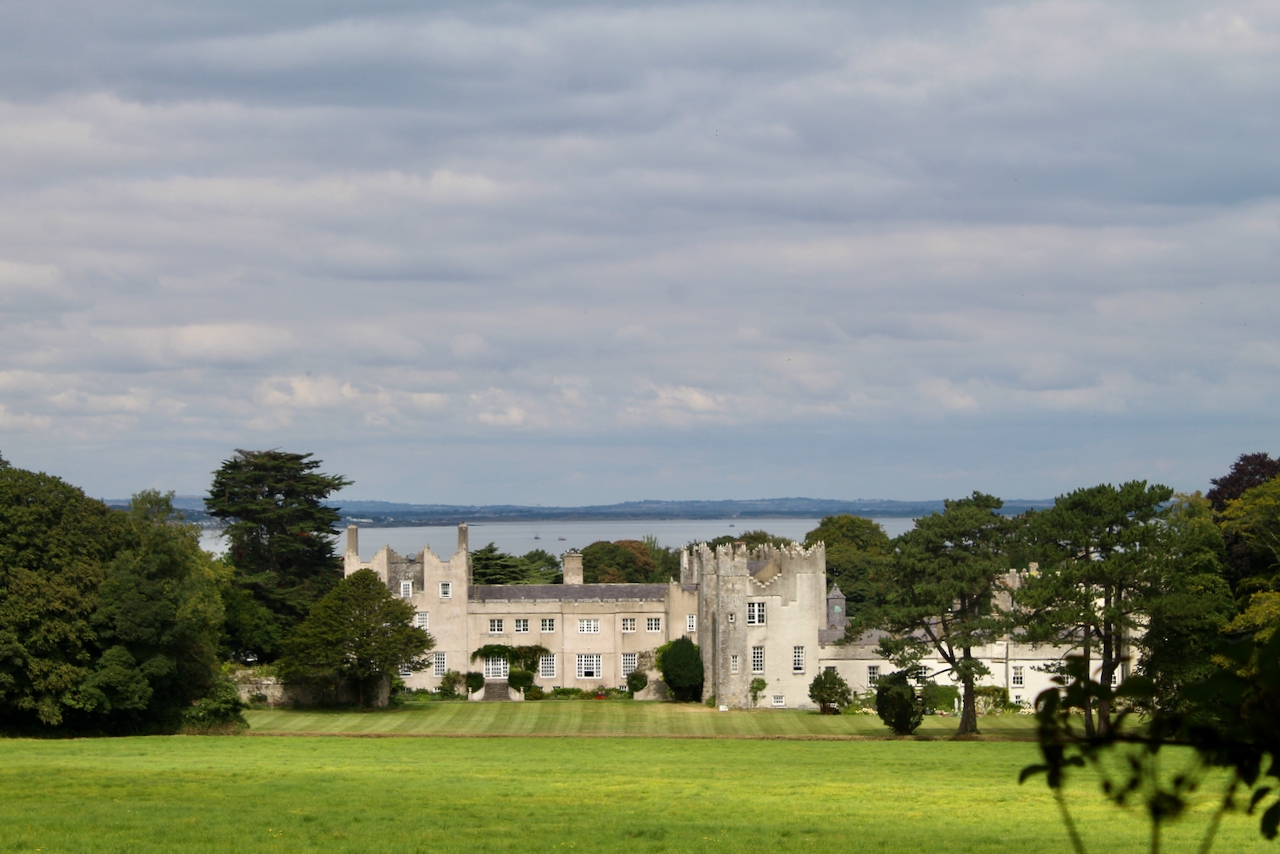
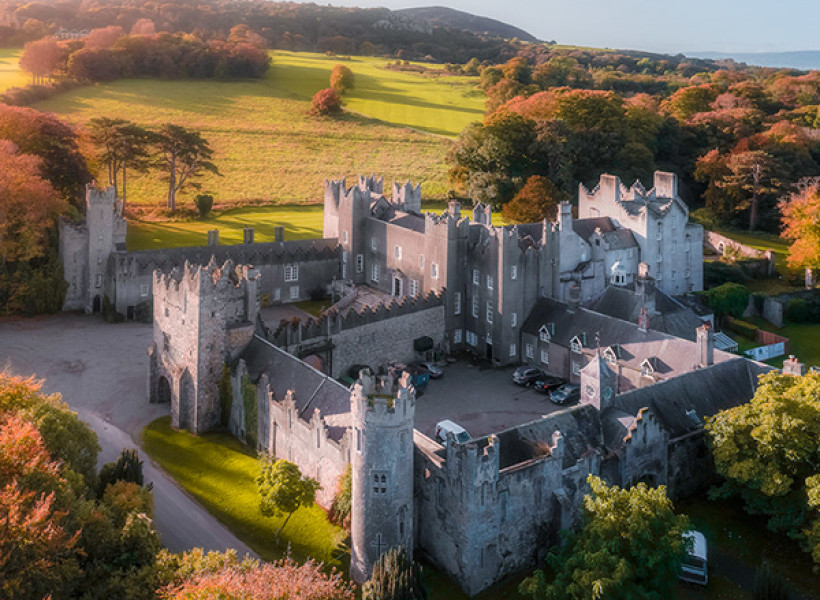
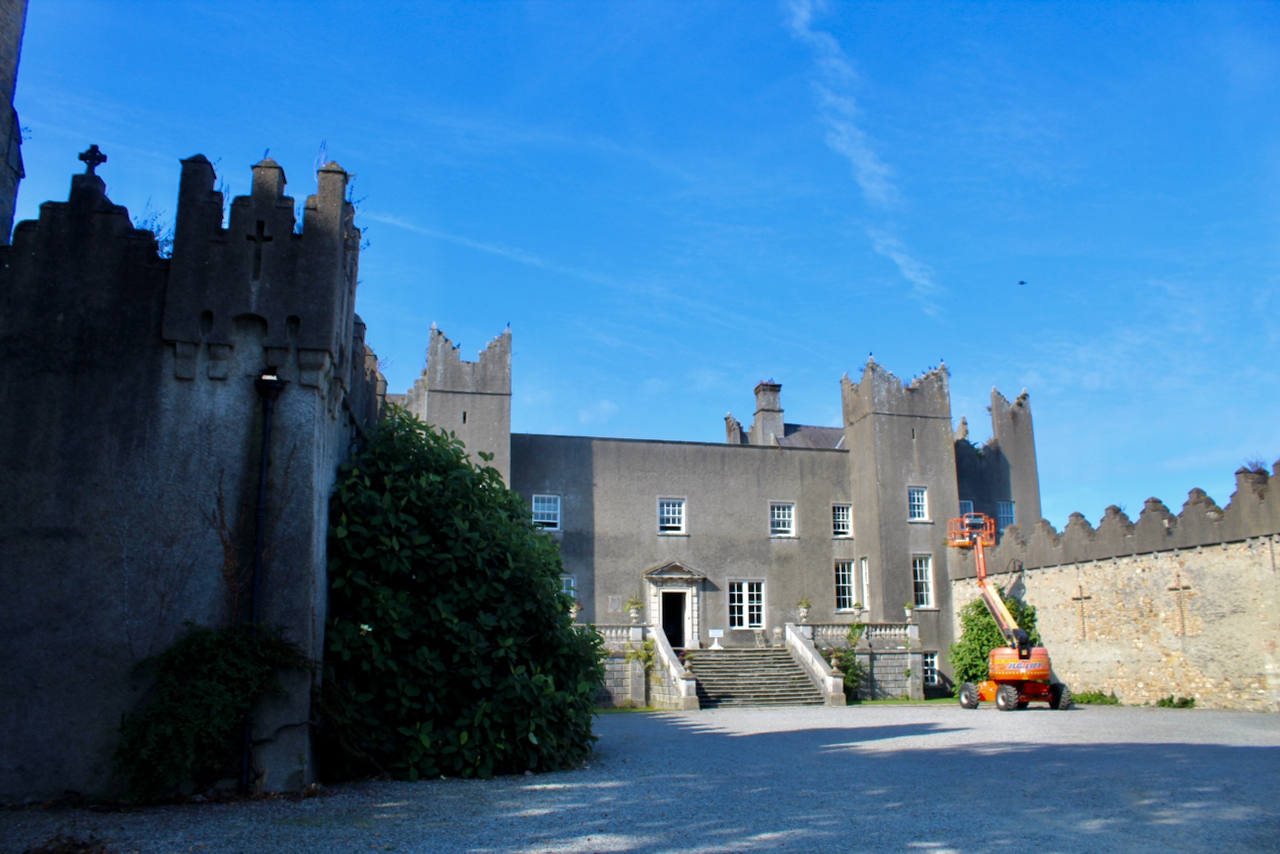
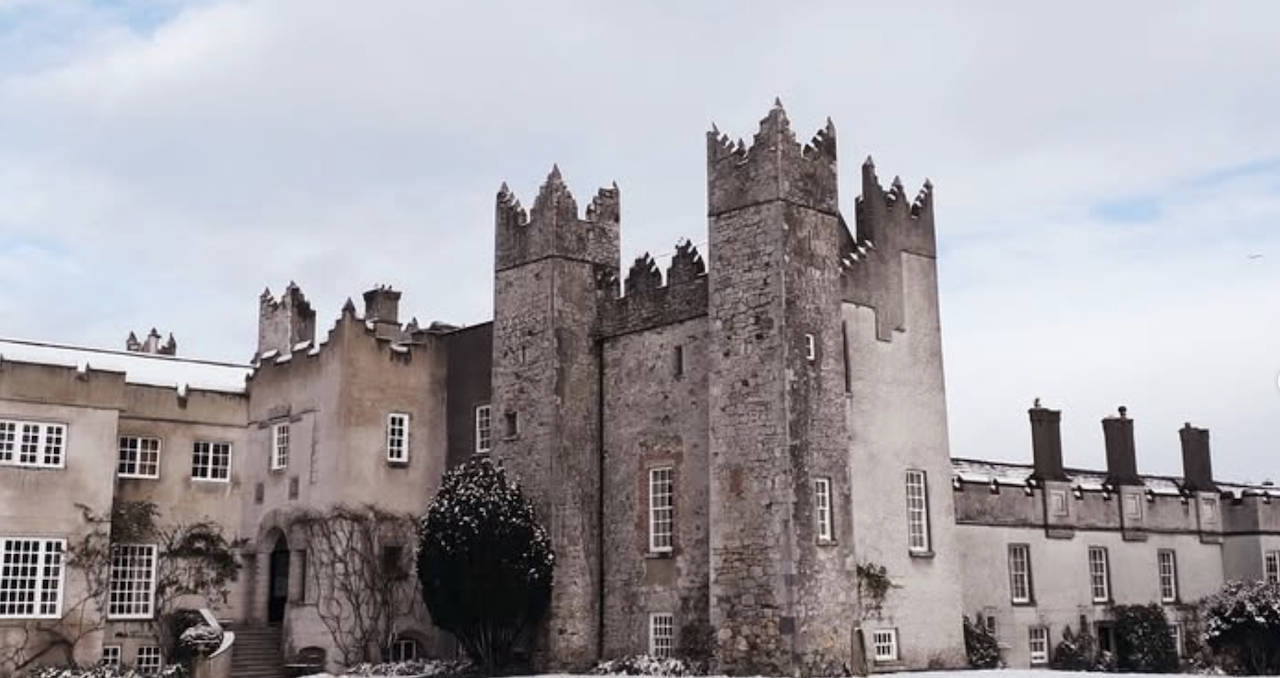
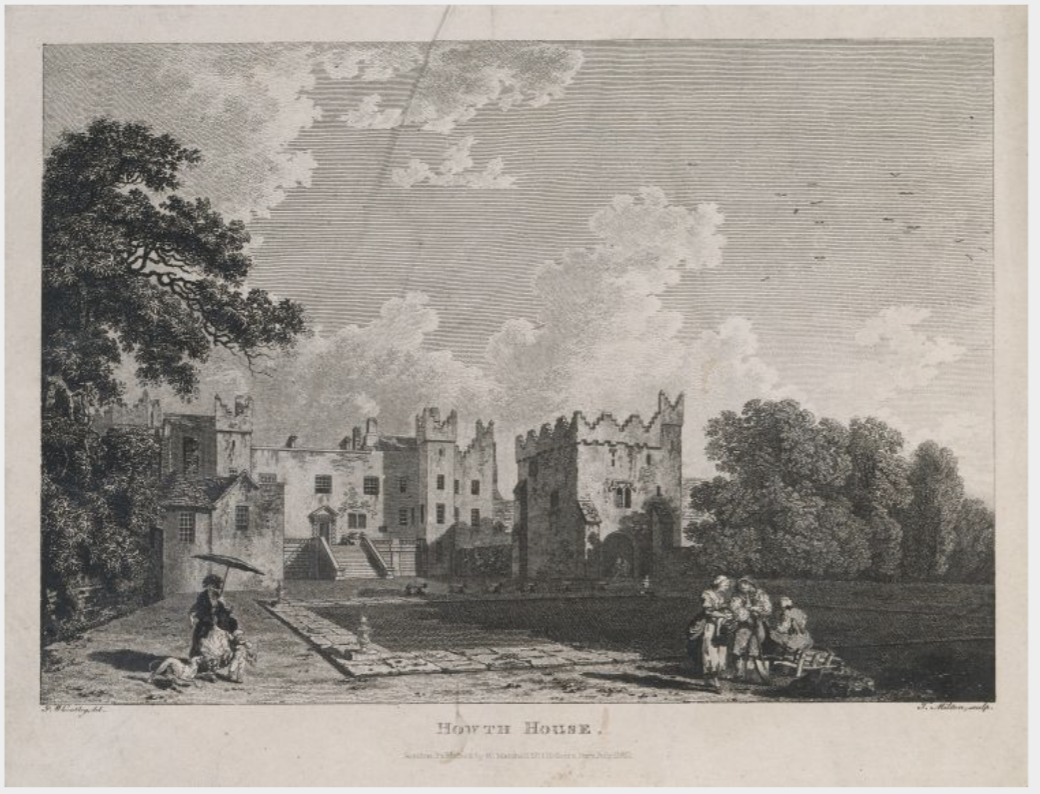

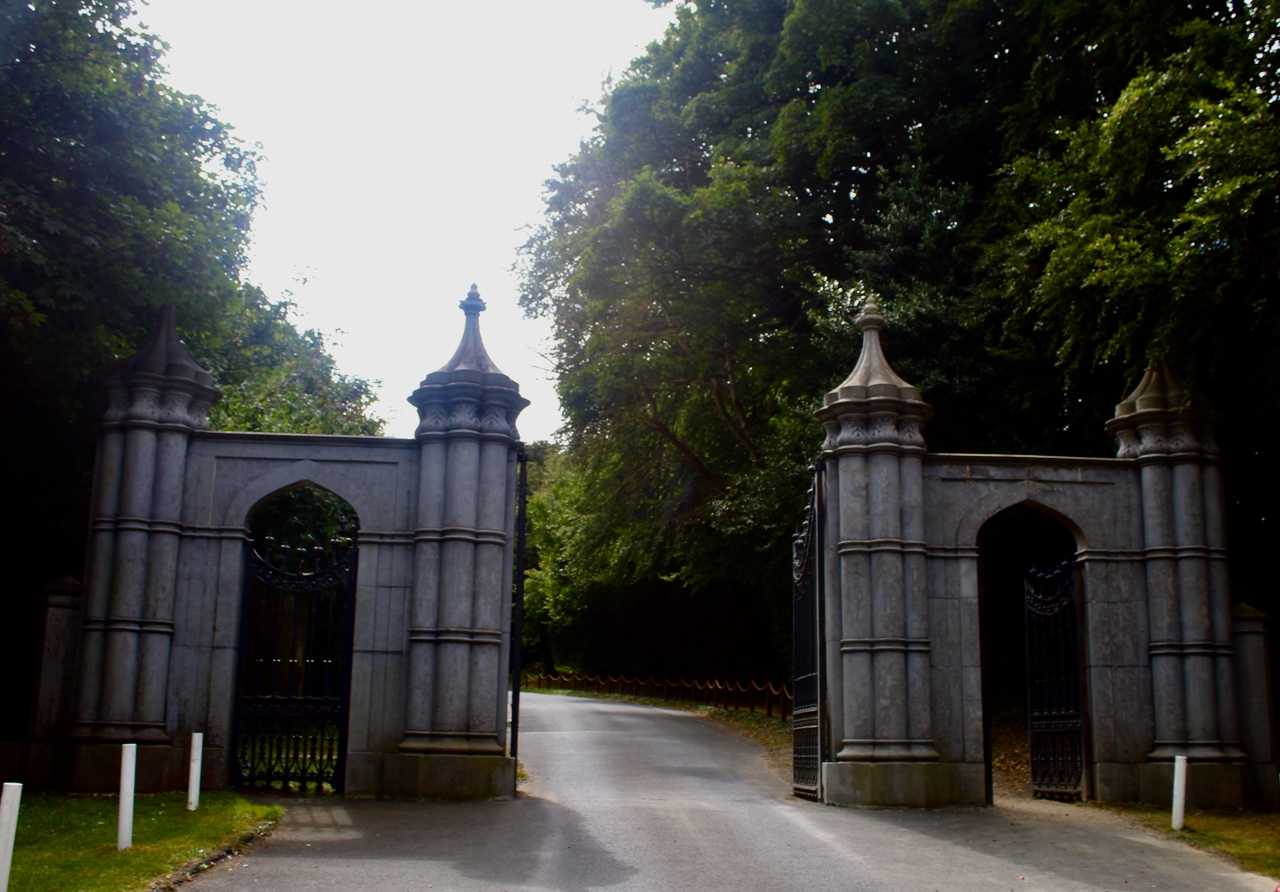
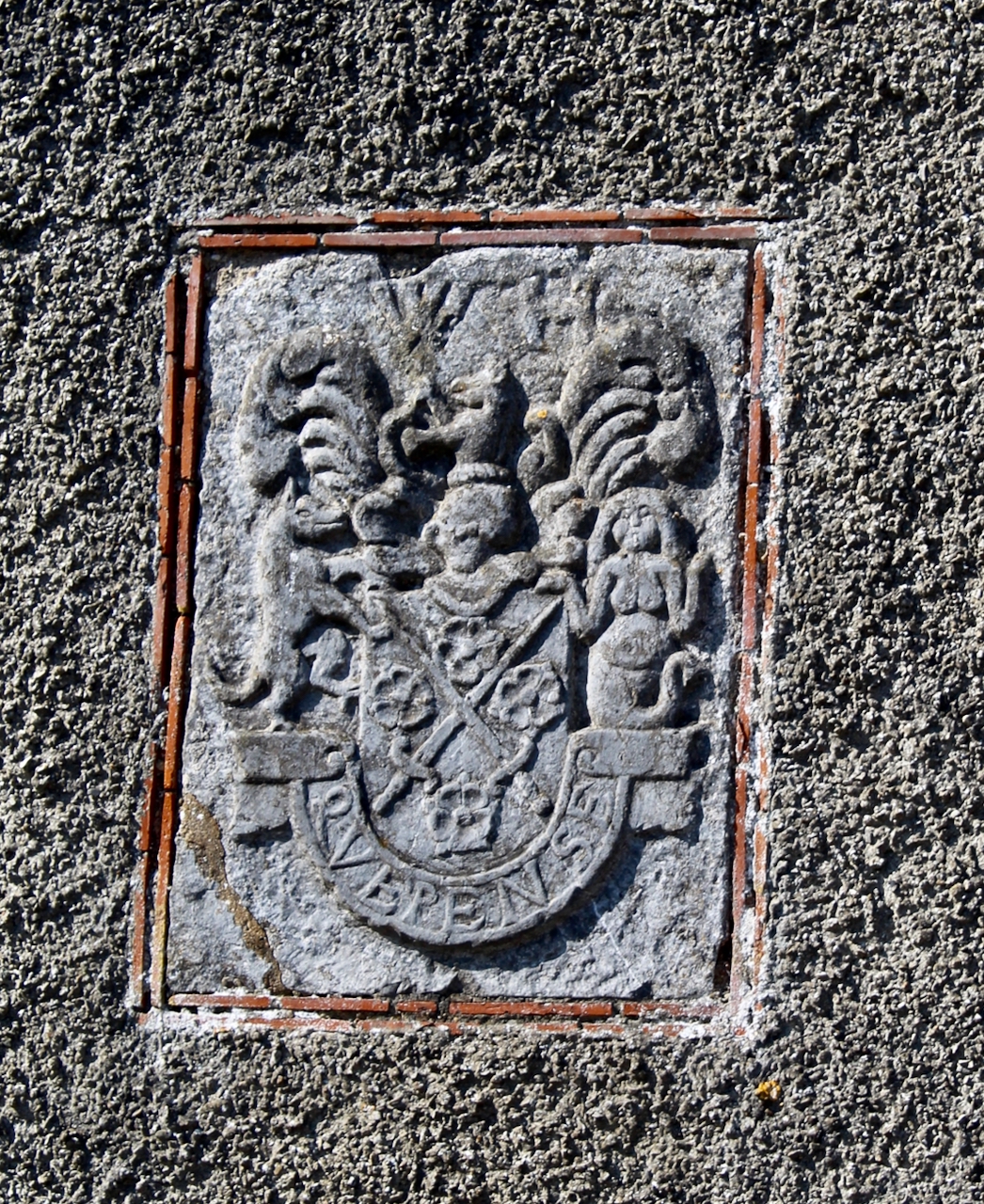


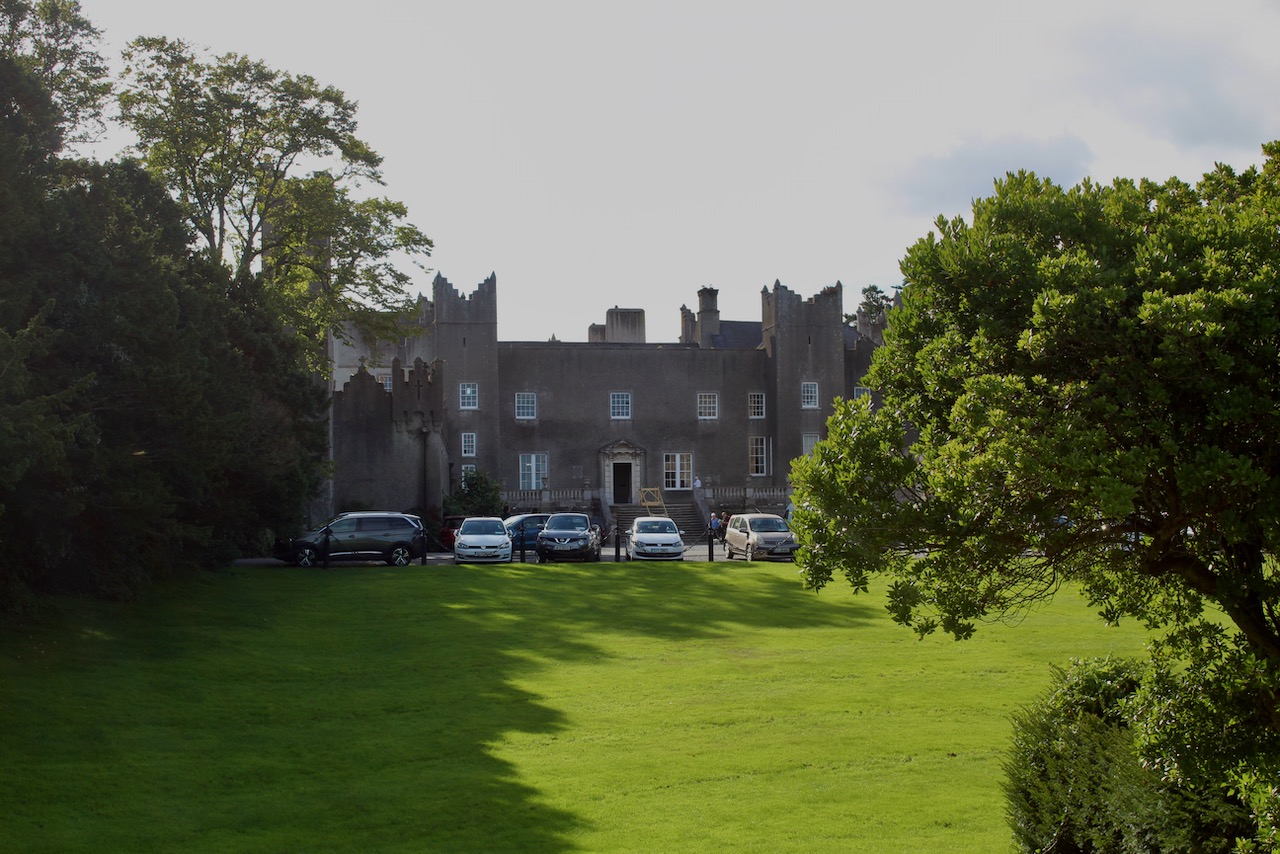
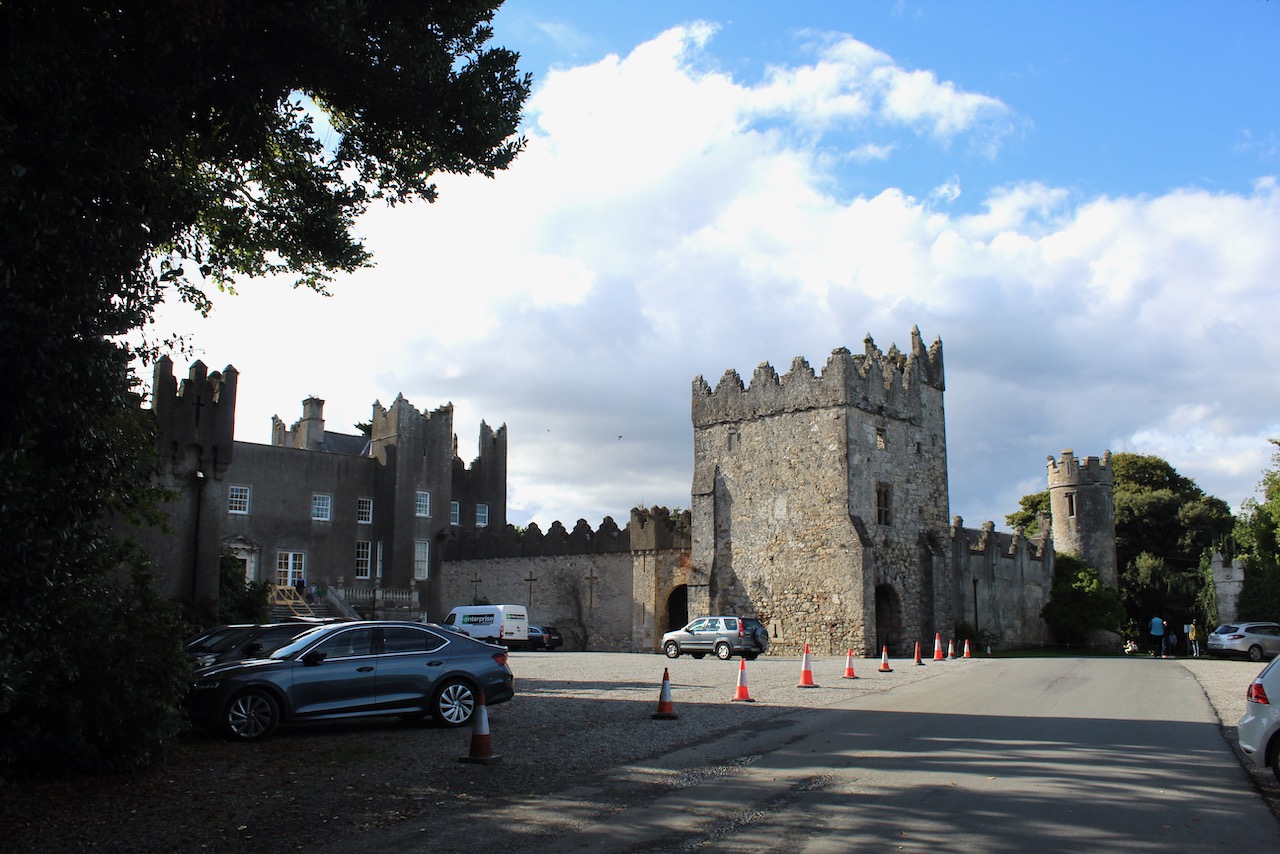
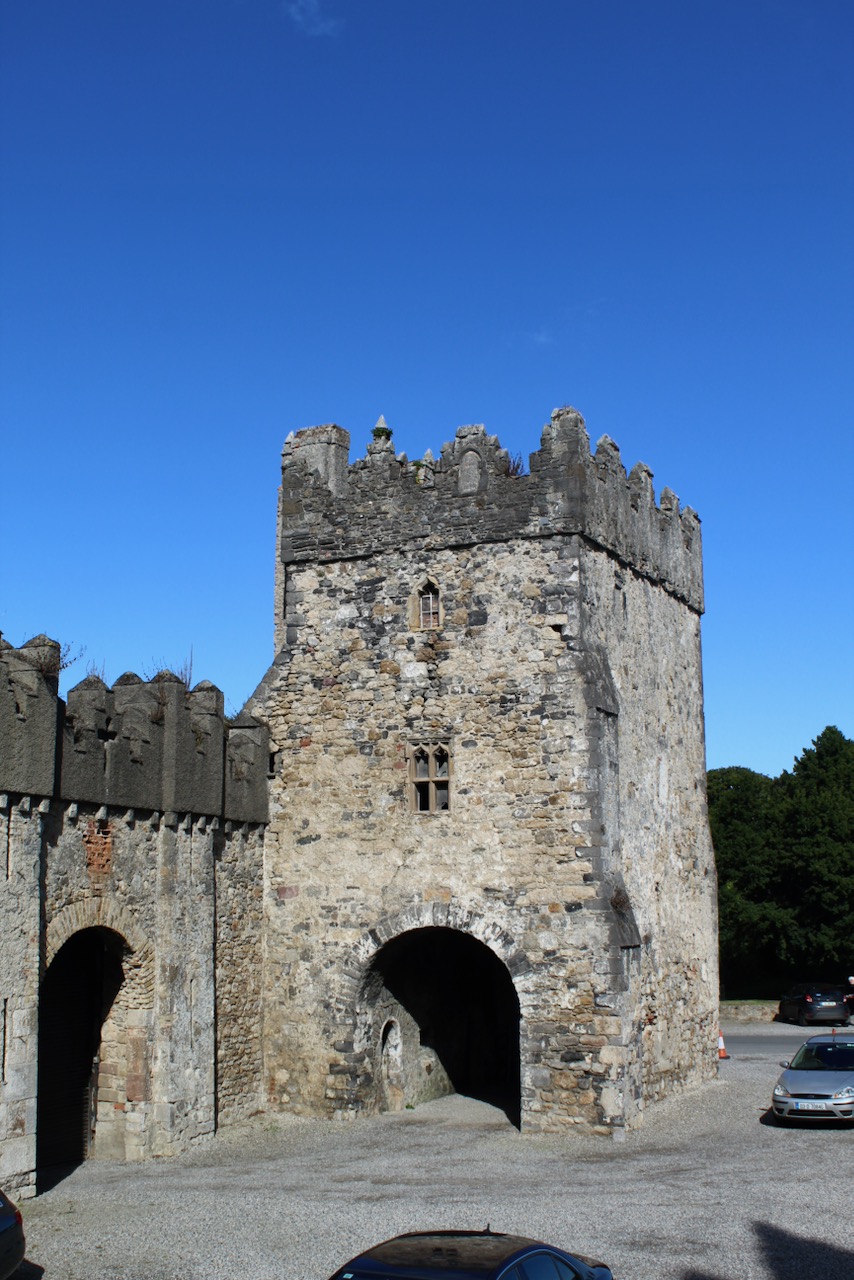
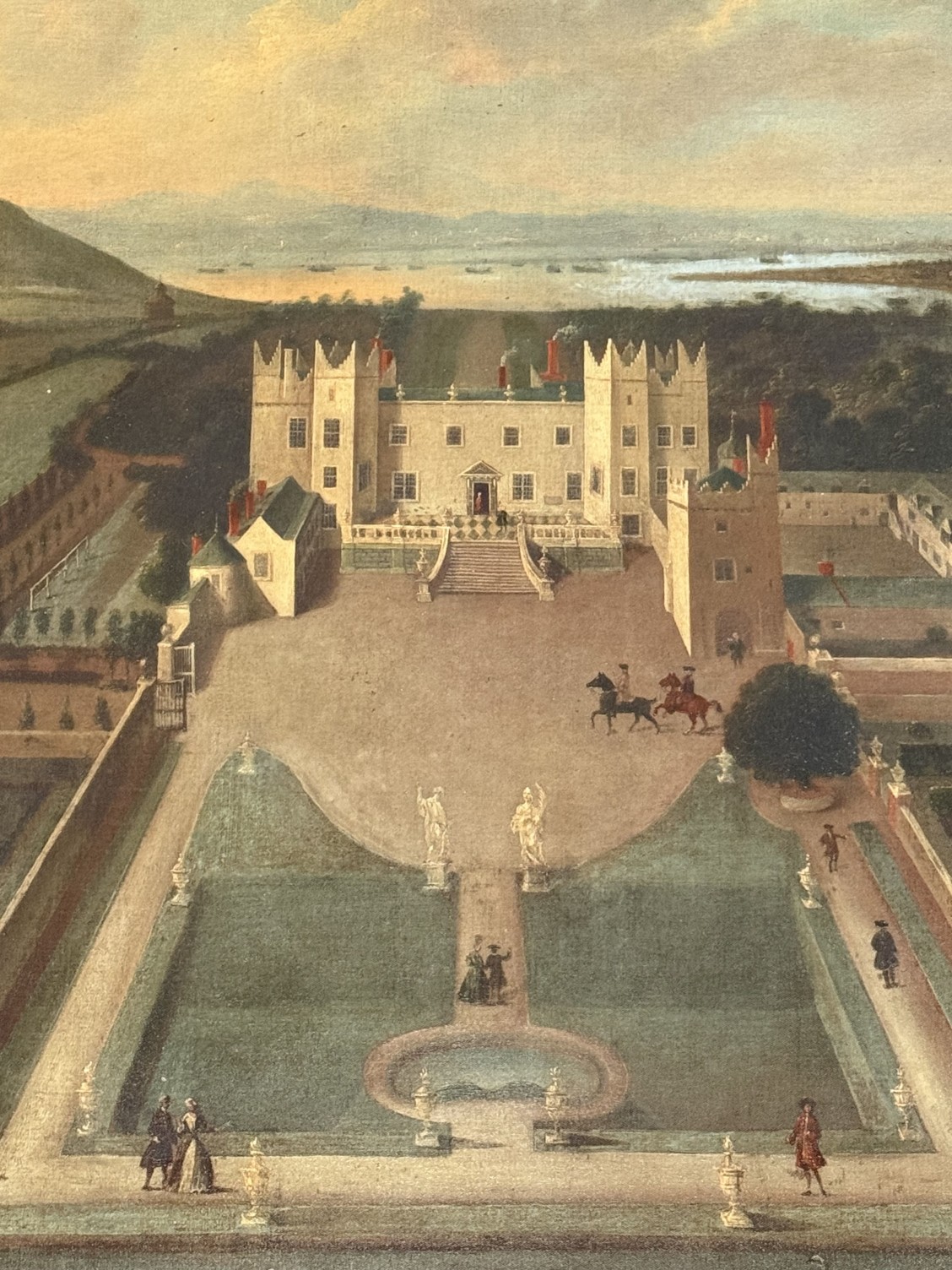
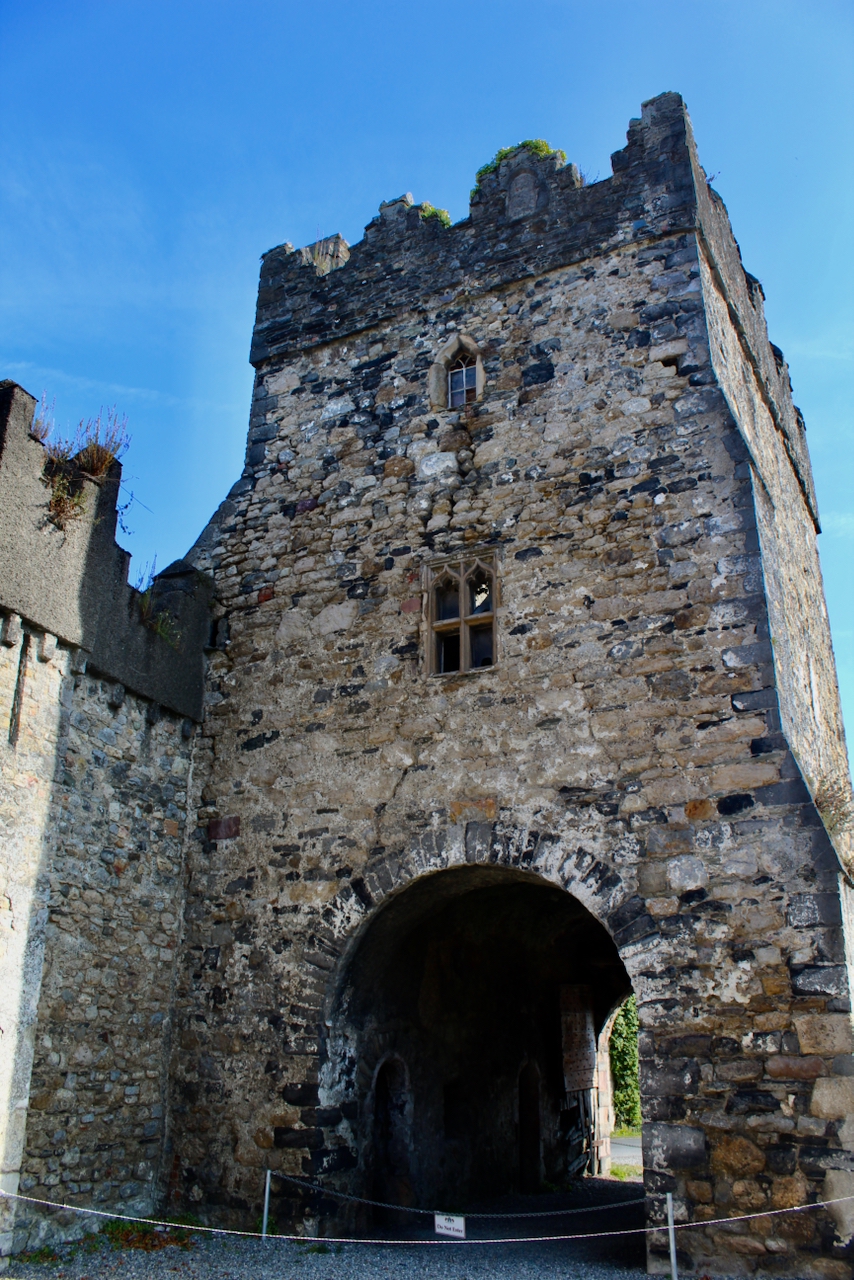
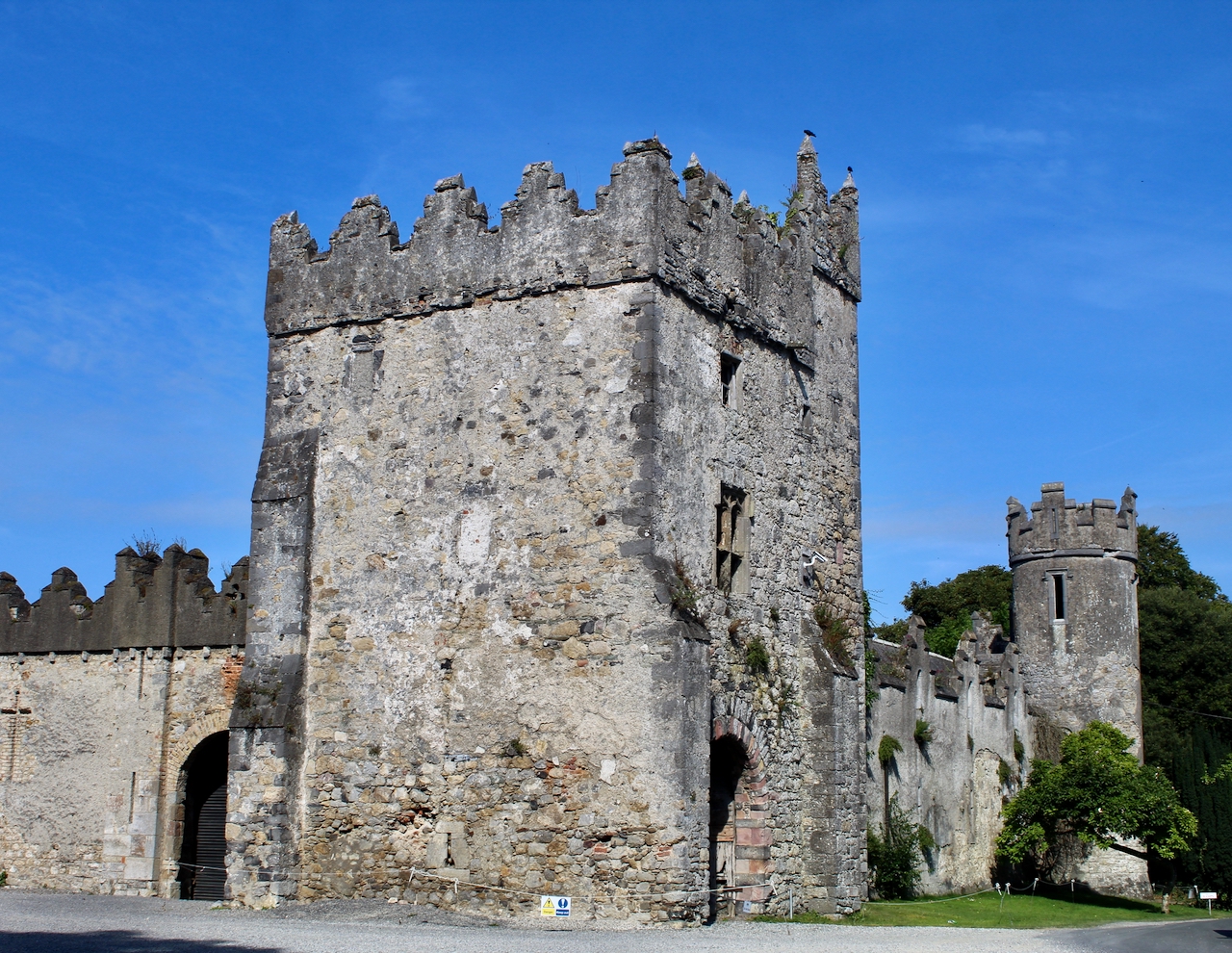
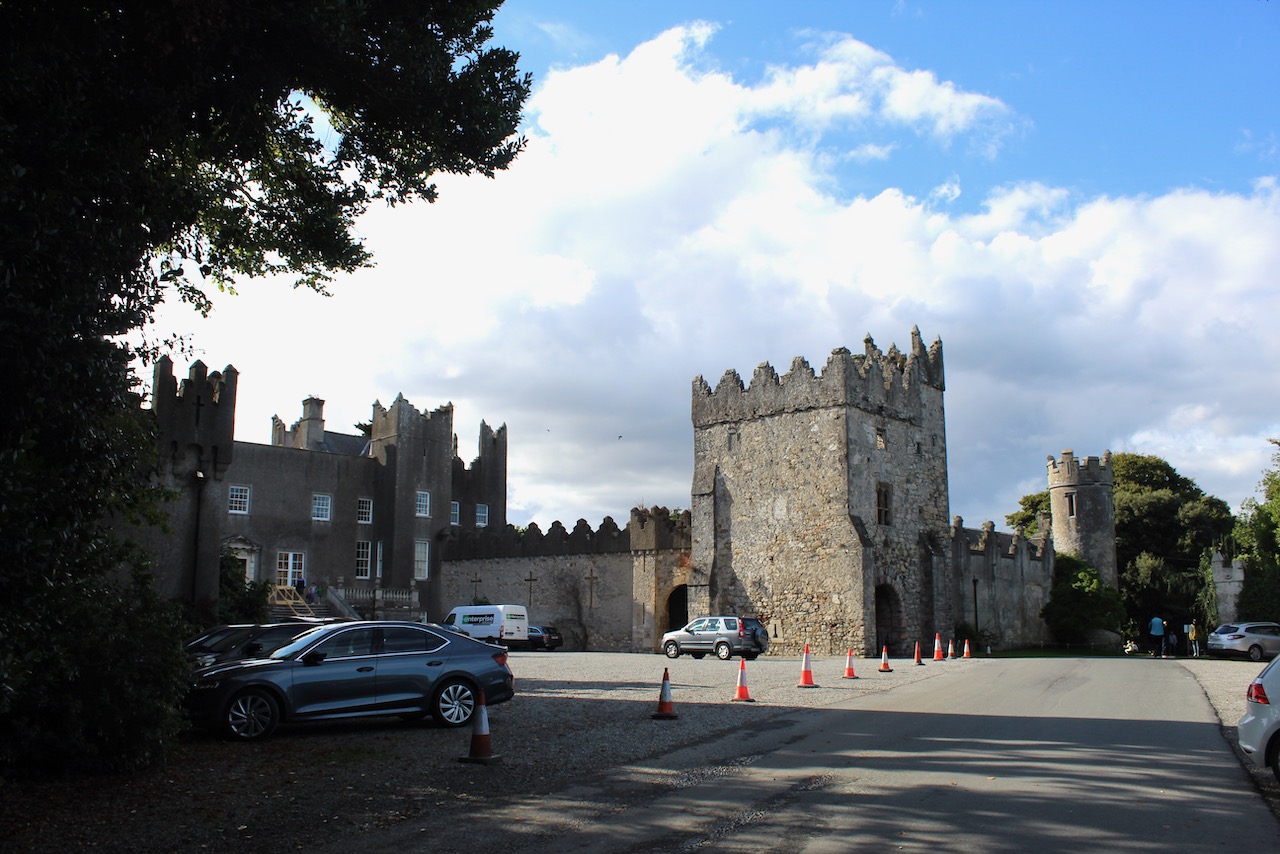

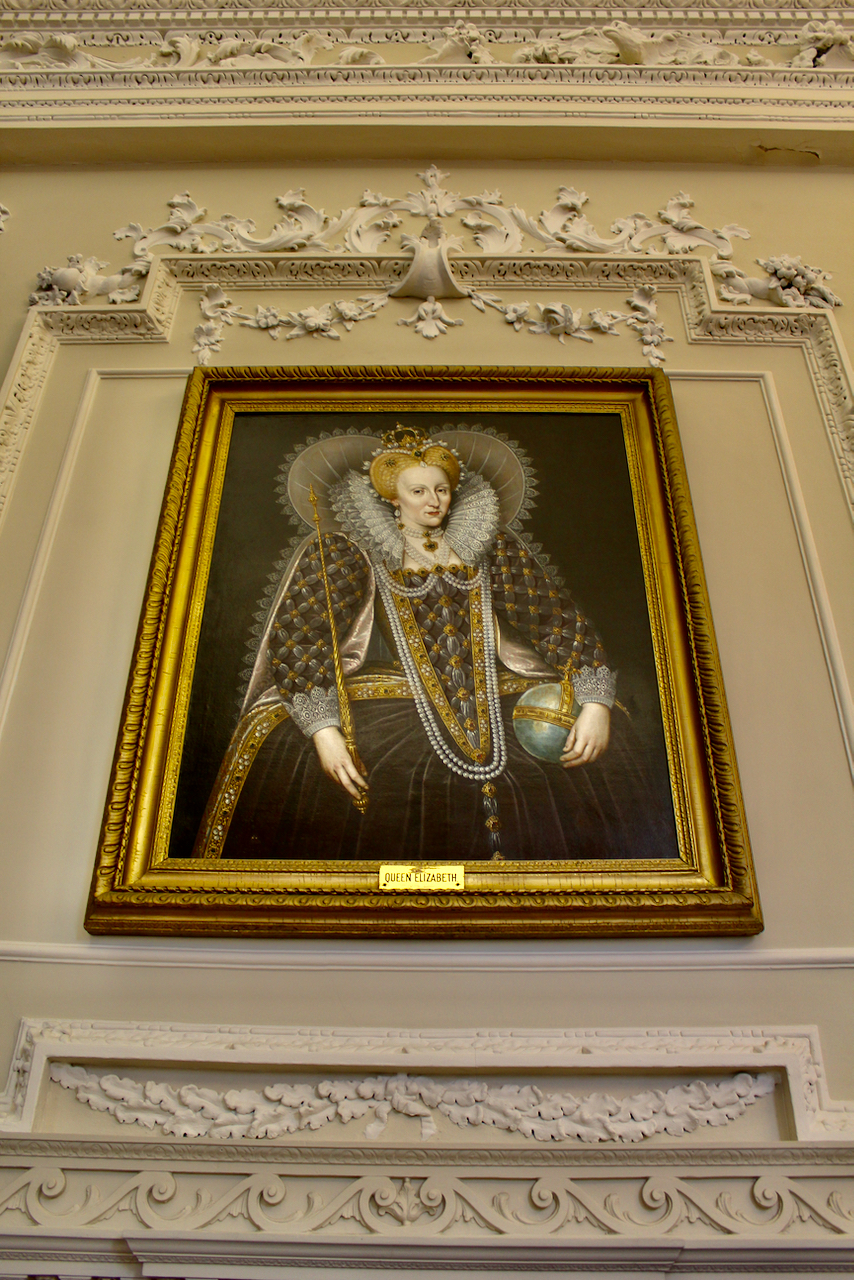
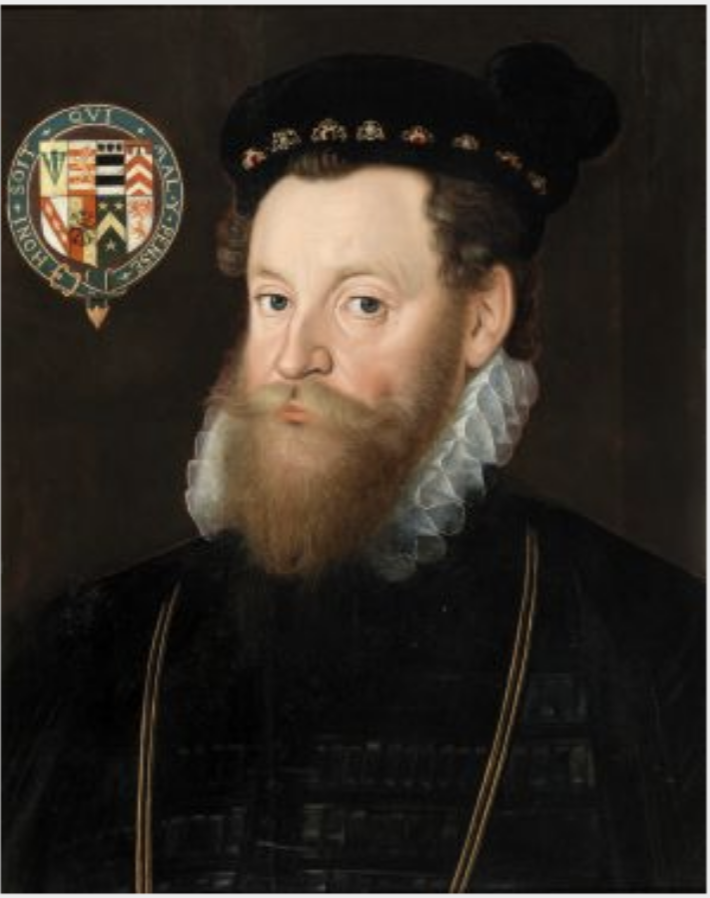
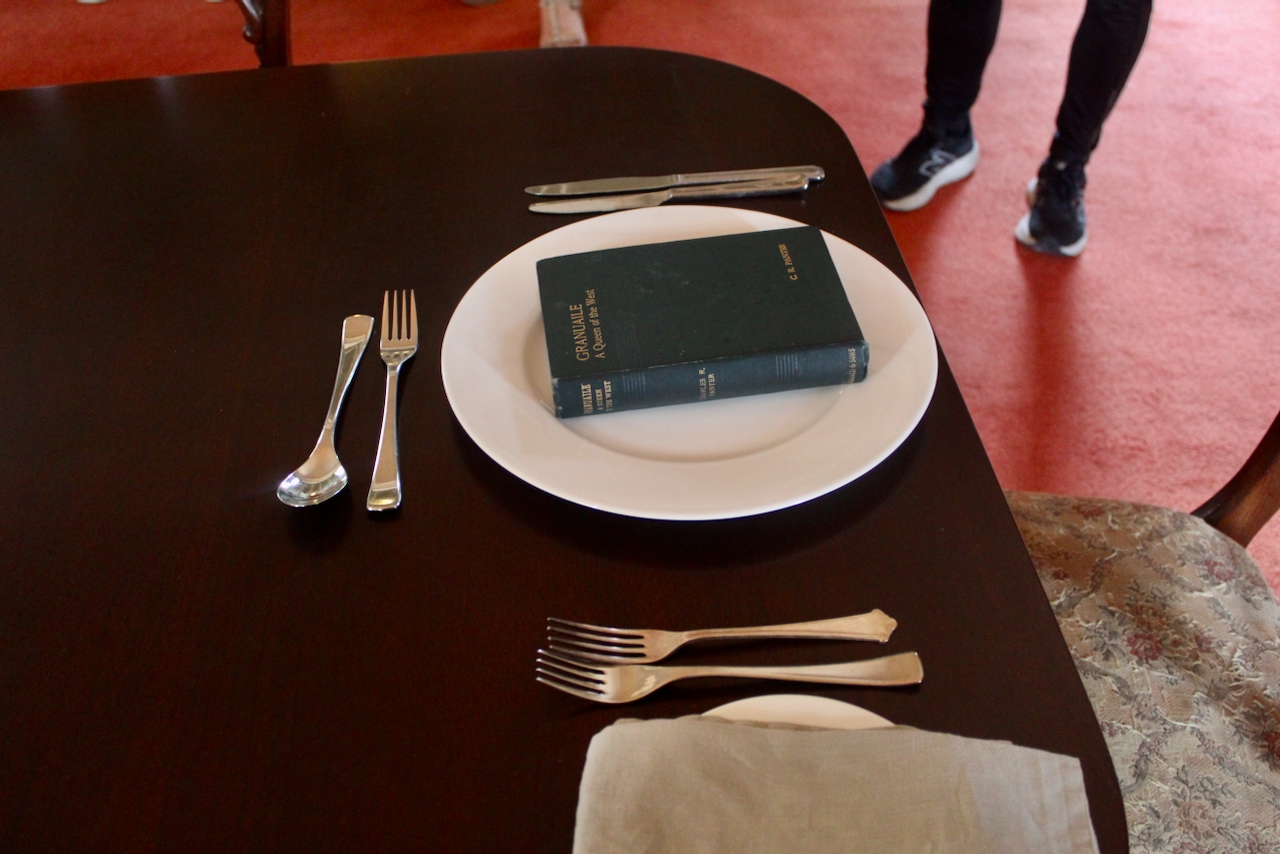
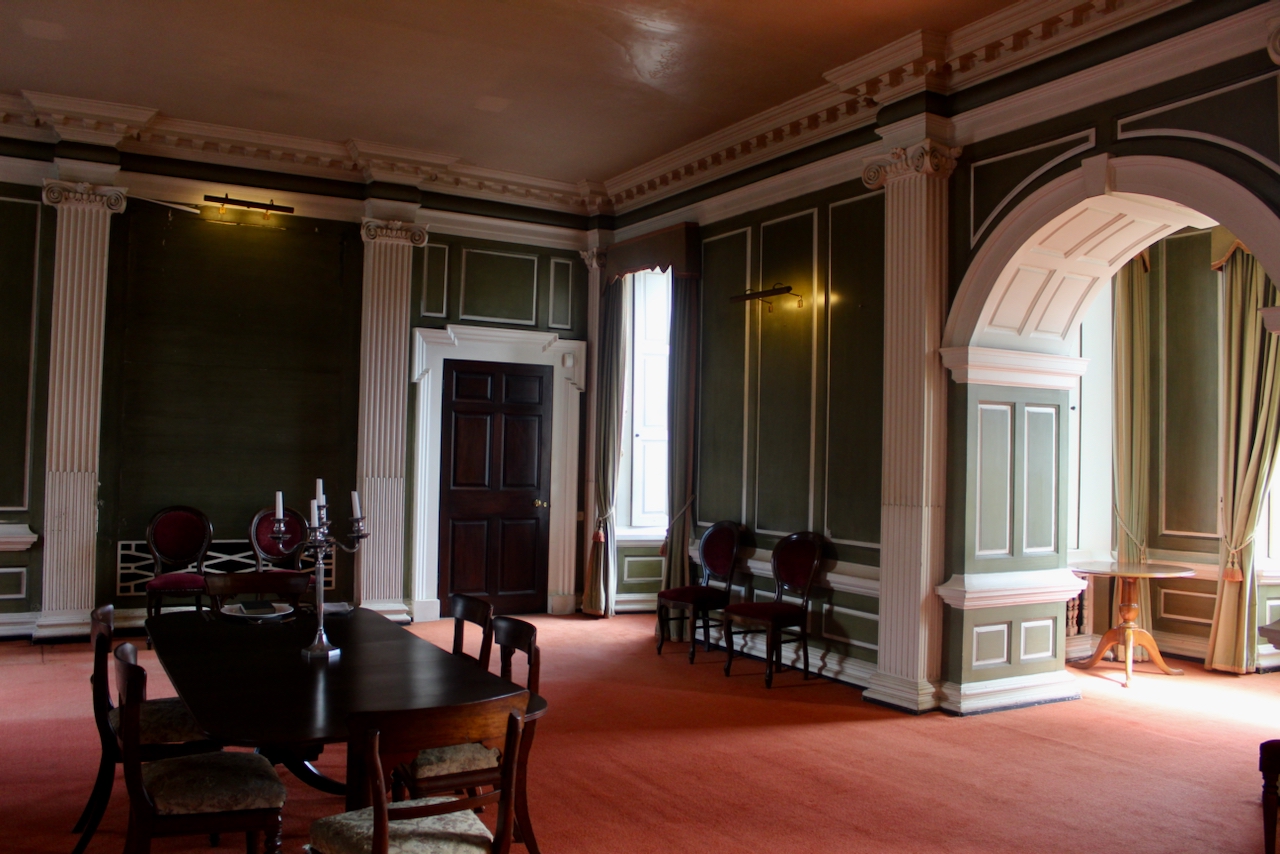

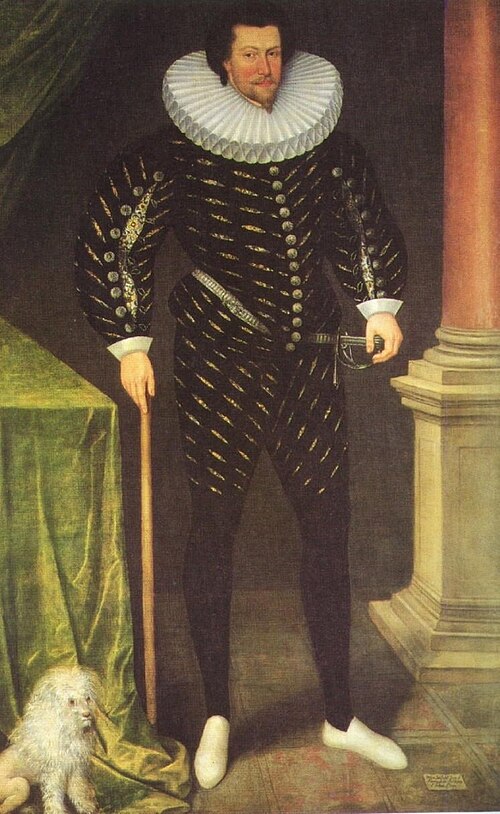
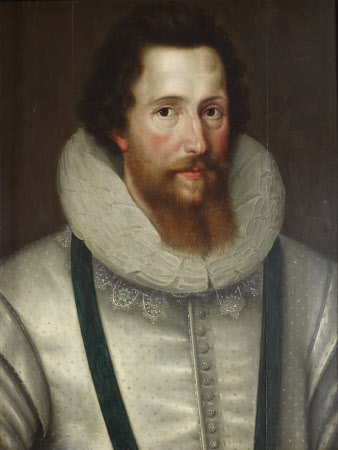
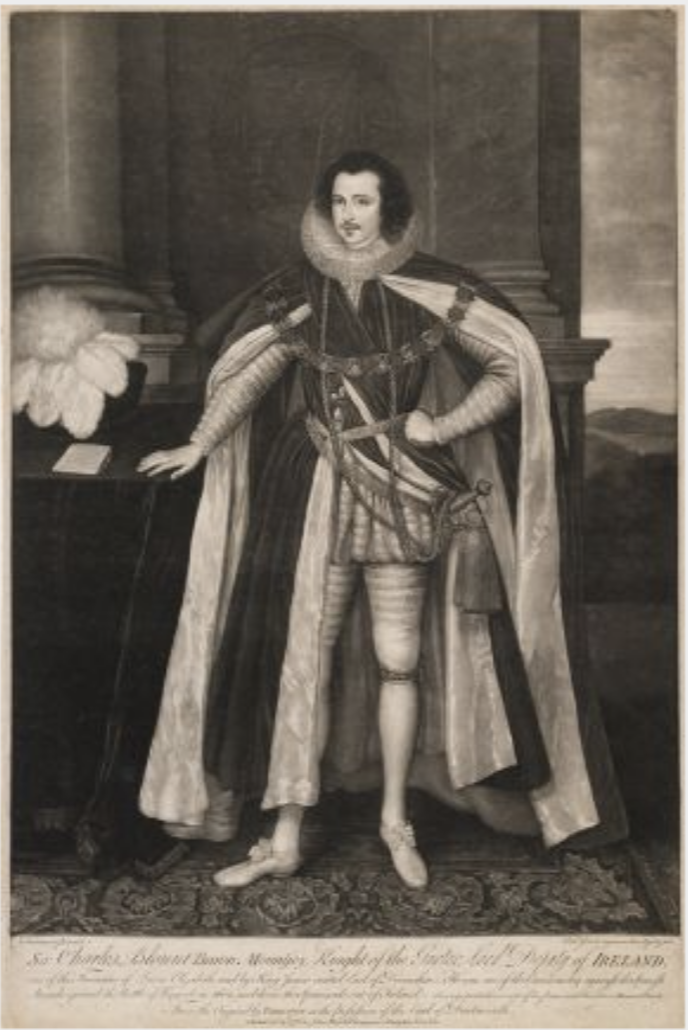
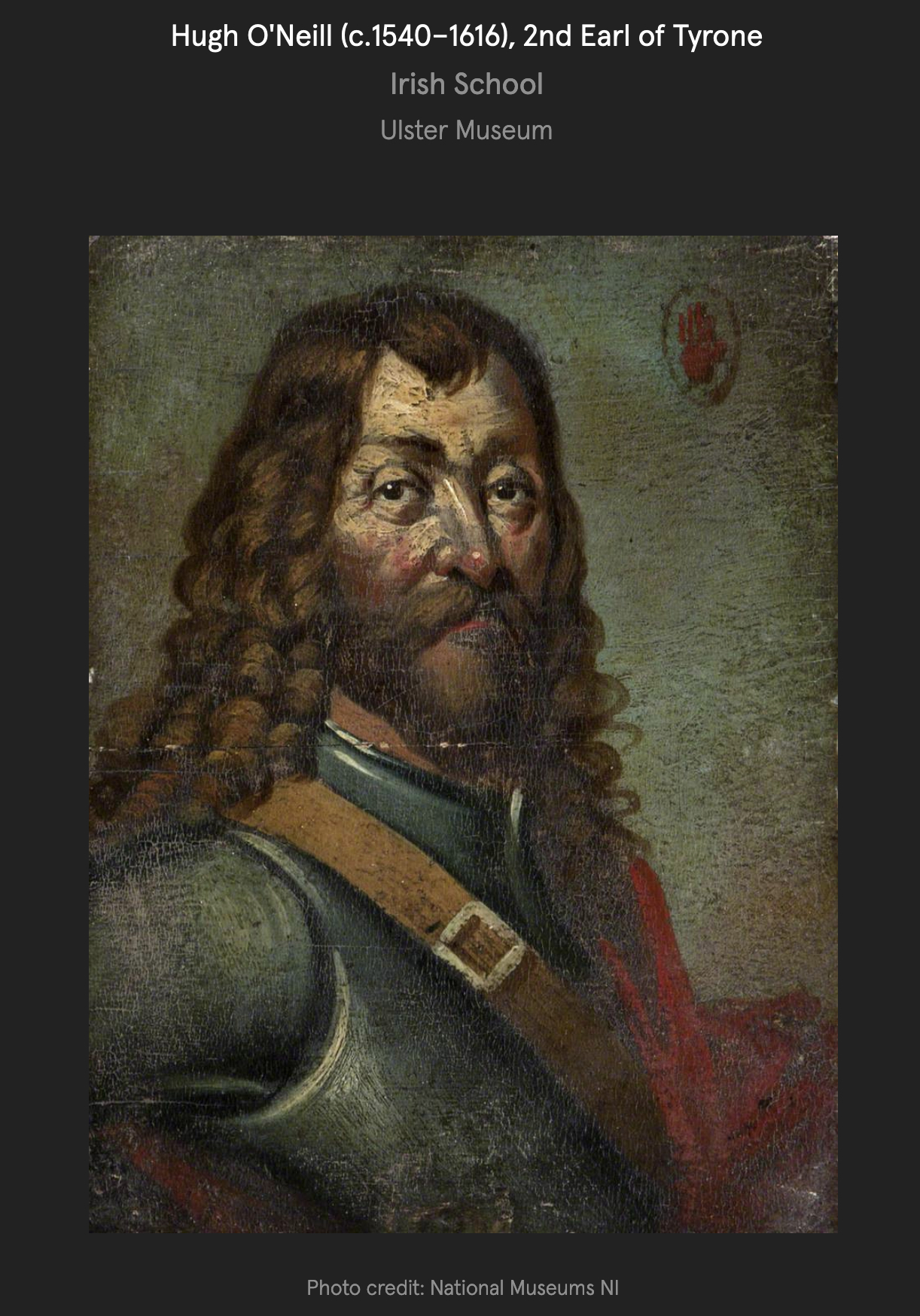
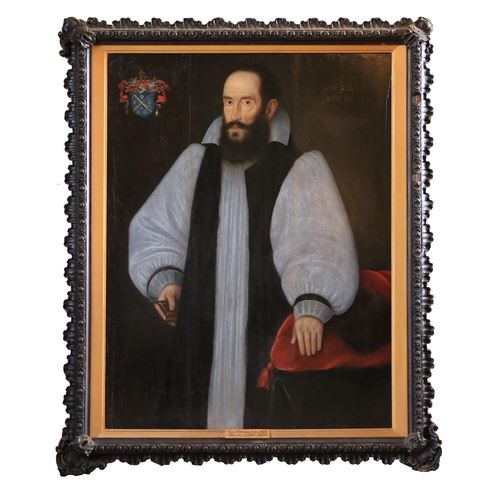
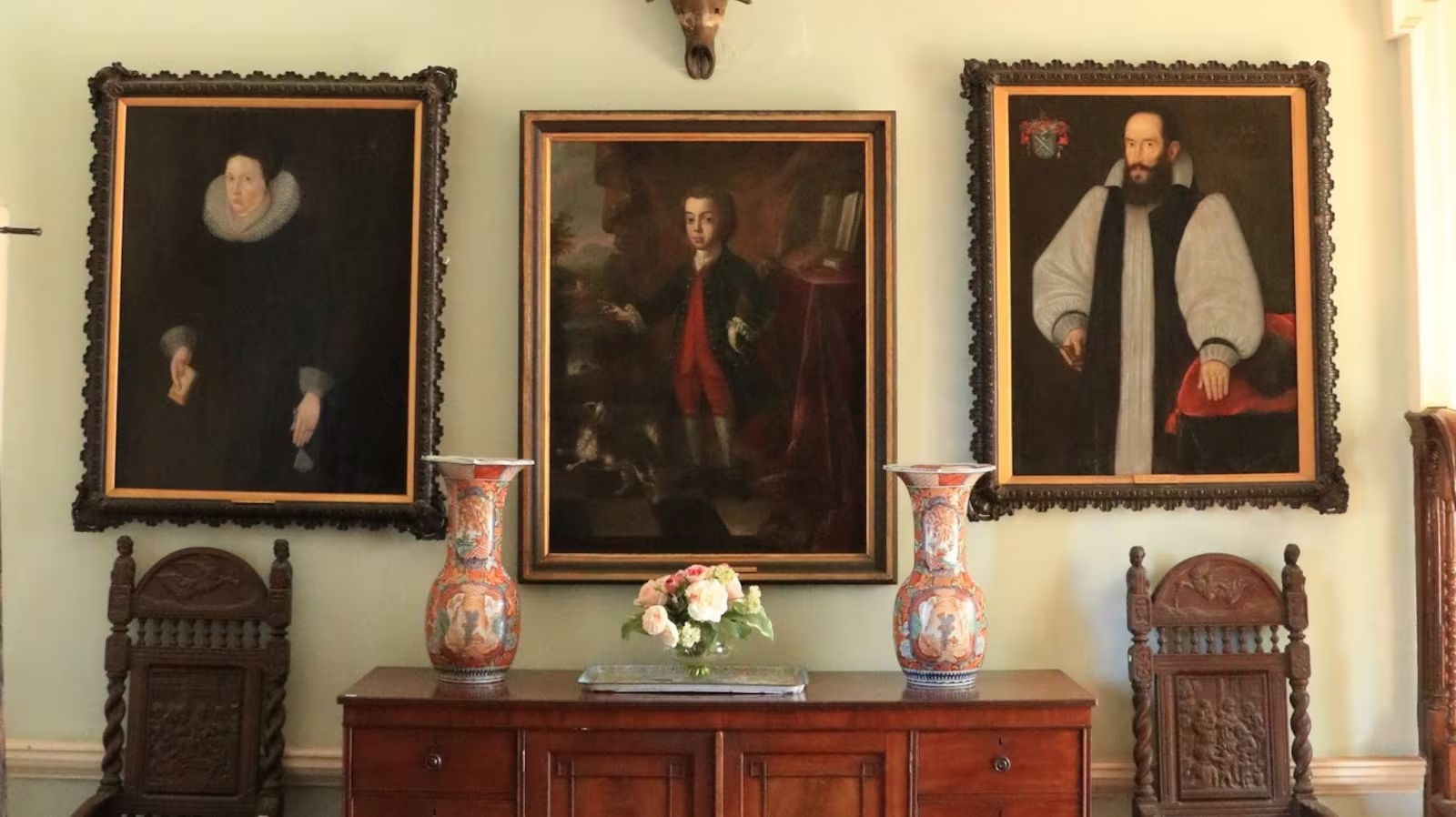

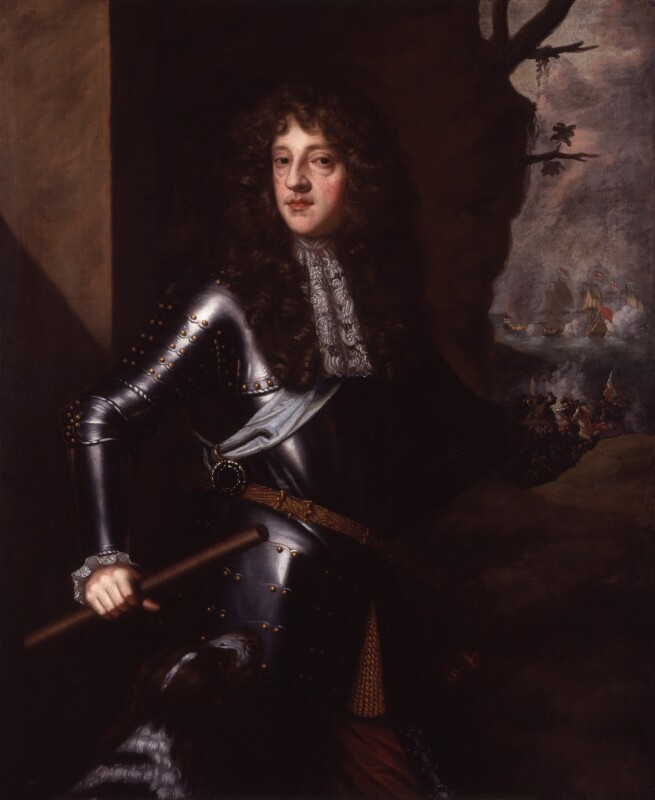
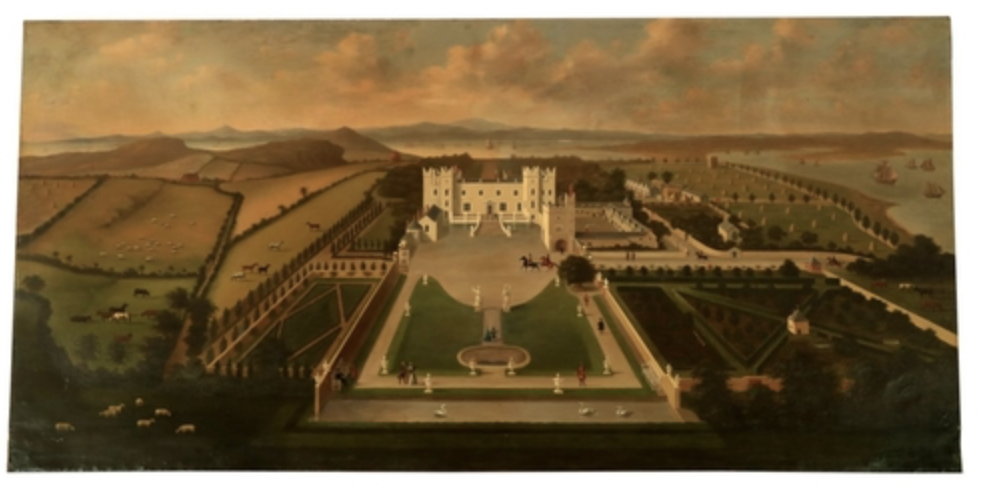
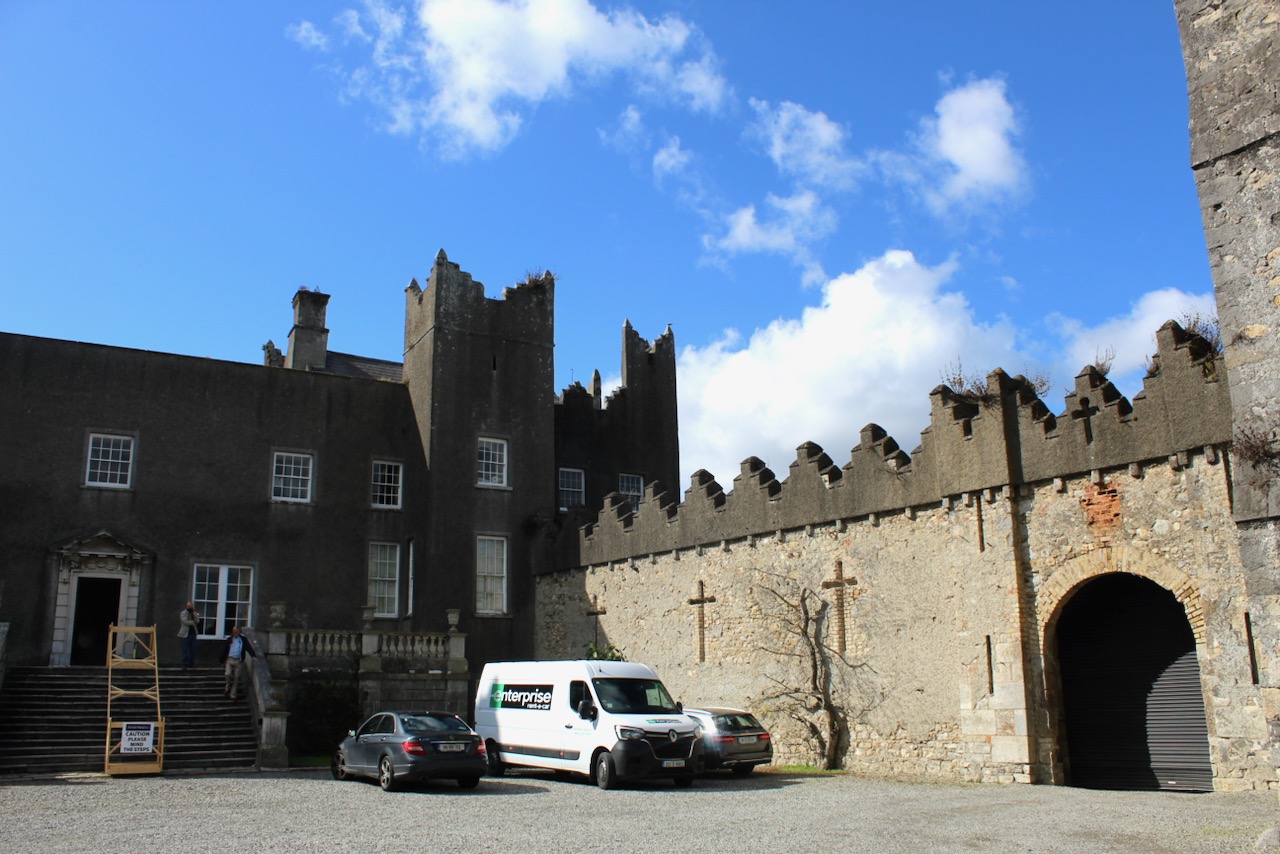
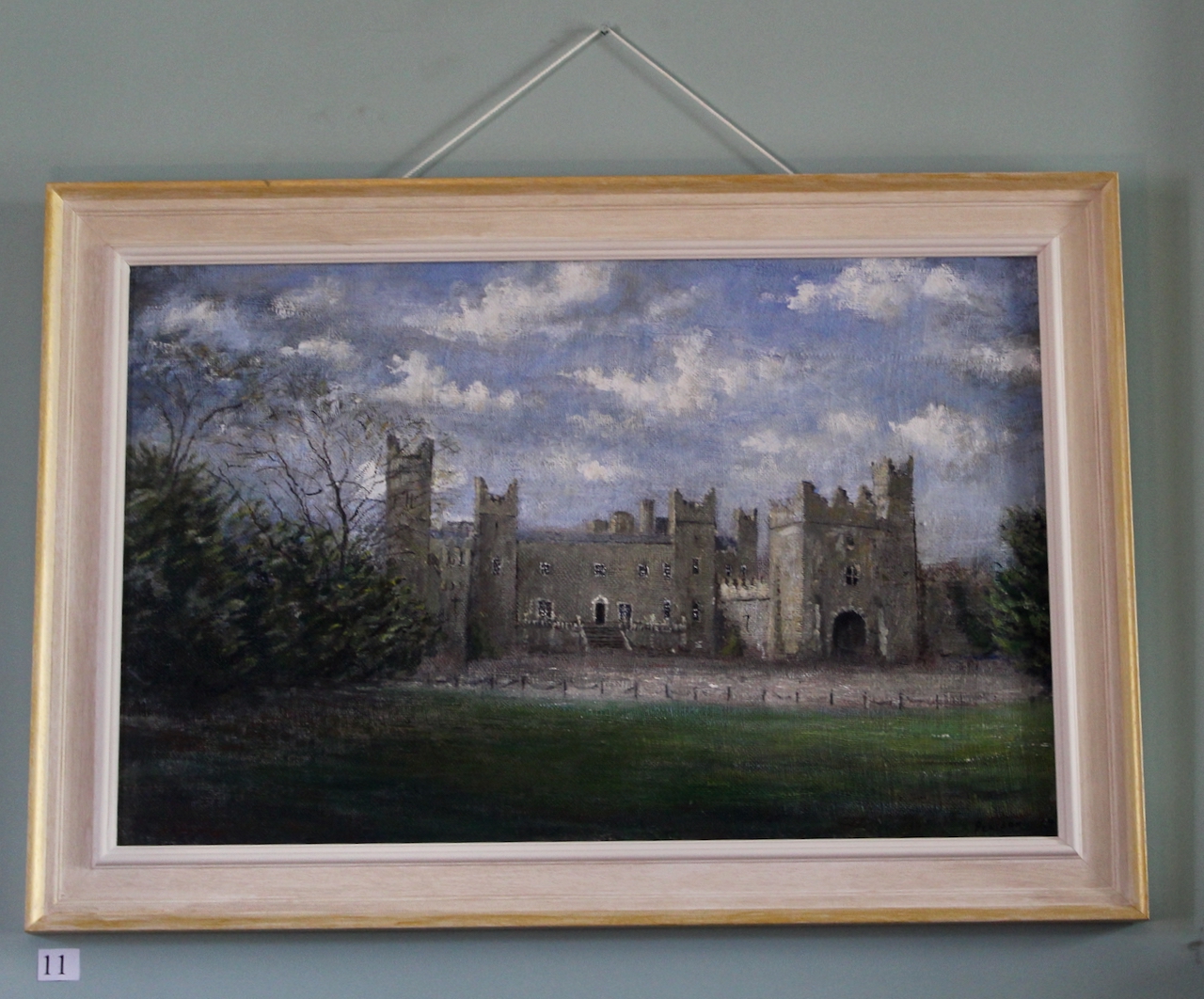
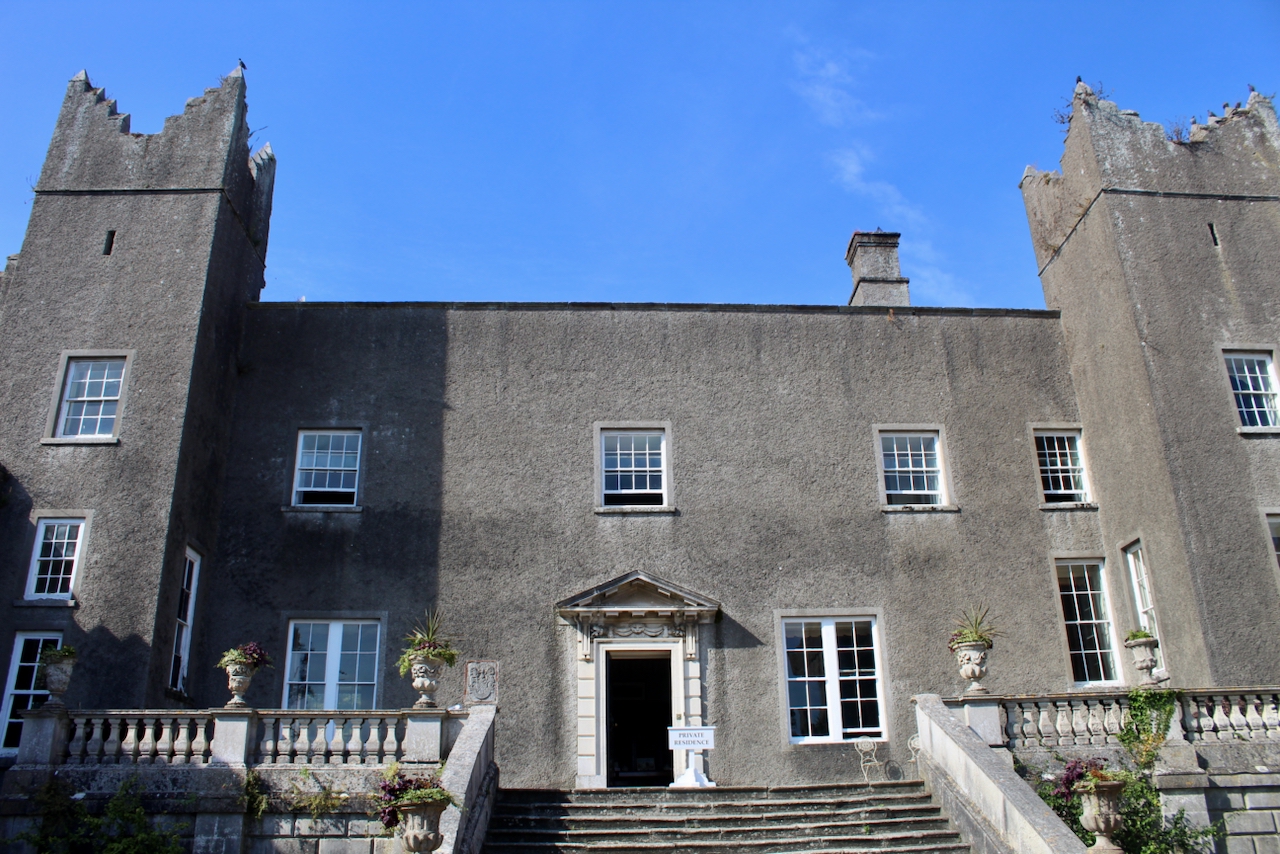
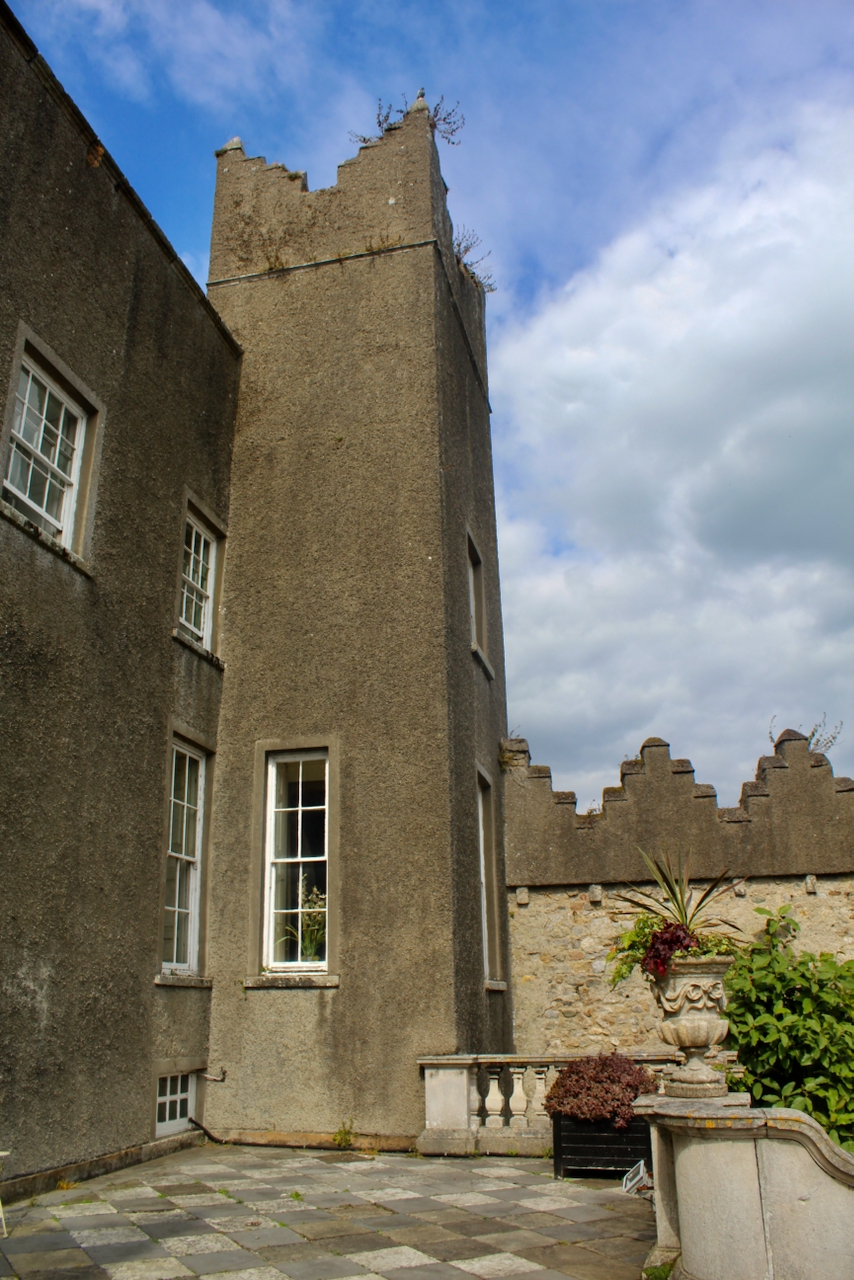
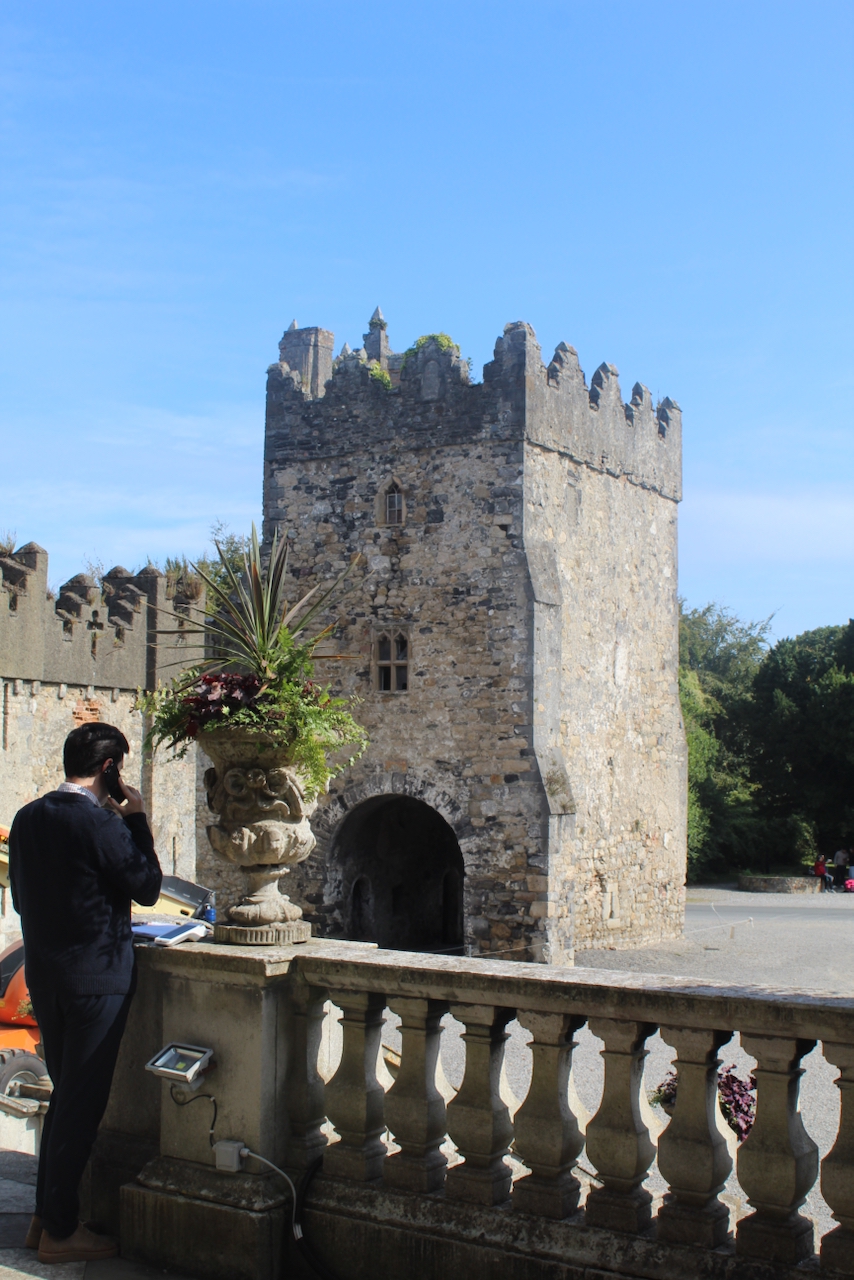
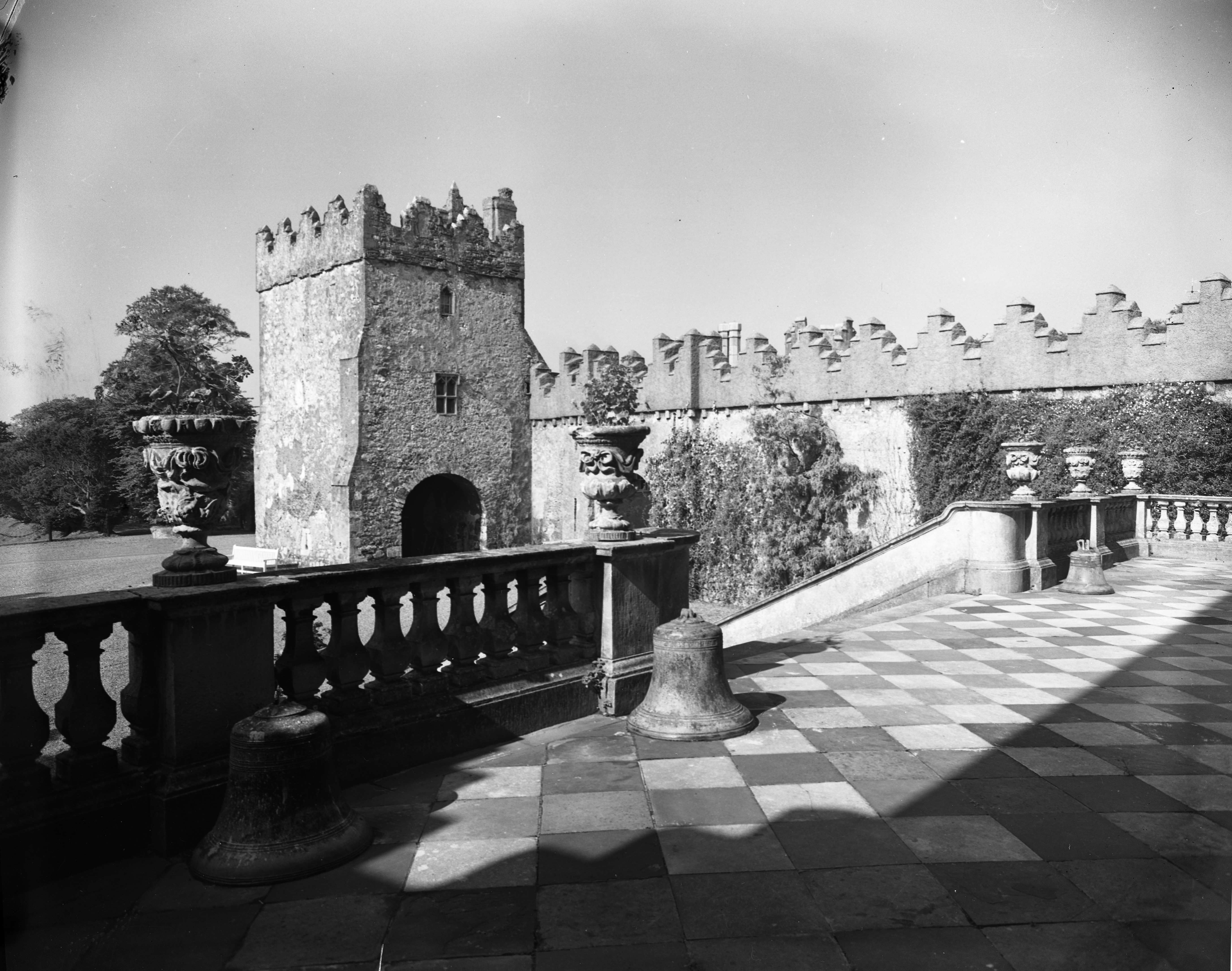
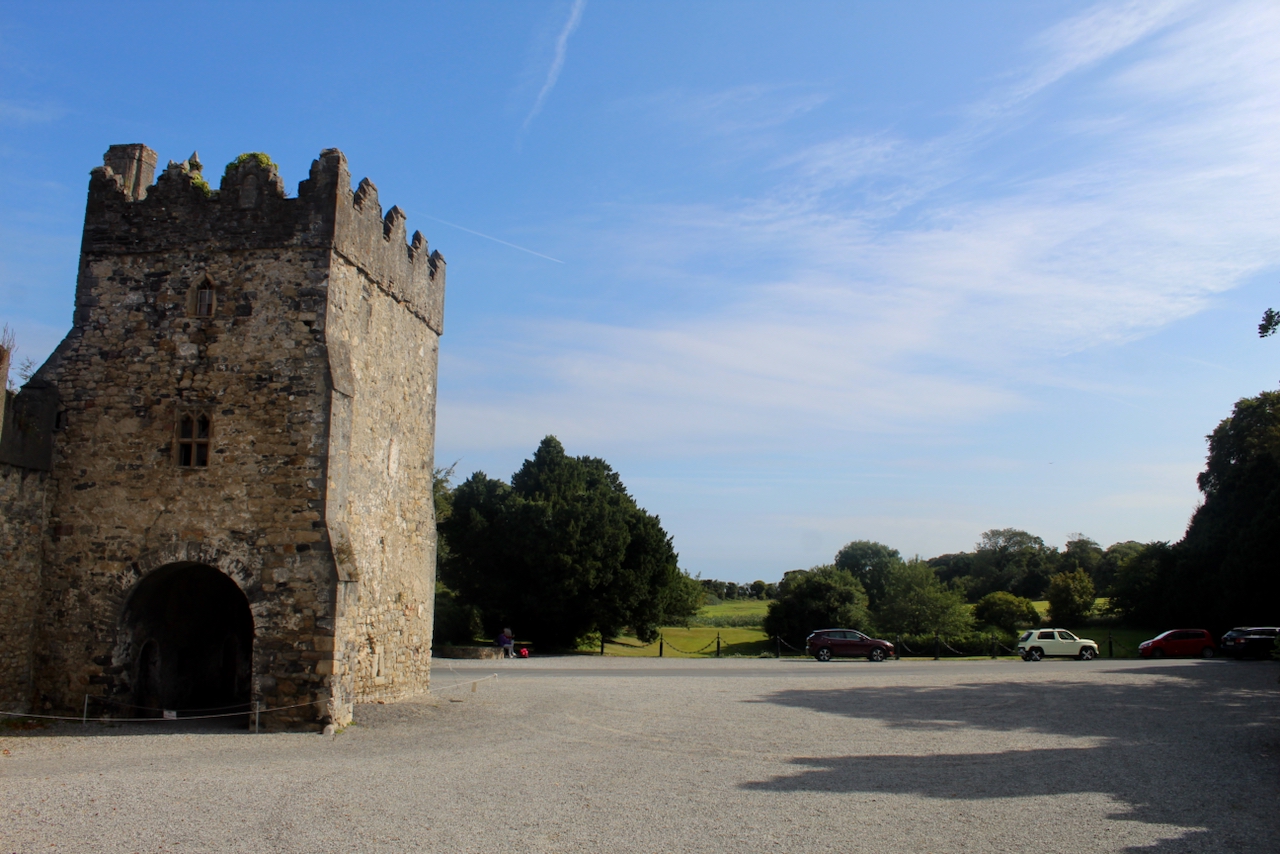
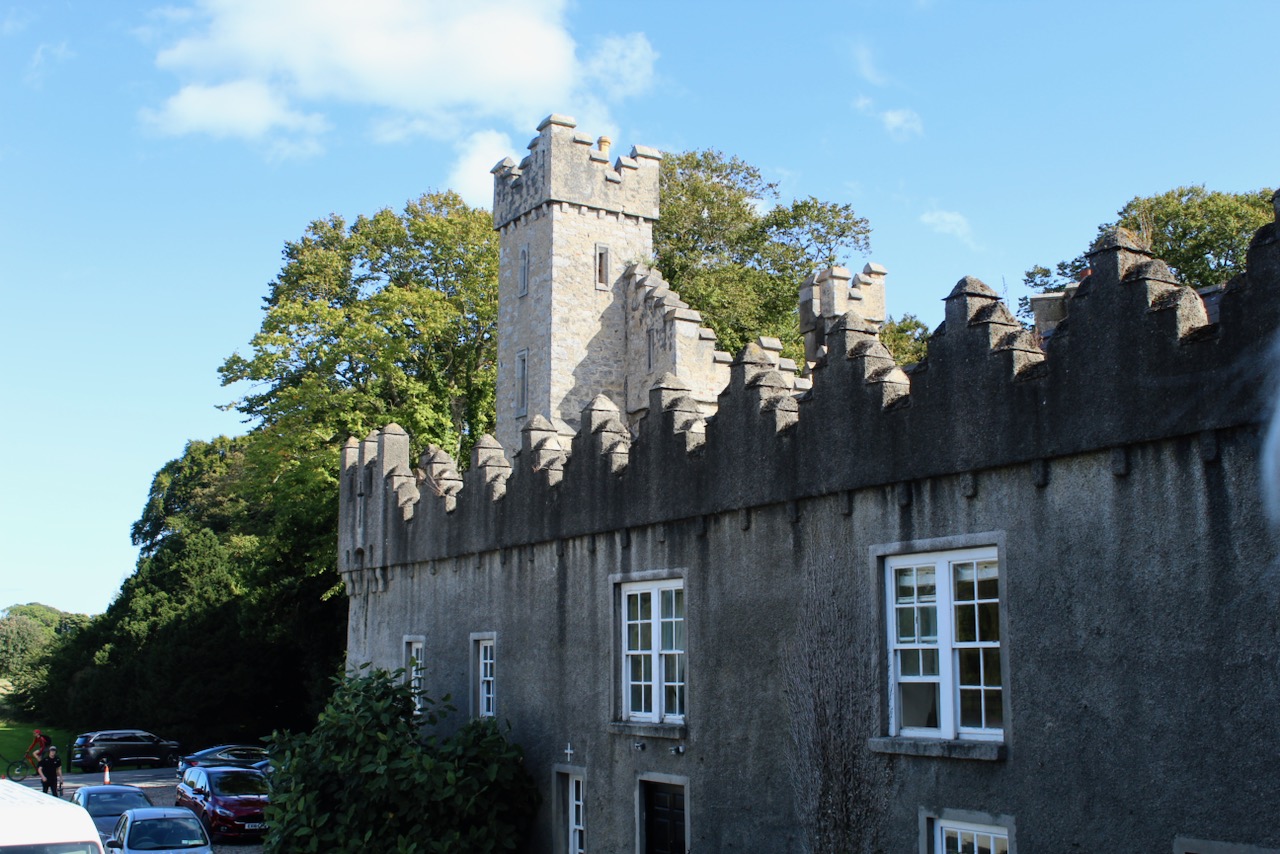
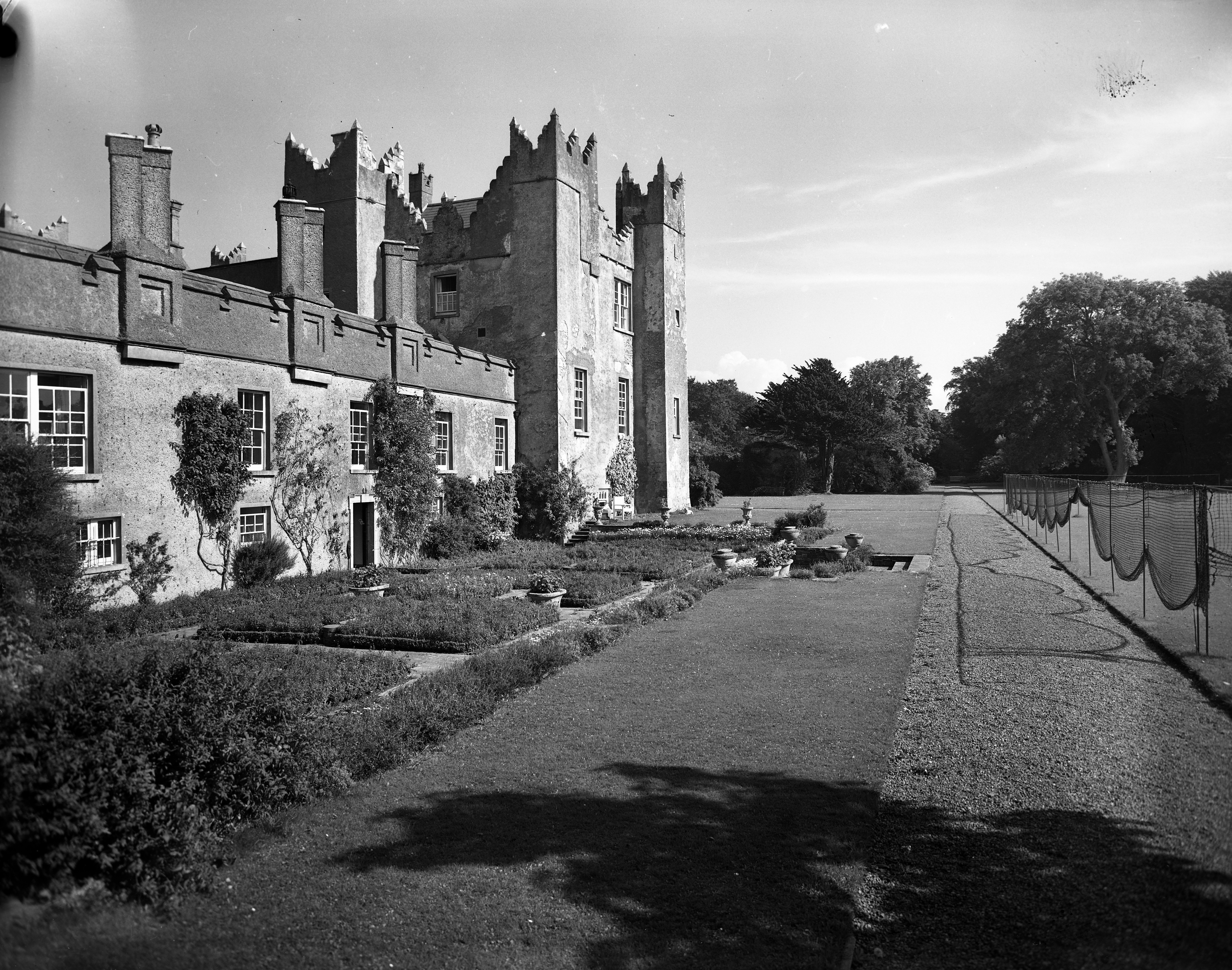
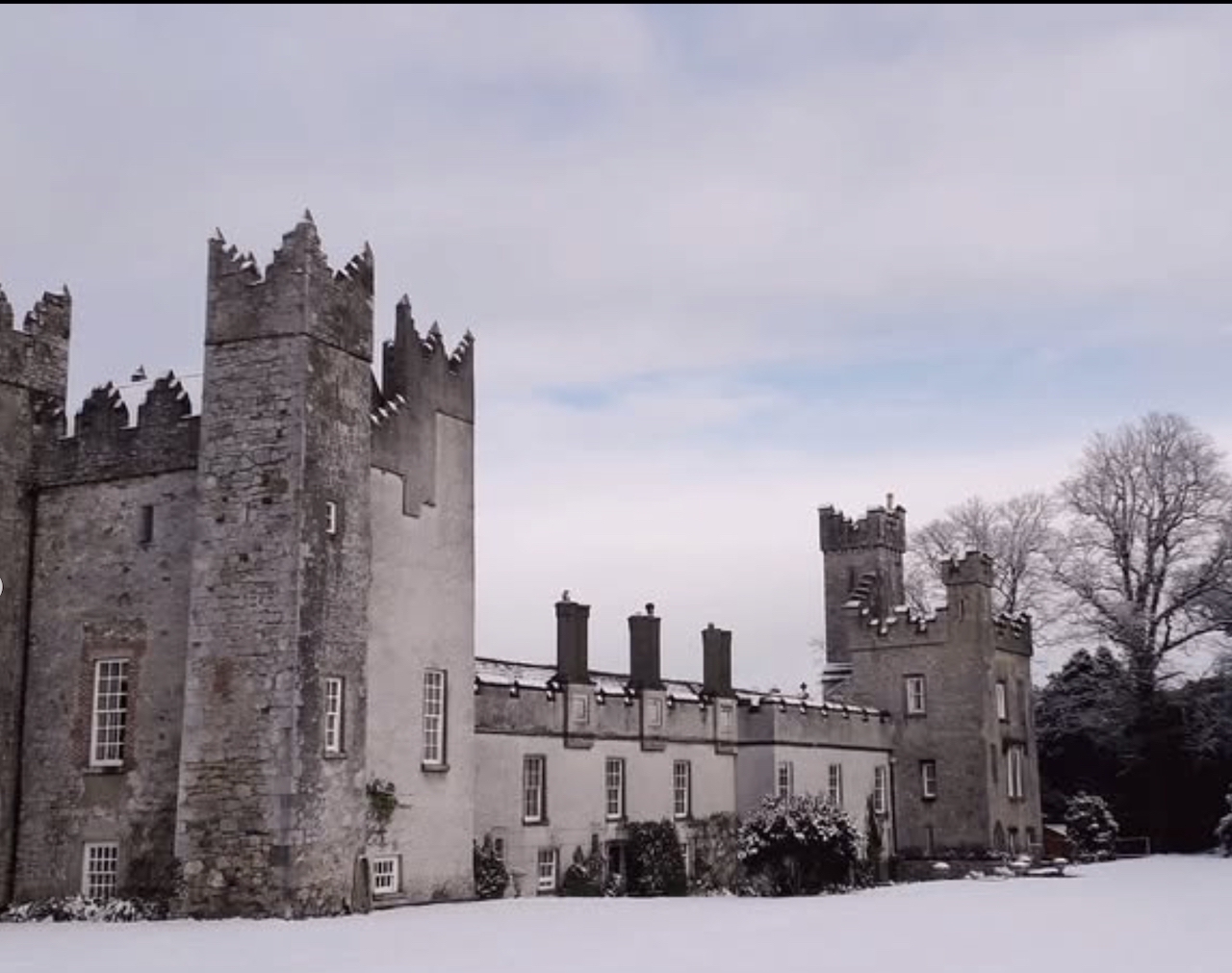
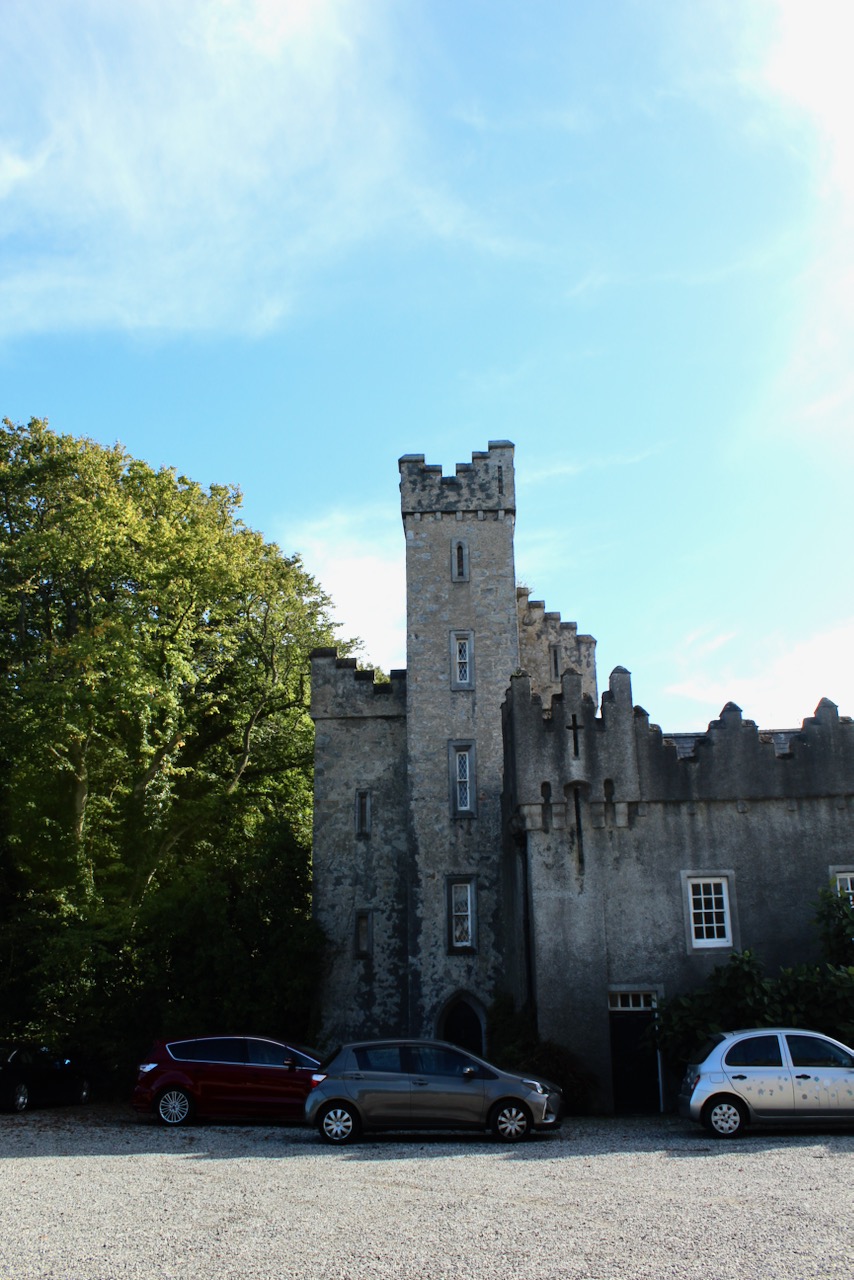
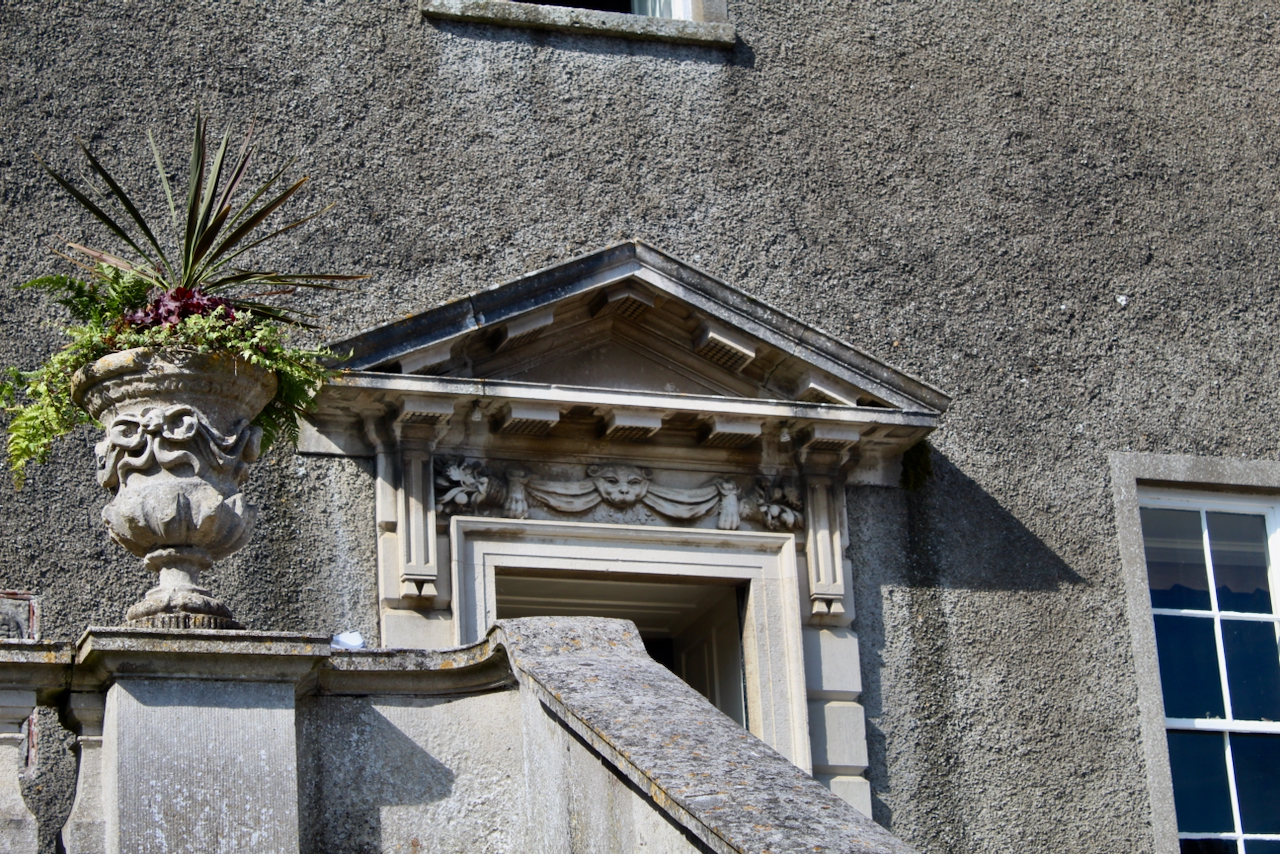
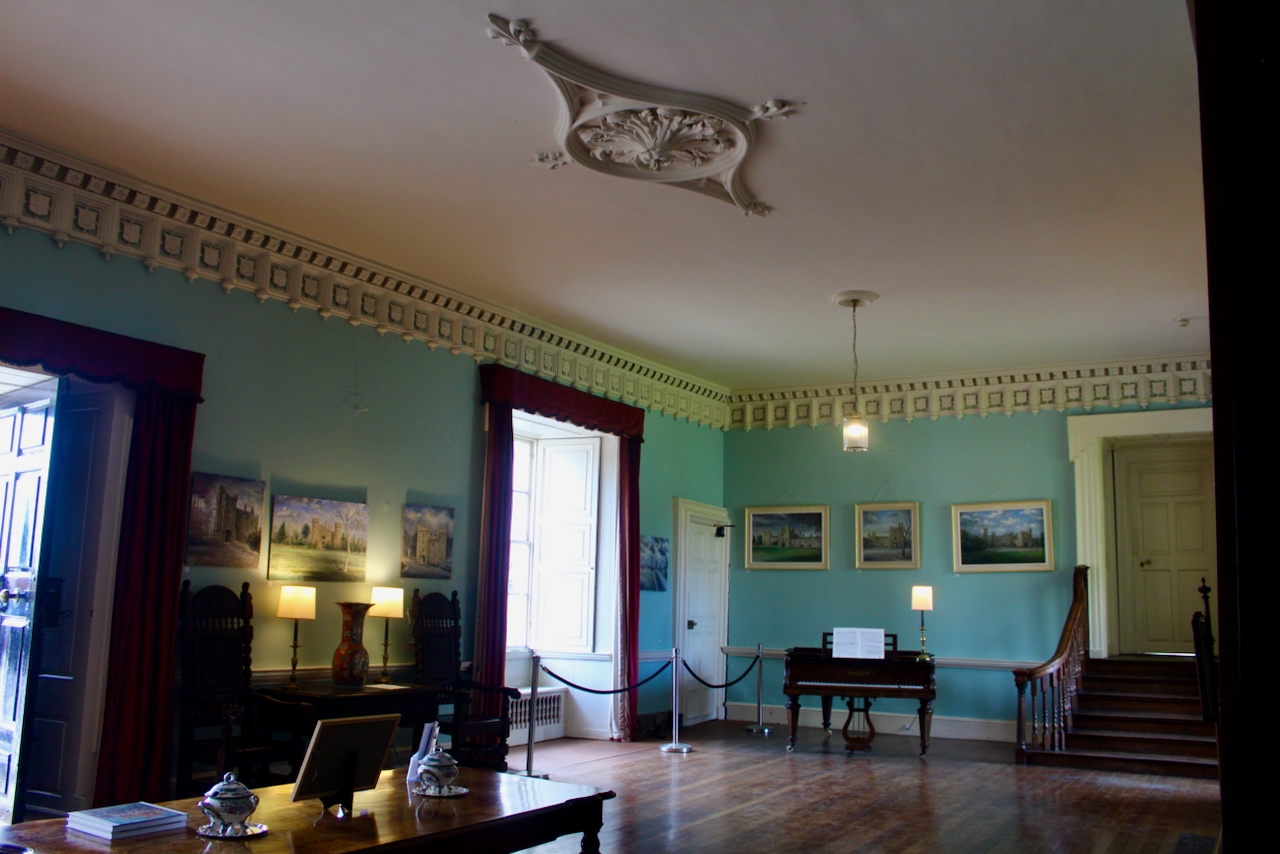
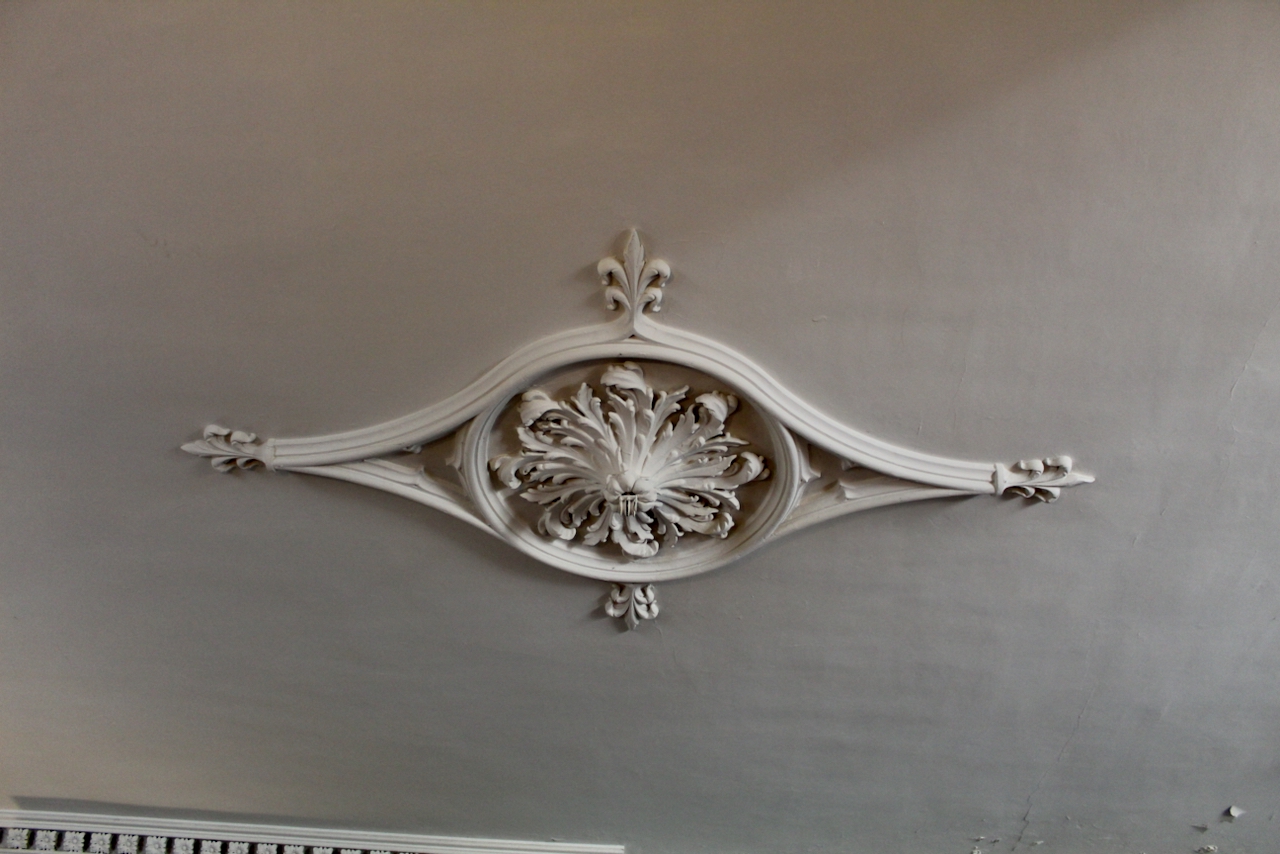
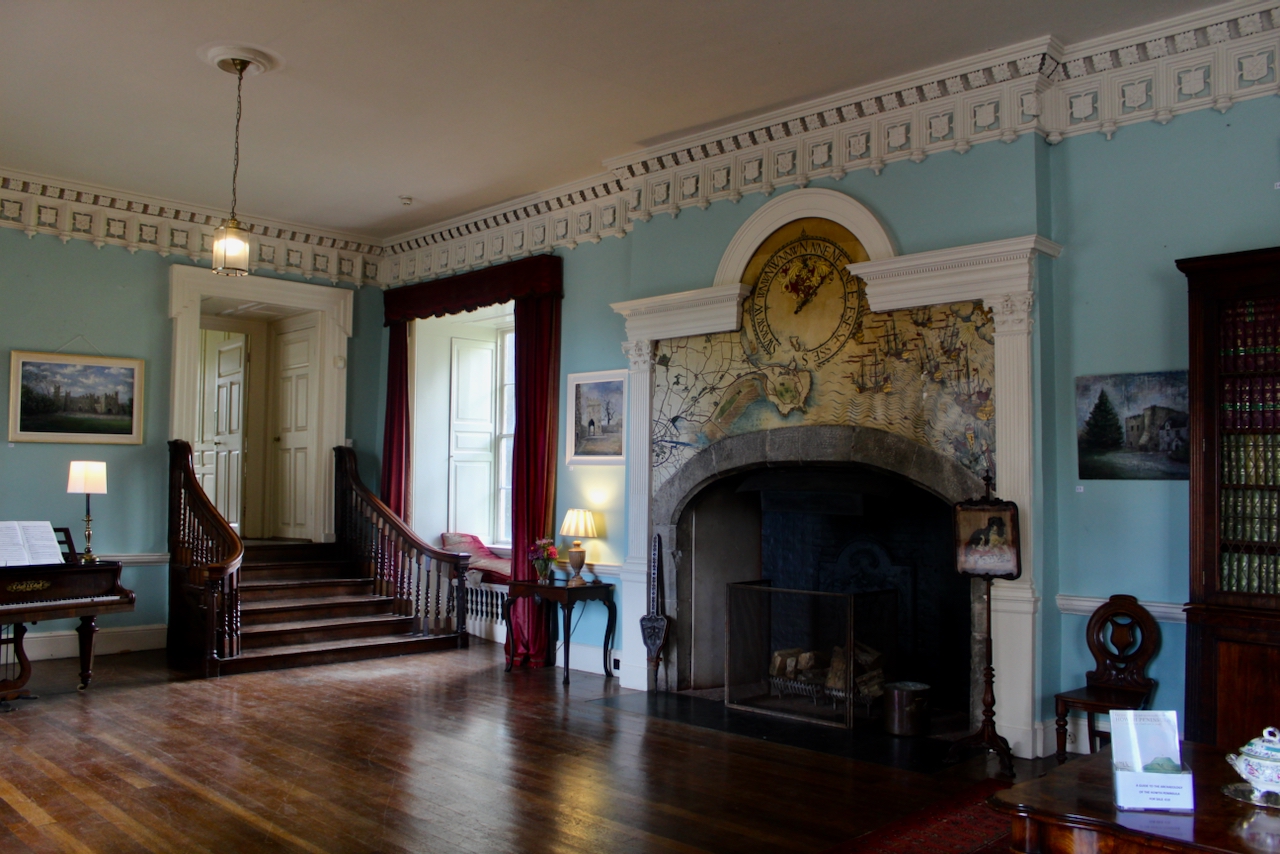
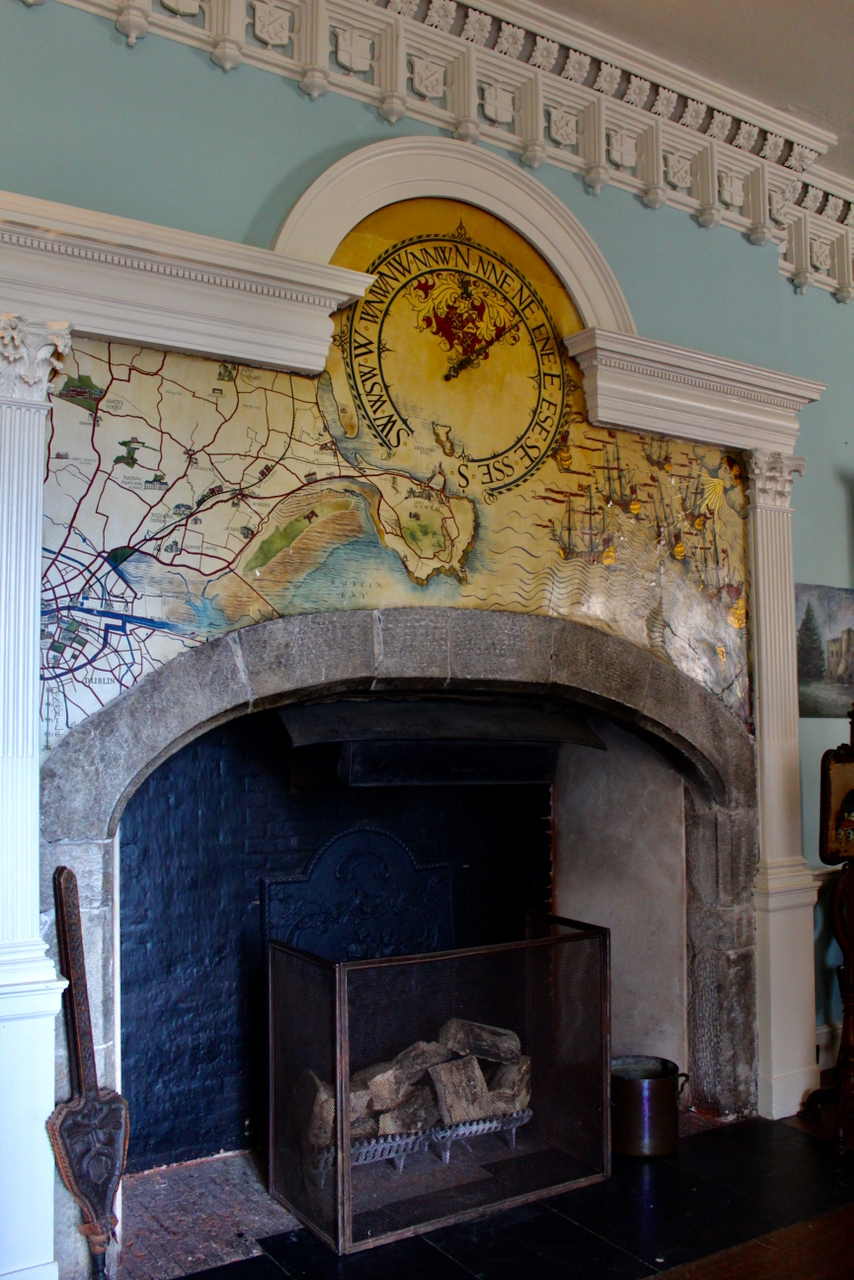
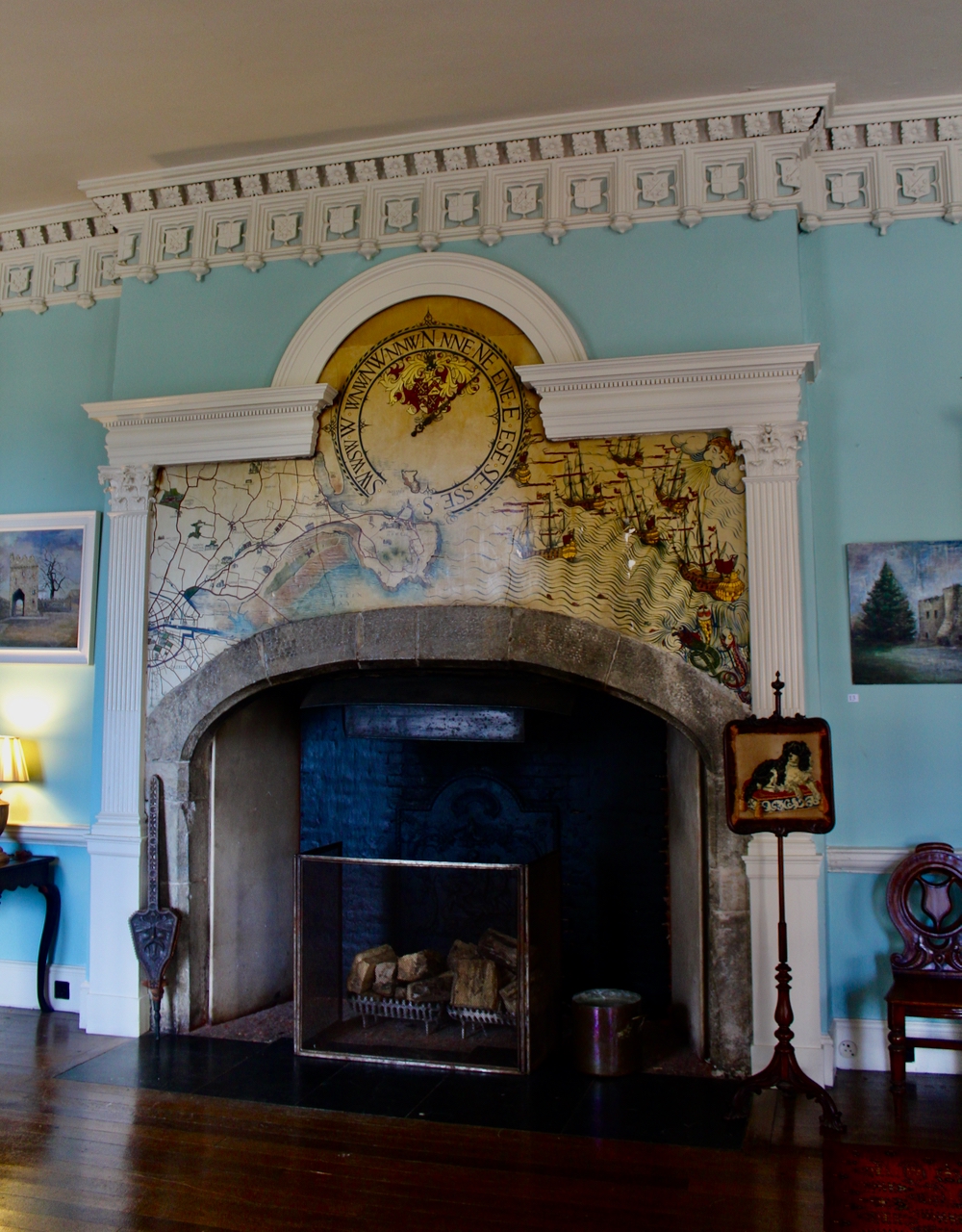
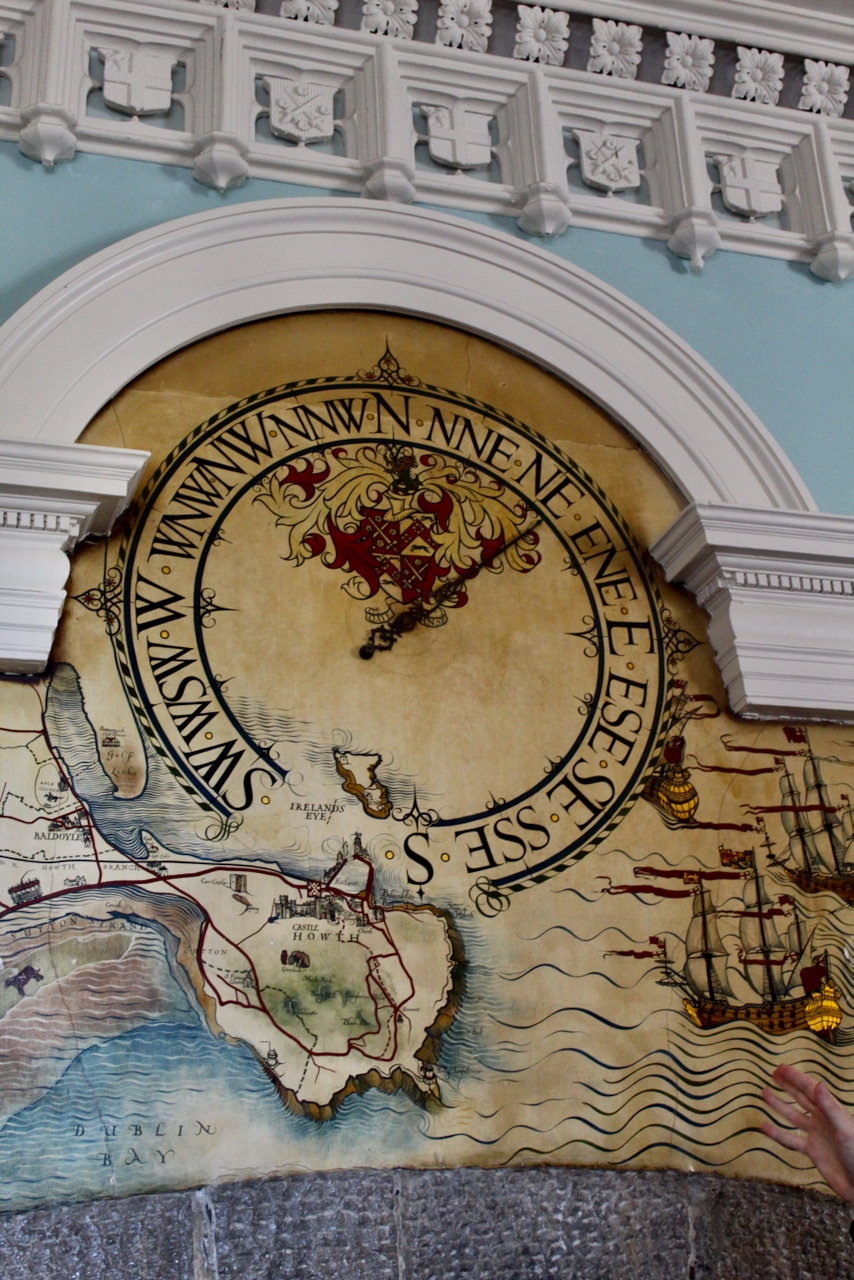
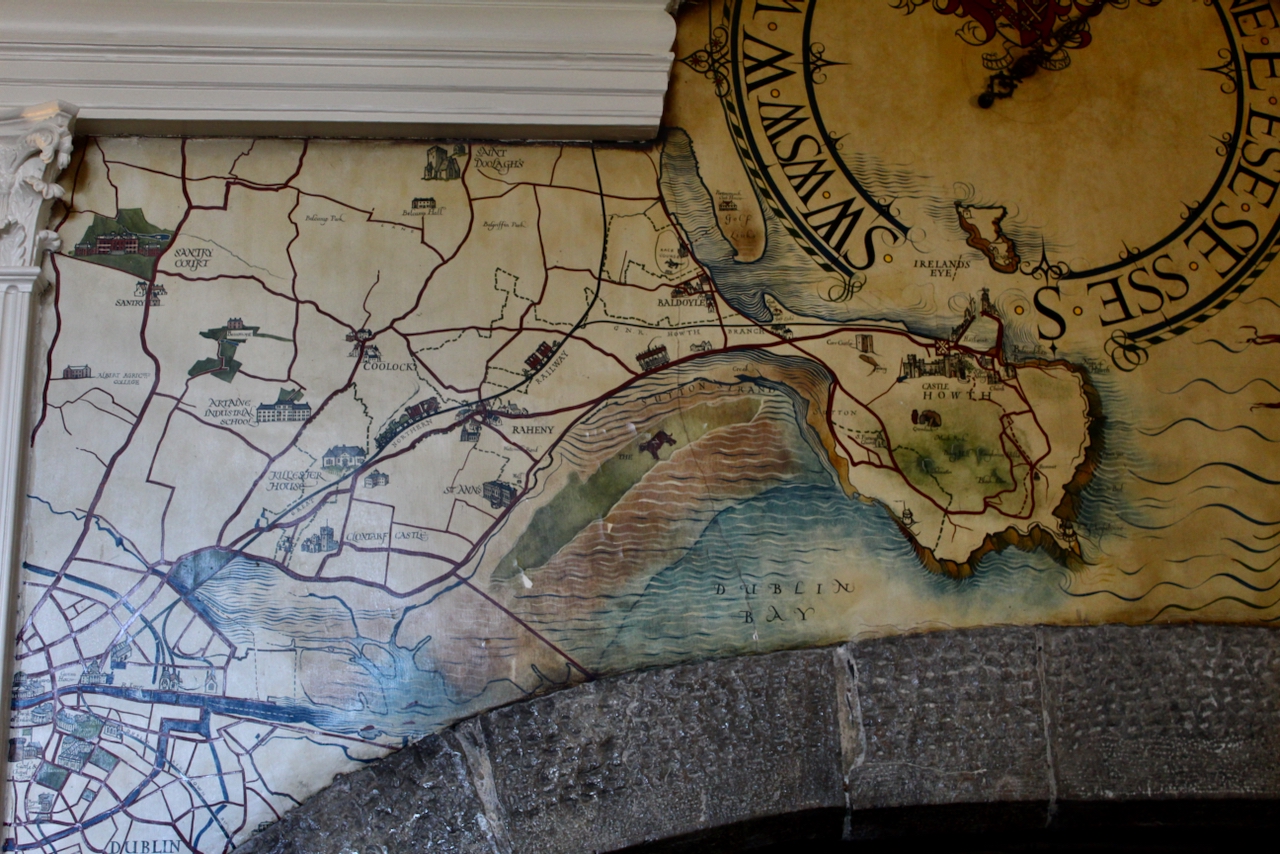
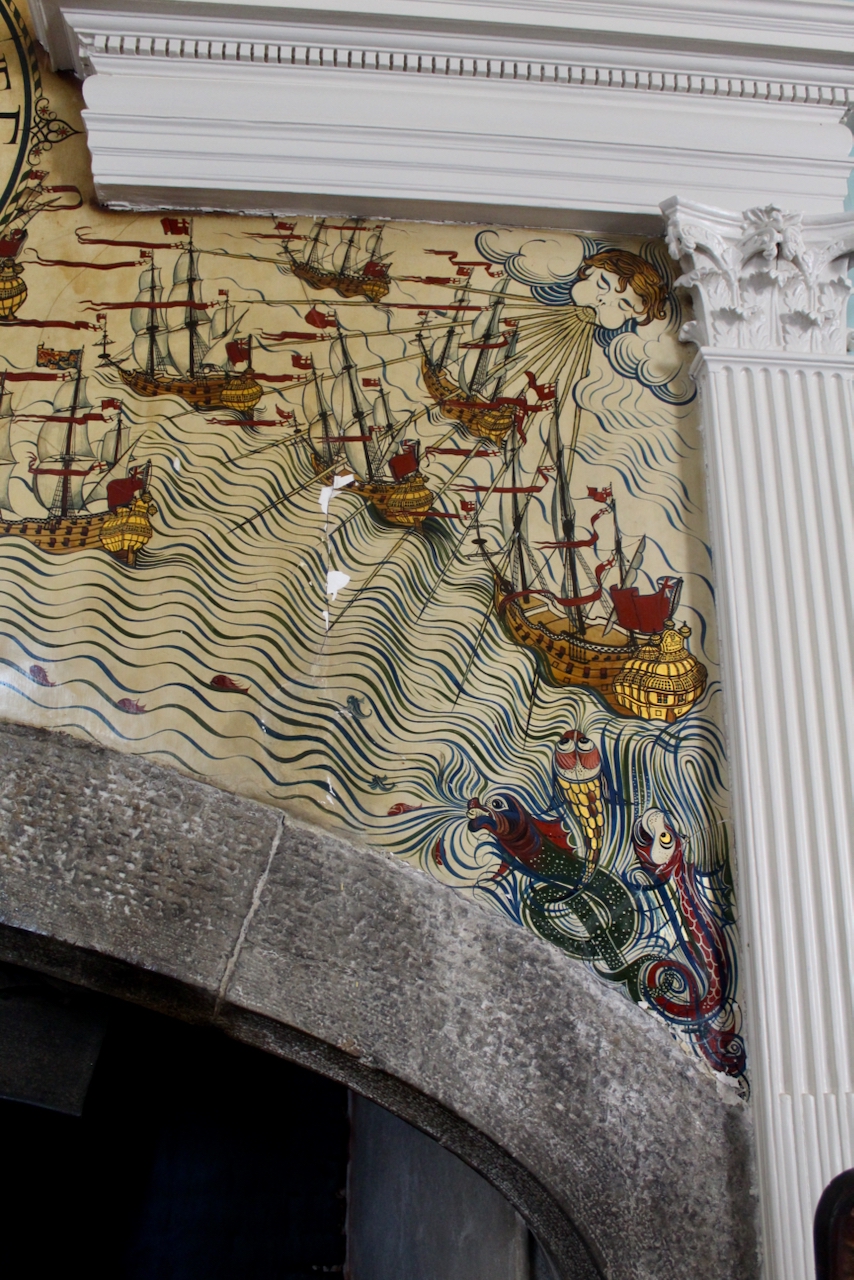
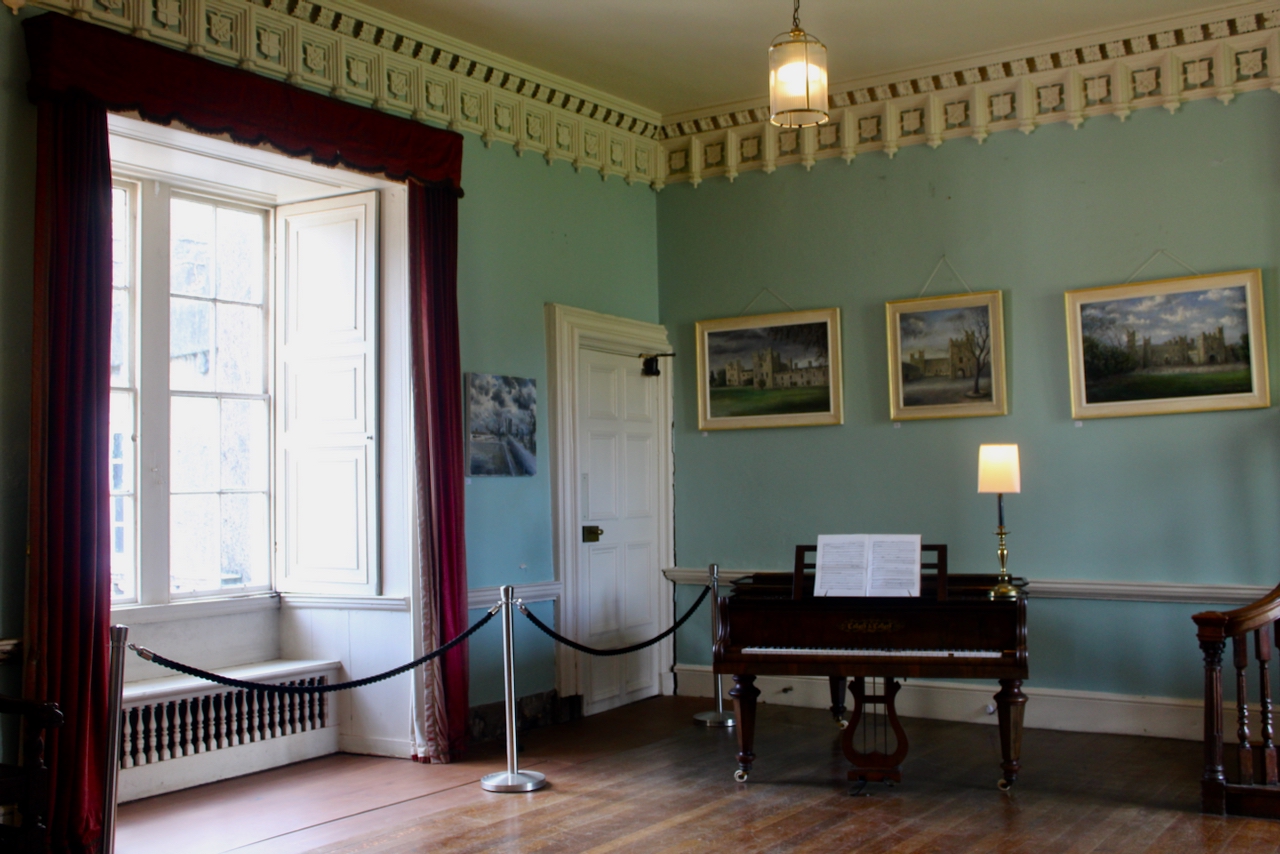
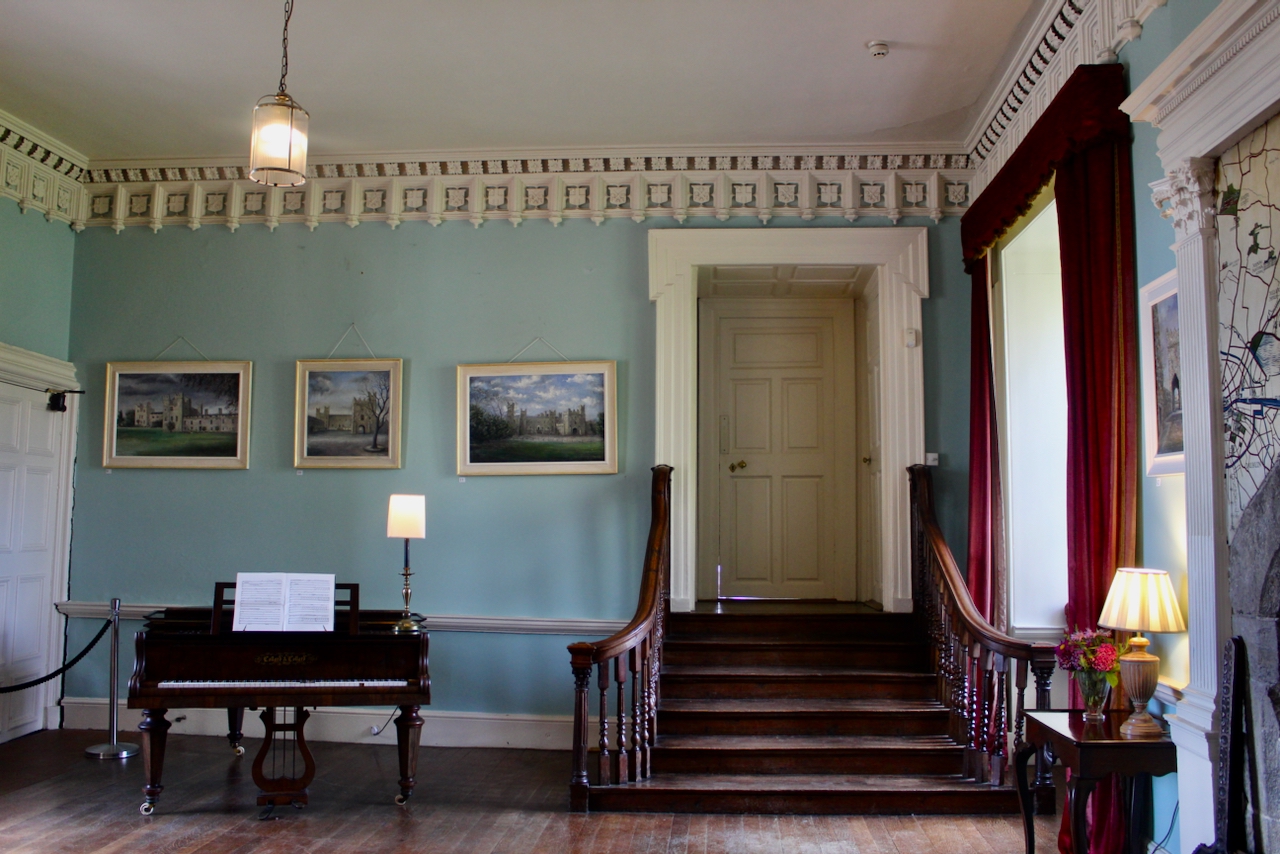
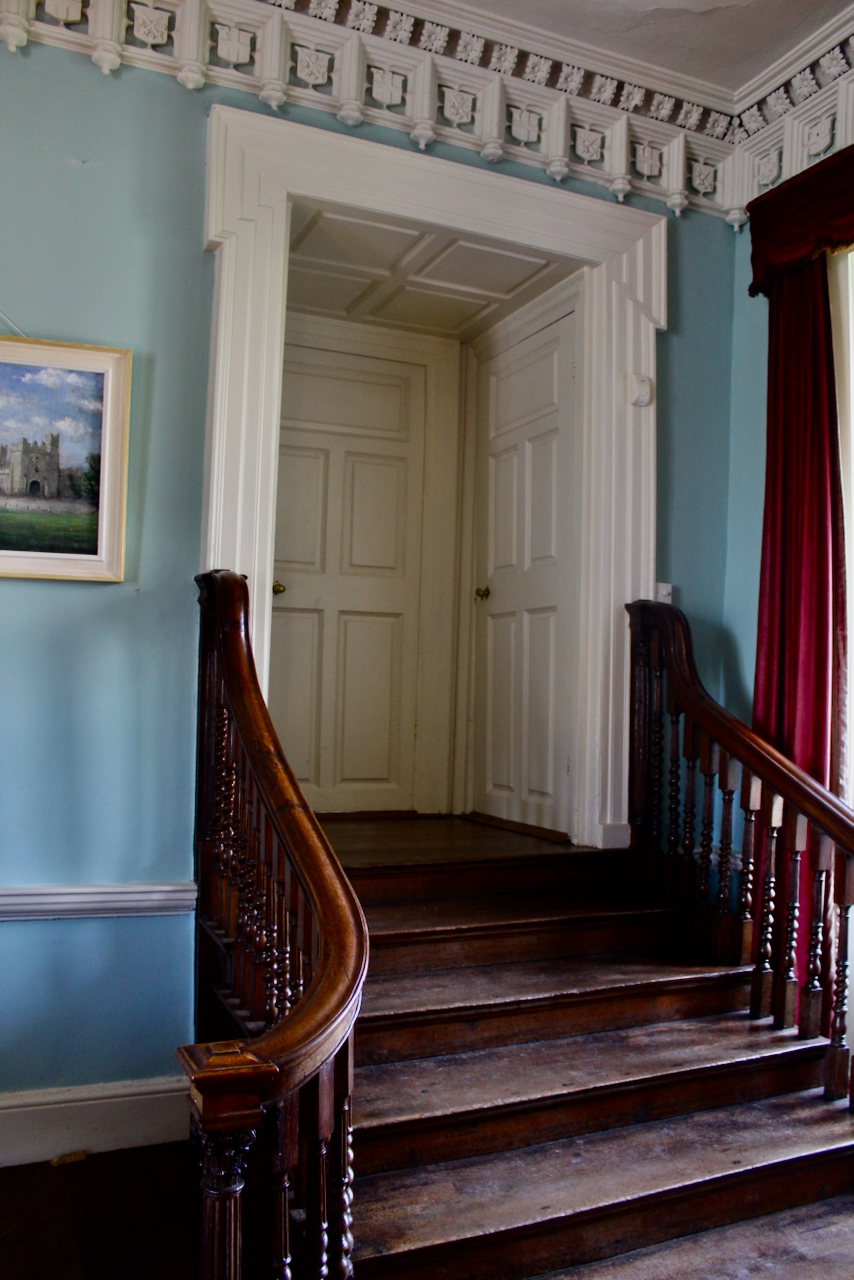
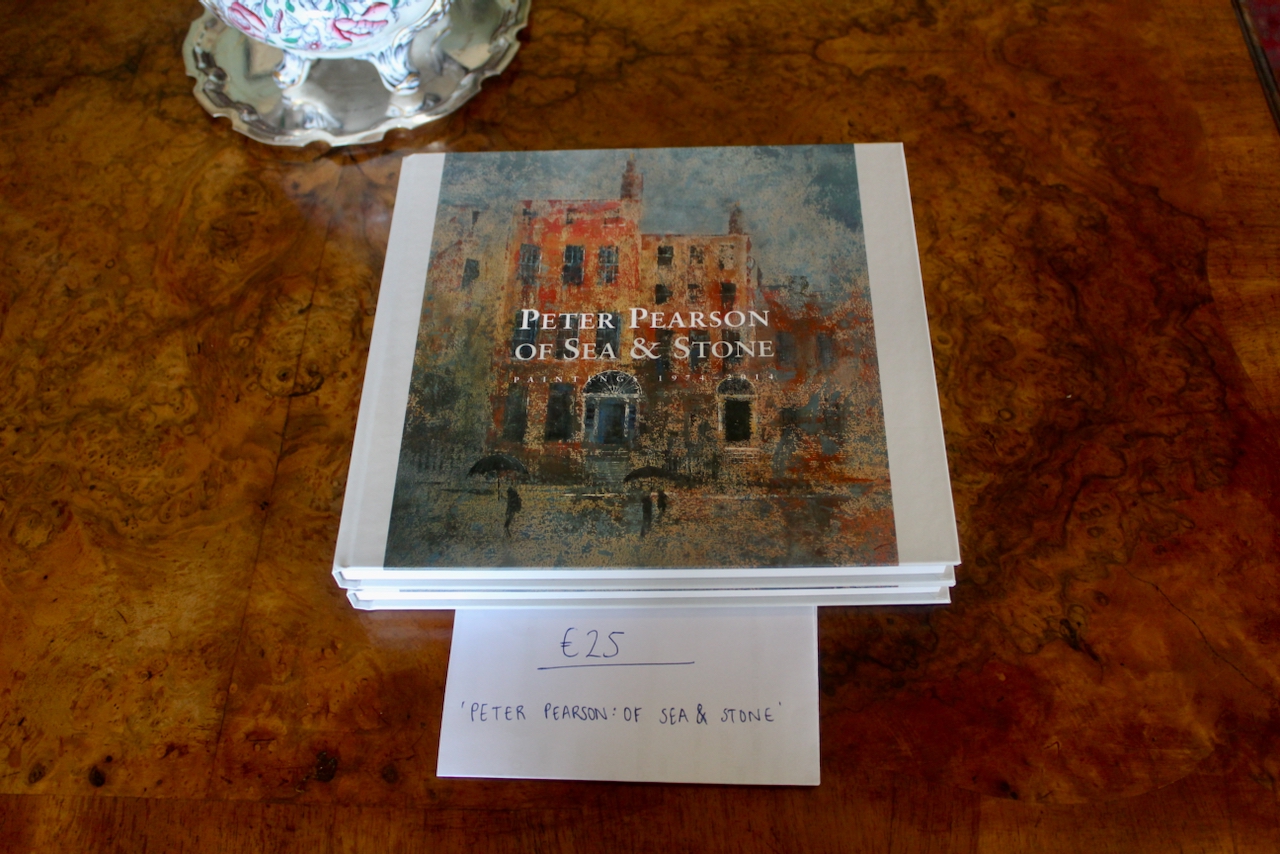
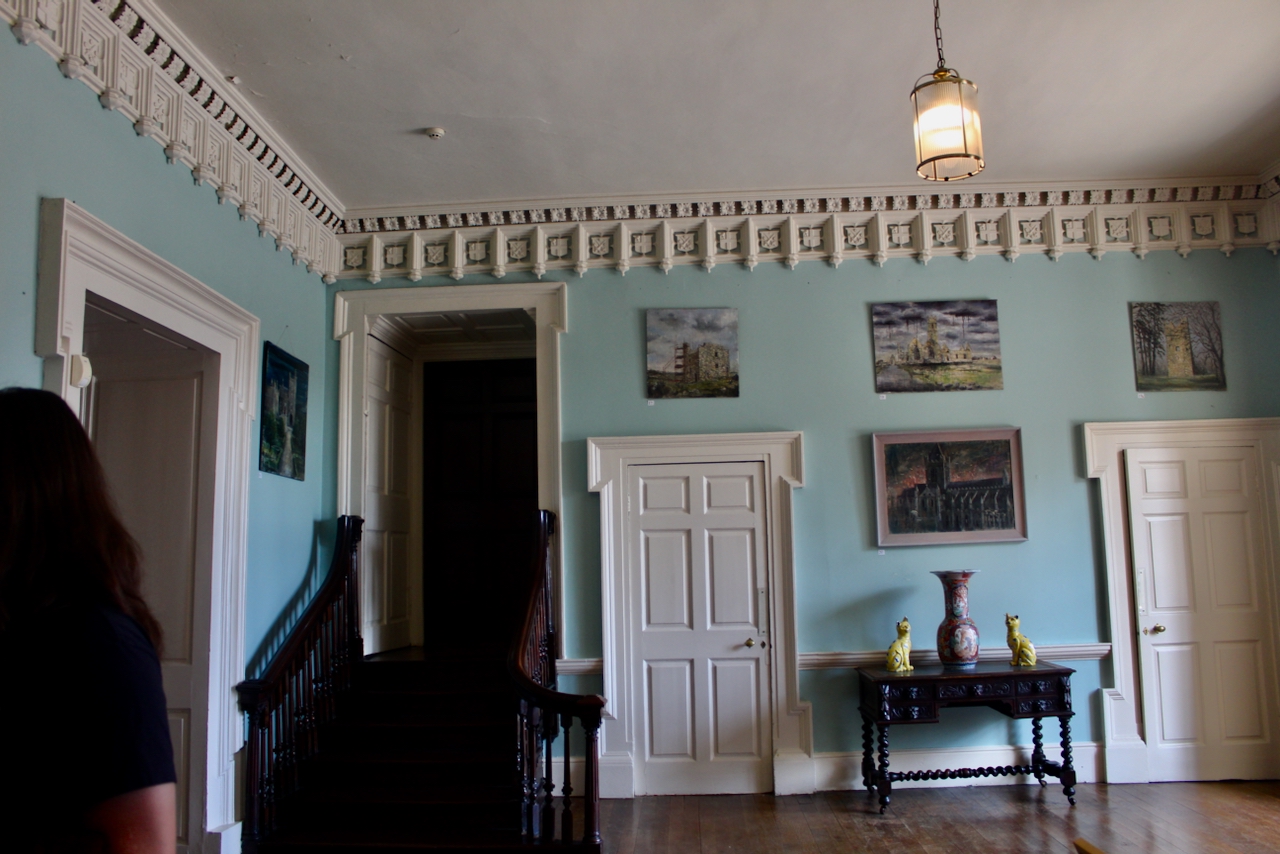
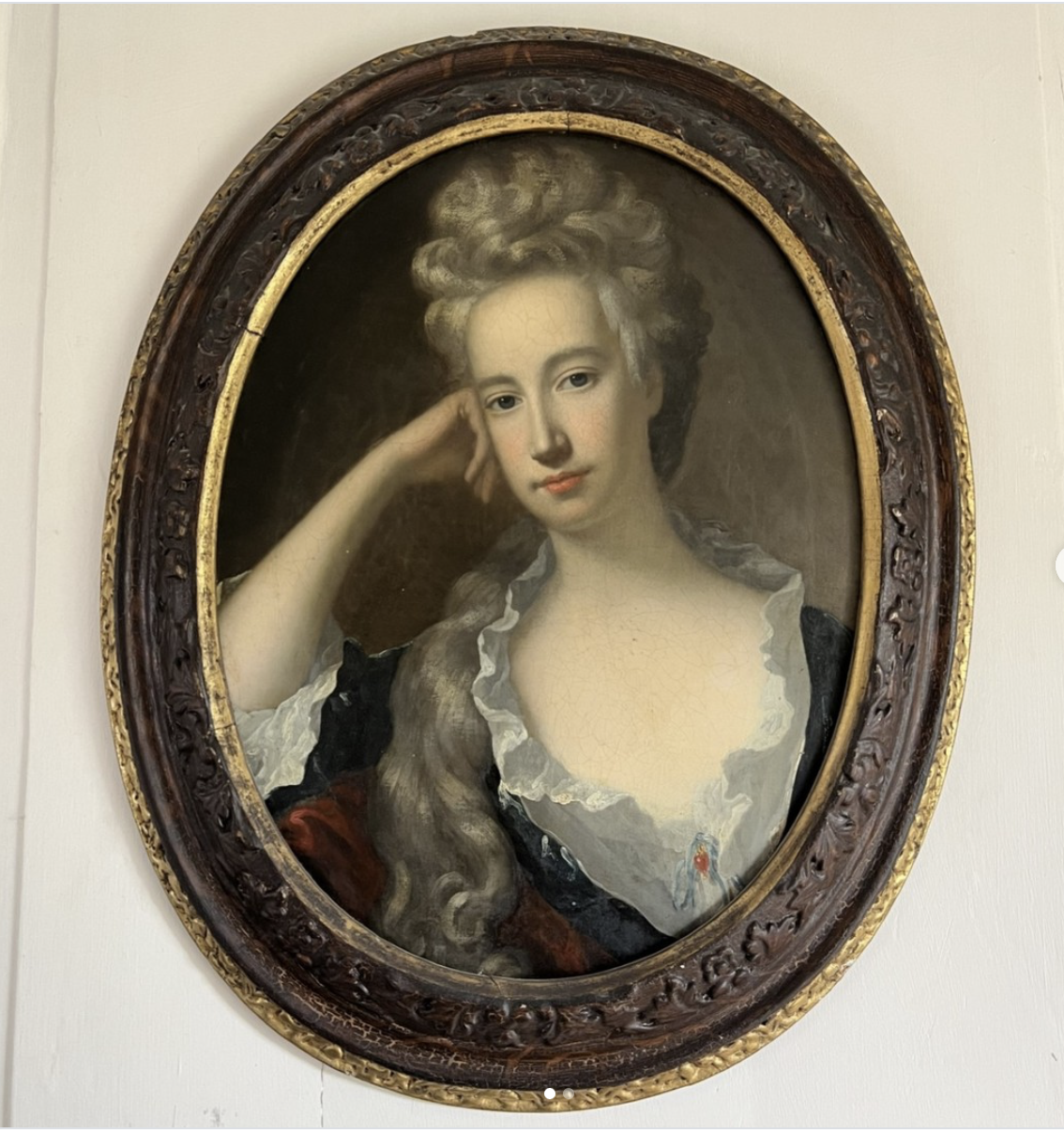
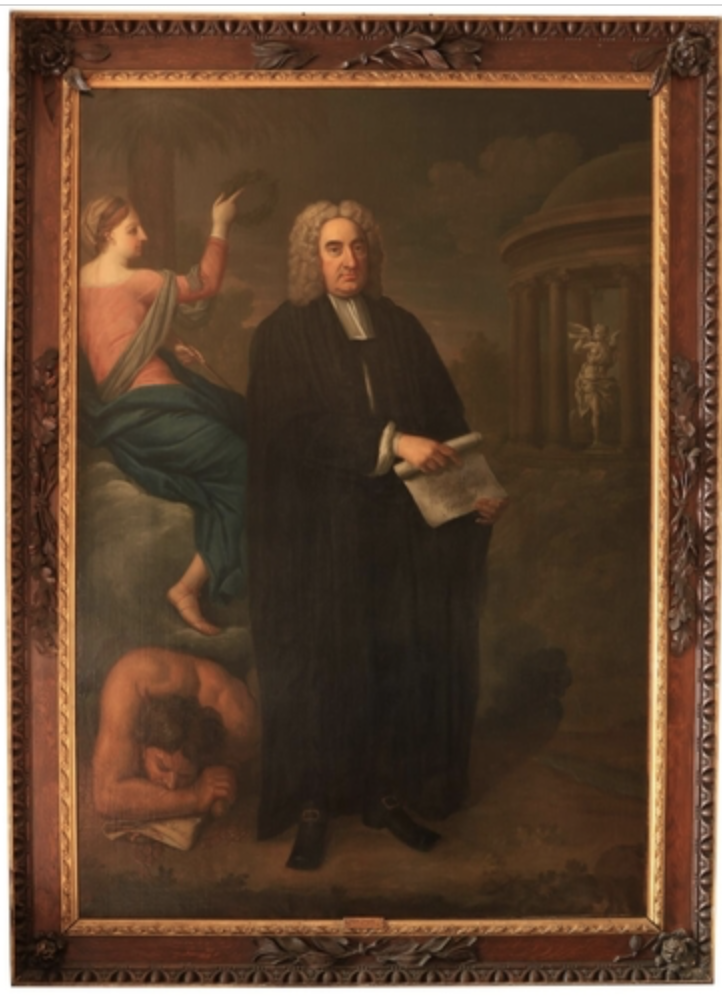
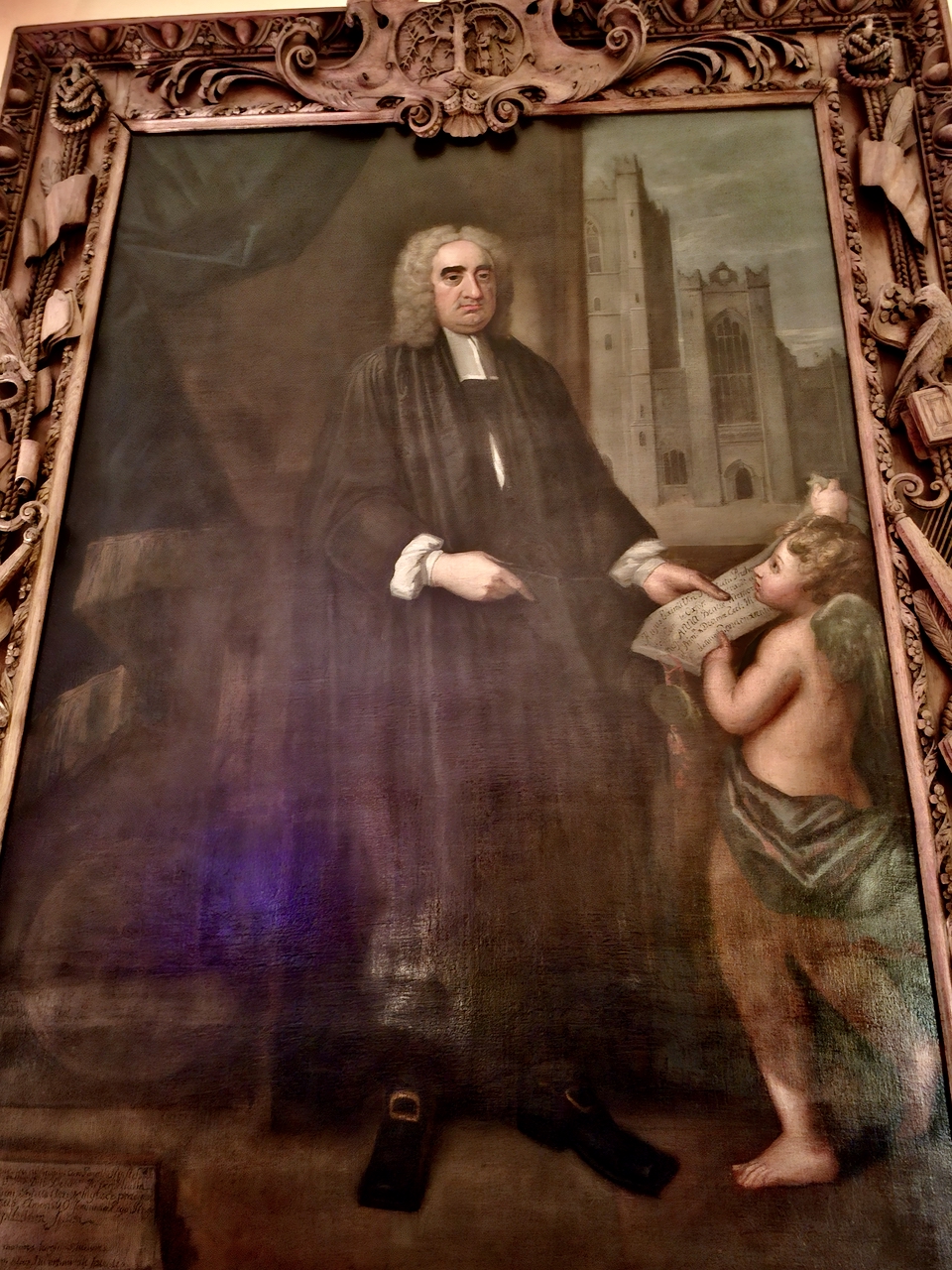


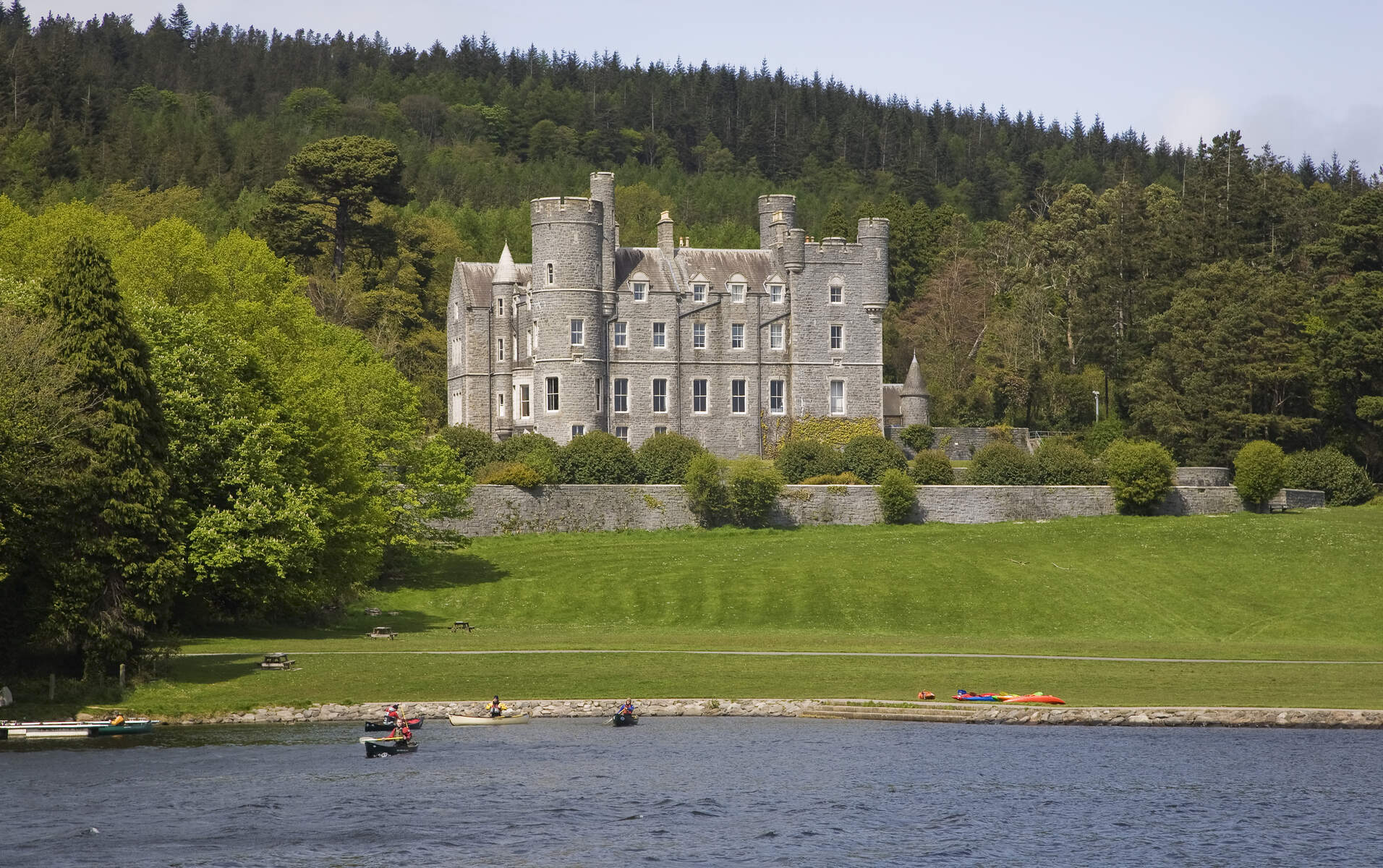
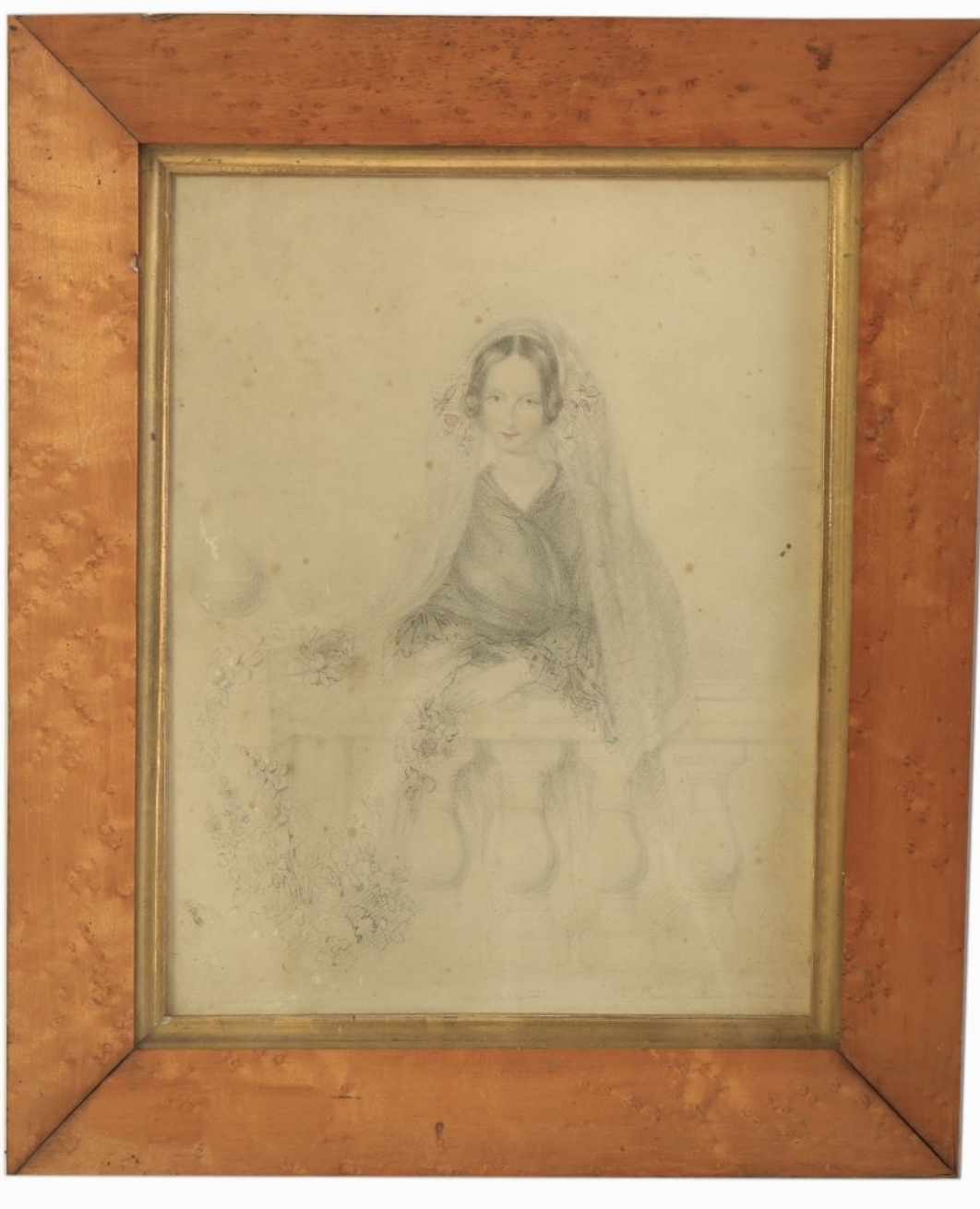
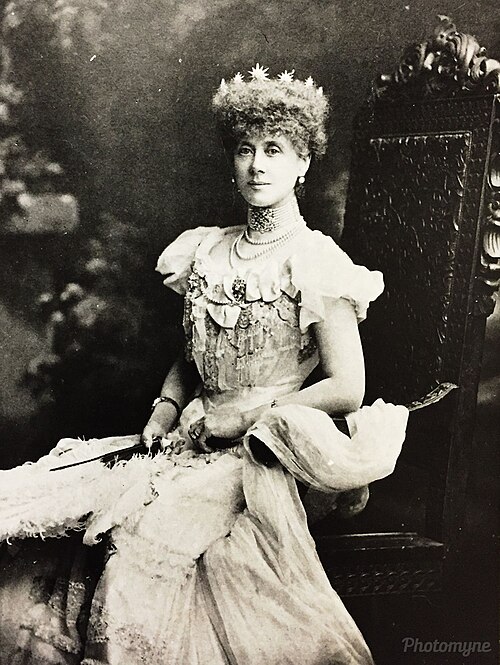
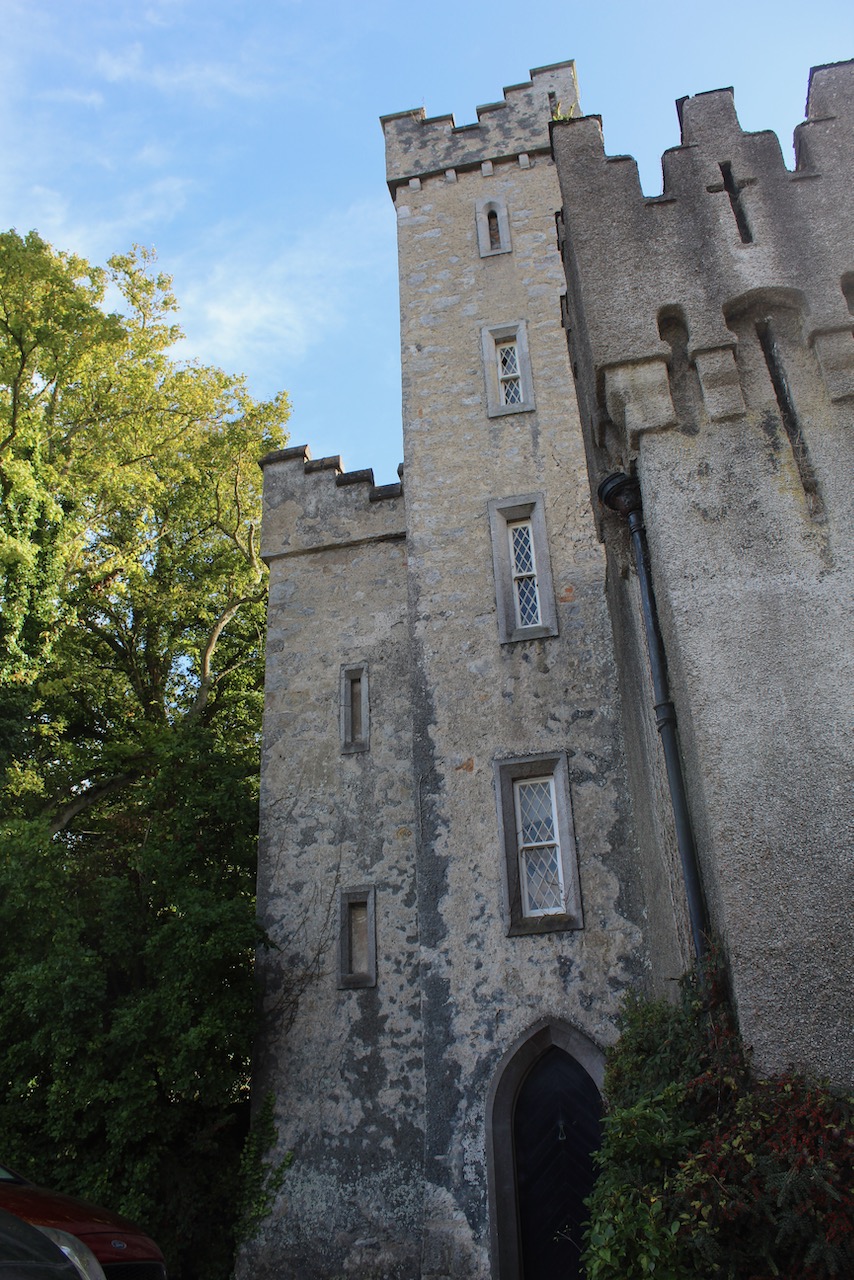

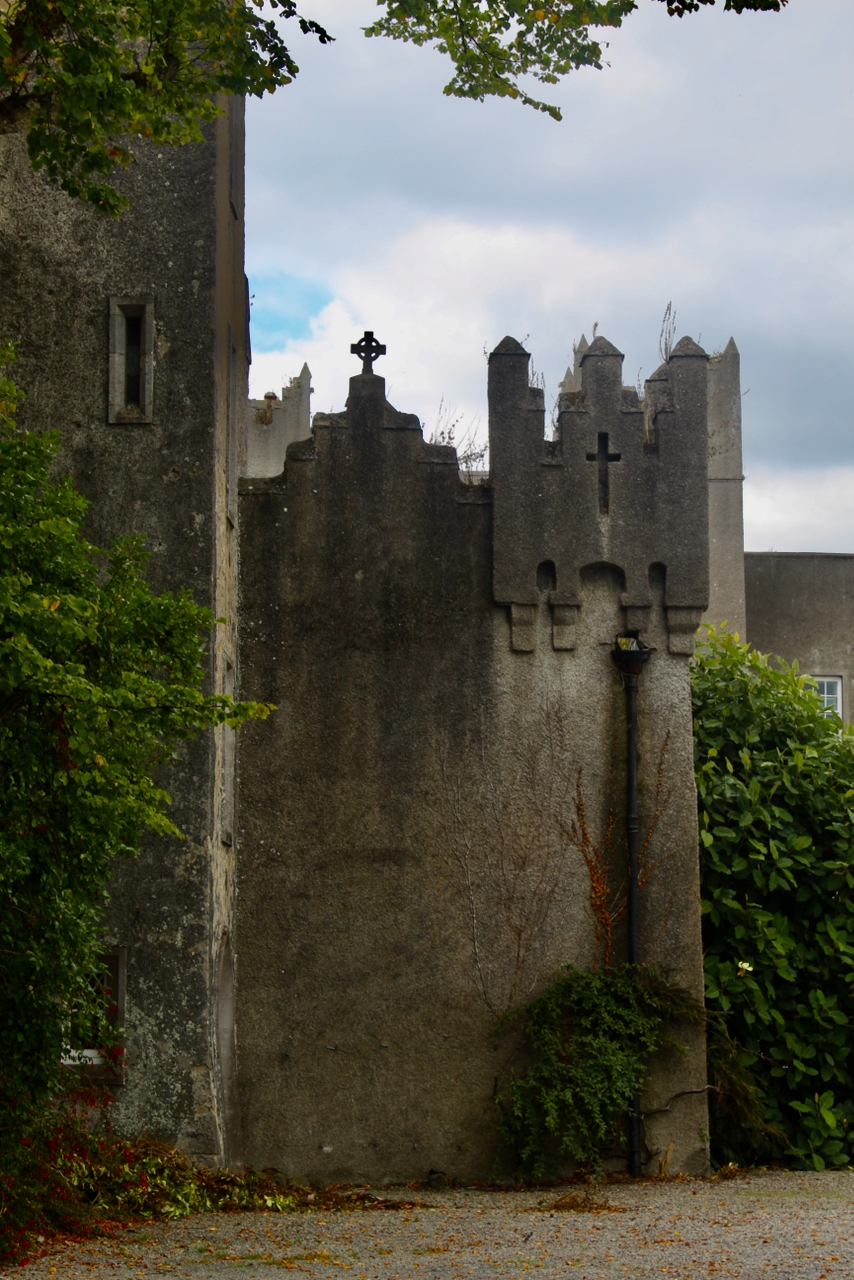
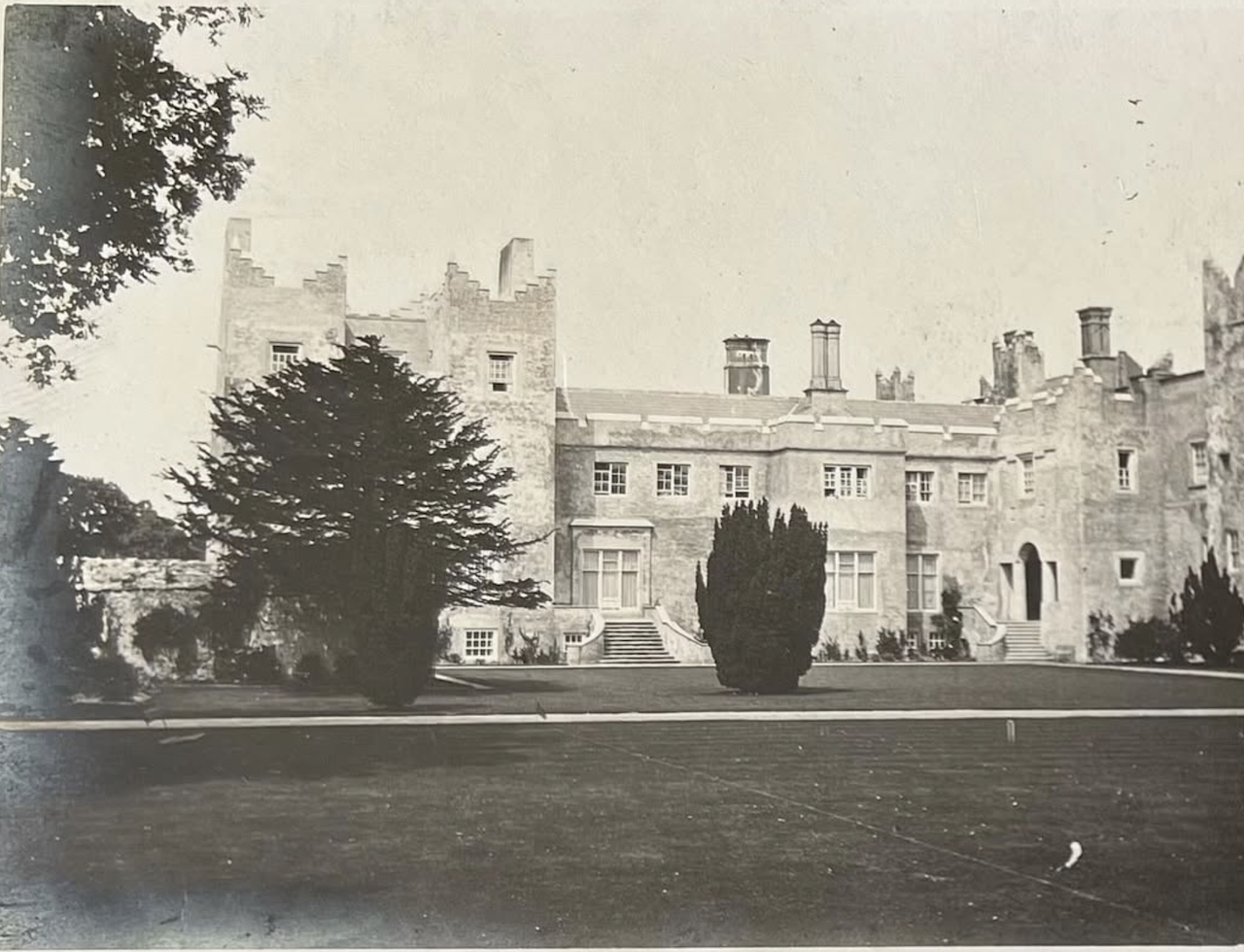
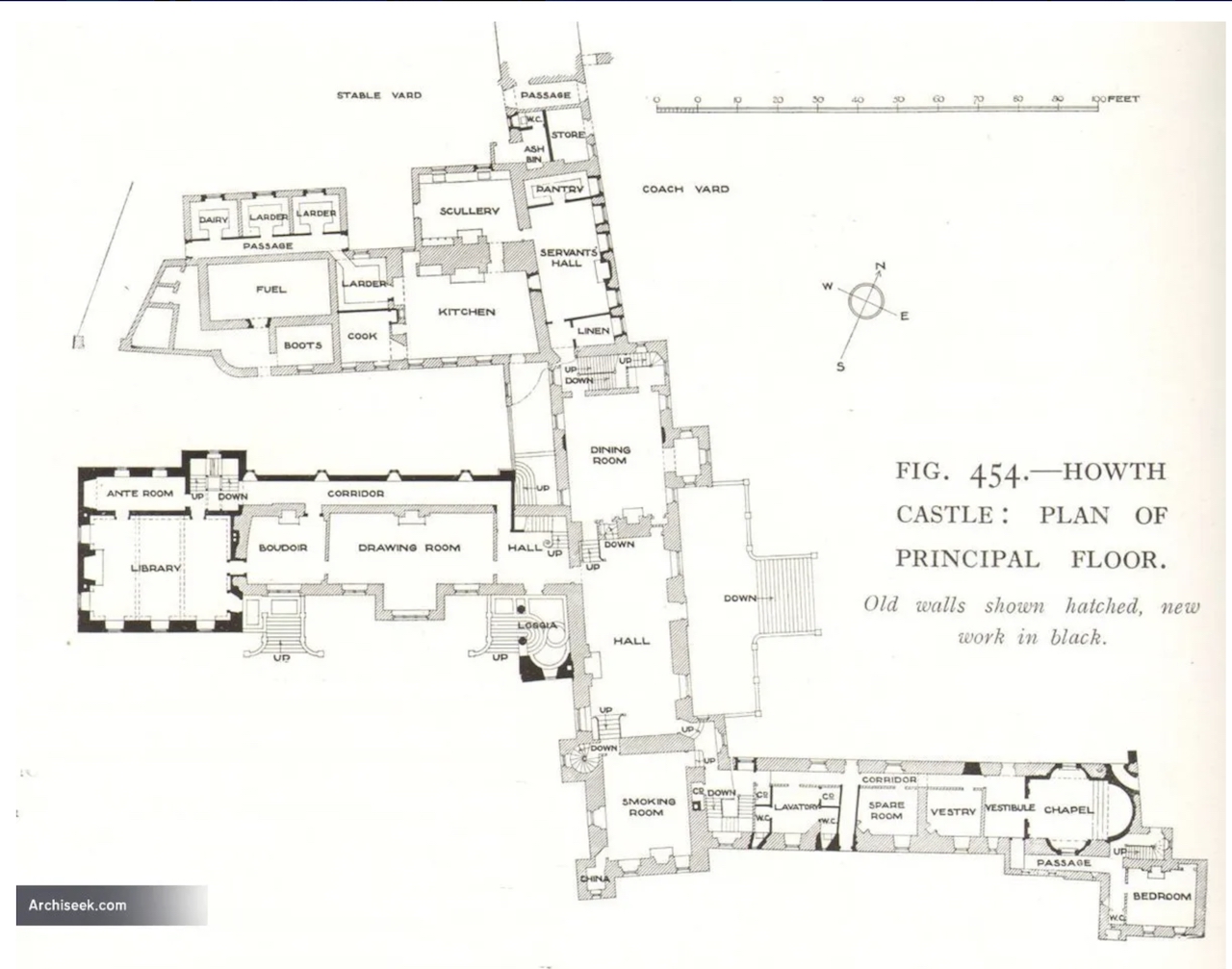
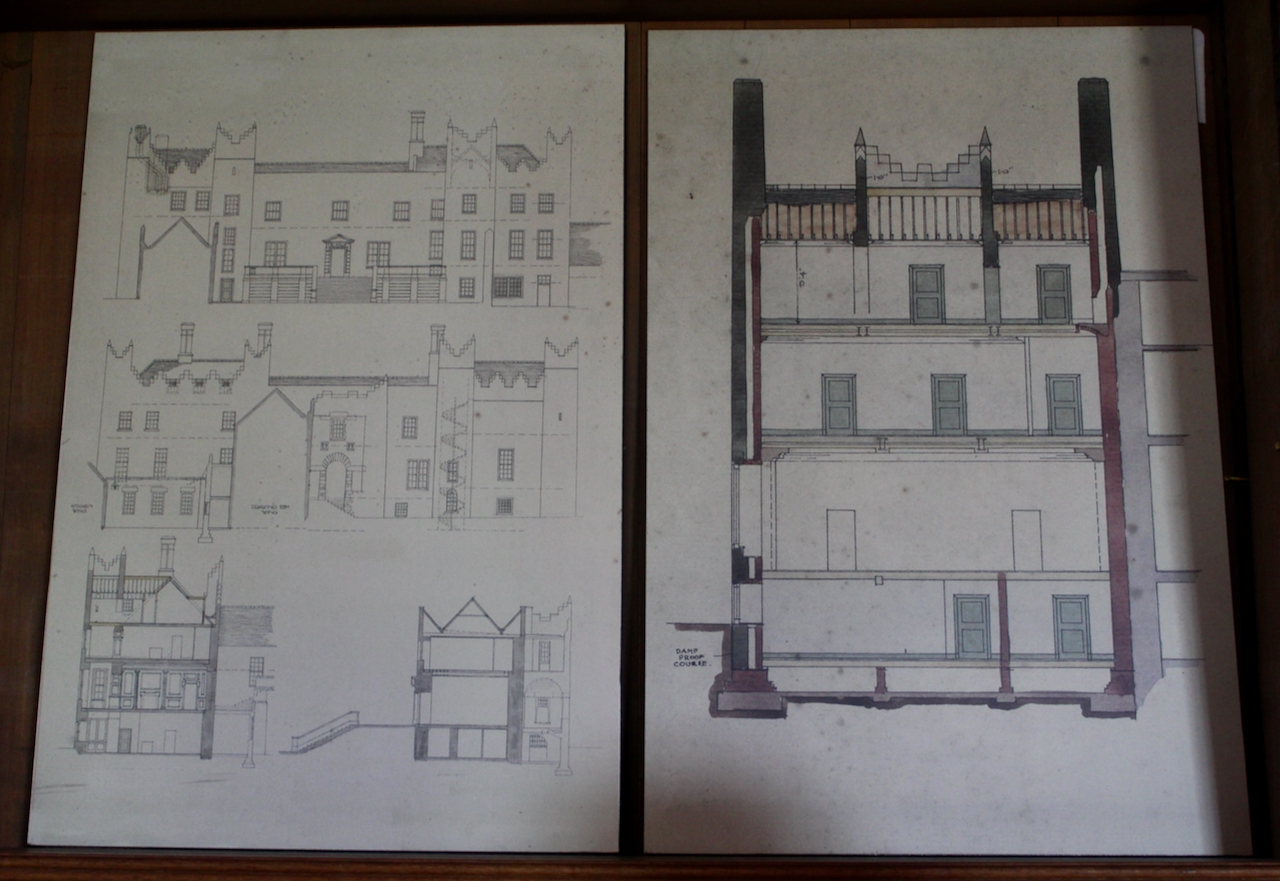
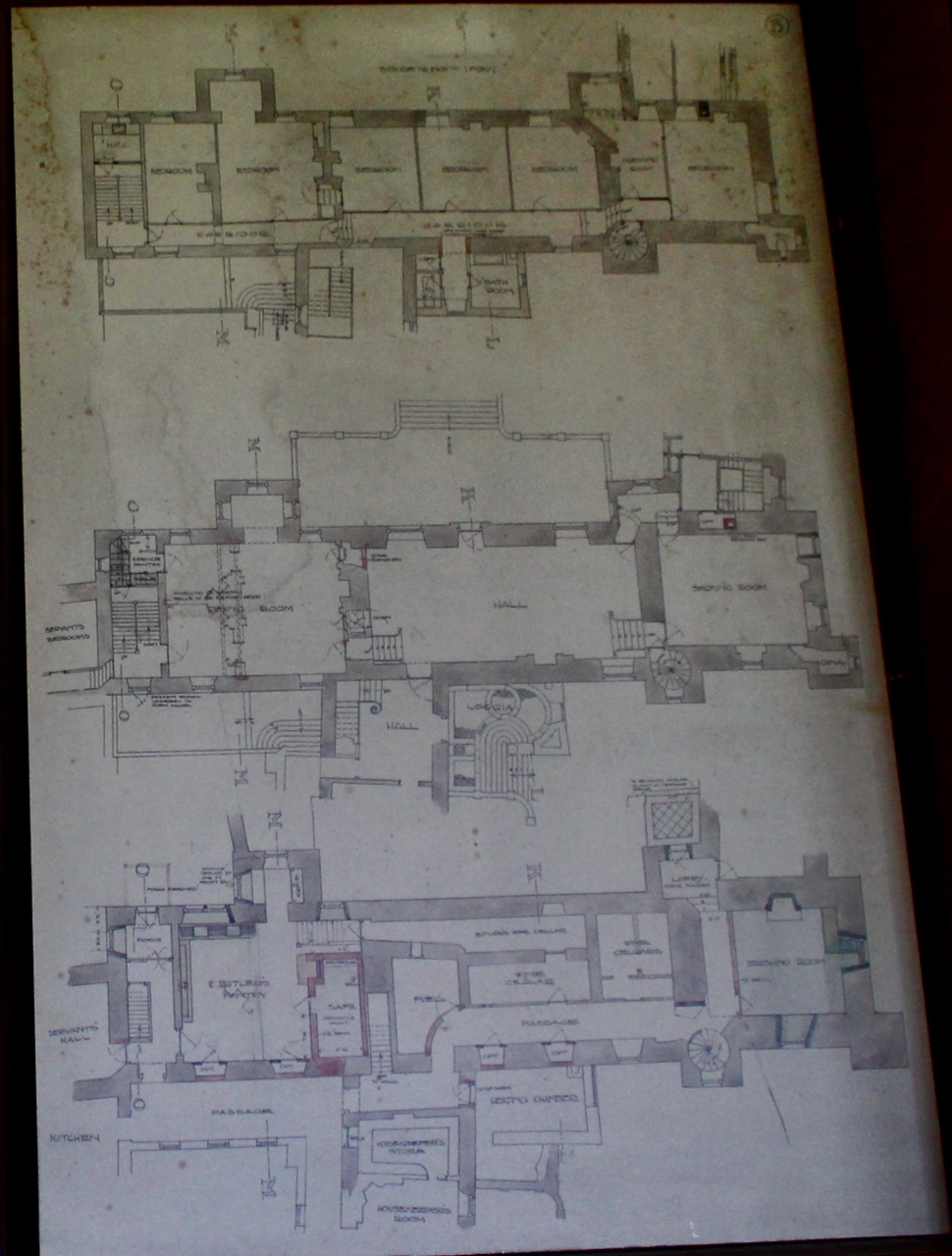
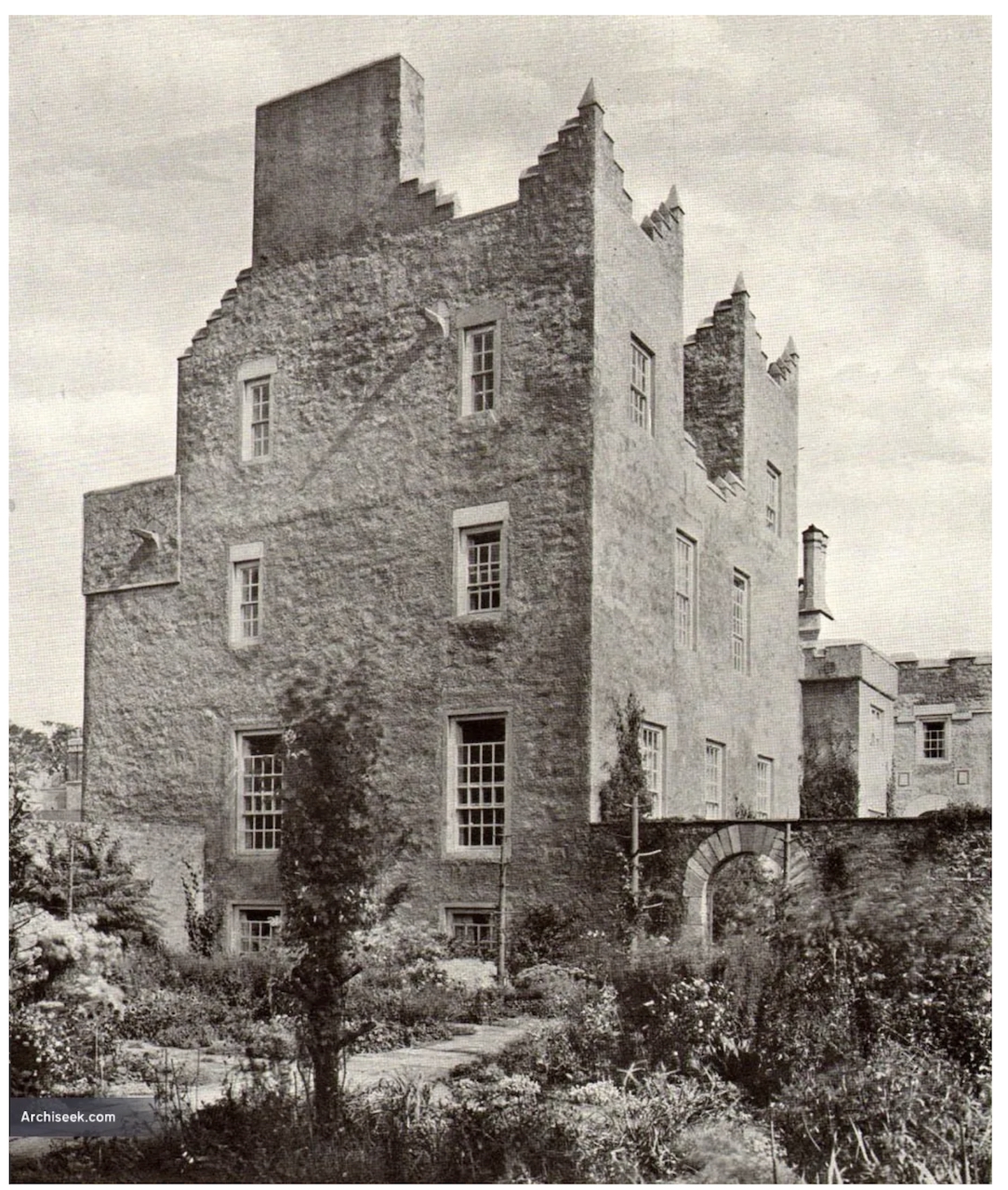
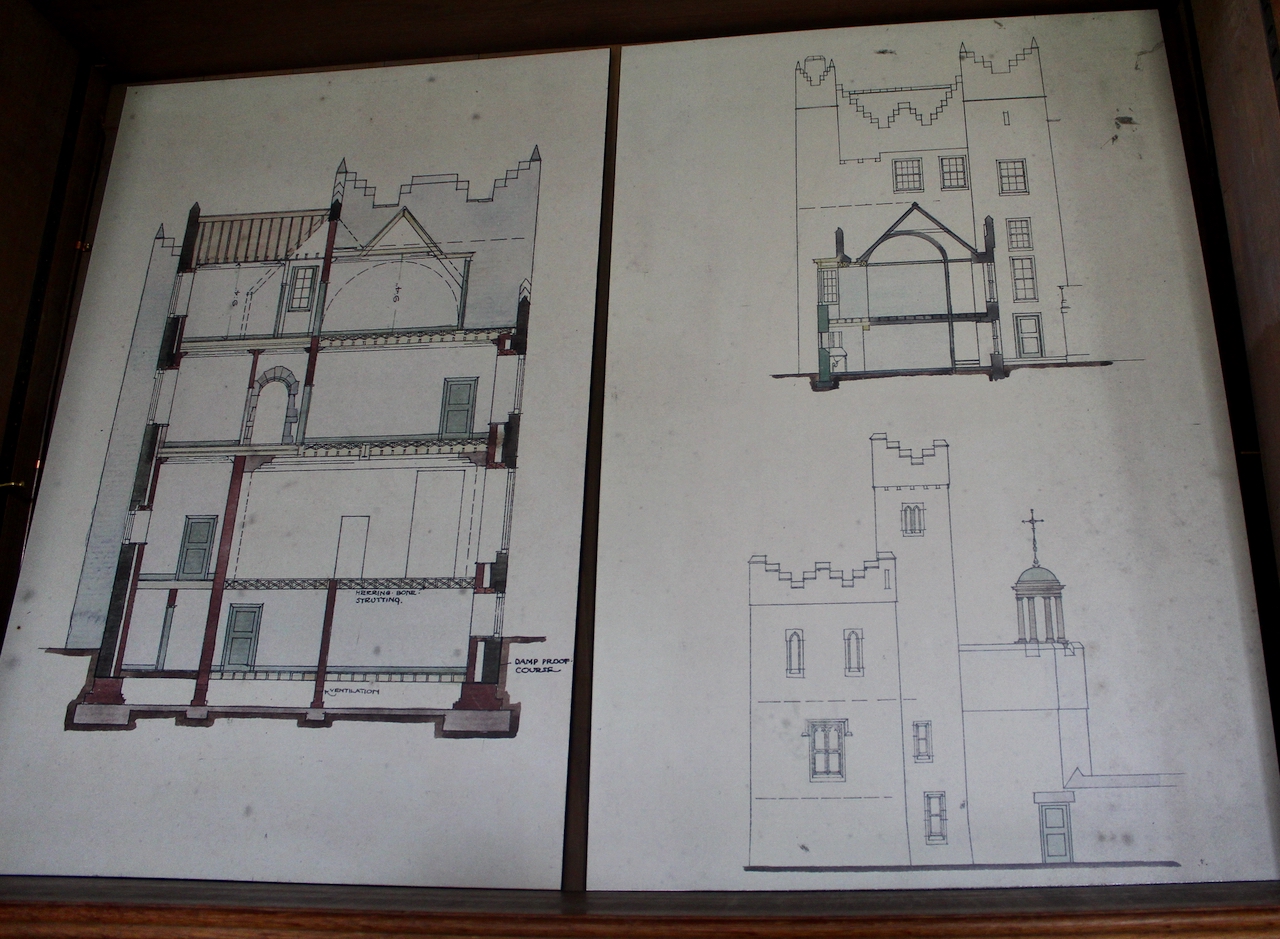
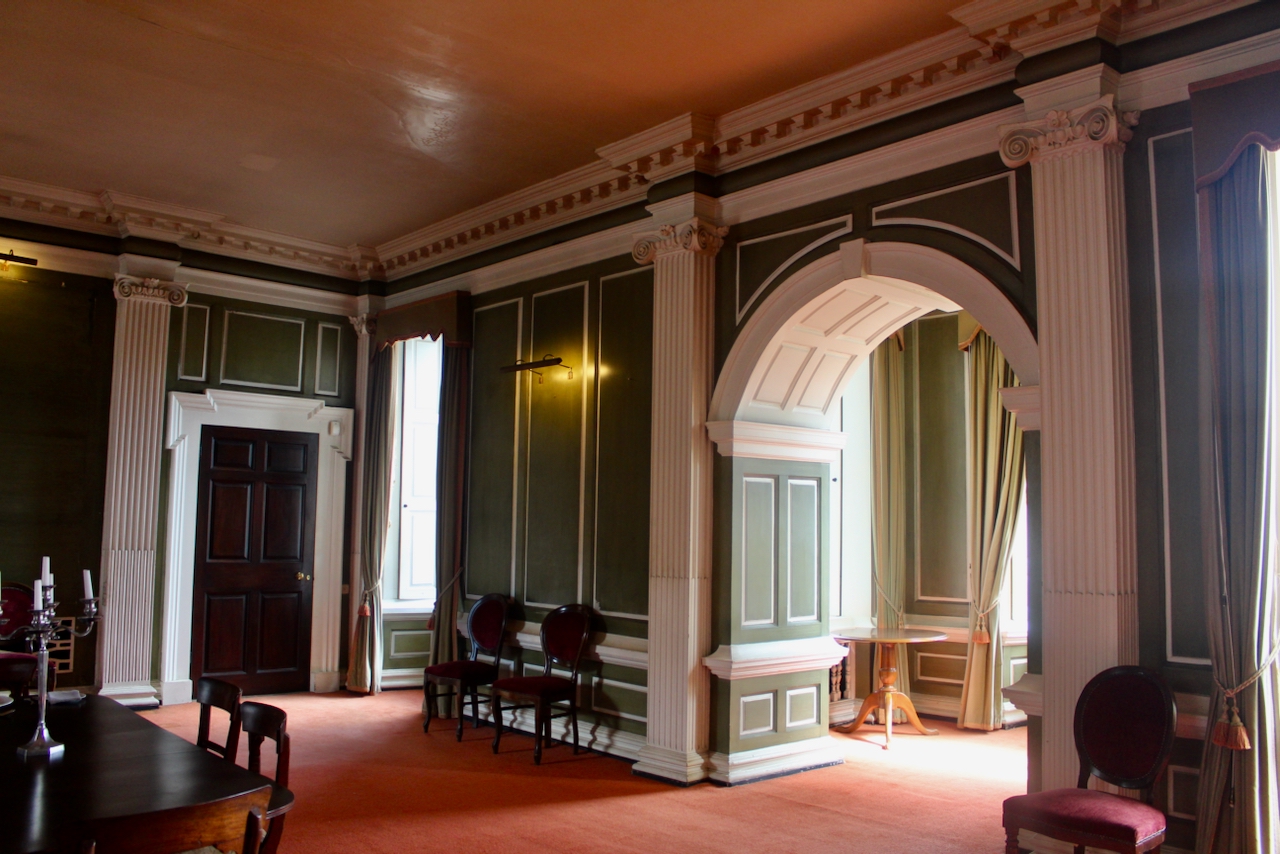
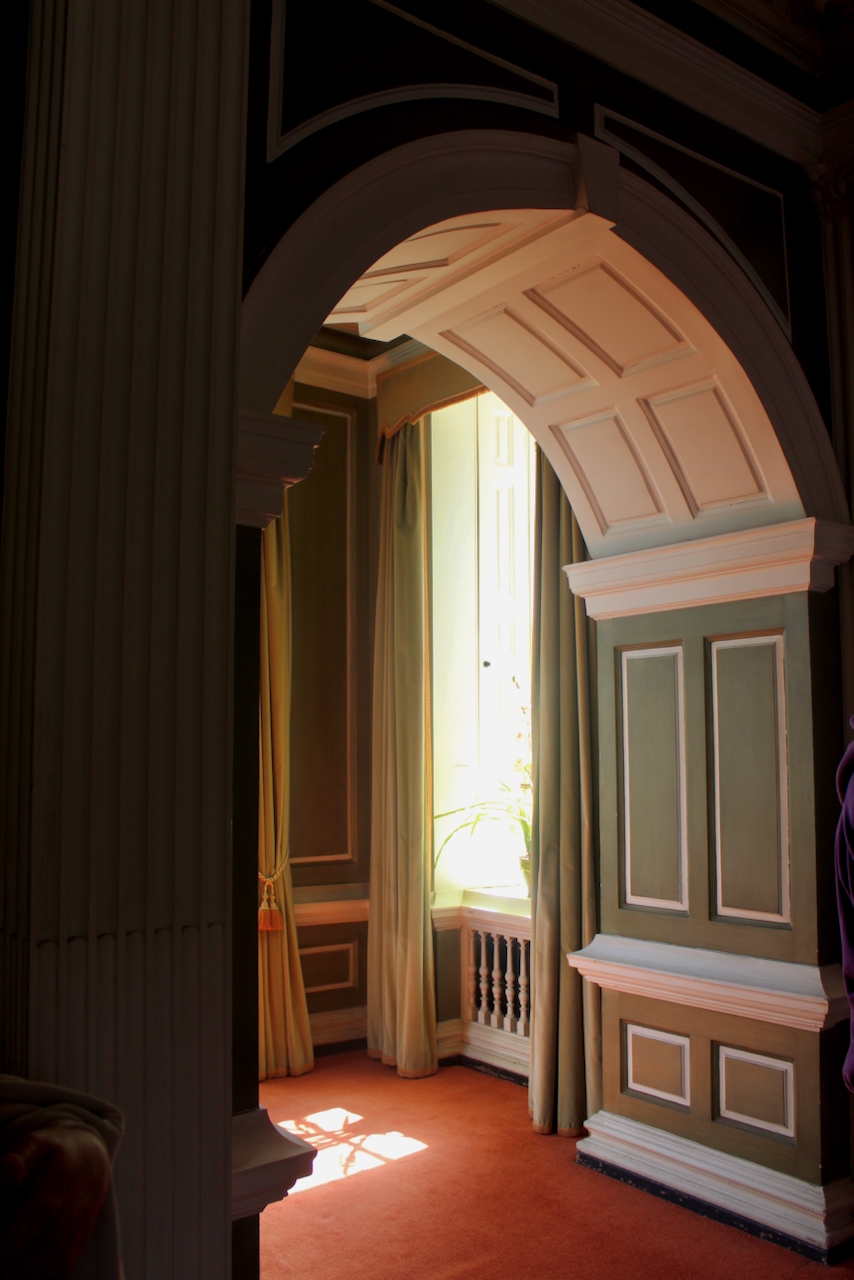
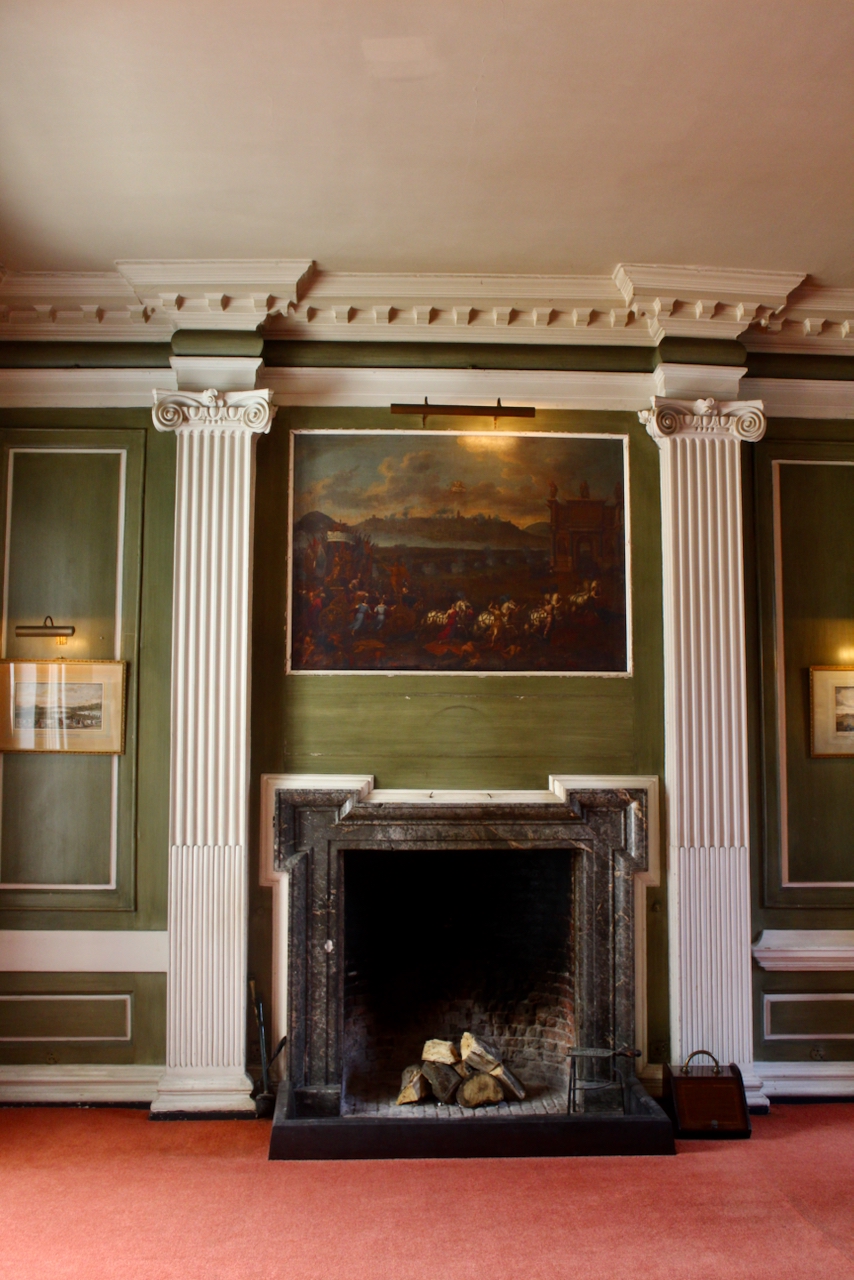
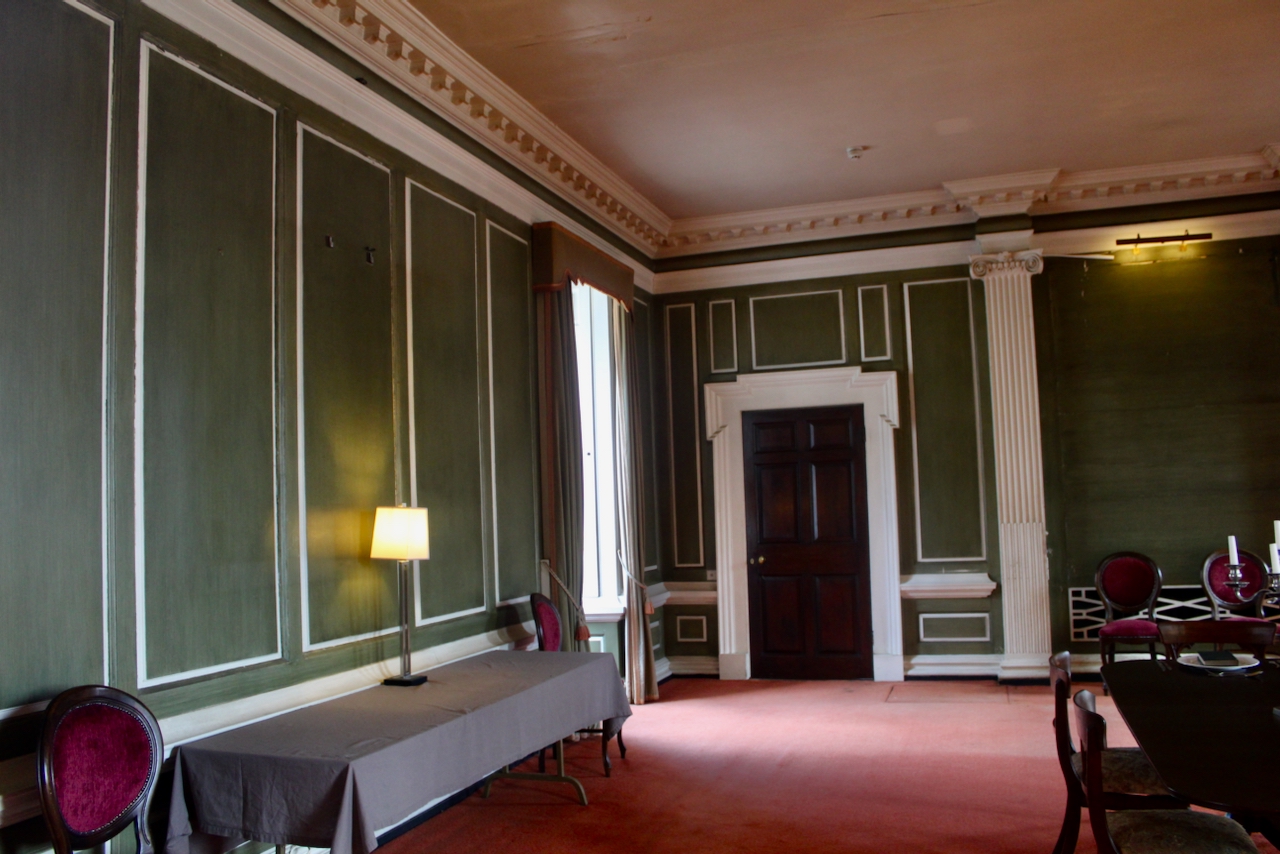
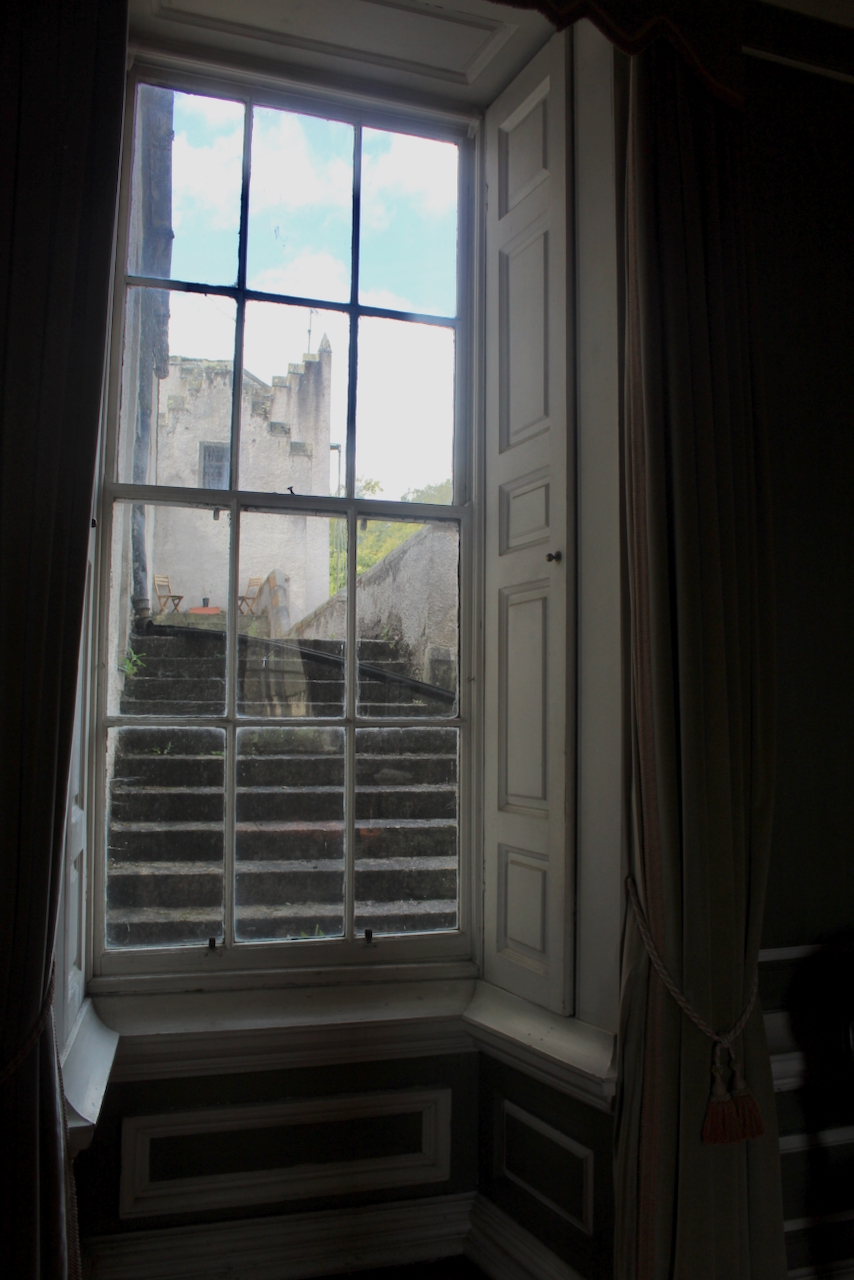
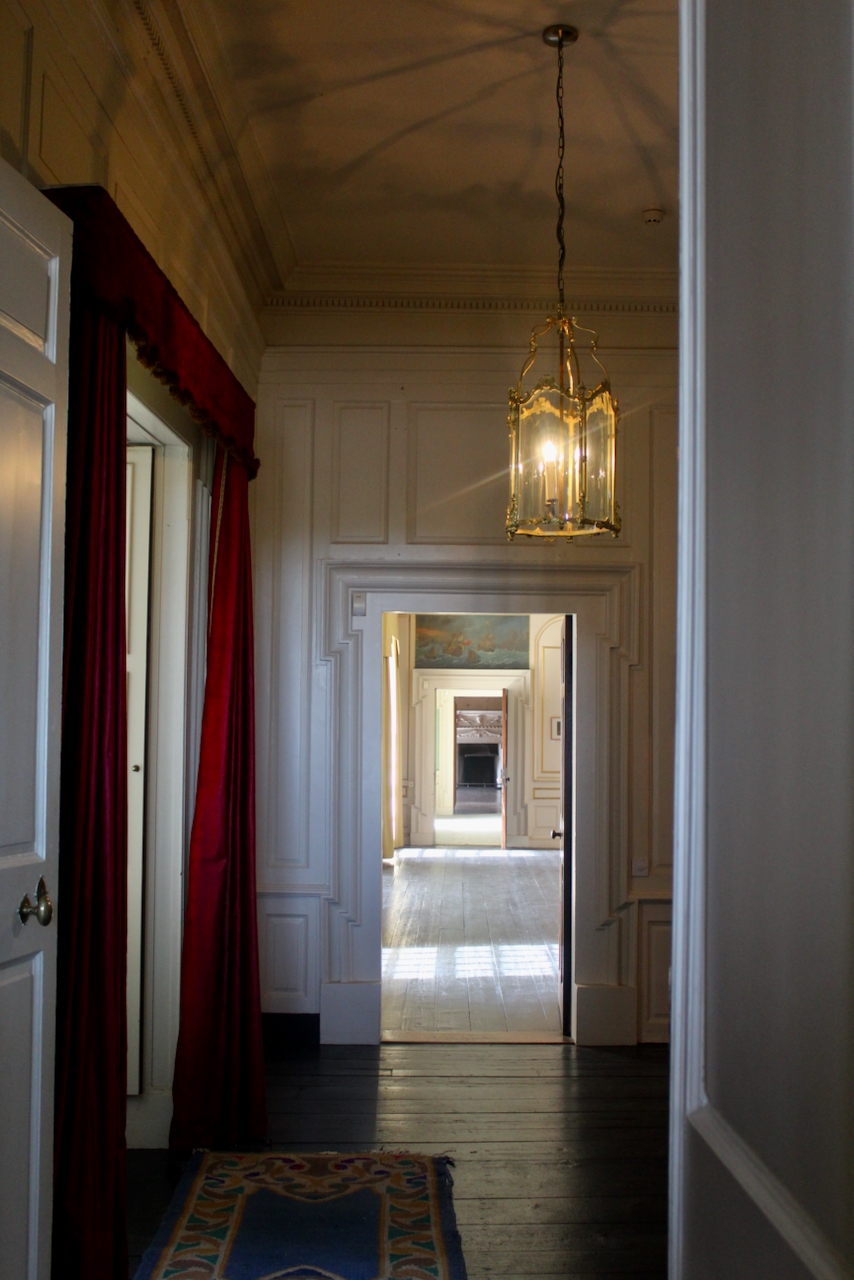
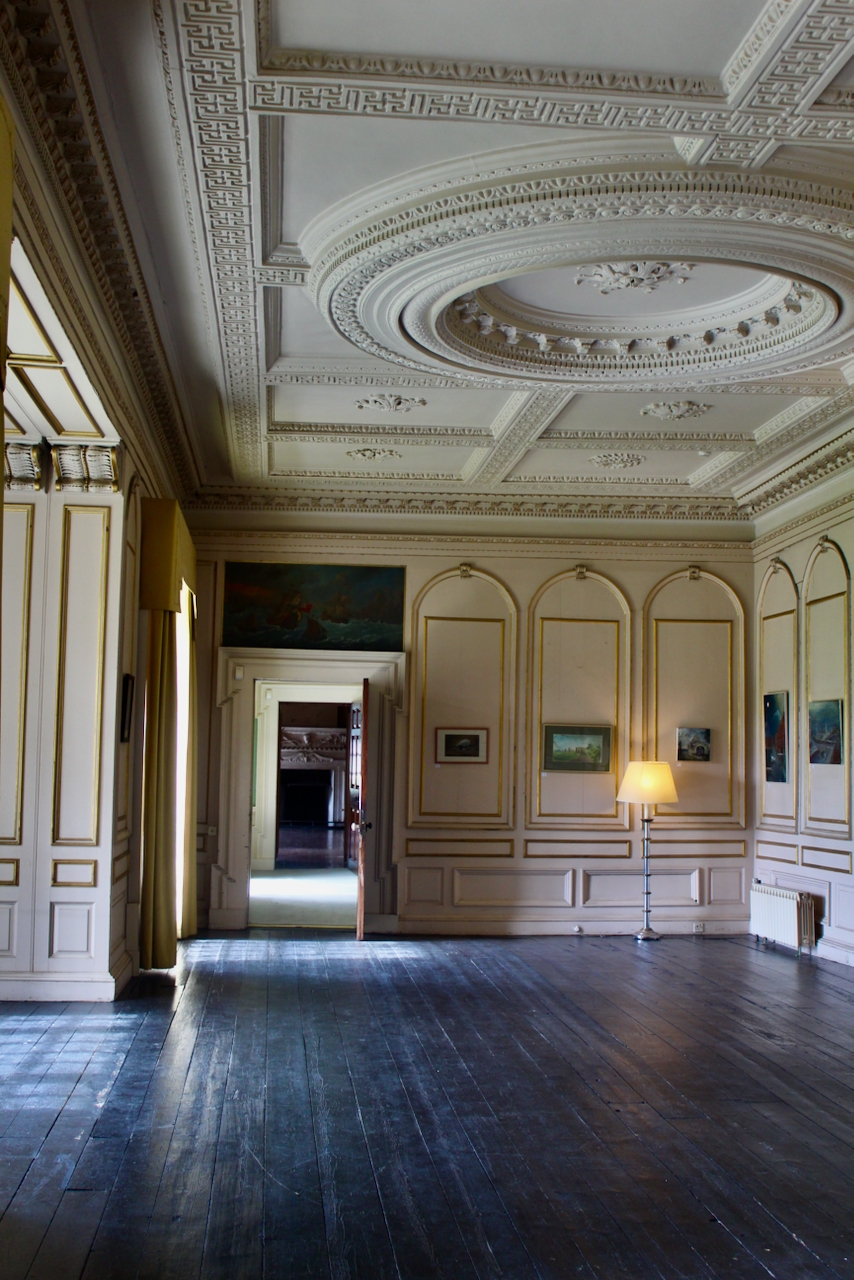
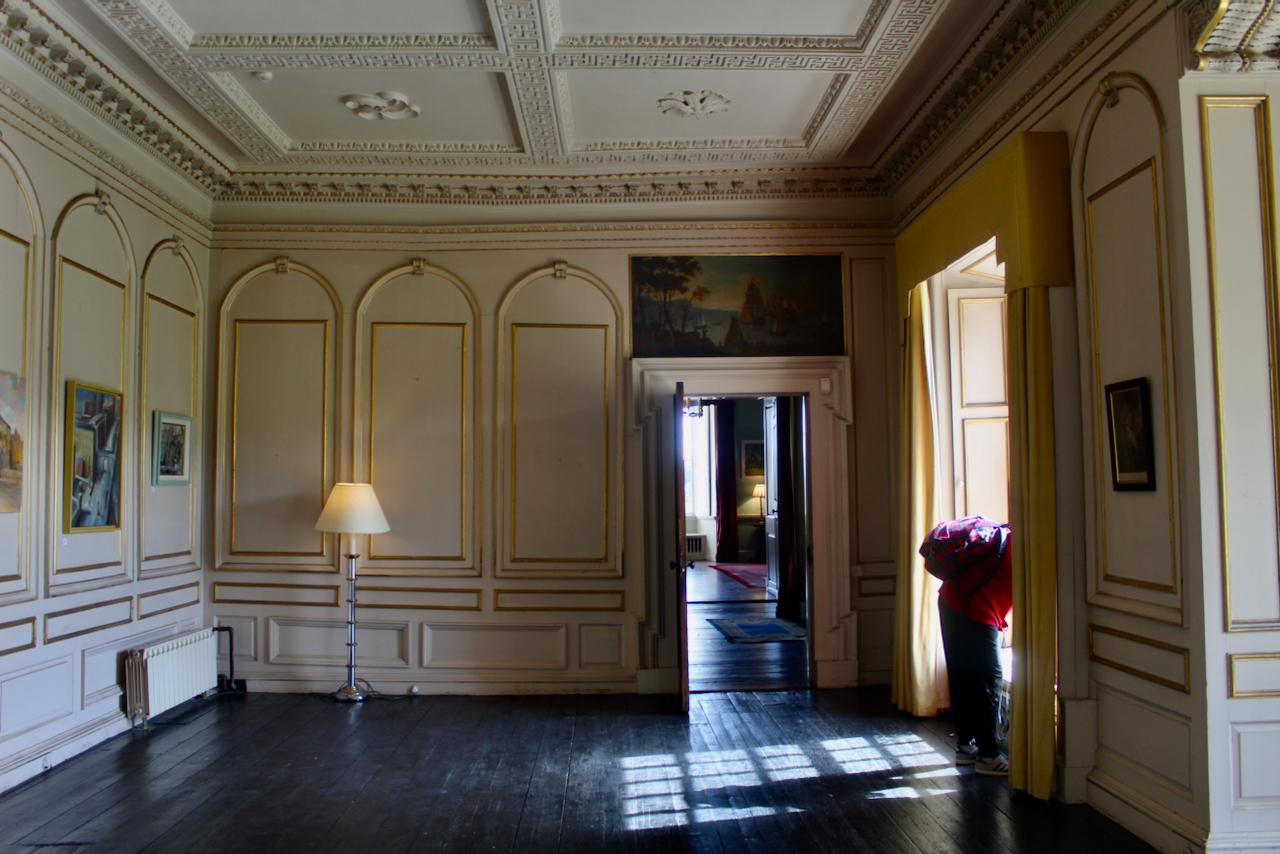
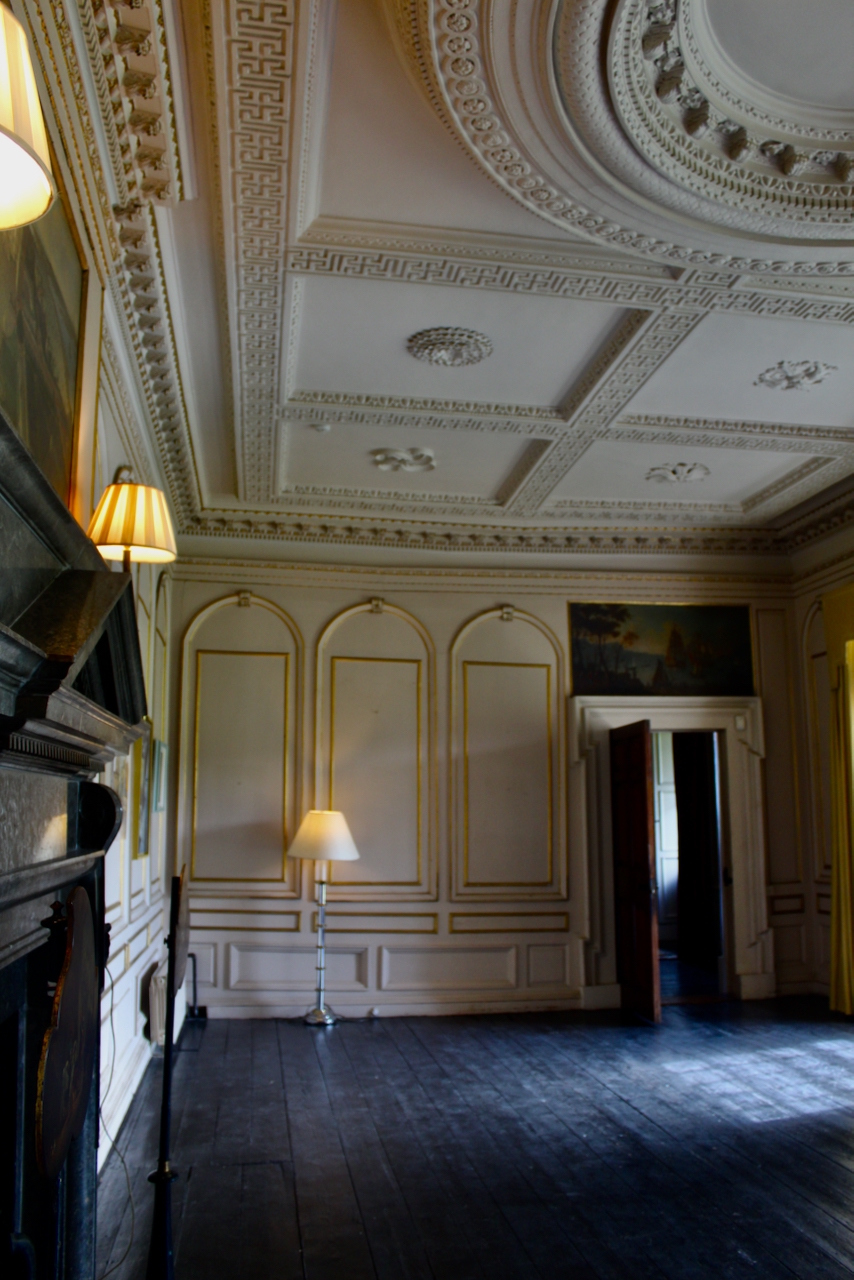
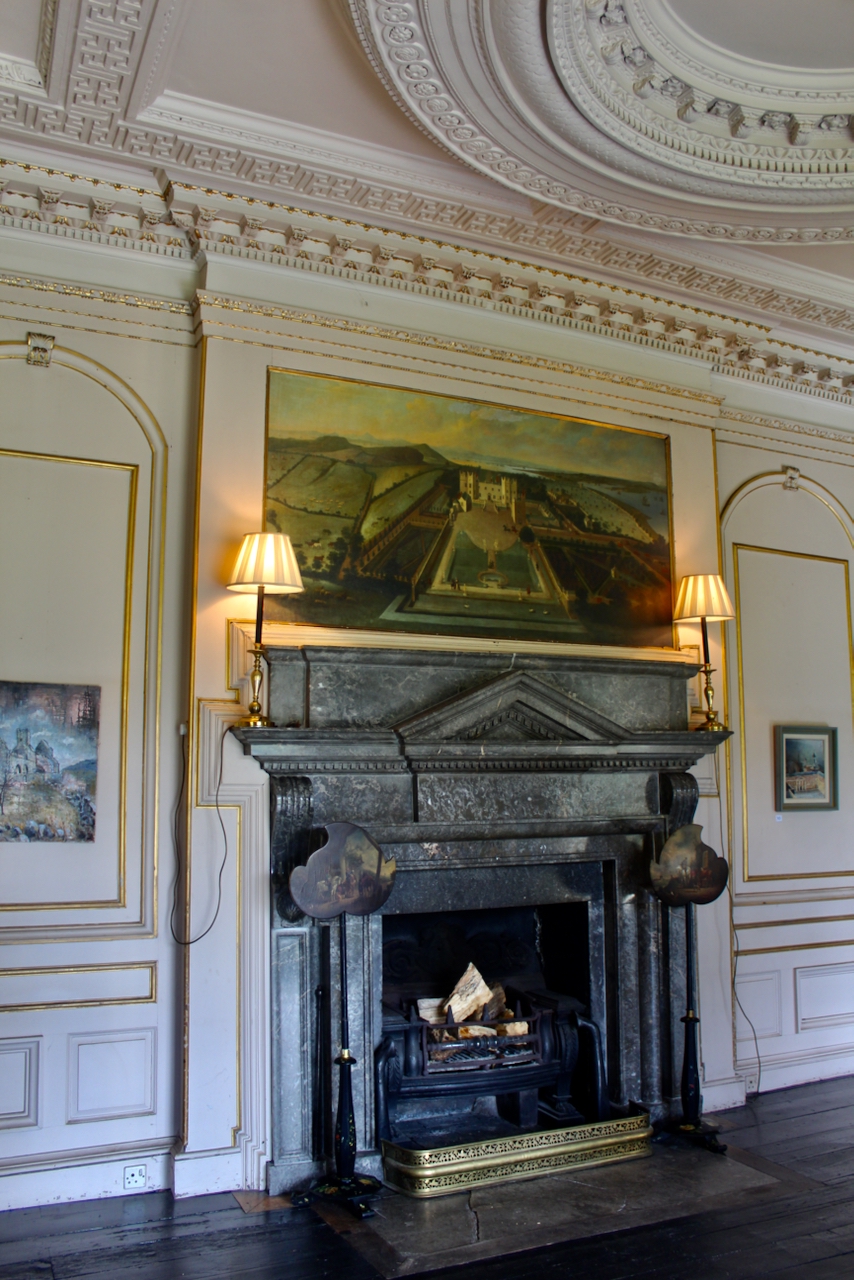
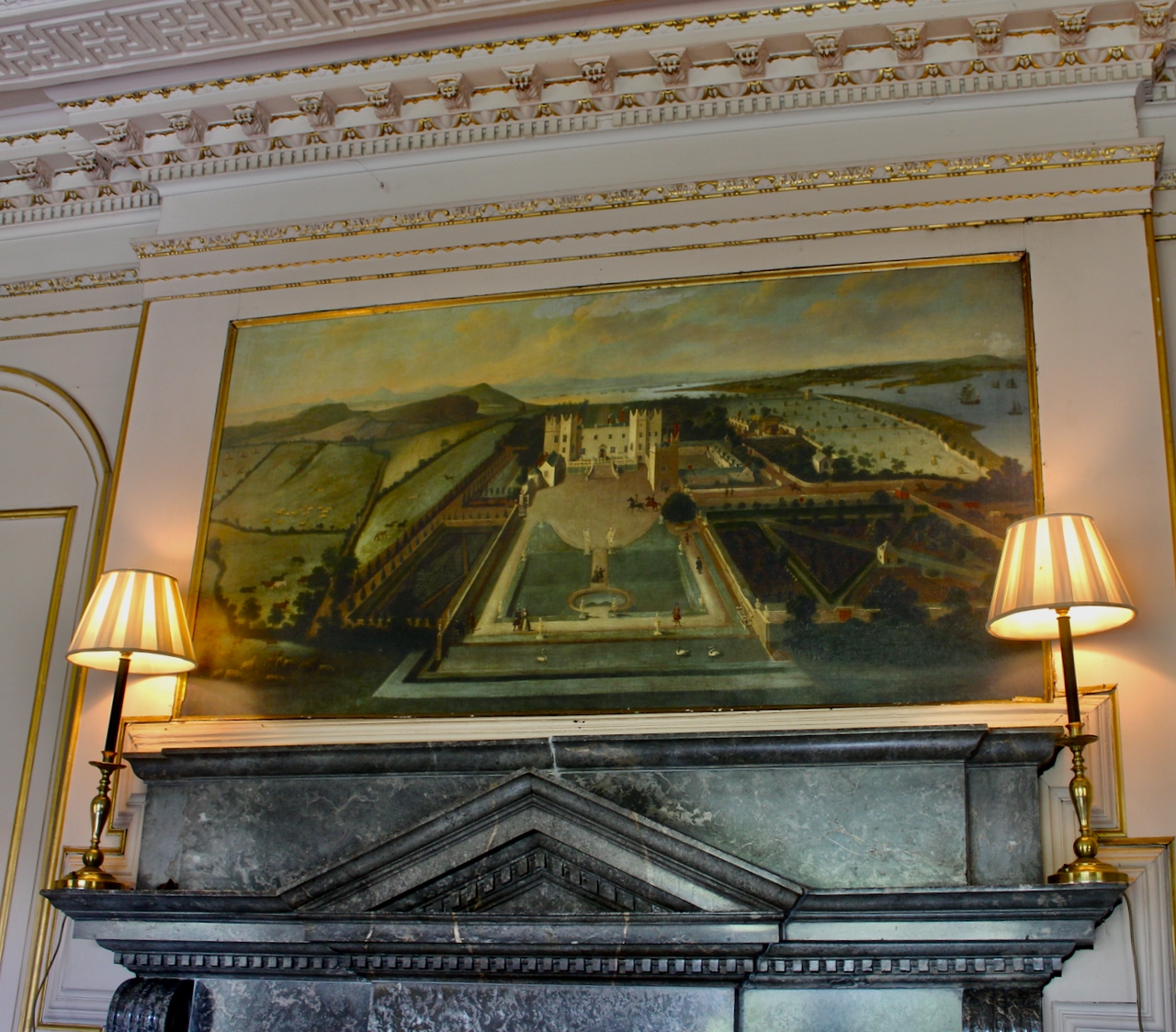
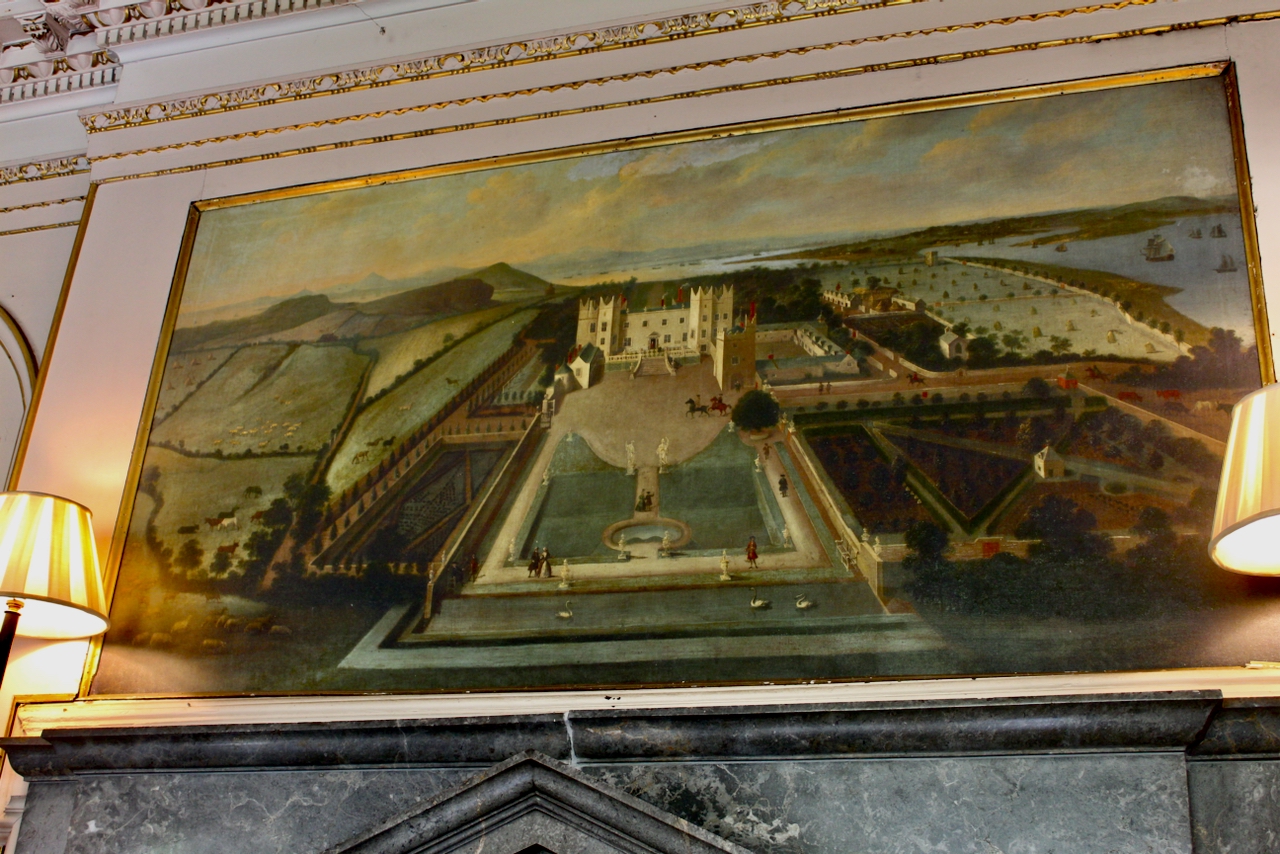
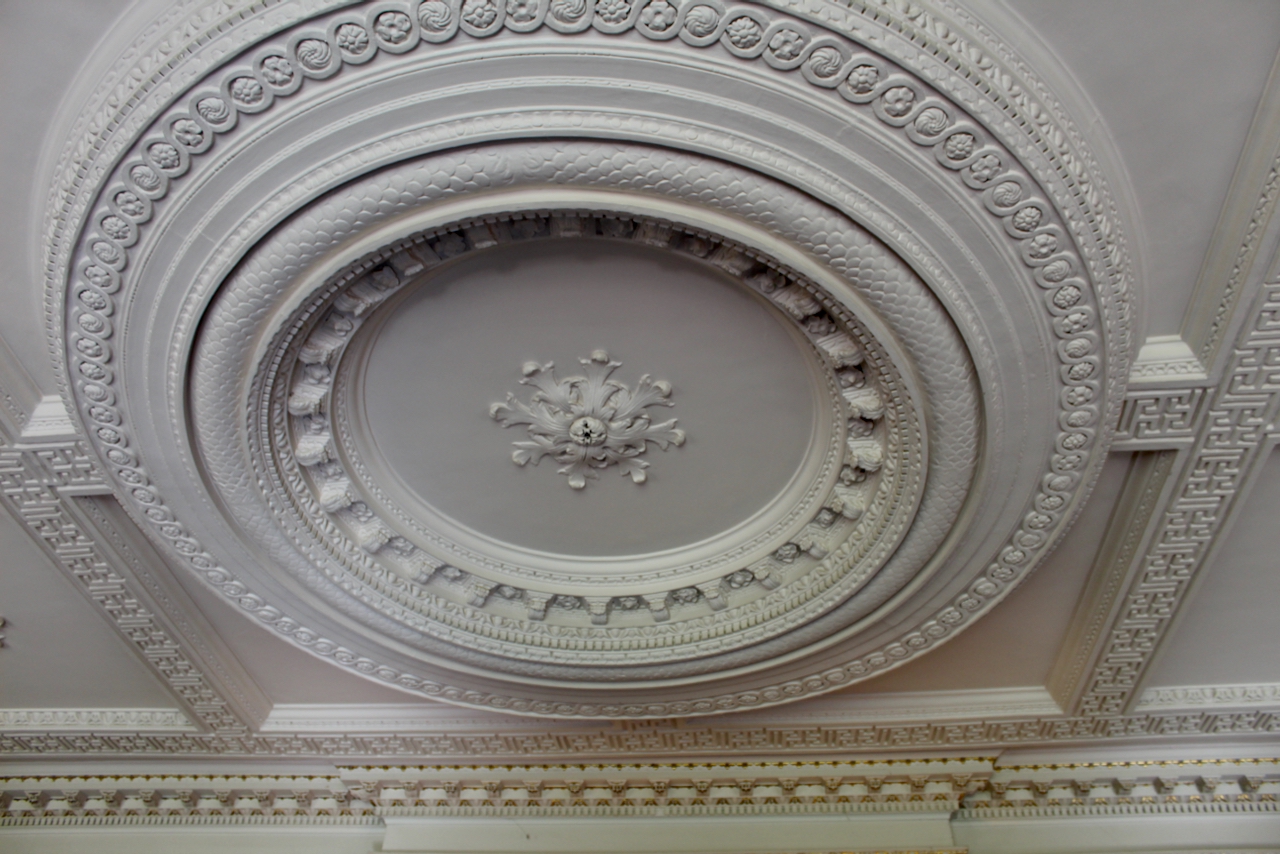
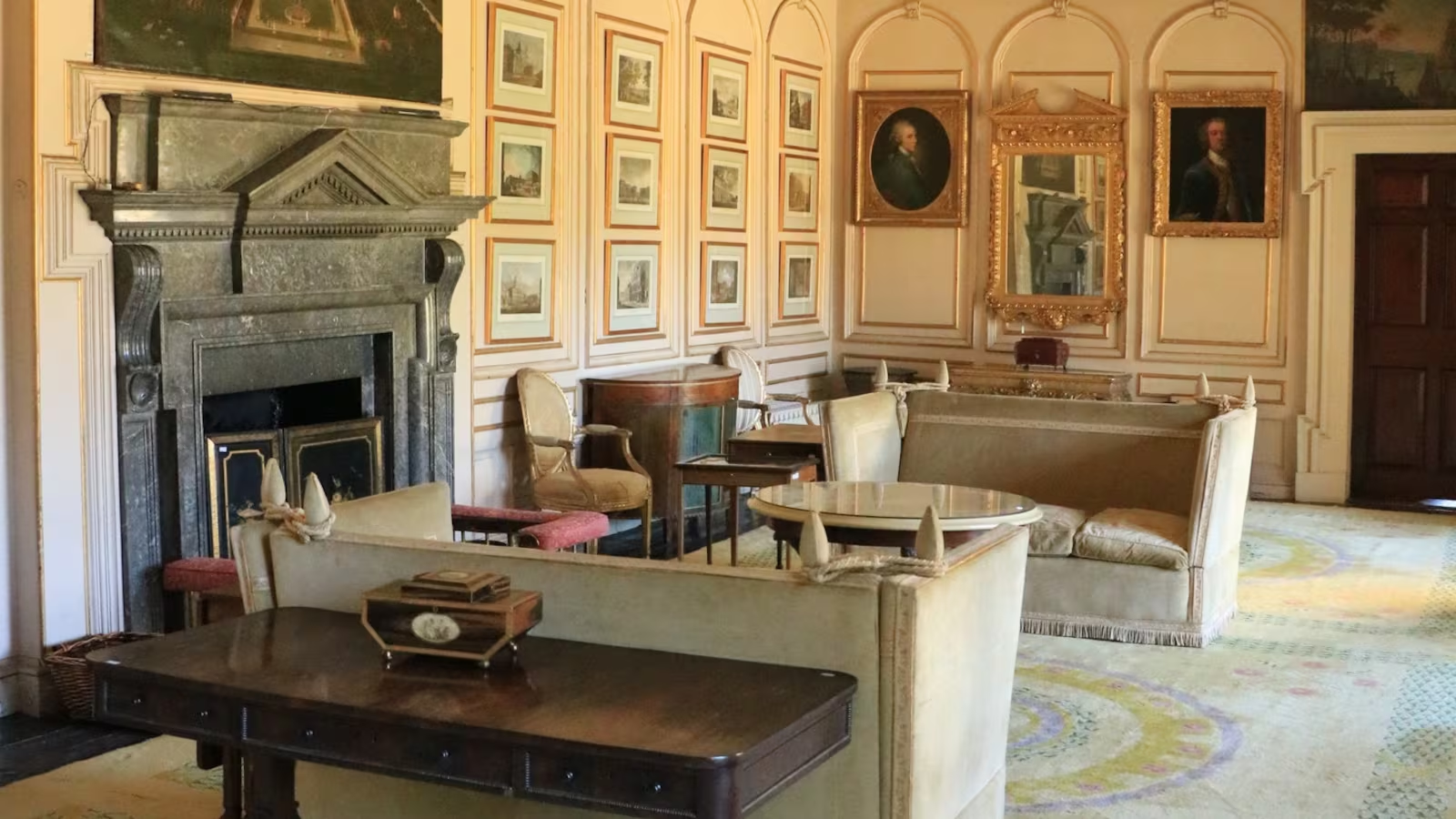
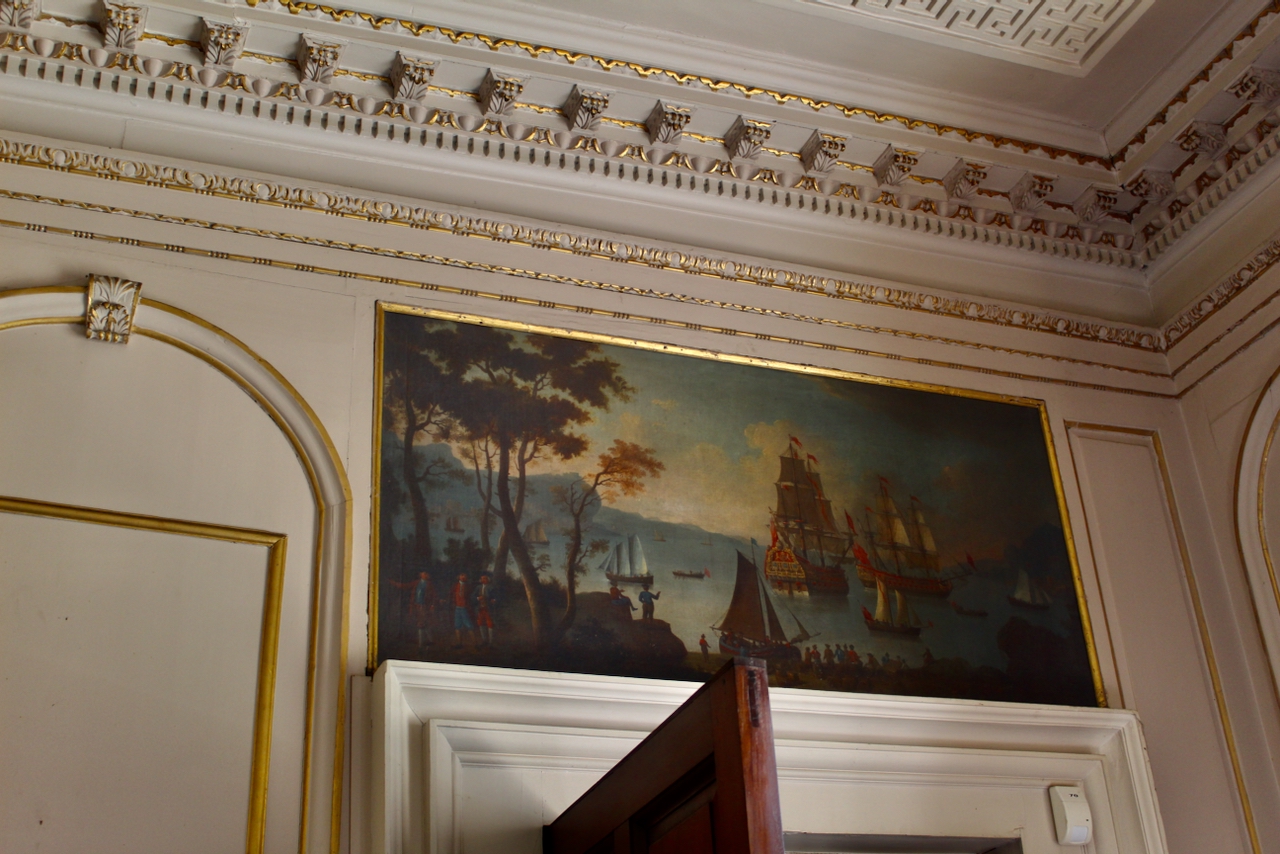
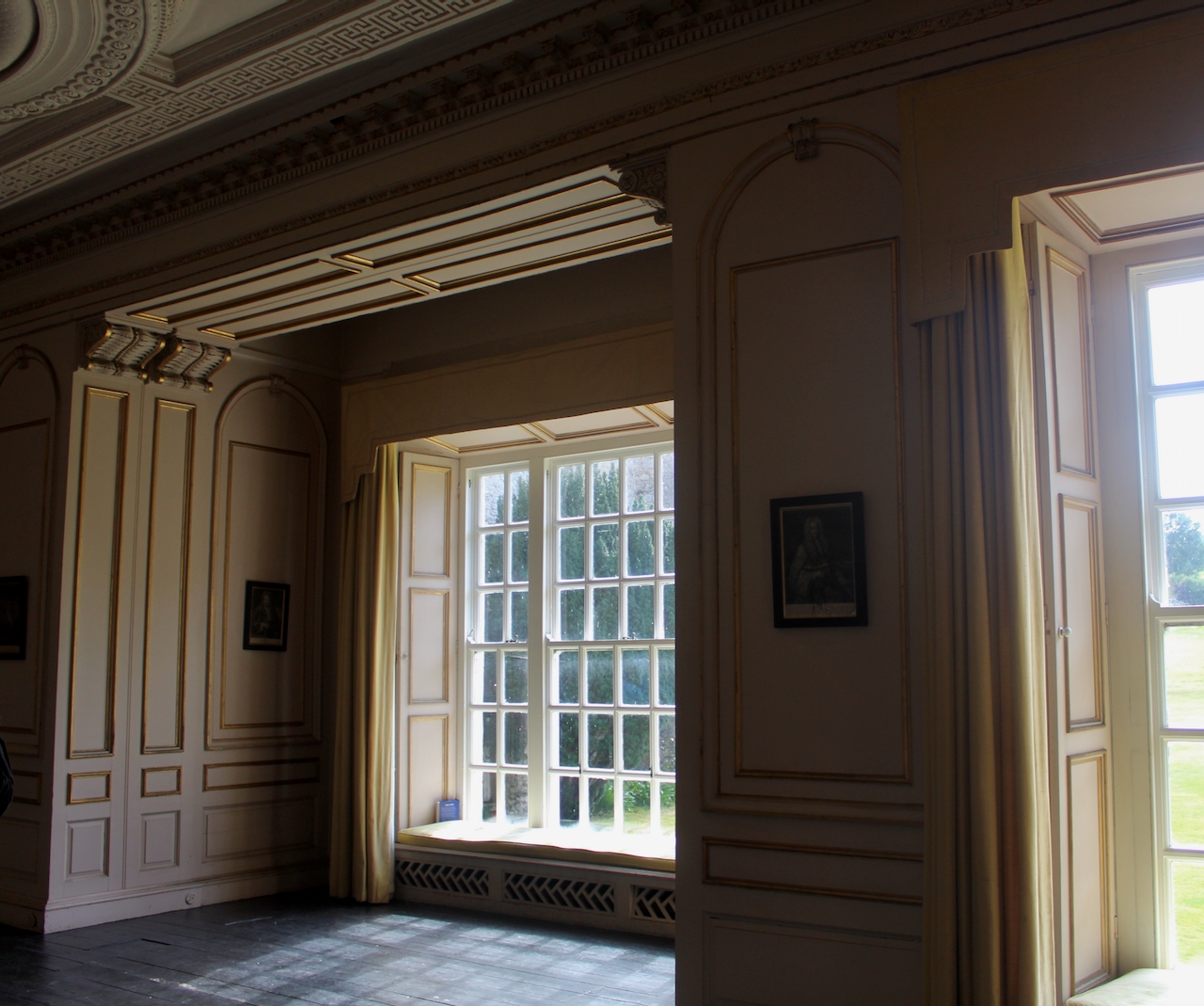
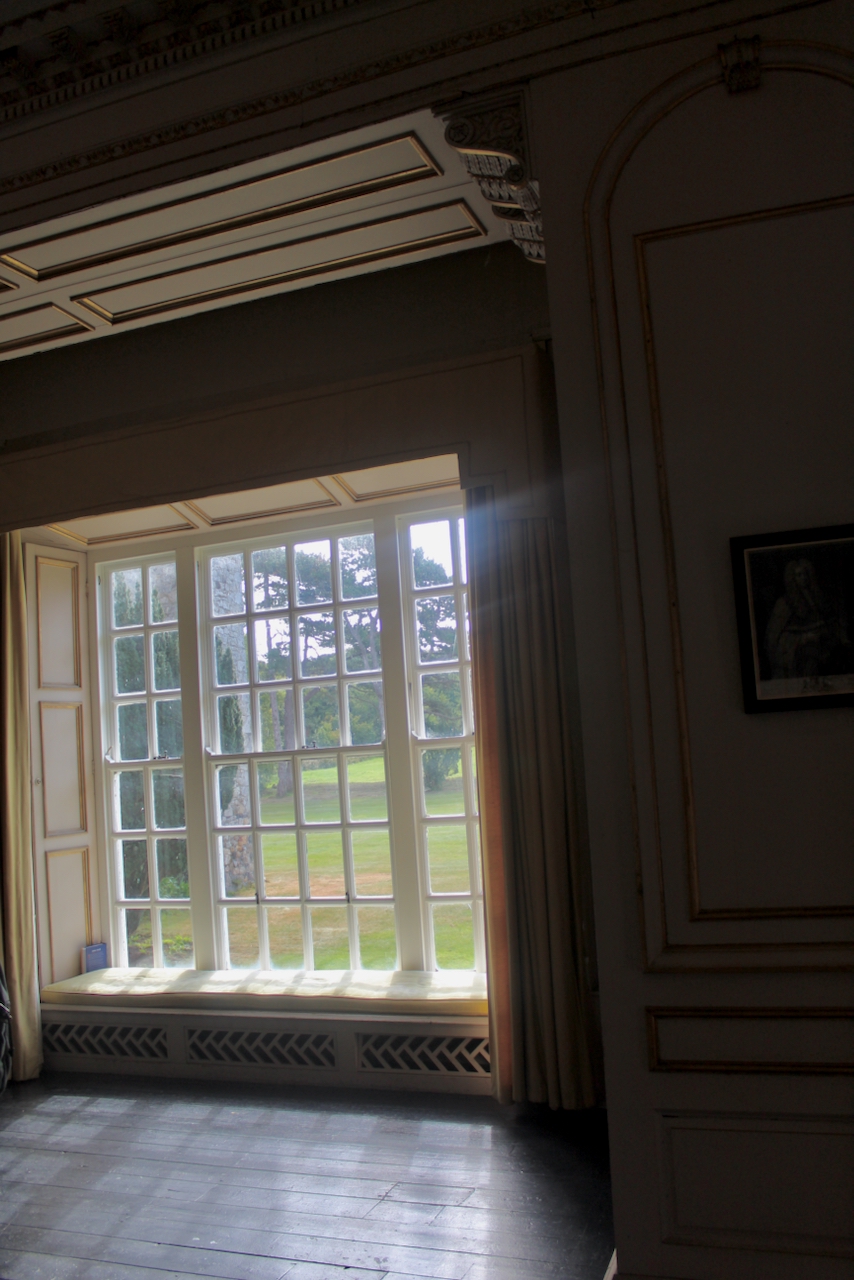
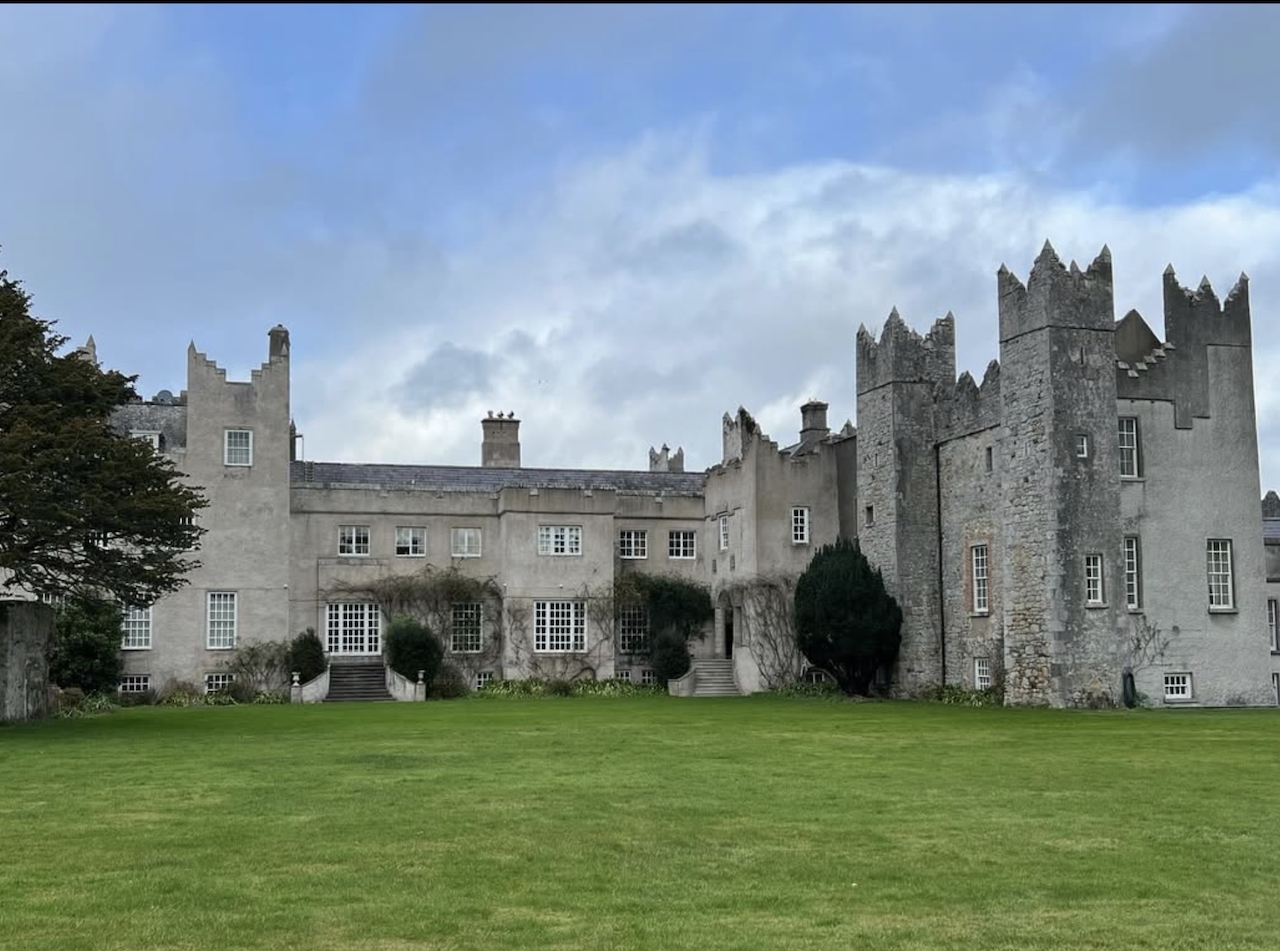
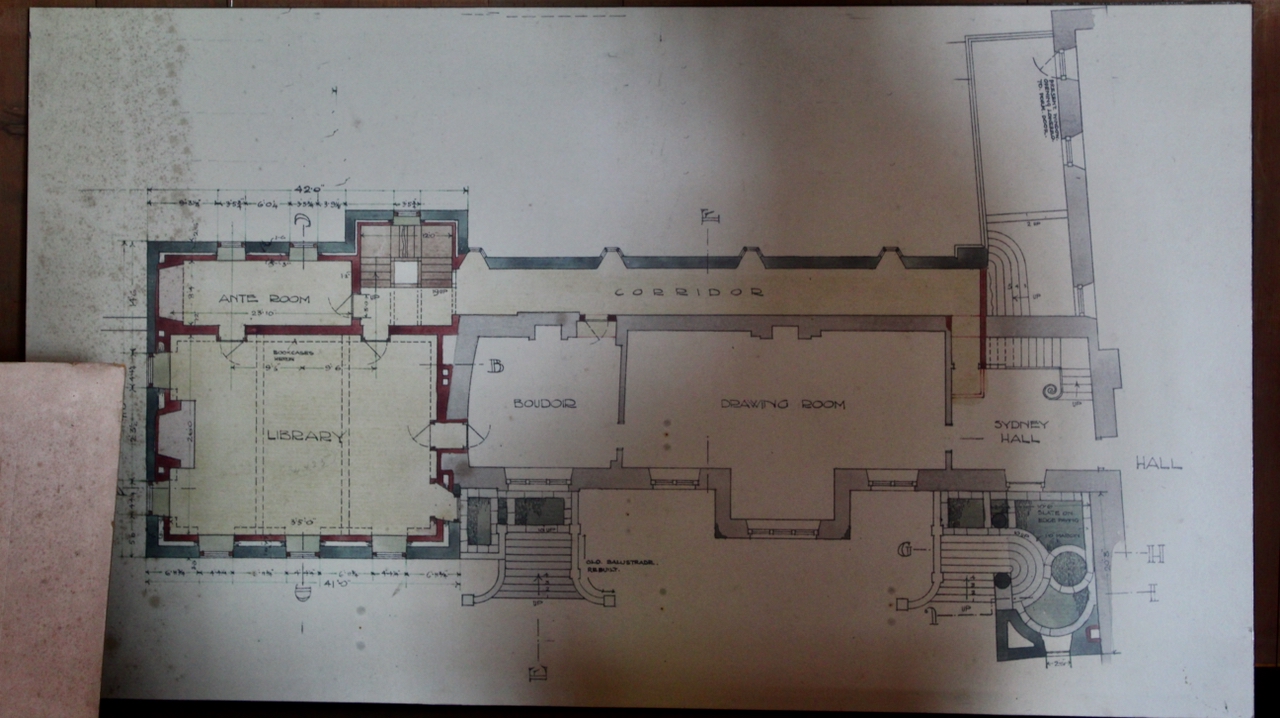
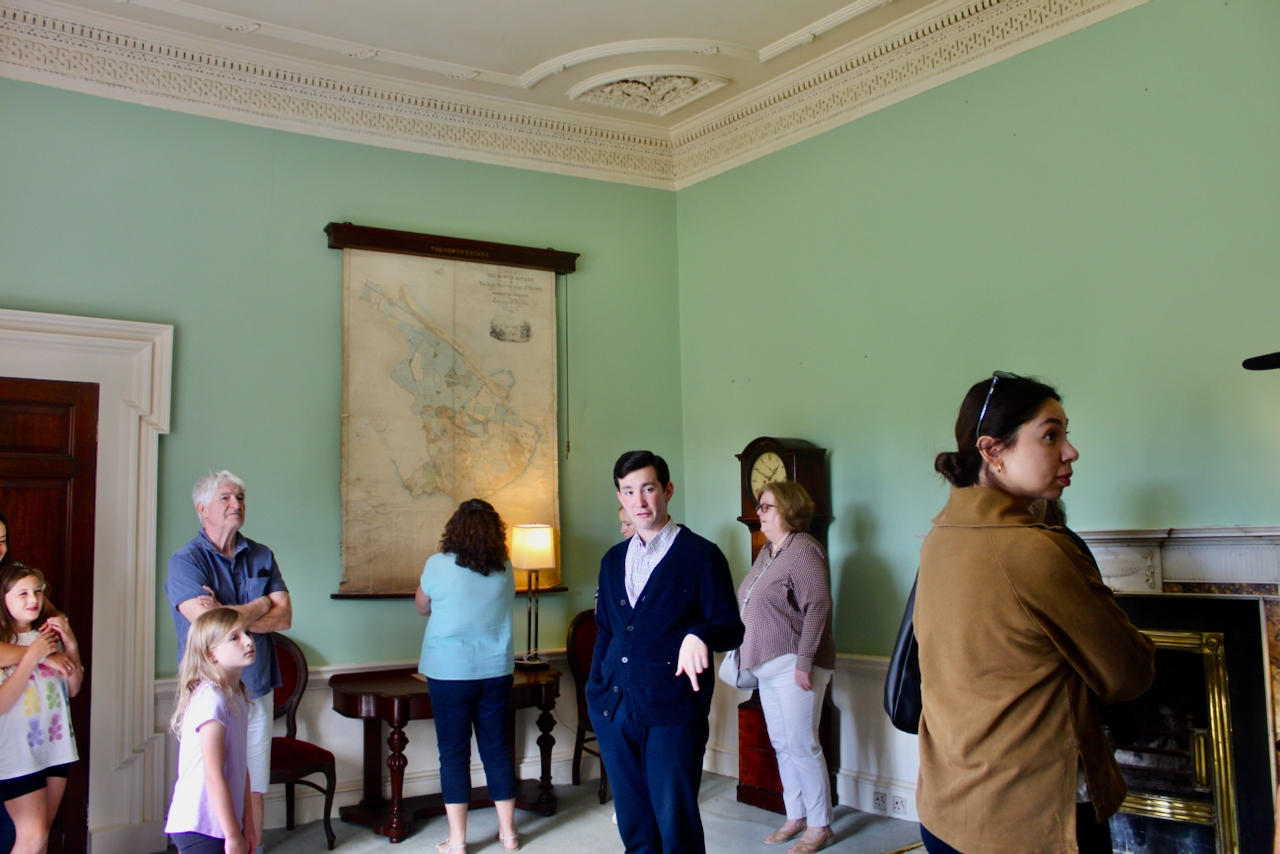
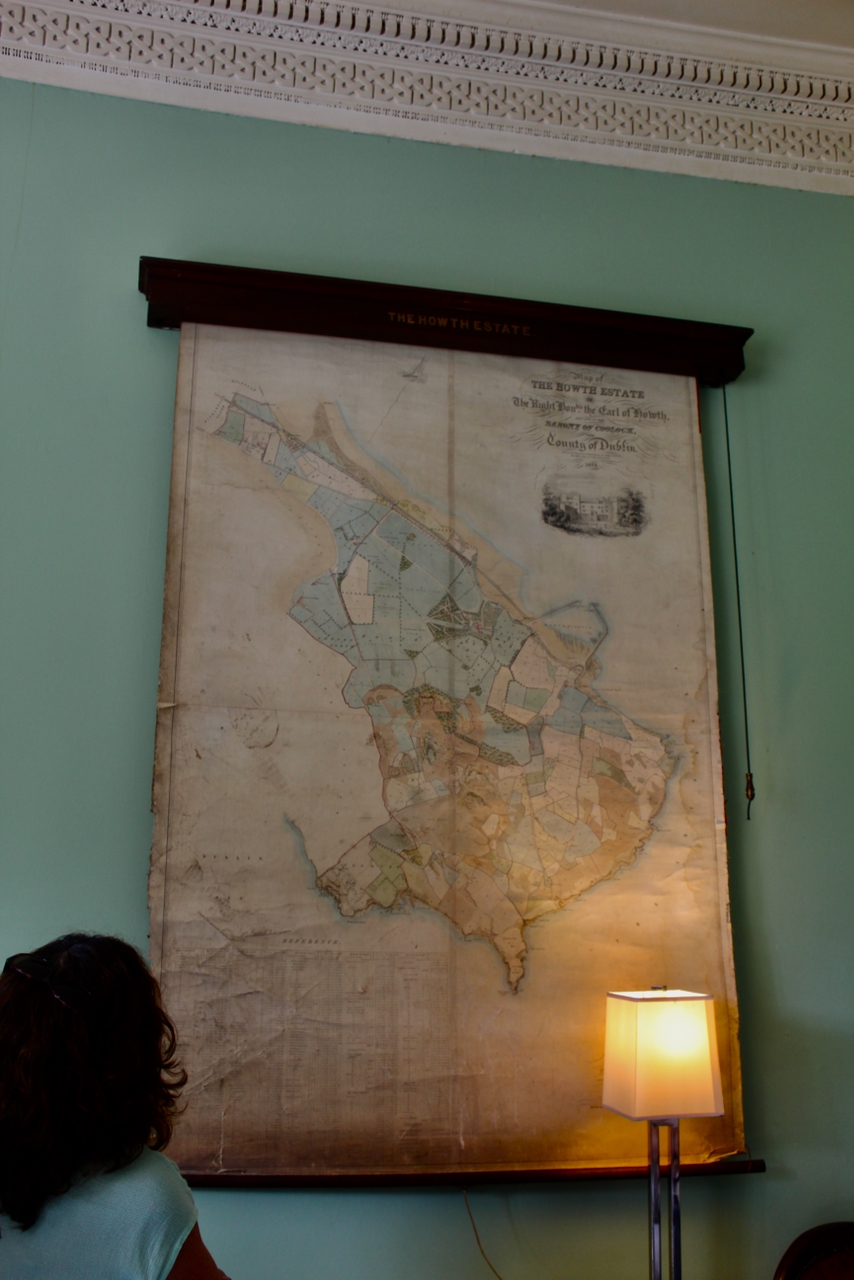
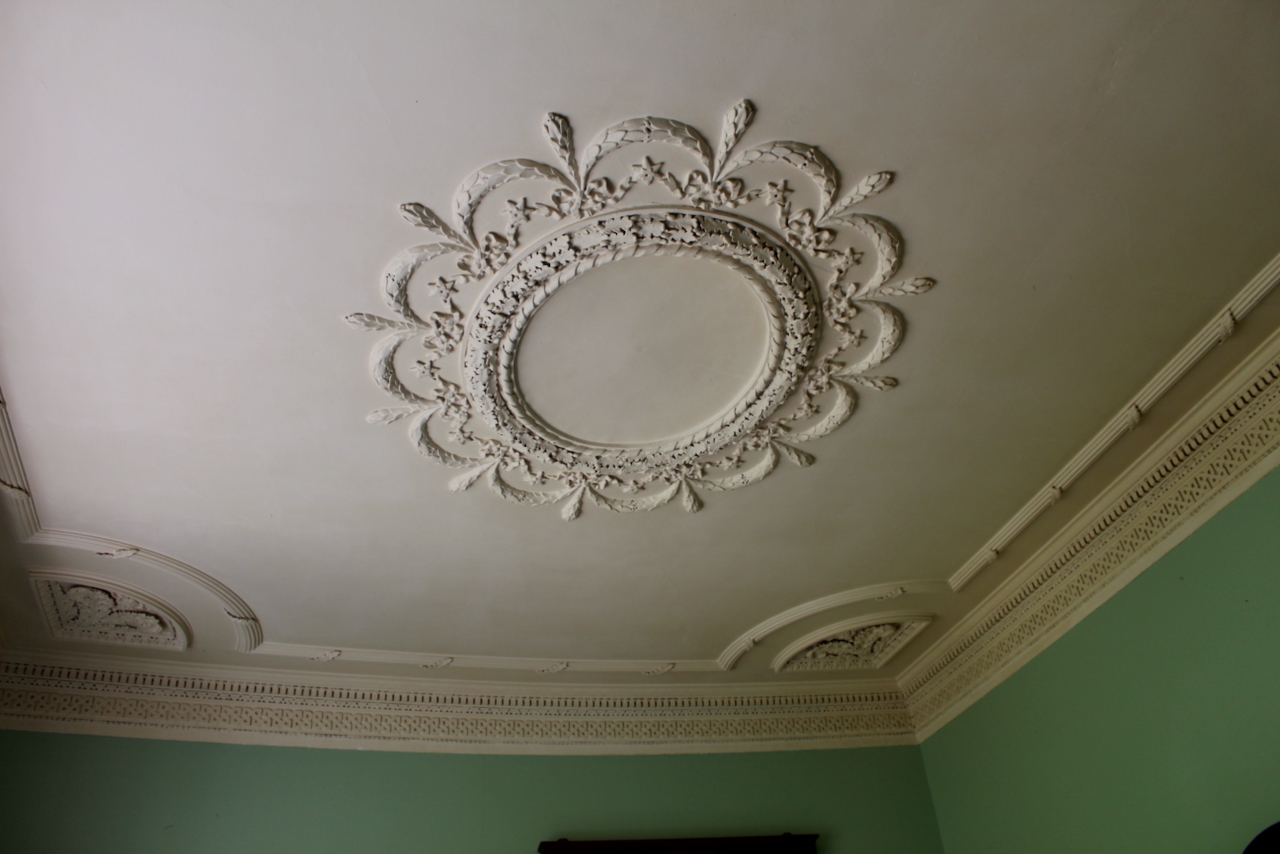
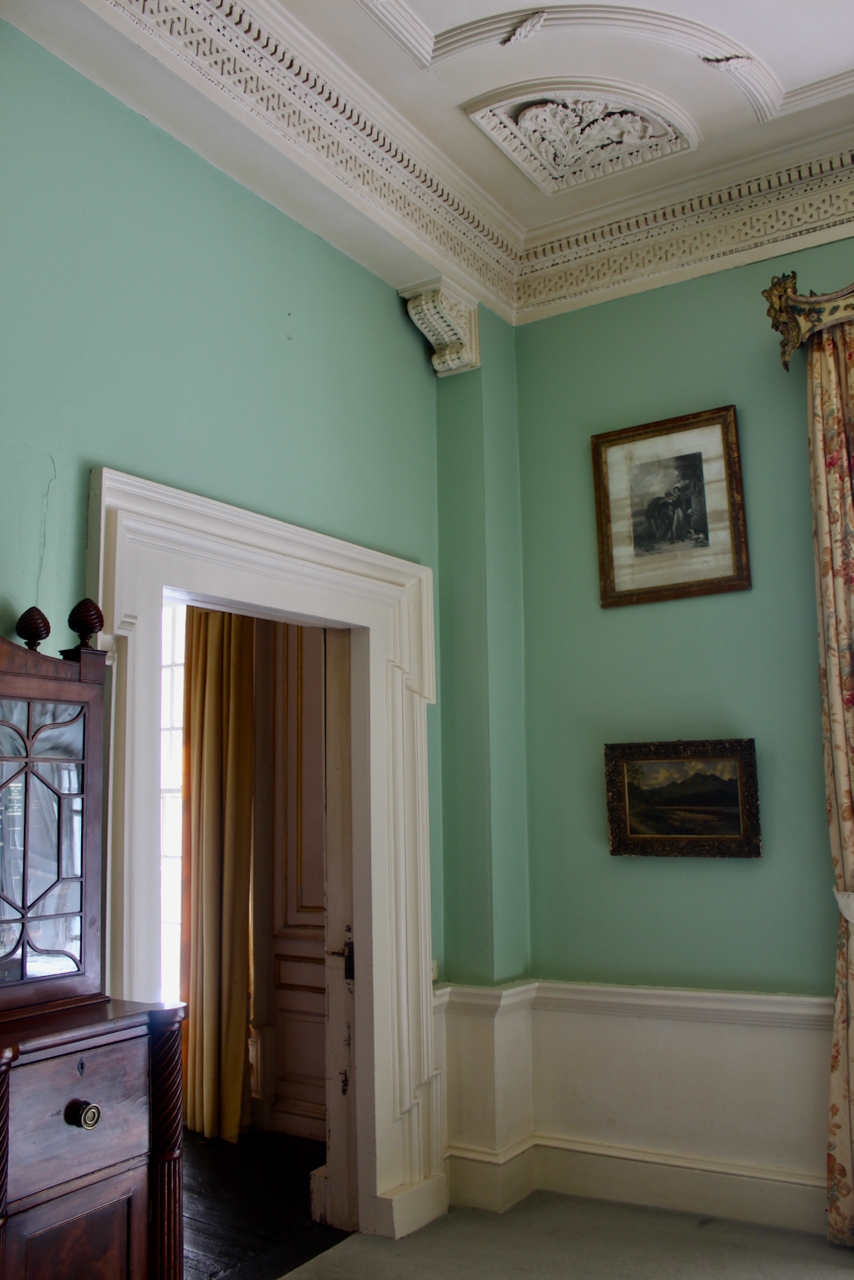
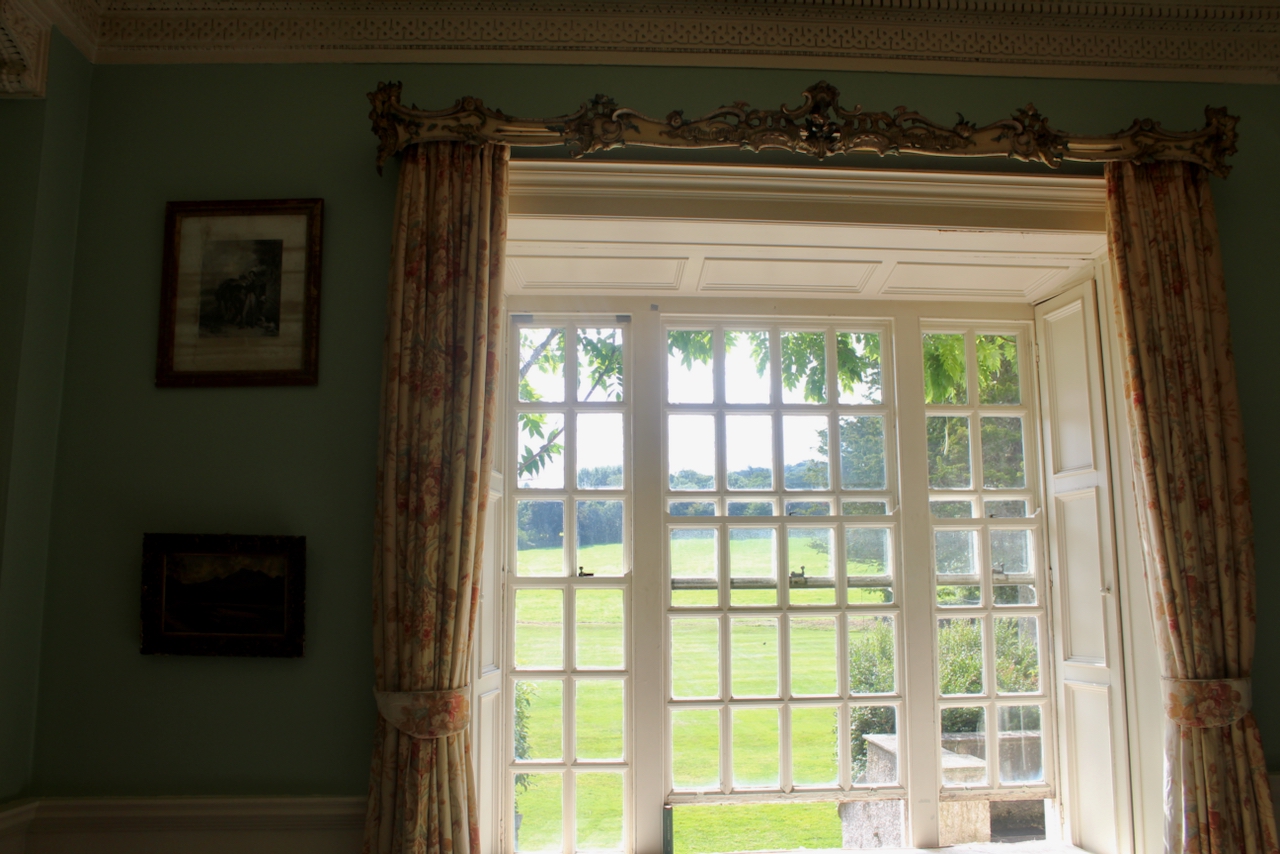
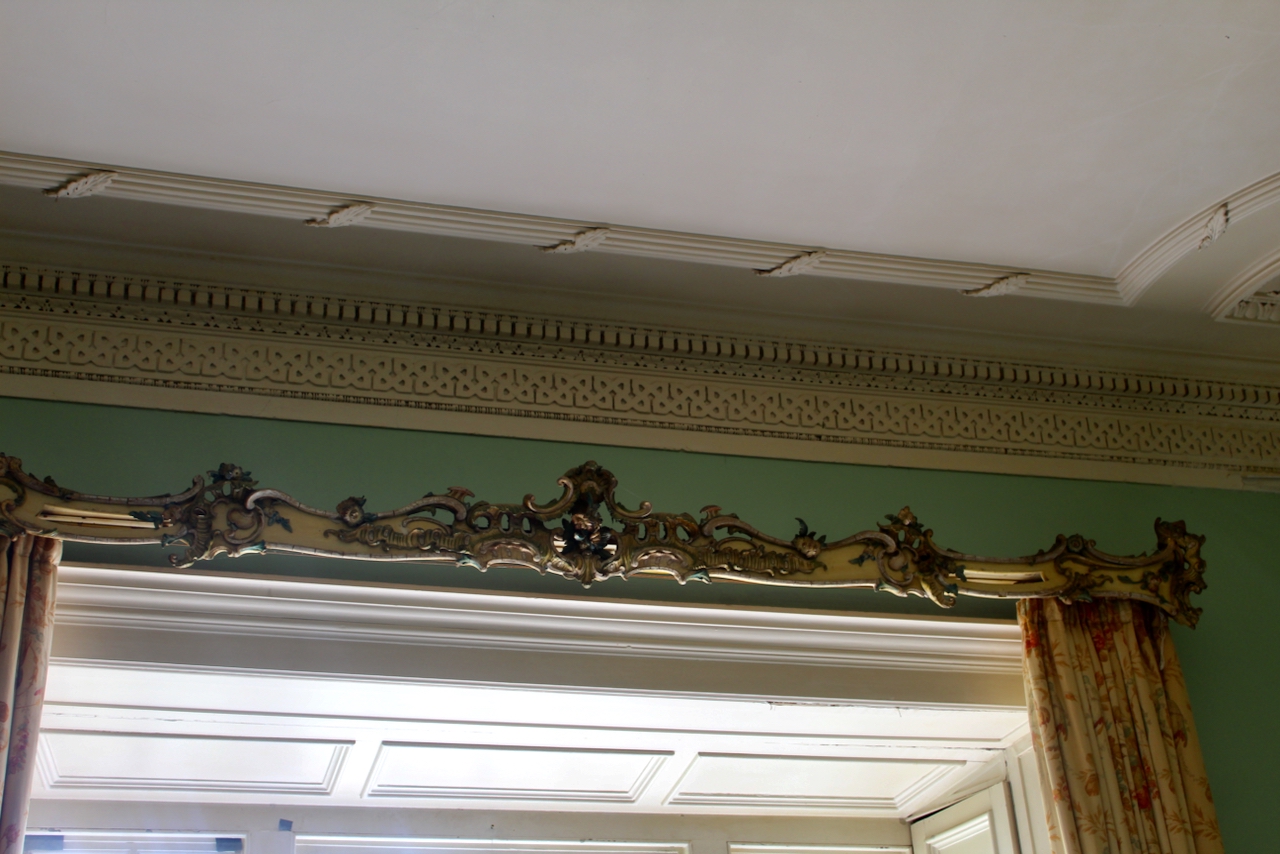
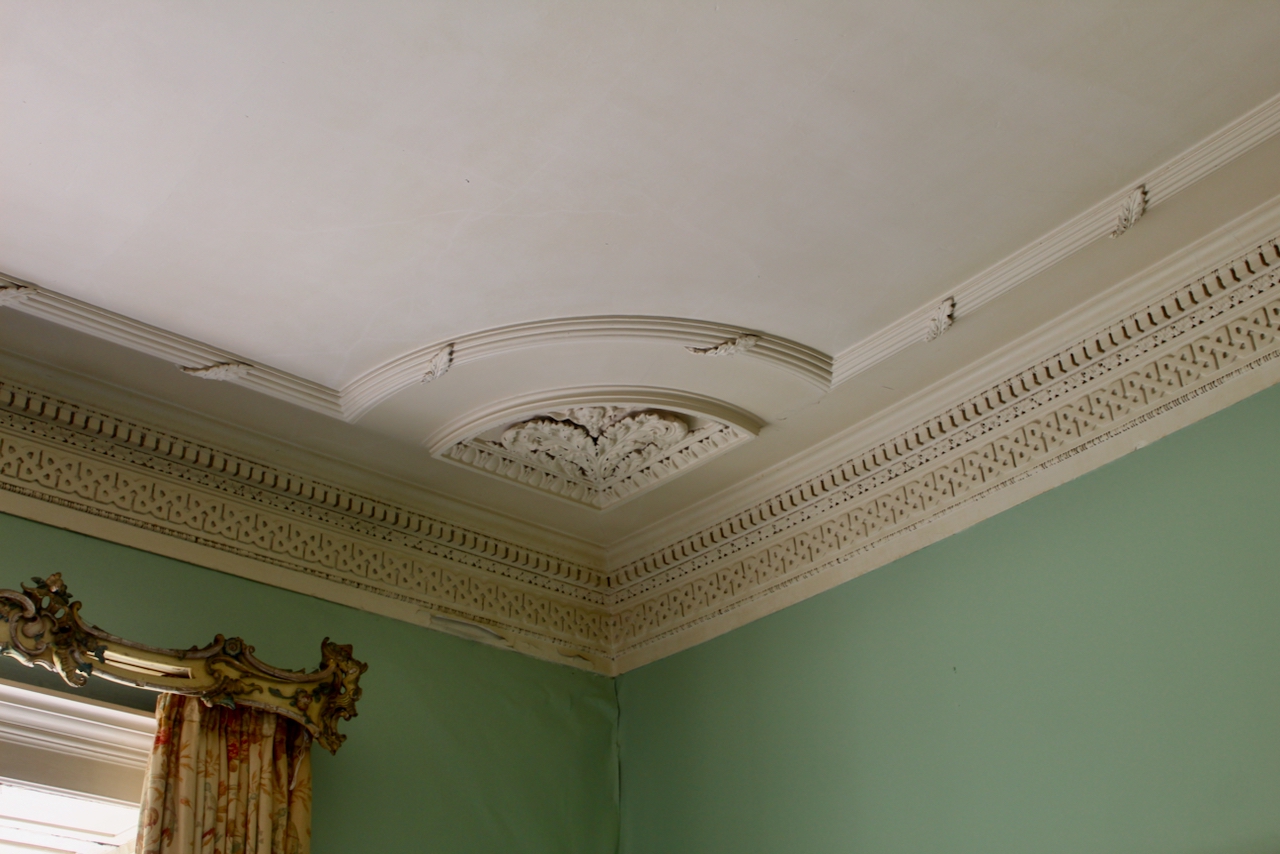
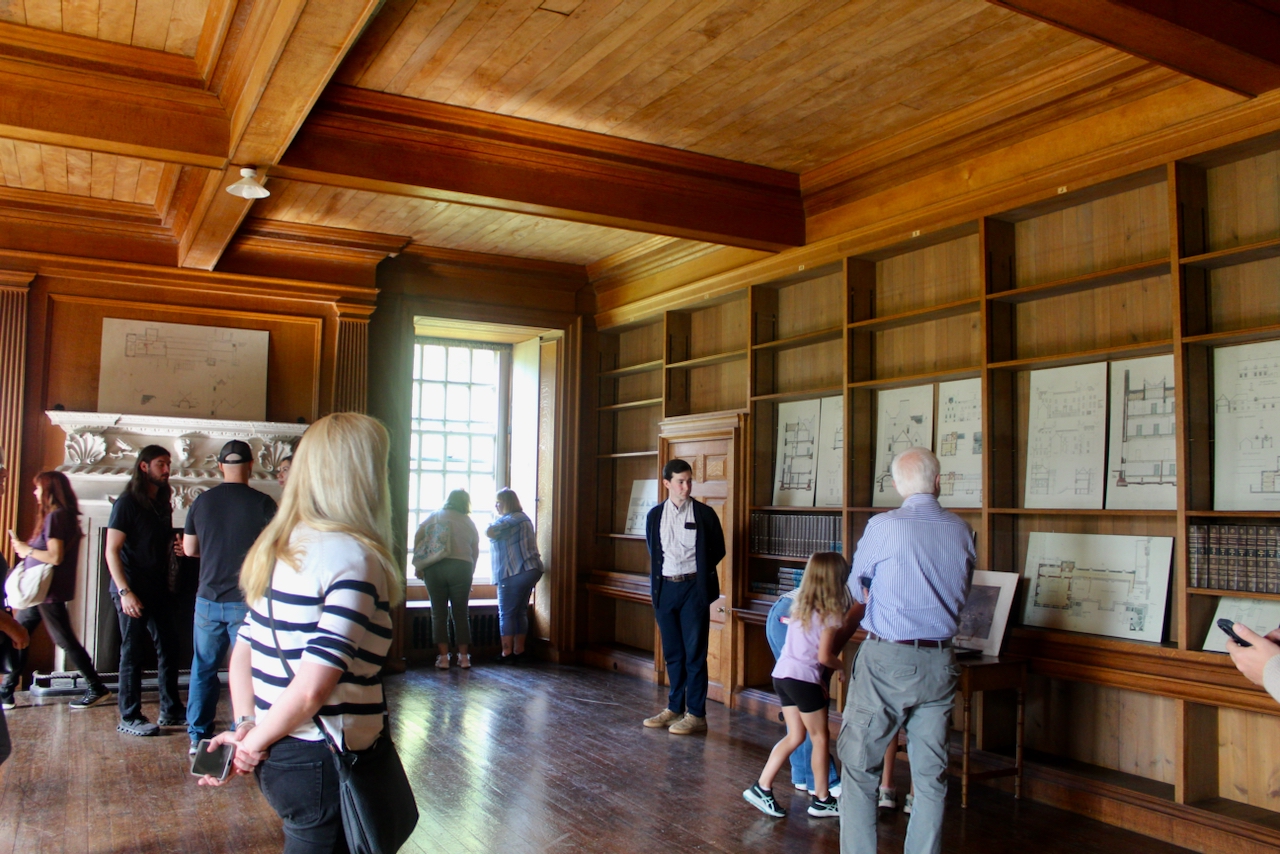
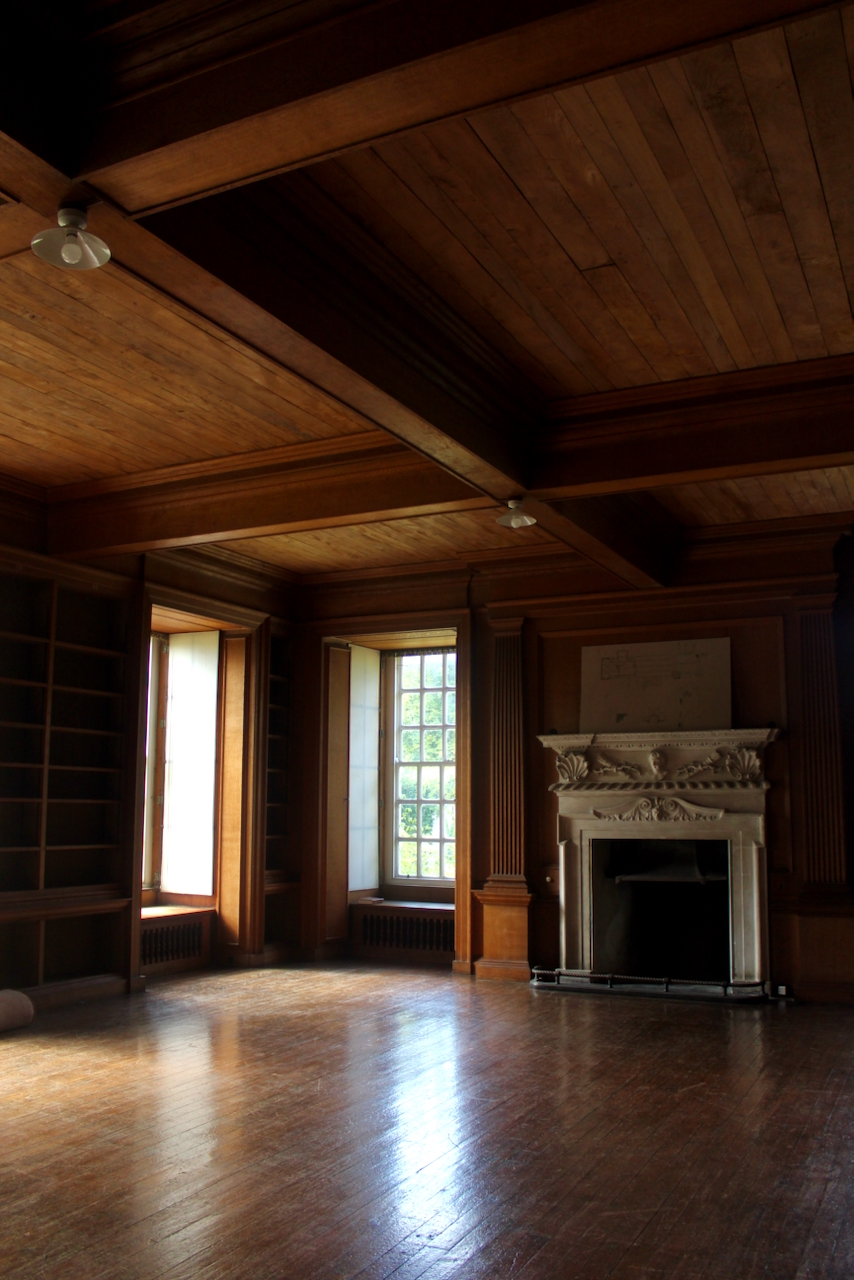
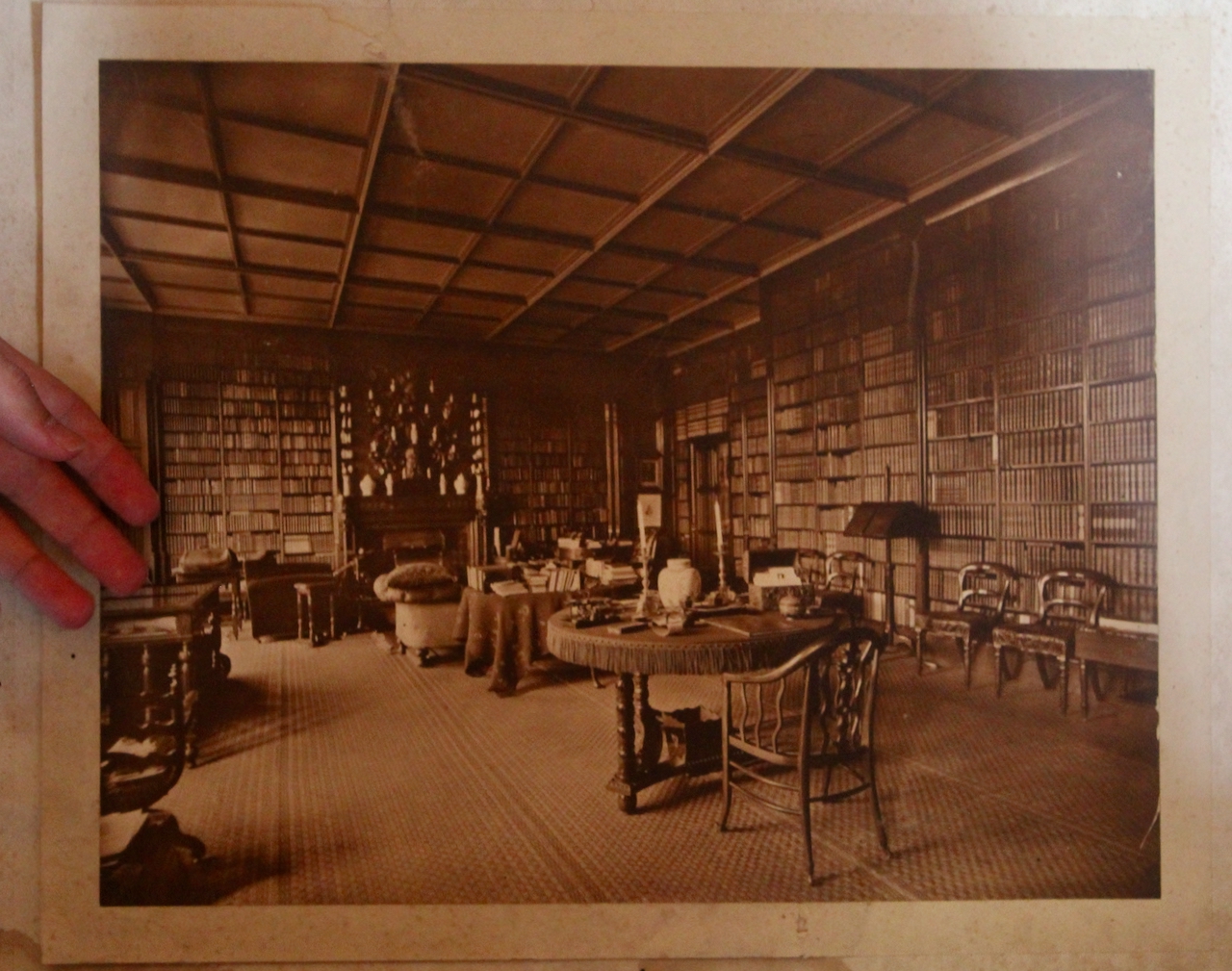
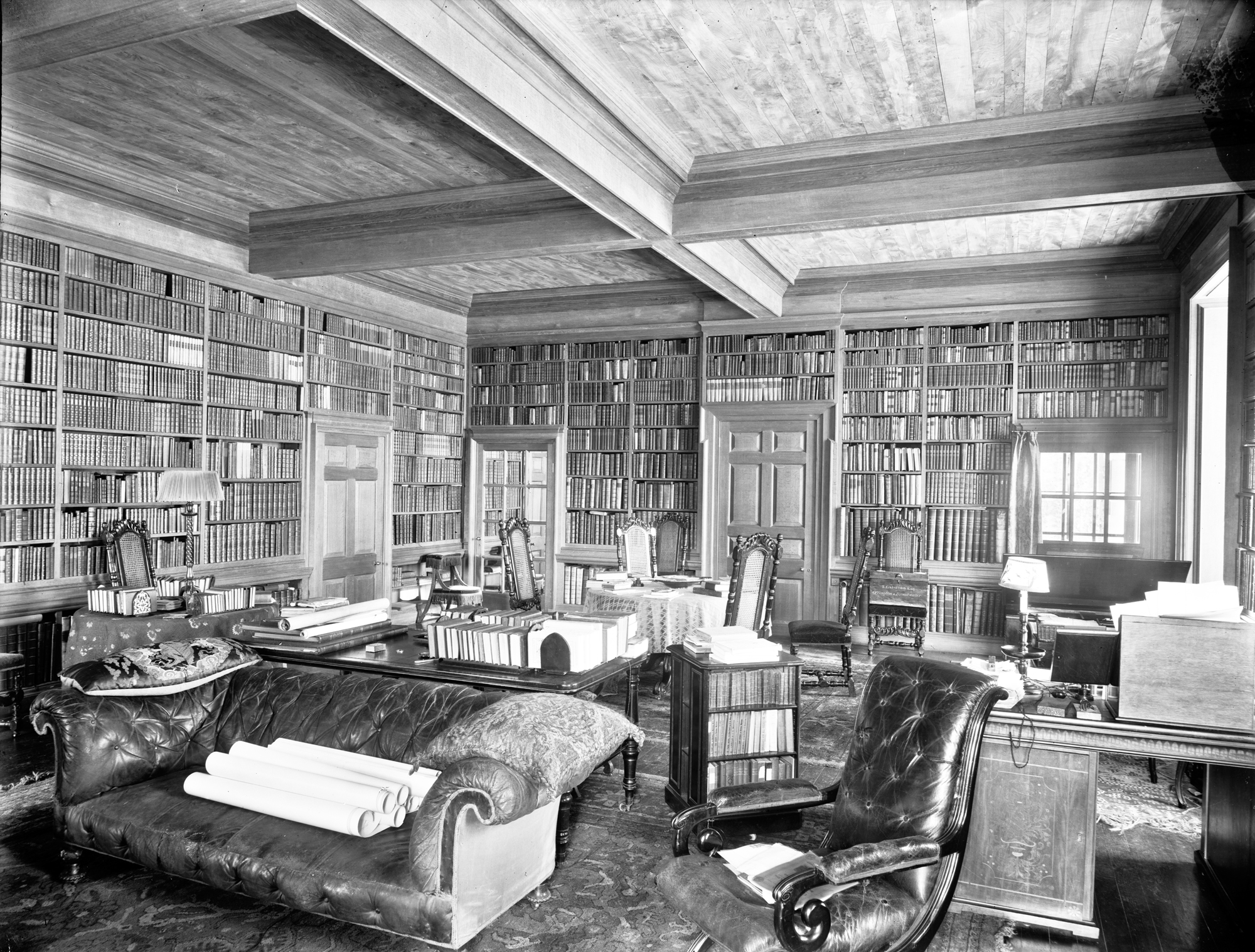
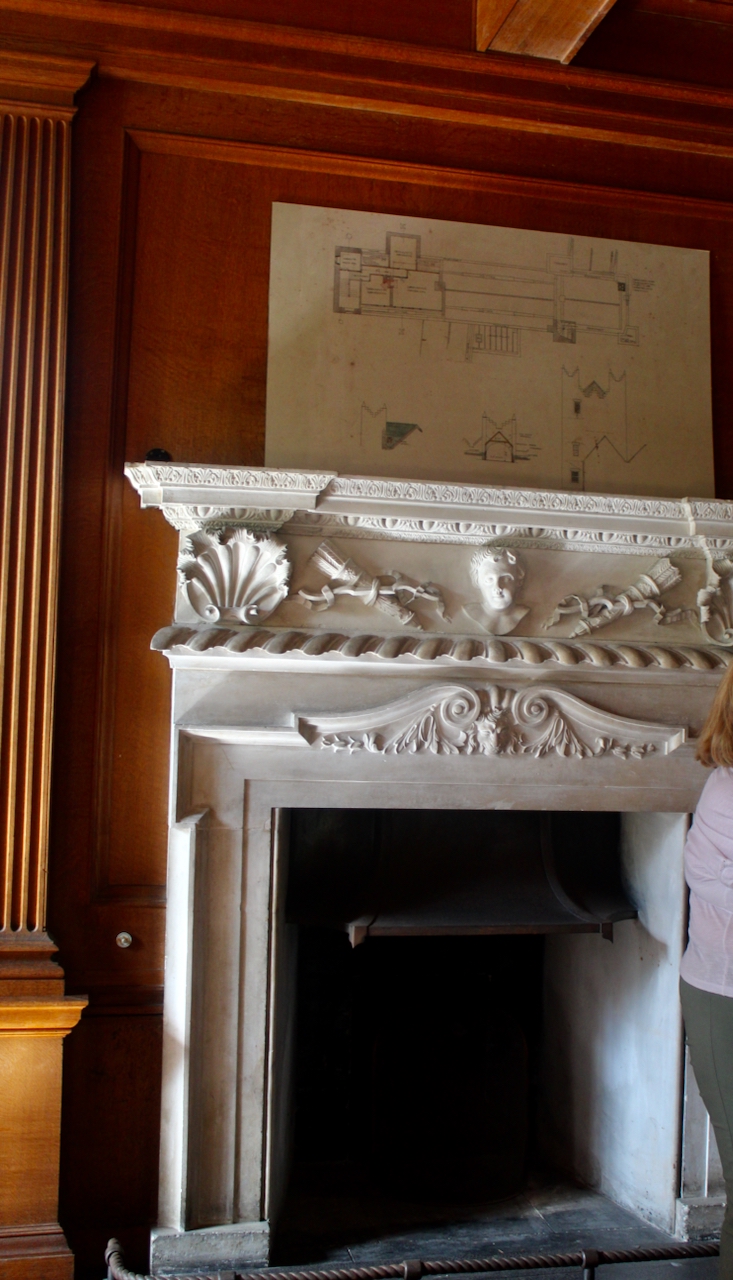
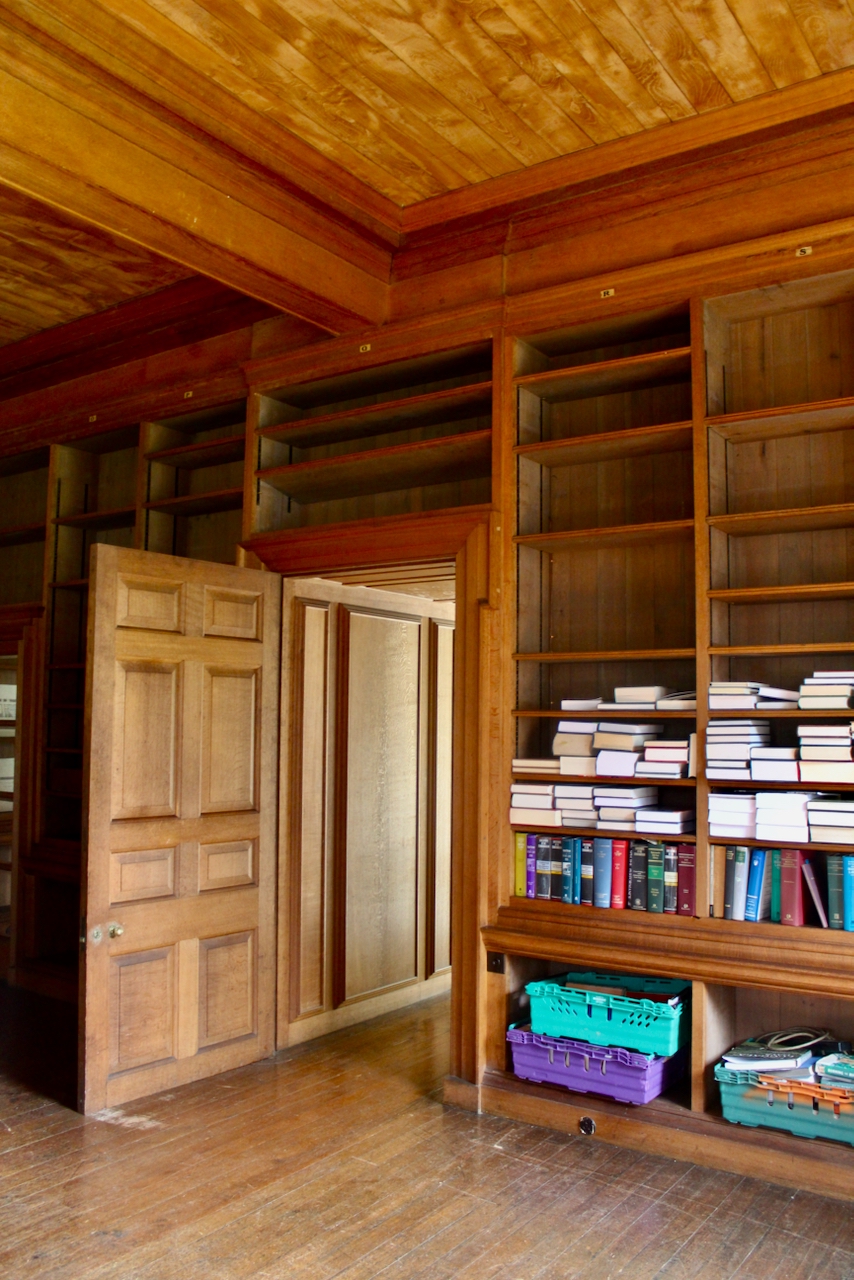
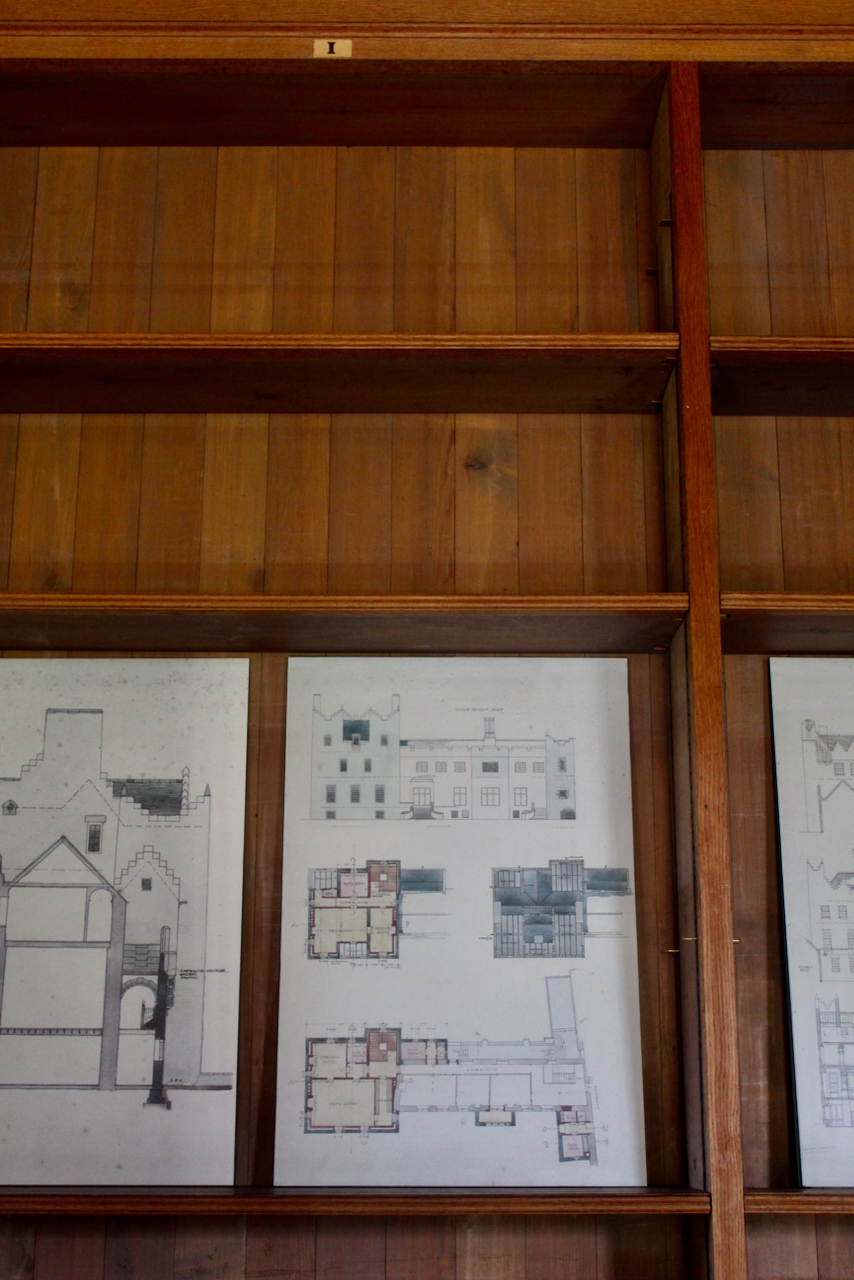
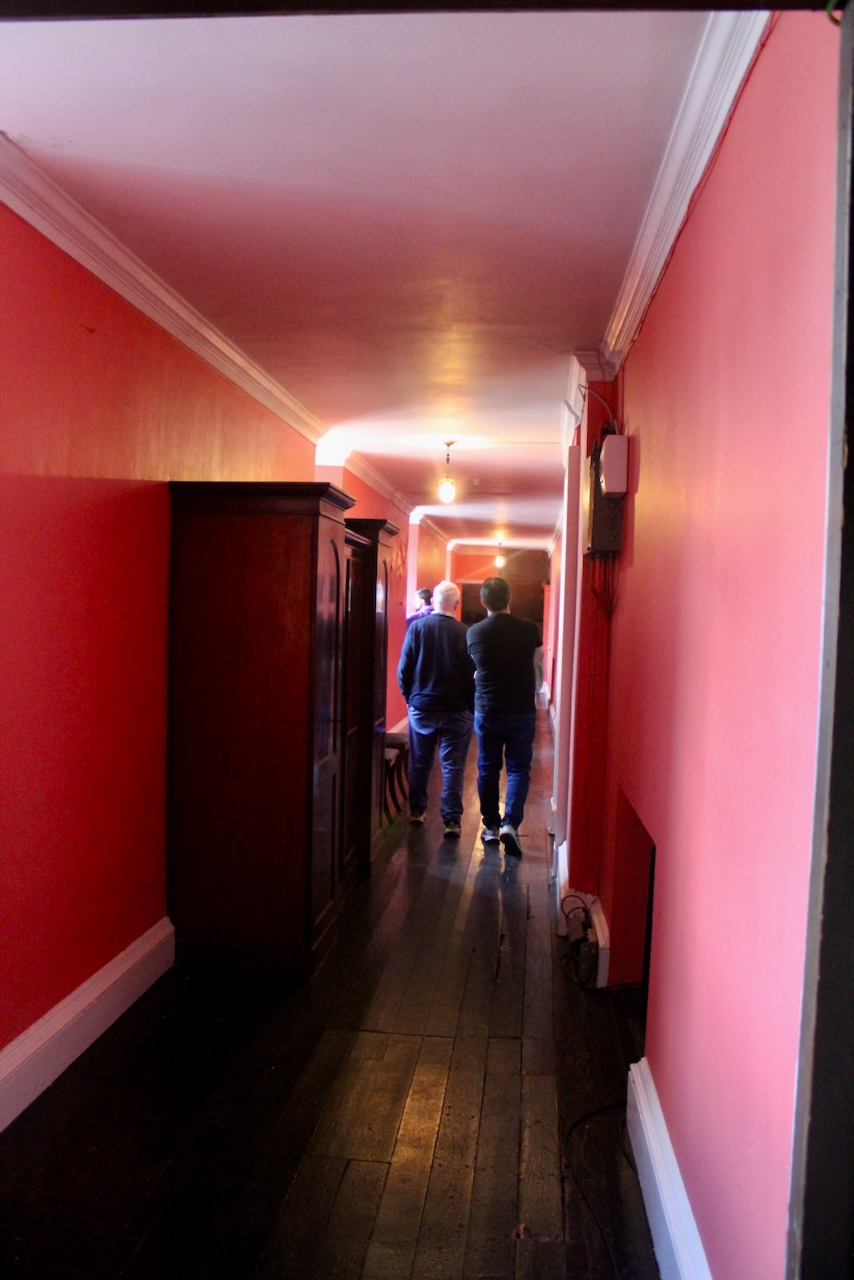
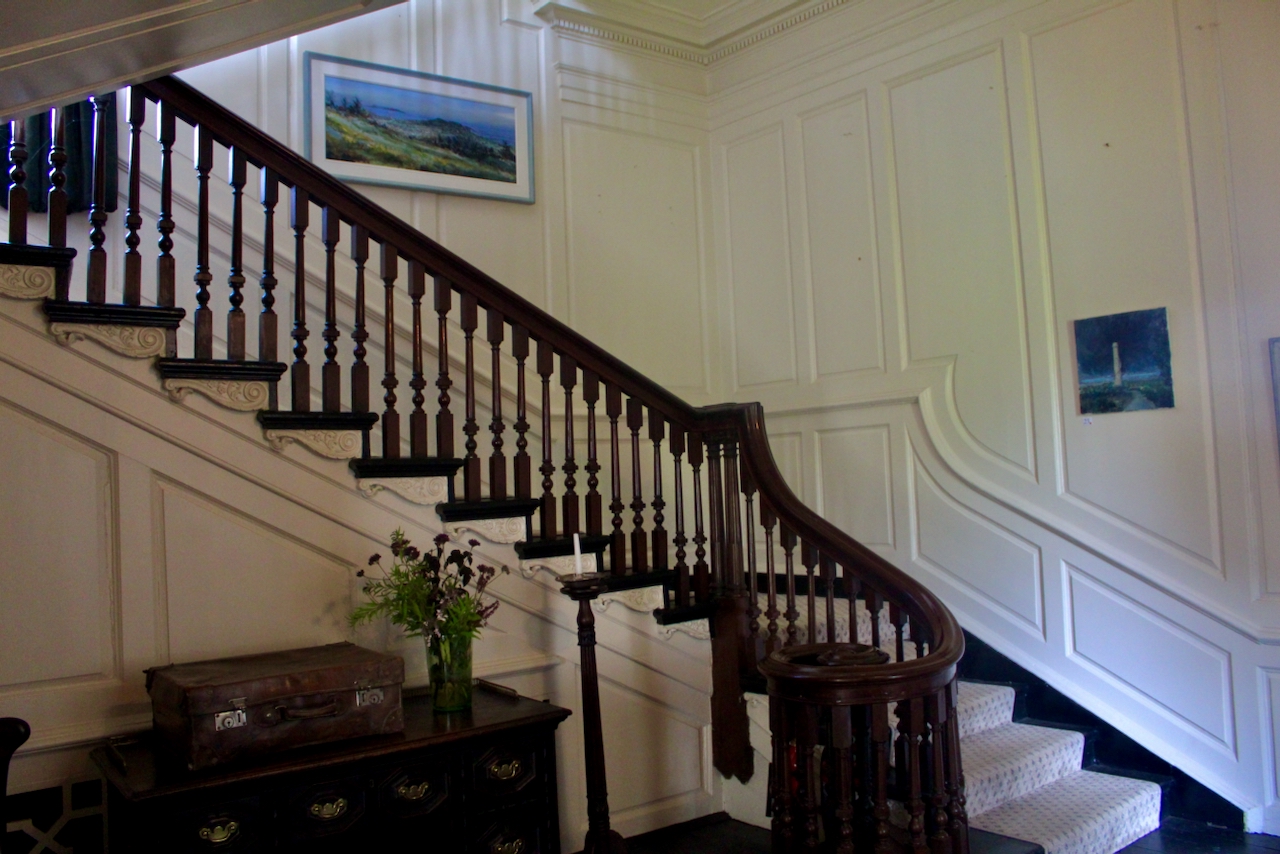
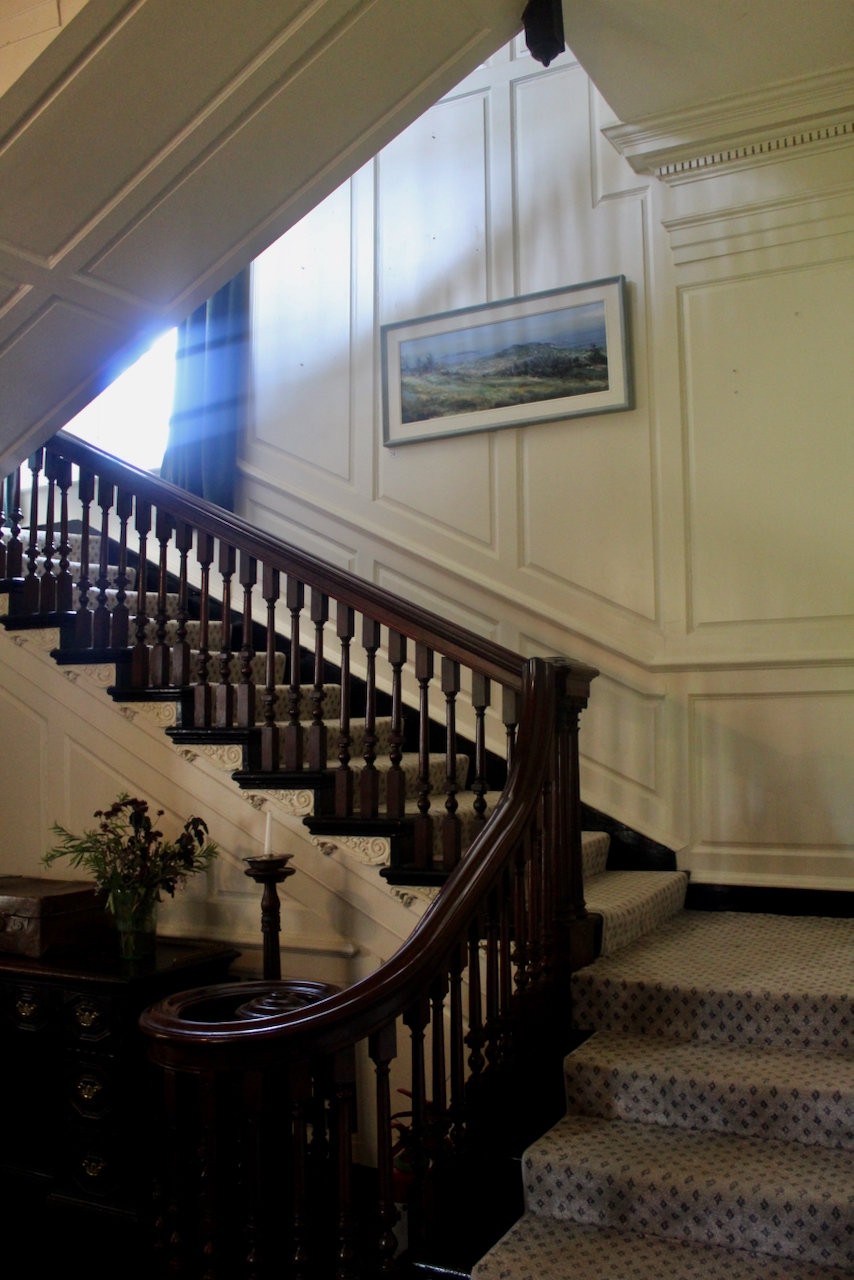
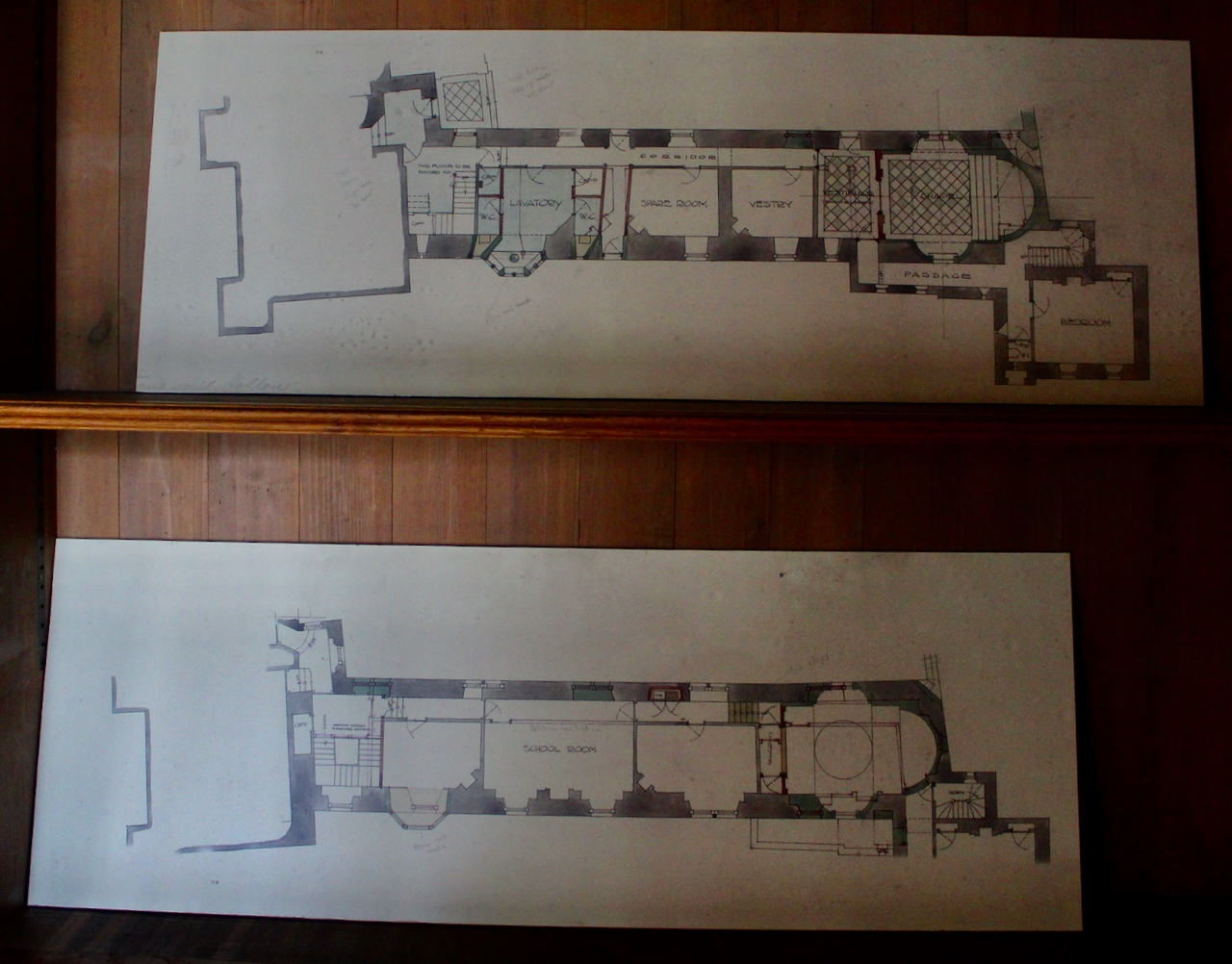
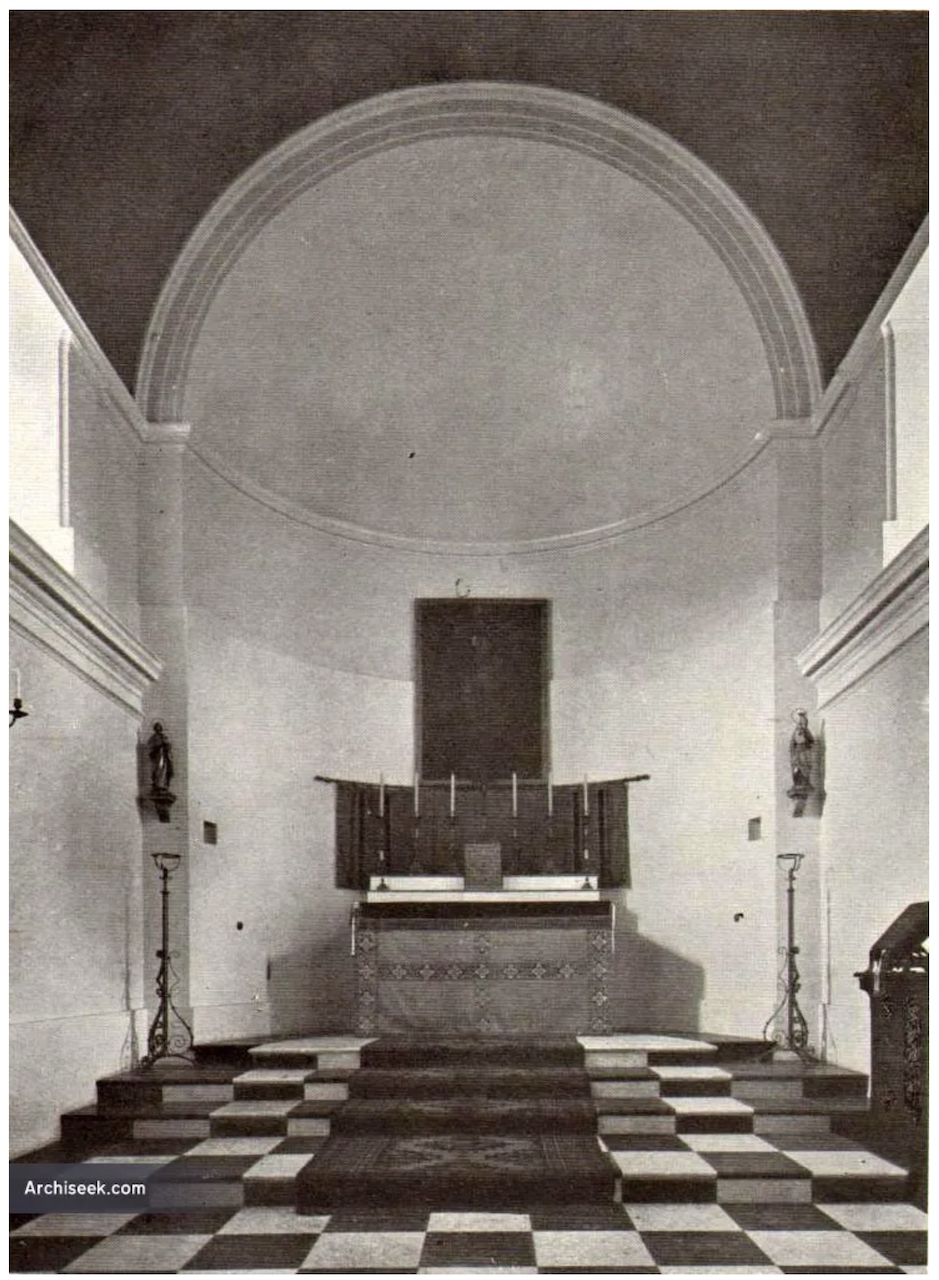
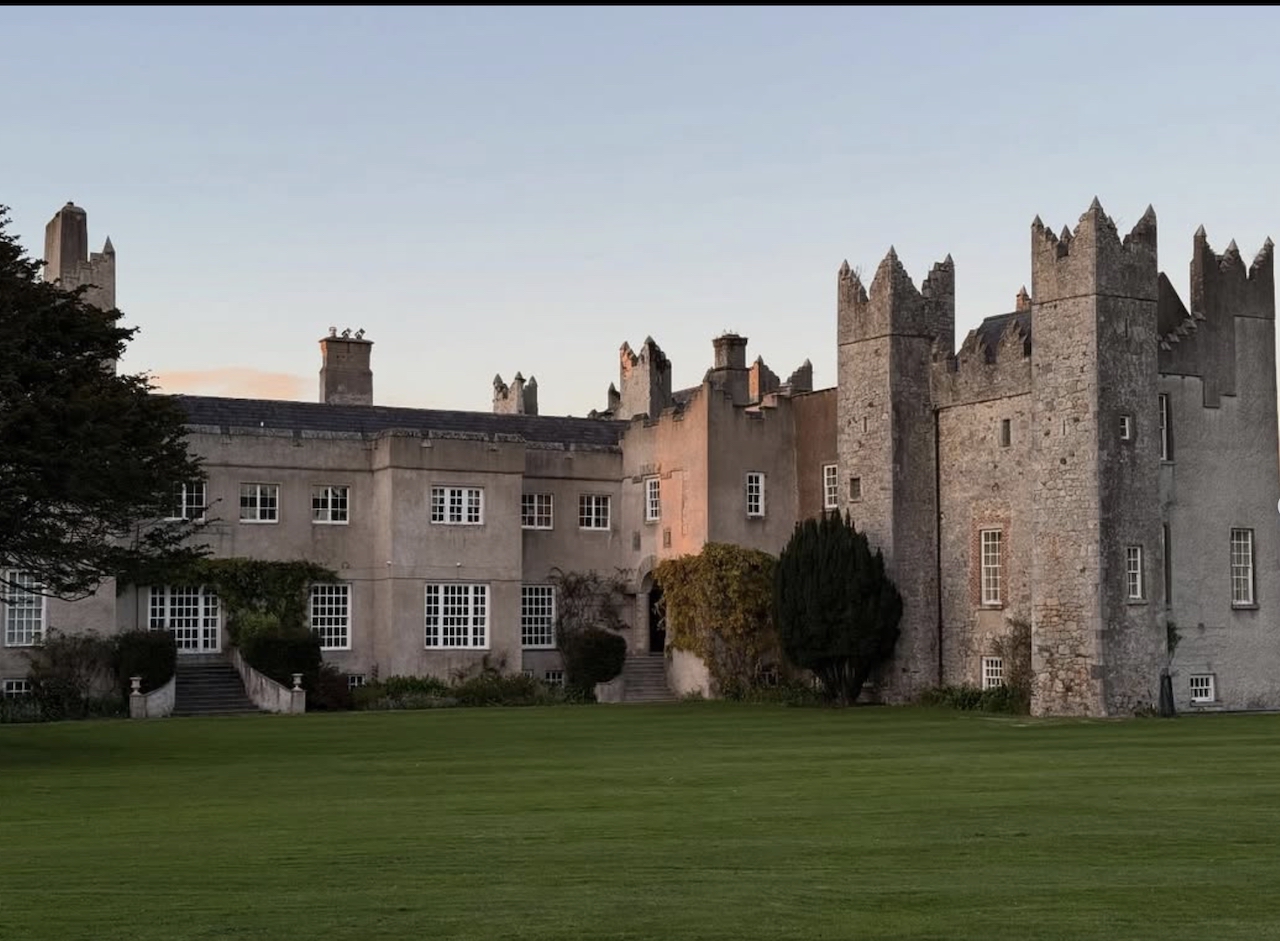
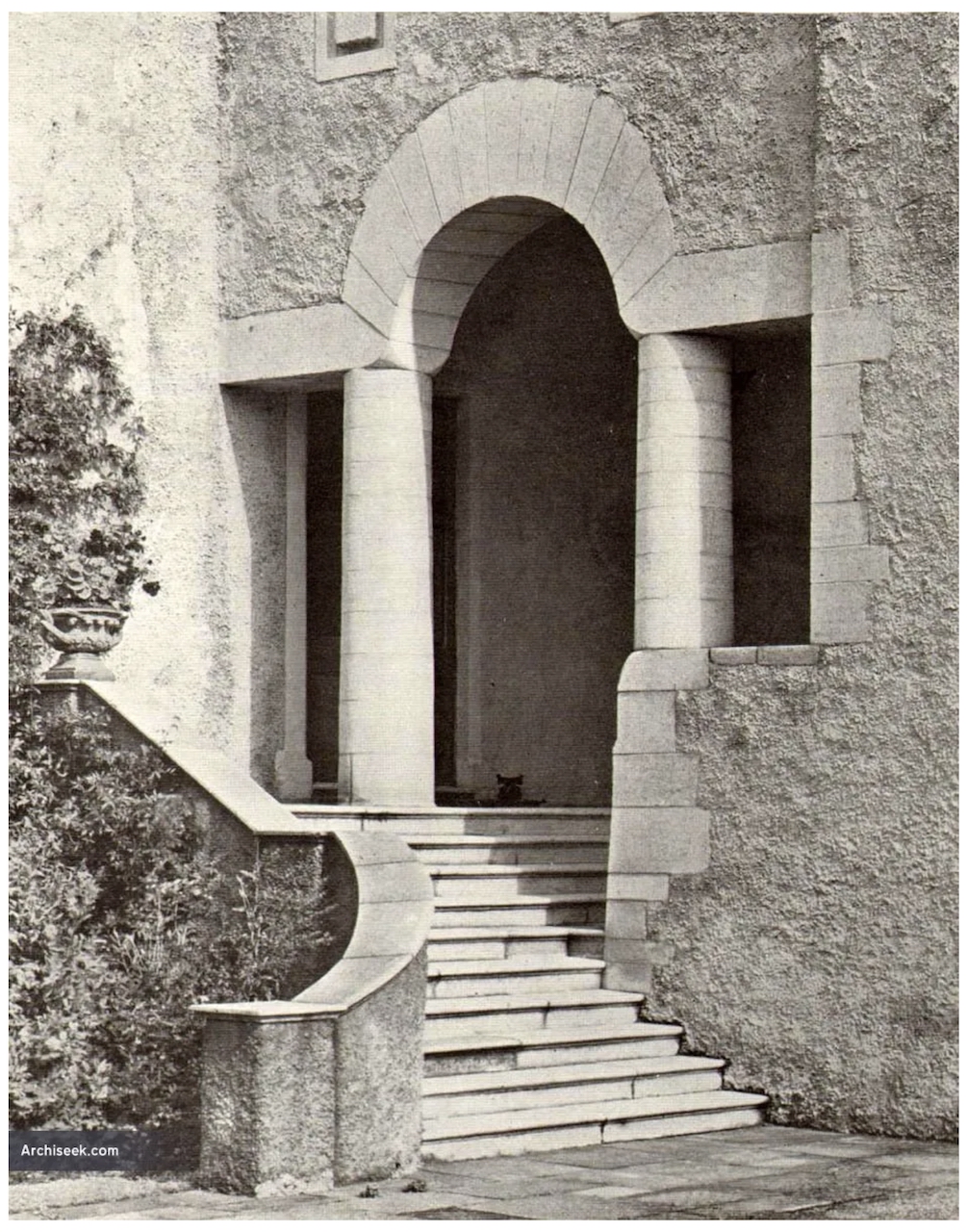
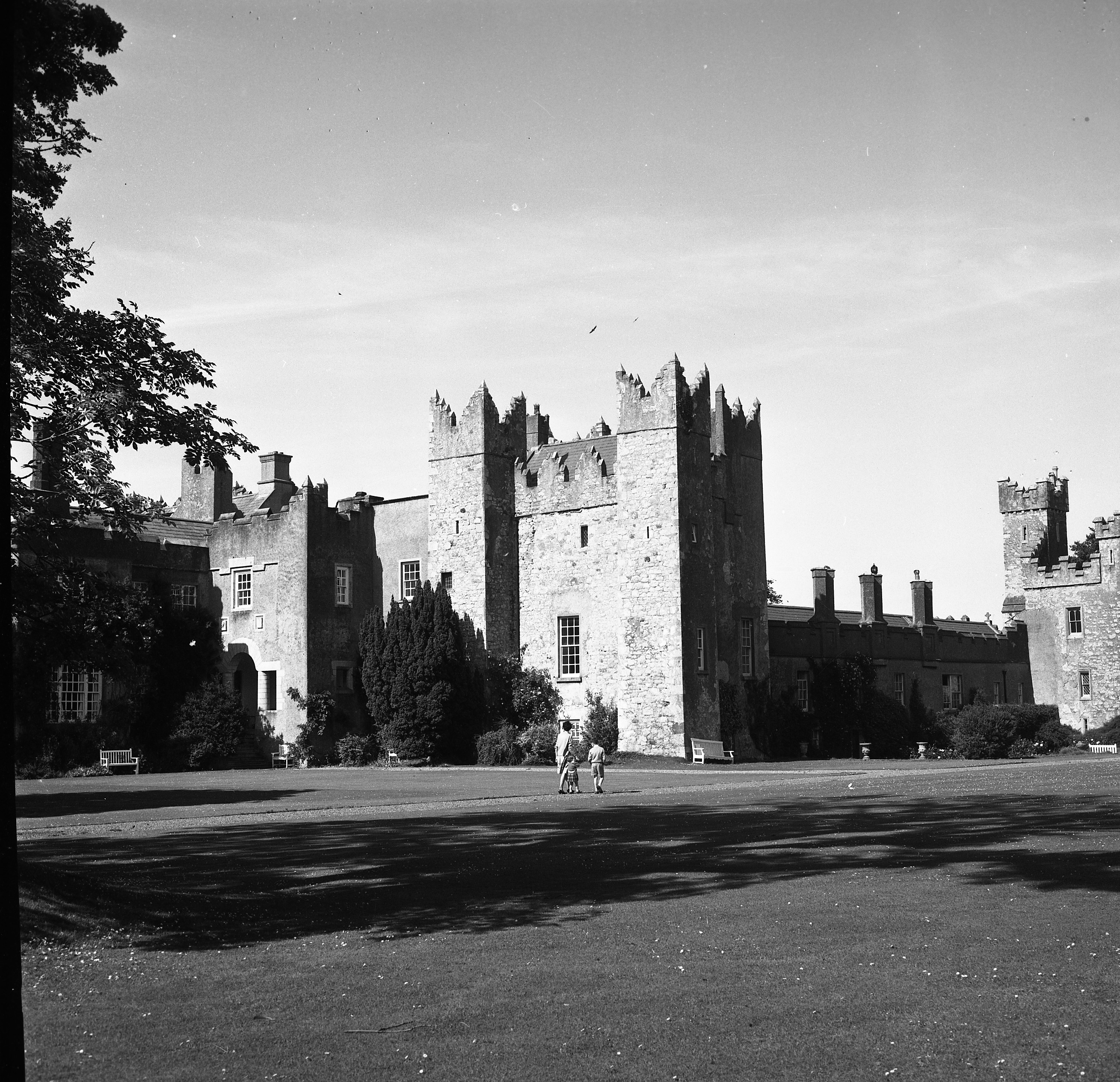
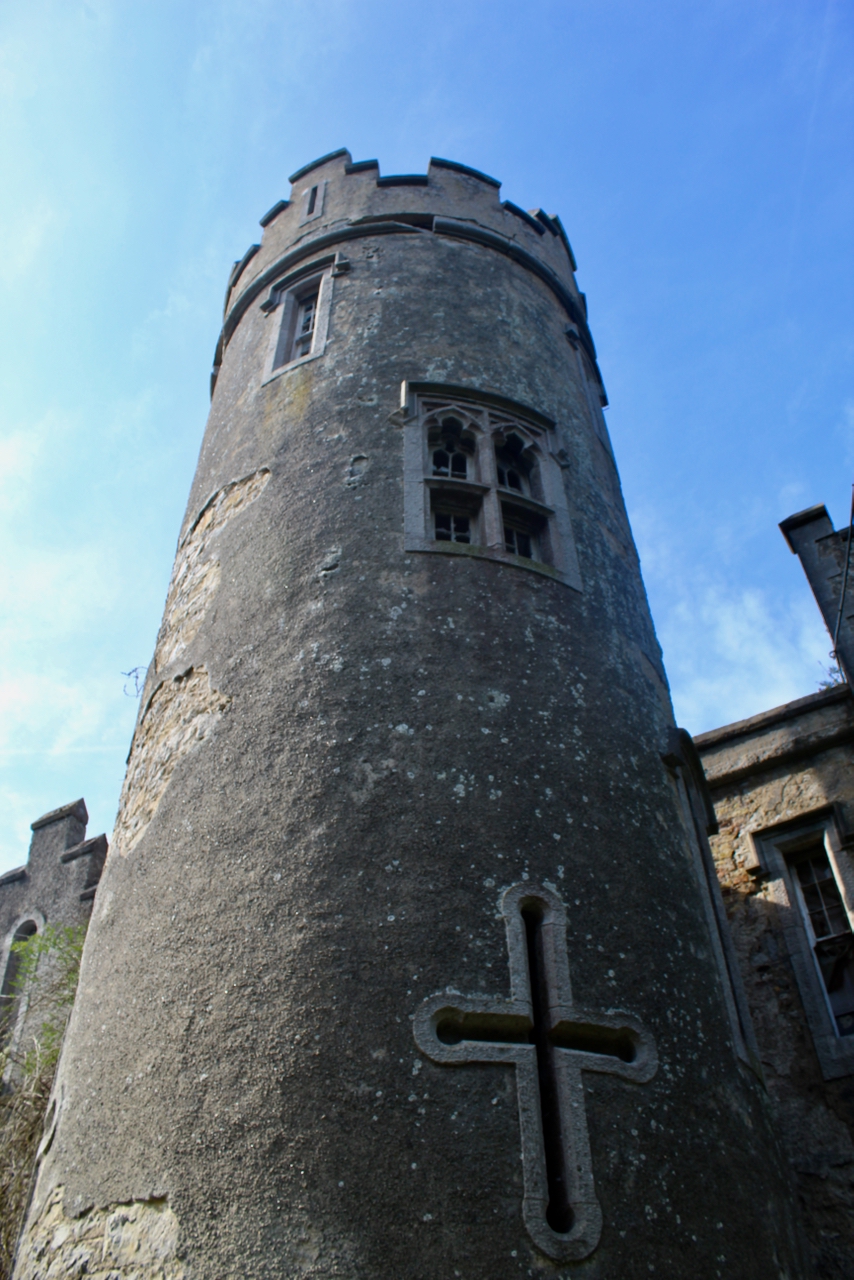
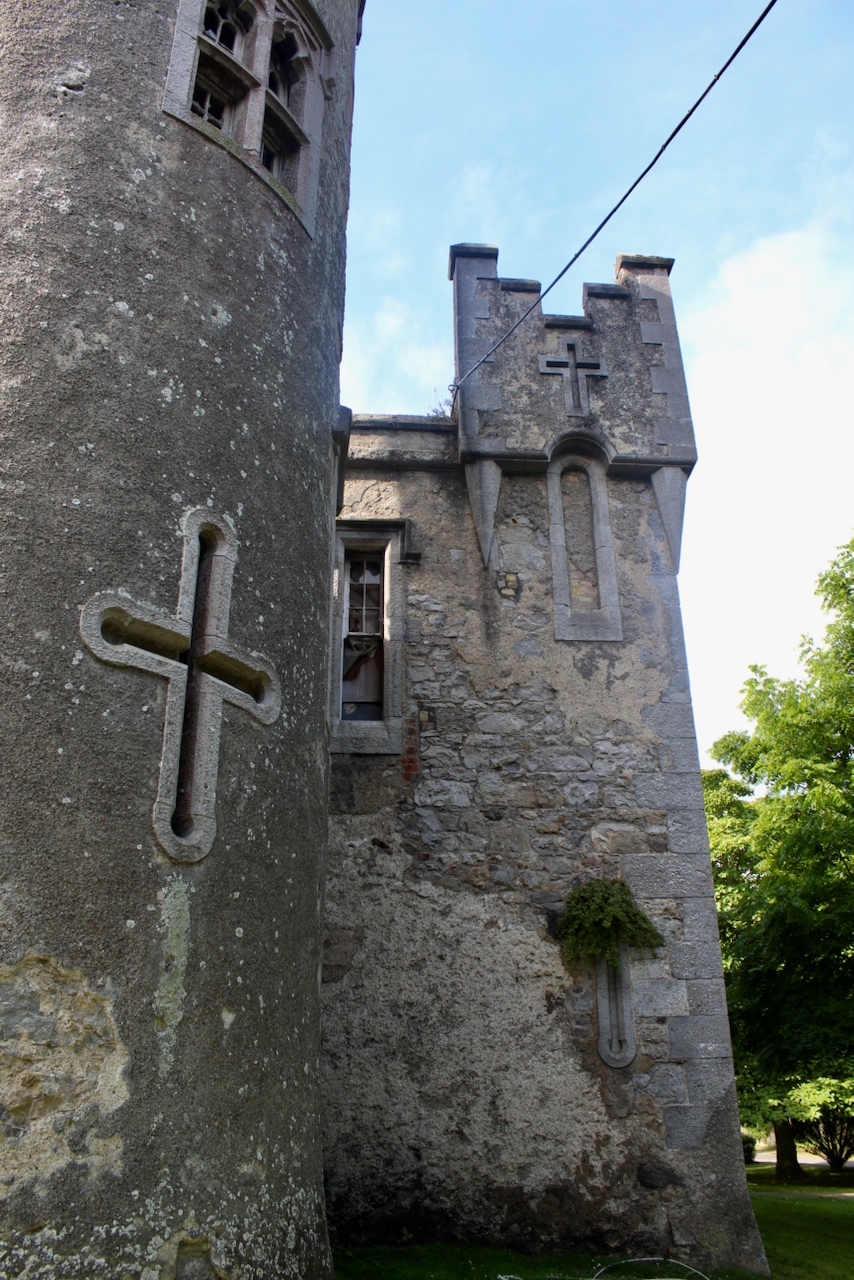
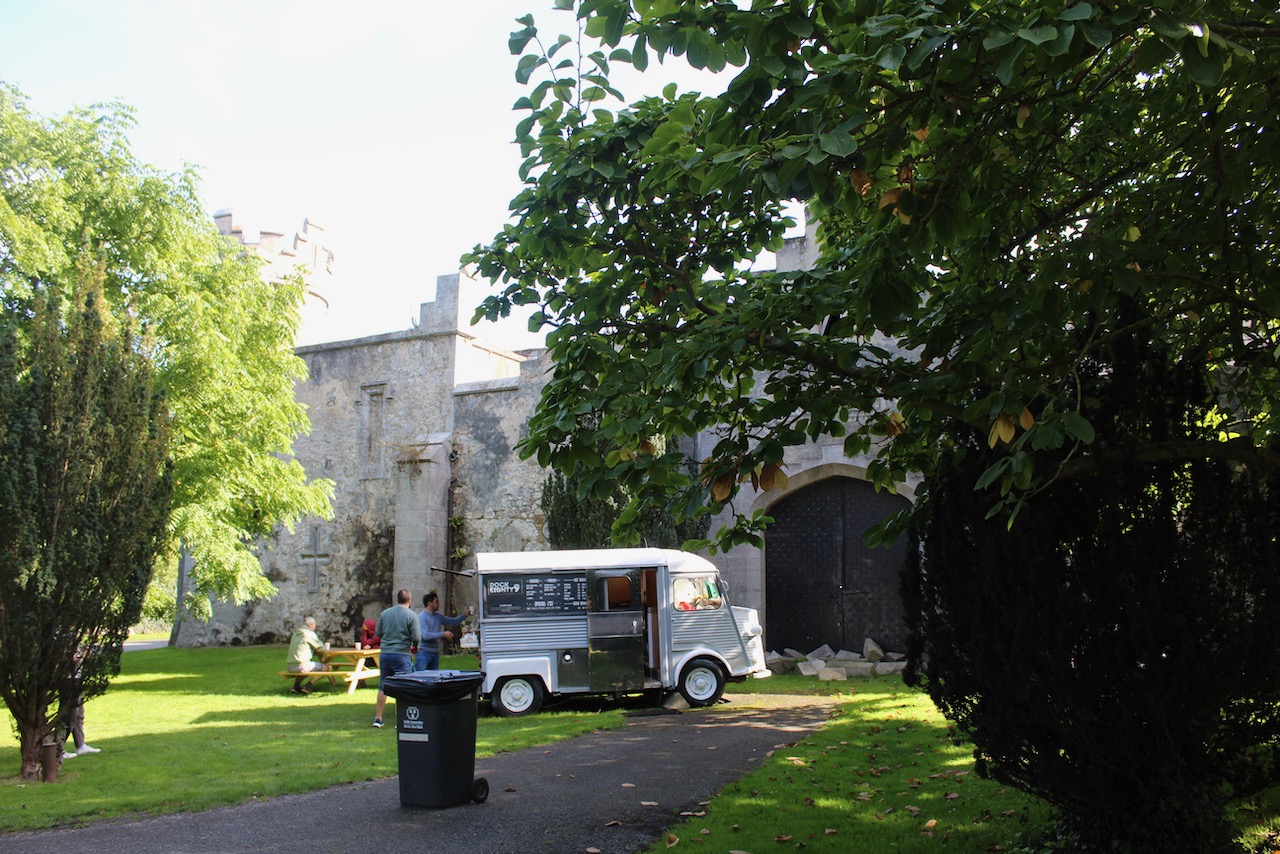
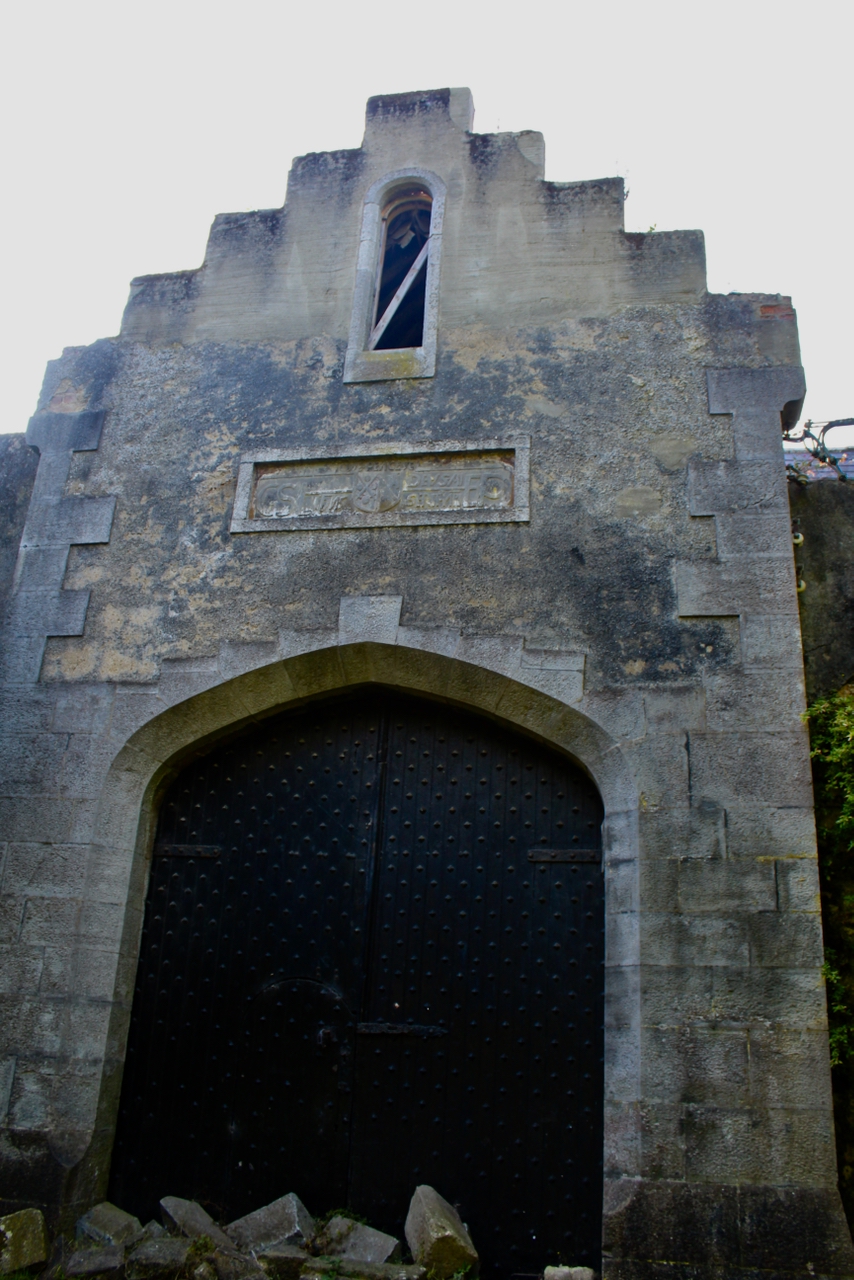

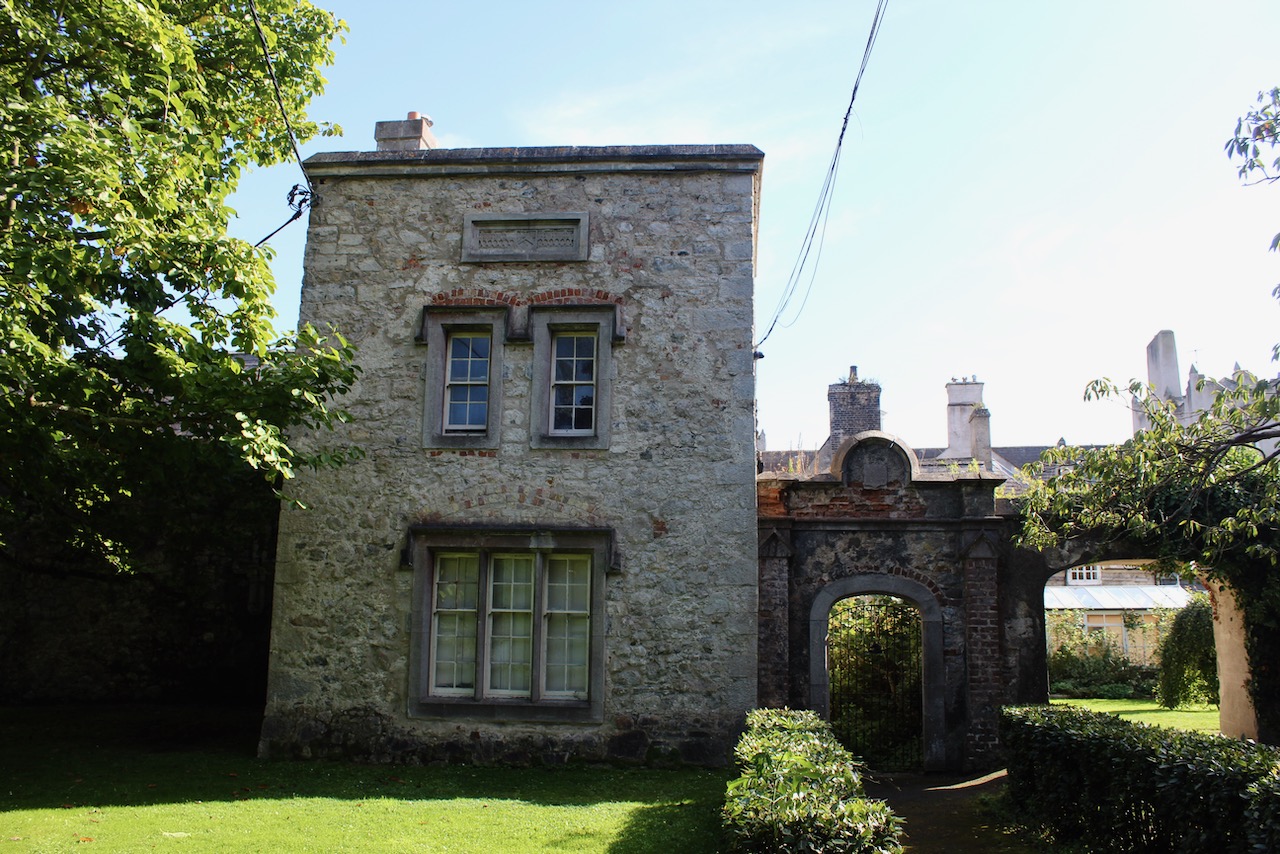
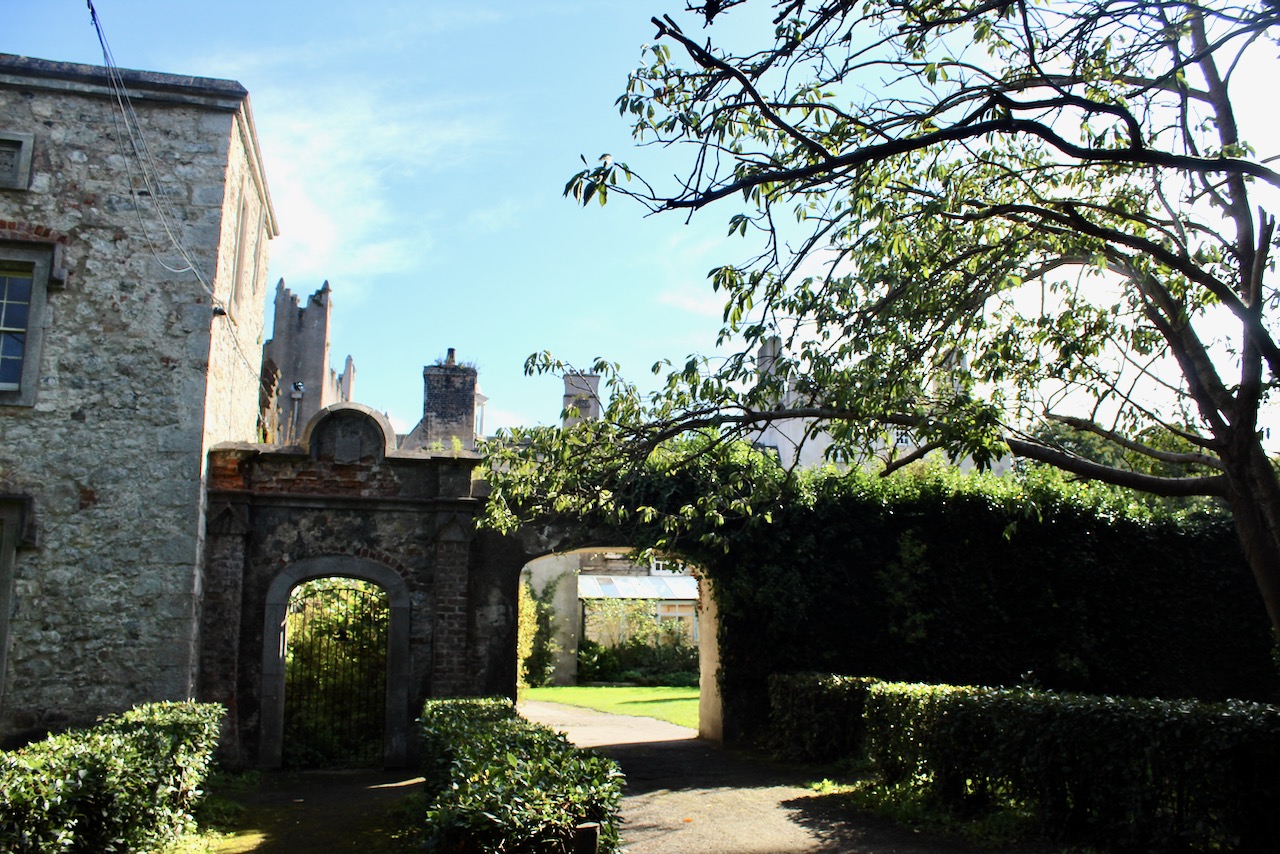
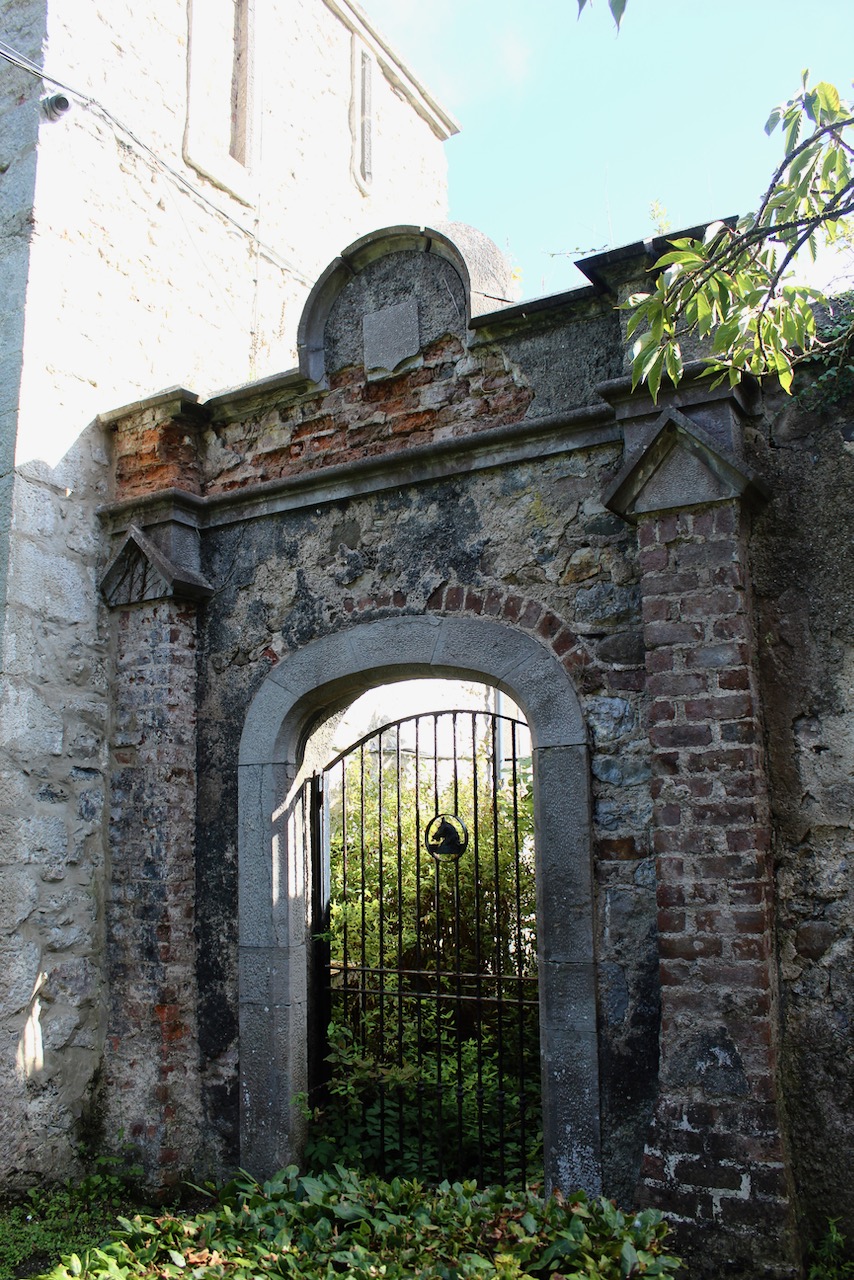
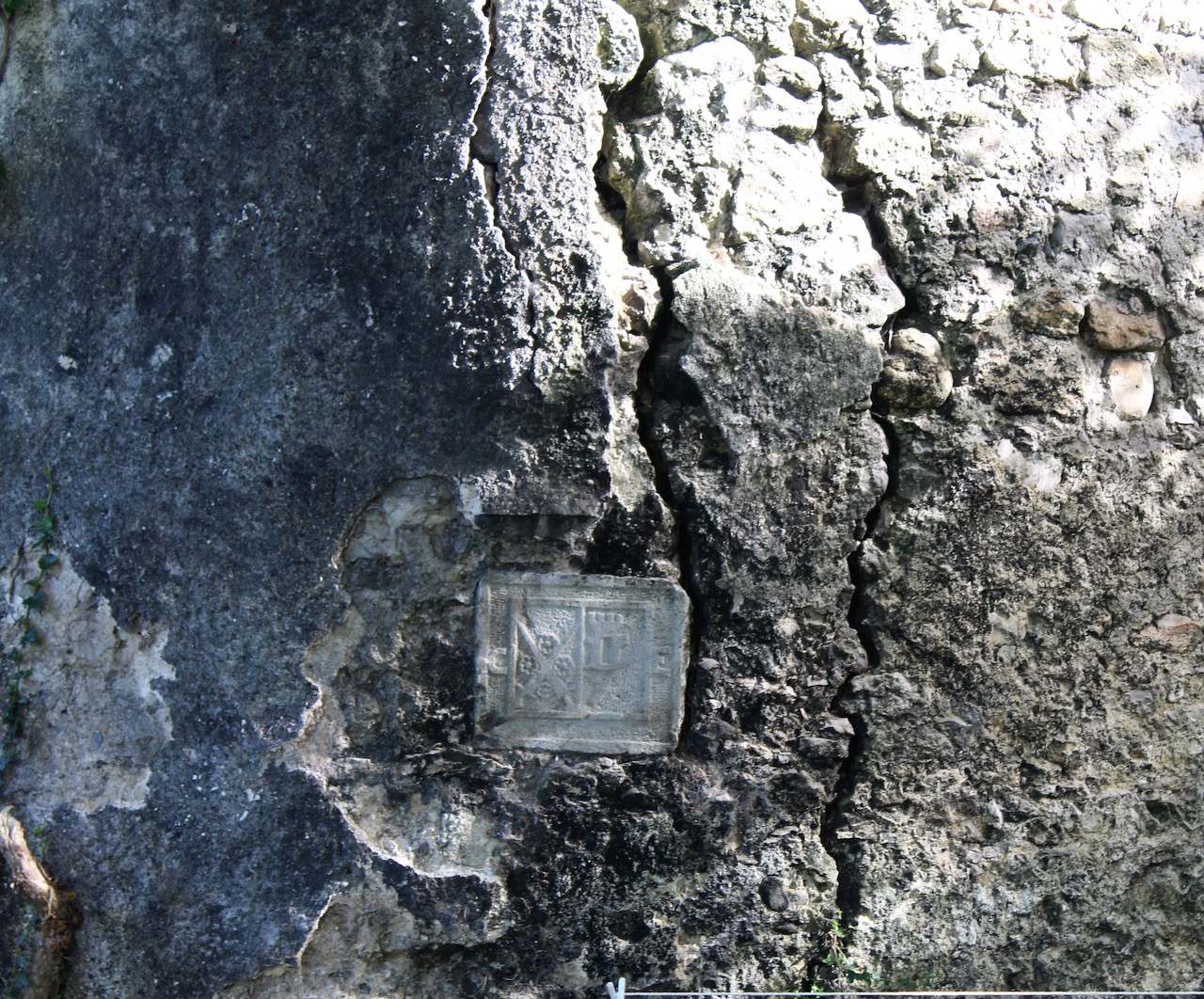
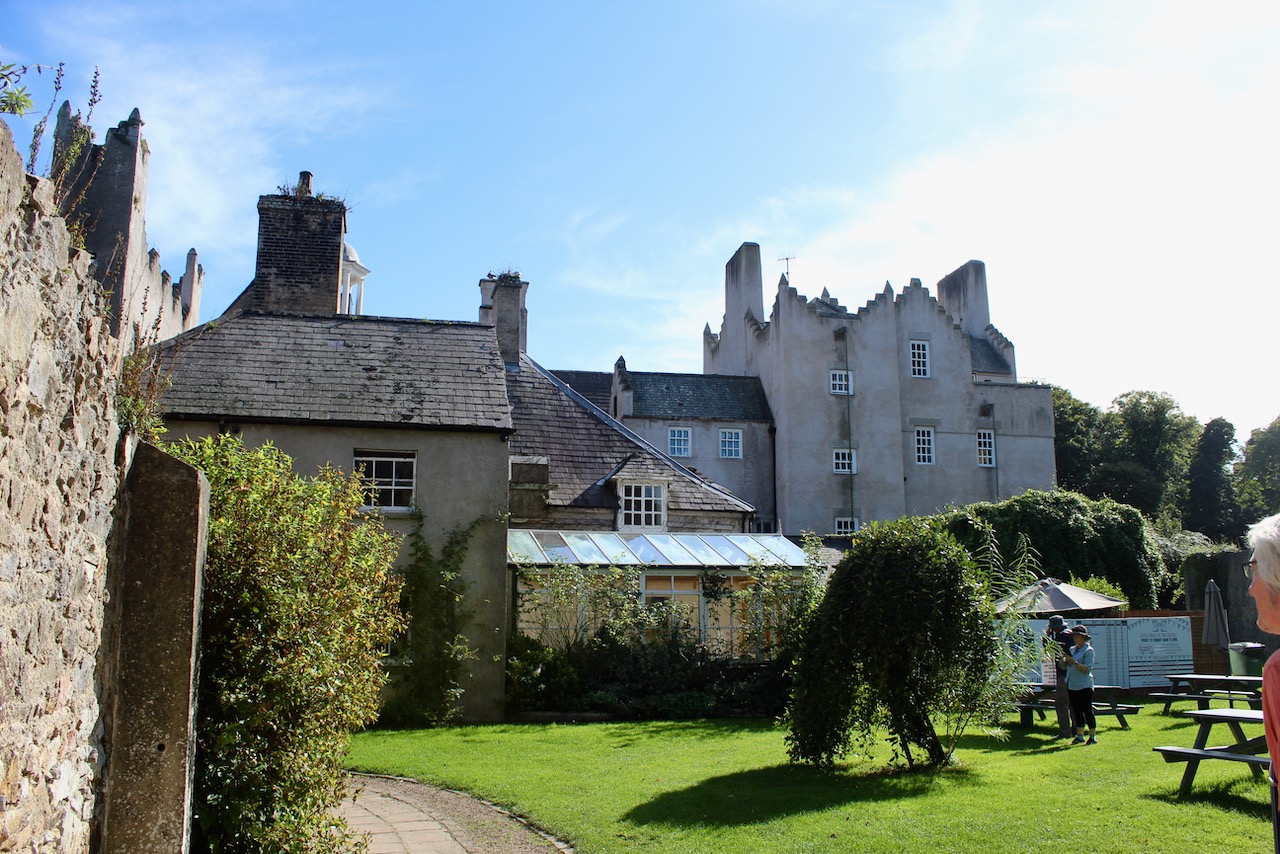
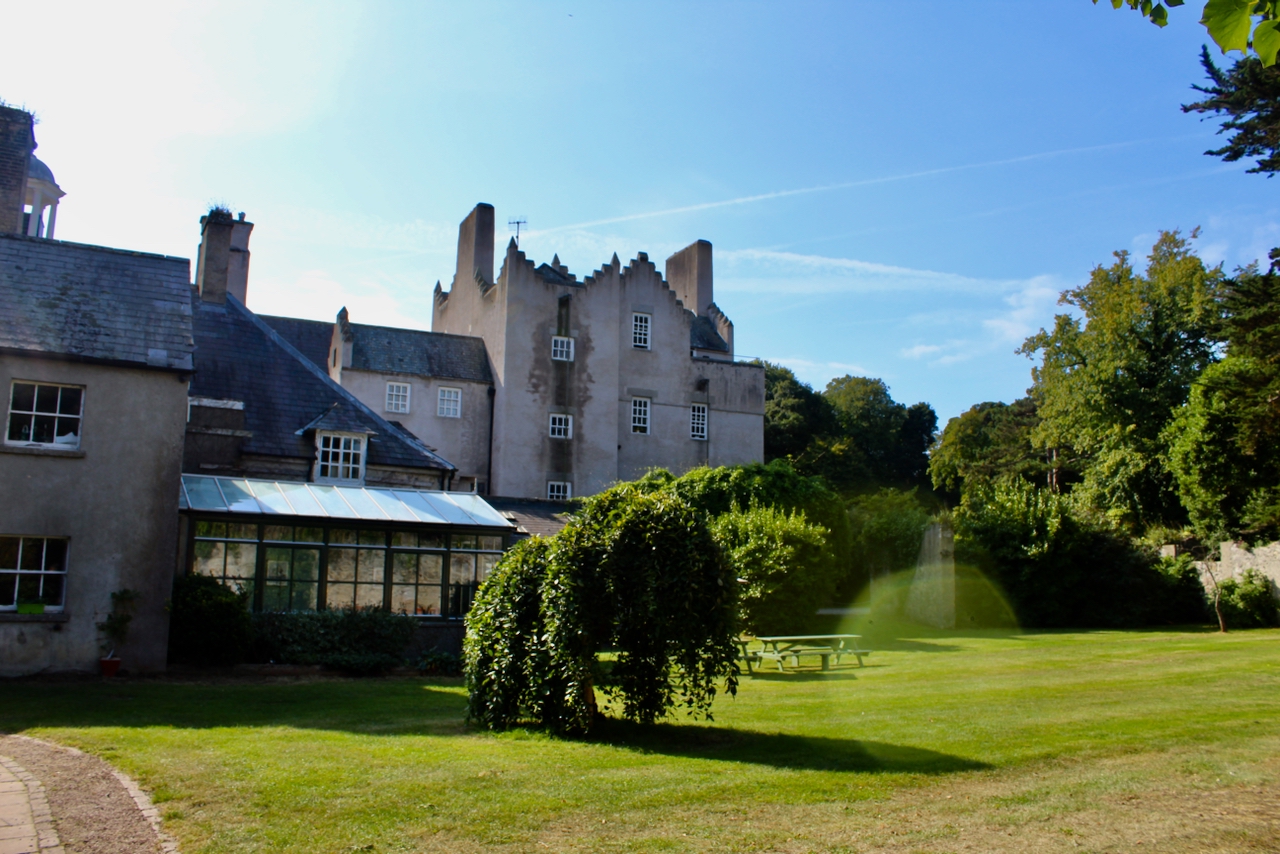
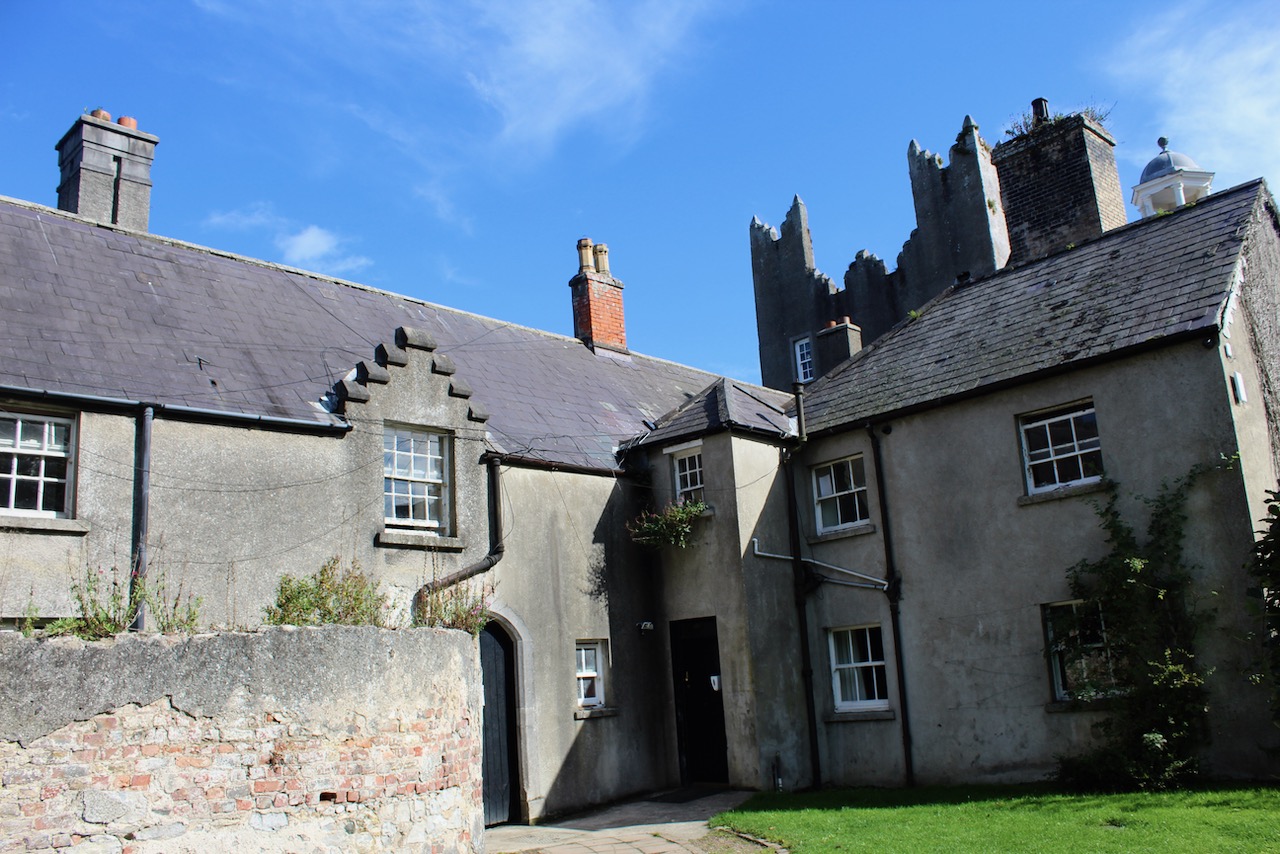
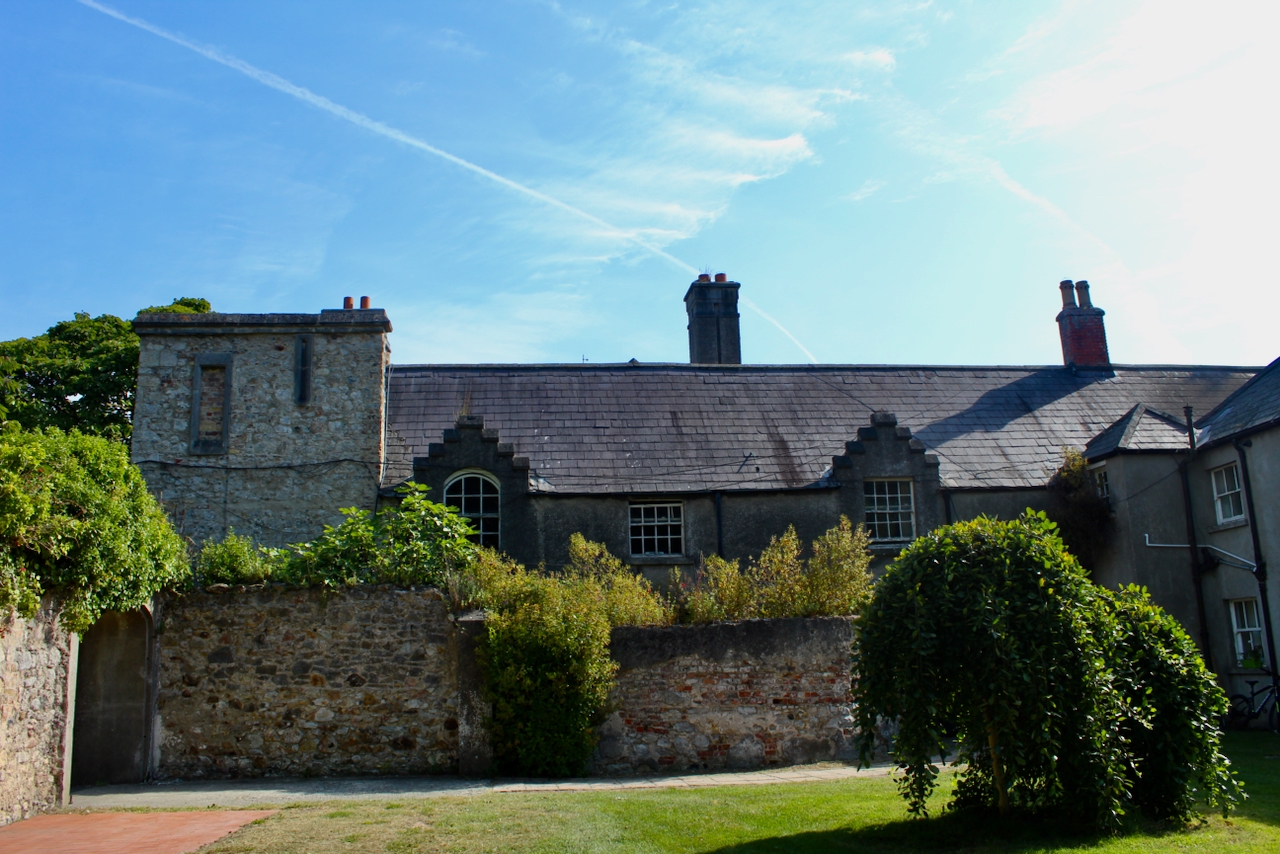
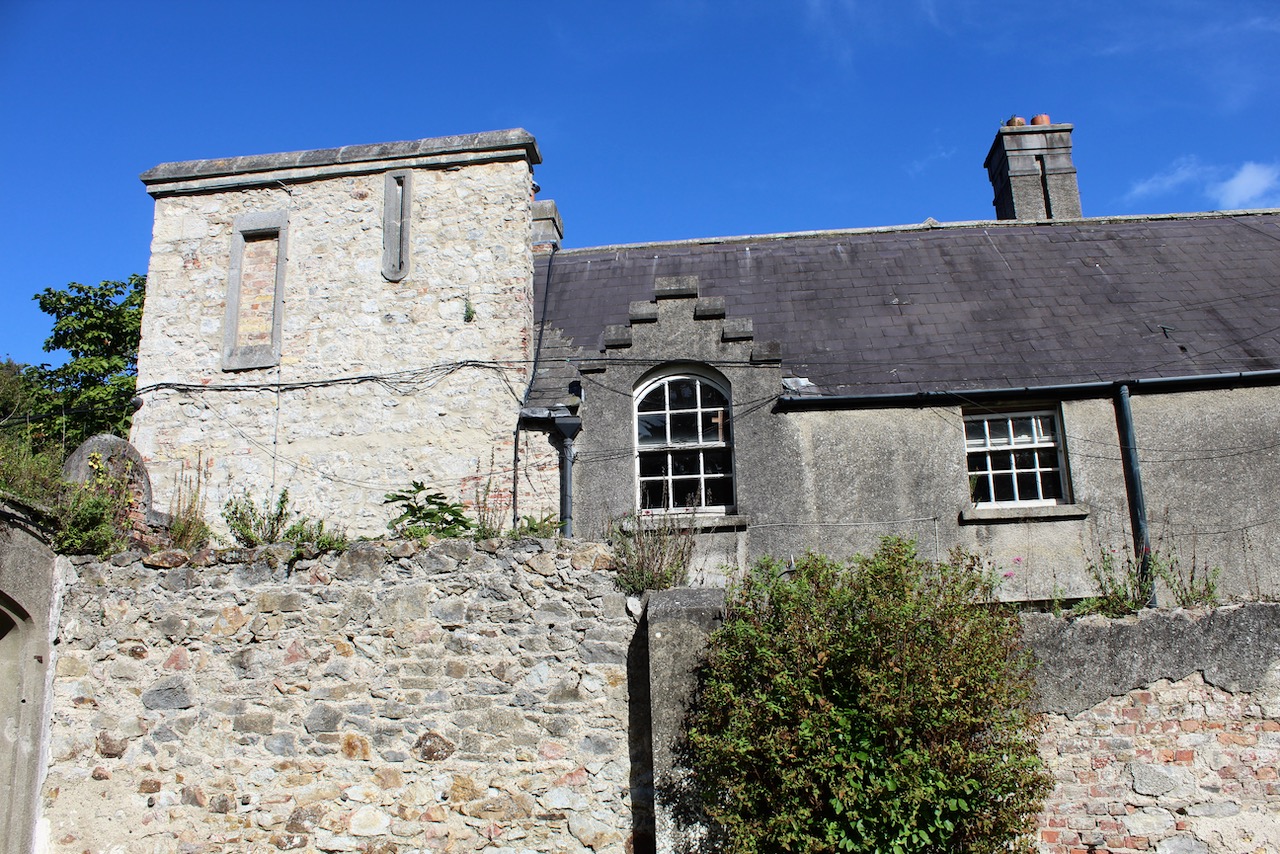
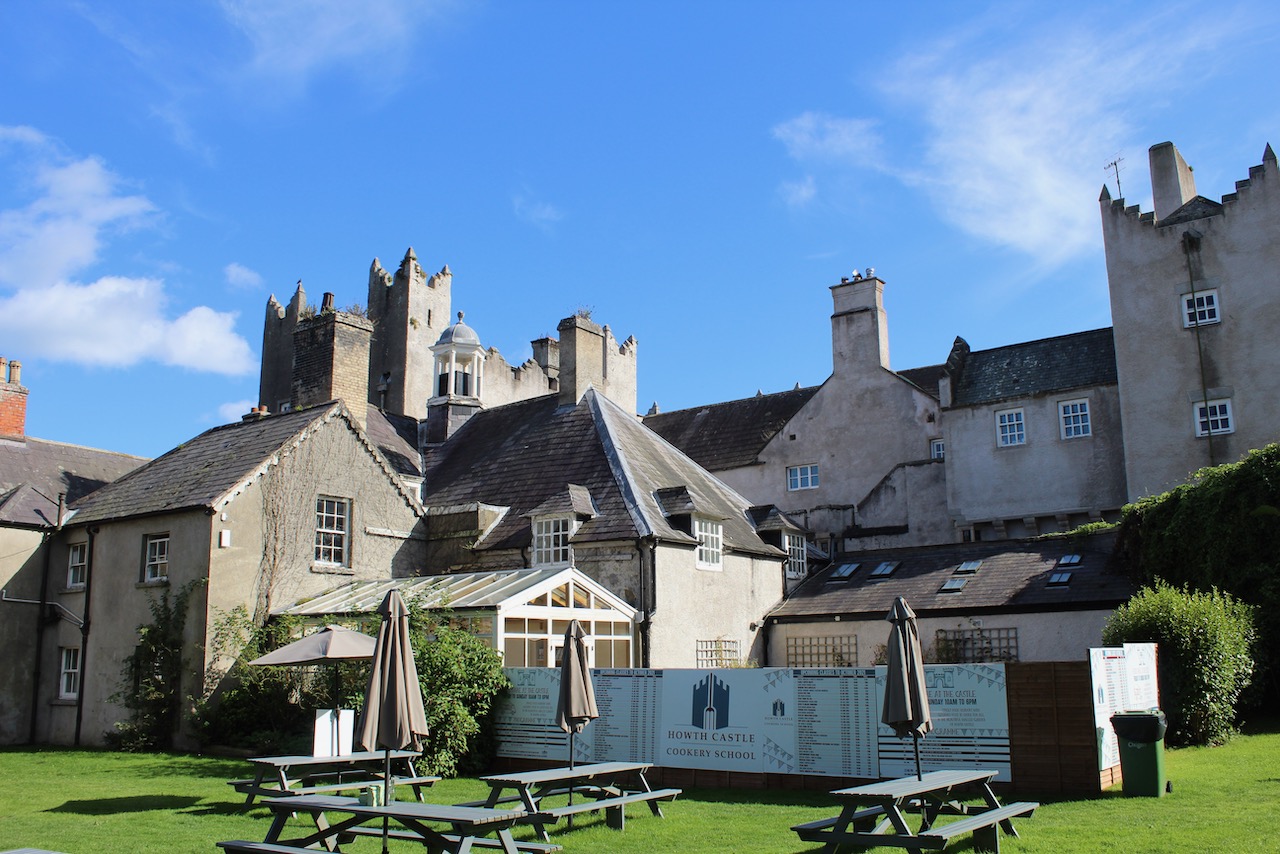
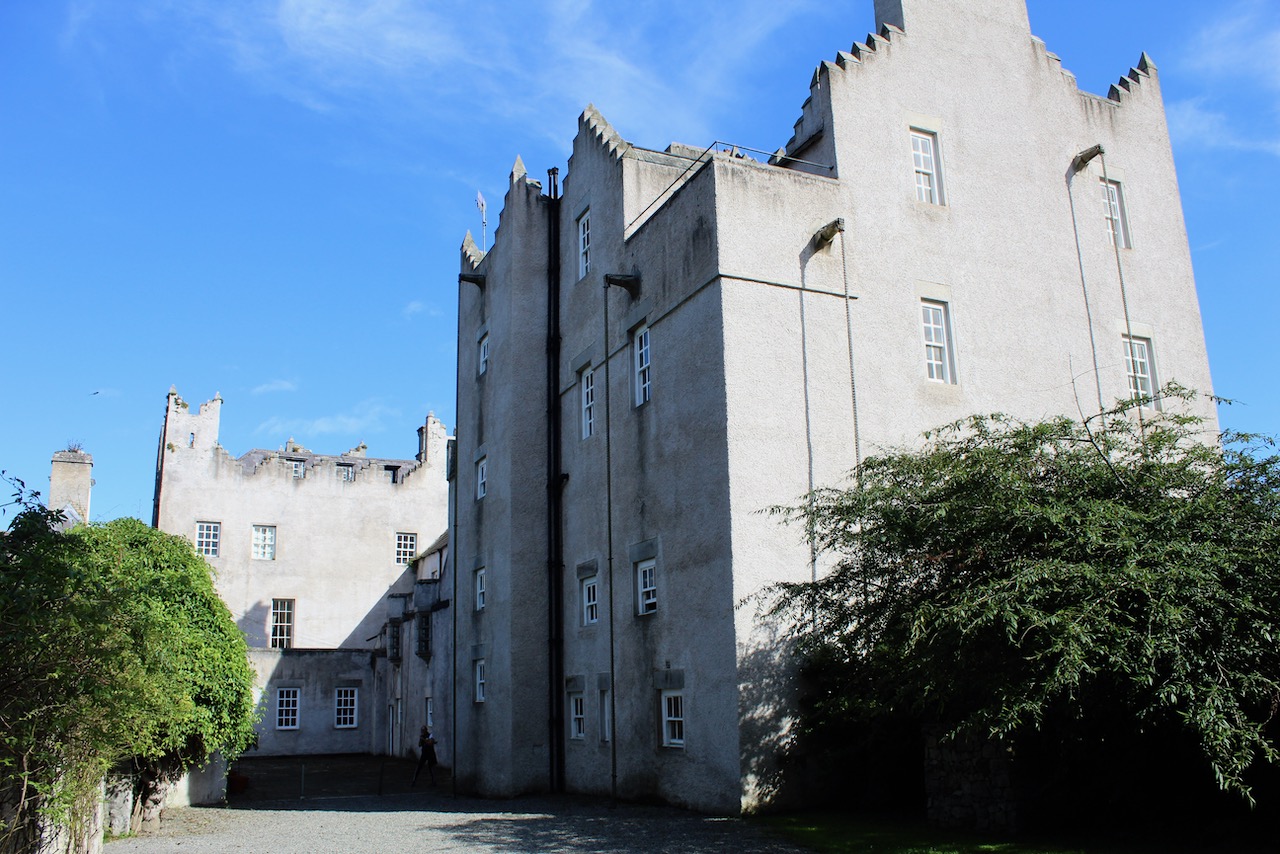
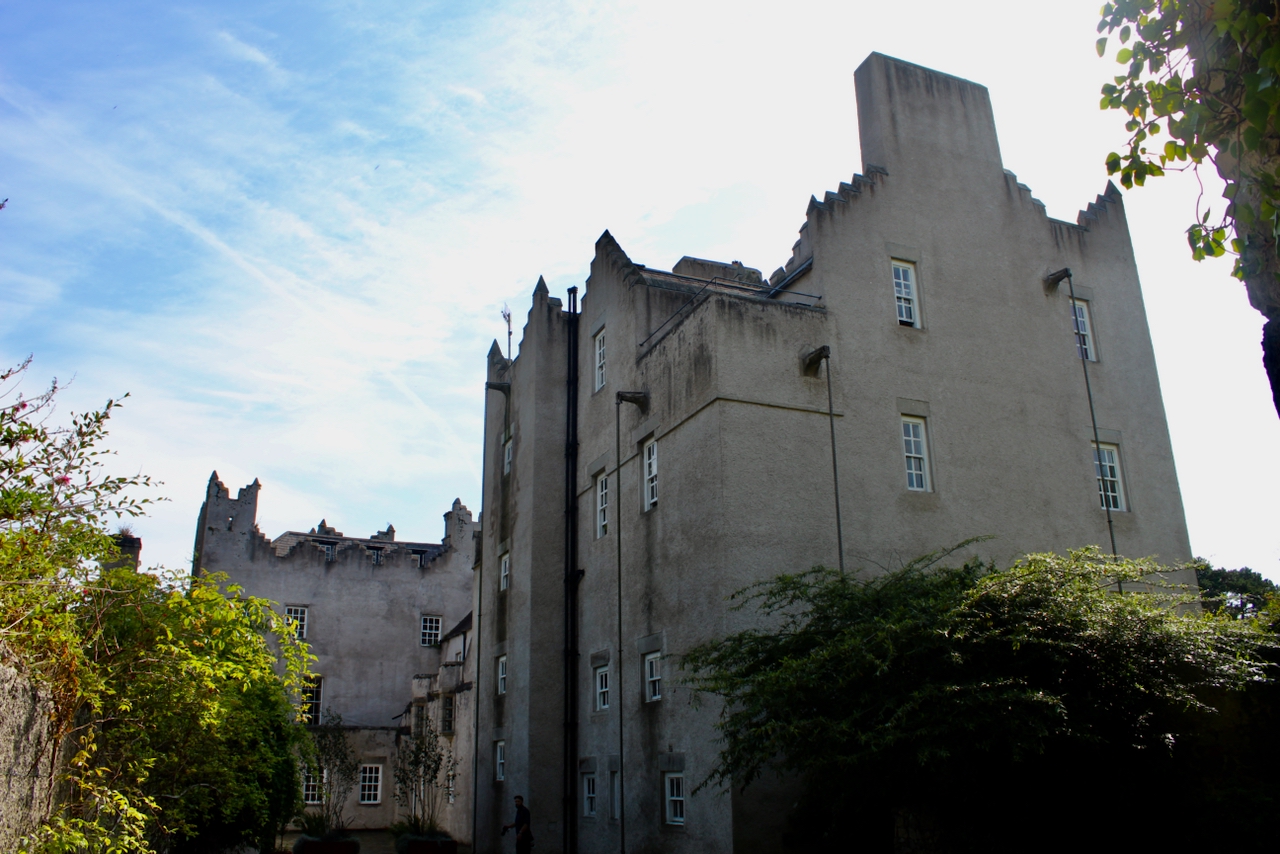
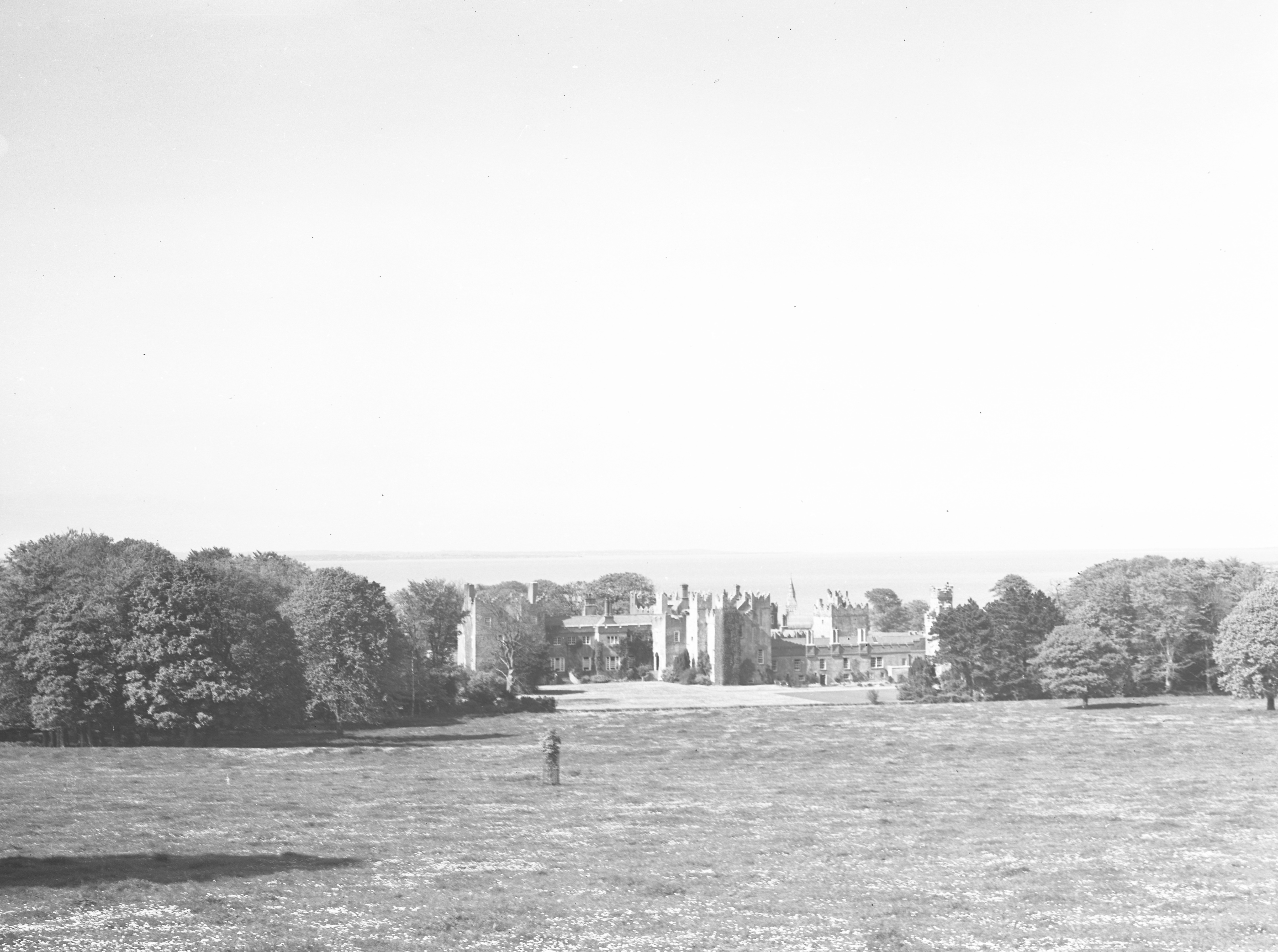

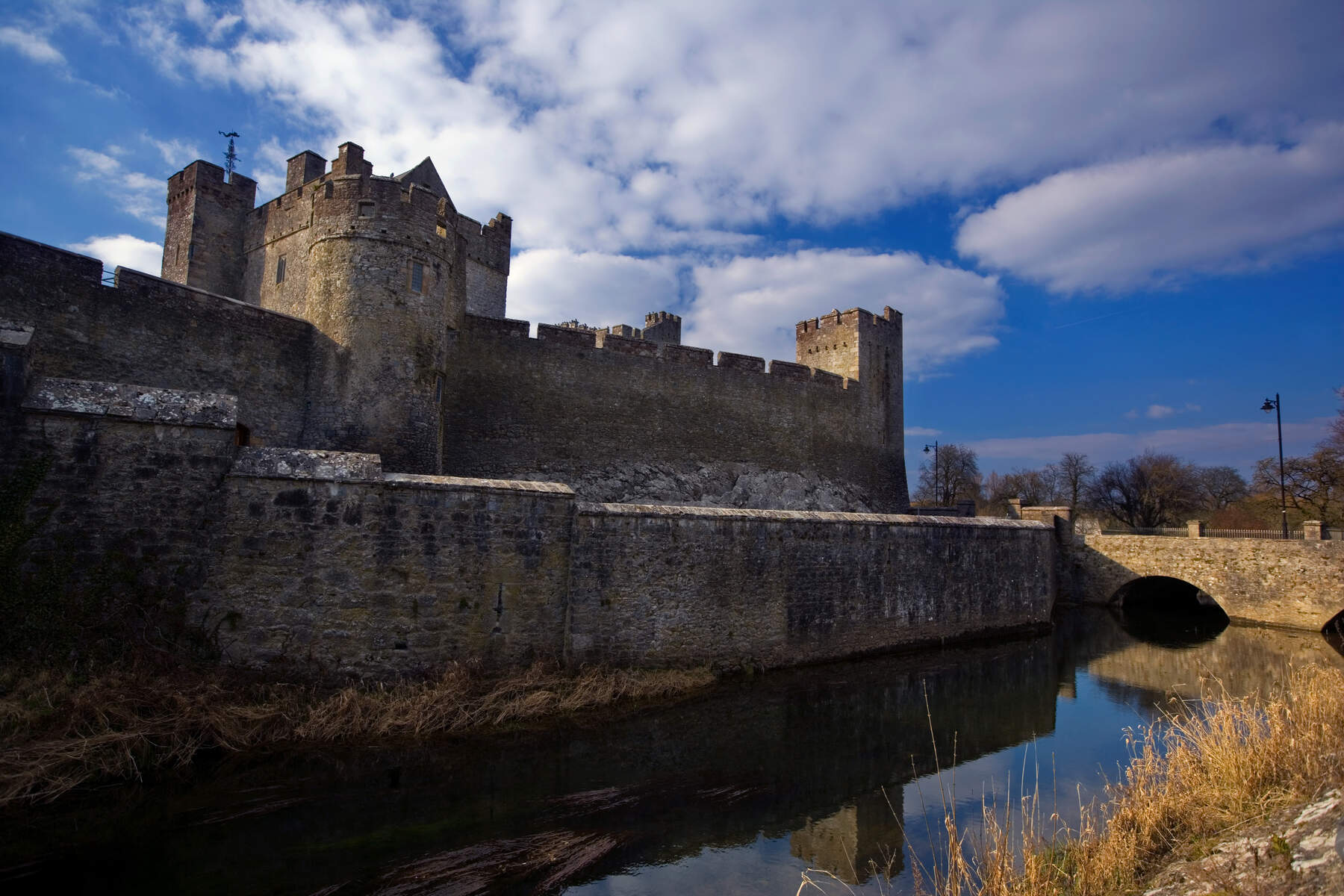
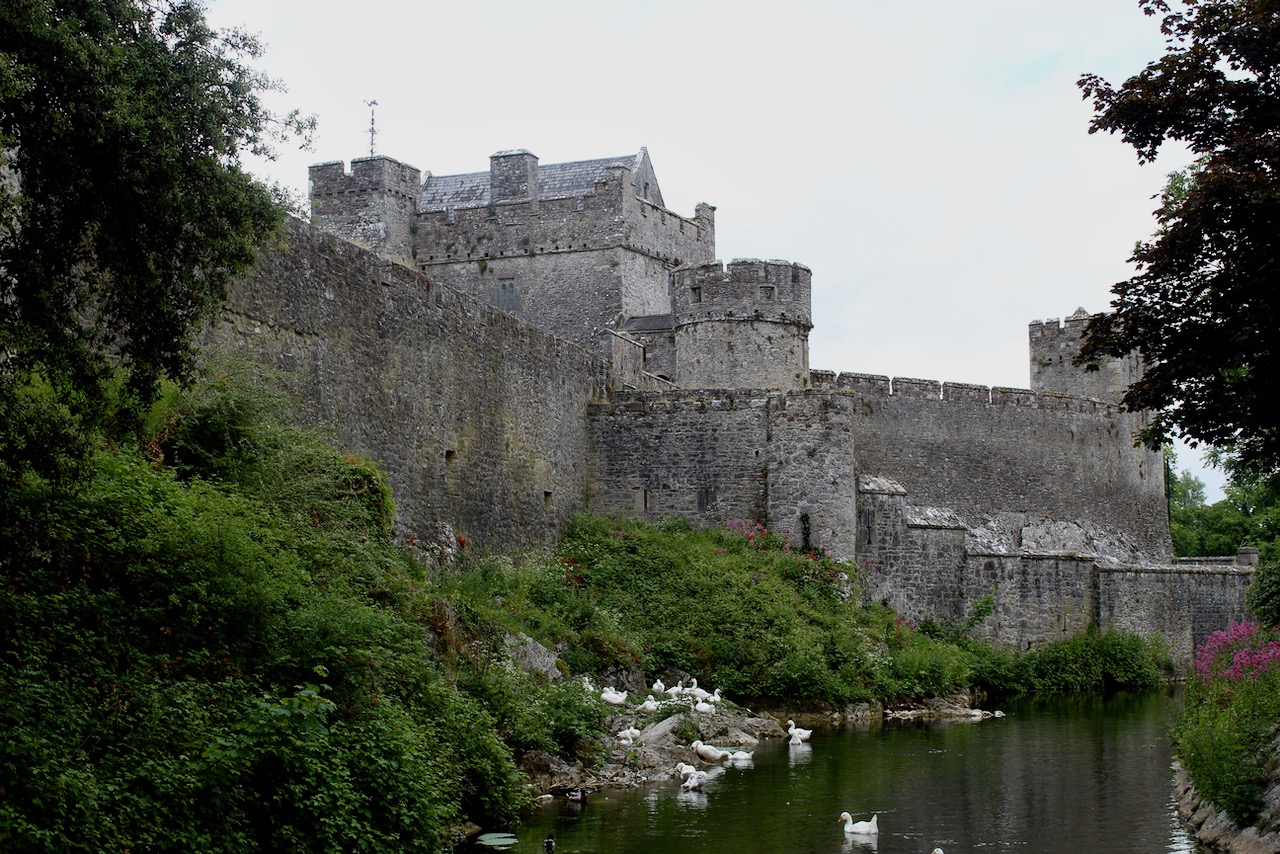
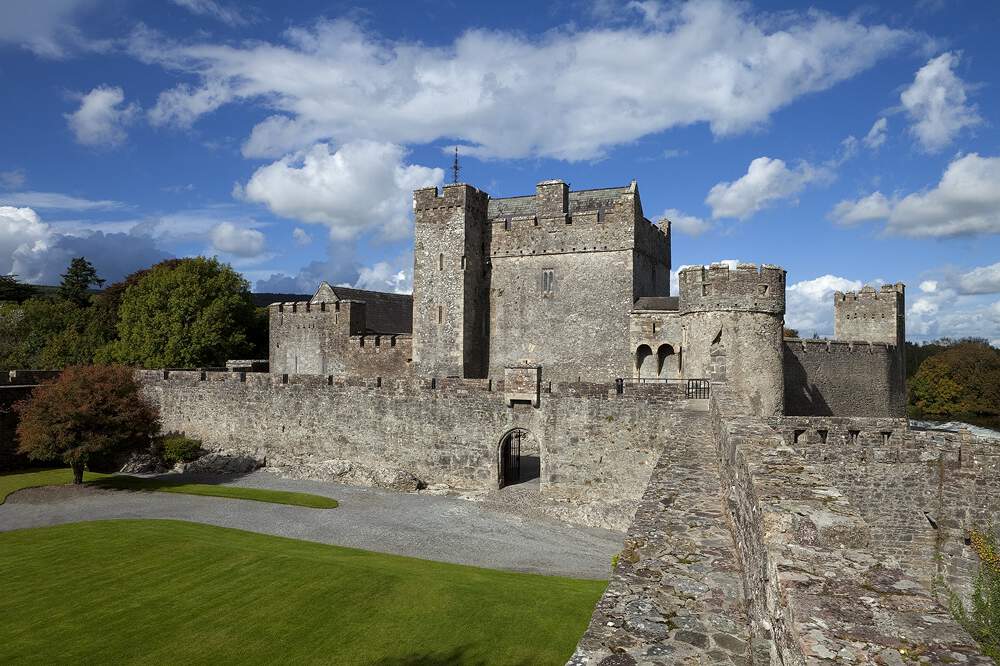
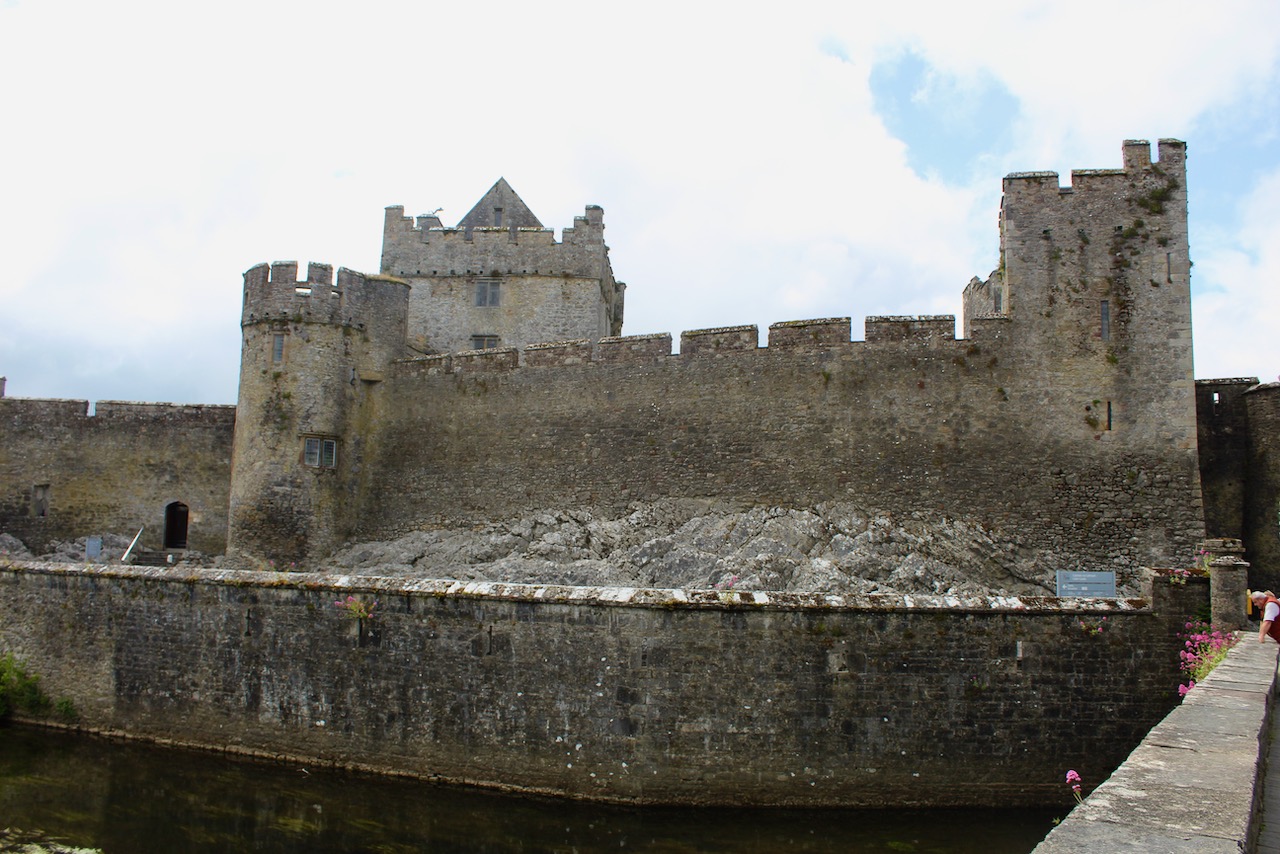


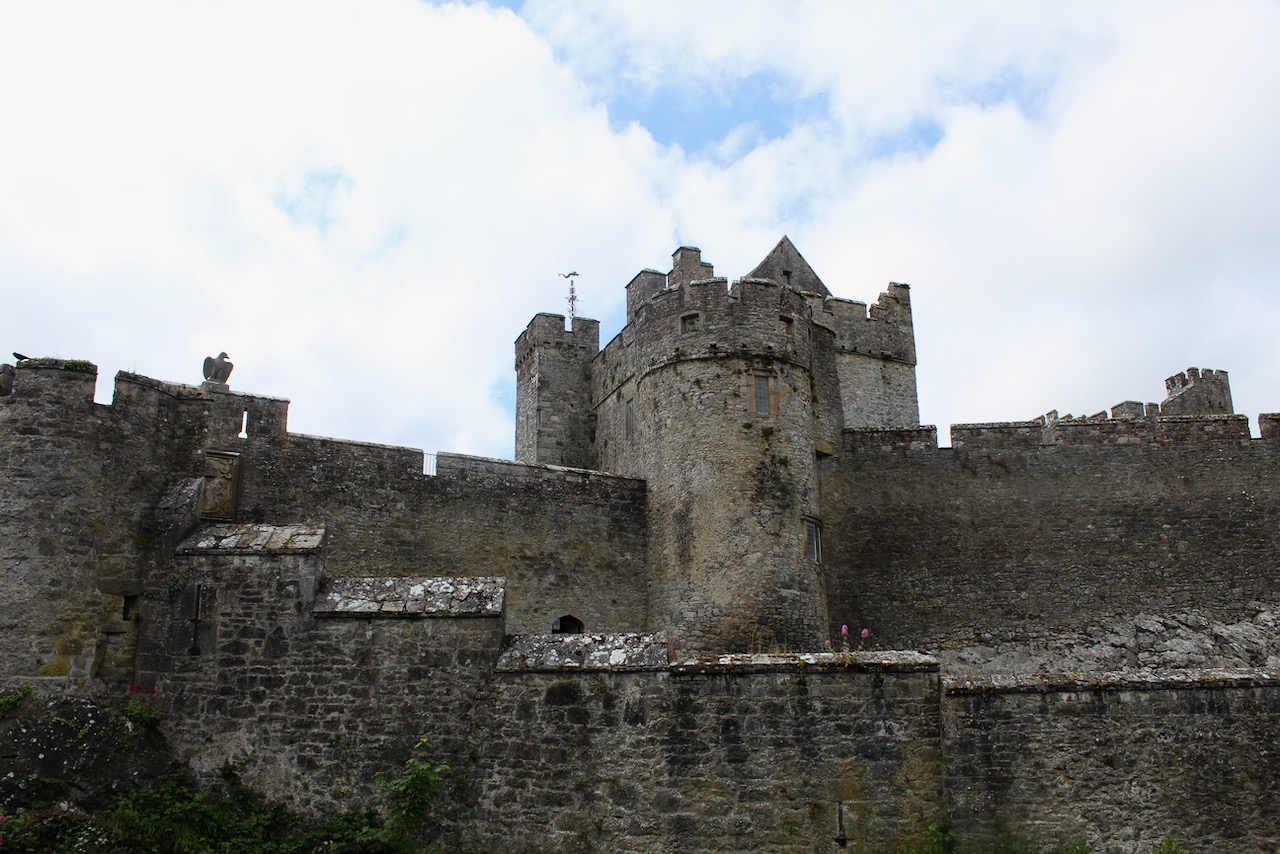
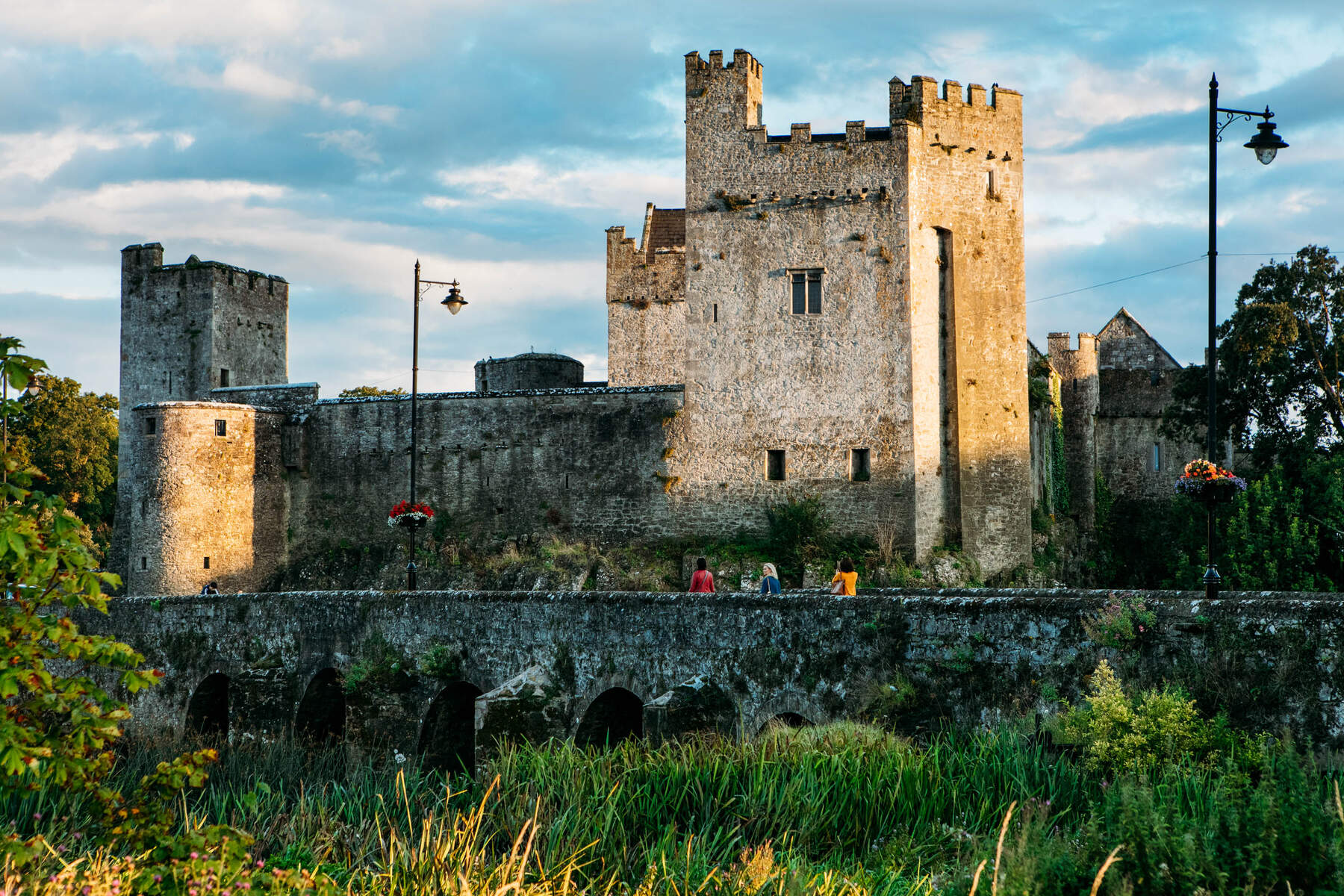
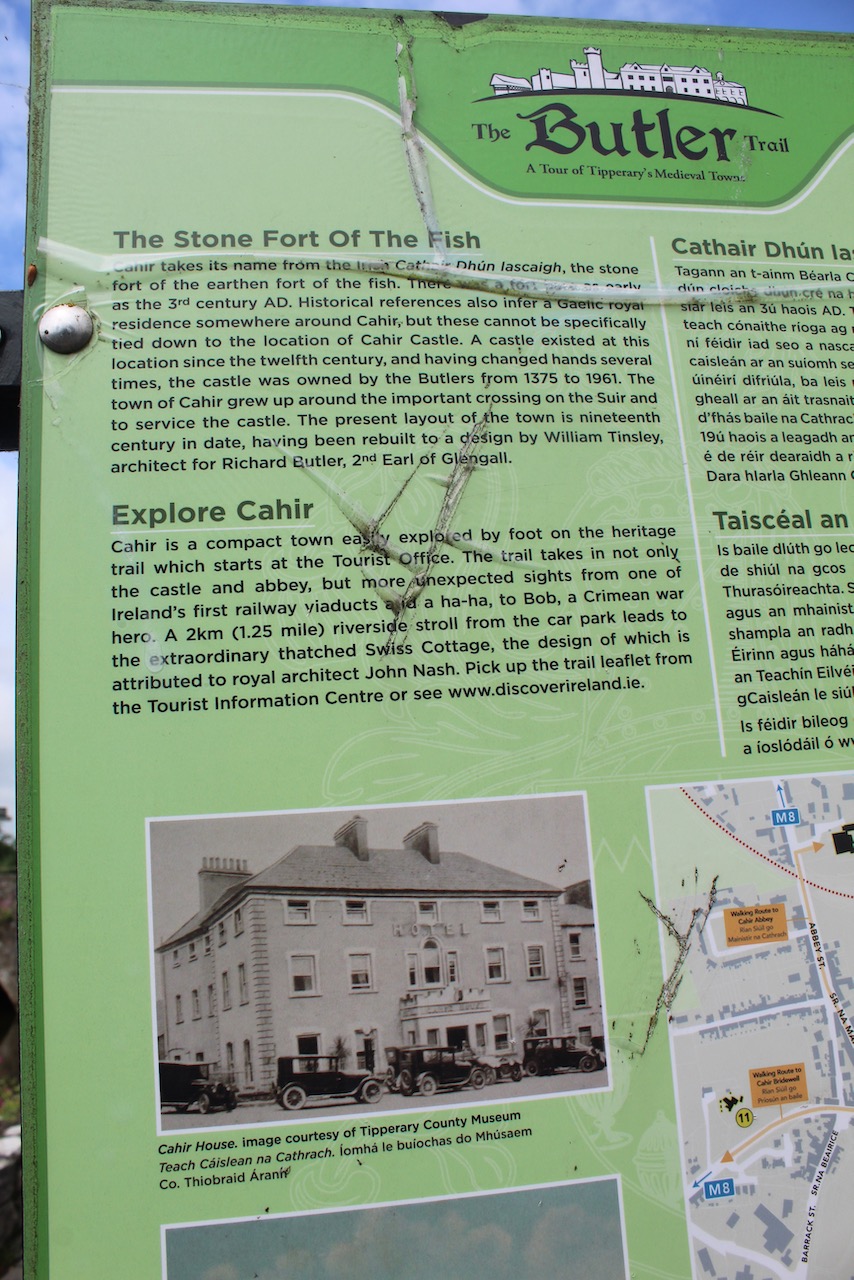
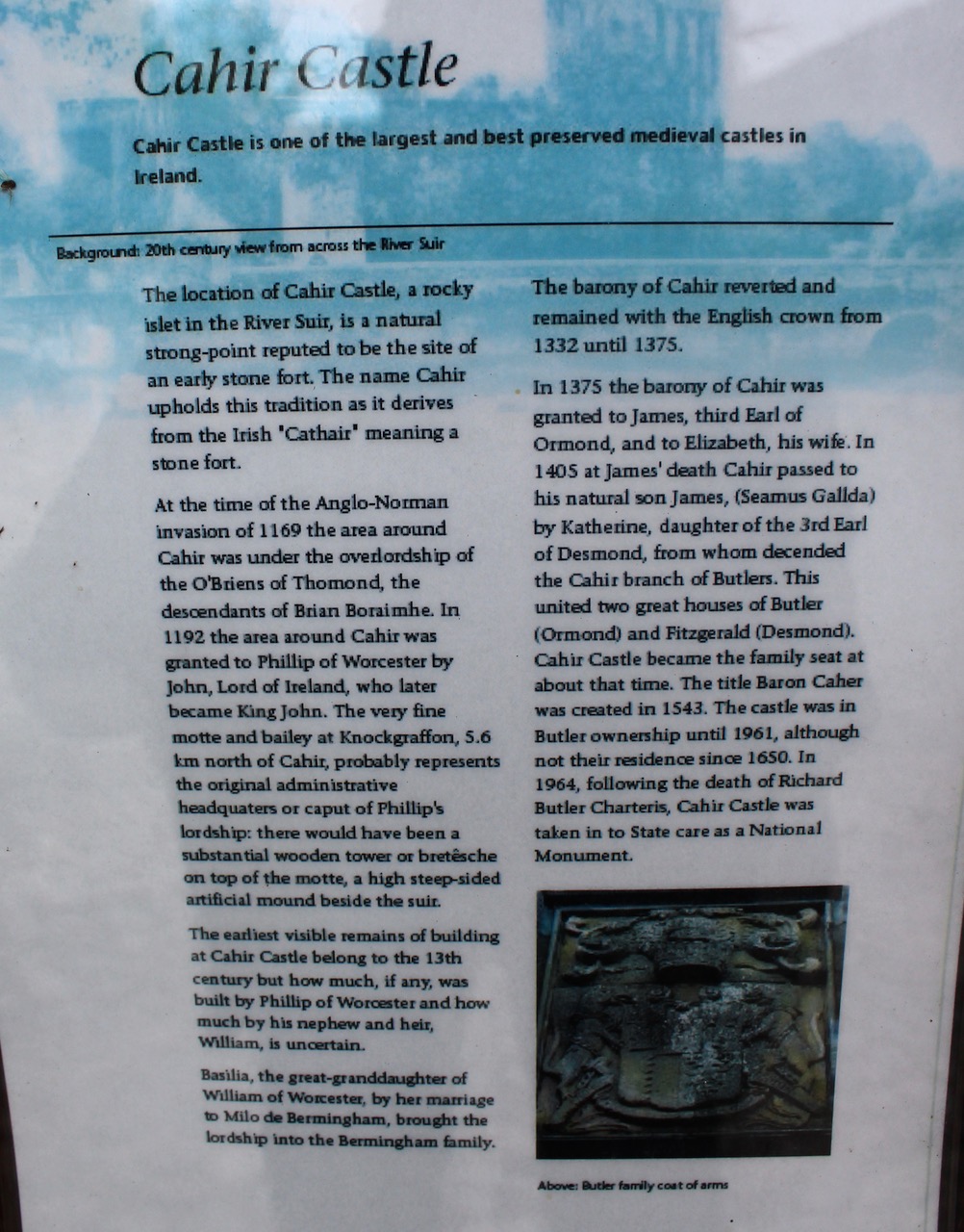
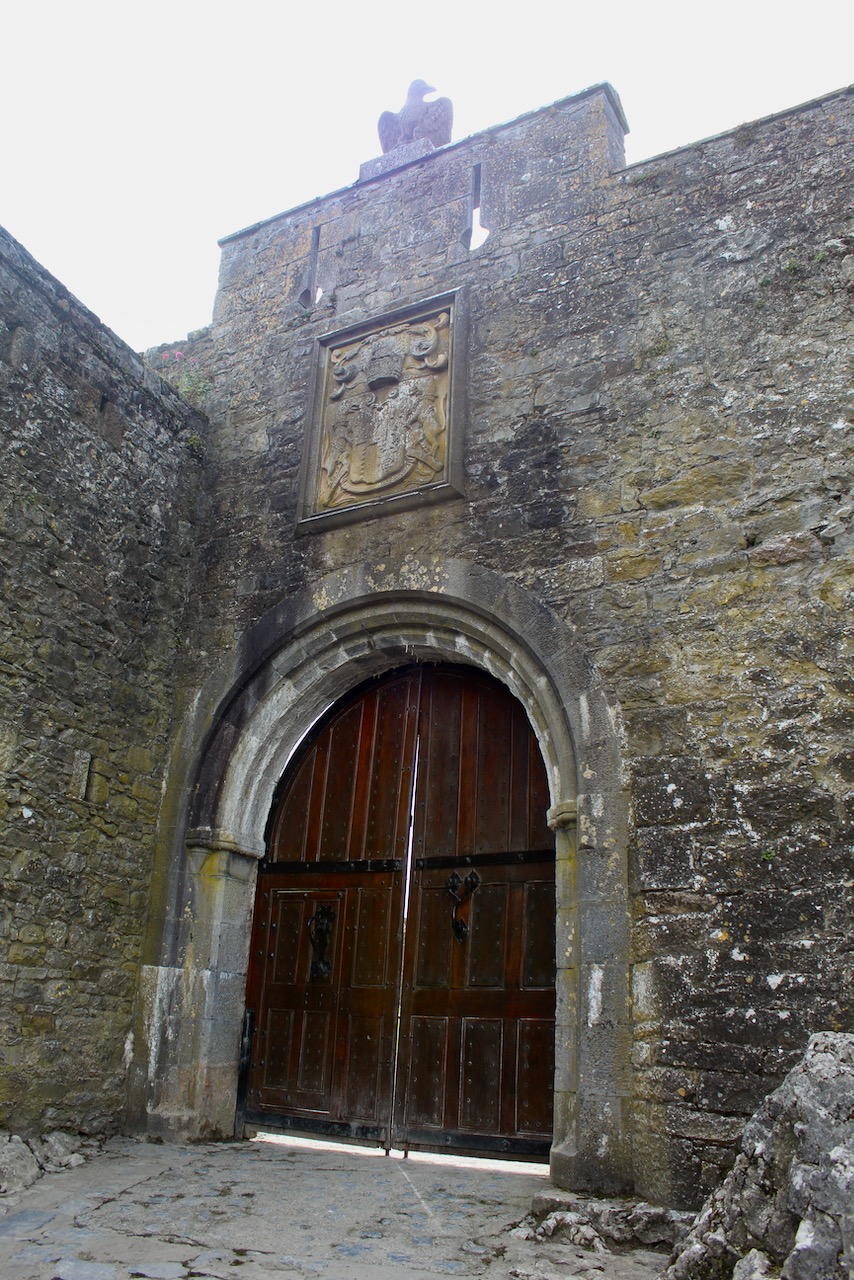
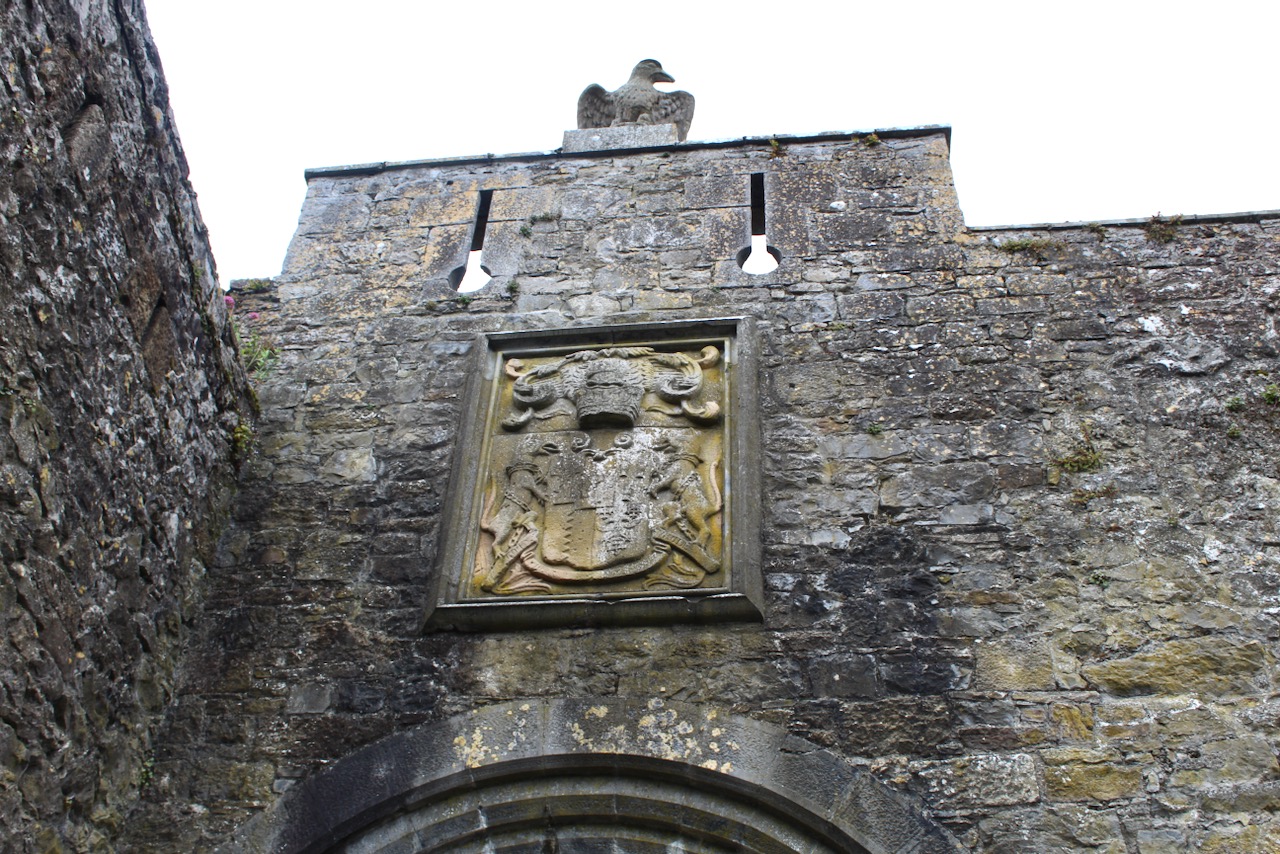
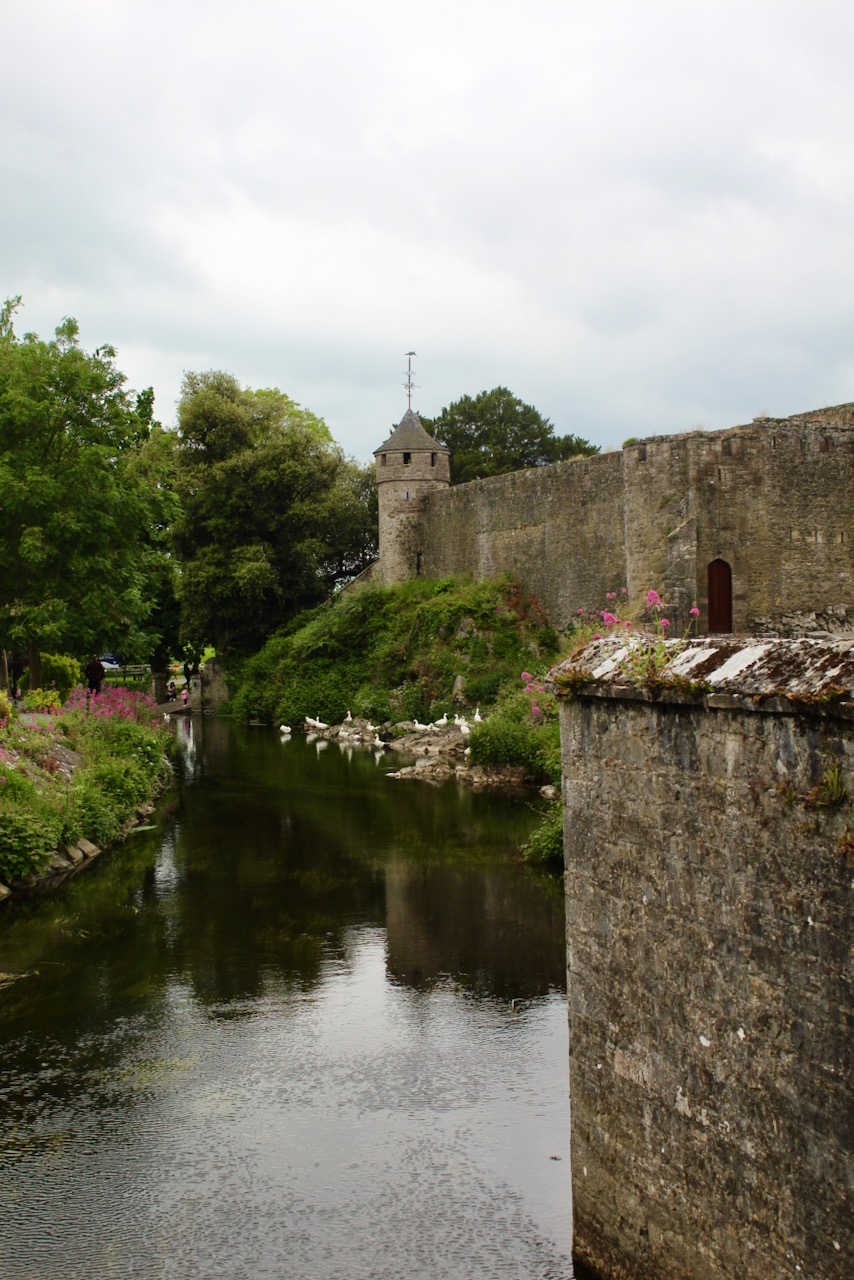

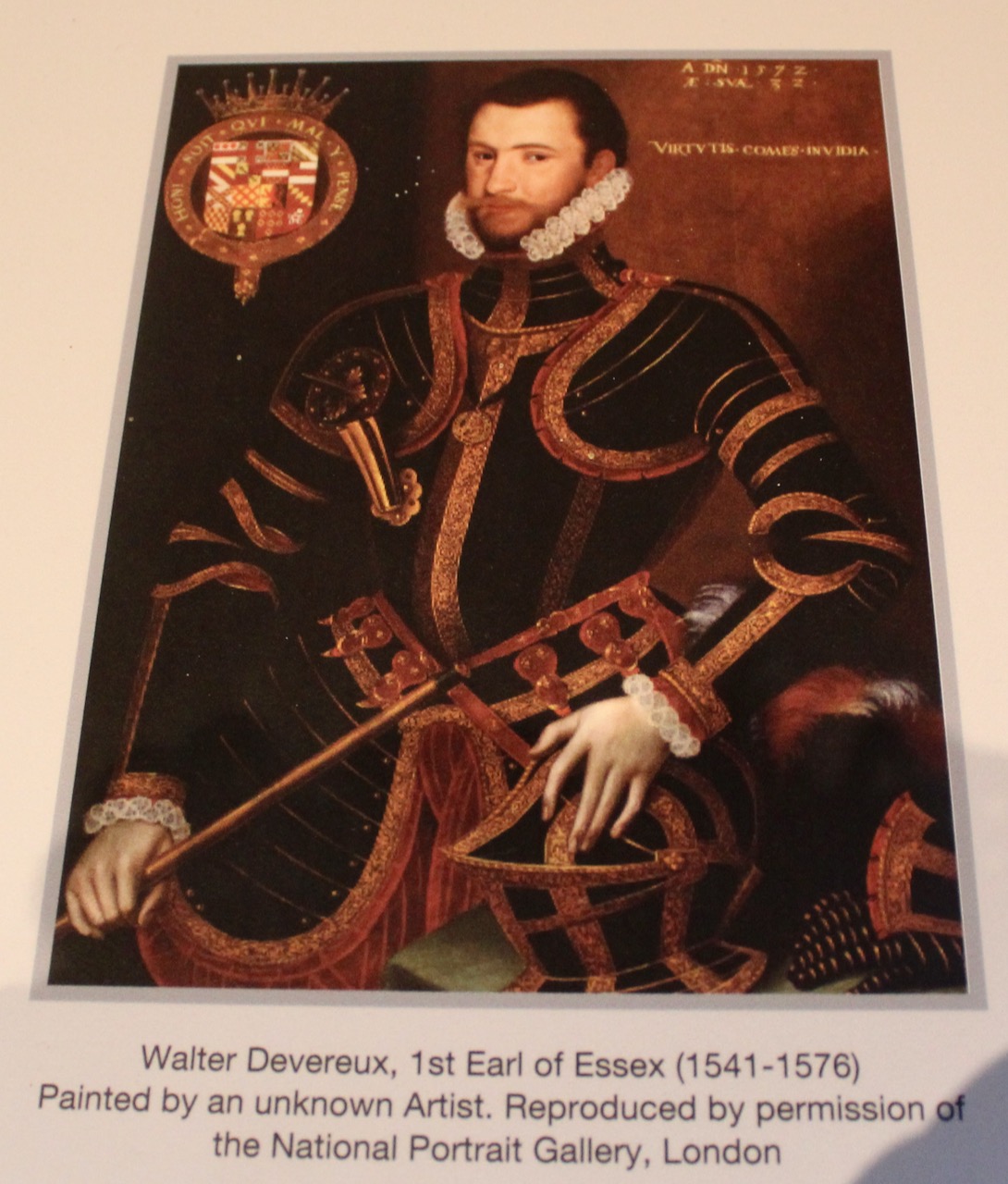
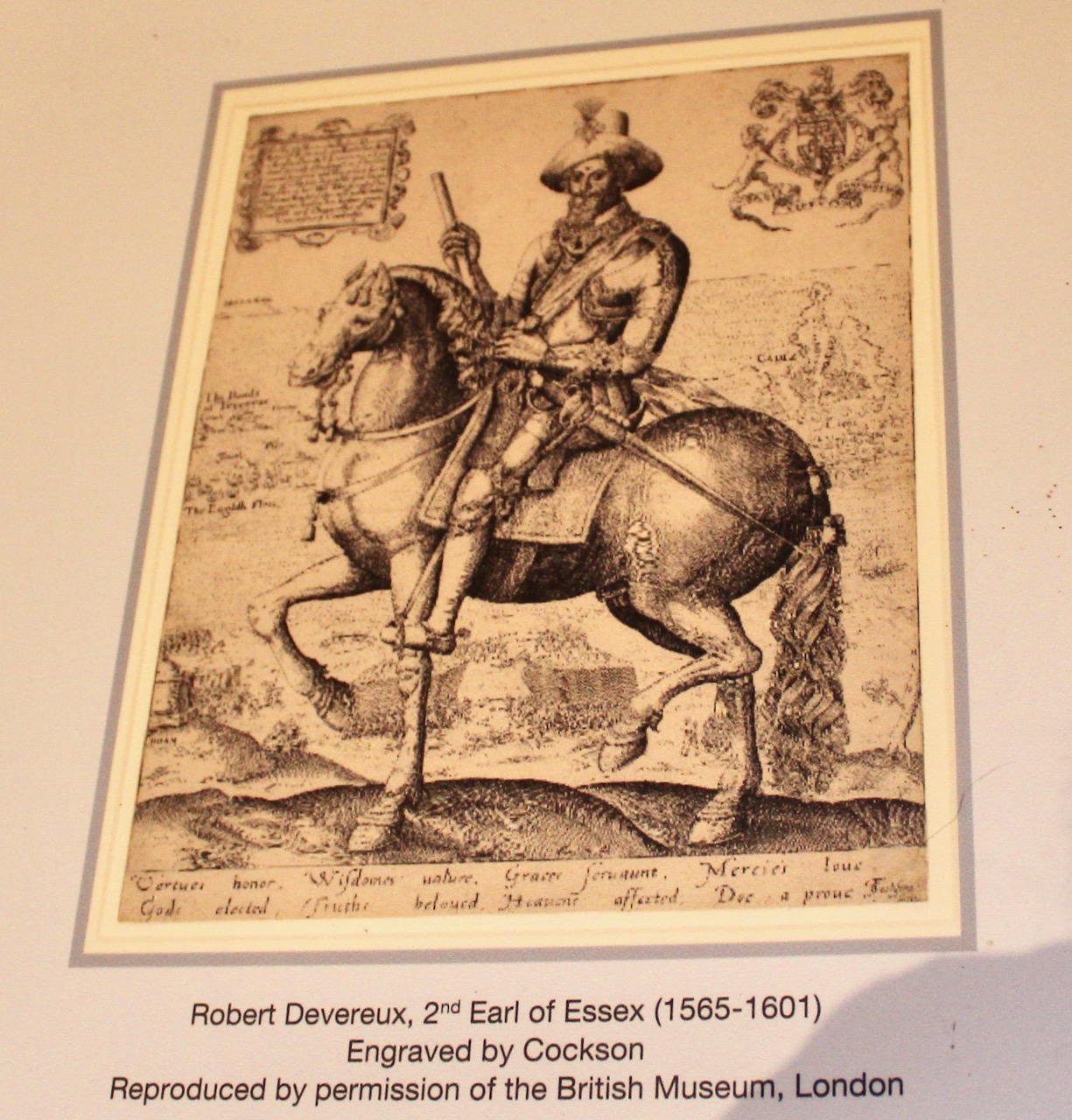

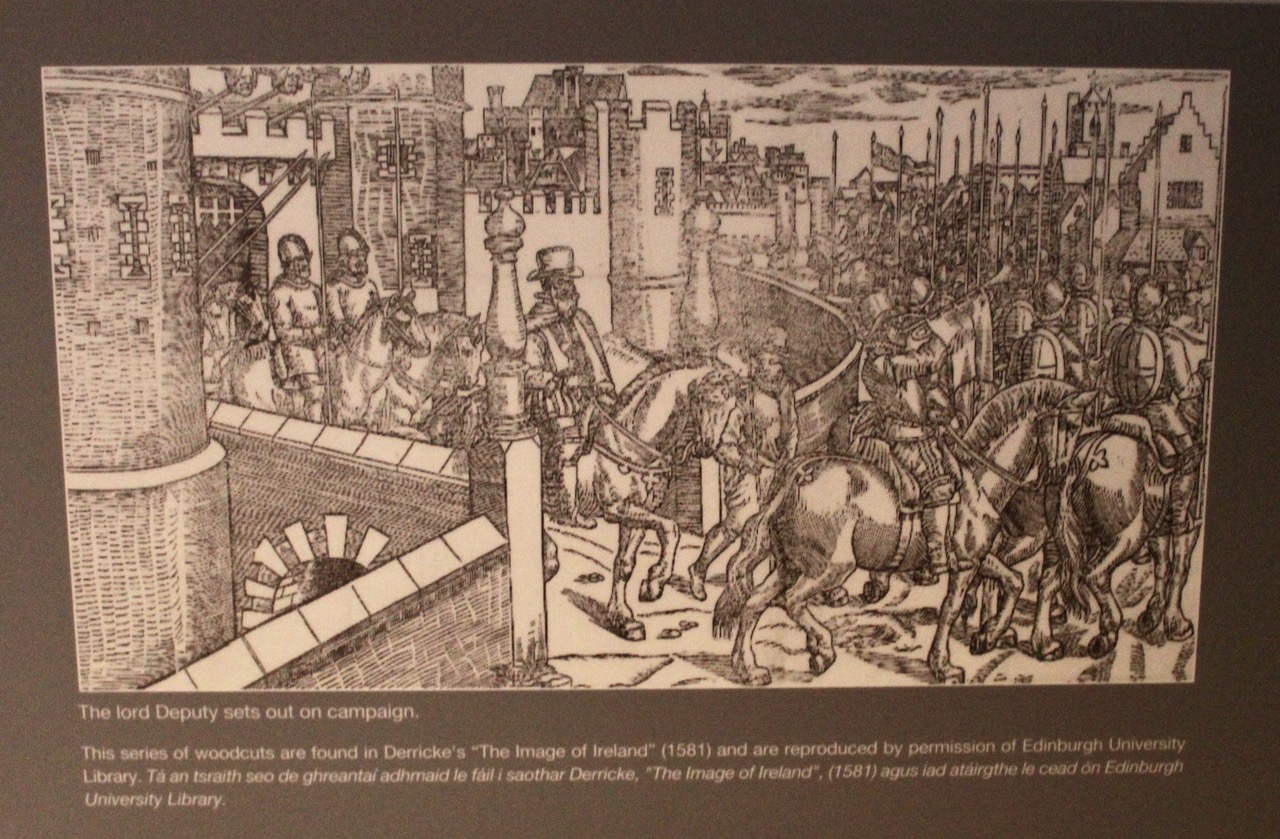
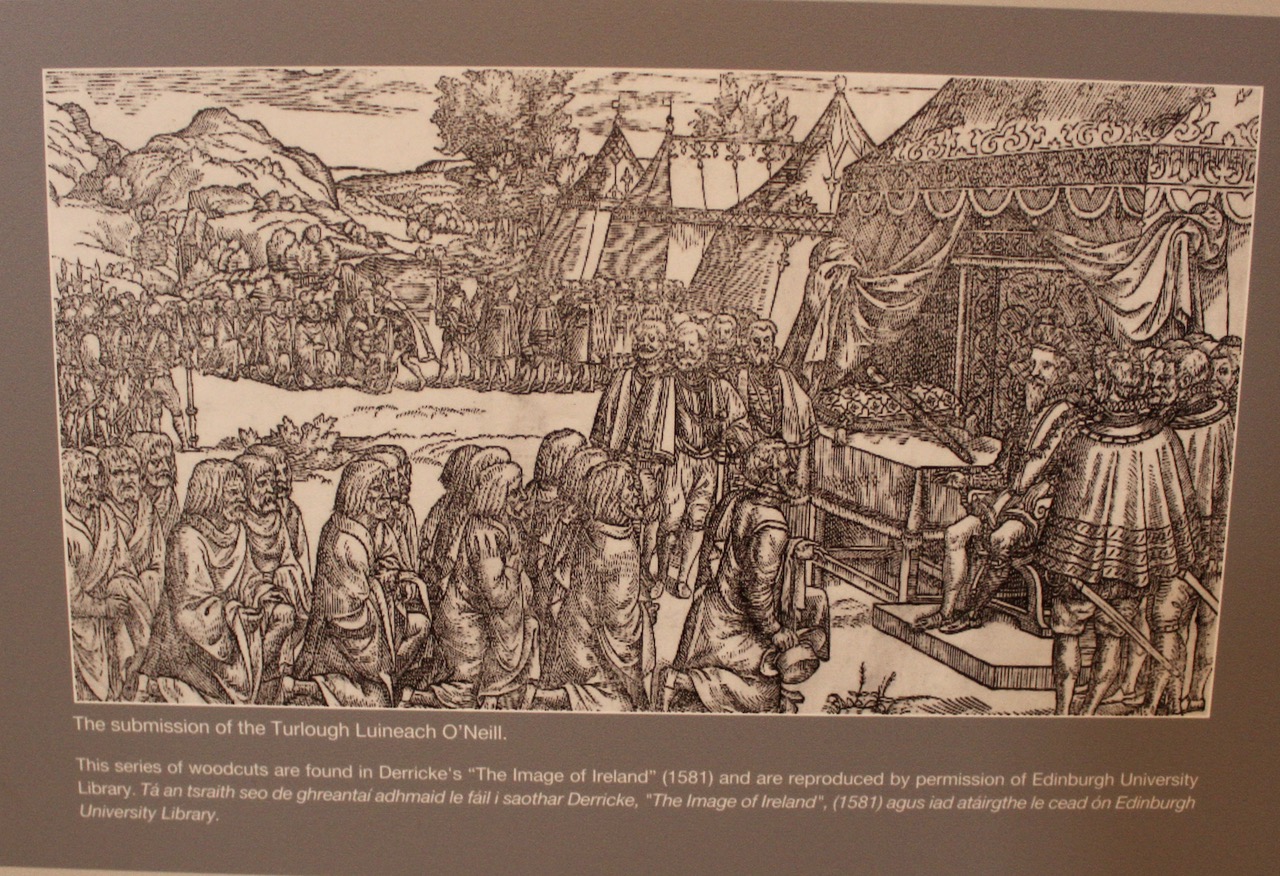
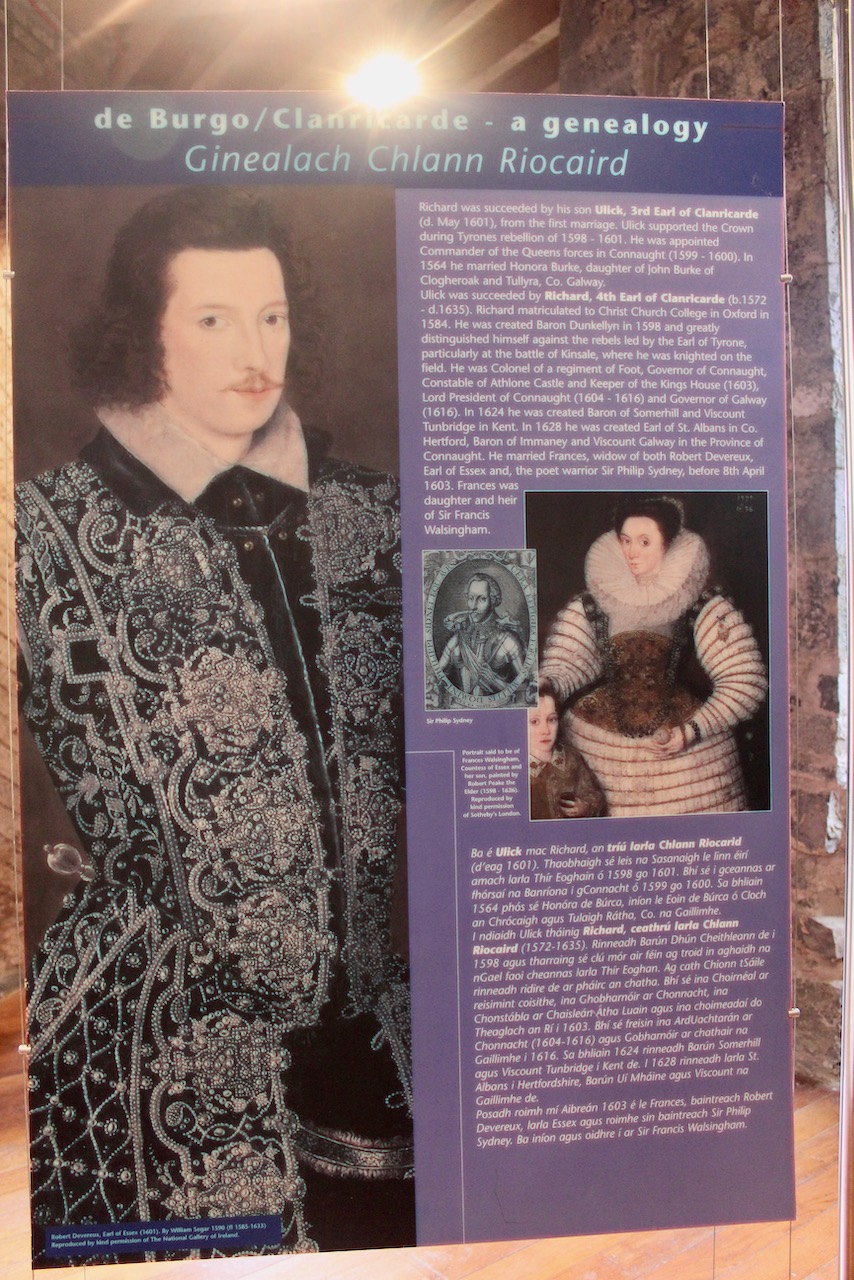
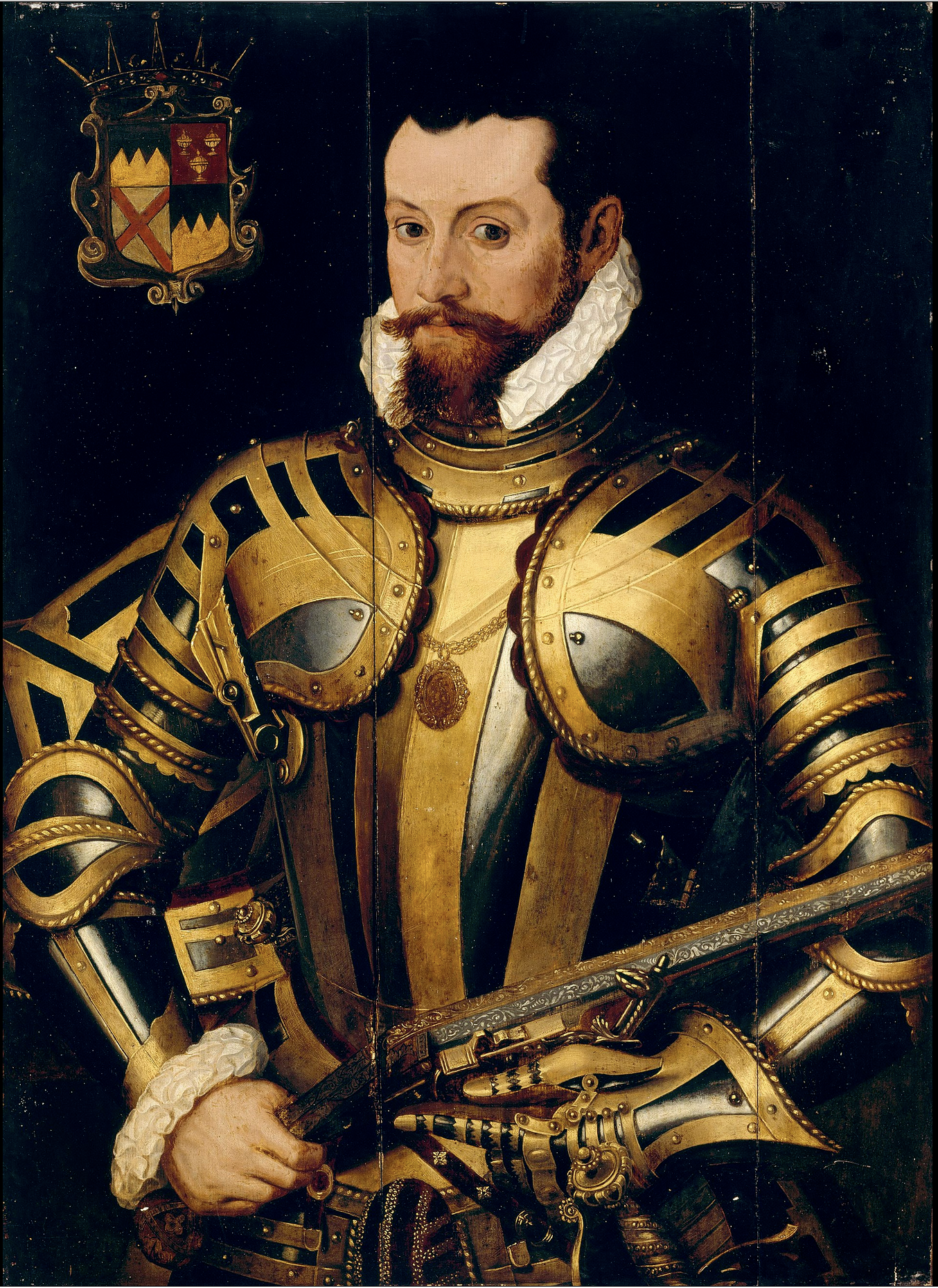
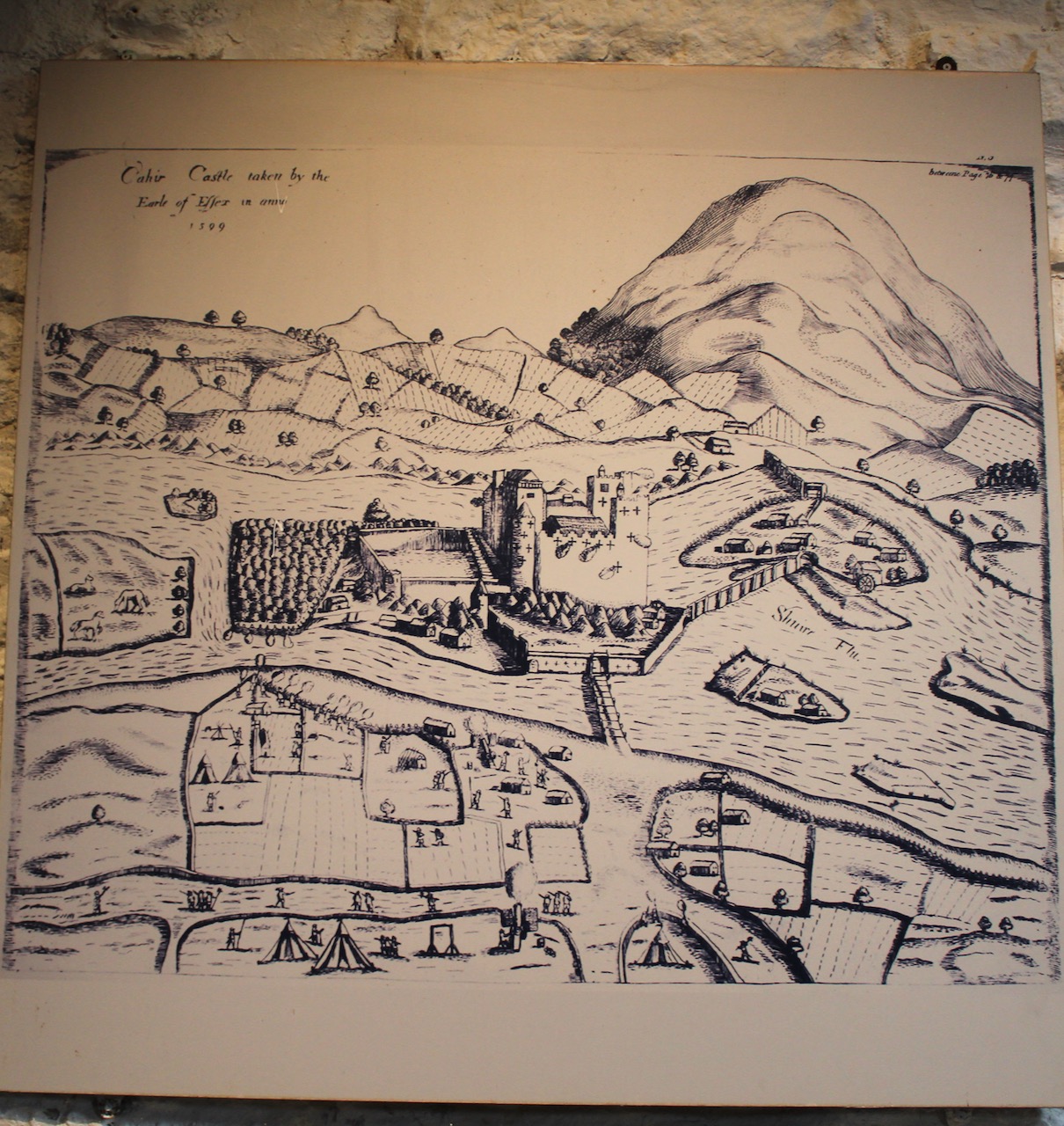

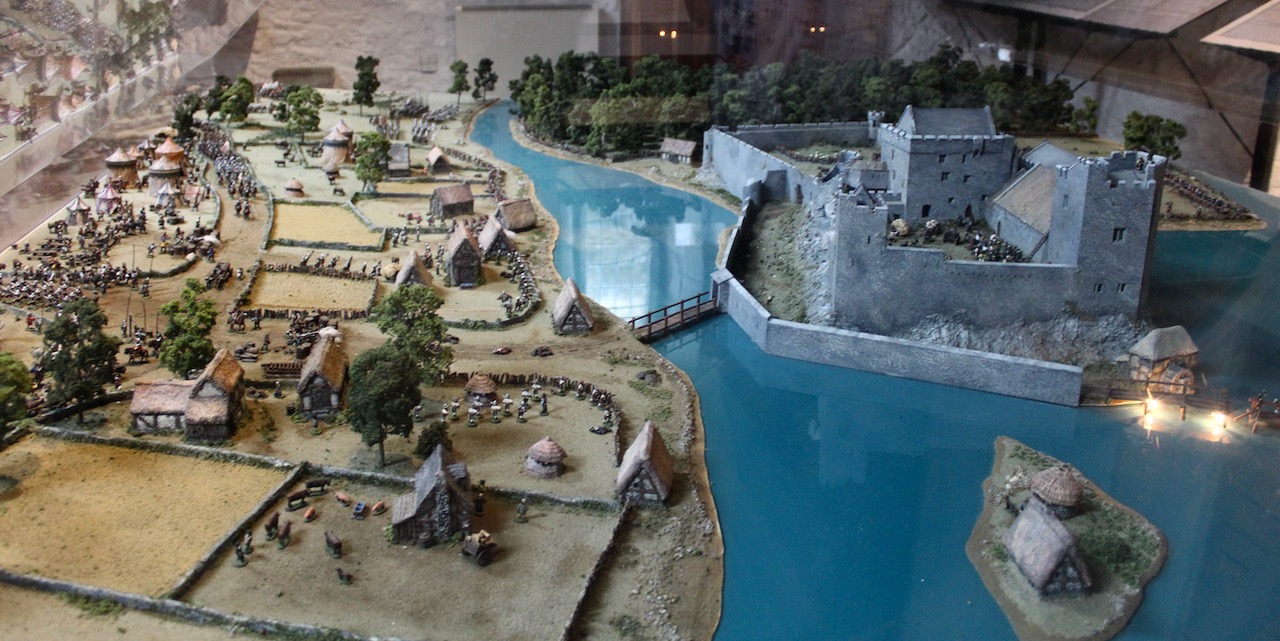


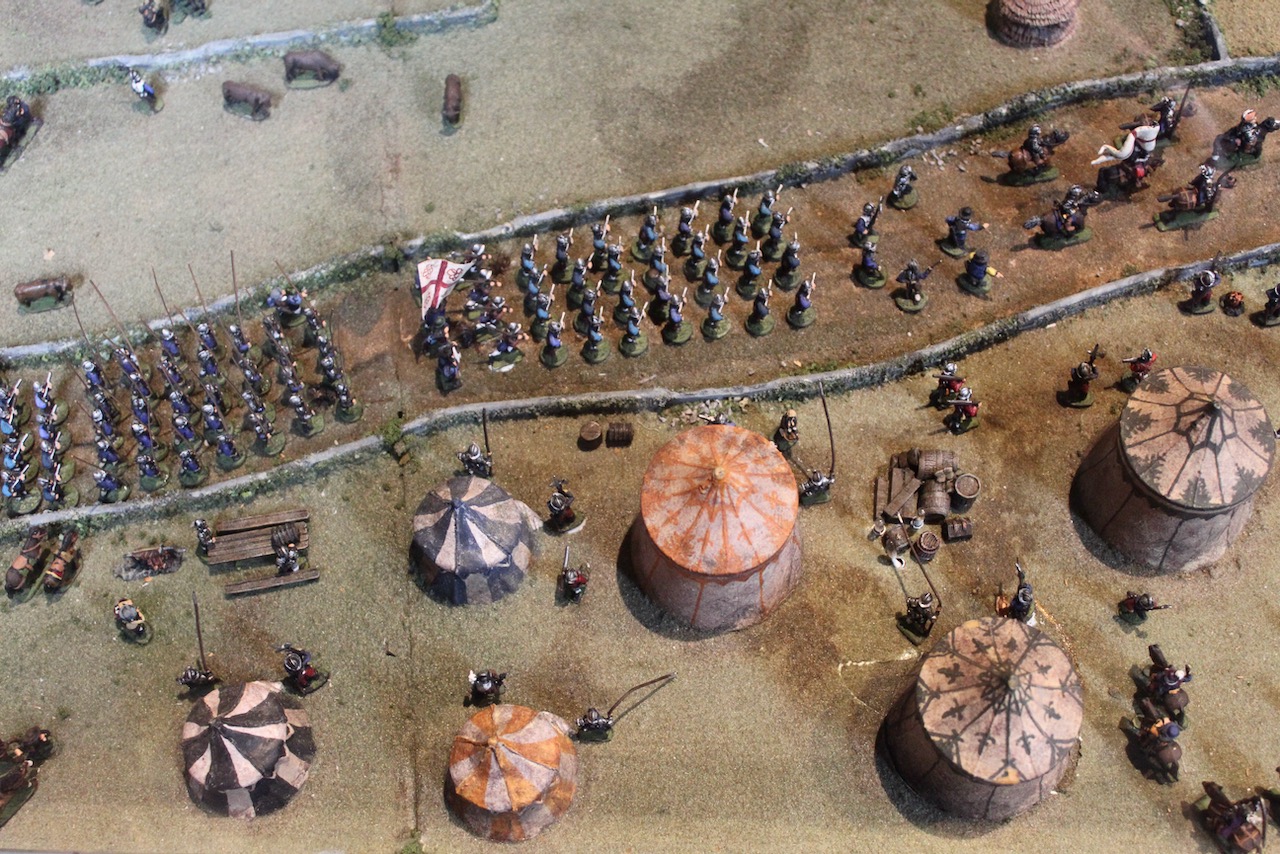
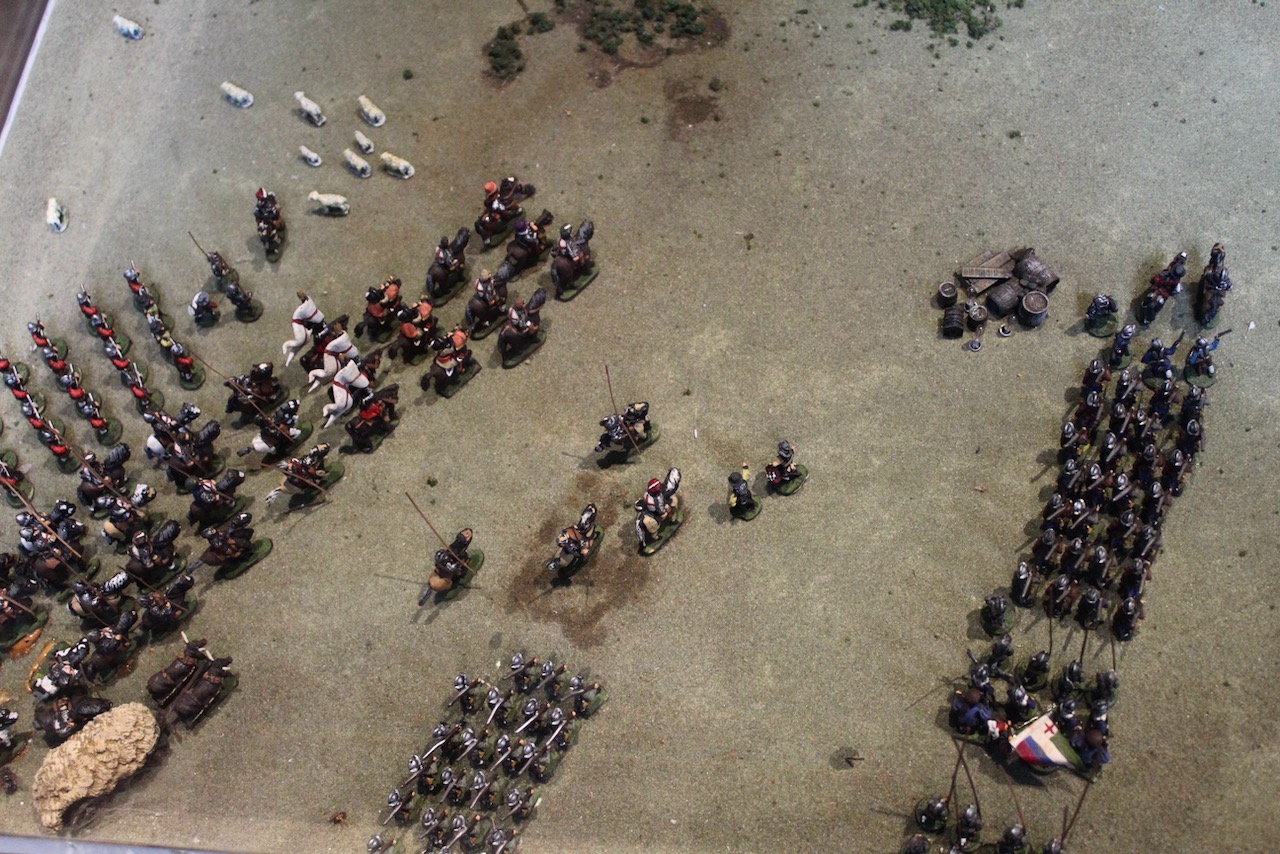
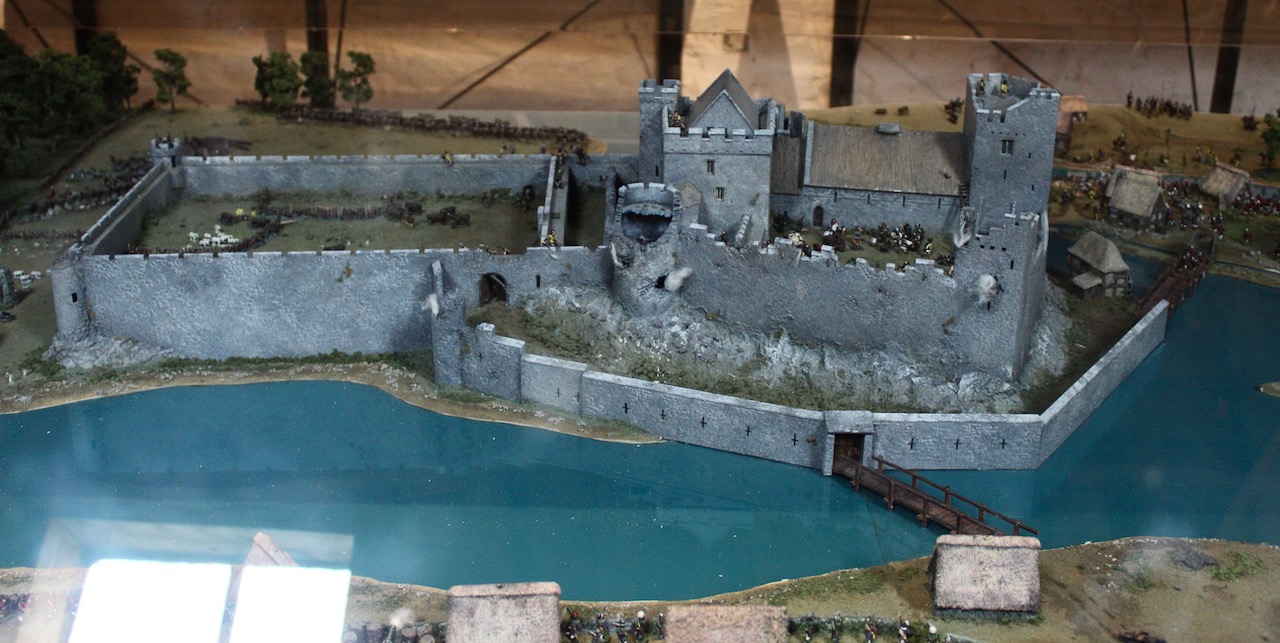
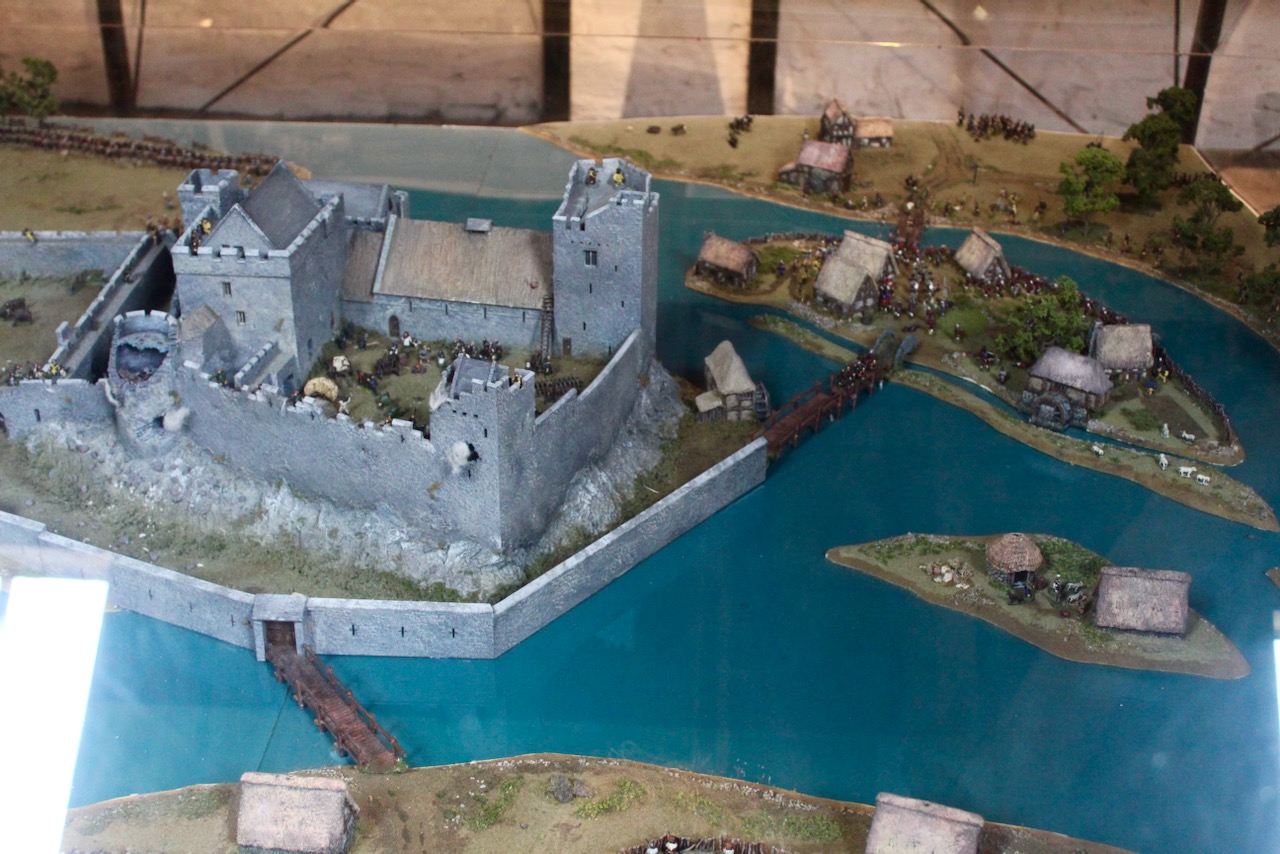


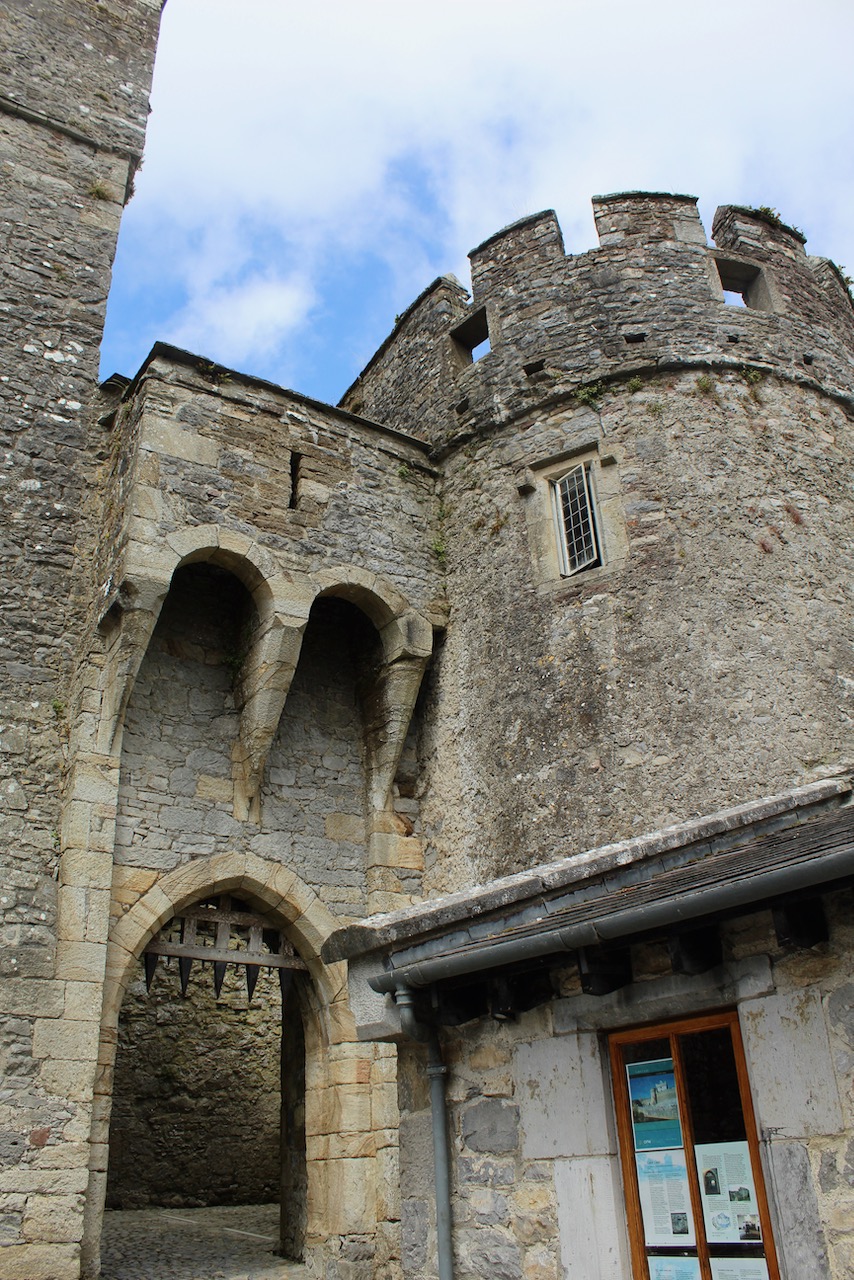
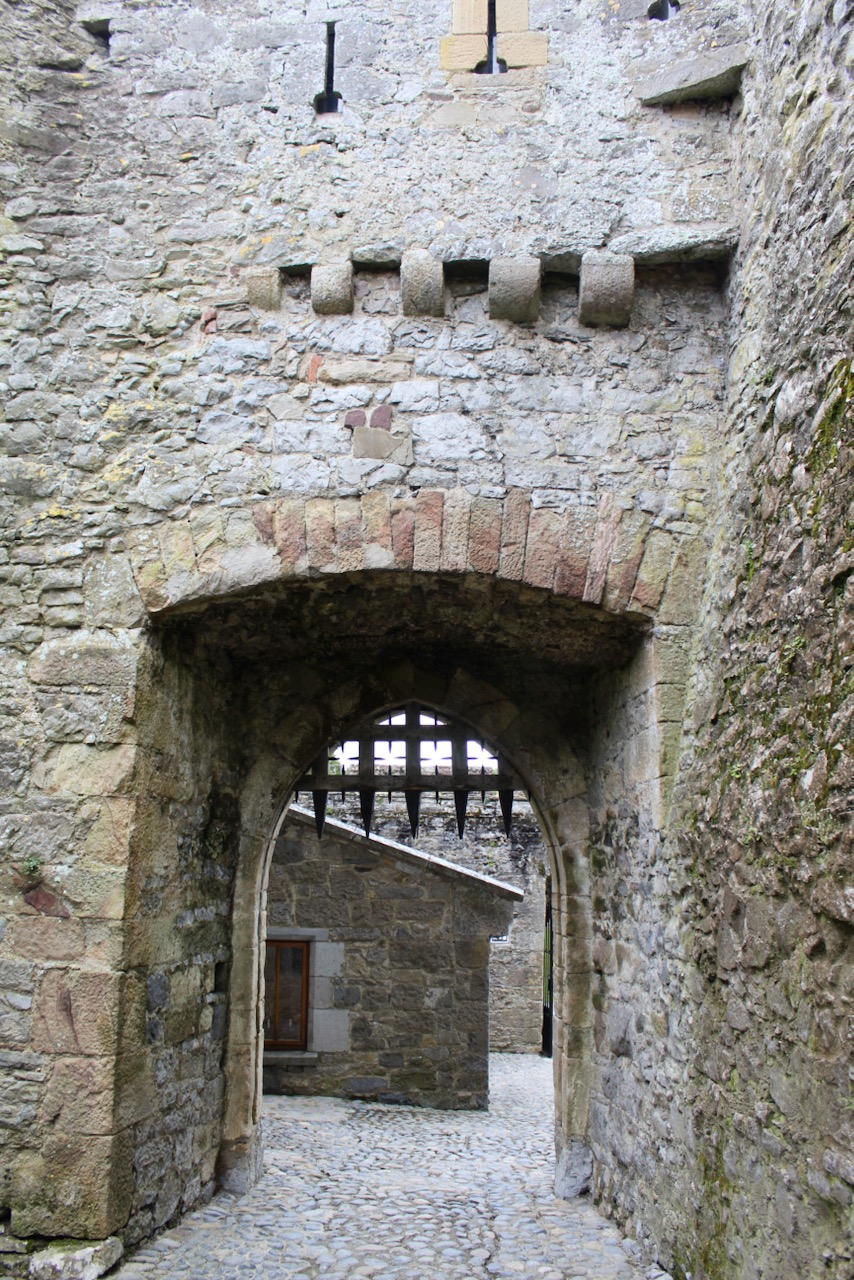


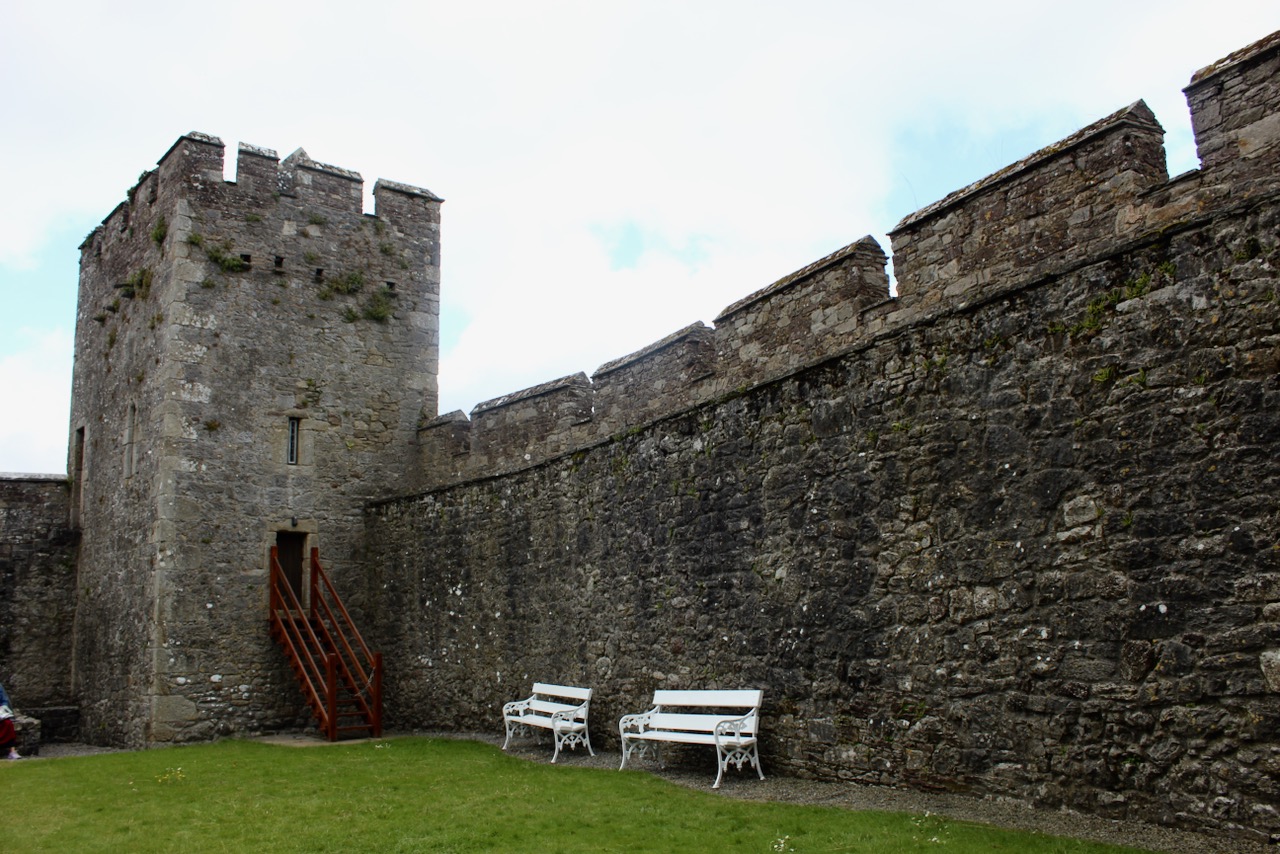
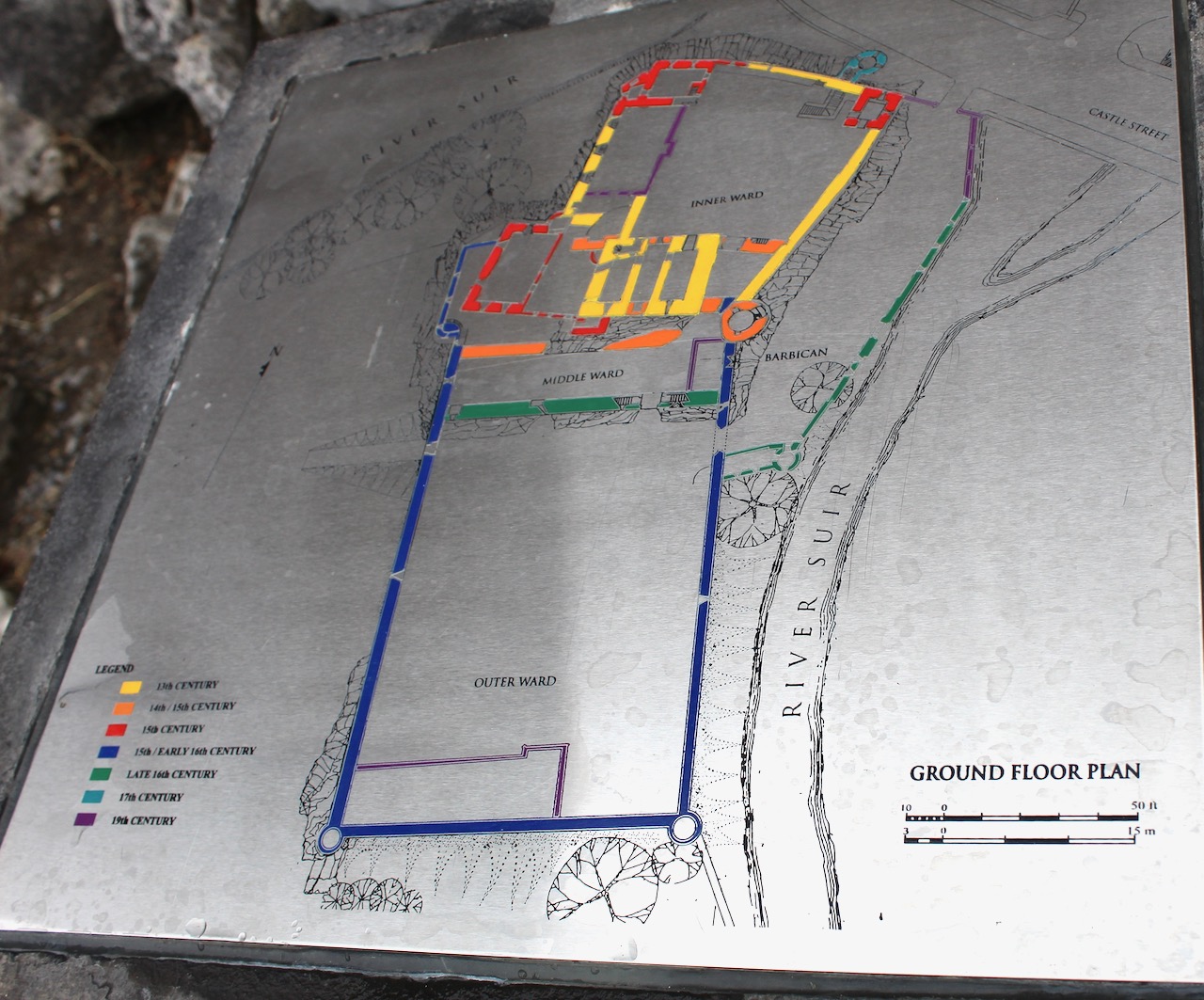
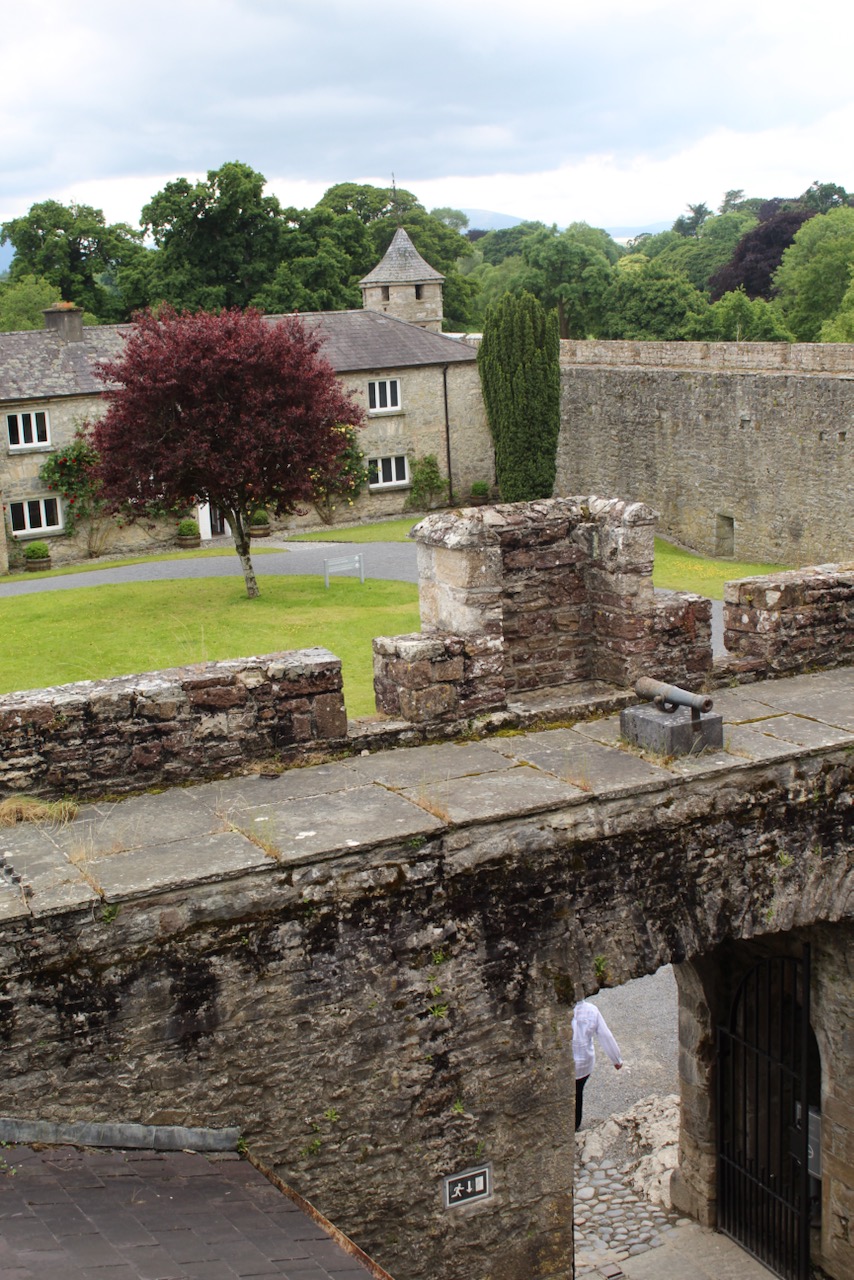
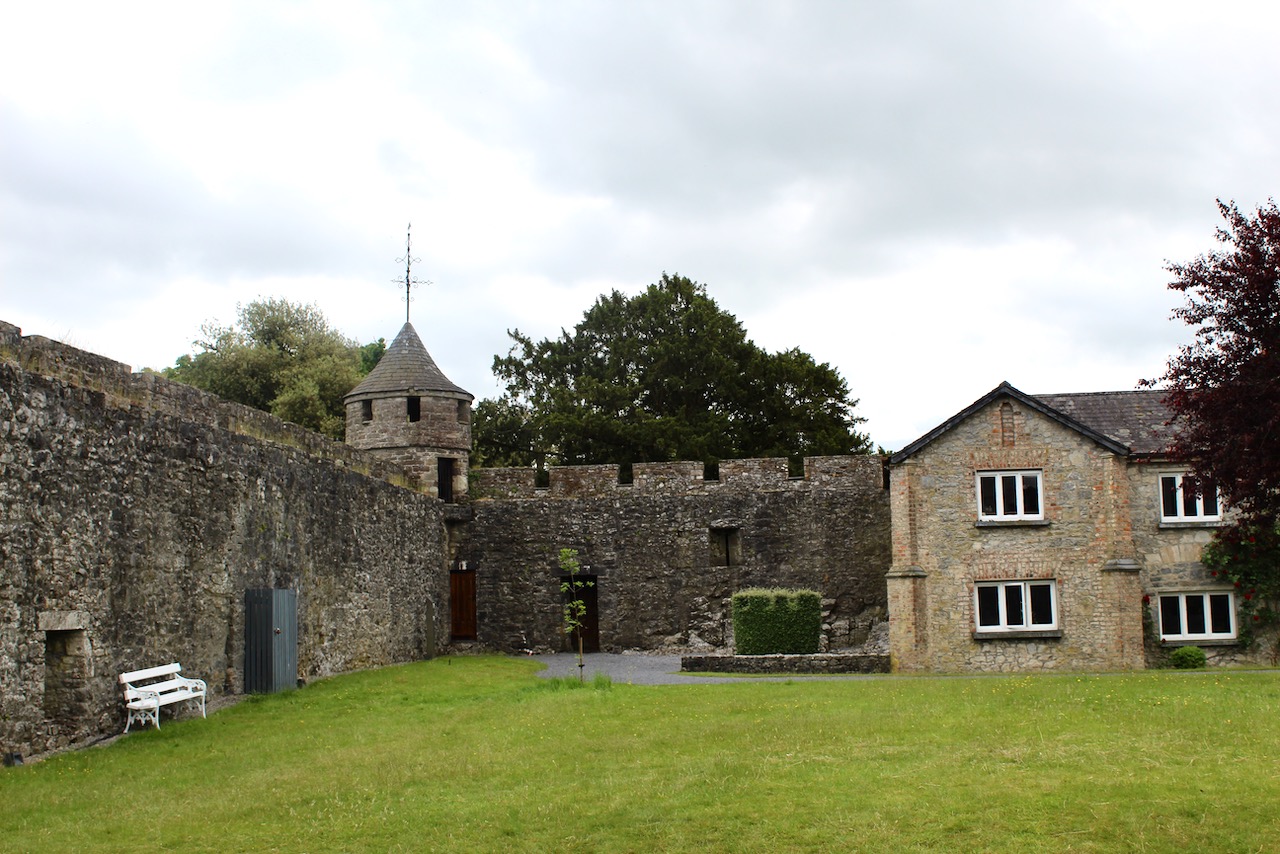
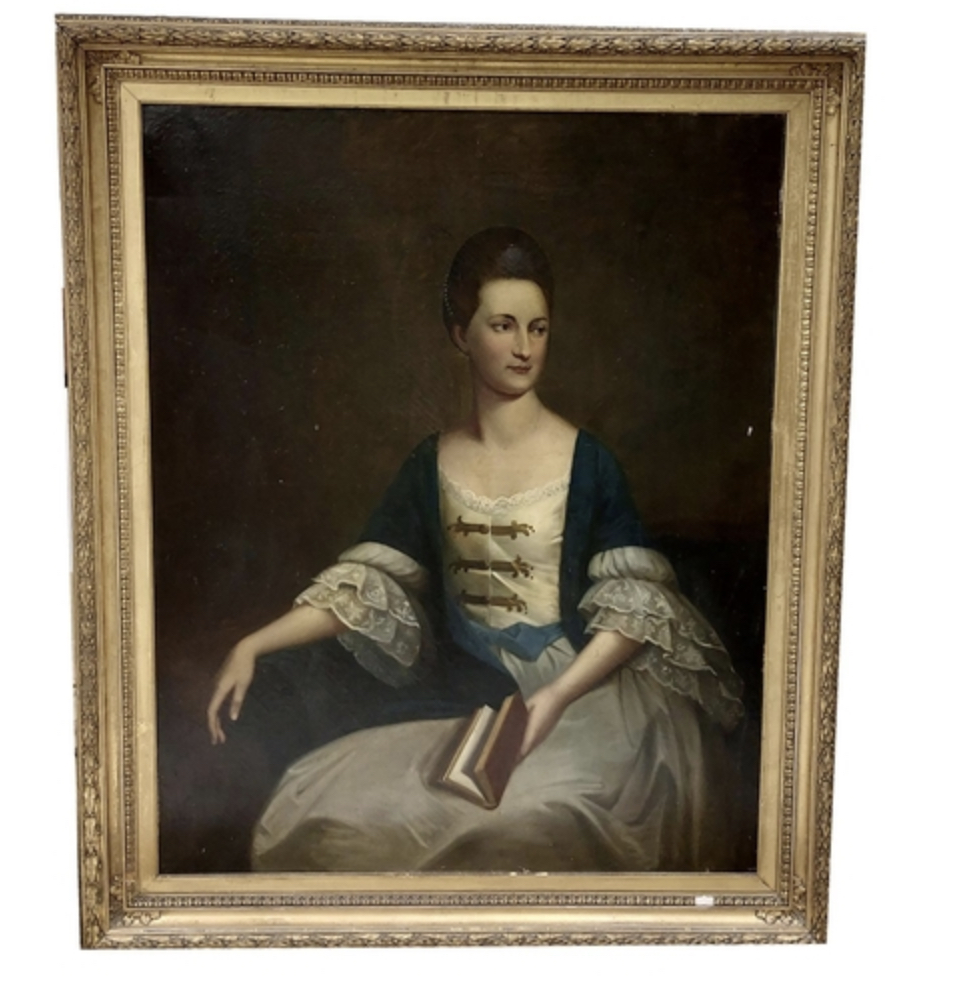
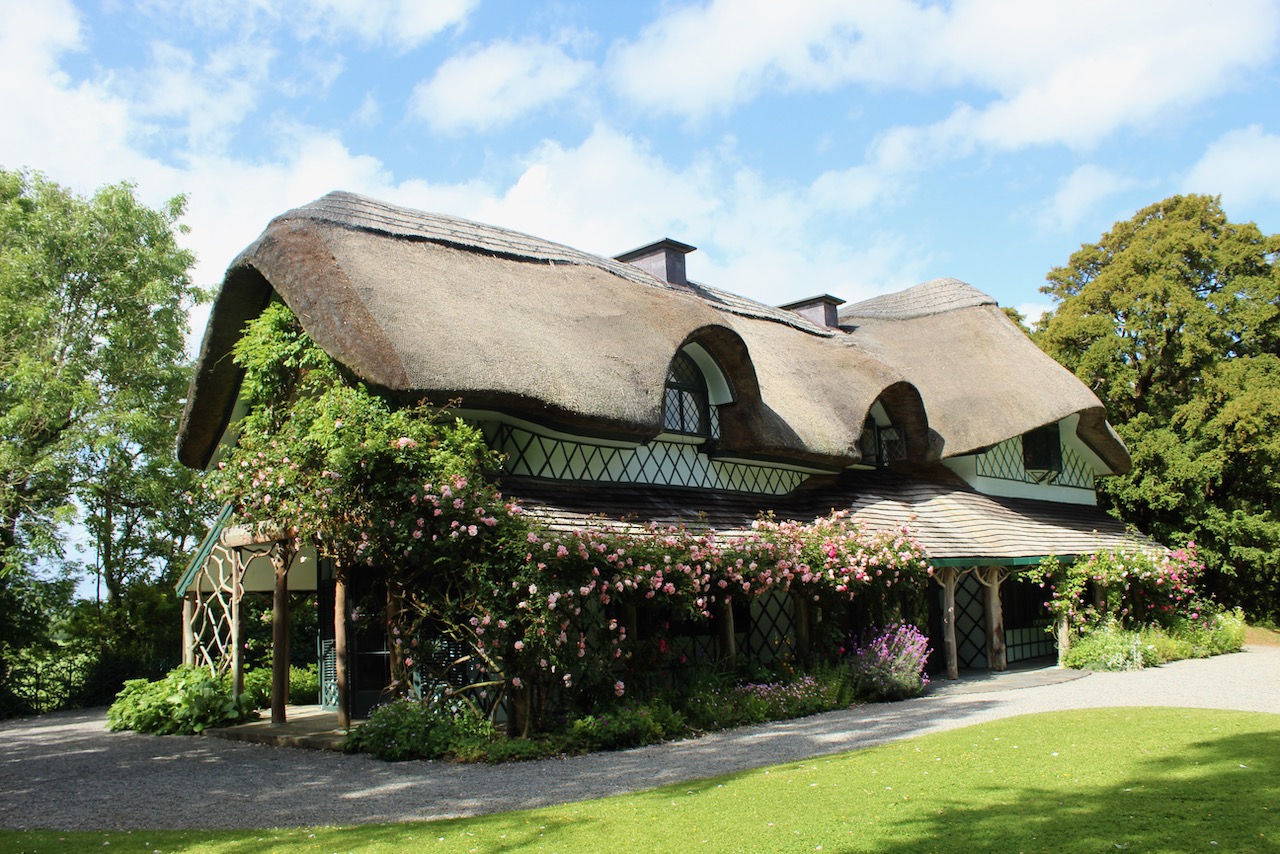

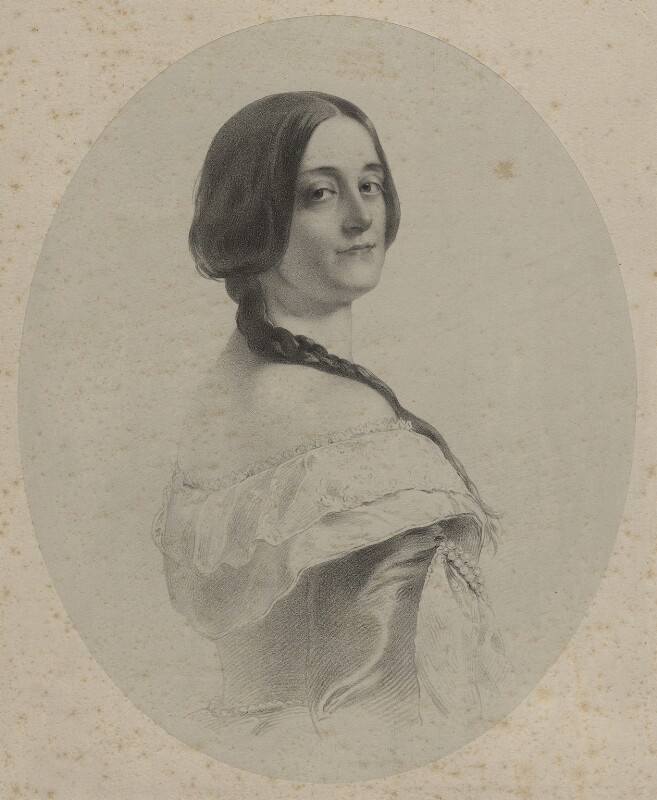
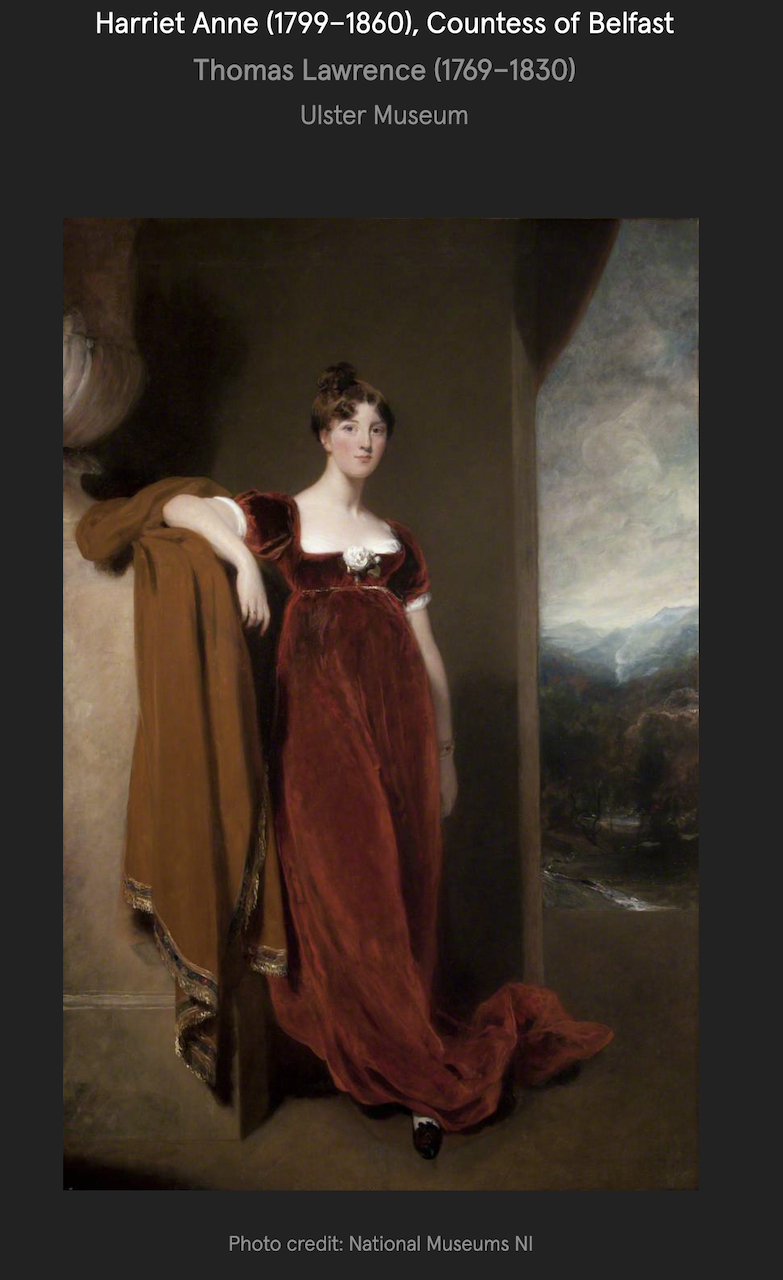
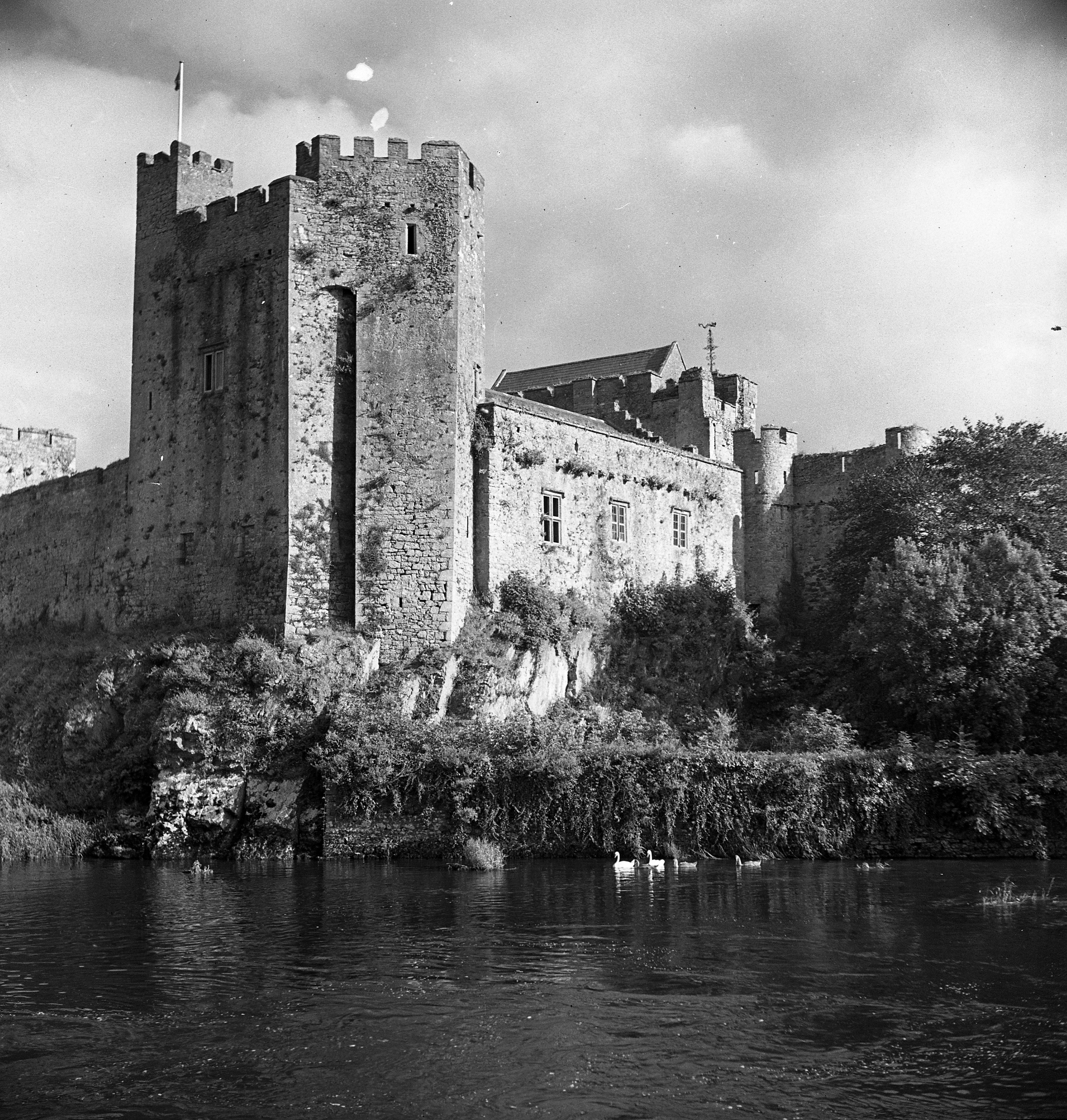
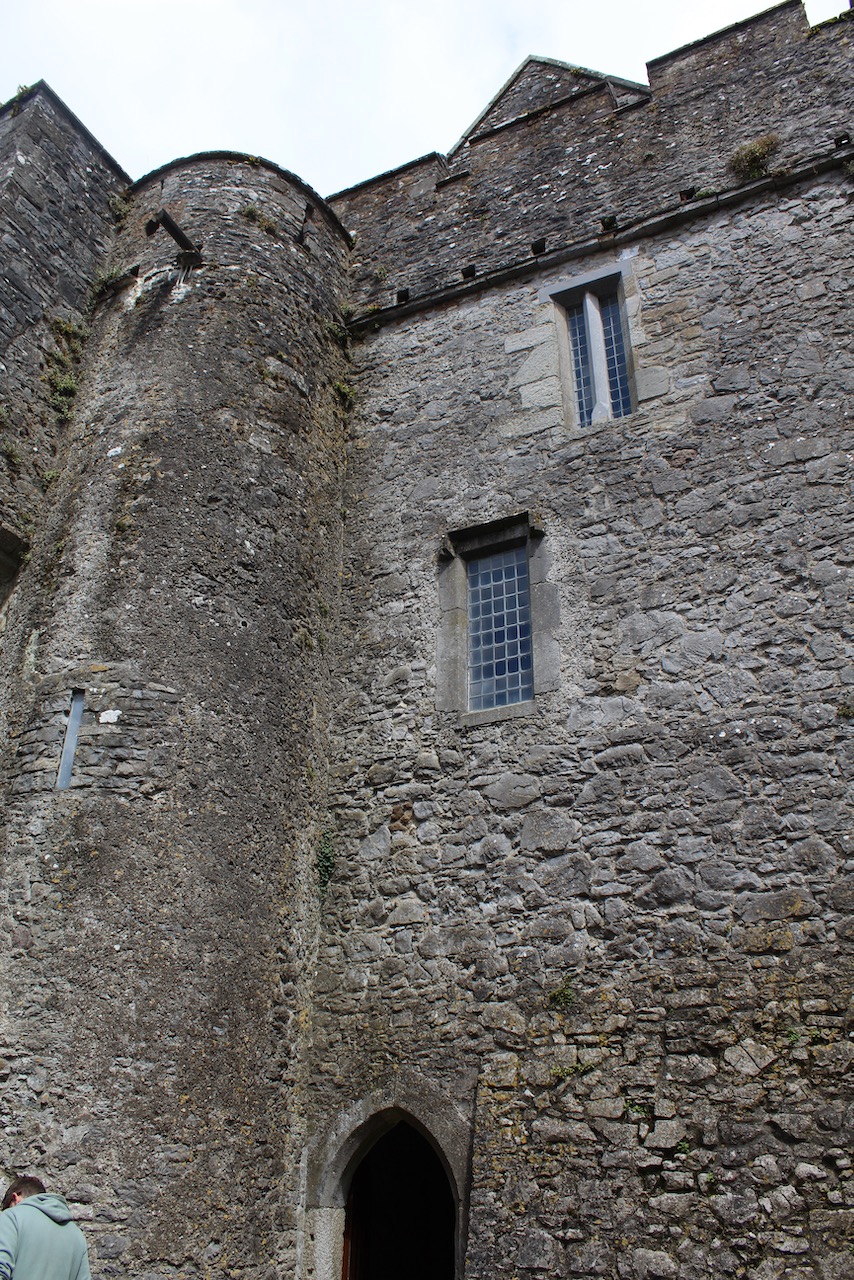


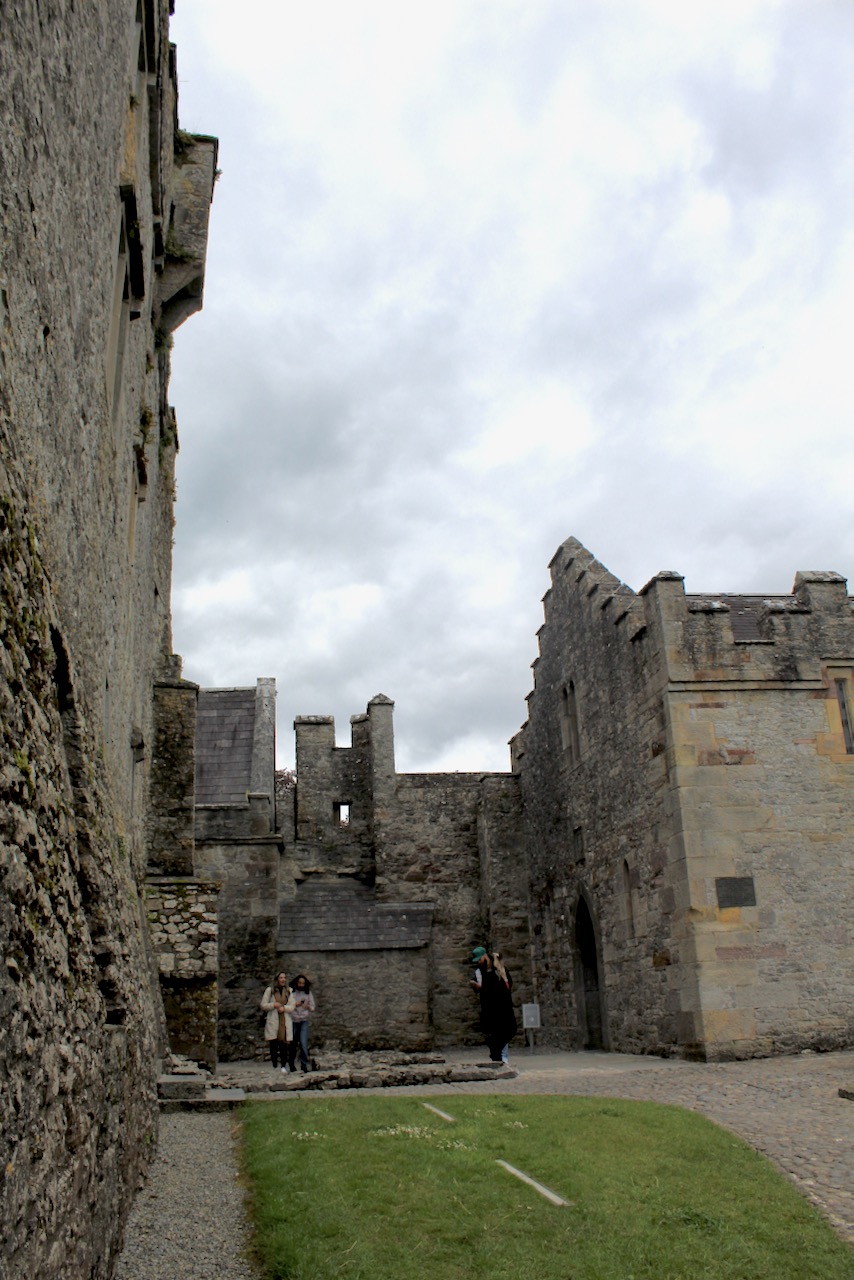
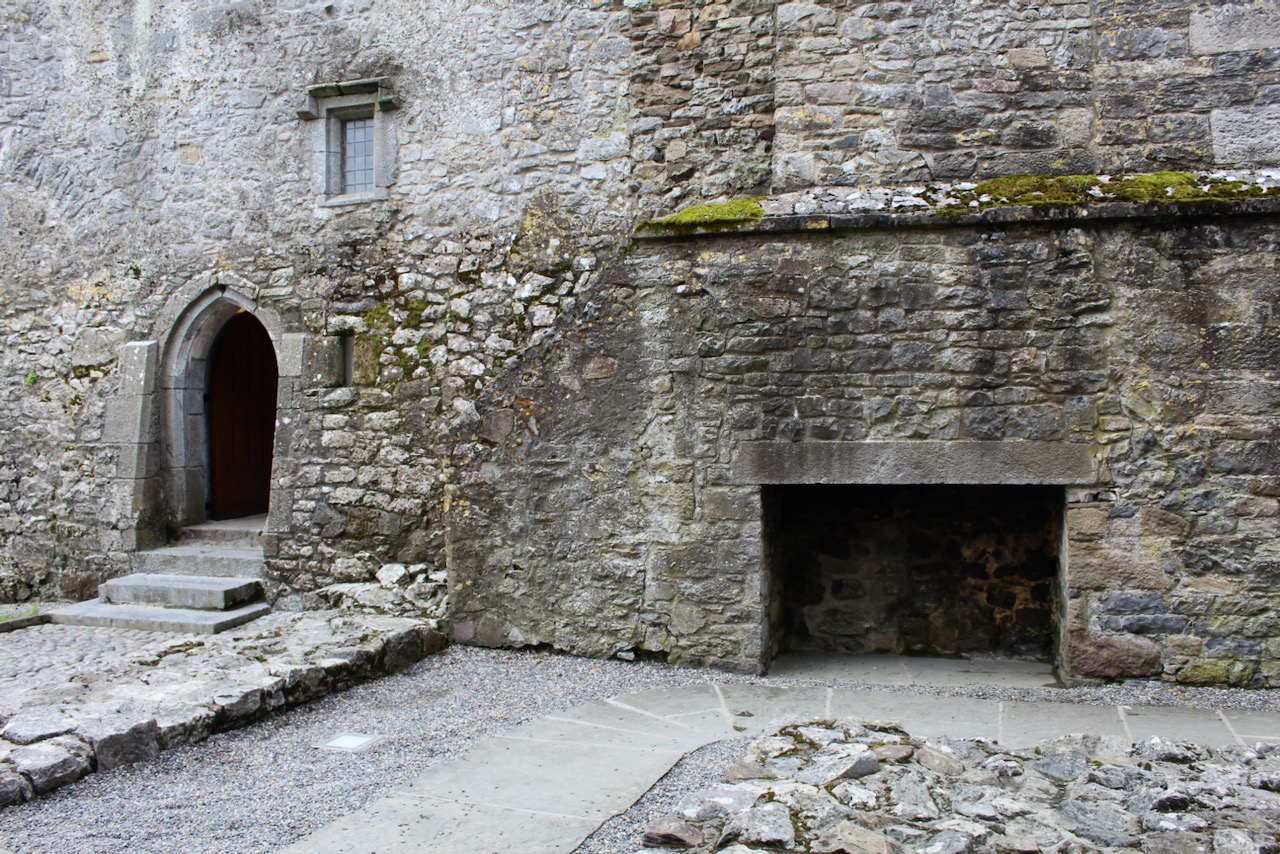


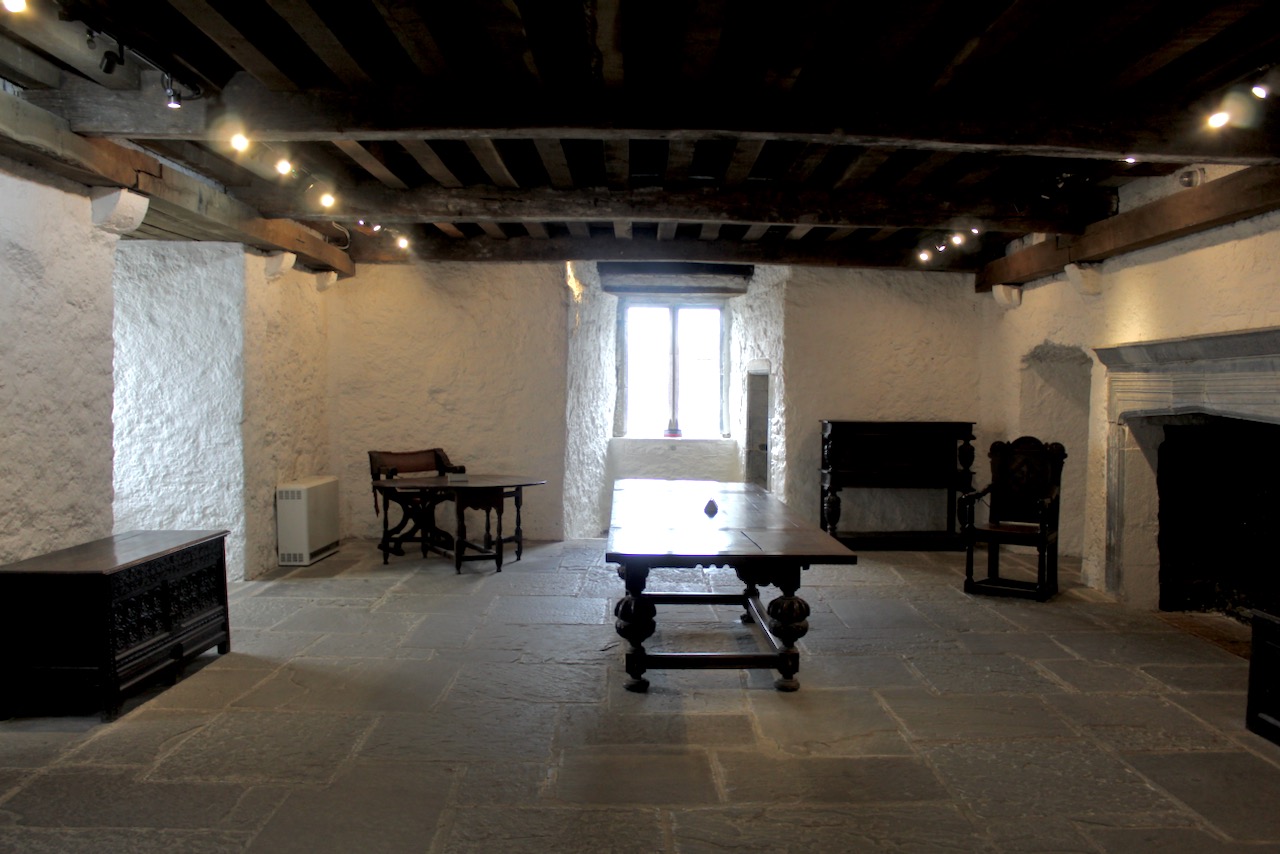
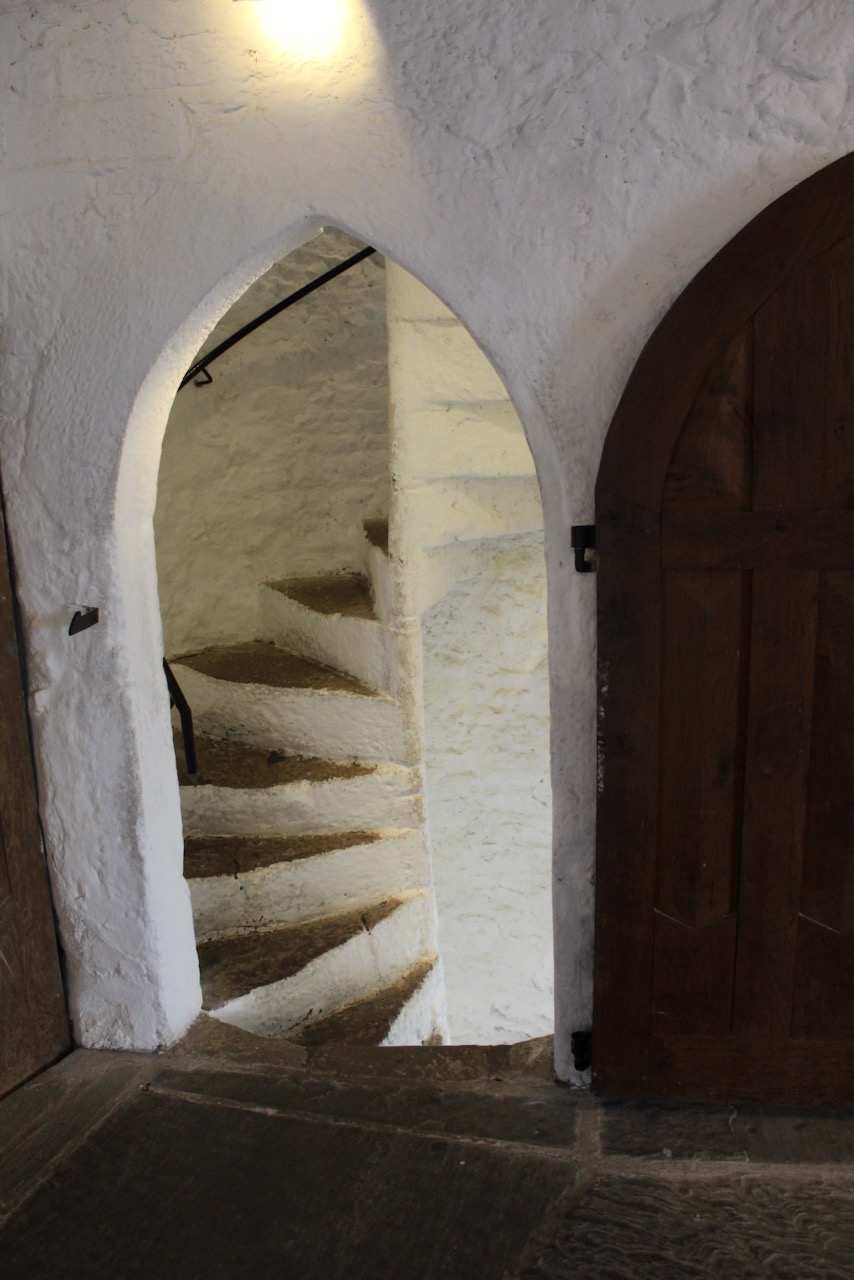
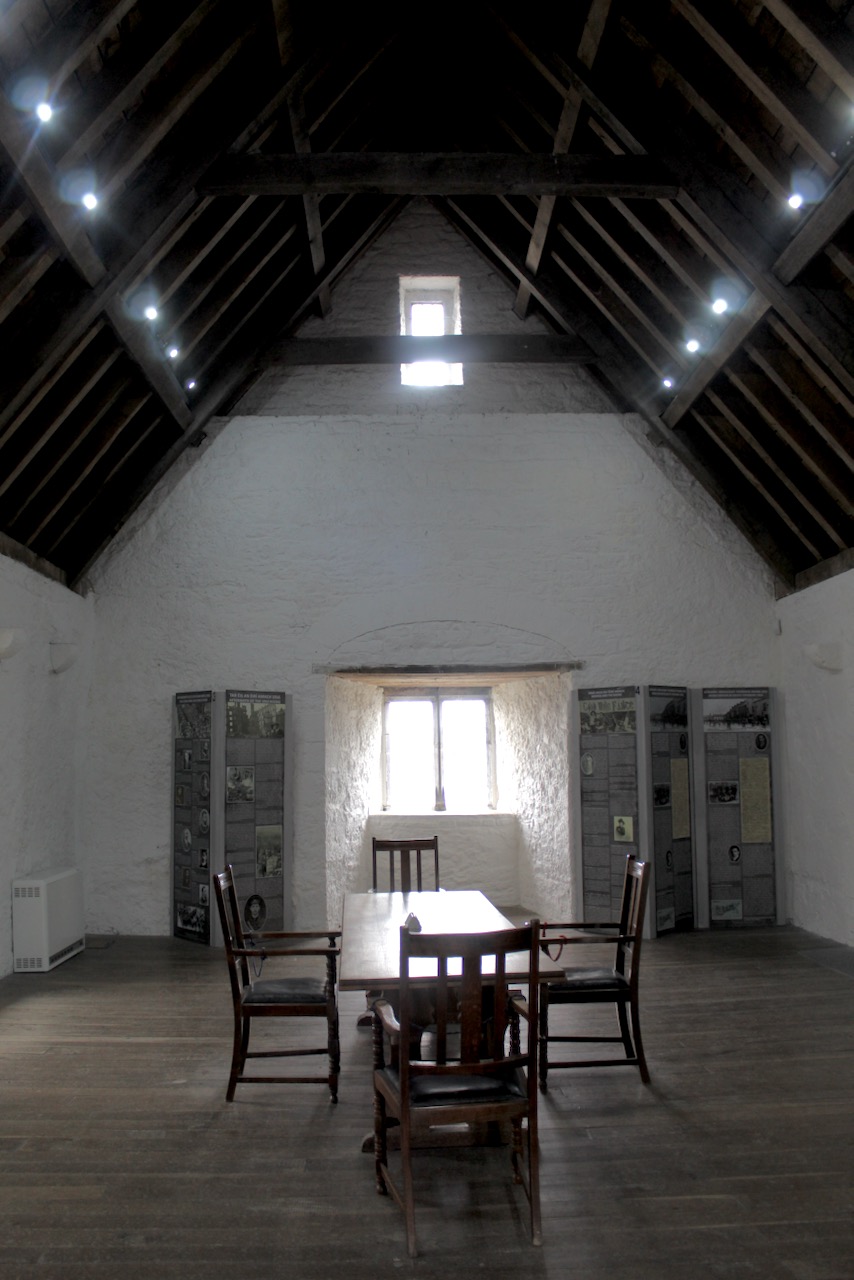
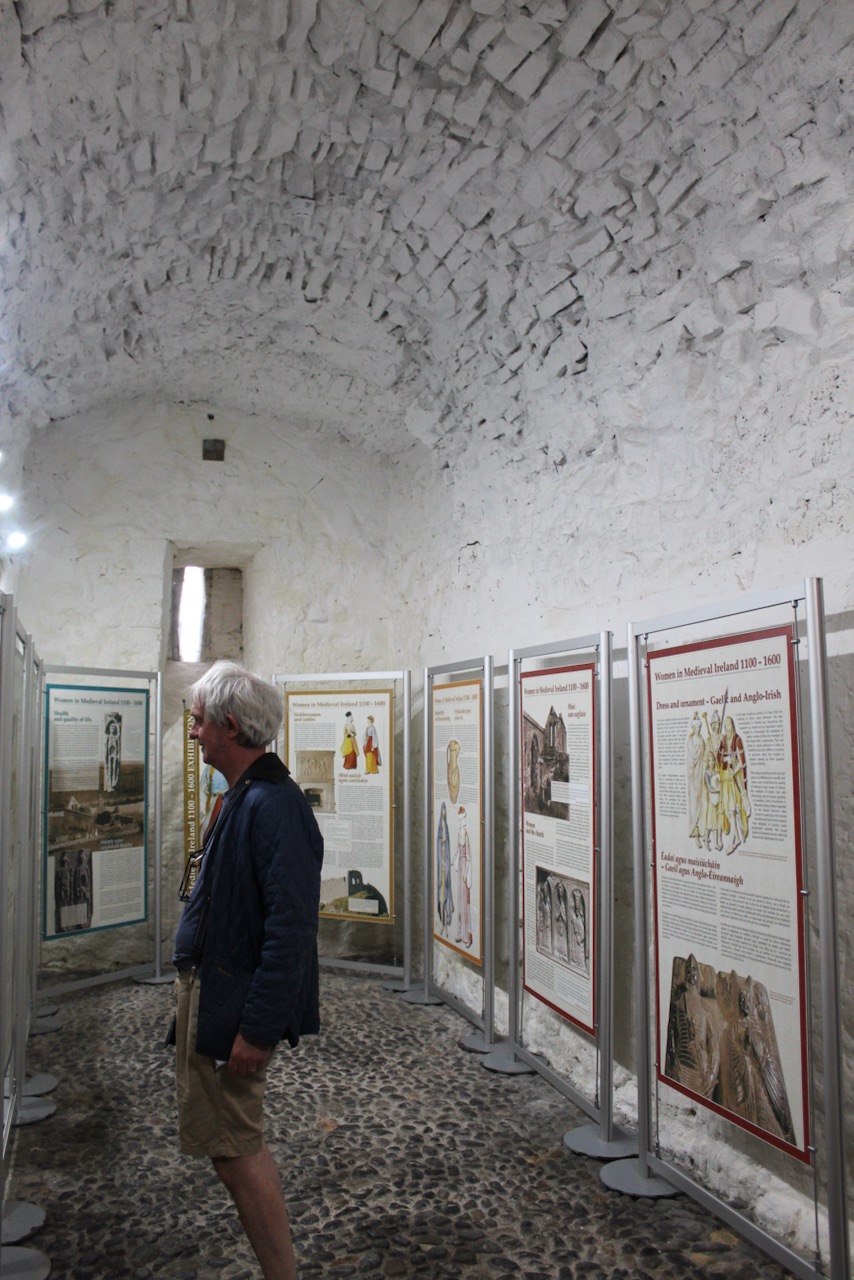


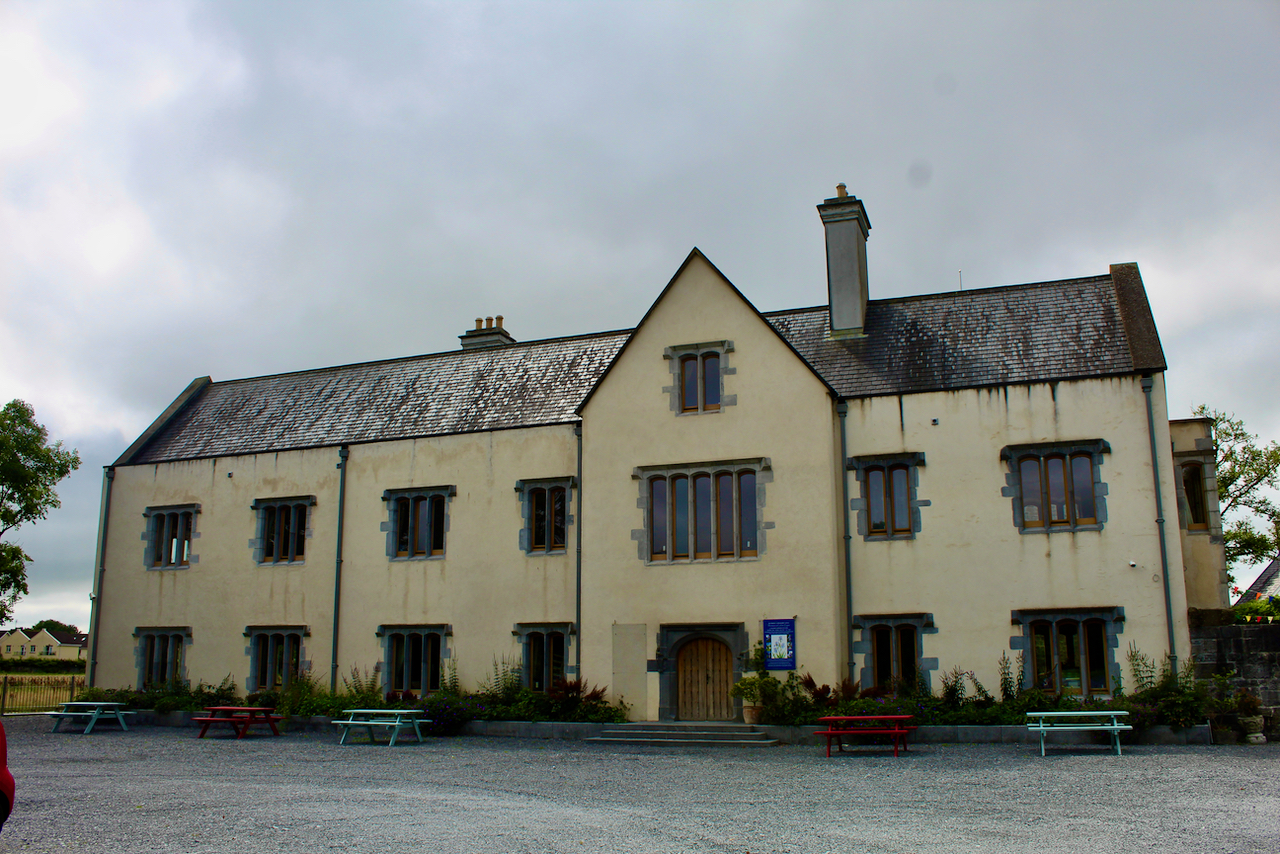
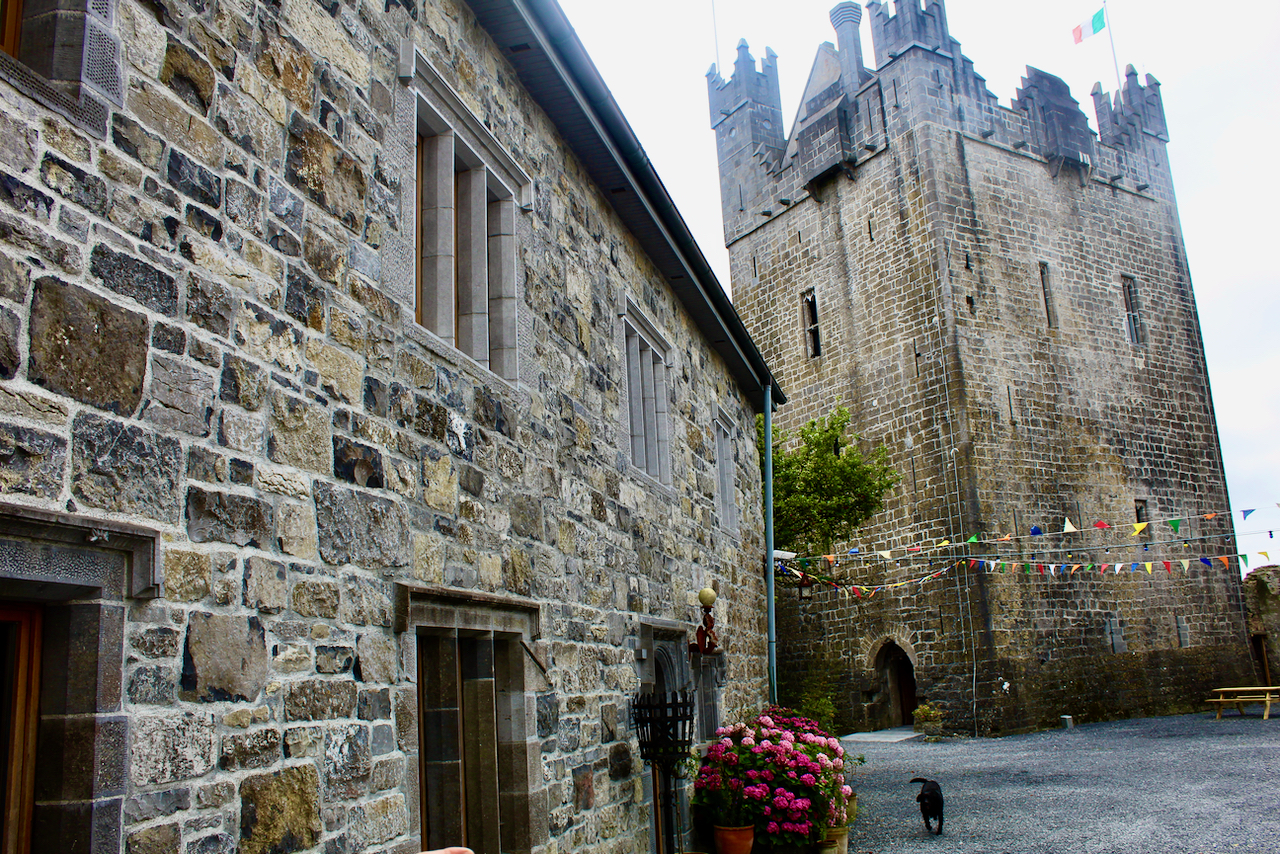
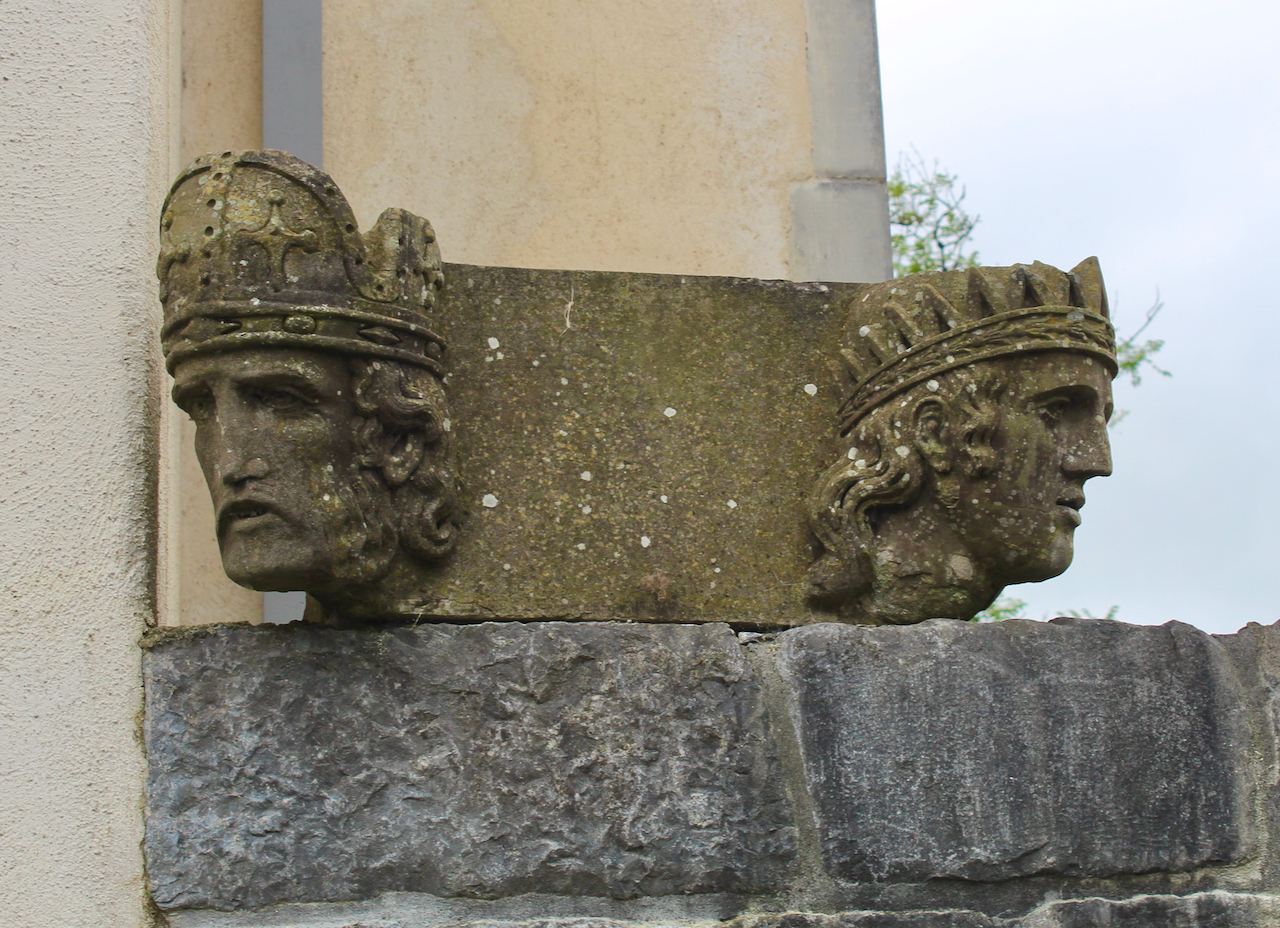
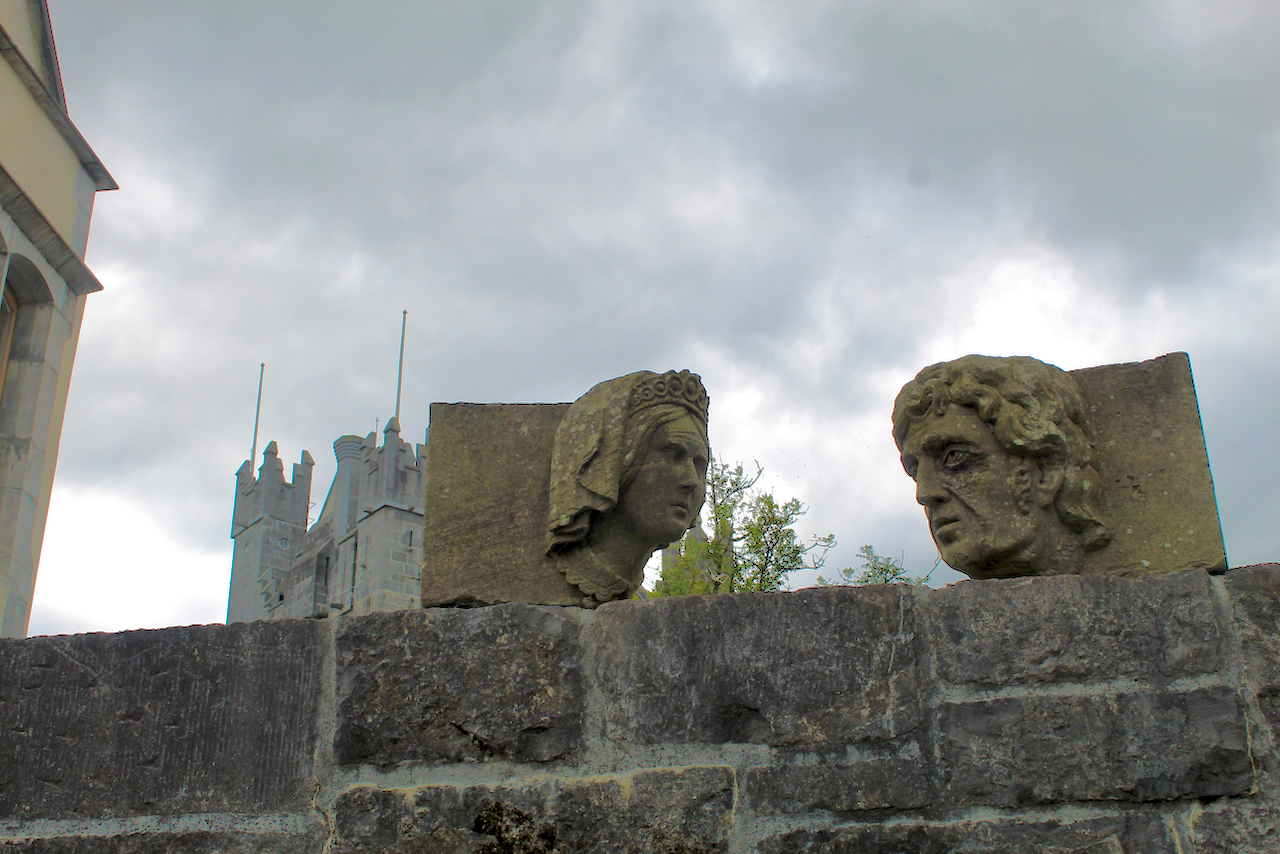

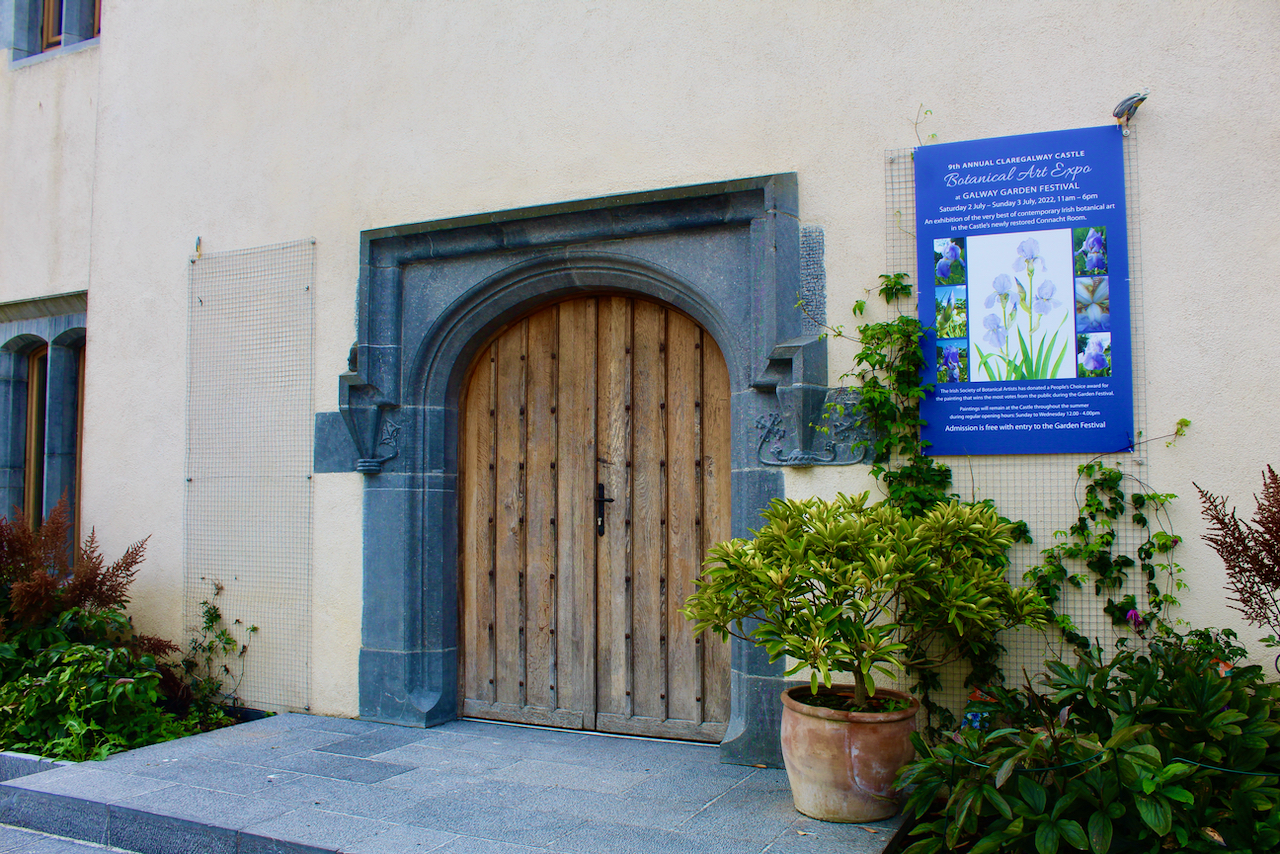
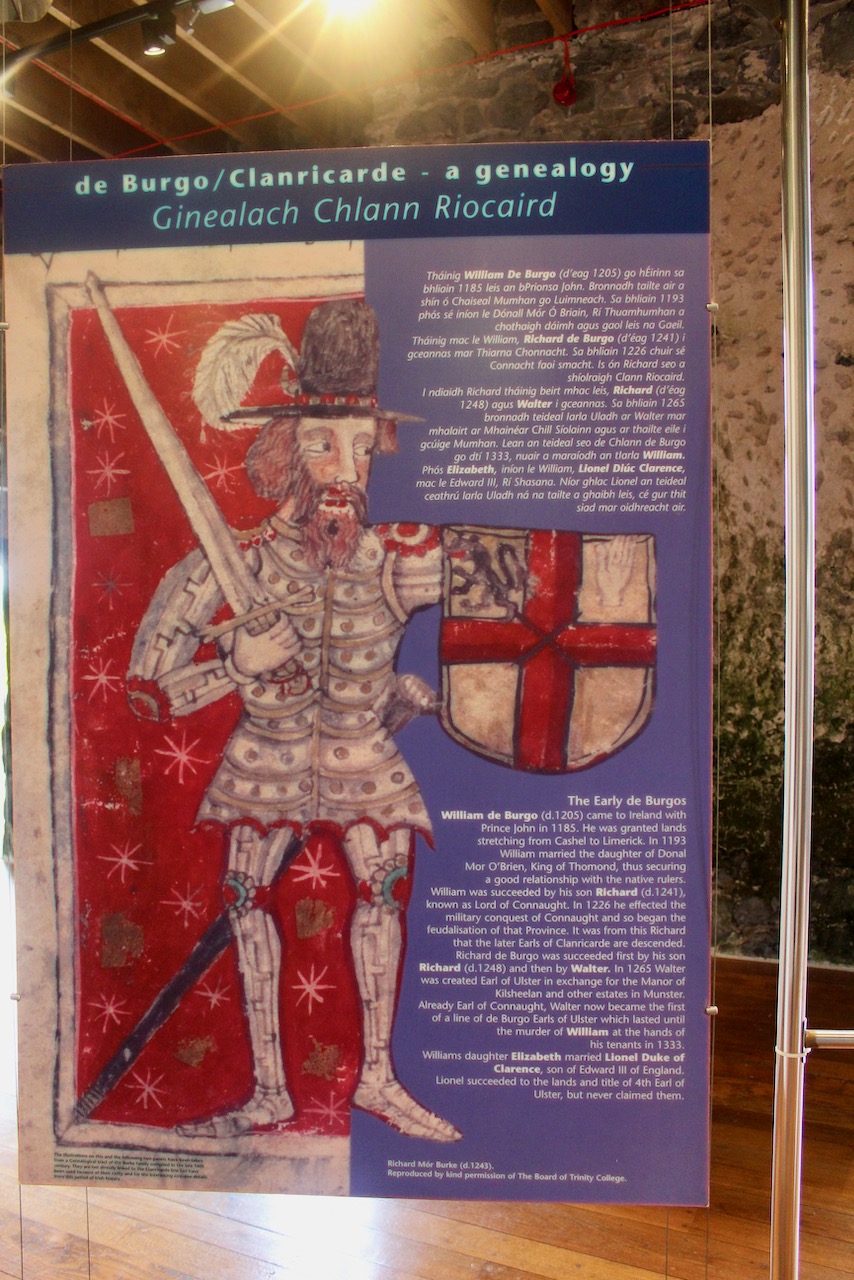

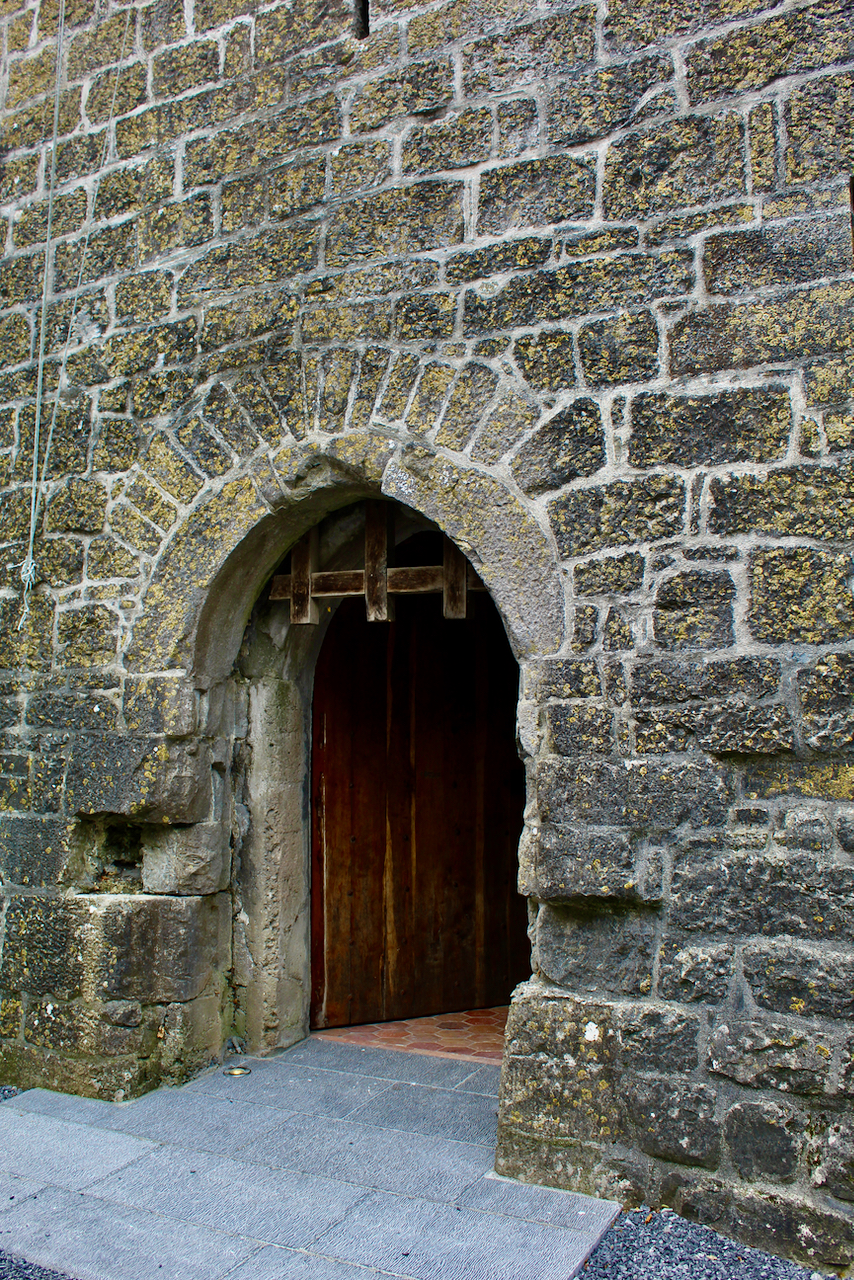
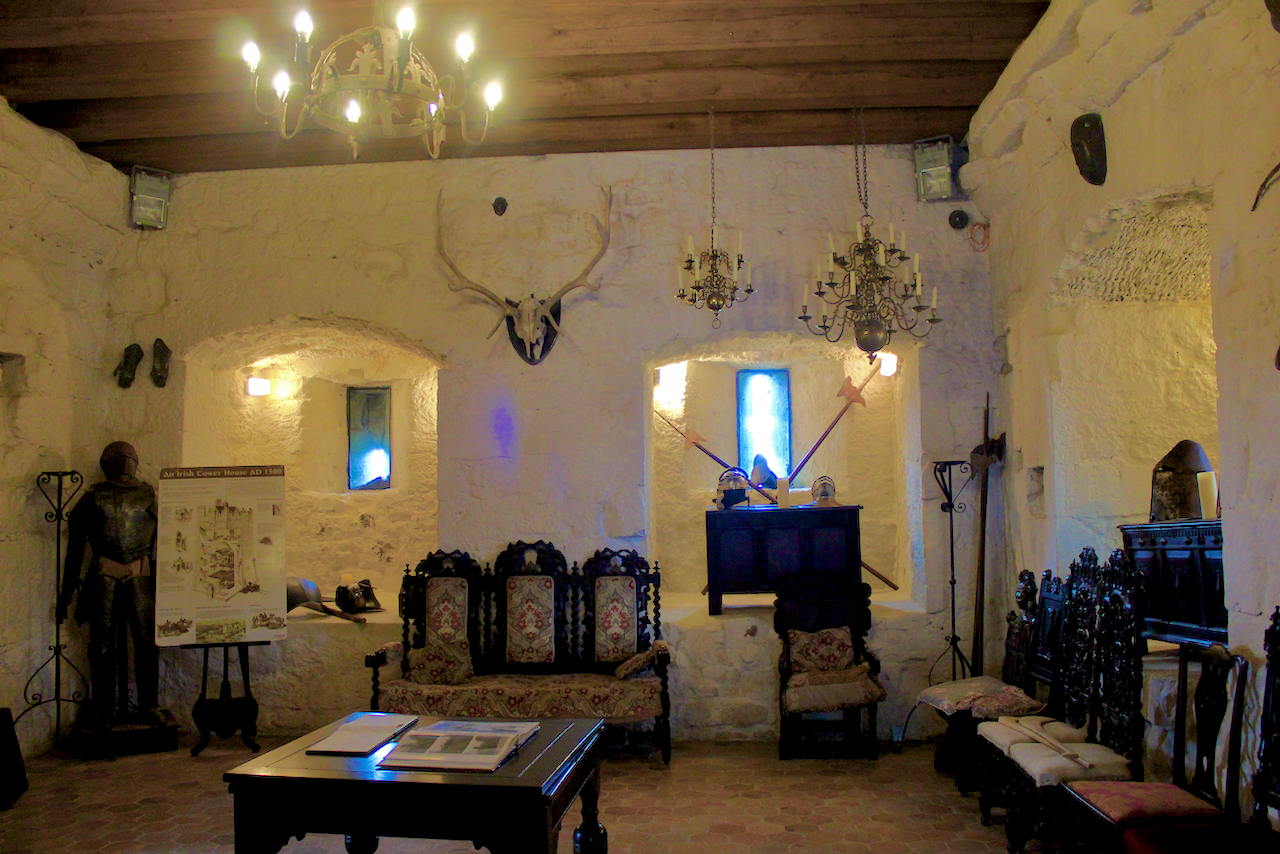
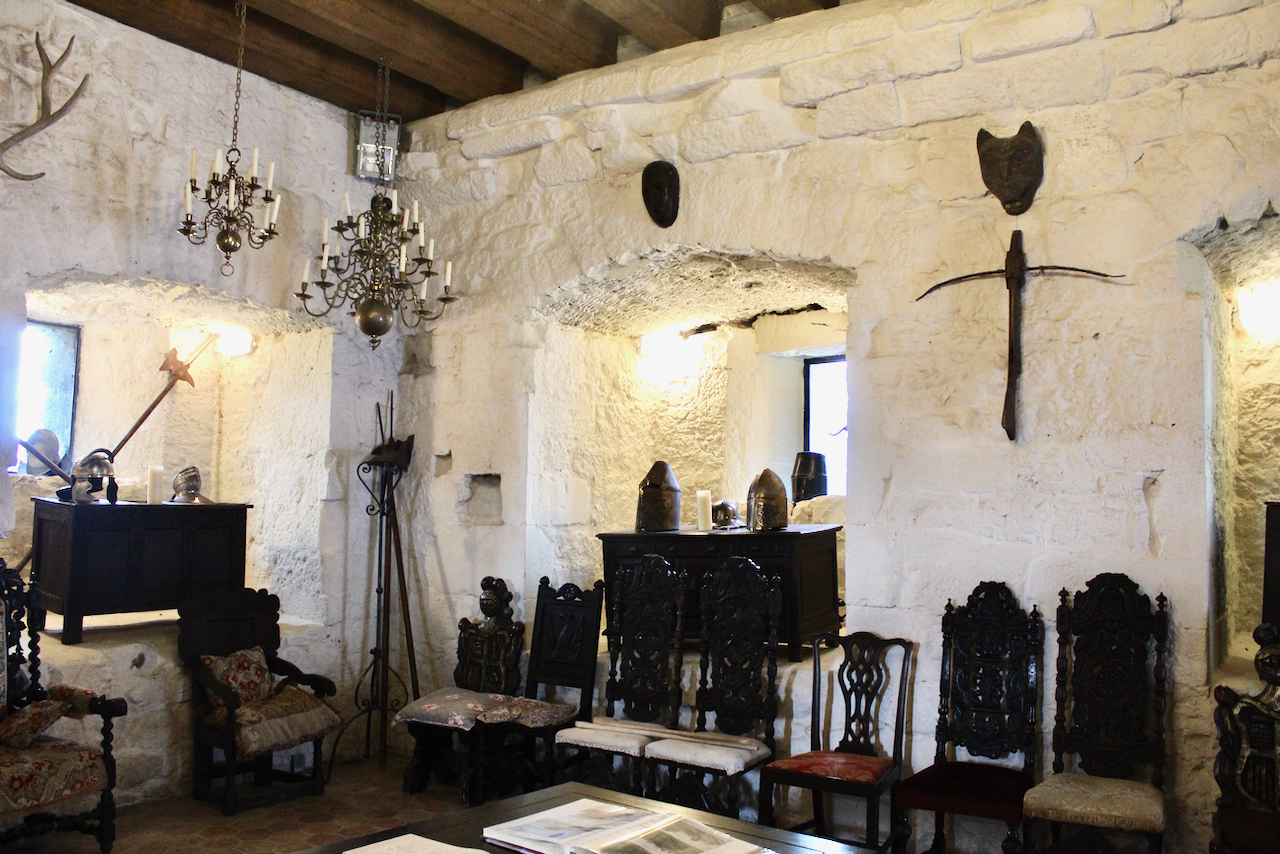
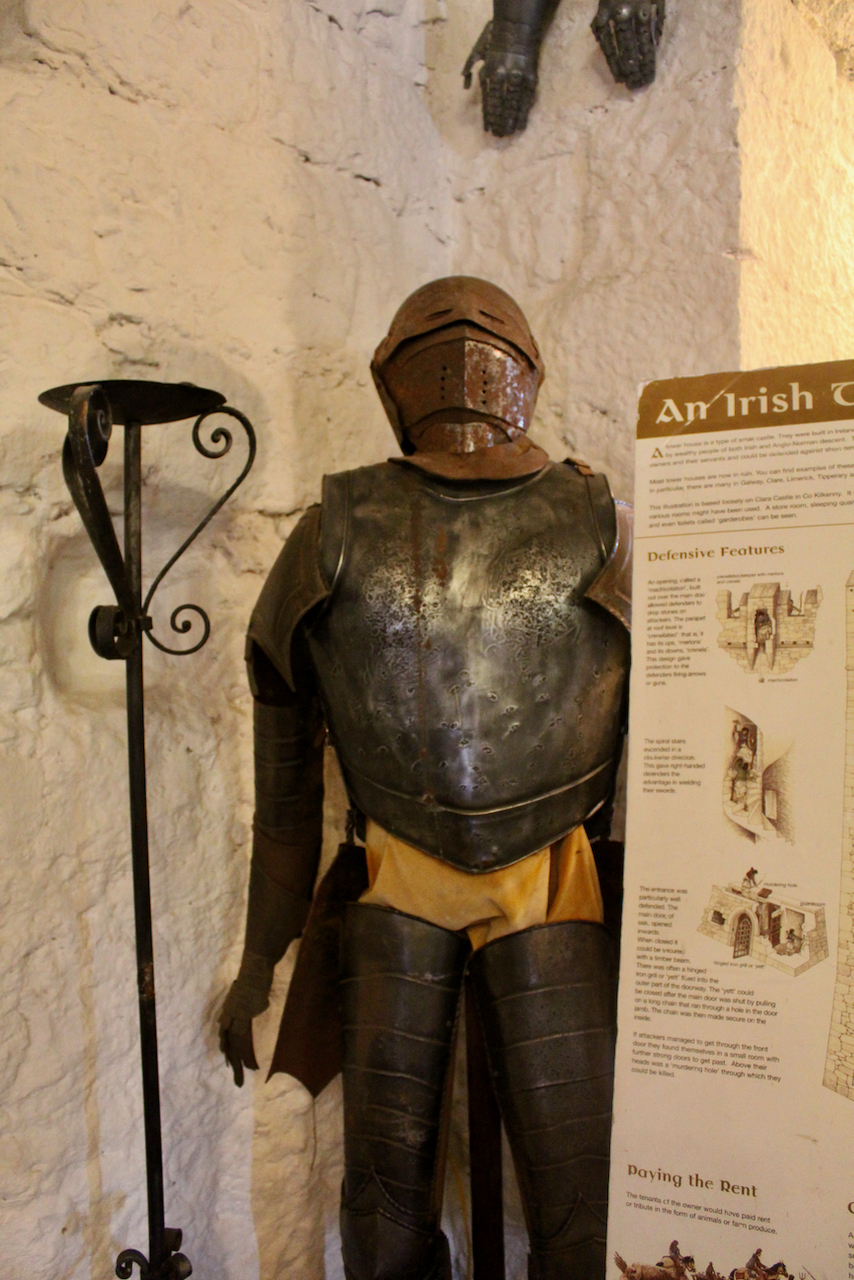
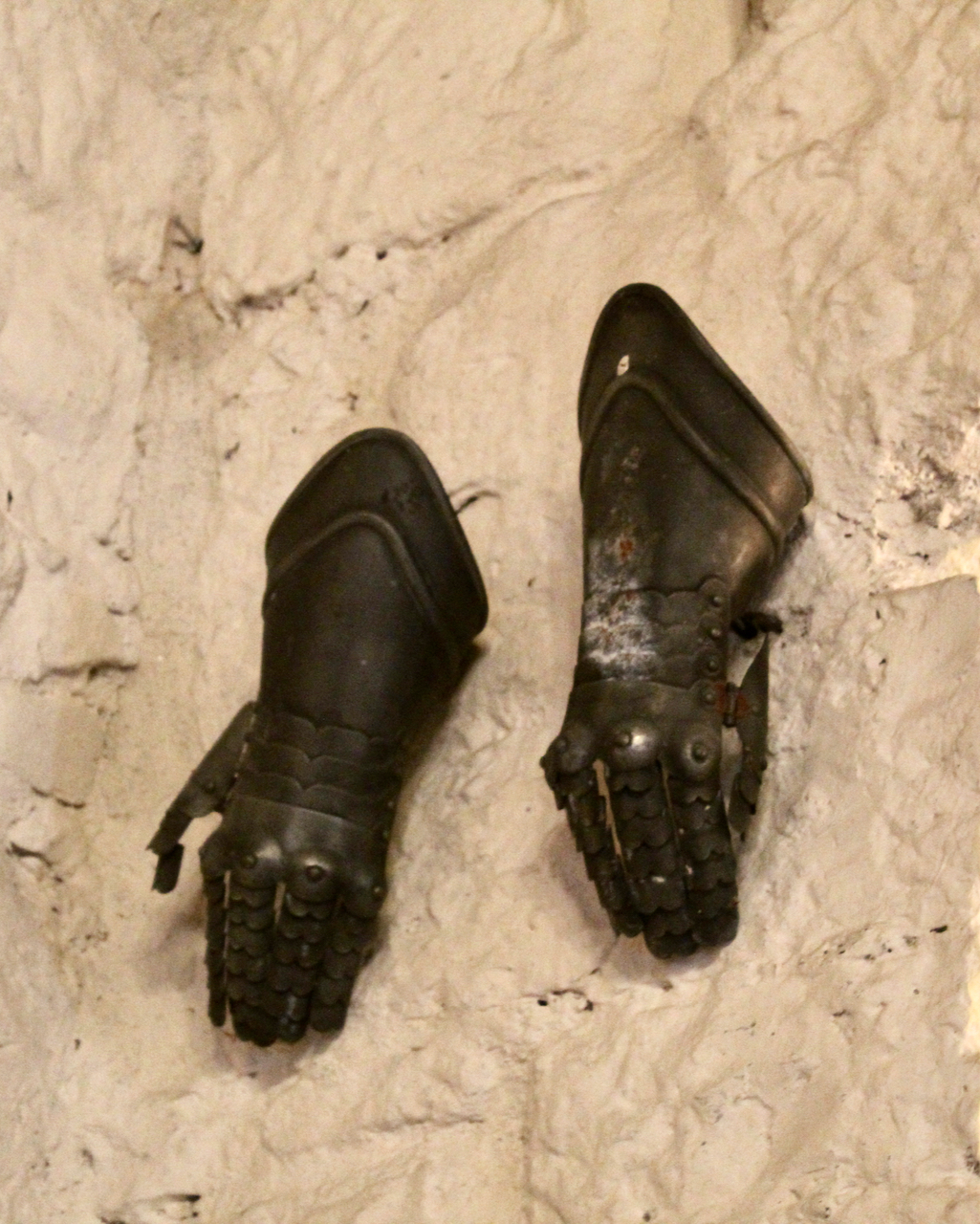
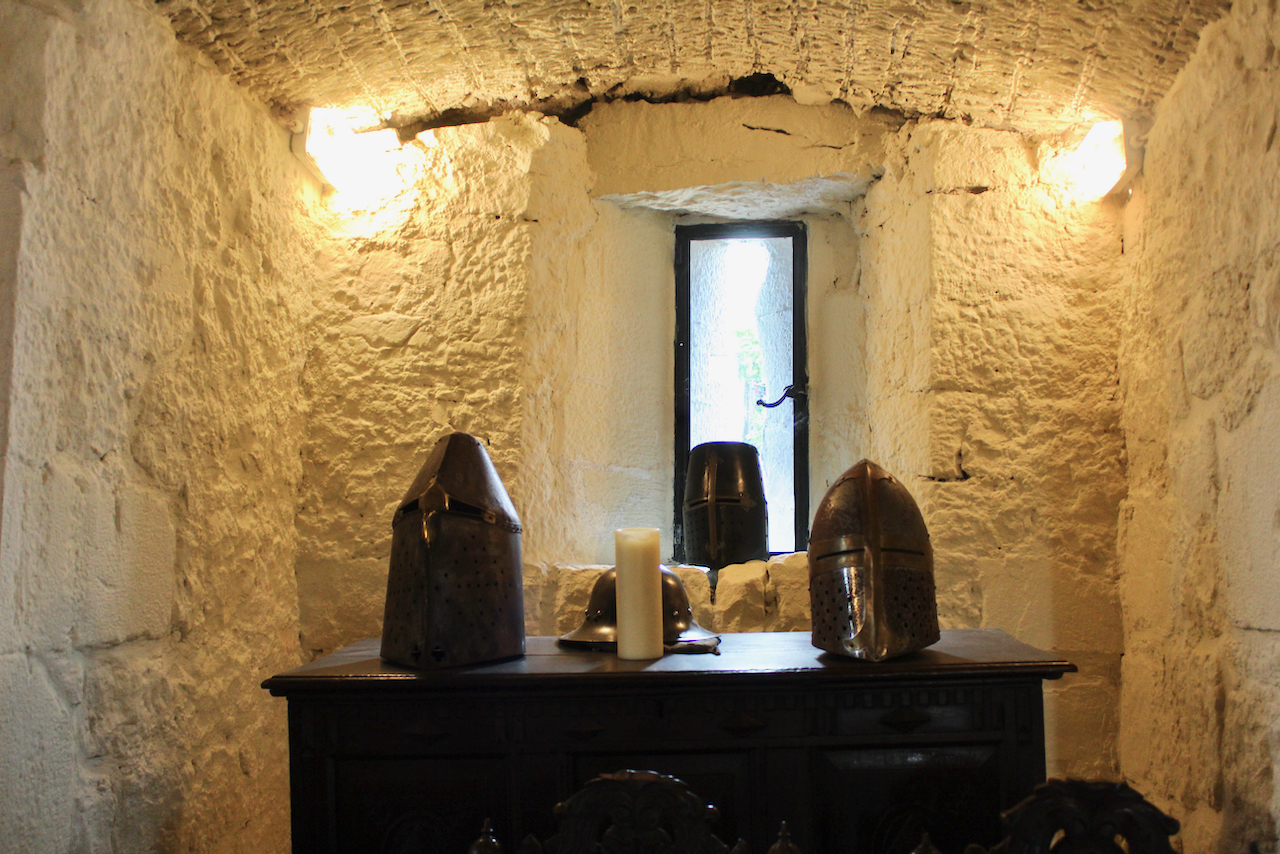
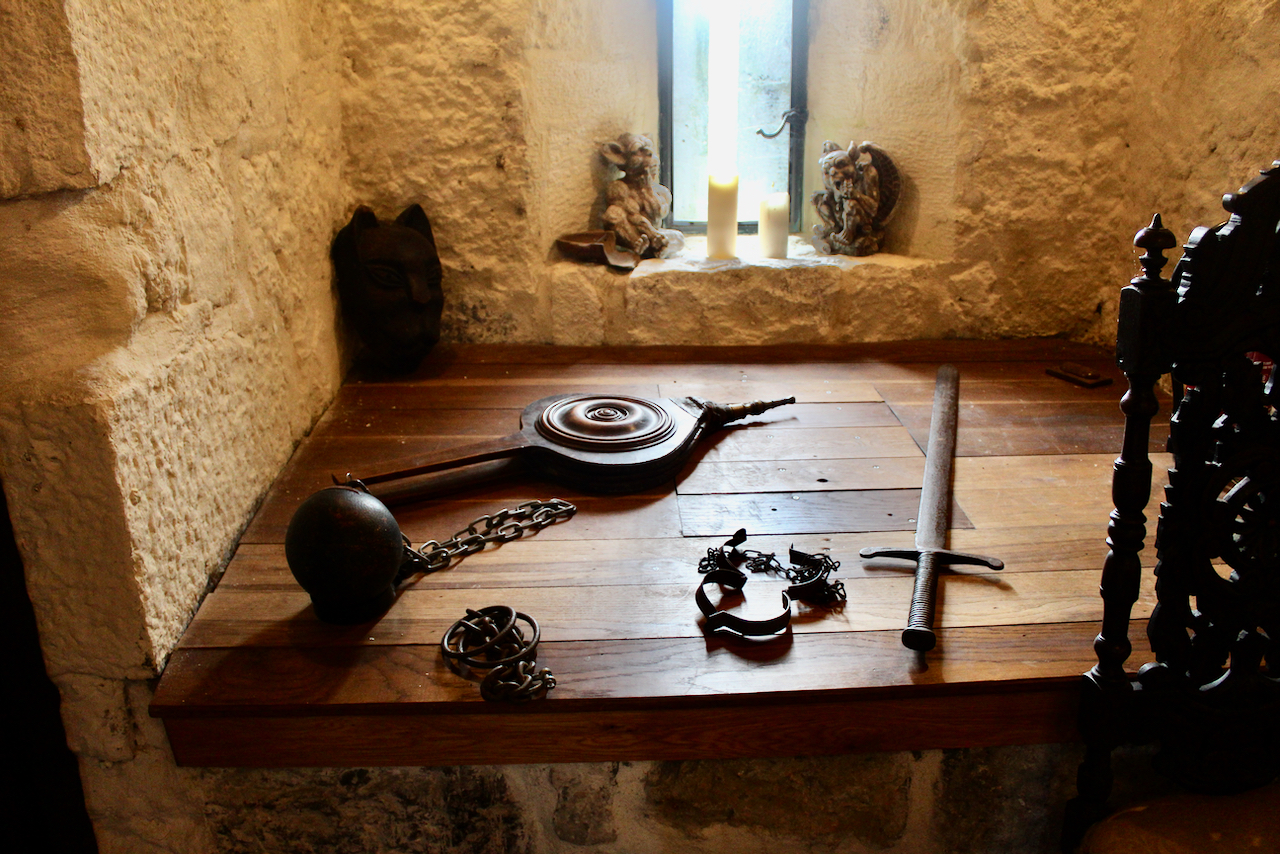


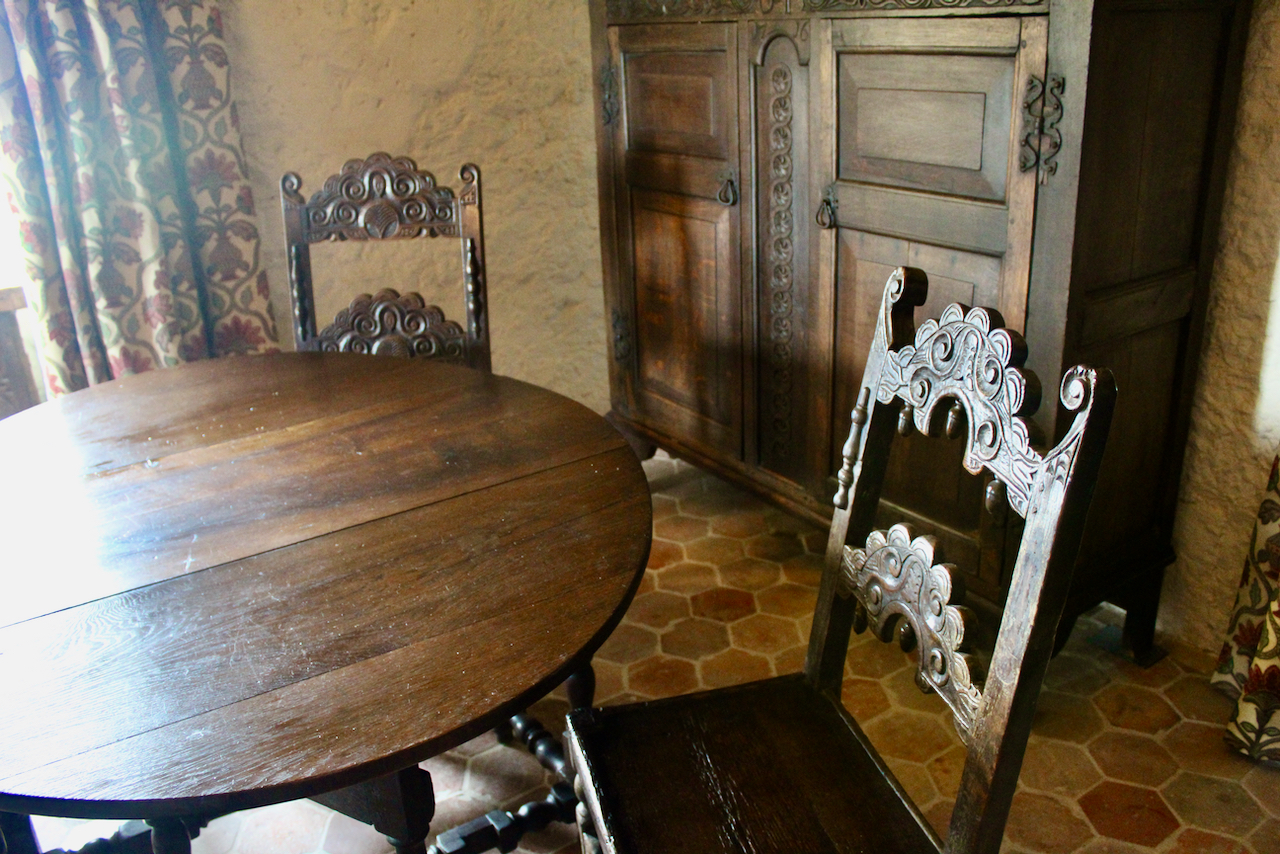
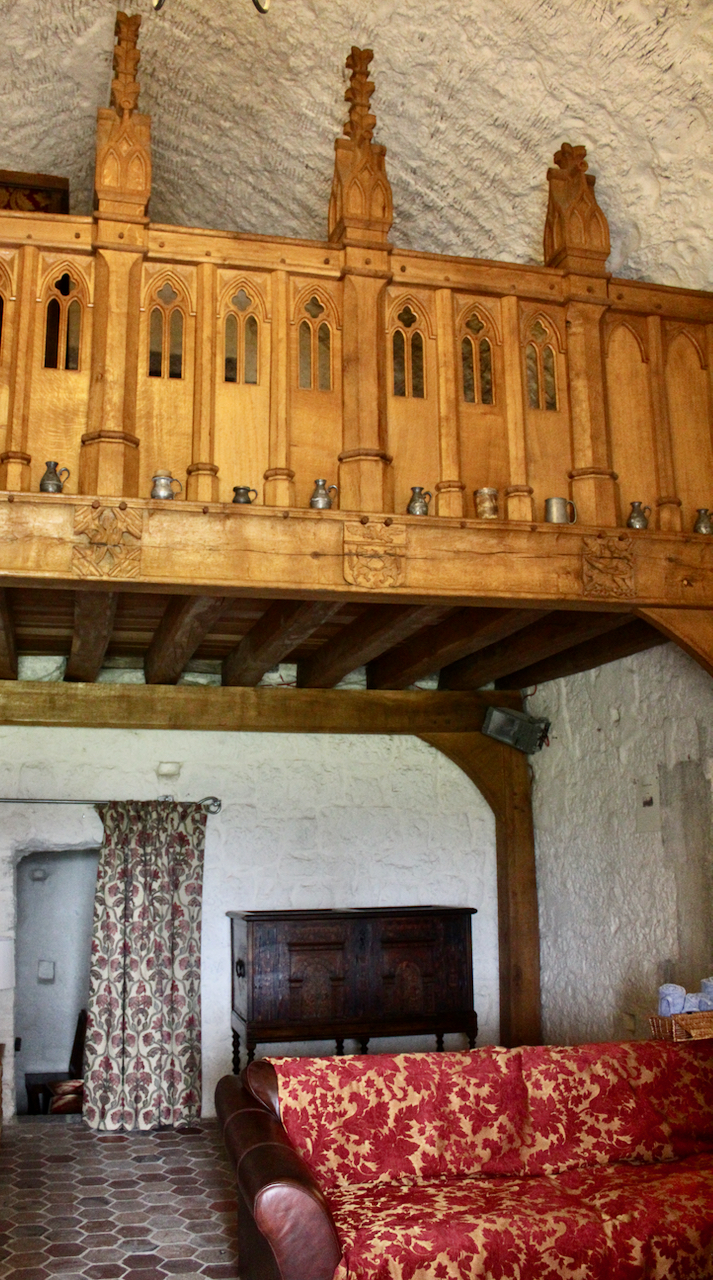
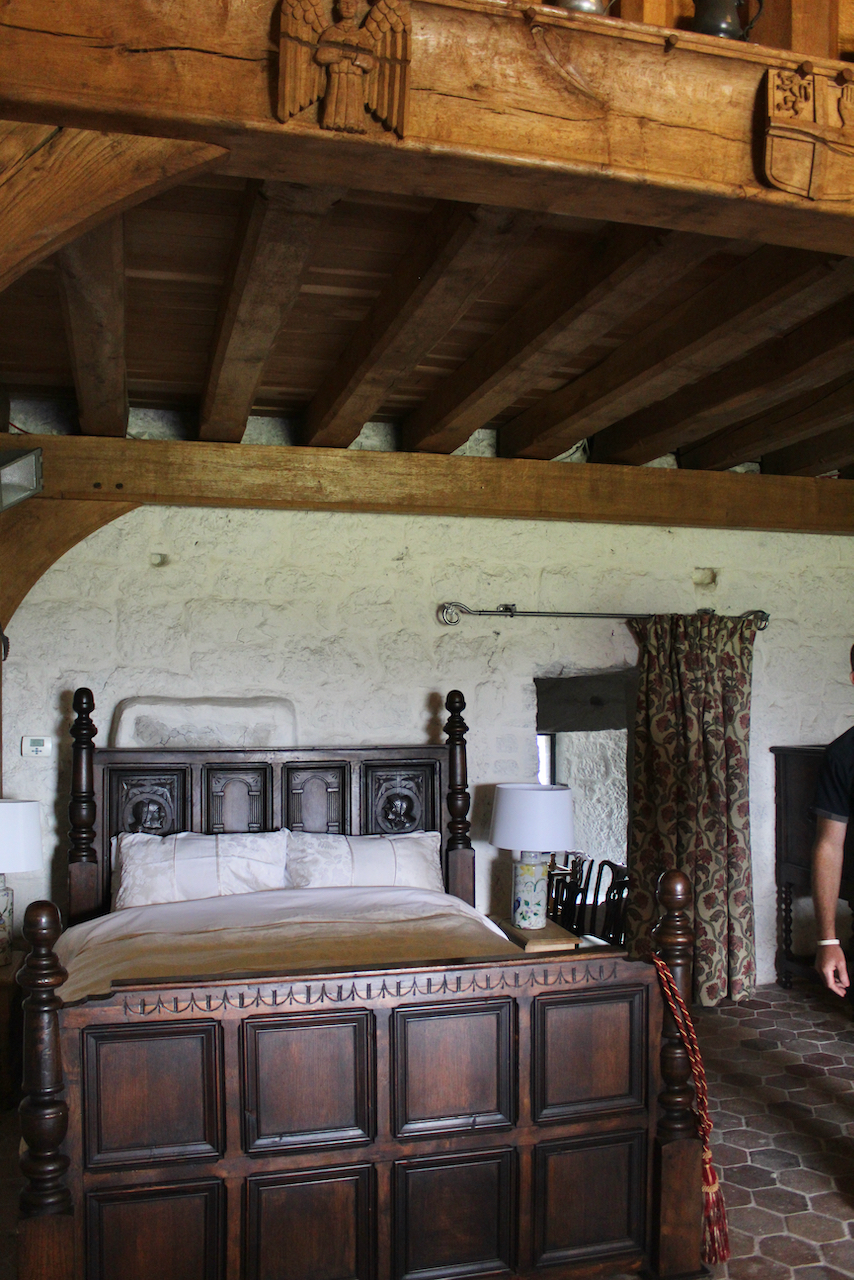
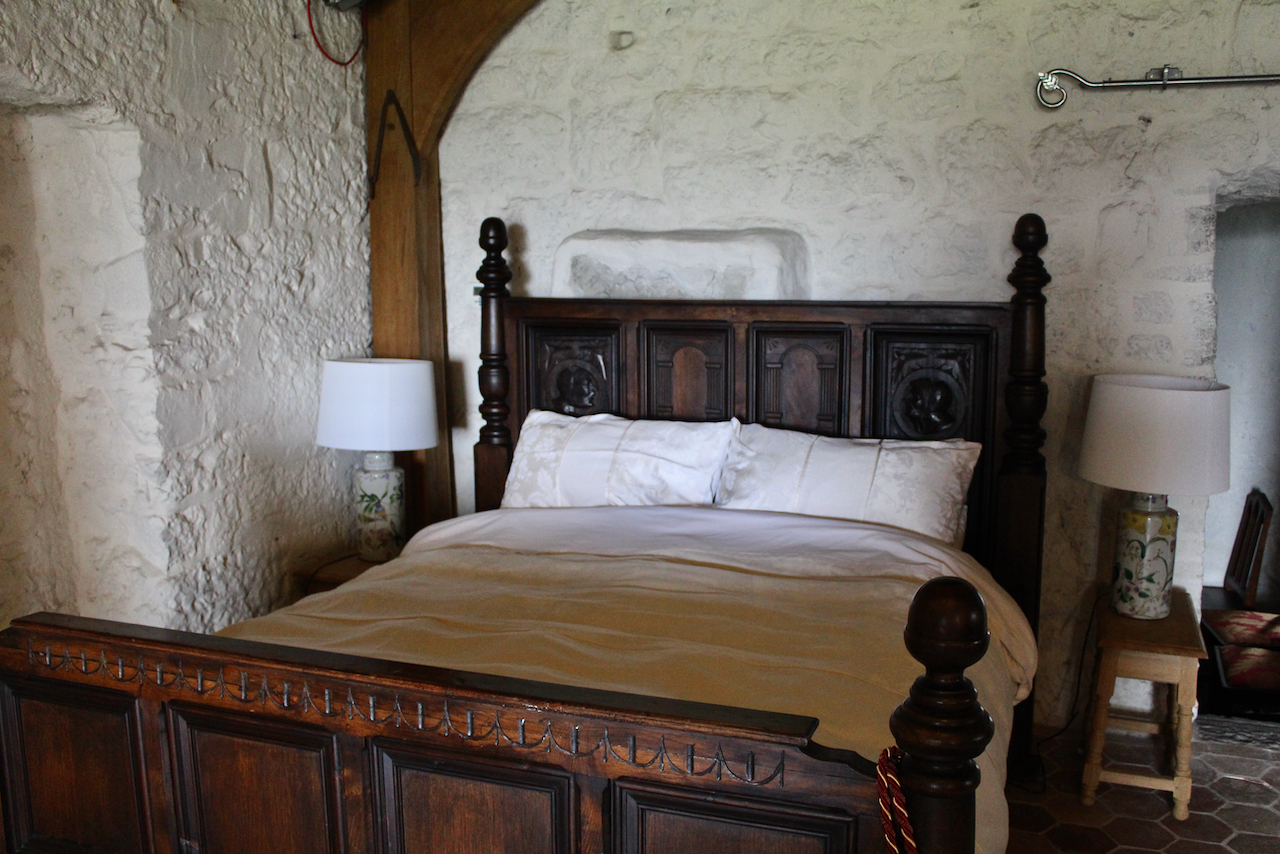
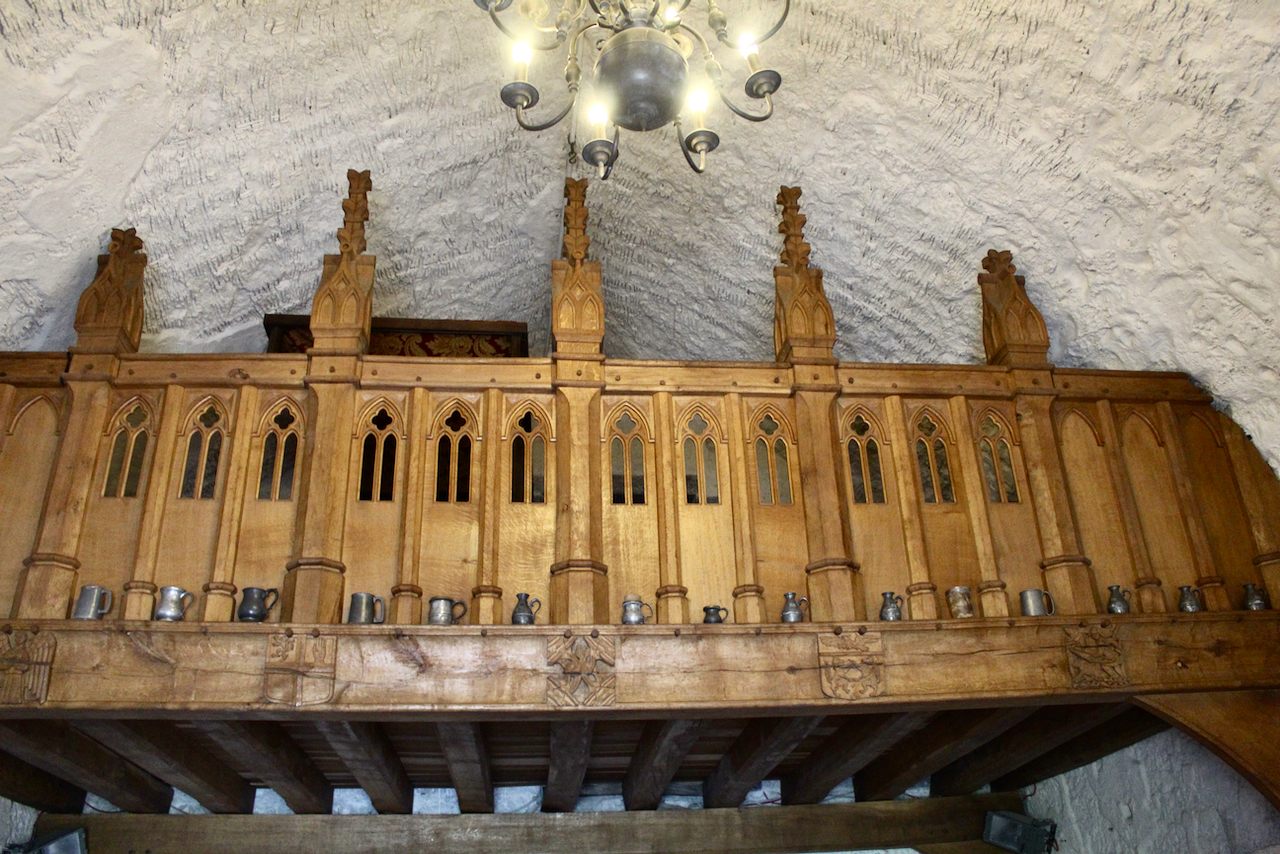


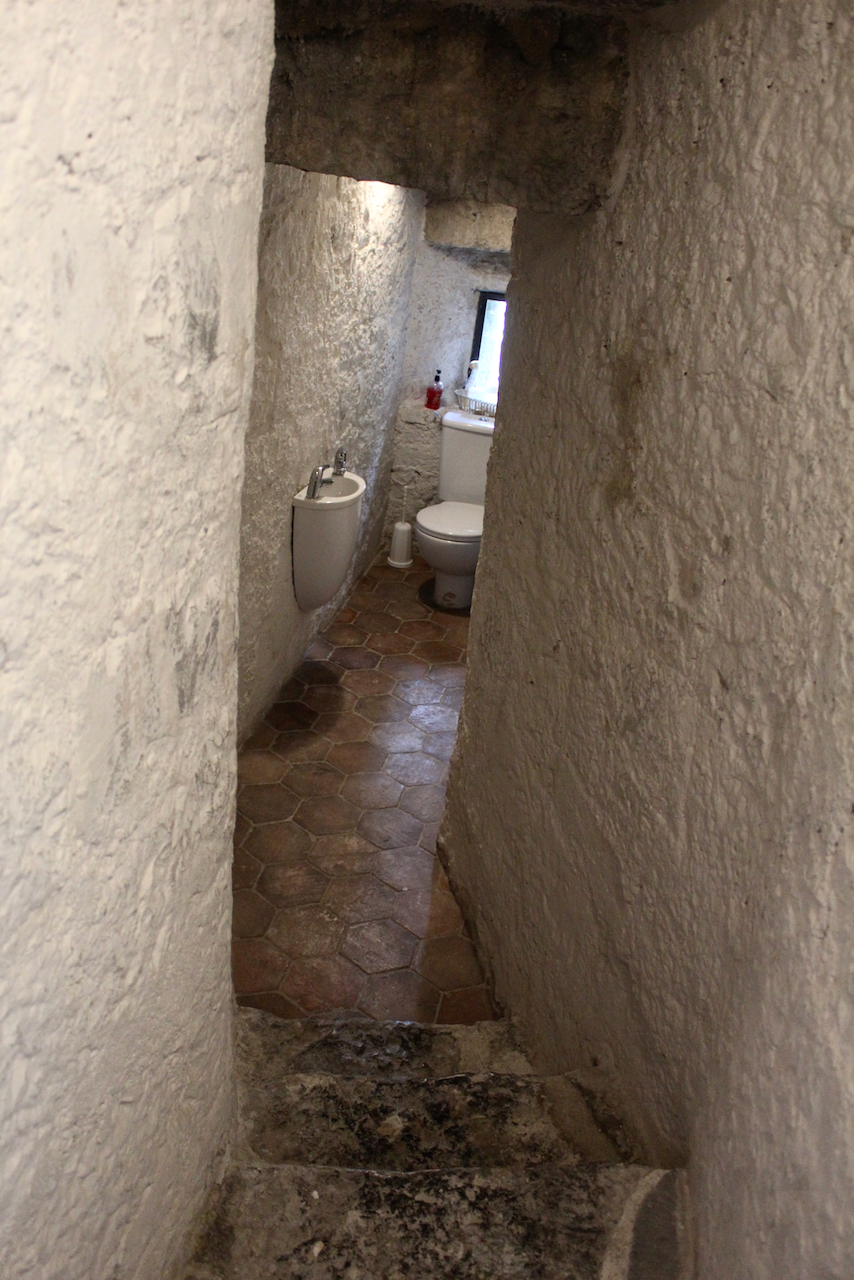
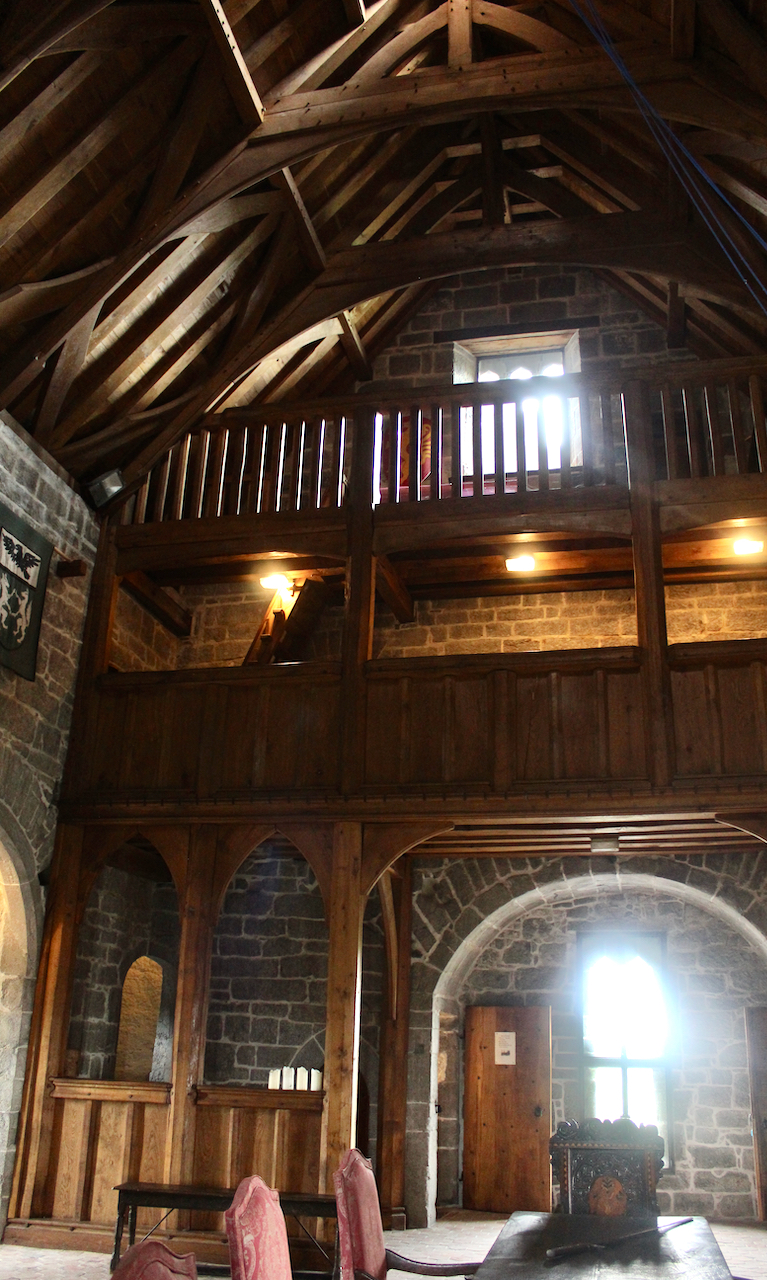

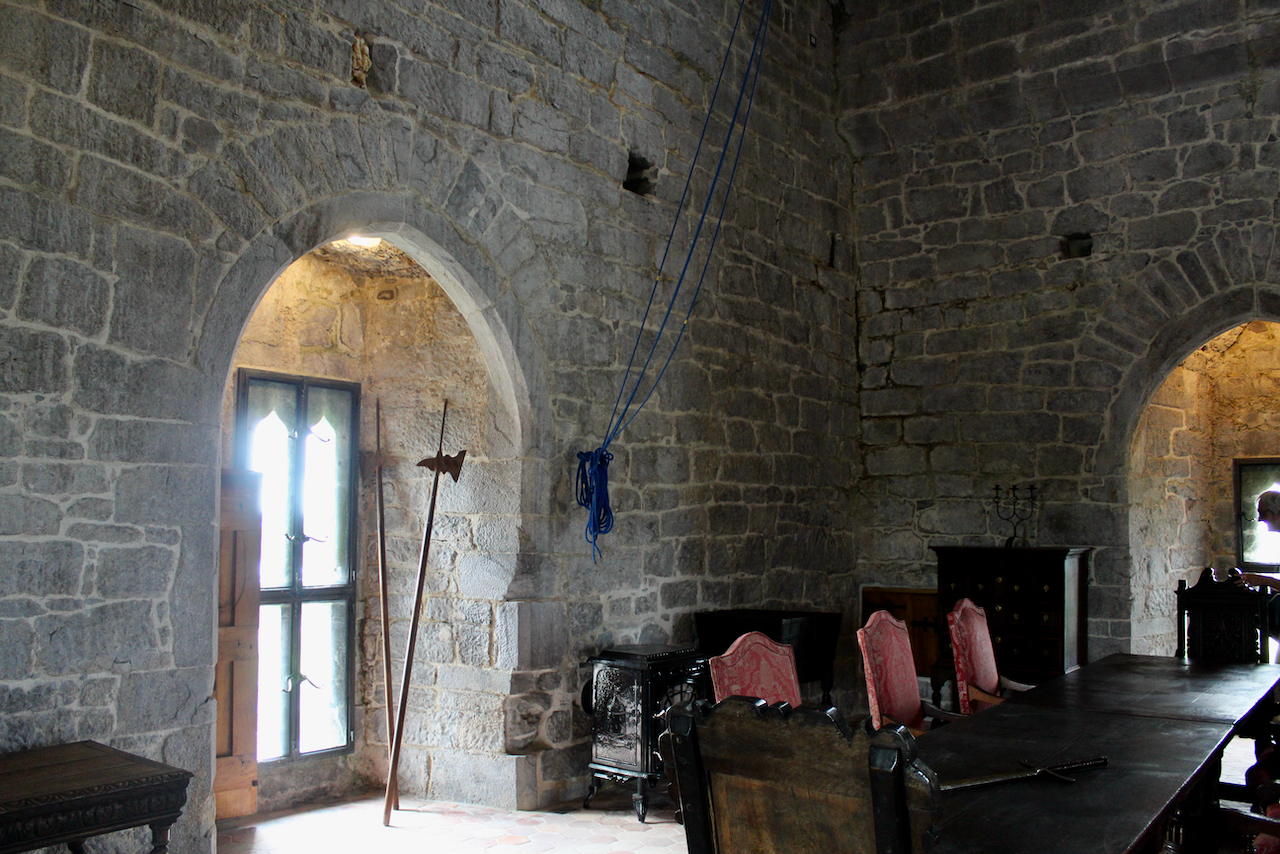
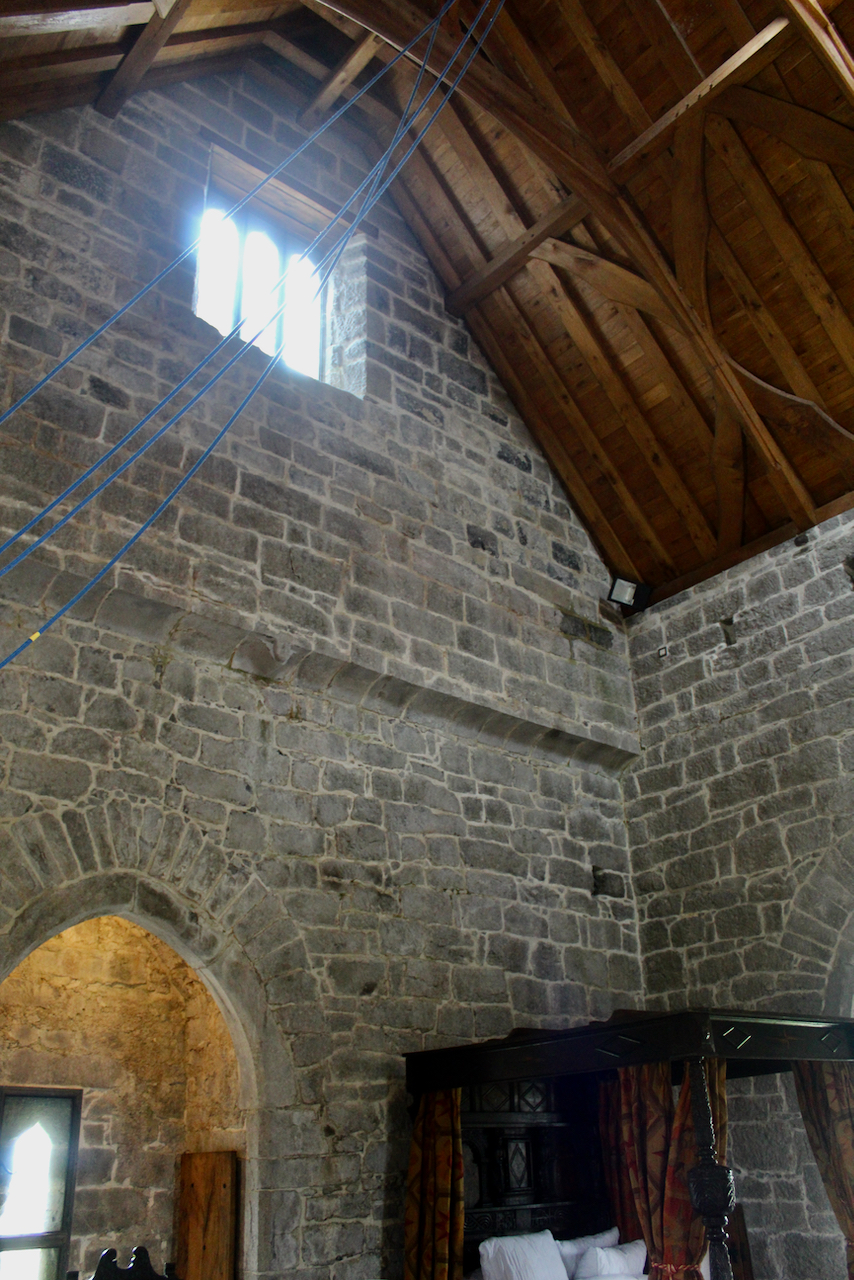
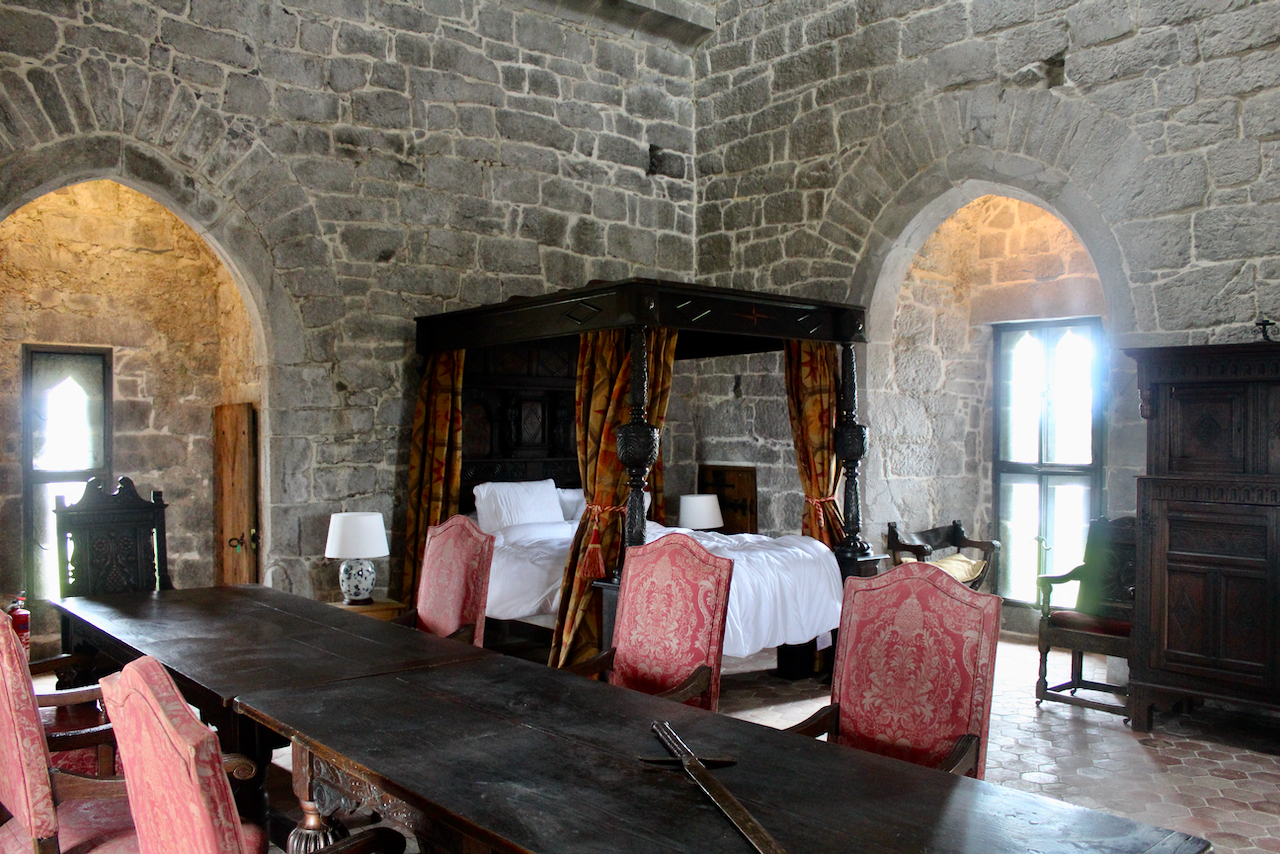
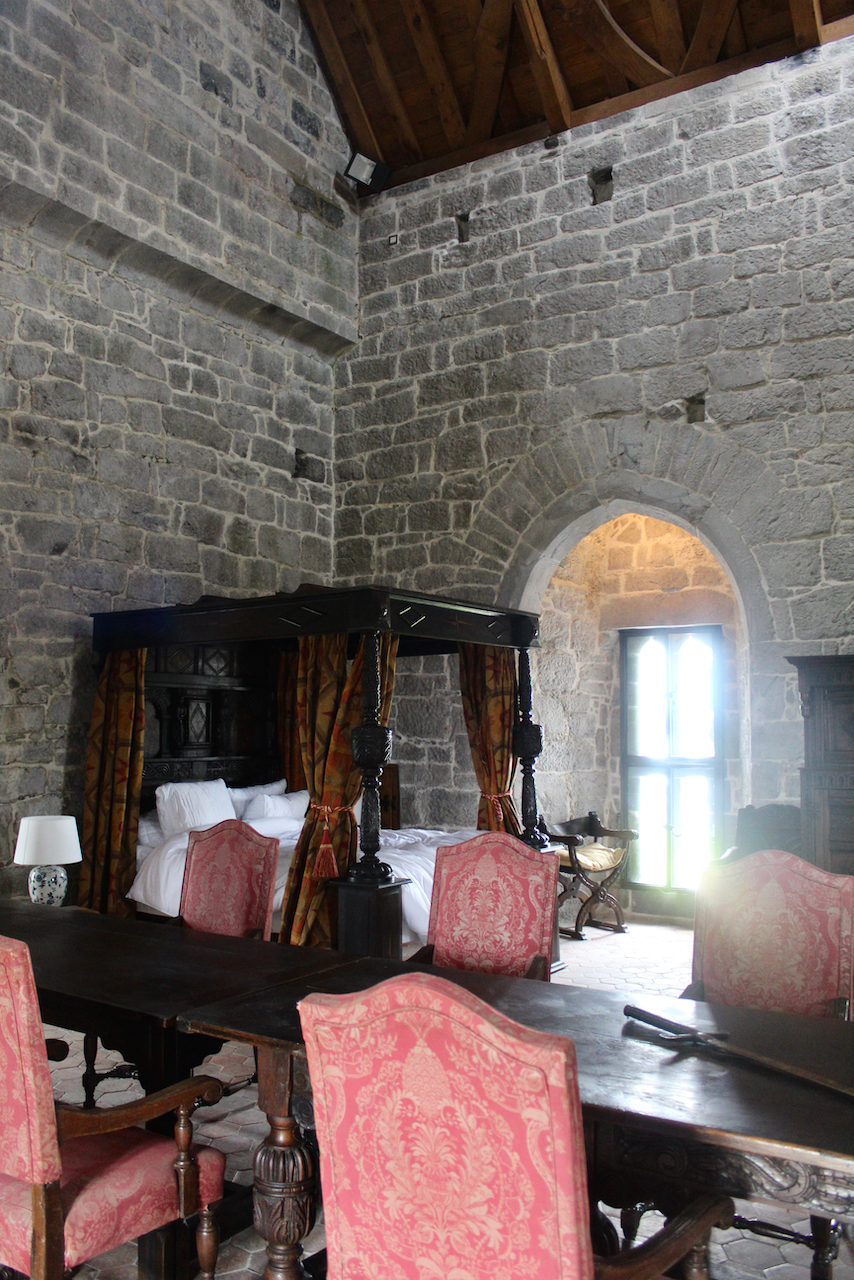

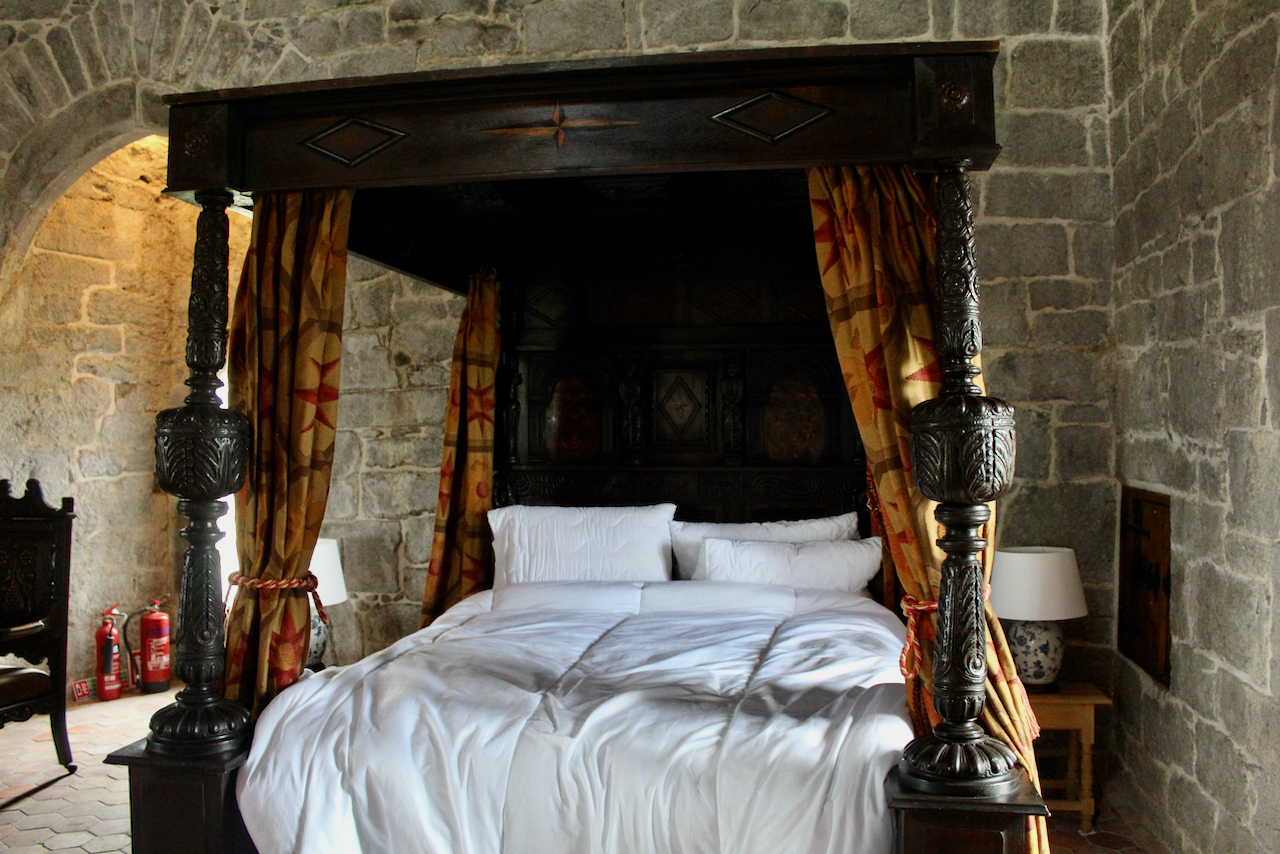
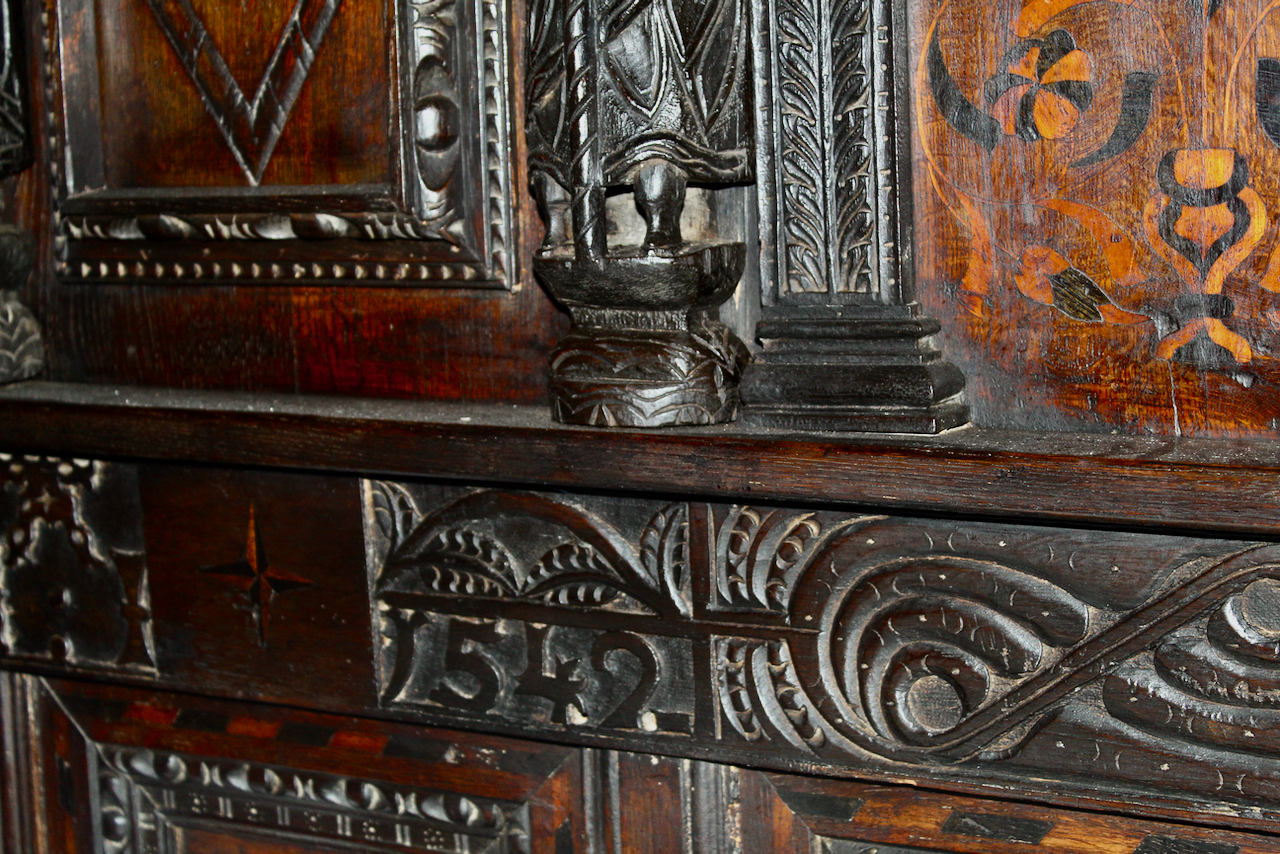

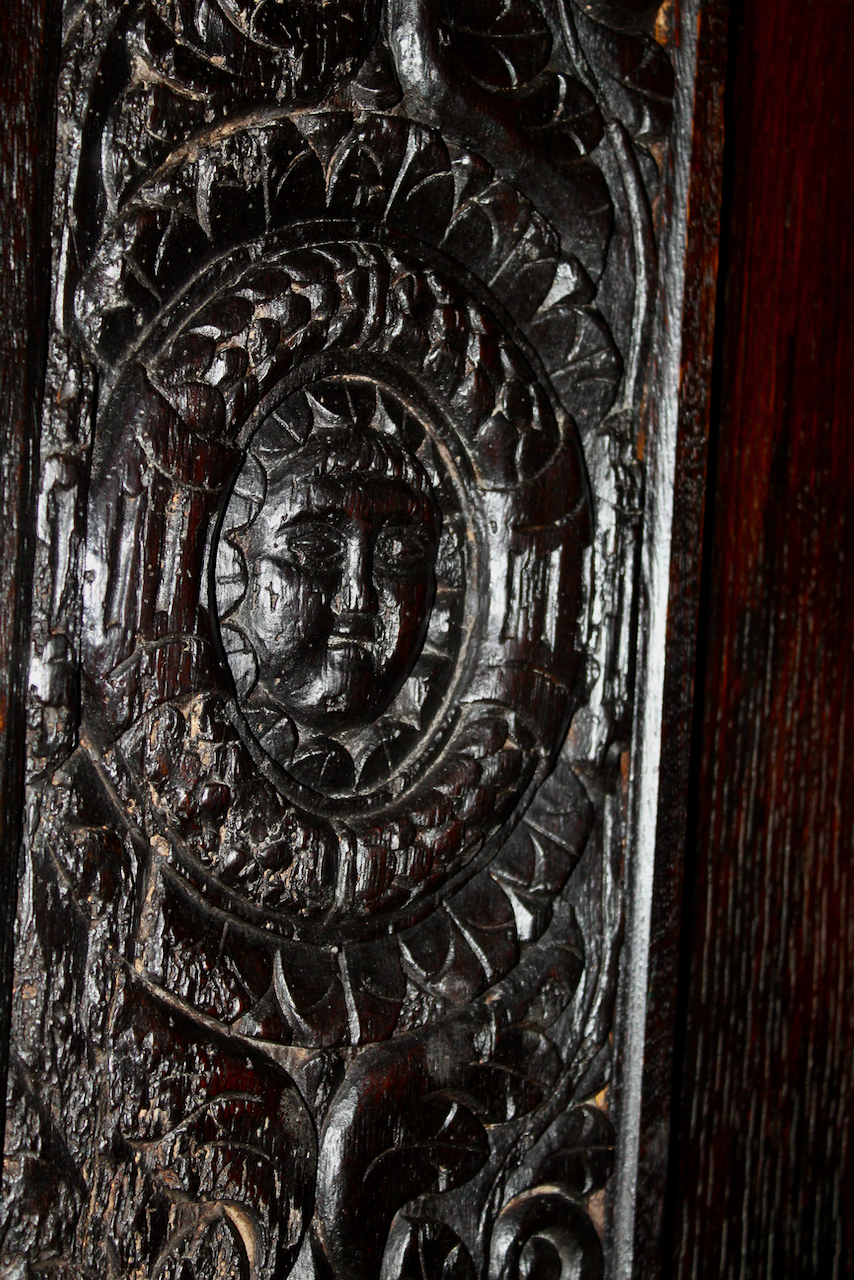


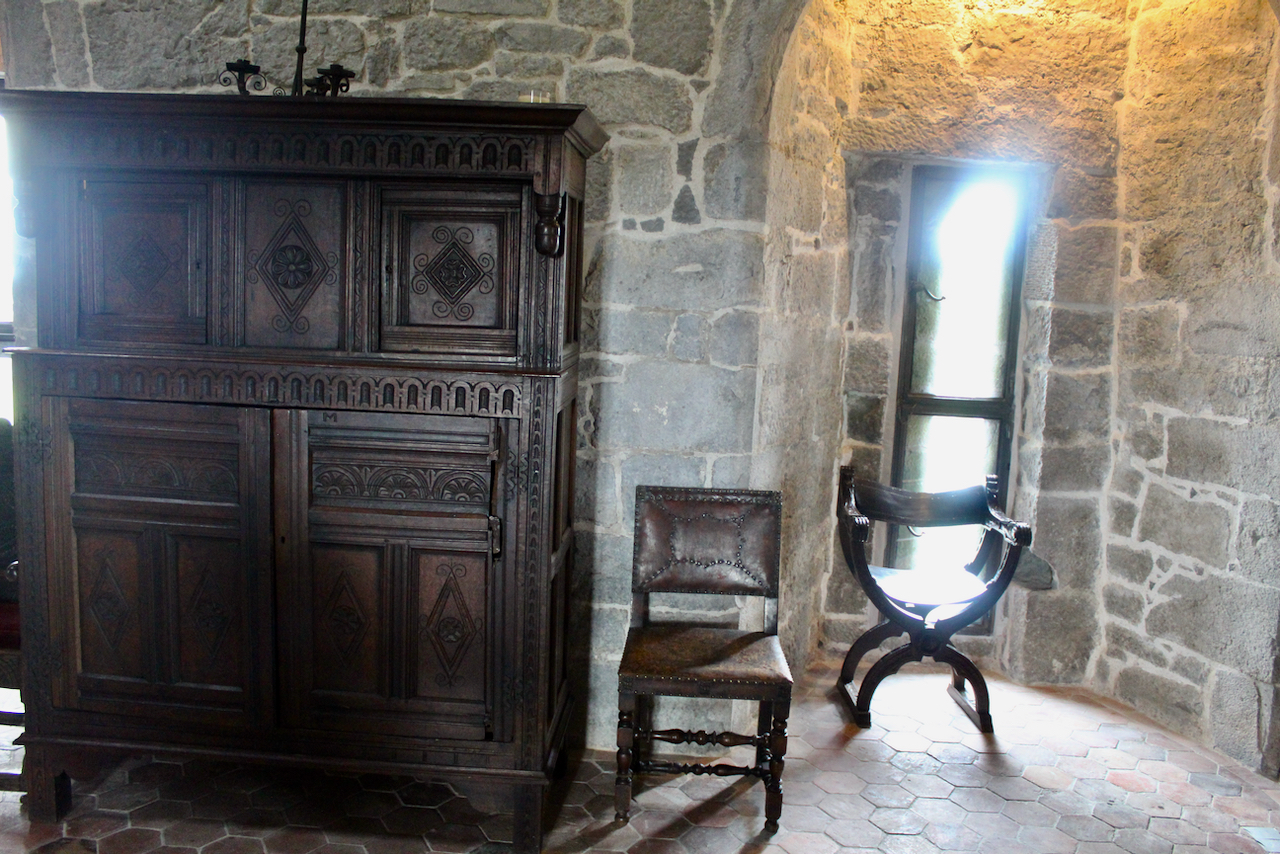

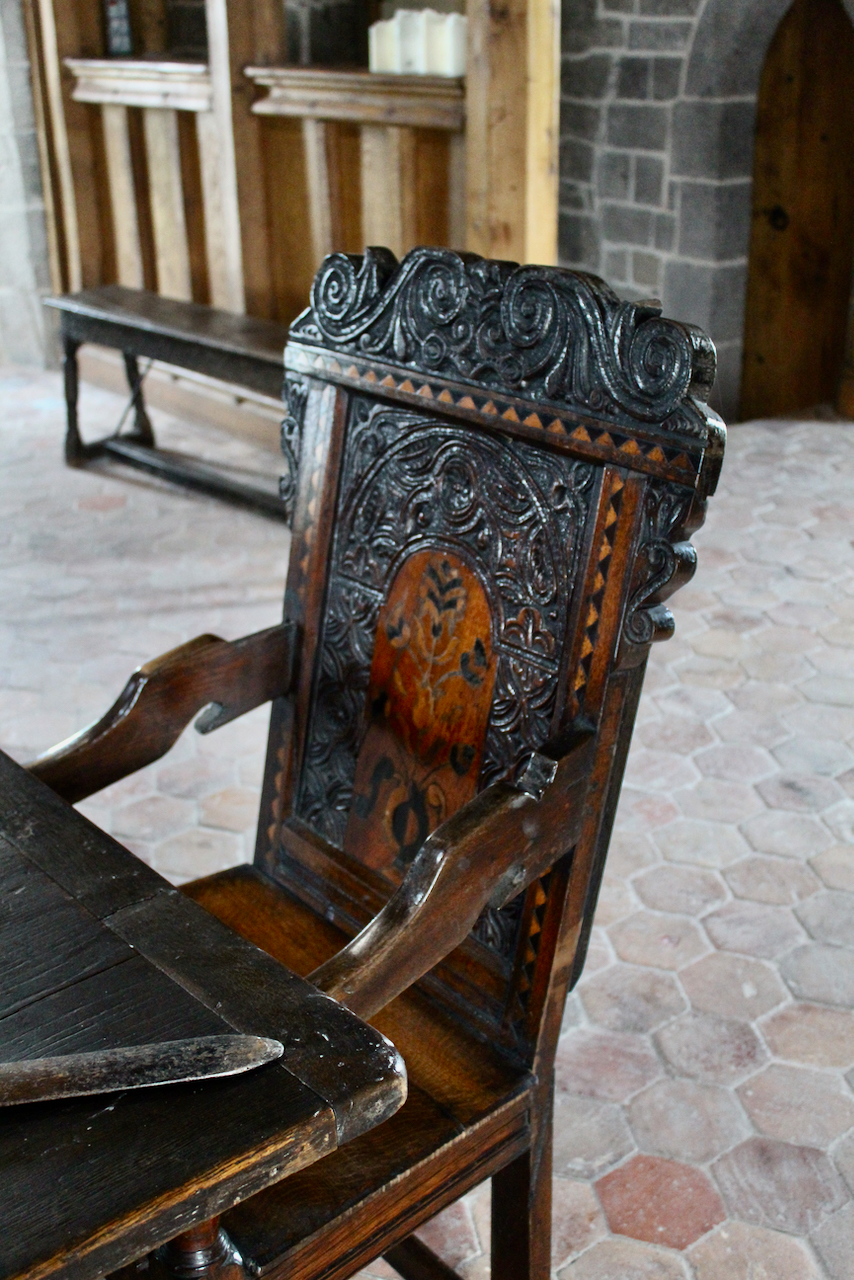
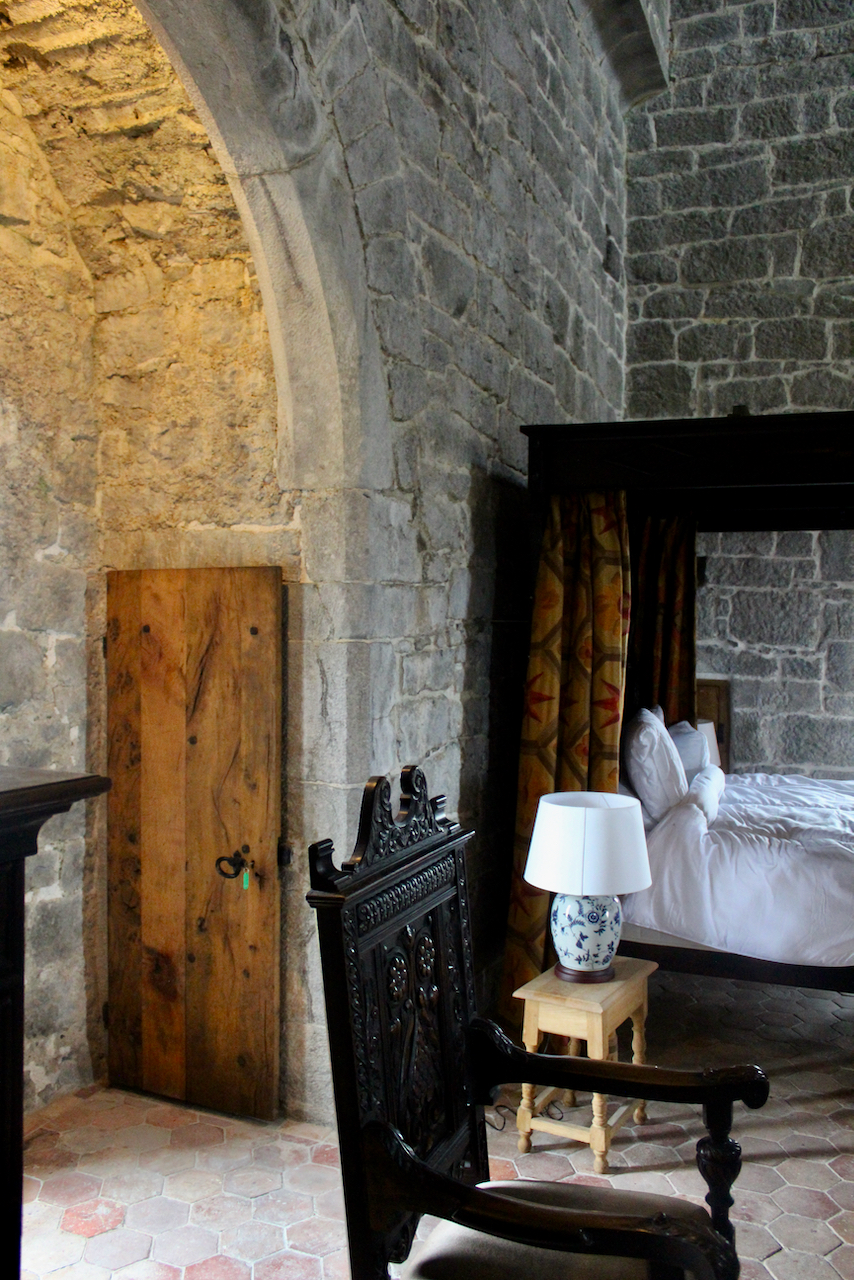
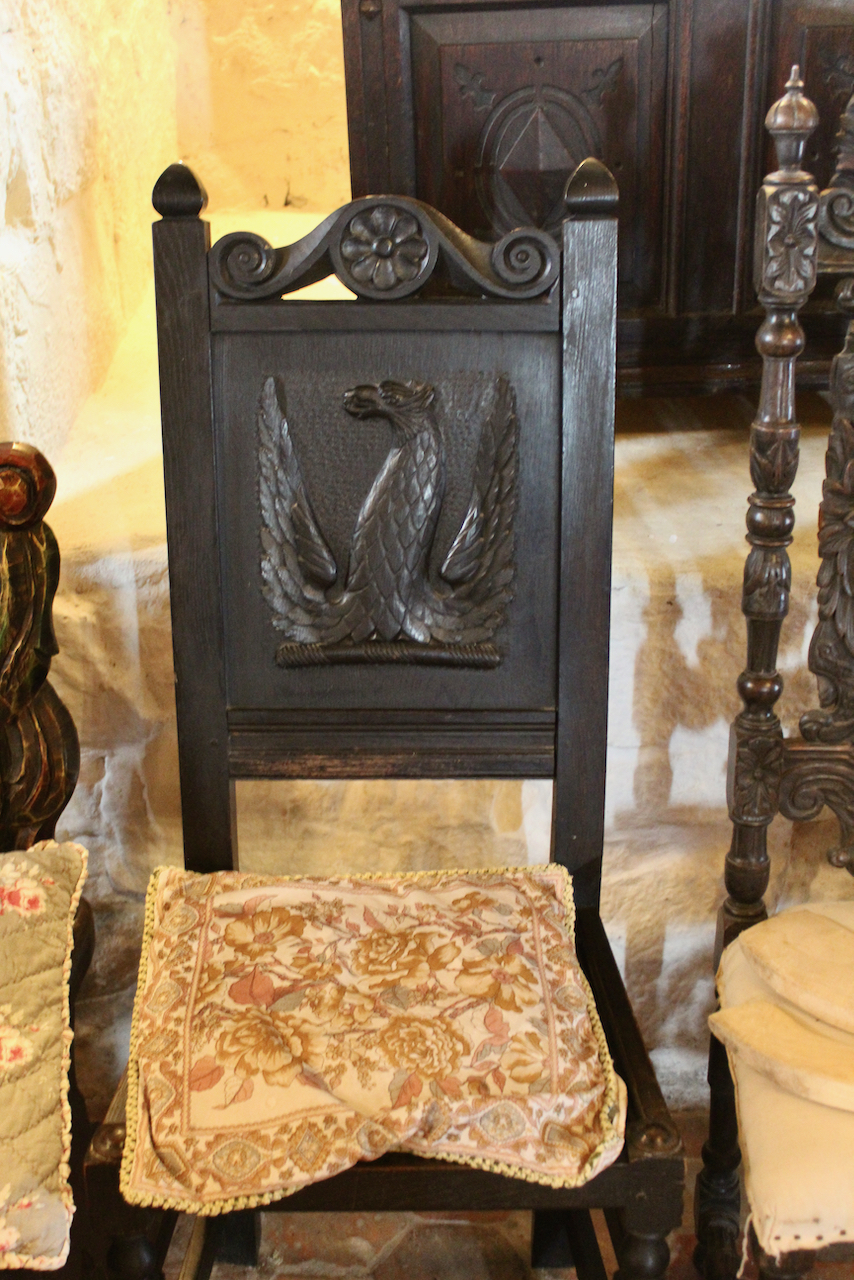


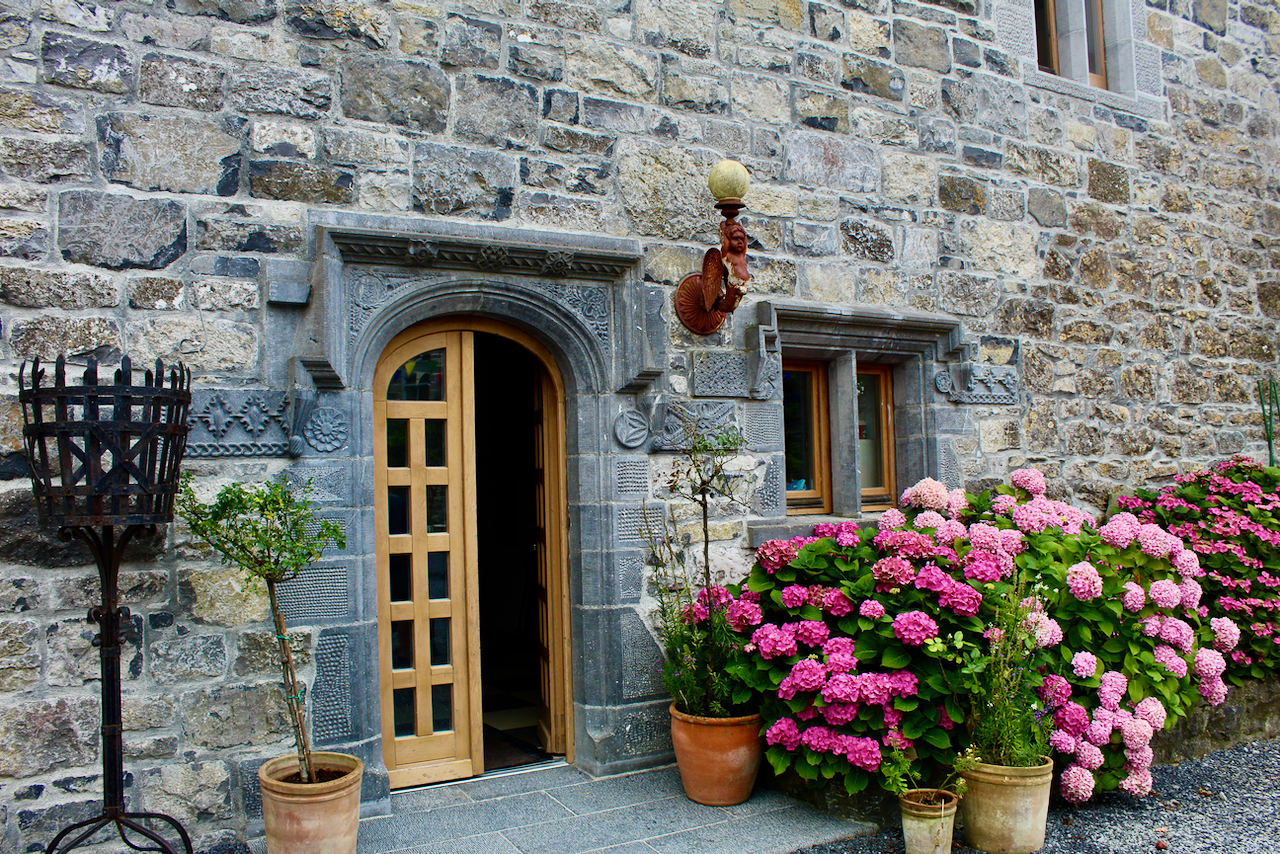

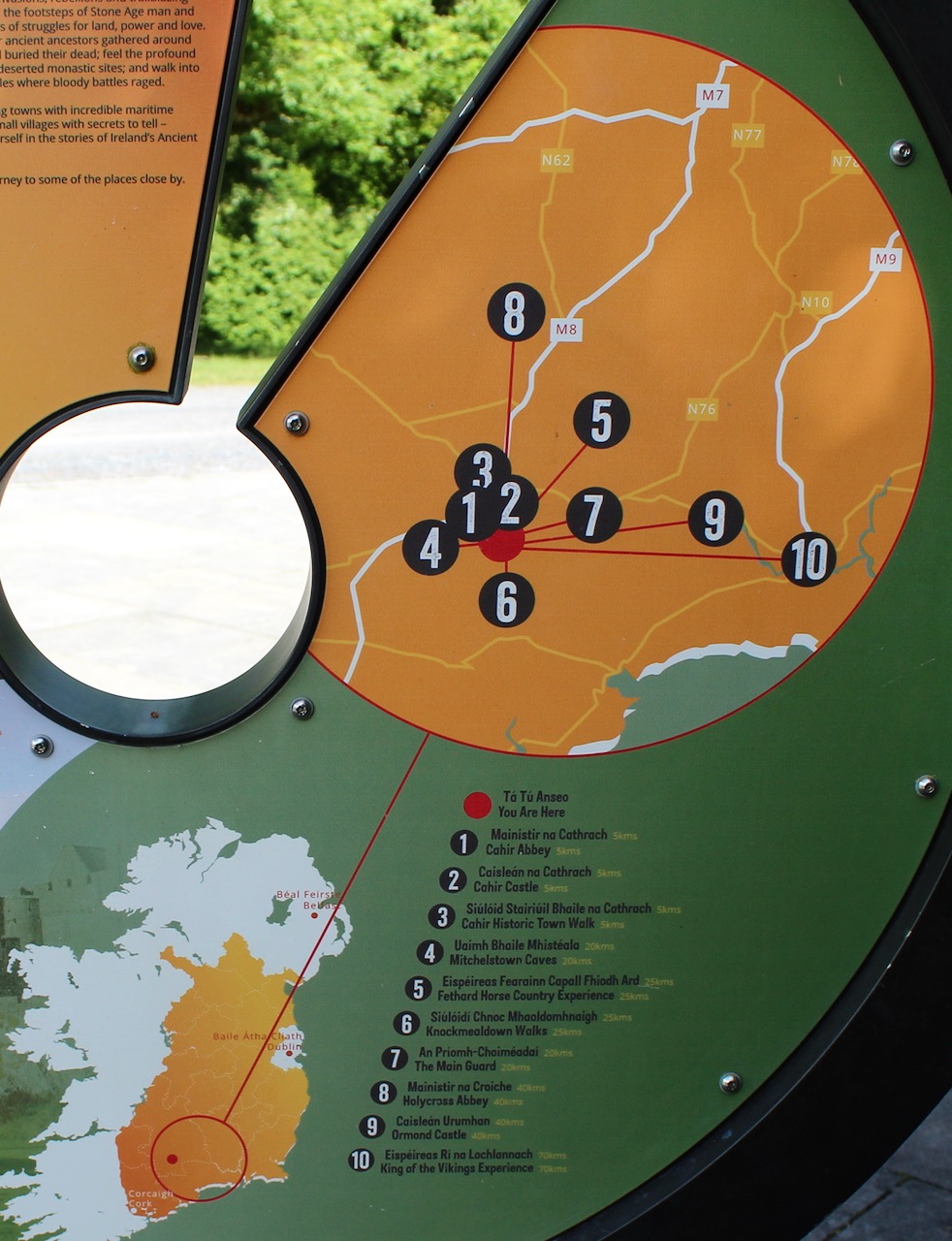


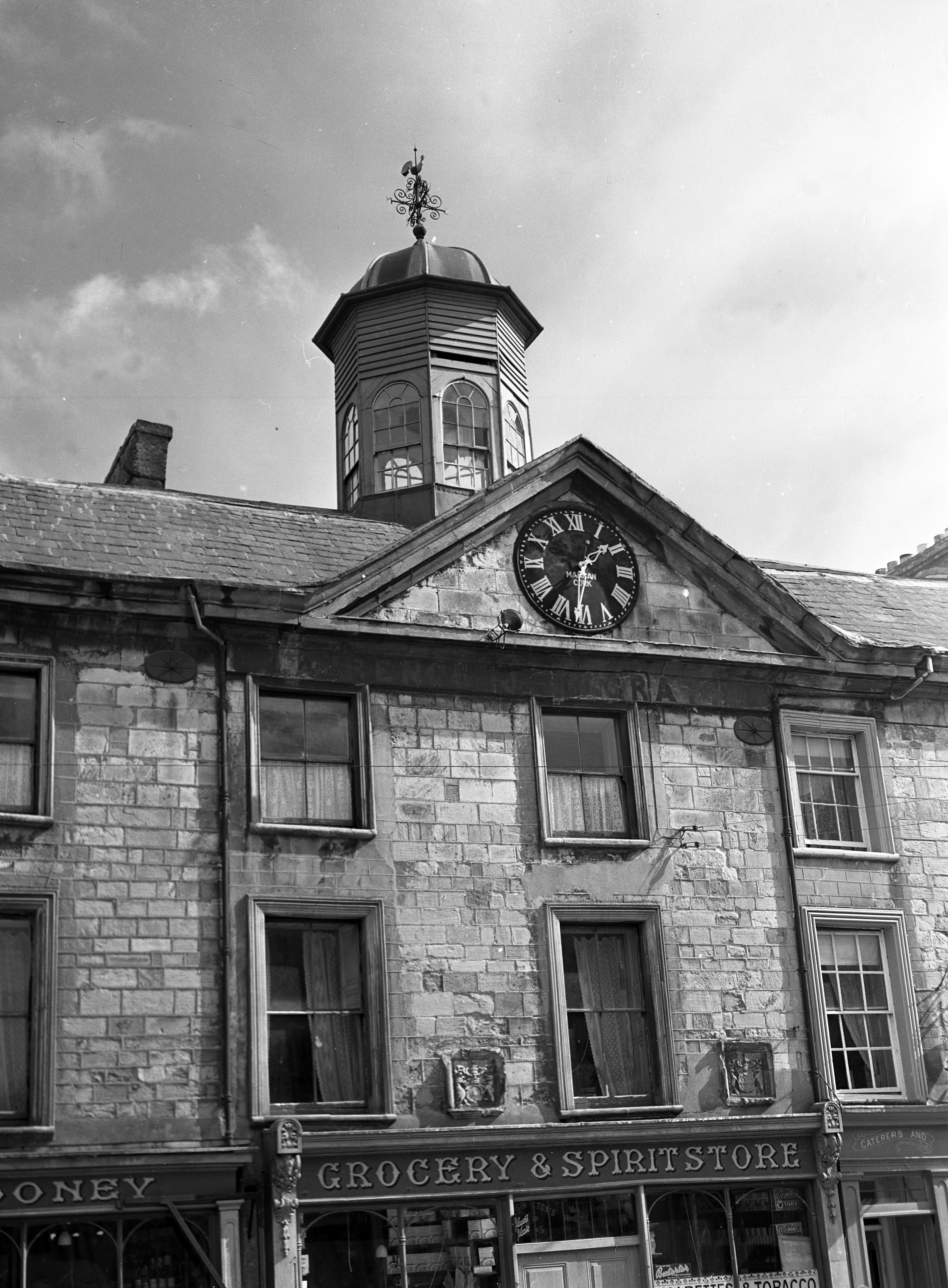
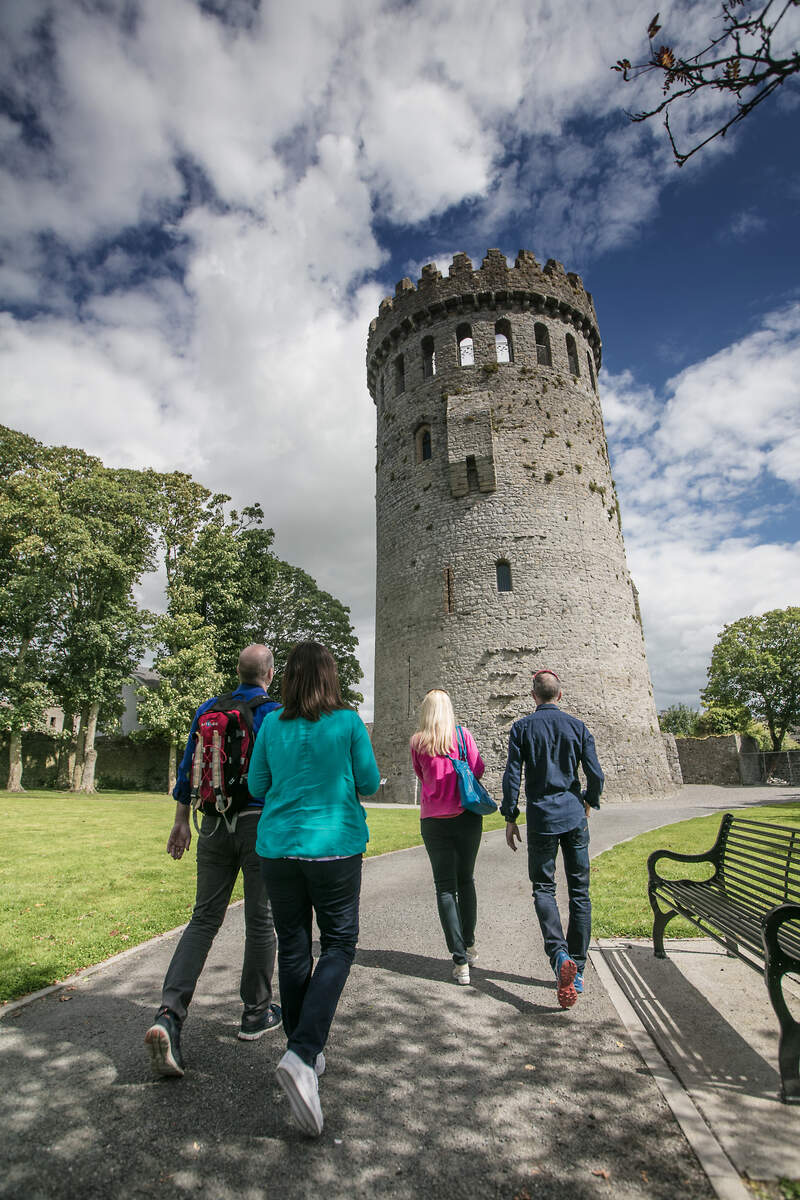
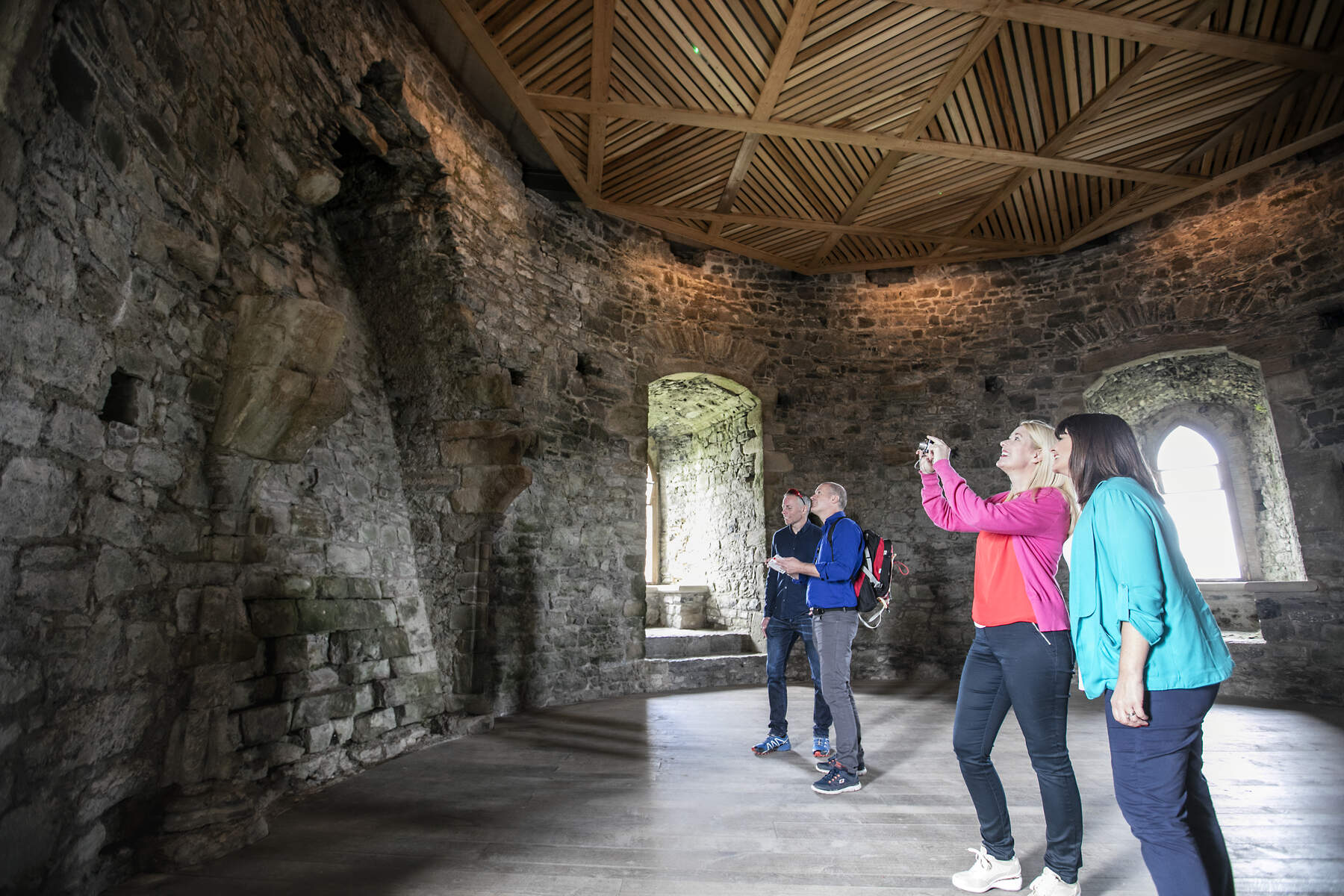

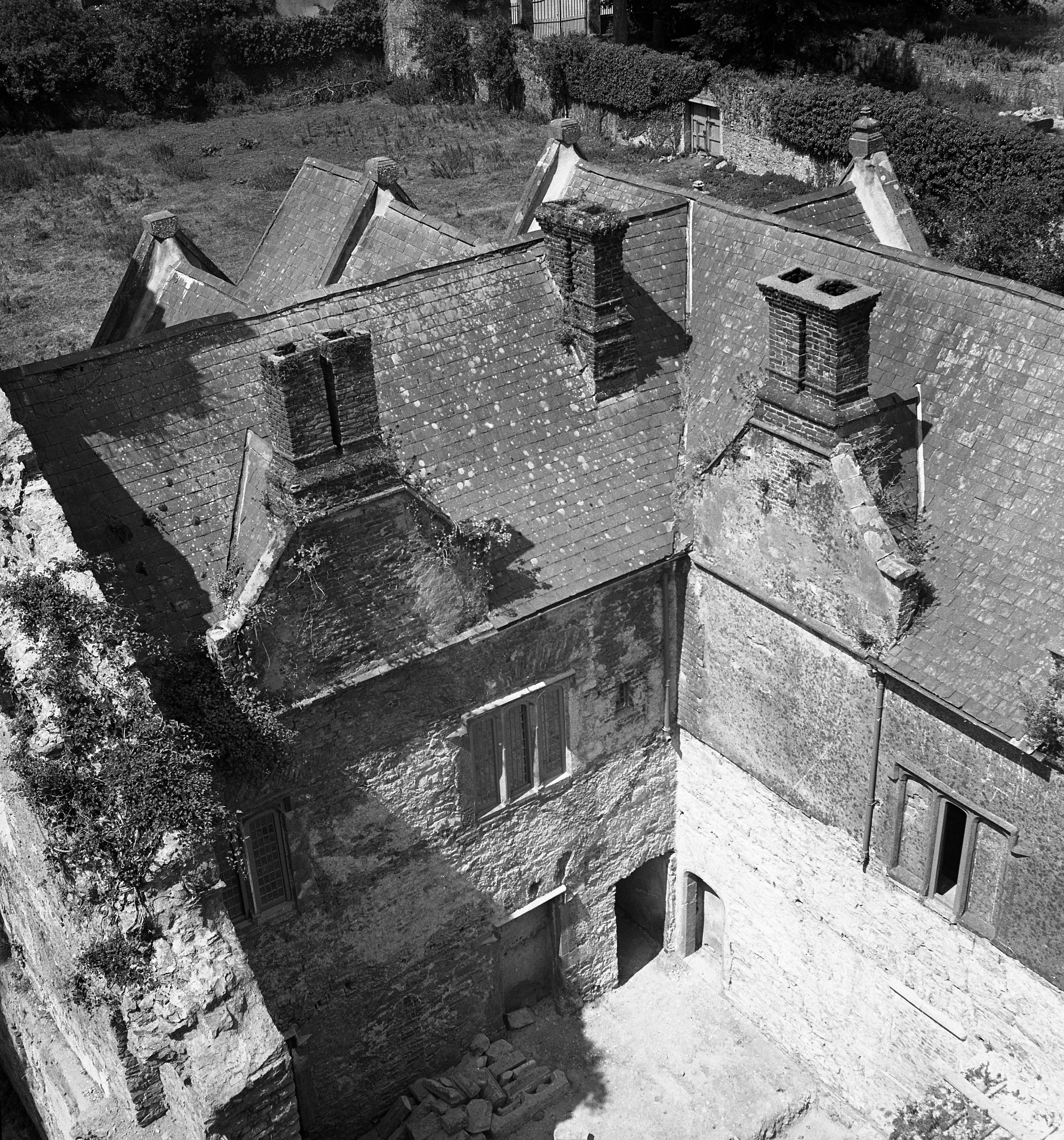
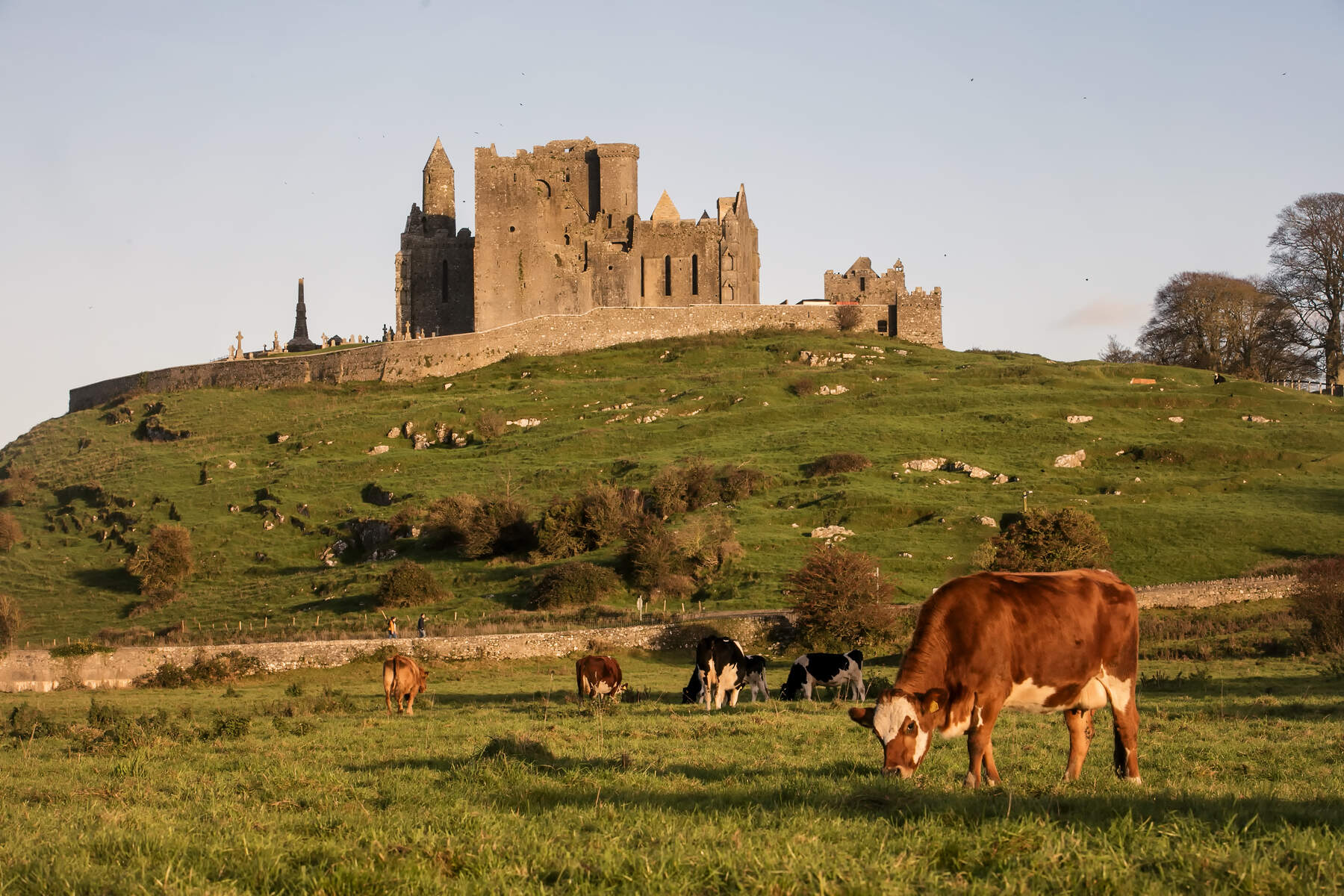
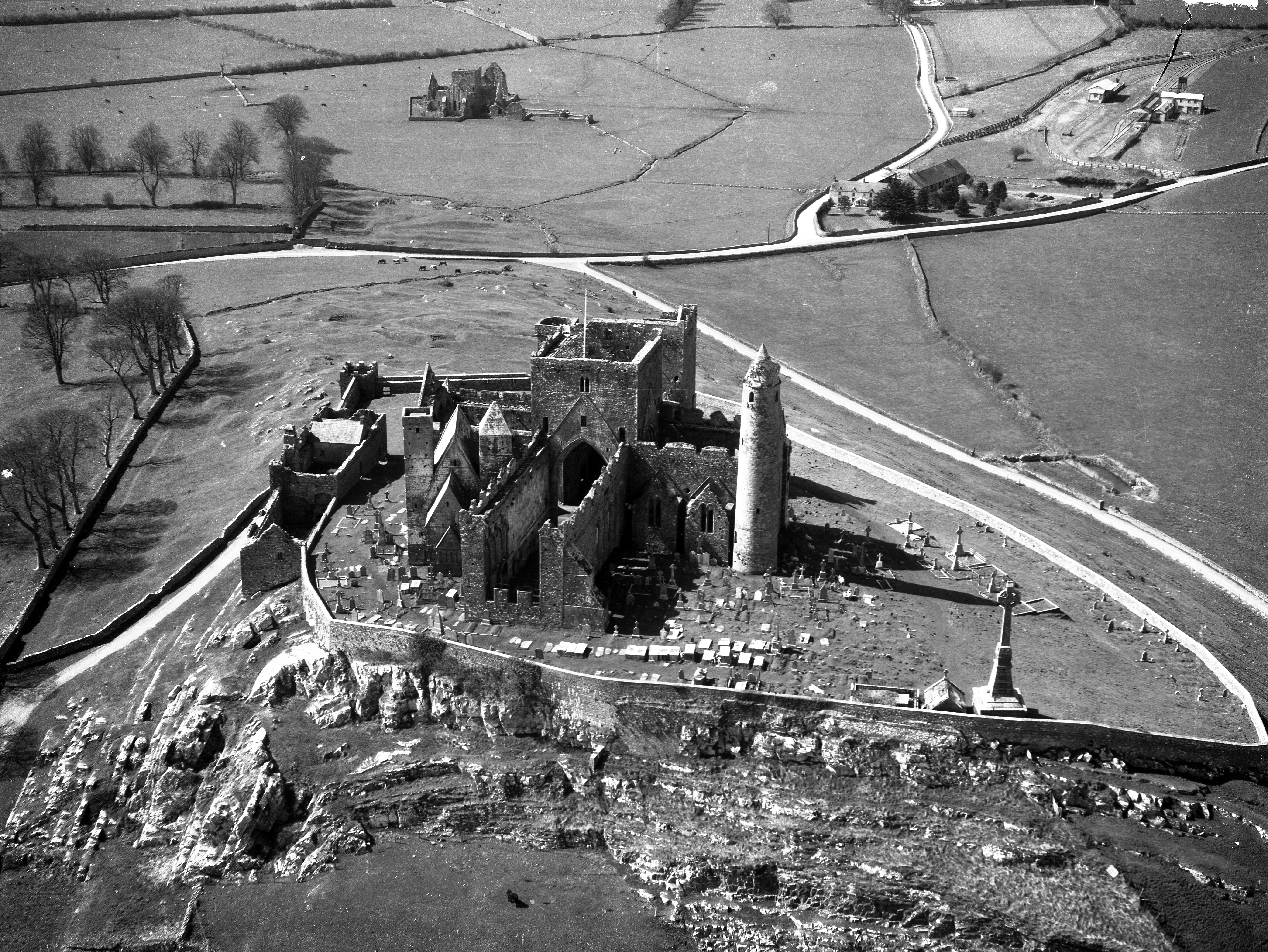

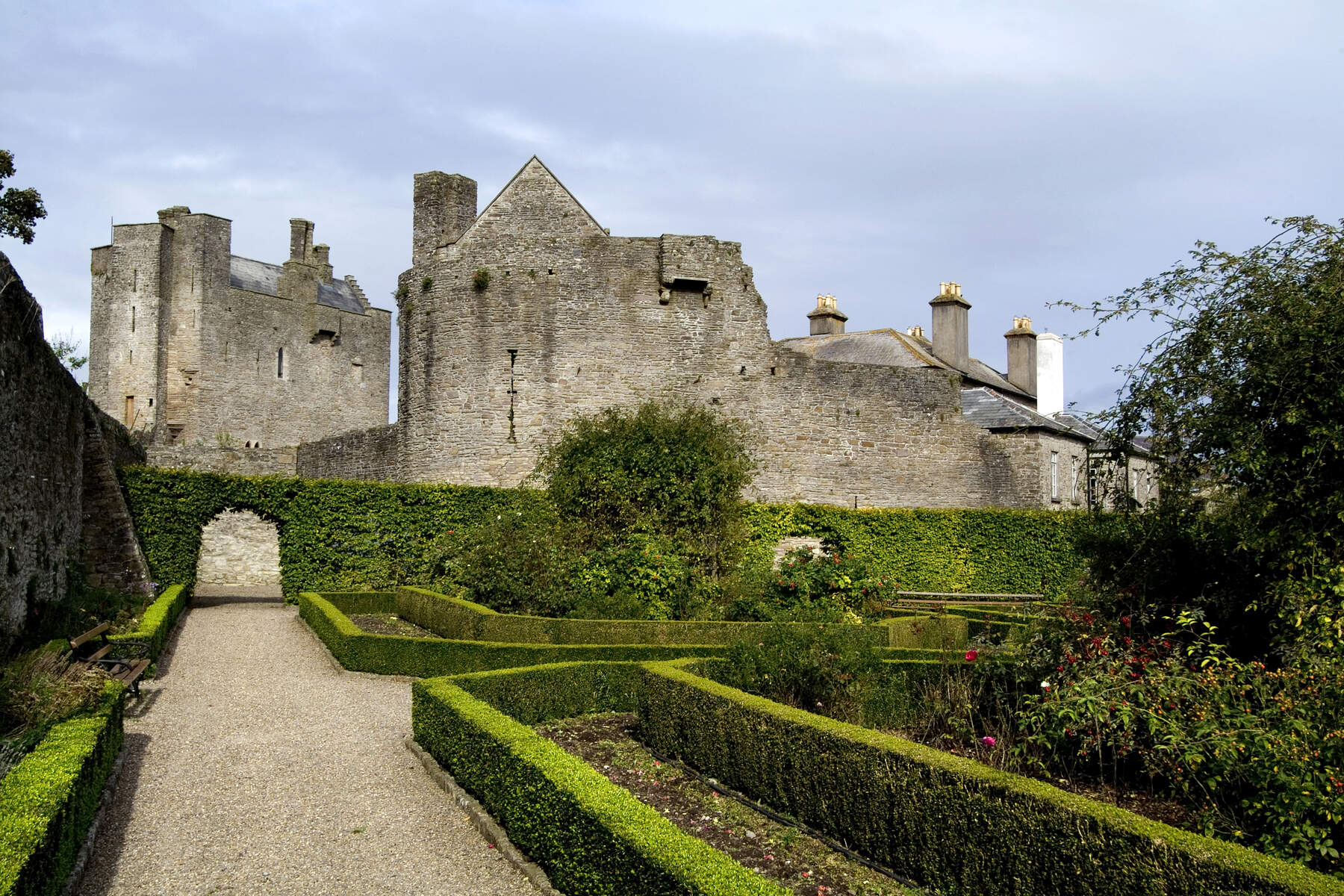
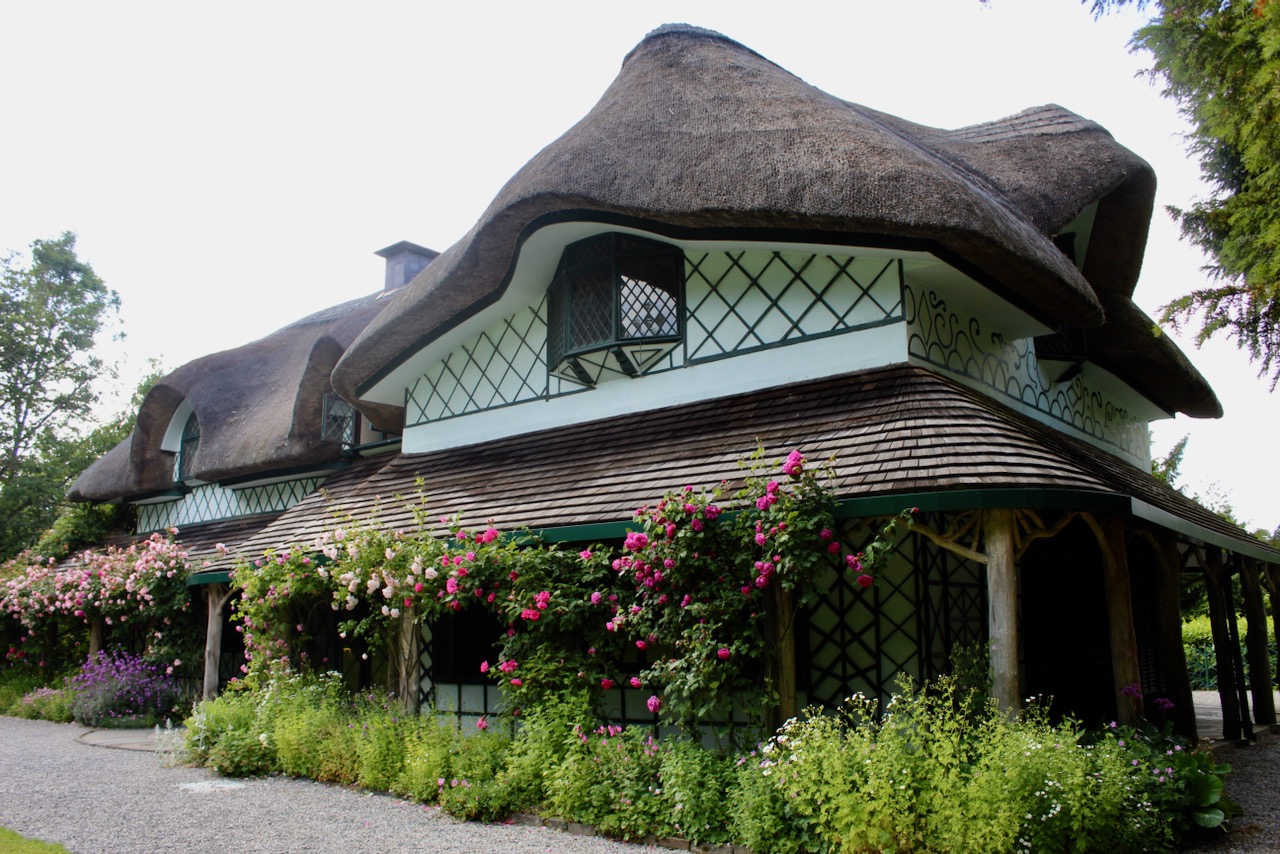

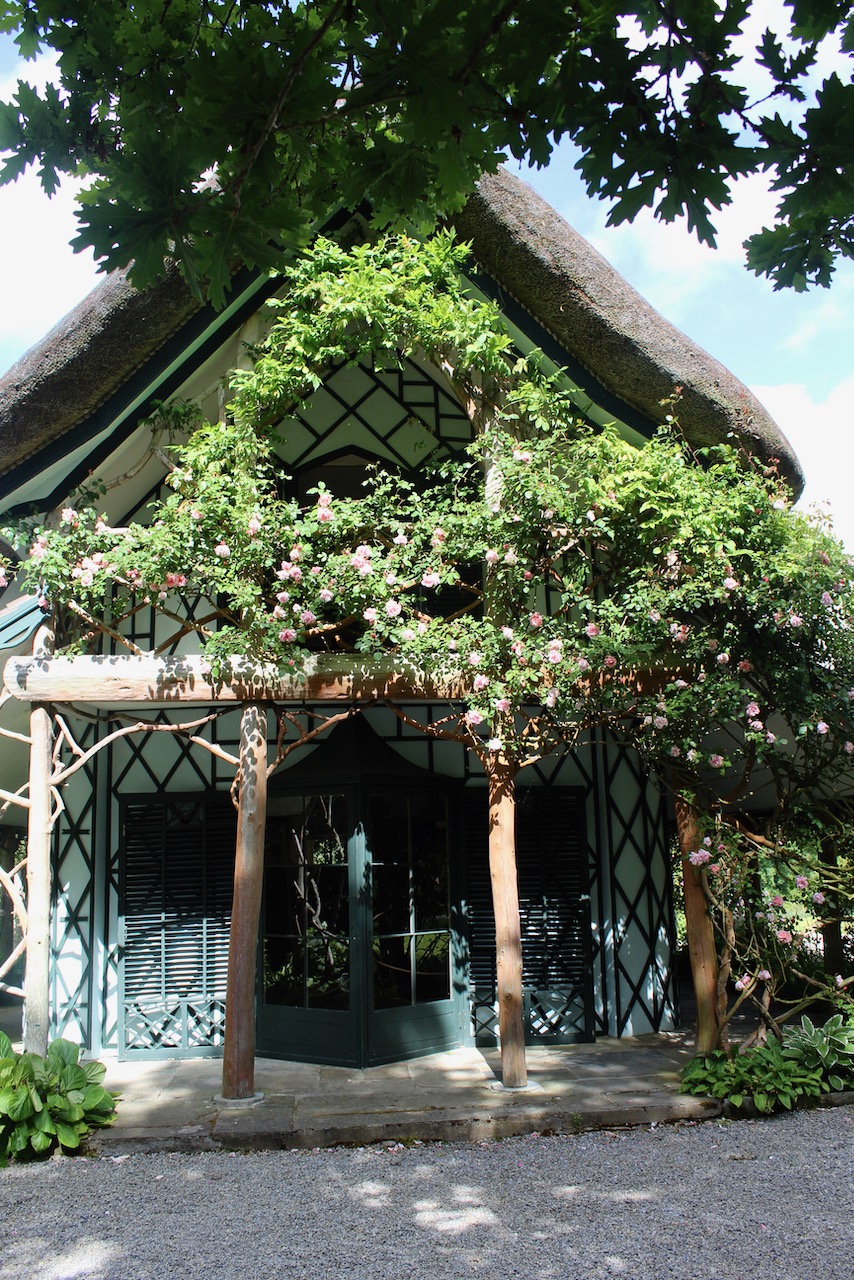
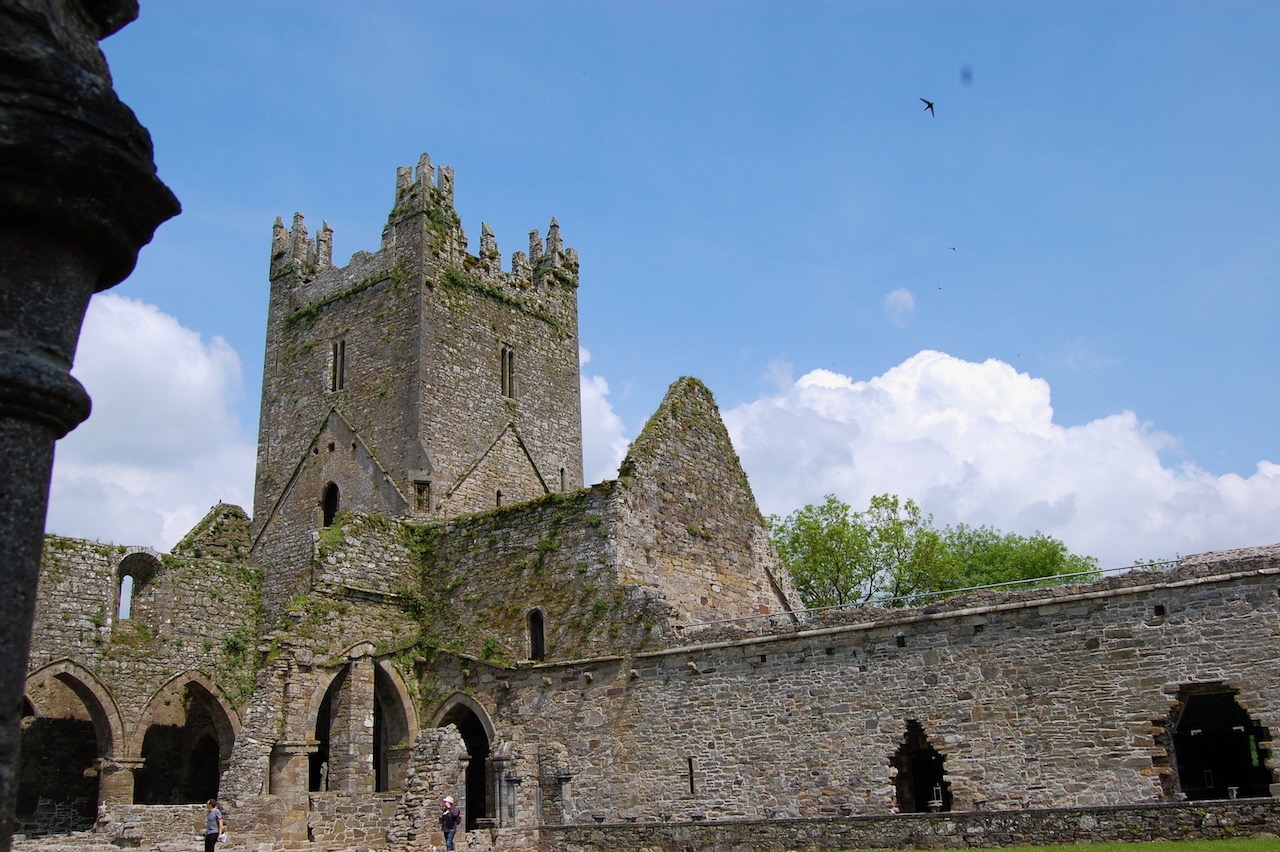
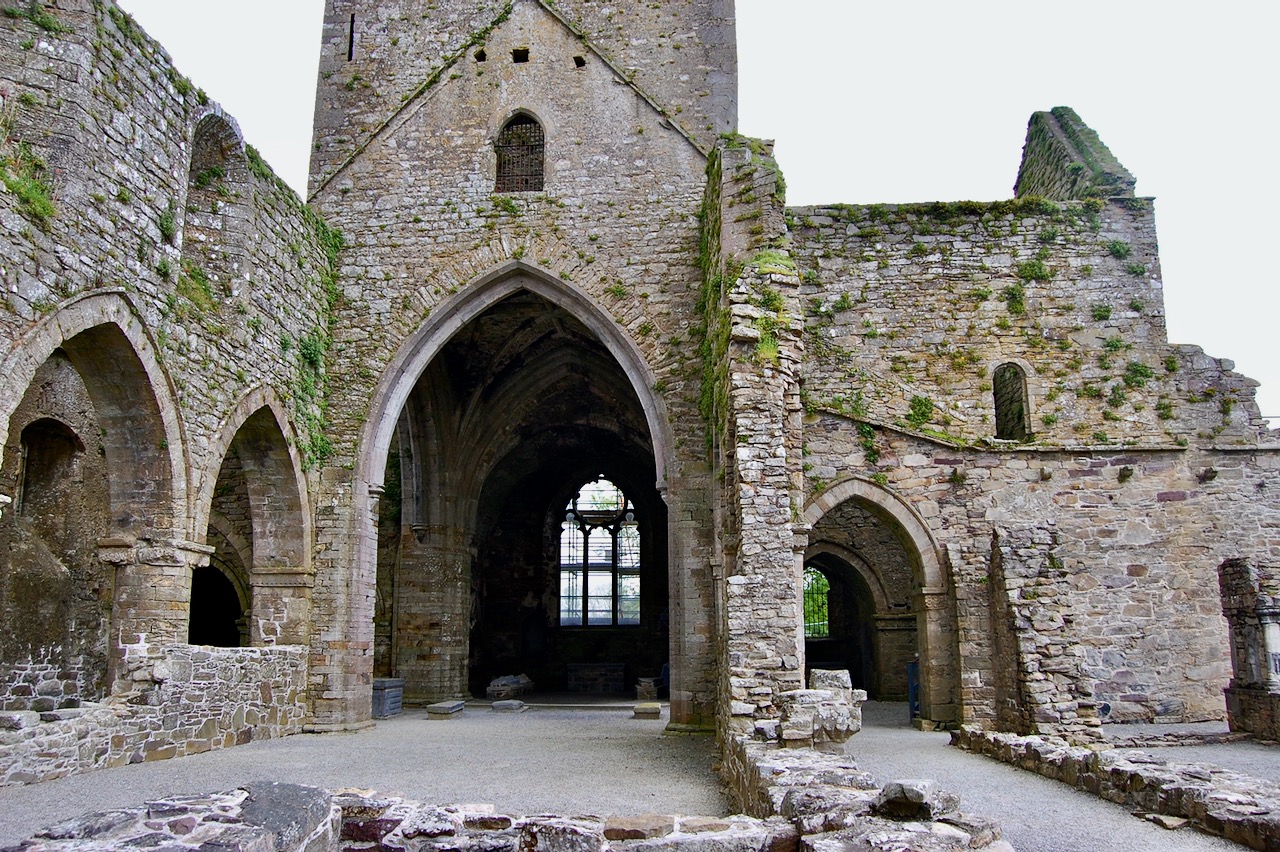
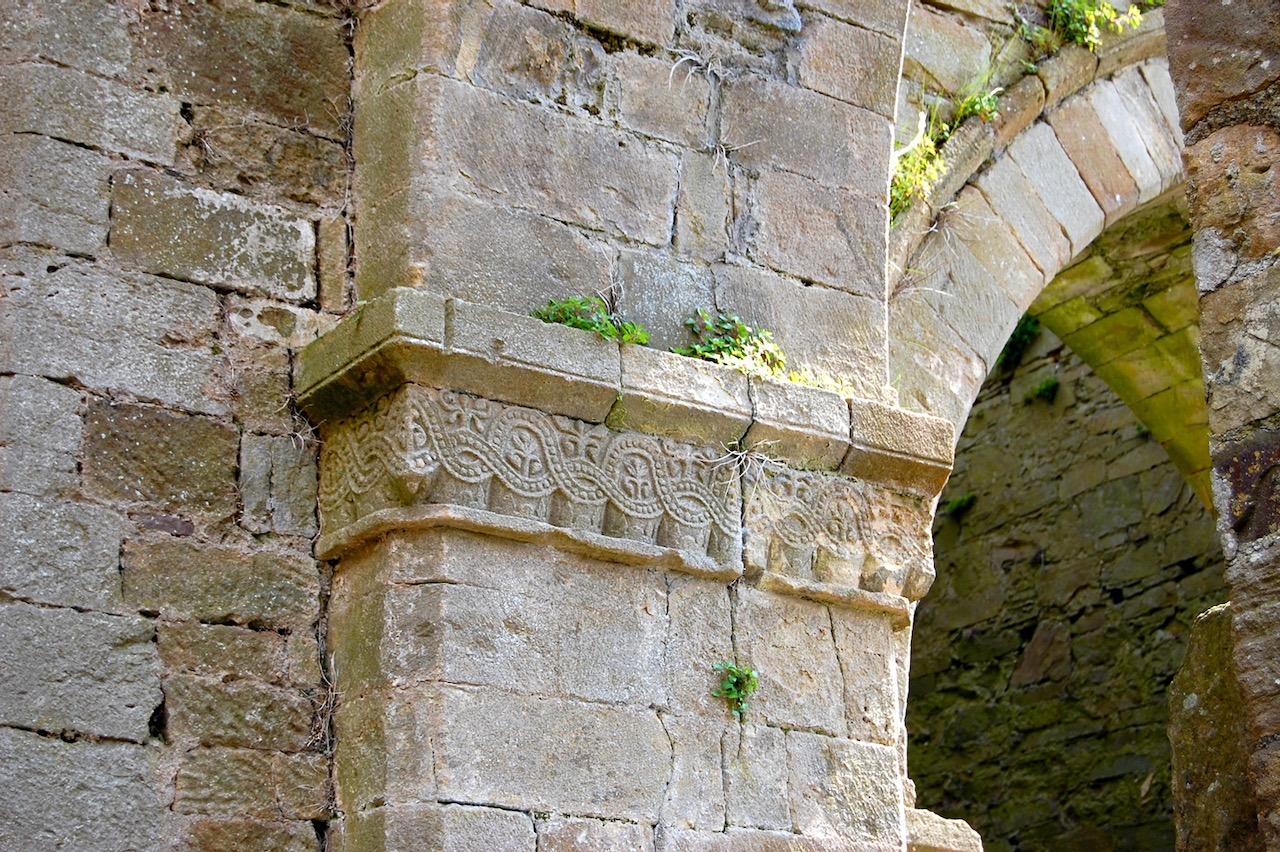

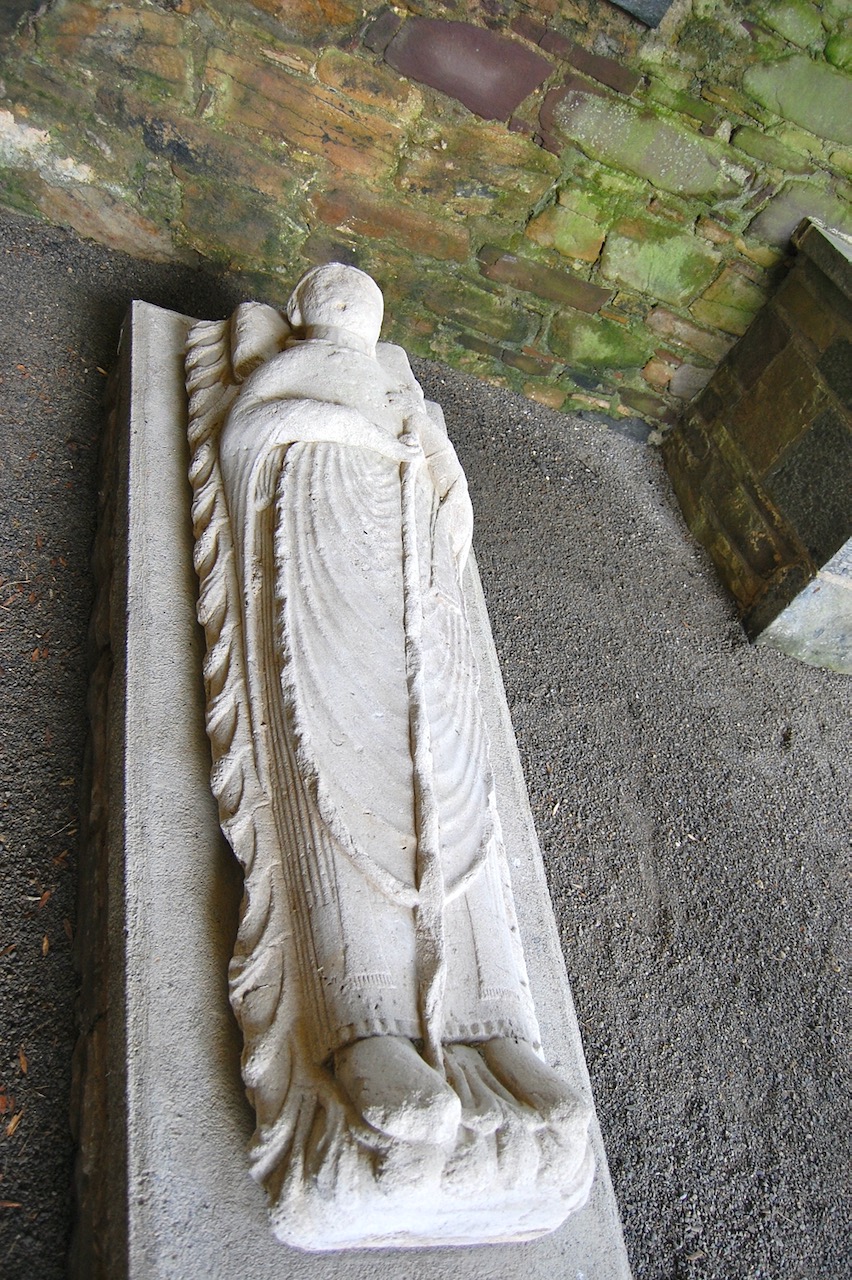
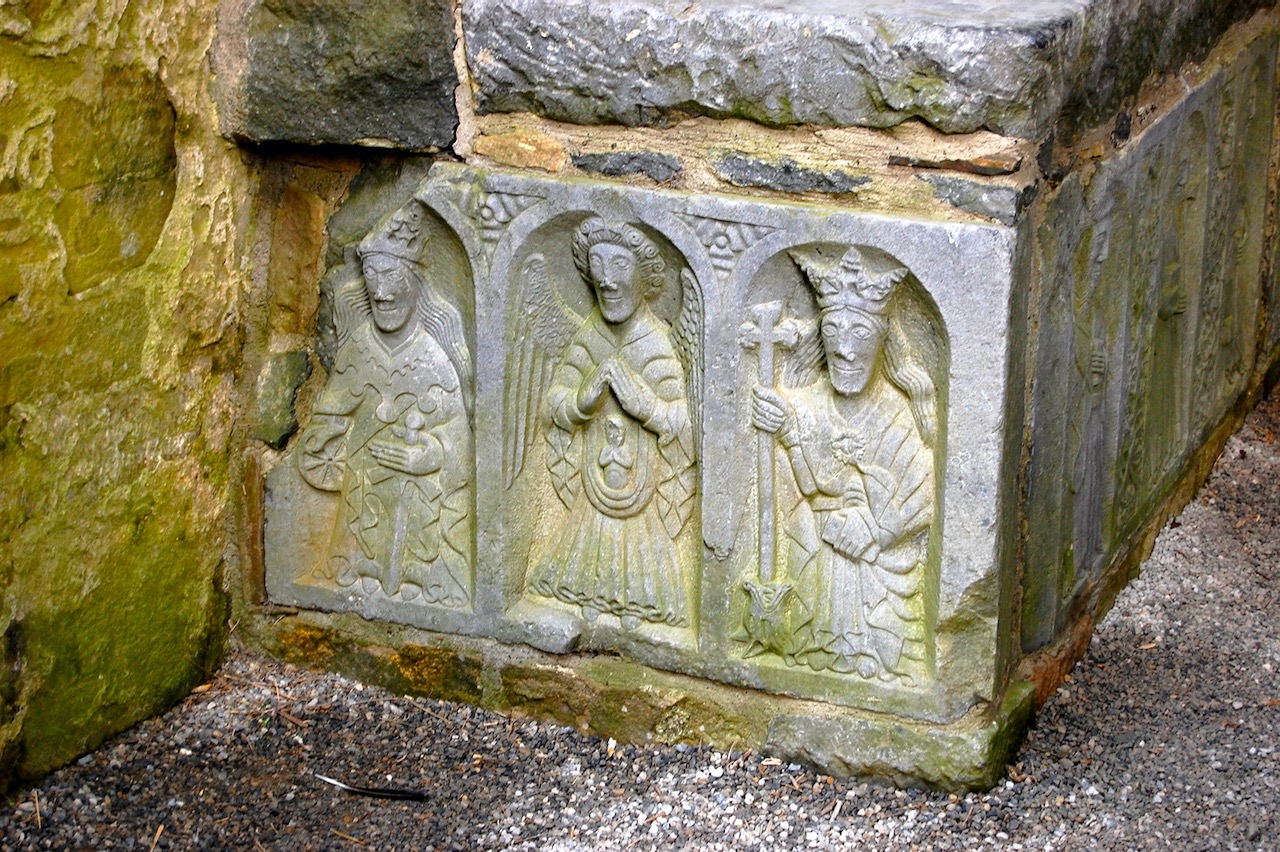

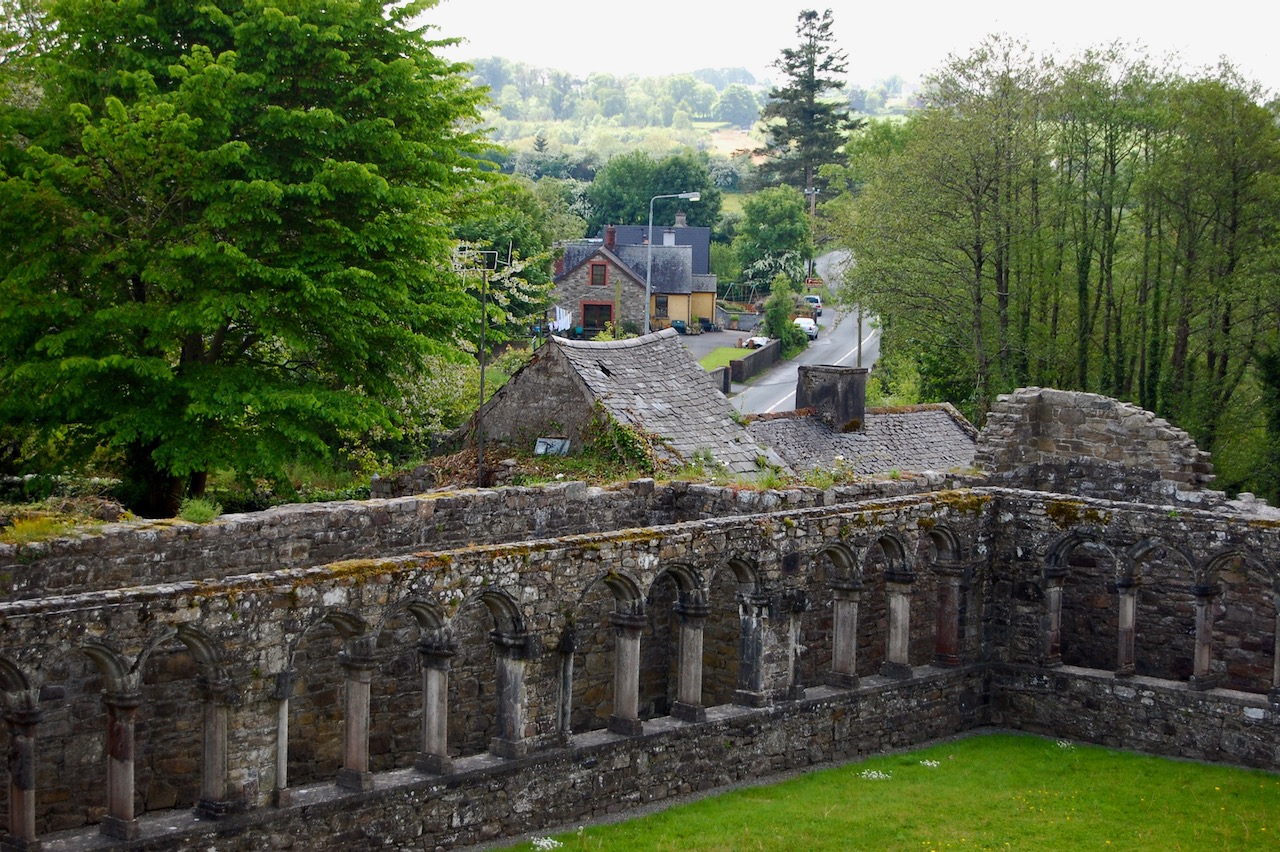
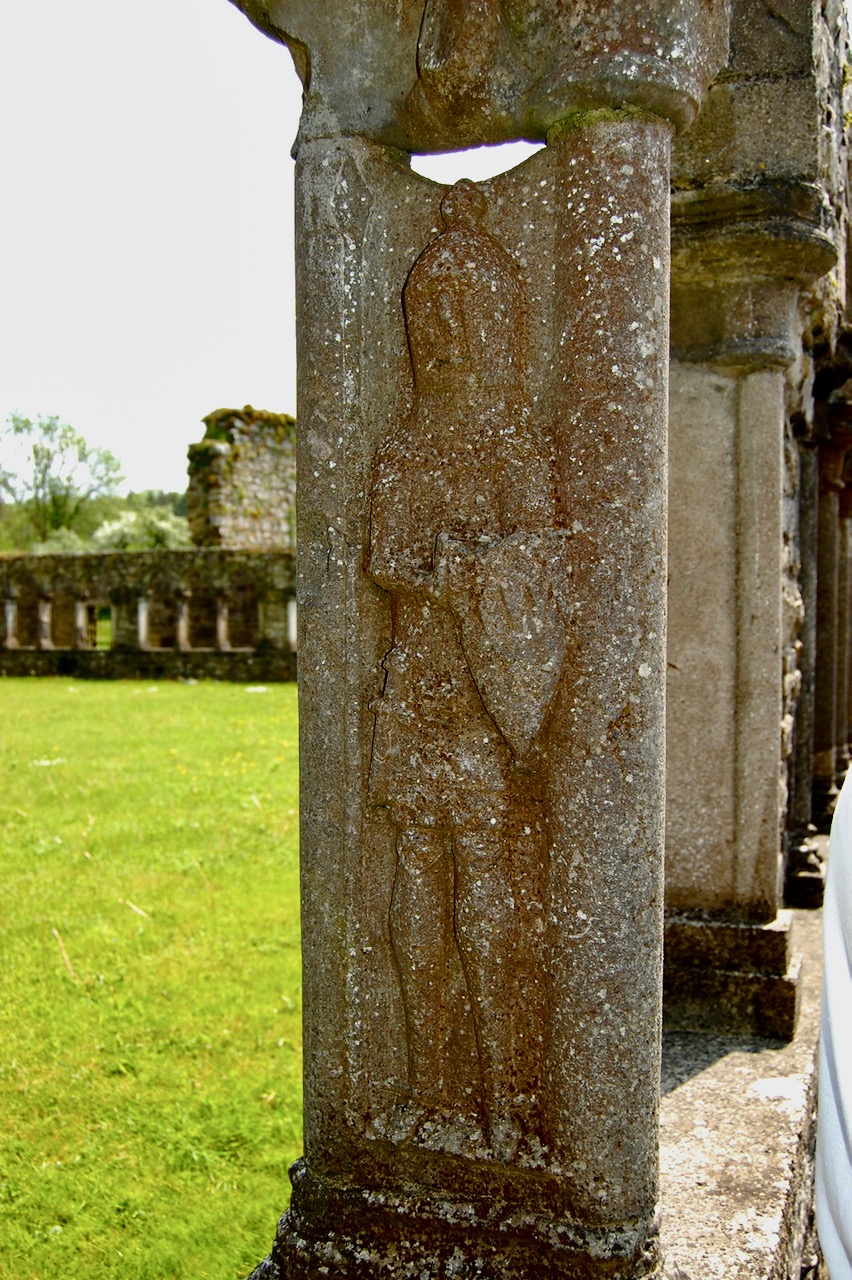

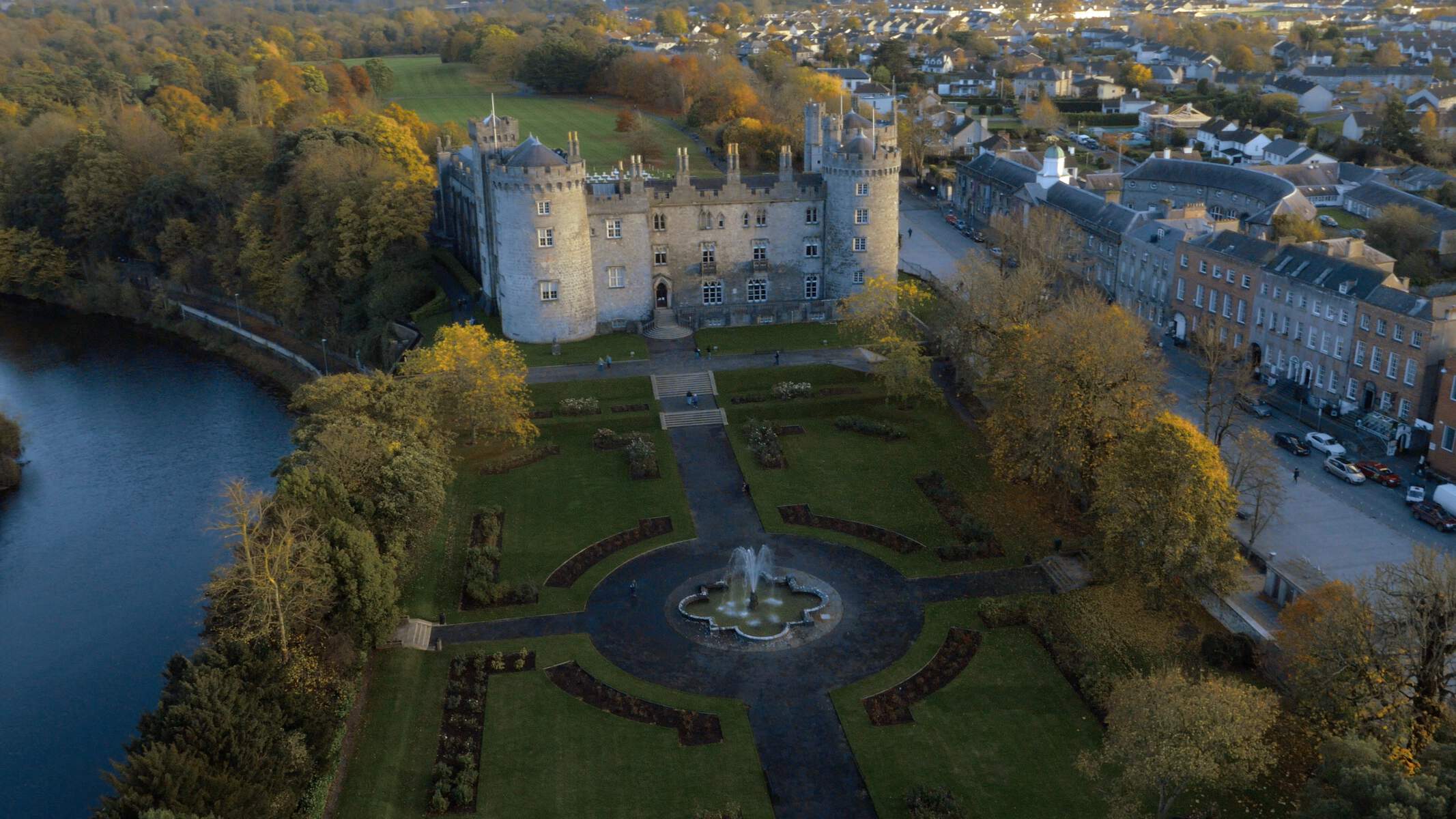
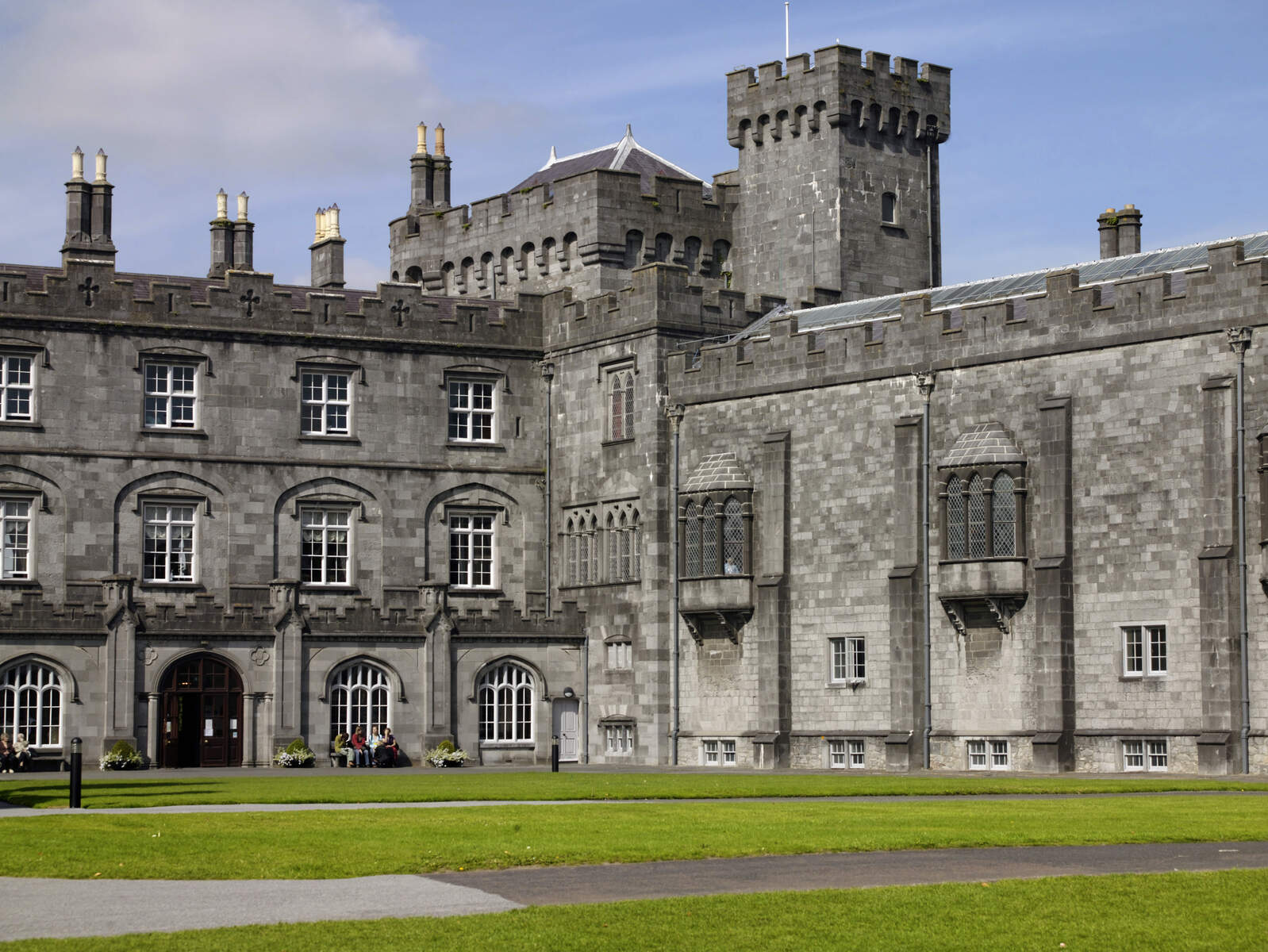

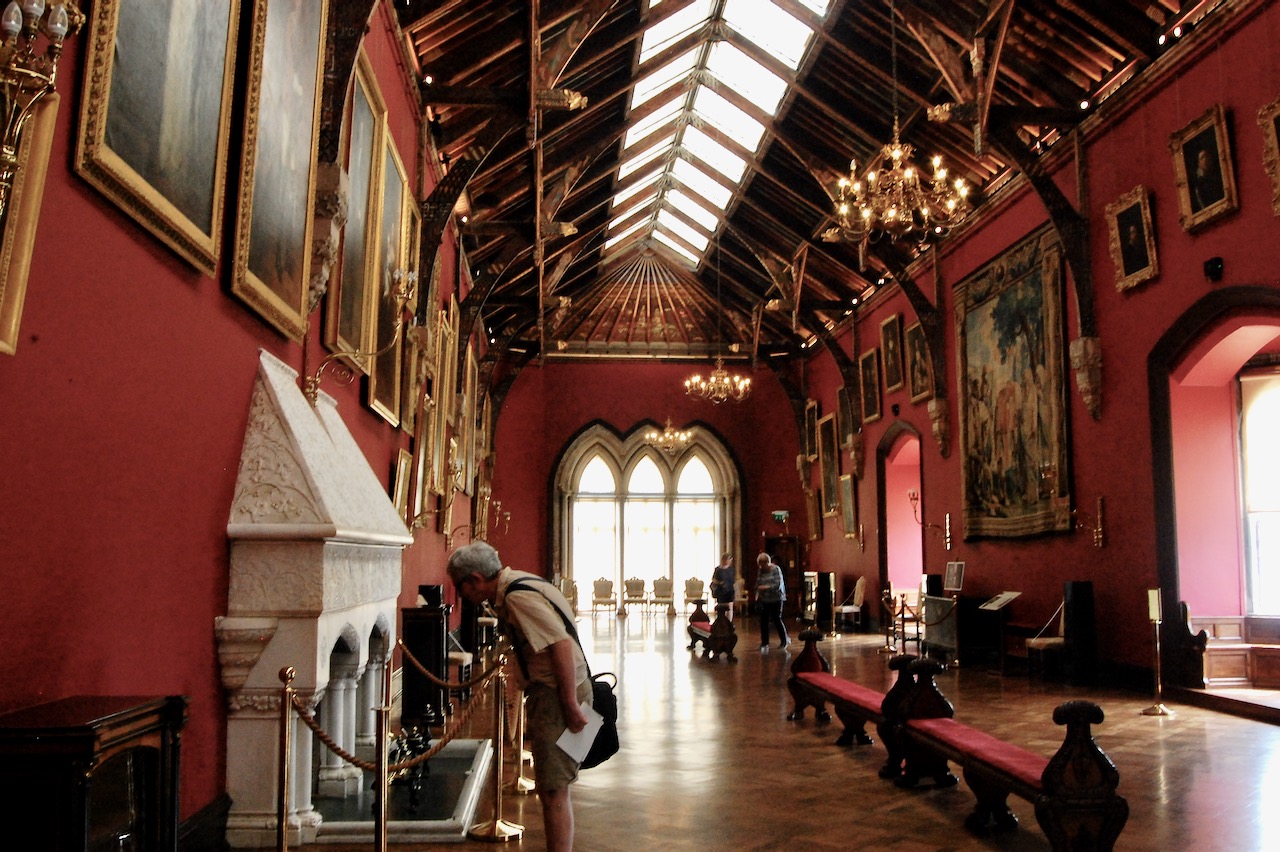
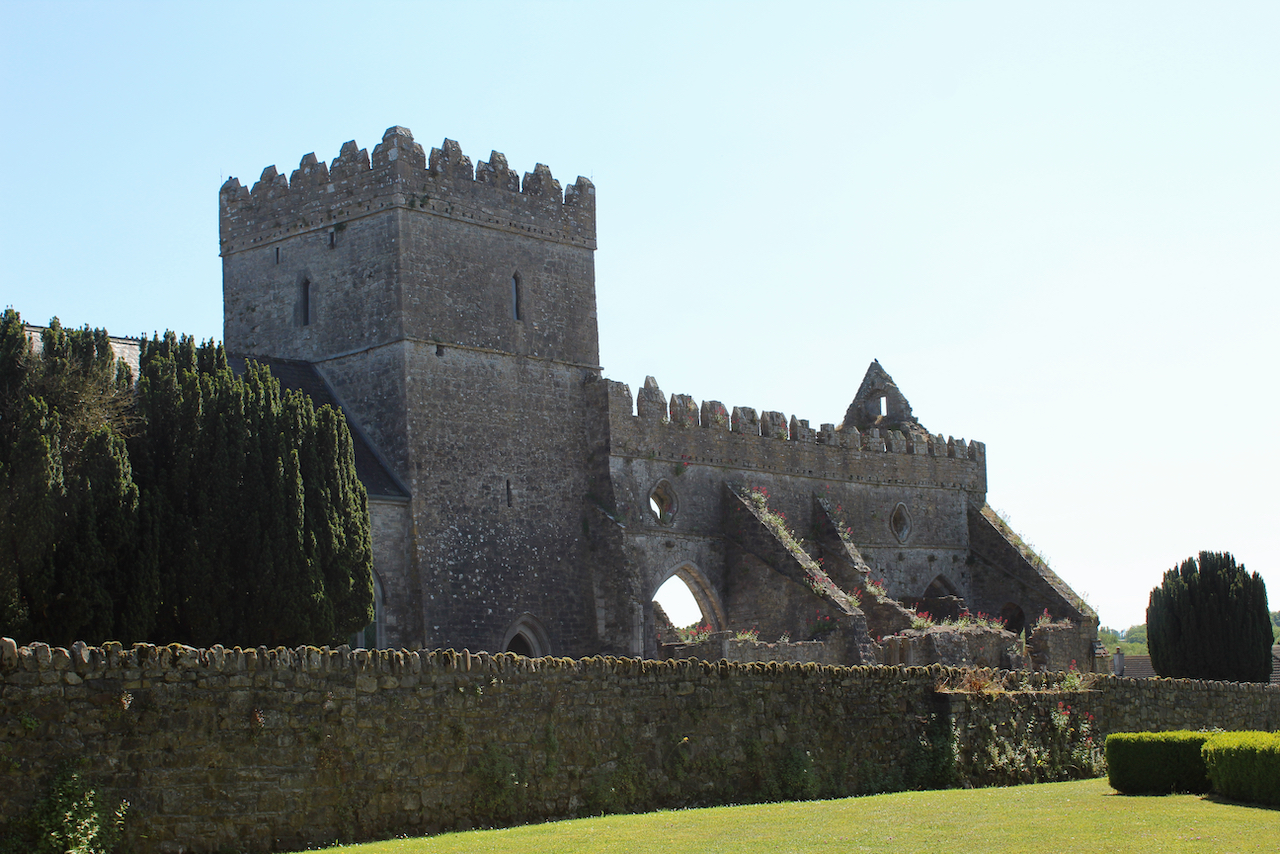

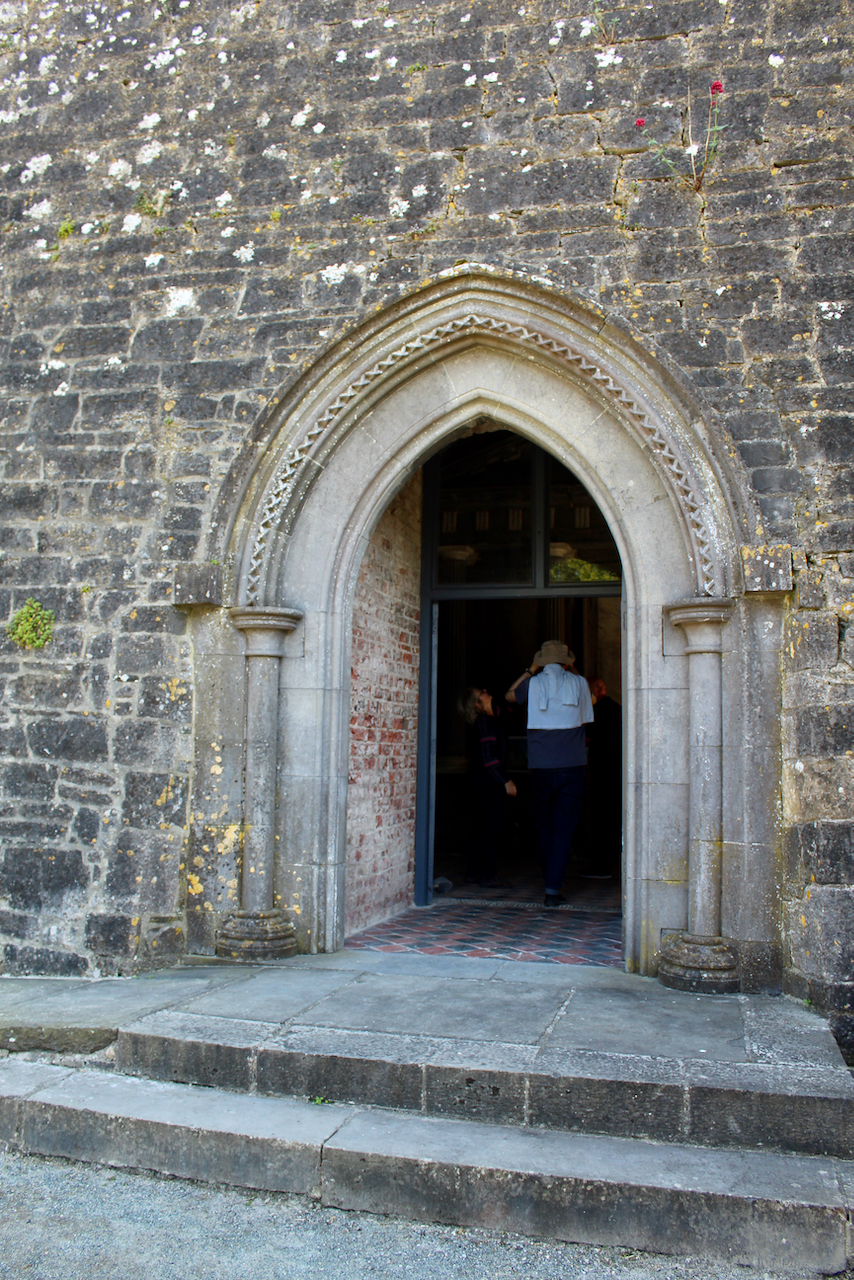
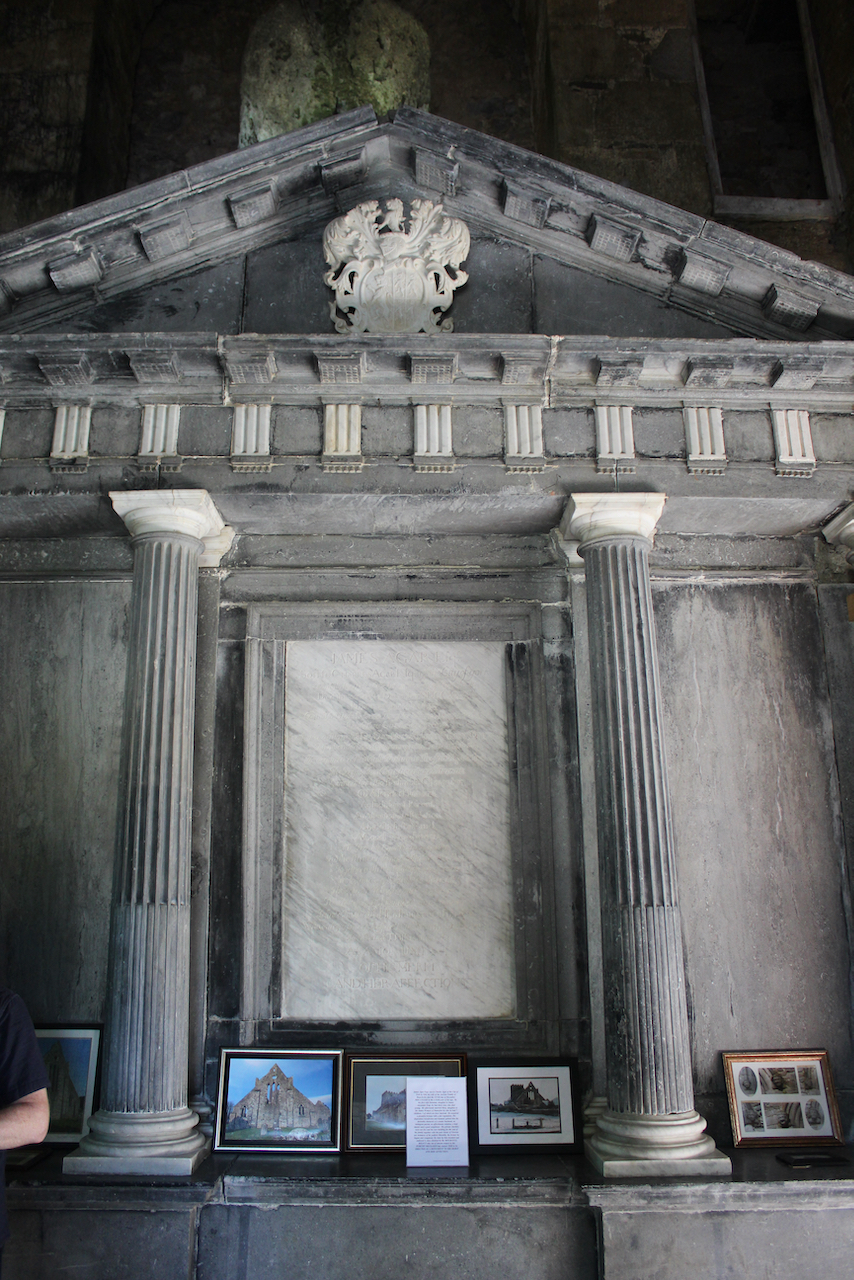
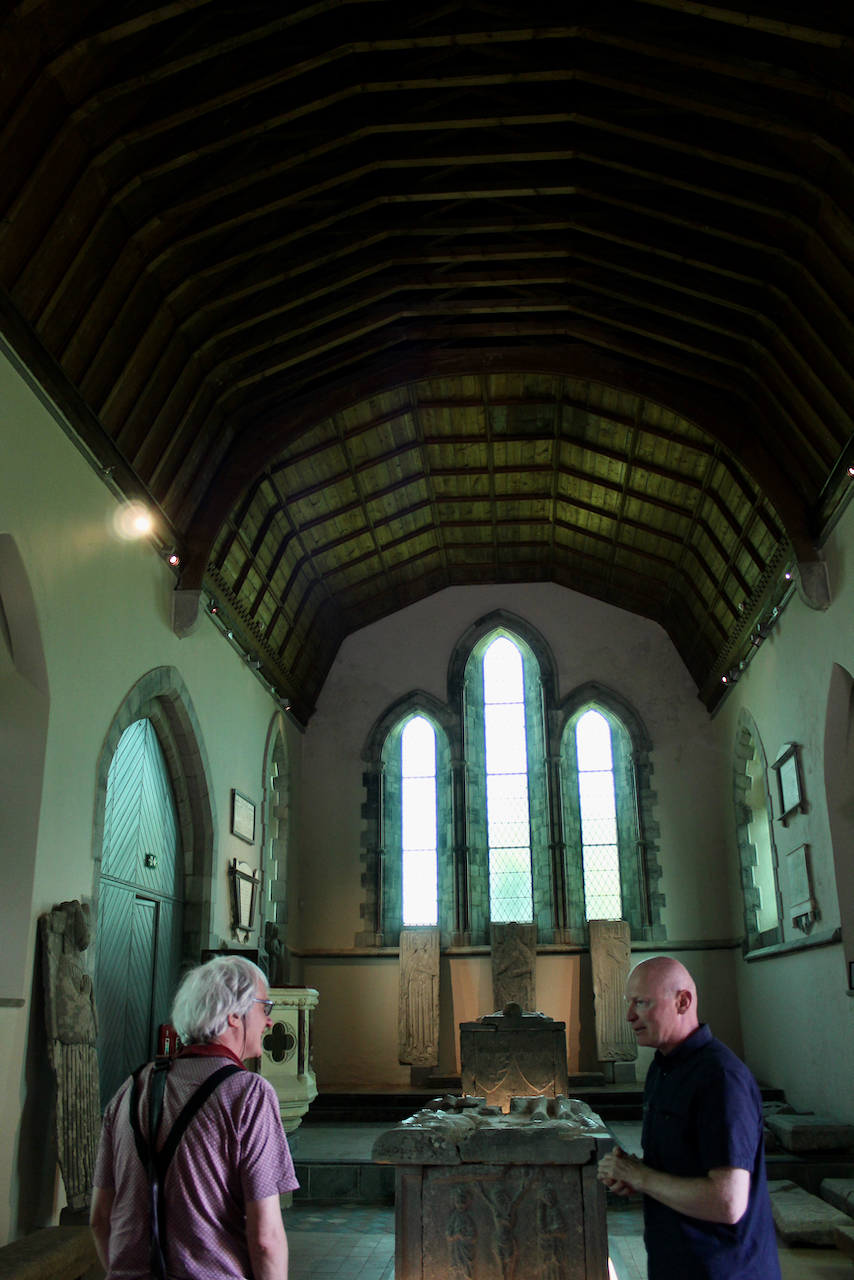
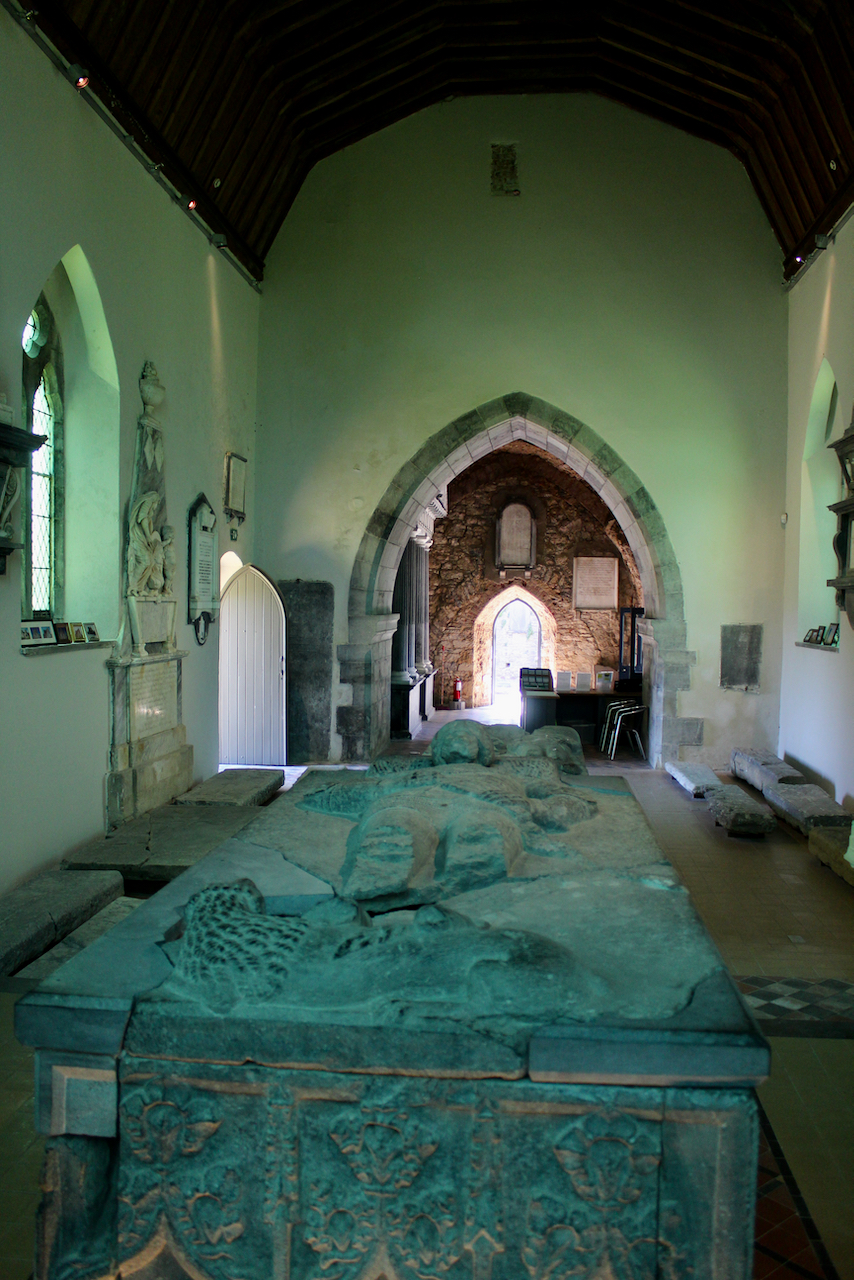
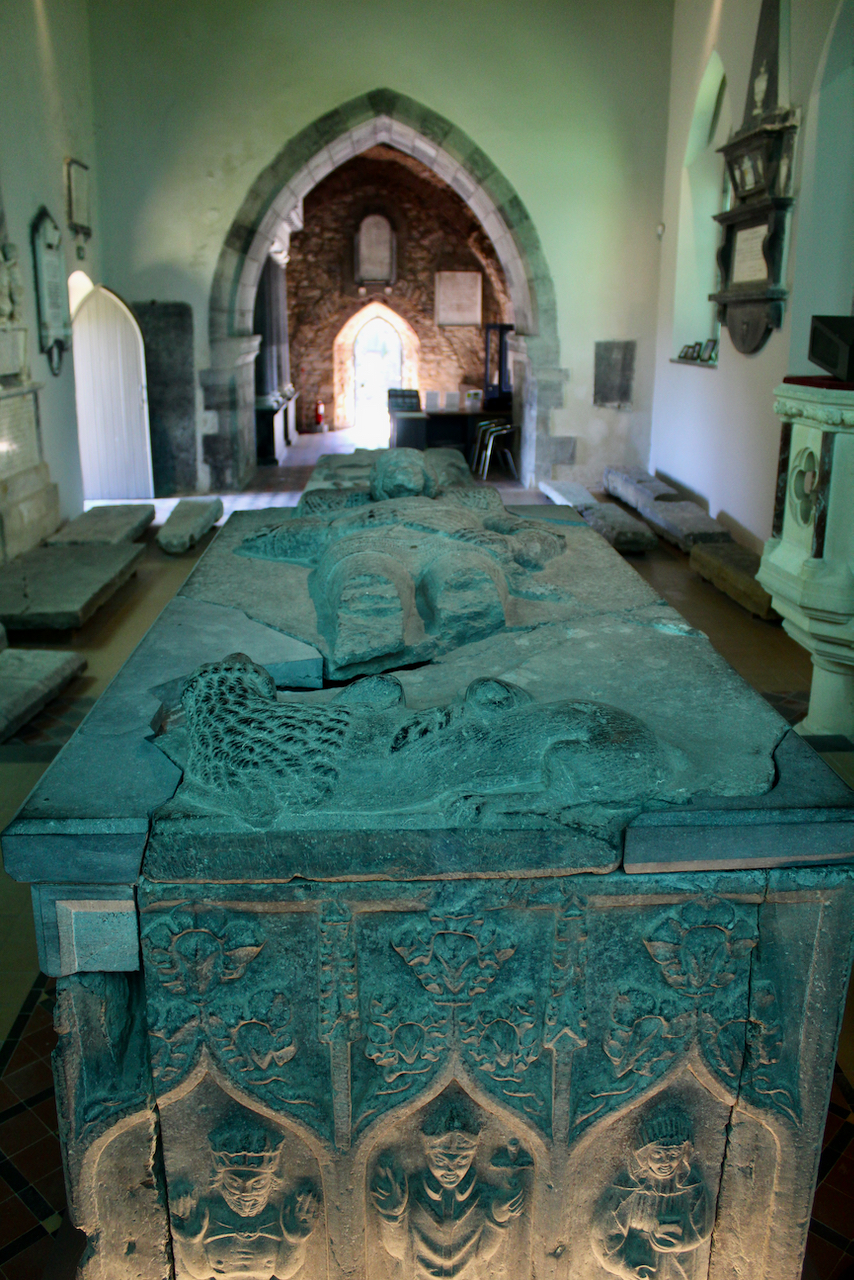
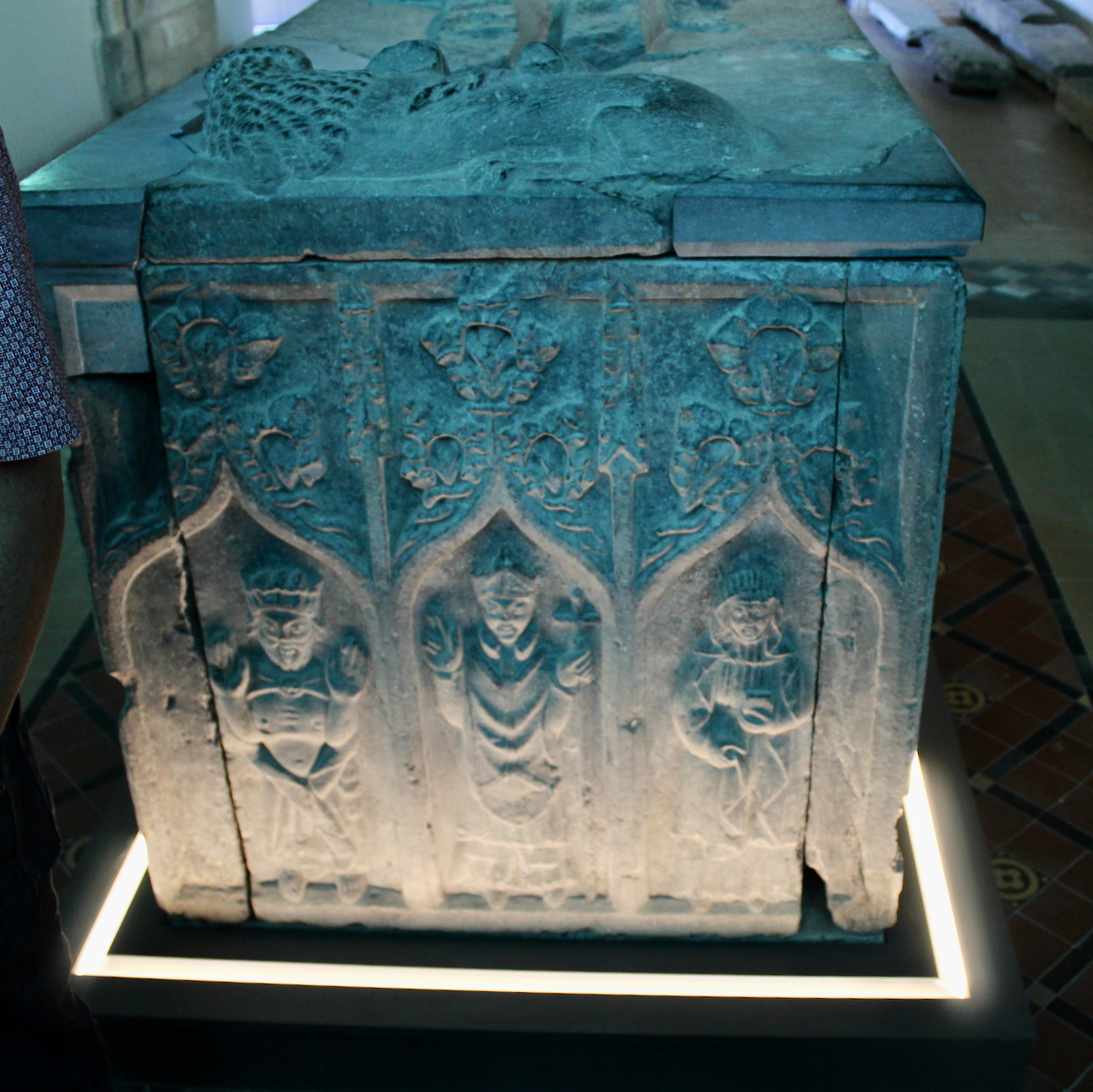
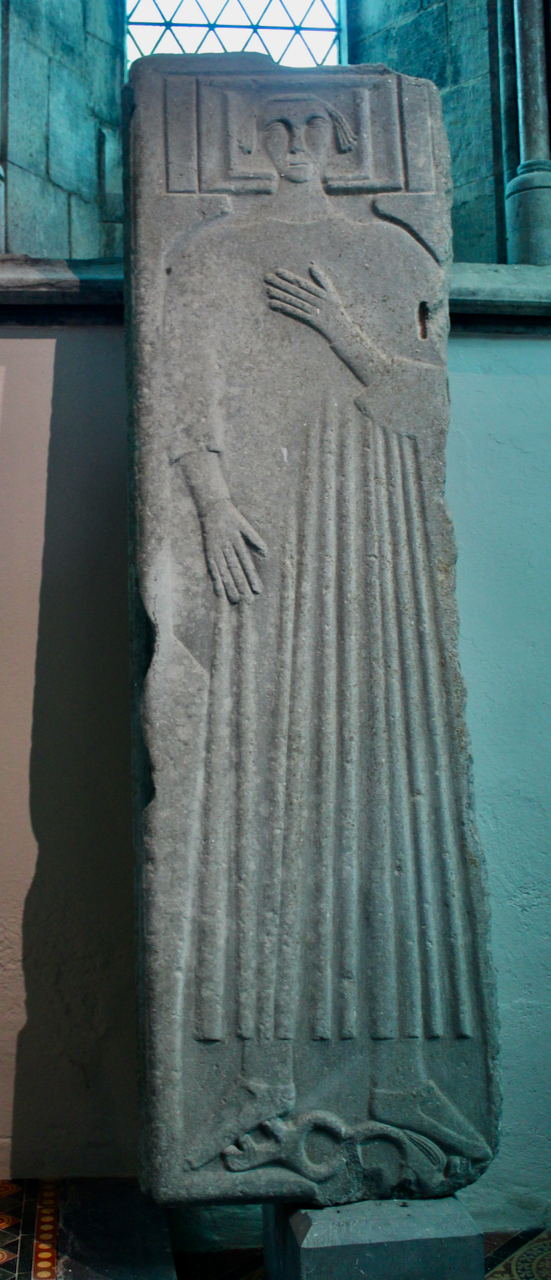

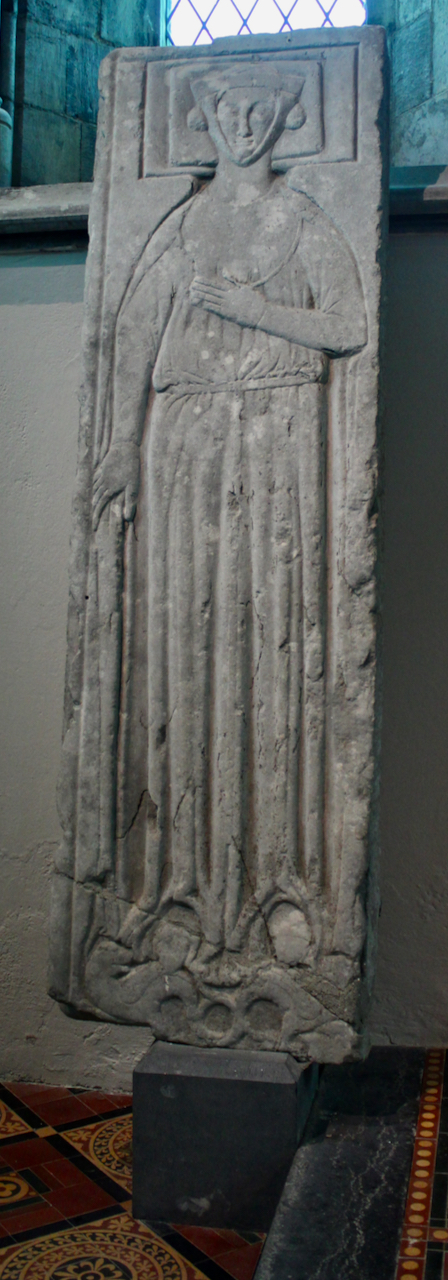


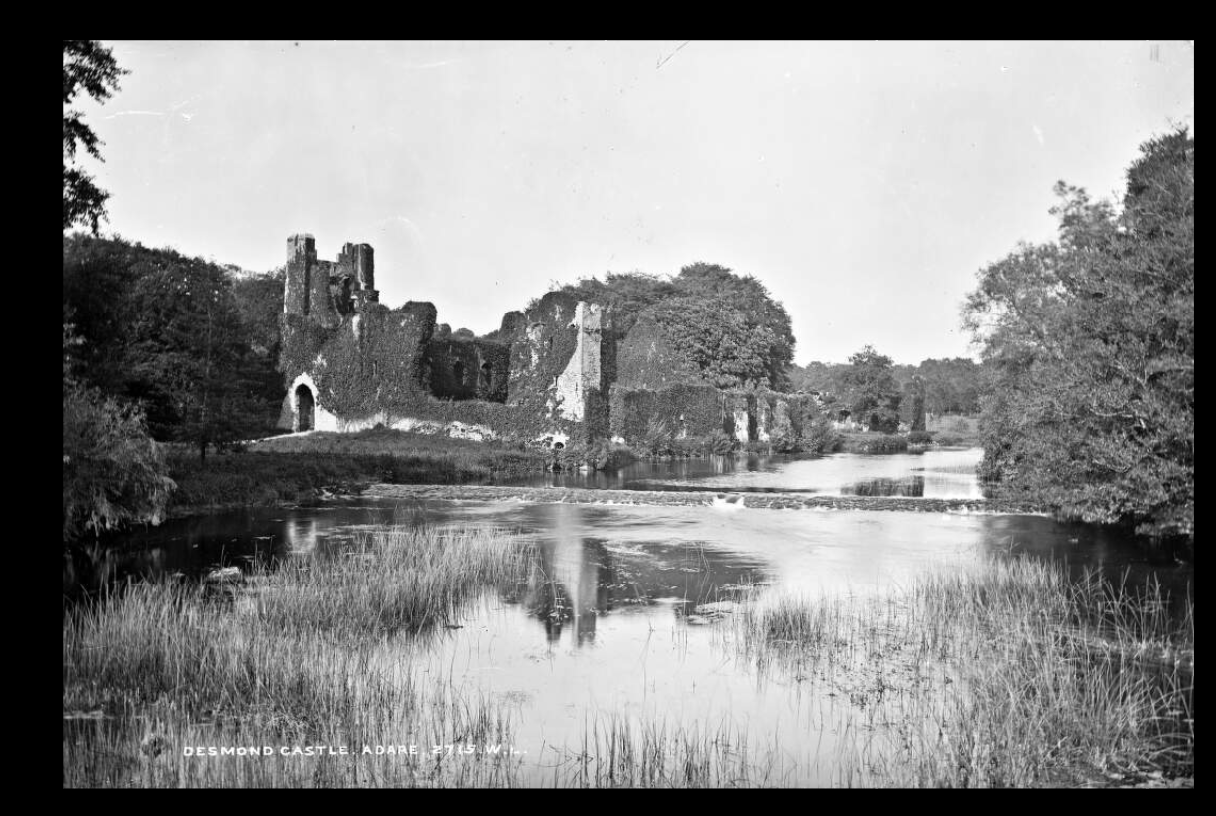

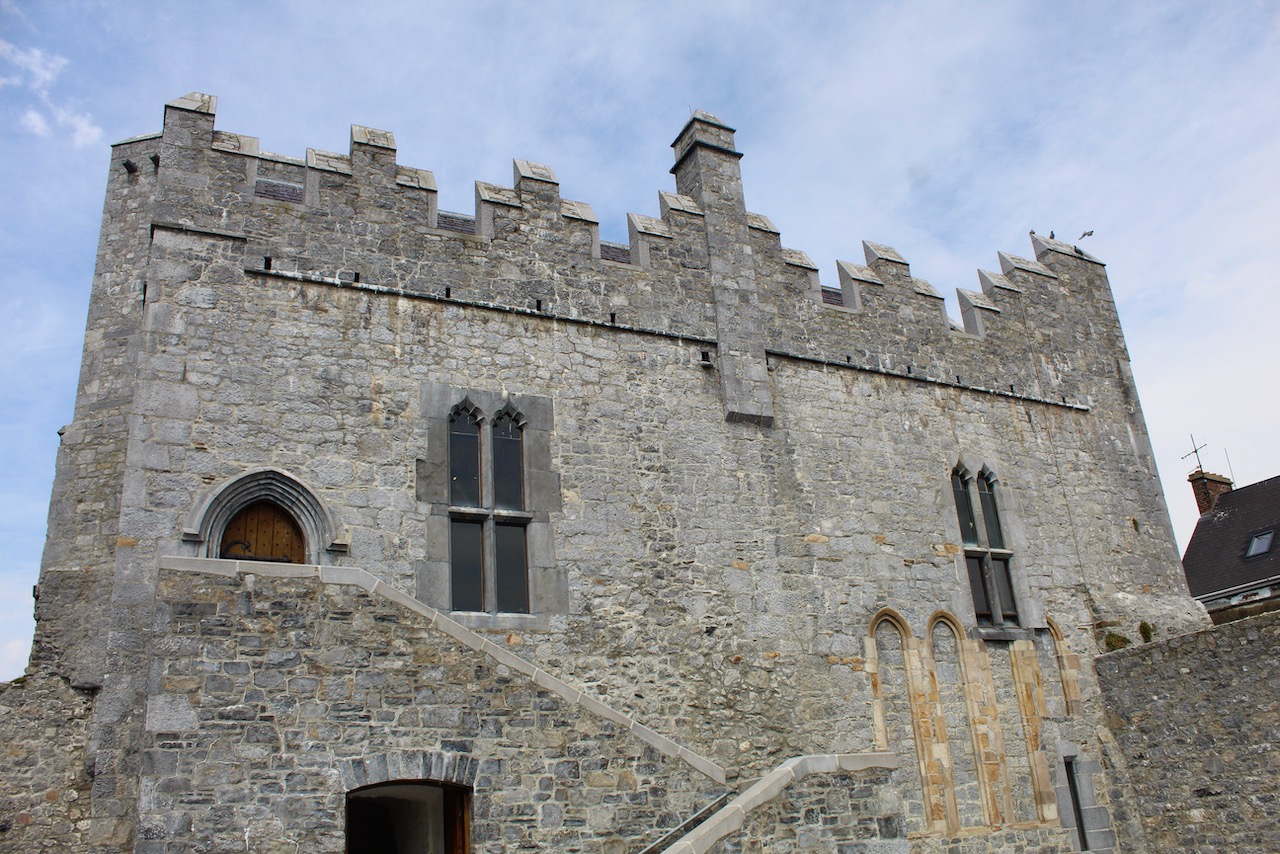


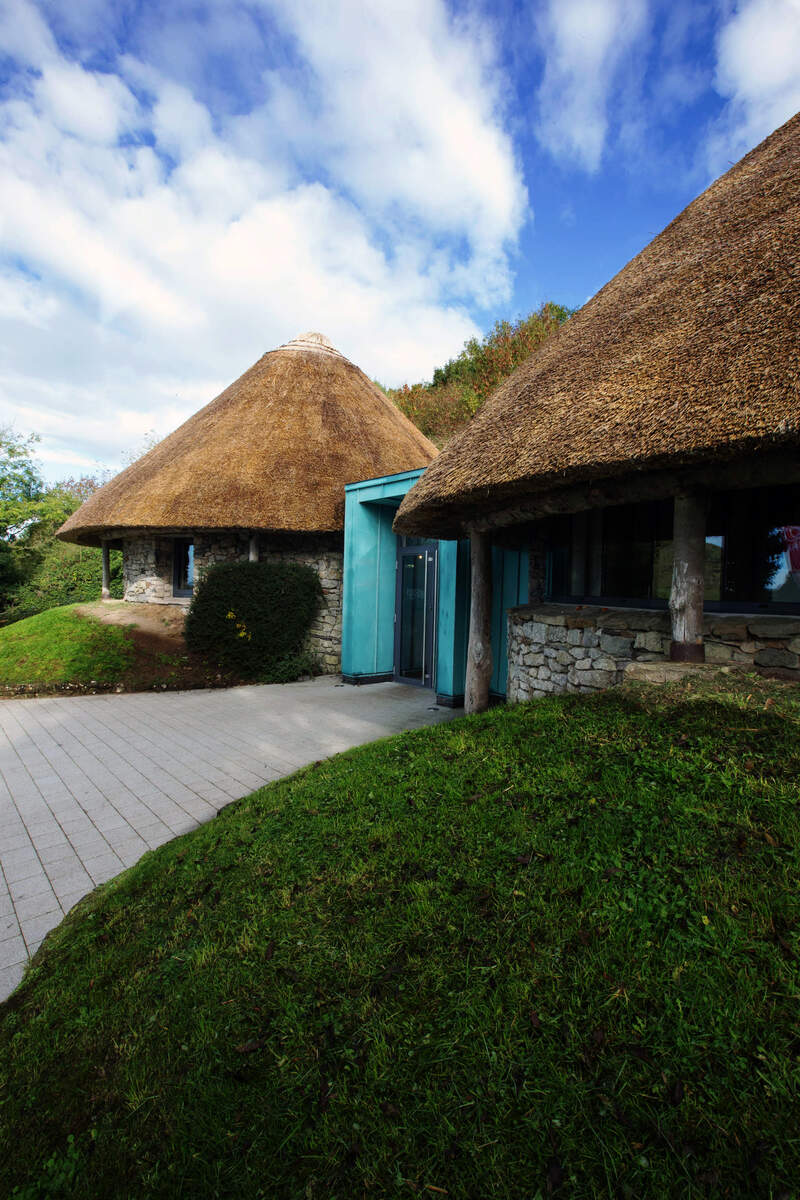
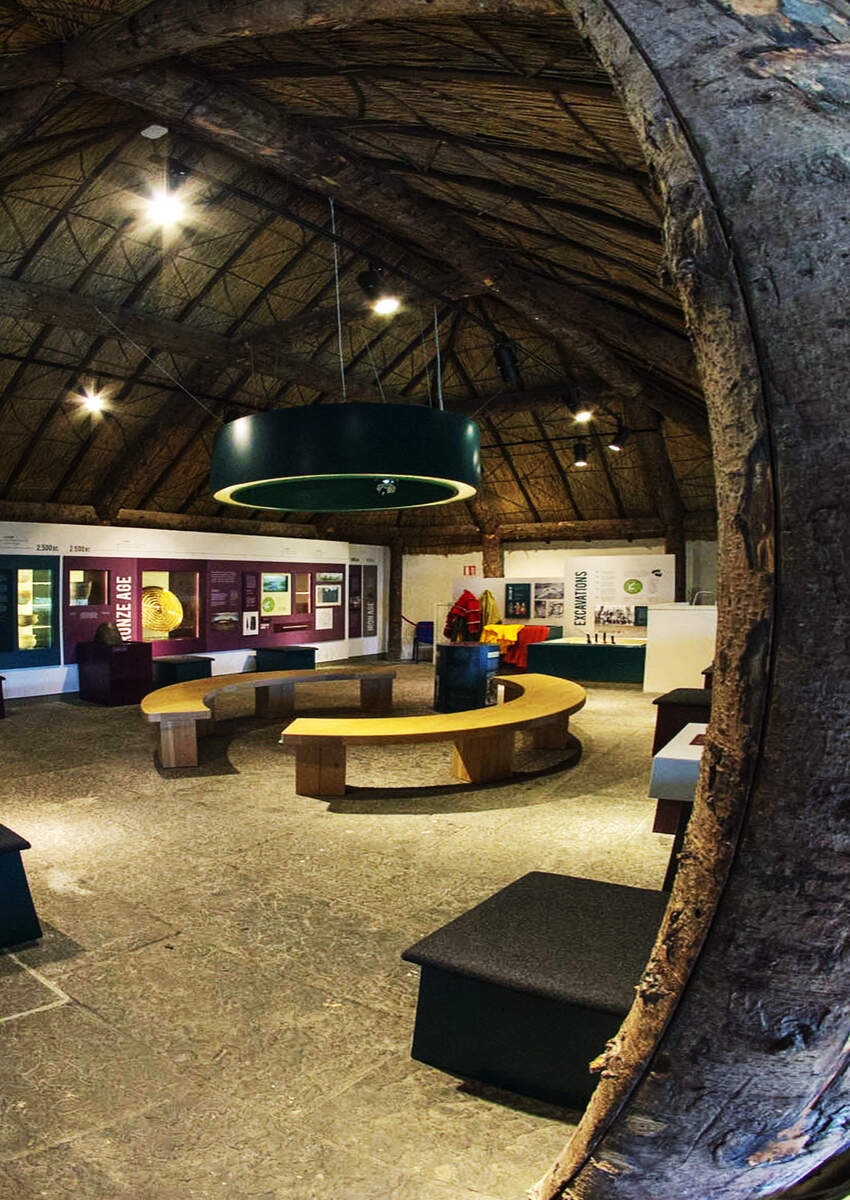


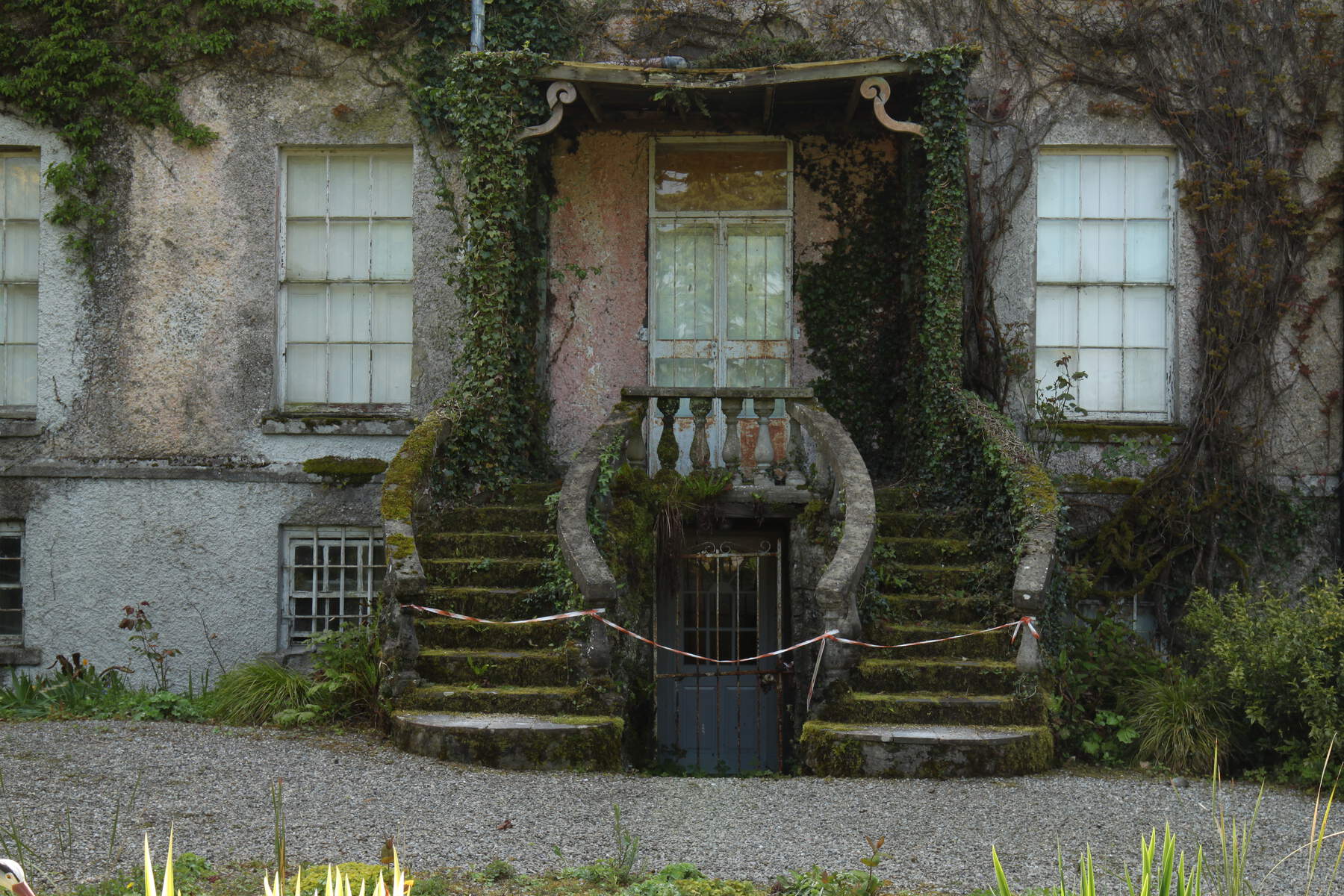
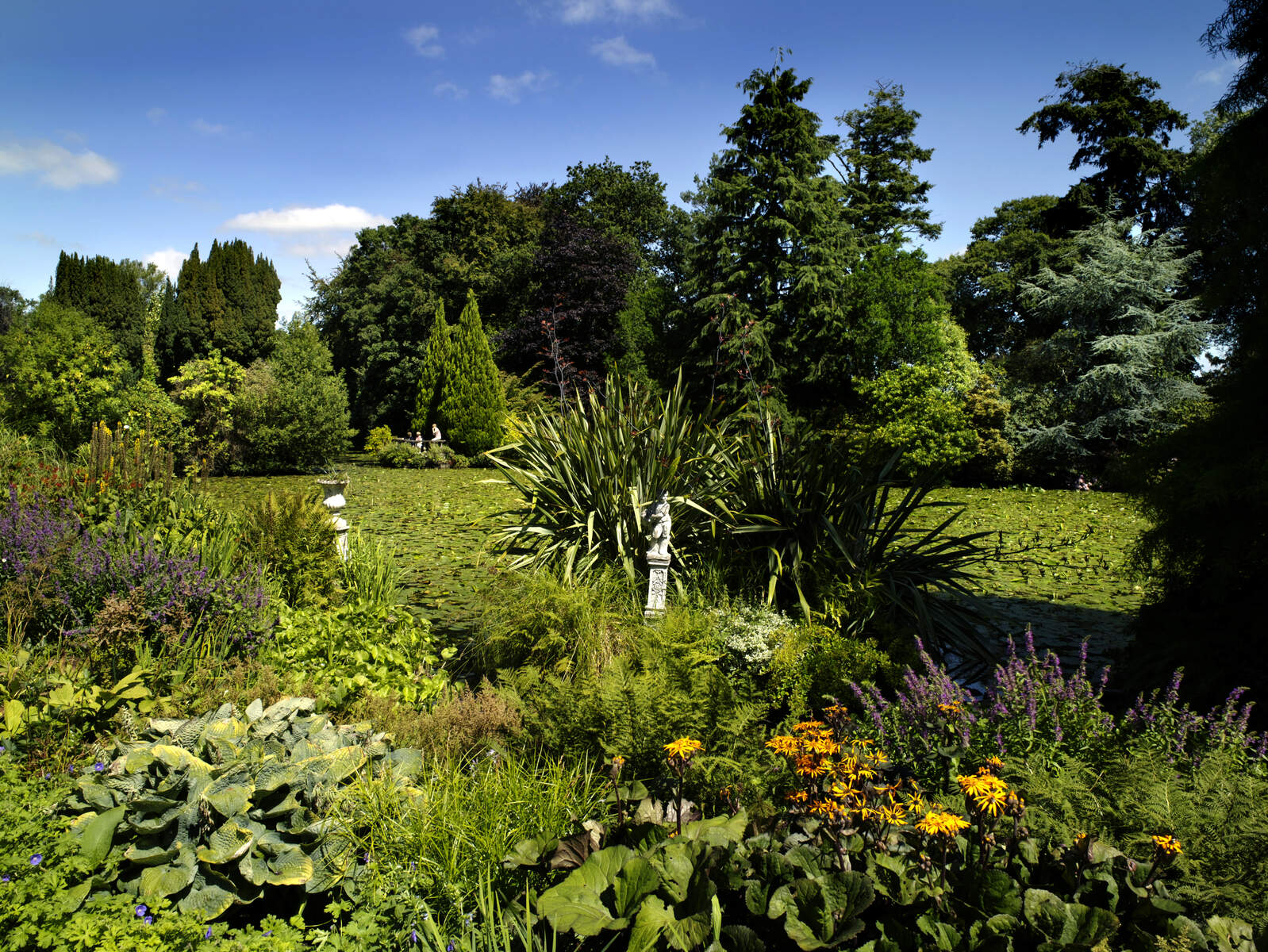

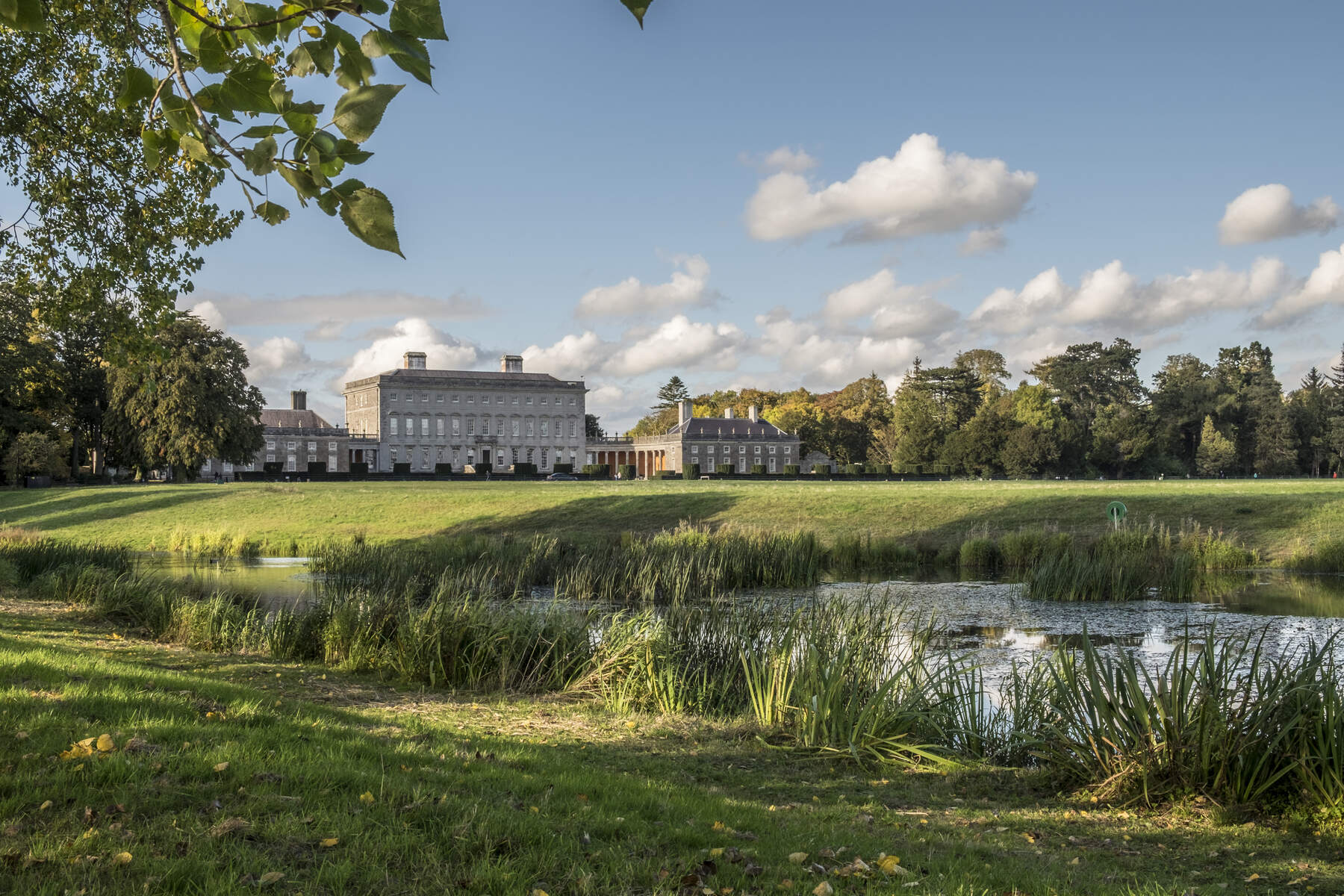
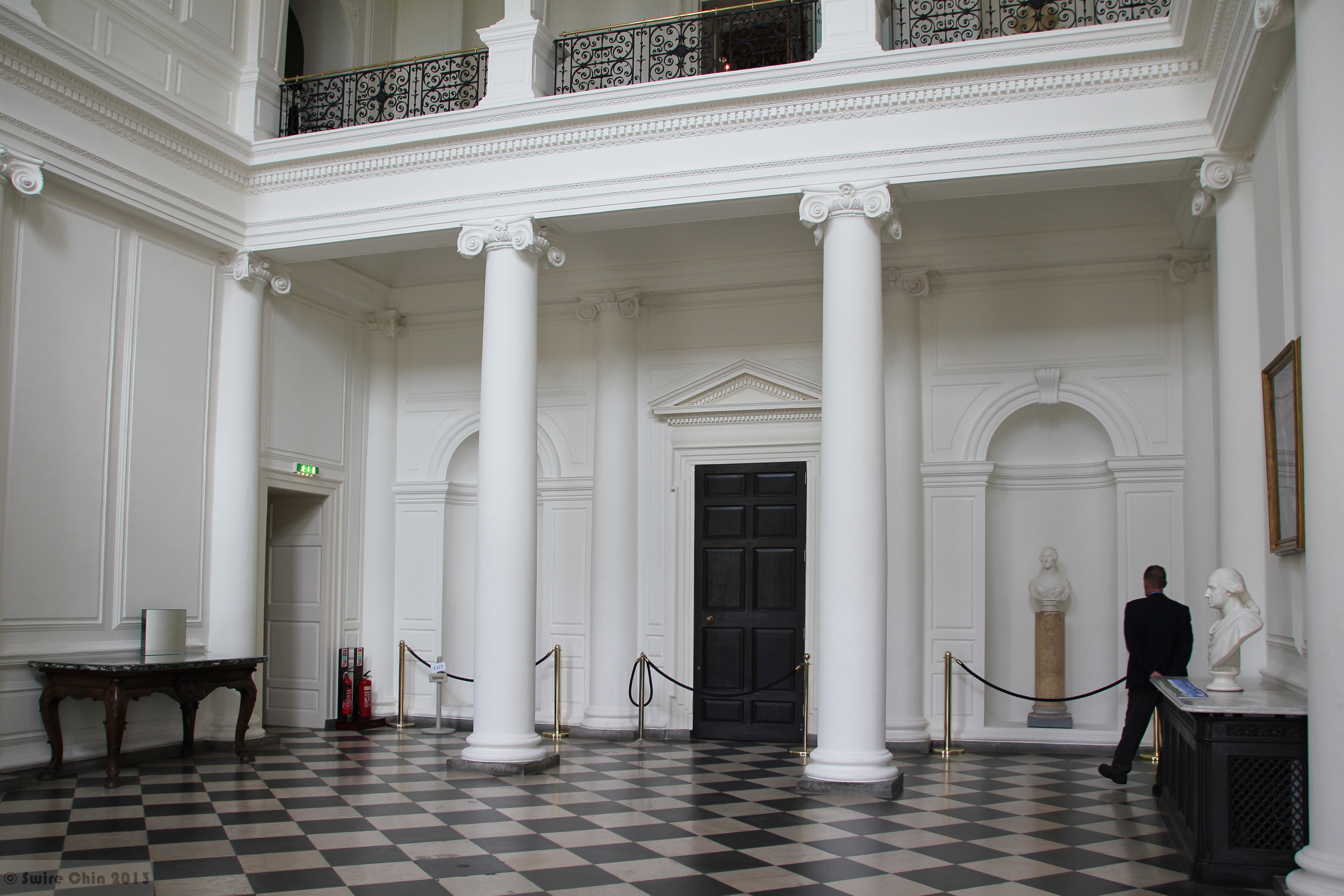
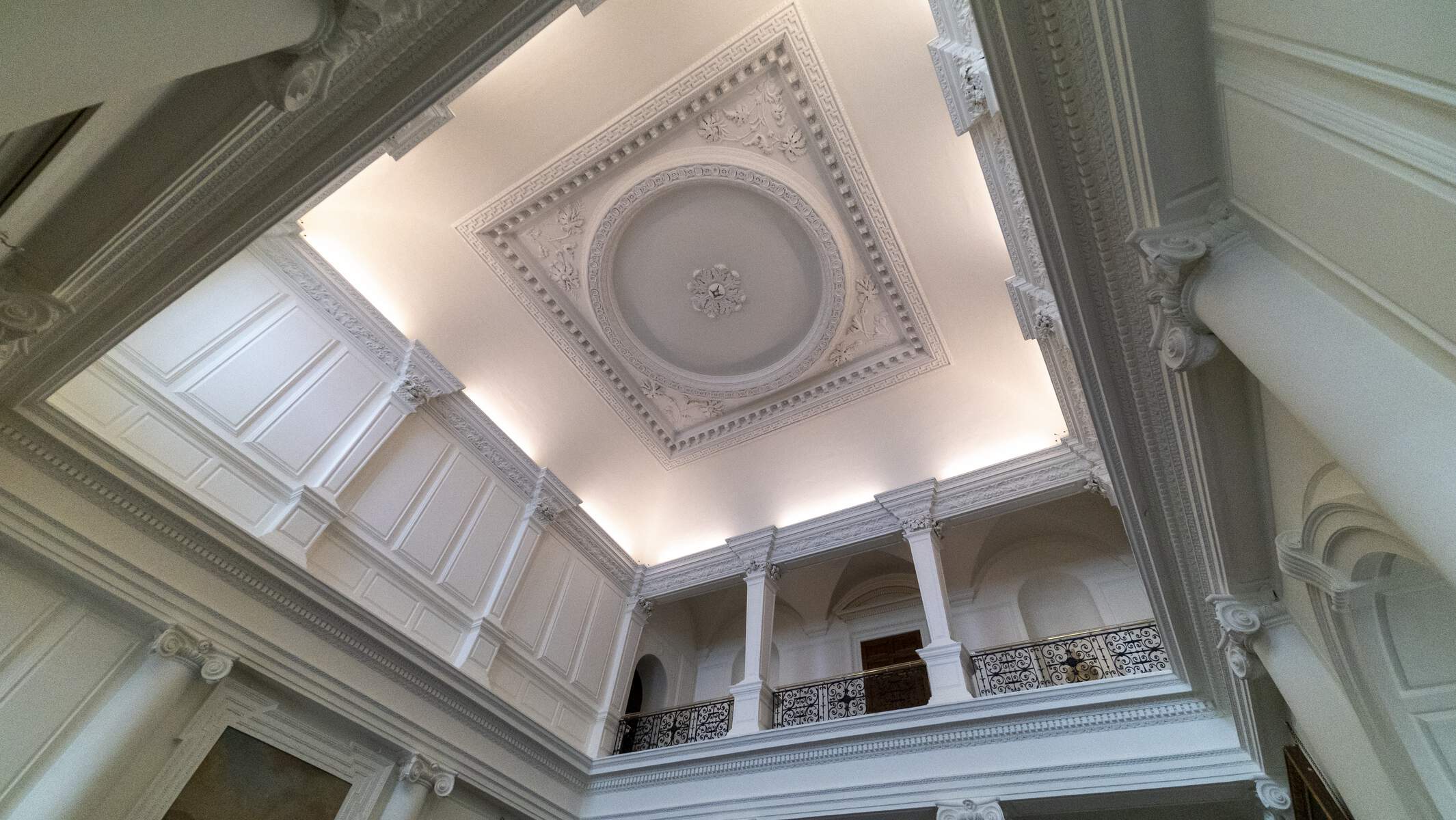
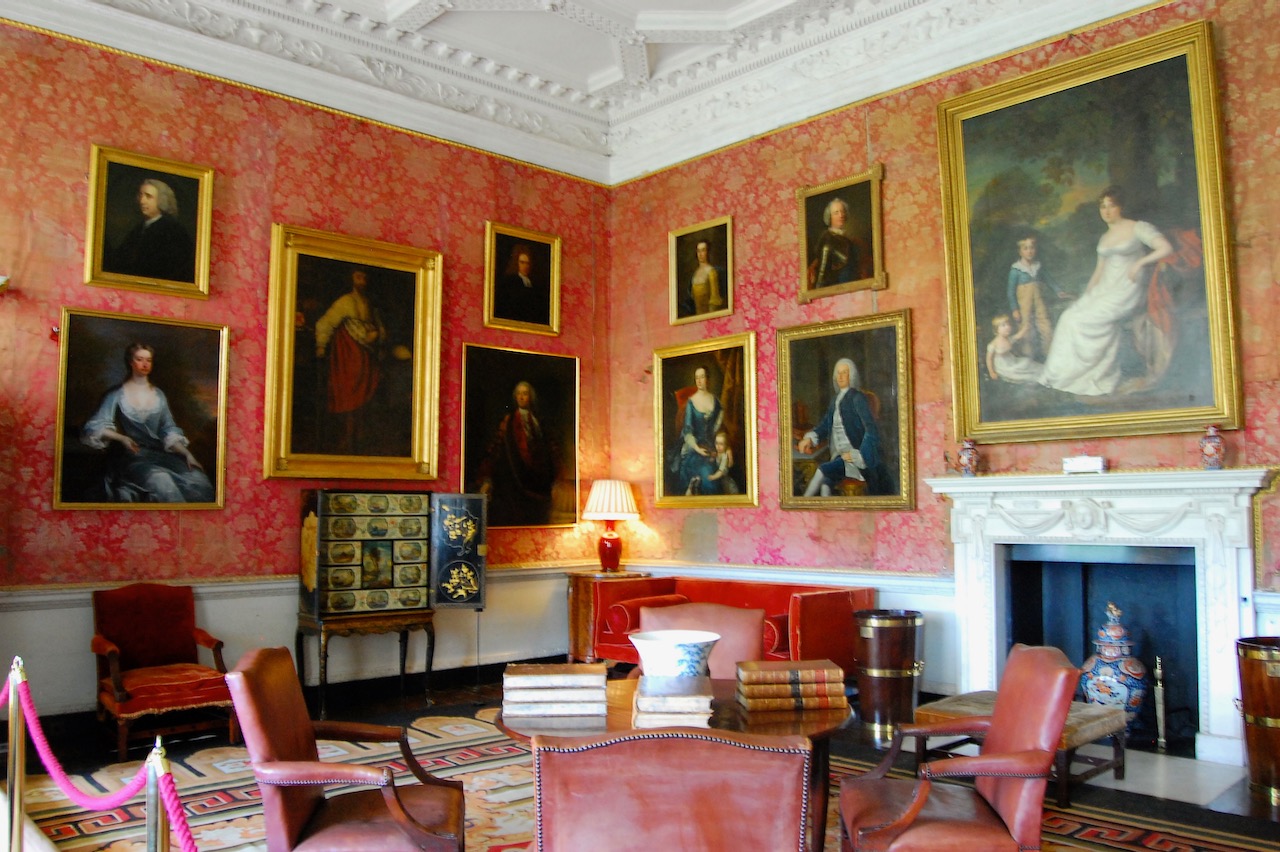
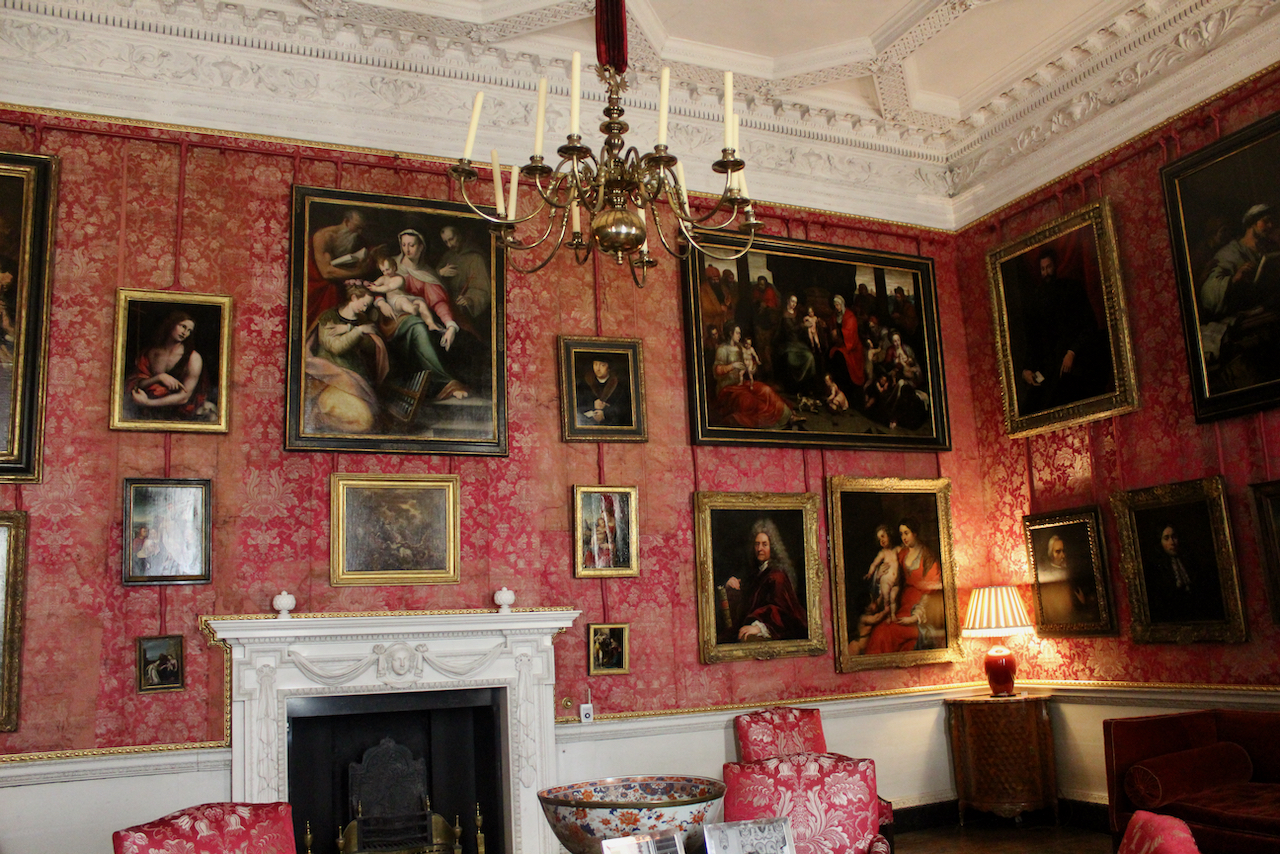
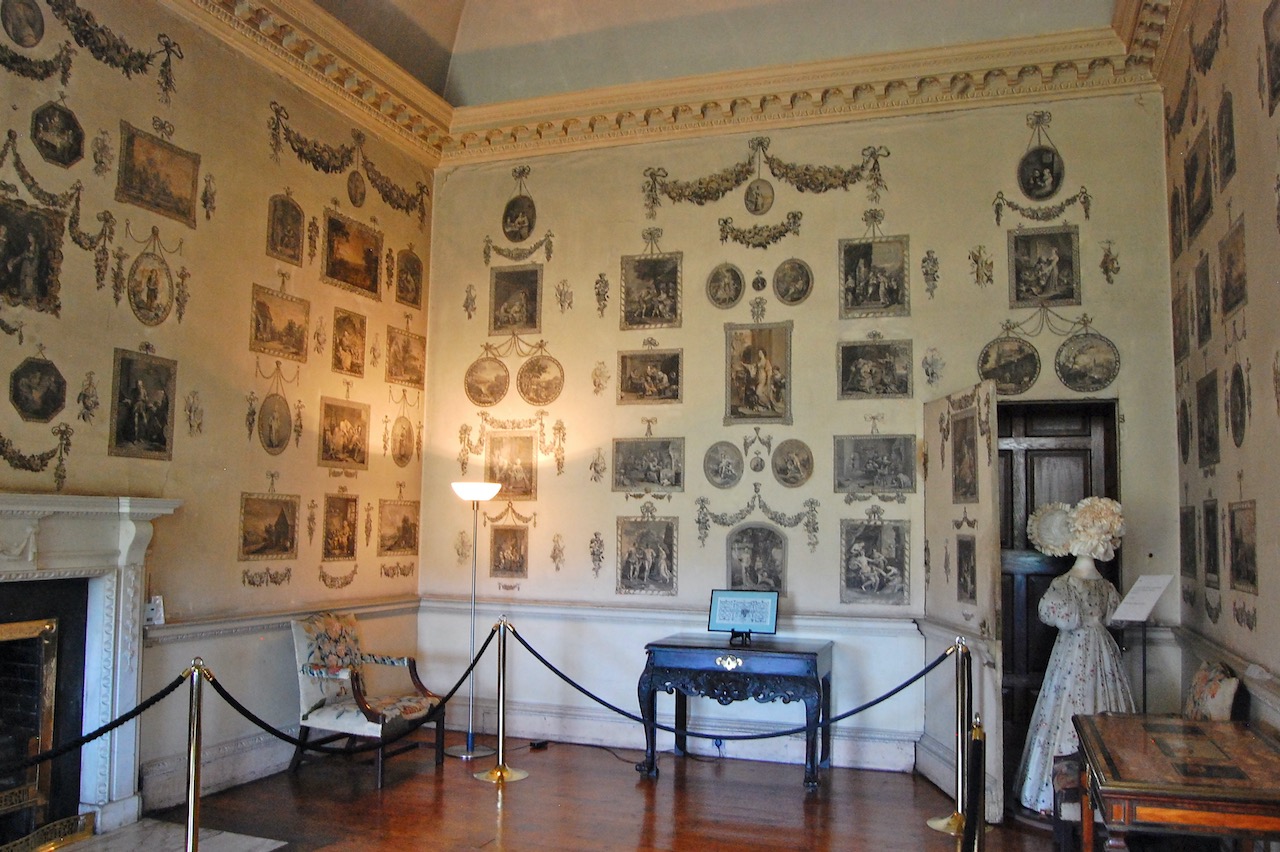

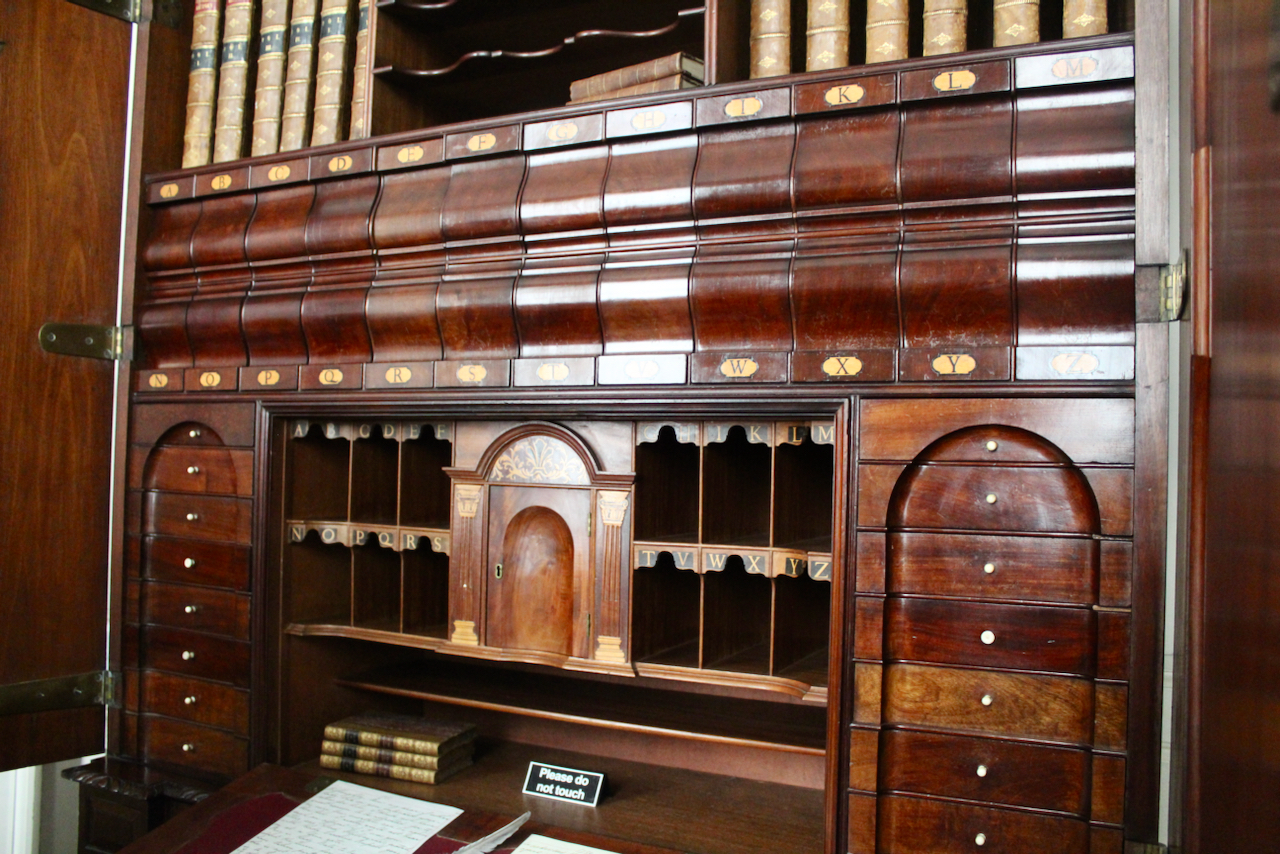
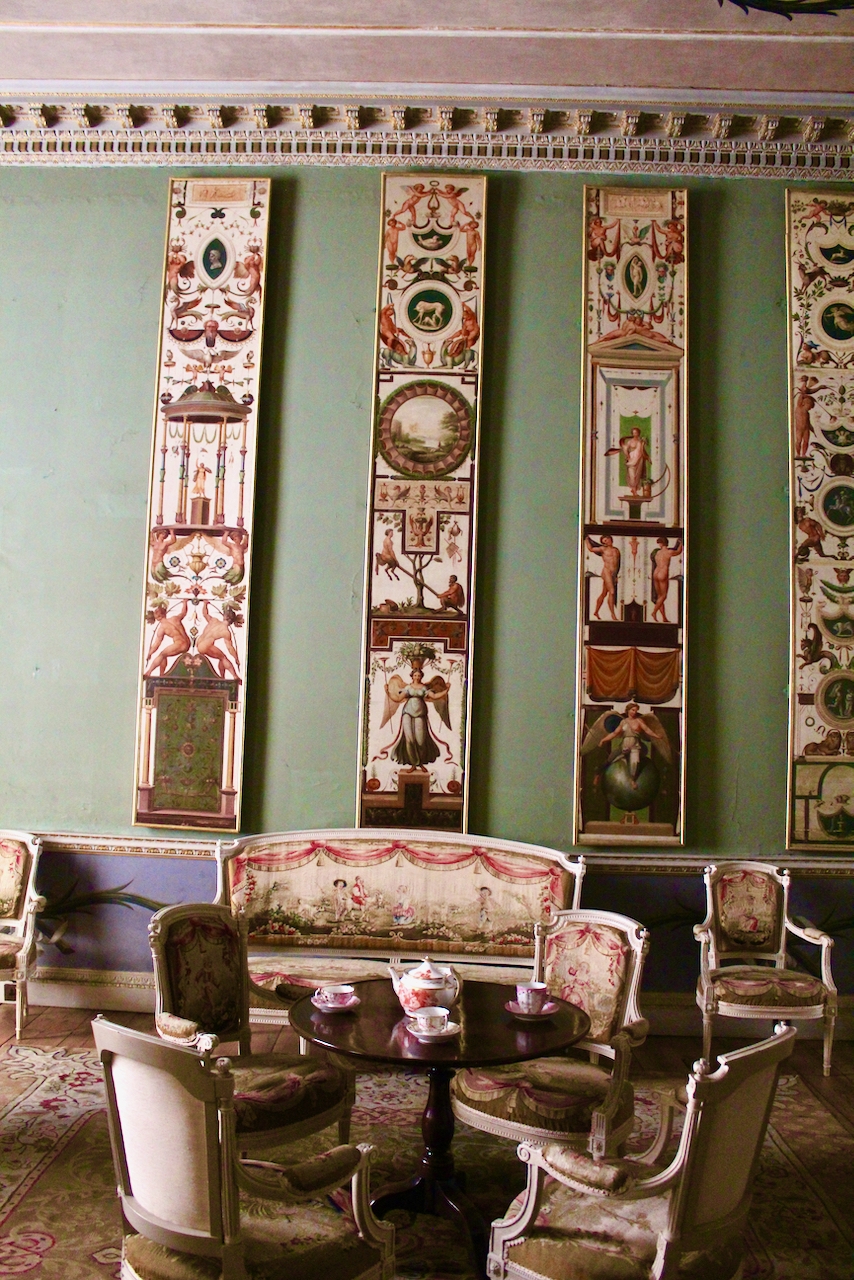


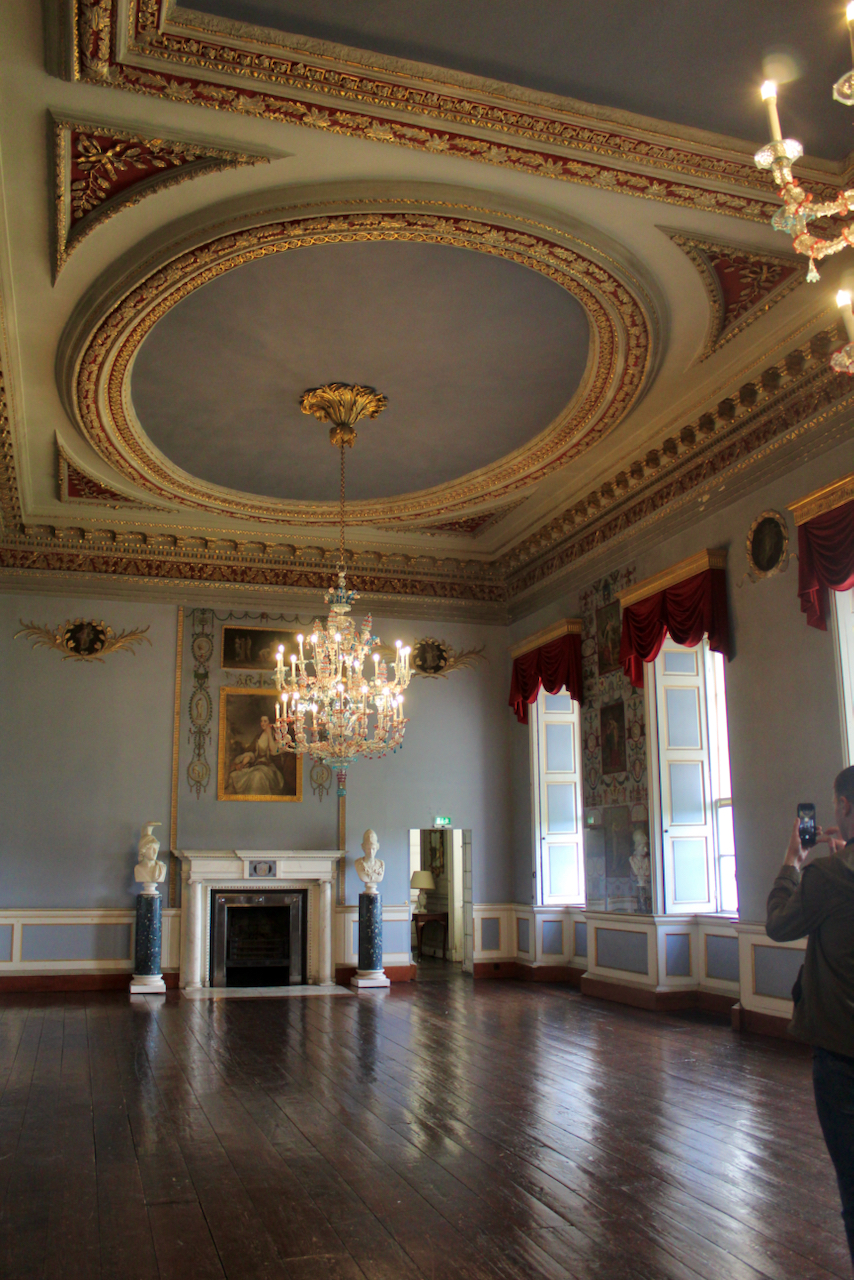
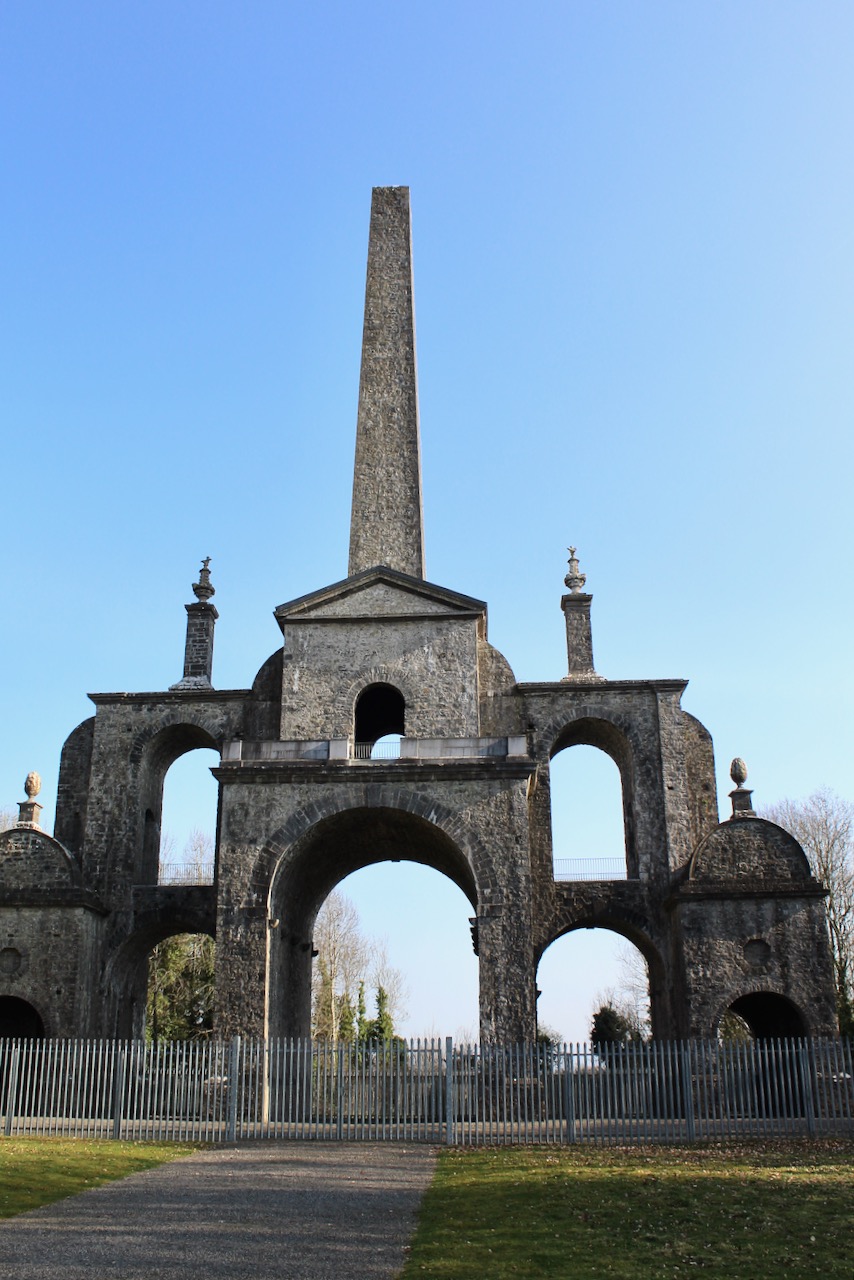

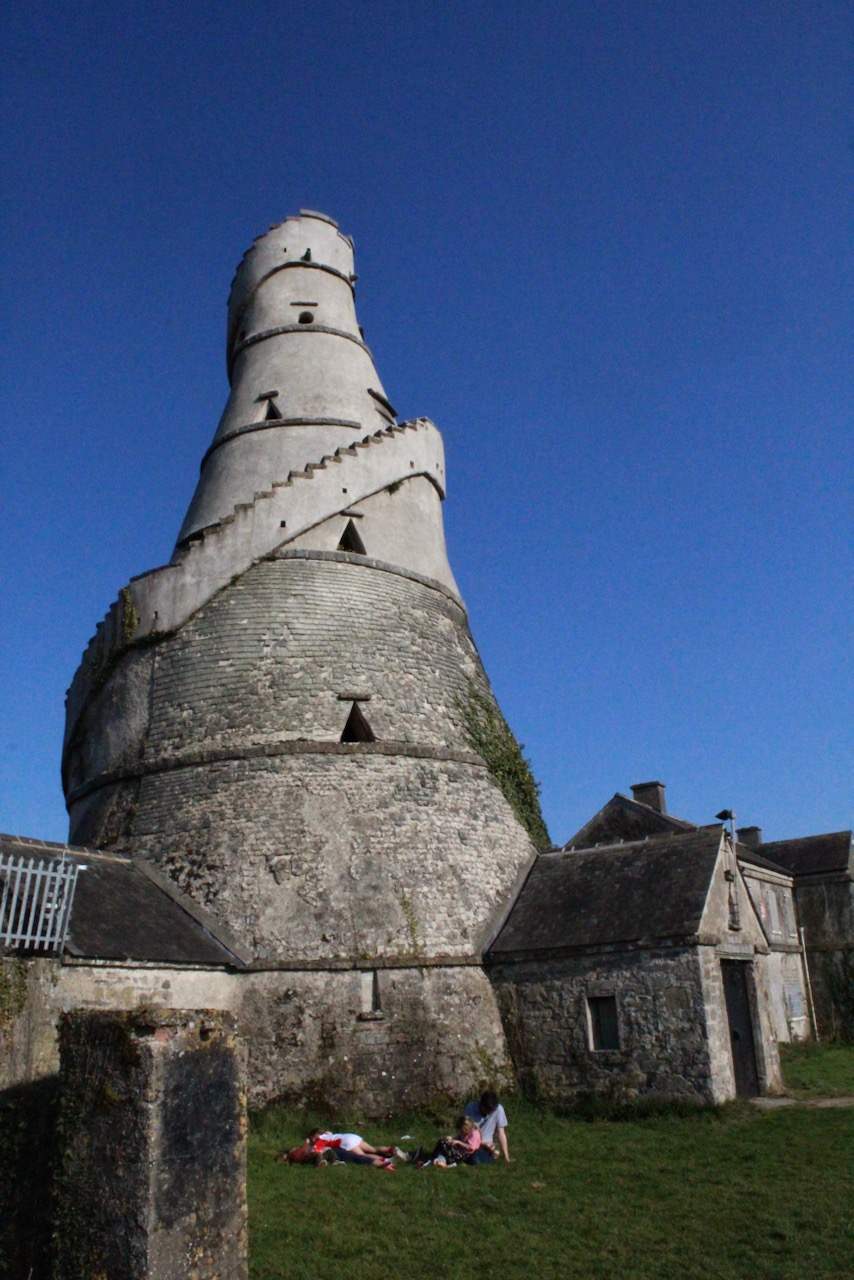
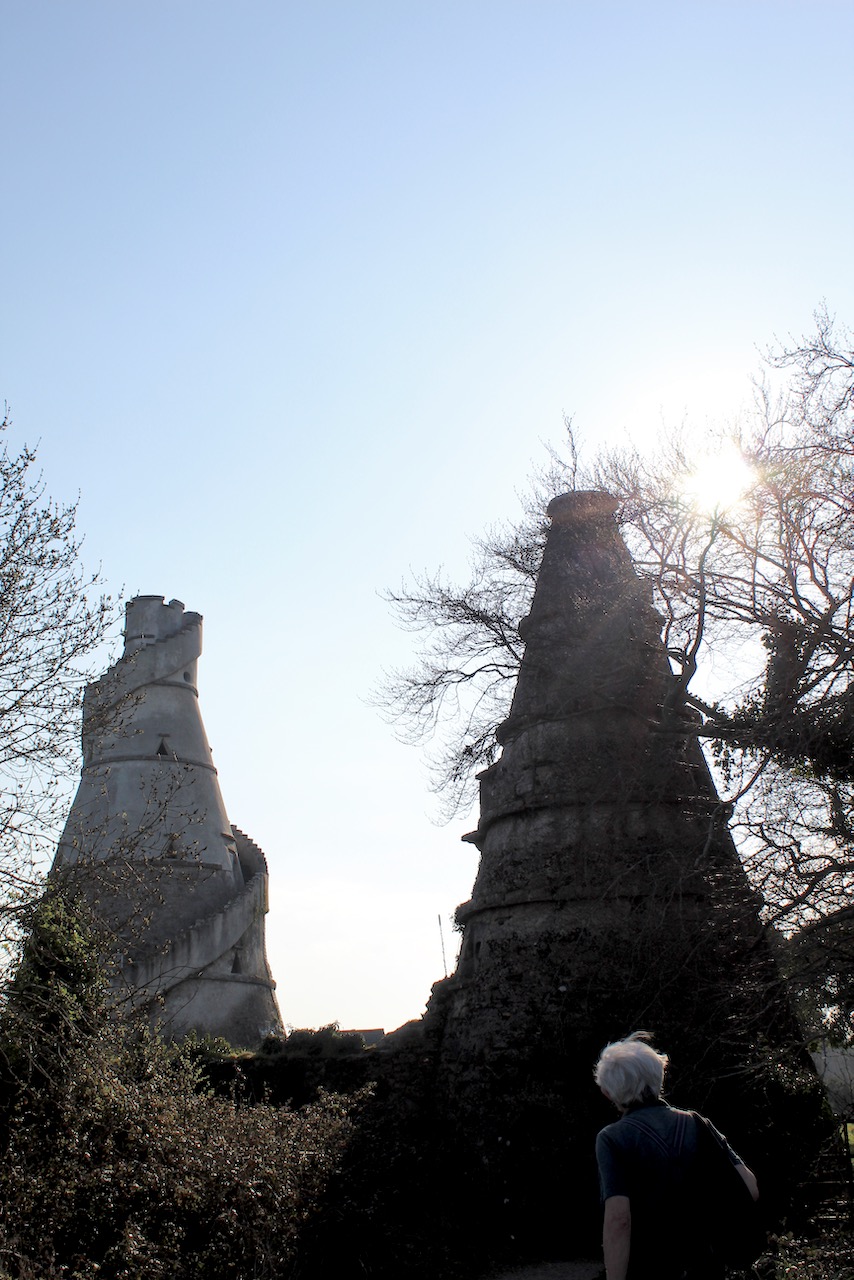
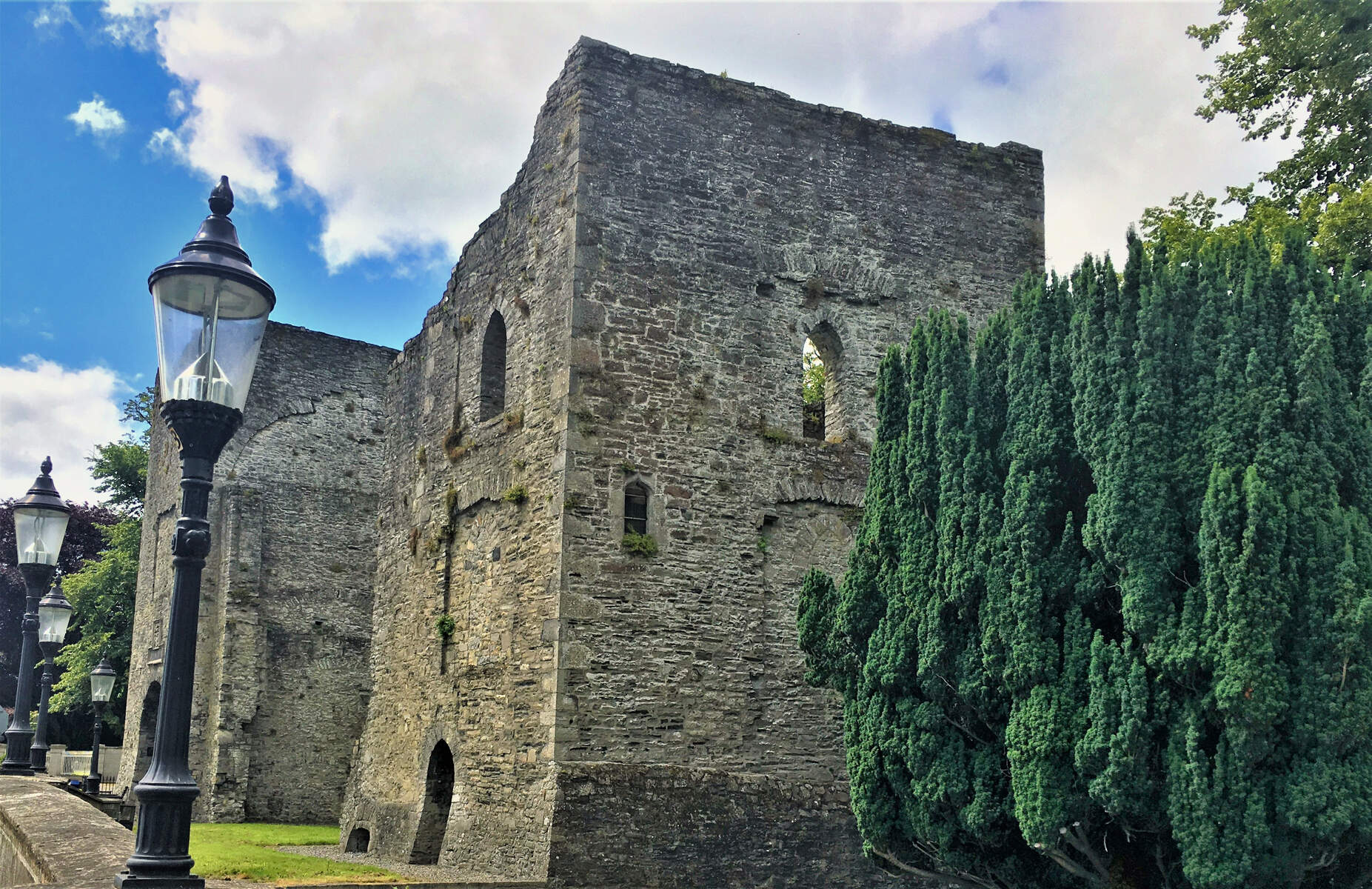

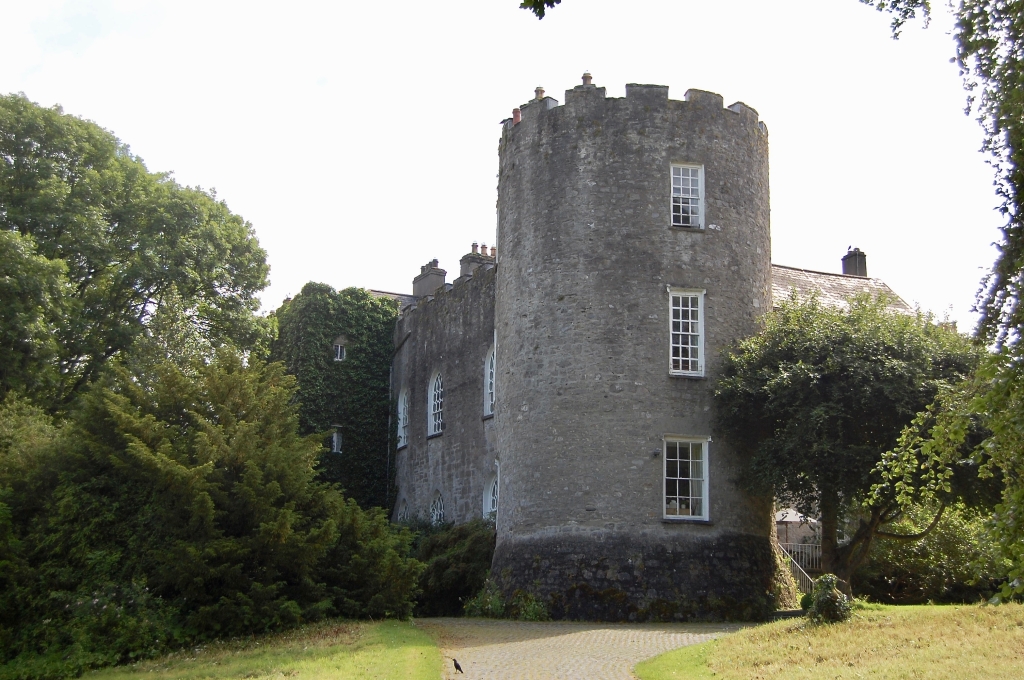
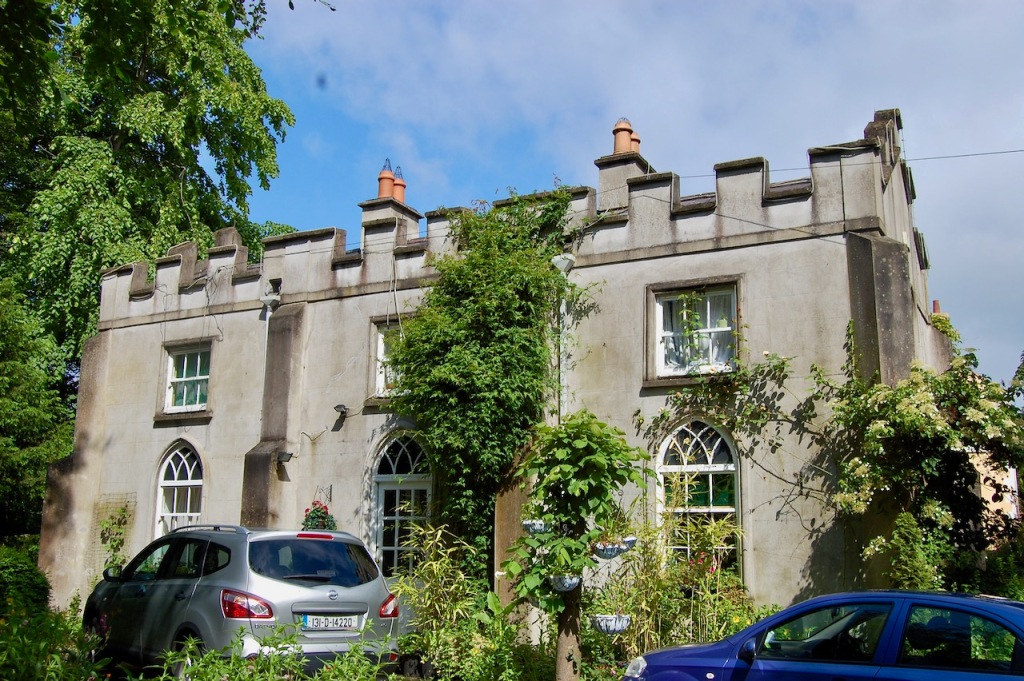

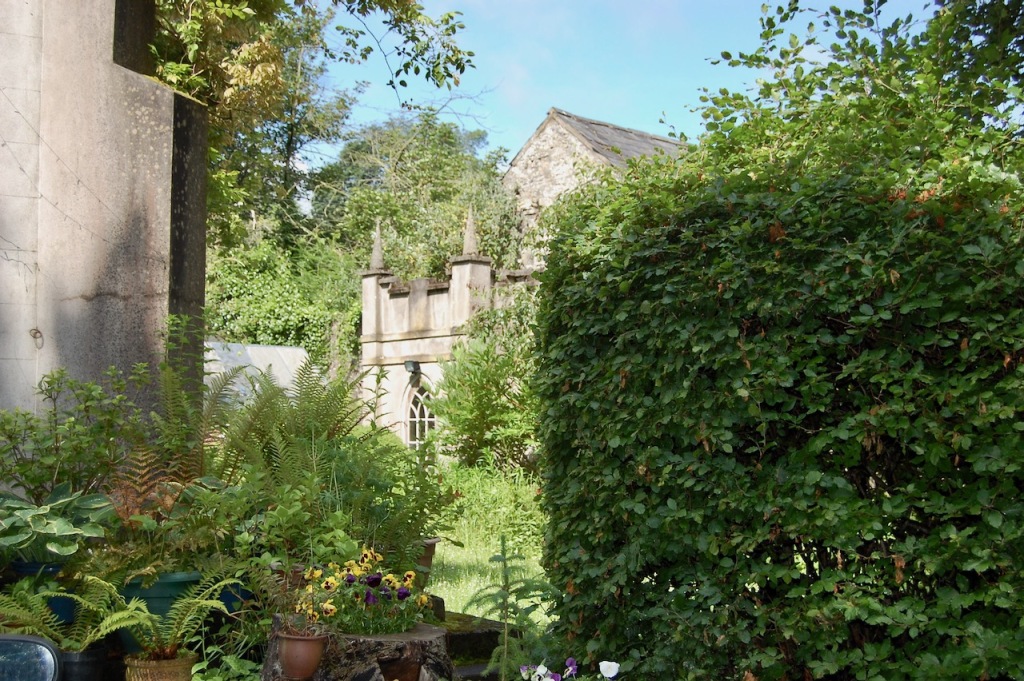

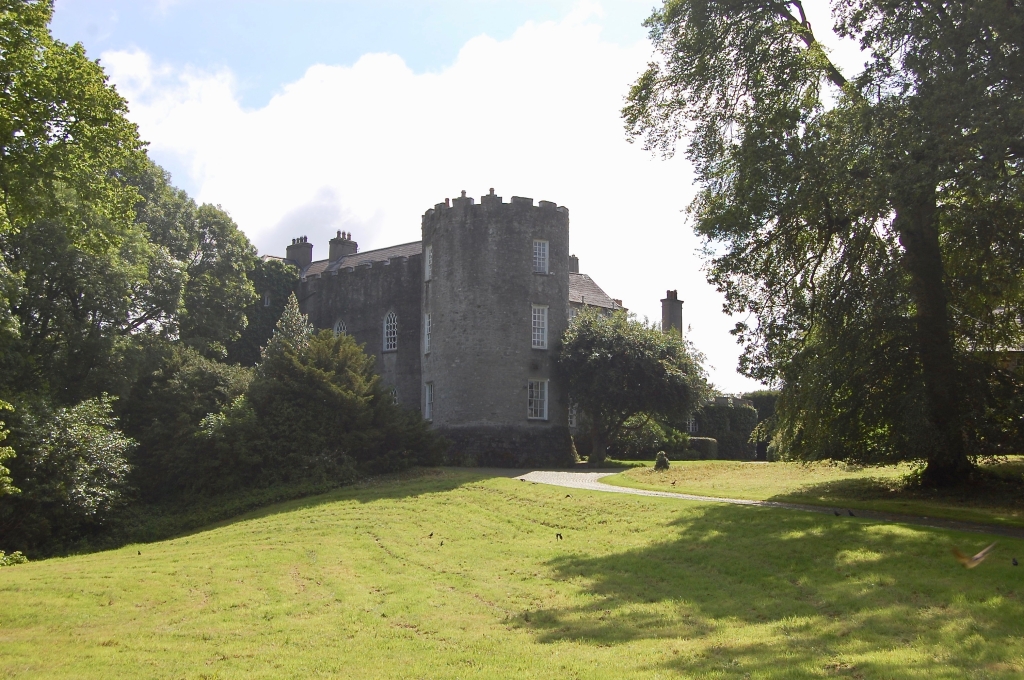
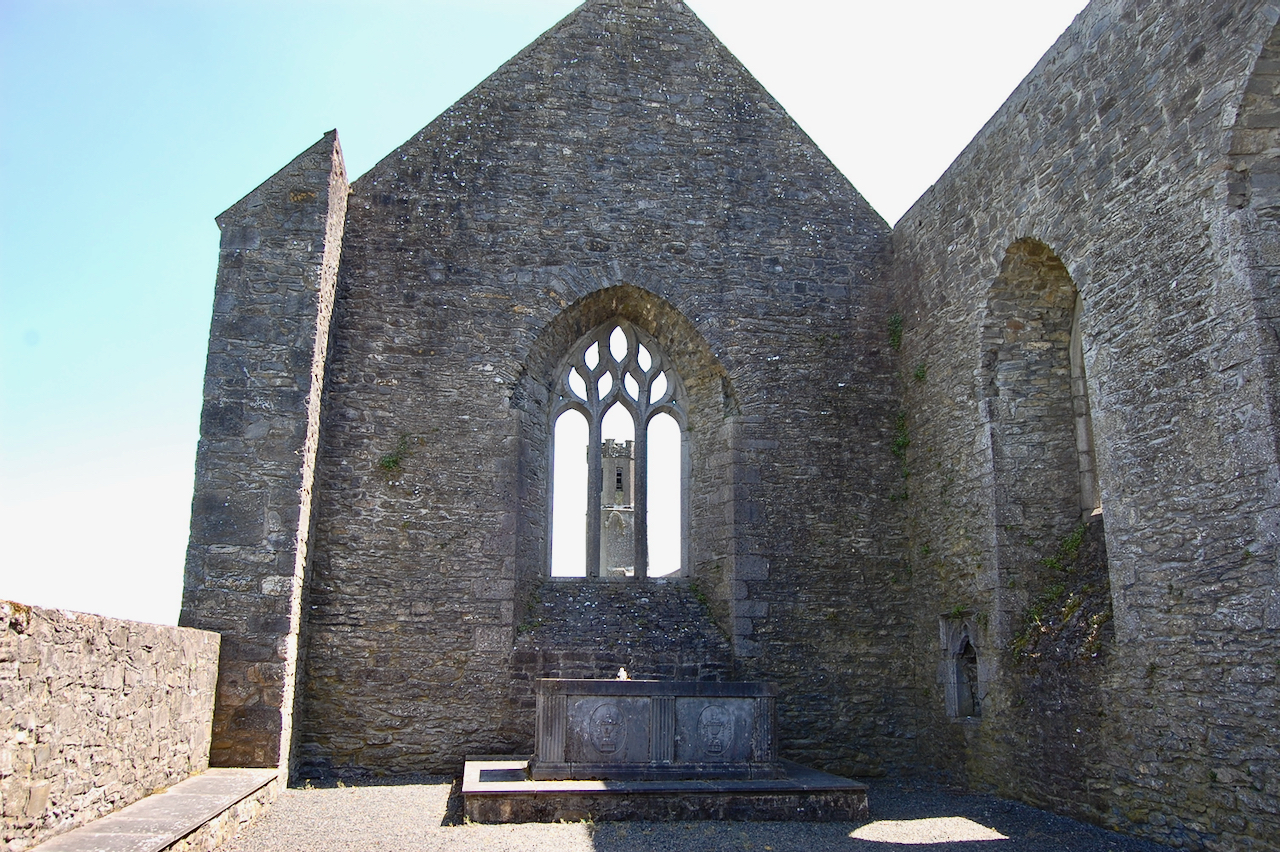
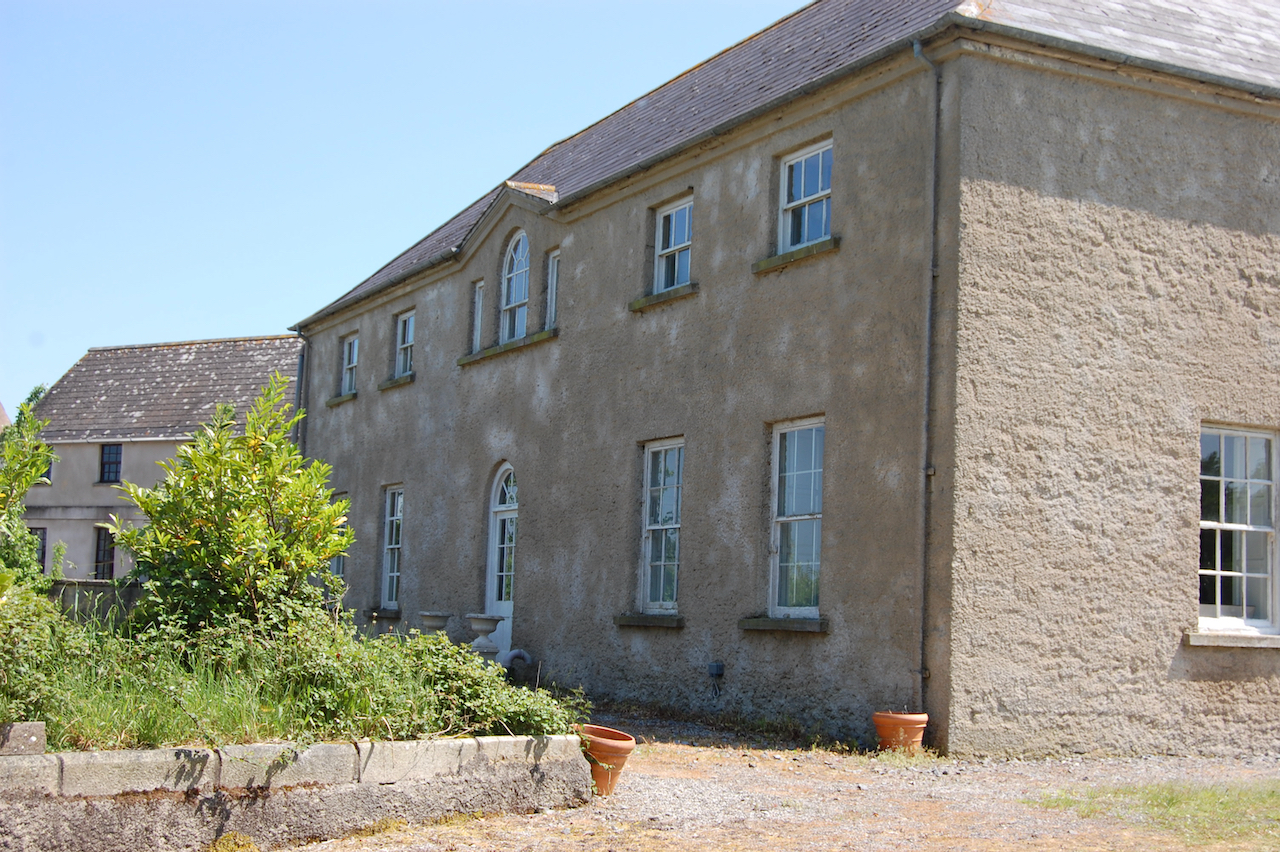

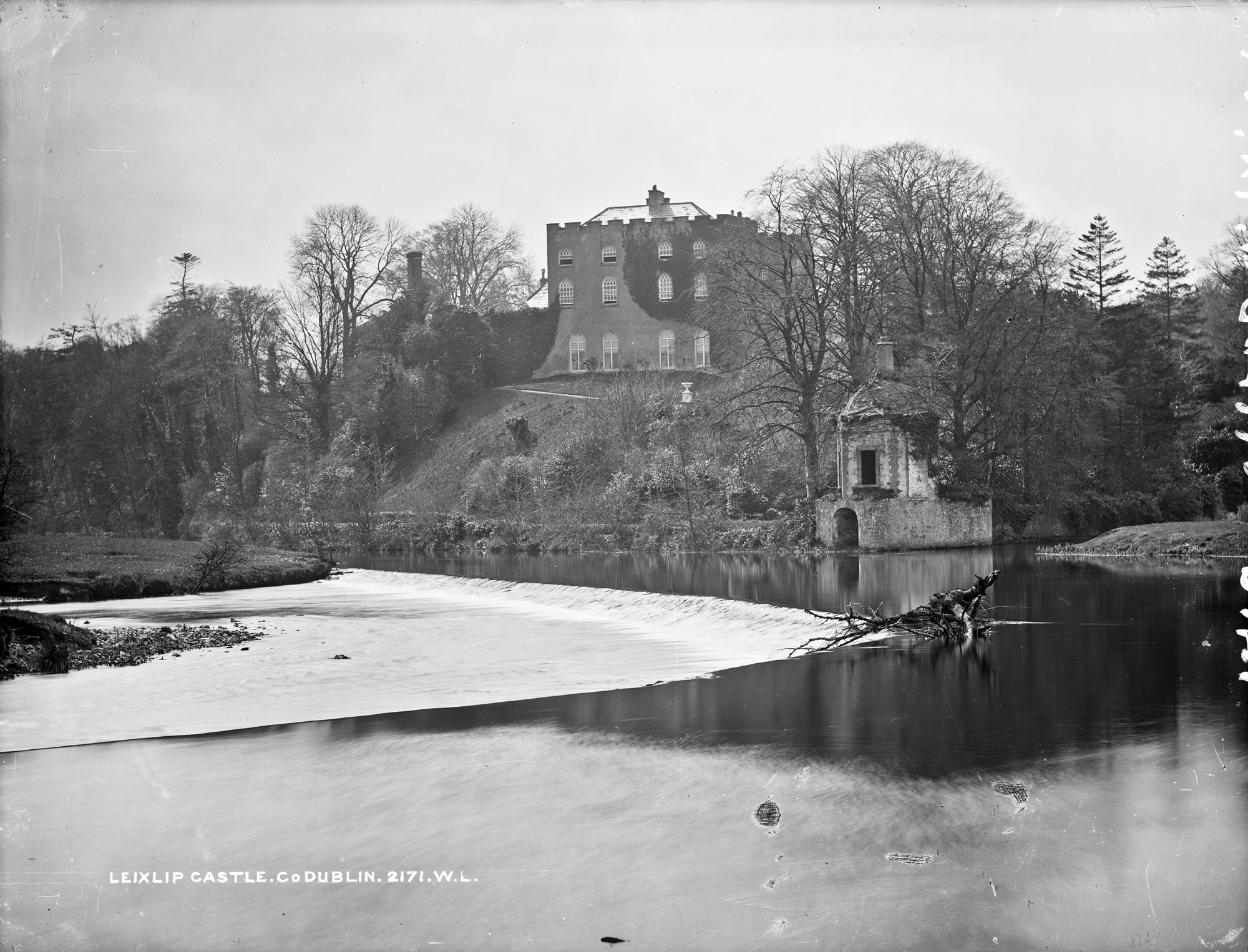
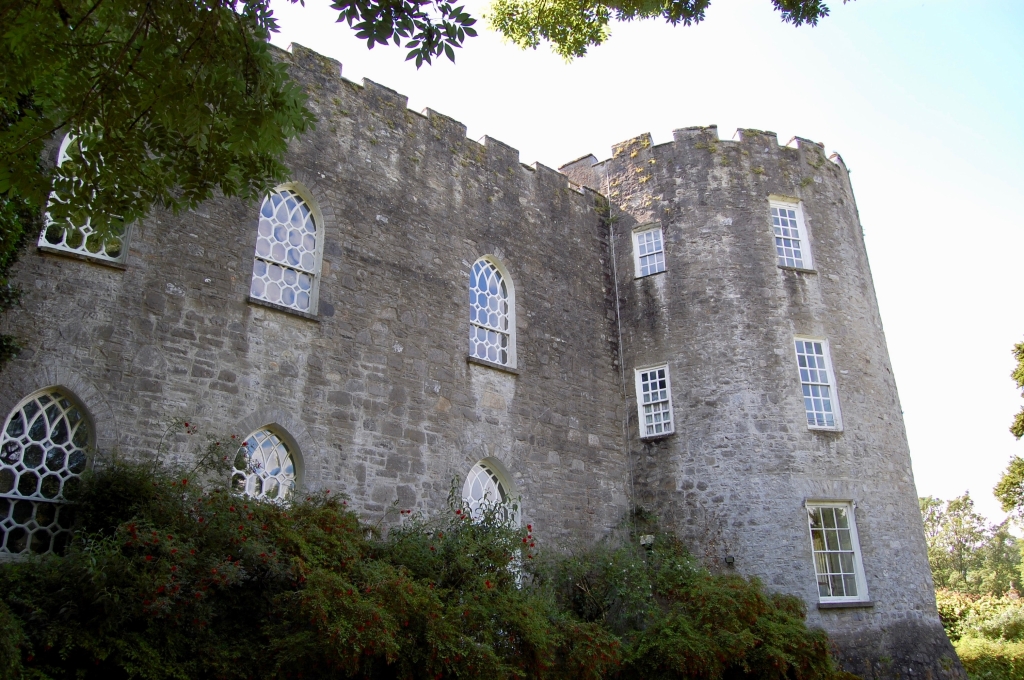
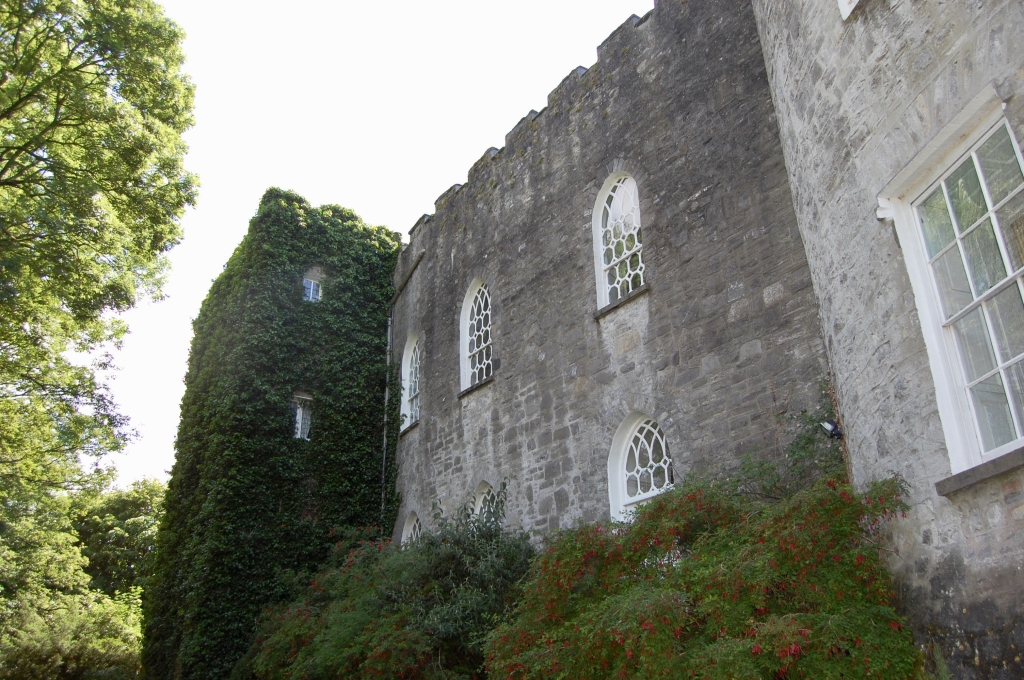


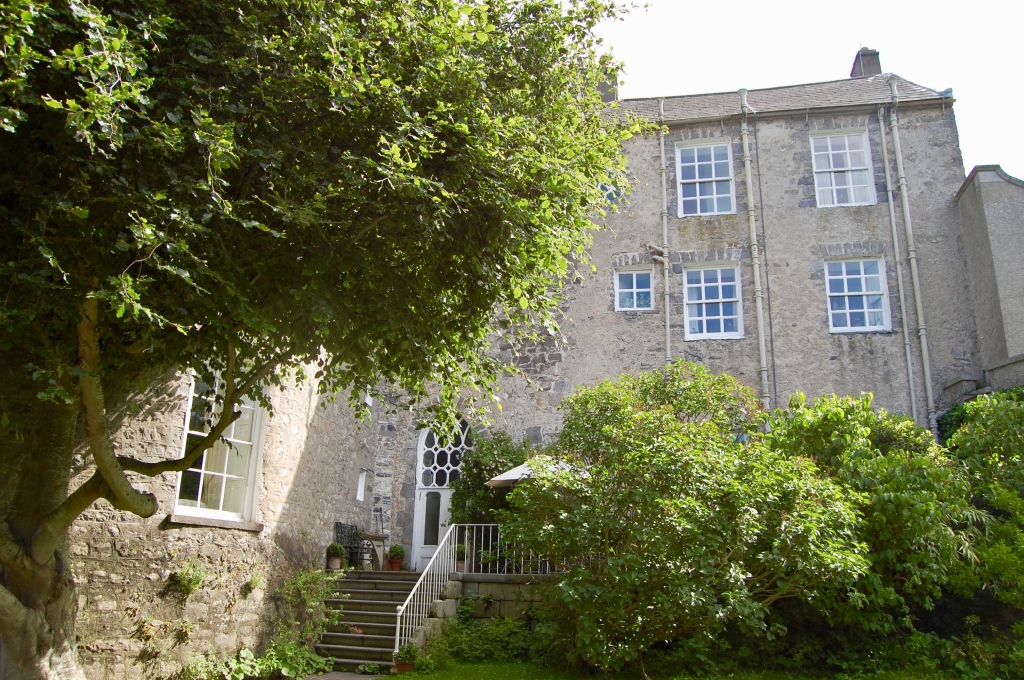
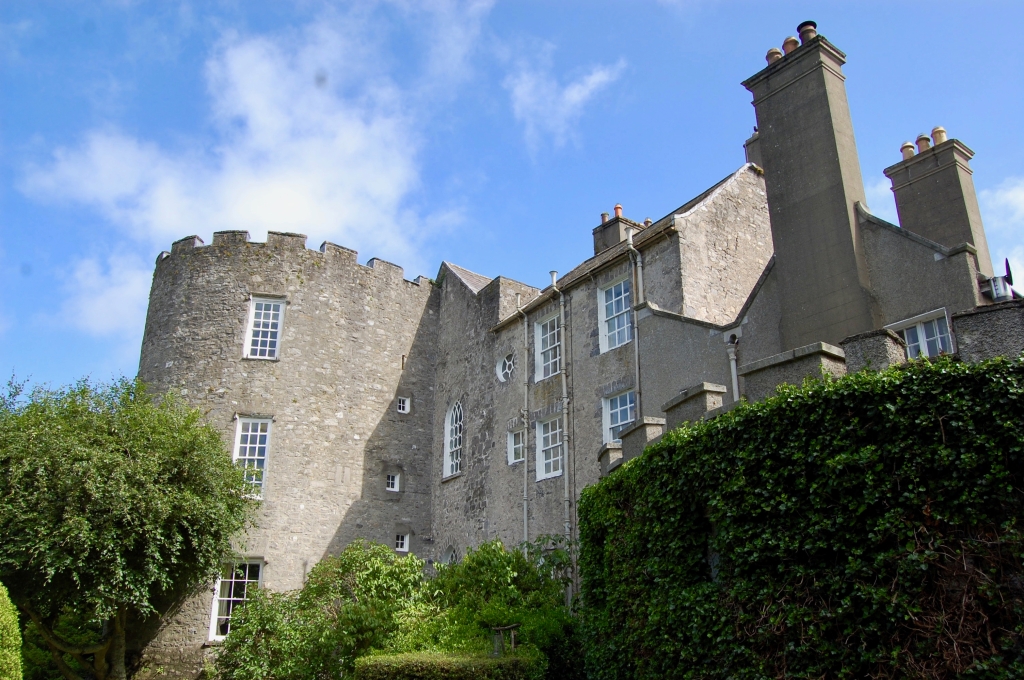

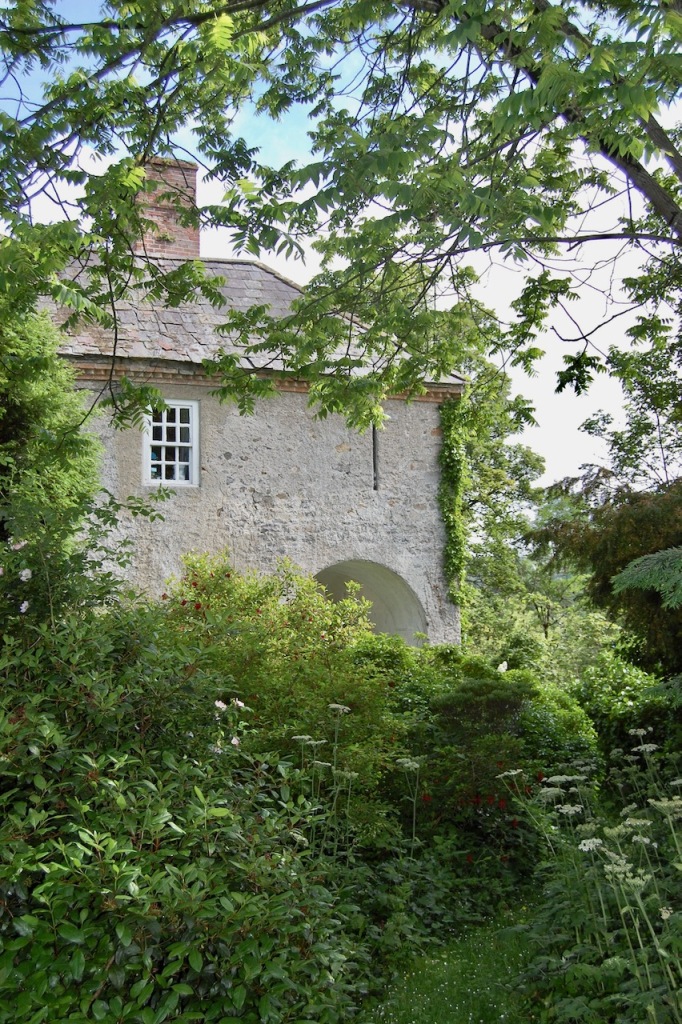
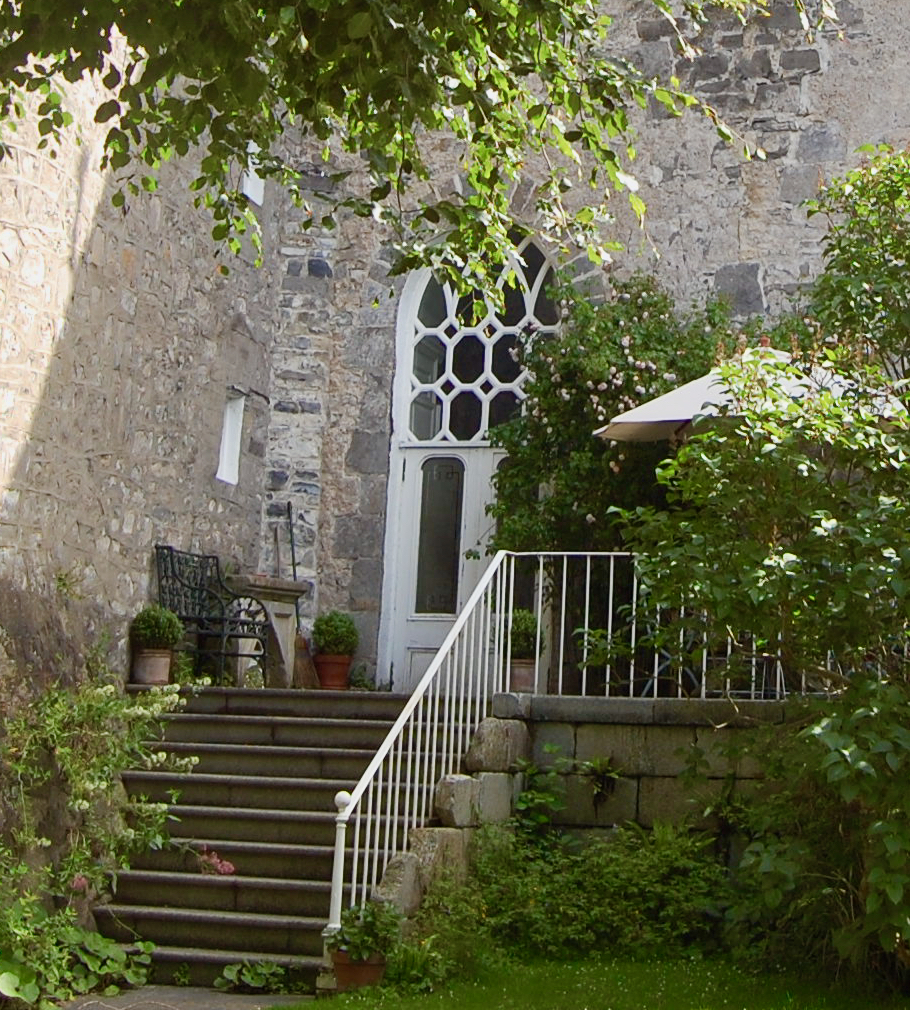
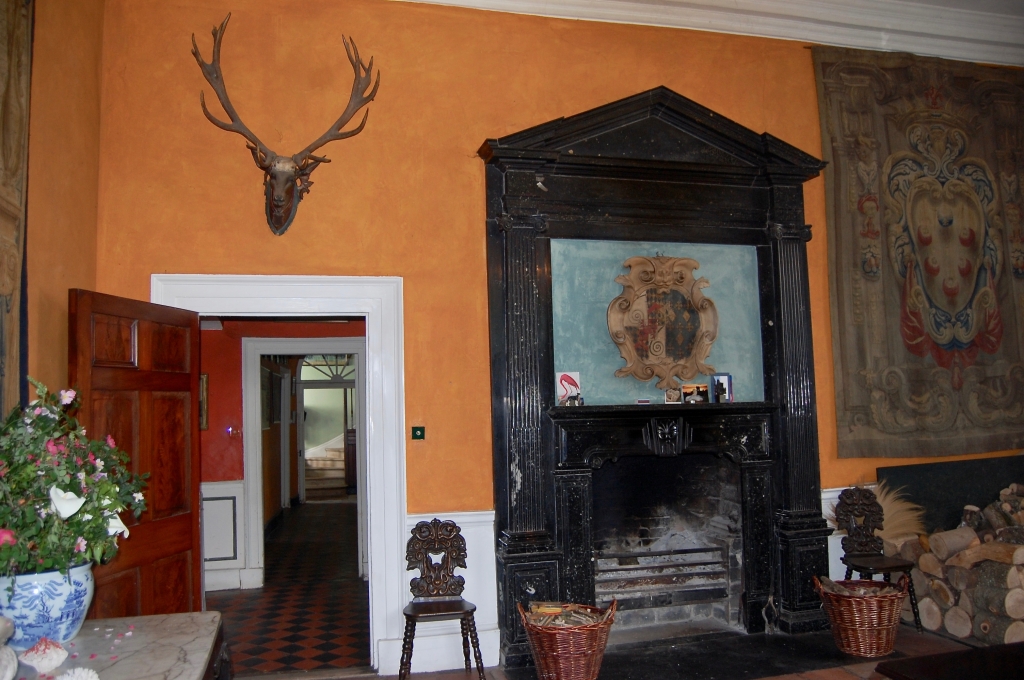
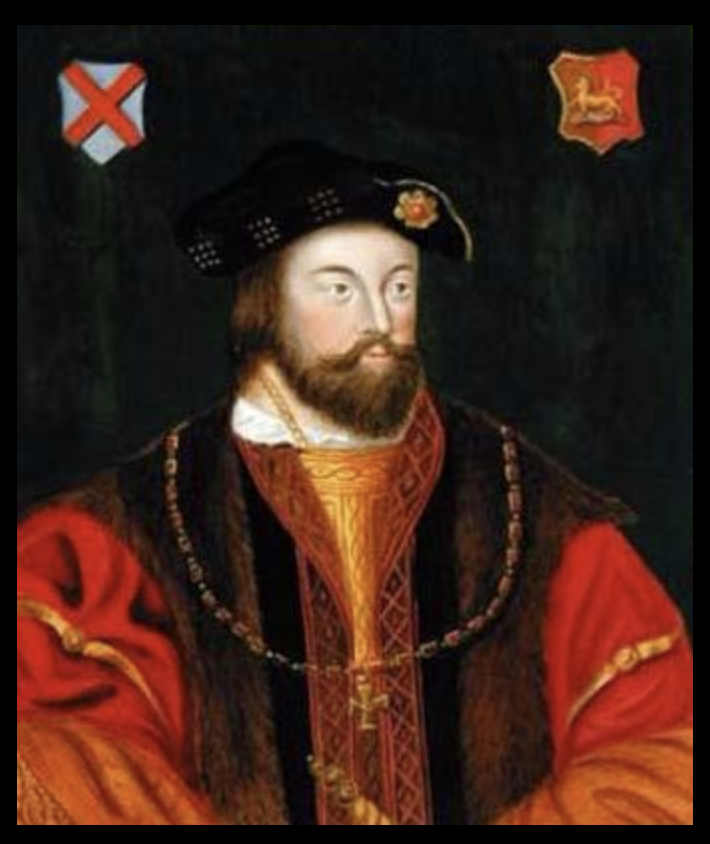
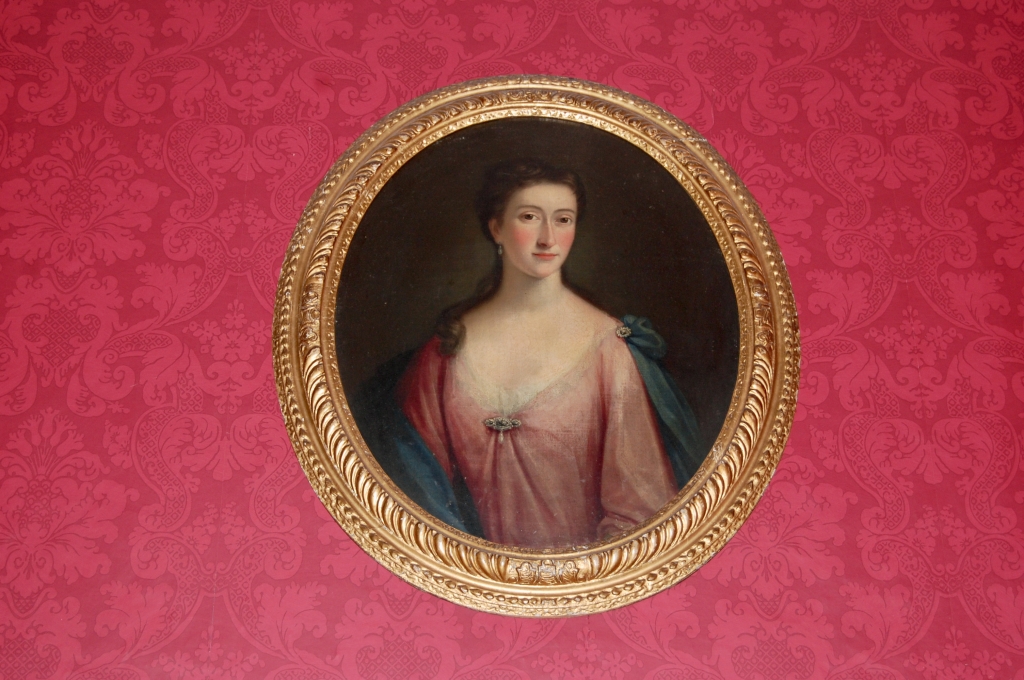
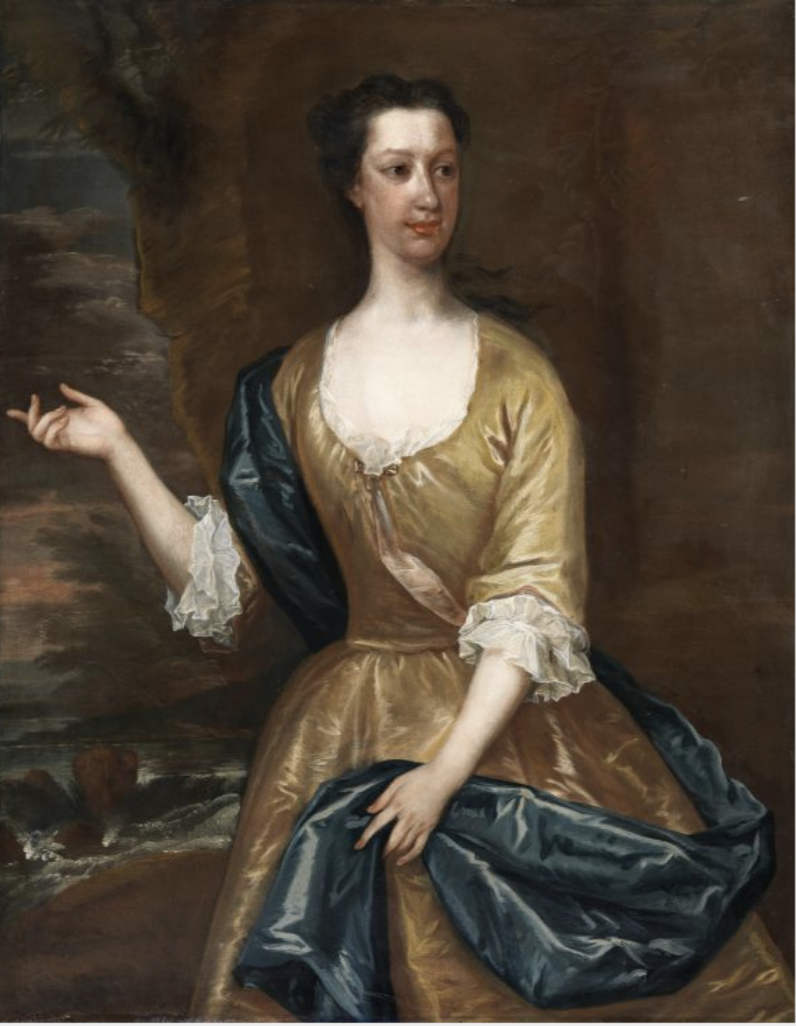


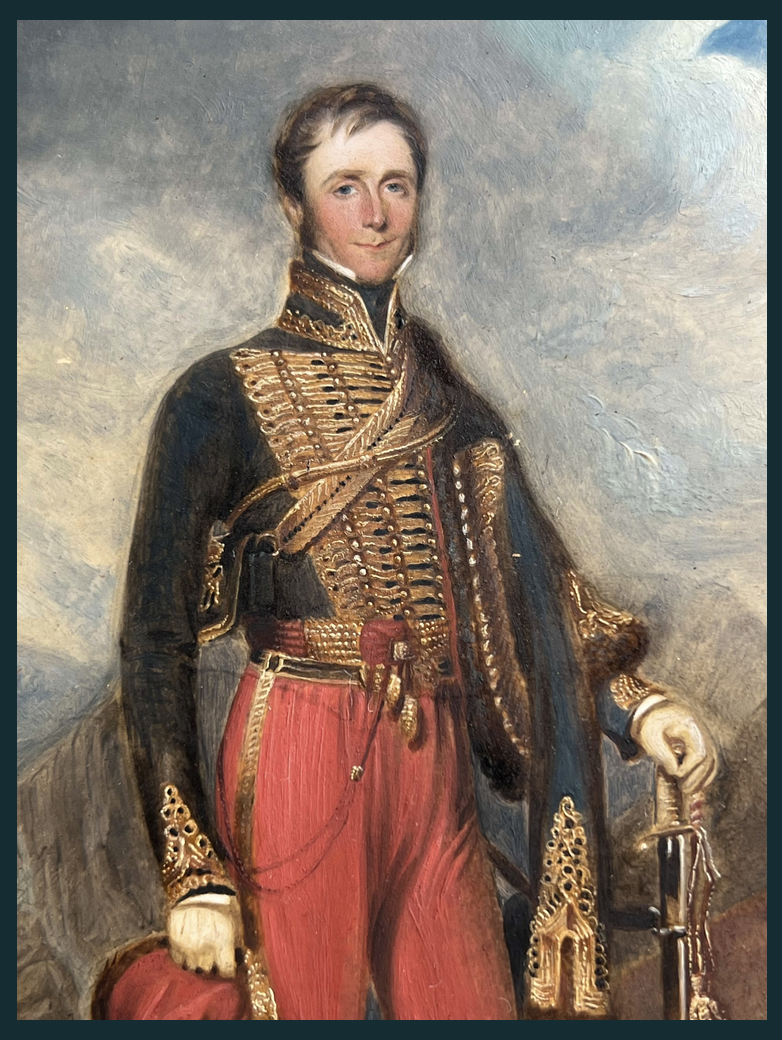
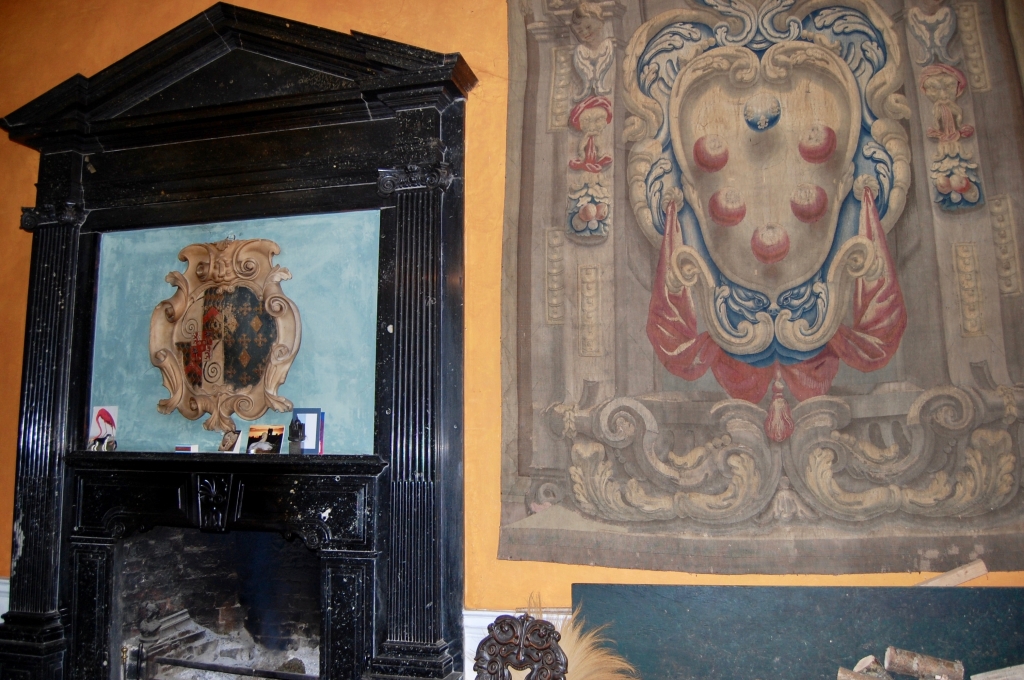

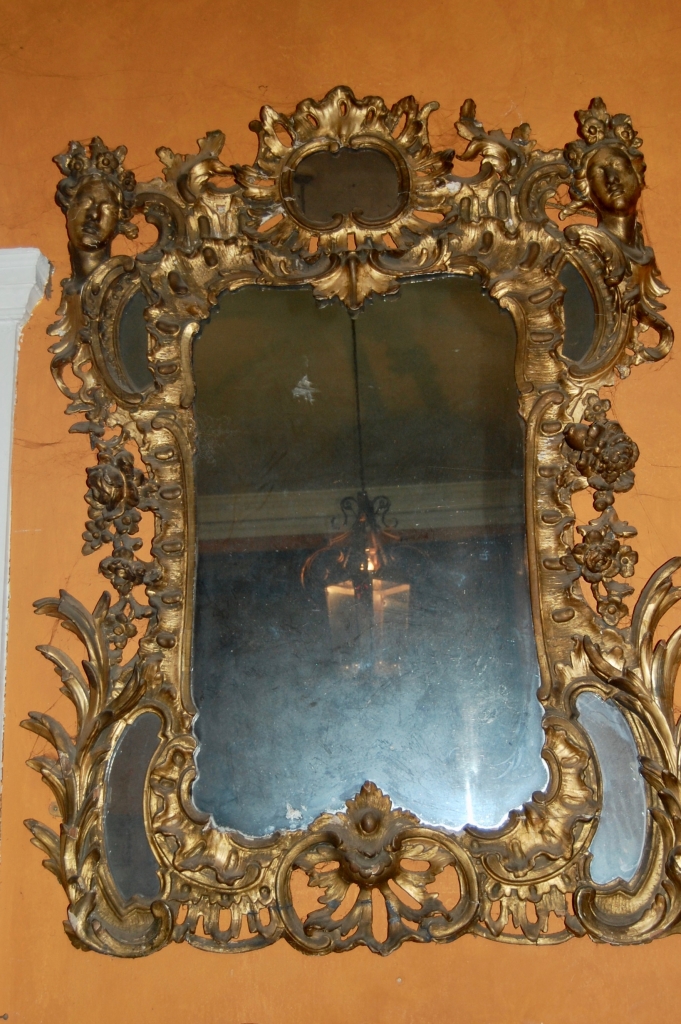
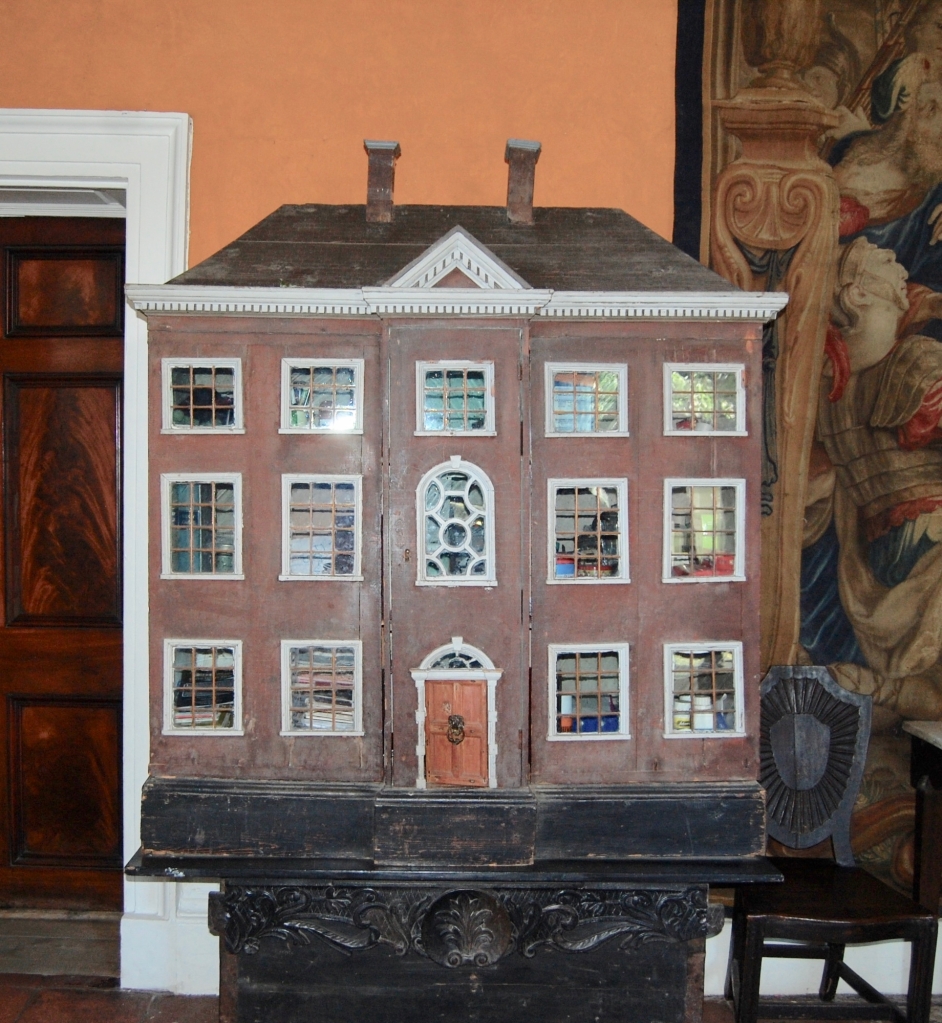

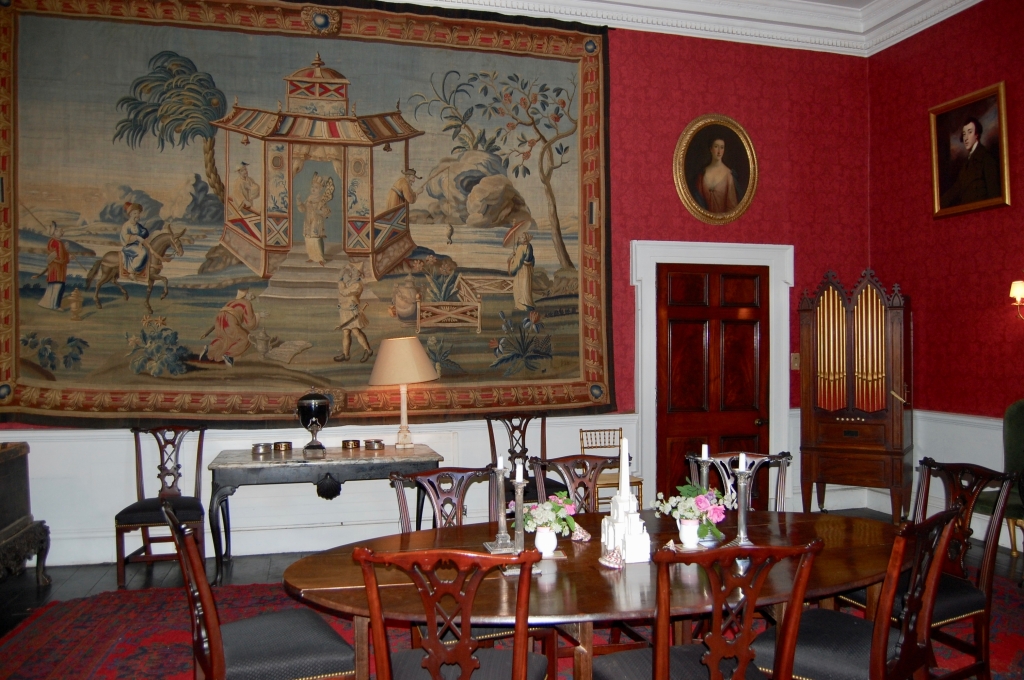
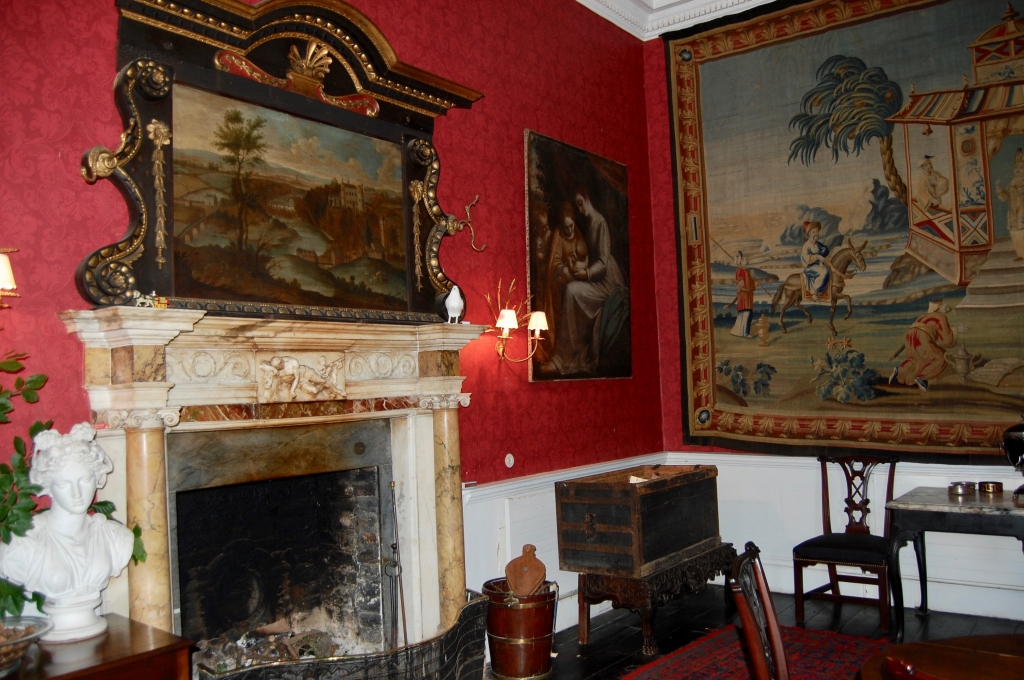


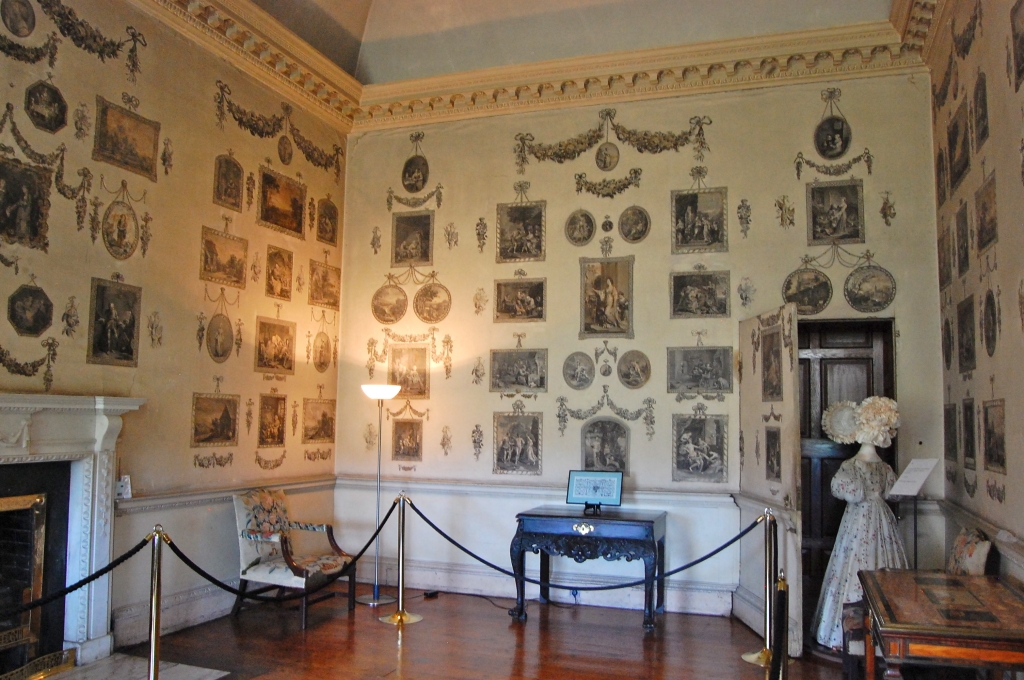
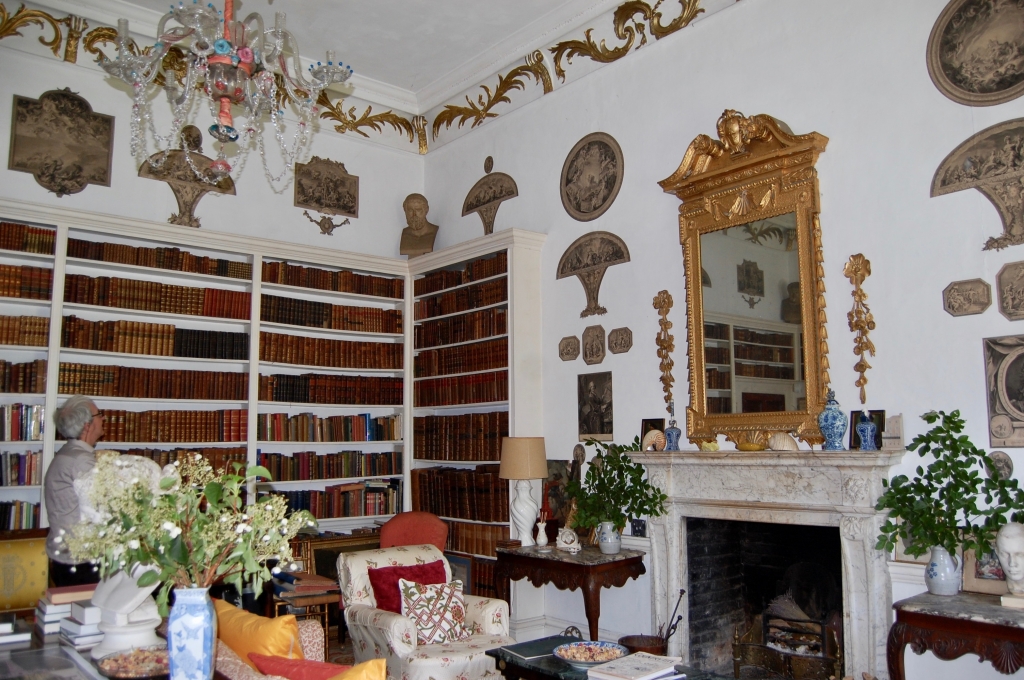
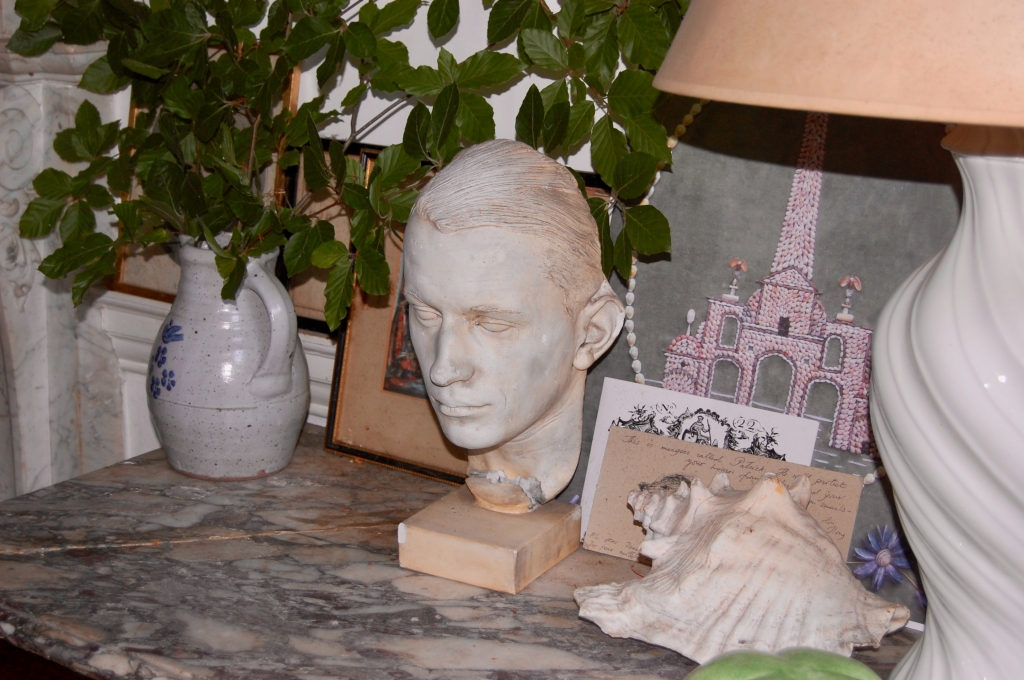
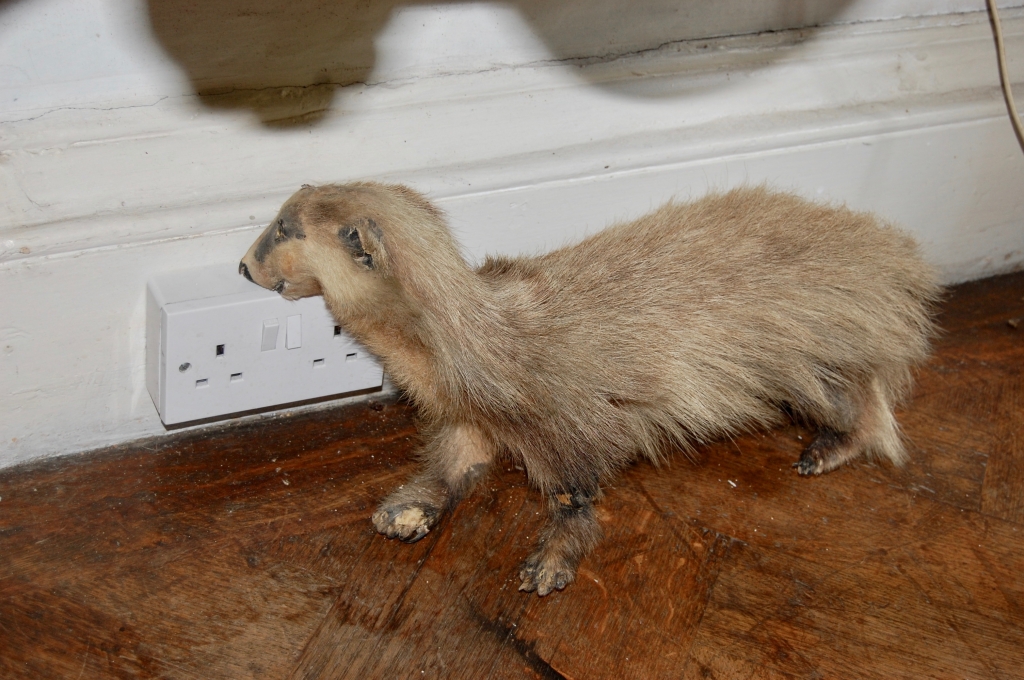


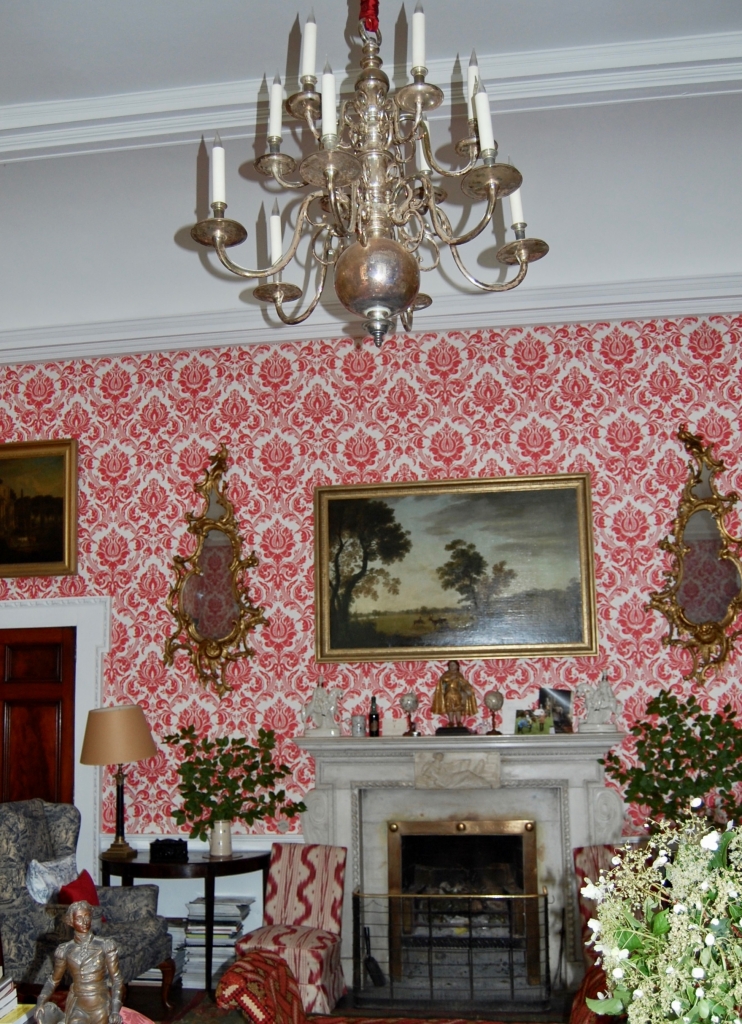
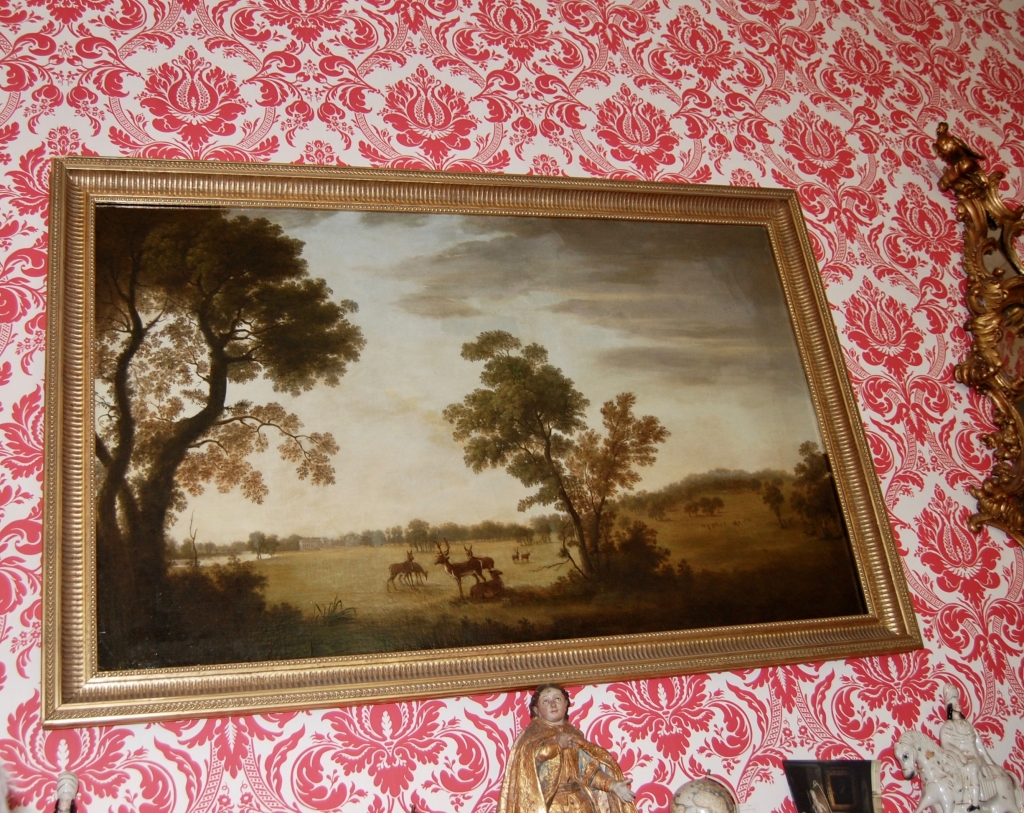
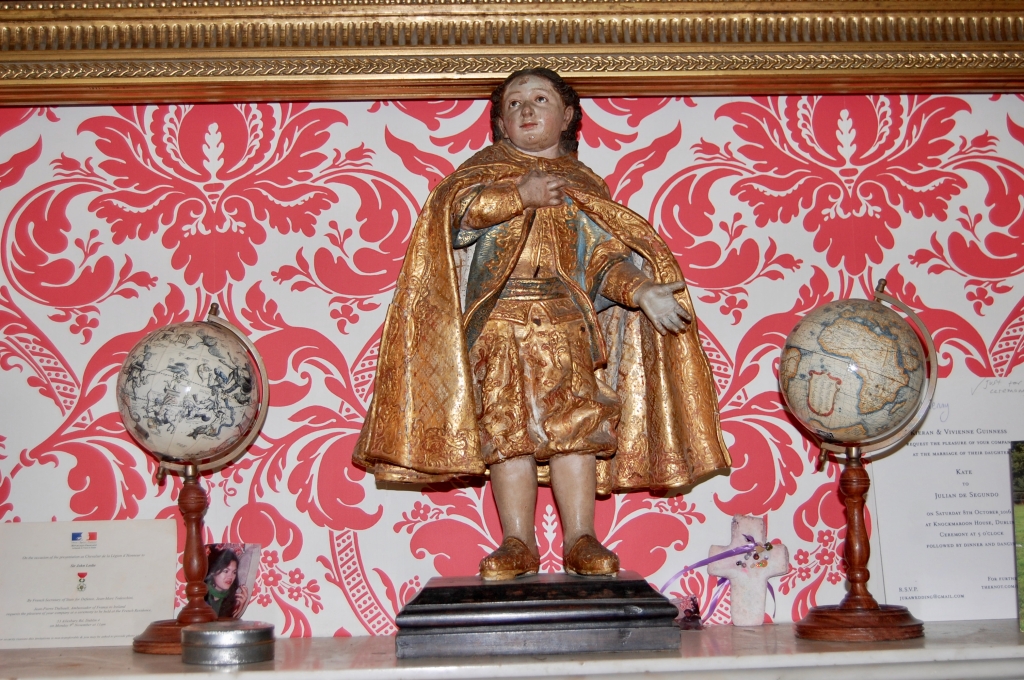

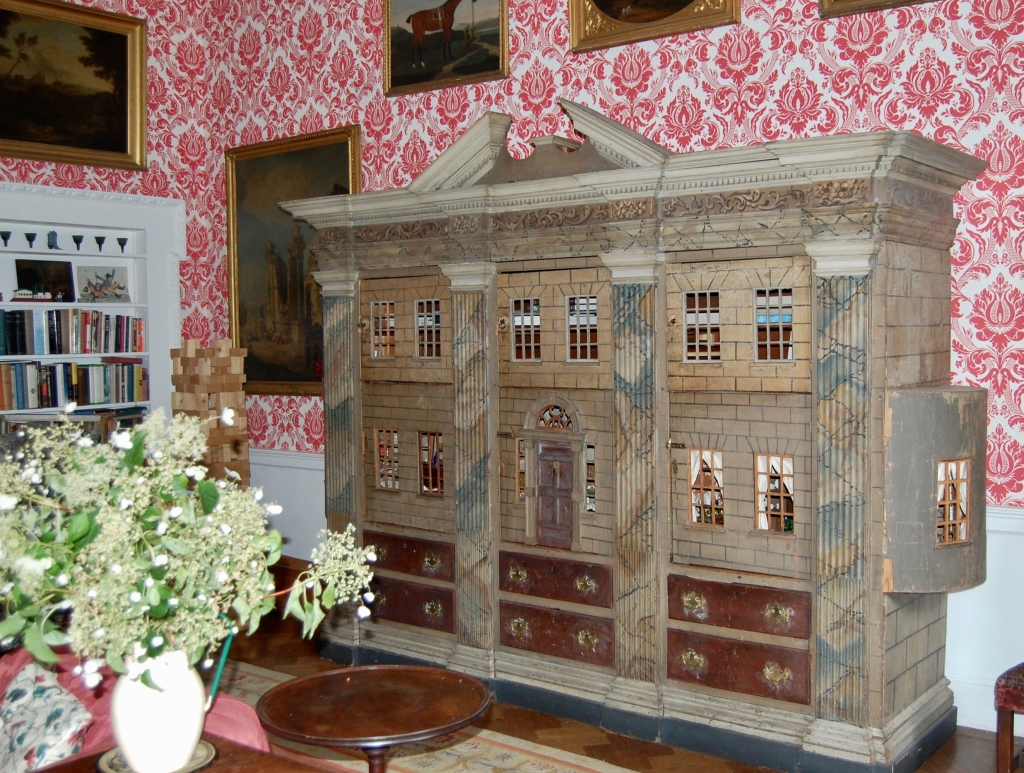

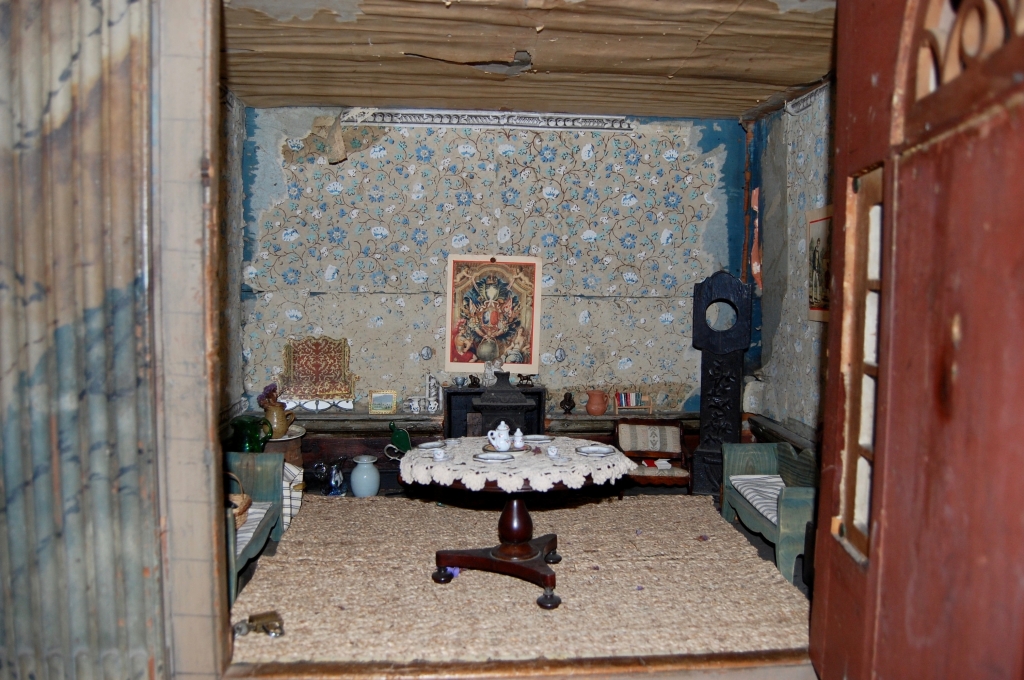

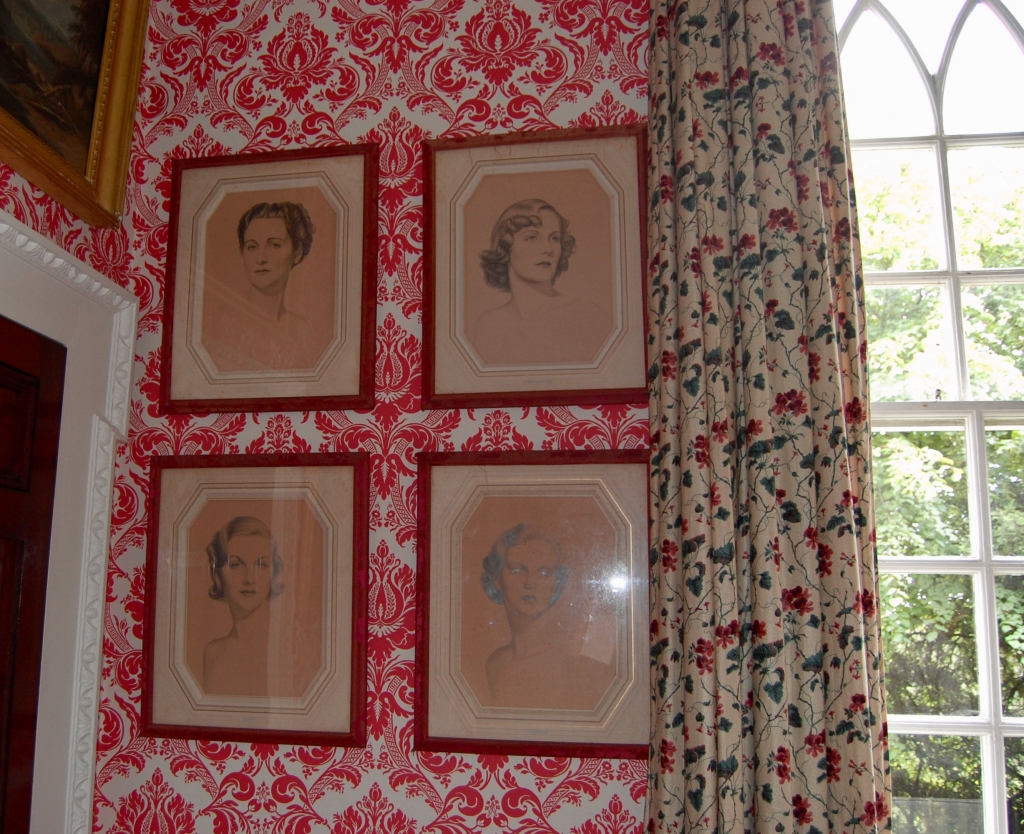
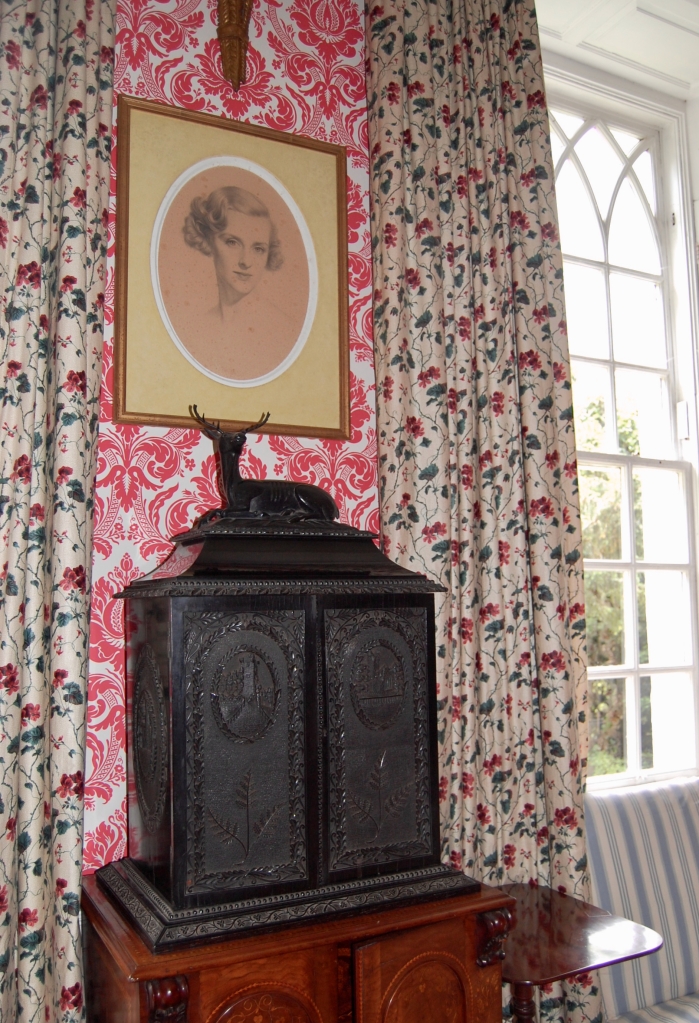
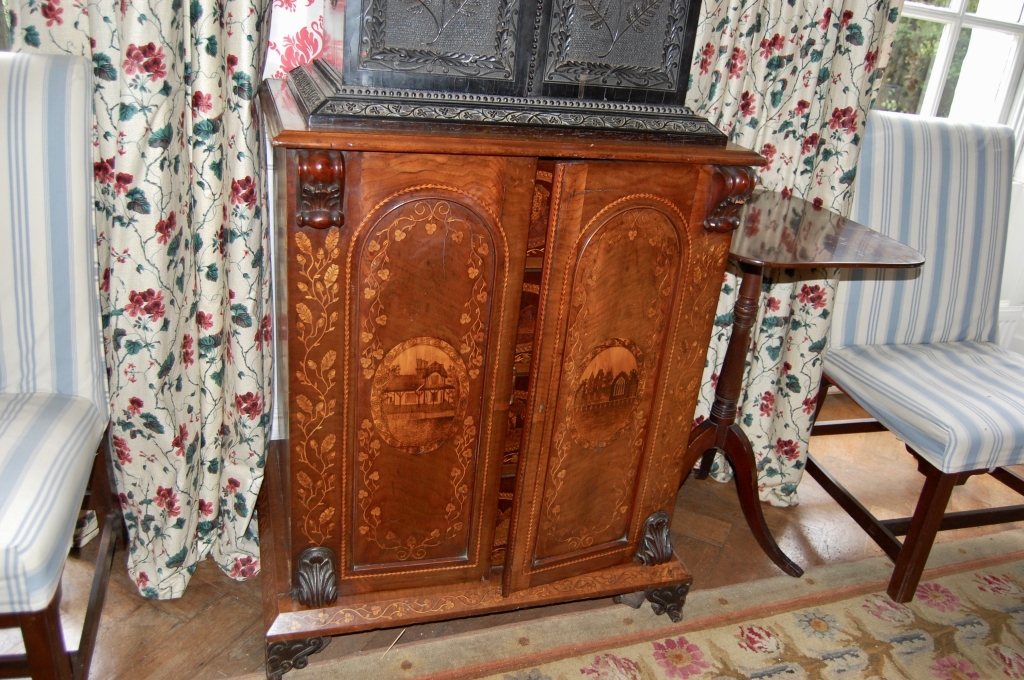
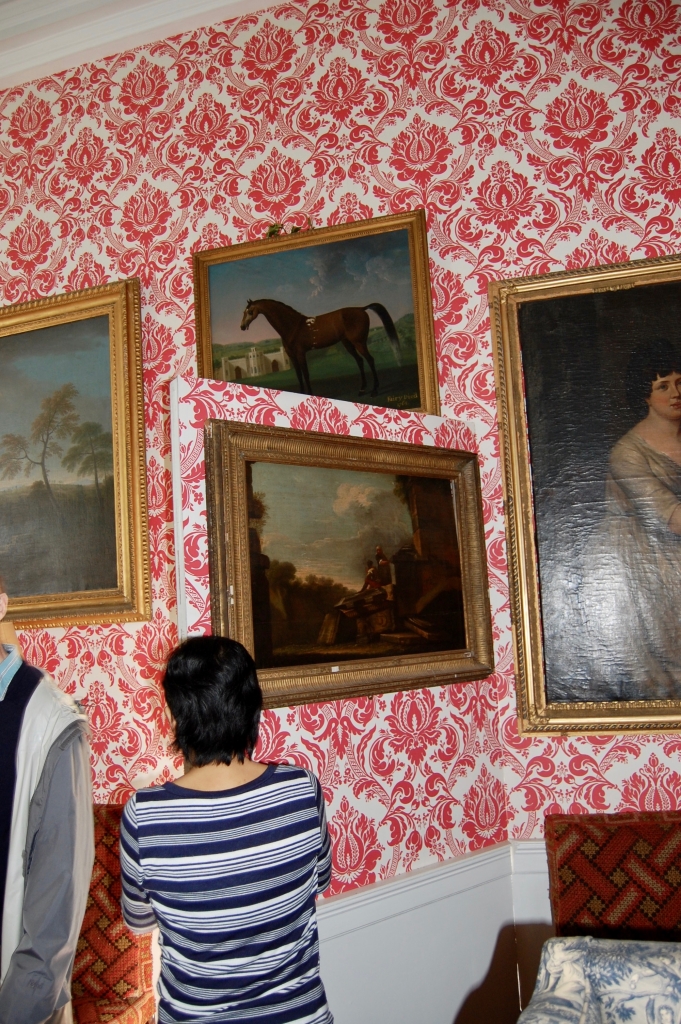

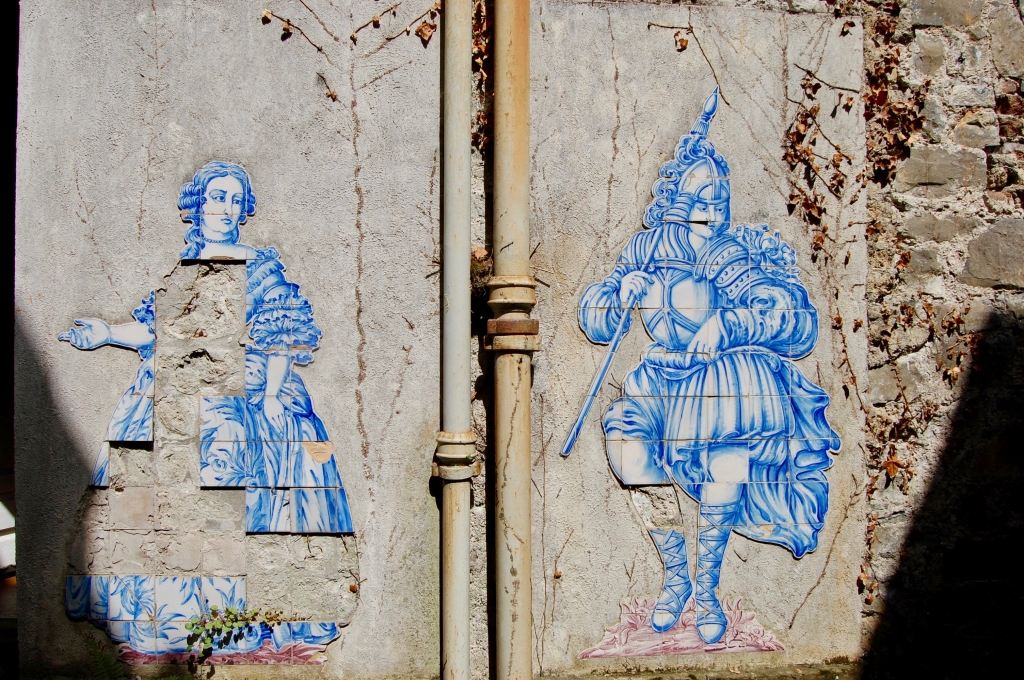

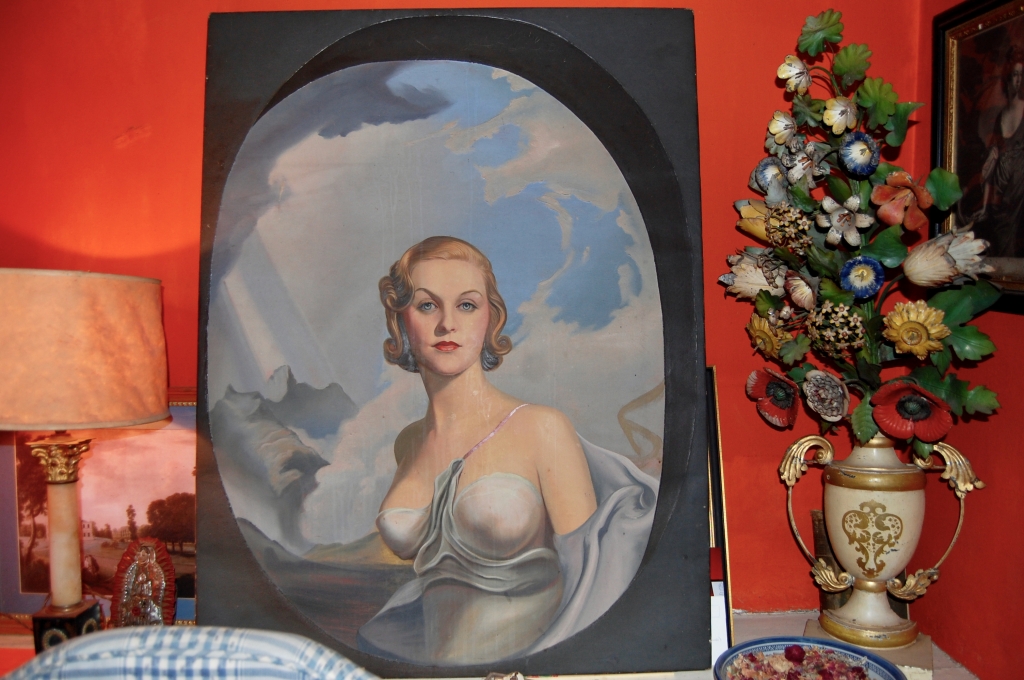

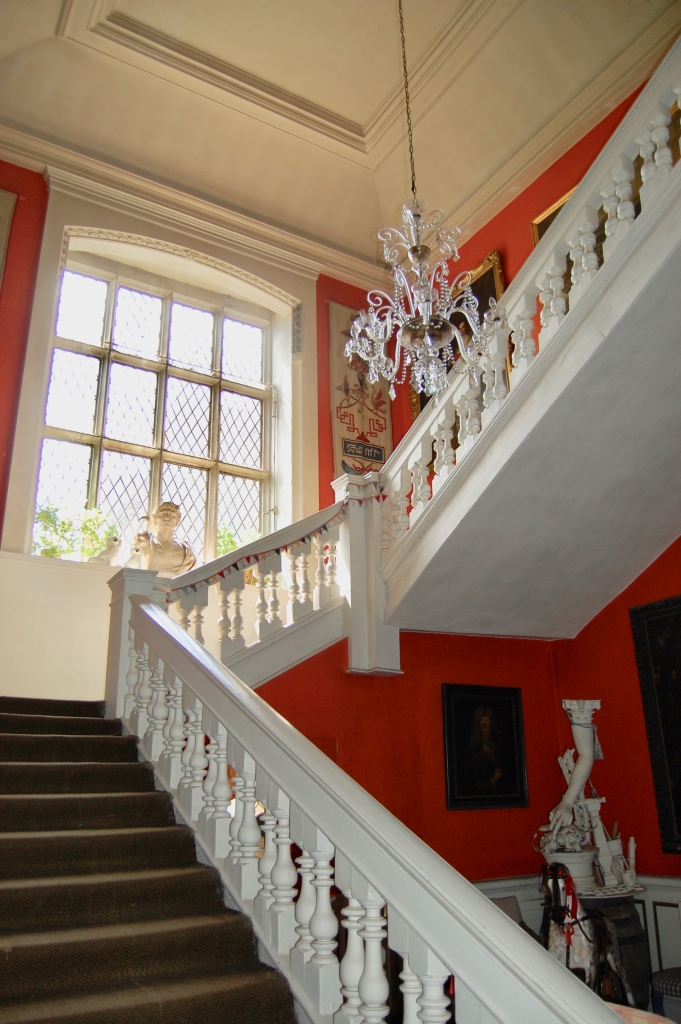


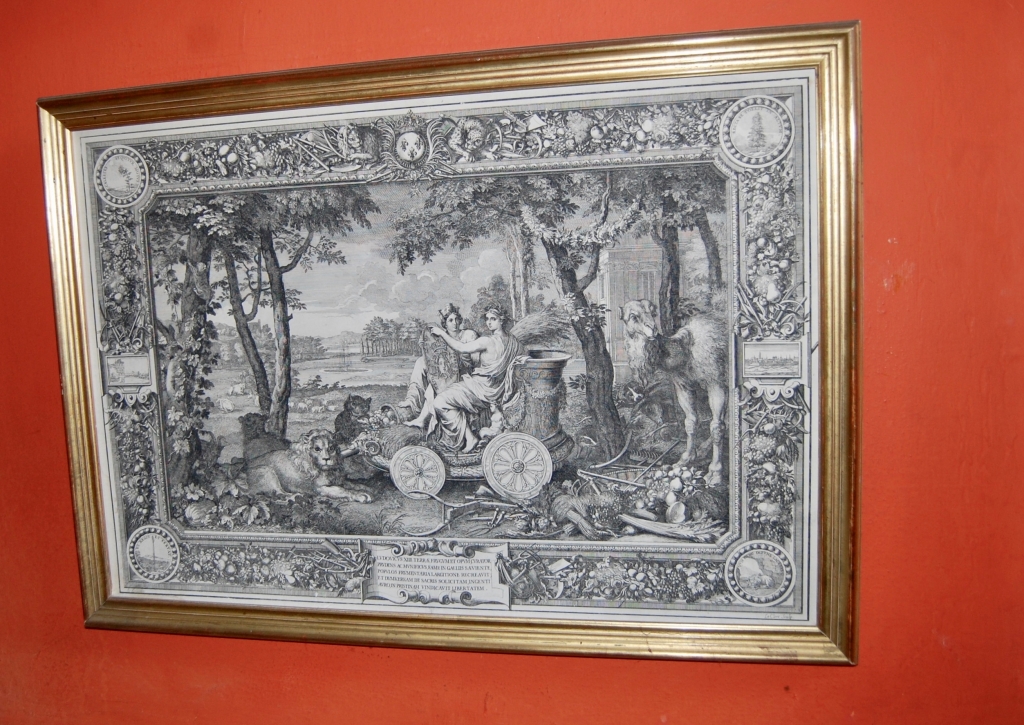
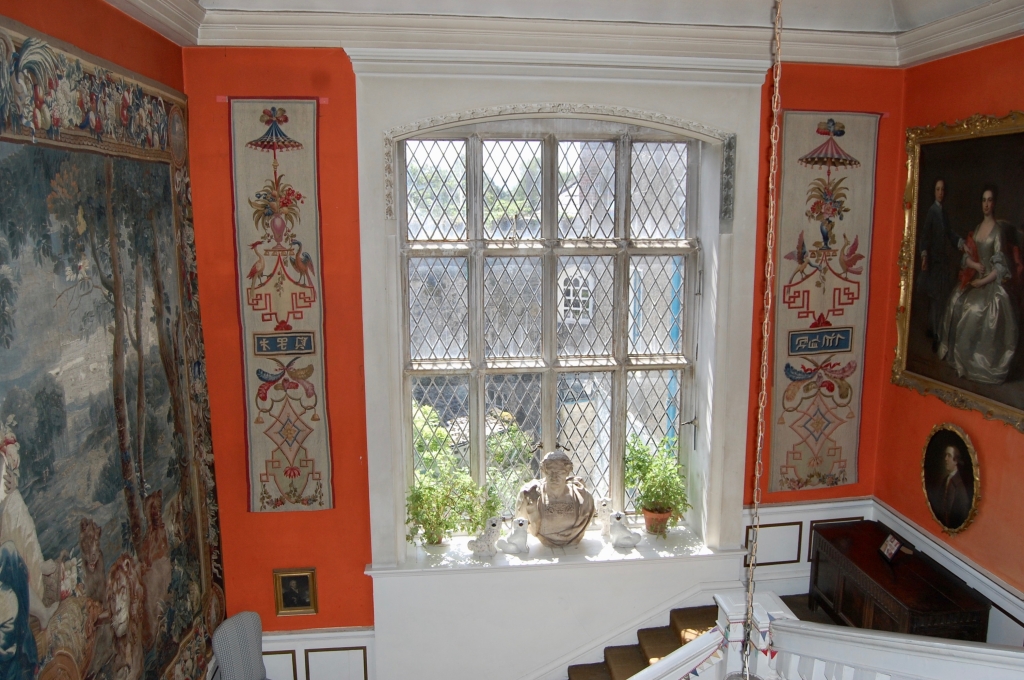
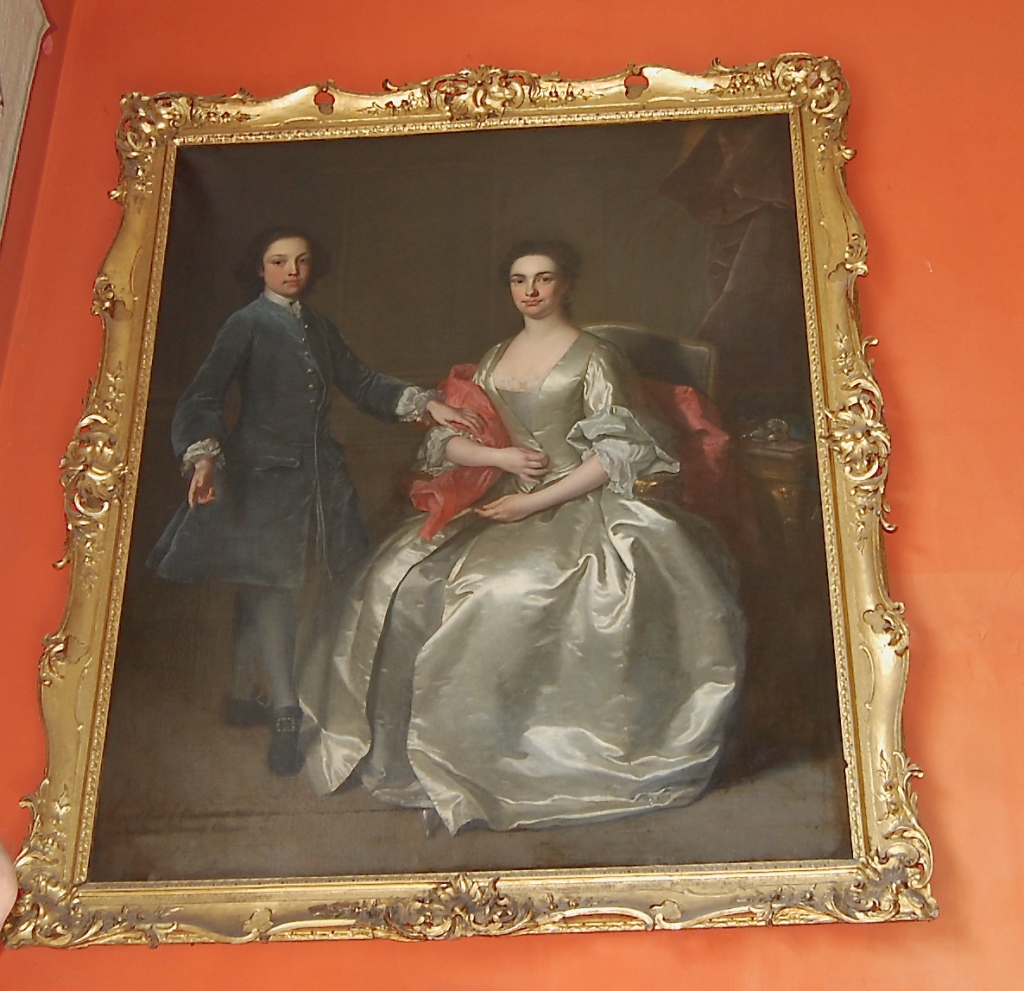

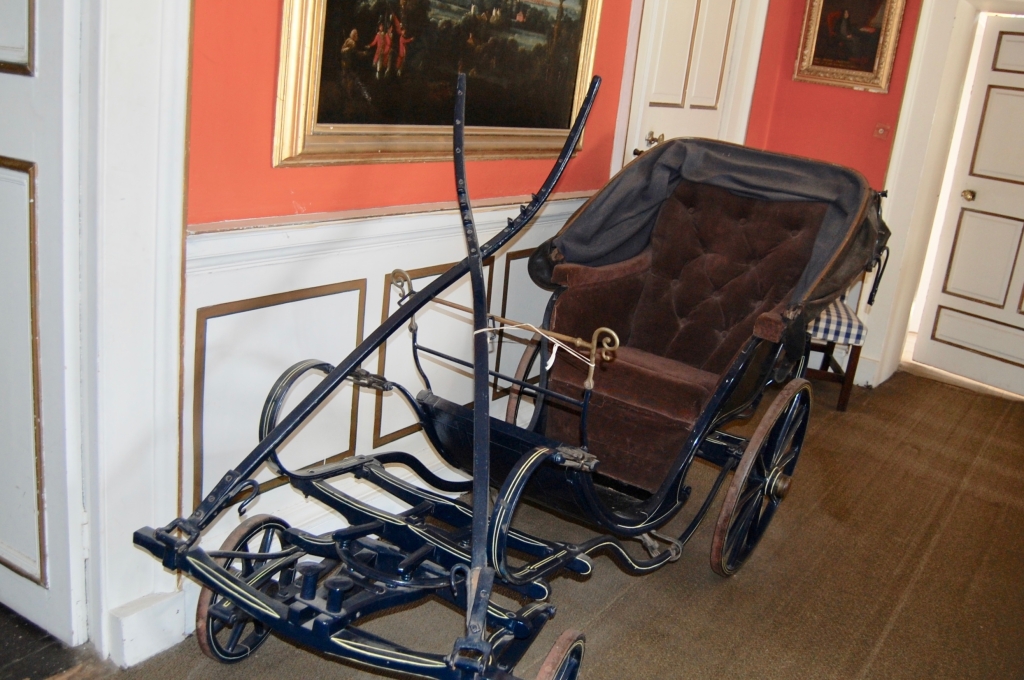
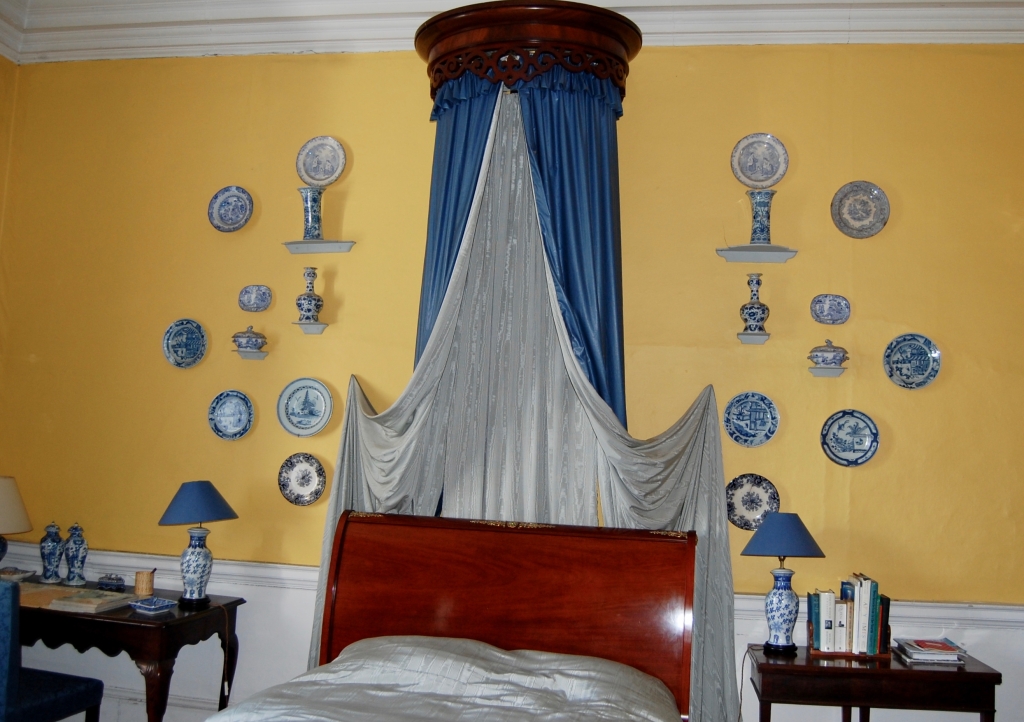

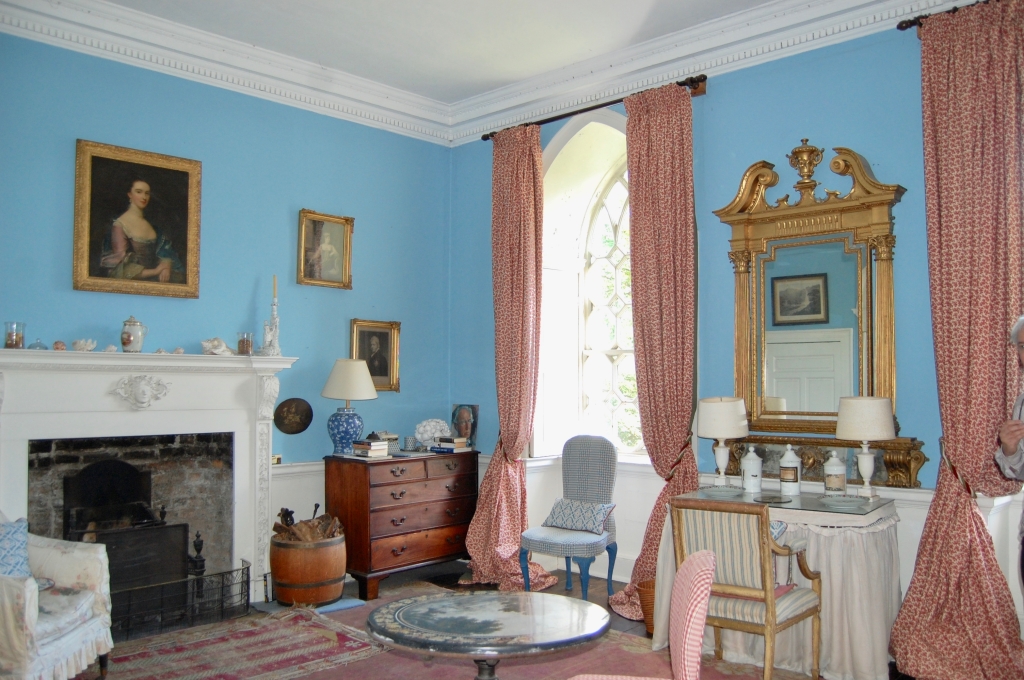
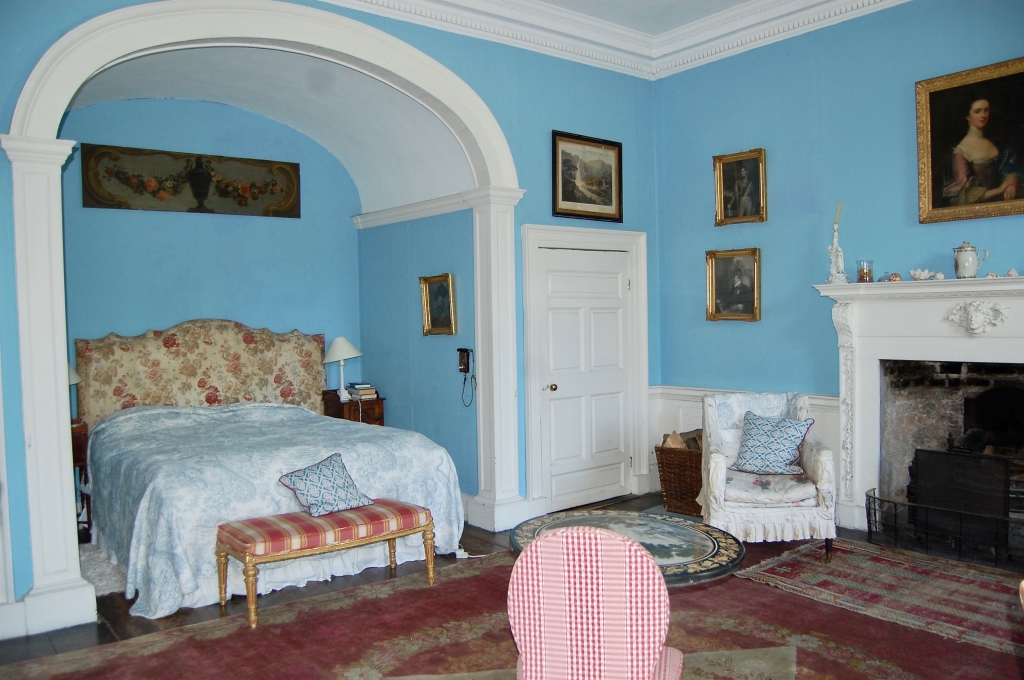
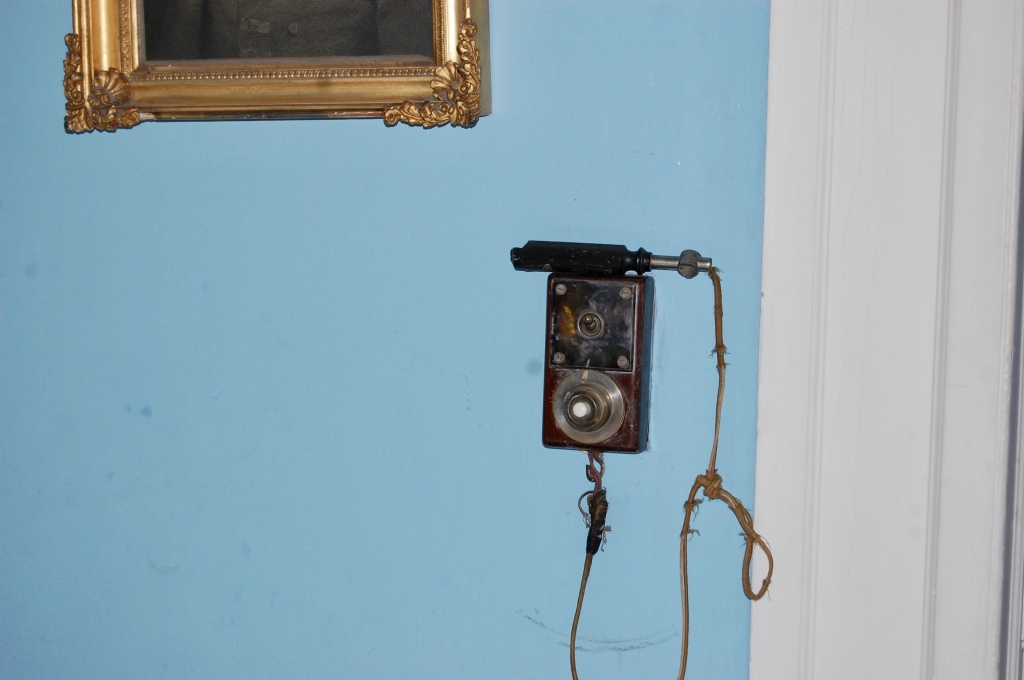
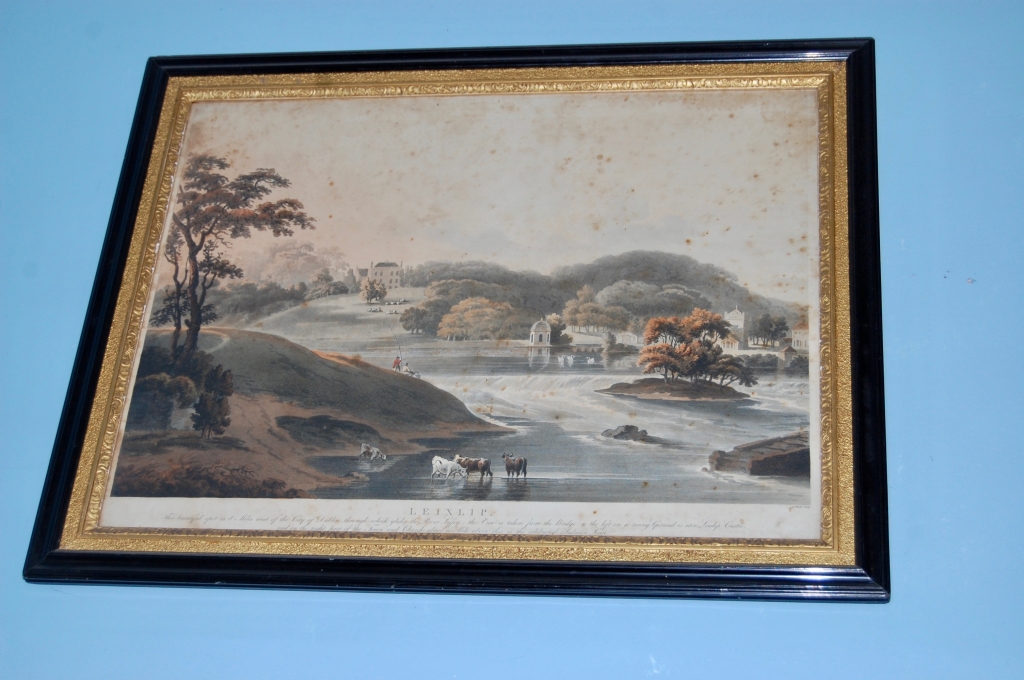

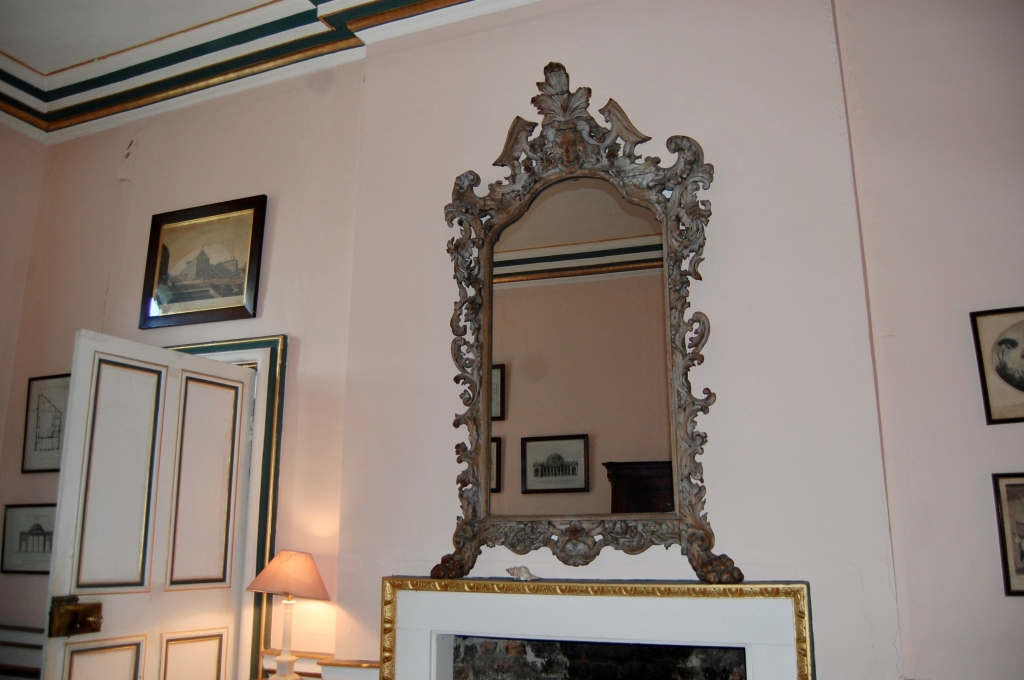


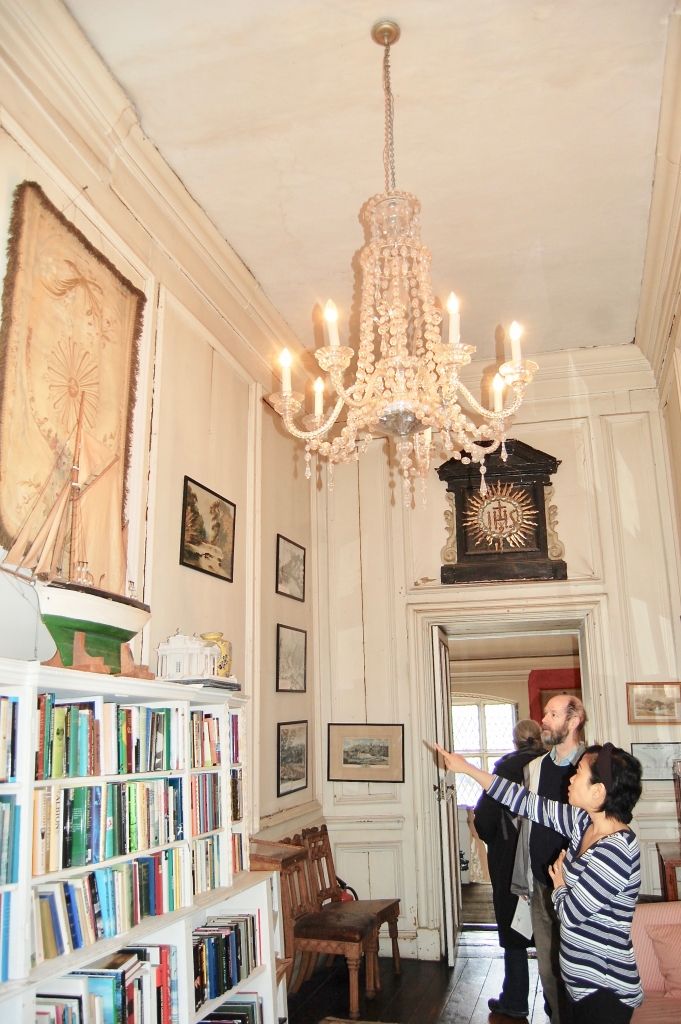
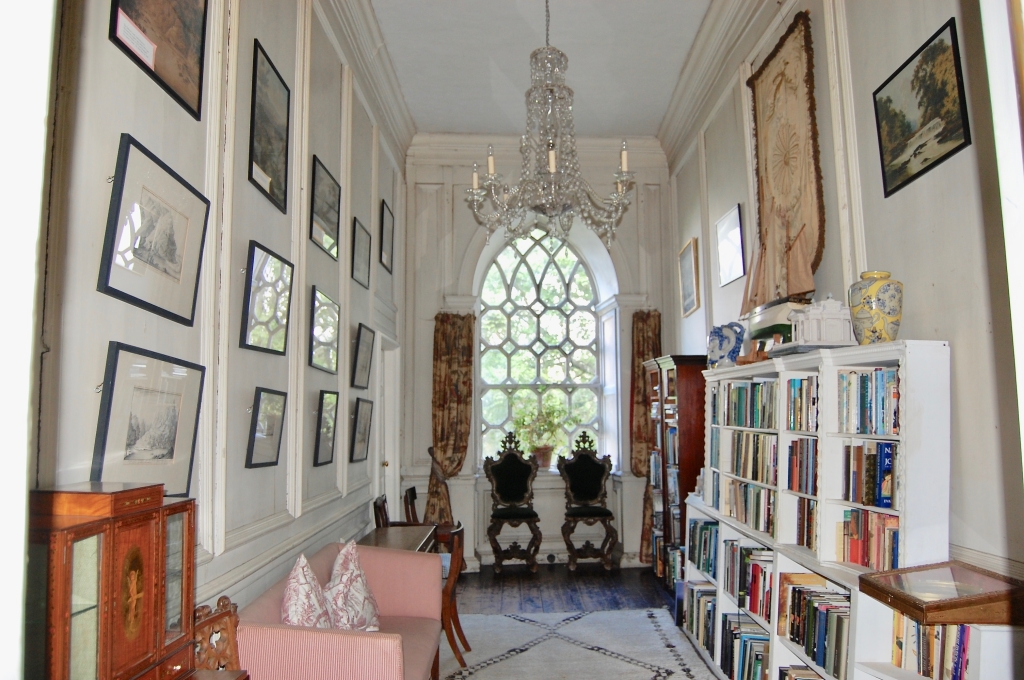


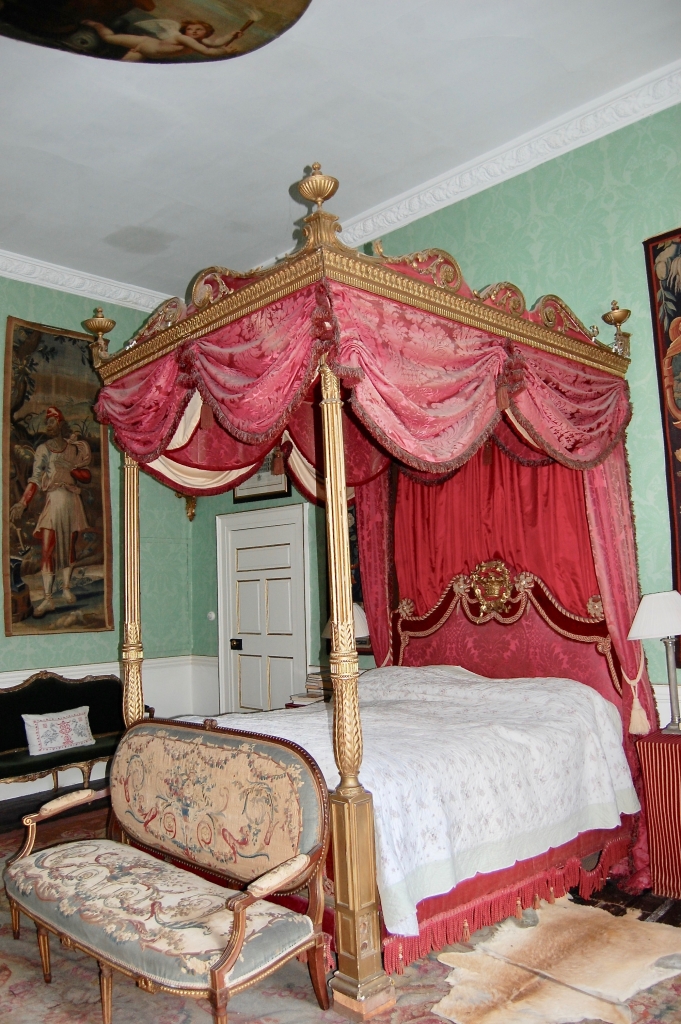
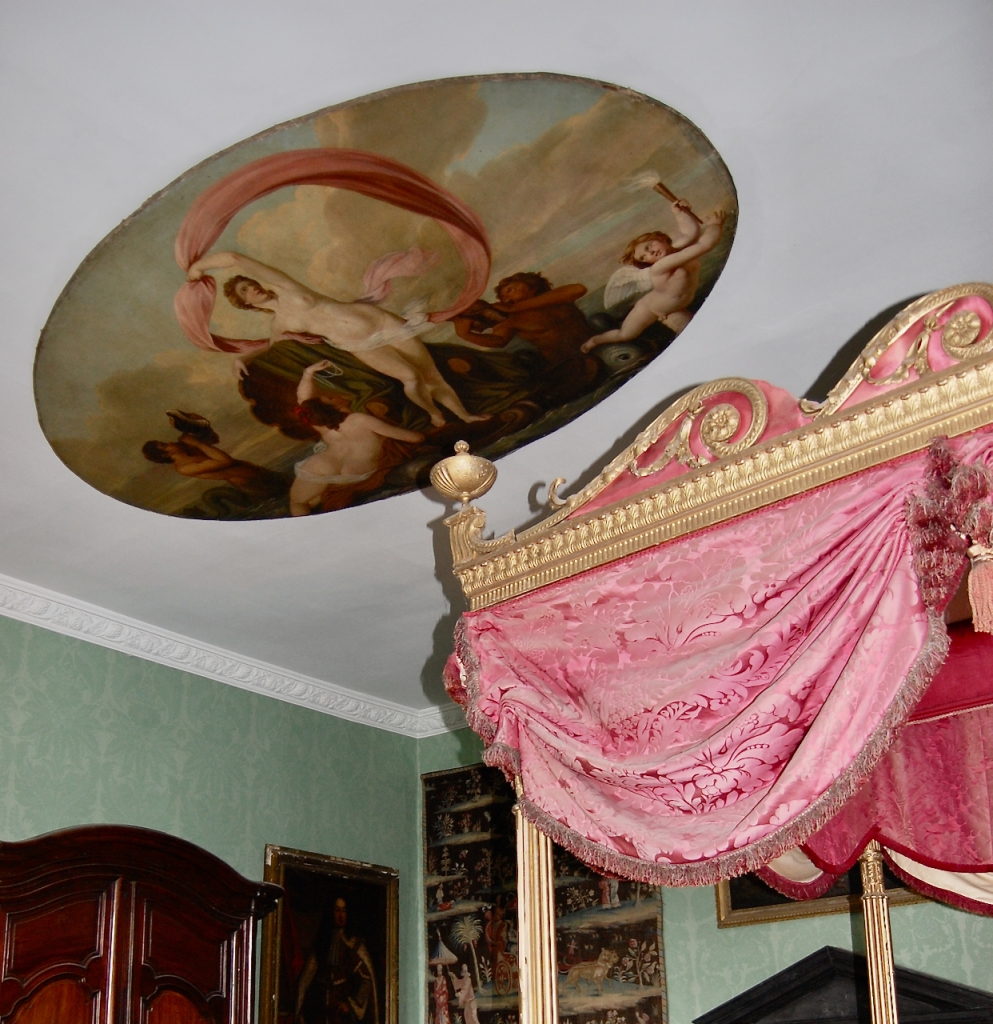
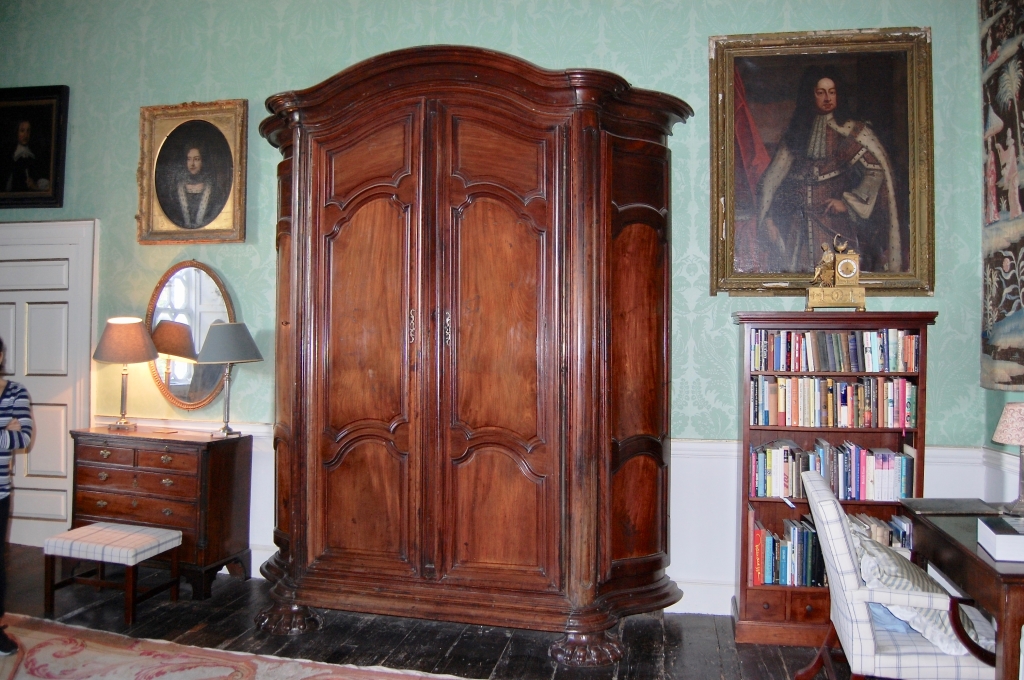

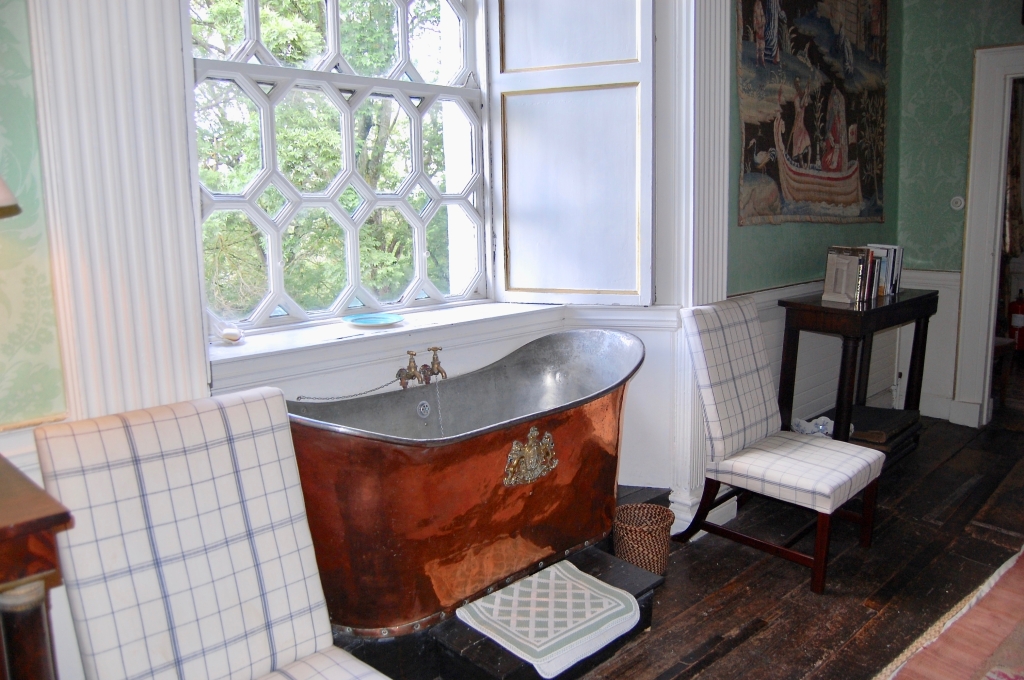

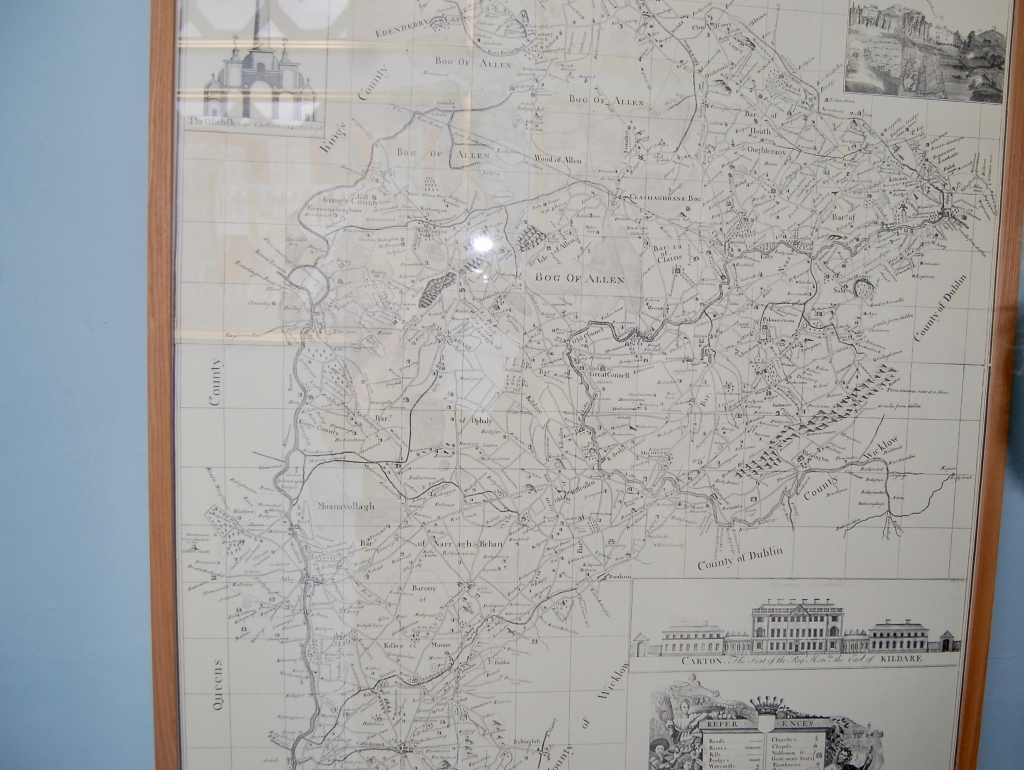

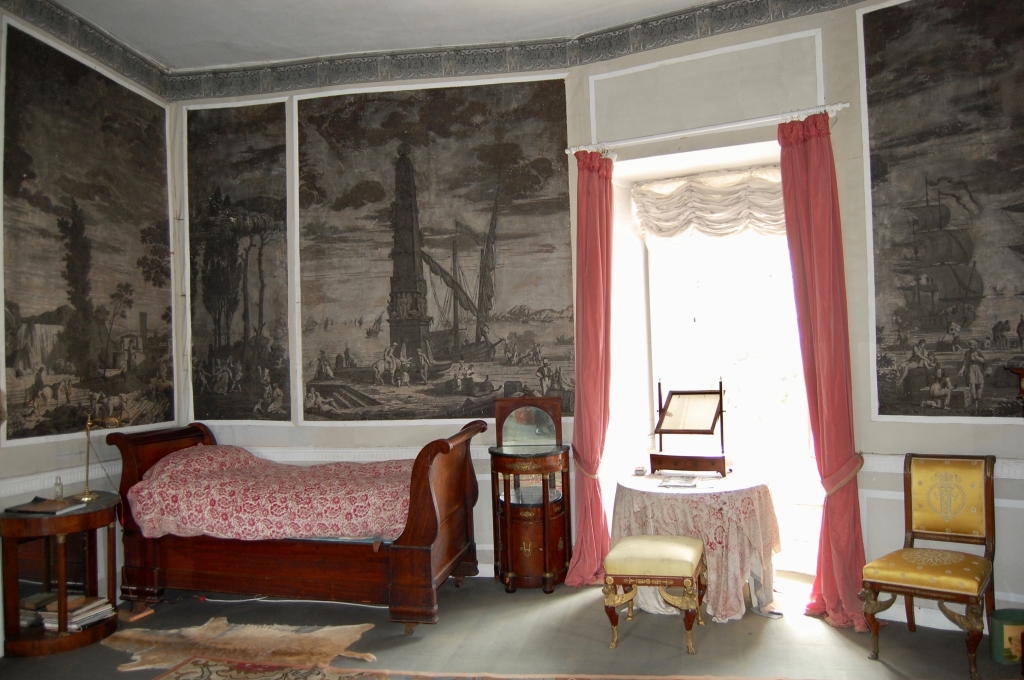
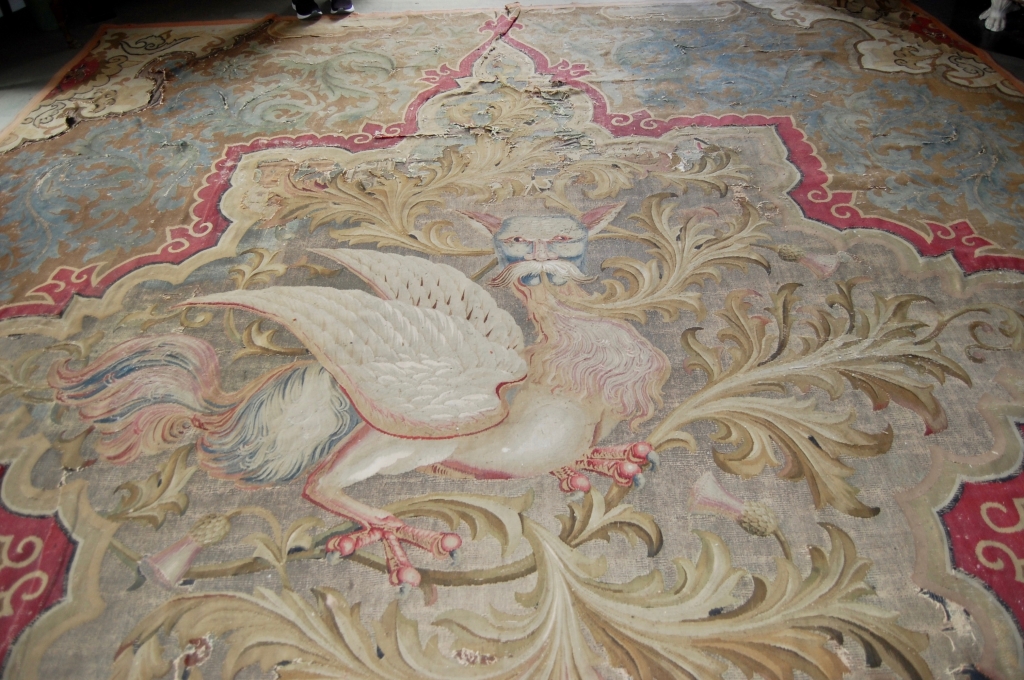
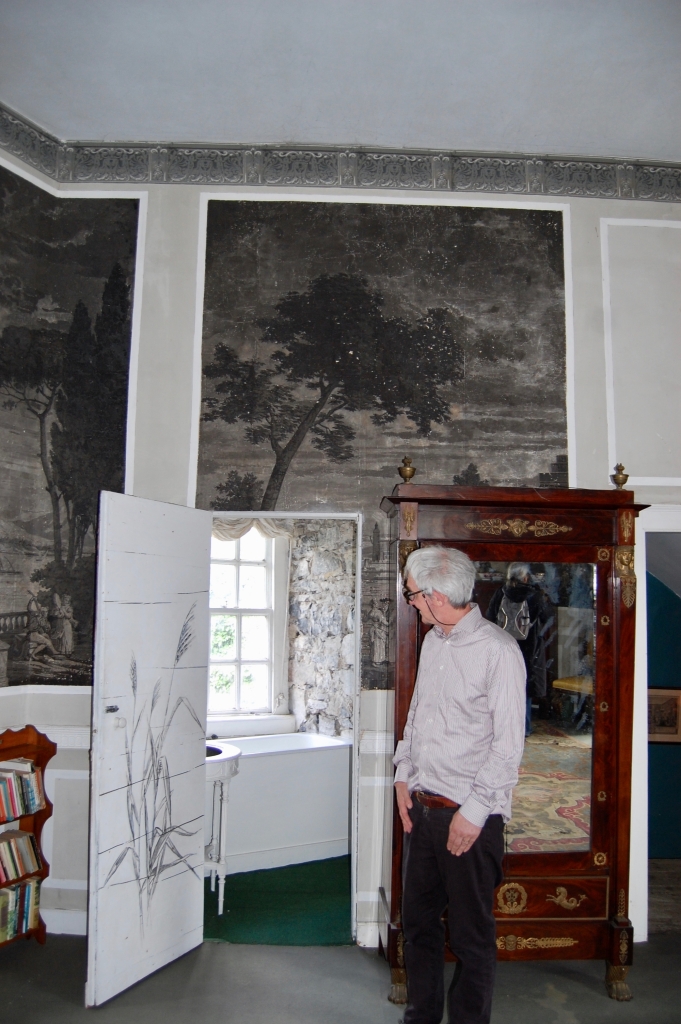
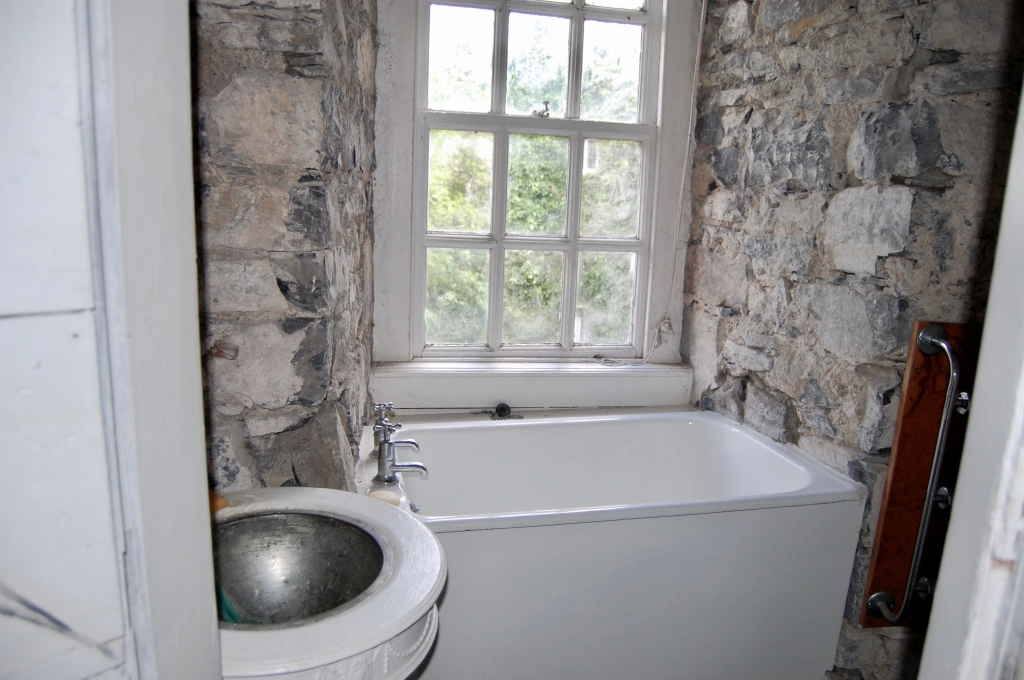
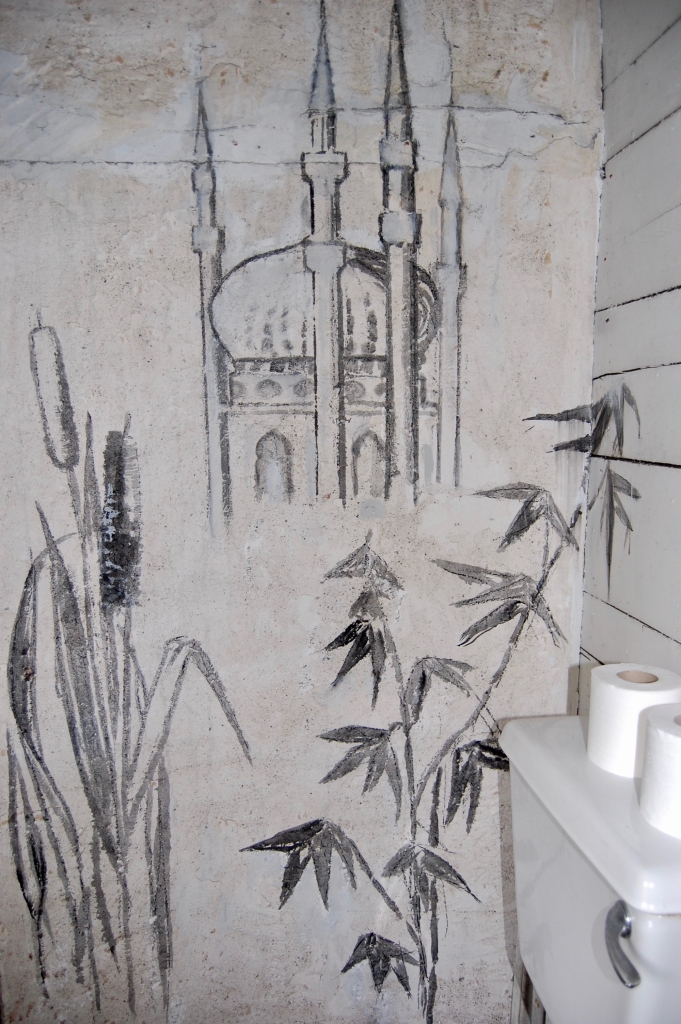
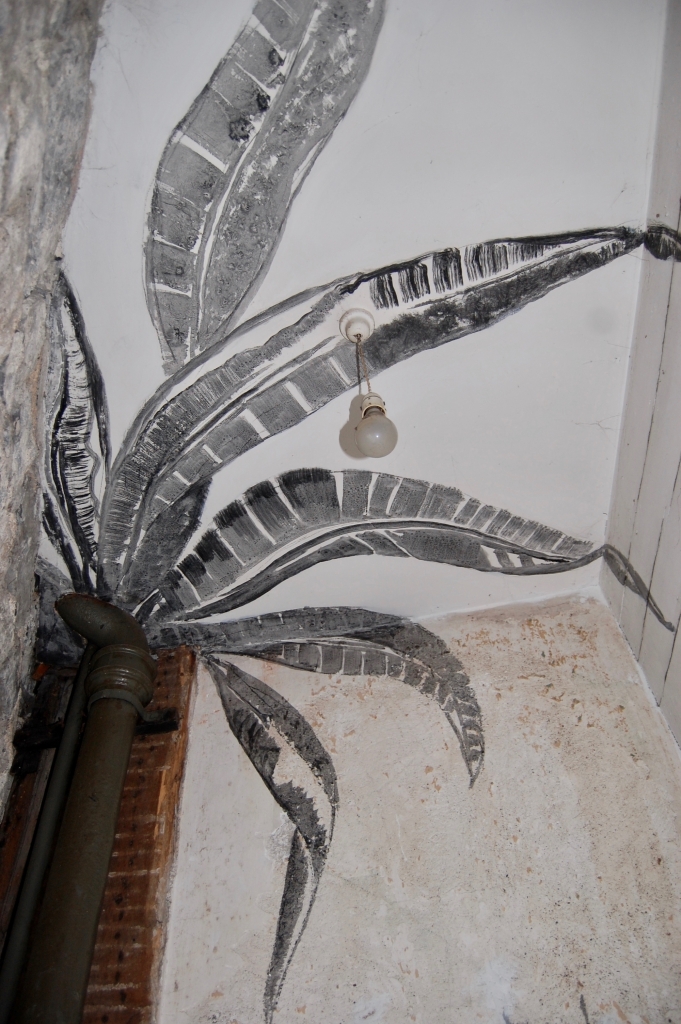
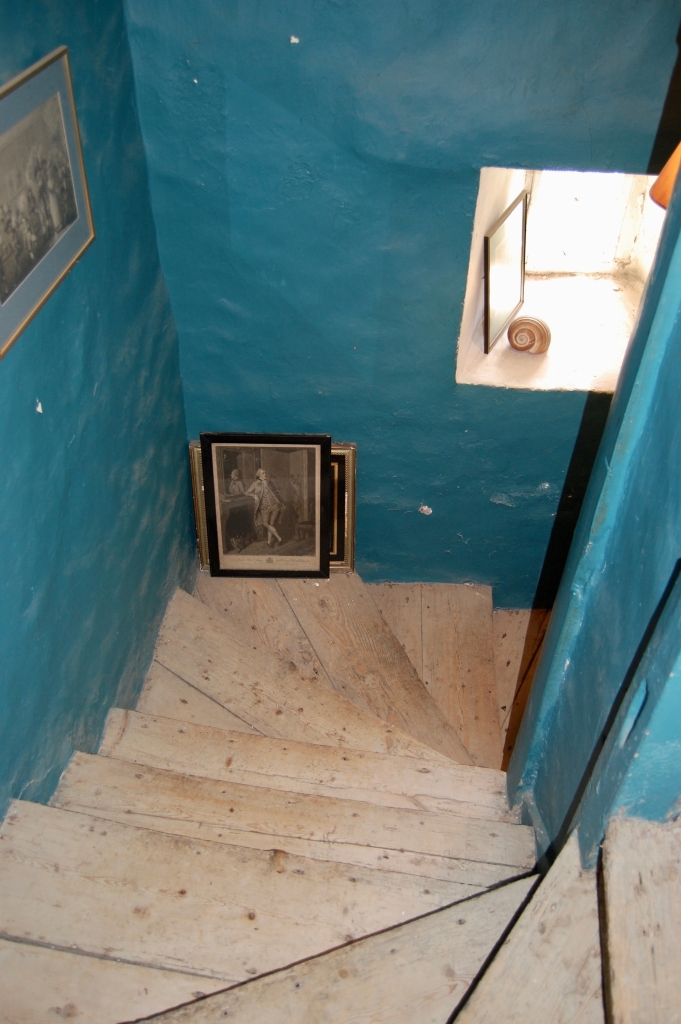


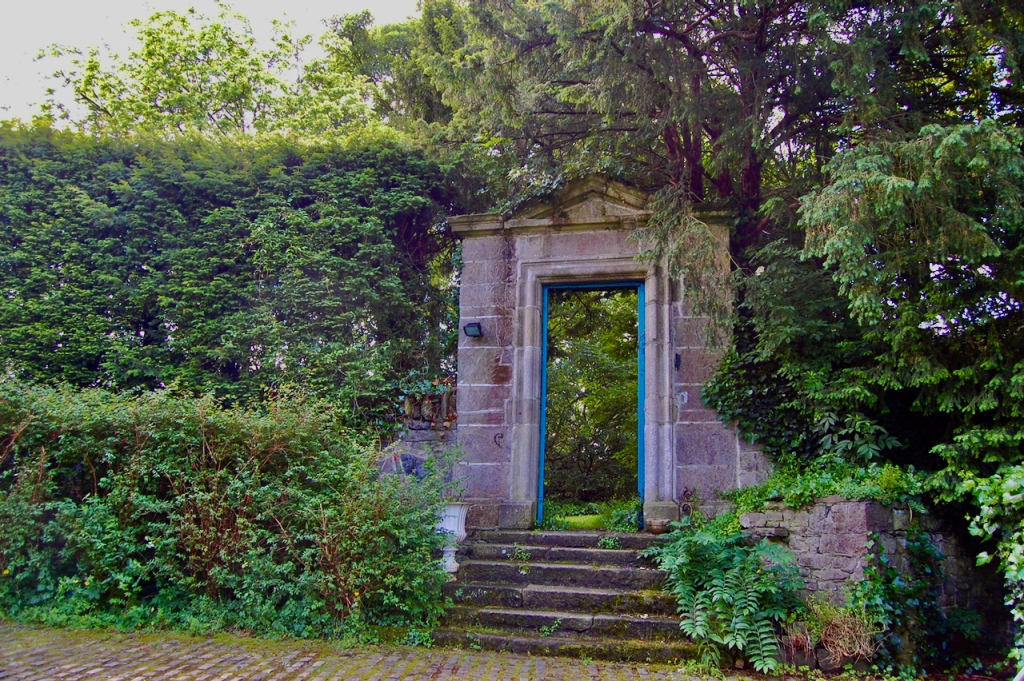
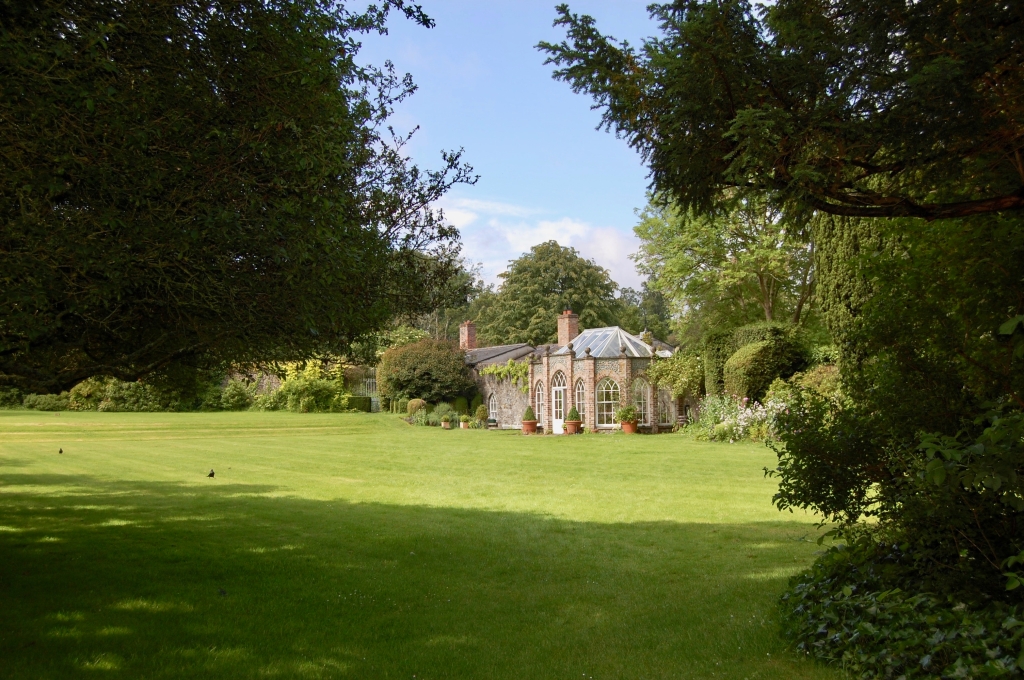
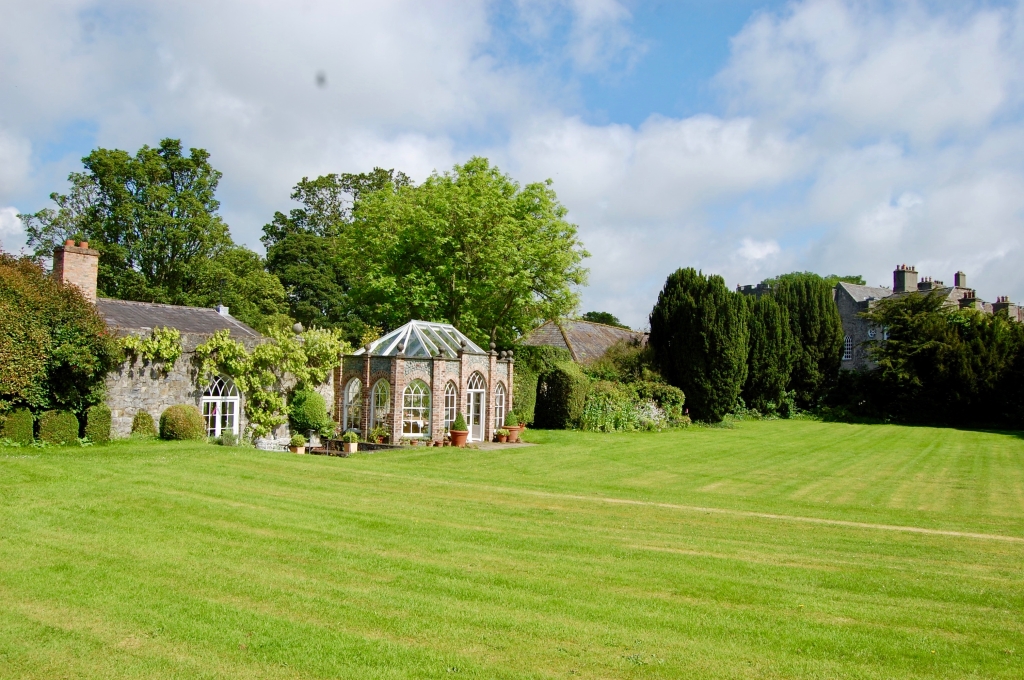
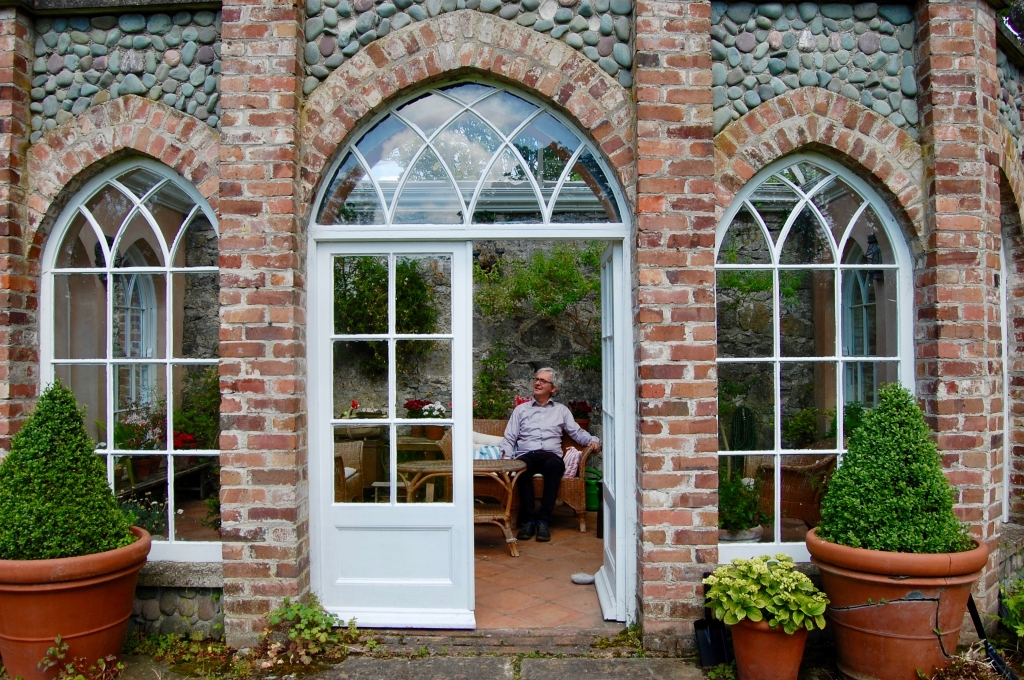
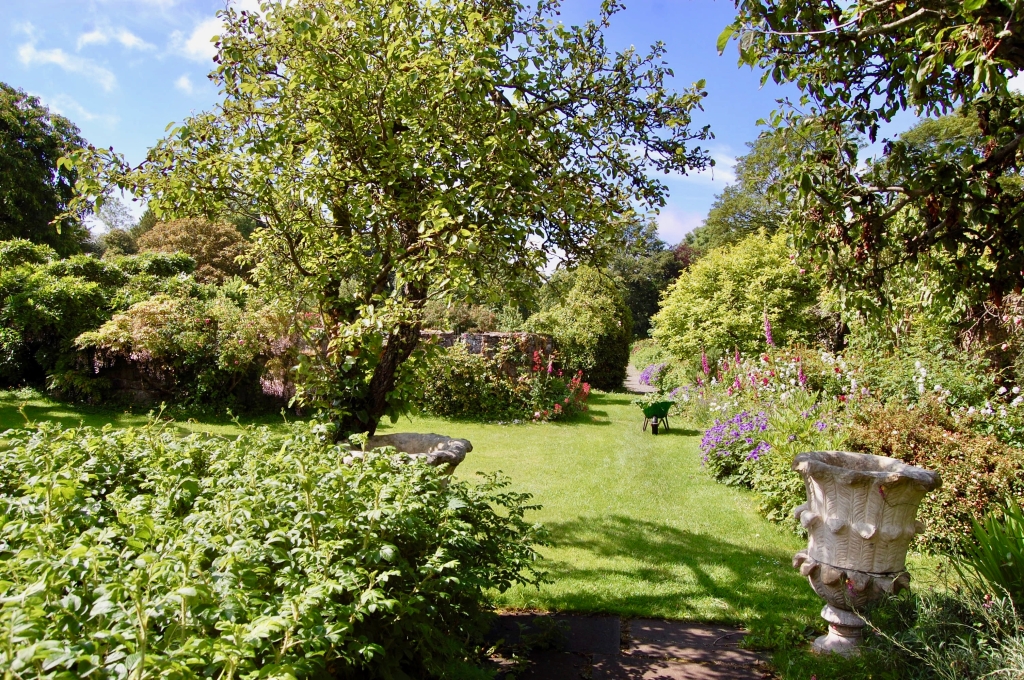
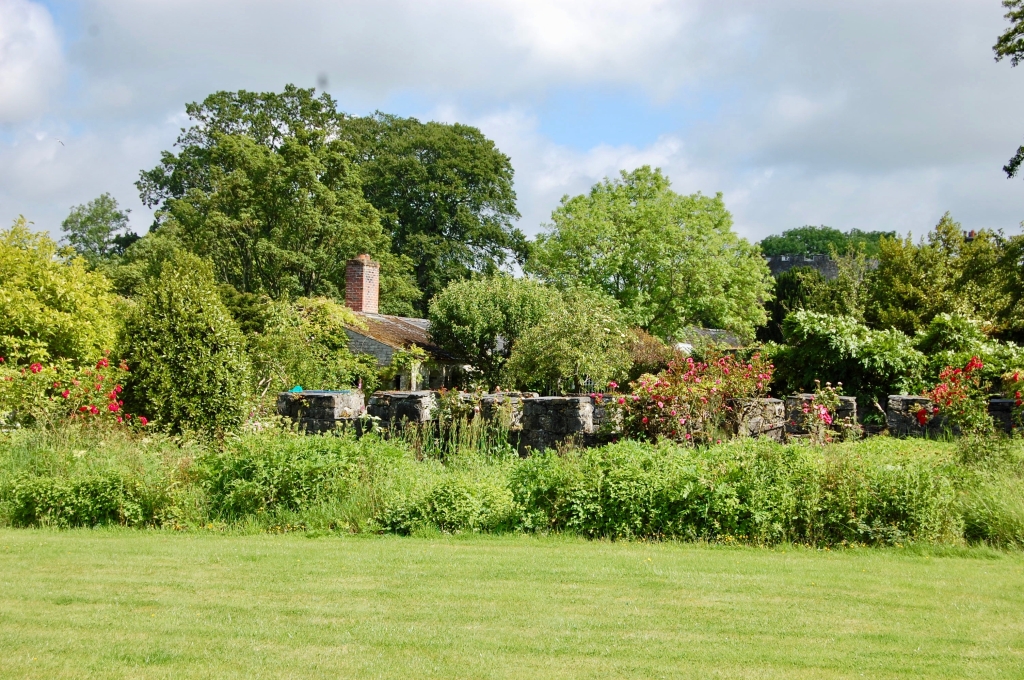

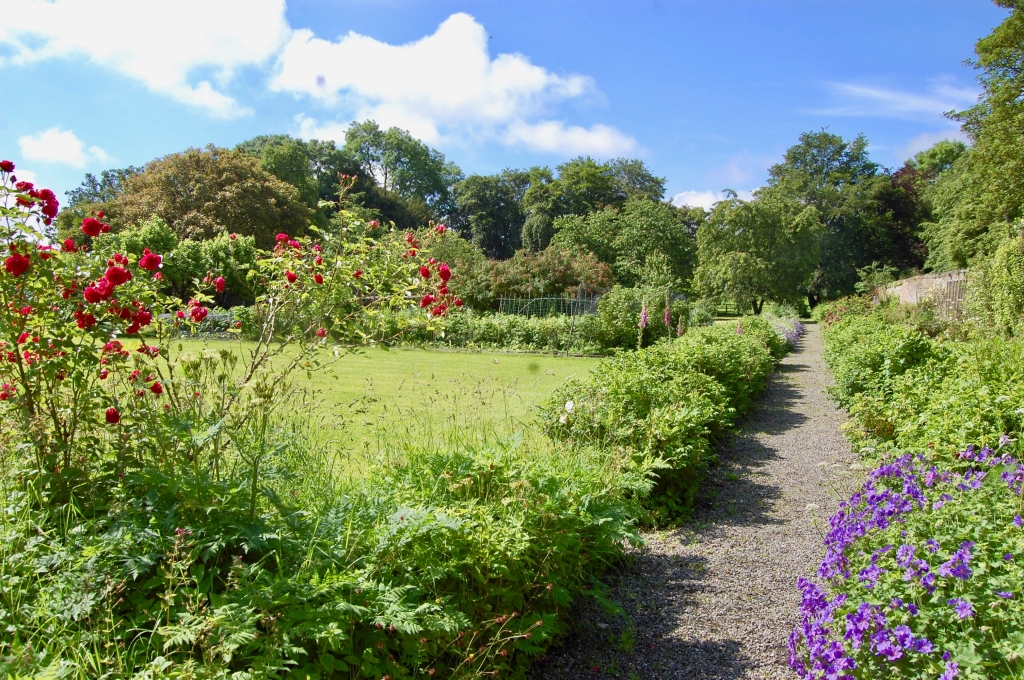
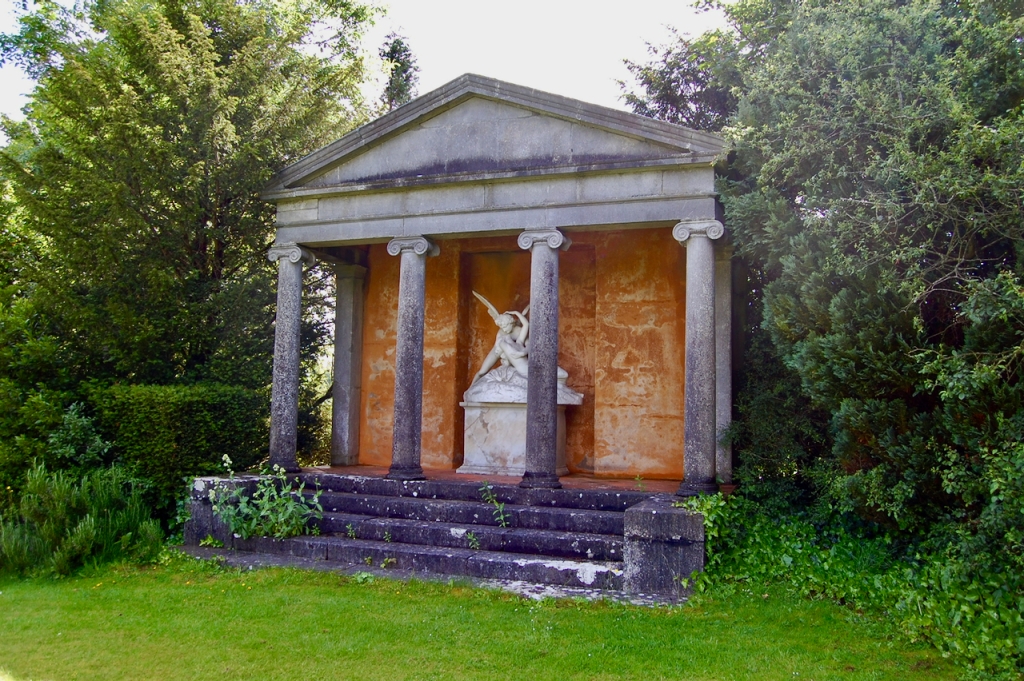
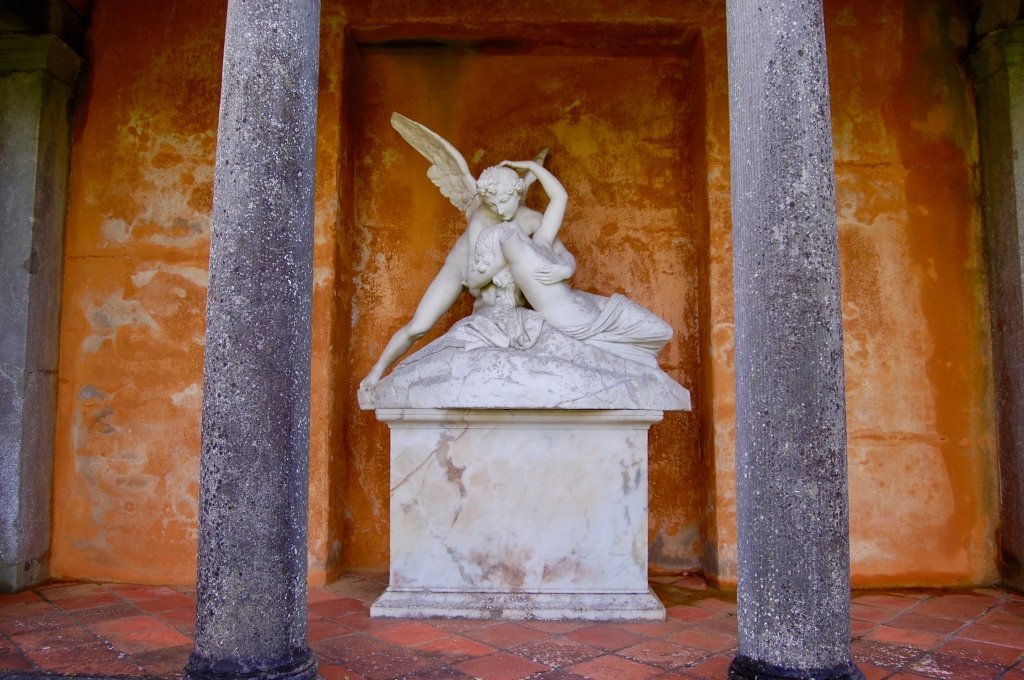
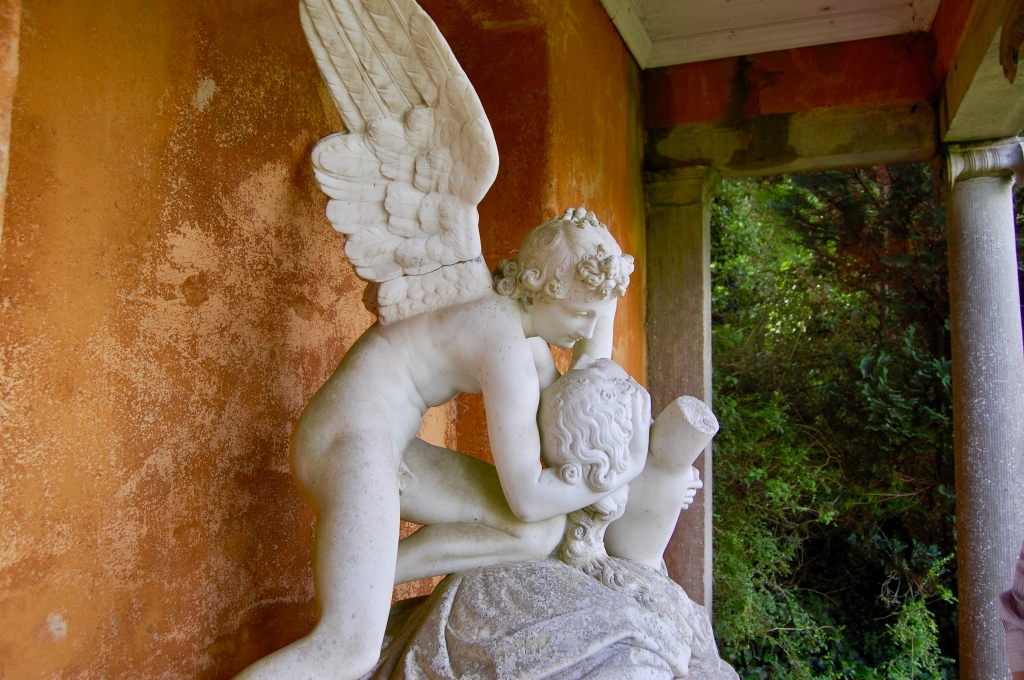
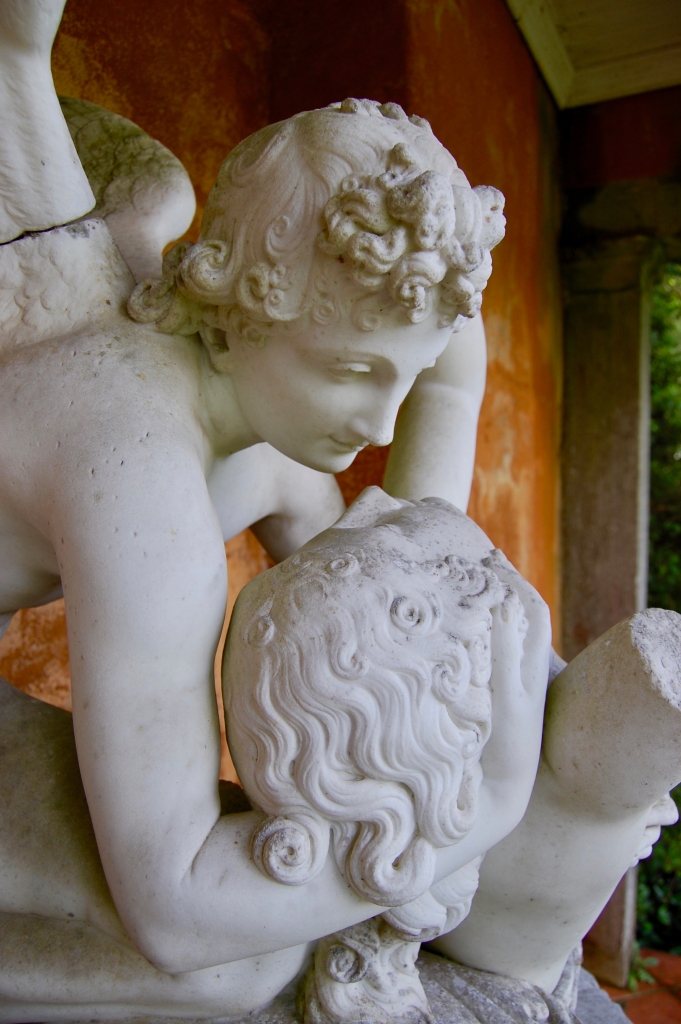

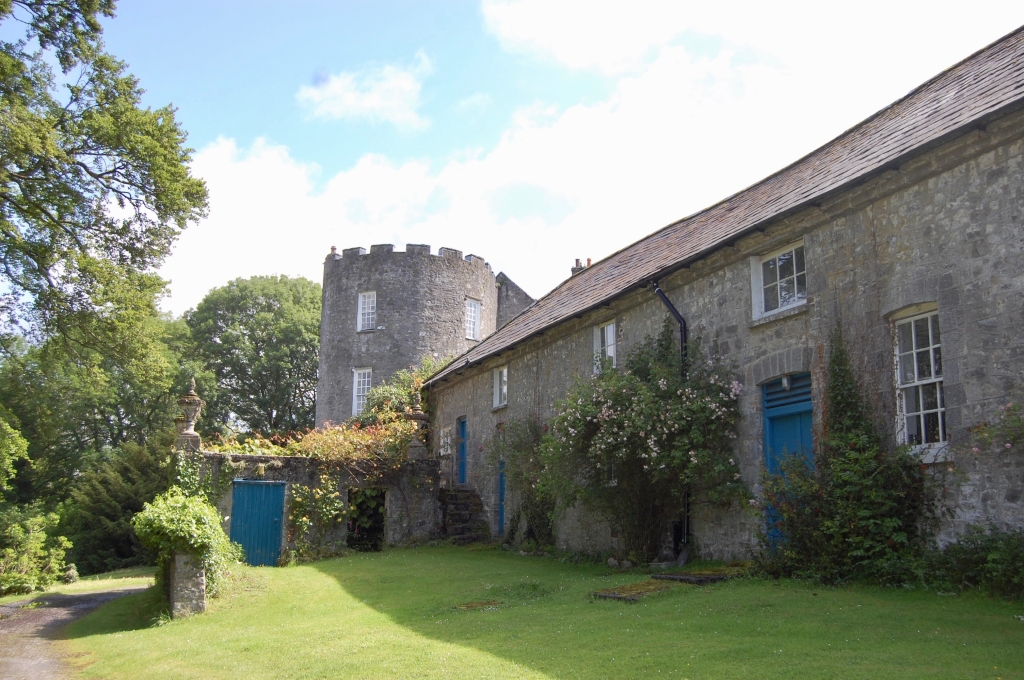


 Irish Historic Houses