We visited Leinster House, the seat of Irish Government, during Open House Dublin 2025. We were lucky to get tickets! Open House Dublin events book out almost immediately.
Leinster House was built from 1745-1752 for James Fitzgerald (1722-1773) 20th Earl of Kildare and first Duke of Leinster.
James Fitzgerald (1722-1773) 20th Earl of Kildare later 1st Duke of Leinster, by Robert Hunter c. 1803, courtesy of National Gallery of Ireland.
James’s father, Robert FitzGerald (1675-1744) 19th Earl of Kildare, made Carton in County Kildare his principal seat and employed Richard Castle (1690-1751) from 1739 to enlarge and improve the house (see my entry https://irishhistorichouses.com/2024/06/04/carton-house-county-kildare-a-hotel/ ). Before that, the Earl of Kildare had lived in Kilkea Castle in County Kildare.
After the destruction of Maynooth Castle, occupied by Earls of Kildare, in 1641, George, 14th Earl of Kildare, resided at Kilkea Castle from 1647-1660, and it continued as the family’s principal seat until Robert, the 19th Earl, built Carton House. [1]
Robert, 19th Earl of Kildare (1675-1744) after Frederick Graves, courtesy of Adam’s auction 15th Oct 2019. Robert FitzGerald, (1675 – 1744) was married to Mary O Brien, daughter of William O’Brien 3rd Earl of Inchiquin. They had 12 children but only 2 survived to majority. They had lived quietly at Kilkea Castle, near Athy, but in 1739 Robert bought back the lease of Carton, in Maynooth, for £8,000. He commissioned Richard Castle, the eminent architect, to reconstruct the existing house. In the pediment over the South front, previously the main entrance, is the coat of arms of Robert FitzGerald and his wife Mary O’Brien. Robert also employed the La Franchini brothers to construct the wonderful ceiling in the Gold Salon. The additions to Carton were not finished when Robert died in 1744 but he left instructions in his will to finish the restoration according to his plans. A monument dedicated to Robert FitzGerald is situated in Christ Church Cathedral, Dublin. (This portrait hung in Carton until 1949 when the Fitzgerald family sold the estate. It hung in Kilkea Castle until 1960. It was in the FitzGerald family collection in Oxfordshire until 2013.)
The 20th Earl, James, employed Richard Castle from 1745 to build him a new house in the city, which is now called Leinster House, and began to be so called around 1766 when James Fitzgerald was created Duke of Leinster. He was told that this was not a fashionable area to build, as at that time most of the upper classes lived on the north side of the Liffey around Mountjoy Square and Henrietta Street. He was confident that where he led, fashion would follow, and indeed he was correct.
The building as it was originally constructed is a double cube of granite on the east and north fronts and Ardbraccan limestone on the west entrance front. It has a forecourt on the Kildare Street side, which Christine Casey tells us in her Dublin volume of the Pevsner series The Buildings of Ireland is in the French seventeenth century manner, which probably derived via Burlington House in London, a house which would have influenced Richard Castle. The form is Palladian, an eleven bay block of three storeys over basement with a “tetrastyle” (i.e. supported by four columns) Corinthian portico over advanced and rusticated central bays. “Rustication” in masonry is a decorative feature achieved by cutting back the edges of stones to a plane surface while leaving the central portion of the face either rough or projecting markedly, emphasising the blocks. [2]
Casey points to the unusual arrangement of pediments on the windows of the first floor, as an alternating pattern would be the norm, rather than the pairs of segmental (i.e. rounded) pediments flanked by single triangular pediments in the bays to either side of the central three windows. [see 2]
The centre block has a balustraded balcony, and the attic and ground floor windows have lugged architraves: the architrave is the classical moulding around the window and “lug” means ear, so the windows have “ears,” otherwise called shoulders. The term “Lugs” was made famous as a nickname for a policeman in the Dublin Liberties, “Lugs” Branigan, a man known for his sticking-out ears. A heavyweight boxing champion, he had a reputation as the country’s toughest and bravest garda. The ground floor windows have are topped with a further cornice – a horizontal decorative moulding.
Originally, Casey writes, the house was linked to the side walls of the forecourt by low five-bay screen walls with Doric colonneads and central doorcases flanked by paired niches. The colonnade was given a pilastered upper storey in the nineteenth century, and was rebuilt in the 1950s when the colonnade was filled in, Casey explains. The lower storey on the left side when facing the building (north side) still has the colonnade: you can compare the stages of building the colonnades in the pictures below. In fact this colonnade was reinstated after being filled in. It was recently (when written before 2005) reinstated, Casey tells us, by Paul Arnold Architects, and topped with the nineteenthy century screen wall above which we see today.
In the Malton drawing of Leinster house we can see that the side walls of the forecourt had pedimented arches. The present piers, wrought iron gates and railings were added in the 1880s, built by T.N. & T.M. Deane.
To the south of the forecourt lay a stable court, with a stable and coach house block and a kitchen block which was linked to the house by a small yard, which must have been very inconvenient when dinner was served!
The garden front is fully rusticated on the ground floor, with advanced two-bay ends.
The central first floor window has a triangular pediment. The door porch was added in the nineteenth century. The lawn lay on property leased from Viscount Fitzwilliam.
Irish Architectural Archive exhibition about Leinster House.It was designed by Richard Castle (1690-1751) with later input from Isaac Ware (1704-1786) and Thomas Owen (d. 1788). Here we see the location of the Main Hall, Supper Room and Parlour and Drawing room on first floor, Picture Gallery and principal bedrooms on second floor and Nursery and children’s and staff rooms on third floor. There is a separate kitchen and stores block and stable block.
James’s father died in 1744 before his house at Carton was complete, so it was finished for James the 20th Earl. James was the second son of his parents the 19th Earl and his wife Mary (d. 1780), eldest daughter of William O’Brien, 3rd Earl of Inchiquin. His elder brother died in 1740.
The Dictionary of Irish Biography tells us that James’s political career began on 17 October 1741, when (then known as Lord Offaly) he entered the Irish house of commons as member for Athy. In 1744 he moved to the House of Lords after he inherited the earldom. [3] It was then that he embarked on his town house in Dublin. Now the houses of parliament are located next to Leinster house, but at the time, they were located in what is now the Bank of Ireland on College Green in Dublin.
Parliament House, Dublin, with the House of Commons dome on fire, 27th February 1792.Parliament Buildings Bank of Ireland, College Green, Dublin, between ca. 1865-1914, photograph by Robert French, Lawrence Photograph Collection, National Library of Ireland.House of Lords, Parliament Building, Bank of Ireland, Dublin, between ca. 1865-1914, photograph by Robert French, Lawrence Photograph Collection, National Library of Ireland.
The Dictionary of Irish Biography continues:
“His seniority in the peerage, popularity, and electoral interests ensured his appointment to the privy council (12 May 1746). He was made an English peer, Viscount Leinster of Taplow, Bucks. (1 February 1747), and appointed lord justice (11 May 1756). Master general of the ordnance (1758–66), he became major-general (11 November 1761) and lieutenant-general (30 March 1770). He was also promoted through the Irish peerage, becoming marquis of Kildare (19 March 1761) and duke of Leinster (26 November 1766).” [see 3]
James married Emilia Mary Lennox (1731-1814) in 1747, two years after Richard Castle began work on James’s townhouse. She was the daughter of General Charles Lennox, 2nd Duke of Richmond. Her grandfather the 1st Duke of Richmond was an illegitimate son of King Charles II of England. Emilia’s sister Louisa (1743-1821) married Thomas Conolly (d. 1803) and lived next to her sister in Carton, at Castletown in County Kildare (see my entry https://irishhistorichouses.com/2024/03/15/castletown-house-and-parklands-celbridge-county-kildare-an-office-of-public-works-property/
Emily Fitzgerald née Lennox (1731-1814) Duchess of Leinster 1770s by Joshua Reynolds.This terrific portrait of William Conolly (1662-1729) of Castletown, County Kildare is in the dining room.
Richard Castle died in 1751 before the town house was complete. He died at Carton, the Earl of Kildare’s country seat, while writing a letter with instructions to a carpenter at Leinster house. Isaac Ware stepped in to finish the house. An exhibition about Leinster House in the Irish Archictural Archive explains that following the death of Richard Castle in 1751, little further about the building is recorded until 1759. By this time, English architect Isaac Ware, famous for his A Complete Body of Architecture published in 1756, had become involved with the project. The Fitzgeralds began to use the house in 1753 while work on the interior continued.
Inside, the house has a double height entrance hall with an arcaded screen of Doric pillars toward the back which opens onto a transverse corridor that divides the front and rear ranges. I found the hall hard to capture in a photograph, especially as we were part of a tour group. The hall reminded me of the double height entrance hall of Castletown, and indeed Christine Casey notes in her Buildings of Ireland: Dublin that the plan and dimensions of Leinster House relate directly to those of Castletown house in County Kildare, which was built in 1720s for William Conolly, and which was probably, she writes, built under the direction of Edward Lovett Pearce, possibly with the assistance of Richard Castle. [2]
It is the double height that reminds me of the great hall in Castletown, although Castletown has a gallery and Leinster house does not. The niches remind me of the similar front hall in Gloster house in County Offaly, which although a private family home, in 2025 is a Section 482 property which you can visit on particular days.
The black and white flooring is original to the house. [see 2] The red marble doorframe was added later.
The coffered ceiling in the Hall in Leinster house is different from the ceilings in the front hall in Castletown or Gloster. The deep coffered cove rises to a plain framed flat panel with central foliated boss. There is an entablature above the Doric columns around the four sides of the hall. The square ovolo framed niches above have statues and above the main door the niches have windows.
The chimneypiece in the front hall, Casey tells us, was originally faced with a pedimented niche on the north wall opposite, flanked by the doorcases. The chimneypiece is of Portland stone, she describes, with ornamental consoles and above the lintel, enormous scrolls flanking a bust pedestal.
The principal stair hall is a two bay compartment north of the front hall. Casey tells us that Isaac Ware inserted an imperial staircase – one in which a central staircase rises to a landing then splits into two symmetrical flights up to the next floor – into a hall compartment which was meant for a three flight open well staircase. The staircase is further marred, Casey tells us, by a later utilitarian metal balustrade. Casey does not mention the plasterwork here, which is very pretty. The wooden staircase is a later addition.
Beyond the stair hall is the former Supper Room, which is now the Library of the Oireachtais, which fills the entire depth of the house. I found the lights rather offputting and think they ruin the intended effect of the room and the ceiling, which Casey tells us derives from Sebastiano Serlio (1475-1554), an Italian architect who was part of an Italian team who built the Palace of Fontainbleau, and Tutte l’opere d’architettura et prospetiva (All the Works of Architecture and Perspective) is Serlio’s practical treatise on architecture.
The room has three screens of fluted Ionic columns – one at either end and one in front of the bow at one side of the room. Originally, Casey informs us, there were six fluted columns to each screen, paired at the ends of the room and in the centre of the north bow, but in the 19th century one column was removed from each pair. On the walls the corresponding pilasters would have matched the six columns.
The bow is considered to be the first bow in Dublin, and the design of the house is said to have inspired the design of the White House in Washington DC, designed by a man from Kilkenny, James Hoban.
A pedimented doorcase is flanked by ornate chimneypieces based on a design by William Kent. These are surmounted by Corinthian overmantels after a design by Inigo Jones, possibly made to frame portraits, Casey suggests, of the Earl and Countess of Kildare painted by Reynolds in 1753-54. [see 2]
Next to the Supper Room on the garden front is the large dining room, also designed by Isaac Ware. It is of three bays, and has decorative doorcases and a beautiful ceiling attributed to Filippo Lafranchini.
Christine Casey next describes the Garden Hall, with a more modest shell and acanthus ceiling and a chimneypiece with claw feet. Next is the former Private Dining Room, she tells us, a room from 1760, which has a ceiling with acanthus, rocaille shells and floral festoon forming a deep border to a plain chamfered central panel.
Casey tells us that the Earl of Kildare’s Library is at the southeast corner of the house, and that it has pedimented bookcases. It too was designed by Isaac Ware.
Designs for the ceiling of the Earl of Kildare’s dressing room by Richard Castle, 1745, IIA 96/68.1/1/17, 18, 19. Irish Architectural Archive exhibition about Leinster House.As with the several surviving designs for the front elevation of Leinster House, these three beautifully executed drawings for proposed ceilings in the Earl of Kildare’s dressing room are indicative of the attention to design detail which Richard Castle brought to the project in an effort to satisfy his demanding clients. The third variant shows the ceiling almost as executed.
Before we go into the separate building that holds the current Dáil chamber, let us go up to the first floor. The former gallery now holds the Senate Chamber, and it fills the north end of the eighteenth century house. Both Richard Castle and Isaac Ware prepared plans for this room, but the room was unfinished when the Duke of Leinster died in 1773.
James died on 19 November 1773 at Leinster House and was buried in Christ Church cathedral four days later. His eldest son George predeceased him, so the Dukedom passed to his second son, William Robert Fitzgerald (1748/49-1804). The 2nd Duke completed the picture gallery in 1775 to designs by James Wyatt (1746-1813).
The ceiling as designed by James Wyatt is tripartite. I defer to Christine Casey for a description:
“at its centre a chamfered octagon within a square and at each end a diaper within a square, each flanked by broad figurative lunette panels at the base of the coving and bracketed by attenuated tripods, urns and arabesque finials… It remains among the finest examples of Neoclassical stuccowork in Dublin.“
Irish Architectural Archive exhibition about Leinster House: Sketch showing the interior of the Senate Chamber of Leinster House by Con O’Sullivan, 1930s (IAA 96/145.1). Founded in 1747, Henry Sibthorpe & Co were one of the leading painting and decorating firms in Dublin from the first half of the 19th century to the mid 20th, and they closed in 1970s. Some of its records survive in the National Archives and in the IAA. Drawings showed perspective views of proposed decorative schemes to prospective clients. This dawing by Sibthorpe employee Con O’Sullivan shows a proposed repainting of the Senate Chamber.
Wyatt created an elliptical vault over the principal volume of the room and a half-dome above the bow.
On the inner wall of the room Wyatt places three ornate double-leaf doorcases and between them two large white marble chimneypieces. The chimneypieces have high-relief female figures to the uprights and on the lintel, putti sit “between headed spandrels enclosing urns and confronted griffins.”
Unfortunately with the tour group I was unable to get good photographs of the room, the chimneypieces or the carved doorframes.
At the south end of the ground floor corridor is a top-lit stair hall which leads to the Dáil chamber. This separate building originally housed a lecture theatre, built in 1893 by Thomas Newenham and Thomas Manly Deane. Before this was built, let us look at the rest of the history briefly of the Dukes of Leinster who continued to use the house as their Dublin residence.
The first duke’s wife Emilia went on to marry her children’s tutor, William Ogilvie. This would have caused quite a scandal, and she and her husband lived quietly in Blackrock in Dublin at their house called Frascati (or Frescati), which no longer exists. She and the Duke of Leinster had had nineteen children! She had happy times when the children were young and their tutor would take them bathing in the sea near Frescati house. She and her second husband went on to have two daughters.
Frescati House, County Dublin, photograph by Robert French (between ca. 1865-1914), Lawrence Photograph Collection, National Library of Ireland.
A younger son of Emilia and the Duke of Leinster, Edward (1763-1798) became involved in an uprising in Dublin, inspired by the French Revolution, and he was put in prison as a traitor and where he died of wounds he’d received while resisting arrest.
Edward Fitzgerald (1763-1798)
Another son, Charles James (1756-1810) served in the Royal Navy. He also acted as M.P. for County Kildare between 1776 and 1790, Commissioner of Customs between 1789 and 1792 and M.P. for County Cavan between 1790 and 1797. He held the office of Muster Master-General of Ireland between 1792 and 1806 and Sheriff of County Down in 1798. He was M.P. for Ardfert between 1798 and 1800 and was created 1st Baron Lecale of Ardglass, Co. Down [Ireland] in 1800. He held the office of Member of Parliament (M.P.) for Arundel in England between January 1807 and April 1807.
A sister of Edward Fitzgerald (1763-1798), Emily Maria Margaret (1751-1818) married Charles Coote 1st Earl of Bellomont, County Cavan.
William Robert Fitzgerald, 2nd Duke of Leinster, K.P. (1749-1804), circle of Joshua Reynolds courtesy of Christie’s Irish Sale 2002.
The Dictionary of Irish Biography tells us about the second duke:
“He was returned as MP for Dublin city in 1767, though he was too young to take his seat, and it was only in October 1769 that he returned to Ireland to sit in parliament. He represented the constituency until 1773, supporting the government for most of this period. On learning that he was a freemason, the grand lodge of Irish freemasons rushed to make him their grand master and he served two terms (1770–72 and 1777–8). On 19 November 1773 he succeeded his father as 2nd duke of Leinster. The family home of Carton in Co. Kildare had been left to his mother but he, somewhat vainly, was determined to own it and purchased her life interest, a transaction that was the major source of his future indebtedness. His aunt, Lady Louisa Conolly, believed that he was ‘mighty queer about money’ and that his ‘distress’ about it was ‘the foundation of all that he does’ (HIP, iv, 160). In November 1775 he married Emilia Olivia Usher, only daughter and heir of St George Usher, Lord St George, a union that helped to ease some of his financial problems.“
HUGH DOUGLAS HAMILTON portrait of Emilia Olivia née St. George, 2nd Duchess of Leinster courtesy of Bonhams Old Master Paintings 2018.
The 2nd Duke was active in politics. He died in 1804 and is buried in Kildare Abbey.
William Robert Fitzgerald (1749-1804) 2nd Duke of Leinster wearing Order of St. Patrick, by Gilbert Stuart, courtesy Christies.
One of William Robert Fitzgerald’s daughters, Emily Elizabeth (1778-1856) married John Joseph Henry of Straffan house in County Kildare, now the K Club. A son, Augustus Frederick (1791-1874) became the 3rd Duke of Leinster. He sold the town house in 1814. Since the Union in 1801 when there was no longer an Irish Parliament, a townhouse in Dublin was no longer essential. It was purchased by the Dublin Society, a group founded for “improving Husbandry, Manufactures and other useful arts and sciences.”
Augustus Frederick Fitzgerald (1791-1874), 3rd Duke of Leinster, engraver George Saunders after Stephen Catterson Smith, courtesy of National Gallery of Ireland.
From 1815-1922 Leinster House was the Headquarters of the Royal Dublin Society – the “Royal” was added to the Society’s name in 1820. Rooms in the house were used to accommodate the Society’s library and museum as well as offices and meeting spaces. The original kitchen wing of the house was converted to laboratories and a lecture theatre. Gradually more buildings were added around the house, including sheds and halls for the Society’s events, namely the Spring Show and the Horse Show.
Note at Irish Architectural Archive exhibition about the RDS at Leinster House.Irish Architectural Archive exhibition about Leinster House.Configuration of Leinster house as RDS and centre of culture, learning and innovation the site of The Dublin Society (1815-1820) and the RDS (1820-1922). The School of Drawing (1845) was to the left, and later became the Metropolitan School of Art and the National College of Art and Design which continued as the National College of Art on this site until 1980, when it moved to Thomas Street and its facilities were incorporated into the adjacent National Library. The former kitchen and stable block were amended and expanded to host sculpture galleries, a stone yard, laboratories and lecture facilities. It had a 700 seat lecture theatre. To the right, Shelbourne Hall and the Agricultural Hall in the mid 19th century had facilities to display agricultural and industrial products, and it was later the site of the Museum of Archaeology. The Museum of Natural History (1857) and the National Gallery of Art (1860) were first developed for RDS collections, an dwere later expanded in conjunction with the Department of Science and Art/South Kensington and the Department of Agriculture and Technical Instruction.
Leinster Lawn was the site of industrial and agricultural exhibitions. In 1853, the Great Industrial Exhibition ran on the RDS grounds at Leinster House, just two years after Prince Albert’s Exhibition in the Crystal Palace in London. Constructed of iron, wood and glass, the Irish Industrial Exhibition building was paid for by William Dargan and installed by Richard Turner on Leinster Lawn in a matter of months. Its architect was John Benson, who was knighted for his efforts.
Spring Shows and Industries Fairs (1831-1880) and early Horse Shows (1864-1881) were also held on Leinster Lawn.
Irish Architectural Archive exhibition about Leinster House.Opening of the Dublin Great Exhibition, Illustrated London News 4th June 1853, IIA 80/010.20/1. A successor to the Great Exhibition held in the Crystal Palace, London in 1851, the Great Industrial Exhibition ran on the RDS grounds at Leinster House from 12 May to 31st October 1853. As much a marvel as any of the objects on display was the edifice in which the exhibition was housed. Constructed of iron, wood and glass, the Irish Industrial Exhibition building was paid for by William Dargan and installed by Richard Turner on Leinster Lawn in a matter of months. Its architect was John Benson, who was knighted for his efforts.
The National Museum and National Library were built in 1890, and were designed by Thomas Newenham Deane and his son Thomas Manly Deane.
The museum and library were designed as a pair of Early Renaissance rotundas facing each other. The rotundas have a single storey yellow sandstone Roman Doric colonnade surrounding them. Above is a row of circular niches. Above that are columns framing round headed windows and panels of red and white marble. The pavillions next to the rotundas have a rusticated ground floor, with Venetian windows on first floor level and Corinthian pilasters.
The Lecture Theatre was built in 1893, and was also designed by Thomas Newenham Deane. The lecture theatre is a horseshoe shaped top-lit galleried auditorium with a flat west end that originally accommodated a stage and lecture preparation rooms.
Irish Architectural Archive exhibition about Leinster House: The RDS lecture theatre.
Single and paired cast iron Corinthian columns support the gallery in the former theatre. The building was appropriated as a temporary Dáil chamber in 1922 on Michael Collins’s recommendation, and in 1924 the government acquired Leinster House to be the seat of the Oireachtais. The theatre was remodelled: a new floor was inserted over the central block of seats to make a platform for the Ceann Comhairle, the clerk of the Dail, and the official reporters. The lower tier of seating was replaced with rows of mahogany and leather covered seats designed either by Hugh O’Flynn of the OPW, as the exhibition in the Irish Architectural Archive tells us, or by James Hicks & Sons according to Christine Casey, and the upper tiers became the press and public galleries. The stage was closed in and replaced by a press gallery and adjoining press rooms. The gallery was remodelled around 1930.
To enter Leinster house, you go through a security hut upon which a controversial sum was spent by the Office of Public Works. I love the way the hut goes around a large tree. I assume a large part of the cost of the hut was the beautiful marble countertops!
[1] MacDonnell, Randal. The Lost Houses of Ireland. A chronicle of great houses and the families who lived in them. Weidenfeld and Nicolson. London, 2002.
[2] Casey, Christine. The Buildings of Ireland: Dublin. The City within the Grand and Royal Canals and the Circular Road with the Phoenix Park. Yale University Press, New Haven and London, 2005.
p. 60. “(Talbot de Malahide, B/PB; Fitzgerald, Leinster, D/PB; Nall-Cain, sub Brocket, P/BP) The lands of Carton always belonged to the Fitzgeralds, Earls of Kildare, whose chief castle was nearby, at Maynooth; in C17, however, they were leased to a junior branch of the Talbots of Malahide, who built the original house there.” [1]
The Carton website tells us that the lands of Carton first came into the ownership of the FitzGerald family shortly after Maurice FitzGerald (d. 1176) played an active role in the capture of Dublin by the Normans in 1170. He was rewarded by being appointed Lord of Maynooth, and given an area covering townlands which include what is now Carton. The website goes on to tell us:
“His son became Baron Offaly in 1205 and his descendant John FitzGerald [5th Baron Offaly, d. 1316], became Earl of Kildare in 1315. Under the eighth earl, [Gerald FitzGerald (1455-1513)] the FitzGerald family reached pre-eminence as the virtual rulers of Ireland between 1477 and 1513.“
Thomas FitzGerald, 10th Earl of Kildare, “Silken Thomas,” c. 1530 attributed to Anthony Van Dyck.
“However, the eighth earl’s grandson, the eloquently titled Silken Thomas [the 10th Earl of Kildare] was executed in 1537, with his five uncles, for leading an uprising against the English. Although the FitzGeralds subsequently regained their land and titles, they did not regain their position at the English Court until the 18th century when Robert, the 19th Earl of Kildare, became a noted statesman.“
It surprises me that after Silken Thomas’s rebellion that his brother was restored to the title and became the 11th Earl on 23 February 1568/69, restored by Act of Parliament, about thirty years after his brother was executed.
It was William Talbot, Recorder of the city of Dublin, who leased the lands from Gerald FitzGerald, 14th Earl of Kildare (1547-1612). William Talbot was created 1st Baronet Talbot, of Carton, Co. Kildare on 4 February 1622/23. He was MP for Kildare in 1613-1615. He built a house at Carton. His son Richard was created 1st Duke of Tyrconnell in 1689 by King James II, after he had been James’s Groom of the Bedchamber. He fought in the Battle of the Boyne and was loyal to the Stuarts, so was stripped of his honours when William of Orange (William III) came to power.
Richard Talbot, Duke of Tyrconnell (1630-1691), courtesy of National Gallery of Ireland.Frances Talbot (c.1670-1718) by Garret Morphy courtesy National Gallery of Ireland NGI 4150. She was the daughter of Robert Talbot, 2nd Baronet of Carton, County Kildare, who was a brother of the Duke of Tyrconnell, and wife of Richard Talbot (1638-1703) of Malahide.Tyrconnell Tower in grounds of Carton House, photograph 2014 for Tourism Ireland. [2]
Mark Bence-Jones continues: “After the attainder of Richard Talbot, Duke of Tyrconnell, James II’s Lord Deputy of Ireland, Carton was forfeited to the crown and sold 1703 to Major-Gen Richard Ingoldsby, Master-General of the Ordnance and a Lord Justice of Ireland; who added a two storey nine bay pedimented front to the old house, with wings joined to the main block by curved sweeps, in the Palladian manner. In 1739 Thomas Ingoldsby sold the reversion of the lease back to 19th Earl of Kildare [Robert FitzGerald (1675-1744)], who decided to make Carton his principal seat and employed Richard Castle to enlarge and improve the house.“
Richard Ingoldsby (c.1664/5–1712) was the son of George, who came to Ireland with the Cromwellian army in 1651 and became a prominent landowner in Limerick. Richard fought in the Williamite army. The Dictionary of Irish Biography tells us that Richard Ingoldsby purchased Carton House and demesne in Co. Kildare for £1,800 in 1703 from the Talbot family. He also owned a town house in Mary St., Dublin. He married Frances, daughter of Col. James Naper of Co. Meath; they had at least one son, Henry Ingoldsby (d. 1731). Henry lived the high life in London and Carton had to be sold to pay his debts in 1738, and he sold it back to Robert Fitzgerald the 19th Earl of Kildare.
Robert Fitzgerald (1675-1744) 19th Earl of Kildare, after Frederick Graves, courtesy of Adam’s auction 15th Oct 2019.
Robert FitzGerald the 19th Earl of Kildare married Mary O’Brien, daughter of William, 3rd Earl of Inchiquin.
The Archiseek website tells us:
“In 1739, the 19th Earl of Kildare employed Richard Castle to build the existing house replacing an earlier building. Castle (originally Cassels) was responsible for many of the great Irish houses, including Summerhill, Westport, Powerscourt House and in 1745, Leinster House, which he also built for the FitzGeralds.” [3]
Bence-Jones tells us about the rebuilding of Carton by Richard Castle: “Castle’s rebuilding obliterated all traces of the earlier house, except for a cornice on what is now the entrance front and the unusually thick interior walls. He added a storey, and lengthened the house by adding a projecting bay at either end; he also refaced it. He gave the entrance front a pediment, like its predecessor; but the general effect of the three storey 11 bay front, which has a Venetian window in the middle storey of each of its end bays, is one of massive plainness. As before, the house was joined to flanking office wings; but instead of simple curved sweeps, there were now curved colonnades.”
There is a projecting bay on either side of the garden front facade with a Venetian window in the middle storey of either projecting bay. According to Mark Bence-Jones, these were designed by Richard Castle. The flanking wings were joined initially by curved colonnades, later replaced by straight connecting links.
Mark Bence-Jones continues: “The work was completed after the death of 19th Earl for his son [James (1722-1773)], 20th Earl, who later became 1st Duke of Leinster and was the husband of the beautiful Emily, Duchess of Leinster [Emily Lennox, daughter of the 2nd Duke of Richmond] and the father of Lord Edward Fitzgerald, the United Irish Leader.”
James Fitzgerald, 20th Earl of Kildare, later 1st Duke of Leinster by Robert Hunter, Irish, 1715/1720-c.1803. Photograph courtesy of National Gallery of Ireland.Emilia Mary, Countess of Kildare (née Lennox) (1731-1814), Wife of the 20th Earl of Kildare and future 1st Duke of Leinster After Joshua Reynolds, English, 1723-1792, photograph courtesy of National Gallery of Ireland.Emily née Lennox (1731-1814) Countess of Kildare, wife of the 1st Duke of Leinster, by Allan Ramsay (1713-1784). Oil on canvas, painted 1765. Purchased 1951, No. 1356, Walker Art Gallery, Liverpool, UK, Photograph by Mike Peel (www.mikepeel.net)Emily Fitzgerald née Lennox (1731-1814) Duchess of Leinster 1770s by Joshua Reynolds.Margaretta Fitzgerald (d. 1766) Countess of Hillsborough, daughter of Robert Fitzgerald, 19th Earl of Kildare, attributed to Charles Jervas, courtesy of Fonsie Mealy auction. She married Wills Hill, 1st Earl of Hillsborough, Co. Down, 1st Marquess of Downshire.Edward Fitzgerald (1763-1798) by Hugh Douglas Hamilton – http://www.galleryofthemasters.com/h-folder/hamilton-hugh-douglas-lord-edward-fitzgerald.html, Public Domain, https://commons.wikimedia.org/w/index.php?curid=3835564
They certainly were a rebellious family! It is said that this saved the house from being burnt by Irish rebels in 1920s, as a portrait of Edward Fitzgerald the United Irishman was shown to the would-be arsonists. Emily Lennox’s sister, Louisa, married Thomas Conolly and lived across the parkland in Castletown House. Stella Tillyard writes of the life and times of the sisters, Emily and Louisa and it was made into a mini series for the BBC, entitled “The Aristocrats” which was filmed on site at Carton House. I’d love to read the book and see the movie! She also wrote about Edward FitzGerald.
Edward Fitzgerald (1763-1798), circa 1780, courtesy Whytes March 2025.
When the 1st Duke died, Emily married her children’s tutor and lived very happily with him. She had enjoyed spending time with him and the children at their house in Blackrock, Frascati, which no longer exists, and the children swam in the sea.
Frescati House, County Dublin, photograph by Robert French, Lawrence Photograph Collection, National Library of Ireland.
Emily and the 1st Duke’s heir was William Robert Fitzgerald (1749-1804) 2nd Duke of Leinster. He married Emilia Olivia née Usher St. George (1759-1798).
William Robert Fitzgerald (1749-1804) 2nd Duke of Leinster wearing Order of St. Patrick, by Gilbert Stuart, courtesy Christies.William Robert Fitzgerald, 2nd Duke of Leinster, (1749-1804) Date 1775 by Engraver John Dixon, Irish, c.1740-1811 After Joshua Reynolds, English, 1723-1792. Photograph courtesy of National Gallery of Ireland.William Robert Fitzgerald, 2nd Duke of Leinster, K.P. (1749-1804), circle of Joshua Reynolds courtesy of Christie’s Irish Sale 2002.William Robert FitzGerald, 2nd Duke of Leinster (1749-1804) in the uniform of the Dublin Volunteers by Hugh Douglas Hamilton courtesy of Sotheby’s, London, 18 May 2001.Hugh Douglas Hamilton portrait of Emilia Olivia née St. George, 2nd Duchess of Leinster courtesy of Bonhams Old Master Paintings 2018.Emily Margaret FitzGerald (1751-1818), daughter of 1st Duke of Leinster wife of Earl of Bellomont by H D Hamilton courtesy Fine Art Sale Cheffins 2014.Henry Fitzgerald 1761-1829, son of the 1st Duke of Leinster and Emily Lennox, attributed to John Hoppner, courtesy of Adam’s auction 13 Oct 2015.Henry FitzGerald (1761-1829) by Hugh Douglas Hamilton courtesy of Cheffins Fine Art sale 2013. He was a son of the 1st Duke of Leinster and Emily Lennox.Charlotte Boyle-Walsingham, Lady FitzGerald (1769–1831) by John Hoppner, R.A courtesy Sotheby’s Old Masters Day Auction.She was the wife Henry Fitzgerald (1761-1829), of a brother of the 2nd Duke of Leinster.
Mark Bence-Jones continues: “3rd Duke, Lord Edward’s nephew, [Augustus Frederick Fitzgerald (1791-1874)] employed Sir Richard Morrison to enlarge and remodel the house ca 1815, having sold Leinster House in Dublin. Morrison replaced the curved colonnades with straight connecting links containing additional rooms behind colonnades of coupled Doric columns, so as to form a longer enfilade along what was now the garden front; for he moved the entrance to the other front [the north side], which is also of 11 bays with projecting end bays, but has no pediment. The former music room on this side of the house became the hall; it is unassuming for the hall of so important a house, with plain Doric columns at each end. On one side is a staircase hall by Morrison, again very unassuming; indeed, with the exception of the great dining room, Morrison’s interiors at Carton lack his customary neo-Classical opulence.”
Augustus Frederick FitzGerald, 3rd Duke of Leinster, (1791-1874) engraver George Sanders, Scottish, 1810 – c.1876 after Stephen Catterson Smith, Irish, 1806-1872. Photograph courtesy of National Gallery of Ireland.Hermione Dunscombe – Duchess of Leinster,” O.O.B., signed lower left ‘Marian Nixon, 1878,” courtesy Fonsie Mealy auction July 2018.
Archiseek continues: “Carton remained in the control of the FitzGeralds until the early 1920s when the 7th Duke sold the estate and house to pay off gambling debts of £67,500. In 2000, Carton was redeveloped as a “premier golf resort and hotel”. A hotel was added to the main house, and the estate’s eighteenth-century grounds and landscaping were converted into two golf courses.” [3]
Mark Bence-Jones continues: “Beyond the staircase, on the ground floor, is the Chinese bedroom, where Queen Victoria slept when she stayed here; it remains as it was when decorated 1759, with Chinese paper and a Chinese Chippendale giltwood overmantel.” Unfortunately we didn’t get to see this room.
The Chinese Room at Carton House, decorated by Emily, Countess of Kildare in the mid 18th century. Above the chimneypiece is a Chippendale mirror erupting into a series of gilded branches, some of which are sconces. Pub. Orig Country Life 18/02/2009 vol CCIII.
Bence-Jones continues: “The other surviving mid-C18 interior is the saloon, originally the dining room, in the garden front, dating from 1739 and one of the most beautiful rooms in Ireland. It rises through two storeys and has a deeply coved ceiling of Baroque plasterwork by the Francini brothers representing “the Courtship of the Gods”; the plasterwork, like the decoration on the walls, being picked out in gilt. At one end of the room is an organ installed 1857, its elaborate Baroque case designed by Lord Gerald Fitzgerald [1821-1886], a son of the 3rd Duke.“
“The door at this end of the saloon leads, by way of an anteroom, to Morrison’s great dining room, which has a screen of Corinthian columns at each end and a barrel-vaulted ceiling covered in interlocking circles of oak leaves and vine leaves.
Bence-Jones tells us: “The demesne of Carton is a great C18 landscape park, largely created by 1st Duke and Emily Duchess; “Capability” Brown was consulted, but professed himself too busy to come to Ireland. By means of a series of dams, a stream has been widened into a lake and a broad serpentine river; there is a bridge by Thomas Ivory, built 1763, an ornamental dairy of ca 1770 and a shell house. Various improvements were carried out to the gardens toward the end of C19 by Hermione, wife of 5th Duke, who was as famous a beauty in her day as Emily Duchess was in hers; she was also the last Duchess of Leinster to reign at Carton, for her eldest son, 6th Duke, died young and unmarried, and her youngest son, 7th Duke, was unable to live here having, as a young man, signed away his expectations to the “50 Shilling Tailor” Sir Henry Mallaby-Deeley, in return for ready money and an annuity. As a result of this unhappy transaction, Carton had eventually to be sold. It was bought 1949 by 2nd Lord Brocket, and afterwards became the home of his younger son, Hon David Nall-Cain, who opened it to the public. It was sold once again in 1977.”
[1] Bence-Jones, Mark. A Guide to Irish Country Houses (originally published as Burke’s Guide to Country Houses volume 1 Ireland by Burke’s Peerage Ltd. 1978); Revised edition 1988 Constable and Company Ltd, London.
“Castletown is set amongst beautiful eighteenth-century parklands on the banks of the Liffey in Celbridge, County Kildare.
“The house was built around 1722 for the speaker of the Irish House of Commons, William Conolly, to designs by several renowned architects. It was intended to reflect Conolly’s power and to serve as a venue for political entertaining on a grand scale. At the time Castletown was built, commentators expected it to be ‘the epitome of the Kingdom, and all the rarities she can afford’.
“The estate flourished under William Conolly’s great-nephew Thomas and his wife, Lady Louisa, who devoted much of her life to improving her home.
“Today, Castletown is home to a significant collection of paintings, furnishings and objets d’art. Highlights include three eighteenth-century Murano-glass chandeliers and the only fully intact eighteenth-century print room in the country.
“It is still the most splendid Palladian-style country house in Ireland.“
This photo was taken probably by Robert French, chief photographer of William Lawrence Photographic Studios of Dublin, National Library of Ireland flickr constant commons.
The Conolly family sold Castletown in 1965. Mark Bence-Jones tells us that the estate was bought for development and for two years the house stood empty and deteriorating. In 1967, Hon Desmond Guinness courageously bought the house with 120 acres, to be the headquarters of the Irish Georgian Society, and in order to save it for posterity. Since then the house has been restored and it now contains an appropriate collection of furniture, pictures and objects, which has either been bought for the house, presented to it by benefactors, or loaned. It is now maintained by the Office of Public Works and the Castletown Trust.
William Conolly (1662-1729) rose from modest beginnings to be the richest man in Ireland in his day. He was a lawyer from Ballyshannon, County Donegal, who made an enormous fortune out of land transactions in the unsettled period after the Williamite wars.
William Conolly had property on Capel Street in Dublin, before moving to Celbridge. Conolly’s house was on the corner of Capel Street and Little Britain Street and was demolished around 1770. [2] The Kildare Local History webpage gives us an excellent description of William Conolly’s rise to wealth:
William Conolly (1662-1729) in his robes as Speaker of the Irish House of Commons, by Stephen Catterson Smith the Elder(1806-1872), portrait in Hall of Castletown.The portrait was donated by Mr and Mrs Galen Weston. This posthumous portrait was based on Jervas’s portrait of the Speaker in the Green Drawing Room.
“In November 1688, William Conolly was one of the Protestants who fled Dublin to join the Williamites in Chester alongside his late Celbridge neighbour Bartholomew Van Homrigh.
“On the victory of William III, he acquired a central role dealing in estates forfeited by supporters of James II, commencing his rise to fortune with the forfeited estates of the McDonnells of Antrim.
“In 1691 he purchased Rodanstown outside Kilcock, which became his country residence until he purchased Castletown in 1709.
“A dowry of £2,300 came his way in 1694 when he married Katherine Conyngham, daughter of Albert Conyngham, a Williamite General who had been killed in the war at Collooney in 1691.
“He was appointed Collector and Receiver of Revenue for the towns of Derry and Coleraine on May 2nd 1698.
“Conolly was the largest purchaser of forfeited estates in the period 1699–1703, acquiring also 20,000 acres spread over five counties at a cost of just £7,000.” [3]
William Conolly purchased land in County Kildare which had been owned by Thomas Dongan (1634-1715), 2nd Earl of Limerick, in 1709. Dongan’s estate had been confiscated as he was a Jacobite supporter of James II (he became first governor of the Duke of York’s province of New York! The Earldom ended at his death). Dongan’s mother was the daughter of William Talbot, 1st Baronet of Carton (see my entry about Carton, County Kildare, under Places to stay in County Kildare https://irishhistorichouses.com/2023/06/08/places-to-visit-and-stay-in-county-kildare/ ).
Conolly rose to become Speaker of the House of Commons in the Irish Parliament. He married Katherine Conyngham of Mount Charles, County Donegal, whose brother purchased Slane Castle in County Meath (see my entry https://irishhistorichouses.com/2019/07/19/slane-castle-county-meath/). As well as earning money himself, his wife brought a large dowry.
The Archiseek website tells us about the design of Castletown House:
“Soon after the project got underway Conolly met Alessandro Galilei (1691-1737), an Italian architect, who had been employed in Ireland by Lord Molesworth in 1718 [John Molesworth, 2nd Viscount, who had been British envoy to Florence]. He designed the façade of the main block in the style of a 16th century Italian town palace. He returned to Italy in 1719 and was not associated with the actual construction of the house which began in 1722. Sir Edward Lovett Pearce (died 1733), a young Irish architect, on his Italian grand tour became acquainted with Galilei in Florence and through this connection he was employed by the Speaker to complete Castletown when he returned to Ireland in 1724. Pearce had first hand knowledge of the work of the Italian architect Andrea Palladio (1508-1580) and his annotated copy of Palladio’s Quattro libri dell’architettura survives. It was Pearce who added the Palladian colonnades and the terminating pavillions. This layout was the first major Palladian scheme in Ireland and soon had many imitators.” [4]
Mark Bence-Jones describes Castletown in his A Guide to Irish Country Houses. The centre block is of three storeys over basement, and has two almost identical thirteen bay fronts “reminiscent of the façade of an Italian Renaissance town palazzo; with no pediment or central feature and no ornamentation except for doorcase, entablatures over the ground floor windows, alternate segmental and triangular pediments over the windows of the storey above and a balustraded roof parapet. Despite the many windows and the lack of a central feature, there is no sense of monotony or heaviness; the effect being one of great beauty and serenity.” [5] The centre block is made of Edenderry limestone, and is topped by cornice and balustrade. On the ground floor the windows have frieze, cornice and lugged architrave, and on the first floor, alternating triangular and segmental pediments.
William died in 1729 aged just 67, so he had only a few years to enjoy his house. His wife Katherine lived on in the house another twenty-three years until her death at the age of 90 in 1752. William and Katherine had no children, so his estate passed to his nephew William James Conolly (1712-1754), son of William’s brother Patrick. We came across William James Conolly before in Leixlip Castle (another Section 482 property), which he also inherited. William James married Lady Anne Wentworth, the daughter of the Earl of Strafford. Her father, Thomas Wentworth 1st Earl of Strafford is not the more famous Thomas Wentworth 1st Earl of Strafford who was executed (of whom there is at least one portrait in Castletown) but a later one, of the second creation. William James died just two years after Katherine Conolly, so the estate then passed to his son Thomas Conolly (1738-1803).
William Conolly, M.P. (d.1754) by Anthony Lee c. 1727 courtesy of National Gallery of Ireland NGI 421Lady Anne Conolly (née Wentworth) (1713-1797) Attributed to Anthony Lee, Irish, fl.1724-1767. Photograph courtesy of National Gallery of Ireland.She was the wife of William Conolly, M.P. (d.1754).Lady Anne Conolly (born Wentworth (1712/1713-1797), daughter of Thomas Wentworth (1672-1739) 1st Earl of Strafford). She was married to William James Conolly (1712-1754), of Castletown, County Kildare. She was the mother of Thomas Conolly (1734-1803).Thomas Conolly (1738-1803) by Anton Raphael Mengs, painted 1758. The German painter Mengs captured Conolly as a 19 year old on his Grand Tour. He is shown posting in front of a Roman sarcophagus, the “Relief of the Muses,” now in the Louvre. He is wearing a rich satin suit with gilt braid, portraying a young cultured aristocrat. In reality he displayed little interest in ancient civilisation, and brought back no souvenirs from Rome save for this portrait. Portrait in the National Gallery of Ireland.Thomas Conolly. He was the son and heir of William James Conolly (d.1754) of Castletown House, by his wife Lady Anne Wentworth. Thomas Conolly married Lady Louisa Lennox, a daughter of Charles Lennox, the 2nd Duke of Richmond. Caroline Conolly, Countess of Buckinghamshire (c.1755 – 1817) by Thomas Gainsborough RA (Sudbury 1727 – London 1788), 1784. She was a daughter of William James Conolly (1712-1754), and the second wife of the 2nd Earl of Buckinghamshire, painted in white court dress and gold sash, with gilt embroidered skirt, and white train, with her right elbow resting on state robes of red velvet ermine-trimmed cloak and coronet behind her. Two black wristbands, black shoes, pearl necklace. Grey powdered hair. Green curtain with tassels behind her with landscape in background.Portrait called The Honourable Harriet Molesworth (1745-1812), wife of John Staples (1736-1820) (probably Harriet Conolly, d. 1771), a daughter of William James Conolly, by Francis Cotes, courtesy of National Trust. Springhill, County Derry.
Thomas married Louisa Lennox in 1758, one of five Lennox sisters, daughters of the Charles Lennox, 2nd Duke of Richmond. From the age of eight she had lived at nearby Carton with her sister Emily, who was married to James Fitzgerald, the 20th Earl of Kildare (who became the 1st Duke of Leinster). At Carton, Louisa was exposed to the fashionable ideas of the day in architecture, decoration, horticulture and landscaping. [6] Louisa loved Castletown and continually planned improvements, planting trees, designing the lake and building bridges.
Archiseek continues: “The Castletown papers, estate records and account books, together with Lady Louisa’s [i.e. Louisa Lennox, wife of Tom Conolly] diaries and correspondence with her sisters, provide a valuable record of life at Castletown and also of the reorganisation of the house. Lady Louisa’s letters from the 1750s onwards are revealing of the fashions in costume design, fabric patterns and furniture. She played an important part in the alteration and redecoration of Castletown during the 1760s and 1770s. As no single architect was responsible for all of the work carried out, she supervised most of it herself. Much of the redecoration of the house was done to the published designs of the English architect Sir William Chambers (1723-1796) who never came to Ireland himself. Chambers also worked for Lady Louisa’s brother, the 3rd Duke of Richmond, at Goodwood in Sussex. In a letter, written in July 1759, Lady Louisa mentions instructions given by Chambers to his assistant Simon Vierpyl who supervised the work at Castletown.” (see [6])
Description of the Hall, from Archiseek: “This impressive two-storeyed room with a black and white chequered floor, was designed by Sir Edward Lovett Pearce. The Ionic order on the lower storey is similar to that of the colonnades outside and at gallery level there are tapering pilasters with baskets of flowers and fruit carved in wood. The coved ceiling has a central moulding comprising a square Greek key patterned frame and central roundel with shell decoration.” [see 6]
Great Hall,photograph by Swire Chin, Toronto, May 2013 flickr constant commons.The Gallery of the Great Hall. Photograph by Swire Chin, Toronto, May 2013 flickr constant commons.Photograph by Swire Chin, Toronto, May 2013 flickr constant commons.
The polished limestone floor with its chequered design and the Kilkenny marble fireplace reflect William Conolly’s desire to build the house solely of native Irish materials. Unfortunately when we visited in October 2022, the hall was half hidden with a large two storey curtain, as the windows are all being repaired. As we can see in the photograph, the room has an Ionic colonnade to the rear, and a gallery at first floor level, and the stair hall is through an archway in the east wall.
From the entrance hall, one enters the magnificent Stair Hall. The Castletown website describes the stair hall:
“The Portland stone staircase at Castletown is one of the largest cantilevered staircases in Ireland. It was built in 1759 under the direction of the master builder Simon Vierpyl (c.1725–1811). Prior to this the space was a shell, although a plan attributed to Edward Lovett Pearce suggests that a circular staircase was previously intended.
“The solid brass balustrade was installed by Anthony King, later Lord Mayor of Dublin. He signed and dated three of the banisters, ‘A. King Dublin 1760’. The opulent rococo plasterwork was created by the Swiss-Italian stuccadore Filippo Lafranchini, who, with his older brother Paolo, had worked at Carton and Leinster House for Lady Lousia’s brother-in-law, the first Duke of Leinster, as well as at Russborough in Co. Wicklow. Shells, cornucopias, dragons and masks feature in the light-hearted decoration which represents the final development of the Lafranchini style. Family portraits are also included with Tom Conolly at the foot of the stairs and Louisa above to his right. The four seasons are represented on the piers and on either side of the arched screen.“
“In the following year, Tom Conolly and Lady Louisa employed the Francini to decorate the walls of thestaircase hall with rococo stuccowork; and in 1760 the grand staircase itself – of cantilevered stone, with a noble balustrade of brass columns – was installed; the work beign carried out by Simon Vierpyl, a protégé of Sir William Chambers. The principal reception rooms, which form an enfilade along the garden front and were mostly decorated at this time, are believed to be by Chambers himself; they have ceilings of geometrical plasterwork, very characteristic of him. Also in this style is the dining room, to the left of the entrance hall. It was here that, according to the story, Tom Conolly found himself giving supper to the Devil, whom he had met out hunting and invited back, believing him to be merely a dark stranger; but had realised the truth when his guest’s boots were removed, revealing him to have unusually hairy feet. He therefore sent for the priest, who threw his breviary at the unwelcome guest, which missed him and cracked a mirror. This, however, was enough to scare the Devil, who vanished through the hearthstone. Whatever the truth of this story, the hearthstone in the dining room is shattered, and one of the mirrors is cracked.“
“This room dates from the 1760s redecoration of Castletown undertaken by Lady Louisa Conolly and reflects the mid-eighteenth century fashion for separate dining rooms. Originally, there were two smaller panelled rooms here. It was reconstructed to designs by Sir William Chambers, with a compartmentalised ceiling similar to one by Inigo Jones in the Queen’s House at Greenwich. The chimney-piece and door cases are in the manner of Chambers. Of the four doors, two are false.
“Furniture original to Castletown includes the two eighteenth-century giltwood side tables. Their frieze is decorated with berried laurel foliage similar to the door entablatures in the Red and Green Drawing Rooms. The three elaborate pier glasses are original to the Dining Room. The frames are carved fruiting vines, symbols of Bacchus and festivity. These are probably the work of the Dublin carver Richard Cranfield (1713-1809) who, with the firm of Thomas Jackson of Essex Bridge, Dublin, was paid large sums for carving and gilding throughout the house.“
Between the front of the house, with its Entrance Hall, Stair Hall and Dining Room is a corridor, or rather, two corridors, one to the west and one to the east of the Entrance Hall. This corridor is on every storey, including the basement. To the rear (north) of the house on the ground floor is an enfilade of rooms: the Brown Study to the west end, next to another staircase, then the Red Drawing Room, the Green Drawing Room, the Print Room, the State Bedroom, and then small rooms called the Healy Room and the Map Room.
Next to the Dining Room at the front of the house is the Butler’s Pantry, which contains photographs of the servants of Castletown, and a portrait of a housekeeper, Mrs Parnel Moore (1649–1761). It’s unusual to have a portrait of a housekeeper but perhaps someone painted her because she was a beloved member of the household, as she lived to be at least 112 years! This is a very old portrait dating back to the 1700s.
The Castletown website tells us about the Butler’s Pantry: “The Butler’s Pantry dates from the 1760s and connected the newly created Dining Room with the kitchens in the West Wing. Food was carried in from the kitchens through the colonnade passageway and then reheated in the pantry before being served. The great kitchens were on the ground floor of the west wing, with servants’ quarters upstairs. Upwards of 80 servants would have been employed in the house and kitchens in the late eighteenth century under the direction of the Butler and the Housekeeper.”
A house like Castletown relied on an army of servants and this portrait of former housekeeper Mrs Parnel Moore – aged 112 according to the inscription – dates back to the beginnings of Castletown and is one of the oldest original items in the collection.English servants of Castletown, photograph in Butler’s Pantry of Castletown.Irish servants of Castletown, photograph in Butler’s Pantry of Castletown.Enfilade of rooms on the north side, photograph by Swire Chin, Toronto, May 2013 flickr constant commons.
The Red Drawing Room, description from Archiseek:
“It is one of a series of State Rooms that form an enfilade and were used on important occasions in the eighteenth century. This room was redesigned in the mid 1760s in the manner of Sir William Chambers. The chimney-piece, ceiling and pier glasses are typical of his designs.
“The walls are covered in red damask which is probably French and dates from the 1820s. Lady Shelburne recorded in her journal seeing a four coloured damask, predominently red, in this room. The Aubusson carpet dates from about 1850 and may have been made for the room. Much of the furniture has always been in the house and Lady Louisa Conolly paid 11/2 guineas for each of the Chinese Chippendale armchairs which she considered very expensive. The chairs and settee were made in Dublin and they are displayed in a formal arrangement against the walls as they would have been in the eighteenth century. The bureau was made for Lady Louisa in the 1760s.“
The neoclassical ceiling, which replaced the vaulted original, is based on published designs by the Italian Renaissance architect, Sebastiano Serlio, and is modelled after one in Leinster House (belonging to Lady Louisa’s sister’s husband the Earl of Kildare). The white Carrara chimney-piece came to the house in 1768.
The Green Drawing Room, description from Archiseek:
“The Conollys formally received important visitors to the house in the Green Drawing Room which was the saloon or principal reception room. The room was redecorated in the 1760s and like the other state rooms reflects the neo-classical taste of the architect Sir William Chambers. The Greek key decoration on the ceiling is repeated on the pier glasses and the chimney-piece. Originally these were pier tables with a Greek key frieze and copies of these may be made in the future. The chimney-piece is similar to one designed by Chambers for Lord Charlemont’s Casino at Marino.”
The Castletown website tells us: “The Green Drawing Room was the main reception room or saloon on the ground floor. Visitors could enter from the Entrance Hall or the garden front. Like the other state rooms it was extensively remodelled between 1764 and 1768. The influence of the published designs of Serlio and the leading British architect Isaac Ware can be seen in the neo-classical ceiling, door cases and chimney-piece...The walls were first lined with a pale green silk damask in the 1760s. Fragments of this silk, which was replaced by a dark green mid-nineteenth century silk, survived and the present silk was woven as a direct colour match in 1985 by Prelle et Cie in Lyon, France.”
The Brown Study is at one end of this enfilade of rooms. The website describes it:
“The Brown Study with its wood-panelled walls, tall oak doors, corner chimney-piece, built-in desk and vaulted ceiling is decorated as it was in the 1720s when the house was first built. This room was used as a bedroom in the late nineteenth century and then as a breakfast parlour in the early twentieth century.
Between the windows is a piece of the ‘Volunteer fabric’. Printed on a mixture of linen and cotton in Harpur’s Mills in nearby Leixlip, it depicts the review of the Leinster Volunteers in the Phoenix Park in 1782. Thomas Conolly was active in the Volunteer leadership in both Counties Derry and Kildare. The Volunteers were a local militia force established during the American War of Independence to defend Ireland from possible French invasion while the regular troops were in America. They were later linked to the Patriot party in the Irish House of Commons led by Henry Grattan and to their campaigns for political reform.“
Mark Bence-Jones continues: “The doing-up of the house was largely supervised by Lady Louisa, and two of the rooms bear her especial stamp: the print room, which she and her sister, Lady Sarah Napier made ca. 1775; and the splendid long gallery on the first floor, which she had decorated with wall paintings in the Pompeian manner by Thomas Riley 1776.“
The website tells us about the Print Room, completed in 1769: “More than any other room in Castletown, the Print Room bears the imprint of Lady Louisa, who assiduously collected, cut out, and arranged individual prints, frames and decorations. The prints were glued on panels of off-white painted paper which was later attached to the walls on battens covered with cloth. Lady Louisa thus created an intimate, highly individual room which has survived changing tastes and fashions and is now the only fully intact eighteenth-century print room in Ireland.”
Print rooms were fashionable in the 18th century – ladies would collect their favourite prints and paste the walls with them. Prints featured include Le Bas, Rembrandt and Teniers, the actor David Garrick and Sarah Cibber, Louisa’s sister Sarah, Charles I and Charles II as a boy, with whom Louisa shared a bloodline.
The room was later used as a billiards room, and this helped inadvertedly to save the prints, as our guide told us, as the smoke from their pipes helped to protect against silverfish insects which eat wallpaper.
Next to the Print Room is the State Bedroom. The website tells us:
“In the 1720s, when the house was first laid out, this room, along with the rooms either side, probably formed William Conolly’s bedroom suite. It was intended that he would receive guests in the morning while sitting up in bed or being dressed in the manner of the French court at Versailles. In the nineteenth century, the room was converted into a library and the mock leather Victorian wall paper dates from this time. Sadly, the Castletown library was dispersed in the 1960s and today the furniture reflects the room’s original use.“
Next to the State Bedroom is The Healy Room: “This room originally served as a dressing room or closet attached to the adjoining State Bedroom. It was used as a small sitting room and later became Major Edward Conolly’s bedroom in the mid-twentieth century, as it was one of the few rooms that could be kept warm in winter. It is now known as the Healy room after the pictures of the Castletown horses by the Irish artist Robert Healy (d.1771).”
Upstairs has more bedrooms, and the beautiful Long Gallery. A corridor overlooks the Great Hall.
To one side of the Stair Hall upstairs is Lady Kildare’s Room, named after Lady Louisa’s sister Emily, Countess of Kildare and later Duchess of Leinster, who had raised Louisa and the two younger sisters Sarah and Cecilia at nearby Carton House after their parents’ death. Currently being renovated, in the past the room housed the Berkeley Costume Collection. Made in France, Italy, and England, the dresses on display consist of rich embroidered bodices and full skirts made from silk and gold thread.
Across the upstairs East Corridor from Lady Kildare’s room is the Blue Bedroom. The website tells us that the Blue Bedroom provides a fine example of an early Victorian bedroom. Like the Boudoir, it forms part of an apartment with two adjoining dressing rooms, one of which was upgraded into a bathroom with sink and bathtub. The principal bedrooms, used by the family and honoured guests, were on this floor. Bedrooms on the second floor were also used for guests and for children, while the servants slept in the basement. This room has a lovely pink canopied bed, but we did not see the room when we visited in 2022.
At the front of the house on the other side of the Great Hall upstairs are the Boudoir, and Lady Louisa’s Bedroom, and across the West Corridor upstairs, the Pastel Room. The website tells us:
“The Boudoir and the adjoining two rooms formed Lady Louisa’s personal apartment. The Boudoir served as a private sitting room for Louisa and subsequent ladies of the house. The painted ceiling, dado rail and window shutters possibly date from the late eighteenth century and were restored in the 1970s by artist Philippa Garner. The wall panels, or grotesques, after Raphael date from the early nineteenth century and formerly hung in the Long Gallery. Amongst the items inside the built-in glass cabinet are pieces of glass and china featuring the Conolly crest.
“In the adjoining room, Lady Louisa’s Bedroom, OPW’s conservation architects have left exposed the walls to offer visitors a glimpse of the different historic layers in the room, from the original brick walls, supported by trusses, to wooden panelling to fragments of whimsical printed wall paper that once embellished the room.“
The Pastel Room, the website tells us, was originally an anteroom to the adjoining Long Gallery. It was used as a school room in the nineteenth century and is now known as the Pastel Room because of the fine collection of pastel portraits. The smaller pastels surrounding the fireplace include a pair of portraits of Thomas and Louisa Conolly by the leading Irish pastel artist of the eighteenth century, Hugh Douglas Hamilton.
The small medallion in the centre is Lady Louisa by Hugh Douglas Hamilton. The one of the two girls on the right is of Louisa Staples and her sister, by Hugh Douglas Hamilton. William James Conolly (1712-1754) was the nephew of William Conolly who built Castletown, and he inherited the estate. He was the father of Thomas Conolly (1734-1803). Thomas’s sister Harriet married John Staples, and their daughter was Louisa Staples. Louisa married Thomas Pakenham (1757-1836). It was their son, Edward Michael (1786-1849) who inherited Castletown, and added Conolly to his surname, to become Pakenham Conolly.The pastel on the top left is Thomas Conolly (1734-1803), Louisa’s husband.Thomas Connolly of Castletown by Hugh Douglas Hamilton (1739-1808), courtesy Adam’s auction 28 March 2012.The parents of Louisa and Emily: Sarah Cadogen (1705-1751) and Charles Lennox (1701-1750) 2nd Duke of Richmond.Pastel of Lady Louisa Lennox, from the circle of Geoge Knapton, c.1747, it depicts Lady Louisa at the tender age of four. Louisa was the daughter of Charles Lennox, 2nd Duke of Richmond, and his wife, Lady Sarah Cadogan. Her parents died when she was eight years old, and both she and her two younger sisters, Sarah and Cecilia, went to live with their older sister Emily, Countess of Kildare, in Ireland.Charlotte Lennox née Gordon (1768-1842), Duchess of Richmond, Vicereine 1807-1813, wife of Charles Lennox, 4th Duke of Richmond.
From the Pastel Room, we enter the Long Gallery. The website tells us about this room:
“Originally laid out as a picture gallery with portraits of William Conolly’s patrons on display, its function and layout changed under Lady Louisa. In 1760, she had the original doorways to the upper east and west corridors removed, replacing them with the central doorway above the Entrance Hall. The new doorcases as well as new fireplaces at either end were designed by leading English architect, Sir William Chambers, while the actual execution was overseen by Simon Vierpyl. The Pompeian style decoration on the walls dates from the 1770s and was inspired by Montfaucon’s publications on the excavations at Pompeii and Herculaneum and by Raphael’s designs for the Vatican. The murals were the work of an English artist and engraver Charles Ruben Riley (1752–98). The Long Gallery became a space for informal entertaining and was full of life and activity as the following excerpt from one of Louisa’s letters suggests: “Our gallery was in great vogue, and really is a charming room for there is such a variety of occupations in it, that people cannot be formal in it. Lord Harcourt was writing, some of us played at whist, others at billiards, Mrs Gardiner at the harpsichord, others at chess, others at reading and supper at one end. I have seldom seen twenty people in a room so easily disposed of.”
“…measuring almost 80 by 23 feet, with its heavy ceiling compartments and frieze dates from the 1720s. Originally there were four doors in the room and the walls were panelled in stucco similar to the entrance Hall. In 1776 the plaster panels and swags were removed but traces of them were found behind the painted canvas panels when they were taken down for cleaning during recent conservation work.”
Archiseek continues: “In the mid 1770s the room was redecorated in the Pompeian manner by two English artists, Charles Reuben Riley (c.1752-1798) and Thomas Ryder (1746-1810). Tom and Louisa’s portraits are at either end of the room over the chimney-pieces and the end piers are decorated with cyphers of the initals of their families: The portrait of Lady Louisa is after Reynolds (the original is in the Fogg Art Museum, Harvard) and that of Tom after Anton Raphael Mengs (the original is in the National Gallery of Ireland).
Archiseek tells us: “The subjects of the wall paintings were mostly taken from engraving in d’Hancarville’s Antiquites Etrusques, Greques, et Romaines (1766-67) and de Montfaucon’s L’antiquite expliquee et representee en figures (1719). The busts of the poets and philosophers are placed on gilded brackets designed by Chambers. In the central niche stands a seventeenth-century statue of Diana. Above is a lunette of Aurora, the godess of the dawn, derived from a ceiling decoration by Guido Reni, the seventeenth century Bolognese painter.
“The three glass chandeliers were made for the room in Venice and the four large sheets of mirrored glass came from France. In the 1770s the Long Gallery was used as a living room and was filled with exquisite furniture. Originally in the room, there were a pair of side tables attributed to John Linnell, with marble tops attributed to Bossi, a pair of commodes by Pierre Langlois, that were purchased in London for Lady Louisa by Lady Caroline Fox and a pair of bookcases at either end of the room.
“In 1989 major conservation work was carried out on the Long Gallery. The wall paintings that had been flaking for many years were conserved. The original eighteenth-century gilding has been cleaned and the chandeliers restored. The project was funded by the American Ireland Fund, the Irish Georgian Society and by private donations.“
Mark Bence-Jones tells us: “The gallery, and the other rooms on the garden front, face along a two mile vista to the Conolly Folly, an obelisk raised on arches which was built by Speaker Conolly’s widow 1740, probably to the design of Richard Castle. The ground on which it stands did not then belong to the Conollys, but to their neighbour, the Earl of Kildare, whose seat, Carton, is nearby. The folly continued to be a part of the Carton estate until 1968, when it was bought by an American benefactress and presented to Castletown. At the end of another vista, the Speaker’s widow built a remarkable corkscrew-shaped structure for storing grain, known as the Wonderful Barn. One of the entrances to the demesne has a Gothic lodge, from a design published by Batty Langley 1741. The principal entrance gates are from a design by Chambers.“
The Obelisk, or Conolly Folly, was reputedly built to give employment during an episode of famine. It was restored by the Irish Georgian Society in 1960.
As Bence-Jones tells us, Castletown was inherited by Tom Conolly’s nephew, Edward Michael Pakenham, who took the name of Conolly, to become Pakenham Conolly. Thomas and Louisa had no children, and Thomas’s sister Harriet married John Staples, and their daughter was Louisa Staples. Louisa married Thomas Pakenham (1757-1836). It was their son, Edward Michael (1786-1849) who inherited Castletown.
The house then passed to his son, another Thomas Conolly (1823-1876). He was an adventourous character who travelled widely and kept a diary. Stephen and I recently attended a viewing of portraits of Thomas and his wife Sarah Eliza, which are to be sold by Bonhams. His diary of his trip to the United States during the time of the Civil War is being published.
Sarah Eliza was the daughter of a prosperous Celbridge paper mill owner, Joseph Shaw. Her substantial dowry helped to fund her husband’s adventurous lifestyle! A photograph album which belonged to her brother Henry Shaw, of a visit to Castletown, was rescued from the rubble of his home in London when it was destroyed by a German bomb in 1944. Sadly, he died in the bombing. The photograph album is on display in Castletown.
Thomas Conolly (1823-1876)and his wife Sarah Eliza.
Sarah Eliza and Thomas had four children. Thomas, born in 1870, died in the Boer War in 1900. William died at the age of 22. Edward Michael (Ted), born in 1874, lived until his death in Castletown, in 1956. Their daughter Catherine married Gerald Shapland Carew, 5th Baron Carew, the grandson of Robert Carew, 1st Baron Carew of Castleboro House, County Wexford (today an impressive ruin), and son of Shapland Francis Carew and his wife Hester Georgiana Browne, daughter of Howe Peter Browne, 2nd Marquess of Sligo.
Sarah Eliza sits reading while her daughter Catherine descends the stairs.Photographs of the Conolly family. Thomas Conolly who died in the Boer War is pictured on the left in the striped cap.View of Castletown House from the meadow from Henry Shaw’s album.Sarah Eliza with Catherine and her children seated at the table in the Dining Room.William Francis in foreground.
Catherine’s son, William Francis Conolly-Carew (1905-1994), 6th Baron Carew, inherited Castletown, and added Conolly to his surname.
[2] p. xiii, Jennings, Marie-Louise and Gabrielle M. Ashford (eds.), The Letters of Katherine Conolly, 1707-1747. Irish Manuscripts Commission 2018. The editors reference TCD, MS 3974/121-125; Capel Street and environs, draft architectural conservation area (Dublin City Council) and Olwyn James, Capel Street, a study of the past, a vision of the future (Dublin, 2001), pp. 9, 13, 15-17.
[5] p. 75. Bence-Jones, Mark. A Guide to Irish Country Houses (originally published as Burke’s Guide to Country Houses volume 1 Ireland by Burke’s Peerage Ltd. 1978); Revised edition 1988 Constable and Company Ltd, London.
[6] p. 129. Great Irish Houses. Forewards by Desmond FitzGerald, Desmond Guinness. IMAGE Publications, 2008.
[3] p. 8, Living Legacies: Ireland’s National Historic Properties in the Care of the OPW. Government Publications, Dublin 2, 2018.
Hugh de Lacy (d. 1186) 4th Baron Lacy portrait by Gerald of Wales – Expugnatio Hibernica (1189) https///www.isos.dias.ie/NLI/NLI_MS_700Maurice Victor Lakin (1919-1995), last man to privately own Johnstown Castle, County Wexford, before handing it over to the state in 1945.Frances Thomasine, Countess Talbot (née Lambart), (1782-1819), Wife of the 3rd Earl Talbot Date 1822 Engraver John Samuel Agar, British, c.1773-1858 After Charles Robertson, Irish, 1759-1821,courtesy of National Gallery of Ireland.Major-General John Lambert, (1619-1683), Parliamentarian, Deputy Lord Lieutenant of Ireland, courtesy of National Gallery of Ireland.Hugh Percy Lane (1875-1915) by George Charles Beresford, 1909, NPG x6528.
John Langrishe (1660-1735), son of Hercules Langrishe (the first member of the family who settled in Ireland), became proprietor of the borough of Knocktopher, County Kilkenny.
Mr Langrishe, High Sheriff of County Kilkenny, 1696, married firstly, Alicia, second daughter of Harry, 2nd Baron Blayney, and widow of Thomas Sandford, of Sandford Court; and secondly, Miss Sandford, daughter of Colonel Sandford; but had issue by neither of those ladies.
He wedded thirdly, Mary, daughter of Robert Grace, feudal baron of Courtstown, and had an only son, his successor, Robert Langrishe (c.1696-1769).
Robert served as High Sheriff of County Kilkenny in 1740 amd Gentleman Usher of the Black Rod in Ireland 1745-9. His son and heir Hercules Langrishe (1731-1811) served as MP for Knocktopher 1761-1800. Hercules was created a baronet in 1777, denominated of Knocktopher Abbey, County Kilkenny.
Sir Hercules, who was a member of the Privy Council, represented the borough of Knocktopher in the Irish parliament for forty years, during which period he ranked amongst the most distinguished of its members, and was the first who advocated and obtained a partial relaxation of the most atrocious code of laws which oppressed the Roman Catholics of Ireland, a code that consigned 80% of the population to unmitigated and grinding slavery, and reduced the whole of the state to semi-barbarism. He was Commissioner of Excise and Revenue.
In 1755 he married Hannah, daughter and co-heir of Robert Myhill, of Killarney, County Kilkenny, and sister of Jane, wife of Charles, 1st Marquess of Ely. His successor was his son Robert Langrishe, 2nd Baronet (1756-1835).
David Digges La Touche (1703-1785) had sons David (1729-1817) and John (d. 1805)
David La Touche (1729-1817), of Marlay, 1800 by Hugh Douglas Hamilton, courtesy of National Gallery of Ireland.David Digges La Touche (1729-1817) of Marlay, County Dublin, by James Fittler, photograph courtesy of National Gallery of Ireland.John La Touche (1732-1805) by Angelica Kauffmann courtesy of MutualArt.com
First, let us look at his son David’s family, and then at John’s. David La Touche (1729-1817) and his wife, née Marlay, had many children:
Harriet married Nicholas Colthurst, 3rd Bt of Ardrum, County Cork;
Anne (d. 1798) married George Charles Jefferyes (d. 1841) of Blarney Castle, County Cork;
Emily married Col. George Vesey of Lucan House, Dublin;
Maria (d. 1829) married Maurice Fitzgerald, 18th Knight of Kerry;
Elizabeth (d. 1788) married Robert Butler, 3rd Earl of Lanesborough;
Elizabeth, Countess of Lanesborough (née La Touche), (1764-1788), wife of Robert Henry Butler 3rd Earl of Lanesborough. Date 1791 Engraver Francesco Bartolozzi, Italian, 1725-1815 After Horace Hone, English, 1756-1825, photograph courtesy of National Gallery of Ireland.
David married Cecilia Leeson, daughter of Joseph Leeson 1st Earl of Milltown;
Cecilia La Touche (d. 1848) née Leeson (about 1769-1848), by Hugh Douglas Hamilton. She married David La Touche (1769-1816). She was the daughter of Joseph Leeson (1701-1783), 1st Earl of Milltown and Elizabeth French.Photograph courtesy of English Heritage, Kenwood.
There was a son John David La Touche born 1772 who had a son: Peter La Touche (1777-1830) married Charlotte daughter of Cornwallis Maude, 1st Viscount Hawarden.
Peter La Touche of Bellevue (1733-1828) Date 1775 by Robert Hunter, Irish, 1715/1720-c.1803, photograph courtesy of National Gallery of Ireland.Portrait Of A Young Gentleman, Believed To Be Peter Digges La Touche courtesy of Adam’s 1st April 2009, Irish School, late 18th Century.Mrs La Touche of Bellevue by Stephen Catterson Smith 1806-1872, courtesy of National Gallery of Ireland NGI 628.
Now let’s go back and look at the family of John La Touche (1732-1805). He had a son Robert La Touche (d. 1844). He lived in Harristown in County Kildare. He married Emily Trench (1790-1816), daughter of William Power Keating Trench, 1st Earl of Clancarty.
They had a daughter Gertrude (1812-1864) who married Henry Stanley McClintock. Robert and Emily née Trench had a son John (1814-1904) who married Maria Price (1824-1906).
Maria La Touche née Price (1824-1906) of Harristown, she married John La Touche (1814-1904).
John (1814-1904) and Maria née Price (1824-1906) had a daughter Emily Maria (1846-1868) who married Bernard Matthew Ward, son of Edward Southwell Ward, 3rd Viscount Bangor.
Margaret Leeson née Brice wife of Joseph Leeson (1660-1741), c. 1772 by unknown artist, courtesy of National Gallery of Ireland NGI 1649.
Their daughter Anne married Hugh Henry (d. 1743). Their daughter Joyce married Robert Blackwood, 1st Bt. of Ballyleidy, Co. Down, and their son Joseph (1701-1783) became 1st Earl of Milltown.
Joseph Leeson (1701-1783) 1st Earl of Milltown married first Cecelia Leigh (d. 1731?). Their daughter Mary (d. 1794) married John Bourke, 2nd Earl of Mayo. A son Joseph Leeson (1730-1801) succeeded as 2nd Earl of Milltown. He died unmarried and his brother Brice (1735-1807) succeeded as 3rd Earl of Milltown.
Cecilia Leeson née Leigh d. 1737, painted by Anthony Lee, courtesy of National Gallery of Ireland.Joseph Leeson (1730-1801) later 2nd Earl of Milltown, 1751 by Pompeo Batoni, courtesy of National Gallery of Ireland.
Joseph Leeson (1701-1783) 1st Earl of Milltown then married Anne Preston (d. 1766) daughter of Nathaniel Preston of Swainstown, County Meath. They had a daughter Anne who married her cousin Hugh Henry.
Third, Joseph Leeson (1701-1783) 1st Earl of Milltown married Elizabeth French (d. 1842), daughter of Reverend William French.
Joseph Leeson (1701-1783) 1st Earl of Milltown with his third wife Elizabeth née French and their daughter Cecilia and his grandson Joseph later 3rd Earl of Milltown, 1772, after Pompeo Batoni,courtesy of National Gallery of Ireland, NGI.1697. This is what the Gallery website says, but I think this 3rd Earl of Milltown was Brice Leeson (1735-1807).
Joseph Leeson (1701-1783) 1st Earl of Milltown and Elizabeth née French (d. 1842) had a daughter Cecelia who married David La Touche. A daughter Frances Isabella (d. 1840) married Marcus Beresford (1764-1797). They also had sons William (1770-1819) and Robert (1773-1842).
Cecilia La Touche (d. 1848) née Leeson (about 1769-1848), by Hugh Douglas Hamilton. She married David La Touche (1769-1816). She was the daughter of Joseph Leeson (1701-1783), 1st Earl of Milltown and Elizabeth French.Photograph courtesy of English Heritage, Kenwood.
Brice (1735-1807) 3rd Earl of Milltown married Maria Graydon and she gave birth to Joseph (1766-1800); John (1767-1835) and Robert (d. 1842).
Joseph (1766-1800) married Emily Douglas (d. 1841) and she gave birth to their heir, Joseph (1799-1866) who succeeded as 4th Earl of Milltown.
Emily Douglas (d.1841) by James Dowling Herbert courtesy of National Gallery of Ireland NGI 6271. She was wife of Joseph Leeson (1766-1800) mother of 4th Earl of Milltown.
Joseph (1799-1866) 4th Earl of Milltown married Barbara (d. 1874), daughter of Joshua Colles Meredyth, 8th Bt of Greenhills, Co. Kildare, widow of Eyre Tilson Coote, 3rd Baron Castle Coote. She gave birth to both the 5th and the 6th Earls of Milltown.
Edward Nugent Leeson, 6th Earl of Milltown (1835-1890), 1875 by Francis Grant, Courtesy of National Gallery of Ireland NGI.1036.Anthony Lefroy (1800-1890), Conservative politician; MP for Longford and Dublin University, by Camille Silvy 1861 courtesy of National Portrait Gallery NPG Ax54615.Elizabeth née Lennard (1670-1701), Countess of Meath, wife of 3rd Earl, 1701 engraving by Paul Van Somer II after Paul Mignard, photograph courtesy of National Gallery of Ireland.Charles Lennox (1672-1723) 1st Duke of Richmond and Lennox, Courtier; son of King Charles II, by Sir Godfrey Kneller, Bt c. 1703 courtesy of National Portrait Gallery NPG 3221.
Charles Lennox (1672-1723) 1st Duke of Richmond and Lennox was an illegitimate son of King Charles II, by Louise Renée de Penancoët de Kérouaille, Duchess of Portsmouth. His son Charles Lennox (1701-1750) succeeded as 2nd Duke of Richmond and married Sarah Cadogan (1705-1751).
Charles Lennox (1701-1750) 2nd Duke of Richmond and Sarah née Cadogan (1705-1751) had several children:
Georgiana Carolina (1723-1774) married Henry Fox, 1st Baron Holland of Foxley;Emilia Mary
Emilia Mary (1731-1814) married James Fitzgerald 1st Duke of Leinster;
Emilia Mary Fitzgerald née Lennox (1731-1814) Duchess of Leinster, courtesy of National Gallery of Ireland.She was married to James FitzGerald 1st Duke of Leinster, 1st Marquess of Kildare, 20th Earl of Kildare.Emilia née Lennox (1731-1814), Countess of Leinster, engraving after Joshua Reynolds, courtesy of National Gallery of Ireland.
Louisa Augusta (1743-1821) married Thomas Conolly;
Sarah (1745-1826) married Thomas Charles Bunbuy 6th Baronet then George Napier, and another daughter, Cecily (1750-1769) married Robert XI Arthur Geoffrey Nicholls, Comte de Cherbourg. A son, George Henry Lennox (d. 1805) married Louisa, daughter of General William Henry Kerr, 4th Marquess of Lothian. The elder son, Charles Lennox, (1734/5-1806) succeeded as 3rd Duke of Richmond.
Reverend John Leslie (d. 1671) married Katherine Conyngham. They had a son John Leslie (1645-1721) who married Elizabeth Hamilton, and a son Reverend Charles Leslie (1650-1722).
Rev. Charles Leslie (1650-1722), painting after Alexis Simon Belle, courtesy of National Gallery of Ireland.
Reverend Charles Leslie (1650-1722) married Jane Griffith and they had a son, Robert (d. 1743). He married Frances, daughter of John Rogerson, and they had a son, Charles Powell Leslie (1732-1800).
Charles Powell Leslie (1732-1800) married first Prudence Penelope Hill-Trevor she gave birth to their heir, Charles Powell Leslie (1769-1831). They had a second son, Reverend John Leslie (1772-1854) who married Isabella St. Lawrence (d. 1830), and who served as Bishop of Dromore and Bishop of Elphin.
Charles Powell Leslie (1732-1800) married secondly Mary Anne Tench and they had several children.
Colonel Charles Powell Leslie (d. 1831) married Christiana Fosbery and they had several children, including Charles Powell Leslie (1821-1871) who died unmarried, and John Leslie (1822-1916) who became 1st Baronet of Castle Leslie.
Adam Loftus (1533-1605) married Jane Purdon and they had several children:
Anne married Henry Colley and then Edward Blayney, 1st Lord Blayney, Baron of Monaghan;
Martha (d. 1609) married Thomas Colclough (1564-1624) of Tintern Abbey in County Wexford;
Isabelle (d. 1597) married William Ussher (1561-1659);
Alice (d. 1609) married Henry Warren of Warrenstown, County Offaly;
Katherine married Francis Berkeley; Margaret married George Colley; Dorothy (d. 1633) married John Moore (1570-1633).
Adam Loftus and Jane née Purdon had a son Thomas (d. 1635); Adam (d. 1599); Edward (d. 1601) and Dudley (b. 1561).
Dudley Loftus (b. 1561) married Anne Bagenal and they had a son, Adam, who married Jane daughter of Walter Vaughan of Golden Grove, County Offaly. They had other sons: Samuel, Edward and Nicholas (1592-1666).
Adam Loftus and Jane née Vaughan had several children. Their daughter Lettice married Richard son of William Parsons, 1st Baronet; Margaret married Walter Burrowes 2nd Baronet; Elizabeth married Nicholas Forde; Mary married Thomas Boyd of Dublin. Their son Arthur married Dorothy Boyle (1617-1668), daughter of Richard Boyle 1st Earl of Cork. She married secondly Gilbert Talbot, son of William 1st Baronet Talbot, of Carton, Co. Kildare.
Arthur Loftus and Dorothy Boyle (1617-1668) had a daughter Ellen who married Theobald Bourke 4th Viscount of Mayo. Arthur and Dorothy had a son Arthur (1632-1691), who became 1st (and last) Viscount Lisburne.
Dudley Loftus (b. 1561) and Anne née Bagenal’s son Nicholas (1592-1666) of Fethard, County Tipperary, married Margaret Chetham and they had a son Nicholas (b. 1635) who had three daughters, and Henry (1636-1716), who lived at Loftus Hall in County Wexford.
Henry Loftus (1636-1716) married first Amy Gorges and they had a daughter Jane (d. 1734) who married Thomas Cosby (d. 1735) of Stradbally Hall in County Laois, and a daughter Margaret who married Highgate Boyd.
Henry Loftus (1636-1716) then married Anne Crewkern and they had a son Henry who died unmarried and a son Nicholas (d. 1763) who became 1st Viscount Loftus of Ely.
Nicholas Loftus (d. 1763) 1st Viscount Loftus of Ely married Anne, daughter of William Ponsonby, 1st Viscount Duncannon. They had several children:
Mary (d. 1779) married William Alcock (d. 1779) of Wilton Castle in County Wexford;
Anne (d. 1768) married Charles Tottenham (1716-1795).
Elizabeth (d. 1747) married John Tottenham, 1st Bt (d. 1786);
Nicholas (d. 1766) who took the name Hume-Loftus and became 1st Earl of Ely. He married Mary Hume, daughter of Gustavus Hume, 3rd Baronet. Their son Nicholas Loftus Hume (1738-1769) 2nd Earl of Ely and on his death the Earldom expired.
Nicholas Loftus (d. 1763) 1st Viscount Loftus of Ely and Anne née Ponsonby had another son Henry Loftus (1709-1783) who became 1st (and last Earl) of Ely of the second creation.
Nicholas Loftus (d. 1763) 1st Viscount Loftus of Ely and Anne née Ponsonby’s daughter Elizabeth (d. 1747) who married John Tottenham, 1st Bt (d. 1786) had a son Charles (1738-1806) who took the surname Loftus in 1784, and was created 1st Marquess of Ely.
Charles Tottenham Loftus (1738-1806) 1st Marquess of Ely married Jane Myhill and they had two sons: John Loftus (1770-1845) who succeeded as 2nd Marquess of Ely, and Rt. Rev. Lord Robert Ponsonby Tottenham (1773-1850) who served as Bishop of Clogher.
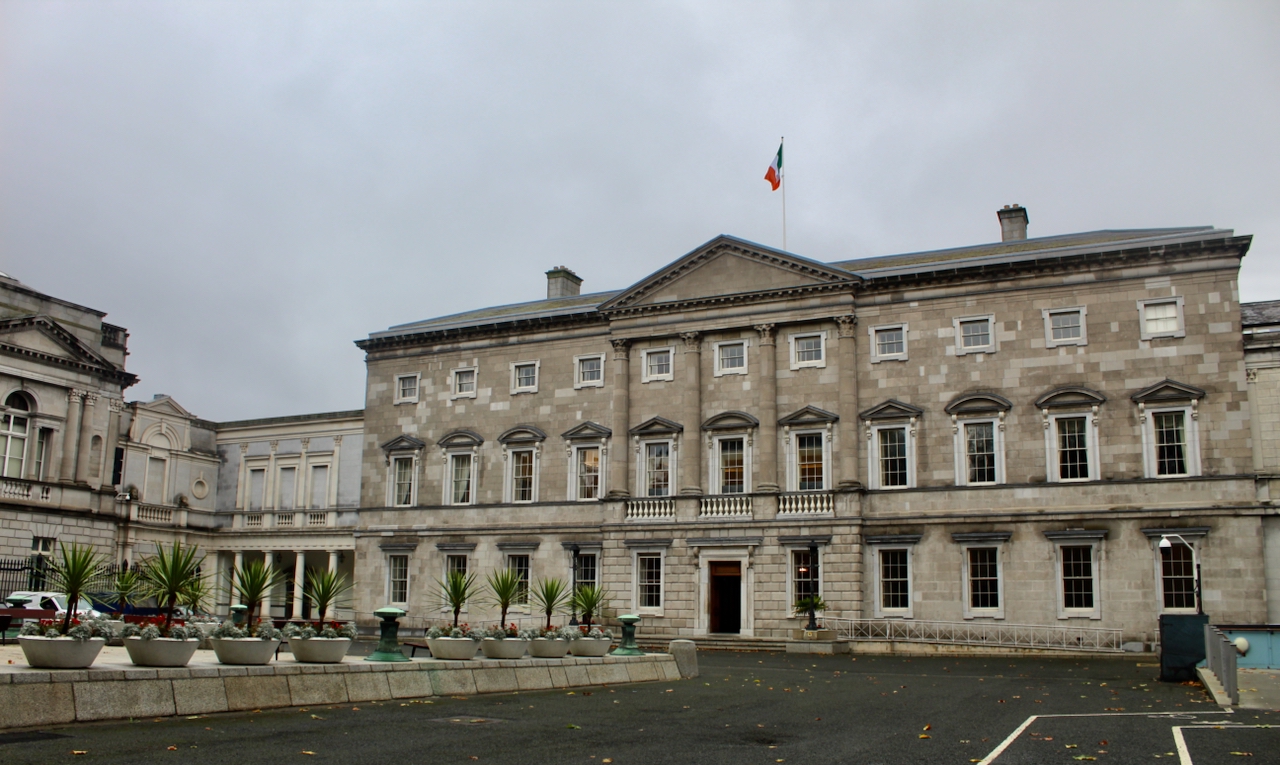
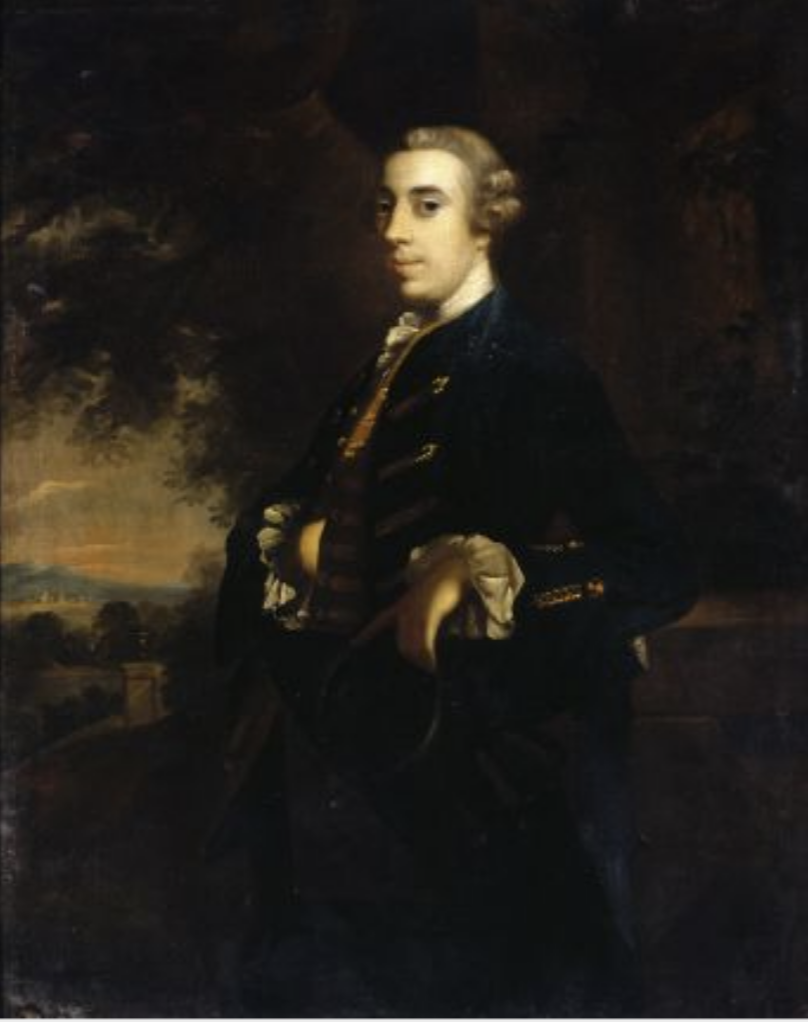
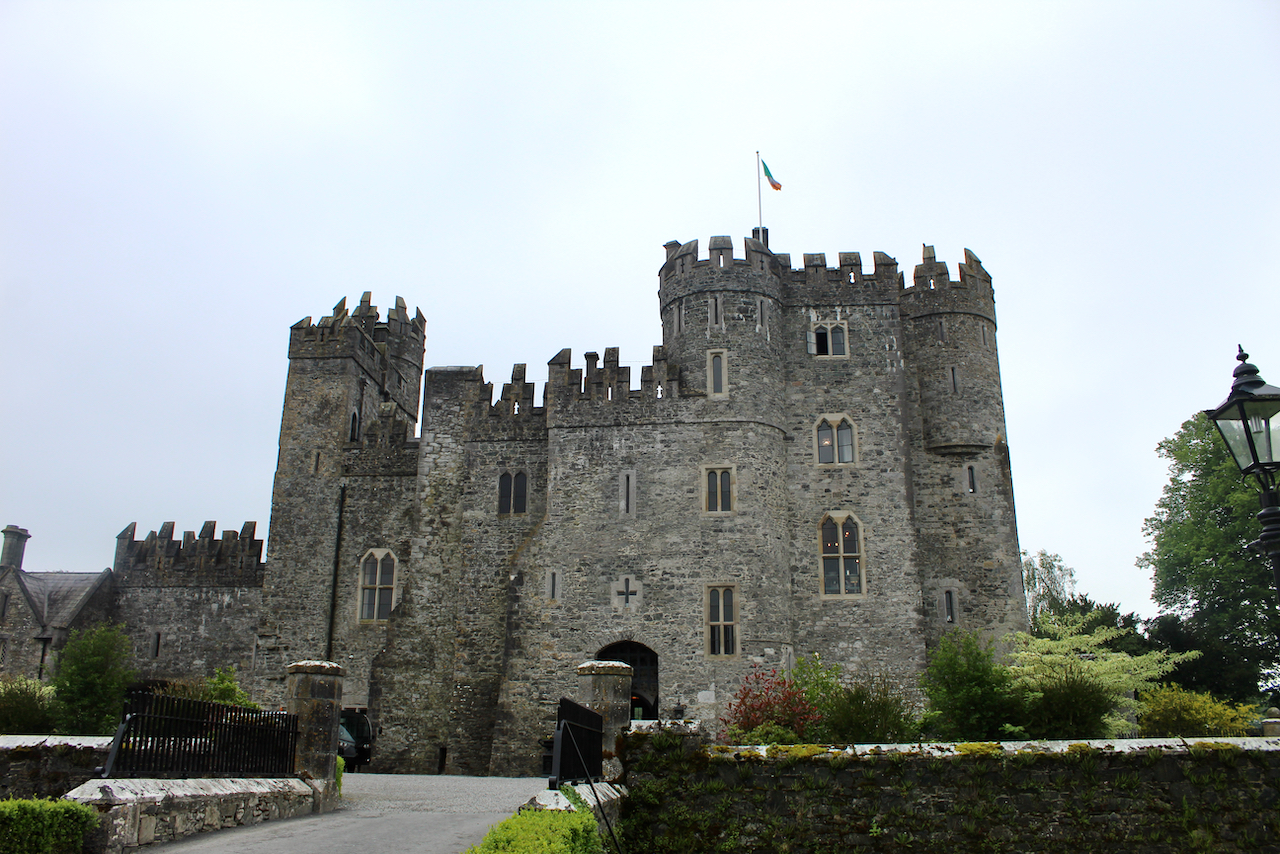

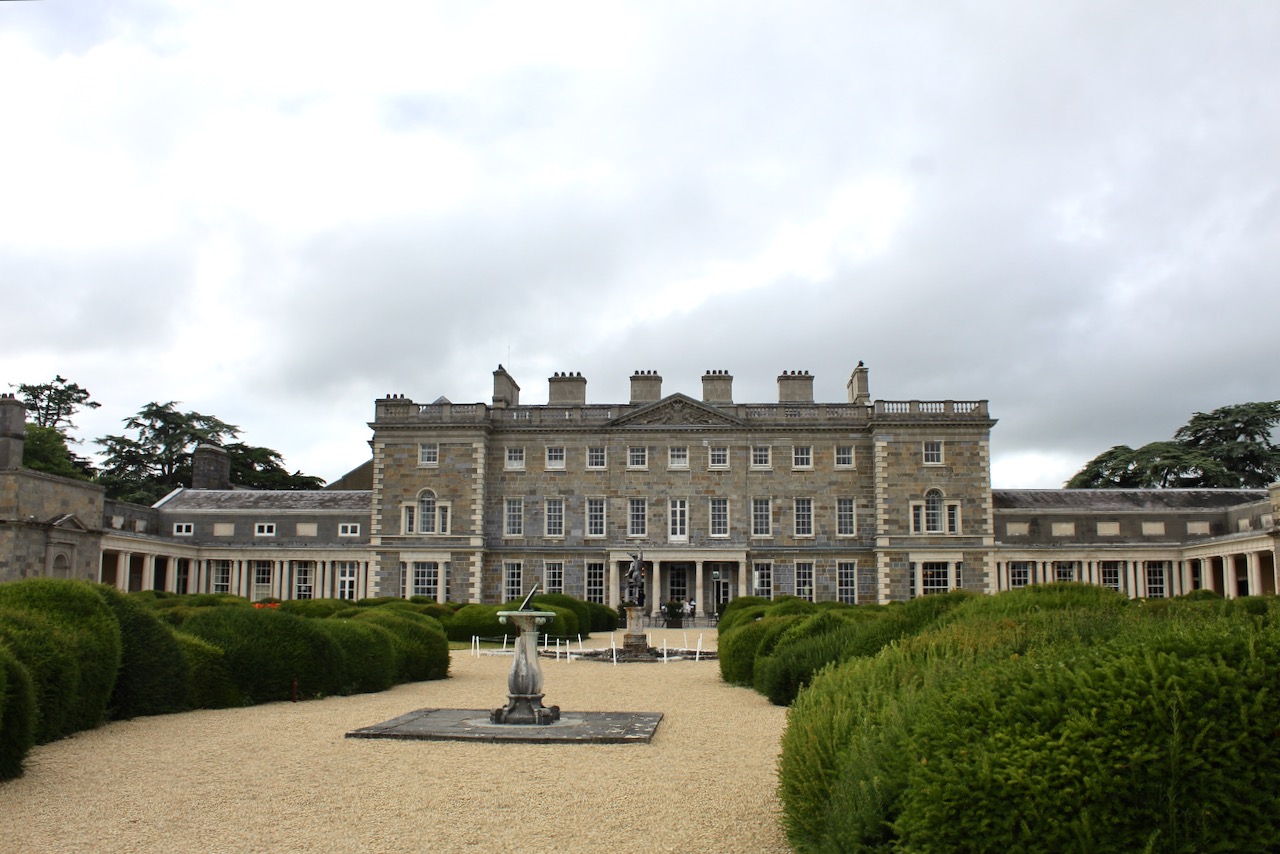

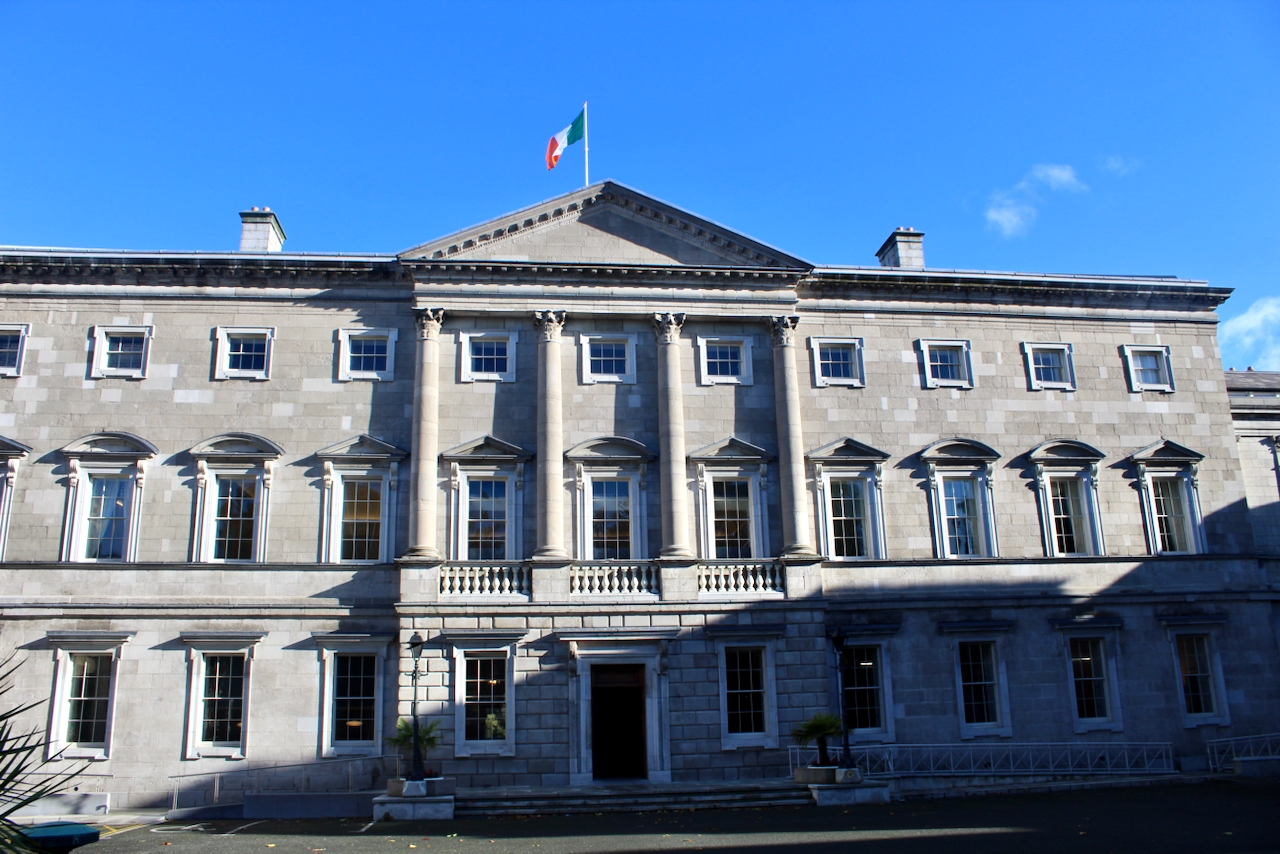
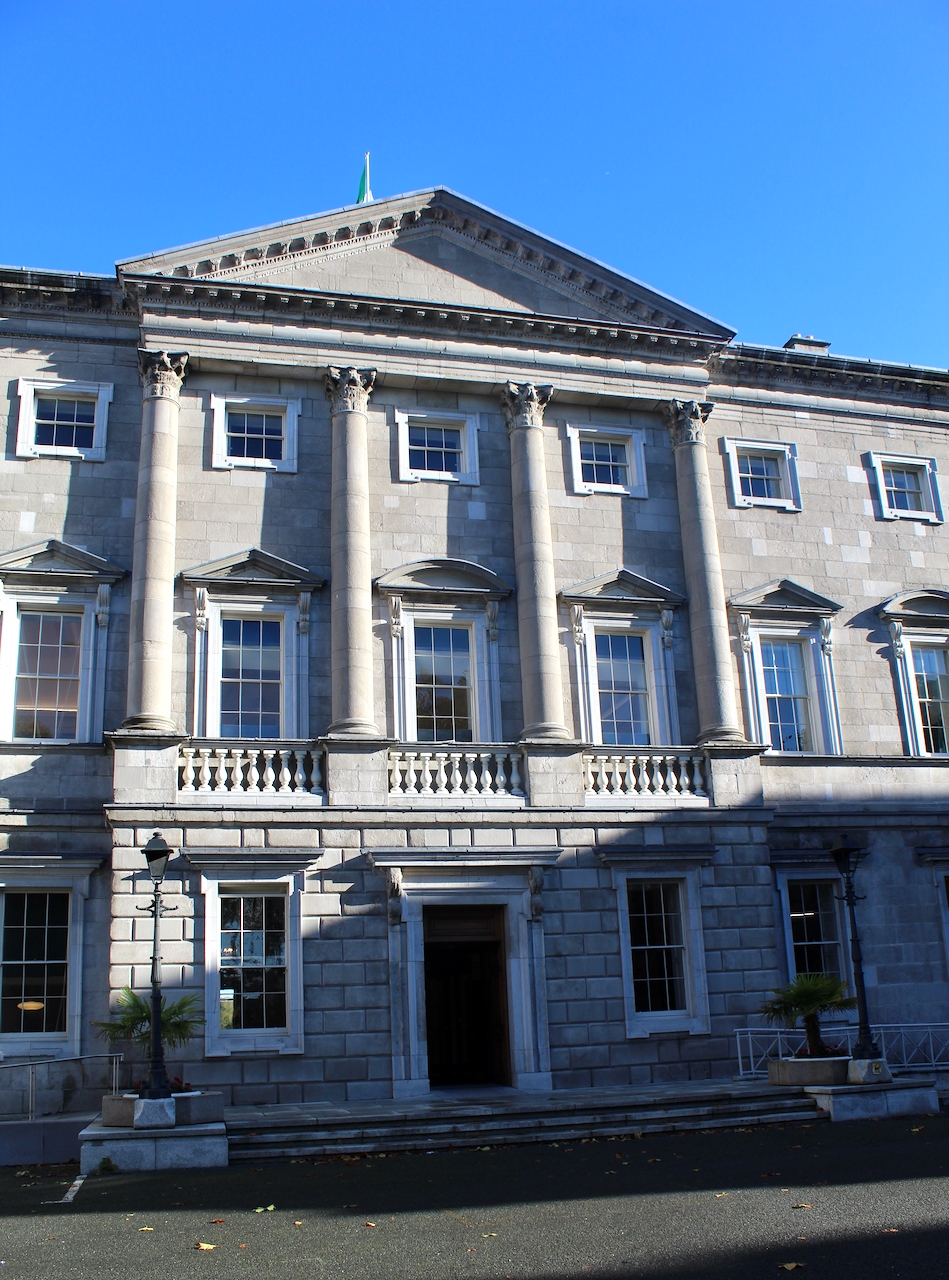

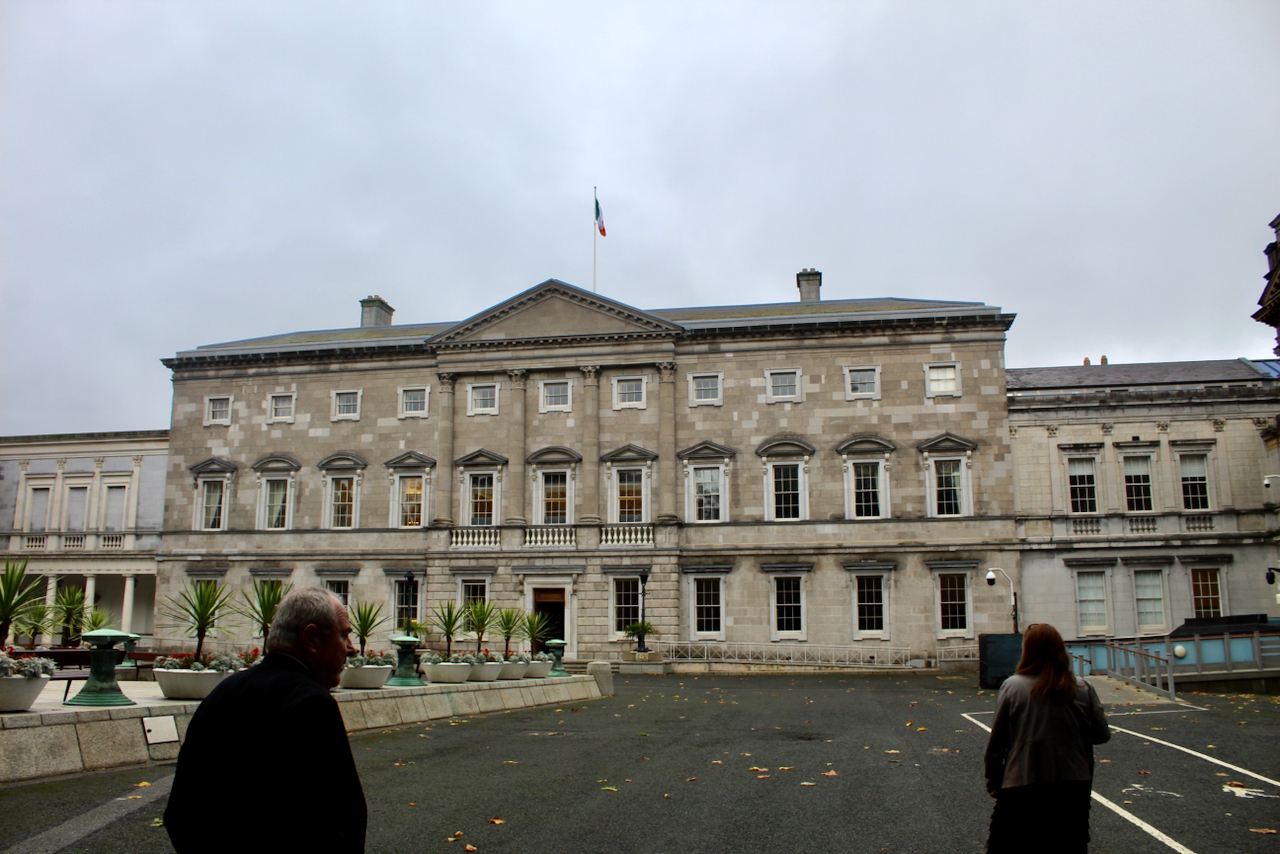
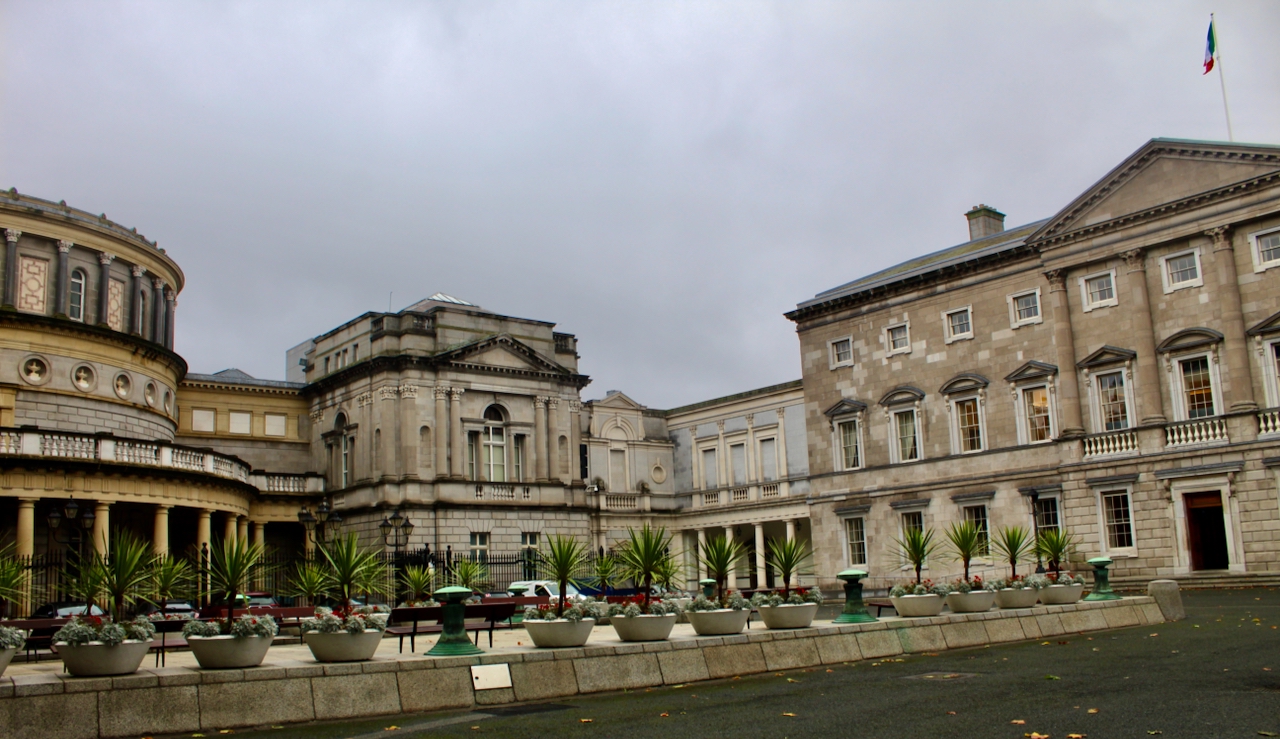
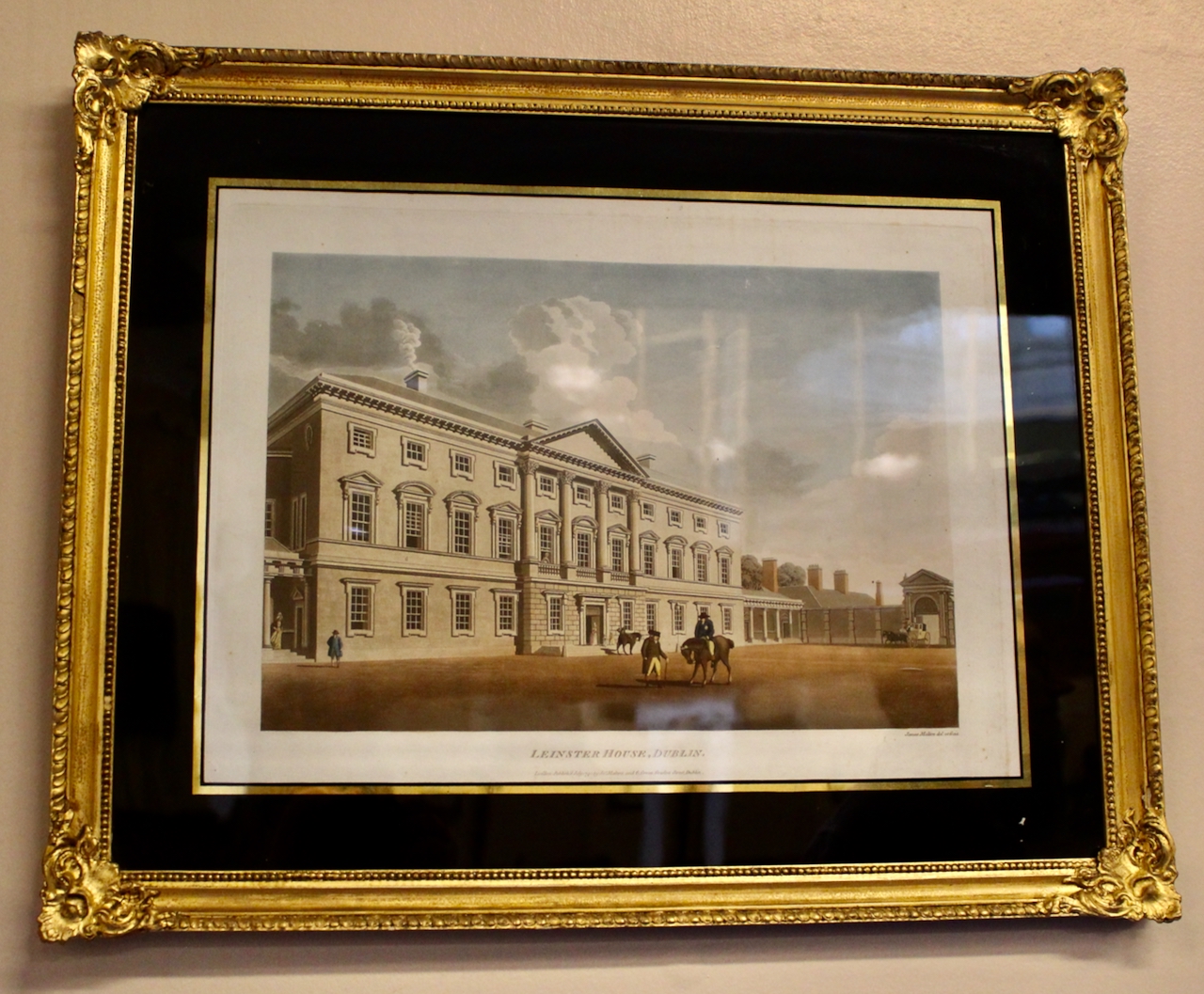

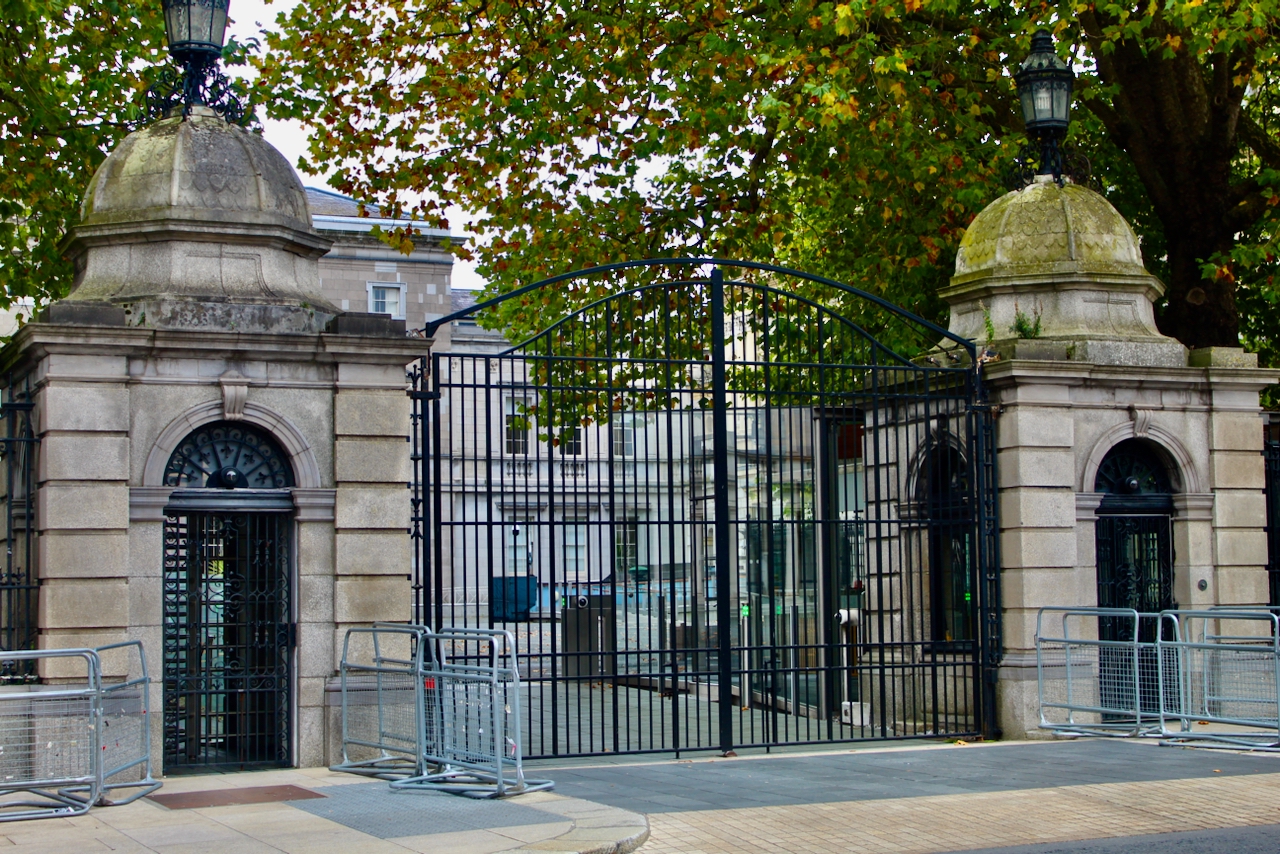


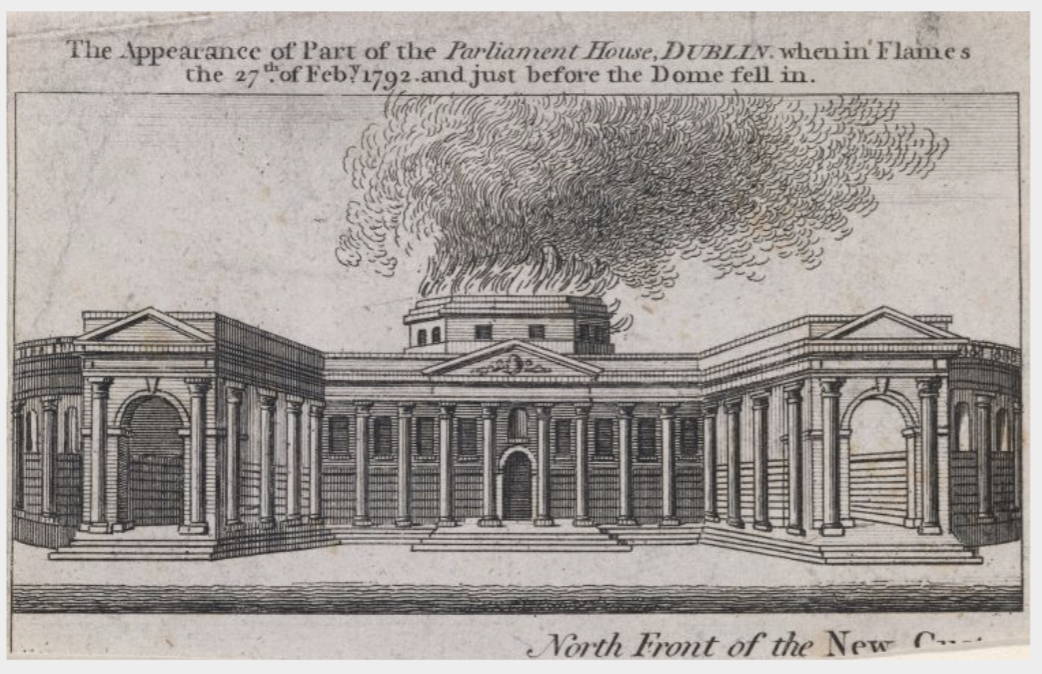
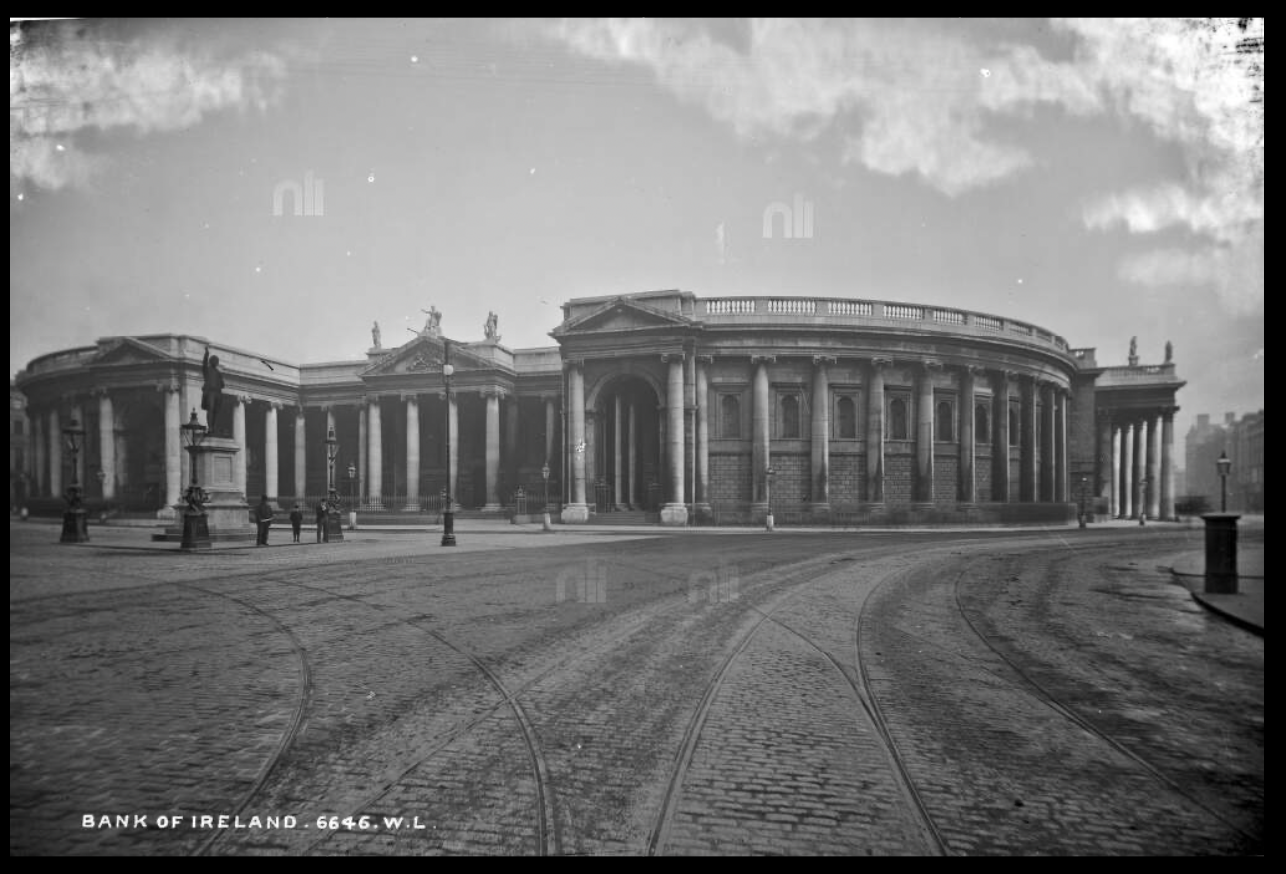
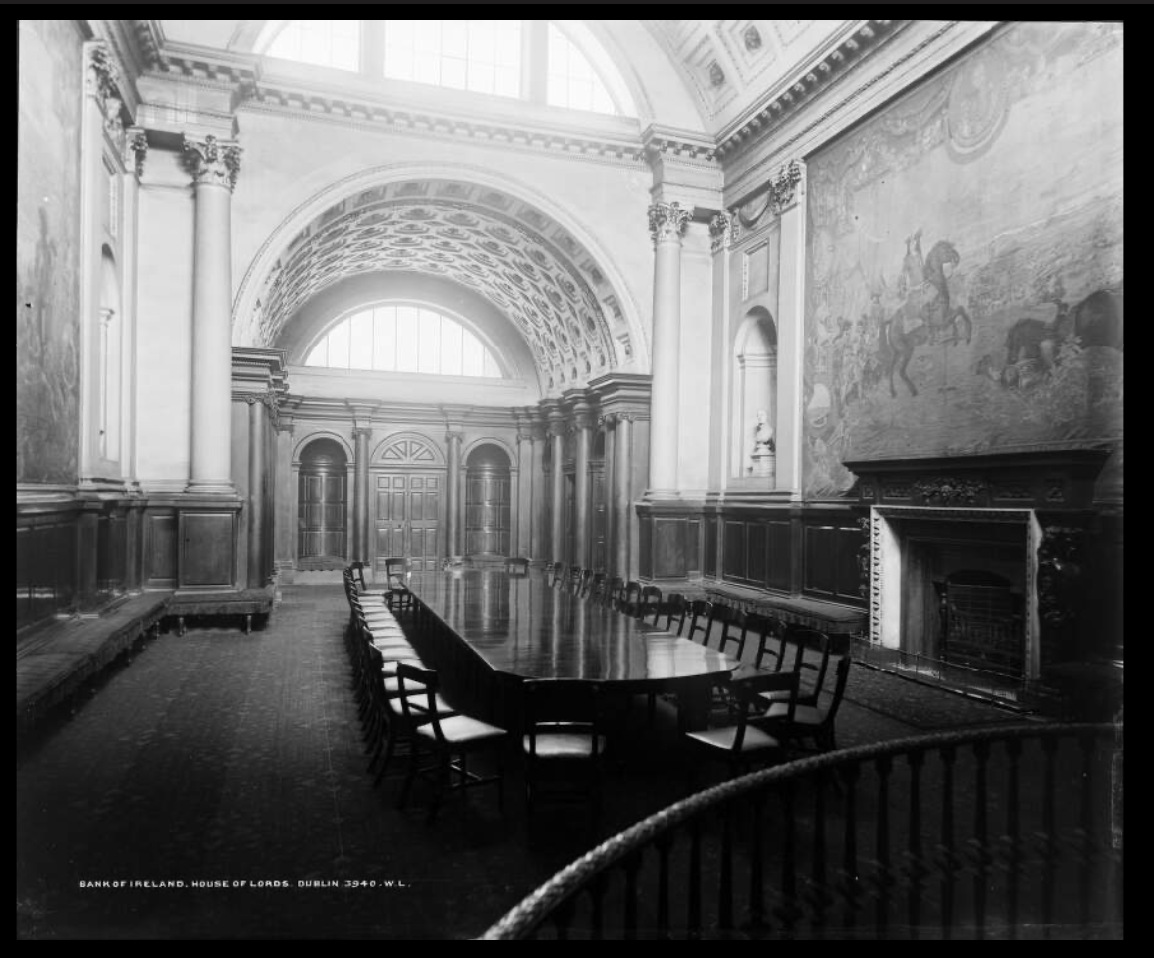

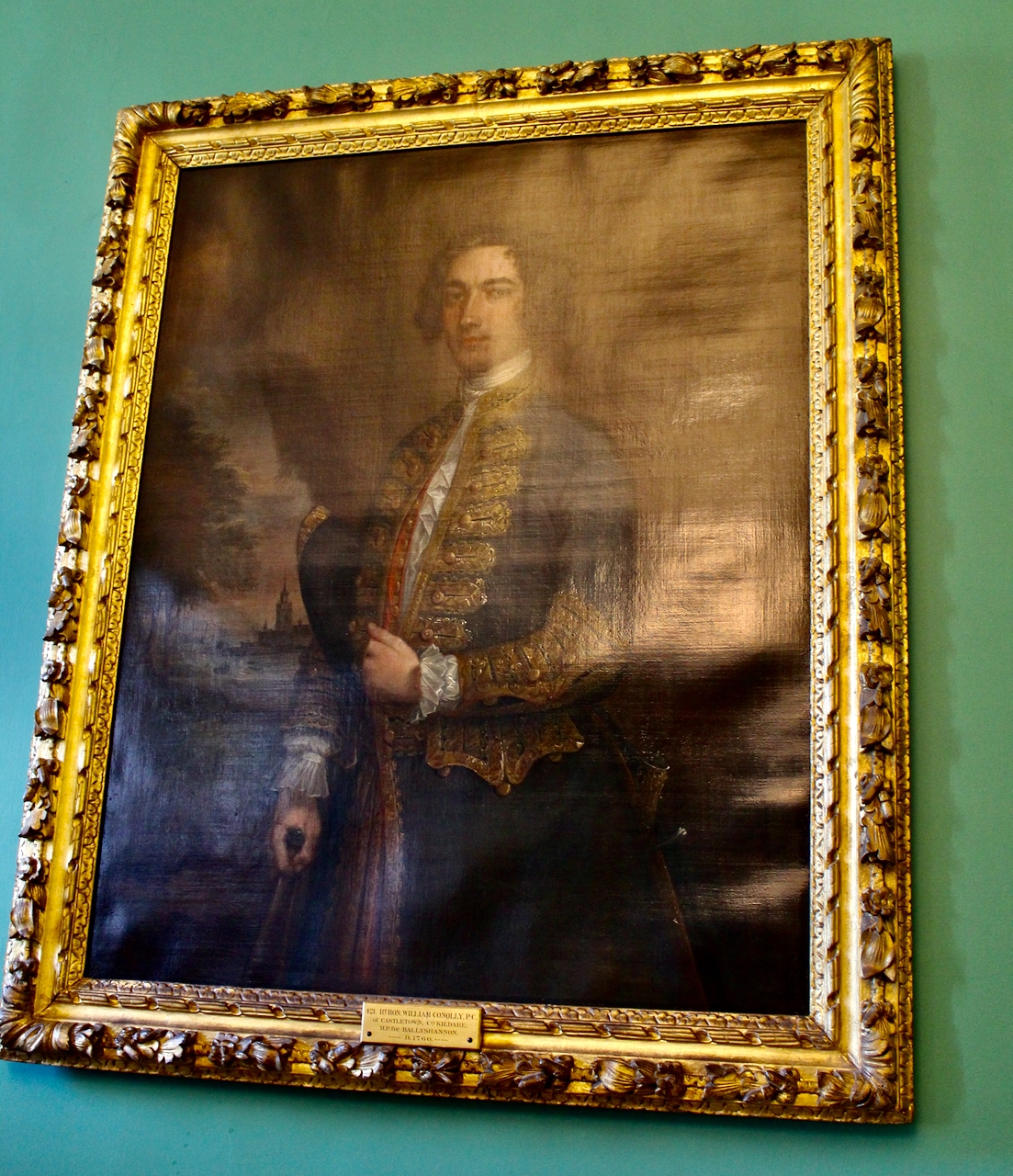
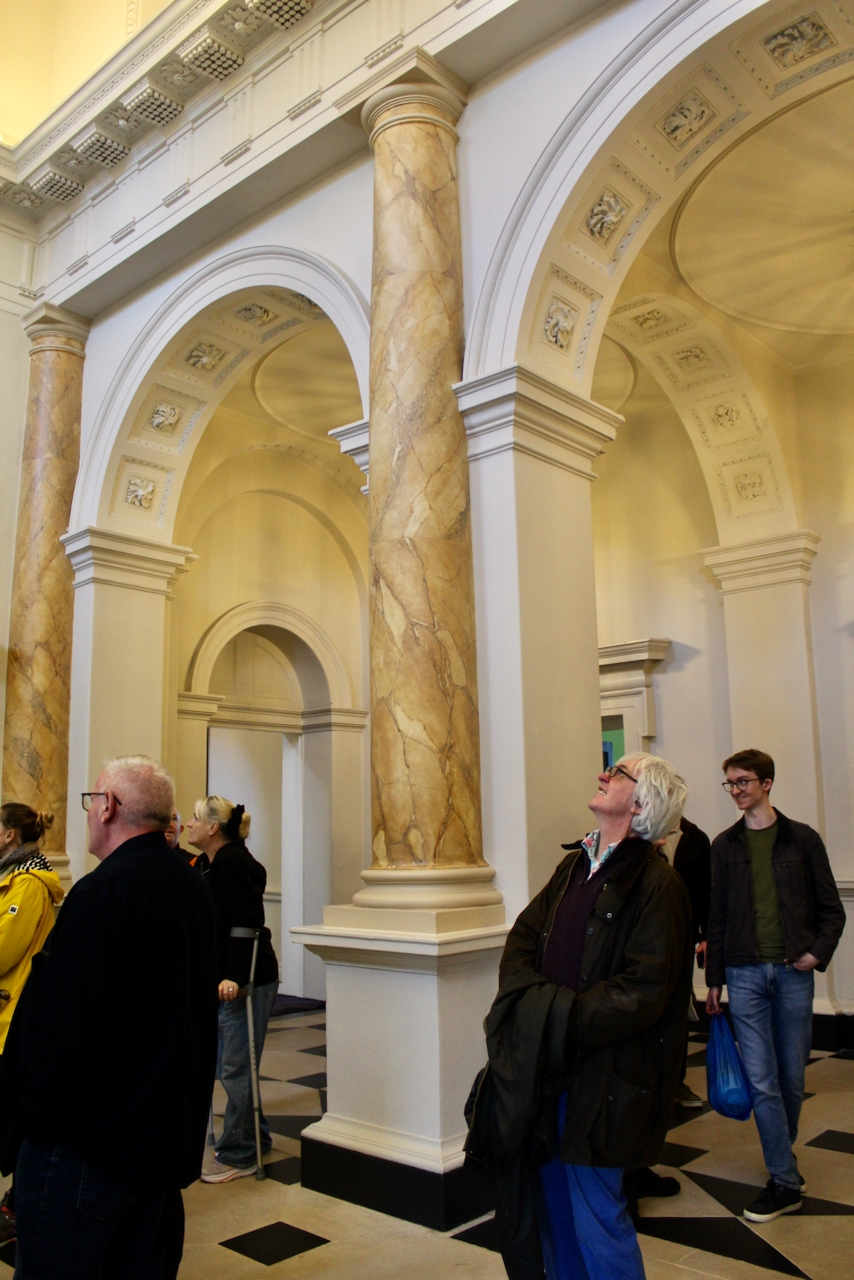
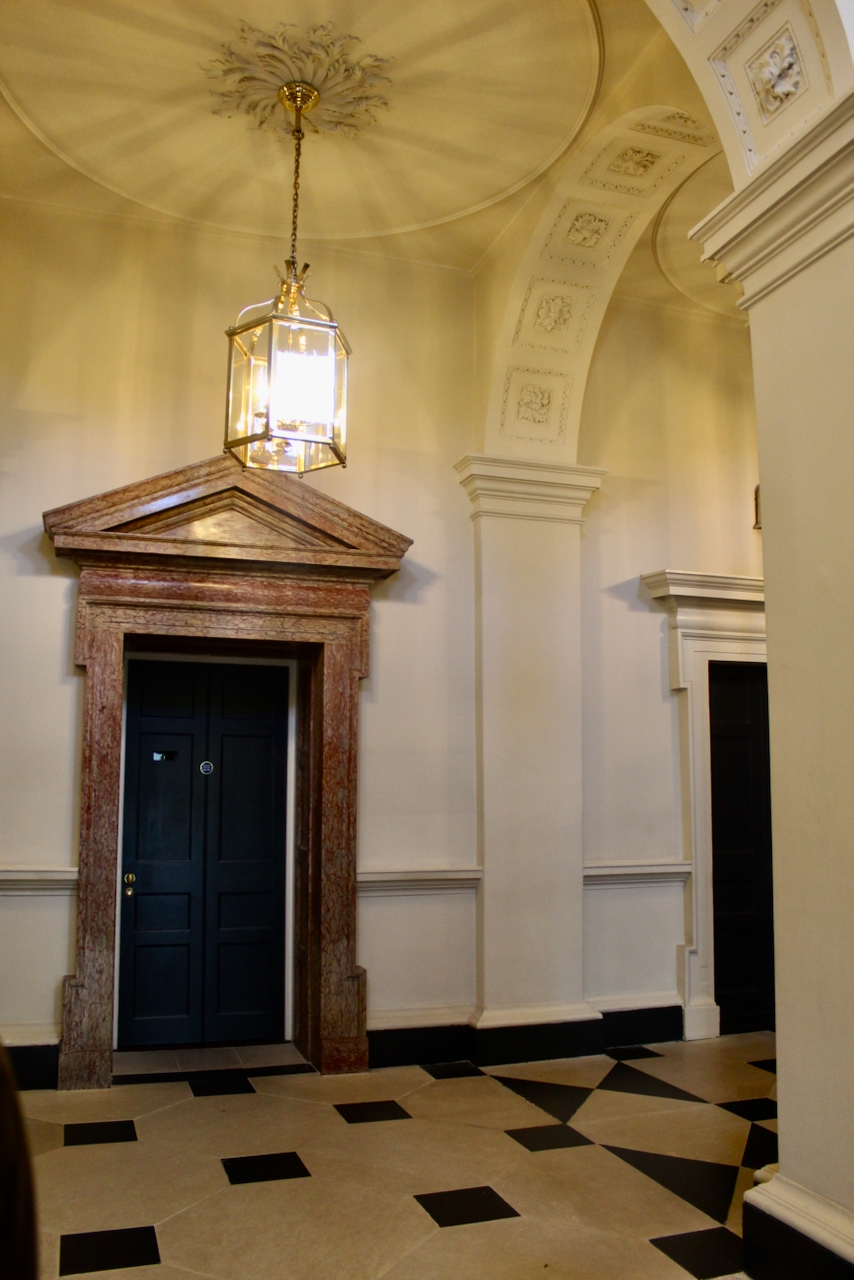
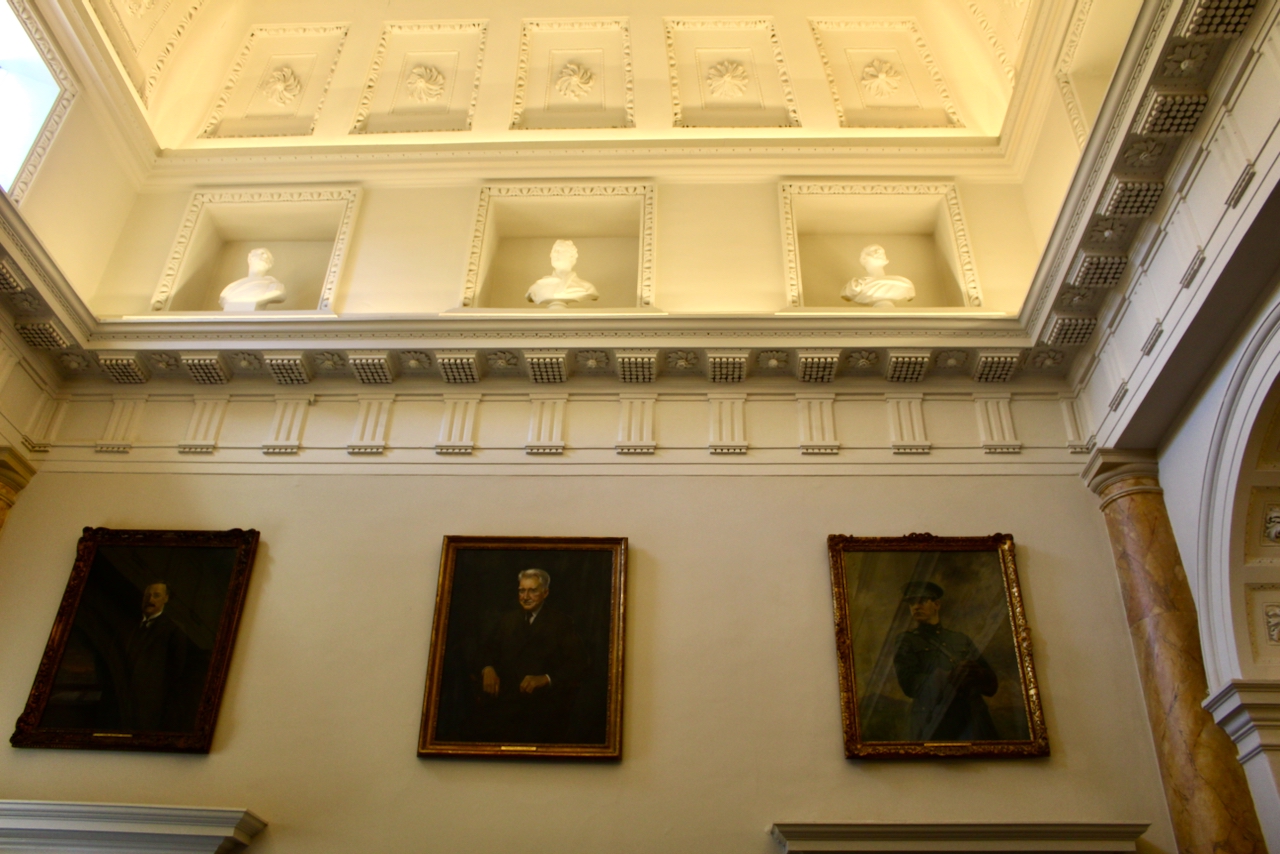
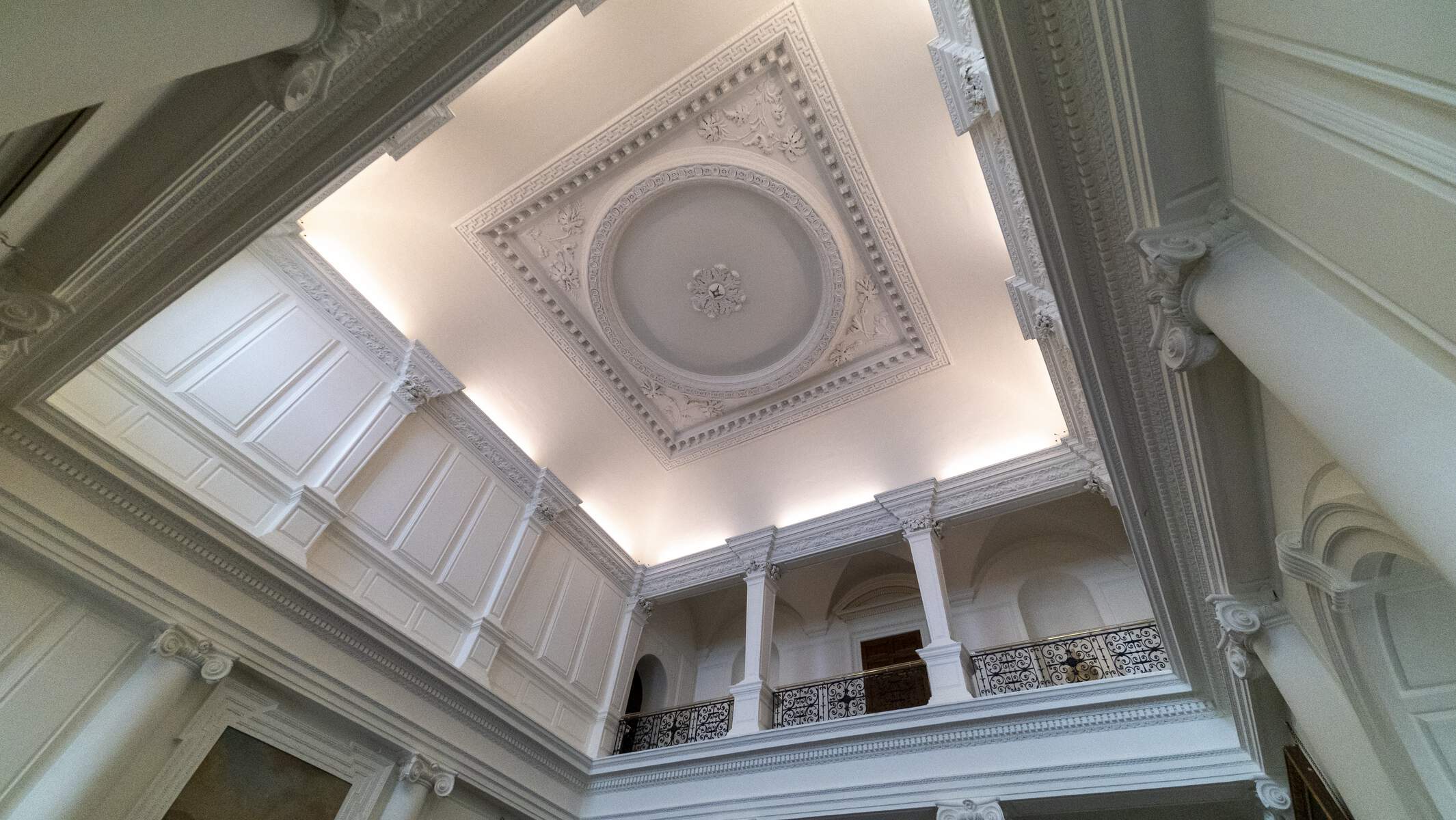
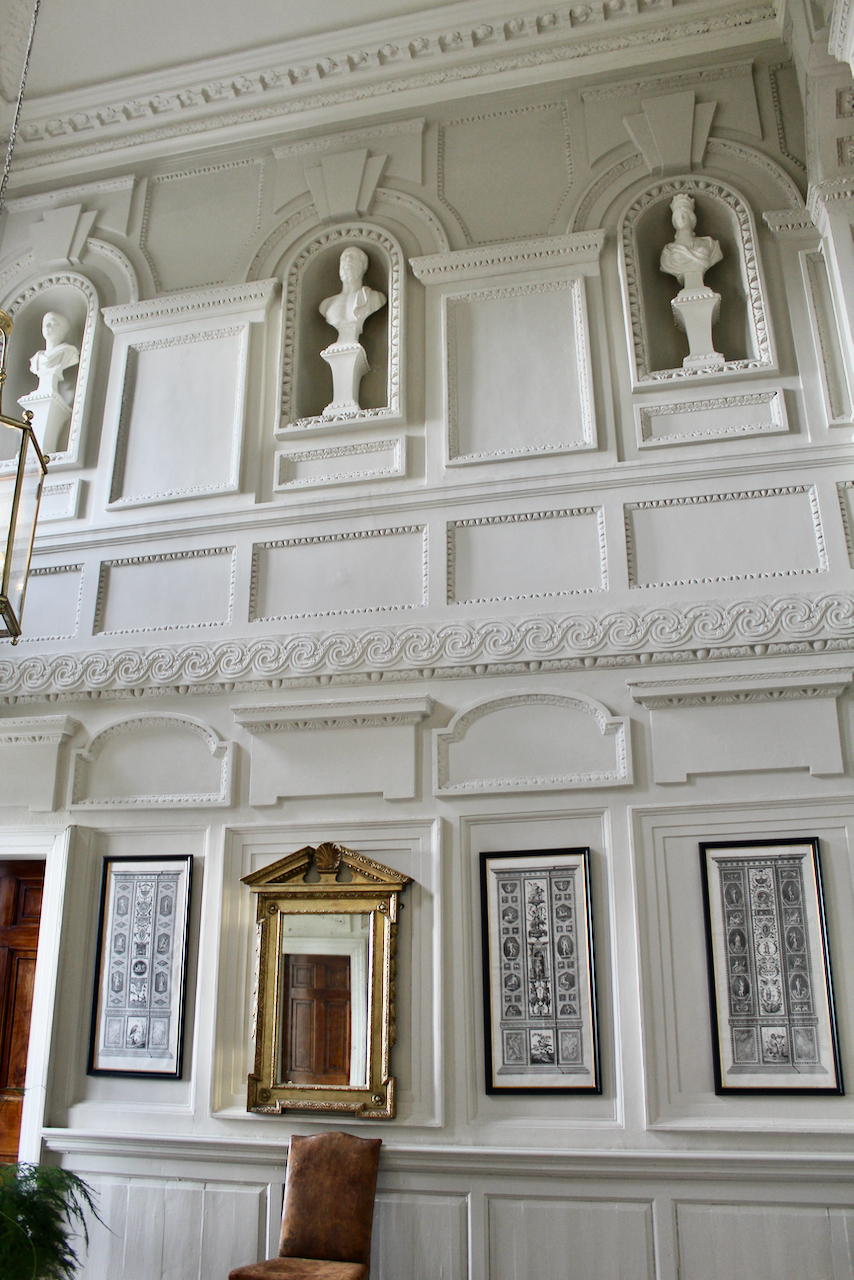
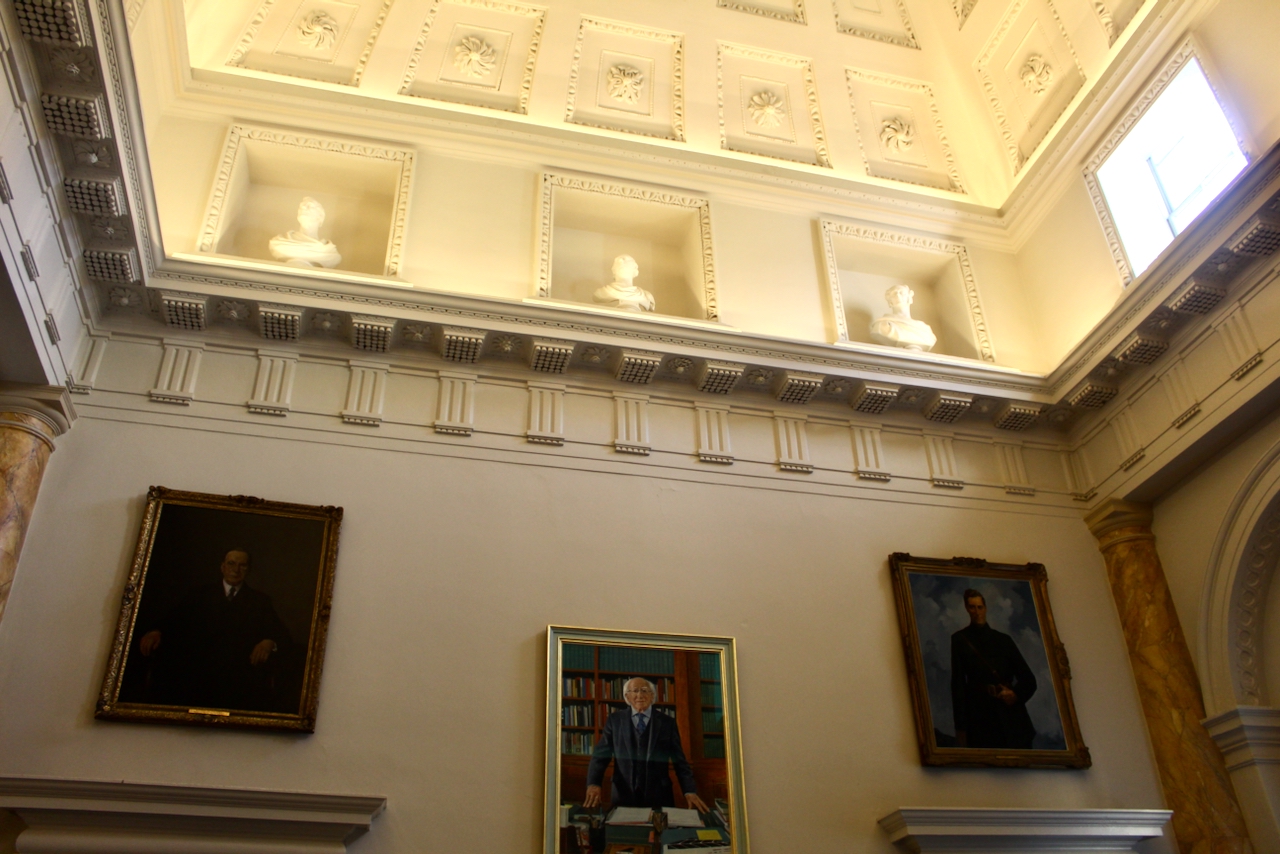
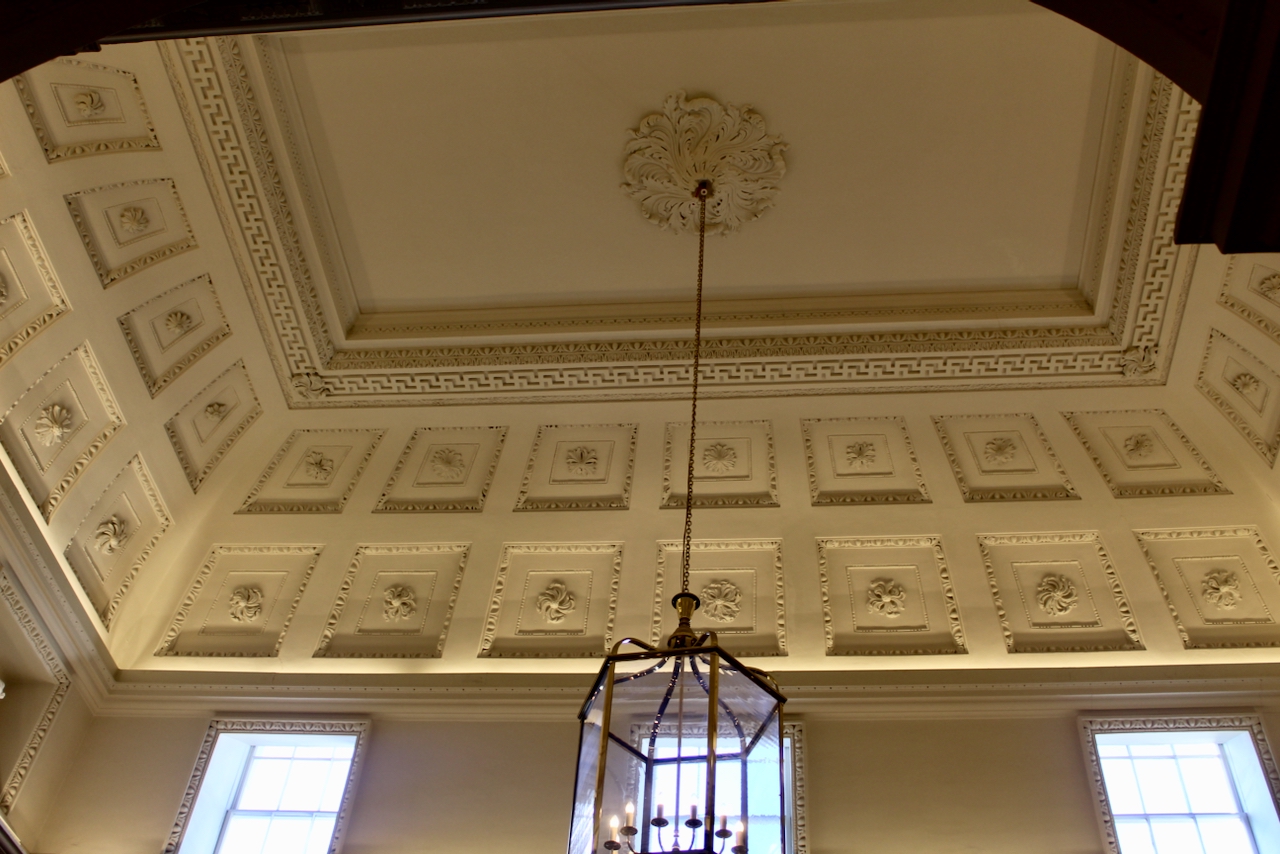
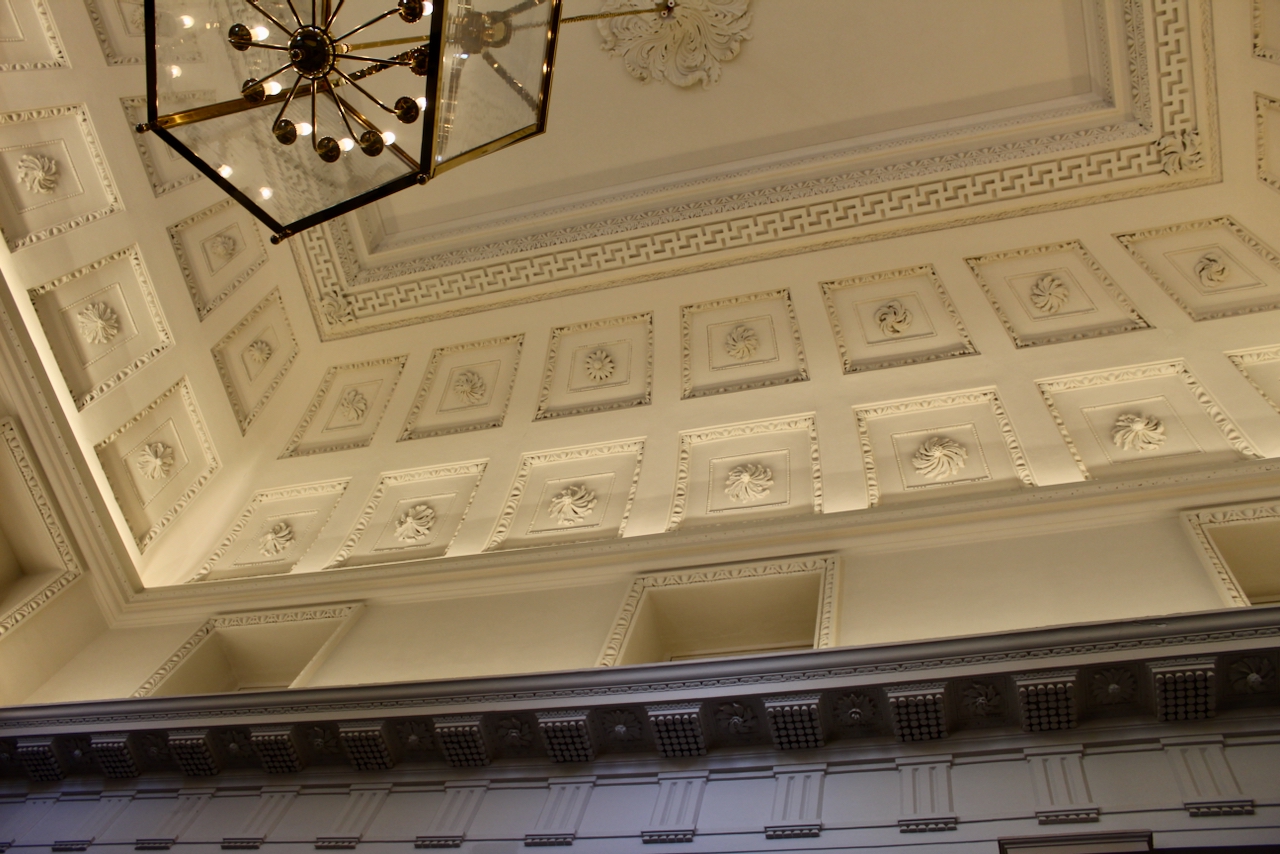
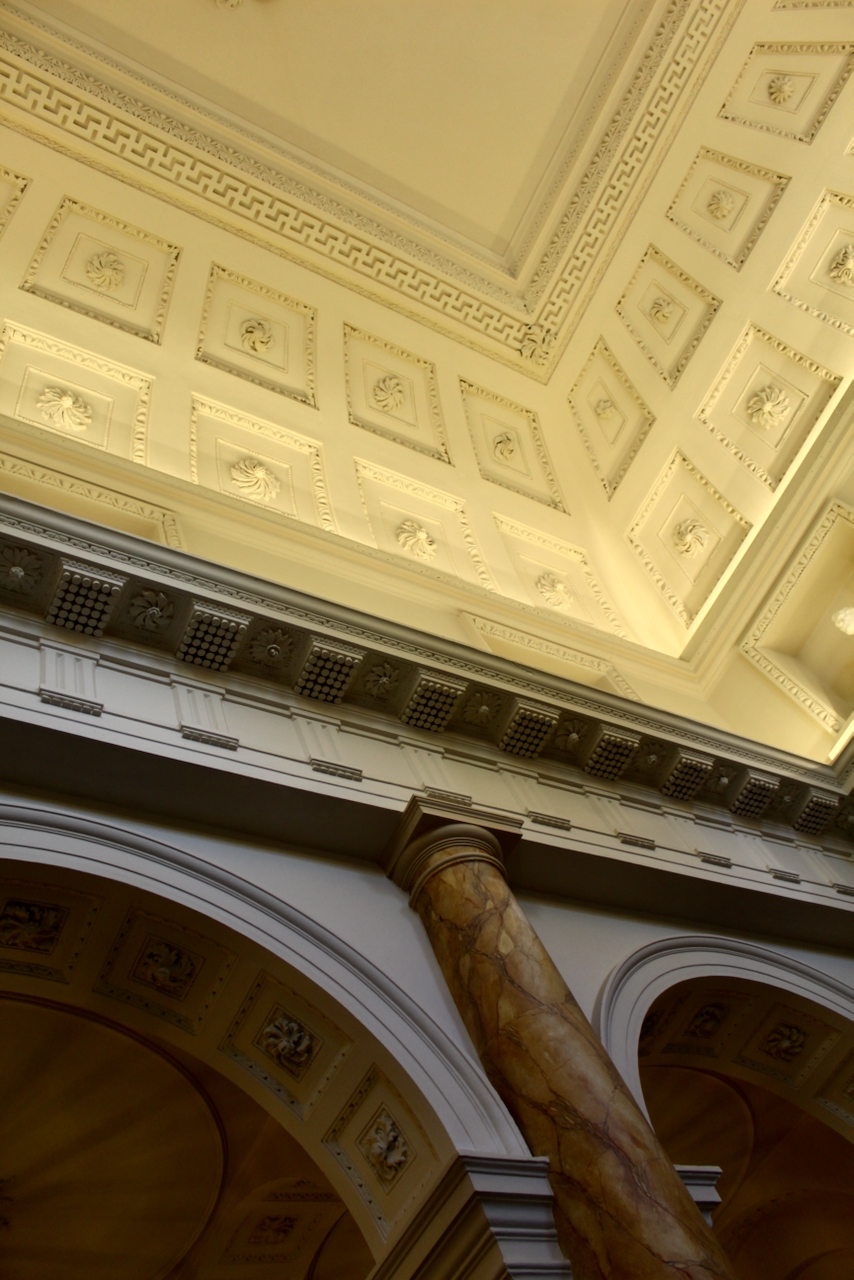
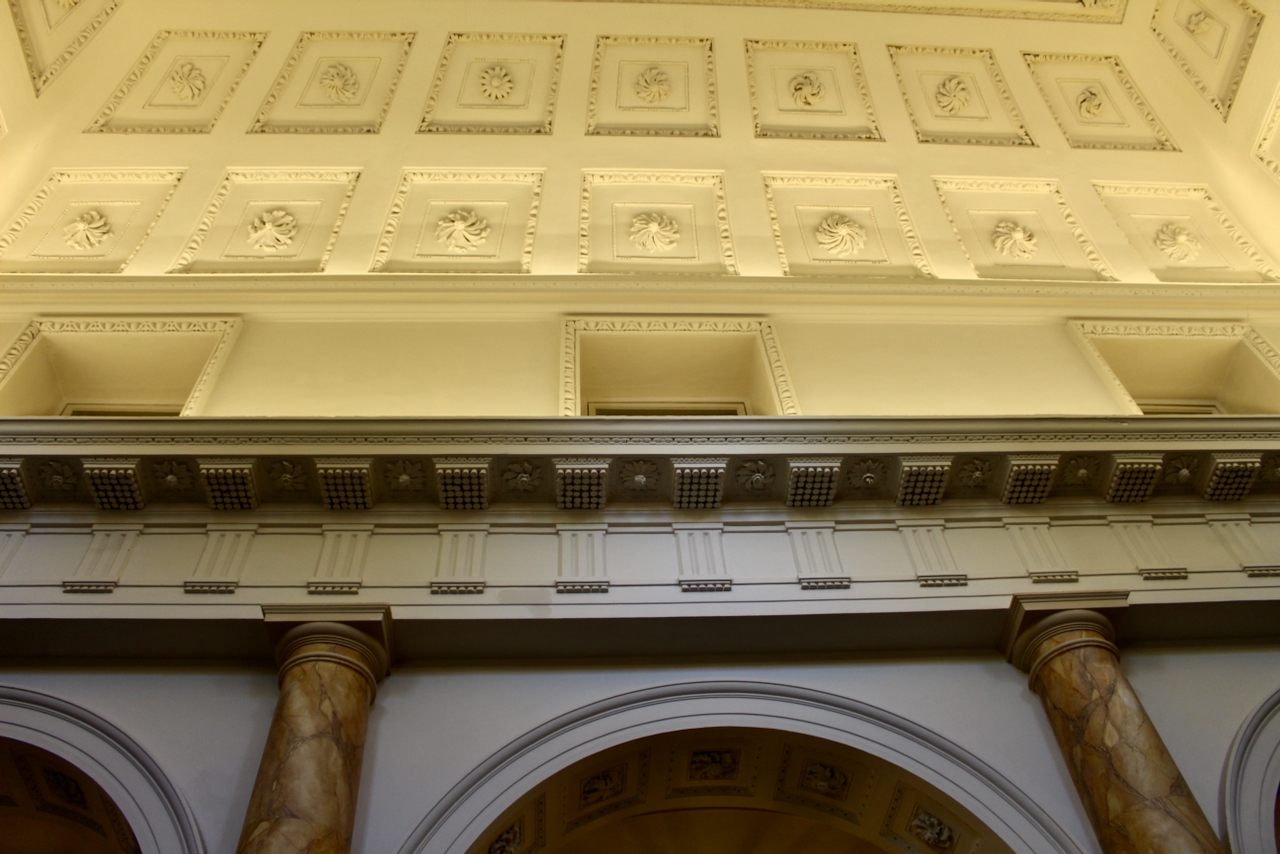
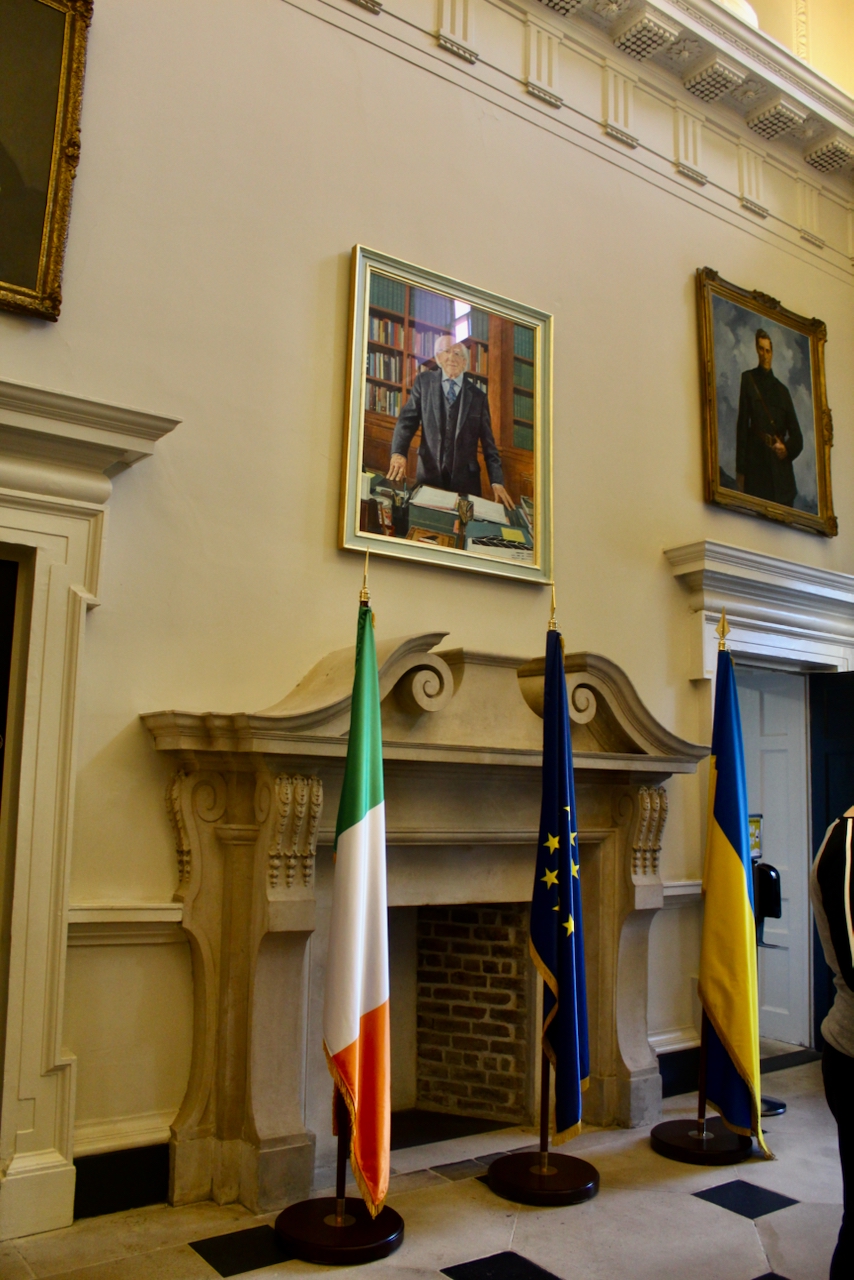
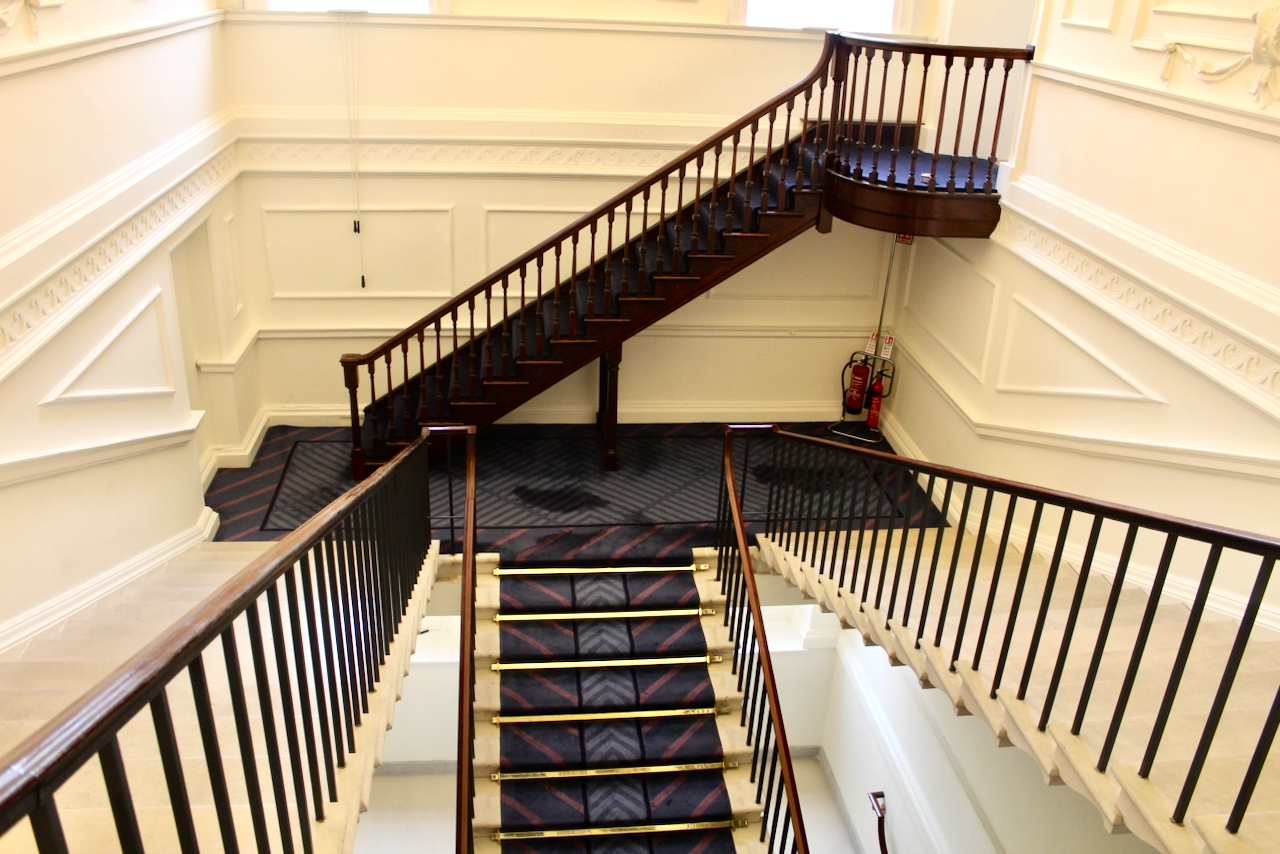
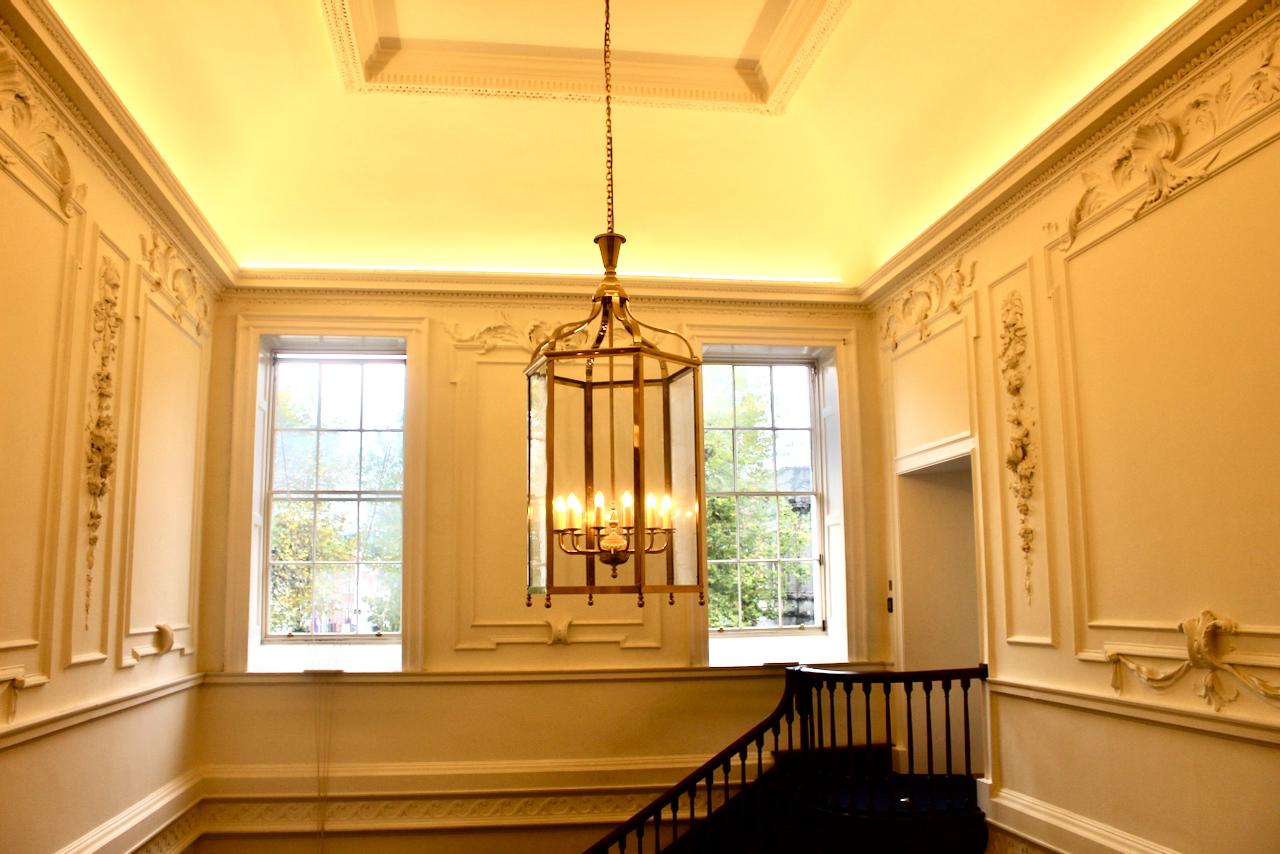
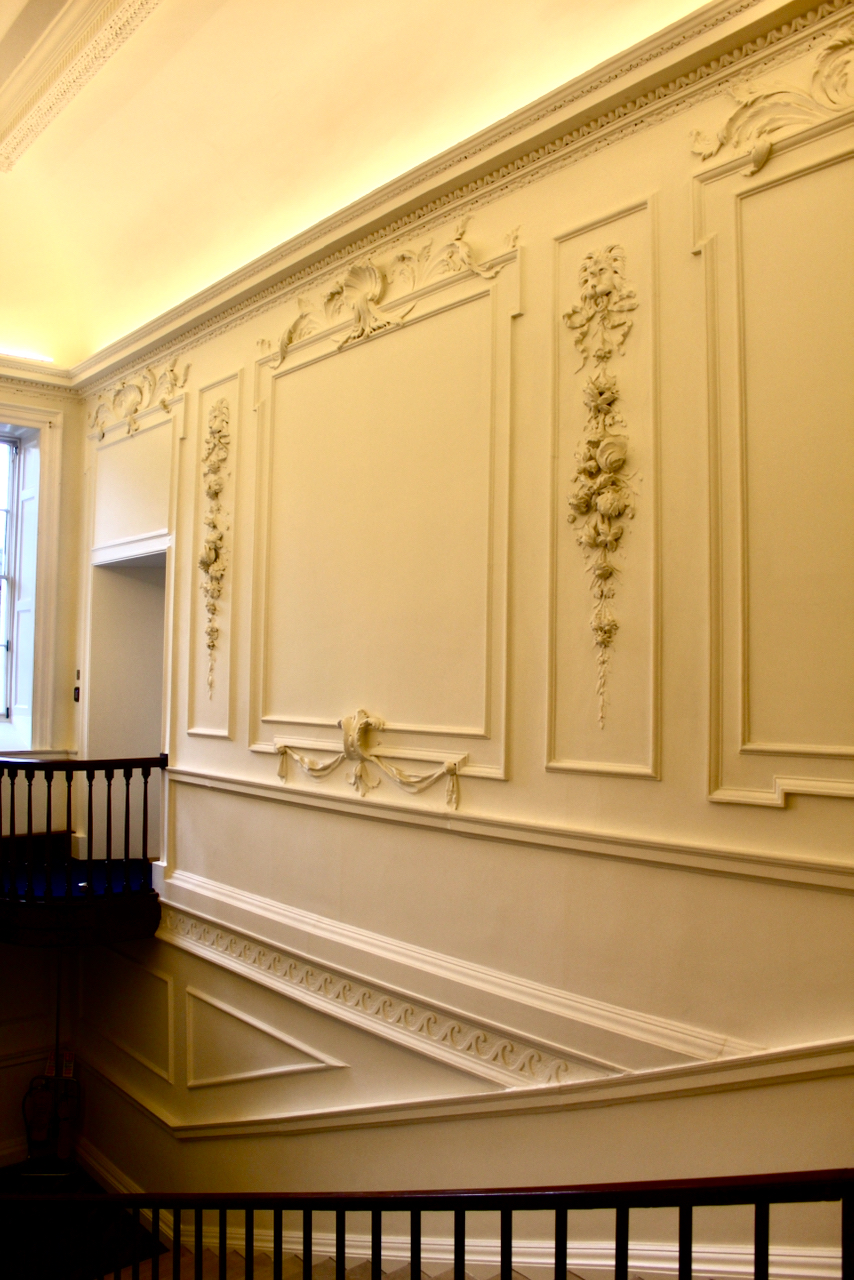
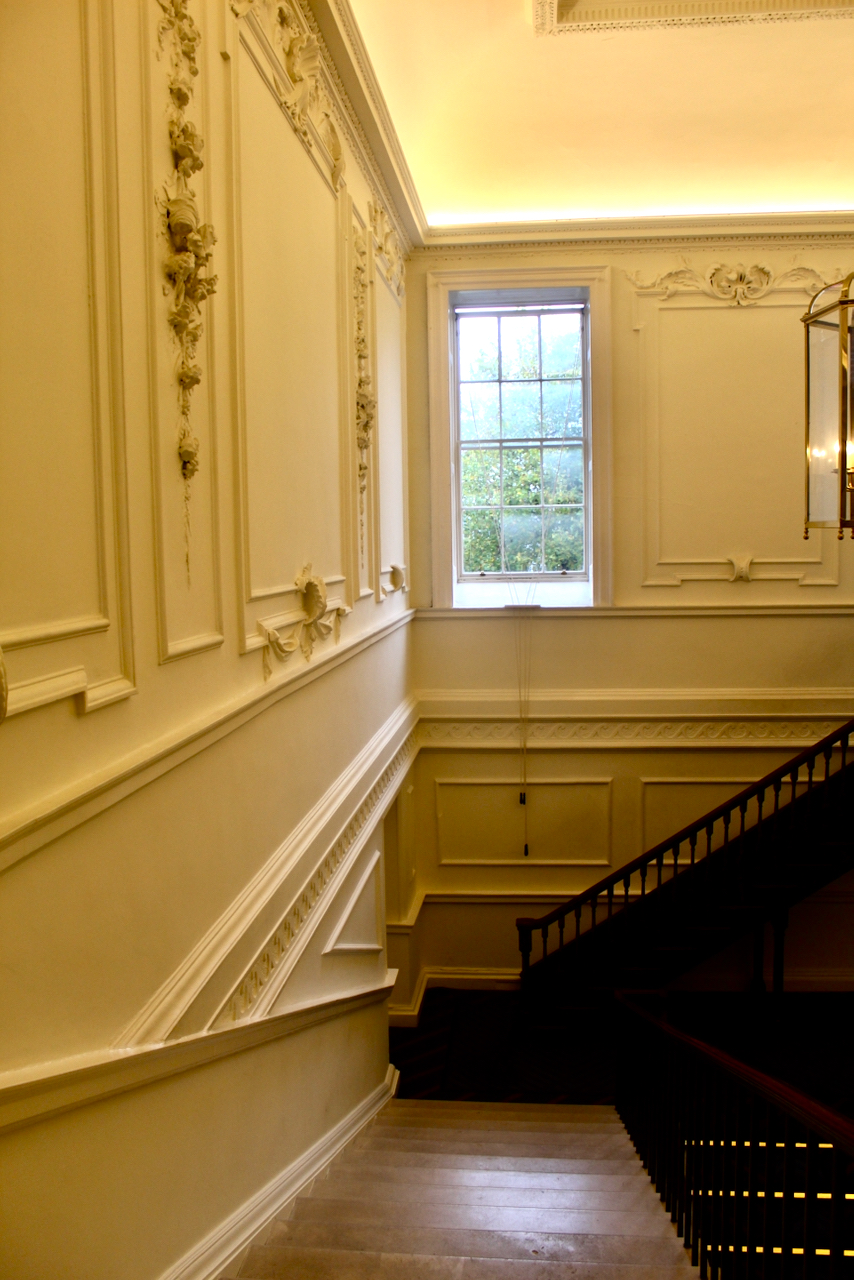
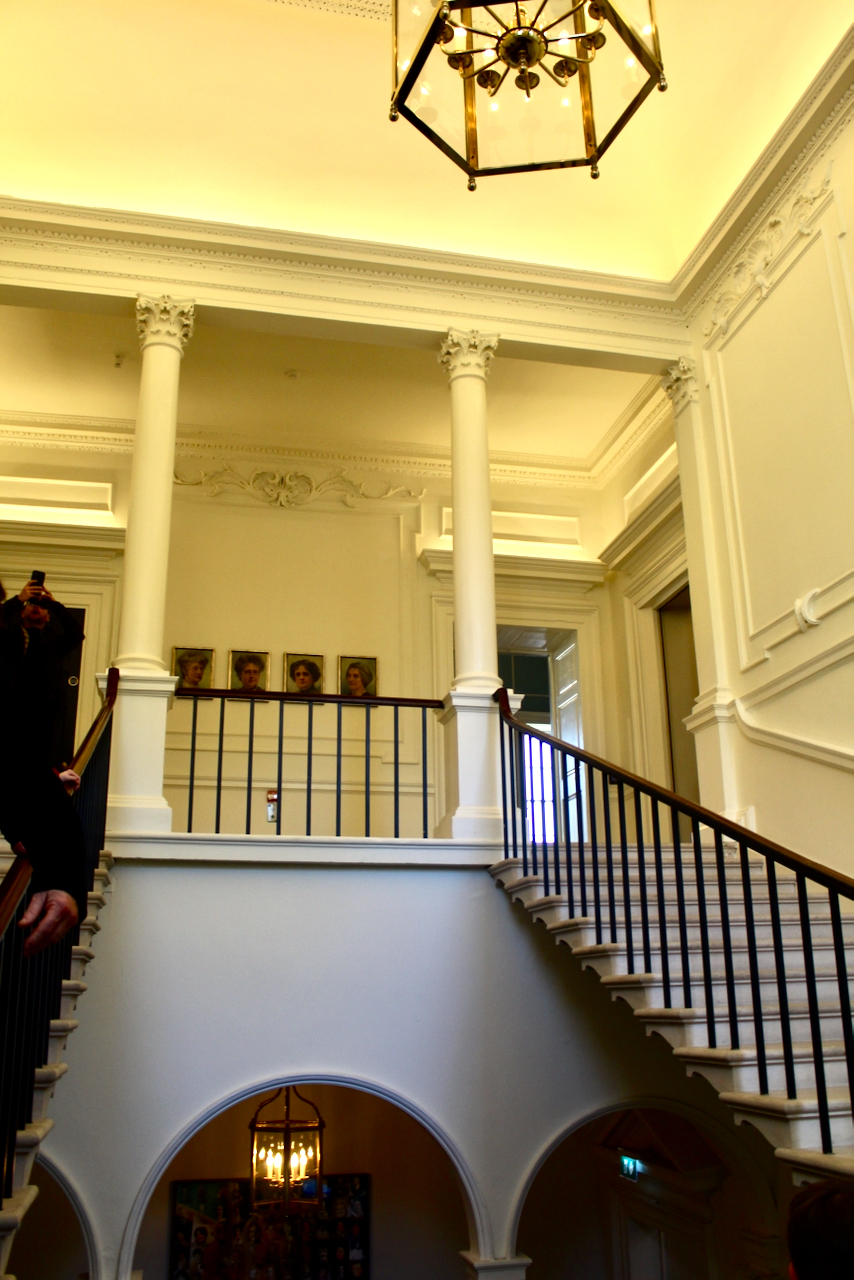
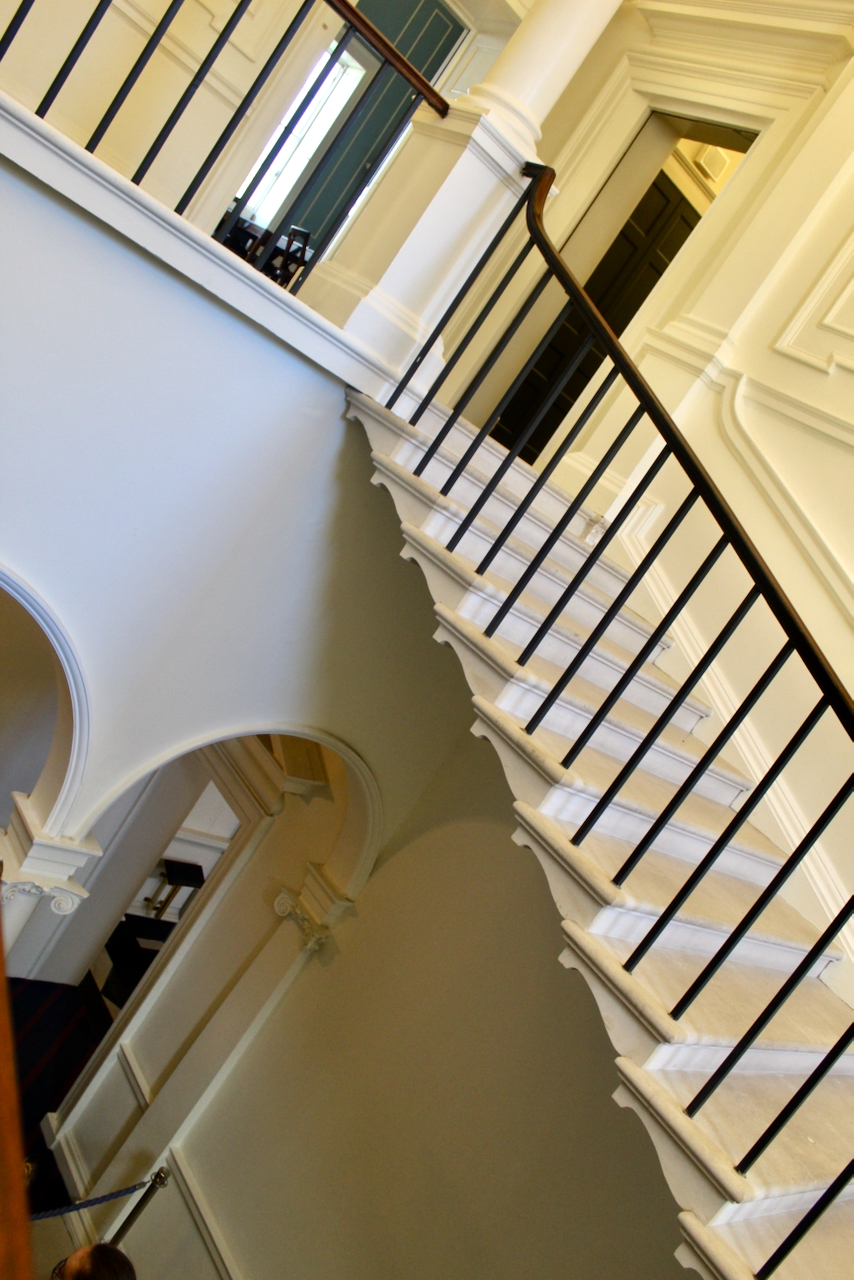
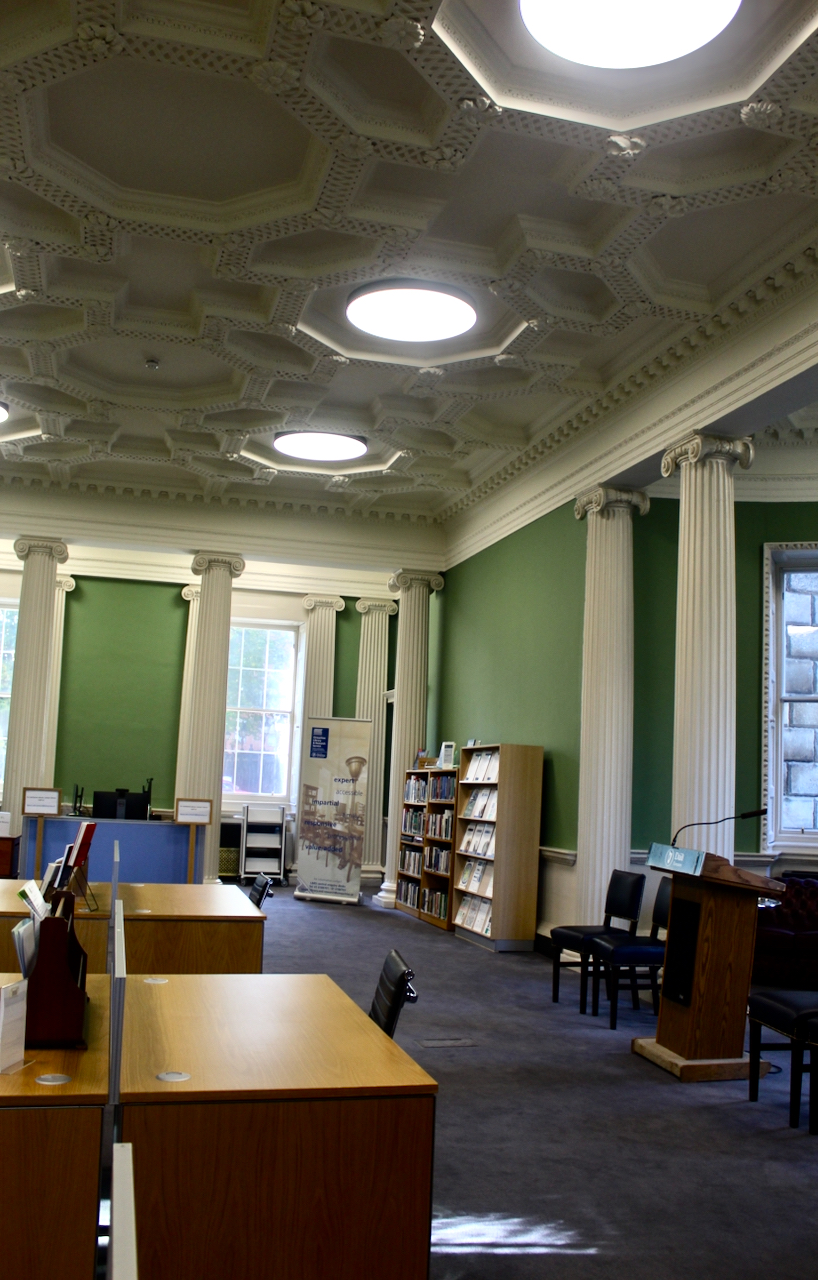
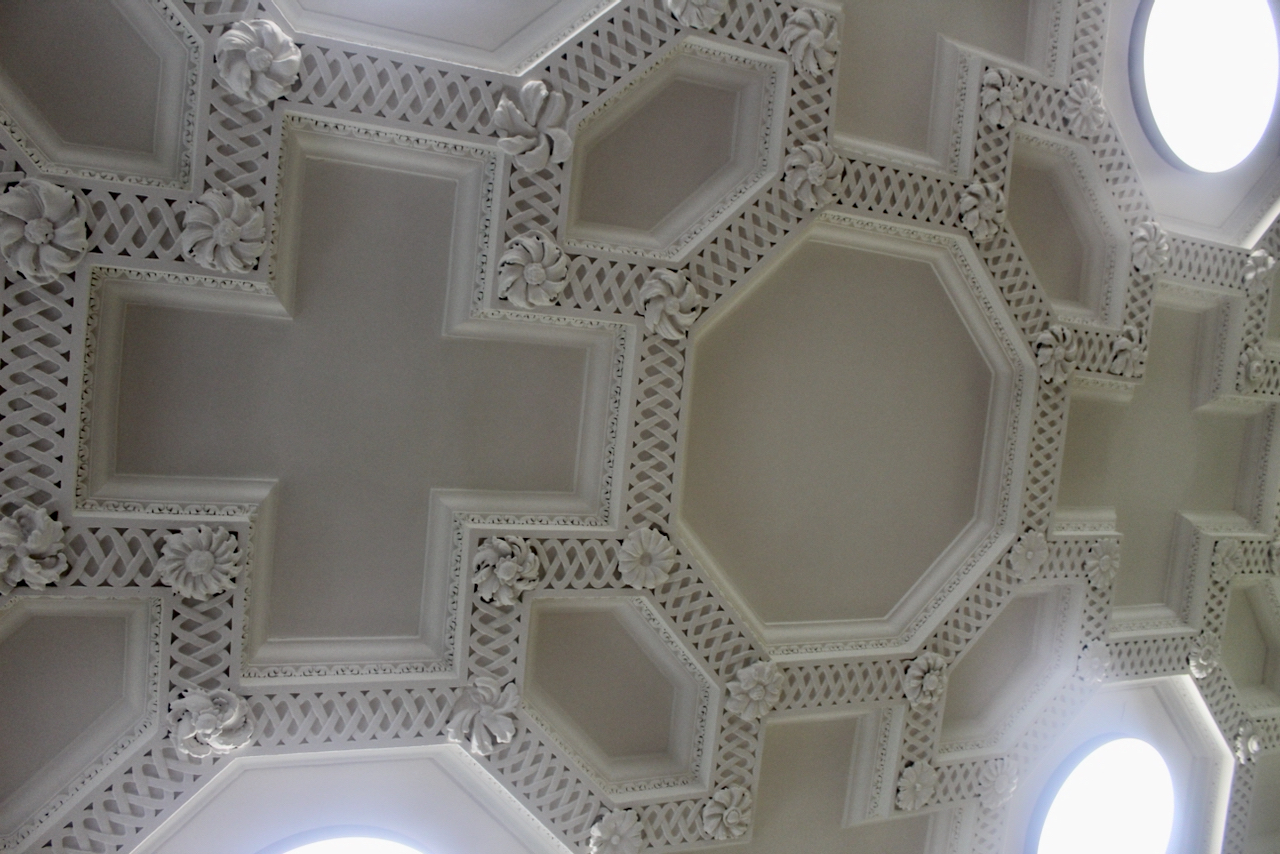

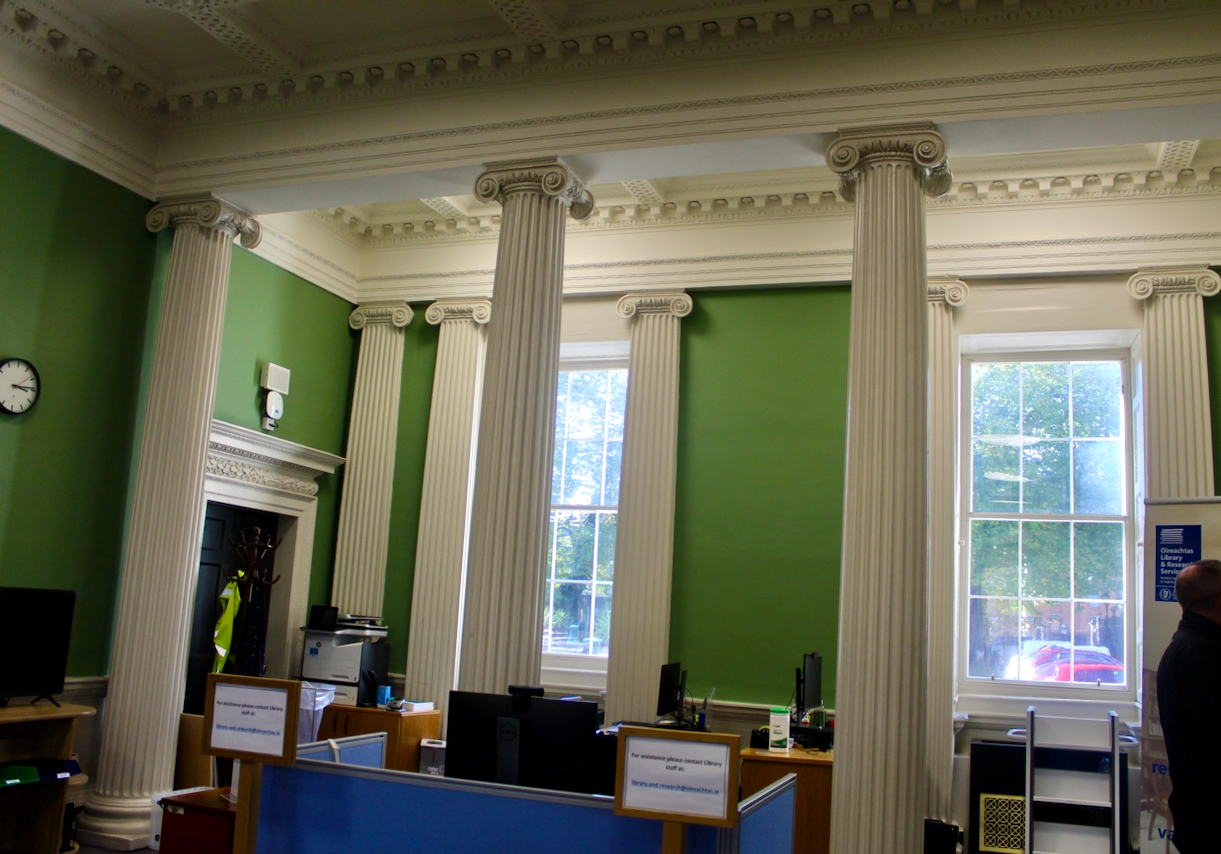
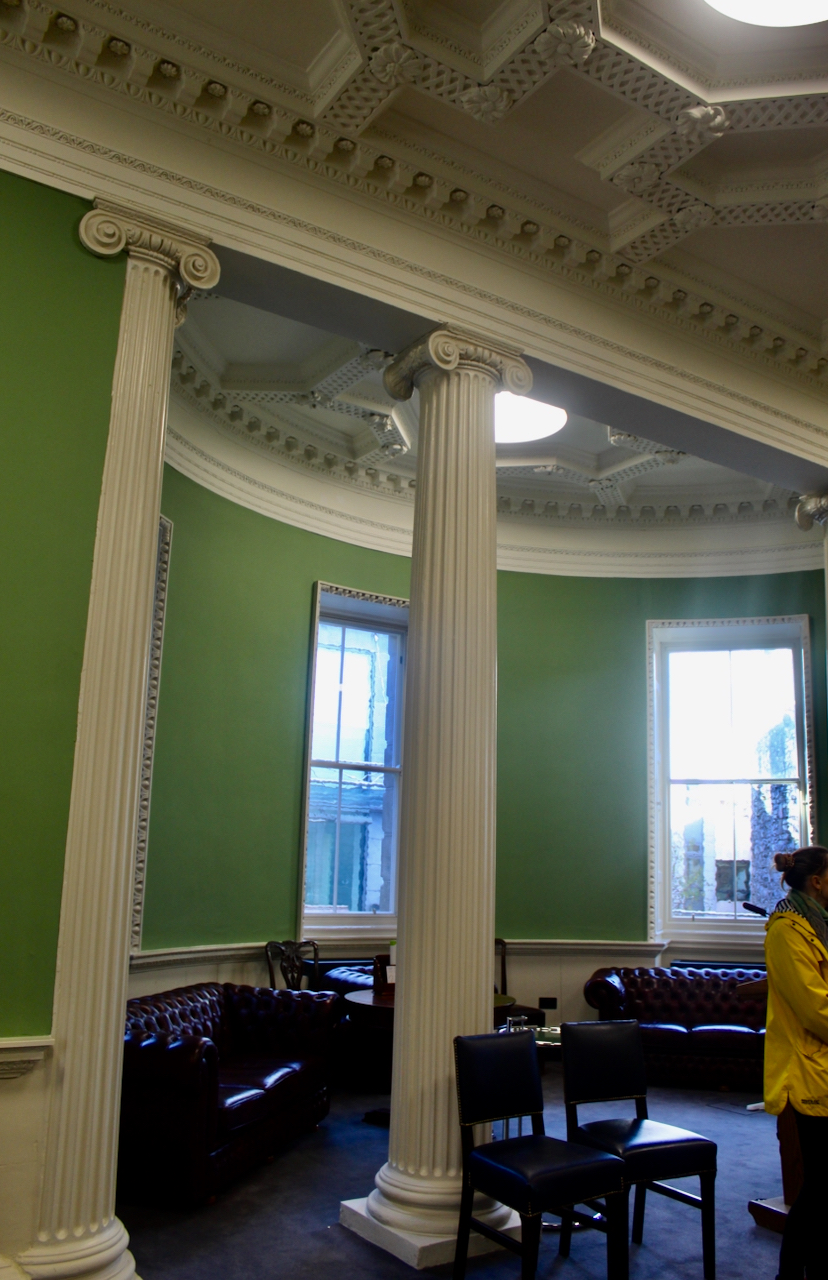
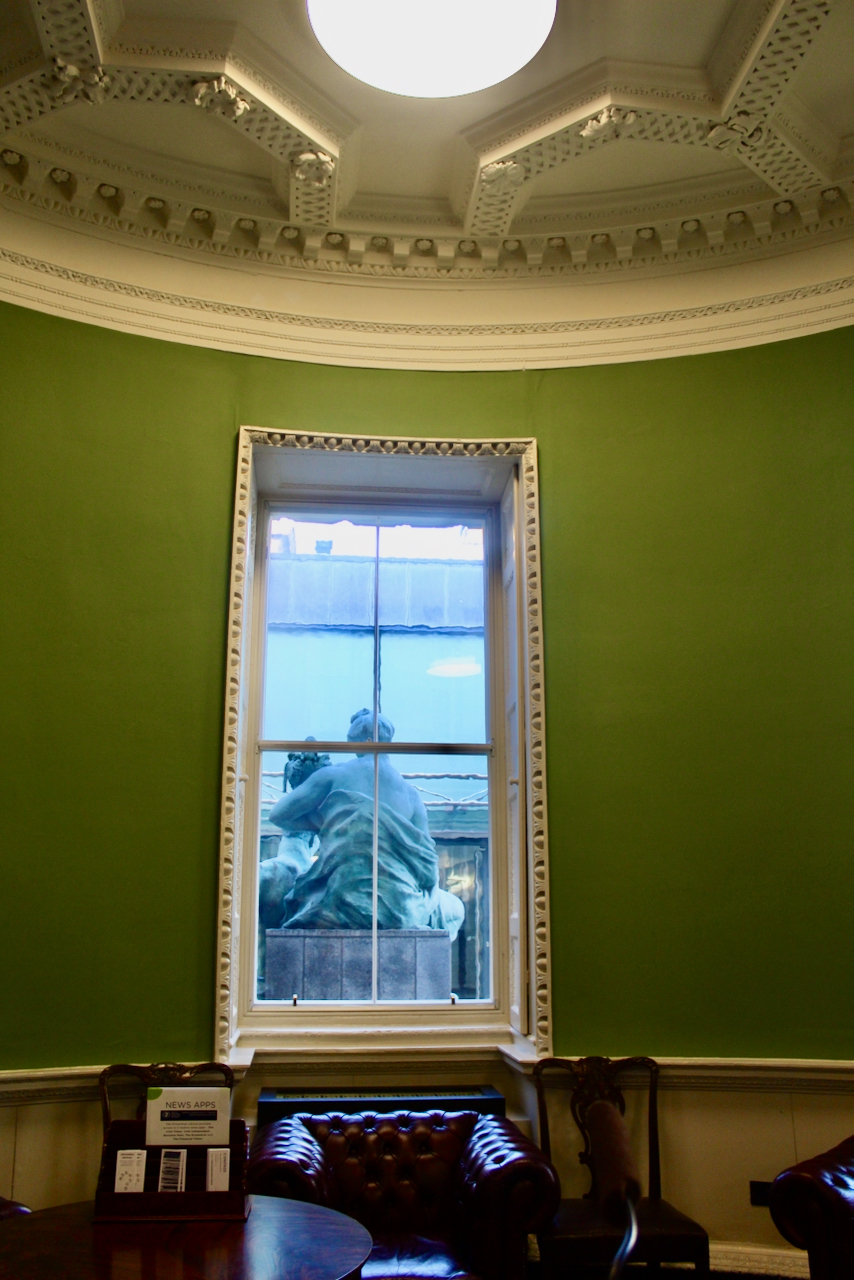

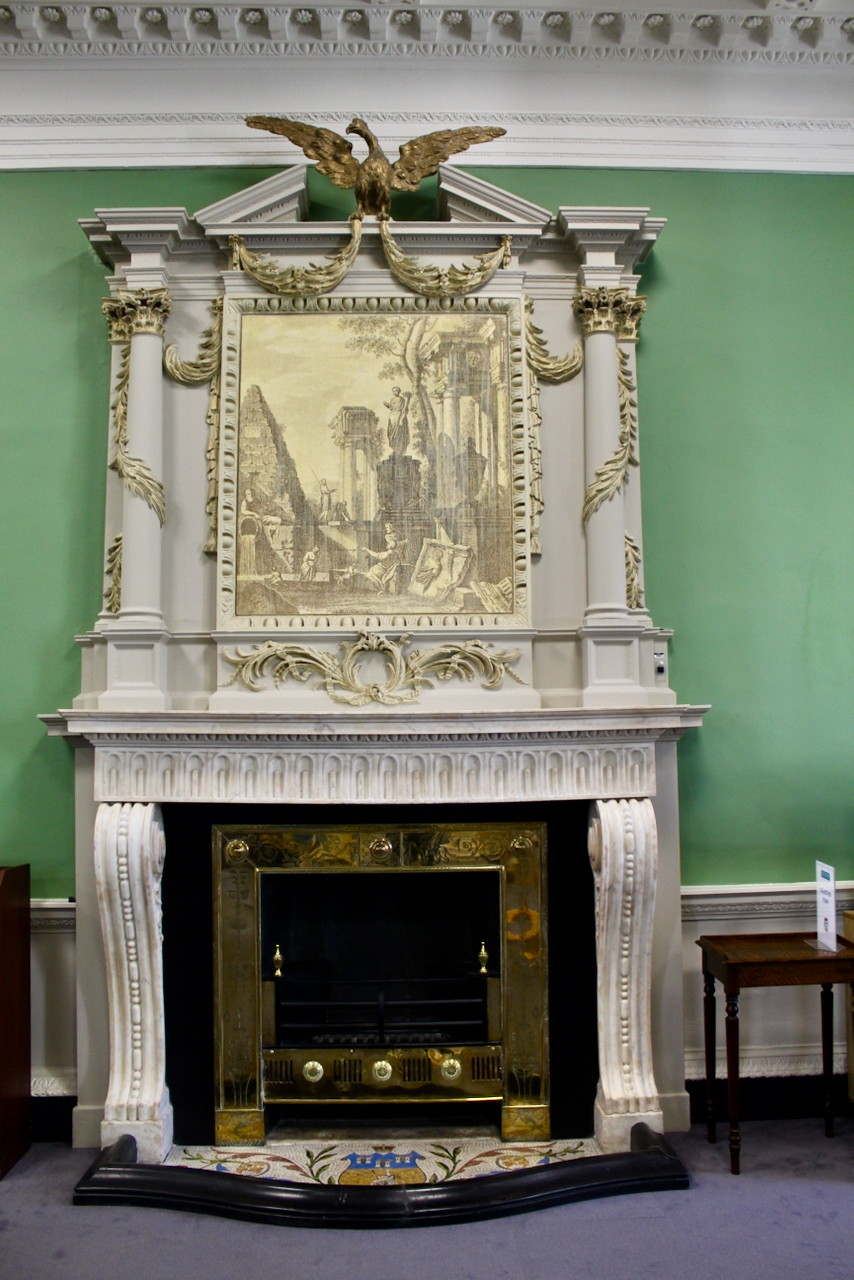
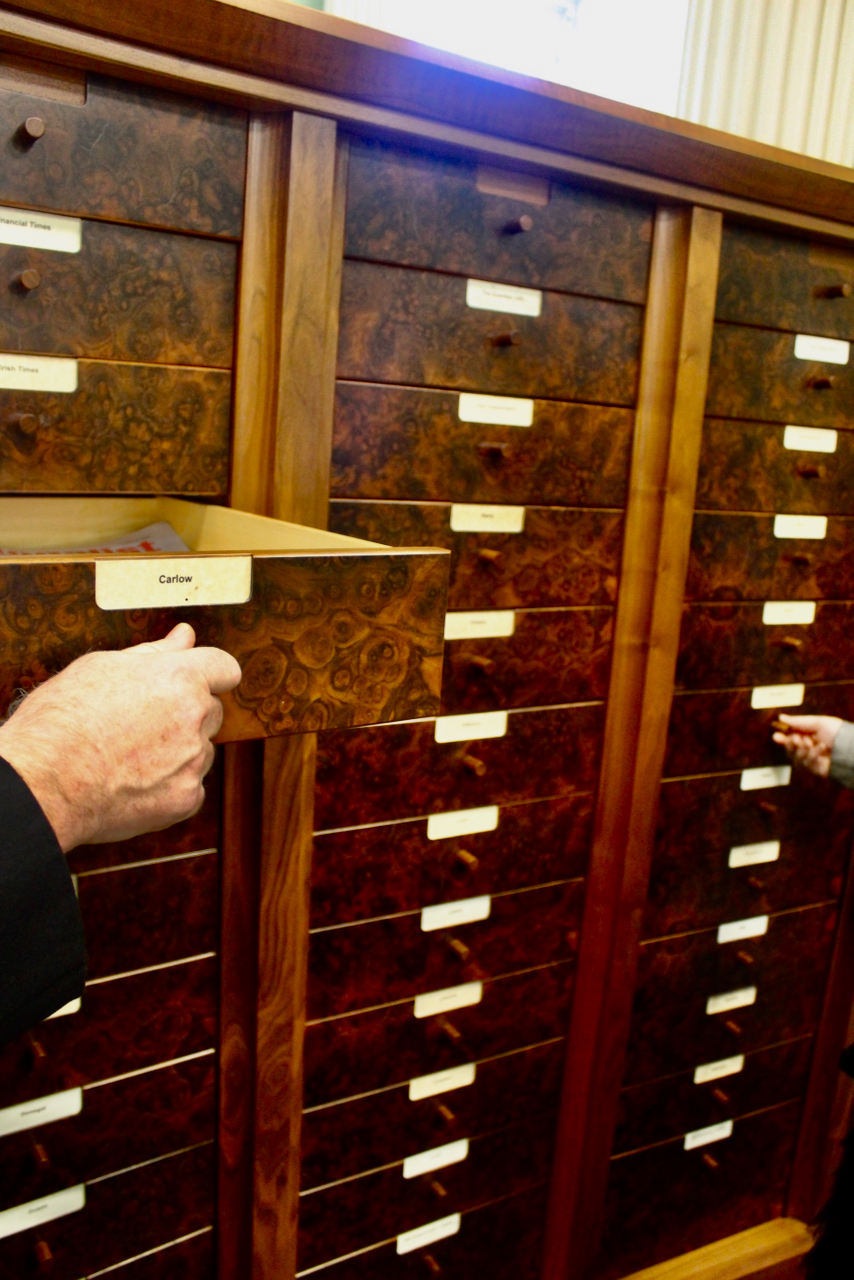
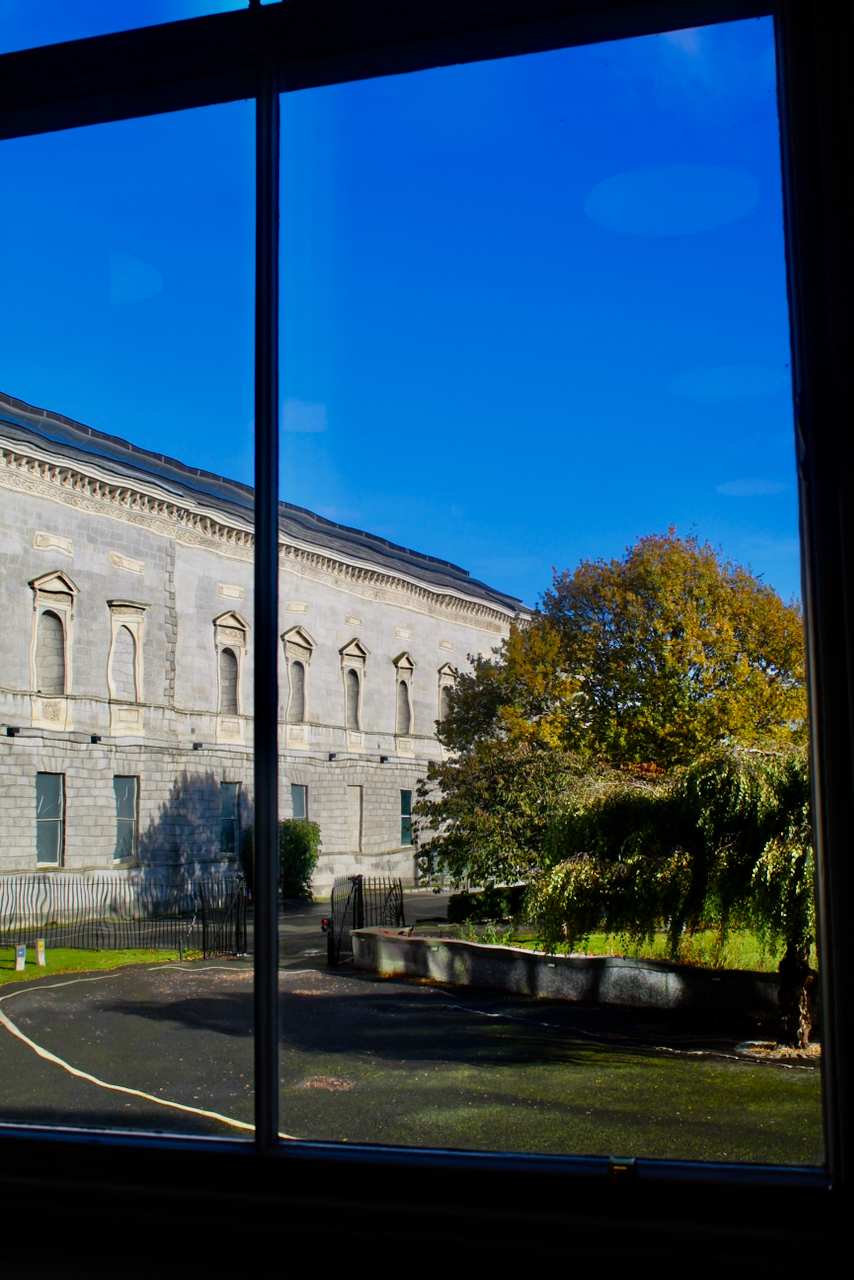
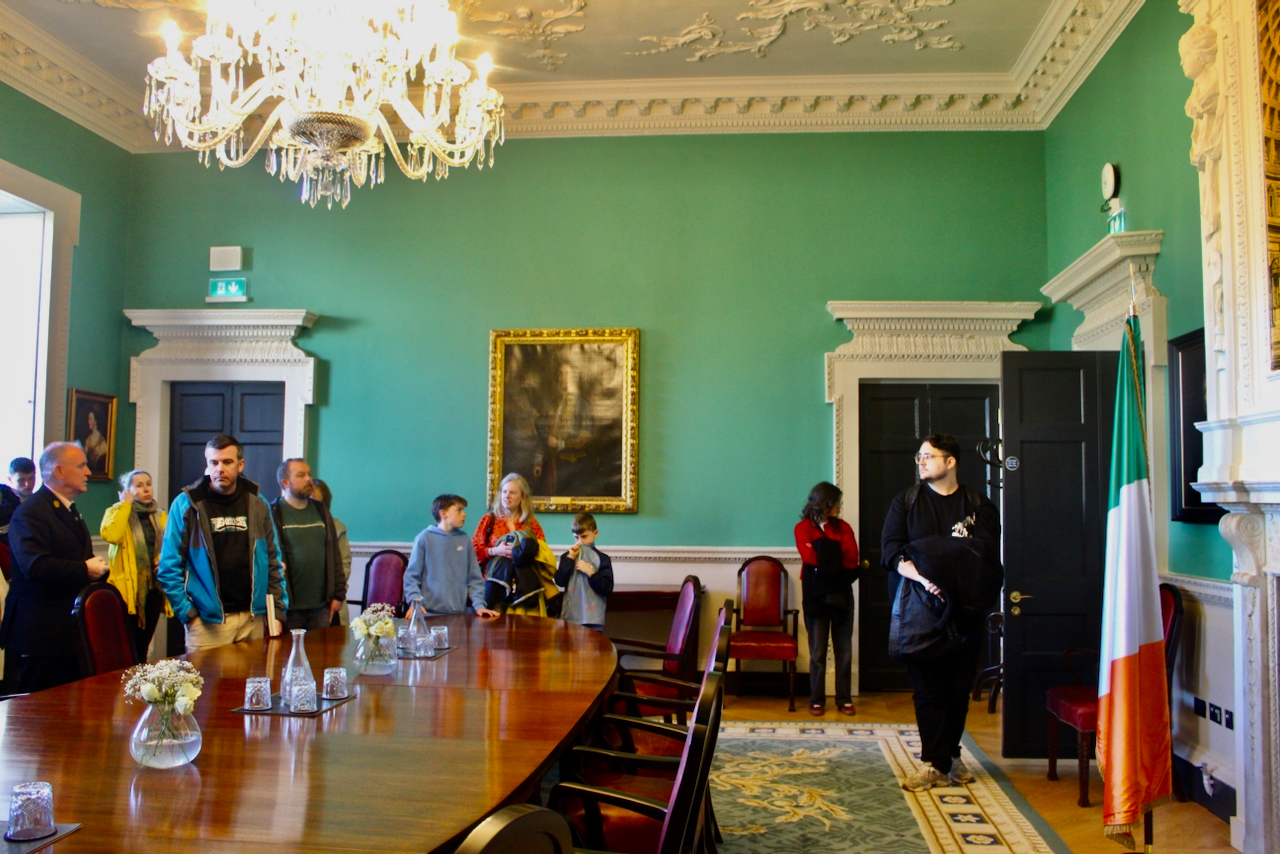


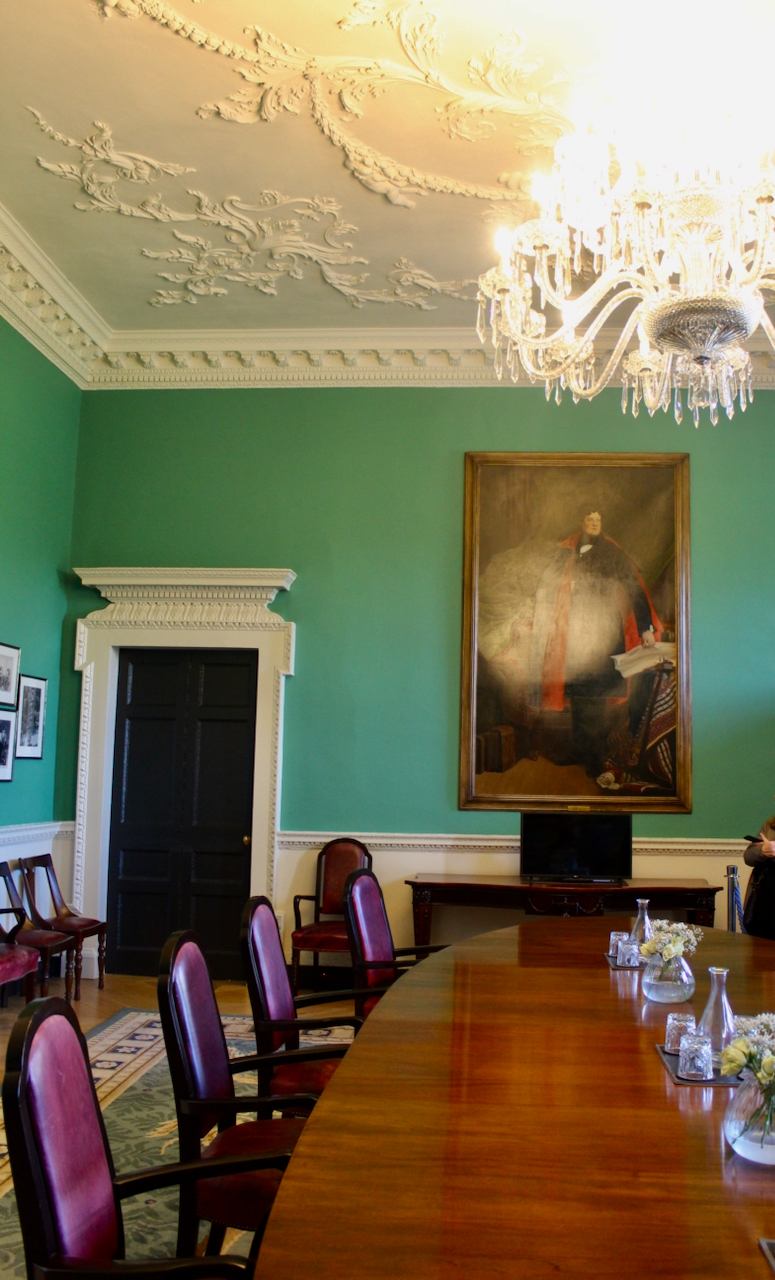
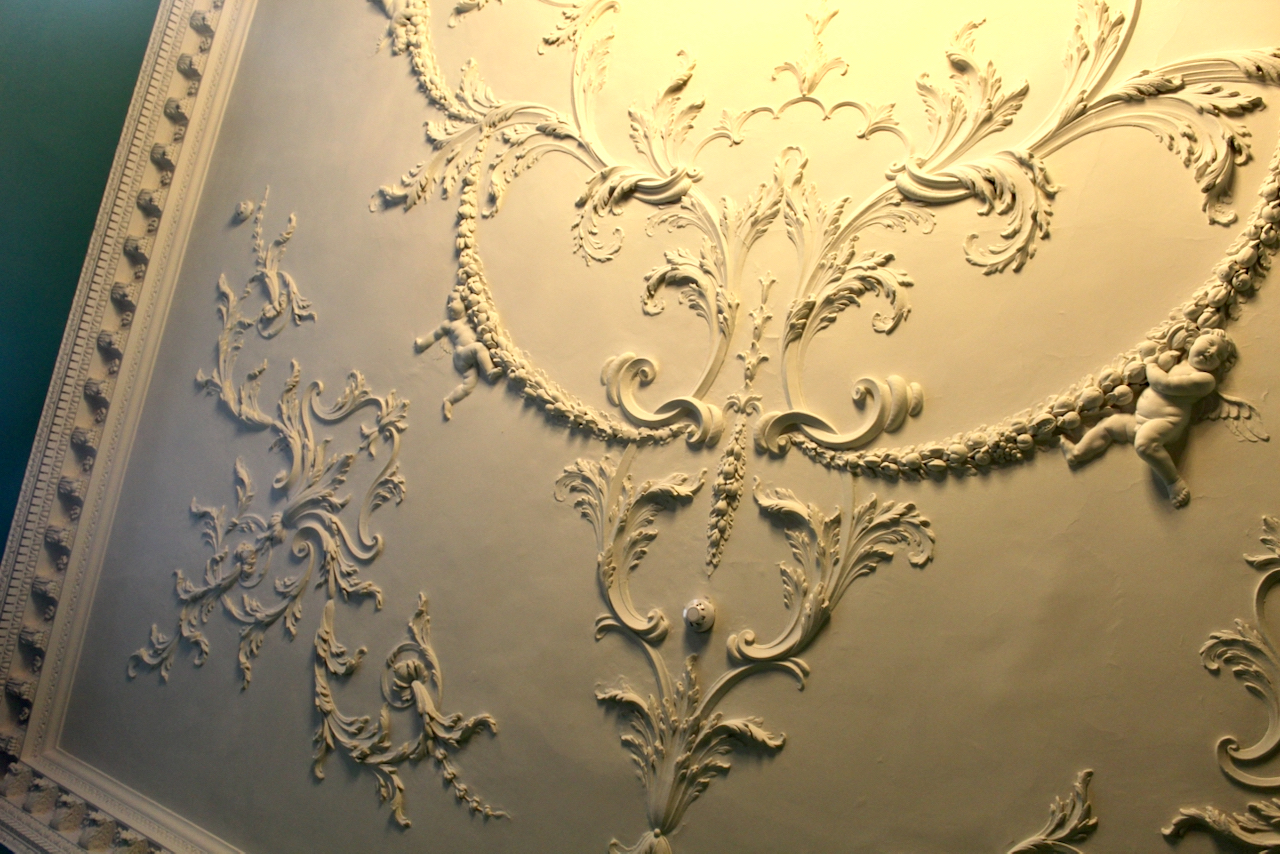
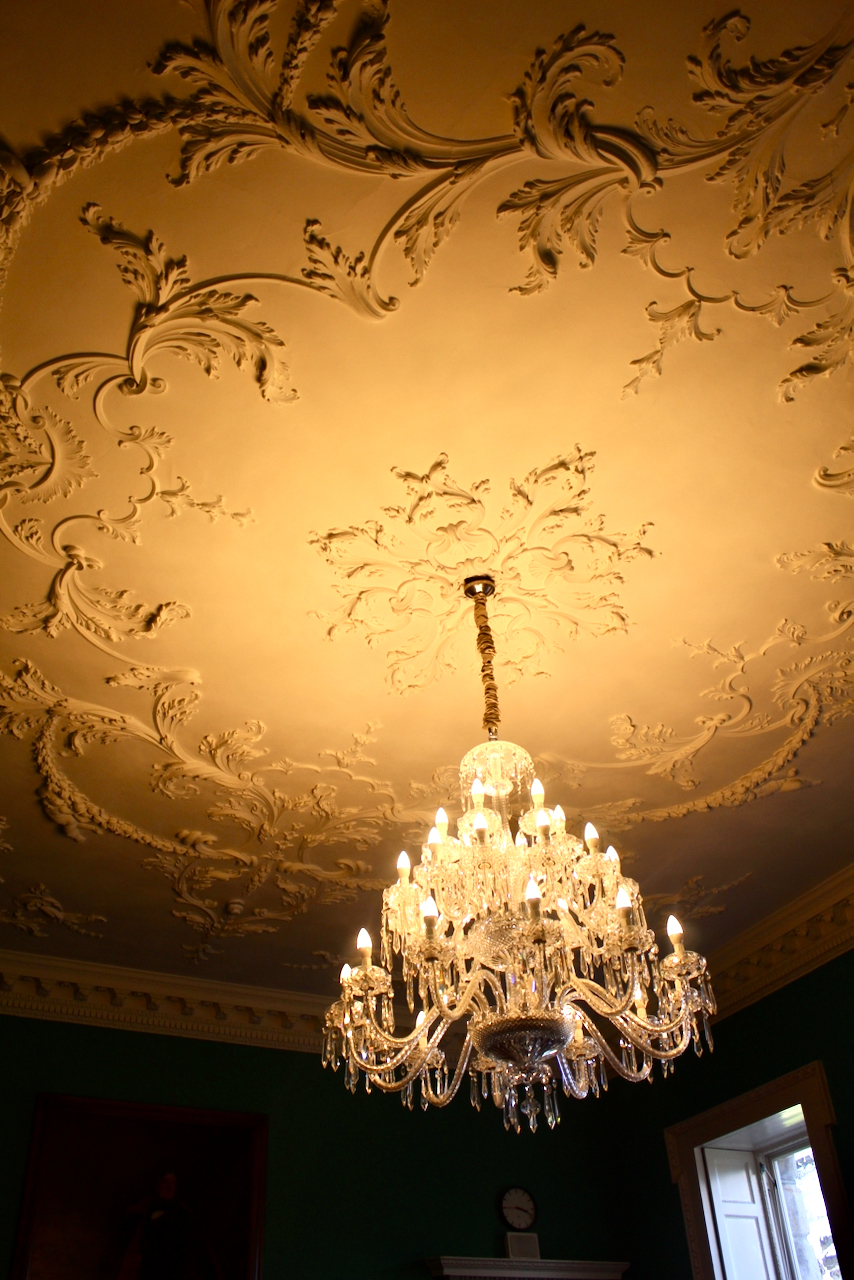
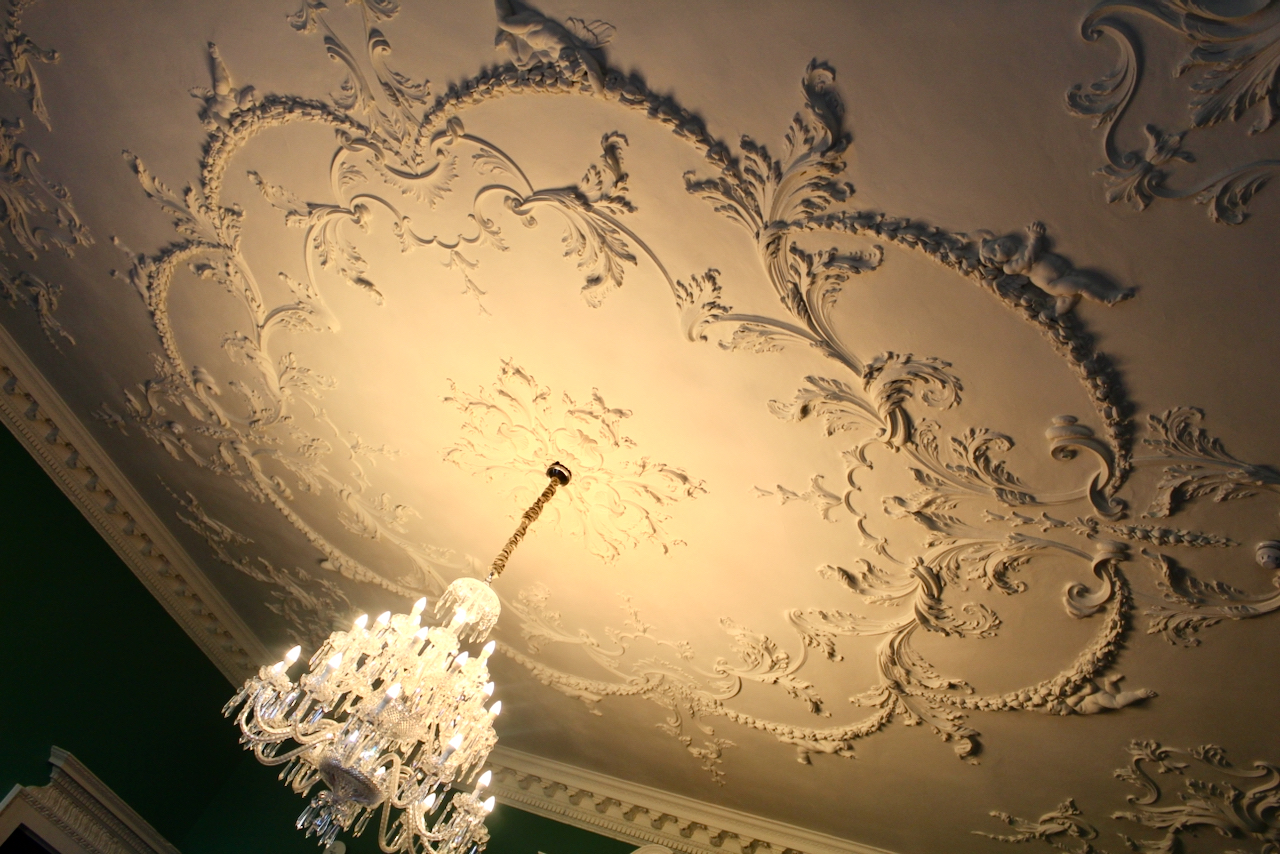
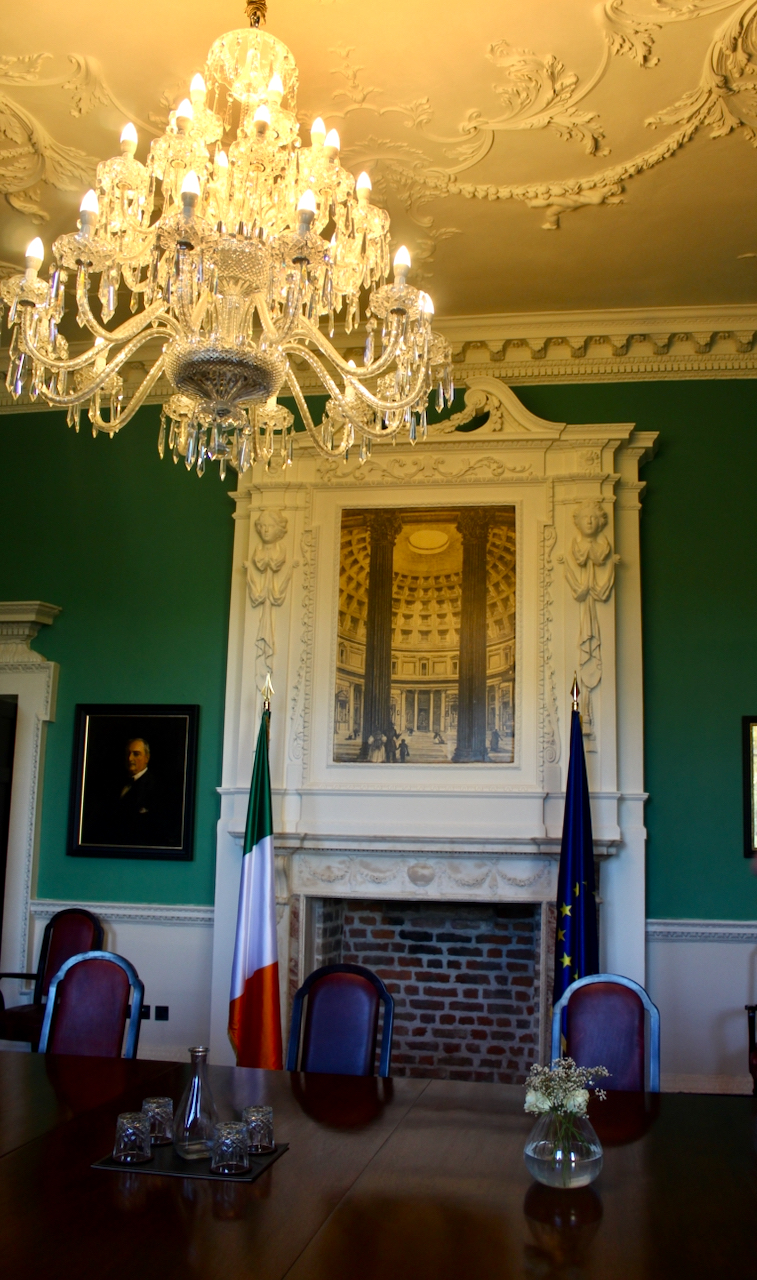

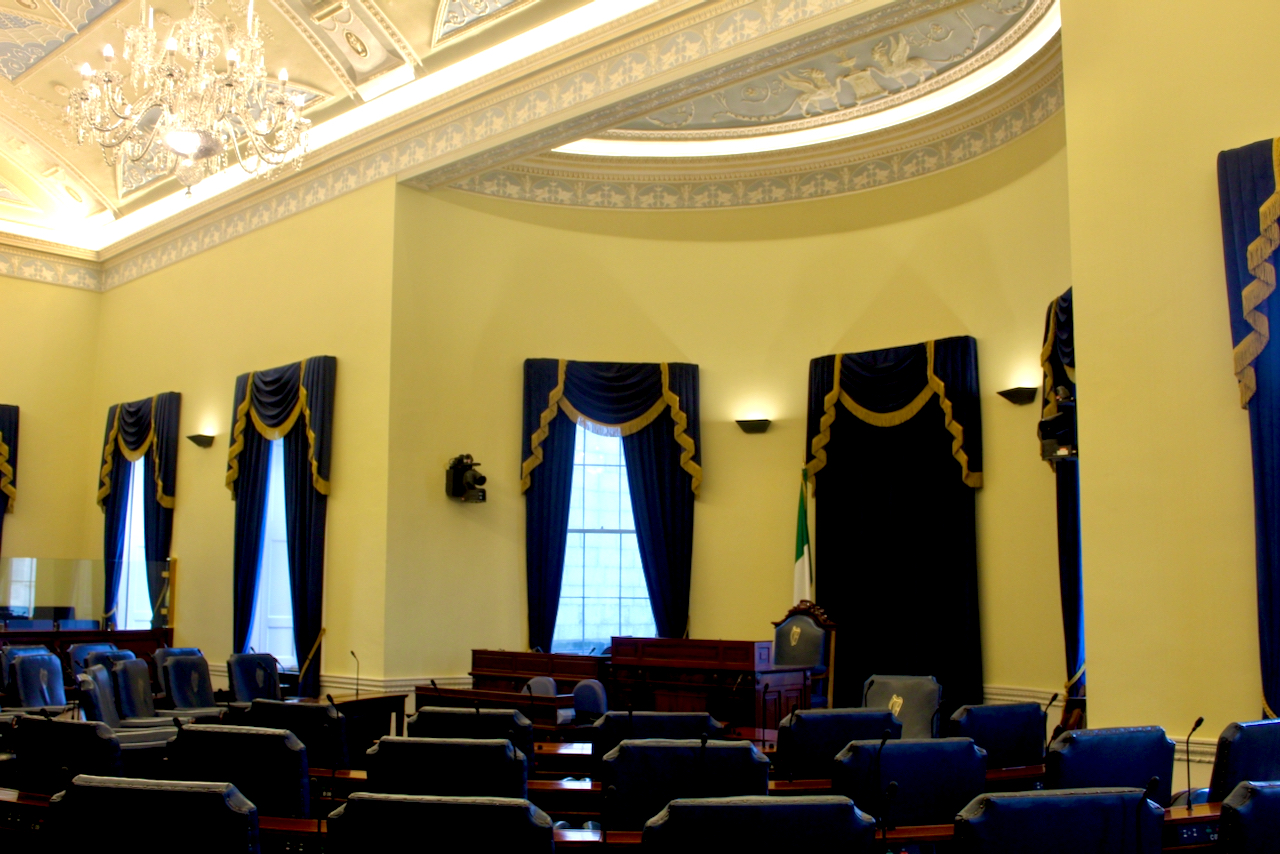
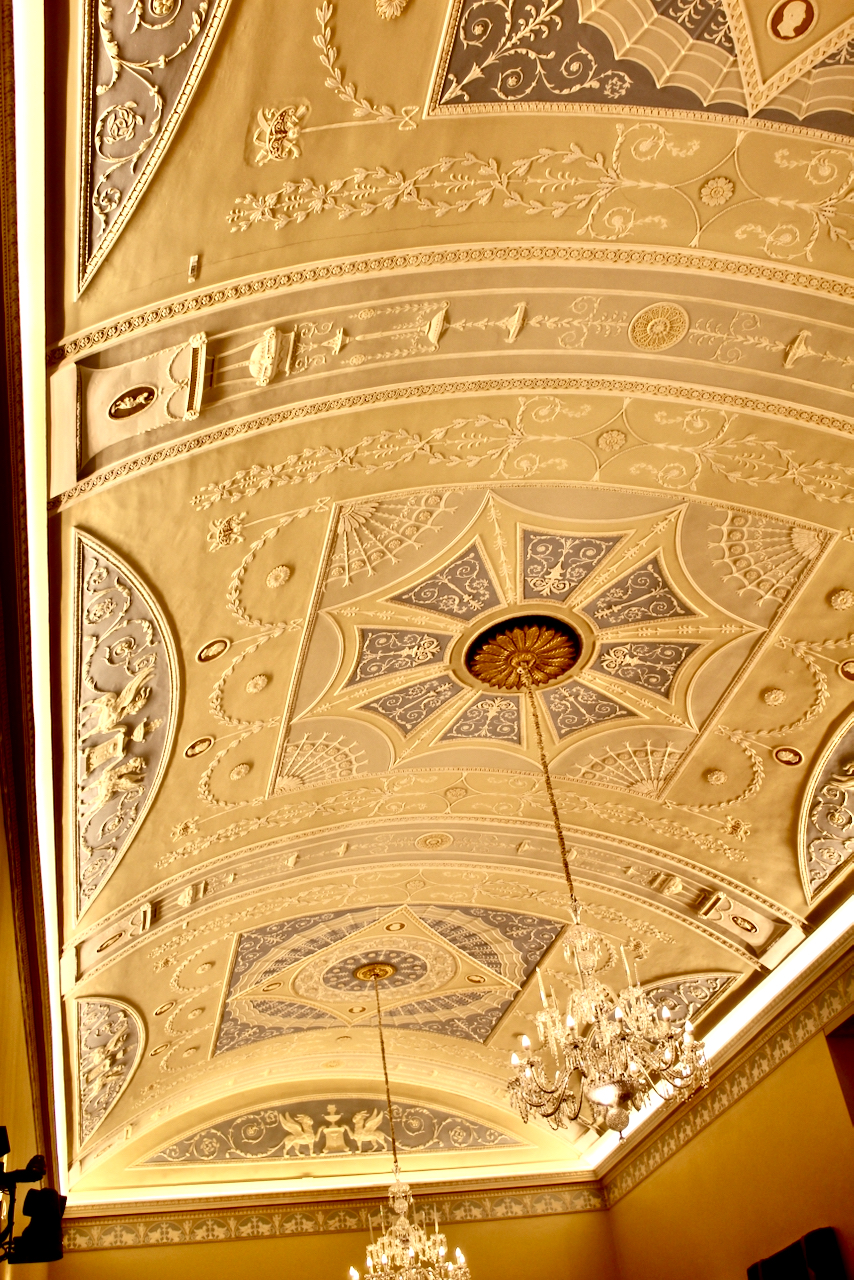

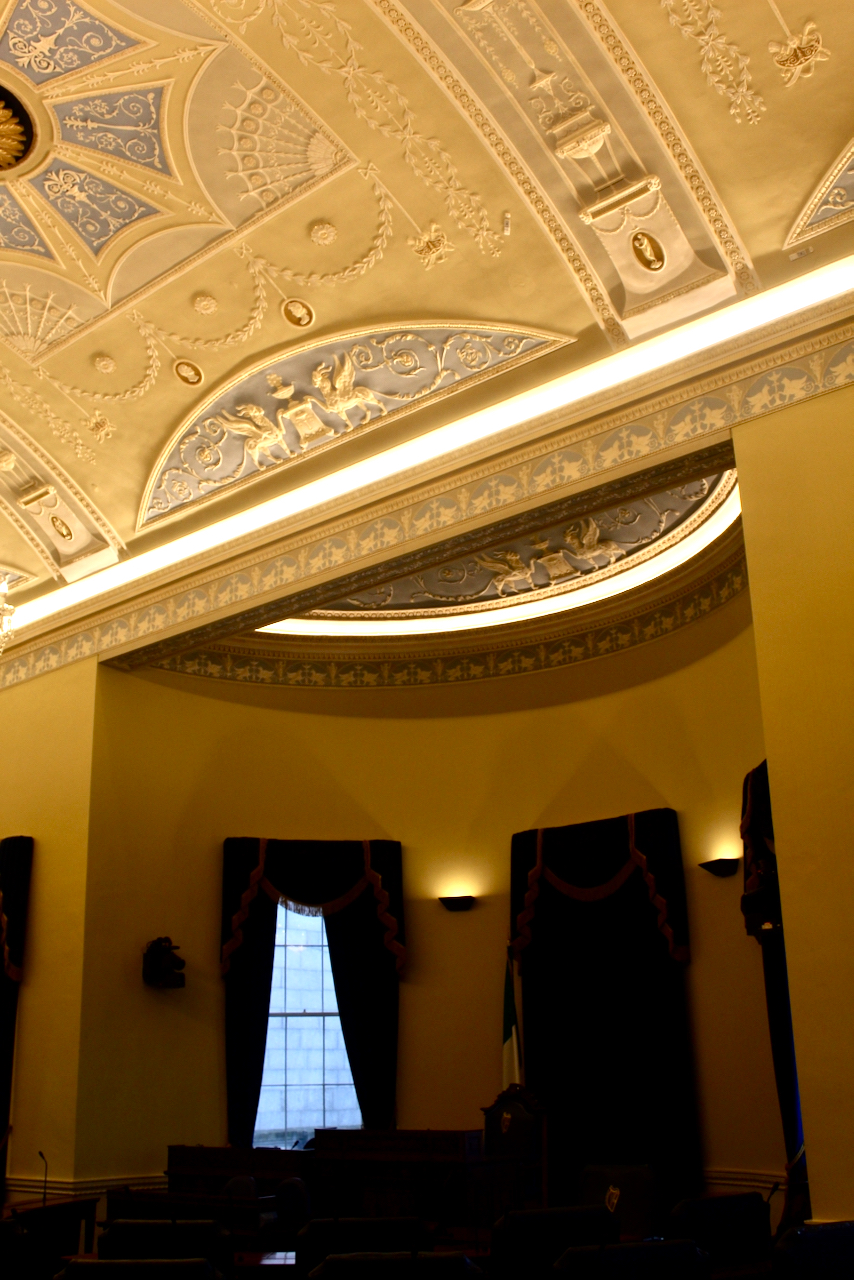

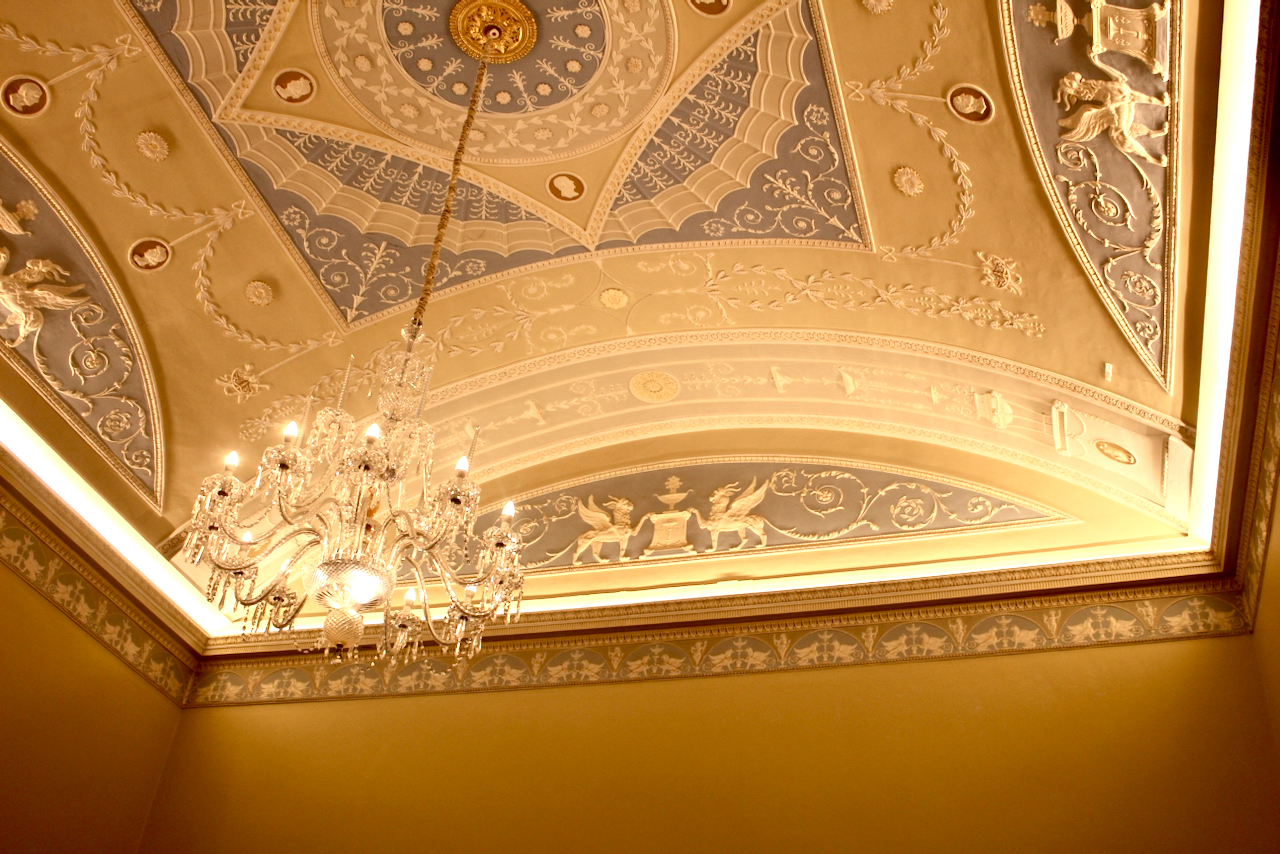
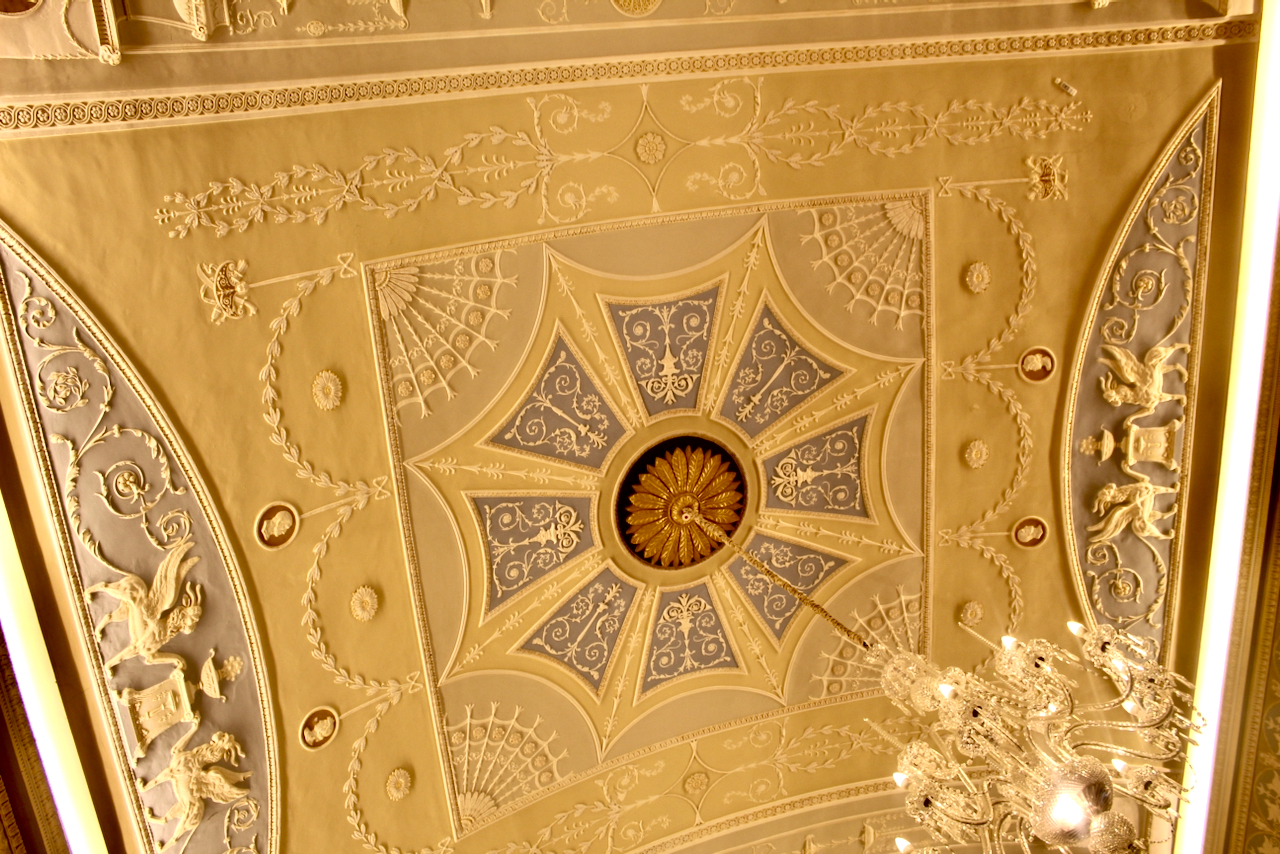
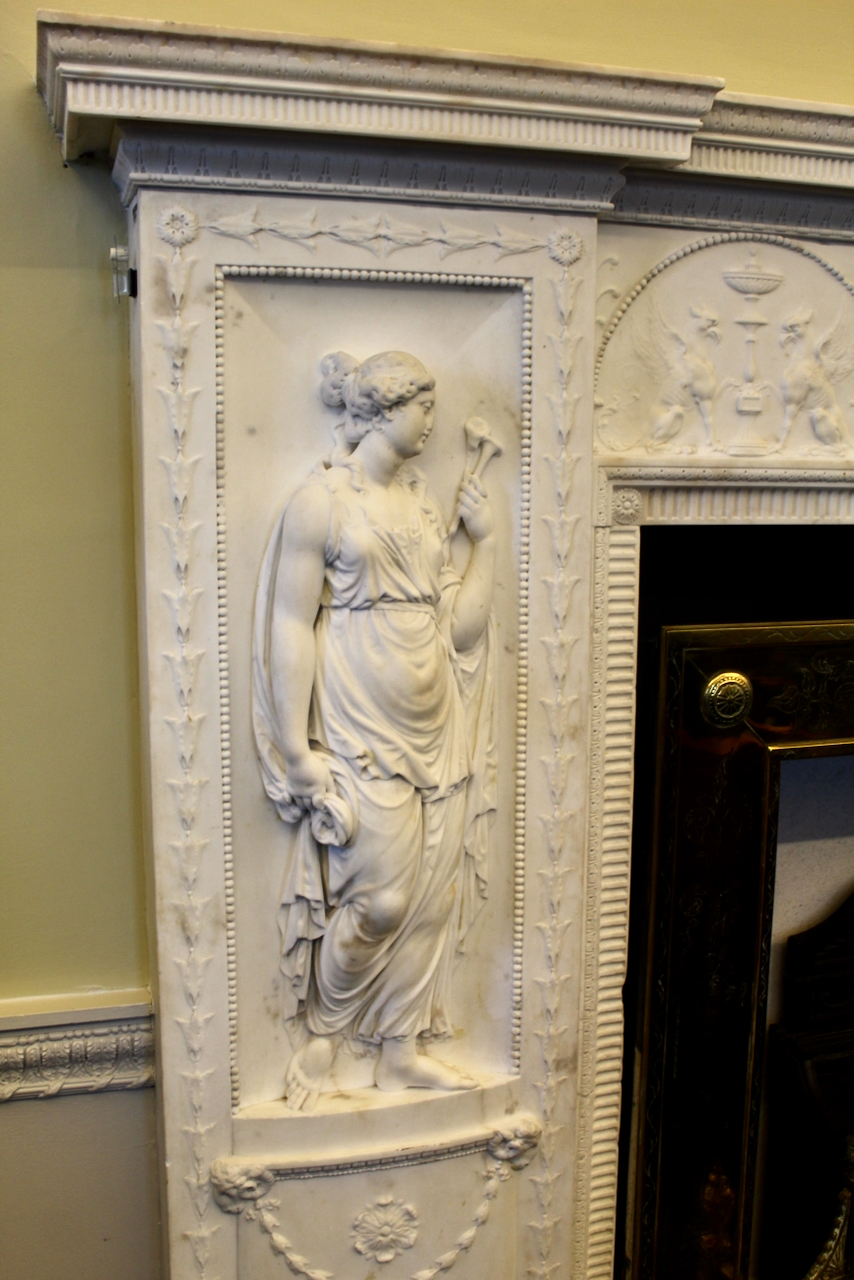
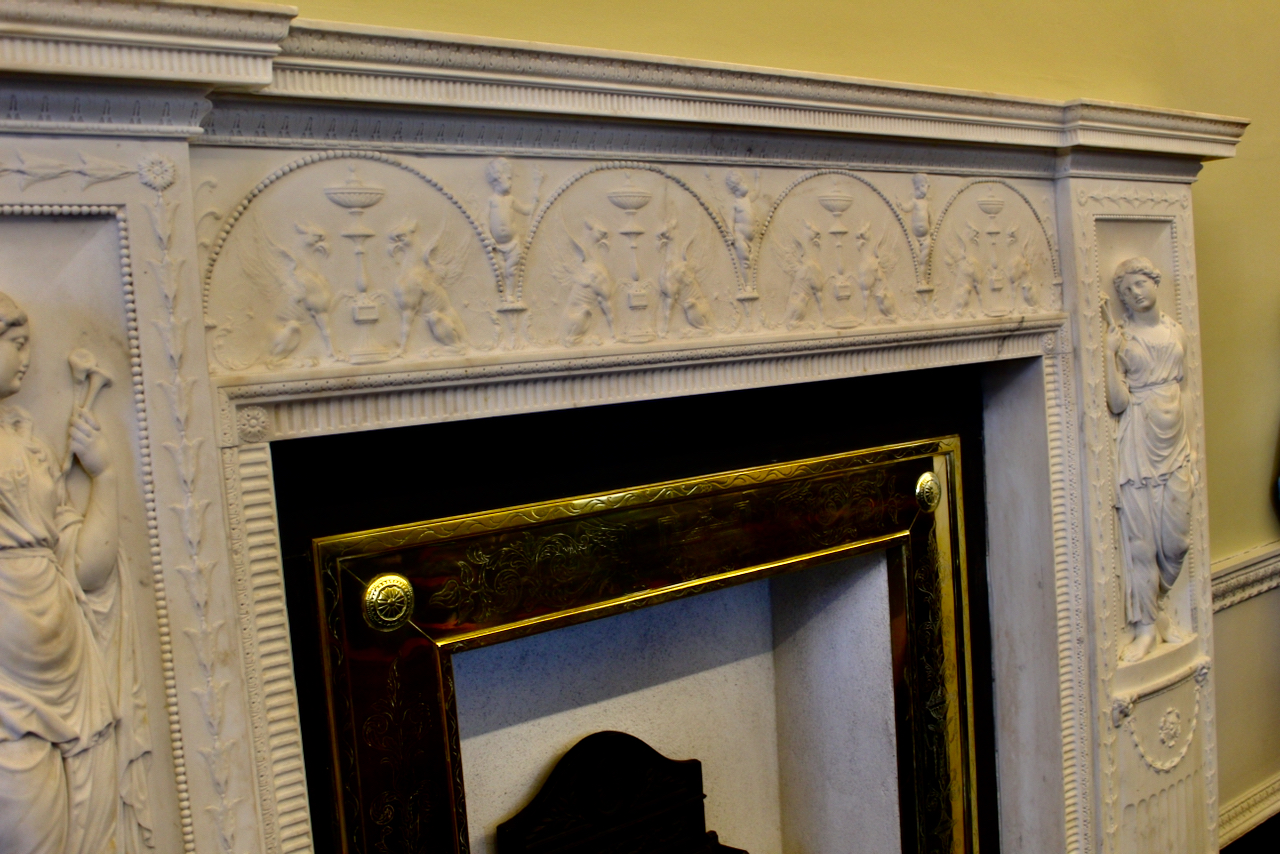
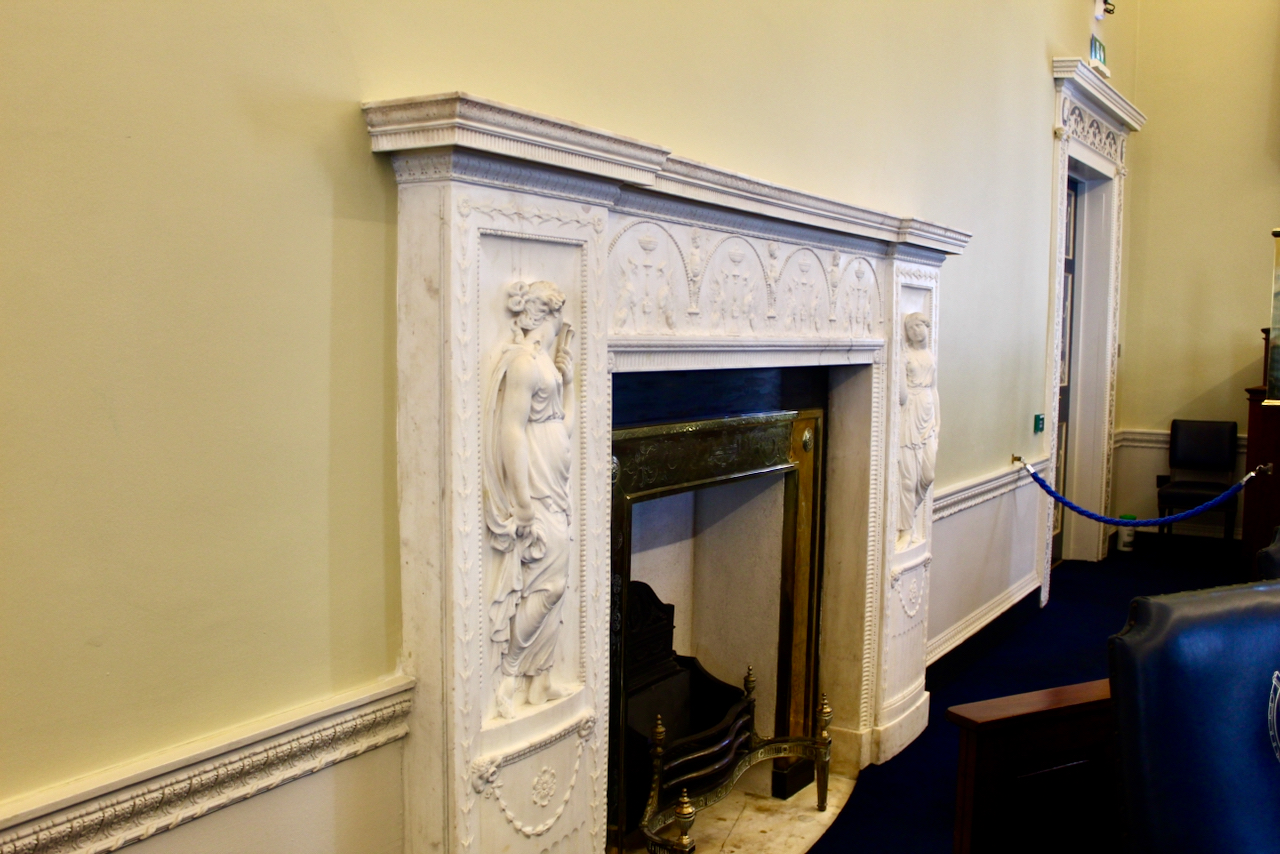
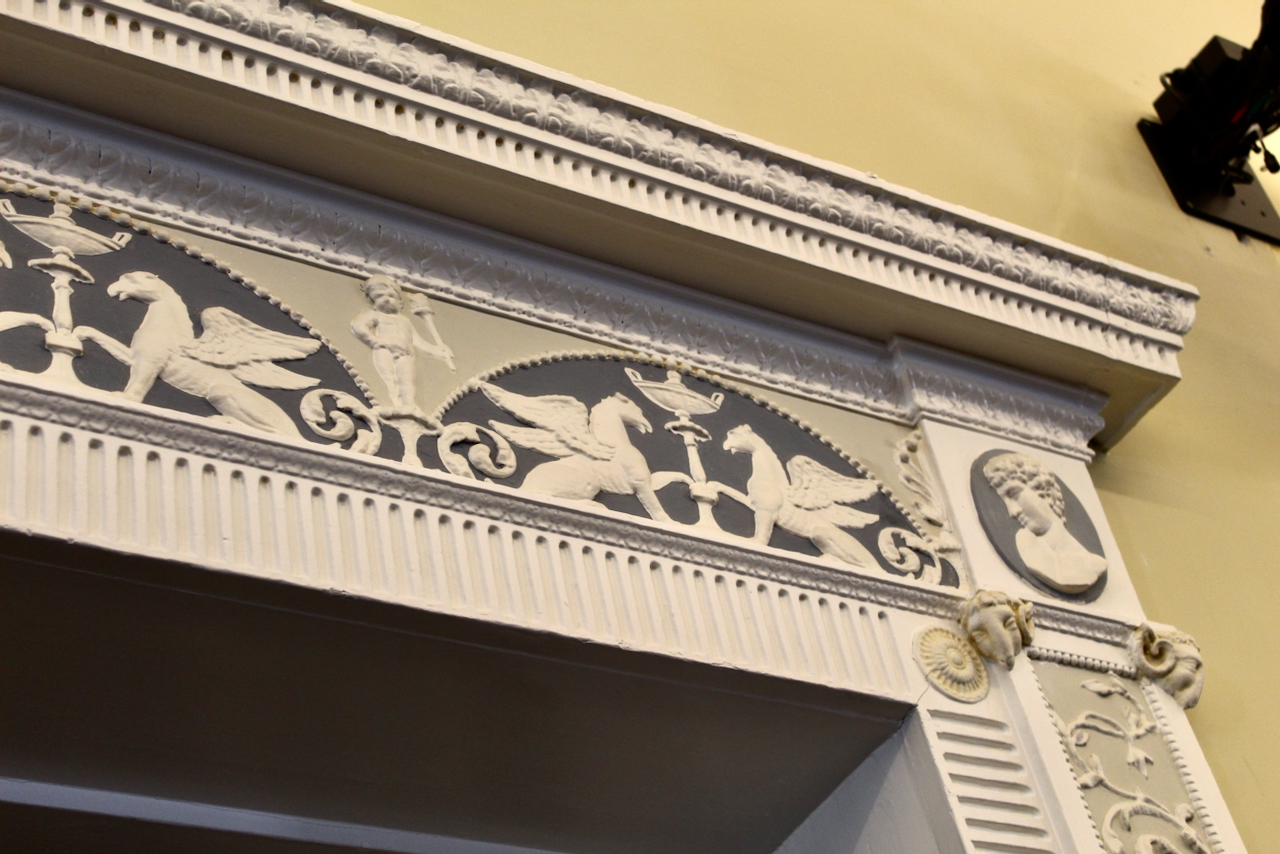
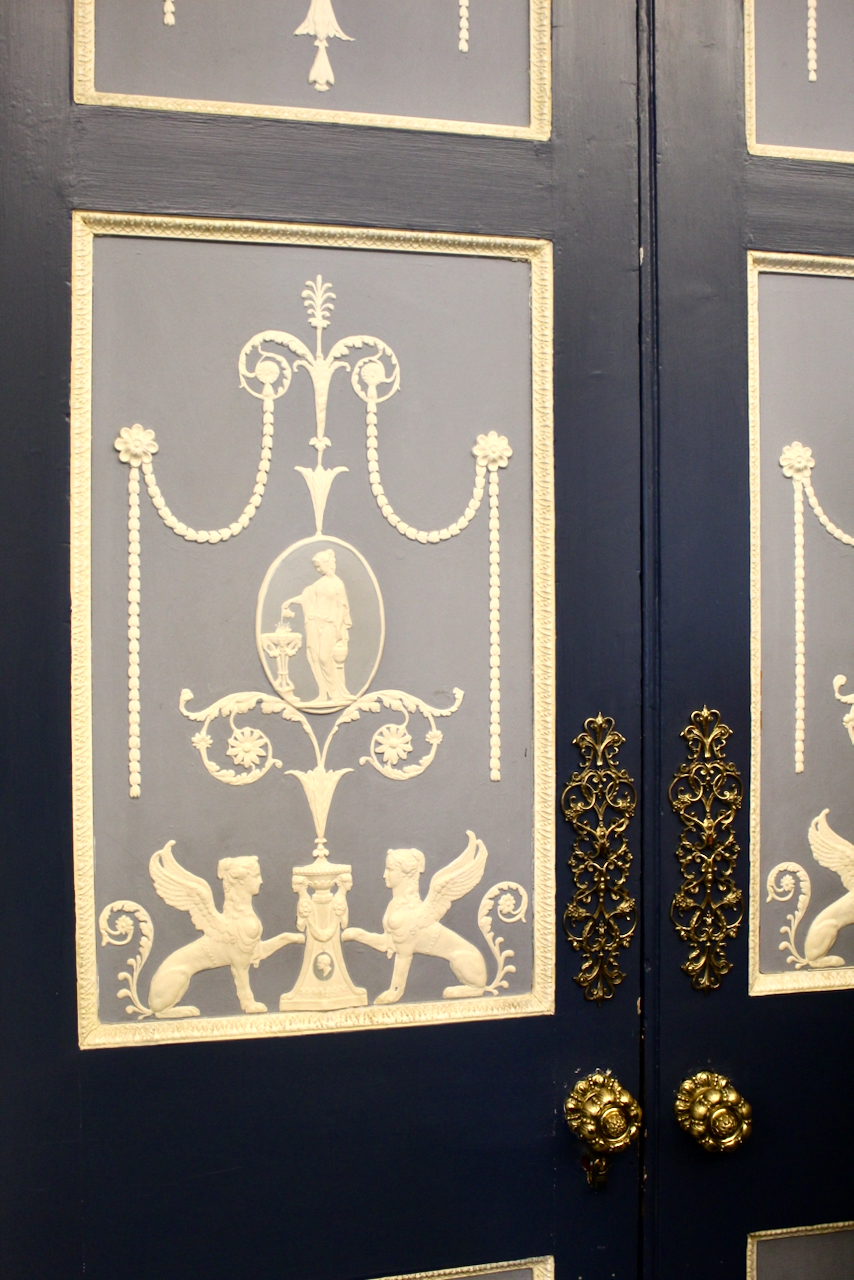
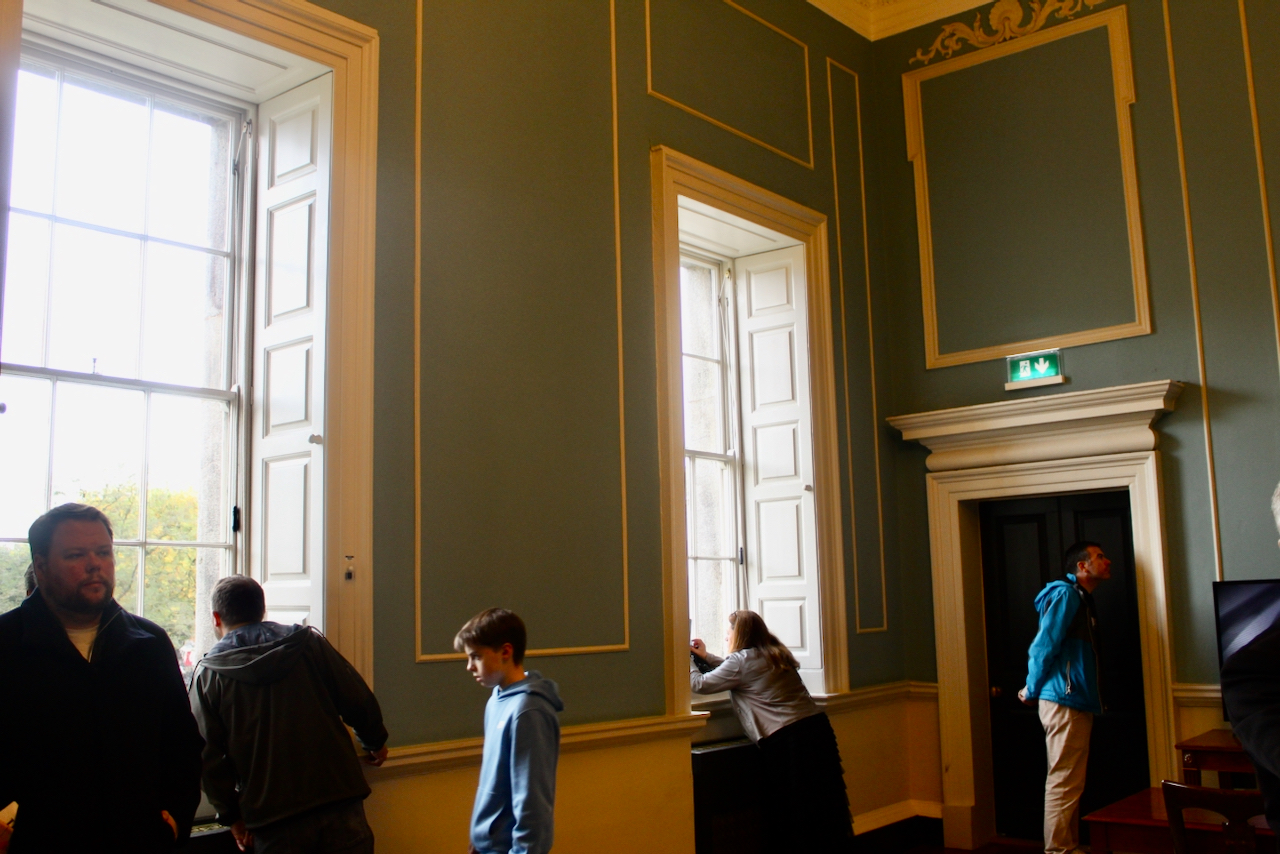
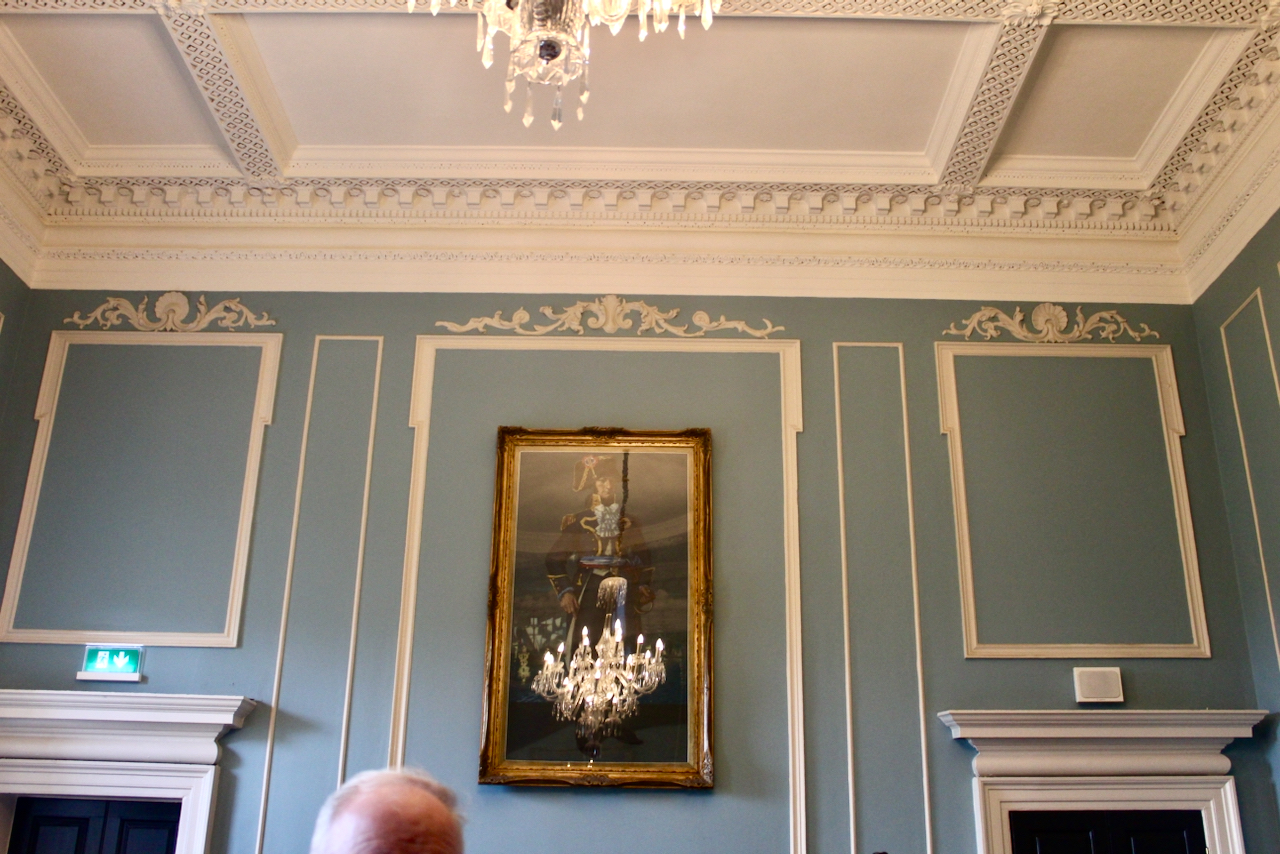
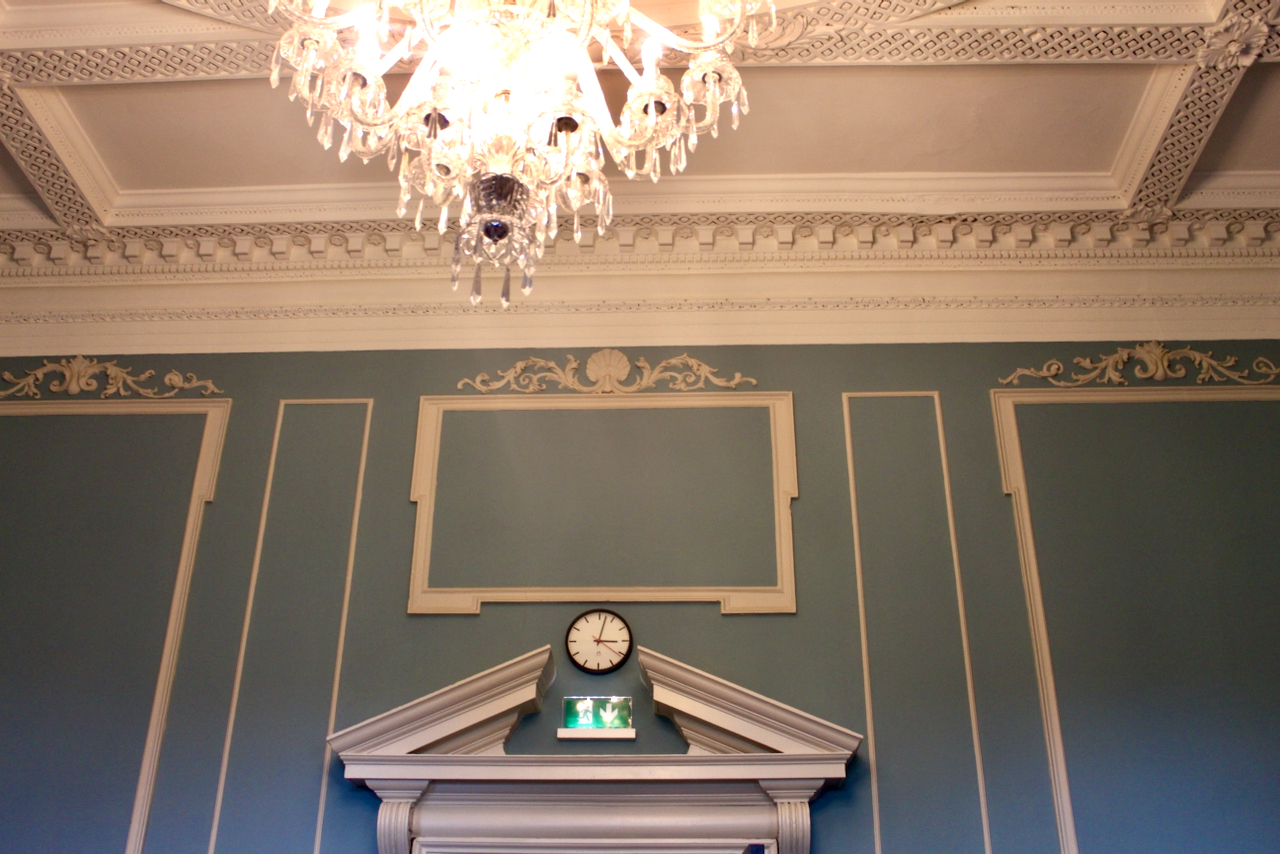
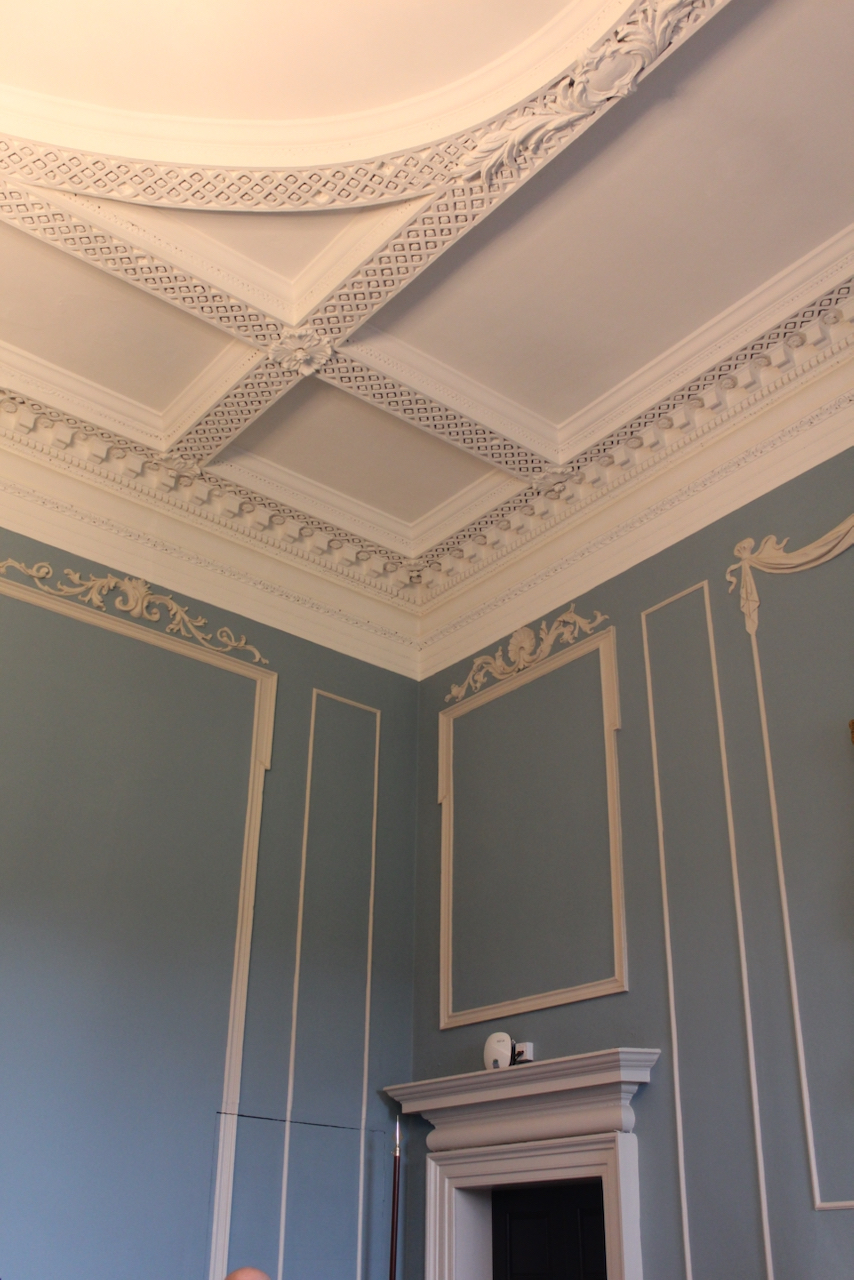
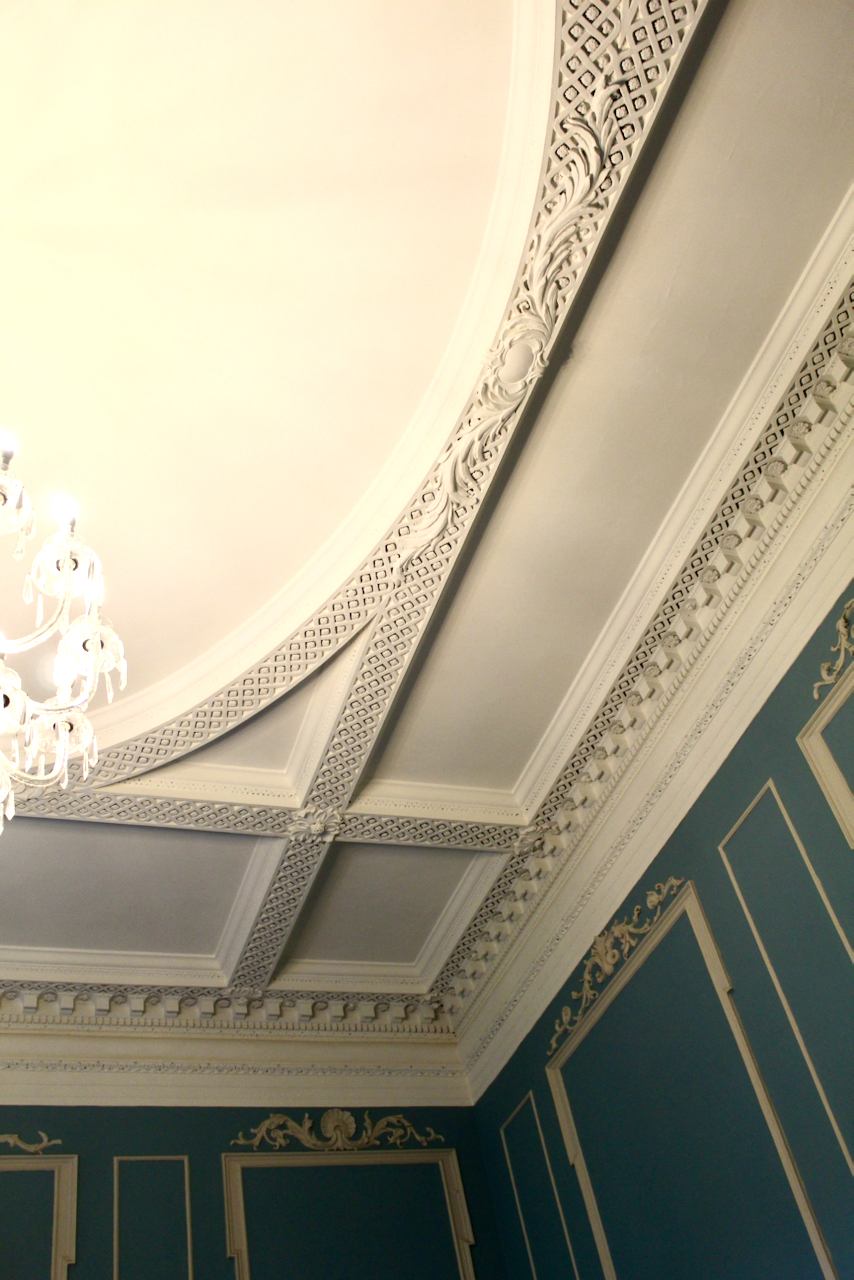
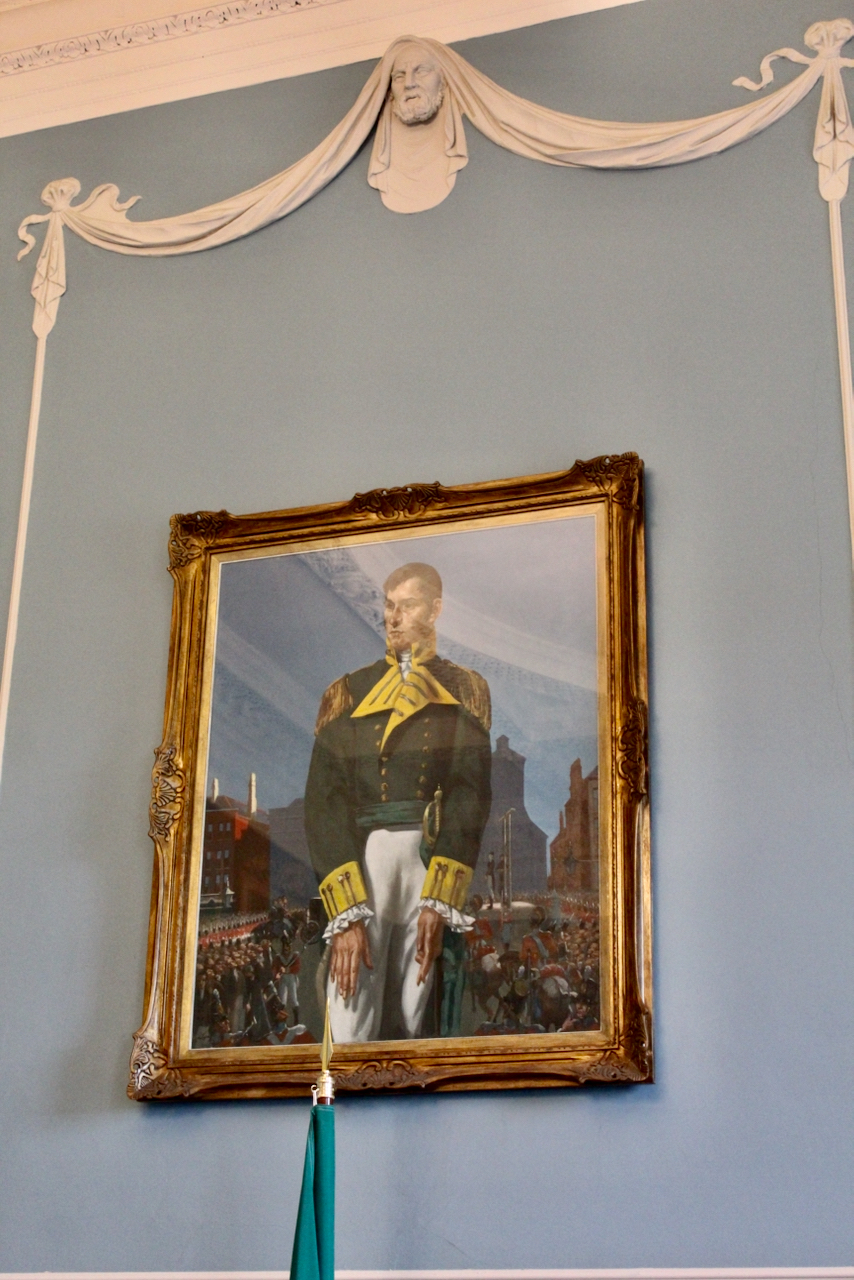
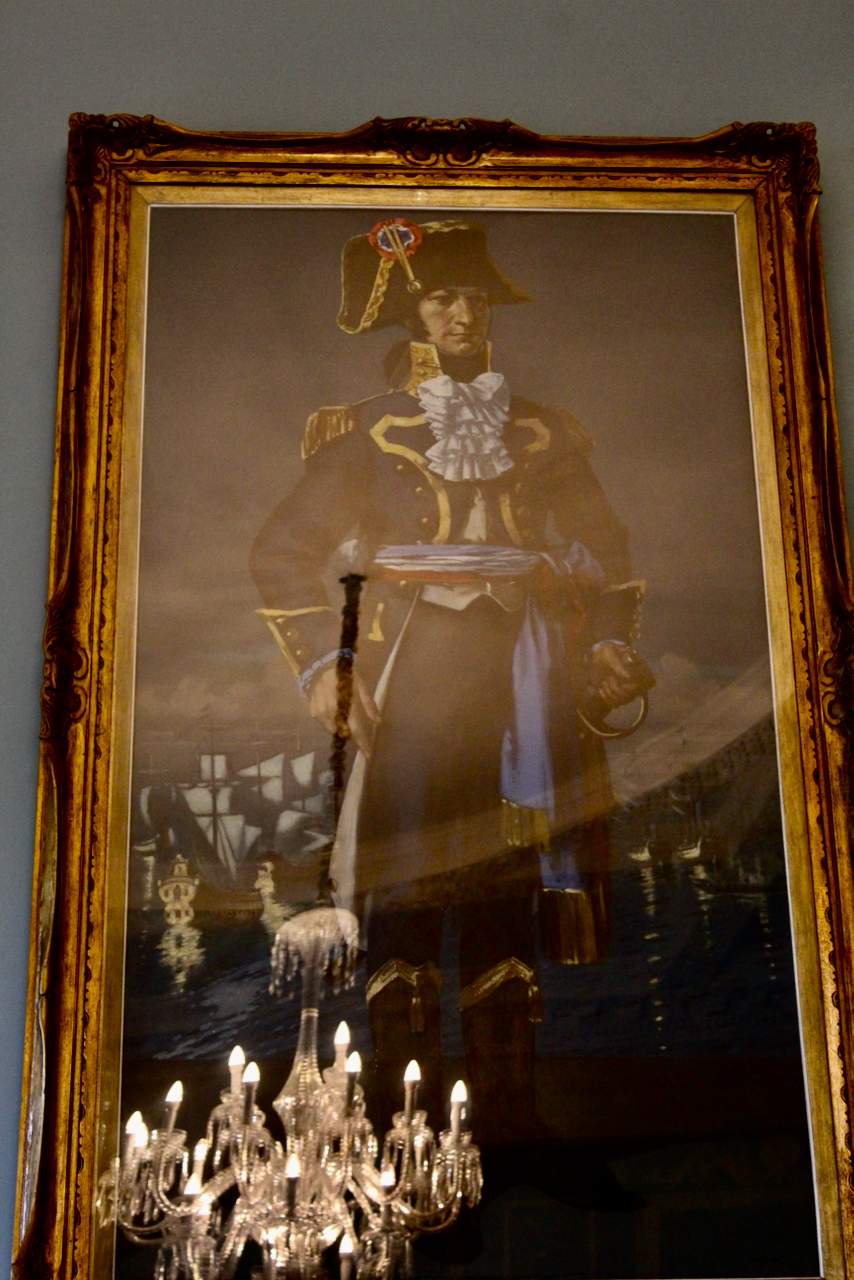
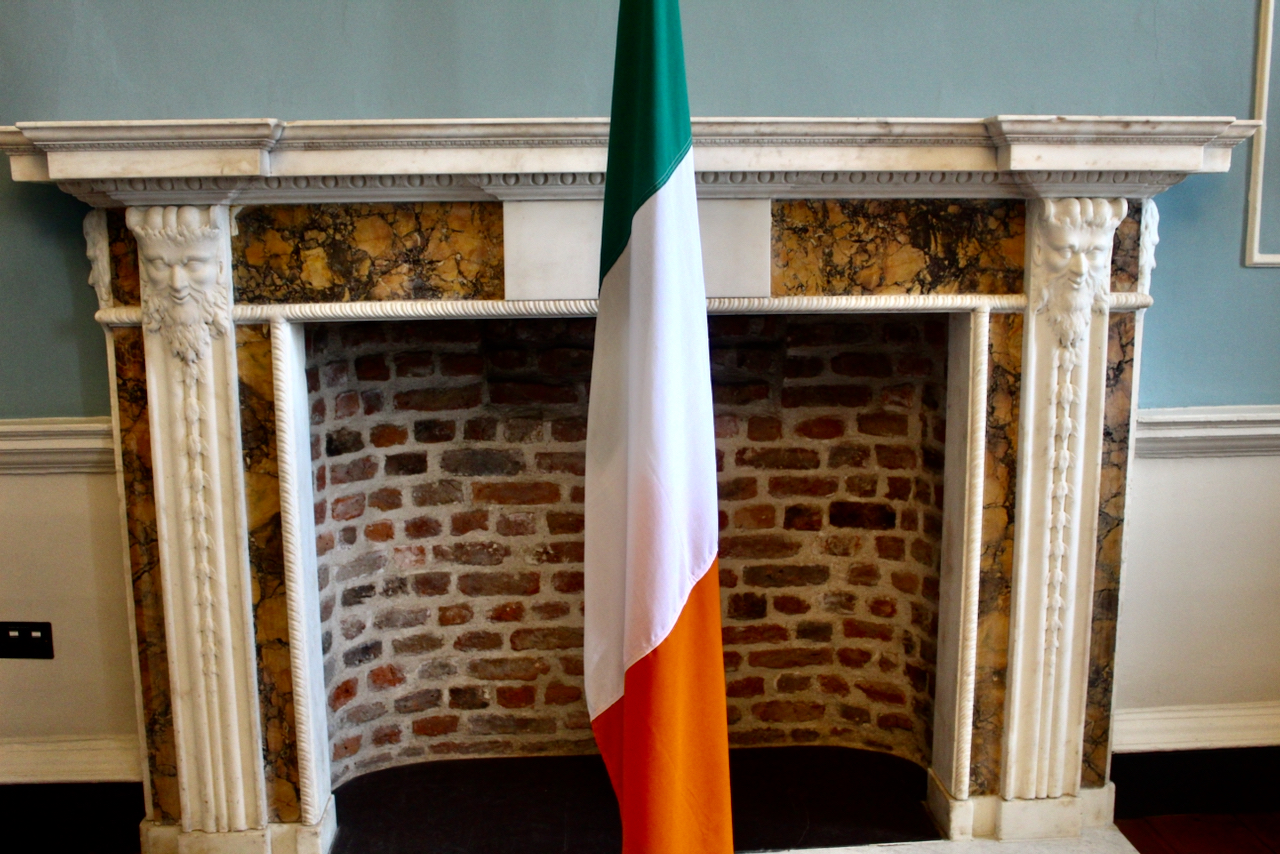
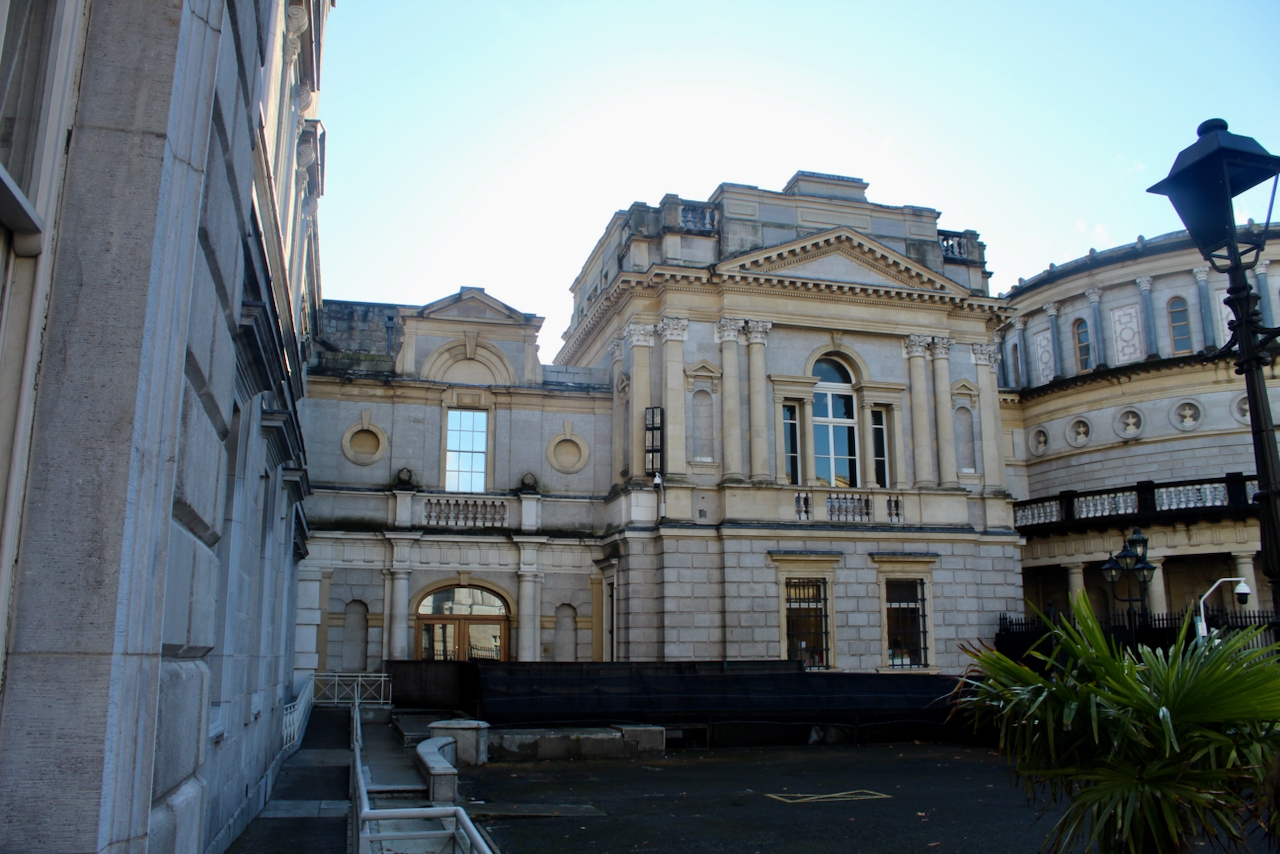
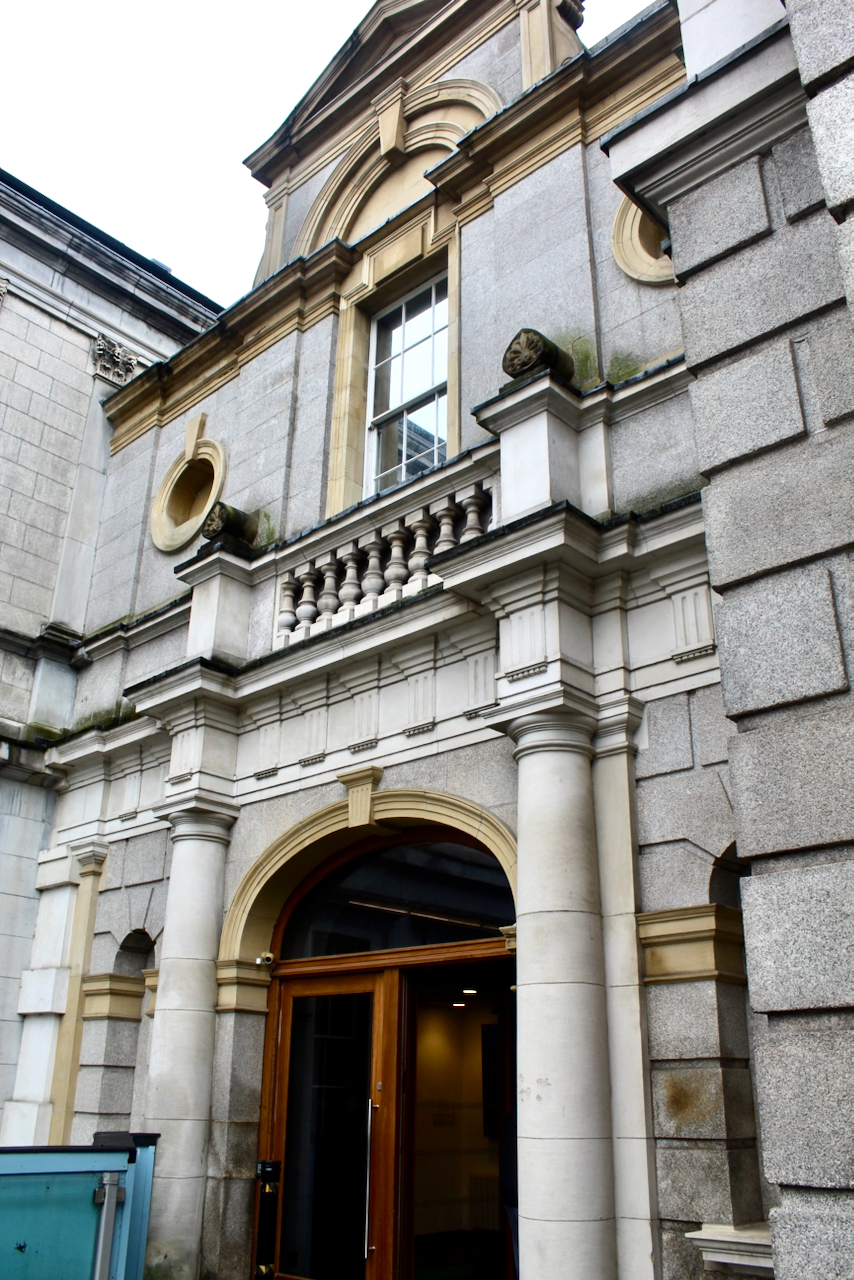
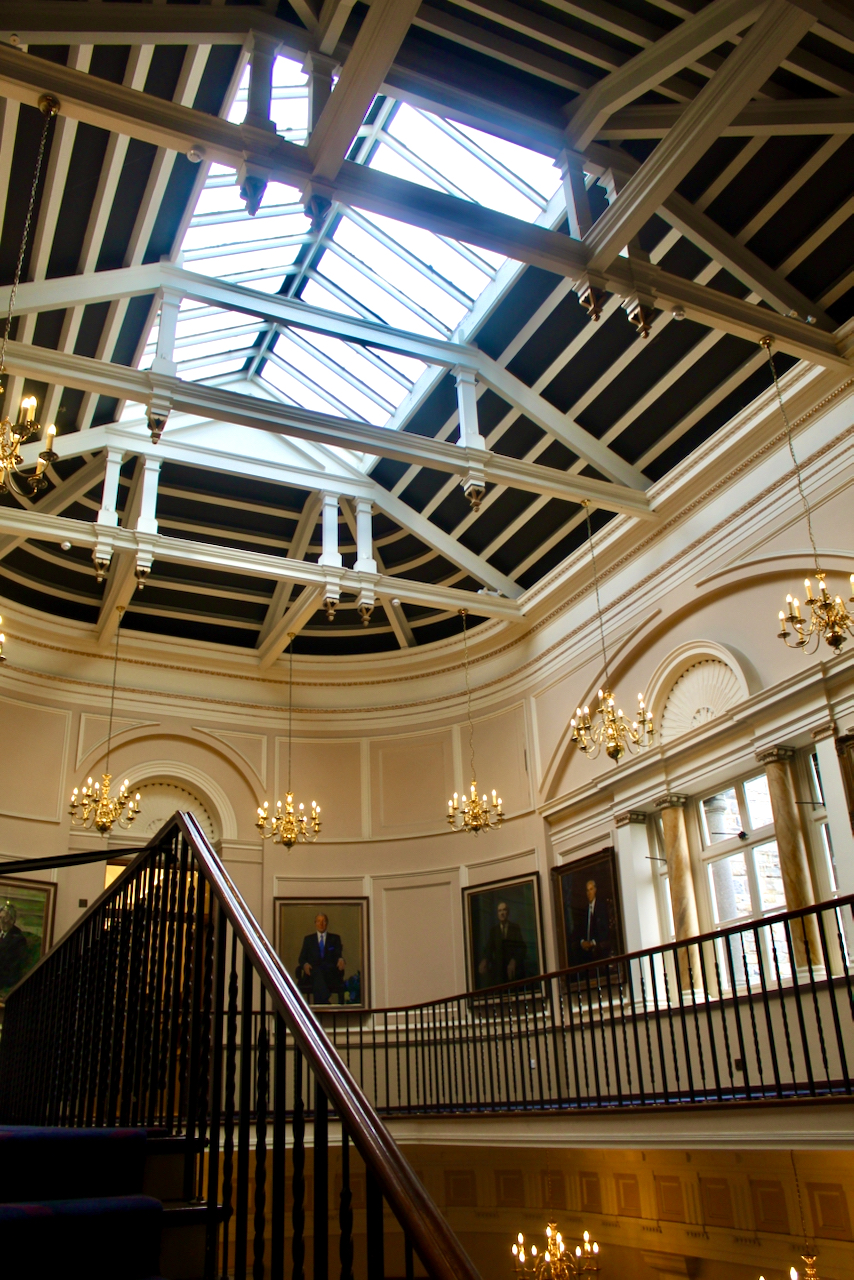
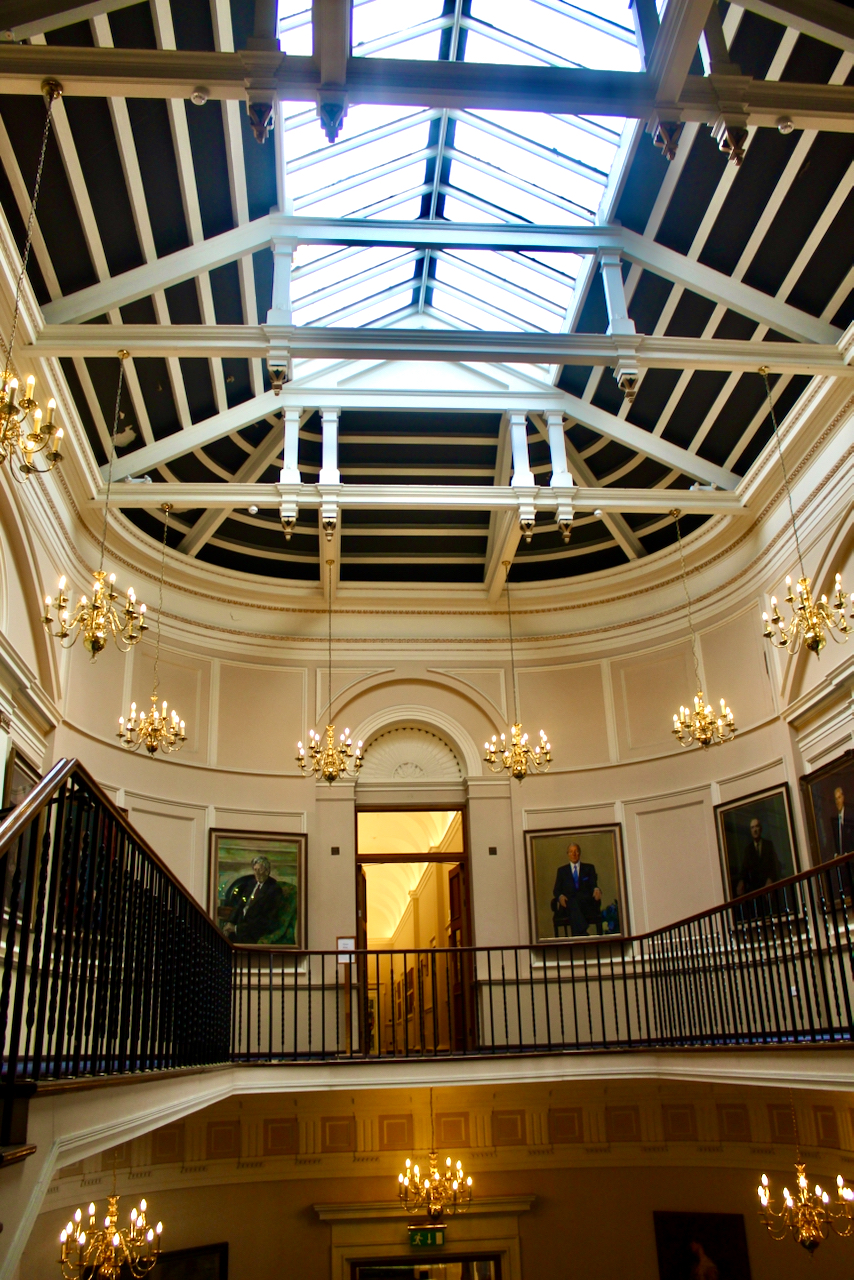
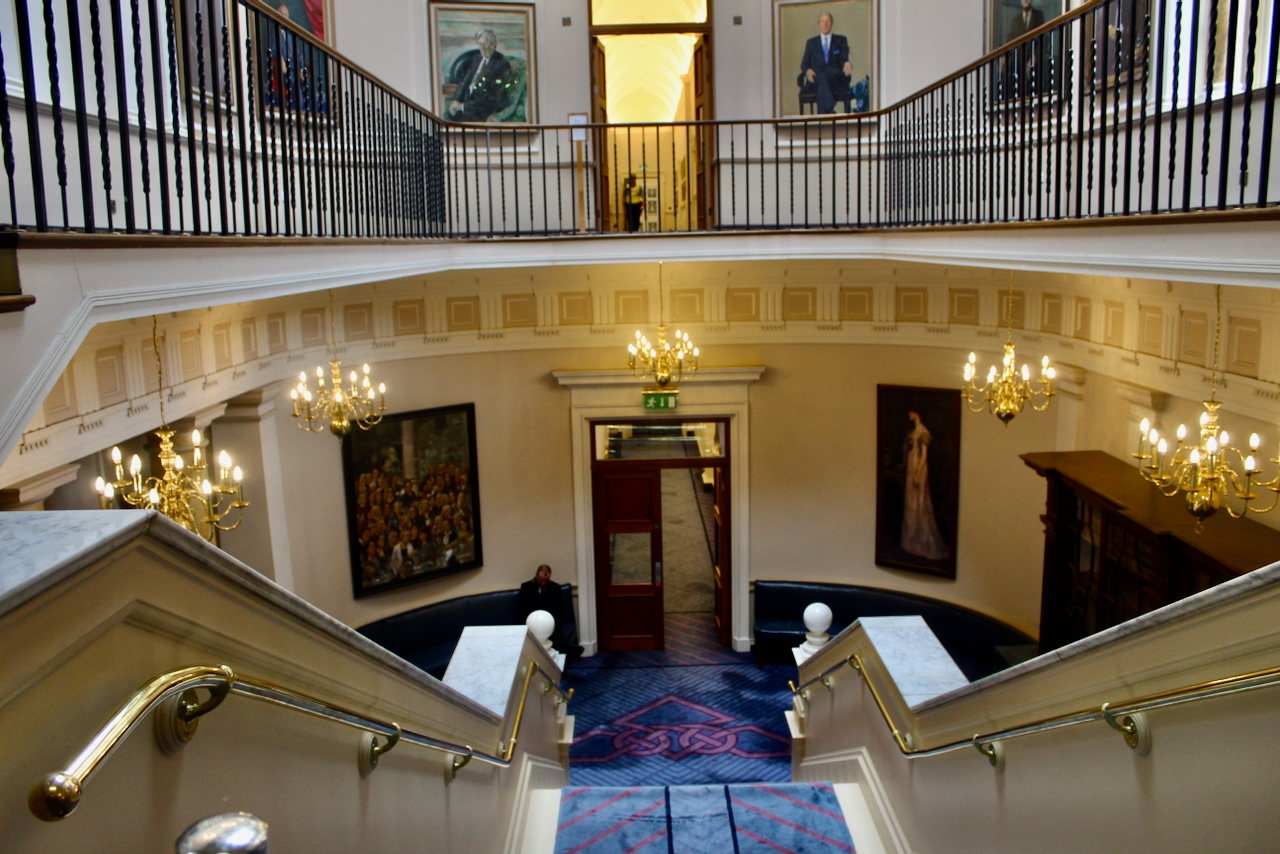
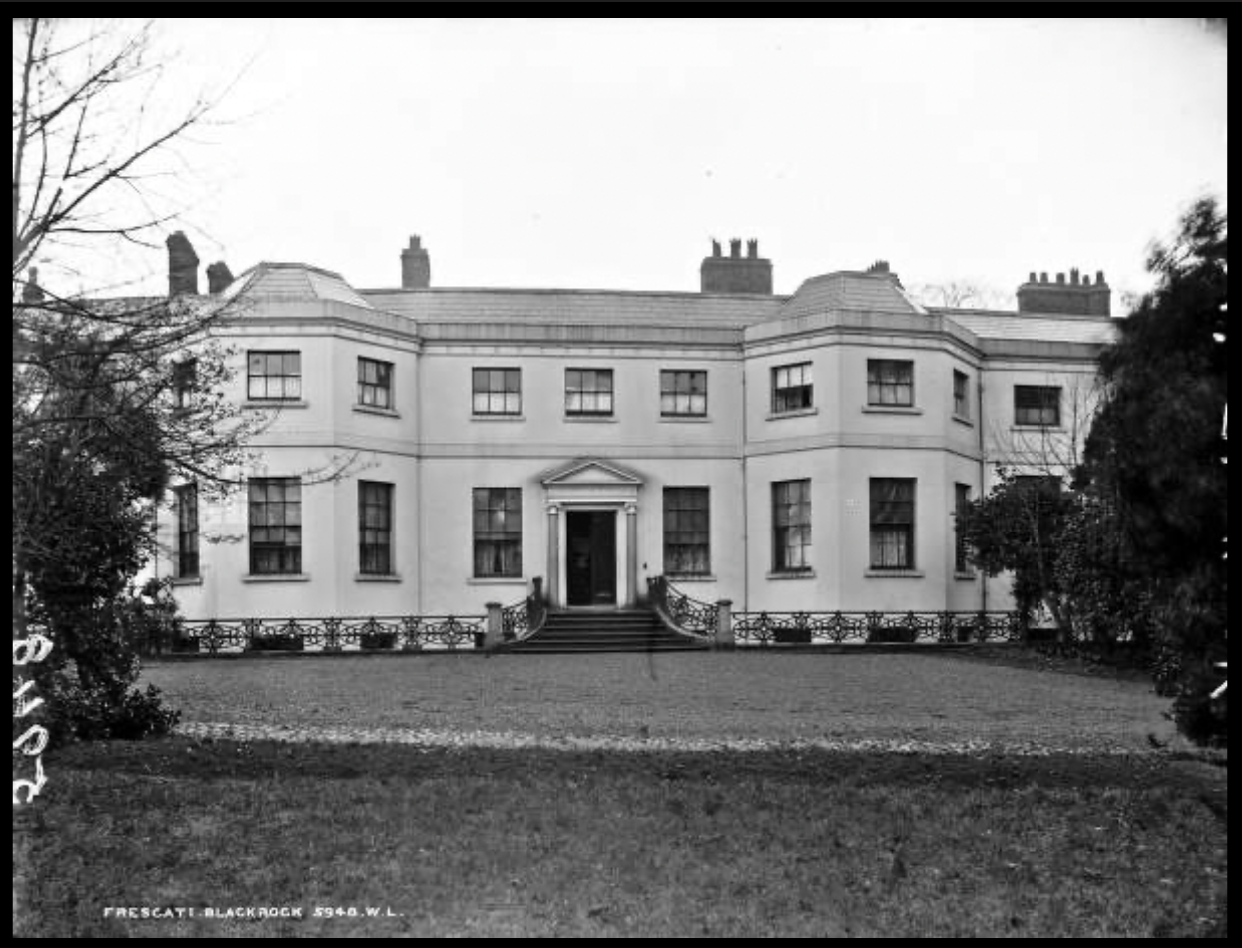
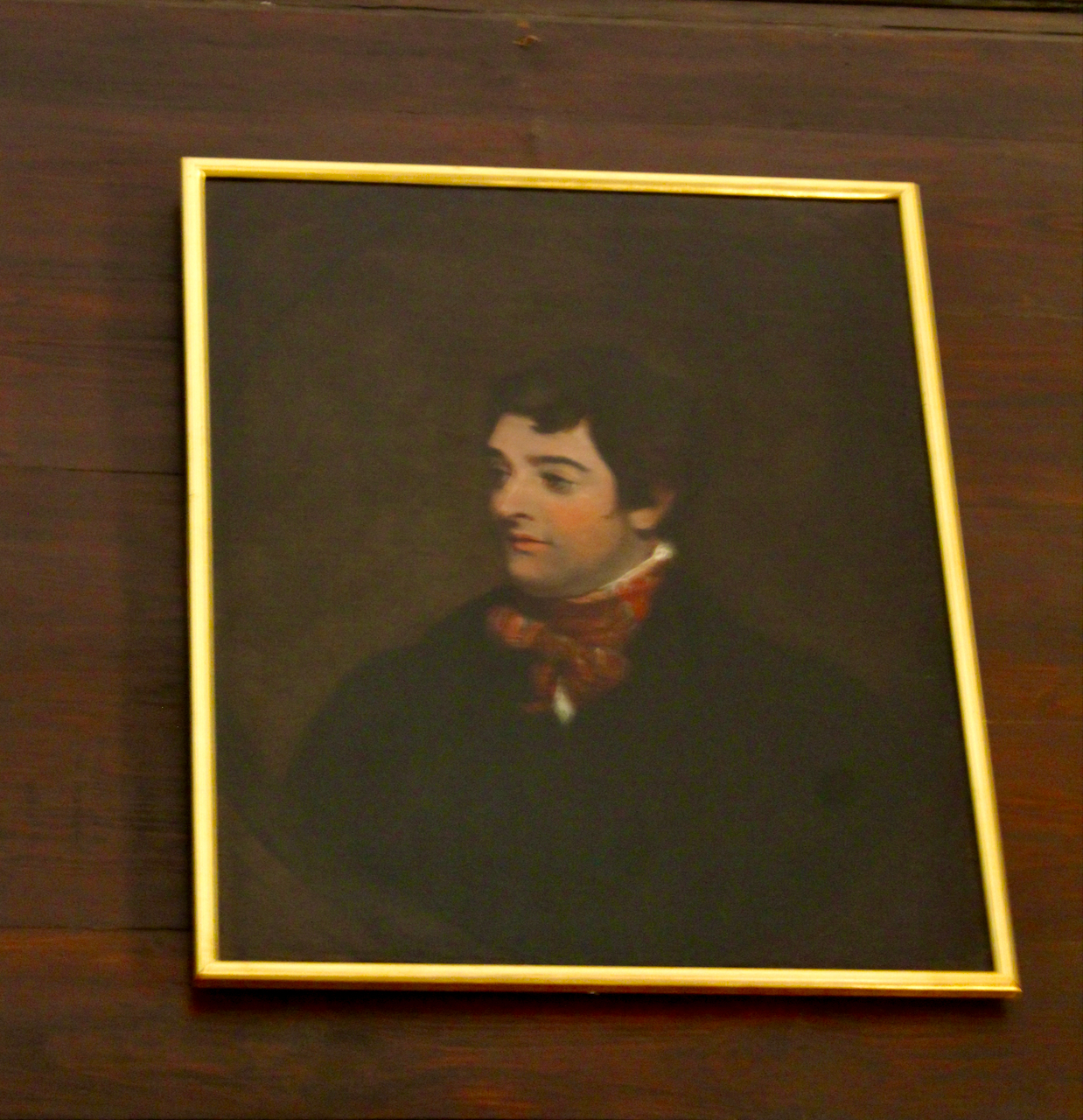
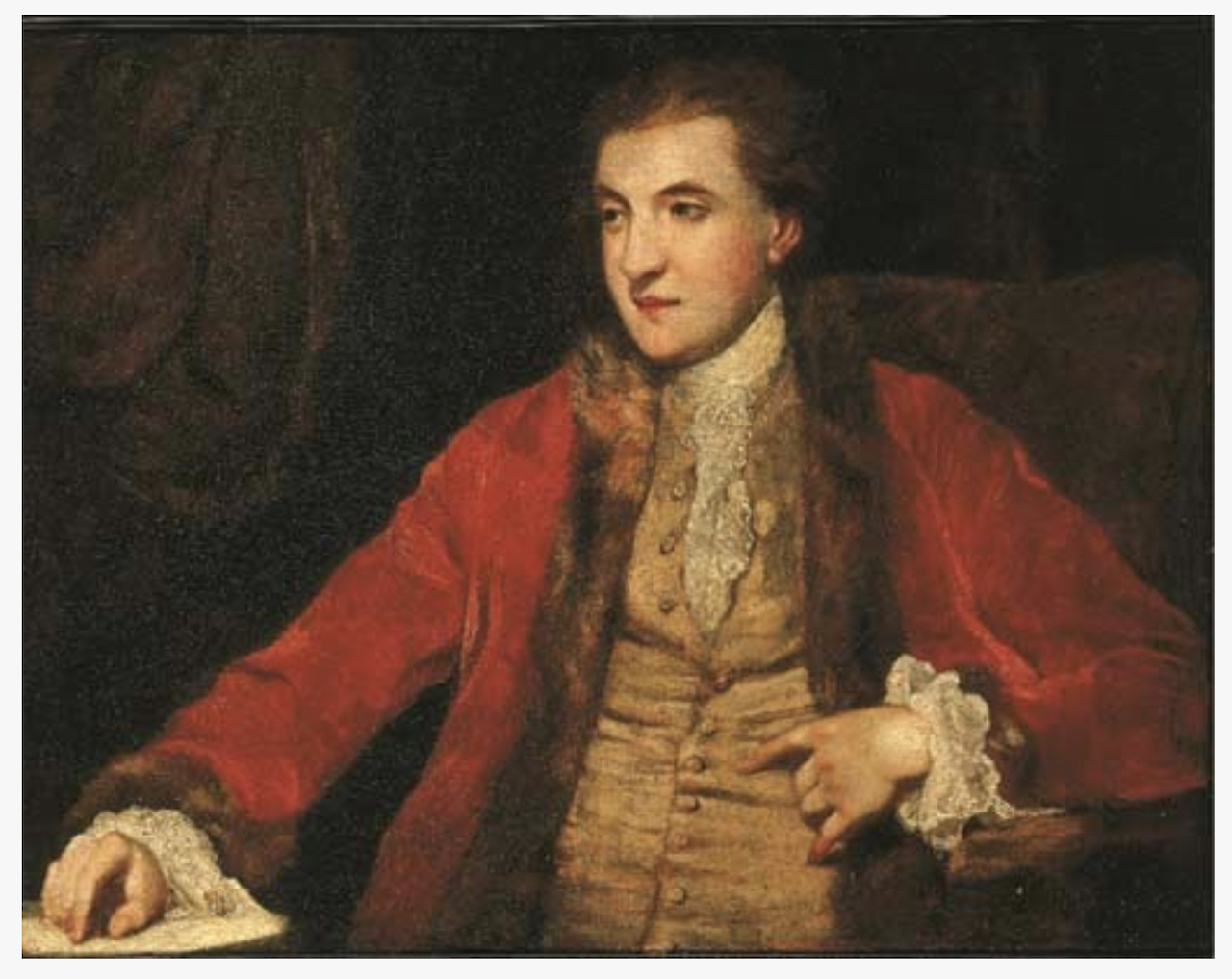
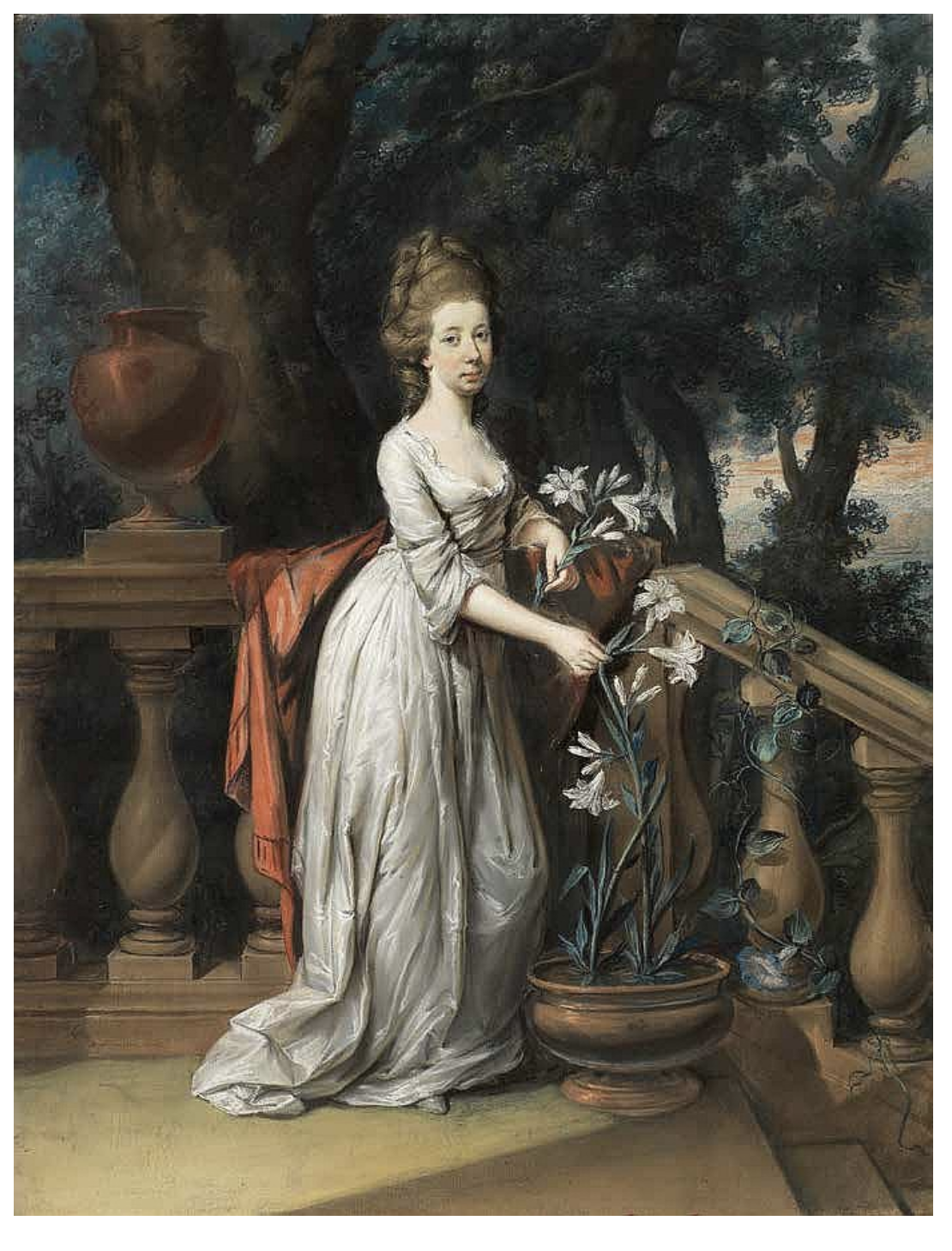
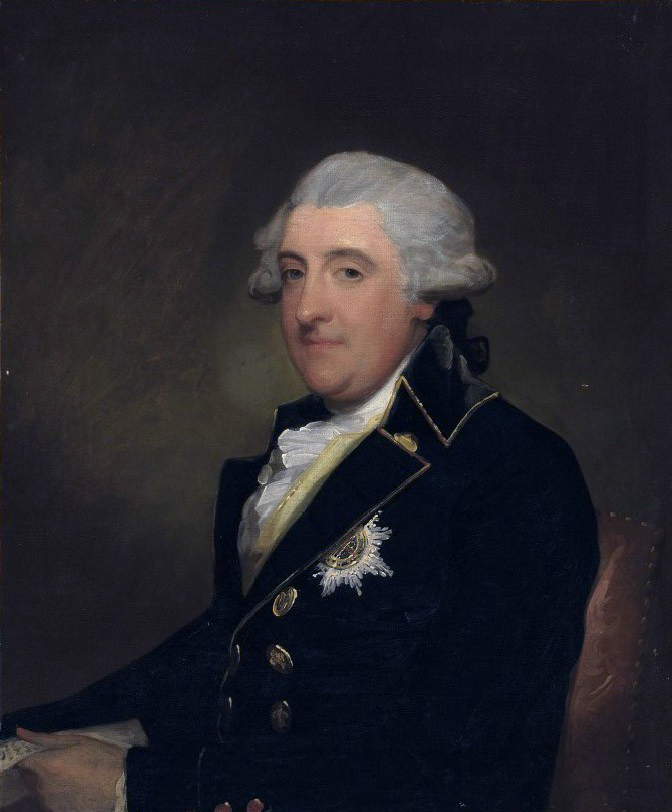
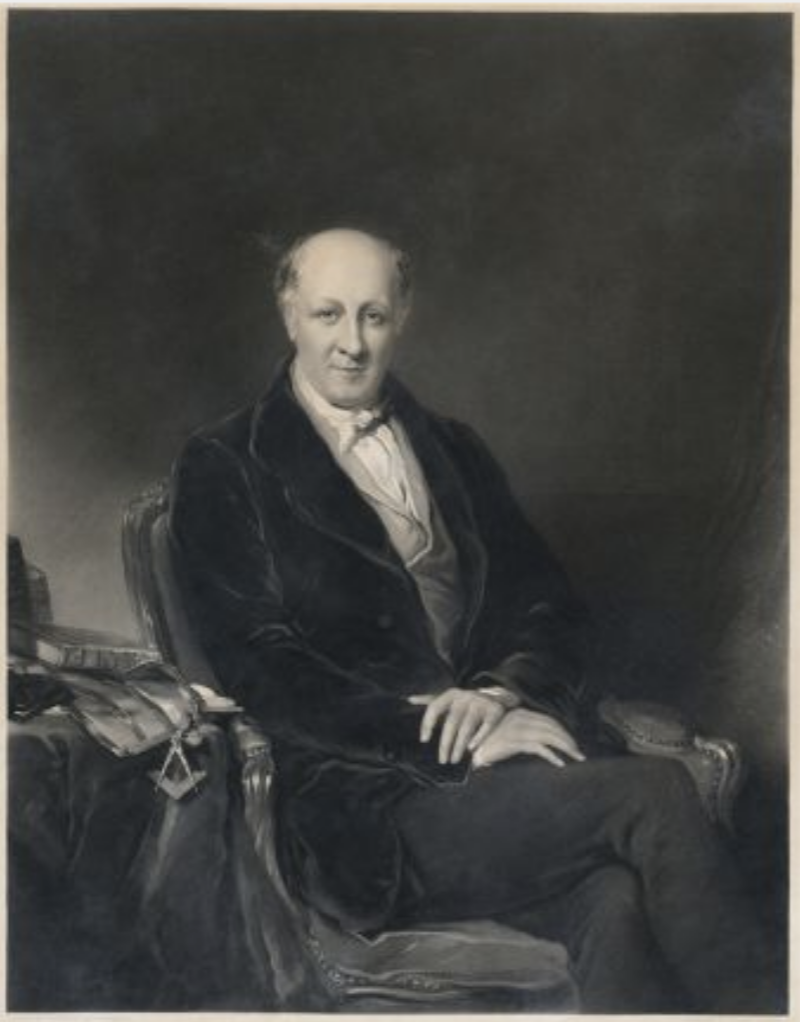


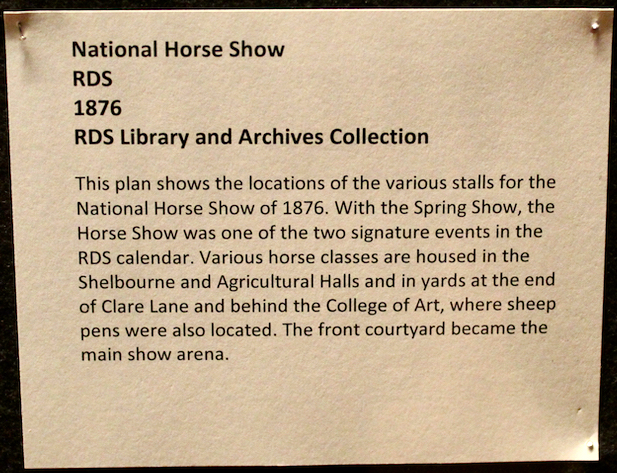


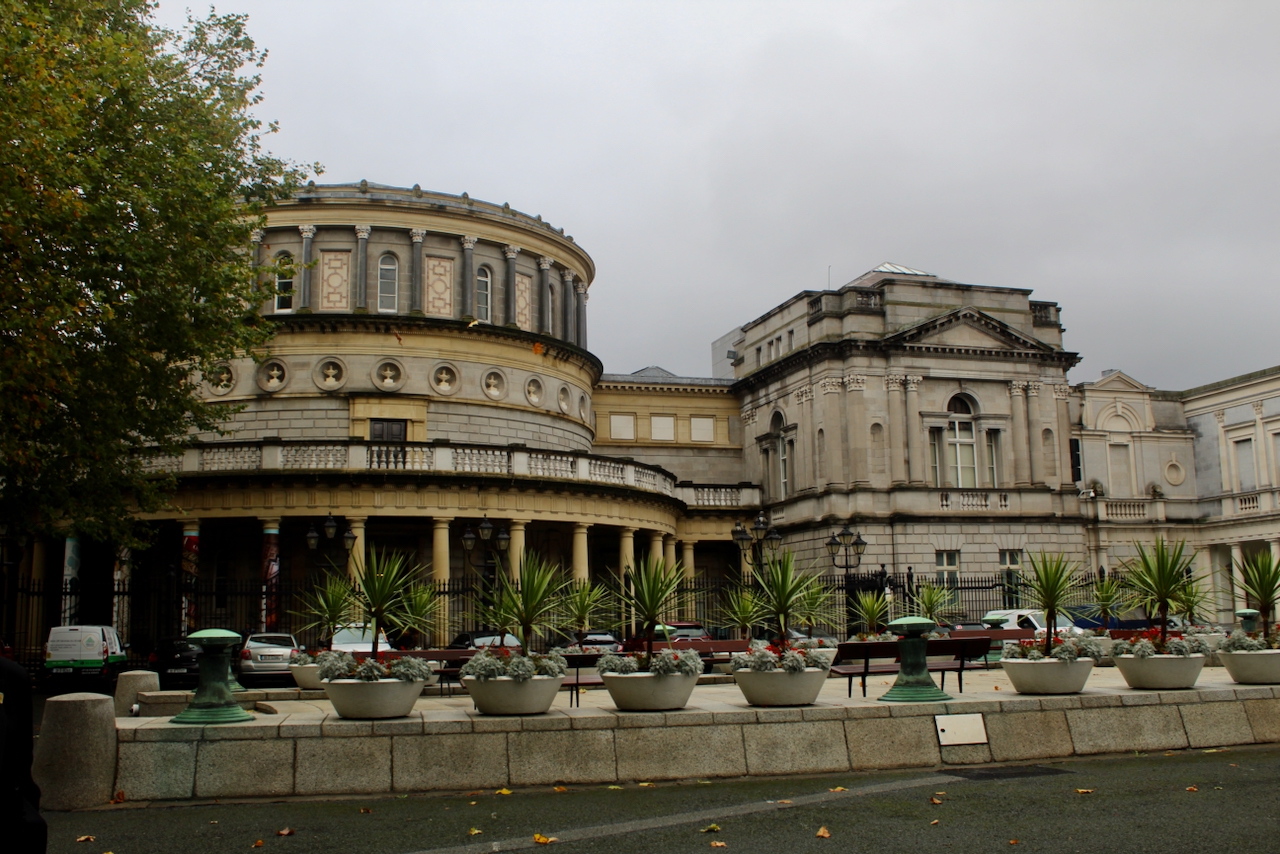
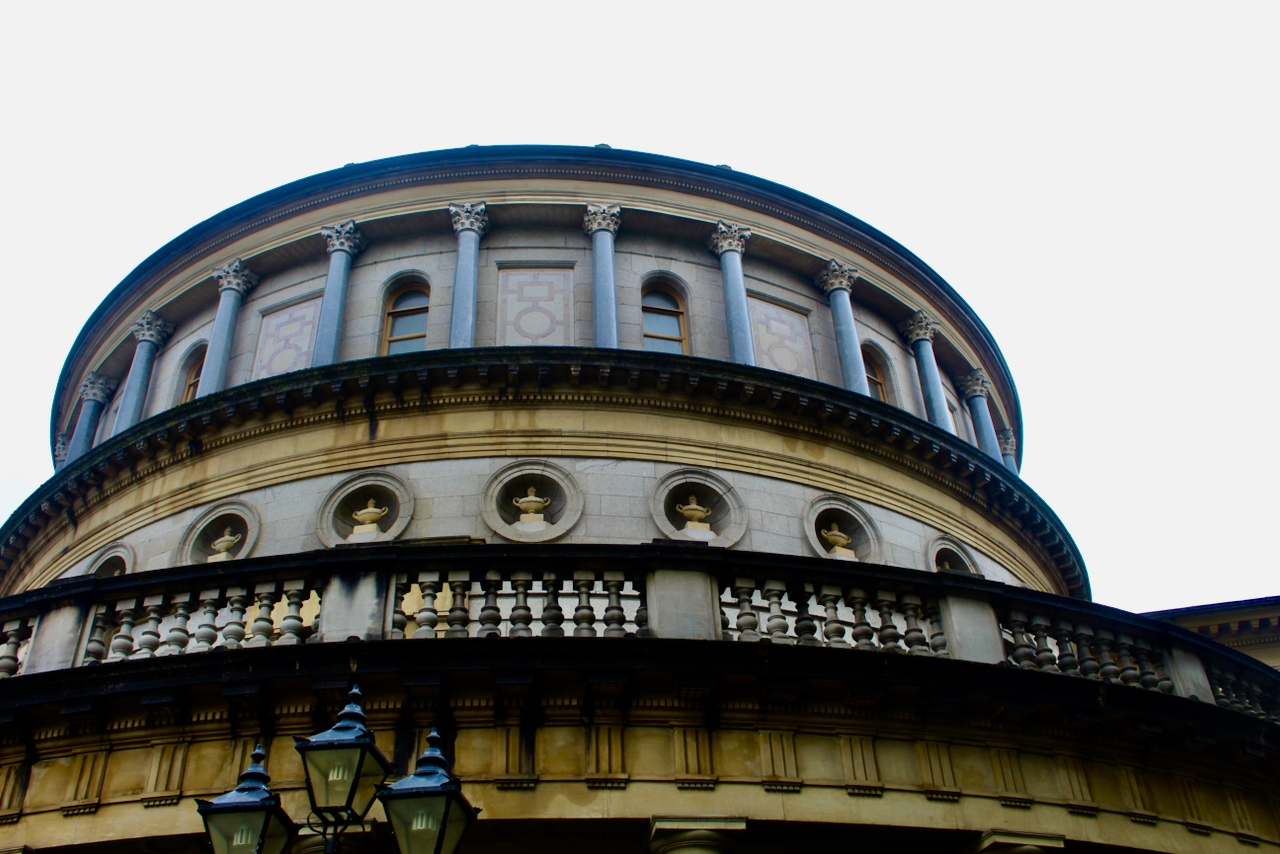

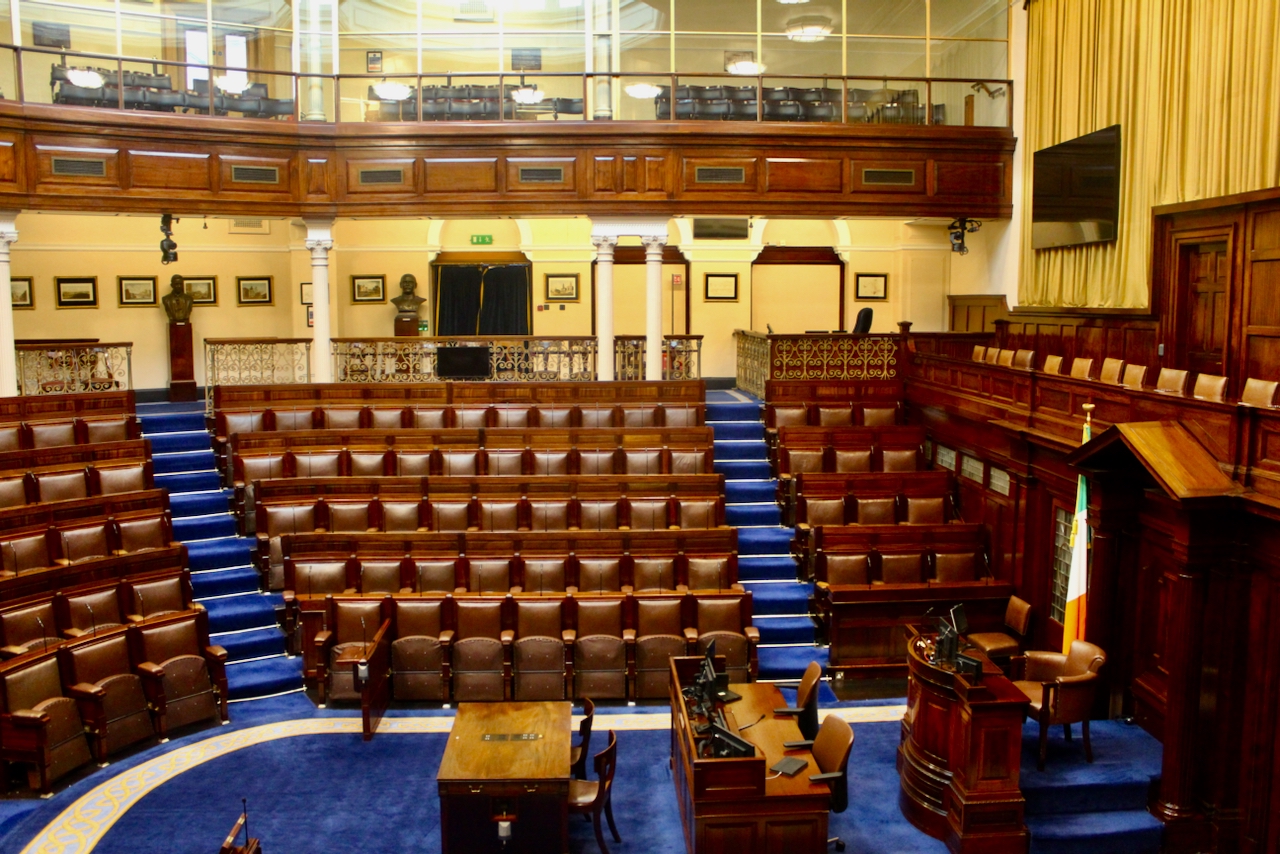
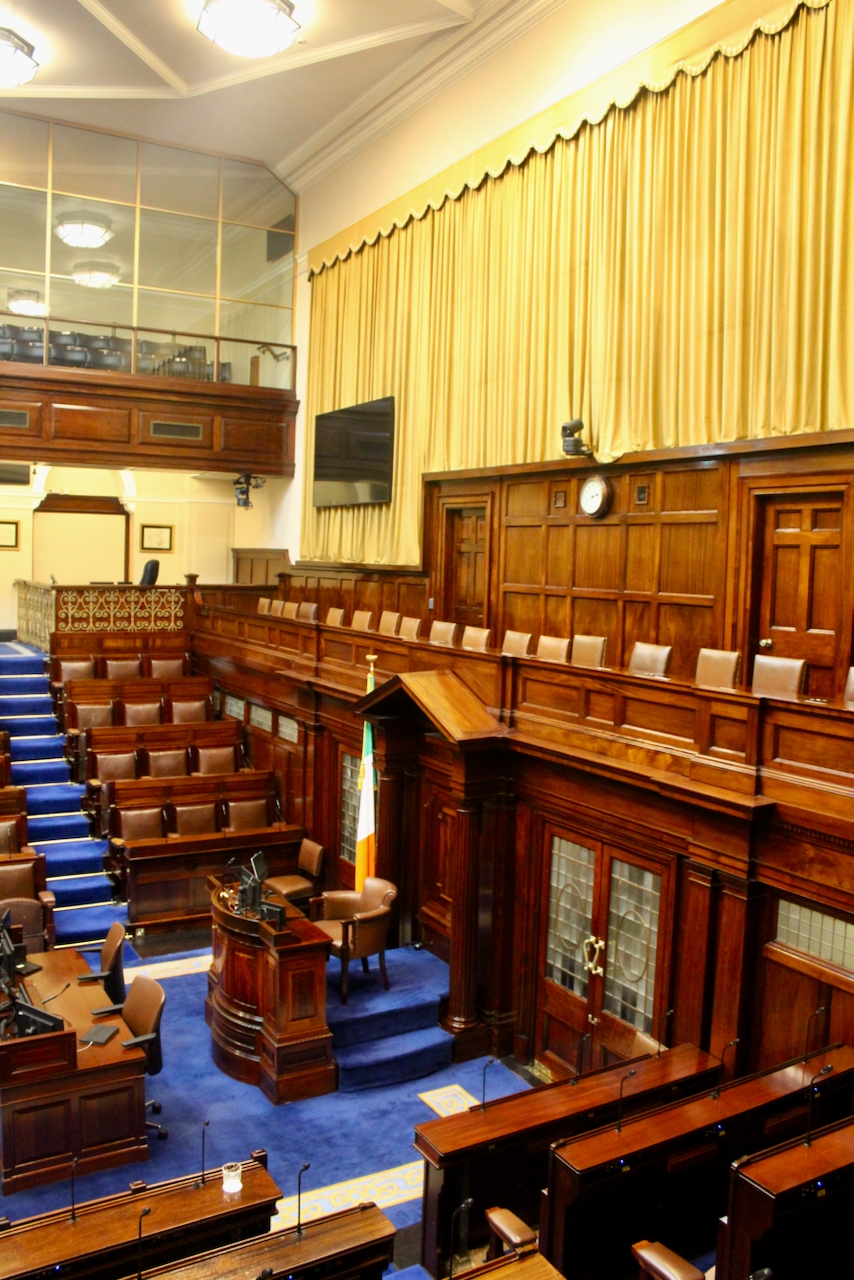
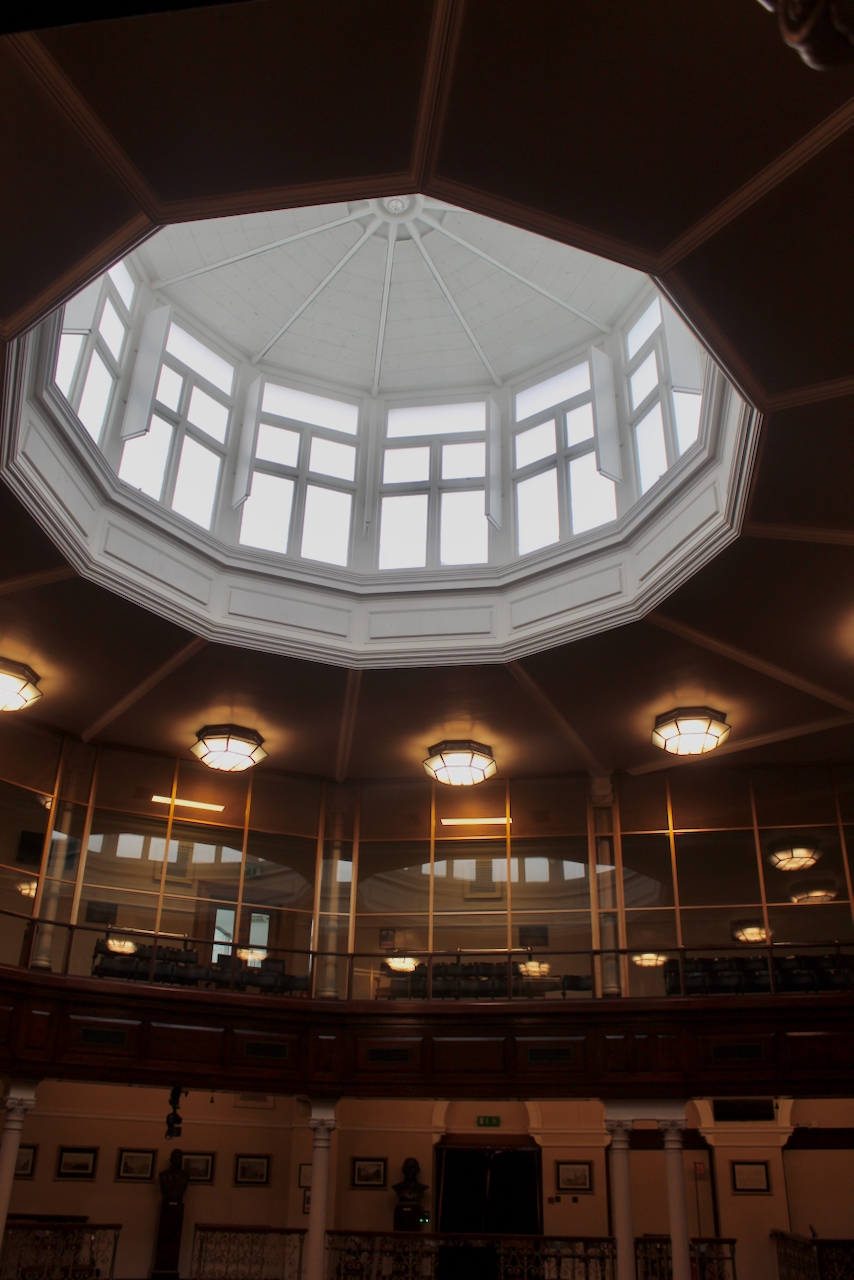
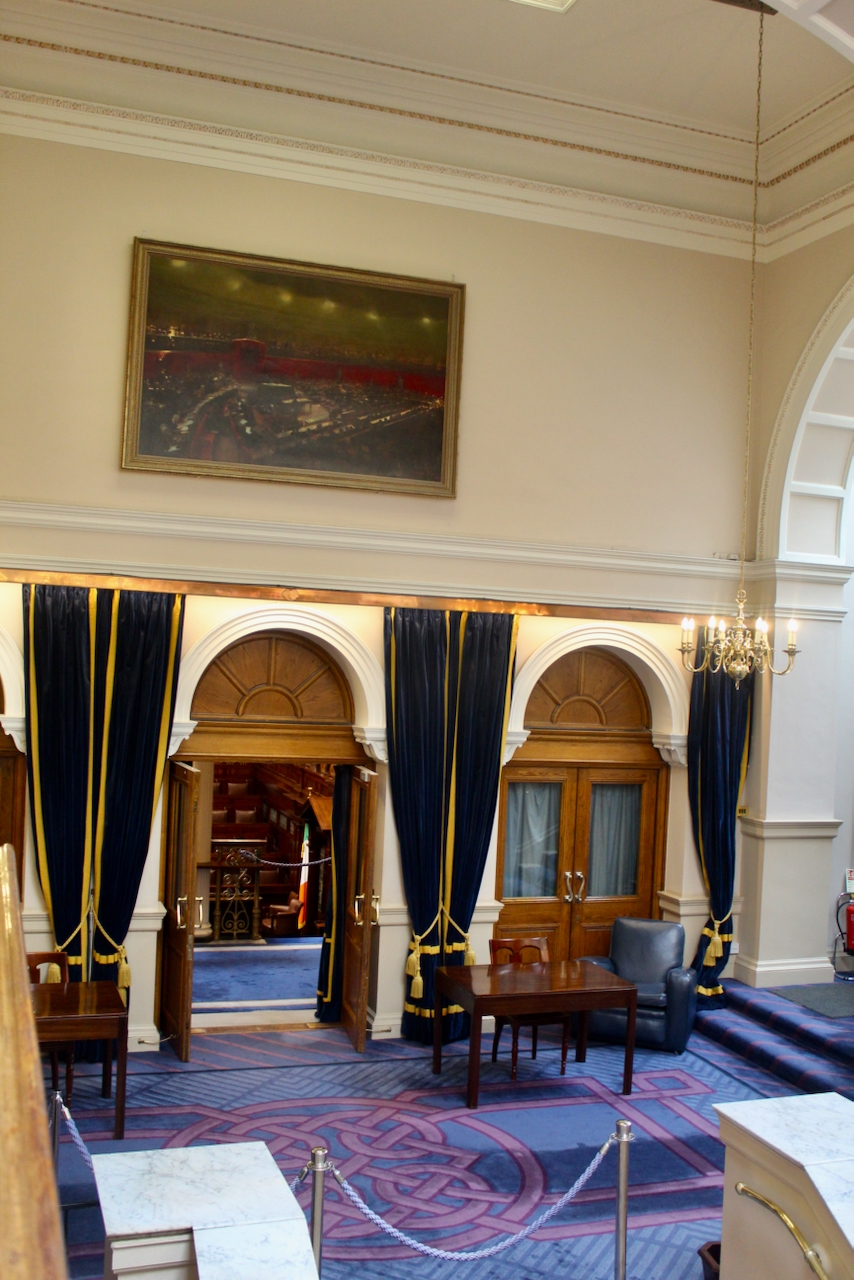


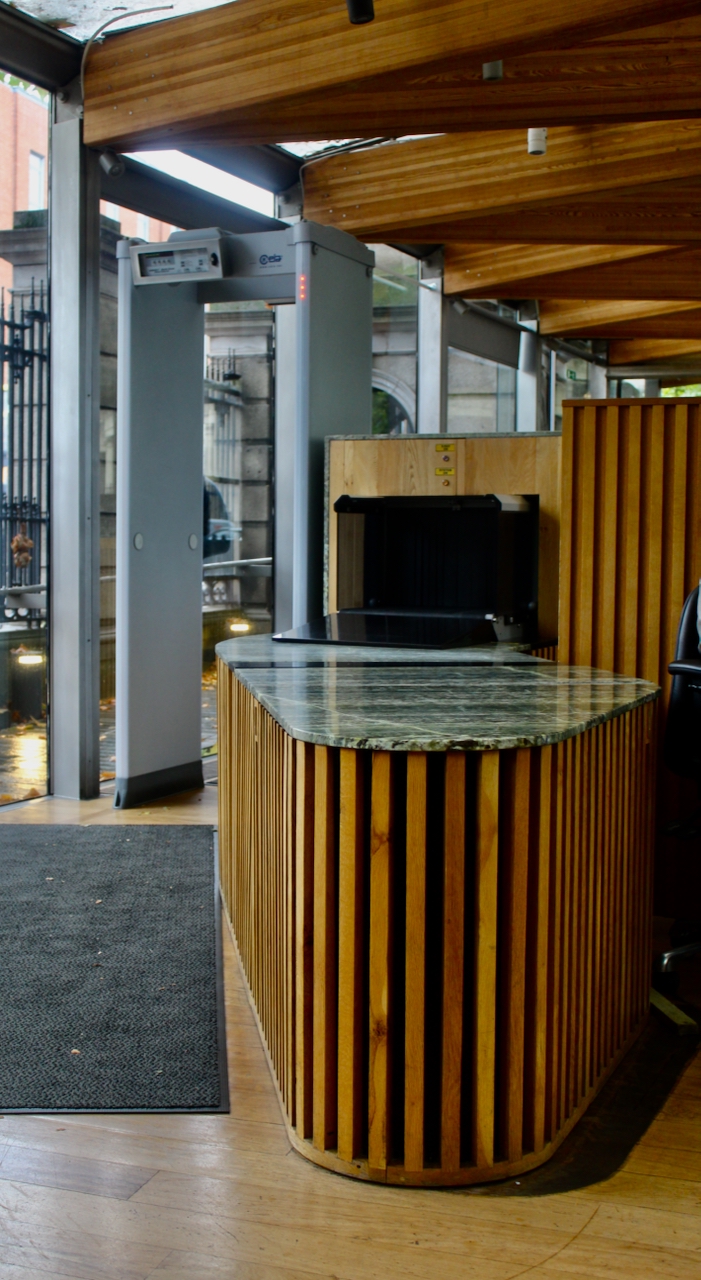
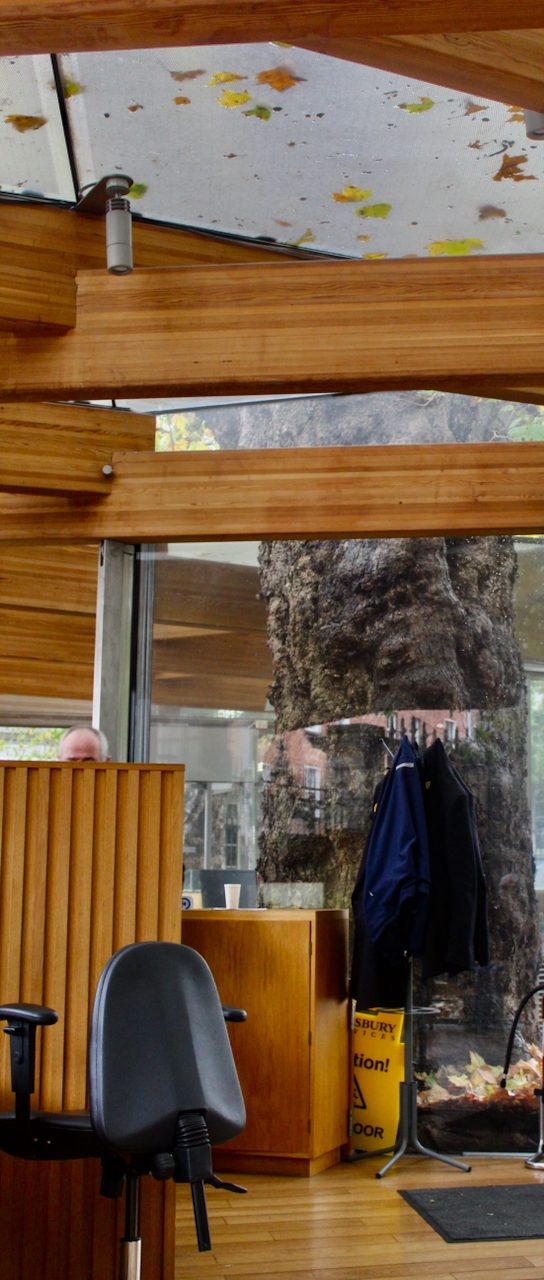
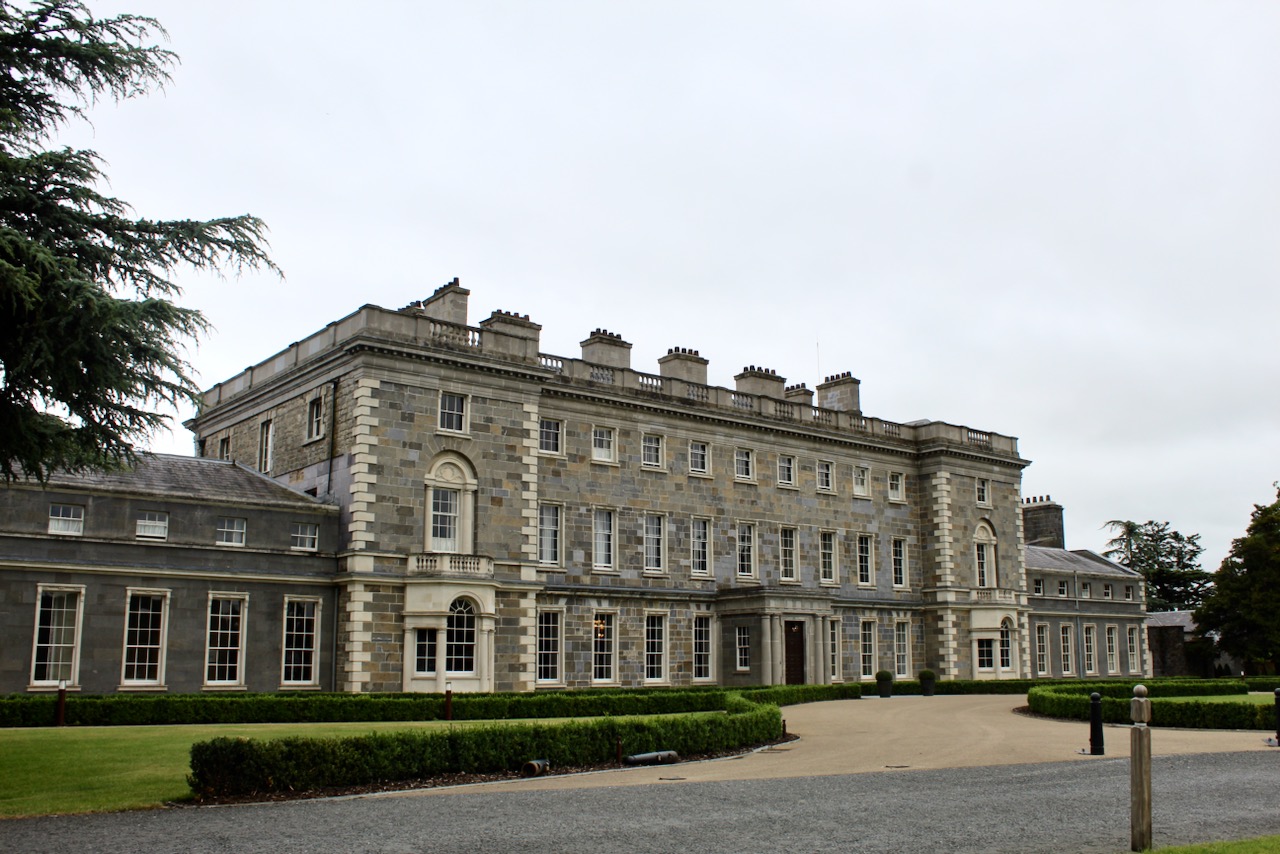
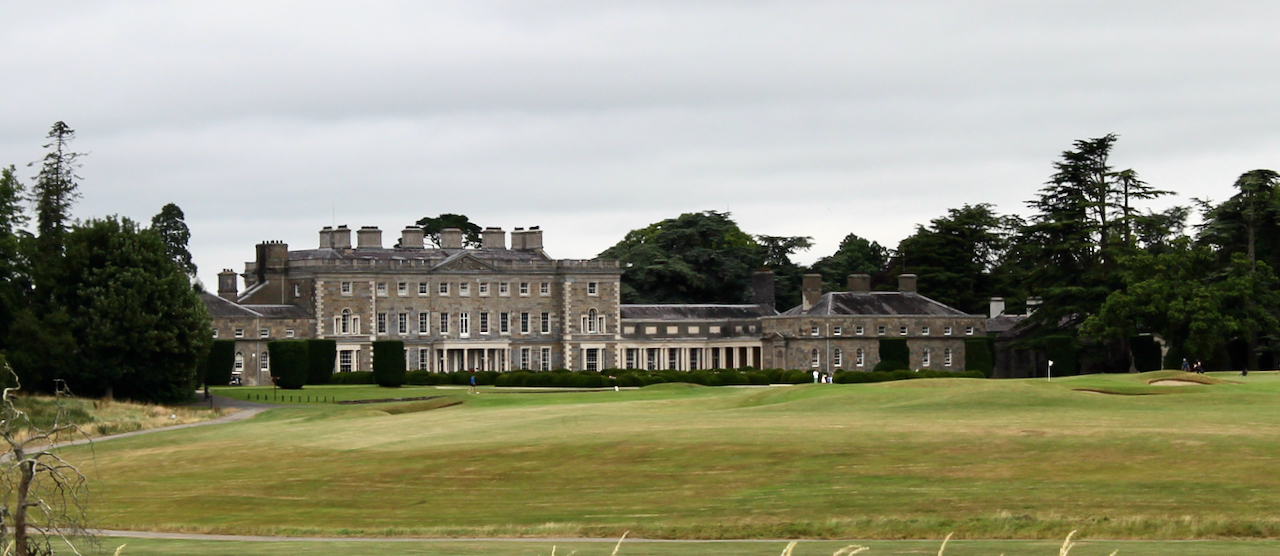
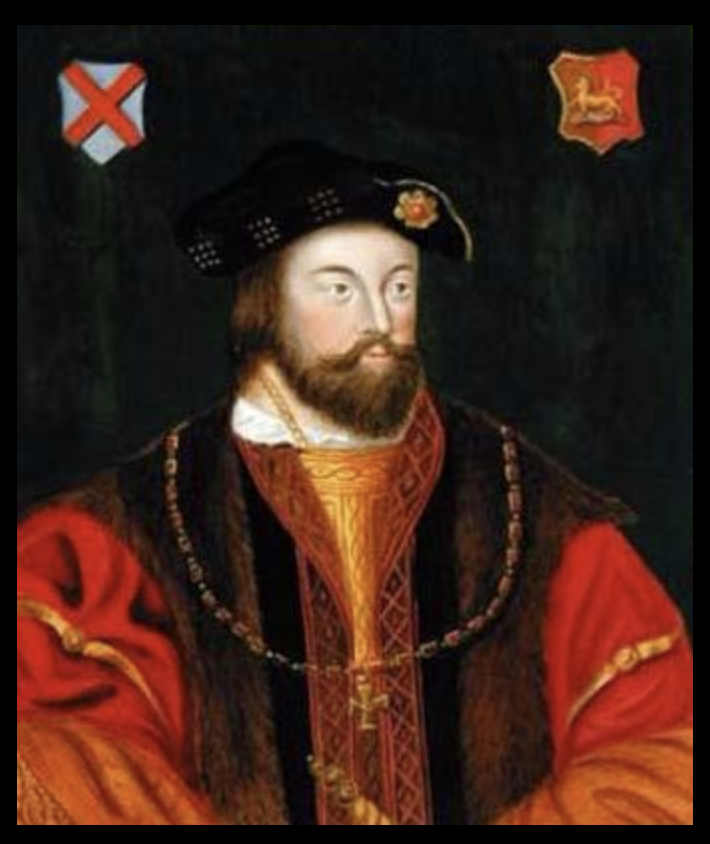
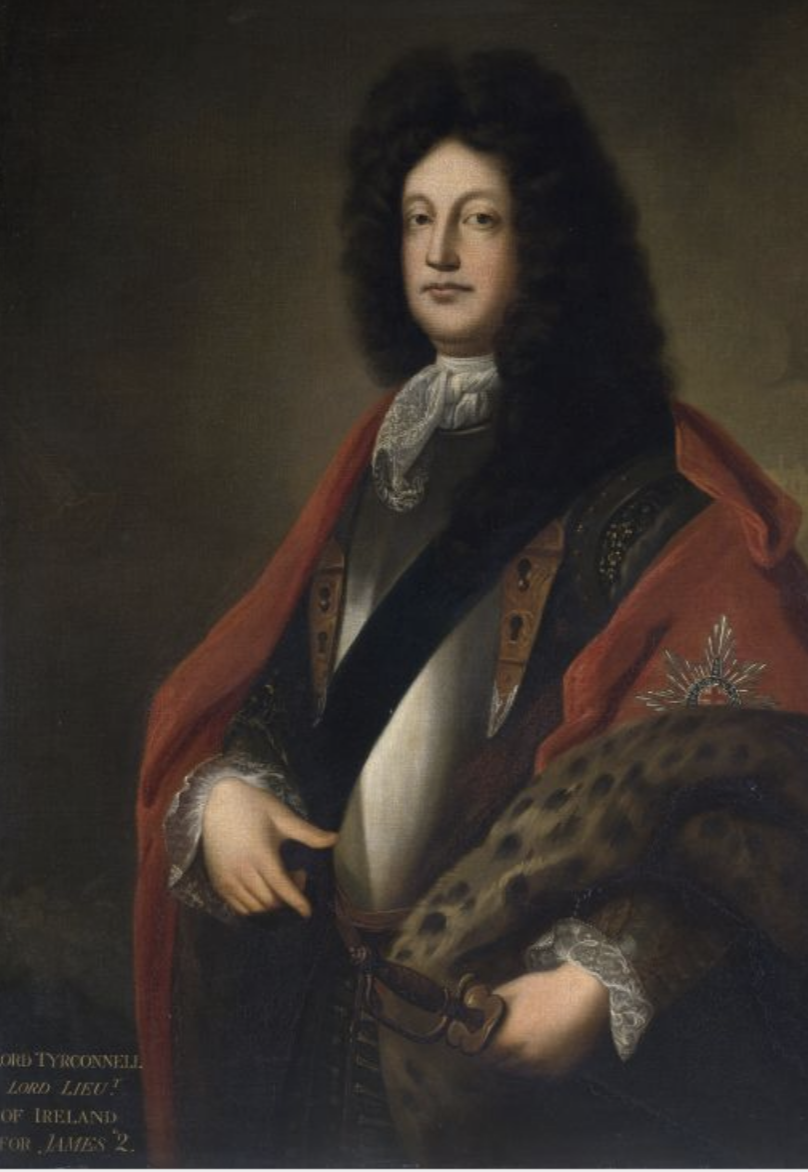
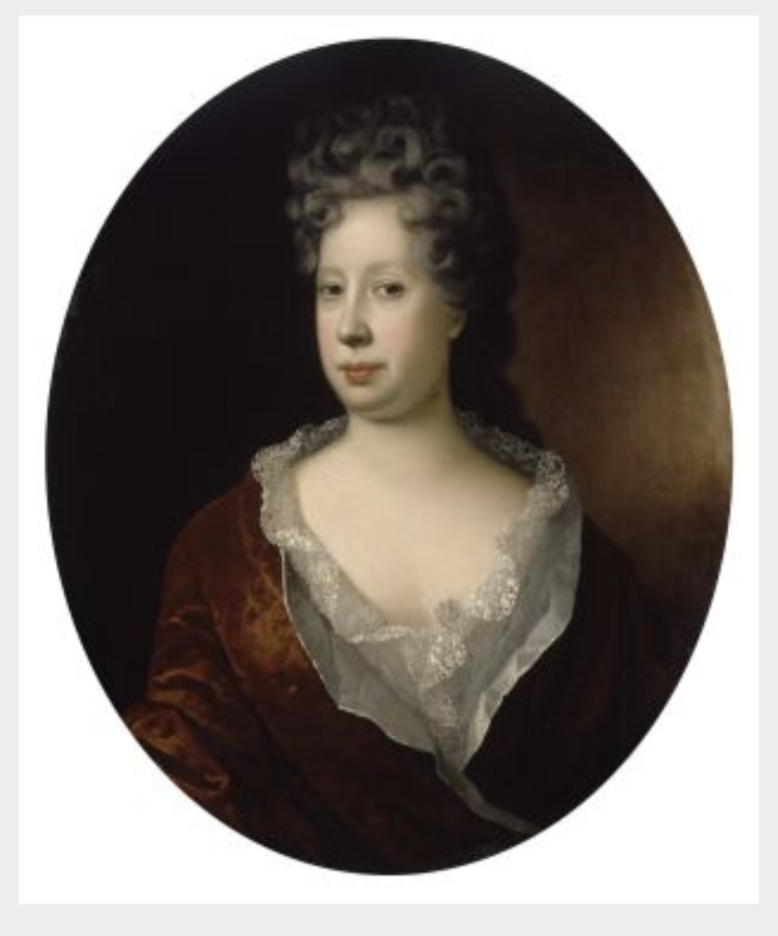


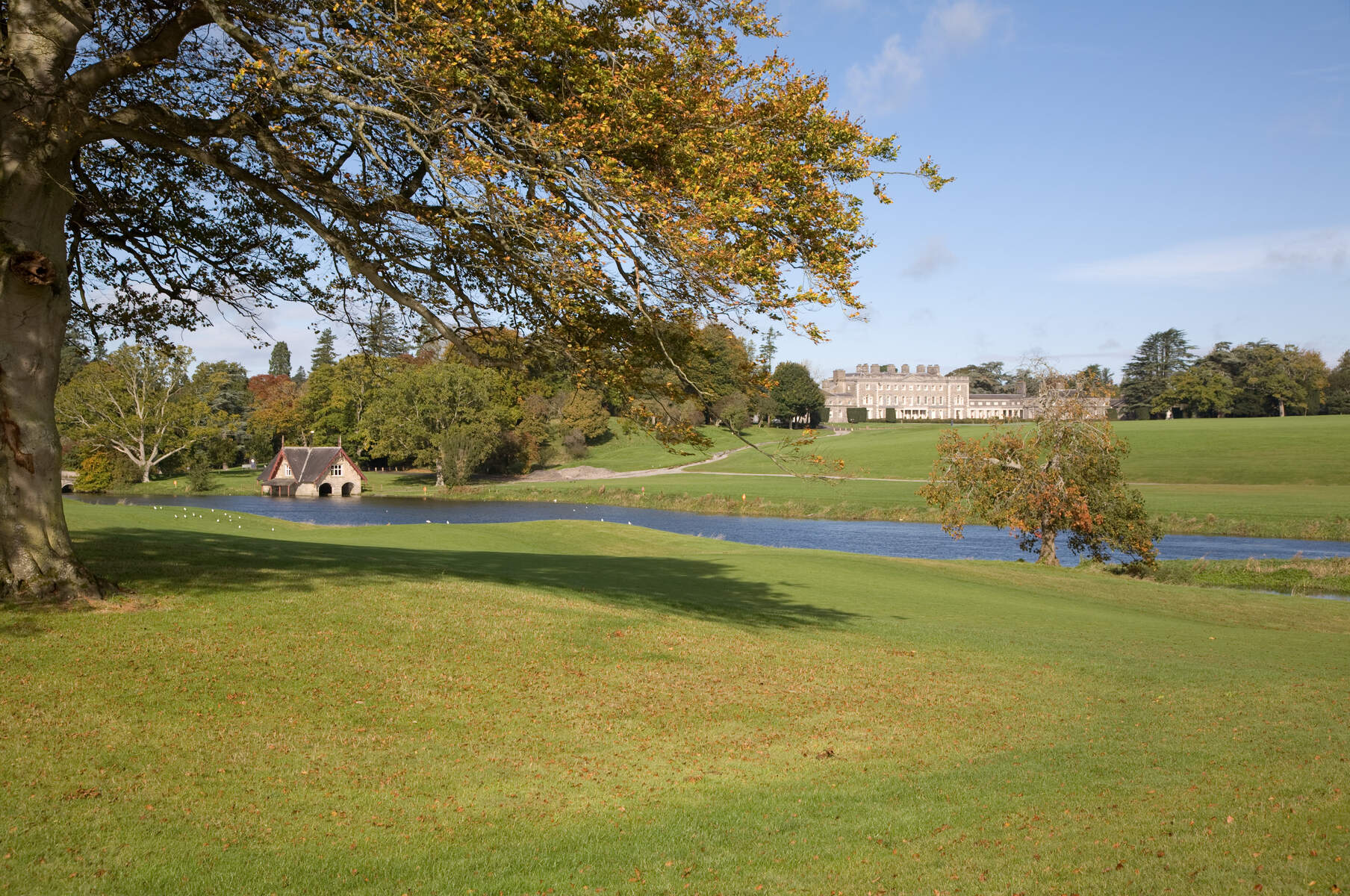
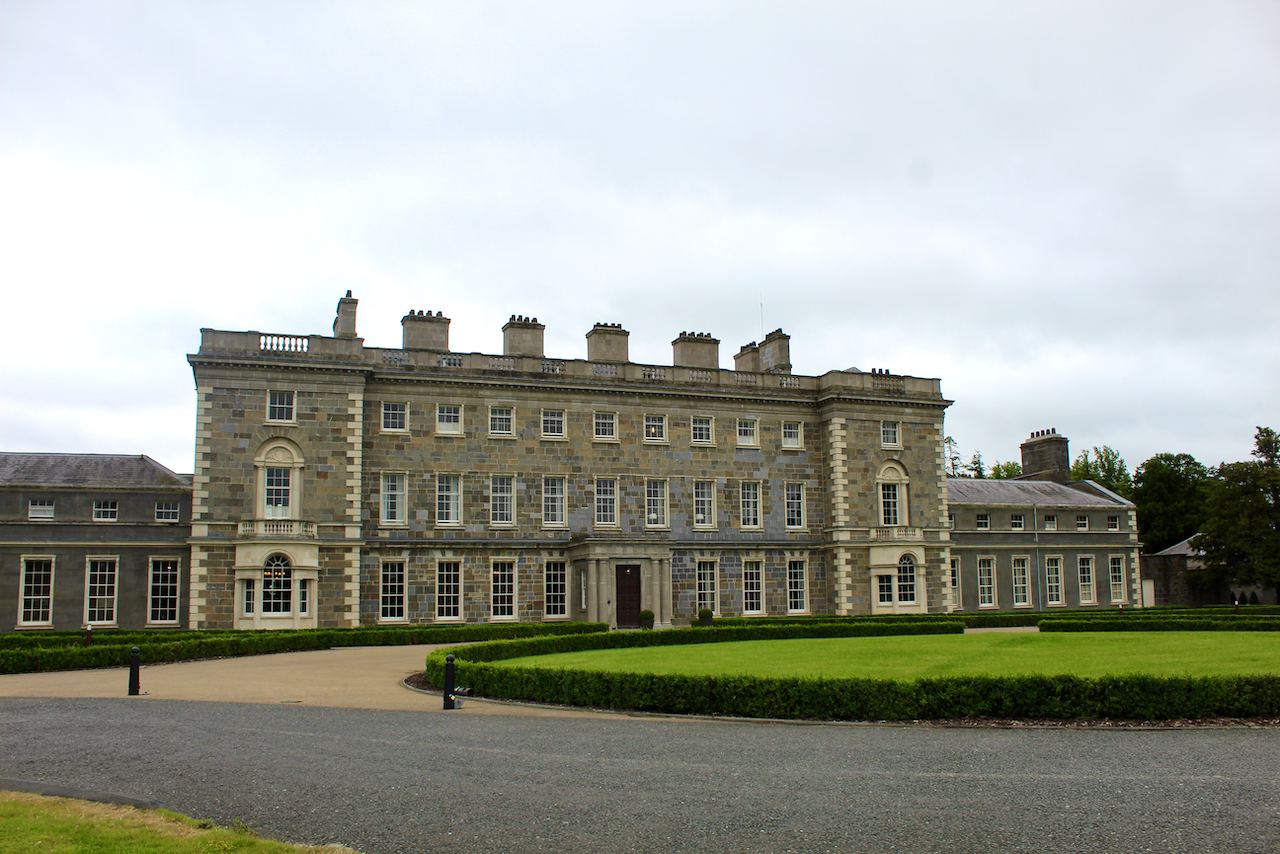
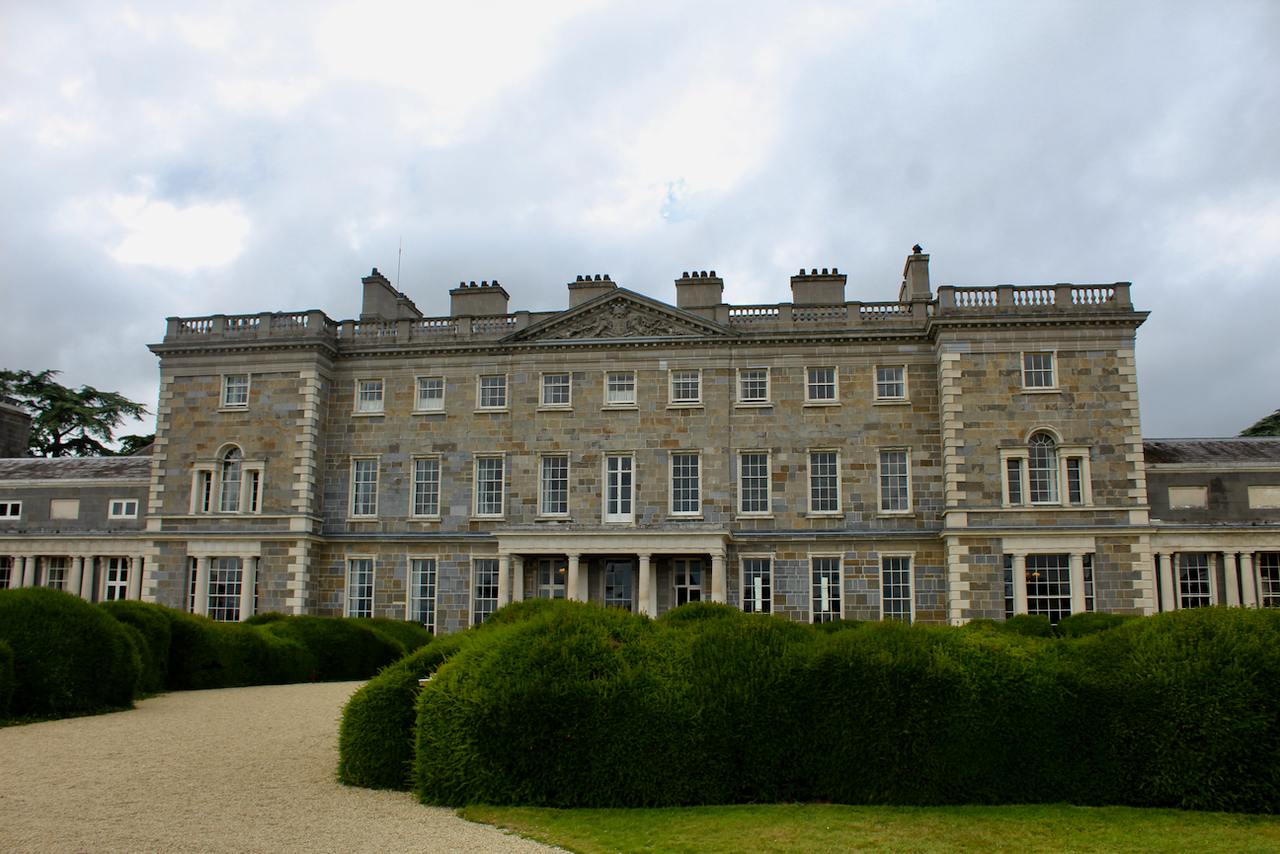
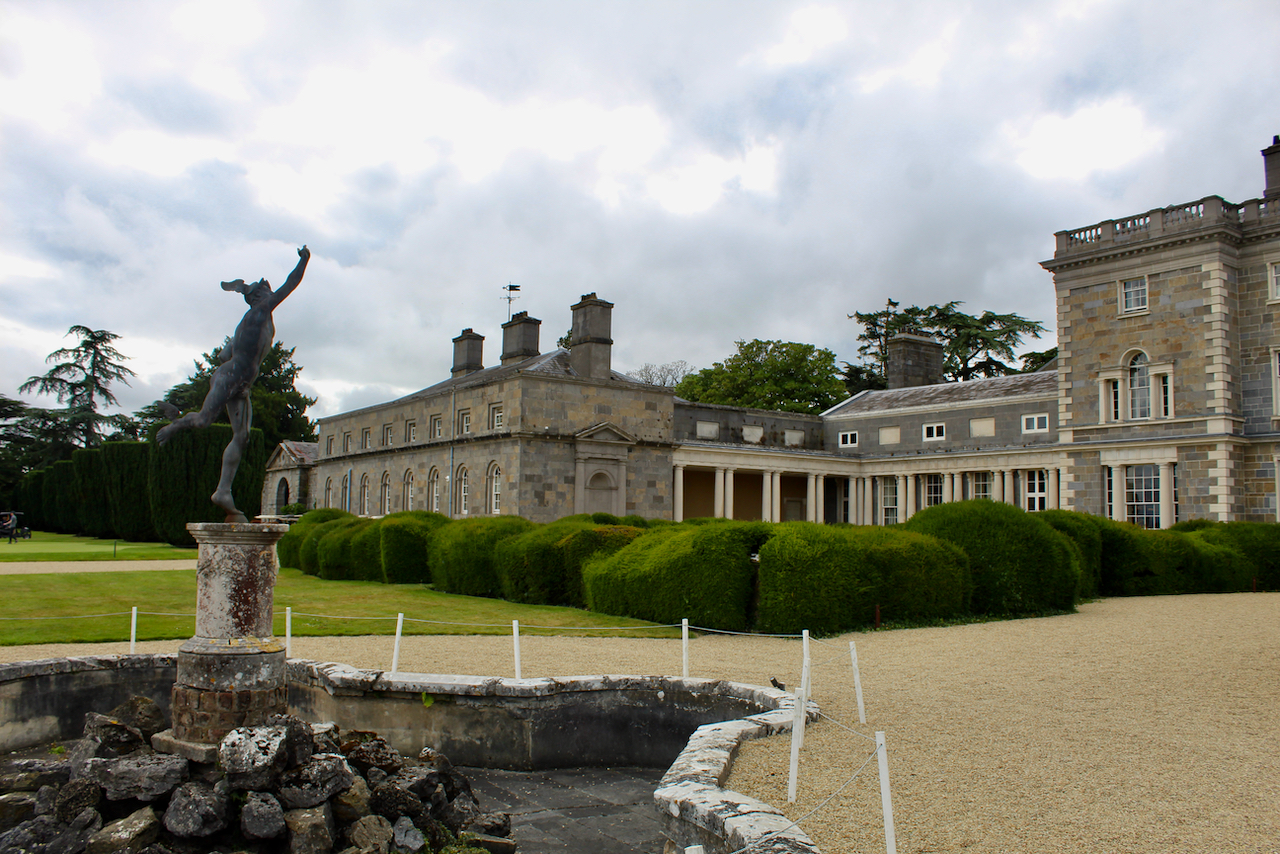


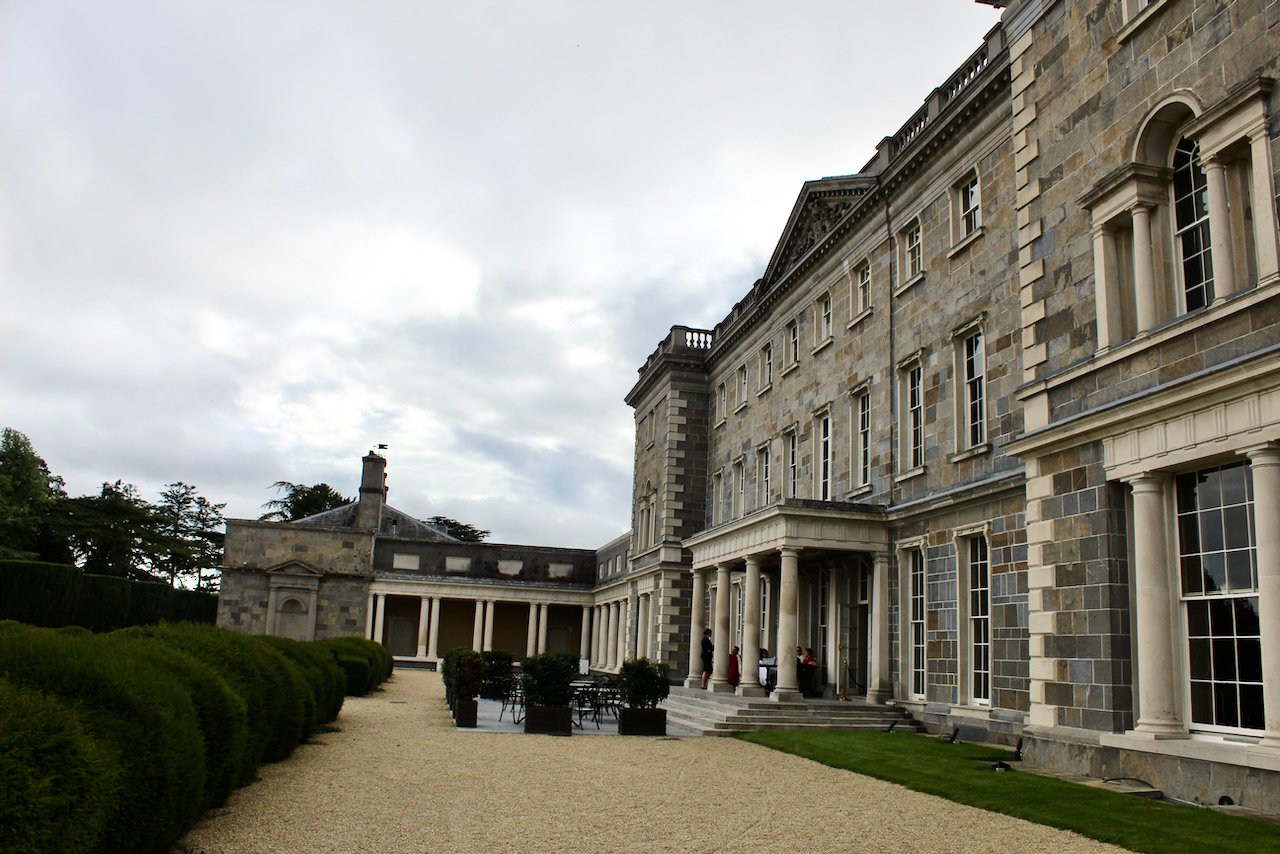
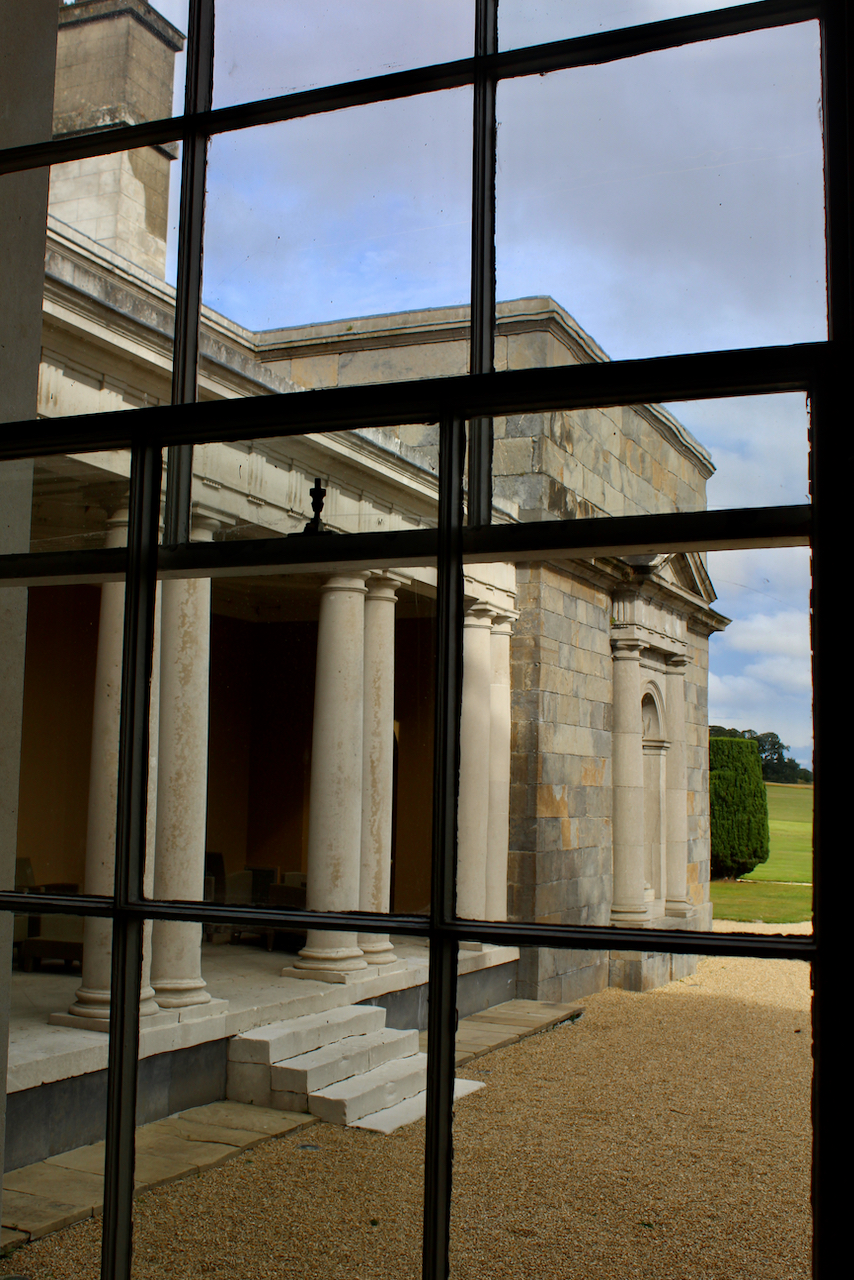

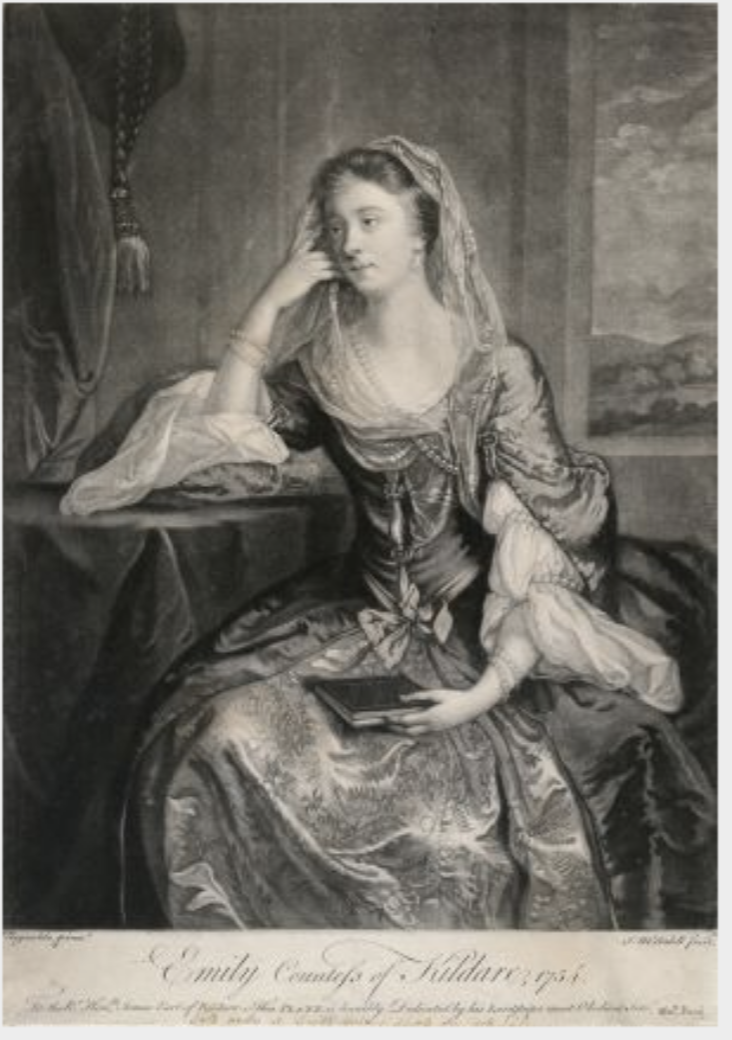

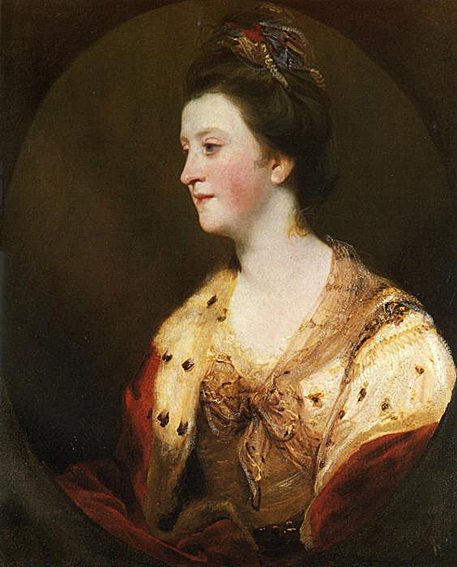

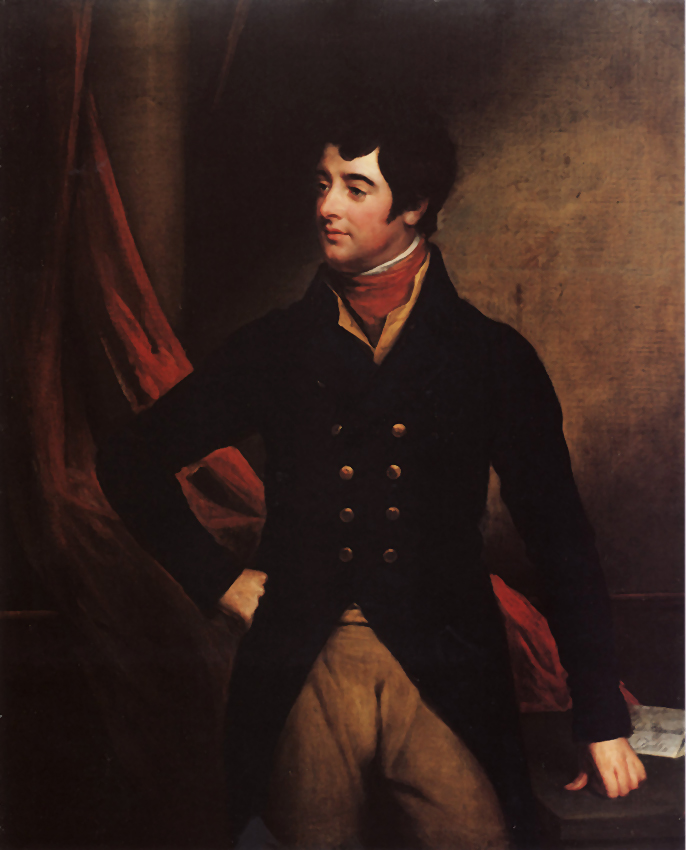
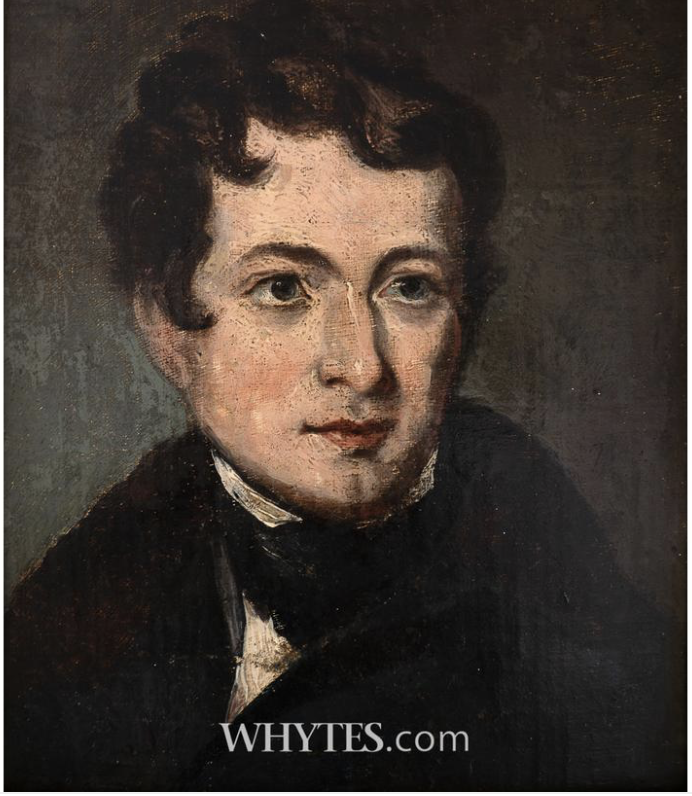
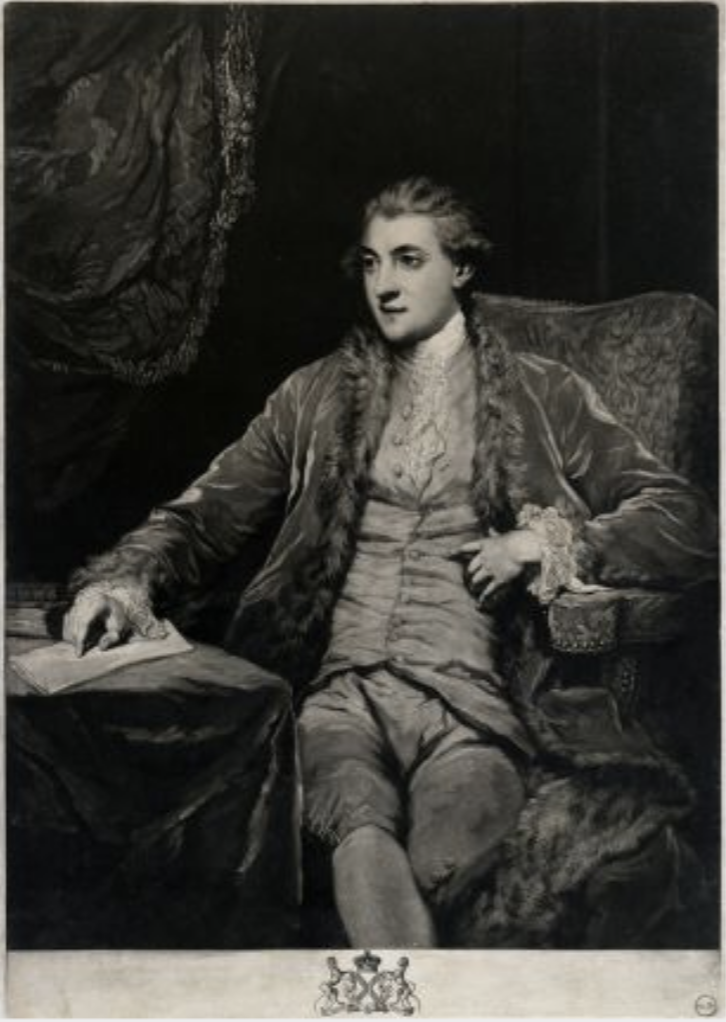
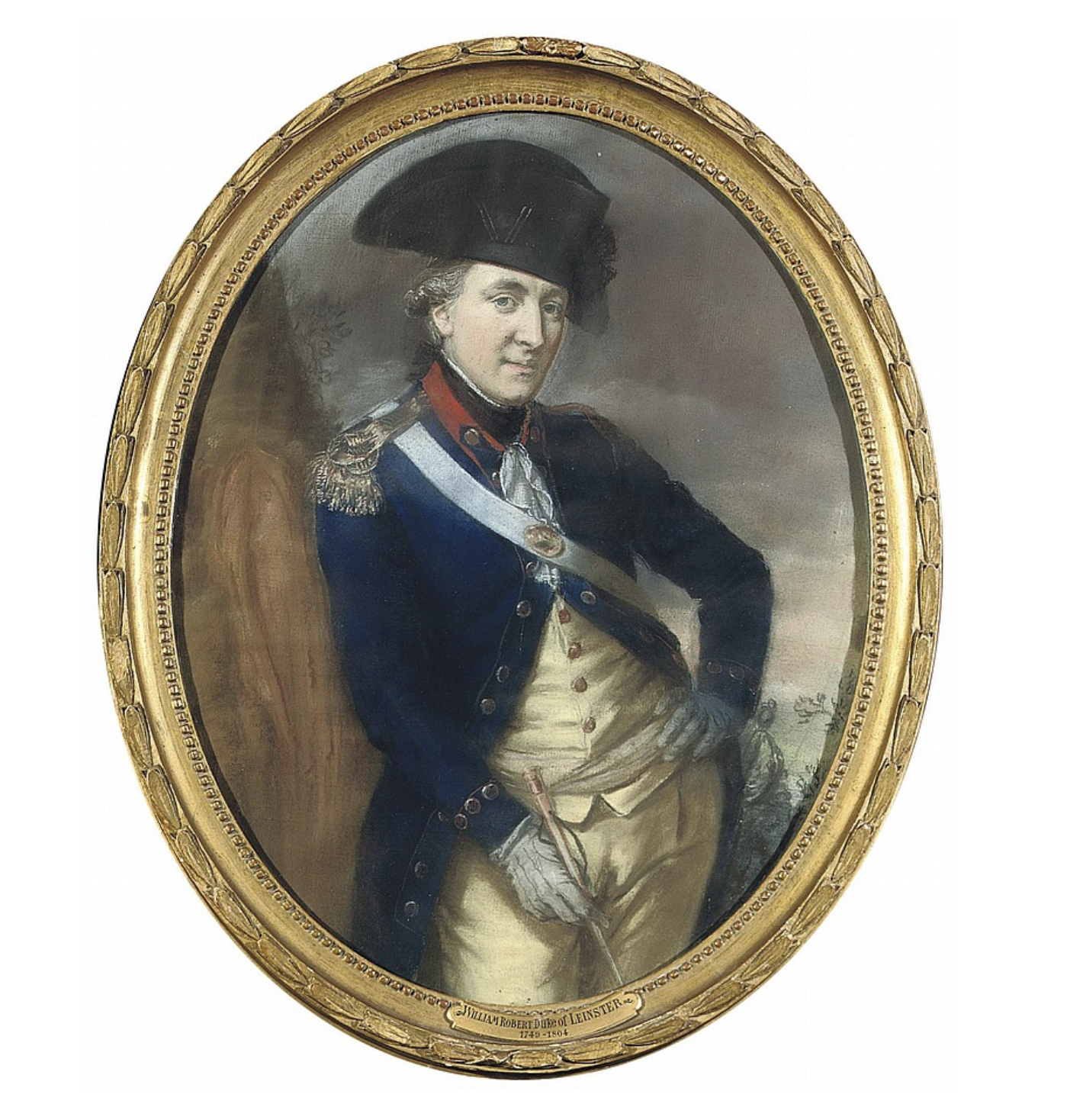

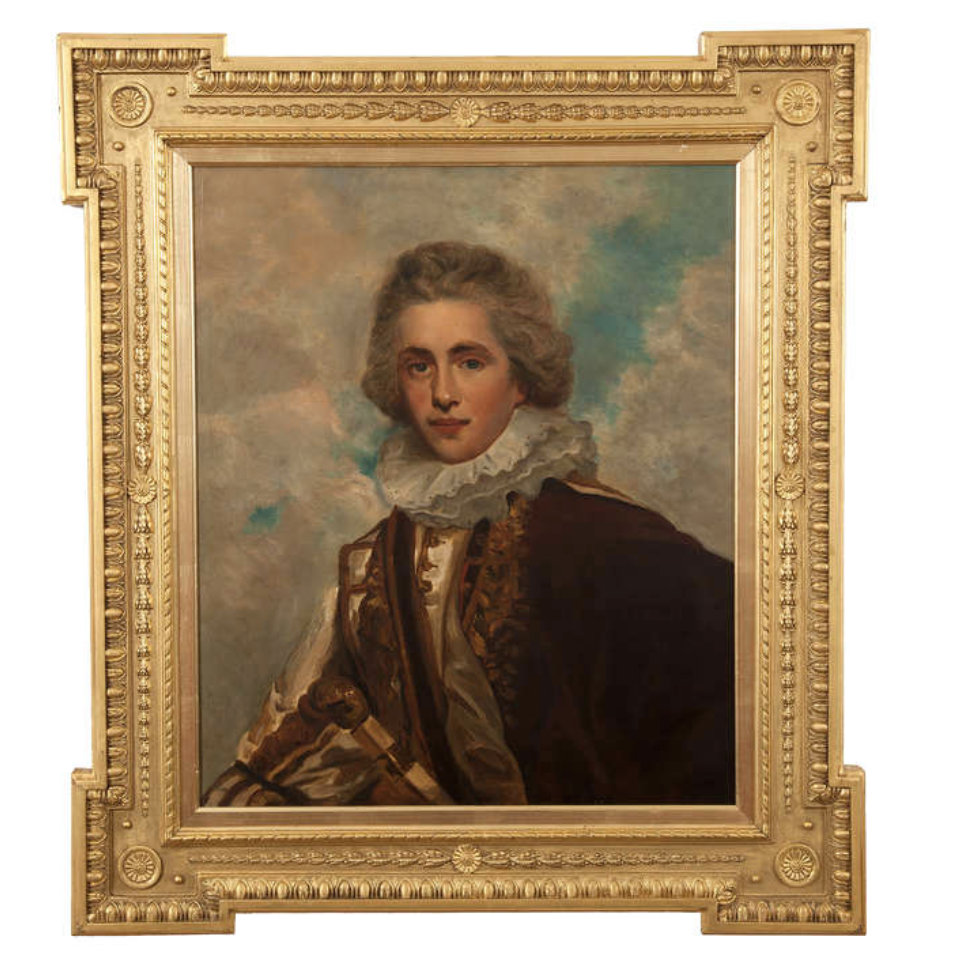
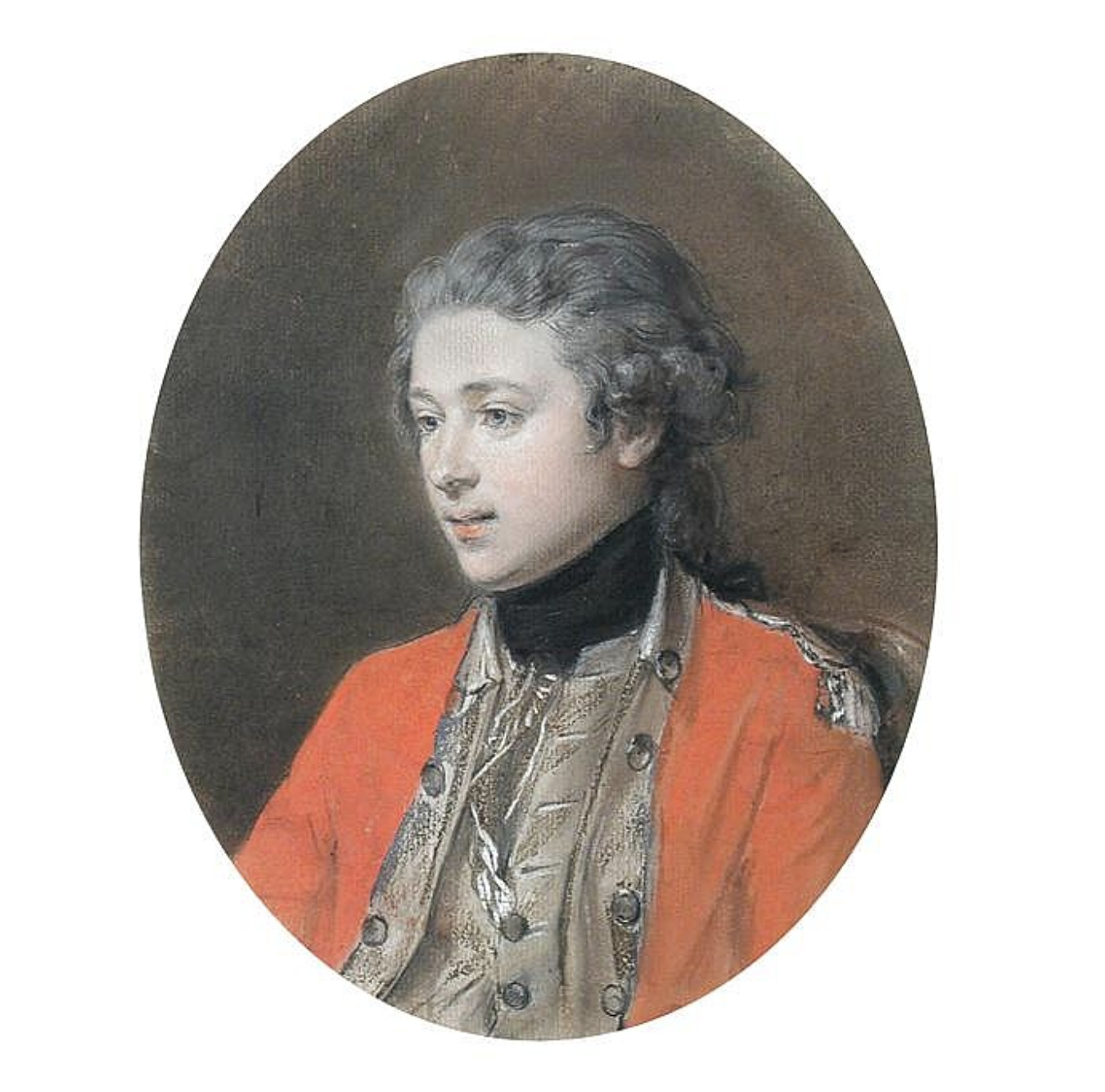
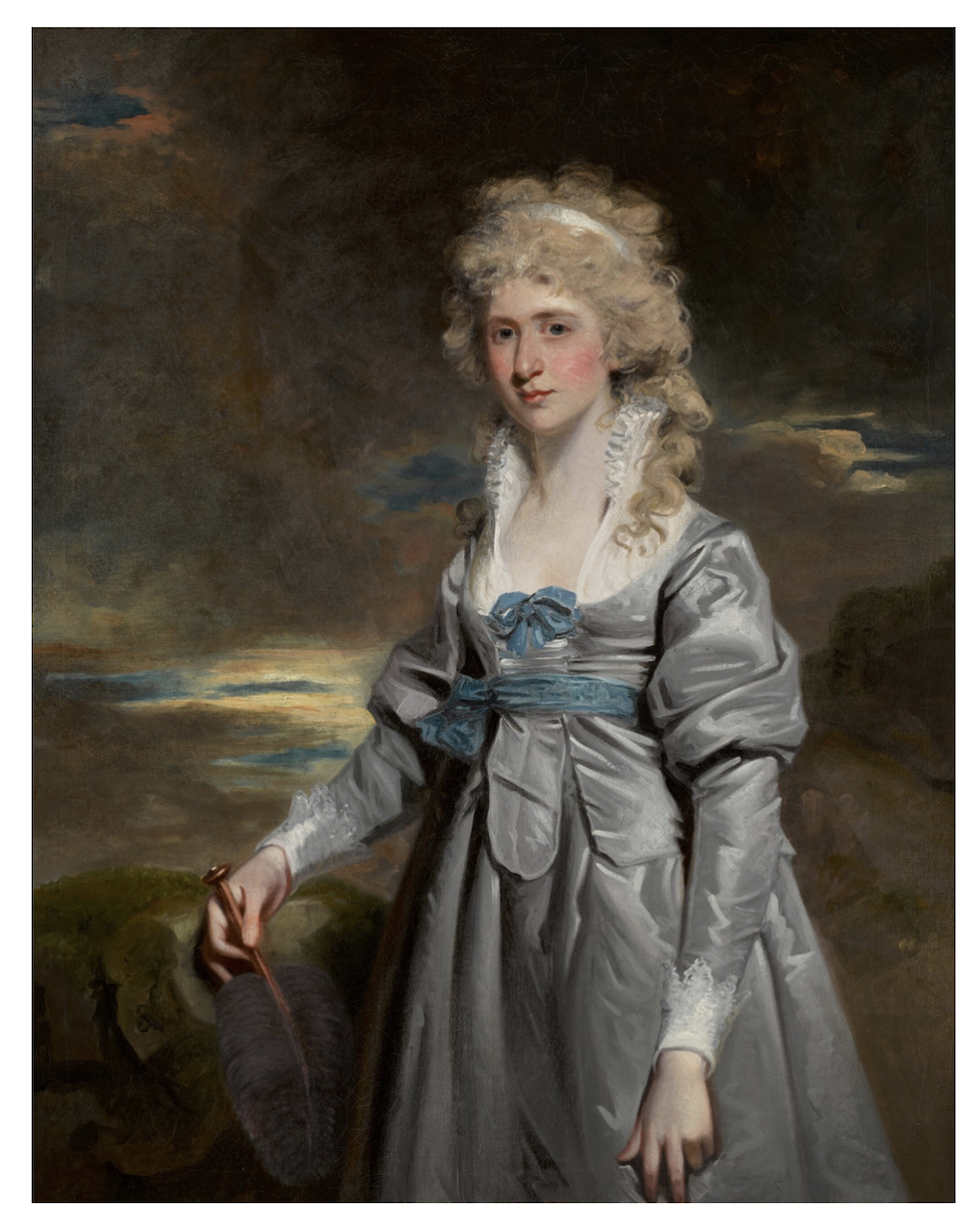
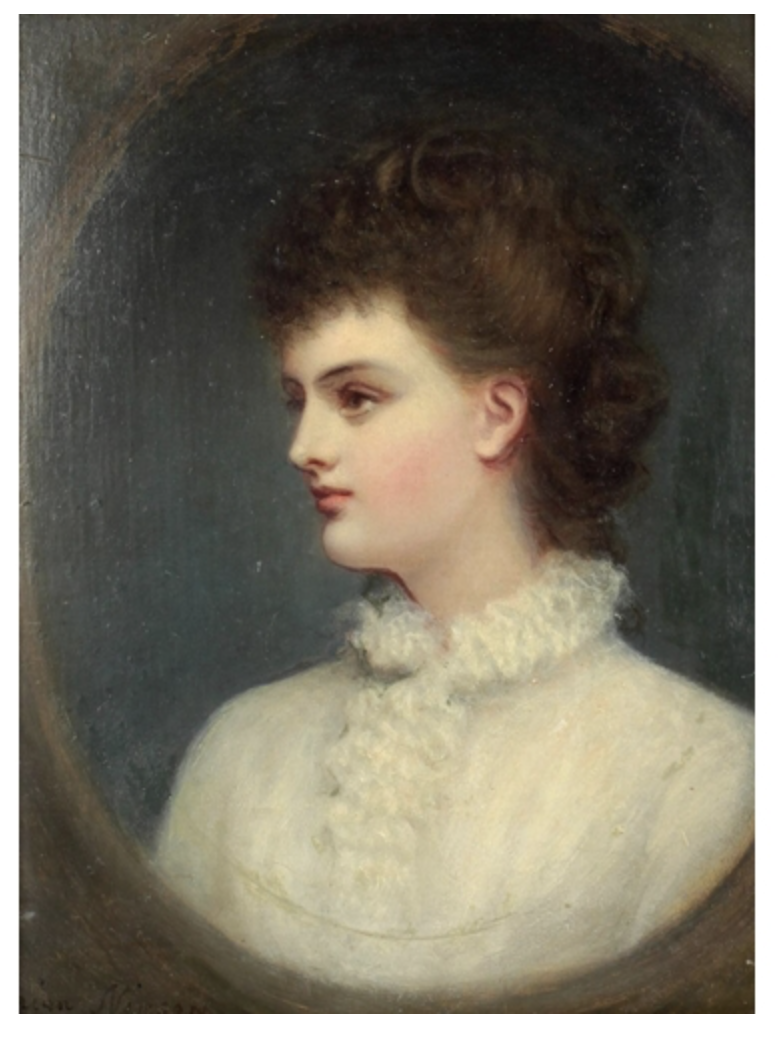

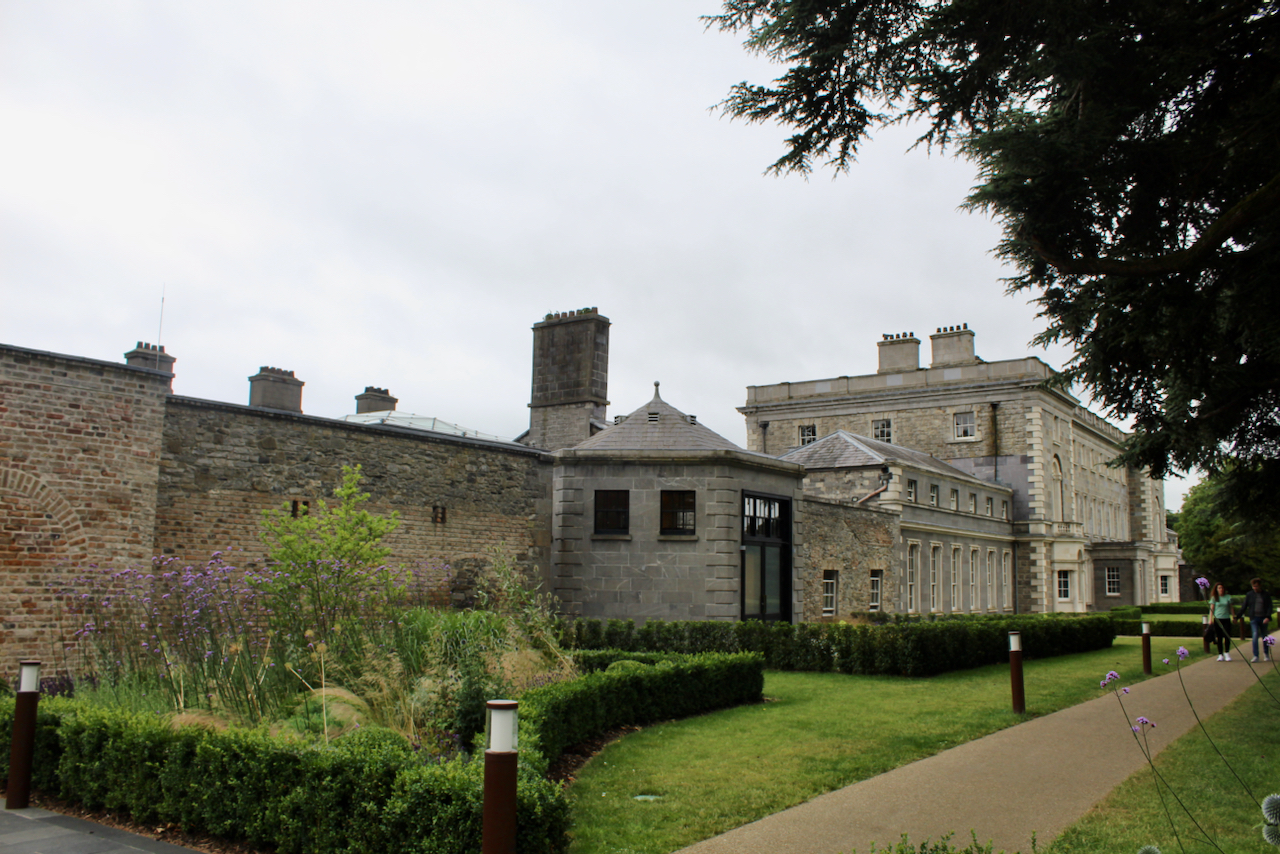
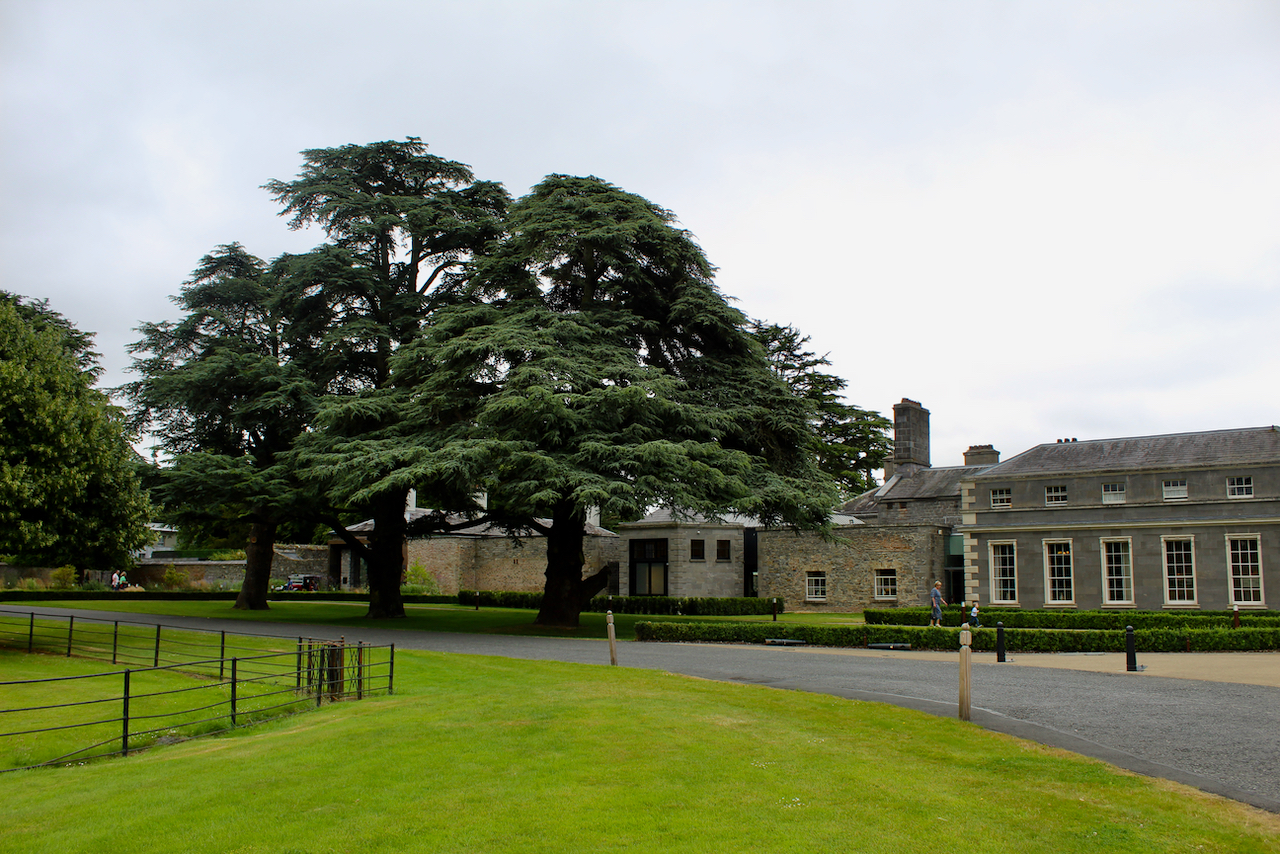
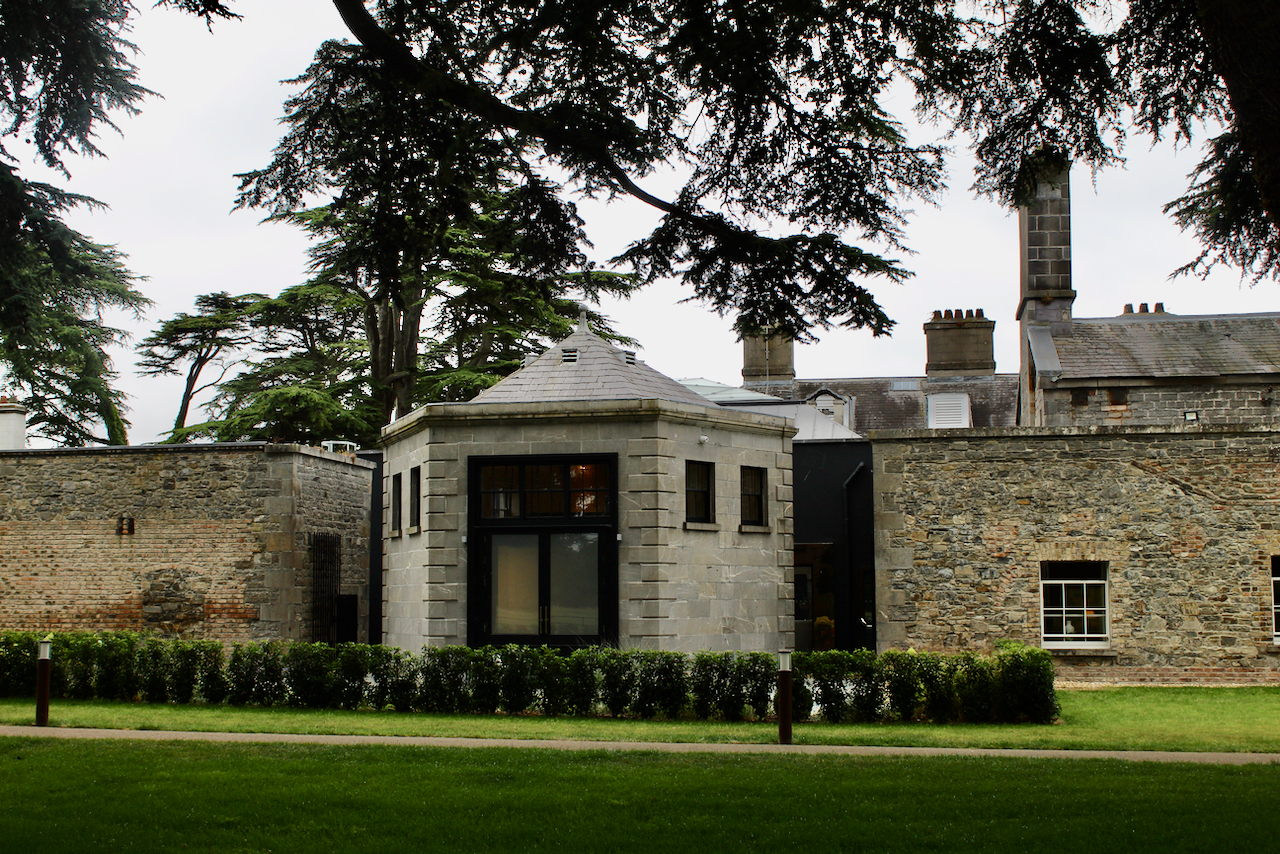
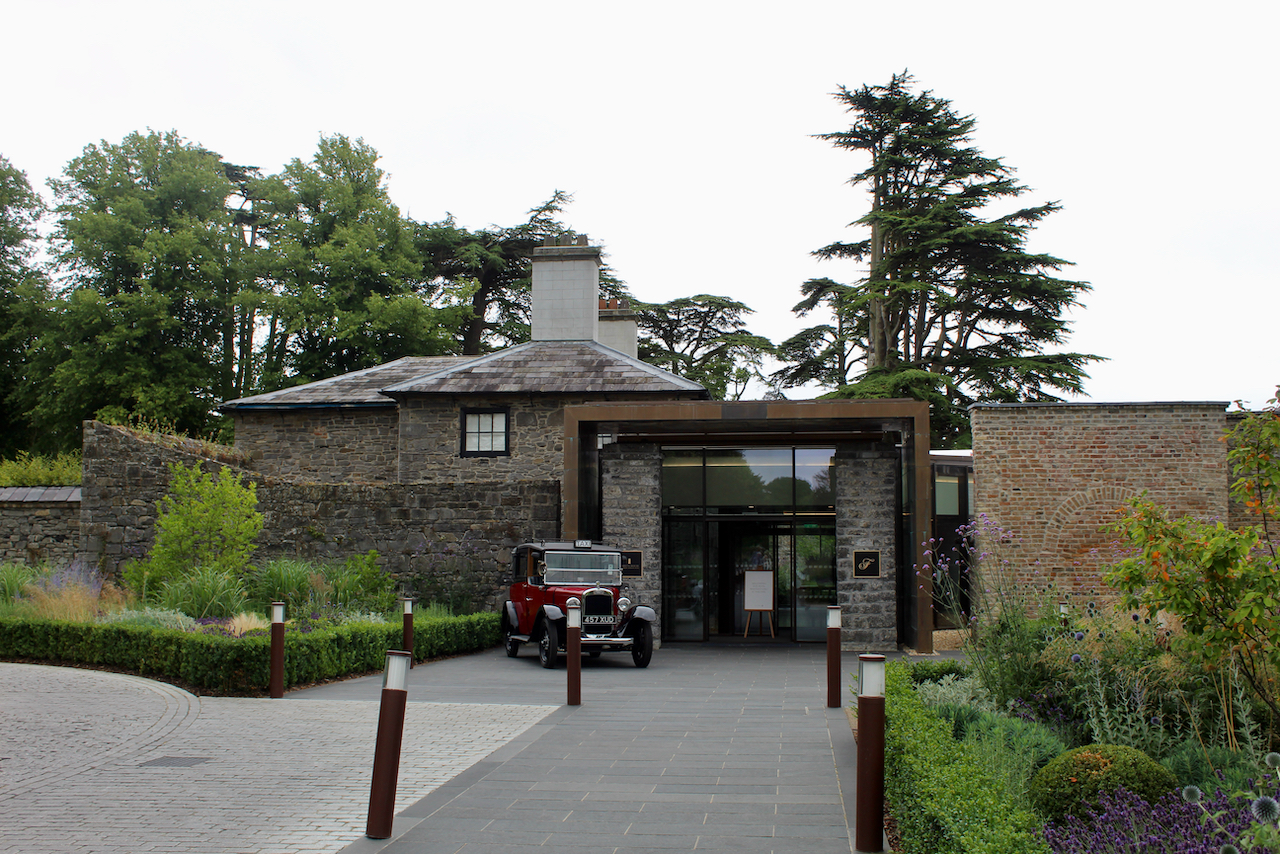

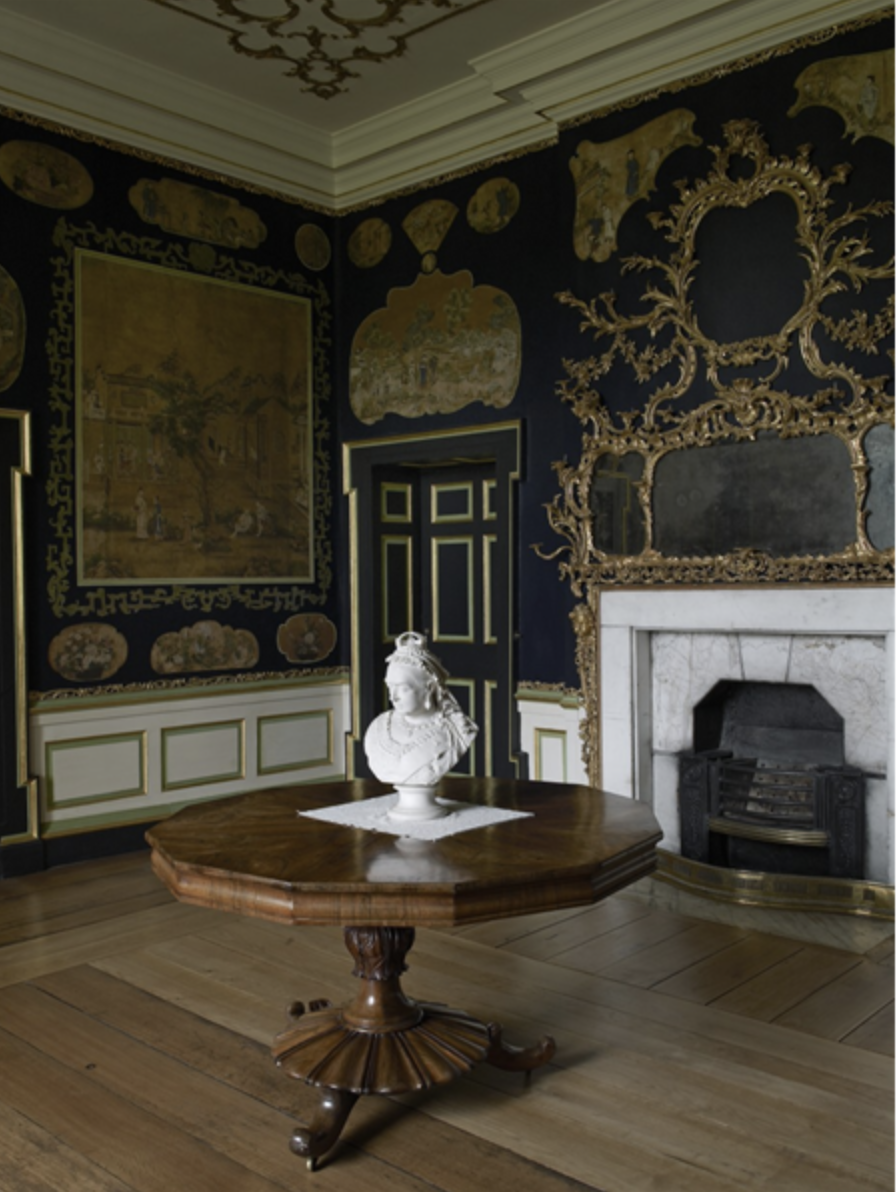
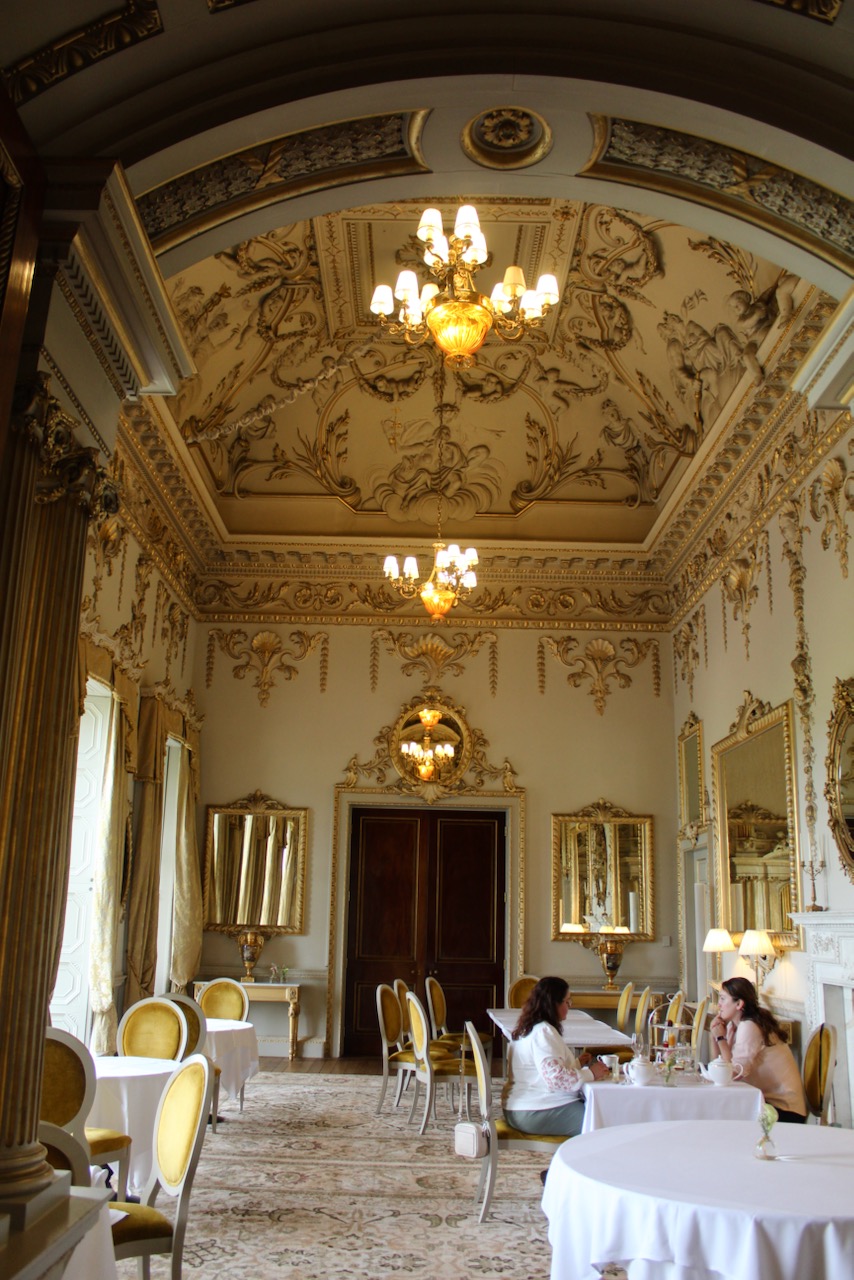
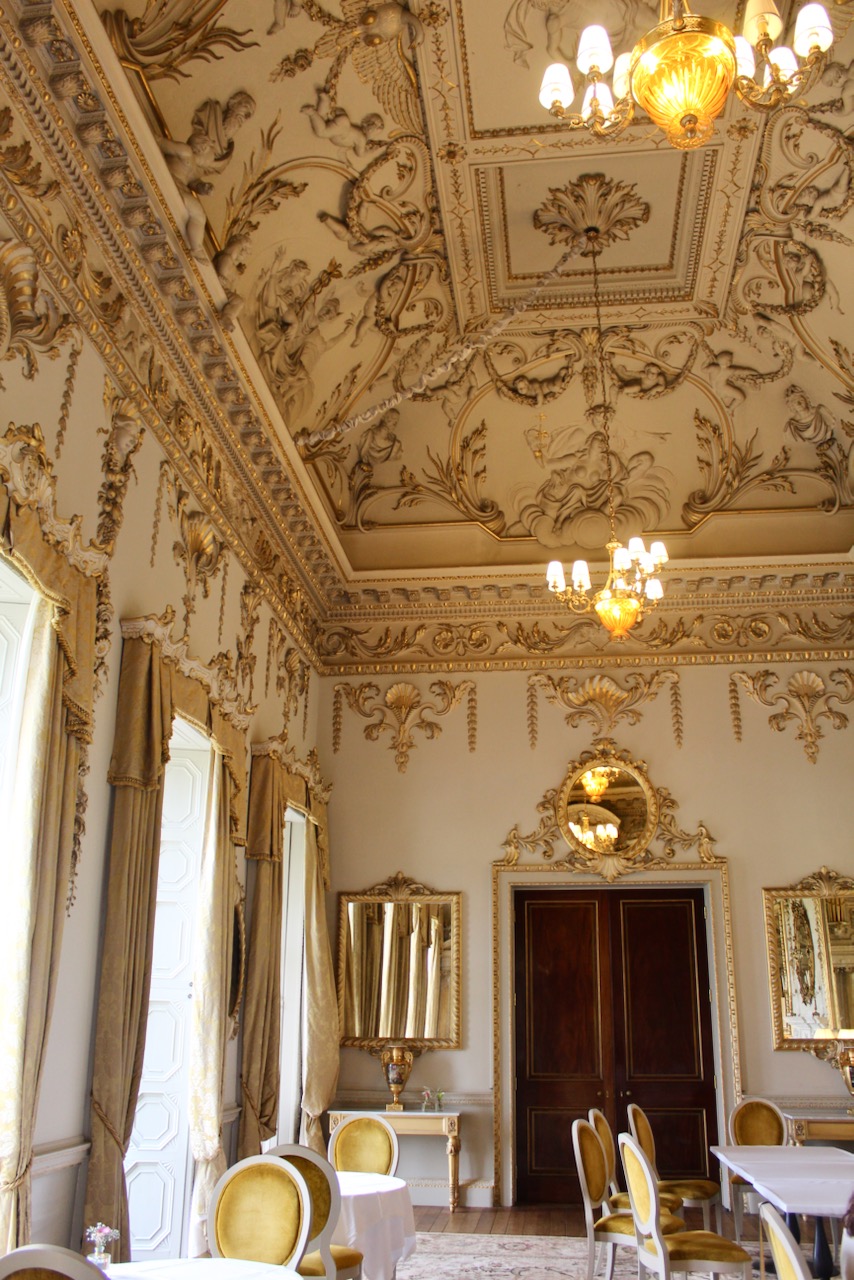

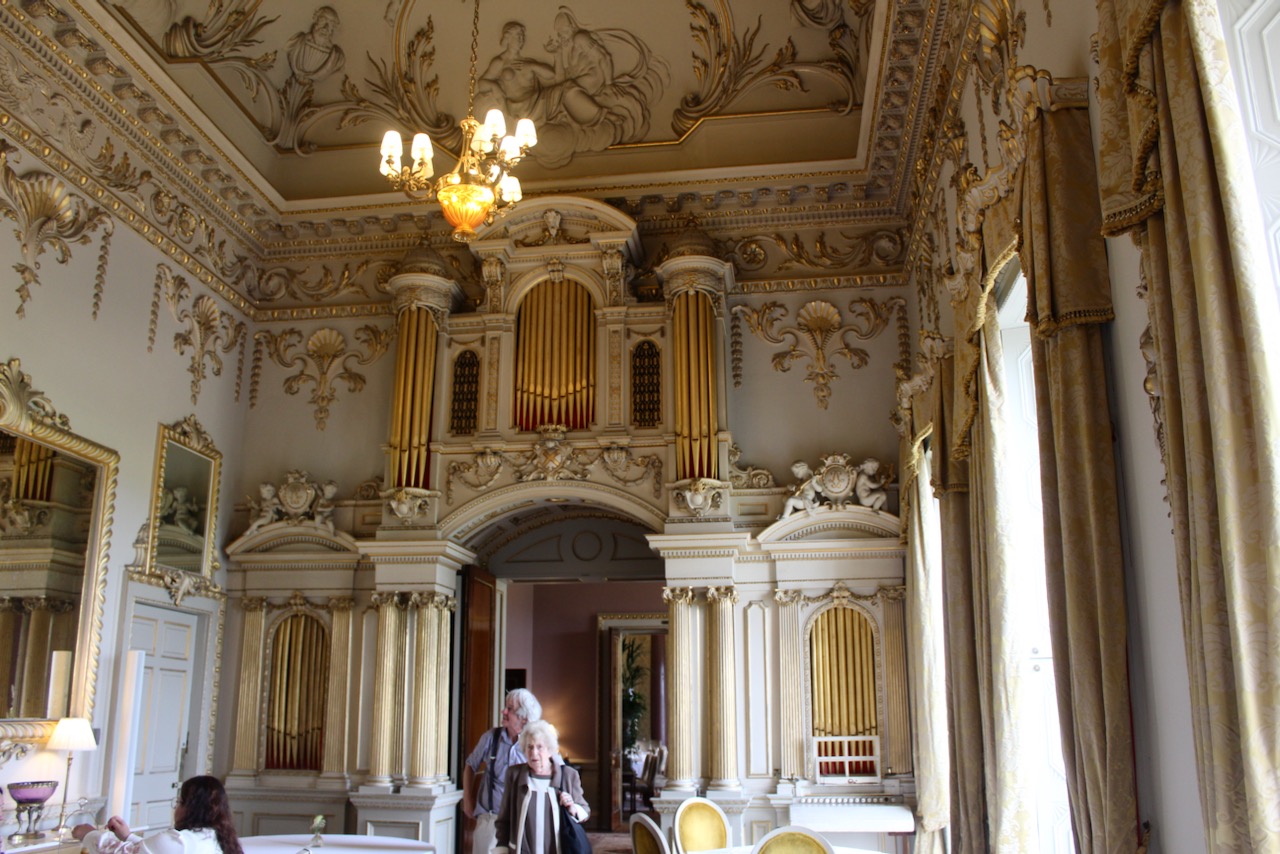

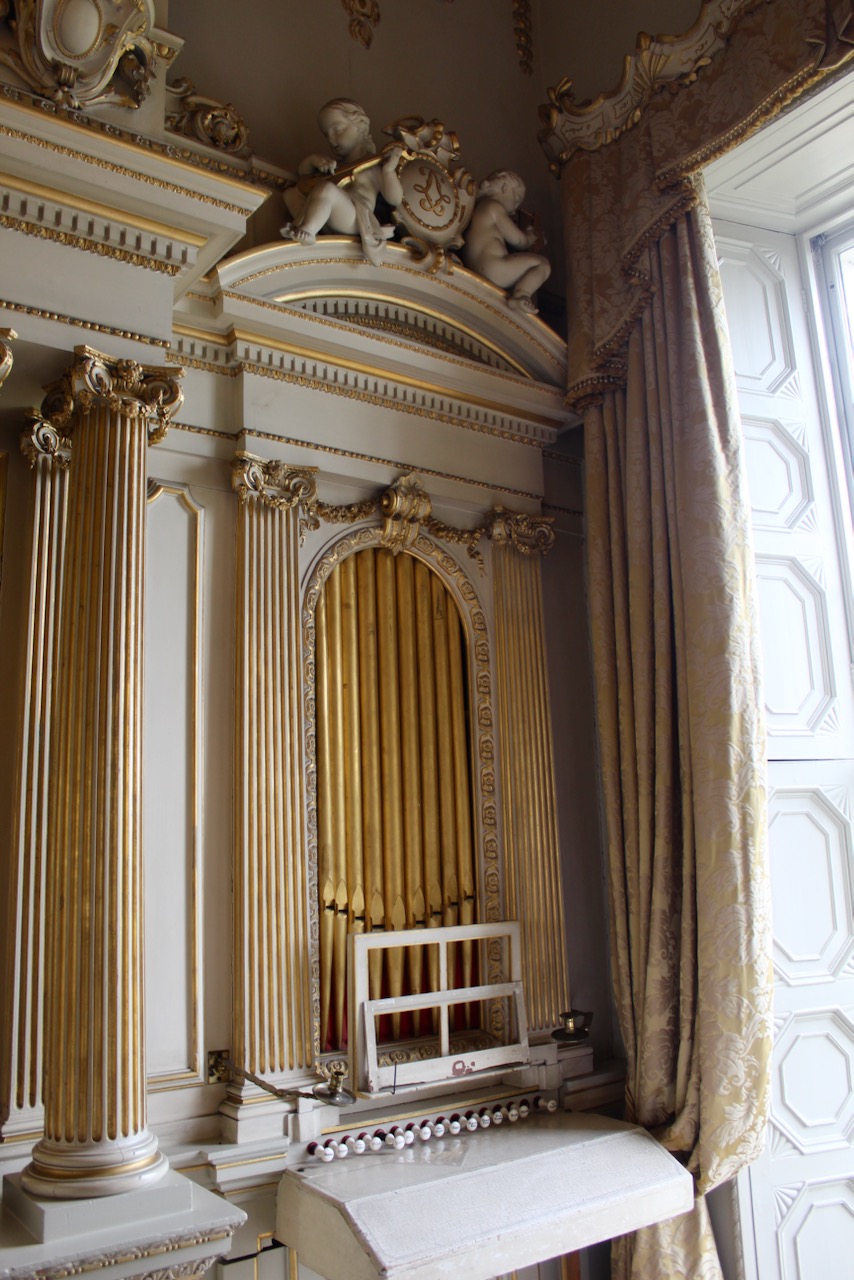


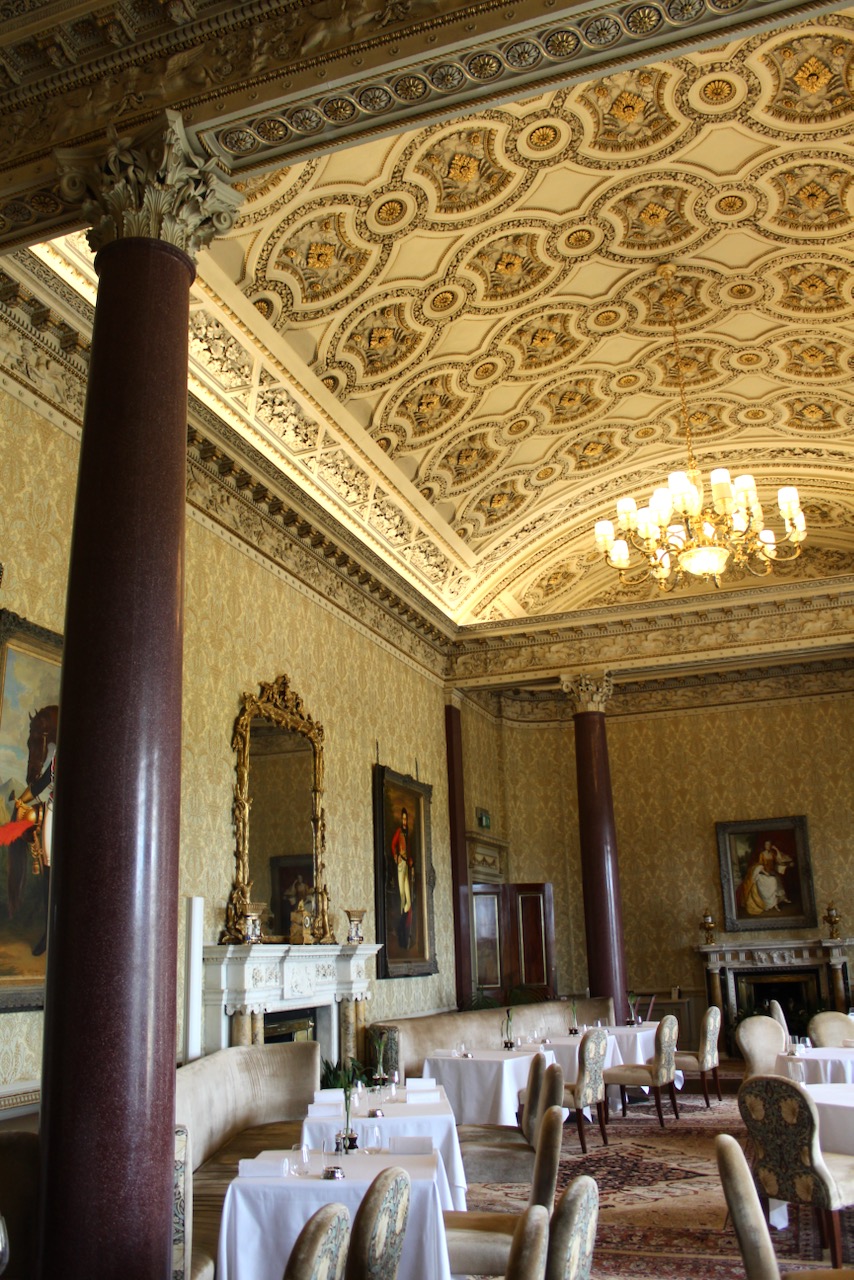
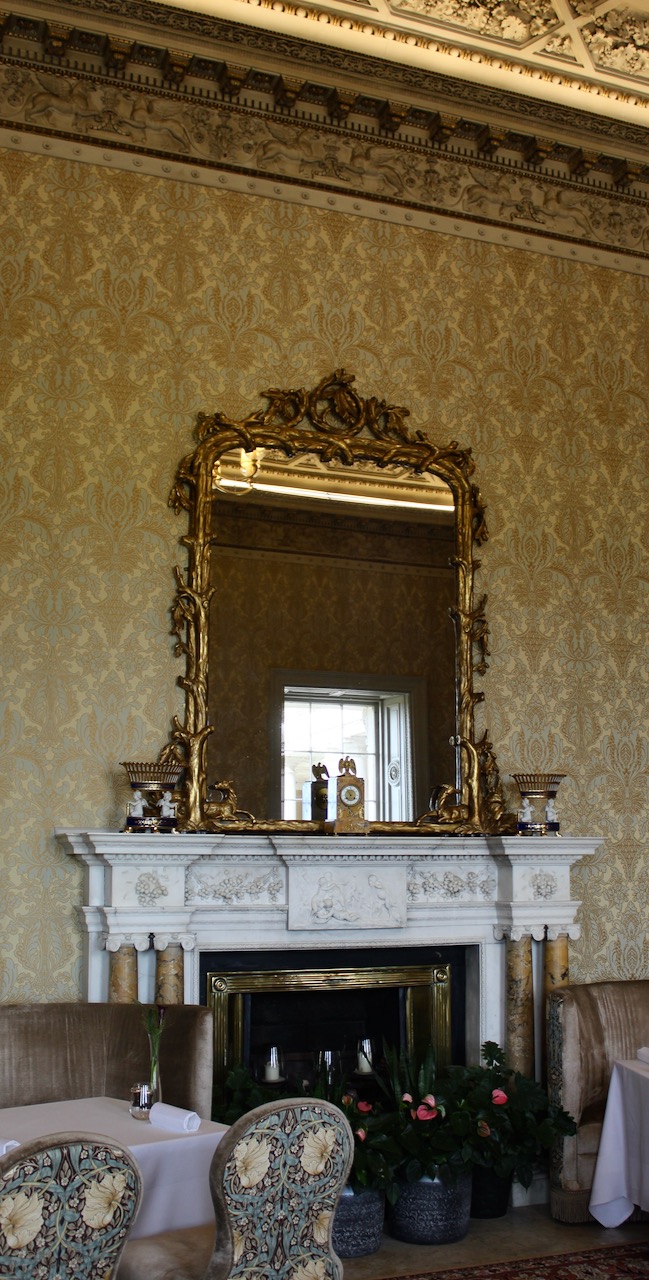
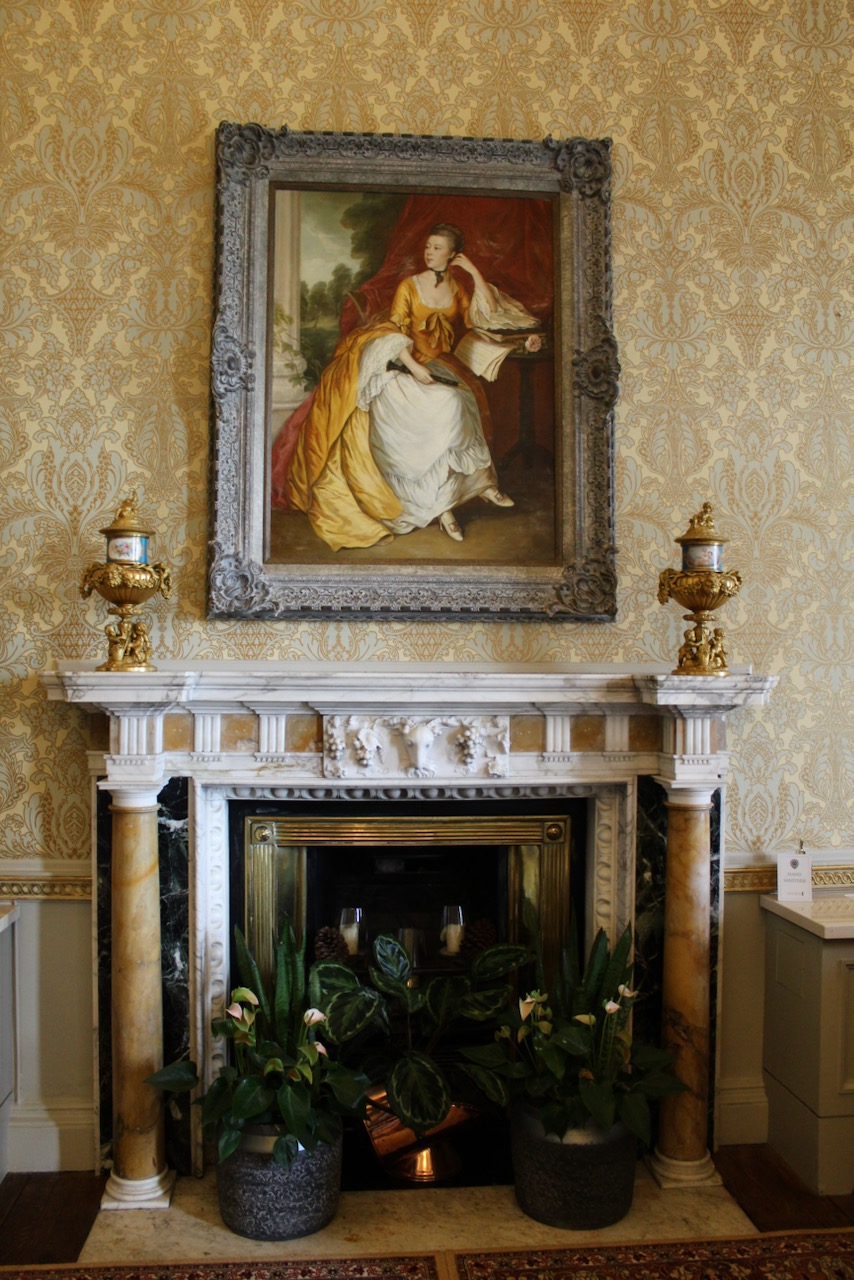
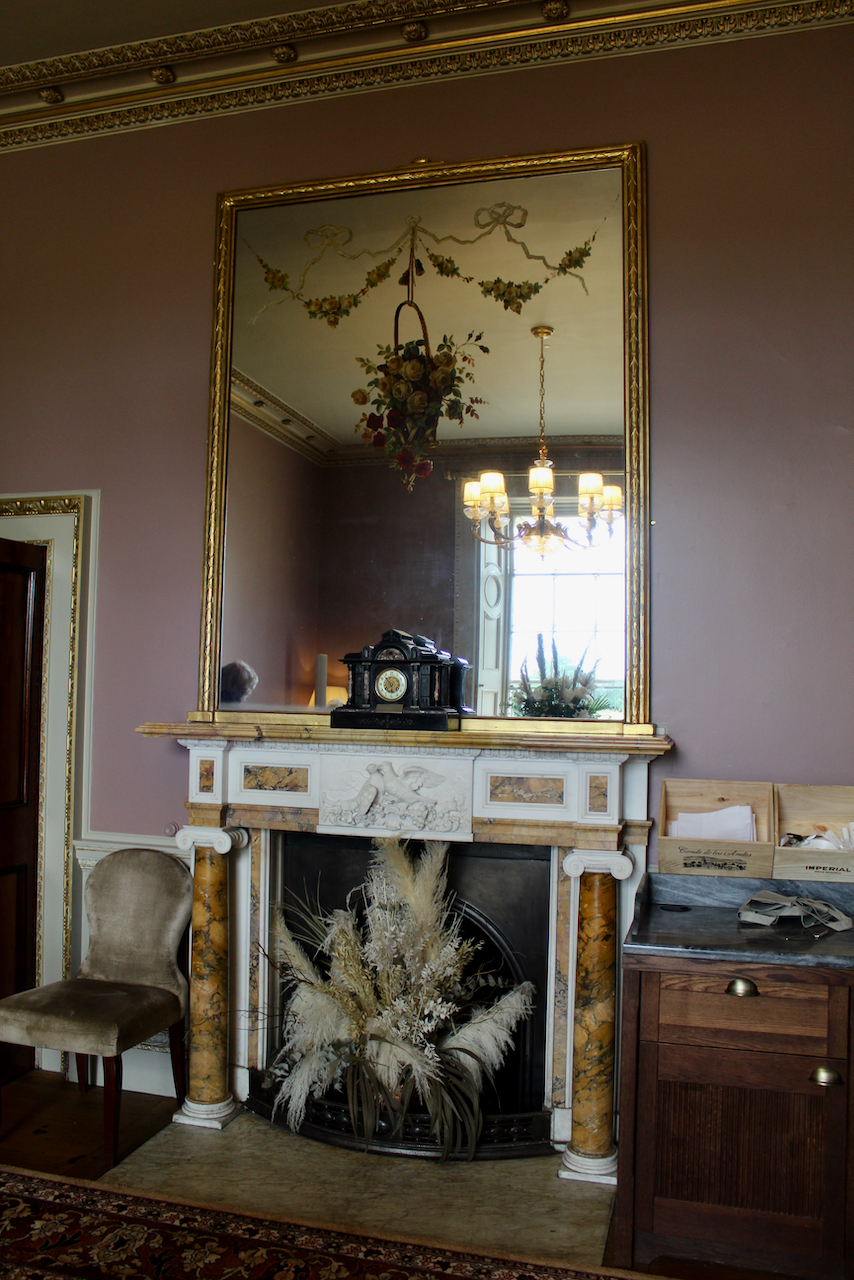

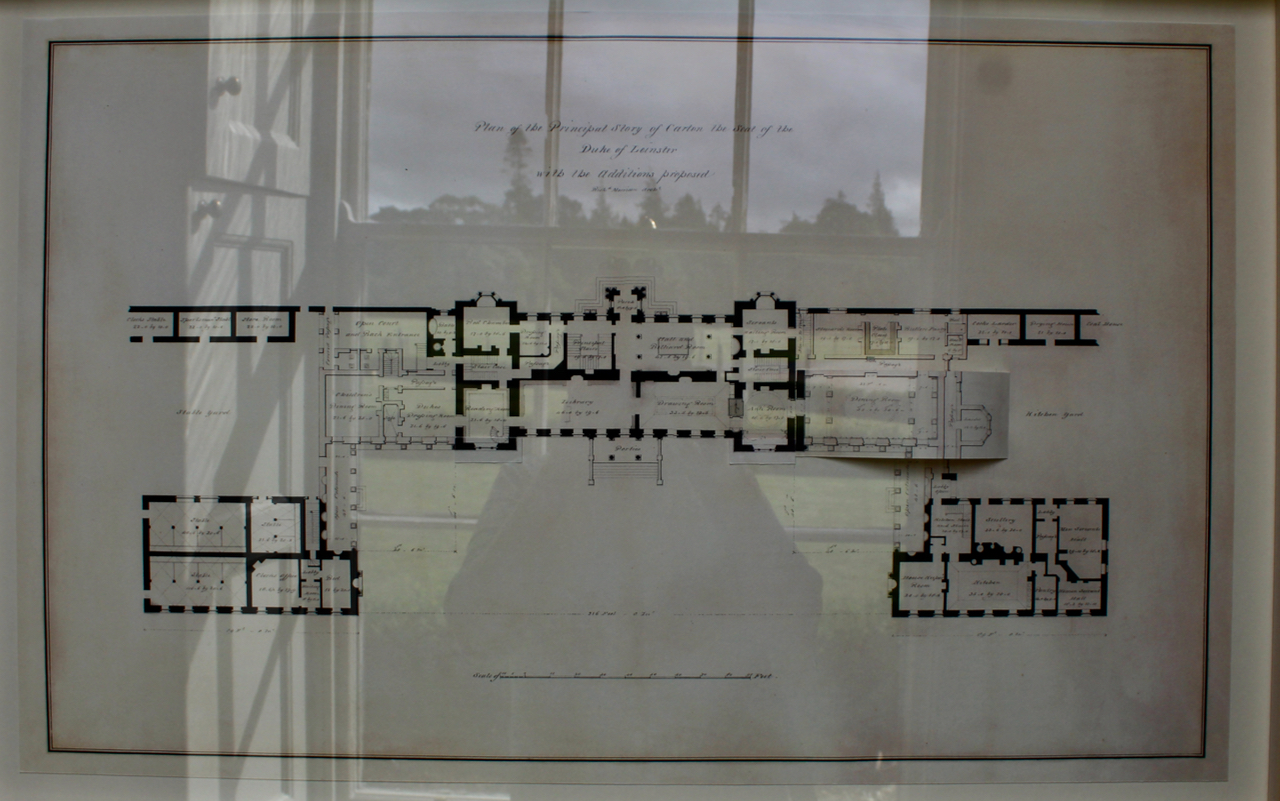
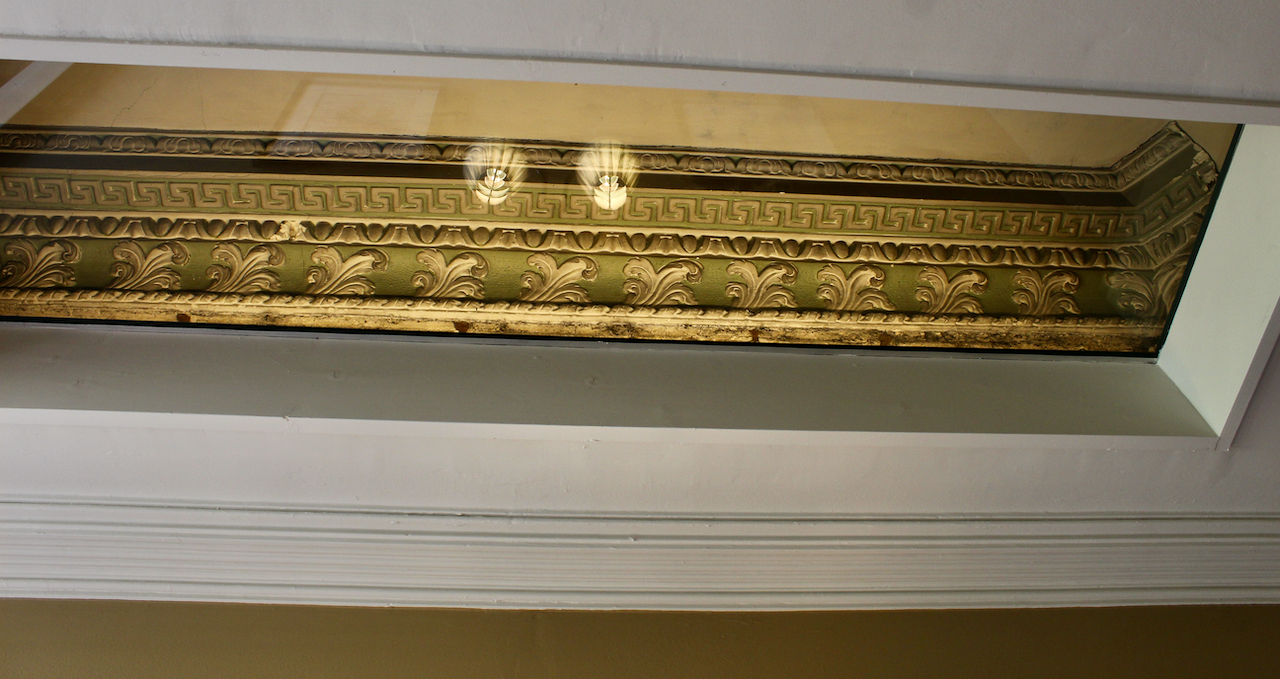

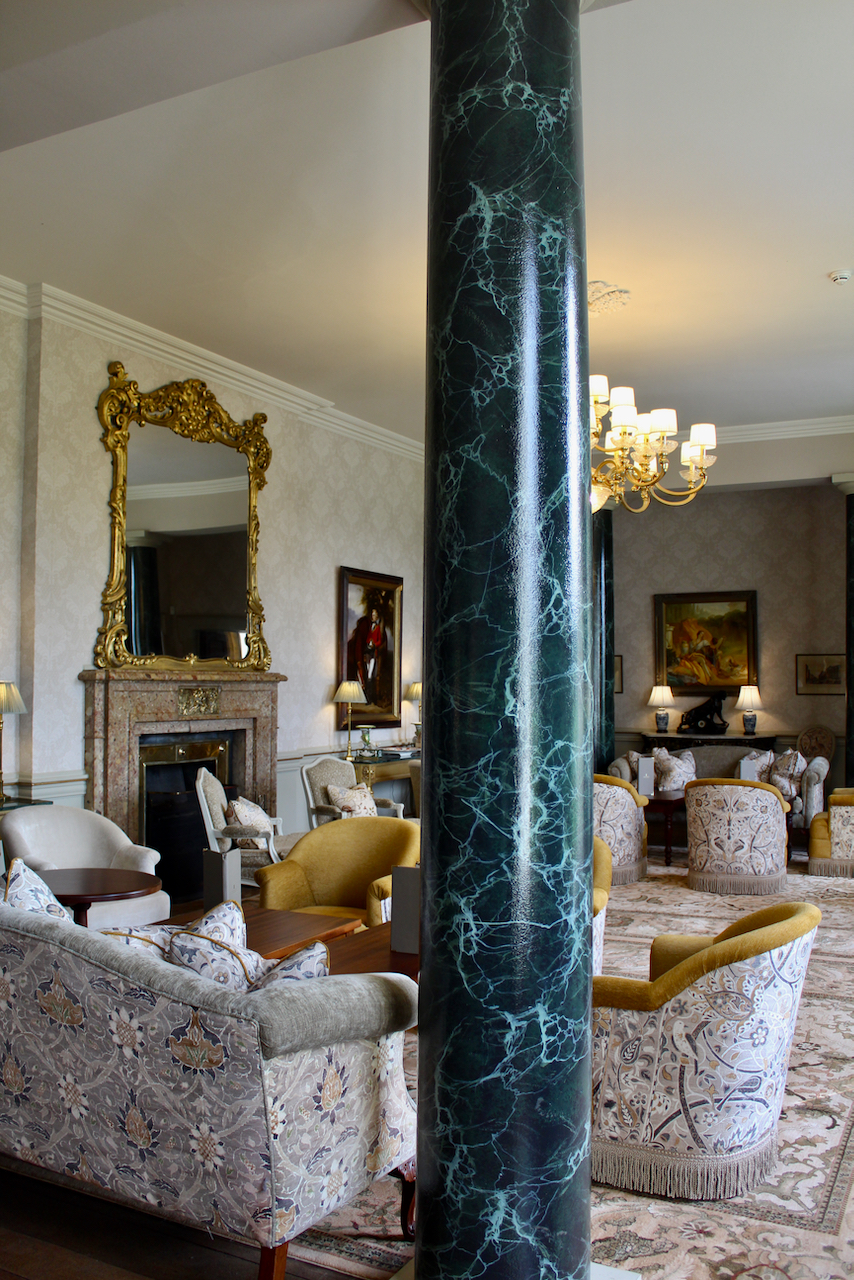
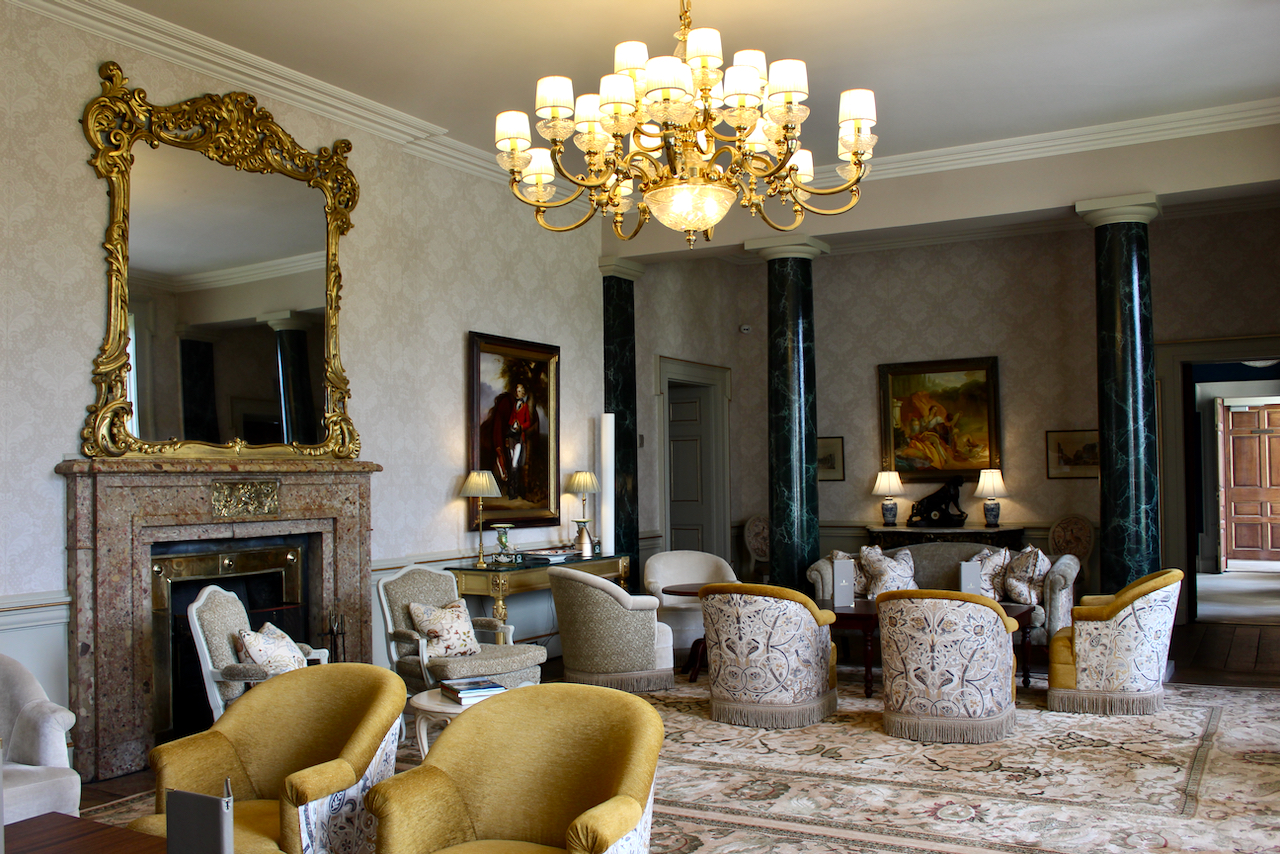
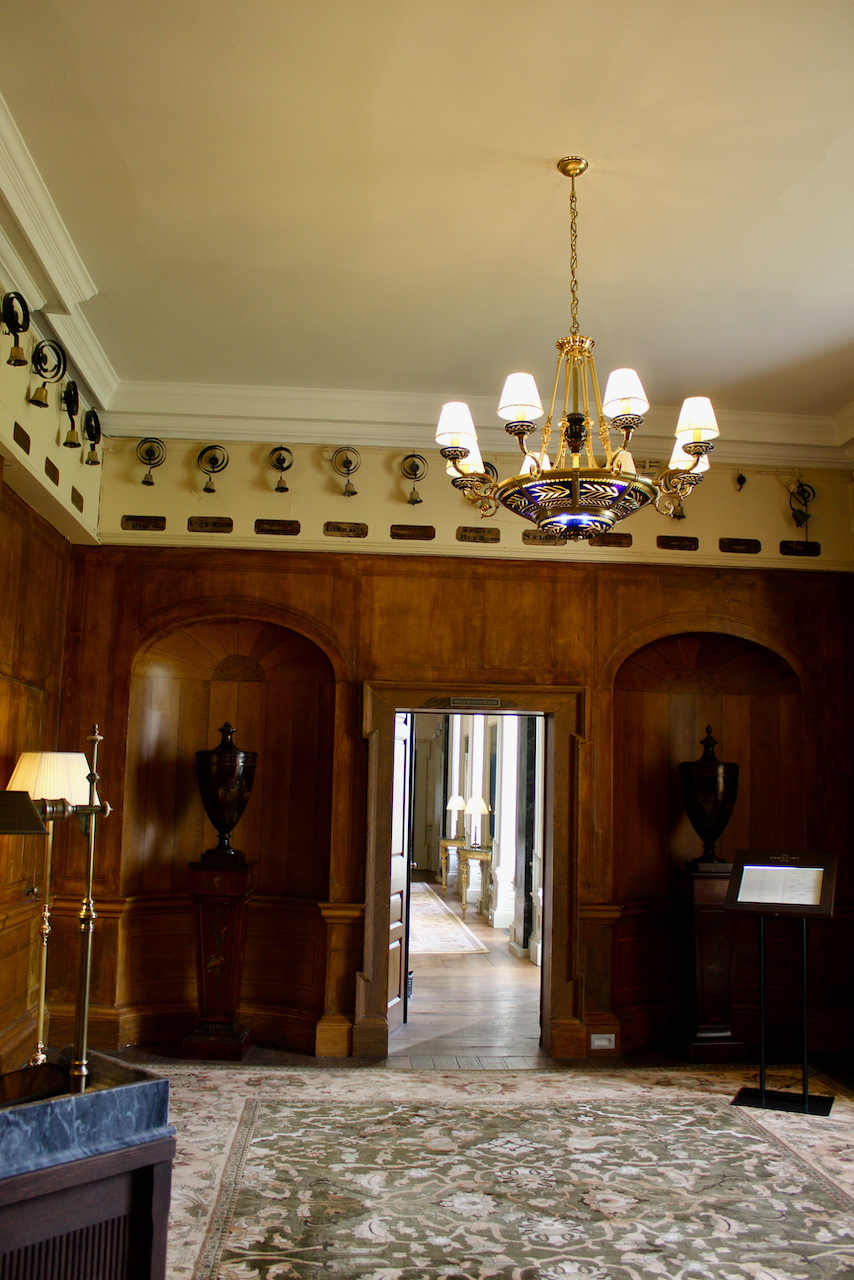
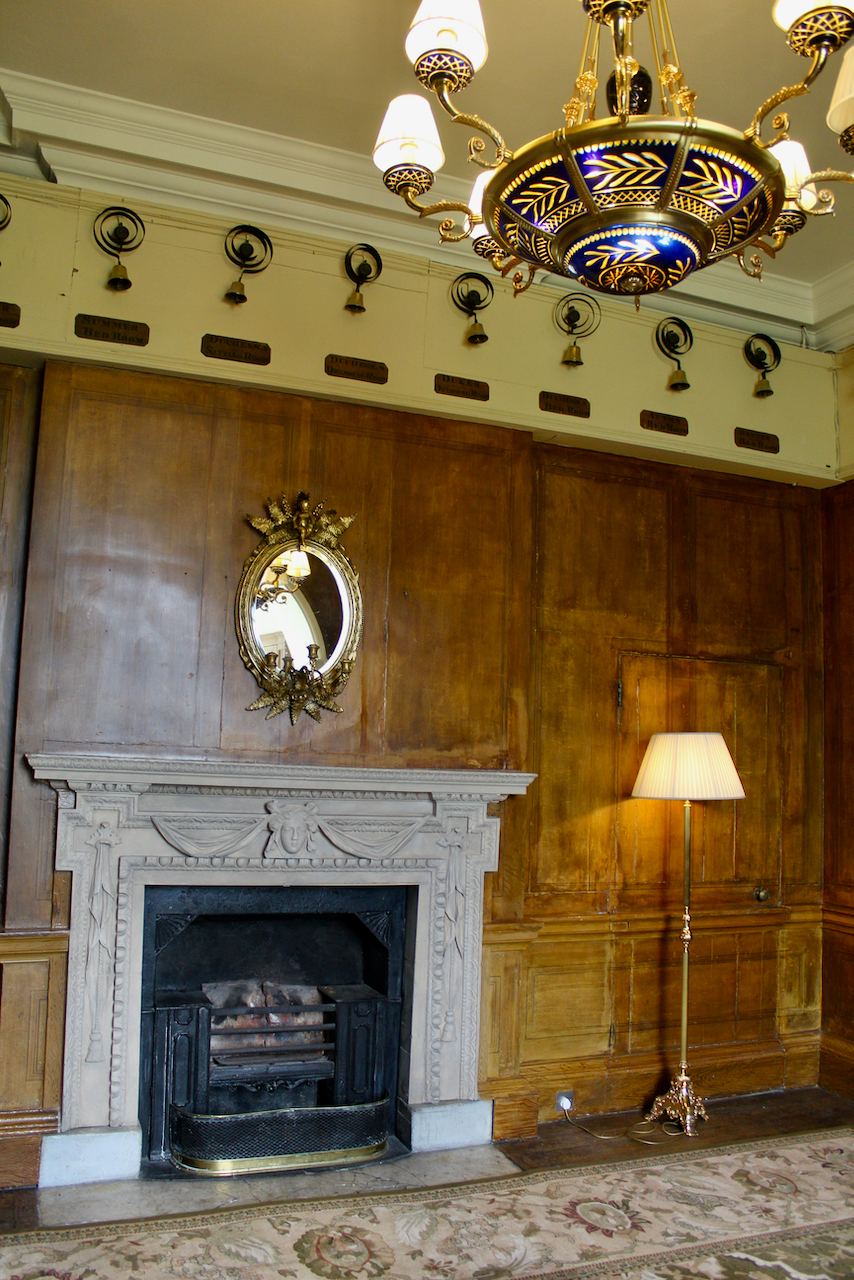

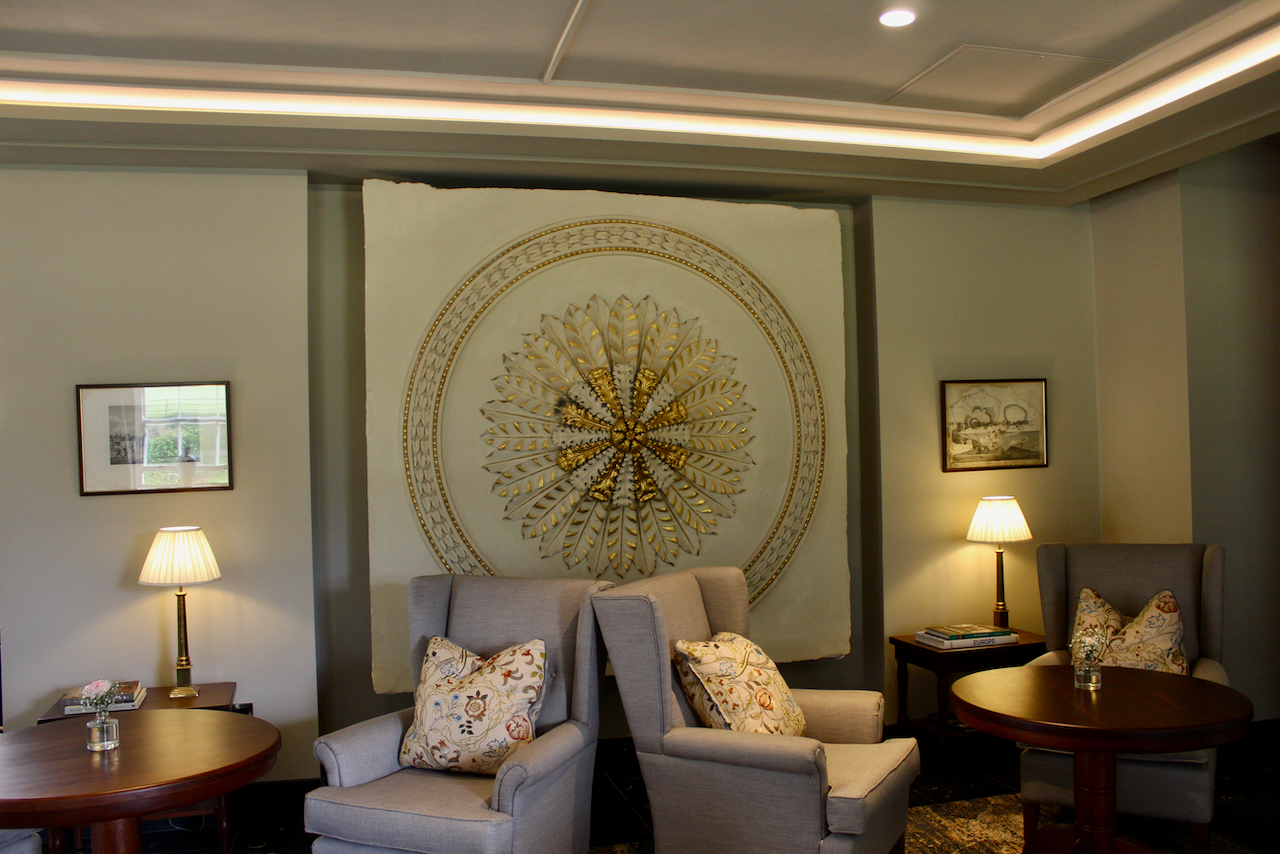
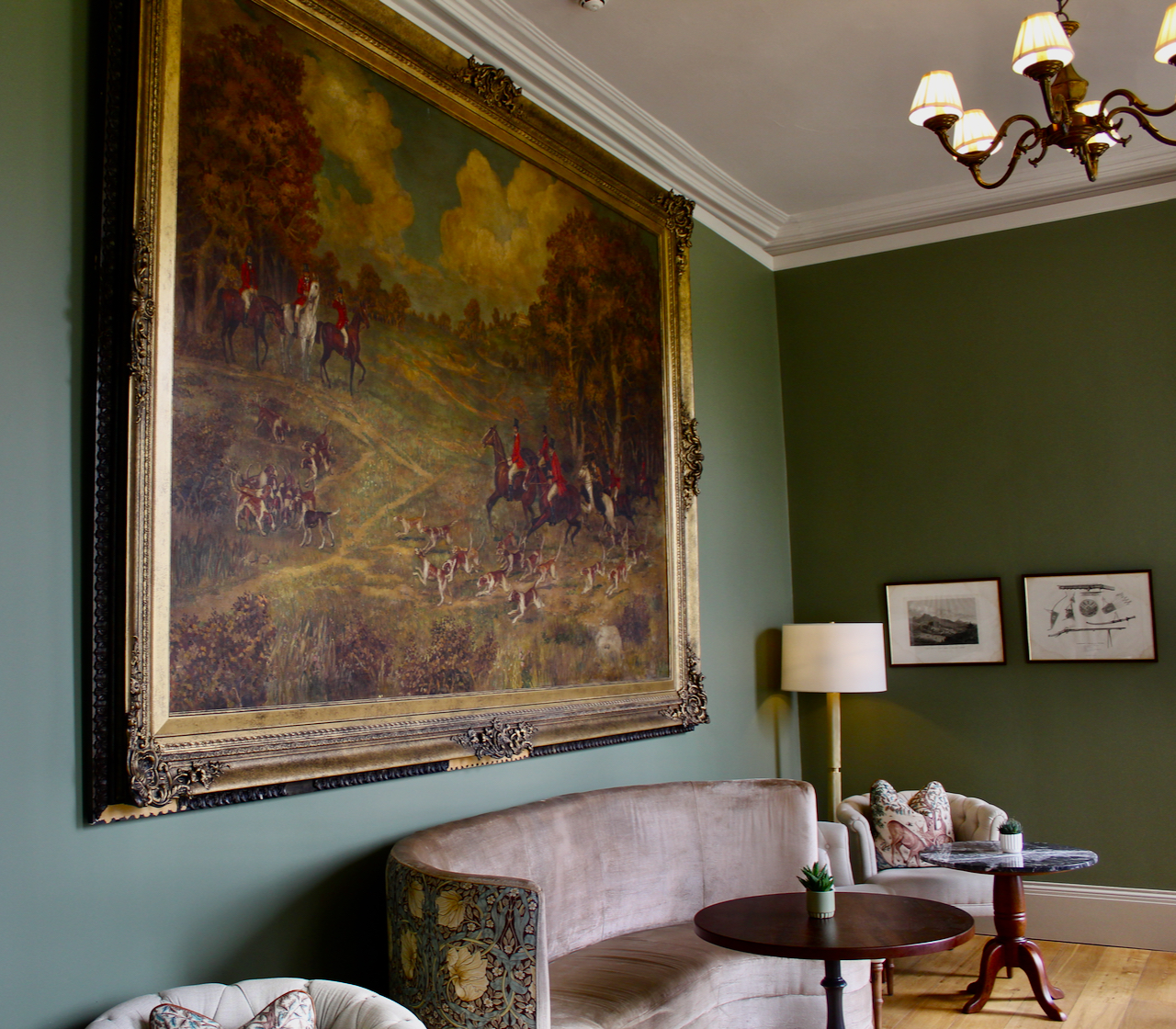
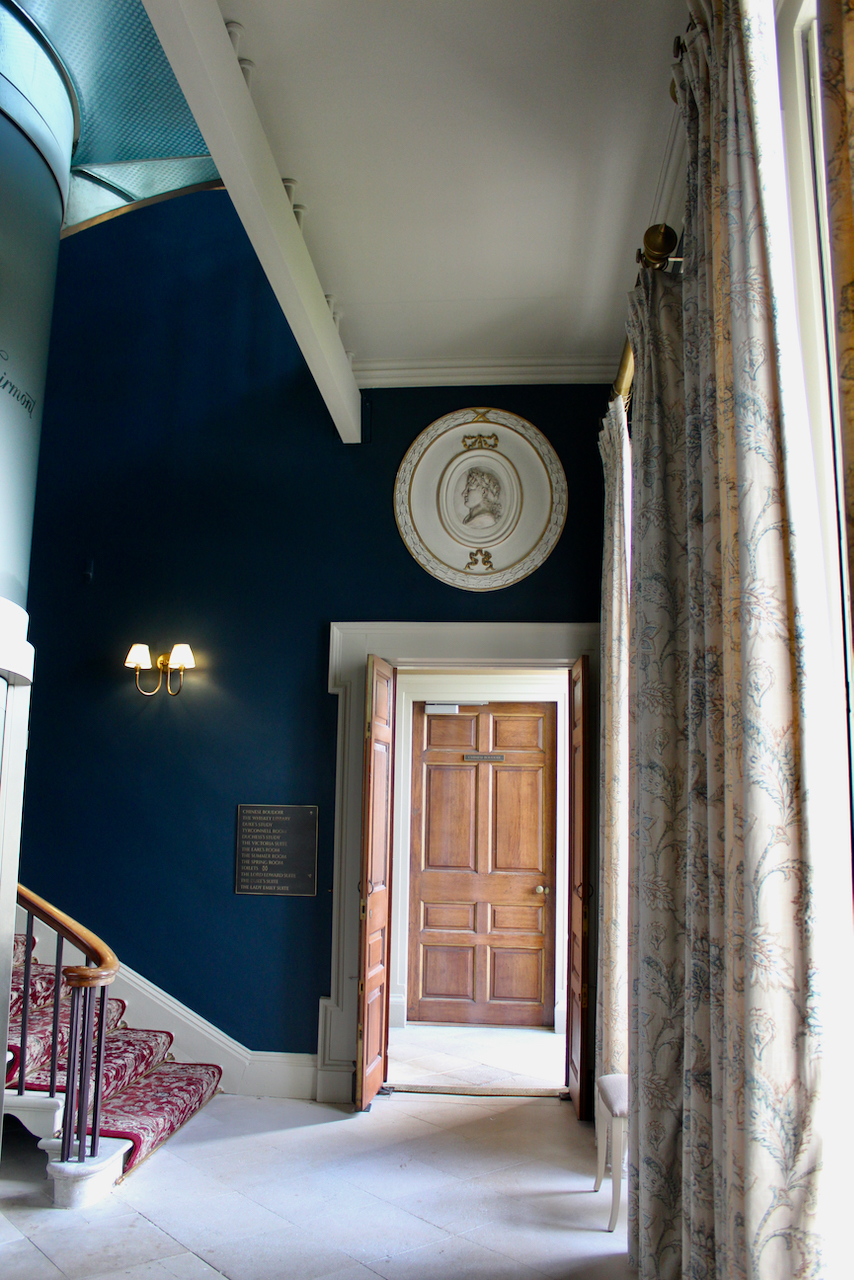
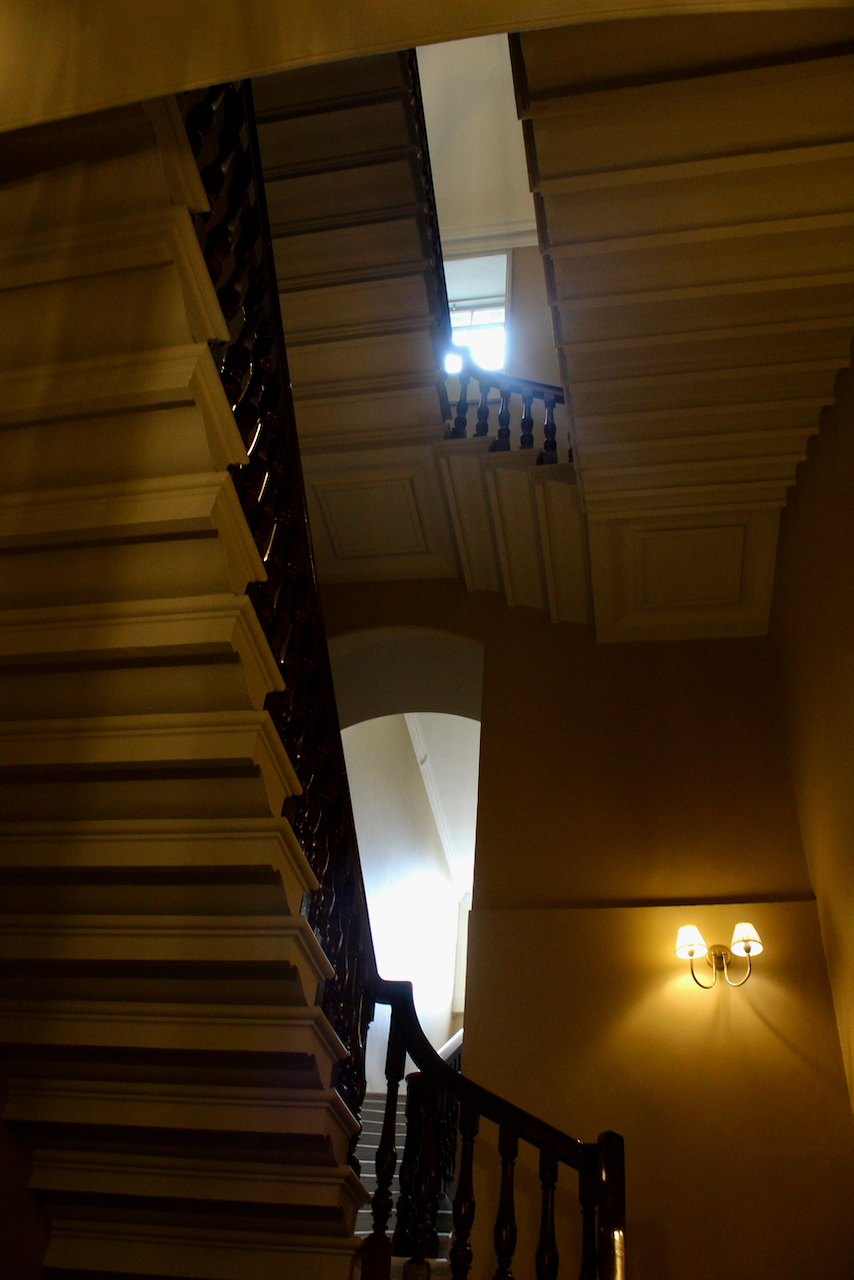
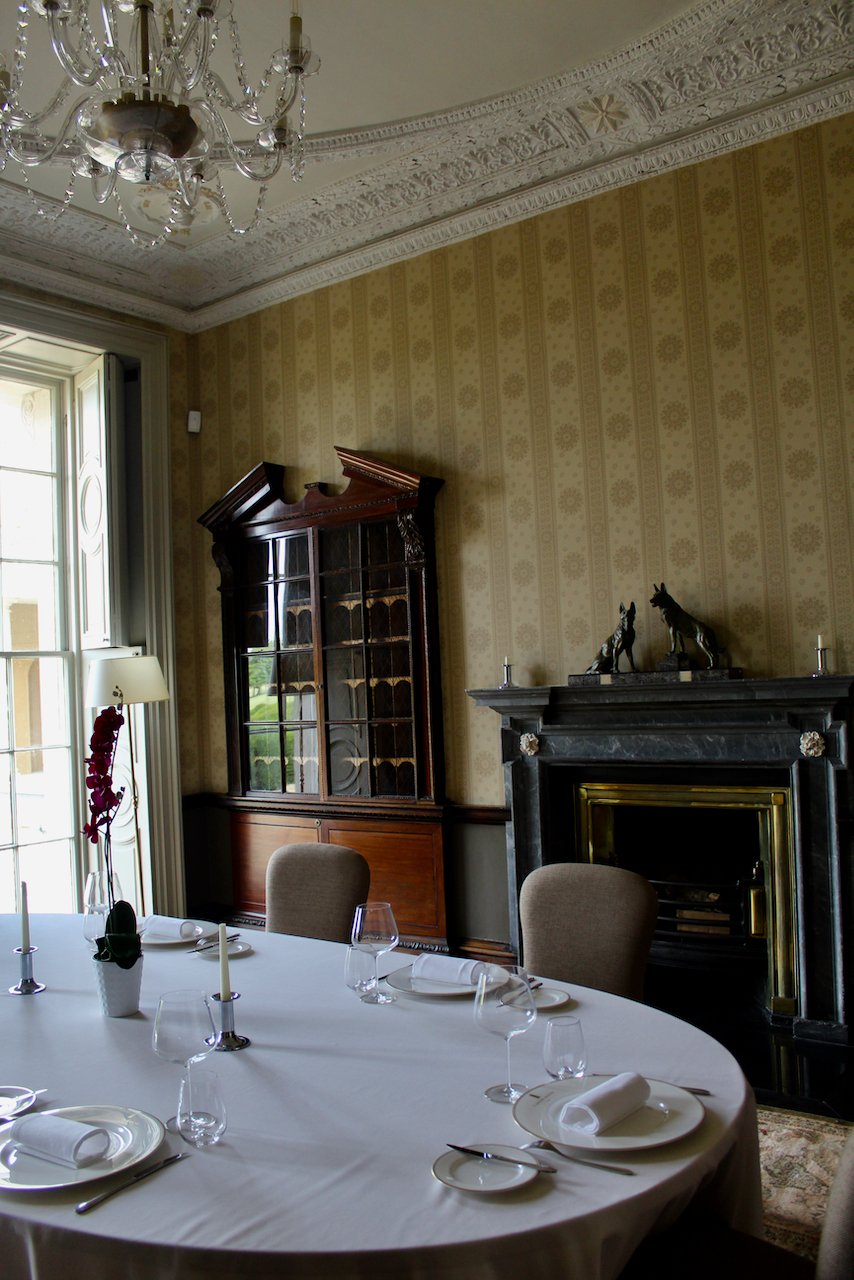

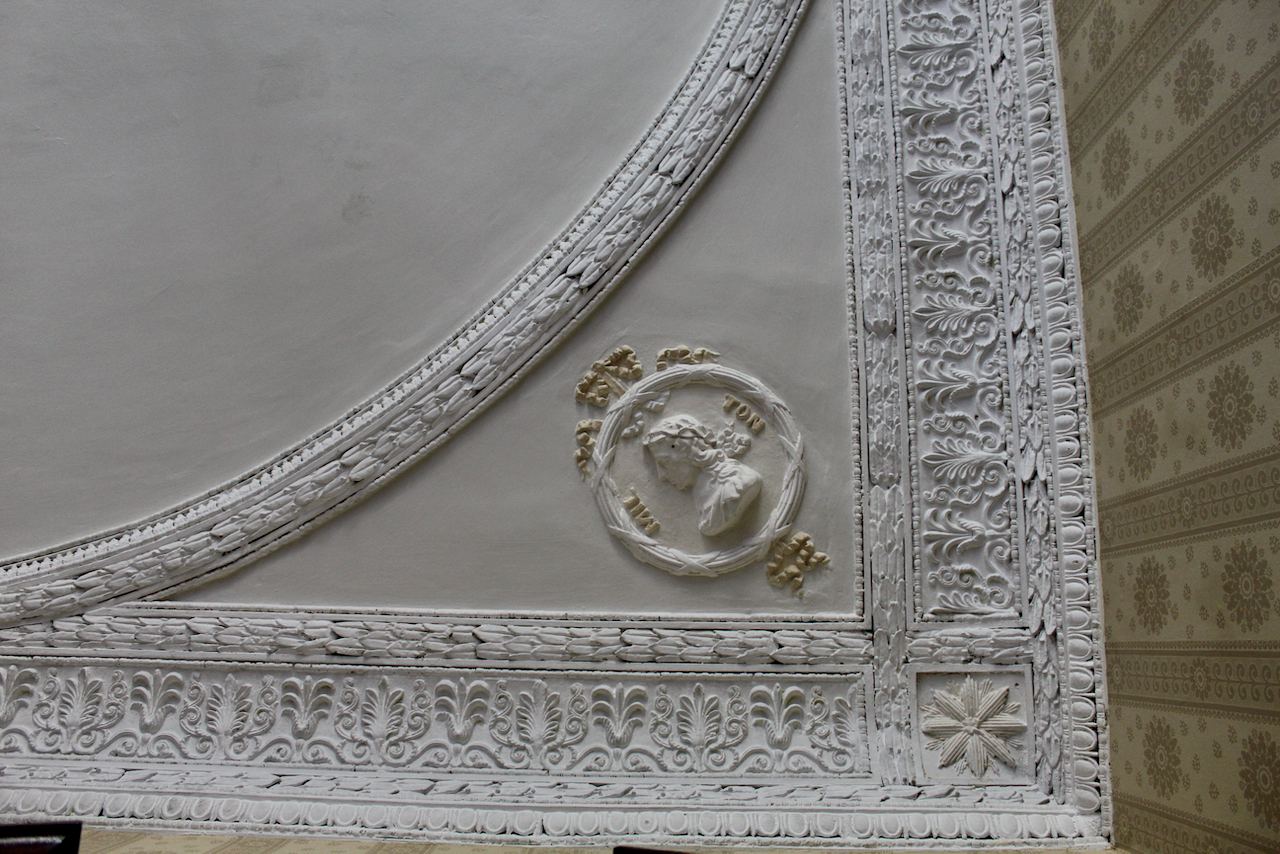
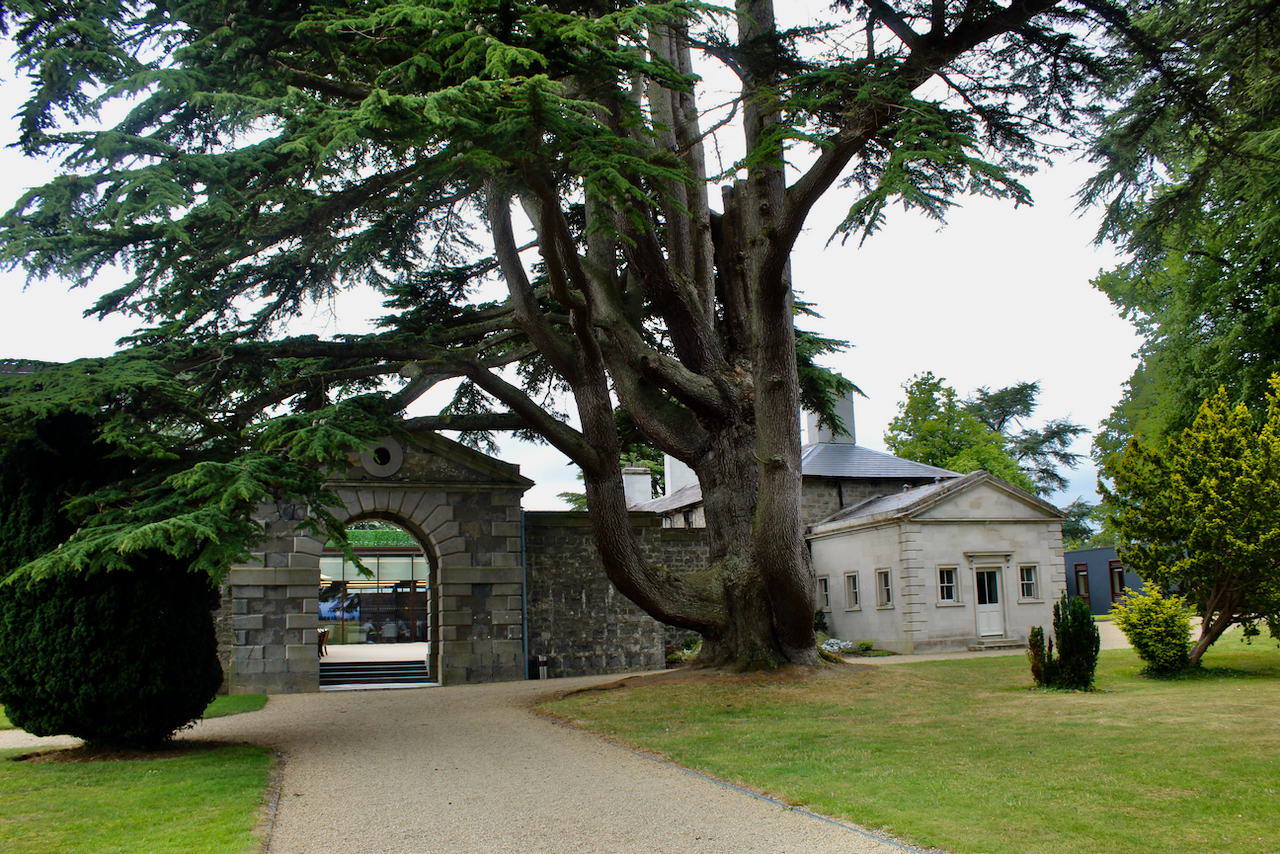

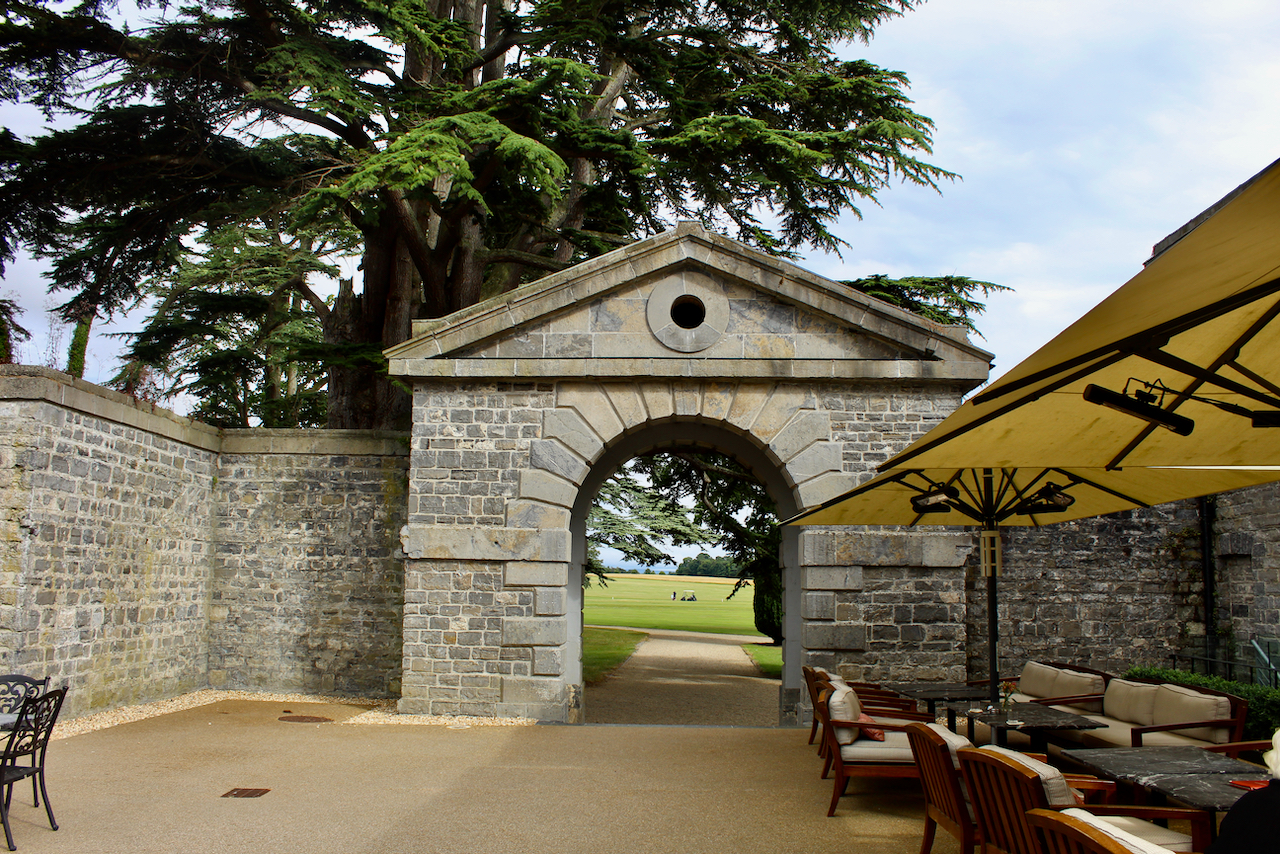
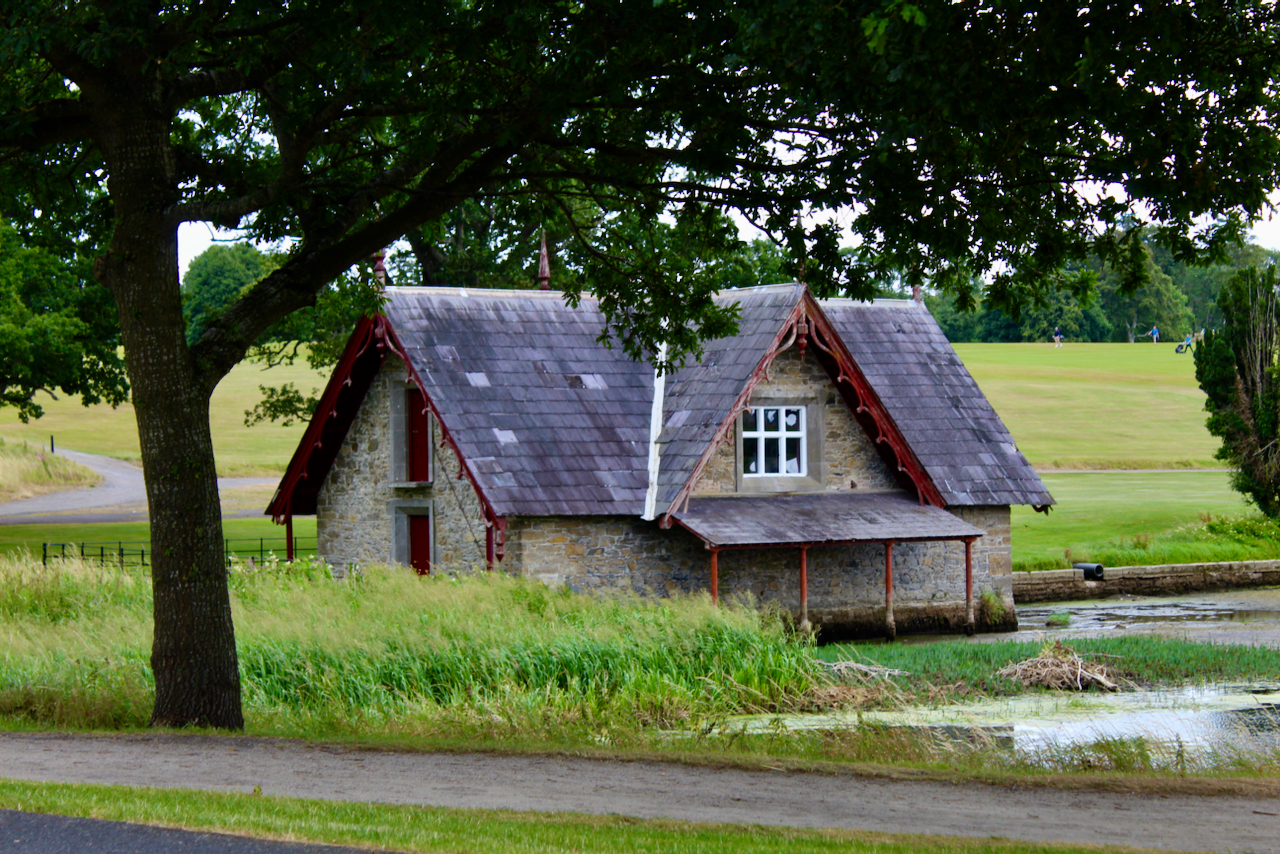
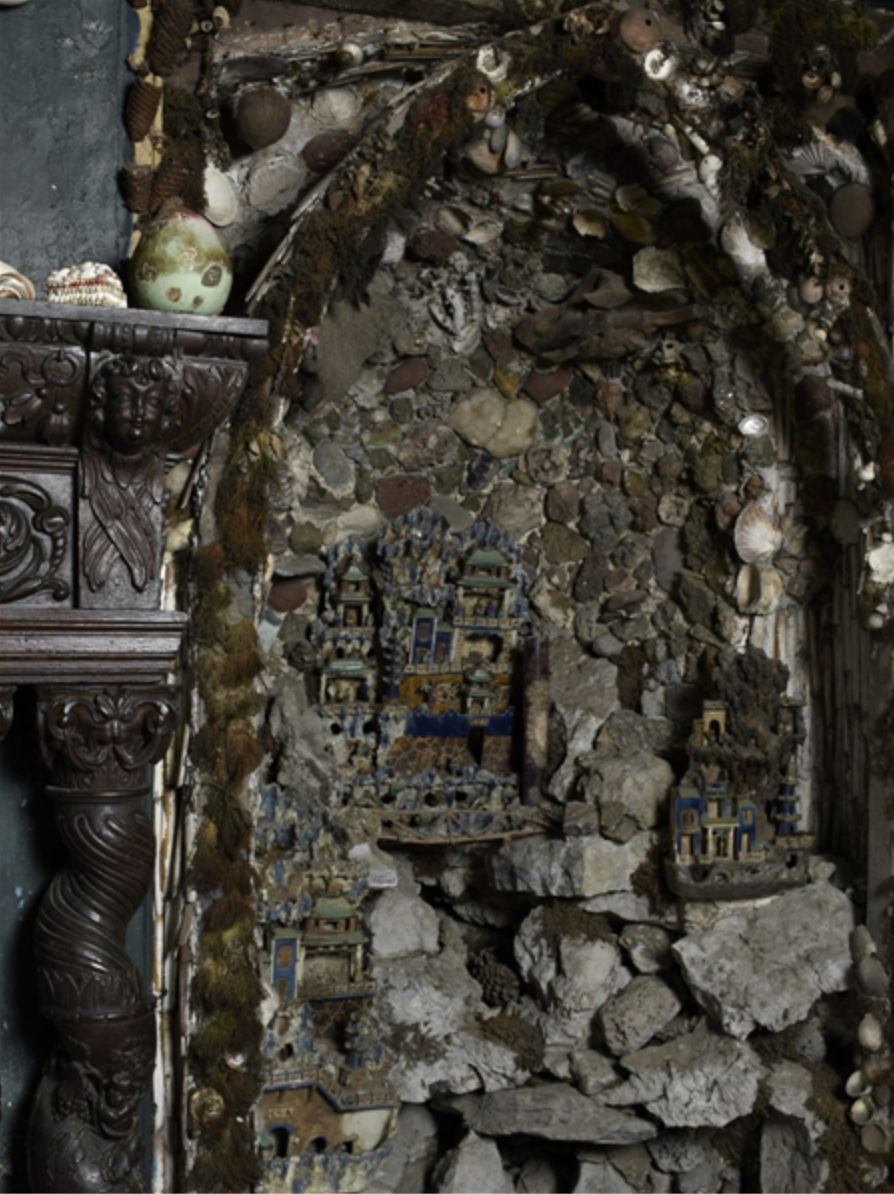

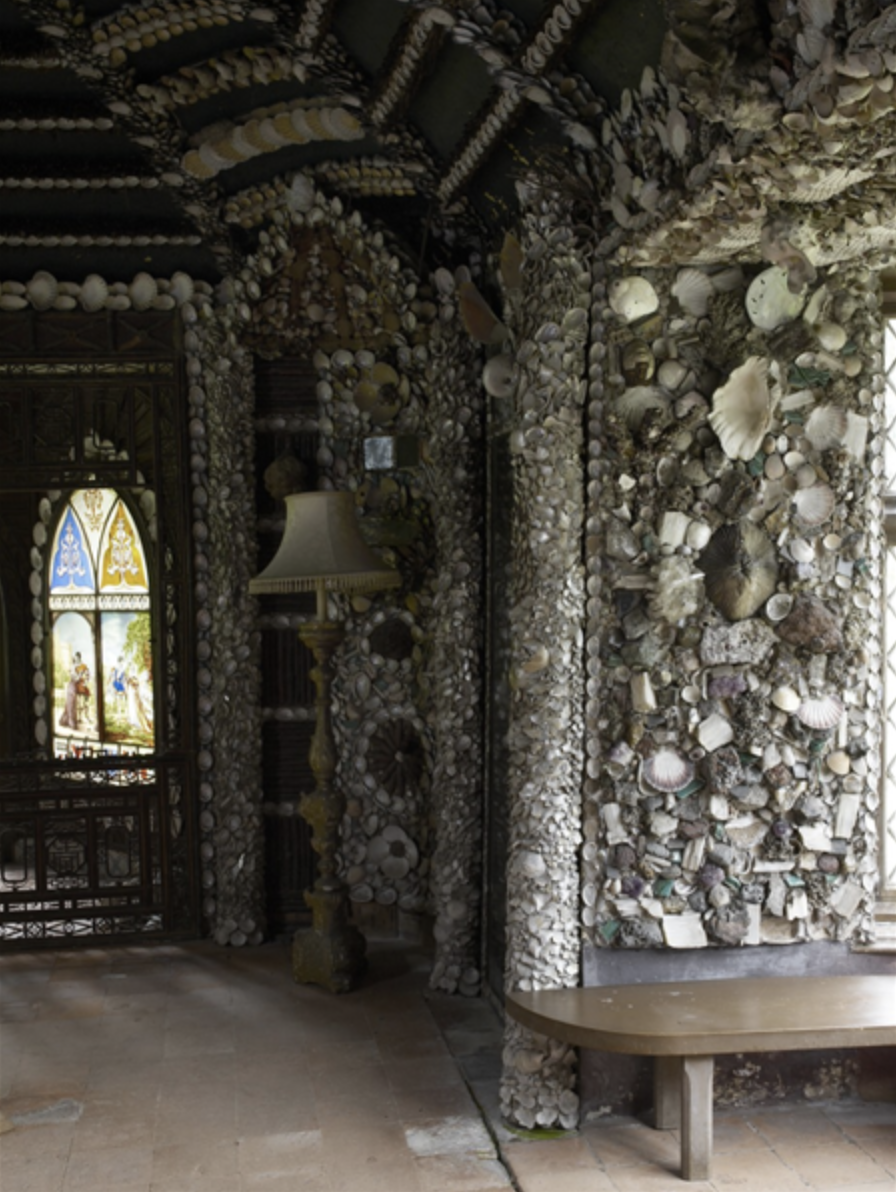
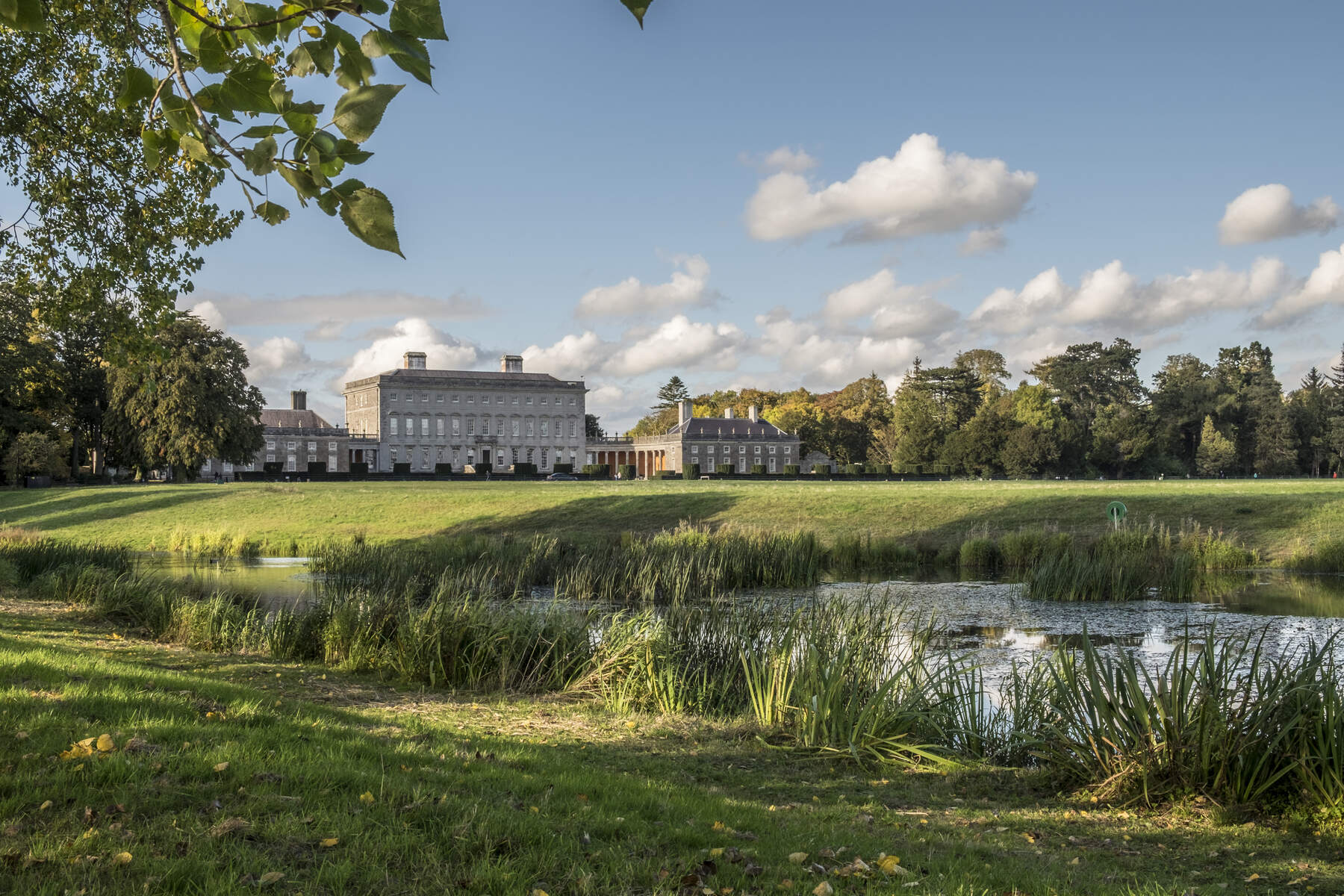
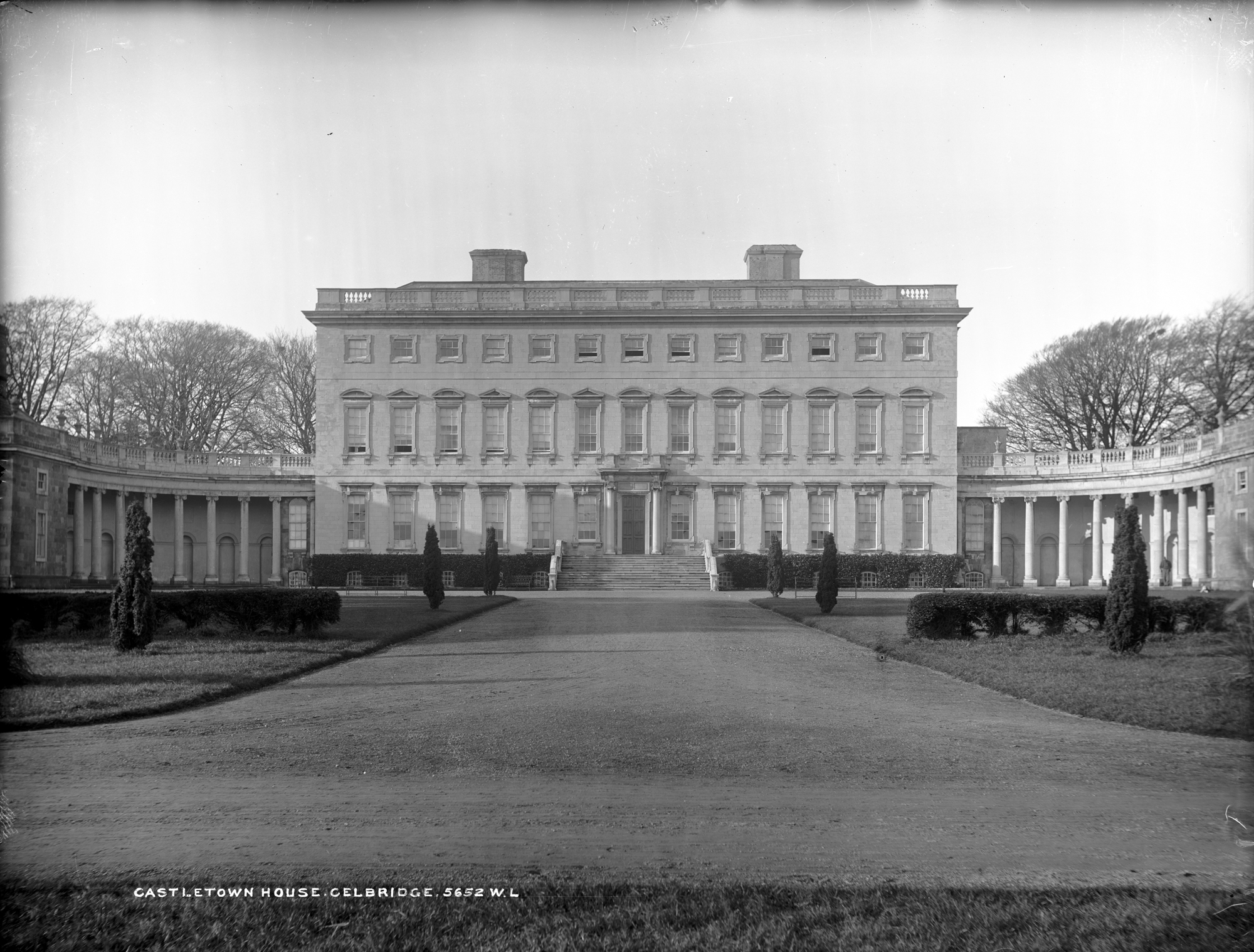
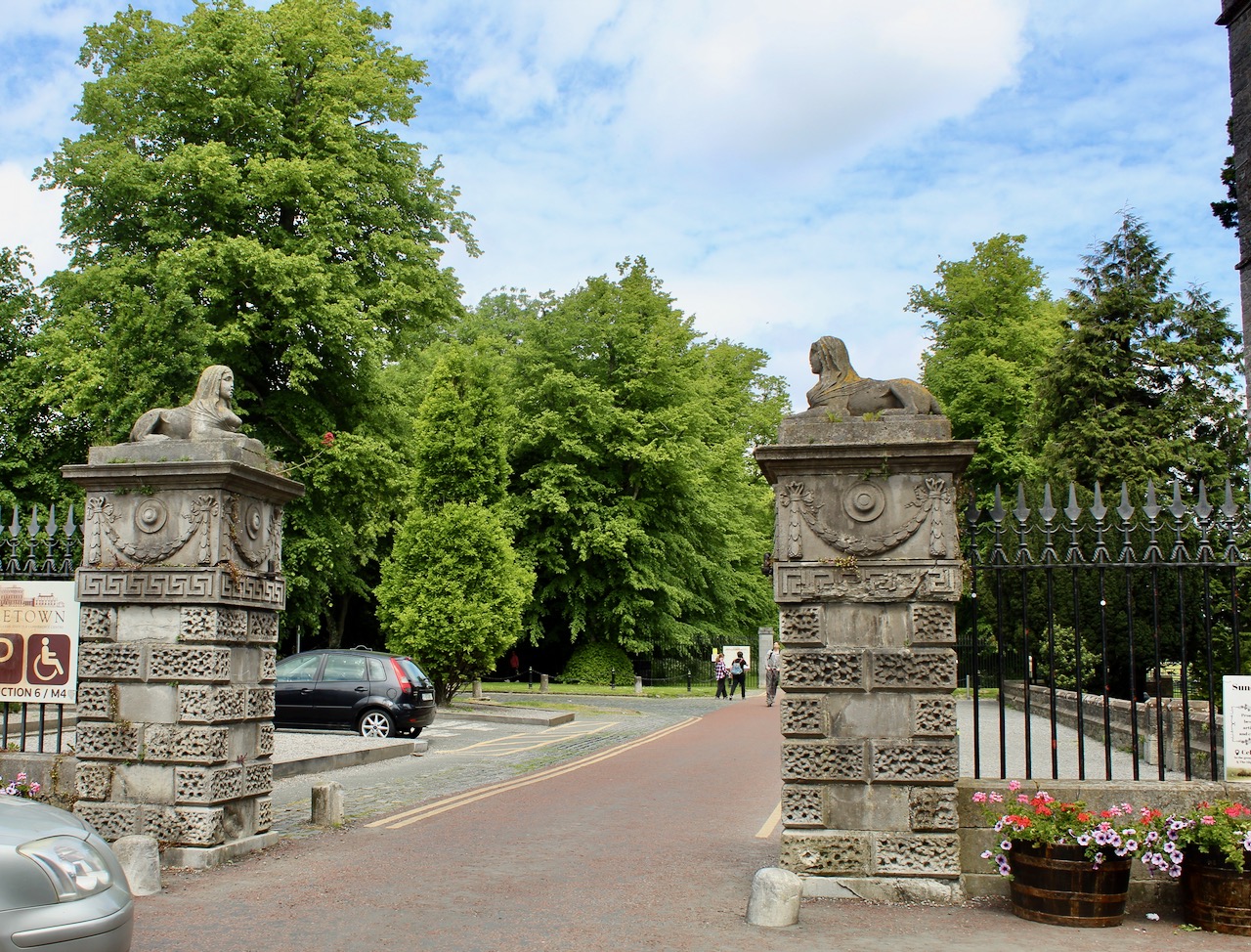
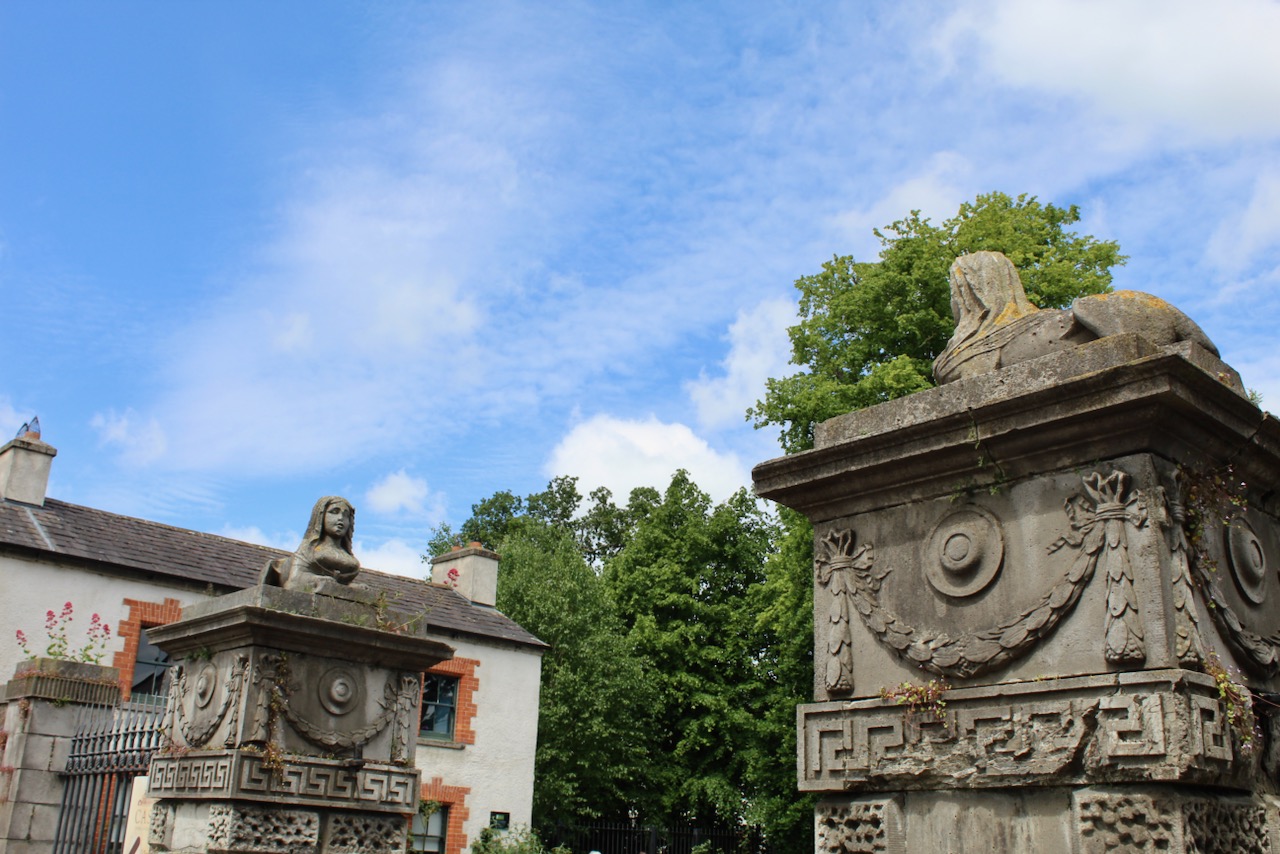

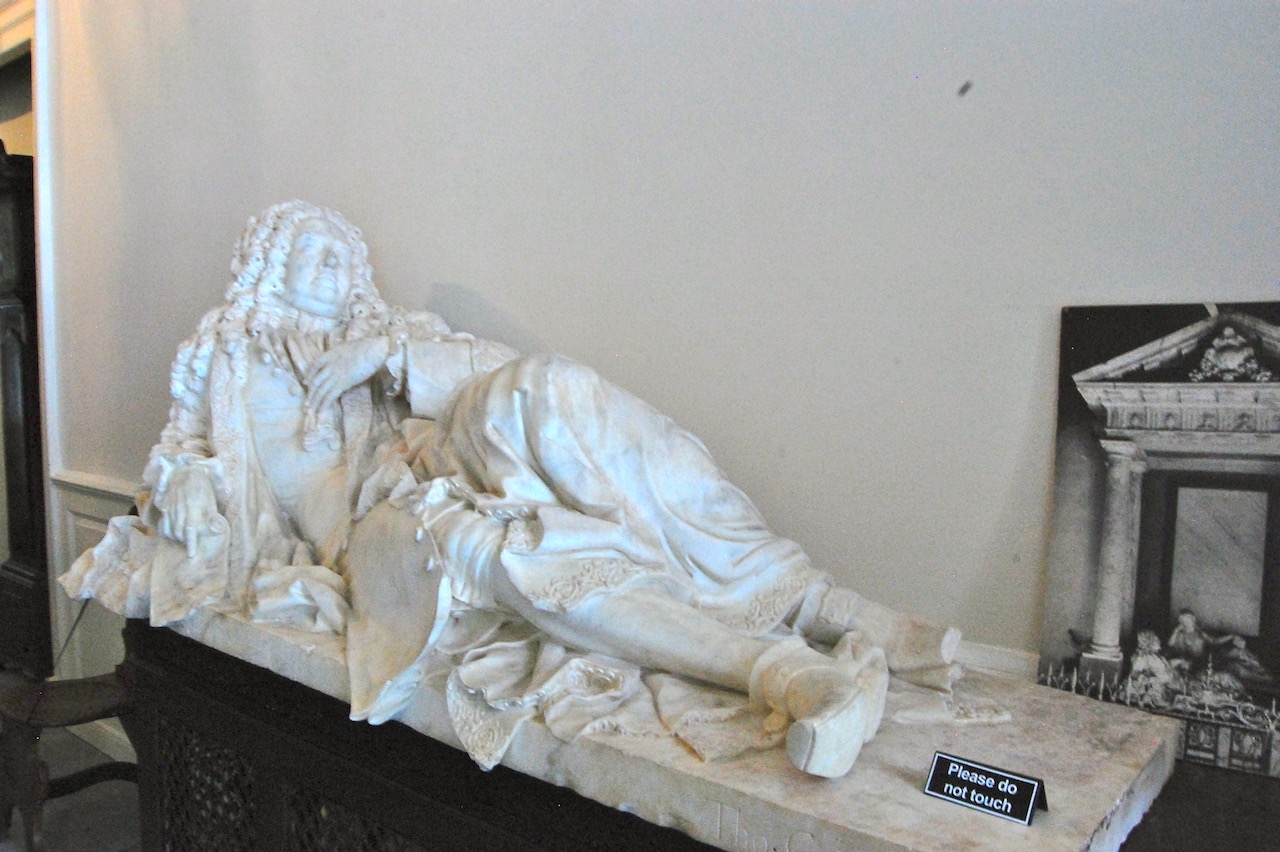
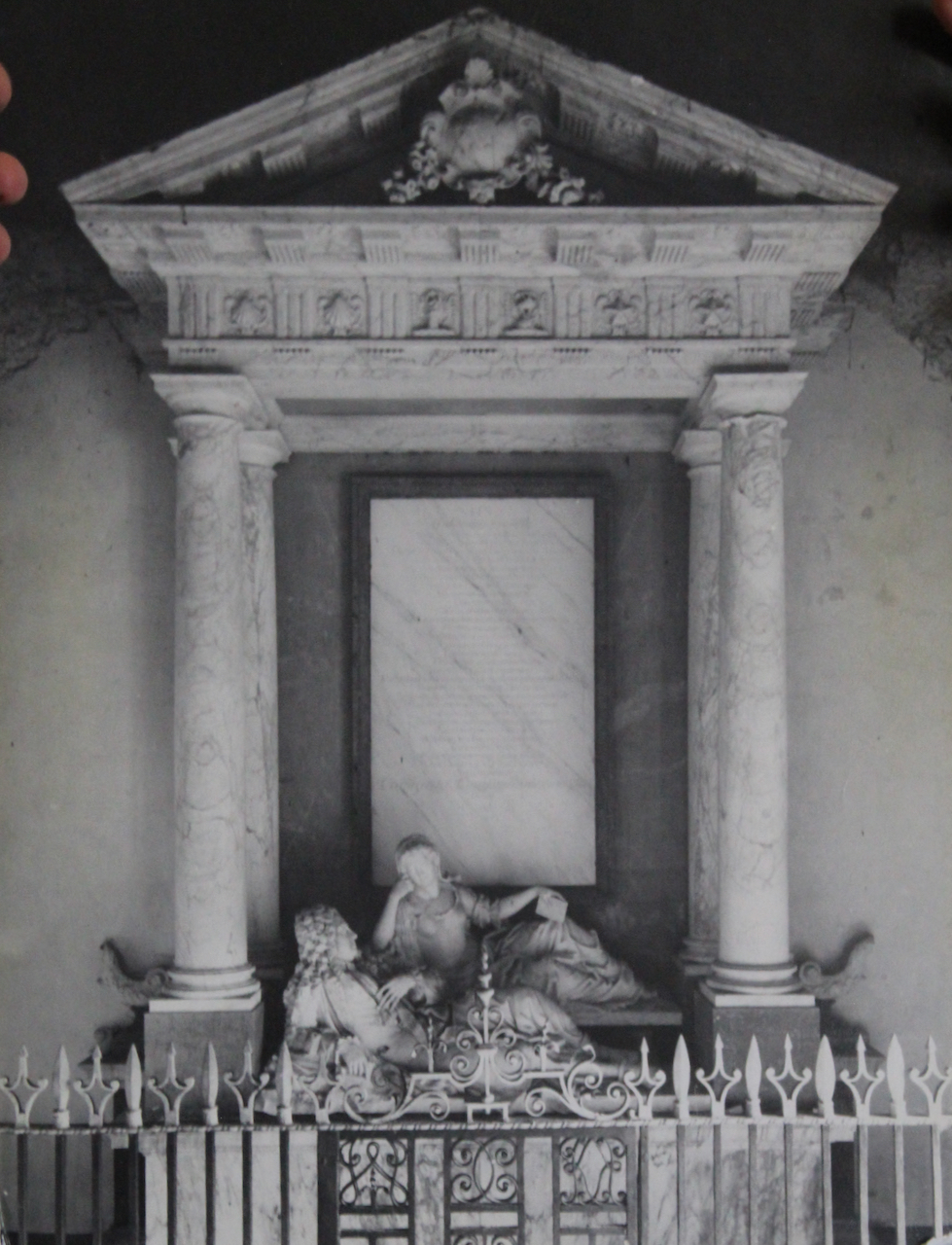
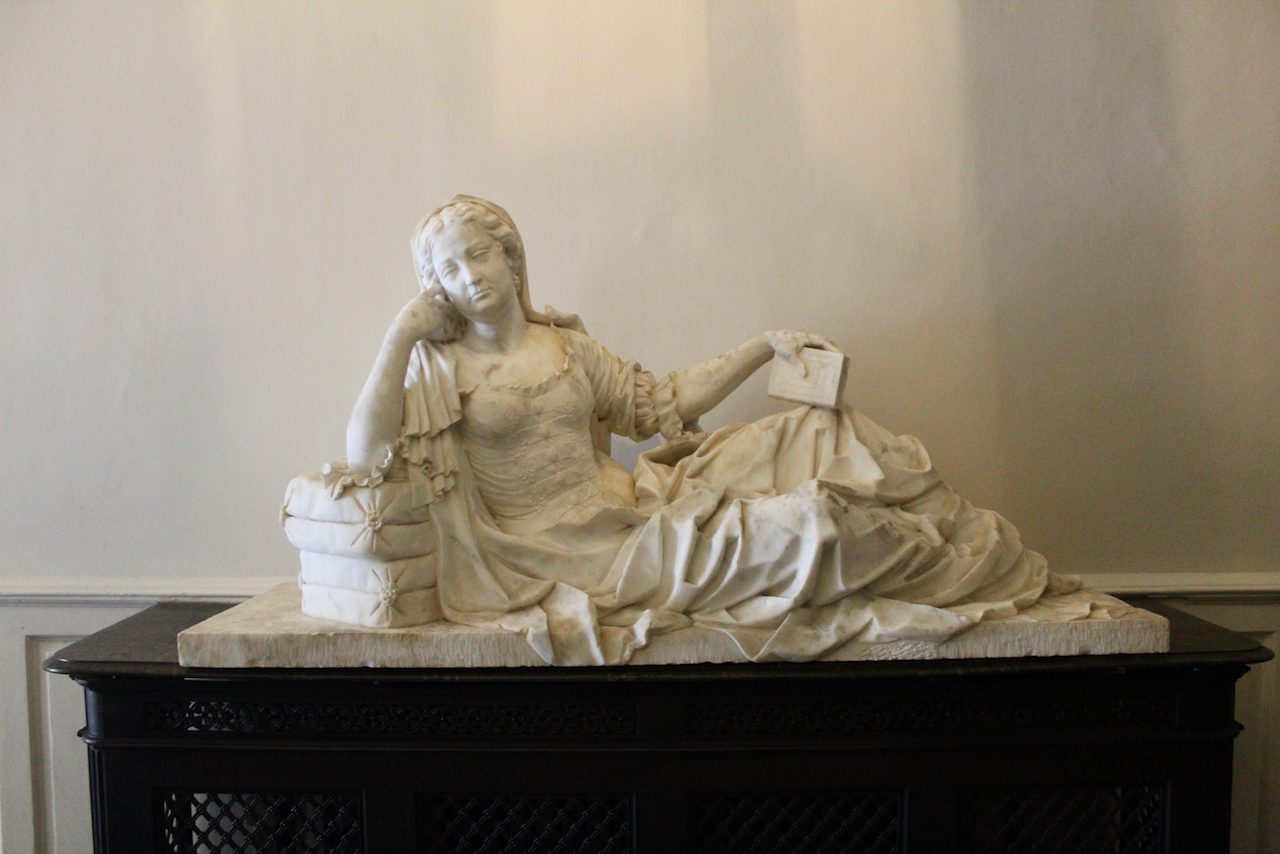
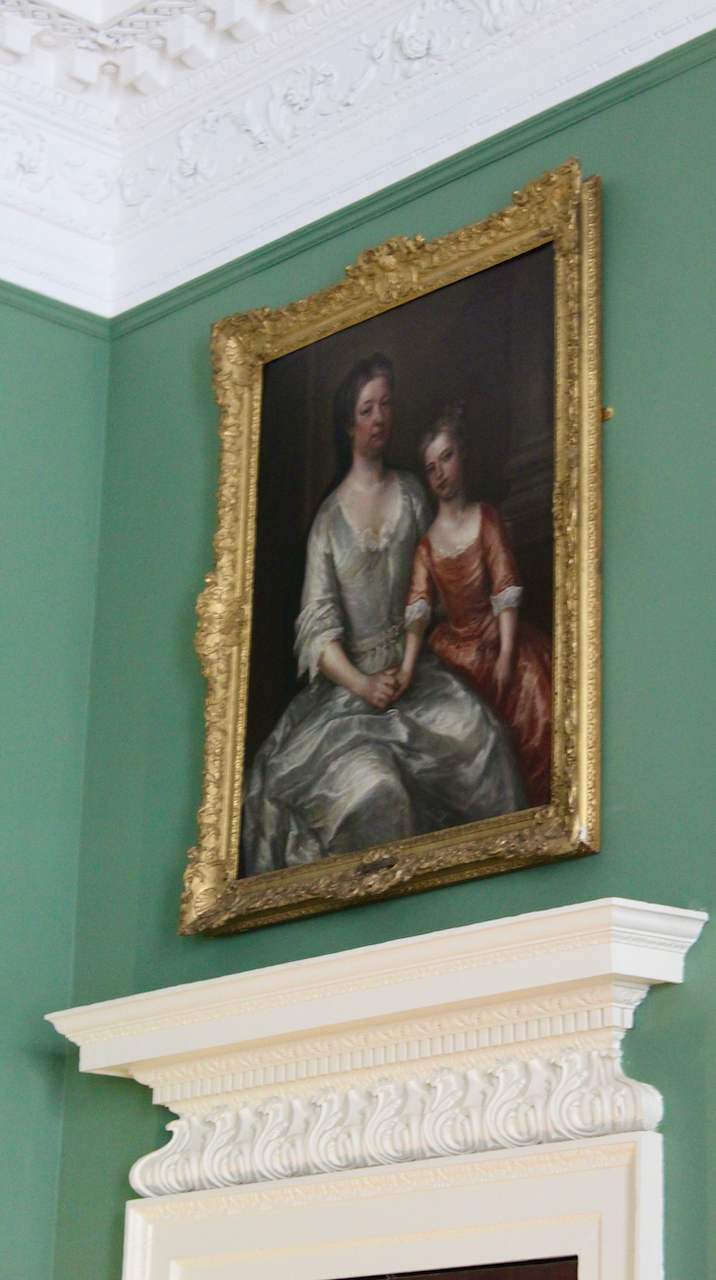

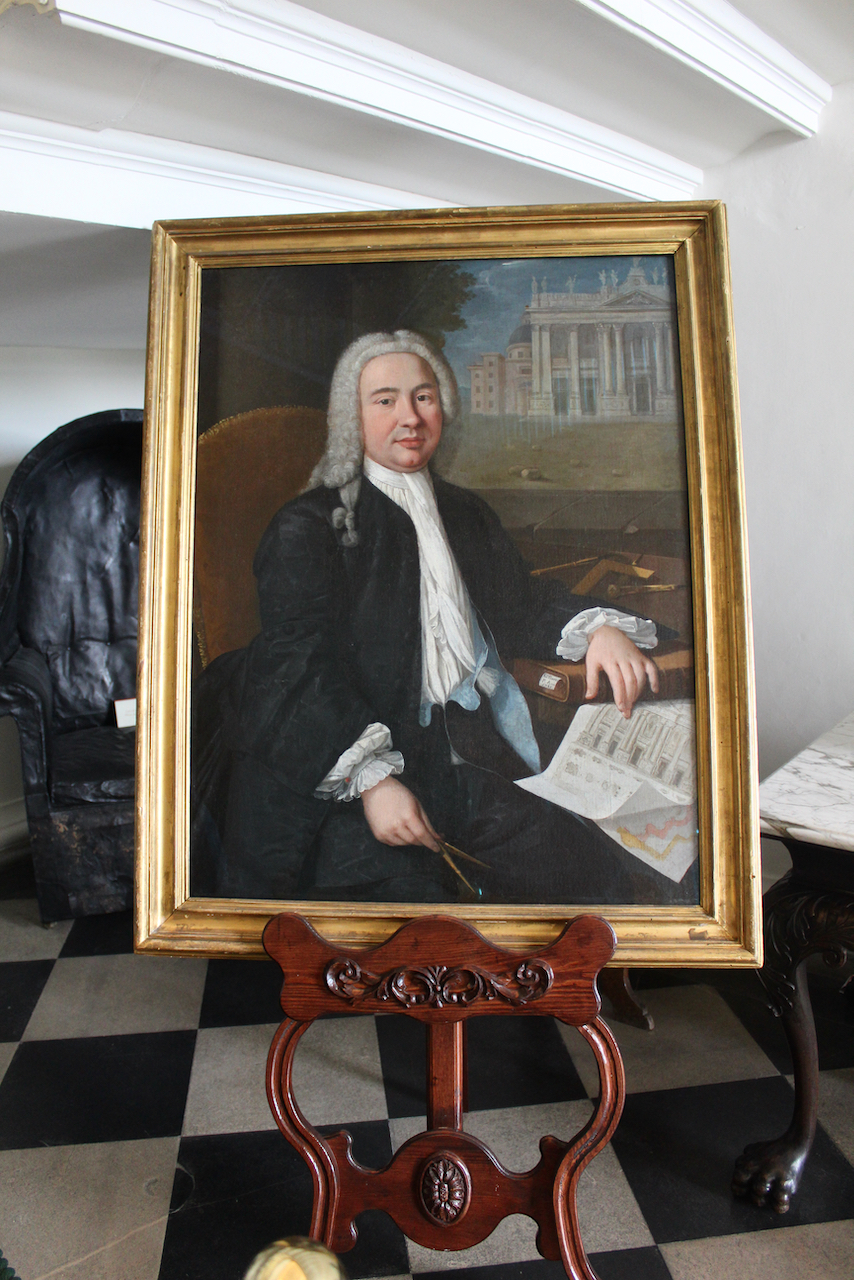

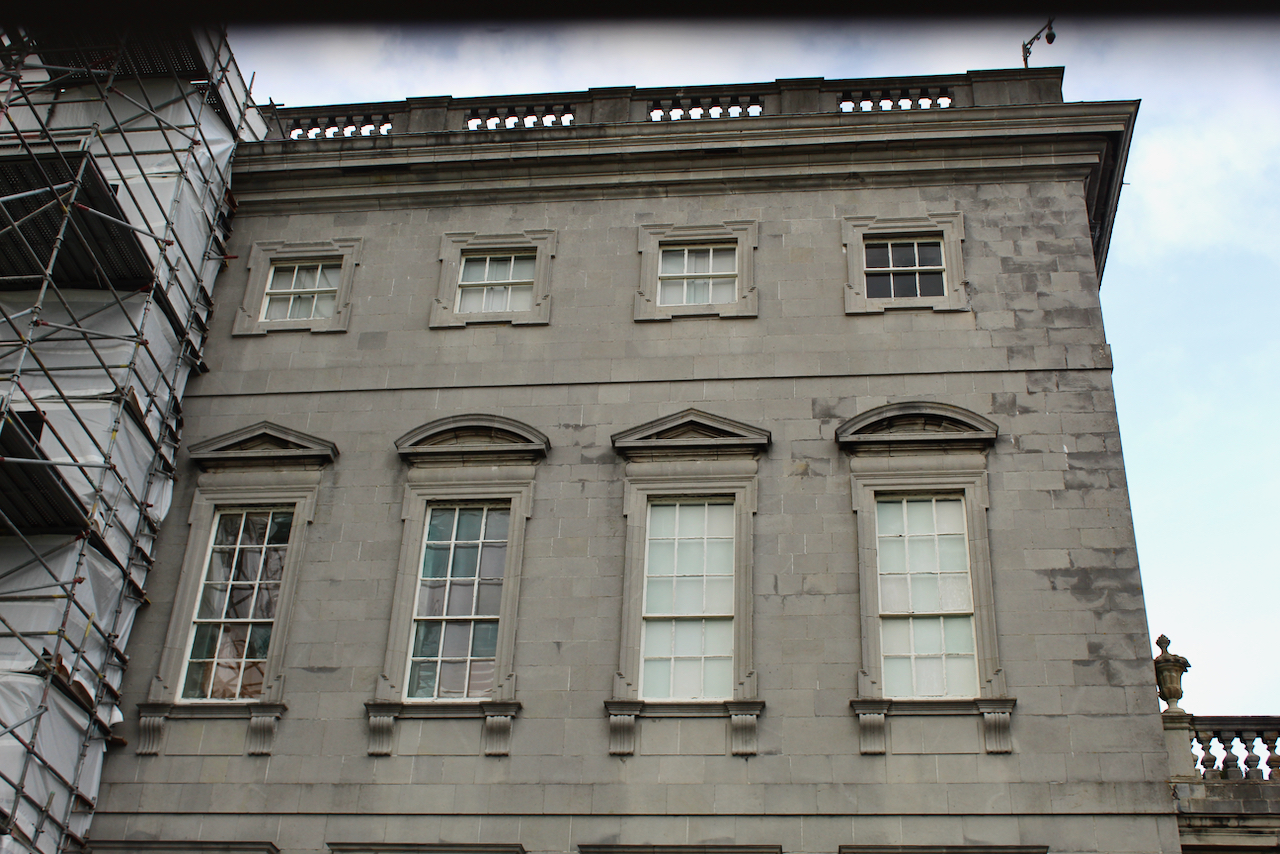
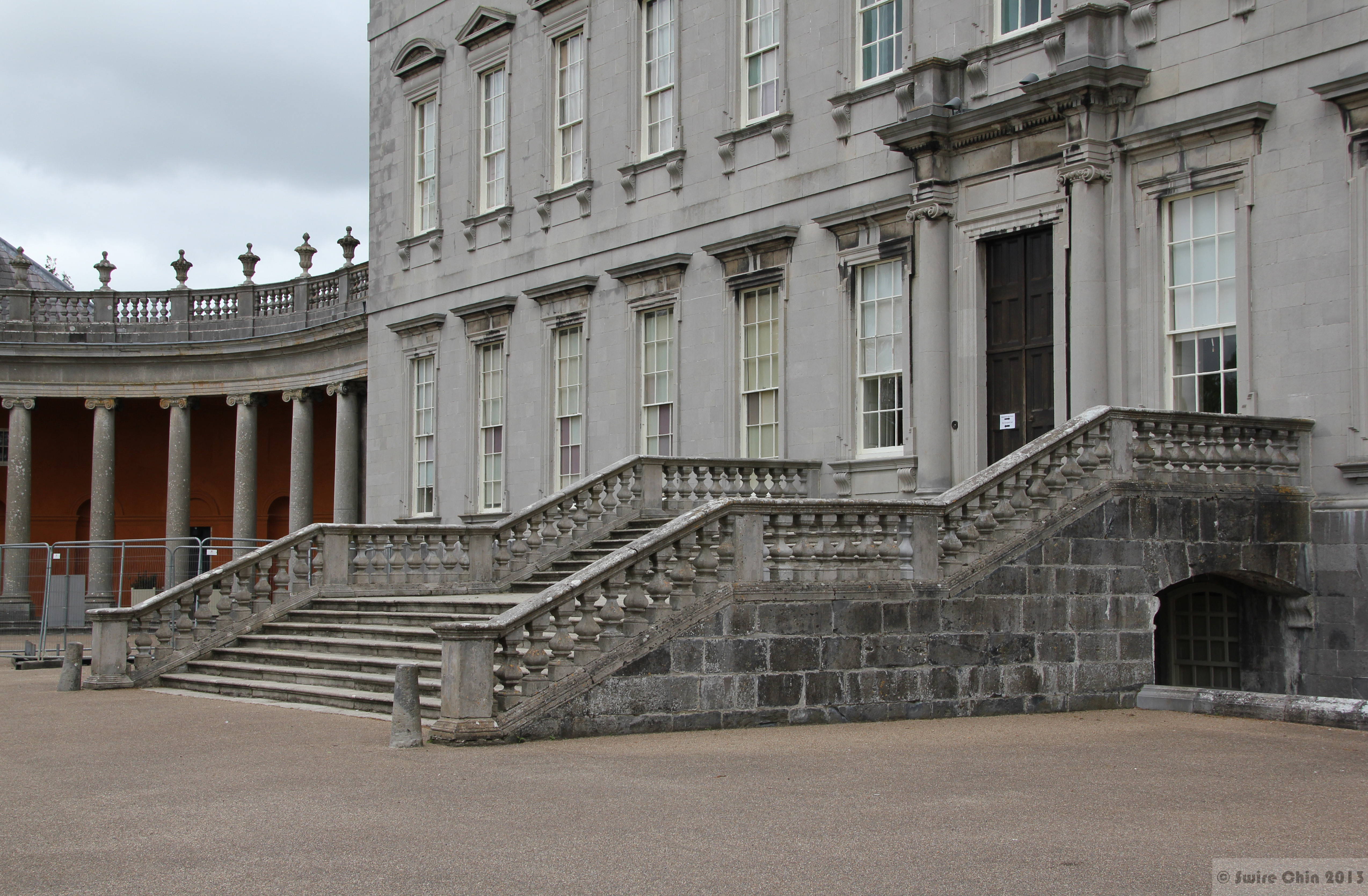
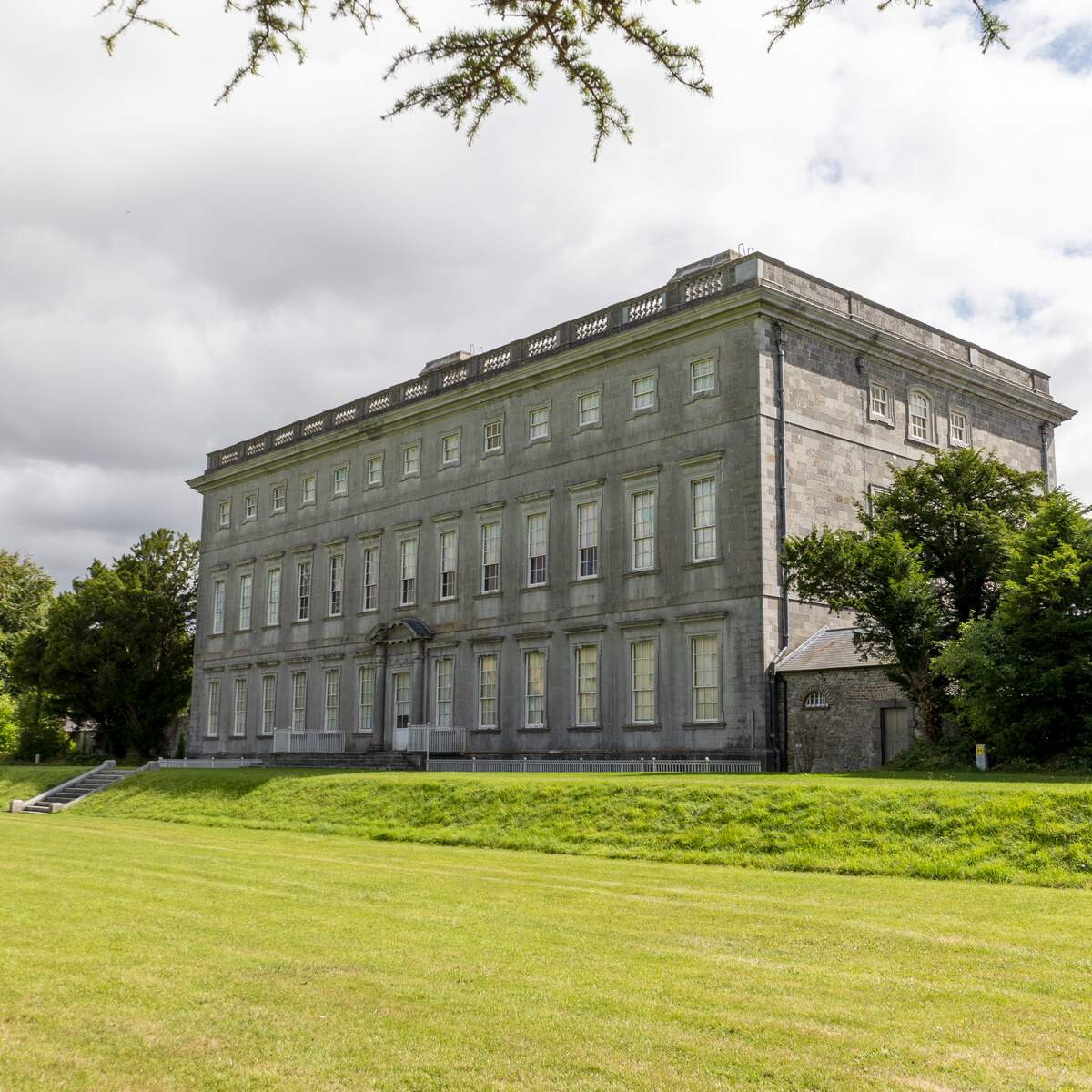


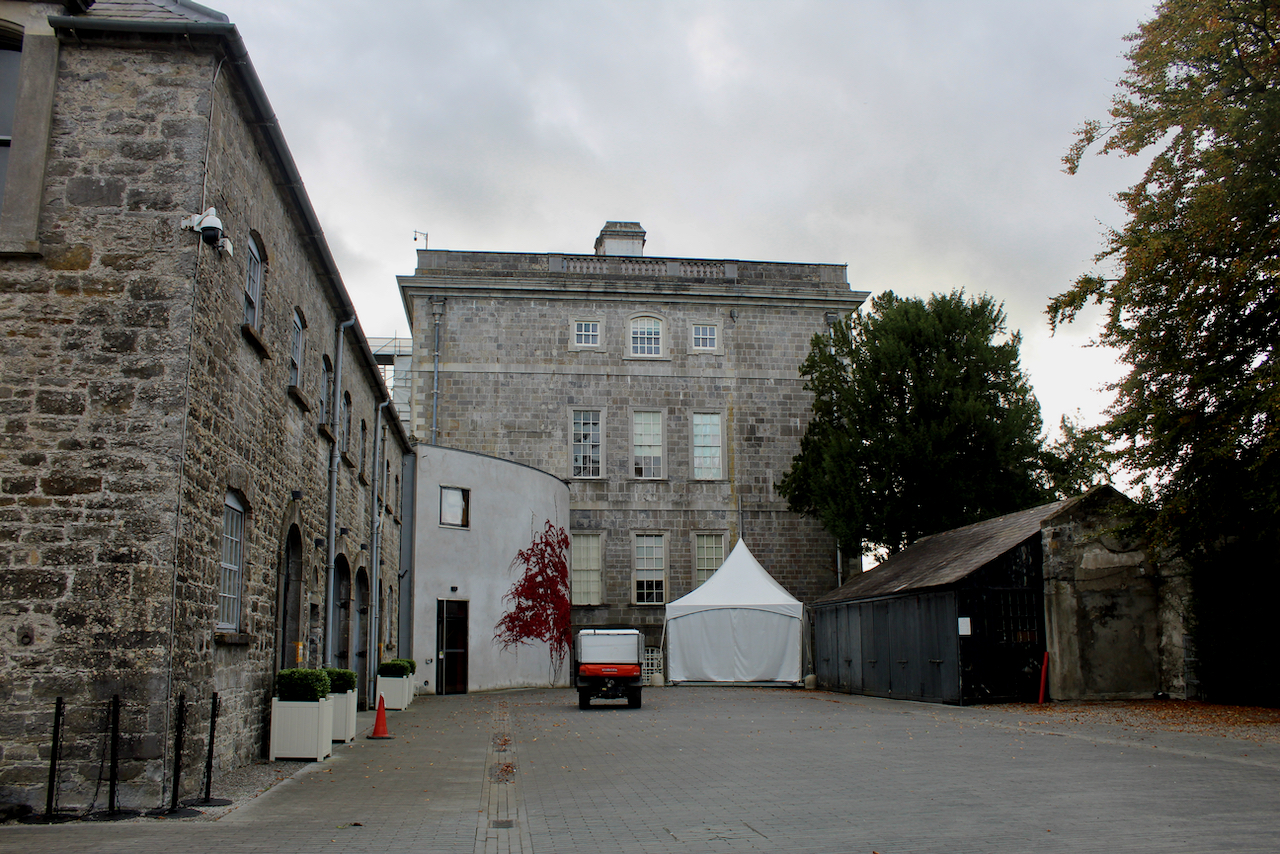
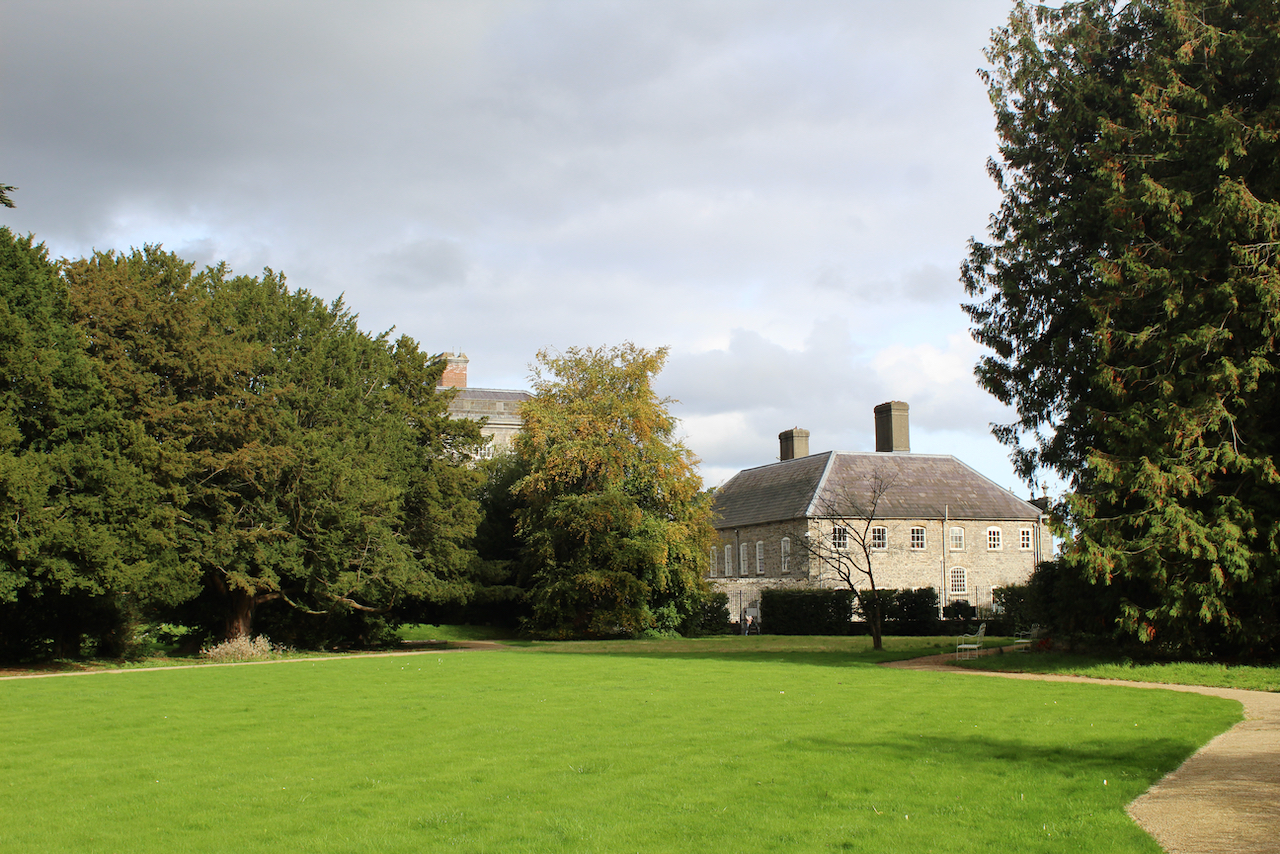
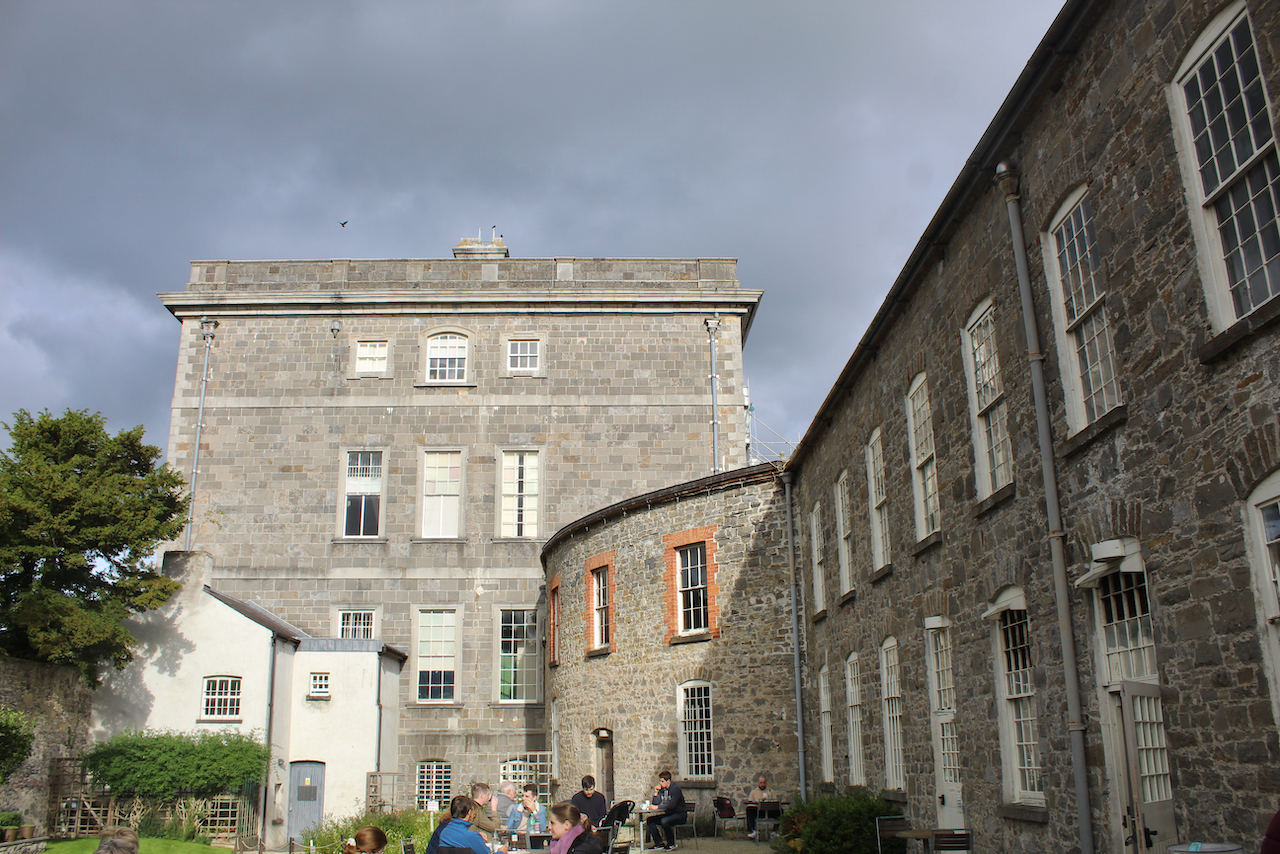
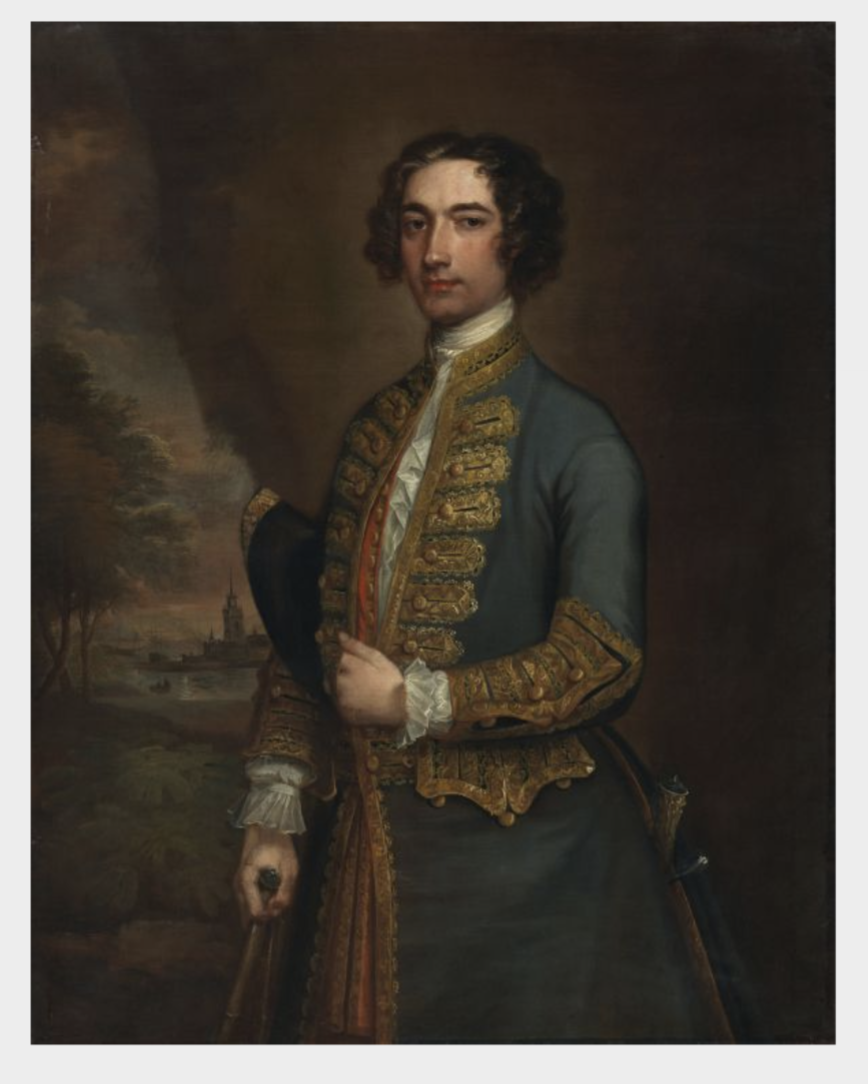
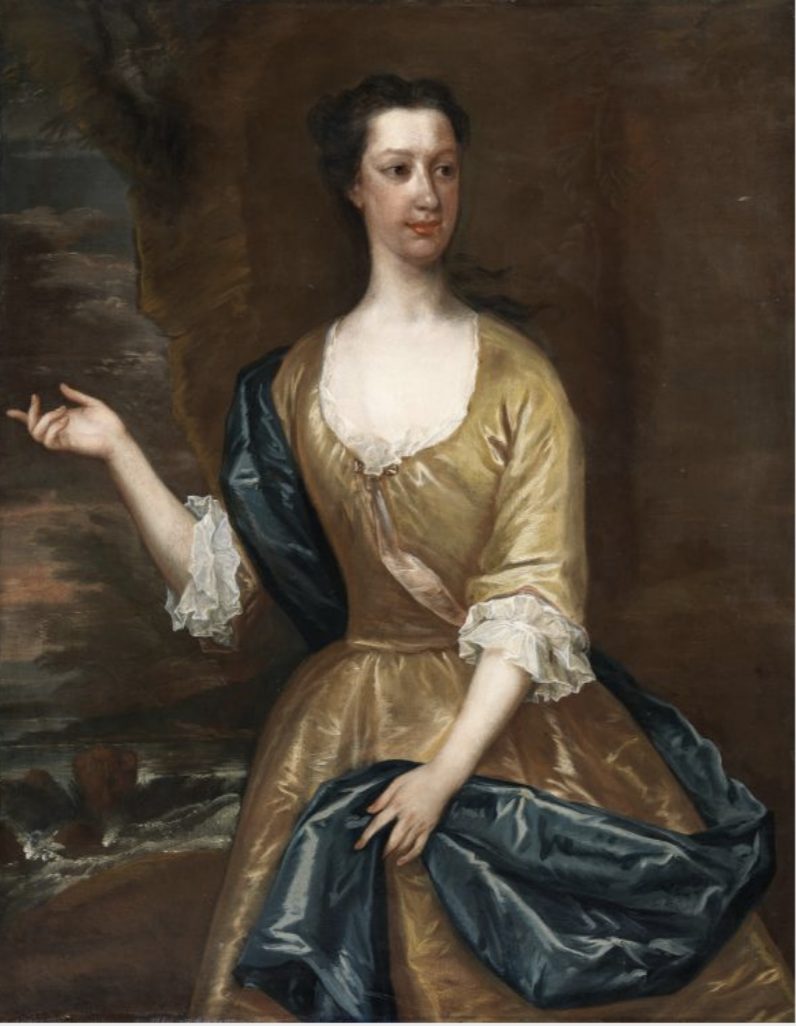
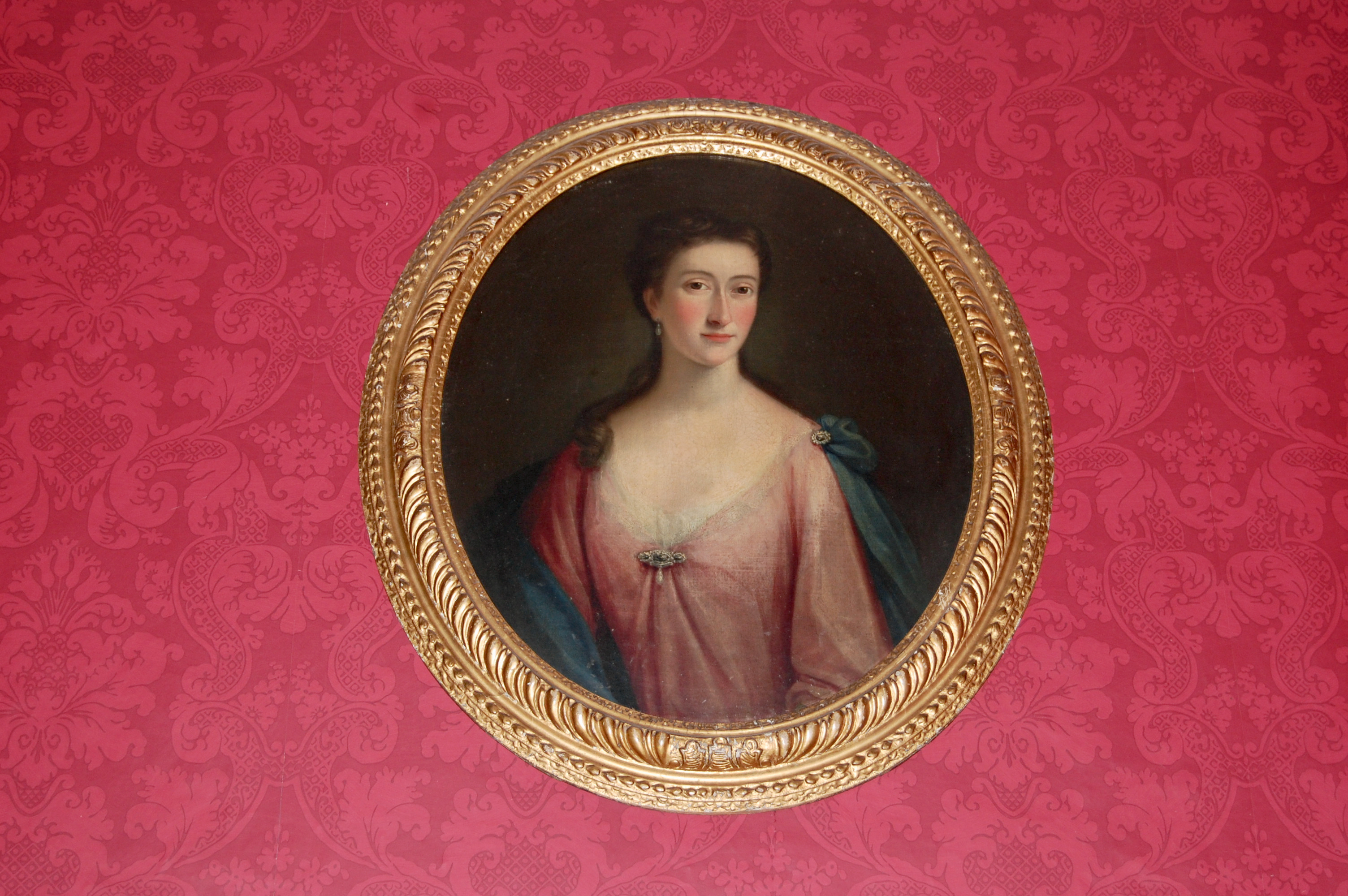


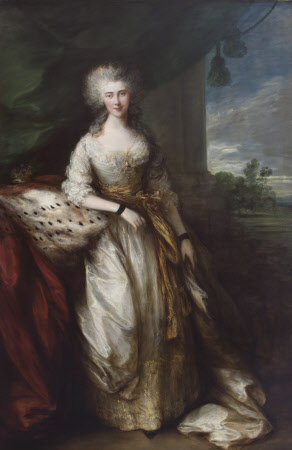
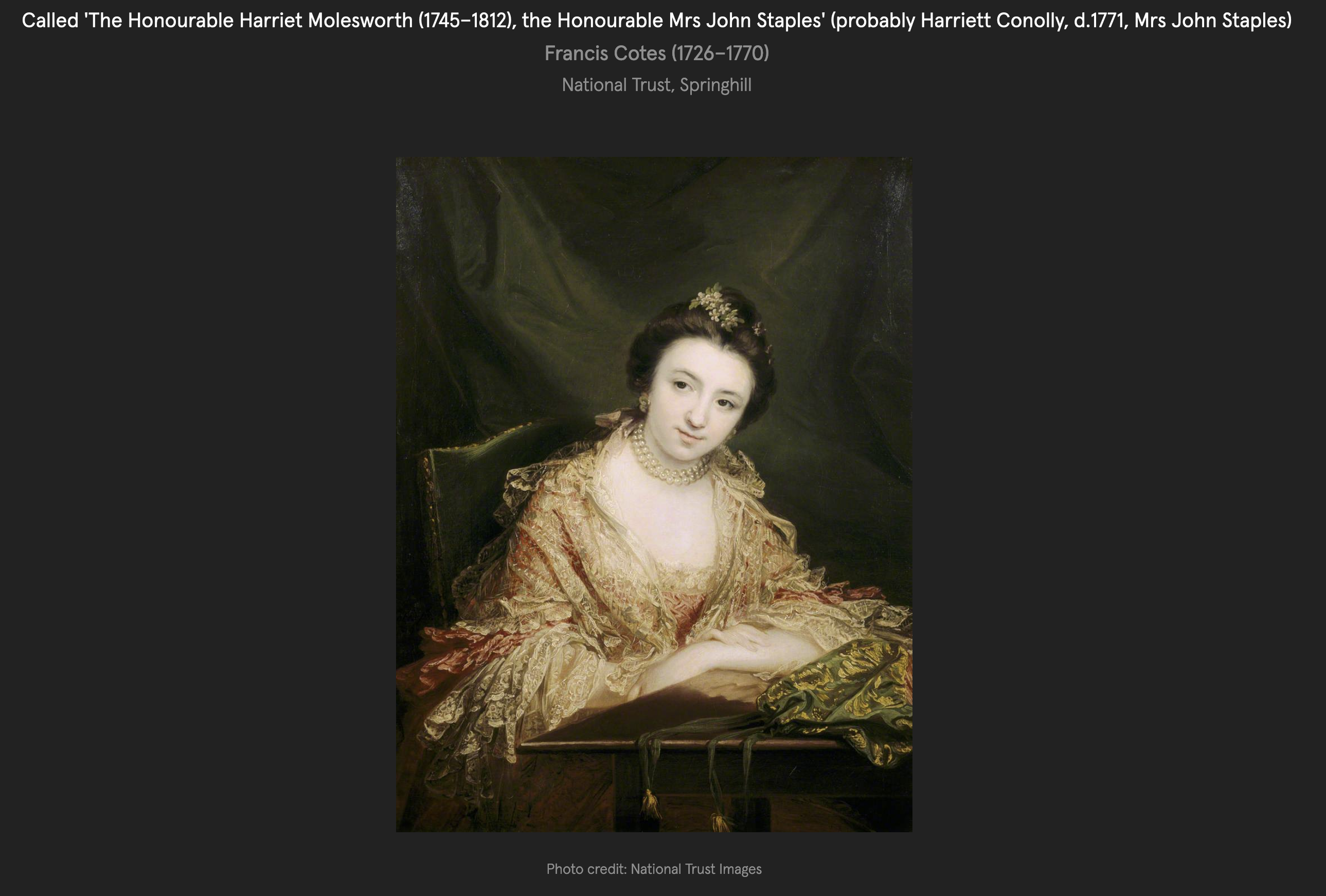

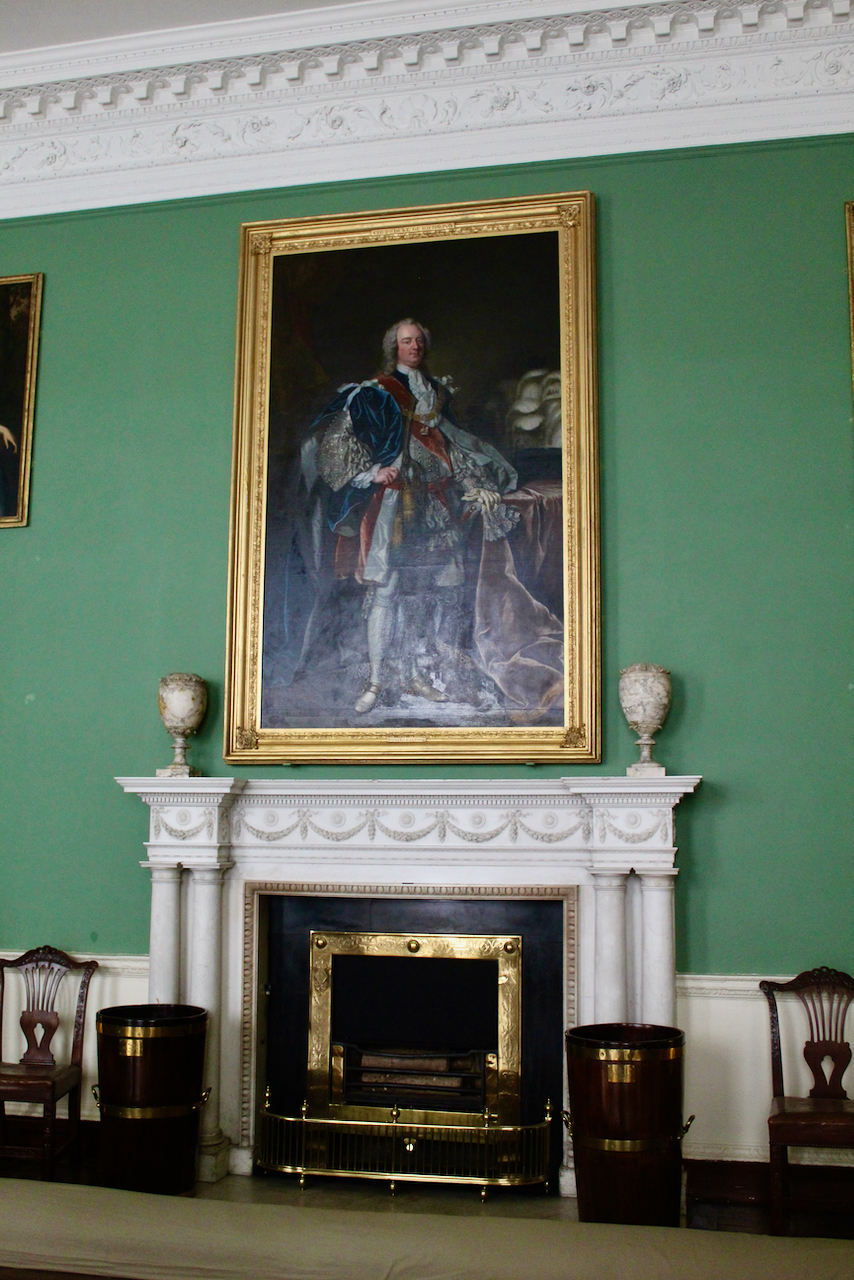
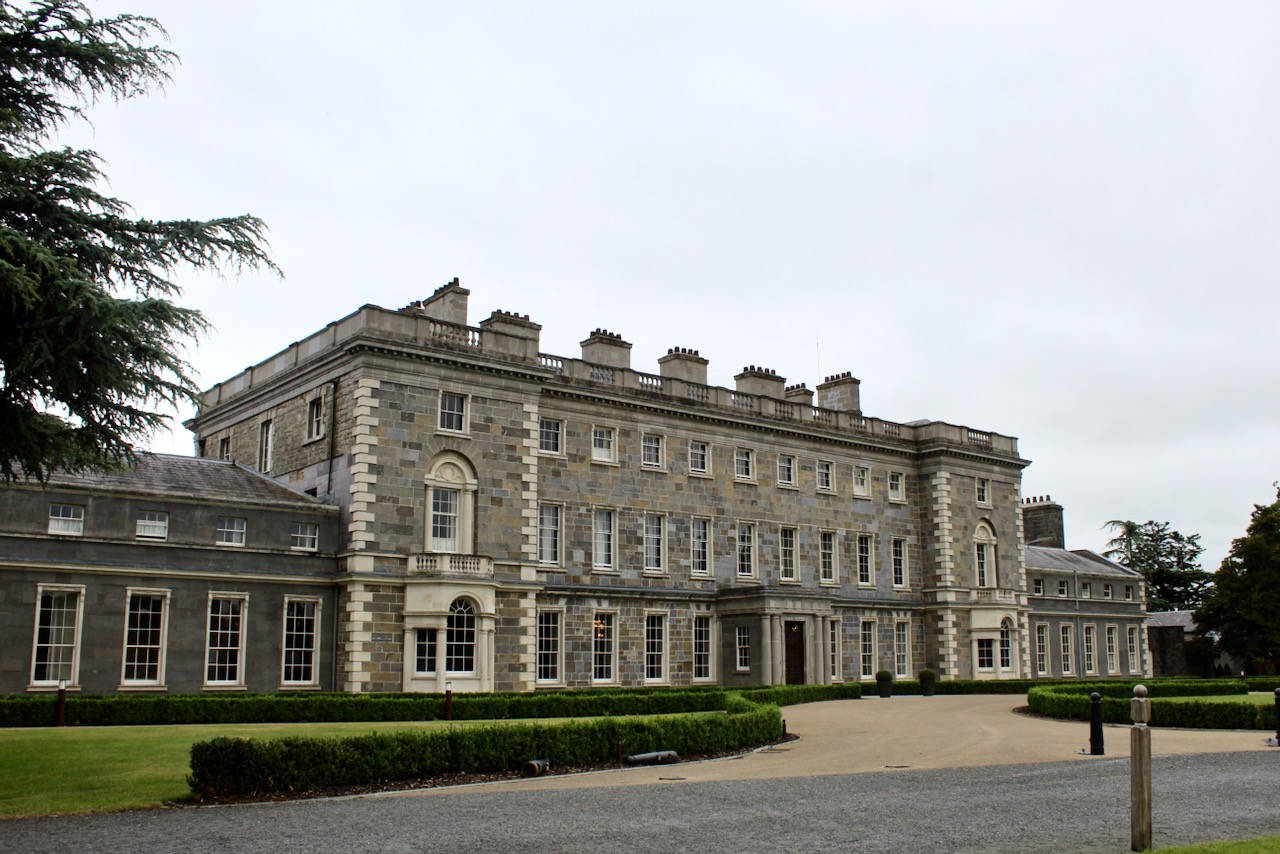
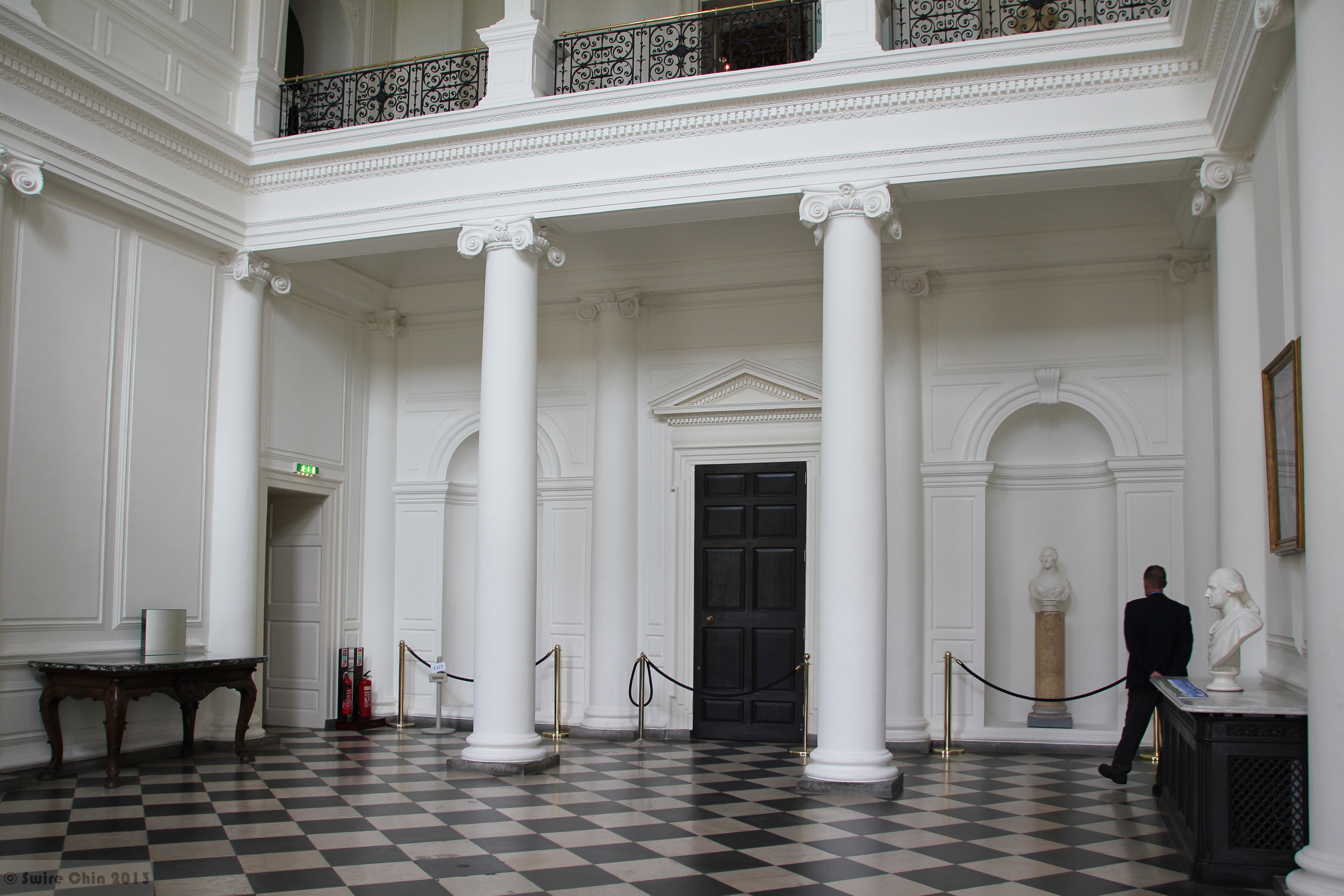
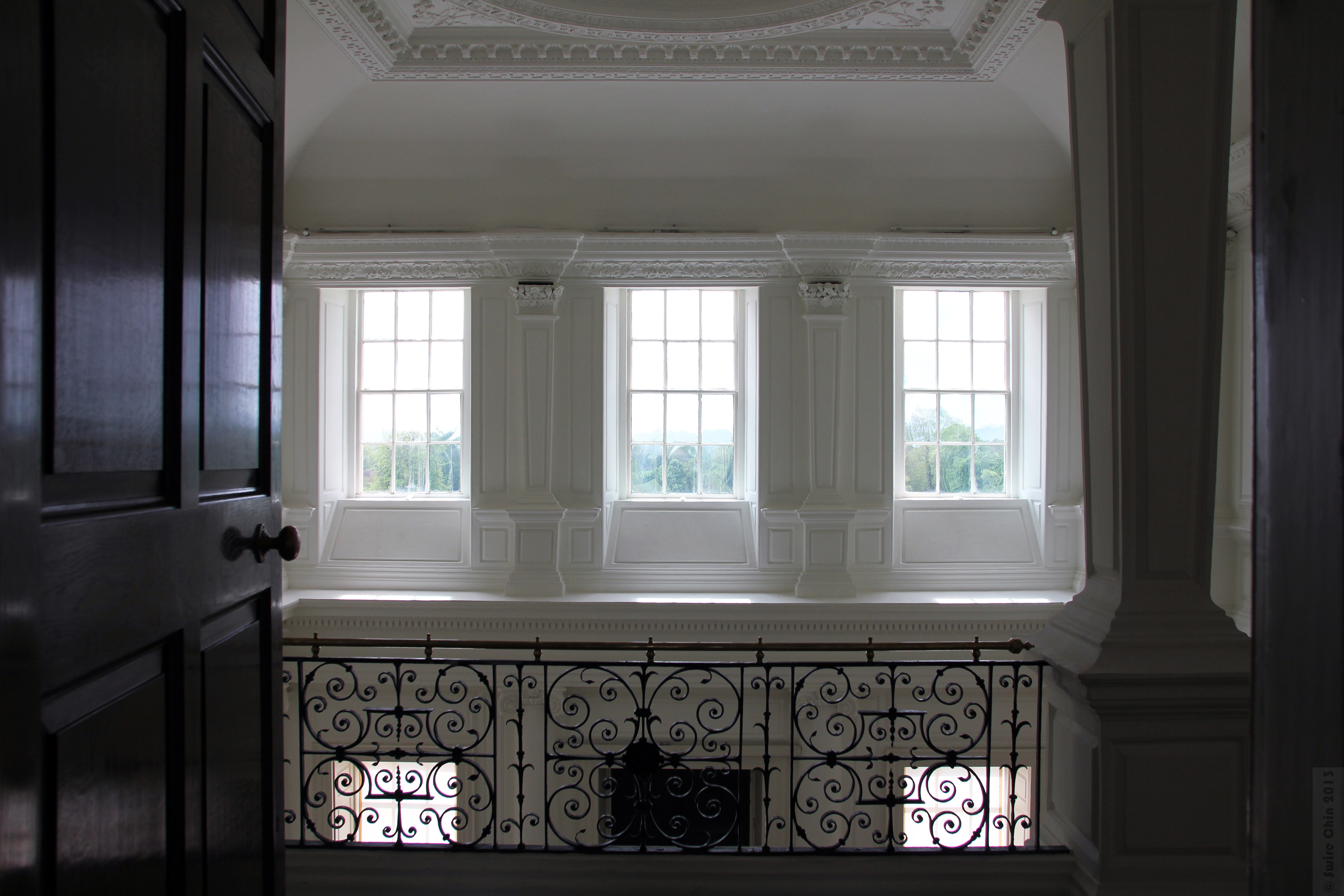
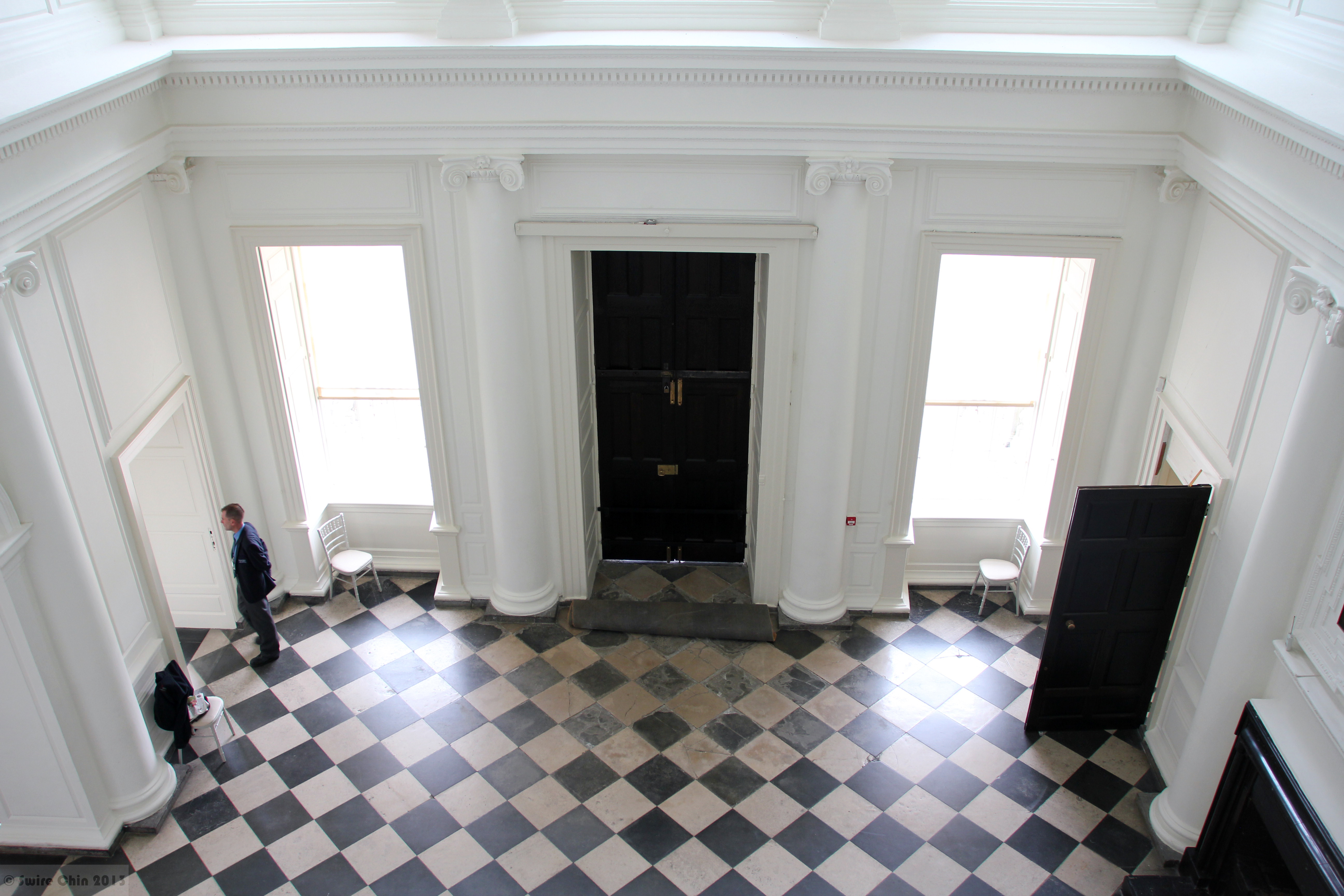

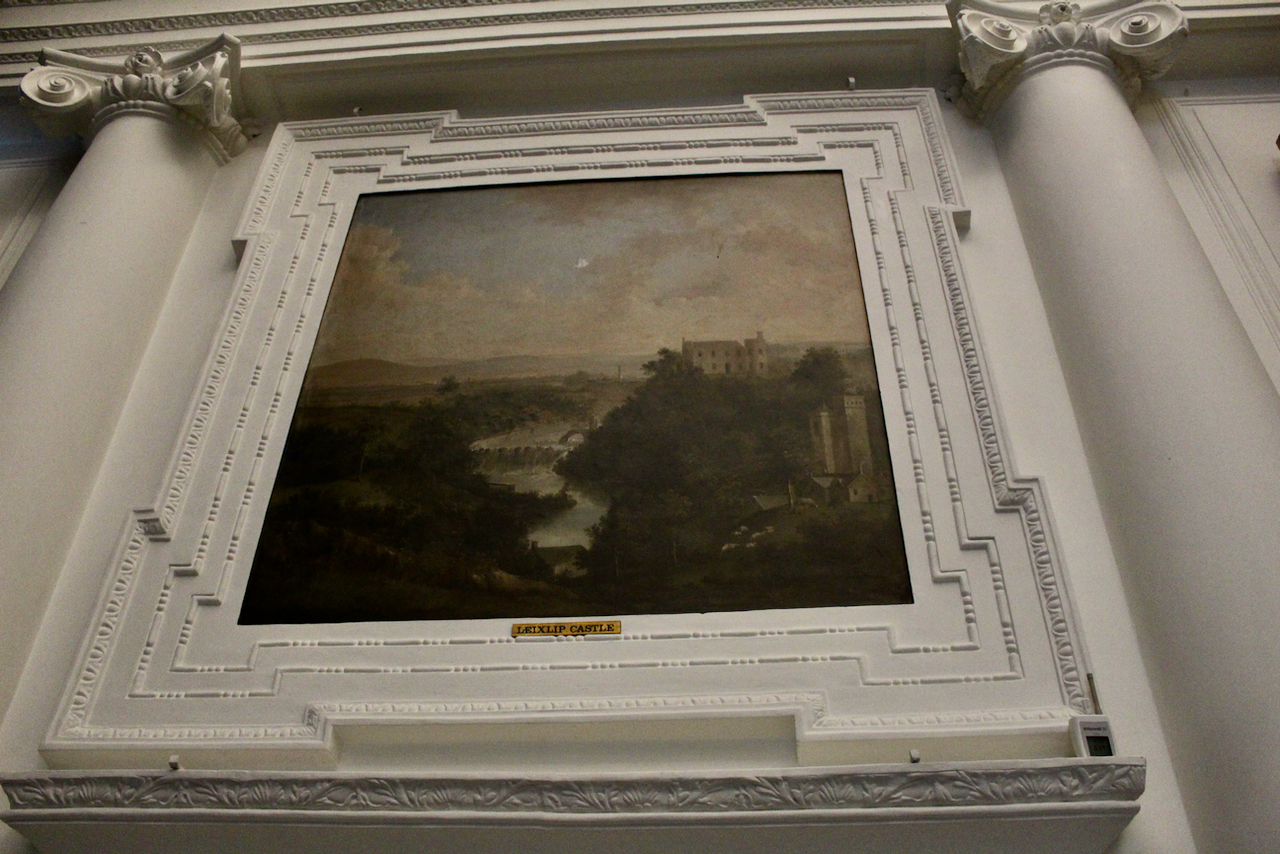
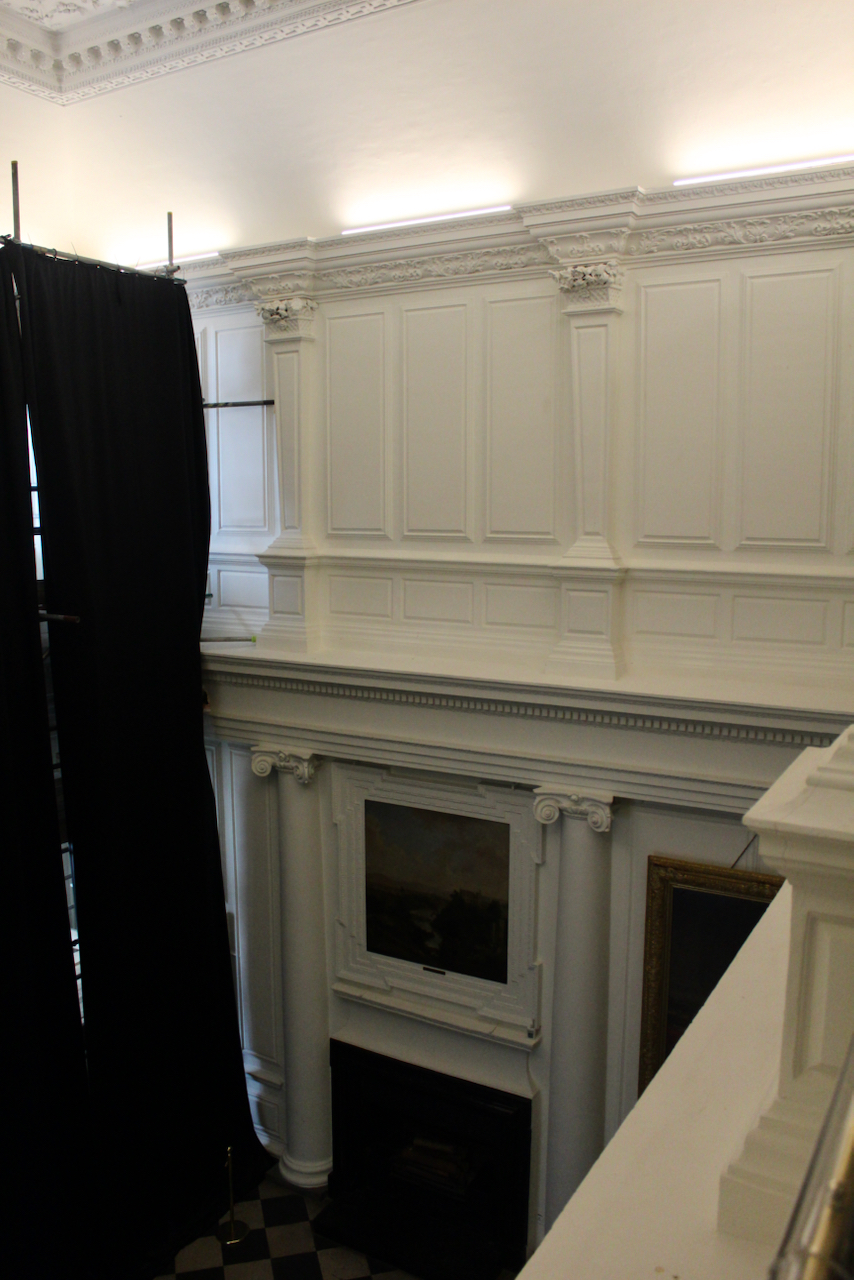

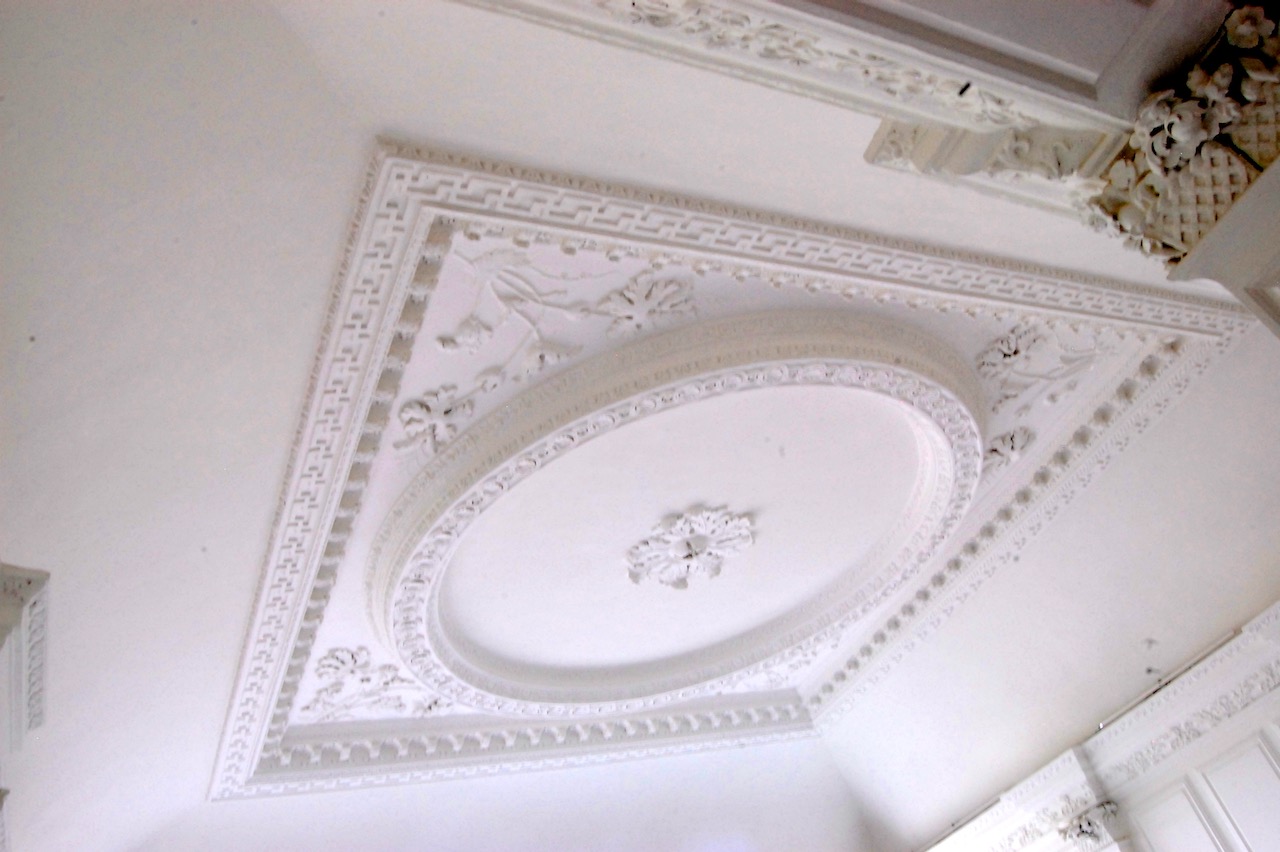
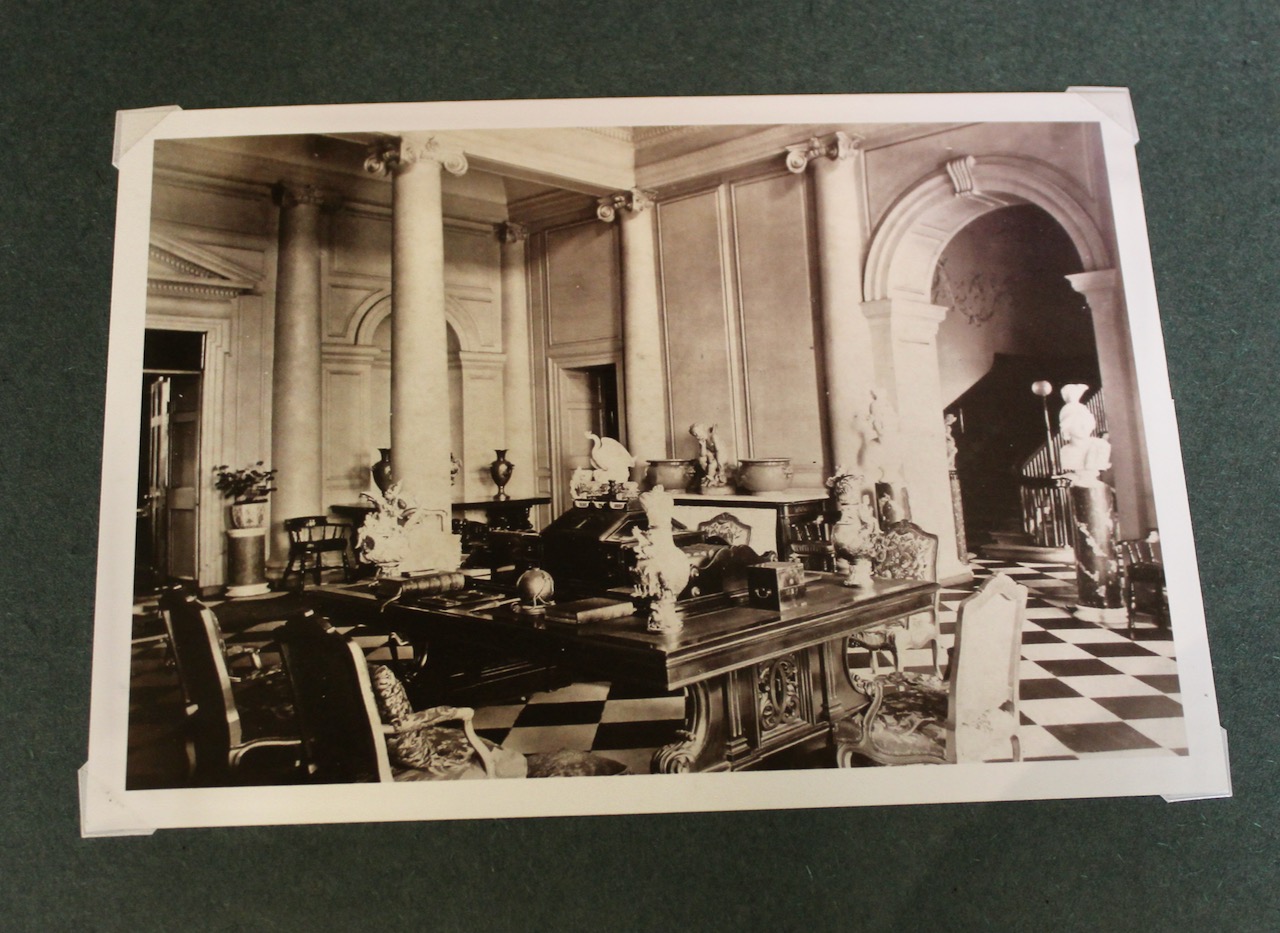


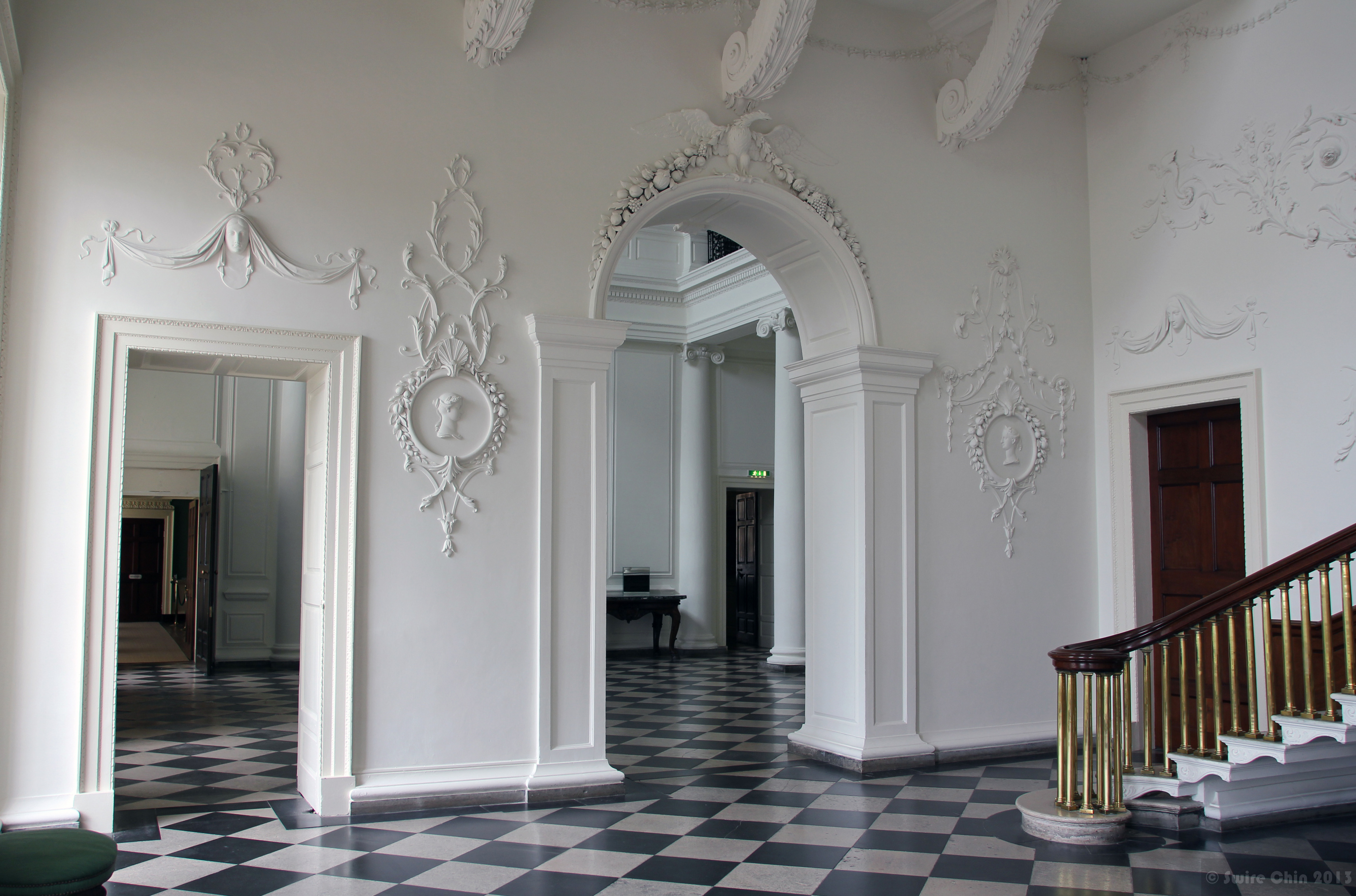
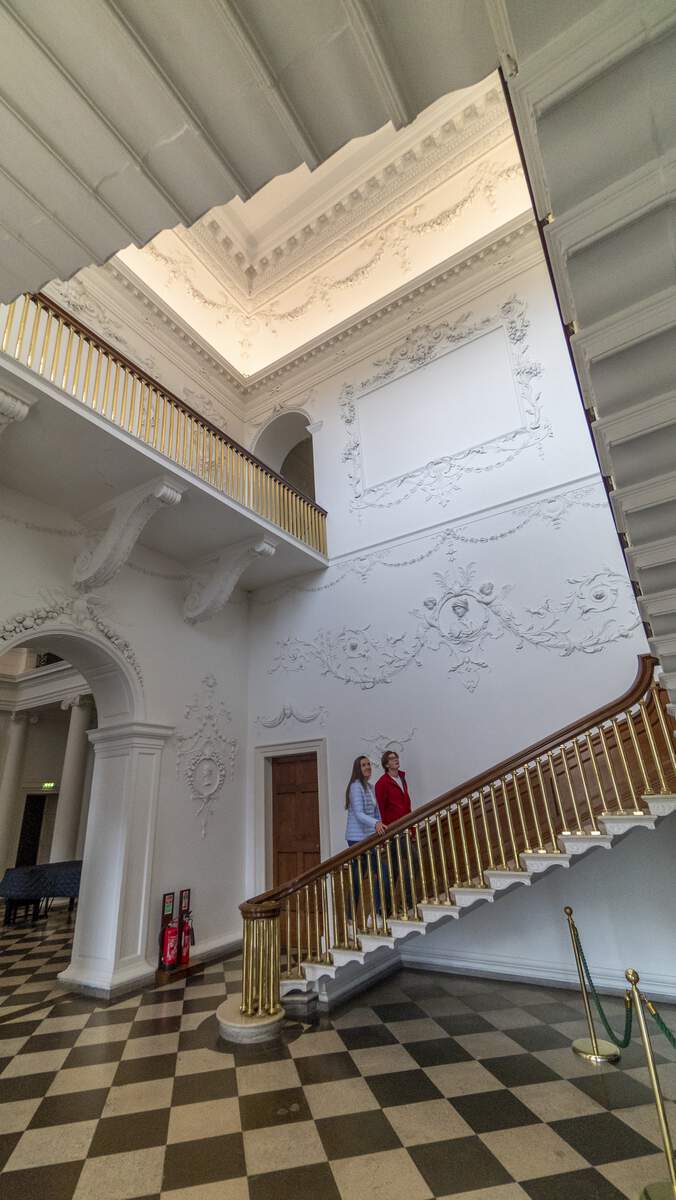
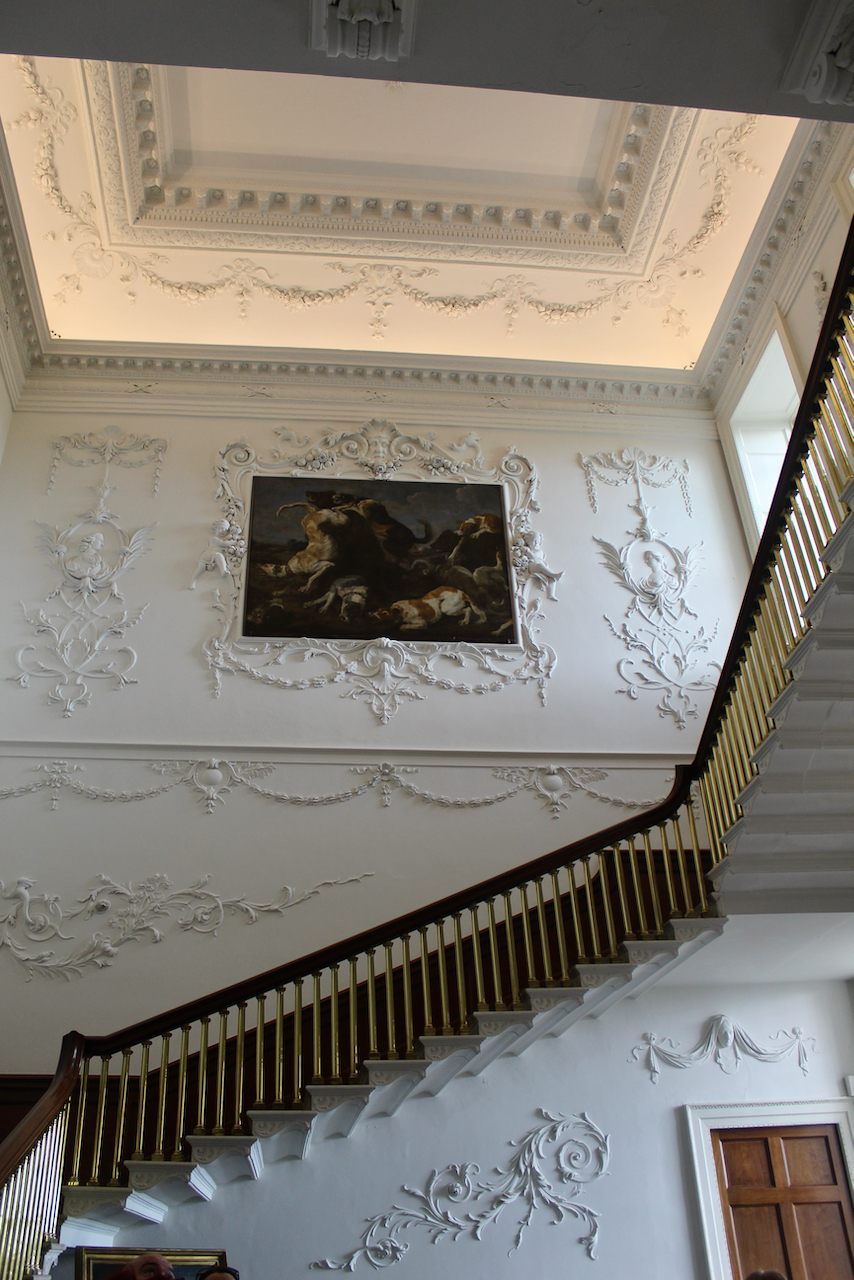
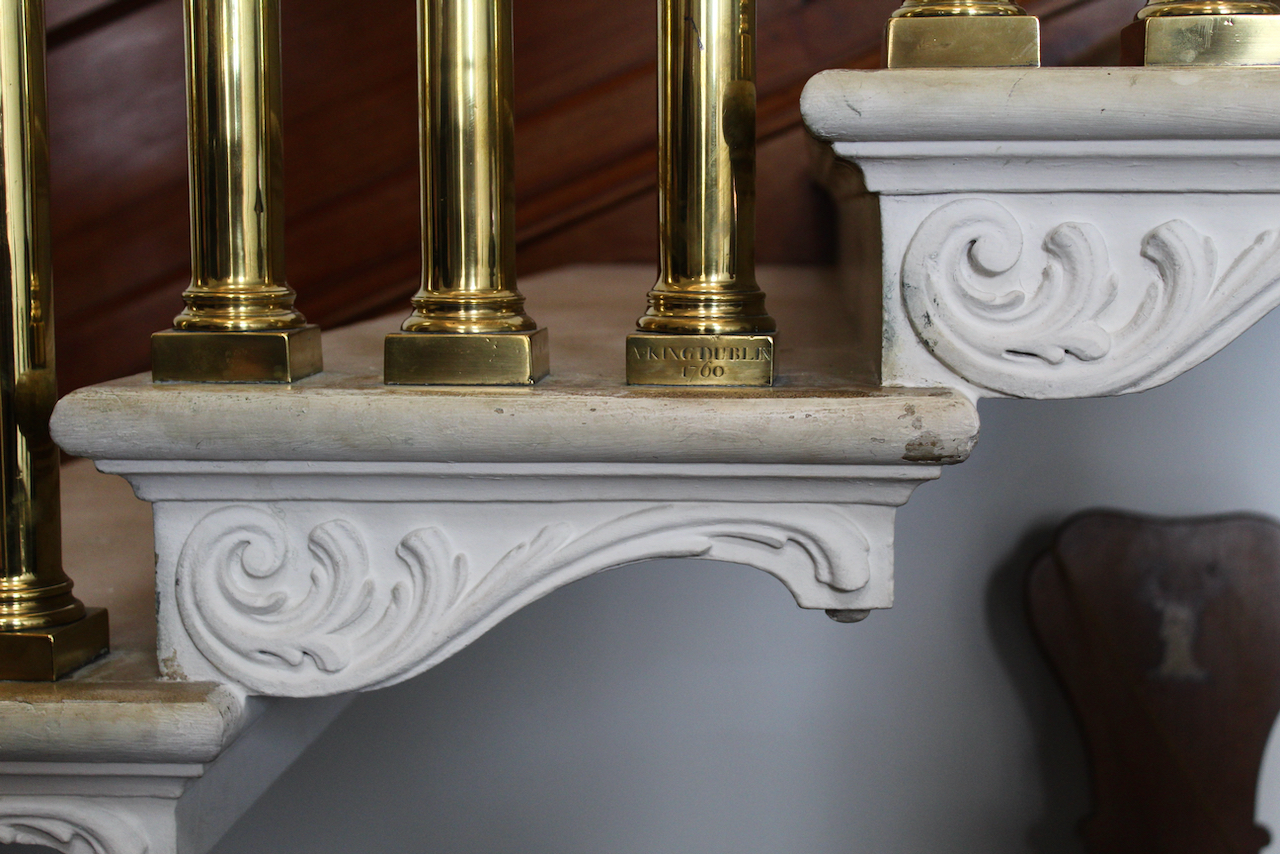

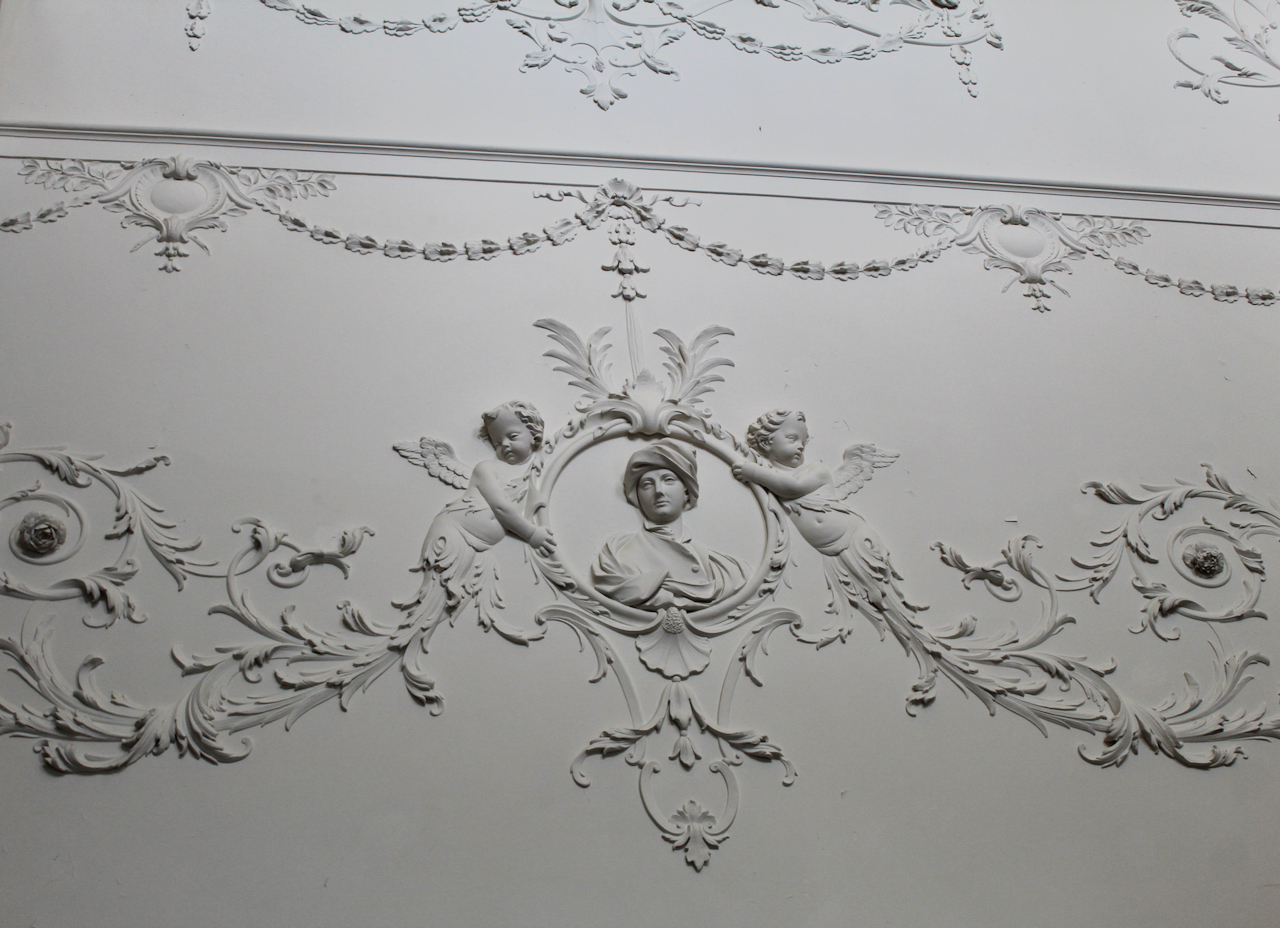
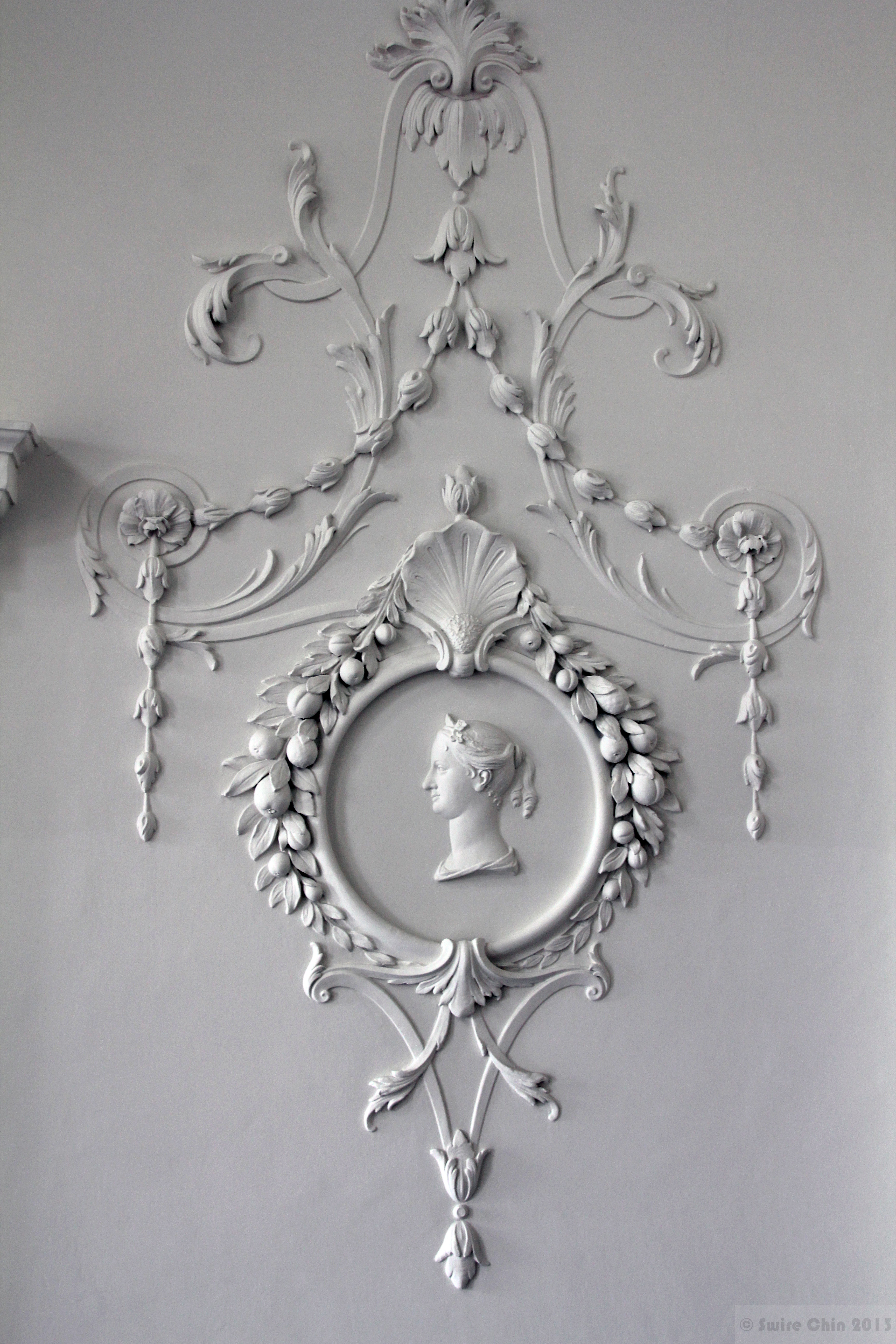
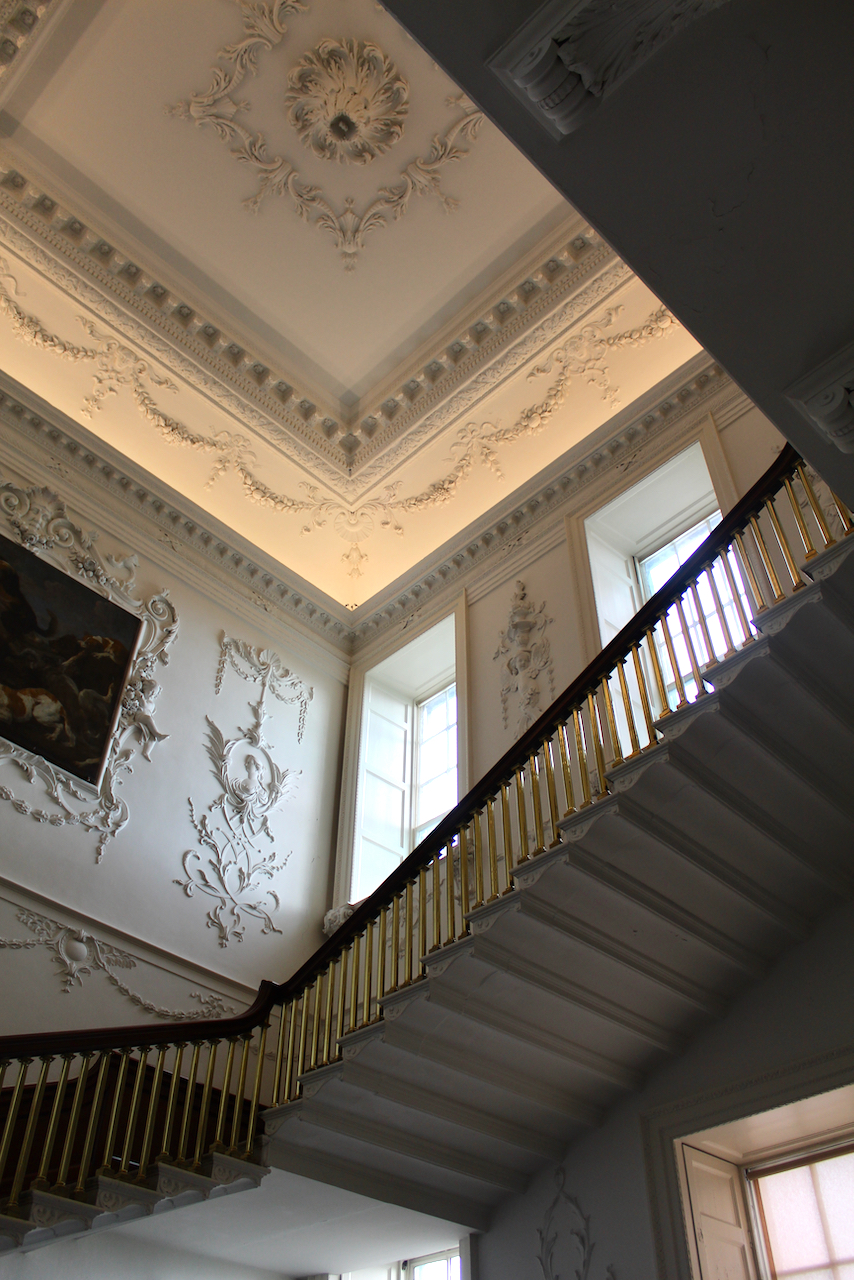
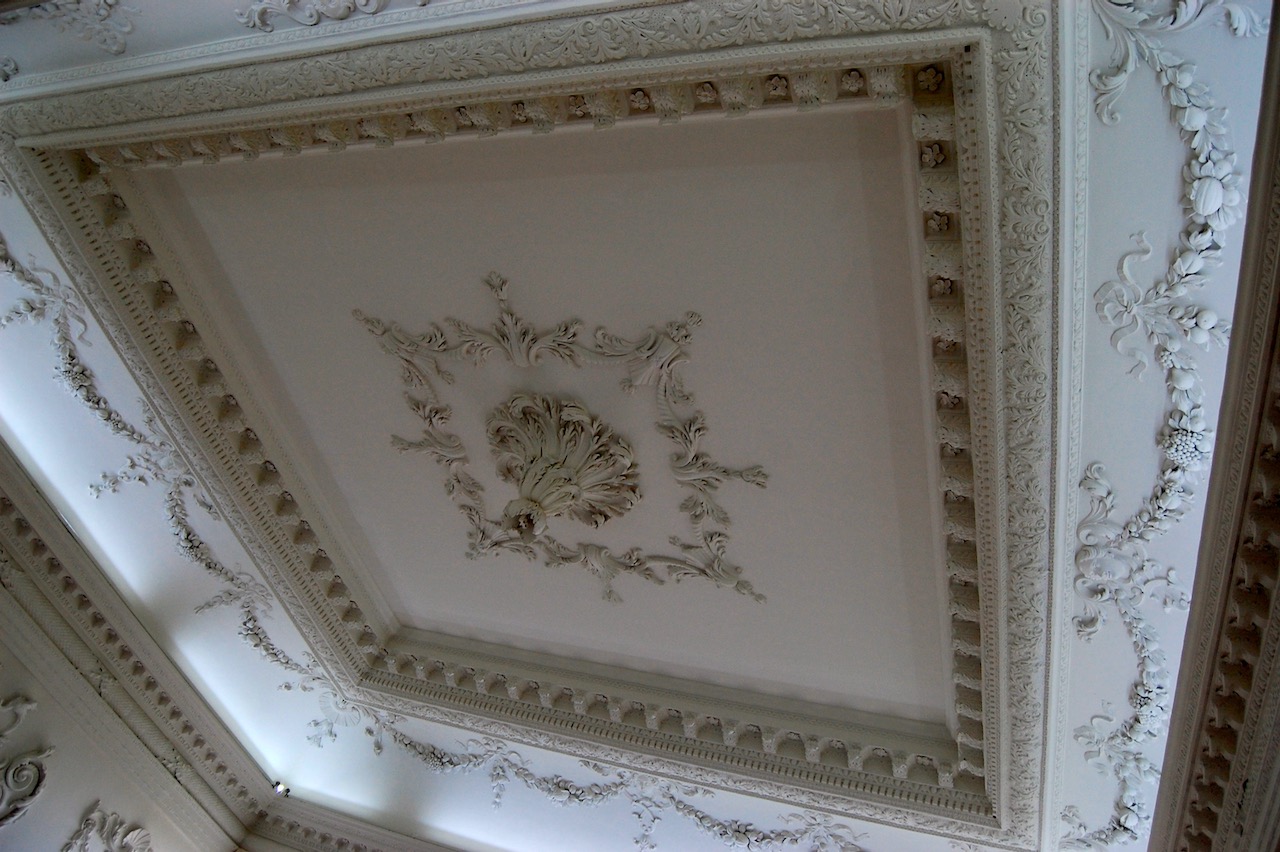

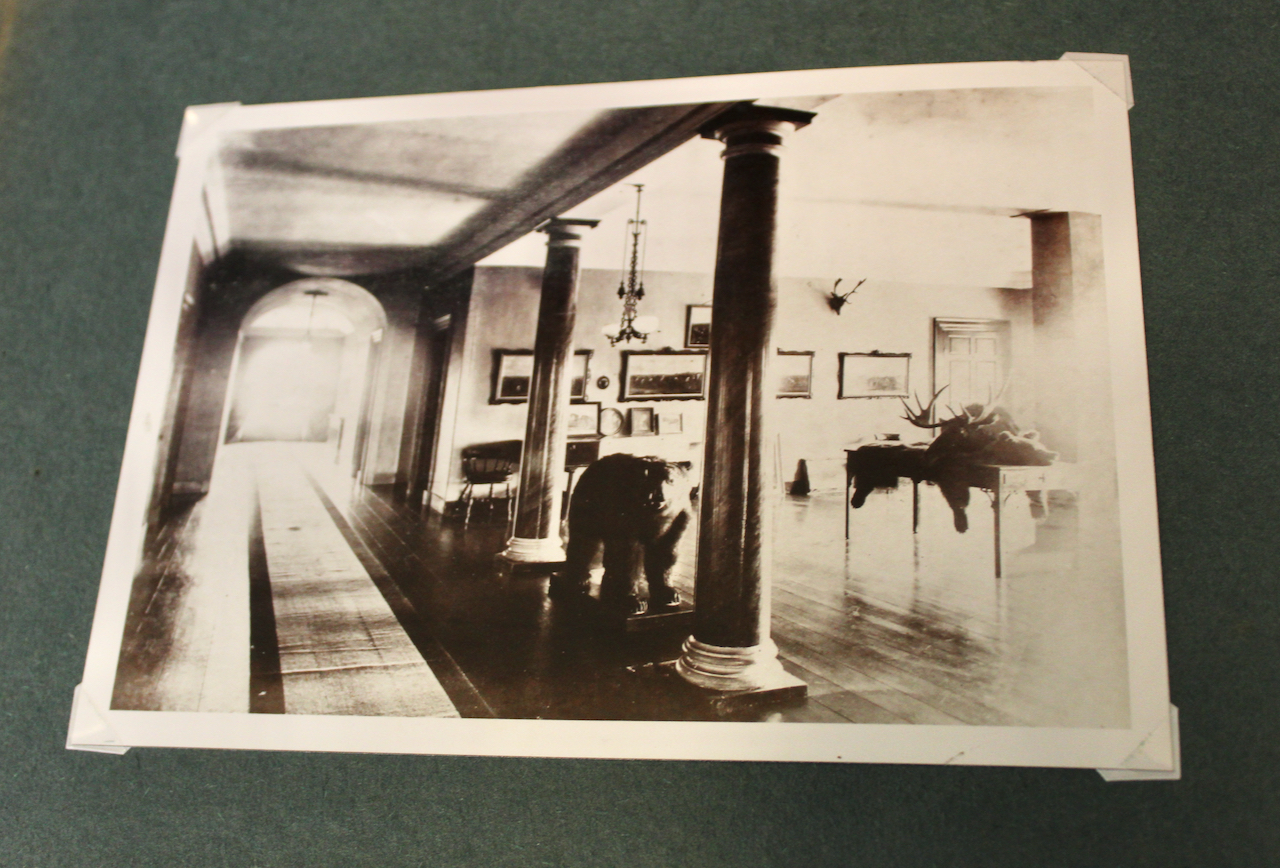
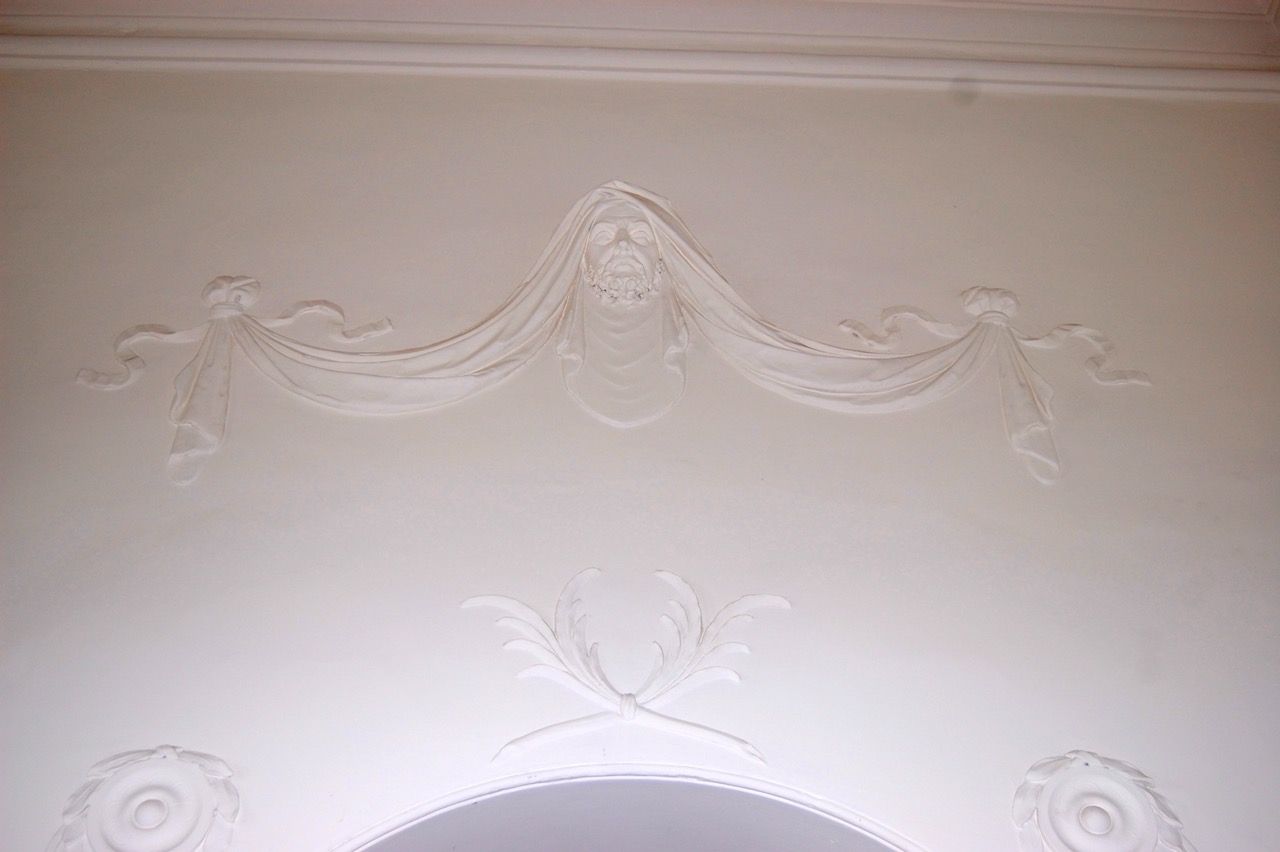

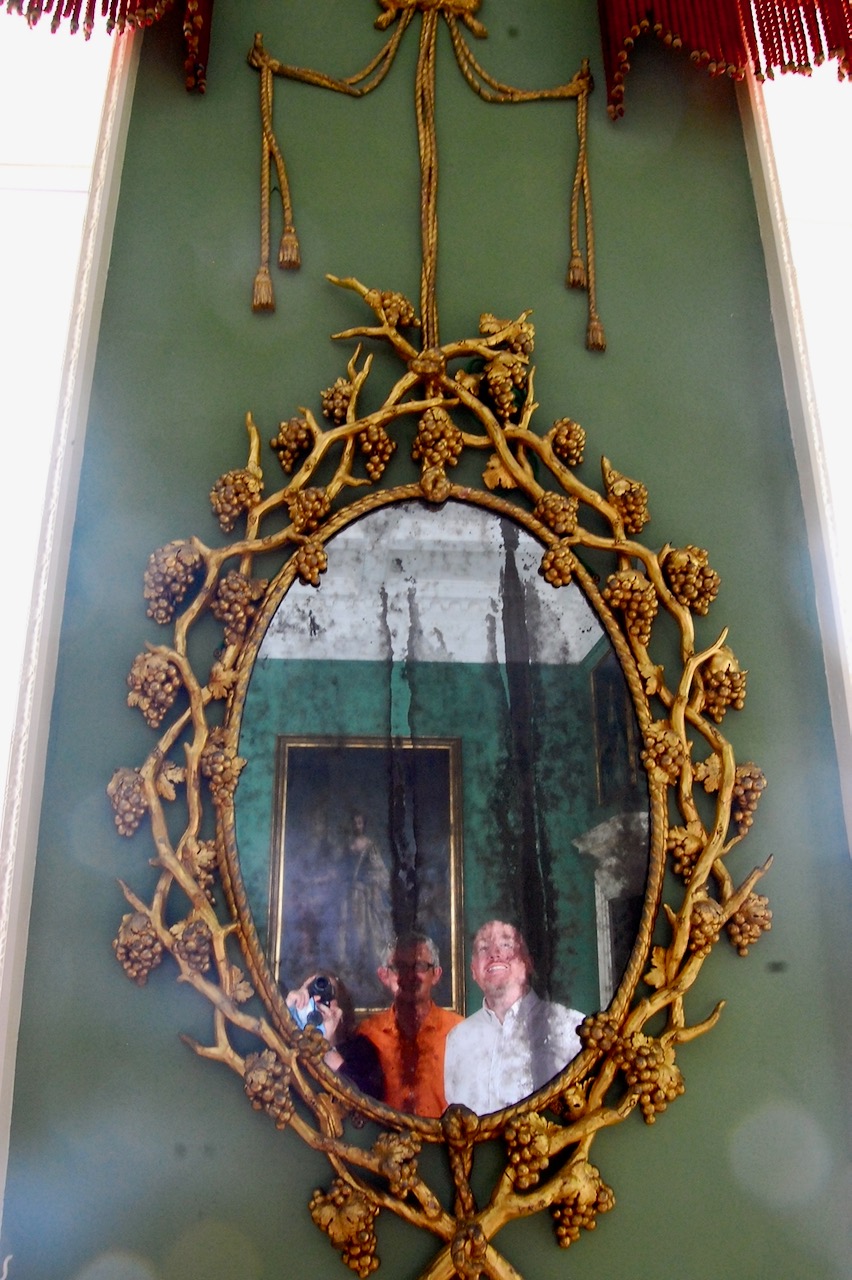

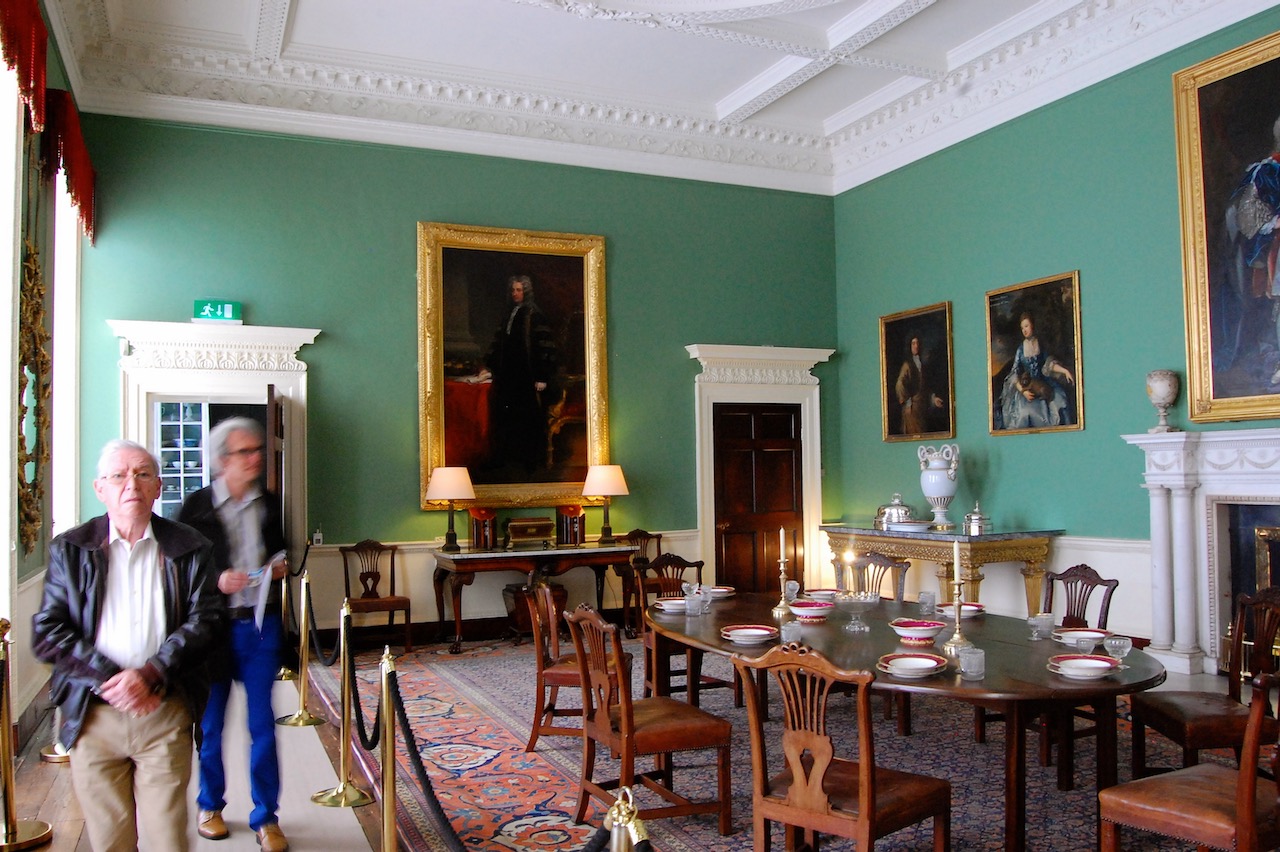
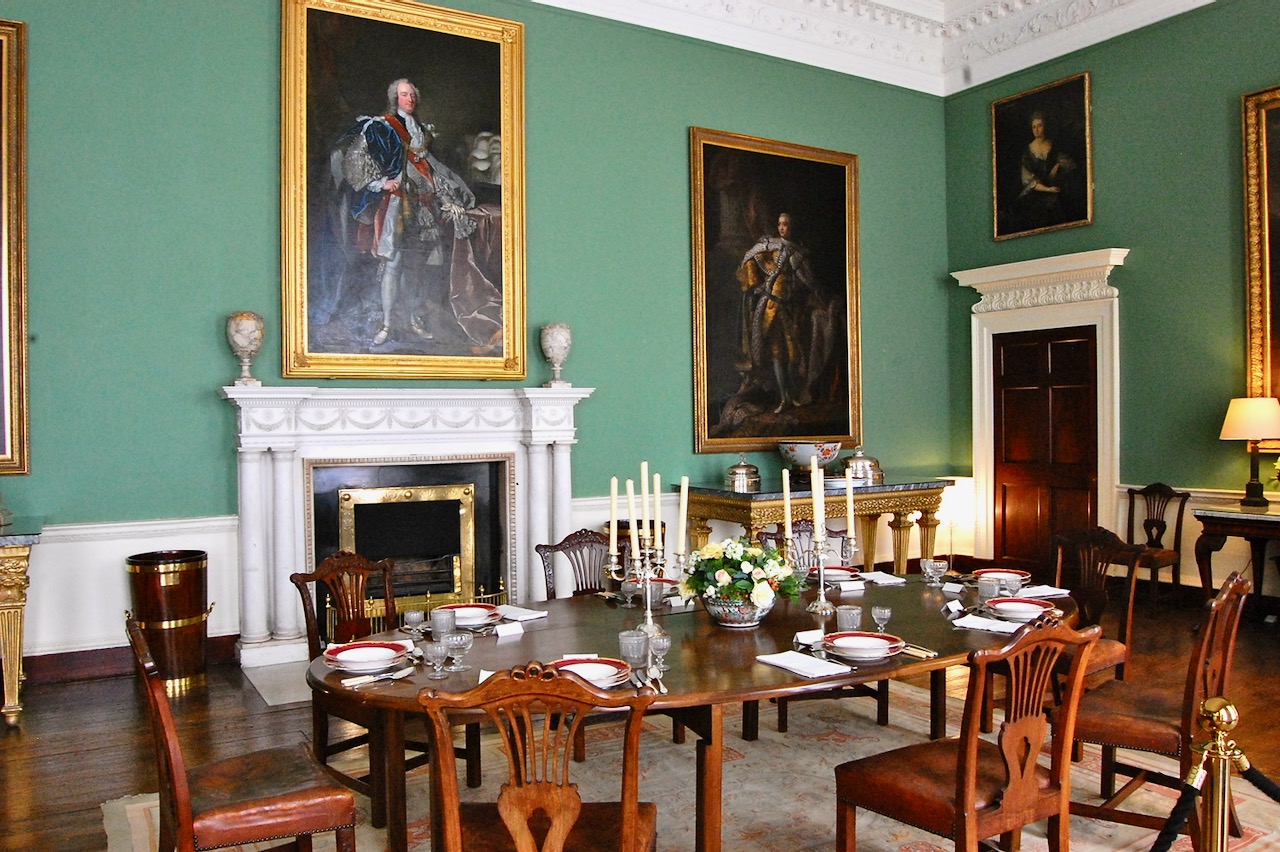

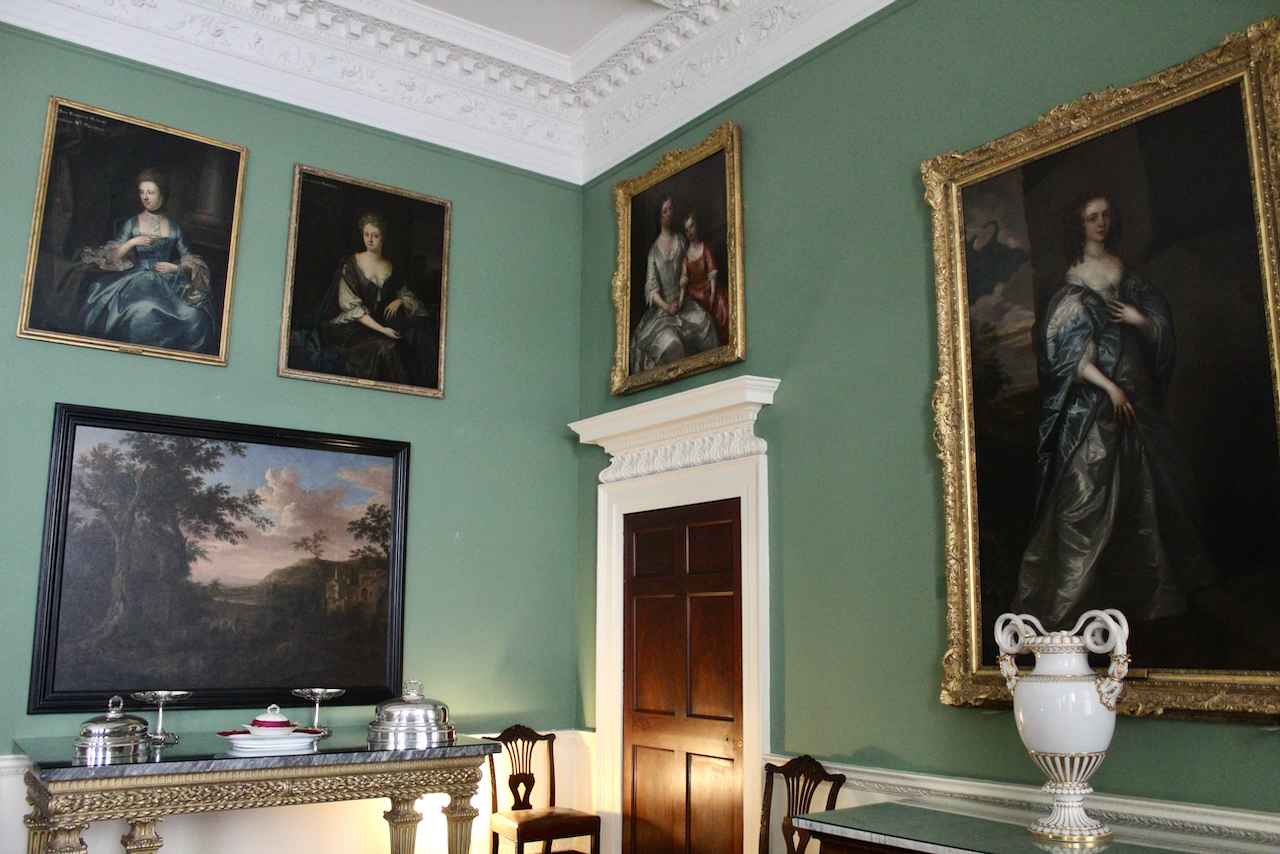

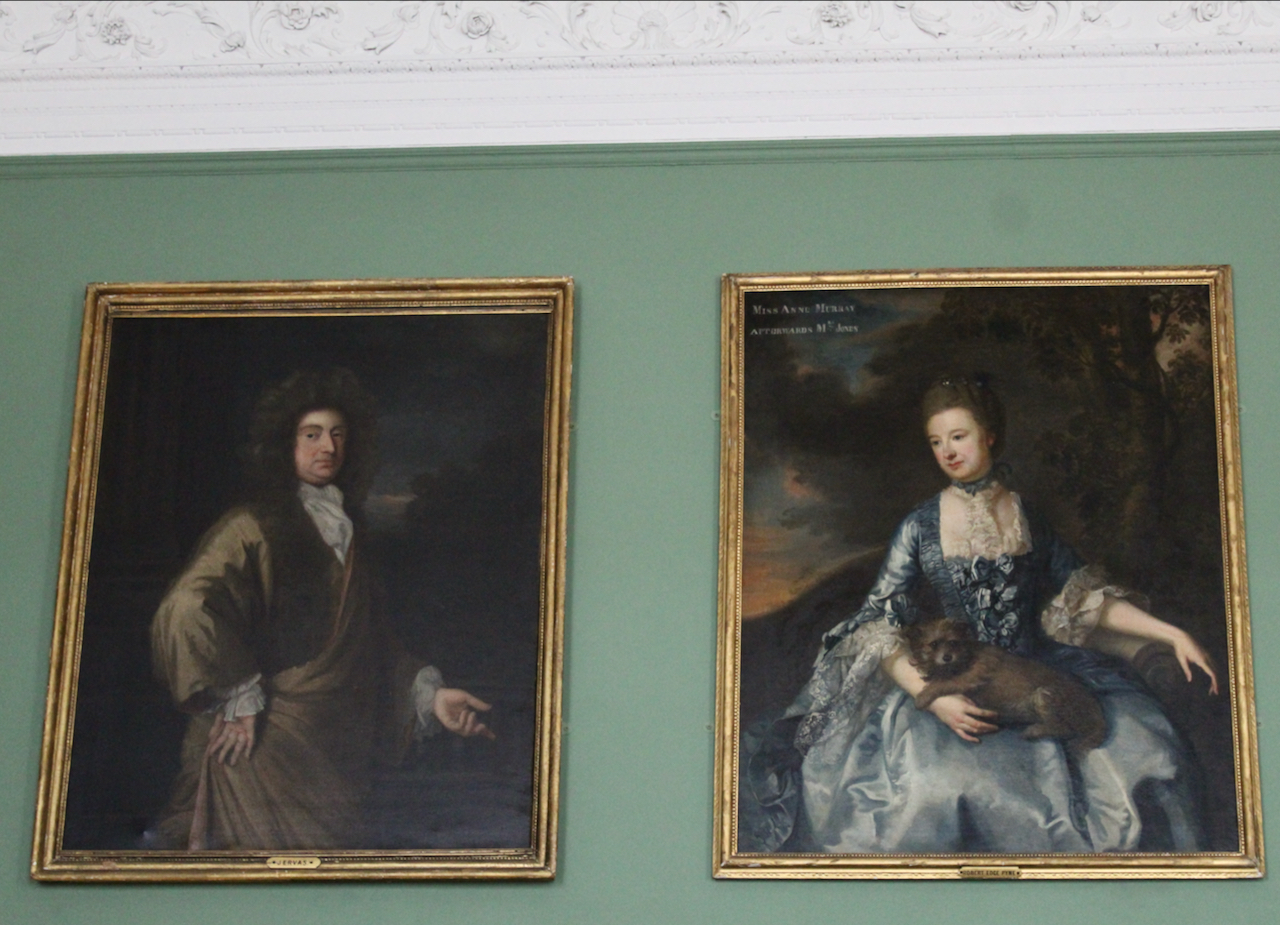
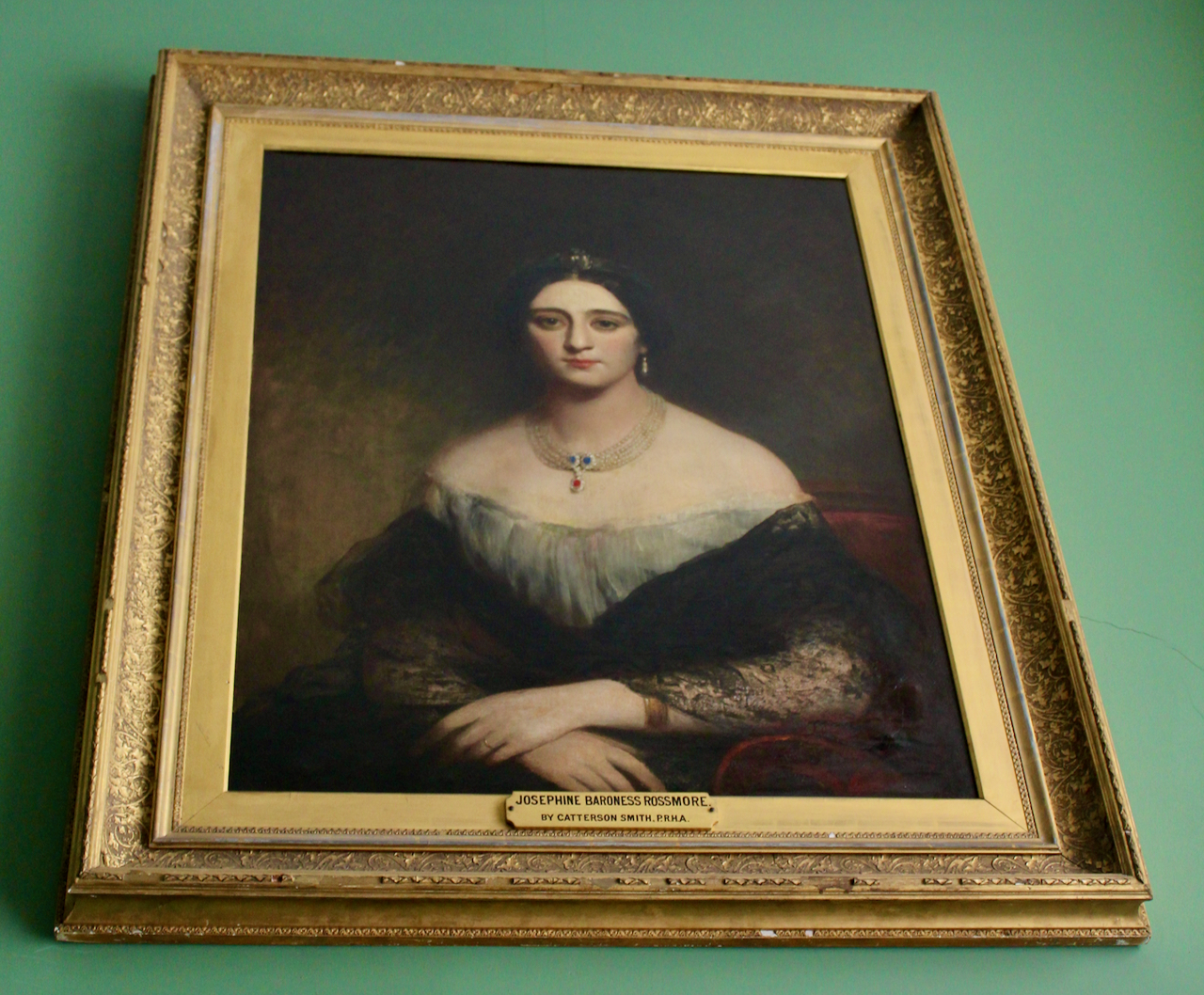
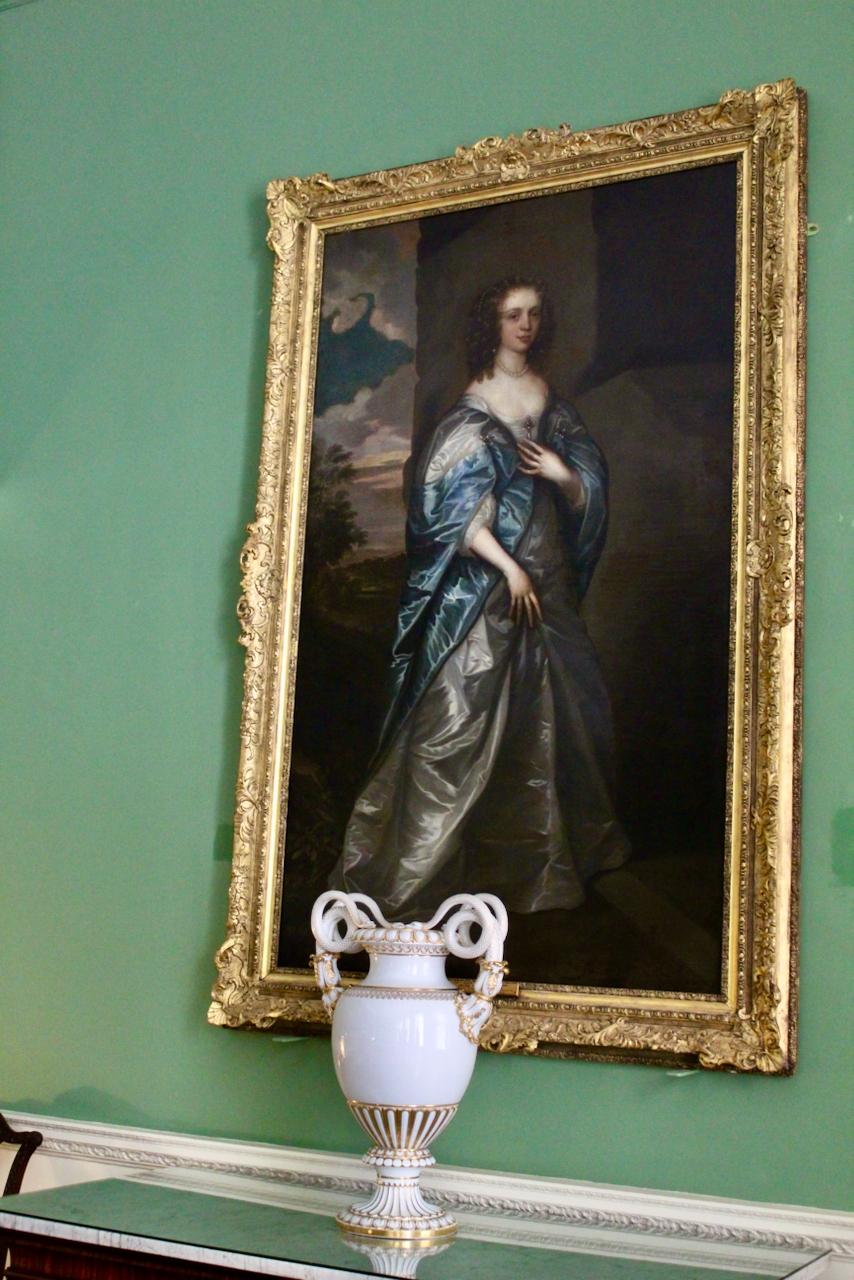
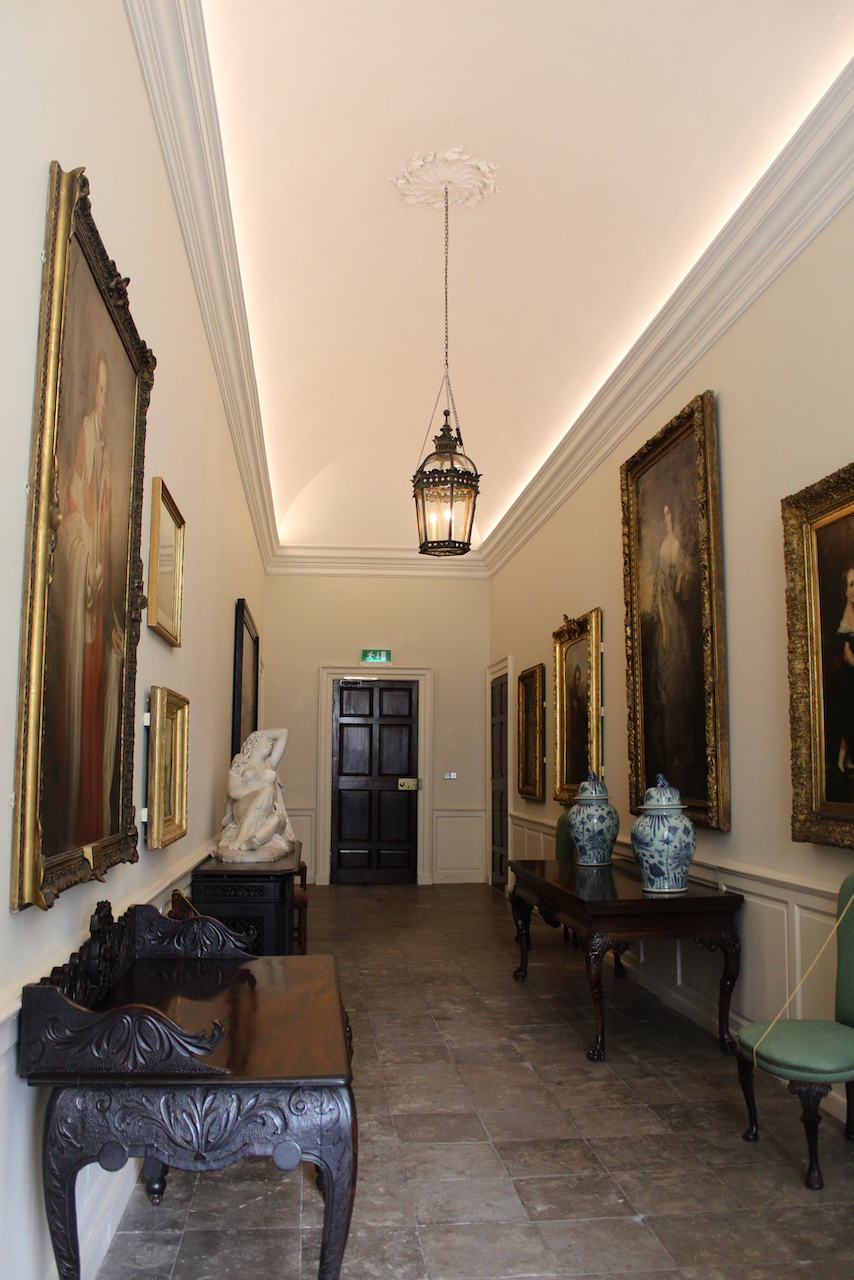


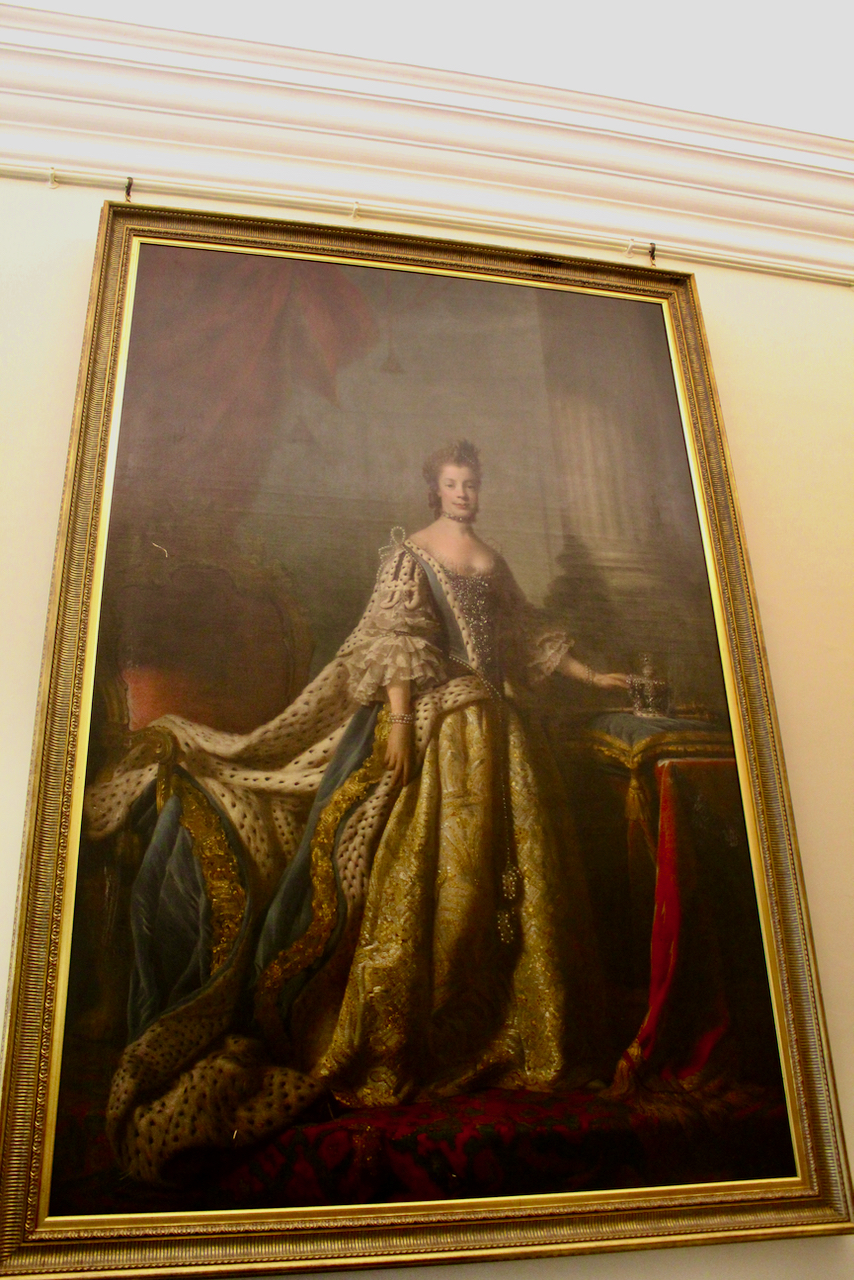
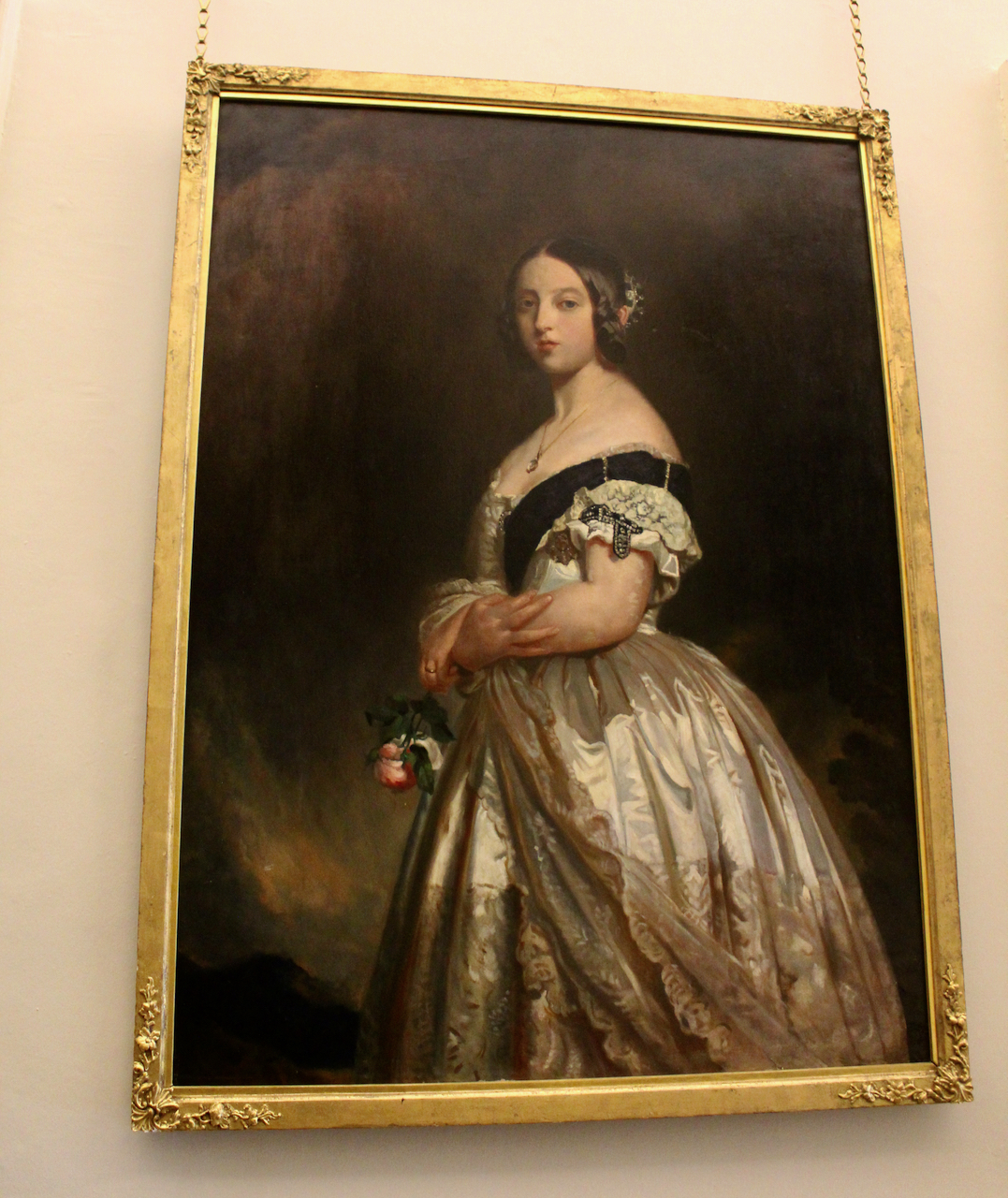

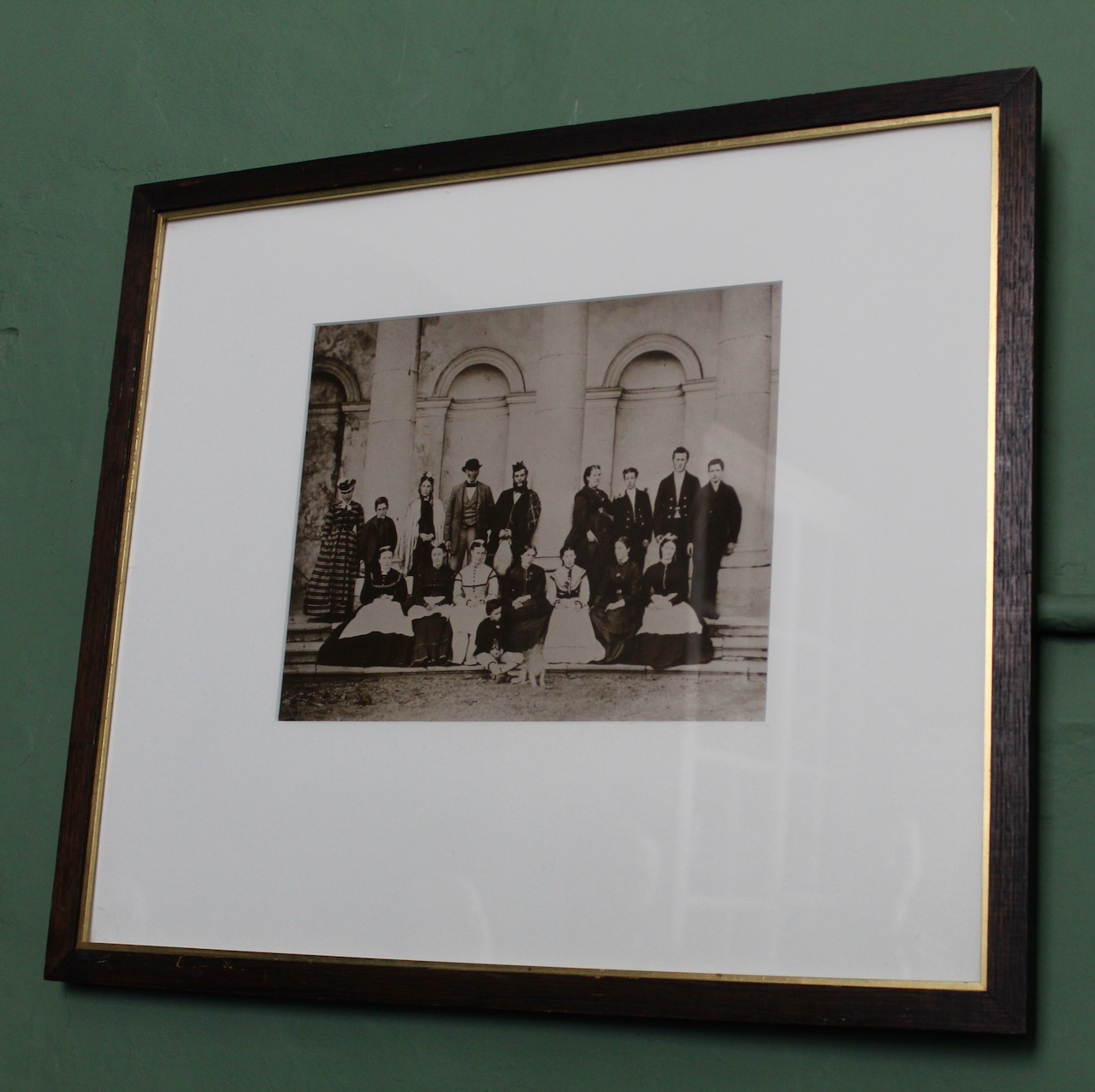


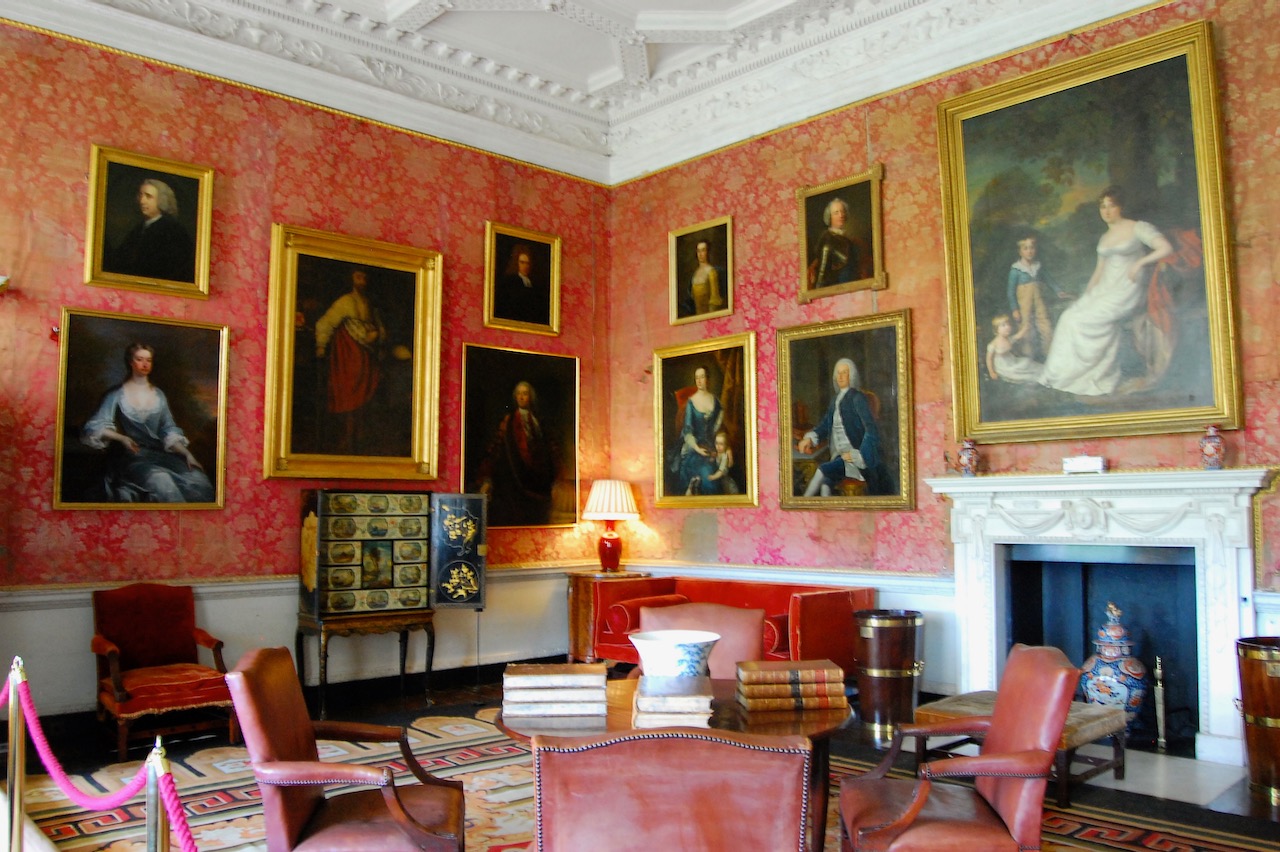
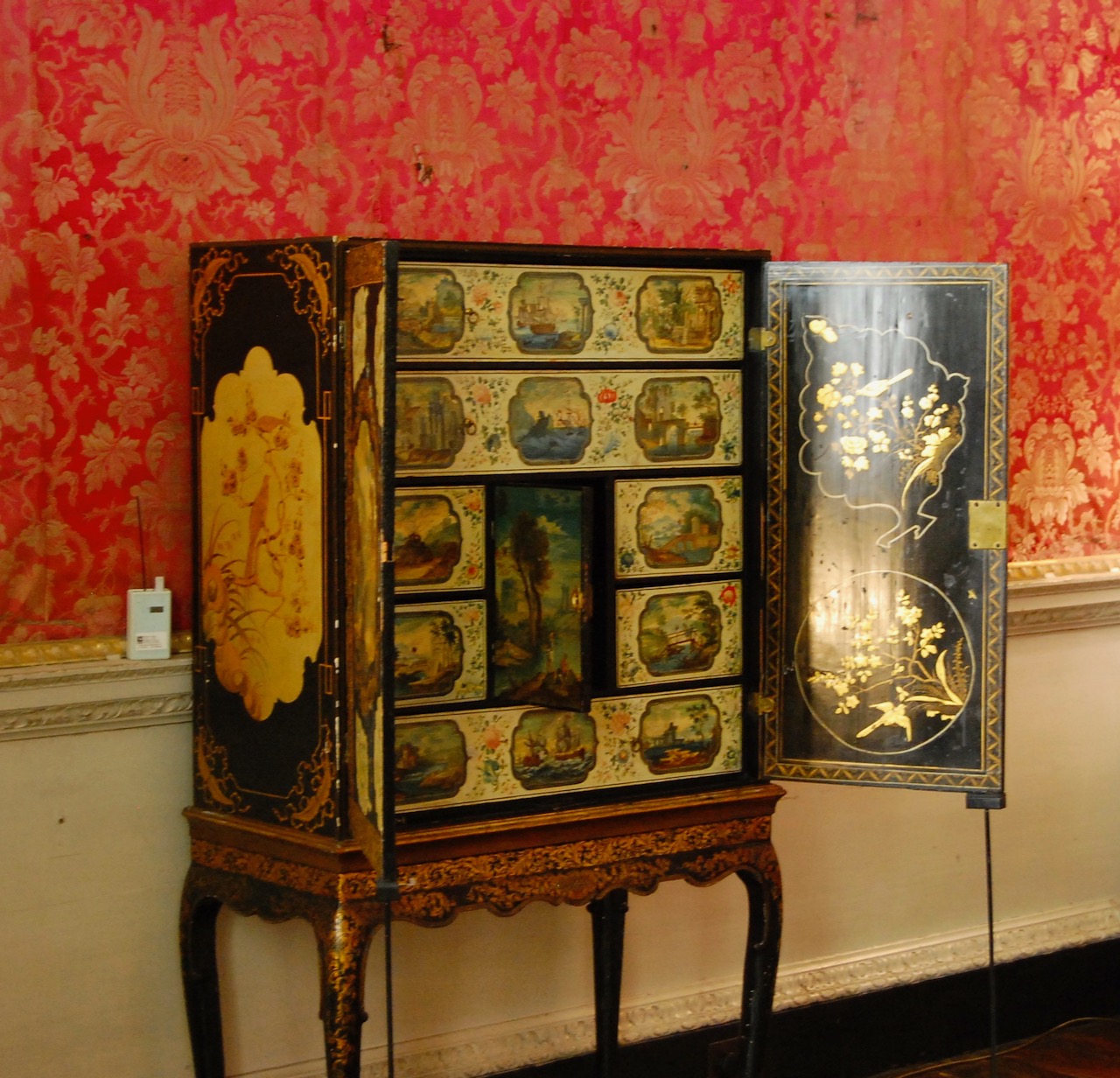
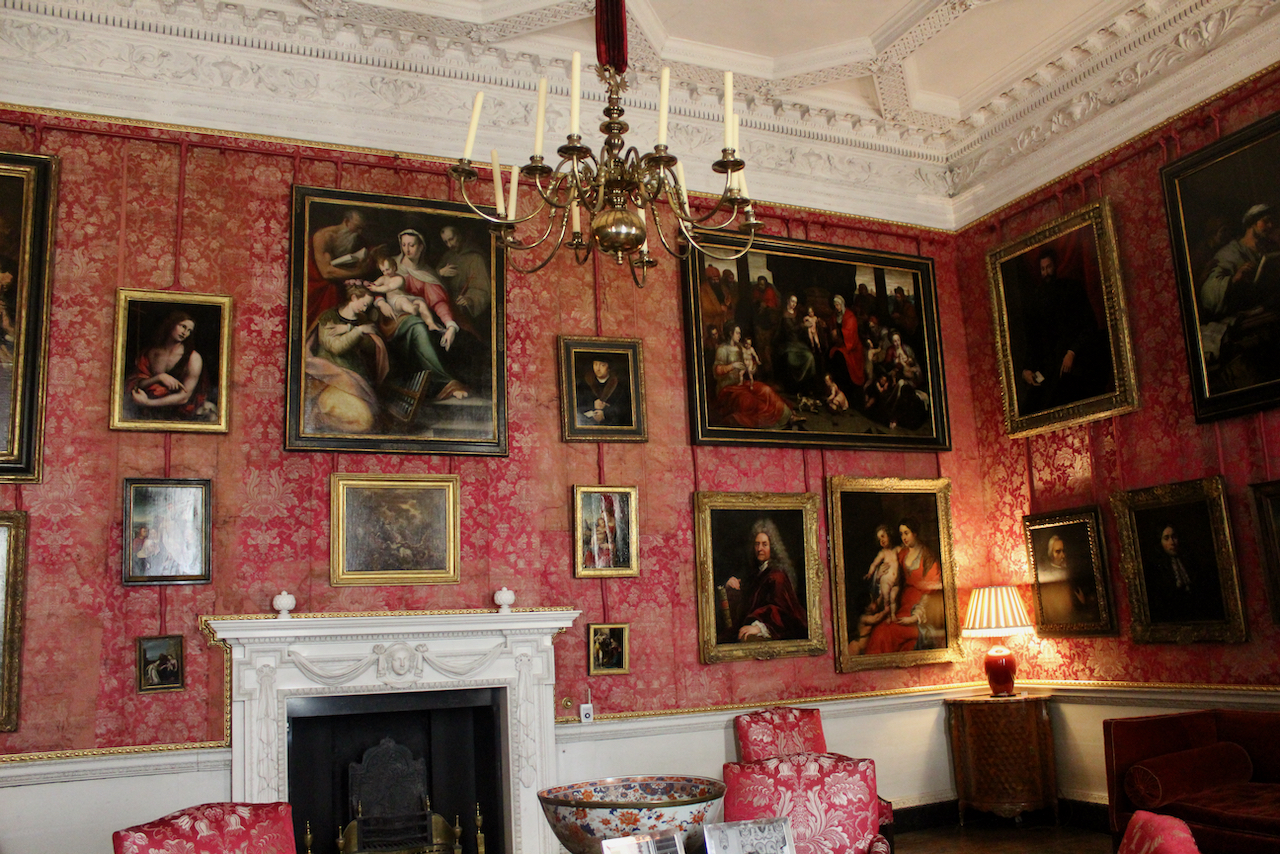
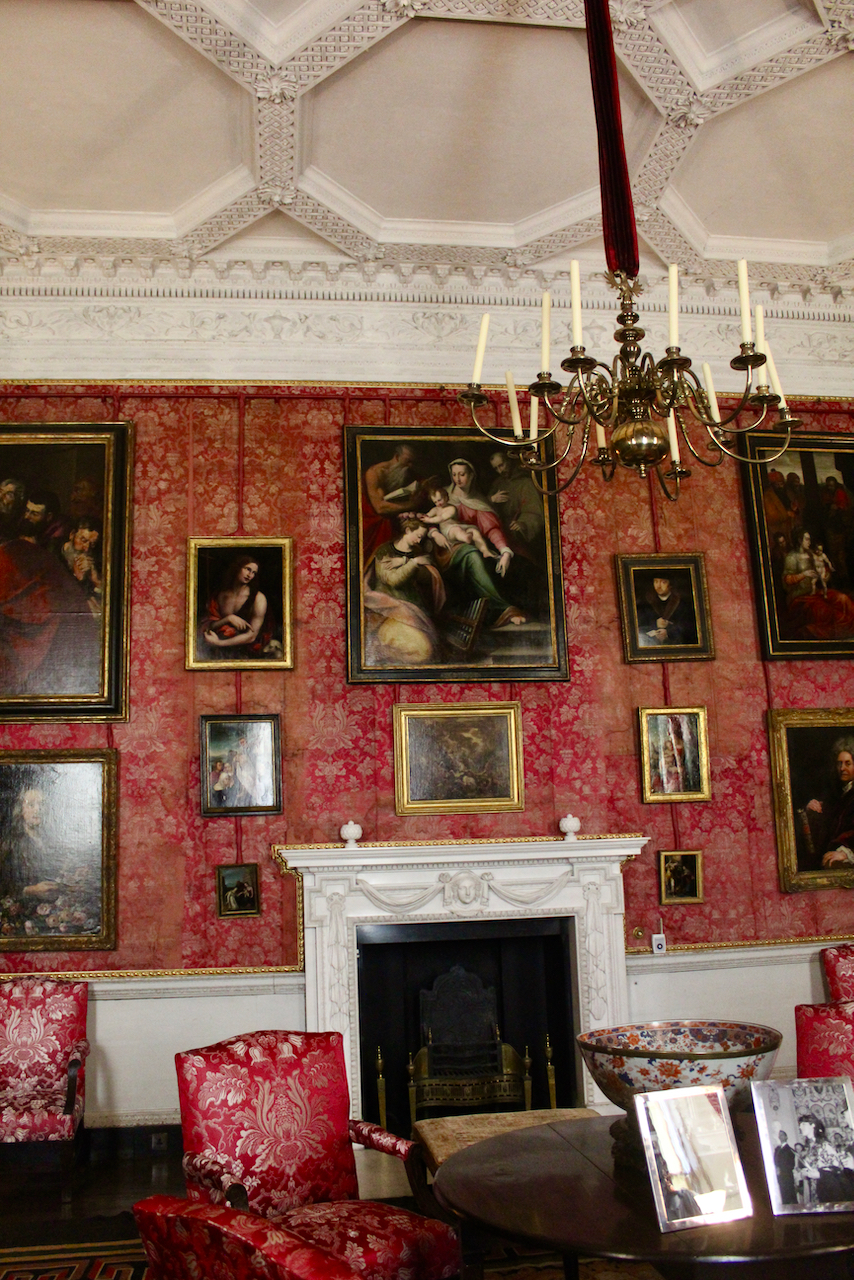

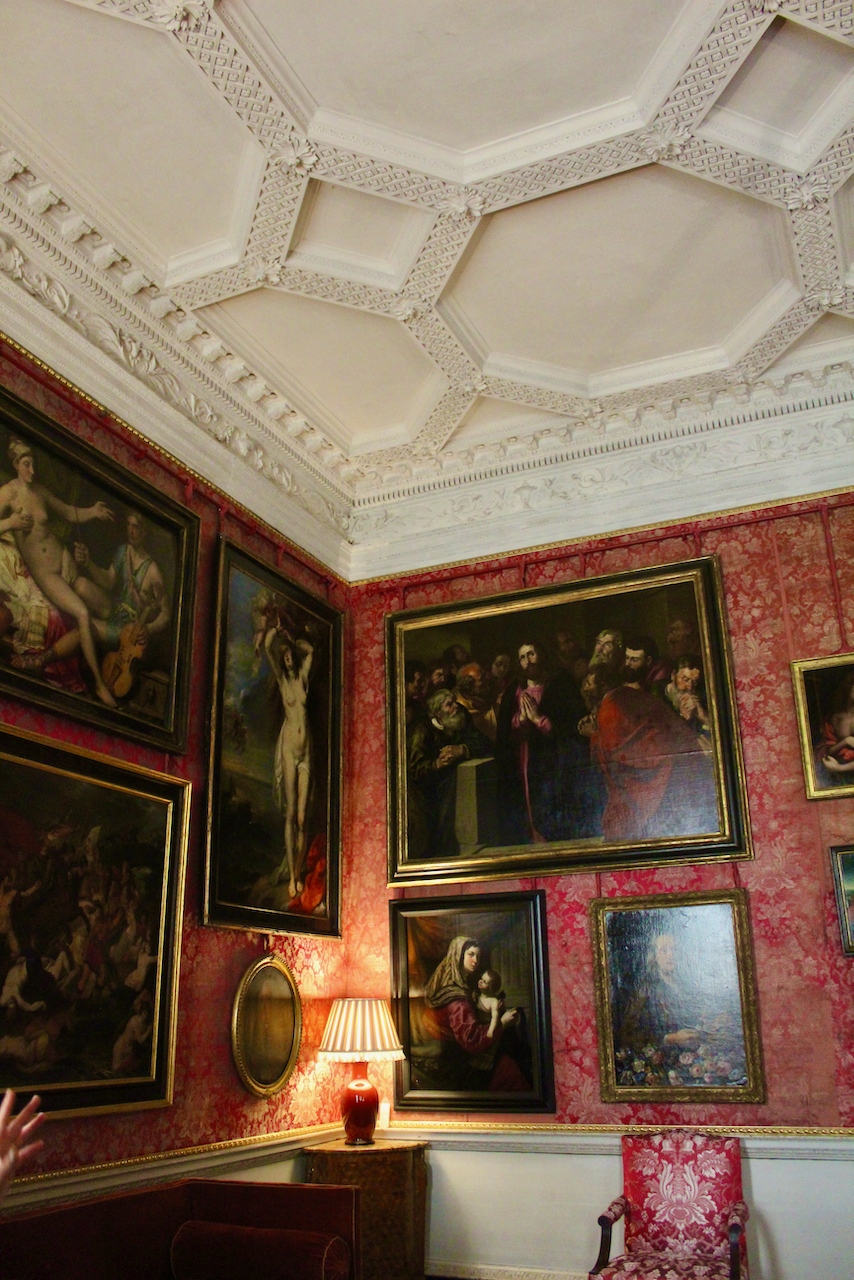


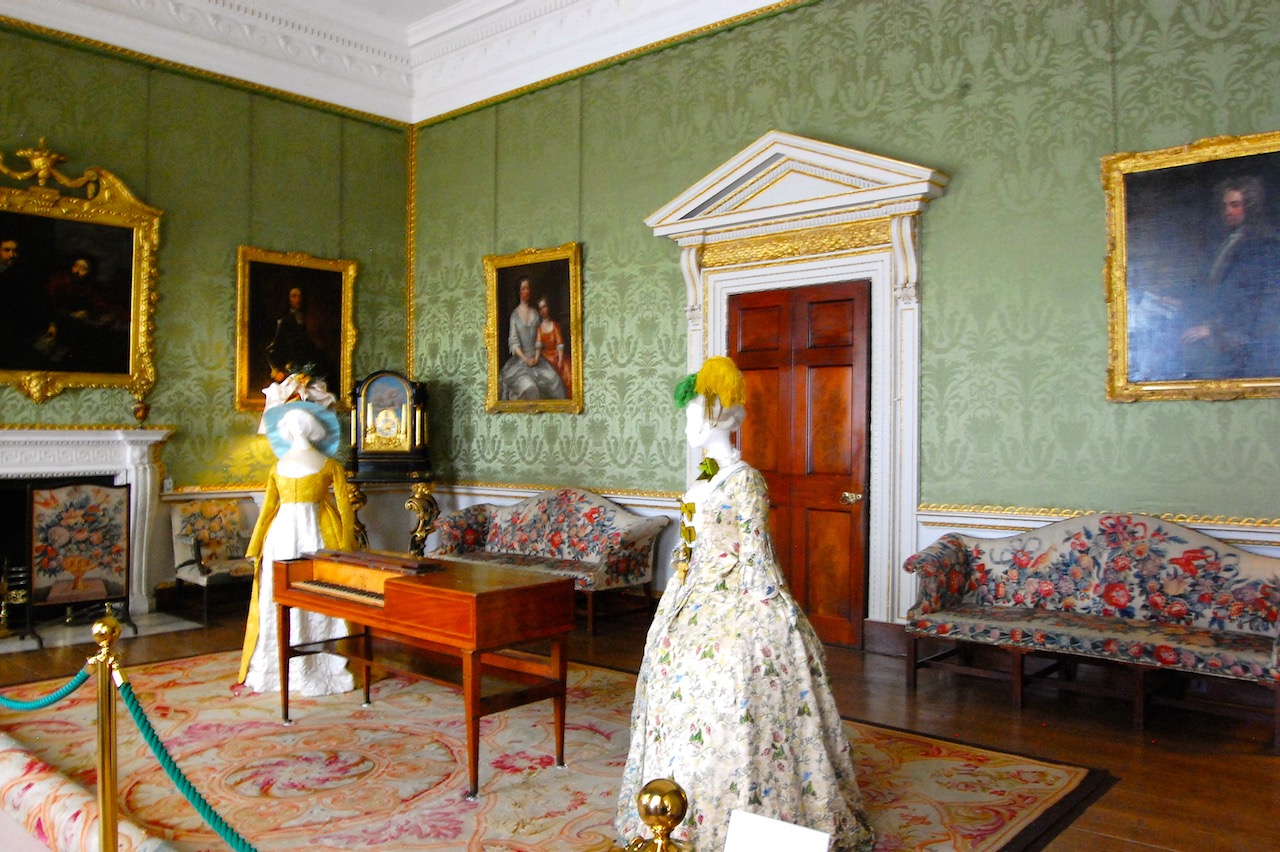
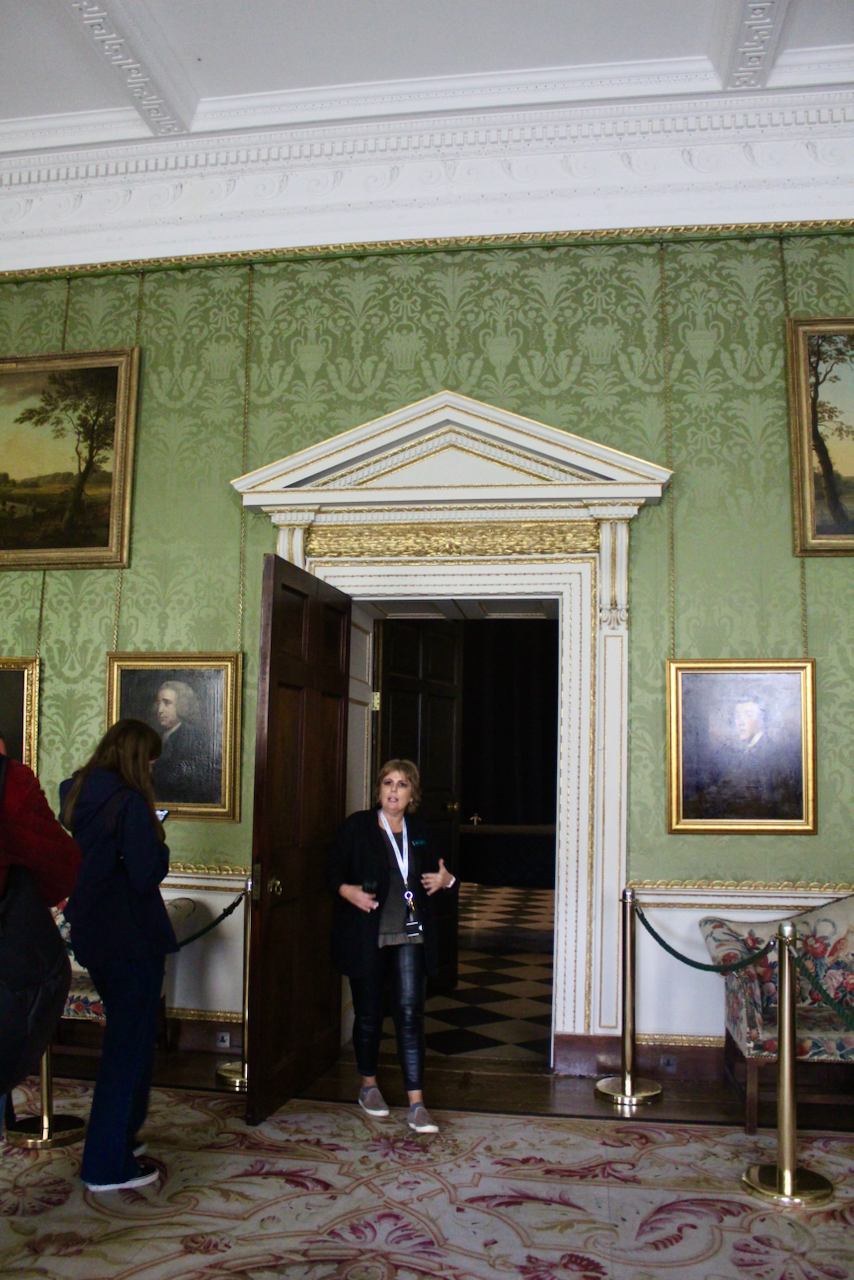
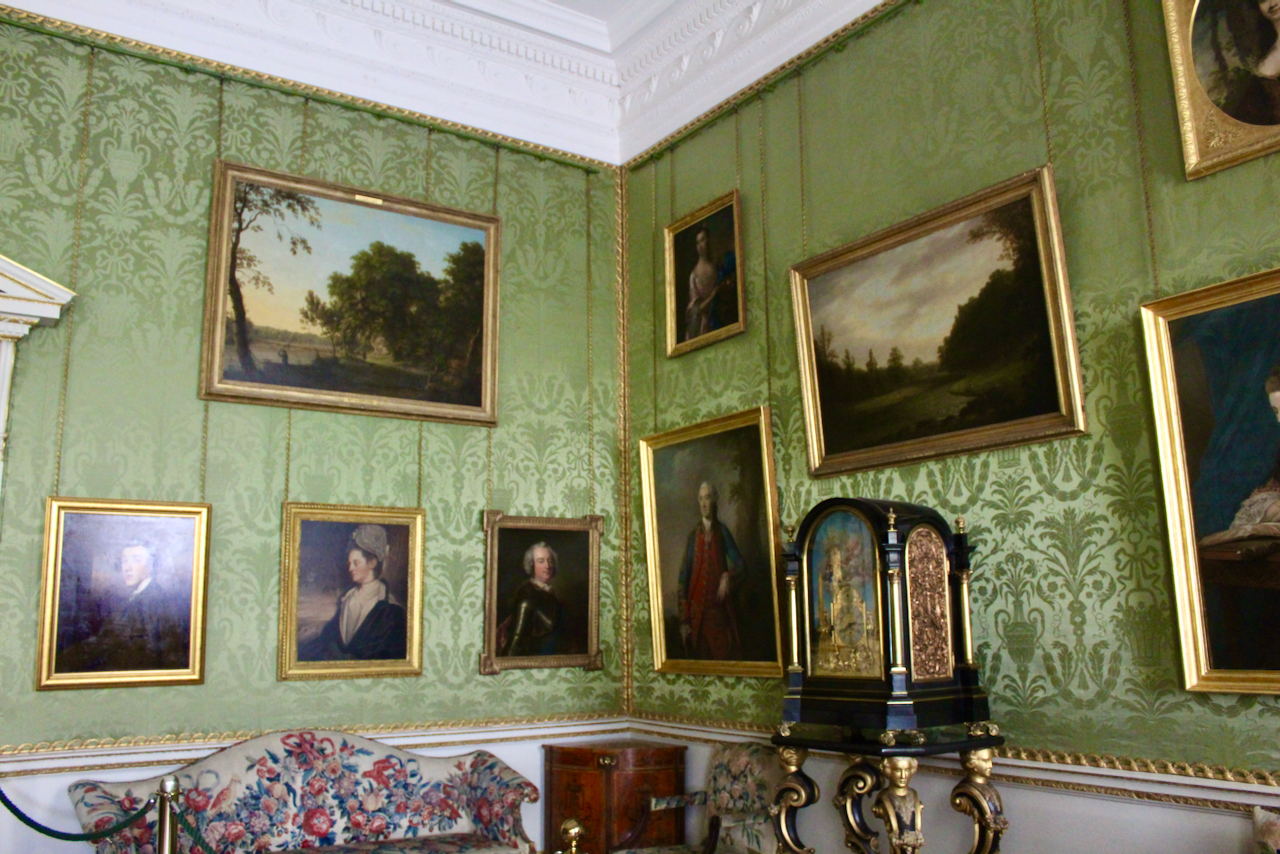
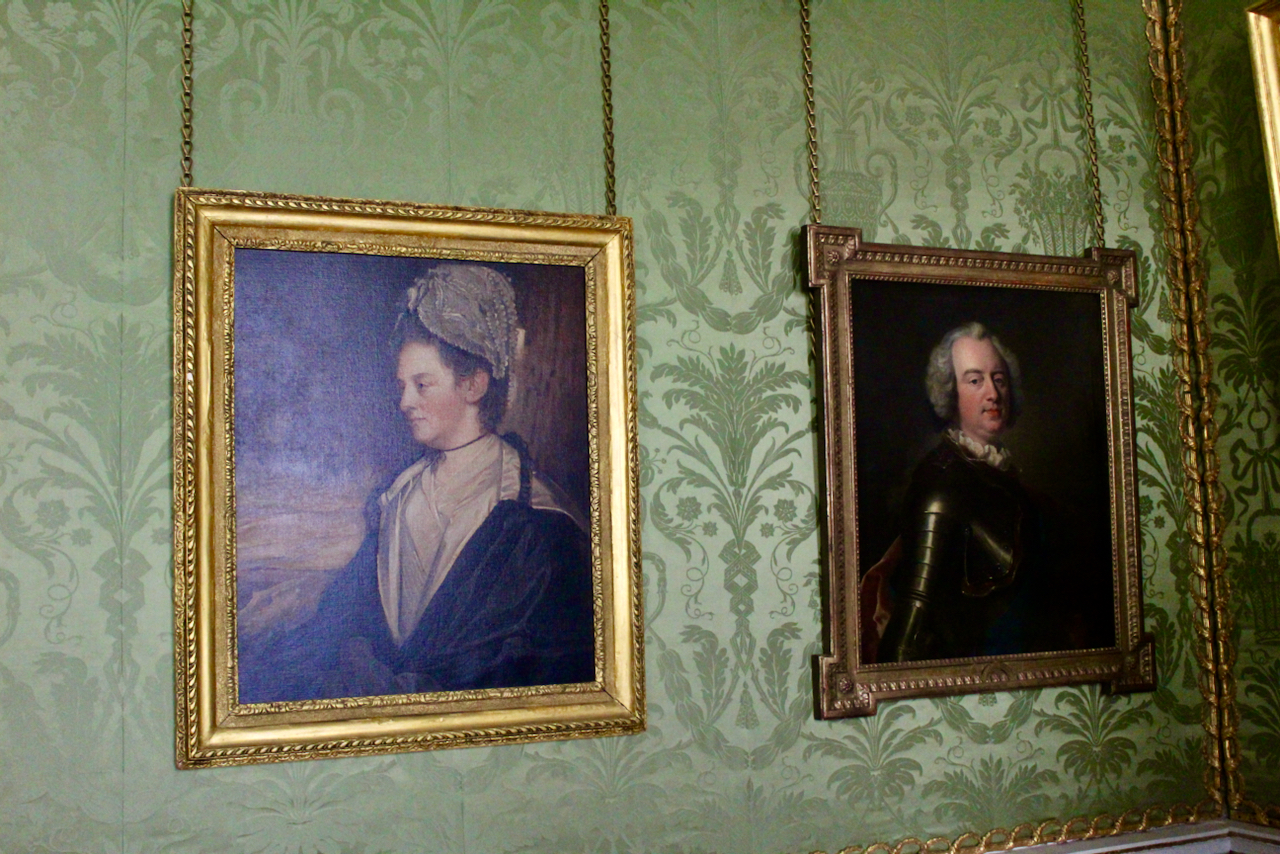
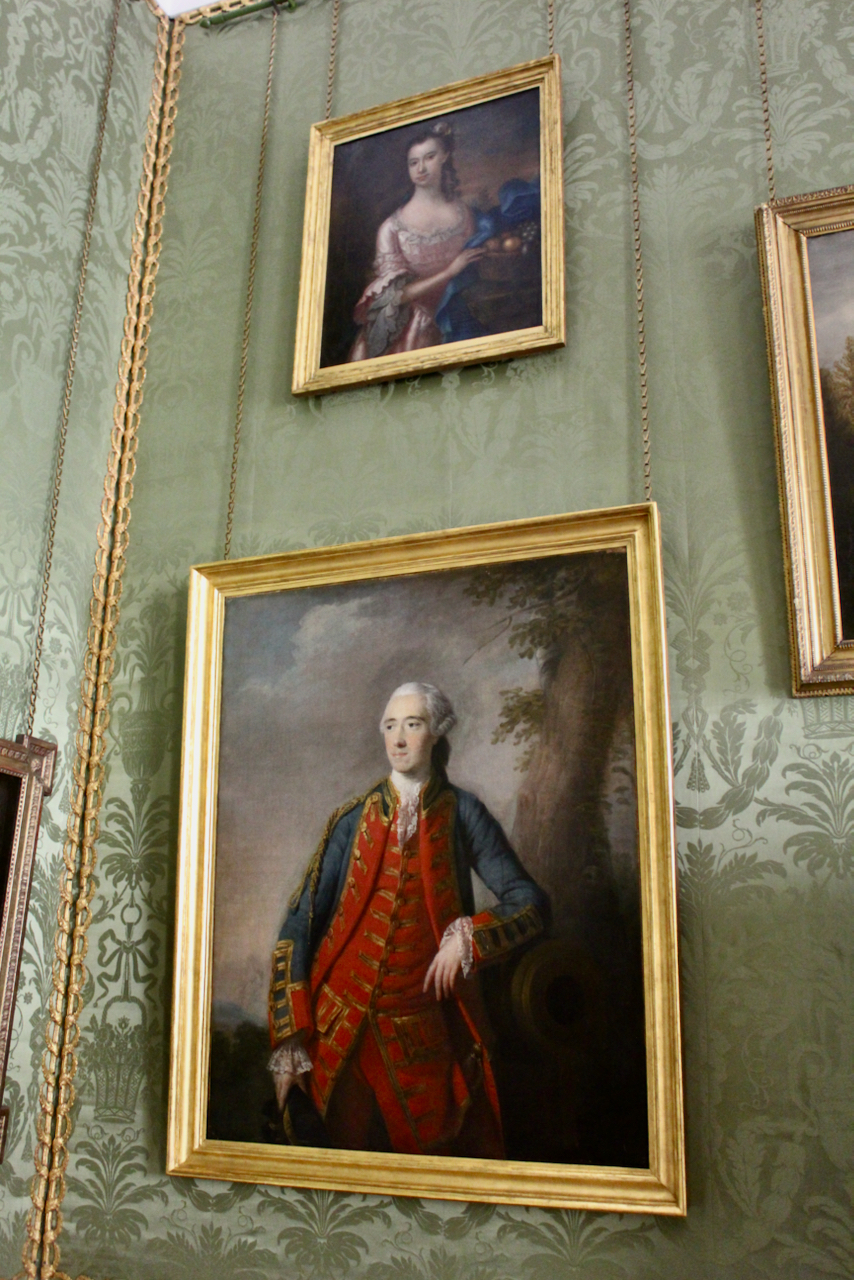

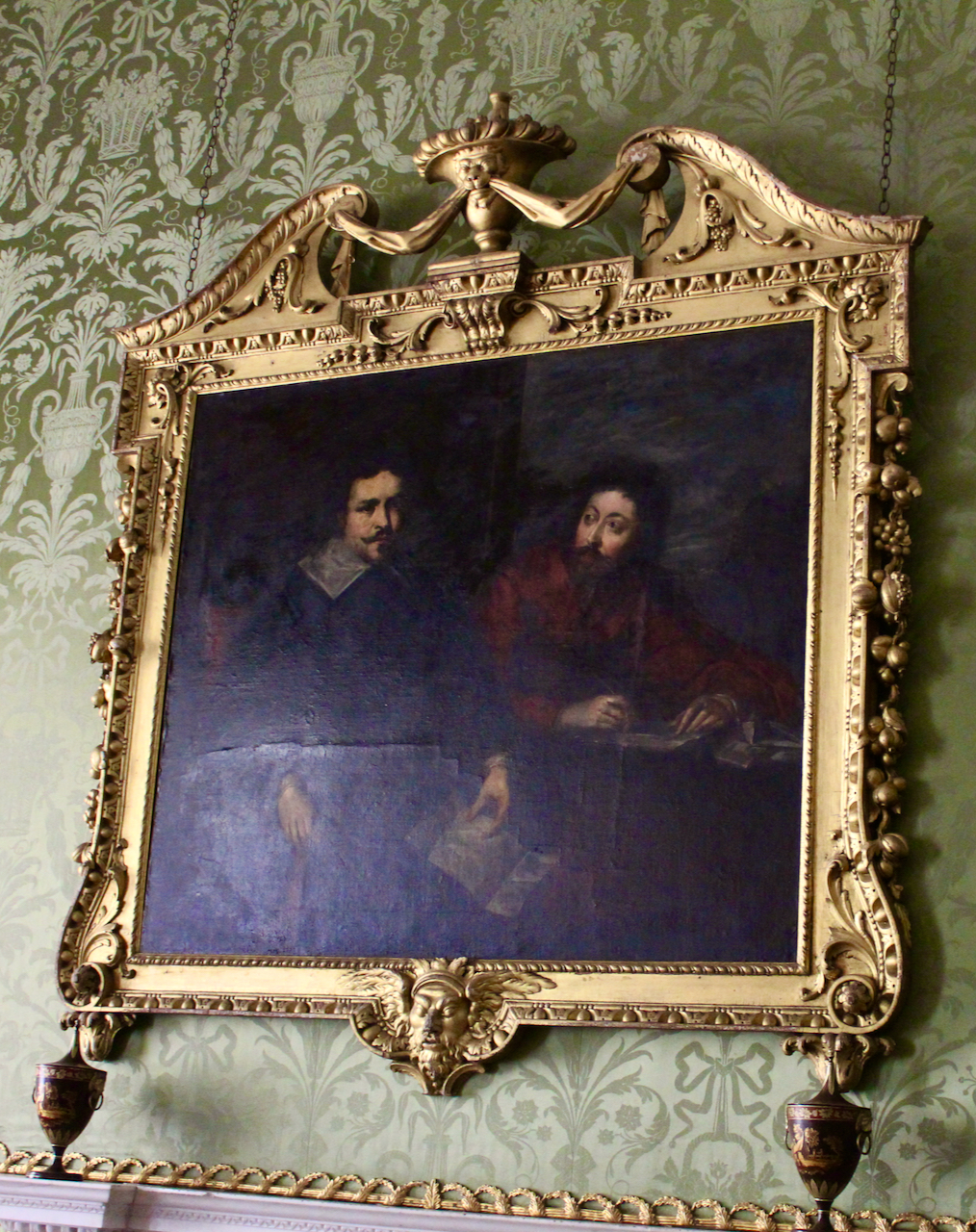

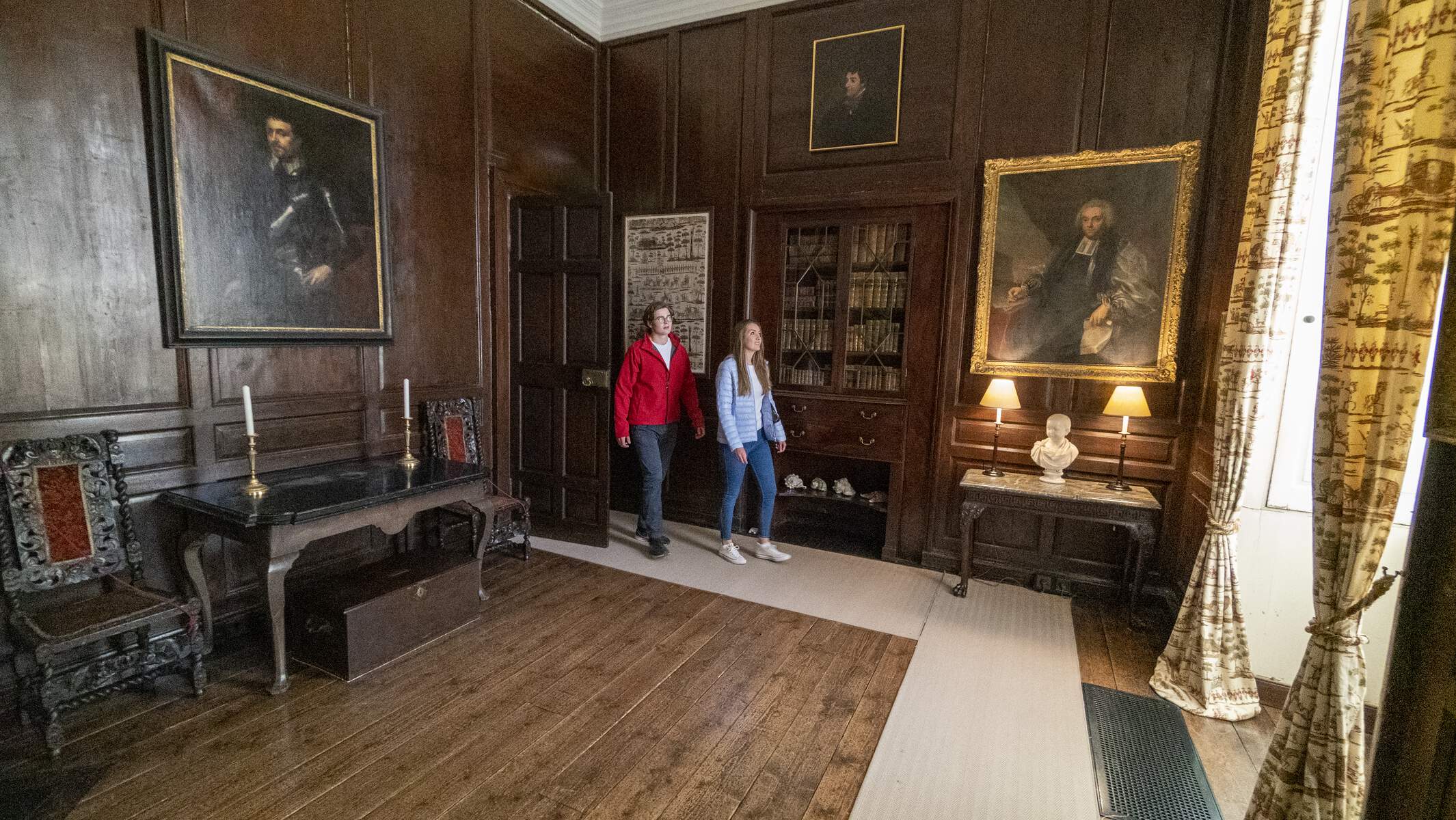


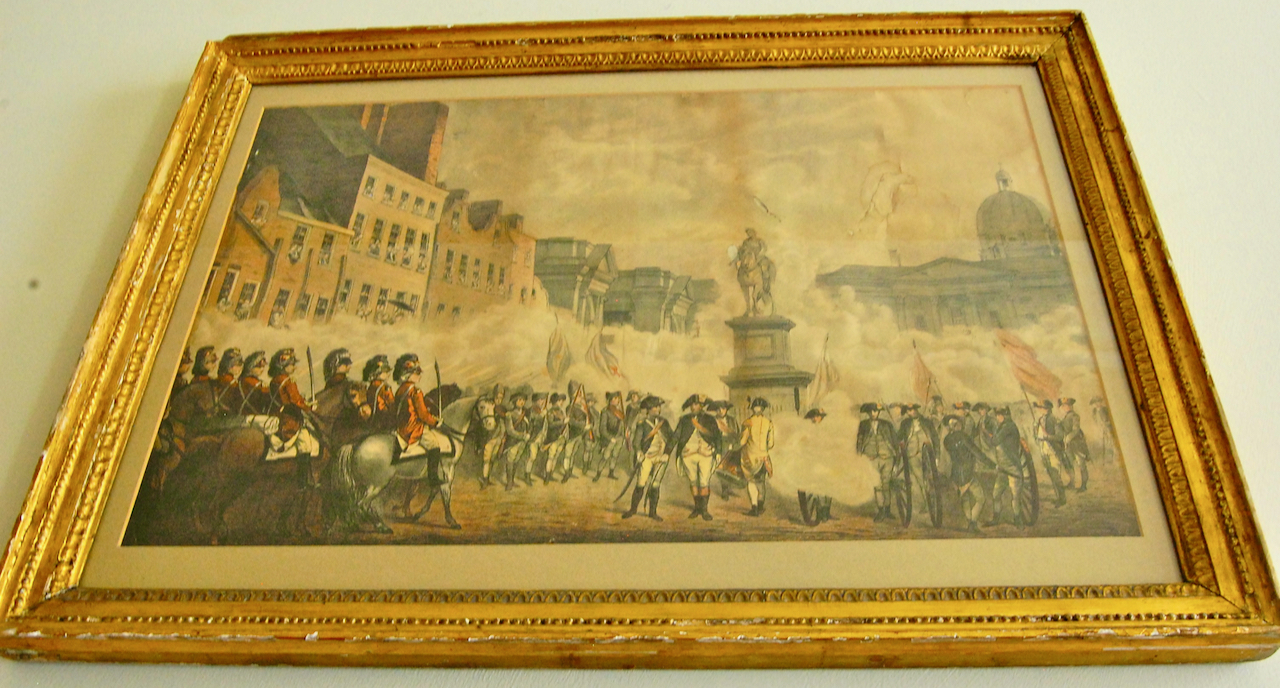
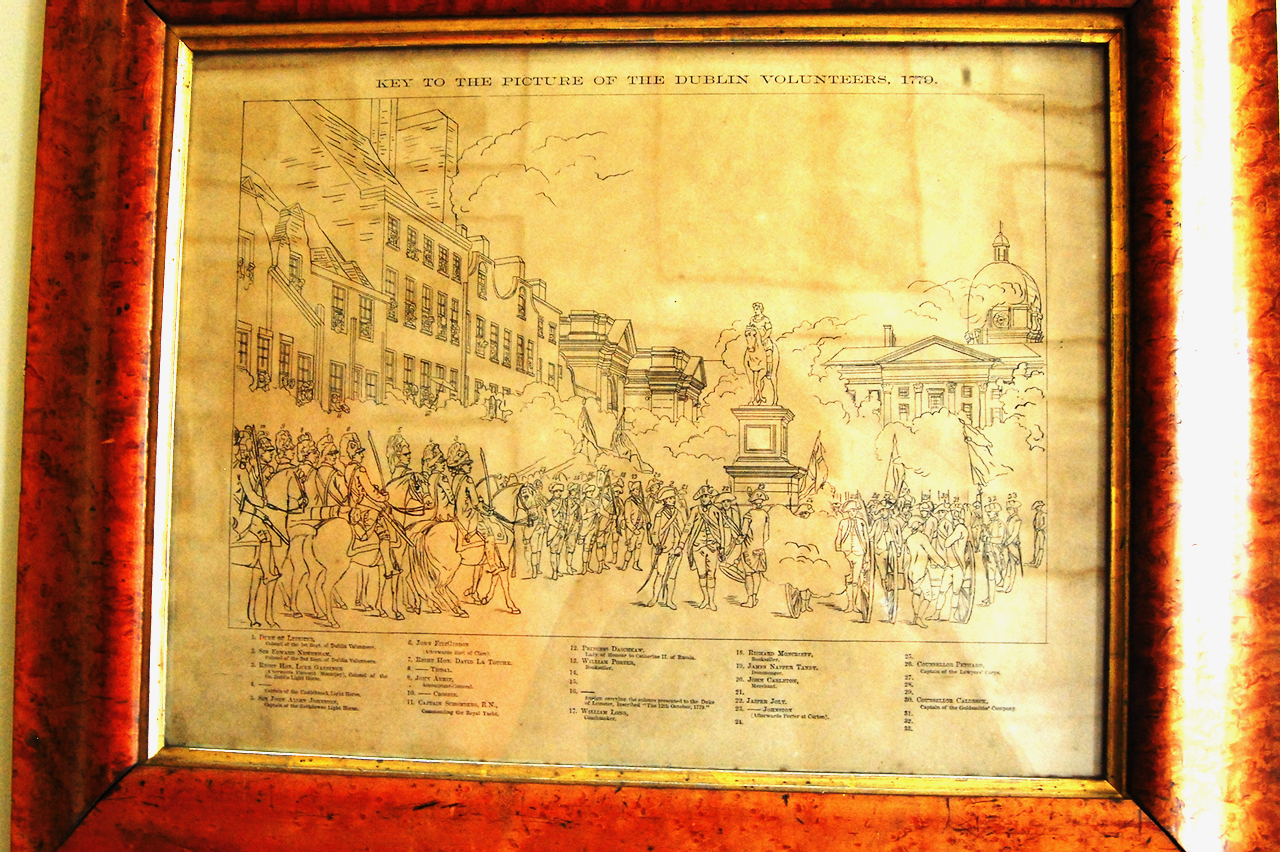
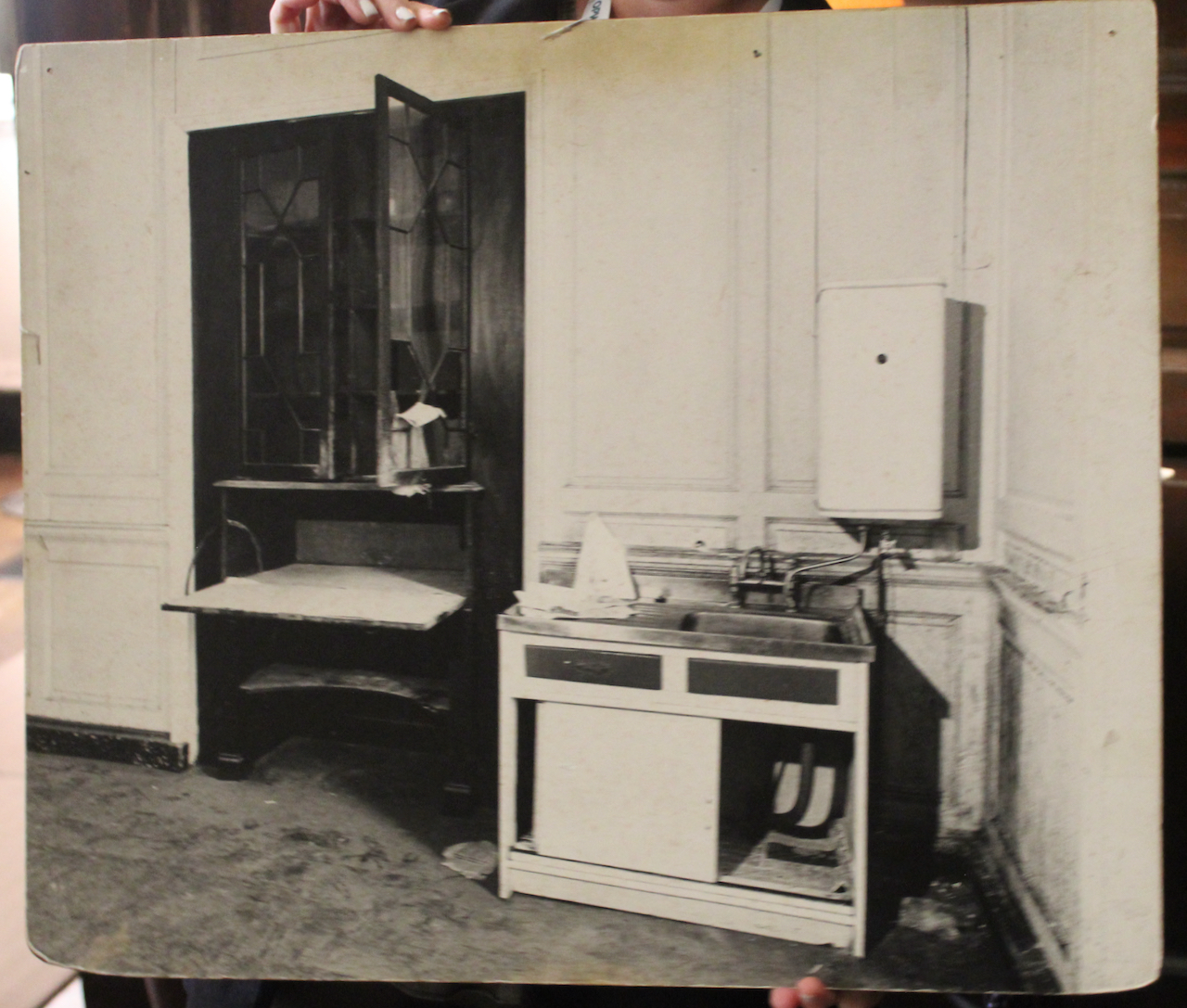
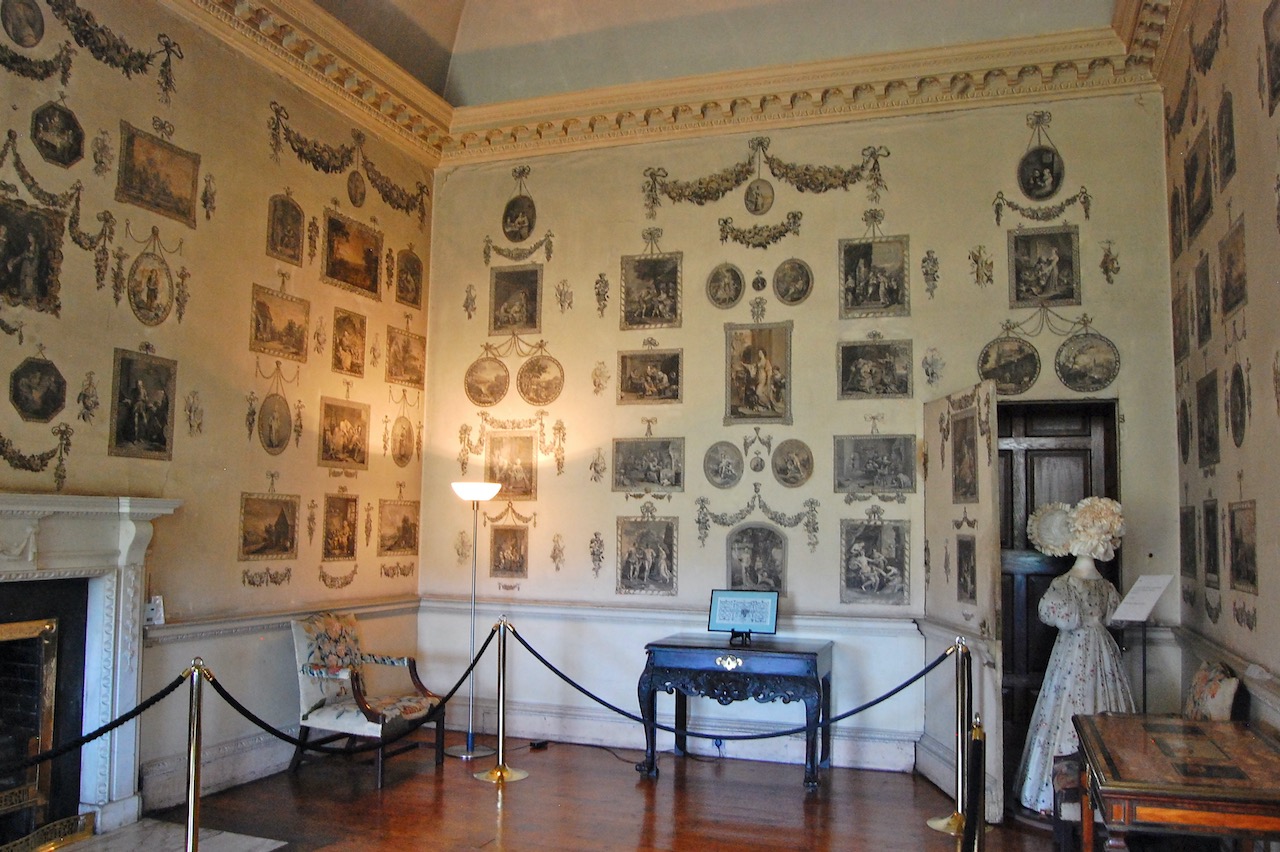
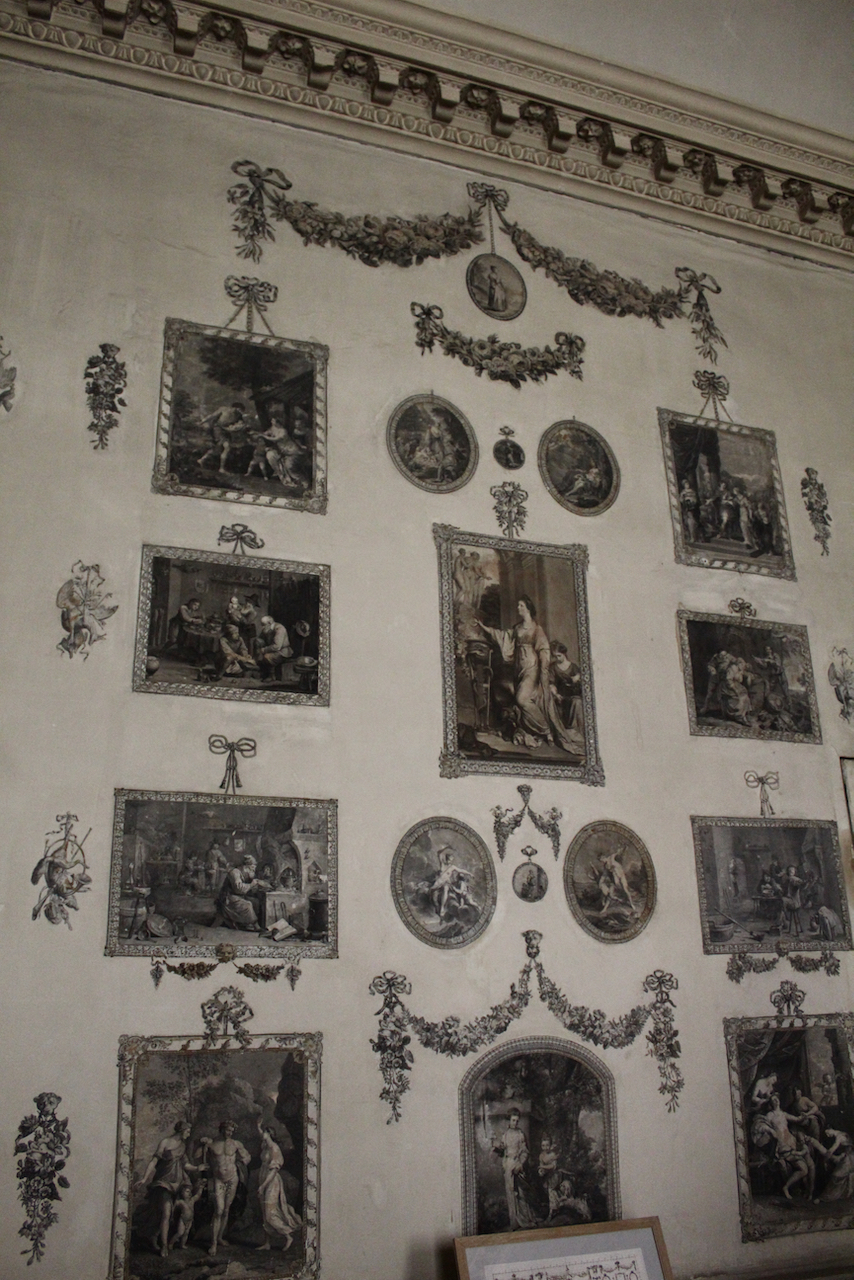

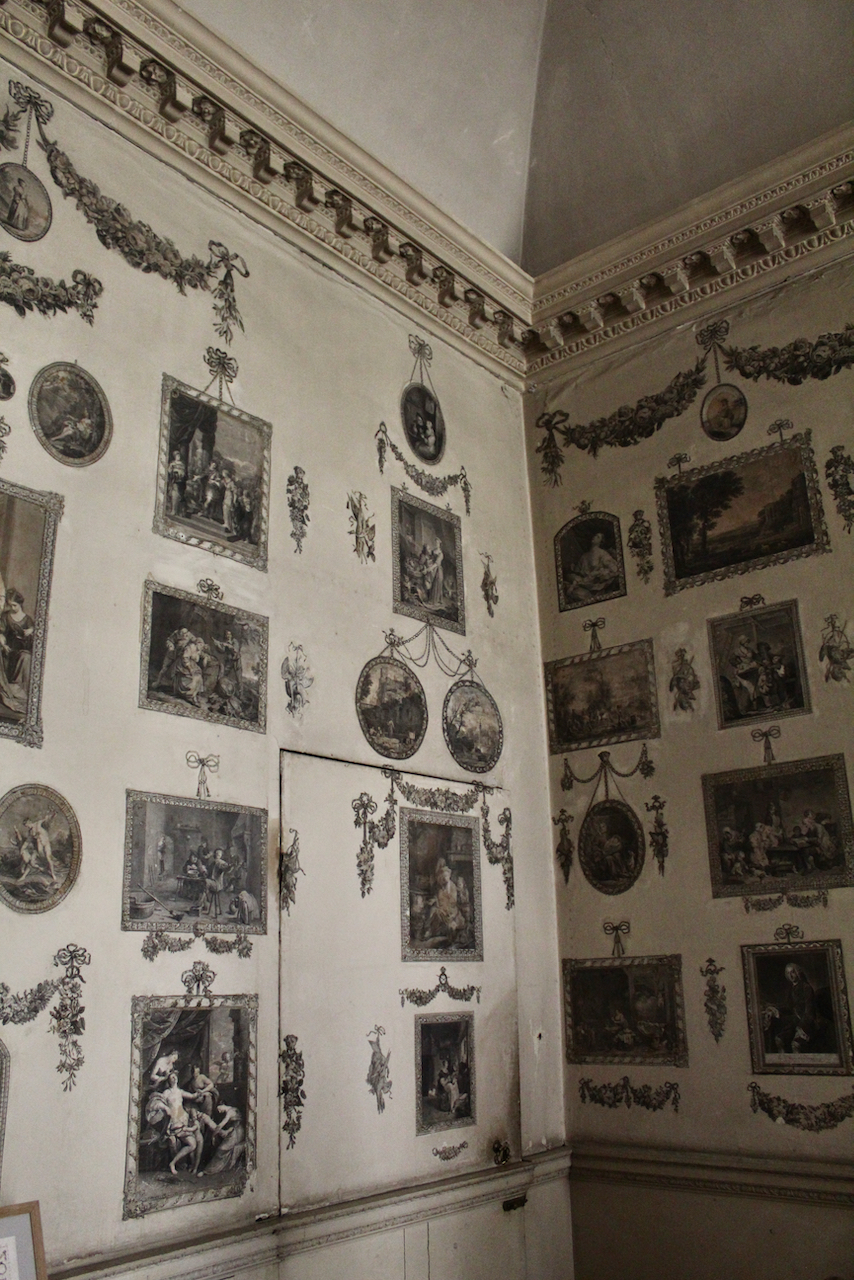
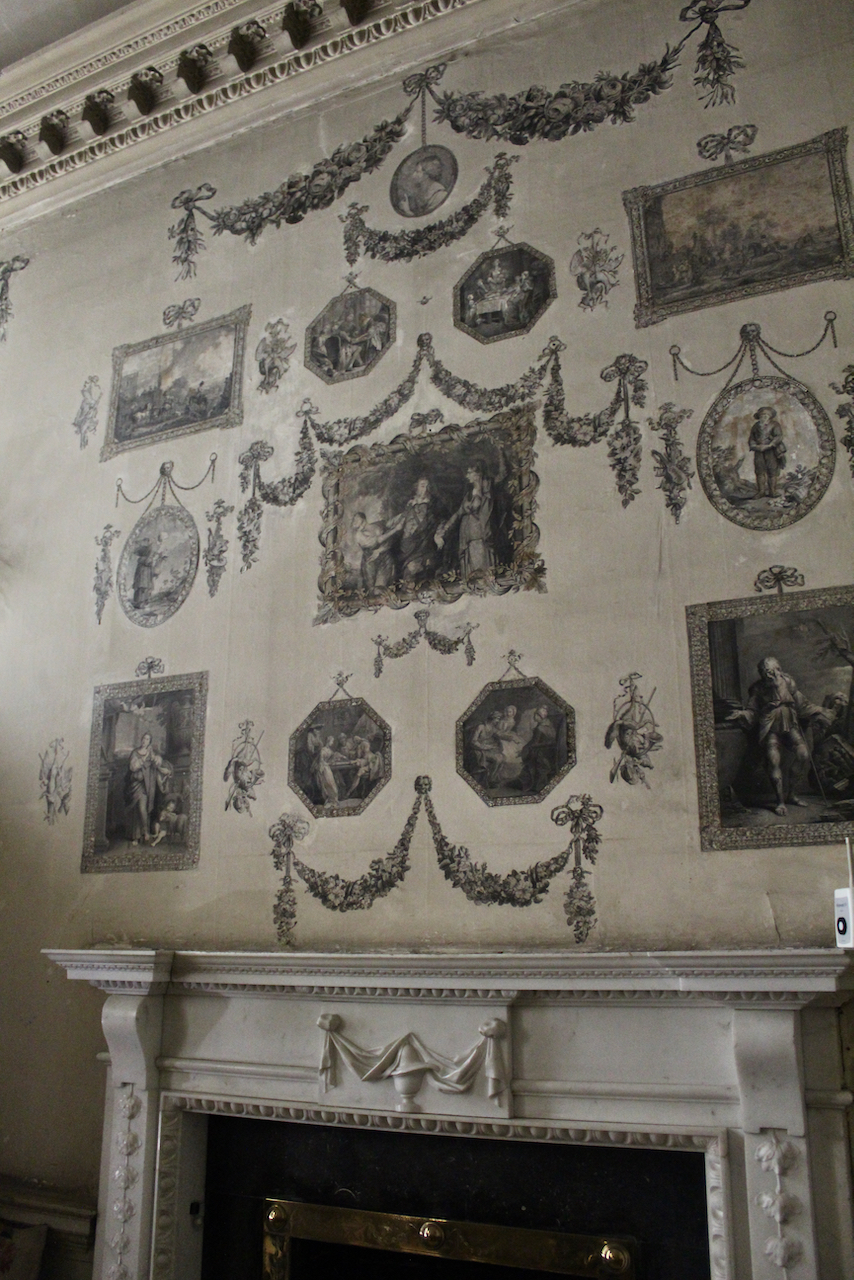
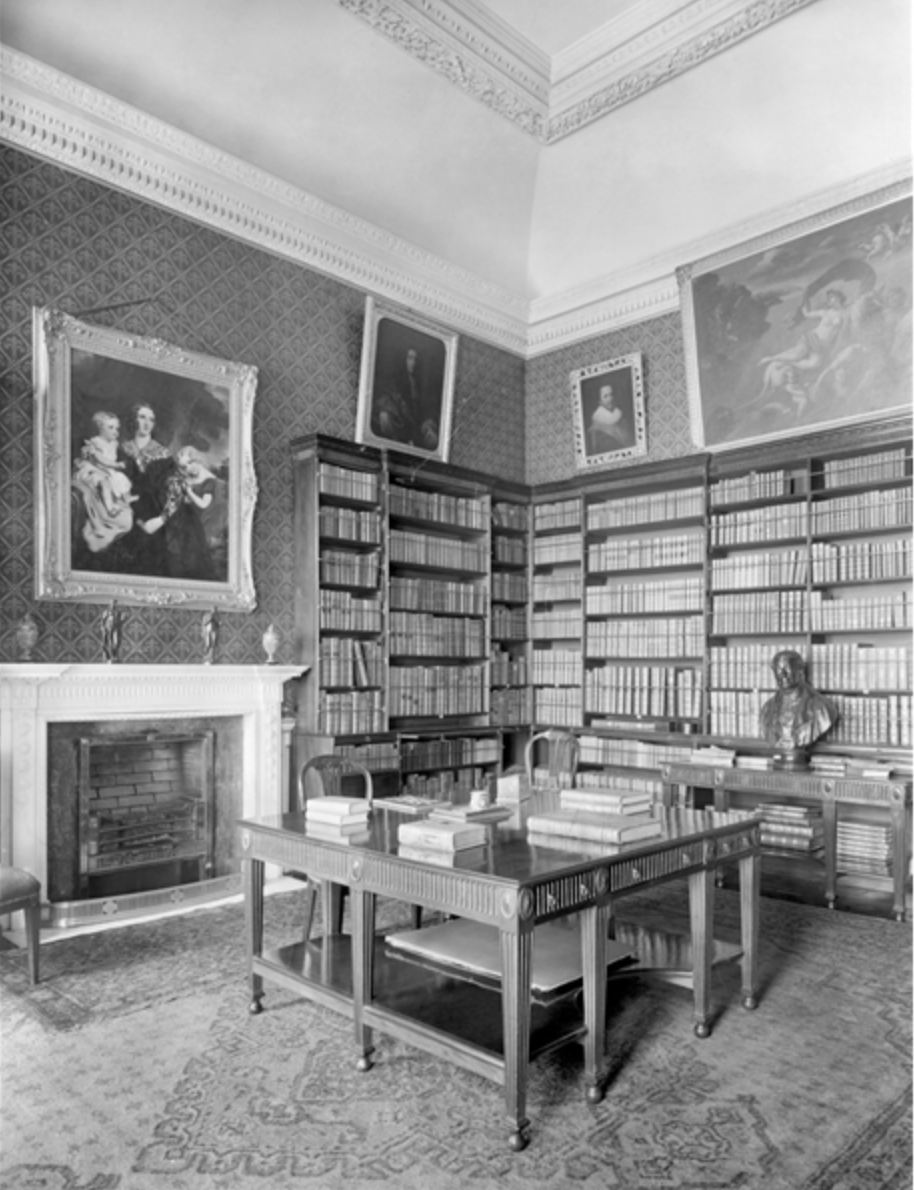

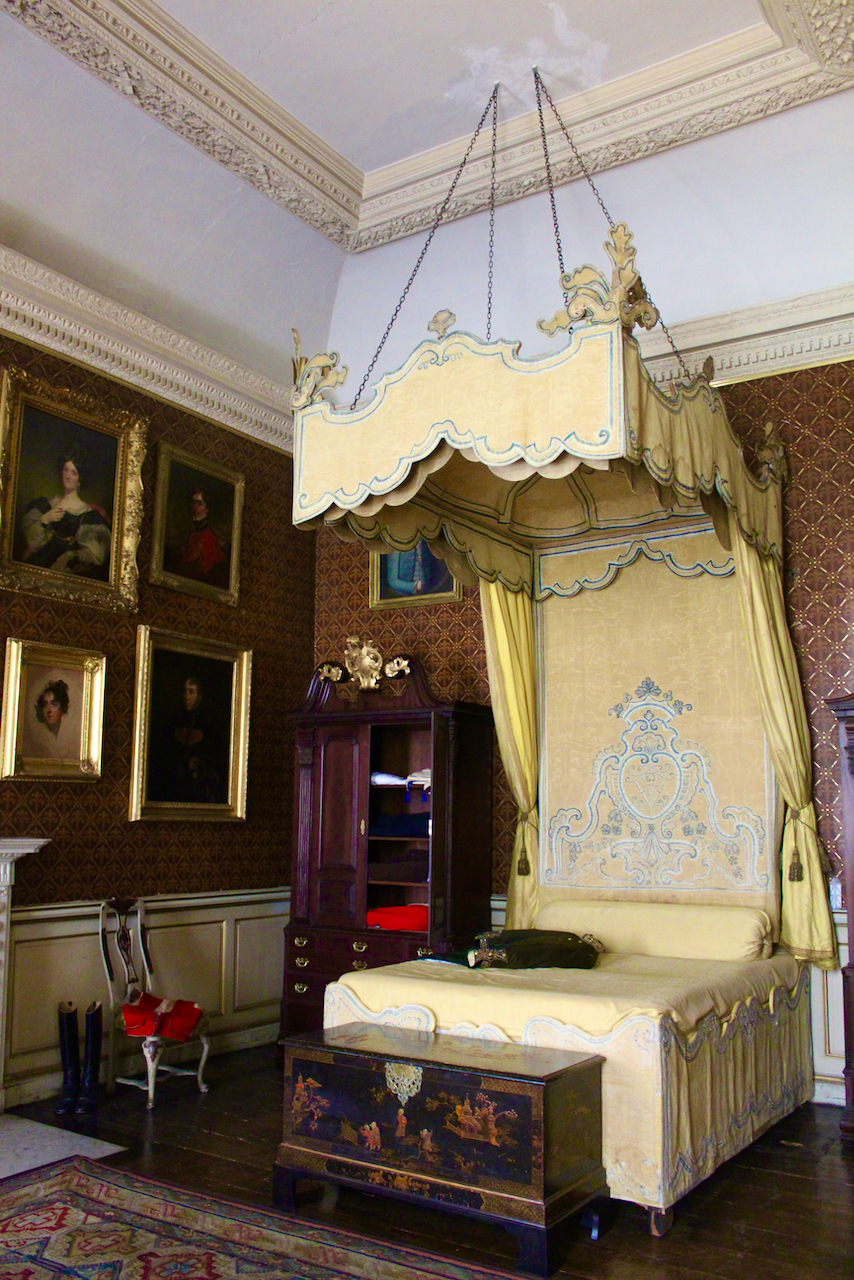
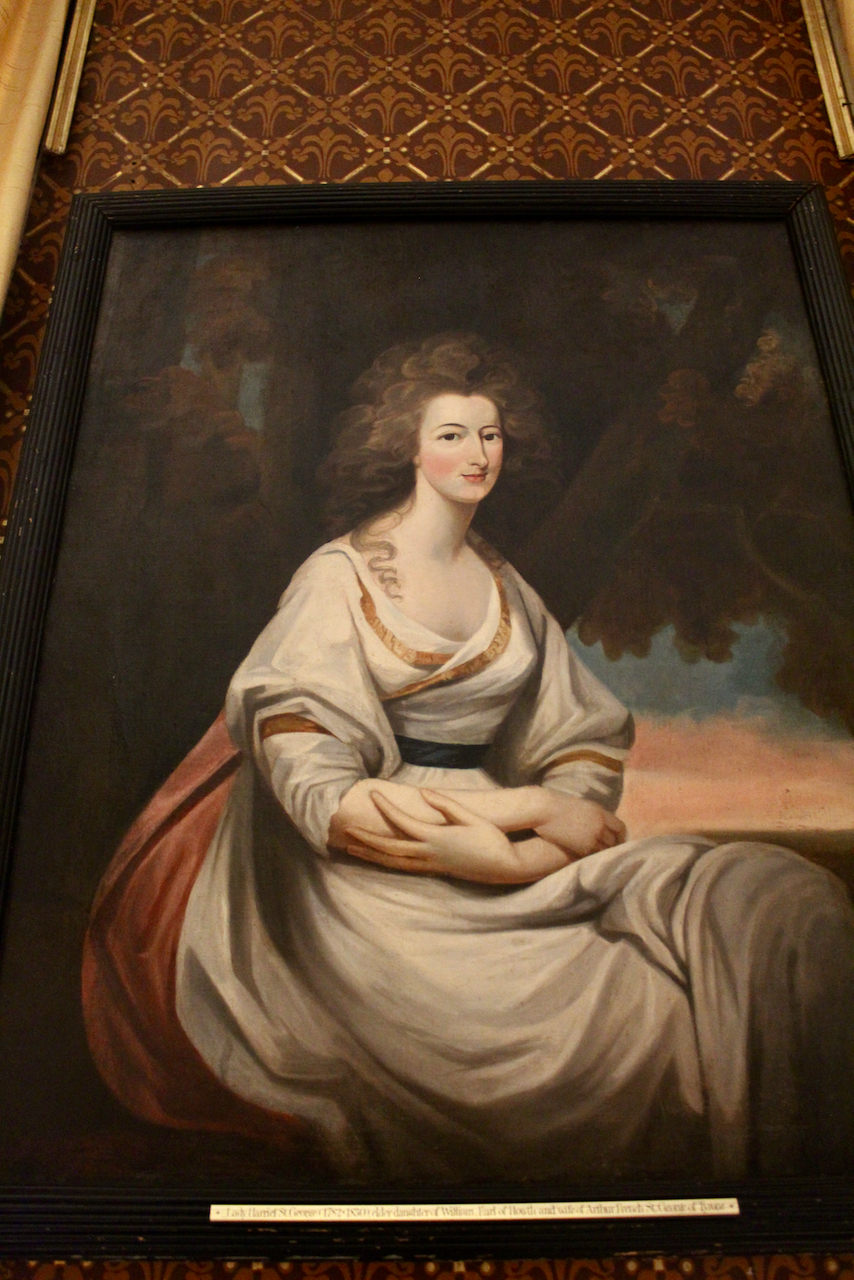
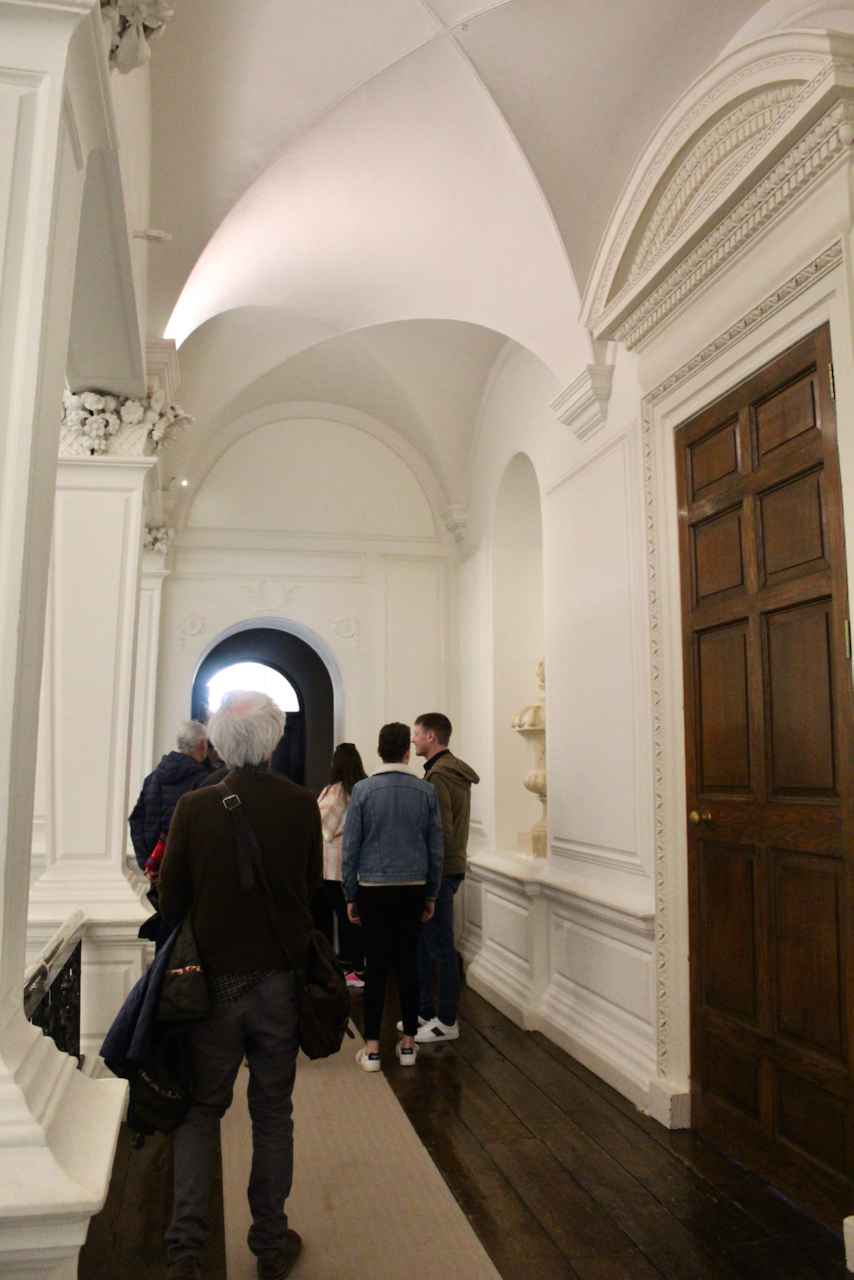
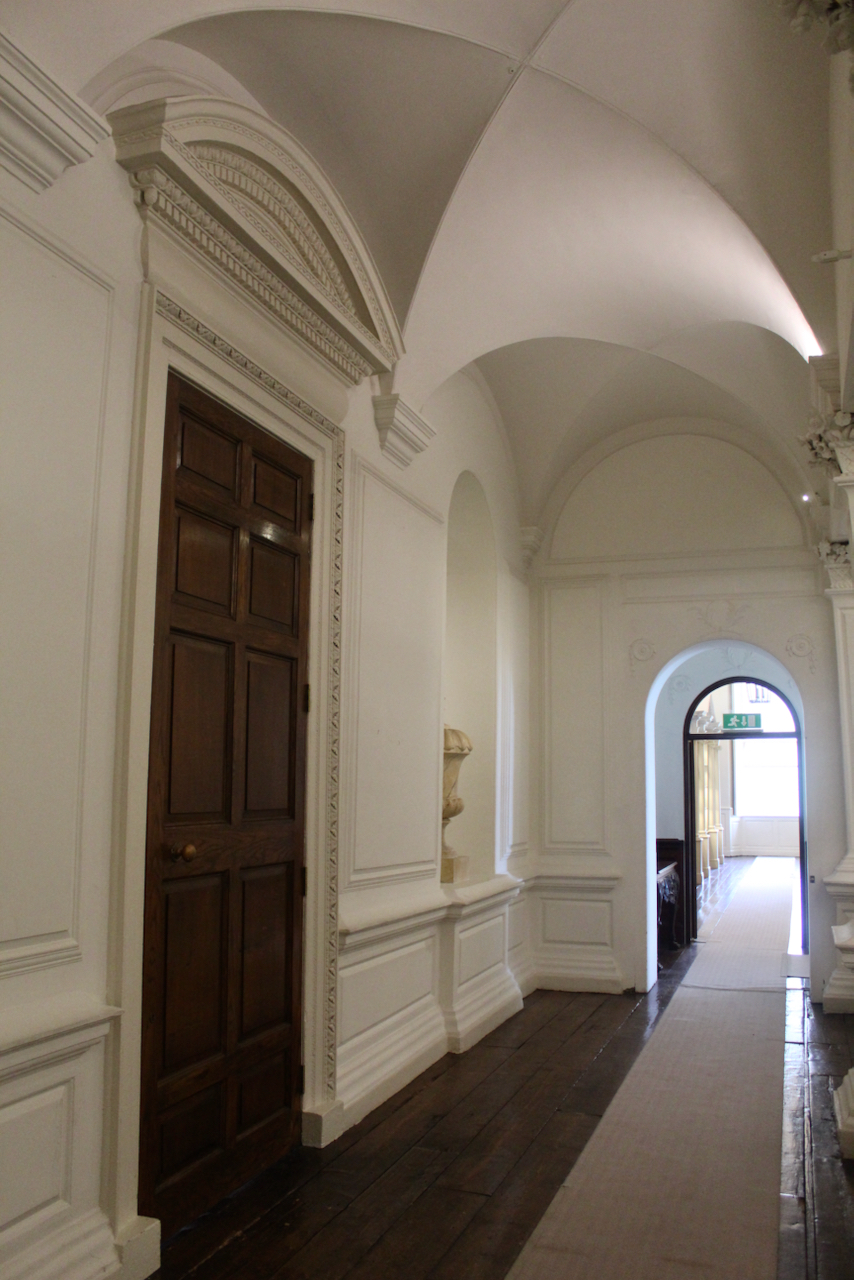
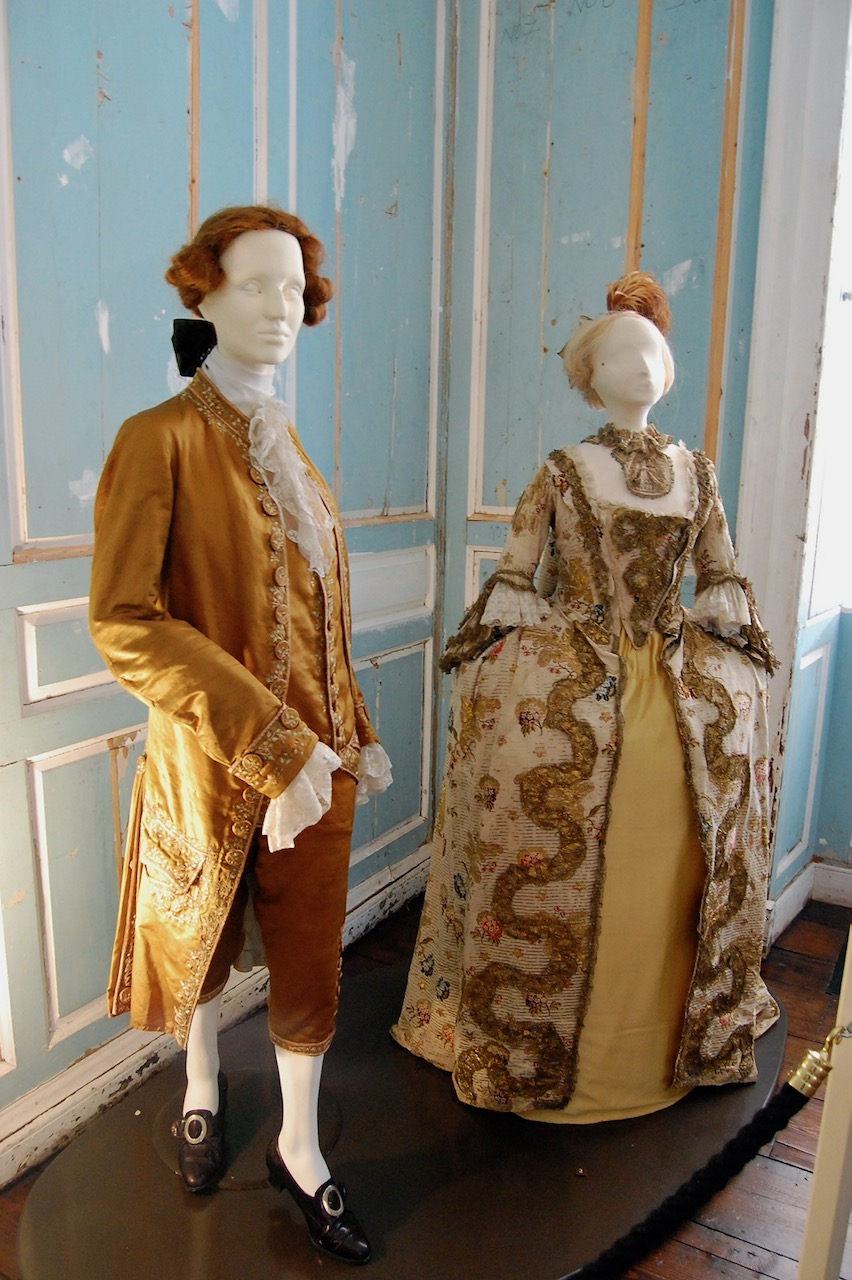
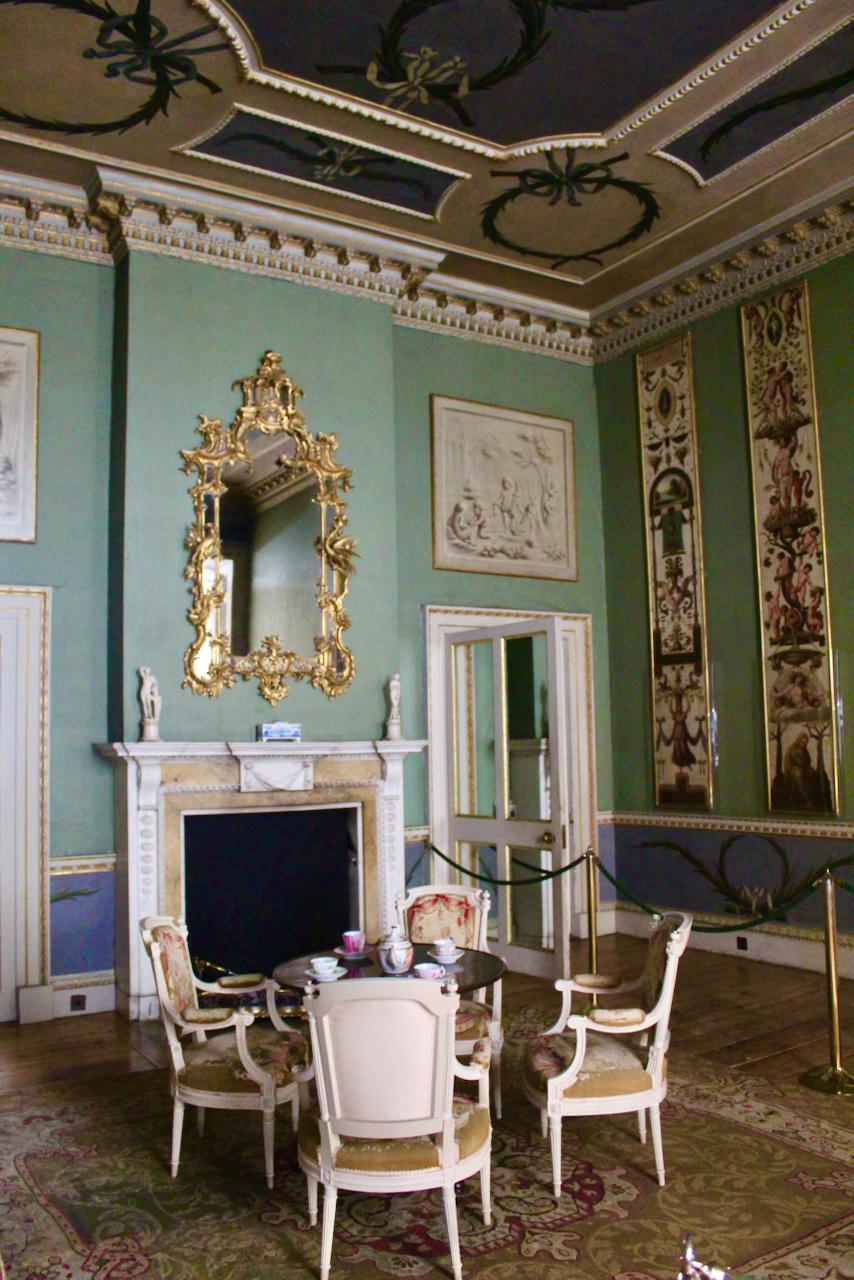

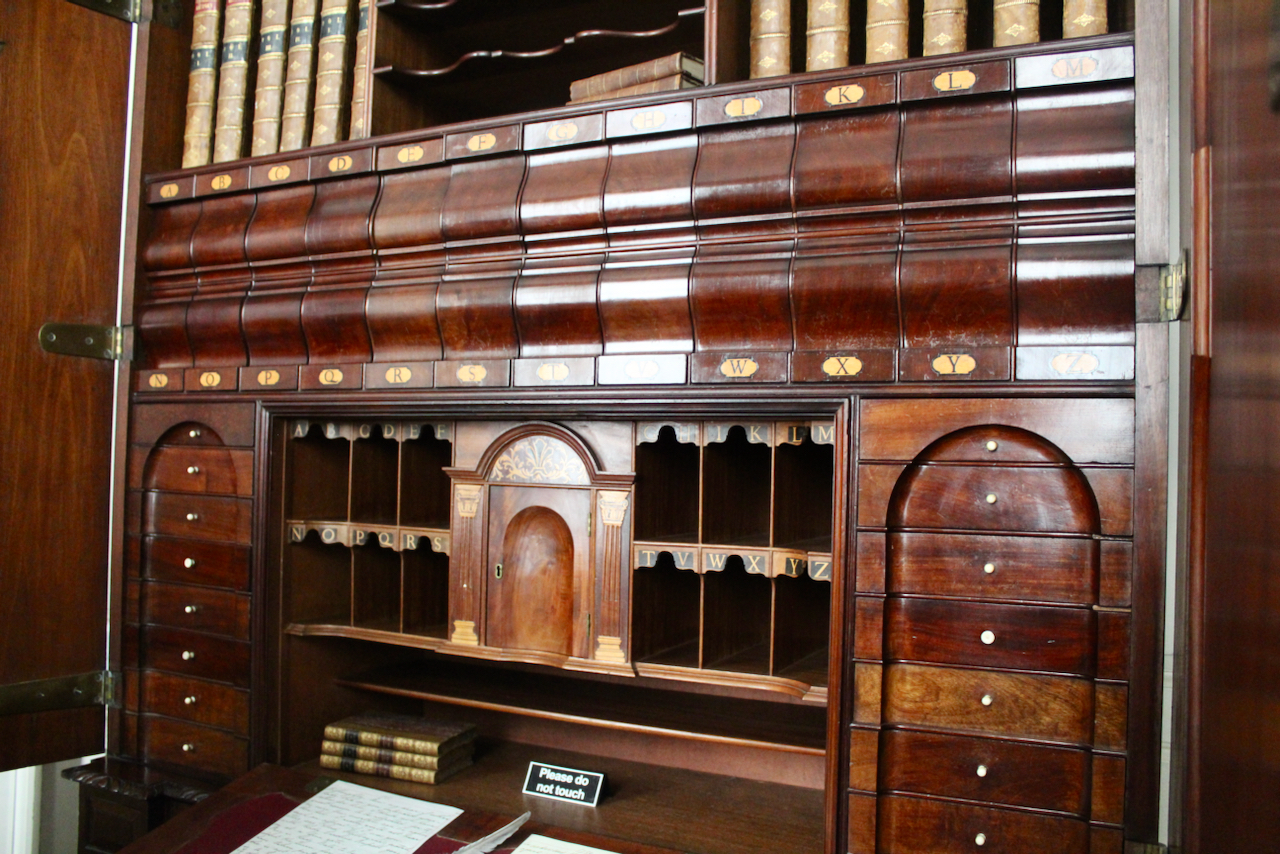


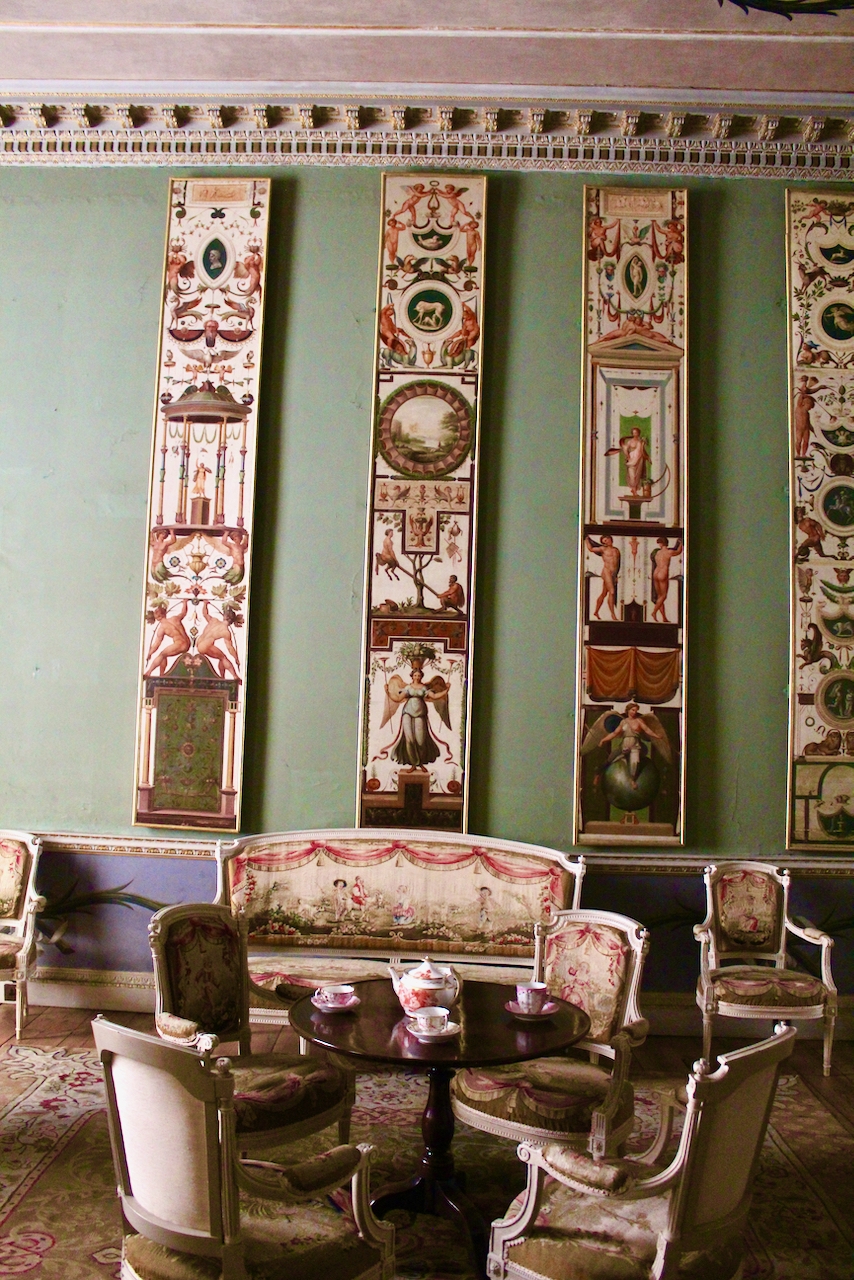

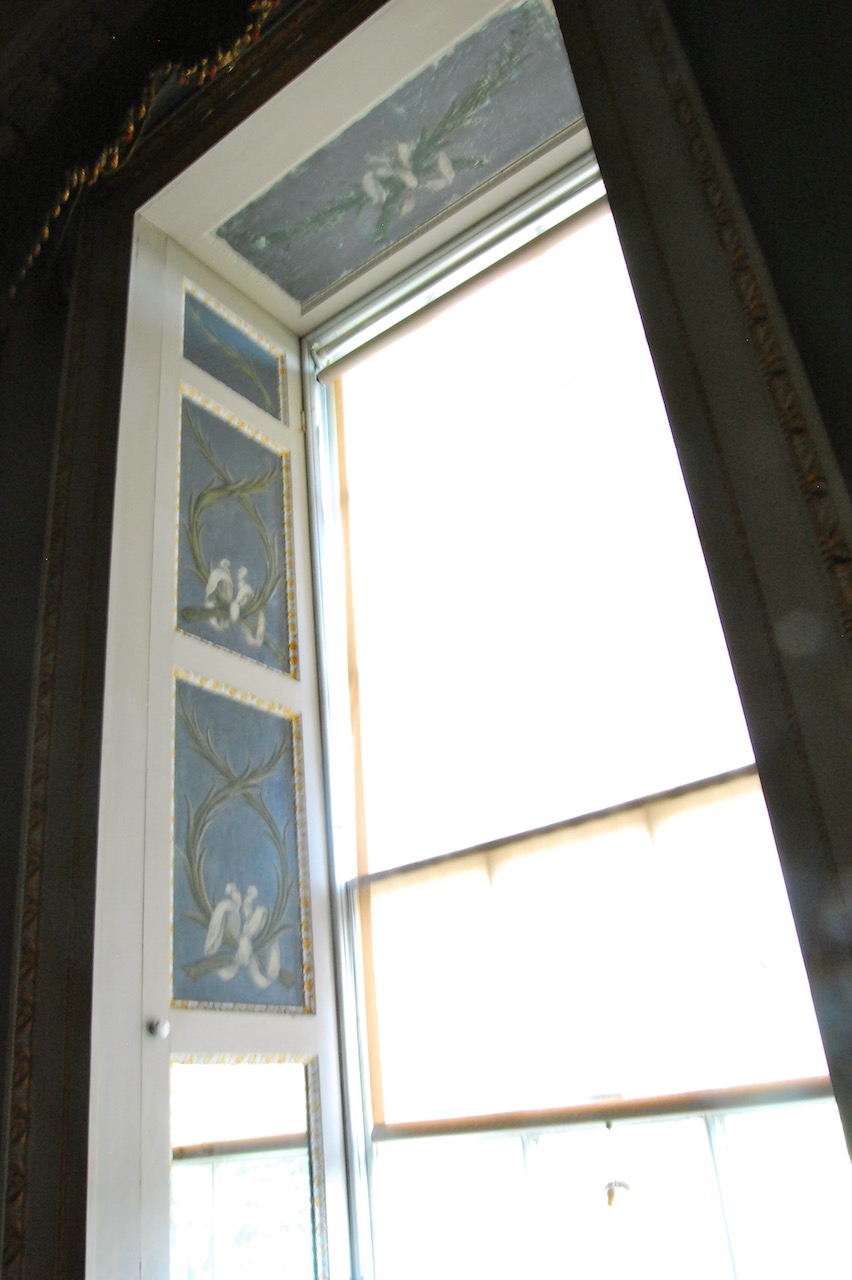
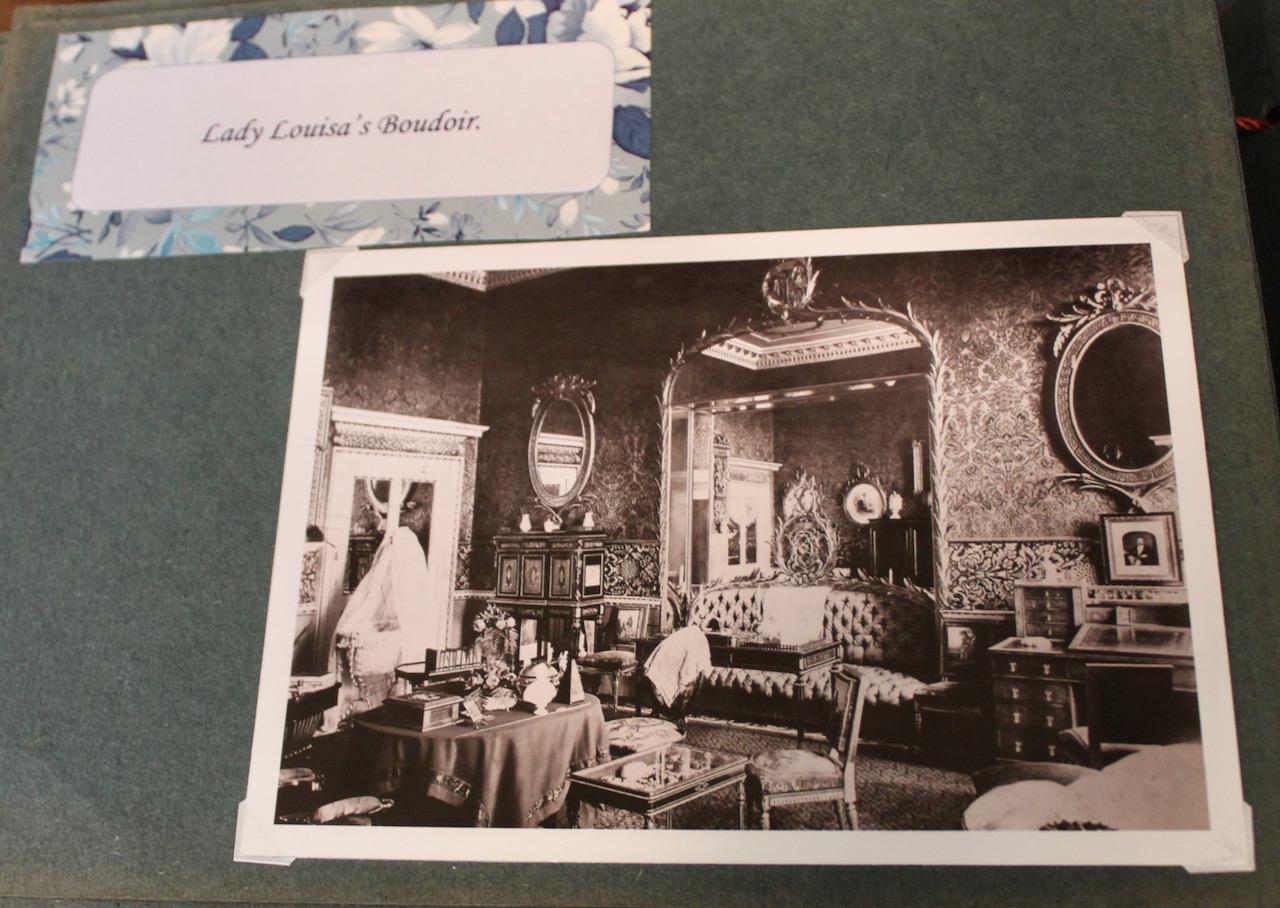

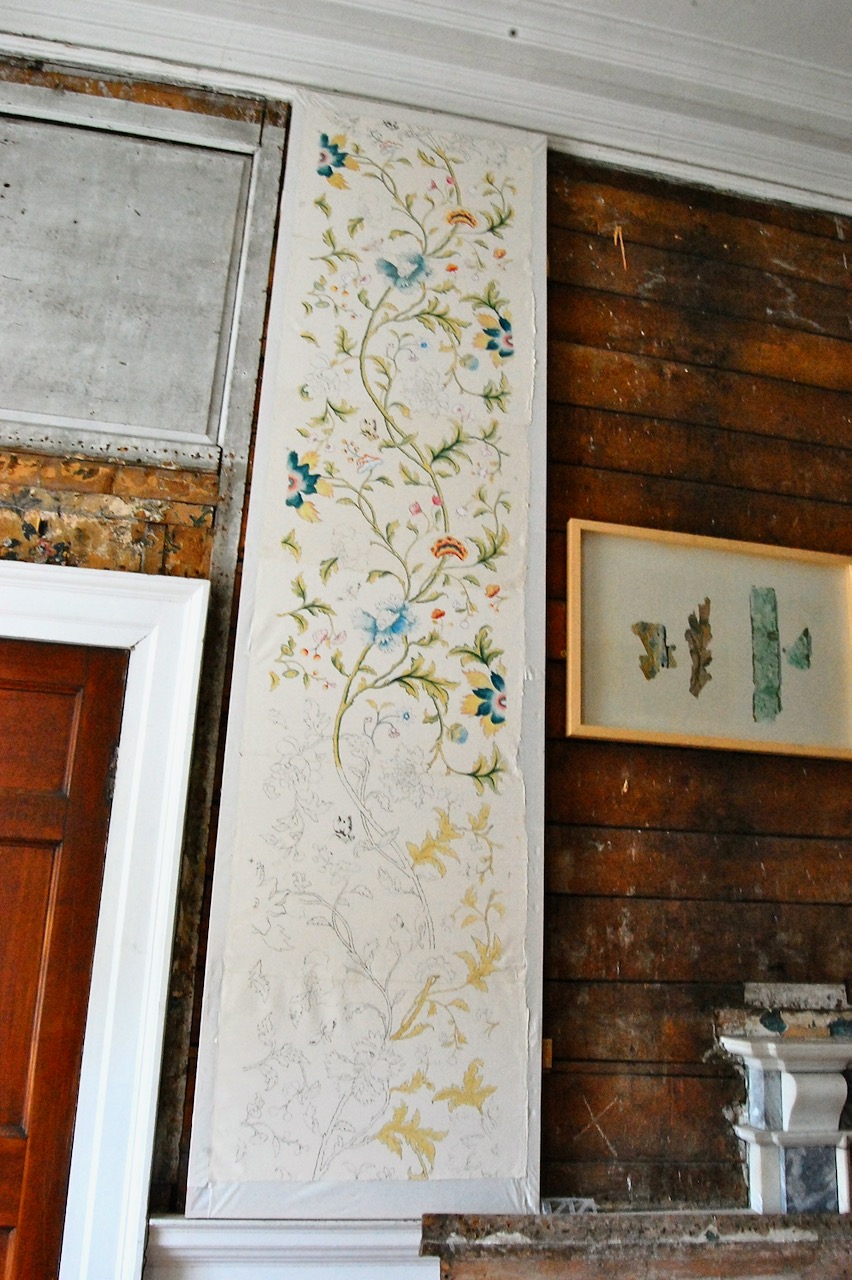


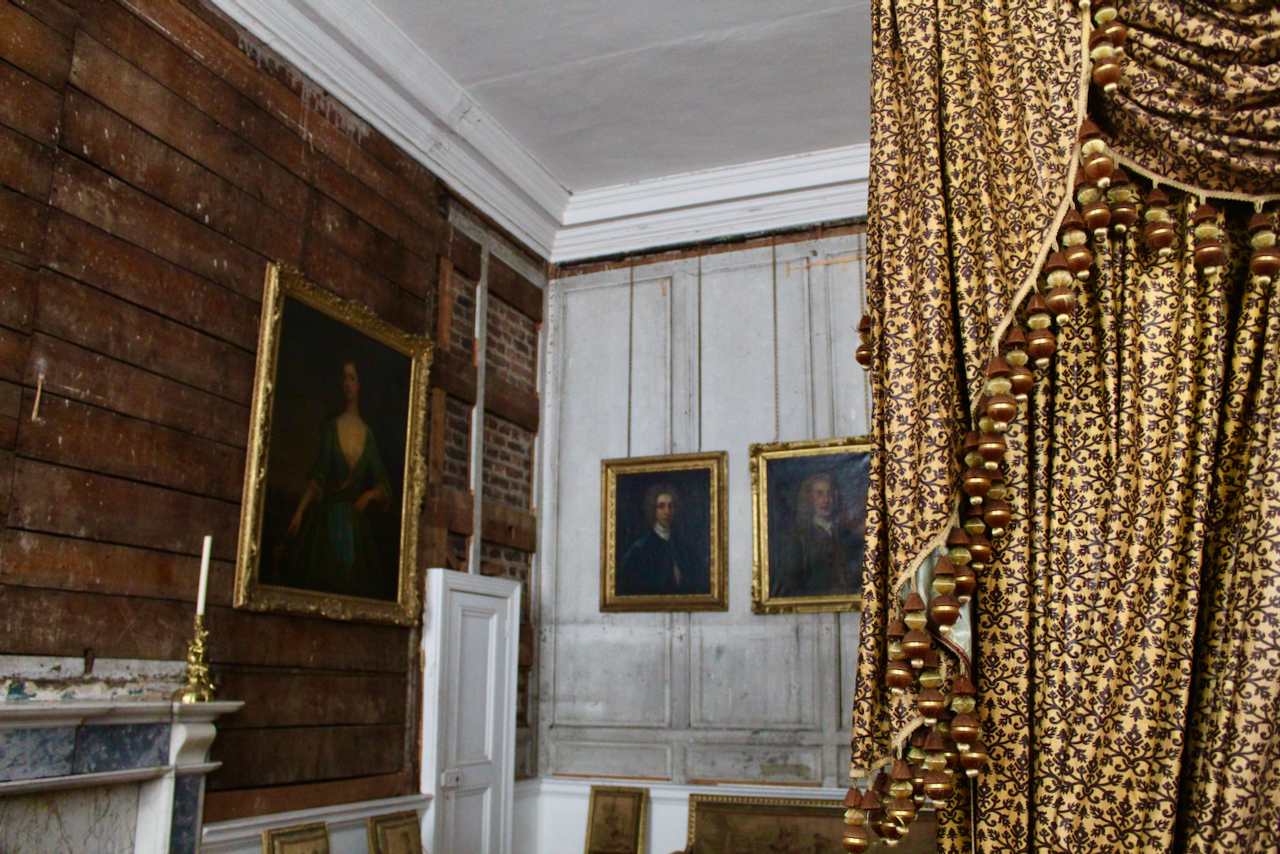
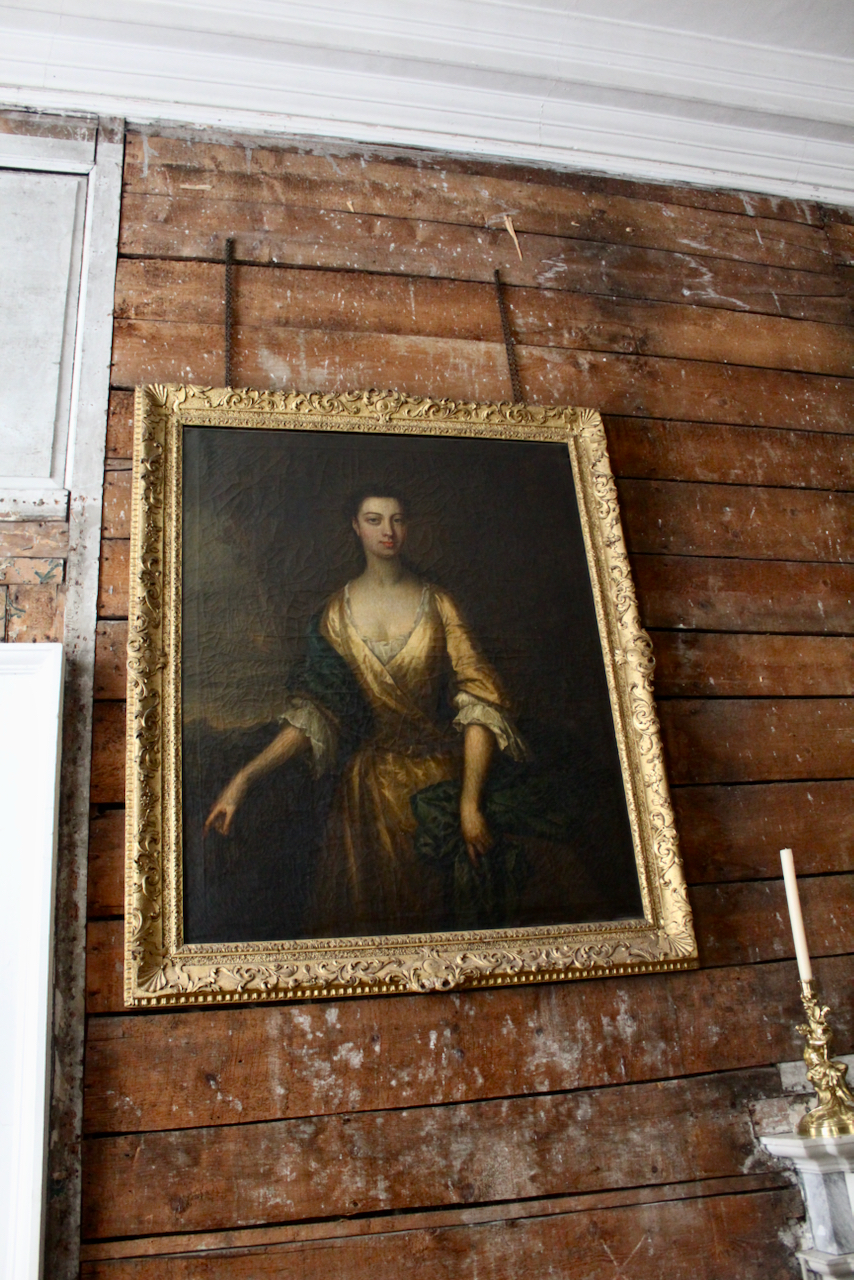
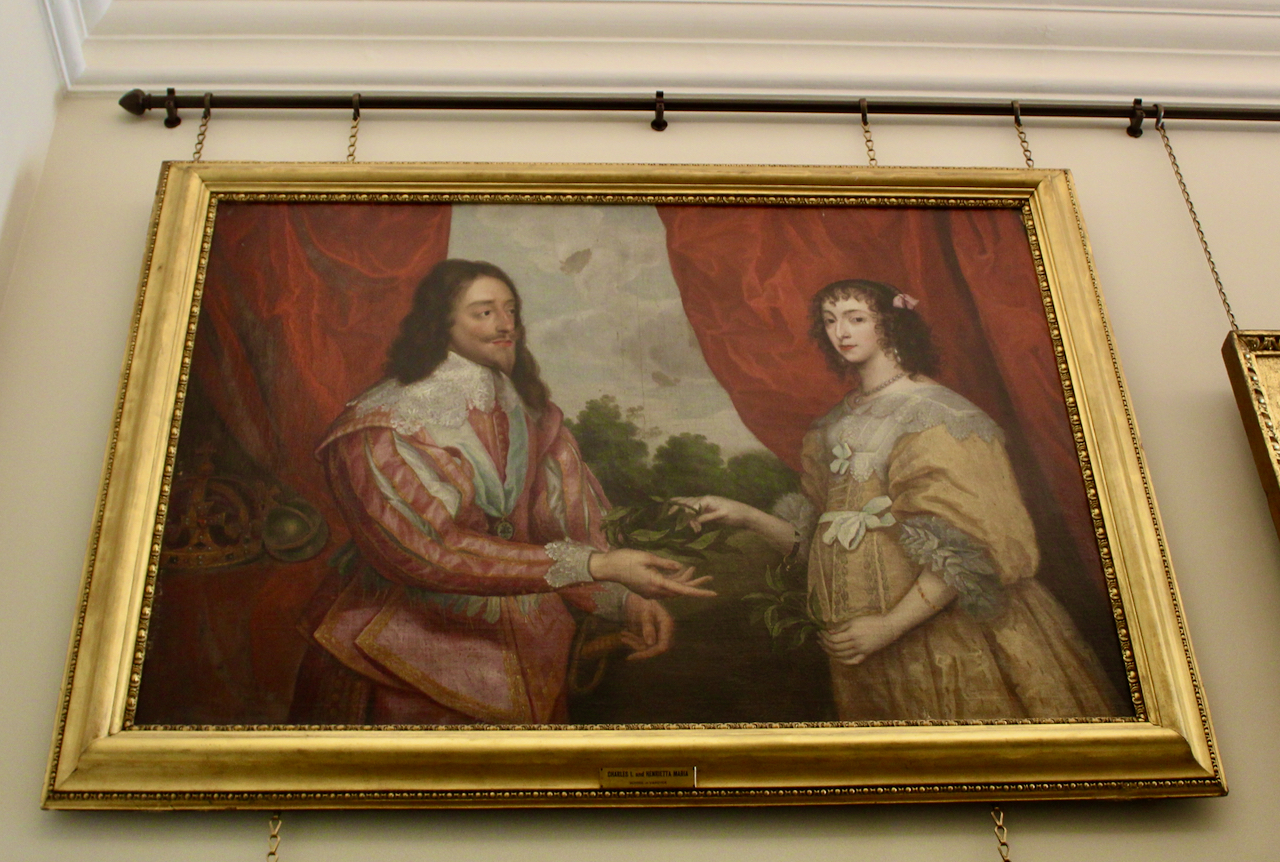
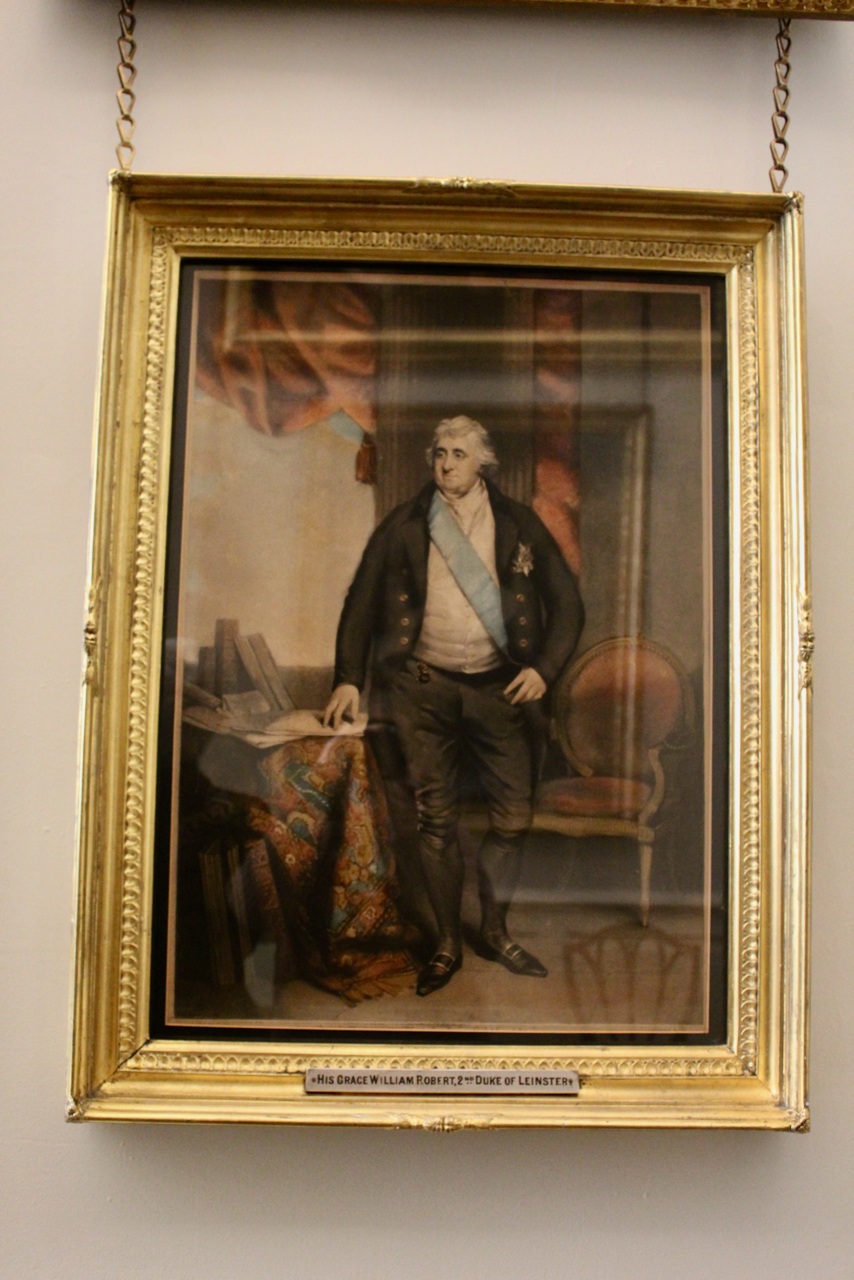


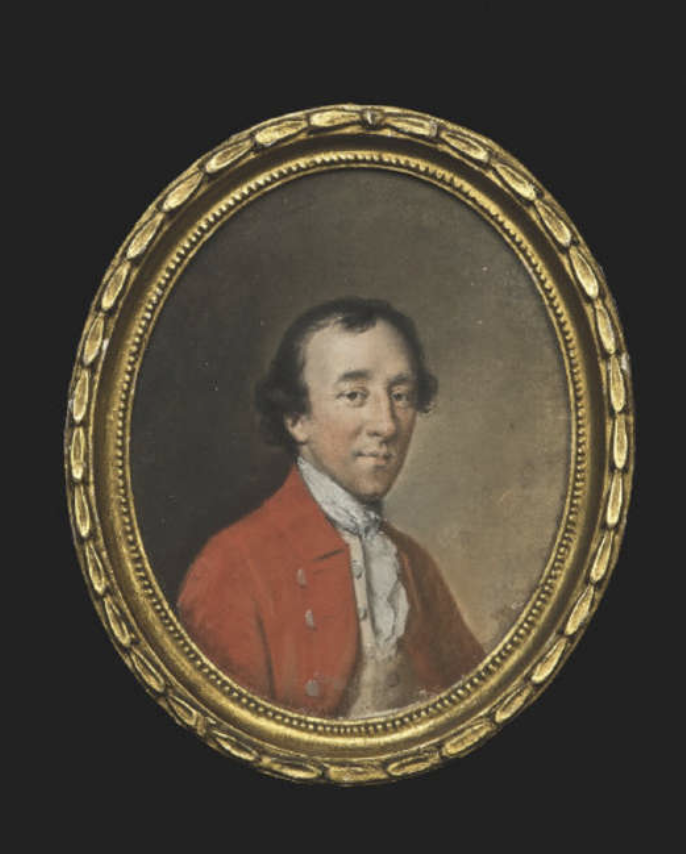
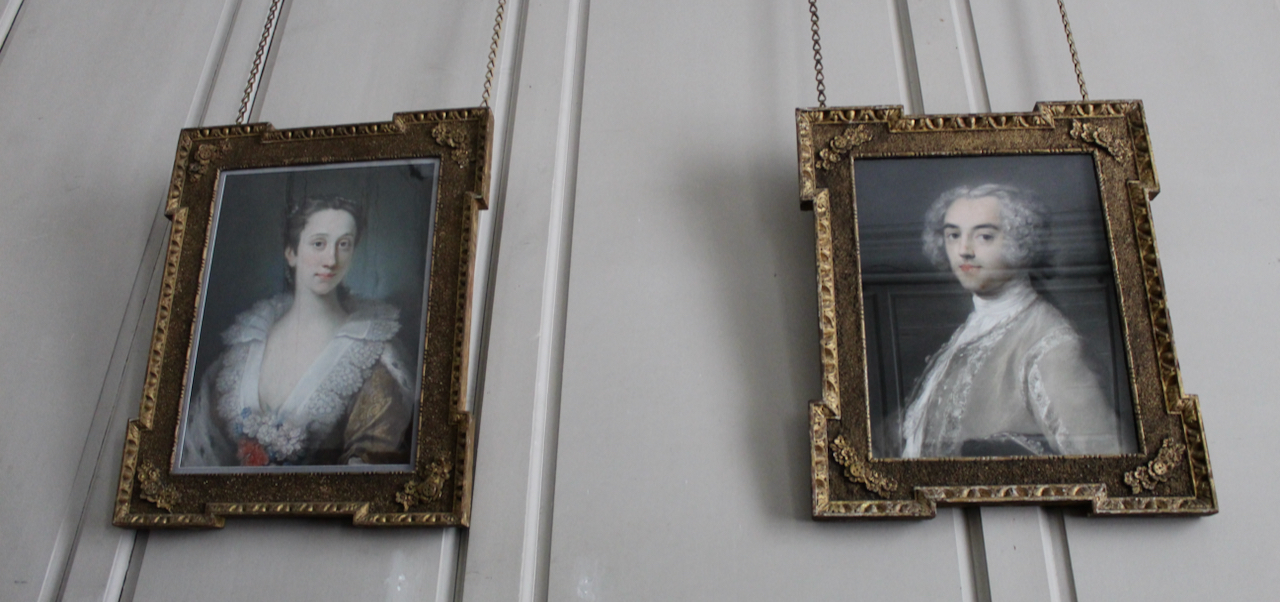

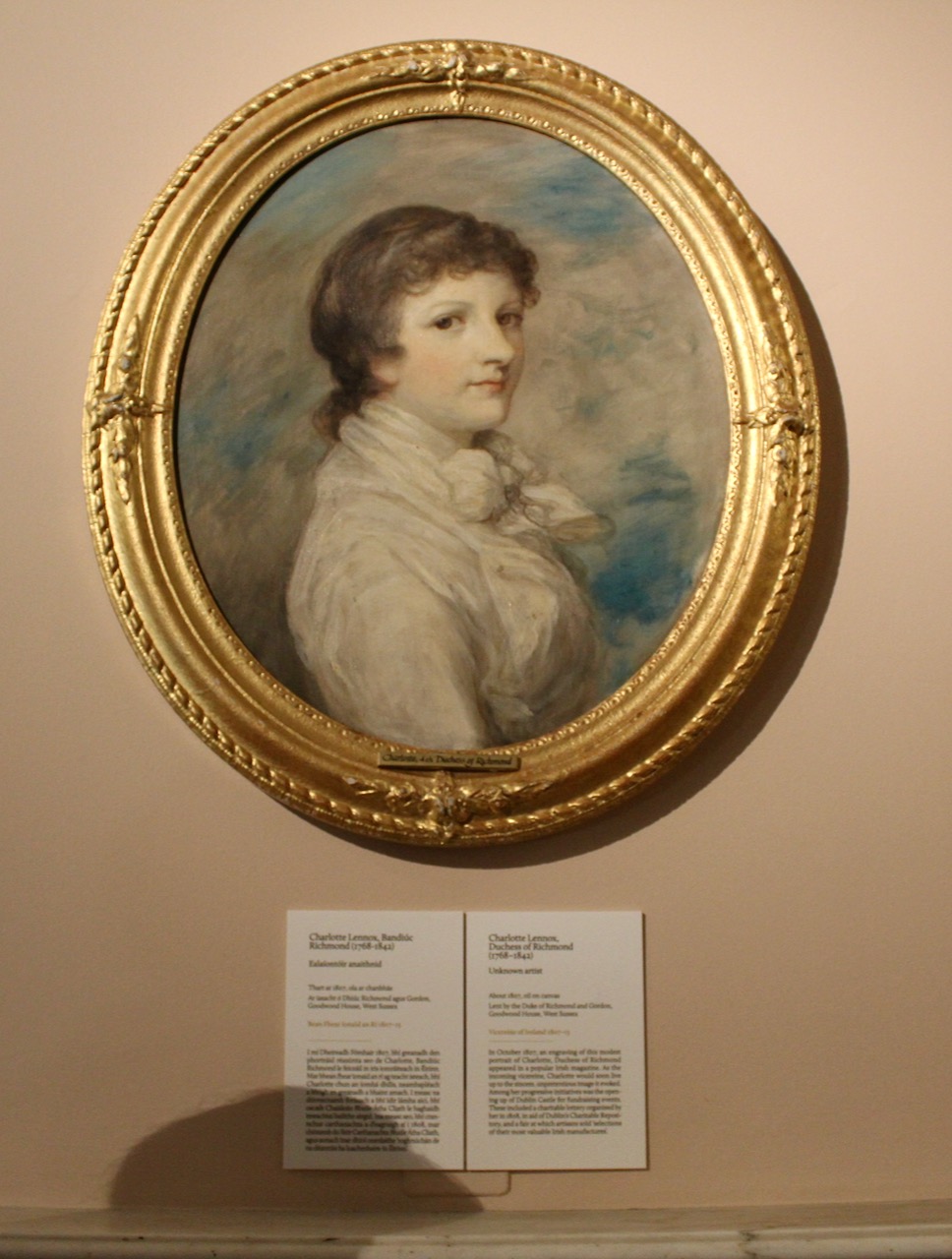


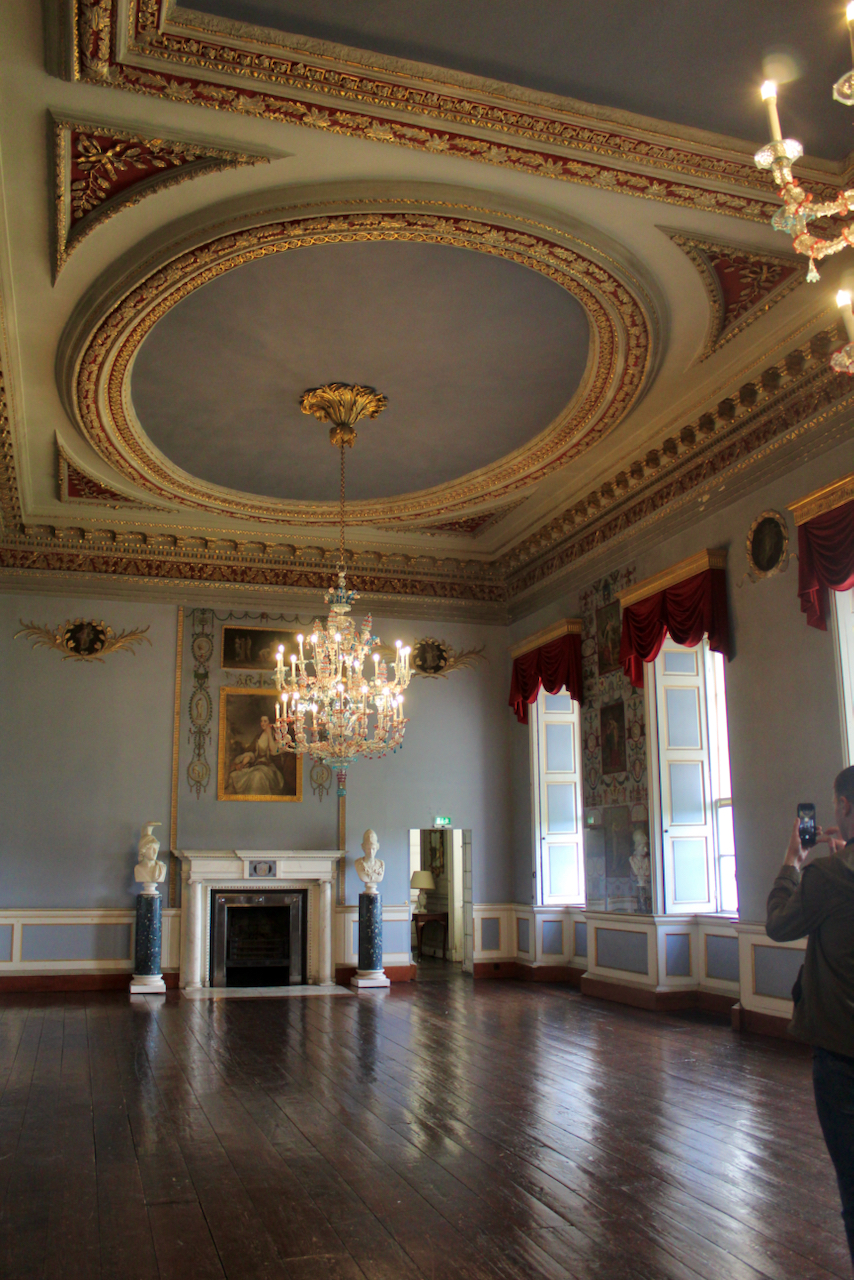

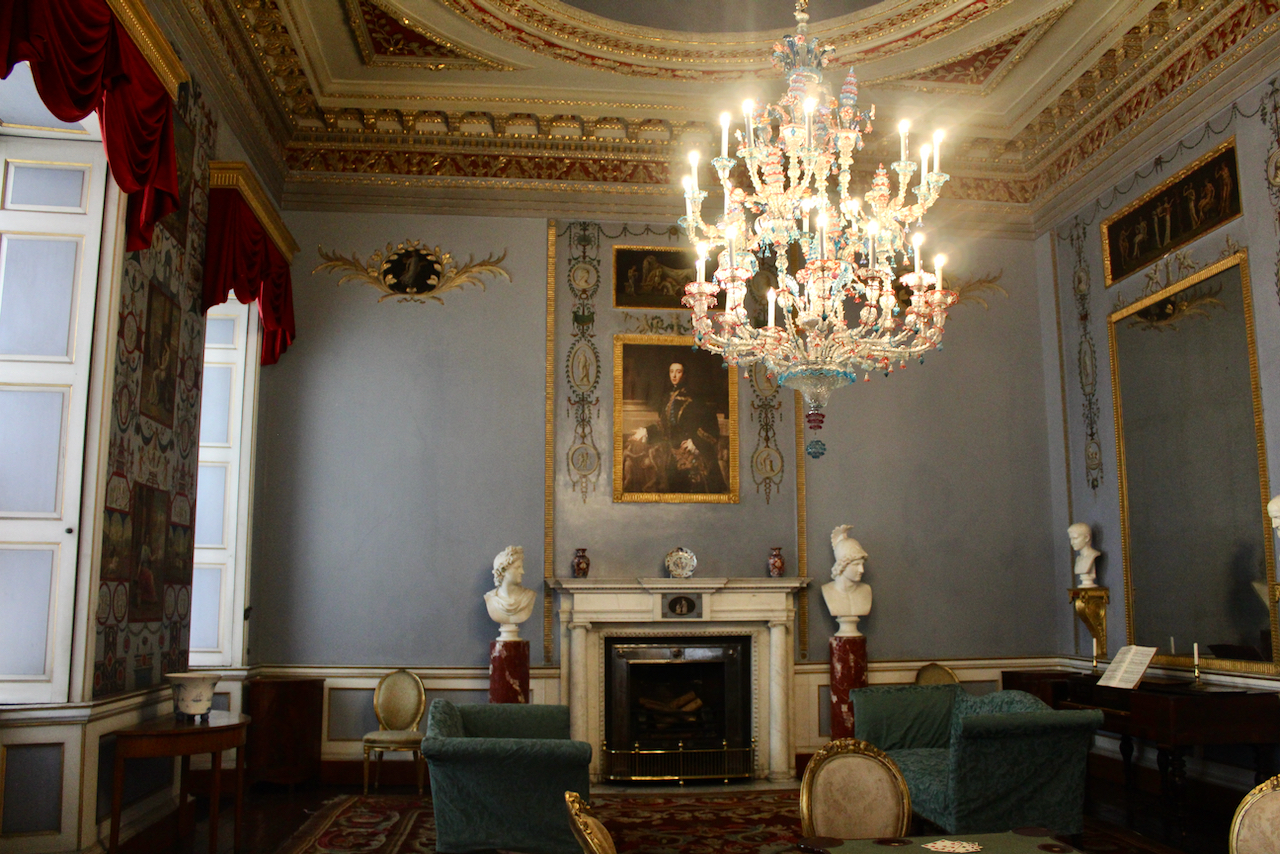

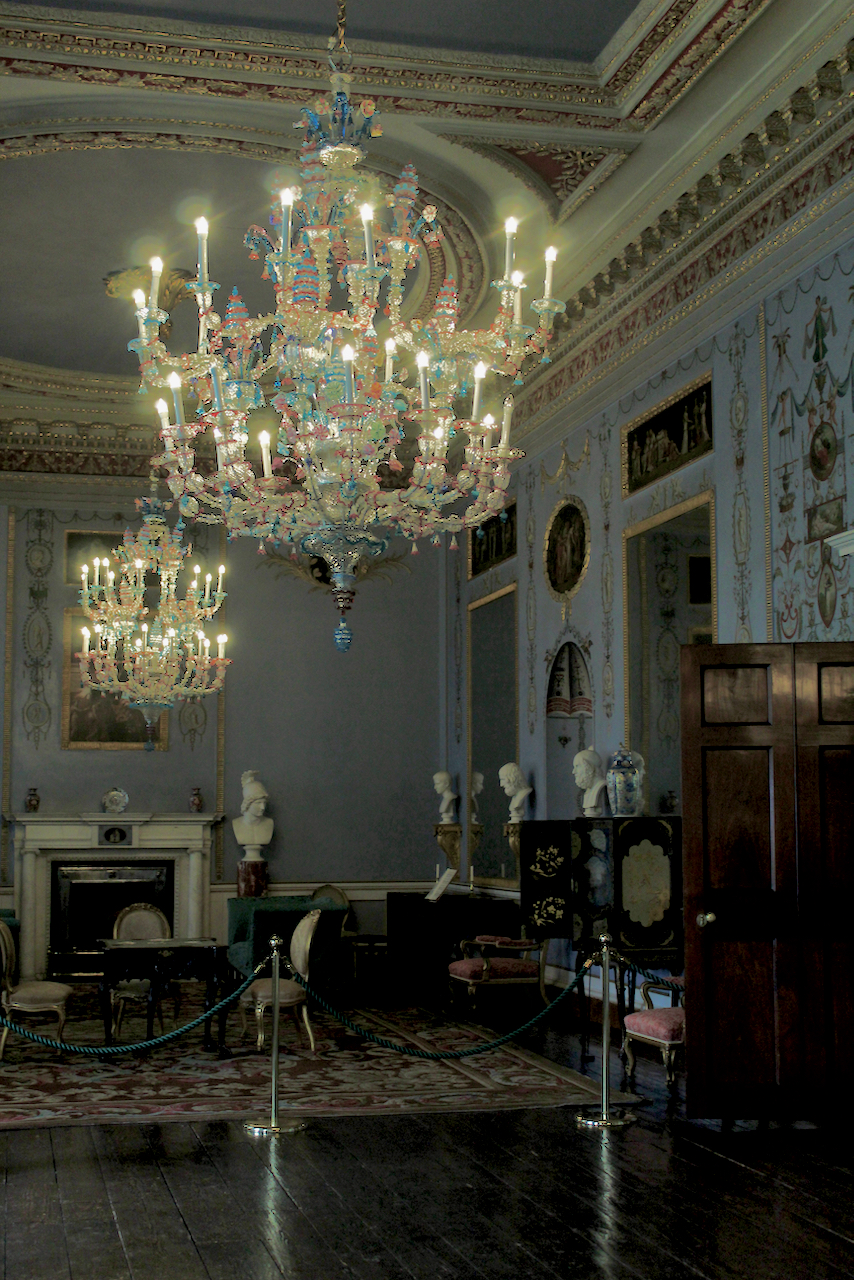

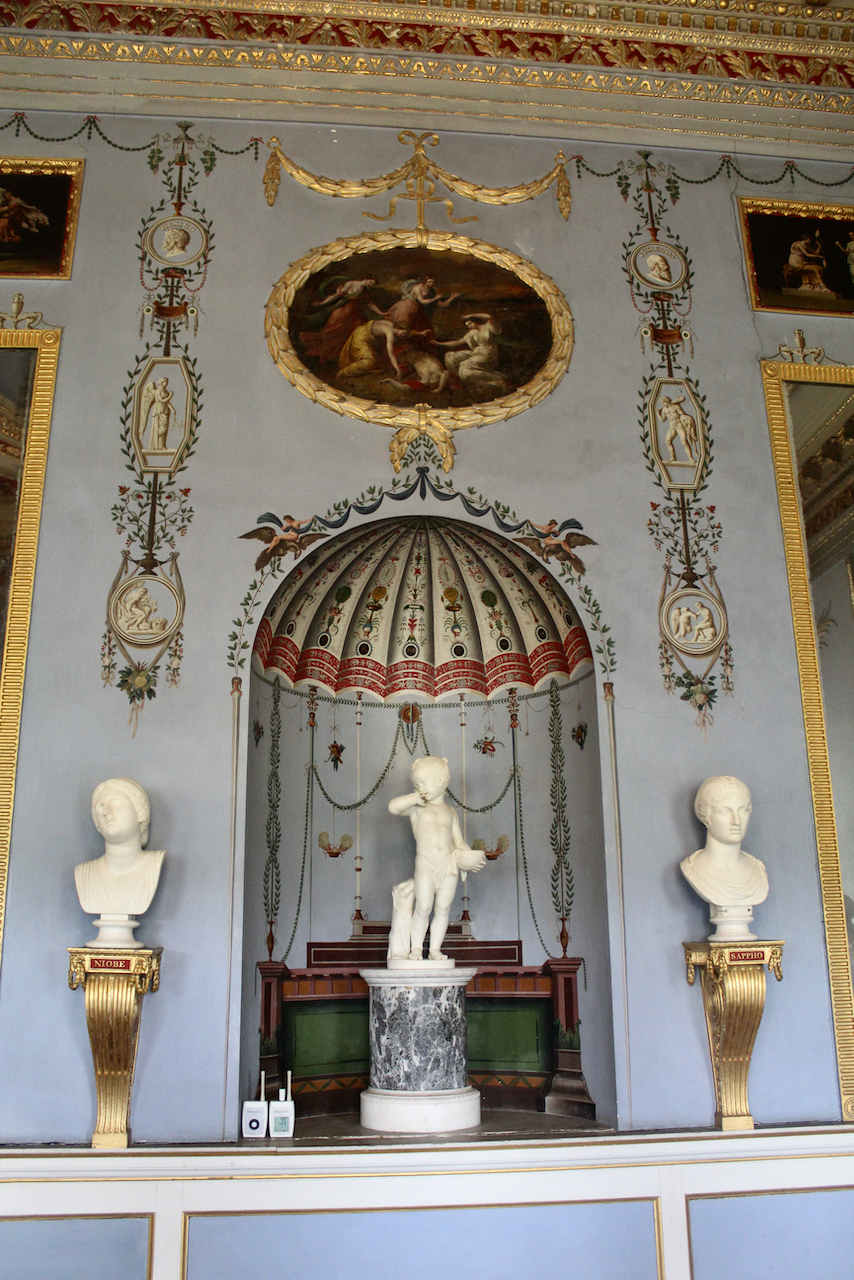
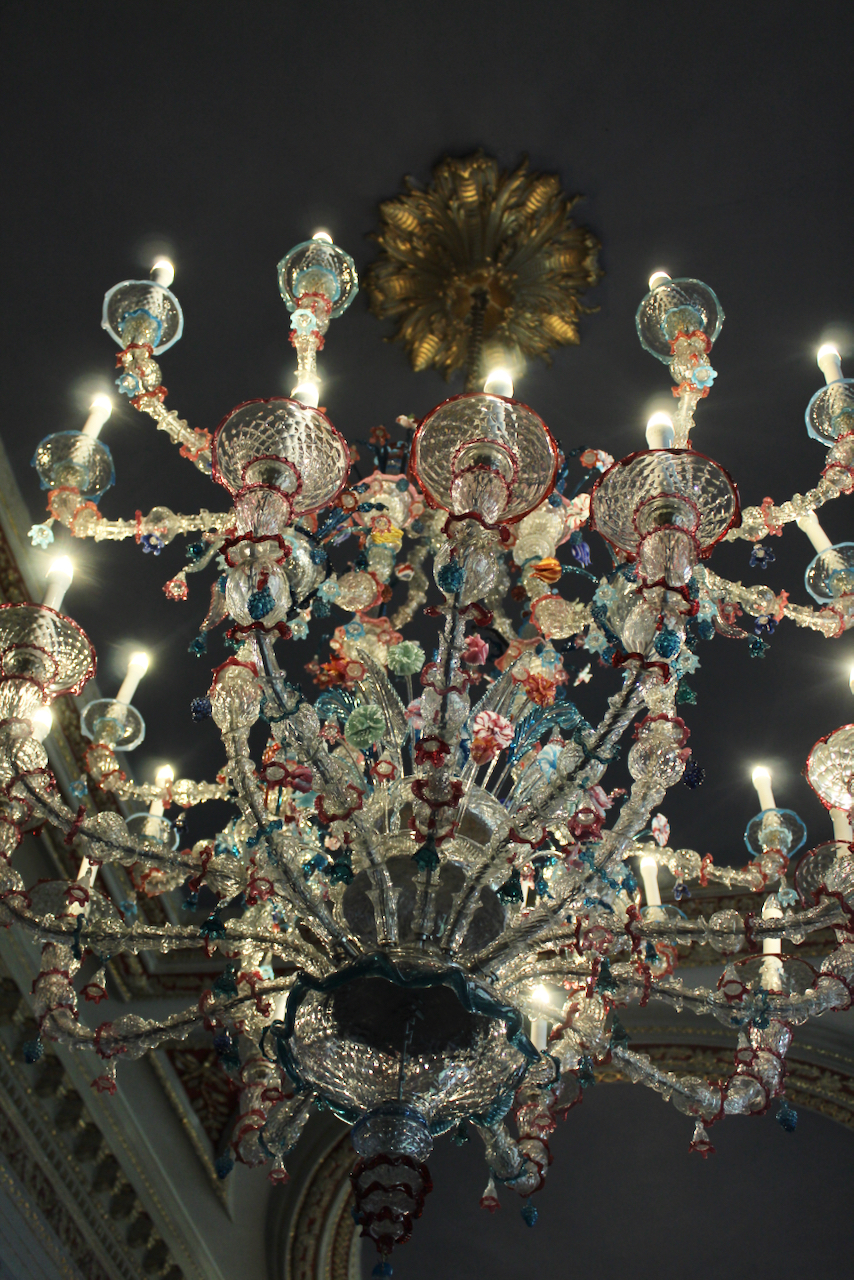
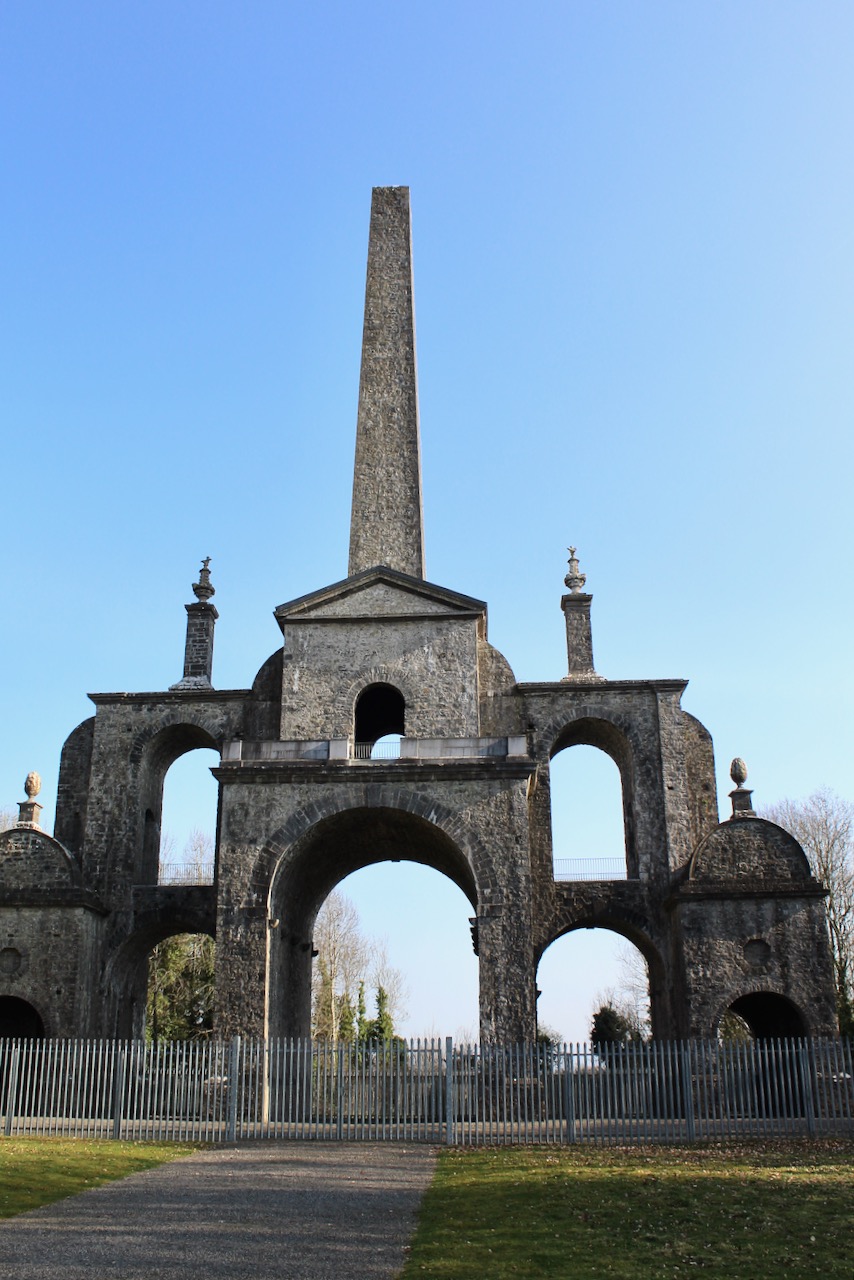
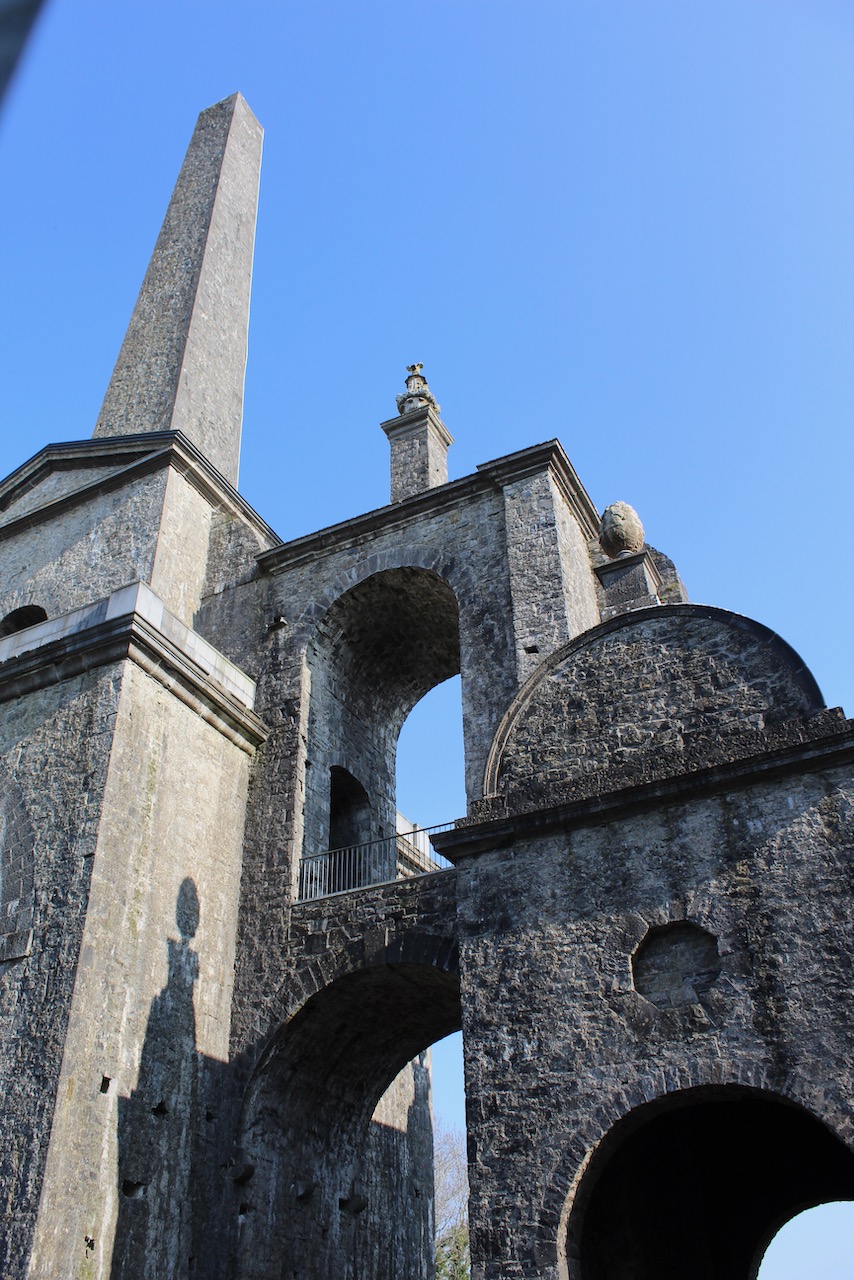


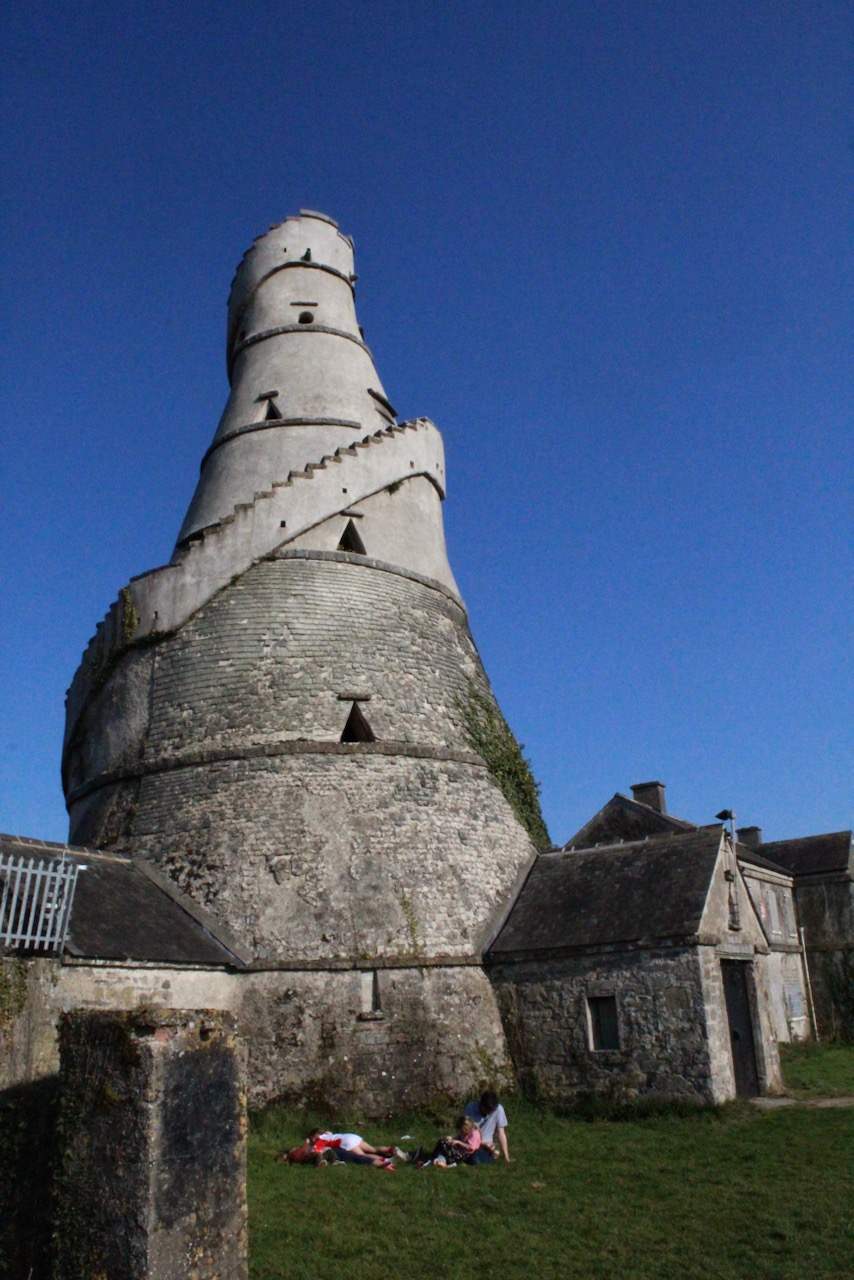
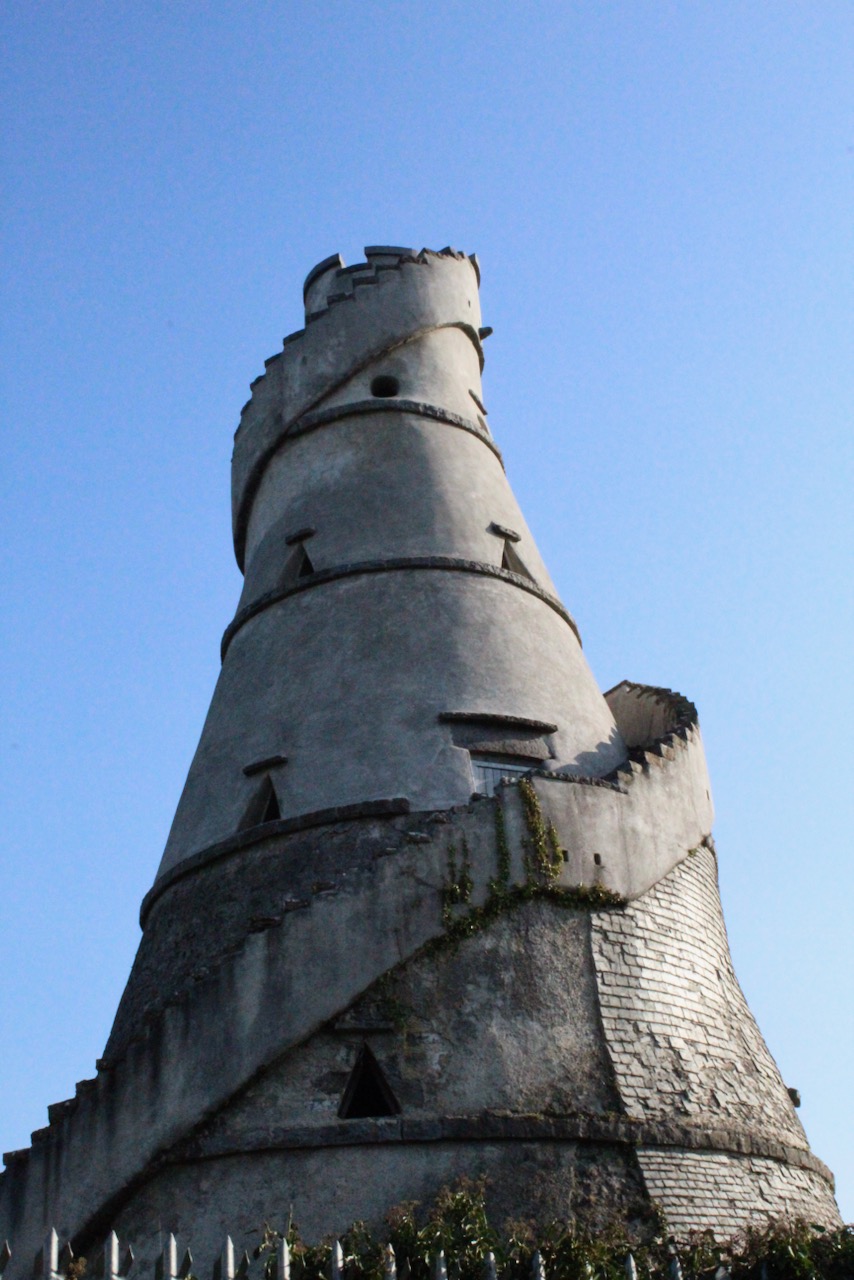

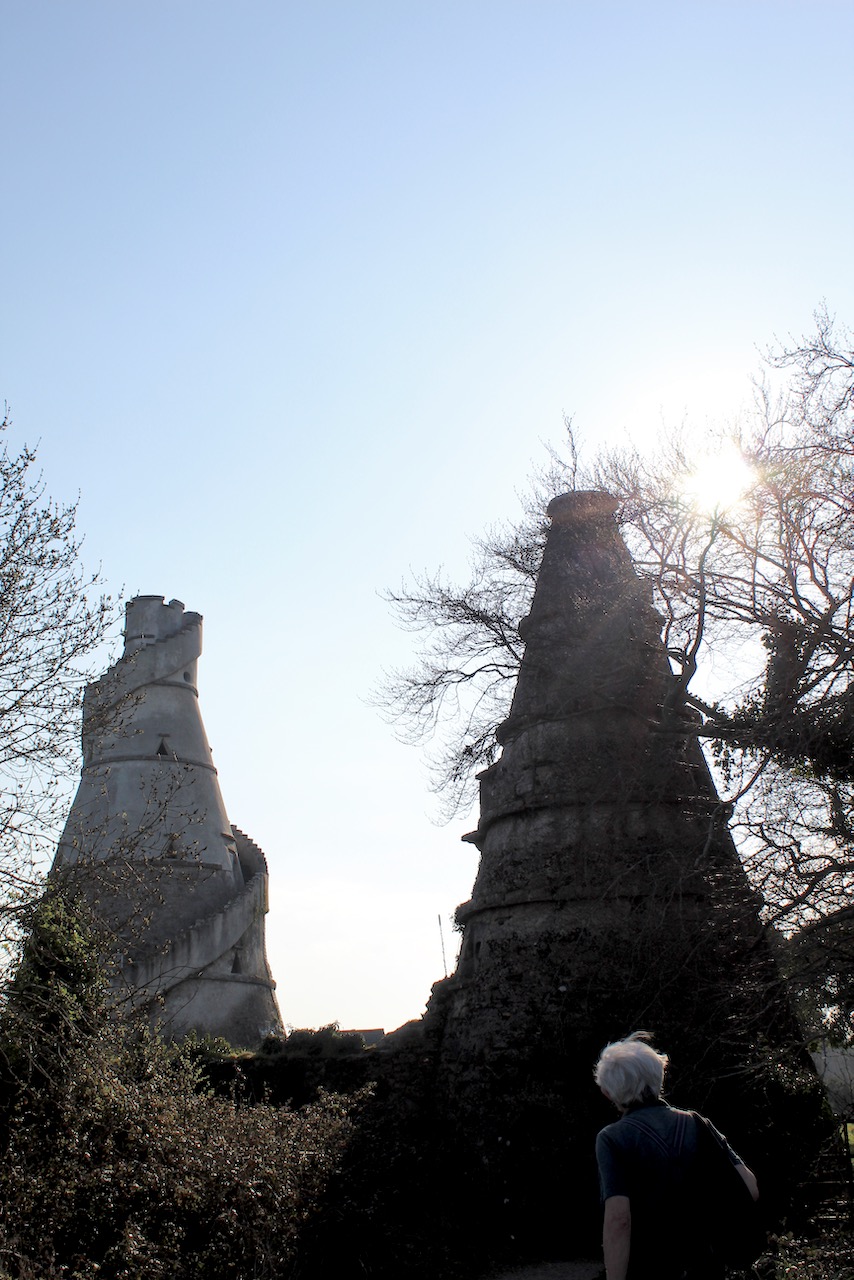


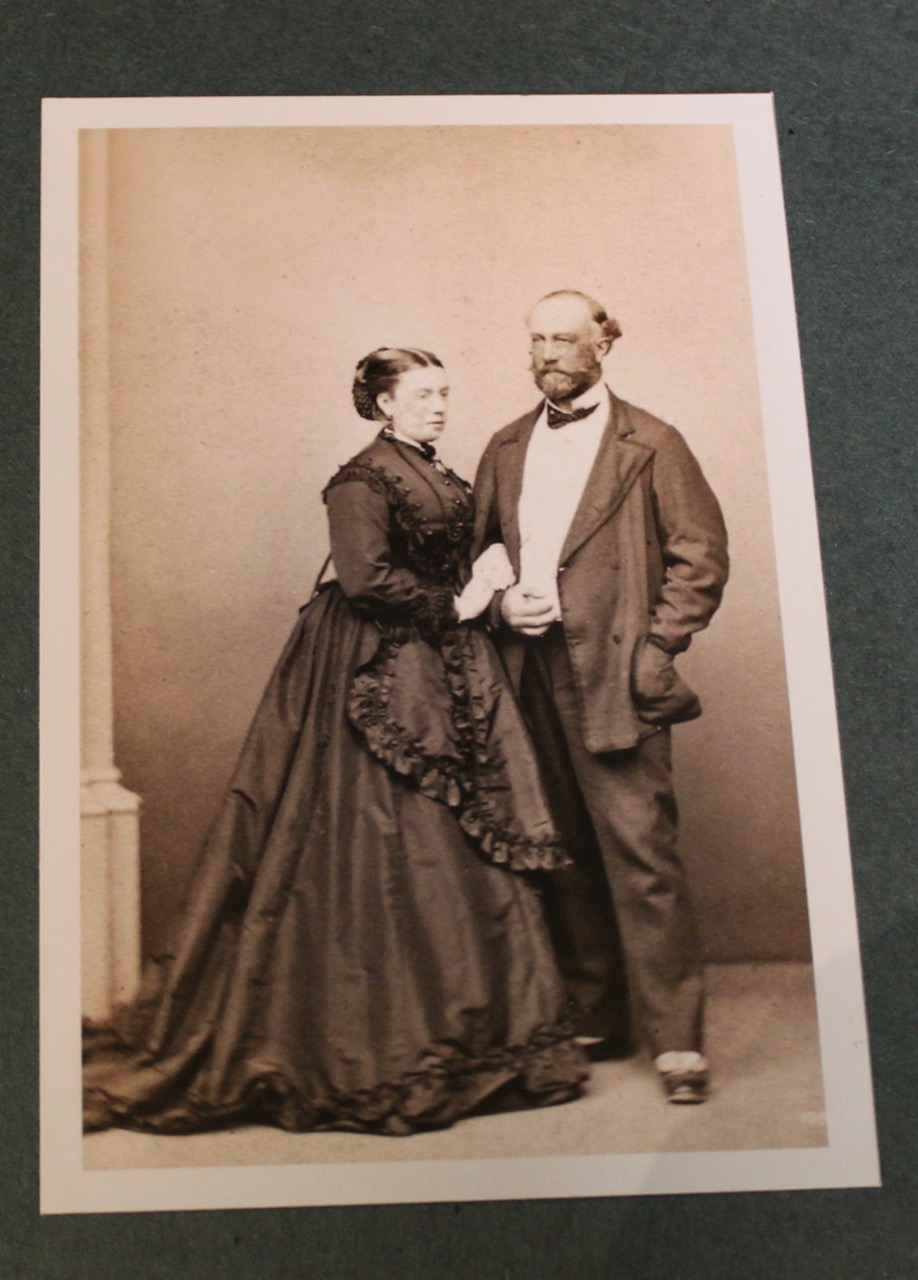

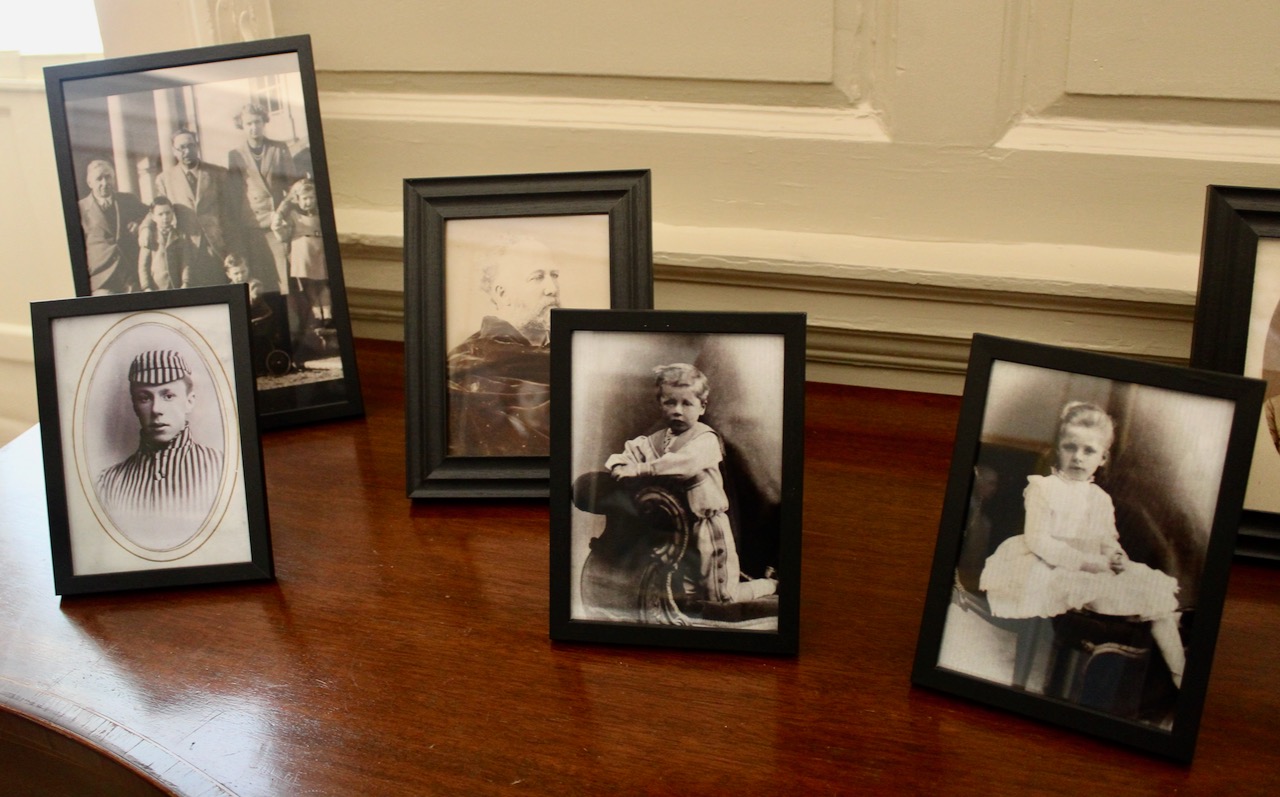
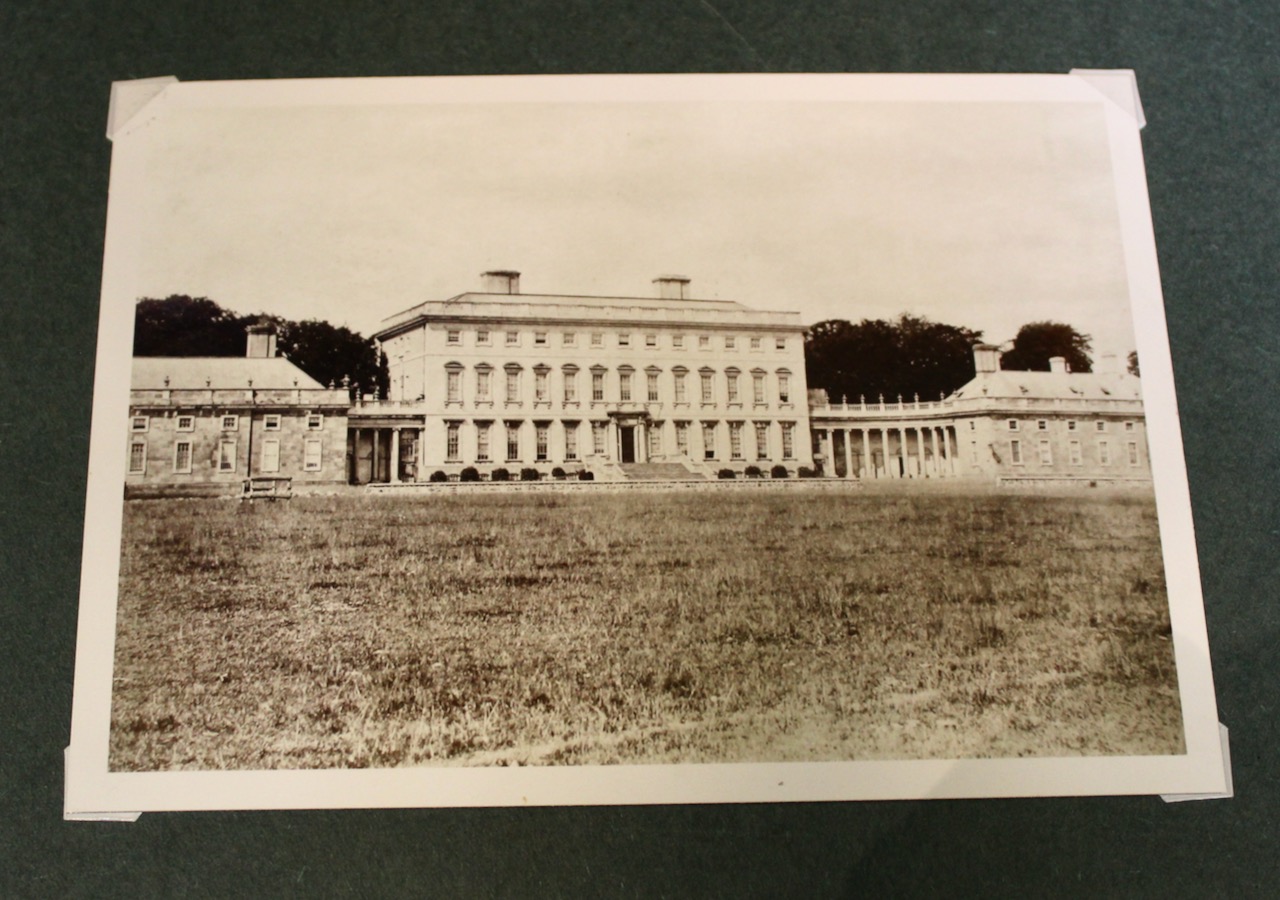
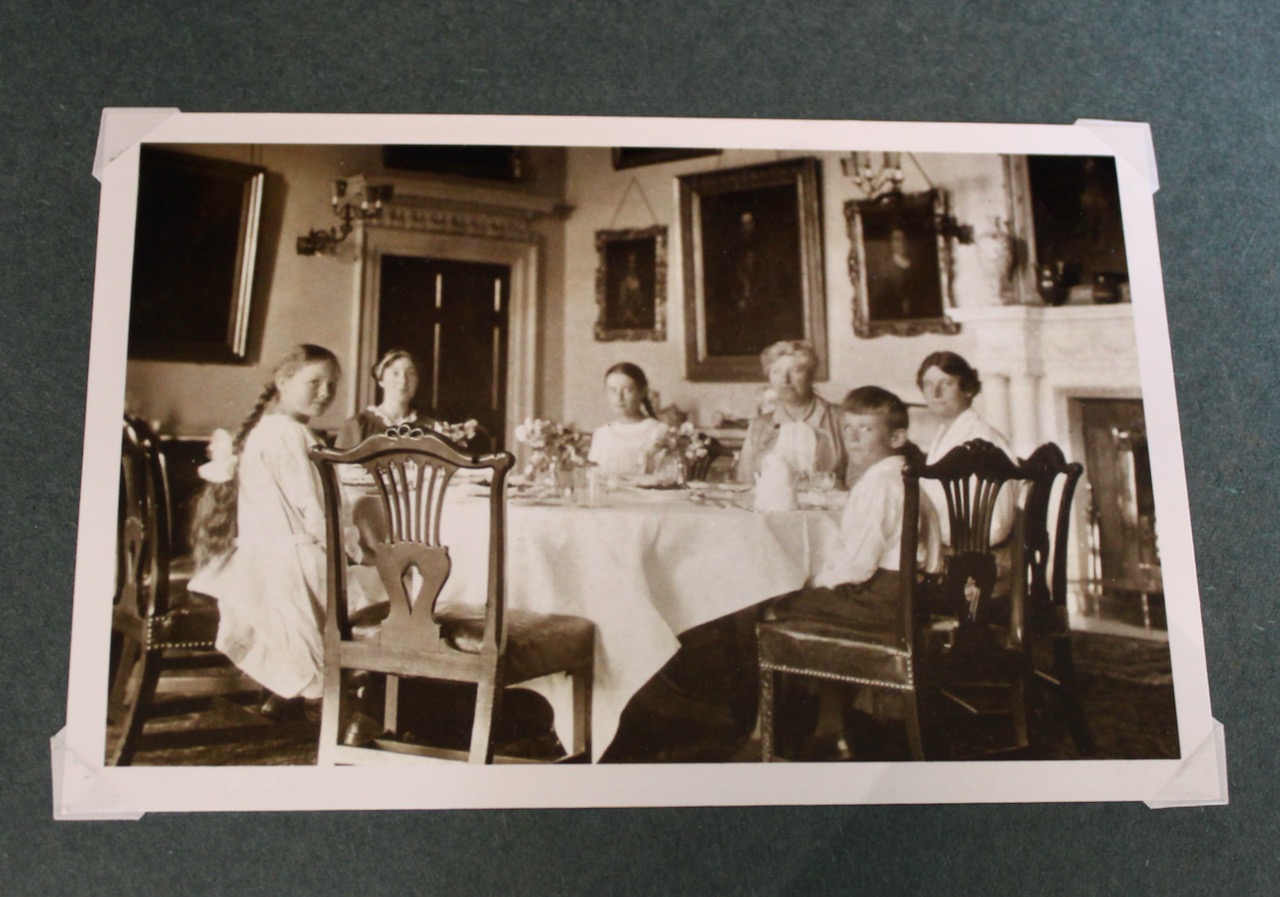
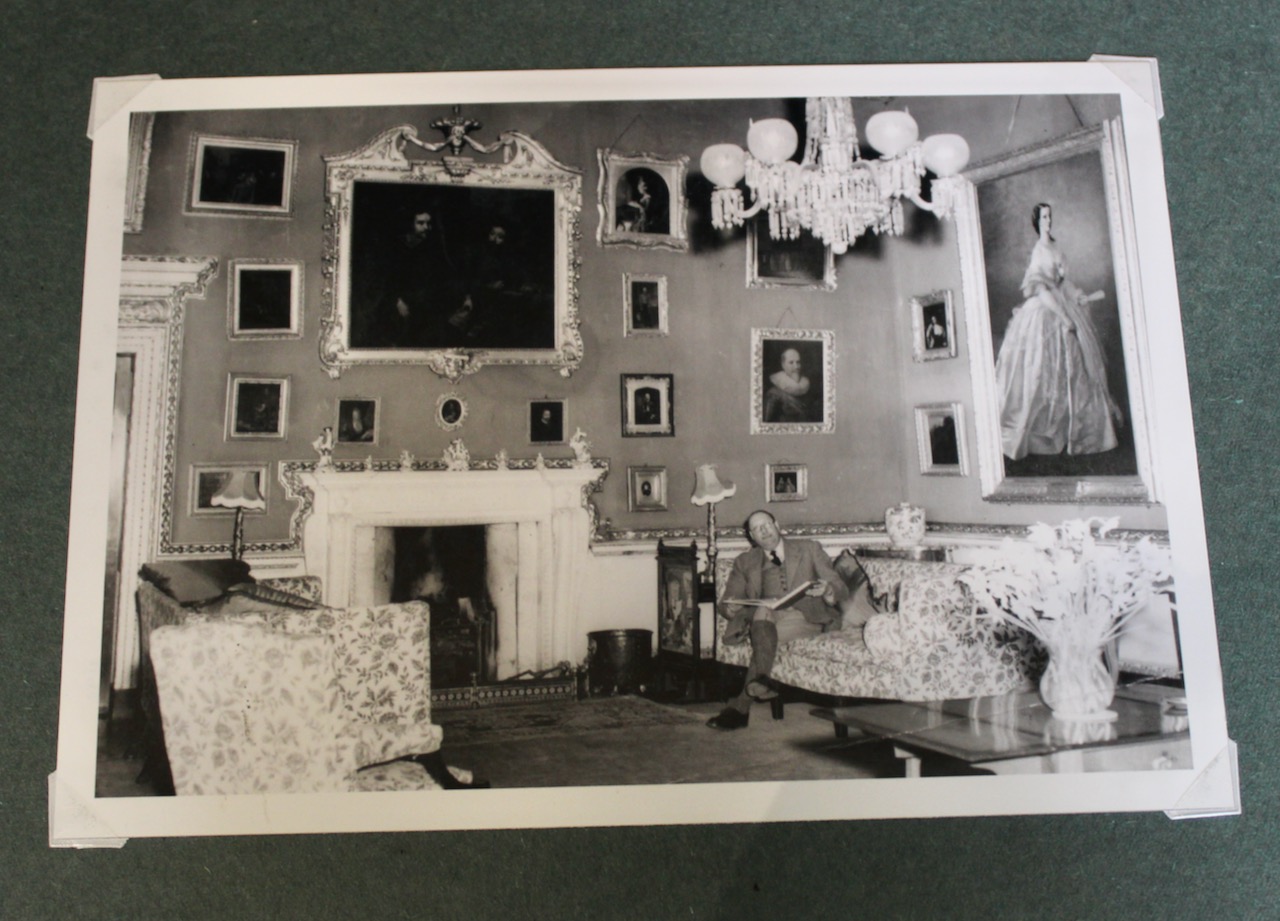
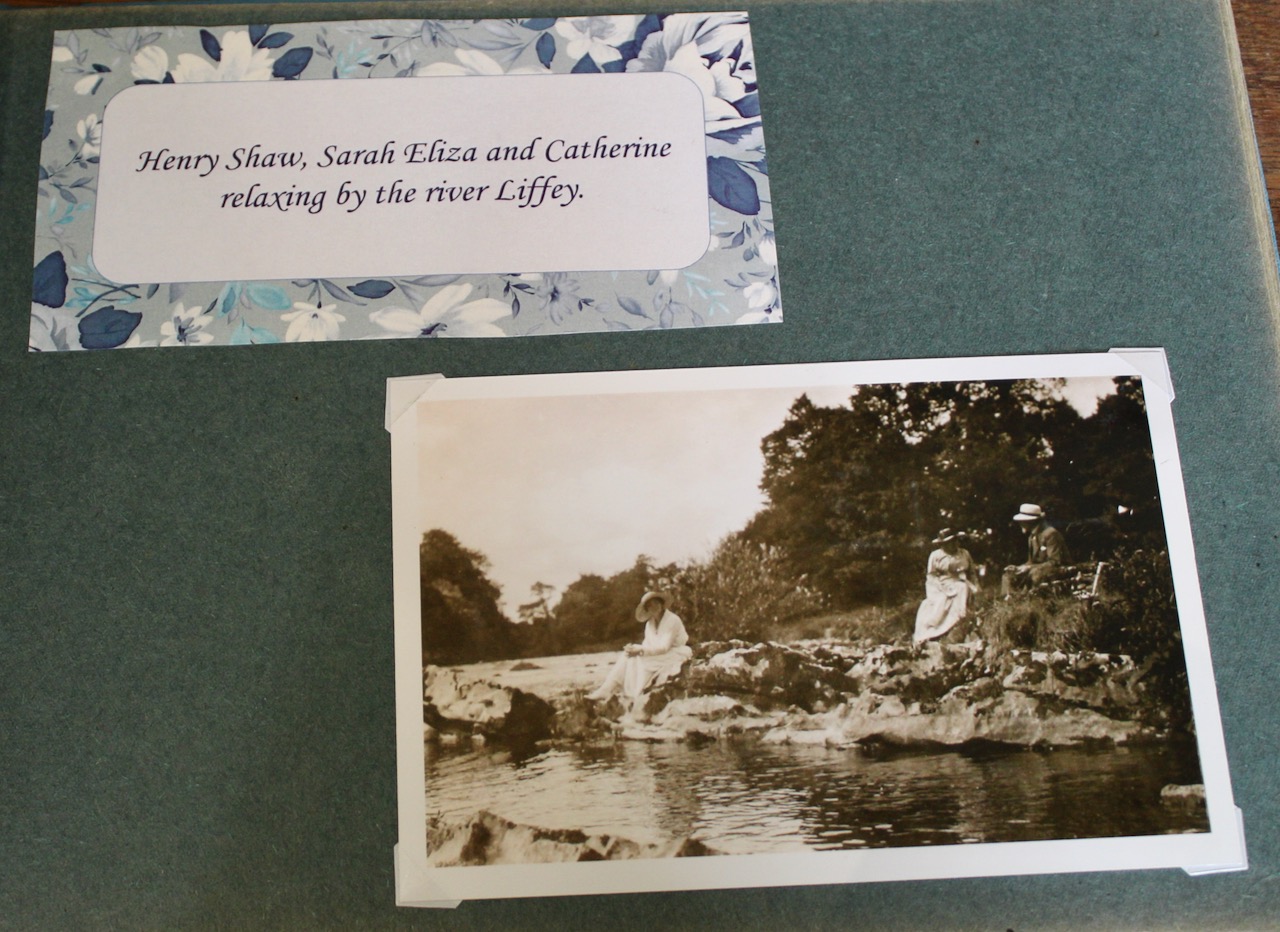

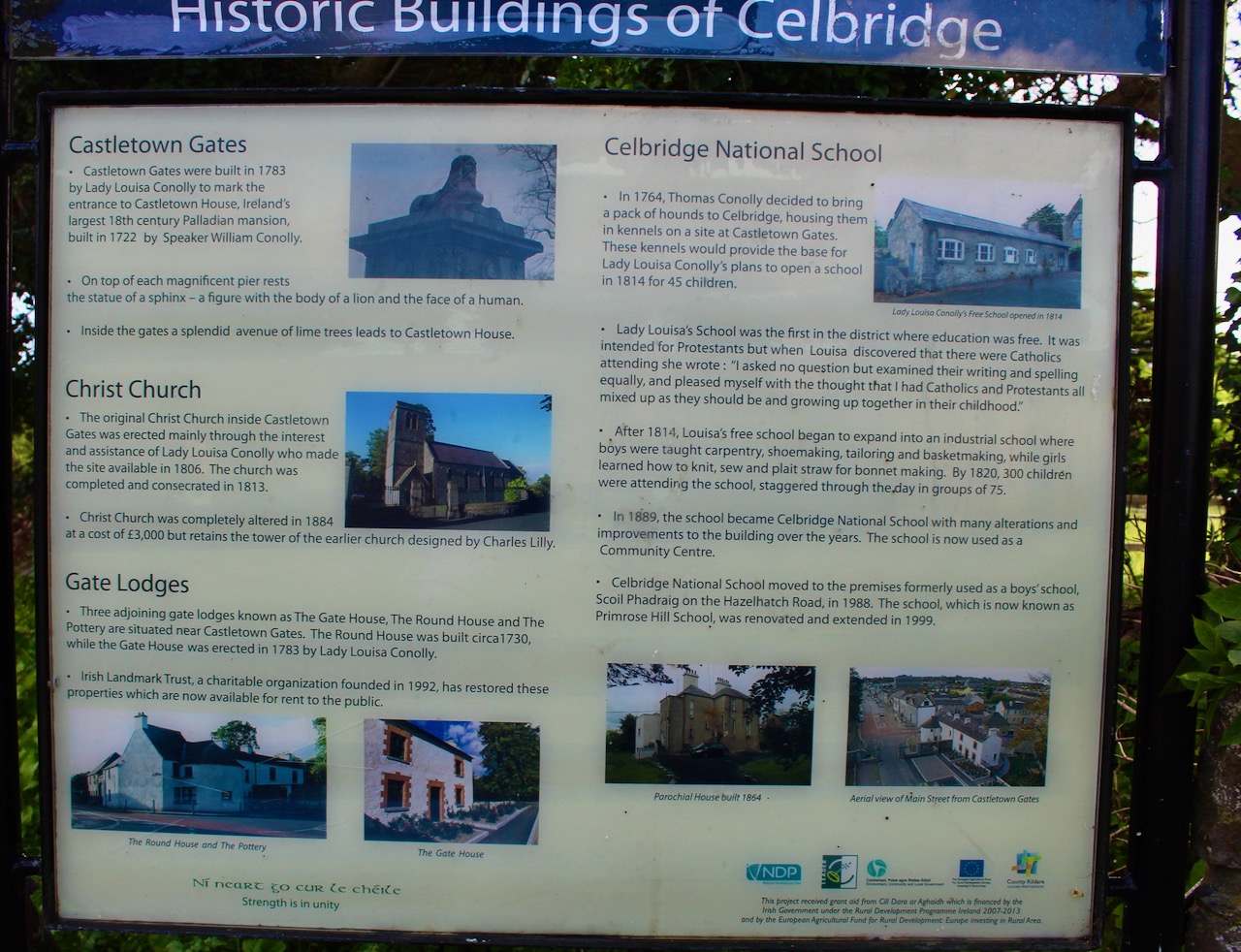
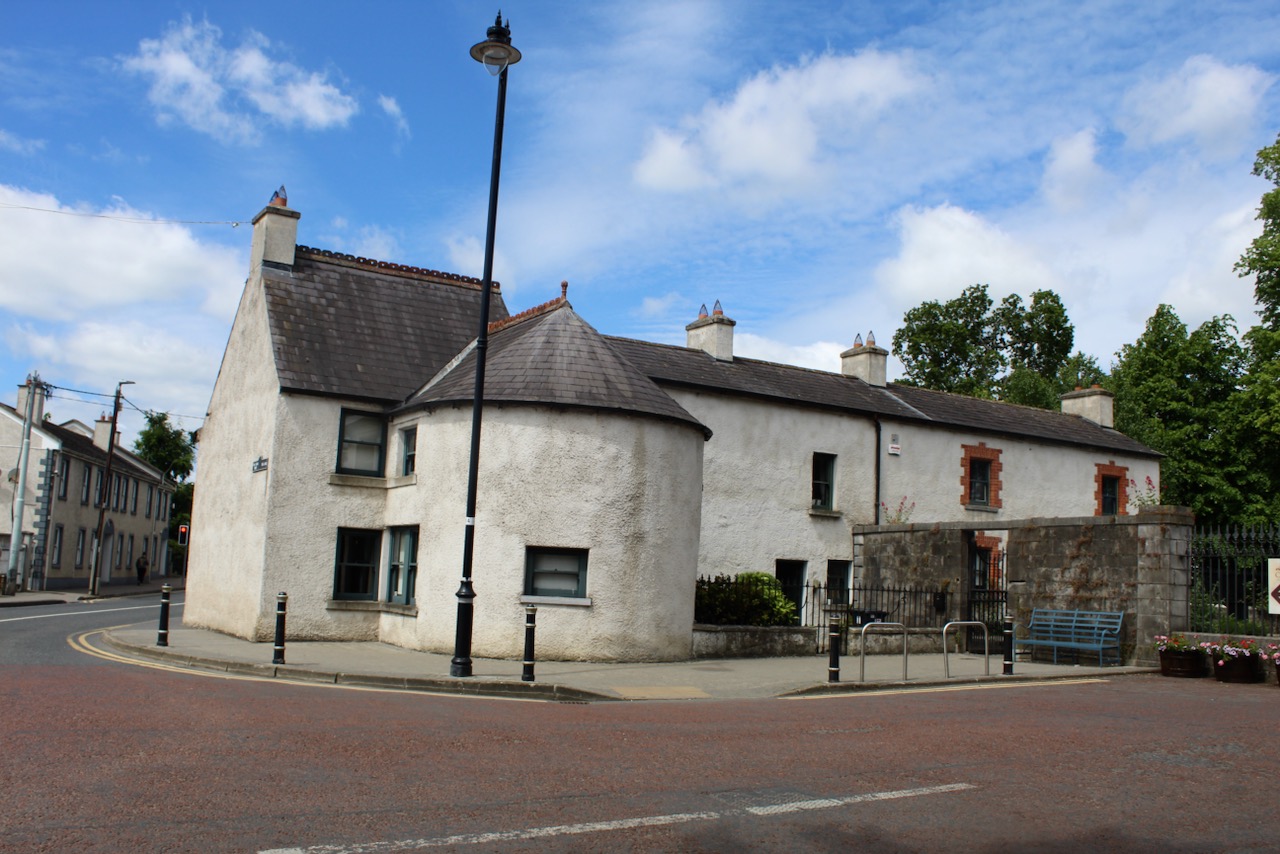

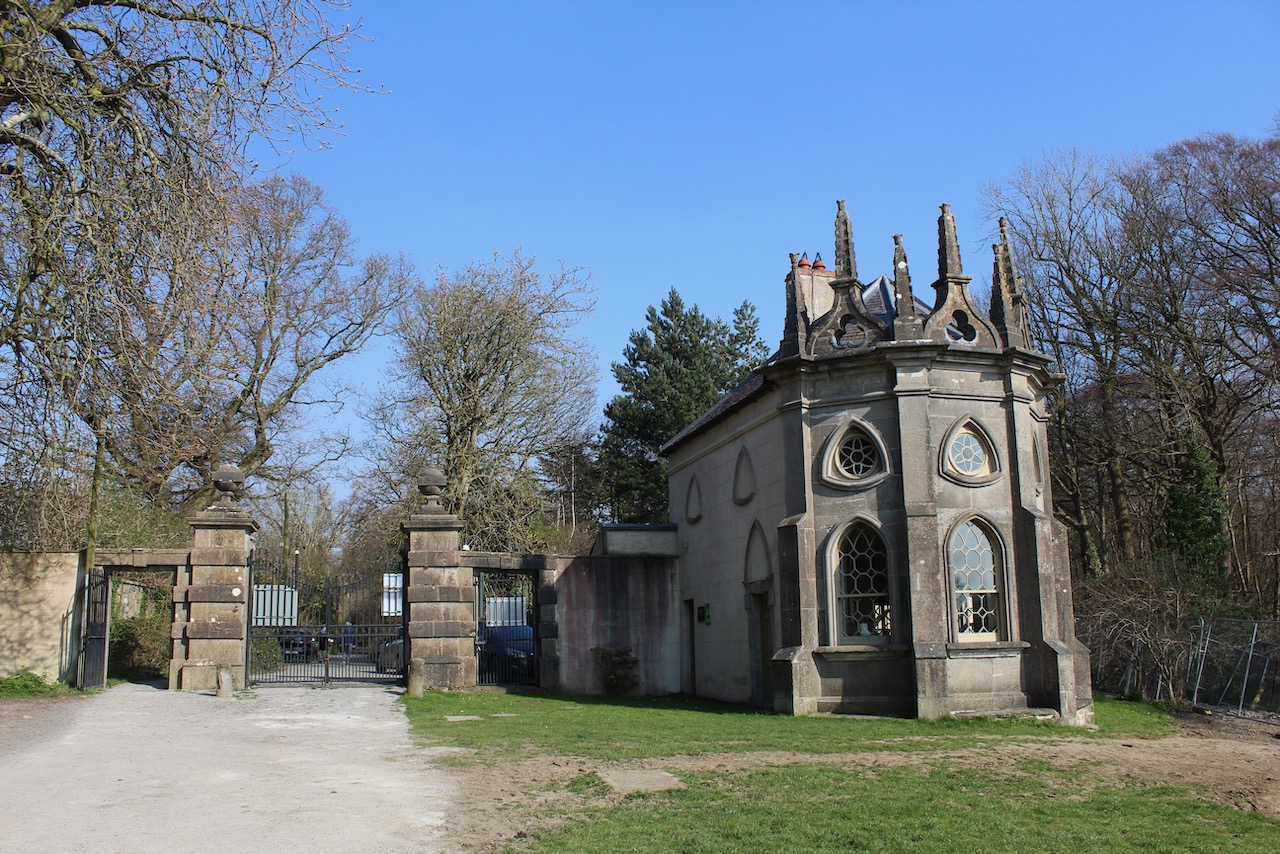
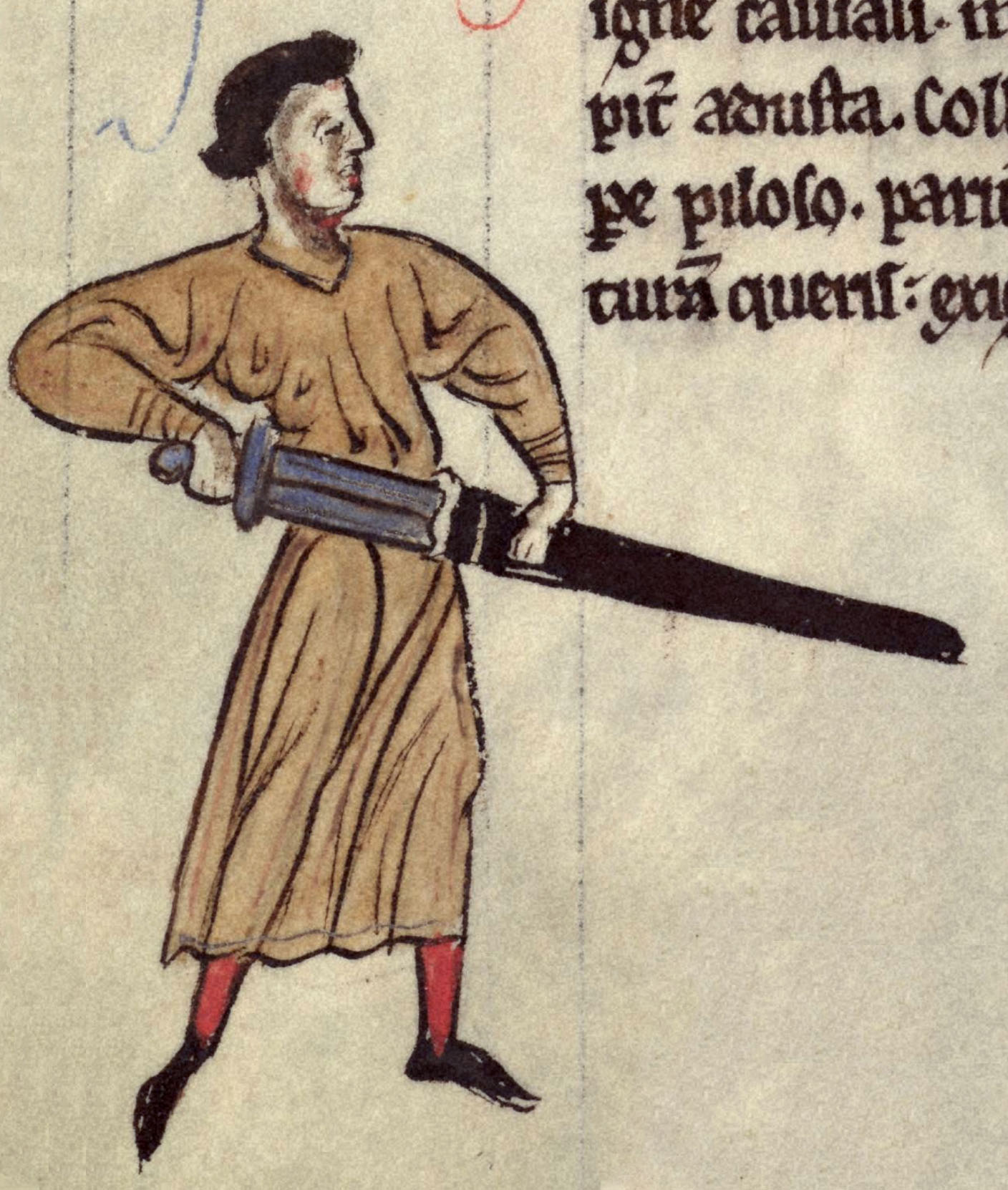
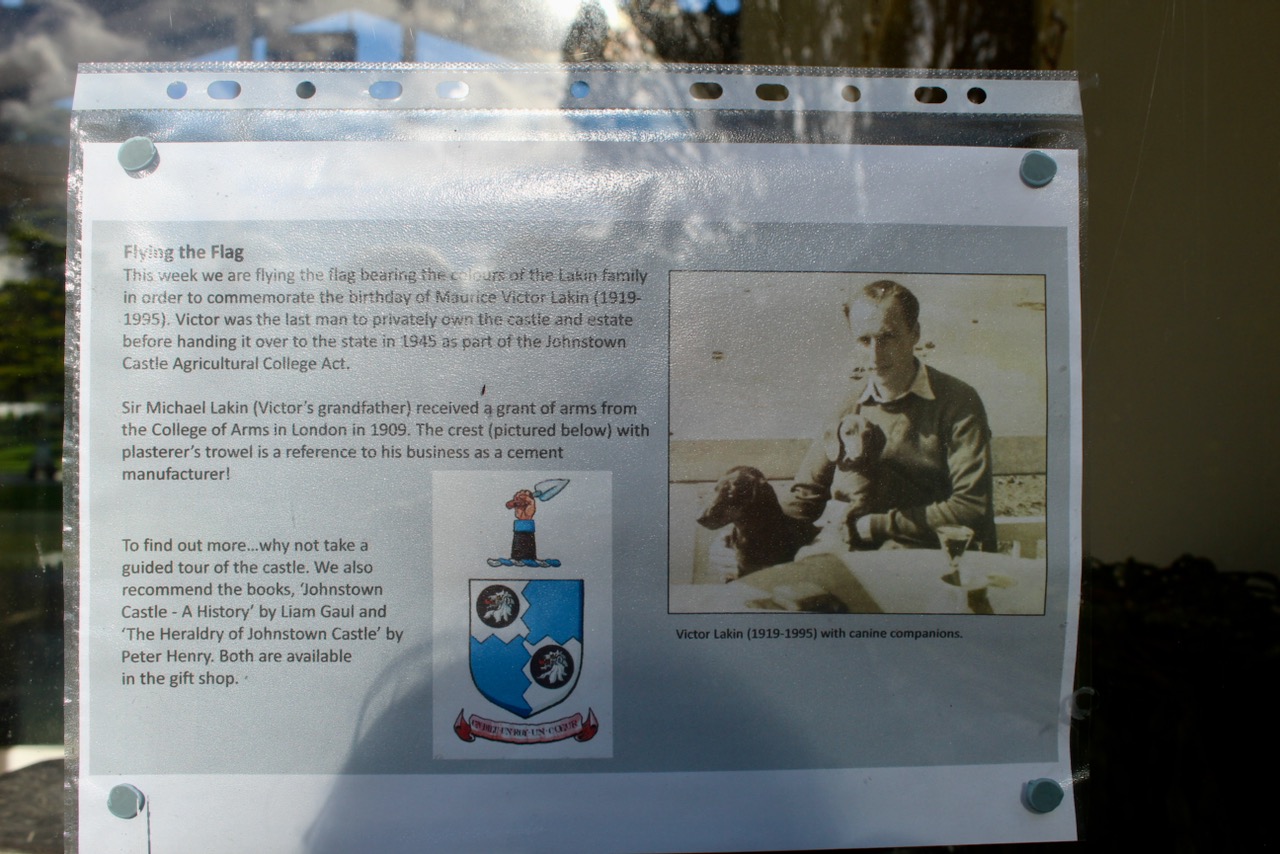

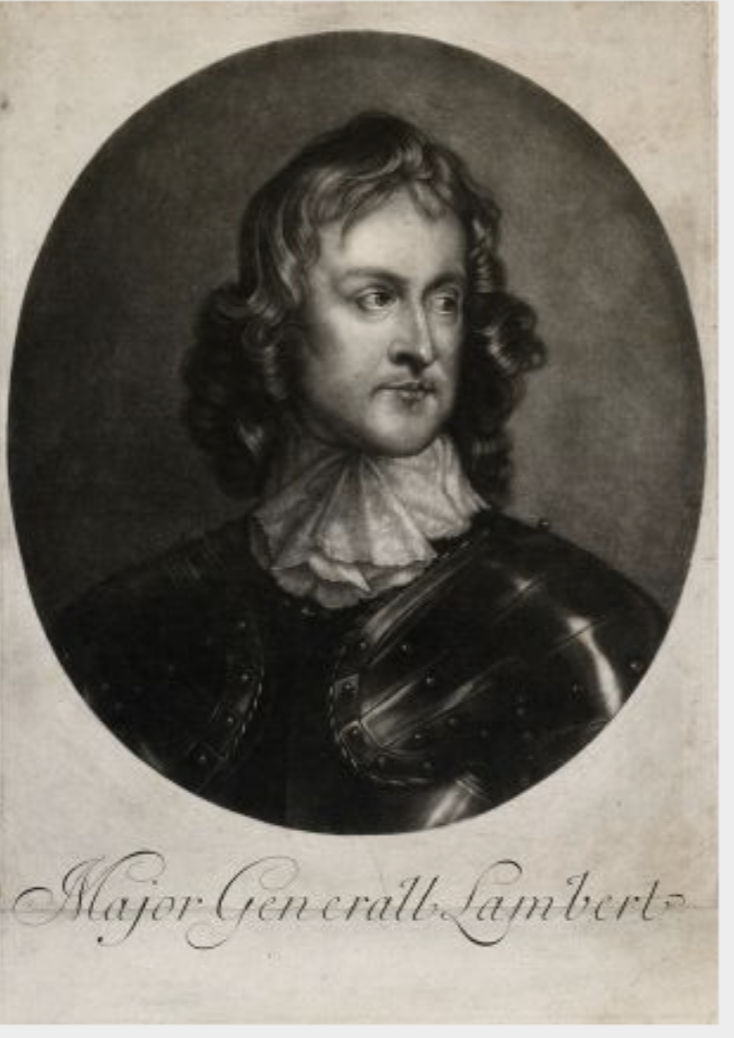
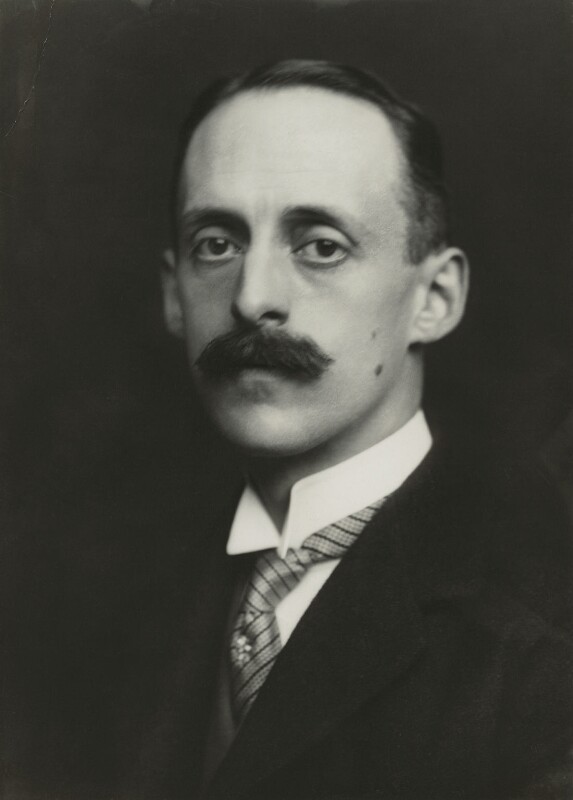
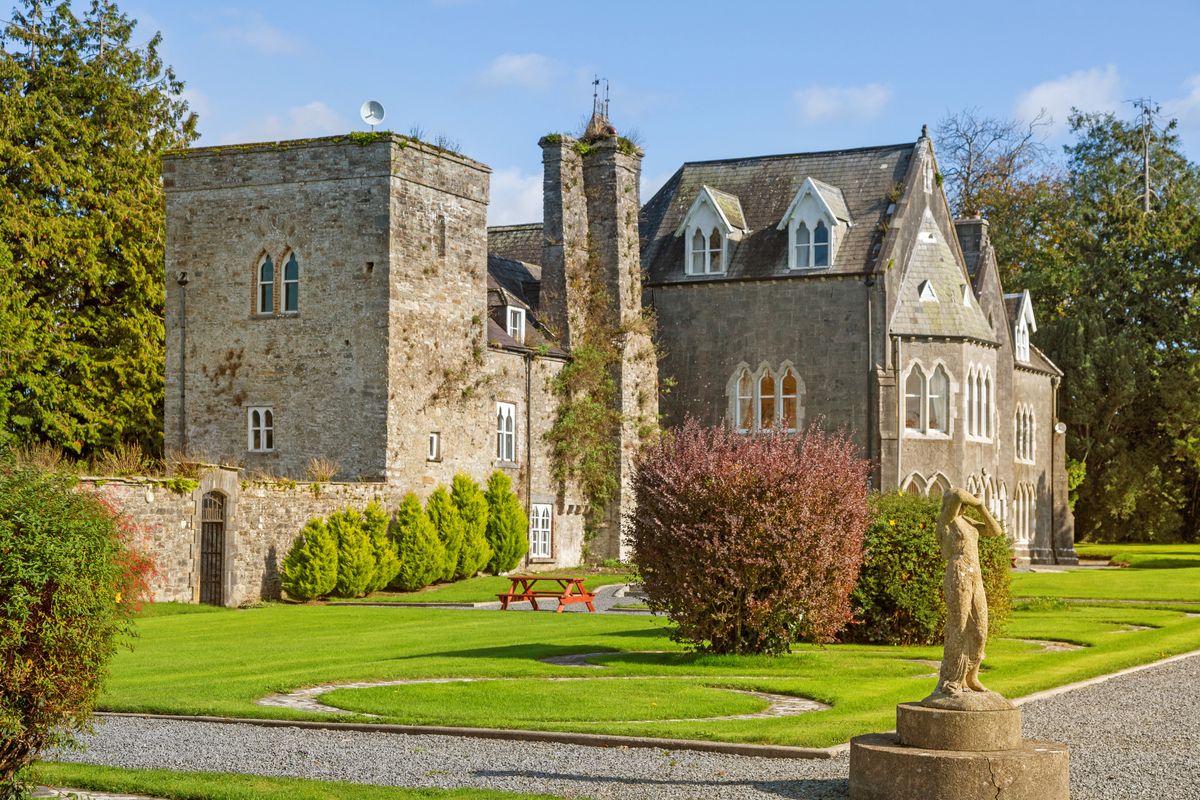
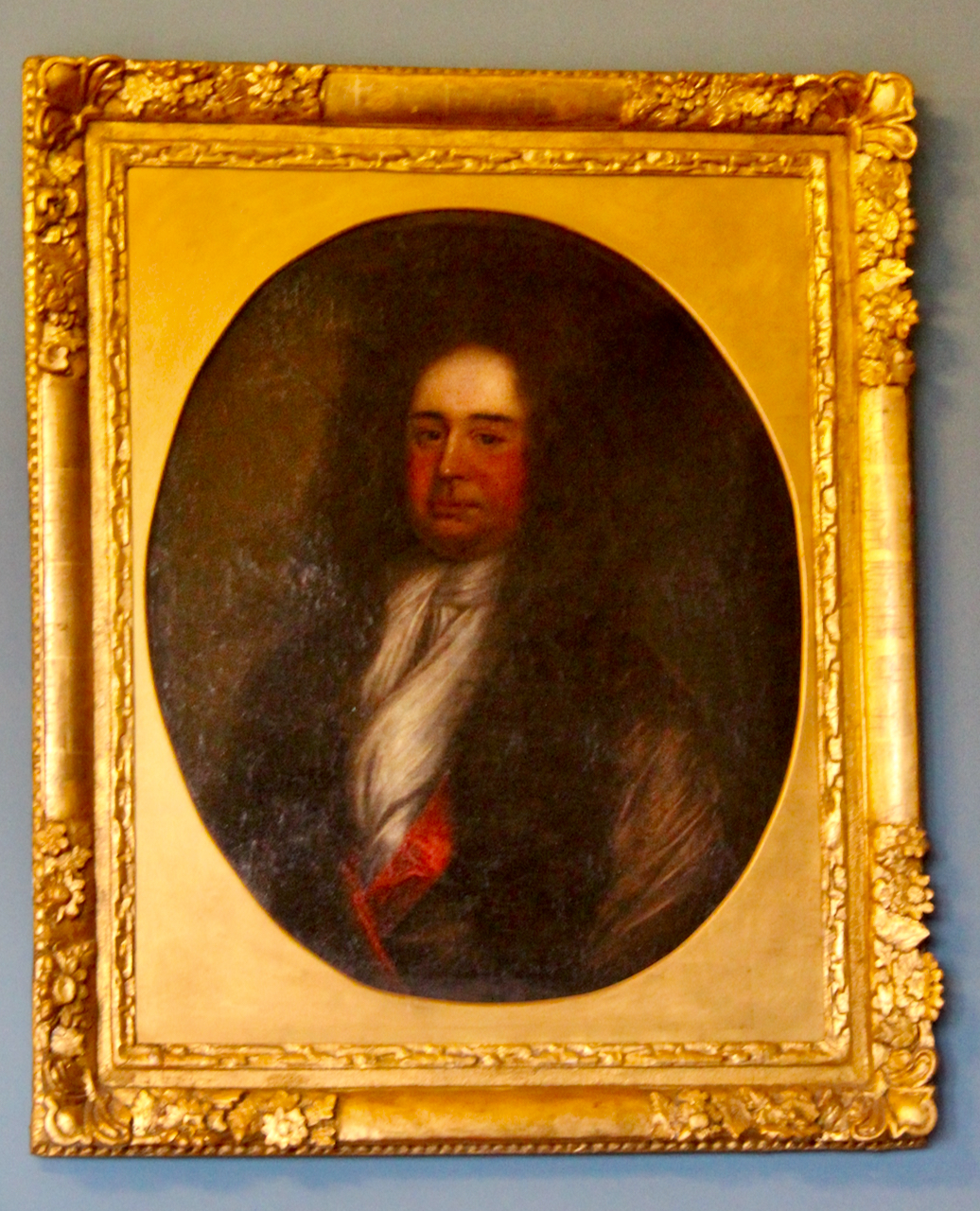
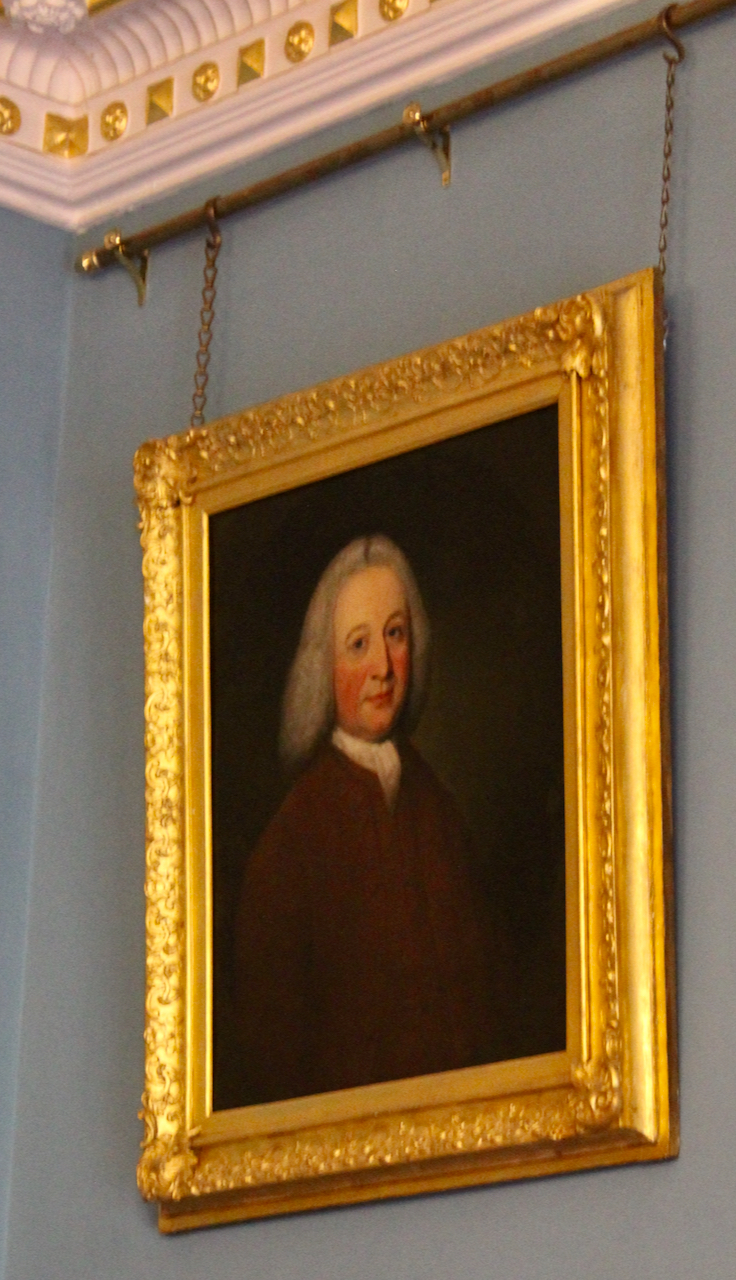
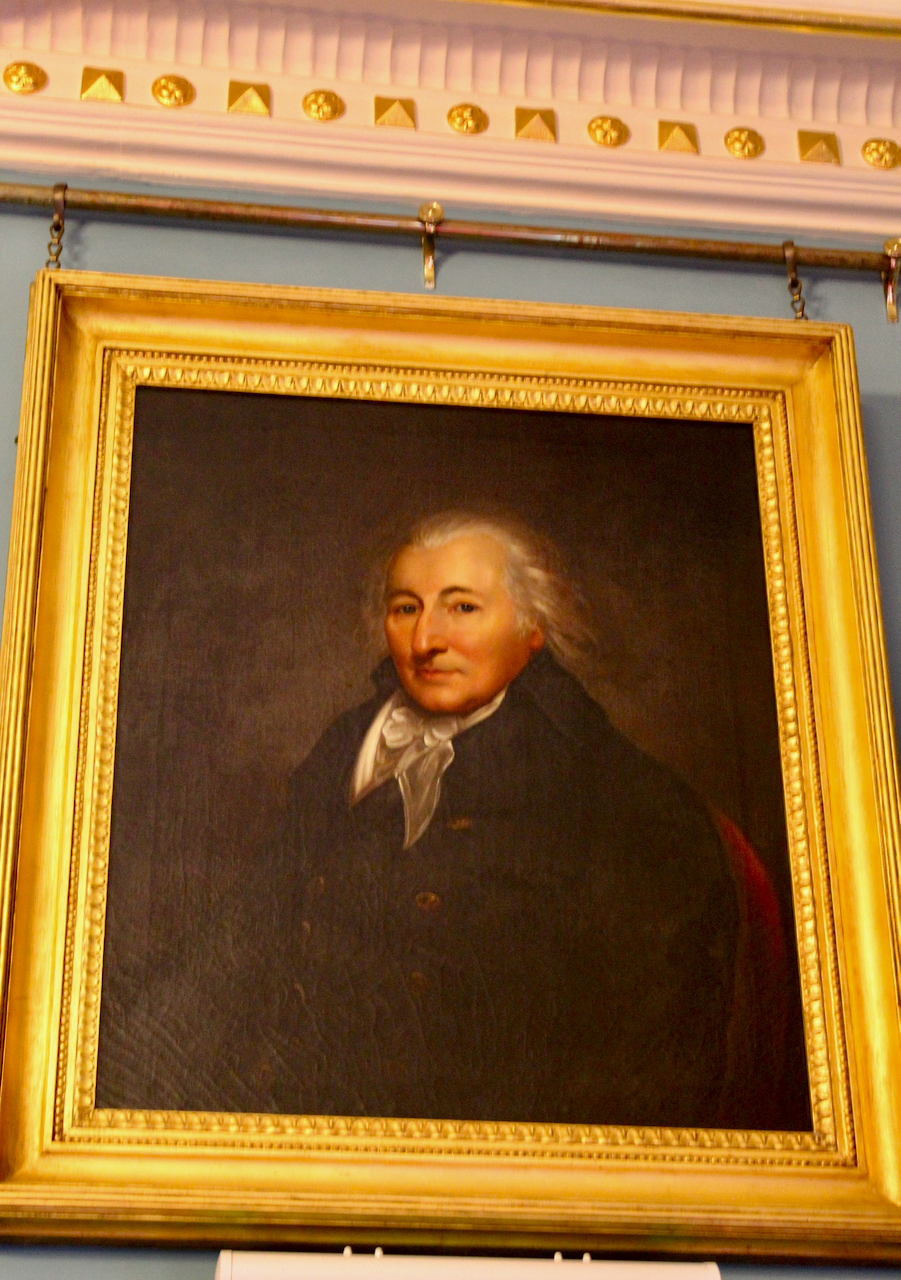
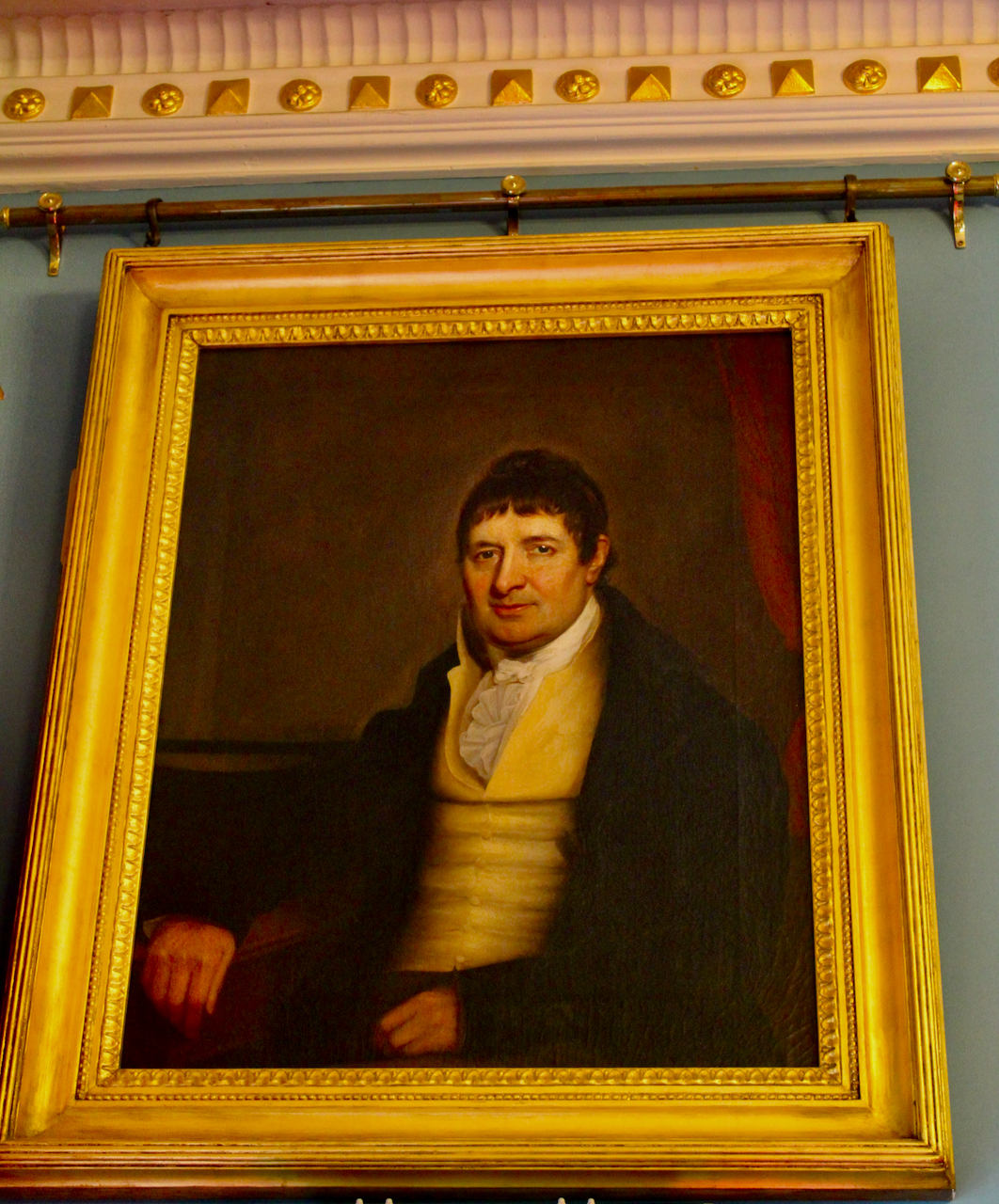
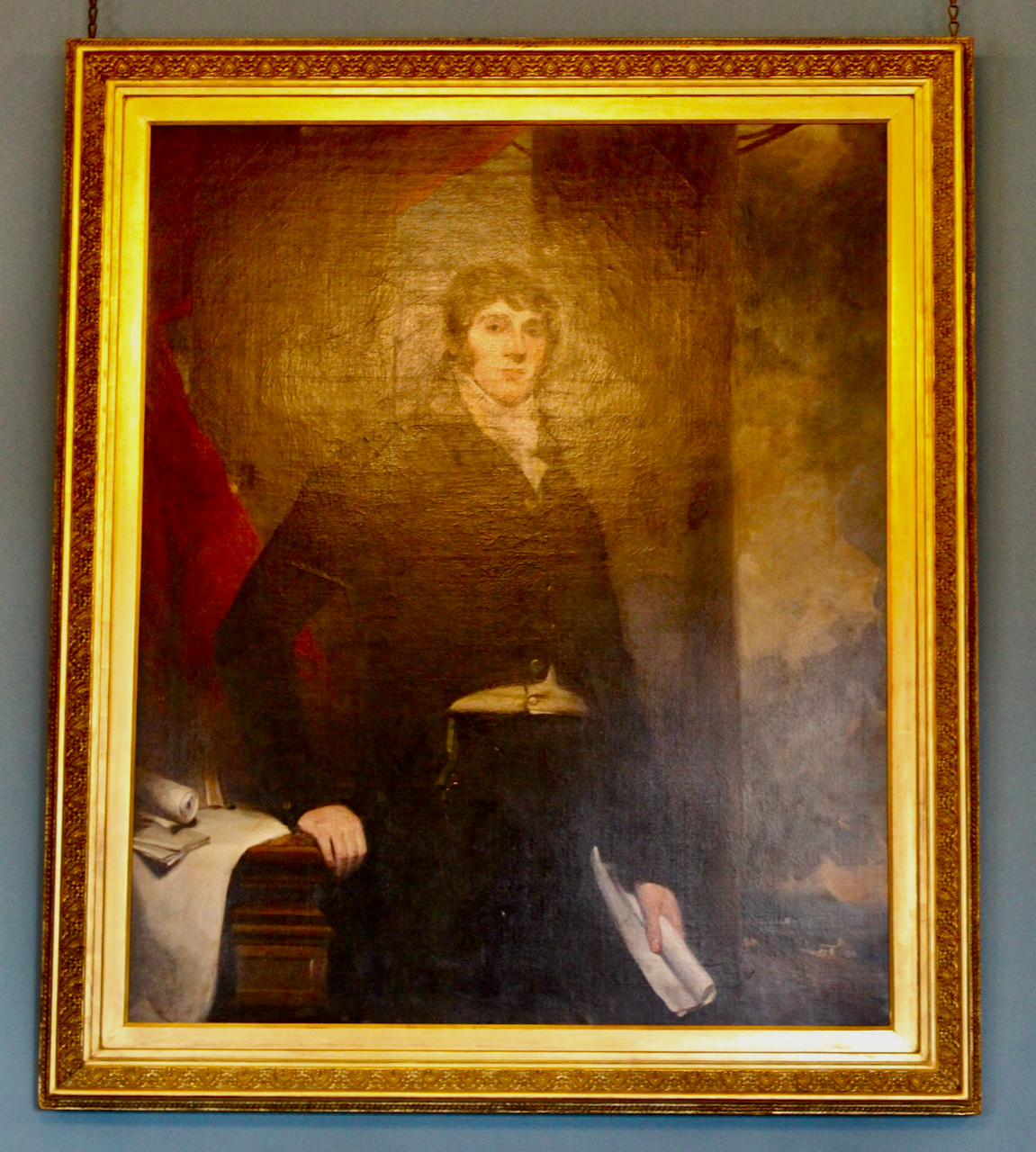
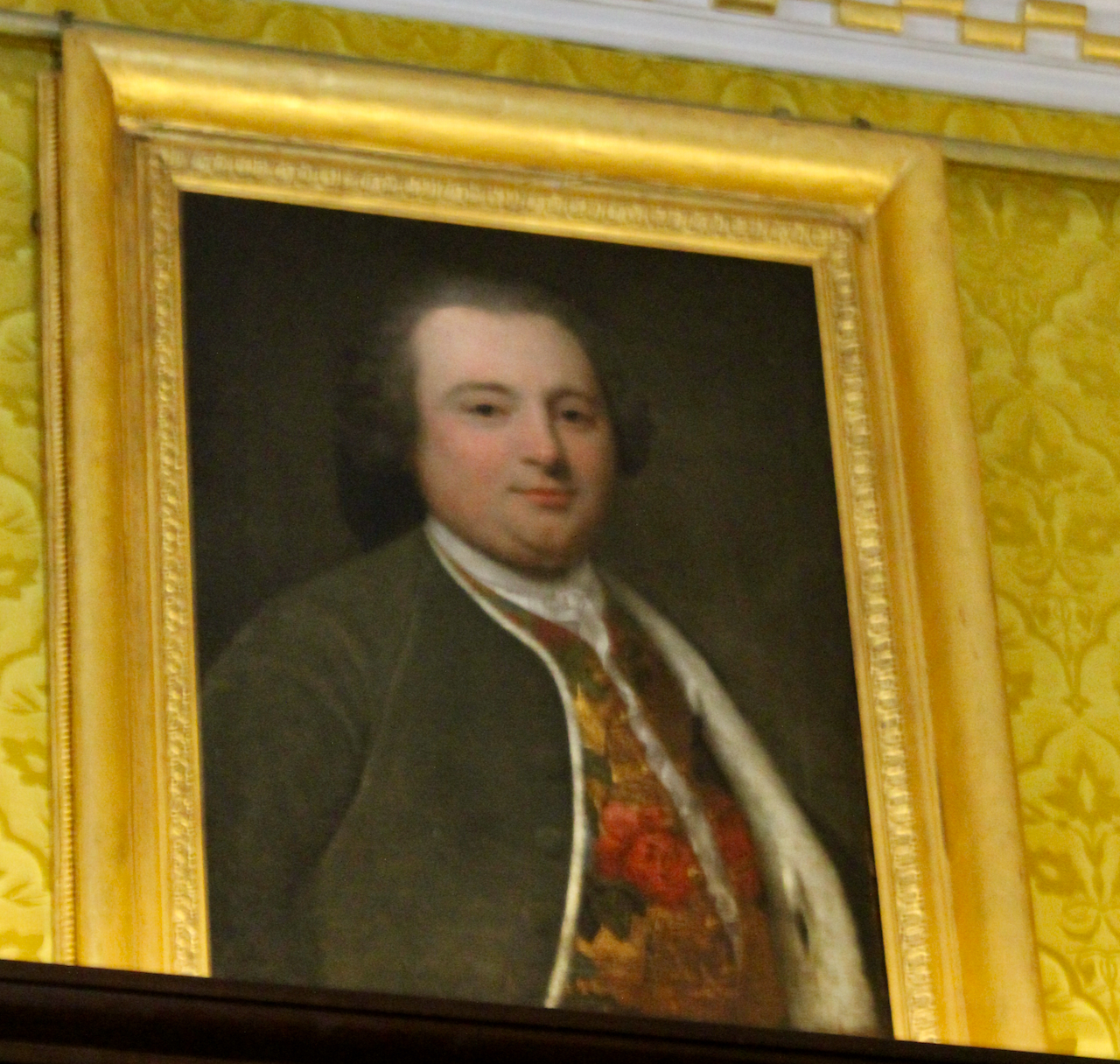
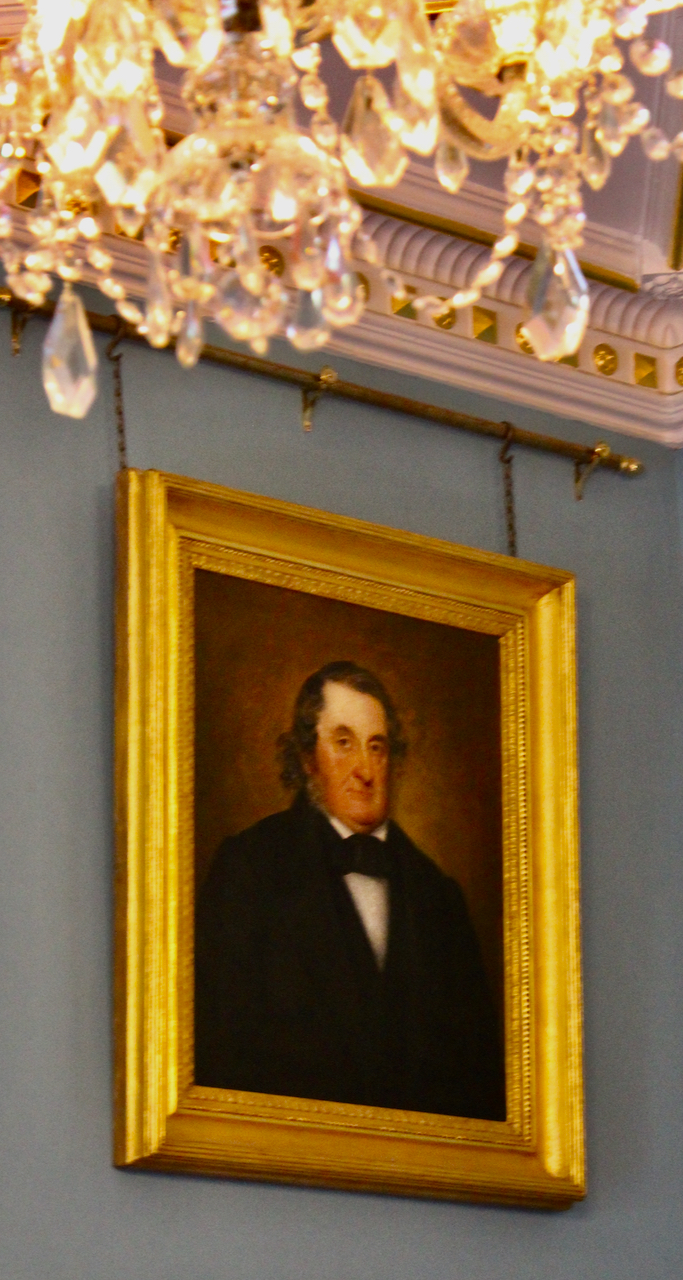
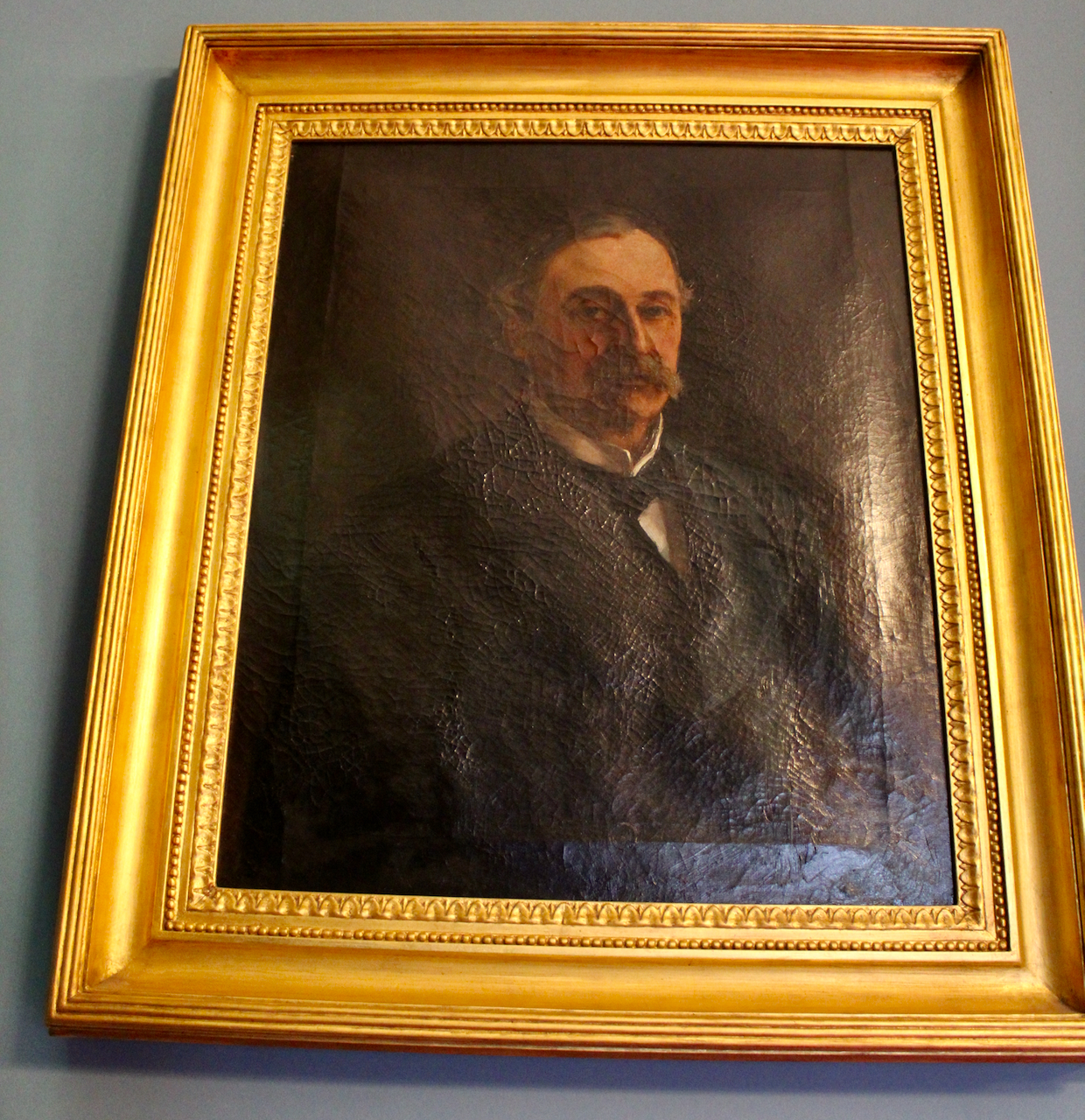
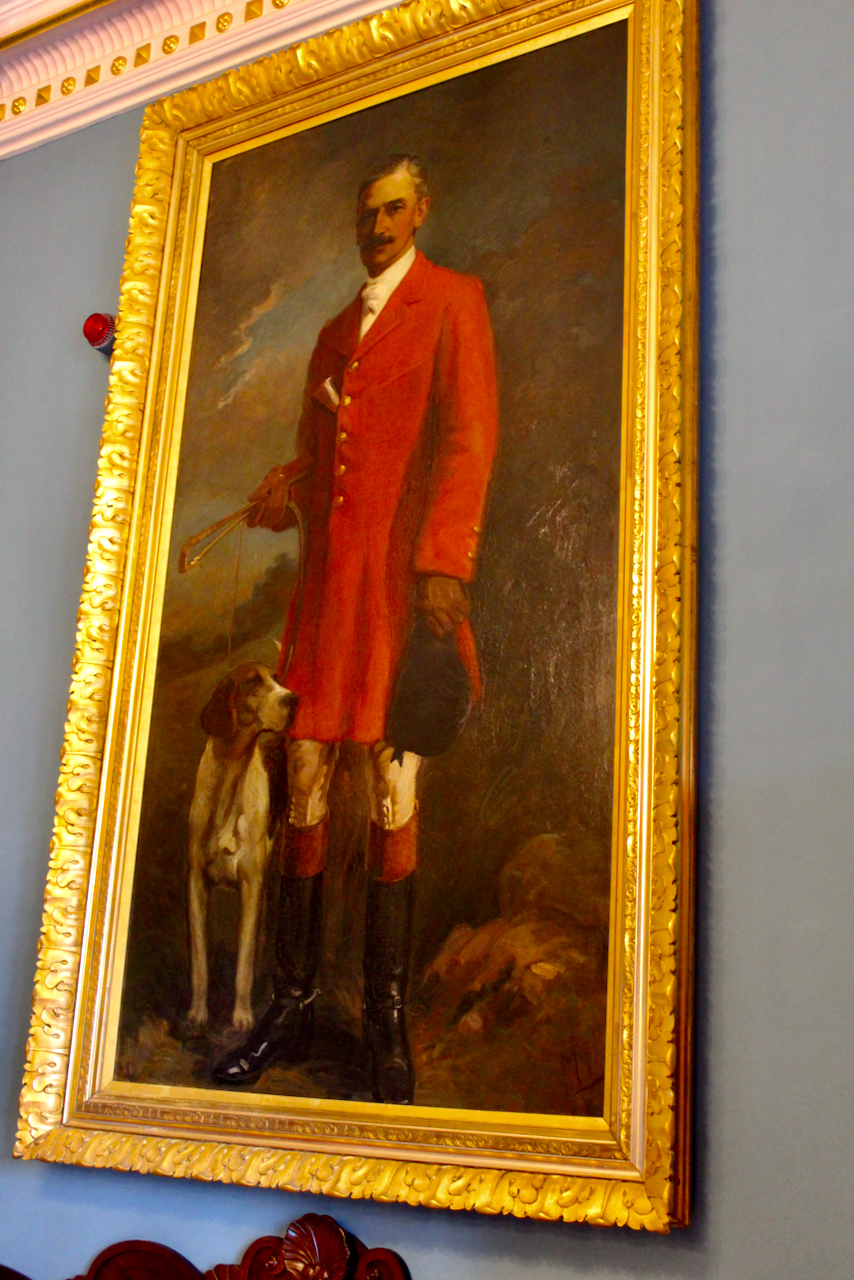
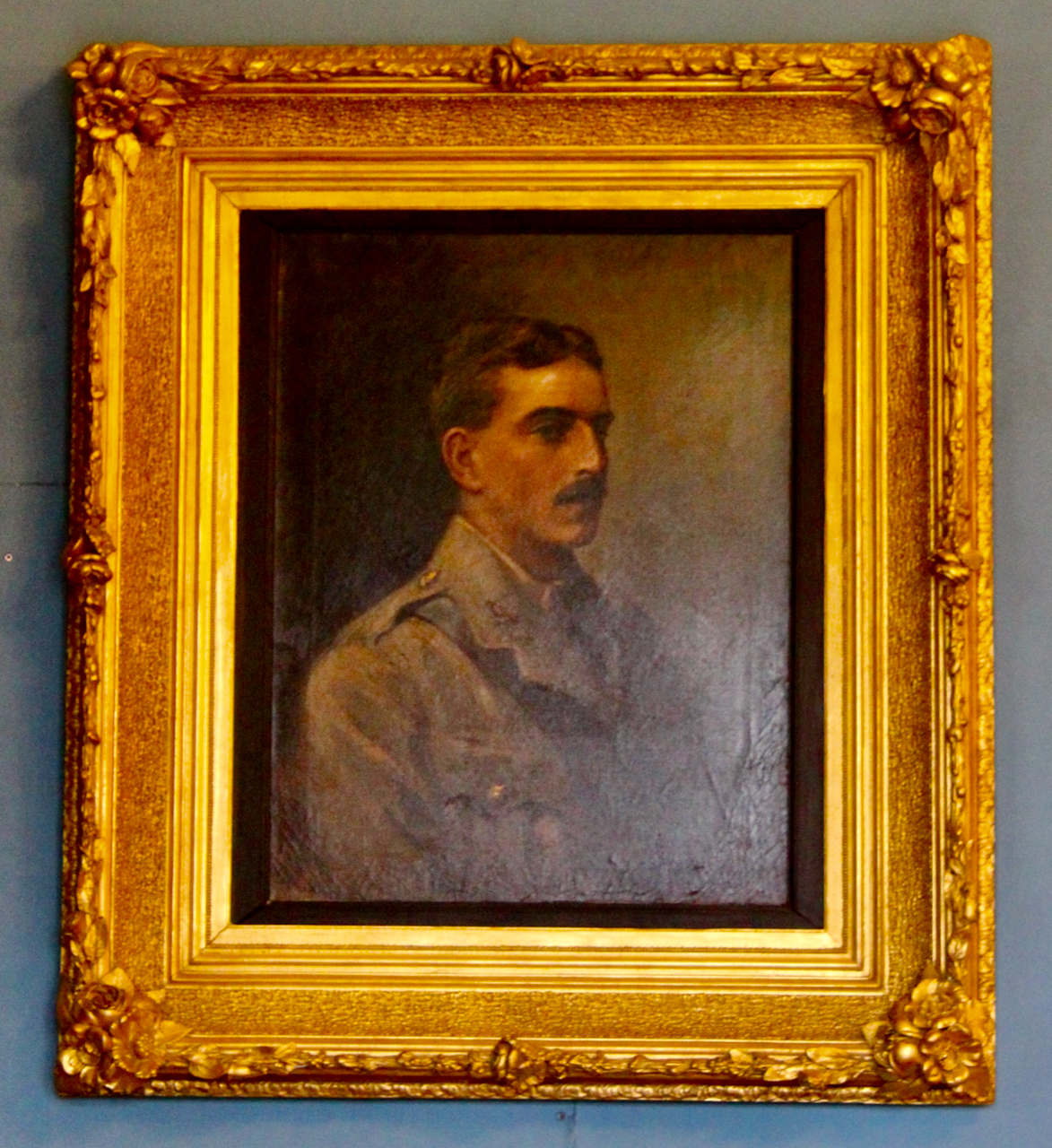
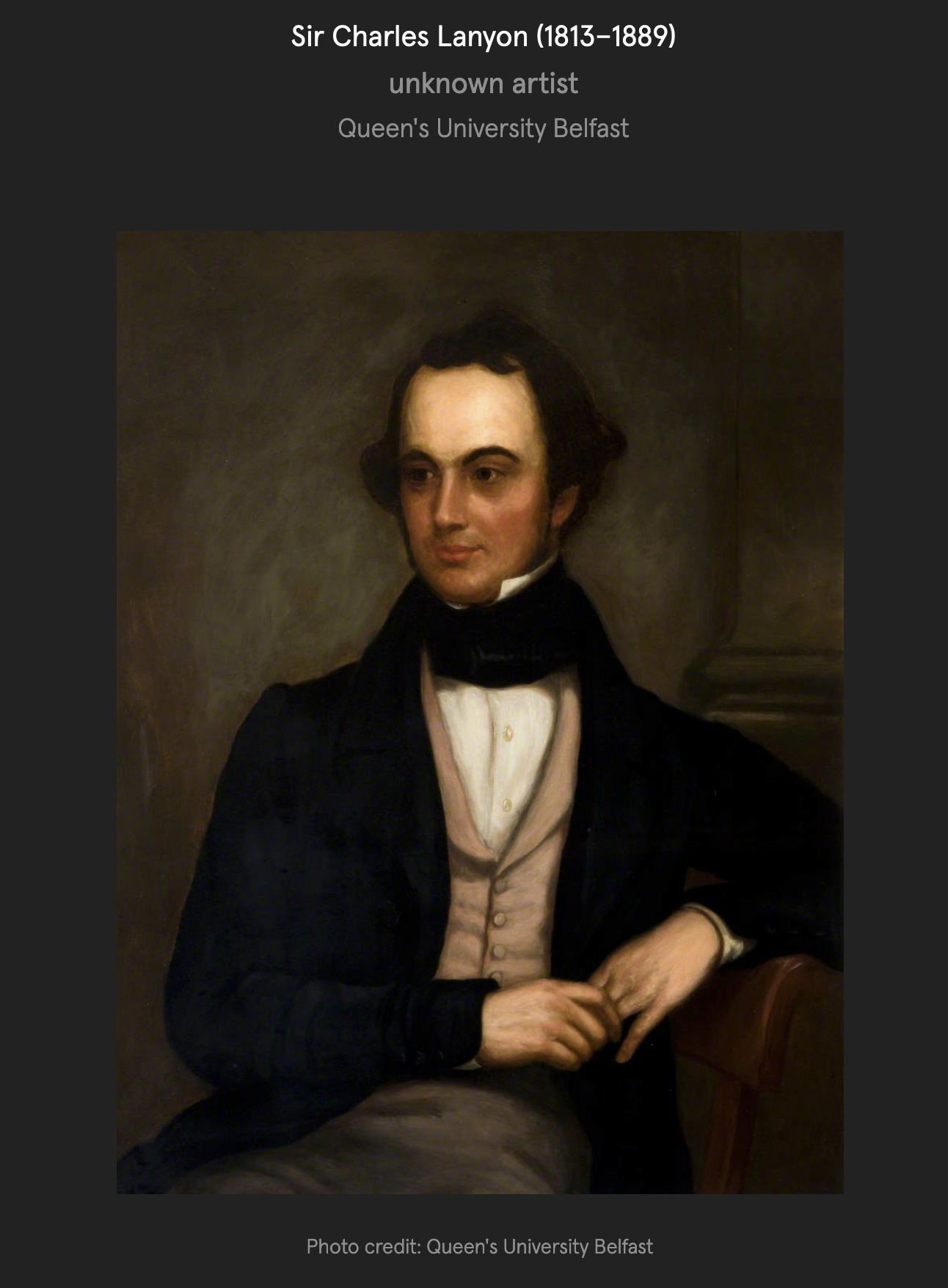
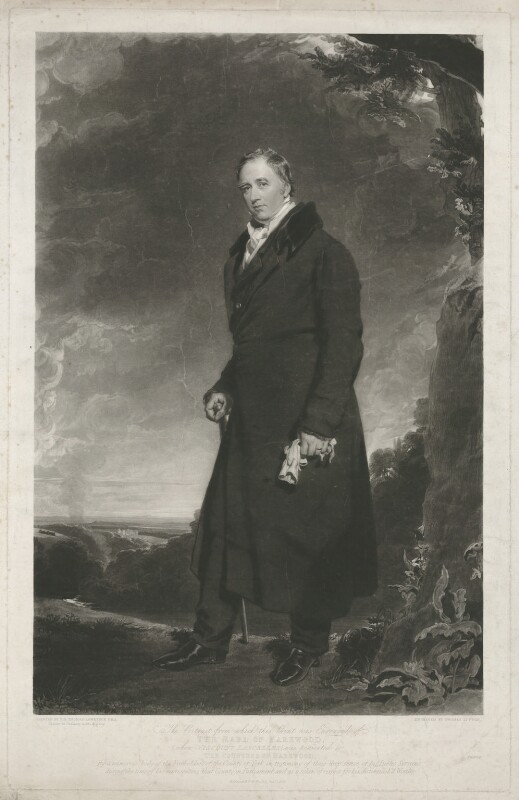
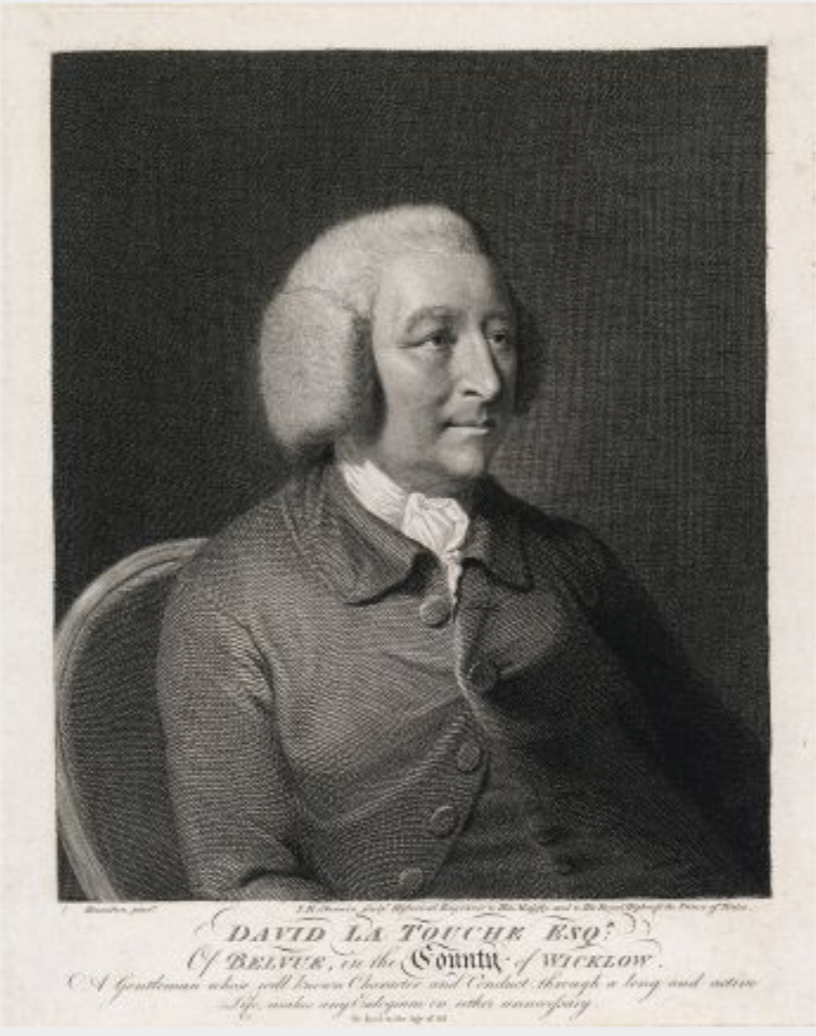
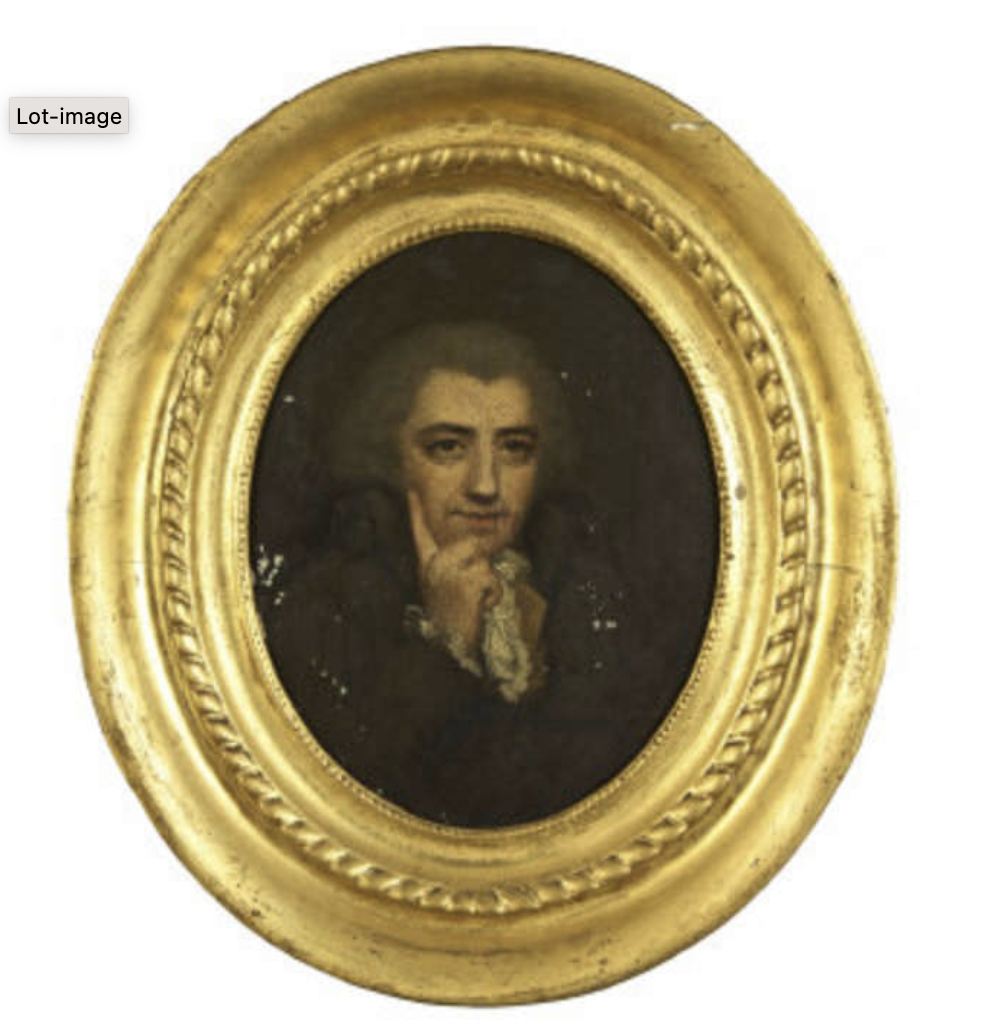
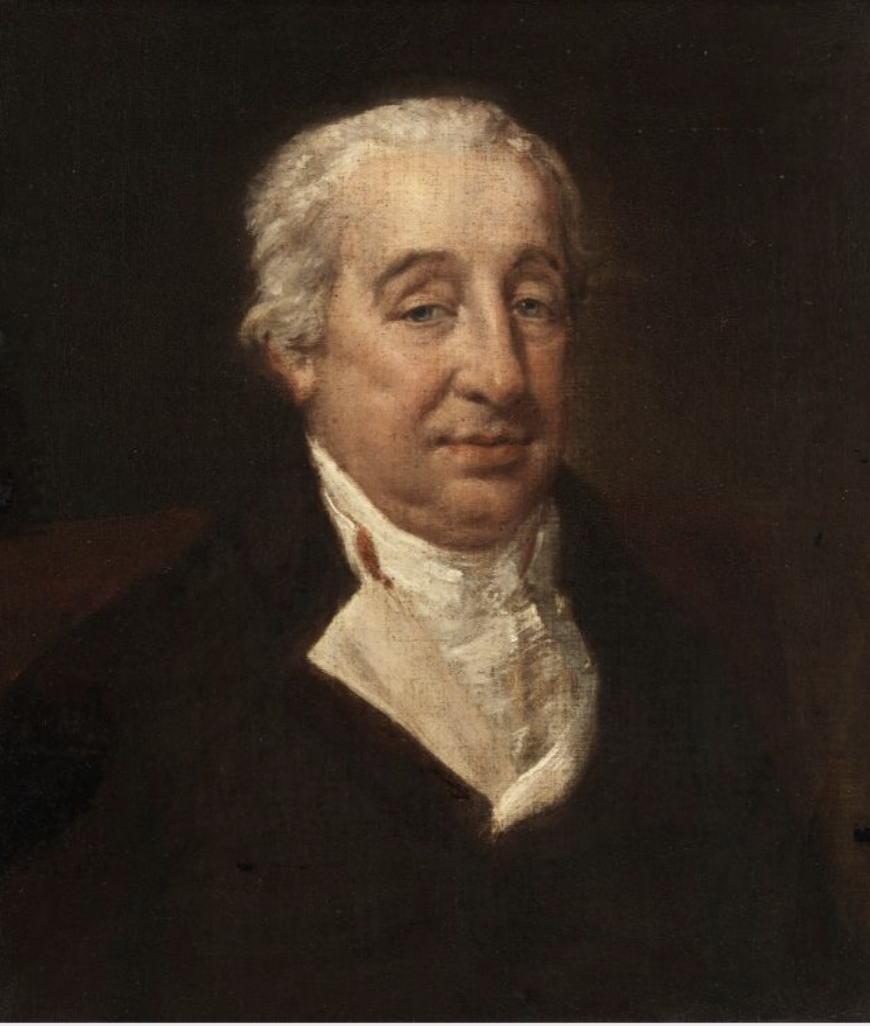
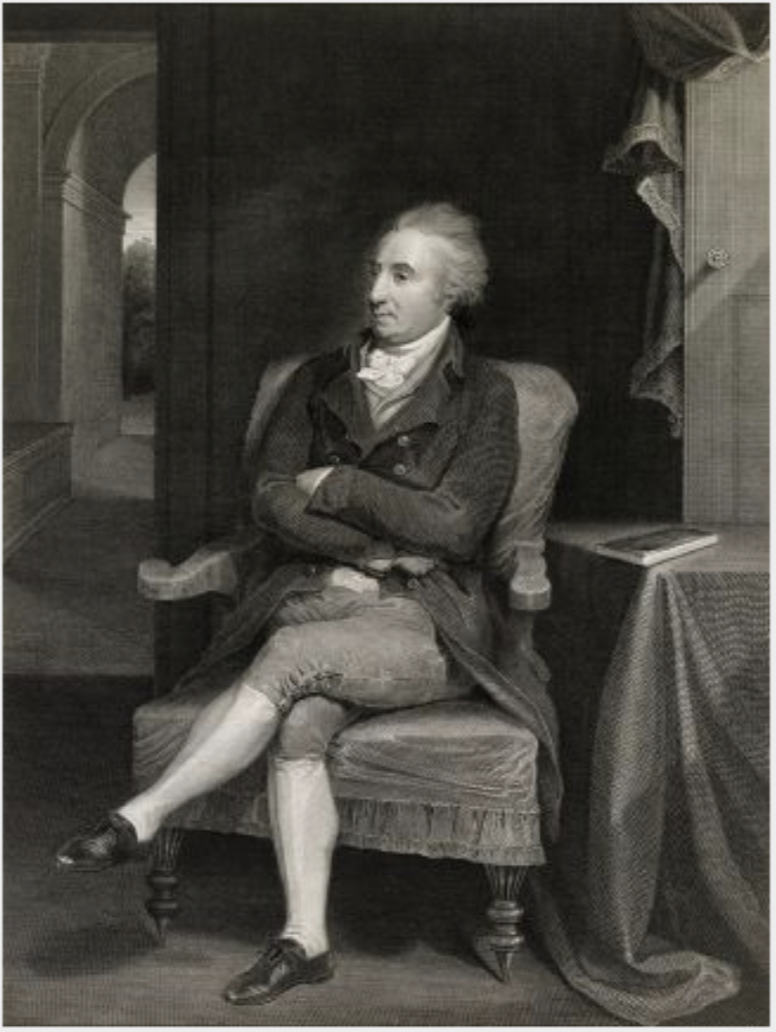
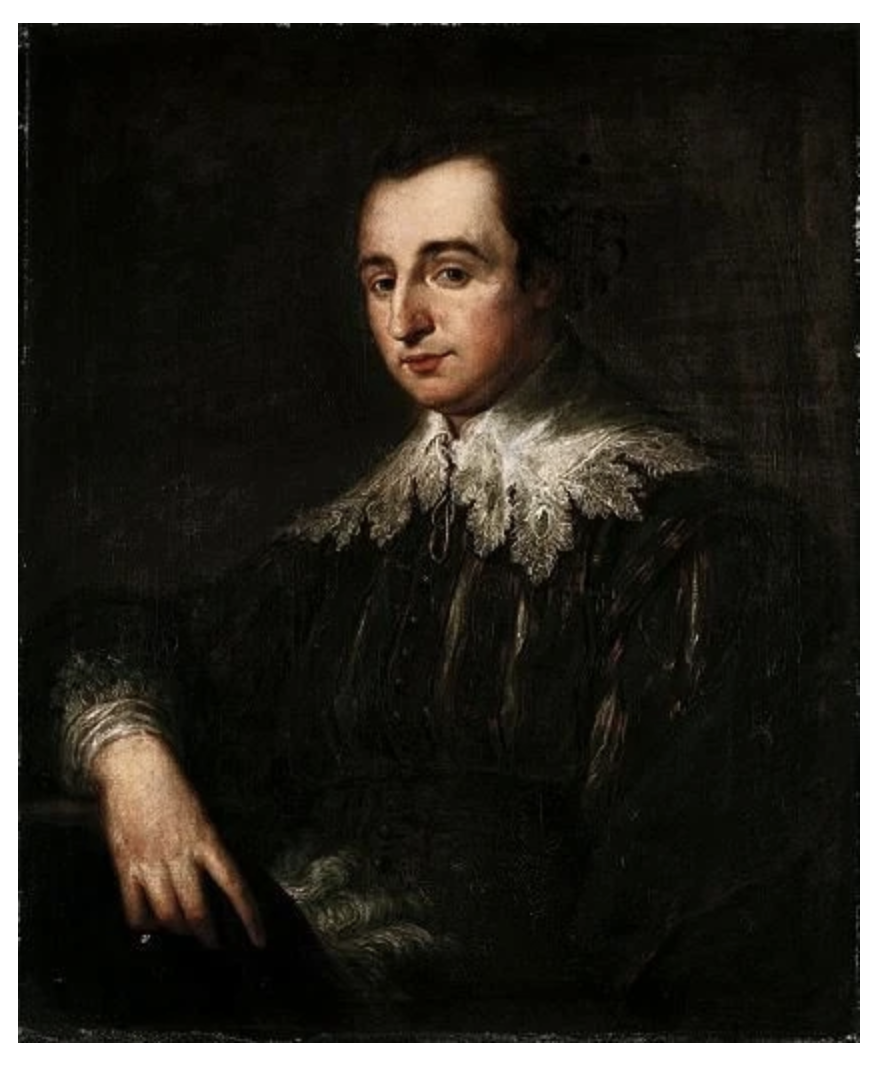


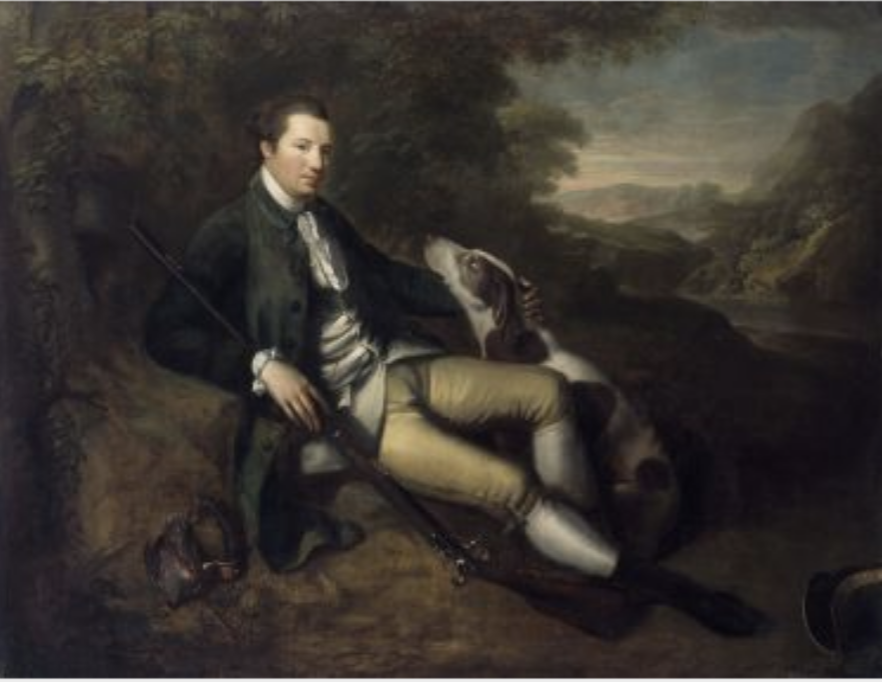
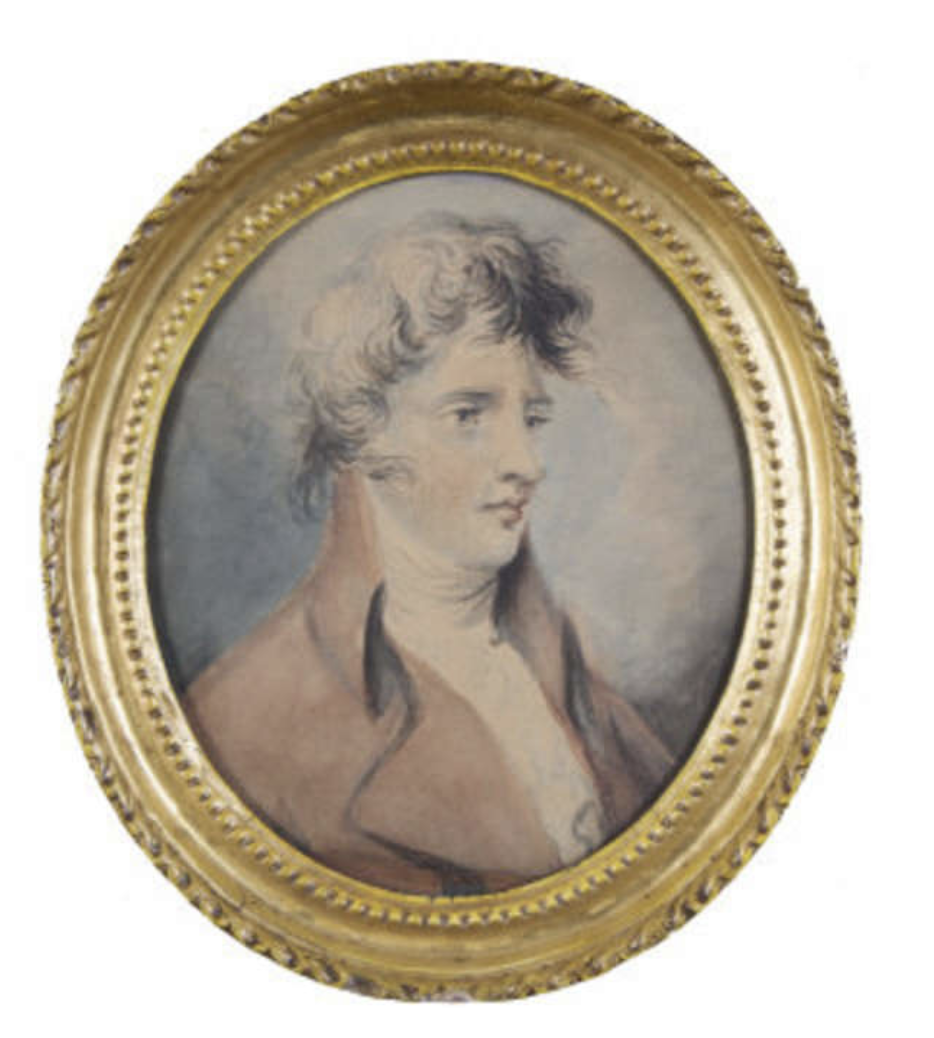
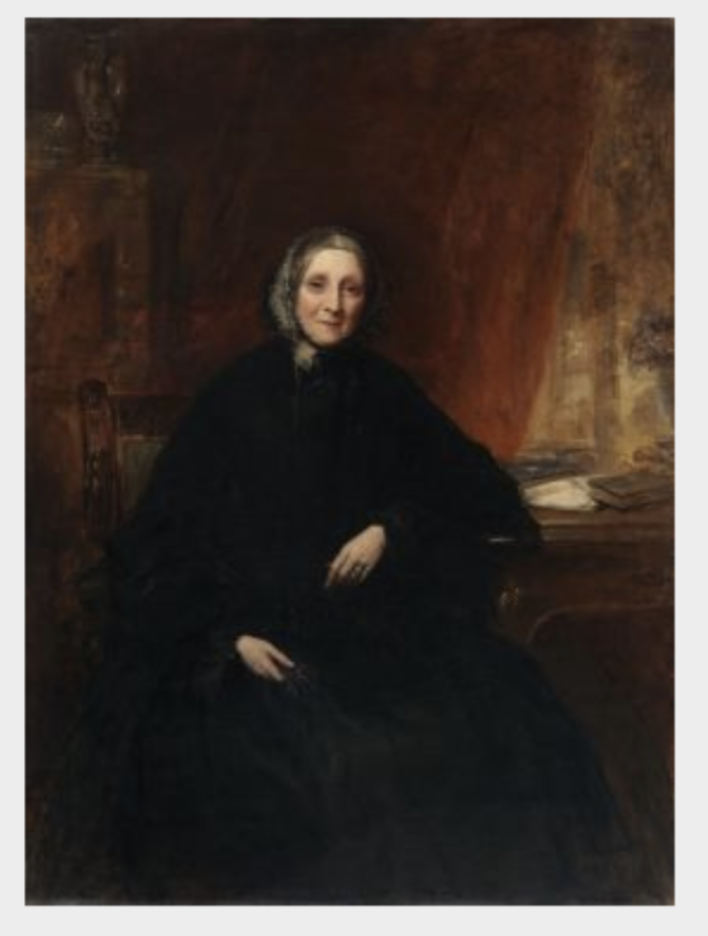
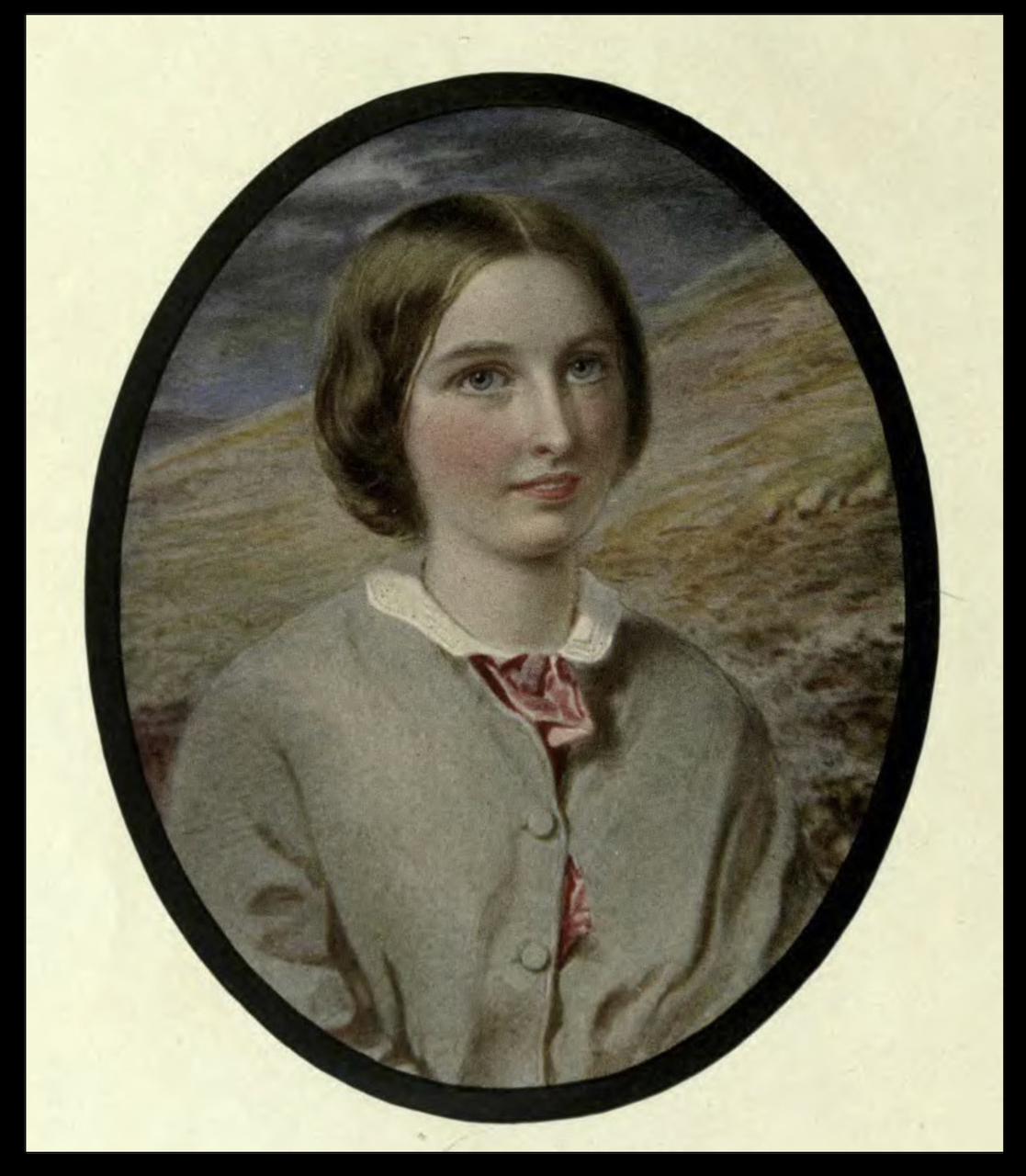
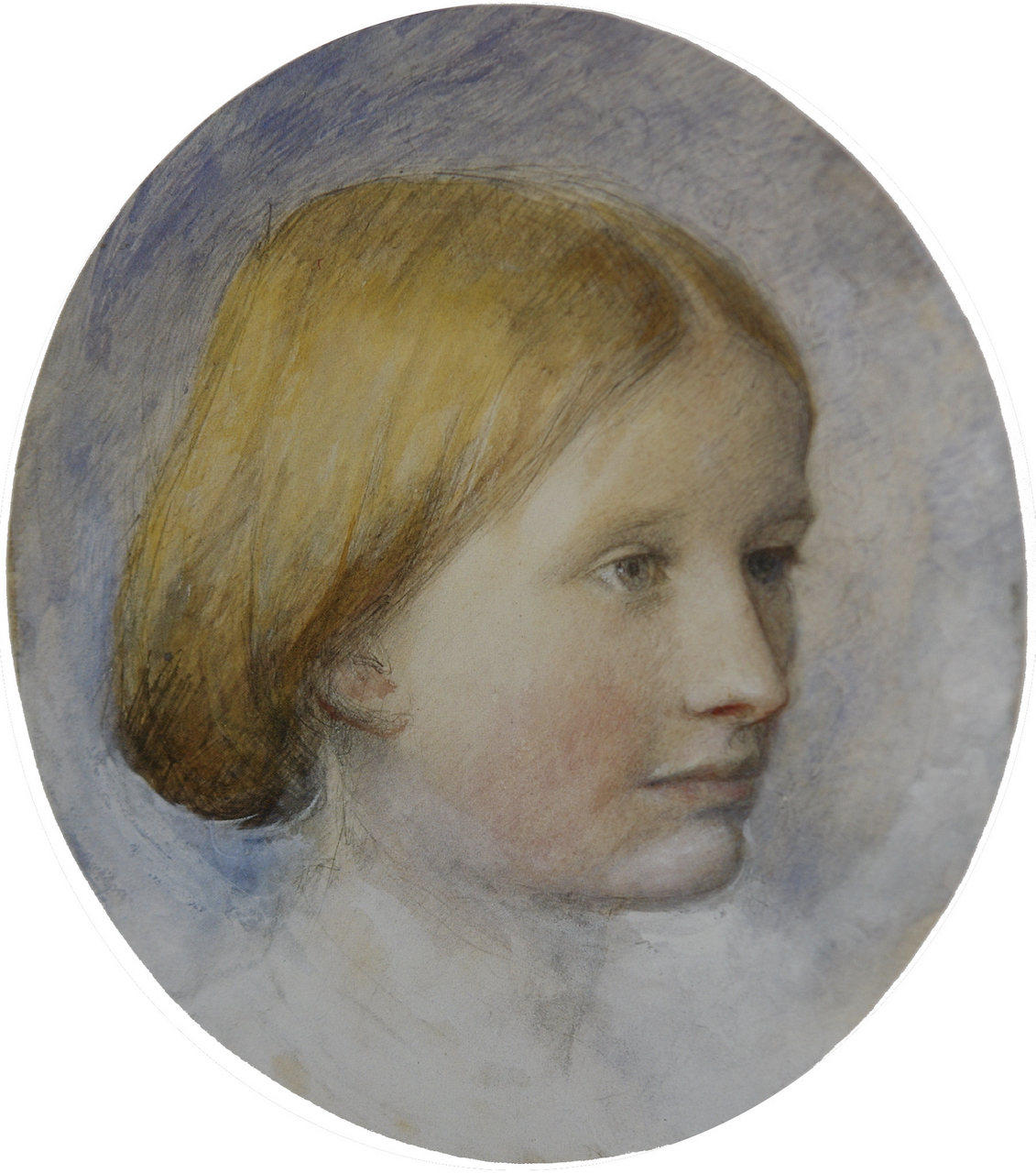
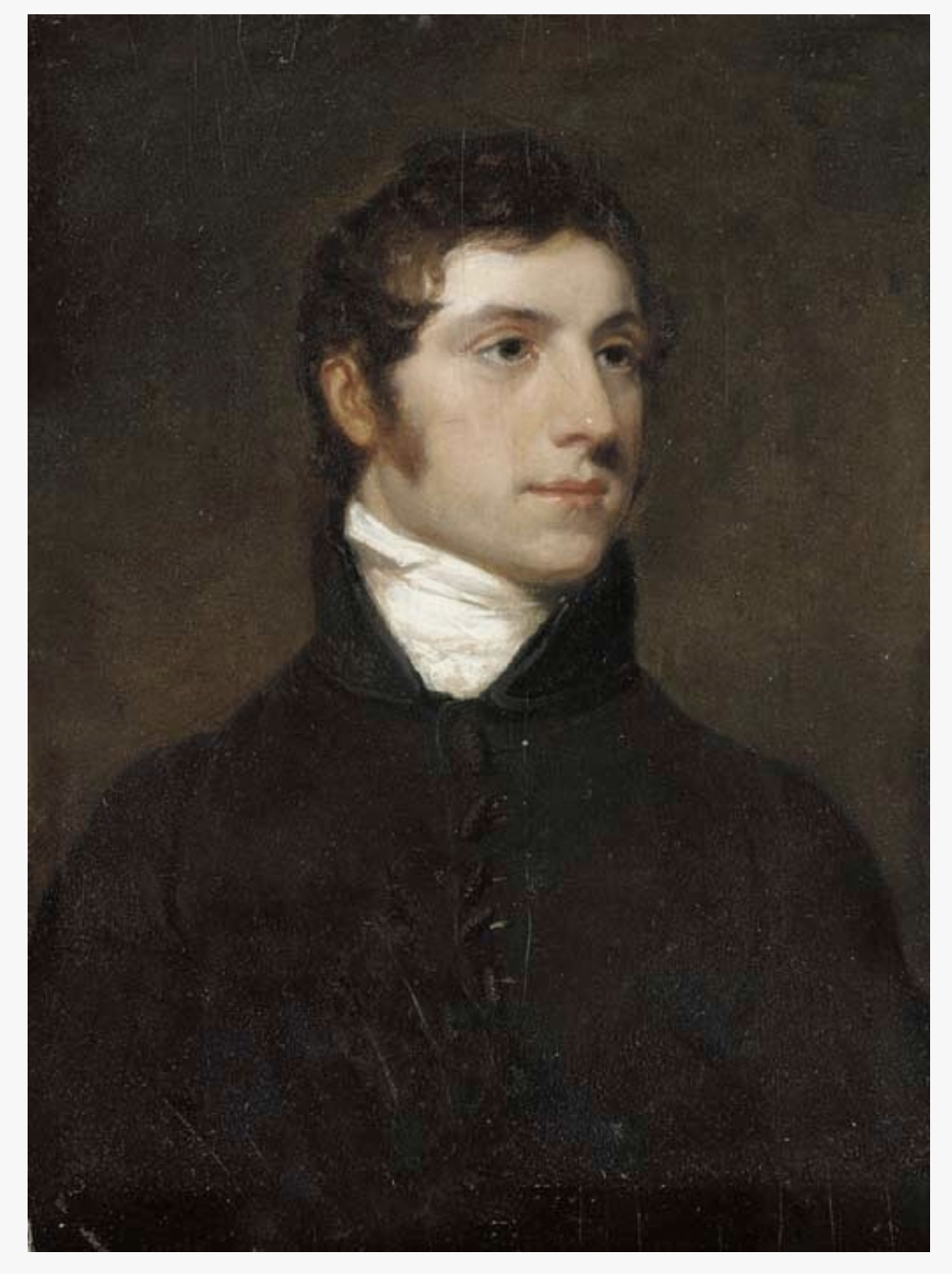
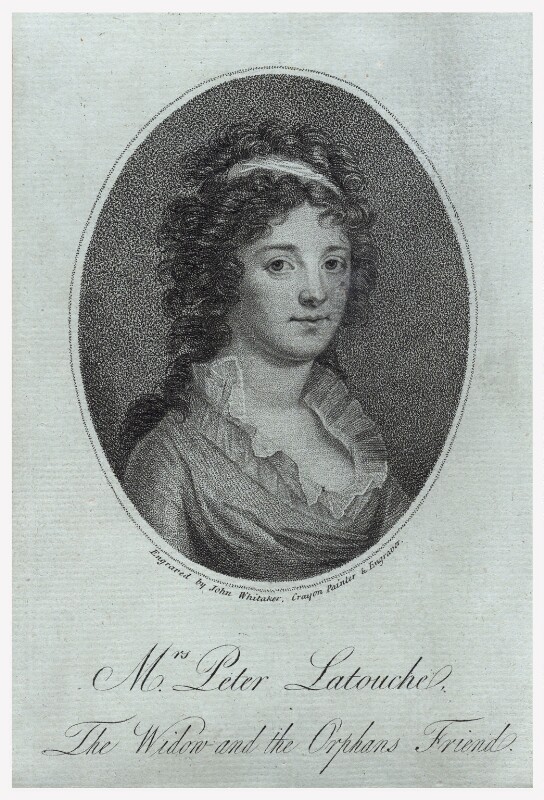
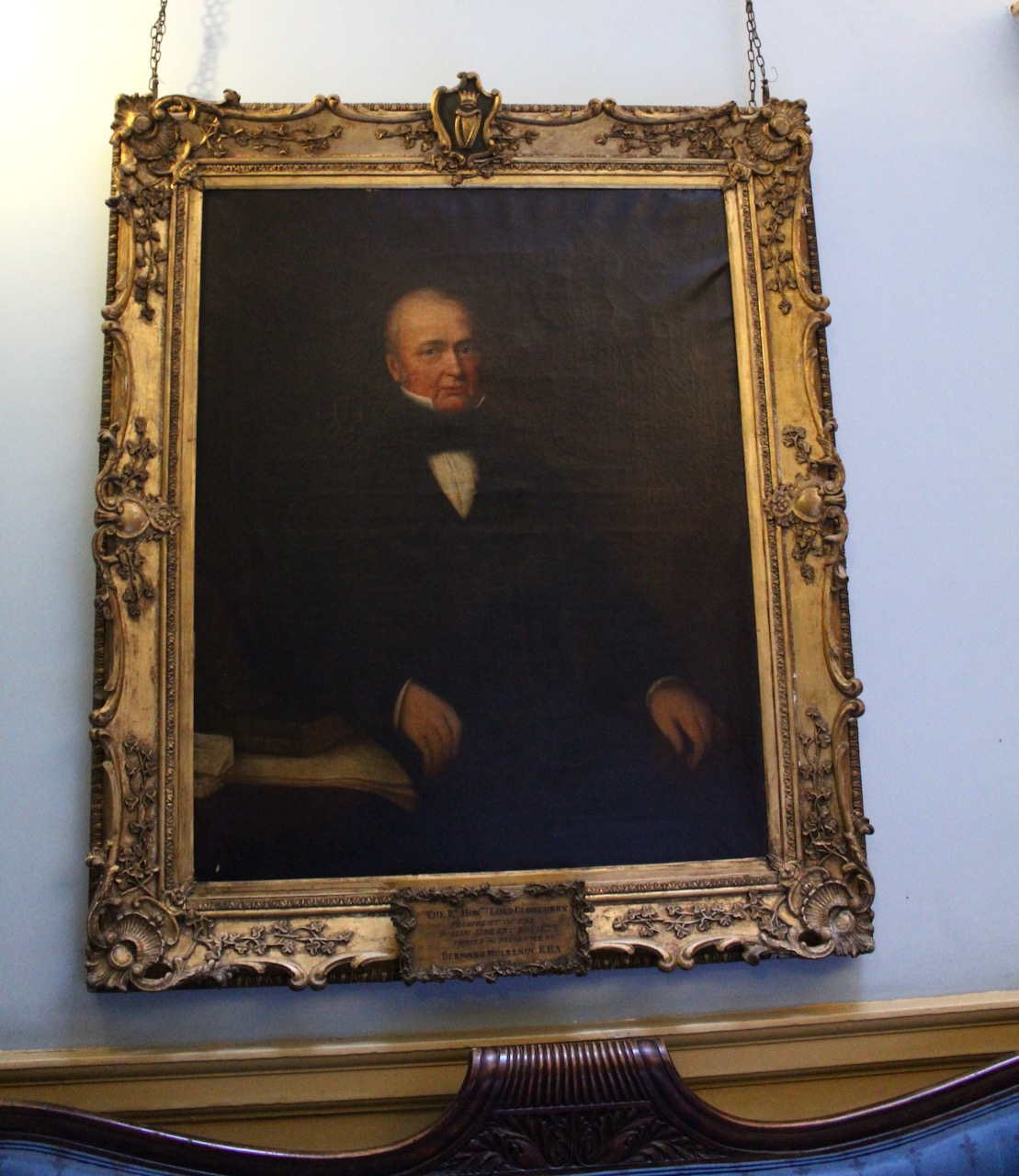
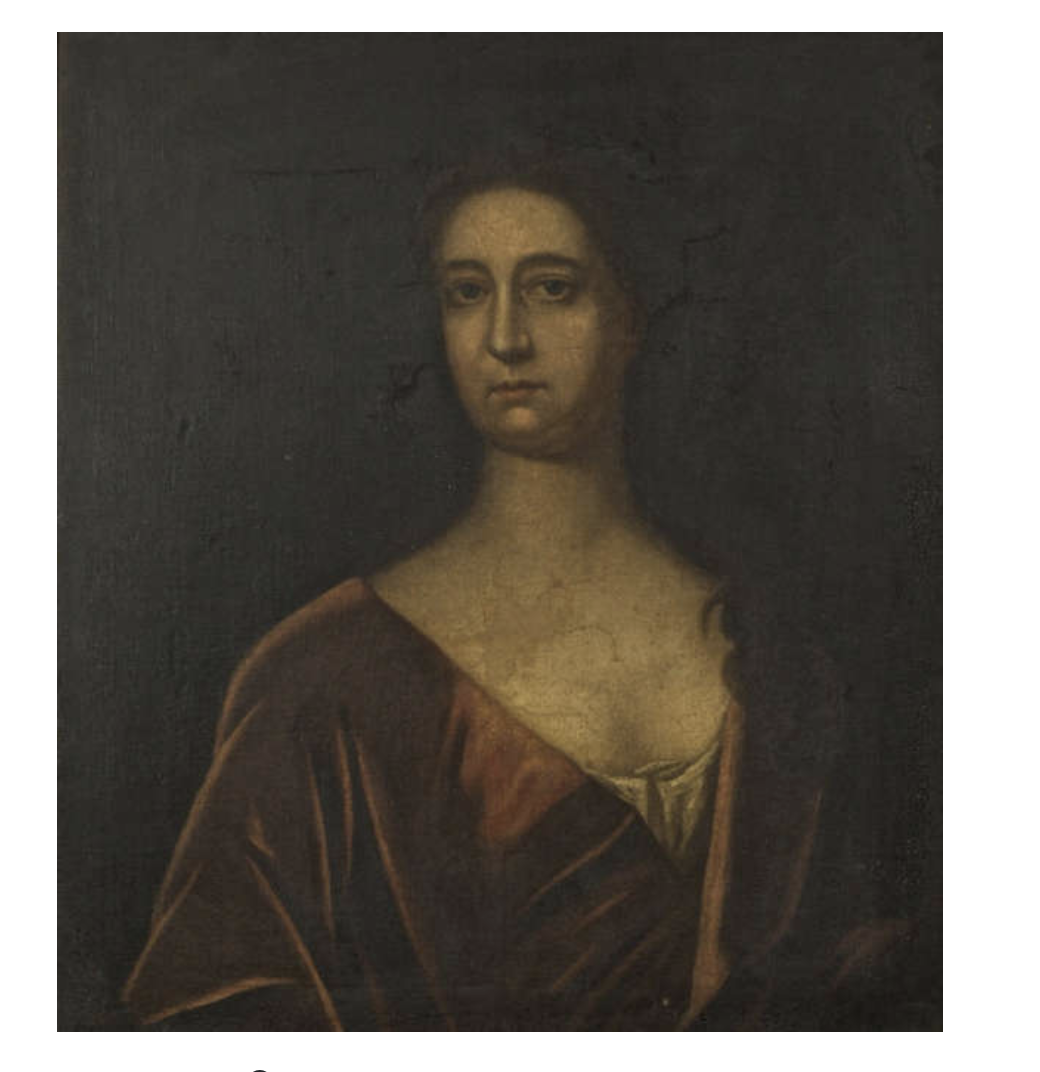

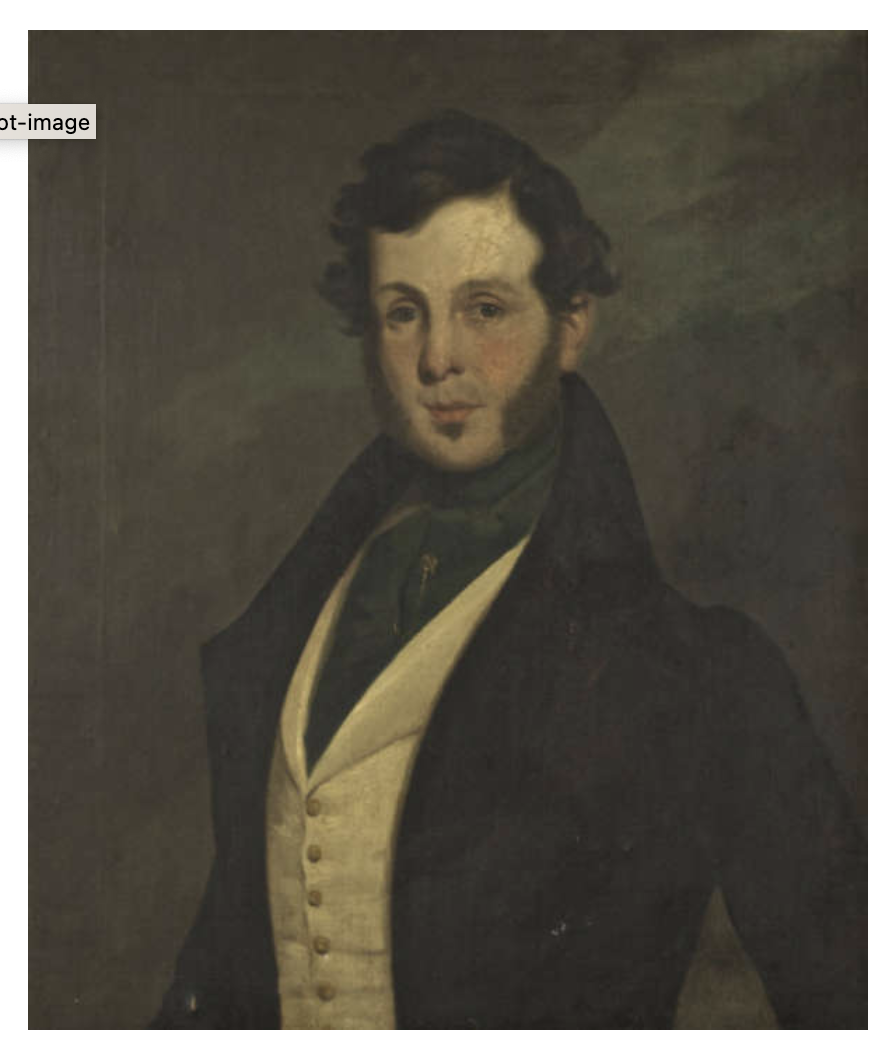
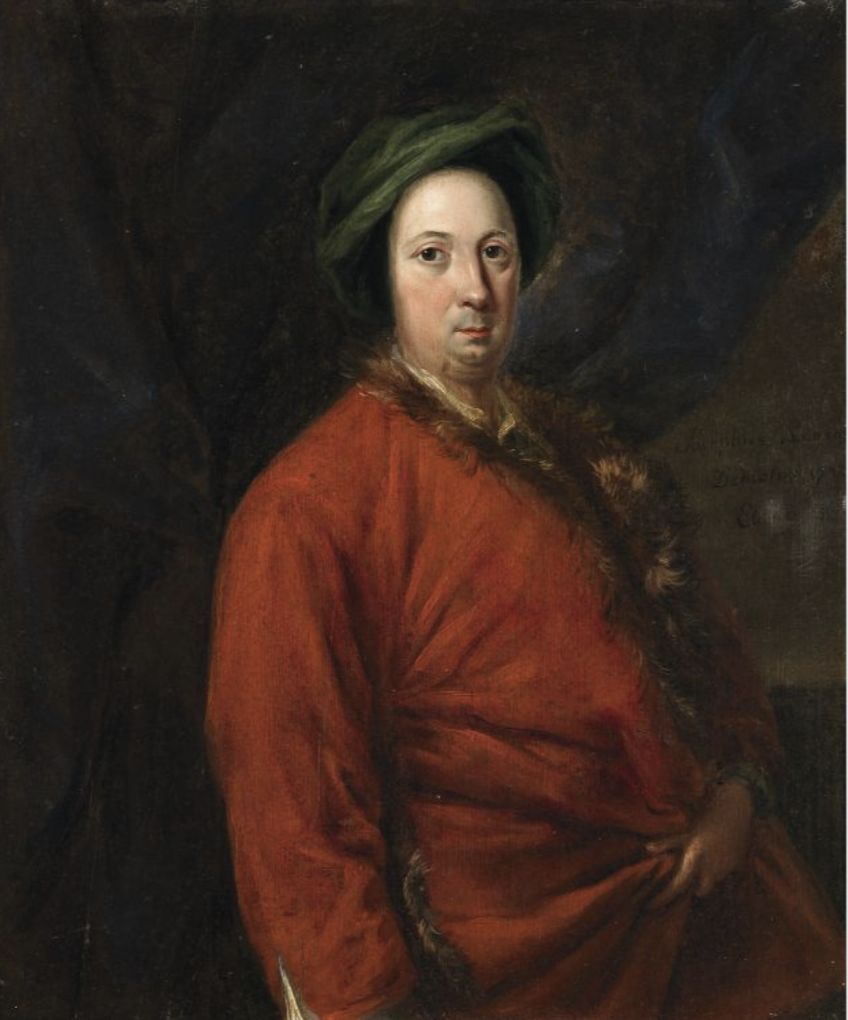


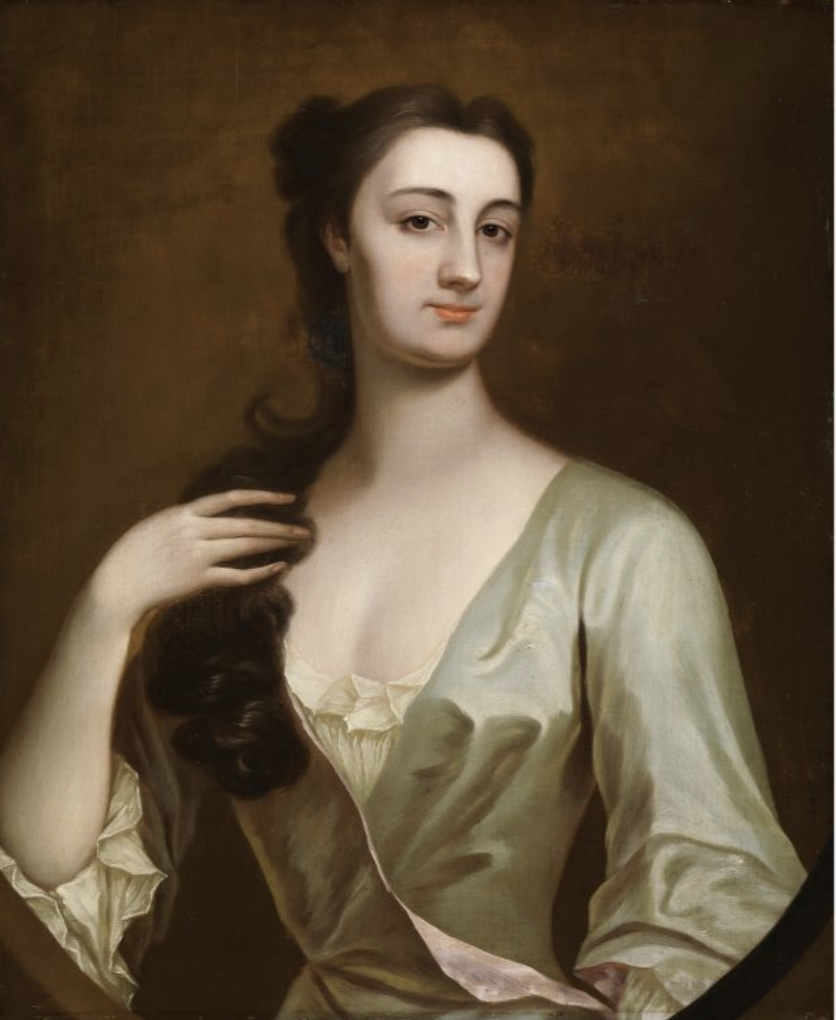
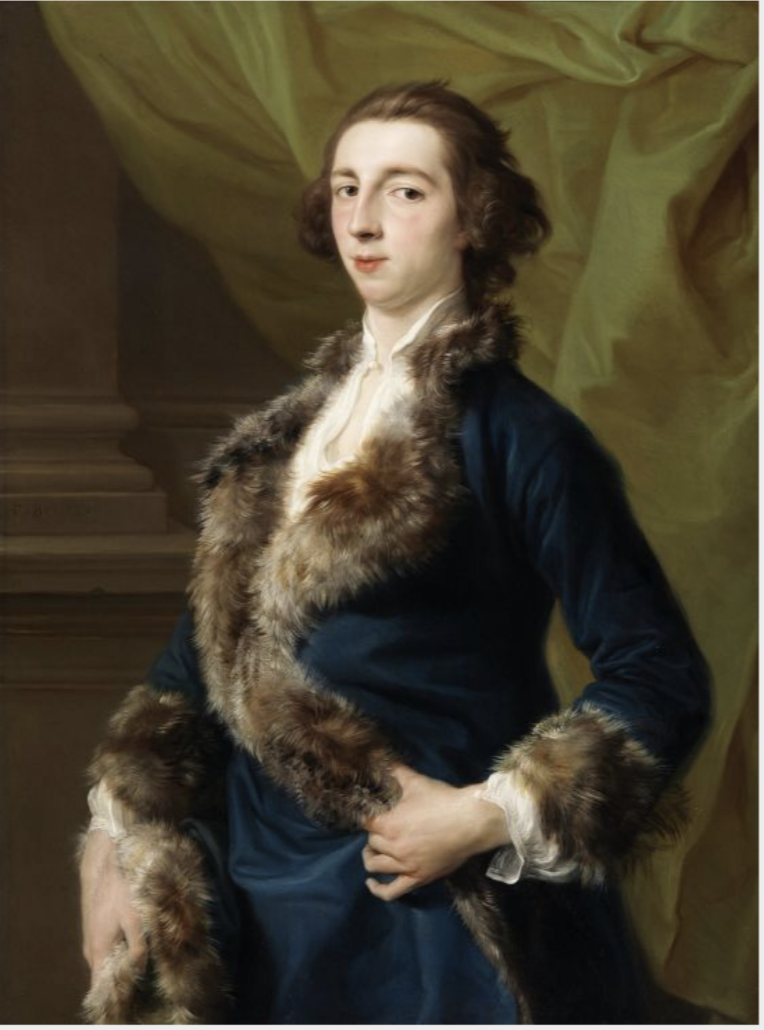
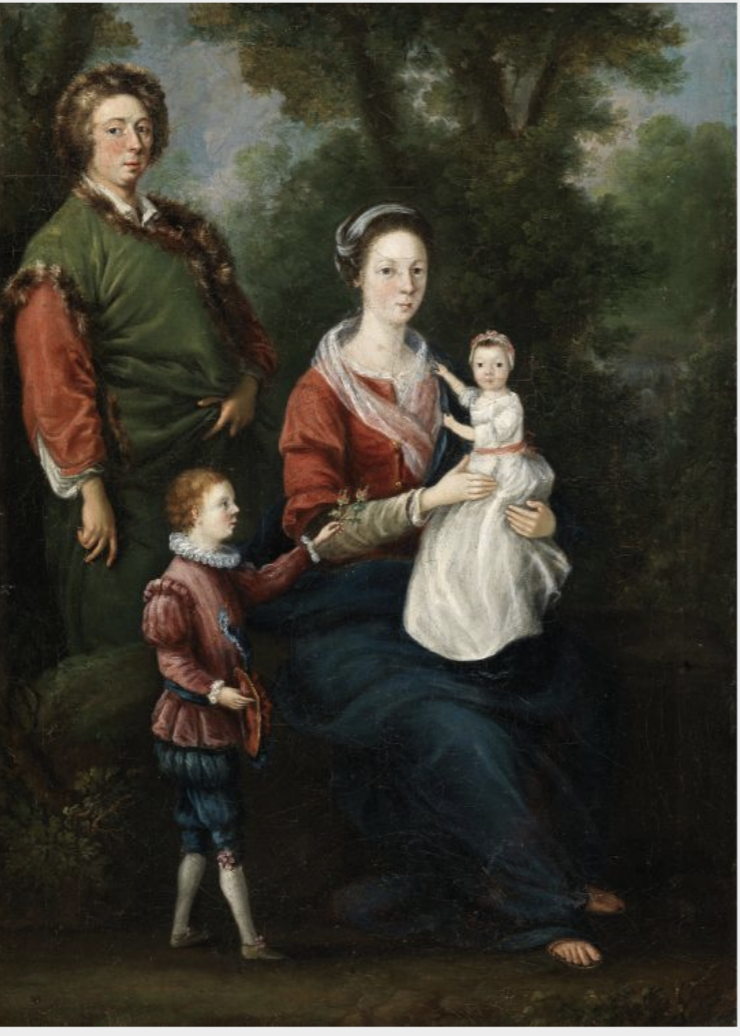
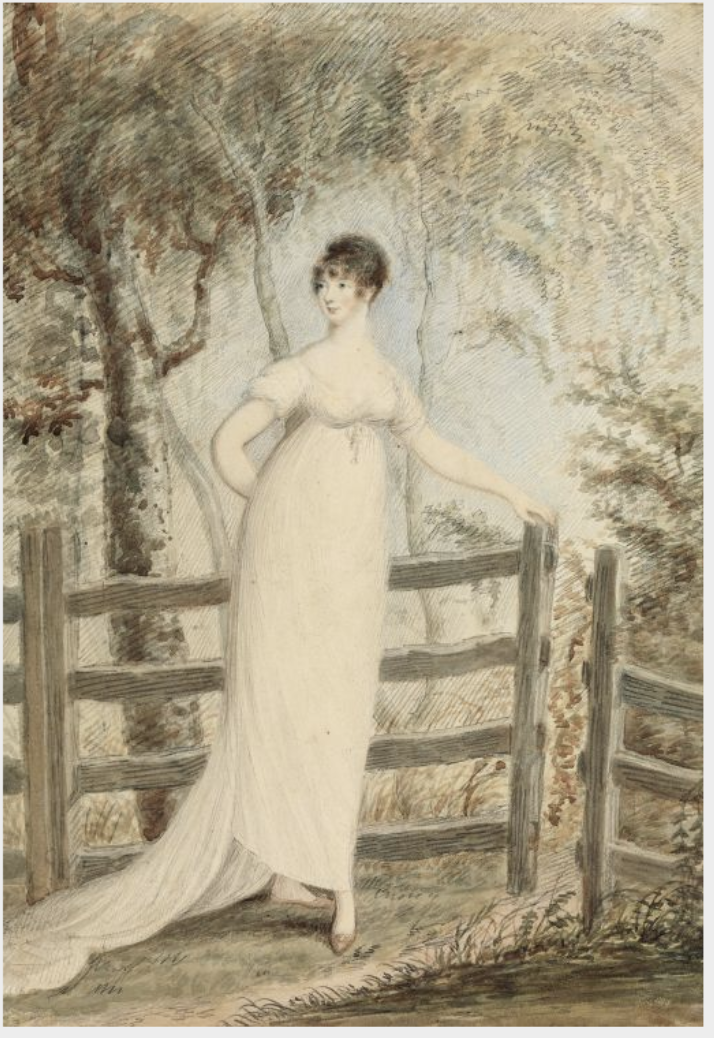
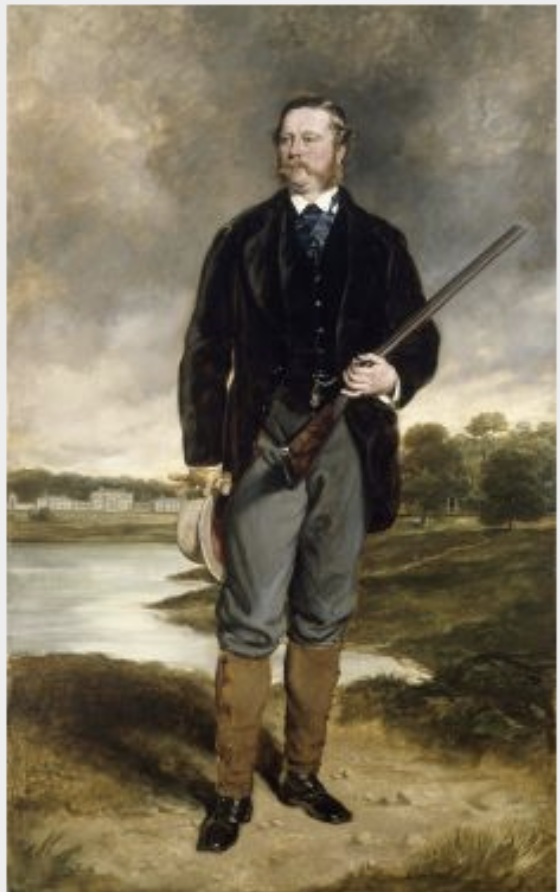
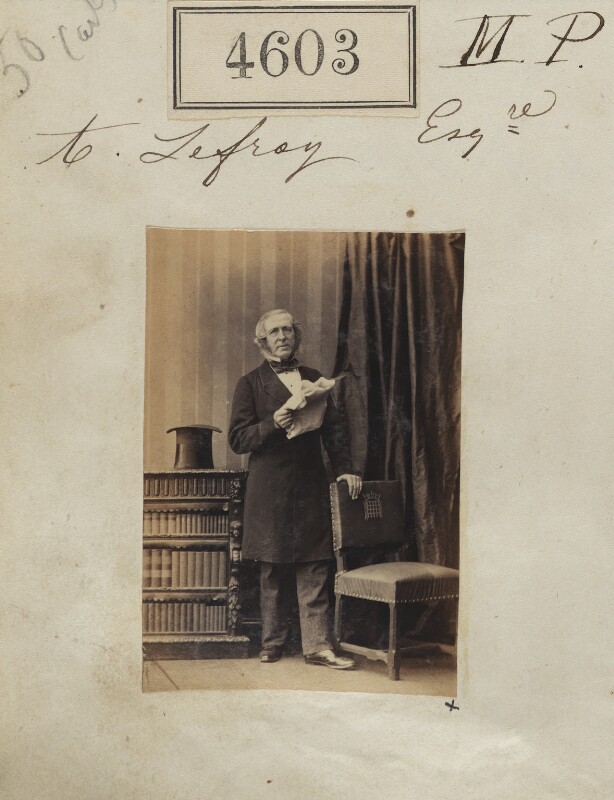
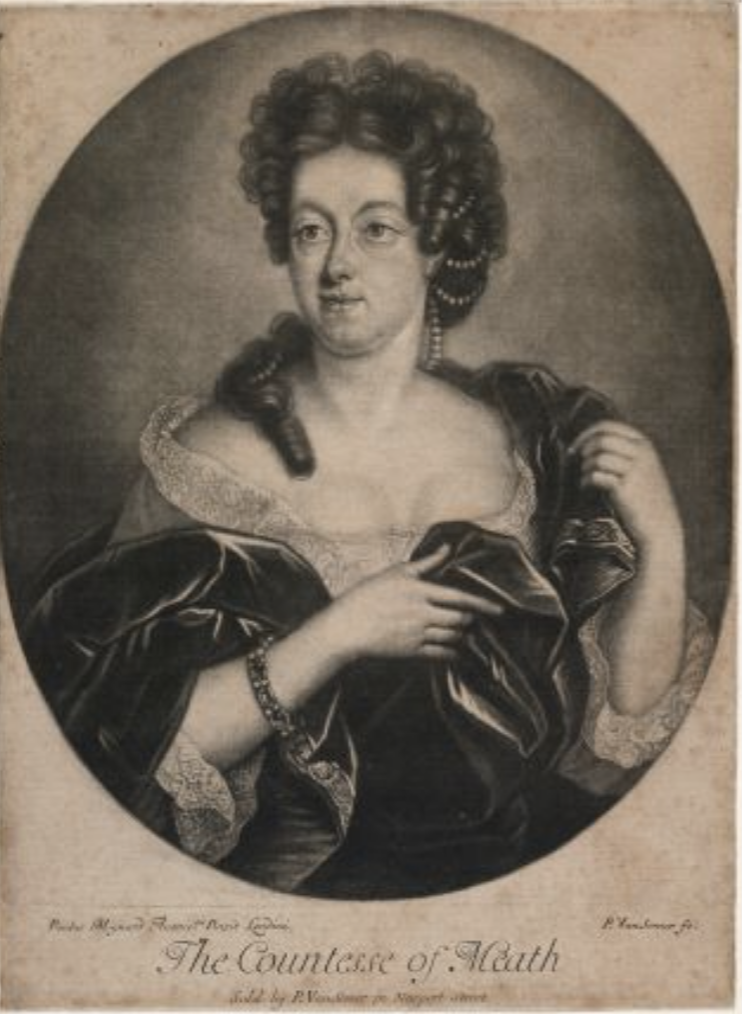
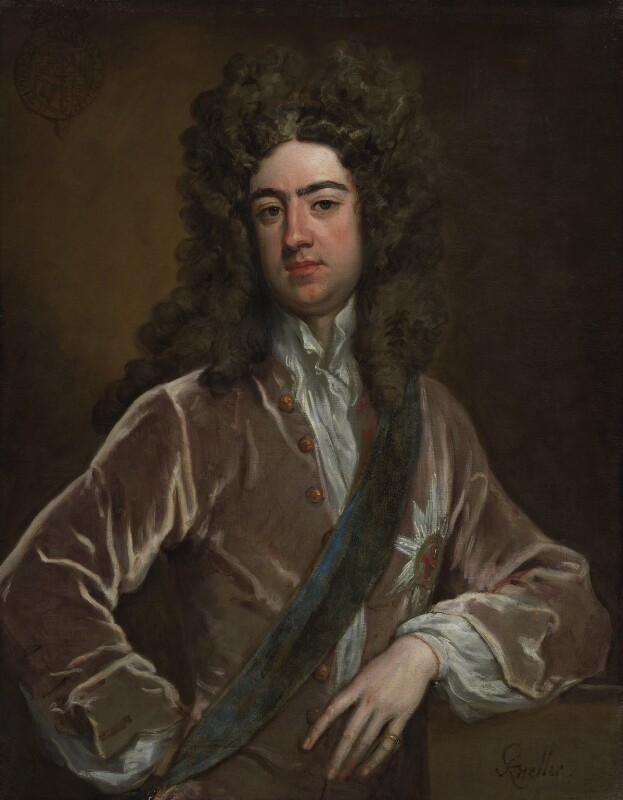
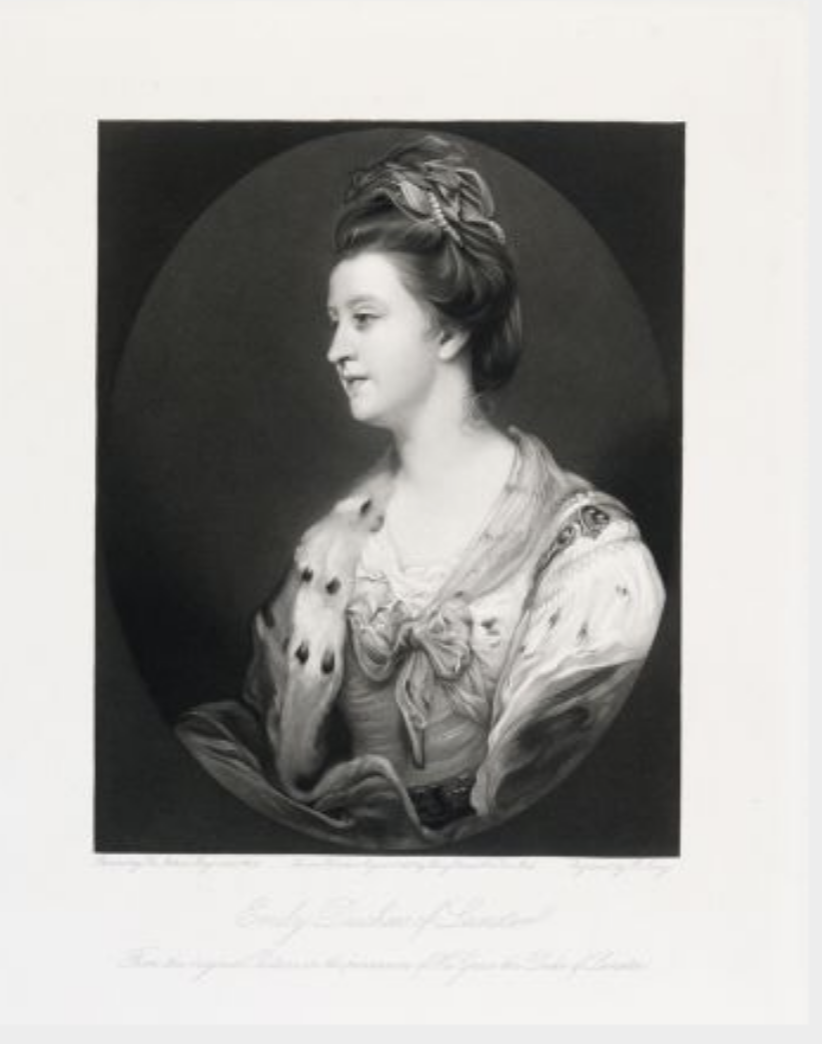
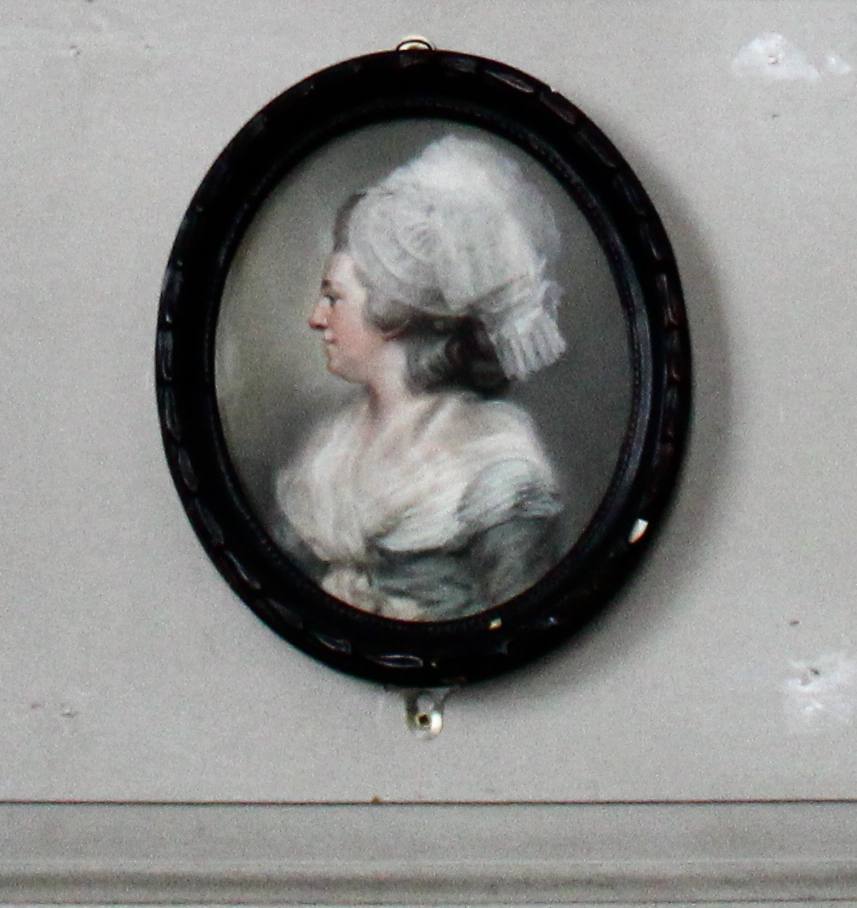
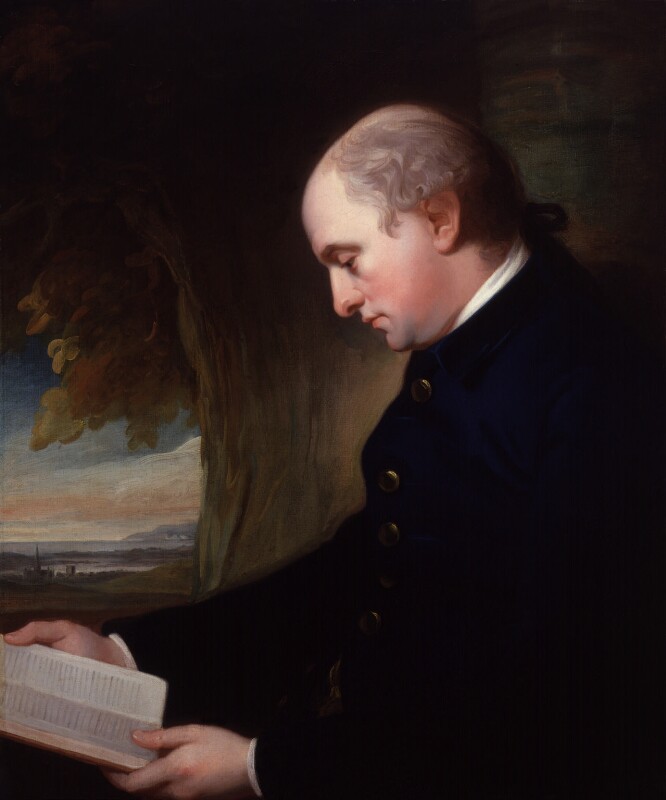
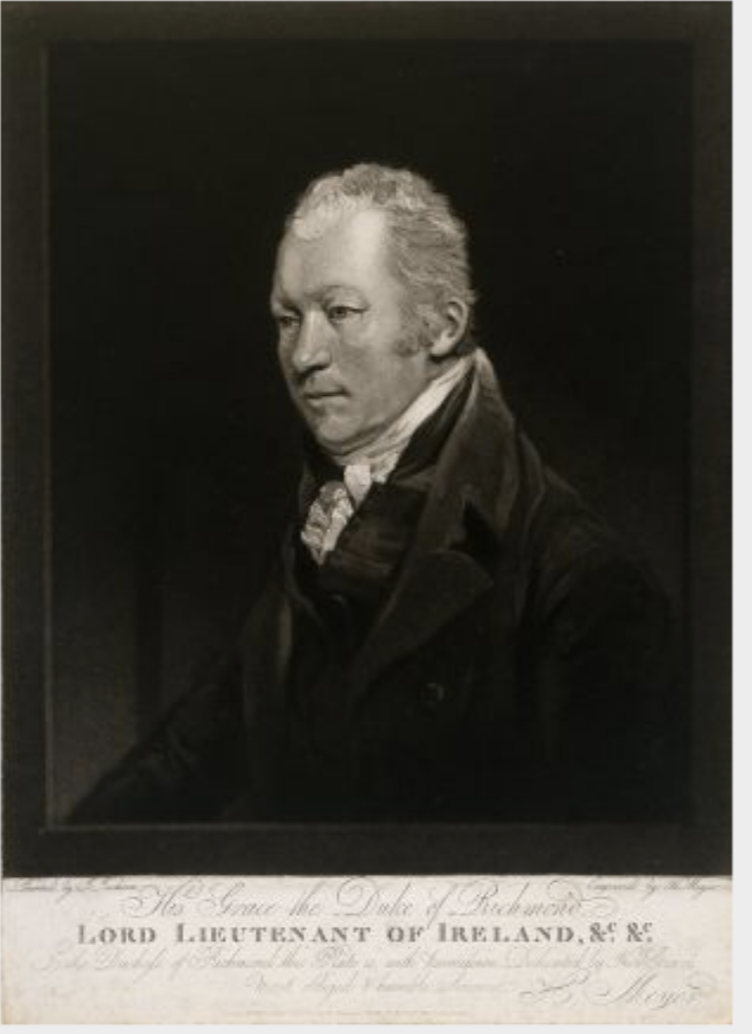
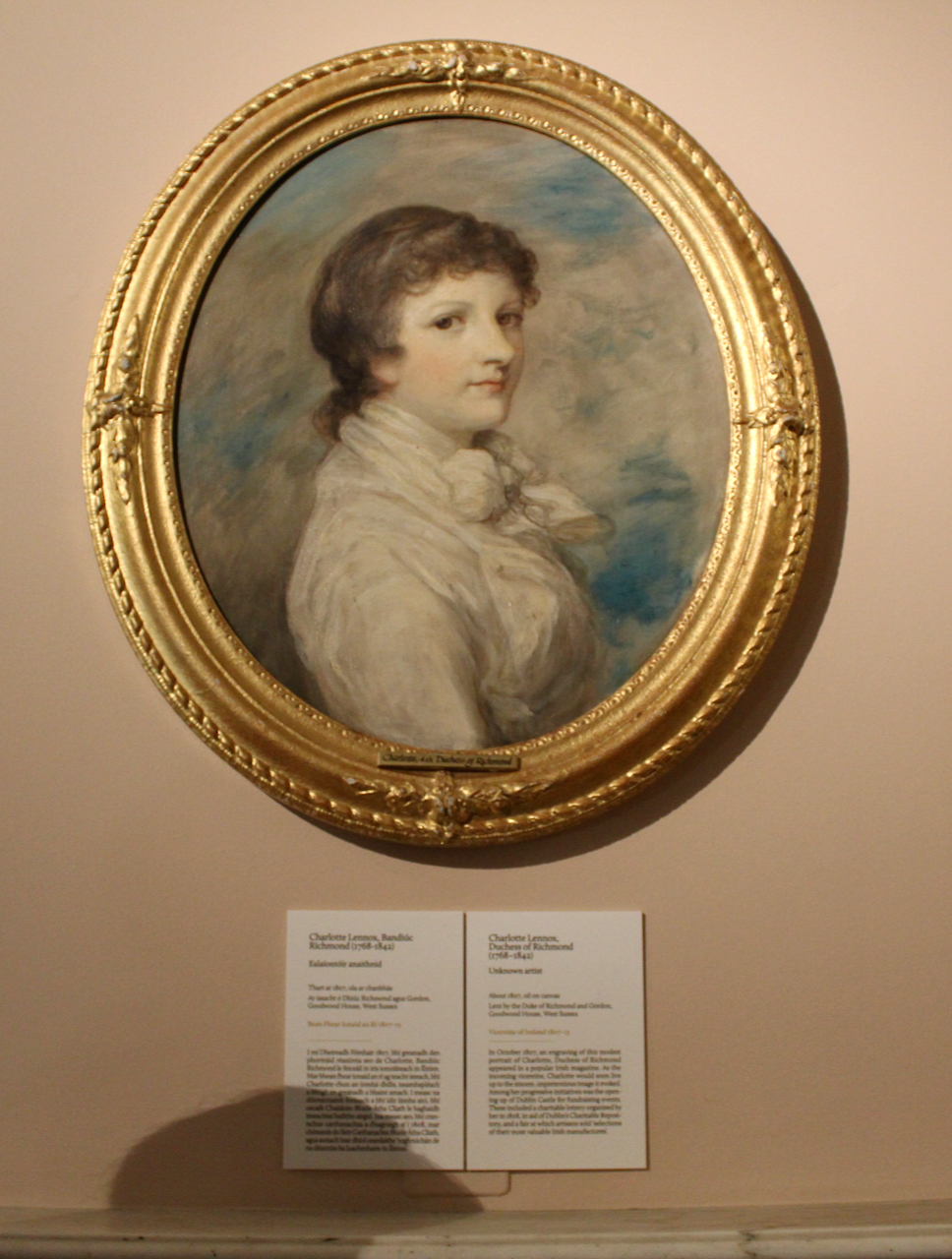
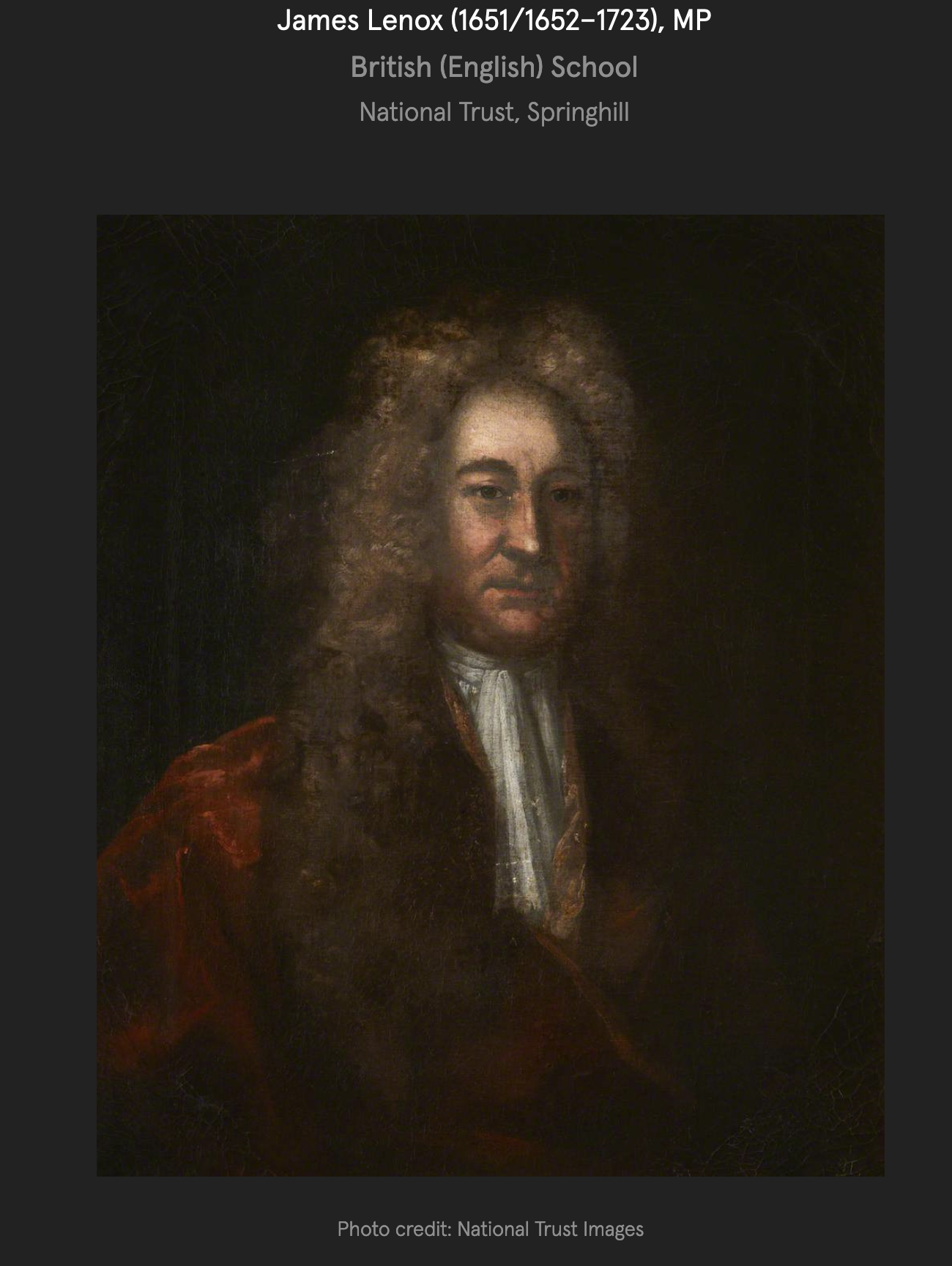
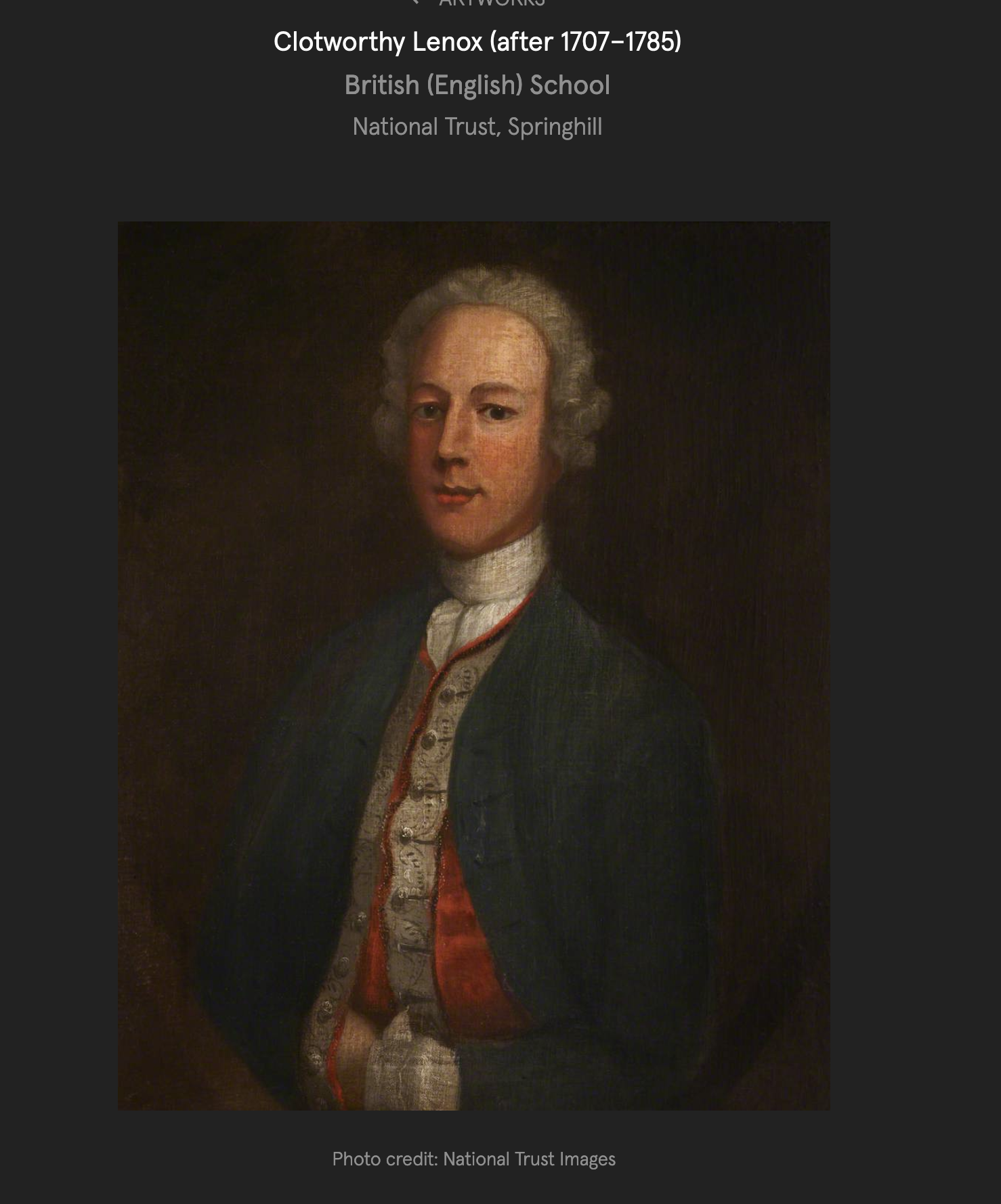
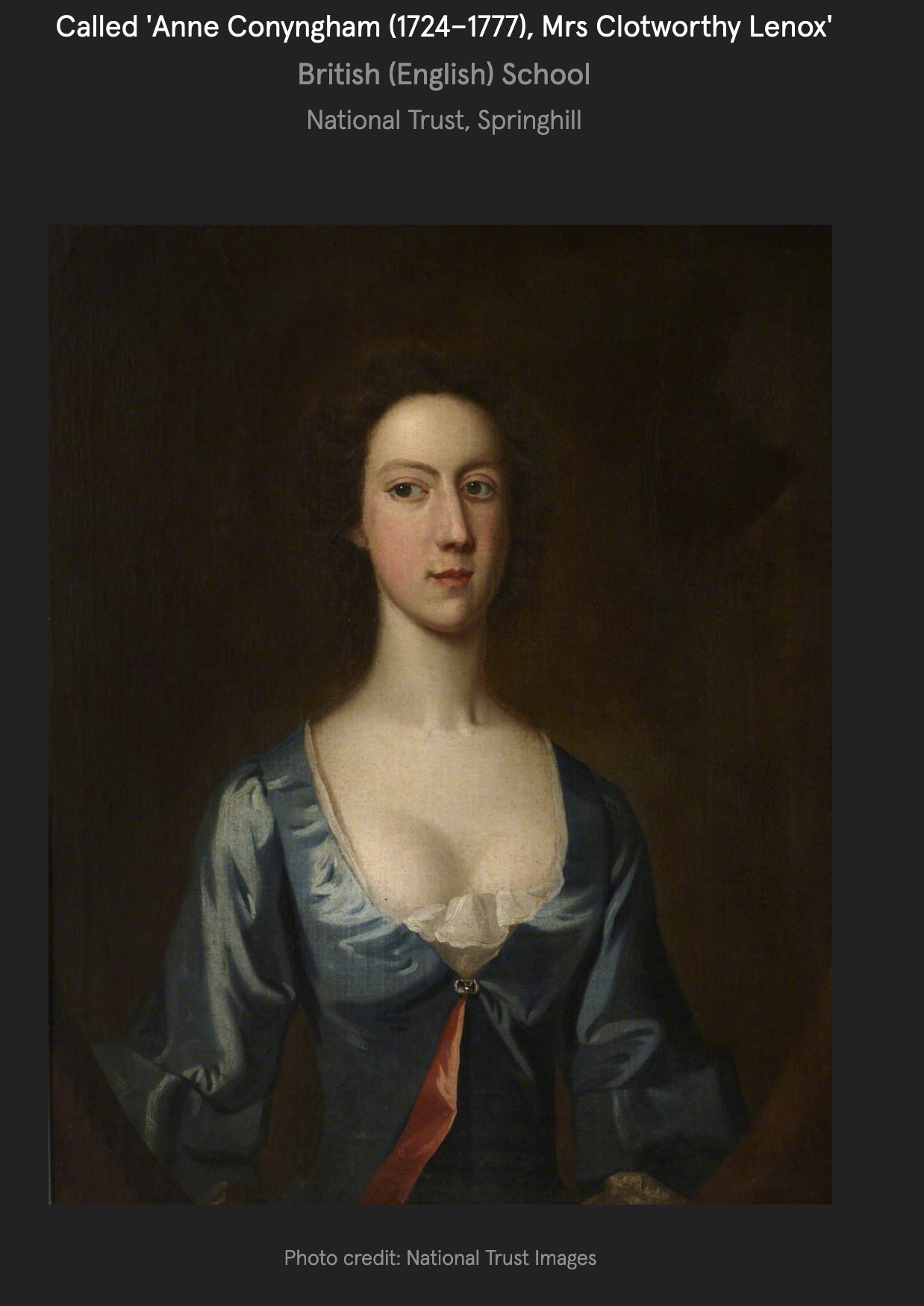
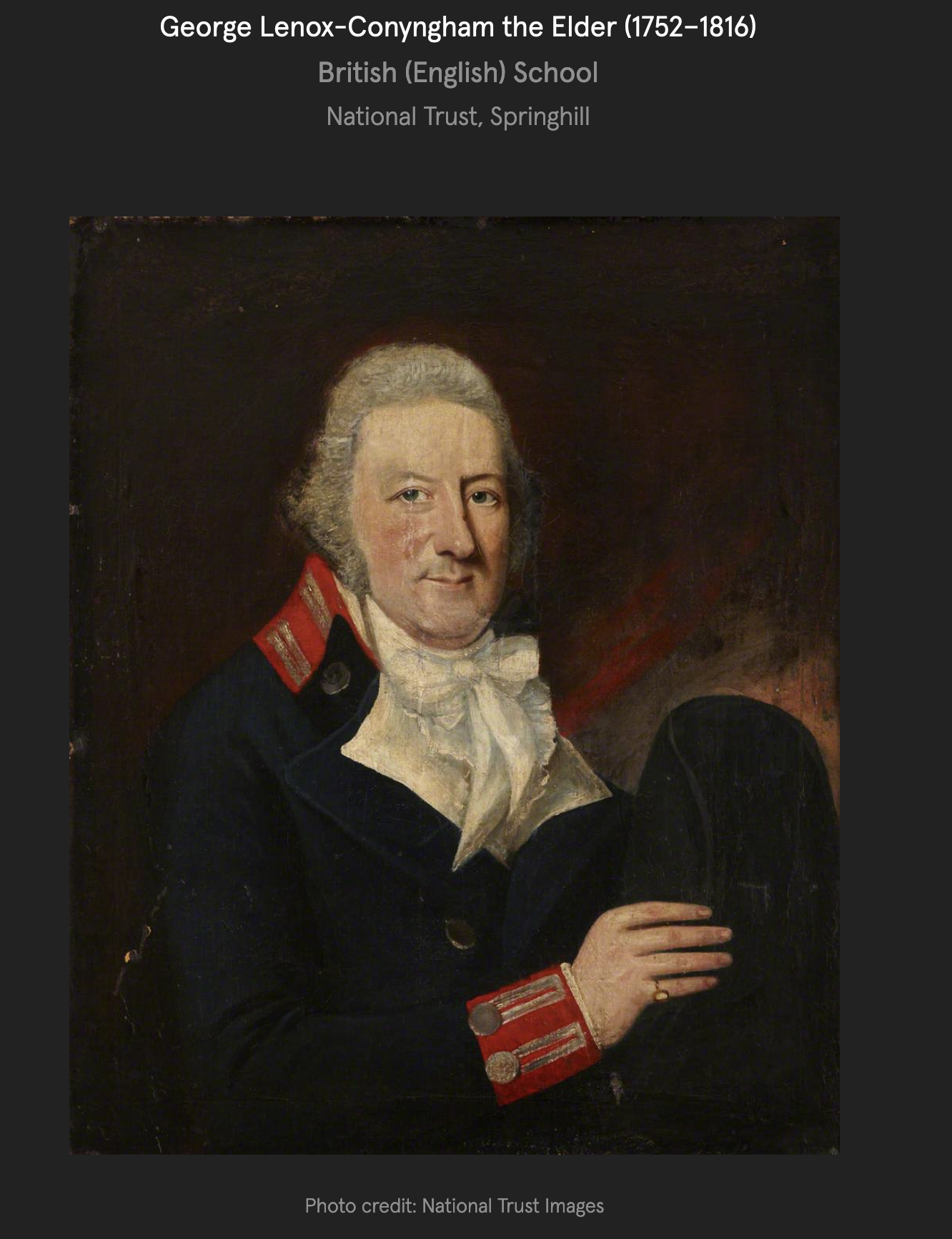
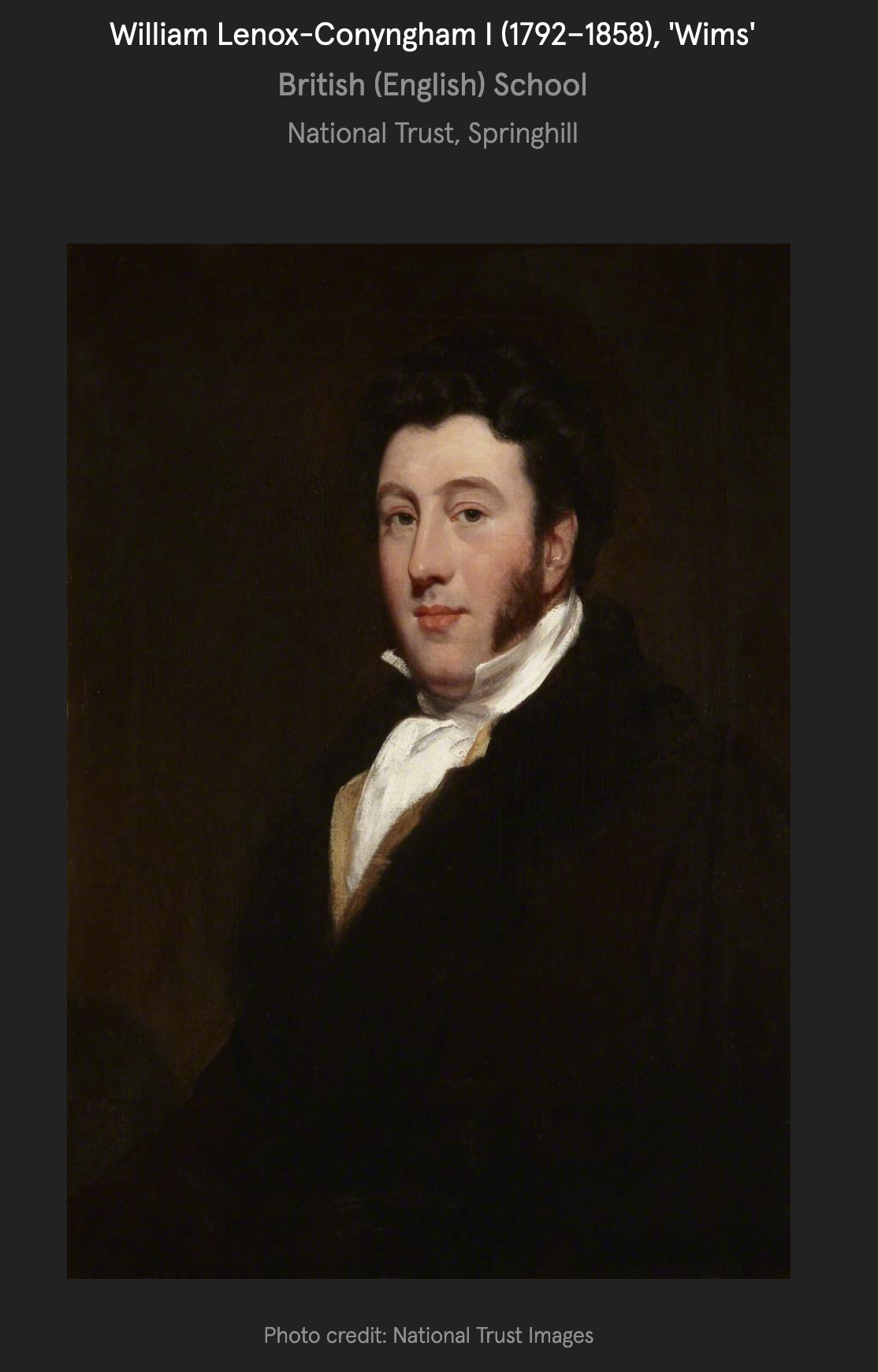
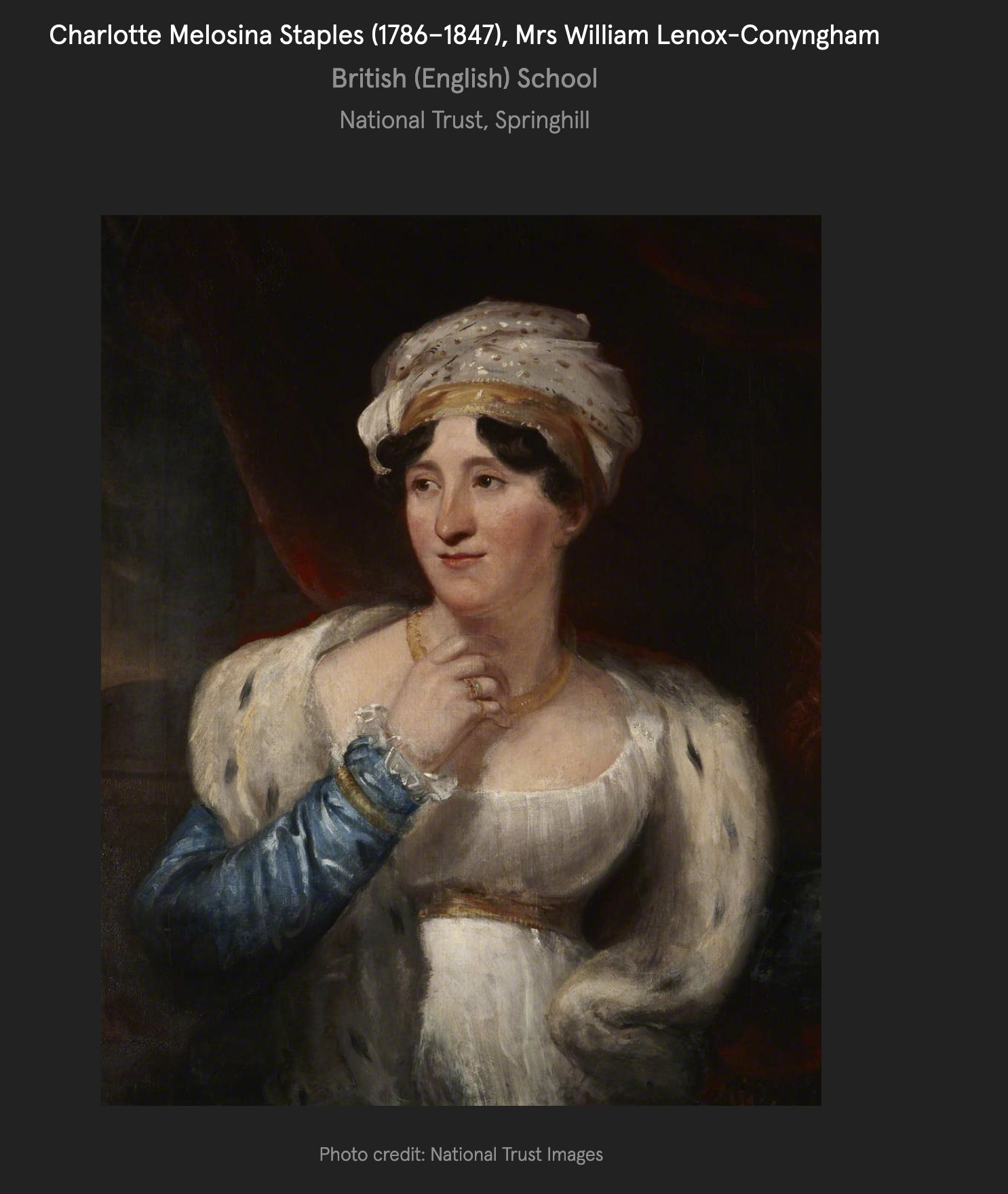

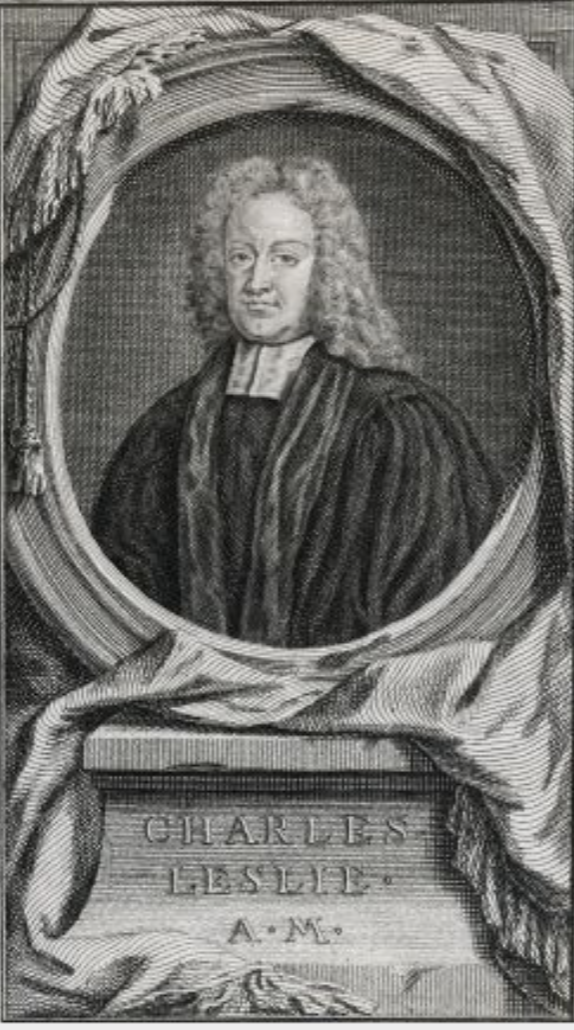
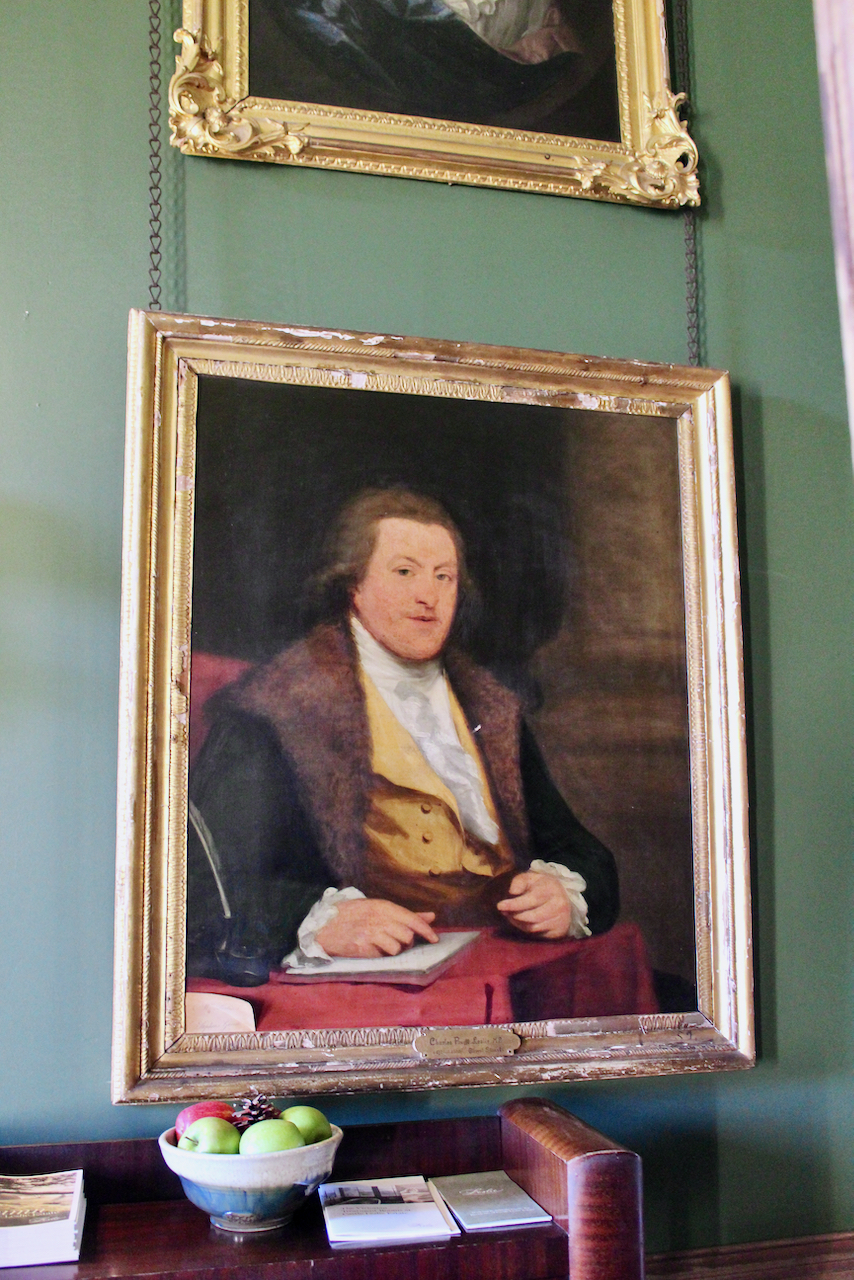
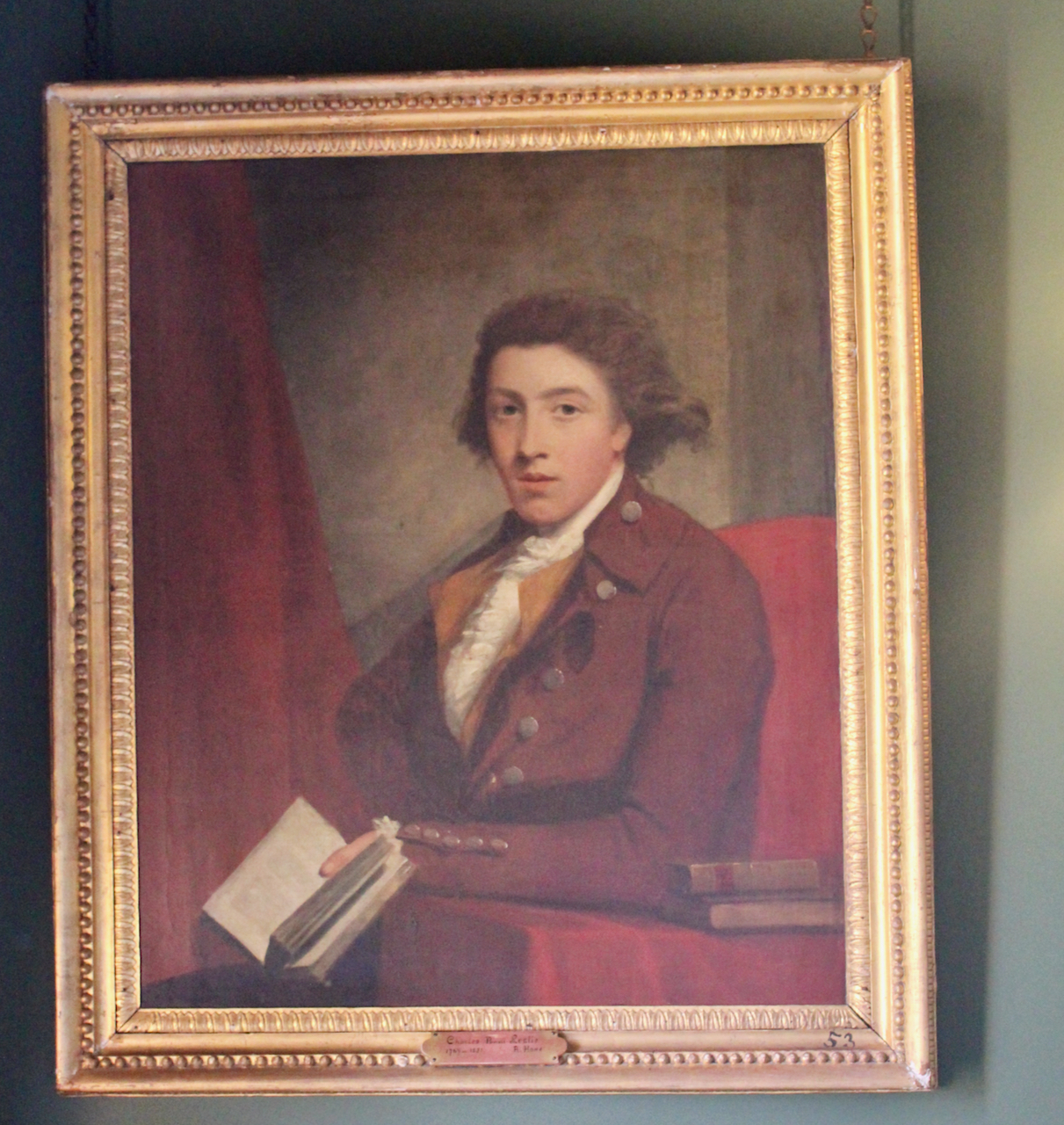
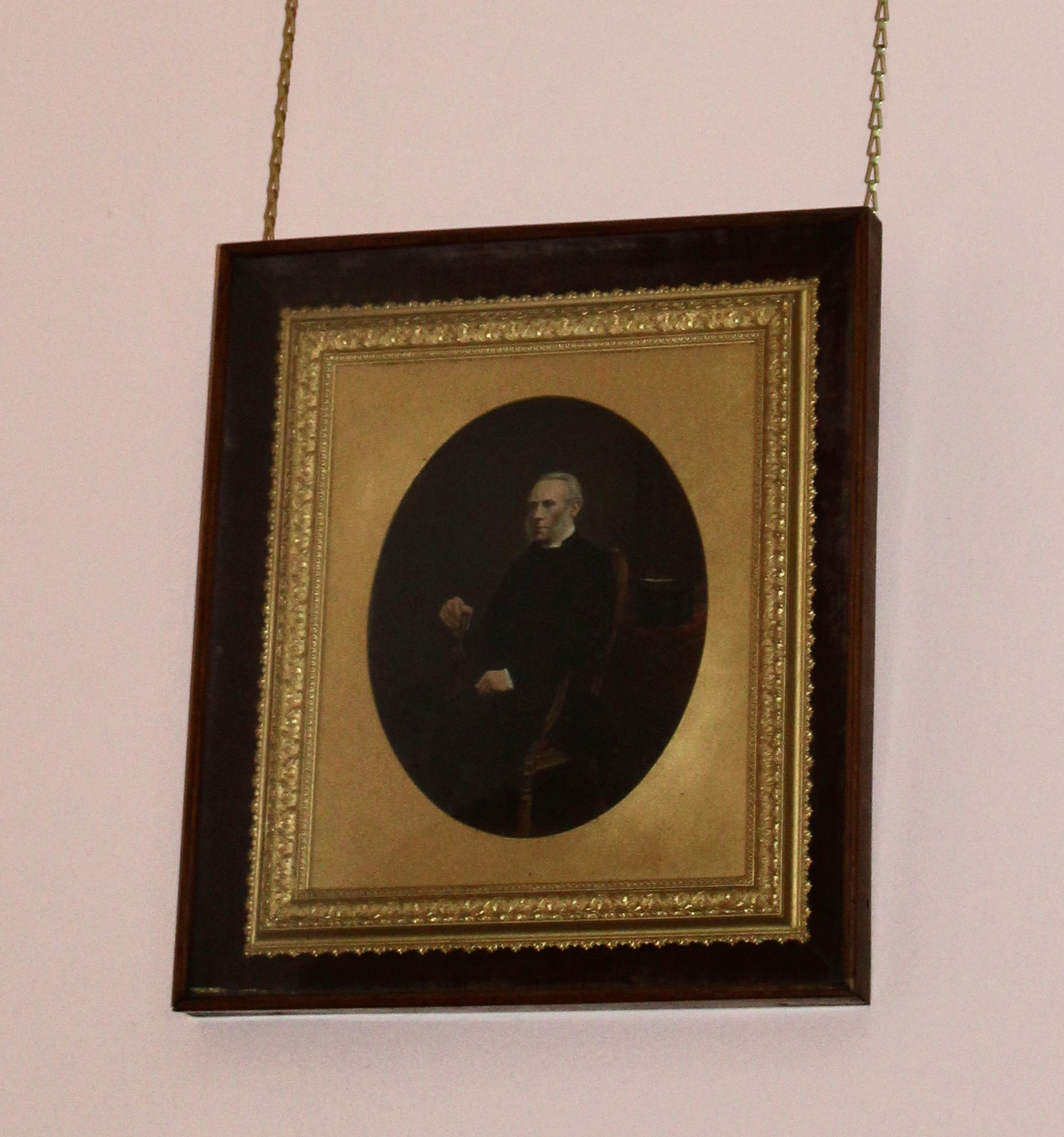

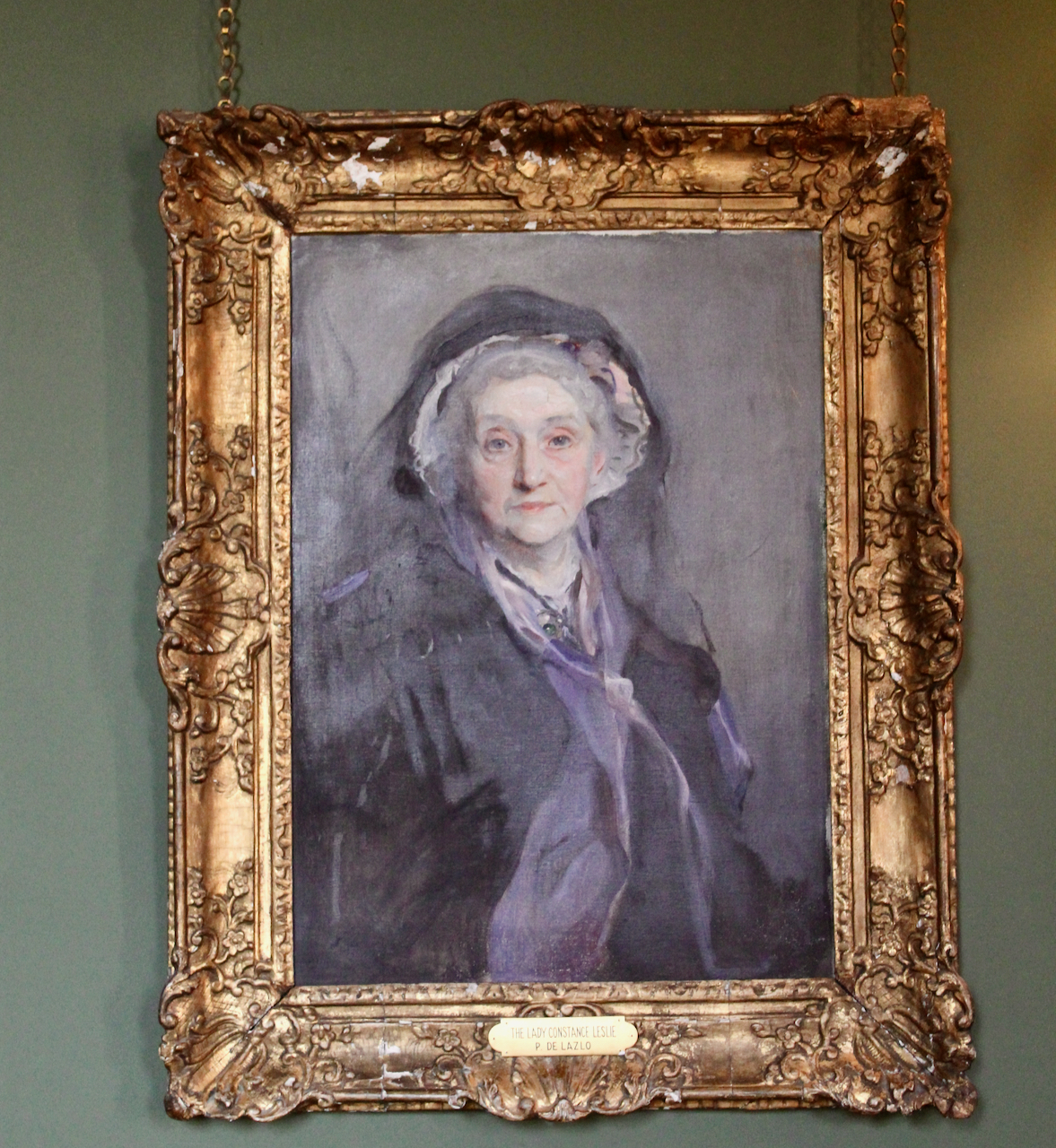

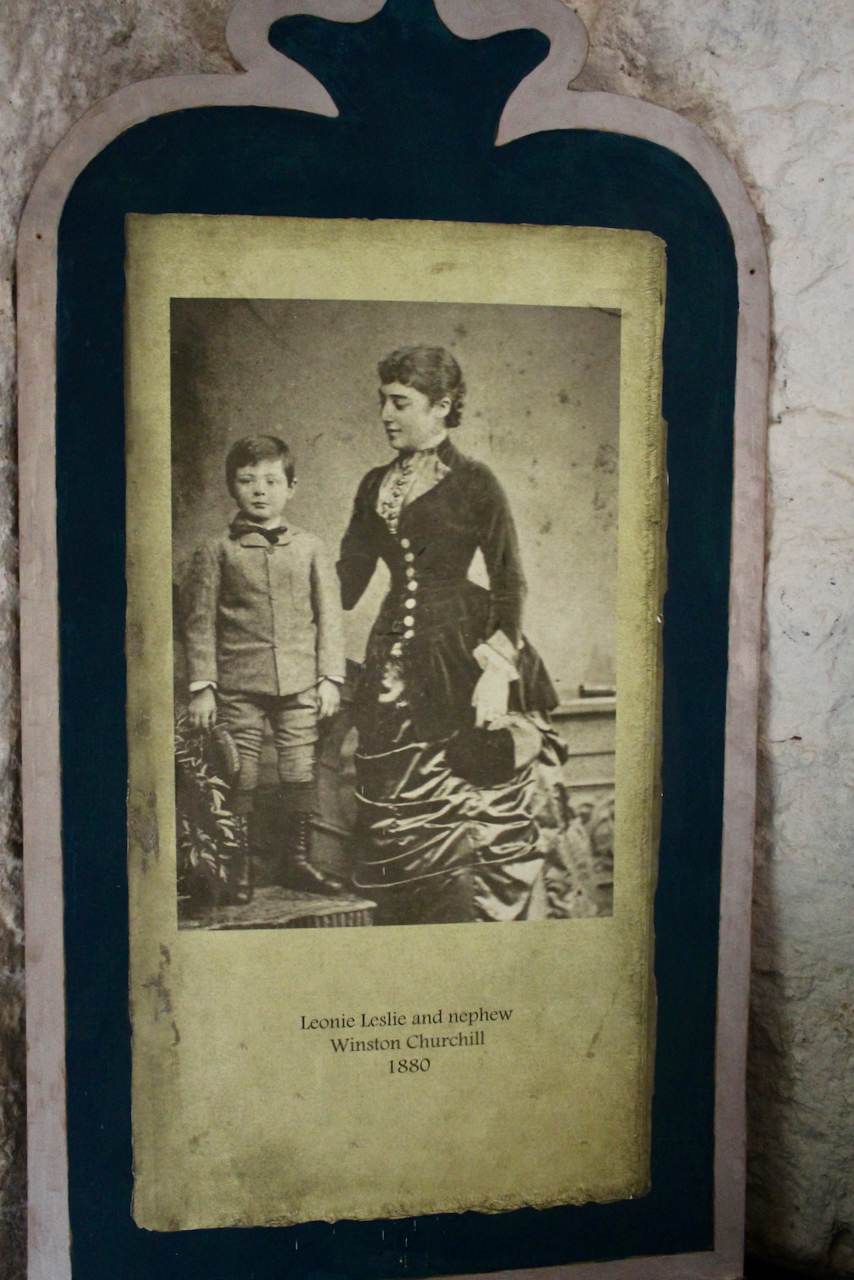

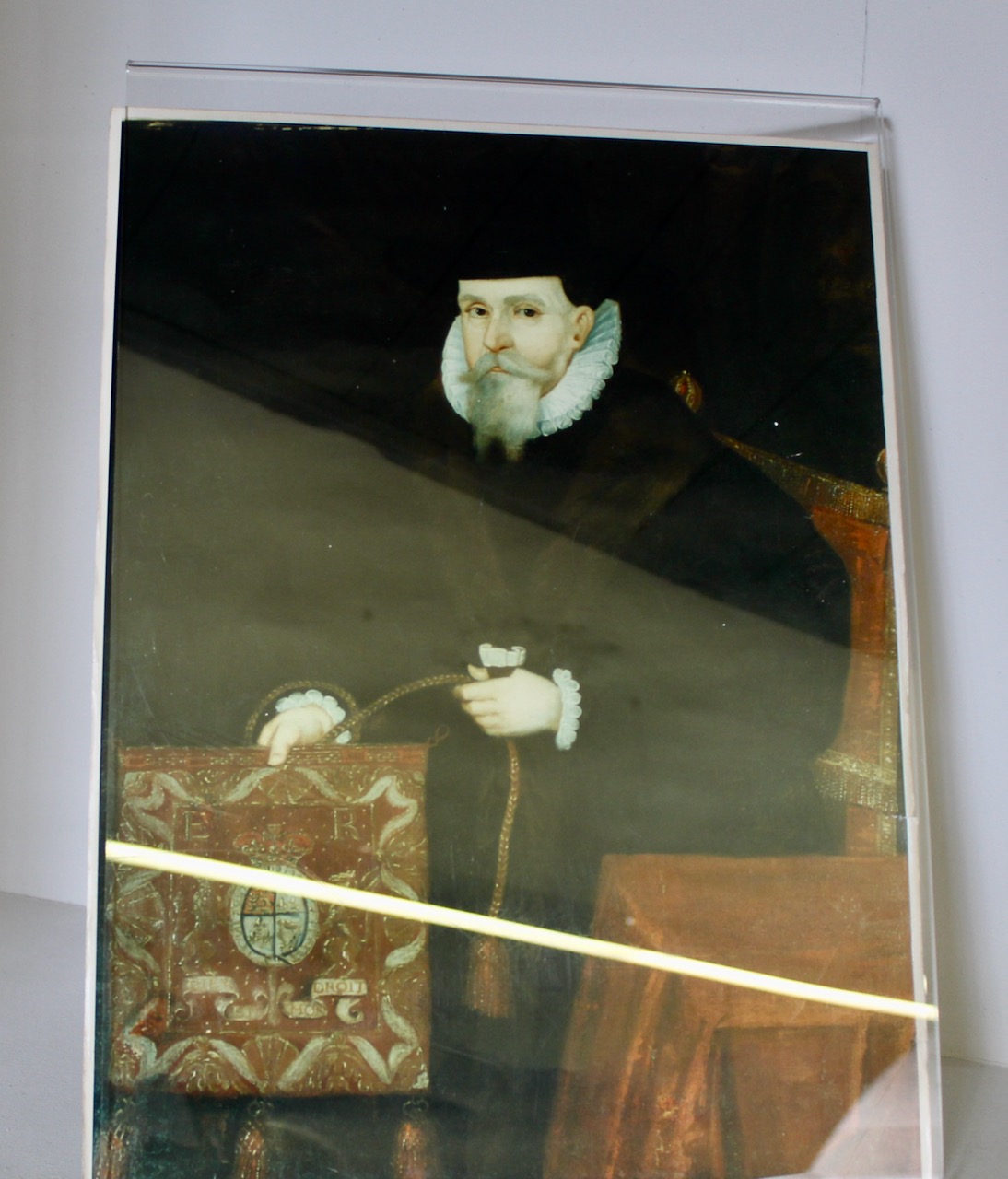
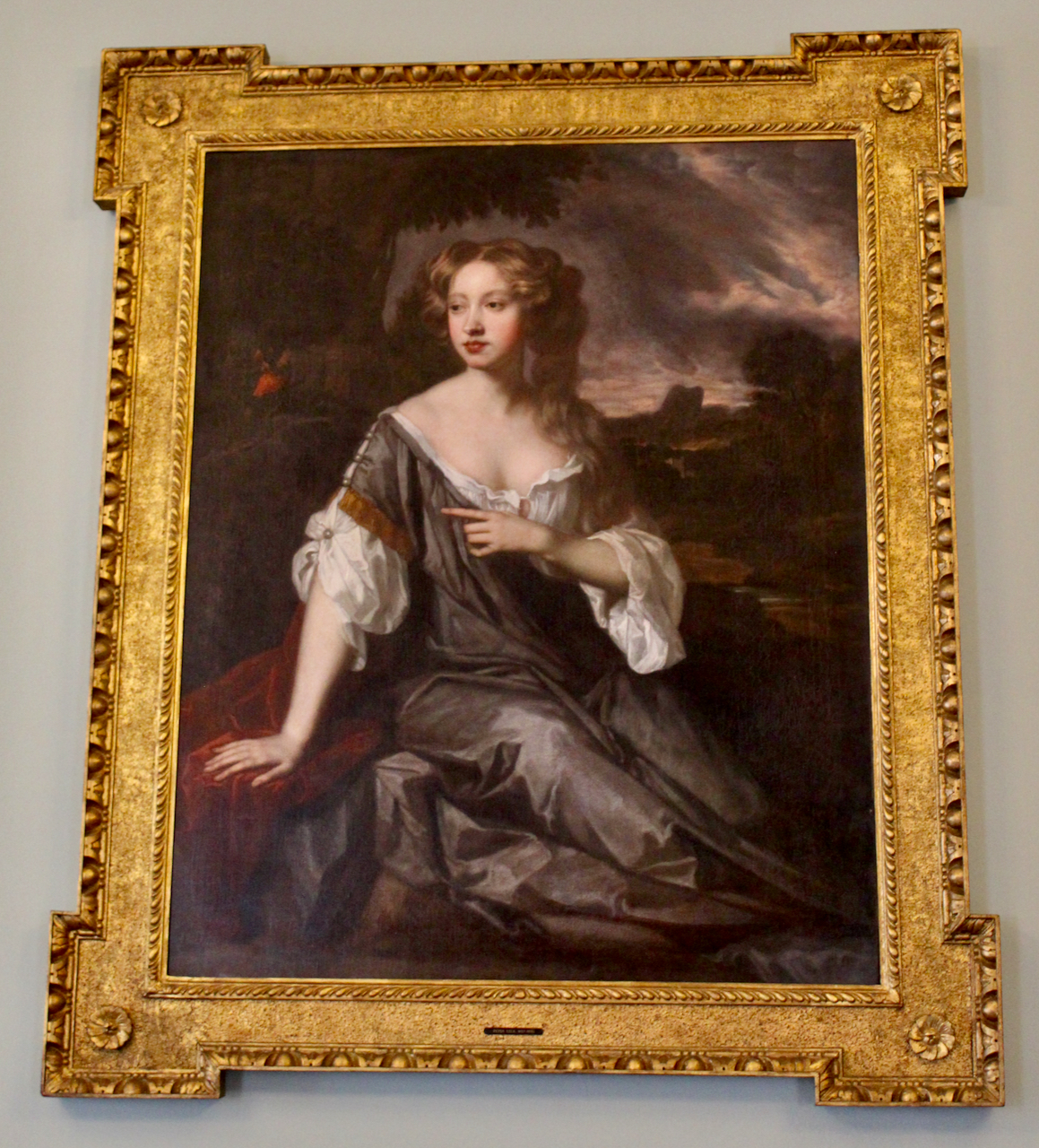
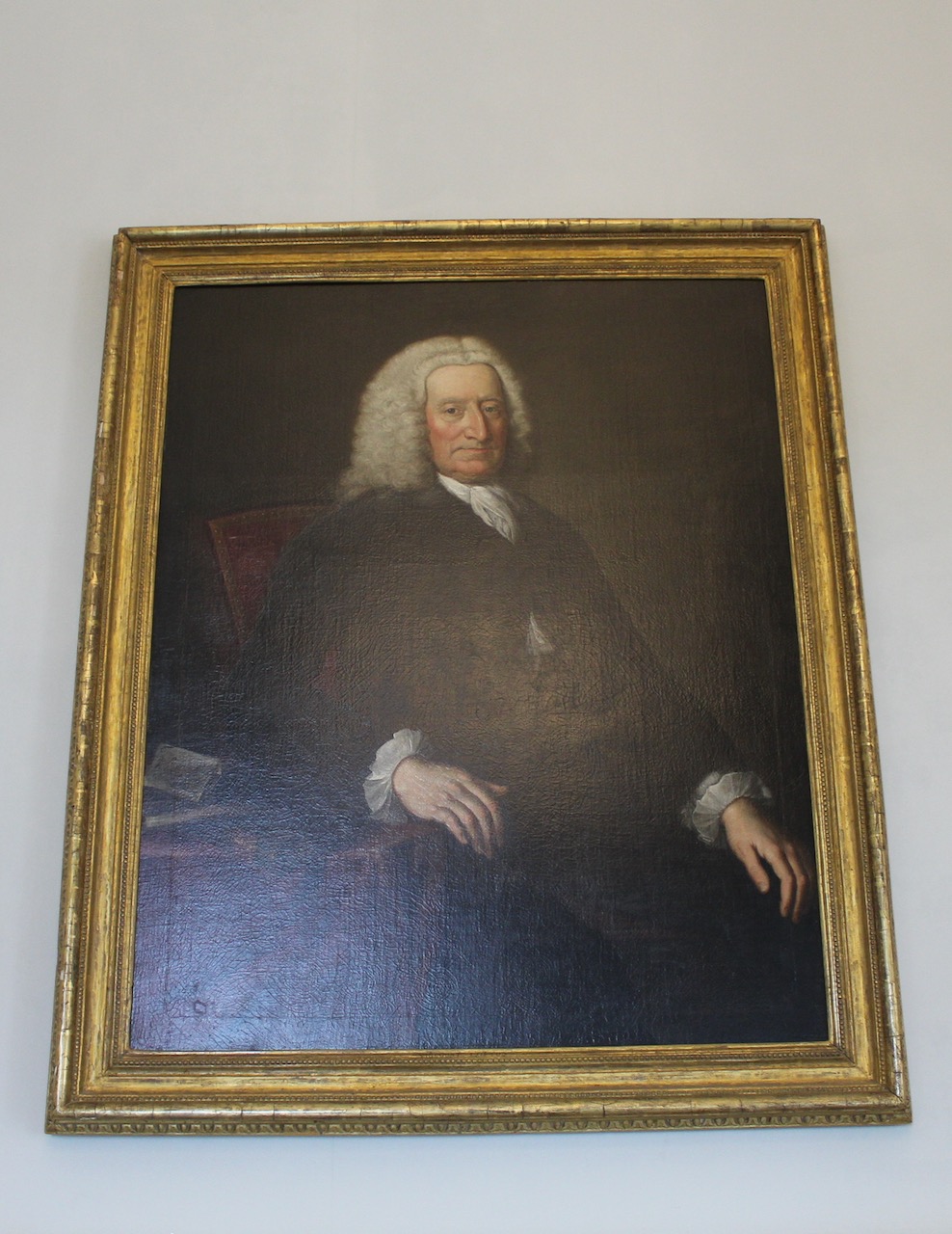
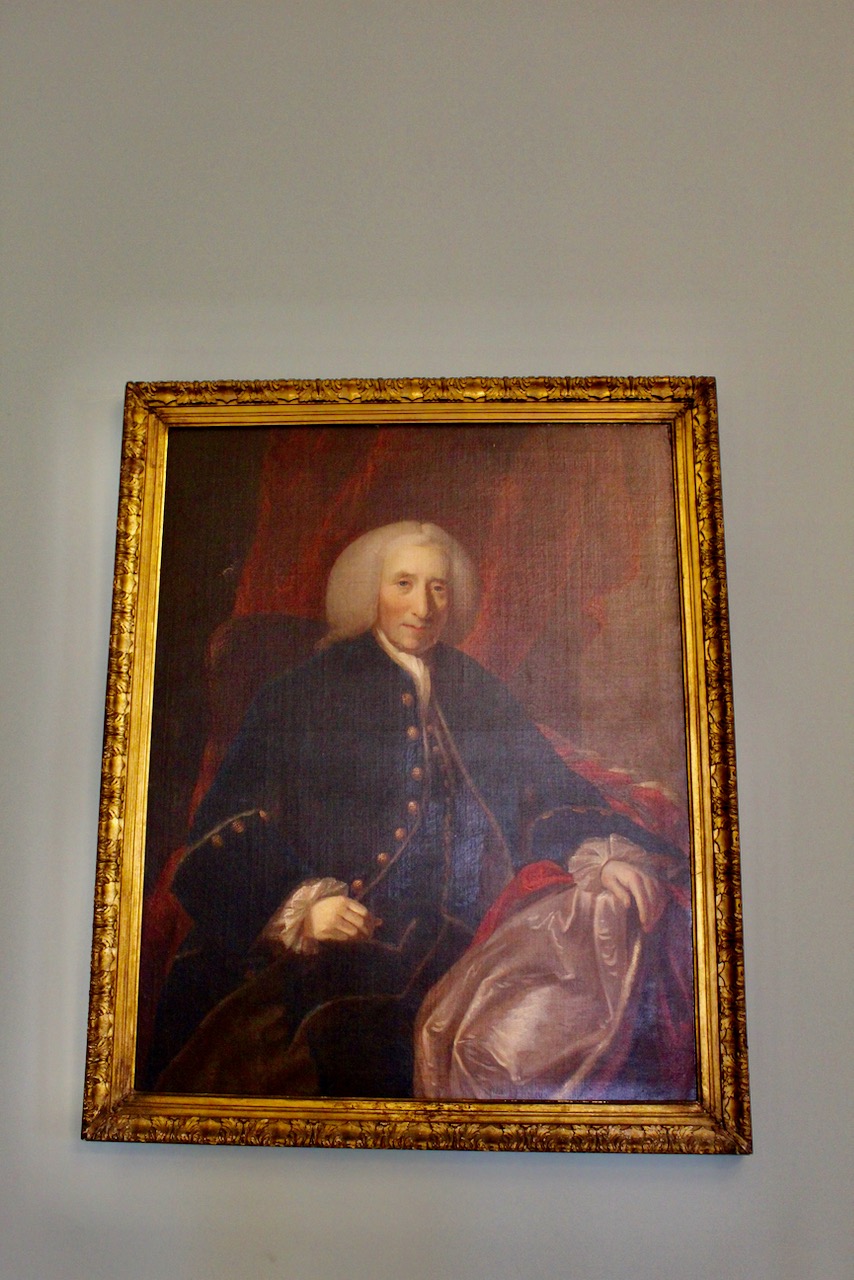
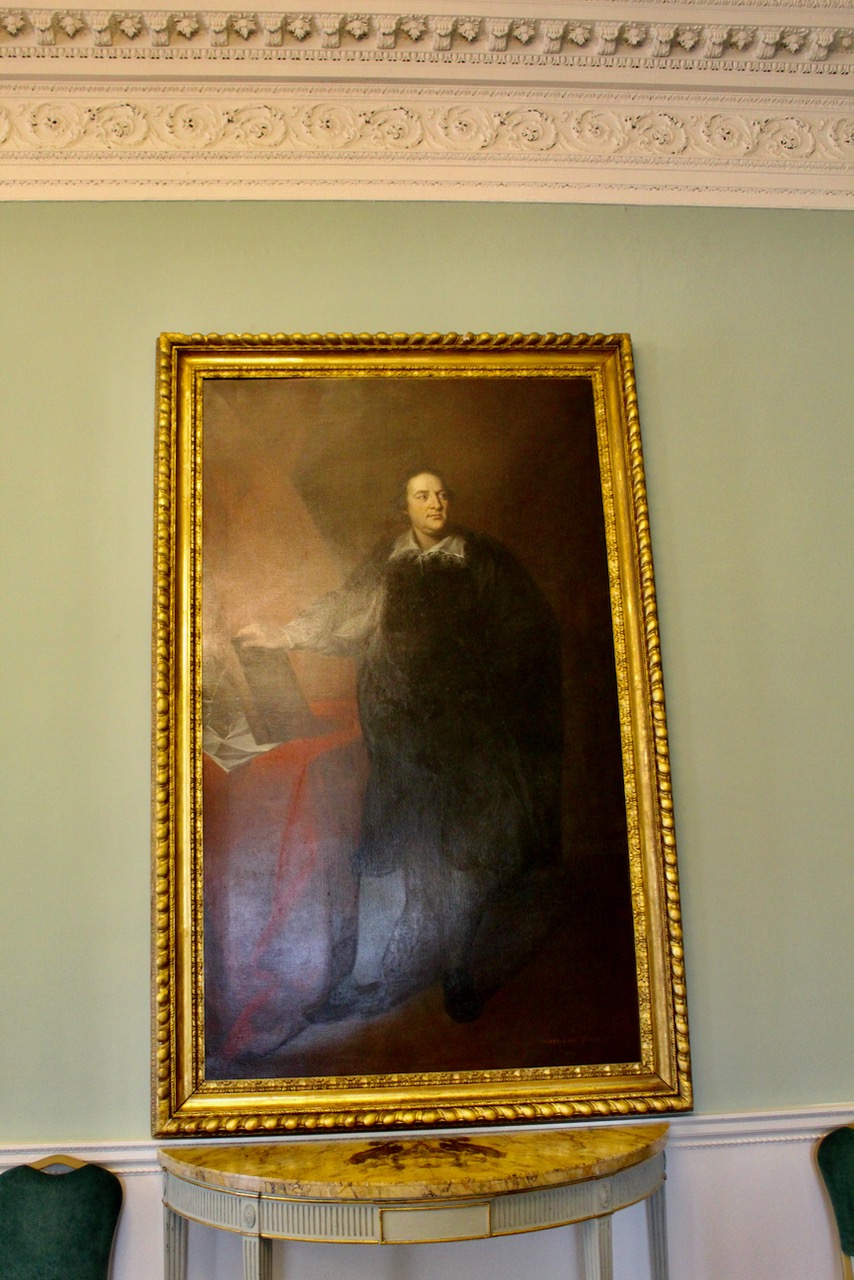
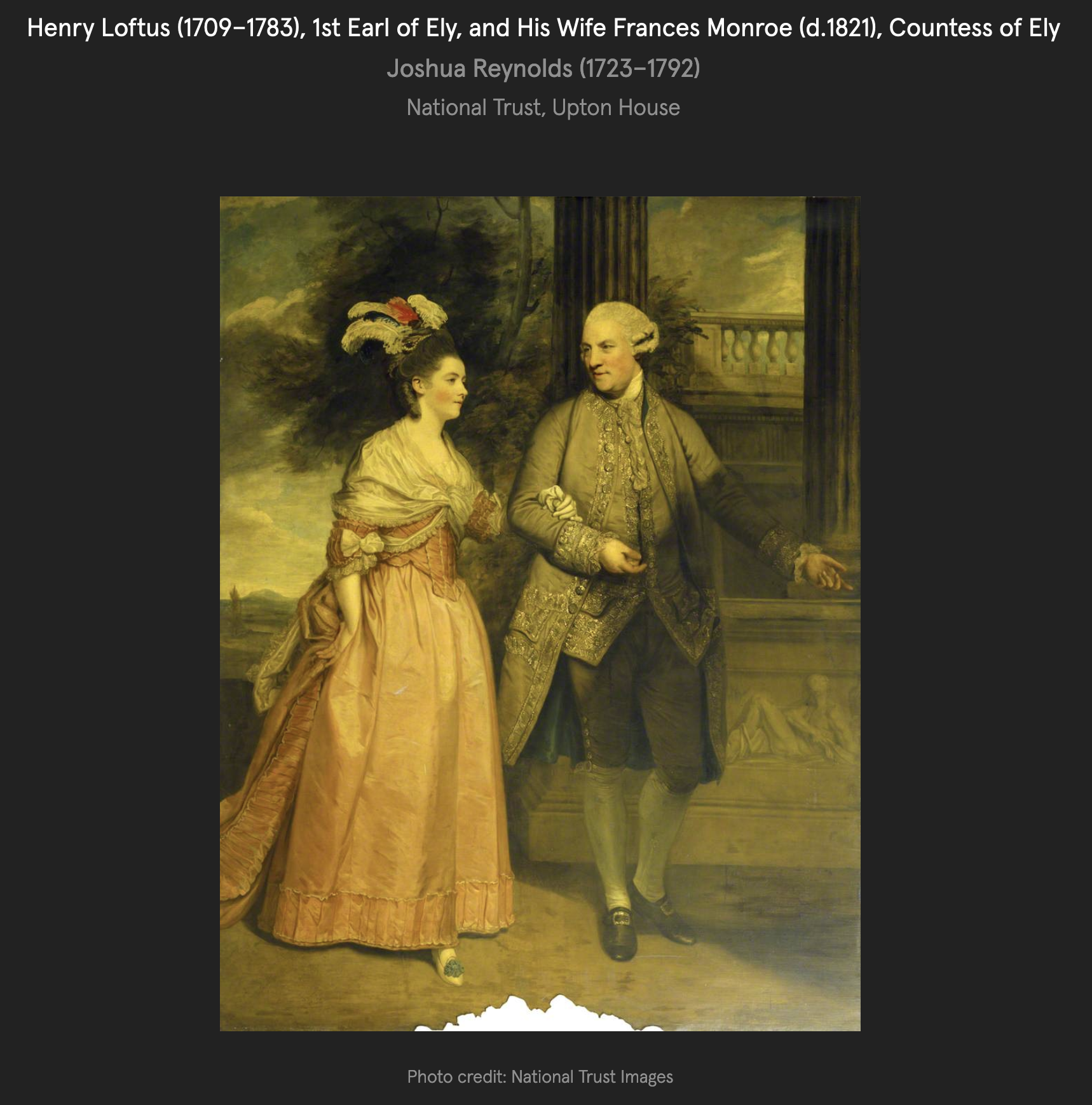
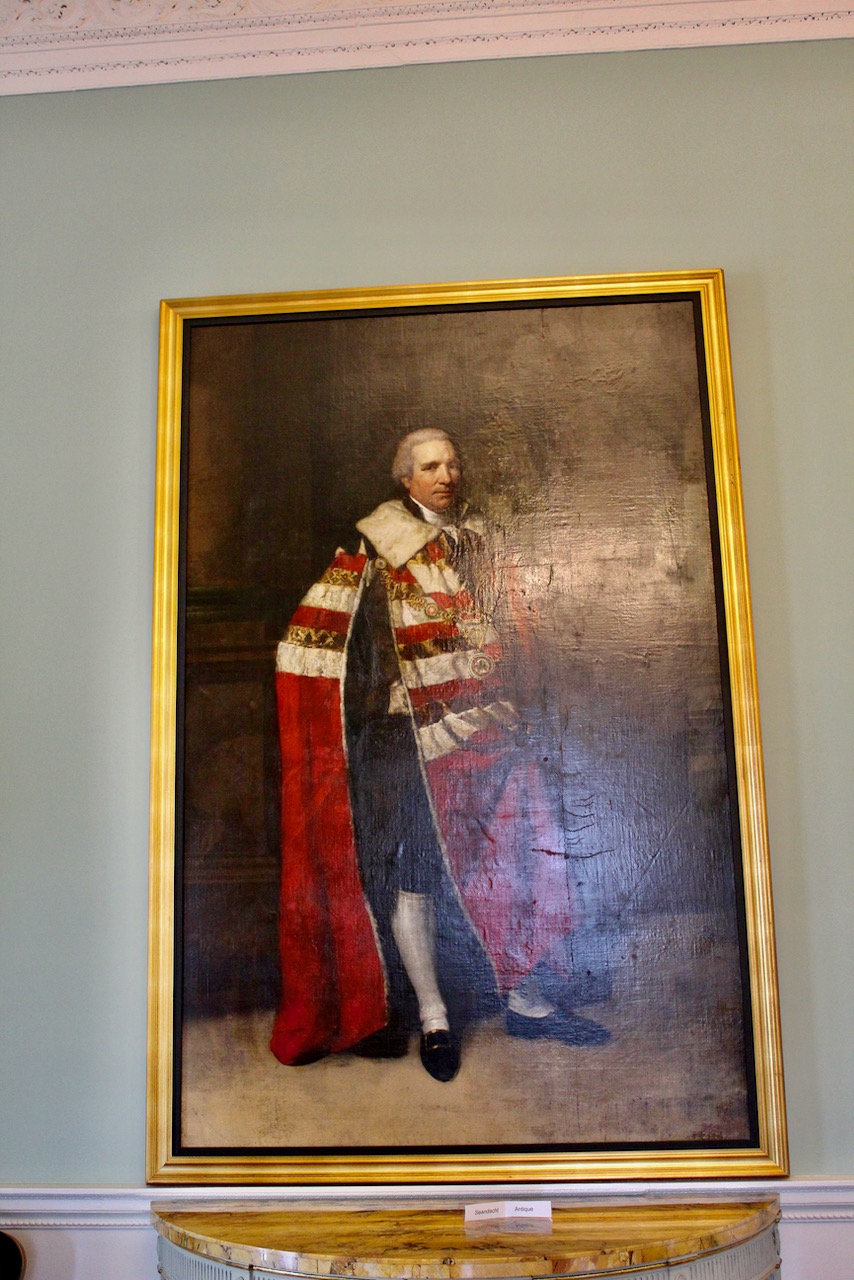

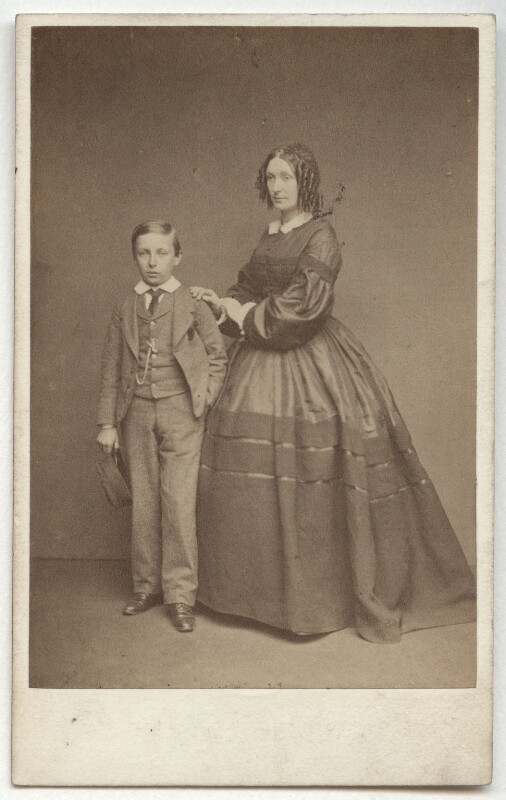
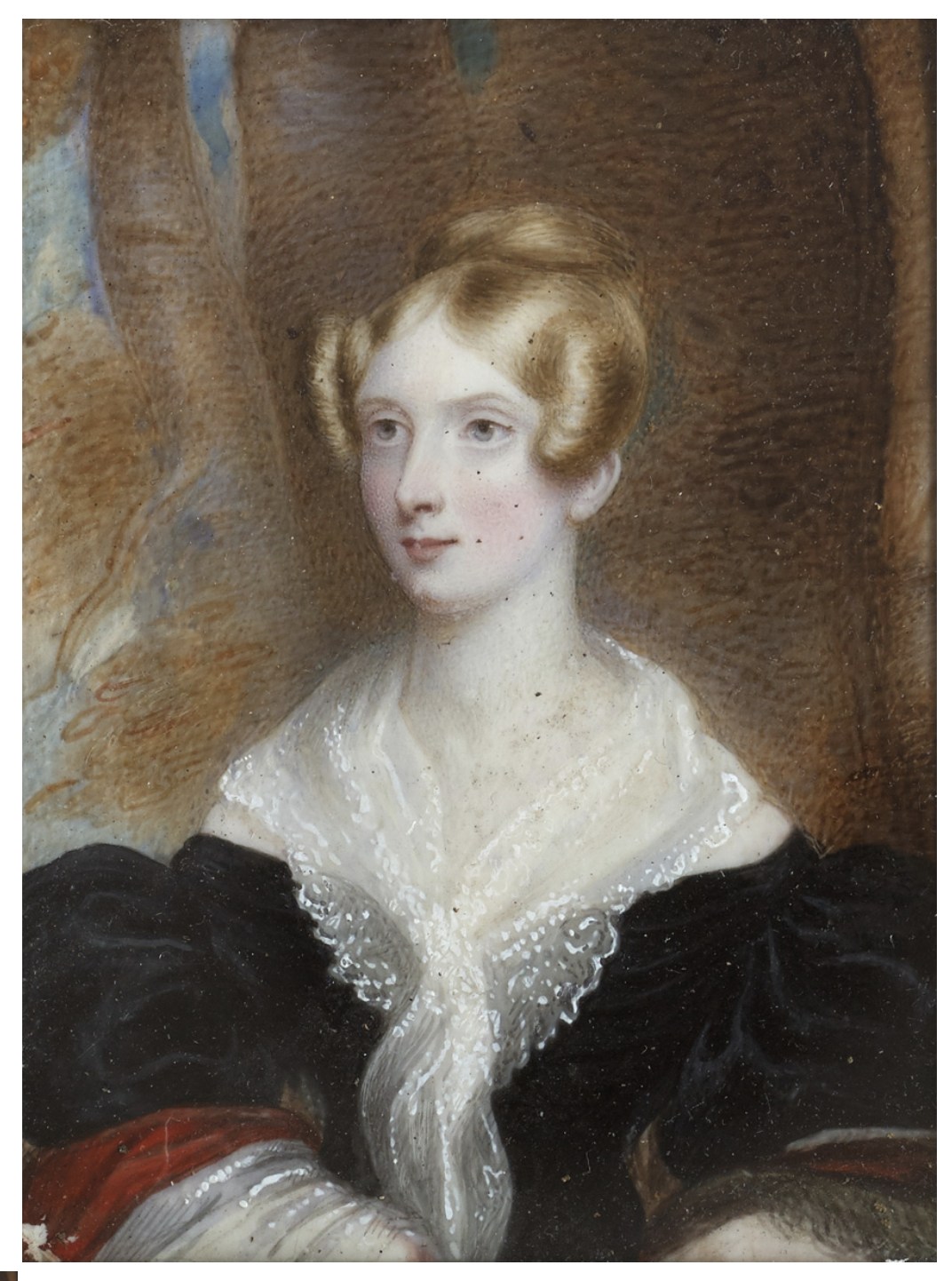
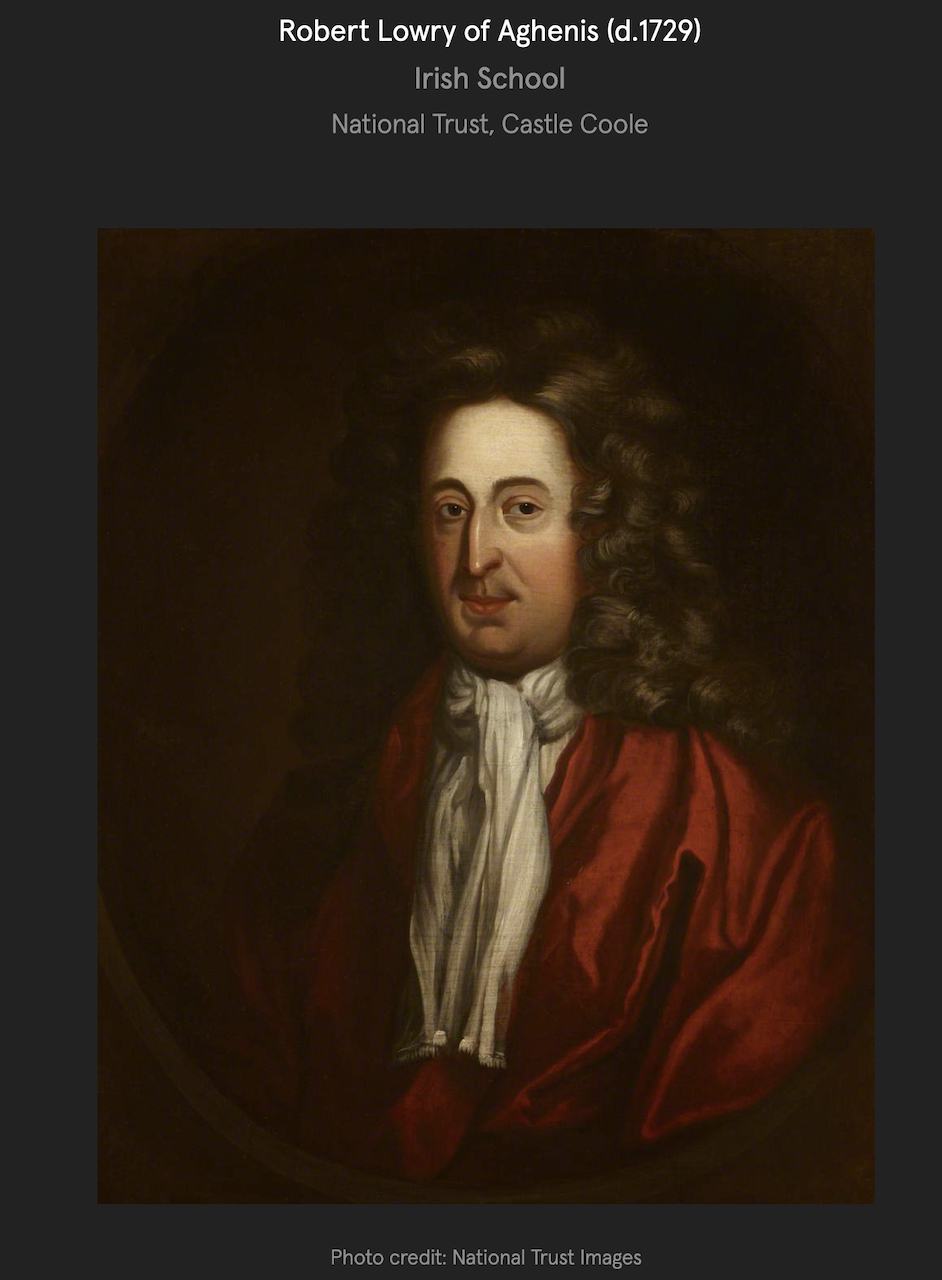


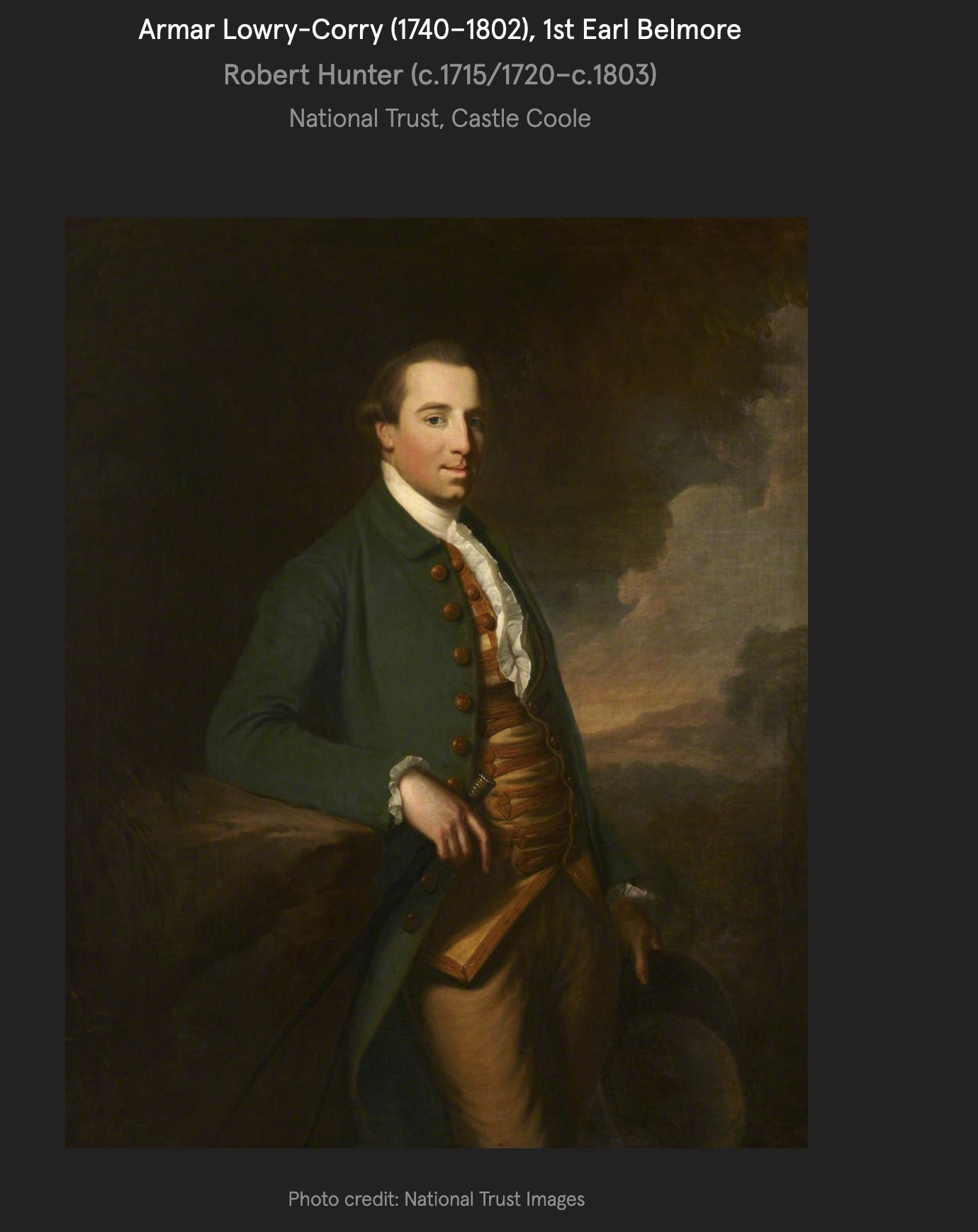
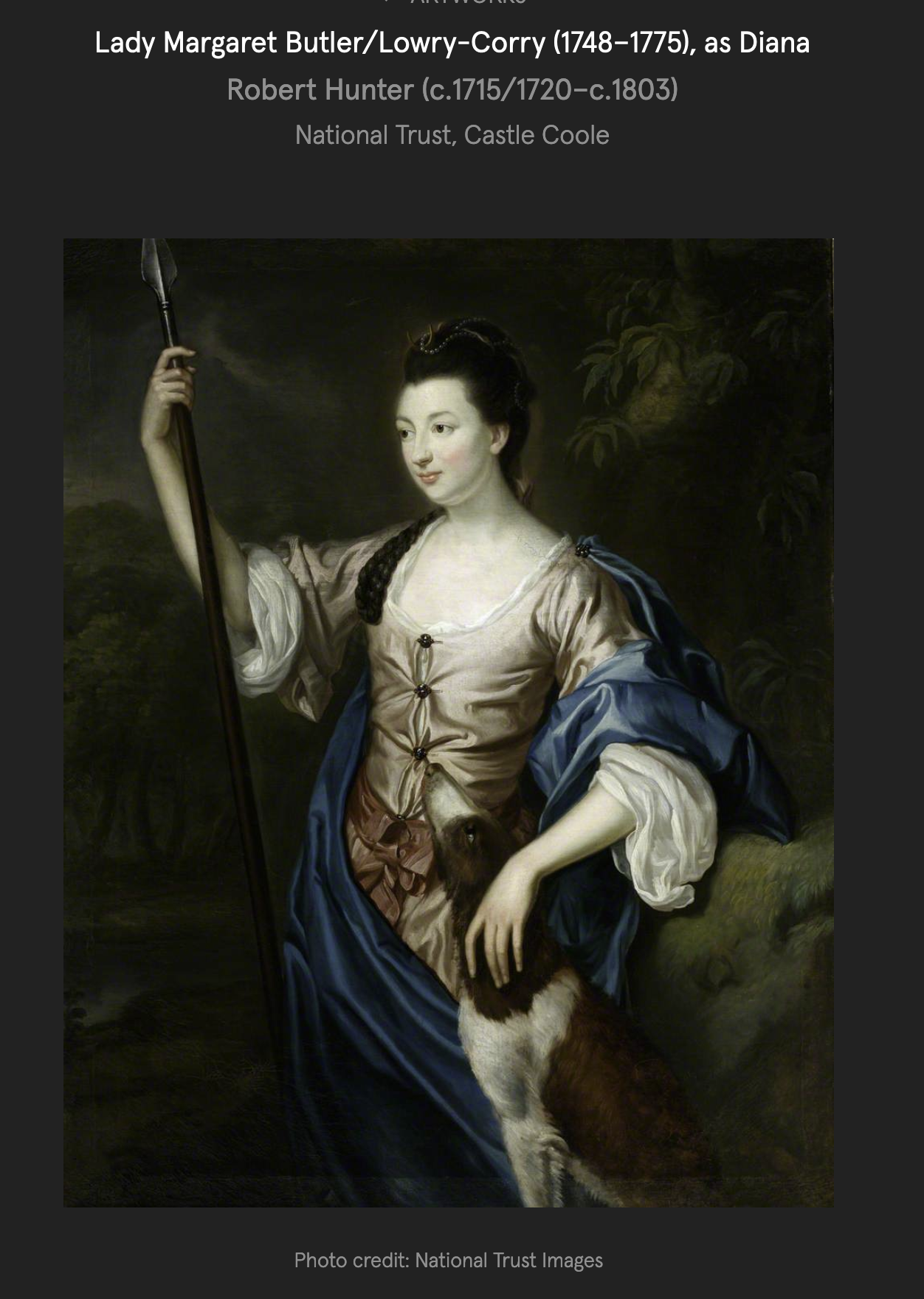
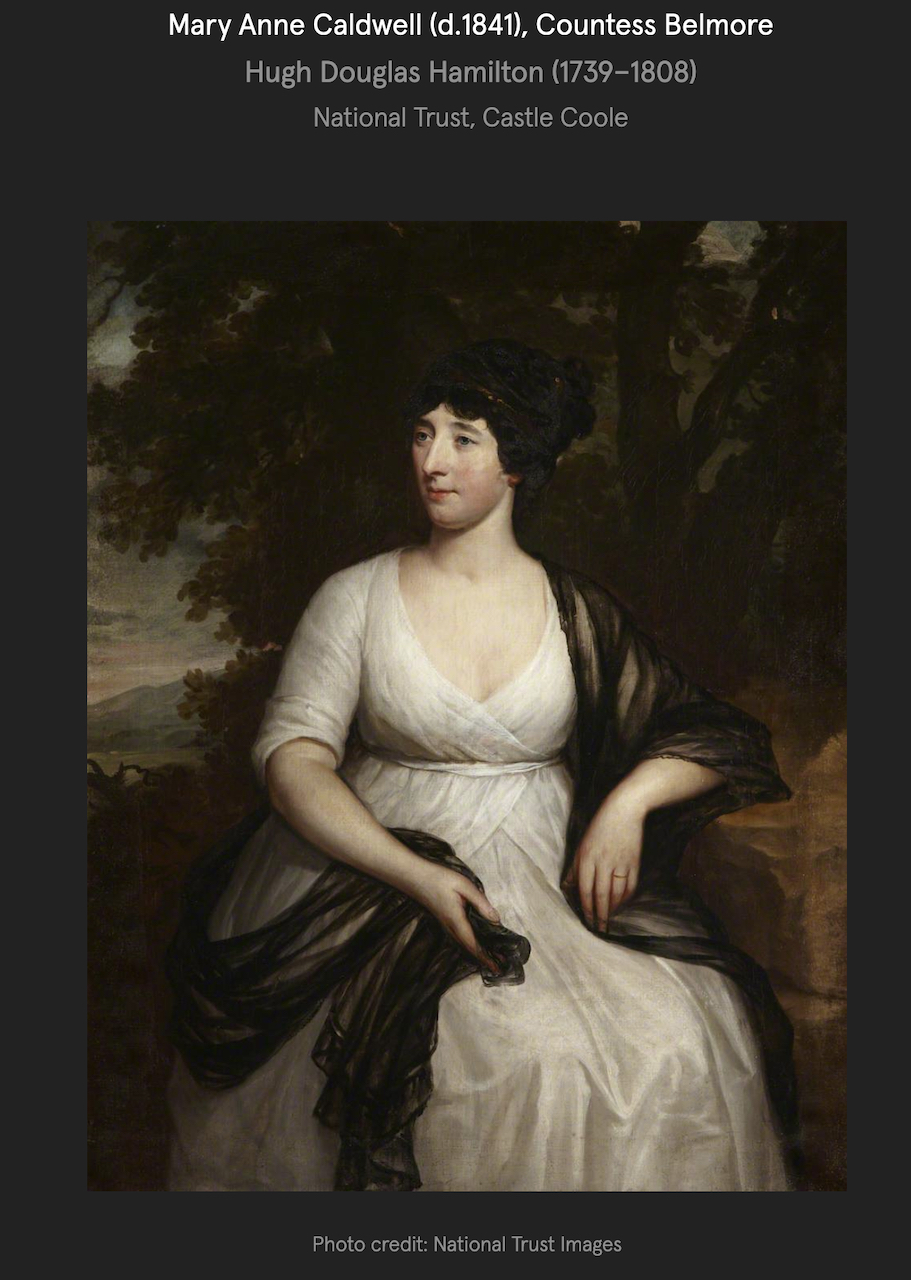
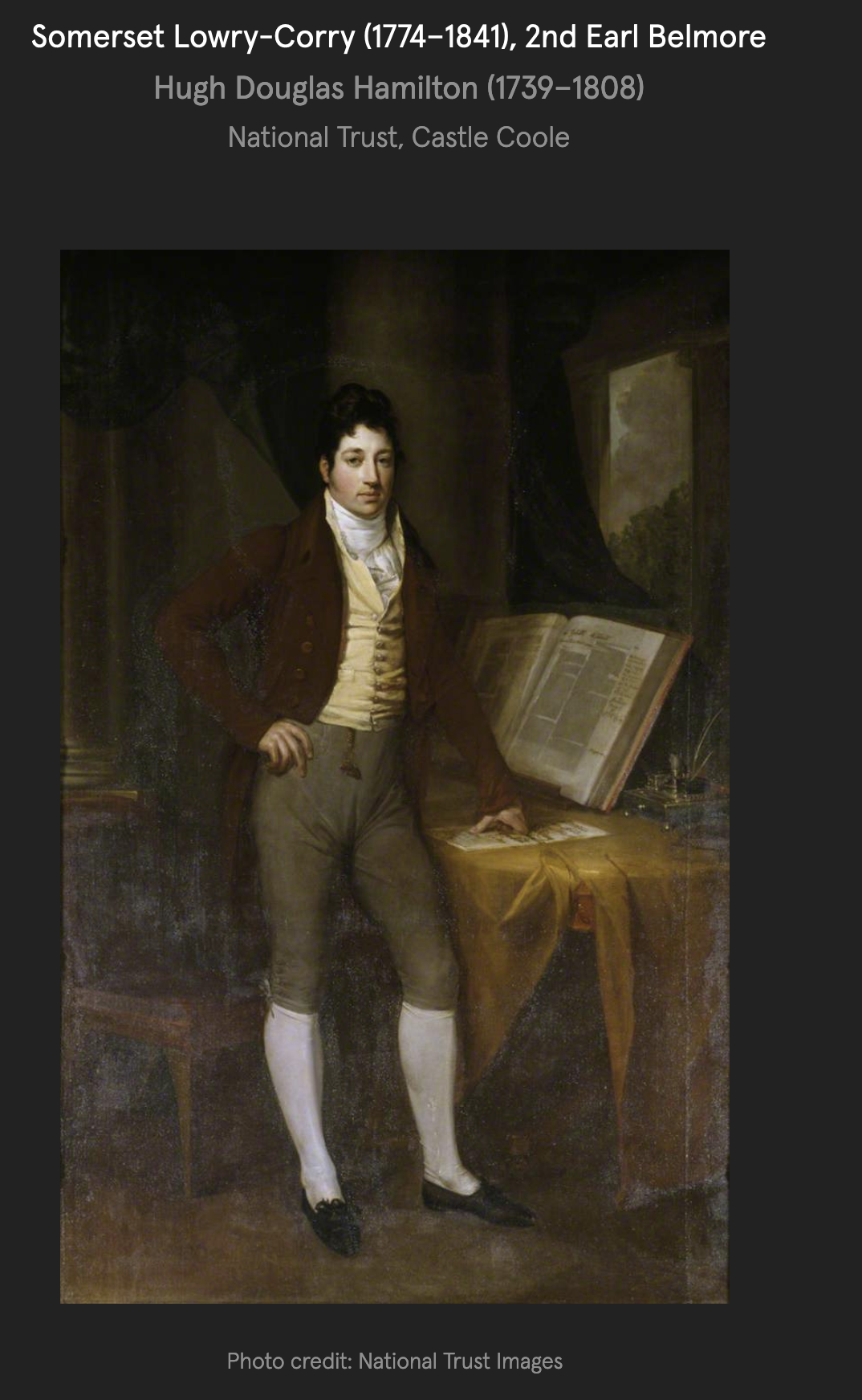
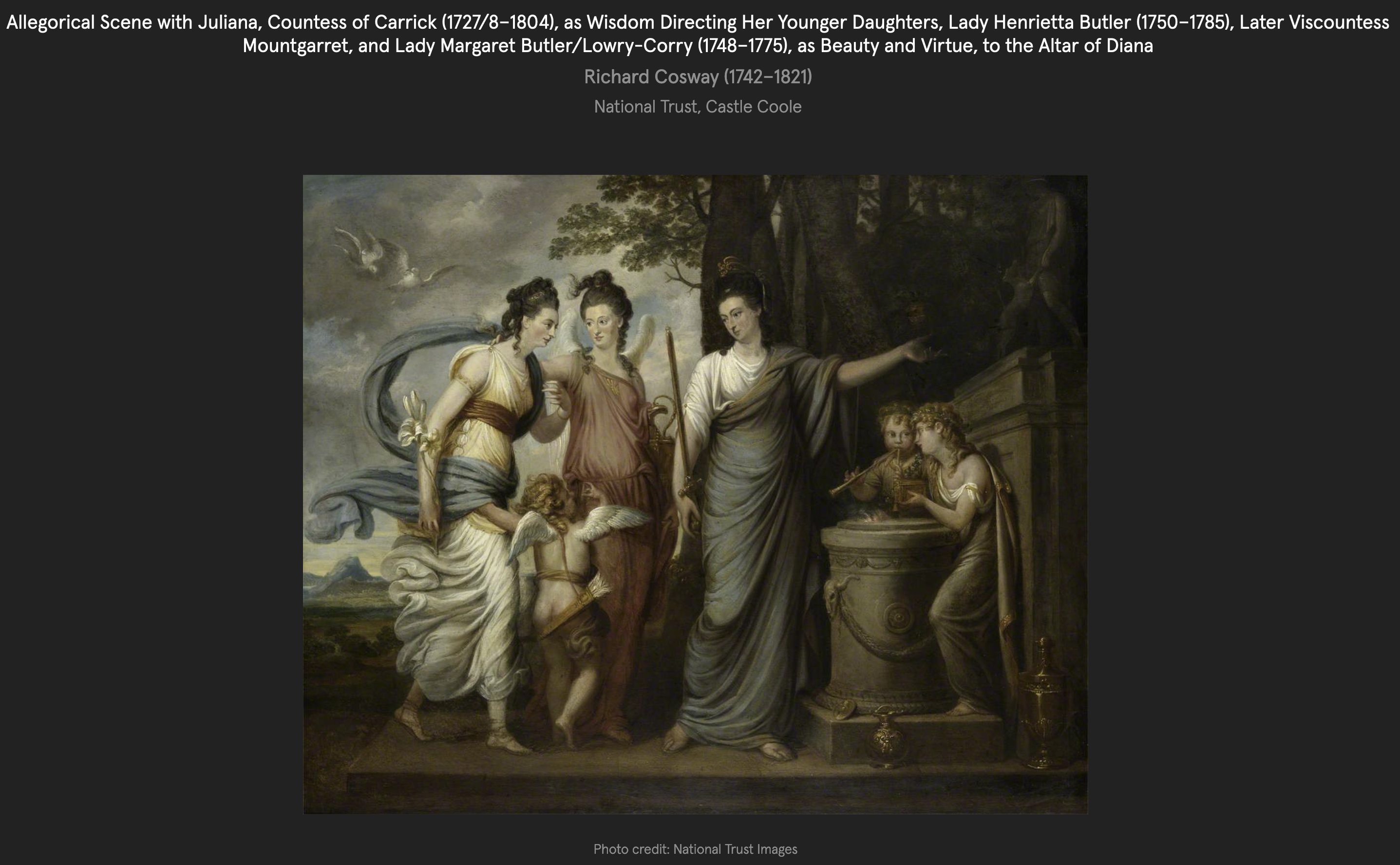
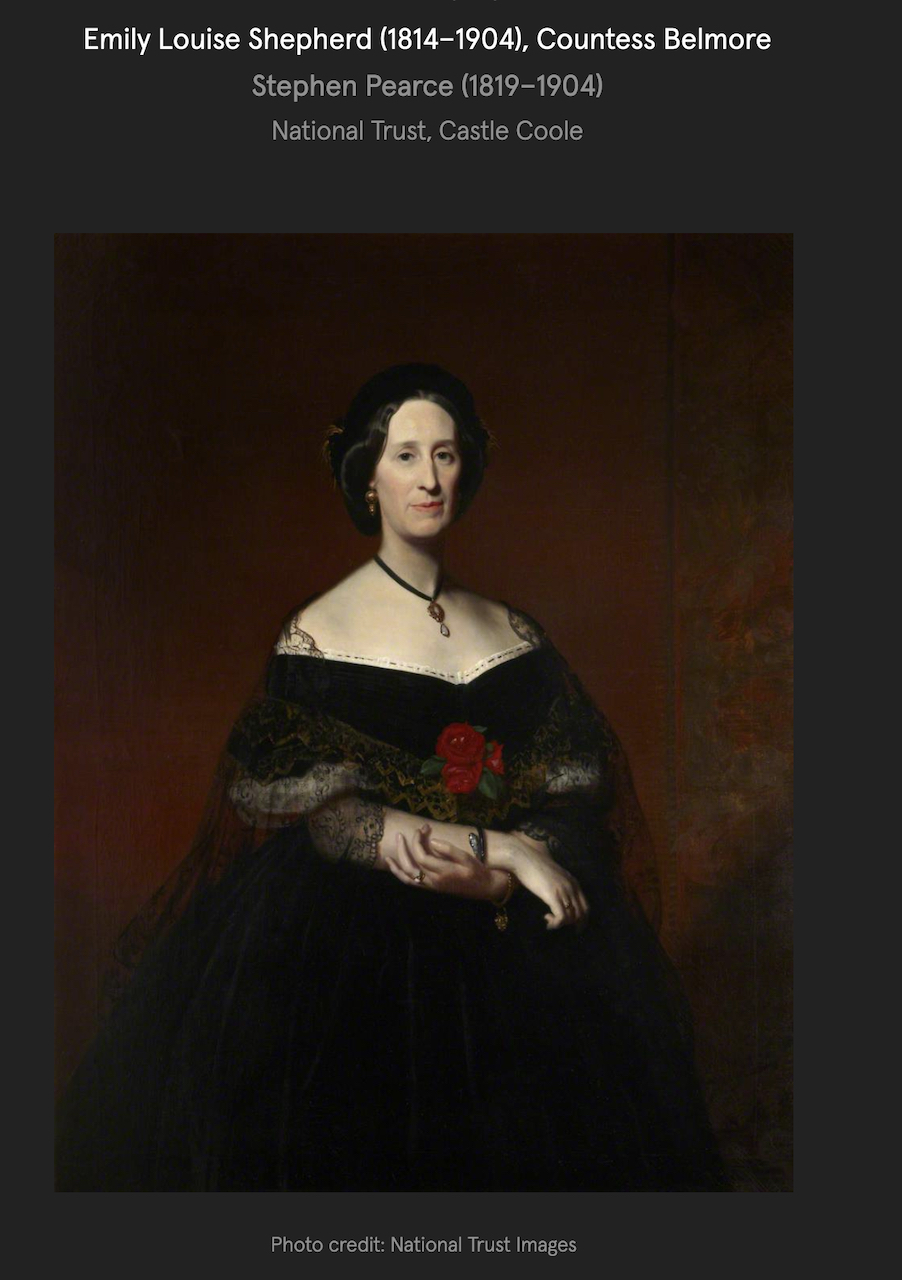
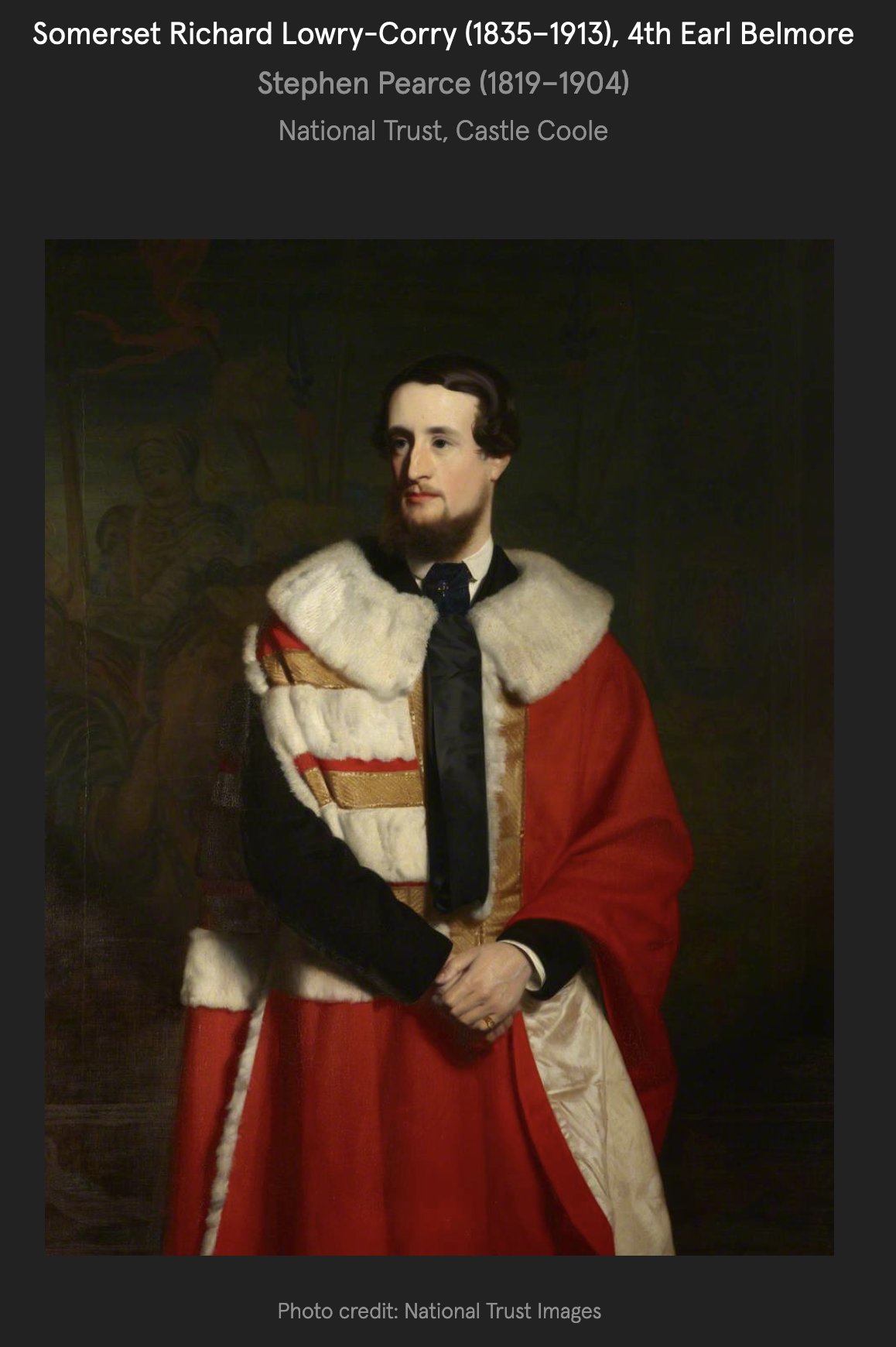
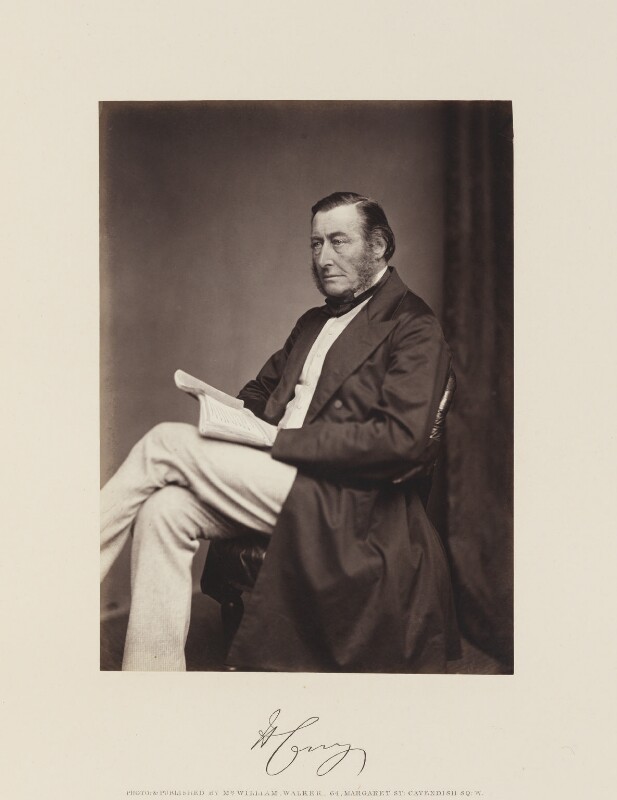
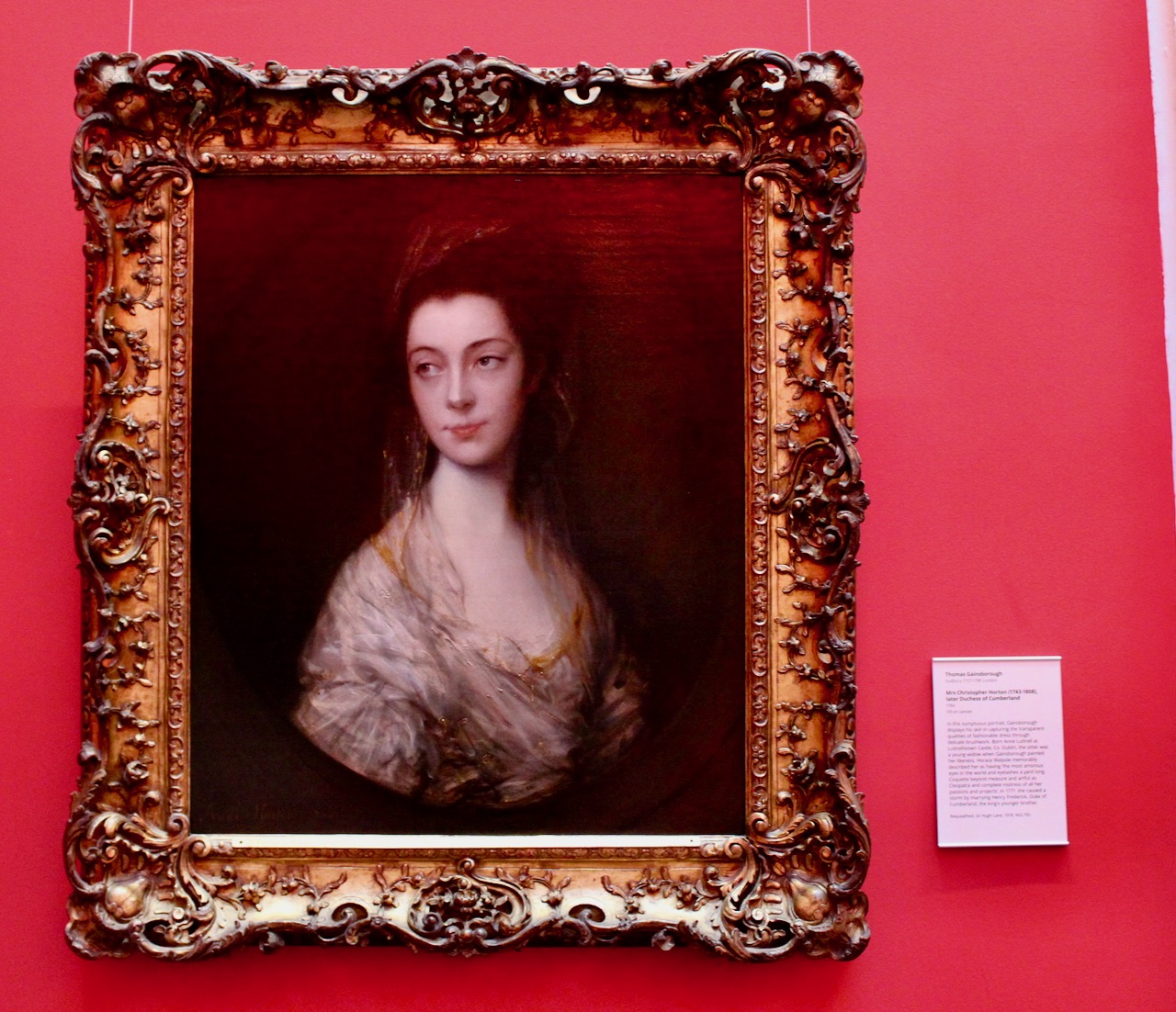
 Irish Historic Houses