Hugh de Lacy (d. 1186) 4th Baron Lacy portrait by Gerald of Wales – Expugnatio Hibernica (1189) https///www.isos.dias.ie/NLI/NLI_MS_700Maurice Victor Lakin (1919-1995), last man to privately own Johnstown Castle, County Wexford, before handing it over to the state in 1945.Frances Thomasine, Countess Talbot (née Lambart), (1782-1819), Wife of the 3rd Earl Talbot Date 1822 Engraver John Samuel Agar, British, c.1773-1858 After Charles Robertson, Irish, 1759-1821,courtesy of National Gallery of Ireland.Major-General John Lambert, (1619-1683), Parliamentarian, Deputy Lord Lieutenant of Ireland, courtesy of National Gallery of Ireland.Hugh Percy Lane (1875-1915) by George Charles Beresford, 1909, NPG x6528.
John Langrishe (1660-1735), son of Hercules Langrishe (the first member of the family who settled in Ireland), became proprietor of the borough of Knocktopher, County Kilkenny.
Mr Langrishe, High Sheriff of County Kilkenny, 1696, married firstly, Alicia, second daughter of Harry, 2nd Baron Blayney, and widow of Thomas Sandford, of Sandford Court; and secondly, Miss Sandford, daughter of Colonel Sandford; but had issue by neither of those ladies.
He wedded thirdly, Mary, daughter of Robert Grace, feudal baron of Courtstown, and had an only son, his successor, Robert Langrishe (c.1696-1769).
Robert served as High Sheriff of County Kilkenny in 1740 amd Gentleman Usher of the Black Rod in Ireland 1745-9. His son and heir Hercules Langrishe (1731-1811) served as MP for Knocktopher 1761-1800. Hercules was created a baronet in 1777, denominated of Knocktopher Abbey, County Kilkenny.
Sir Hercules, who was a member of the Privy Council, represented the borough of Knocktopher in the Irish parliament for forty years, during which period he ranked amongst the most distinguished of its members, and was the first who advocated and obtained a partial relaxation of the most atrocious code of laws which oppressed the Roman Catholics of Ireland, a code that consigned 80% of the population to unmitigated and grinding slavery, and reduced the whole of the state to semi-barbarism. He was Commissioner of Excise and Revenue.
In 1755 he married Hannah, daughter and co-heir of Robert Myhill, of Killarney, County Kilkenny, and sister of Jane, wife of Charles, 1st Marquess of Ely. His successor was his son Robert Langrishe, 2nd Baronet (1756-1835).
David Digges La Touche (1703-1785) had sons David (1729-1817) and John (d. 1805)
David La Touche (1729-1817), of Marlay, 1800 by Hugh Douglas Hamilton, courtesy of National Gallery of Ireland.David Digges La Touche (1729-1817) of Marlay, County Dublin, by James Fittler, photograph courtesy of National Gallery of Ireland.John La Touche (1732-1805) by Angelica Kauffmann courtesy of MutualArt.com
First, let us look at his son David’s family, and then at John’s. David La Touche (1729-1817) and his wife, née Marlay, had many children:
Harriet married Nicholas Colthurst, 3rd Bt of Ardrum, County Cork;
Anne (d. 1798) married George Charles Jefferyes (d. 1841) of Blarney Castle, County Cork;
Emily married Col. George Vesey of Lucan House, Dublin;
Maria (d. 1829) married Maurice Fitzgerald, 18th Knight of Kerry;
Elizabeth (d. 1788) married Robert Butler, 3rd Earl of Lanesborough;
Elizabeth, Countess of Lanesborough (née La Touche), (1764-1788), wife of Robert Henry Butler 3rd Earl of Lanesborough. Date 1791 Engraver Francesco Bartolozzi, Italian, 1725-1815 After Horace Hone, English, 1756-1825, photograph courtesy of National Gallery of Ireland.
David married Cecilia Leeson, daughter of Joseph Leeson 1st Earl of Milltown;
Cecilia La Touche (d. 1848) née Leeson (about 1769-1848), by Hugh Douglas Hamilton. She married David La Touche (1769-1816). She was the daughter of Joseph Leeson (1701-1783), 1st Earl of Milltown and Elizabeth French.Photograph courtesy of English Heritage, Kenwood.
There was a son John David La Touche born 1772 who had a son: Peter La Touche (1777-1830) married Charlotte daughter of Cornwallis Maude, 1st Viscount Hawarden.
Peter La Touche of Bellevue (1733-1828) Date 1775 by Robert Hunter, Irish, 1715/1720-c.1803, photograph courtesy of National Gallery of Ireland.Portrait Of A Young Gentleman, Believed To Be Peter Digges La Touche courtesy of Adam’s 1st April 2009, Irish School, late 18th Century.Mrs La Touche of Bellevue by Stephen Catterson Smith 1806-1872, courtesy of National Gallery of Ireland NGI 628.
Now let’s go back and look at the family of John La Touche (1732-1805). He had a son Robert La Touche (d. 1844). He lived in Harristown in County Kildare. He married Emily Trench (1790-1816), daughter of William Power Keating Trench, 1st Earl of Clancarty.
They had a daughter Gertrude (1812-1864) who married Henry Stanley McClintock. Robert and Emily née Trench had a son John (1814-1904) who married Maria Price (1824-1906).
Maria La Touche née Price (1824-1906) of Harristown, she married John La Touche (1814-1904).
John (1814-1904) and Maria née Price (1824-1906) had a daughter Emily Maria (1846-1868) who married Bernard Matthew Ward, son of Edward Southwell Ward, 3rd Viscount Bangor.
Margaret Leeson née Brice wife of Joseph Leeson (1660-1741), c. 1772 by unknown artist, courtesy of National Gallery of Ireland NGI 1649.
Their daughter Anne married Hugh Henry (d. 1743). Their daughter Joyce married Robert Blackwood, 1st Bt. of Ballyleidy, Co. Down, and their son Joseph (1701-1783) became 1st Earl of Milltown.
Joseph Leeson (1701-1783) 1st Earl of Milltown married first Cecelia Leigh (d. 1731?). Their daughter Mary (d. 1794) married John Bourke, 2nd Earl of Mayo. A son Joseph Leeson (1730-1801) succeeded as 2nd Earl of Milltown. He died unmarried and his brother Brice (1735-1807) succeeded as 3rd Earl of Milltown.
Cecilia Leeson née Leigh d. 1737, painted by Anthony Lee, courtesy of National Gallery of Ireland.Joseph Leeson (1730-1801) later 2nd Earl of Milltown, 1751 by Pompeo Batoni, courtesy of National Gallery of Ireland.
Joseph Leeson (1701-1783) 1st Earl of Milltown then married Anne Preston (d. 1766) daughter of Nathaniel Preston of Swainstown, County Meath. They had a daughter Anne who married her cousin Hugh Henry.
Third, Joseph Leeson (1701-1783) 1st Earl of Milltown married Elizabeth French (d. 1842), daughter of Reverend William French.
Joseph Leeson (1701-1783) 1st Earl of Milltown with his third wife Elizabeth née French and their daughter Cecilia and his grandson Joseph later 3rd Earl of Milltown, 1772, after Pompeo Batoni,courtesy of National Gallery of Ireland, NGI.1697. This is what the Gallery website says, but I think this 3rd Earl of Milltown was Brice Leeson (1735-1807).
Joseph Leeson (1701-1783) 1st Earl of Milltown and Elizabeth née French (d. 1842) had a daughter Cecelia who married David La Touche. A daughter Frances Isabella (d. 1840) married Marcus Beresford (1764-1797). They also had sons William (1770-1819) and Robert (1773-1842).
Cecilia La Touche (d. 1848) née Leeson (about 1769-1848), by Hugh Douglas Hamilton. She married David La Touche (1769-1816). She was the daughter of Joseph Leeson (1701-1783), 1st Earl of Milltown and Elizabeth French.Photograph courtesy of English Heritage, Kenwood.
Brice (1735-1807) 3rd Earl of Milltown married Maria Graydon and she gave birth to Joseph (1766-1800); John (1767-1835) and Robert (d. 1842).
Joseph (1766-1800) married Emily Douglas (d. 1841) and she gave birth to their heir, Joseph (1799-1866) who succeeded as 4th Earl of Milltown.
Emily Douglas (d.1841) by James Dowling Herbert courtesy of National Gallery of Ireland NGI 6271. She was wife of Joseph Leeson (1766-1800) mother of 4th Earl of Milltown.
Joseph (1799-1866) 4th Earl of Milltown married Barbara (d. 1874), daughter of Joshua Colles Meredyth, 8th Bt of Greenhills, Co. Kildare, widow of Eyre Tilson Coote, 3rd Baron Castle Coote. She gave birth to both the 5th and the 6th Earls of Milltown.
Edward Nugent Leeson, 6th Earl of Milltown (1835-1890), 1875 by Francis Grant, Courtesy of National Gallery of Ireland NGI.1036.Anthony Lefroy (1800-1890), Conservative politician; MP for Longford and Dublin University, by Camille Silvy 1861 courtesy of National Portrait Gallery NPG Ax54615.Elizabeth née Lennard (1670-1701), Countess of Meath, wife of 3rd Earl, 1701 engraving by Paul Van Somer II after Paul Mignard, photograph courtesy of National Gallery of Ireland.Charles Lennox (1672-1723) 1st Duke of Richmond and Lennox, Courtier; son of King Charles II, by Sir Godfrey Kneller, Bt c. 1703 courtesy of National Portrait Gallery NPG 3221.
Charles Lennox (1672-1723) 1st Duke of Richmond and Lennox was an illegitimate son of King Charles II, by Louise Renée de Penancoët de Kérouaille, Duchess of Portsmouth. His son Charles Lennox (1701-1750) succeeded as 2nd Duke of Richmond and married Sarah Cadogan (1705-1751).
Charles Lennox (1701-1750) 2nd Duke of Richmond and Sarah née Cadogan (1705-1751) had several children:
Georgiana Carolina (1723-1774) married Henry Fox, 1st Baron Holland of Foxley;Emilia Mary
Emilia Mary (1731-1814) married James Fitzgerald 1st Duke of Leinster;
Emilia Mary Fitzgerald née Lennox (1731-1814) Duchess of Leinster, courtesy of National Gallery of Ireland.She was married to James FitzGerald 1st Duke of Leinster, 1st Marquess of Kildare, 20th Earl of Kildare.Emilia née Lennox (1731-1814), Countess of Leinster, engraving after Joshua Reynolds, courtesy of National Gallery of Ireland.
Louisa Augusta (1743-1821) married Thomas Conolly;
Sarah (1745-1826) married Thomas Charles Bunbuy 6th Baronet then George Napier, and another daughter, Cecily (1750-1769) married Robert XI Arthur Geoffrey Nicholls, Comte de Cherbourg. A son, George Henry Lennox (d. 1805) married Louisa, daughter of General William Henry Kerr, 4th Marquess of Lothian. The elder son, Charles Lennox, (1734/5-1806) succeeded as 3rd Duke of Richmond.
Reverend John Leslie (d. 1671) married Katherine Conyngham. They had a son John Leslie (1645-1721) who married Elizabeth Hamilton, and a son Reverend Charles Leslie (1650-1722).
Rev. Charles Leslie (1650-1722), painting after Alexis Simon Belle, courtesy of National Gallery of Ireland.
Reverend Charles Leslie (1650-1722) married Jane Griffith and they had a son, Robert (d. 1743). He married Frances, daughter of John Rogerson, and they had a son, Charles Powell Leslie (1732-1800).
Charles Powell Leslie (1732-1800) married first Prudence Penelope Hill-Trevor she gave birth to their heir, Charles Powell Leslie (1769-1831). They had a second son, Reverend John Leslie (1772-1854) who married Isabella St. Lawrence (d. 1830), and who served as Bishop of Dromore and Bishop of Elphin.
Charles Powell Leslie (1732-1800) married secondly Mary Anne Tench and they had several children.
Colonel Charles Powell Leslie (d. 1831) married Christiana Fosbery and they had several children, including Charles Powell Leslie (1821-1871) who died unmarried, and John Leslie (1822-1916) who became 1st Baronet of Castle Leslie.
Adam Loftus (1533-1605) married Jane Purdon and they had several children:
Anne married Henry Colley and then Edward Blayney, 1st Lord Blayney, Baron of Monaghan;
Martha (d. 1609) married Thomas Colclough (1564-1624) of Tintern Abbey in County Wexford;
Isabelle (d. 1597) married William Ussher (1561-1659);
Alice (d. 1609) married Henry Warren of Warrenstown, County Offaly;
Katherine married Francis Berkeley; Margaret married George Colley; Dorothy (d. 1633) married John Moore (1570-1633).
Adam Loftus and Jane née Purdon had a son Thomas (d. 1635); Adam (d. 1599); Edward (d. 1601) and Dudley (b. 1561).
Dudley Loftus (b. 1561) married Anne Bagenal and they had a son, Adam, who married Jane daughter of Walter Vaughan of Golden Grove, County Offaly. They had other sons: Samuel, Edward and Nicholas (1592-1666).
Adam Loftus and Jane née Vaughan had several children. Their daughter Lettice married Richard son of William Parsons, 1st Baronet; Margaret married Walter Burrowes 2nd Baronet; Elizabeth married Nicholas Forde; Mary married Thomas Boyd of Dublin. Their son Arthur married Dorothy Boyle (1617-1668), daughter of Richard Boyle 1st Earl of Cork. She married secondly Gilbert Talbot, son of William 1st Baronet Talbot, of Carton, Co. Kildare.
Arthur Loftus and Dorothy Boyle (1617-1668) had a daughter Ellen who married Theobald Bourke 4th Viscount of Mayo. Arthur and Dorothy had a son Arthur (1632-1691), who became 1st (and last) Viscount Lisburne.
Dudley Loftus (b. 1561) and Anne née Bagenal’s son Nicholas (1592-1666) of Fethard, County Tipperary, married Margaret Chetham and they had a son Nicholas (b. 1635) who had three daughters, and Henry (1636-1716), who lived at Loftus Hall in County Wexford.
Henry Loftus (1636-1716) married first Amy Gorges and they had a daughter Jane (d. 1734) who married Thomas Cosby (d. 1735) of Stradbally Hall in County Laois, and a daughter Margaret who married Highgate Boyd.
Henry Loftus (1636-1716) then married Anne Crewkern and they had a son Henry who died unmarried and a son Nicholas (d. 1763) who became 1st Viscount Loftus of Ely.
Nicholas Loftus (d. 1763) 1st Viscount Loftus of Ely married Anne, daughter of William Ponsonby, 1st Viscount Duncannon. They had several children:
Mary (d. 1779) married William Alcock (d. 1779) of Wilton Castle in County Wexford;
Anne (d. 1768) married Charles Tottenham (1716-1795).
Elizabeth (d. 1747) married John Tottenham, 1st Bt (d. 1786);
Nicholas (d. 1766) who took the name Hume-Loftus and became 1st Earl of Ely. He married Mary Hume, daughter of Gustavus Hume, 3rd Baronet. Their son Nicholas Loftus Hume (1738-1769) 2nd Earl of Ely and on his death the Earldom expired.
Nicholas Loftus (d. 1763) 1st Viscount Loftus of Ely and Anne née Ponsonby had another son Henry Loftus (1709-1783) who became 1st (and last Earl) of Ely of the second creation.
Nicholas Loftus (d. 1763) 1st Viscount Loftus of Ely and Anne née Ponsonby’s daughter Elizabeth (d. 1747) who married John Tottenham, 1st Bt (d. 1786) had a son Charles (1738-1806) who took the surname Loftus in 1784, and was created 1st Marquess of Ely.
Charles Tottenham Loftus (1738-1806) 1st Marquess of Ely married Jane Myhill and they had two sons: John Loftus (1770-1845) who succeeded as 2nd Marquess of Ely, and Rt. Rev. Lord Robert Ponsonby Tottenham (1773-1850) who served as Bishop of Clogher.
Tourist Accommodation Facility – since it is listed under Revenue Section 482 as a Tourist Accommodation Facility, Hilton Park House does not have to open to the public. However, it has some open house days for tours.
Open for accommodation: April 1- Sept 30 2026
Open dates in 2026: House tours, Feb 2-6, 16-20, 23-27, Mar 2-6, May 1-14, 19-22, 25-29, June 3-4, 9-14, Aug 15-23, 9am-1pm
Fee: adult €10, child/student €8, OAP €6
2026 Diary of Irish Historic Houses (section 482 properties)
To purchase an A5 size 2026 Diary of Historic Houses (opening times and days are not listed so the calendar is for use for recording appointments and not as a reference for opening times) send your postal address to jennifer.baggot@gmail.com along with €20 via this payment button. The calendar of 84 pages includes space for writing your appointments as well as photographs of the historic houses. The price includes postage within Ireland. Postage to U.S. is a further €10 for the A5 size calendar, so I would appreciate a donation toward the postage – you can click on the donation link.
€20.00
Donation
Help me to maintain my website by making a donation. I do not receive any funding for my research and visits. For this entry I paid for accommodation nearby and petrol – Fred waived the fee as we visited during Heritage Week.
In his The Buildings of Ireland: South Ulster: Armagh, Cavan and Monaghan, Kevin V. Mulligan tells us that Hilton Park house in a Late Victorian structure that conceals a more ancient house at its core. [1] The Madden family who built the current incarnation still occupy the estate.
Before the Maddens, the area was held by the MacMahons of Roosky, County Monaghan. They sold the property in 1624 to Sir William Temple, Provost of Trinity College Dublin. [see 1] The Trinity website tells us that he was elected Provost in 1609. He descended from an old Warwickshire family, and had previously held a fellowship at King’s College, Cambridge. Eminent as a scholar and logician, he was also experienced in public affairs, having been secretary to Sir Philip Sidney (who died in his arms at Arnheim) and then to the second Earl of Essex. He was the first layman to hold the position of Provost of Trinity. He defined the duties of various College Officers, including the Bursar and the Deans, on the Cambridge model. Temple confined participation in the government of College to the seven most senior fellows. He was responsible for introducing the distinction between Senior and Junior Fellows, which is still a significant feature of Trinity’s constitution. Temple was the first Provost to die in office, on 15th January 1627, at the age of 72. He was an ancestor of Viscount Palmerston, and of the Temples of Temple Bar in Dublin.
The property next passed to Robert Forth, and he and his descendants expanded the estate. I think this must be Robert Forth (c.1600-c.1663), who was a supporter of the Duke of Ormonde. He had served as MP for Kilbeggan in the Irish Parliament but retired to his property in Cavan and Monaghan in the Cromwellian period. After the Restoration of Charles II, he served as MP for County Meath.
A survey made for James Forth in 1713 indicated that a large house had been built in Kilshanlis, as the area was then called, in the preceding decades. It is shown as a seven bay two storey gable ended block with red brick stacks. The National Inventory tells us that the house was built originally in around 1650.
The Maddens were established at Hilton by Reverend Dr. Samuel Madden, who acquired the property in 1734 for one of his sons. [2] Samuel Madden had inherited an estate at Manor Waterhouse, Co. Fermanagh, while still an undergraduate. Manor Waterhouse, which no longer stands, came into the Madden family from Reverend Samuel Madden’s grandmother, Elizabeth Waterhouse, who married John Madden of Maddenstown, County Kildare. Her brother had died in 1641 and members of her family may have been killed in the uprising of 1641. She was the co-heiress of her father Charles.
Reverend Samuel Madden (1686-1765), Philanthropist Attributed to Thomas Hickey, Irish, 1741-1824, courtesy of National Gallery of Ireland.
Around the same time that he purchased what is now Hilton Park, Samuel Madden bought an estate at Spring Grove (or Rosslea Manor) County Monaghan (the house is also no longer in existence) for his youngest son, Edward, who married Charlotte Creighton, daughter of Abraham, 1st Baron Erne of Crom Castle, County Fermanagh.
Reverend Samuel Madden’s grandparents John and Elizabeth had a daughter Anne who married Josias Stewart, 4th Baron Castle Stuart of County Tyrone. Their son John (1649-1703), Reverend Samuel Madden’s father, lived at Manor Waterhouse and was a doctor. The Hilton Park website tells us that John was three times President of the Irish College of Physicians and clearly a most cultured man as he had a very valuable collection of early Irish and English historical manuscripts. He married Mary, daughter of Samuel Molyneux (d. 1693), sister of William (1656–98), the scientist and political writer, and of Thomas, 1st Baronet Molyneux, of Castle Dillon, Co. Armagh. After she died, he married Frances, daughter of Nicholas Bolton, of Brazeel, County Dublin.
William Molyneux (1656-1698) by Unknown, circa 1696 National Portrait Gallery of London ref. 5386.
John Madden and Mary (née Molyneux) had two sons who both joined the clergy. The younger son, John, was Vicar in St. Anne’s in Dublin and Dean of Kilmore in 1735. Samuel was the elder son.
After Samuel’s ordination he obtained a living in the nearby parish of Galloon (which included Newtownbutler, the nearest place to the family estate), to which was added (in 1727) the adjacent parish of Drumully, which was in the gift of the Madden family. [3]
Samuel Madden, 1686-1765, portrait by Philip Hussey, c. 1760, courtesy of National Gallery of Ireland.
We came across Reverend Samuel Madden before, under his nickname, “Premium Madden,” when I wrote about Riverstown in County Cork and its Lafranchini brothers’ stuccowork. The owner of Riverstown, Reverend Jemmet Browne (1703-1782), married Alice Waterhouse, daughter of Reverend Thomas Waterhouse, so the Brownes and the Maddens were probably related by marriages.
A portrait of Alice Waterhouse, wife of Bishop Jemmett Browne.
Jemmett Browne’s interest in fine stucco work, as we saw in Riverstown, was probably influenced by fellow clerics Samuel Madden, Bishop George Berkeley and Bishop Robert Clayton. Samuel Madden recommended, in his Reflections and Resolutions Proper to the Gentlemen of Ireland, that stucco be substituted for wainscot. [4] Bishop Clayton owned what is now called Iveagh House on St. Stephen’s Green in Dublin (see my entry, https://irishhistorichouses.com/2022/09/23/open-house-culture-night-and-heritage-week-dublin-visits/ ). This observation about stucco makes Madden look like an overly refine aesthete but in fact he was a principled, practical and philanthropic man.
George Berkeley (1685-1753) Protestant Bishop of Cloyne and Philosopher by John Smibert, American, 1688-1751, courtesy of National Gallery of Ireland.
Samuel’s nickname “Premium” is explained in the Dictionary of Irish Biography:
“In 1730 he submitted to Trinity College Dublin a plan for the encouragement of learning, which involved the establishment of premiums or grants of no less that £230, which he proposed to raise by subscription and taxing undergraduates. Madden contributed generously himself, to the tune of £600, and his scheme, with some modifications, was adopted by the university.” [5]
The Dictionary of Irish Biography tells us that Madden is best remembered for his Reflections and resolutions proper for the gentlemen of Ireland, as to their conduct for the service of their country (1738). In his book he condemned absenteeism by landlords. He encouraged the founding of enterprises to manufacture hemp and flax and advocated setting up schools and professorships of agriculture. He made the sensible suggestion that raw materials should not be exported to England, but rather that ‘value should be added at home.’
Many of Madden’s ideas came to fruition through the activities of the Dublin Society (now the Royal Dublin Society or RDS), which he and his brother John helped to establish in 1731. The Society promoted a spirit of improvement among the gentry.
By the way I hope I am related to another founding member of the earlier version, the Dublin Philosophical Society. Mark Baggot, who died in 1718 and is buried in St. Audoen’s in Dublin, was the only Catholic in the society, which was founded in 1683 by, amongst others, Samuel Madden’s uncles William and Thomas Molyneux, and was intended to be the equivalent of the Royal Society in London. I have not found a connection yet with Mark Baggot but perhaps my family comes from a junior line I haven’t yet traced. The Hilton Park website tells us that it was through Madden’s friendship with the Earl of Chesterfield that the Dublin Society received its Royal Charter.
The Hilton Park website tells us that Samuel Madden was a collector of works of art and left Trinity twenty of his best paintings to hang in the Provost’s House. As we will learn, this was fortuitous as the house of his descendants, Hilton Park, had a fire in which many of Madden’s possessions were destroyed.
As well as his book about Gentlemen, Premium Madden published, in 1729, Themistocles, the lover of his country, a verse tragedy in five acts, which played with considerable success at Lincoln’s Inn Fields in London.
In 1733 he anonymously produced his Memoirs of the twentieth century, a satire, in which the fictitious author, a Jacobite, was promised that his descendants would flourish under the Hanoverians, and that one would become prime minister at the end of the twentieth century. Originally intended for publication in six volumes, only one of which ever appeared, it was dedicated to Frederick, Prince of Wales, estranged son of George II, to whom Madden may have served as tutor and with whom he carried on a correspondence. A thousand copies were produced but nine hundred were soon afterwards delivered to the author and probably destroyed. Its content may have been a little too Jacobite or too critical of the church.
Baggotsrath Castle, 1792 sketch by Francis Grose.
Coincidentally, an ancestor of Samuel Madden, Thomas Madden (c. 1575-1640) moved from England to Ireland and settled in Baggotrath Castle in Dublin, which occupied the ground now covered by Upper Baggot Street. The area of Baggotrath in Dublin was probably the home of the first Baggots who came to Ireland, including Robert Bagod or Bagot, who was Chief Justice in Ireland and a “justice itinerant” in 1274 (he had to travel down to Limerick and established a seat there, Baggotstown Castle). Turtle Bunbury tells us that Baggotrath Castle was once amongst the most splendid addresses in Dublin, and that other occupants of the castle included Sir Anthony St. Leger, sometime Master of the Rolls, and Sir John King, ancestor of the Earls of Kingston of King House in County Roscommon, another Section 482 property (see my entry). Thomas Madden was Comptroller of the Household to Thomas Wentworth, subsequently Earl of Strafford, when Wentworth served as Lord Lieutenant of Ireland (1632 – 1639). The castle at Baggotrath was destroyed in 1649 by Parliamentarian troops.
“Premium” Madden married Jane Magill (d. 1765) of Kirkstown, Co. Armagh, with whom he had five sons and five daughters. He died 31 December 1765 at Manor Waterhouse and was succeeded by his second son, also Samuel Molyneux Madden.
Rev. Samuel Madden, (1686-1765), Co-Founder of the Dublin Society. Engraver Charles Spooner, Irish, c.1720-1767 After John van Nost the Younger, Flemish, c.1710 – 1780. Photograph courtesy of National Gallery of Ireland.
In their book published in 2008 called Great Irish Houses, Desmond Guinness and Desmond Fitzgerald tell us that when Samuel Madden purchased the estate that later was called Hilton Park: “At that time the estate extended to some 4,000 acres and was purchased on a mortgage of about 80% from Trinity College, an unusual transaction at the time. An earlier house was almost certainly there at the time of purchase, but possibly not on the current site. All historical notes say the current house was built in 1734, but the purists argue it was more likely 1780.” [6]
The house there at the time of purchase would have been the one built for the Forth family. Samuel Madden gave the property of Hilton Park, which he called Maddentown, to his third son, John (1713-1791), in 1752, upon his marriage to Anne, daughter of Robert Cope MP, of Loughgall, County Armagh. John Madden was High Sheriff of County Monaghan.
The Hilton Park website tells us thatas both of the elder sons of Samuel Madden failed to bring children to majority, the Manor Waterhouse estate was inherited by John Madden of Hilton, but it appears to have been largely uninhabited after Premium Madden died in 1765. The old Manor Waterhouse castle had been sacked in the Jacobite wars and the new one may not have been well-built.
Robert O’Byrne tells us that John planted the oak wood on the estate which is called Cope’s Wood. [7]
Around 1780 the name of Maddenstown or Maddenton was changed to Hilltown or Hilton, and records in the Public Records Office of Northern Ireland (PRONI) tell us that the name is “from no other reason that is now remembered than for the sake of euphony, and fairly applicable from its situation commanding a beautiful and undulating prospect.”
John died in 1791, and the property passed to his son Lt.-Col. Samuel Madden (1756-1814). Colonel Madden laid out much of the park and planted many of the older trees.
Colonel Samuel Madden ran a “gambling school” at Hilton Park around 1780. (see [6]). Due to losses in gambling, in around 1796 he had to sell his wife Katherine Ryder’s inheritance, half of the Snarestone Estate in Leicestershire. Coincidentally, Katherine’s sister Anne inherited the other half of the Snarestone estate in 1796 and she married another inhabitant of County Monaghan, Charles Powell Leslie (1769-1831) of Castle Leslie.
A photograph of the house which Fred showed us, before the porte-cochére was addedand the basement dug out.The doorcase had taken the form of a Venetian window but side windows were filled in during a period of agrarian unrest in the 1860s. [see 1]
Originally, the house was of two storeys with twelve bays over a basement. A major fire occurred in 1803; in Great Irish Houses, Desmond Guinness and Desmond Fitzgerald tell us that family papers record that while the family was away a servant put down a bucket of glowing coals from a cleaned out grate and the fire broke out. The house is said to have burned for two days before it was extinguished and the main and upper floors were completely gutted. Many works of art and furniture perished, as did most of Reverend Samuel Madden’s archive. The likelihood is that the middle section of the 1770 house was not rebuilt and the staff quarters where the servants lived escaped the worst of the fire.
Archiseek describes the rebuilt house and attributes the 1804 rebuilding to Francis Johnston; this could be referring to a suggestion by Jeremy Williams in A Companion Guide to Architecture in Ireland, 1837-1921 (Dublin, 1994). However, the rebuilding is now attributed to James Jones of Dundalk. Furthermore, the rebuilding only seems to have taken place from 1815-1830. Progress on the build was slow due to lack of funds, and initially parts were thatched over just to protect the walls [see 1].
On his death in 1814, Col. Samuel Madden left debts of £52,000. Robert O’Byrne tells us that the estate itself was only preserved thanks to the prudence of the Colonel’s father-in-law, the Reverend Charles Dudley Ryder, who kept the greater part of his own fortune to pass on to his grandson. The Madden family lived over the stables from the time of the fire until around 1830, when the house was partly rebuilt. (see [6]) The property was inherited by Col. Samuel Madden’s son Col. John Madden (1782-1844). He married, in 1835, Sydney Anne, daughter of Admiral William Wolseley, of Rostrevor.
Reproduction of a portrait of Admiral William Wolseley (1756 – 1842) by Jules Laur fromInnes, Mary C. (1895) A Memoir of William Wolseley, Admiral of the Red Squadron, London, Kegan Paul, Trench, Trübner and Co Ltd.
Robert O’Byrne tells us:
“Rebuilding may have begun around 1815 when Ryder died, or not until the early 1830s, with the focus being on the rooms at the south side of the house which looked down to the lake: the dining room and a bedroom immediately above retain their decoration from this period. The finished house, the design of which is assigned to James Jones of Dundalk and the appearance of which can still be seen in old family photographs, had a long eastern facade of two storeys over basement and eleven bays. The centre five of these projected slightly, a flight of stone steps leading to the rather meanly proportioned entrance door. All this work and more (a new nursery wing to the north) was undertaken by Colonel John Madden of the Monaghan Militia who was able to benefit from his wise maternal grandfather’s inheritance and was as industrious as some of his forebears: he became a noted breeder of Shorthorn cattle and hackney horses, and built the Ride, a colonnade for exercising horses on wet days under his study window. A keen sailor and member of the Royal Yacht Squadron, he won a race around Ireland and sailed to the Mediterranean, bringing back from Naples a chimney piece now found in the drawing room. He also built a villa at Sandycove, Dublin and it was there he died in 1844. ” (see [7])
“The Ride” now makes a beautiful room for weddings.
The next generation carried out more renovations to the house. John and Sydney Anne’s son John (1836-1902) inherited when he was just six years old. He became a ward of court until he came of age at 21 years old, and to celebrate he built a bell-tower in around 1857 which he designed himself. Two years before this, at the age of just 19 he displayed his enterprising nature by sinking a well 135 feet into the ground, from which the family still get their water.
The National Inventory describes the bell-tower: It is a square bell-tower of four stages, with a narrow crenellated belfry at the top, and more crenellations on the parapet of the tower. The walls are of rubble stone, with dressed quoins and string courses between stages. It has round headed openings at each stage on each side with stone surrounds and an oculus on the south elevation of the third stage, which may have contained a clock, which has a thin stone hood-moulding. There is a round carriage arch with dressed stone surround, and a metal door on the north elevation – this was open so we did not see the hand-shaped cast-iron knockers.
The Hilton Park website describes John and his brothers:
“At twenty-four he travelled for months on horseback through the eastern states of America up to the Great Lakes; this only a year before the Civil War. Back home he joined Isaac Butt’s Home Rule Party, but failed to get elected in the three elections he fought. Disappointed, and particularly so when he saw Parnell take over the Home Rulers, he reverted to Toryism. The rest of his life he devoted to travel and improving – first the park, then the gardens and pleasure grounds and finally the house, and all the time writing. He kept a diary from 1868 onwards and published his magnum opus, The Wilderness and its Tenants in three volumes in 1897; this meticulous work is an inventory of the natural world prior to the industrial revolution. Having read widely of the early travellers and hunters, he found during his own travels in the latter half of the 19th Century that much had been altered since the start of the century: the great herds of buffalo had been reduced, and the Sahara had moved; he wanted to set a yardstick by which future depredations could be assessed. The public were not sufficiently concerned to buy his book and his warnings went unheeded.” He had great foresight, and we could learn lessons from him today.
John Madden (1836-1902) courtesy of David Madden, ancestry.co.uk
The website continues: “Of particular interest to the family is his journal, which records details of the estates in Monaghan, Fermanagh and Leitrim during and before his time. Another record of immense intrinsic value is the photographic record of his younger brother, Charles Dudley Ryder, who obtained a camera in 1858 when only 19 and his albums, up until his death in 1874 at Cork Barracks of typhoid fever, show the park, house and gardens as they were before being improved. Charles and his brother, William Wolseley, both served in the 8th King’s Liverpool Regiment and both died within 5 weeks of each other, William in Brighton. William was very involved in the loyal orders and built the Protestant Hall in Scotshouse. There is some mystery about him because, from his brother John’s diary, it is clear that he was convicted of causing grievous bodily harm and he served two years in Strangeways Gaol, Manchester. One can only surmise that some loyalist fracas led to his conviction, but it should also be remembered that a letter of his instructing Protestants not to interfere with Fenian processions had much to do with defusing local tensions.“
The diary and photo albums sound fascinating!
John Madden married Caroline Clements, daughter of Rev. Hon. Francis Nathanial Clements (son of Nathanial, 2nd Earl of Leitrim). John also inherited Manor Waterhouse. He was High Sheriff of County Fermanagh, 1859, and County Monaghan, 1863. [8]. However, he was “relieved of his duties” due to letters he had written to the Secretary of State which expressed opinions considered to be outrageous. (see [7]) The website clarifies this and they don’t seem to be outrageous to me! The website tells us: “On being appointed Deputy Lieutenant for Leitrim, he refused the honour saying that he was no longer prepared to serve an administration that had presided over a complete breakdown in law and order. He was summarily stripped of all his honours and appointments ‘for this studied insult to the Queen’. He at least had the satisfaction that all the magistrates in Ireland signed a petition in favour of his reinstatement.“
He carried out more improvements to the house in the 1870s. He hired William Hague, a young local architect, who had previously mostly worked on Catholic churches (Robert O’Byrne tells us that he designed or altered between forty and fifty Catholic churches across the country). [9] At first John had consulted Charles Lanyon, but in his Buildings of Ireland, Kevin V. Mulligan suggests that John’s radical plans may have been better suited to a young and ambitious architect than to a more staid figure like Lanyon. Furthermore, John had trained as an engineer in London and Paris and it suited him to be involved directly in the work. [see 1]
The ground around the basement was dug out and the basement made into the ground floor of the house. Mark Bence-Jones tells us in his Guide to Irish Country Houses (1988) that a similar treatment with the basement being dug out was done in Montalto, County Down. [10] Madden claimed that it was his idea to dig out the basement. It took three years, as it involved cutting into hard clay and rebuilding most of the front wall of the central block, and the entire structure was underpinned.
William Hague created a house in the style of an Italian palazzo.
The exterior was faced in cut Dungannon sandstone, and the porte-cochére was built. The window pediments were added and the old parapet removed and a deep parapet decorated by what Mulligan calls a “volley of blind discs” across the front.
The renovations made the house more secure against unwanted visitors. Bar were installed on all ground floor windows and all three entrances to the farmyard had large iron gates installed. Heavy steel shutters were added to the bedroom windows and the front door was reinforced with four inches of steel.
The Historic Houses of Ireland adds:
“There was a good deal of agrarian unrest in 19th century Ireland so the present owner’s great-great-grandfather looked to his defences… These new arrangements gave the main rooms an uninterrupted field of fire and the house could probably have withstood a small siege.” [11]
The porte-cochére has a triangular pediment with the coat of arms of the Madden family and ionic columns, and is two storeys high, topped with a balustrade and four stone urns. The columns in the centre are in pairs. The columns are mirrored by four ionic pilasters on the front of the house. The principal reception rooms were given decorative ceilings at this time. There are triangular pediments over the windows of the first storey.
The cast iron entrance gates were added in 1868. They have fleur de lys finials, and are flanked by square-plan panelled cast-iron piers on plinths, surmounted by crown and falcon ornaments. There are matching cast-iron pedestrian gates to each side, flanked by matching outer piers with mace-head ornaments. The National Inventory tells us that the falcon traditionally represents leadership and wisdom.
Since the basement became the ground floor, the entrance hall and rooms next to it have a lower ceiling than one would expect from such an impressive house. The entrance hall has lovely encaustic tiles, and a barrel vaulted ceiling. Encaustic means “to heat or burn in,” from an ancient Greek word, and encaustic materials are produced through a process which involves heating to seal in the dyes and clays. Traditional encaustic tiles are made using clay and powdered glazes, and are fired in a coal or wood-fired kiln. Mulligan tells us that Hague suggested an elaborate painted heraldic ceiling with gilding, but this was not executed. [see 1]
The pantry and housekeeper’s rooms in the former basement were converted into a study and smoking room. A new oak staircase was added between the ground and first floor, with a gallery, carved by a local carpenter, John Armstrong from Parkanaur Manor, near Dungannon, County Tyrone. This meets the original Georgian staircase on the first floor. The first floor became a “piano nobile” containing the main formal rooms, as it had originally been the ground floor. Great Irish Houses tells us that a ballroom and boudoir were introduced.
The stair hall is lit by two large round-headed windows filled with stained glass, with the family crest and motto, “He who conquers himself conquers all.” The walls of the lower portion of the hall were panelled with oak in 1935.
The interior of Hilton Park is described in Great Irish Houses (IMAGE Publications, 2008):
“The cosy upstairs sitting room, where guests generally meet before dinner, was originally part of a much larger drawing room accessed by an archway. The passage has been closed since the 1920s, thus creating two drawing rooms with separate entrances…The great great grandfather of the present owner brought the fireplace back from Naples in the hold of his yacht. The central chandelier is English and dates from the 1880s.“
“The other half of the drawing room, termed the long drawing room, now serves as a passage corridor to the boudoir. The family possessions perished in the fire and this room has been hung with recent family portraits rather than the original silk hangings.
Back in the drawing room, fans on the architraves would suggest that this room was not altered in the later renovations …while the dramatic fireplace showing Achilles carrying the corpse of Hector around the walls of Troy came from Lenihans in Dublin.
The room was last decorated in 1905 and the faded duck egg colouring of the wallpaper is typical of this period...The remarkable stained glass windows in the hall were supplied from Munich, via Meyer and Company.“
The ceilings are compartmented and impressive with heavy decorated cornice.
Image by unknown photographer, 2014, Tourism Ireland, from Ireland’s Content Pool. [13]
Mulligan tells us that only the central core was renovated in Hague’s time, and the north and south ends were left as they were: the dining room, stairs and nursery rooms. The dining room has shallow vaulting, Mulligan describes, “springing from foliate corbels in the corners with flat ribs inset with a cable moulding.” [see 1].
The principal drawing room was formed out of the previous billiard room and entrance hall at the centre of the old house. It has a flat panelled ceiling with enriched borders. It has parquetry borders by C.H. Davies of London and heavy oak cornices over the windows.
The boudoir was given a new ceiling, a bold geometric design formed with heavy foliate bands, and the adjoining bedrooms have more refine late eighteenth century cornices, Mulligan tells us in his Buildings of Ireland. Most of the redecoration of the interiors was by James Gibson & Son of Dublin.
p. 198 Great Irish Houses (IMAGE Publications, 2008): “The dining room, termed a “Nelson room” and almost certainly rebuilt in William IV’s time [1830-1837, so was unaltered in the later 1870 renovations], is arguably the best room in the house with its Nelson rope-twist plasterwork decoration… The original 1830s pelmet and curtains remain, as does the blue wallpaper in the bedroom directly above.“
Robert O’Byrne tells us that the rope motif was said to be in honour of Horatio Nelson. Colonel John Madden’s father-in-law Admiral William Wolseley was friendly with Nelson and had sailed with him.
Image by unknown, 2014, Tourism Ireland, from Ireland’s Content Pool. [13]Hilton Park, Monaghan, photograph taken 2018 for Tourism Ireland. (see [13]) The dining room was rebuilt in the 1830s by John Madden.
The parterre and the pleasure grounds, and the new avenue approach were laid out by Scots gardener and landscape architect Ninian Niven in 1870, curator of the Botanic Gardens, who also worked on the Iveagh Gardens in Dublin (see my entry on Office of Public Works properties).
John and Caroline’s son John Clements (Jack) Waterhouse Madden (1870-1935) succeeded to the property, and was High Sheriff of County Monaghan in 1906, and County Fermanagh in 1909. In 1908 he married Agnes Mary, third daughter of Sir William Henry Tate Bt, of Highfield, Woolton, Lancashire. We came across another son, Gerald Hugh Charles Madden, who served in the Irish Guards and died in active service, mentioned on a memorial in the garden.
Hilton Park’s website description of Jack gives a good picture of the difficulty that landowners had at the time of the transition of Ireland from being part of the United Kingdom to independence. Jack had held the usual posts that went with his status, such as Justice of the Peace, High Sheriff and Deputy Lieutenant. However, when the border was drawn up to separate Northern Ireland from the Republic, Hilton Park was on the southern side of the border. Having fully participated in administrative positions, and being a Standing Committee Member of the Ulster Unionist Council and a Deputy Grand Master of Ireland in the Orange Society, Jack felt betrayed by Northern Unionists. He would have preferred Hilton Park to be on the northern side of the border.
He wrote to the Boundary Commission but the border was not changed. After Independence he went on to serve as a Monaghan County Councillor. Despite this, he had trouble with the new government officials, as illustrated by a telling story told on the website:
“On one occasion he crossed swords with General Eoin O’Duffy of Blueshirt fame. Jack had been to Belfast by train on GNR business and on his return to Clones station found his car gone. He was told it had been commandeered in the name of the State by General O’Duffy and was thus forced to walk the 4 miles home in pouring rain.
He wrote complaining at this high handed treatment and he asked the General to tell him if his government wished people such as he to leave the country. The reply was noncommital, non apologetic and cited national business.“
A son of Jack and Agnes Mary, another John William Ryder Madden (1913-1996), rose to the position of Major in the Irish Guards, and married Nita Mellor. The website tells us that serving in the military, he landed in Normandy in 1944 but was wounded some three weeks later at La Marvindiere, losing a leg, which forced his retirement with the rank of Major. He brought his family to live at Hilton in 1945 and took a refresher course in agriculture at Cirencester. Encouraged by a neighbour, Jack Gibson, he established a Hereford herd, which became famous all over Ireland. Owning a great deal more land than the average in Ireland at that time, he saw it as his duty to use every square yard and to employ as many as possible on the land, the website tells us. He became a great innovator, introducing silage making to the area and planting orchards and Christmas trees which he exported to Britain. He also grew Dutch bulbs: at one time in the 1950s there were five acres of daffodils, gladioli and tulips as well as onions. He also gained expertise as a forester.
The pleasure grounds surrounding the house have also been restored, much as a result of the talented eye of Lucy Madden, a well-known cookery writer and author of The Potato Year, who has created a herb garden and revived the kitchen garden.
John and Lucy, the eighth generation of Maddens to live on the estate, which encompasses 500 acres of forests, parklands and lakes, began to take in guests. Taking on the estate in 1986, they restored the house and its gardens. They have handed over to their son Freddie and his wife Joanna, who live at Hilton with their family.
The website tells us that:
“The Hilton that John Madden bequeathed is today substantially as he altered it, except that it is electrified, centrally heated, every bedroom has its ‘en suite’ bathroom and the ballroom has been divided to make two drawing rooms.
As a ‘piano nobile’ the main floor commands outstanding views over the park, parterre and lake. Hague’s fine watercoloured architectural drawings for these works can be seen on the way downstairs to the breakfast room.“
Fred, who showed us around the house, continues the hospitality, although he acknowledged that with health and safety requirements it is becoming more difficult.
The view from the dining room to the south before 1870 was of shrubbery and trees and the lake behind. The framing trees were planted from 1752 to 1780.
There is a cottage on the grounds available for accommodation. [12]
We visited in 2022 during Heritage Week, when Fred gave us a tour of the house. Before that, we had attended the Flat Lakes Festival and camped at Hilton Park, back in 2011!
[1] p. 352. Mulligan, Kevin V. The Buildings of Ireland: South Ulster: Armagh, Cavan and Monaghan. Founding Editors of The Buildings of Ireland series: Nikolaus Pevsner and Alistair Rowan (2005). Yales University Press, New Haven and London, 2013.
[2] p. 194. Great Irish Houses. Forewards by Desmond FitzGerald, Desmond Guinness. IMAGE Publications, 2008.
[10] Mark Bence-Jones. A Guide to Irish Country Houses (originally published as Burke’s Guide to Country Houses volume 1 Ireland by Burke’s Peerage Ltd. 1978); Revised edition 1988, Constable and Company Ltd, London.
Help me to pay the entrance fee to one of the houses on this website. This site is created purely out of love for the subject and I receive no payment so any donation is appreciated!
The former St. Mary’s Church of Ireland was built from 1700-1704. It is now in use as bar and restaurant, with modern glazed stair tower built to northeast, linked with an elevated glazed walkway to the restaurant at the upper level within the church. The National Inventory tells us that it was designed by William Robinson and completed by his successor, Thomas Burgh.
The church has a special place in my husband’s heart because his ancestor John Winder visited Dublin to preach a sermon here in around 1720, when he was rector at Kilroot in County Antrim, a position he obtained after Jonathan Swift. St. Mary’s parish was founded in 1697, the second parish on the north side of the River Liffey (the first must have been St. Michans). It took its name from the medieval monastery of St. Mary’s Abbey that had occupied most of the north side of the river from 1139 until its dissolution in 1539.
It was closed as a church in 1986 due to the fall of parishioners, as residents moved from the city centre. The building was used for various purposes until purchased by publican John Keating in 1997. Until it was changed for use as a bar it contained the oldest unaltered church interior in Dublin, and much of this has been preserved.
William Robinson was made surveyor general of buildings in Ireland in 1671. He was also engineer general and master of ordinance, so was responsible for fortifications. He built Charles Fort in Kinsale, and in 1677–8 he was adviser and contractor on the construction of Essex Bridge in Dublin. In 1679 was involved in the rebuilding of Lismore cathedral, Co. Waterford, and designed the Royal Hospital, Kilmainham (1680–84). [1] In 1682 he oversaw the construction of Ormond Bridge in Dublin.
William Robinson, information board at Royal Hospital Kilmainham, 15th October 2023.
The Dictionary of Irish Biography tells us that William Robinson’s patent as surveyor general was renewed in 1684, though he now shared the post with William Molyneux (1656–98), who later oversaw the partial construction of Robinson’s design for the courtyard of Dublin castle when he and Robinson were deprived of the surveryorship by the lord deputy, the earl of Tyrconnell. Robinson went to England during Tyrconnell’s deputyship and Molyneux remained in Ireland and carried out extensive building work at Dublin castle, presumably to Robinson’s designs.
In 1689 Robinson was appointed comptroller general of provisions and commissary general of pay and provisions in the Williamite army, the latter position being shared with Bartholomew van Homrigh (the father of Jonathan Swift’s friend, whom he called “Vanessa”).
Robinson returned to Ireland, and was Elected MP for Knocktopher, Co. Kilkenny (1692–3) and Wicklow town (1695–9) and in 1702 was appointed to the Privy Council in Ireland. In 1695 he rebuilt Dublin’s Four Courts, and in 1703–4 he designed Marsh’s Library in Dublin, his last major work.
Robinson served as MP for Dublin University 1703–12, and he purchased forfeited lands in Carlow and Louth in April and June 1703. His career ended in disgrace however as he was accused of shady financial dealings and misrepresenting public accounts for which he was responsible. (see [1])
Thomas Burgh, information board at Royal Hospital Kilmainham, 15th October 2023.
Thomas Burgh (1670–1730) succeeded Molyneux and Robinson in 1700 as surveyor-general, and was also made lieutenant of the ordnance in Ireland. The rebuilding of Dublin castle, started by Robinson, advanced considerably under Burgh, but his undisputed masterpiece was to be TCD library. His work designing and building the lower part of the library began in 1712 and continued into the next decade. It was finally opened in 1732. He may have been responsible for designing Kildrought house in Celbridge, Kildare (see my entry). He too had engineering interests including navigation and coalmining. He lived in Oldtown, County Kildare, and became high sheriff of the county in 1712 and was MP for Naas 1713–30. [2]
It is difficult to photograph the church, as it is in the middle of city streets, and Christine Casey writes in her The Buildings of Ireland: Dublin (2005) that it exhibits “a curious amalgam of awkwardness and aplomb”! [3]
St. Mary’s church has four-bay double-height side elevations, with convex quadrant single-bay links to a shallow chancel which contains a lovely chancel window. It has a three-stage tower at the opposite end flanked by lower two-storey vestibules. It does not have a spire.
The west front has the main entrance door (no longer in use as the main door, which is on the north facade). Unfortunately I was unable to take a good photograph due to the position of outdoor tables and sheltering umbrellas. The doorcase is of Portland stone with Ionic columns and an entablature. Casey tells us that the lugged surrounds of the outer vestibule door are of brown sandstone.
The window frame on the east end chancel is of Portland stone, which Casey tells us “has a vigour and plasticity rare in a city by-passed by the Baroque.” She describes the window:
“Above a raised granite plinth, two broad panelled pilasters support an emphatic curved scroll-topped hood-moulding with urns to centre and ends, while successive inner lugged framed have scrolled base terminals.”
Casey suggests that the gable on this end may be a later addition.
William Robinson prepared a model for this window, and may have designed the unusual plan for the church. It was completed by Thomas Burgh in 1704 and in 1863, S. Symes may have inserted new windows as well as replacing the perimeter wall with railings. The original chancel window of St. Mary’s was smashed by vandals on the result of polling at the election in 1852. The current window was set in 1910, commissioned in 1909 by John North, the proprietor of the “Hammam,” a Turkish Bath on O’Connell (then called Sackville) Street. The new window reads: “To the glory of God and in affectionate memory of his daughters Maria North (Molly) and Rosanna (Rose) wife of Joseph Armstrong also his grandchild John Hubert Armstrong (Jack) erected by John North 1909.”
Inside, it is of double height with a gallery surrounding three sides. On the fourth side is the east window. The west end has a large organ on the upper floor. The centre of the floor is taken up with an oval shaped bar which is made attractive by its arrangement of bottles and glasses. The gallery is carried on octagonal timber-clad limestone shafts. Above, the gallery reaches up to the ceiling with fluted square Ionic columns. The ceiling is barrel-vaulted. Memorial monuments still line the walls. Outside, the gravestones have been moved to one end of the public square.
The east Chancel window has a lugged and scrolled surround.
Casey tells us that the building was remodelled in 2002-5 as a bar and restaurant by Duffy Mitchell Donoghue, who filled in the crypt and altered the floor level of the nave. The glazed tower holds a cylindrical elevator.
In 1761 Arthur Guinness (1725-1803), founder of the Brewery, married Olivia Whitmore in the church. His son, also named Arthur, married here also.
The National Inventory tells us: “It was the first classical parish church in the city and was the site of Arthur Guinness’s marriage in 1761. Wolfe Tone was baptized here and the church also witnessed John Wesley’s first Irish sermon... The galleried interior is one of the earliest in Dublin, and is a triumph of Classical timber design. Grand proportions combine with the set-pieces of the original organ case, east window and surviving Corinthian reredos, connected by an ornate mix of joinery and innovative modern alterations, to create a sumptuous and exuberant space. Mary Street was laid out by Humphrey Jervis from the mid-1690s and in 1697 the parish of Saint Michan’s was divided into three which precipitated the construction of Saint Mary’s. Jervis Street was named for the developer himself and was once home to seventeenth and eighteenth-century buildings. The streets are much altered now and consist largely of Victorian buildings, leaving Saint Mary’s to ground the district in its earlier historic milieu. As such, it makes a highly significant contribution to the streetscape and to Dublin’s overall architectural fabric.”
A rather simple baptismal font in the church is the font in which Theobald Wolfe Tone was baptised, and also Sean O’Casey the playwright.
The organ was designed by Renatus Harris. George Frederick Handel, who wrote the famous “Messiah,” lived nearby on Abbey Street and was a regular visitor to Mary’s to play on this organ.
Below ground, is the Cellar Bar. These function rooms are located in an area that was excavated out from underneath the church, and are not part of the original building. There are six crypts in the basement of the church, and 32 skeletons were removed and reinterred elsewhere when the church was converted to its current use. Access to the crypt was by an external stairwell in the church.
[3] p. 89-91. Casey, Christine. Buildings of Ireland: Dublin, The City within the Grand and Royal Canals and the Circular Road with the Phoenix Park. Yale University Press, New Haven and London, 2005.
9. The Lower House Rooms, Donaghmore, Dungannon, Co. Tyrone, BT70 3EZ€
10. Spice Cottages, Dungannon, County Tyrone€€
donation
Help me to pay the entrance fee to one of the houses on this website. This site is created purely out of love for the subject and I receive no payment so any donation is appreciated!
€15.00
Fermanagh:
1. Castle Archdale Countryside Centre & War Museum – demolished in 1970 but the stables remain intact.
Mark Bence-Jones writes in his A Guide to Irish Country Houses (1988):
p. 61. (Archdale/IFR) “A noble house of 1773 on the shores of Lough Erne, built by Colonel Mervyn Archdall in 1773 to replace a “Plantation castle” originally built by John Archdale 1615.
“Three storeys over a basement; a six bay entrance front with a two bay breakfront centre; and a tripartite doorway with Ionic pilasters, entablature and pediment, the latter breaking forwards on two Ionic columns to form a porch, which appears to have been a subsequent alteration.
The side elevation was of three bays, the bottom storey having Venetian windows with Gothic astragals in its outer bays. The quoins were rusticated and bold; with a solid roof parapet. Derelict since 1959 and now ruinous.” [1]
Castle Archdale, County Fermanagh, from Discover Northern Ireland website.
Built in about 1618 by Sir James Balfour, a Scottish planter, the castle was in continuous occupation until the early 19th century. Open all year.
Timothy William Ferres tells us: “CASTLE BALFOUR formed the nucleus of the town [Lisnaskea]. It stands beside the parish church, in the graveyard. The Castle was built with local stone ca 1618 by Sir James Balfour. Sandstone was used for the quoins and dressings. The main block consists of a rectangular block, 78 feet by 24 feet, with a large wing projecting to the east and west, comprising two L-shaped units. The northern block has three storeys with attics. The kitchen is vaulted, with a fireplace and oven. Corbelled turrets and gun-slits are a feature.
“During the Irish Rebellion of 1641, Castle Balfour and the village were burnt but later reoccupied. In 1689, the Castle was again badly damaged by the Jacobite armies but was repaired after the Williamite victory at Limerick. About 1780, Castle Balfour was sold to the 1st Earl of Erne, and the Balfours subsequently left County Fermanagh.
“The last person to inhabit the Castle was James Haire (1737-1833), of Nutfield, who leased the Castle from Lord Erne. James Haire and his family ceased to occupy the castle after it was destroyed by an arson-based fire in 1803 (his mother, Phoebe, was killed in the rubble caused by the fire).
“Thereafter the Castle remained ruinous, until it was placed in state care by the 6th Earl of Erne in 1960.
“Major conservation work was carried out between 1966-68 and again during the late 1990s.” [2]
“Castle Coole is one of the greatest neo-classical country houses in Ireland. Home to the Earls of Belmore, it was commissioned and built to impress by the first Earl of Belmore by Amar Lowry Corry, 1st Earl Belmore (1740-1802) and furnished largely by Somerset Lowry Corry, 2nd Earl (1774-1841).”
The castle is still in private hands but the grounds are open to the public.
Mark Bence-Jones writes in his A Guide to Irish Country Houses (1988):
p. 95. “(Crichton, Erne, E/PB) A large castellated mansion combining Baronial and Tudor-Revival elements, by the side of one of the many inlets of Upper Lough Erne, built 1829 to the design of Edward Blore. The entrance front has a gabled projection with a corbelled oriel at each end, but they are not entirely similar; while the tall, battlemented entrance tower, which incorporates a porte-cochere, is not central but to one side, against the left hand gable. The adjoining garden front is symmetrical, dominated by a very tall central tower with slender octagonal turrets, inspired by various Tudor gatehouse towers in England, but without a doorway. On either side of it is a gable and oriel. In the park are the ruins of the earlier Crom Castle, a Plantation castle of 1611, destroyed by fire in 1764.”
Enniskillen Castle by Gardiner Mitchell 2015 for Tourism Ireland, Ireland’s Content Pool (see [3]).
The website tells us: “Enniskillen Castle, situated beside the River Erne in County Fermanagh, was built almost 600 years ago by Gaelic Maguires.
“Guarding one of the few passes into Ulster, it was strategically important throughout its history. In the 17th century it became an English garrison fort and later served as part of a military barracks. This historic site houses two museums, Fermanagh County Museum and The Inniskillings Museum.“
Mark Bence-Jones writes in his A Guide to Irish Country Houses (1988):
p. 121. (Cole, Enniskillen, E/PB) A large and impressive fortress at one side of the island in the River Erne on which the town of Enniskillen is built; with walls enclosing a ward of courtyard, an inner keep and a tall and frowning water gate with two conical-roofed bartizans. Until C18 the castle stood on a small island of its own, separated from the rest of the island by a ditch of water crossed by a draw-bridge. The castle was originally built C15 by the Maguires; it was granted 1607 to Captain William Cole, who rebuilt the keep as a house for himself, and renovated all the fortifications; the water gate probably dates from his time. The Coles continued to live on and off at the castle until 1739; afterwards, they established themselves permanently at Florence Court. The castle then became barracks, and the keep was rebuilt once again. The buildings remain in good repair.”
Enniskillen Castle by Chris Hill 2018 for Tourism Ireland, Ireland’s Content Pool (see [3]).
6. Florence Court, County Fermanagh
Florence Court, formerly the home of the Cole family, Earls of Enniskillen, is surrounded by a large area of parkland, garden and woodland, with beautiful views to Benaughlin and the Cuilcagh Mountains. photo Courtesy of Tourism Northern Ireland by Brian Morrison 2008 (see [3]).
1. Belle Isle Courtyard cottages and castle accommodation, Lisbellaw, Enniskillen, County Fermanagh Northern Ireland – (self-catering)
Nestling close to the water’s edge and set within a landscape of lakes and islands of gently rolling hills and fragrantwoods, Belle Isle Castle provides self-catering or fully catered accommodation. Situated at the heart of Belle Isle Estate and dating from the early 17th century the castle has been extensively yet sensitively refurbished, ensuring that a full range of modern facilities blends seamlessly with original period grandeur. Photo for Tourism Ireland, 2008. (see [3])
“Belle Isle provides an outstanding mix of natural beauty and authentic heritage on a private 400 acre estate designated a Special Area of Conservation with a range of accommodation options including castle rental, luxury cottages and self-catering apartments. Whether you are looking to host your wedding, enjoy a private event with friends and family or just have a relaxing weekend with your pets, we have something for everyone. Enjoy a Summer Getaway to the Belle Isle Estate with one of our great special offers.
“Belle Isle has a rich history dating back to before the 15th century as the place where the Annals of Ulster were written. Belle Isle Castle was built in the early 17th century as the home to many generations of nobles and has been hosting events since as early as 1760. In 1991, the castle was fully refurbished to open its doors to more visitors. Belle Isle Estate stretches over 470-acres across Lisbellaw, County Fermanagh, Northern Ireland. It is a private estate with access to its estate grounds and trails open solely its visitors. If you are looking for the ultimate experience in luxury, Belle Isle Estate is one of the best hotels Fermanagh can offer.“
Mark Bence-Jones writes in his A Guide to Irish Country Houses (1988):
p. 38. “(Gore, Bt/PB; Porter, sub Baird/IFR) A house beautifully situated on an island in Upper Lough Erne; the seat of a distinguished C18 soldier, Sir Ralph Gore, 6th Bt, 1st and last Earl of Ross and Viscount Bellisle, who was C-in-C in Ireland 1788. Bought early in C19 by Rev. J.G. Porter.“
Ralph Gore (1725–1802), 6th Bt, Later 1st Earl of Rosse, on His Bay Hunt, attriibuted to Thomas Spencer, courtesy of National Trust.
“The present house appears to incorporate a two storey C18 range with a three sided bow at one end, to which a range of 1820-30 was added at right angles, with a staircase hall, top-lit by an octangular lantern, in the re-entrant. The house was re-modelled post 1880 in the plain English Tudor manor house style made popular by Norman Shaw and his disciples; producing a gable entrance front with mullioned windows, a projecting porch and a tall, church-like battlemented tower at the corner of th 1820-30 range. The latter range, which is the garden front facing the lough, remains unaltered apart from having Victorian plate-glass windows; at one end is the end bow of C18 range, with Georgian astragals. Inside the house, arches were opened up between the staircase hall and the rooms at either end of it, to make a much larger hall; the staircase hall was also widened at the expense of the rooms in 1820-30 range, the old wall being replaced by a massive oak beam. An oak staircase with barleysugar balusters replaced the original stairs; the walls were panelled in oak, or decorated with half-timbering. The octangular ceiling lantern, however, was left undisturbed. The drawing room, in 1820-30 range, was redecorated, having been reduced in width, and given a chimneypiece of old oak carving, possibly of more than one period and nationality. The room extending into the bow of C18 range, which is now the drawing room, was given a stone Tudor fireplace; but it still keeps its original doors with shouldered C18 architraves. In 1907 the entrance front was prolonged by a wing in Tudor style containing a long and lofty gallery, with a timbered roof, an elaborate Tudor fireplace and overmantel and a minstrels’ gallery, the balustrade of which has slender turned uprights and would appear to be late C17 or early C18 woodwork brought from elsewhere. At this end of the entrance front stands a pedimented and gable-ended office wing which would appear to date from quite early C18. After the death of N.H.A. Porter 1973, Belle Isle was inherited by his niece, Miss Olivia Baird.”
Belle Isle Estate, photo by Brian Morrison 2008 for Tourism Ireland. (see [3])
2. Castle Irvine, County Fermanagh – courtyard accommodation
“Castle Irvine, also known as Necarne Castle, lies south of the town of Irvinestown, in County Fermanagh, in Northern Ireland.
“The core of Necarne Castle is a castle which was built in the 17th century by Gerard Lowther as part of the plantation of Ulster. In 1629, the lands were leased to Christopher Irvine and the Irvines remained there until 1922.
“In the 1830’s the castle and park were rebuild and a Victorian style wing was built against its south west facade amongst other things.
“In 1925, Captain Richard Outram Hermon, from Sussex, bought the castle. In 1927 an extensive restoration of the castle and its gardens was started while Captain Hermon and his new wife went off on a world cruise. The estate was turned into a haven for shooting parties and Lord Mountbatten and Prince Bernhard of the Netherlands were once guests at Necarne Castle.
“In 1941 Necarne Castle was requisitioned by the United States Navy. It originally had 200 beds but was soon enlarged to a 500 bed institution and released to the American Army. The castle, then the 28th Station Hospital, cared for recuperating American soldiers and RAF personnel. After the war the castle was never inhabited again and fell to ruin.
“Fermanagh District Council bought the Necarne Castle estate in 1981; and in 1988 The NI Department of Agriculture leased the estate on a 25-year basis from them. In the last decades the outbuildings of the castle have been used as a student facility for the Enniskillen Agricultural College as the Necarne Castle Equine College.
“Fermangh & Omagh District Council began the search for a new operator for the estate in 2014 following the Agricultural College relocating their Equine Courses to Enniskillen.
“Gardrum Holdings Ltd agreed a lease of the estate from 2020.
“The park around Necarne Castle can freely be visited during daytime. The ruin of the castle itself is boarded up, so its interior can not be visited.”
2. Colebrooke gate lodge,Colebrooke Park, County Fermanagh– accommodation
“Colebrooke Estate in Co. Fermanagh, N.Ireland offers guests a haven of peace and privacy with over 1000 acres to play in. The 5 star Whitehill Cottage and 5 star Woodcock Corner Cottage are sensitively restored original Estate workers cottages. Rossbeg Cottage is located in a stunning part of Co. Donegal, overlooking the Atlantic Ocean. We are proud of all the properties, which offer high standards of comfort, with all the modern conveniences you would expect to find in quality accommodation.“
Henry Brooke (1770-1834), 1st Bt.of Colebrooke, Co Fermanagh.Painting with inscription verso ‘Sir Henry Brooke Bart Son of Francis Brooke, Major of 18th. of Hannah, Sister of 1st Lord Dunally. He married Harriott Butler, granddaughter of Earl Lainsborough. He rebuilt the House of Colebrooke in 1822. Died at Colebrooke, 24th March 1834, aged 63 years.’ courtesy of Adam’s auction 10 Oct 2017.
3. West Wing, Crom Castle, County Fermanagh – accommodation
Crom Castle, County Fermanagh, photograph by Robert French, (between ca. 1865-1914), Lawrence Photograph Collection, National Library of Ireland.
“A converted farm building with a spacious living area and views of the Lough Erne.
“Erne View is the largest in a row of holiday cottages on the shores of Lough Erne. The cottage boasts stunning views, an open fire and a wet room on the ground floor.
“Enjoy a coffee whilst taking in the view over to the Island of Inishfendra before heading down to the nearby jetty for a stroll along the shoreline.
“Adventurers might want to take advantage of the Lough Erne Canoe Trail which offers guided trips and canoe hire. Further afield, the pretty town of Enniskillen, with its historic castle, is just 20 miles away.“
5. Florence Court, County Fermanagh – Butler’s Apartment accommodation
“Butler’s Apartment served as living quarters for the male servants at Florence Court, the 18th-century mansion next door to the holiday home. This atmospheric first floor apartment overlooks the laundry courtyard and adjoining woodland garden. Inside, you’ll find many historical quirks such as the period fireplaces, large sash windows and wooden floorboards.“
6. Manor House Hotel (formerly Killadeas Manor and before that, Rockfield), County Fermanagh
Mark Bence-Jones writes in his A Guide to Irish Country Houses (1988):
p. 168. “(Irvine/LGI1912) A two storey Victorian Italianate house, in a splendid position on the shores of Lough Erne. Entrance front with pediment and porch in the form of a three arched loggia, flanked by a square tower with glazed belvedere and urns on its parapet. Now a hotel.”
A younger son of the Irvines of Castle Irvine [now dilapidated but you can visit the grounds], John Irvine, acquired the estate in 1660. It was known as Rockfield. The website tells us it remained as Rockfield until it was rebuilt in 1860 by Colonel John Gerard Irvine (1823-1902), who brought workmen from Italy to do the interior decoration which exists to this day.
The name of Rockfield was changed to Killadeas Manor House by Major John Irvine who succeeded to Killadeas in 1835 and died in 1860. It was his son, Colonel John Gerard Irvine, who rebuilt Killadeas, incorporated some parts of the old house into the new mansion.
The website adds that in a directory of Fermanagh, published in 1879, the author states that Rockfield was built in 1710, and greatly altered and added to in 1868 by Colonel Irvine under the direction of that able and artistic architect, Mr Armstrong of Belleek. There are some obvious similarities between the architecture of the Belleek Pottery and The Manor House not least the unusual narrow, arched windows.
During the 1939-45 war it was requisitioned by the Government and was for a time used by the American Forces. The house itself was used as an Officers’ Mess and Headquarters for the Seaplane base of Killadeas. It was a plane from this base which sighted the ‘Bismarck’ and consequently resulted in the destruction of this mighty battleship. The Manor House remained in the Irvine family until 1957 when it was acquired for a Hotel.
Ashbrooke is the Dower House for the Colebrooke Estate it has been in the Brooke family for over 200 years. Formerly the home of Viscount and Viscountess Brookeborough the house has recently been fully restored and renovated to provide luxurious accommodation.
Mark Bence-Jones writes of Colebrook Park in his A Guide to Irish Country Houses (1988):
p. 89. “(Brooke, Brookeborough, V.PB) An austere Classical house of 1825 by William Farrell; built for Sir Henry Brooke [1770-1834], 1st Bt of 2nd creation. Two storey nine bay front, with a pedimented portico of four giant Ionic columns; three storey irregular side; eaved roof. Of cut-stone, with a sprinking of red sandstone ashlars which gives the elevation a pleasant reddish tinge. Large entrance hall; double staircase in back hall. Drawing room with original white and gold damask wallpaper. Sitting room with C19 arabesques. Large dining room, which Lord Craigavon, 1st Prime Minister of Northern Ireland, christened “Golgotha” on account of the numerous deer skulls covering the walls. The home of Sir Basil Brooke, 5th Bt and 1st Viscount Brookeborough, Prime Minister of Northern Ireland 1943-63; he and the late Lady Brookeborough made an attractive sunken garden at one end of the house. The house stood empty for some years after the death of 1st Viscount, 2nd Viscount living in Ashbrooke, a smaller house on the estate. But the present Lord and Lady Brookeborough have moved back into Colebrook.”
2. Belle Isle Courtyard cottages and castle accommodation, Lisbellaw, Enniskillen, County Fermanagh Northern Ireland – see above
3. Colebrook Park, County Fermanagh– group accommodation
“Colebrooke Park in County Fermanagh, Northern Ireland is first and foremost a family home, the seat of Viscount & Viscountess Brookeborough and one of region’s most important and historic stately homes. It is exclusive, discreet and offers a taste of a unique lifestyle which guests may experience whilst staying in an Irish Stately Home. Set in a lush 1,000 acre working estate, Colebrooke Park is only 90 minutes from Belfast, 40 minutes from the West Coast of Ireland and a short distance from the tranquility of beautiful Lough Erne.
“Lady Brookeborough has skilfully recreated the style and grandeur of the past with family portraits, original Victorian wallpaper, 18th Century porcelain and fine furniture used to decorate the grand rooms. Modern additions such as en-suite bathrooms, central heating, a Business Conference Unit and Day Spa makes Colebrooke a discerning choice of venue for business away days and conferences.
“Standing on the banks of the Colebrooke River, fishing, clay pigeon shooting, archery and other outdoor activities are available for guests’ enjoyment. For those who may wish to enjoy a less energetic stay there are long riverside and shrub garden walks and there are purpose built ‘hides’ for watching the abundant wildlife in this remarkable haven. These include deer, otters, mink, buzzards, kingfishers and many others.
“The combination of historic grandeur, modern business facilities, outdoor pursuits and the renowned hospitality of the Brooke family means Colebrooke Park is a truly unique location for special events.
“Colebrooke Park is a brilliant example of how comfortable an historic Irish Stately home can become in the 21st Century; the ultimate in luxury. Above all it is a place where guests can stay in complete privacy. The estate is ideal for weddings, house party breaks, family gatherings and as a corporate venue with a difference, all in the heart of Northern Ireland’s lush countryside.Having approached the house along the sweeping avenue, guests enter through the grand entrance beneath the portico into a large hall overlooked by the impressive main staircase.
“Then guests can make their way to the Library or the Drawing Room and relax in great comfort in magnificent surroundings. In addition to these large reception rooms, there is a large billiard room. The Dining Room seats up to 30 guests at one large table and more in other formats – making it particularly well suited for corporate entertaining, private dinner parties and weddings.
“Within the house, located towards the rear, is the fully equipped Conference Suite. Accommodating up to 70, the suite provides all necessary facilities for business users including overhead projector and screen.Colebrooke Park can accommodate up to 300 guests for receptions with a great deal of flexibility and with that all important personal touch that is so often missing in large hotels. There are 12 comfortable double bedrooms with private bathrooms, all of which have been individually and tastefully decorated by Lady Brookeborough.
“The landscaped gardens, parkland and ancient woodland with 3 miles of the Colebrooke river meandering through it, form this stunning 1000 acre estate which is a haven of tranquility. There is also a dry grassed lawn at the side of the house suitable for a large marquee, demonstrations and exhibits or as a pleasant area to congregate on sunny days.“
The website also tells us of the history, quoting an article in Country Life magazine:
“A sprawling barracks* of a country house, in the heart of terrorist-torn Northern Ireland, encumbered with death duties and overdraft, is an unenviable inheritance. Particularly when, abandoned to patching, the fabric has begun to rot; the extensive stables and outbuildings are in ruins; the Victorian wallpaper is peeling from the walls of rooms empty from a house sale seven years earlier. Income from the beautiful – but agriculturally poor – 1,100 acre estate cannot conceivably support the maintenance, let alone restoration, of the house. [* Someone else’s description – not ours!]This was the situation that confronted Lord Brookeborough and his wife in 1980. The Brookes are a fairly typical Anglo-Irish ‘plantation’ family. They arrived in the 1590’s and were granted a large portion of confiscated lands at Brookeborough as reward for services during the 1641 Rebellion (the name Colebrooke derives from the 17th century marriage of Maj Thomas Brooke to Catharine Cole). Thereafter they displayed a record of competent – often enlightened – land-holding, combined with remarkable honours for military and public service (the family includes both Field Marsh Viscount Alanbrooke and a Prime Minister of Northern Ireland).
“The present house was built in 1820 by Henry Brooke (1770 – 1834), created baronet (2nd creation) in 1822, as the culmination of some three decades of frugal living aimed at restoring the fortunes of the estate after the excesses of his uncle. In common with Irish building tradition, the new house, a severe neo-Classical block, subsumed an earlier building of unknown appearance. In his ‘Specification of works’ of 1820, William Farrell – a Dublin architect who practised mainly in Ulster – wrote ‘All the old house except the present Drawing Room and Dining Parlour (the present south range) to be taken down.’ In its place, Farrell attached two ranges of red sandstone (quarried at Alterbrock on the estate and by 1835 covered with Roman cement) containing a palatial entrance hall, stone staircase, reception rooms and bedrooms. This switched the main front from south to east, leaving an untidy arrangement of windows on the south-east corner where the new two-storey building met, under the same roof, the three storeys of what remained of the old. The only ornament to this austere addition was an ashlar cornice and a free-standing giant Greek-Ionic pedimented portico, on a base of two steps, in front of the central three bays. The cost was £10,381.
“Despite the sandstone in place of Portland stone, the shallow, eaved roof and lack of balustrade, the resemblance of the main front to neighbouring Castlecoole, Wyatt’s neo-Classical masterpiece is striking. This is no accident. A drawing in the Brookeborough papers held by the Public Record Office of Northern Ireland, reveals that Farrell discarded a more modest, and in many ways more appropriate design – the central three bays broken forward with an attached Ionic porch – for a direct quote of the Castlecoole portico. In a note to Henry Brooke of May 23, 1821, he approves an increase in the dimensions of the house, apparently with the sole purpose of eclipsing those of its illustrious neighbour, commenting that these changes would make the new ensemble ‘far superior to any in Castle Cool House’.
“Other notes reveal ideas of increasing grandeur through the summer. First, the dining parlour was extended from the original measurements; then in September, the rooms to the left of the hall were altered ‘by taking down the partition wall and the floor over it to form a Room for a library of 36ft by 18ft …’ (In earlier plans and elevations the library is a modest, two-bay room between the drawing room and the dining parlour in the north range; this now became a breakfast room – currently the billiard room.) In 1823 additional offices were also agreed.
“For the next 50 years, alterations and additions continued in a steady stream – the dower house, Ashbrooke (a plaque in the stableyard is dated 1830); lodges (a plan is dated 1833); a triumphal arch gate. These became most significant with the succession of Sir Victor (1843-91), 3rd Bt, in 1864. ‘Few houses in Britain showed more distinctly their owner’s proclivities,’ wrote Oscar Stephen in Sir Victor Brooke, Sportsman and Naturalist (1894). ‘From floor to ceiling, heads of every variety were to be seen; … bison, wild boar, moufflon, Neilgherry ibex, Pyrenean bouquetin … every known variety of red deer … markor, brahsing, ovis ammon, burrel … a grand series of roe’s heads … over the chimney piece in the hall the huge horns of an Irish elk and two enormous German red deer … two of the tigers he had killed in India … the famous black panther, and, most valued of all, the monster tusk of the great elephant, whose mighty bones … lay in mighty massiveness round the foot of the billiard table.’ It was a taste in interior decoration which prompted Lord Craigavon, first Prime Minister of Northern Ireland, to christen the dining room ‘Golgotha’.
“Given that he occupied Colebrooke permanently for only seven years – thereafter paying visits only in the summer and autumn, after the delicate health of his wife prompted a move to Pau in the south of France – Sir Victor’s legacy was considerable. He introduced sika deer into the park and built the splendid ‘Conservatory with the curved projection’, mentioned in an account of October 1864 from the celebrated William Turner of Dublin. Presumably it was Sir Victor, also, who commissioned the unexecuted colour-washed designs (signed C.W.W.), for panelling the library and dining room, which have Classical and hunting themes and the Classical stained-glass window over the stone stairs.
“By the 1876 return of Landowners in Ireland, the estate was almost 28,000 acres, the third largest in the county – only slightly smaller than Crom or Florence Court. However, there was a sharp change in fortunes when all but 1,300 acres were sold under the Ashbourne and subsequent Land Acts, leaving, as with so many Irish houses, a ‘demesne’ scarcely able to support a large country house. This development, combined with the agricultural depression of the 1880s which left most of the gentry even worse off than they had been in the years following the Famine, suggests that when the 4thBt, Sir Douglas Brooke, had the ‘house and demesne’ valued in 1893 (for £22.035 6s 3d) it was with a view to selling the whole property.
“By 1910 Sir Basil Brooke (1888 – 1973), 5th Bt, (Prime Minister of Northern Ireland 1943 – 63), who from childhood had nursed a powerful affection for the house – as a pupil at Winchester he wrote of it as ‘always tugging at my heart’ – was writing of his desire ‘to get it on its legs’. By the time of his return after the war, high taxation had eaten into the depleted income of the neglected property. Farm profits were low and the long-term trend of food prices was down. However, by reclamation and innovation over the decades the estate became a model of efficient farming. Changes to the house included repainting, removing the cement render, demolishing the conservatory and creating a sunken formal garden on the south front.
“In the early 1930’s a Minister of Agriculture official described the house as ‘comfortable but with many rooms unused’. By December 1939, Sir Basil’s letters reveal the felling of trees as ‘the only way to save Colebrooke’ and clear the overdraft. All might have been well, however, had some tax planning been made before Lord Brookeborough (as he was from 1952) died in 1973. As it was there was no alternative but to sell up, leaving the house in the condition in which the present Lord Brookeborough found it in 1980.
“The question was whether a house in such a state could ever again be made to support itself, let alone remain a home. The London-based architect Paul Hyett was called in to help arrange a feasibility study and devise ways of raising capital. For a time, conversion to a golf club looked the only possibility, although it was realised that the character of the house and its setting would be unlikely to survive such a change.
“Fortunately, by 1985 Lord Brookeborough’s business idea had begun to take off. The Colebrooke estate offers one of the best driven snipe-shooting anywhere, excellent stalking of sika, fallow and red deer over 10,000 acres and pheasant shooting and fishing, all of which had the potential to be developed along the one guiding principal; that all these activities must bring paying guests into the house. As the idea developed, hope returned, especially when the Northern Ireland Tourist Board agreed to provide up to 50% of the necessary capital.
“Problems, however, were not long in surfacing. Government grants, geared to the provision of commercial accommodation, tended to insist on features hardly compatible with the preservation of the fragile character of a historic house; from en suite facilities to numbers on bedroom doors. Planning permission for such a change of use also triggered an avalanche of fire provisions. Although at times the differences between the parties seemed irreconcilable a spirit of compromise won through. Bedrooms were permitted with designated rather than en suite bathrooms with the ample recompense to visitors today of splendid airy proportions and traditional full-length, cast-iron baths with ball plugs. Fire signs were accepted. Numbers on doors were not.
“Having addressed the major structural problems, and prepared four new bedrooms and bathrooms in the south wing, in addition to the principal bedrooms in the main front, Lord Brookeborough, guided by the conviction that just three ingredients are critical to happy apres-hunting: food, comfortable beds and never ending supplies of hot water, put this equation to work. For the rest, the main difficulty was refurbishing – on a shoestring – the vast, bare reception rooms. A friend who had bought one of the original gilt drawing room looking-glasses donated it. Marble busts of Sir Victor Brooke and his wife, by a local artist, Joseph Watkins, were retrieved from a Dublin antique shop.“
Monaghan:
1. Castle Leslie, Glaslough, Co. Monaghan(hotel)–
www.castleleslie.com Tourist Accommodation Facility – since it is listed under Revenue Section 482 as Tourist Accommodation Facility, it does not have to open to the public. It may have events during Heritage Week – see the hotel website.
2. Hilton Park House, Clones, Co. MonaghanH23 C582– section 482accommodation
www.hiltonpark.ie Tourist Accommodation Facility – April 1- Sept 30 2026
since it is listed under Revenue Section 482 as Tourist Accommodation Facility, it does not have to open to the public. However, check the website as it is open to visitors on some dates.
Hilton Park, Monaghan, photograph taken 2018 for Tourism Ireland. (see [3])
Blessingbourne, County Tyrone, photograph courtesy of Tourism Northern Ireland, 2019. (see [3])
The website tells us:
“Blessingbourne Estate came into the Montgomery family by marriage to the Armar family in the early 18th century. The builder of Blessingbourne was a man of taste; Hugh De Fellenberg known as “Colonel Eclipse”, Montgomery, grandfather of Captain Peter Montgomery.
“Blessingbourne originally belonged to the Armars. The Estate came to the Montgomerys in the eighteenth century when Elizabeth Armar married Hugh Montgomery [b. 1692], of Derrygonnelly Castle in Fermanagh.
“The first Montgomery to live at Blessingbourne was another Hugh. Hugh was born in 1779 and known for some reason as “Colonel Eclipse”. His portrait, which he gave to his old school, Eton, shows him to have been very handsome. However, he was unlucky in love.
“He vowed he would never marry and built himself a bachelor retreat at Blessingbourne, a romantic thatched cottage. He also built the charming little Gate Lodge (transformed to the present day 5 star Gate Lodge)
“But his bachelorhood ended after a few years, for he married a Spanish girl and had a son. His son’s godmother was Lady Byron, who remained a close friend and was greatly attached to his sister Mary, a key figure in the development of Blessingbourne.
“It descended in the family to Peter Montgomery, Vice-Lord Lieutenant of Tyrone, who died childless, after which it passed to a cousin. The property was ultimately the inheritance of Captain Robert Lowry, a direct descendant of Colonel Eclipse, and now belongs to Colleen and Nicholas Lowry.
“The Classic Tour encompasses everything well loved about the Estate. Current estate owners Nicholas and Colleen Lowry host all Tours personally. This tour includes a walk through the Victorian gardens, with their majestic setting overlooking the beautiful Lough Fadda. As well as, a private tour of main ground floor rooms of the impressive Manor House. The Manor House was built in 1871-74 and designed by Pepy’s Cockerall a close friend of William Morris. After that, enjoy a guided stroll around the extensive Coach , Carriage and Costume Collections from yesteryear.“
Mark Bence-Jones writes in his A Guide to Irish Country Houses (1988):
p. 44. “(Montgomery/IFR) There was originally no house at Blessingbourne, an estate which came to the Montgomerys through marriage early in C18; the family seat being Derrygonnelly Castle in County Fermanagh, which was burnt later in C18 and not rebuilt. The family lived for some years at Castle Hume, which they rented; then, at the beginning of C19, a romantic thatched cottage was built by the side of the lough at Blessingbourne by Hugh Montgomery (known as Colonel Eclipse) as a bachelor retreat for himself after he had been crossed in love. His bachelorhood ended in 1821, when he married a Spanish girl; but during the next 50 years the family lived mainly abroad, so that his cottage was all they needed for their occasional visits to County Tyrone. The present Victorian Elizabethan house was built by his grandson, Hugh de Fellenberg Montgomery, between 1870 and 1874, to the design of F. Pepys Cockerell. Pepys Cockerell, son of the better-known C.R. Cockerell, as an artist as much as an architect; his patron and his patron’s wife were also people of tate; so that Blessingbourne is an unusually attractive and successful example of it style and period. The grey stone elevations are not overloaded with ornament; such as there is had restraint: caps on the chimneys, small finials on the gables, curved and scrolled pediments over some of the mullioned windows. The interior of the house is comfortable, with great character. The hall has a staircase incorporated in a screen of tapering wooden piers. Through glazed arches one looks across an inner hall to the lough and mountains. The principal rooms have chimneypieces of carved sone in a Tudor design, flanked by niches for logs: some of them being decorated with William de Morgan tiles. The dining room still keeps its original William Morris wallpaper of blue and green grapes and foliage; while there is another original Morris paper in the library. The late owner, Capt P. S. Montgomery, former President of th Northern Ireland Arts Council, stylishly redecorated much of the interior, which houses his collection of modern Irish art. Blessingbourne has passed to his nephew, Captain R.H.Lowry.”
Hill of The O’Neill and Ranfurly House Arts Visitor Centre, Tyrone, by Brian Morrison 2014, for Tourism Northern Ireland (see [3]).
The website tells us:
“The O’Neills were perhaps the greatest of the Irish clans, whose origins date back as far as the 10th century and whose lineage includes two High Kings of Ireland.
“Hugh O’Neill became leader of the clan in 1595 and as such was known as The O’Neill. A charismatic, even romantic figure, he had a long, tempestuous and complicated relationship with the English Crown, a relationship largely of convenience – for both parties. It was characterised by double-crossing by each side, building and abandoning strategic alliances. And ultimately, by all-out war.
“In this story Hugh O’Neill, Earl of Tyrone and the last inaugurated chief of the O’Neills, plays the central role. Dungannon was at the eye of an international political storm from 1594 to 1603, during which time The O’Neill would lead mighty armies, would win and lose battles, and create problems for at least four monarchs.
“And the repercussions were serious. Some might say that the consequences are still being felt today. When Hugh O’Neill was ultimately outmanoeuvred, his defeat paved the way for two connected seismic events that would forever transform his kingdom.
“The O’Neill was a military genius who repeatedly got the better of the Crown’s generals in Ulster. However, after a bitter defeat at the Battle of Kinsale, he was driven to bid farewell to the Hill of the O’Neill and the lands he ruled over.
“O’Neill’s departure for Spain, with the Earl of Tyrconnell and 90 followers, became known as the Flight of the Earls. It was a pivotal event in Irish history, effectively marking the end of the Gaelic way of life.
“With The O’Neill and his followers effectively gone into exile, the way was clear for the organised colonisation of their lands by wealthy settlers, largely from Scotland and England under King James I. This was known as the Plantation, a plan conceived to subdue, control and ‘civilise’ the wayward Irish. Instrumental in managing the process and distributing the lands was the Lord Deputy of Ireland – Arthur Chichester, who had defeated Hugh O’Neill in the Nine Years War. (Chichester would go on to become a major figure in the founding of Belfast.)
“The Plantation is the point that marks the shift in Ulster from an ancient Gaelic tradition to a new Anglo-Scottish ethos. It is in effect, the beginning of another age in the history of Ireland, Ulster, Dungannon and, of course, of the Hill.“
Killymoon Castle, County Tyrone, photograph @ChristopherHeaney for Tourism Ireland 2022, Ireland’s Content Pool. (see [3])
The website tells us:
“Killymoon castle sits in picturesque surroundings overlooking the Ballinderry River on the outskirts of Cookstown just 50 miles from Belfast by car. The castle is a grade A listed building designed by the famous John Nash who also designed the Regent Street area of London and its most famous landmark Buckingham Palace. The castle was originally built in 1600 for James Stewart, six generations of the Stewarts lived in the castle until 1852. It was described in the Irish Penny Journal of 1841 ‘as one of the most aristocratic residences in the province of Ulster’.”
“The original castle, built in 1671 by James Stewart on the substantial demesne had been granted to him under the Plantation Settlement. Stewarts ancestors had come from Scotland during the plantation to settle in Cookstown, and in 1666 James bought the land lease for the castle site from Alan Cooke – the founder of Cookstown. The castle was destroyed by fire in 1801 and in 1802, Colonel William Stewart had a new, more imposing castle built, designed by John Nash, the famous London Architect.“
James Stewart (1741-1821) of Killymoon, County Tyrone, by Pompeo Batoni, Ulster Museum, National Museum of Northern Ireland.
“Killymoon was Nash’s first castle in Ireland, and reputedly cost £80,000 to build (about £7.4 million today). It was described in the Irish Penny Journal of 1841 as “one of the most aristocratic residences in the province of Ulster”, with state apartments consisting of “a breakfast-parlour, dining room, ante-room and drawing-room, all of which are of noble proportions and their woodwork of polished oak”.
“The Killymoon estate remained the property of the Stewart family for six generations; however, their extravagant lifestyle caused the Stewart family to fall on hard times, especially during the years of the Irish famine. The estate was sold in 1852 for £100,000. In 1857, the castle had again been sold to the Cooper family; and, in 1865, Colonel Bolton, an English gentleman, purchased the castle.
“A mere ten years later, Mervyn Stuart Thomas Moutray JP, became the owner of Killymoon Castle until 1916, when Gerald Macura bought the castle and town of Cookstown for almost £100,000. By 1918, Macura was also in financial difficulties and was compelled to sell off his assets. John Coulter bought the castle and grounds in 1922 and it remains the home of the Coulter family to this day.“
Killymoon Castle, County Tyrone, photograph @ChristopherHeaney for Tourism Ireland 2022, Ireland’s Content Pool. (see [3])
“Take a tour of Killymoon Castle and step back in time. Visit Lady Molesworth’s morning room, the oval dining room whose restrained plasterwork and marble fireplace show the dignity of their Georgian origin. Ascend the magnificent cantilever style staircase and admire the fragile plasterwork like sugar spires on an inverted wedding cake .
“Colonel Stewart was only 27 when this castle was built and it must have been a truly wonderful fairy tale to bring his beautiful bride to this romantic spot.
“Fortunes and families rise and fall and this fabulous fairy dwelling which cost £80.000 to build in 1807, was gambled in a game of poker and sold for an unbelieveable sum in the 1920’s
“Group tours can be arranged by clicking the button below and filling out a request form. Private tours also available.“
Killymoon Castle, County Tyrone, photograph @ChristopherHeaney for Tourism Ireland 2022, Ireland’s Content Pool. (see [3])
Mark Bence-Jones writes in his A Guide to Irish Country Houses (1988):
p. 173. “(Stewart/LGI1912; Moutray/LGI1912) One of John Nash’s earliest castles, built ca 1803 for William Stewart, MP, incorporating part of the previous house which was burnt ca 1800. A building with a romantic silhouette in a glorious position above the Ballinderry river with a backdrop of sweeping woods and parkland. The principal front dominated by an almost central battlemented and machicolated round tower and turret; at one end, an octagonal battlemented and machicolated tower; at the other, the profile of the square tower in the adjoining front, the base of which is arched to form a porte-cochere. The latter tower has slender octagonal corner turrets, with cupolas. Pointed windows grouped together under segmental hood-mouldings, which were regarded by Nash and his contemporaries as Saxon. Good interior planning with square, circular and octagonal rooms fitted together. Hall with double staircase, lit by Gothic lantern on plaster fan-vaulted ceiling. Drawing room with plain gilt plasterwork cornice of wreath and honeysuckle design. Library in form of Gothic chapel, with stained glass windows. Sold after William Stewart’s death 1850. Subsequently the seat of the Moutray family.”
Killymoon Castle, County Tyrone, photograph @ChristopherHeaney for Tourism Ireland 2022, Ireland’s Content Pool. (see [3])Killymoon Castle, County Tyrone, photograph @ChristopherHeaney for Tourism Ireland 2022, Ireland’s Content Pool. (see [3])Killymoon Castle, County Tyrone, photograph @ChristopherHeaney for Tourism Ireland 2022, Ireland’s Content Pool. (see [3])
The house is open from Easter to mid September on Saturdays and Sundays, and during July and August it is open Thursday to Sunday. Opening hours are from 12:00 – 17:00. 3 guided tours per day at 12:30, 14:00 and 15:30.
“Lissan House is an enchanting country residence set within a 260 acre demesne of ancient woodland and forestry.
“The estate was created in the 17th century and remained the home of the Staples family for nearly 400 years. Lissan came to prominence in 2003 when its popularity helped it reach the final of the BBC Restoration programme.
“Following extensive redevelopment, the house opened its doors in spring 2012 to reveal modern interactive exhibits and original family furnishings which take you on a unique journey through the history of the estate and the family characters that have shaped it. Children will be kept entertained in the house with the teddy bear treasure hunt. The demesne also features a challenging adventure playground for children, a wooded picnic area, walled garden.“
Lissan House and estate is now run and managed by a charitable board, who help secure the future of the property for the benefit of the community.
Robert Staples (1772-1832) 8th Baronet, courtesy of National Trust Springhill.
Mark Bence-Jones writes in his A Guide to Irish Country Houses (1988):
p. 188. “(Staples, Bt/PB) A plain three storey 9 bay Georgian house with later additions. At one end, a single-storey wing with a three-sided mullioned bow. At the other, a gable-ended office range. And in the middle of the entrance front, a single-storey protuberance of unusual depth, embodying a porch and a bow-fronted porte-cochere with windows. Some time post mid-C18, a garden was laid out here by the architect, Davis Duckart; with an “artificial sheet of water with cascades, and a picturesque bridge.”
Nestled in the heart of the estate’s historic courtyard the collection of 5 award-winning self-catering apartments are ideal for family breaks, romantic breaks and groups. Guests can enjoy a relaxing country estate experience.
Guests can choose from 1 bedroom or 2 bedroom self-catering accommodation, all of which are pet friendly. Experience a home from home environment with the apartment’s warm and inviting décor. All apartments feature open plan Living, Dining and Kitchen areas. On-site laundry facilities are available.
5. Cobblers Cottage Omagh, County Tyrone(sleeps 5)
The lovingly renovated Cobblers Cottage has a cosy living/kitchen/dining area, 2 spacious bedrooms (sleeps 5) & a bathroom.
Enjoy the simplicity of this recently renovated 200 year old traditional Irish cottage in peaceful surroundings of Tyrone at the foot of the Sperrin Mountains between Omagh and Cookstown, in the area of Creggan.
Stay with us in our Castle Lodge, located in the grounds of Killymoon Castle on the banks of the Ballinderry River, offers the most tranquil of breaks. Only a short distance from Cookstown town centre and a one hour drive to the north coast, Donegal or Belfast. With Killymoon golf club and the Ballinderry River on your doorstep what better way to relax.
9. The Lower House Rooms, Donaghmore, Dungannon, Co. Tyrone, BT70 3EZ – accommodation
Located in Donaghmore in the heart of Mid-Ulster, the conversion of The Lower House into 7 rooms of accomodation has been our pride and joy. Renovated with the finest fixtures, fittings and decoration, a stay at The Lower House rooms is an experience full of character and luxury.
10. Spice Cottages, Dungannon, County Tyrone – accommodation
4 Stunning self catering family cottages situated in the Dungannon countryside, Co. Tyrone, Northern Ireland
[1] Bence-Jones, Mark. A Guide to Irish Country Houses (originally published as Burke’s Guide to Country Houses volume 1 Ireland by Burke’s Peerage Ltd. 1978); Revised edition 1988 Constable and Company Ltd, London.
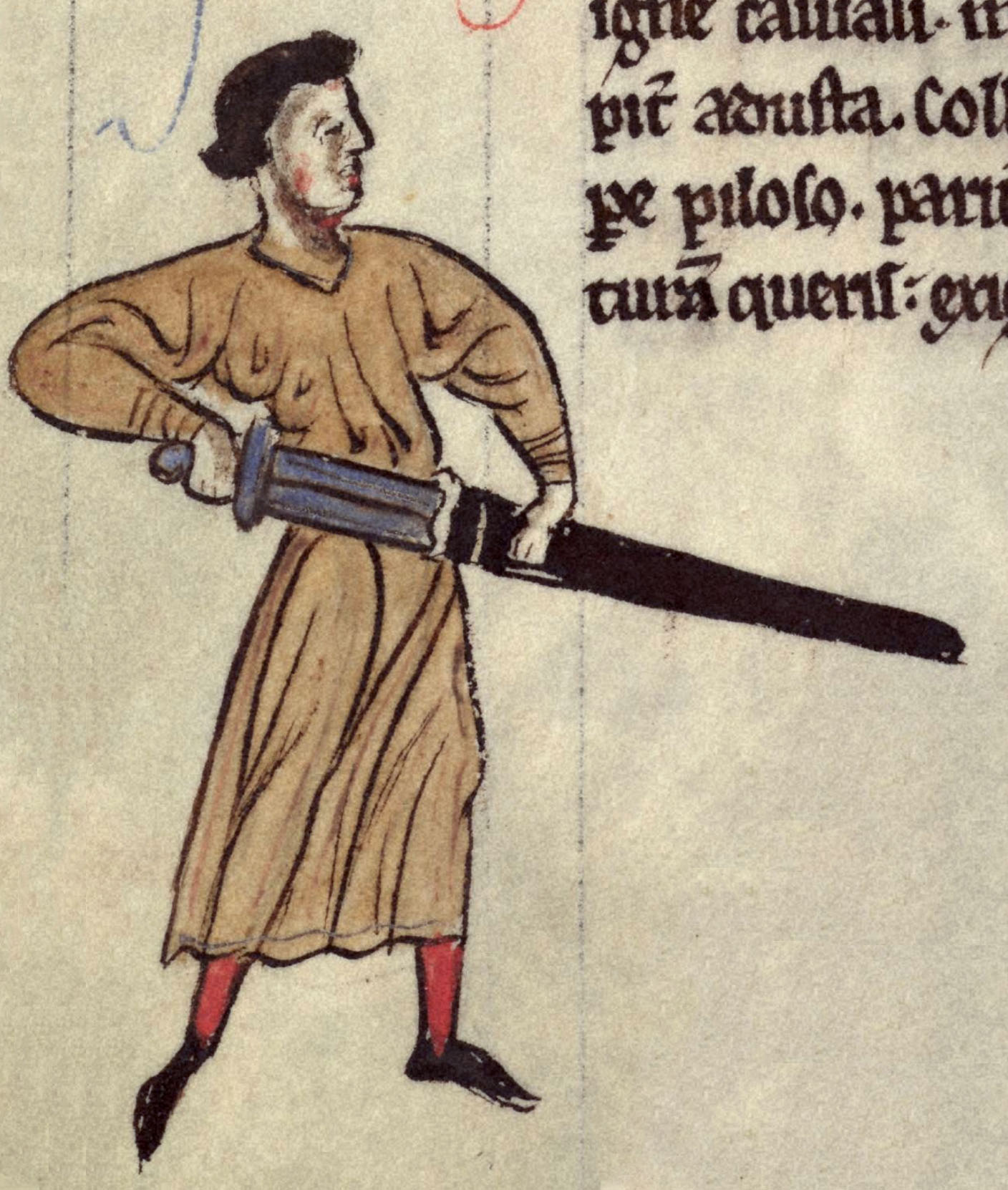
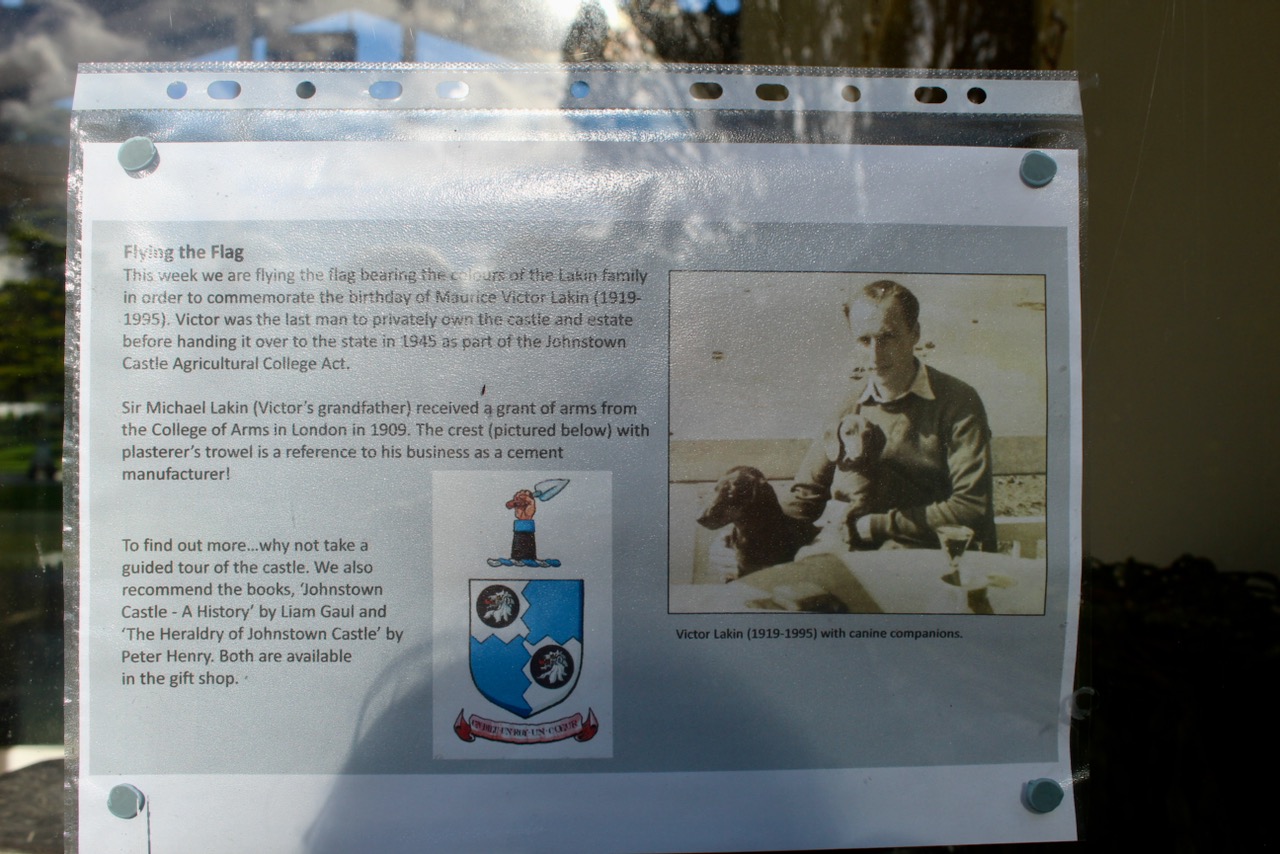

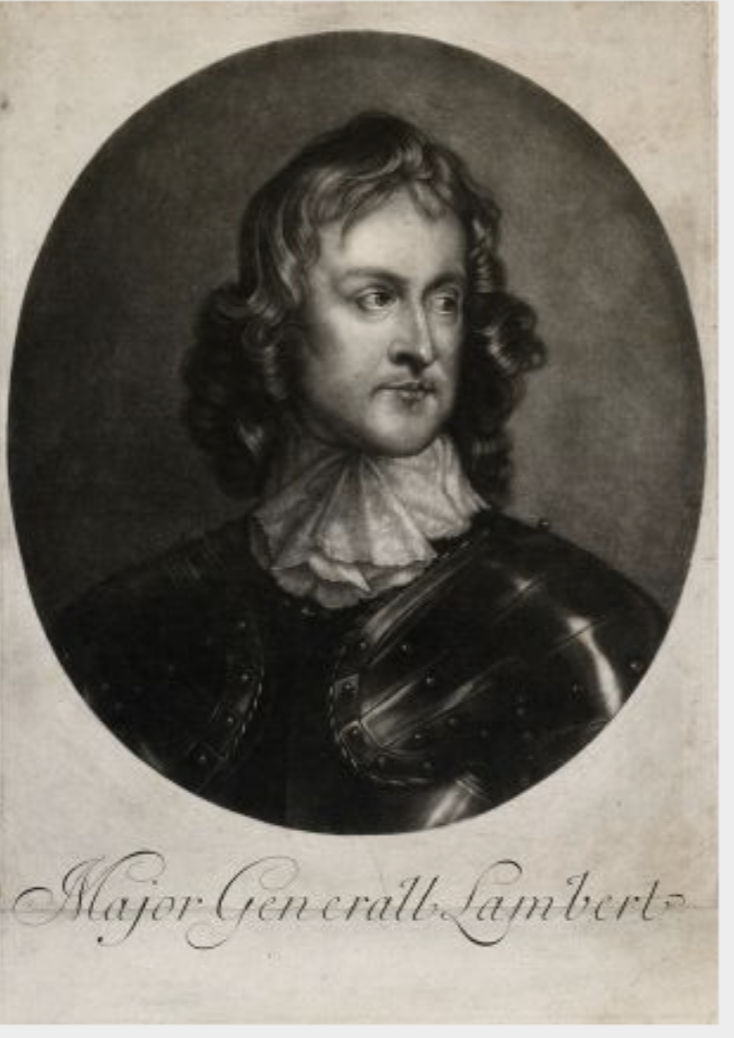
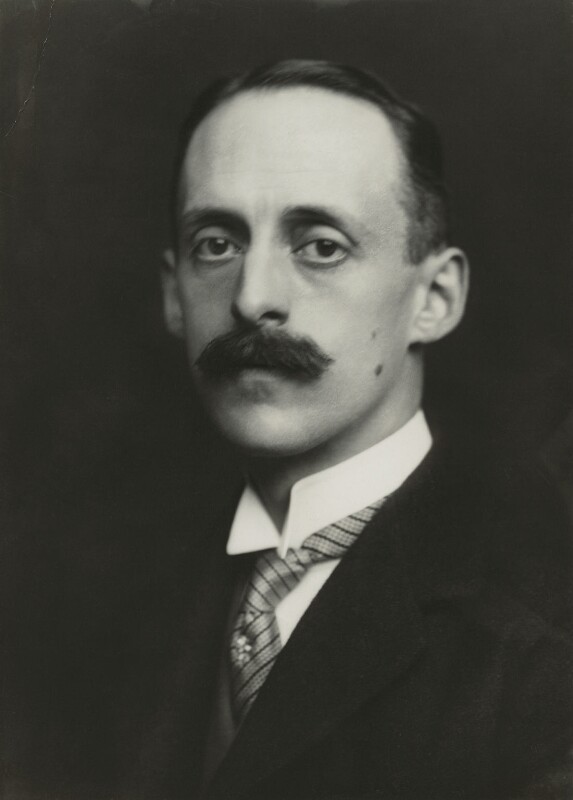
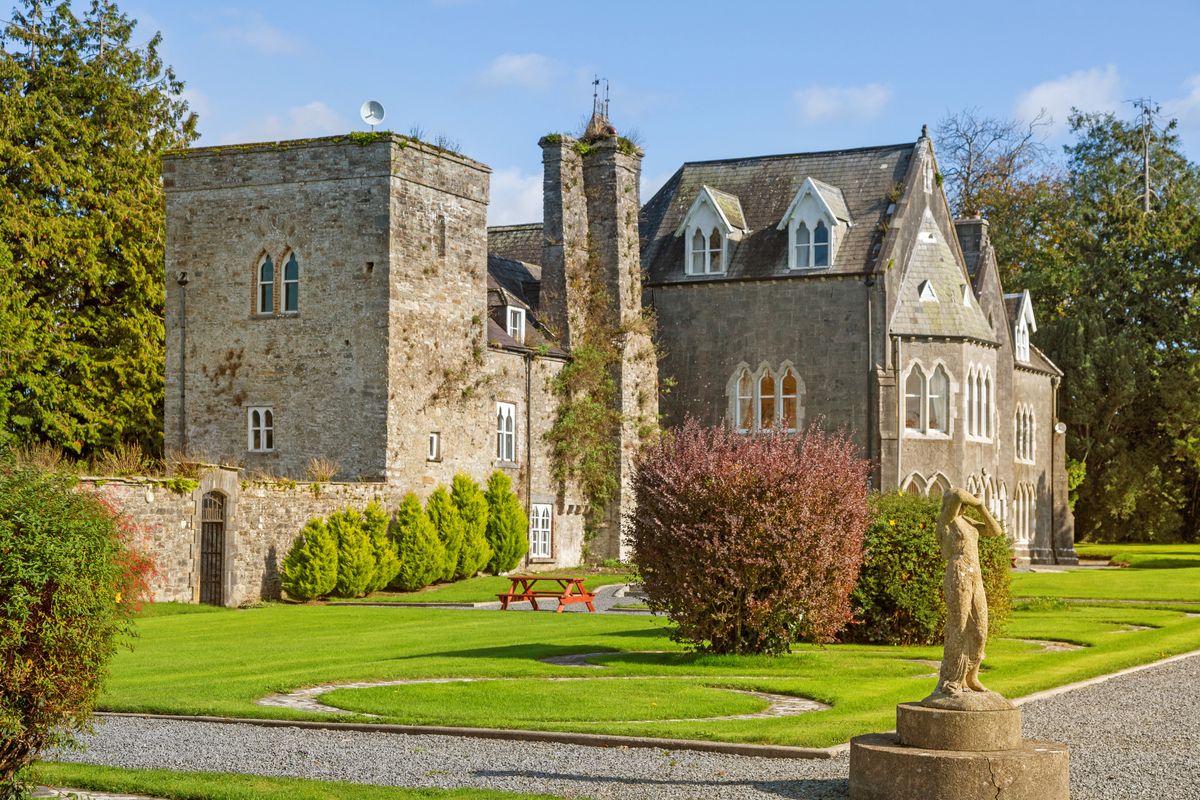
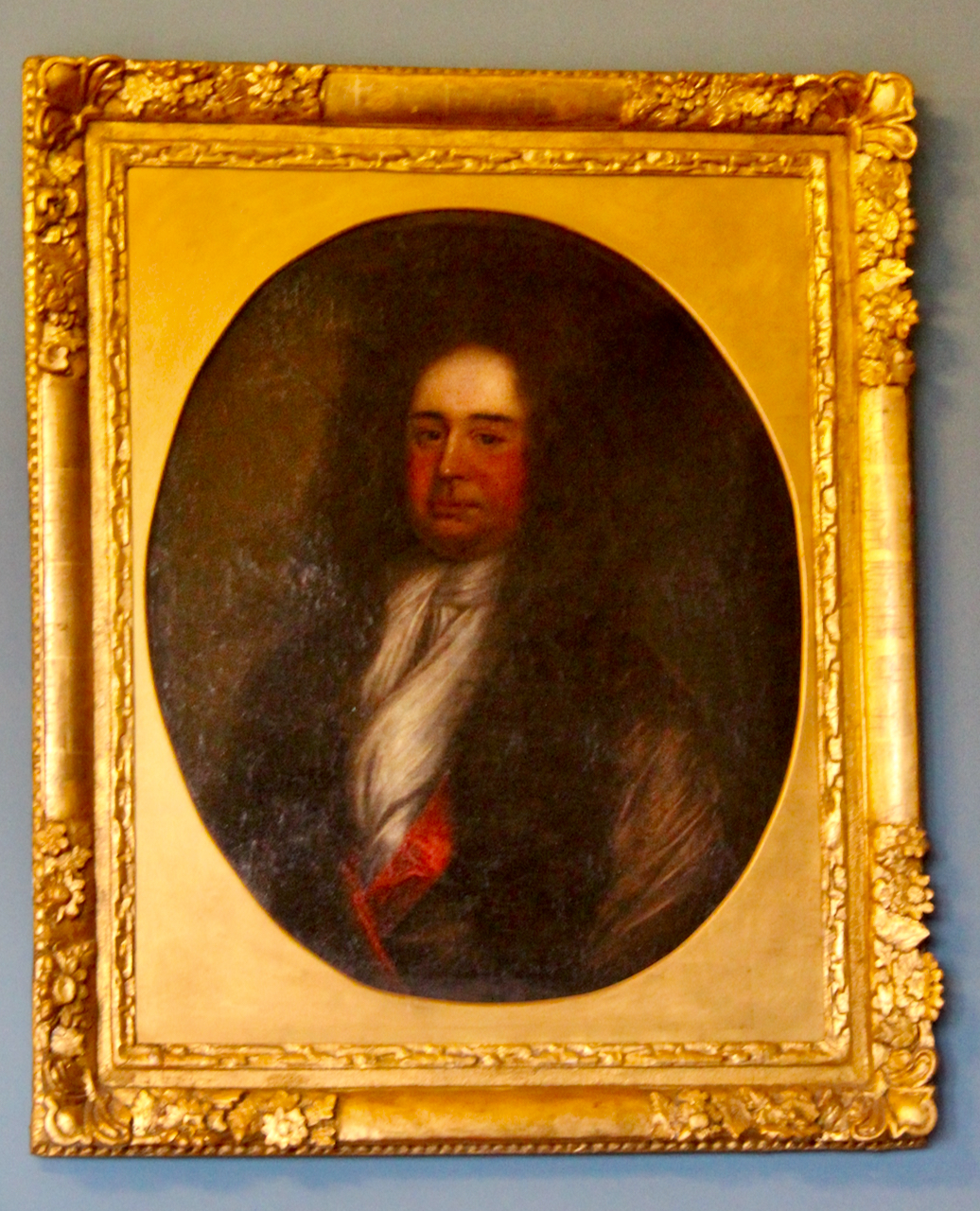
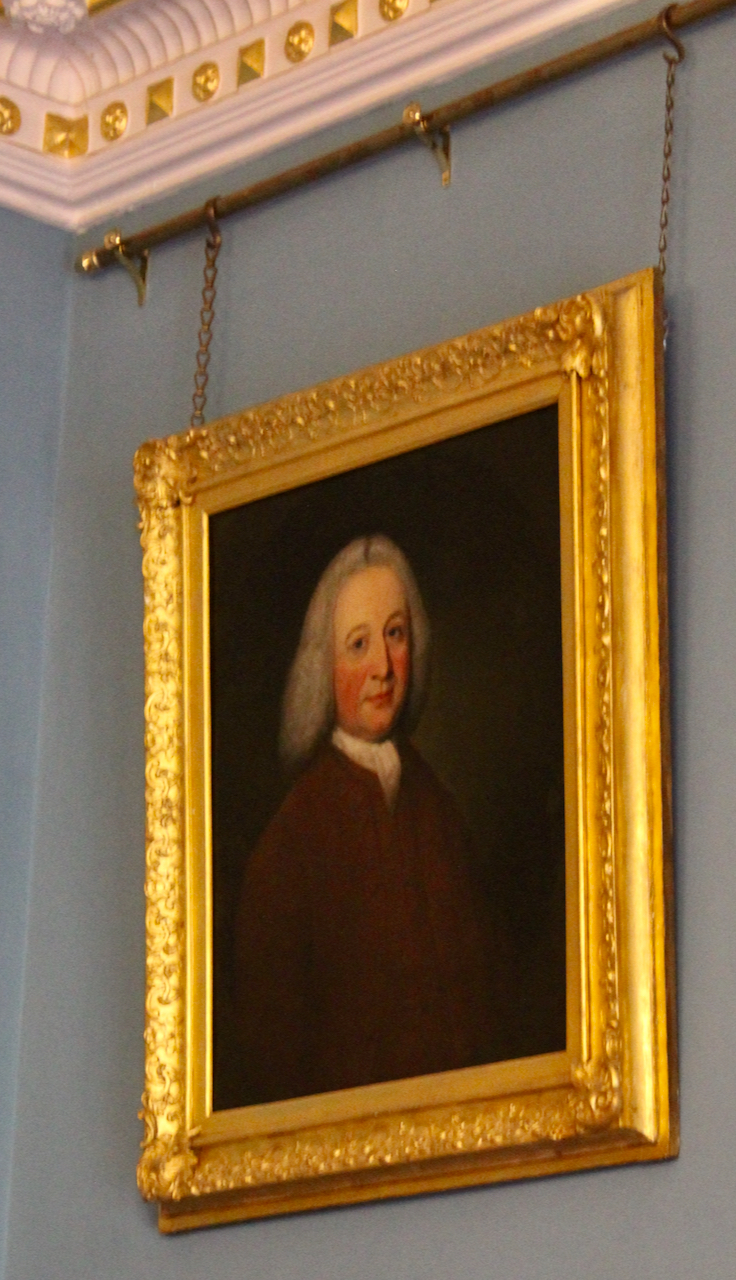
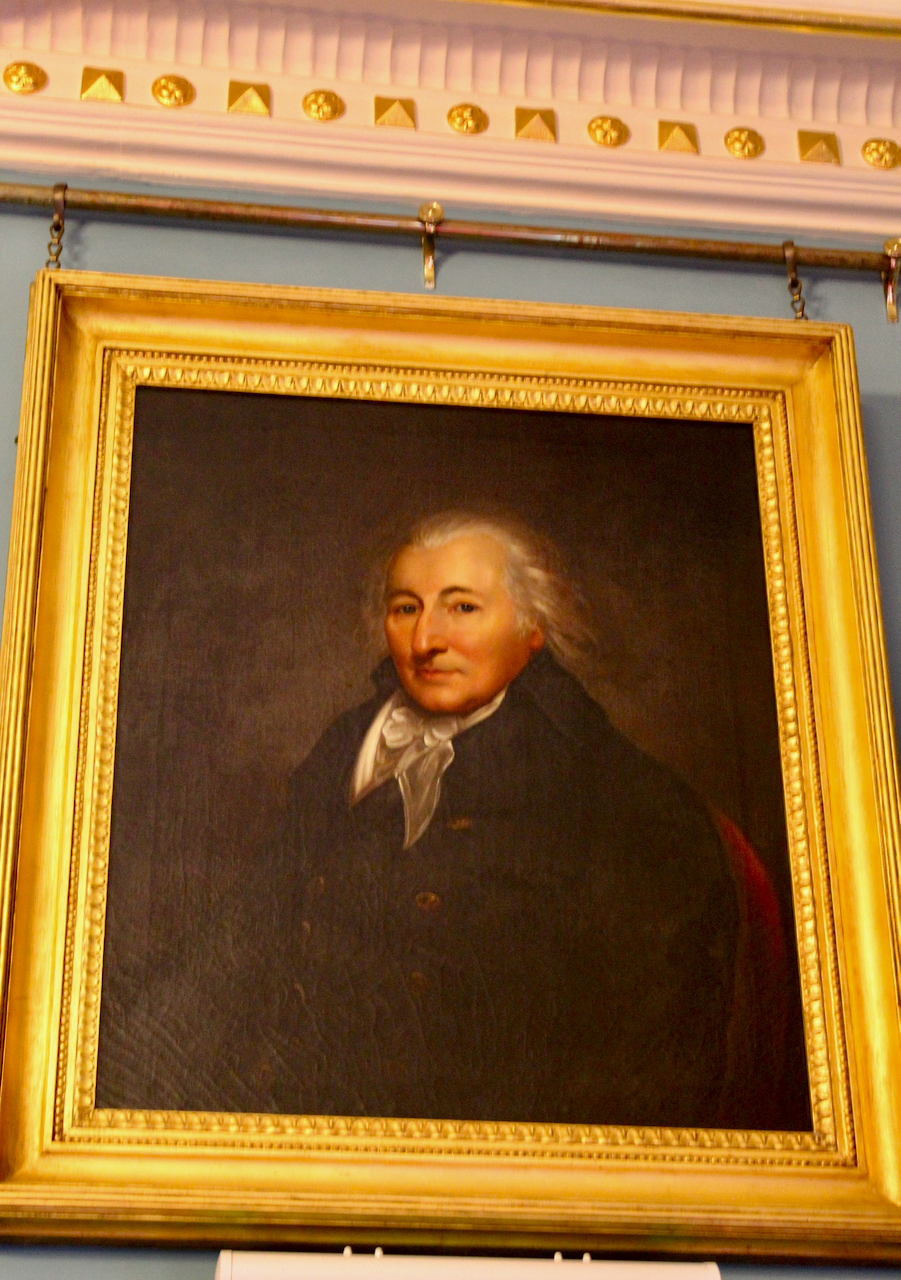
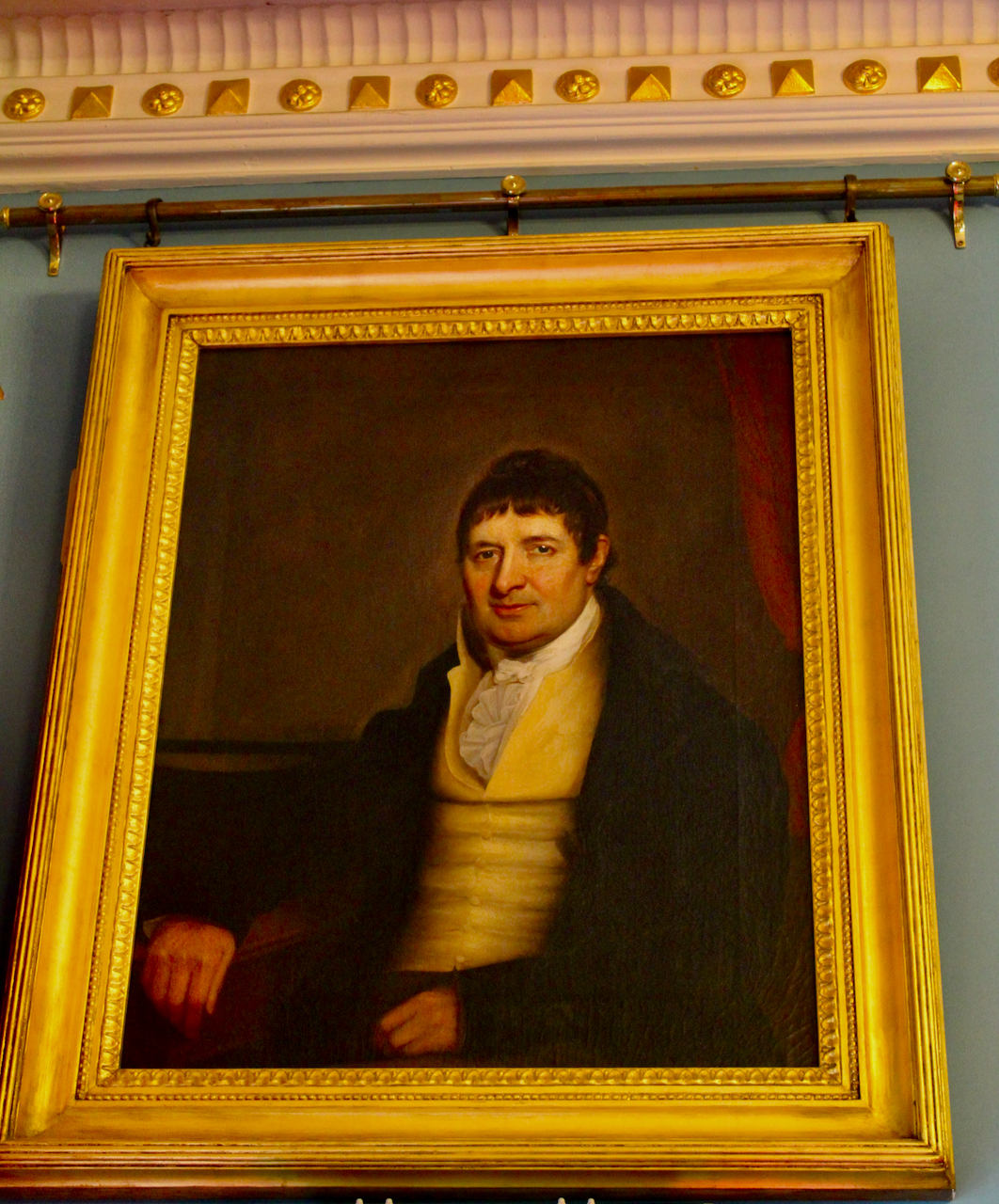
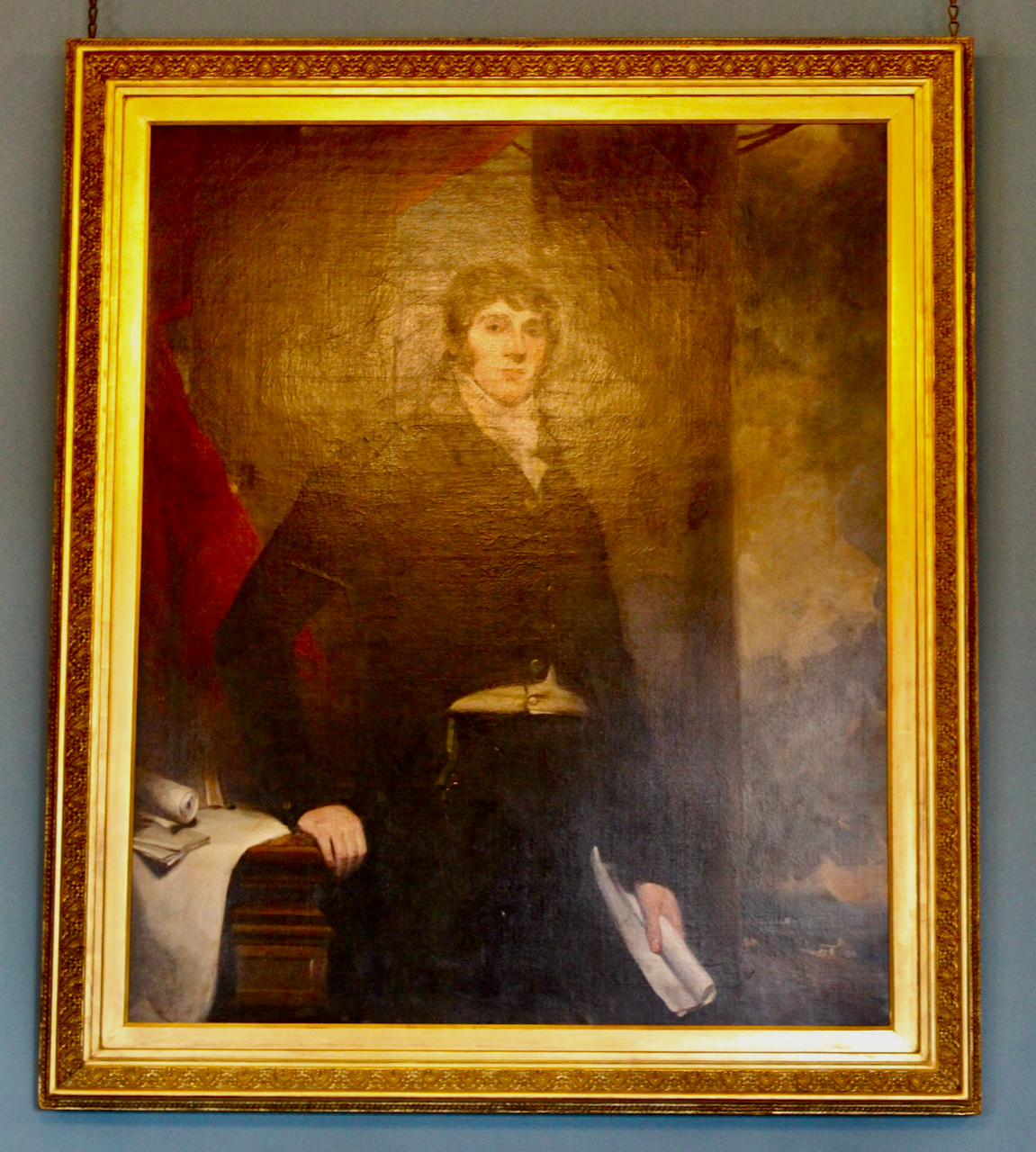
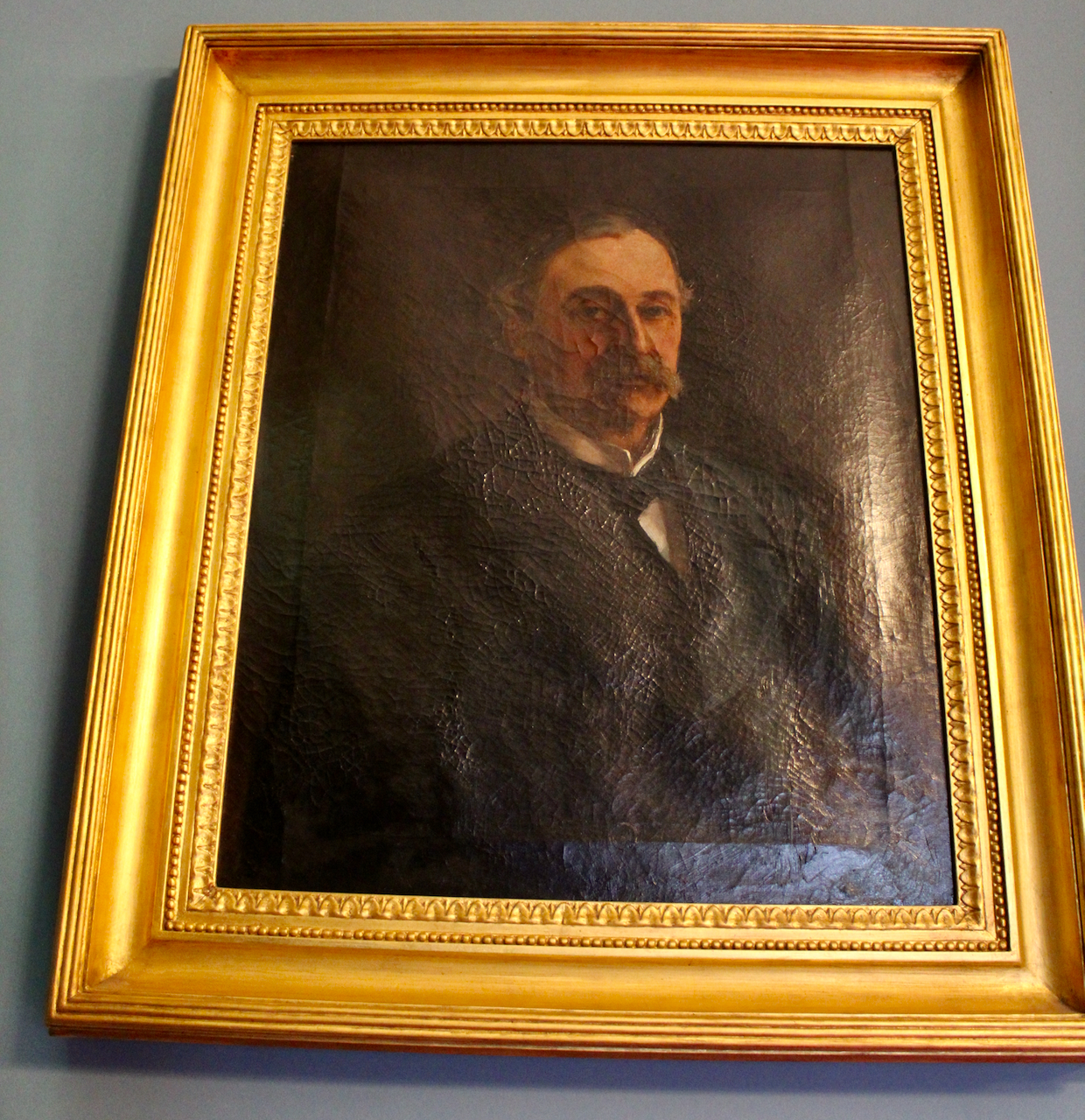
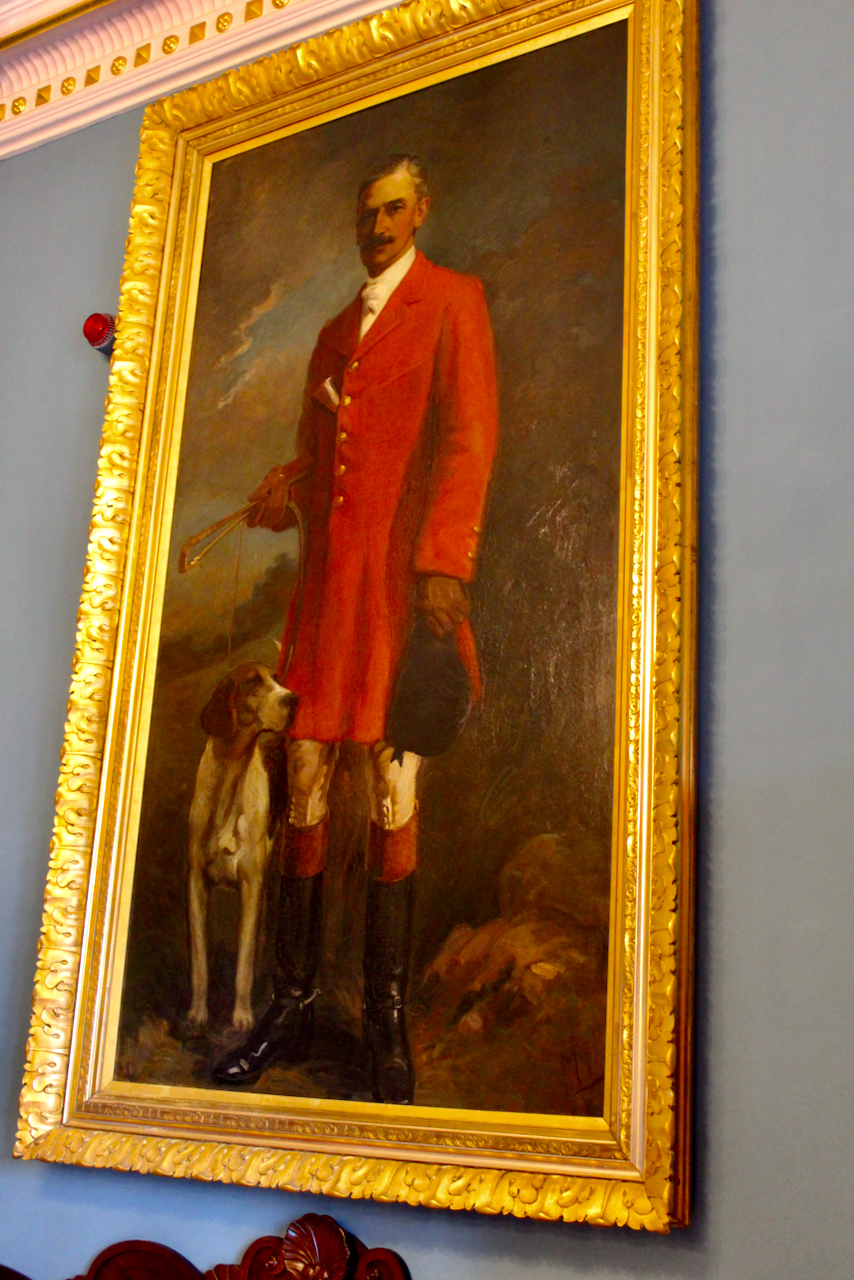
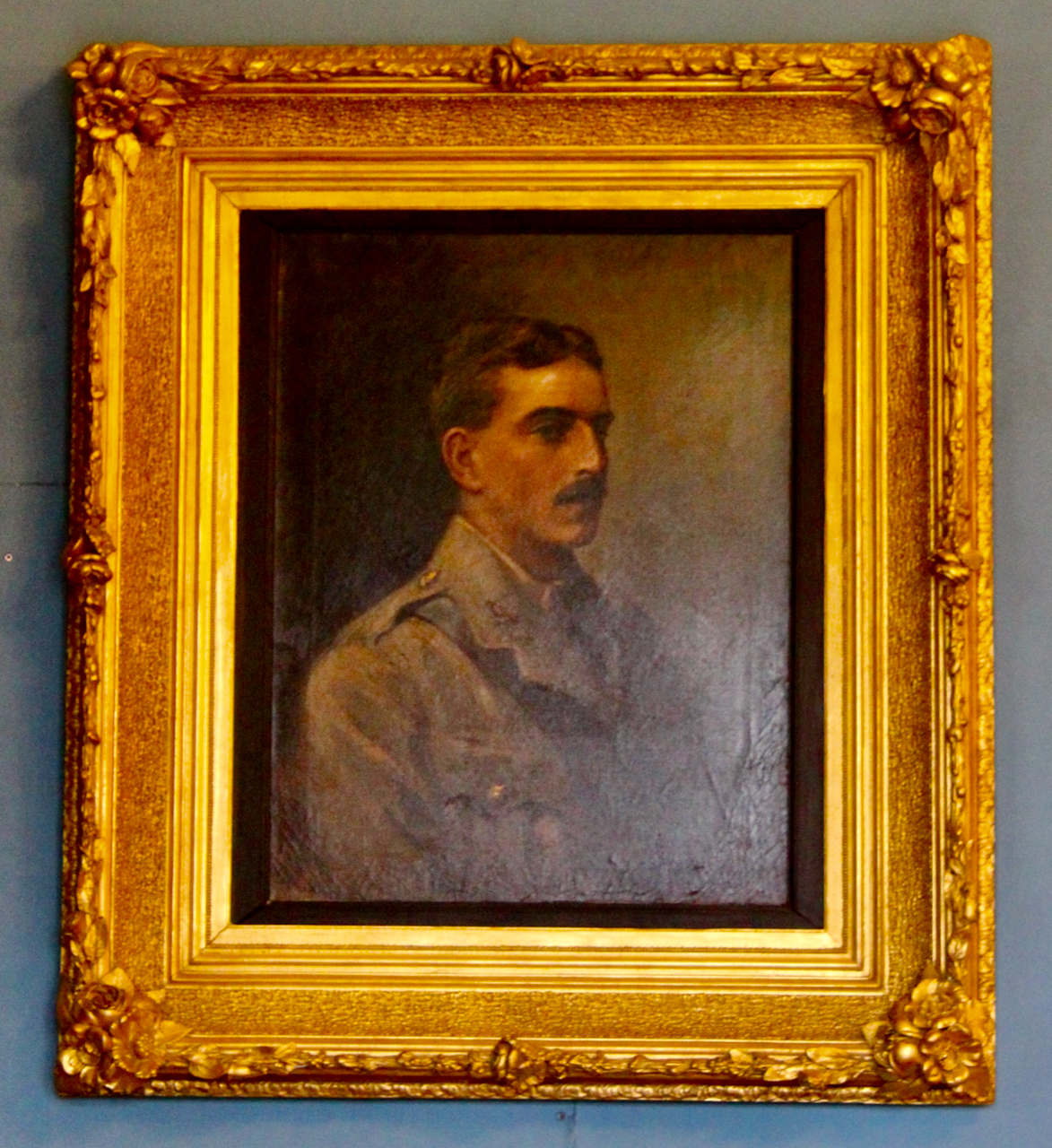
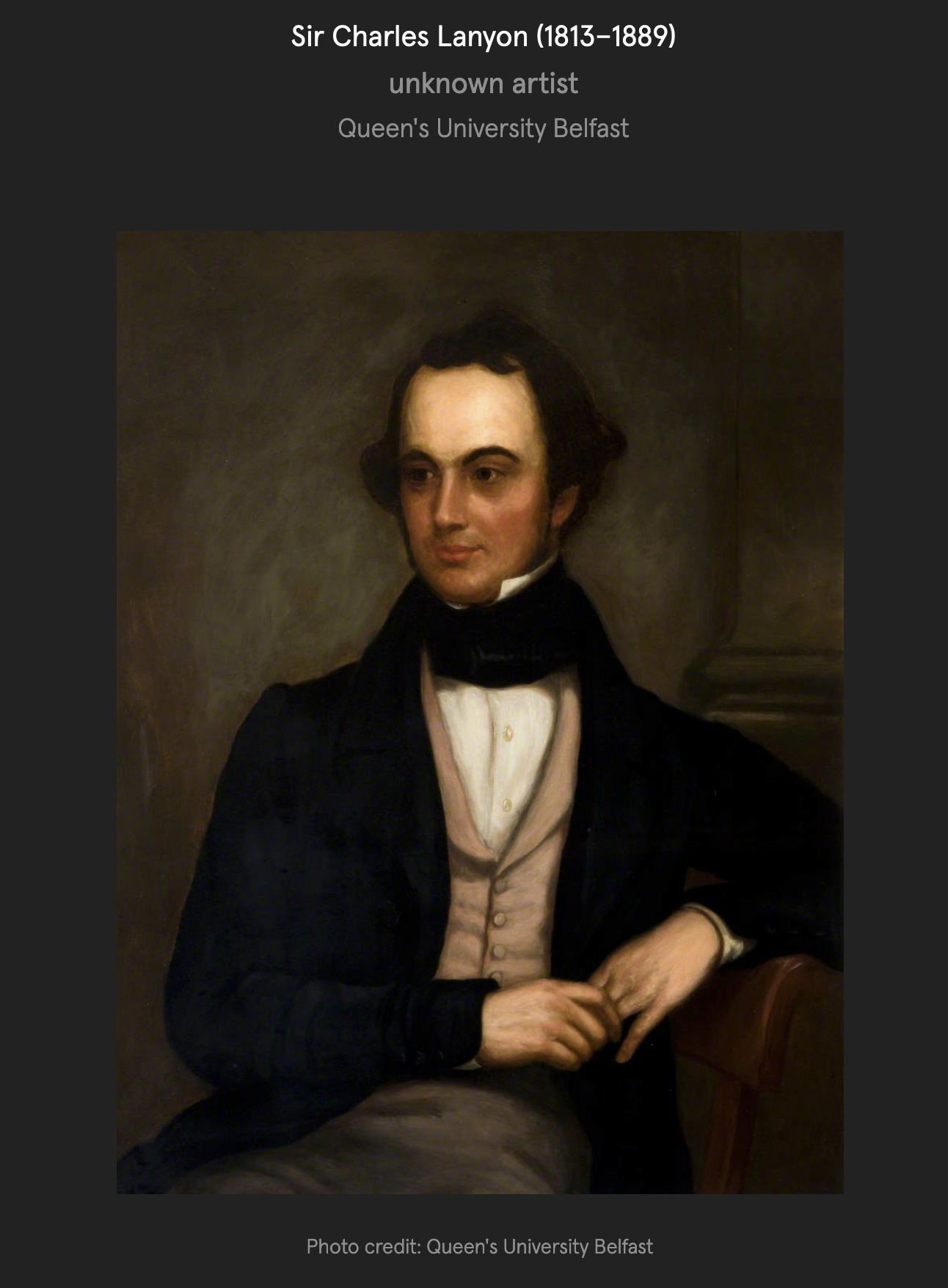
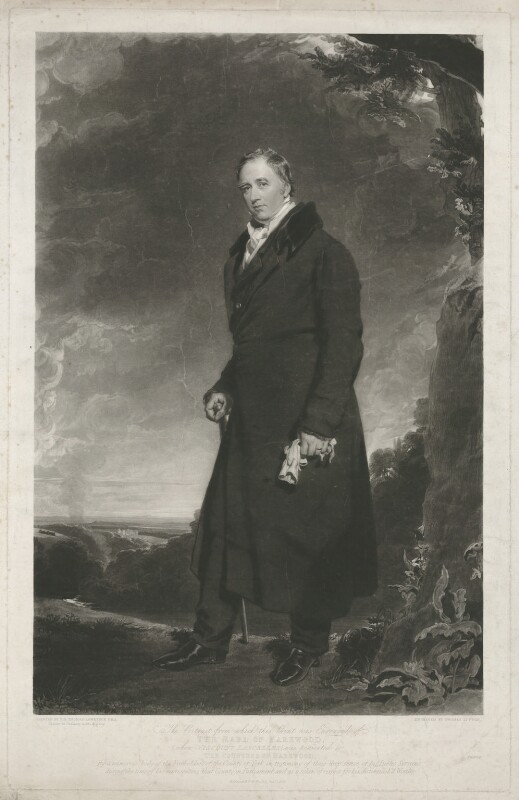
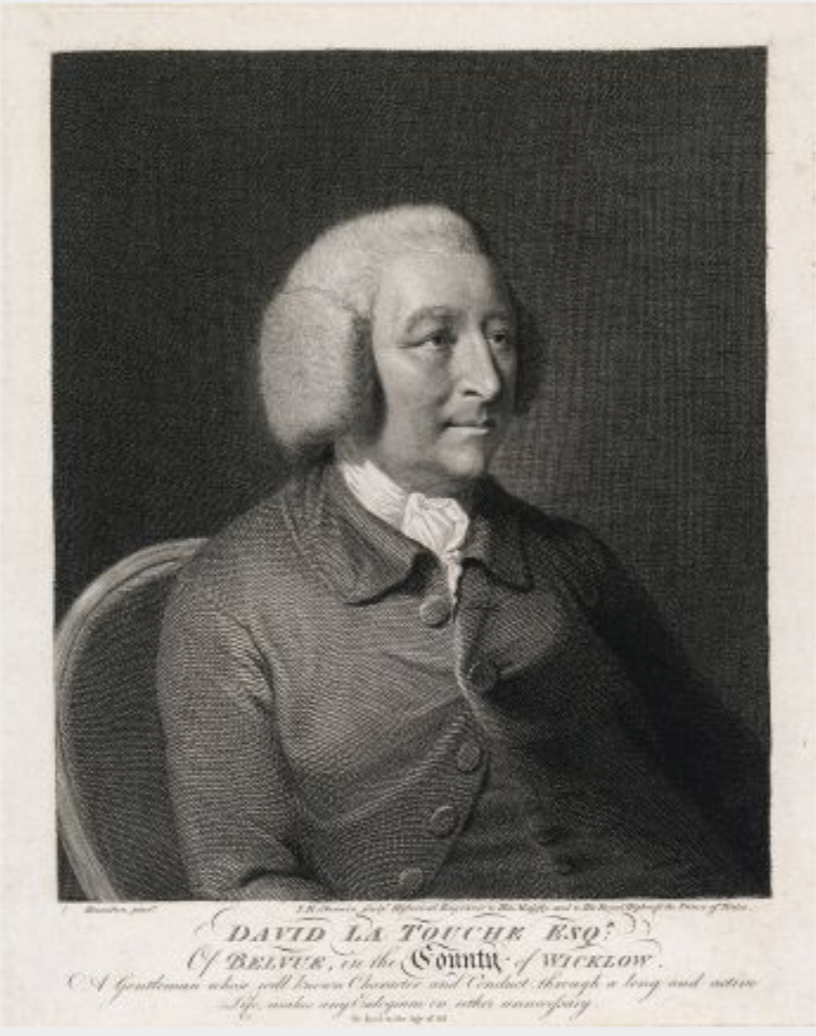
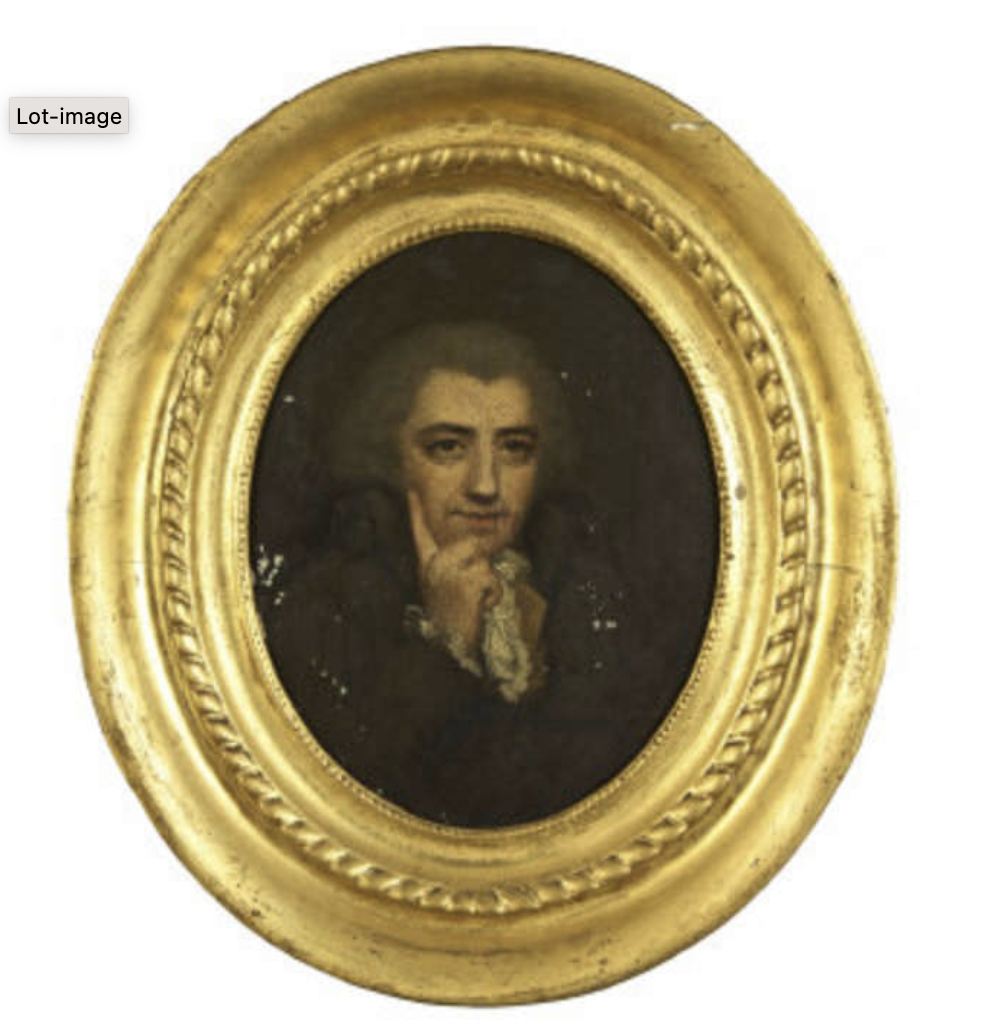
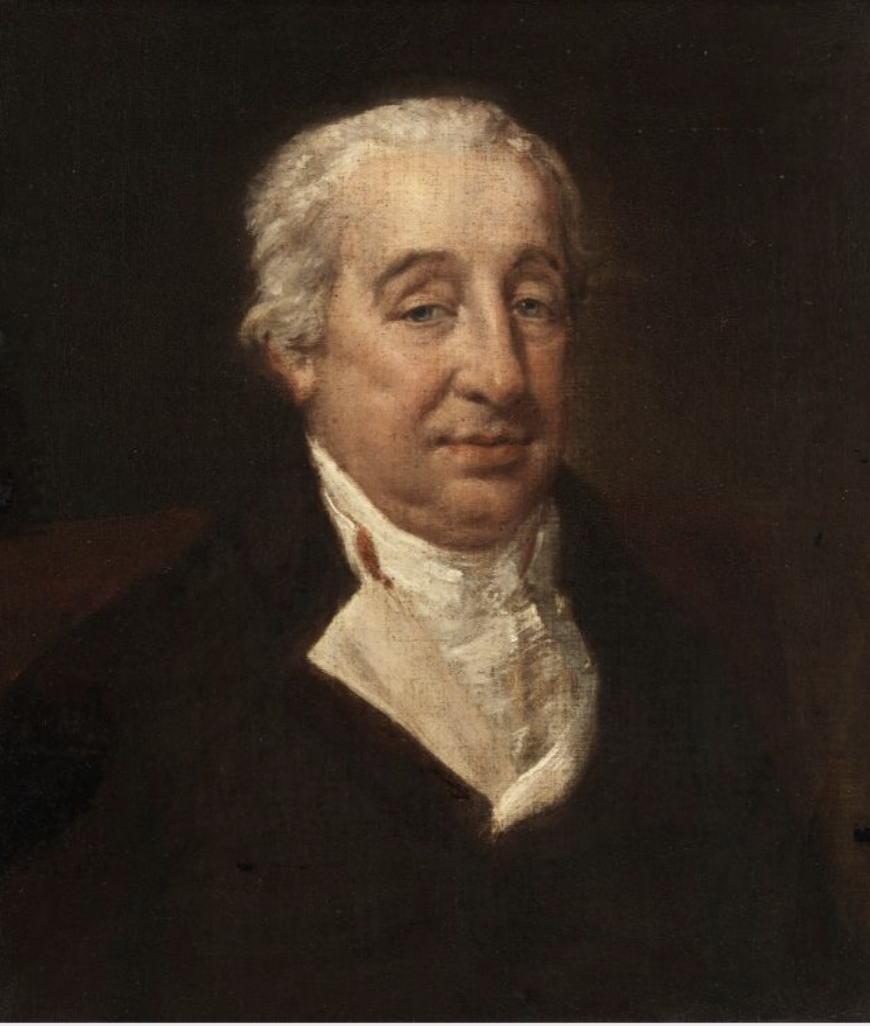
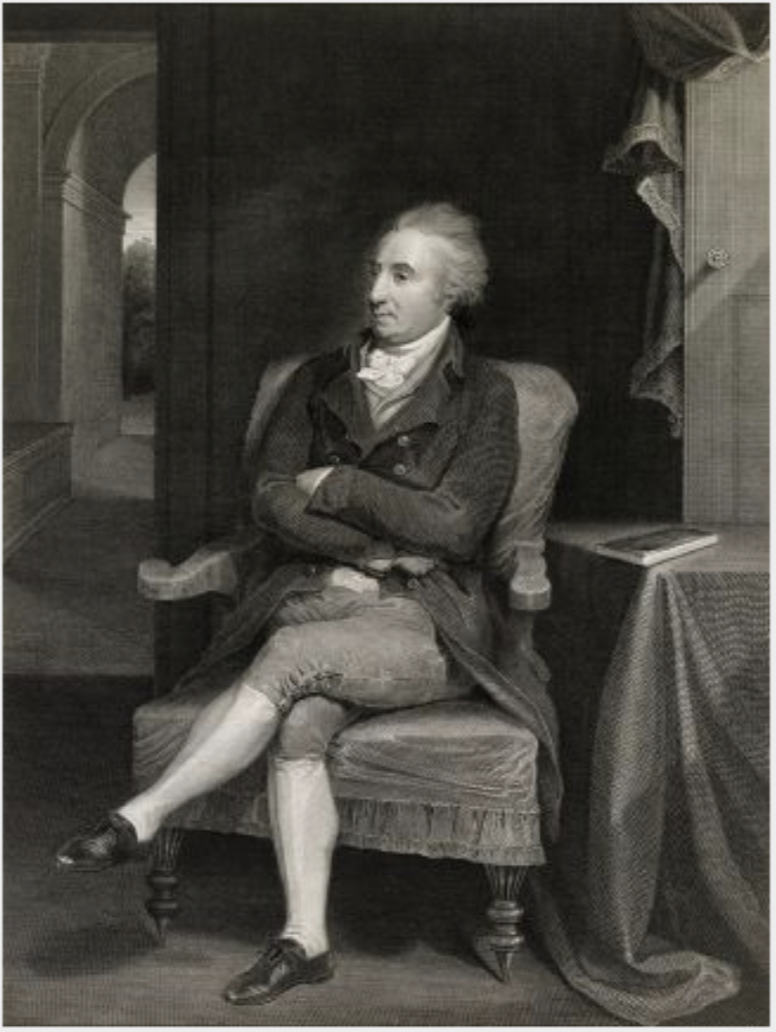
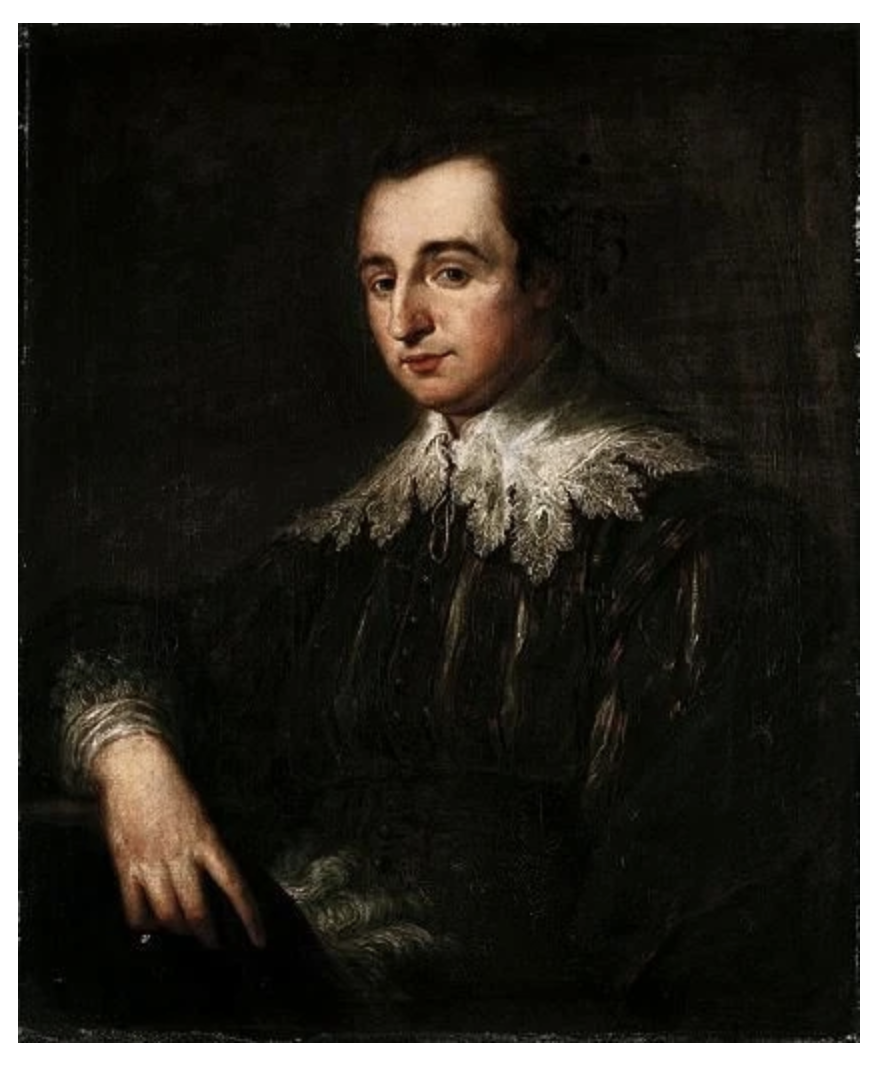


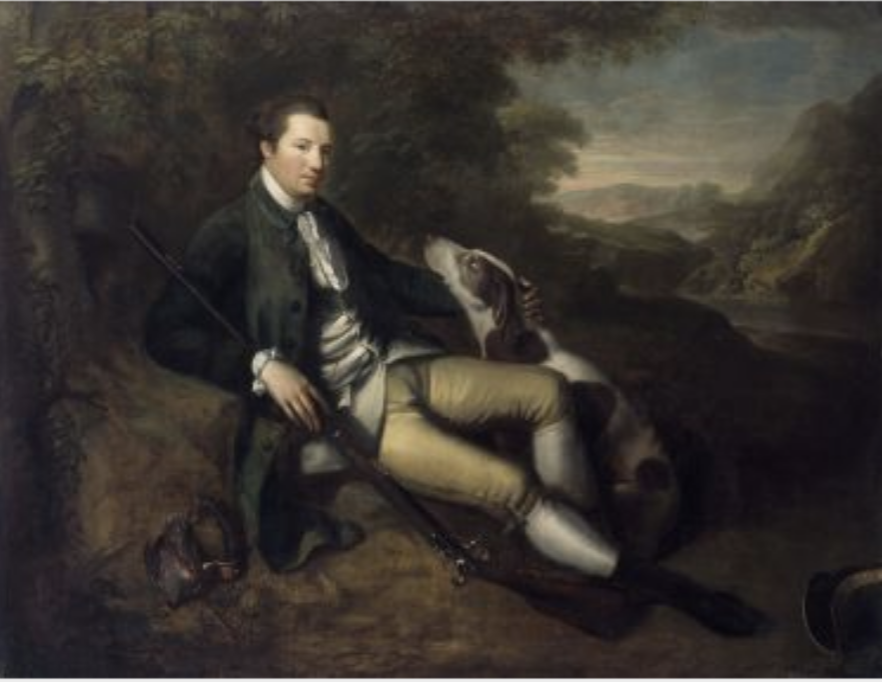
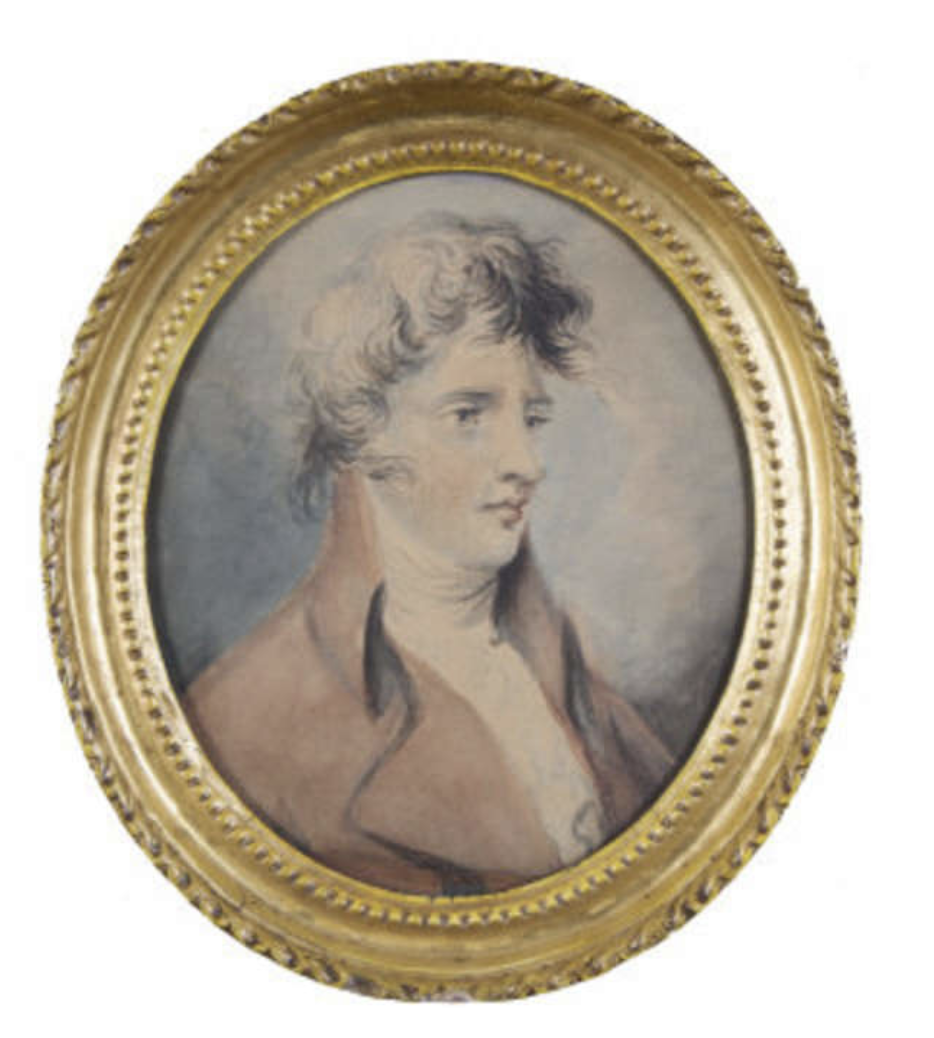
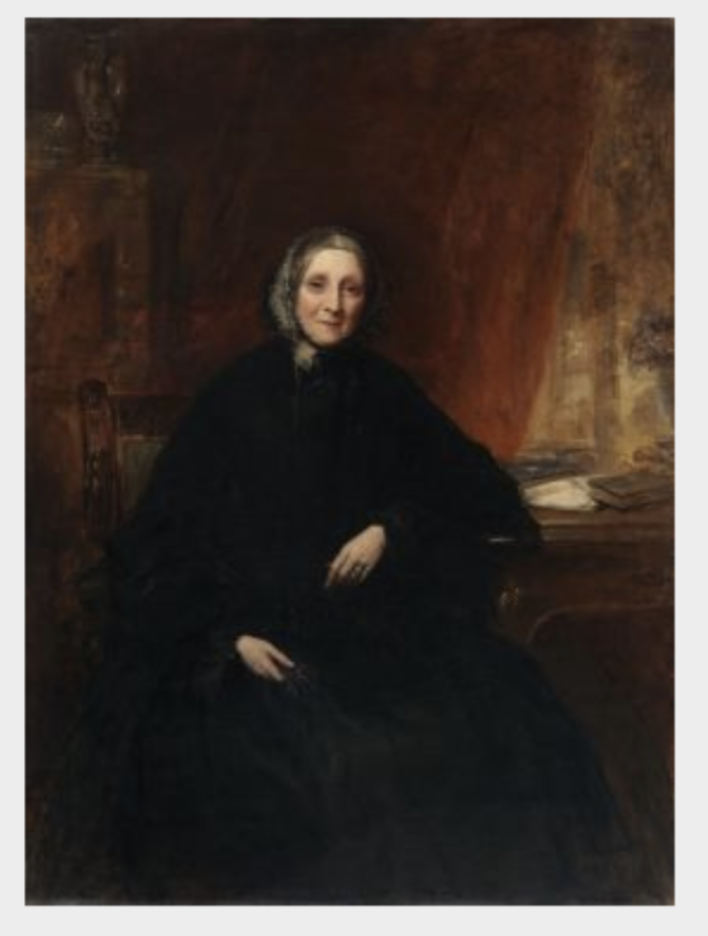
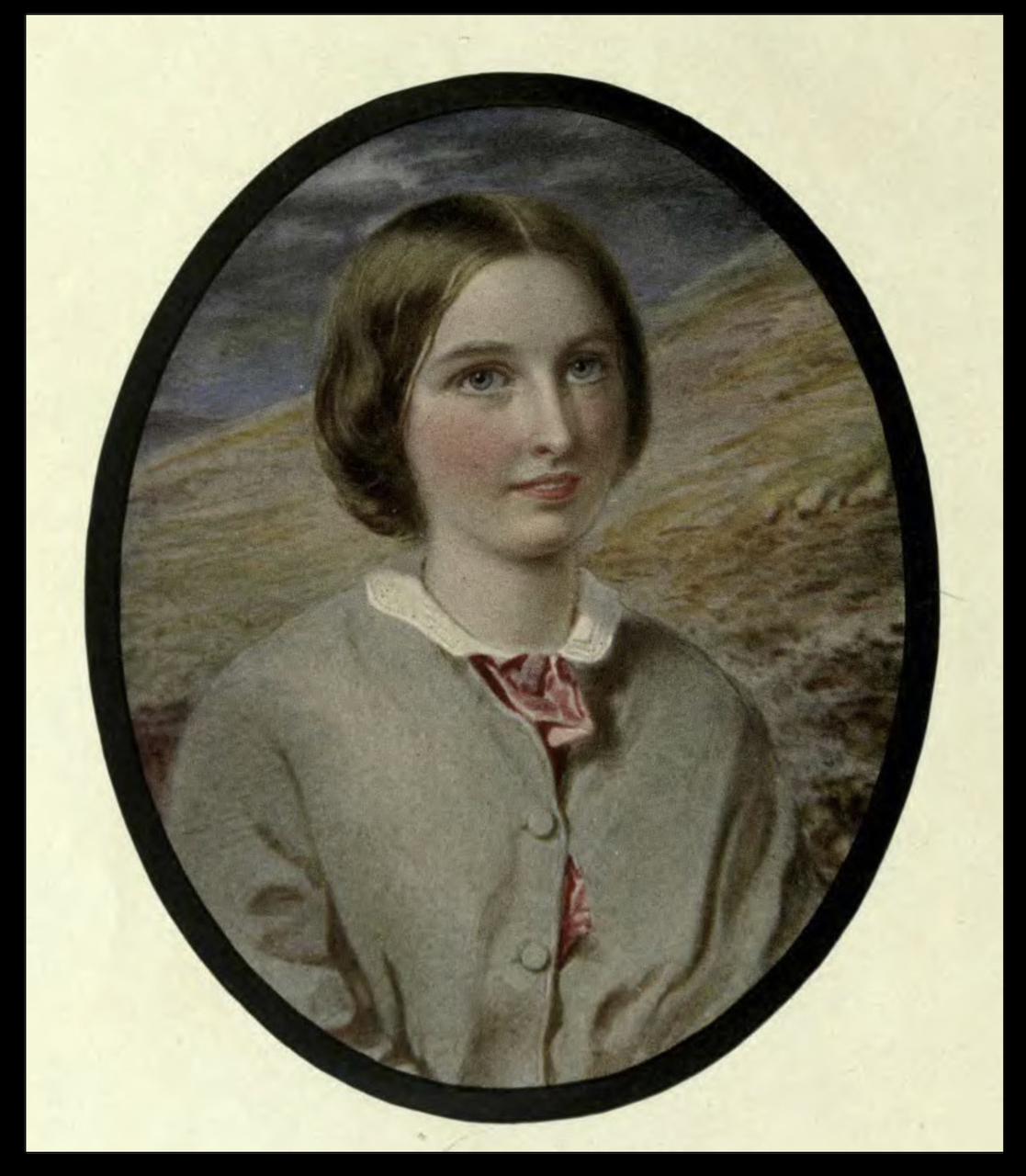
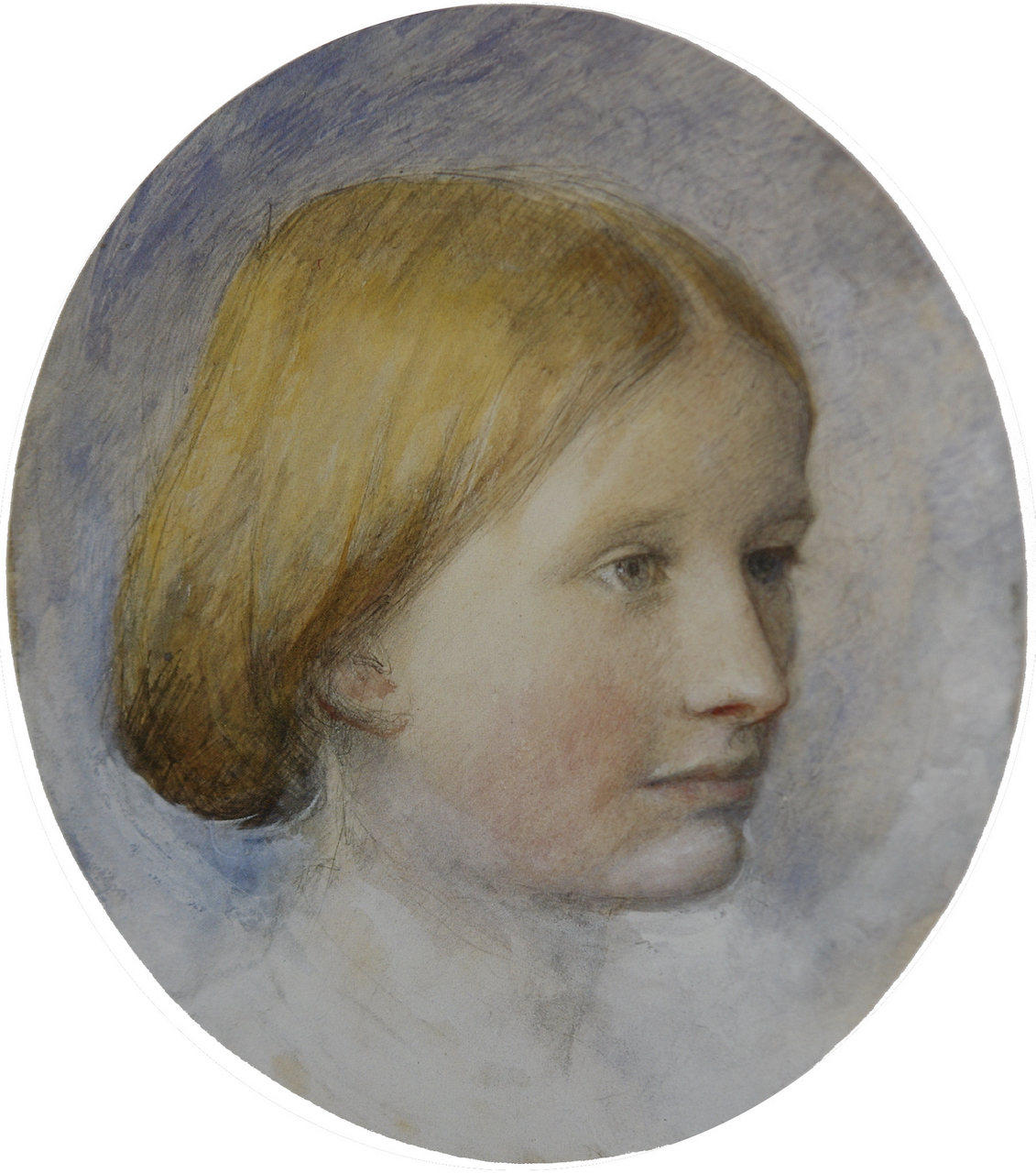
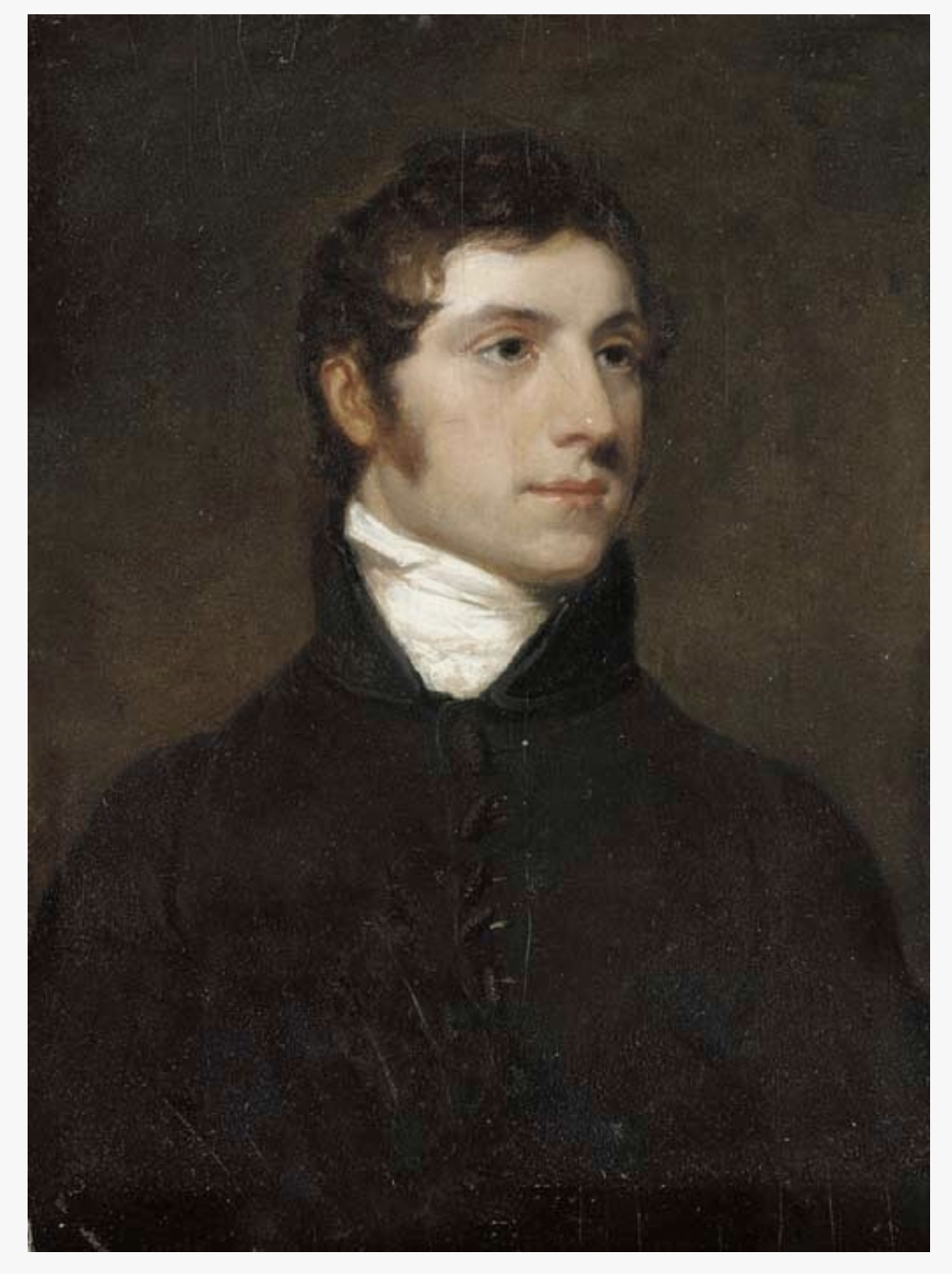
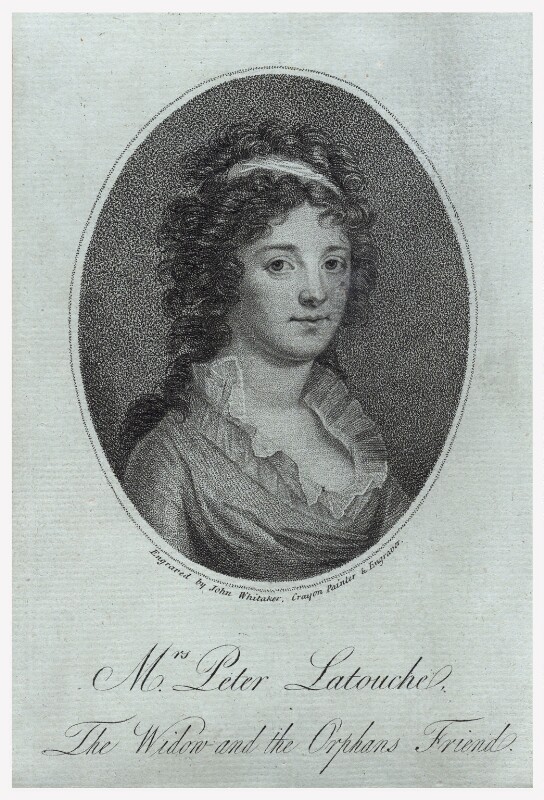
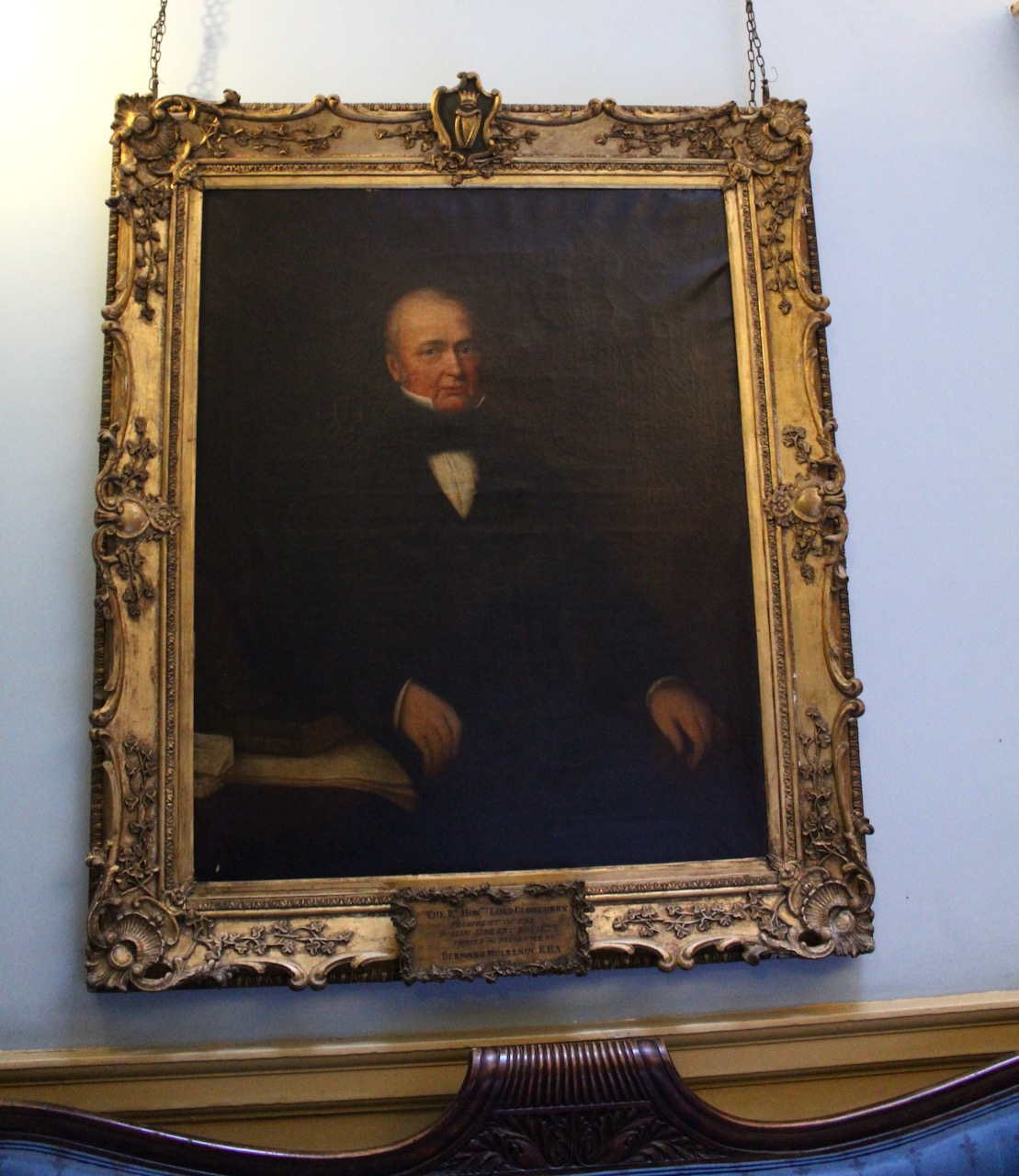
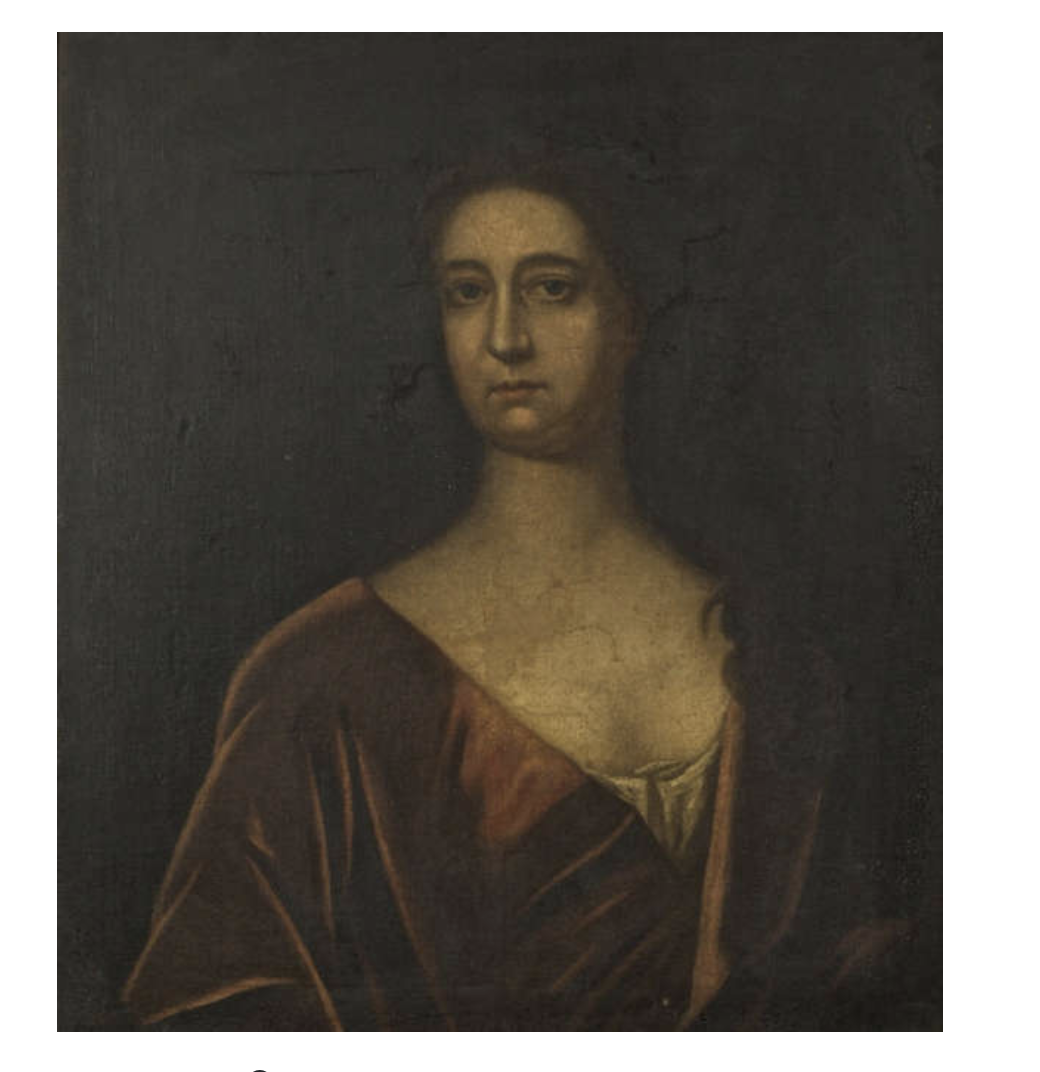

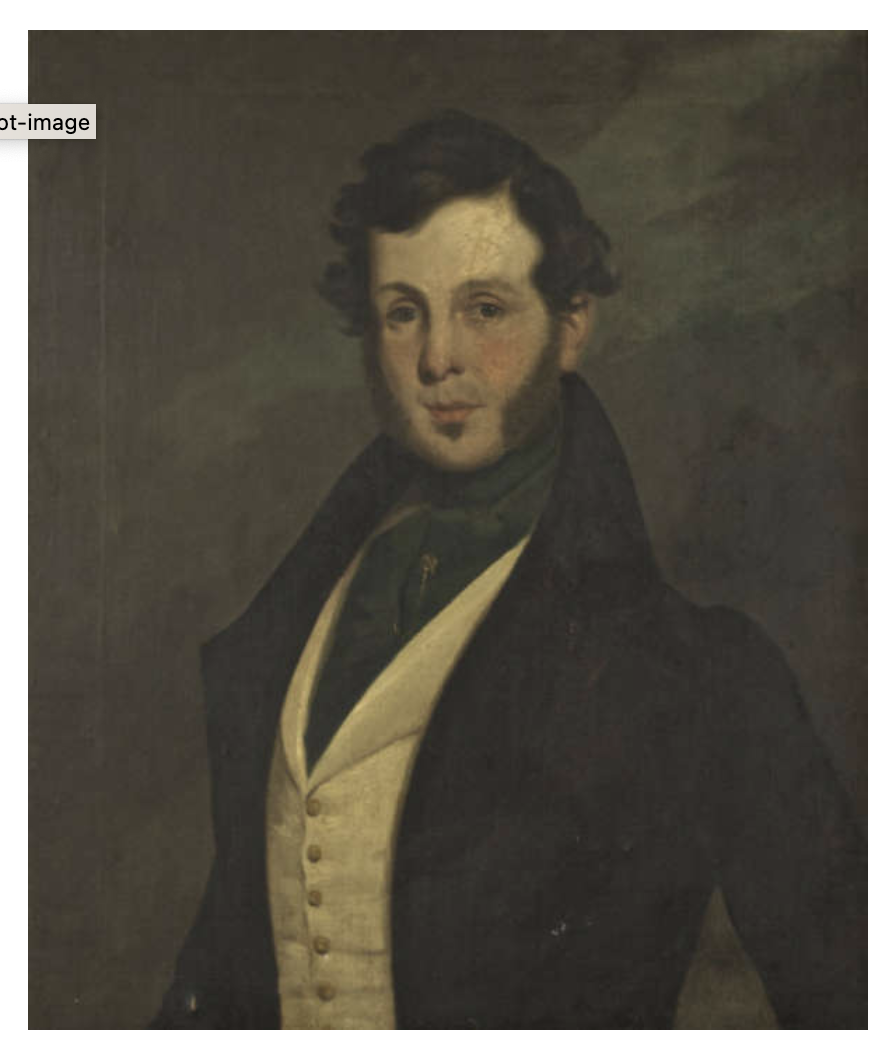
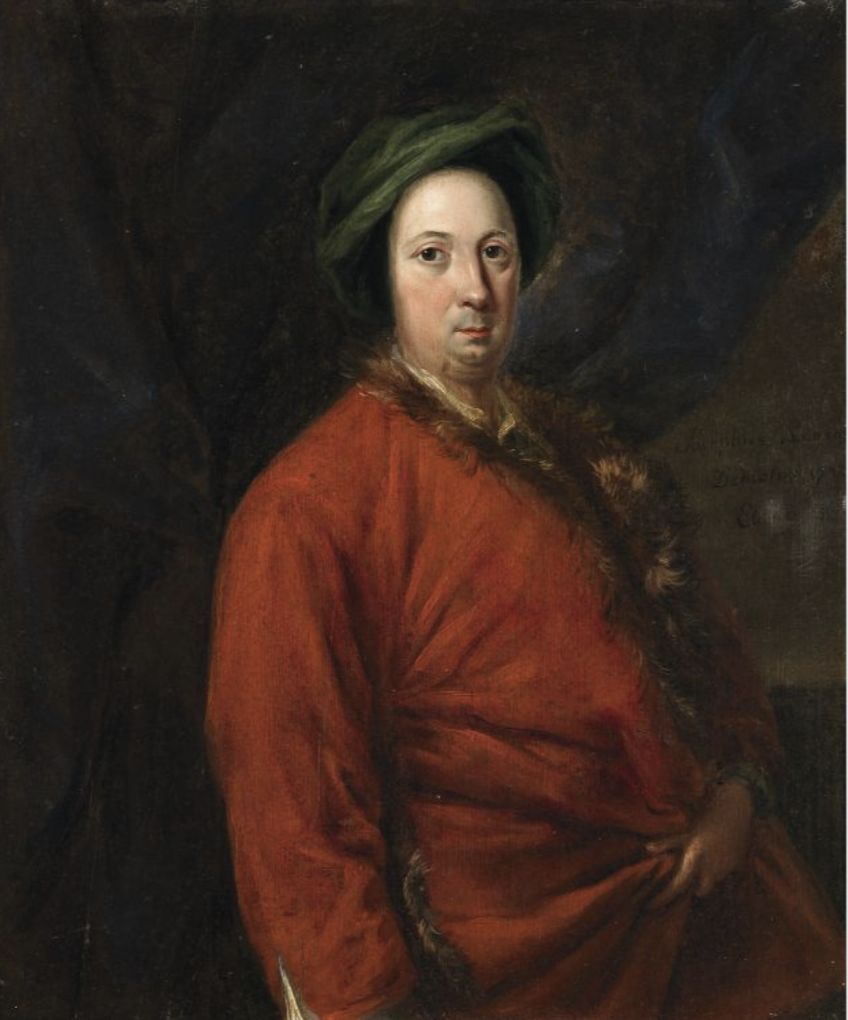


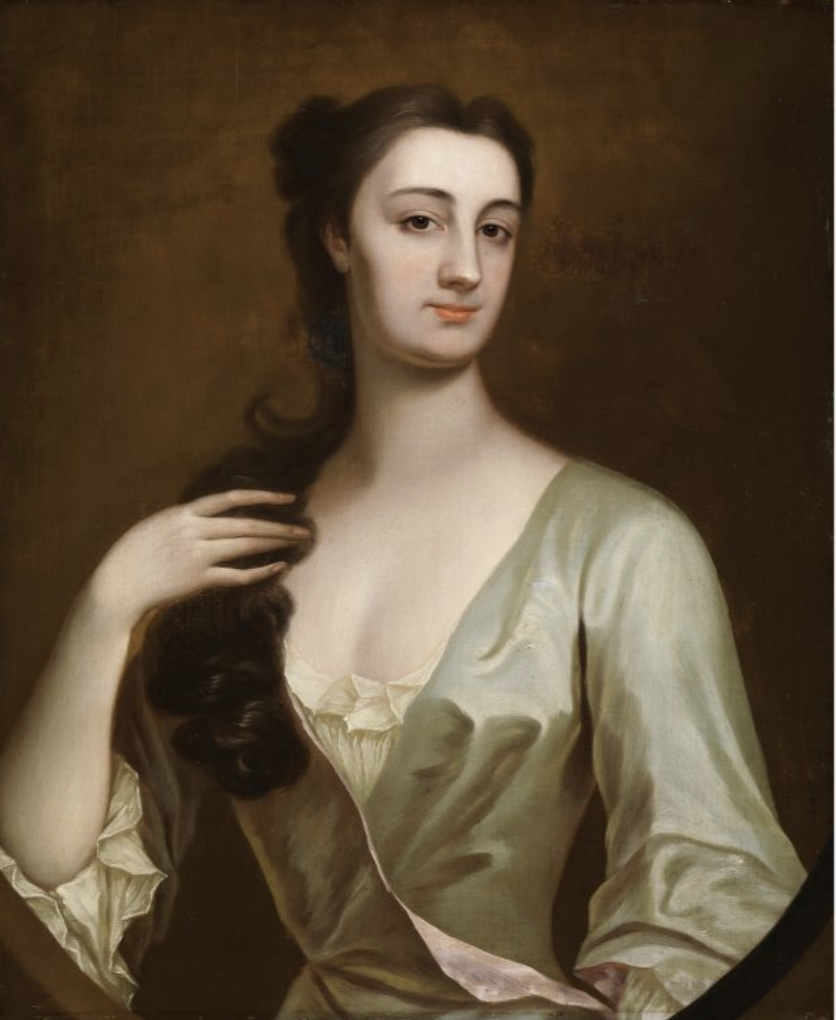
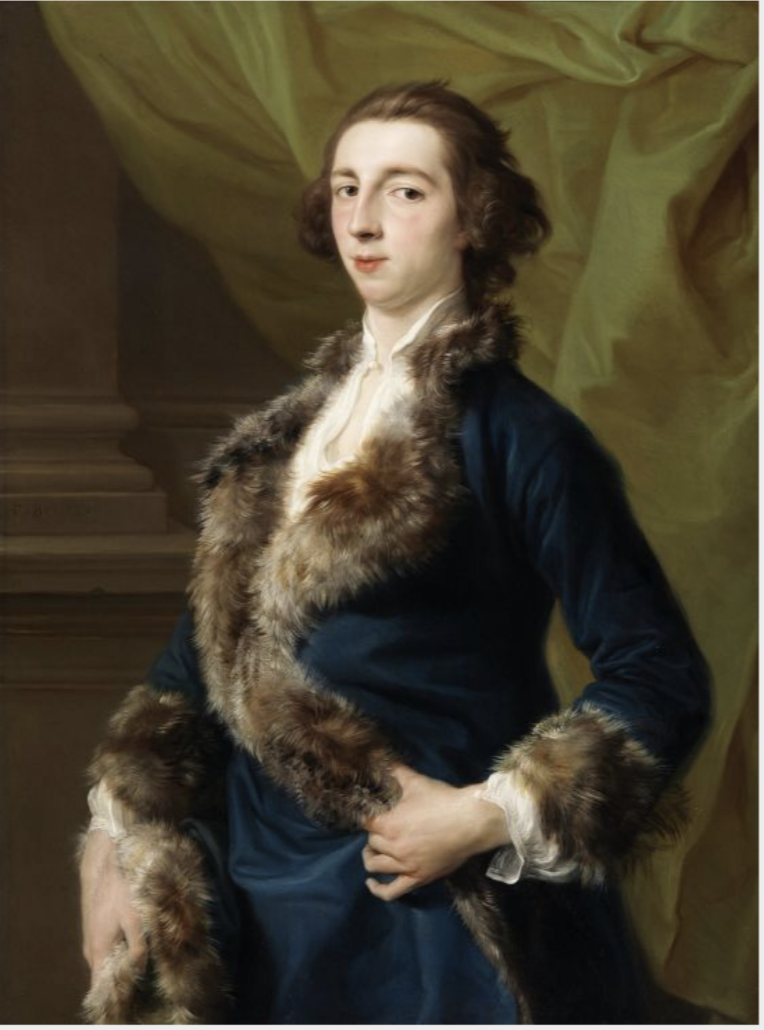
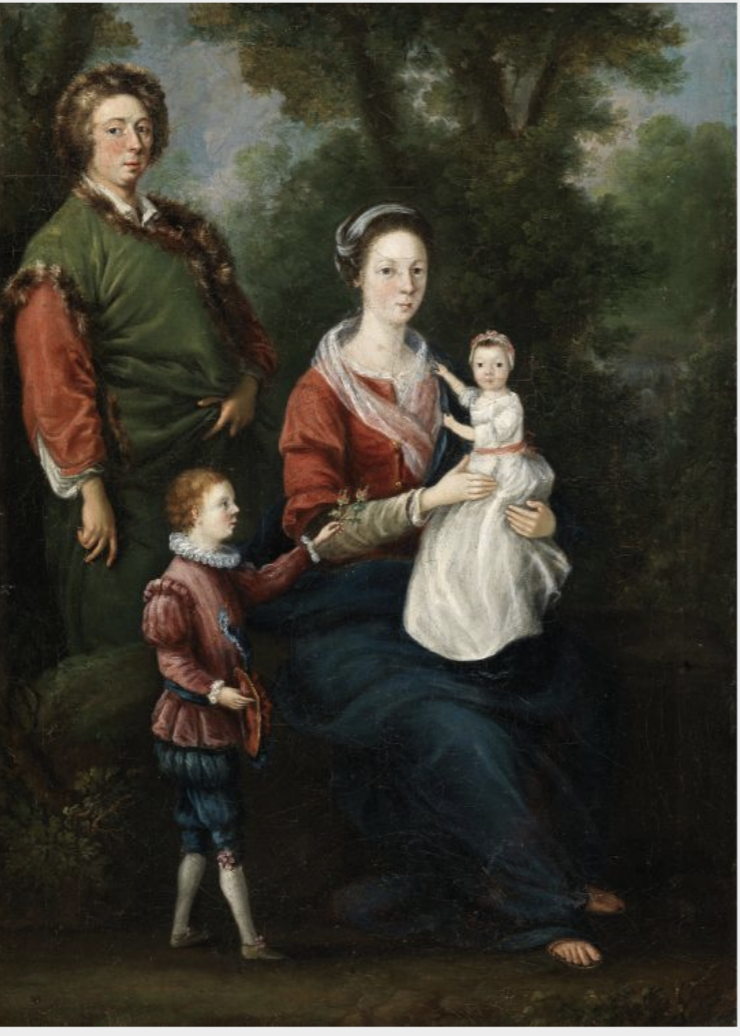
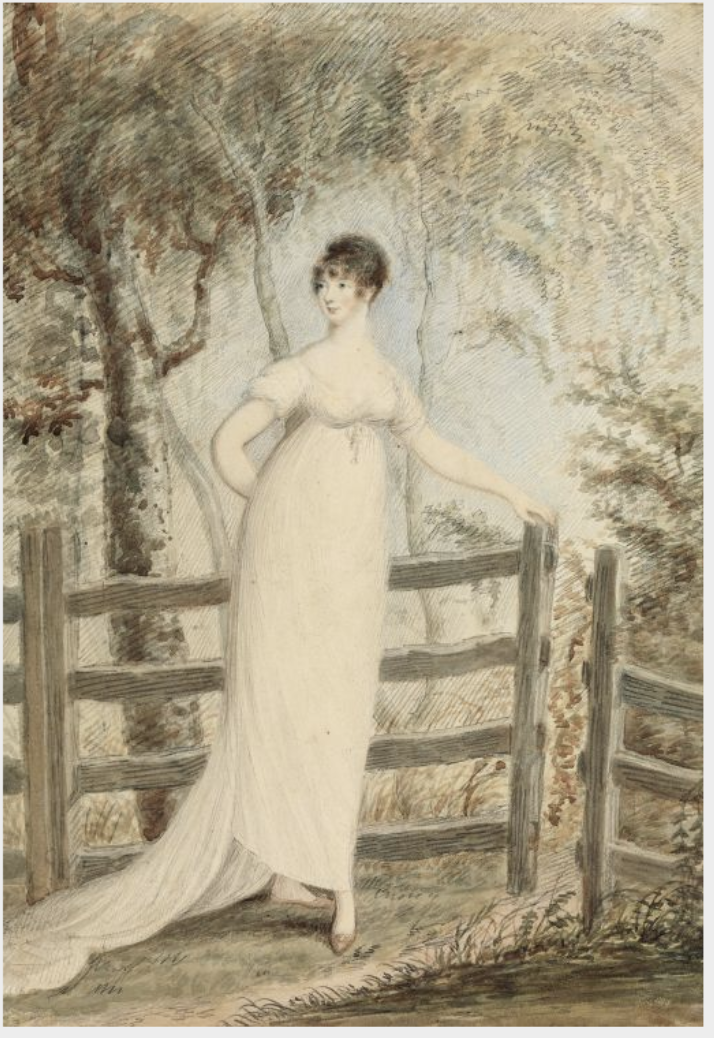
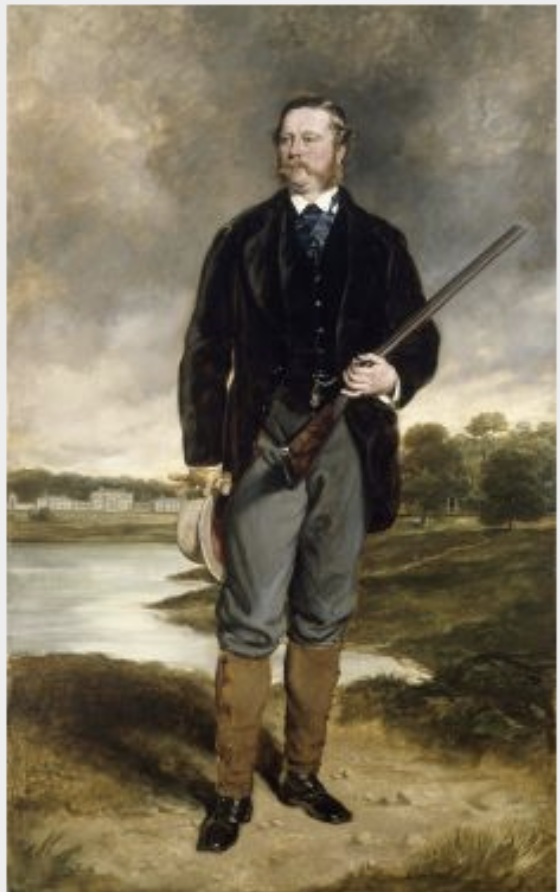
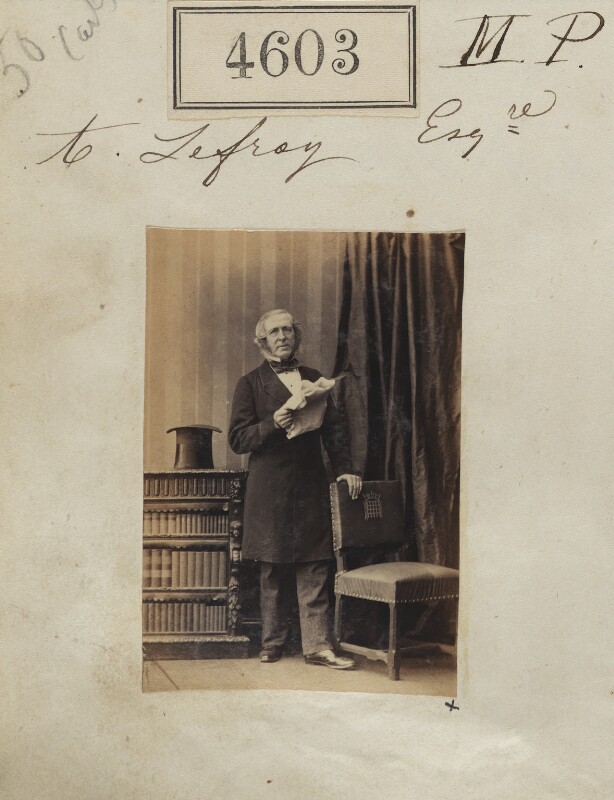
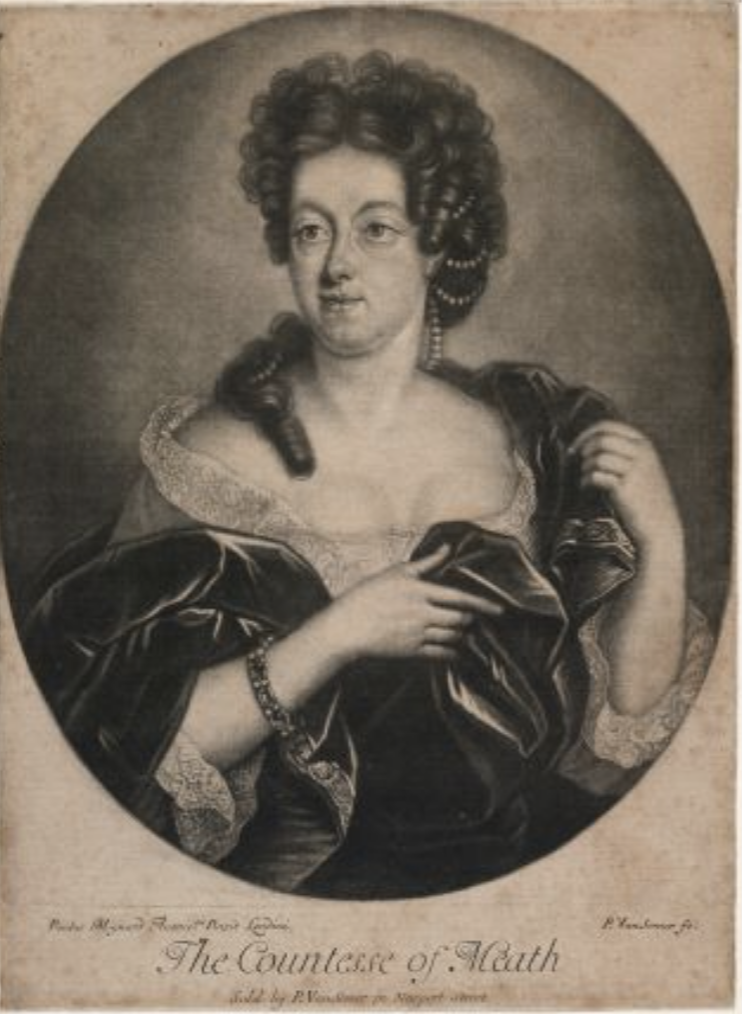
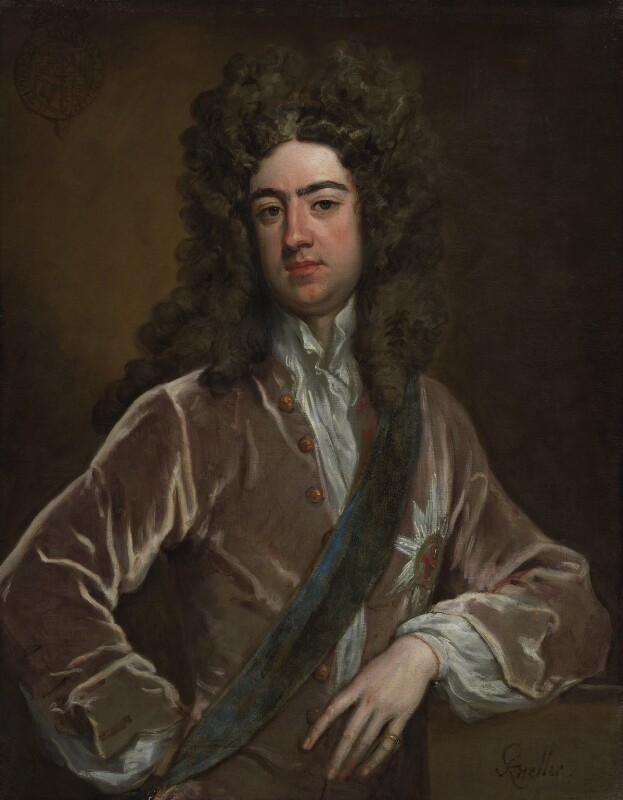
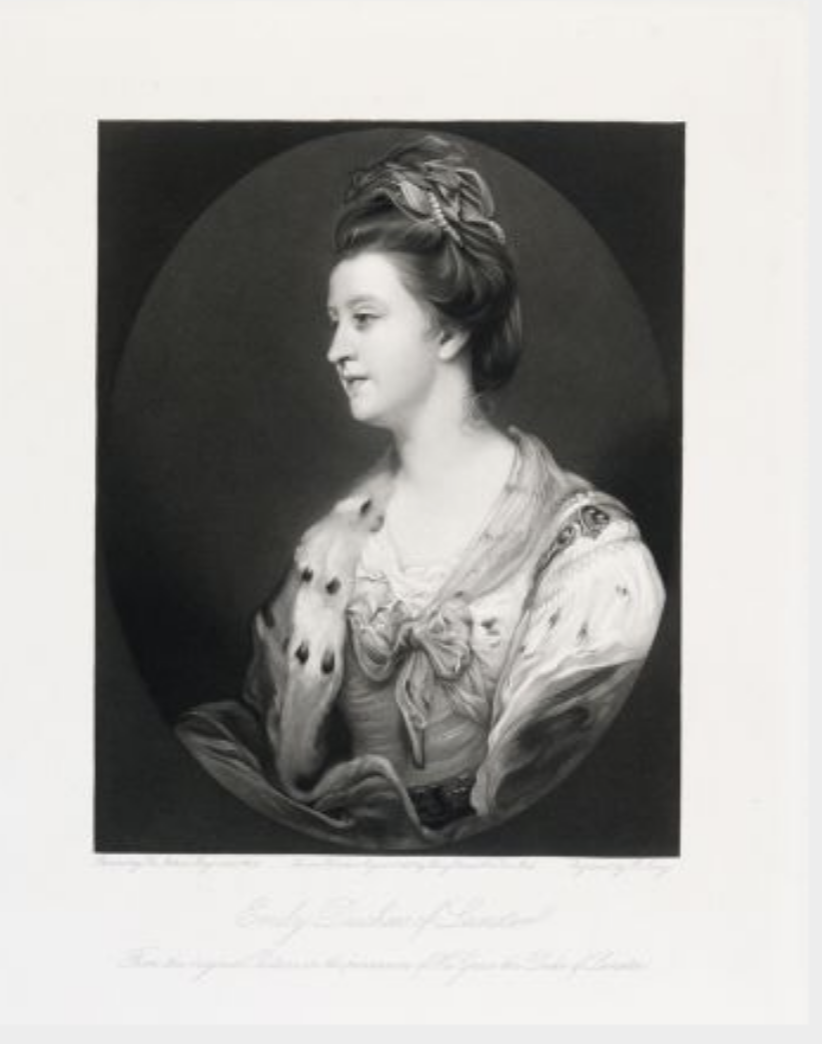
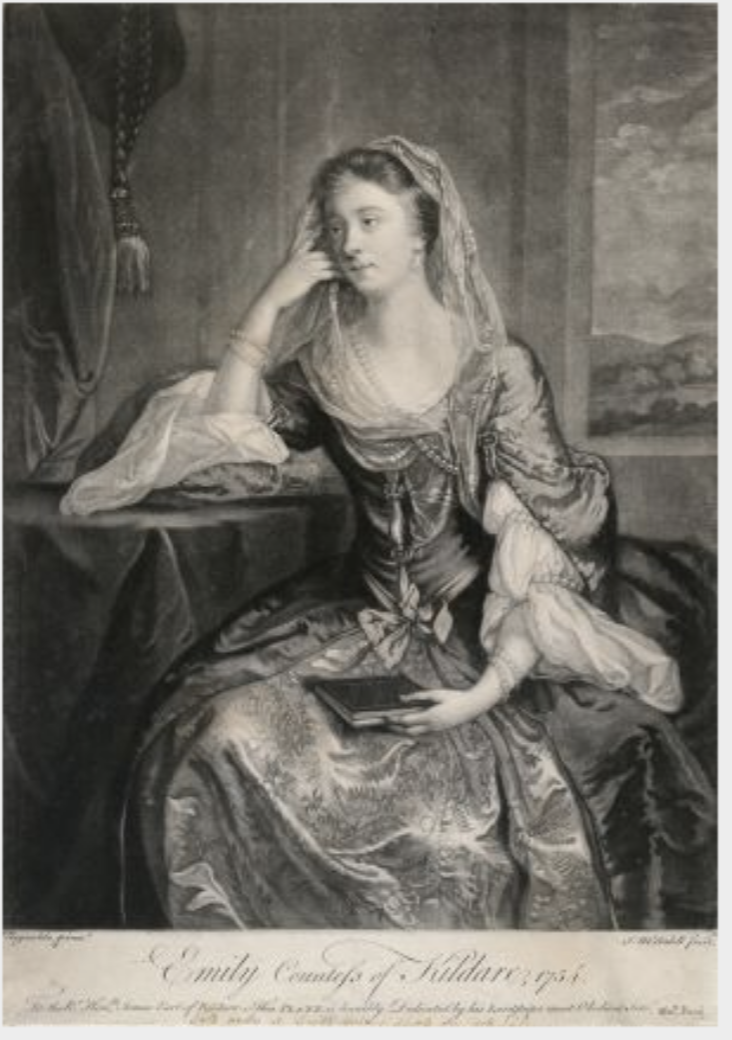



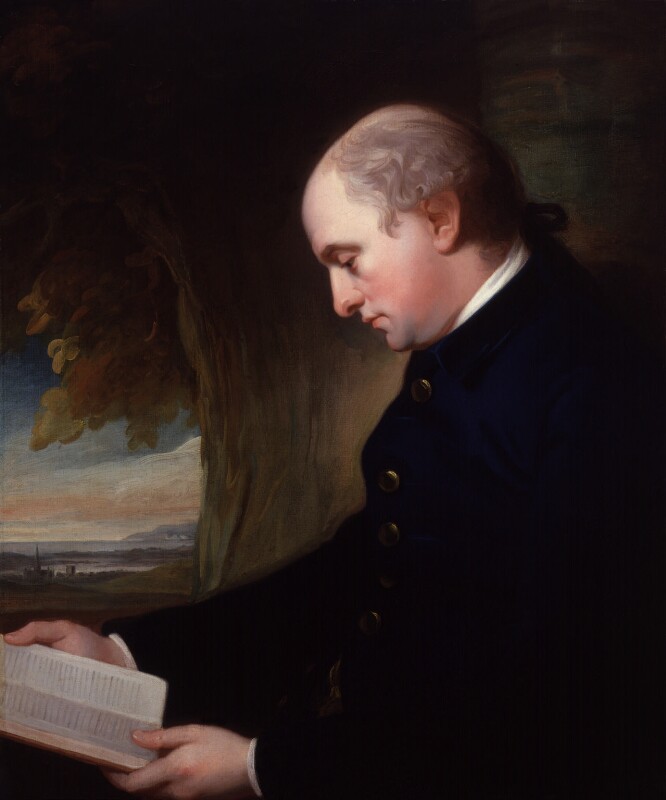
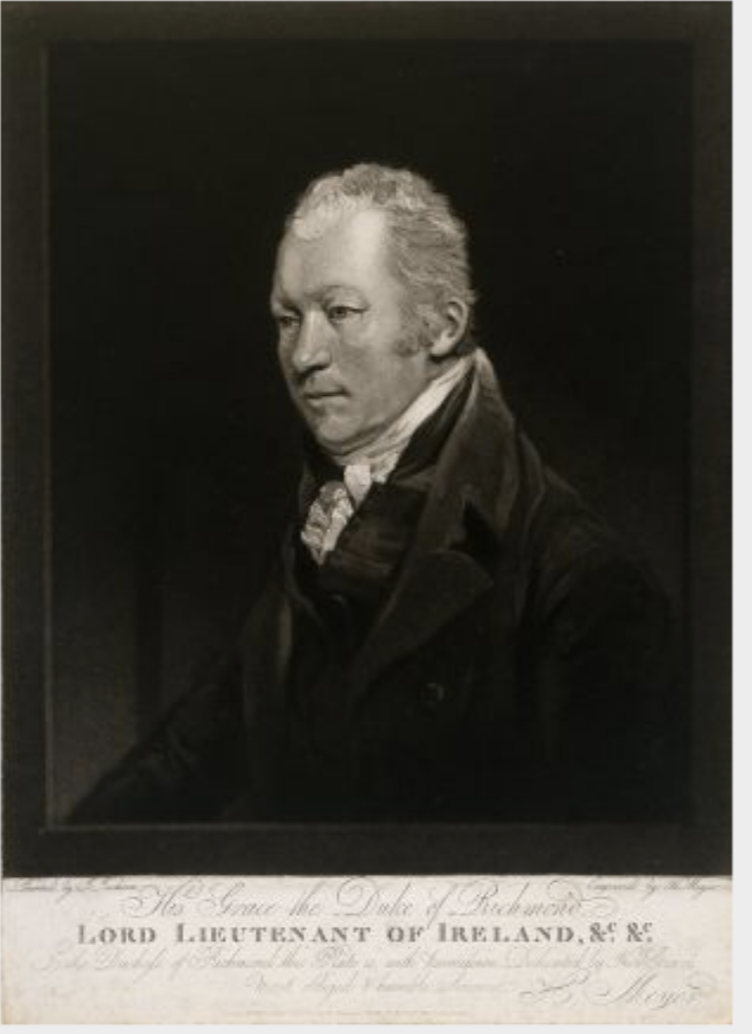
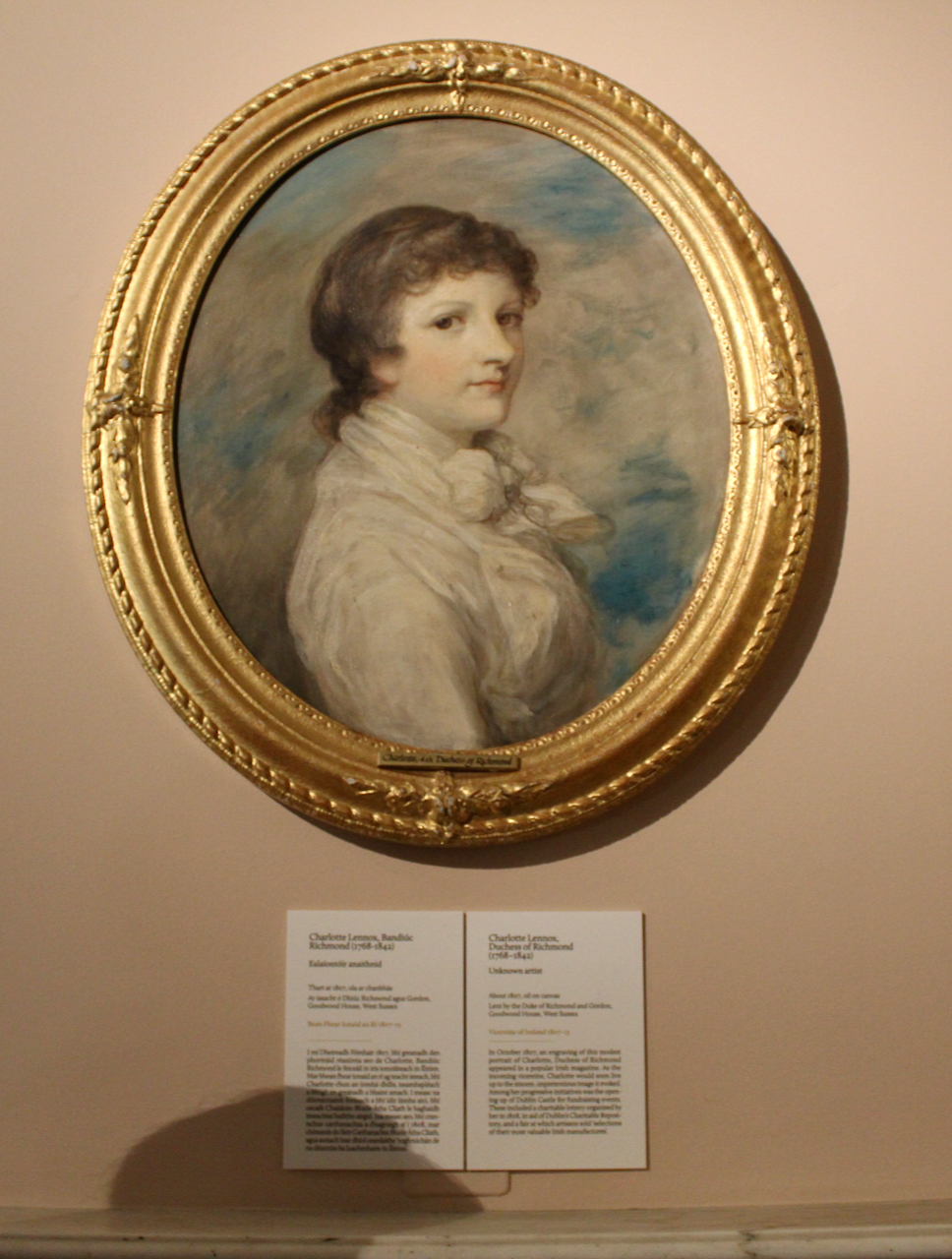
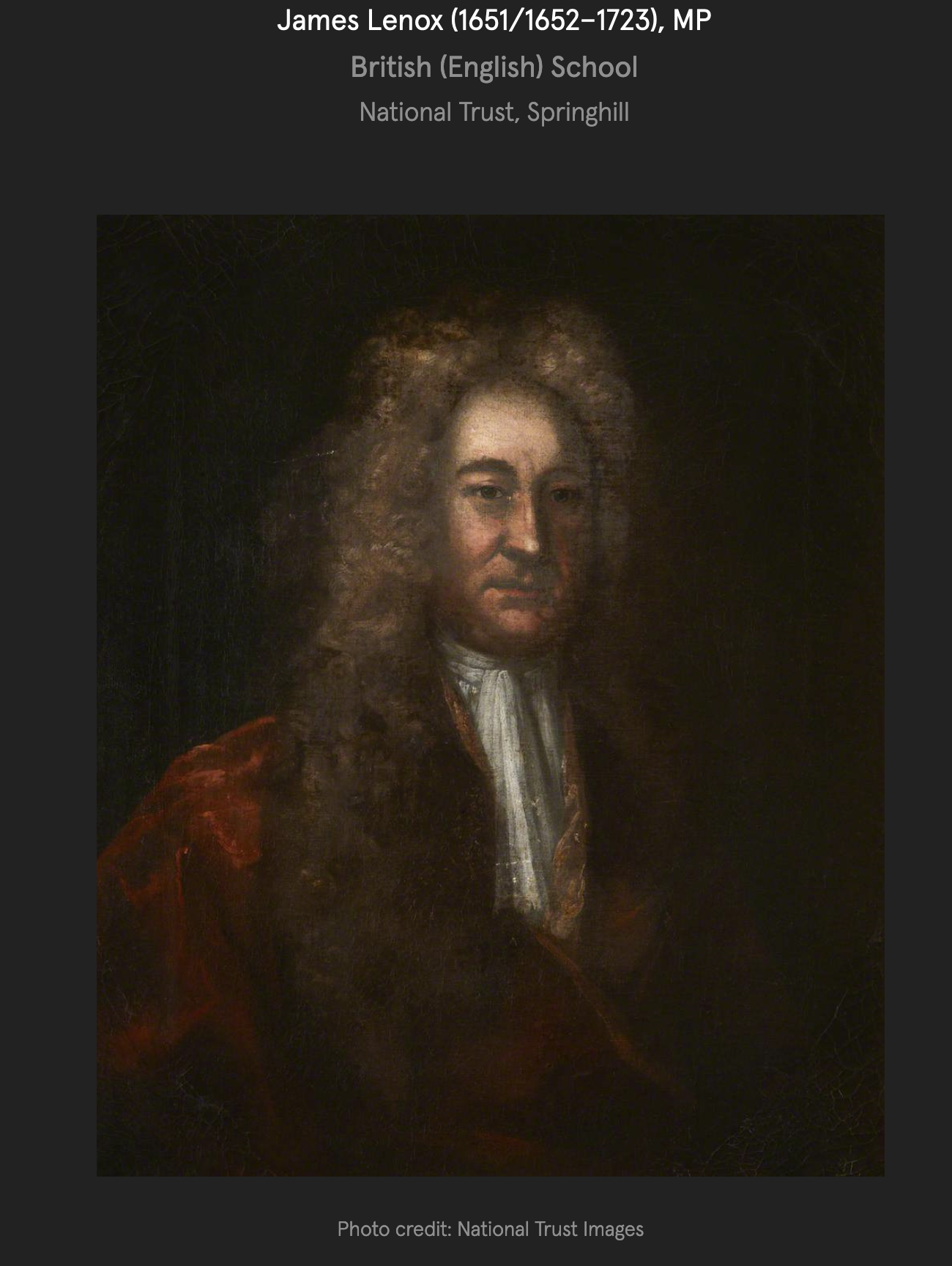
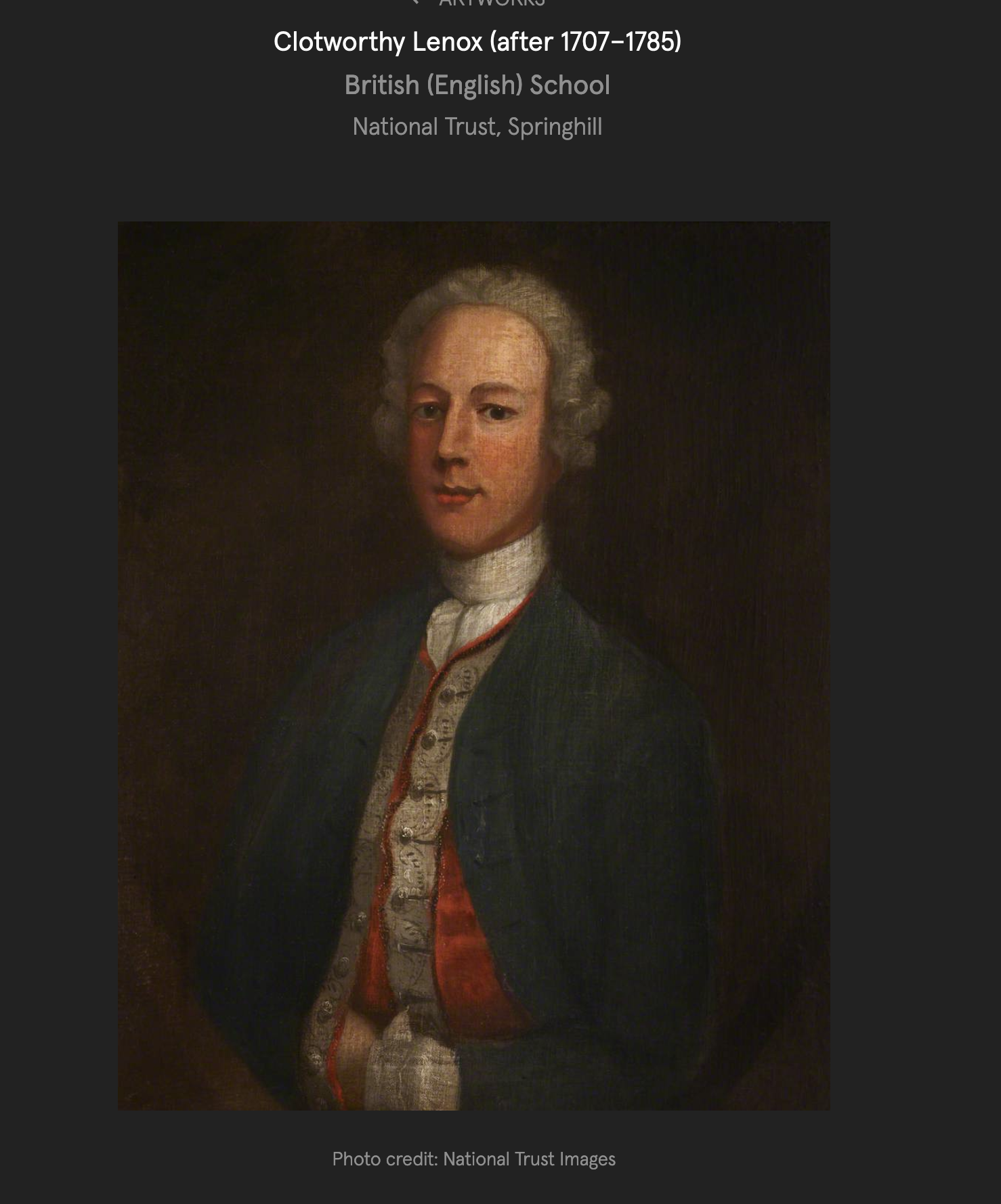
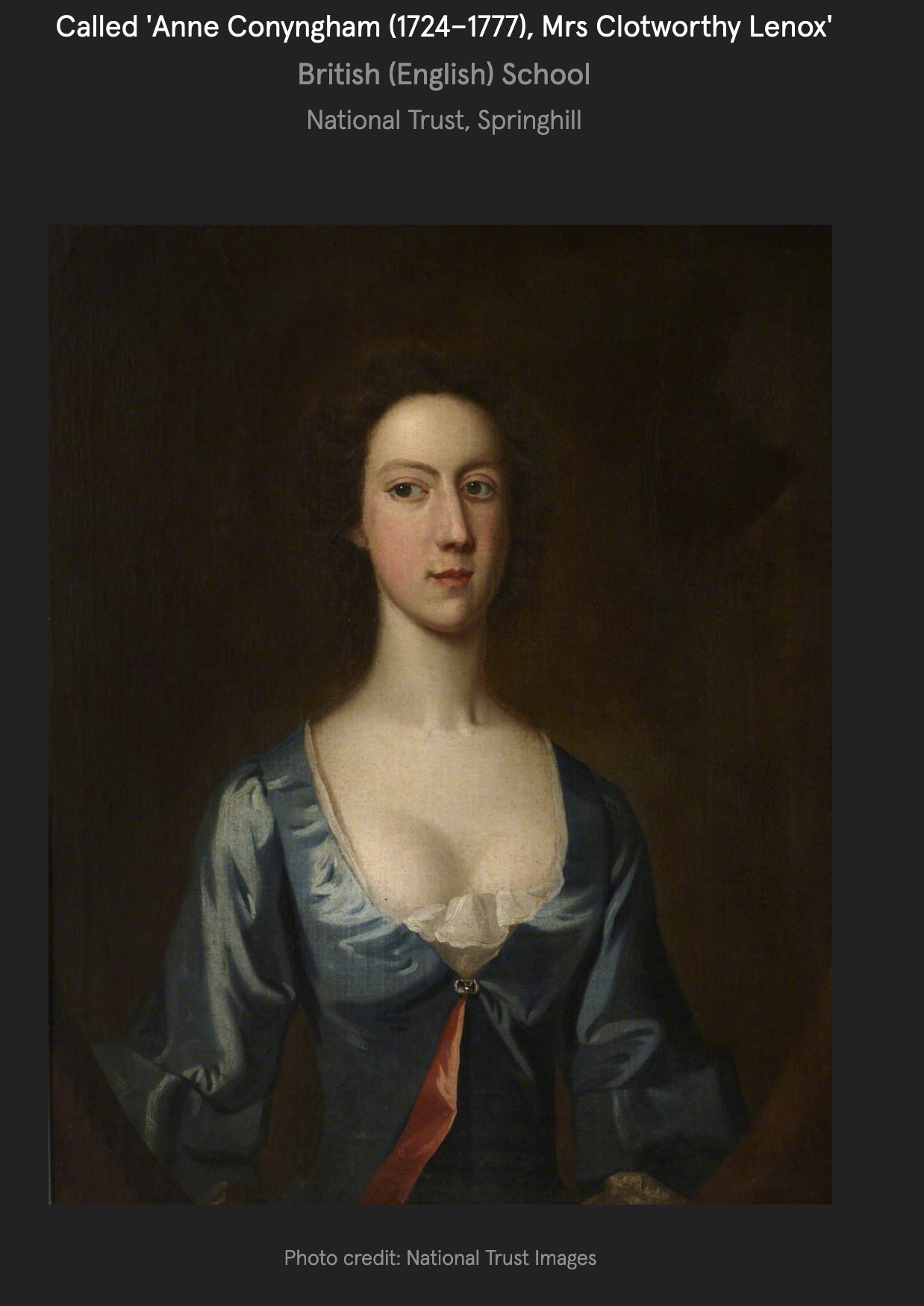
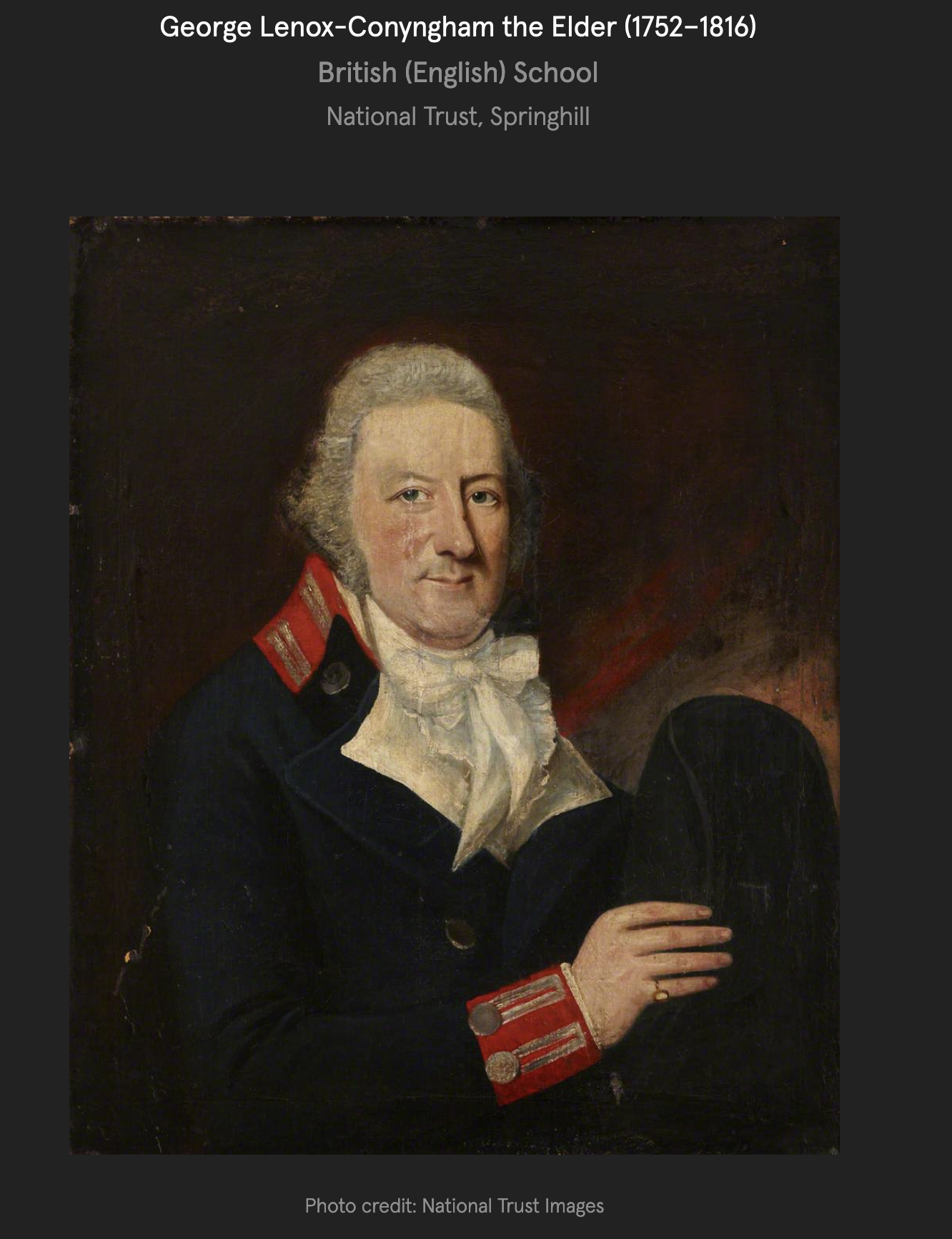
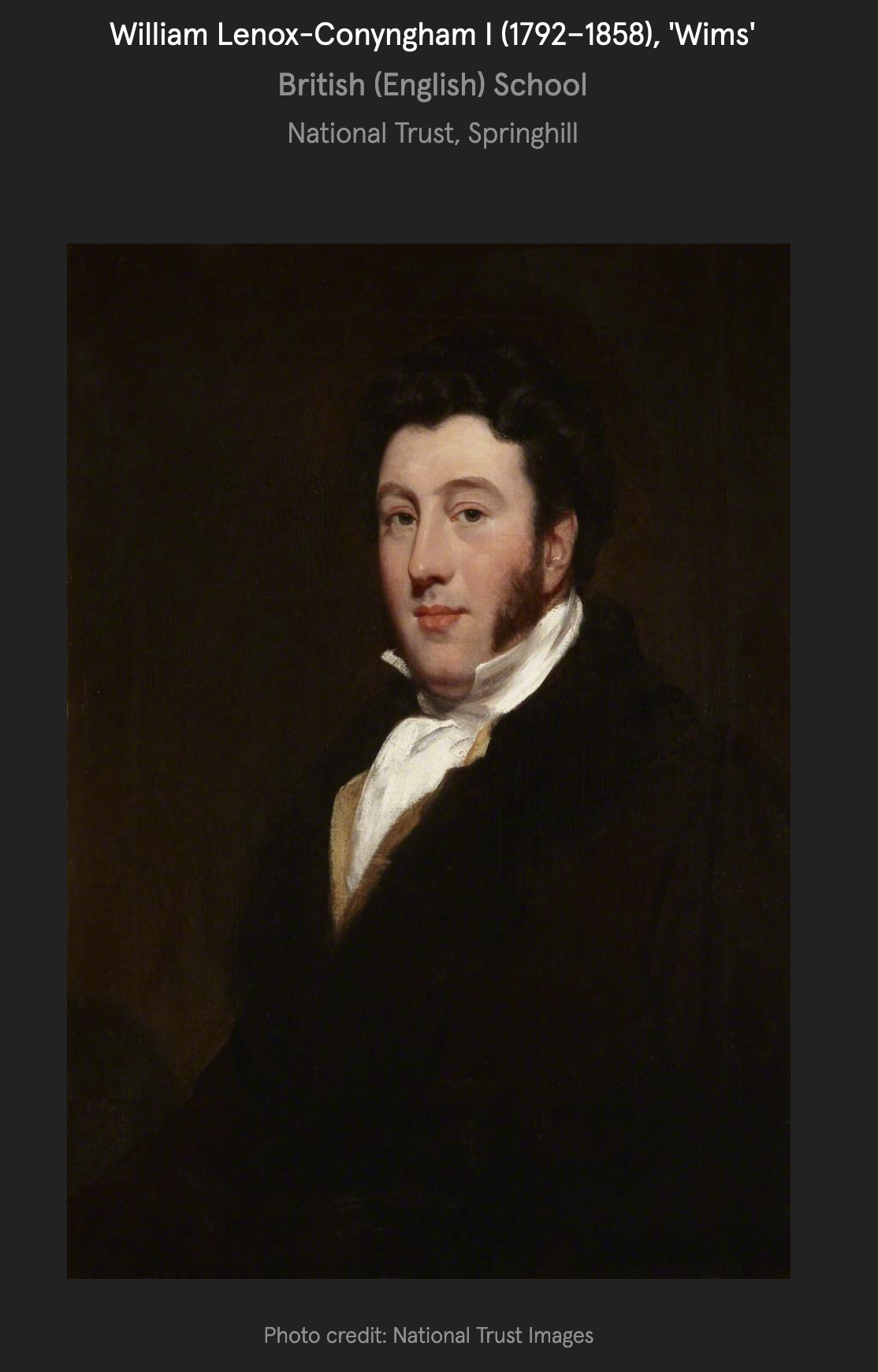
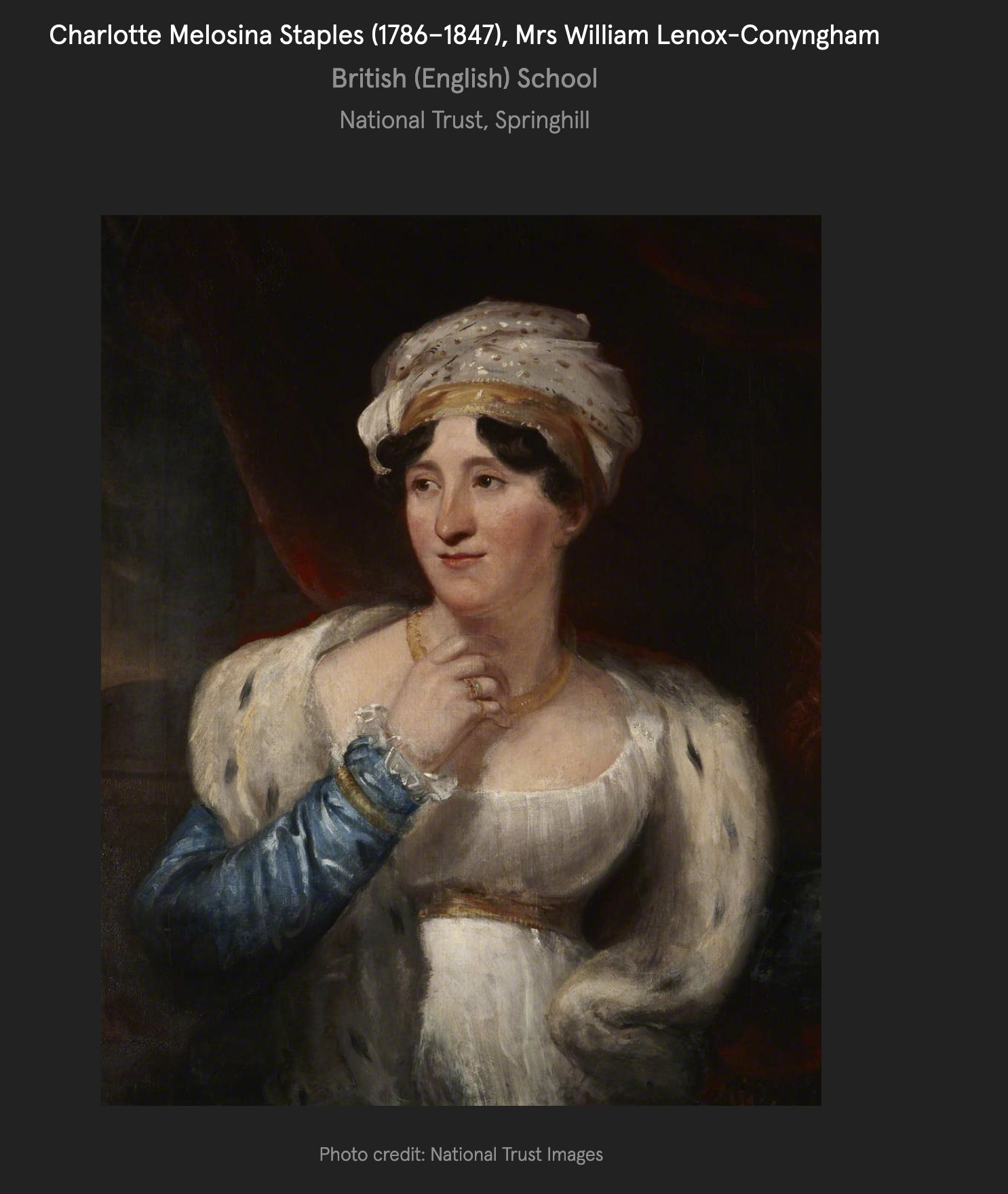

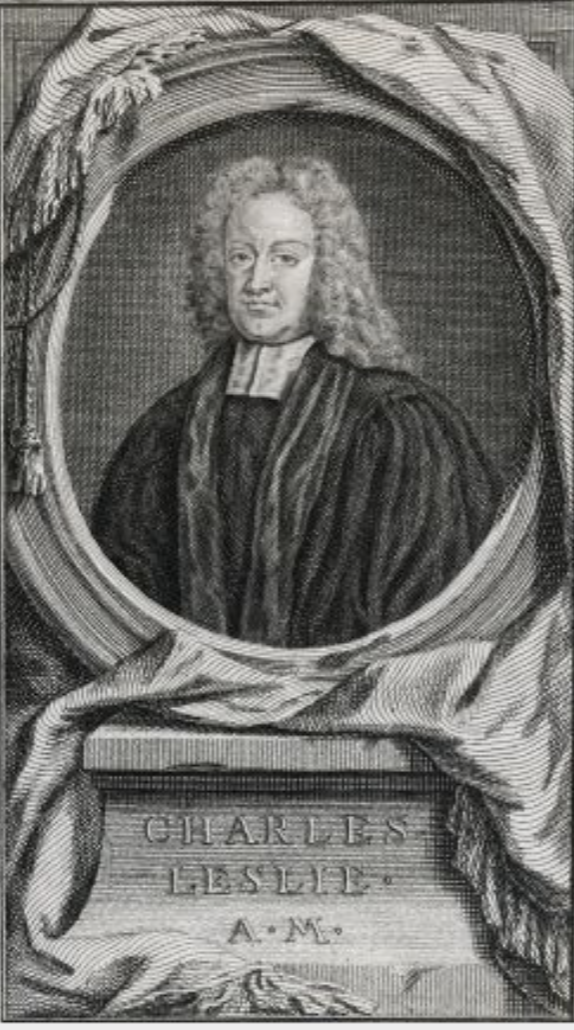
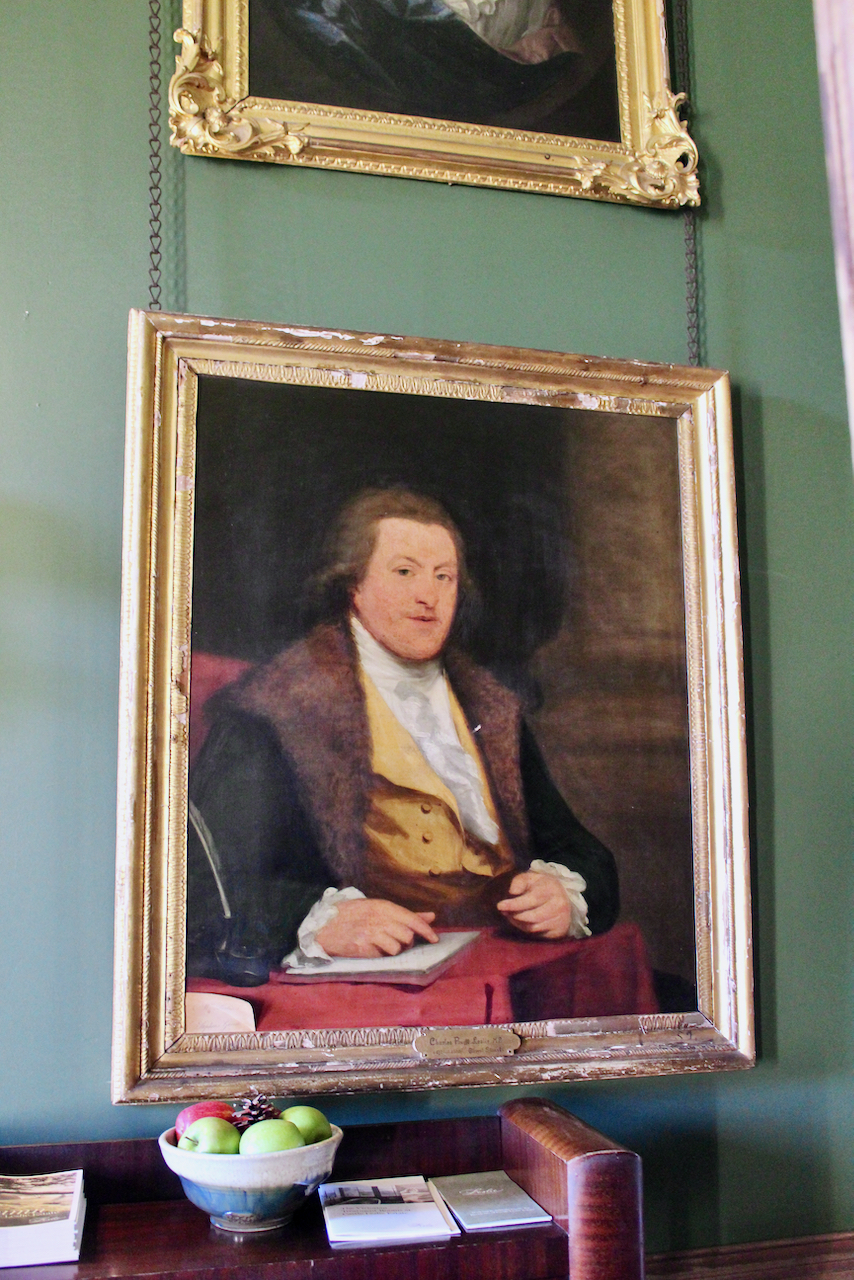
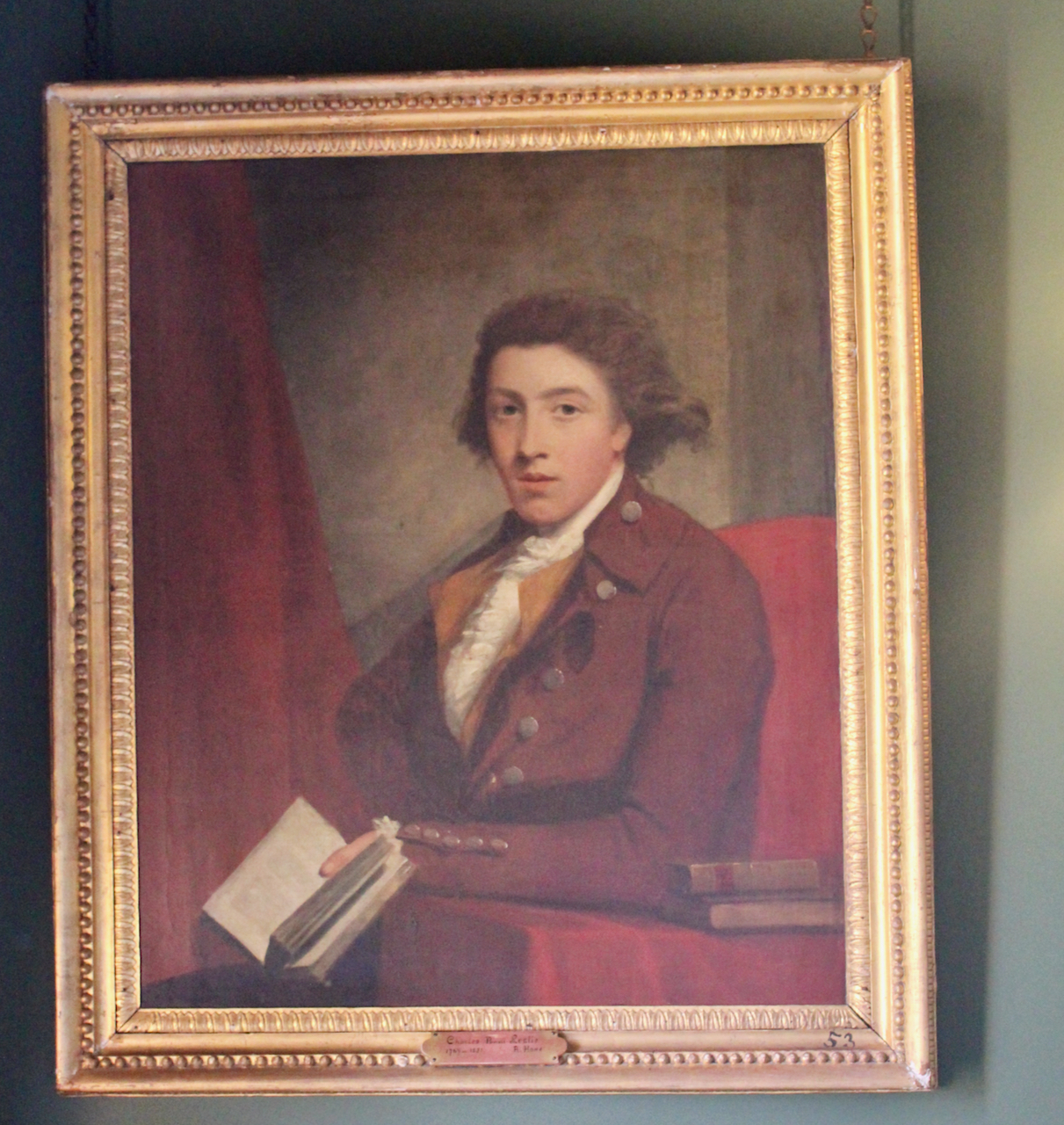
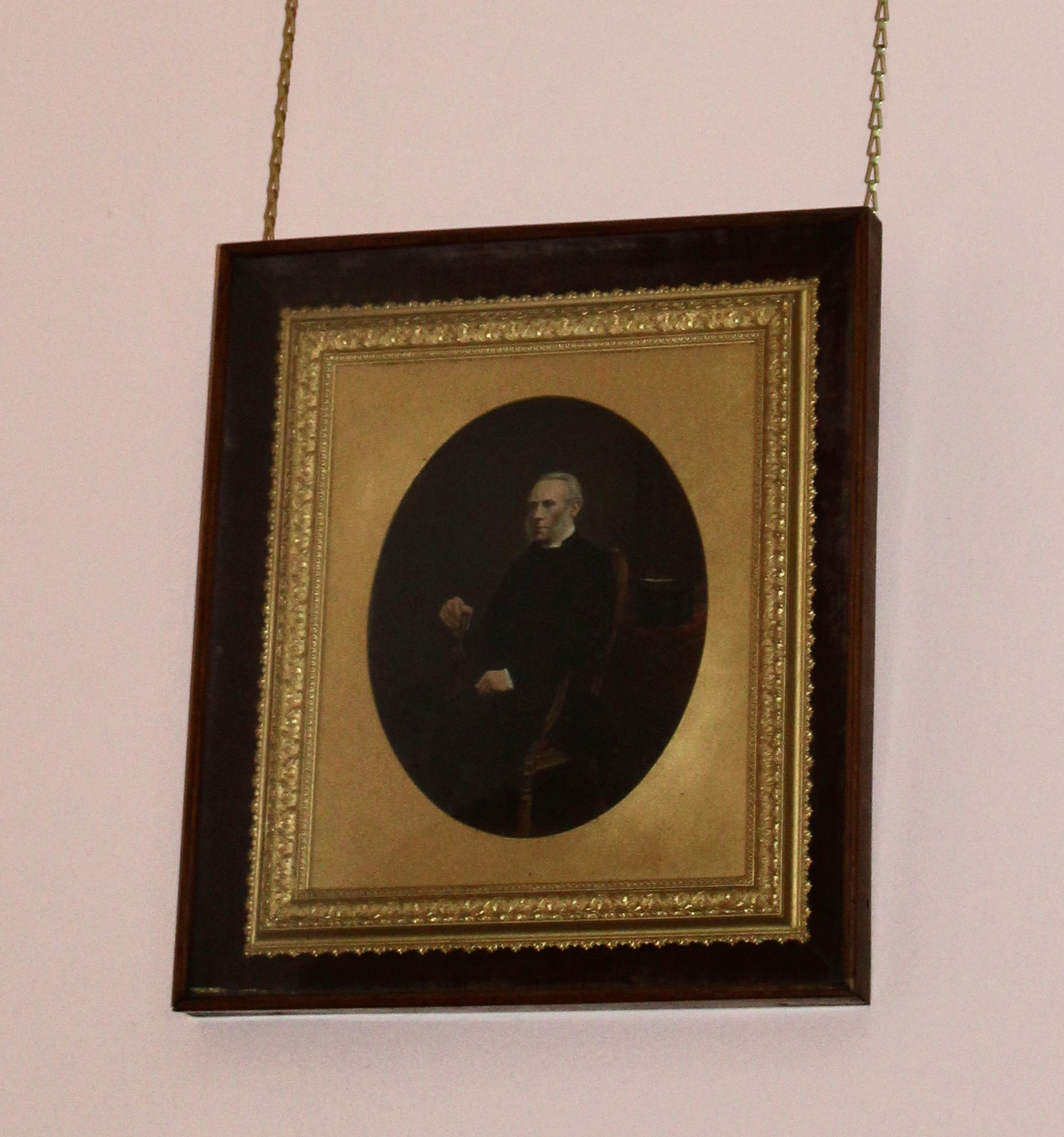

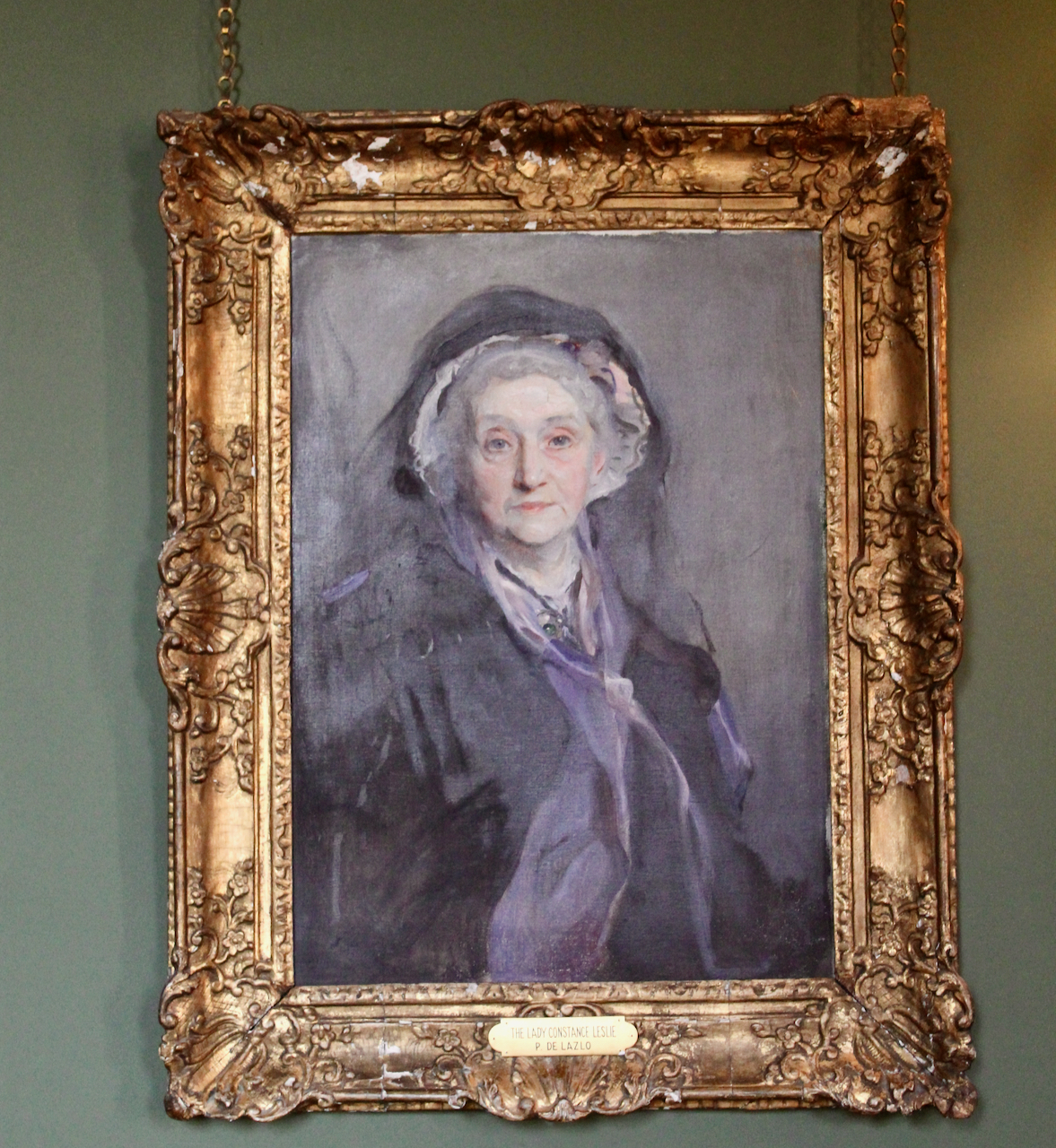

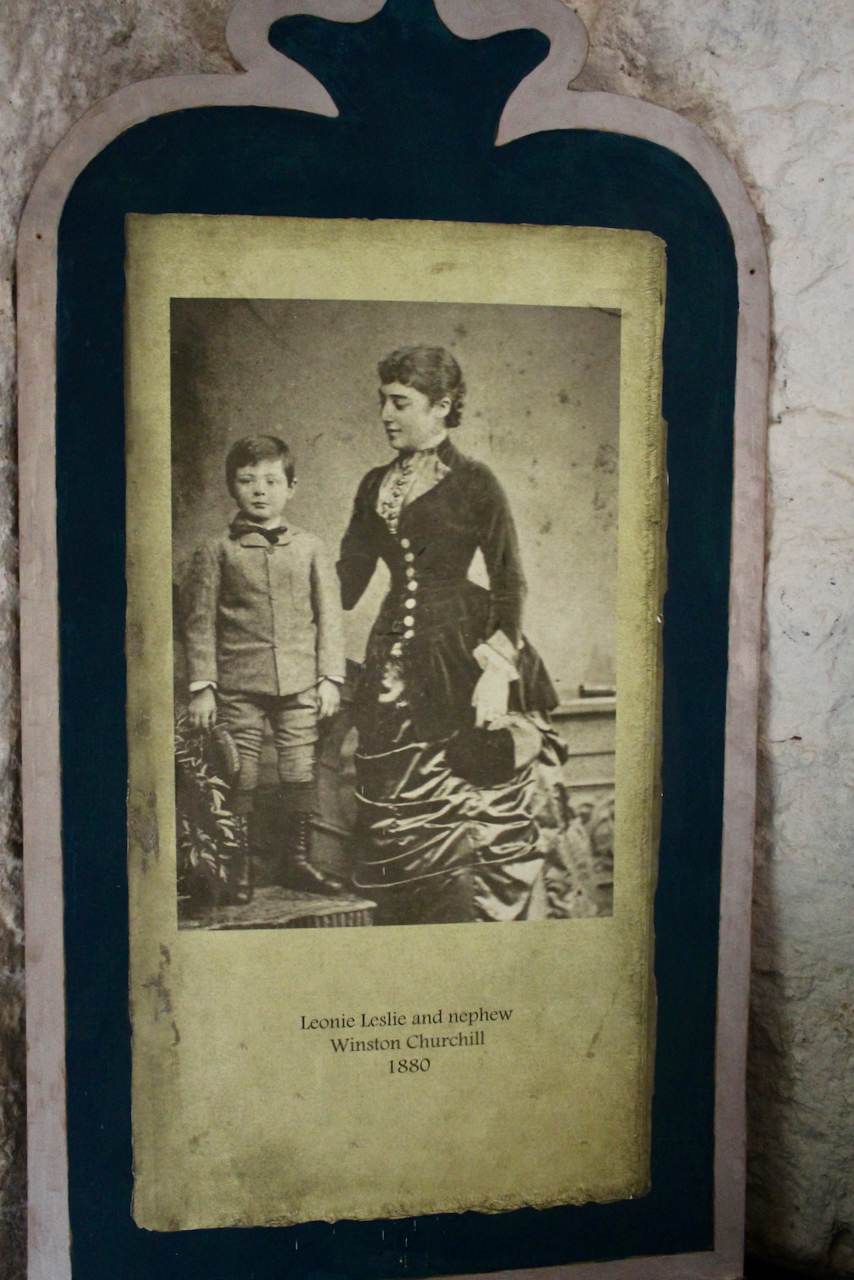

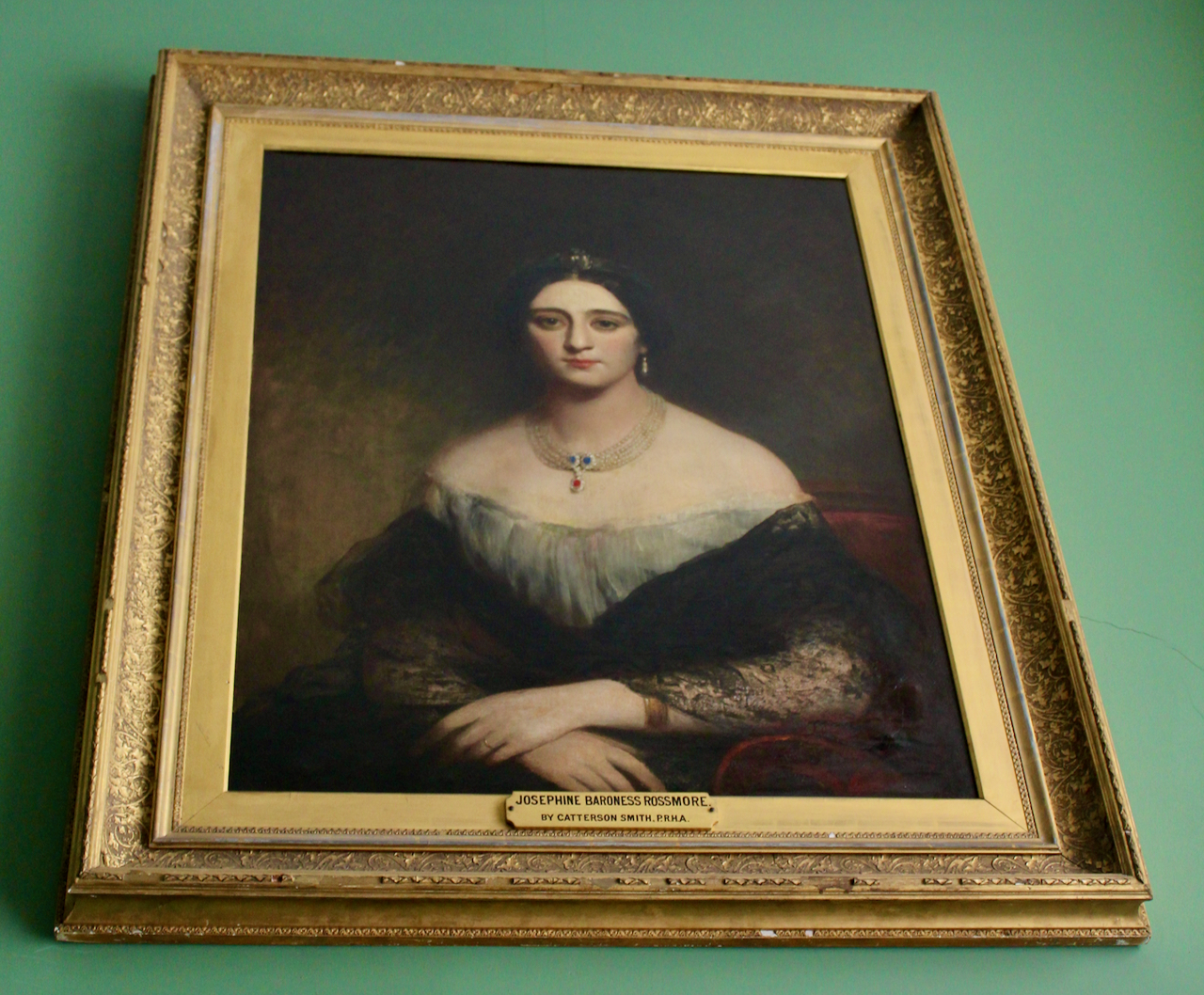
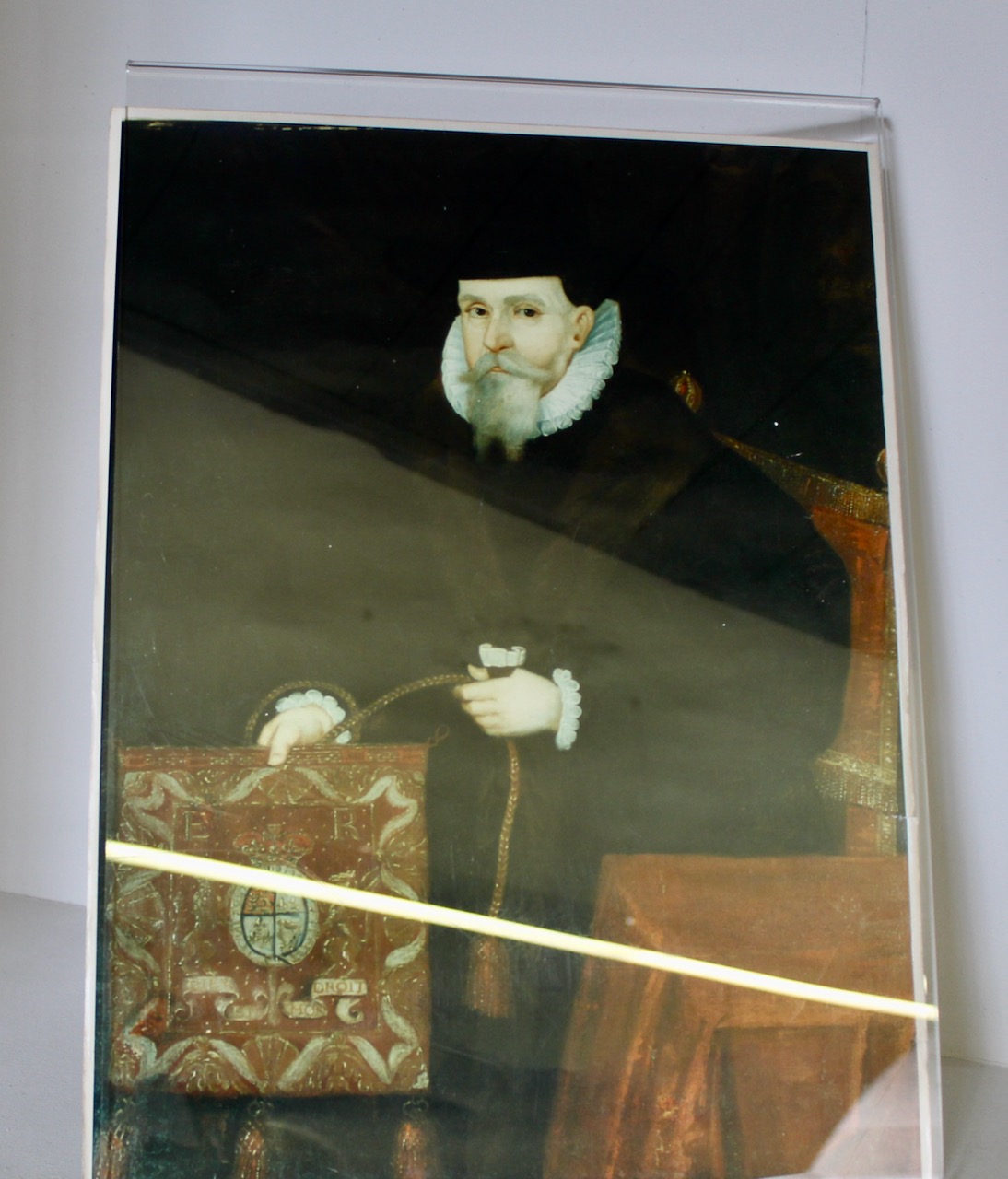
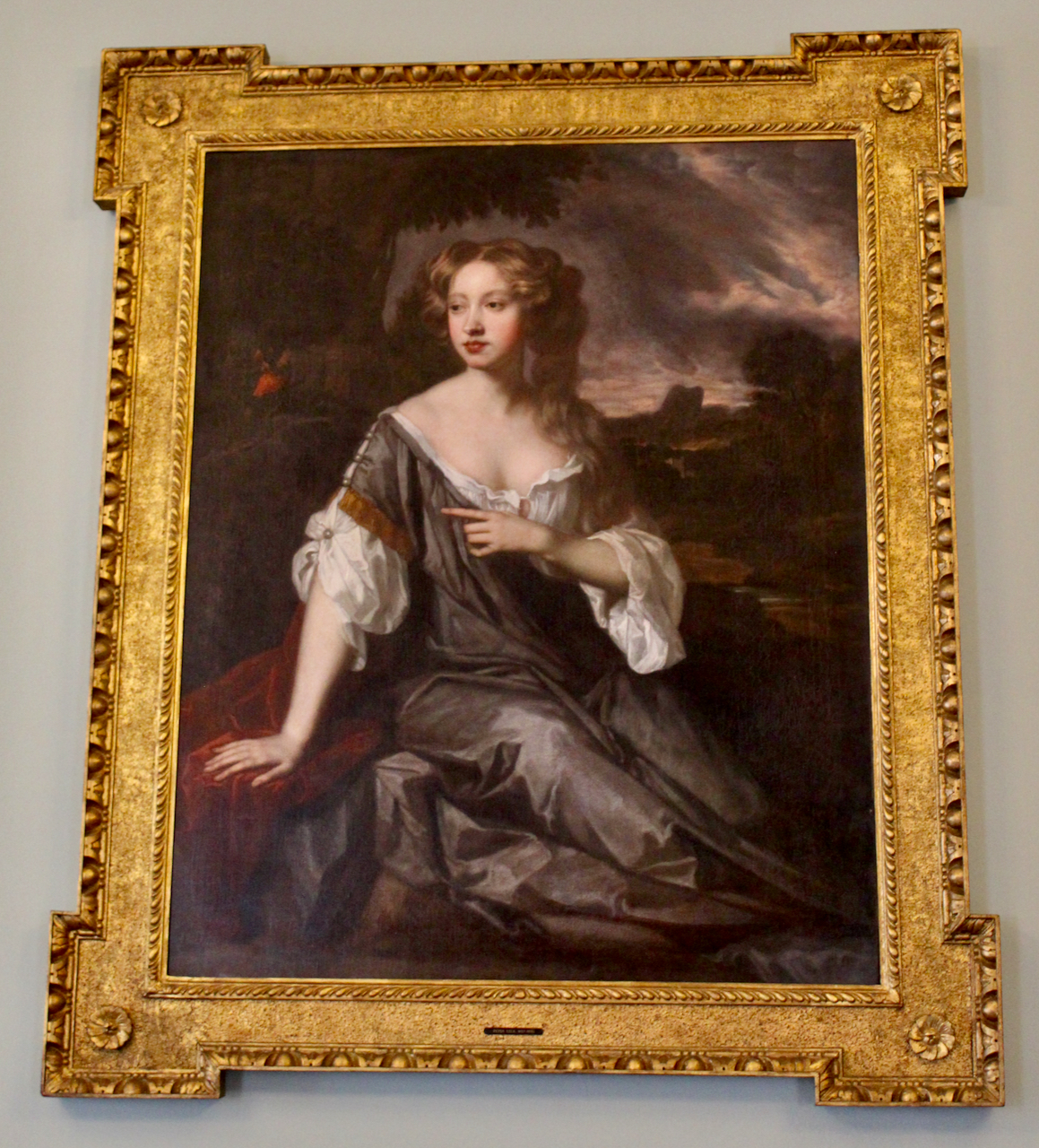
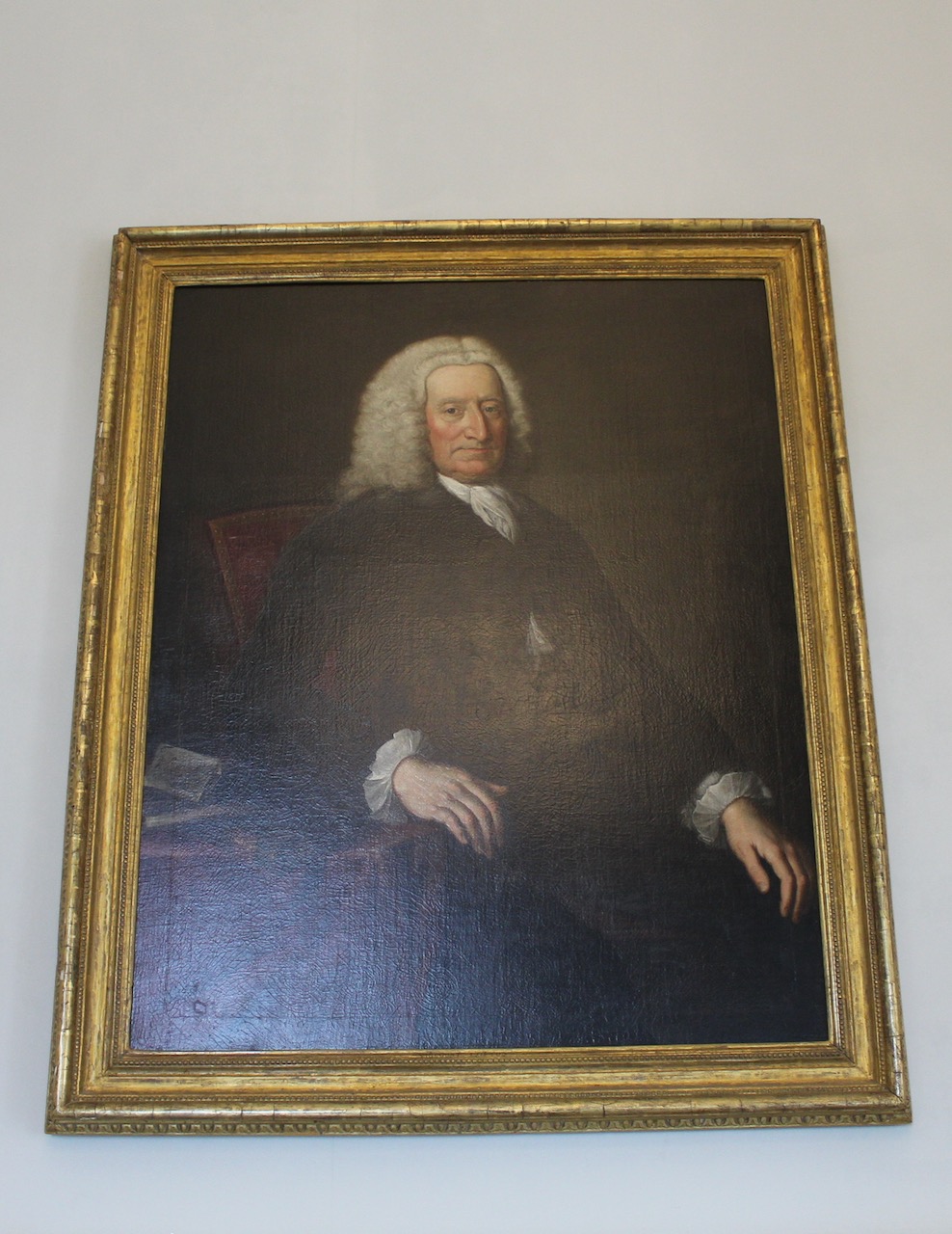
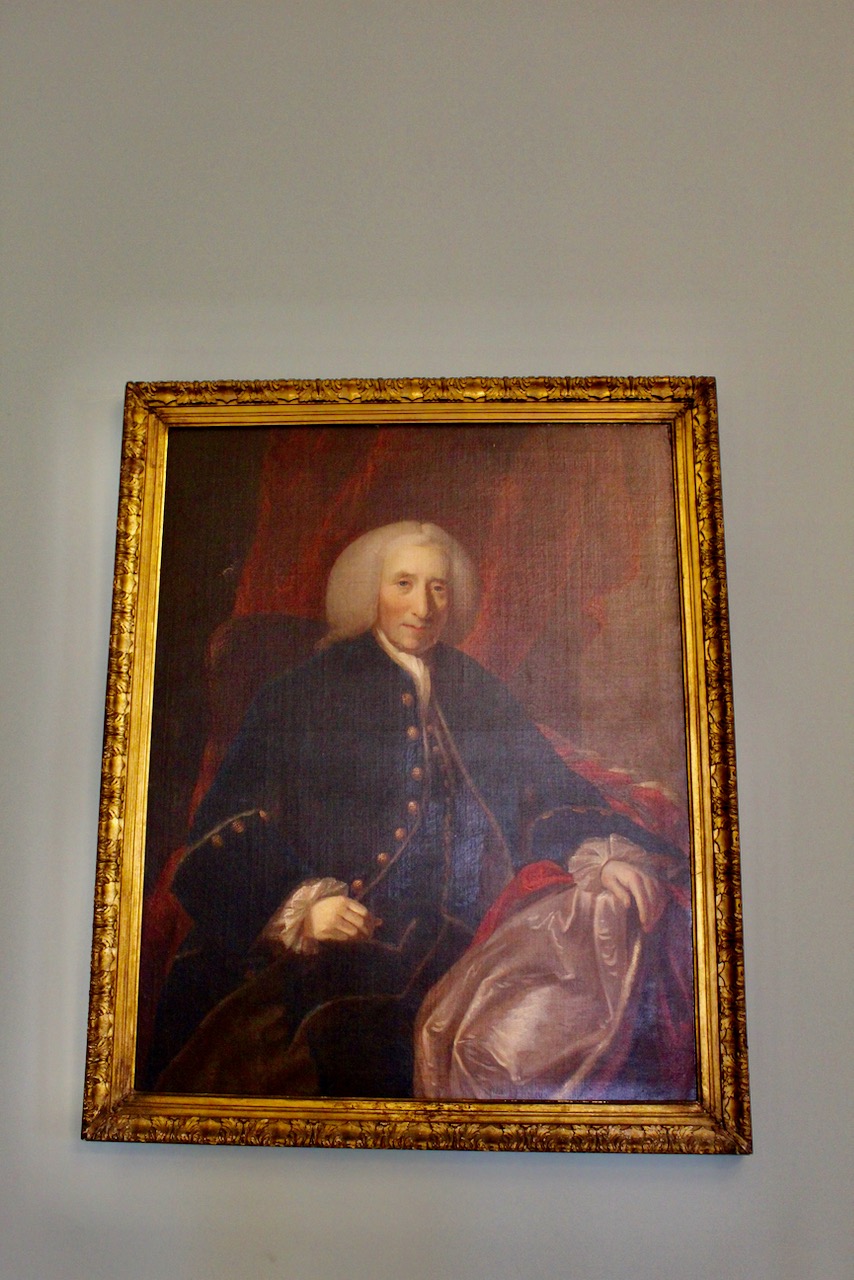
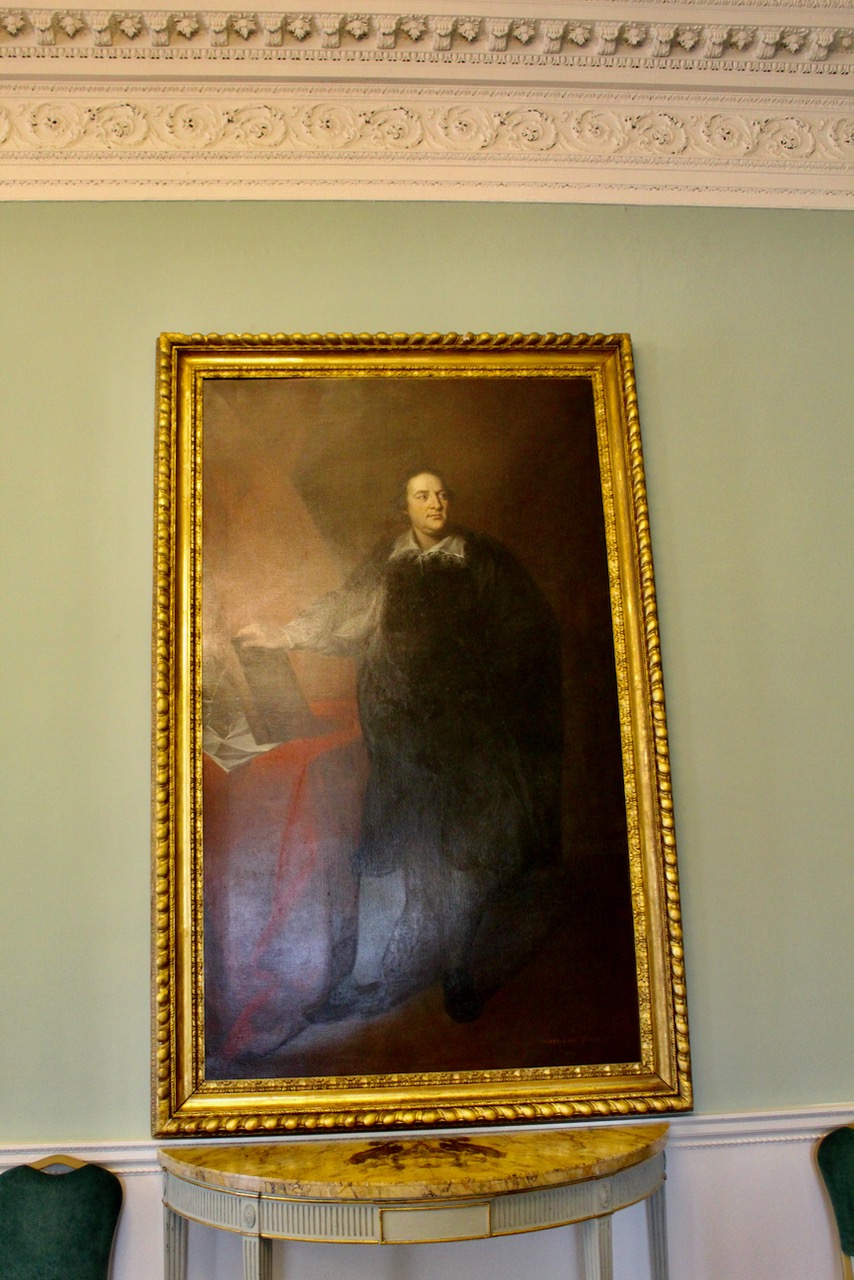
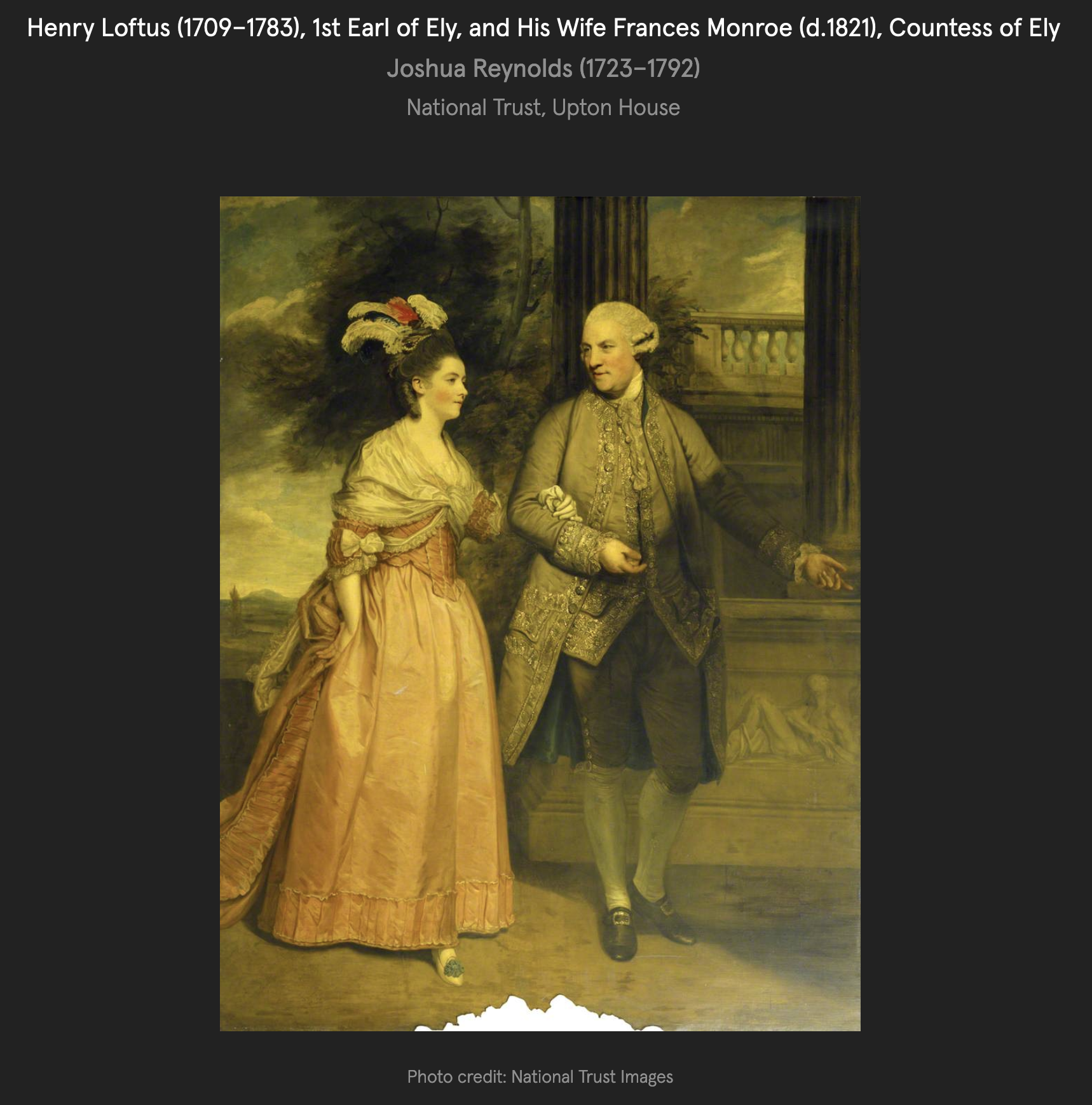
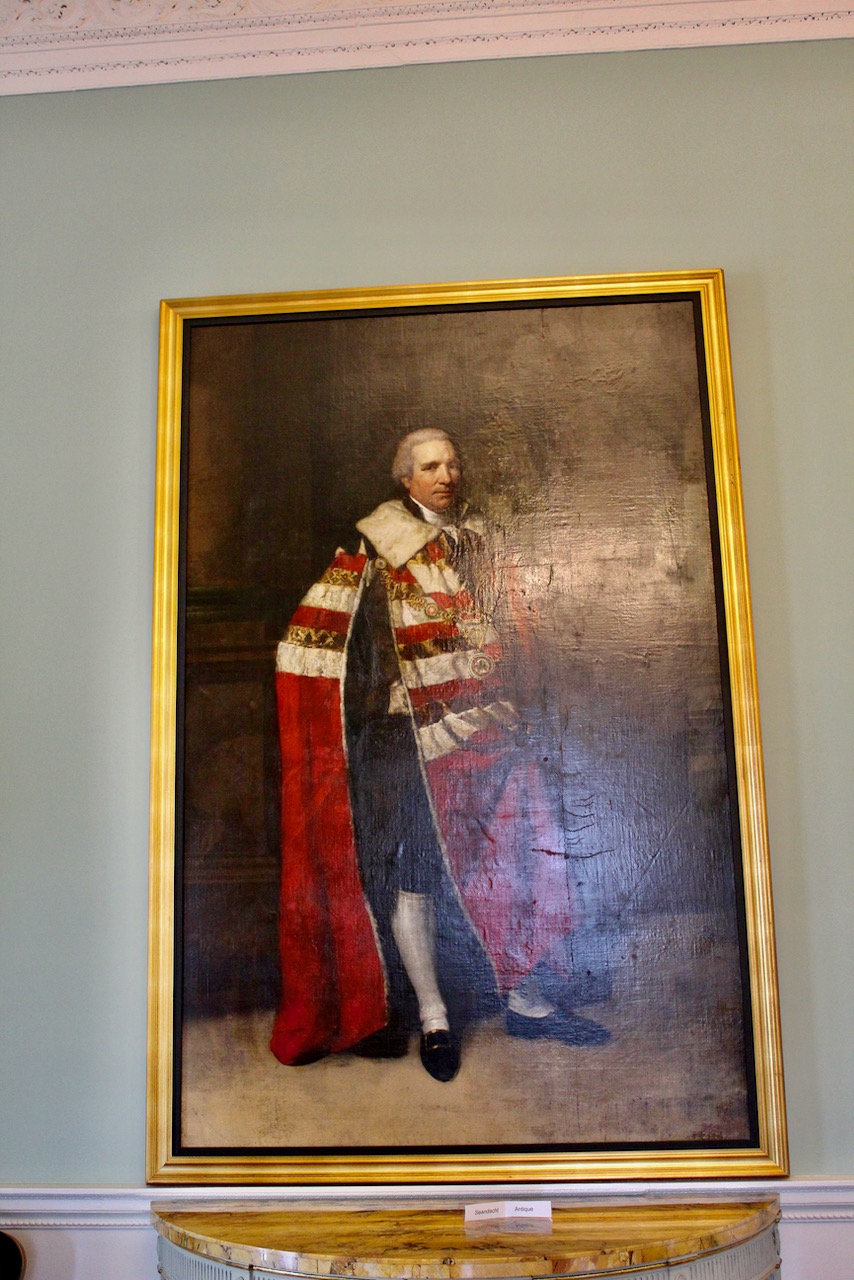

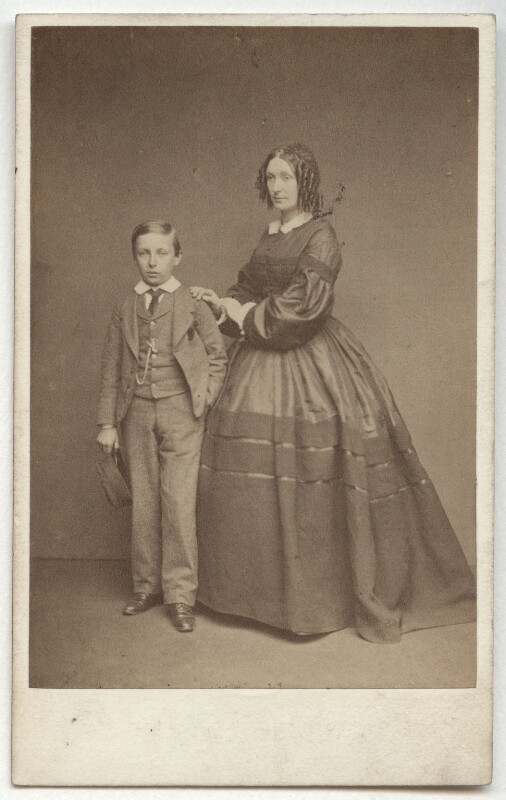
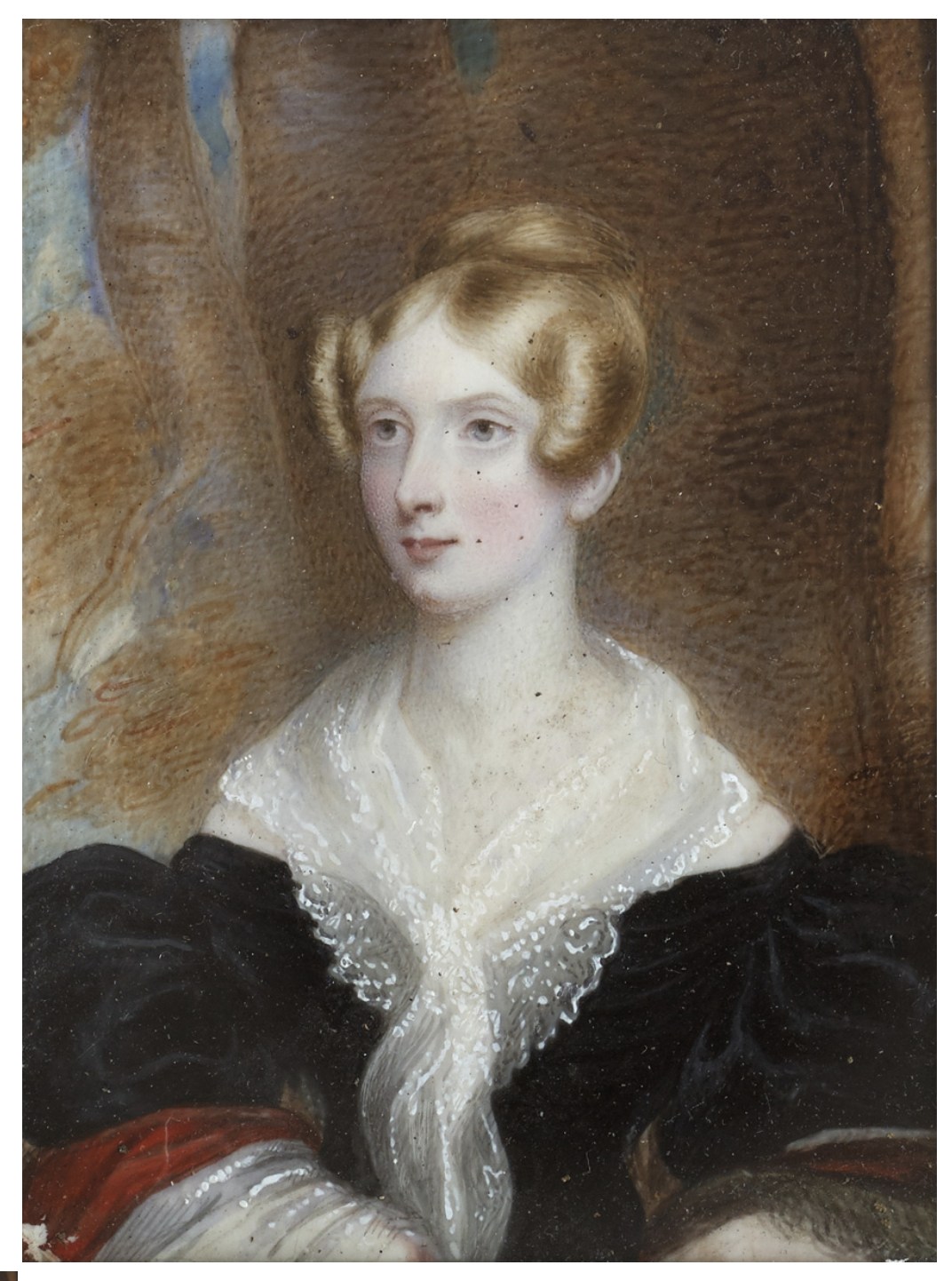
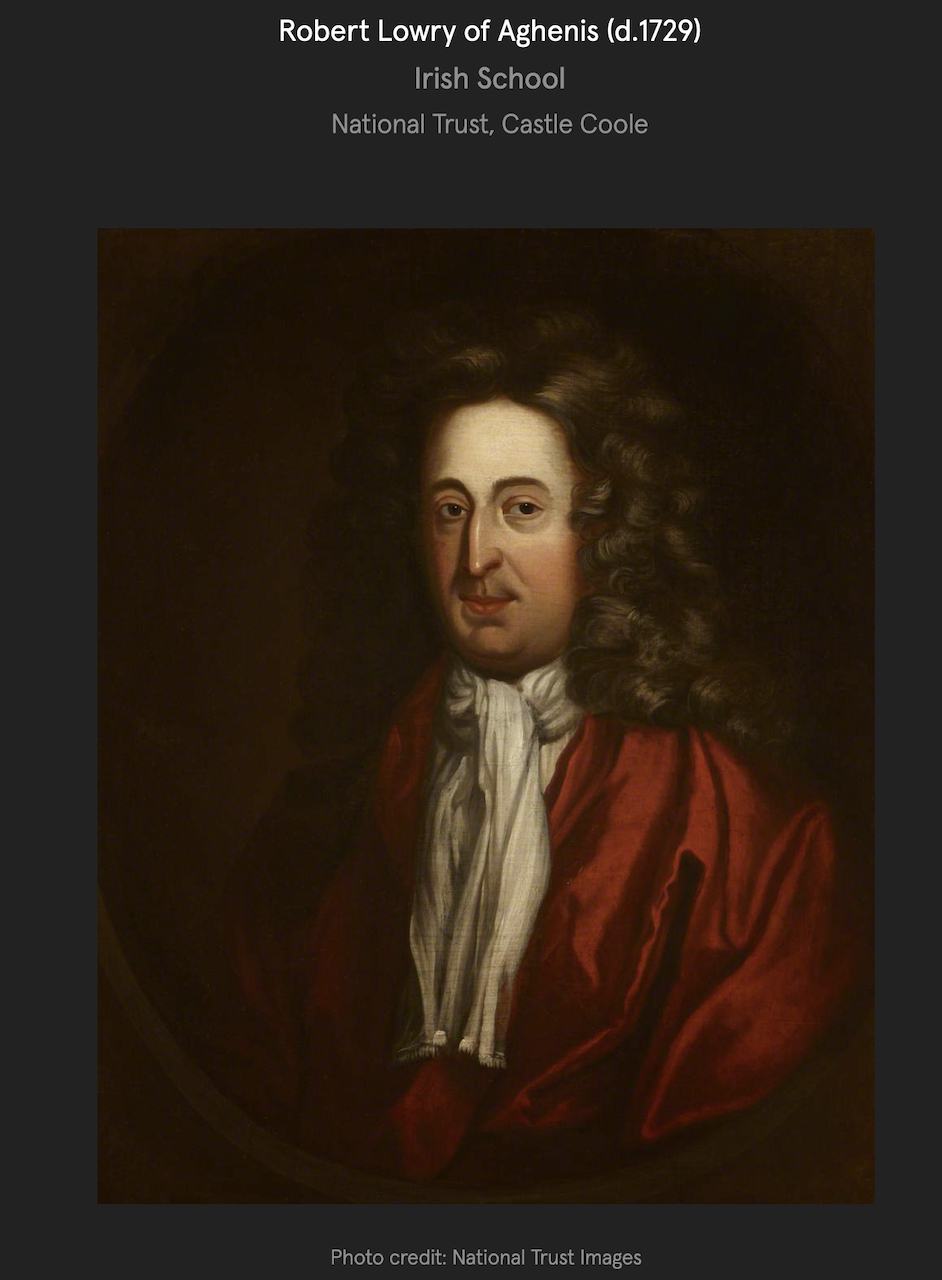


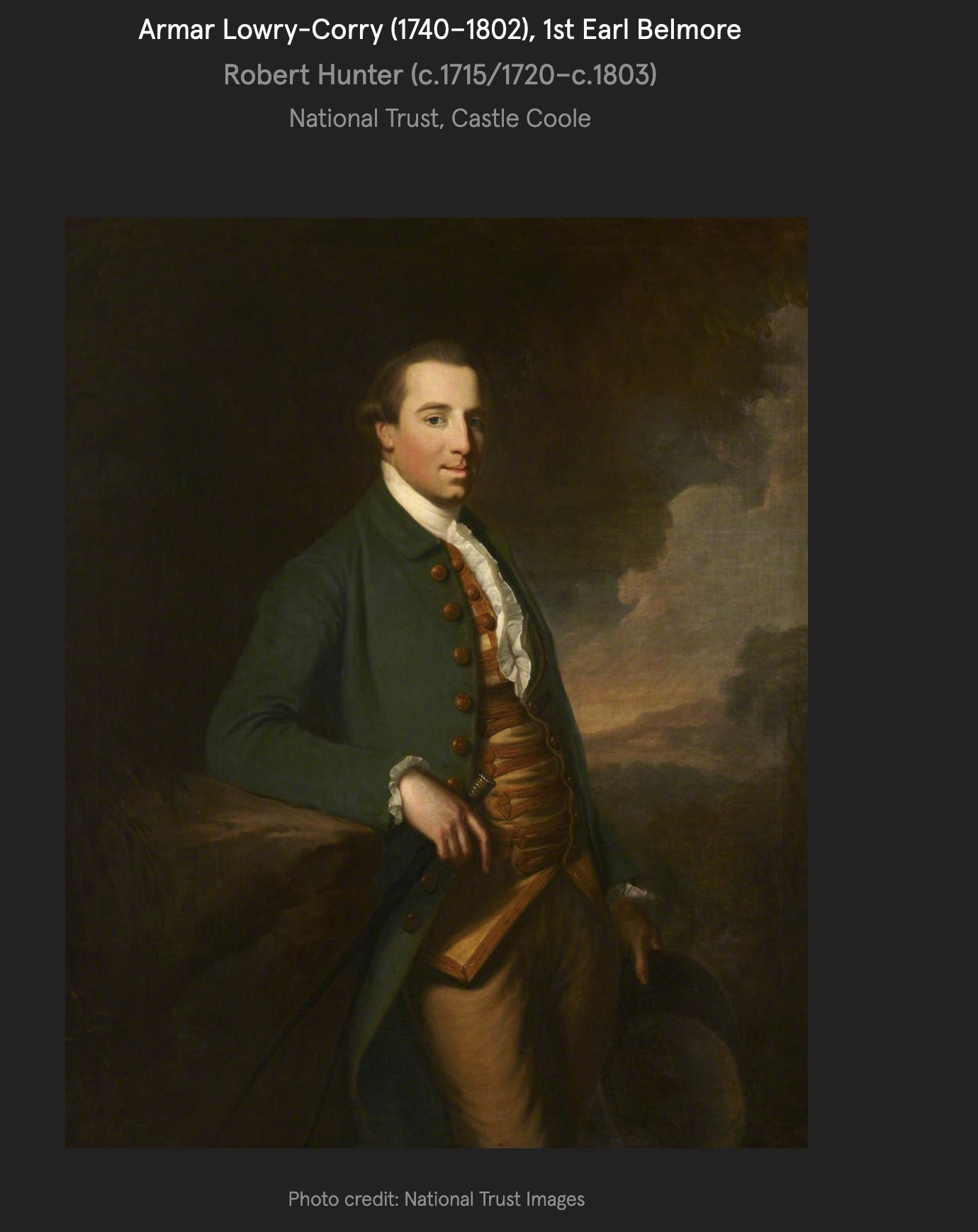
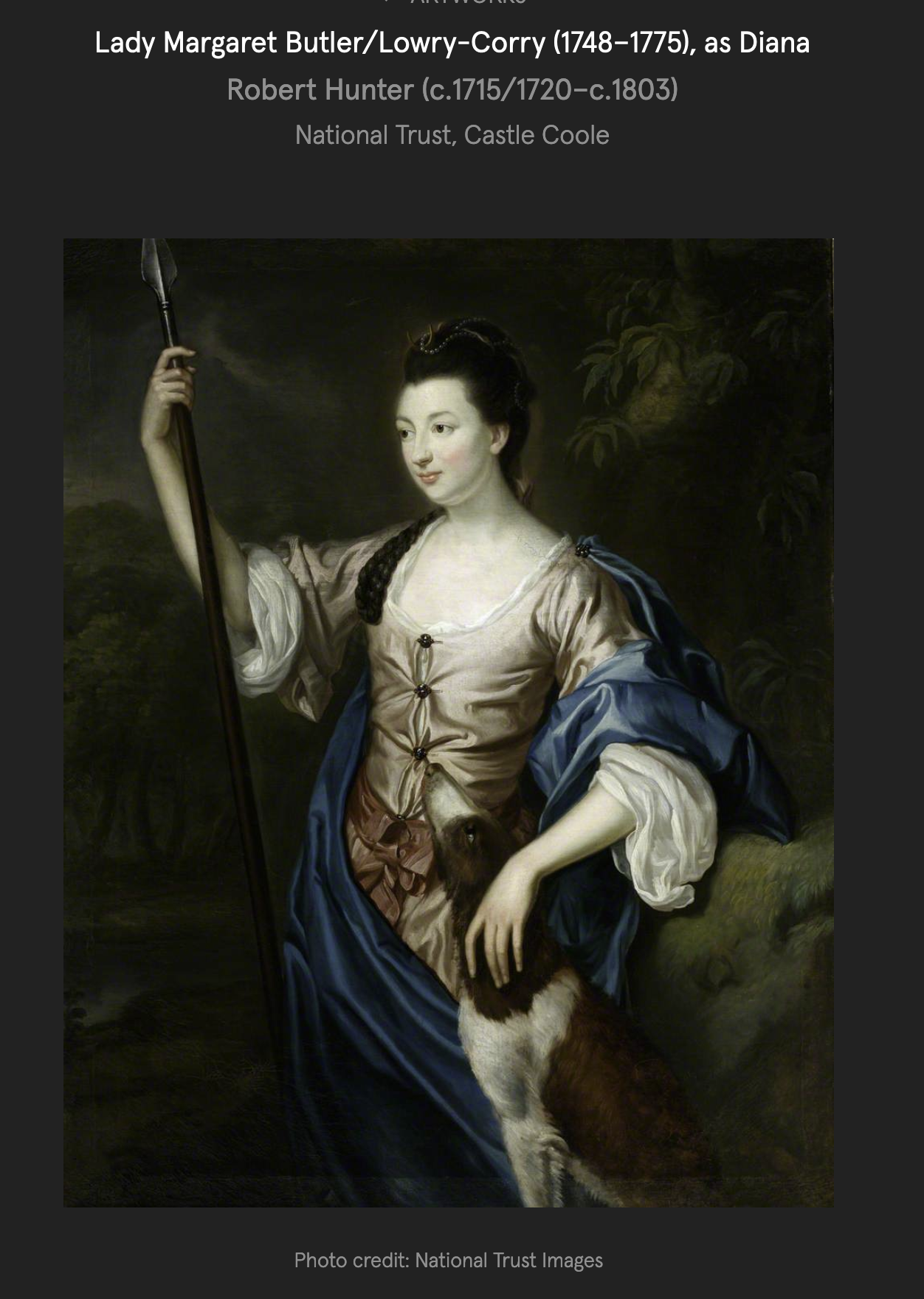
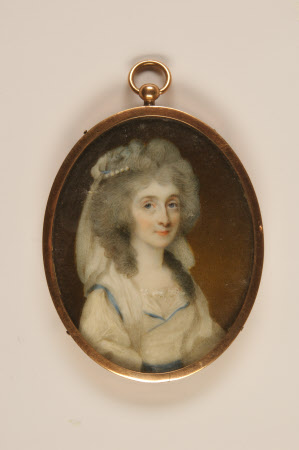
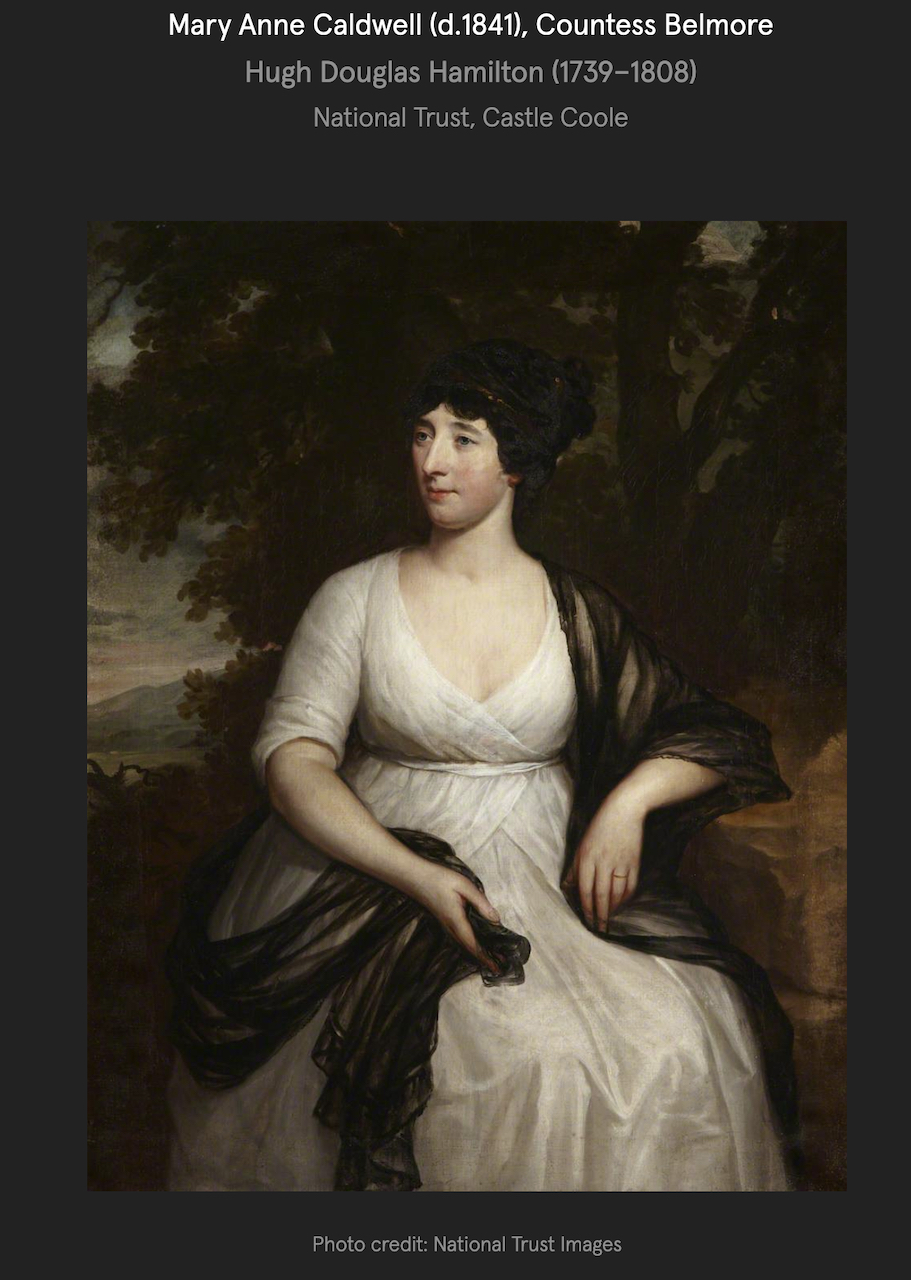
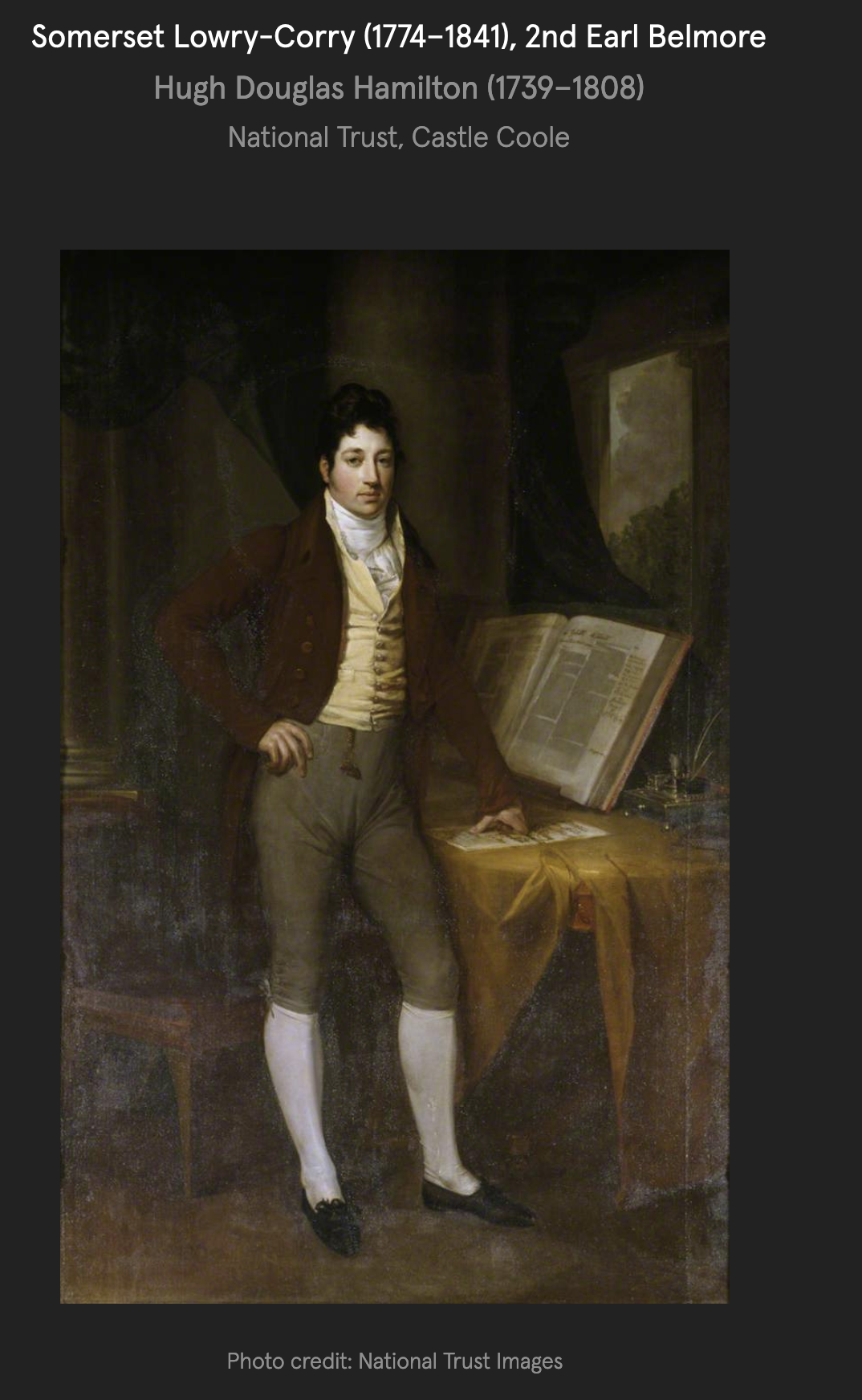
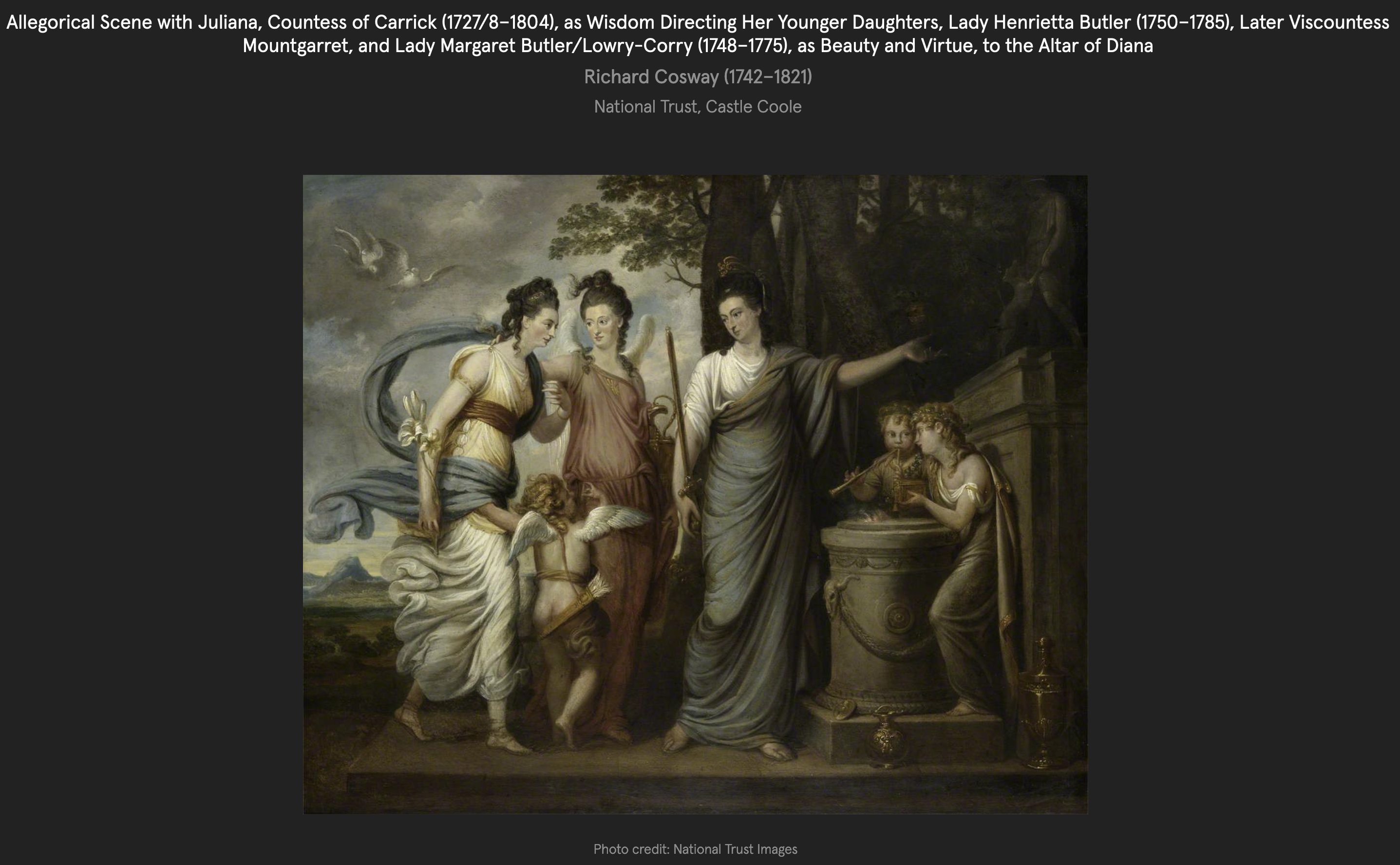
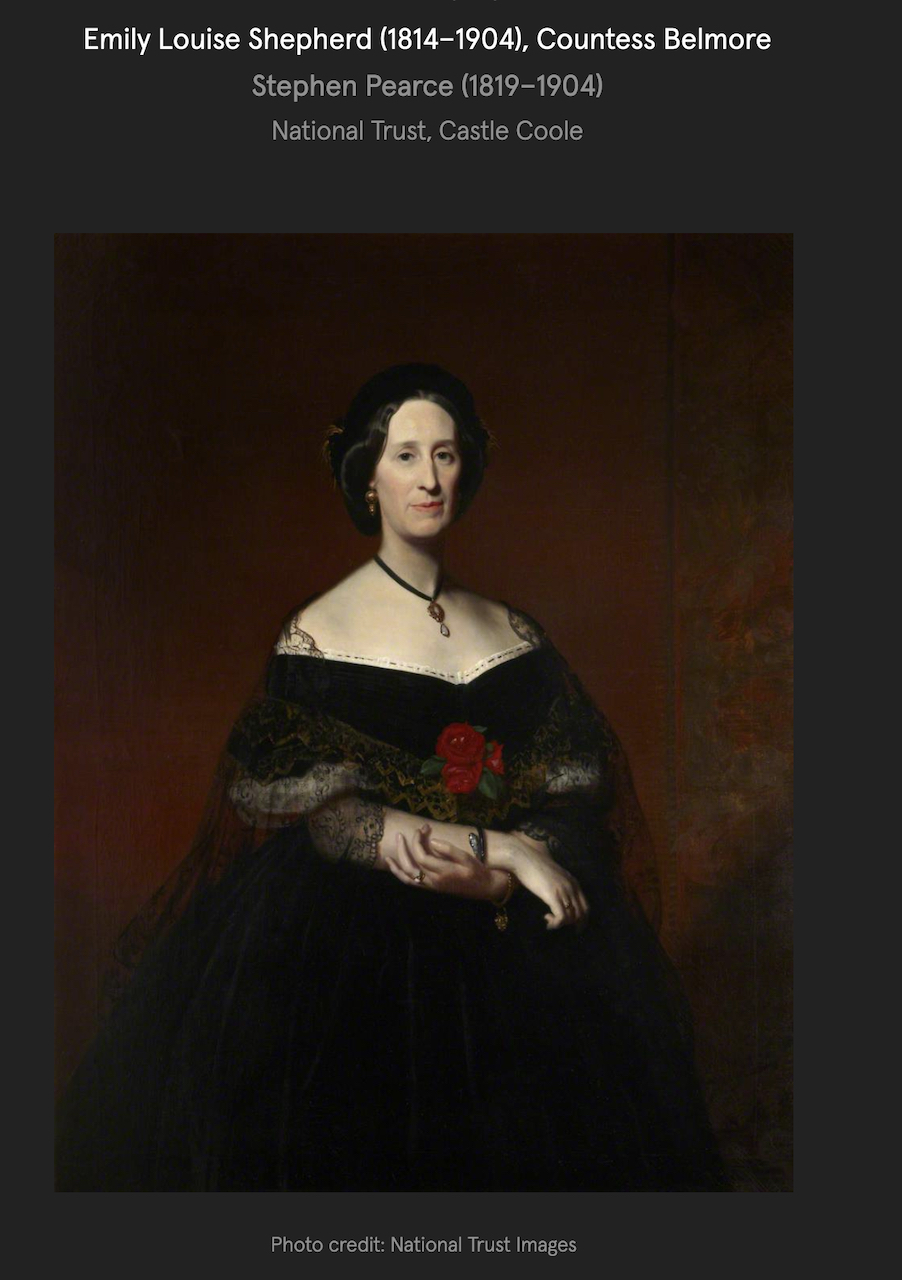
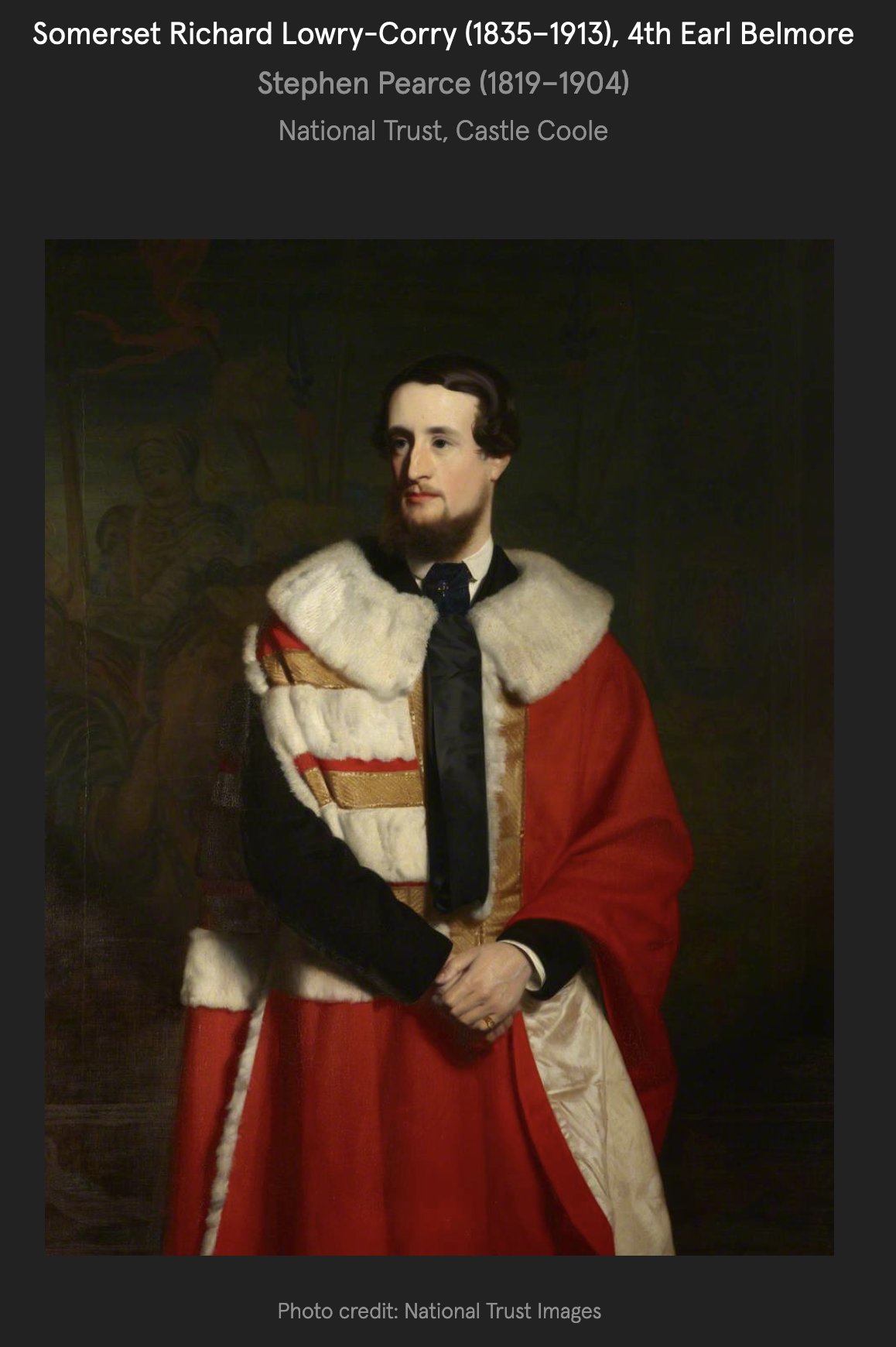
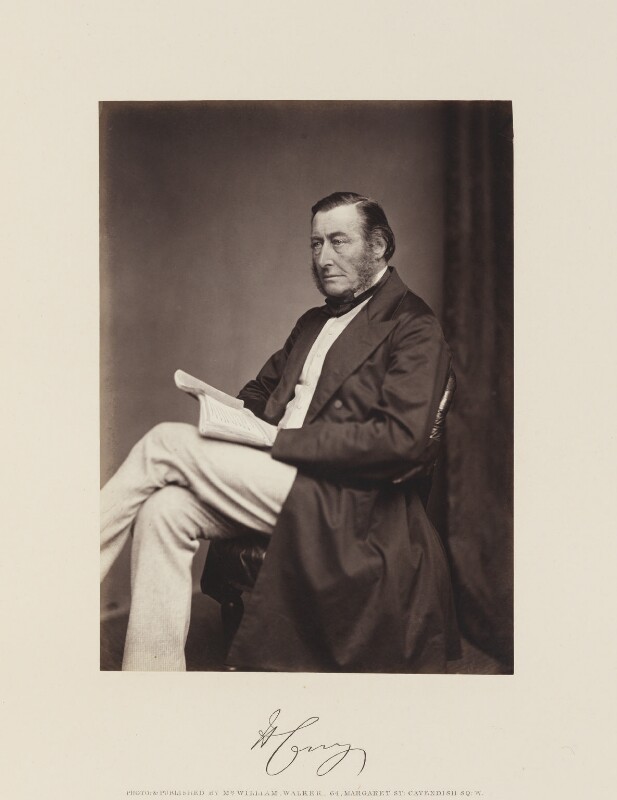
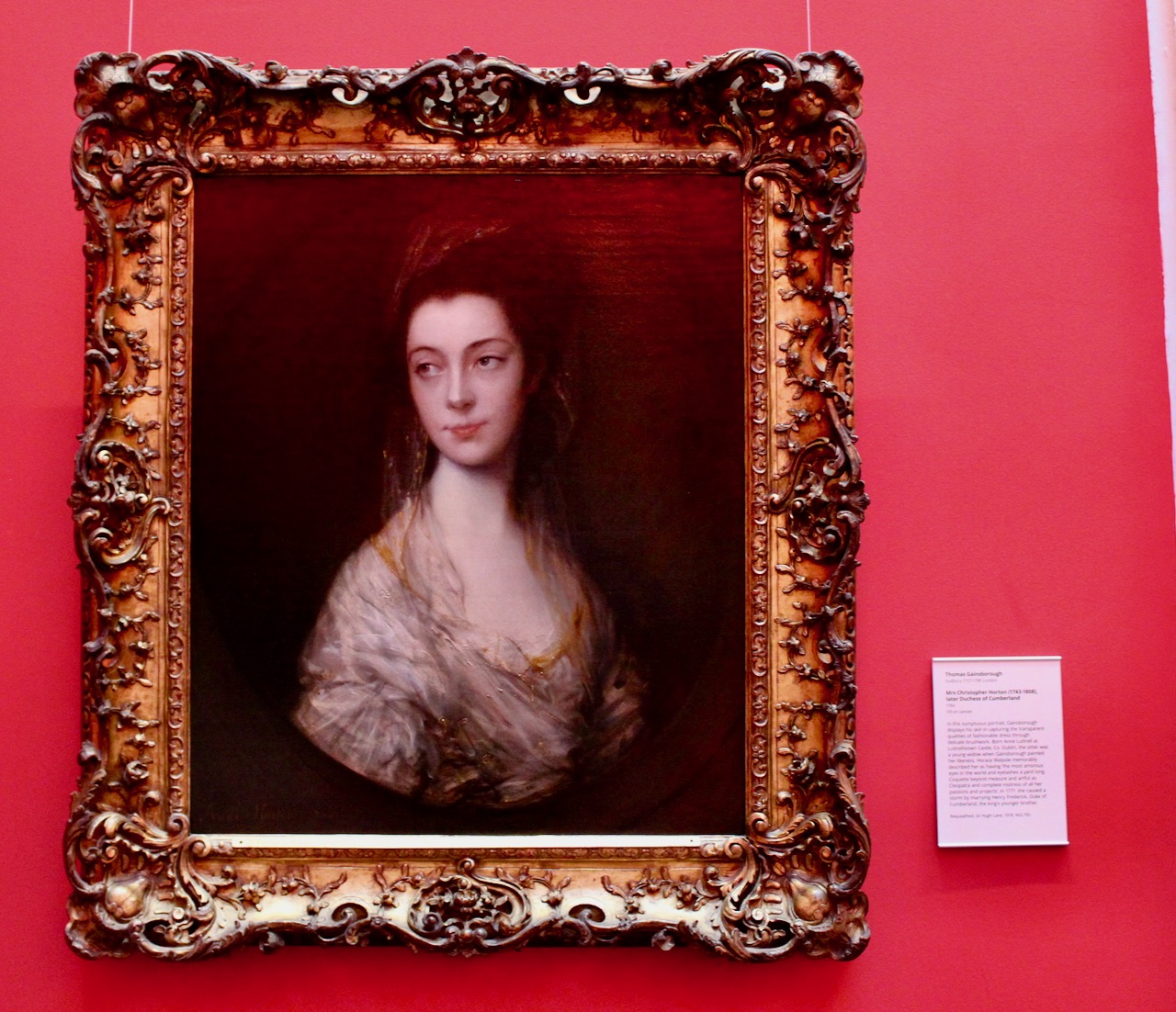
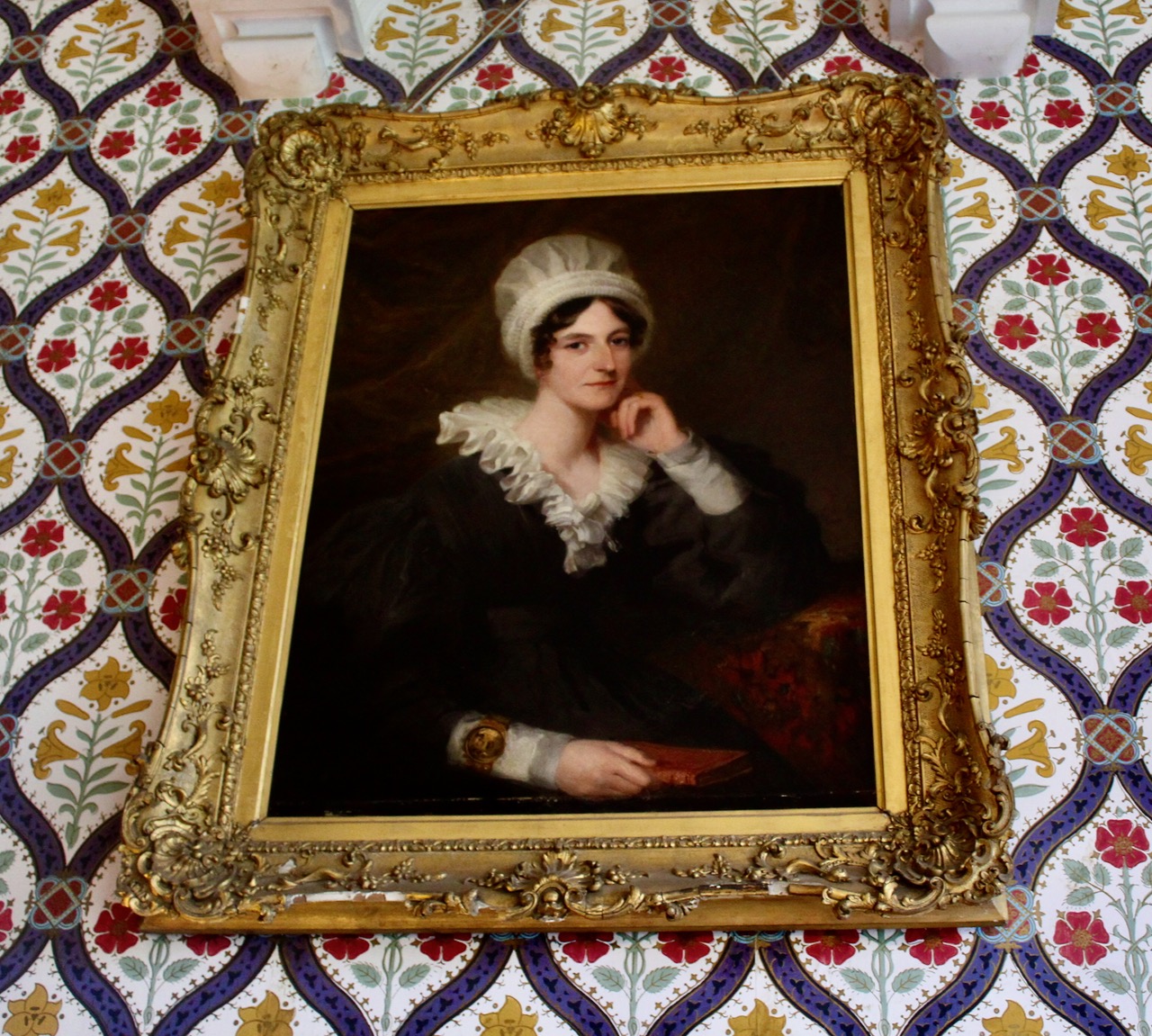


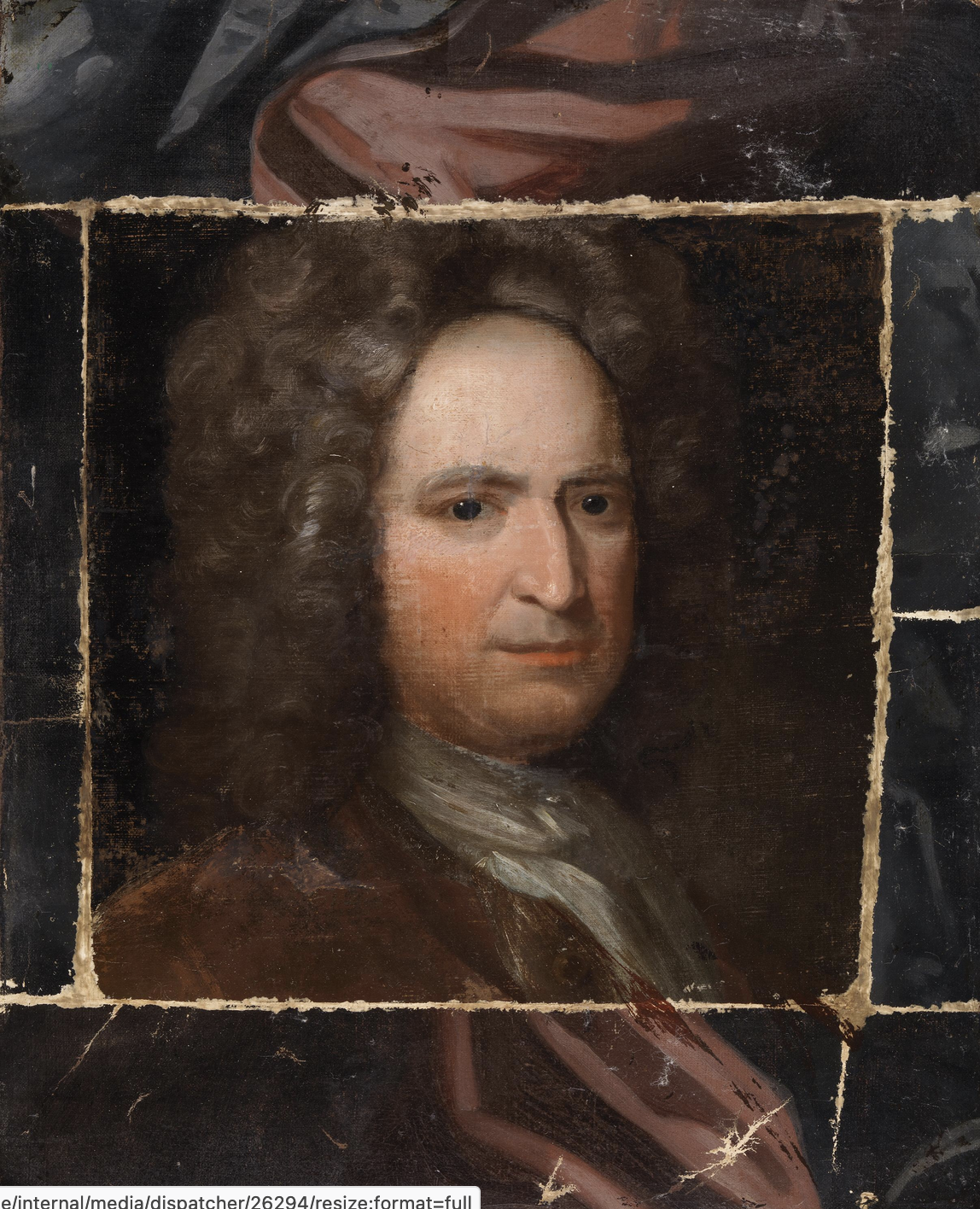
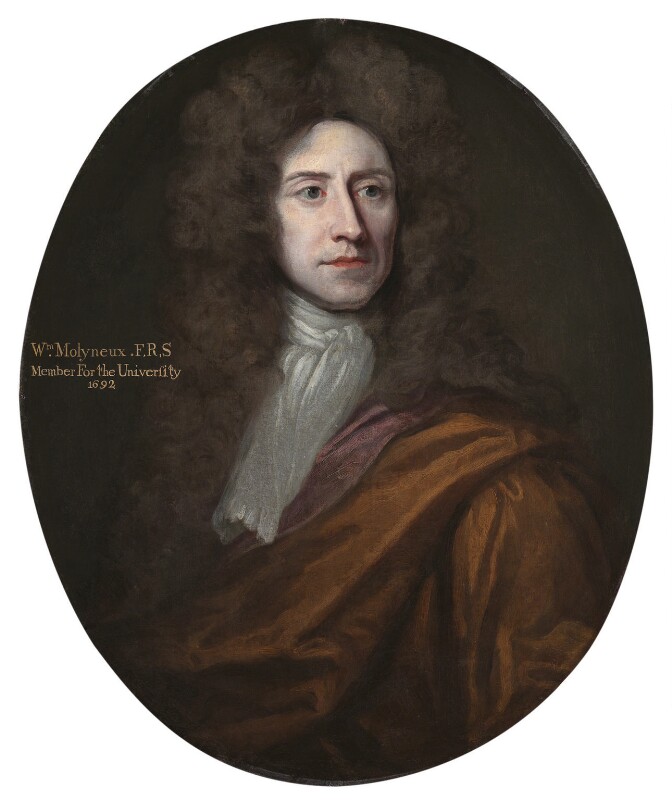
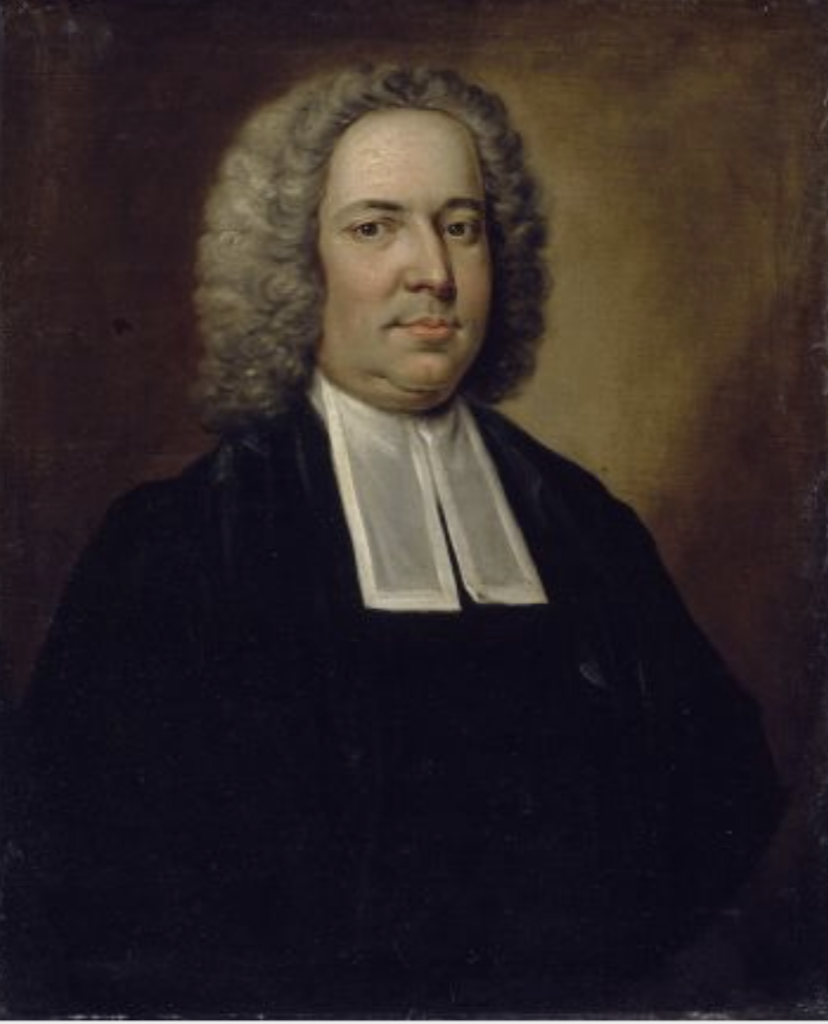

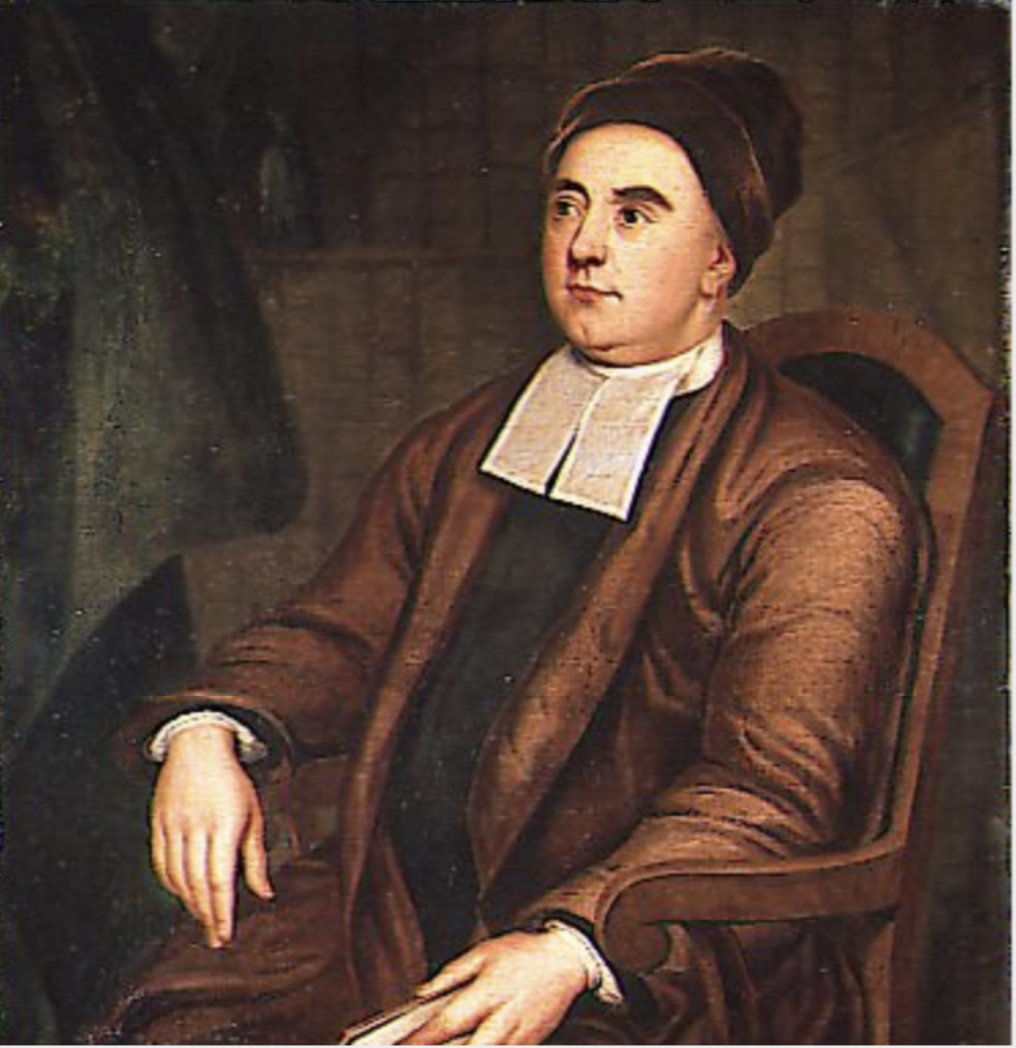
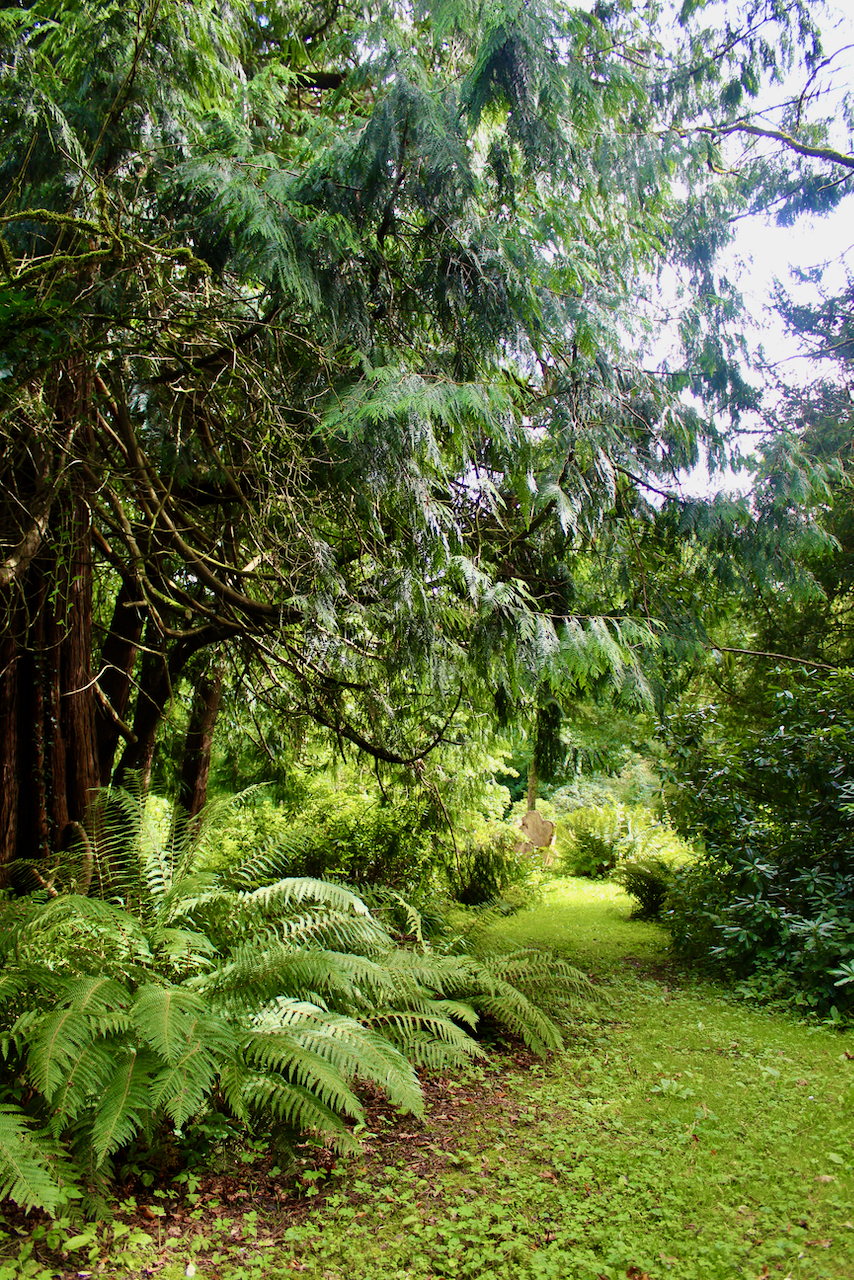
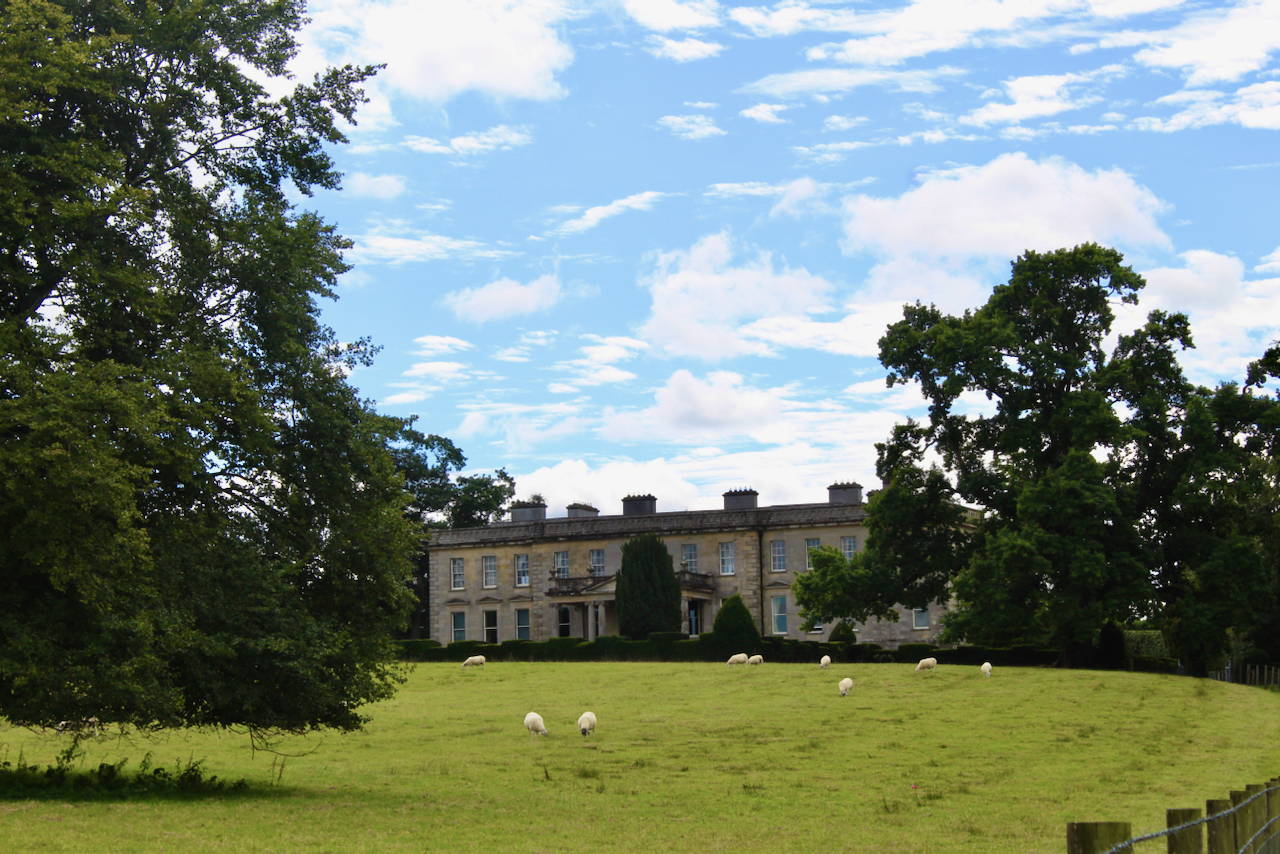

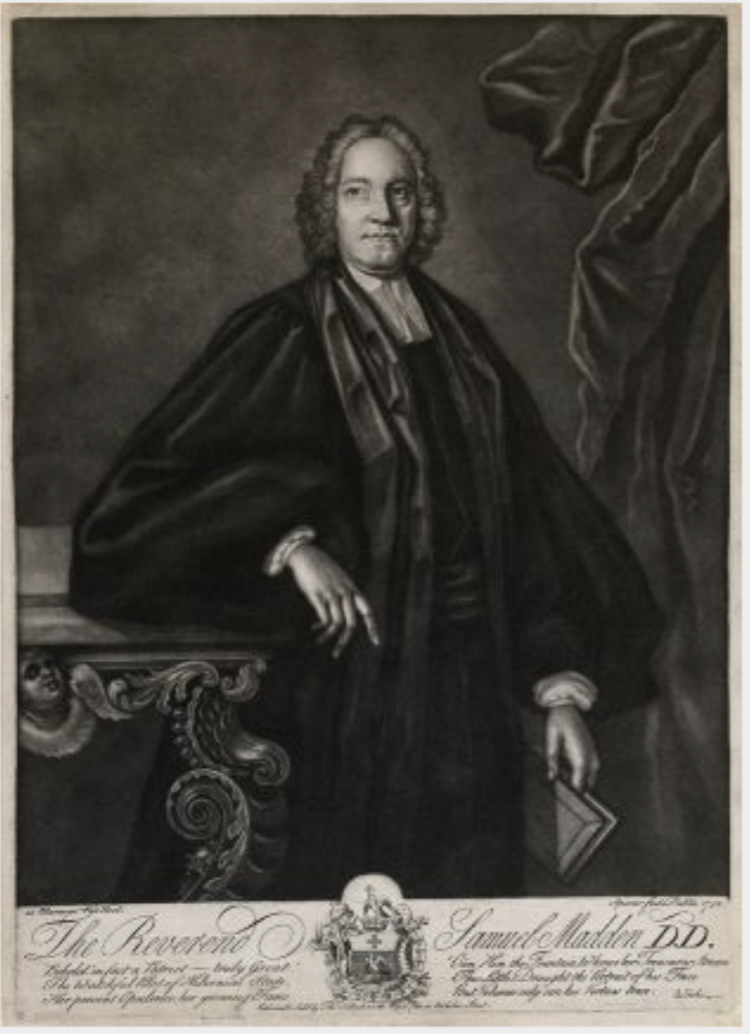


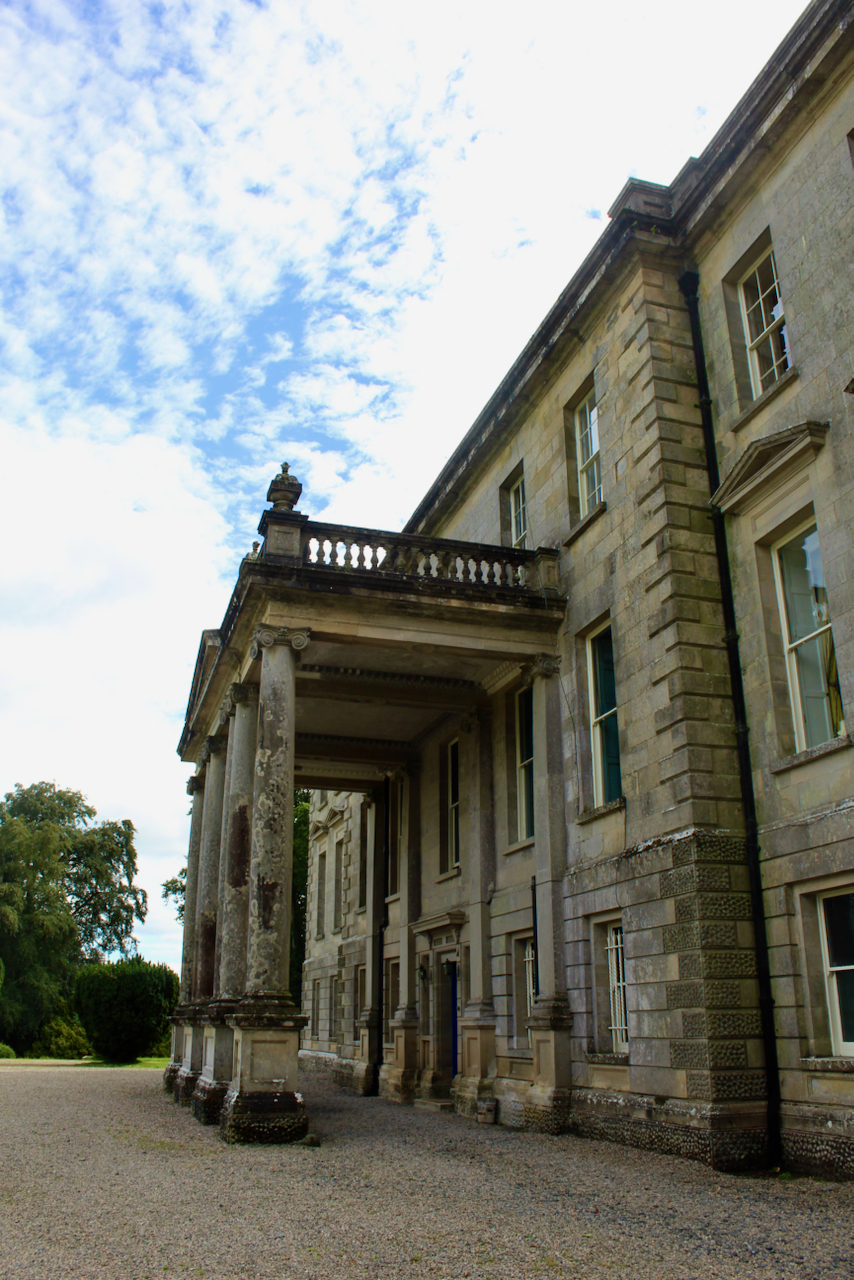


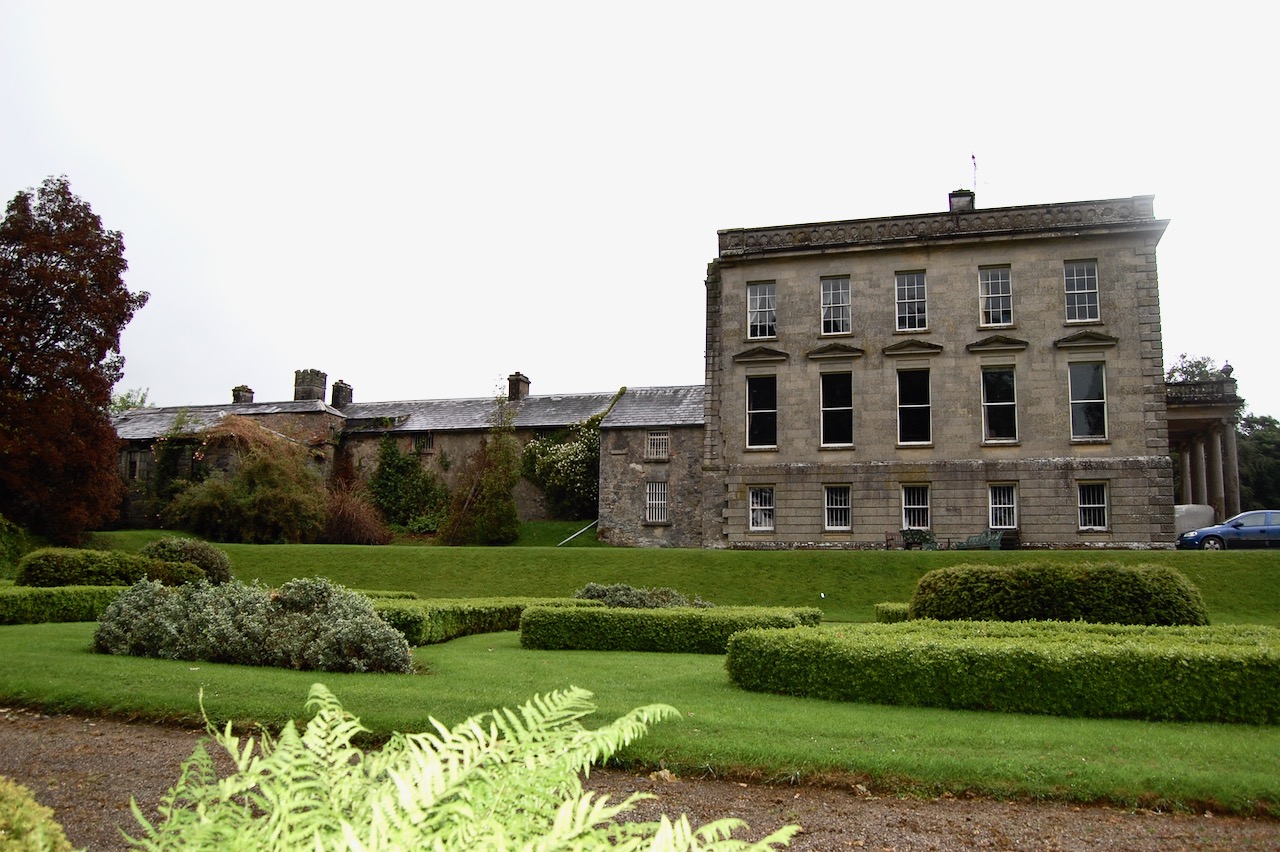


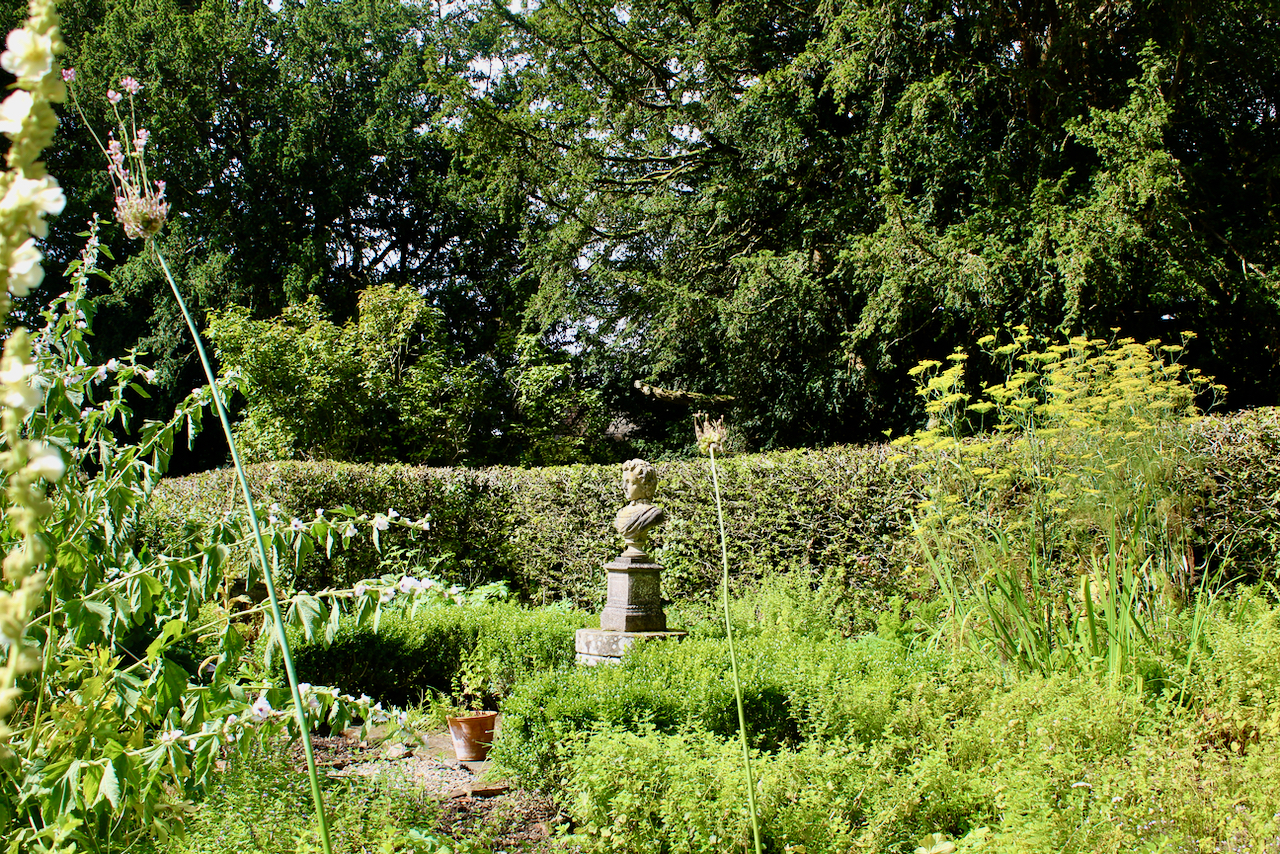


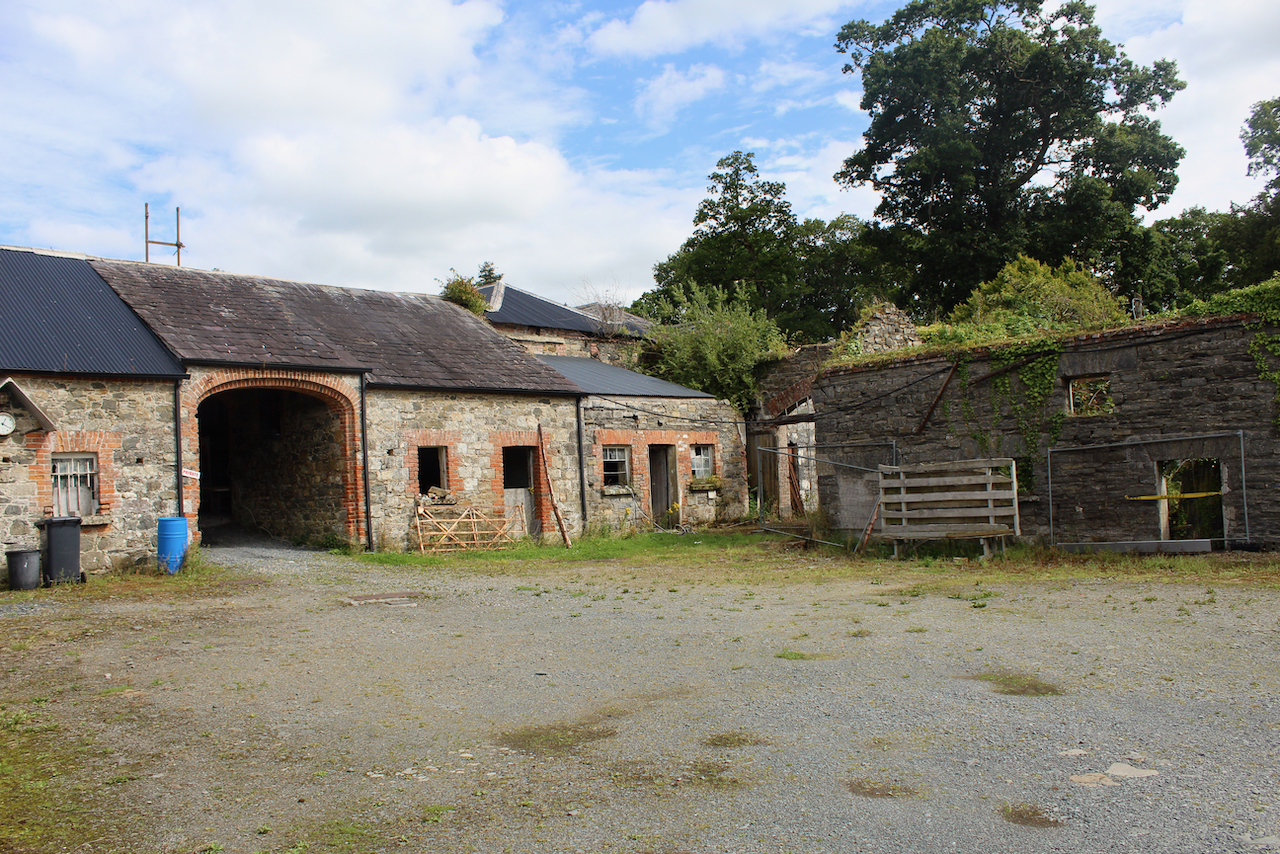


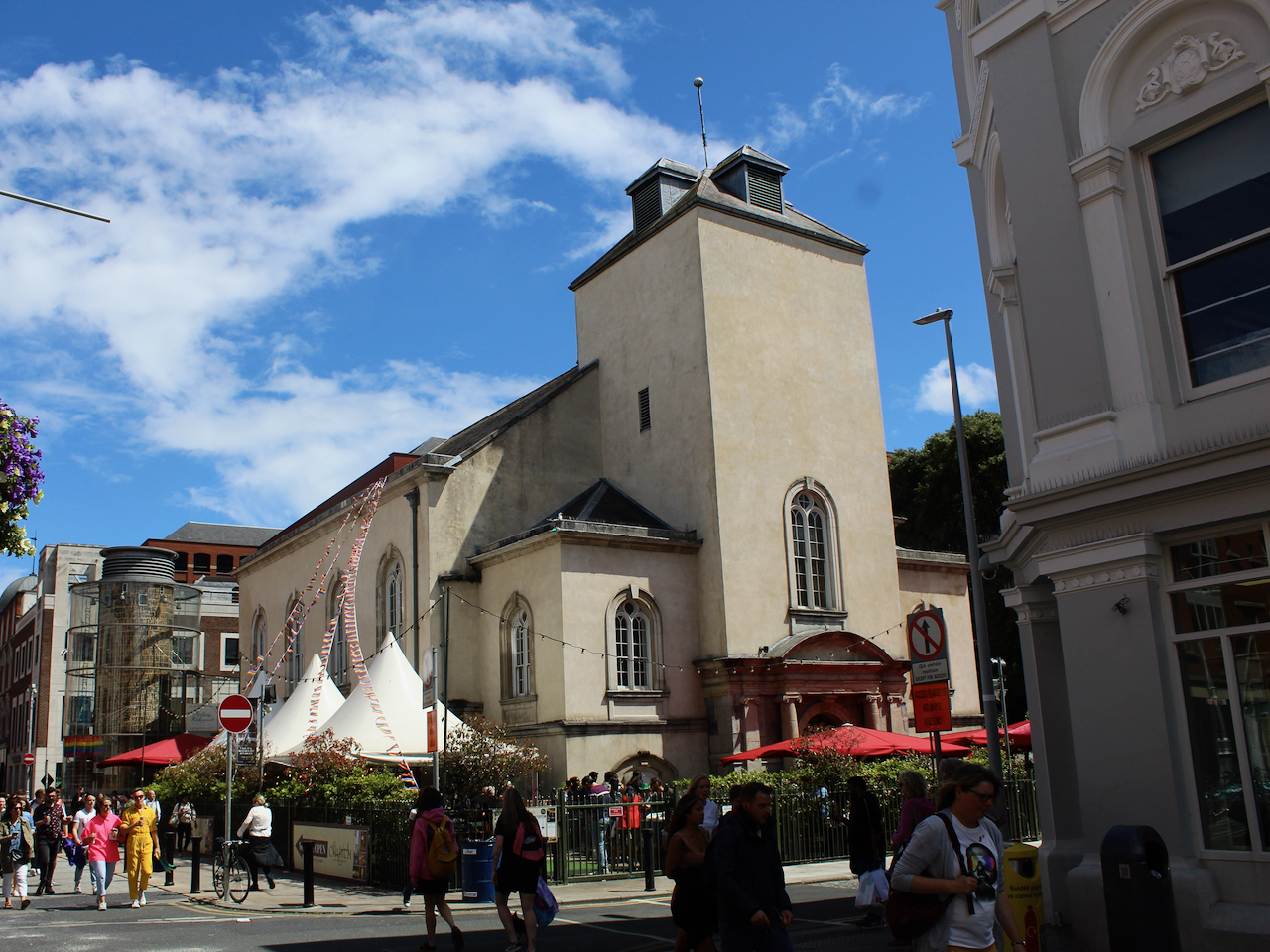

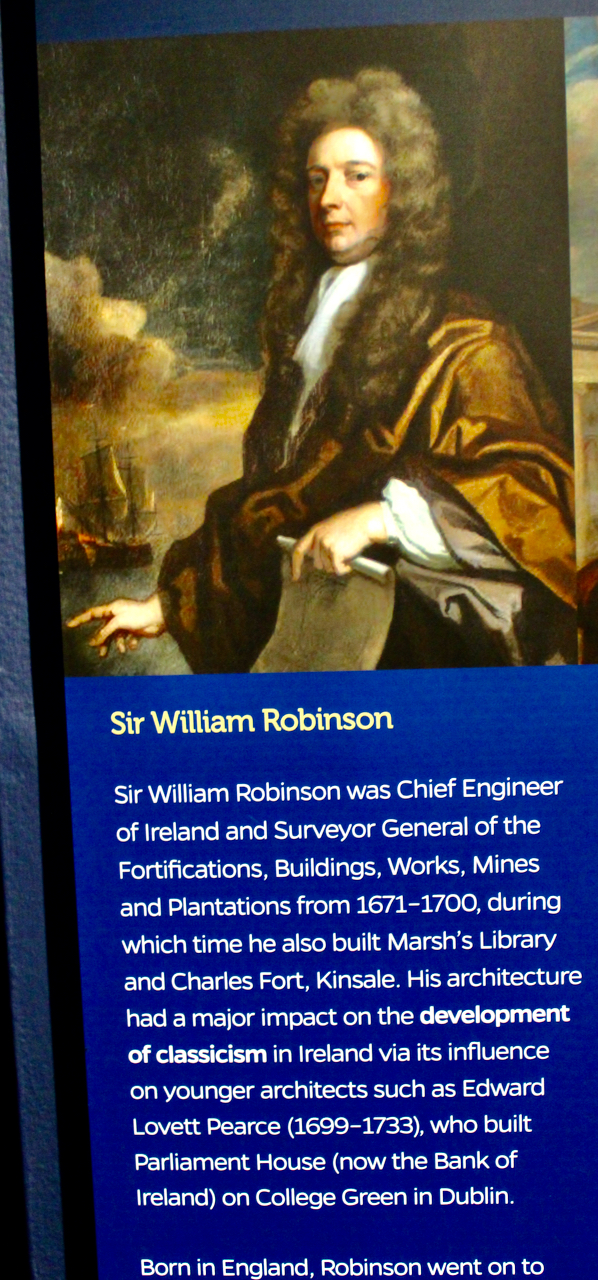
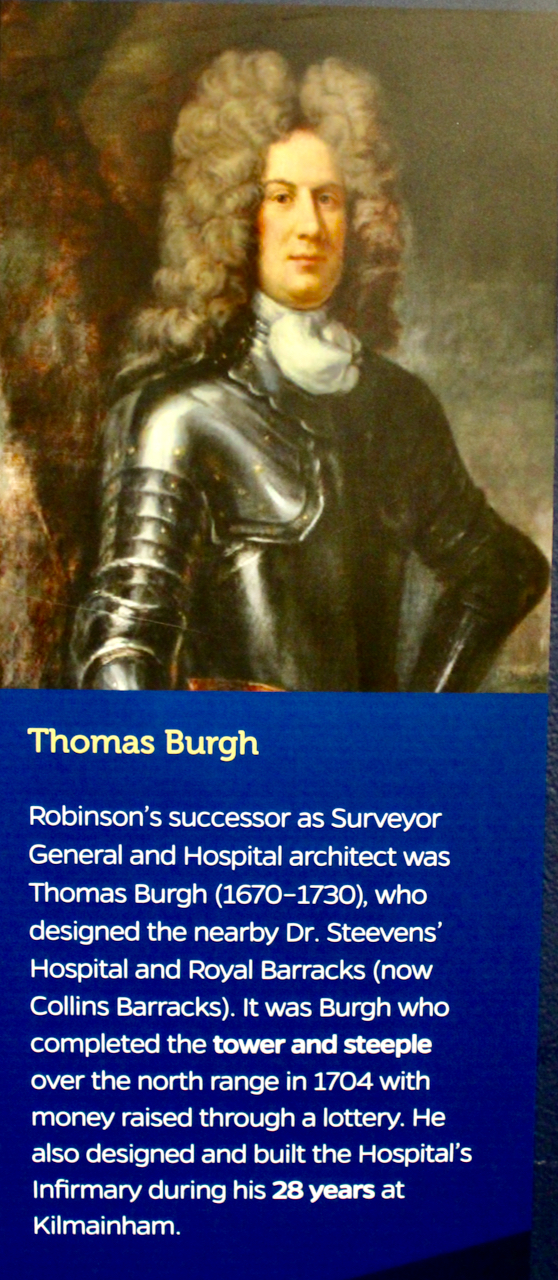
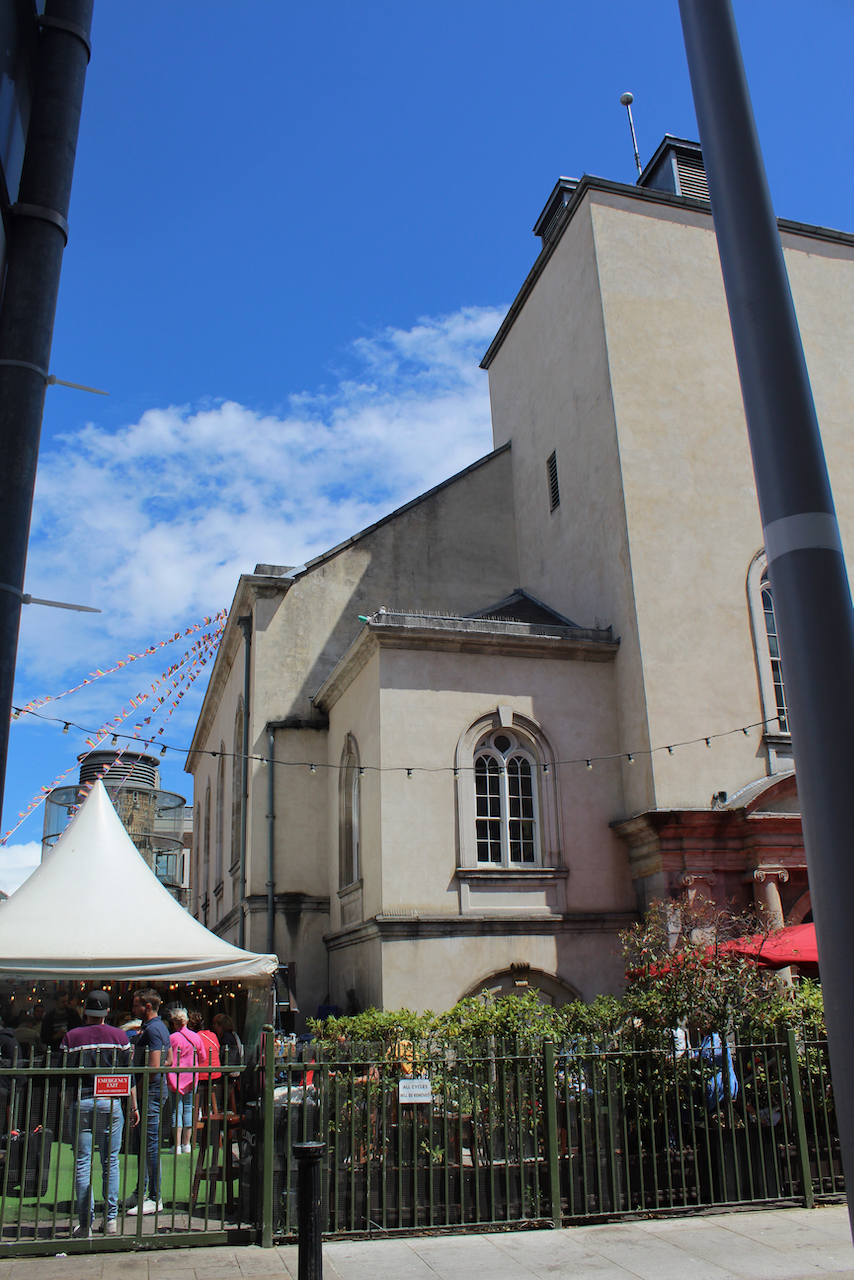


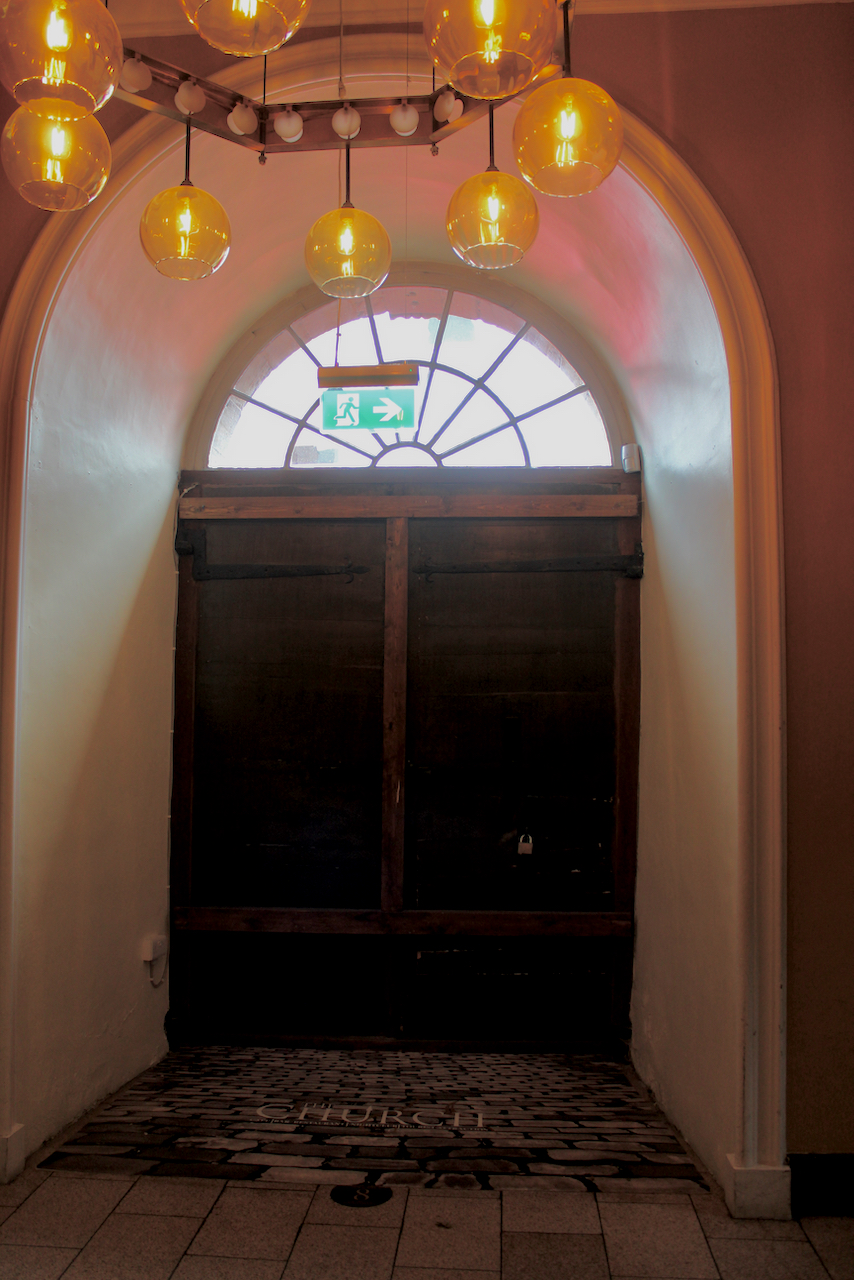
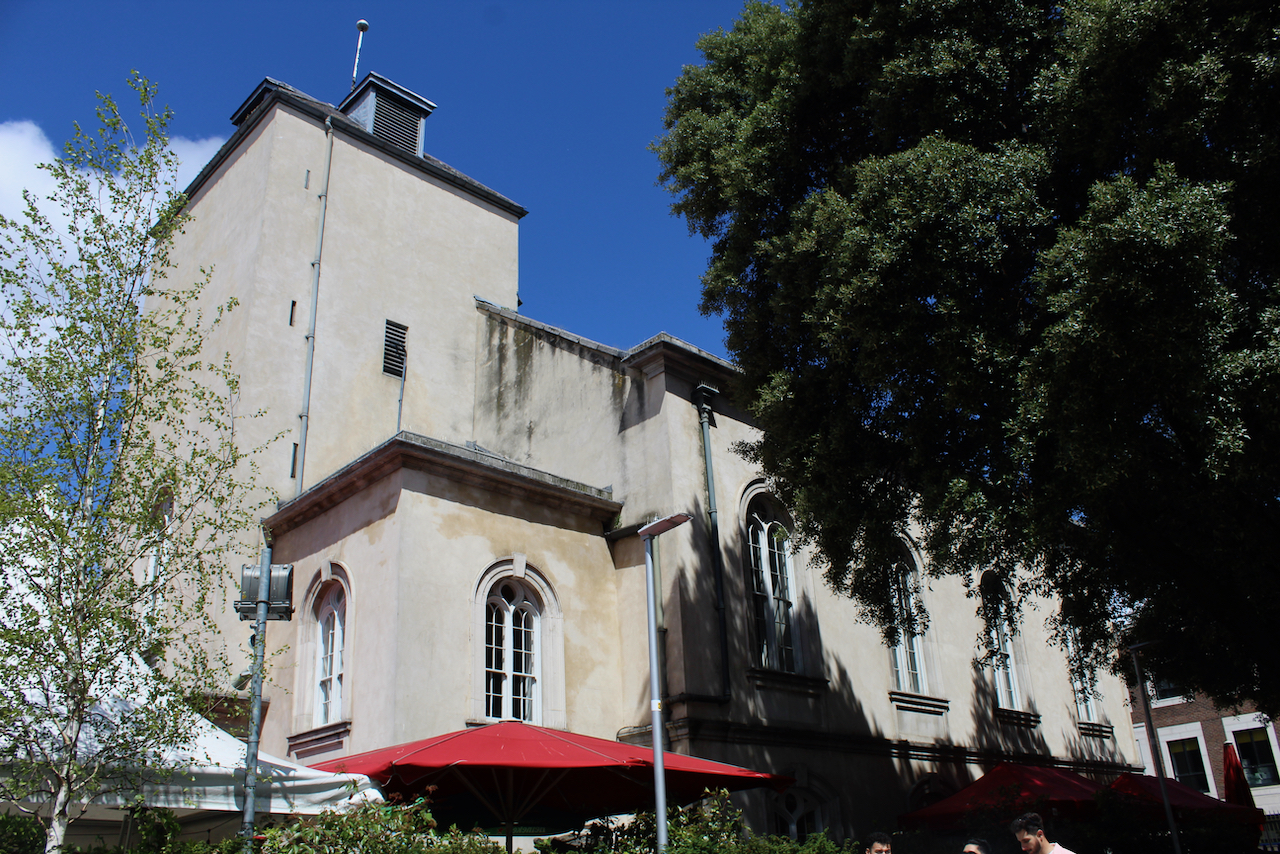
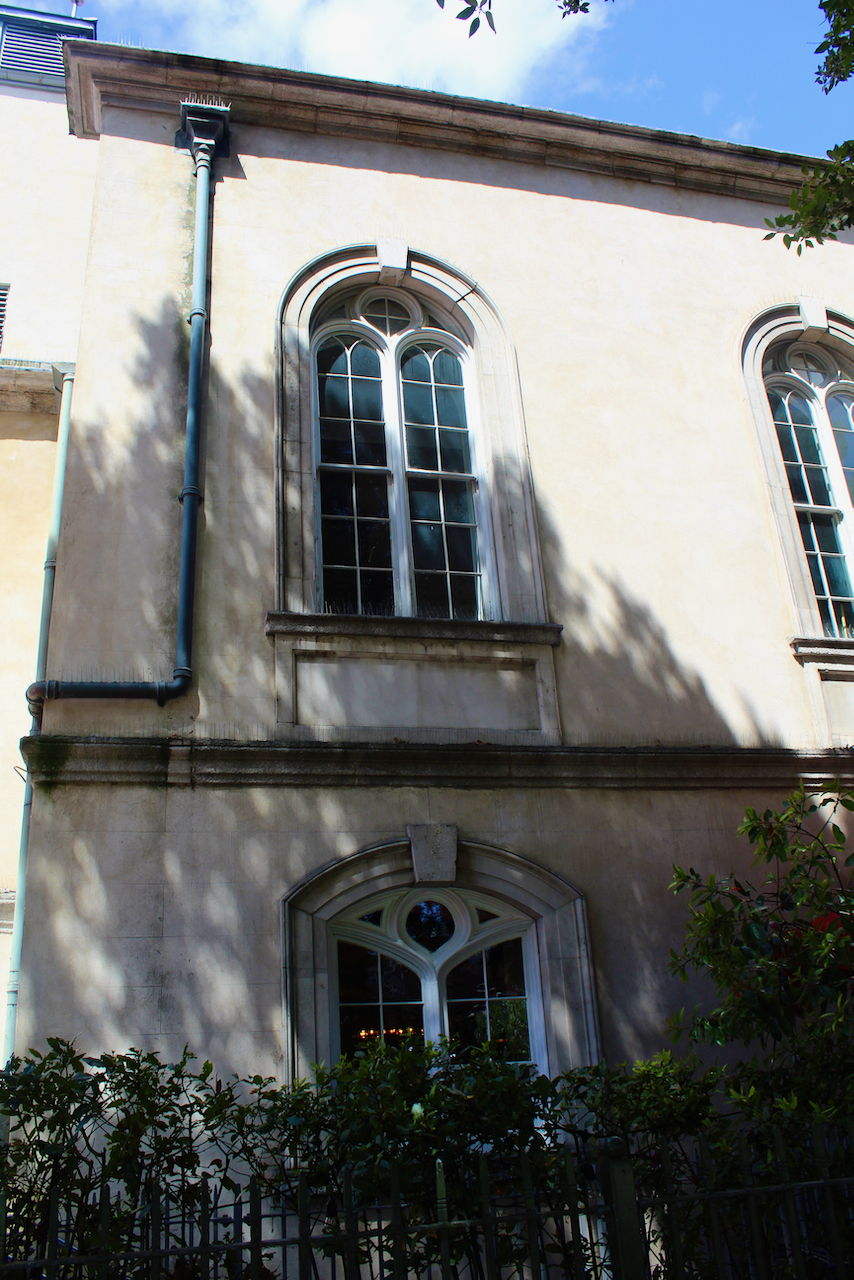
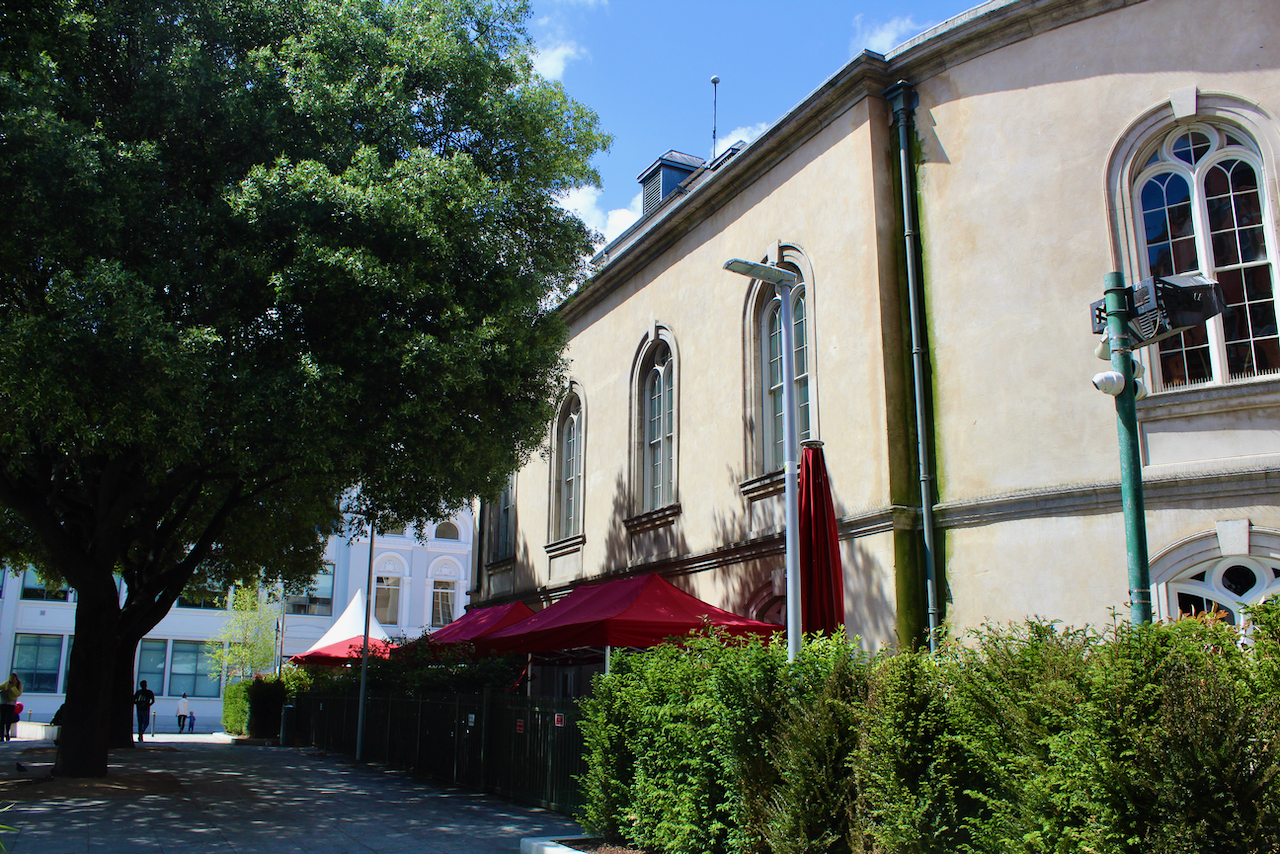
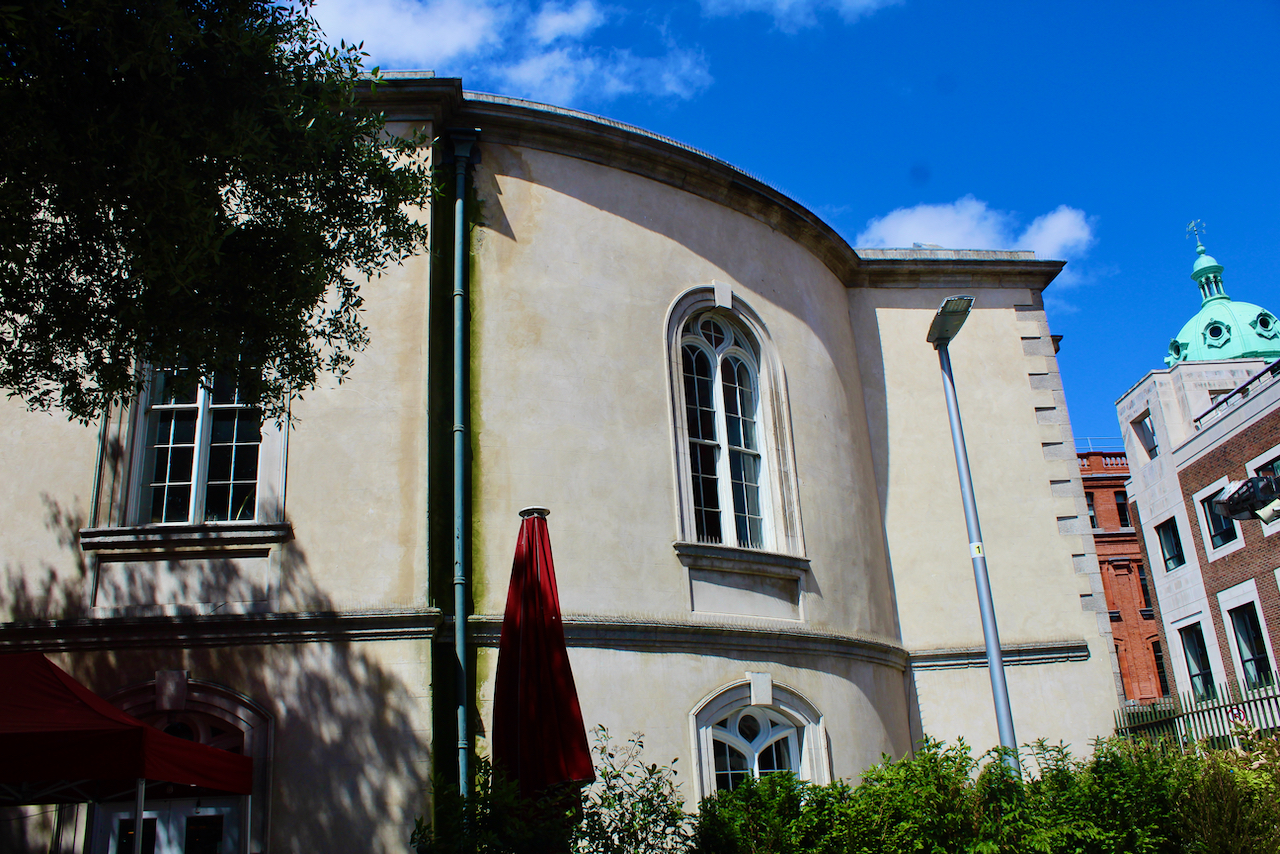
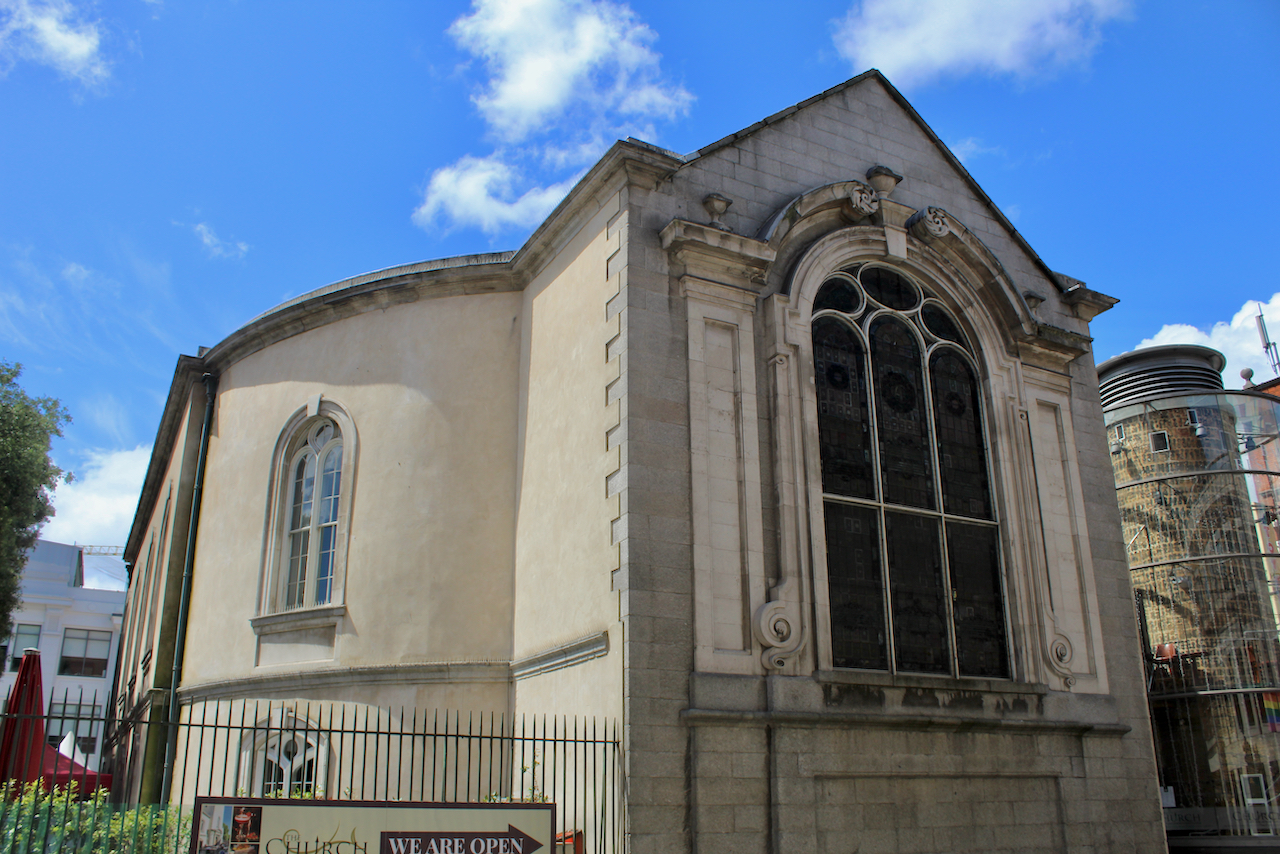

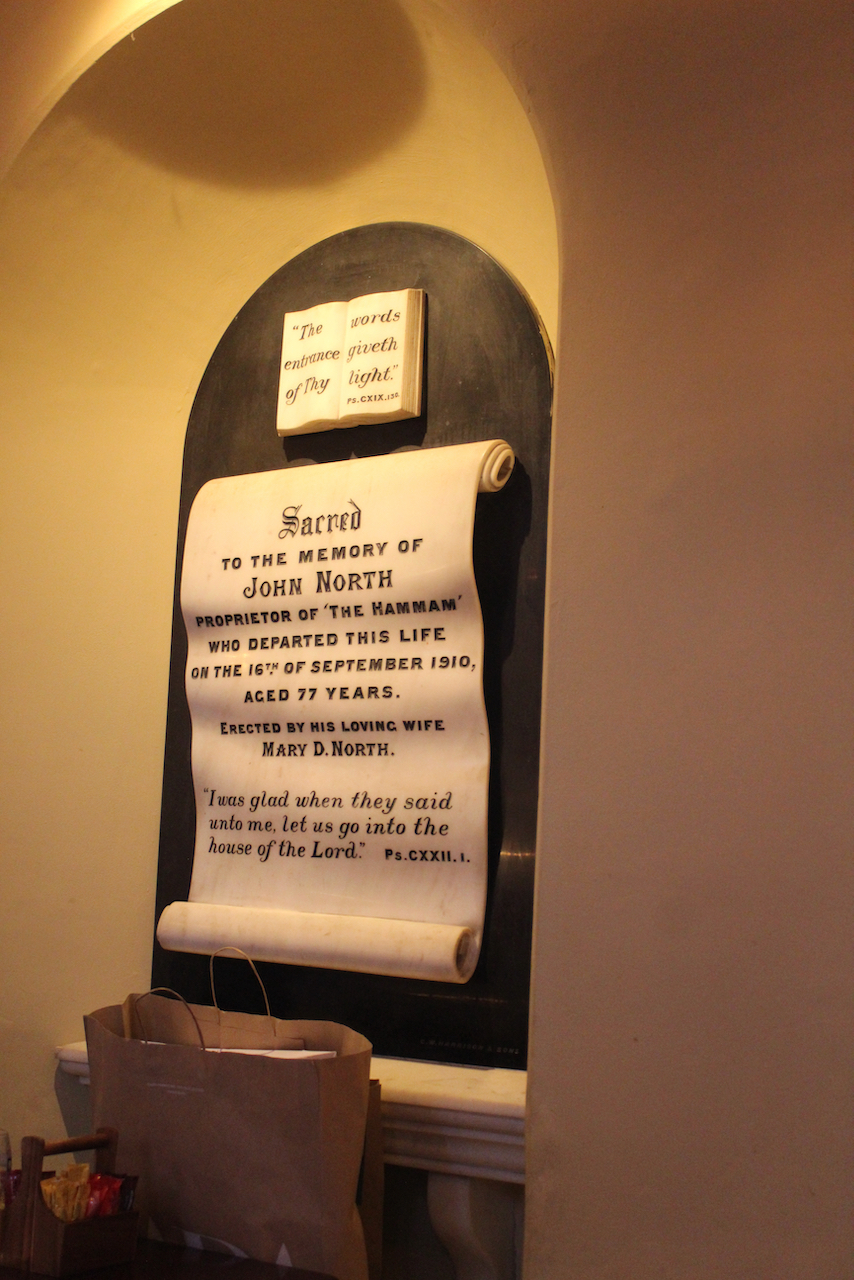
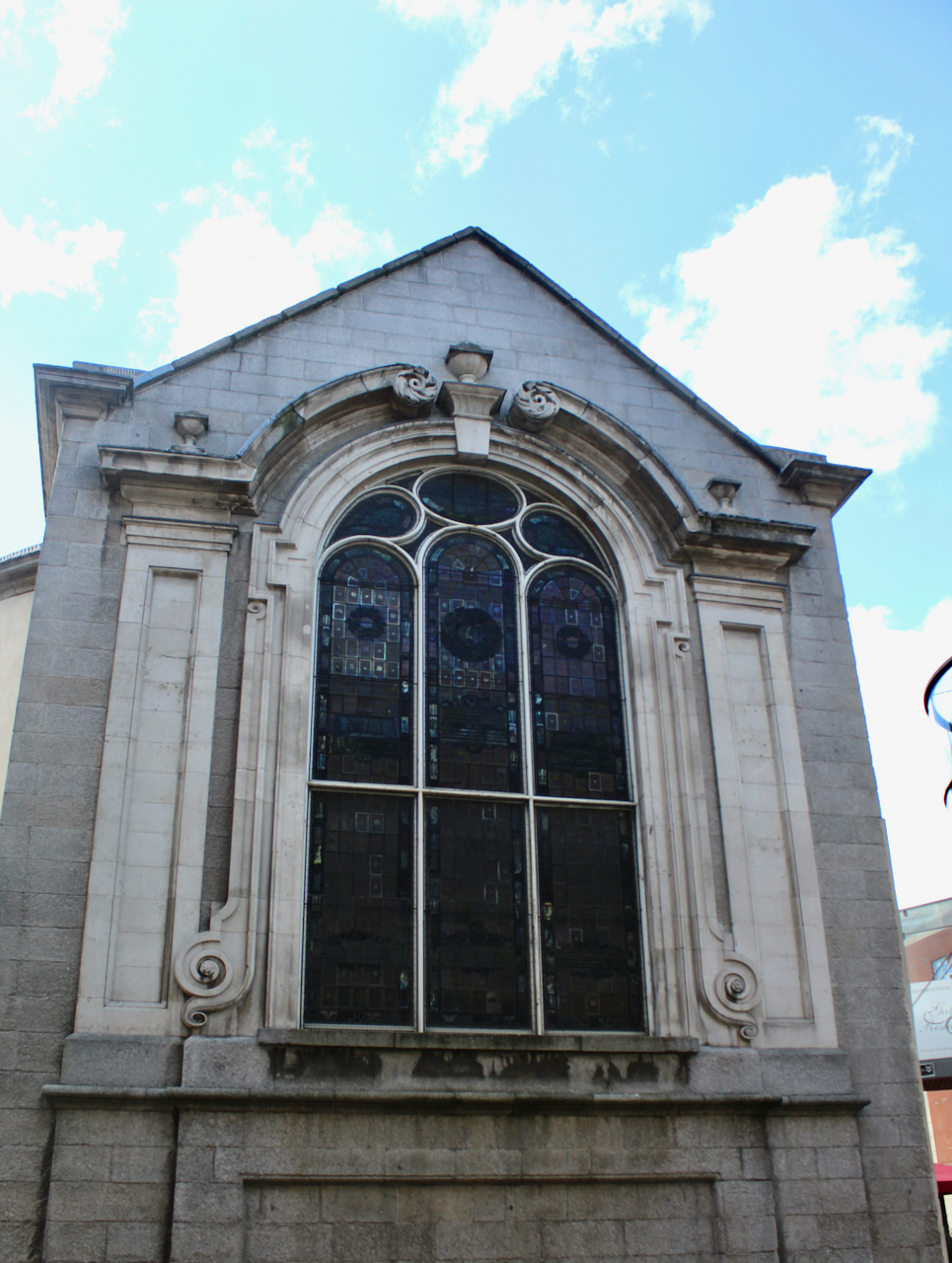
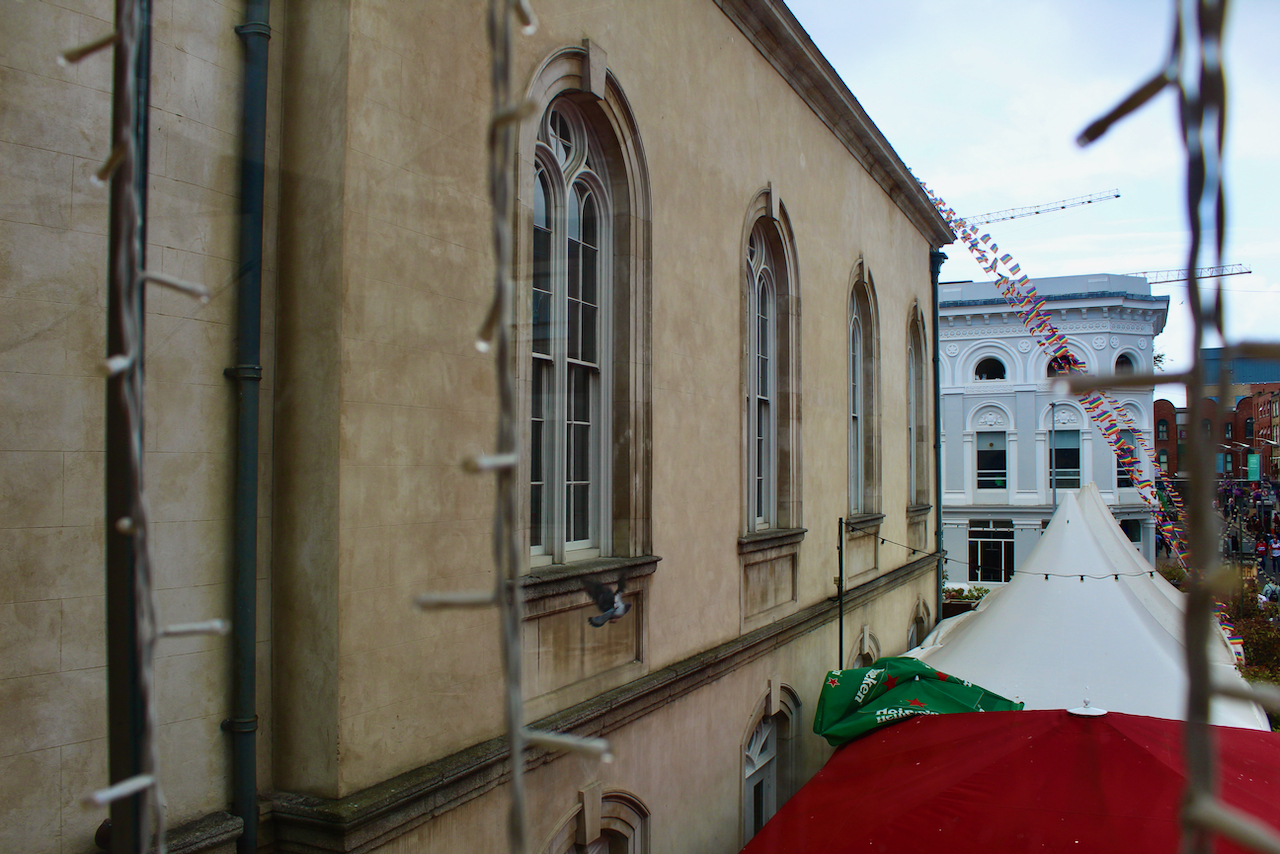
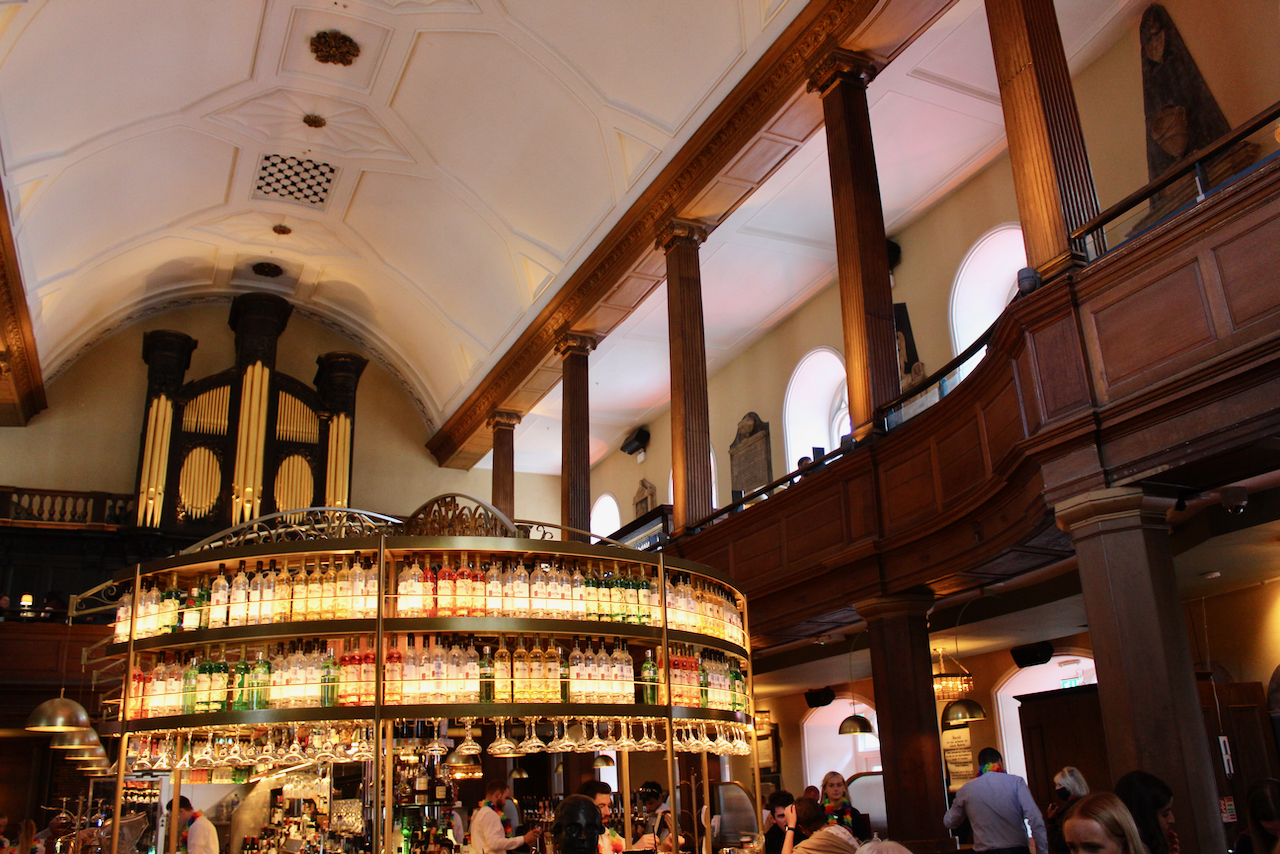


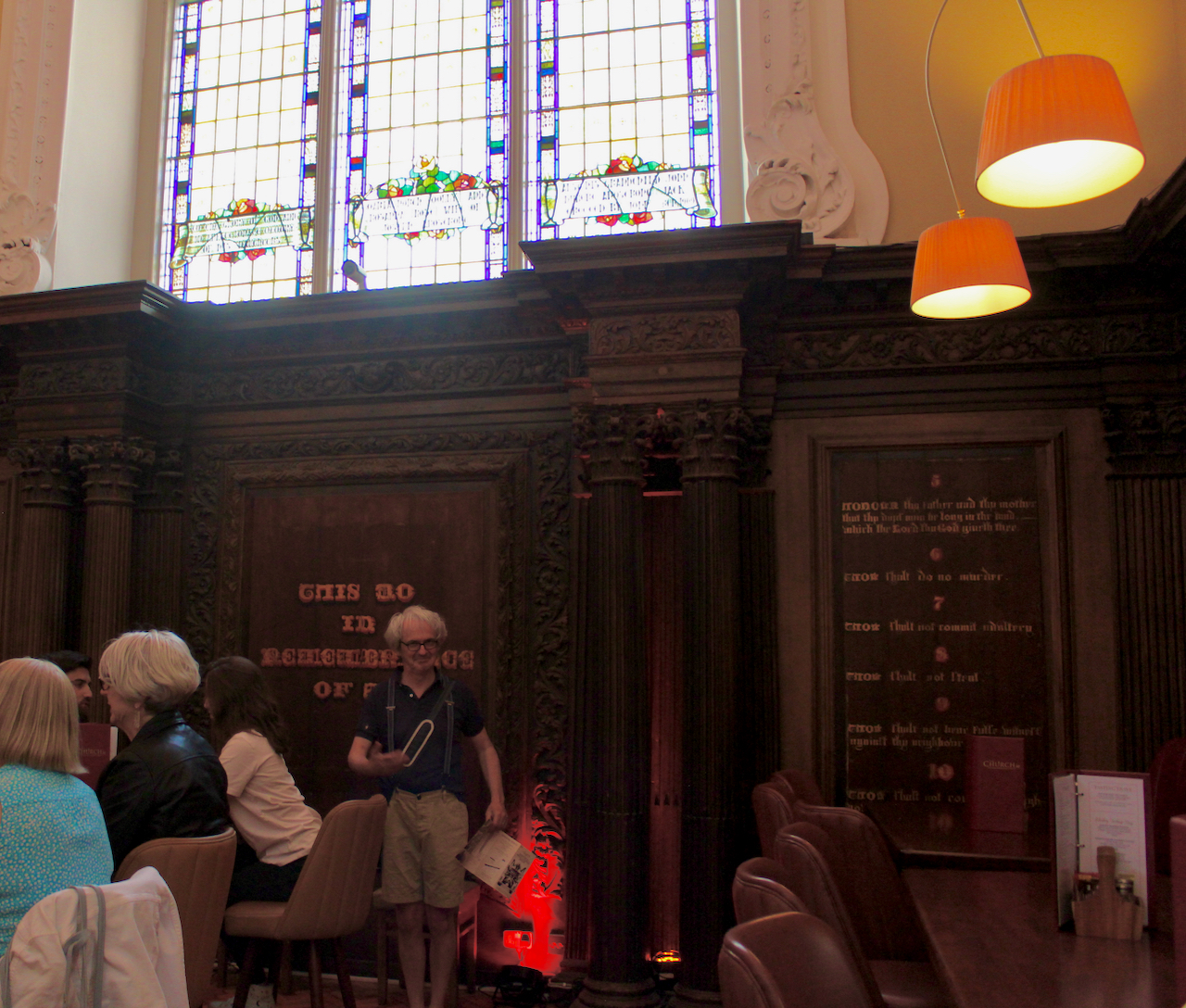
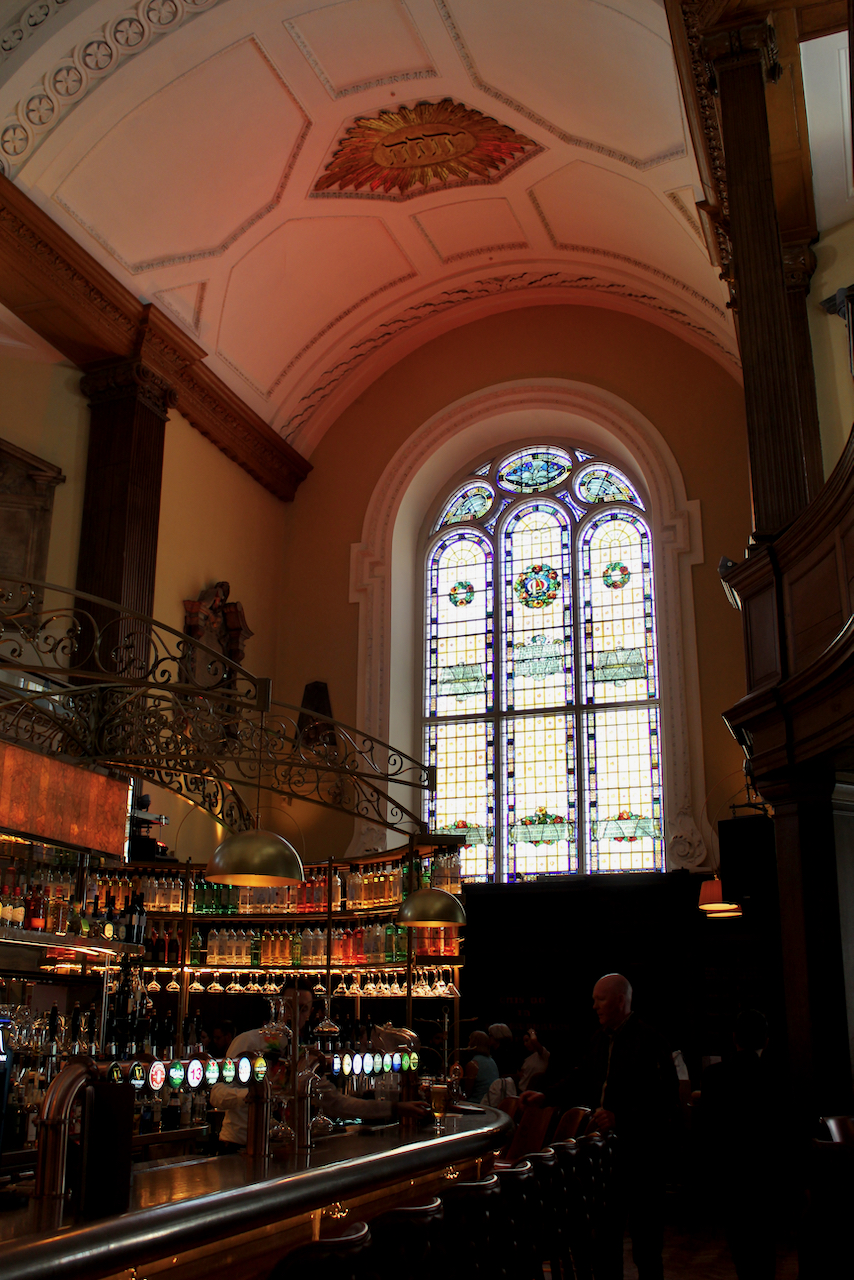
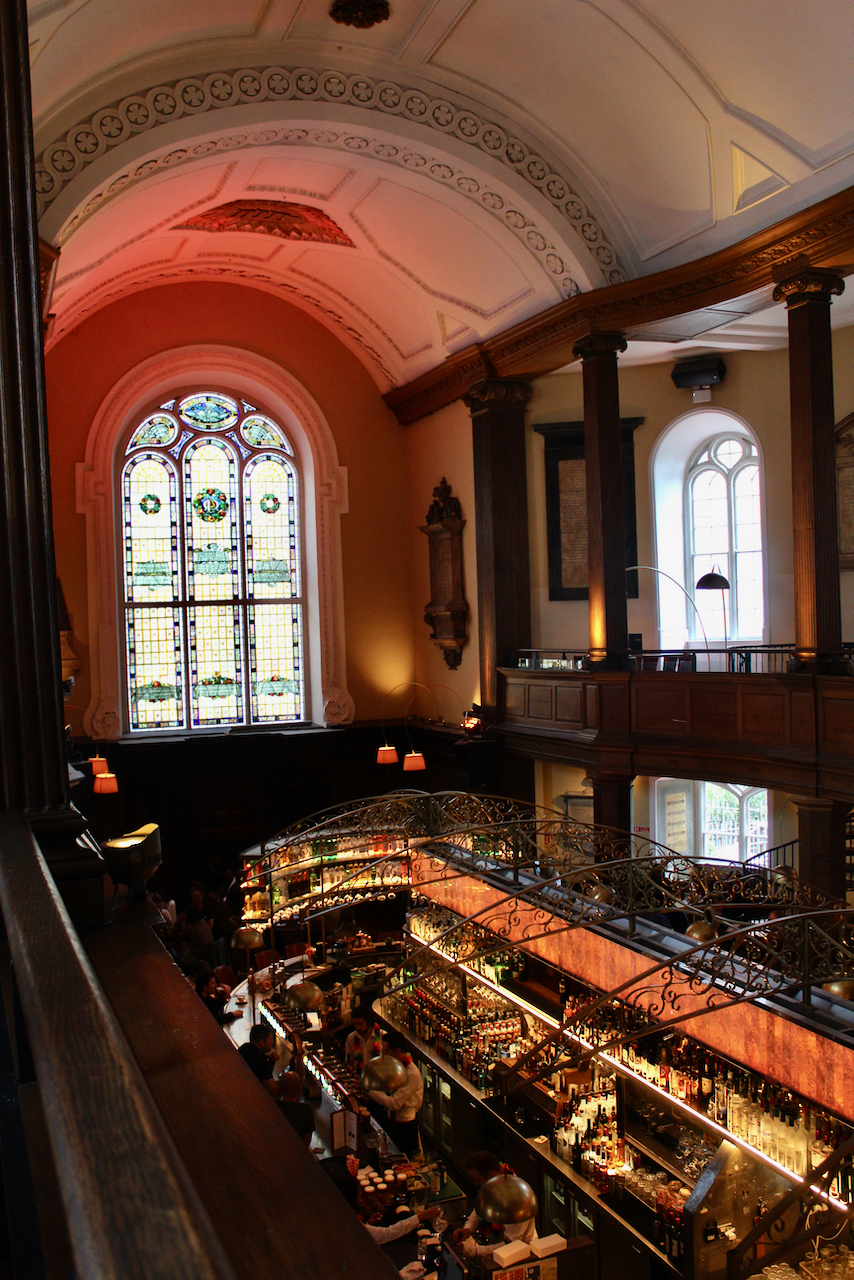
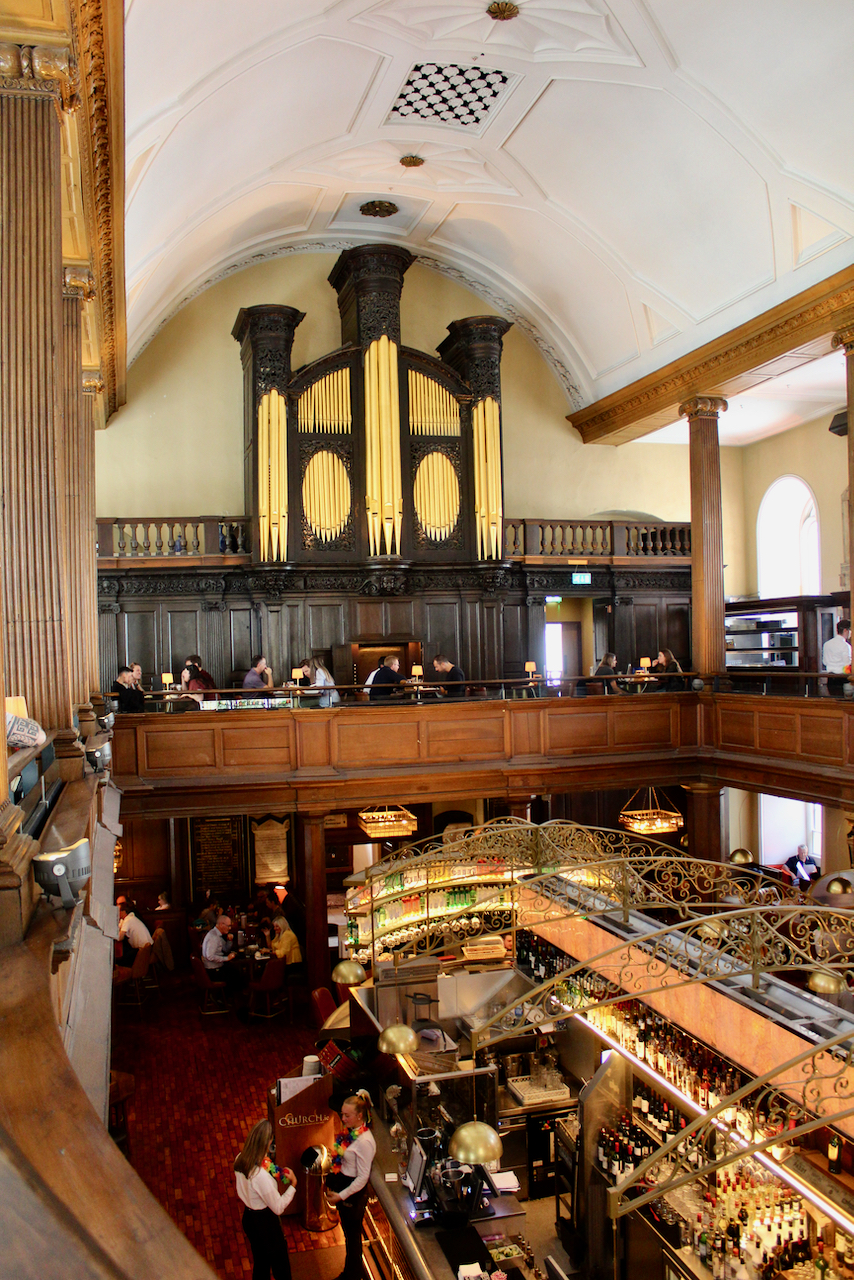
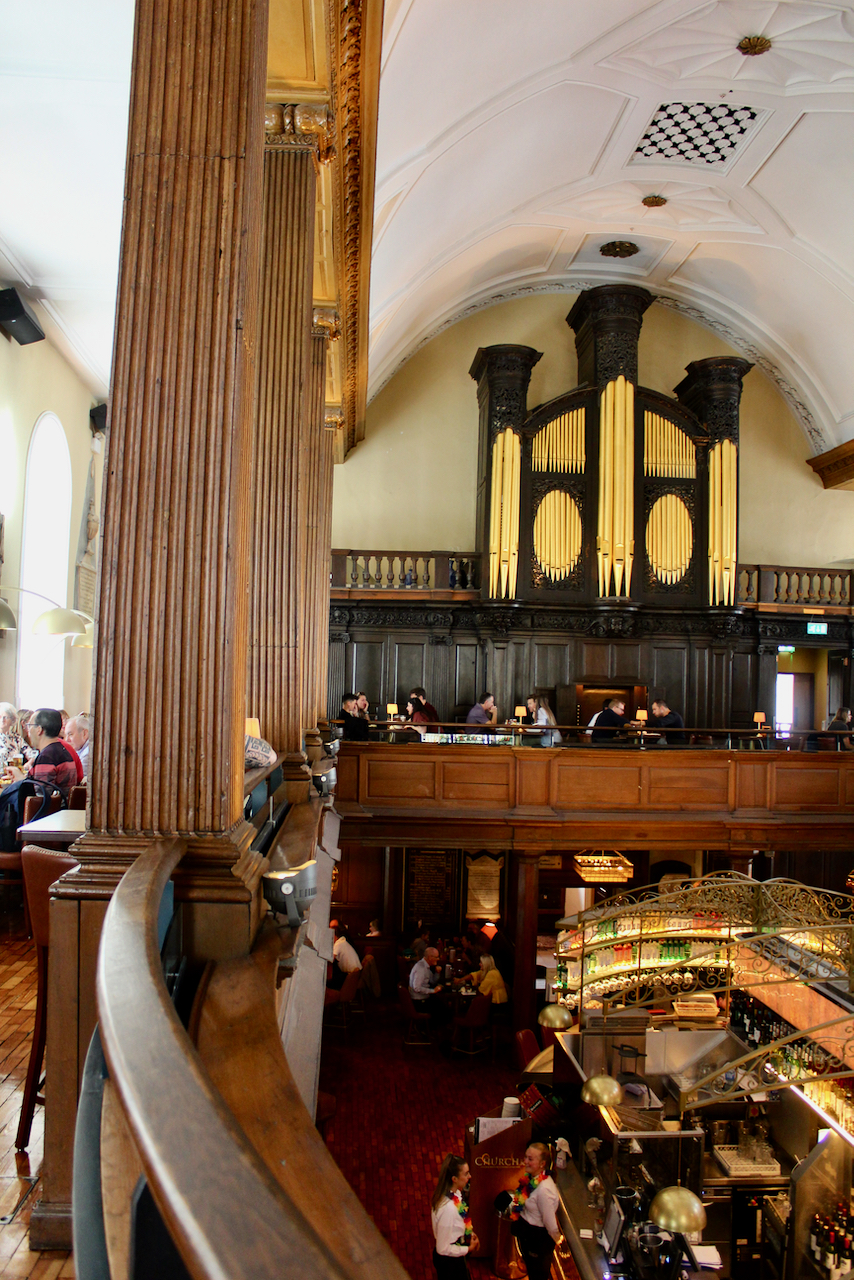
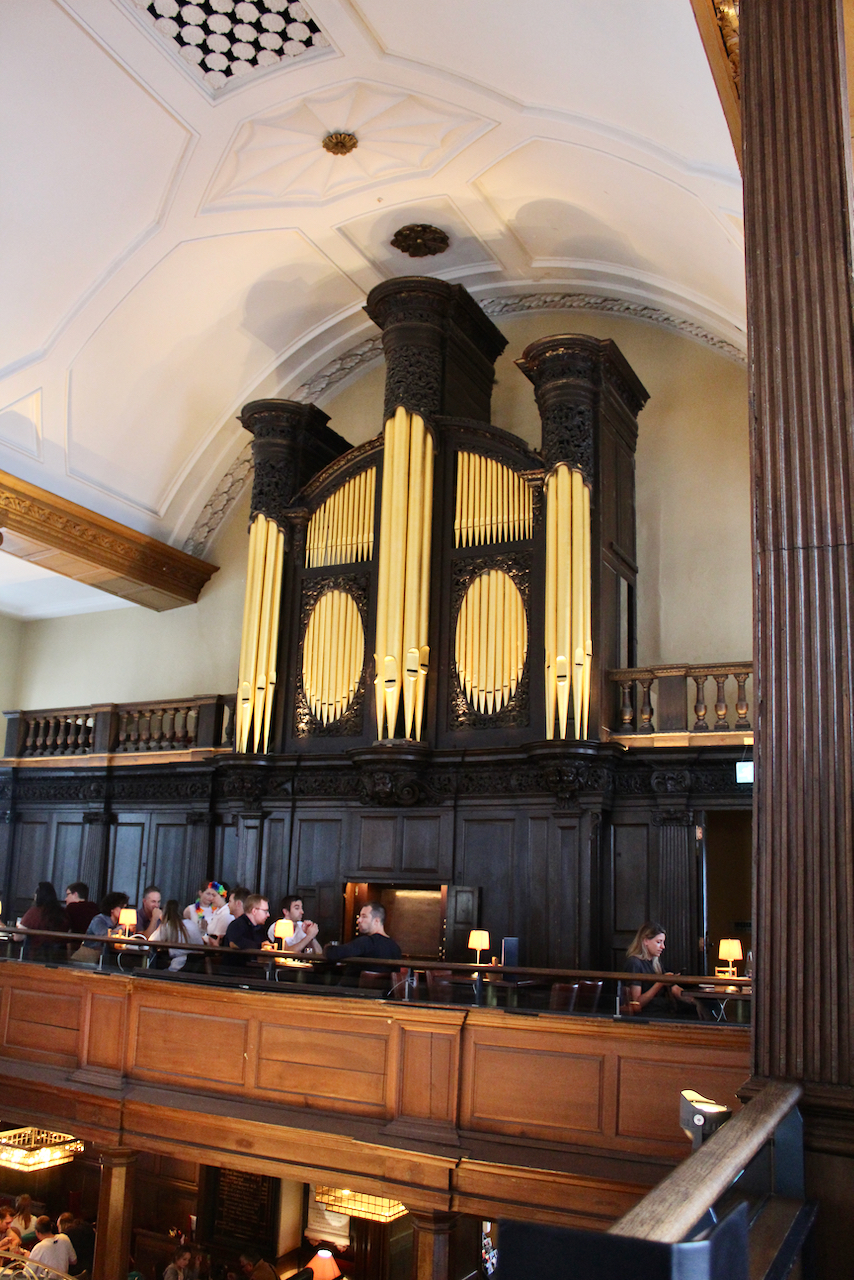
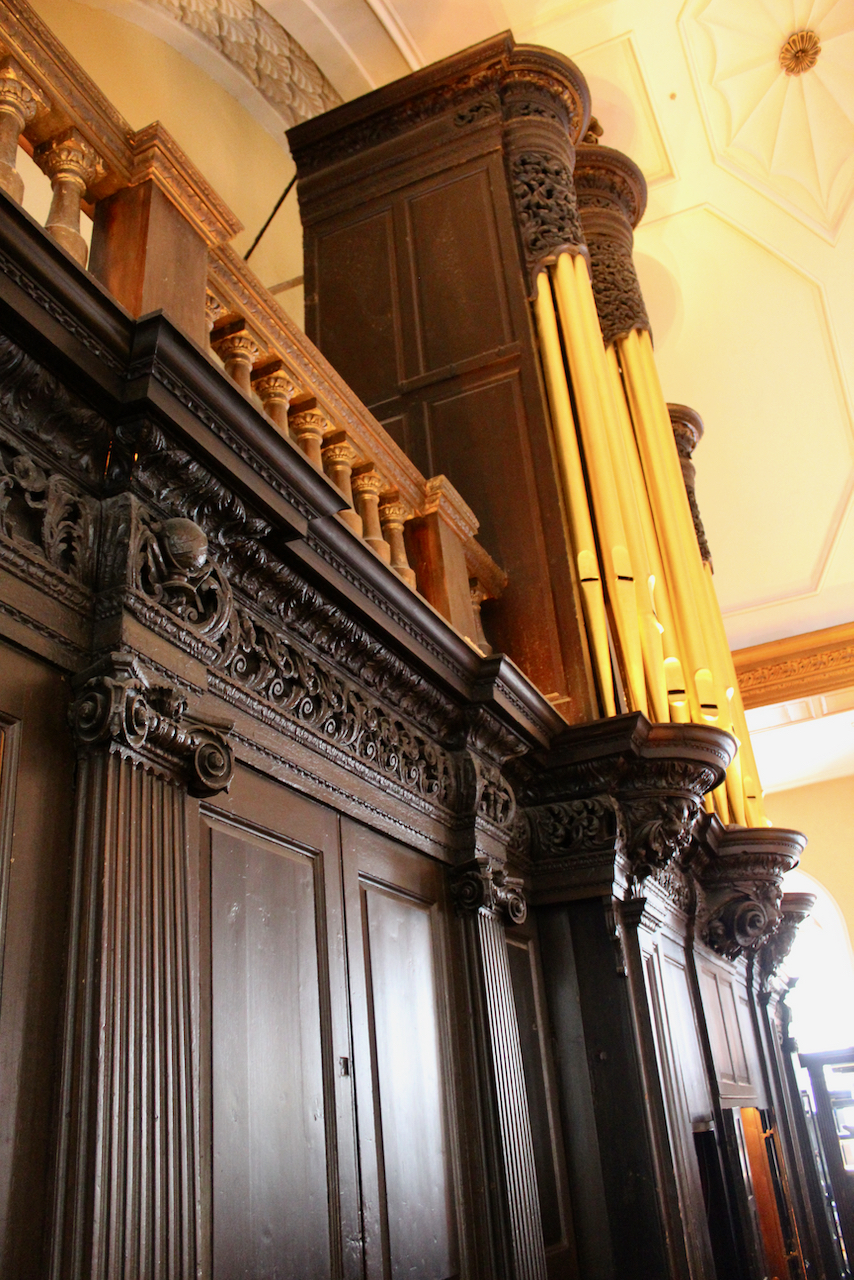
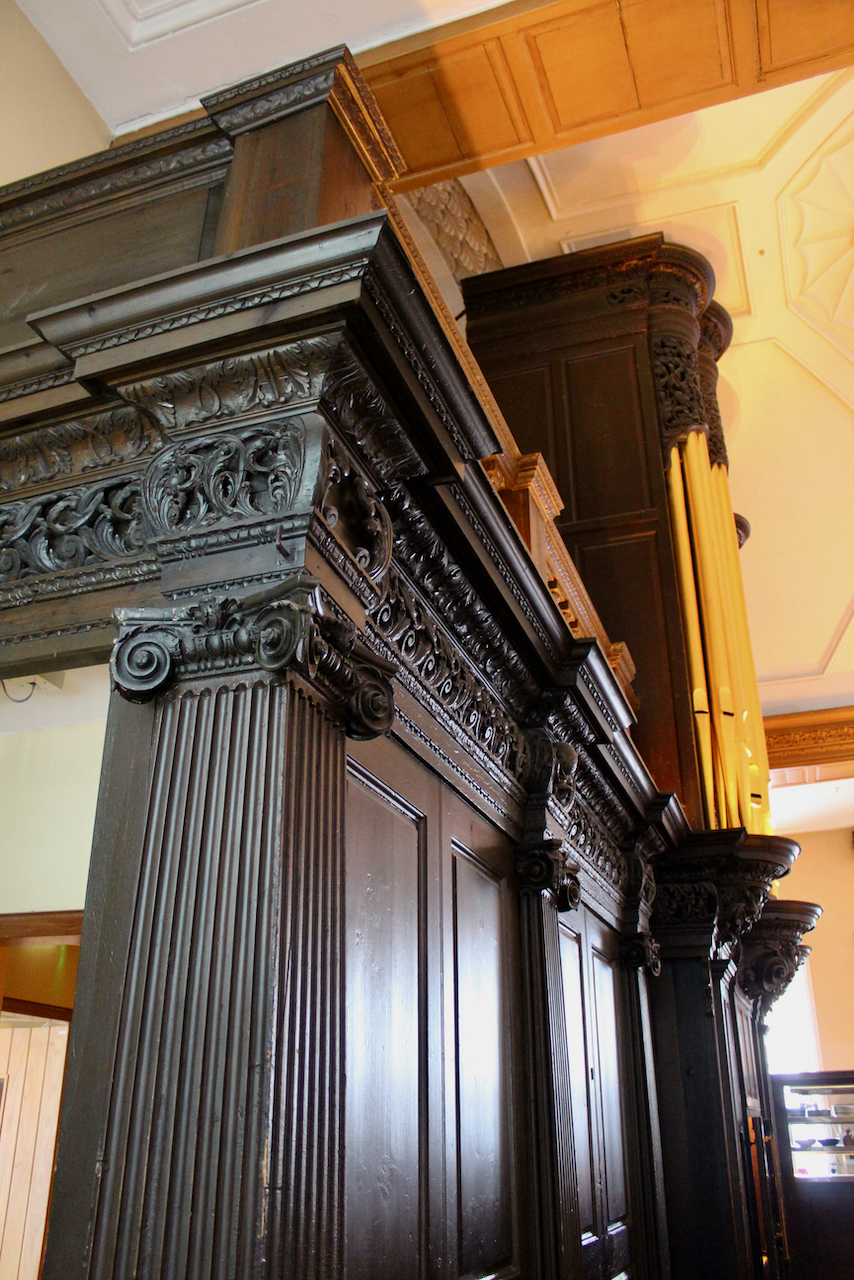
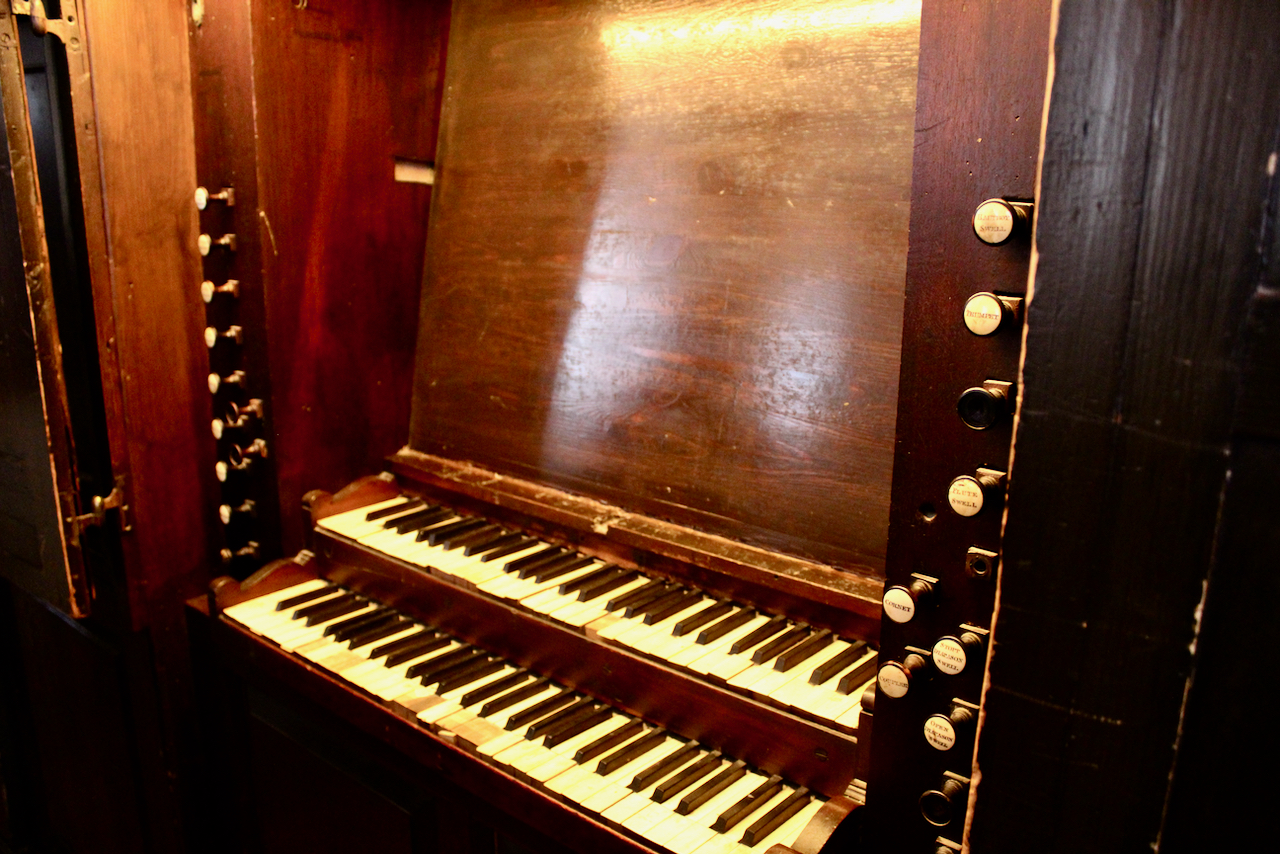
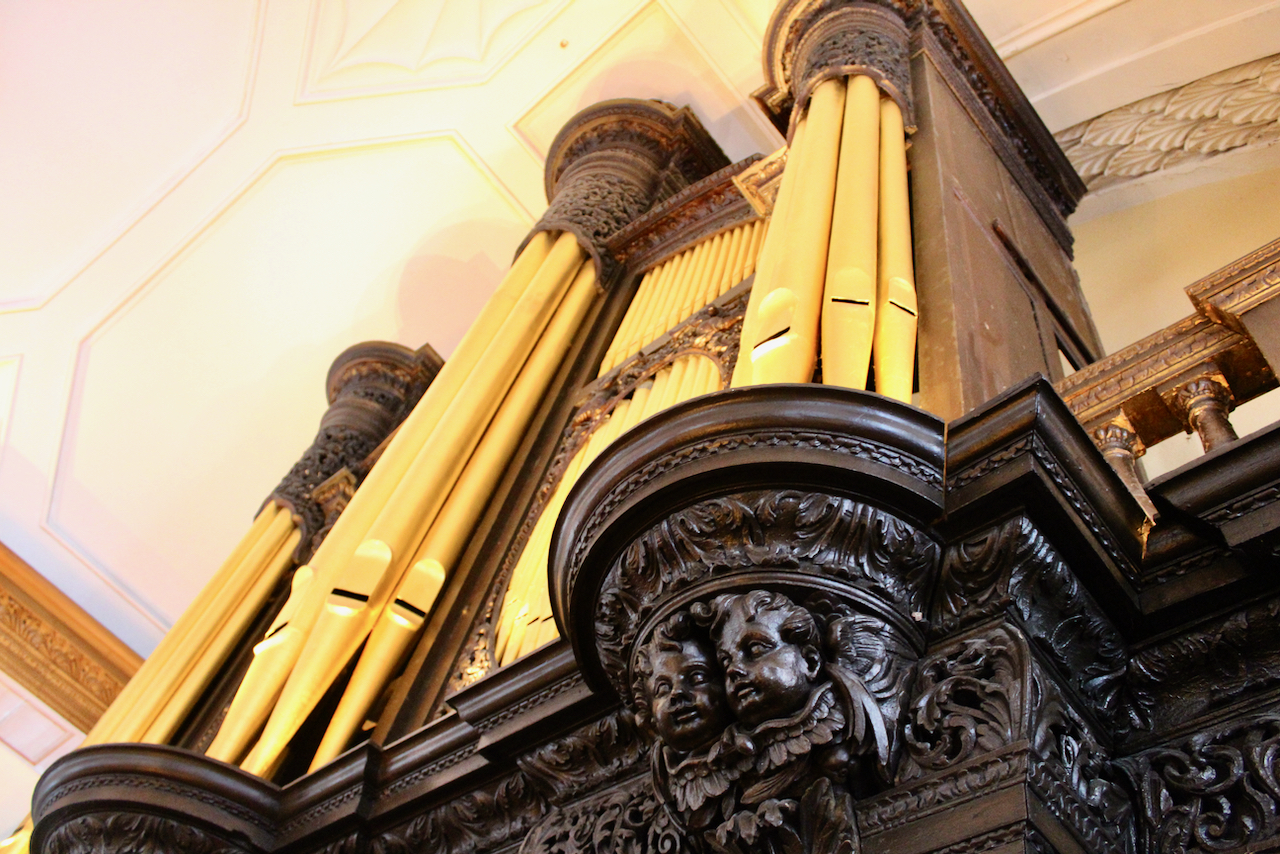
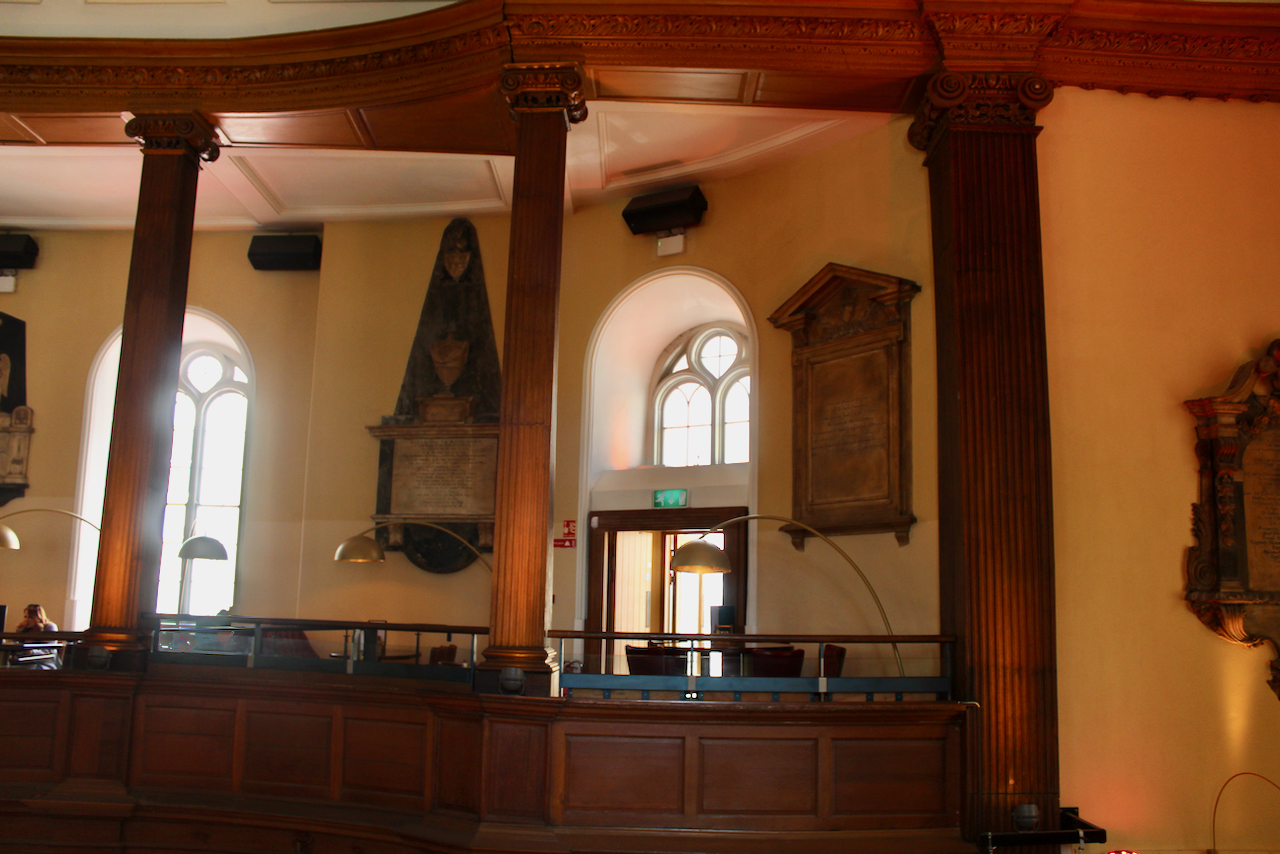
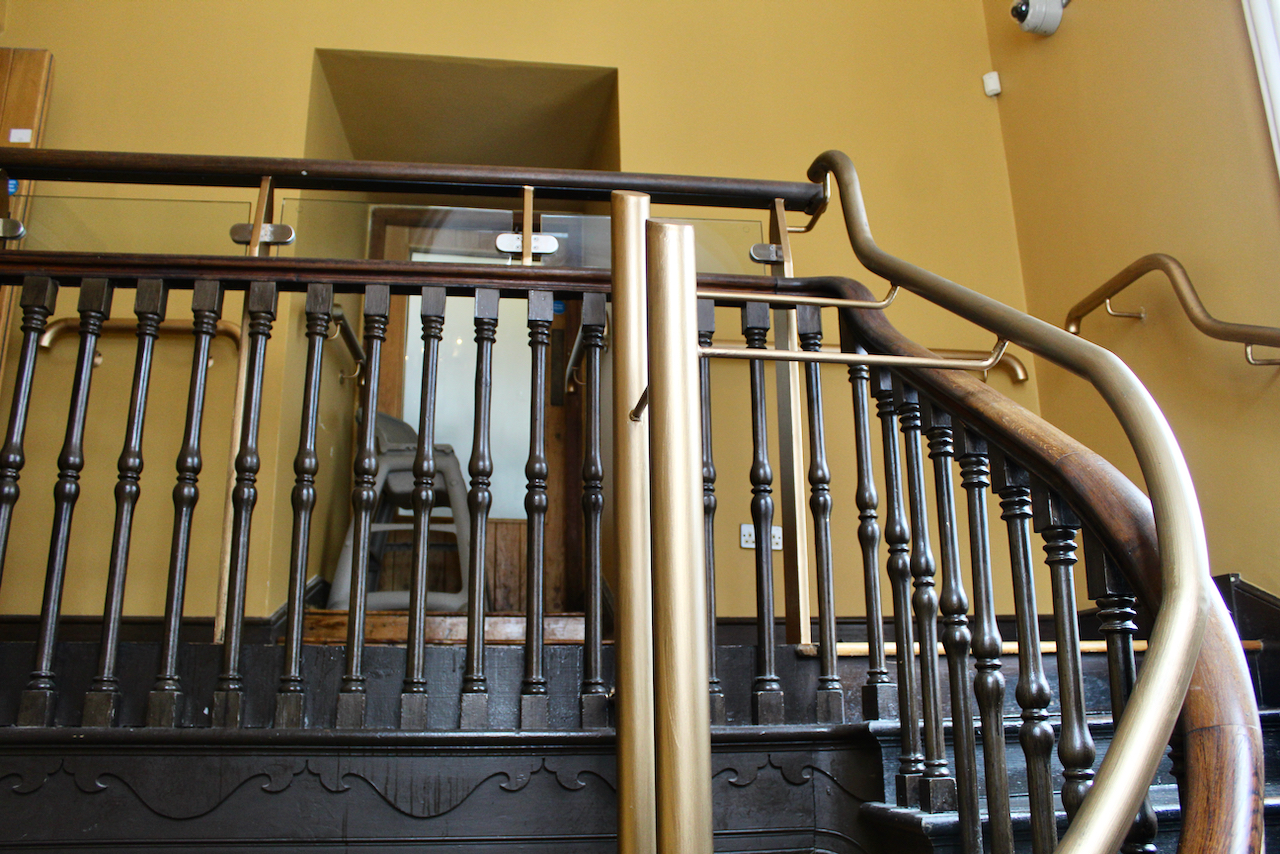
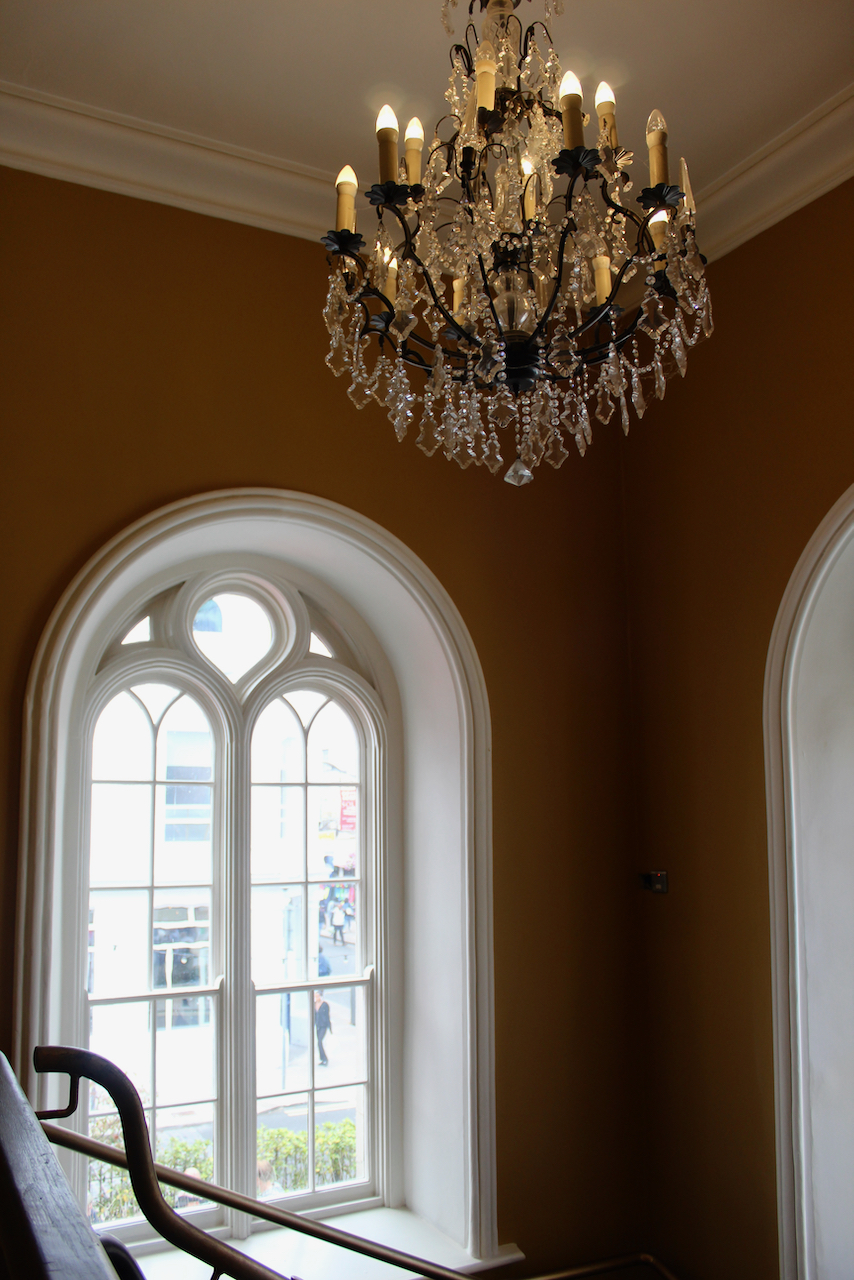
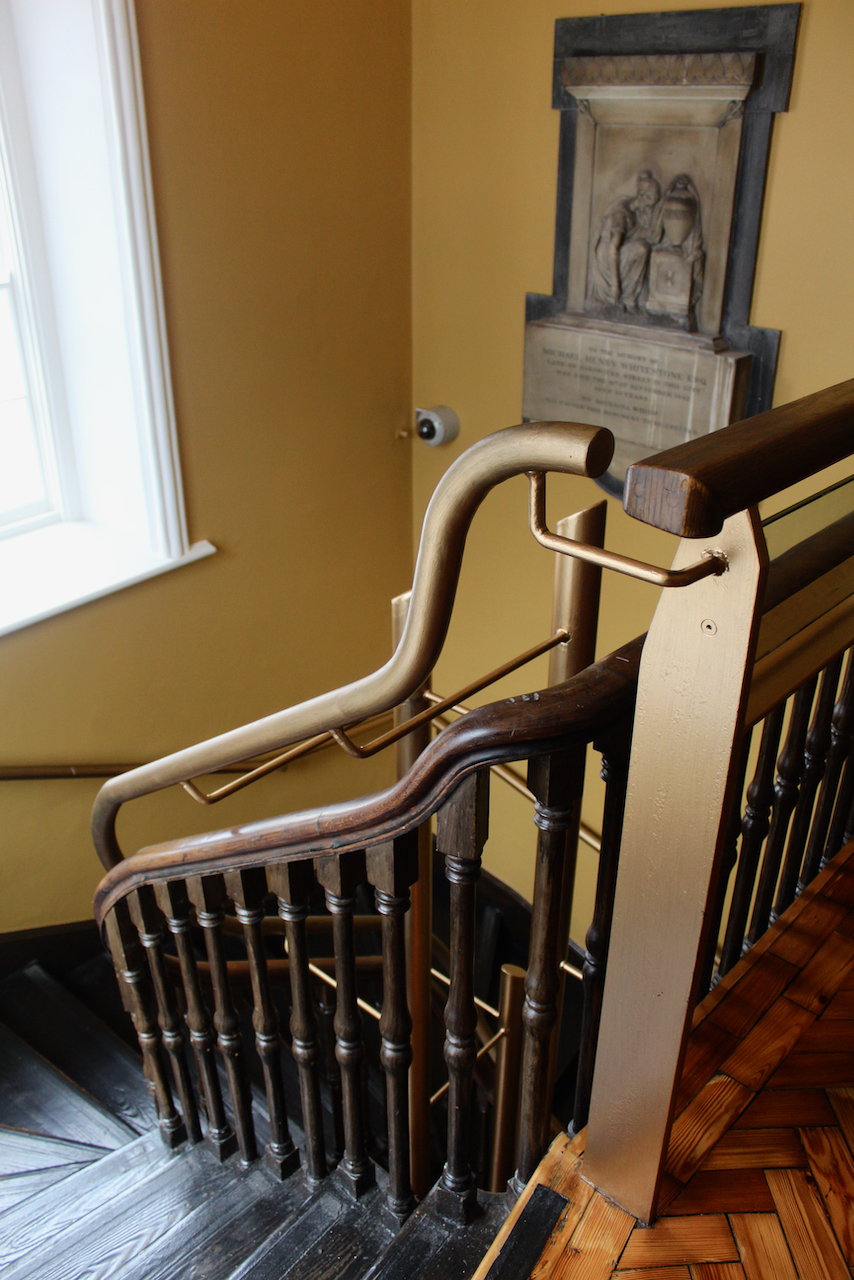
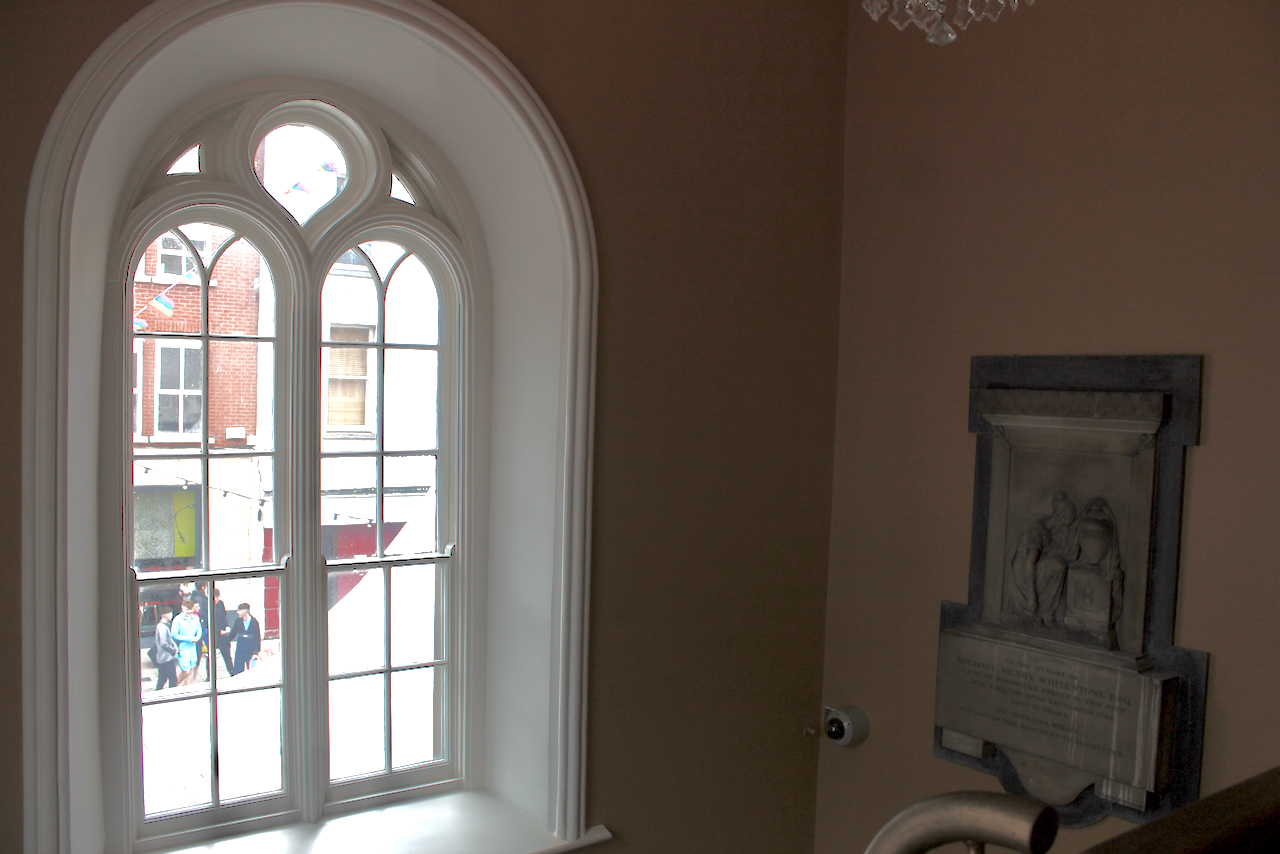
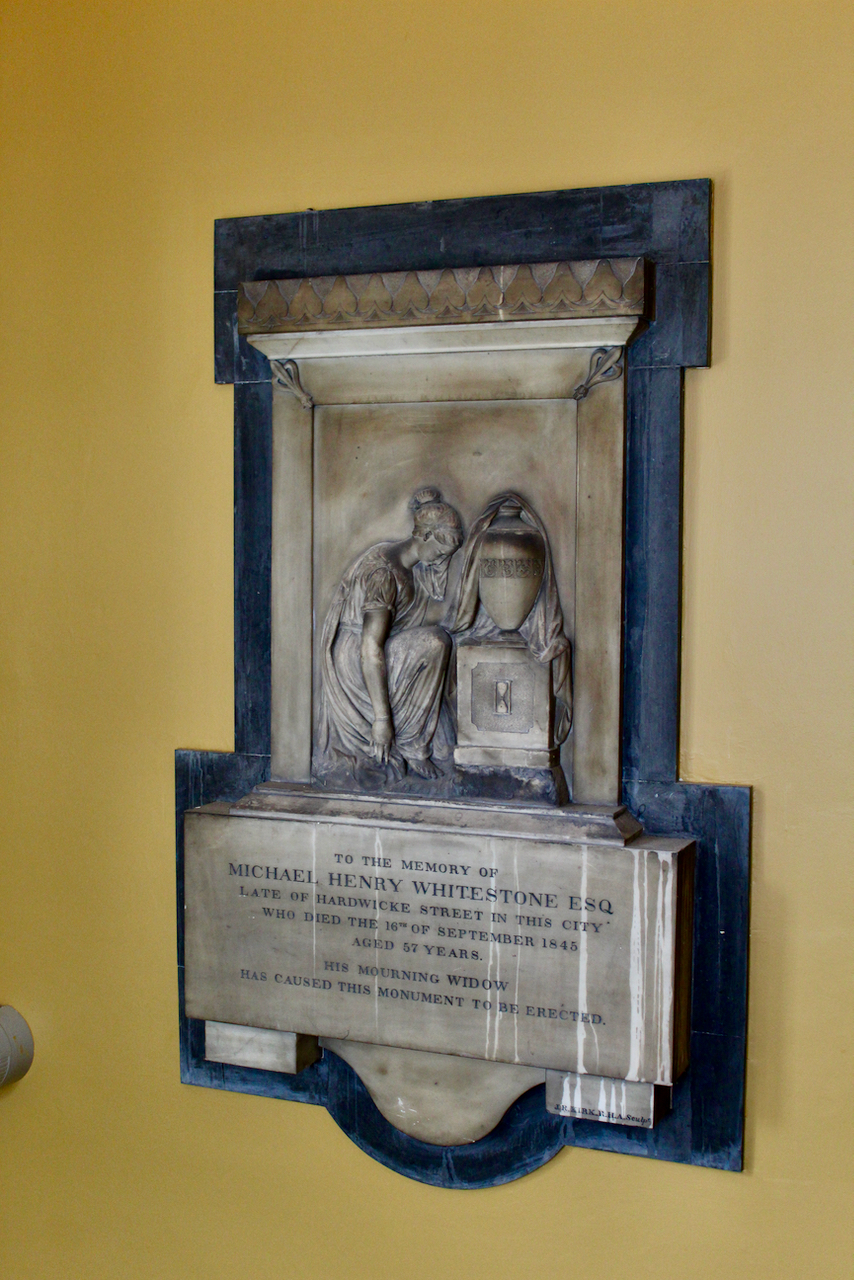
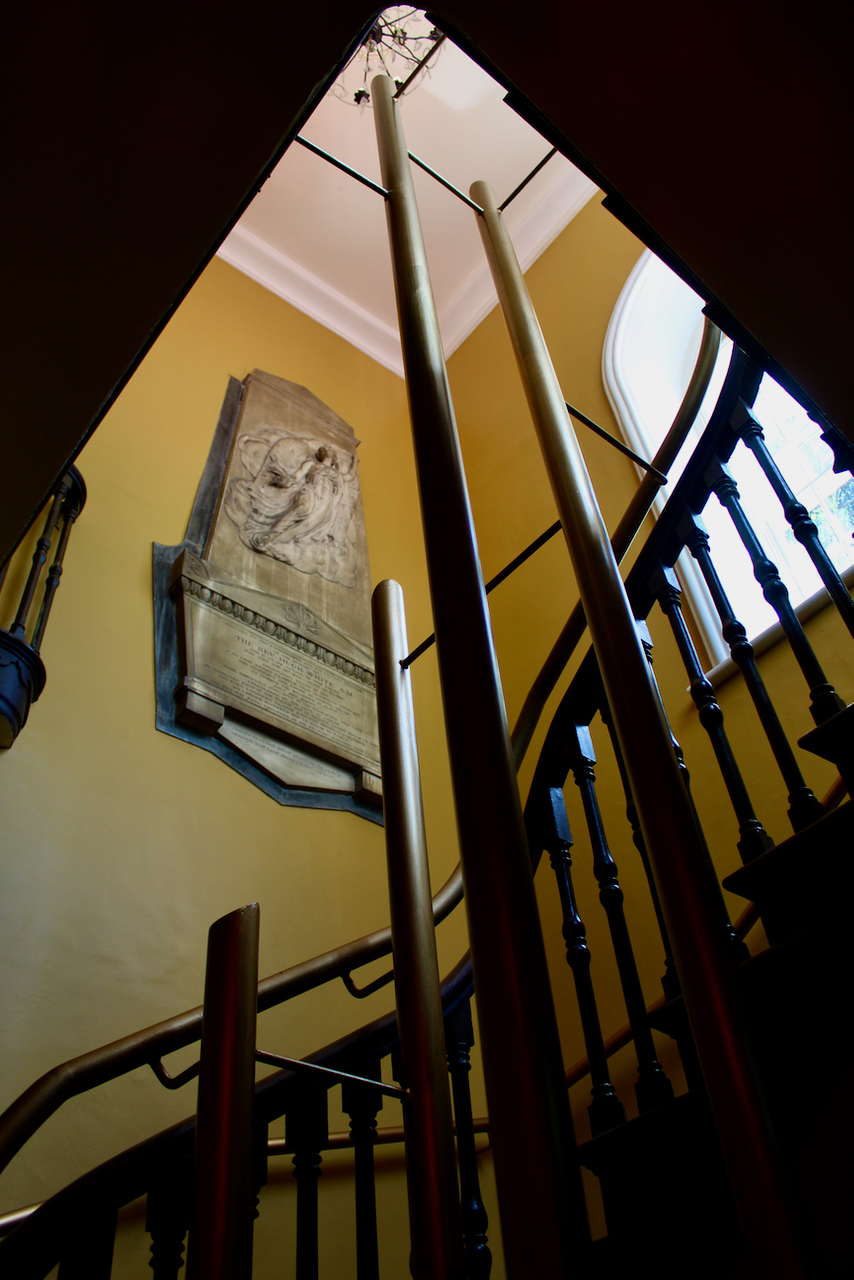
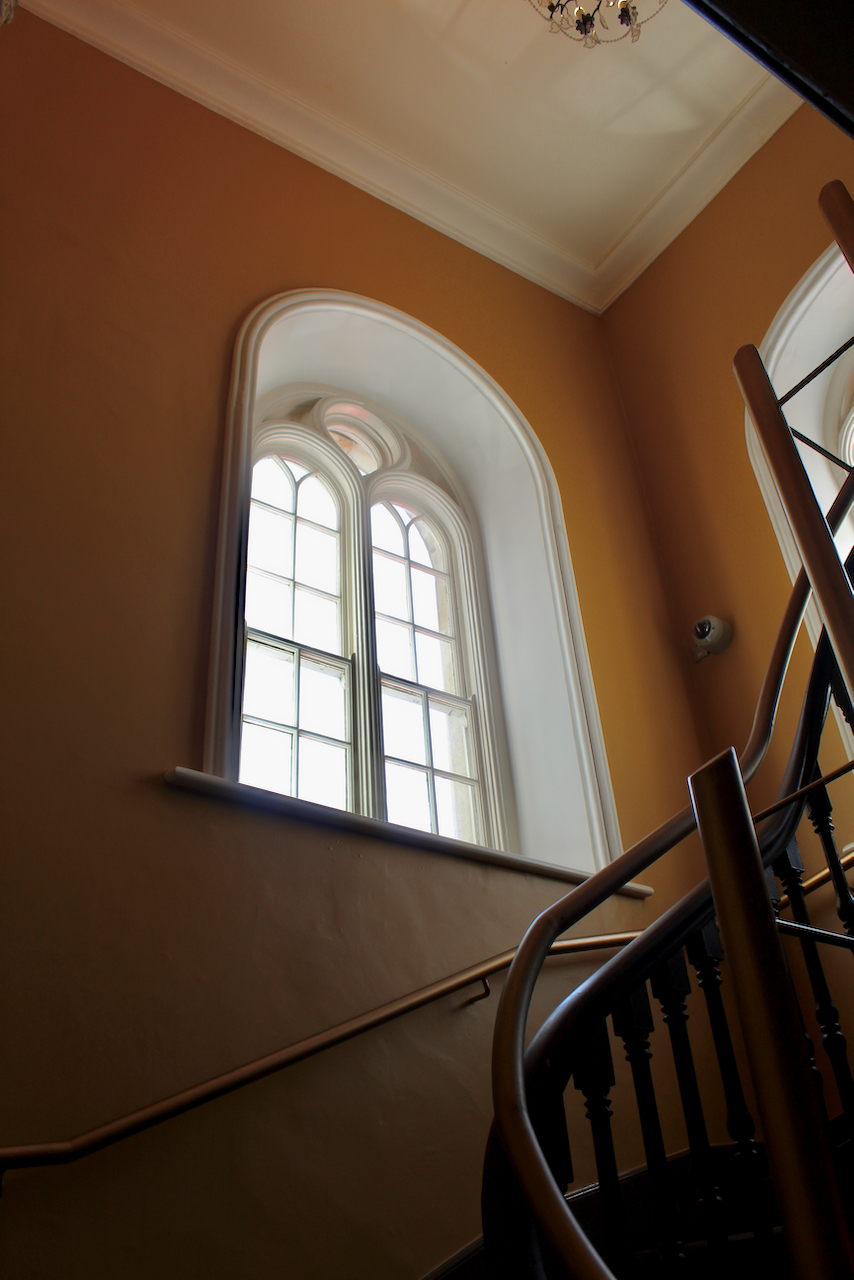
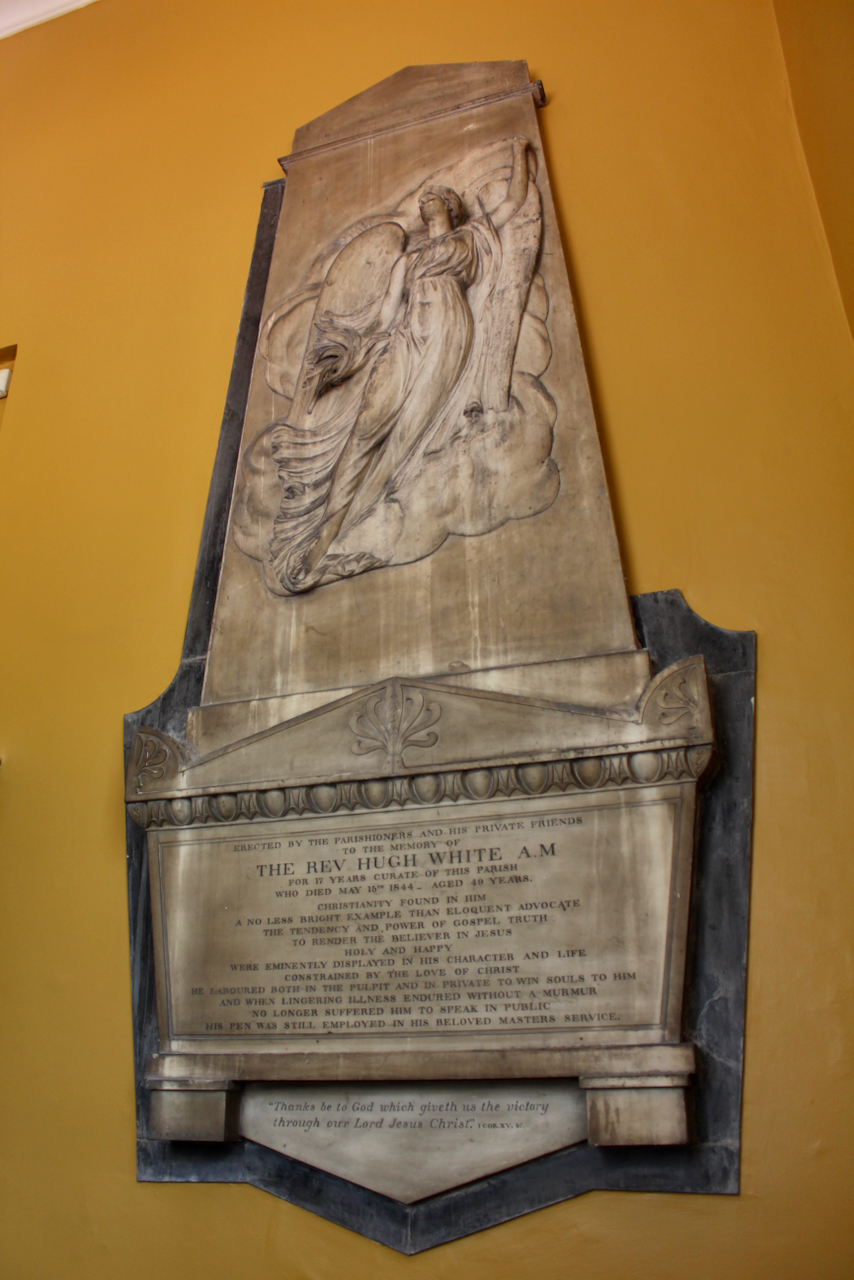


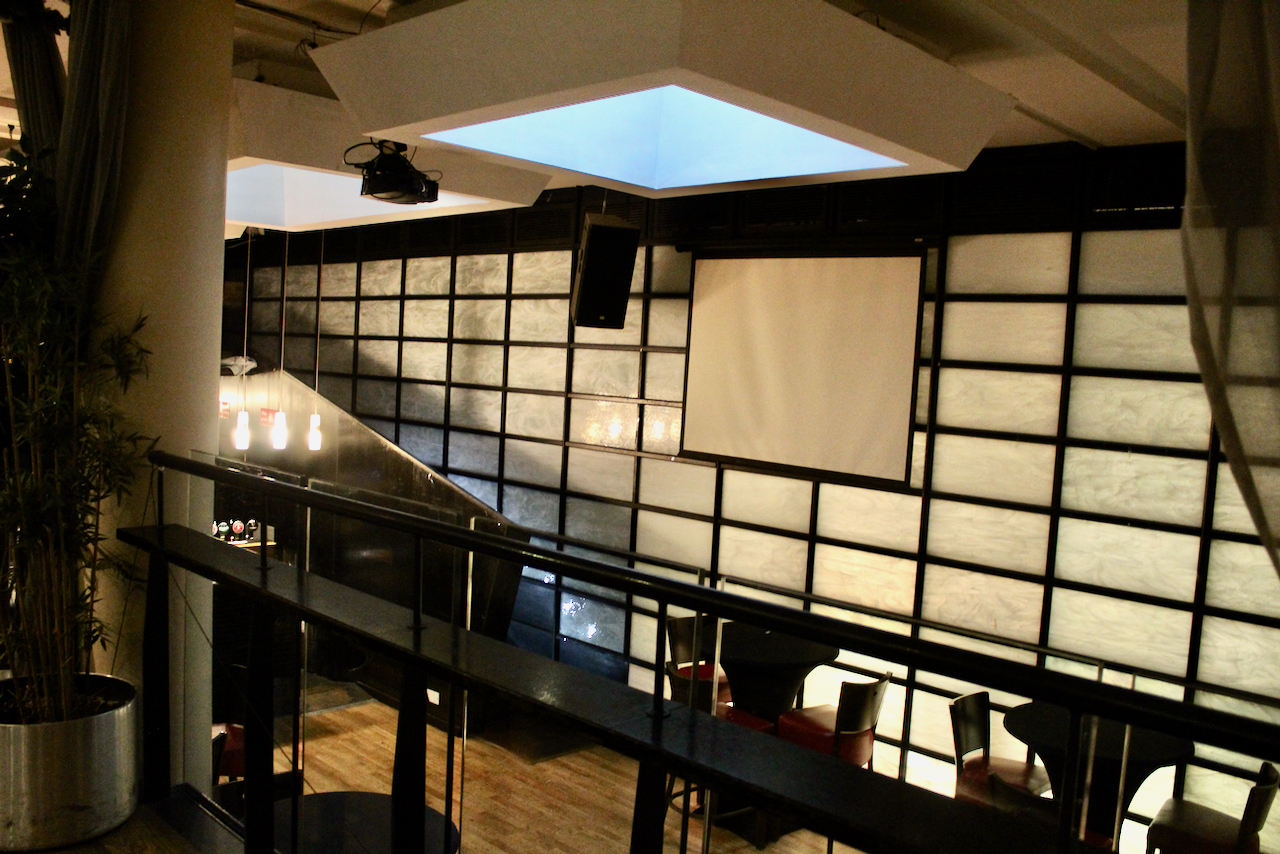
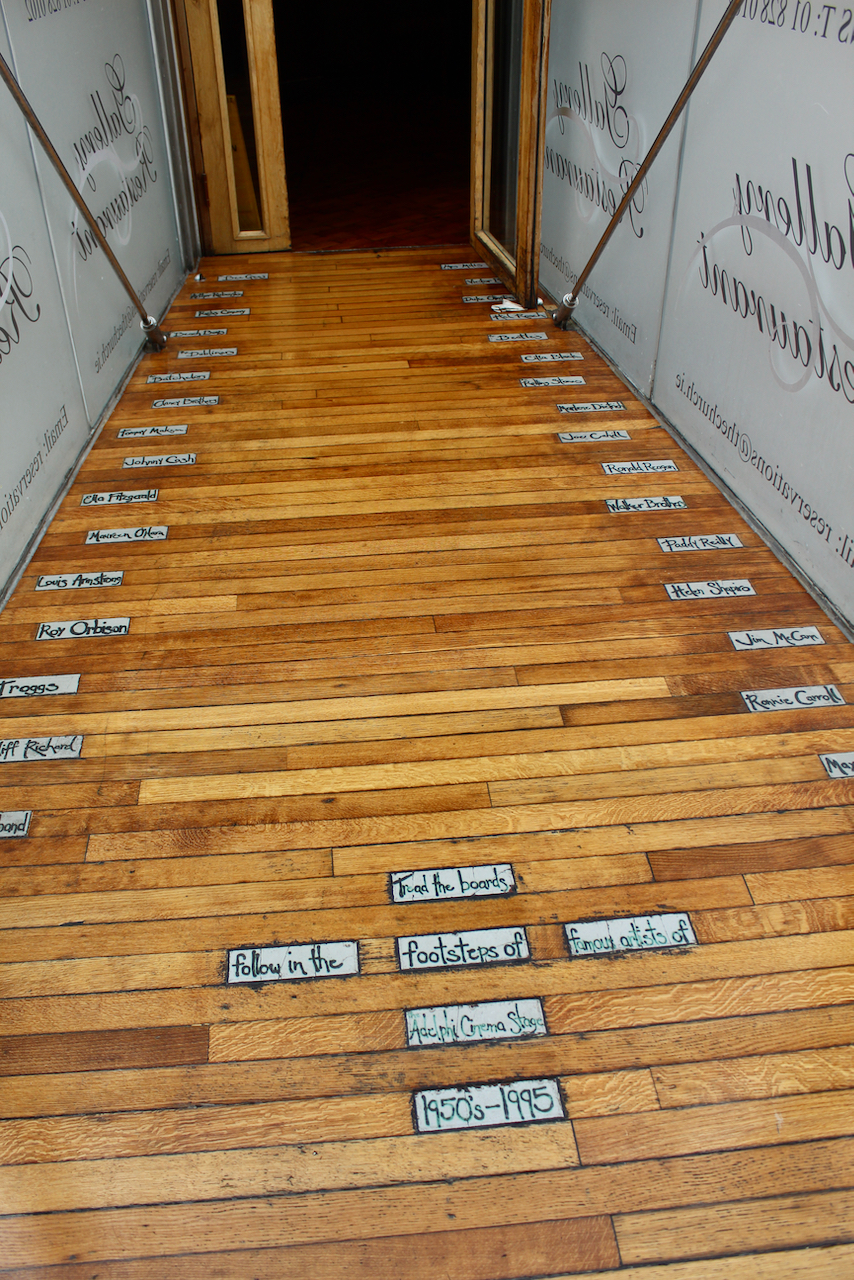
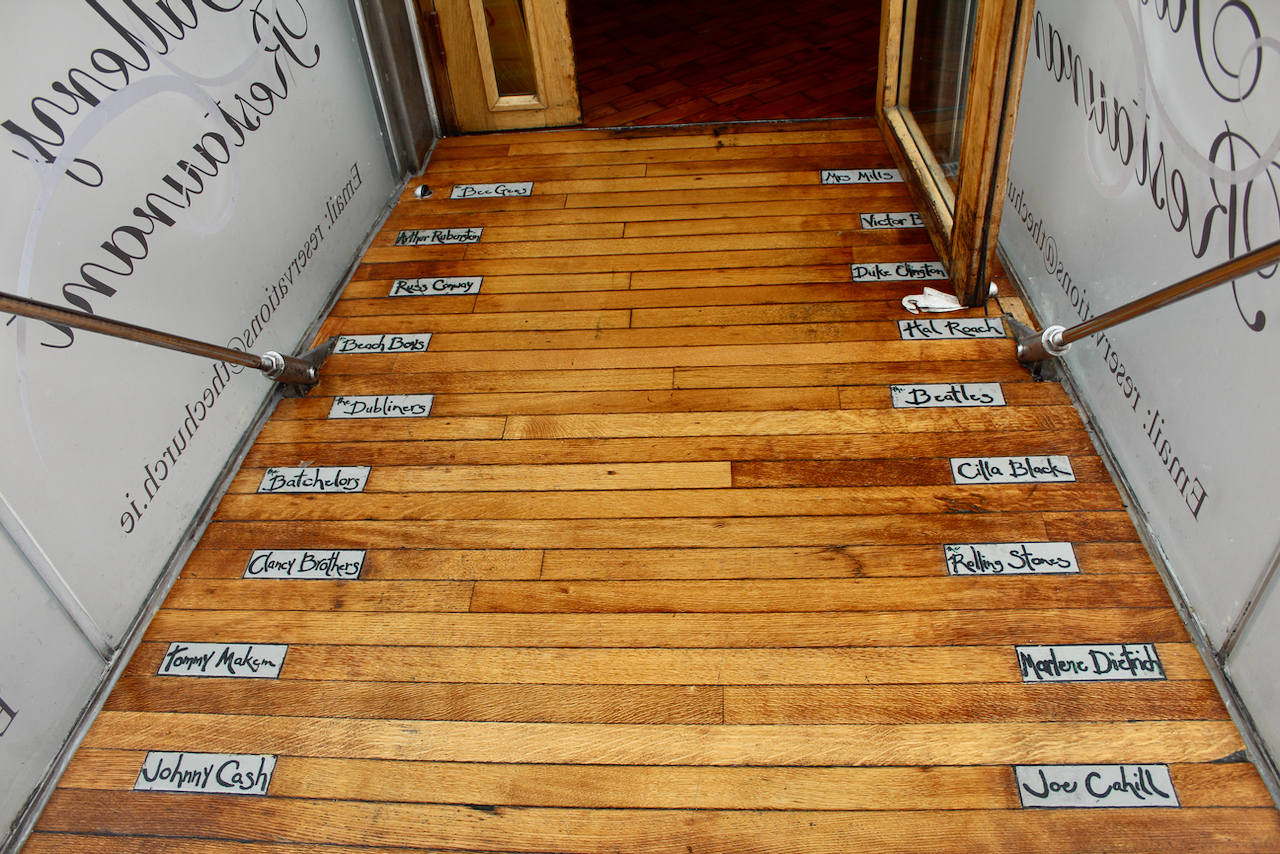
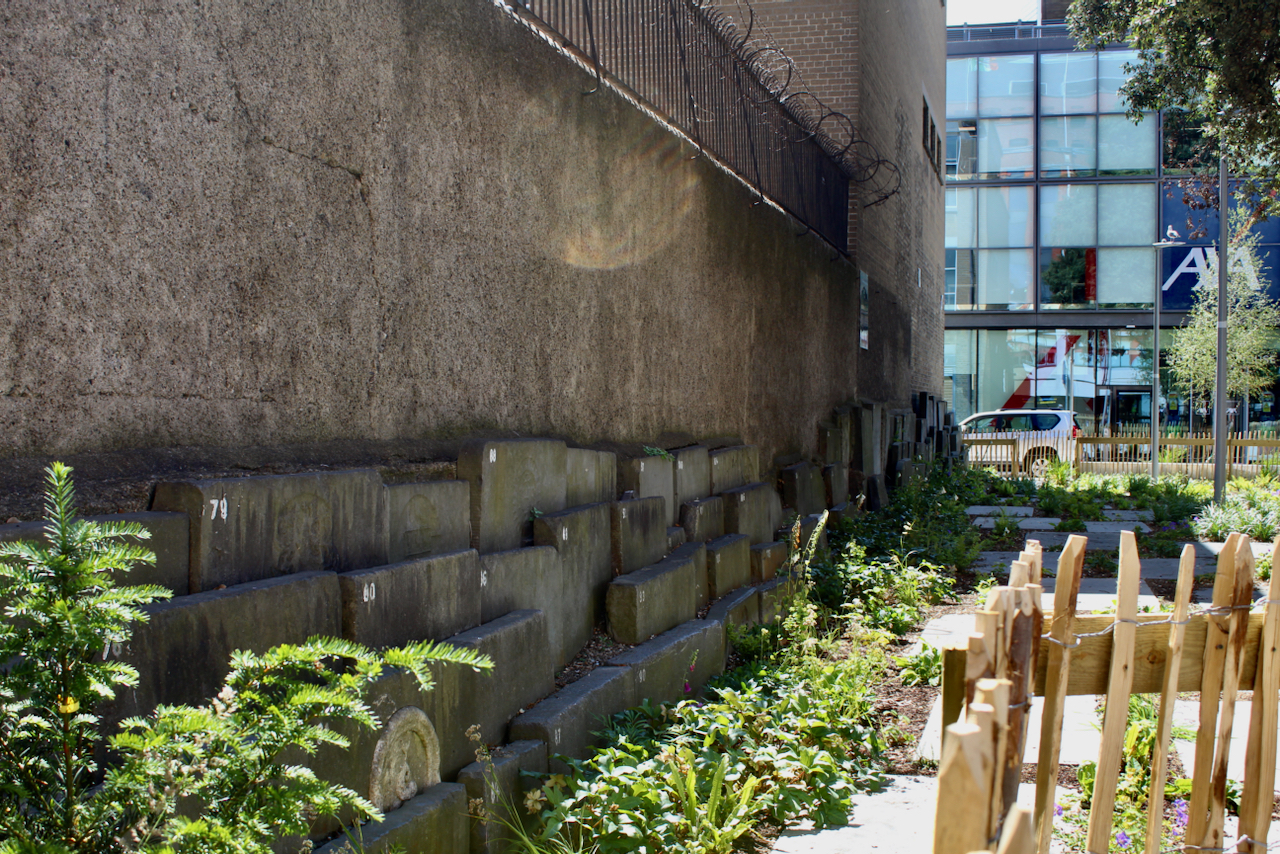
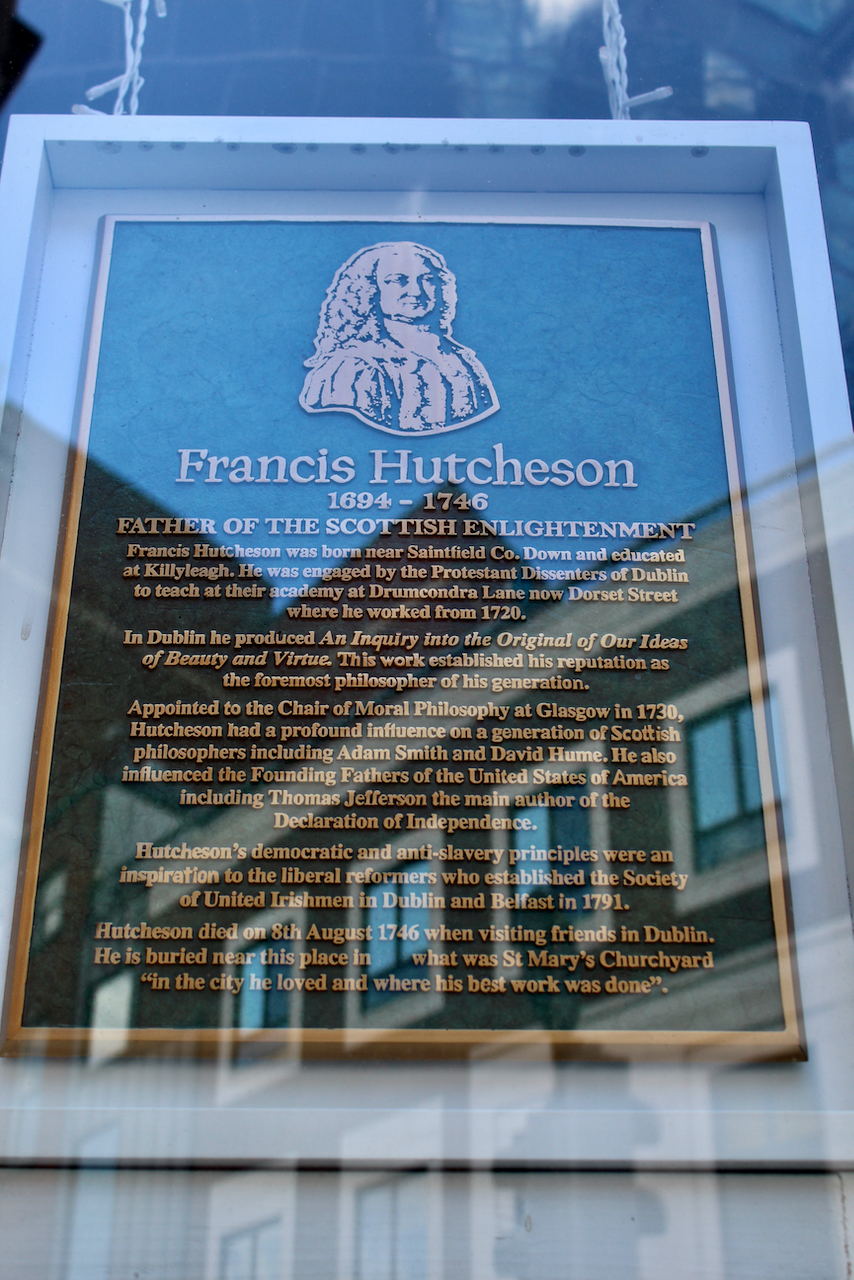

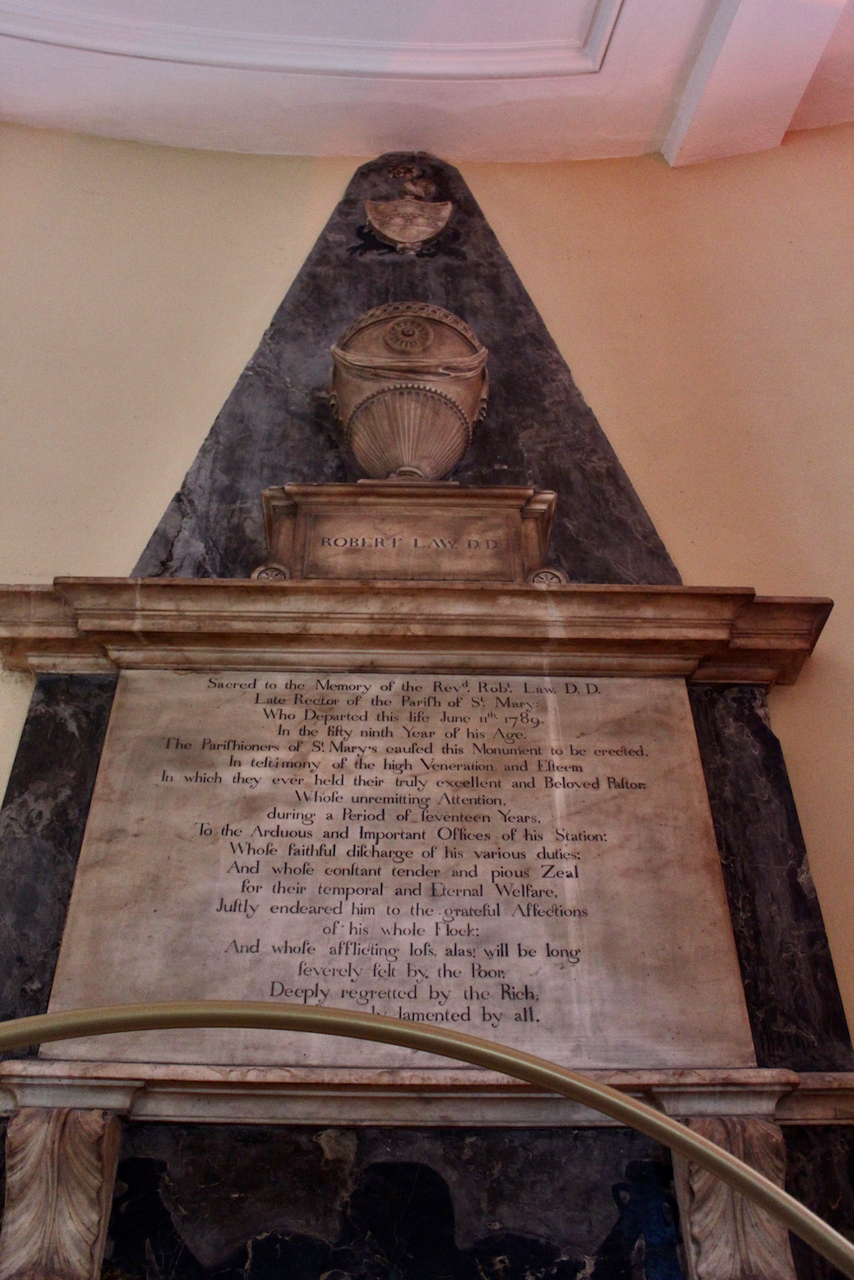


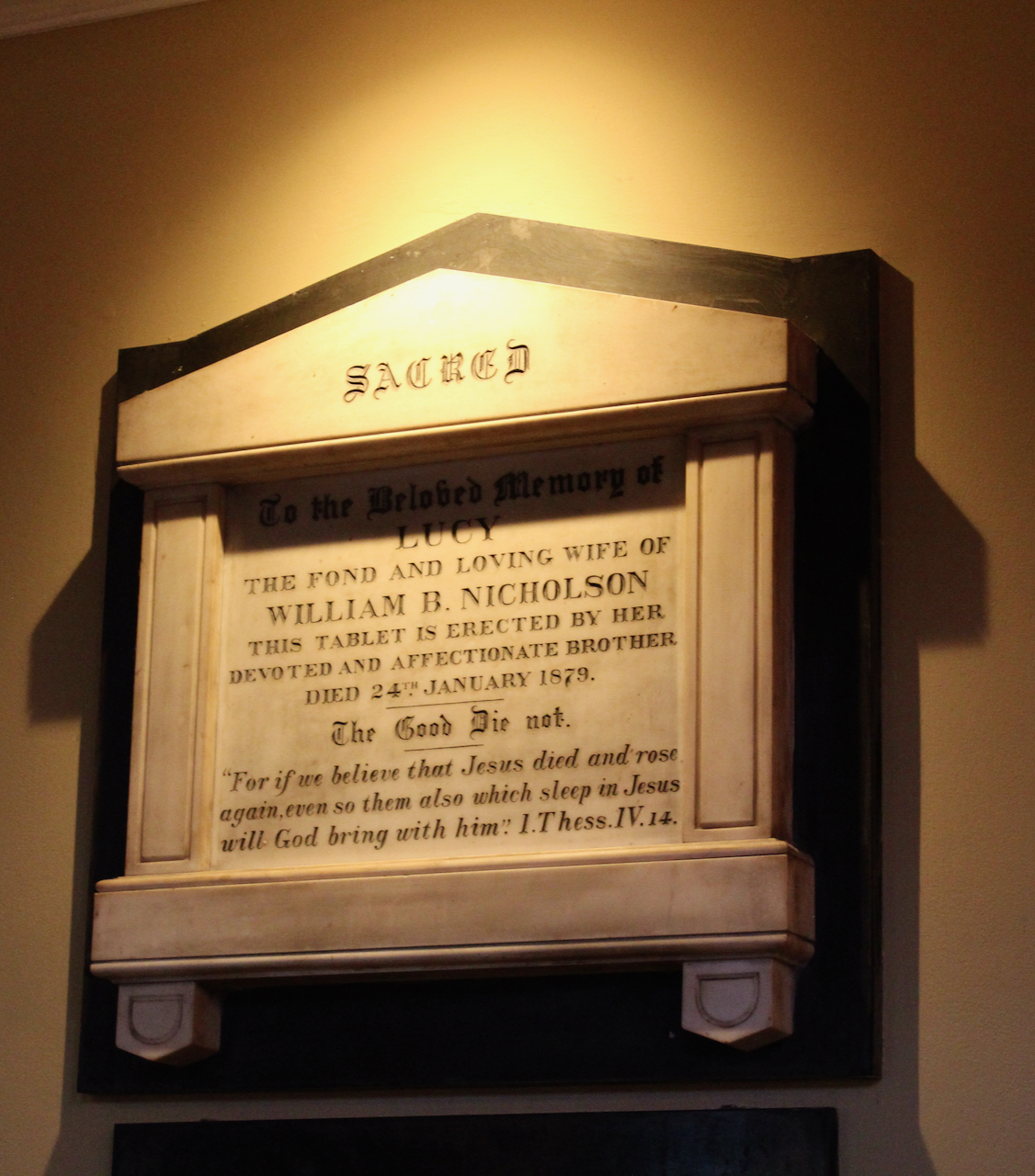
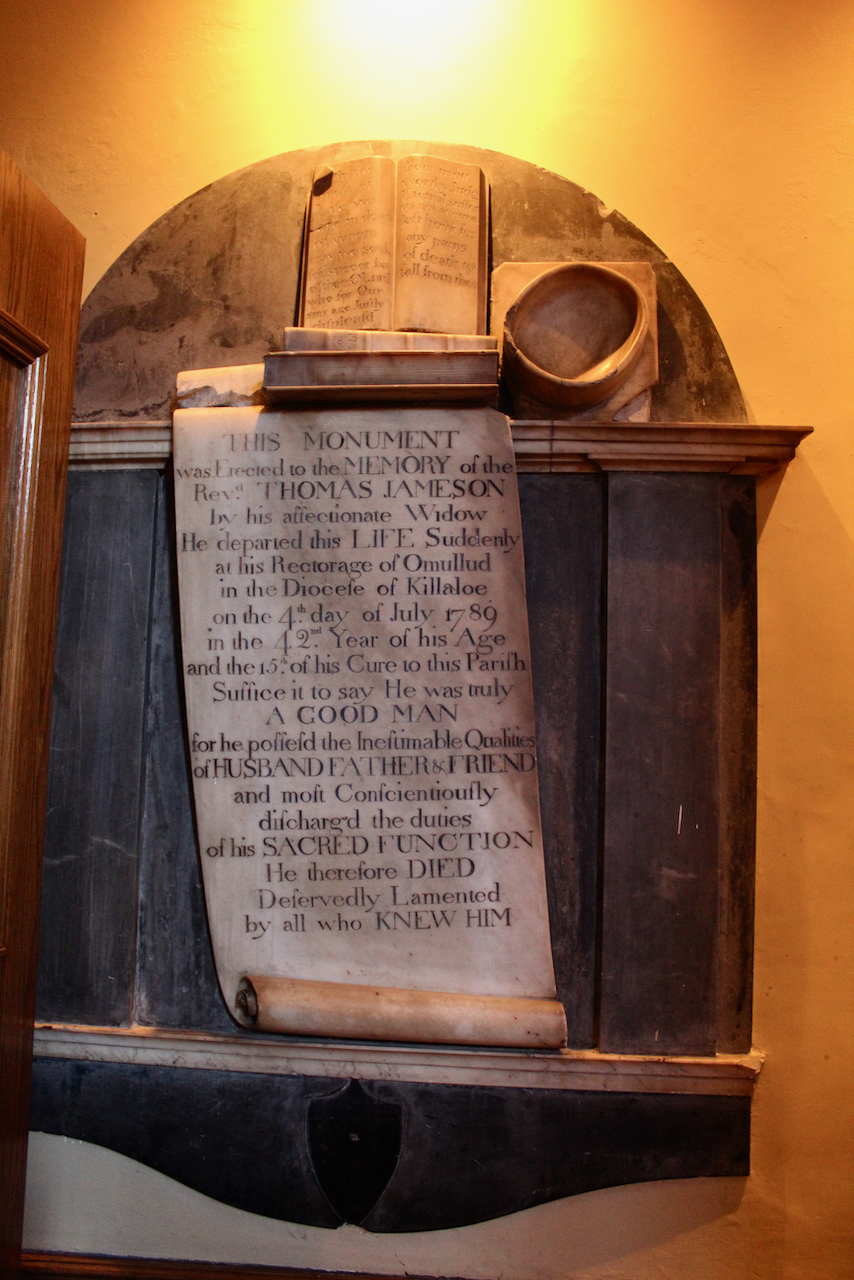
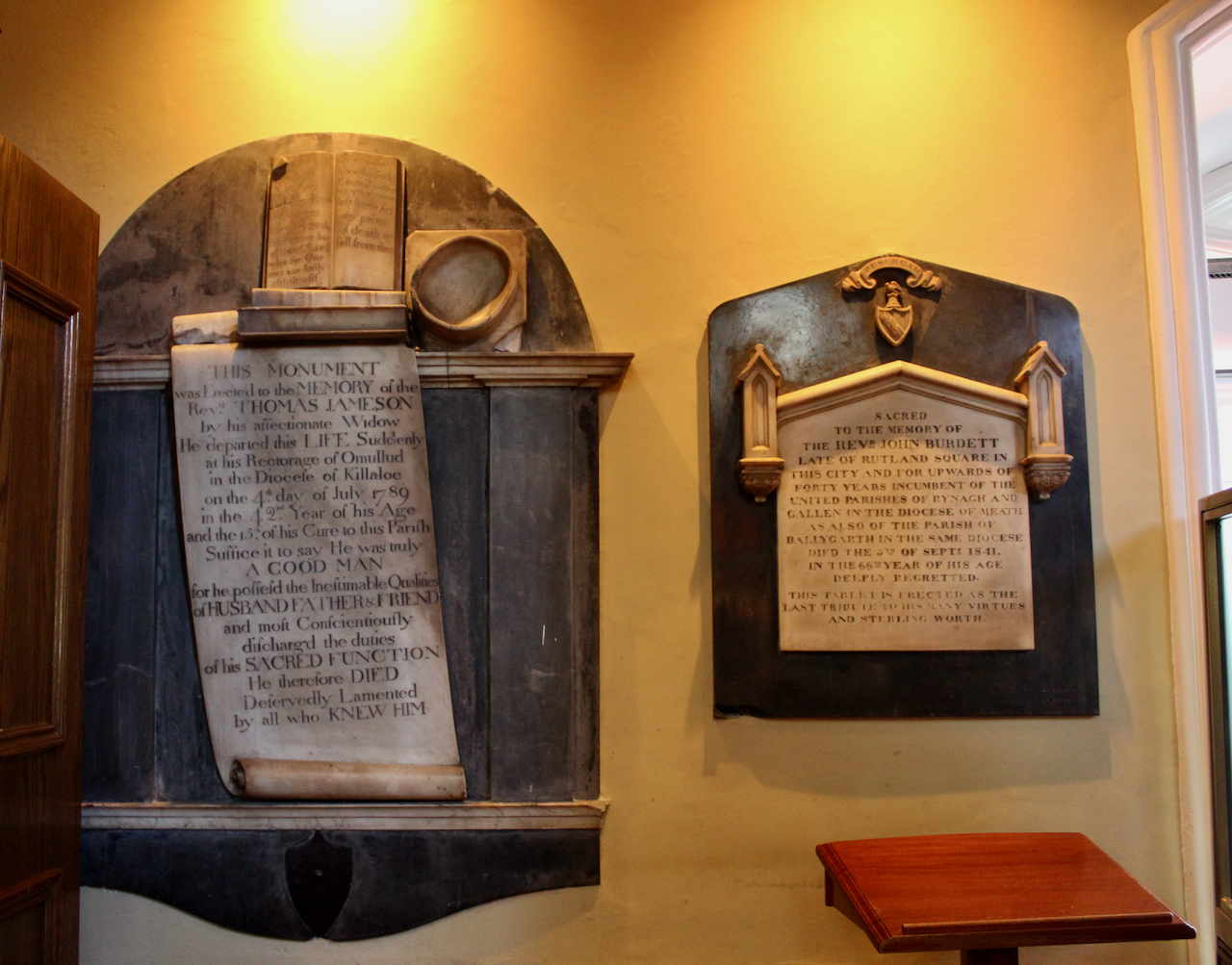


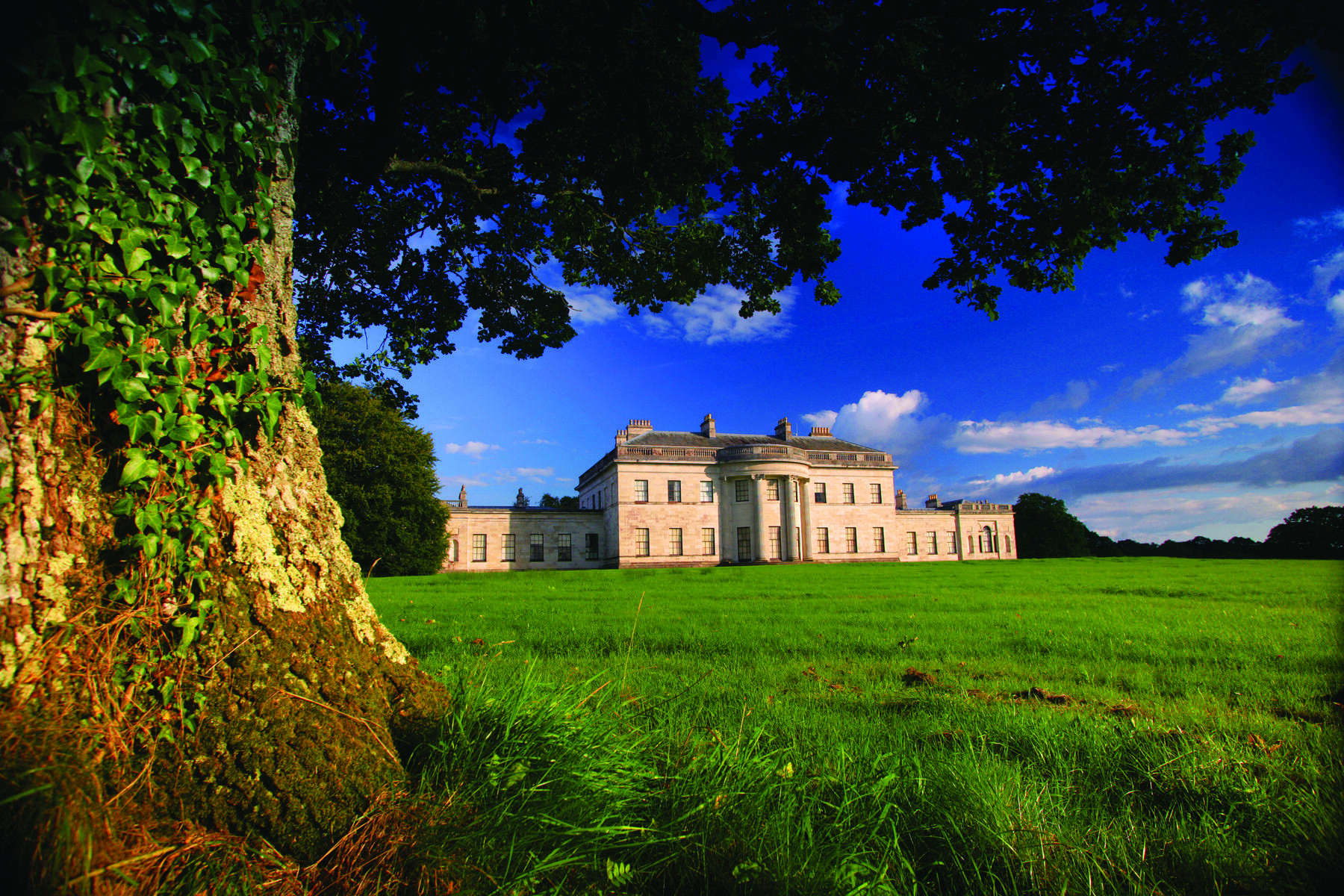

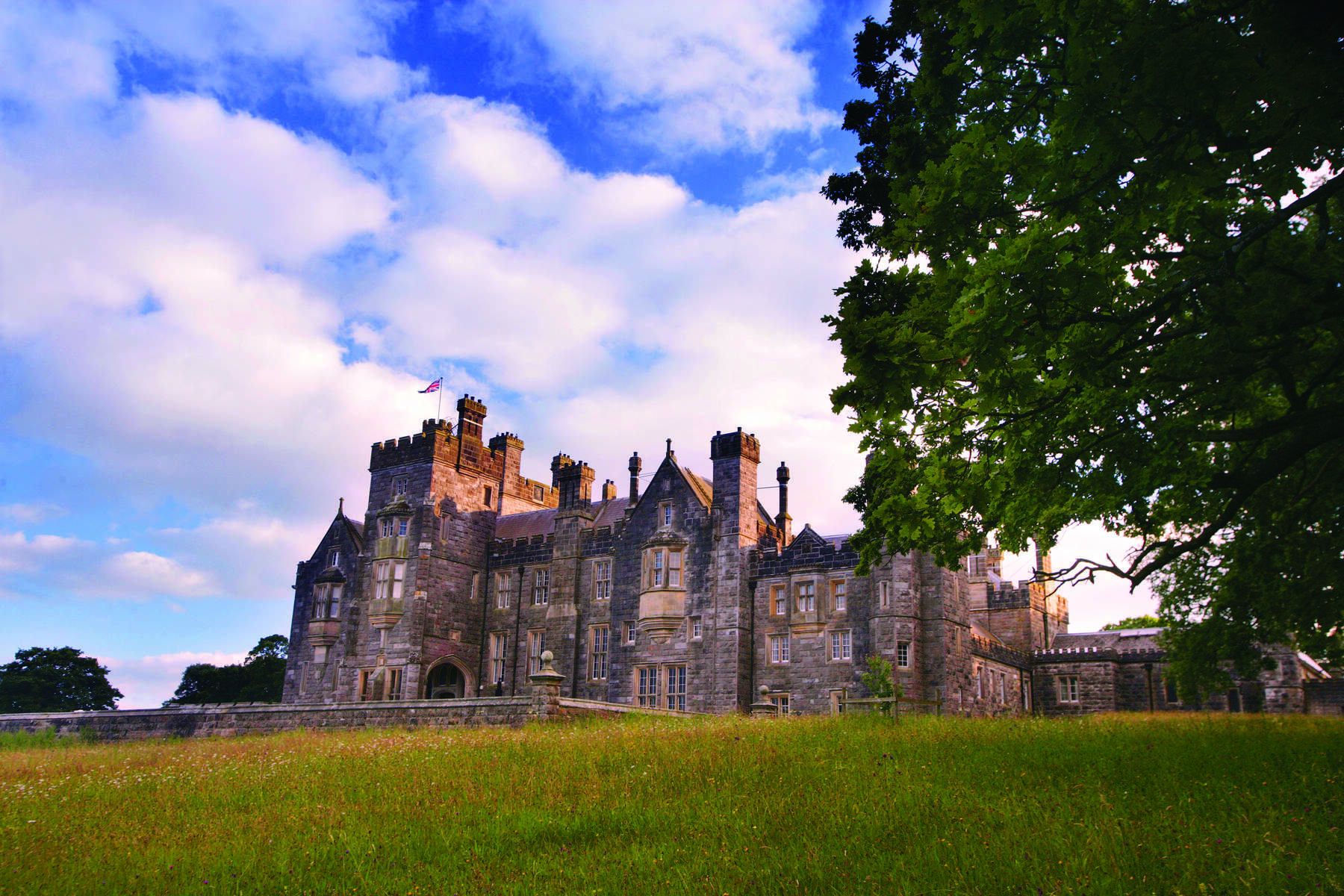
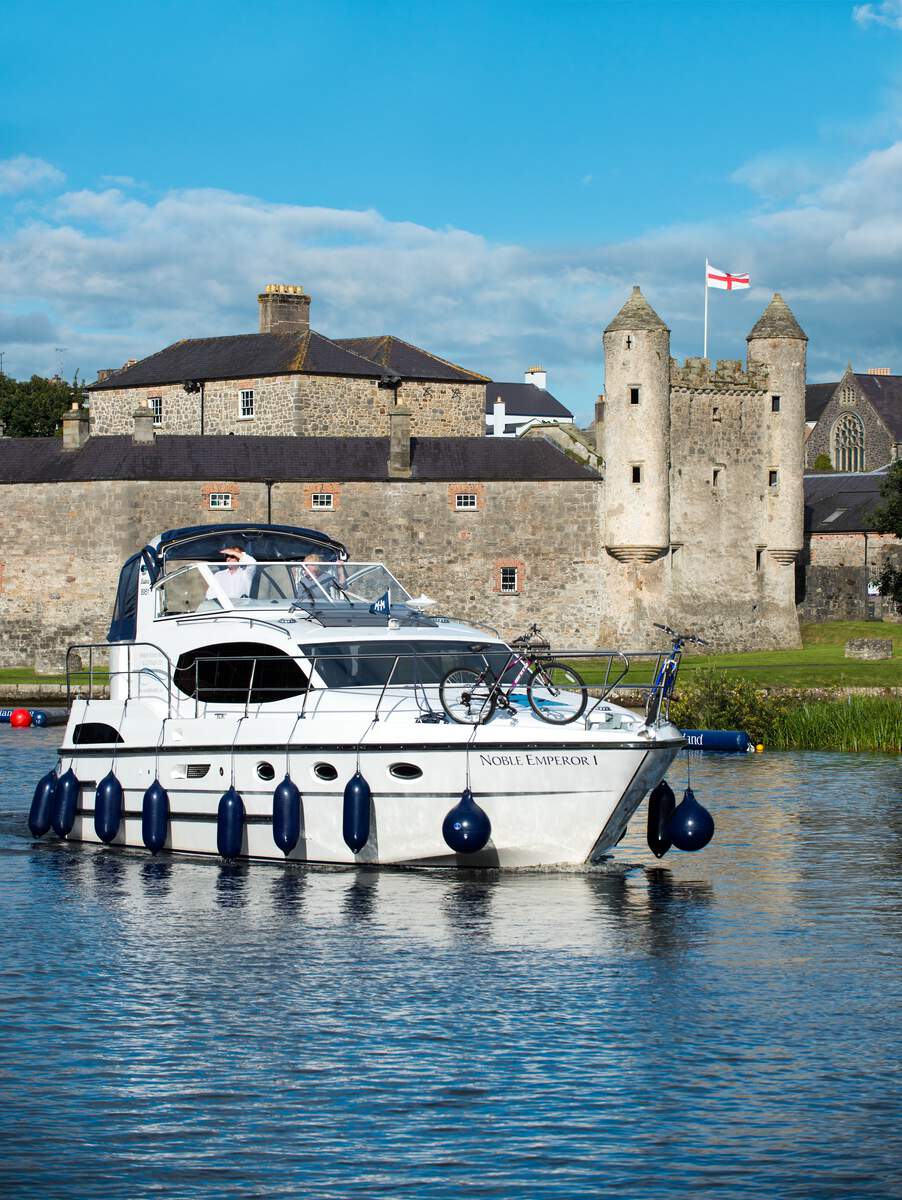


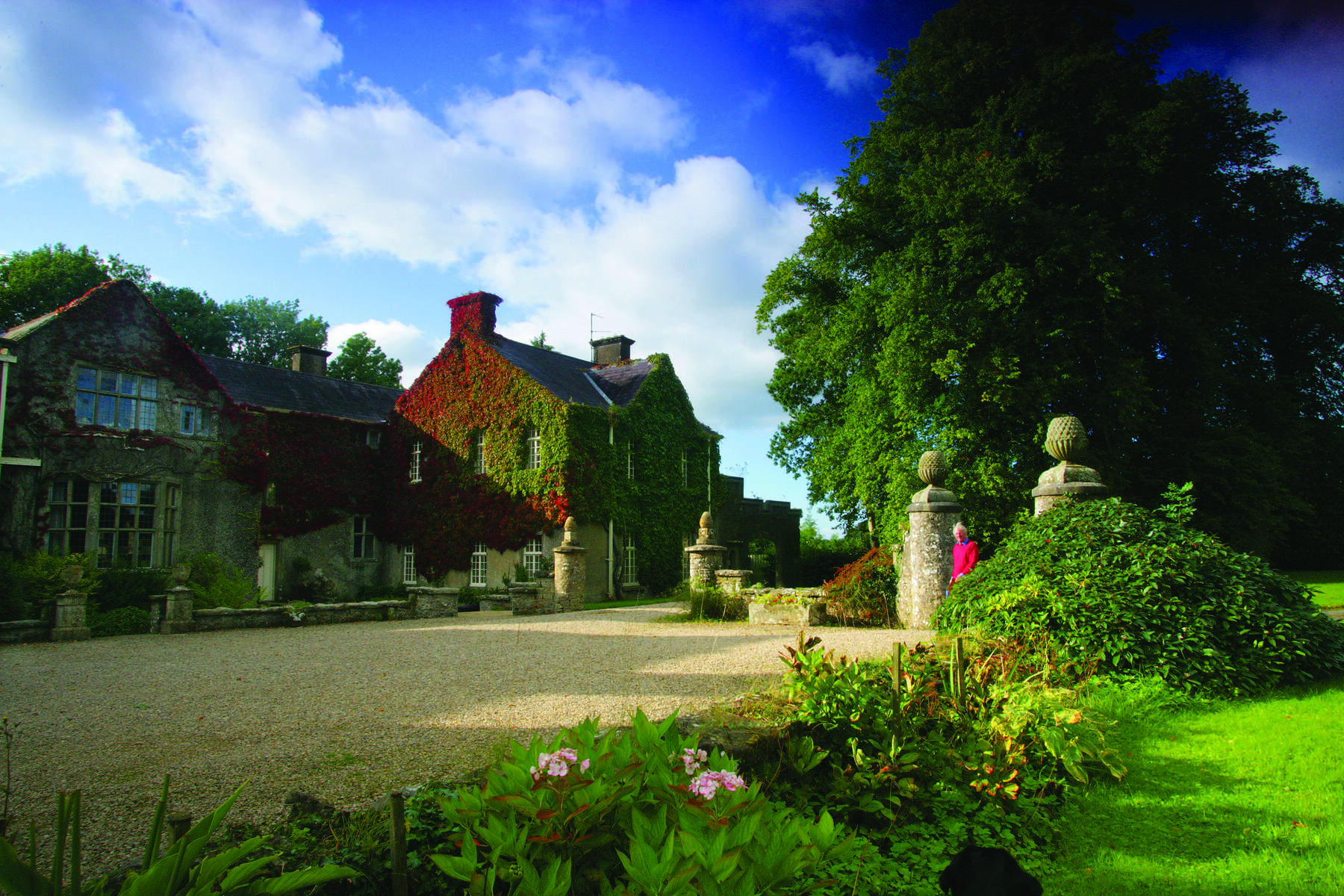
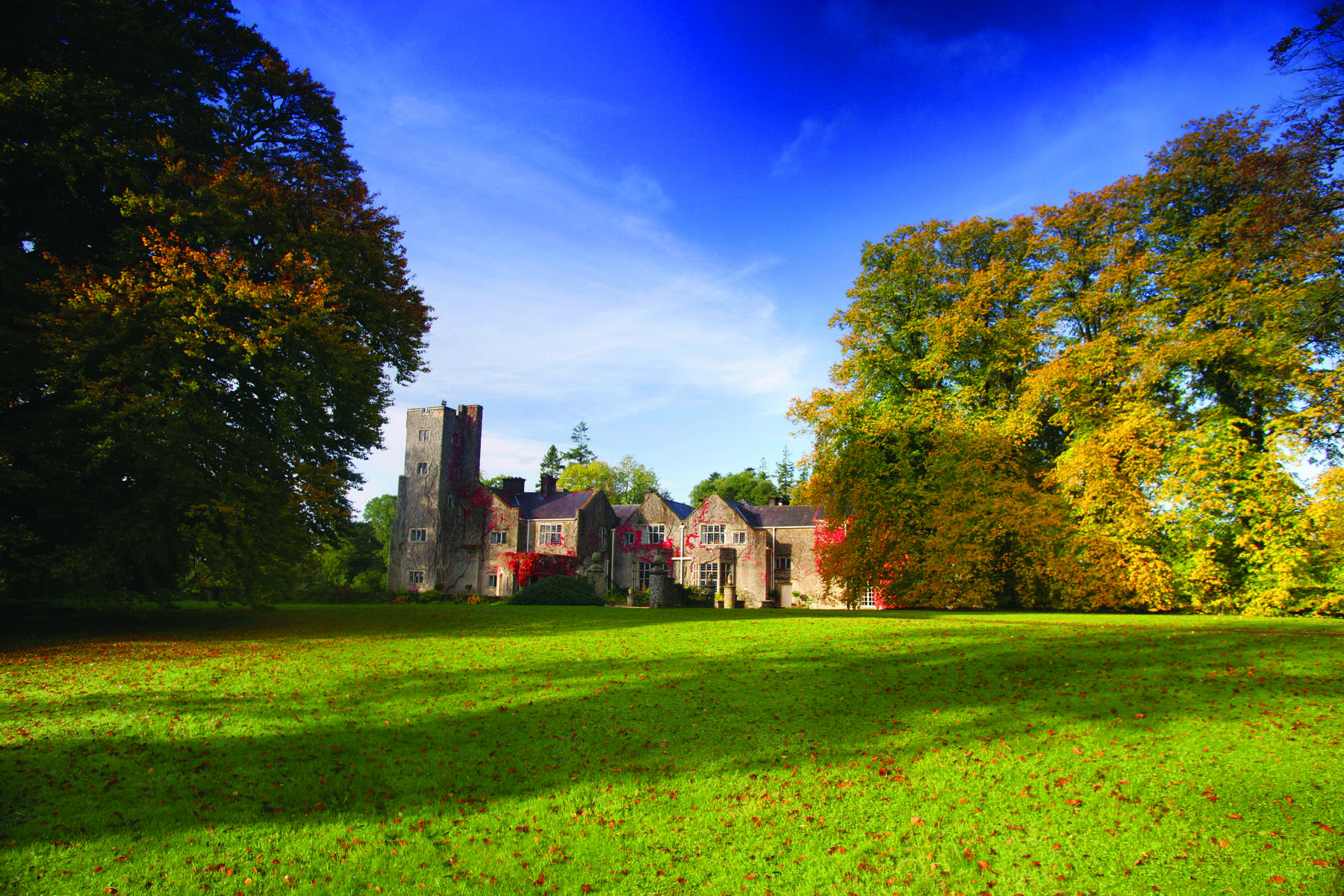
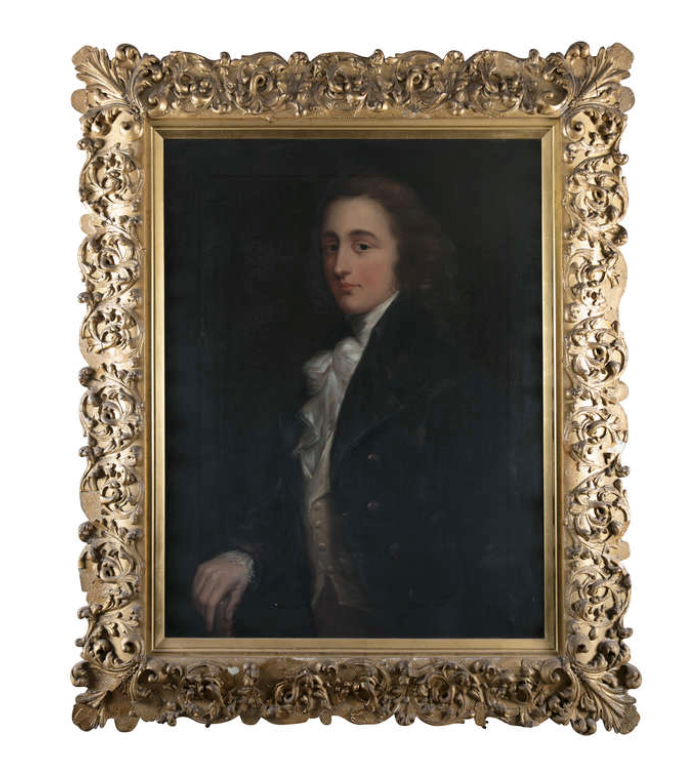

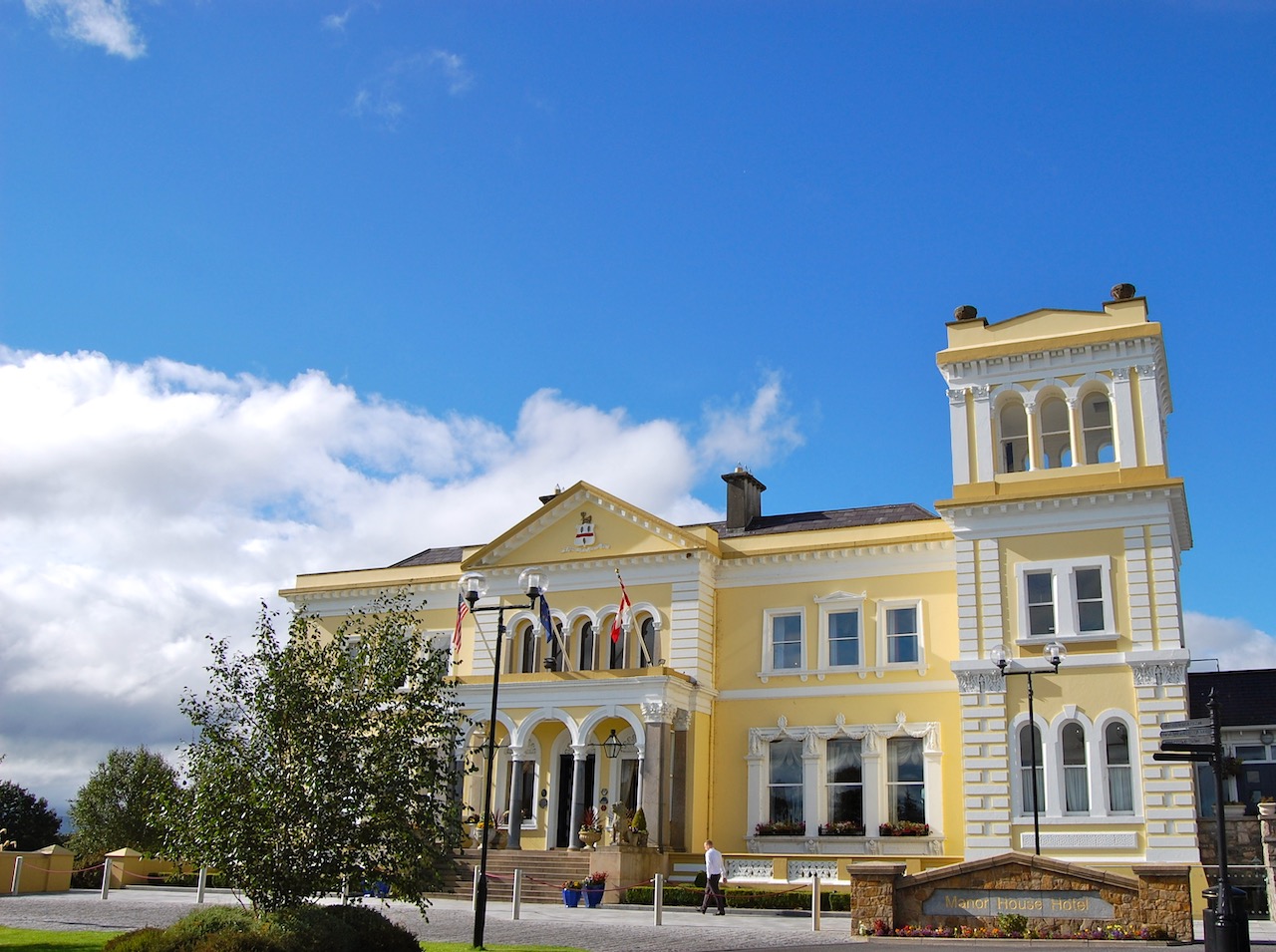

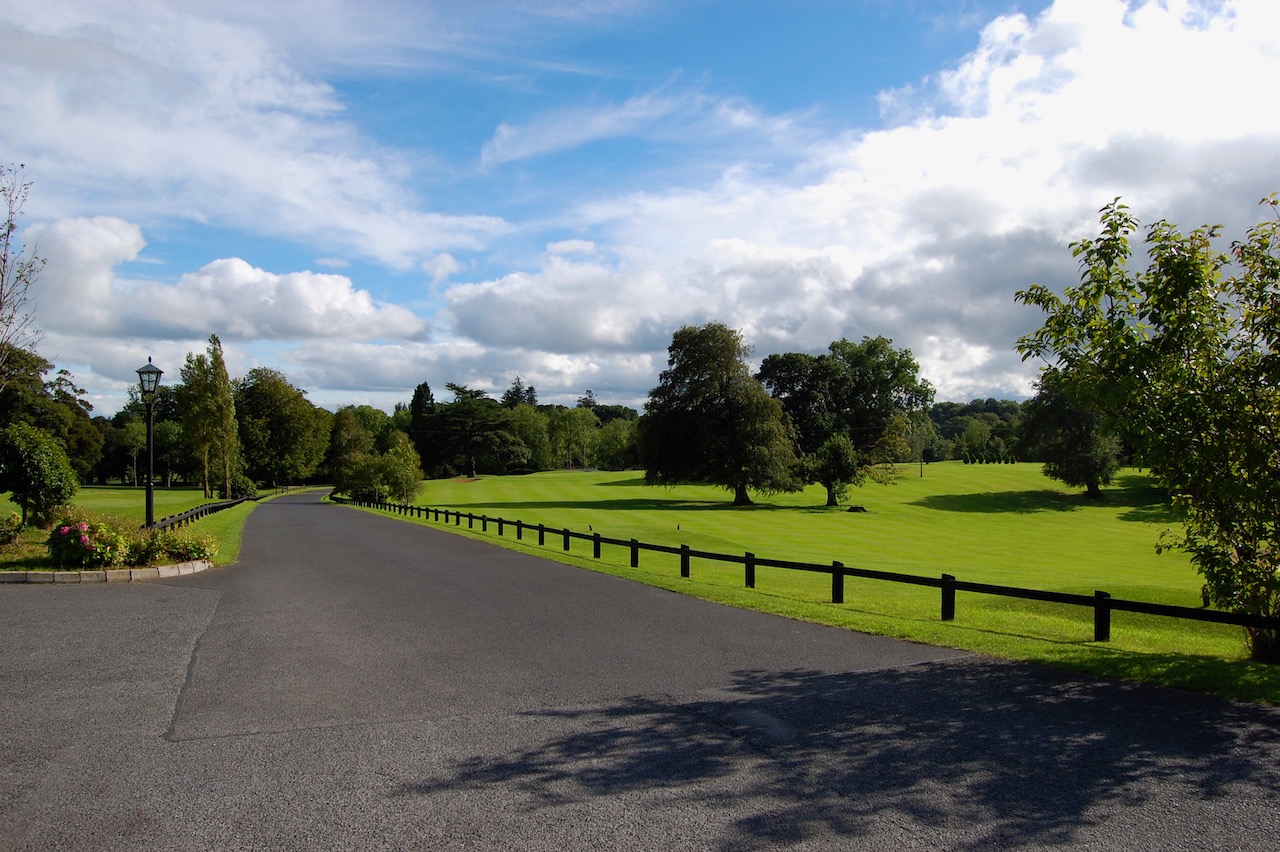
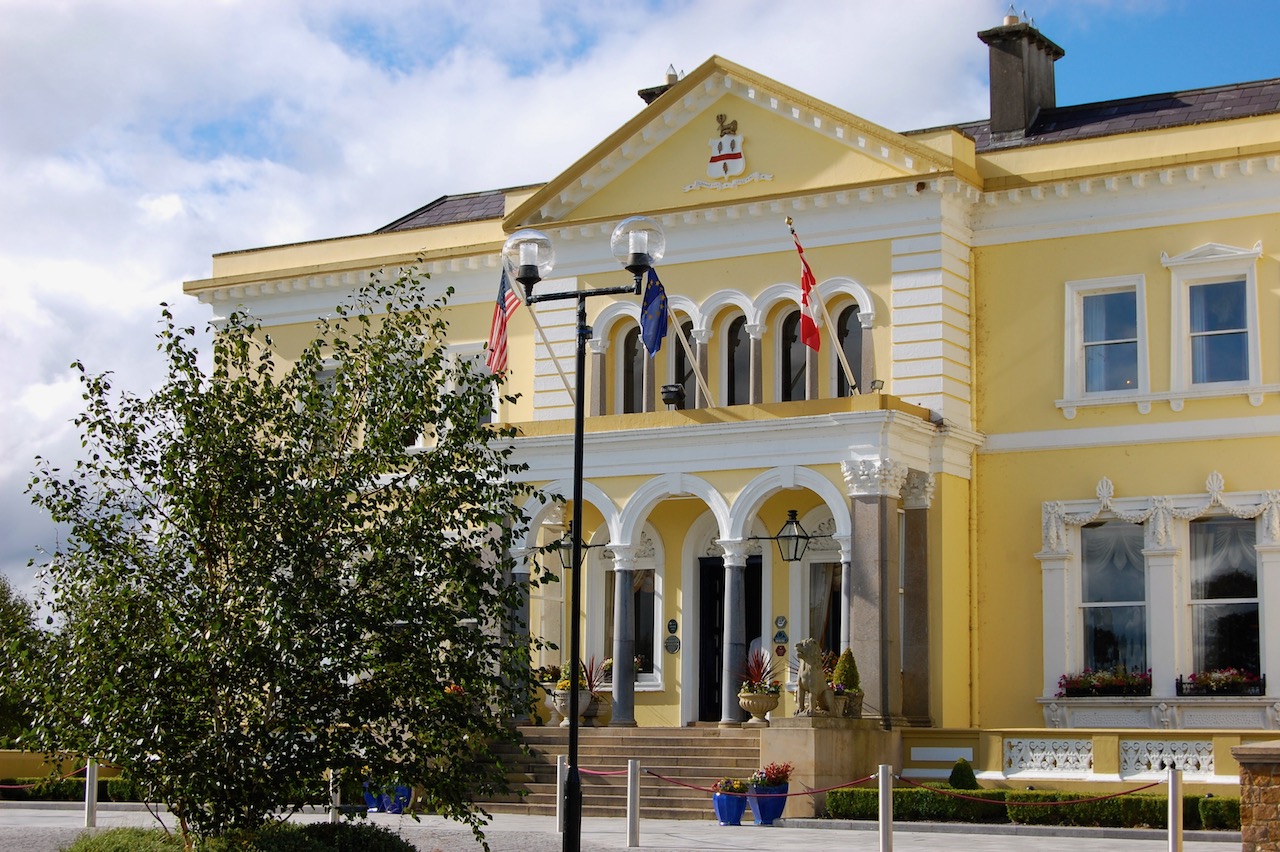


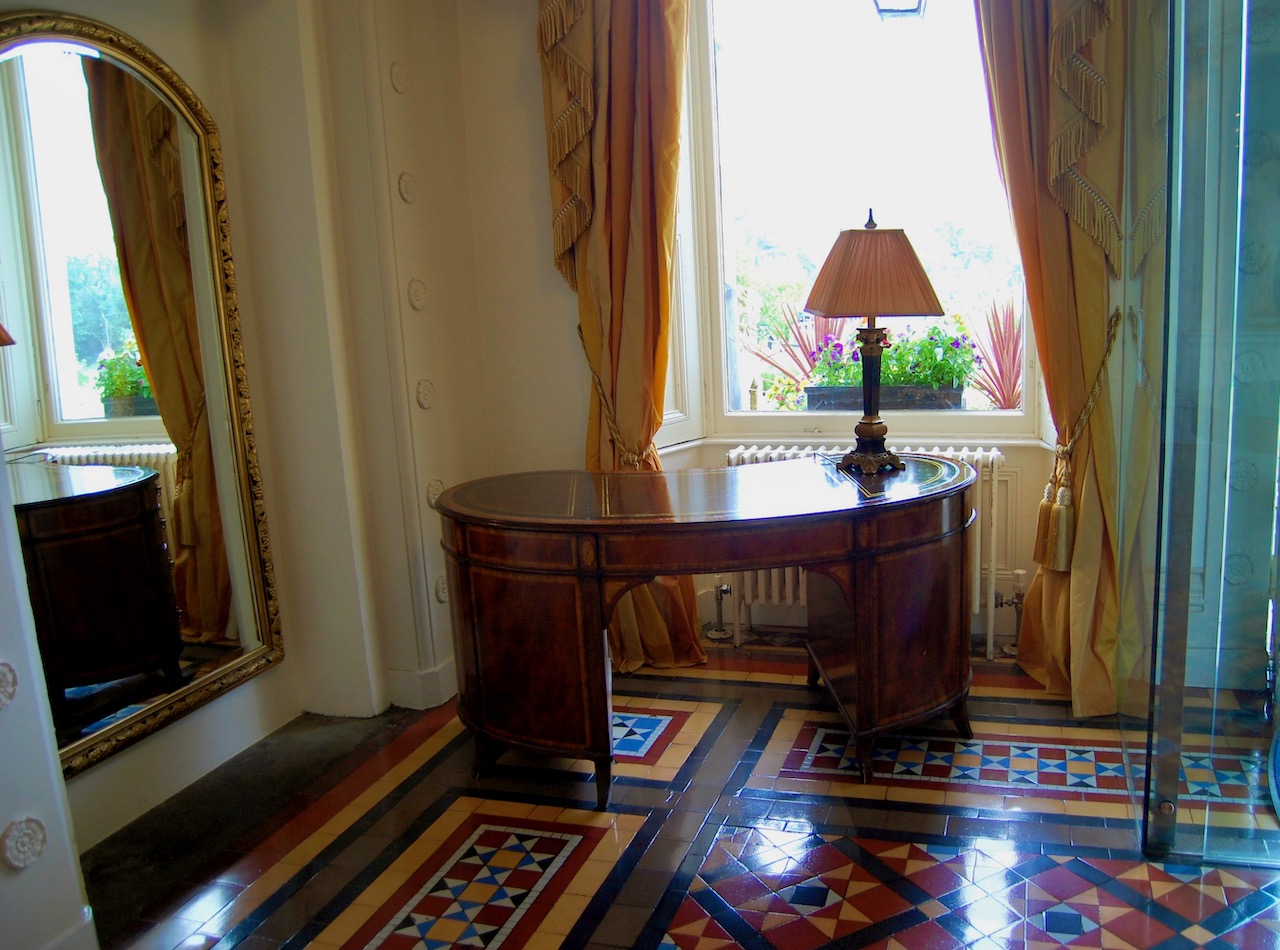
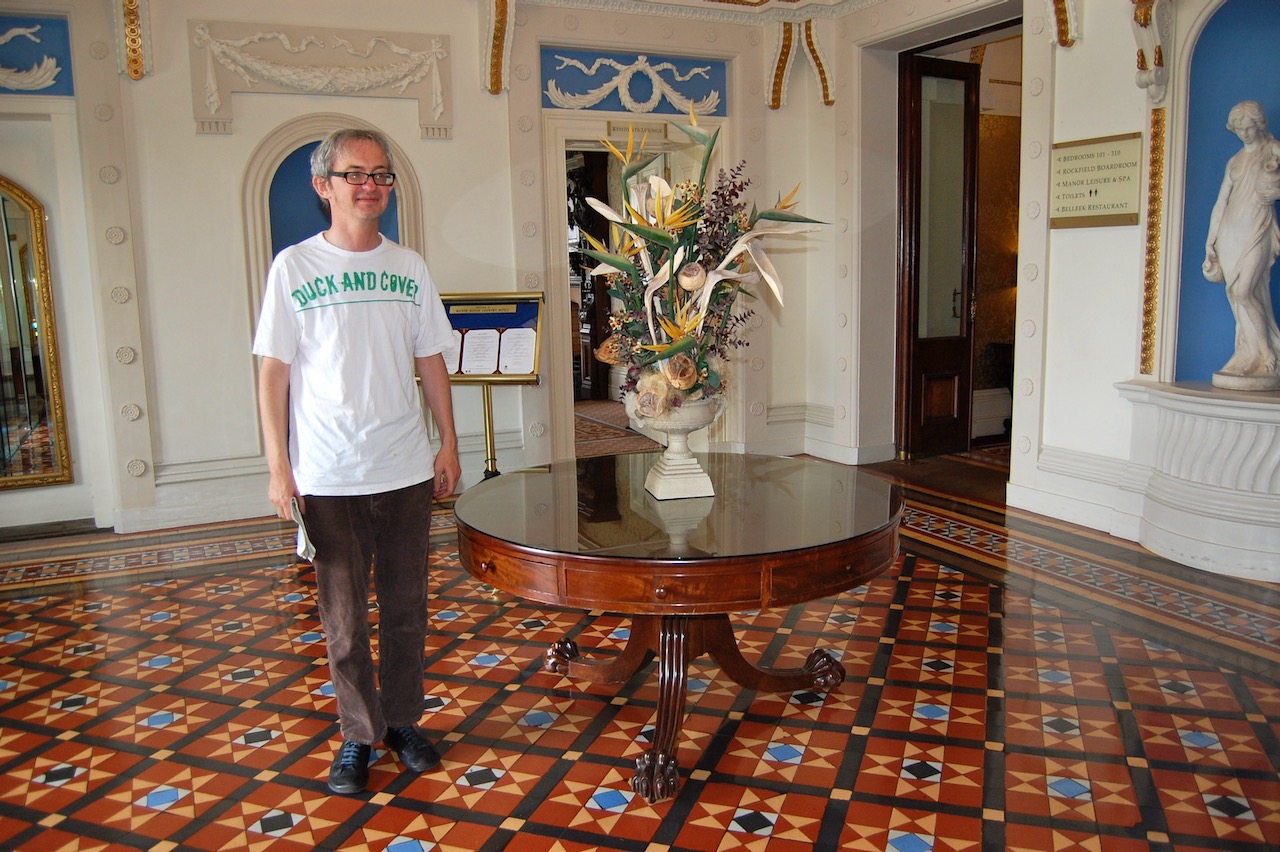
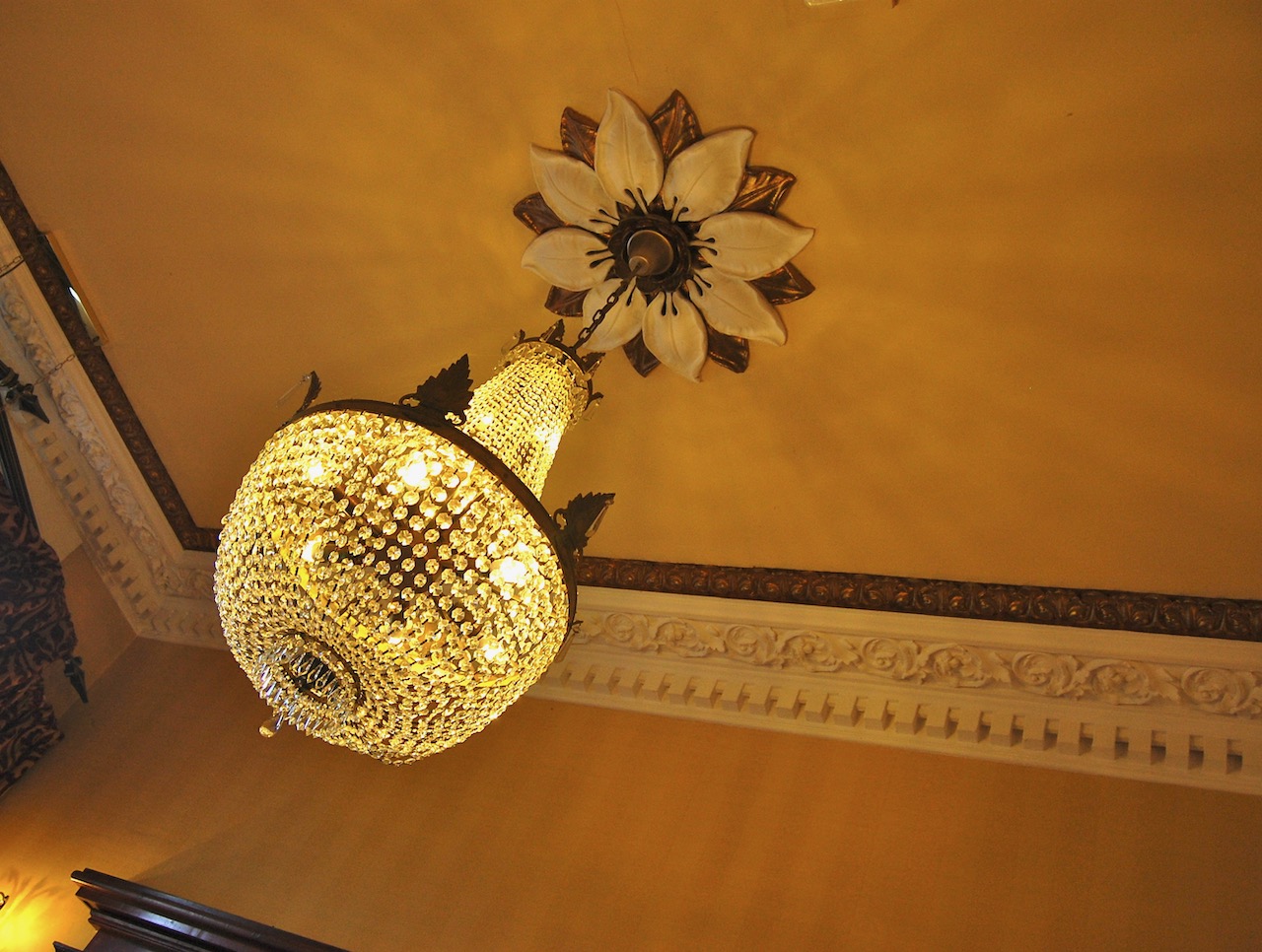
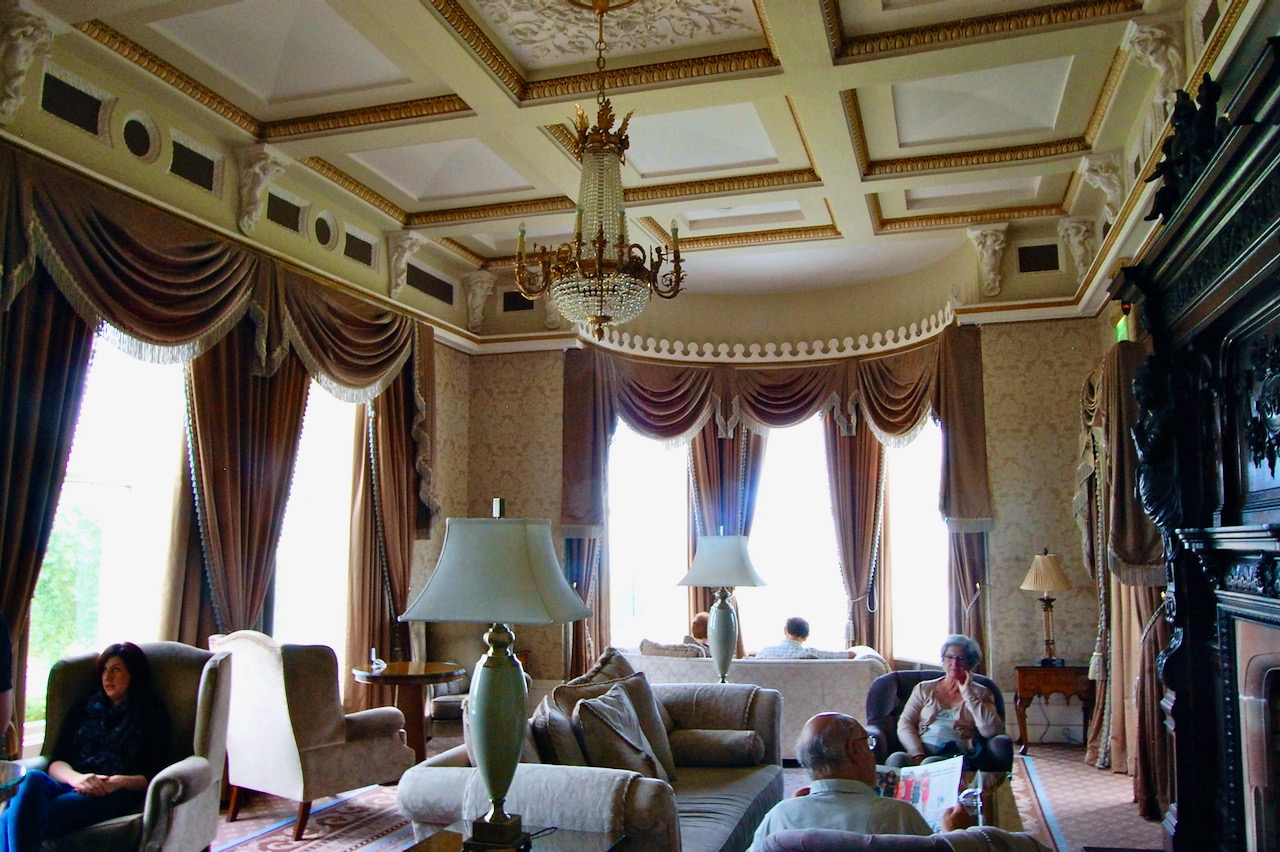
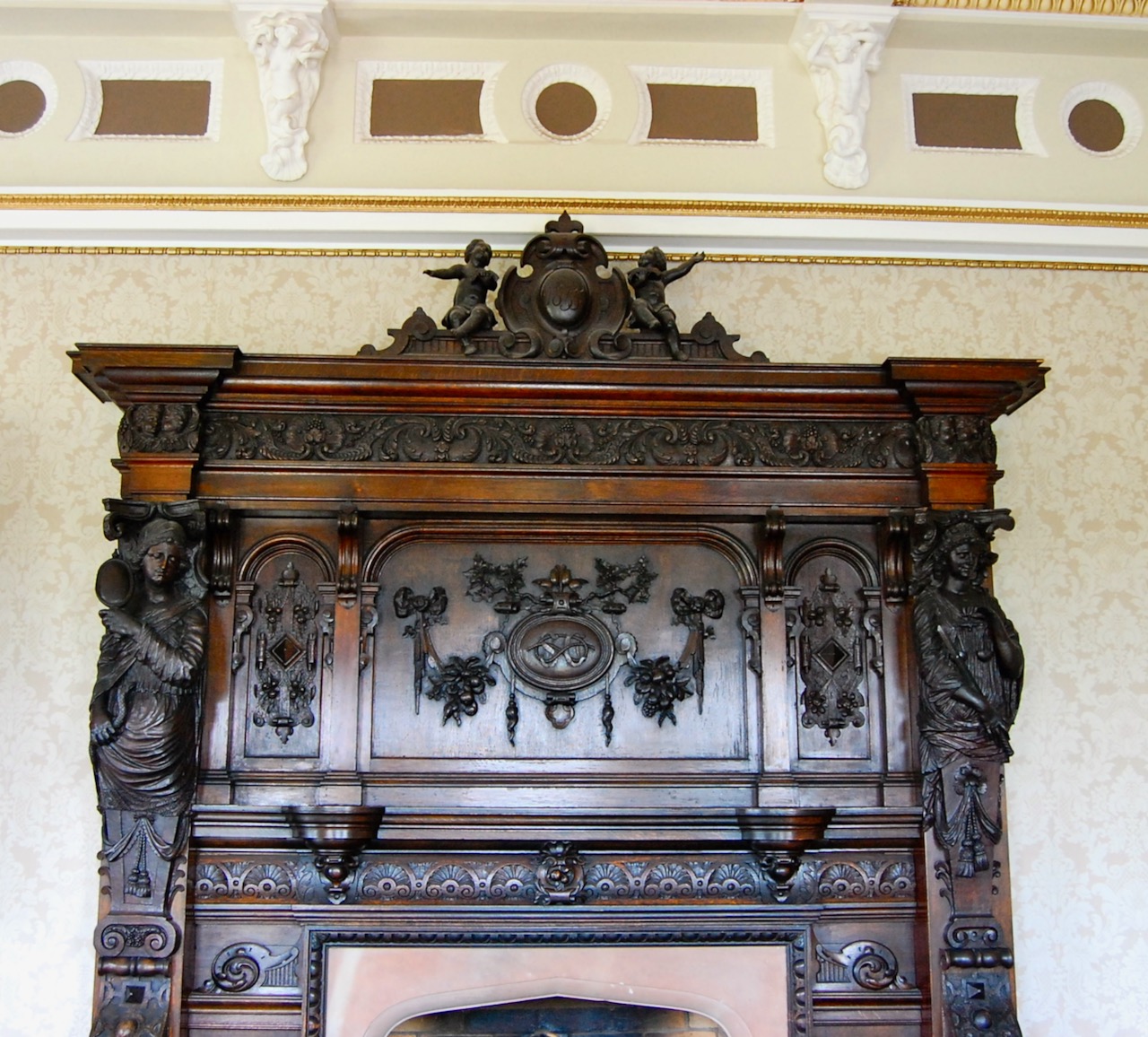
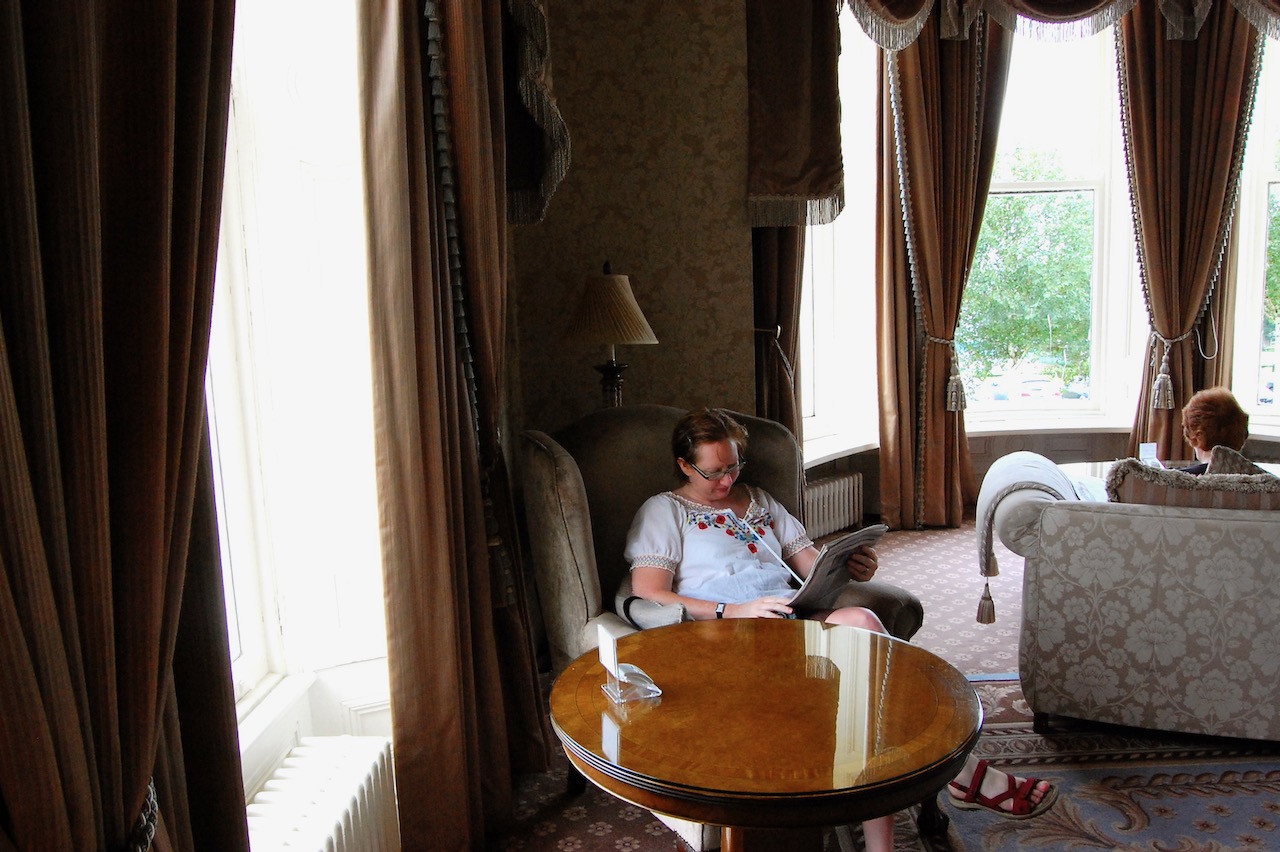

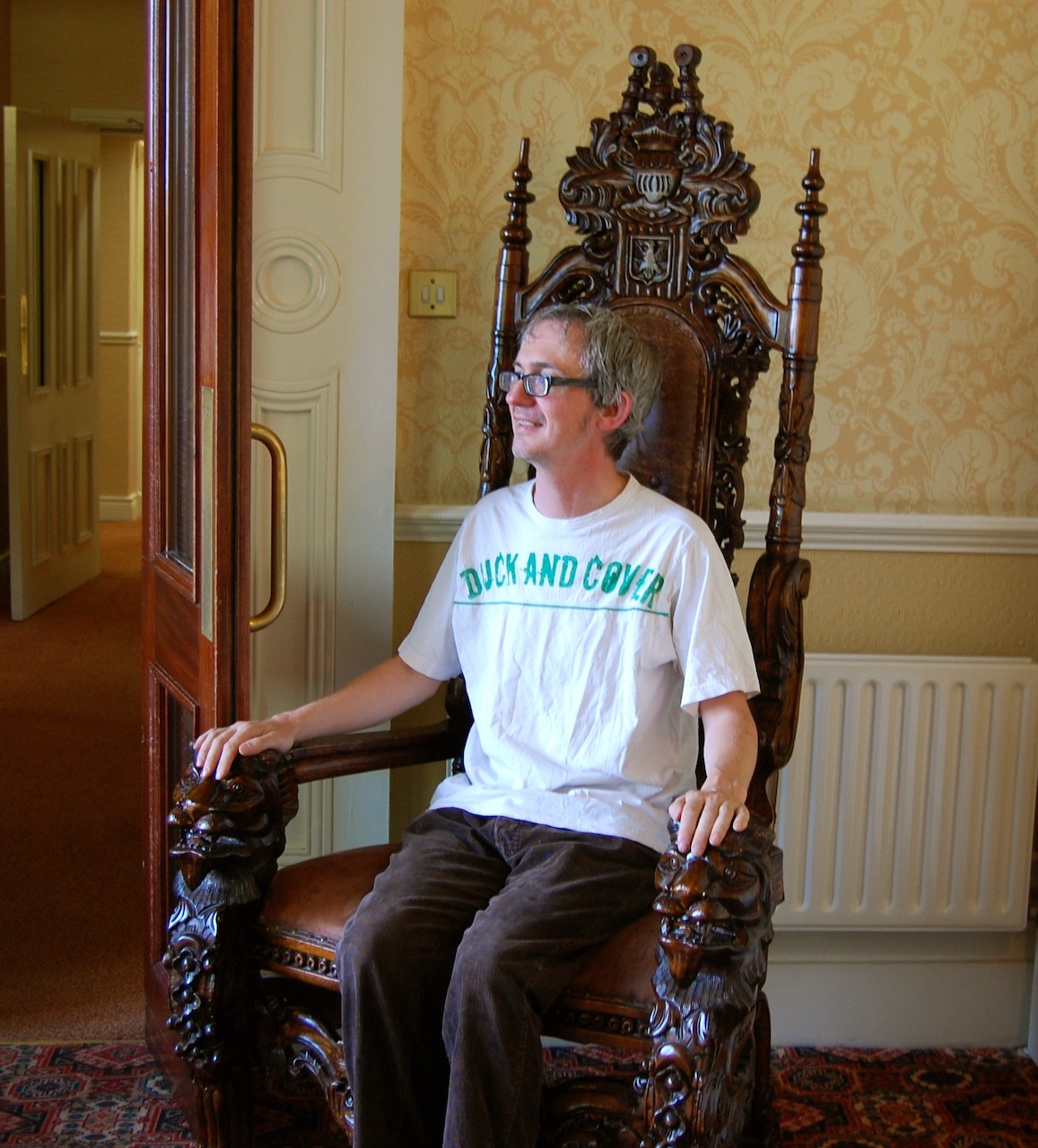


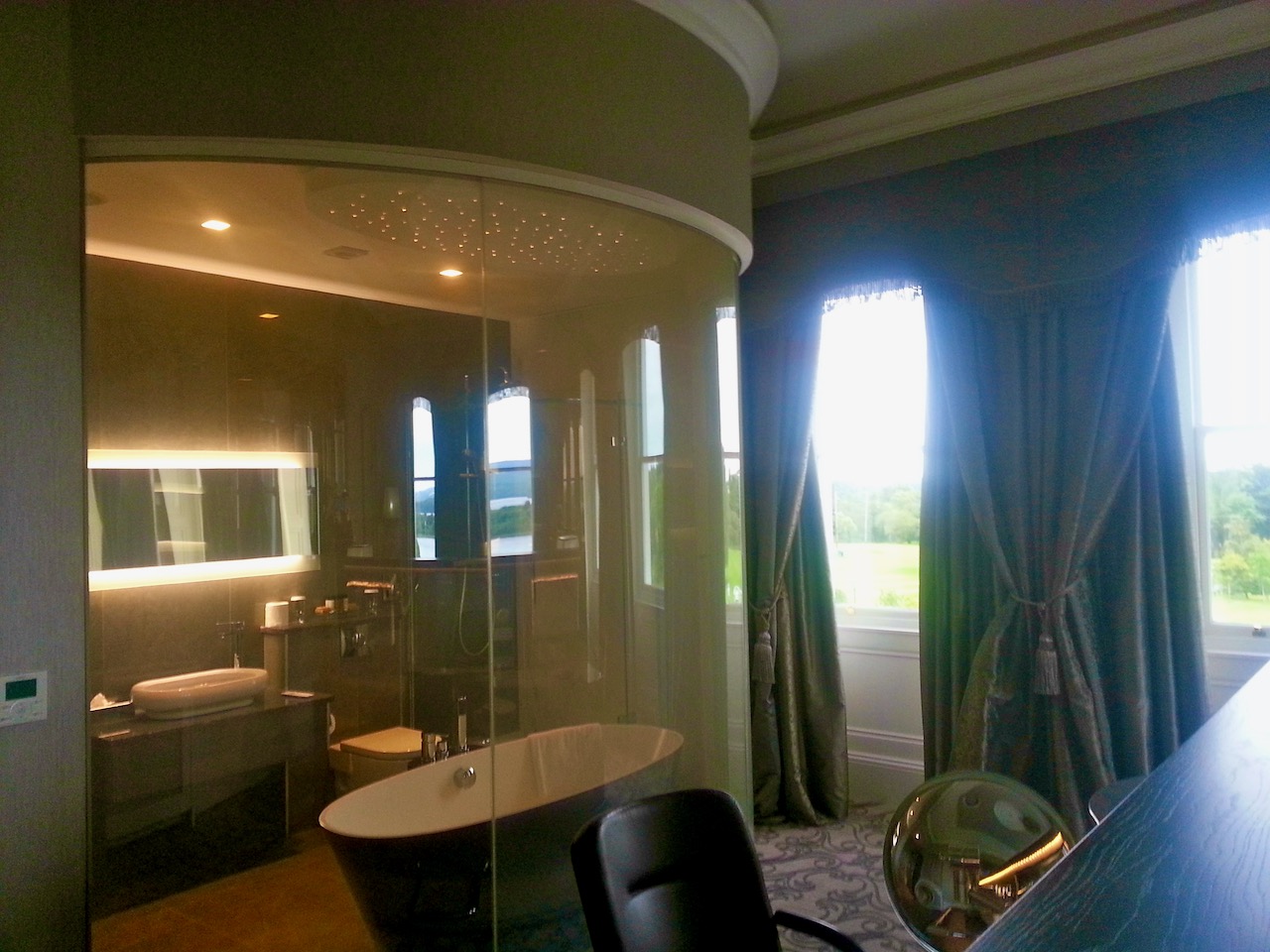


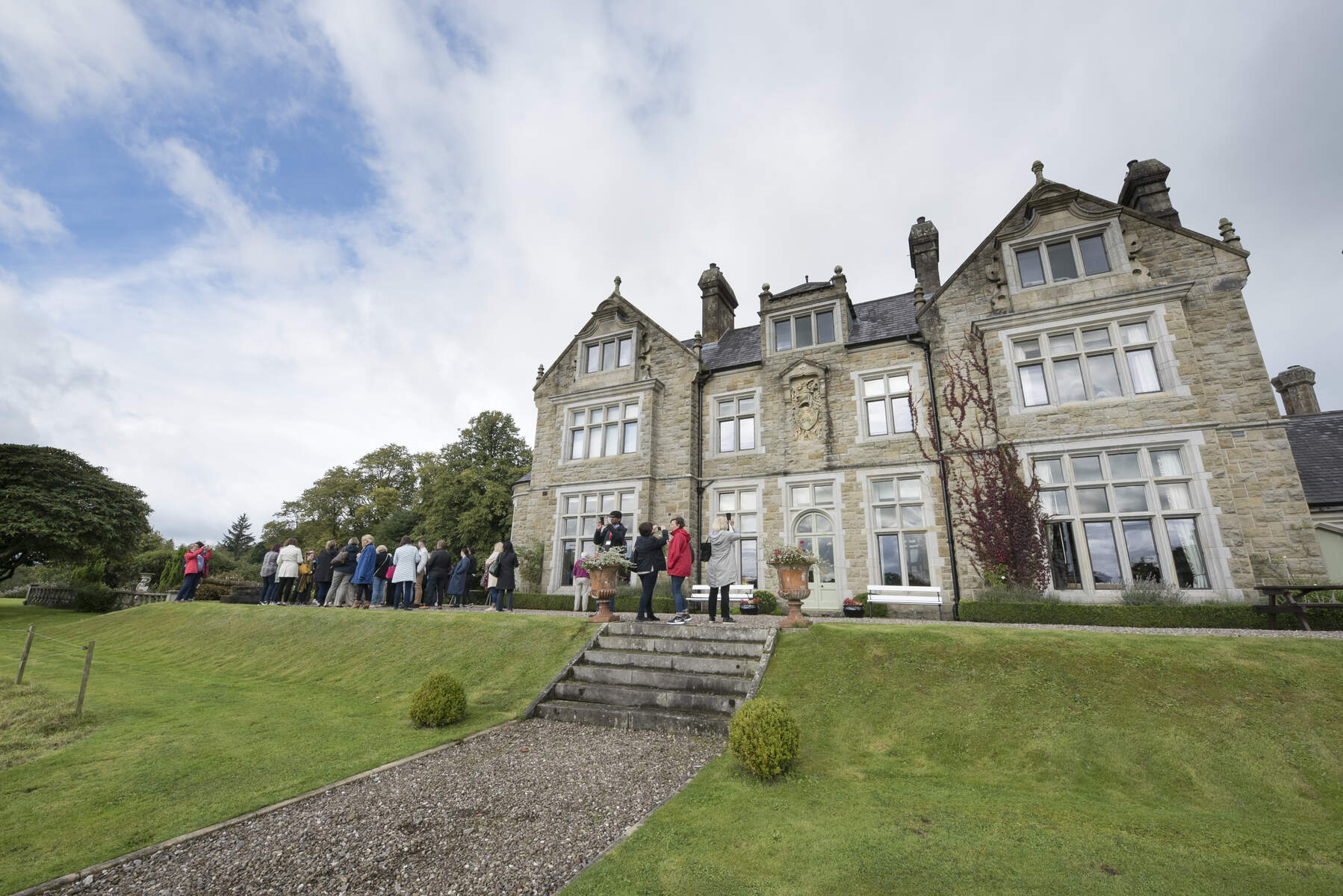

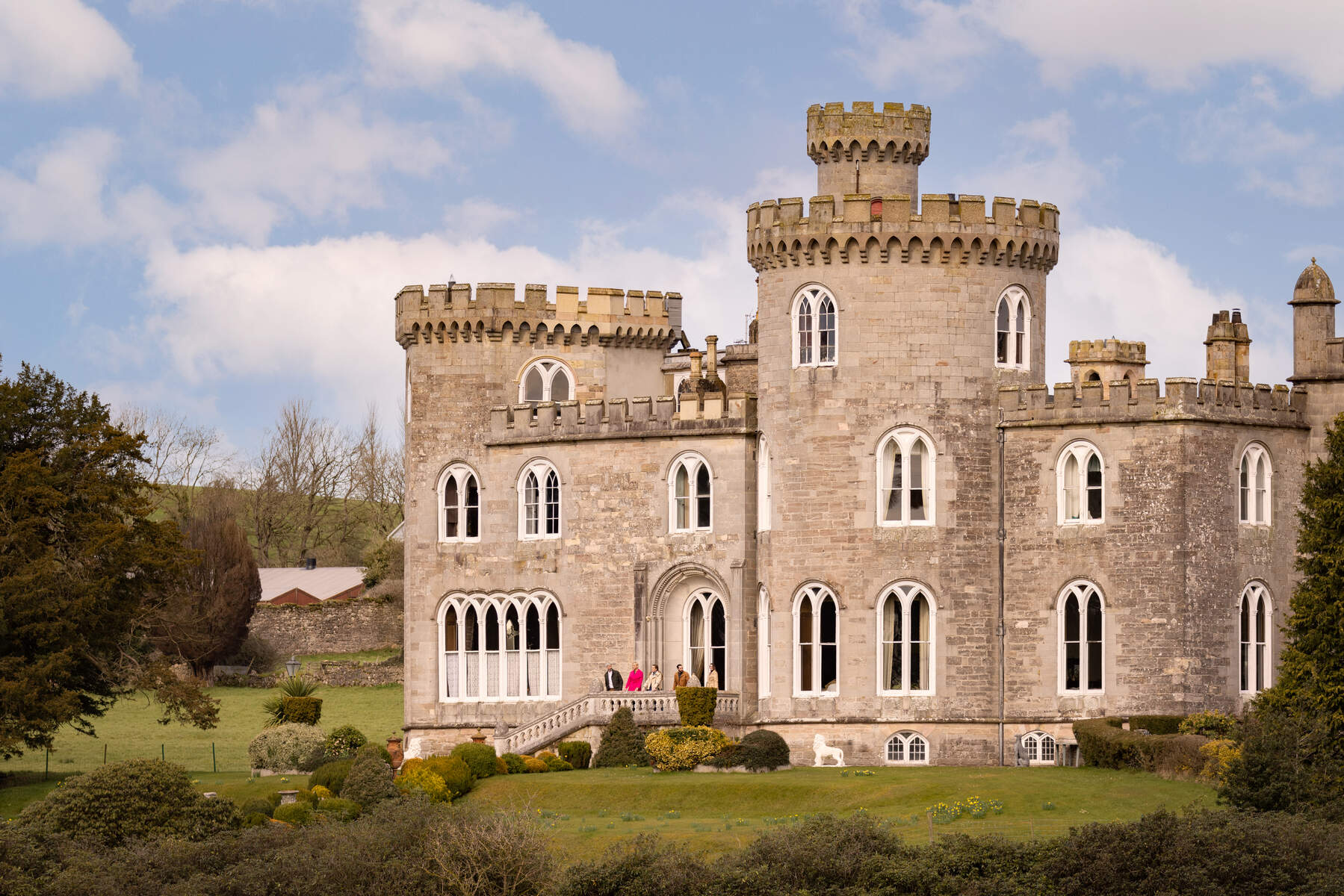
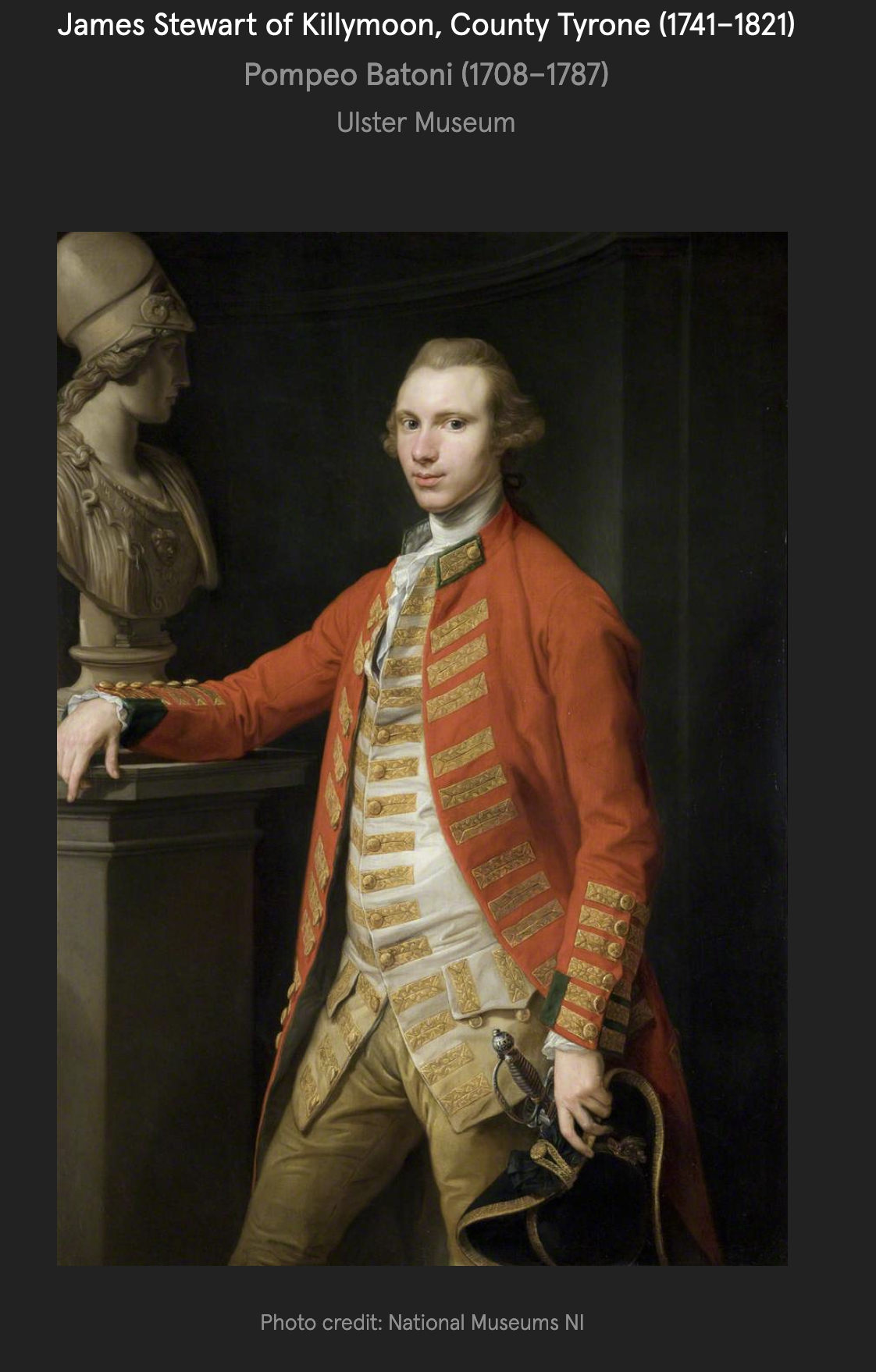

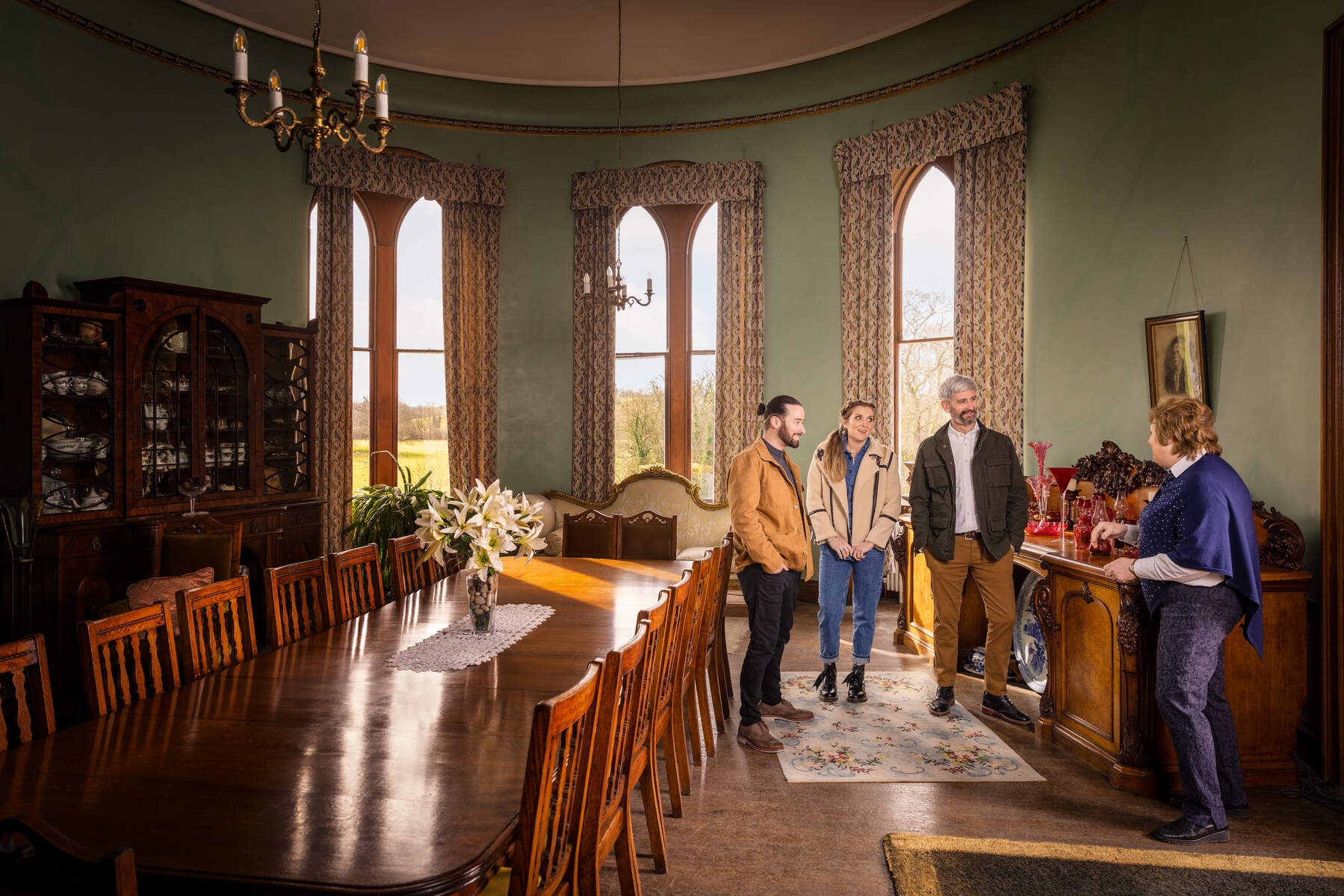

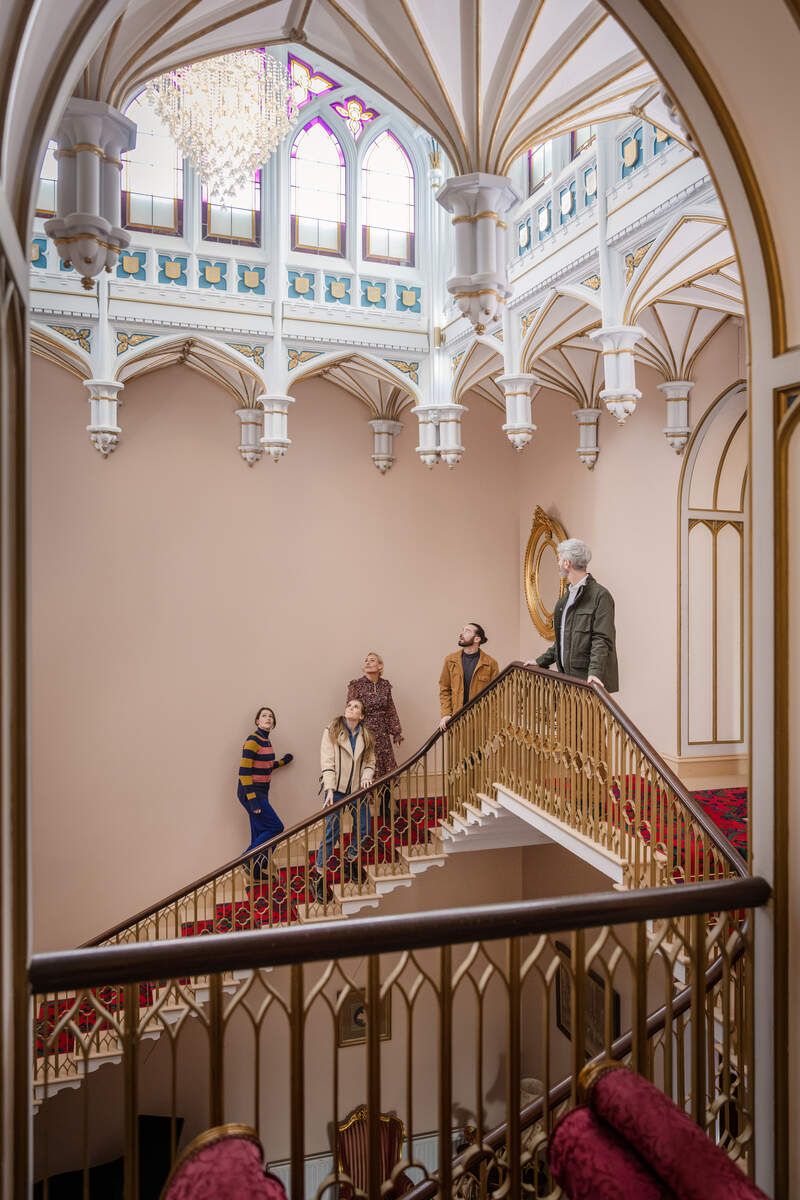


 Irish Historic Houses