Help me to pay the entrance fee to one of the houses on this website. This site is created purely out of love for the subject and I receive no payment so any donation is appreciated!
When I saw that Roderick Perceval was giving a tour of his home, Temple House in County Sligo, during Heritage Week 2025, I jumped at the chance to see it and booked straight away. I had booked to stay there in the past but had to cancel, and before this tour, the only way to see this section 482 property was to stay, as it was listed as tourist accommodation. And before you get your hopes up, unfortunately it no longer is providing individual bed and breakfast (with dinner optional) accommodation, as Roderick and his family have decided to focus instead on larger group accommodation and weddings. The website now gives the option to book three or more double rooms for your stay. There is also a self-catering cottage available, which has 4 bedrooms: 1 King, 1 Double, 2 Twin.
The Percevals have lived at this location since 1665. Before the current house was built, around 1820 according to Mark Bence-Jones, they lived in another property closer to Templehouse Lake, part of the Owenmore River. [1] The remnants of the earlier house sit adjacent to the ruins of a Knights Templar castle from around 1181, after which the property takes its name. [2]
We came across the medieval order of knights when we visited The Turret in County Limerick during Heritage Week in 2022, a house which was built on the foundations of a construction by the Knights Hospitaller, a different branch of religious warriors. The Knights Templar were a religious order established in the eleventh century to protect Jerusalem for Christianity, and were named after Solomon’s Temple in Jerusalem. Like other religious orders, the members took vows of poverty, chastity and obedience.
A book review by Peter Harbison of Soldiers of Christ: the Knights Templar and the Knights Hospitaller in medieval Ireland edited by Martin Brown OSB and Colmán Ó Clabaigh OSB tells us that Templars came into Ireland under the protection of the English crown and acted on behalf of the king against the native Irish. Templar Knights helped govern Ireland and often gained high office. [3]
When Stephen and I stayed at nearby Annaghmore house with Durcan O’Hara, he told me that he is related to the Percevals of Temple House. An O’Hara, it is believed, may have joined the Knights Templar and donated the land near Temple House. [see 2]
The Templar castle passed to the Knights of St. John the Hospitallers when the Knights Templar were disbanded in the 1300s. In France, Templars were burnt at the stake and their land seized by the crown but in other countries their property was transferred to the Knights Hospitallers, known today as the Knights of Malta.
Robert O’Byrne tells us in his blog that the land formerly owned by the Knights Templar came into the hands of the O’Haras, and that they built a new castle here around 1360. He adds that in the 16th century the same lands, along with much more beside, were acquired by John Crofton, who had come here in 1565 with Sir Henry Sidney following the latter’s appointment as Lord Deputy of Ireland. [4]
Roderick told us that the Croftons acquired the property around 1609, and that Henry Crofton built a thatched Tudor house around 1627. The National Inventory tells us that the remains of the house near the Templar ruins are of a two-bay two-storey stone house, built c.1650. [5]
George’s father Philip (1605-1647) came from England to Ireland to serve as registrar of the Irish court of wards, along with his brother Walter. This position would have given him an insight to property ownership in Ireland. When a son inherited property before he came of age, he was made a Ward of the state, and the someone would be chosen to act on the child’s behalf.
When Walter died in 1624, Philip inherited the family estates in England and Ireland. The land at Burton Park was named after his estate in Somerset, Burton.
Philip’s grandfather Richard Perceval was ‘confidential agent’ to Queen Elizabeth’s Minister Lord Burleigh. He had correctly identified Spanish preparations for the Armada and this vitally important information was rewarded with Irish estates. [6]
Richard Perceval (1550-1620), agent for Queen Elizabeth and Lord Burleigh, he spotted preparations for the Spanish Armada.
Philip settled in Ireland, and by means of his interest at court he gradually obtained a large number of additional offices. In 1625 he was made keeper of the records in the Birmingham Tower at Dublin Castle.
Thomas Wentworth 1st Earl of Strafford (1593-1641) on left, Lord Deputy of Ireland 1632-1640 for King Charles I. This portrait is in Castletown House.
Perceval was close to the Lord Deputy of Ireland, Thomas Wentworth, 1st Earl of Strafford. With the fall and execution of Wentworth in May 1641, Perceval lost his major patron and protector. In September 1641 Perceval narrowly avoided prosecution in England when his part in a shady land transaction was revealed. By that time, Perceval owned over 100,000 acres in Ireland, which he obtained partly through forfeited lands.
Philip Perceval married Catherine Ussher, daughter of Arthur Ussher and Judith Newcomen. She gave birth to their heir, John (1629–1665), who was created 1st Baronet of Kanturk, County Cork in 1661. George (1635-1675) was the younger son. He held the position of Registrar of the Prerogative Court in Dublin.
George Perceval’s wife Mary’s father William Crofton was High Sheriff of County Sligo in 1613 and Member of Parliament for Donegal in 1634, so George and Mary might have met in Dublin. Mary, as heiress, was a good match, and since George was a younger son, marrying into property would have suited him well.
Robert O’Byrne tells us that they lived in the old castle which had been converted by the Croftons into a domestic residence in 1627. [see 4] It is not clear to me whether George and Mary lived in a house next to the Templar castle or in some version of the castle itself. O’Byrne tells us that the castle had been besieged and badly damaged in 1641, but was repaired. [see 4].
George died at the young age of forty when on a ship crossing to Holyhead, when his son and heir Philip (1670-1704) was only five years old. [7] Philip’s mother remarried, this time to Richard Aldworth, who was Chief Secretary of Ireland. Philip also died young, after marrying and having several children, and the property passed to his son John (1700-1754), who was also minor when his father died.
Philip Perceval (1723-87) married Mary Carlton of Rossfad, County Fermanagh. Their son and heir Guy died soon after his father so the property passed in 1792 to Guy’s brother Reverend Philip Perceval.
The house is featured in a chapter of Great Irish Houses by Desmond Fitzgerald the Knight of Glin and Desmond Guinness. They tell us that in 1825 Reverend Philip’s son Colonel Alexander Perceval (1787-1858) built a neo-classical two story house up the hill from the castle on the present site.
What is the now the side of the house was once the front.
The house at this time was of two storeys and had five bays on the front, with the centre bay slightly recessed, with an enclosed single storey Ionic porch, and a Wyatt window over the porch.
Before building the house, Alexander Perceval (1787-1858), in 1808, married Jane Anne, eldest daughter of Colonel Henry Peisley L’Estrange, of Moystown, King’s County.
Alexander Perceval (1787-1858).
After building the house, Alexander served as MP for Sligo between 1831 and 1841, and from 1841-1858 was sergeant-at-arms to the House of Lords in England.
During the Famine, Alexander’s wife Jane sought to alleviate the suffering of the poor and she died of cholera or typhus in 1847.
Jane née L’Estrange, with her children.Fitzgerald and Guinness write about this portrait: “Vogel, the artist, depicts her with three of her children while on holiday in Germany in 1842. A touching letter of the time tells of her reminding those around her “not to neglect the tenant families between my death and my funeral.” [see 2]
When Alexander died in 1858, his son Philip was unable to afford the death duty tax and he had to sell the property. The house was bought by the Hall-Dares of Newtownbarry, County Wexford.
Newtownbarry House, County Wexford, photograph by Robert French, Lawrence Photograph Collection, National Library of Ireland.
The Hall-Dares did not remain owners for long. After they evicted some tenants, these tenants actively sought the return of the Perceval family. Four years after Philip Perceval’s sale of the house, his brother Alexander, who had made a fortune in business in Hong Kong, re-acquired the property. Philip had married and moved to Scotland. Alexander brought back many of the dispossessed families from America and Britain, gave them back their land and re-roofed their homes. [see 2]
In the 1860s Alexander Perceval enlarged and embellished the house, hiring Johnstone and Jeane of London. He added a higher two storey seven bay block of limestone ashlar on the right (north) side of the house, which formed a new entrance front, knocking down a north wing in the process. [see 2]
Fitzgerald and Guinness tell us that Alexander also commissioned the company to design and build the furniture for the entire house.
The newer entrance has a large arched single-storey porte-cochére with coupled engaged Doric columns at its corners and two small arched side windows. Above is another pedimented Wyatt window in a larger pediment over two pairs of Ionic pilasters. The centre windows on either side of the porte-cochére on the ground floor are pedimented and on the upper storey the centre windows have curved arch pediments. The other windows have flat entablatures.
To the right of the newer front is a single storey two bay wing slightly recessed. The house is topped with a balustraded roof parapet.
Looking toward the south facade, we see a three-bay three storey section of the house, as well as more beyond to the west. The windows on the ground floor of the east and south elevations have corbelled pilasters.
We gathered inside the front hall for the tour, with its impressive tiled floor and geometrically patterned ceiling. It has carved decorative doorcases and arched carved and shuttered side lights by the front door, and a large window facing the front door lights the room.
The ceiling has a Doric freize and a rose of acanthus leaves. A collection of stuffed birds and trophies line the wall, and a fine chimneypiece original to the house. [see 2]
Alexander did not get to enjoy his renovated home for long, as he died in 1866 of sunstroke, which occurred while fishing in the lake by the house. His wife lived a further twenty years. His son Alec (1859-1887) married a neighbour, Charlotte Jane O’Hara from Annaghmore.
From the front hall we entered the top-lit double-height vestibule with a grand sweeping staircase and gallery lined with paintings of ancestors.
I’m dying to know who features in the wonderful portraits. The vestibule is so impressive, it is hard to know where to look! The ceiling has intricate detail.
Temple House, Sligo, photograph courtesy of website.Temple House, photograph courtesy of the house facebook page.The detail in the ceiling is incredible, as seen in this close-up. Temple House, photograph courtesy of the house facebook page.
The upper level of the stair hall is lined with arches and Corinthian pilasters.
When Alec died of meningitis in 1887, Charlotte took over the running of the estate for 30 years. Alec’s son Alexander Ascelin was injured in the first world war. He married the doctor’s daughter, Nora MacDowell. In financial difficulty, he had to sell some of the land. His wife predeceased him and toward the end of his life, he lived alone in this house of about ninety seven rooms, living in only three rooms. The rest of the house was closed up, dustsheets over the furniture.
Five years after being closed up, in 1953, Ascelin’s son Alex, who had been a tea planter in what was then known as Burma, returned with his wife Yvonne to run the estate. They renovated the house, patched up the roof and installed a new kitchen. Alex modernised the farm.
It was their son Sandy and his wife who decided to take advantage of the size of the house to run a bed and breakfast, which opened in 1980. In 2004 their son Roderick returned to Temple House with his wife and children and took over running the business and the farm.
Roderick told us about the family as we toured the stair hall vestibule, drawing room and dining room, then brought us across the front hall to the newly renovated part of the house, which includes a former gun room passage. He managed to find craftsmen to do repairs, including the windows, moulding and plasterwork. After the tour, he kindly let us wander around the house, including up to the bedrooms.
Guinness and Fitzgerald tell us about the bedrooms:
“The bedrooms are immense. They all have their own bathrooms and a wonderful collection of matching furniture; in each of them a different wood has been used. The individual character of oak and beech and mahogany and others are evident as you stroll from one bedroom to the next. There are magnificent wardrobes – in one room it is 22 ft long – beds, sideboards, dressing tables, chairs. The largest of the bedrooms is so impressive it is called the “Half Acre.”” [see 2]
There is a walled kitchen garden which unfortunately we did not get to visit, where food is grown, including old varieties of apple, plum, pear and fig, and a stable yard. The Percevals preserve most of the 600 acres of old woods and the bogs in their natural state, and they also farm a further 600 acres.
[1] Bence-Jones, Mark. A Guide to Irish Country Houses (originally published as Burke’s Guide to Country Houses volume 1 Ireland by Burke’s Peerage Ltd. 1978); Revised edition 1988 Constable and Company Ltd, London.
[2] Great Irish Houses. Forewards by Desmond FitzGerald, the Knight of Glin, and Desmond Guinness. Photographs by Trevor Hart. IMAGE Publications, 2008.
[3] Book Review by Peter Harbison, History Ireland issue 5 (Sept Oct 2016), volume 24.
“Castletown is set amongst beautiful eighteenth-century parklands on the banks of the Liffey in Celbridge, County Kildare.
“The house was built around 1722 for the speaker of the Irish House of Commons, William Conolly, to designs by several renowned architects. It was intended to reflect Conolly’s power and to serve as a venue for political entertaining on a grand scale. At the time Castletown was built, commentators expected it to be ‘the epitome of the Kingdom, and all the rarities she can afford’.
“The estate flourished under William Conolly’s great-nephew Thomas and his wife, Lady Louisa, who devoted much of her life to improving her home.
“Today, Castletown is home to a significant collection of paintings, furnishings and objets d’art. Highlights include three eighteenth-century Murano-glass chandeliers and the only fully intact eighteenth-century print room in the country.
“It is still the most splendid Palladian-style country house in Ireland.“
This photo was taken probably by Robert French, chief photographer of William Lawrence Photographic Studios of Dublin, National Library of Ireland flickr constant commons.
The Conolly family sold Castletown in 1965. Mark Bence-Jones tells us that the estate was bought for development and for two years the house stood empty and deteriorating. In 1967, Hon Desmond Guinness courageously bought the house with 120 acres, to be the headquarters of the Irish Georgian Society, and in order to save it for posterity. Since then the house has been restored and it now contains an appropriate collection of furniture, pictures and objects, which has either been bought for the house, presented to it by benefactors, or loaned. It is now maintained by the Office of Public Works and the Castletown Trust.
William Conolly (1662-1729) rose from modest beginnings to be the richest man in Ireland in his day. He was a lawyer from Ballyshannon, County Donegal, who made an enormous fortune out of land transactions in the unsettled period after the Williamite wars.
William Conolly had property on Capel Street in Dublin, before moving to Celbridge. Conolly’s house was on the corner of Capel Street and Little Britain Street and was demolished around 1770. [2] The Kildare Local History webpage gives us an excellent description of William Conolly’s rise to wealth:
William Conolly (1662-1729) in his robes as Speaker of the Irish House of Commons, by Stephen Catterson Smith the Elder(1806-1872), portrait in Hall of Castletown.The portrait was donated by Mr and Mrs Galen Weston. This posthumous portrait was based on Jervas’s portrait of the Speaker in the Green Drawing Room.
“In November 1688, William Conolly was one of the Protestants who fled Dublin to join the Williamites in Chester alongside his late Celbridge neighbour Bartholomew Van Homrigh.
“On the victory of William III, he acquired a central role dealing in estates forfeited by supporters of James II, commencing his rise to fortune with the forfeited estates of the McDonnells of Antrim.
“In 1691 he purchased Rodanstown outside Kilcock, which became his country residence until he purchased Castletown in 1709.
“A dowry of £2,300 came his way in 1694 when he married Katherine Conyngham, daughter of Albert Conyngham, a Williamite General who had been killed in the war at Collooney in 1691.
“He was appointed Collector and Receiver of Revenue for the towns of Derry and Coleraine on May 2nd 1698.
“Conolly was the largest purchaser of forfeited estates in the period 1699–1703, acquiring also 20,000 acres spread over five counties at a cost of just £7,000.” [3]
William Conolly purchased land in County Kildare which had been owned by Thomas Dongan (1634-1715), 2nd Earl of Limerick, in 1709. Dongan’s estate had been confiscated as he was a Jacobite supporter of James II (he became first governor of the Duke of York’s province of New York! The Earldom ended at his death). Dongan’s mother was the daughter of William Talbot, 1st Baronet of Carton (see my entry about Carton, County Kildare, under Places to stay in County Kildare https://irishhistorichouses.com/2023/06/08/places-to-visit-and-stay-in-county-kildare/ ).
Conolly rose to become Speaker of the House of Commons in the Irish Parliament. He married Katherine Conyngham of Mount Charles, County Donegal, whose brother purchased Slane Castle in County Meath (see my entry https://irishhistorichouses.com/2019/07/19/slane-castle-county-meath/). As well as earning money himself, his wife brought a large dowry.
The Archiseek website tells us about the design of Castletown House:
“Soon after the project got underway Conolly met Alessandro Galilei (1691-1737), an Italian architect, who had been employed in Ireland by Lord Molesworth in 1718 [John Molesworth, 2nd Viscount, who had been British envoy to Florence]. He designed the façade of the main block in the style of a 16th century Italian town palace. He returned to Italy in 1719 and was not associated with the actual construction of the house which began in 1722. Sir Edward Lovett Pearce (died 1733), a young Irish architect, on his Italian grand tour became acquainted with Galilei in Florence and through this connection he was employed by the Speaker to complete Castletown when he returned to Ireland in 1724. Pearce had first hand knowledge of the work of the Italian architect Andrea Palladio (1508-1580) and his annotated copy of Palladio’s Quattro libri dell’architettura survives. It was Pearce who added the Palladian colonnades and the terminating pavillions. This layout was the first major Palladian scheme in Ireland and soon had many imitators.” [4]
Mark Bence-Jones describes Castletown in his A Guide to Irish Country Houses. The centre block is of three storeys over basement, and has two almost identical thirteen bay fronts “reminiscent of the façade of an Italian Renaissance town palazzo; with no pediment or central feature and no ornamentation except for doorcase, entablatures over the ground floor windows, alternate segmental and triangular pediments over the windows of the storey above and a balustraded roof parapet. Despite the many windows and the lack of a central feature, there is no sense of monotony or heaviness; the effect being one of great beauty and serenity.” [5] The centre block is made of Edenderry limestone, and is topped by cornice and balustrade. On the ground floor the windows have frieze, cornice and lugged architrave, and on the first floor, alternating triangular and segmental pediments.
William died in 1729 aged just 67, so he had only a few years to enjoy his house. His wife Katherine lived on in the house another twenty-three years until her death at the age of 90 in 1752. William and Katherine had no children, so his estate passed to his nephew William James Conolly (1712-1754), son of William’s brother Patrick. We came across William James Conolly before in Leixlip Castle (another Section 482 property), which he also inherited. William James married Lady Anne Wentworth, the daughter of the Earl of Strafford. Her father, Thomas Wentworth 1st Earl of Strafford is not the more famous Thomas Wentworth 1st Earl of Strafford who was executed (of whom there is at least one portrait in Castletown) but a later one, of the second creation. William James died just two years after Katherine Conolly, so the estate then passed to his son Thomas Conolly (1738-1803).
William Conolly, M.P. (d.1754) by Anthony Lee c. 1727 courtesy of National Gallery of Ireland NGI 421Lady Anne Conolly (née Wentworth) (1713-1797) Attributed to Anthony Lee, Irish, fl.1724-1767. Photograph courtesy of National Gallery of Ireland.She was the wife of William Conolly, M.P. (d.1754).Lady Anne Conolly (born Wentworth (1712/1713-1797), daughter of Thomas Wentworth (1672-1739) 1st Earl of Strafford). She was married to William James Conolly (1712-1754), of Castletown, County Kildare. She was the mother of Thomas Conolly (1734-1803).Thomas Conolly (1738-1803) by Anton Raphael Mengs, painted 1758. The German painter Mengs captured Conolly as a 19 year old on his Grand Tour. He is shown posting in front of a Roman sarcophagus, the “Relief of the Muses,” now in the Louvre. He is wearing a rich satin suit with gilt braid, portraying a young cultured aristocrat. In reality he displayed little interest in ancient civilisation, and brought back no souvenirs from Rome save for this portrait. Portrait in the National Gallery of Ireland.Thomas Conolly. He was the son and heir of William James Conolly (d.1754) of Castletown House, by his wife Lady Anne Wentworth. Thomas Conolly married Lady Louisa Lennox, a daughter of Charles Lennox, the 2nd Duke of Richmond. Caroline Conolly, Countess of Buckinghamshire (c.1755 – 1817) by Thomas Gainsborough RA (Sudbury 1727 – London 1788), 1784. She was a daughter of William James Conolly (1712-1754), and the second wife of the 2nd Earl of Buckinghamshire, painted in white court dress and gold sash, with gilt embroidered skirt, and white train, with her right elbow resting on state robes of red velvet ermine-trimmed cloak and coronet behind her. Two black wristbands, black shoes, pearl necklace. Grey powdered hair. Green curtain with tassels behind her with landscape in background.Portrait called The Honourable Harriet Molesworth (1745-1812), wife of John Staples (1736-1820) (probably Harriet Conolly, d. 1771), a daughter of William James Conolly, by Francis Cotes, courtesy of National Trust. Springhill, County Derry.
Thomas married Louisa Lennox in 1758, one of five Lennox sisters, daughters of the Charles Lennox, 2nd Duke of Richmond. From the age of eight she had lived at nearby Carton with her sister Emily, who was married to James Fitzgerald, the 20th Earl of Kildare (who became the 1st Duke of Leinster). At Carton, Louisa was exposed to the fashionable ideas of the day in architecture, decoration, horticulture and landscaping. [6] Louisa loved Castletown and continually planned improvements, planting trees, designing the lake and building bridges.
Archiseek continues: “The Castletown papers, estate records and account books, together with Lady Louisa’s [i.e. Louisa Lennox, wife of Tom Conolly] diaries and correspondence with her sisters, provide a valuable record of life at Castletown and also of the reorganisation of the house. Lady Louisa’s letters from the 1750s onwards are revealing of the fashions in costume design, fabric patterns and furniture. She played an important part in the alteration and redecoration of Castletown during the 1760s and 1770s. As no single architect was responsible for all of the work carried out, she supervised most of it herself. Much of the redecoration of the house was done to the published designs of the English architect Sir William Chambers (1723-1796) who never came to Ireland himself. Chambers also worked for Lady Louisa’s brother, the 3rd Duke of Richmond, at Goodwood in Sussex. In a letter, written in July 1759, Lady Louisa mentions instructions given by Chambers to his assistant Simon Vierpyl who supervised the work at Castletown.” (see [6])
Description of the Hall, from Archiseek: “This impressive two-storeyed room with a black and white chequered floor, was designed by Sir Edward Lovett Pearce. The Ionic order on the lower storey is similar to that of the colonnades outside and at gallery level there are tapering pilasters with baskets of flowers and fruit carved in wood. The coved ceiling has a central moulding comprising a square Greek key patterned frame and central roundel with shell decoration.” [see 6]
Great Hall,photograph by Swire Chin, Toronto, May 2013 flickr constant commons.The Gallery of the Great Hall. Photograph by Swire Chin, Toronto, May 2013 flickr constant commons.Photograph by Swire Chin, Toronto, May 2013 flickr constant commons.
The polished limestone floor with its chequered design and the Kilkenny marble fireplace reflect William Conolly’s desire to build the house solely of native Irish materials. Unfortunately when we visited in October 2022, the hall was half hidden with a large two storey curtain, as the windows are all being repaired. As we can see in the photograph, the room has an Ionic colonnade to the rear, and a gallery at first floor level, and the stair hall is through an archway in the east wall.
From the entrance hall, one enters the magnificent Stair Hall. The Castletown website describes the stair hall:
“The Portland stone staircase at Castletown is one of the largest cantilevered staircases in Ireland. It was built in 1759 under the direction of the master builder Simon Vierpyl (c.1725–1811). Prior to this the space was a shell, although a plan attributed to Edward Lovett Pearce suggests that a circular staircase was previously intended.
“The solid brass balustrade was installed by Anthony King, later Lord Mayor of Dublin. He signed and dated three of the banisters, ‘A. King Dublin 1760’. The opulent rococo plasterwork was created by the Swiss-Italian stuccadore Filippo Lafranchini, who, with his older brother Paolo, had worked at Carton and Leinster House for Lady Lousia’s brother-in-law, the first Duke of Leinster, as well as at Russborough in Co. Wicklow. Shells, cornucopias, dragons and masks feature in the light-hearted decoration which represents the final development of the Lafranchini style. Family portraits are also included with Tom Conolly at the foot of the stairs and Louisa above to his right. The four seasons are represented on the piers and on either side of the arched screen.“
“In the following year, Tom Conolly and Lady Louisa employed the Francini to decorate the walls of thestaircase hall with rococo stuccowork; and in 1760 the grand staircase itself – of cantilevered stone, with a noble balustrade of brass columns – was installed; the work beign carried out by Simon Vierpyl, a protégé of Sir William Chambers. The principal reception rooms, which form an enfilade along the garden front and were mostly decorated at this time, are believed to be by Chambers himself; they have ceilings of geometrical plasterwork, very characteristic of him. Also in this style is the dining room, to the left of the entrance hall. It was here that, according to the story, Tom Conolly found himself giving supper to the Devil, whom he had met out hunting and invited back, believing him to be merely a dark stranger; but had realised the truth when his guest’s boots were removed, revealing him to have unusually hairy feet. He therefore sent for the priest, who threw his breviary at the unwelcome guest, which missed him and cracked a mirror. This, however, was enough to scare the Devil, who vanished through the hearthstone. Whatever the truth of this story, the hearthstone in the dining room is shattered, and one of the mirrors is cracked.“
“This room dates from the 1760s redecoration of Castletown undertaken by Lady Louisa Conolly and reflects the mid-eighteenth century fashion for separate dining rooms. Originally, there were two smaller panelled rooms here. It was reconstructed to designs by Sir William Chambers, with a compartmentalised ceiling similar to one by Inigo Jones in the Queen’s House at Greenwich. The chimney-piece and door cases are in the manner of Chambers. Of the four doors, two are false.
“Furniture original to Castletown includes the two eighteenth-century giltwood side tables. Their frieze is decorated with berried laurel foliage similar to the door entablatures in the Red and Green Drawing Rooms. The three elaborate pier glasses are original to the Dining Room. The frames are carved fruiting vines, symbols of Bacchus and festivity. These are probably the work of the Dublin carver Richard Cranfield (1713-1809) who, with the firm of Thomas Jackson of Essex Bridge, Dublin, was paid large sums for carving and gilding throughout the house.“
Between the front of the house, with its Entrance Hall, Stair Hall and Dining Room is a corridor, or rather, two corridors, one to the west and one to the east of the Entrance Hall. This corridor is on every storey, including the basement. To the rear (north) of the house on the ground floor is an enfilade of rooms: the Brown Study to the west end, next to another staircase, then the Red Drawing Room, the Green Drawing Room, the Print Room, the State Bedroom, and then small rooms called the Healy Room and the Map Room.
Next to the Dining Room at the front of the house is the Butler’s Pantry, which contains photographs of the servants of Castletown, and a portrait of a housekeeper, Mrs Parnel Moore (1649–1761). It’s unusual to have a portrait of a housekeeper but perhaps someone painted her because she was a beloved member of the household, as she lived to be at least 112 years! This is a very old portrait dating back to the 1700s.
The Castletown website tells us about the Butler’s Pantry: “The Butler’s Pantry dates from the 1760s and connected the newly created Dining Room with the kitchens in the West Wing. Food was carried in from the kitchens through the colonnade passageway and then reheated in the pantry before being served. The great kitchens were on the ground floor of the west wing, with servants’ quarters upstairs. Upwards of 80 servants would have been employed in the house and kitchens in the late eighteenth century under the direction of the Butler and the Housekeeper.”
A house like Castletown relied on an army of servants and this portrait of former housekeeper Mrs Parnel Moore – aged 112 according to the inscription – dates back to the beginnings of Castletown and is one of the oldest original items in the collection.English servants of Castletown, photograph in Butler’s Pantry of Castletown.Irish servants of Castletown, photograph in Butler’s Pantry of Castletown.Enfilade of rooms on the north side, photograph by Swire Chin, Toronto, May 2013 flickr constant commons.
The Red Drawing Room, description from Archiseek:
“It is one of a series of State Rooms that form an enfilade and were used on important occasions in the eighteenth century. This room was redesigned in the mid 1760s in the manner of Sir William Chambers. The chimney-piece, ceiling and pier glasses are typical of his designs.
“The walls are covered in red damask which is probably French and dates from the 1820s. Lady Shelburne recorded in her journal seeing a four coloured damask, predominently red, in this room. The Aubusson carpet dates from about 1850 and may have been made for the room. Much of the furniture has always been in the house and Lady Louisa Conolly paid 11/2 guineas for each of the Chinese Chippendale armchairs which she considered very expensive. The chairs and settee were made in Dublin and they are displayed in a formal arrangement against the walls as they would have been in the eighteenth century. The bureau was made for Lady Louisa in the 1760s.“
The neoclassical ceiling, which replaced the vaulted original, is based on published designs by the Italian Renaissance architect, Sebastiano Serlio, and is modelled after one in Leinster House (belonging to Lady Louisa’s sister’s husband the Earl of Kildare). The white Carrara chimney-piece came to the house in 1768.
The Green Drawing Room, description from Archiseek:
“The Conollys formally received important visitors to the house in the Green Drawing Room which was the saloon or principal reception room. The room was redecorated in the 1760s and like the other state rooms reflects the neo-classical taste of the architect Sir William Chambers. The Greek key decoration on the ceiling is repeated on the pier glasses and the chimney-piece. Originally these were pier tables with a Greek key frieze and copies of these may be made in the future. The chimney-piece is similar to one designed by Chambers for Lord Charlemont’s Casino at Marino.”
The Castletown website tells us: “The Green Drawing Room was the main reception room or saloon on the ground floor. Visitors could enter from the Entrance Hall or the garden front. Like the other state rooms it was extensively remodelled between 1764 and 1768. The influence of the published designs of Serlio and the leading British architect Isaac Ware can be seen in the neo-classical ceiling, door cases and chimney-piece...The walls were first lined with a pale green silk damask in the 1760s. Fragments of this silk, which was replaced by a dark green mid-nineteenth century silk, survived and the present silk was woven as a direct colour match in 1985 by Prelle et Cie in Lyon, France.”
The Brown Study is at one end of this enfilade of rooms. The website describes it:
“The Brown Study with its wood-panelled walls, tall oak doors, corner chimney-piece, built-in desk and vaulted ceiling is decorated as it was in the 1720s when the house was first built. This room was used as a bedroom in the late nineteenth century and then as a breakfast parlour in the early twentieth century.
Between the windows is a piece of the ‘Volunteer fabric’. Printed on a mixture of linen and cotton in Harpur’s Mills in nearby Leixlip, it depicts the review of the Leinster Volunteers in the Phoenix Park in 1782. Thomas Conolly was active in the Volunteer leadership in both Counties Derry and Kildare. The Volunteers were a local militia force established during the American War of Independence to defend Ireland from possible French invasion while the regular troops were in America. They were later linked to the Patriot party in the Irish House of Commons led by Henry Grattan and to their campaigns for political reform.“
Mark Bence-Jones continues: “The doing-up of the house was largely supervised by Lady Louisa, and two of the rooms bear her especial stamp: the print room, which she and her sister, Lady Sarah Napier made ca. 1775; and the splendid long gallery on the first floor, which she had decorated with wall paintings in the Pompeian manner by Thomas Riley 1776.“
The website tells us about the Print Room, completed in 1769: “More than any other room in Castletown, the Print Room bears the imprint of Lady Louisa, who assiduously collected, cut out, and arranged individual prints, frames and decorations. The prints were glued on panels of off-white painted paper which was later attached to the walls on battens covered with cloth. Lady Louisa thus created an intimate, highly individual room which has survived changing tastes and fashions and is now the only fully intact eighteenth-century print room in Ireland.”
Print rooms were fashionable in the 18th century – ladies would collect their favourite prints and paste the walls with them. Prints featured include Le Bas, Rembrandt and Teniers, the actor David Garrick and Sarah Cibber, Louisa’s sister Sarah, Charles I and Charles II as a boy, with whom Louisa shared a bloodline.
The room was later used as a billiards room, and this helped inadvertedly to save the prints, as our guide told us, as the smoke from their pipes helped to protect against silverfish insects which eat wallpaper.
Next to the Print Room is the State Bedroom. The website tells us:
“In the 1720s, when the house was first laid out, this room, along with the rooms either side, probably formed William Conolly’s bedroom suite. It was intended that he would receive guests in the morning while sitting up in bed or being dressed in the manner of the French court at Versailles. In the nineteenth century, the room was converted into a library and the mock leather Victorian wall paper dates from this time. Sadly, the Castletown library was dispersed in the 1960s and today the furniture reflects the room’s original use.“
Next to the State Bedroom is The Healy Room: “This room originally served as a dressing room or closet attached to the adjoining State Bedroom. It was used as a small sitting room and later became Major Edward Conolly’s bedroom in the mid-twentieth century, as it was one of the few rooms that could be kept warm in winter. It is now known as the Healy room after the pictures of the Castletown horses by the Irish artist Robert Healy (d.1771).”
Upstairs has more bedrooms, and the beautiful Long Gallery. A corridor overlooks the Great Hall.
To one side of the Stair Hall upstairs is Lady Kildare’s Room, named after Lady Louisa’s sister Emily, Countess of Kildare and later Duchess of Leinster, who had raised Louisa and the two younger sisters Sarah and Cecilia at nearby Carton House after their parents’ death. Currently being renovated, in the past the room housed the Berkeley Costume Collection. Made in France, Italy, and England, the dresses on display consist of rich embroidered bodices and full skirts made from silk and gold thread.
Across the upstairs East Corridor from Lady Kildare’s room is the Blue Bedroom. The website tells us that the Blue Bedroom provides a fine example of an early Victorian bedroom. Like the Boudoir, it forms part of an apartment with two adjoining dressing rooms, one of which was upgraded into a bathroom with sink and bathtub. The principal bedrooms, used by the family and honoured guests, were on this floor. Bedrooms on the second floor were also used for guests and for children, while the servants slept in the basement. This room has a lovely pink canopied bed, but we did not see the room when we visited in 2022.
At the front of the house on the other side of the Great Hall upstairs are the Boudoir, and Lady Louisa’s Bedroom, and across the West Corridor upstairs, the Pastel Room. The website tells us:
“The Boudoir and the adjoining two rooms formed Lady Louisa’s personal apartment. The Boudoir served as a private sitting room for Louisa and subsequent ladies of the house. The painted ceiling, dado rail and window shutters possibly date from the late eighteenth century and were restored in the 1970s by artist Philippa Garner. The wall panels, or grotesques, after Raphael date from the early nineteenth century and formerly hung in the Long Gallery. Amongst the items inside the built-in glass cabinet are pieces of glass and china featuring the Conolly crest.
“In the adjoining room, Lady Louisa’s Bedroom, OPW’s conservation architects have left exposed the walls to offer visitors a glimpse of the different historic layers in the room, from the original brick walls, supported by trusses, to wooden panelling to fragments of whimsical printed wall paper that once embellished the room.“
The Pastel Room, the website tells us, was originally an anteroom to the adjoining Long Gallery. It was used as a school room in the nineteenth century and is now known as the Pastel Room because of the fine collection of pastel portraits. The smaller pastels surrounding the fireplace include a pair of portraits of Thomas and Louisa Conolly by the leading Irish pastel artist of the eighteenth century, Hugh Douglas Hamilton.
The small medallion in the centre is Lady Louisa by Hugh Douglas Hamilton. The one of the two girls on the right is of Louisa Staples and her sister, by Hugh Douglas Hamilton. William James Conolly (1712-1754) was the nephew of William Conolly who built Castletown, and he inherited the estate. He was the father of Thomas Conolly (1734-1803). Thomas’s sister Harriet married John Staples, and their daughter was Louisa Staples. Louisa married Thomas Pakenham (1757-1836). It was their son, Edward Michael (1786-1849) who inherited Castletown, and added Conolly to his surname, to become Pakenham Conolly.The pastel on the top left is Thomas Conolly (1734-1803), Louisa’s husband.Thomas Connolly of Castletown by Hugh Douglas Hamilton (1739-1808), courtesy Adam’s auction 28 March 2012.The parents of Louisa and Emily: Sarah Cadogen (1705-1751) and Charles Lennox (1701-1750) 2nd Duke of Richmond.Pastel of Lady Louisa Lennox, from the circle of Geoge Knapton, c.1747, it depicts Lady Louisa at the tender age of four. Louisa was the daughter of Charles Lennox, 2nd Duke of Richmond, and his wife, Lady Sarah Cadogan. Her parents died when she was eight years old, and both she and her two younger sisters, Sarah and Cecilia, went to live with their older sister Emily, Countess of Kildare, in Ireland.Charlotte Lennox née Gordon (1768-1842), Duchess of Richmond, Vicereine 1807-1813, wife of Charles Lennox, 4th Duke of Richmond.
From the Pastel Room, we enter the Long Gallery. The website tells us about this room:
“Originally laid out as a picture gallery with portraits of William Conolly’s patrons on display, its function and layout changed under Lady Louisa. In 1760, she had the original doorways to the upper east and west corridors removed, replacing them with the central doorway above the Entrance Hall. The new doorcases as well as new fireplaces at either end were designed by leading English architect, Sir William Chambers, while the actual execution was overseen by Simon Vierpyl. The Pompeian style decoration on the walls dates from the 1770s and was inspired by Montfaucon’s publications on the excavations at Pompeii and Herculaneum and by Raphael’s designs for the Vatican. The murals were the work of an English artist and engraver Charles Ruben Riley (1752–98). The Long Gallery became a space for informal entertaining and was full of life and activity as the following excerpt from one of Louisa’s letters suggests: “Our gallery was in great vogue, and really is a charming room for there is such a variety of occupations in it, that people cannot be formal in it. Lord Harcourt was writing, some of us played at whist, others at billiards, Mrs Gardiner at the harpsichord, others at chess, others at reading and supper at one end. I have seldom seen twenty people in a room so easily disposed of.”
“…measuring almost 80 by 23 feet, with its heavy ceiling compartments and frieze dates from the 1720s. Originally there were four doors in the room and the walls were panelled in stucco similar to the entrance Hall. In 1776 the plaster panels and swags were removed but traces of them were found behind the painted canvas panels when they were taken down for cleaning during recent conservation work.”
Archiseek continues: “In the mid 1770s the room was redecorated in the Pompeian manner by two English artists, Charles Reuben Riley (c.1752-1798) and Thomas Ryder (1746-1810). Tom and Louisa’s portraits are at either end of the room over the chimney-pieces and the end piers are decorated with cyphers of the initals of their families: The portrait of Lady Louisa is after Reynolds (the original is in the Fogg Art Museum, Harvard) and that of Tom after Anton Raphael Mengs (the original is in the National Gallery of Ireland).
Archiseek tells us: “The subjects of the wall paintings were mostly taken from engraving in d’Hancarville’s Antiquites Etrusques, Greques, et Romaines (1766-67) and de Montfaucon’s L’antiquite expliquee et representee en figures (1719). The busts of the poets and philosophers are placed on gilded brackets designed by Chambers. In the central niche stands a seventeenth-century statue of Diana. Above is a lunette of Aurora, the godess of the dawn, derived from a ceiling decoration by Guido Reni, the seventeenth century Bolognese painter.
“The three glass chandeliers were made for the room in Venice and the four large sheets of mirrored glass came from France. In the 1770s the Long Gallery was used as a living room and was filled with exquisite furniture. Originally in the room, there were a pair of side tables attributed to John Linnell, with marble tops attributed to Bossi, a pair of commodes by Pierre Langlois, that were purchased in London for Lady Louisa by Lady Caroline Fox and a pair of bookcases at either end of the room.
“In 1989 major conservation work was carried out on the Long Gallery. The wall paintings that had been flaking for many years were conserved. The original eighteenth-century gilding has been cleaned and the chandeliers restored. The project was funded by the American Ireland Fund, the Irish Georgian Society and by private donations.“
Mark Bence-Jones tells us: “The gallery, and the other rooms on the garden front, face along a two mile vista to the Conolly Folly, an obelisk raised on arches which was built by Speaker Conolly’s widow 1740, probably to the design of Richard Castle. The ground on which it stands did not then belong to the Conollys, but to their neighbour, the Earl of Kildare, whose seat, Carton, is nearby. The folly continued to be a part of the Carton estate until 1968, when it was bought by an American benefactress and presented to Castletown. At the end of another vista, the Speaker’s widow built a remarkable corkscrew-shaped structure for storing grain, known as the Wonderful Barn. One of the entrances to the demesne has a Gothic lodge, from a design published by Batty Langley 1741. The principal entrance gates are from a design by Chambers.“
The Obelisk, or Conolly Folly, was reputedly built to give employment during an episode of famine. It was restored by the Irish Georgian Society in 1960.
As Bence-Jones tells us, Castletown was inherited by Tom Conolly’s nephew, Edward Michael Pakenham, who took the name of Conolly, to become Pakenham Conolly. Thomas and Louisa had no children, and Thomas’s sister Harriet married John Staples, and their daughter was Louisa Staples. Louisa married Thomas Pakenham (1757-1836). It was their son, Edward Michael (1786-1849) who inherited Castletown.
The house then passed to his son, another Thomas Conolly (1823-1876). He was an adventourous character who travelled widely and kept a diary. Stephen and I recently attended a viewing of portraits of Thomas and his wife Sarah Eliza, which are to be sold by Bonhams. His diary of his trip to the United States during the time of the Civil War is being published.
Sarah Eliza was the daughter of a prosperous Celbridge paper mill owner, Joseph Shaw. Her substantial dowry helped to fund her husband’s adventurous lifestyle! A photograph album which belonged to her brother Henry Shaw, of a visit to Castletown, was rescued from the rubble of his home in London when it was destroyed by a German bomb in 1944. Sadly, he died in the bombing. The photograph album is on display in Castletown.
Thomas Conolly (1823-1876)and his wife Sarah Eliza.
Sarah Eliza and Thomas had four children. Thomas, born in 1870, died in the Boer War in 1900. William died at the age of 22. Edward Michael (Ted), born in 1874, lived until his death in Castletown, in 1956. Their daughter Catherine married Gerald Shapland Carew, 5th Baron Carew, the grandson of Robert Carew, 1st Baron Carew of Castleboro House, County Wexford (today an impressive ruin), and son of Shapland Francis Carew and his wife Hester Georgiana Browne, daughter of Howe Peter Browne, 2nd Marquess of Sligo.
Sarah Eliza sits reading while her daughter Catherine descends the stairs.Photographs of the Conolly family. Thomas Conolly who died in the Boer War is pictured on the left in the striped cap.View of Castletown House from the meadow from Henry Shaw’s album.Sarah Eliza with Catherine and her children seated at the table in the Dining Room.William Francis in foreground.
Catherine’s son, William Francis Conolly-Carew (1905-1994), 6th Baron Carew, inherited Castletown, and added Conolly to his surname.
[2] p. xiii, Jennings, Marie-Louise and Gabrielle M. Ashford (eds.), The Letters of Katherine Conolly, 1707-1747. Irish Manuscripts Commission 2018. The editors reference TCD, MS 3974/121-125; Capel Street and environs, draft architectural conservation area (Dublin City Council) and Olwyn James, Capel Street, a study of the past, a vision of the future (Dublin, 2001), pp. 9, 13, 15-17.
[5] p. 75. Bence-Jones, Mark. A Guide to Irish Country Houses (originally published as Burke’s Guide to Country Houses volume 1 Ireland by Burke’s Peerage Ltd. 1978); Revised edition 1988 Constable and Company Ltd, London.
[6] p. 129. Great Irish Houses. Forewards by Desmond FitzGerald, Desmond Guinness. IMAGE Publications, 2008.
[3] p. 8, Living Legacies: Ireland’s National Historic Properties in the Care of the OPW. Government Publications, Dublin 2, 2018.
Elizabeth Stuart née Yorke (1789-1867). Lady Stuart de Rothesay, with her daughters Charlotte (1817-1861) and Louisa (1818-1891) by George Hayter, photograph courtesy of UK Government Art Collection. She was the daughter of Philip Yorke, 3rd Duke of Hardwicke, and wife of Charles Stuart 1st and last Baron Stuart de Rothesay.Charlotte married Charles John Canning 1st Viceroy of India, 2nd Viscount, 1st Earl Canning; Louisa married Henry de la Poer Beresford 3rd Marquis of Waterford.Philip Yorke (1757-1834), 3rd Duke of Hardwicke, former Lord Lieutenant of Ireland, 1836 by engraver William Giller after Thomas Lawrence, courtesy of National Gallery of Ireland.
Open dates in 2026: June 1, 3-7, 10-14, 17-21, 24-28, July 1-5, 8-12, 15-19, 22-26, 29-31, Aug 1-3, 5-9, 12-23, 26-30,
10.30am-6pm
Fee: adult €16, OAP/student €14, child €8, tour groups of over 30 persons who pay in advance receive a discount Fee: adult €16, OAP/student €14, child €8, tour groups of over 30 persons who pay in advance receive a discount
donation
Help me to pay the entrance fee to one of the houses on this website. This site is created purely out of love for the subject and I receive no payment so any donation is appreciated!
€15.00
Lissadell House and Gardens County Sligo Ireland, Photograph created by Peter McCabe, Tourism Ireland, 2015, taken from Ireland’s Content Pool care of Failte Ireland.This south elevation, facing the sea, has a three-bay central bow with a raised parapet and three-bays either side of the full height bow.Lissadell House, County Sligo circa 1865-1914 by Robert French, Lawrence Collection NLI L_IMP_0936.
We visited Lissadell during Heritage Week 2022. I had been looking forward to seeing it as it has some amazing internal Classical architecture. It is most famous as the birthplace of Constance Markievicz, née Gore-Booth, the first woman senator in Ireland and fighter in the 1916 uprising, and also more recently as the host of a concert of Leonard Cohen. It was only sold out of the Gore-Booth family in 2004.
It was built in 1830-35 for Robert Gore-Booth (1805-1876), 4th Baronet, to the Greek Revival design of Manchester architect Francis Goodwin (1784-1835). It replaced an earlier house nearer the shore which itself replaced an old castle. It is a nine-bay two-storey over basement house built of Ballisodare limestone. [1]
The entrance front (north) elevation has a three-bay pedimented central projection flanked by three-bay side sections. When one approaches on the path one can see that the lower storey is open to the east and west to form a porte-cochere. The house was described by Maurice Craig as being ‘…distinguished more by its solidity than by its suavity and more by its literary associations than by either.’ I find the crafted stone and the massive squareness of it beautiful.
The east elevation which faces the sea has a five-bay central section between two-bay projections. The five-bay section contains a three-bay central breakfront with tall framing pilasters. Above the upper floor windows is a stepped stone feature that runs around three sides of the house.
Other former residents of the house deserve to be as famous as Constance.
Dermot James in his book The Gore-Booths of Lissadell tells us that the Gore-Booths are descended from Paul Gore of Manor Gore, County Donegal. He was MP for Ballyshannon in Donegal, and was created 1st Baronet Gore, of Magherabegg, County Donegal in 1621/22. He married a niece of the 1st Earl of Strafford, Isabella Wickliffe.
Paul Gore of Manor Gore had seven sons, and all married well. His oldest son, Ralph, 2nd Baronet, became the ancestor of the earls of Rosse, who are in Birr Castle[another section 482 property I visited]. Arthur, the second son, became the ancestor of the Earls of Arran, a family that subsequently inherited the very large Saunders Court estate near Ferrycarrig in County Wexford. He was MP for County Mayo and became 1st Baronet Gore, of Newtown Gore, Co. Mayo. A third son, Henry, married the eldest daughter of Robert Blaney of Monaghan and was the ancestor of the earls of Kingston. Two further sons settled in County Kilkenny, giving the family name to Goresbridge, and the seventh son settled in County Mayo and, according to a memorial tablet in Killala Cathedral, married Ellinor St. George of Carrick, County Leitrim, and he died at his residence, Newtown Gore, later named Castle Gore and Deel Castle, near Killala, County Mayo in 1697.
The fourth son, Francis Gore (1612-1712), lived in Ardtarman, County Sligo, which still stands and has been renovated for habitation and self-catering accommodation. [2]
Dermot James tells us that Francis managed to keep on good terms with both the Cromwellians and Royalists during the Civil War, avoiding an engagement with either cause. After the Restoration of Charles II, he was rewarded with grants of land in Sligo, Mayo and Kilkenny, and in 1661 he was knighted and also became M.P. for Sligo. He settled at Ardtarmon, two miles west of Lissadell. He fought for the crown in Lieutenant-Colonel Coote’s Regiment.
Francis and Anne had a son, Robert (1645-1720). He married Frances Newcomen and they had a son, Nathaniel (1692-1737). He married Letitia (or Lettice) Booth, only daughter and heiress of Humphrey Booth, of Dublin. [3] She must have inherited quite a bit since later generations added her surname “Booth” to their surname. In fact, the prosperous Booth estates in the English midlands were added to the Sligo property.
Robert and Lettice named their son “Booth” (1712-1773). In 1760 Booth Gore was created 1st Baronet Gore of Lissadell, County Sligo.
Booth married Emilia Newcomen, daughter of Brabazon Newcomen, and they had several children. Their first son, also named Booth, who became 2nd Baronet, died unmarried, and his brother Robert Newcomen inherited and added Booth to his surname in 1804, when he succeeded as the 3rd Baronet.
Robert Newcomen Gore-Booth inherited in his 60s, and only then married Hannah Irwin from Streamstown, County Sligo (ninety years later this property became part of the Gore-Booth estate). Their daughter Anne married Robert King, 6th Earl of Kingston, son of the 1st Viscount Lorton.
The eldest son, Robert (1805-1876) became the 4th Baronet, and he built the house at Lissadell which we see now. He was Lord Lieutenant for County Sligo and also MP for Sligo.
The 4th Baronet married Caroline King, daughter of Robert Edward King, 1st Viscount Lorton, whom we came across in King House in County Roscommon. Sadly, she died the following year in 1828. Two years later he married Caroline Susan Goold, daughter of Thomas Goold (or Gould). Her sister Augusta married Edwin Richard Wyndham-Quin, 3rd Earl of Dunraven, of Adare Manor in Limerick.
According to Dermot James, “Henry Coulter described Lissadell before Robert inherited the estate as ‘wild and miserable and poor looking.’ But within a few decades Sir Robert had demonstrated ‘the immense improvement which may be made in the appearance of the country and the quality of the soil by the judicious expenditure of capital.’ Coulter continued, considering the estate to be “one of the most highly cultivated and beautiful in the United Kingdom… If the excellent example set by Sir Robert Booth as a resident country gentleman – living at home and devoting himself to the improvement of his property – were more generally followed by Irish landlords then indeed the cry of distress which is so often raised… would never more be heard, even in the west of Ireland.” [Henry Coulter, The West of Ireland published 1862]. [4]
Lissadell, 2022.
Robert was in situ at the time of the Great Famine in the 1840s. He did send some tenants to North America, and was later criticised for the evictions, but on the whole he was a generous landlord. He ran a soup kitchen and provided seed for crops. When his first wife Caroline died the Sligo Journal called her “a ministering angel among the people, her charitie was unbounded and her exertions to relieve the wants and sufferings of the distressed excited the admiration of all classes” when “the dark clouds of pestilence and death covered the land.”
Lissadell, 2022.
Dermot James writes: “If the exterior of Lissadell House is seen by some to be disappointingly plain, Goodwin’s design ensured that the entrance to the interior is all the more unexpected and dramatic. The visitor is met by a spectacularly high entrance hall decorated with Doric and Ionic columns from which there is an impressive staircase in Kilkenny marble with cast iron balustrade leading to the building’s most important feature, the great gallery, lit by sky-lights high above. On Goodwin’s plans, the gallery is marked as the music room, reflecting one of Sir Robert’s tastes, where an organ was installed. In the main, the house then remained largely unaltered for more than a century and a half.“
Mark Bence-Jones describes the entrance stair hall in his Guide to Irish Country Houses (1988) as a lofty two storey hall, partly top-lit, with square Doric columns below and Ionic columns above and double staircase of Kilkenny marble.
In the book Great Irish Houses, with forewards by Desmond FitzGerald, and Desmond Guinness published by IMAGE Publications in 2008, we are told that the scale of the stair hall is such that, unusually, a large fireplace was added to the return landing. The iron balusters are adorned with golden eagles.
Sir Robert took an interest also in the garden and Lord Palmerston of nearby Classiebawn would send him seeds from overseas. He sold some of the property in England and expanded his property in Ireland.
Dermot James tells us that when serving as MP Robert went regularly to London and brought his family and also servants. His servant Kilgallon wrote about the packing up: “They took all the silver plate. It was quite a business packing all up. They had boxes specially made for them. The housekeeper did not go as there was a housekeeper for the London house, a Mrs Tigwell. They took the first and second housemaids, house steward, groom chambers, under butler, and first and second footmen and steward’s room boy. All the other servants were put on board [reduced] wages [but] they were allowed milk and vegetables.” [6]
Kilgallon also described some details about how the Lissadell household was then being run, which is described by Dermot James: “The servants were managed by the house steward, Mr Ball, who engaged all the servants, paid their wages, and dismissed them when necessary. His duties included ordering all the wine for the house and acting as wine waiter at dinners. Ball supervised a small army of footmen, grooms, maids, etc. The groom chambers carved, and with the footmen, waited at all meals, despatched the post, opened the newspapers and ironed them. Their other duties included attending the hall door and polishing the furniture in the main rooms. One of the footmen was also the under-butler who kept the dinner silver in order and laid the dinner table, making sure that plates intended to be hot were kept warm in a special iron cupboard heated by charcoal kept outside the dining room door.”
The maids had to be up at 4am to prepare for carrying hot water to the bedrooms. There was a cook, pastry cook, kitchen maid, scullery maid and some kitchen boys. Kilgallon describes the meals, serving order and seating, and entertainment – there was a small dance in the servants hall once or twice a week, with beer and whiskey punch provided!
Henry William Gore-Booth (1843-1900) inherited in 1876 and became the 5th Baronet. He held the offices of High Sheriff of County Sligo, Deputy Lieutenant of County Sligo and Justice of the Peace for County Sligo. He was also a keen fisherman and Arctic explorer.
His sister Fanny Stella married Owen Wynne of nearby Hazelwood, County Sligo (which was designed by Richard Cassells and was recently owned by Lough Gill Distillery, until sold to American alcohol company Sazerac, which plans to save the house from dereliction).
Lissadell, 2022.
From the entrance hall, we were brought by the tour guide into the Billiards Room full of Gore-Booth memorabilia, including Henry’s fishing equipment. Kilgallon stayed on for the next generation, and he accompanied Henry the 5th Baronet on all of his fishing adventures and Arctic explorations. Kilgallon became Sir Henry’s personal valet as well as his close companion and confidant. At one point he saved Henry from an attacking bear, and the bear was then stuffed and brought back to Lissadell. It used to stand in the front hall, alarming arriving guests!
Kilgallon, with young Angus Gore-Booth.
The original wallpaper has been replaced by David Skinner, an expert on wallpapers of the great houses of Ireland, with hand-blocked period copies.
It is said that Sir Henry’s wife Georgina built the artificial lake at Lissadell in the vain hope that he might stay at home and fish in it, but as the harpoons and whale bones in the billiard room testify, Sir Henry continued to travel.
Robert was President of the Sligo Agricultural Society, and he and his eldest son founded three co-operative societies in the area. He also took over the Sligo Shirt Factory to prevent it from closing and made it flourish again. He was also involved in mining locally, and played a role in setting up the railway connecting Sligo with Enniskillen, subsequently becoming the company’s chairman. He also continued the oyster fishery his father had set up – his father was one of the pioneers in creating artificial oyster beds. Henry married Georgina Mary Hill, daughter of Colonel John Hill of Tickhill Castle, Yorkshire.
Upstairs is the music gallery. Mark Bence-Jones describes it as a vast apse-ended gallery (an apse is an area with curved walls at the end of a building, usually at the the east end of a church), lit by a clerestory (a clerestory is a high section of wall that contains windows above eye level) and skylights, with engaged Doric piers along one side, and Ionic columns along the other. It was hard to capture in a photograph since we were on a tour.
In Great Irish Houses, forewards by Desmond FitzGerald and Desmond Guinness, we are told that the gallery is 65 foot long. It still has its original Gothic chamber organ, which was made by Hull of Dublin in 1812 and is pumped by bellows in the basement! Two Grecian gasoliers by William Collins, a renowned Regency maker of chandeliers, hang on chains from the ceiling. As late as 1846 Lissadell generated gas from its own gasometer.
Lissadell was the first house in Ireland to be lit by its own gas supply. This was produced in a plant installed by Sir Robert about a quarter of a mile to the west of the mansion, complete with a house for the manager in charge of the works.
A team led by Kevin Smith, from the internationally renowned Windsor House Antiques of London, undertook the major task of restoring the gasoliers.
The 4th Baronet and Georgina Mary Hill had five children. The eldest son, Josslyn (1869-1944) was to inherit the property. There was a younger son, Mordaunt, and three daughters, Constance, Eva and Mabel.
It was with Josslyn that Henry William set up the co-operatives. When Josslyn was young, he had socialist ideals, much like his sisters Eva and Constance. He joined Horace Plunkett in his efforts to help the farmers to help themselves, by cutting out the middle man. It took a while for farmers to trust the motivation of Plunkett and Gore-Booth in setting up the co-operatives, thinking that “no good thing could come from a man who was at once a Protestant, a landlord and a Unionist.” Catholic priests even denounced the co-operatives as a “Protestant plot.” Eventually, however, they flourished, and helped the farmers.
Lissadell, 2022.
Josslyn continued to develop the estate, so that it became one of the most progressive and best run in Ireland.
Lissadell, 2022.
Josslyn was a keen gardener and plant breeder. At Lissadell he established one of the finest horticultural enterprises in Europe. By 1906, his gardens provided employment for more than 200 people. The head gardener, Joseph Sangster, became head gardener of the Royal Horticultural Society in England. An advocate of land reform, he let more than 1000 tenants buy out 28,000 acres of the property under the Wyndham Land Act of 1903. The final payments under the scheme were not received until the 1970s. Until he died in 1944, the estate was famous the world over for its varieties of old and new flowers. [7] The current owners are working to re-establish the gardens.
Next we enter a room that is in the bow of the house, and features in a poem by W. B. Yeats. Mark Bence-Jones tells us:
“The rather monumental sequence of hall and gallery leads to a lighter and more intimate bow room with windows facing towards Sligo Bay – the windows Yeats had in mind when he wrote, in his poem on Eva Gore-Booth and her sister, Constance Markievizc:
“The light of evening, Lissadell
Great windows open to the South.”
This room, and all other principal receptions rooms, have massive marble chimney-pieces in the Egyptian taste. The ante-room has a striped wallpaper of lovely faded rose.”
“In memory of Eva Gore Booth and Constance Markiewicz” This is the first part of this poem:
The light of evening, Lissadell, Great windows open to the south, Two girls in silk kimonos, both Beautiful, one a gazelle.
But a raving autumn shears Blossom from the summer’s wreath; The older is condemned to death, Pardoned, drags out lonely years Conspiring among the ignorant. I know not what the younger dreams – Some vague Utopia – and she seems, When withered old and skeleton-gaunt, An image of such politics.
Many a time I think to seek One or the other out and speak Of that old Georgian mansion, mix pictures of the mind, recall That table and the talk of youth, Two girls in silk kimonos, both Beautiful, one a gazelle.”
Constance went to art school in the Slade School of Art in London 1892-1894. She lived in Cheyne Walk, Chelsea, where many of London’s bohemians and writers gathered: George Eliot had lived there, Whistler, Henry James and Erskine Childers. At the age of 25 went to Paris to continue her studies, and met and married a fellow artist, the Polish Casimir Markievicz. Many of Constance’s paintings still hang on the walls, as well as some work by Casimir. Their only child, Maeve Allys, was born in Lissadell in 1901.
Constance Gore-Booth (left) and her sister, Eva, in 1895.Lissadell, 2022.Lissadell, 2022.Painting of Countess Markievicz (1868-1927) by Casimir Markievicz (1874-1932), hanging in the National Gallery of Ireland. Constance Gore-Booth studied art in London and Paris, and in 1900 married Count Markievicz-Dunin, a Polish aristocrat. Lissadell, 2022.Casimir Markievicz.Lissadell, 2022.Lissadell, 2022.Lissadell, 2022.Lissadell, 2022.Lissadell, 2022.Lissadell, 2022.
Constance had a strong social conscience, and became involved in the 1913 Lockout, where workers went on strike for better pay. She was then involved in the 1916 Rising, and was jailed for her activity. When the new state was born, she was elected to Dáil Eireann, where she served as Minister for Labour. She was also the first woman to be elected to the House of Commons at Westminster, London, but like many other Irish politicians, she declined to take her seat – members of Sinn Fein in Northern Ireland continue in this tradition and refuse to take their seats in Westminster.
Lissadell, 2022.
Eva was a suffragist and poet, and lived in meagre circumstances in England with her partner Esther Roper.
Lissadell, 2022.
Eva fought for Women’s Rights and clashing with the young Winston Churchill over barmaids’ rights in 1908. She spent many years in Manchester working to alleviate the condition of working women.
Lissadell, 2022.Lissadell, 2022.Lissadell, 2022.
Eva wrote:
The little waves of Breffny
The grand road from the mountain goes shining to the sea And there is traffic on it and many a horse and cart, But the little roads of Cloonagh are dearer far to me And the little roads of Cloonagh go rambling through my heart.
A great storm from the ocean goes shouting o’er the hill, And there is glory in it; and terror on the wind: But the haunted air of twilight is very strange and still, And the little winds of twilight are dearer to my mind.
The great waves of the Atlantic sweep storming on their way, Shining green and silver with the hidden herring shoal; But the little waves of Breffny have drenched my heart in spray, And the little waves of Breffny go stumbling through my soul.
There is also a collection of paintings by a friend of W.B. Yeats, “A.E.” i.e. George William Russell, who was also part of the farming Co-operative movement and, like Yeats, a mystic.
The anteroom still has an engraving that Constance made with her sister Mabel in a windowpane with a diamond in 1898. Drawings from Constance’s sketchbook are displayed also.
I had been particularly looking forward to seeing the dining room as I had seen pictures of it before and it has rather eccentric paintings which I love! Again, it was hard to take photographs because the room was crowded with the tour. Casimir painted portraits onto the pillars. He painted some of the servants, including Kilgallon. The bear shot by Kilgallon stands now beside his portrait.
The long tunnel provides access to a sunken courtyard and the coach house and stable block, which was one of the largest in Ireland. This limestone complex of stables, tack rooms, grain stores and rooms once for staff and guests is now almost completely restored. Today it houses tea rooms, a gallery for exhibitions and lecture rooms.
In the 20th century the family fortunes took a turn for the worse. Constance and Eva died in their 50s. Constance died in 1927 and Eva in 1926.
In June 1927 Constance fell seriously ill. She was admitted to a public ward in Sir Patrick Dun’s hospital (at her own insistence). She had peritonitis, and although she had surgery, it was too late. Constance Markievicz died at 1:25 a.m. on the morning of 15th July, 1927. She was attended by her husband, Casimir. Her brother, Sir Josslyn Gore Booth, had received daily bulletins from the Matron, and immediately arranged to attend the funeral in Dublin.
Lissadell, 2022.
Her brother Josslyn would have preferred a private, family funeral, but this was not to be. In death Constance Markievicz was even more openly appreciated and acclaimed than in life. Three hundred thousand people attended the funeral to pay tribute to “the friend of the toiler, the lover of the poor”, the words of Eamon de Valera, who delivered the funeral oration, and with whom she had founded the Fianna Fáil Party.
Lissadell, 2022.
Two of Josslyn’s sons, Hugh and Brian, were killed in WWII. Hugh, the younger brother, studied estate management in England to run the estate. Brian joined the Navy. The third son, Michael, suffered from mental illness that made him incapable of running the family estate. Josslyn was still alive at this stage, and his four daughters continued to live on the estate – three of them never married. When their father died in 1944, the government assumed responsibility for the administration of the estate when Sir Josslyn’s eldest son was made a ward of the court after a nervous breakdown. Gabrielle took over the responsibility of running the estate at the age of just 26. [8] There was a youngest son also, Angus Josslyn, who succeeded as 8th Baronet. When Gabrielle died, Aideen took over the estate. For decades, the family struggled to maintain the house and the gardens became neglected and overgrown.
The family migrated to live in the bow-room and a small suite of rooms behind when the family of Gore-Booth siblings were living in near poverty in the 1960s and 70s, when the remainder of the house was uninhabited.
During this time the estate went into sharp decline, resulting in the felling of much fine woodland and the compulsory sale in 1968 of 2,600 acres by the Land Commission, leaving only 400 acres around the house.
Terence Reeves-Smyth tells us in Irish Big Houses: “The Lissadell estate had fallen into decline after the death of Josslyn Gore Booth in 1944. Indeed, writing about Lissadell for the Sunday Times around forty years ago, the BBC’s Anne Robinson observed that “the garden is overgrown, the greenhouses are shattered and empty, the stables beyond repair, the roof of the main block leaks badly and the paintings show patches of mildew.” It also featured in the documentary “The Raj in the Rain.”
In 2003 Lissadell was put on the market by the 9th Baronet, Josslyn Henry Robert Gore-Booth (b. 1950), son of Angus the 8th Baronet. You can listen to his memories of Lissadell online, part of the Irish Life and Lore series. [9] It was purchased by Edward Walsh and his wife Constance Cassidy, to become home for them and their seven children.
In the Image publication Great Irish Houses we are told that Edward and his wife Constance commissioned David Clarke, an architect with Moloney O’Beirne, to prepare a conservation plan and restoration of the house began in 2004. Assistance and expert advice was received from Laurence Manogue, a consultant to Sligo County Council. [10]
Lissadell, 2022.Lissadell, 2022.
The Image publications book tells us that there has been a great focus on the gardens, with regeneration of the flower and pleasure gardens. The alpine nurseries with its “revetment walls” (limestone and sandstone), terraces, and ornamental ponds had been neglected for half a century. Now the gardens are cleared and the orchards and two-acre kitchen garden have been reseeded. The plan, in many ways, is to resurrect the horticultural enterprise of Henry and Josslyn Gore Booth. Thirty-eight of an original seventy-eight daffodil narcissus cultivars developed by Sir Josslyn are now back in the ground at Lissadell.
This collection includes Patrick Annesley b. 1943 speaking about Annes Grove in County Cork; Valerie Beamish-Cooper b. 1934; Bryan and Rosemarie Bellew of Barmeath Castle County Louth; Charles and Mary Cooper about Markree Castle in Sligo; Leslie Fennell about Burtown in Kildare; Maurice Fitzgerald 9th Duke of Leinster and Kilkea Castle, County Kildare; Christopher and Julian Gaisford St. Lawrence and Howth Castle; George Gossip and Ballinderry Park; Nicholas Grubb and Dromana, County Waterford, into which he married, and Castle Grace, County Tipperary, where he grew up; Caroline Hannick née Aldridge of Mount Falcon; Mark Healy-Hutchinson of Knocklofty, County Tipperary; Michael Healy-Hutchinson, Earl of Donoughmore, son of Anita Leslie of Castle Leslie; Susan Kellett of Enniscoe; Nicholas and Rosemary MacGillycuddy of Flesk Castle, County Kerry and Aghadoe Heights; Harry McCalmont of Mount Juliet, County Kilkenny; Nicholas Nicolson of Balrath Estate; Durcan O’Hara of Annaghmore, County Sligo; Sandy Perceval of Temple House, County Sligo; Myles Ponsonby, Earl of Bessborough; Benjamin and Jessica Bunbury of Lisnavagh, County Carlow; Philip Scott of Barnfield House, Gortaskibbole, Co. Mayo; George Stacpoole of Edenvale House, Co. Clare; Christopher Taylour, Marquess of Headfort; Richard Wentges of Lisnabin Castle and Philip Wingfield of Salterbridge, County Waterford.
[10] p. 218, Image publications.
[11] Lissadell features in Irish Castles and Historic Houses. ed. by Brendan O’Neill, intro. by James Stevens Curl. Caxton Editions, London, 2002.
Featured in Mark Bence Jones, Life in an Irish Country House. Constable, London. 1996.
Featured in Irish Country Houses, Portraits and Painters. David Hicks. The Collins Press, Cork, 2014.
Featured in Irish Big Houses by Terence Reeves-Smyth
While we stayed in Annaghmore [1] during Heritage Week in August 2021 with Durcan O’Hara and his wife Nicola, we first visited Durcan’s cousin in nearby Newpark [2], then another cousin, Simon O’Hara, at Coopershill.
The O’Haras were a Gaelic family who managed to keep their position of importance through changes in sovereignty, from the invasion of the Normans through the Tudor and Stuart monarchy, the Cromwellian Parliament and the overthrow of King James II. The O’Haras of Coopershill and Annaghmore are of descendants of the “O’Hara Boy” family – the other O’Hara family of Sligo is the O’Hara Reogh family.
An ancestor, Tadgh O’Hara, encouraged his sons, Tadgh and Kean, to convert to Protestantism in order to be better able to hold on to their land. On Tadgh’s death in 1616 his sons, still minors, became Wards of Court. The eldest son, Tadgh, was raised by Sir Charles Coote (1581-1642), 1st Baronet Coote of Castle Cuffe, Queen’s County, who was Provost Marshal of Connaught and had much land in the area. Edward Cooper of Markree, another property which we visited, was a cornet in Sir Charles Coote’s dragoons. Tadgh died in 1634 and his property passed to his brother Kean. Some of the O’Hara relatives were implicated in the Rebellion of 1641 but Kean, as an Irish Protestant, was able to hold on to his property [3]. Coopershill belonged to the Cooper family but passed by marriage to the O’Hara family, as we will see below.
According to the Historic Houses of Ireland website, Arthur Cooper (born around 1716) and his wife Sarah (born Carleton, from Enniskillen, County Fermanagh) lived in a sixteenth century fortified house on the River Unsin (or Unshin), near the village of Riverstown. This house still exists as a ruin on the property of Coopershill, and we passed it as we approached the main house.
The pre-1700s house is attached to a farm building which was built in about 1830, according to the National Inventory of Architectural Heritage. The ruin is evocative and may have been retained in order to embody the picturesque notion of nostalgic antiquity. The newer house was positioned to been seen from a bridge, in a deliberately created picturesque view. The grounds were landscaped with plantings of trees and a deerpark, which remains today.
Legend has it that in the early 1750s, Arthur and Sarah Cooper engaged an architect and placed two buckets of gold sovereigns on the ground, instructing him to build a suitable house on a hill in the middle of their County Sligo estate, Cooper’s Hill. [5] The architect’s plans overshot the budget and the sovereigns ran out even before the walls were built! Arthur Cooper was forced to sell some of his land to continue building, and the house was completed around twenty years after it was started, in 1774. The completion date is noted on the keystone over the front door.
The stone, a high quality local ashlar, took eight years to quarry. [6] One would assume that the Coopers of Markree Castle and the Coopers of Coopershill are related, but Durcan told us that he has not found the connection.
The house has been attributed by Desmond FitzGerald, the Knight of Glin, to Francis Bindon, who also designed Woodstock in County Kilkenny (1740), which we visited later in the week. [7] Bindon also painted portraits, including those of Jonathan Swift and Charles Cobbe, Archbishop of Dublin. FitzGerald writes:
“Perhaps Bindon’s very last mansion is Coopershill, County Sligo, although like most of these houses, no documentary evidence exists for it. Tower-like and stark, of similar proportions to Raford [County Galway], it is made up of two equivalent fronts composed with a central rusticated Venetian window and door, and a third floor three-light window. The fenestration is reminiscent of [Richard] Castle’s demolished Smyth mansion in Kildare Place, Dublin. Coopershill is sited particularly well and stands high above a river reminding one of the feudal strength of the 17th century towerhouse. As at Raford, the roof is overlapping and 19th century.” [8]
The front has two bays on either side of the Gibbsian doorcase (a Gibbsian doorcase usually has “blocking” where rectangular blocks stick out at intervals). A “Gibbsian surround” is an eighteenth century treatment of a door or window, seen particularly in the work of James Gibbs (1682-1754); it usually has columns or pilasters with an architrave, that is, a lintel resting on columns, and voussoirs (wedge shaped elements, usually stones, forming an arch), a keystone (wedge shaped stone at the top of an arch) and pediment (a formalized gable derived from that of a temple). [9] Above the doorcase of Coopershill is a rusticated Venetian window (which Bence-Jones describes as “a window with three openings, that in the centre being round-headed and wider than those on either side; a very familiar feature of Palladian architecture”), and a three-light window on the centre of the top storey. All of the other windows in the front have rusticated surrounds (that is, a particular treatment of joints or faces of masonry to give an effect of strength).
There is a hardwood door with fifteen raised-and-fielded panels, an interlaced fanlight, and sandstone steps with dressed limestone parapet walls bridging the basement area. [10]
To reach the house we drove across a lovely bridge, pictured above, which was built at the same time as the house, in 1771. The foundation stones kept sinking into the mud and eventually sheepskin was laid on the ground, which stopped the stones sinking. This same technique is being used nowadays in the bog to create paths for walking. One’s first view of the house is attained when crossing the bridge.
Simon welcomed us, the seventh generation of the family to live here. Arthur and Sarah Cooper’s son, Arthur Brooke Cooper (1775-1854) (“Brooke” was Sarah’s mother’s maiden name), inherited Coopershill and married Jane Frances O’Hara, the daughter of Charles Edward O’Hara (1746-1822) from nearby Annaghmore.
Their eldest son, also named Arthur Brooke Cooper, predeceased his father in 1845, so their second son, Charles William (1817-1898), inherited Coopershill on the death of his father in 1854. He also inherited Annaghmore on the death in 1860 of Jane Frances’s brother, Charles King O’Hara (1784-1860), on condition that Charles William take the name “O’Hara.”
Fortunately Charles William Cooper O’Hara married well by marrying Anne Charlotte Streatfeild, daughter of Richard Shuttleworth Streatfeild of the Rocks, Uckfield, Sussex. They moved to Annaghmore and Charles William’s sisters, Margaret Sarah and Mary Jane Caroline Cooper, remained living in Coopershill.
Stephen and I were excited to learn that an ancestor of Simon’s and Durcan’s who had lived at Annaghmore (albeit an earlier house), Charles O’Hara (c.1705-1776), was not only a friend of Edmund Burke, politician, writer and philosopher who wrote Reflections on the Revolution in France and A Philosophical Enquiry into the Origin of Our Ideas of the Sublime and Beautiful, but also of Stephen’s ancestor George Macartney (1737-1806).
Charles William and Anne Charlotte’s eldest son, Charles Kean O’Hara (1860-1947) inherited Annaghmore, and the second son, Arthur Cooper O’Hara (1862-1934), inherited Coopershill.
Charles Kean O’Hara of Annaghmore also did not marry and had no children, so when he died in 1947, Annaghmore passed to his nephew, Donal, eldest son of his brother, Frederick William O’Hara (1875-1949).
Charles Kean O’Hara had many brothers and sisters. His sister Charlotte Jane O’Hara married Alexander Perceval of Temple House, County Sligo, another section 482 property which unfortunately we did not visit on this trip to Sligo. Charles Kean’s brother Richard Edward had meanwhile purchased Newpark, another section 482 property which we visited. Another brother, Alexander, moved to the United States. Although his brother Frederick was not the next eldest, his son inherited Annaghmore because his older brother, Richard Edward, only had a daughter. As we were told when we visited Newpark, if Richard Edward’s daughter had been a son instead, that child would have inherited Annaghmore!
Arthur Cooper O’Hara (1862-1934) also did not have any children, so Coopershill passed to his nephew, Francis Cooper O’Hara (1906-1982), second son of his brother Frederick. Francis had married an English woman, Joan Bridgeman, during his career of tea planting in India. After his father’s death in 1947, Frank and Joan moved to Coopershill to start a new life in agriculture.
The front hall has decorative plasterwork and carved door surrounds, with two doorcases on either side and one leading to the stair hall, with niches on either side. There is a nice contrast in the yellow of the walls, darker in the niches and plasterwork for emphasis. The hall features a large portrait of Thomas Wentworth, 1st Earl of Strafford (1593-1641). From 1632 to 1640 he was Lord Deputy of Ireland. He was a loyal supporter of King Charles I and was condemned to death by the Parliament and like Charles I himself, executed. He is not to be confused with the later Thomas Wentworth, 1st Earl of Strafford of a later creation (1672-1739) whose daughter Anne married William James Conolly, father of Thomas Conolly of Castletown, County Kildare.
After Frank and Joan’s family of six children had grown up, they began to take paying guests into their home. The website tells us some families came year after year for the childrens’ riding as the stables had several ponies. Frank died in 1982, and Joan continued for another four years on her own, joining a growing group of owners of large manor houses from all over Ireland who could only keep their houses in shape with the aid of income generated by taking paying guests.
Frank and Joan’s son Brian Cooper O’Hara and his wife Lindy took over the Country House Hotel in early 1987, and continued until their retirement in 2007. They now live in a new stone house beside the stables and their son Simon lives in Coopershill continues the business.
The Historic Houses of Ireland entry about Coopershill points out that the service staircase is of stone but the principal staircase is constructed from timber in a reversal of the usual fashion. There is good decorative plasterwork of the 1770s in the reception rooms and especially over the main staircase.
The staircase hall has another niche, and portraits of William and Mary hang either side of the door. It’s unusual to have the Royalist Wentworth as well as William and Mary – Stephen says the family are keeping in with both sides! (normally a monarchist supporter of Charles I would be a supporter of King James II, who was overthrown by William). In fact the O’Hara ancestor, Kean O’Hara, was careful to keep in with both the Jacobites and the Williamites.
Upstairs are the bedrooms, available for accommodation. All are en suite and several have canopied beds. You can see photographs of all of the bedrooms on the website.
After our tour upstairs, Simon took us down to the basement. Here he showed us some wonderful leather ammunition pouches that must be very old as they bear the initials of Arthur Brooke Cooper.
He also showed us the laundry, which still contains an beautiful old washing unit as well as the new ones. There is also a working, certified abbatoir, for processing the deer in the deer park for venison, which can be purchased (along with Coopershill honey, from their own bees).
Help me to pay the entrance fee to one of the houses on this website. This site is created purely out of love for the subject and I receive no payment so any donation is appreciated!
[6] Mark Bence-Jones. A Guide to Irish Country Houses (originally published as Burke’s Guide to Country Houses volume 1 Ireland by Burke’s Peerage Ltd. 1978); Revised edition 1988, Constable and Company Ltd, London.
[7] FitzGerald, Desmond, “Francis Bindon (c. 1690-1765) His Life and Works,” Quarterly Bulletin of the Irish Georgian Society April-Sept 1967.

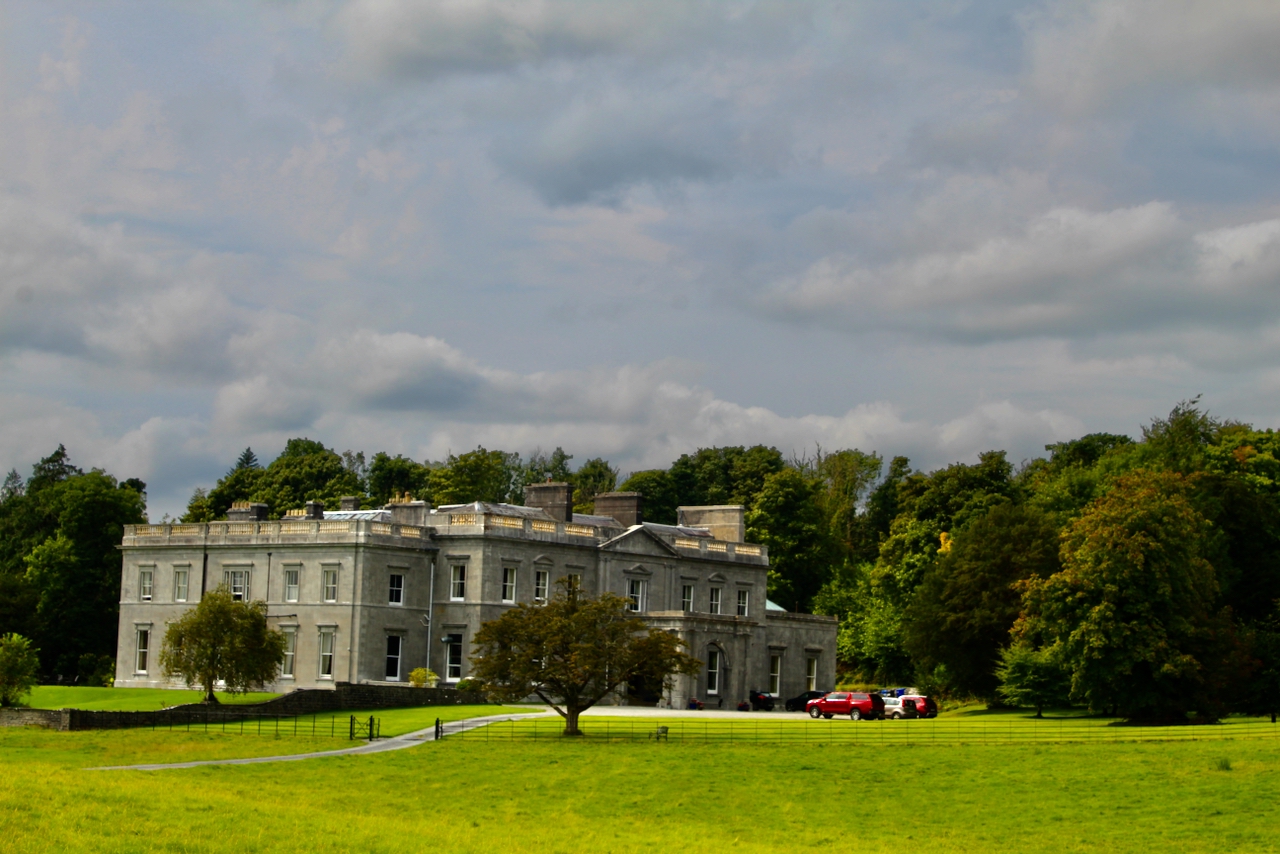
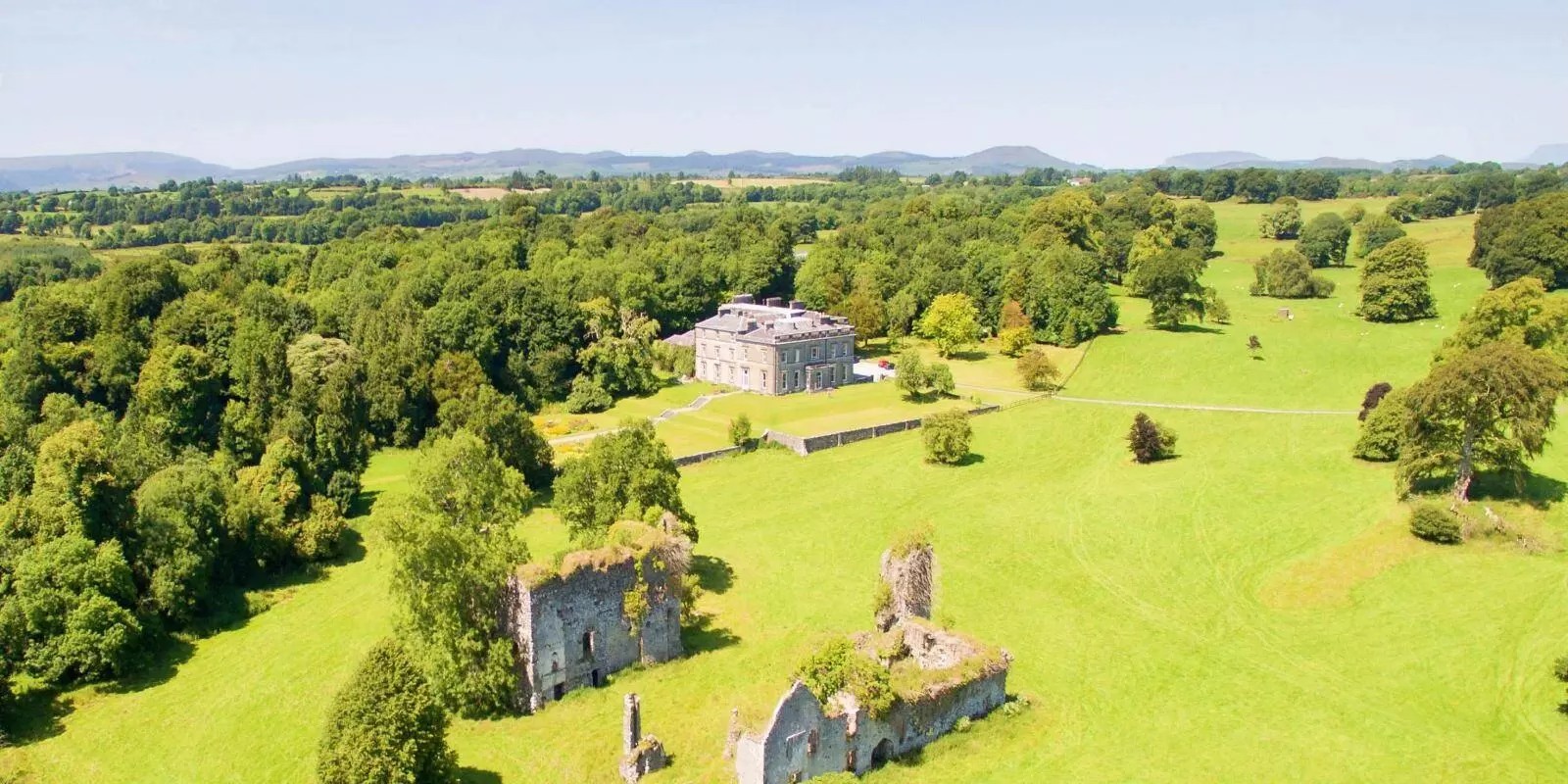
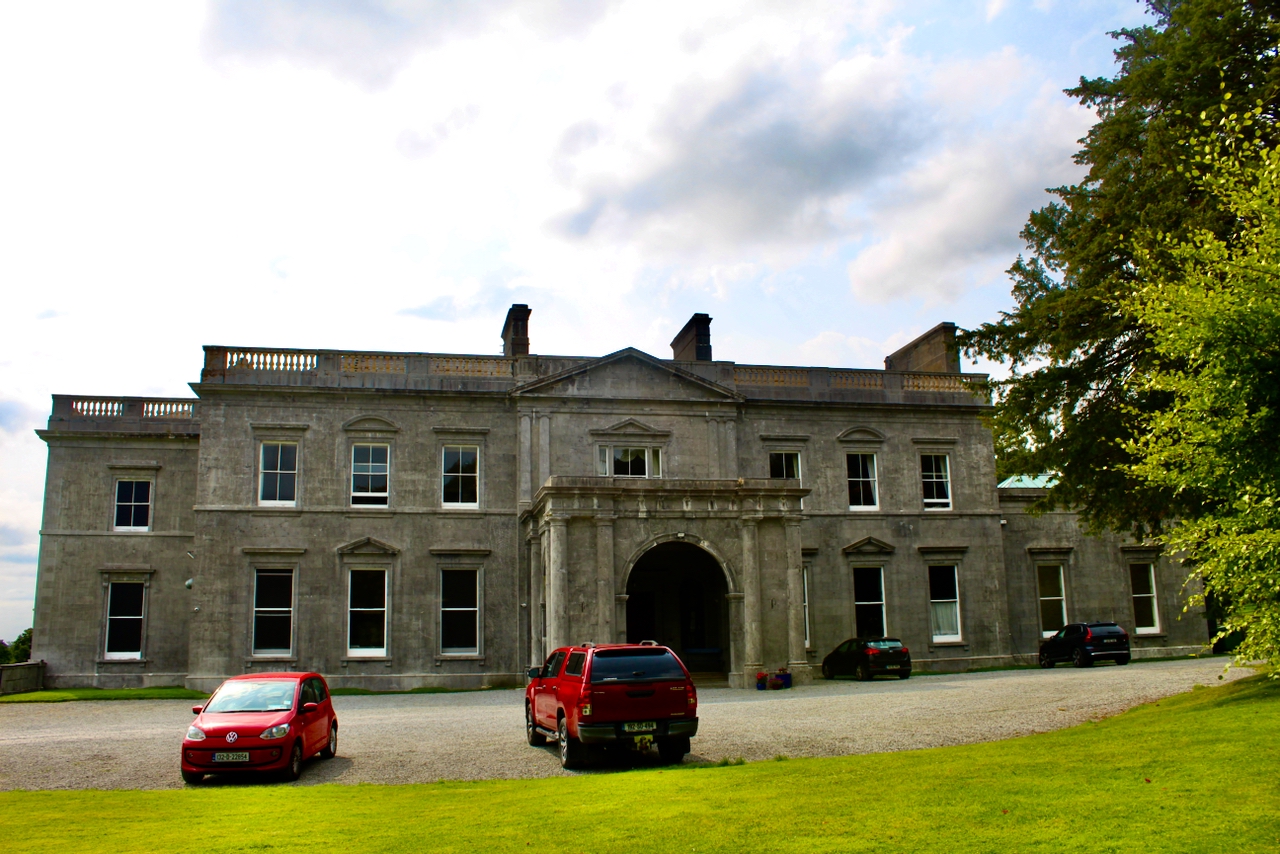
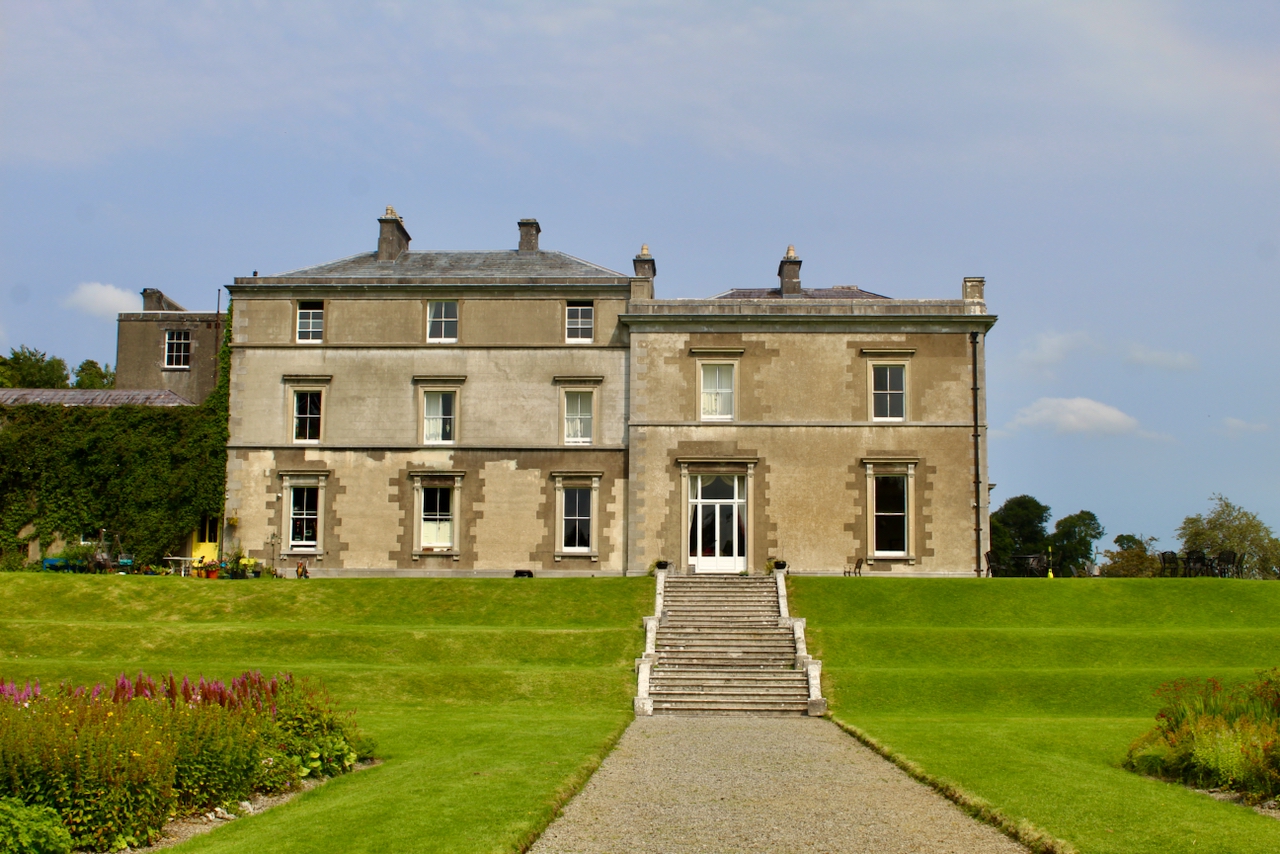
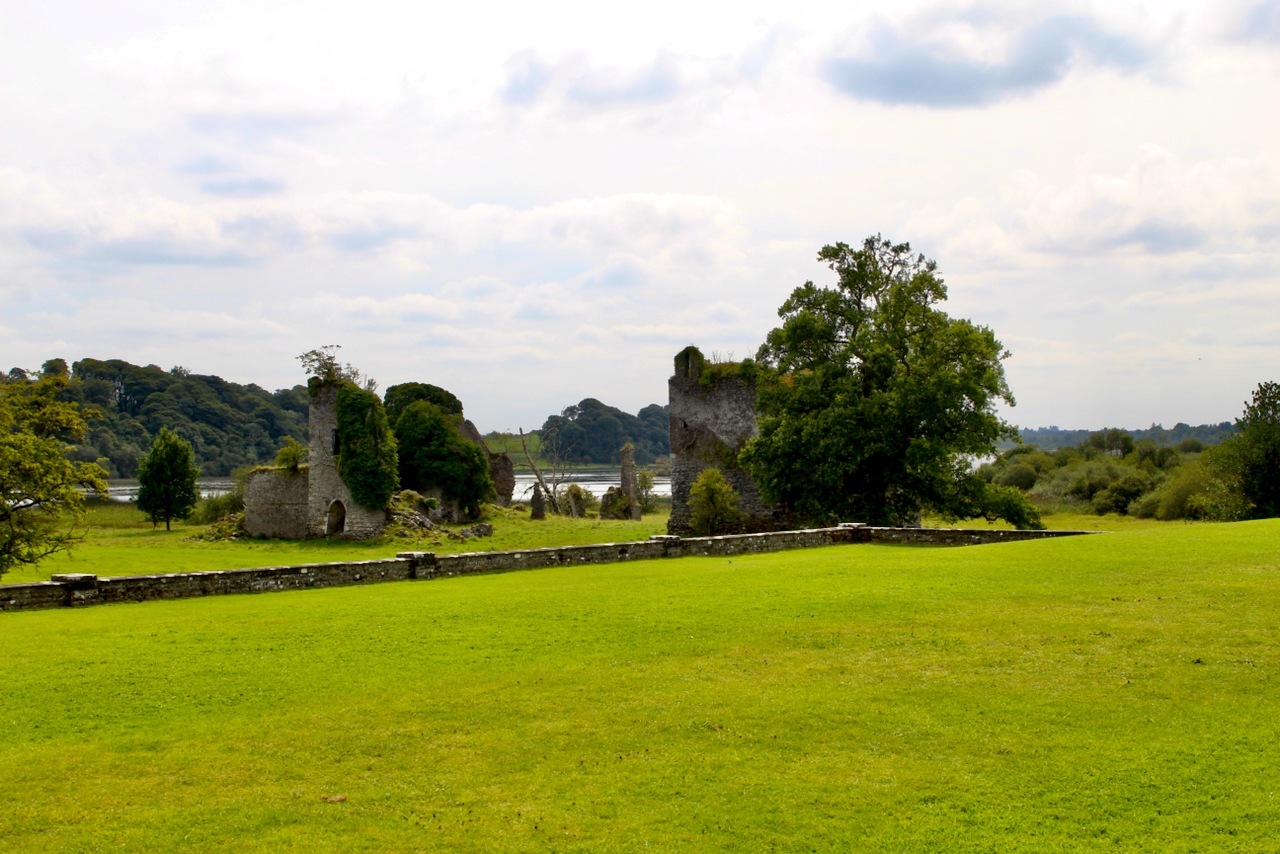
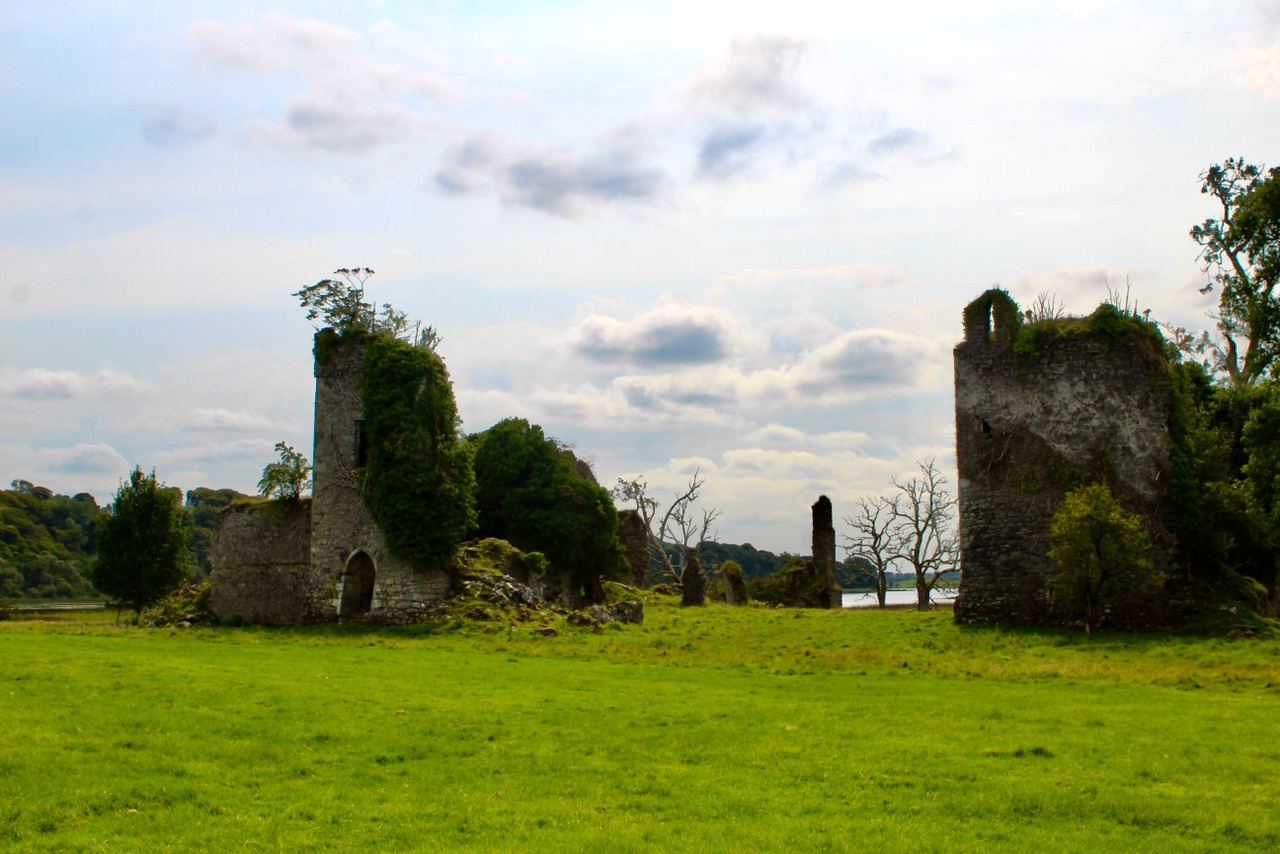
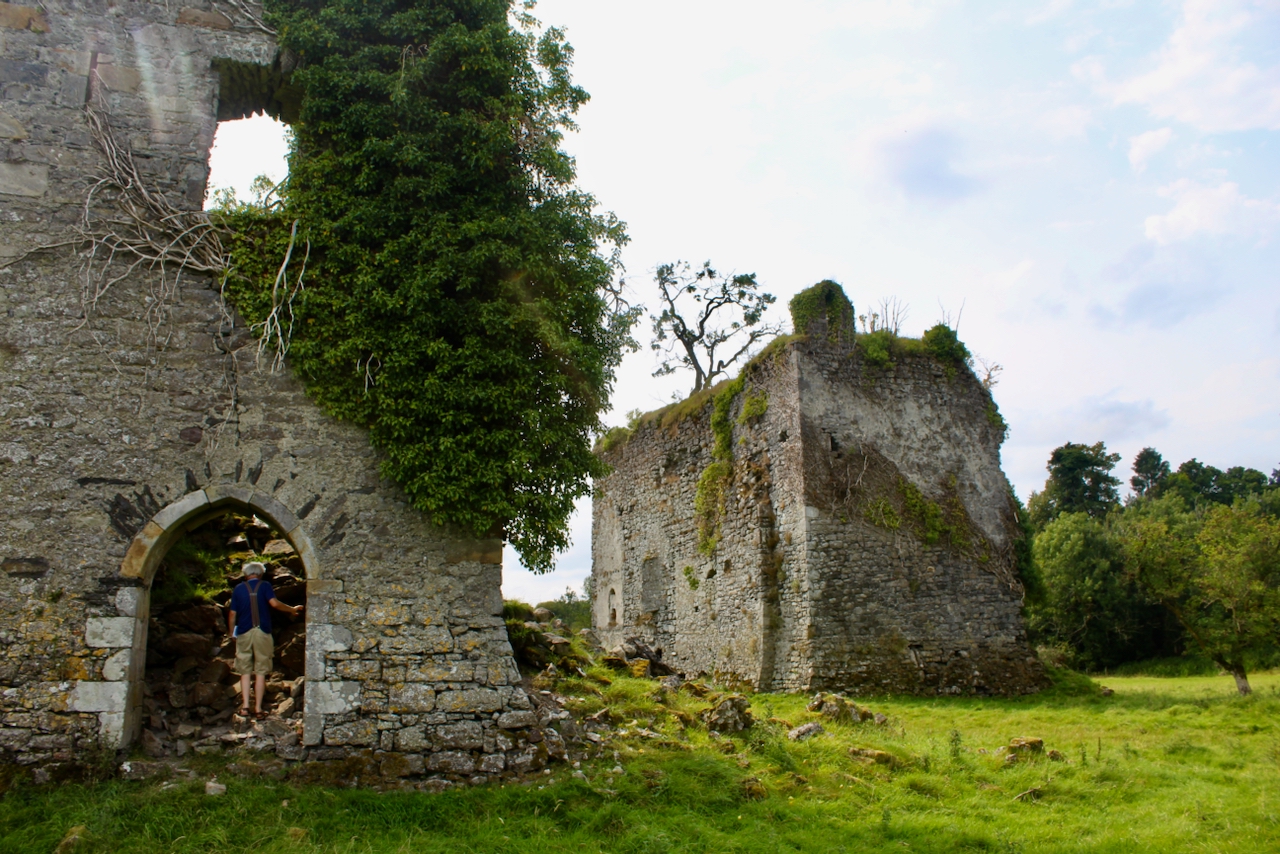
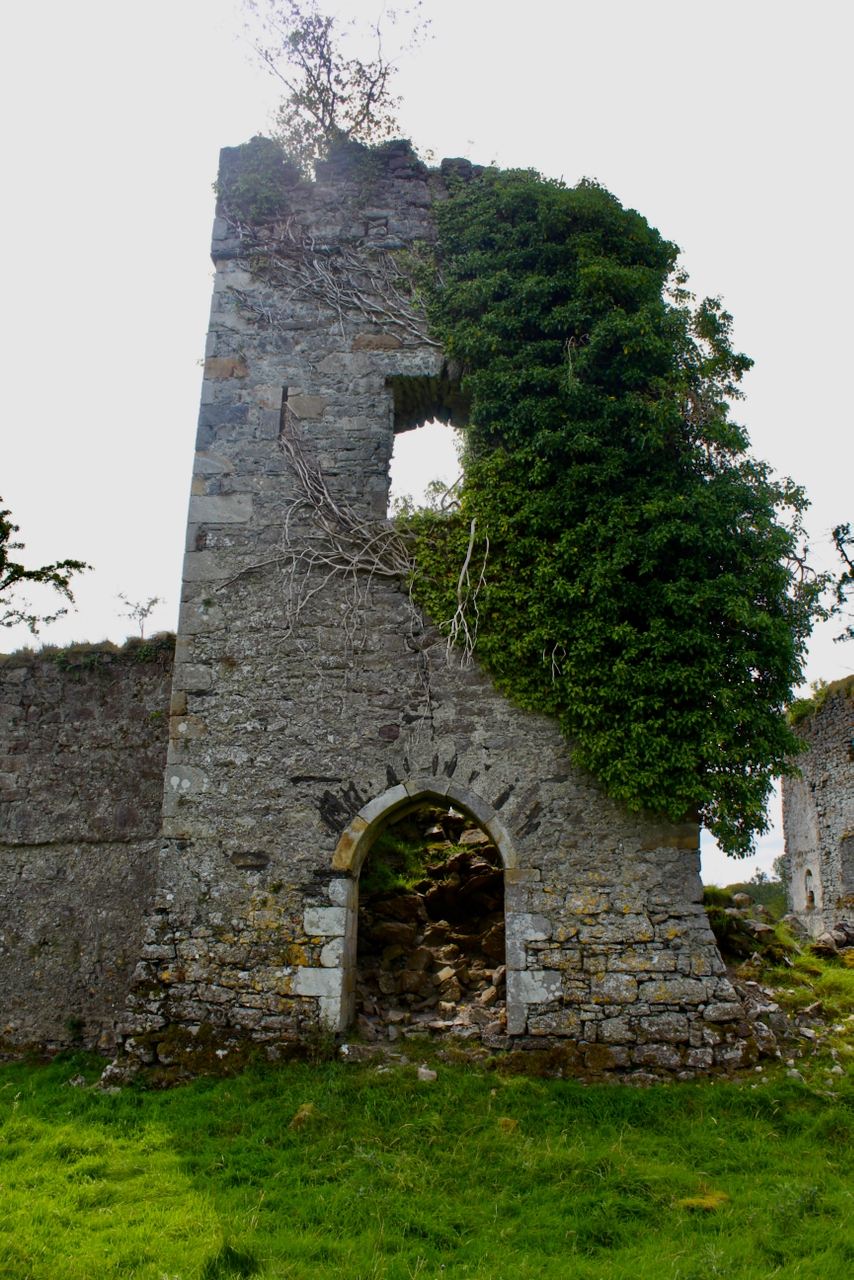
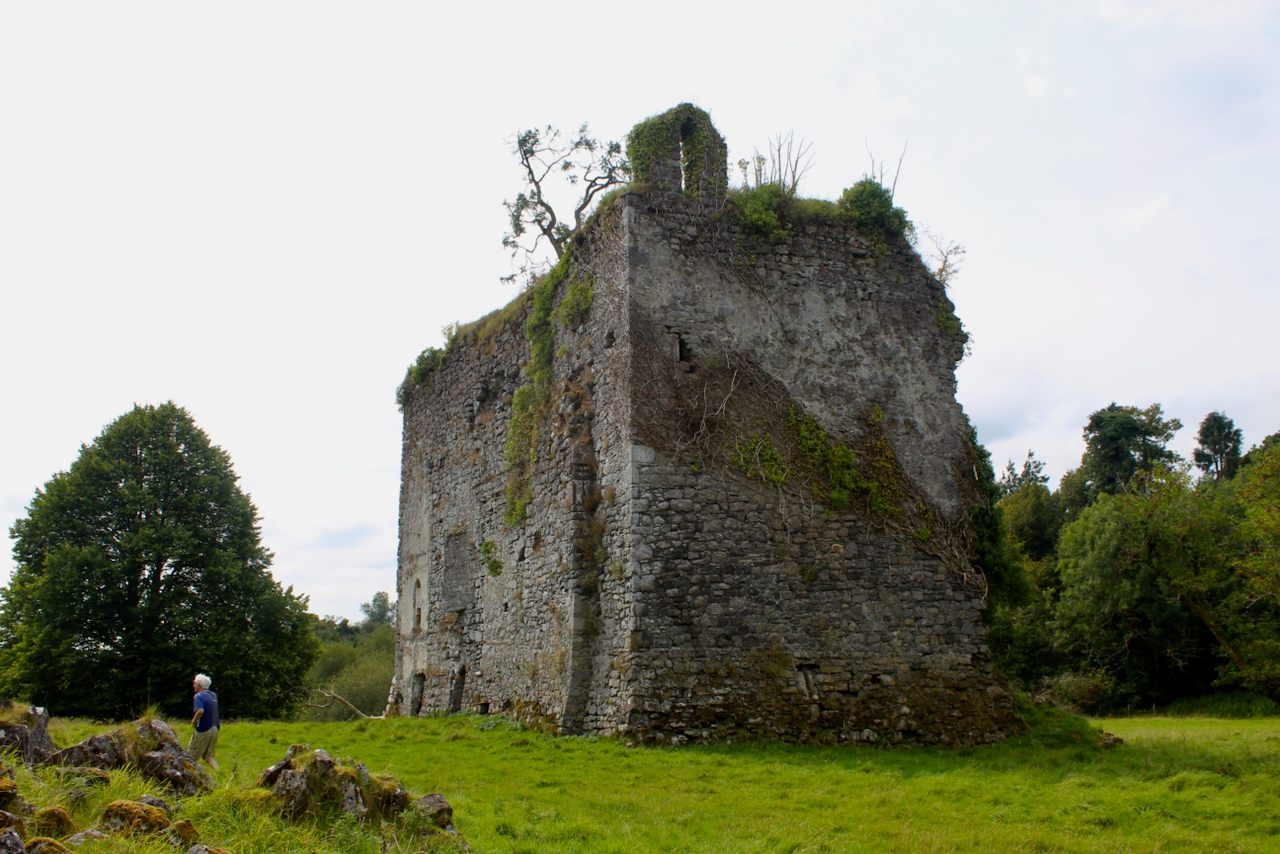
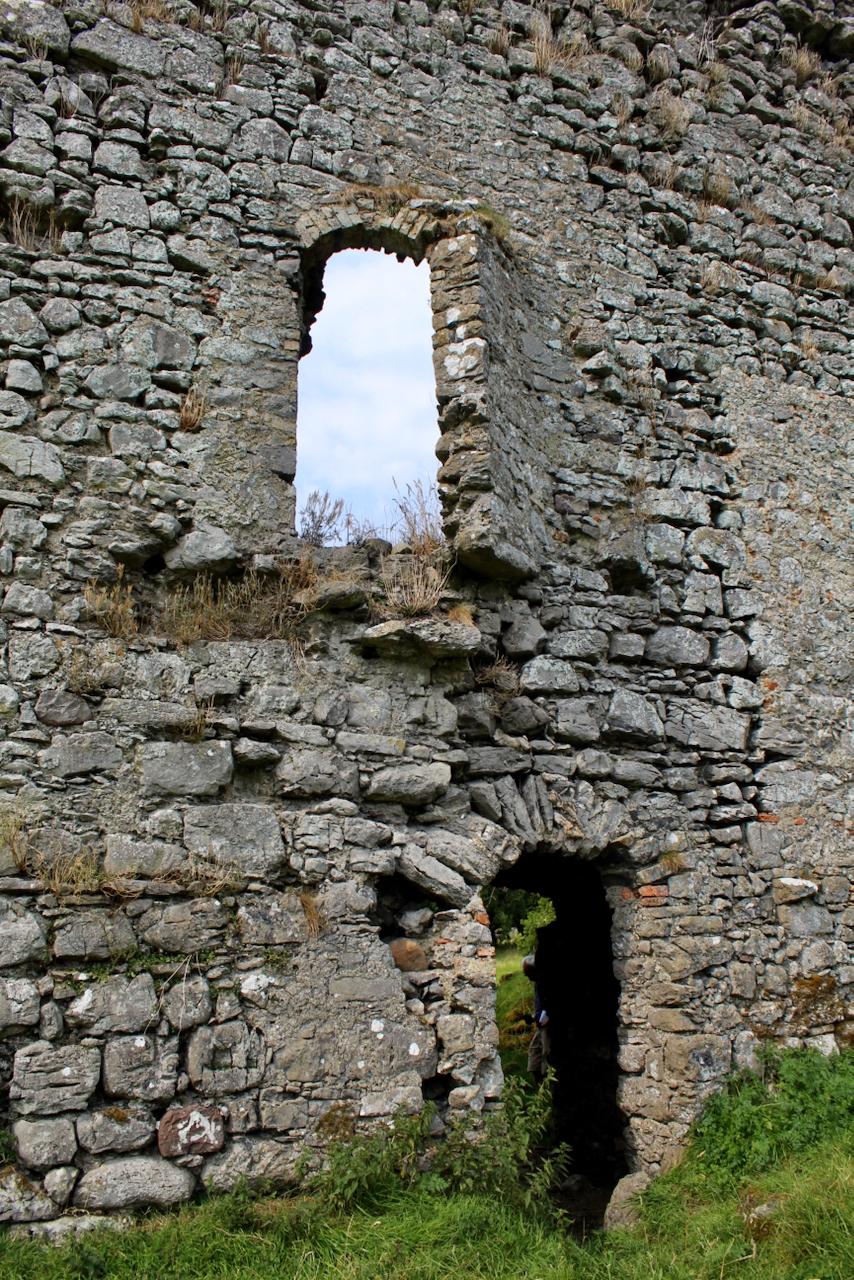
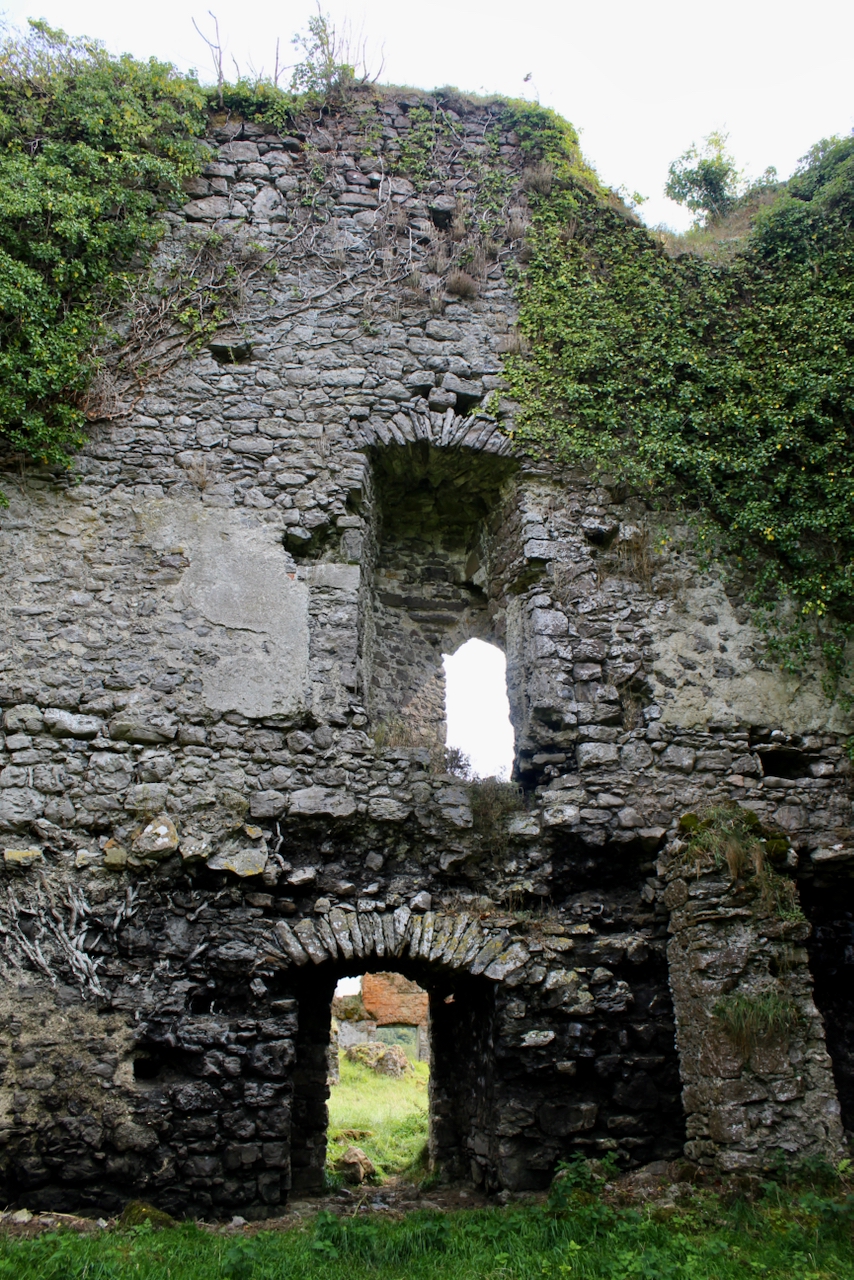
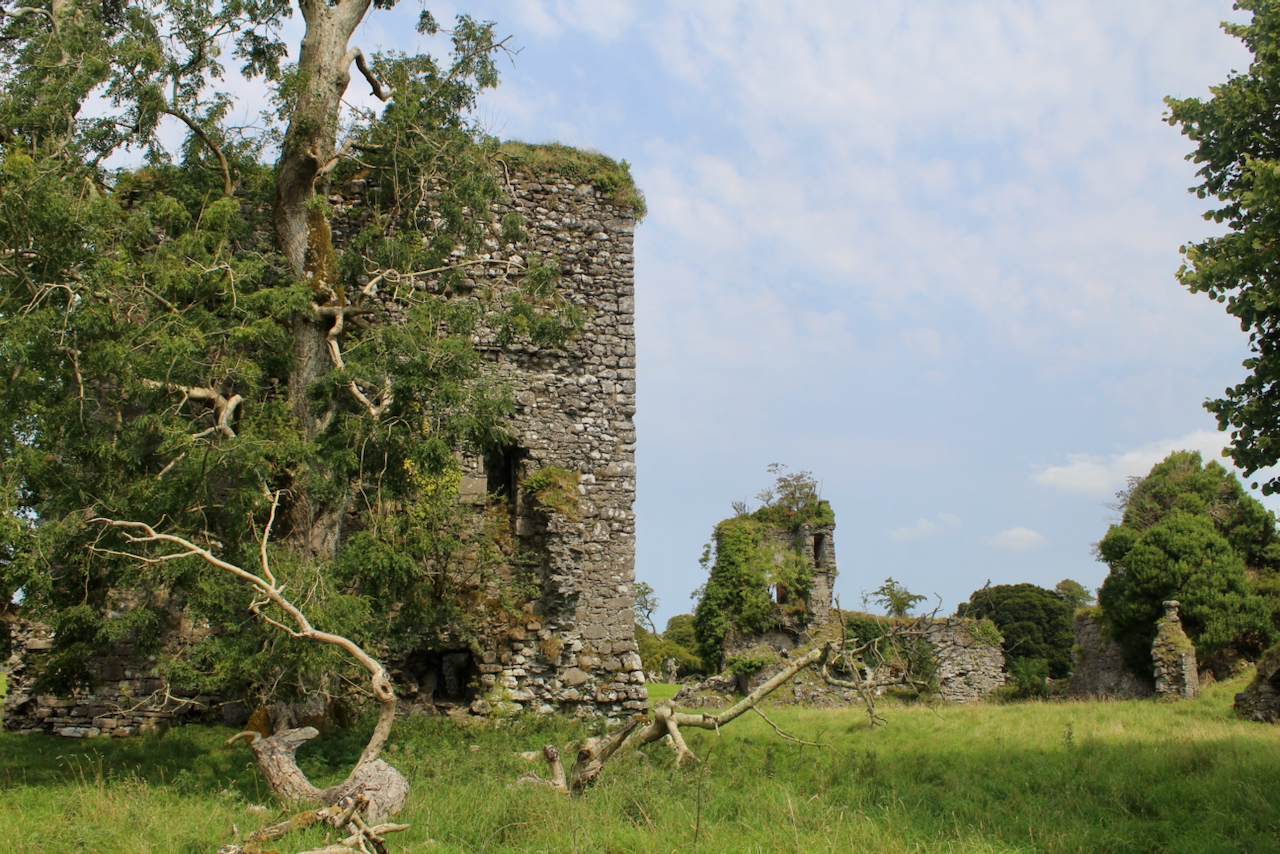
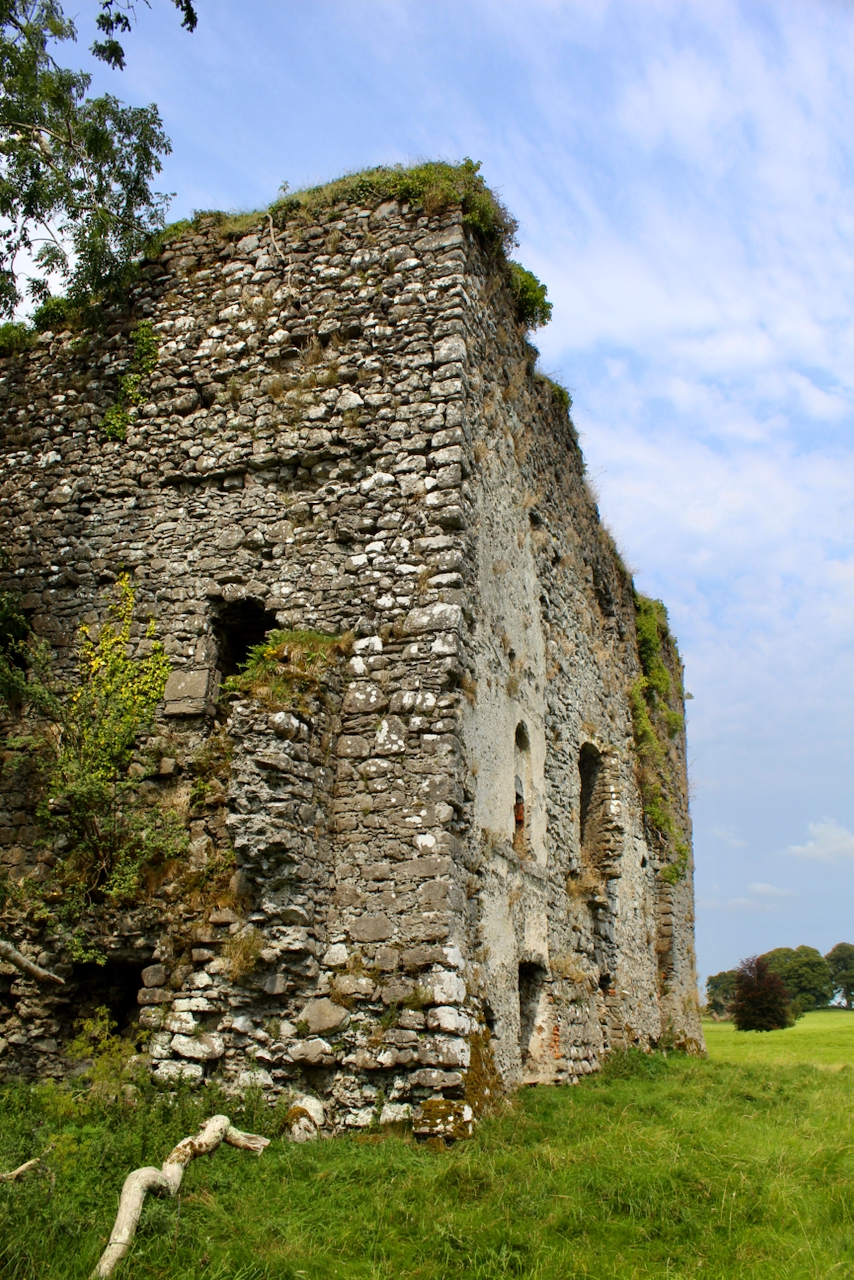
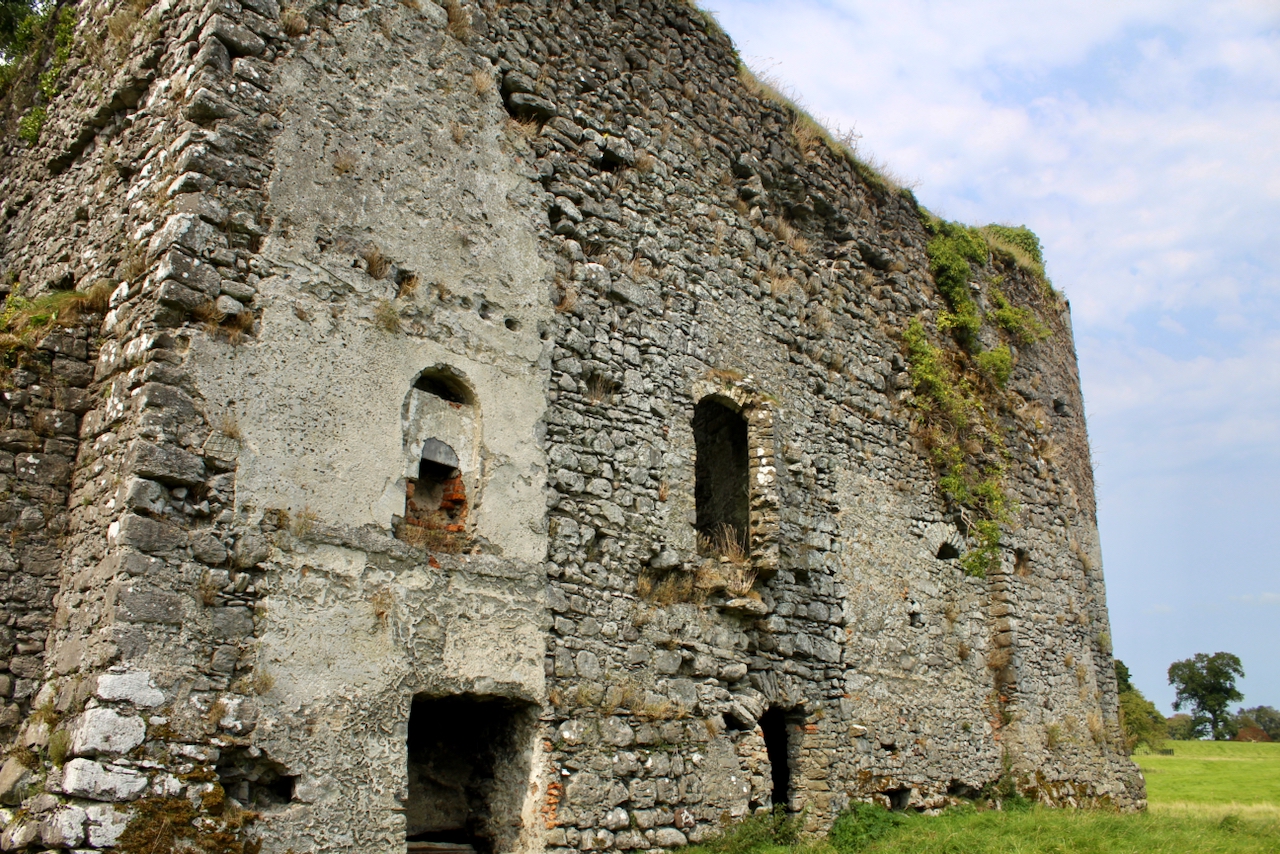
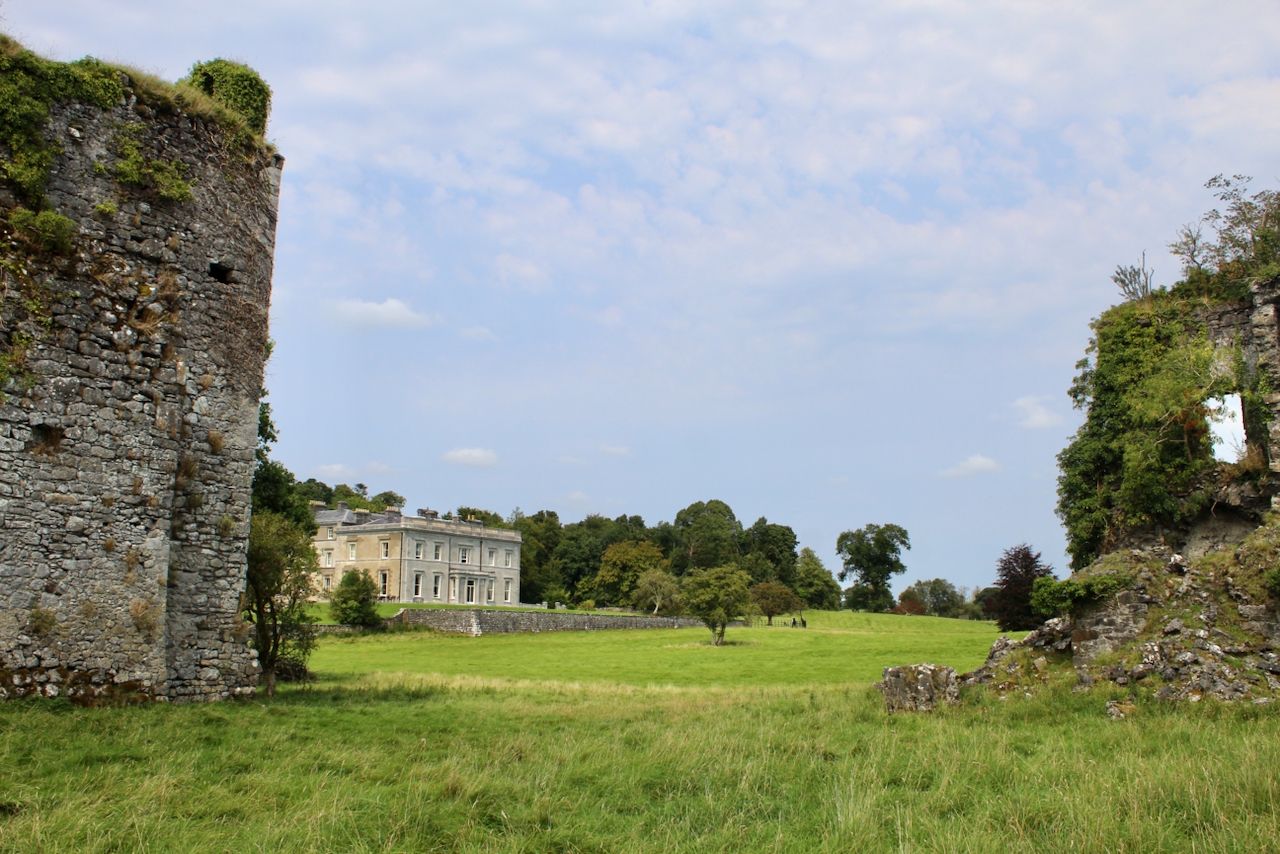
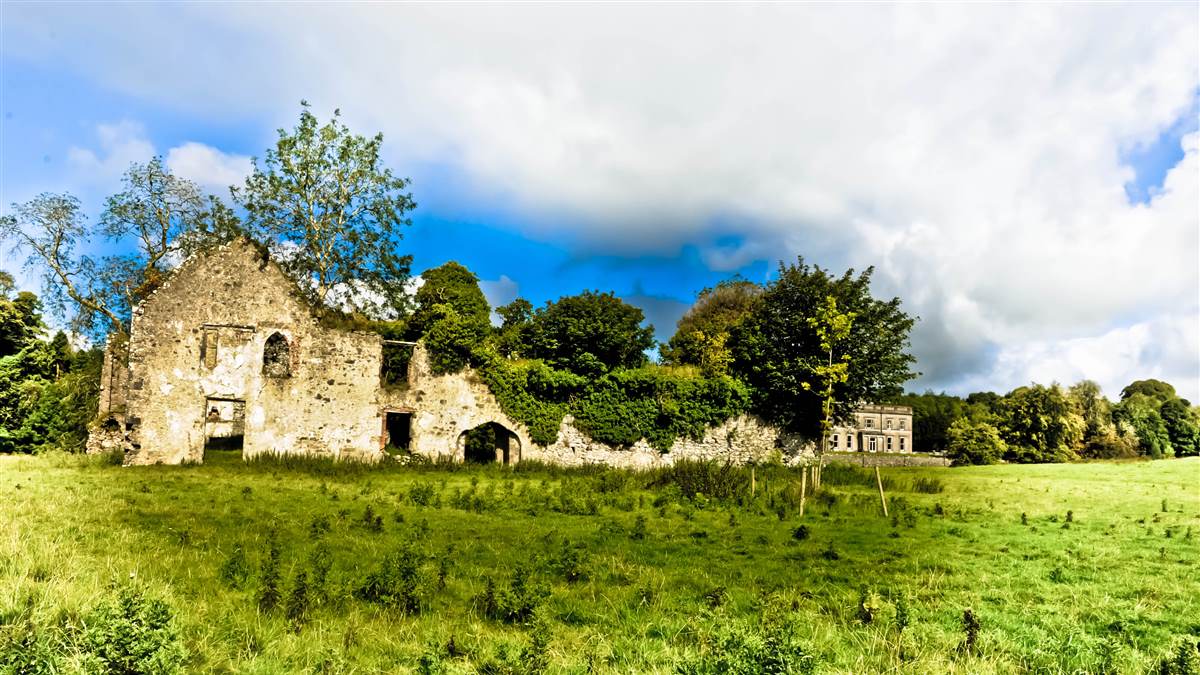
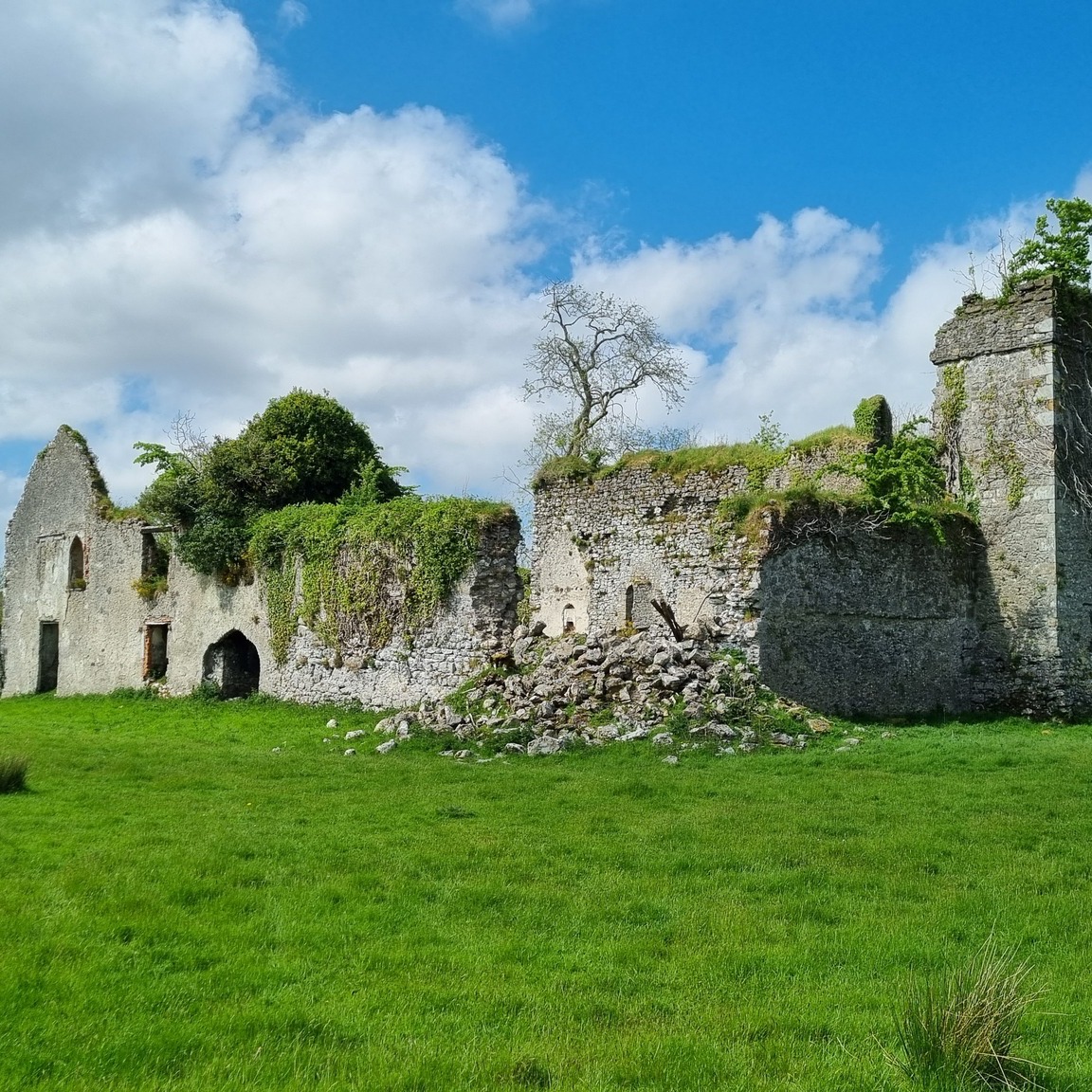
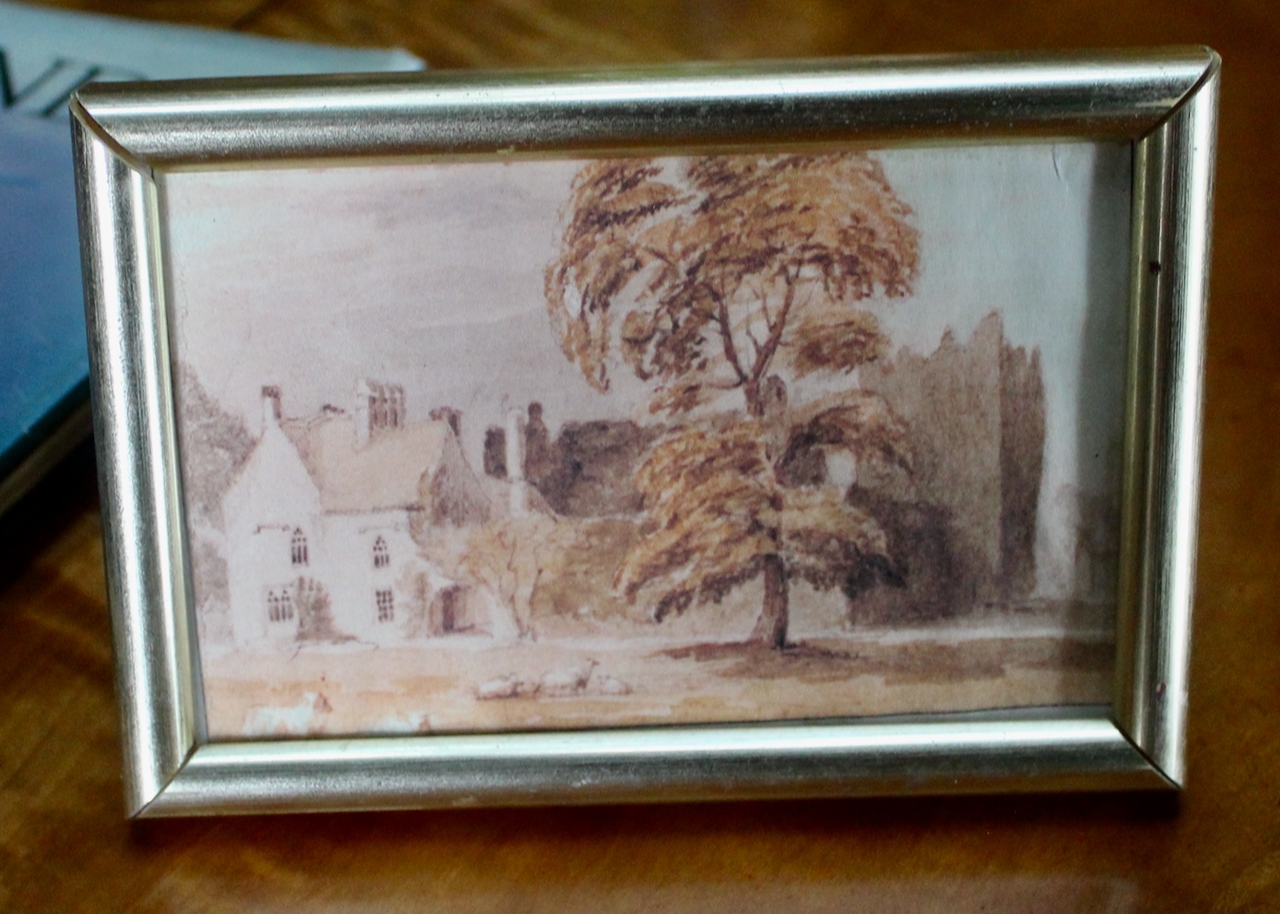
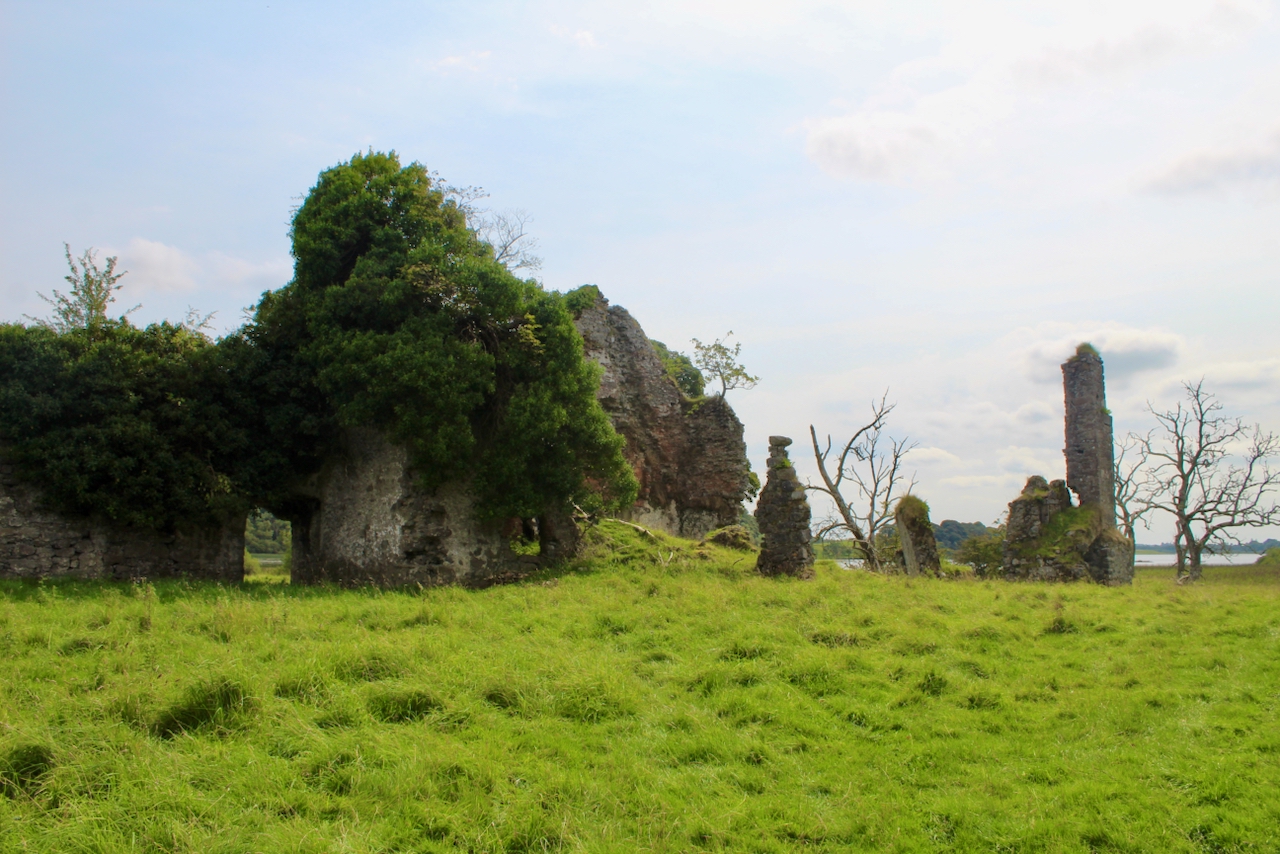
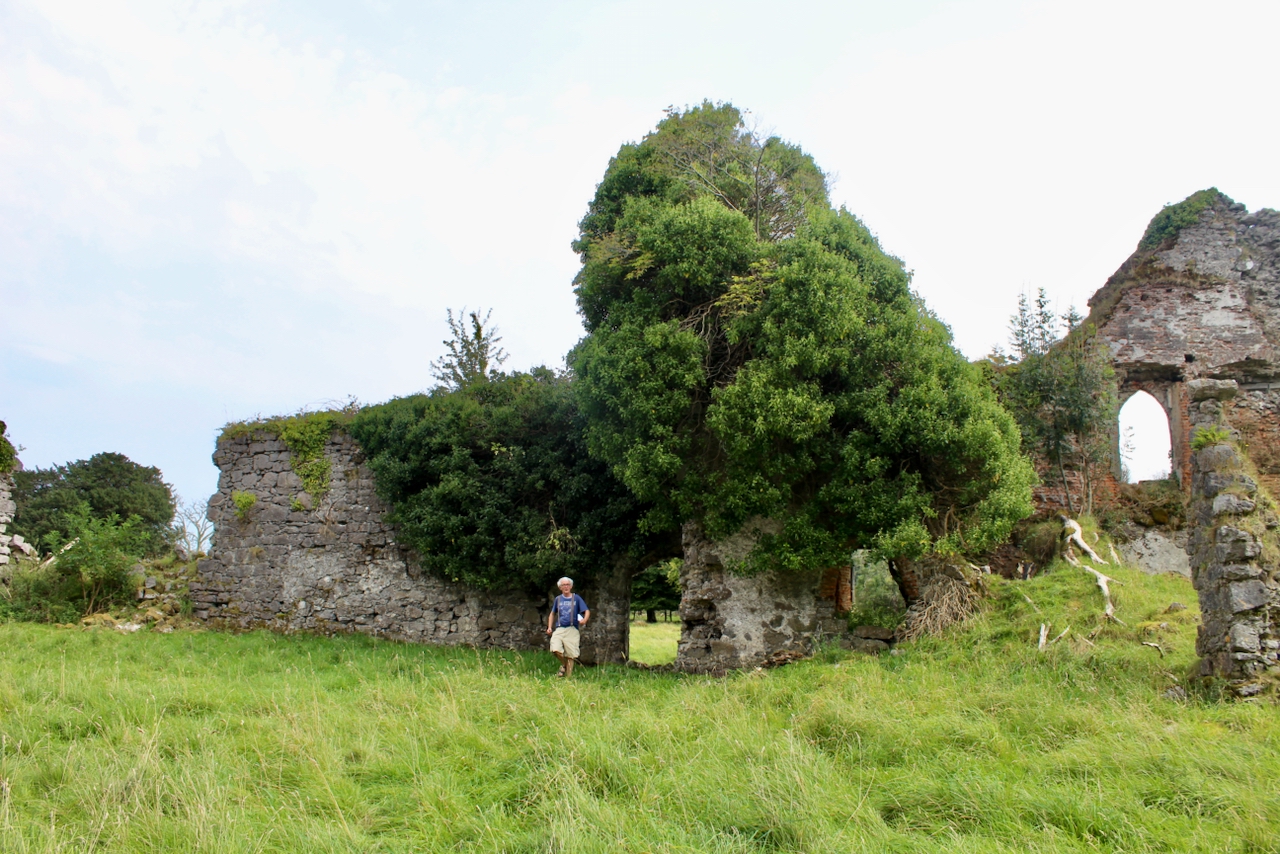
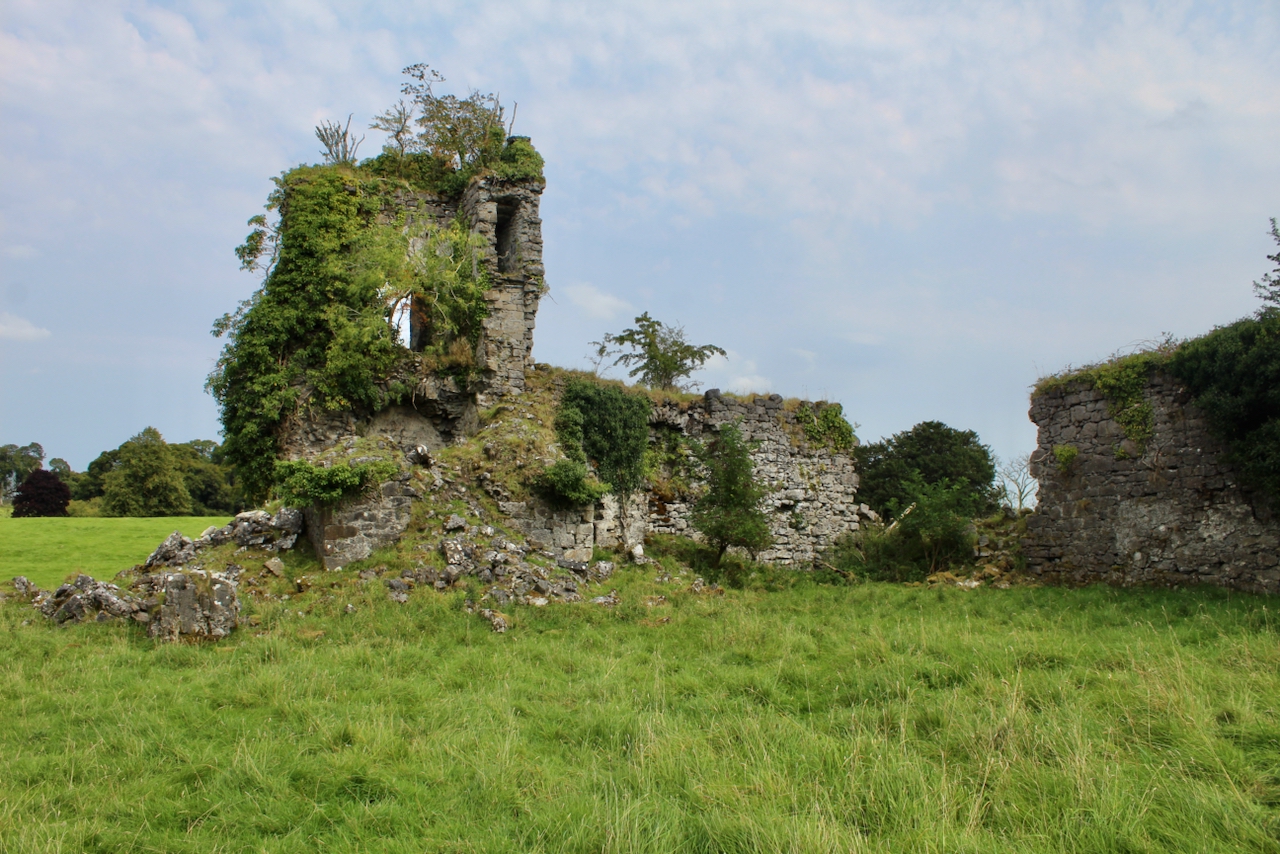
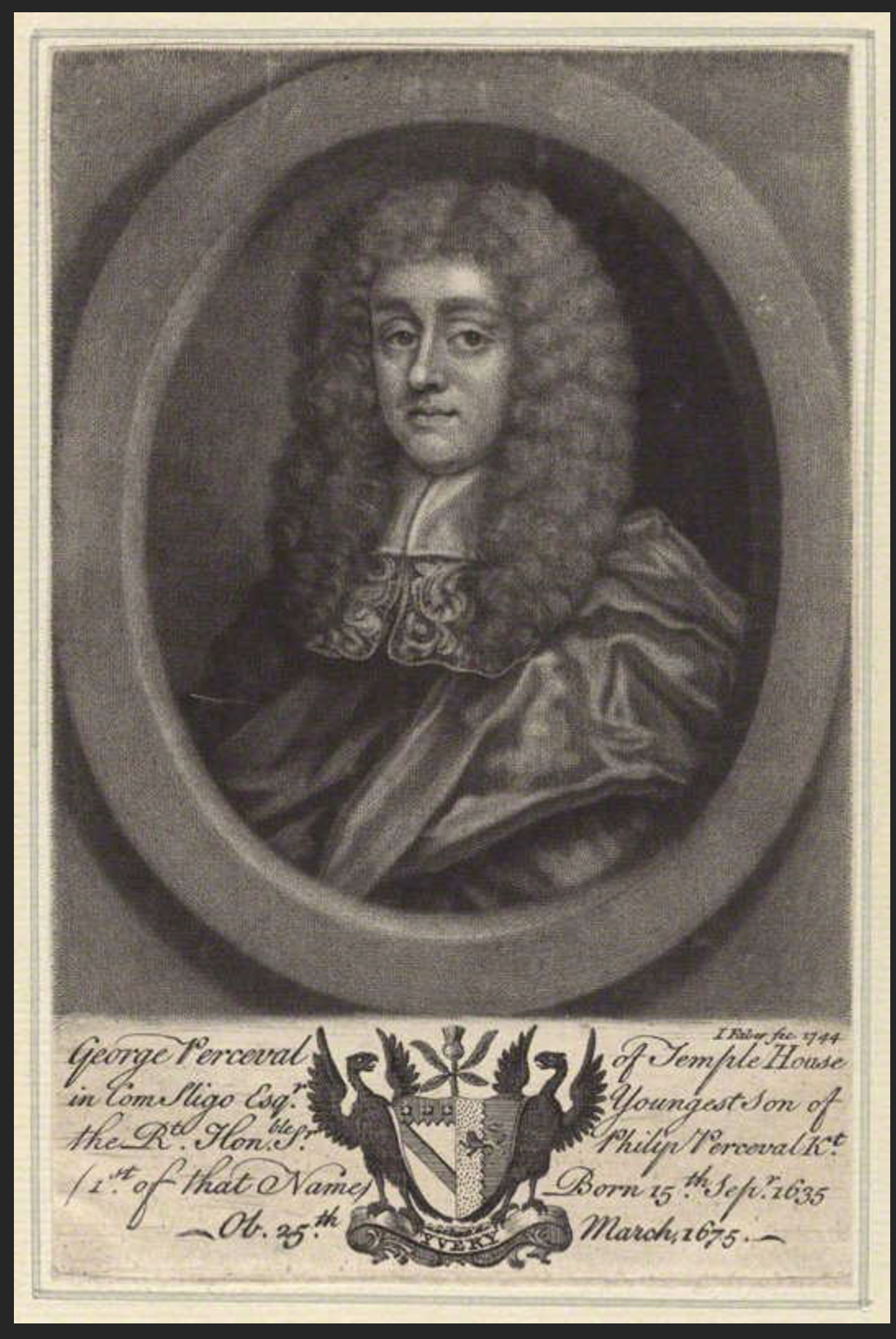
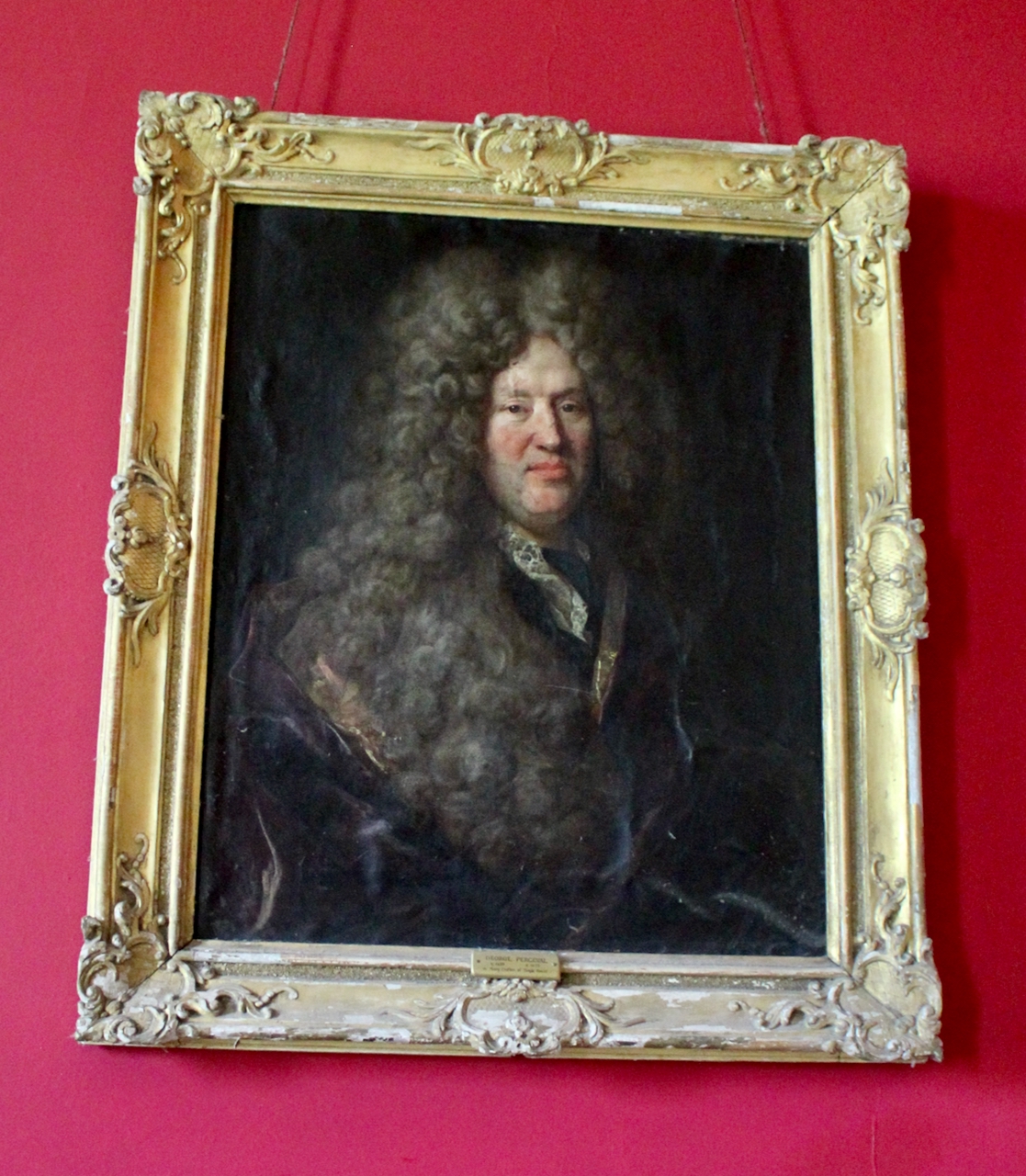
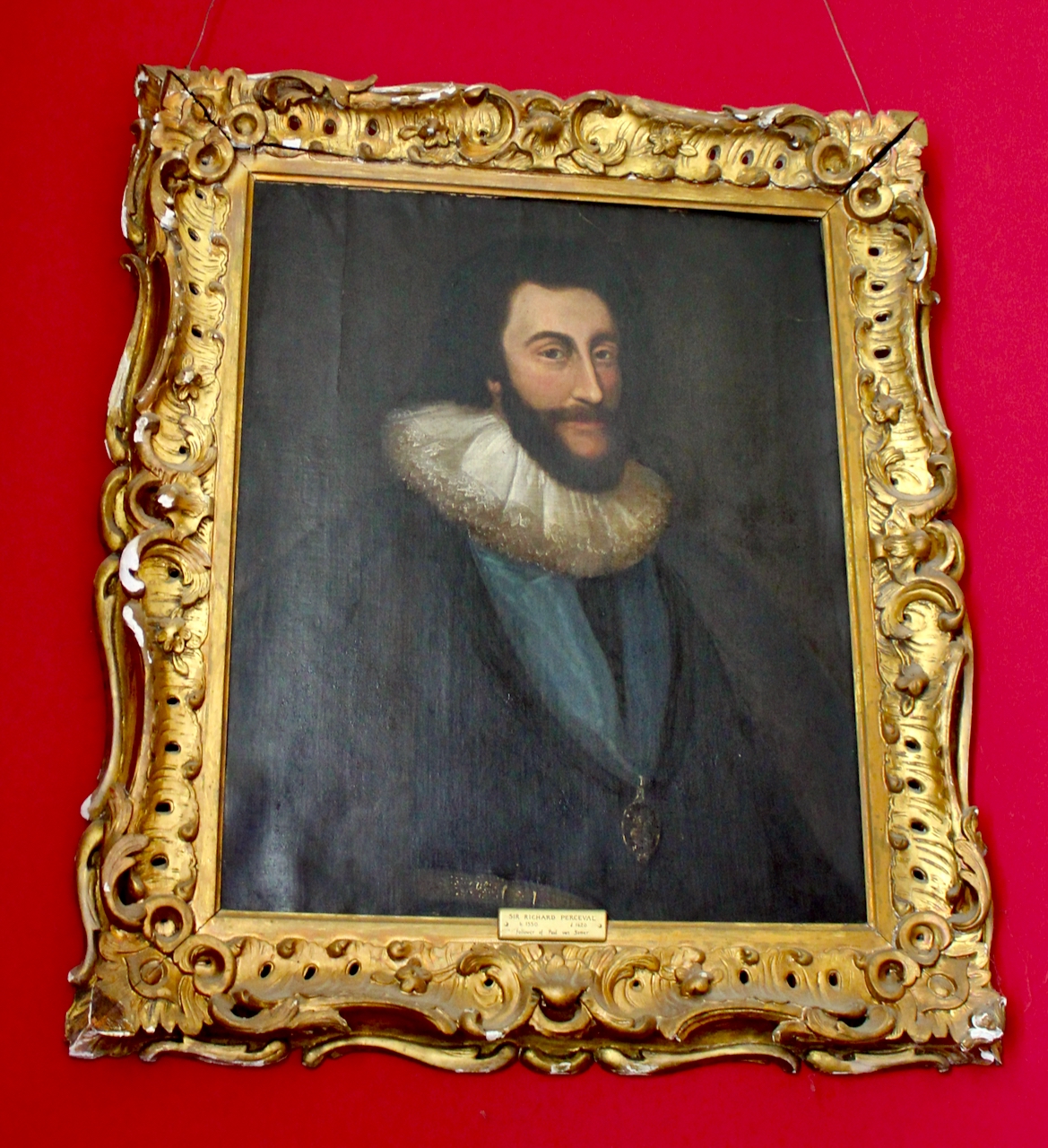
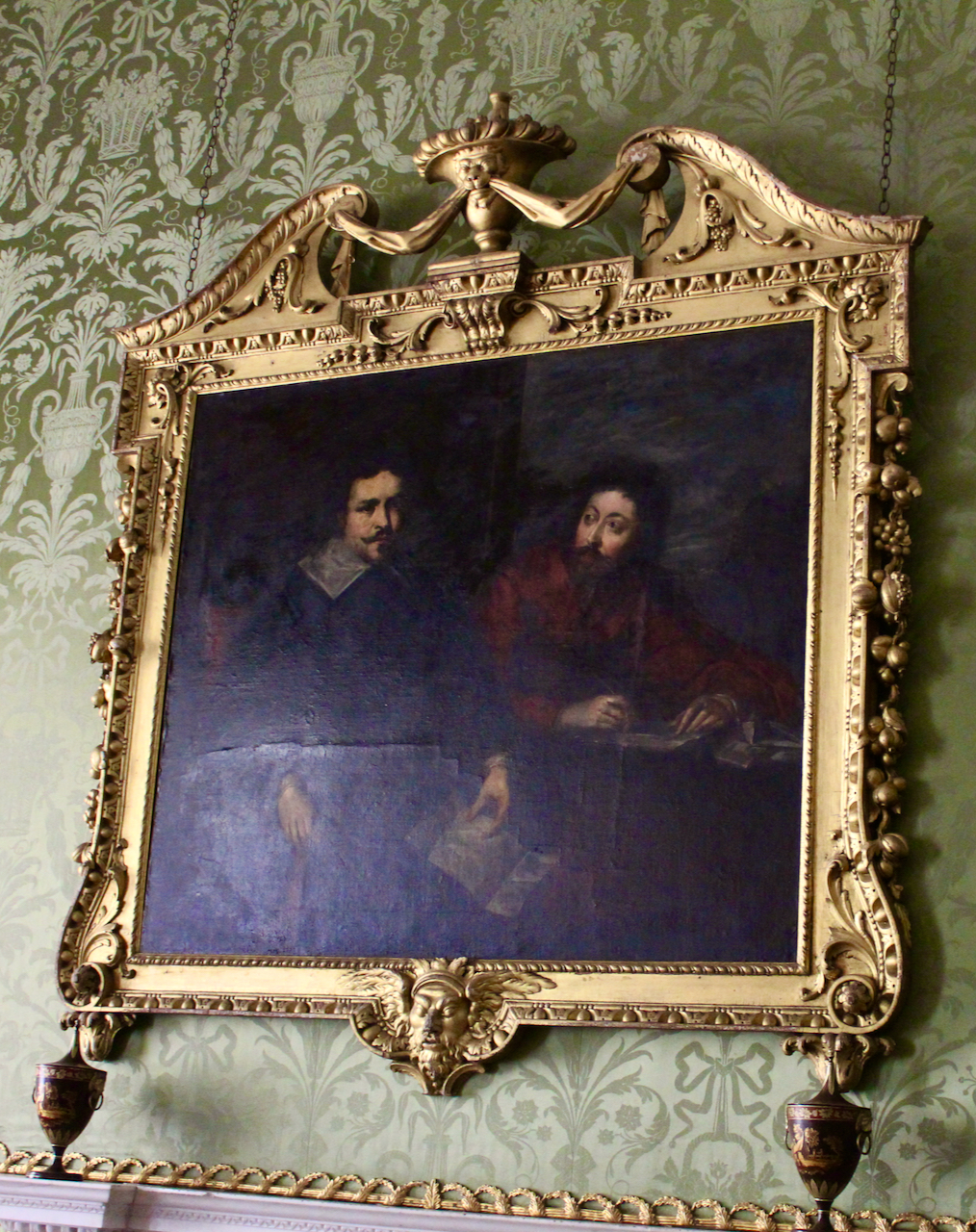
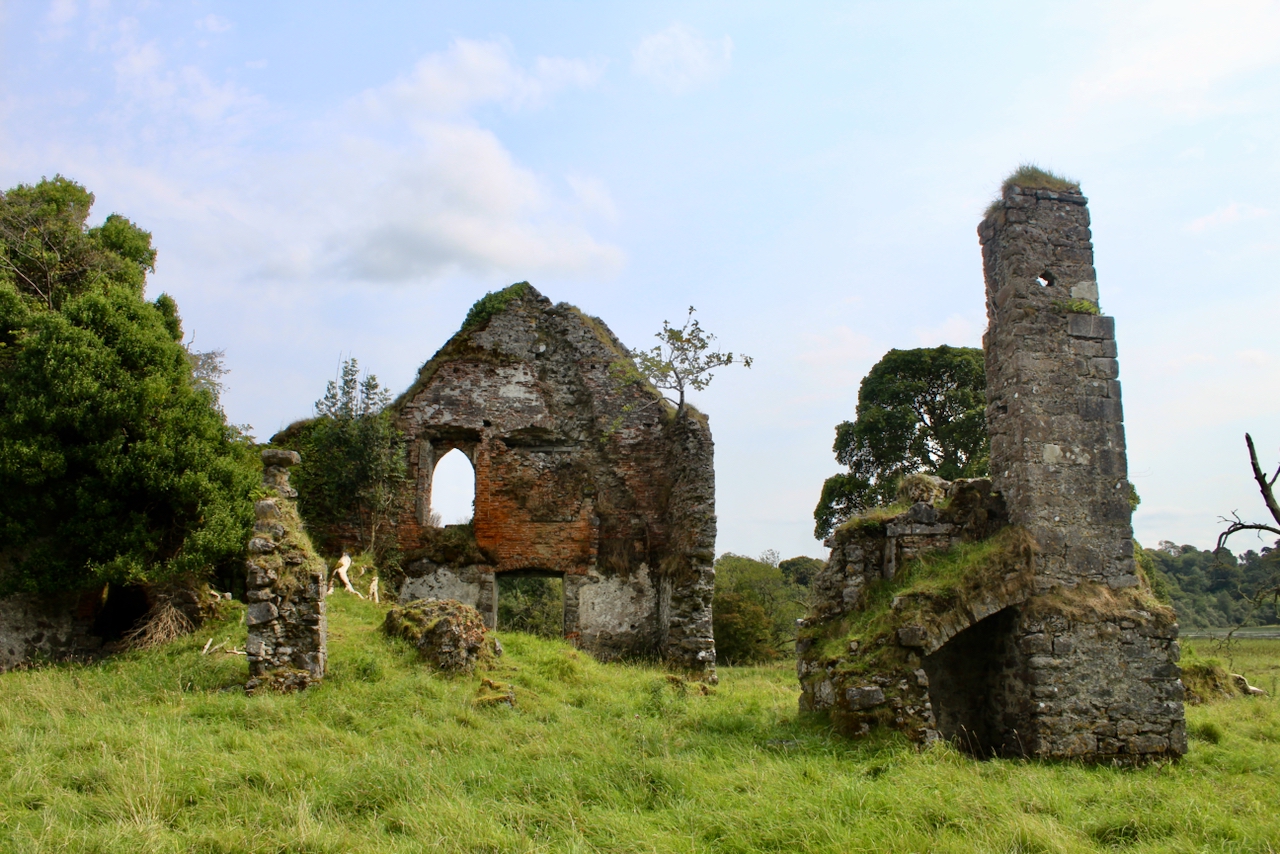
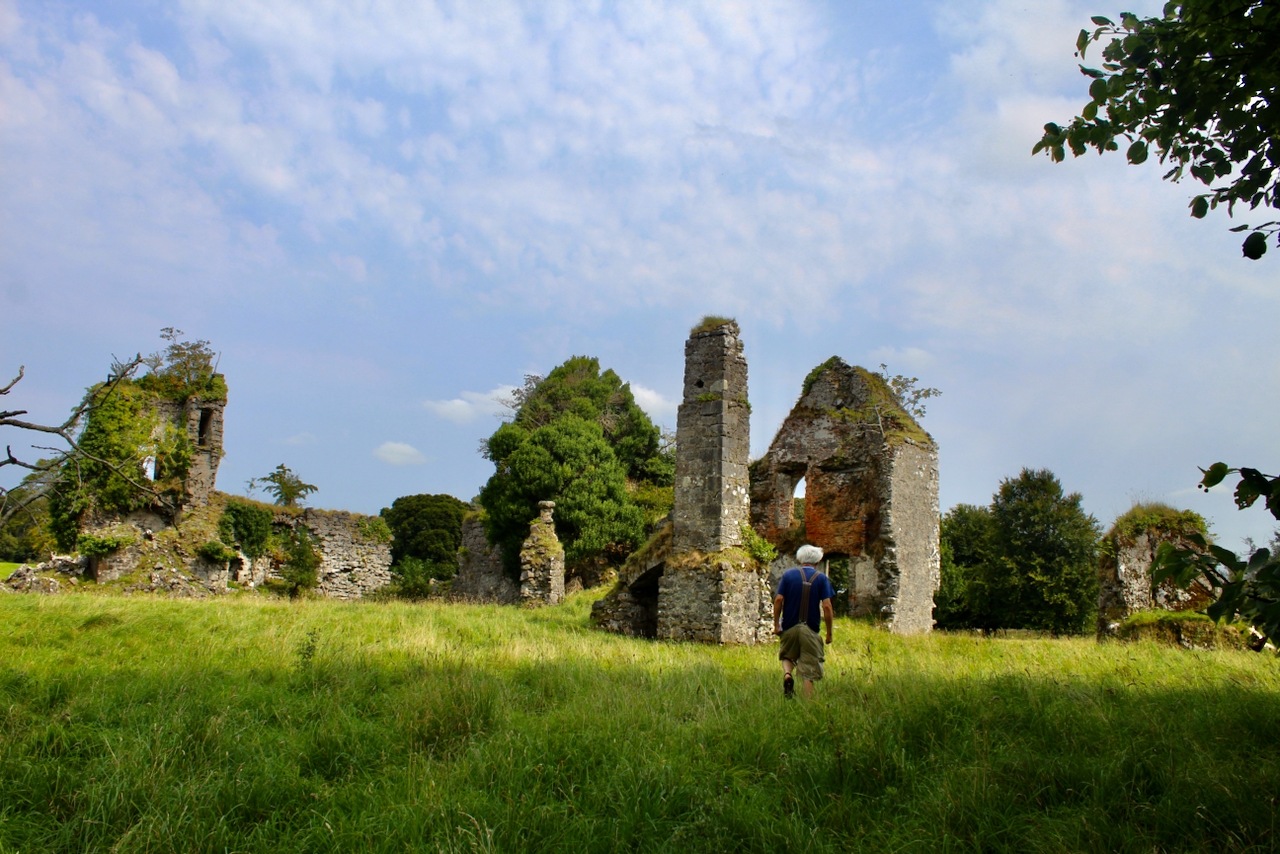
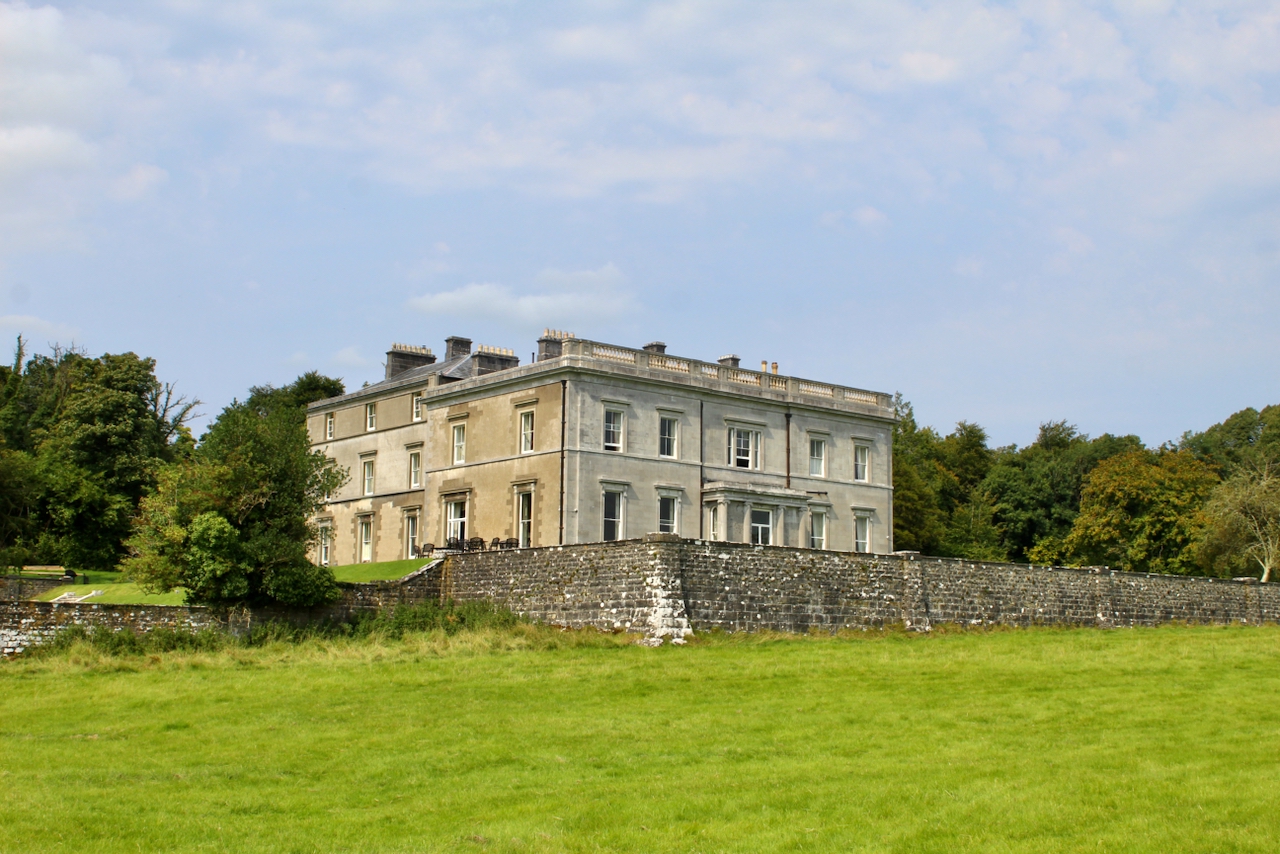
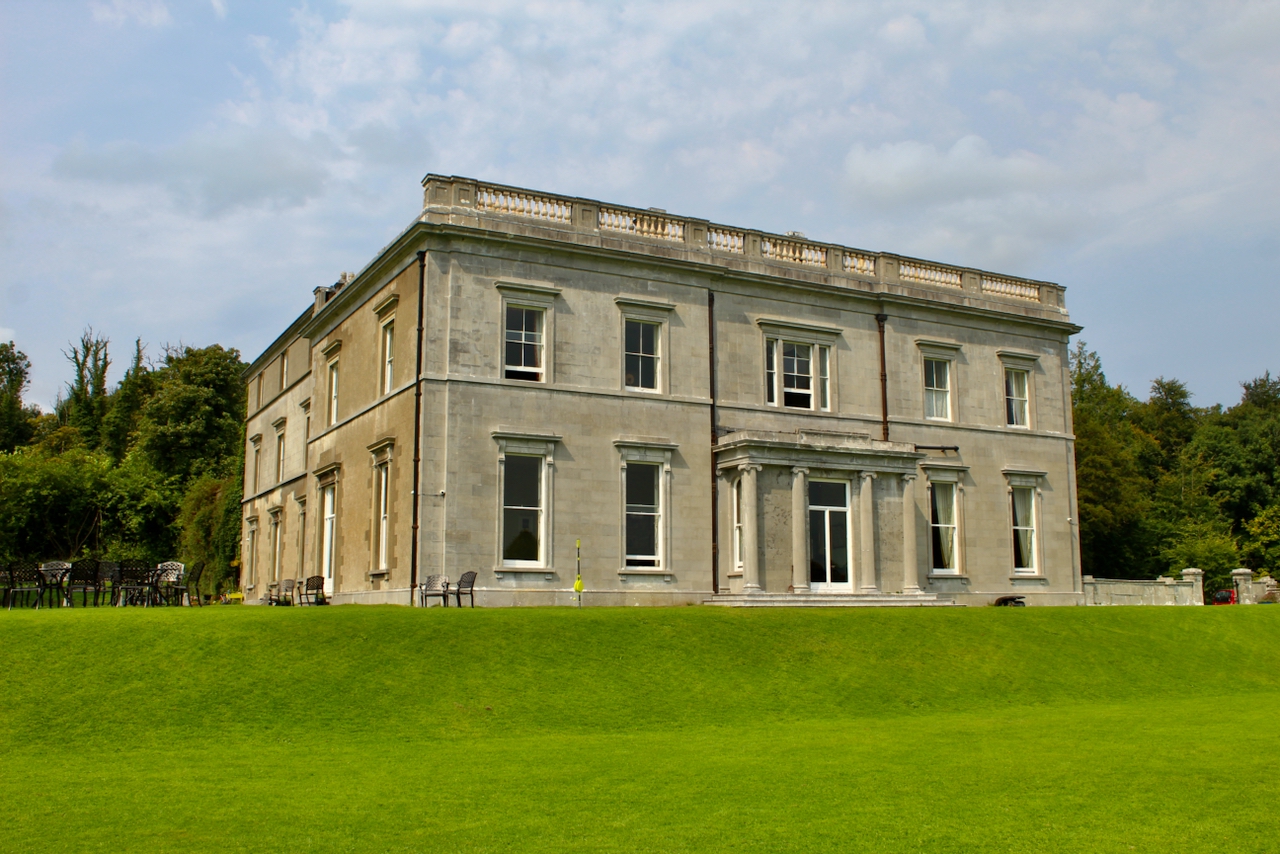
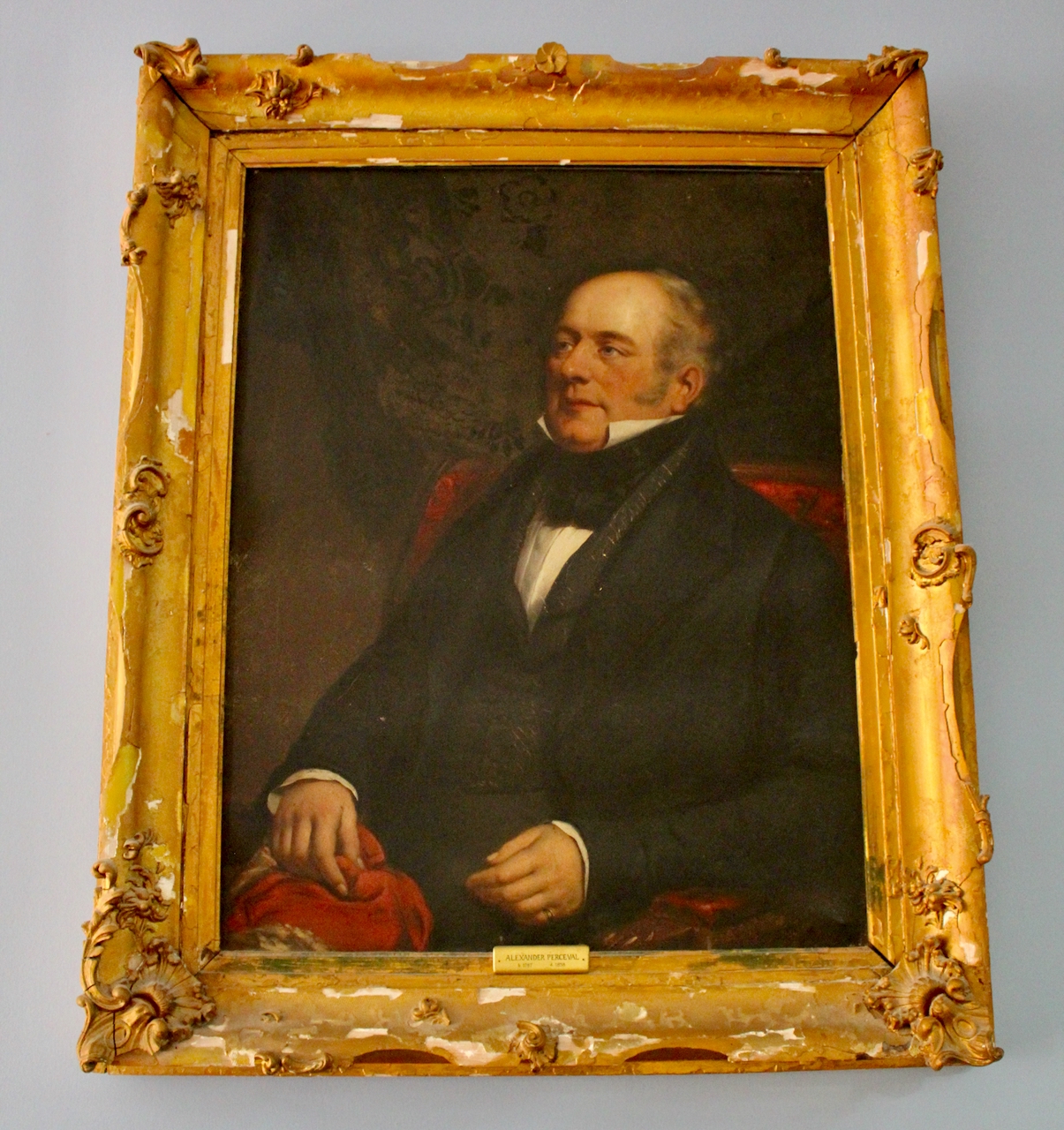
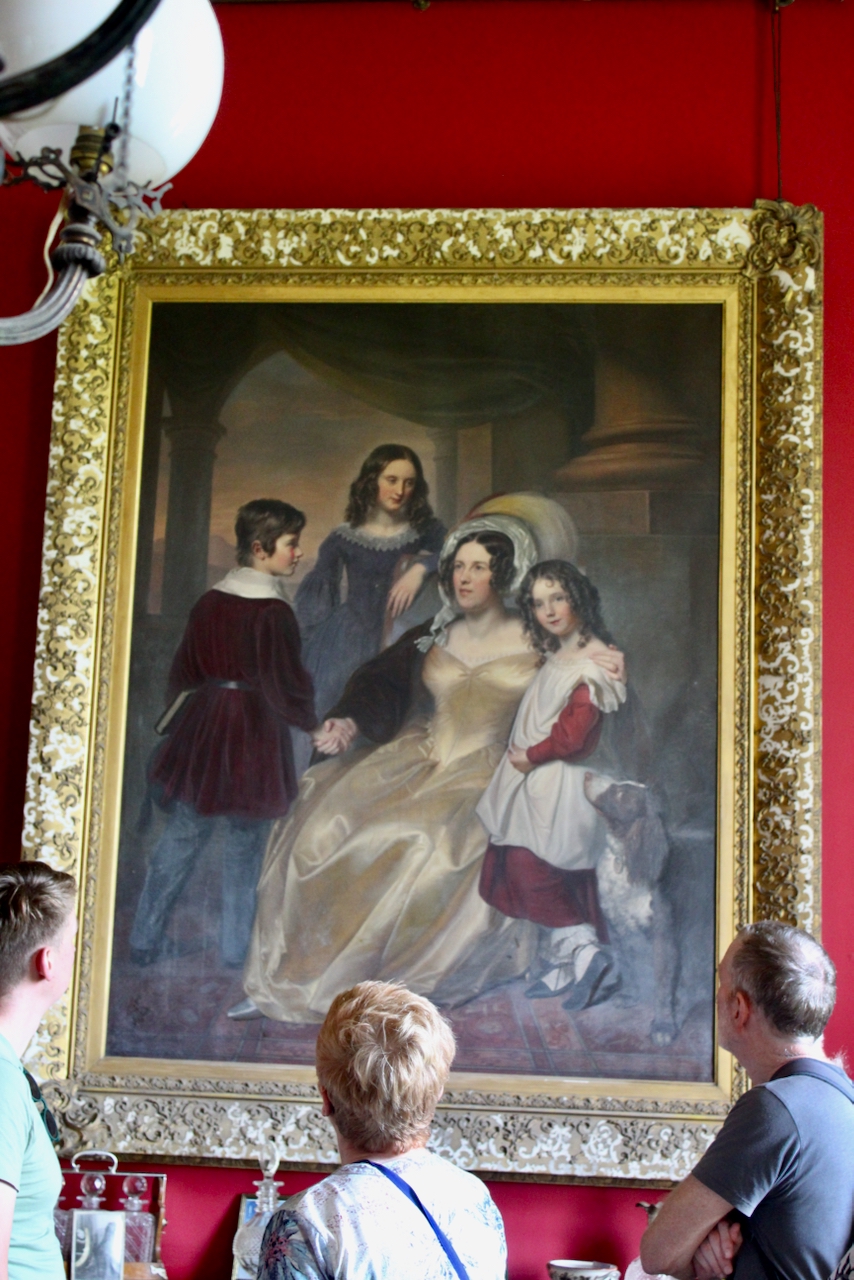
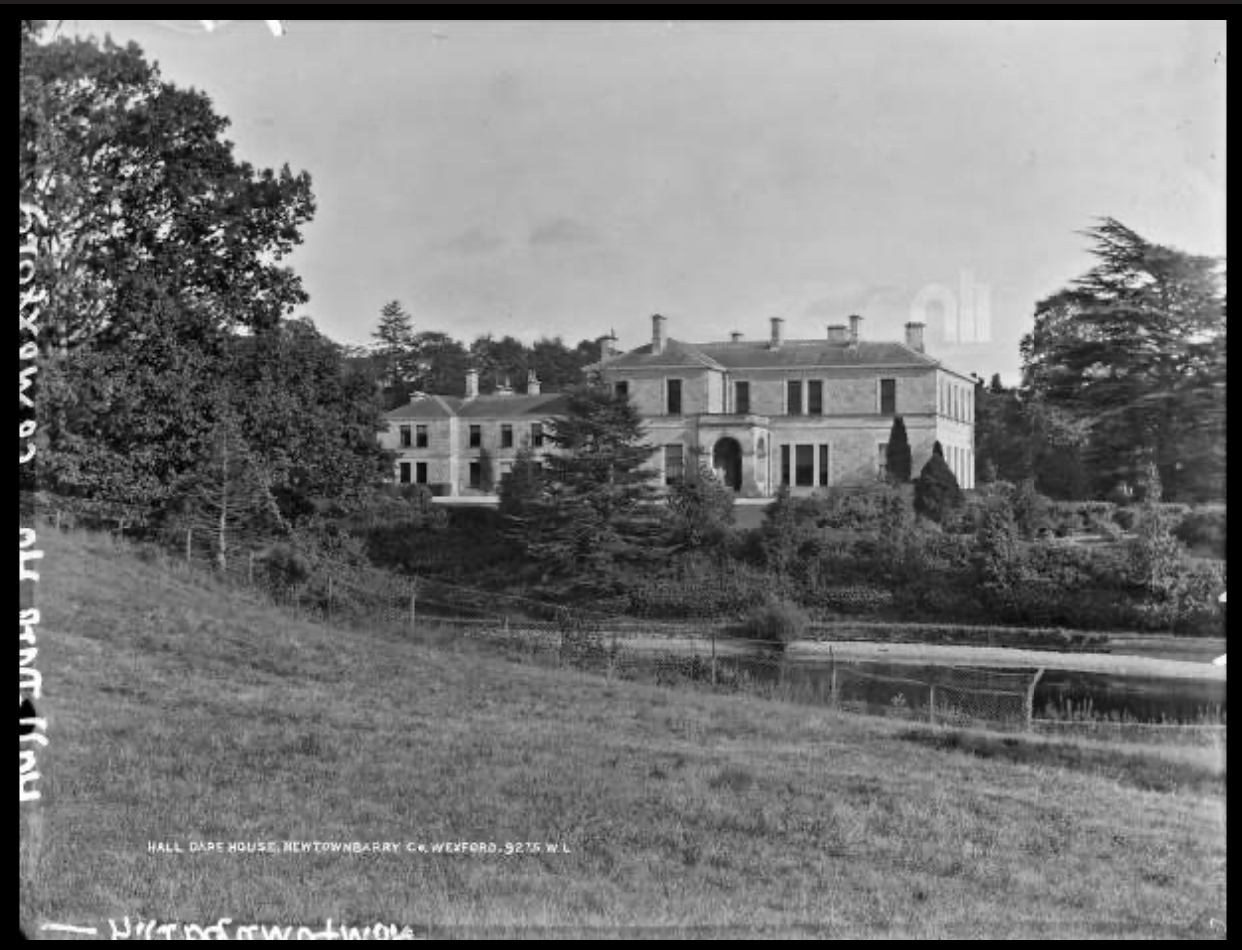
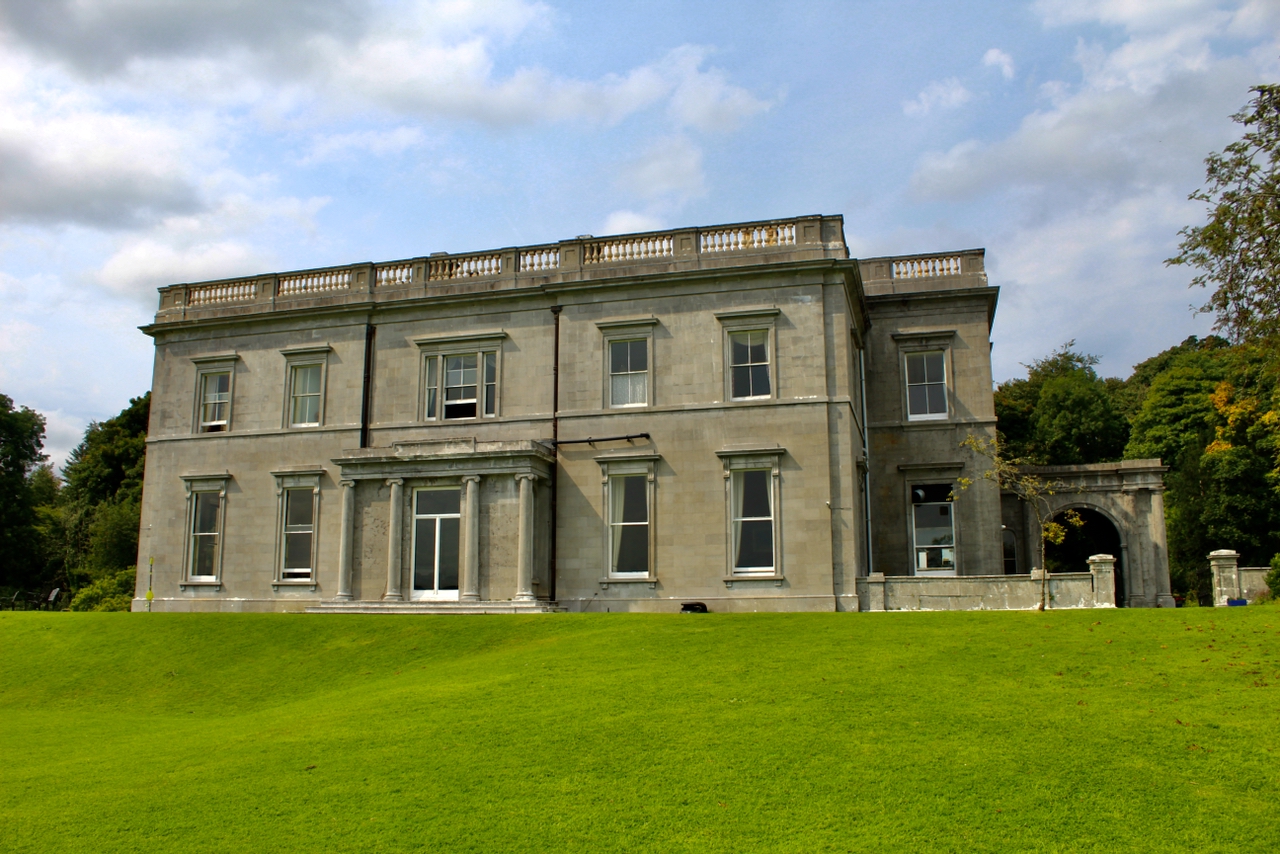
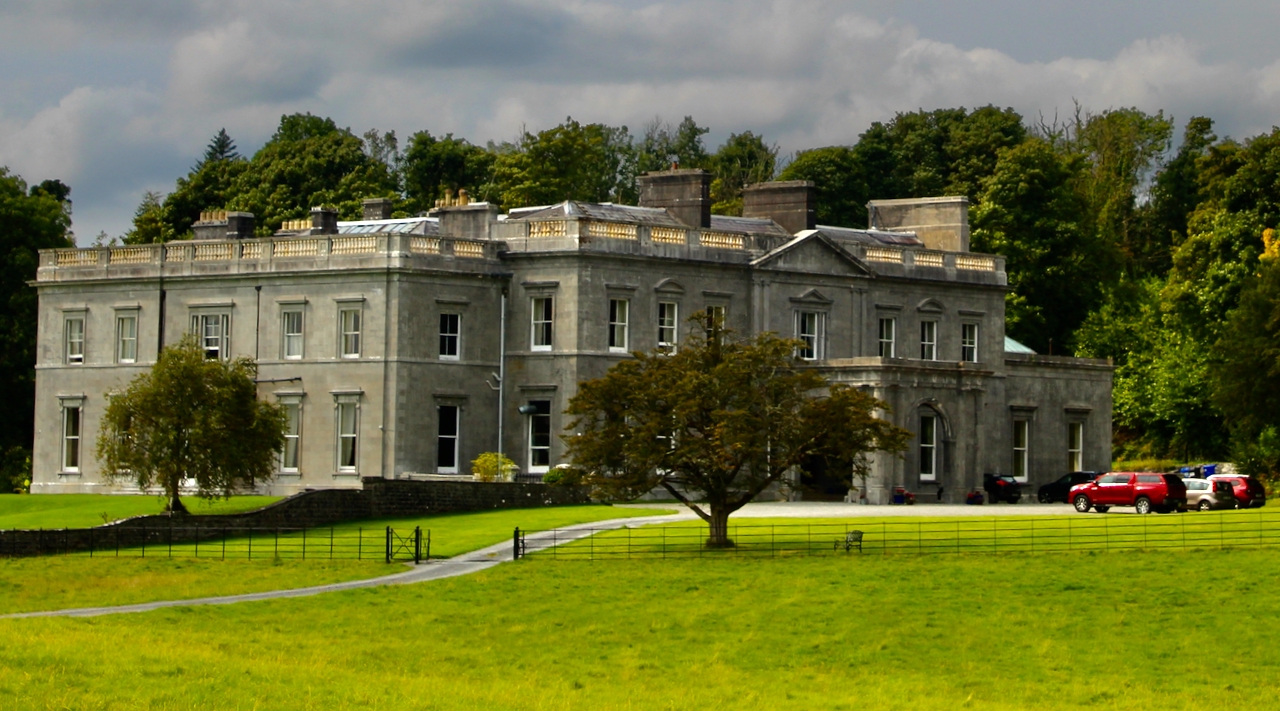
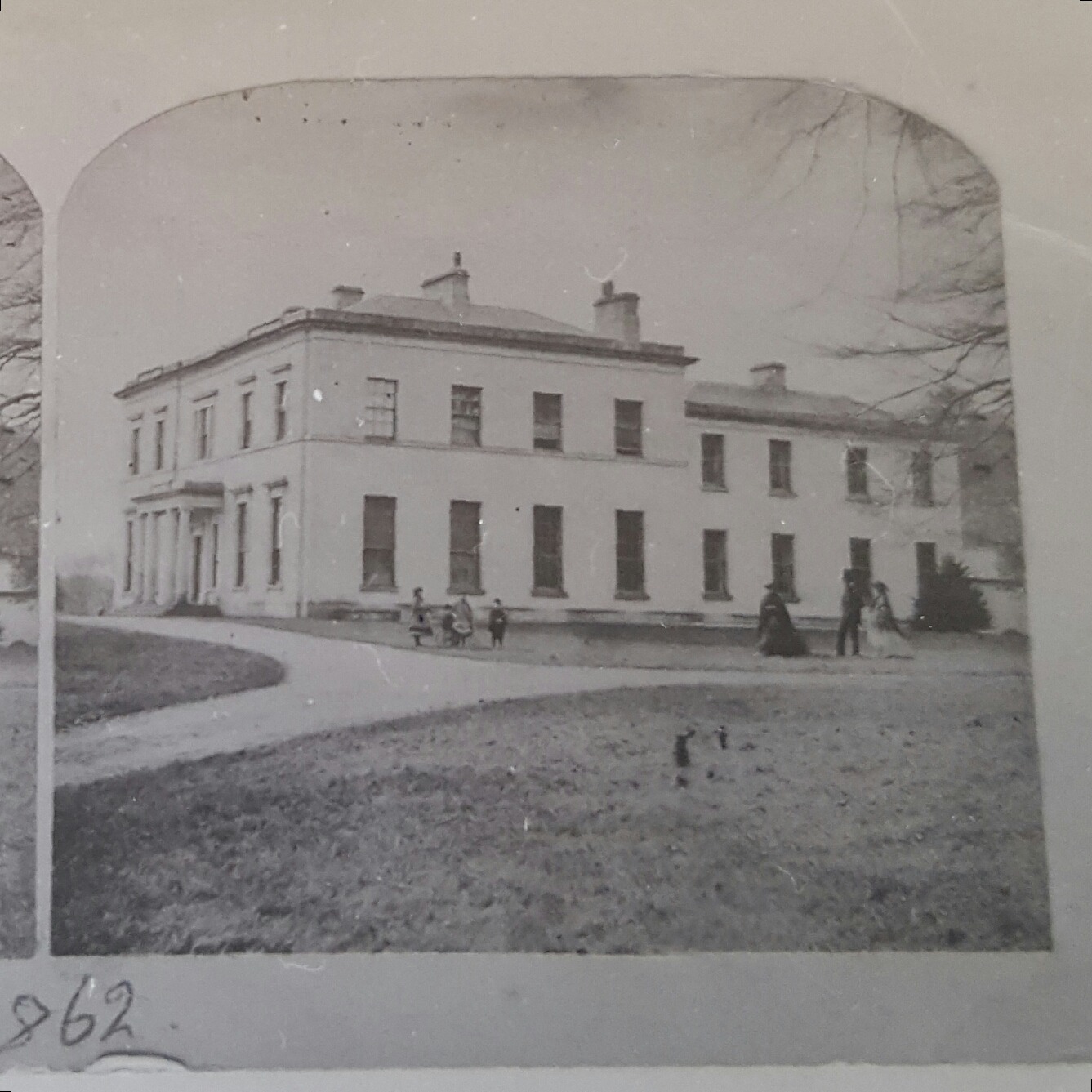
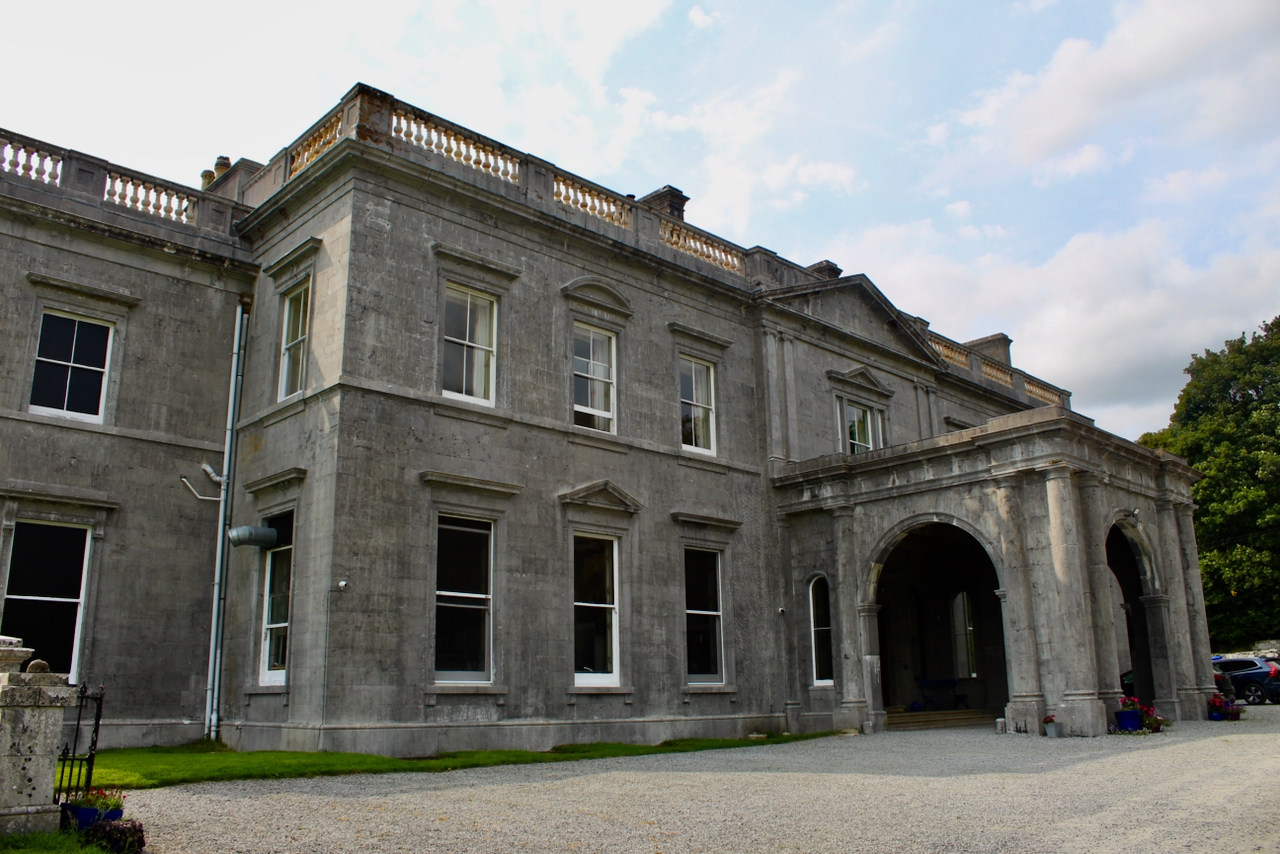
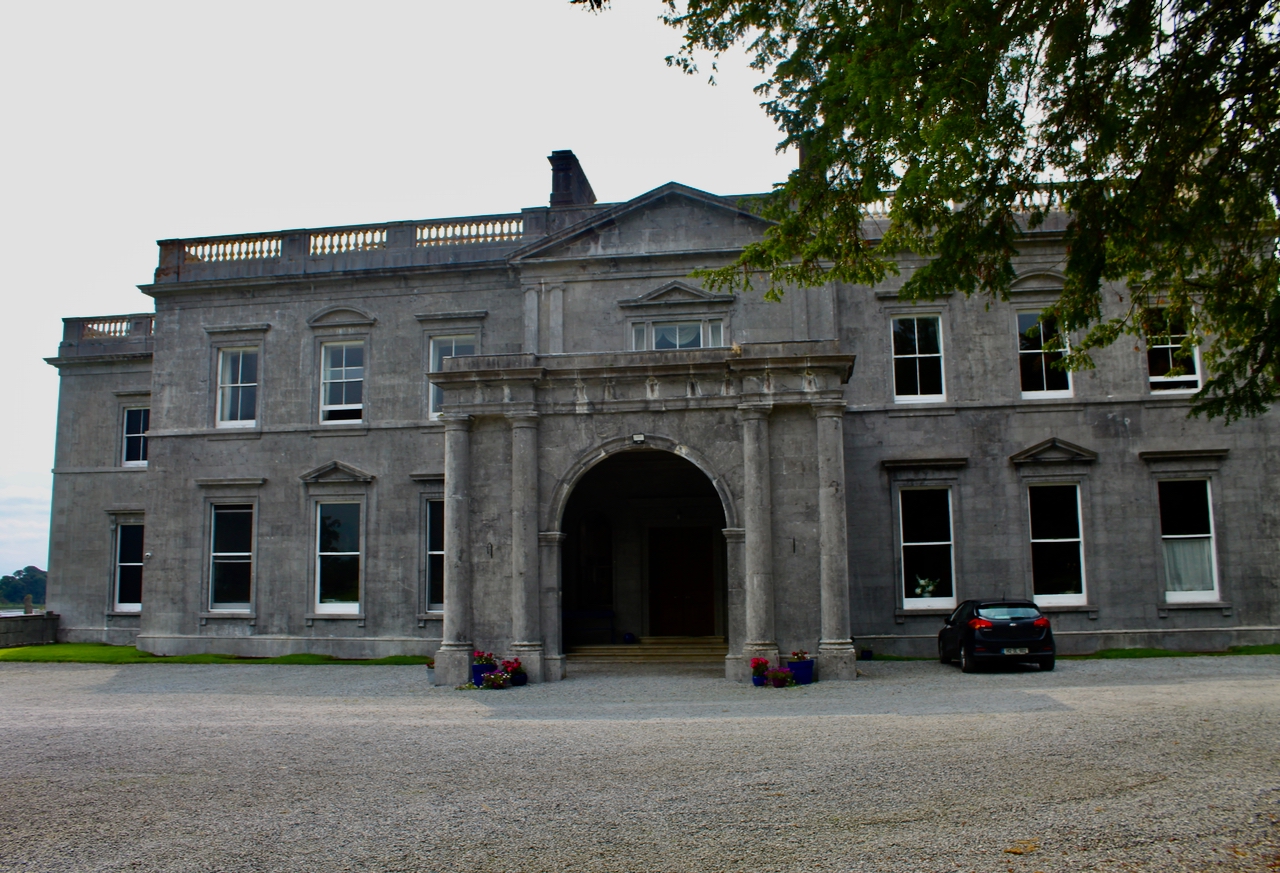
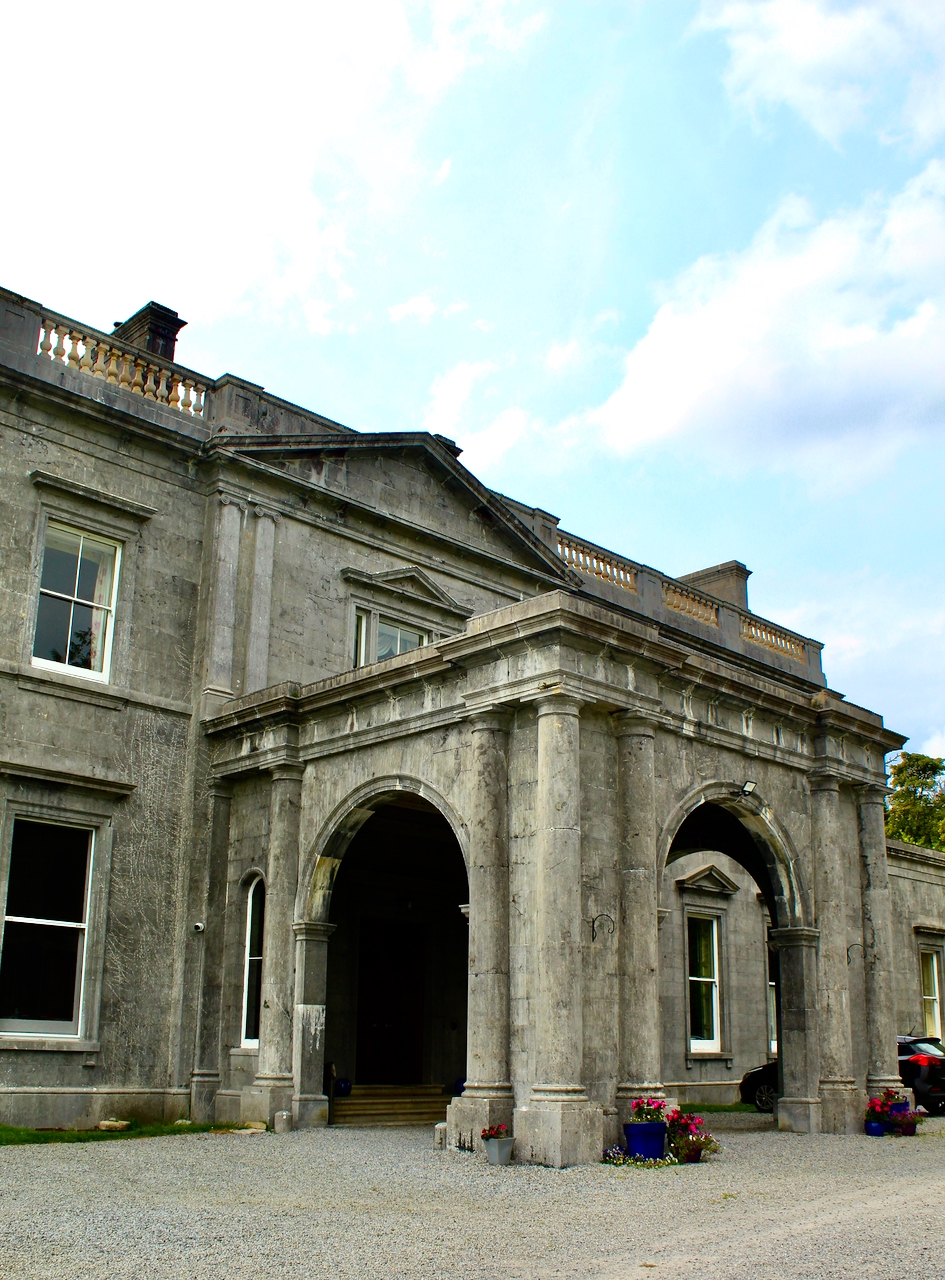
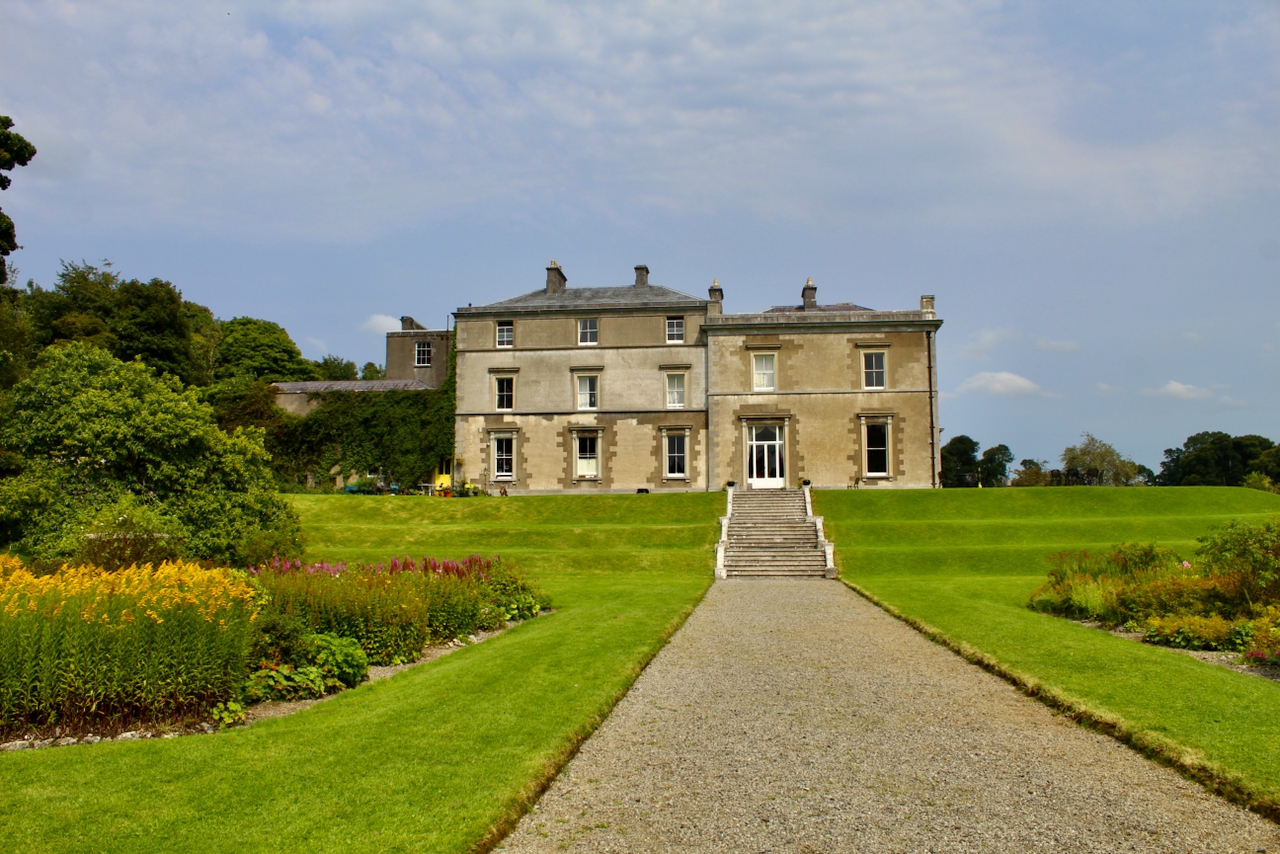
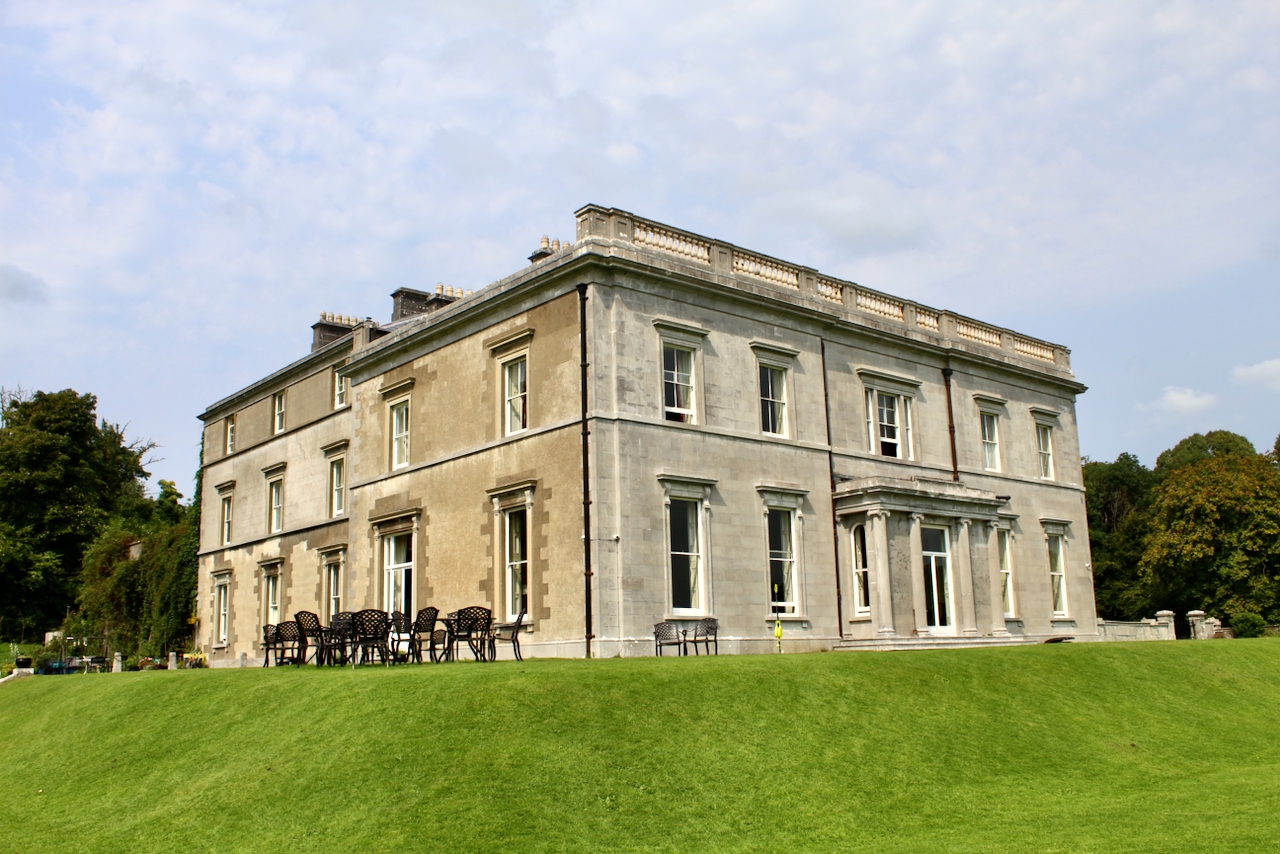
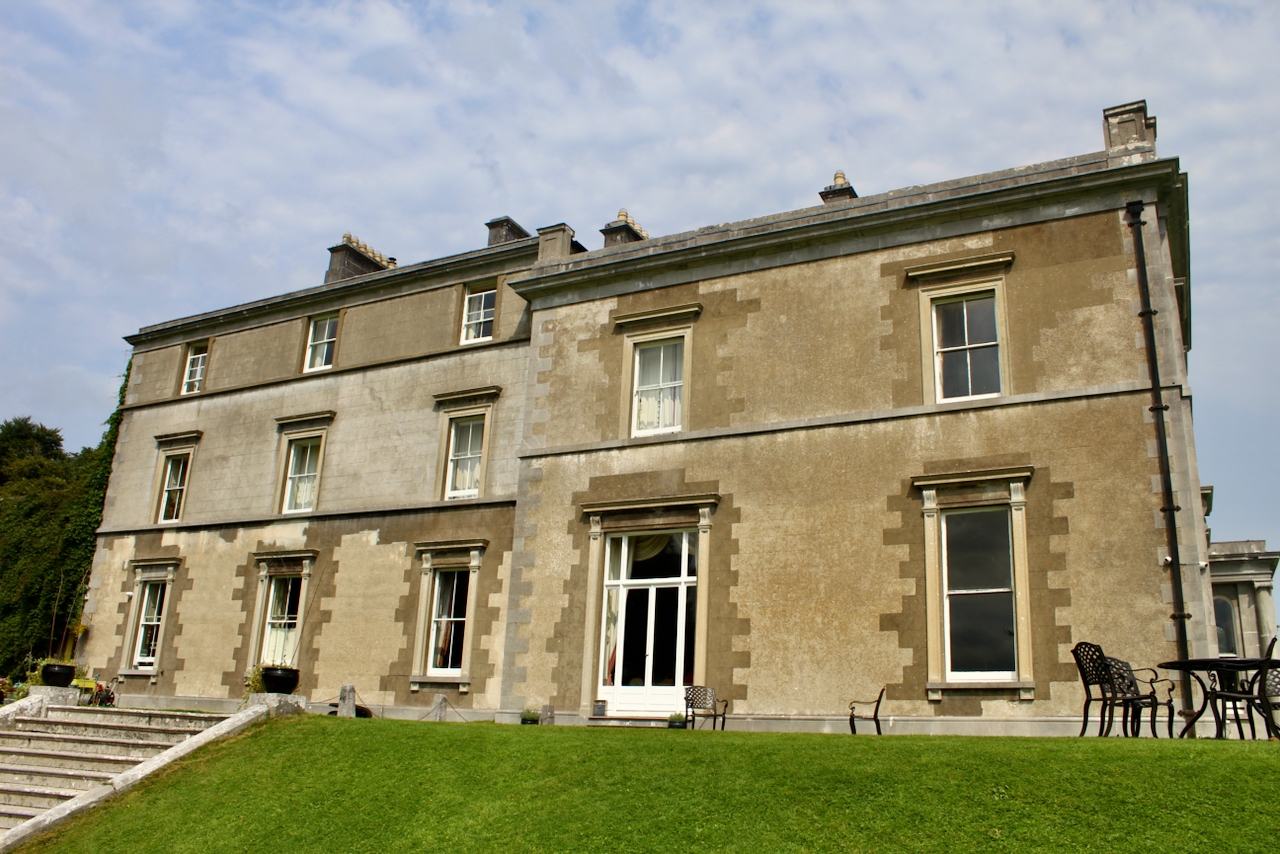
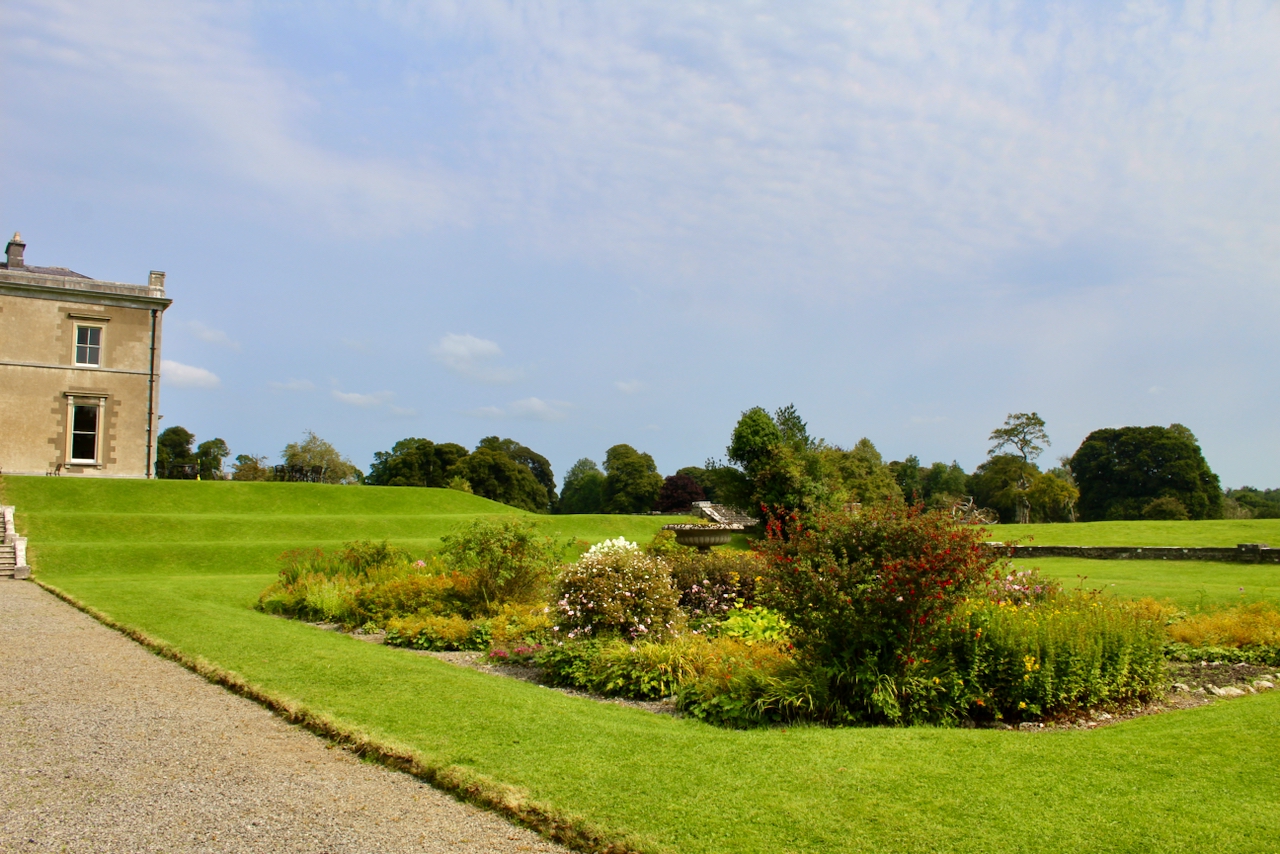
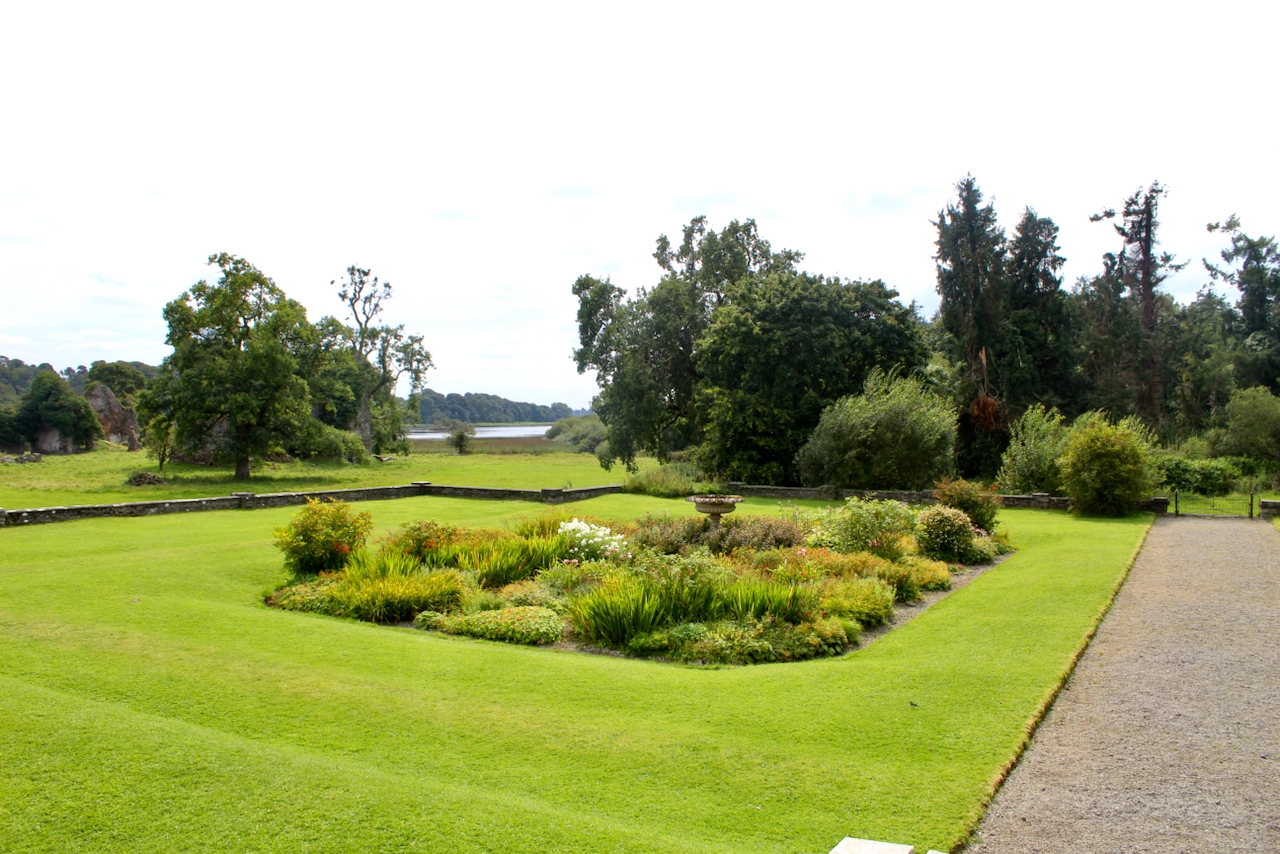
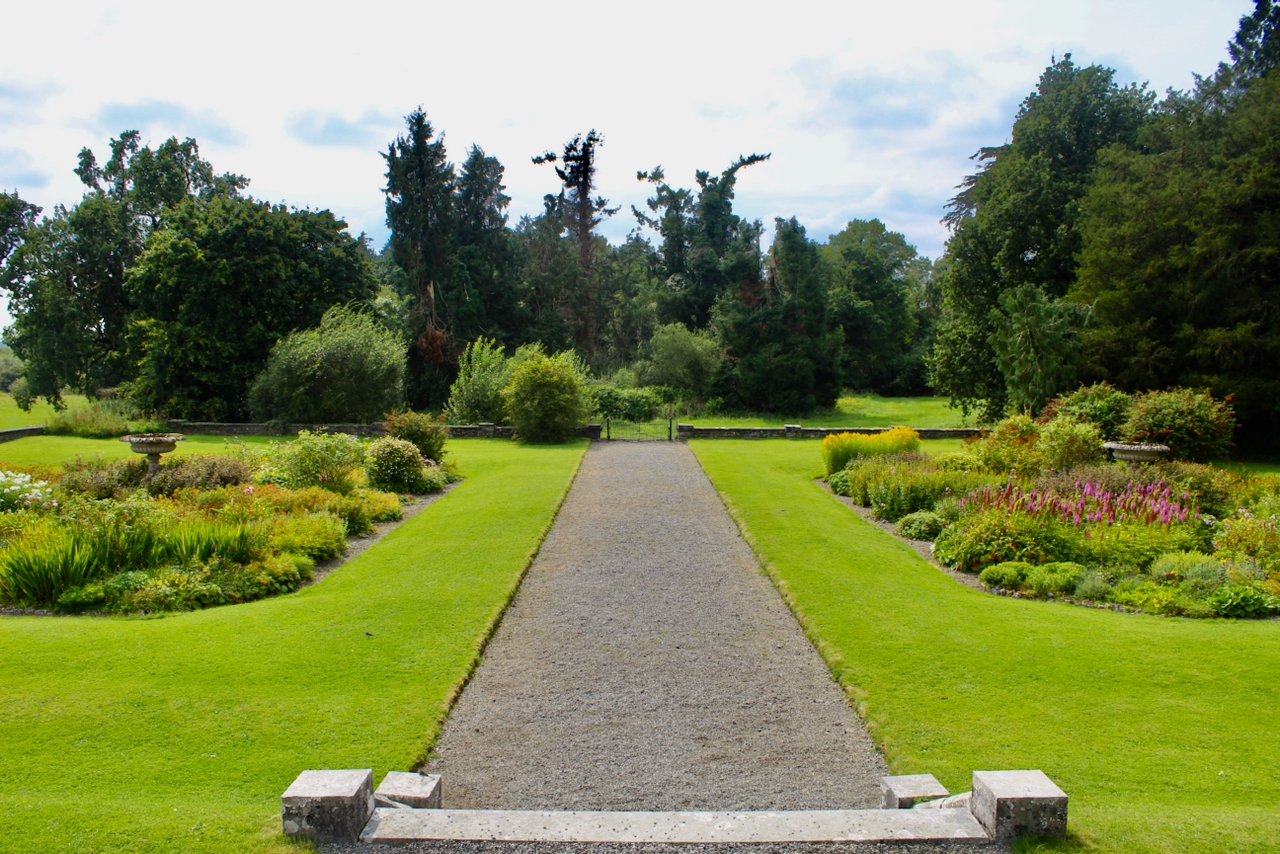
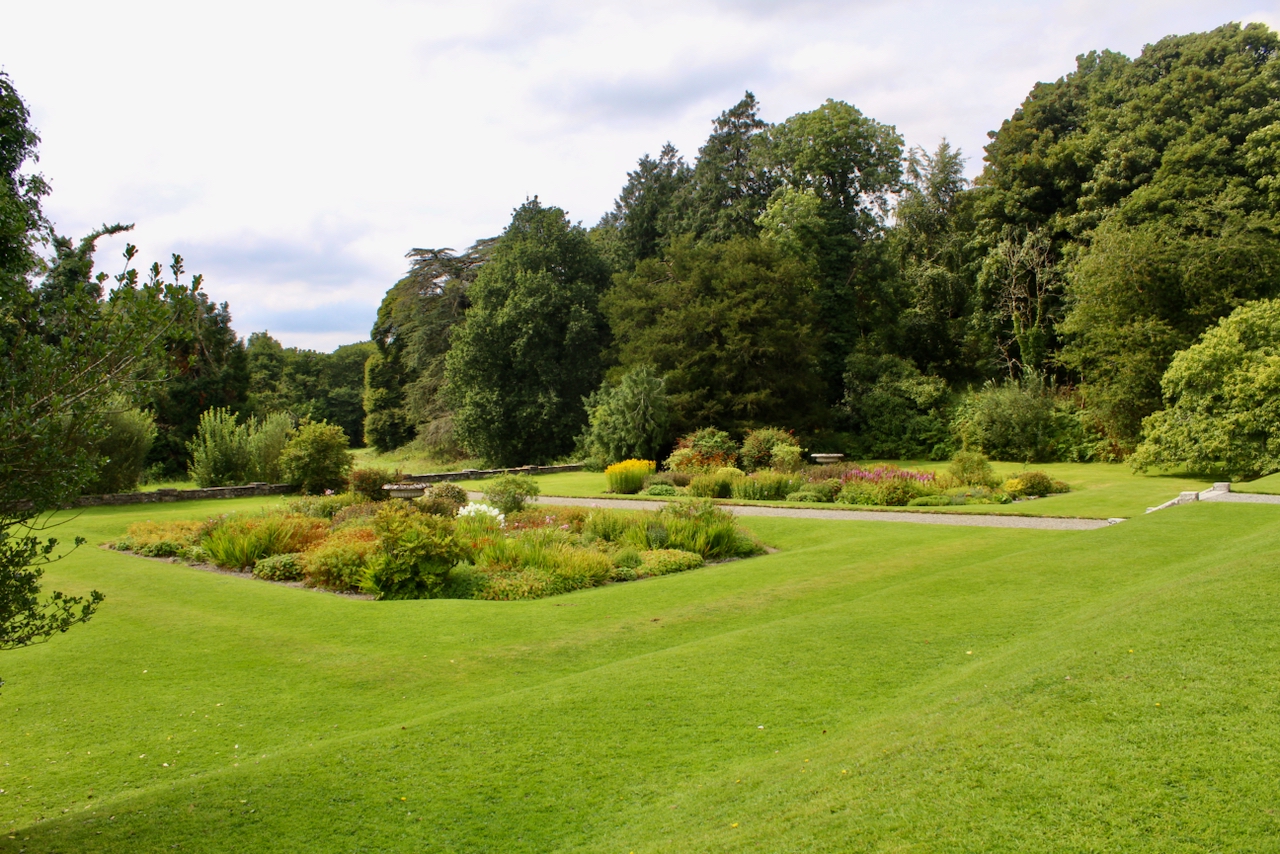
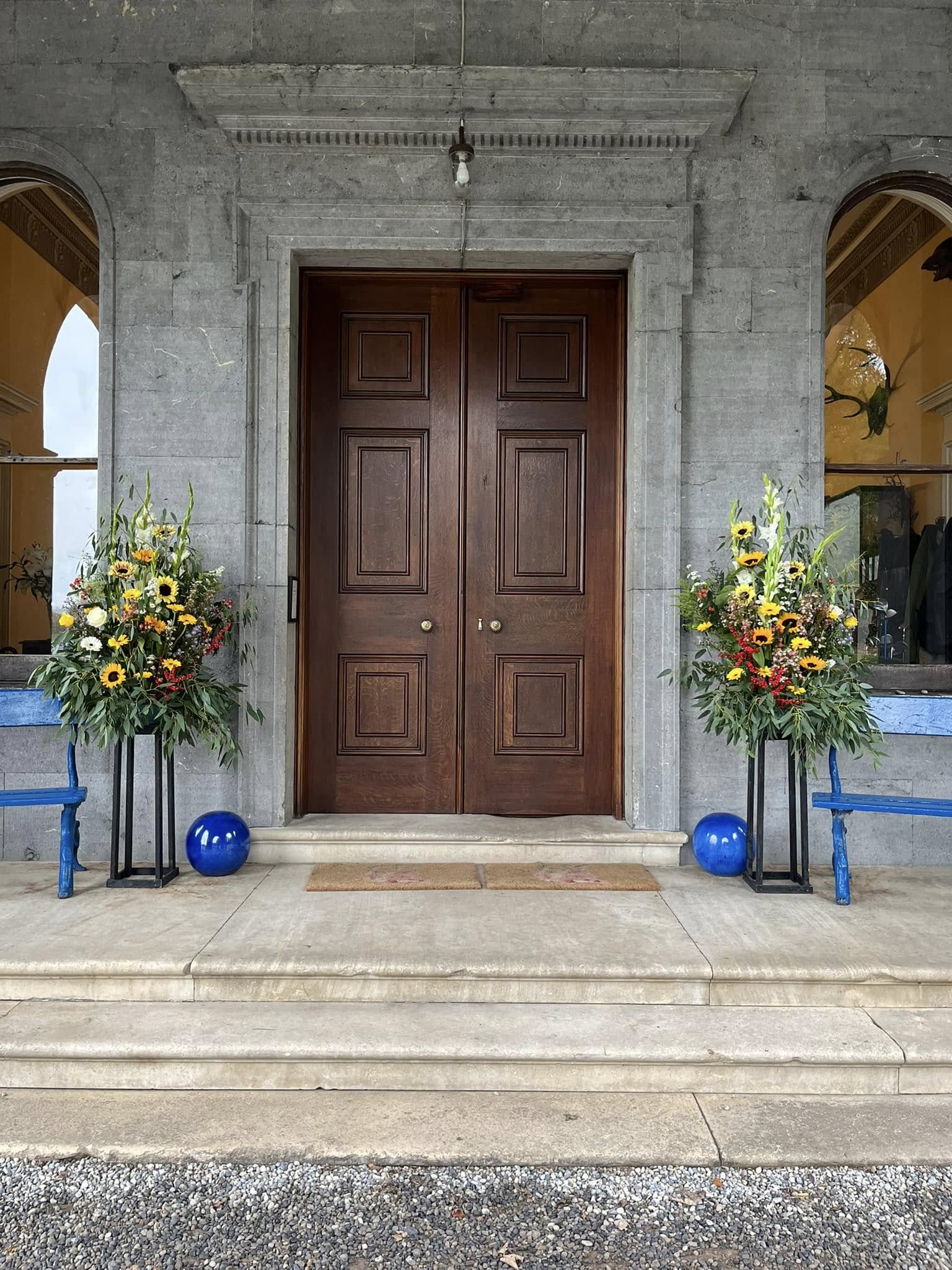
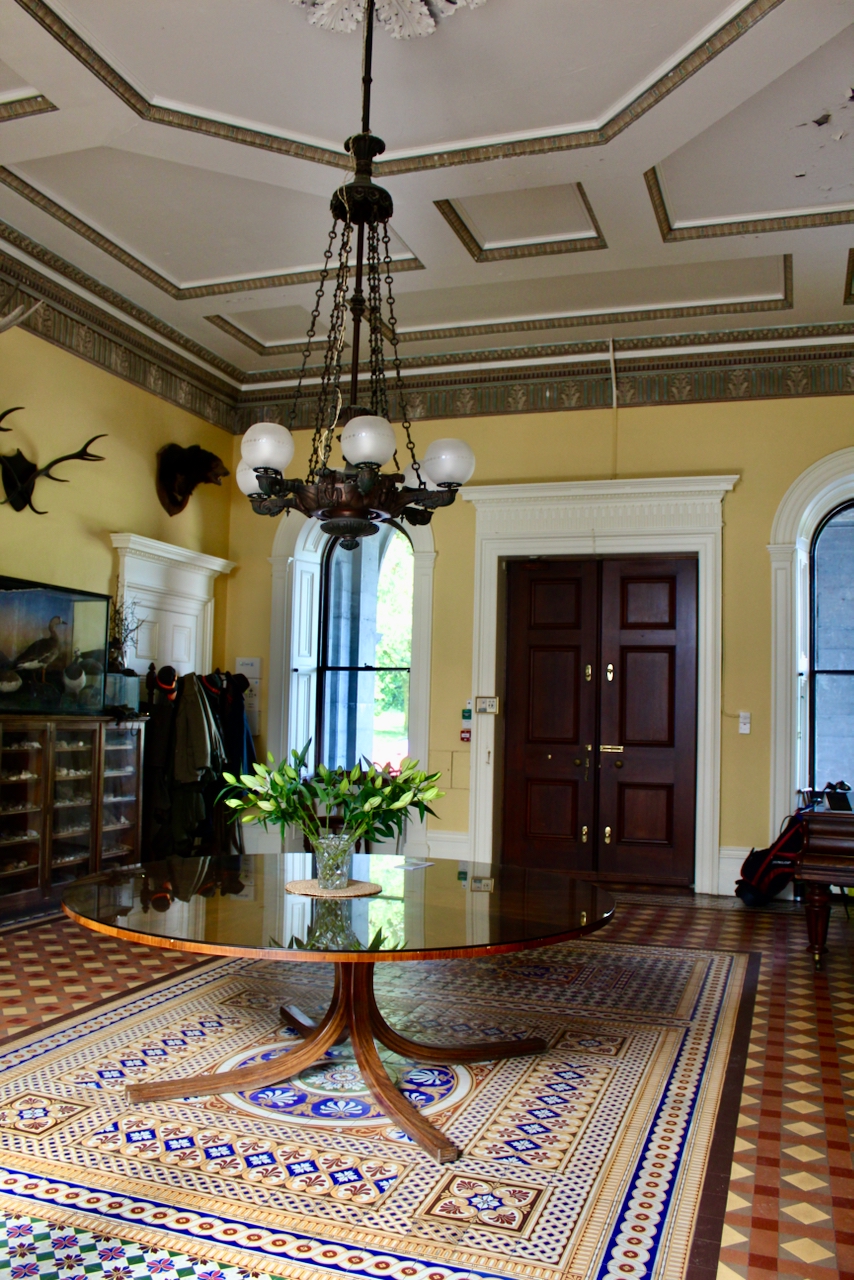
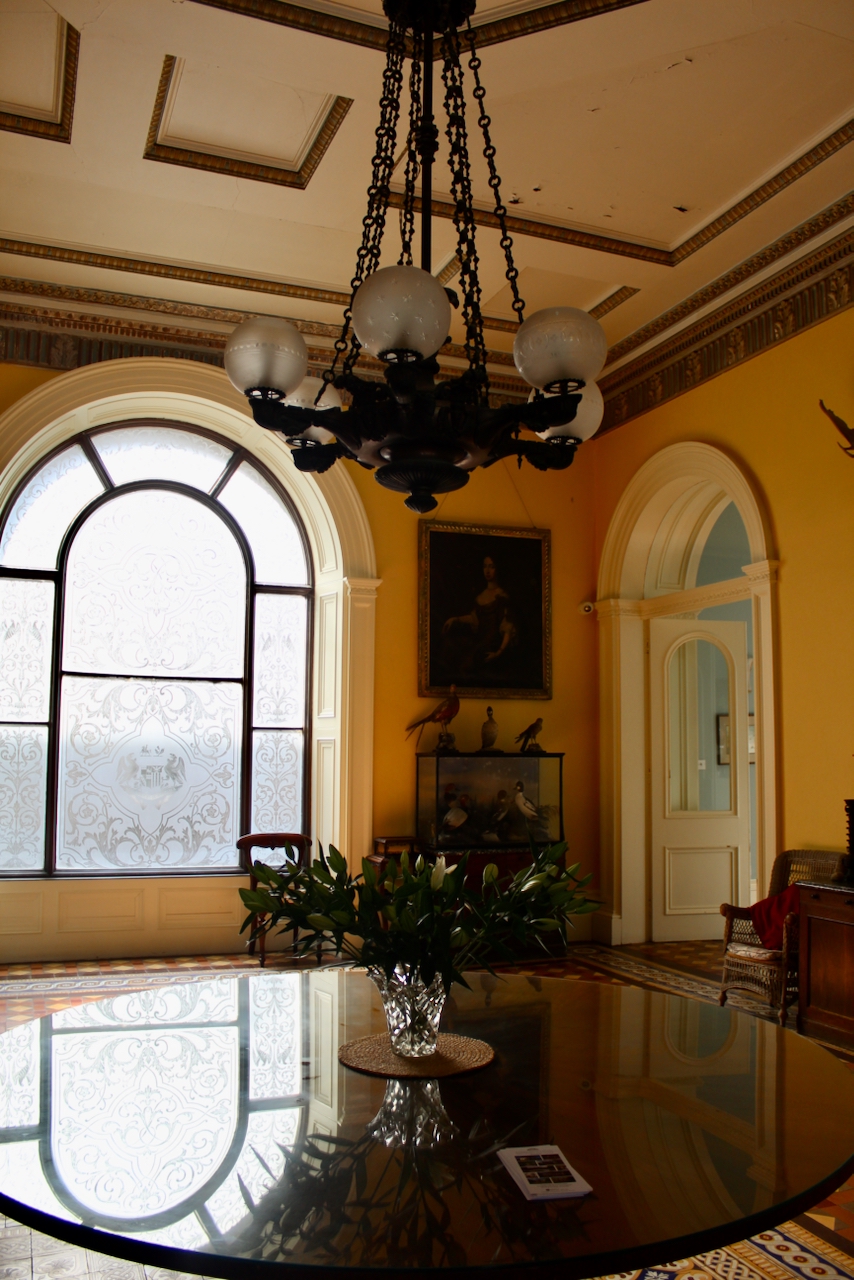
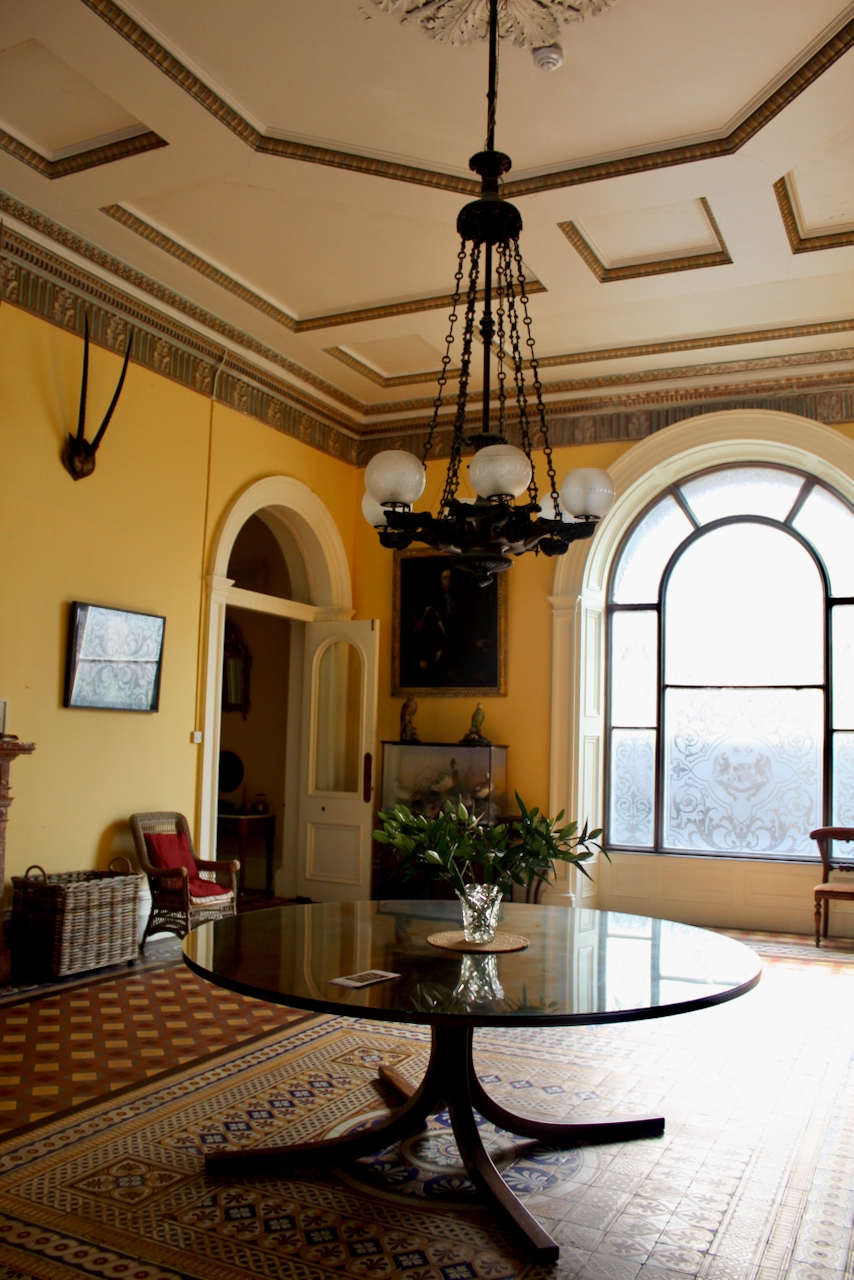
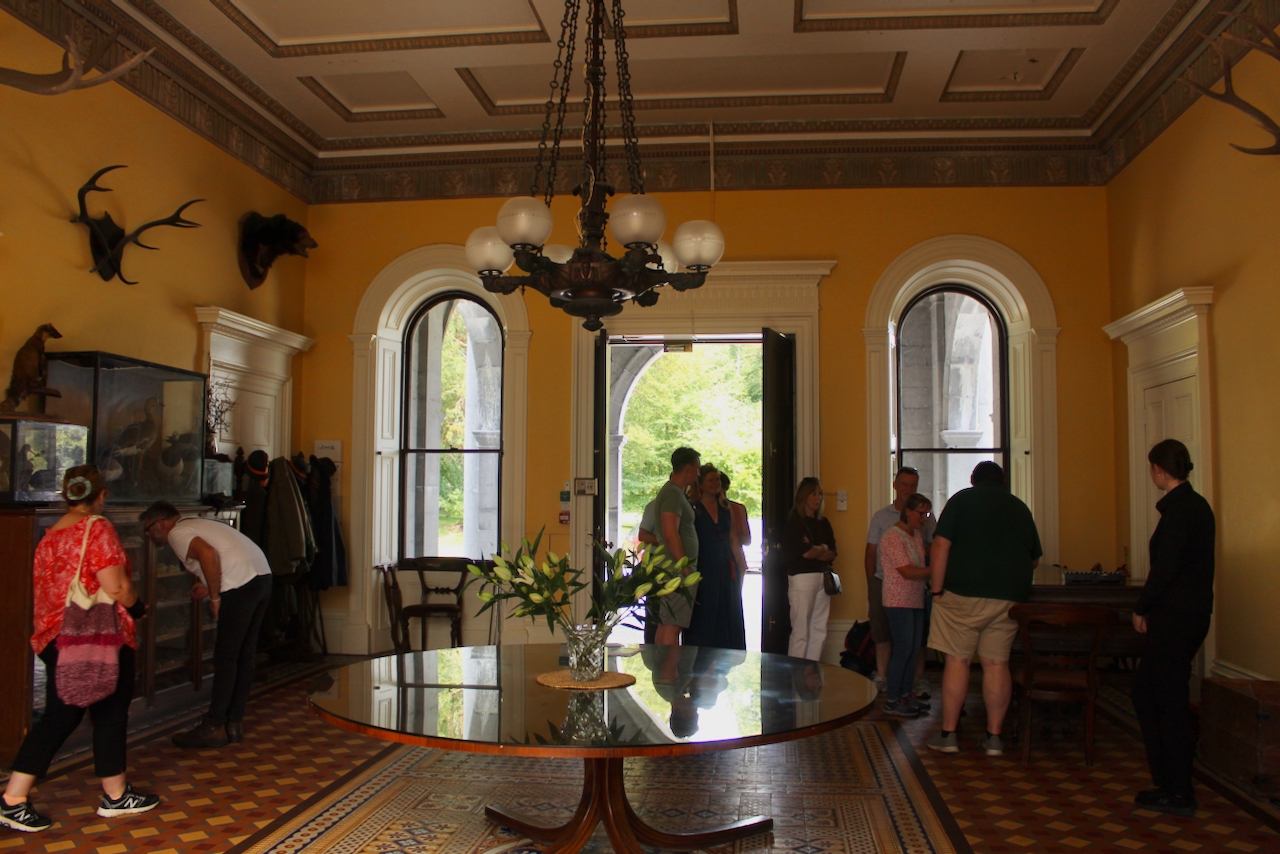
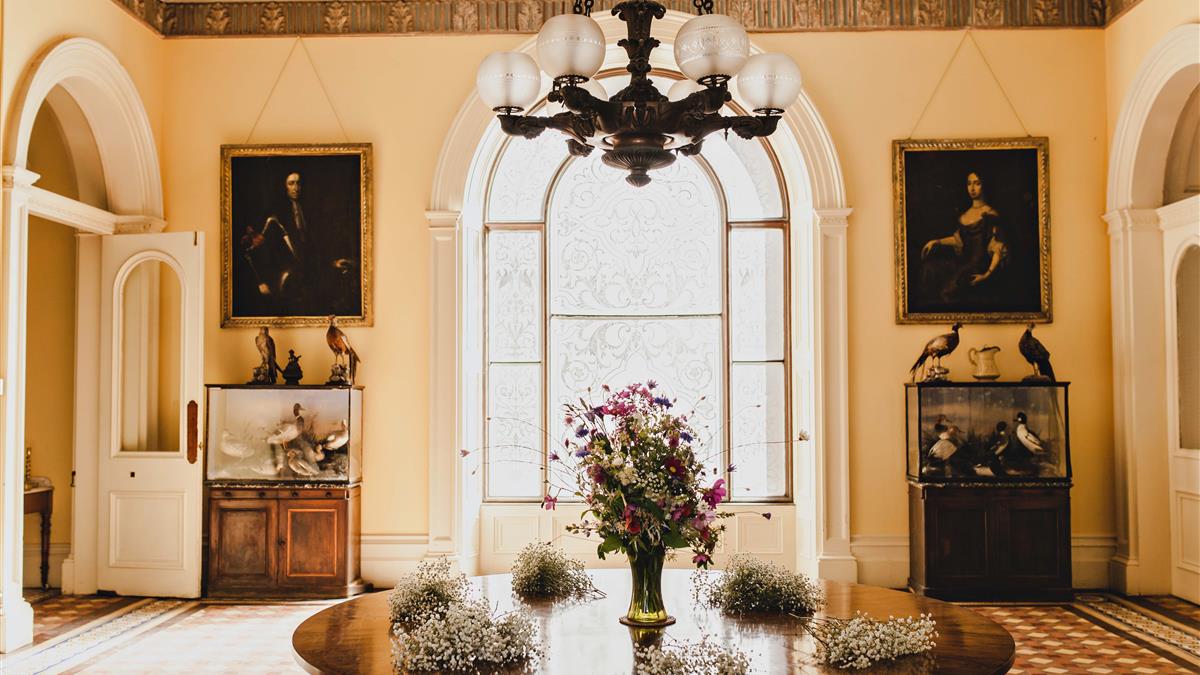
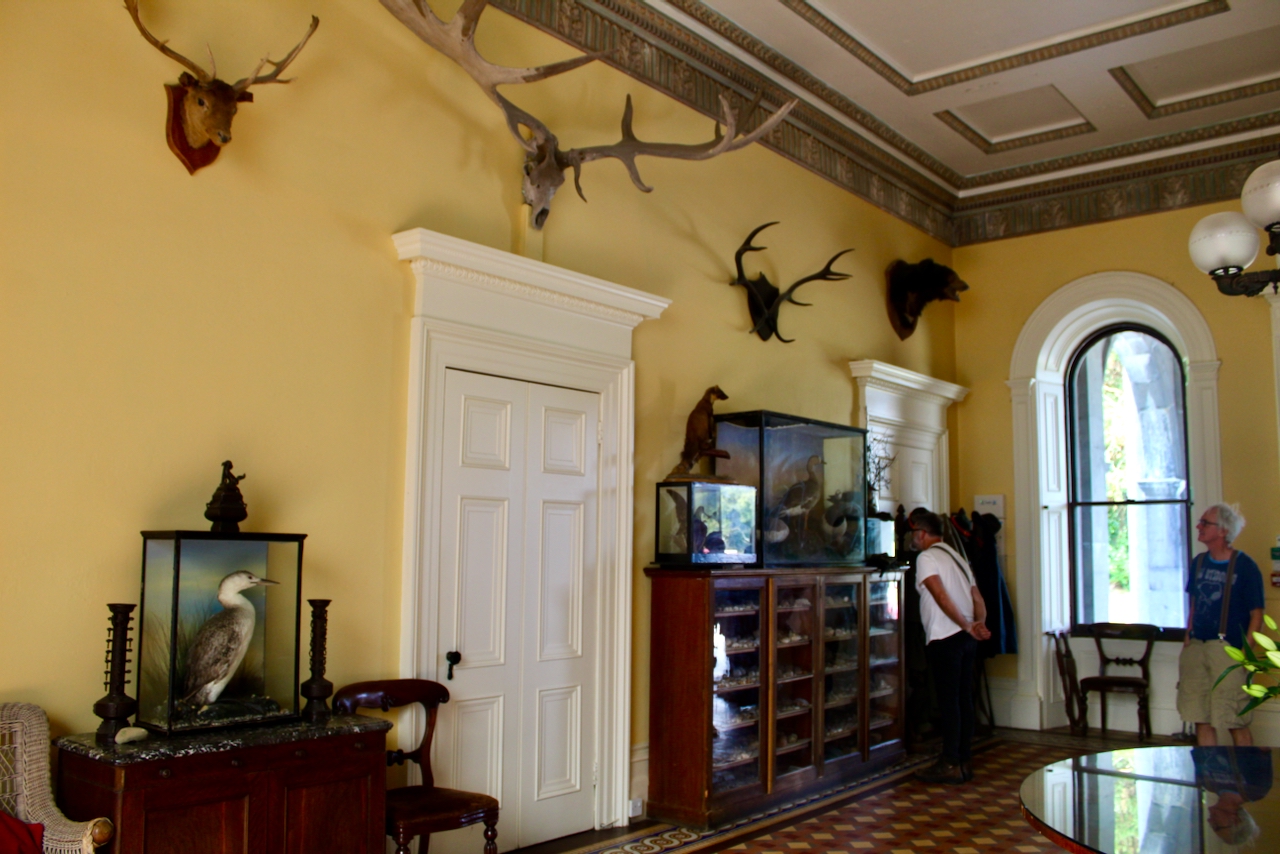
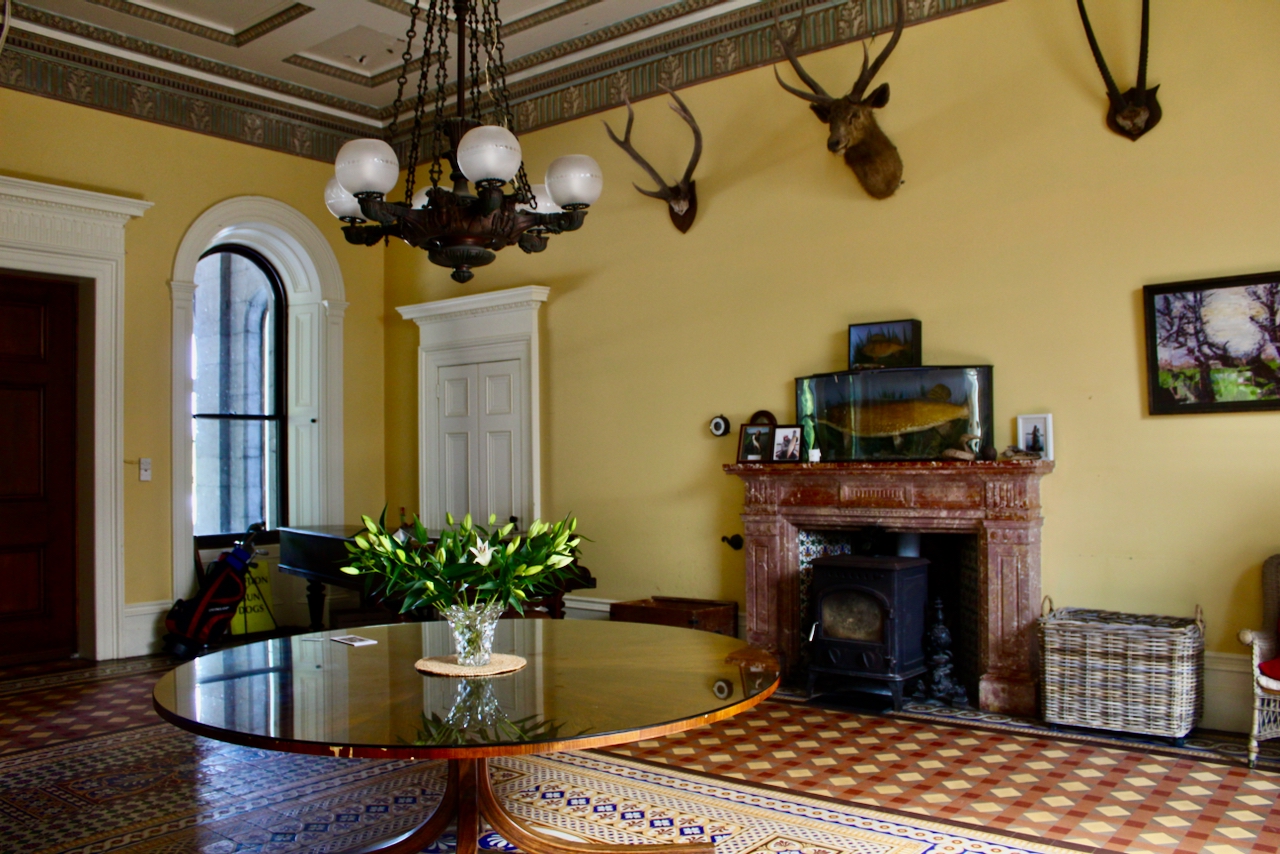
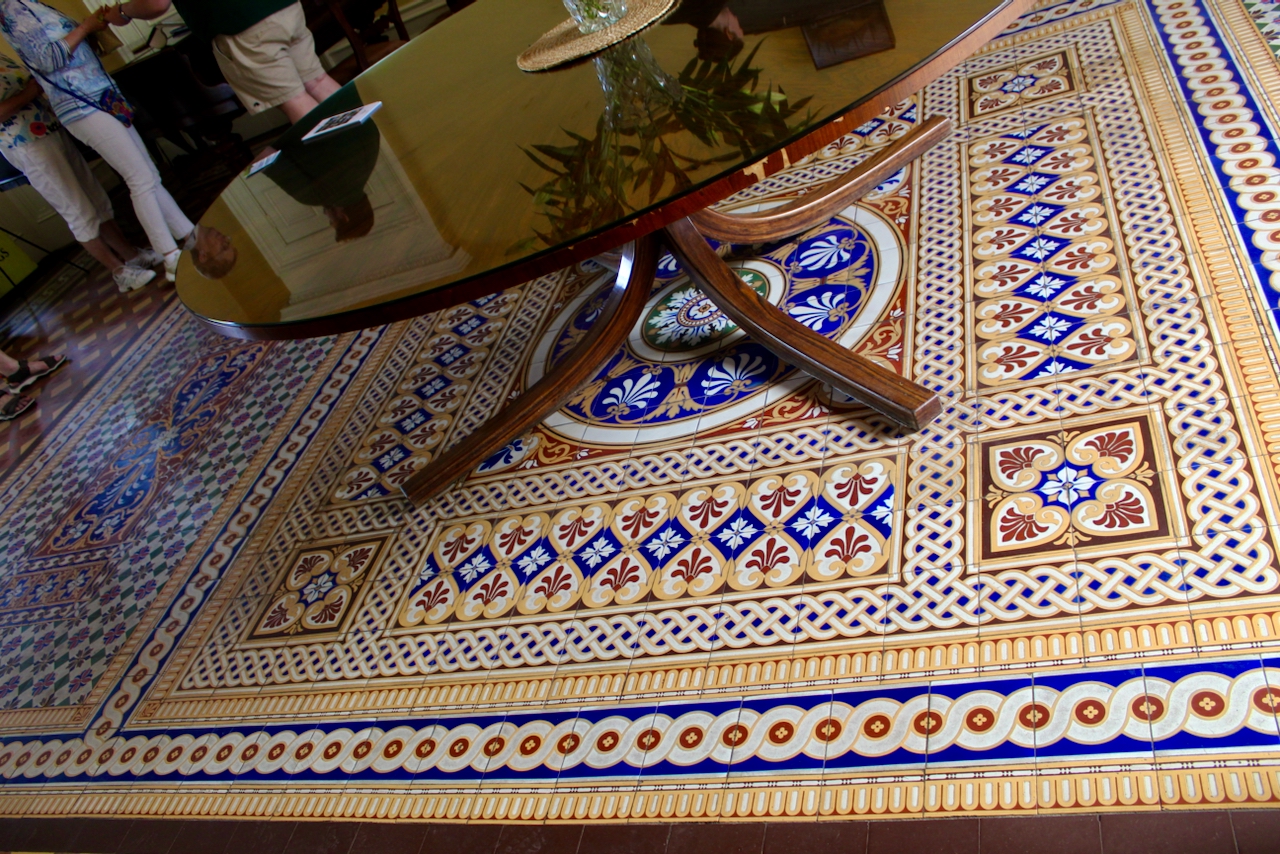
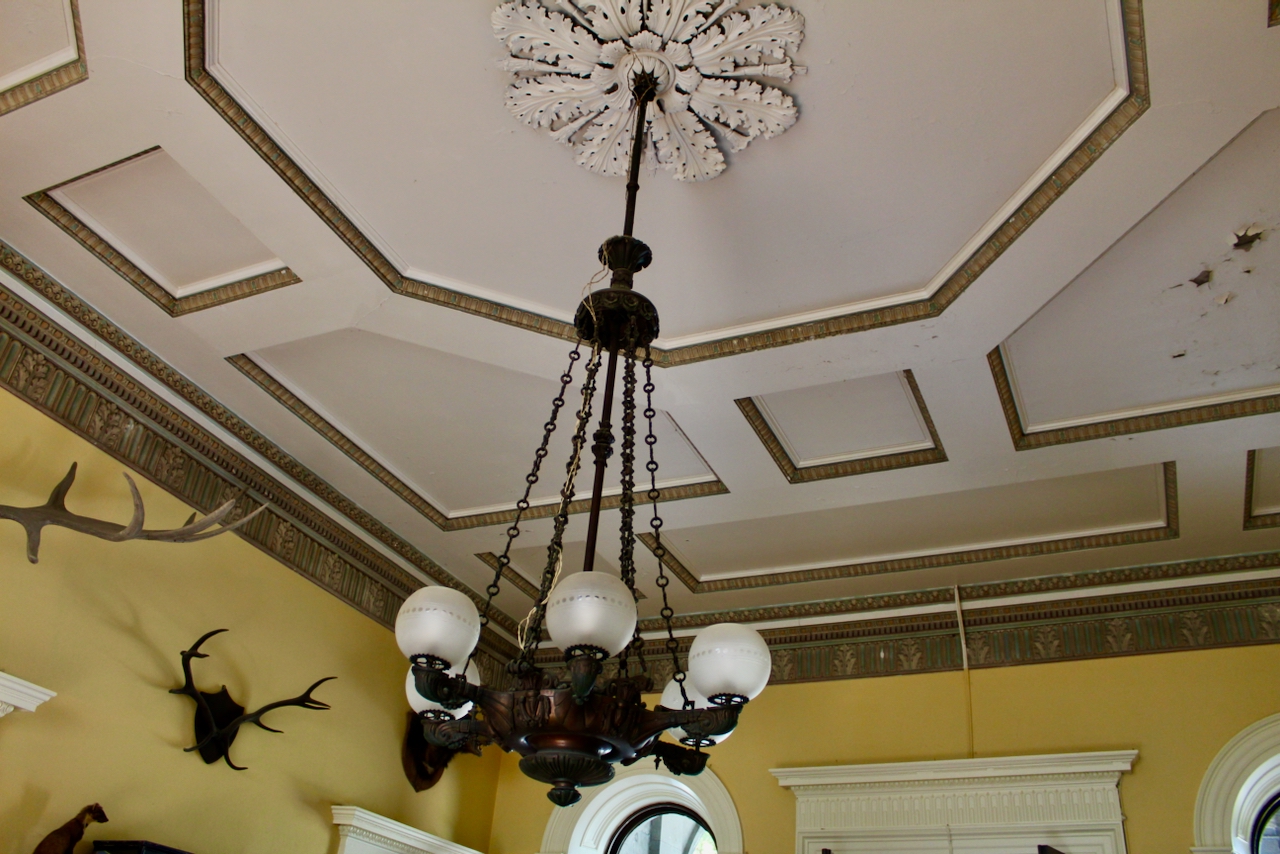
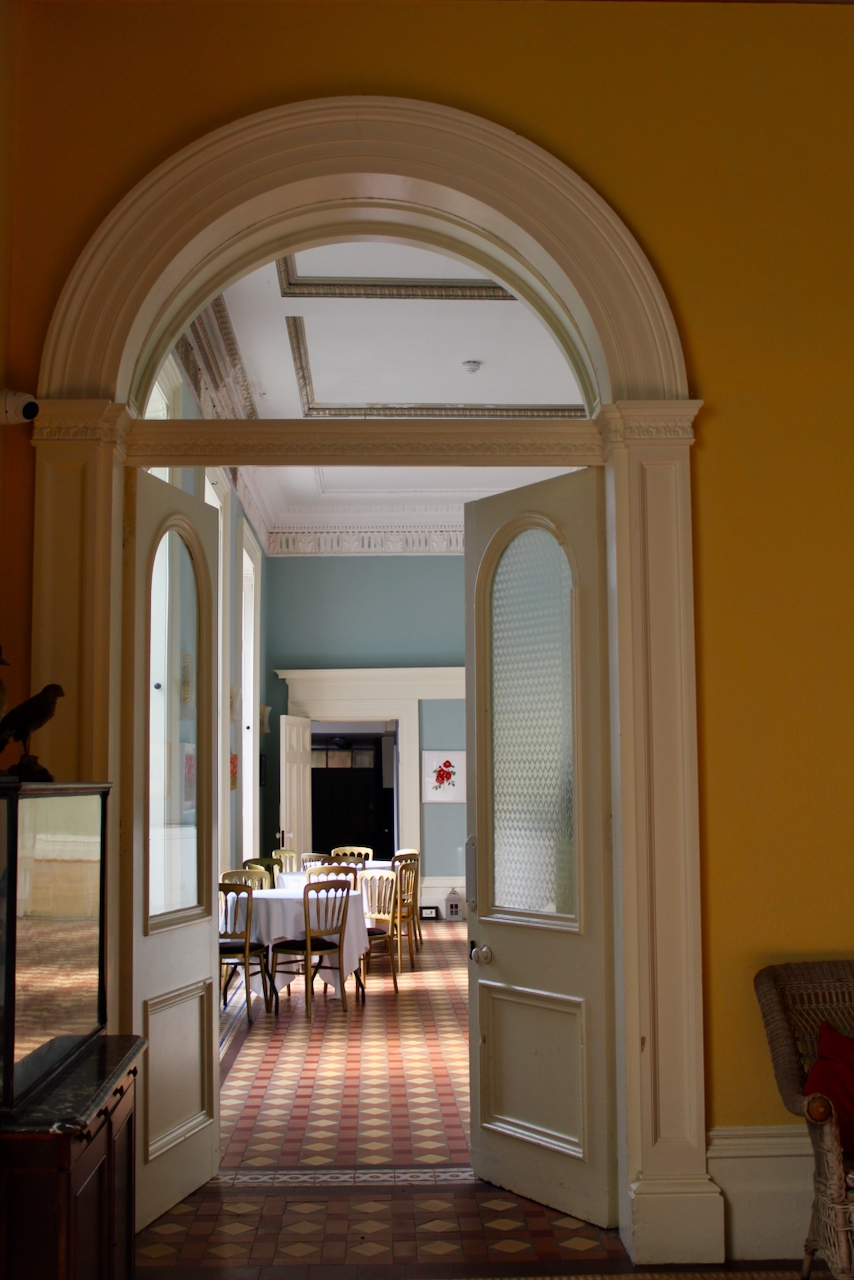
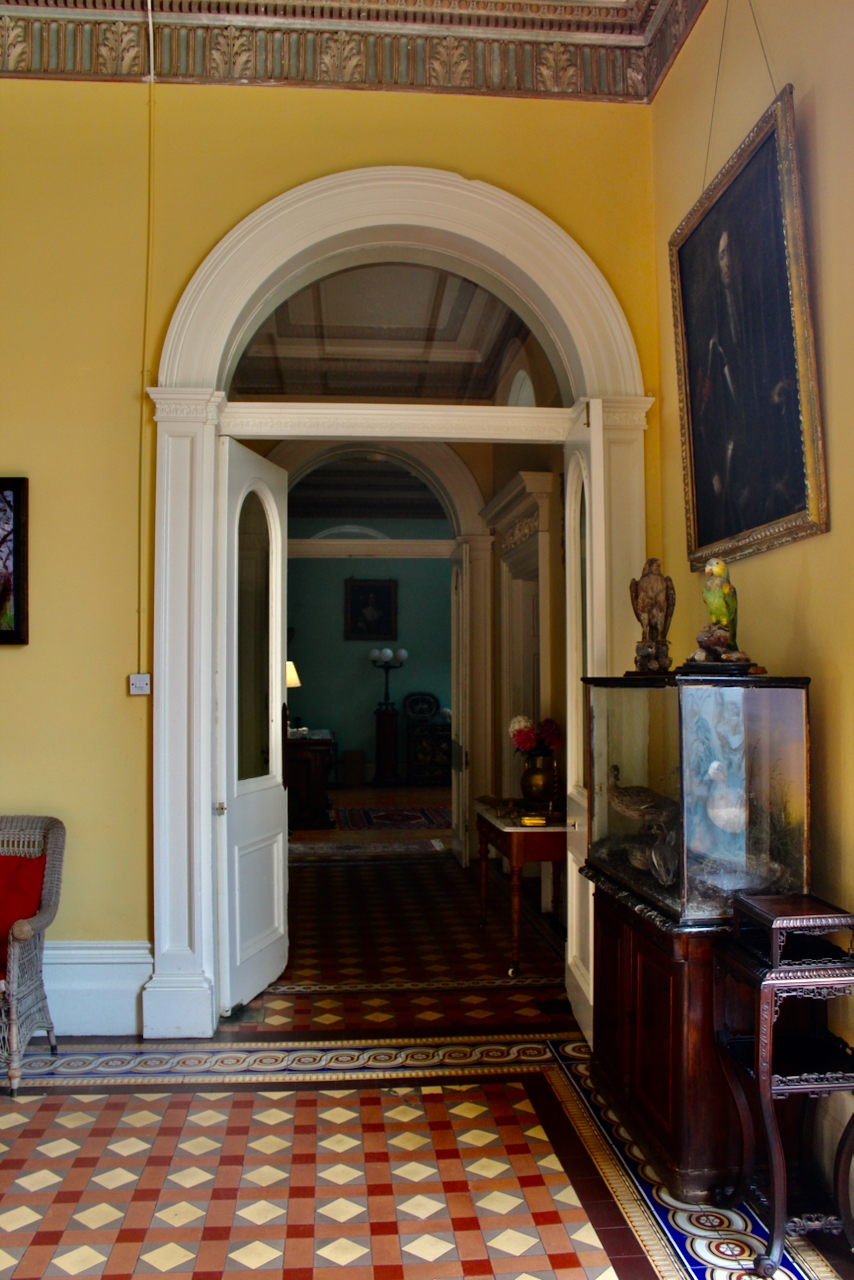
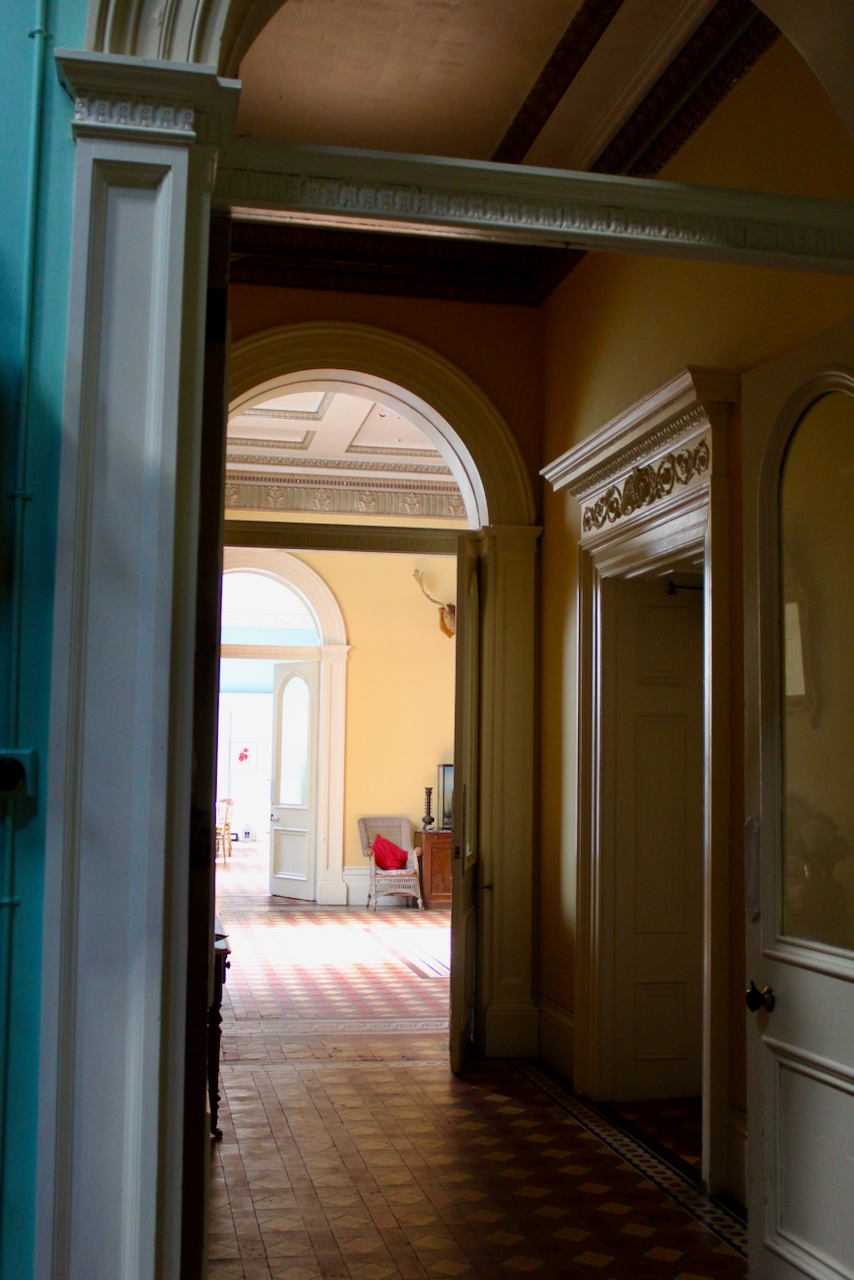
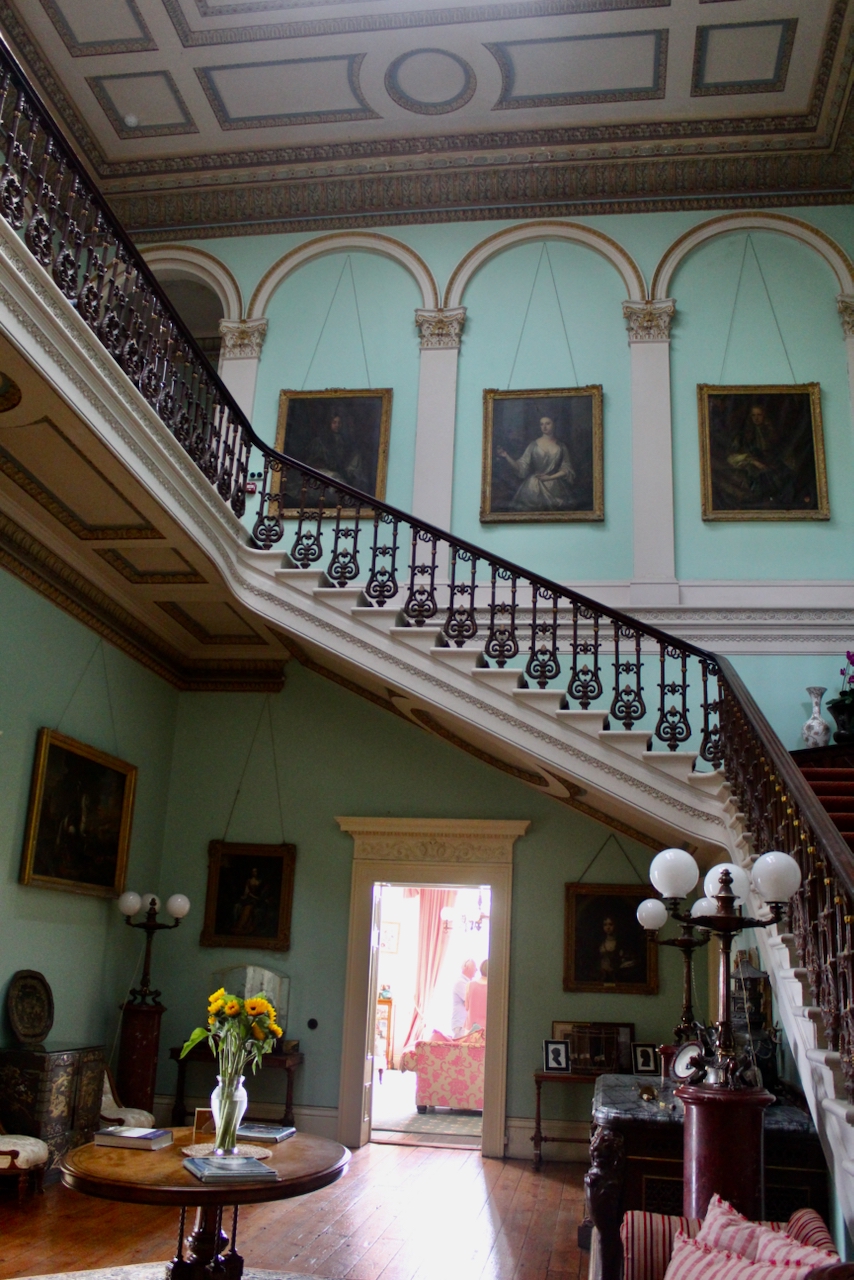
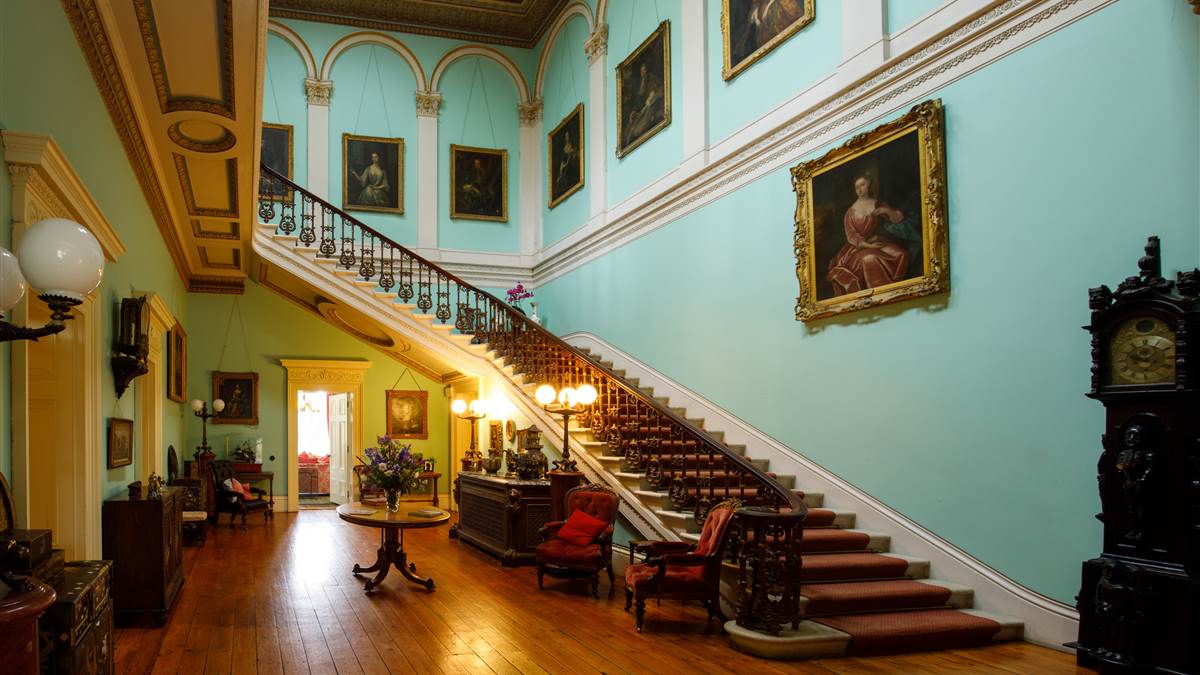
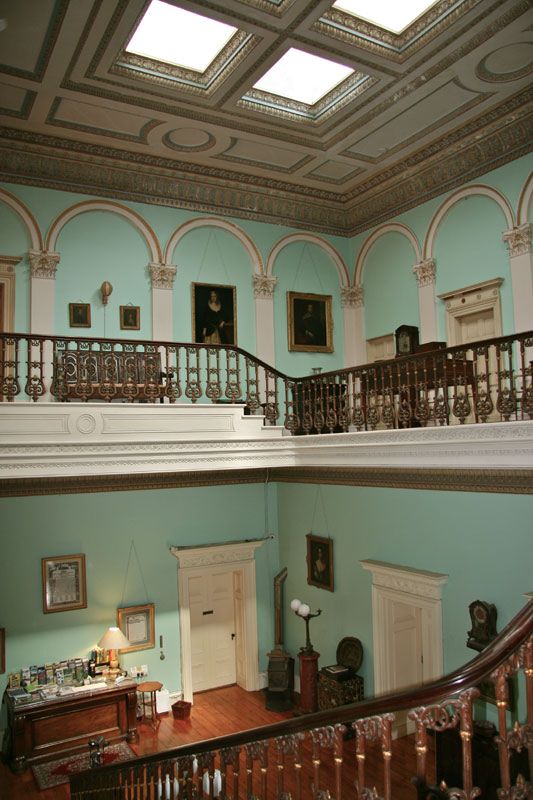
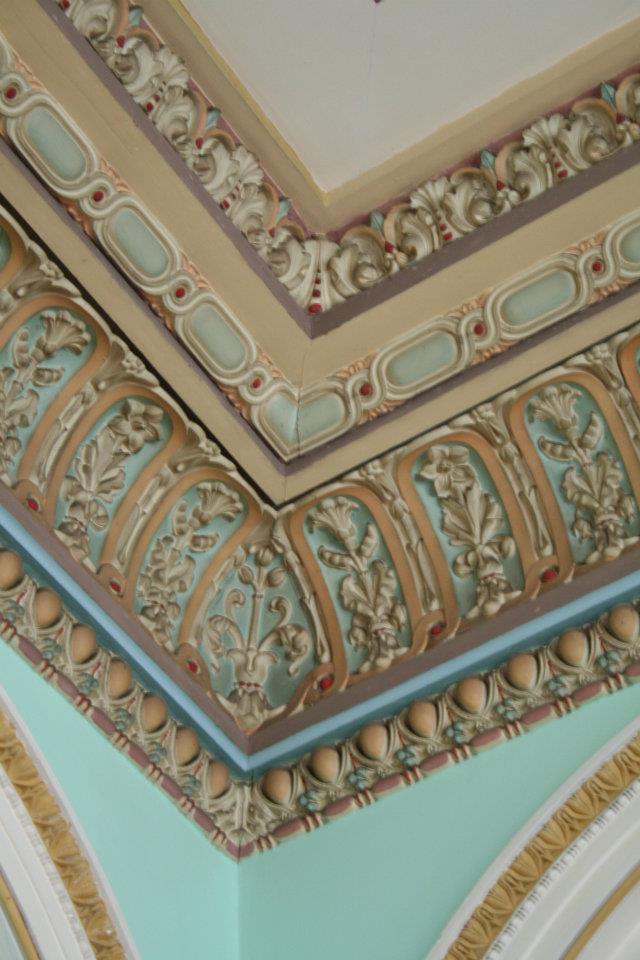
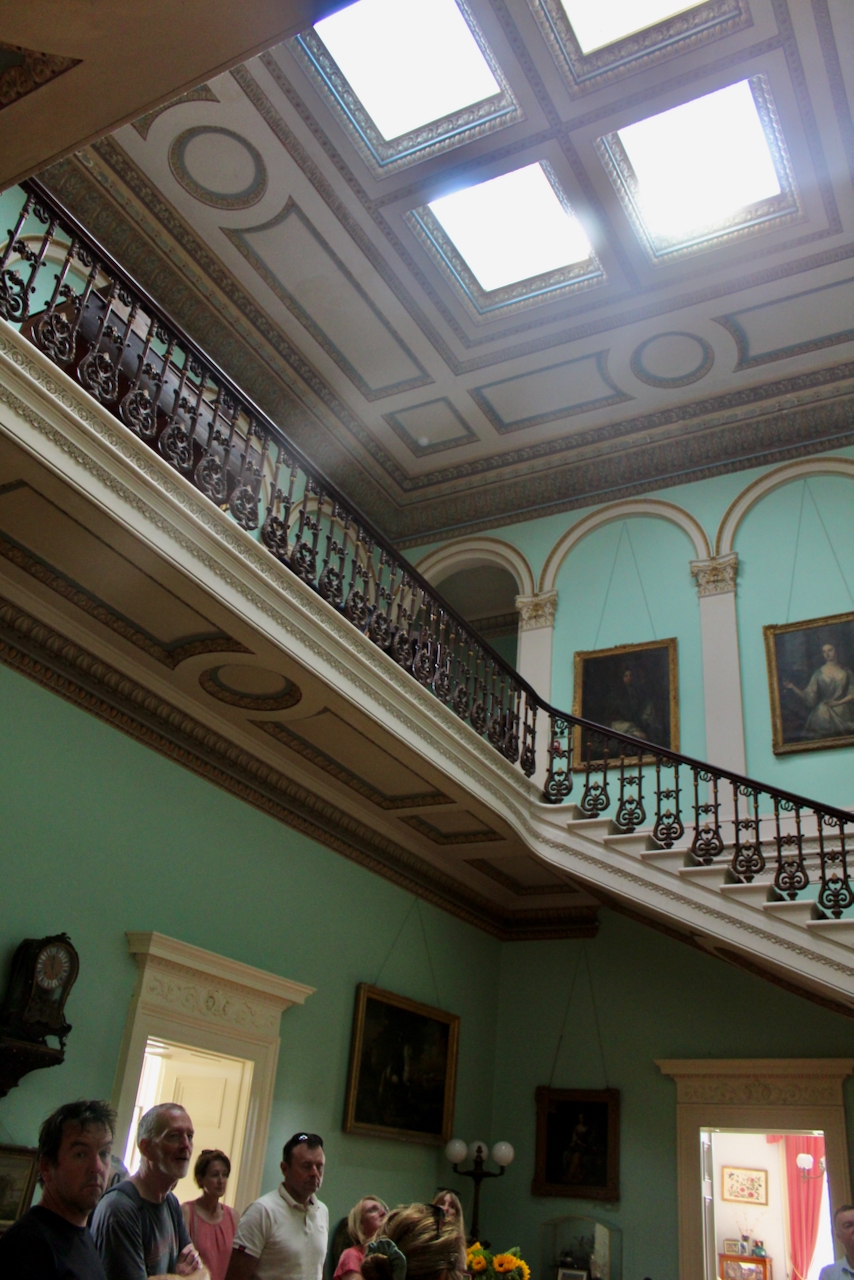
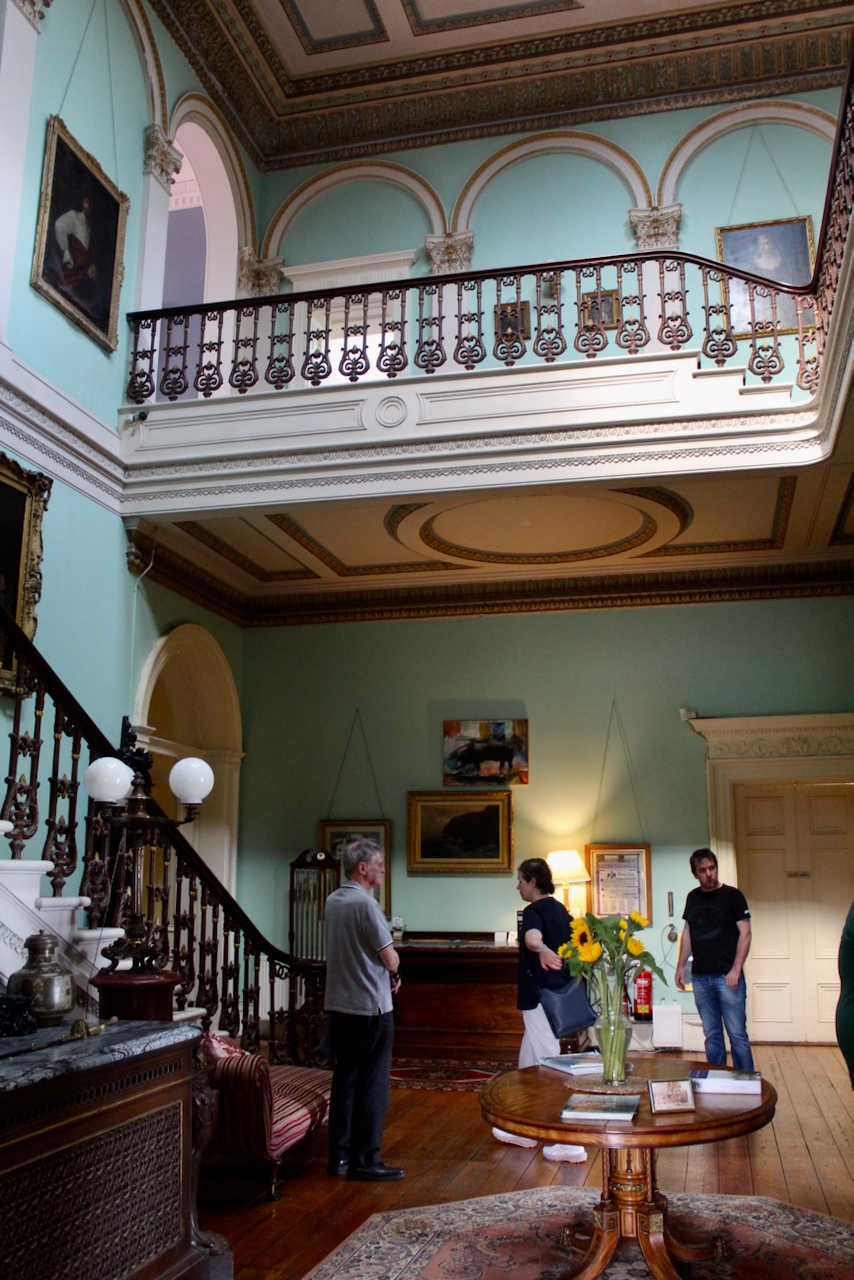
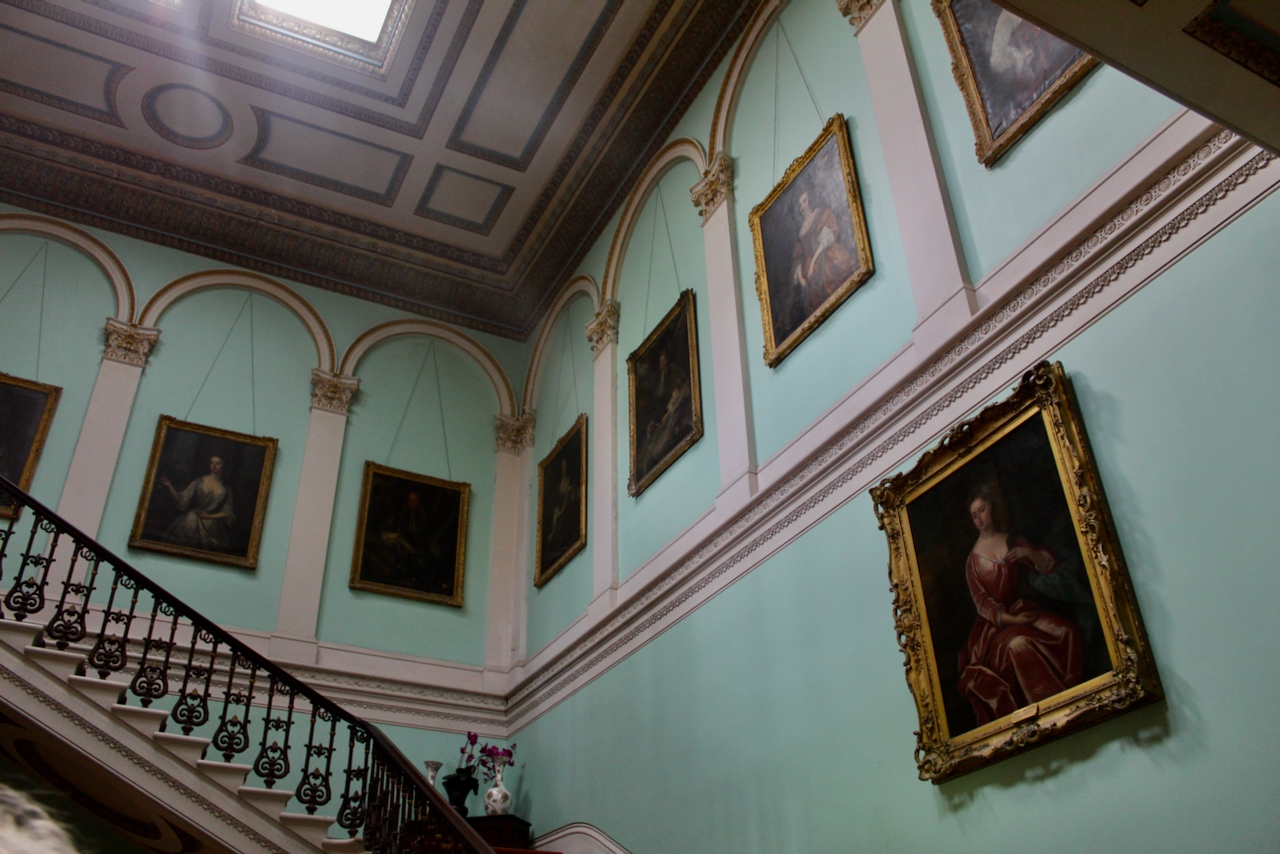
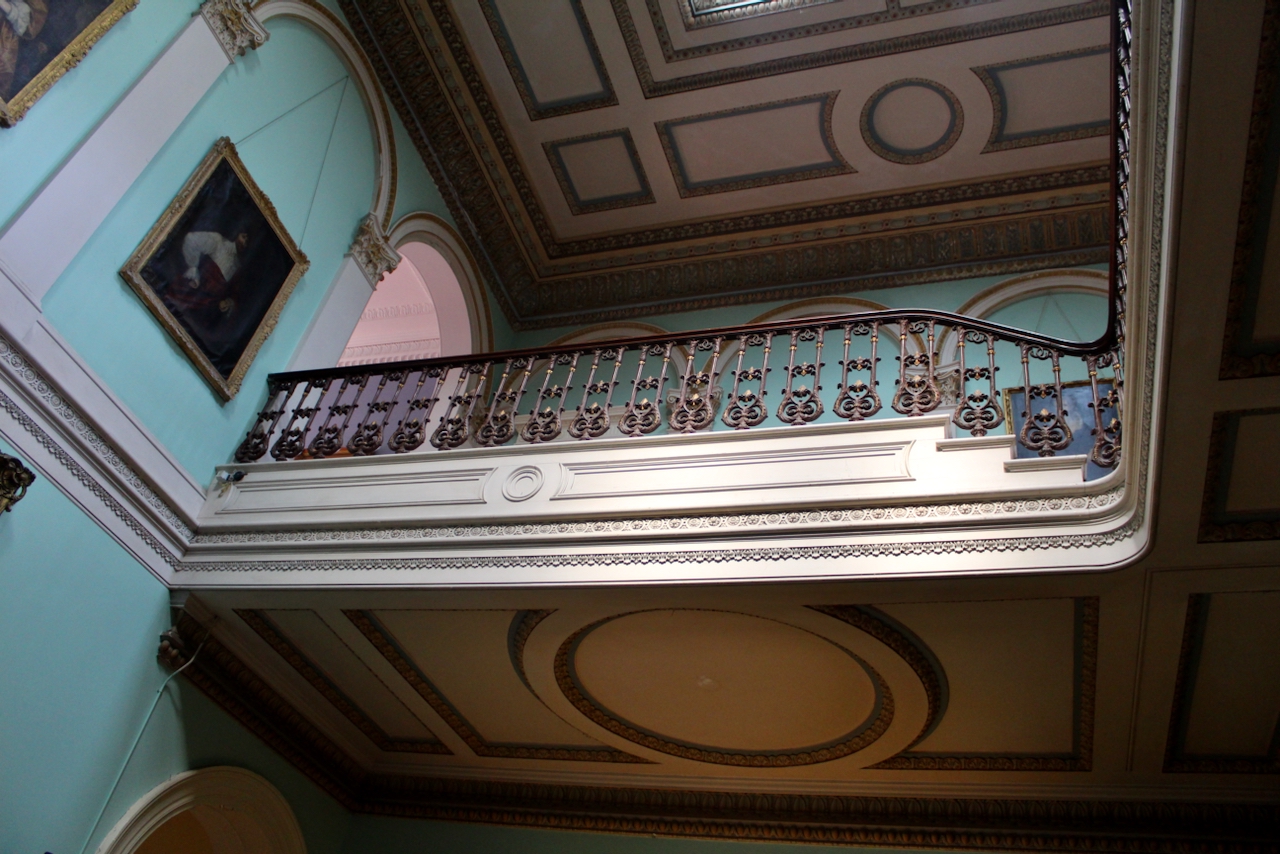
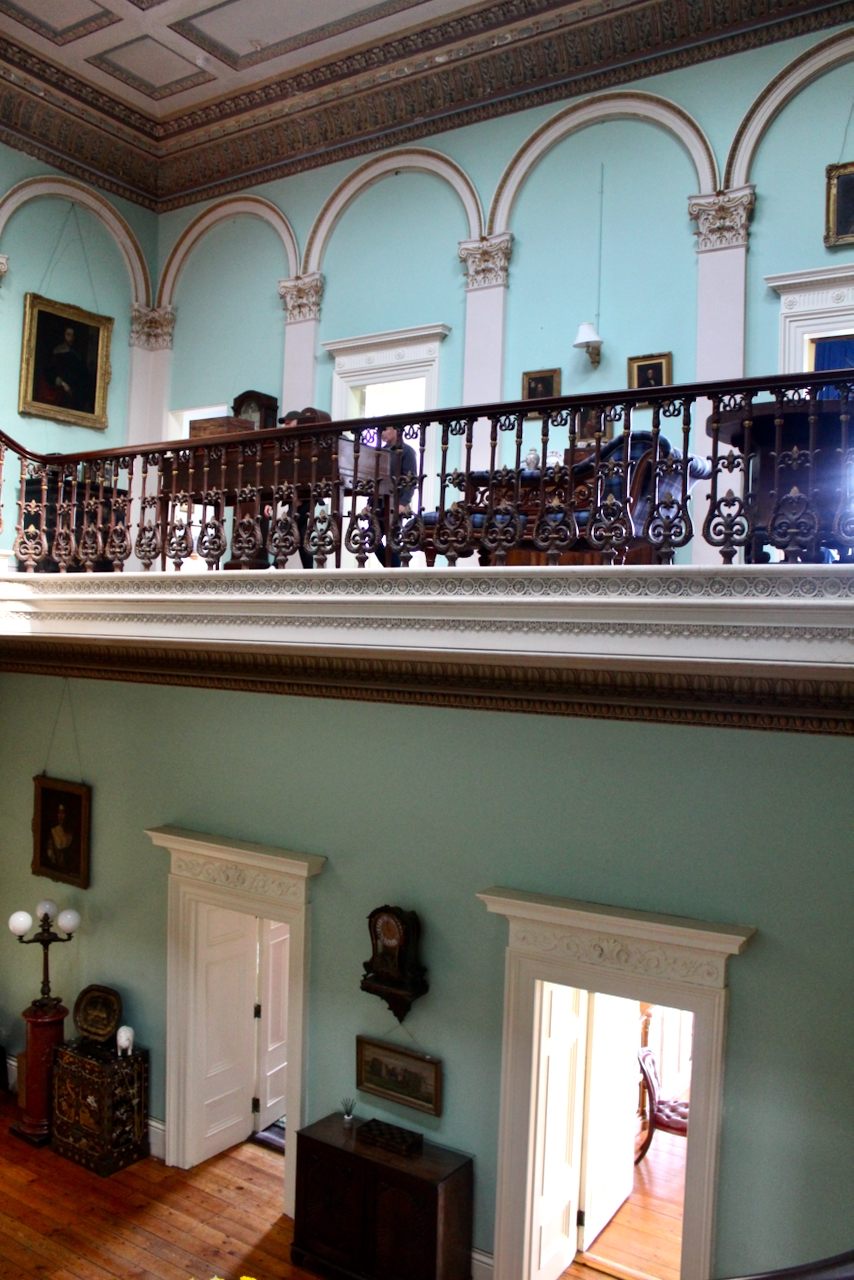
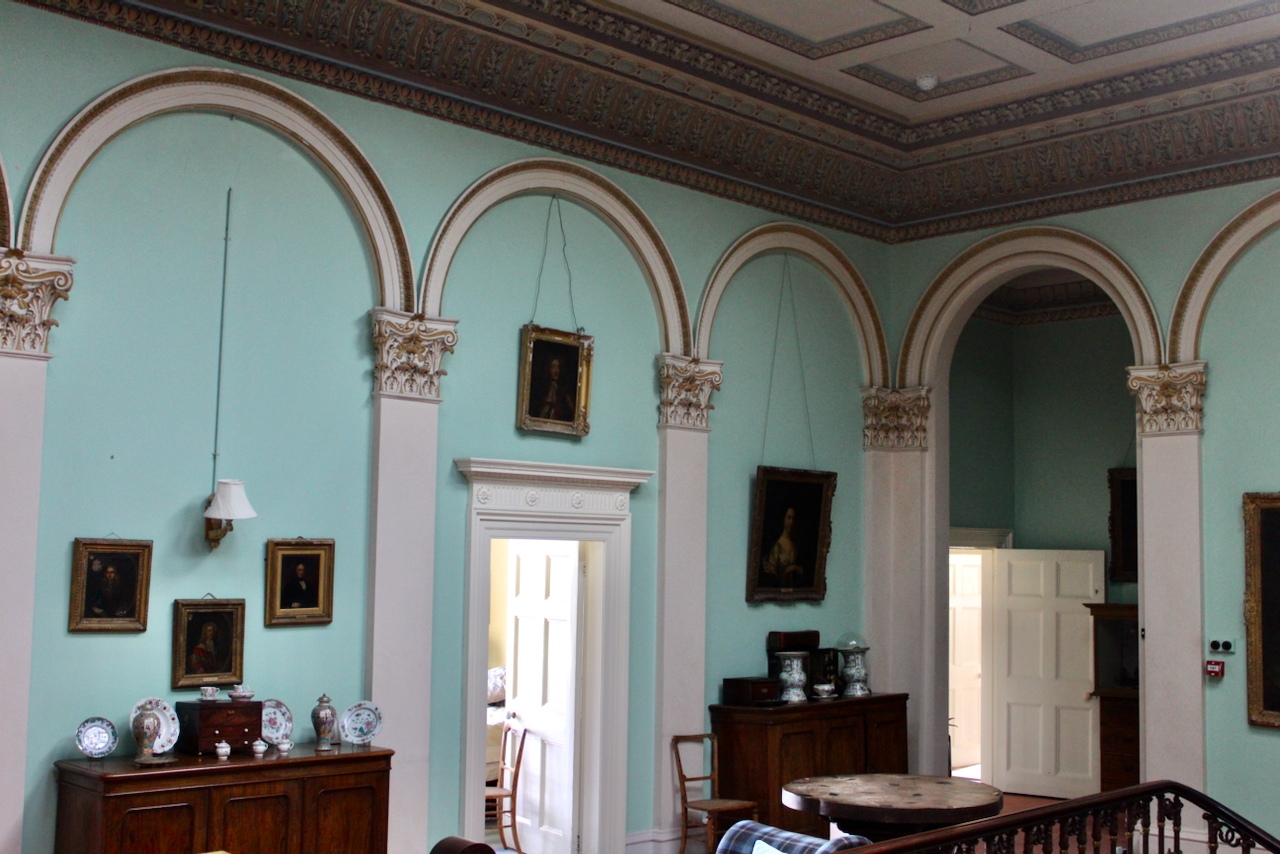

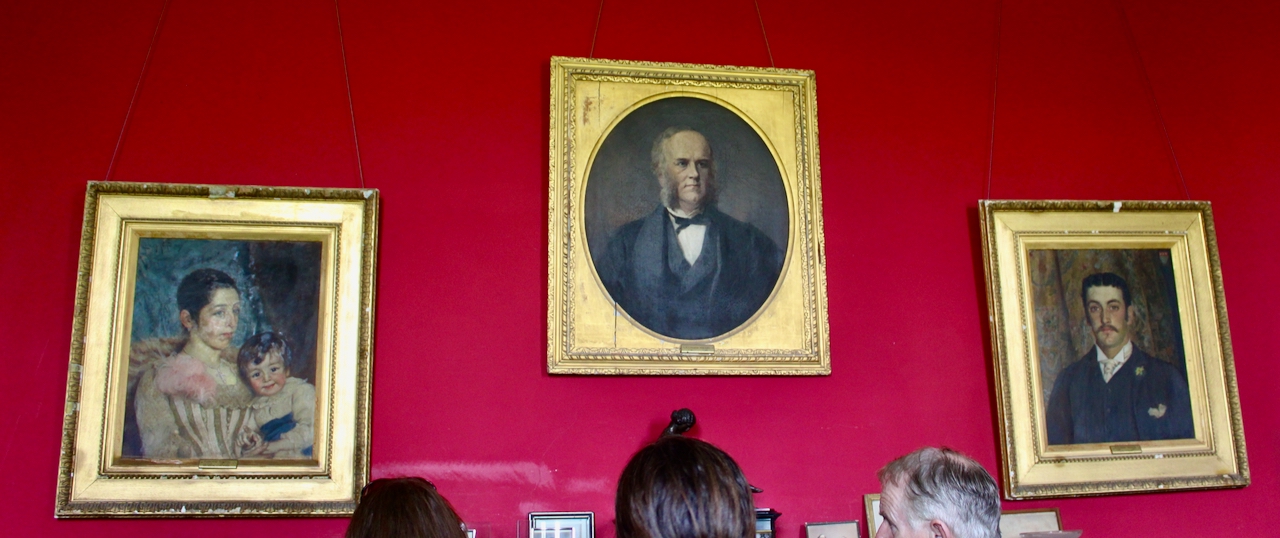
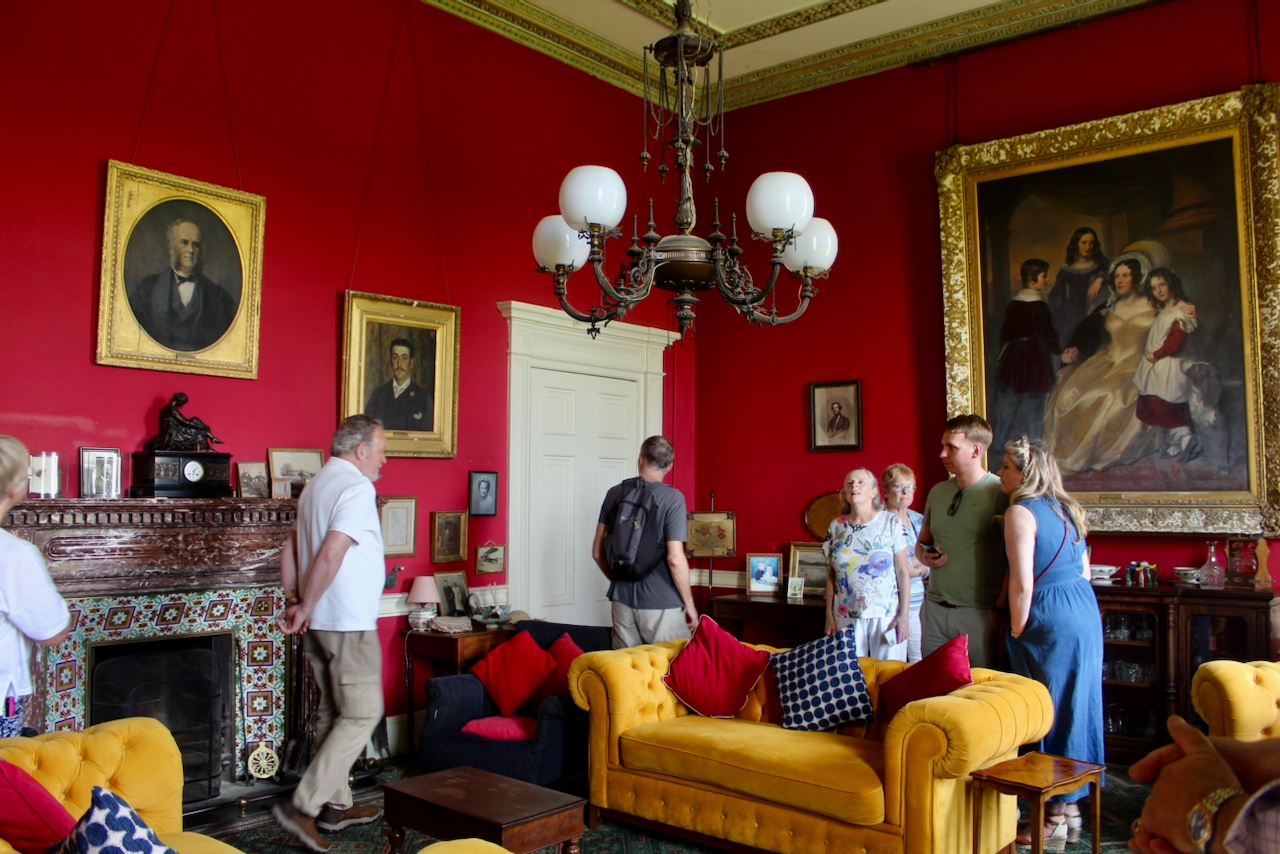
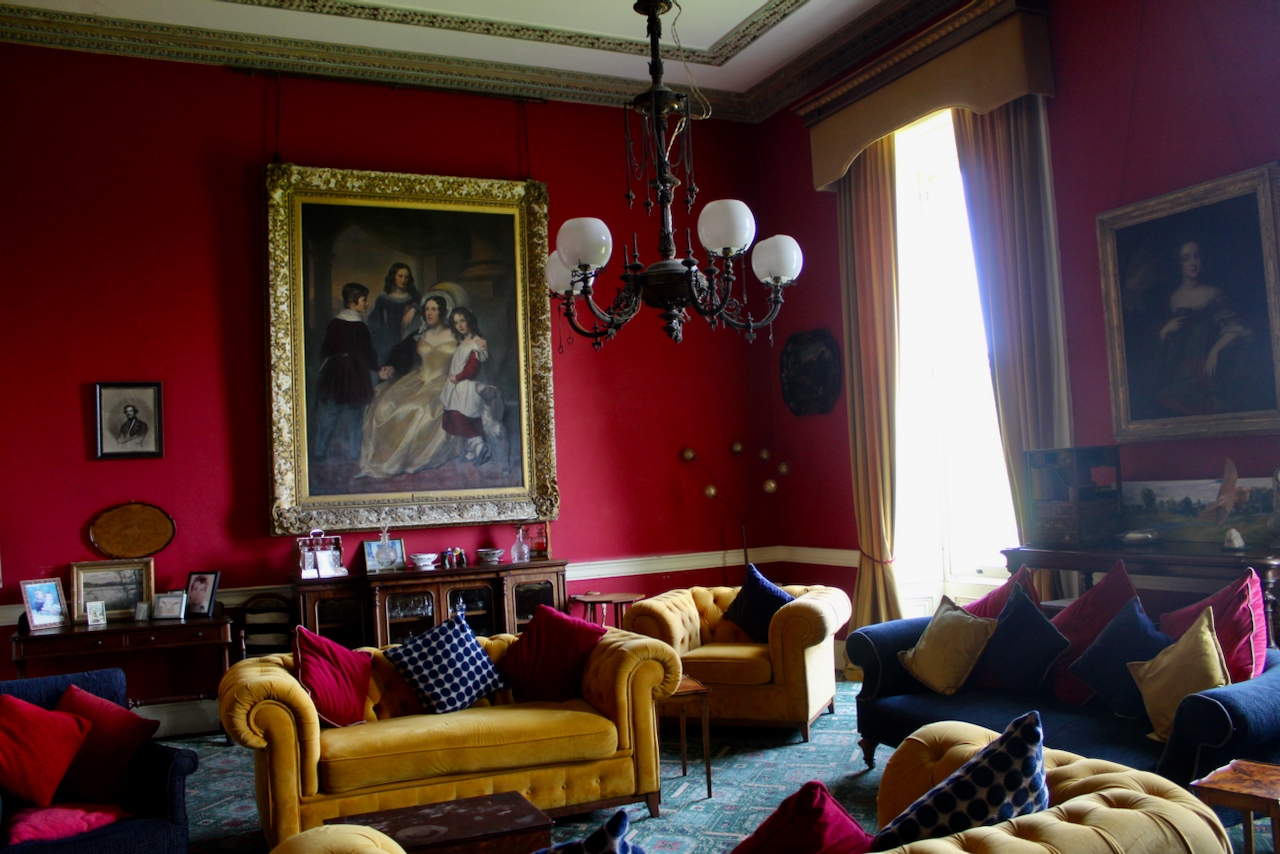

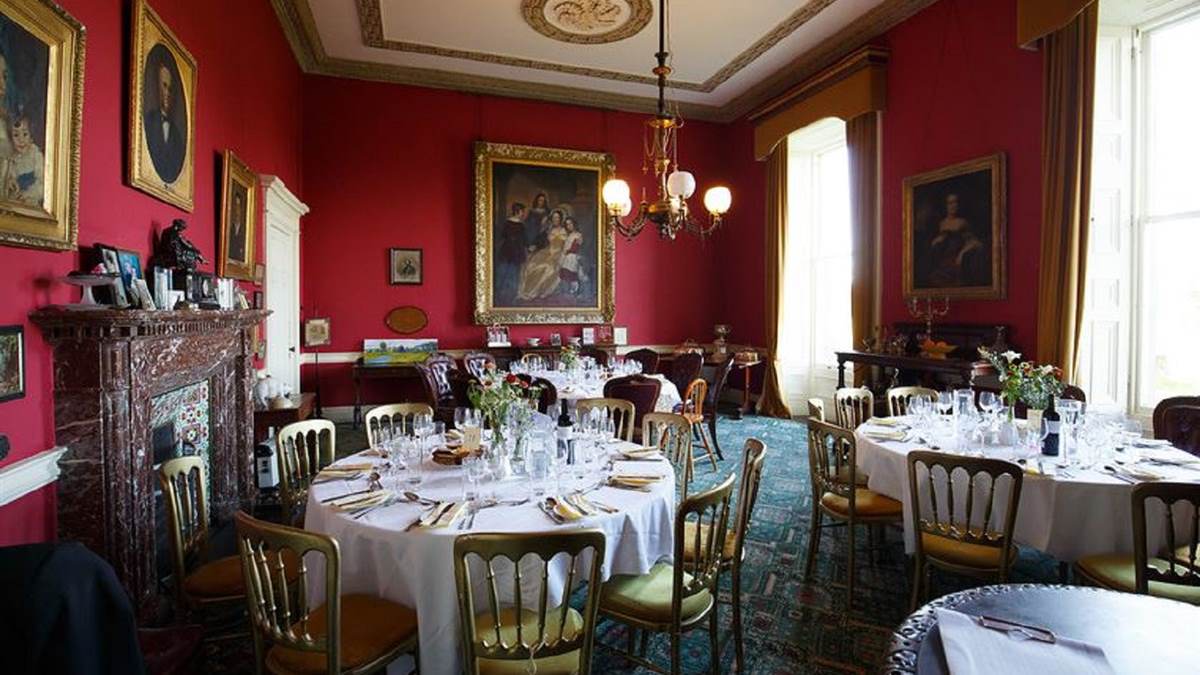
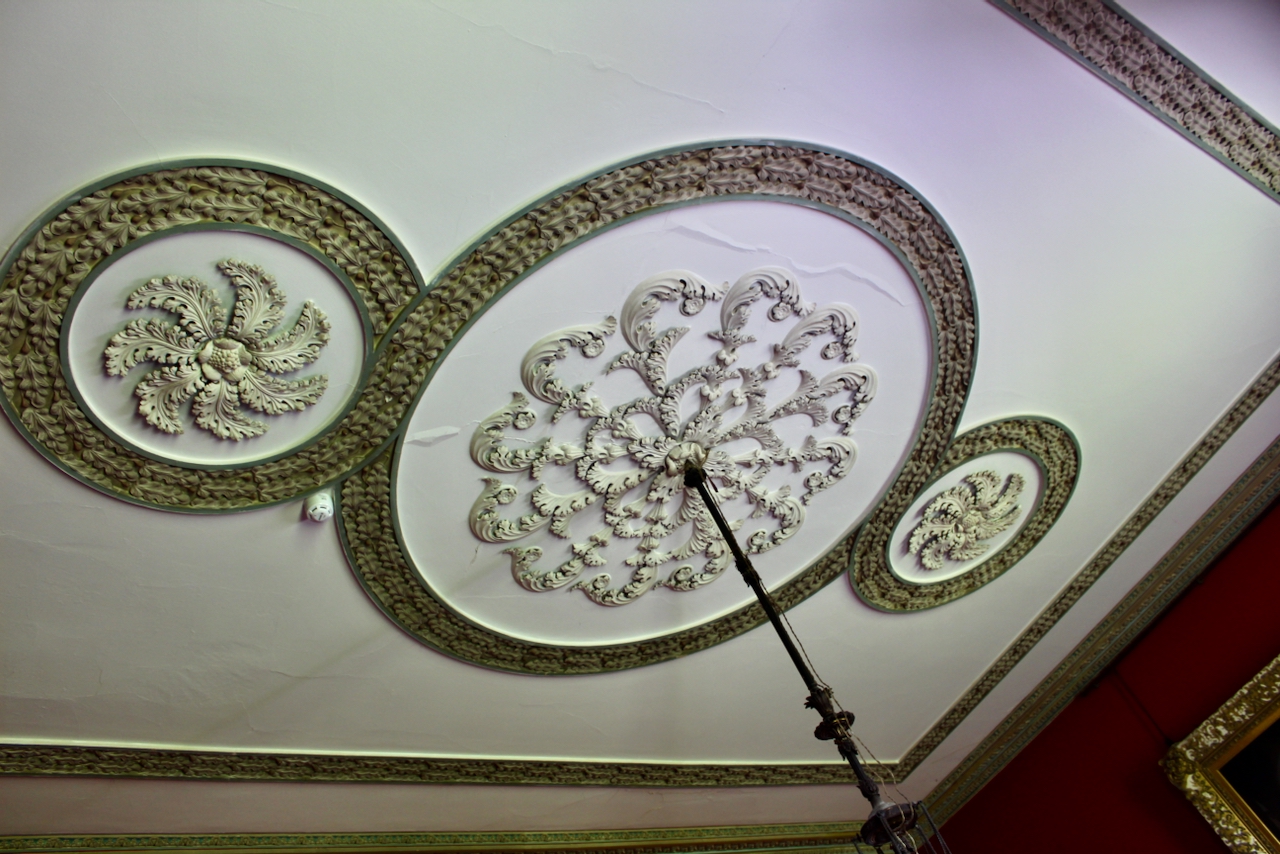
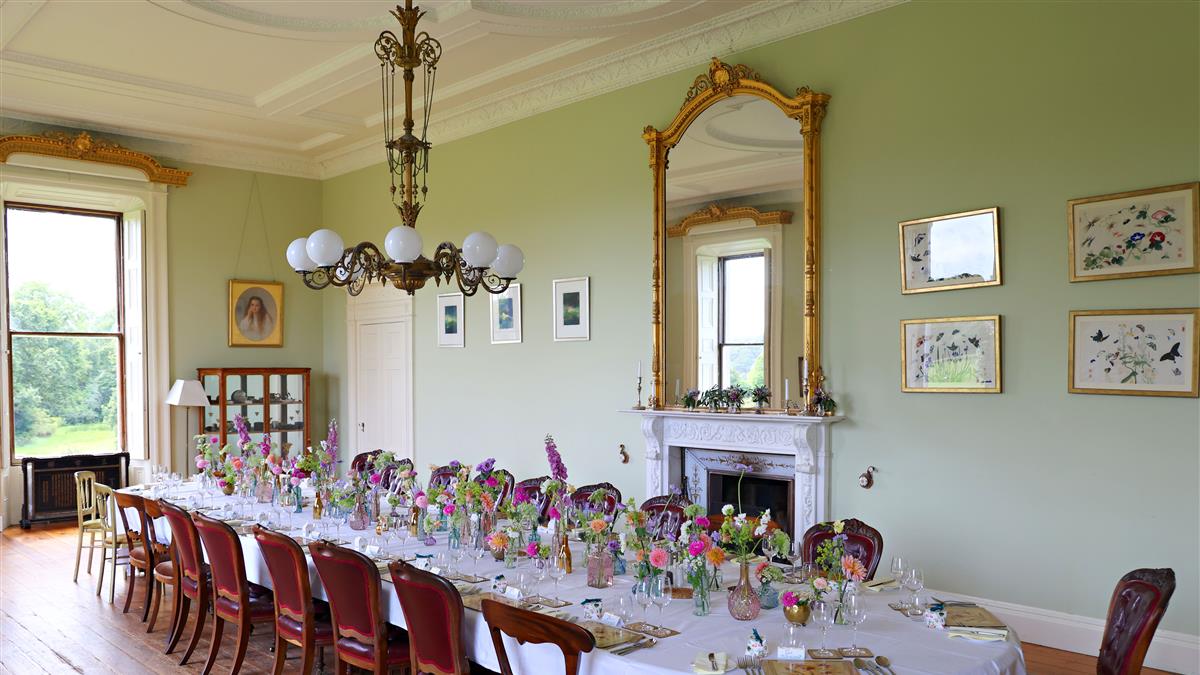
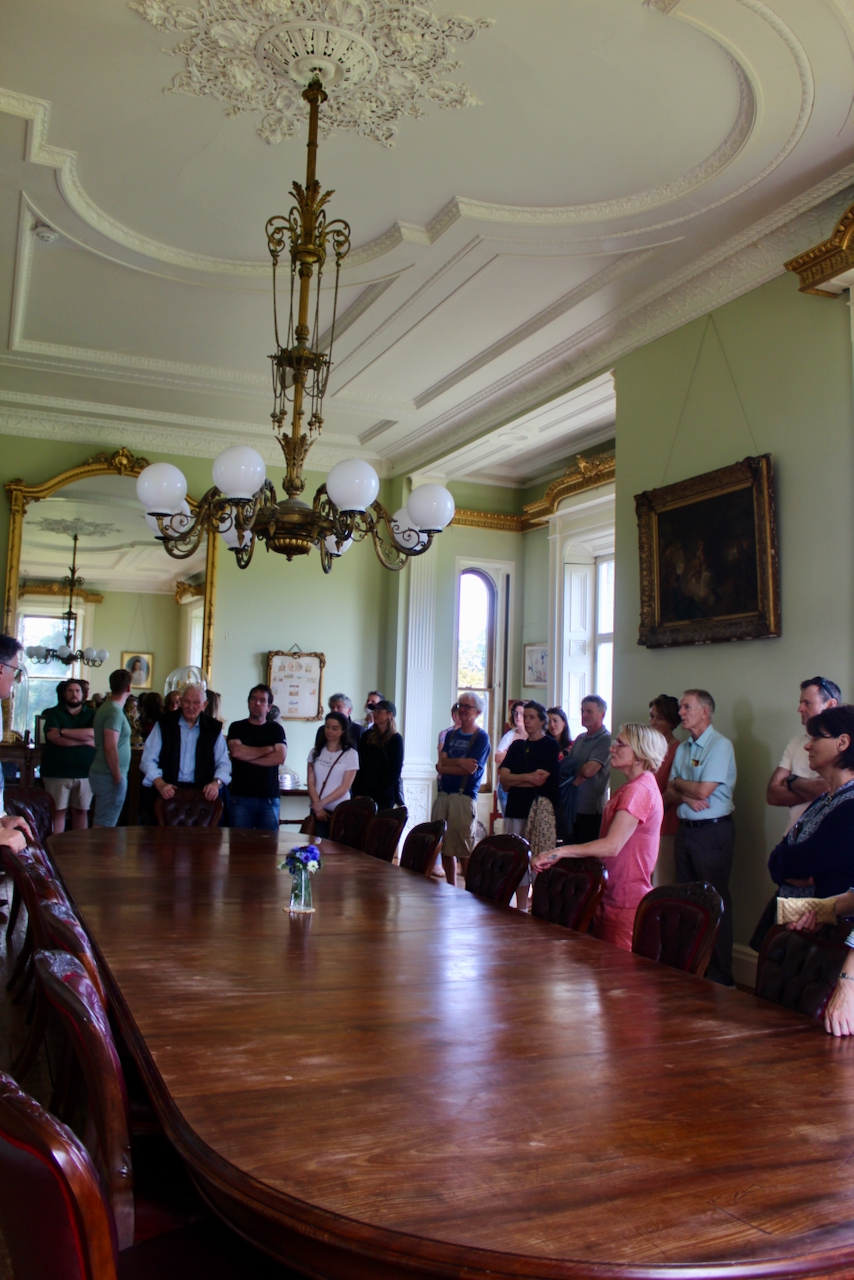
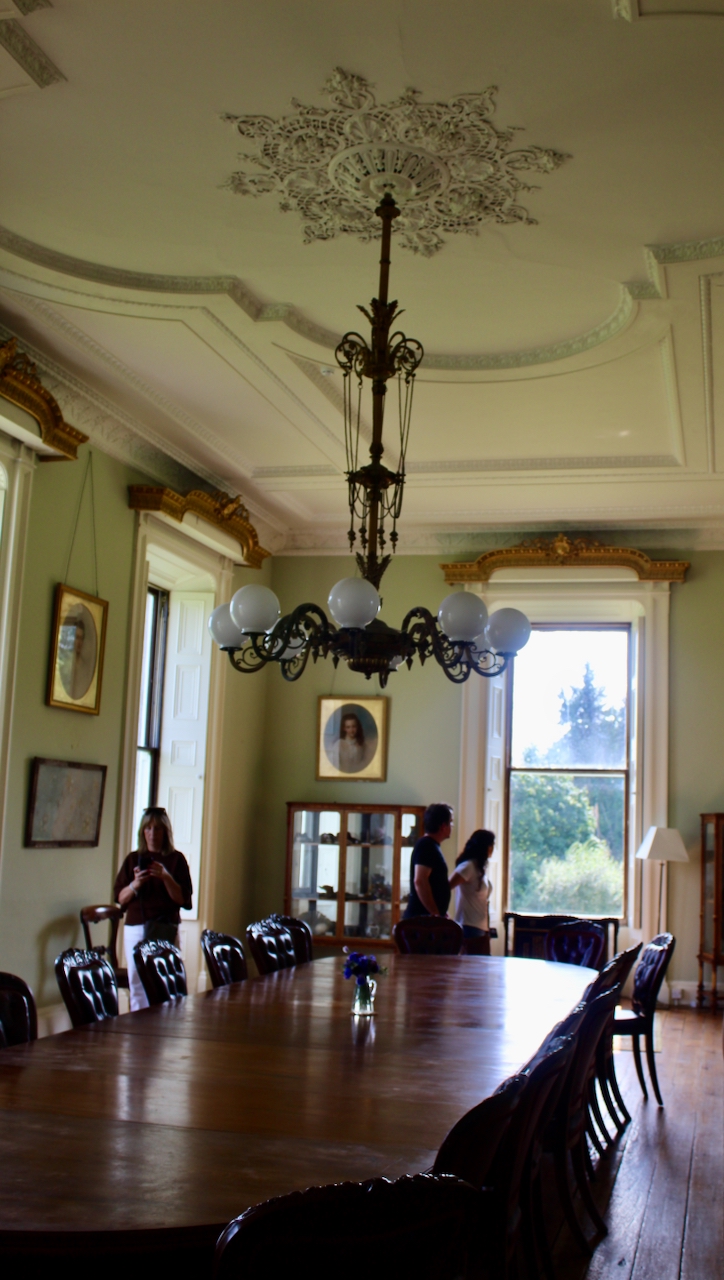
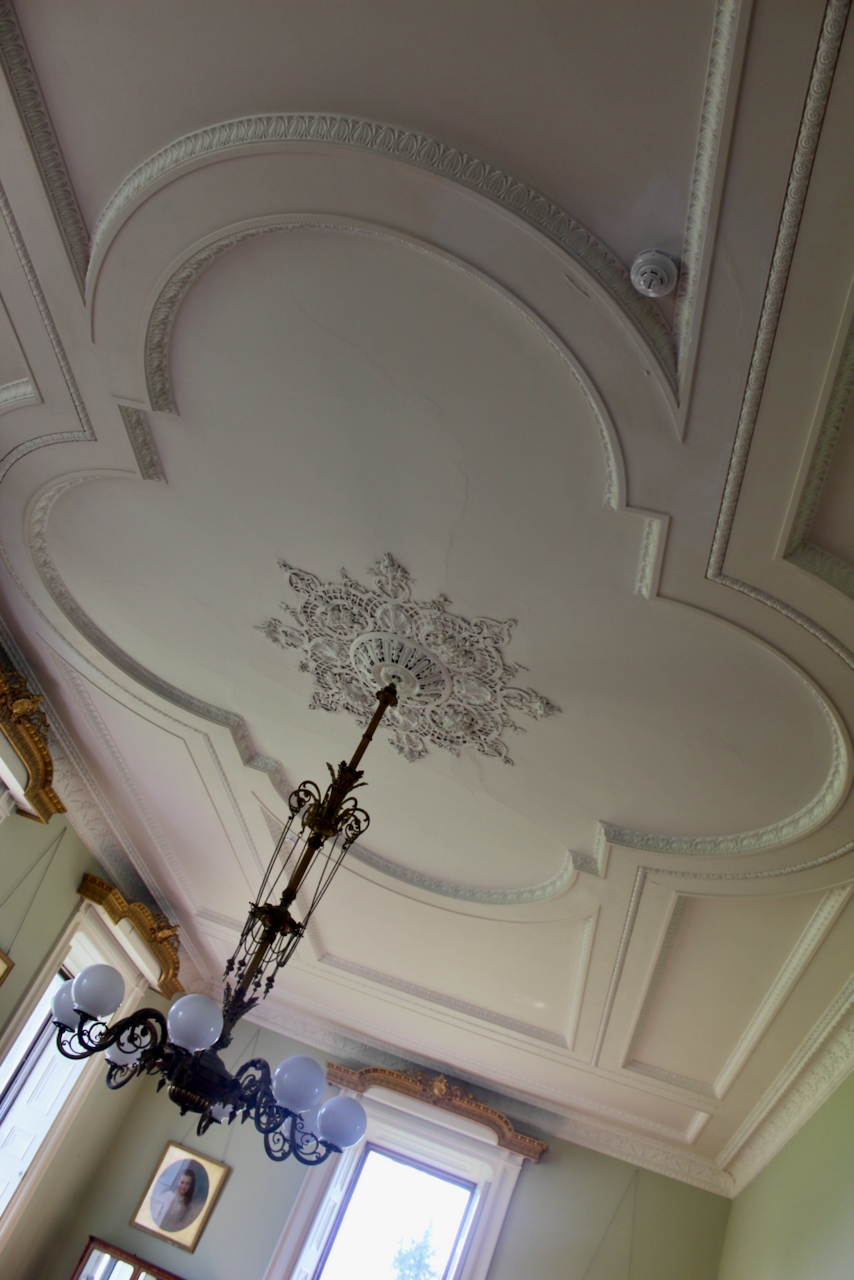
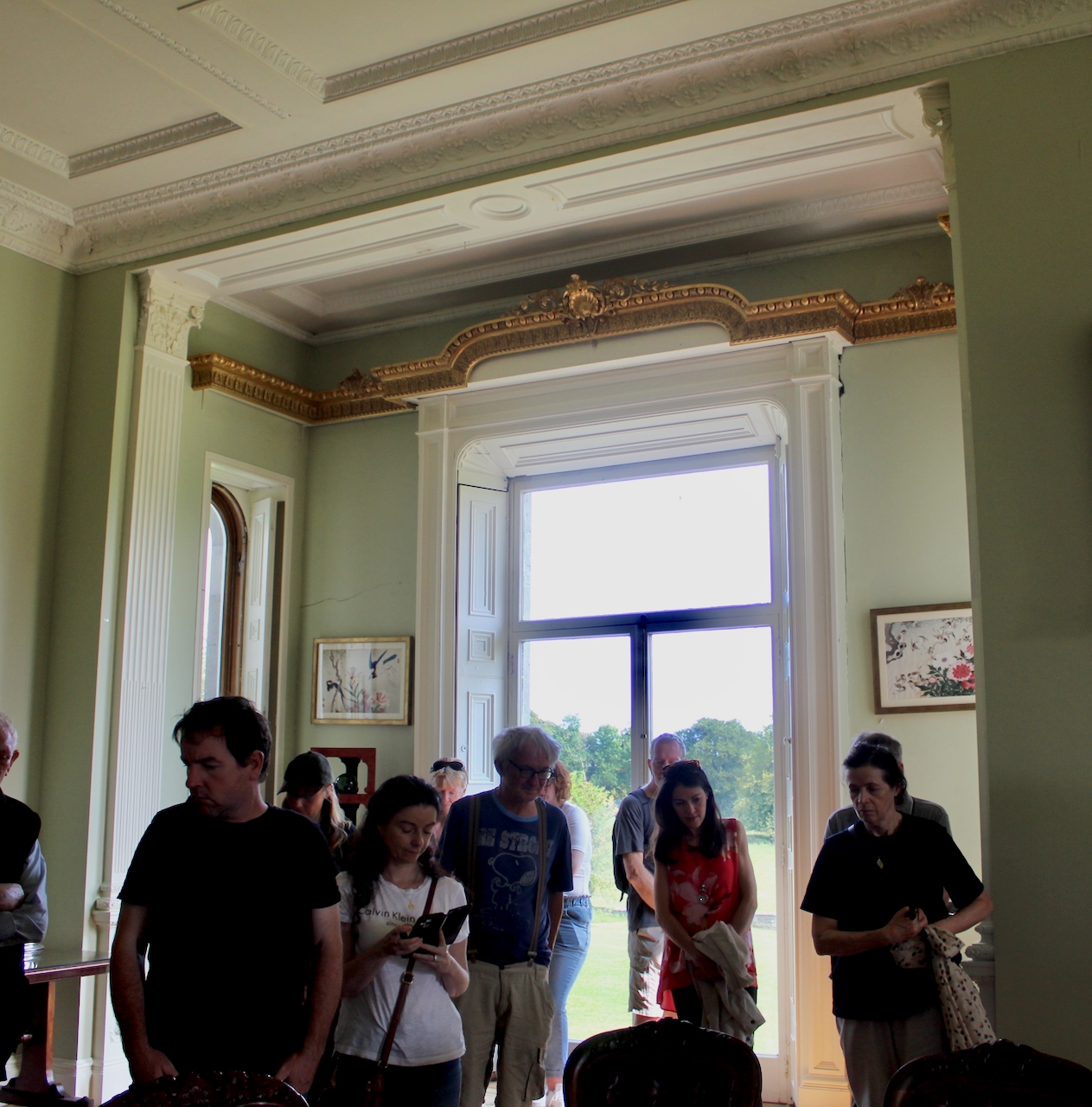
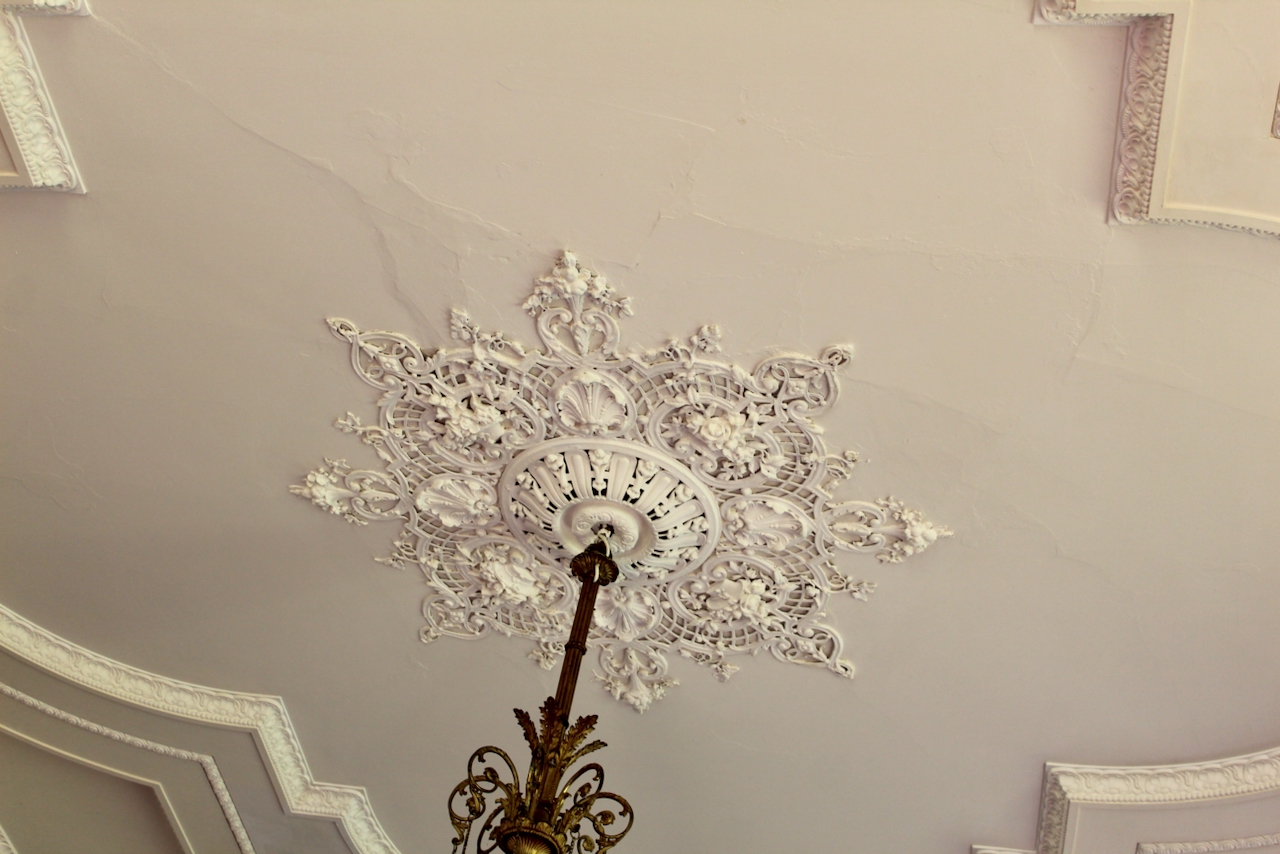
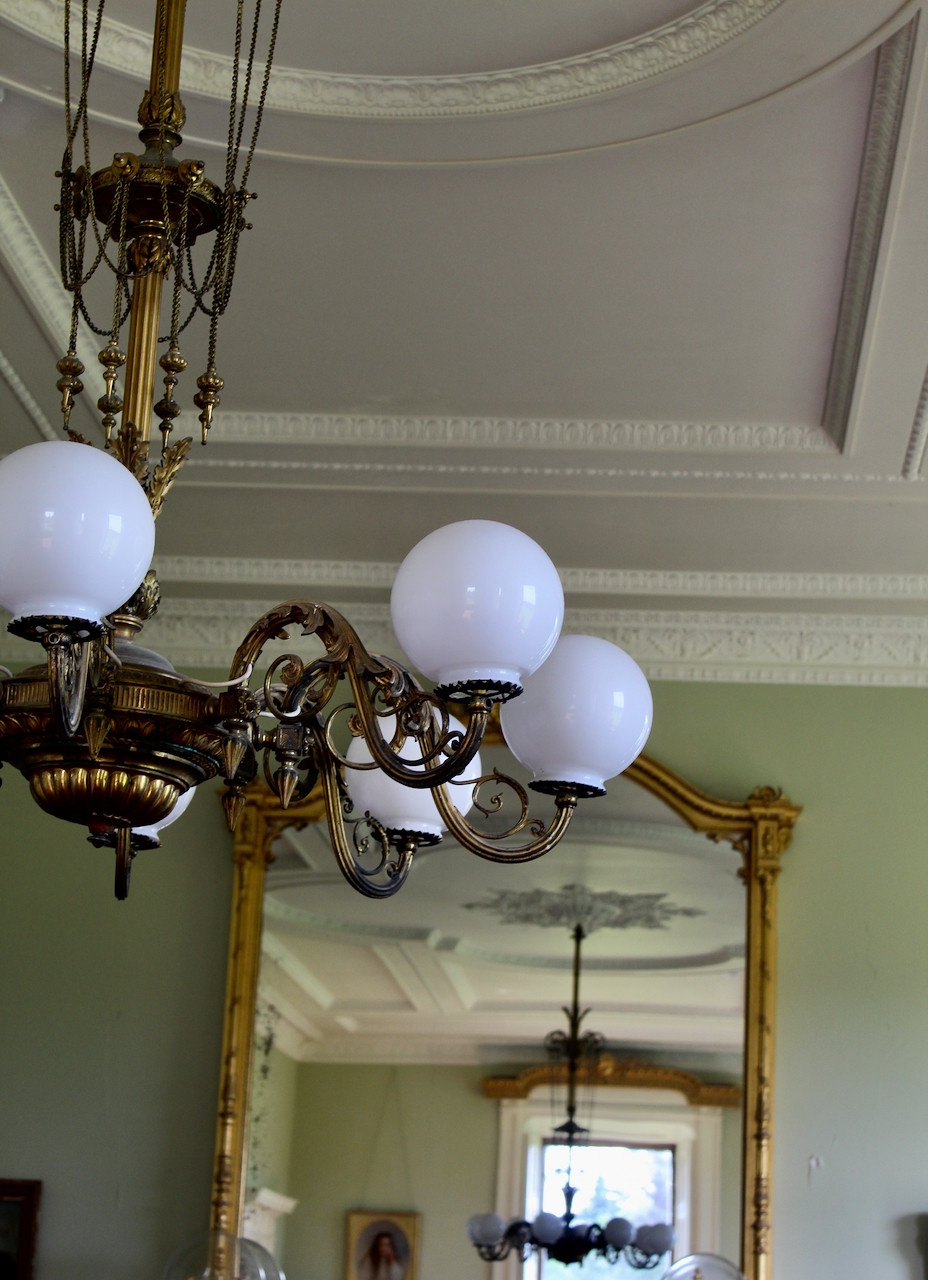
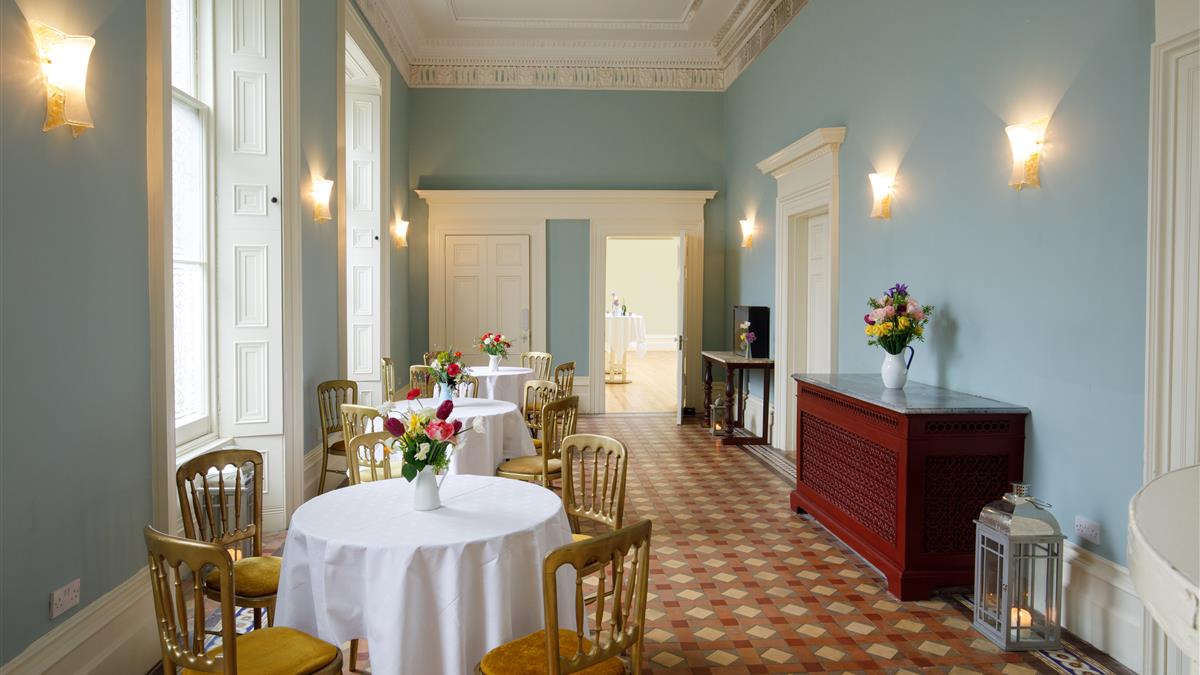
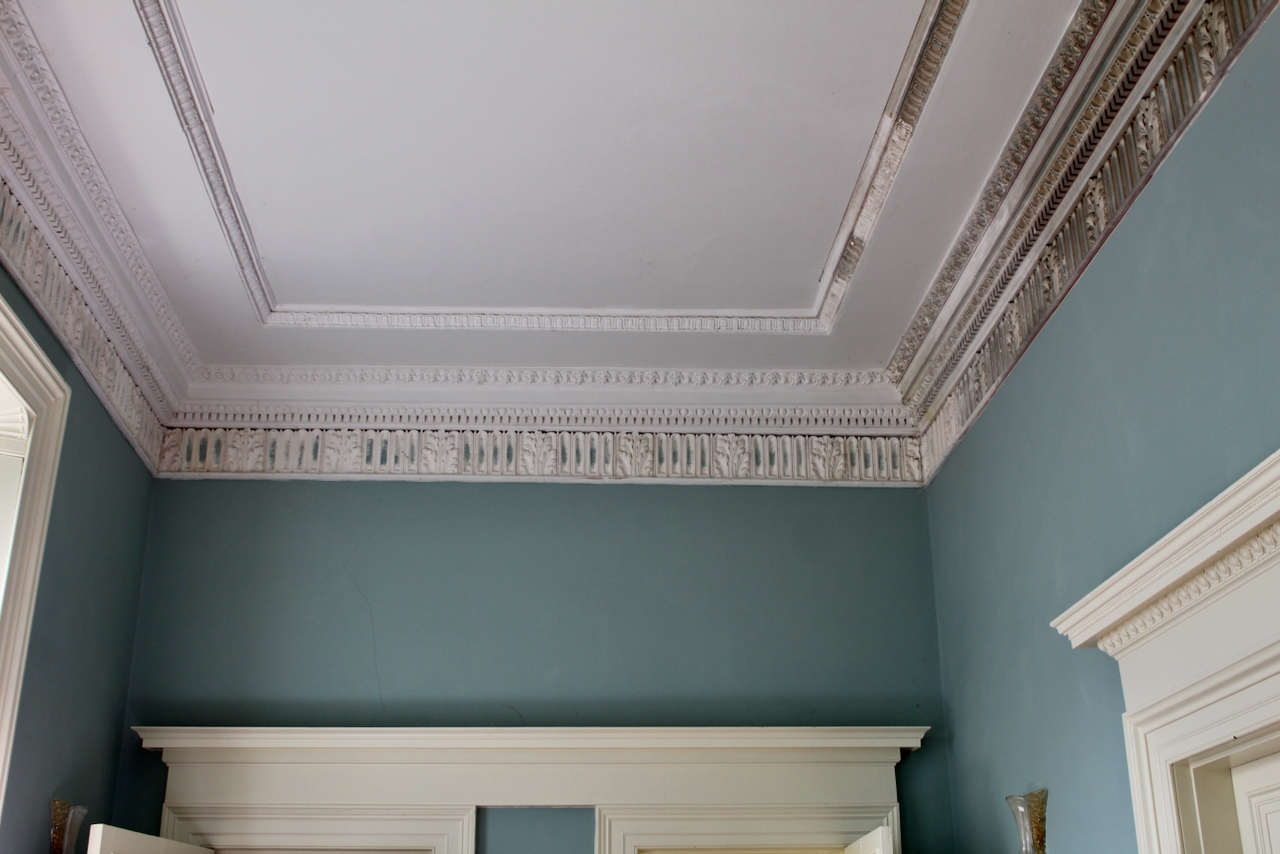
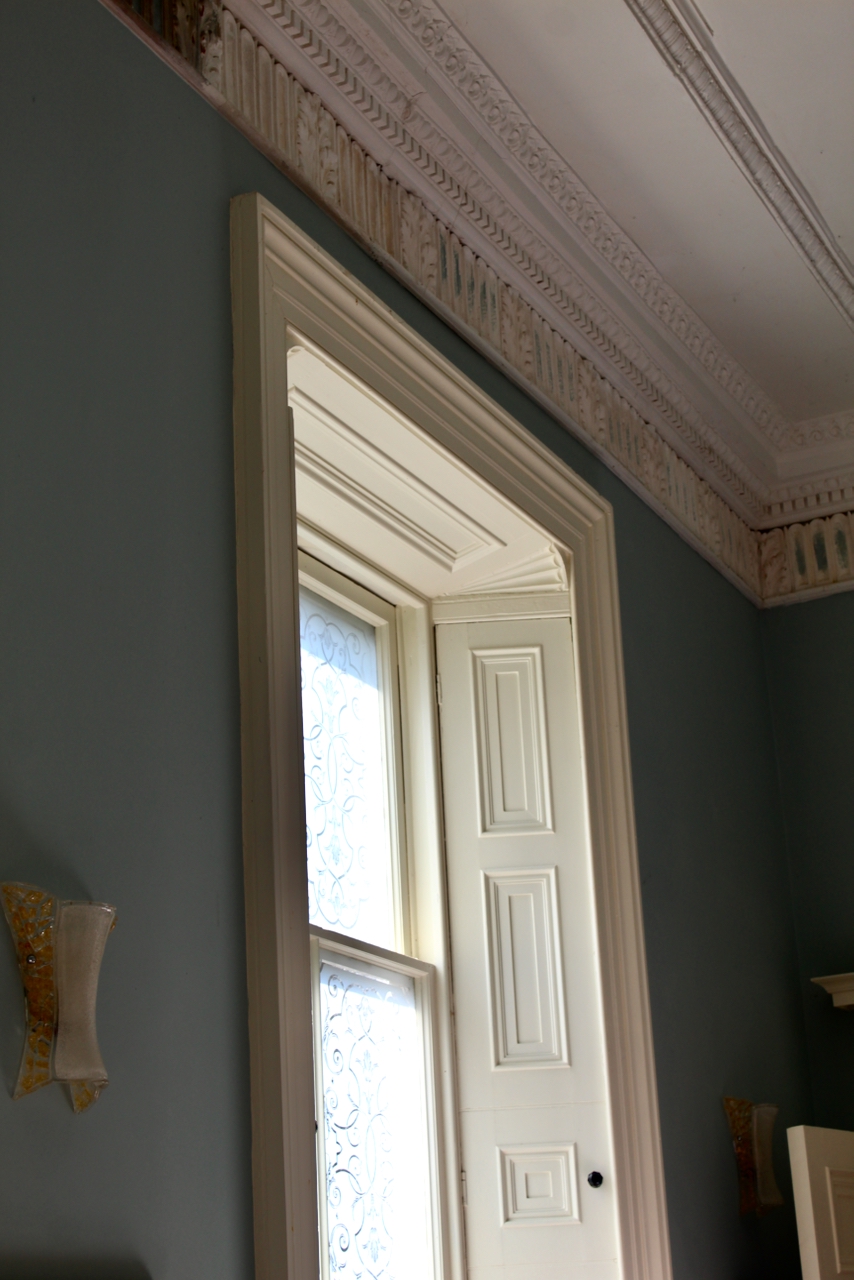
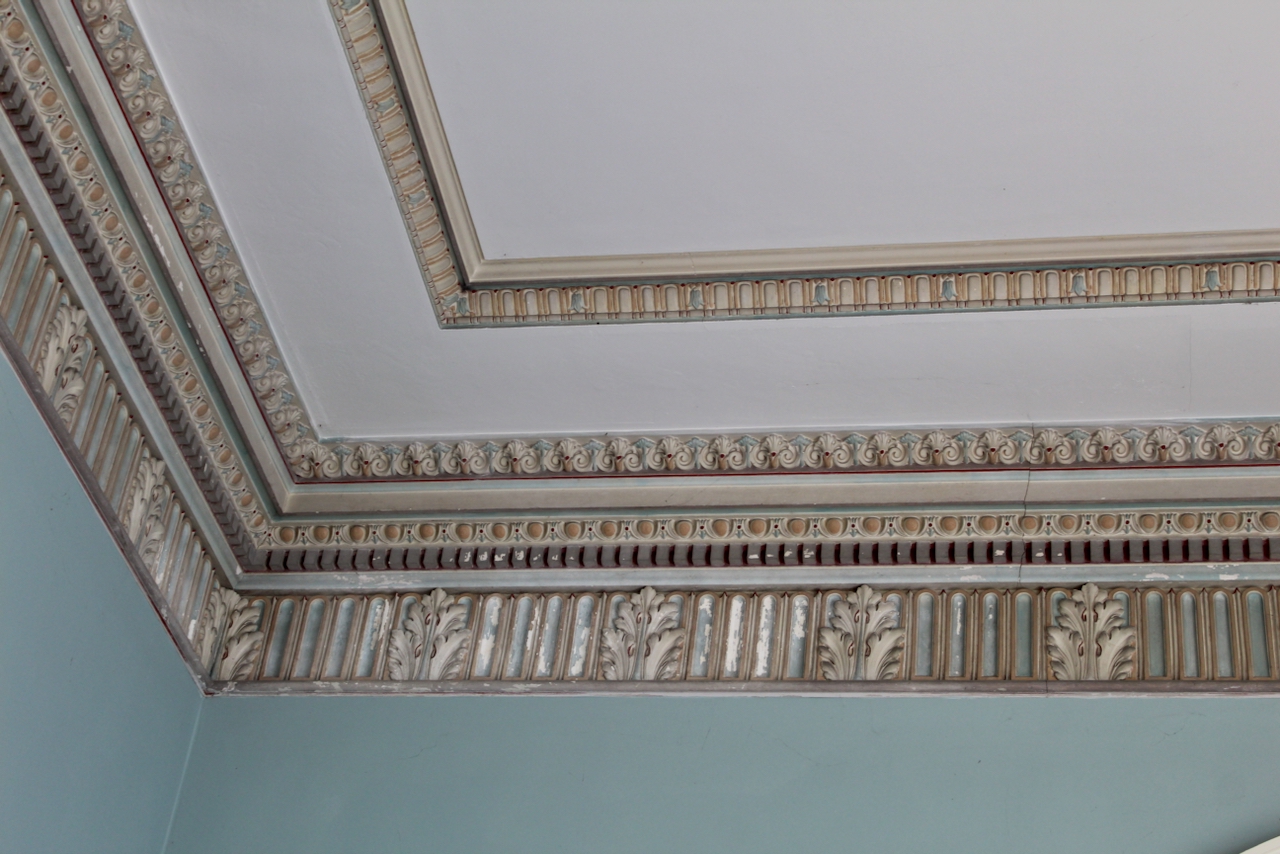
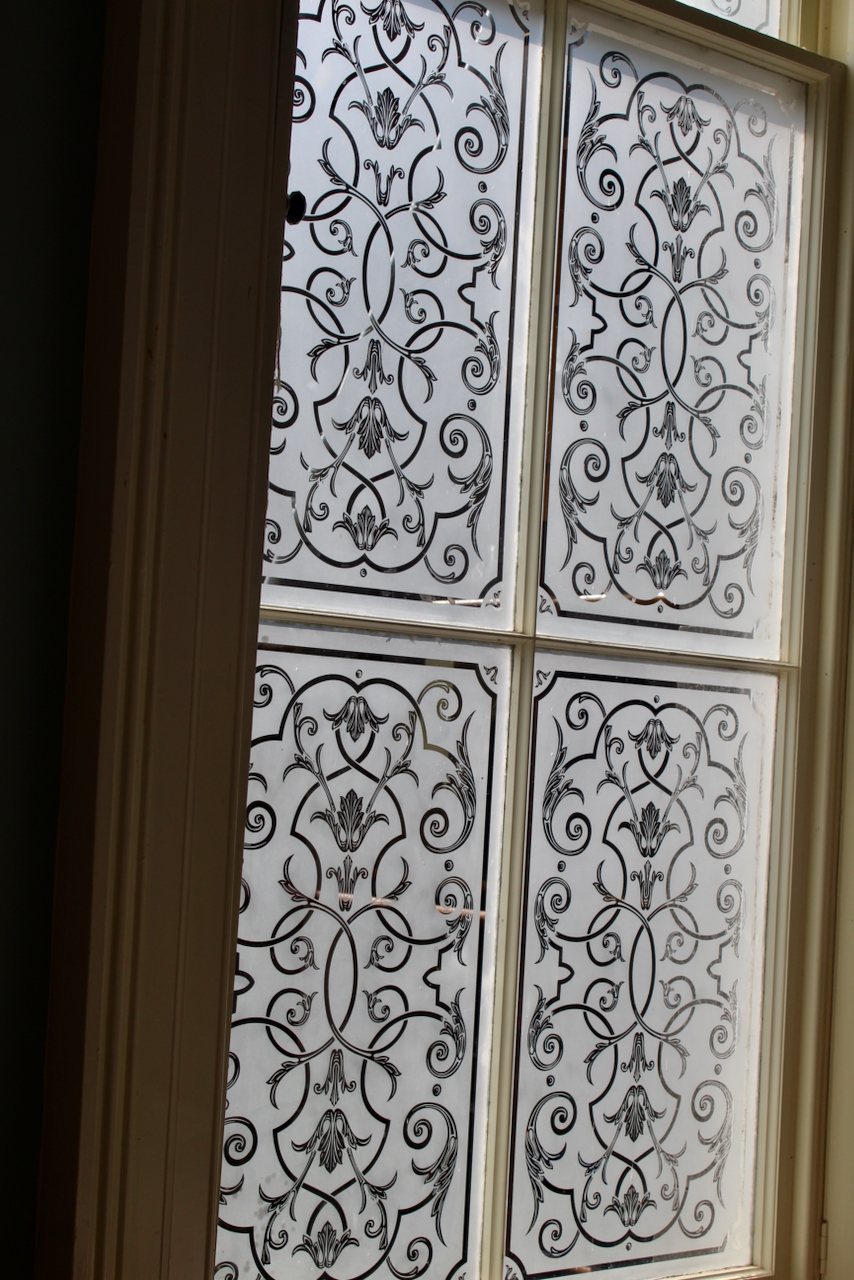
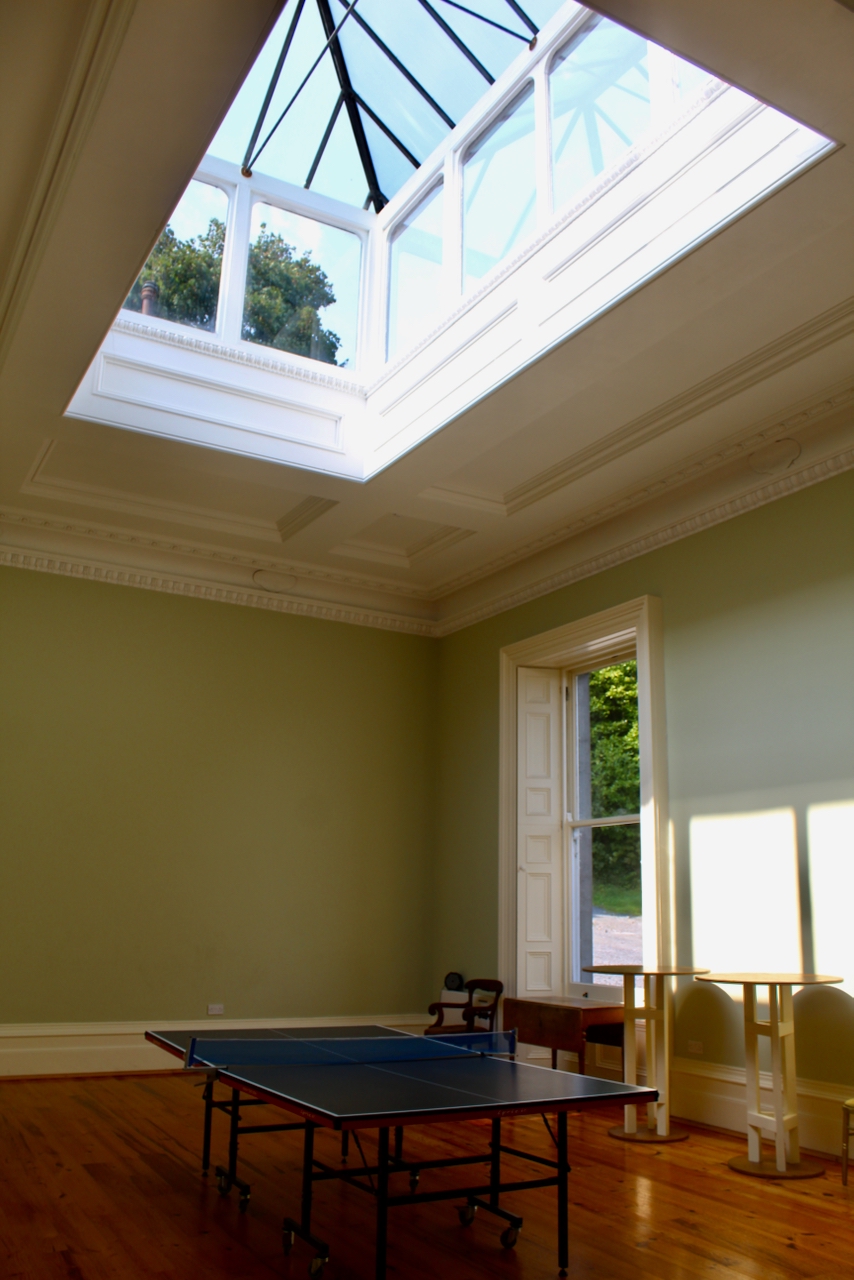
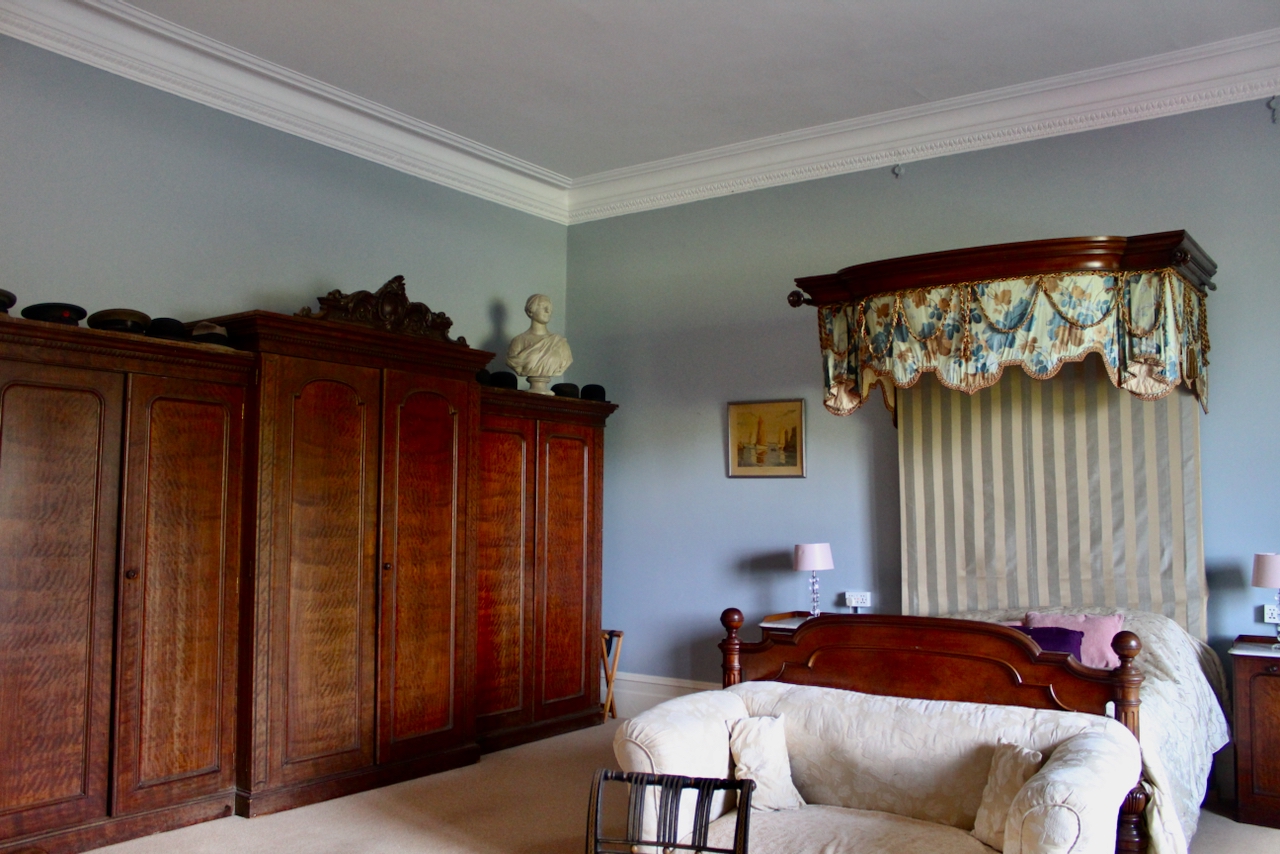
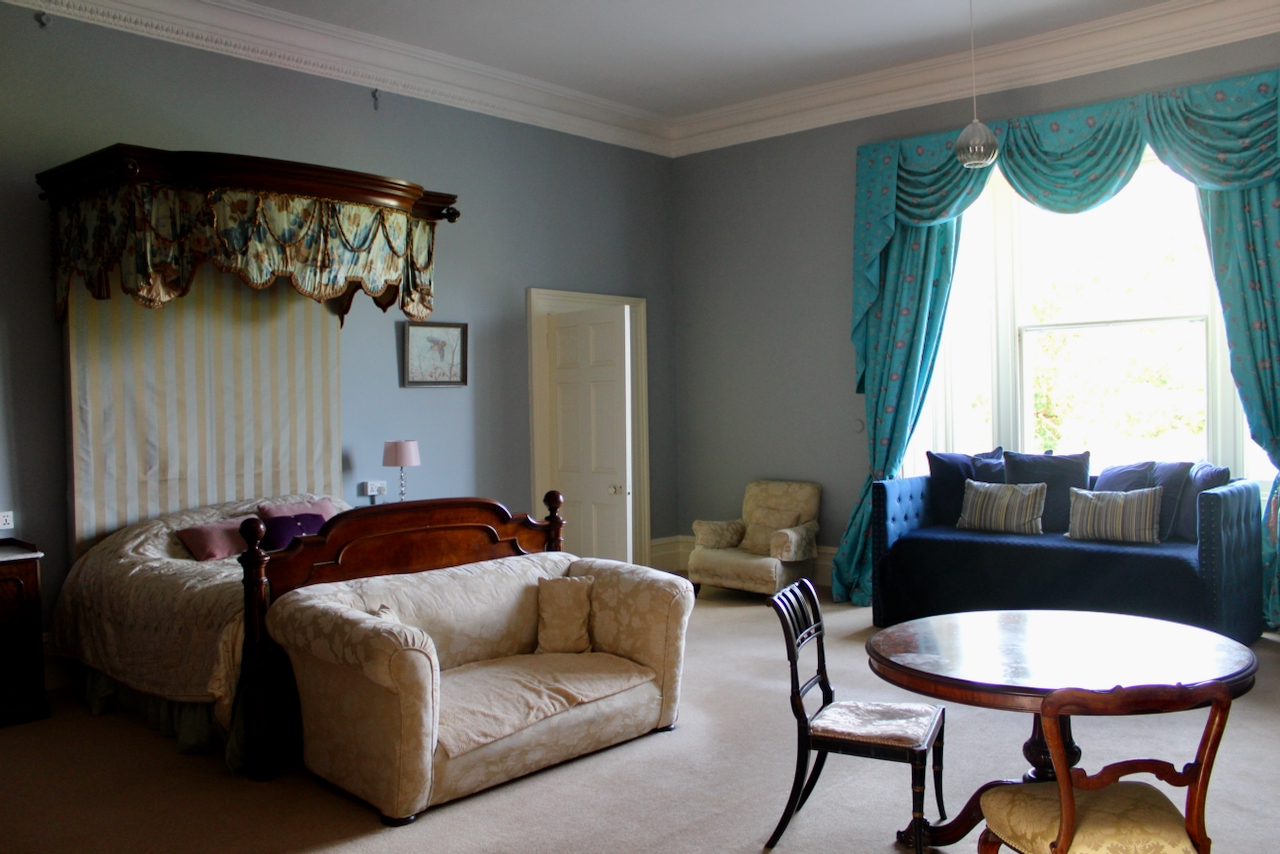
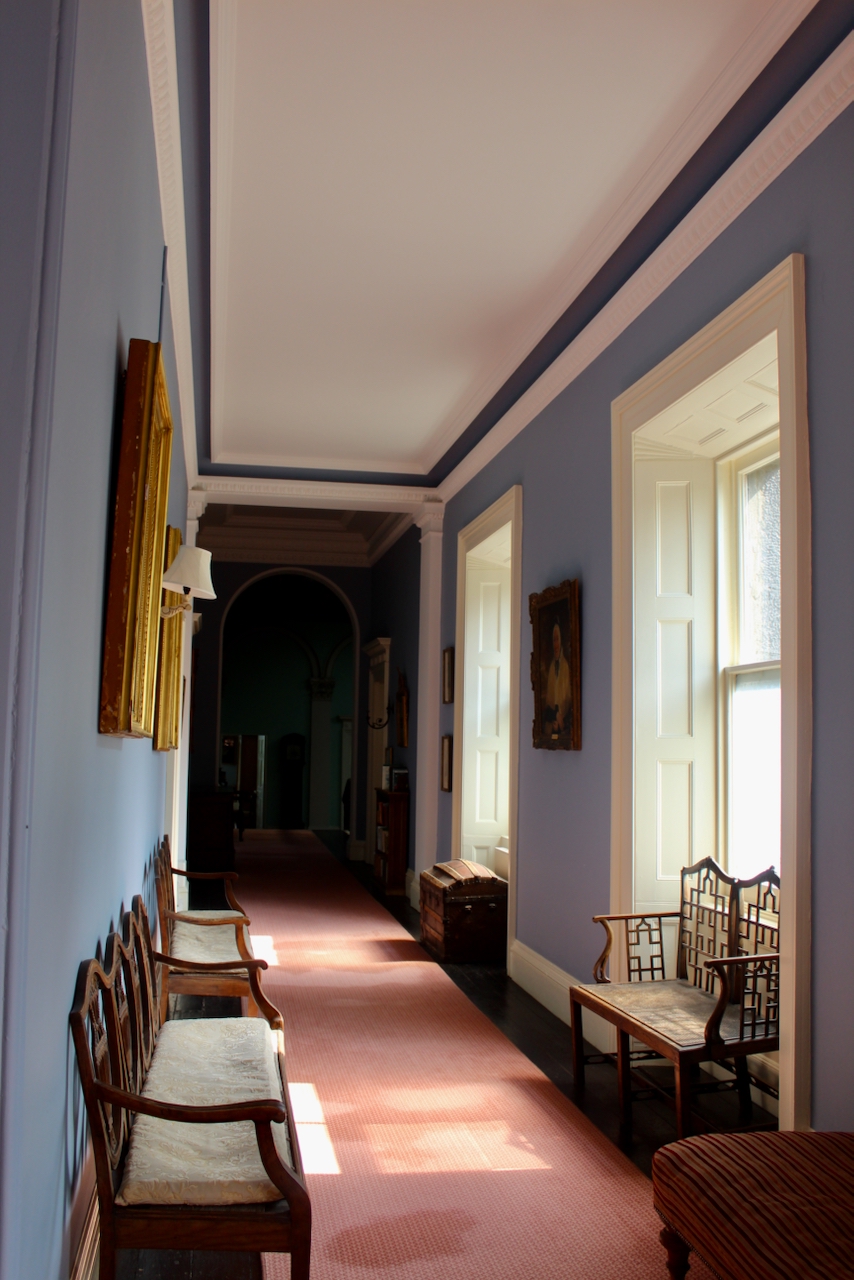
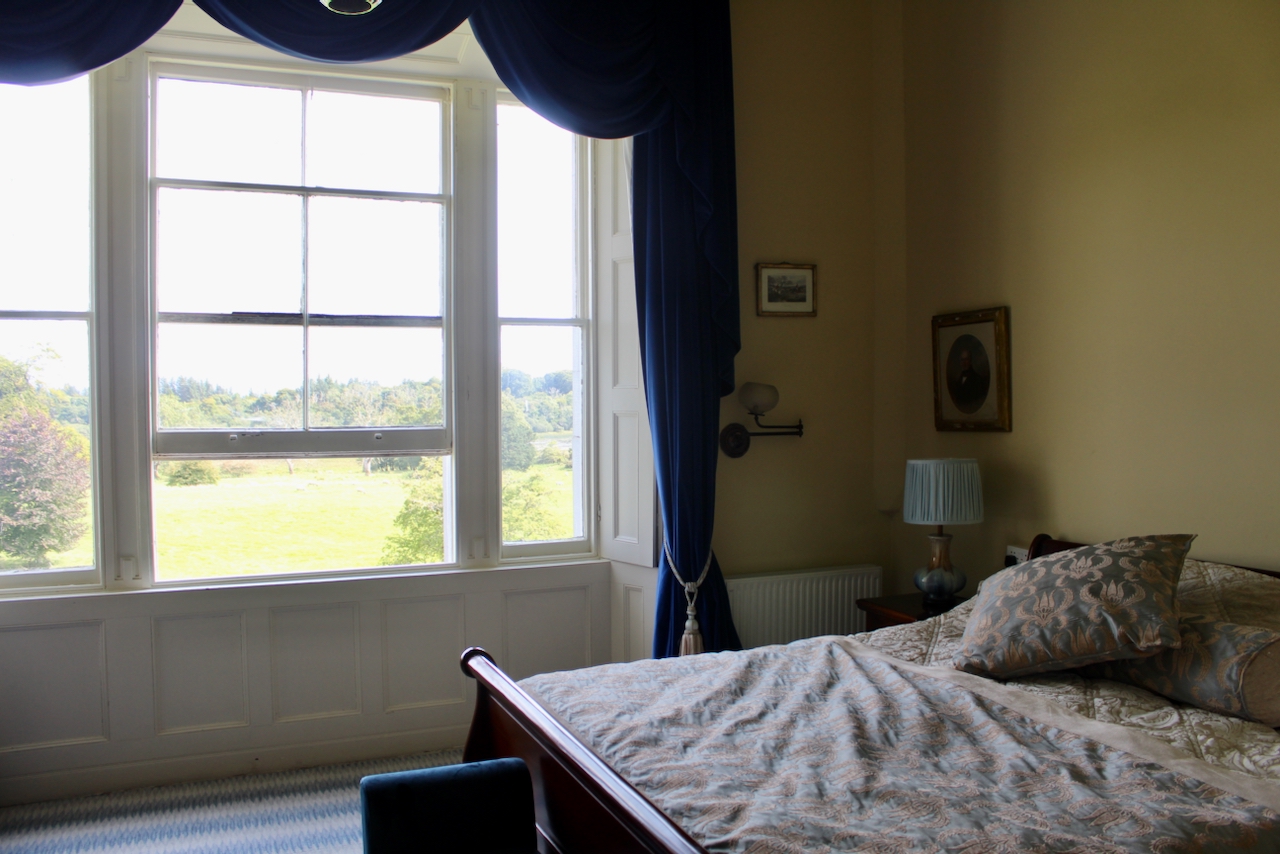
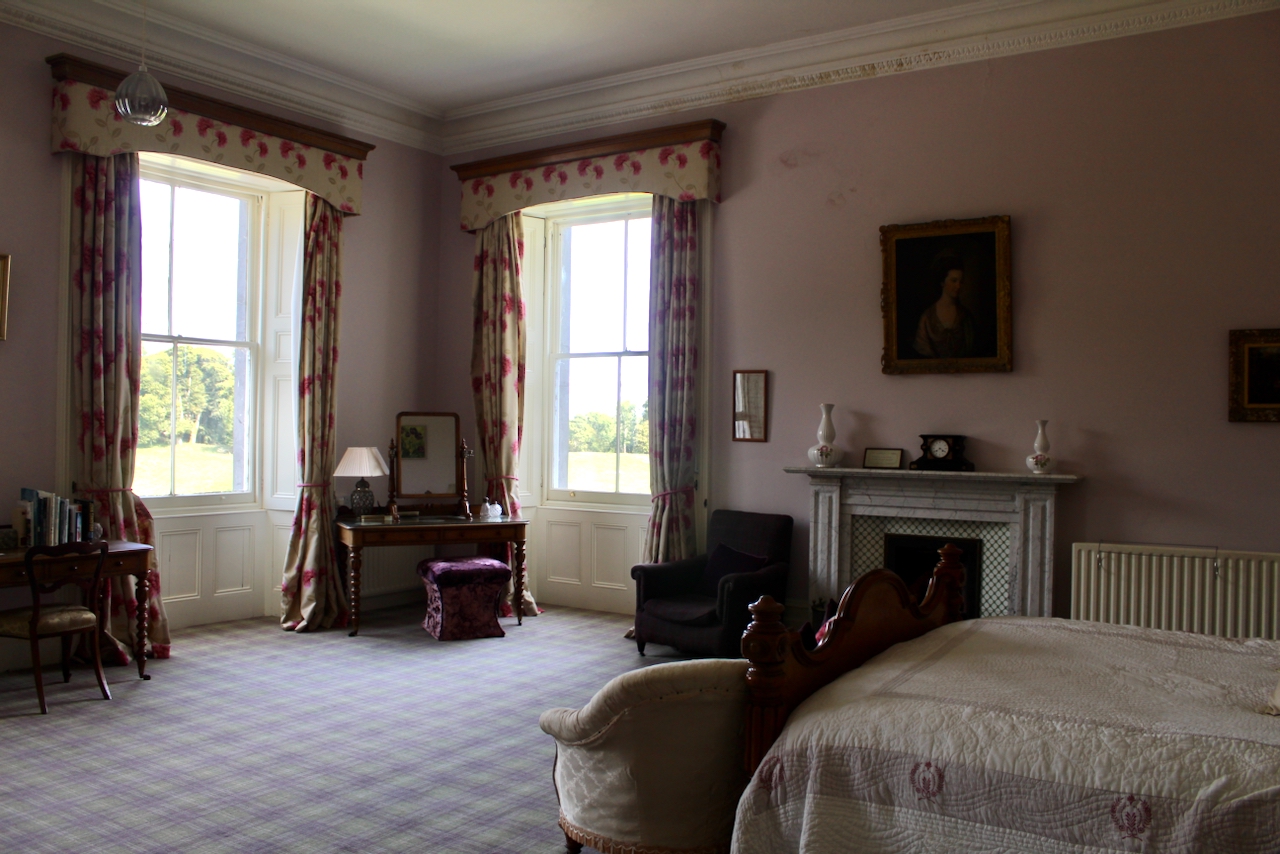
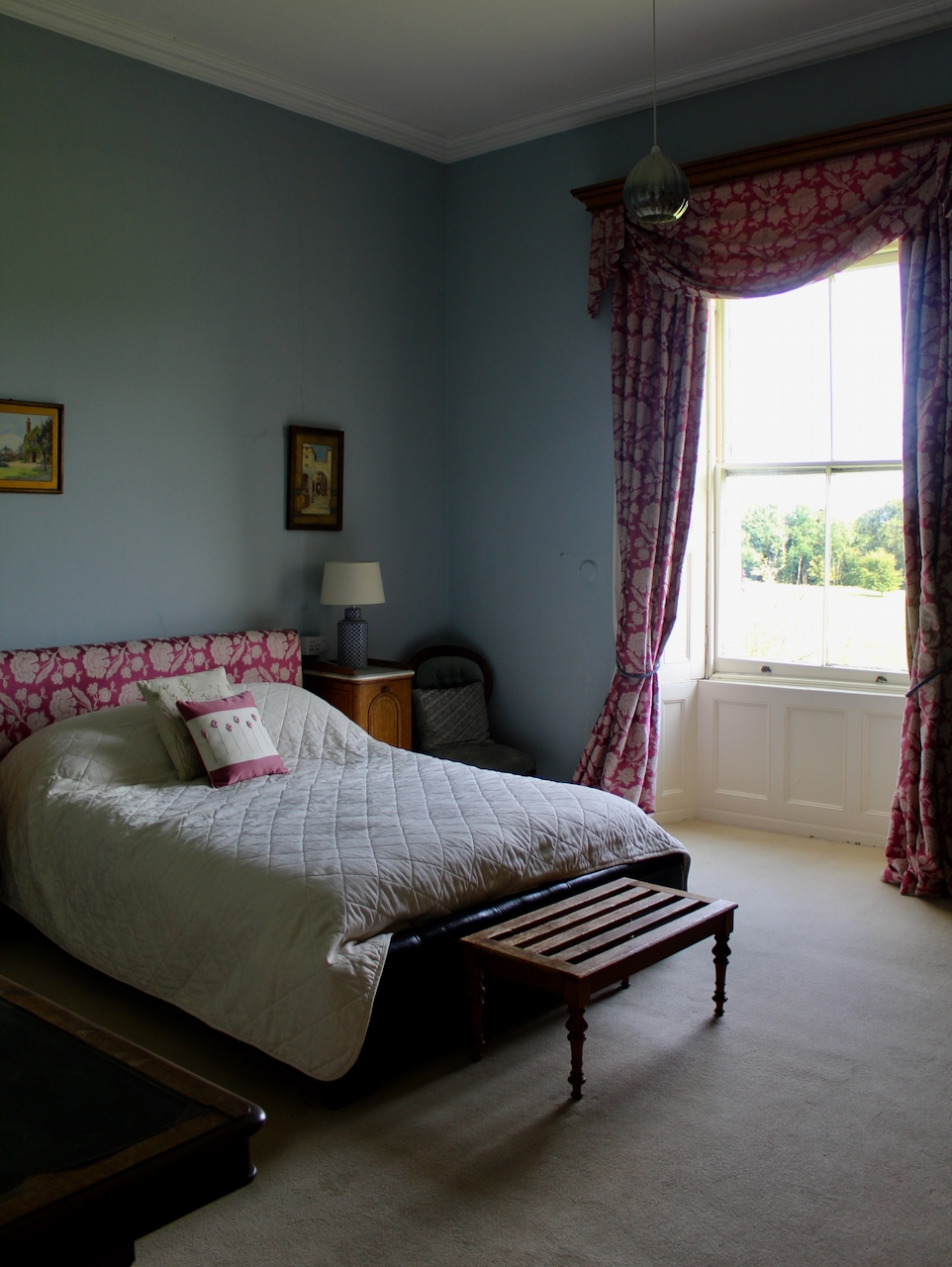
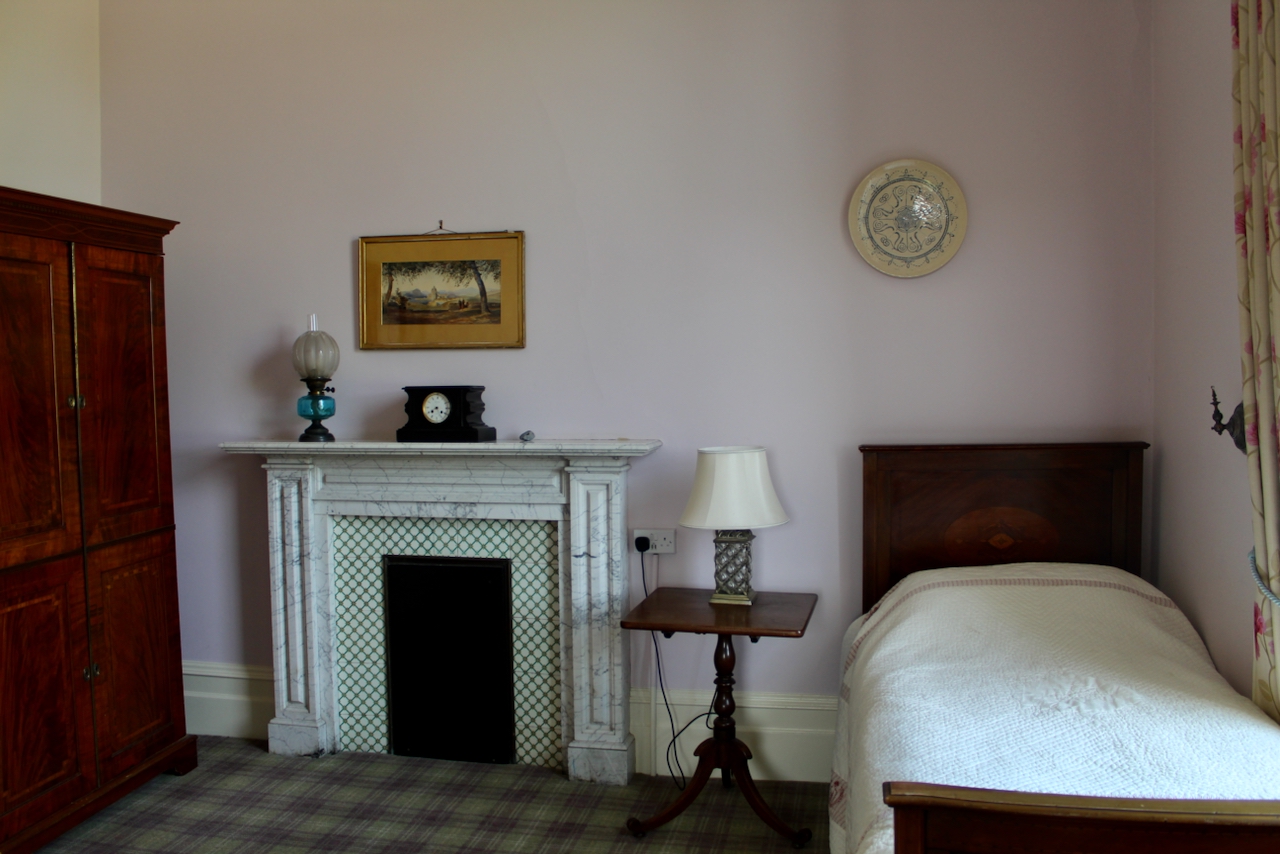
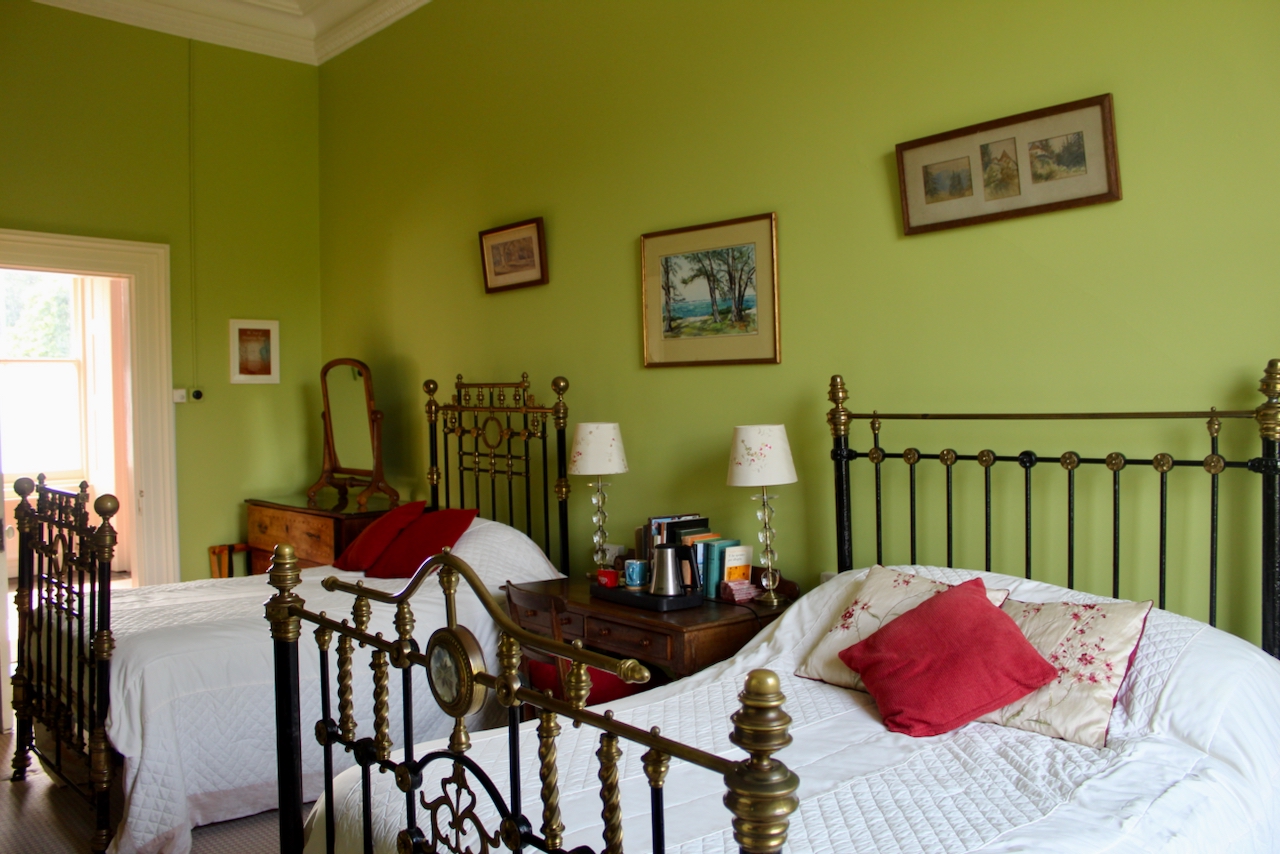
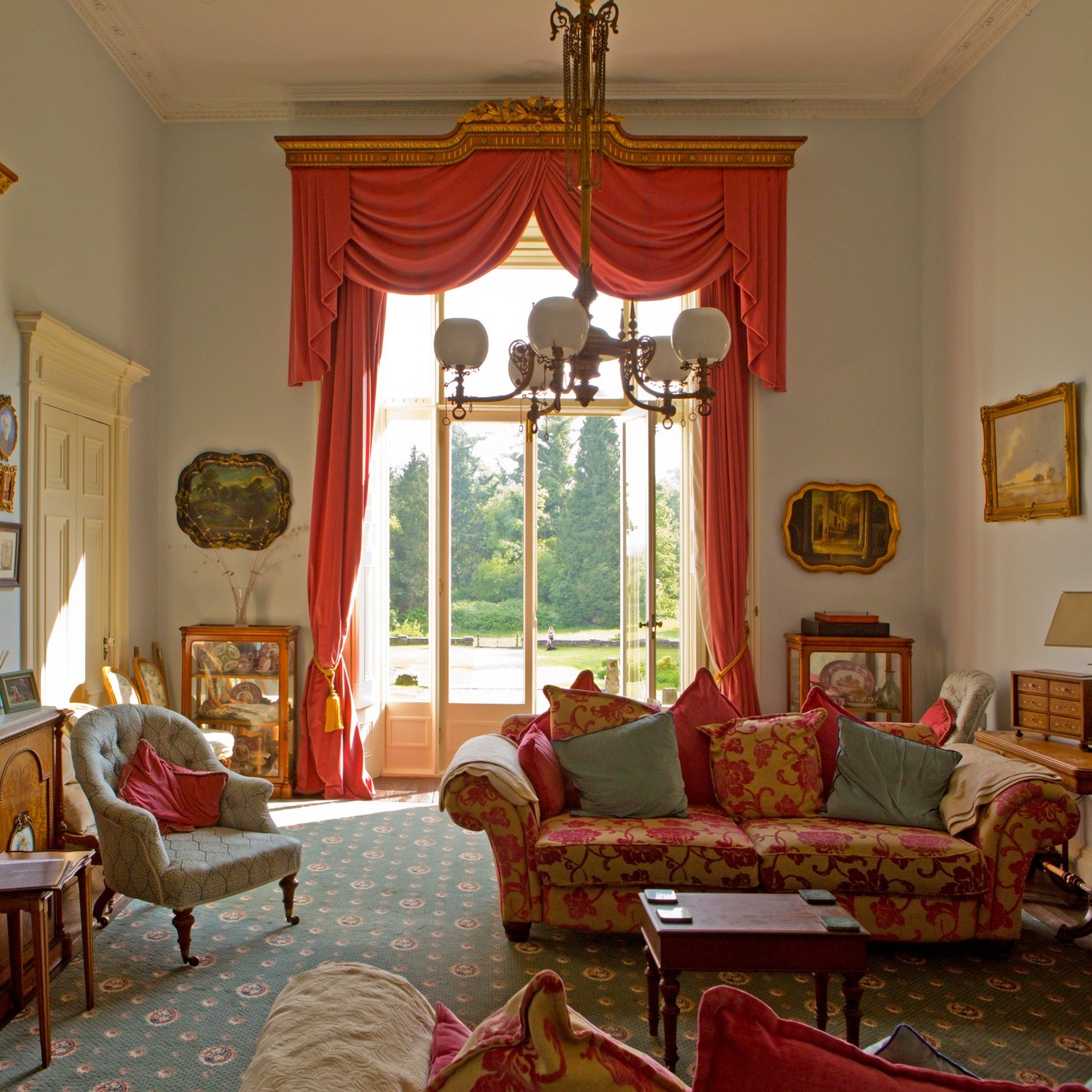
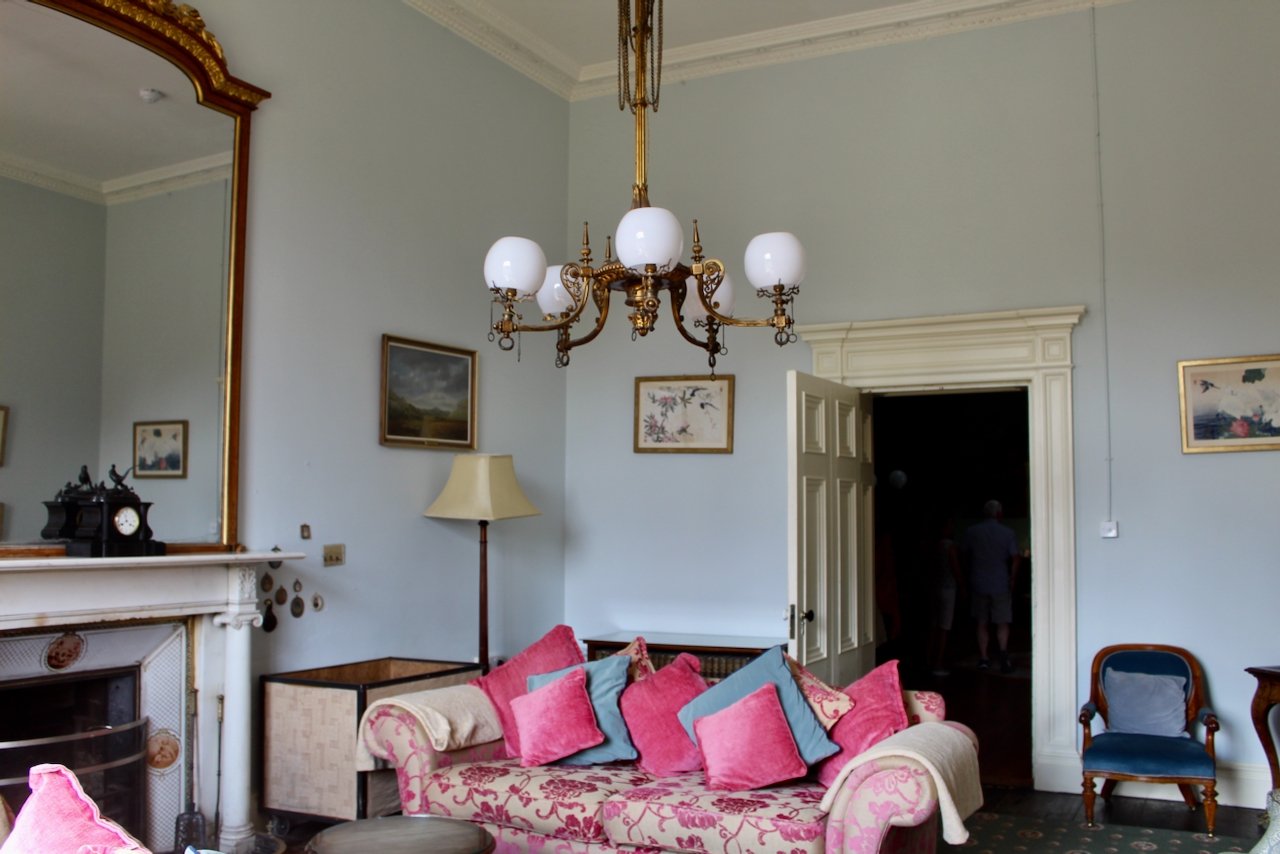
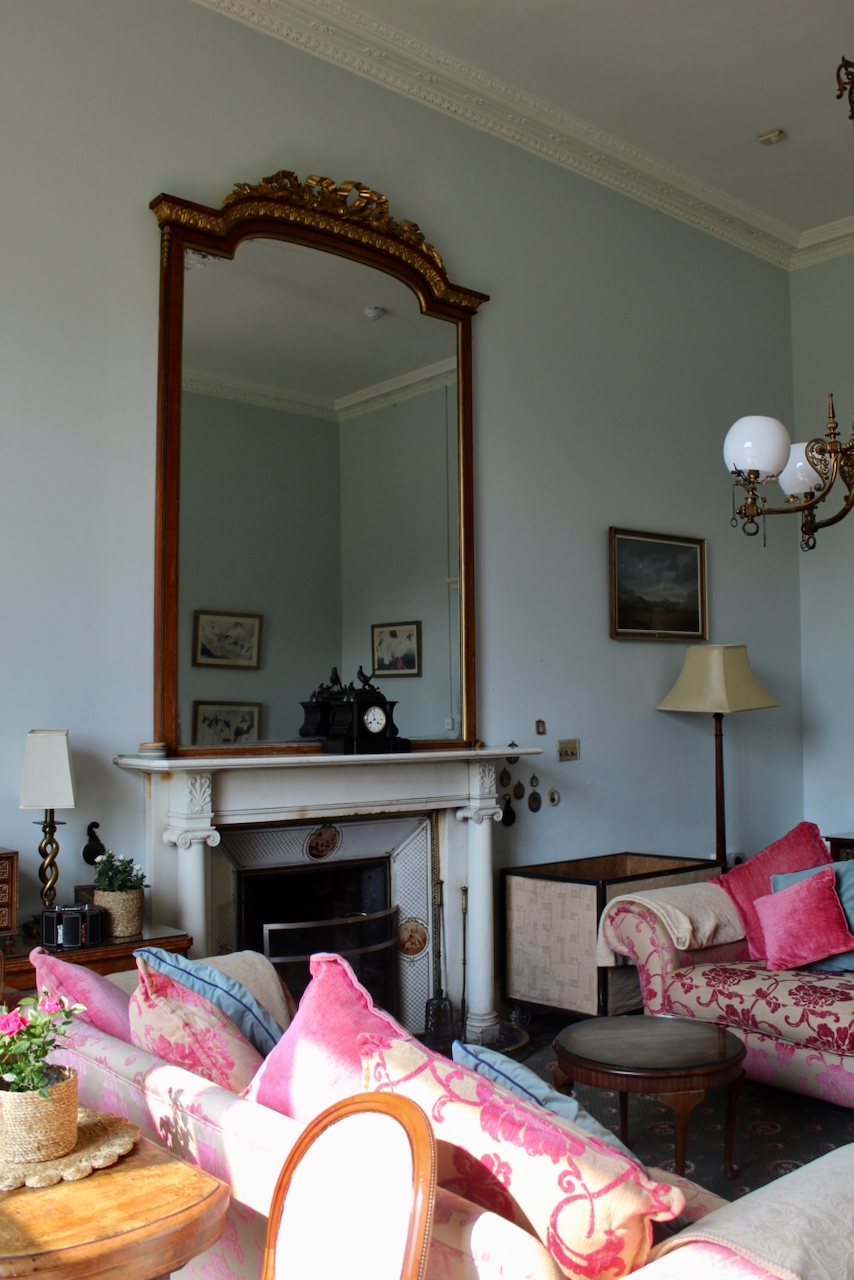
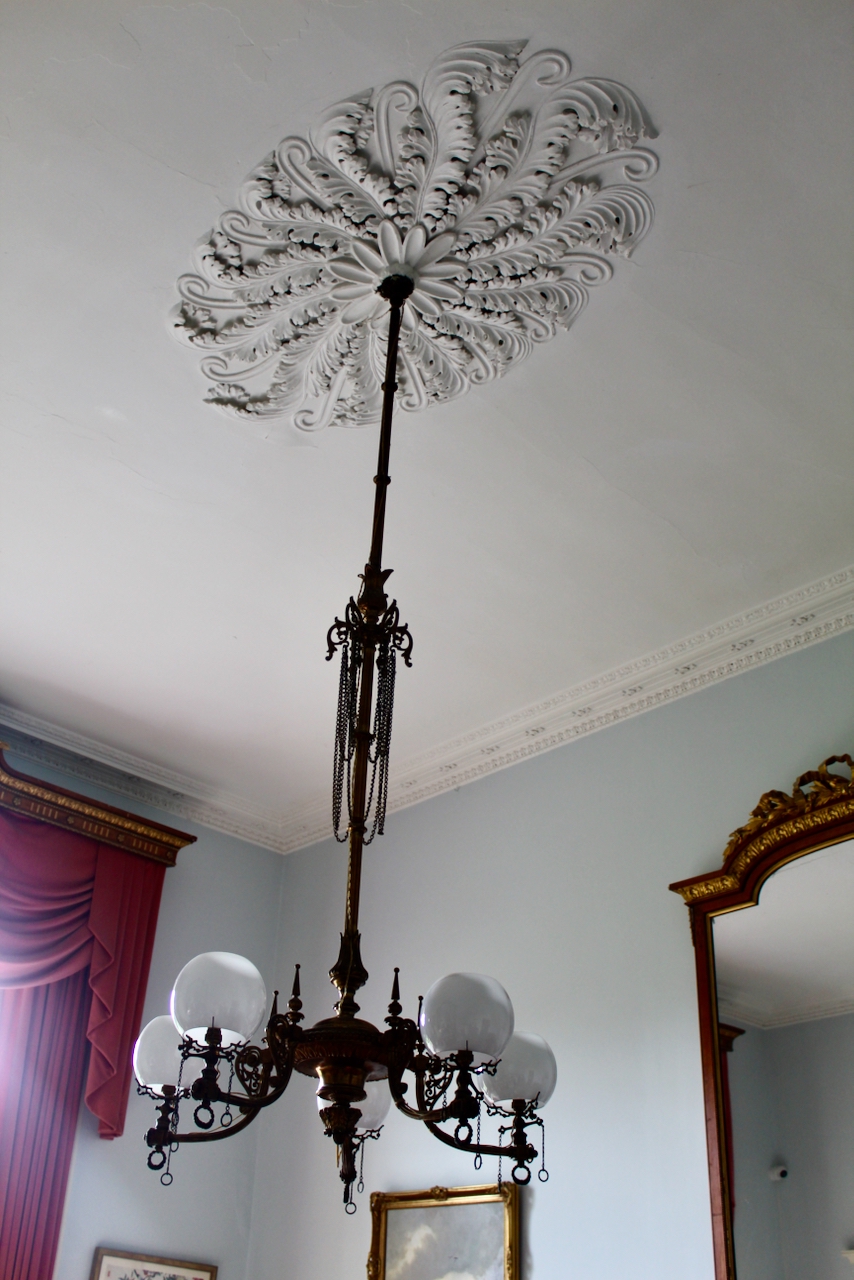
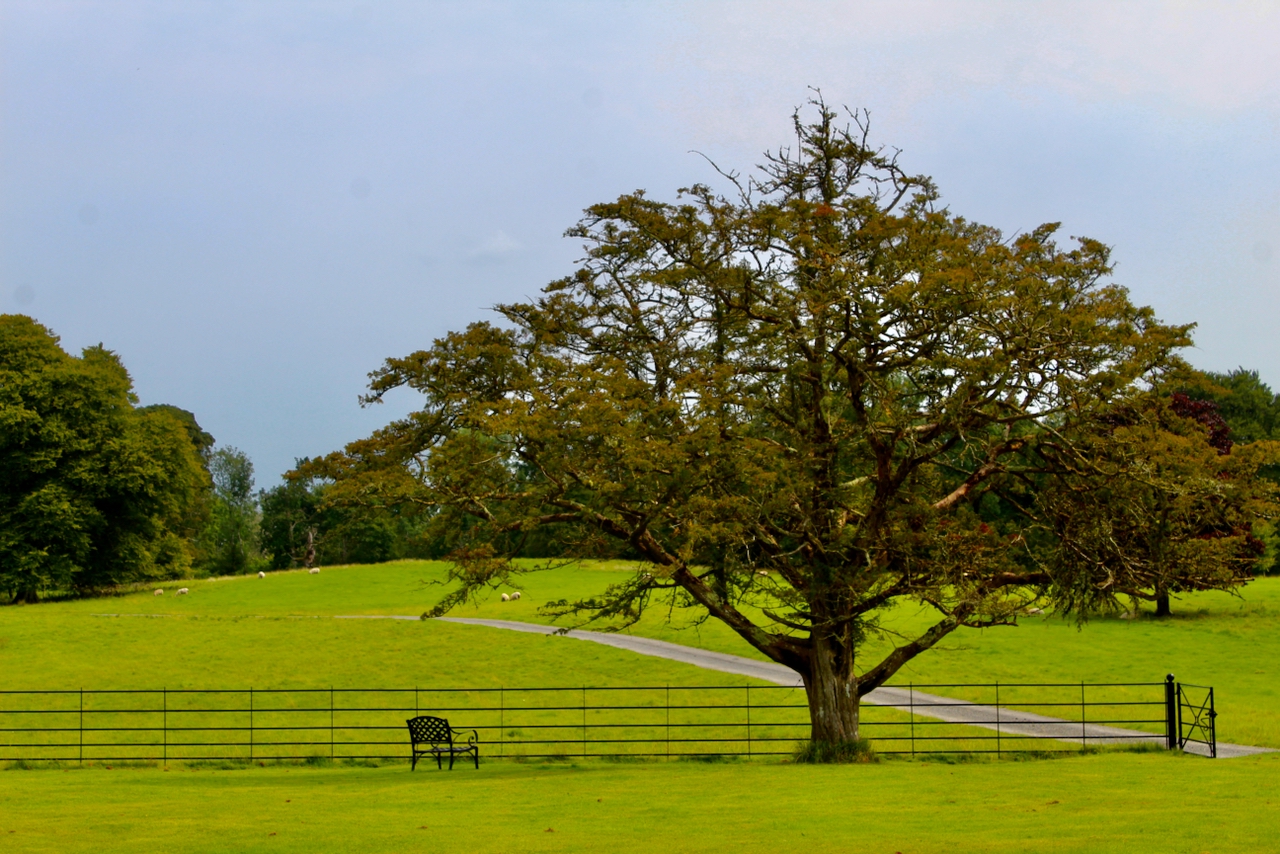
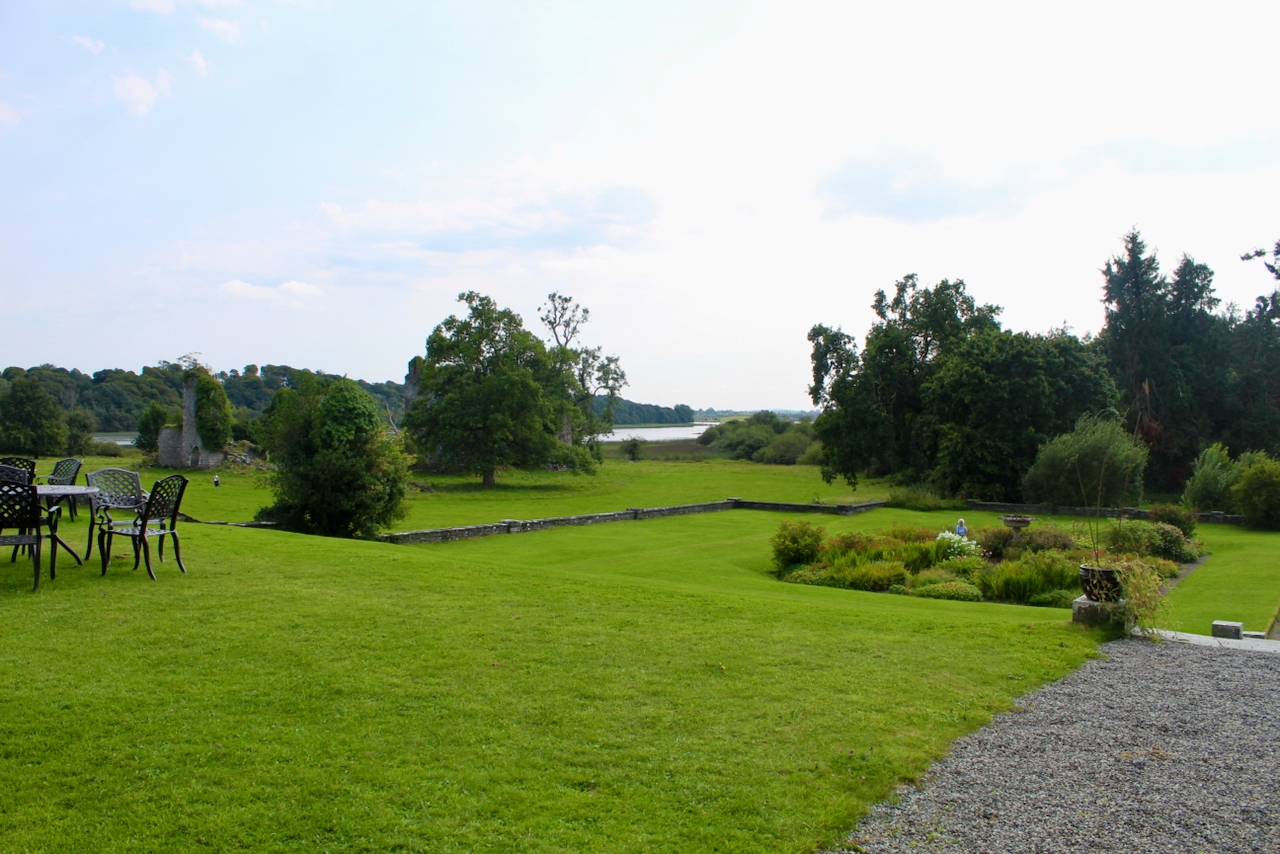
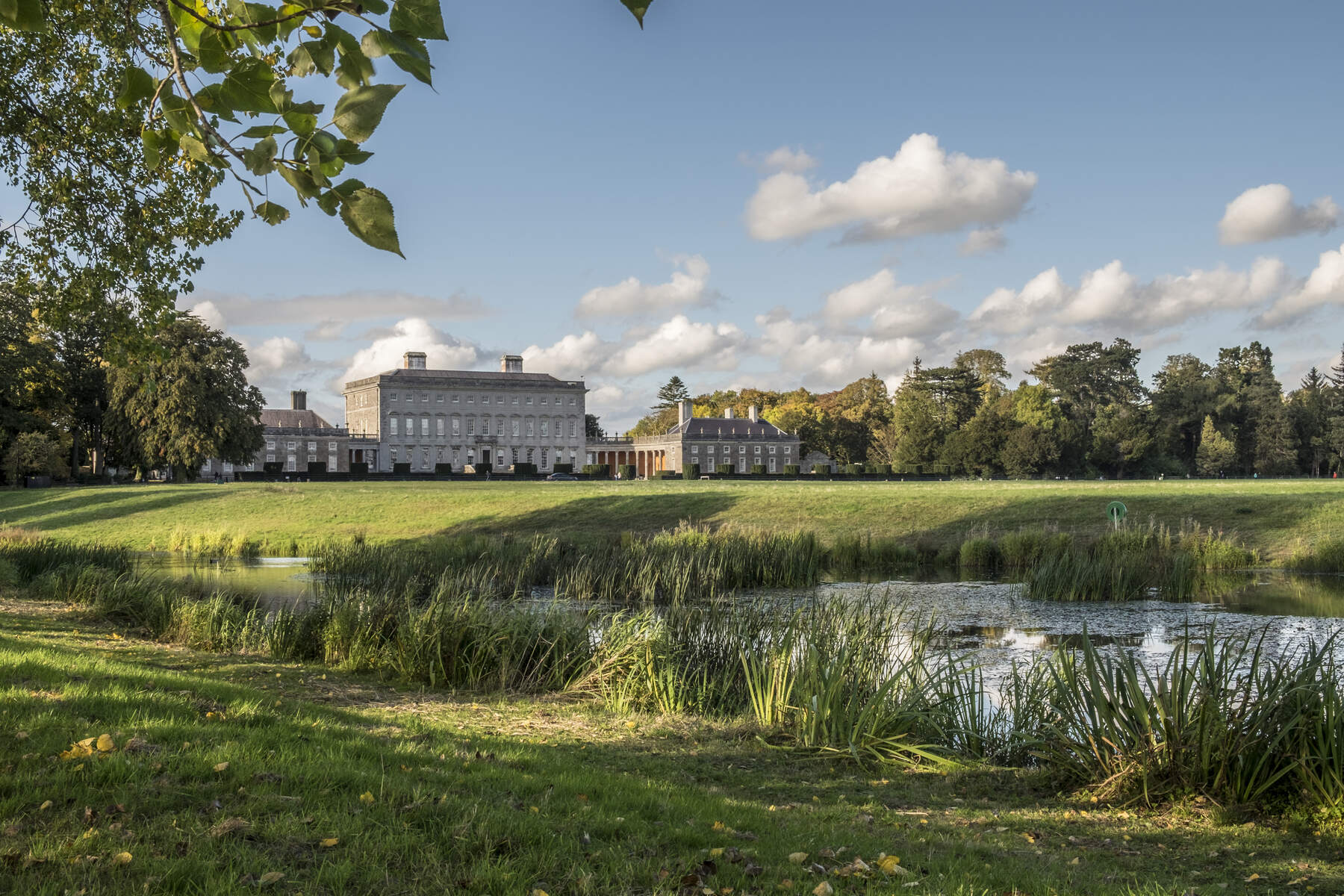
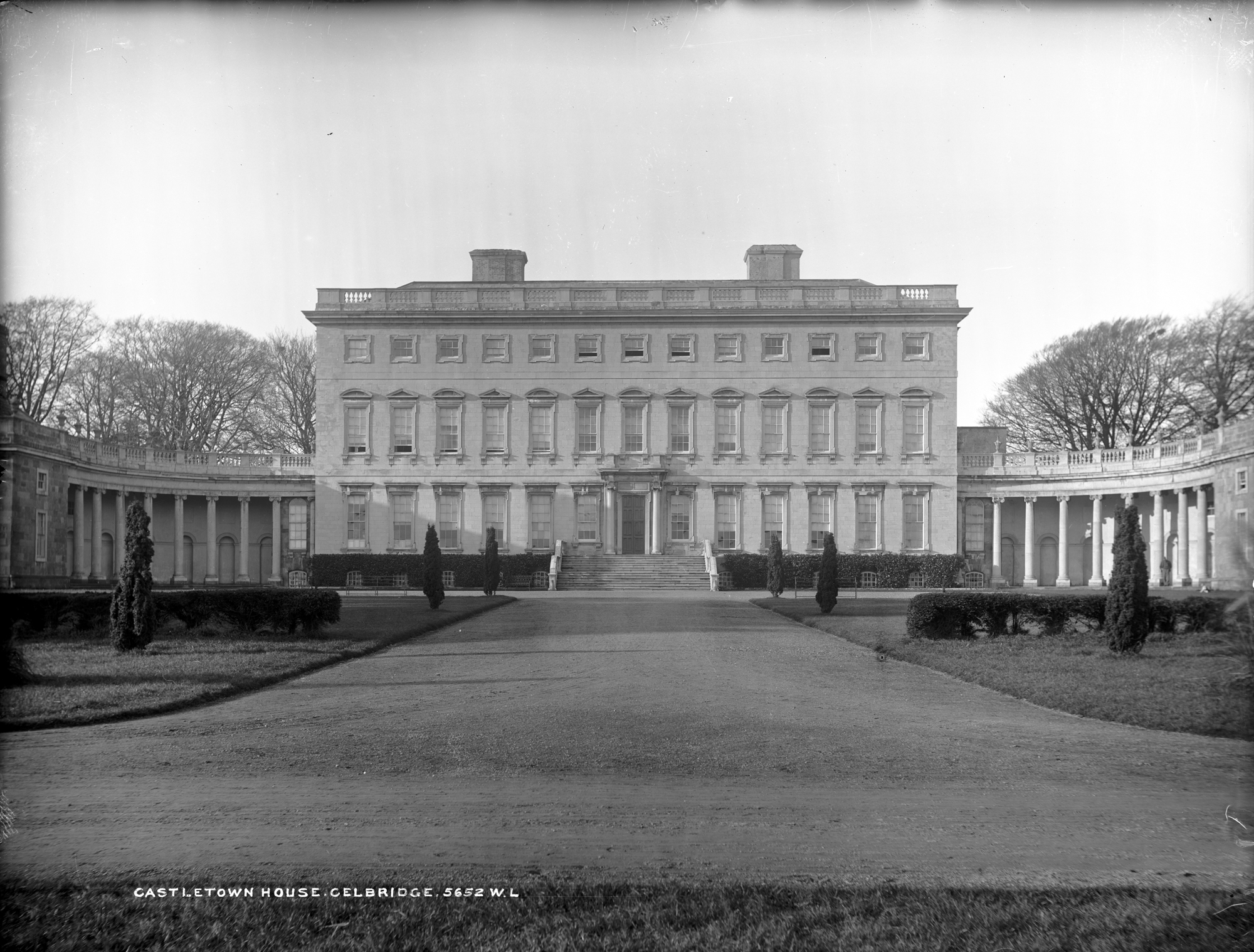
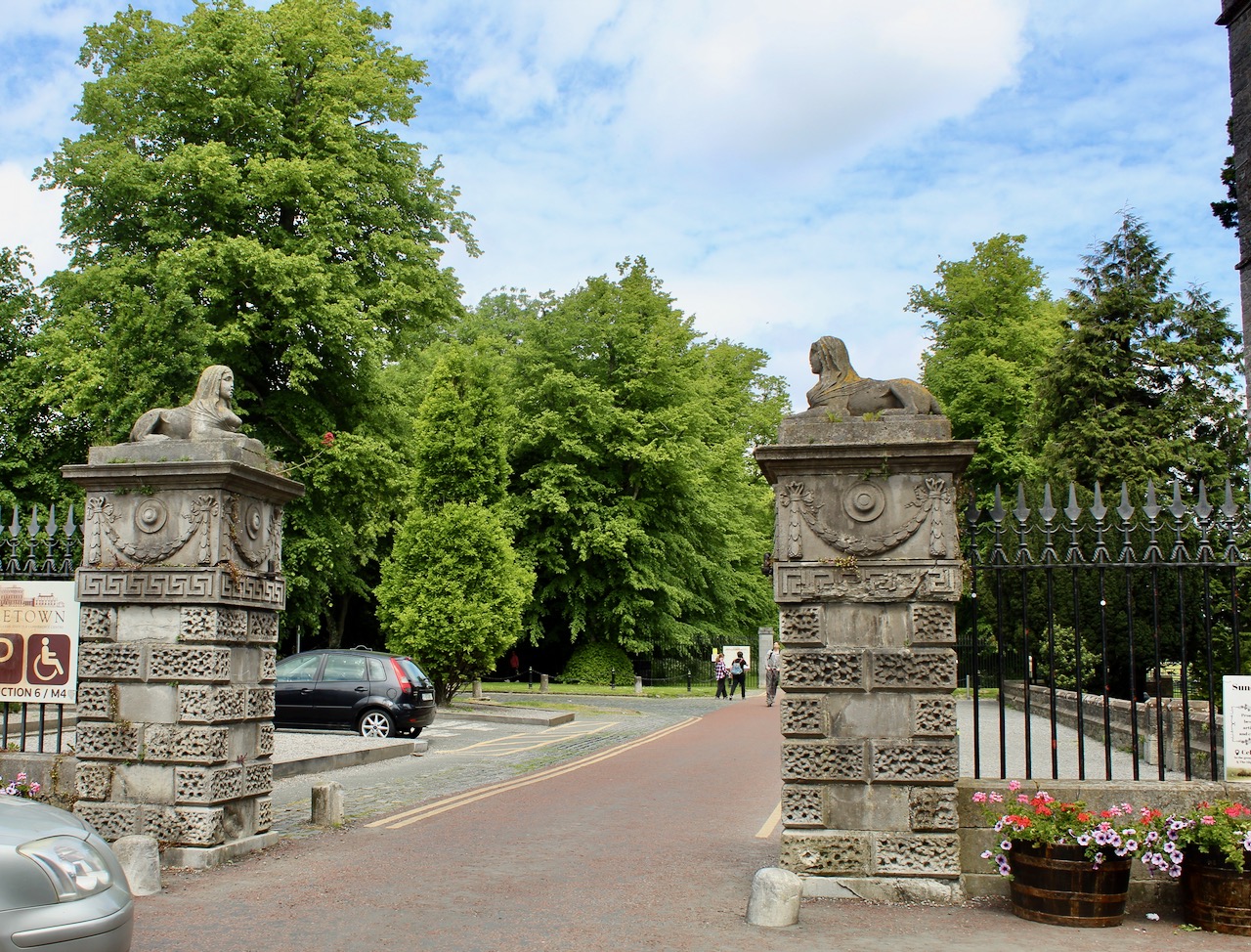
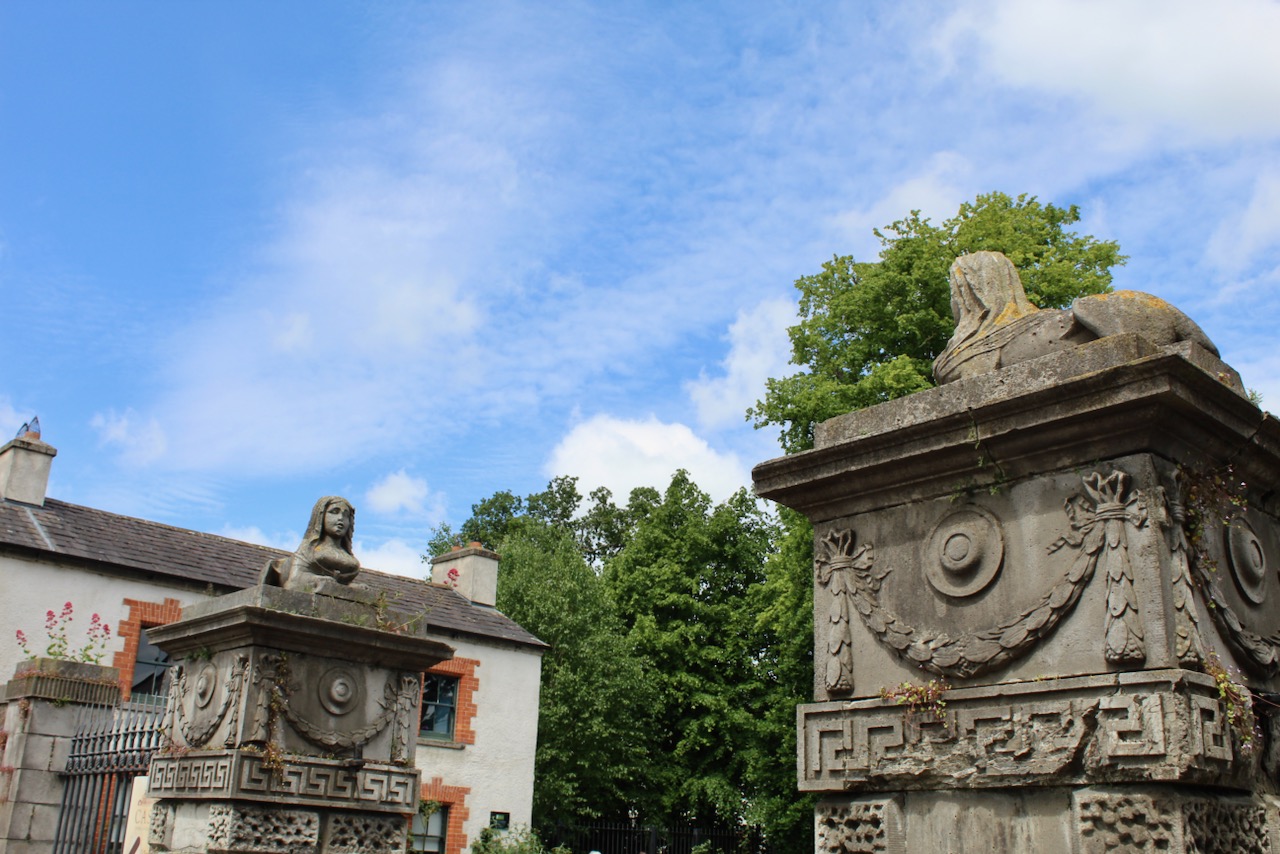

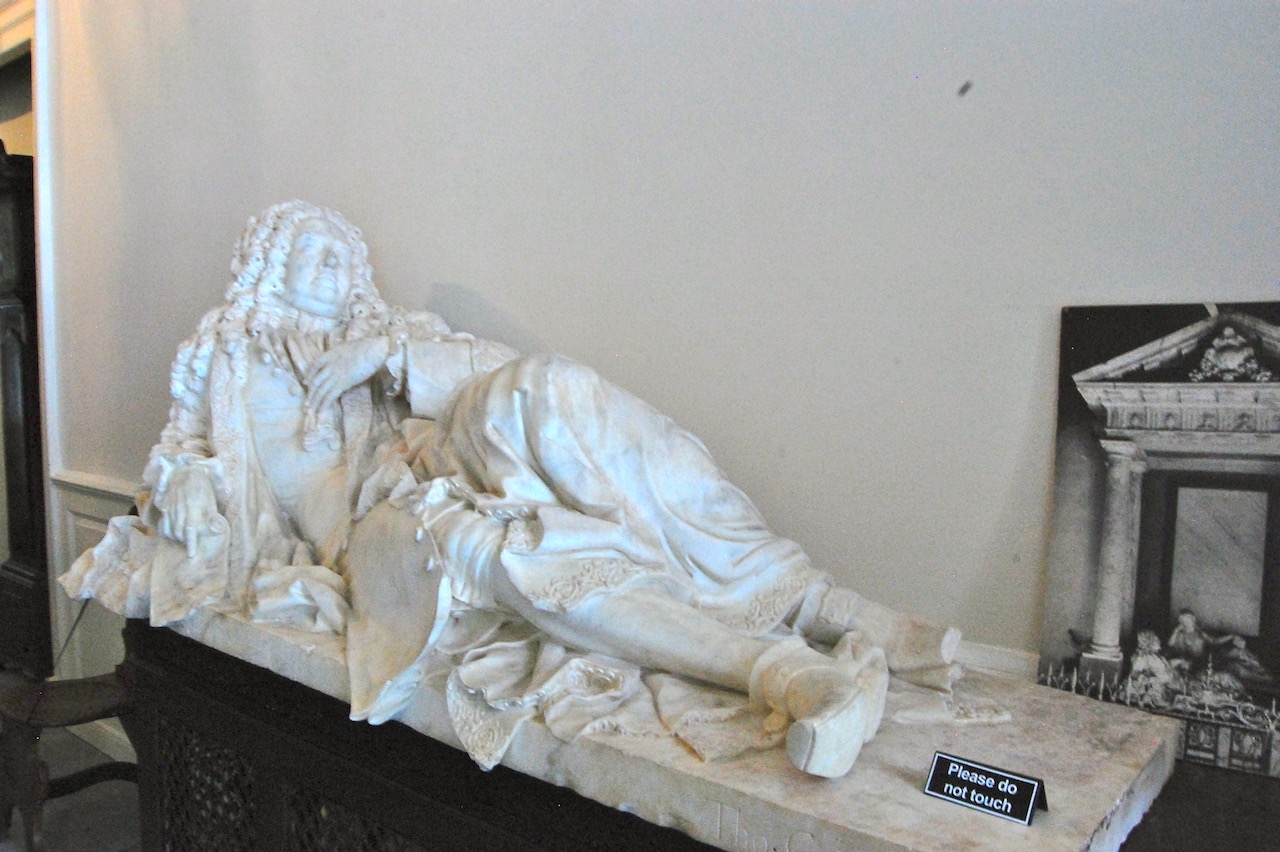
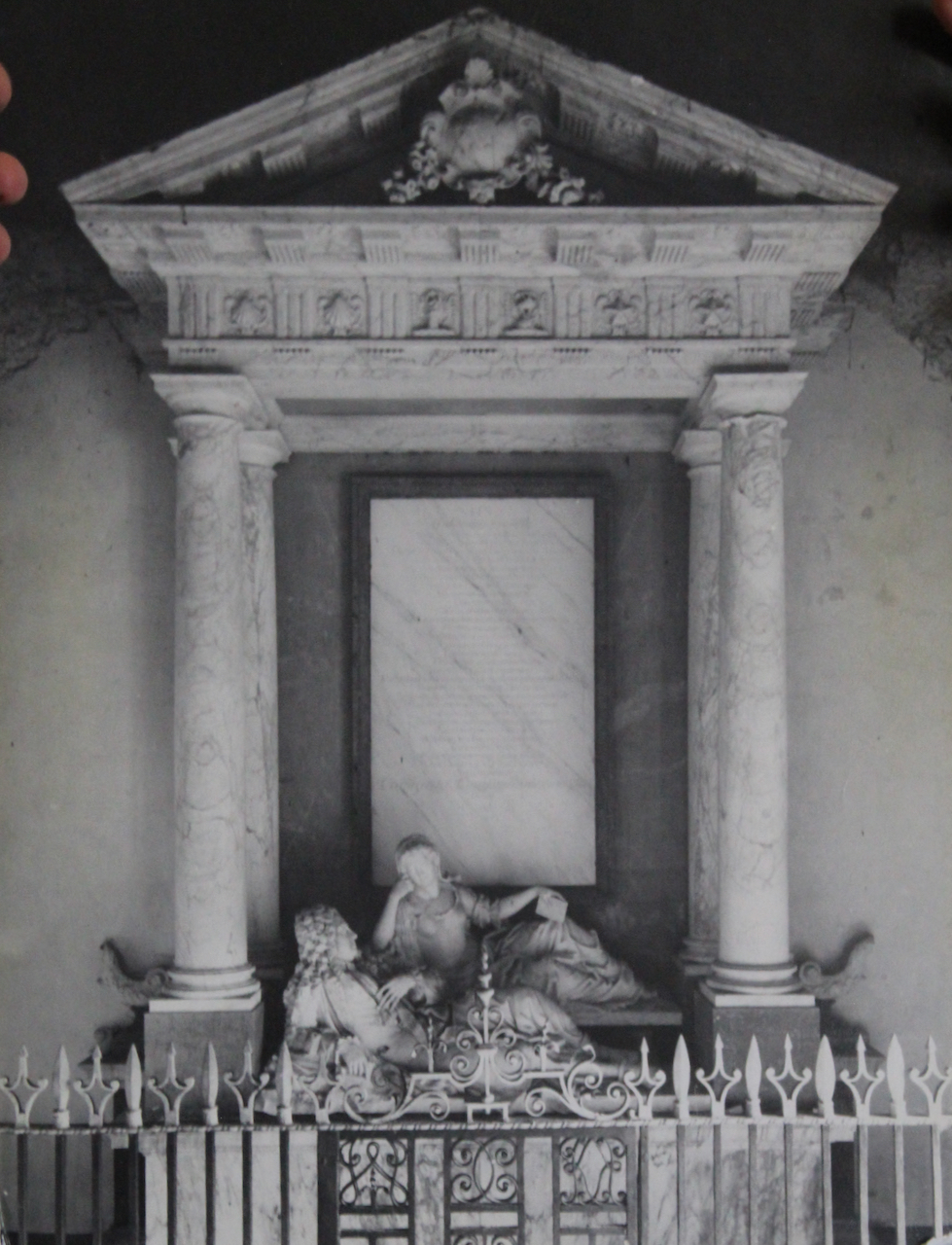
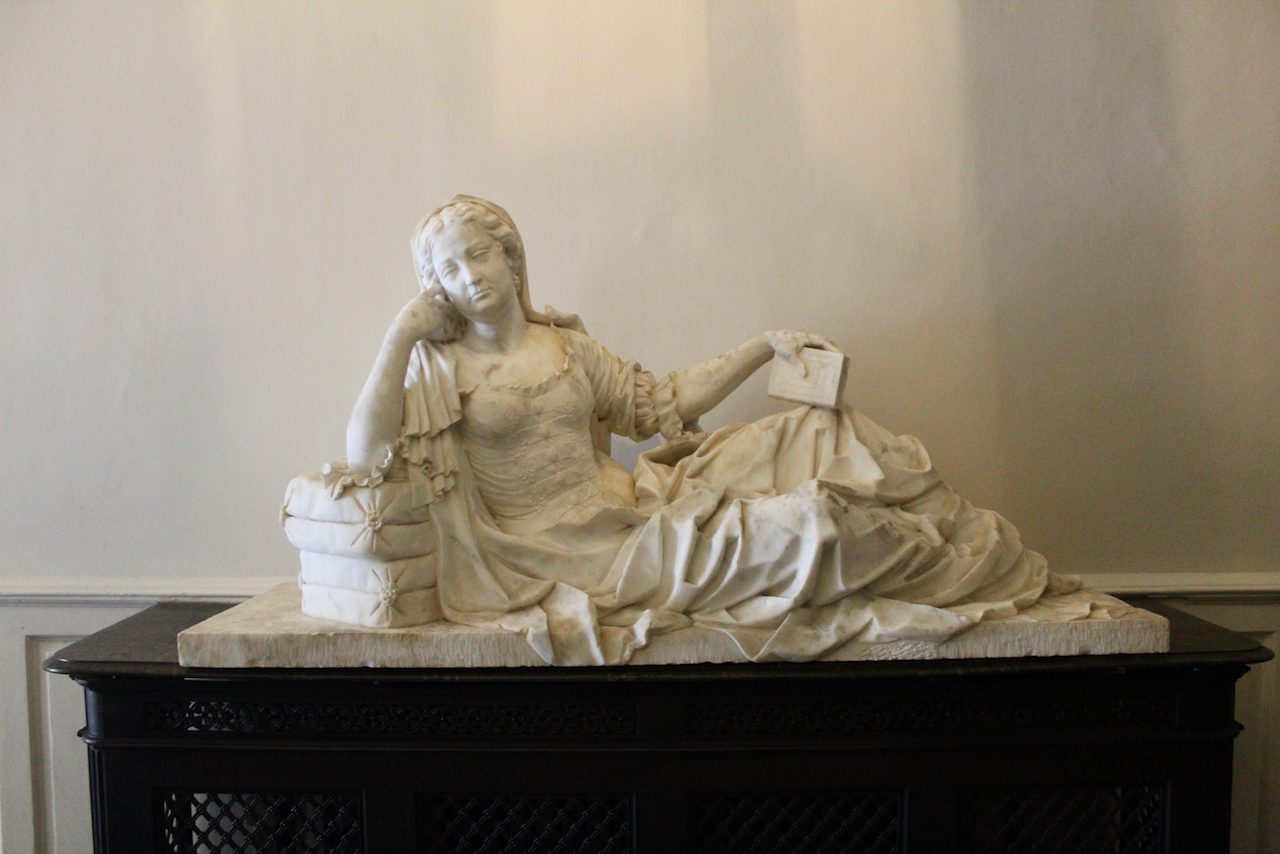
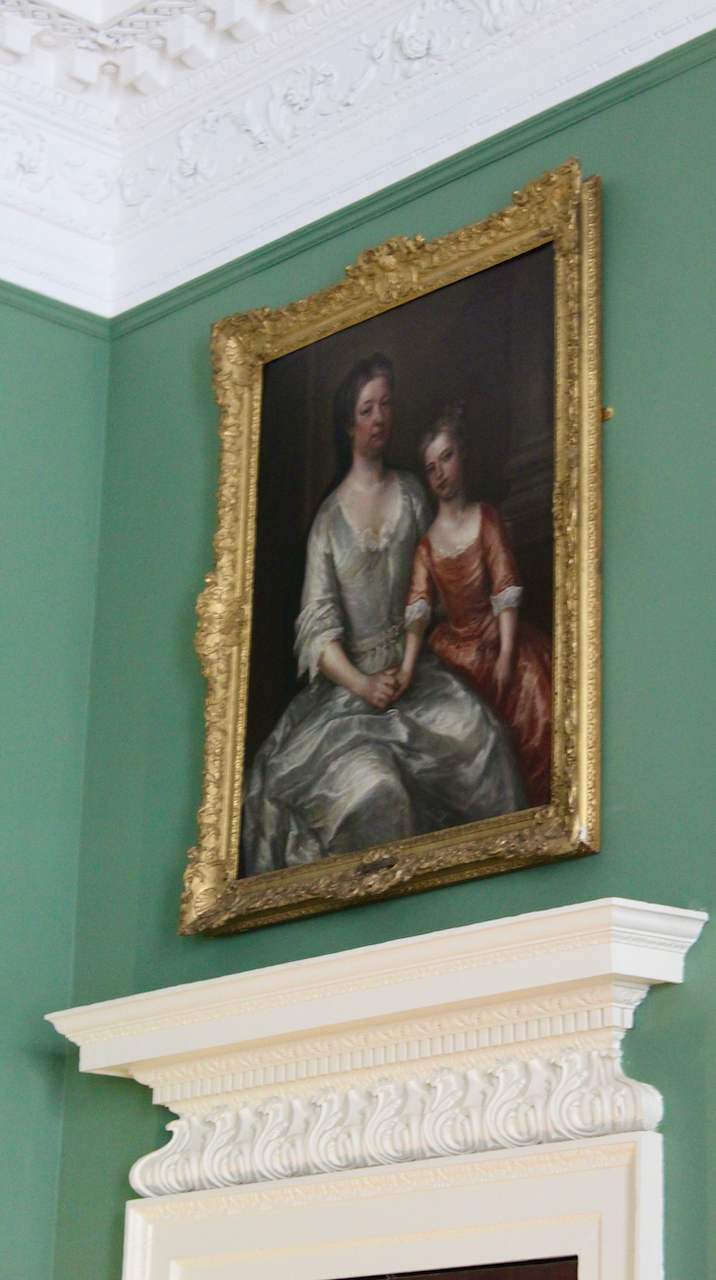

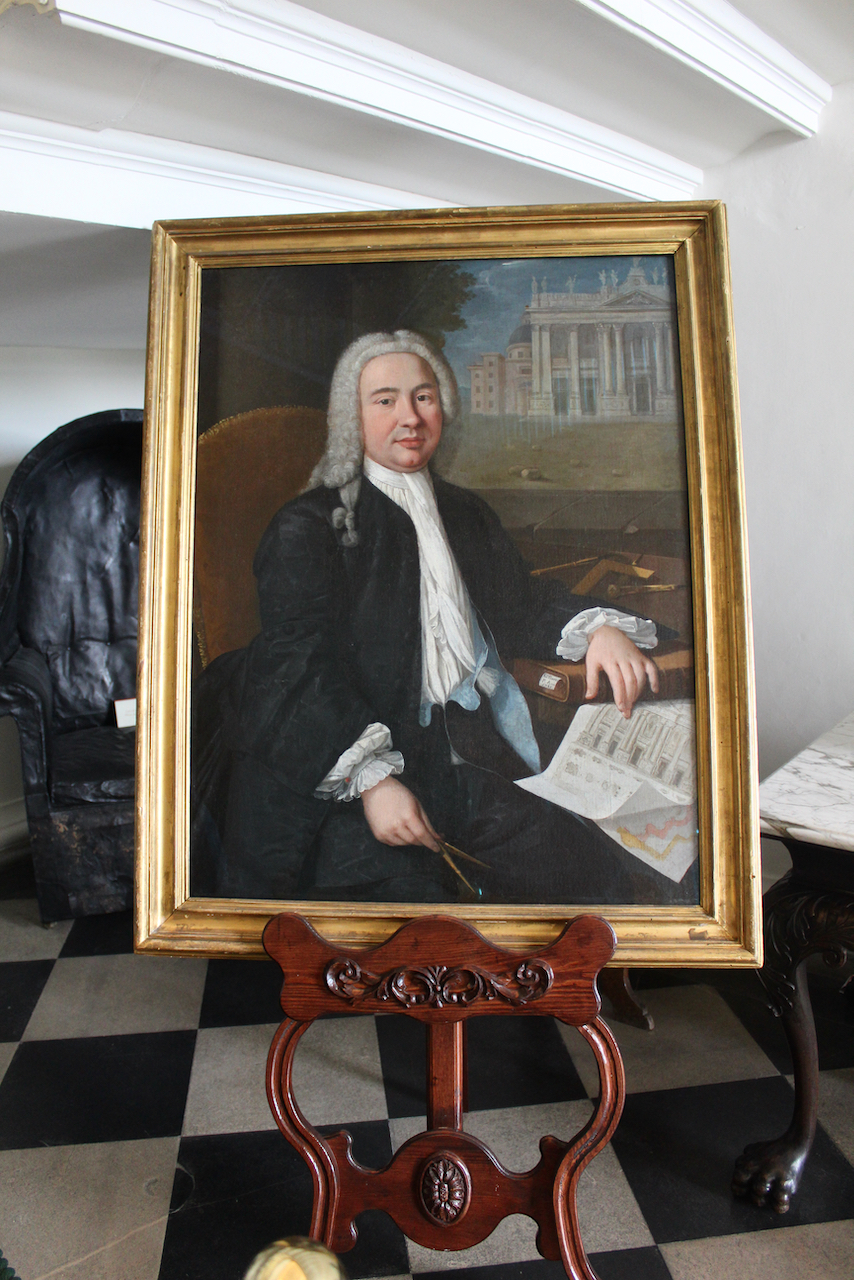

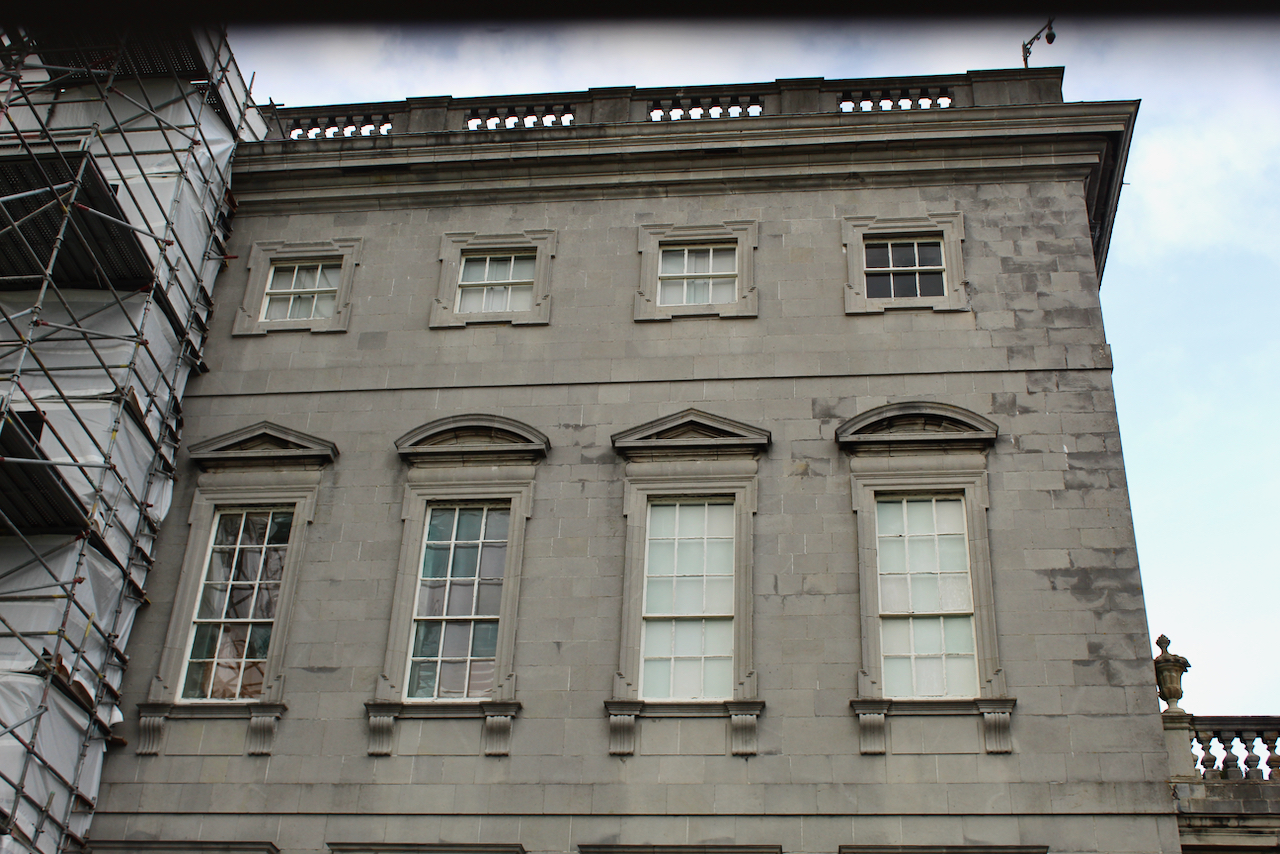
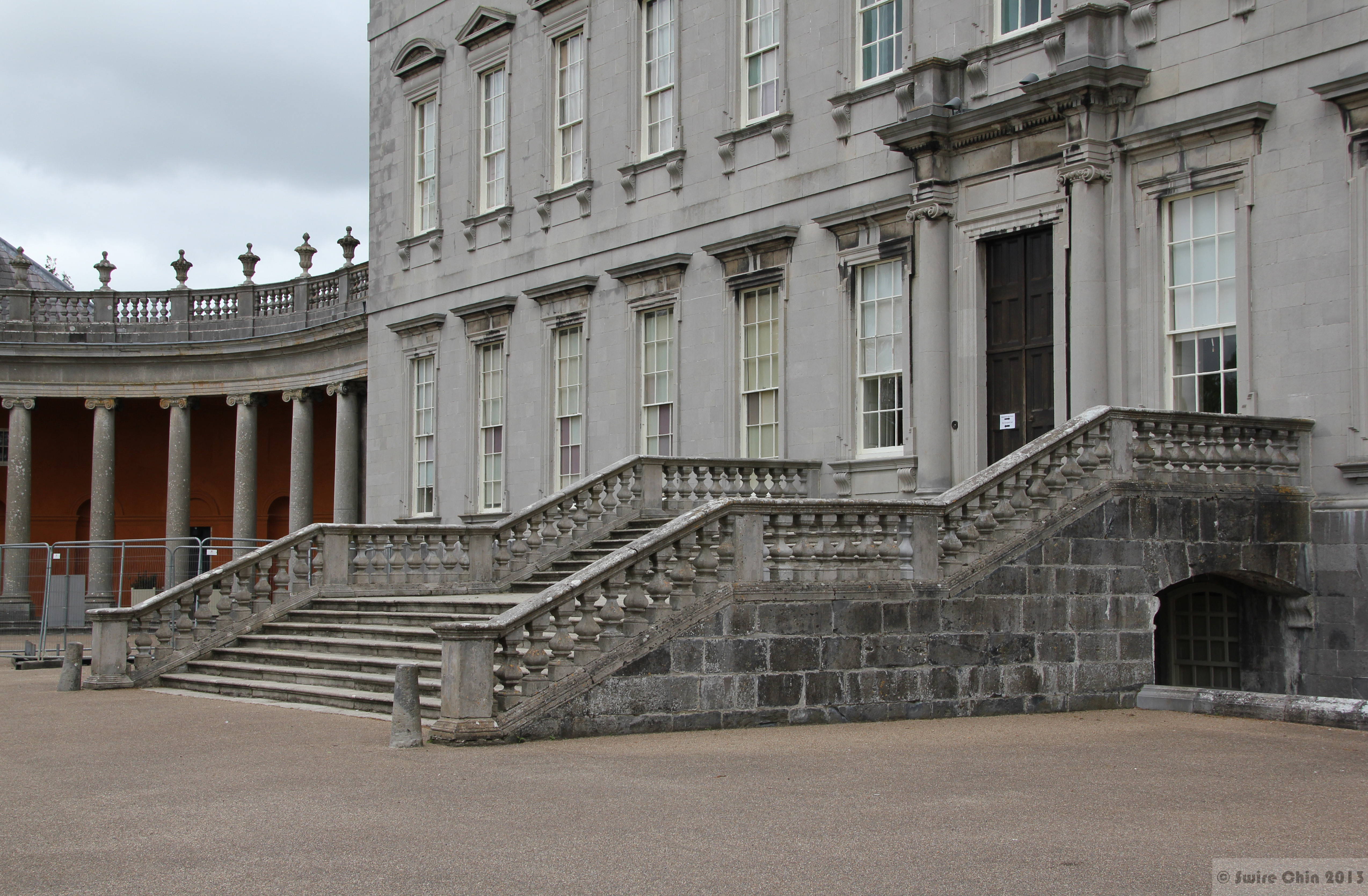
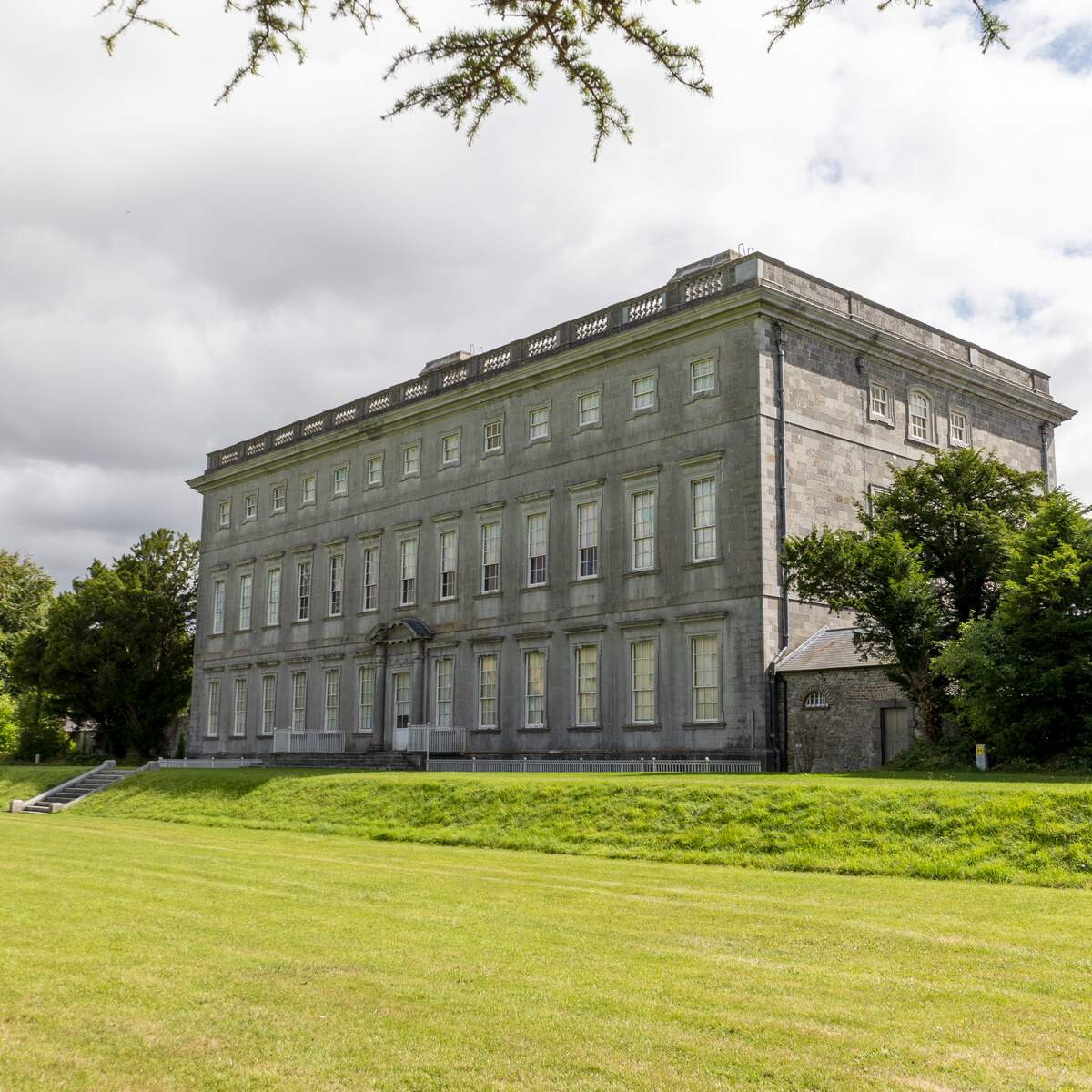


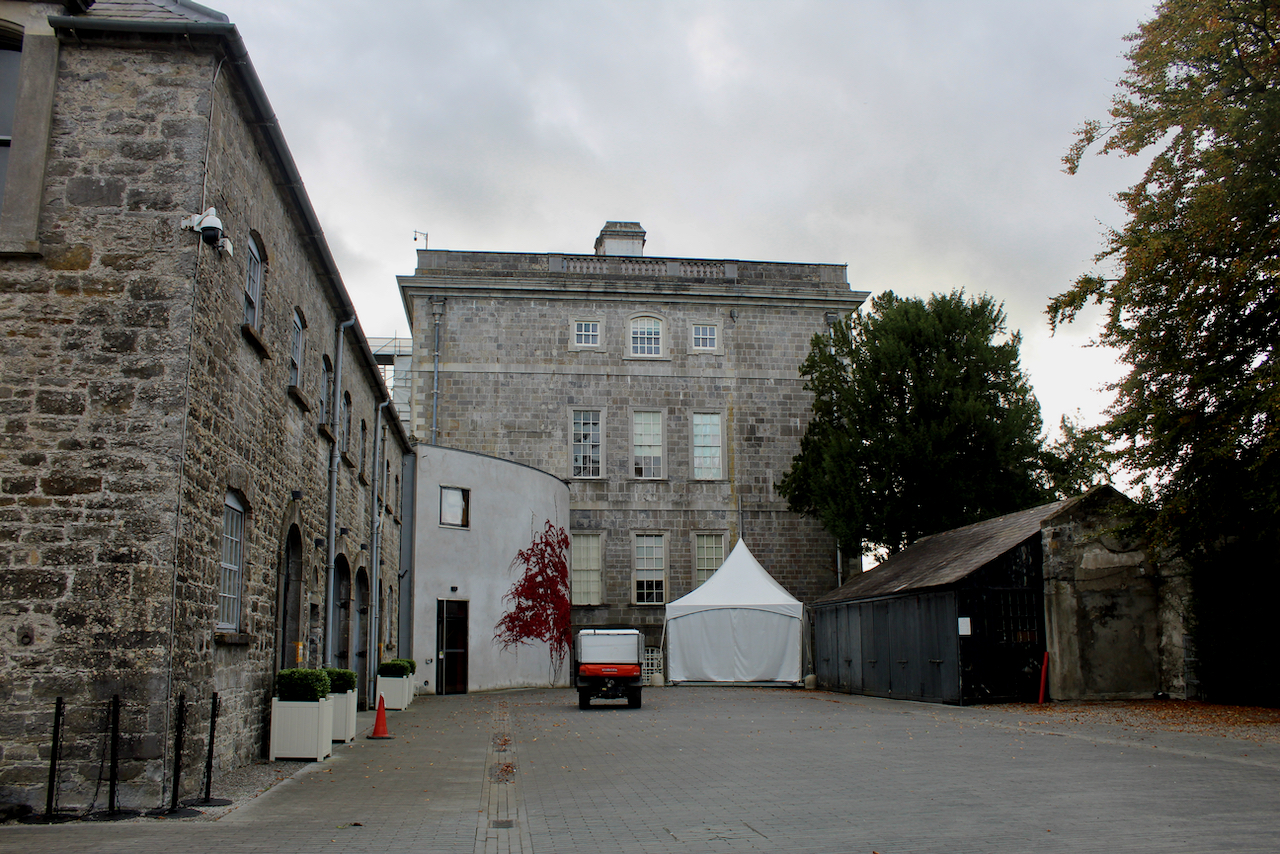
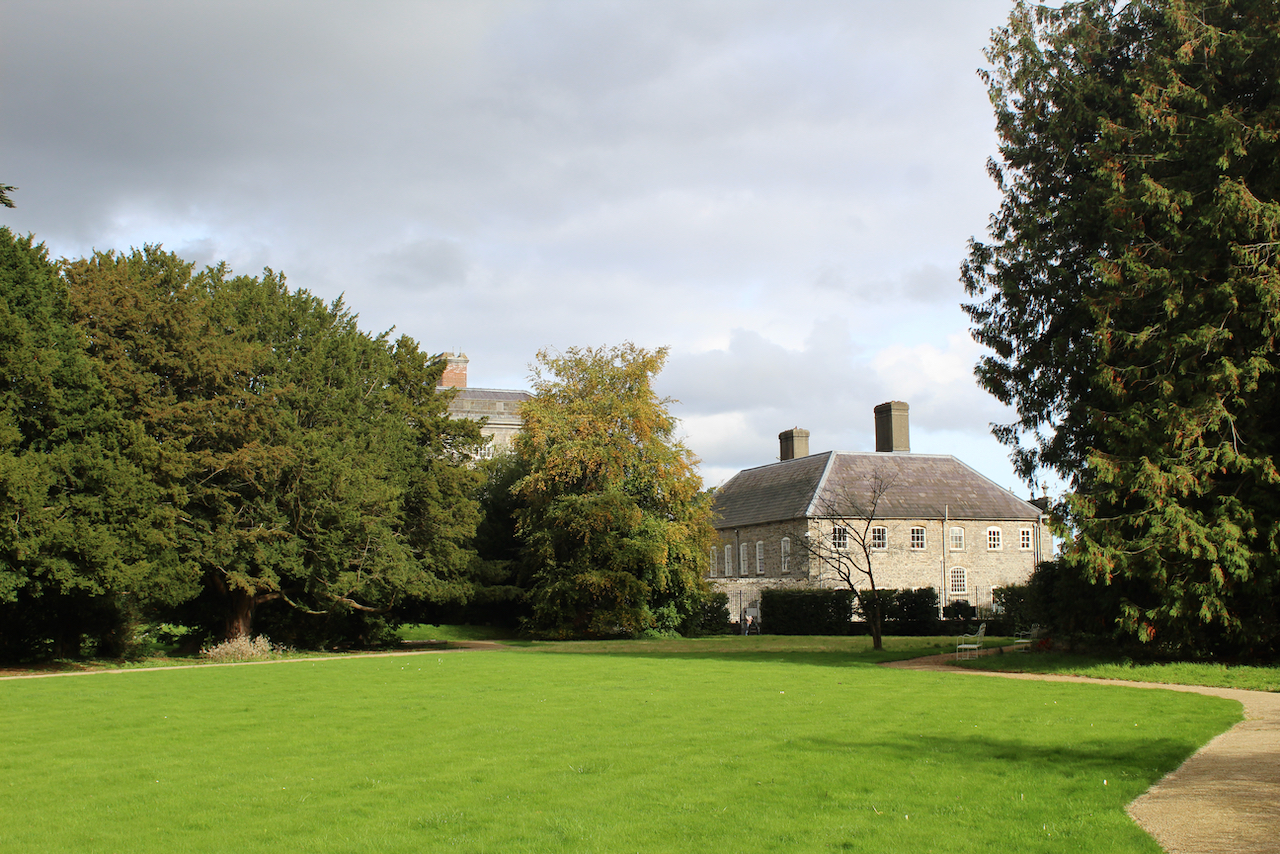
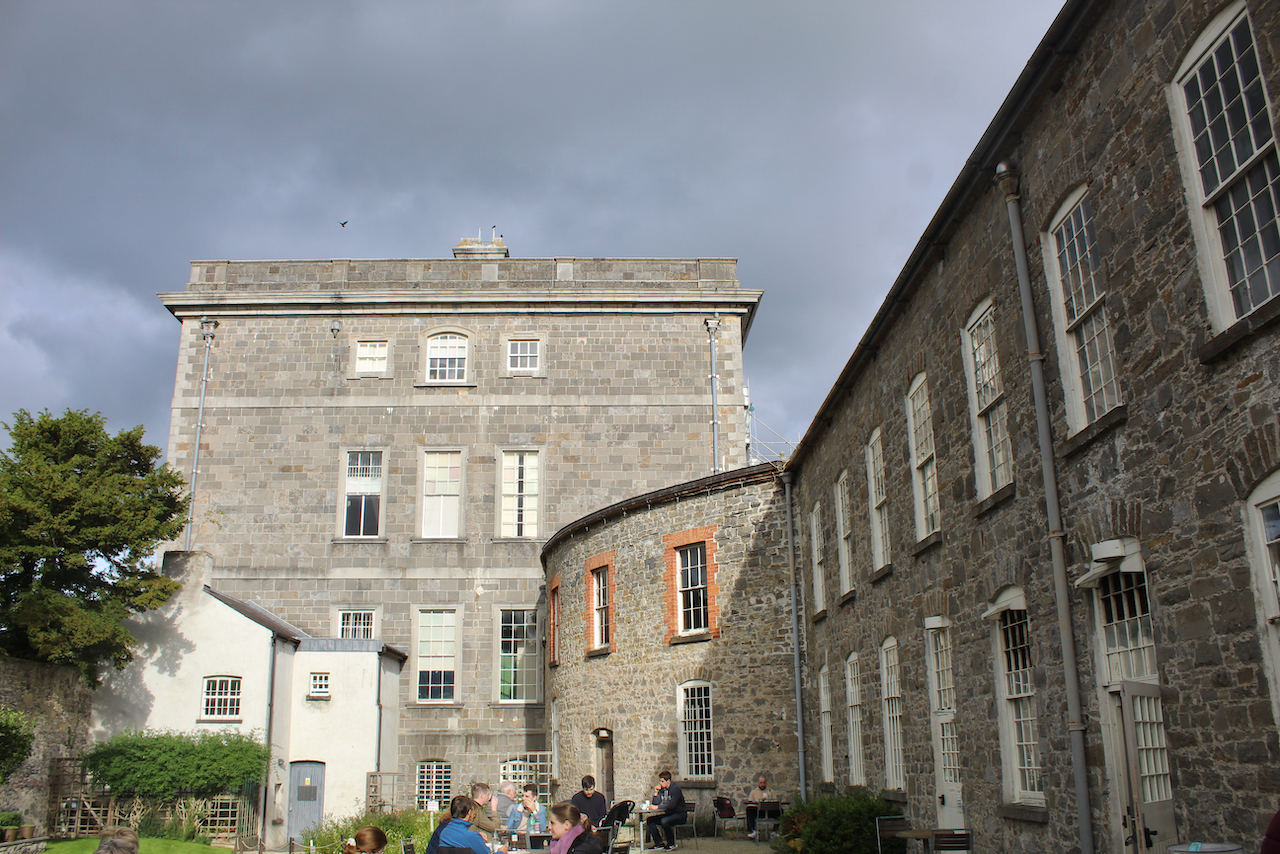
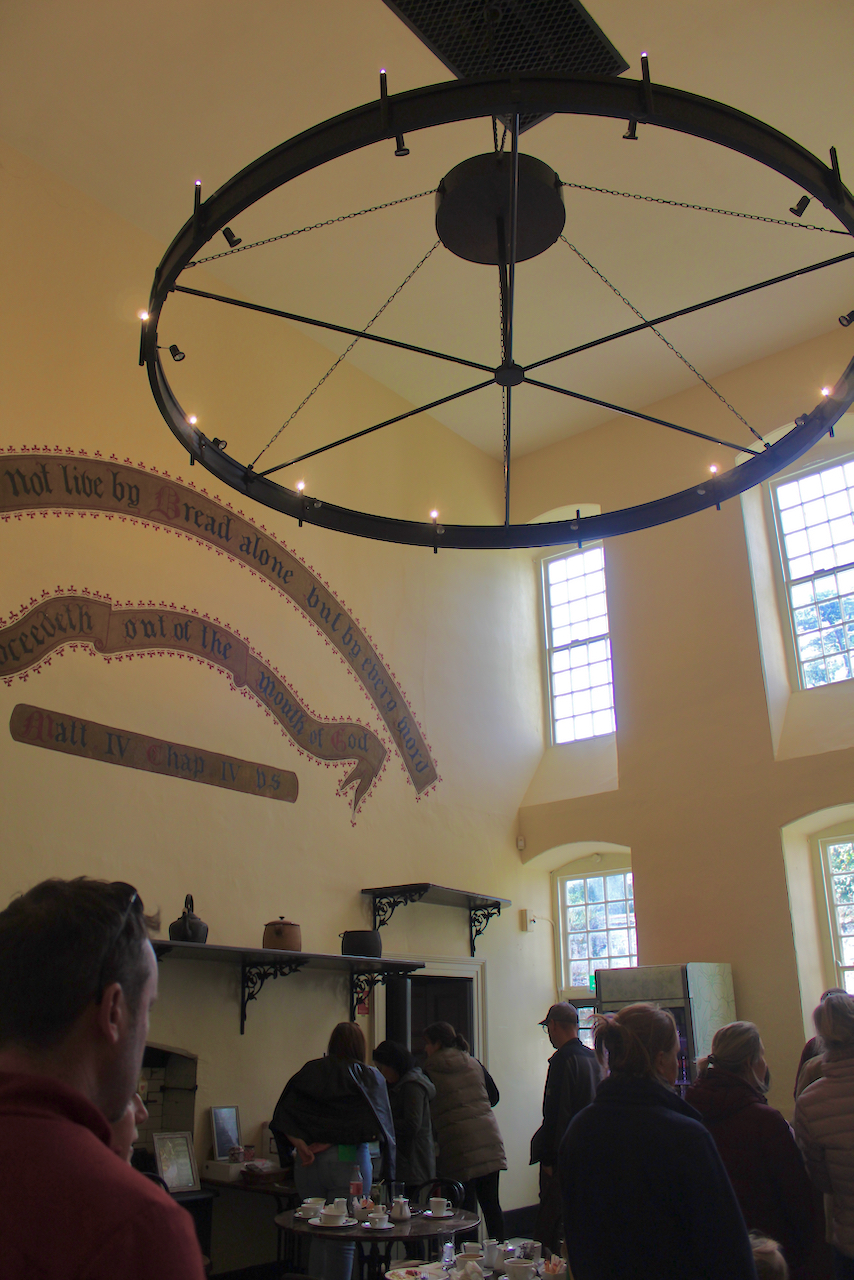
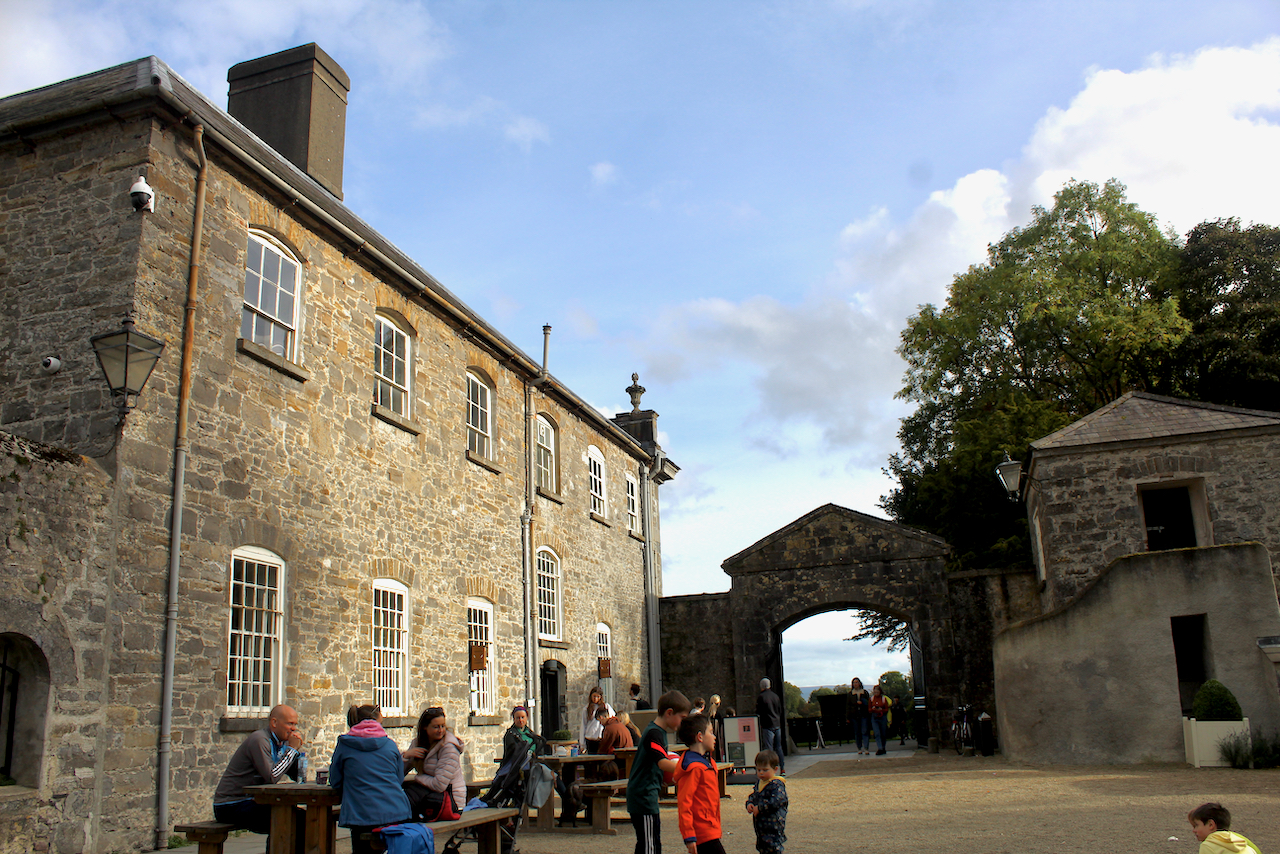
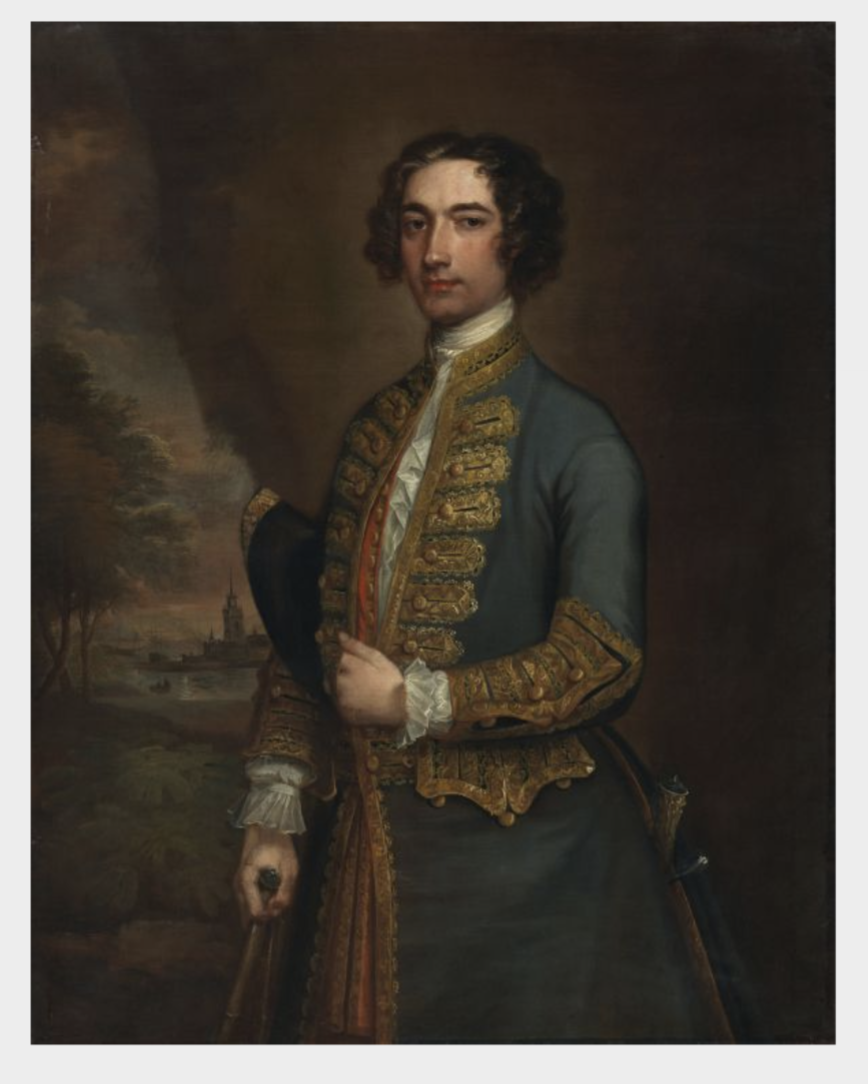
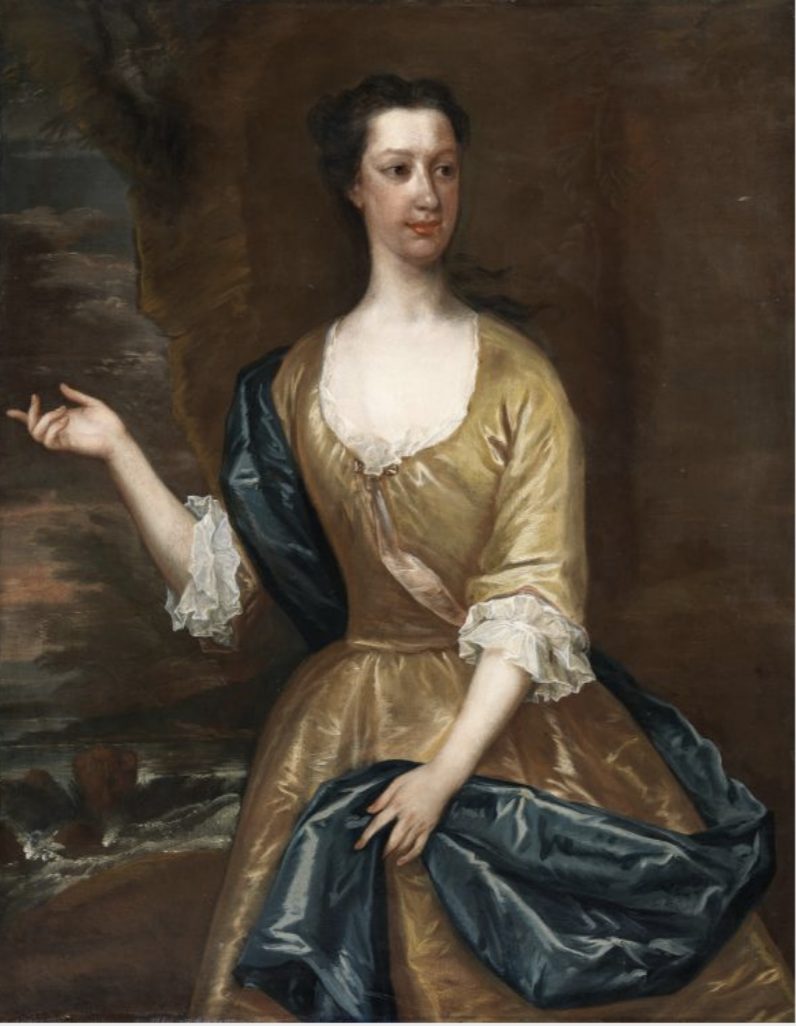
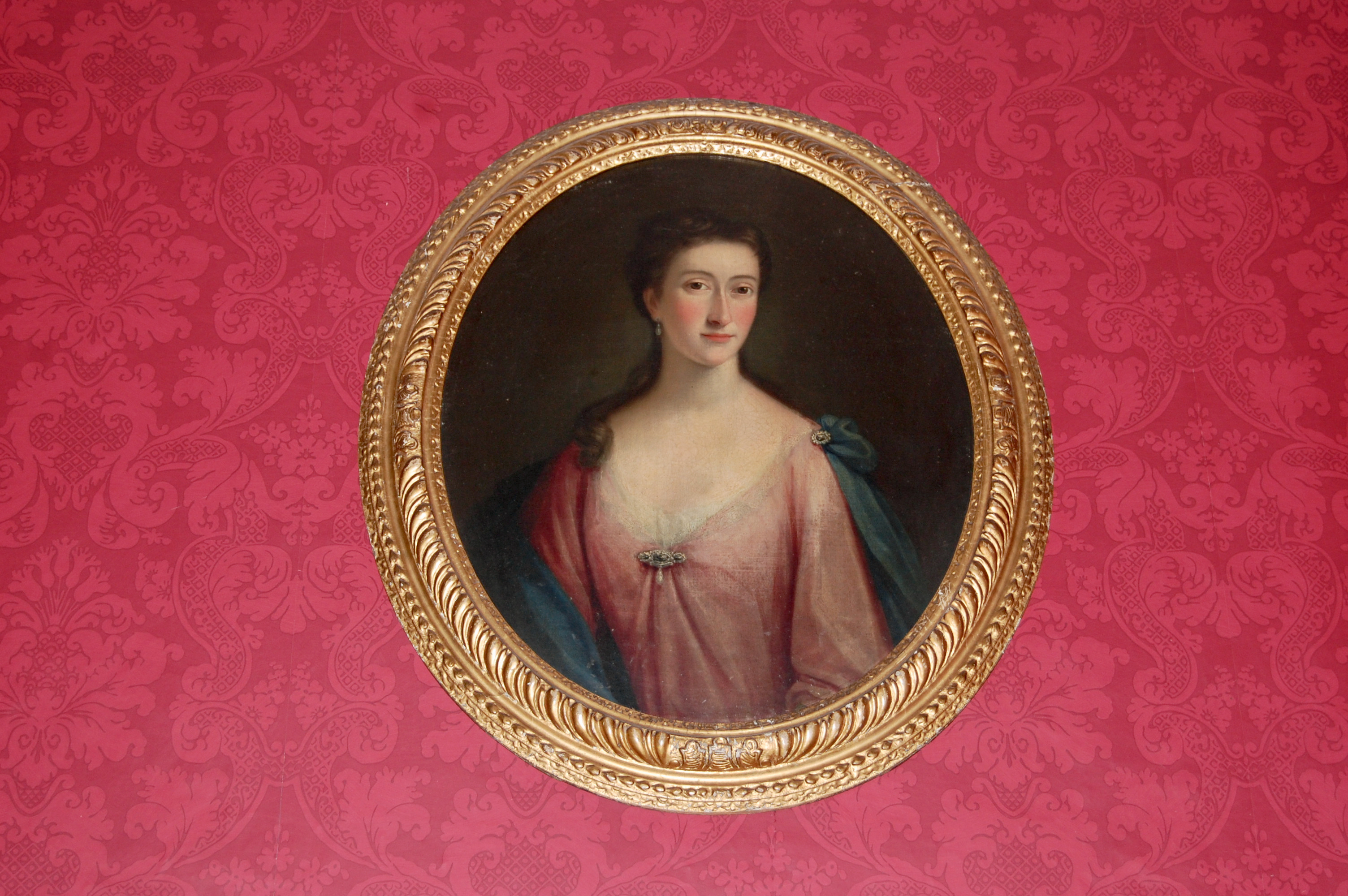


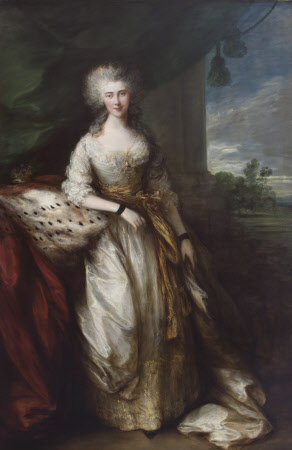
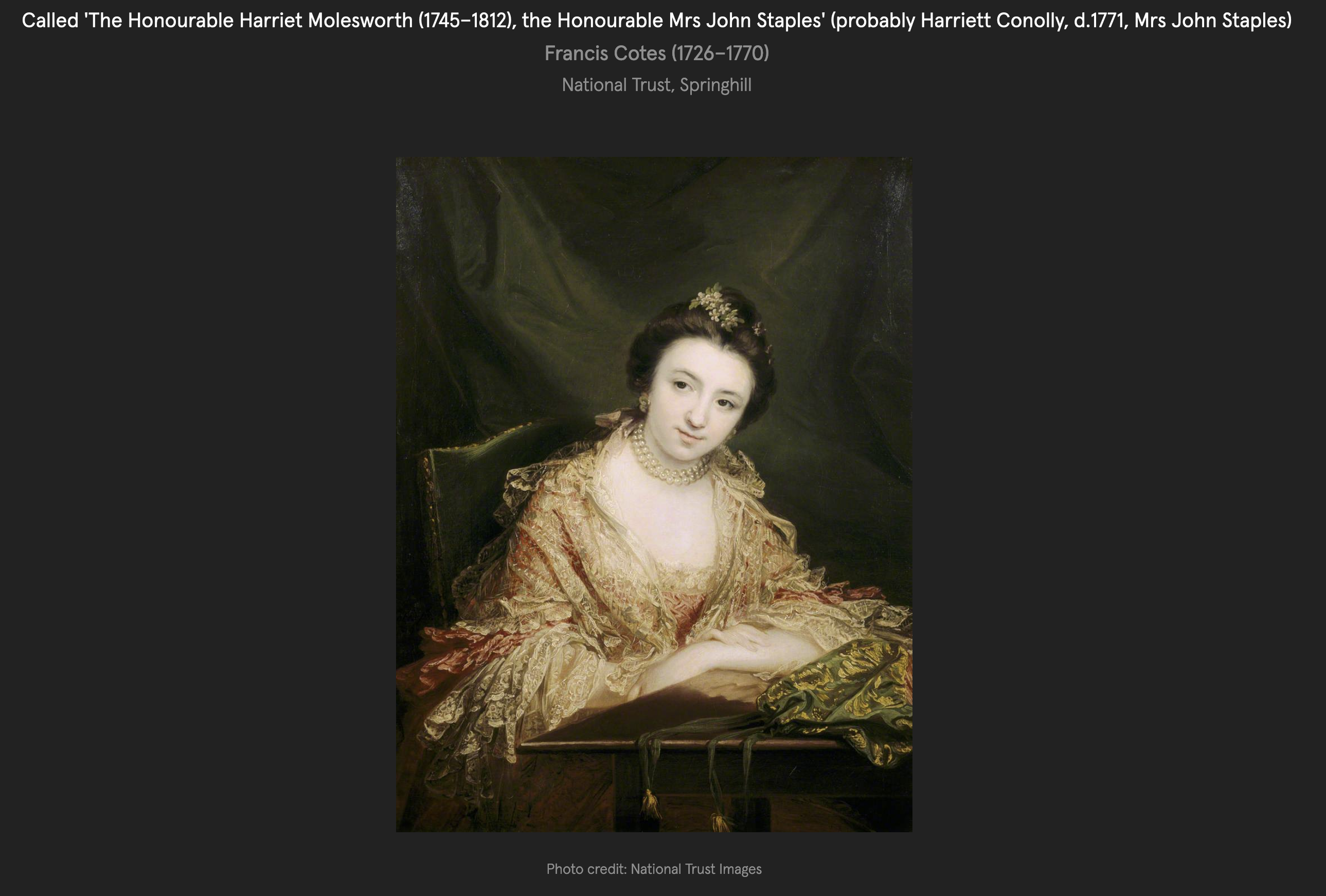

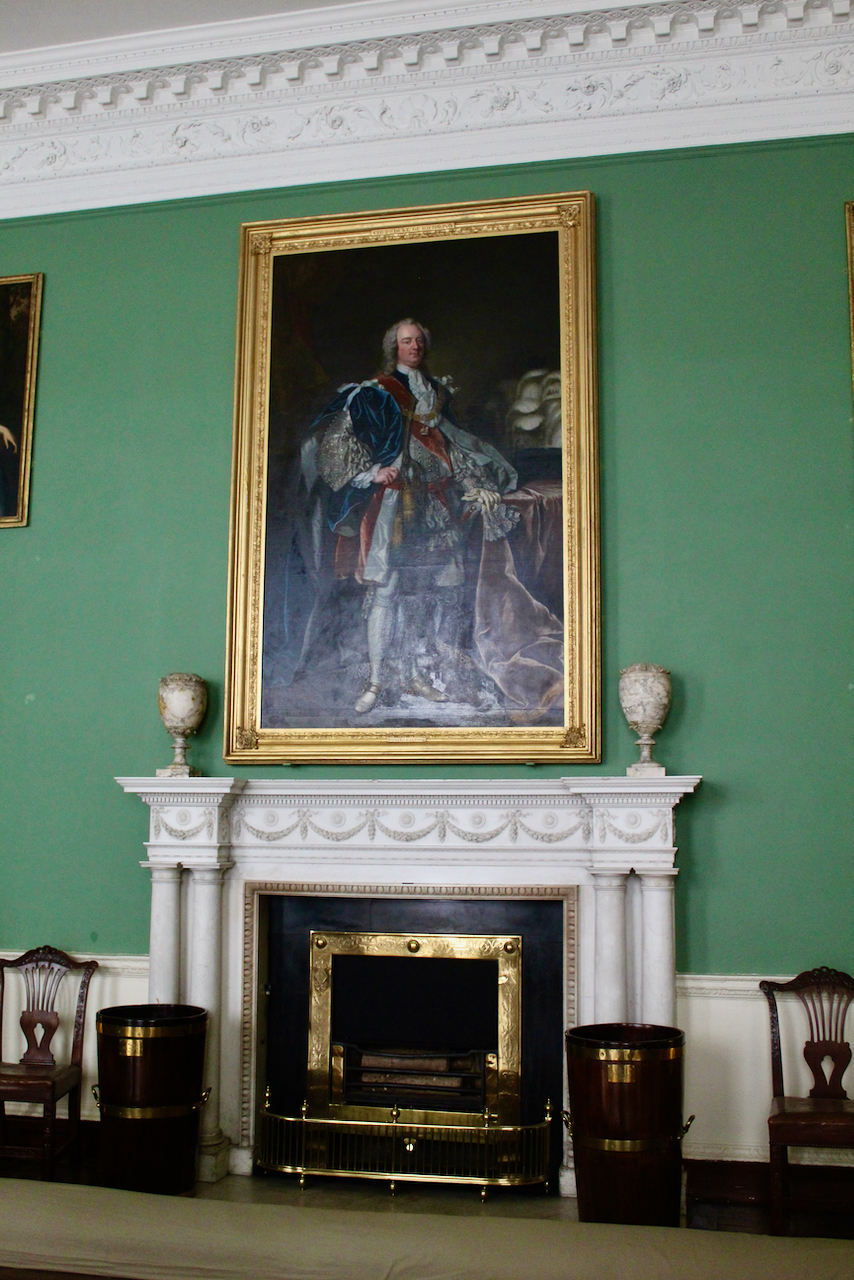
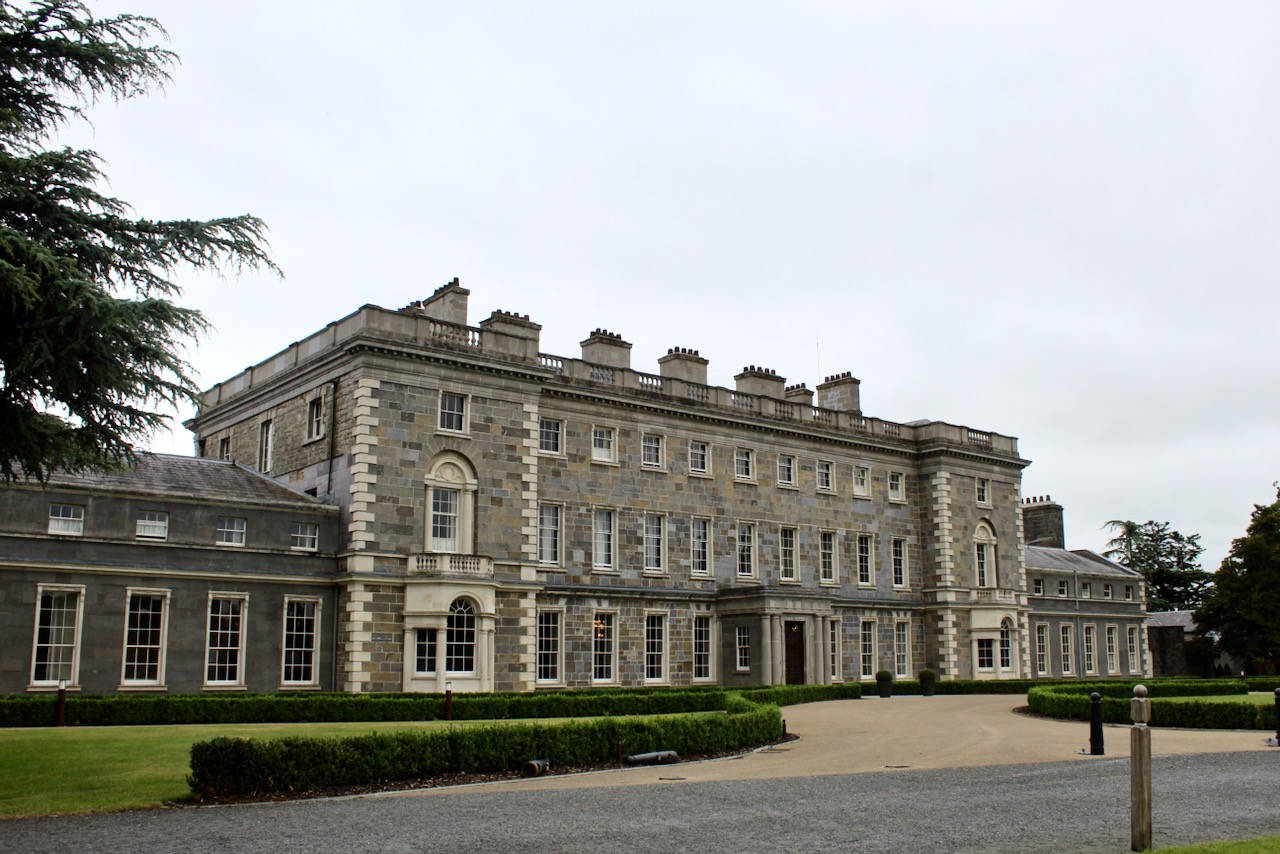
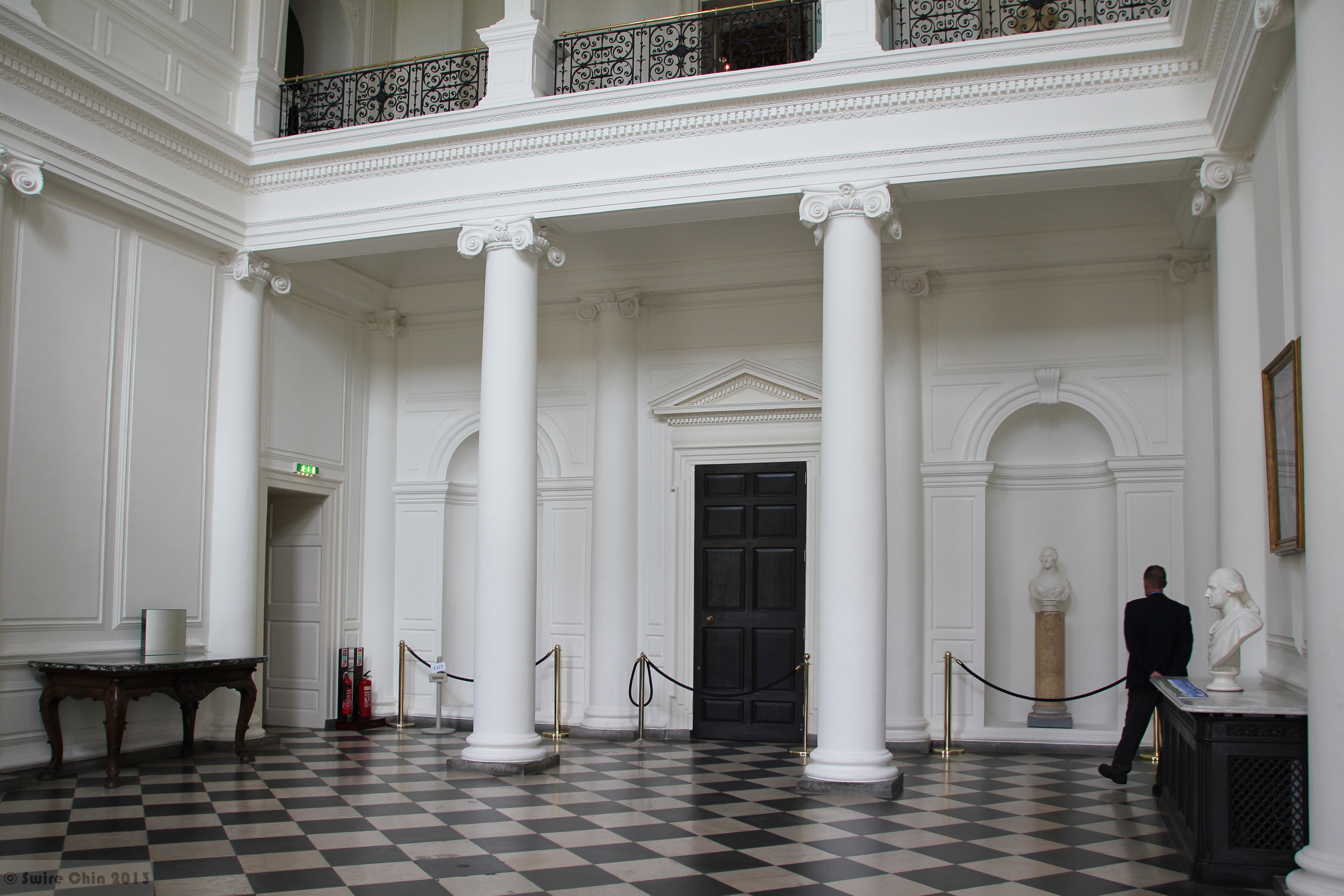
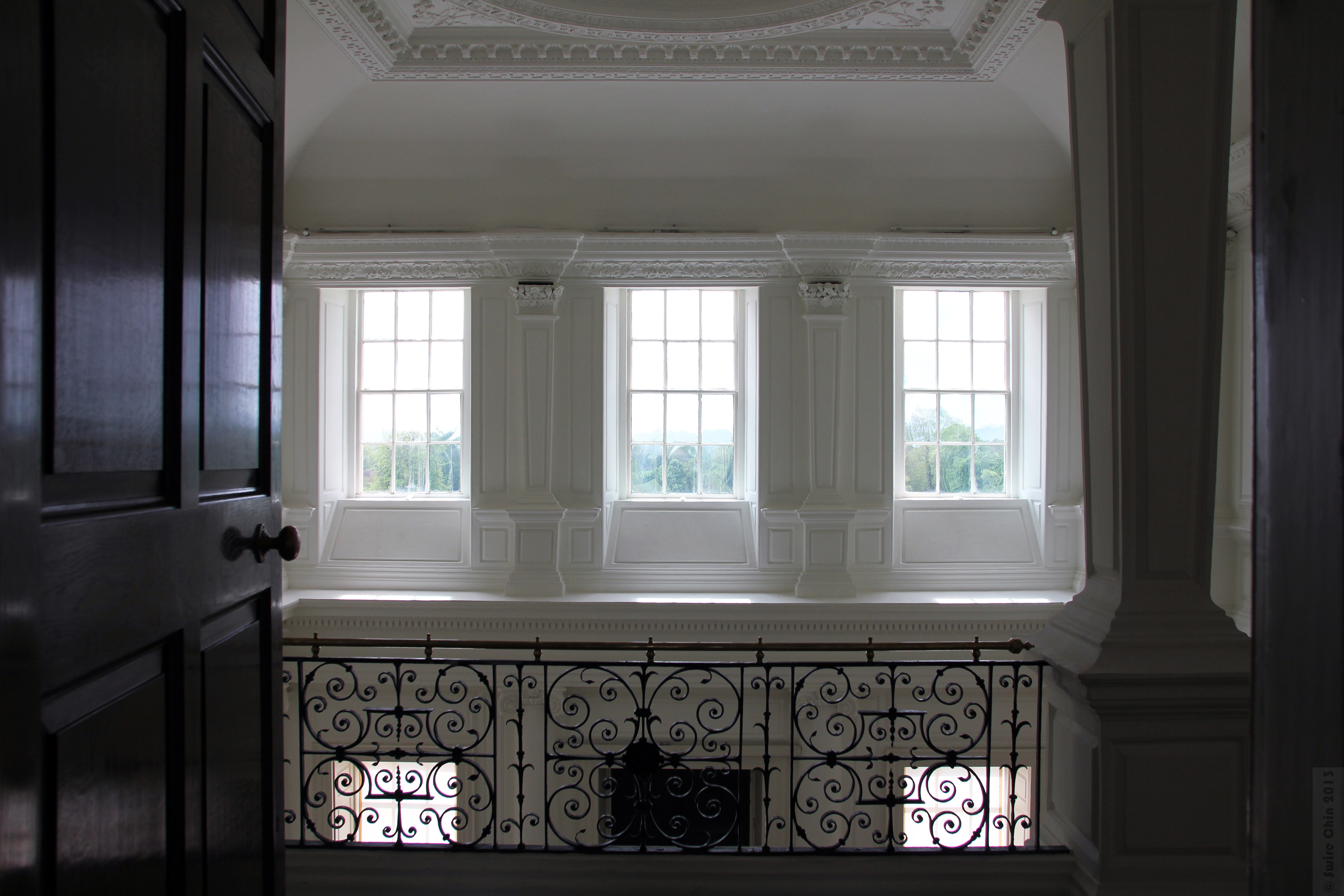
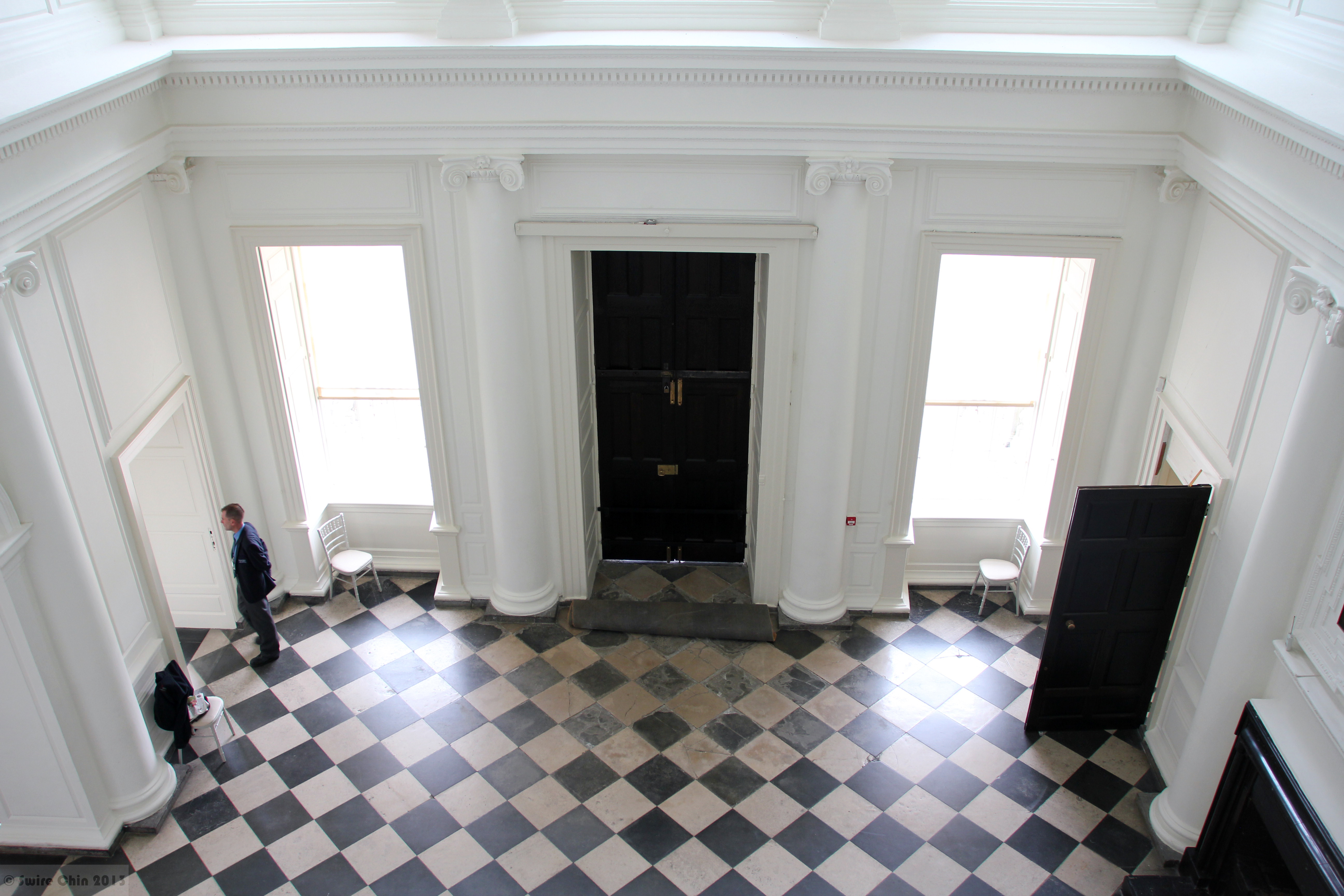

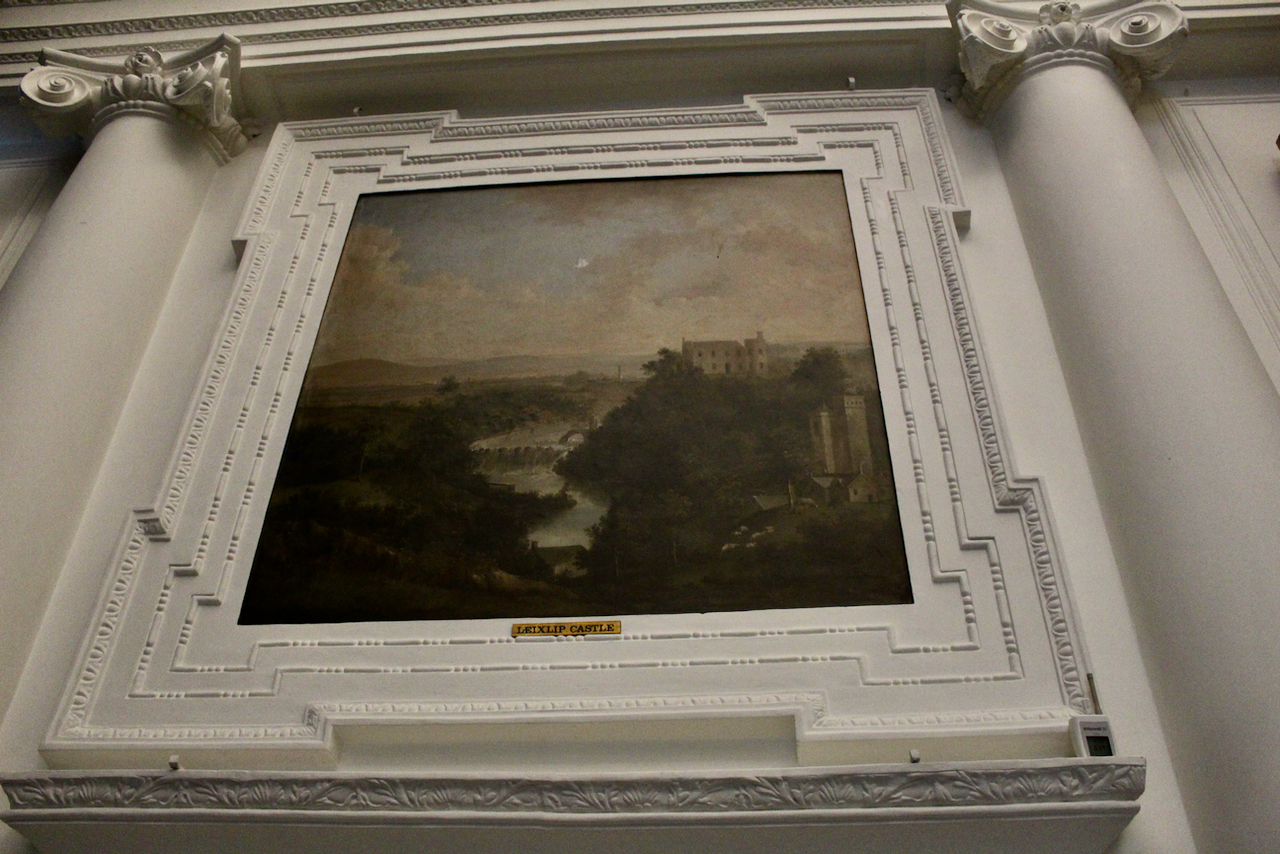
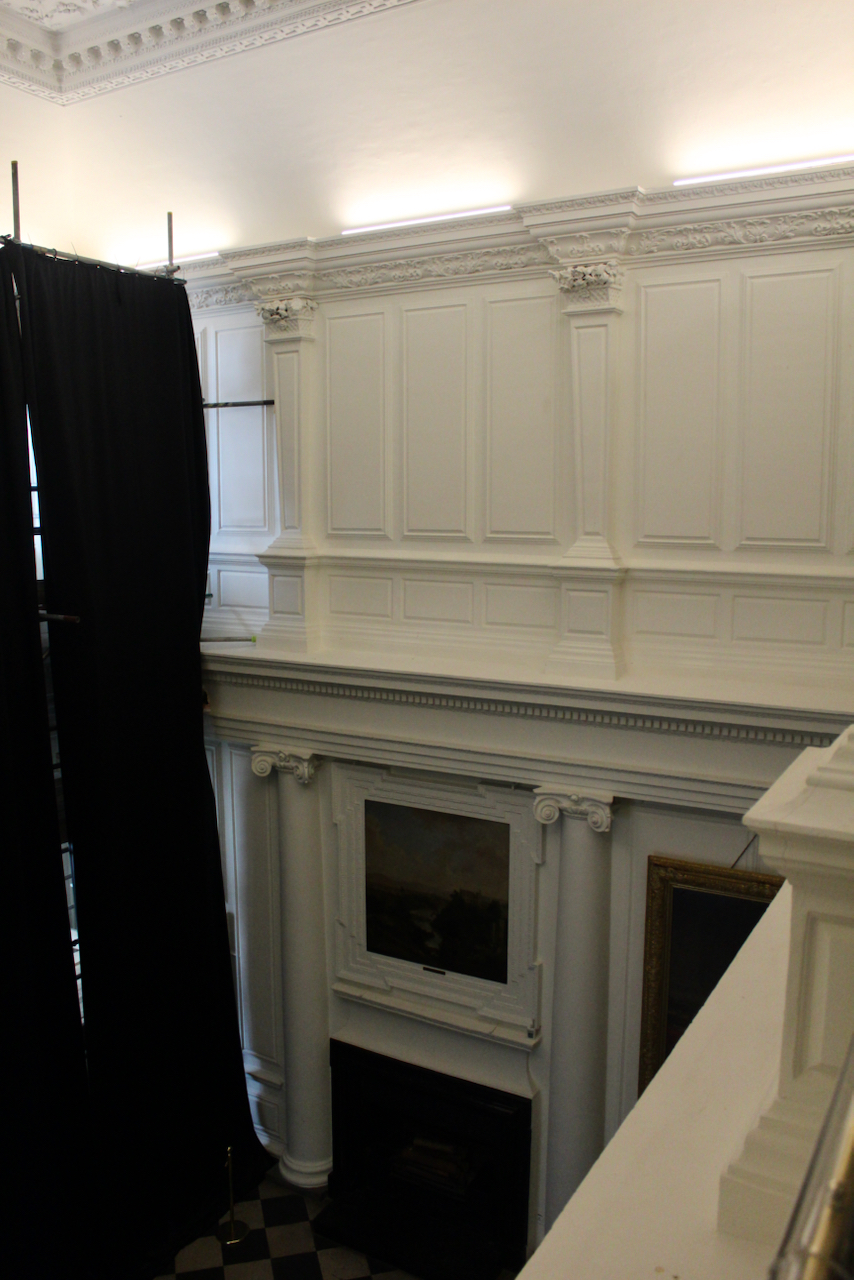
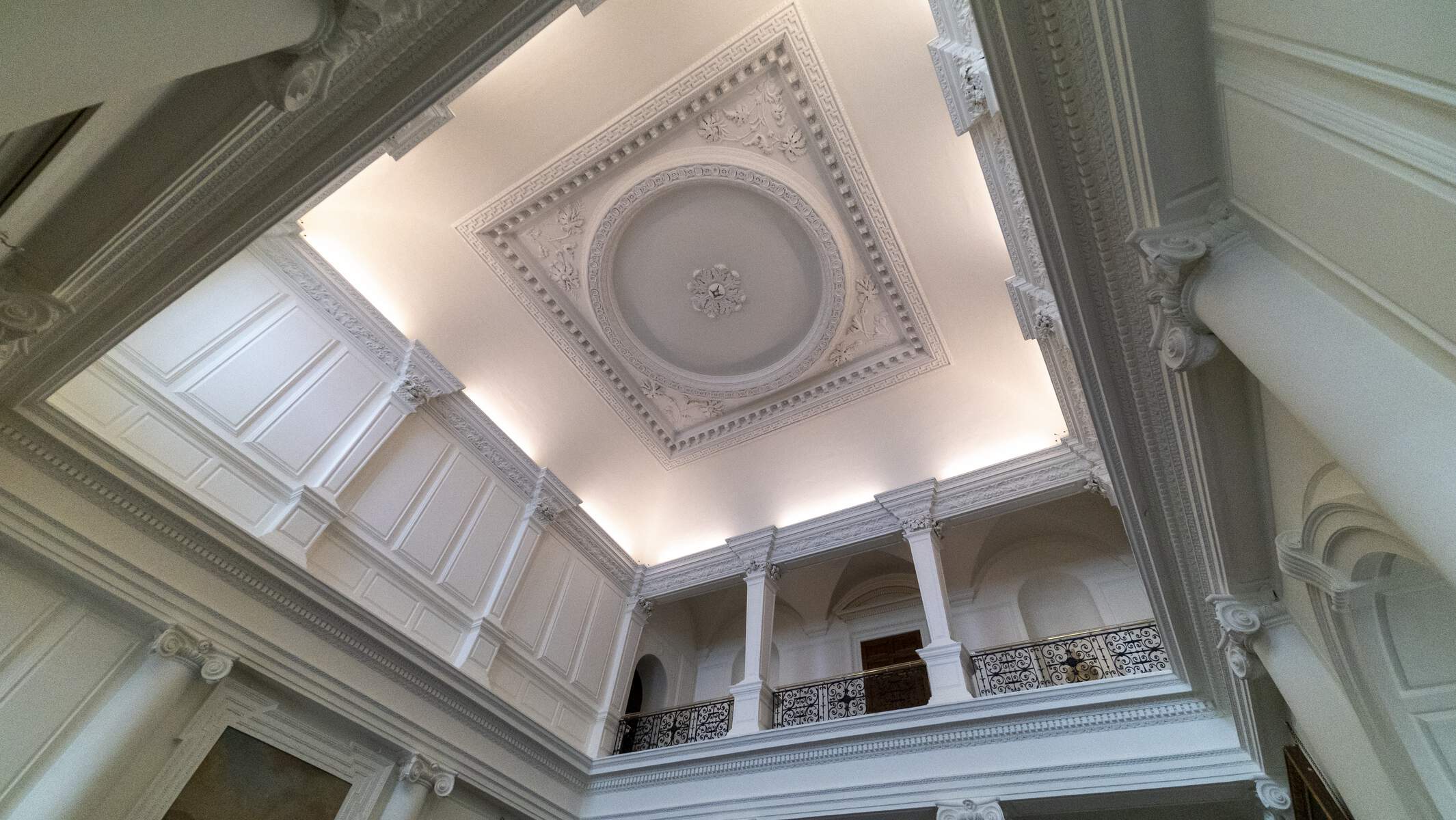

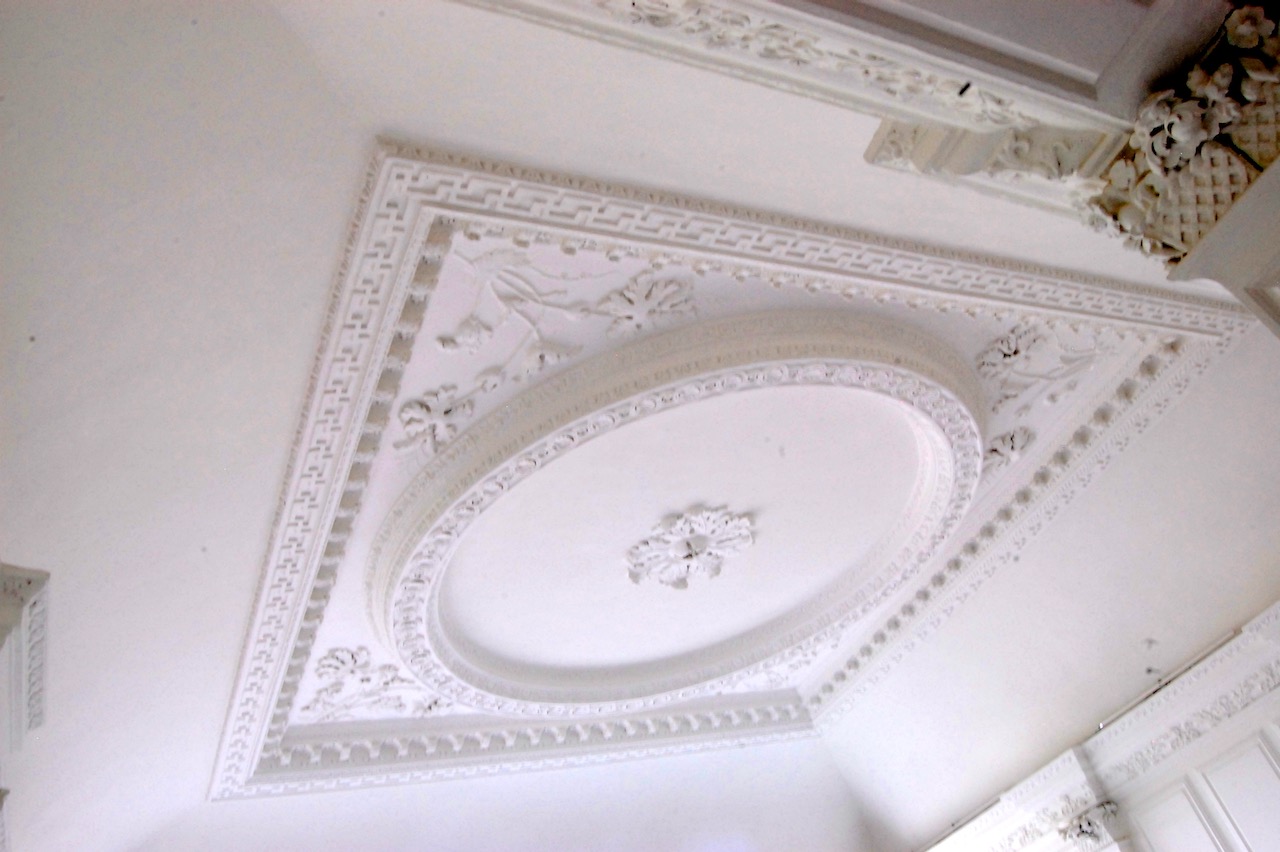
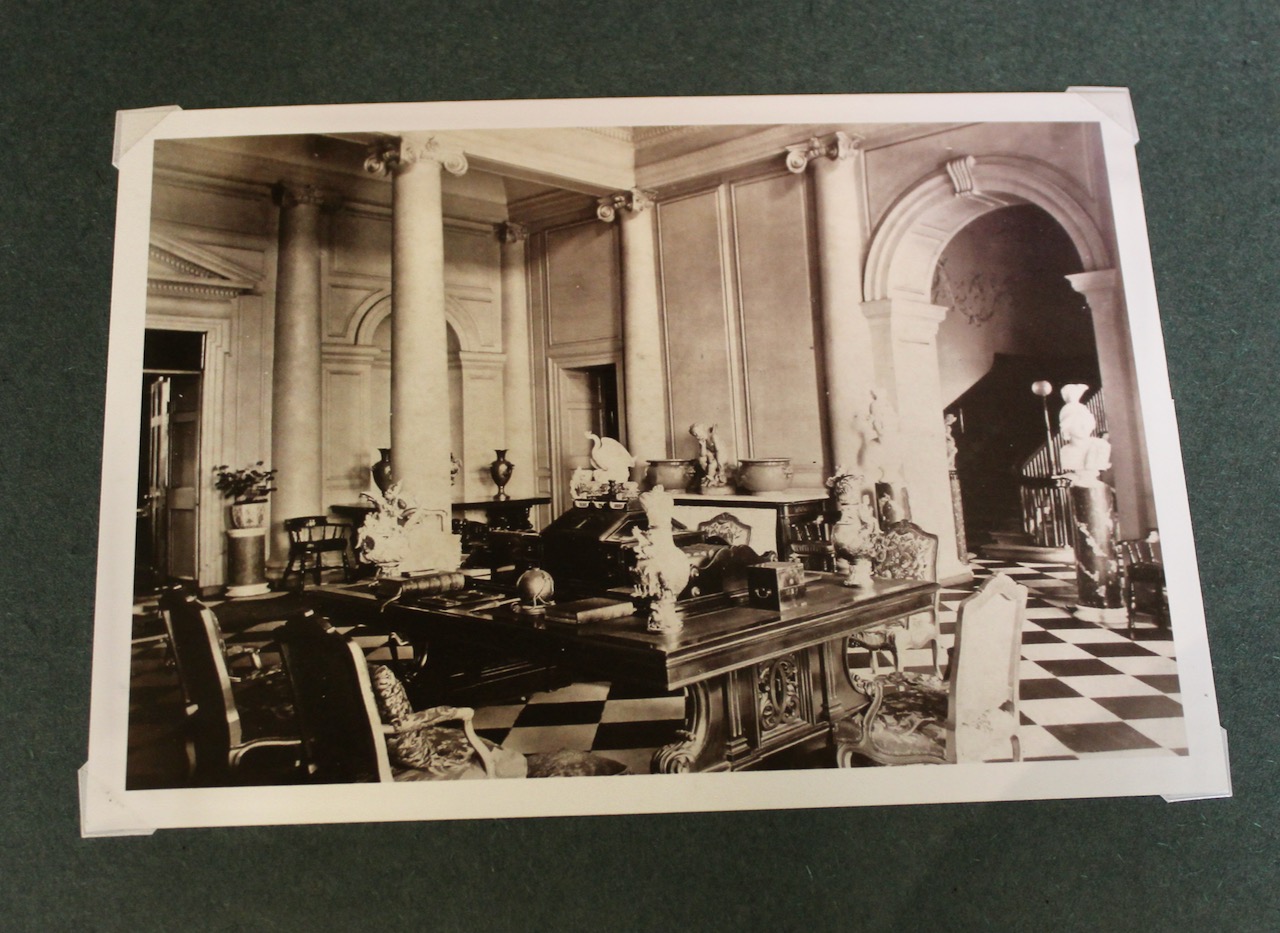


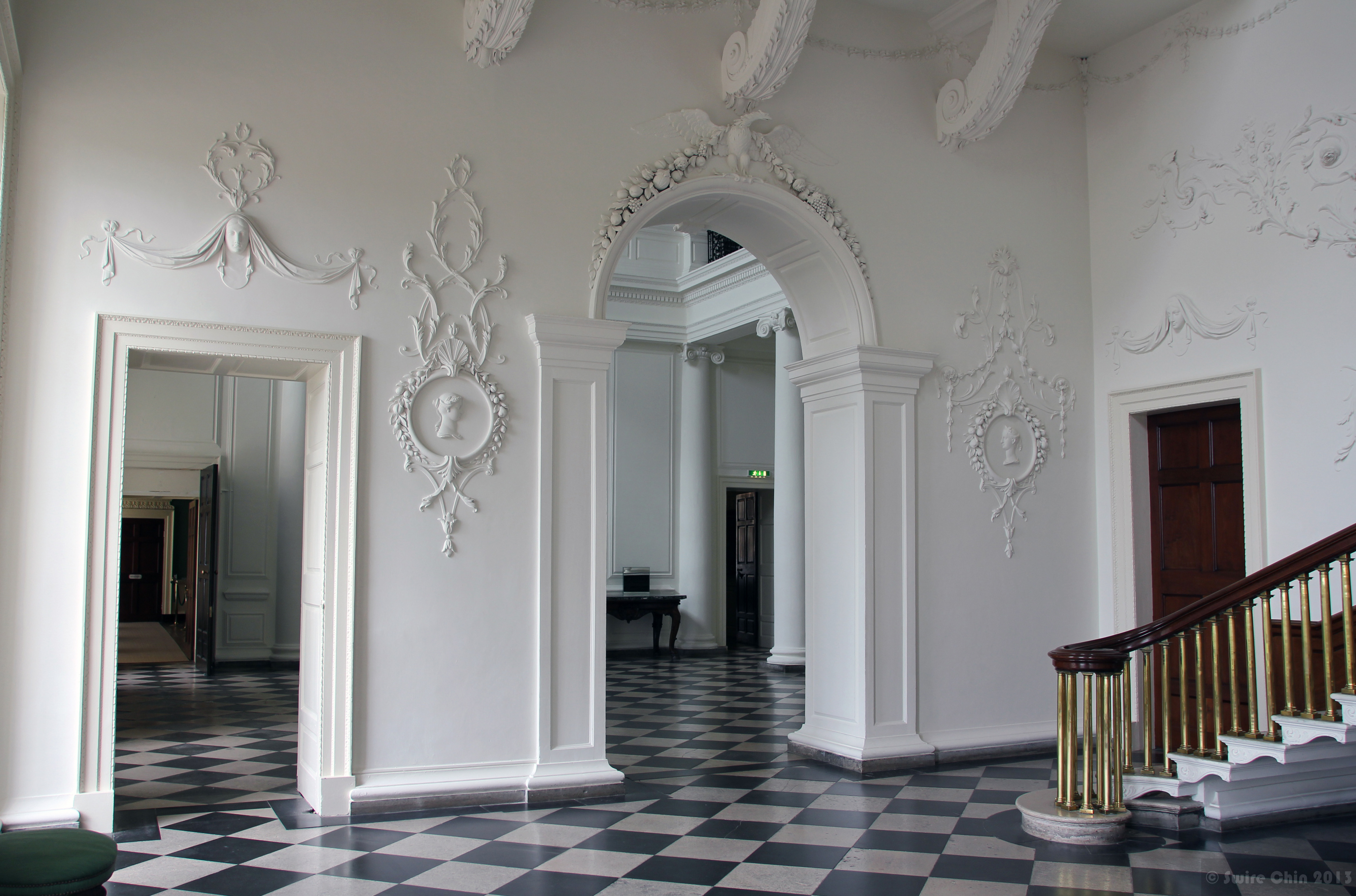
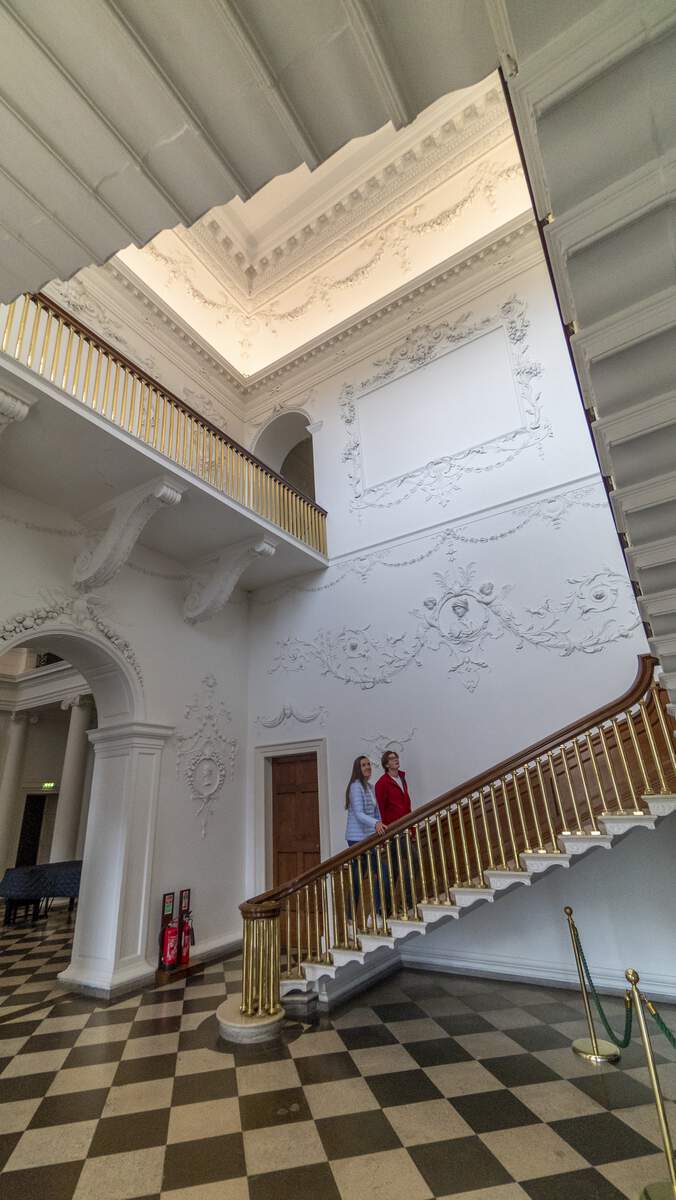
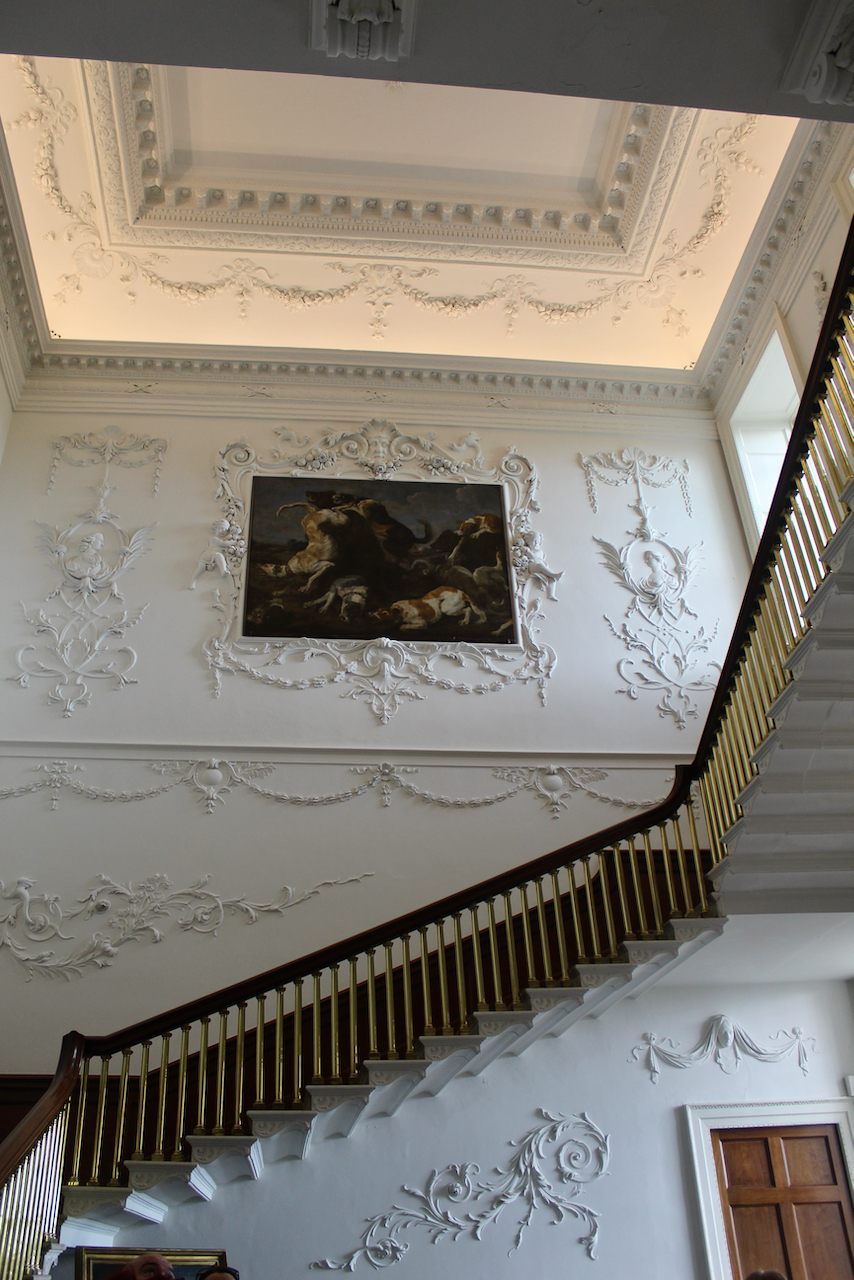
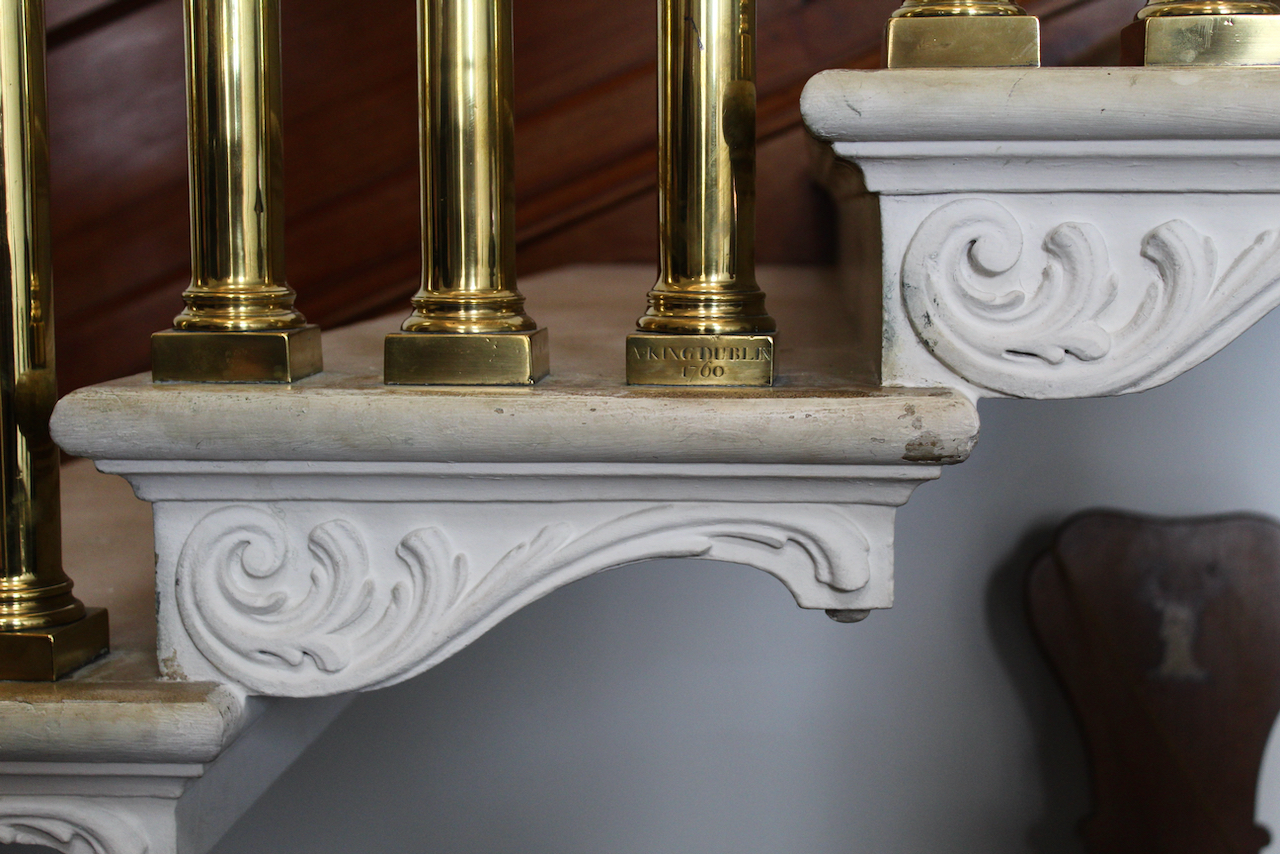

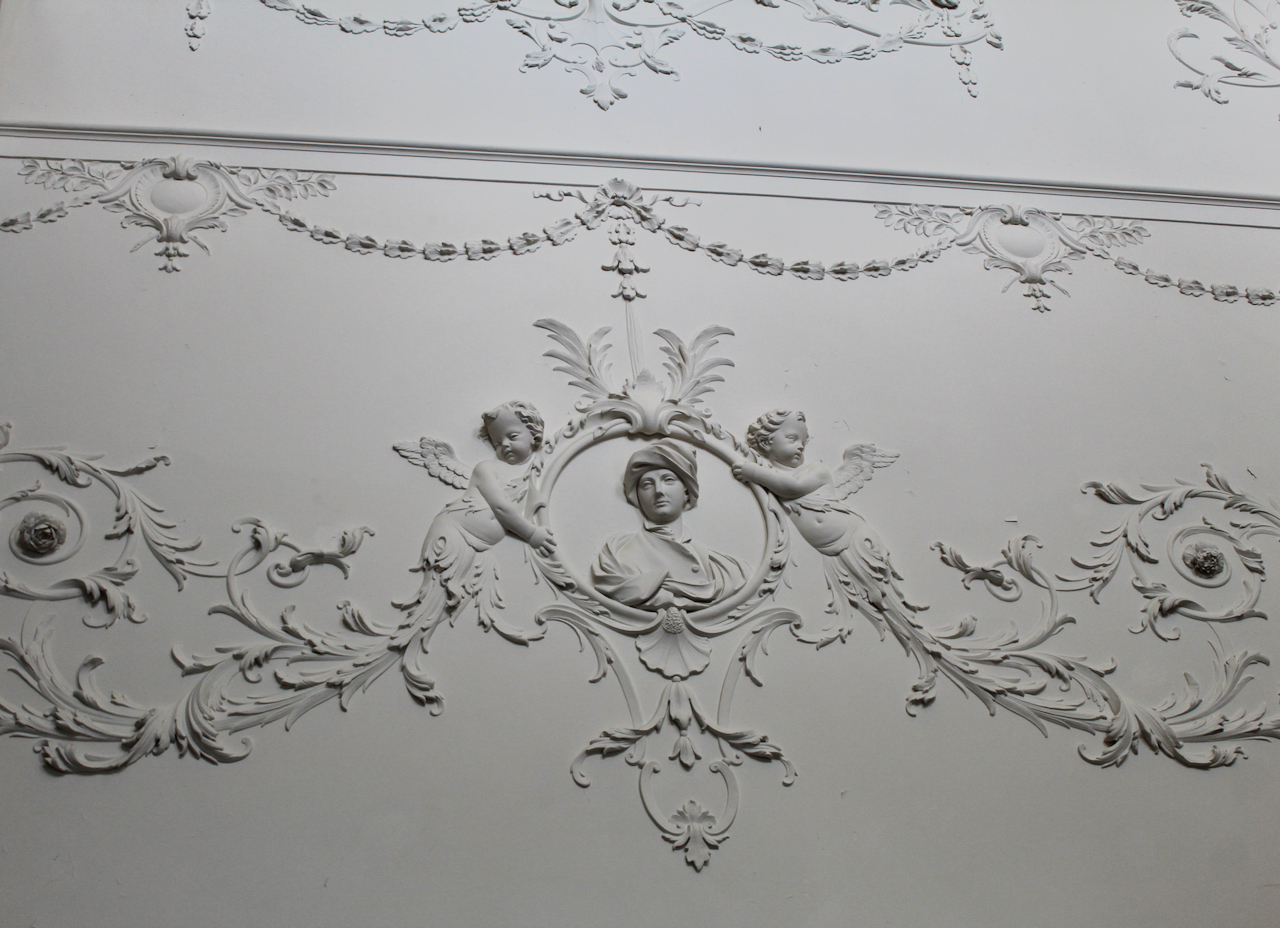
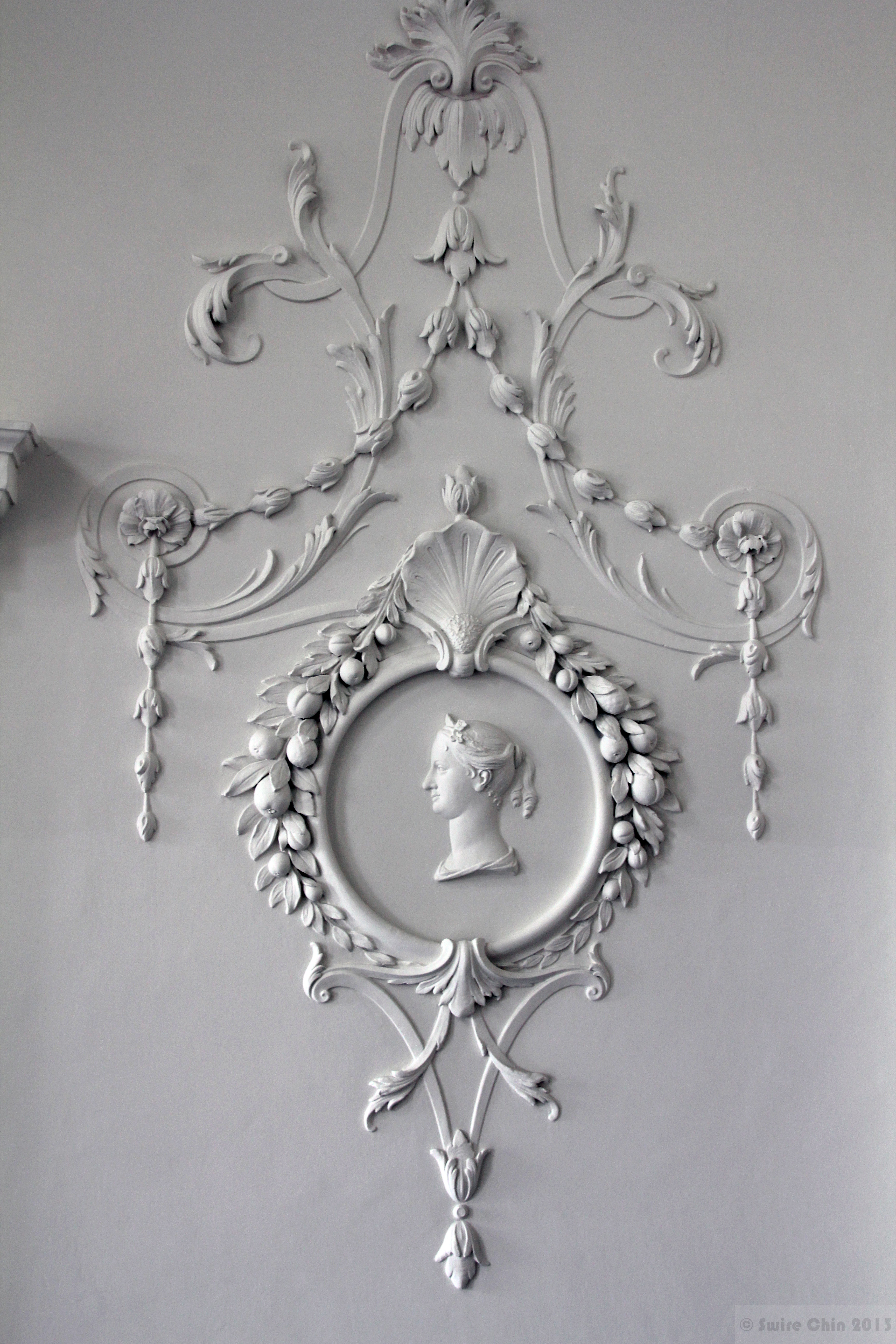
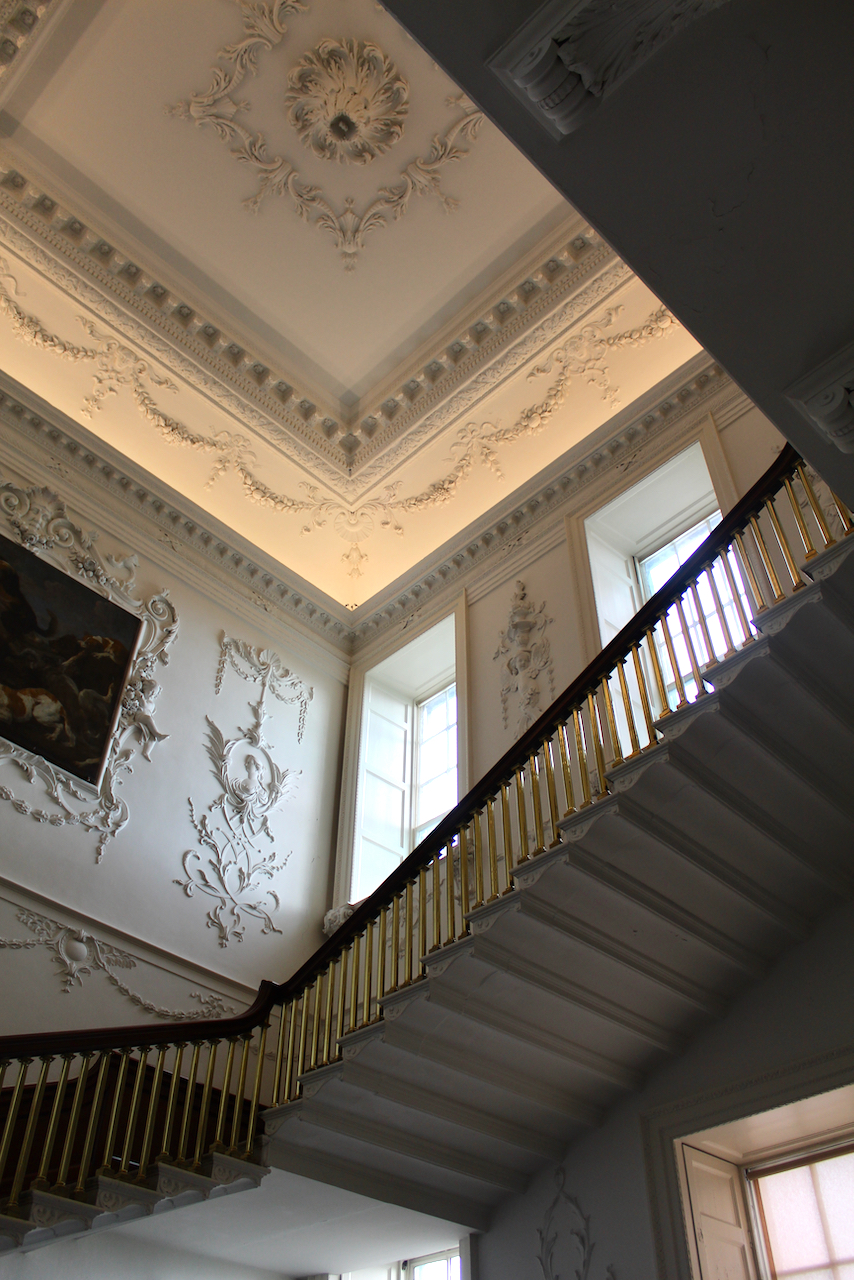
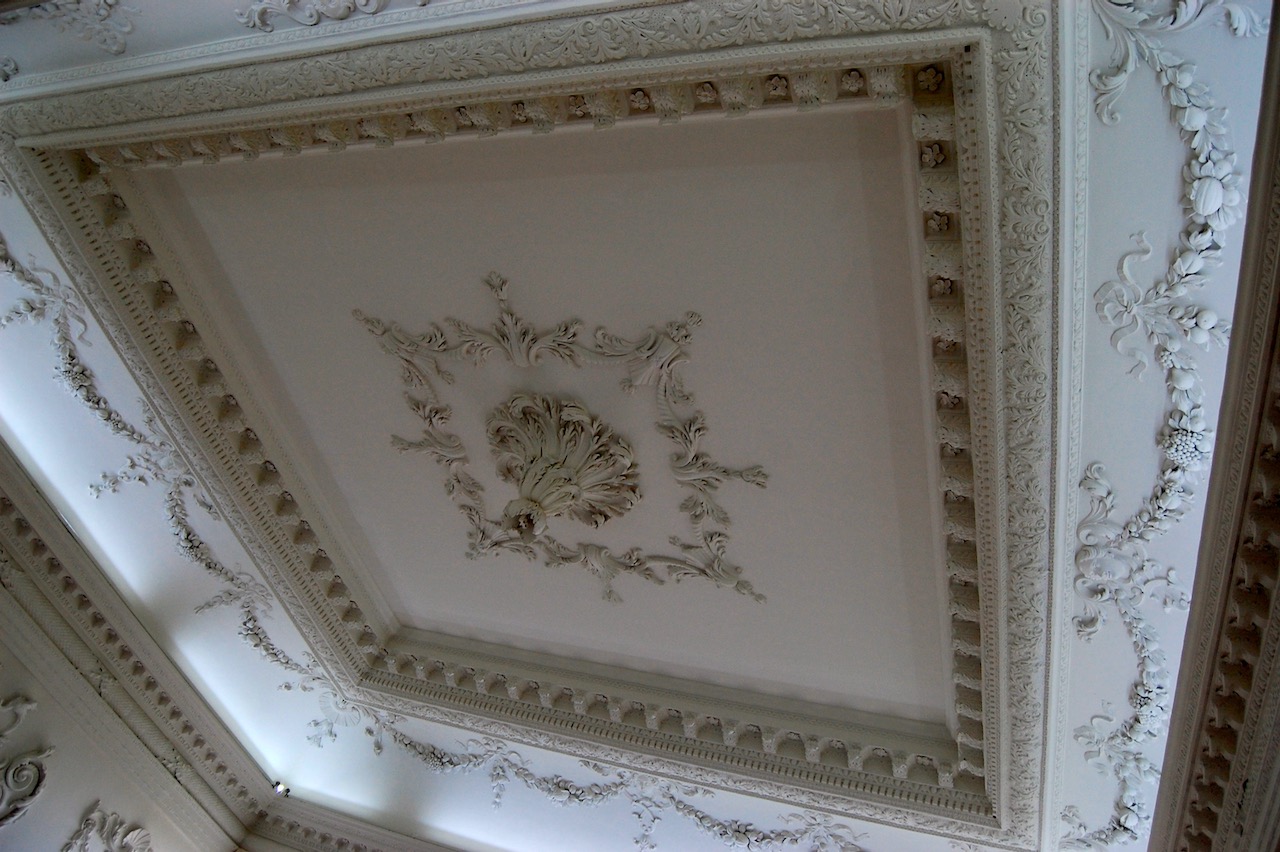

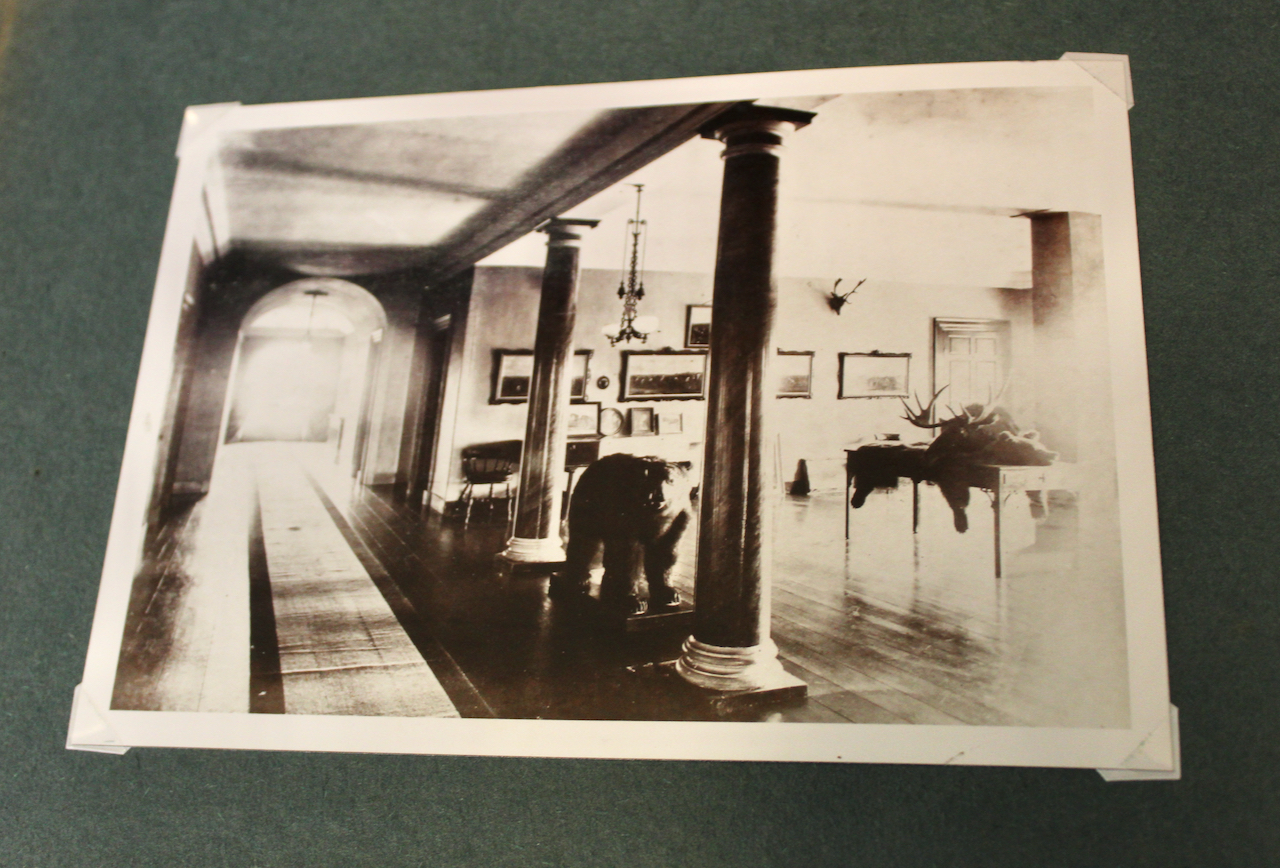
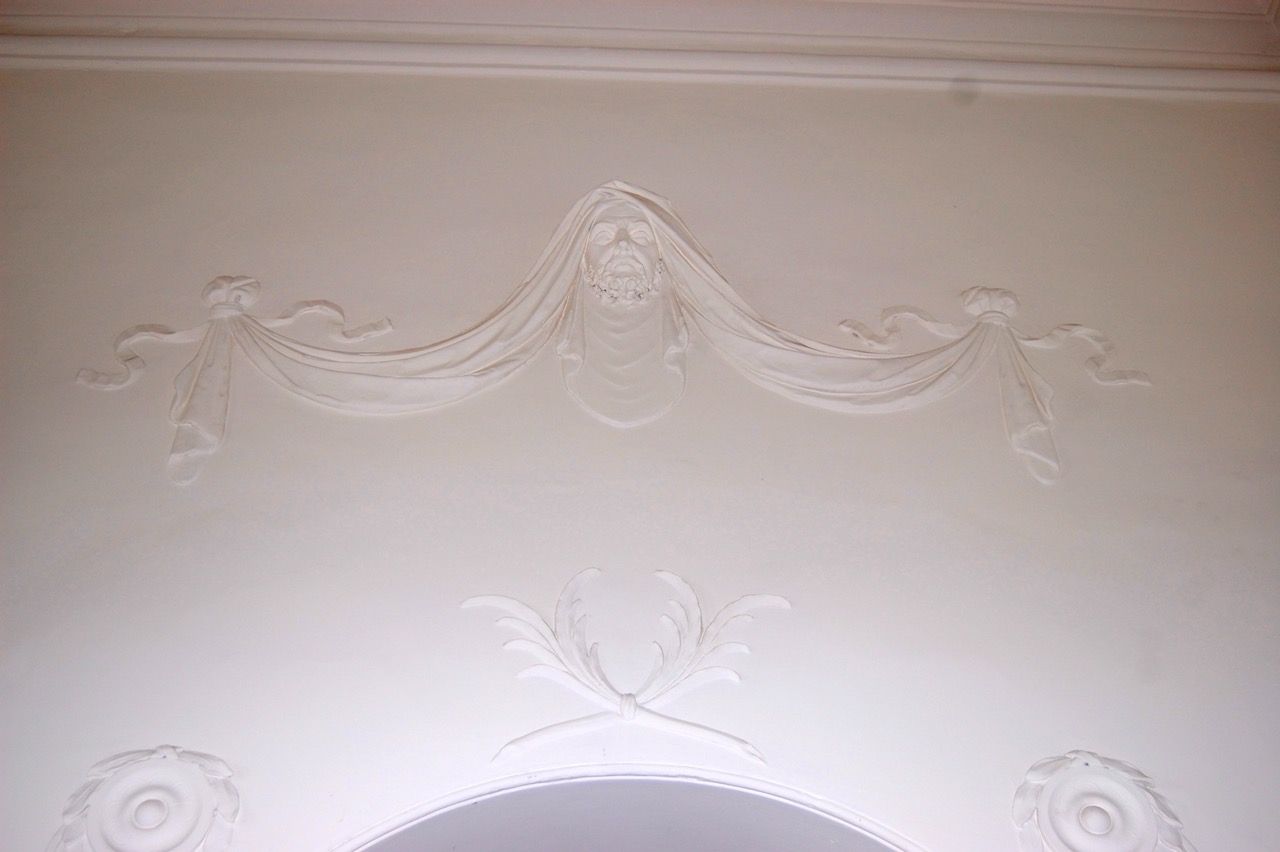

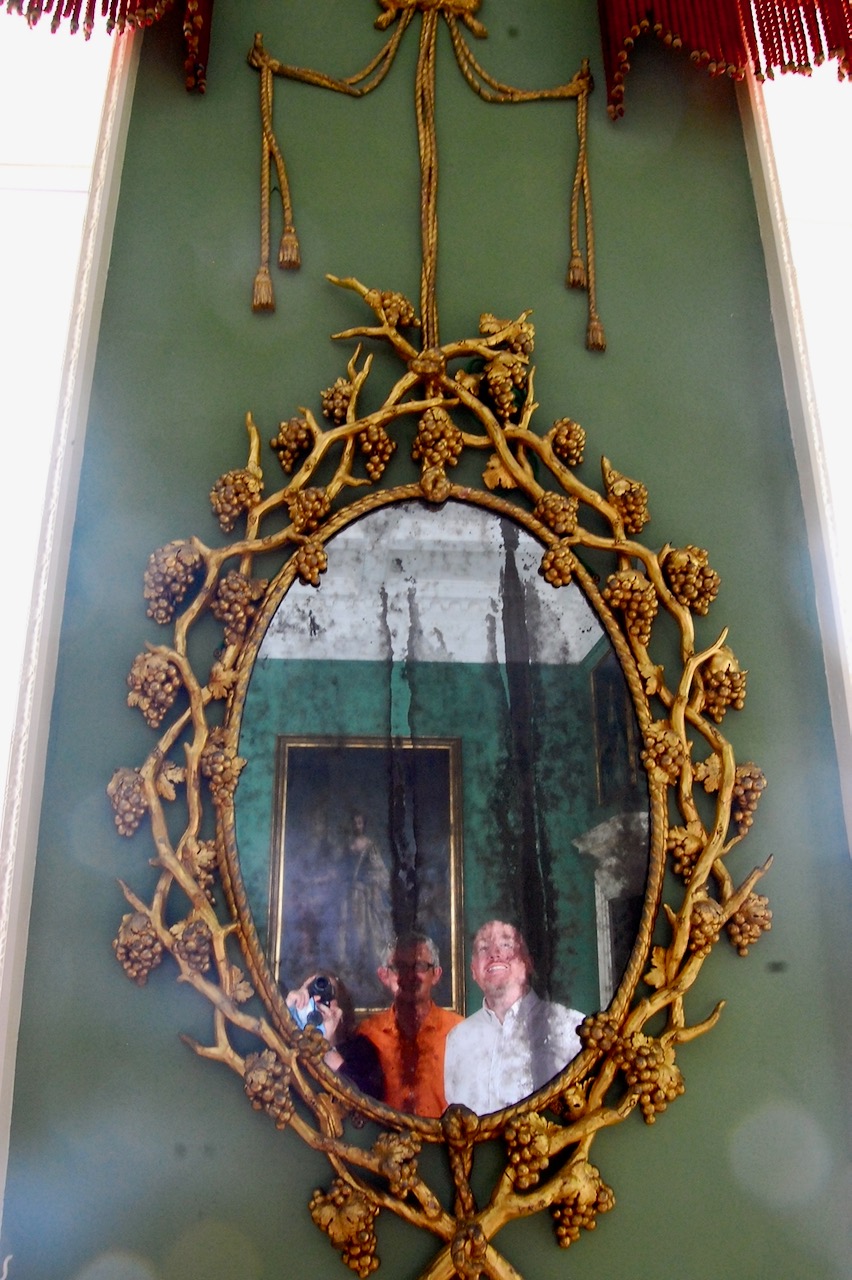

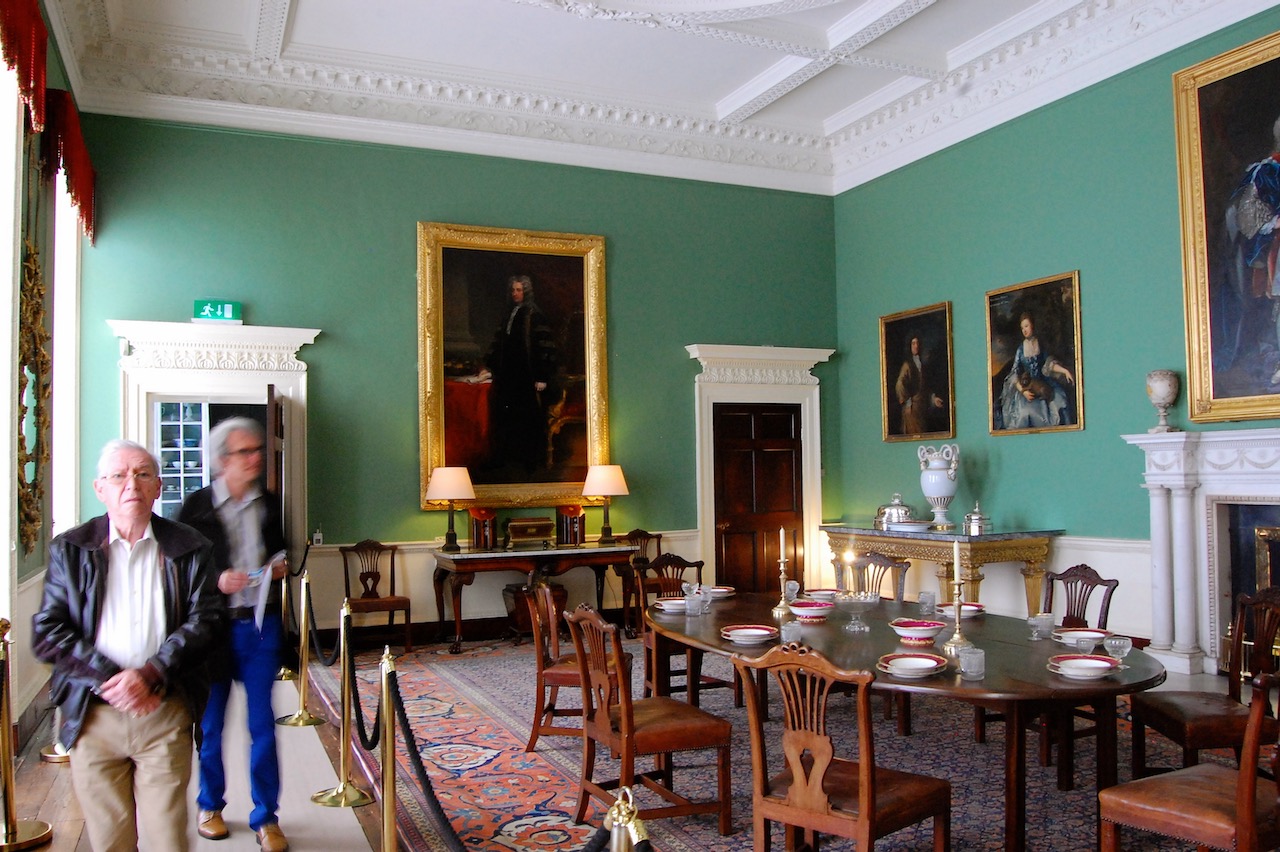
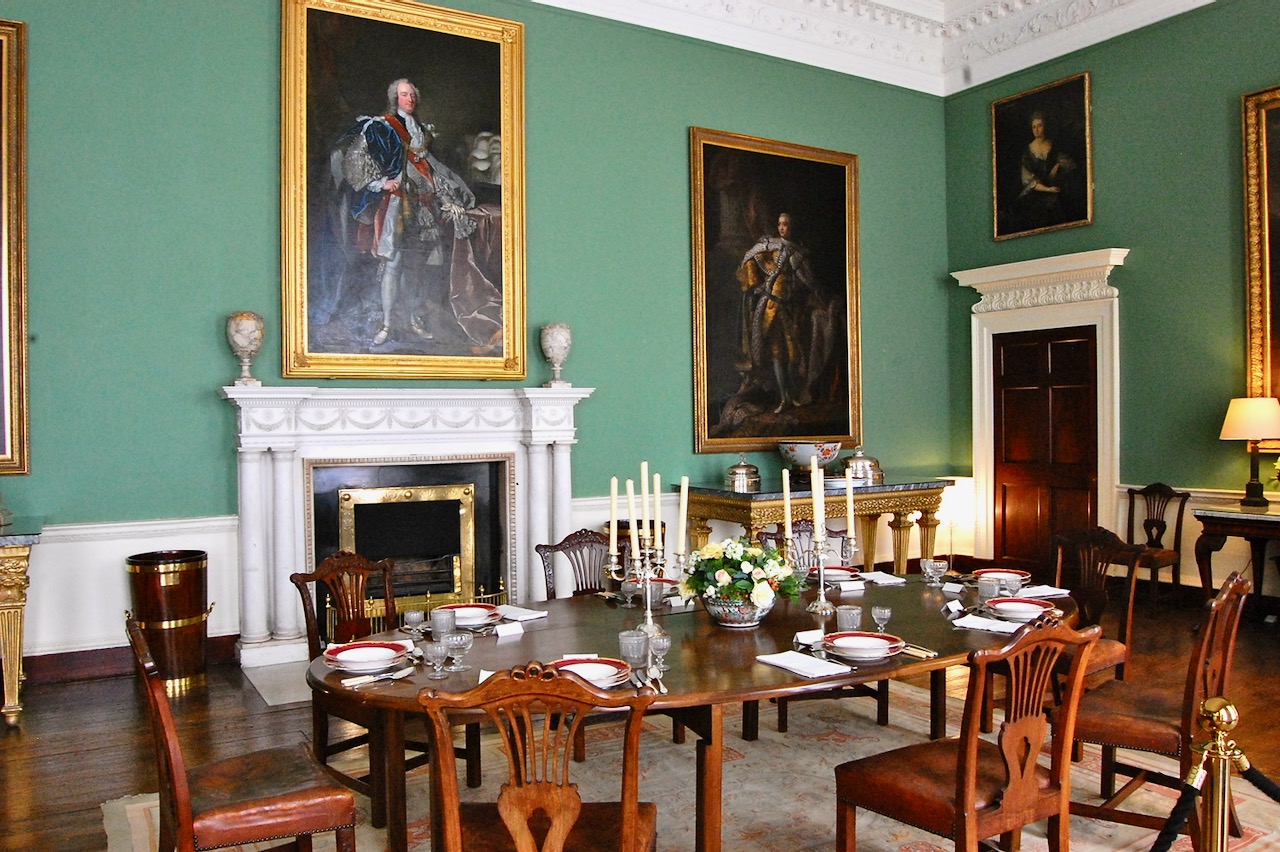

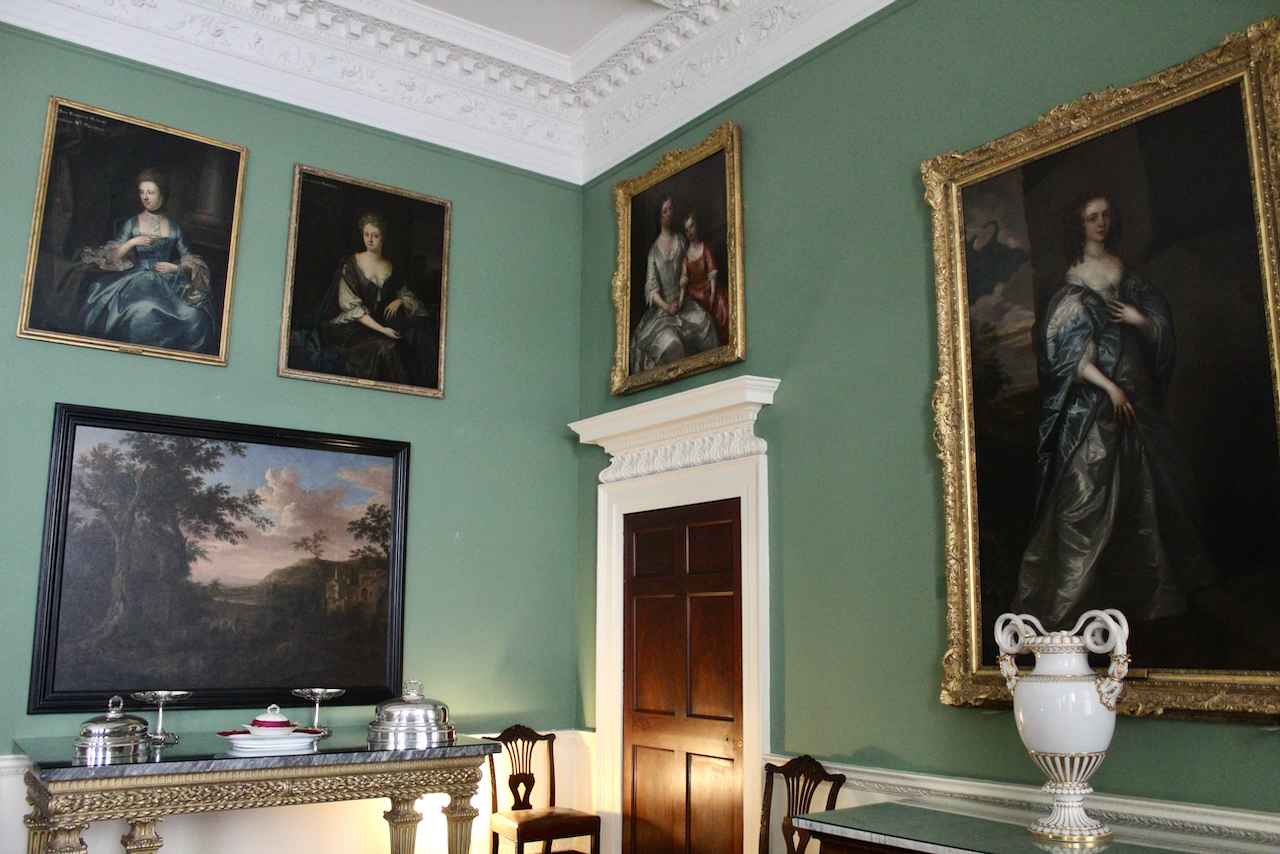

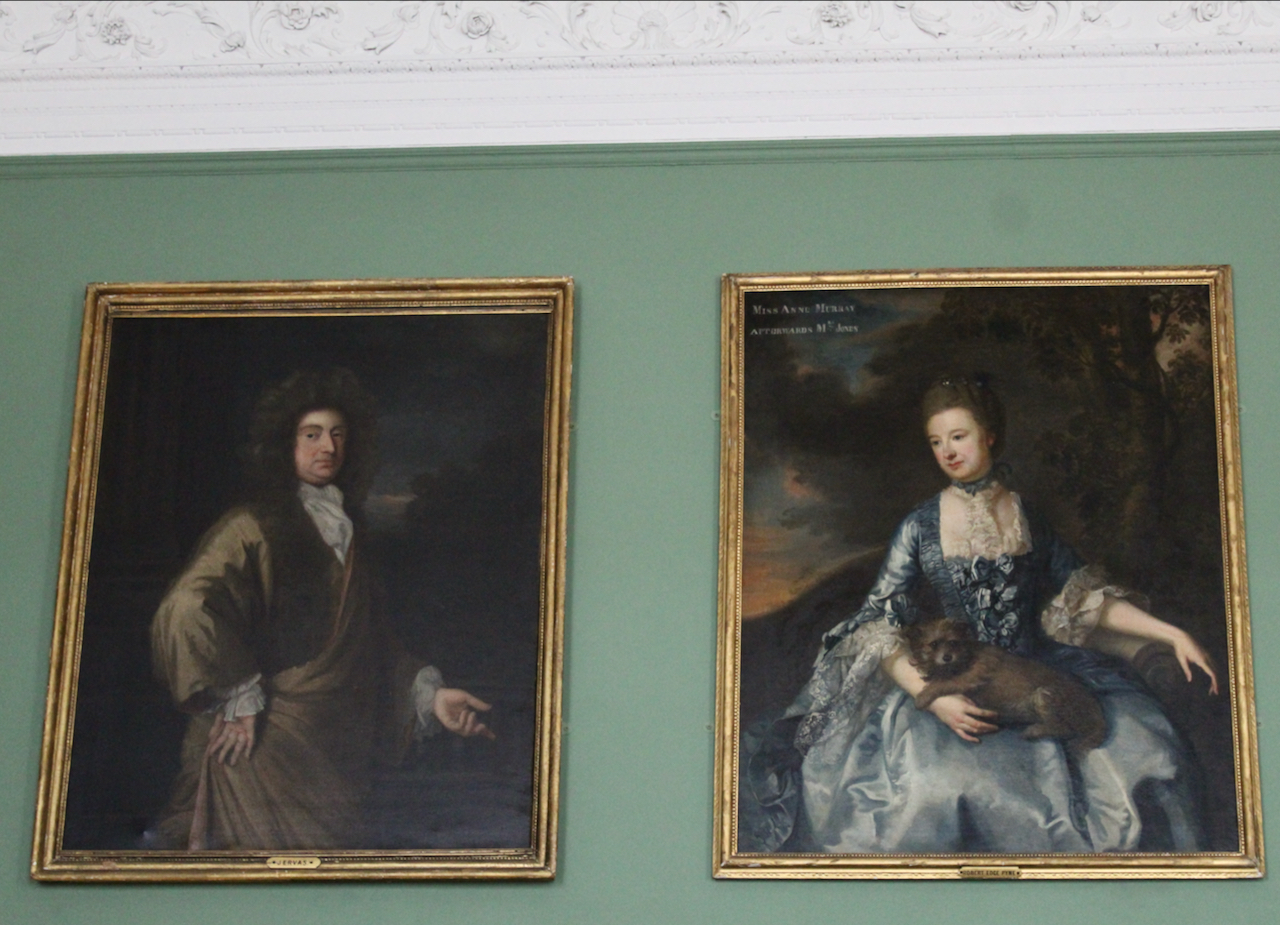
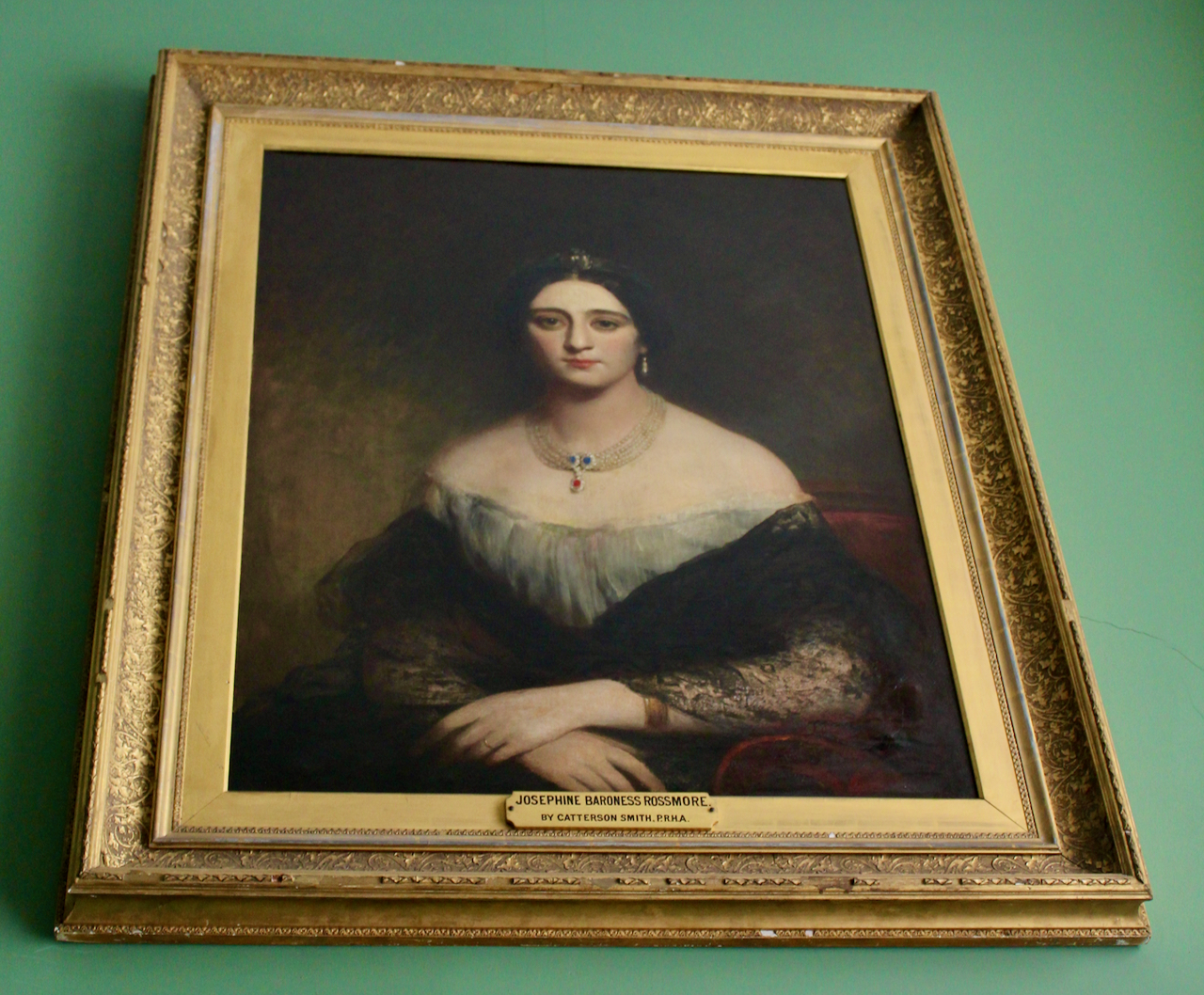
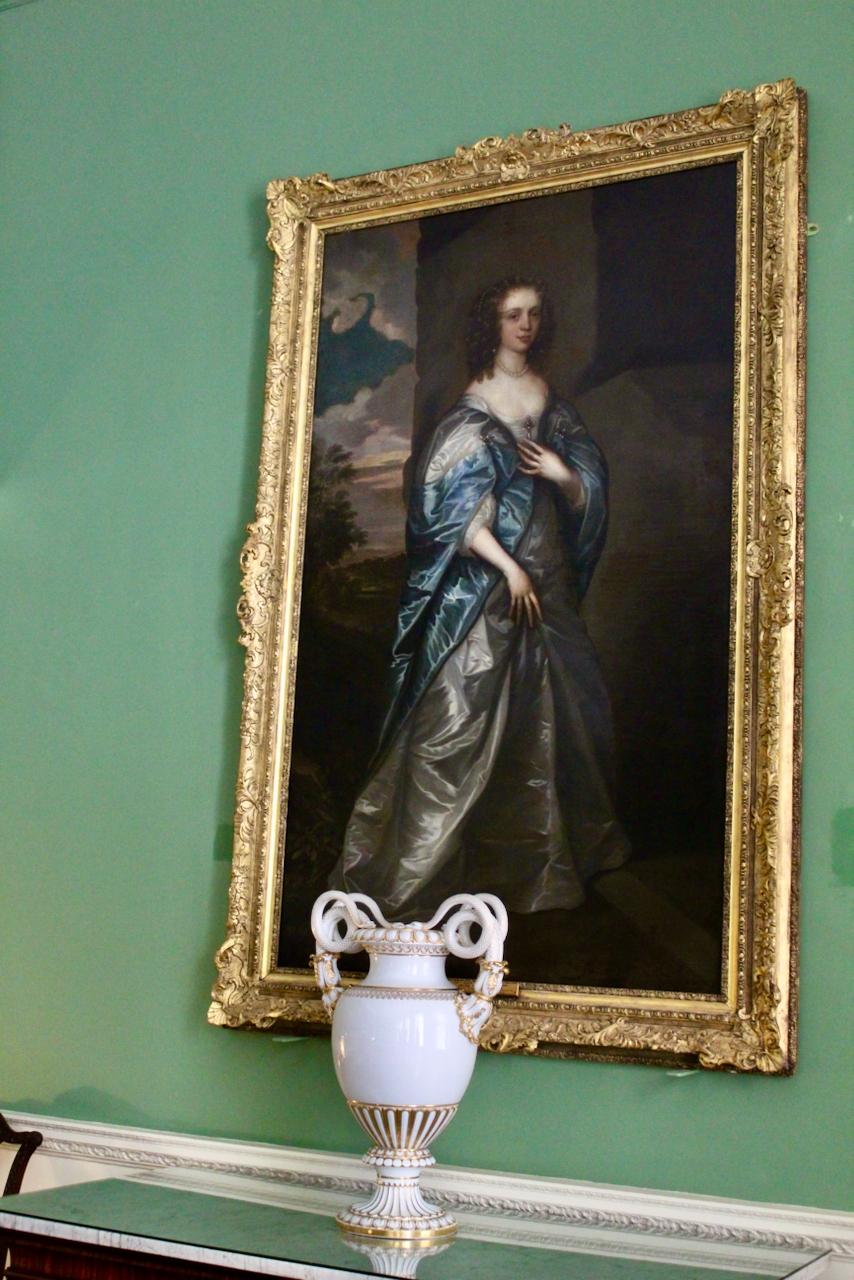
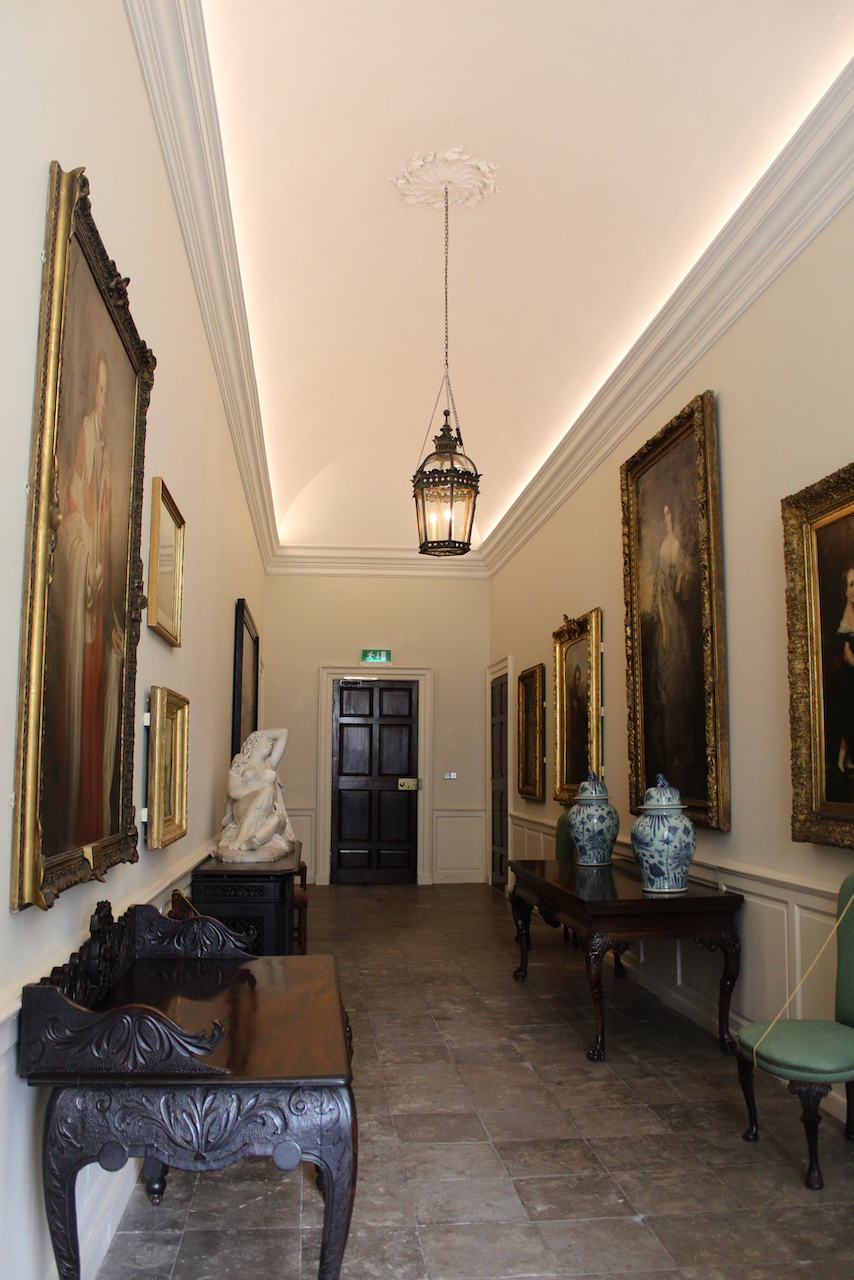


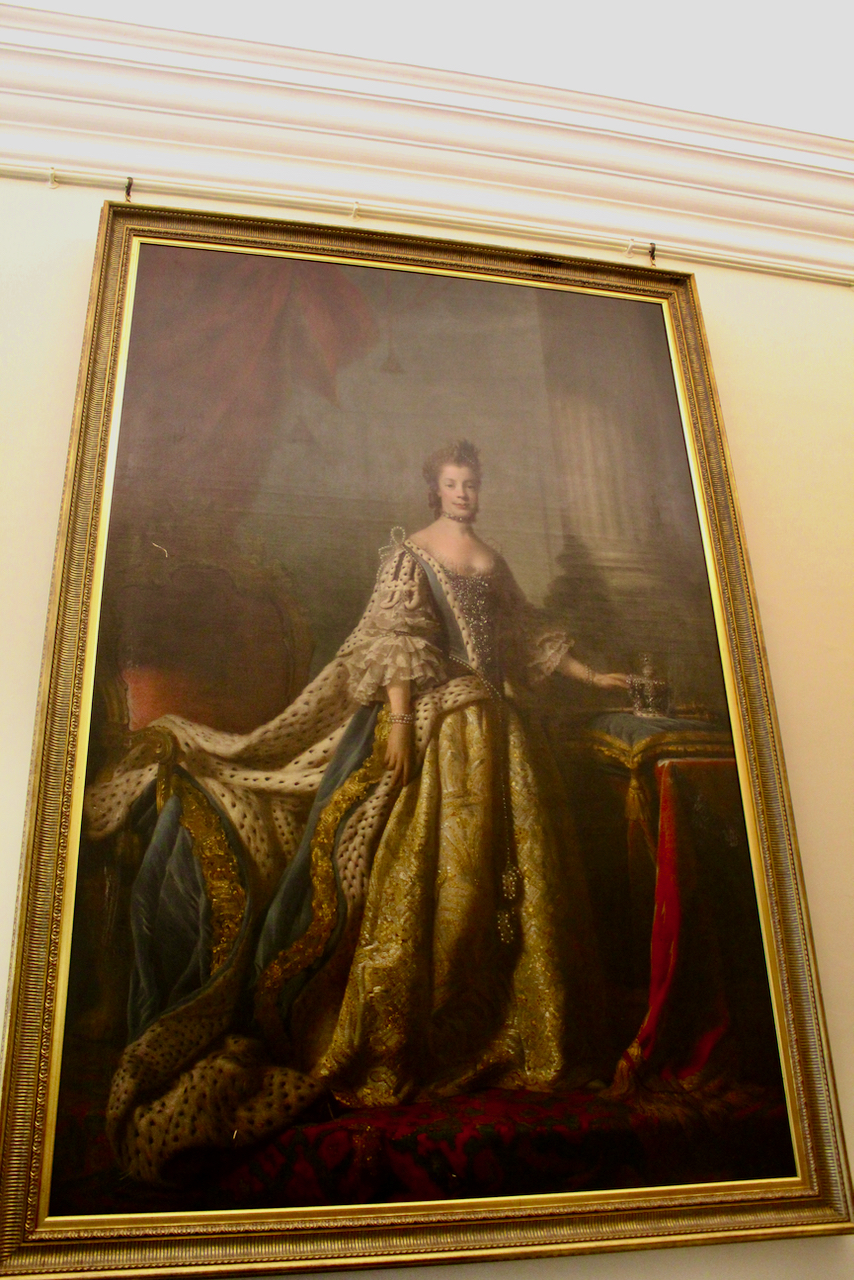
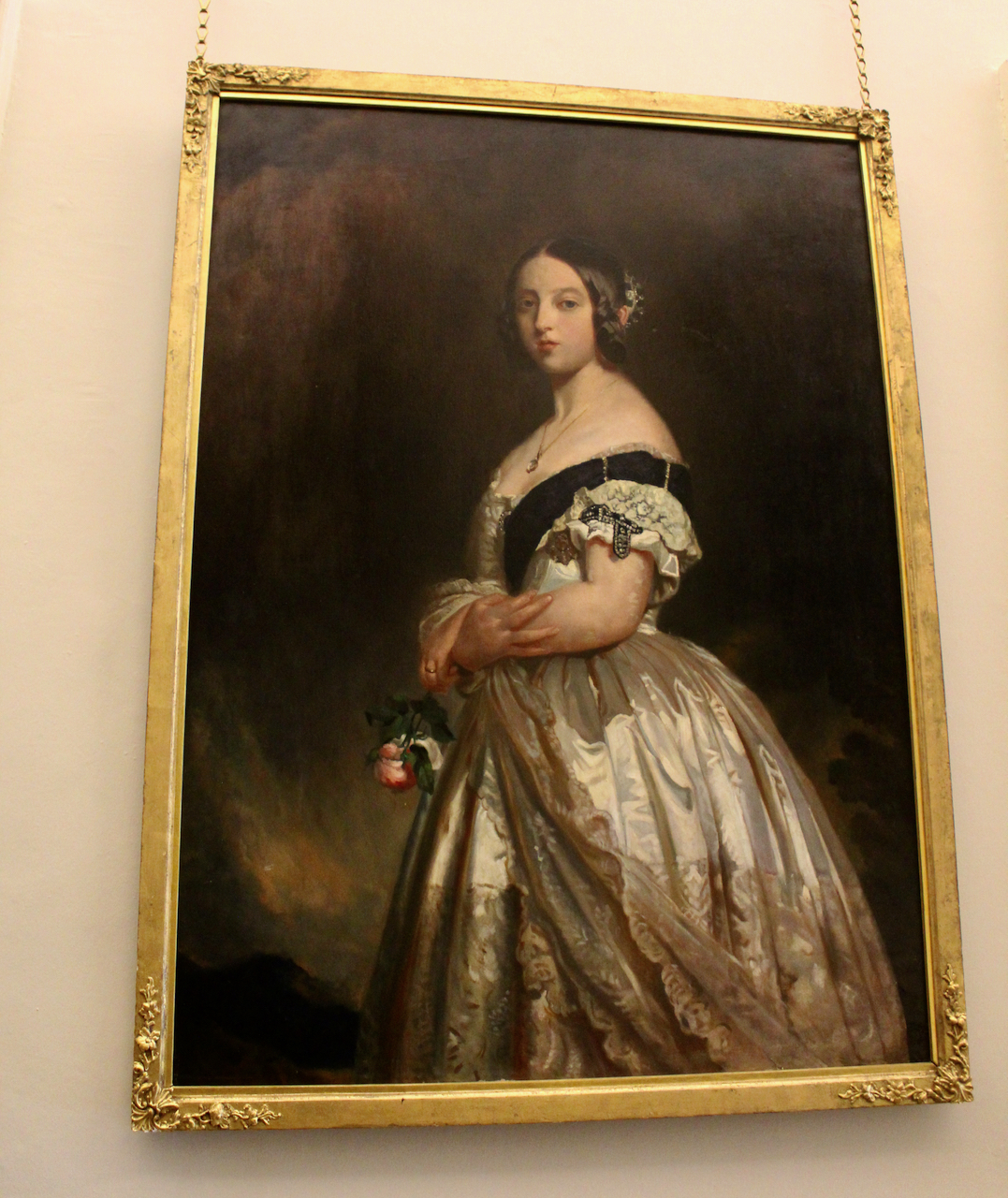

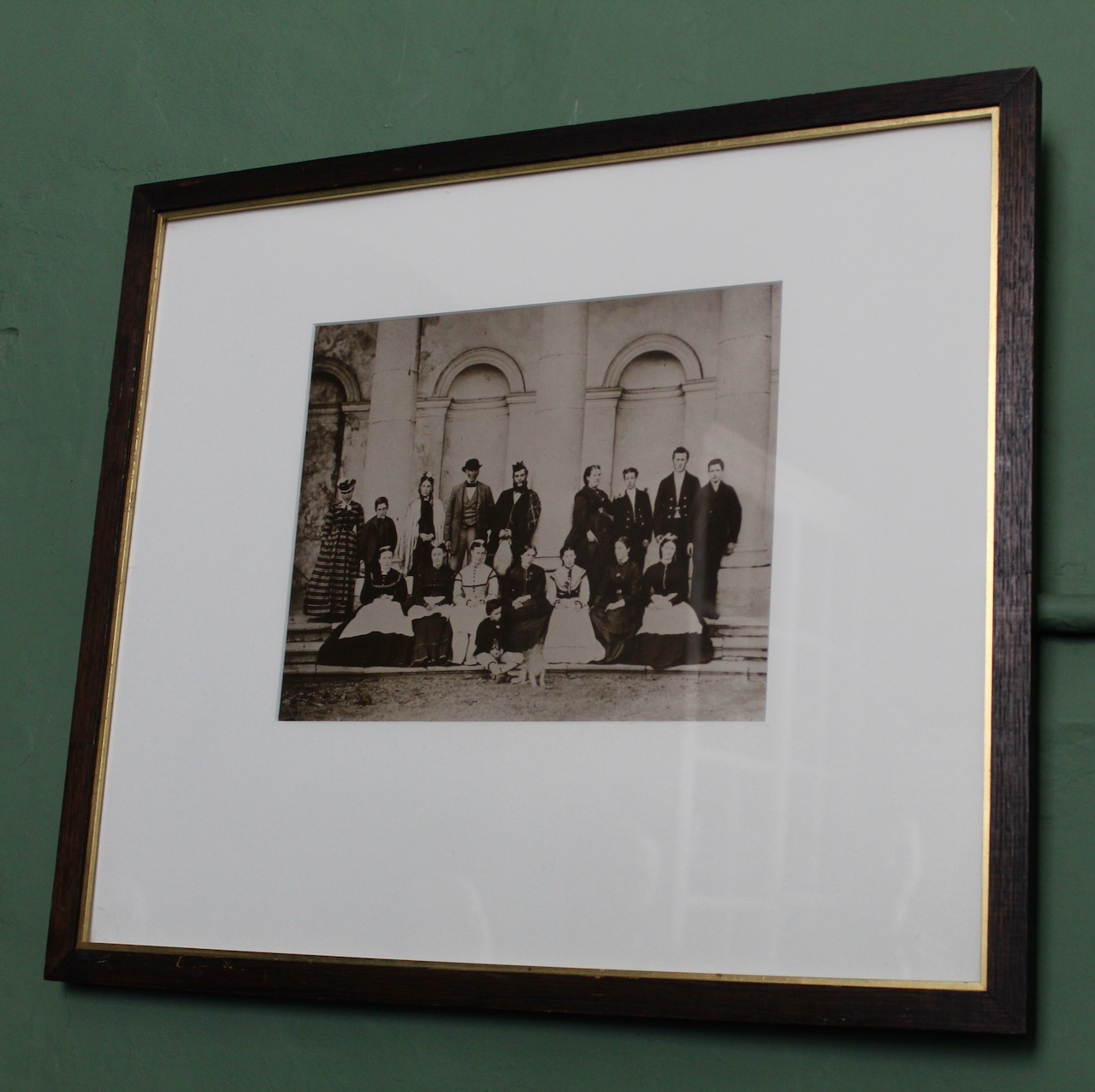


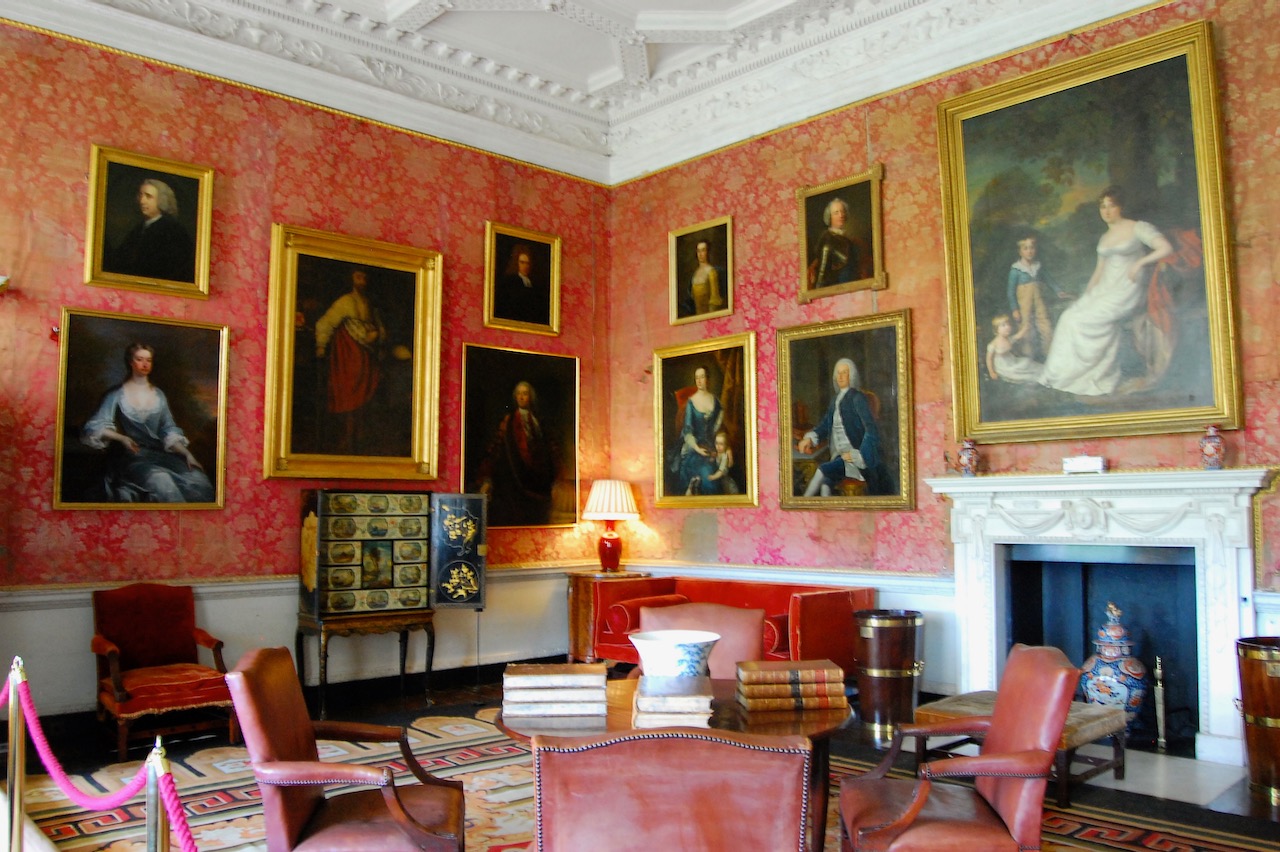
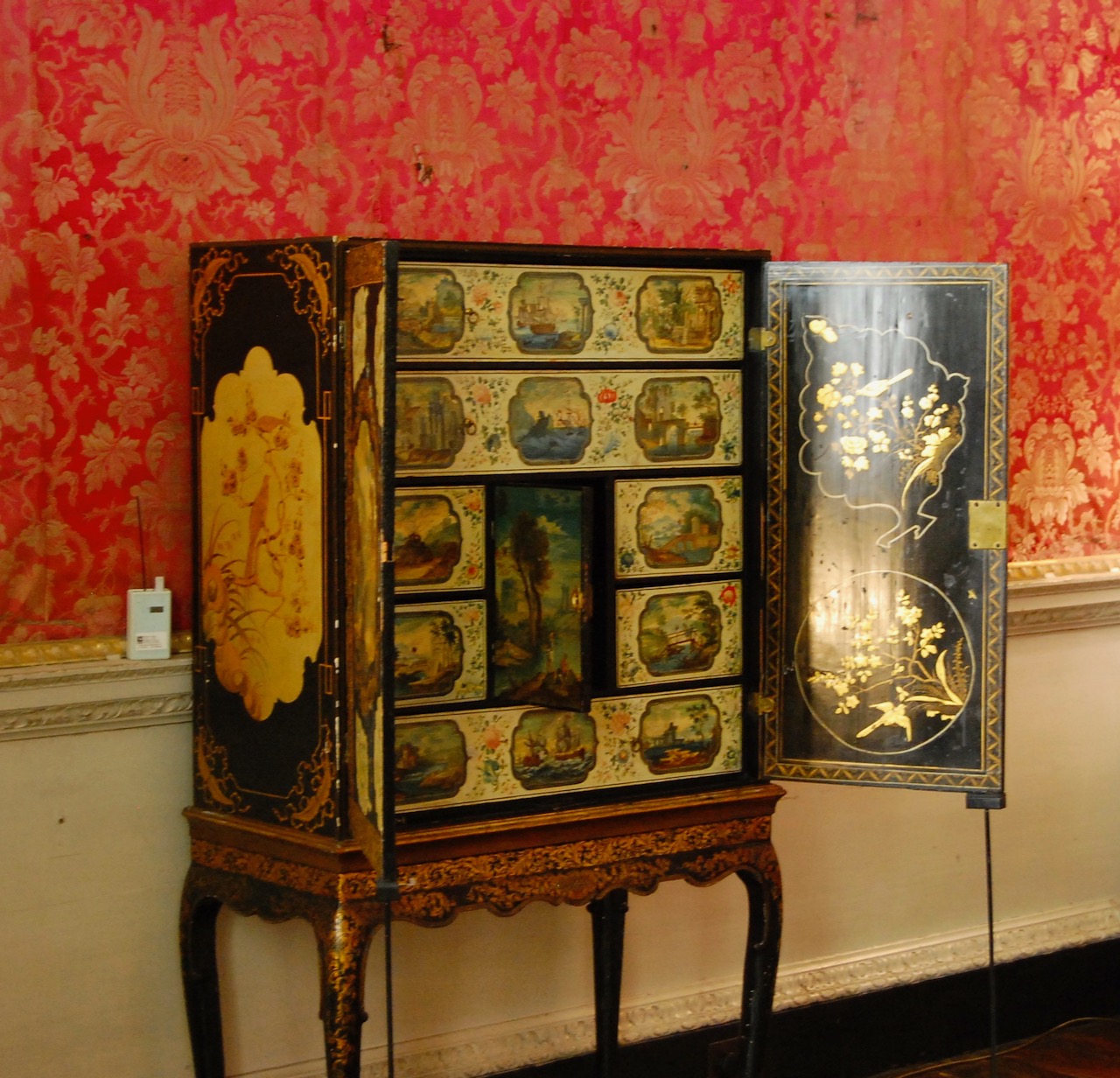
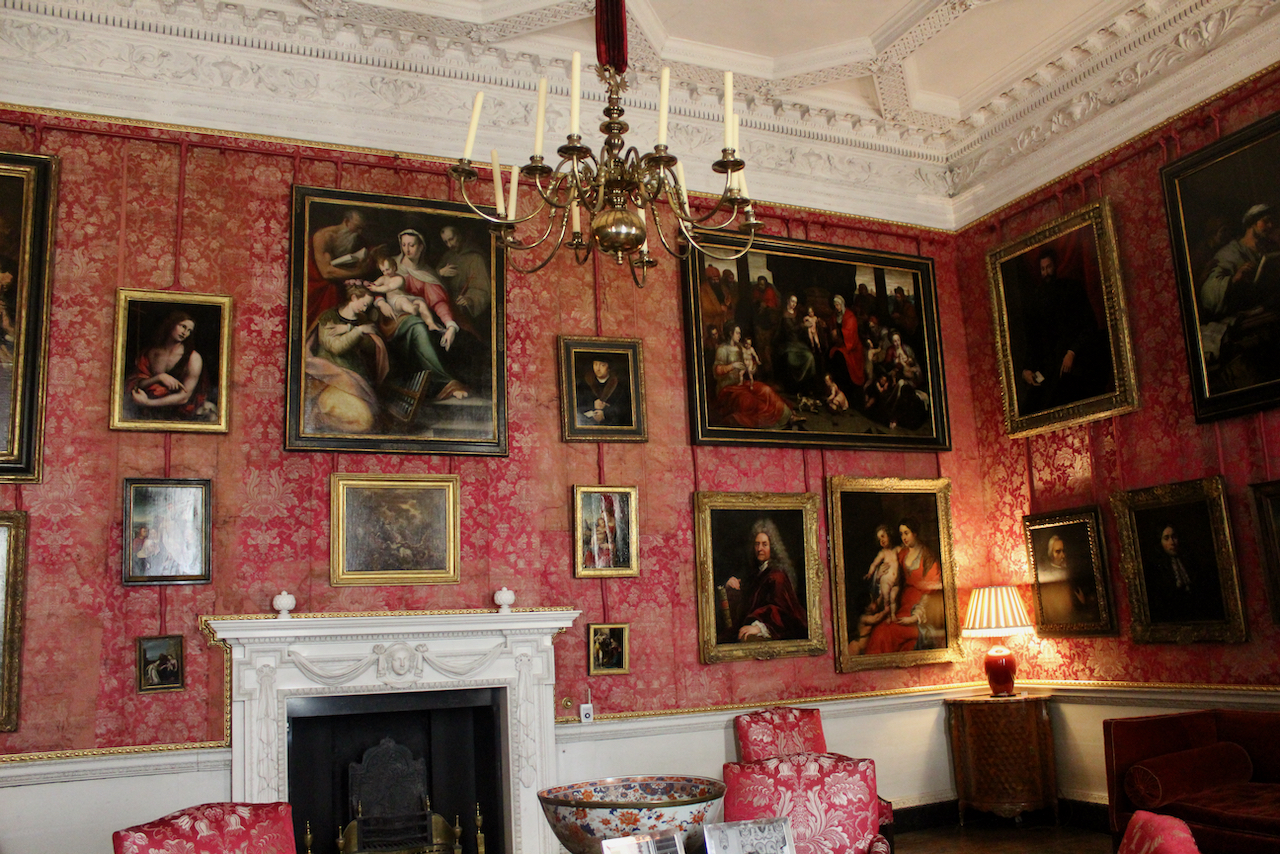
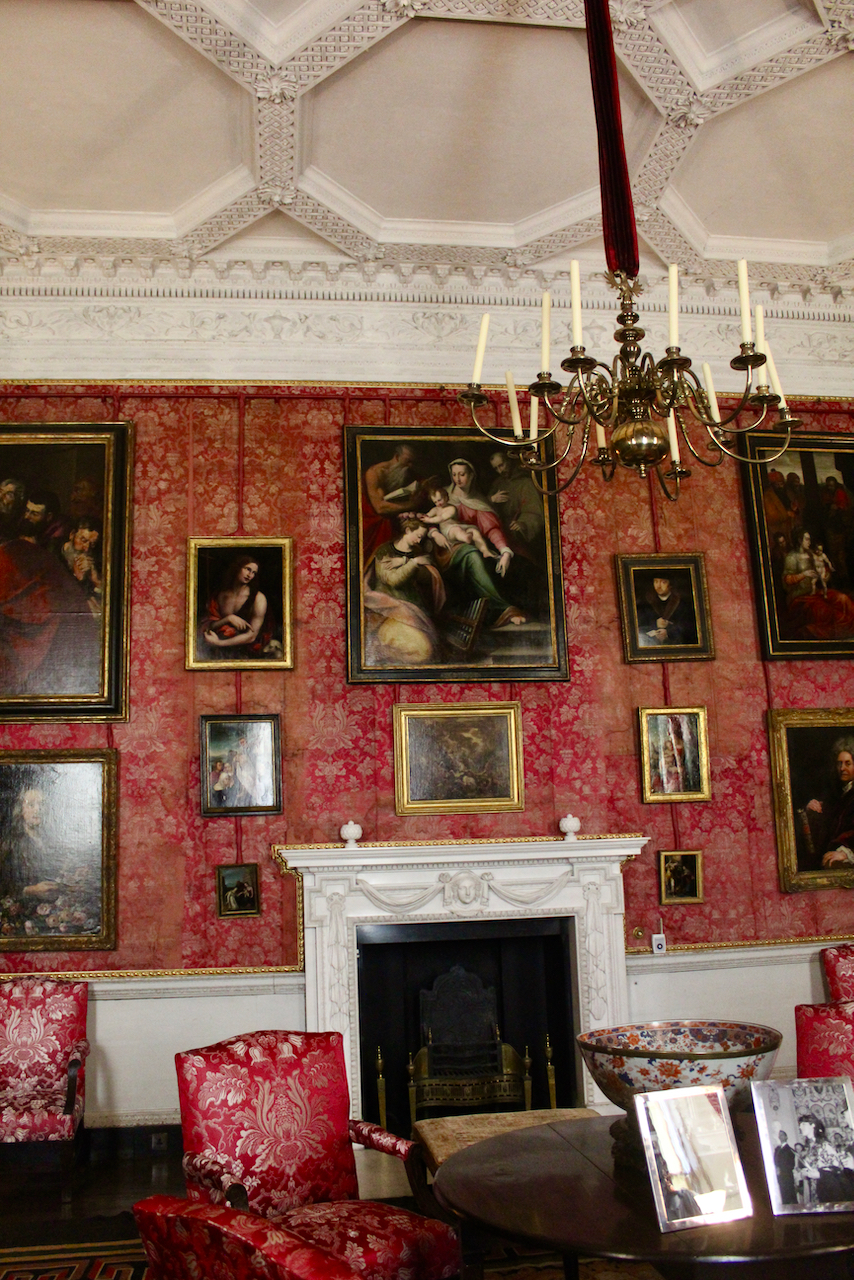

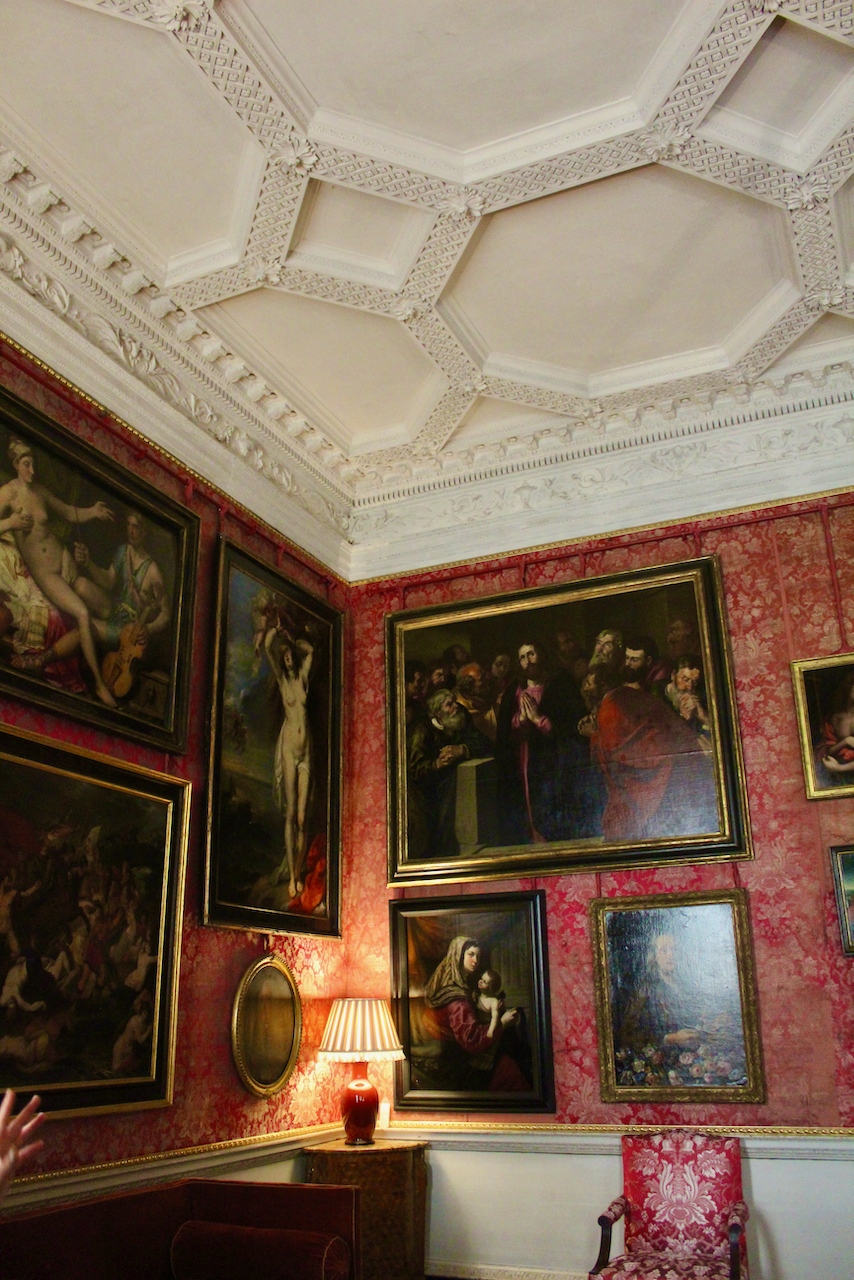


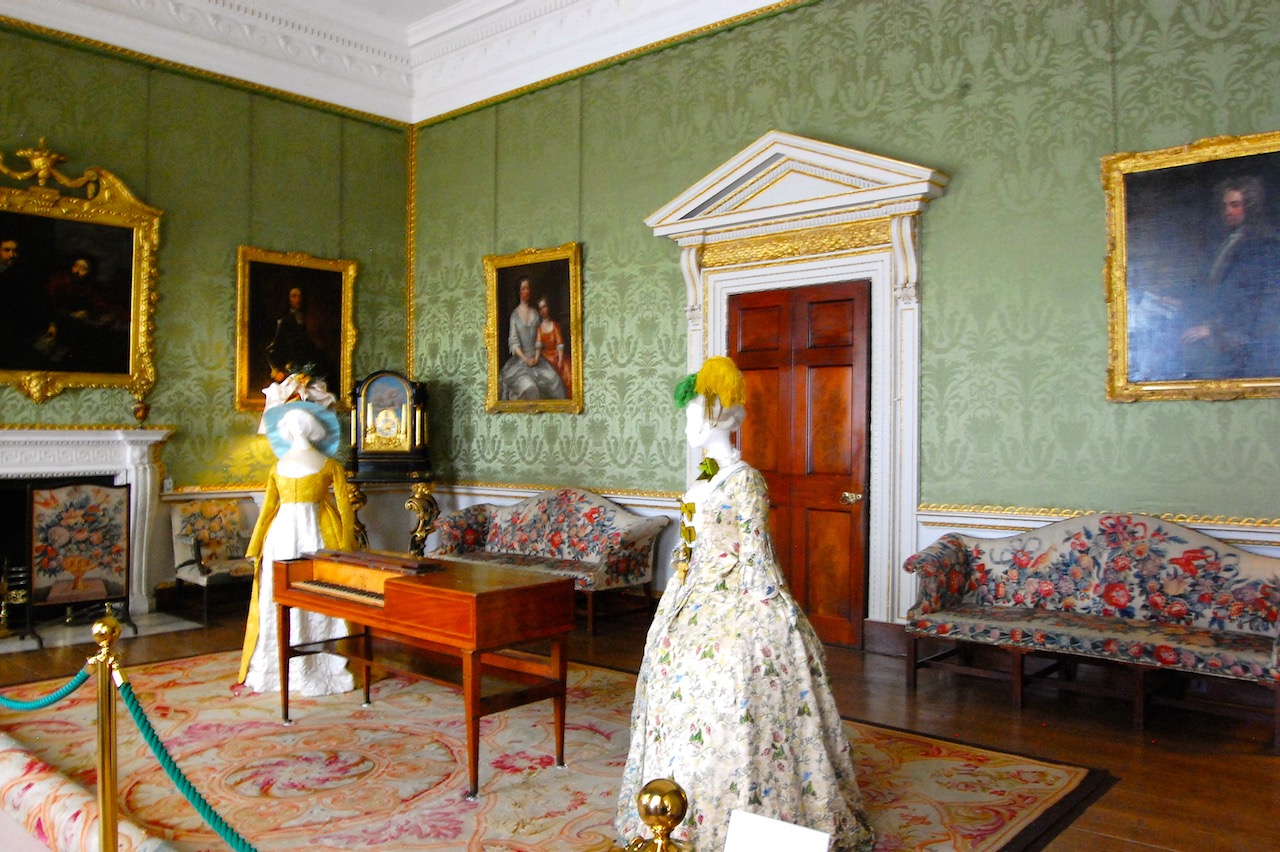
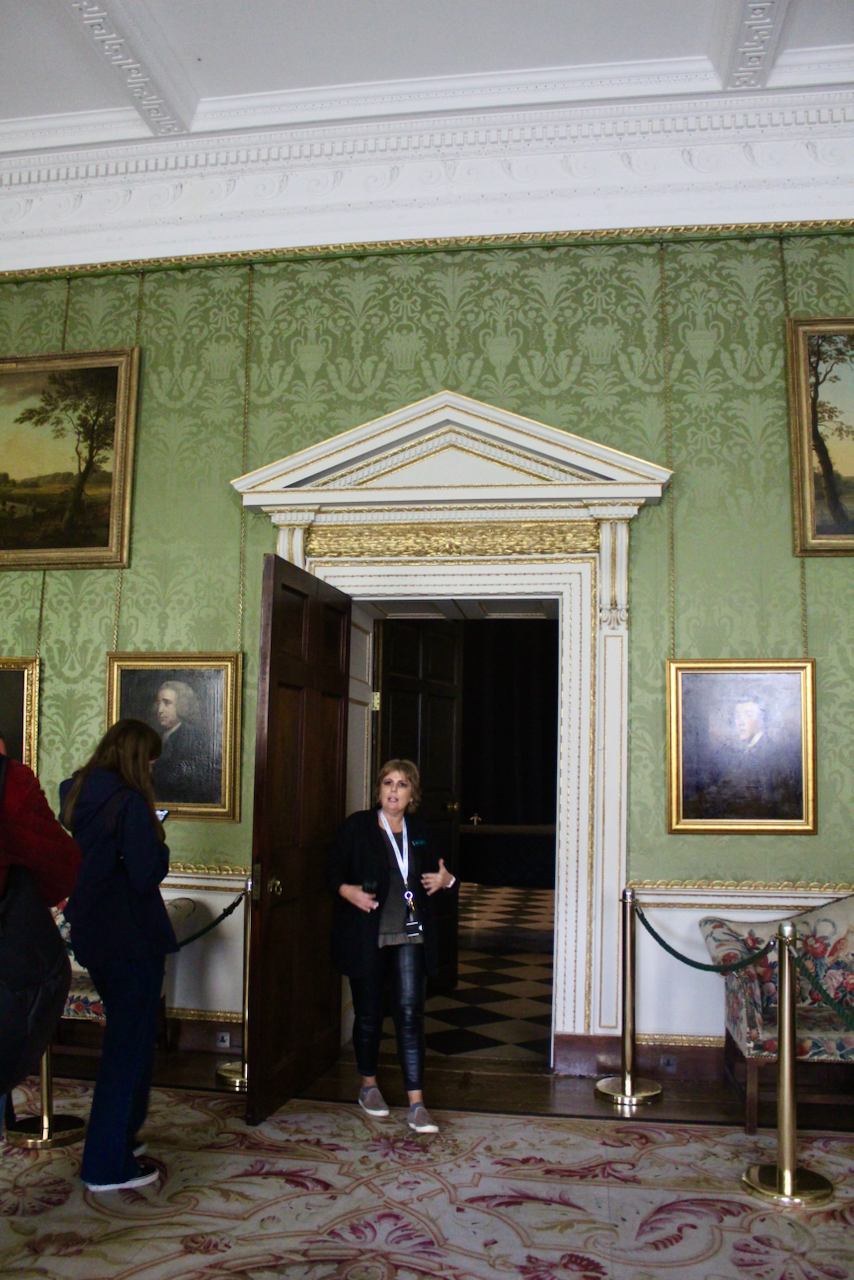
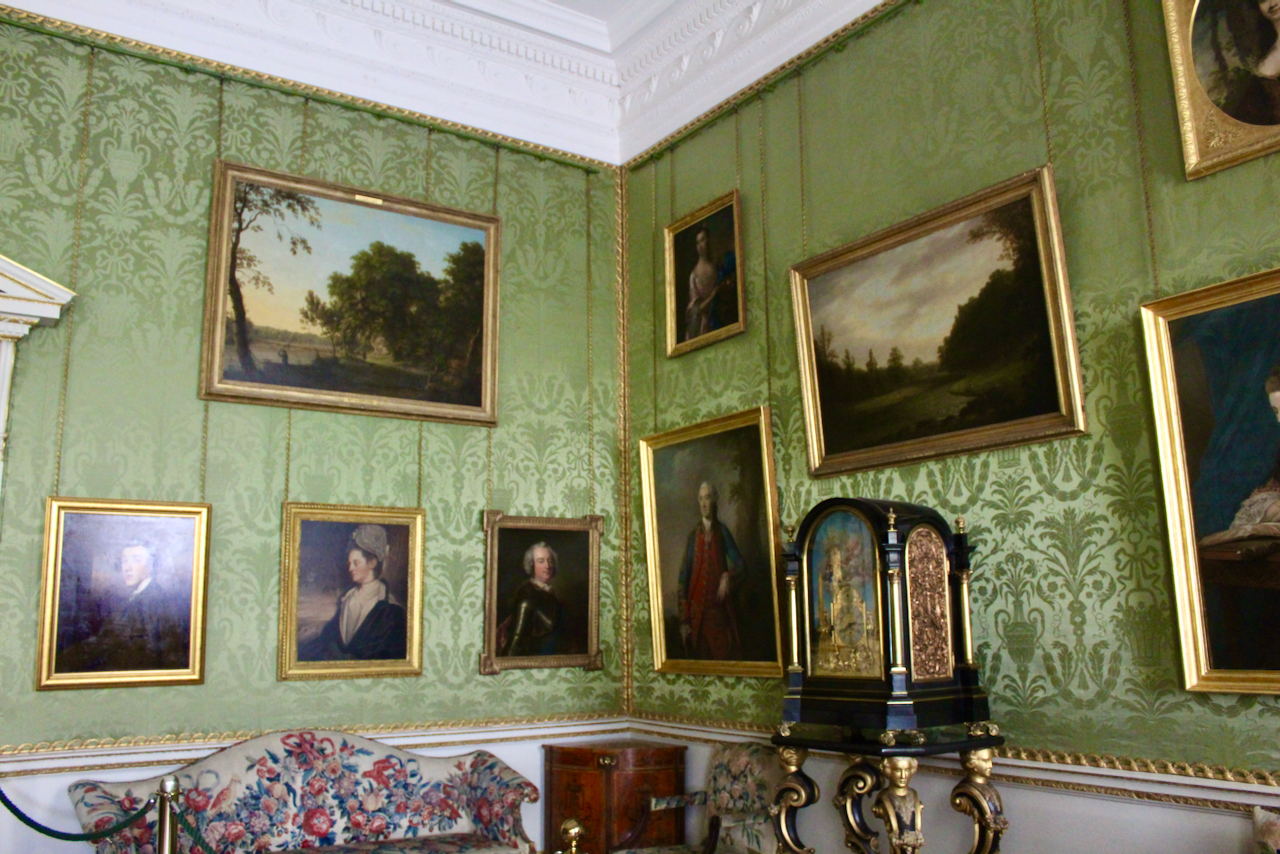
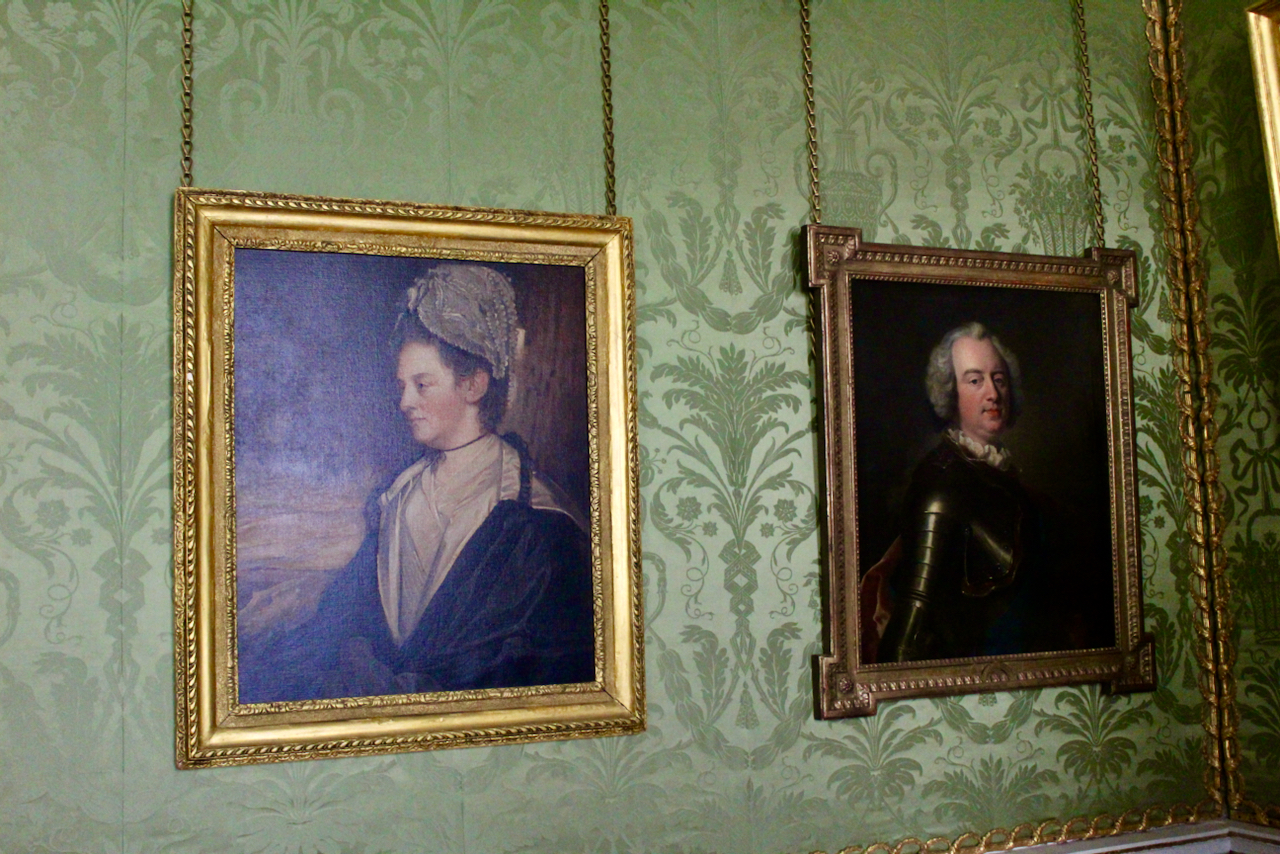
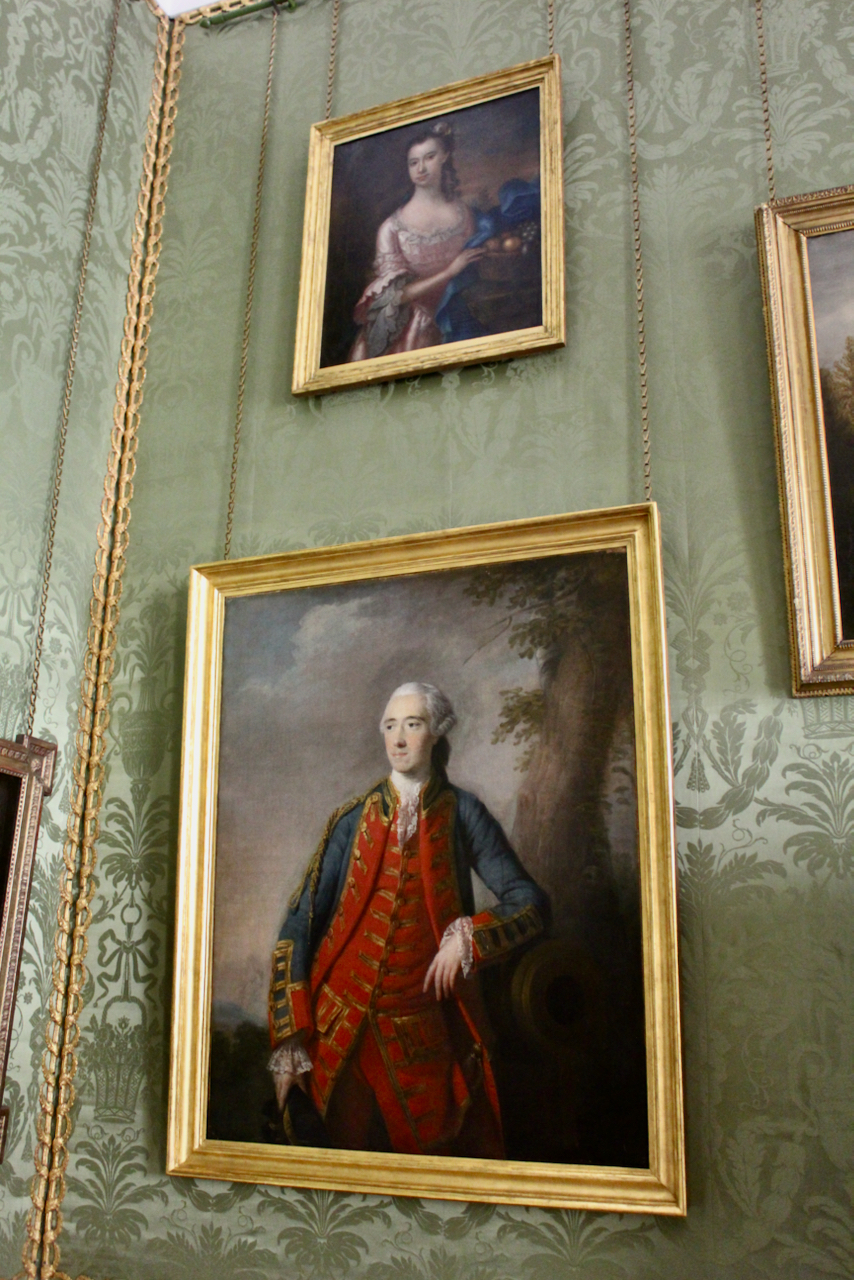


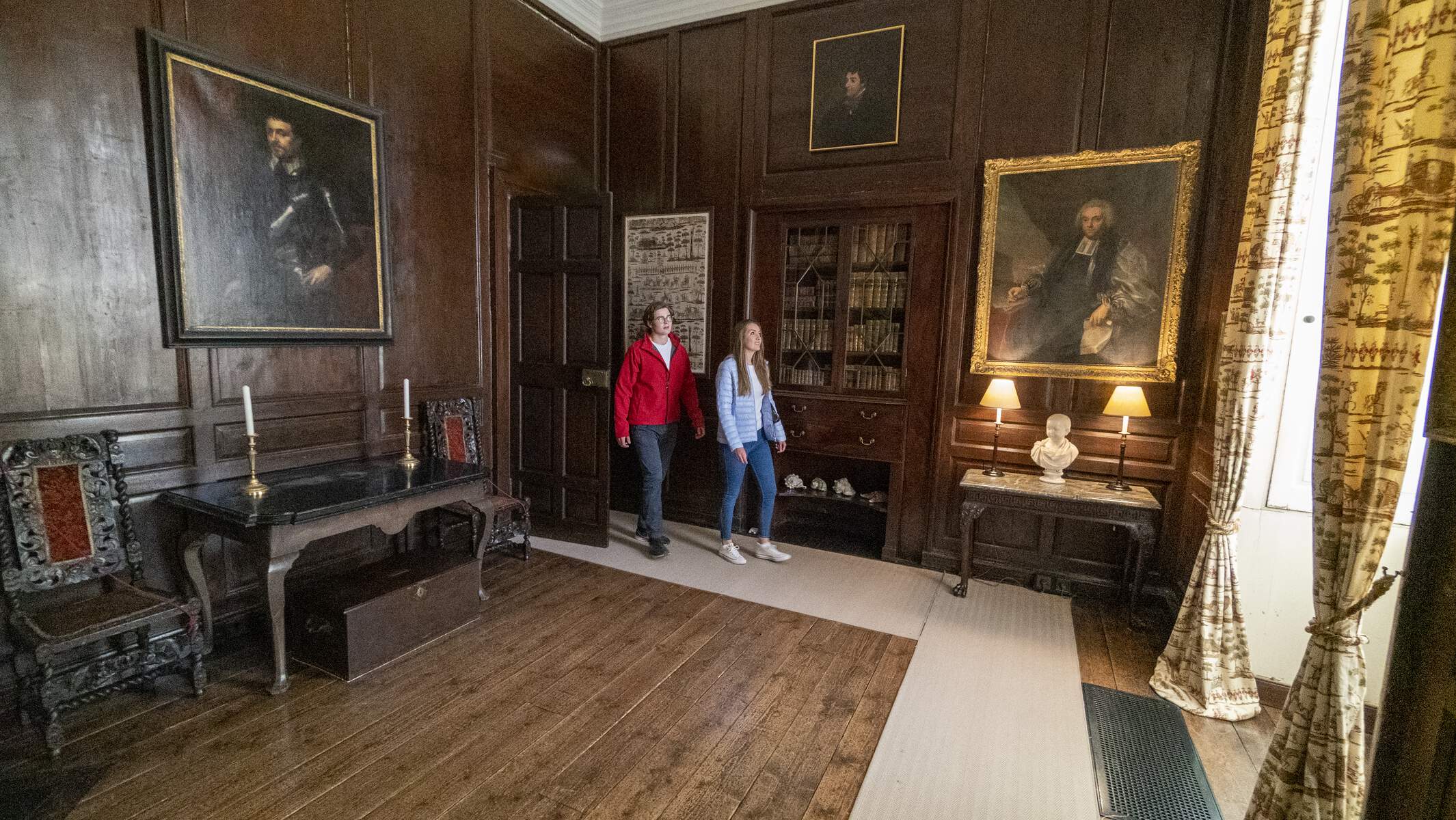


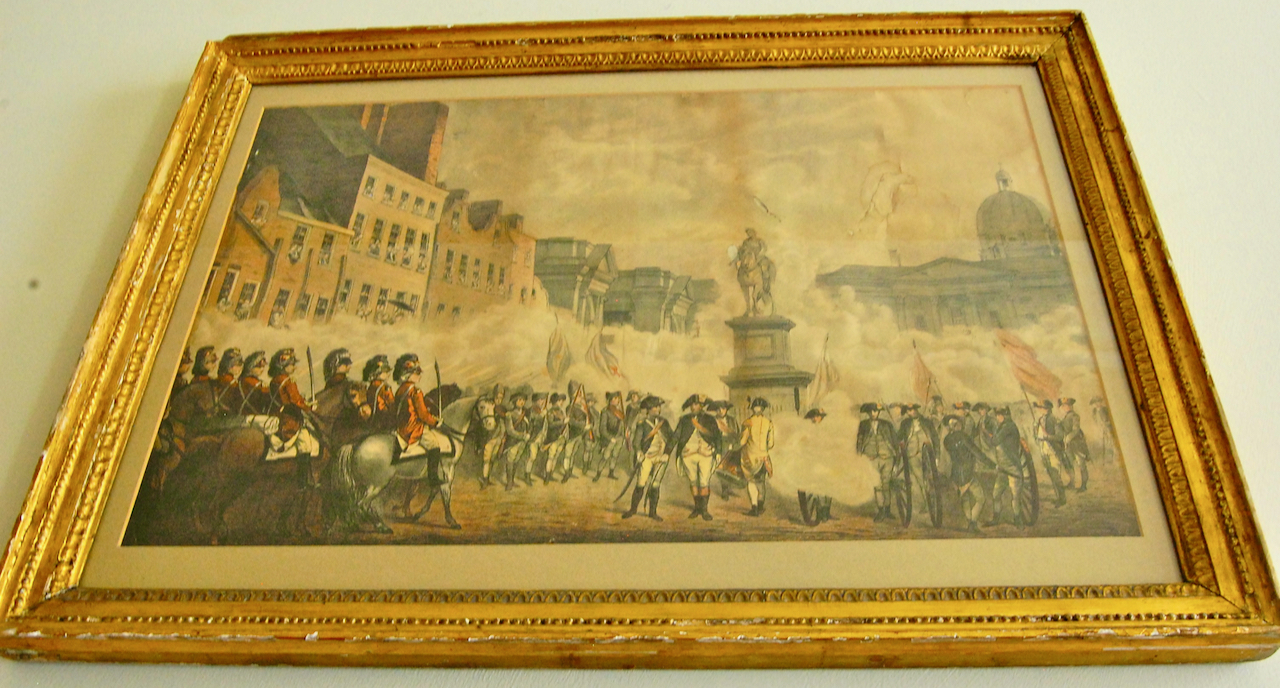
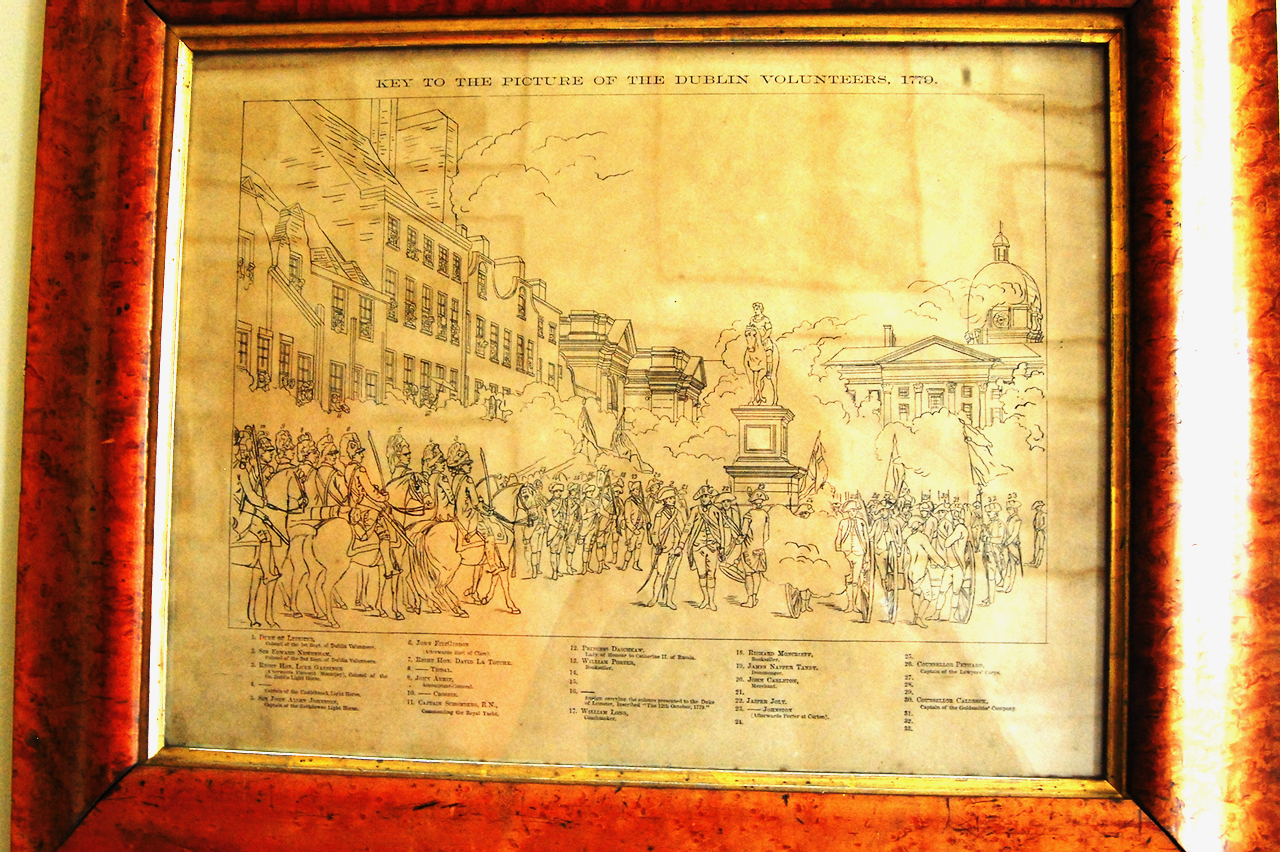
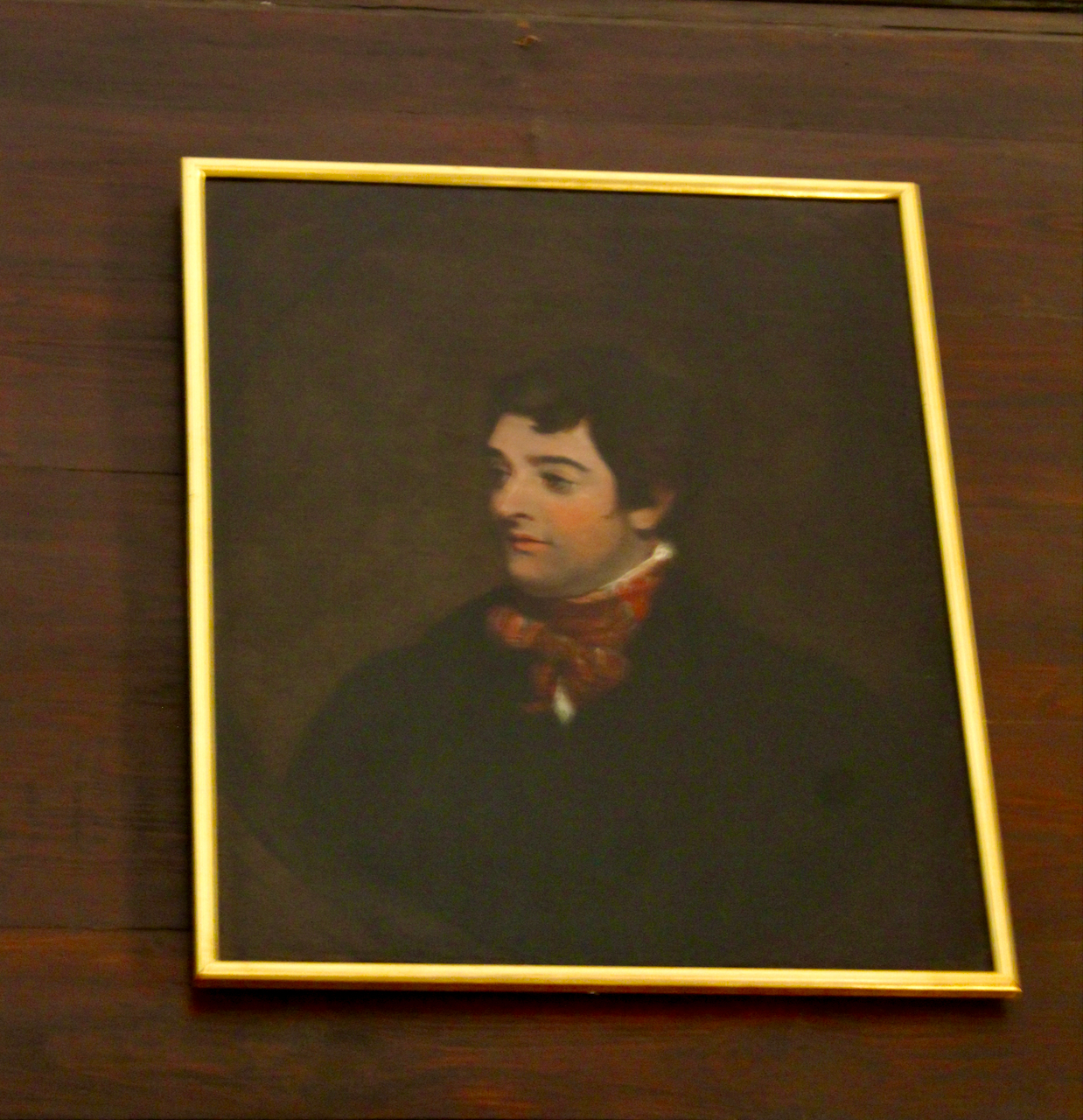
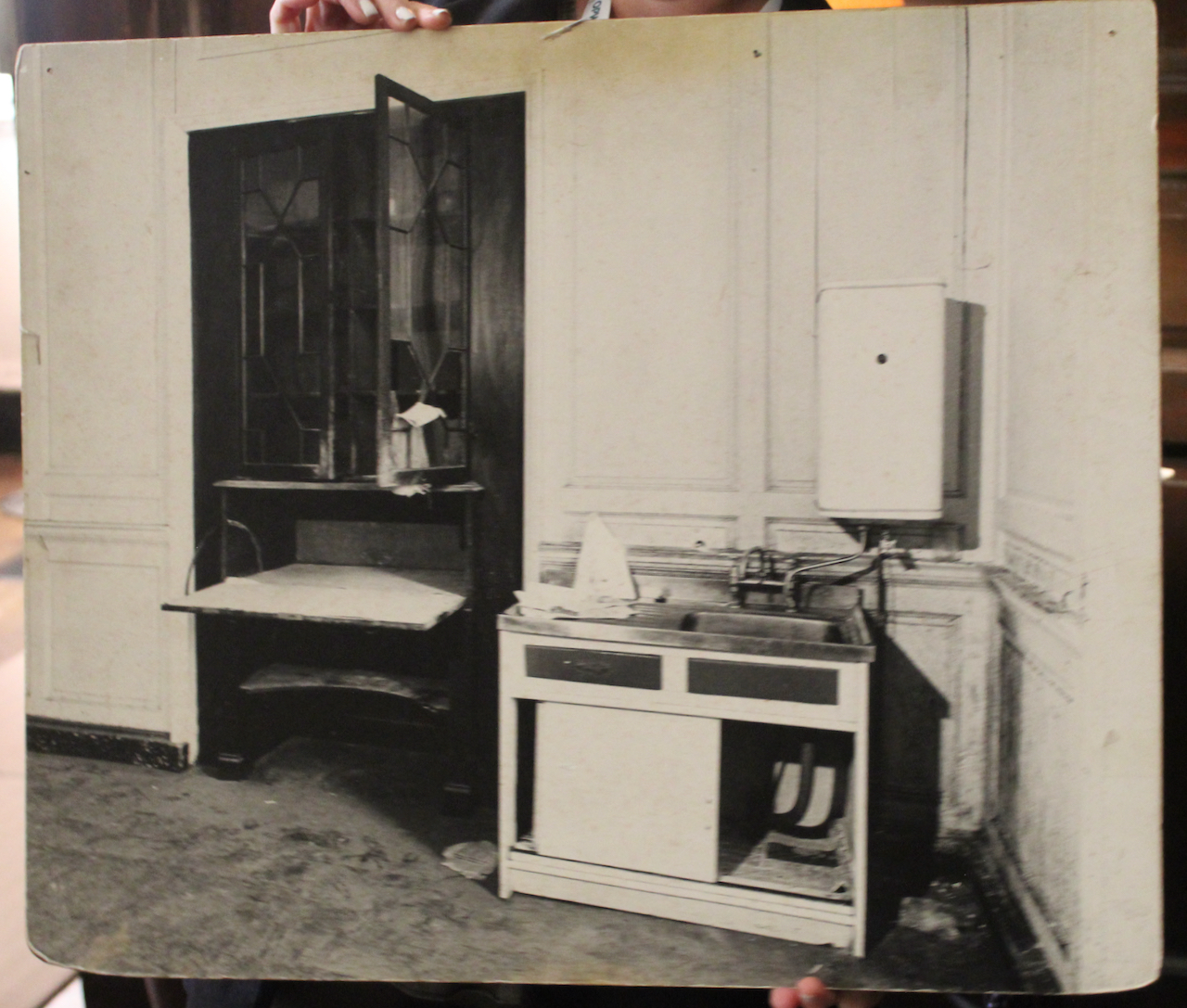
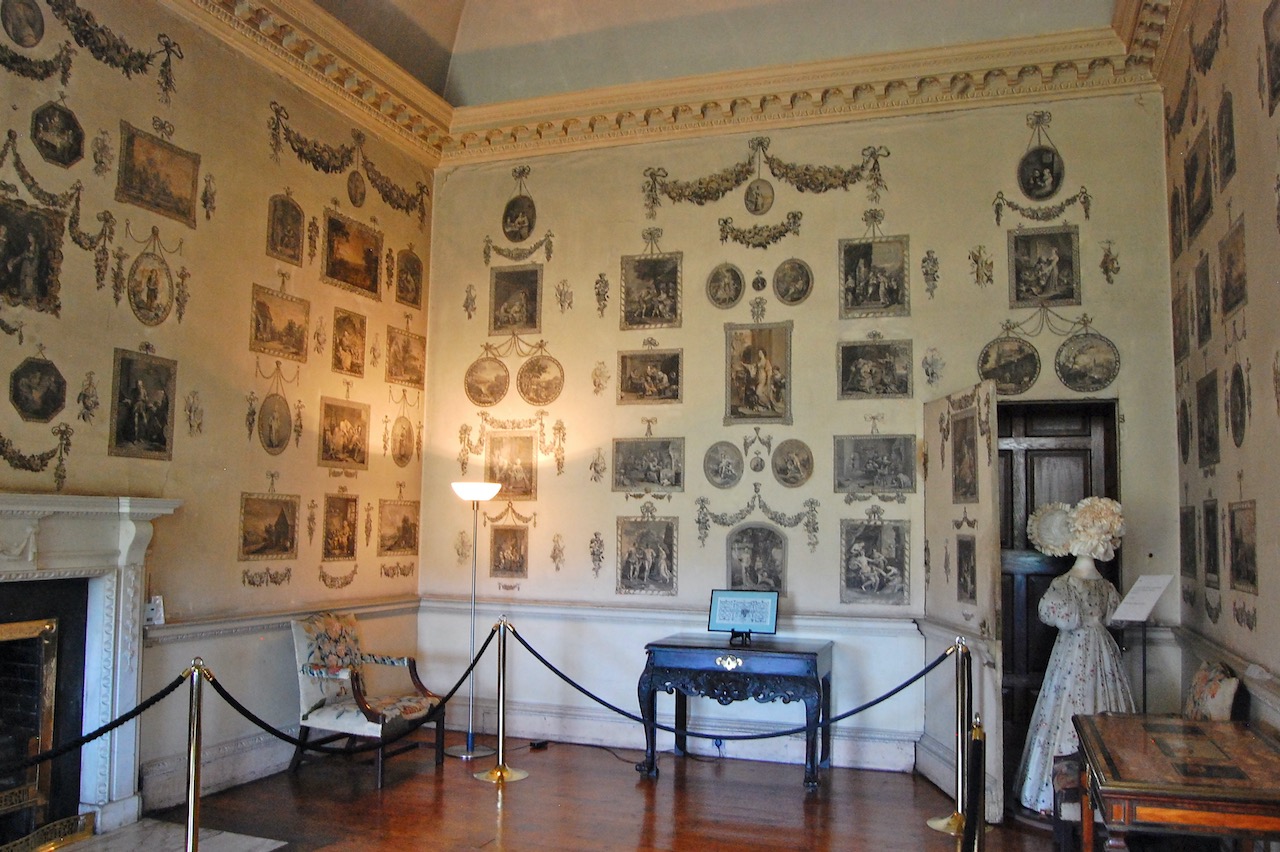
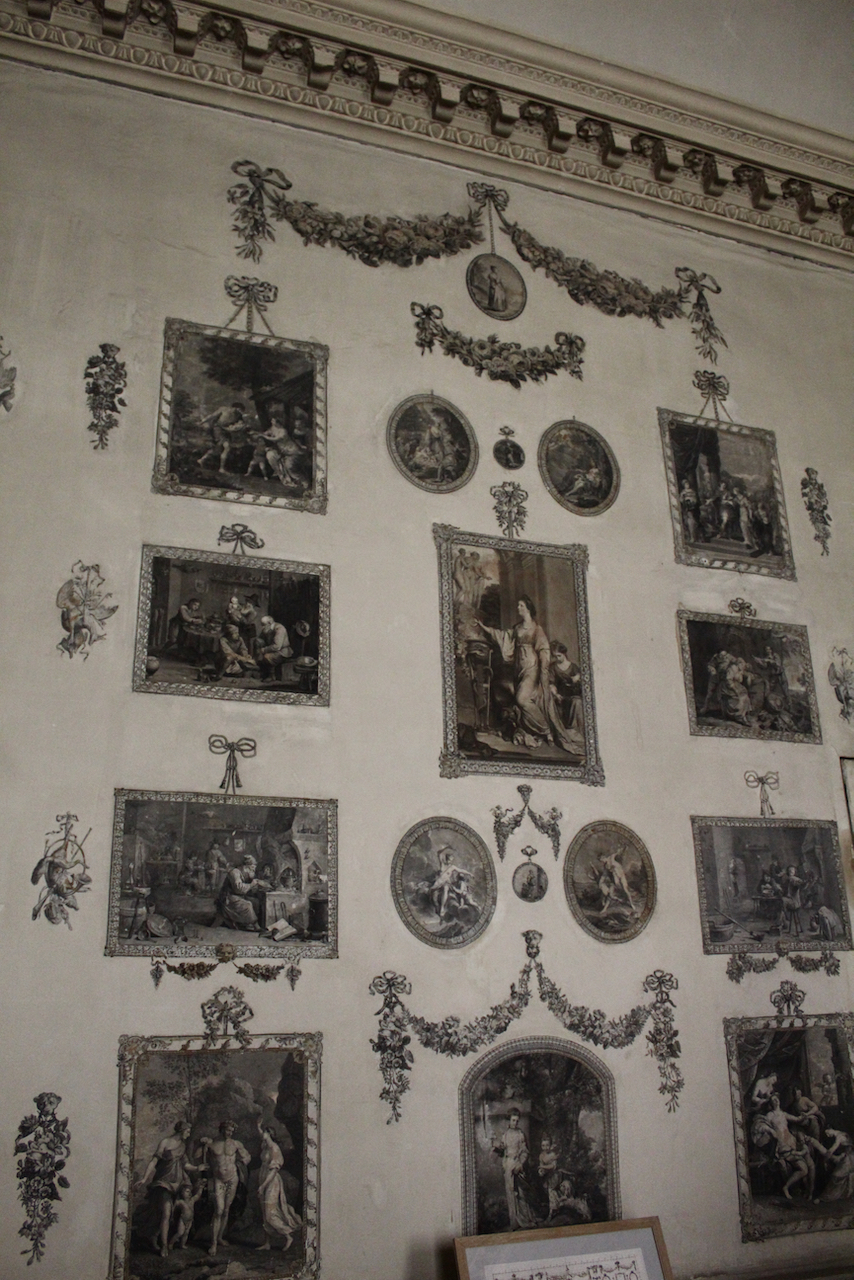

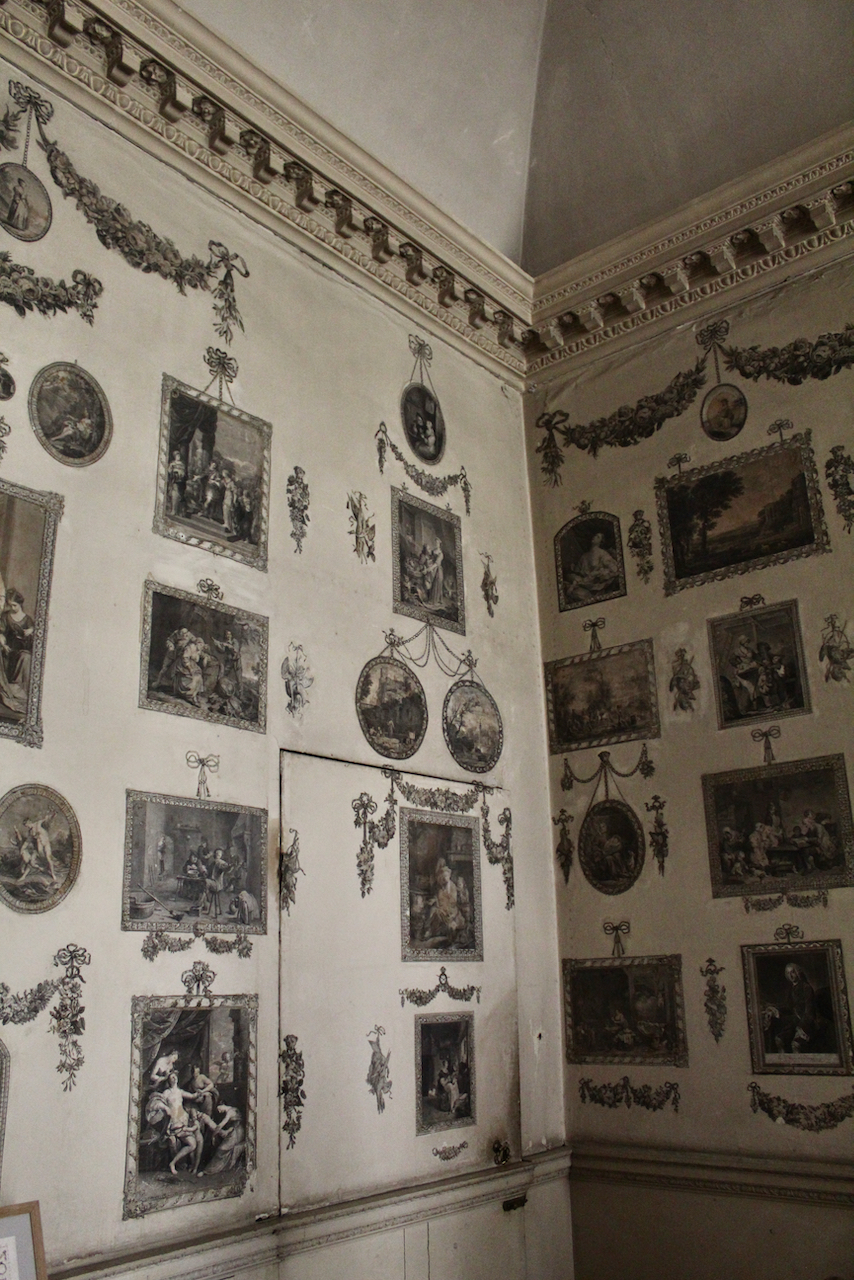
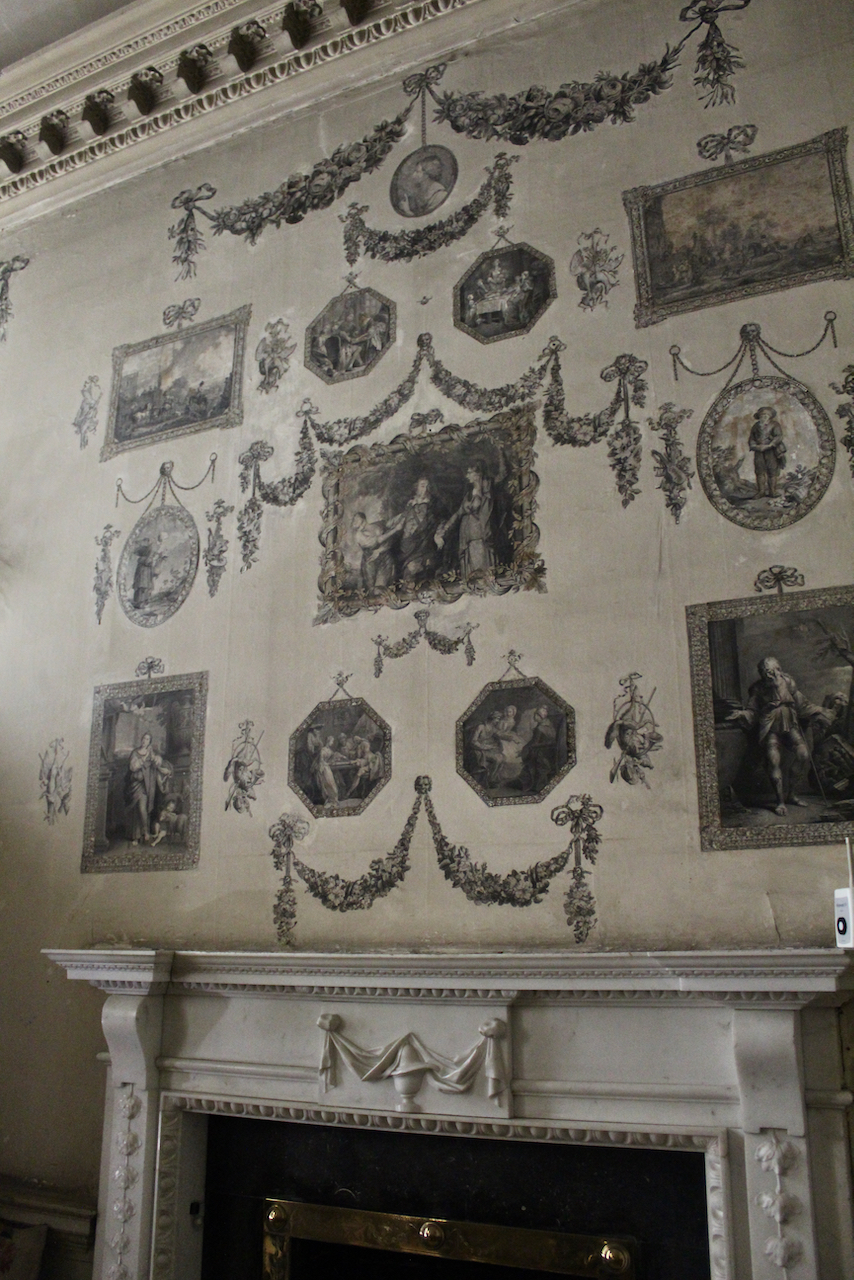
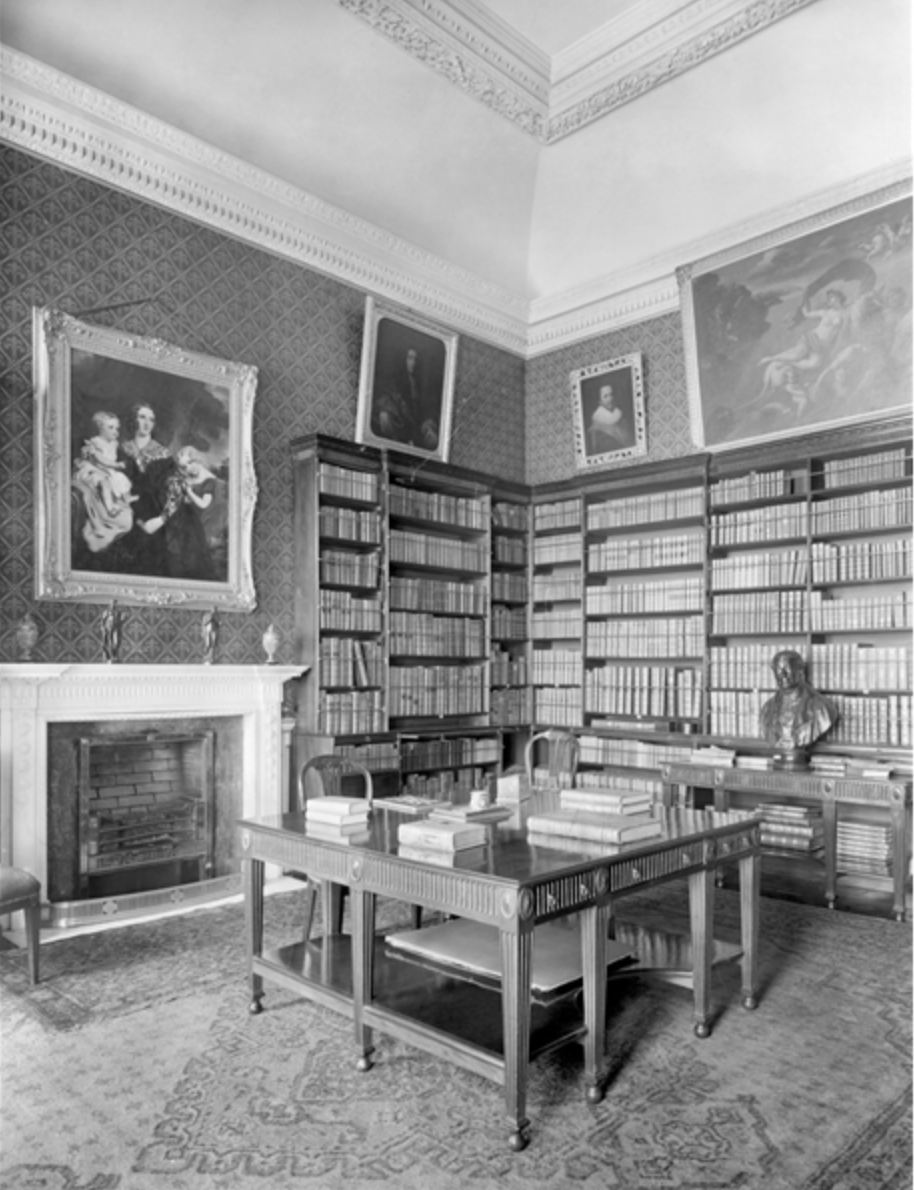

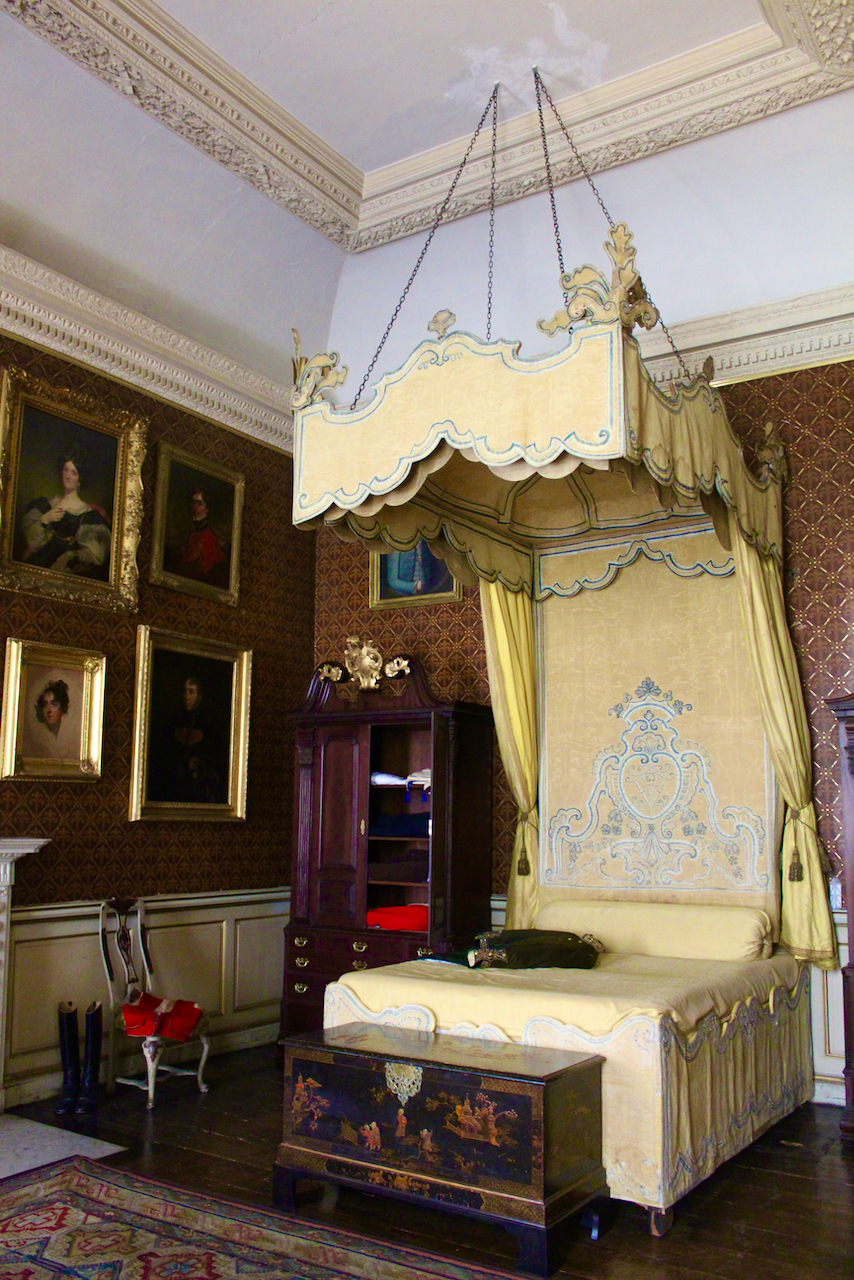
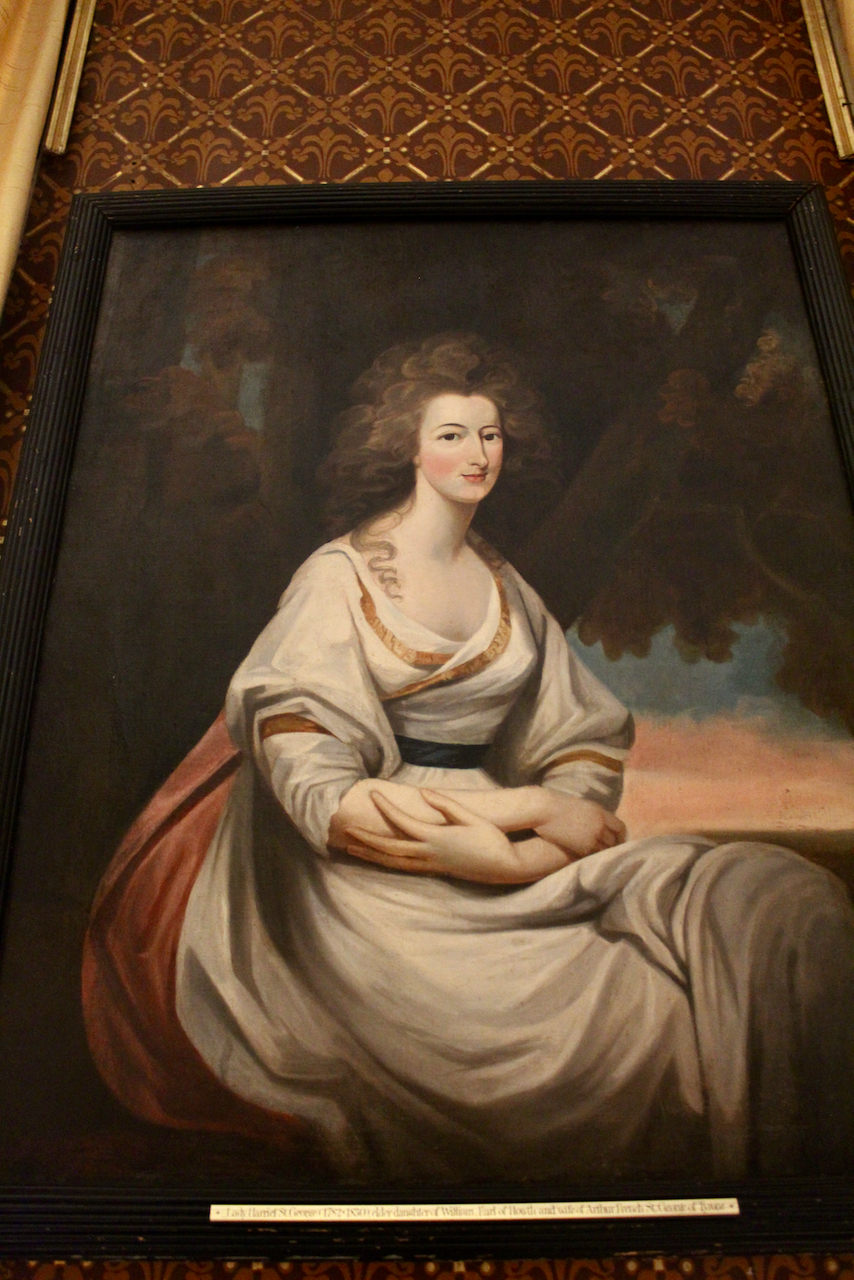
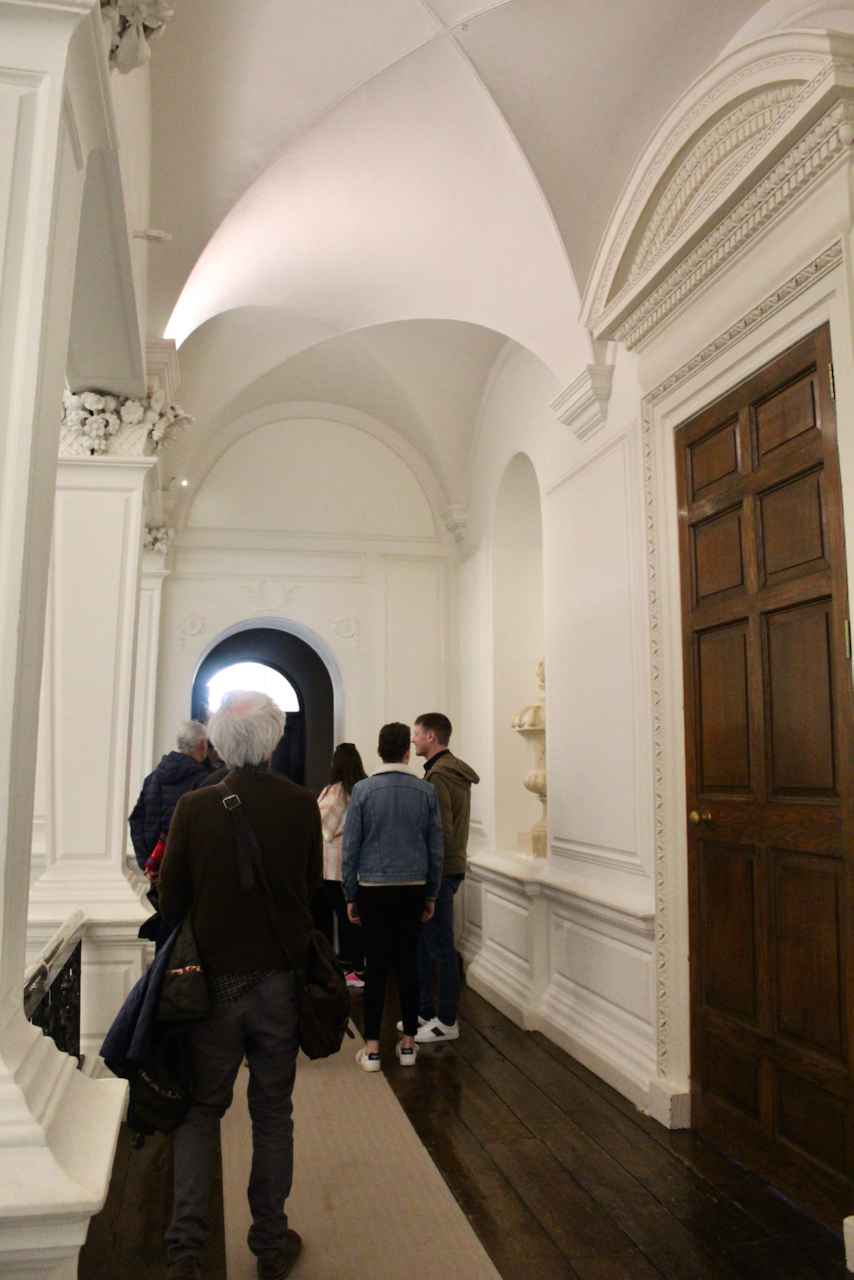
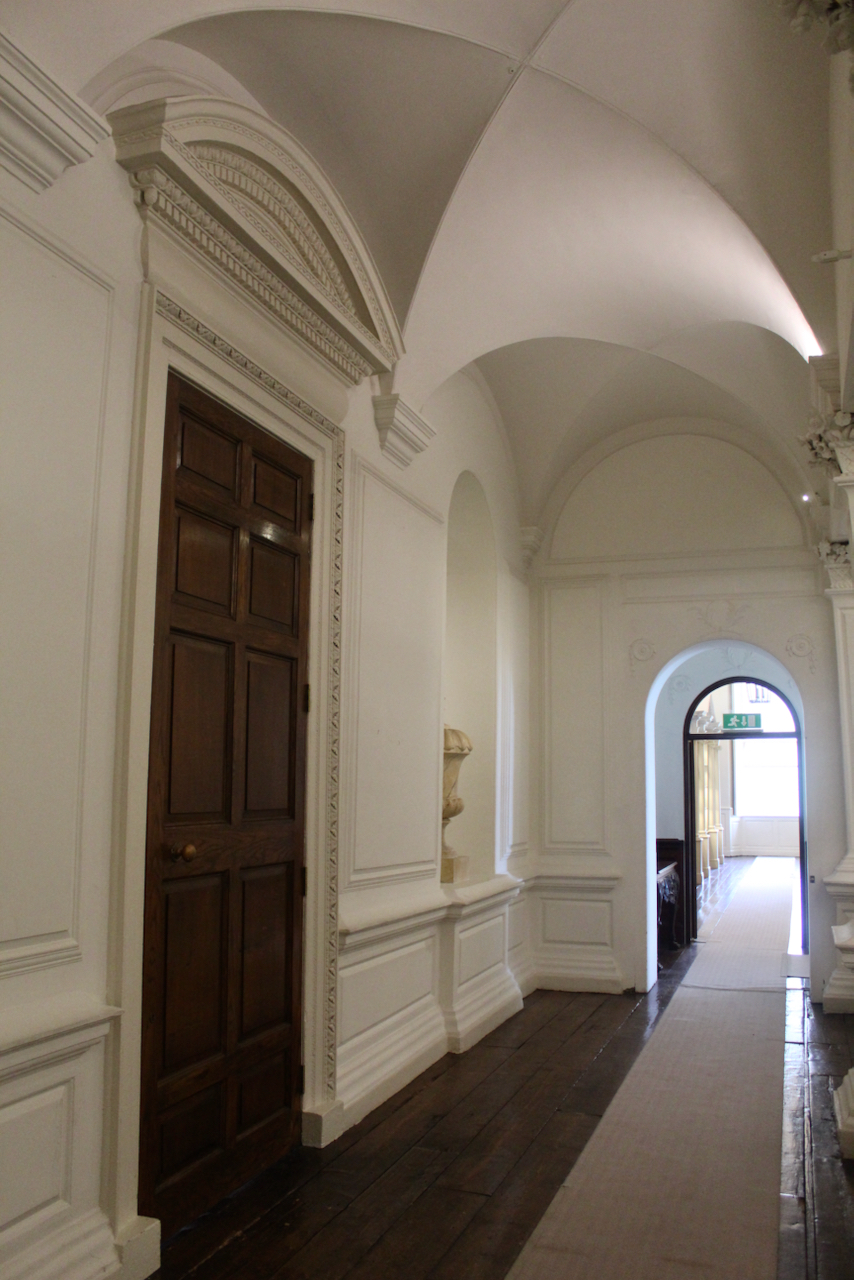
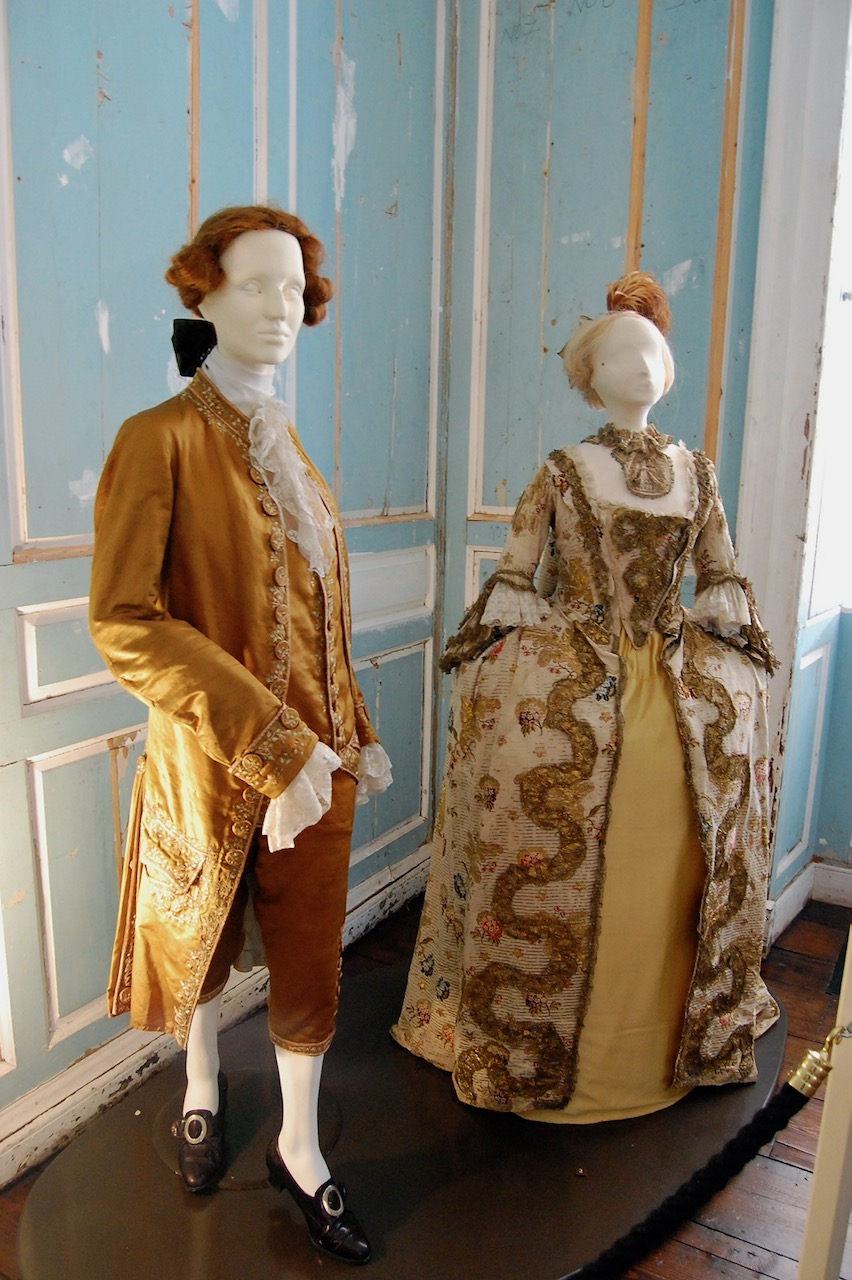
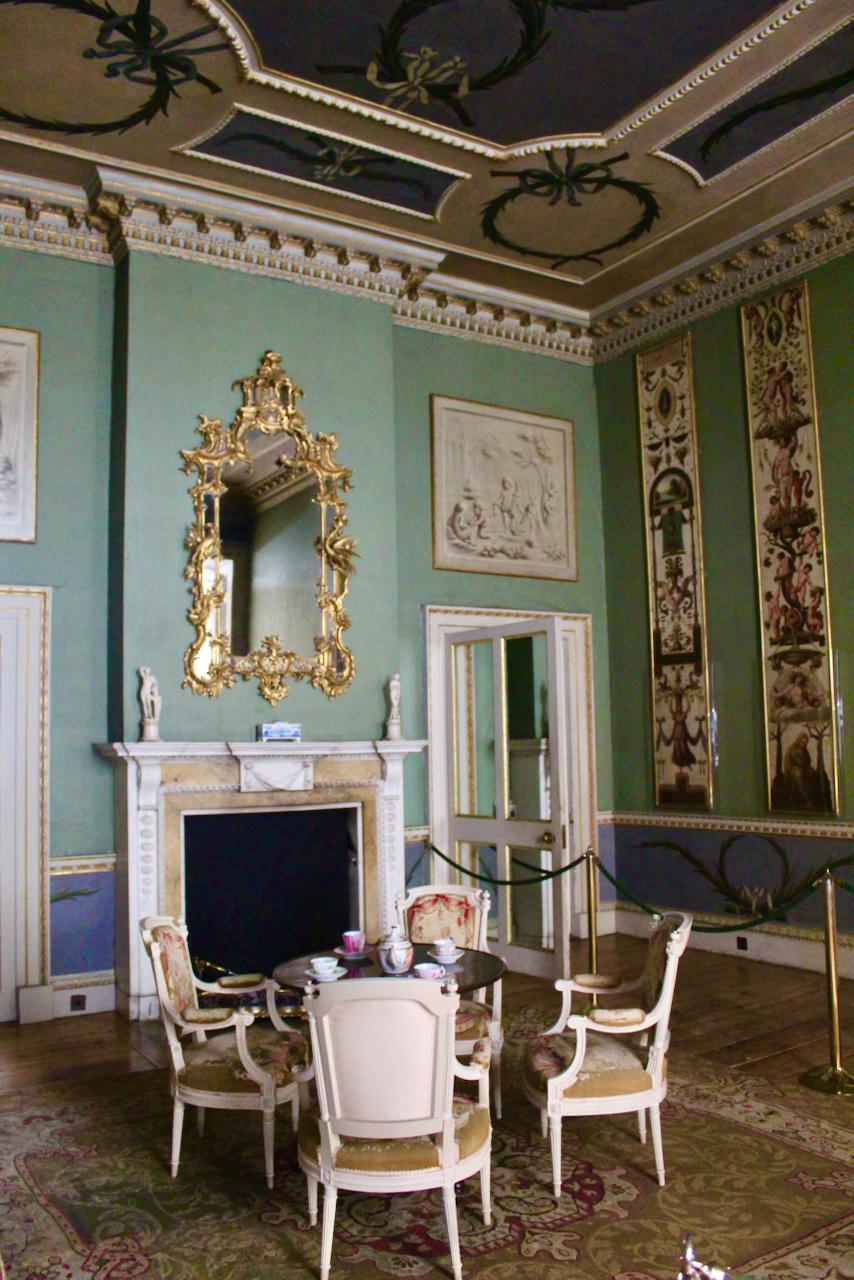

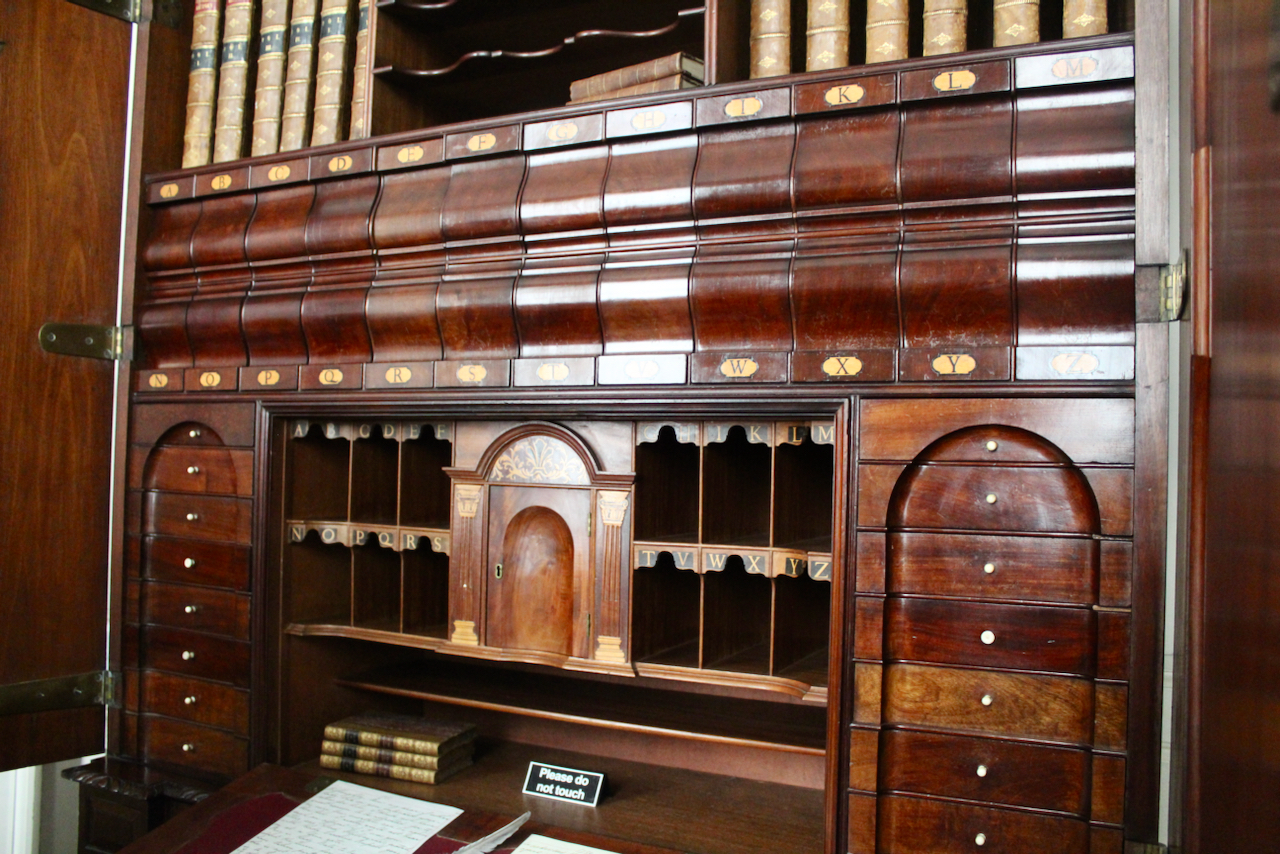


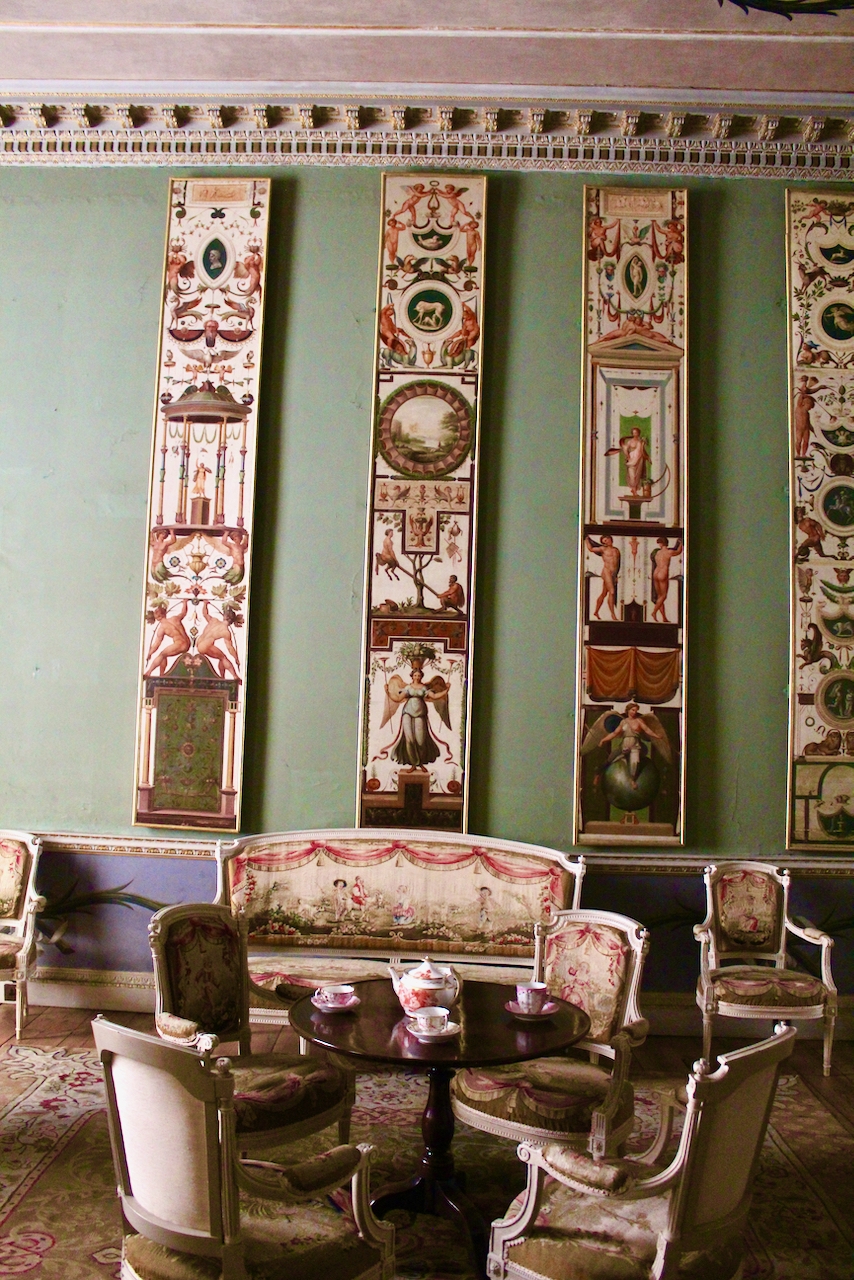

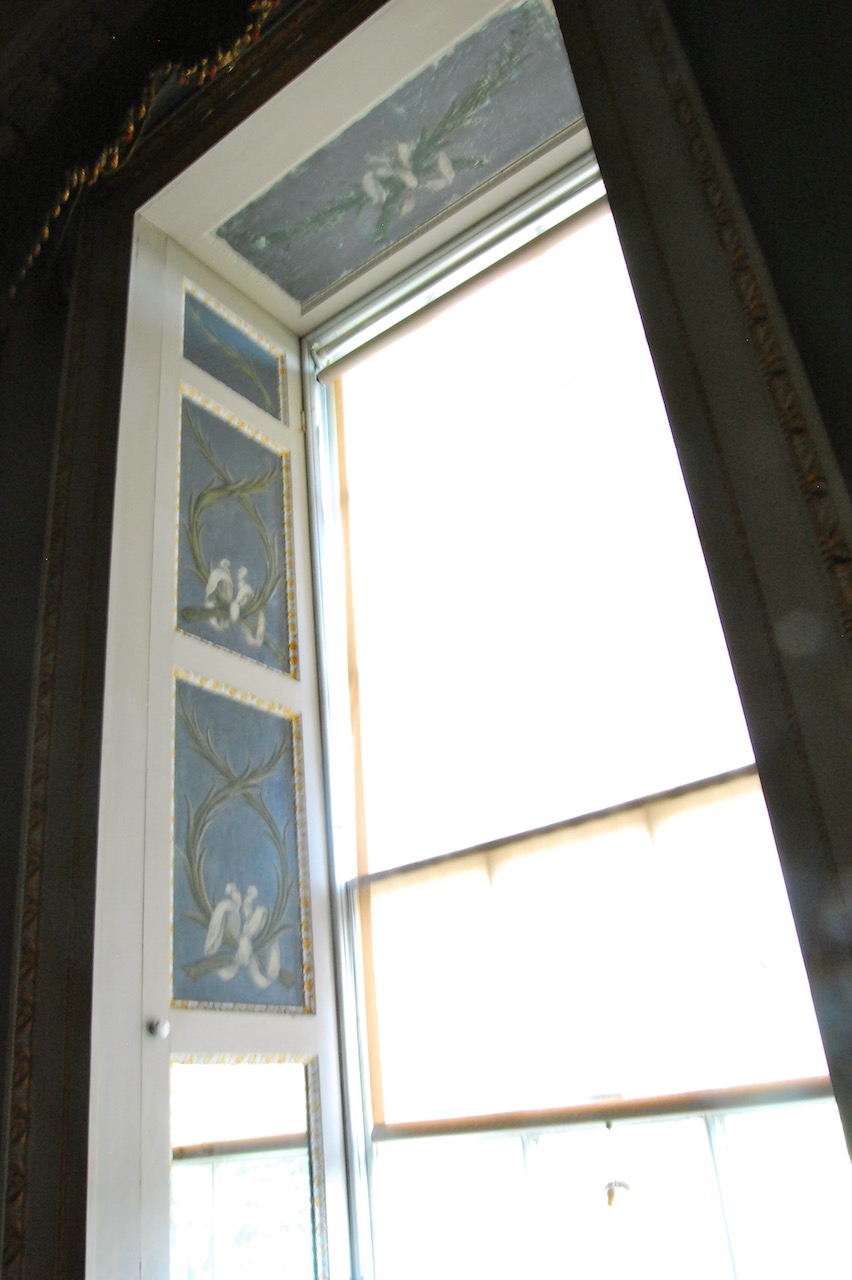
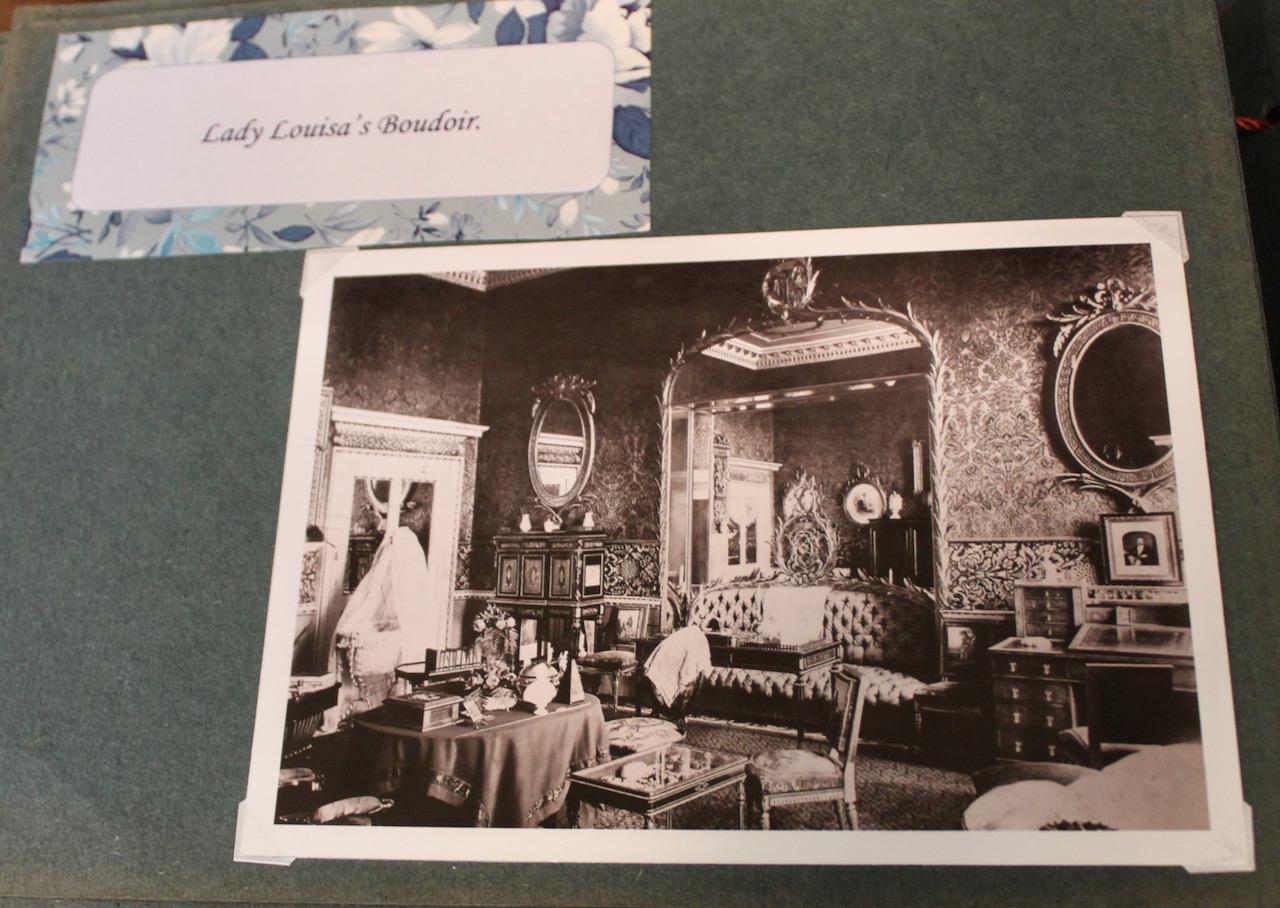

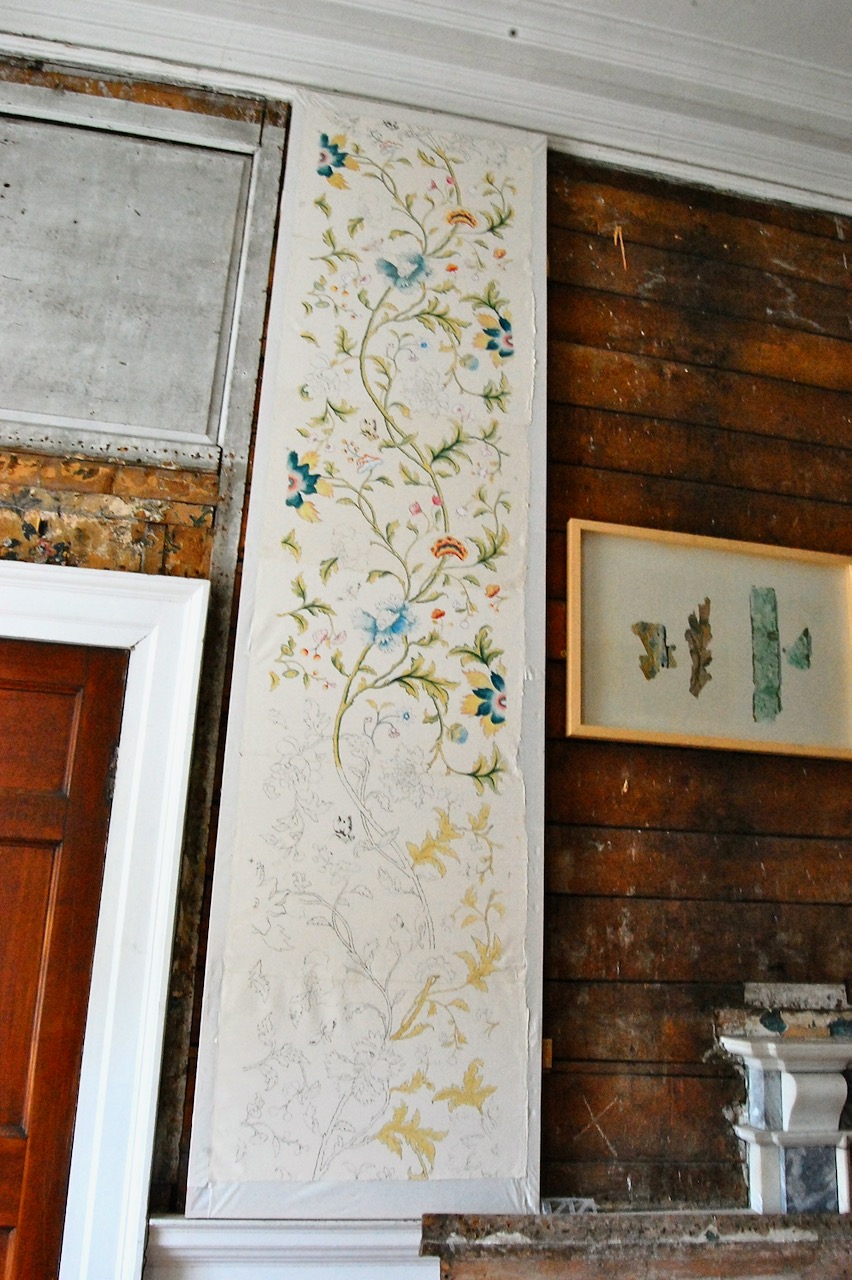


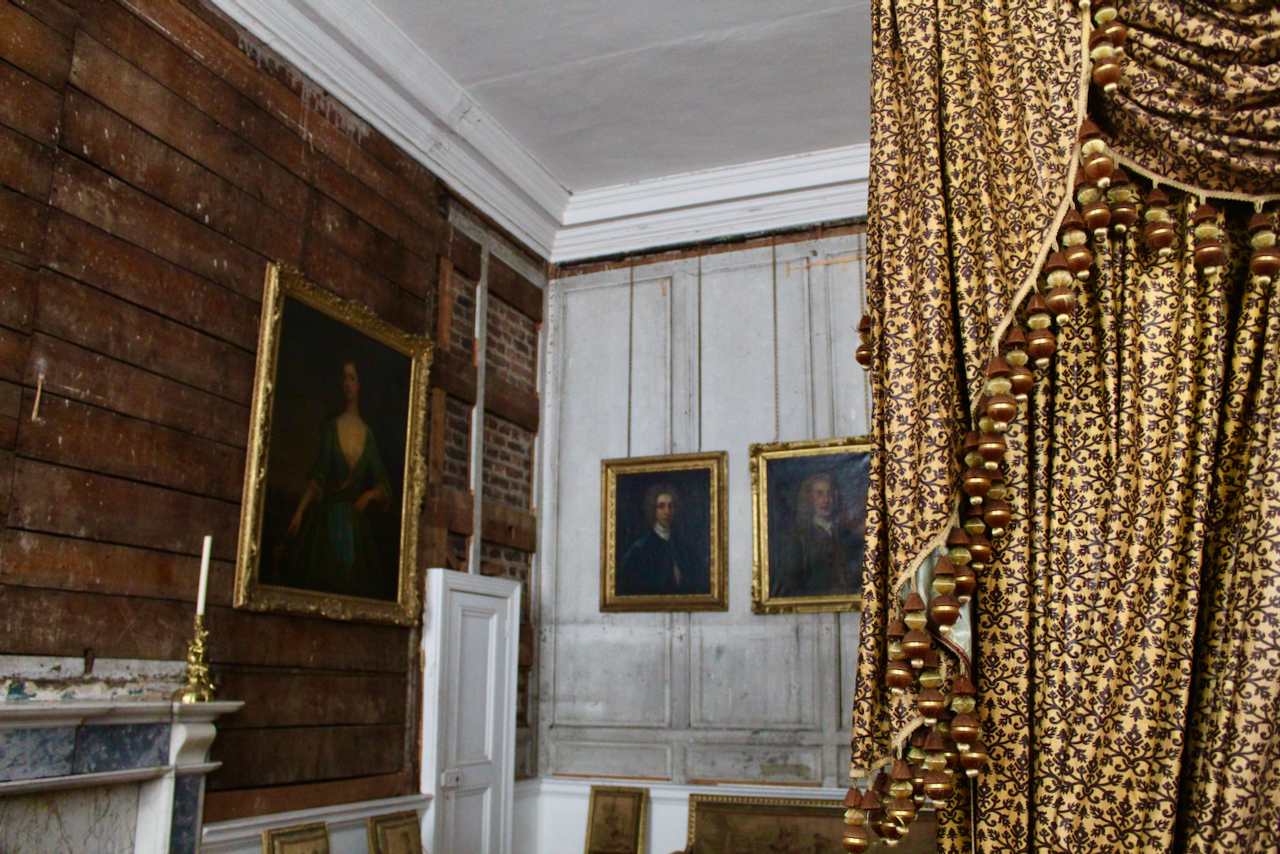
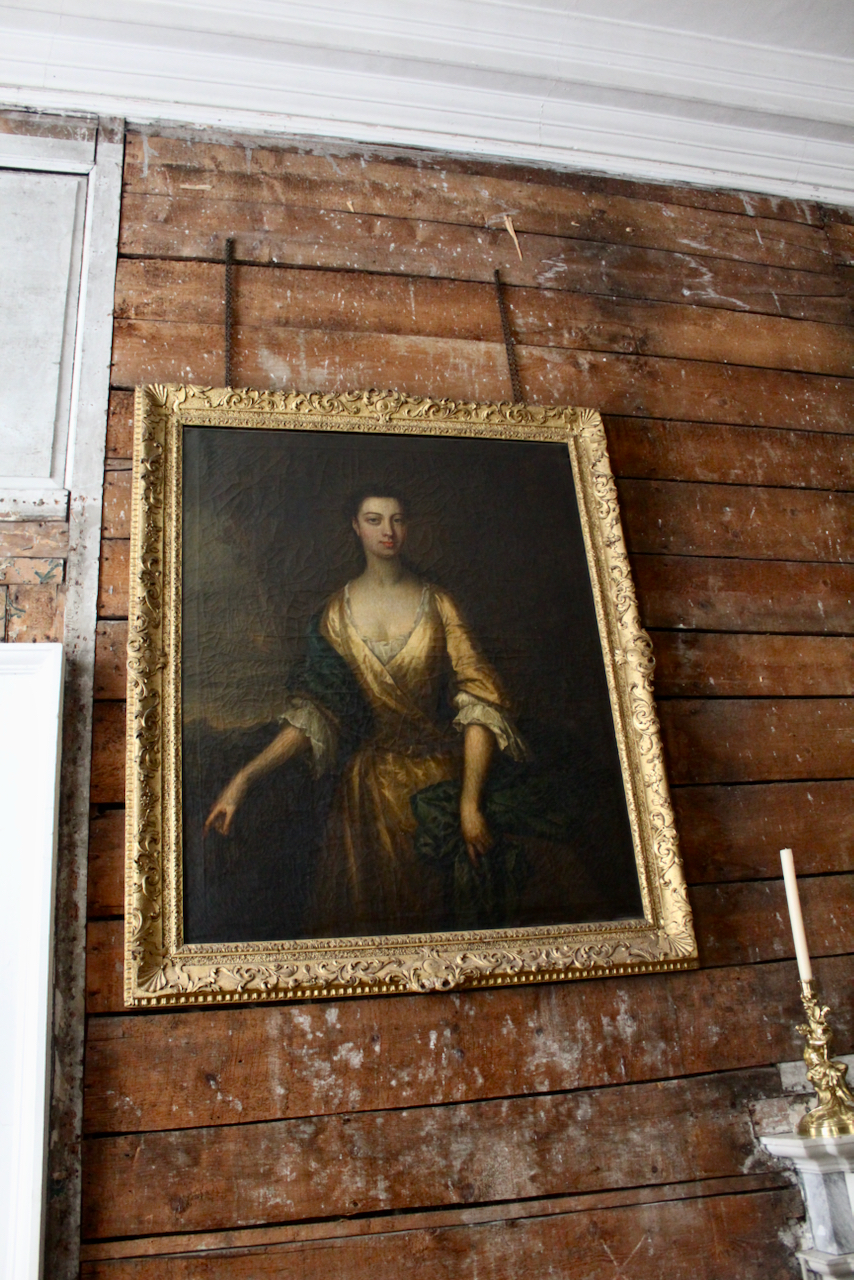
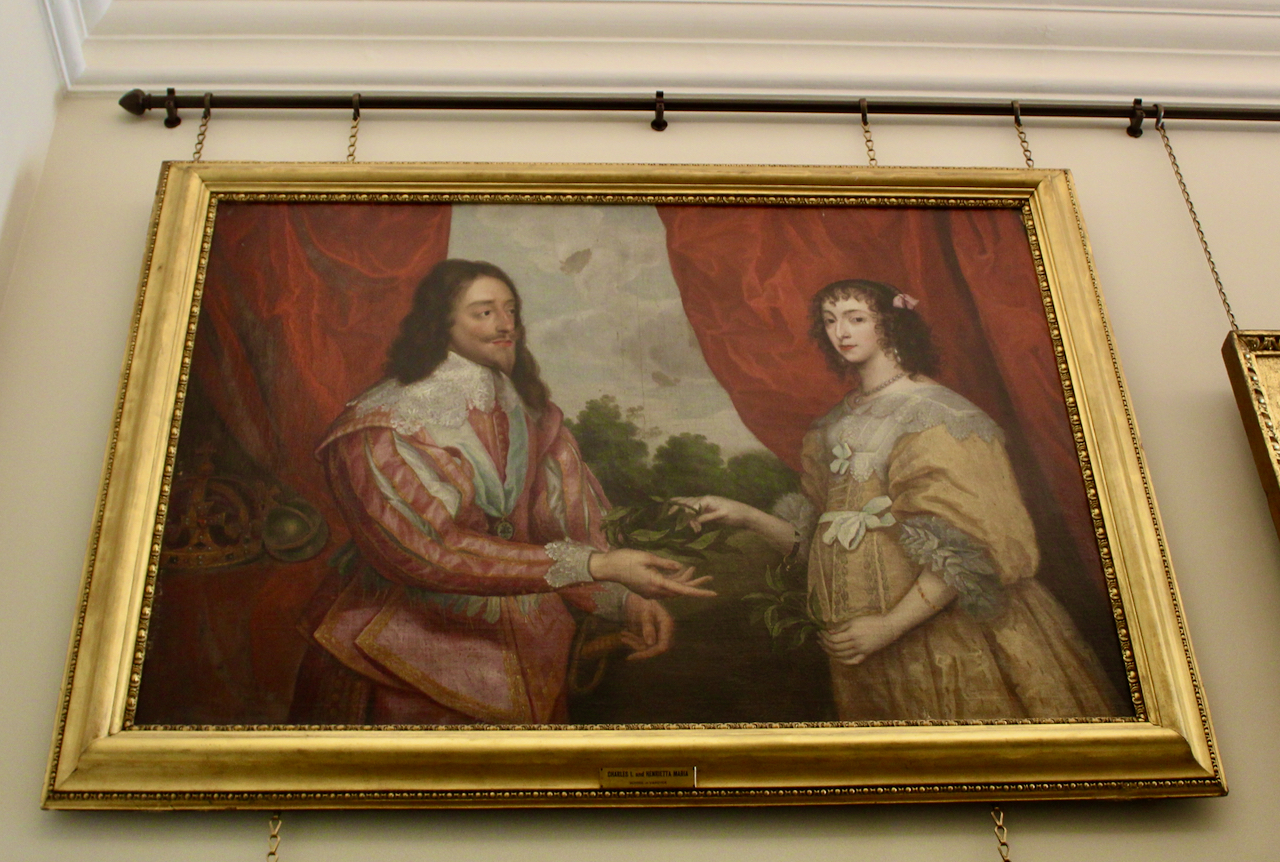
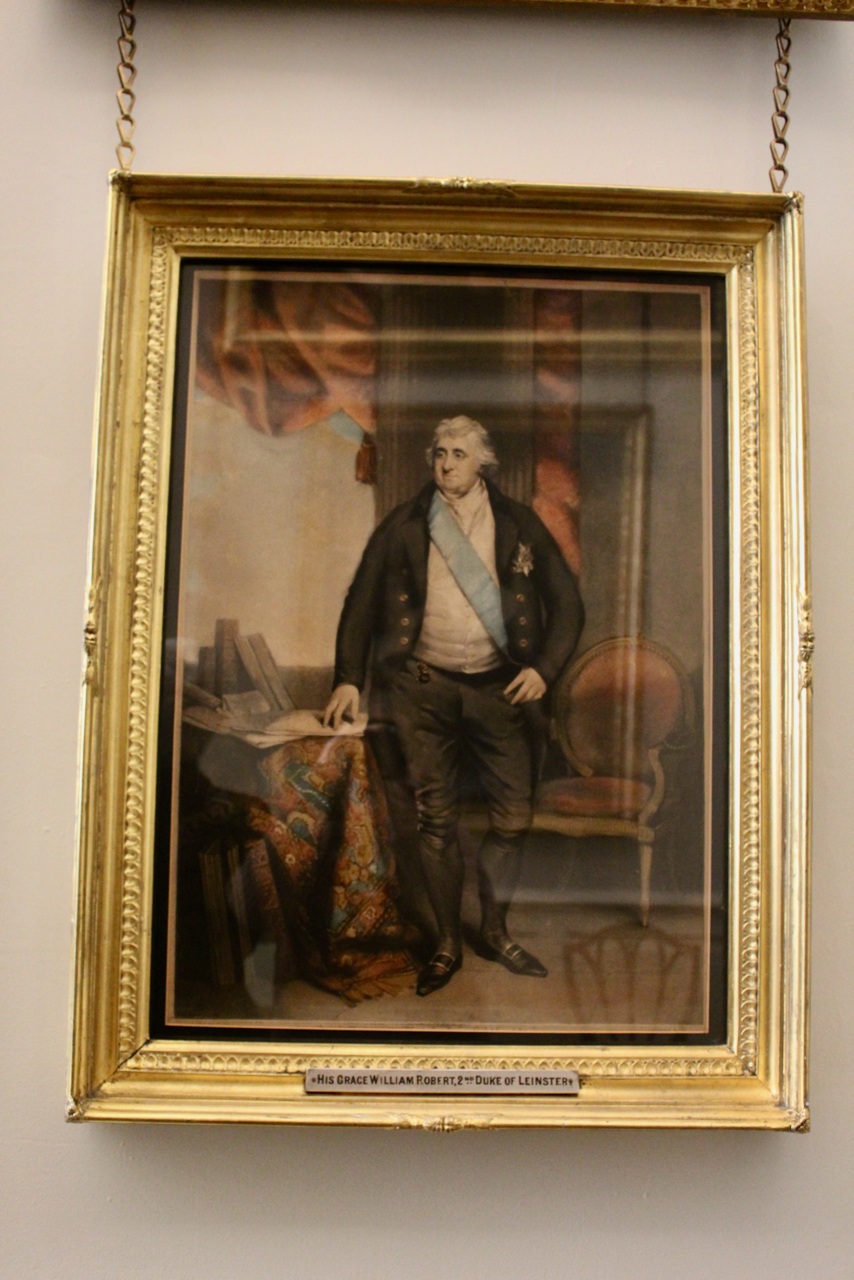


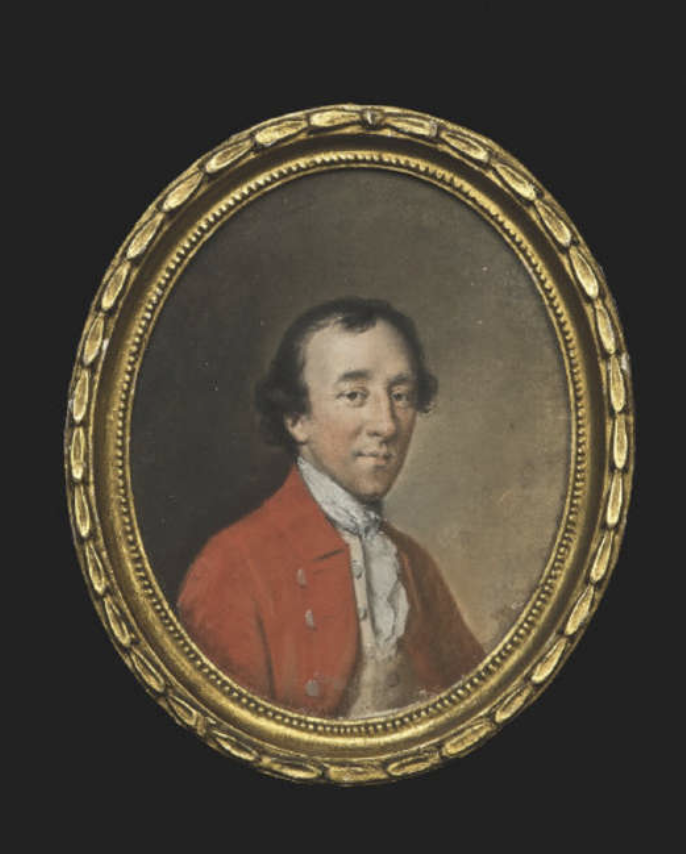
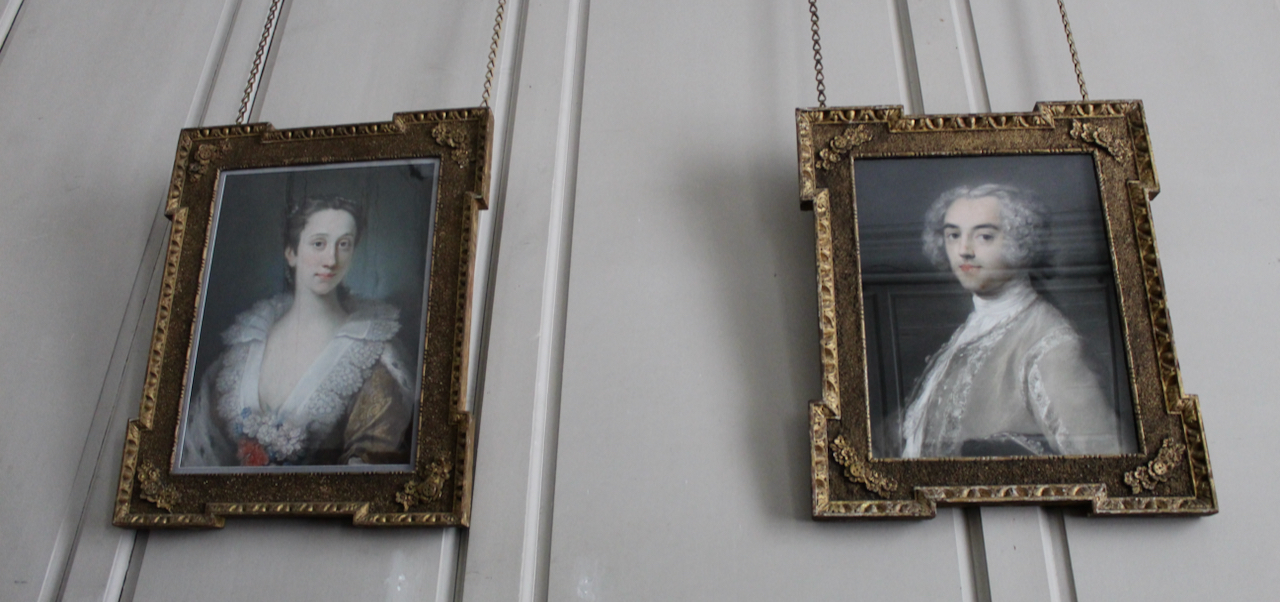

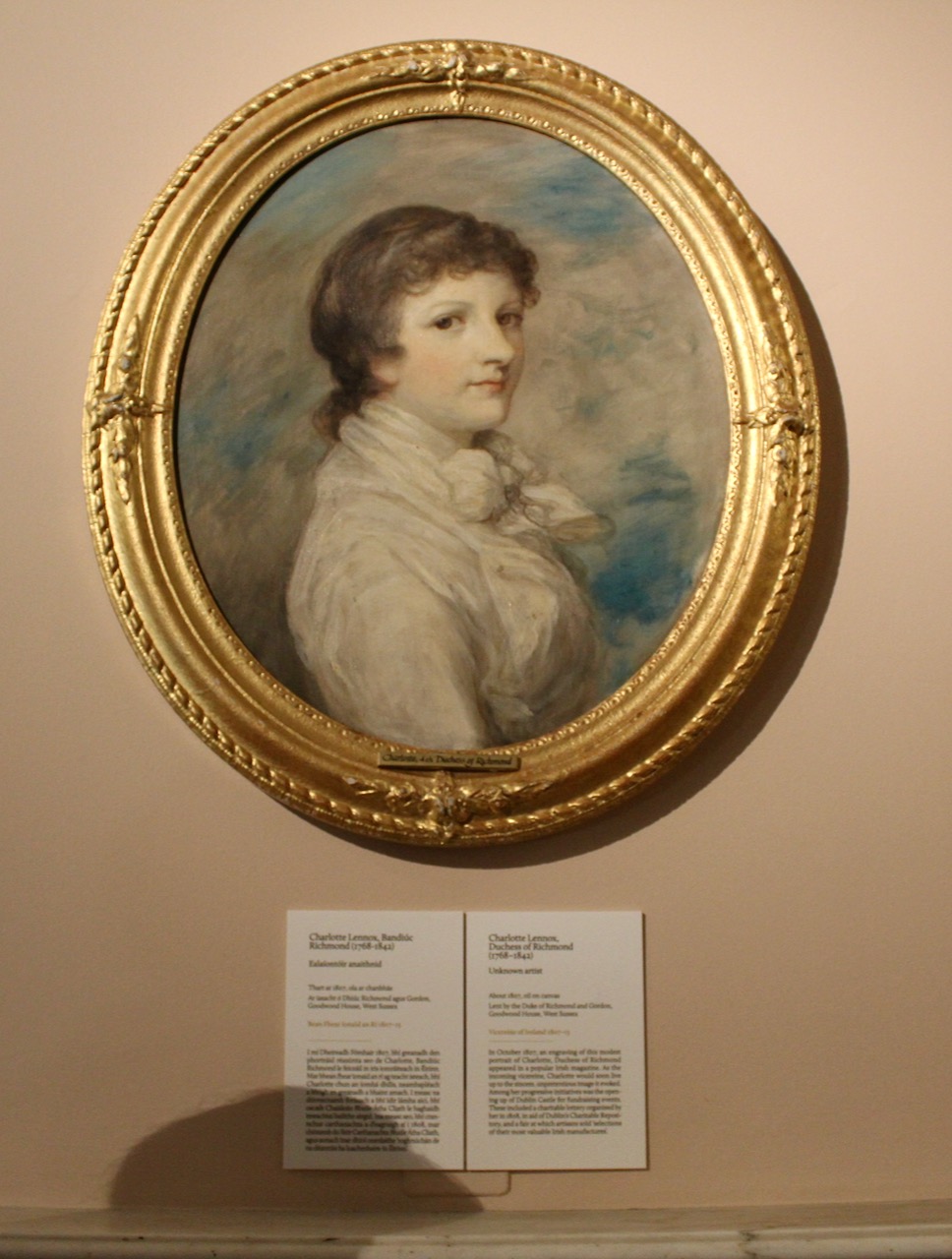


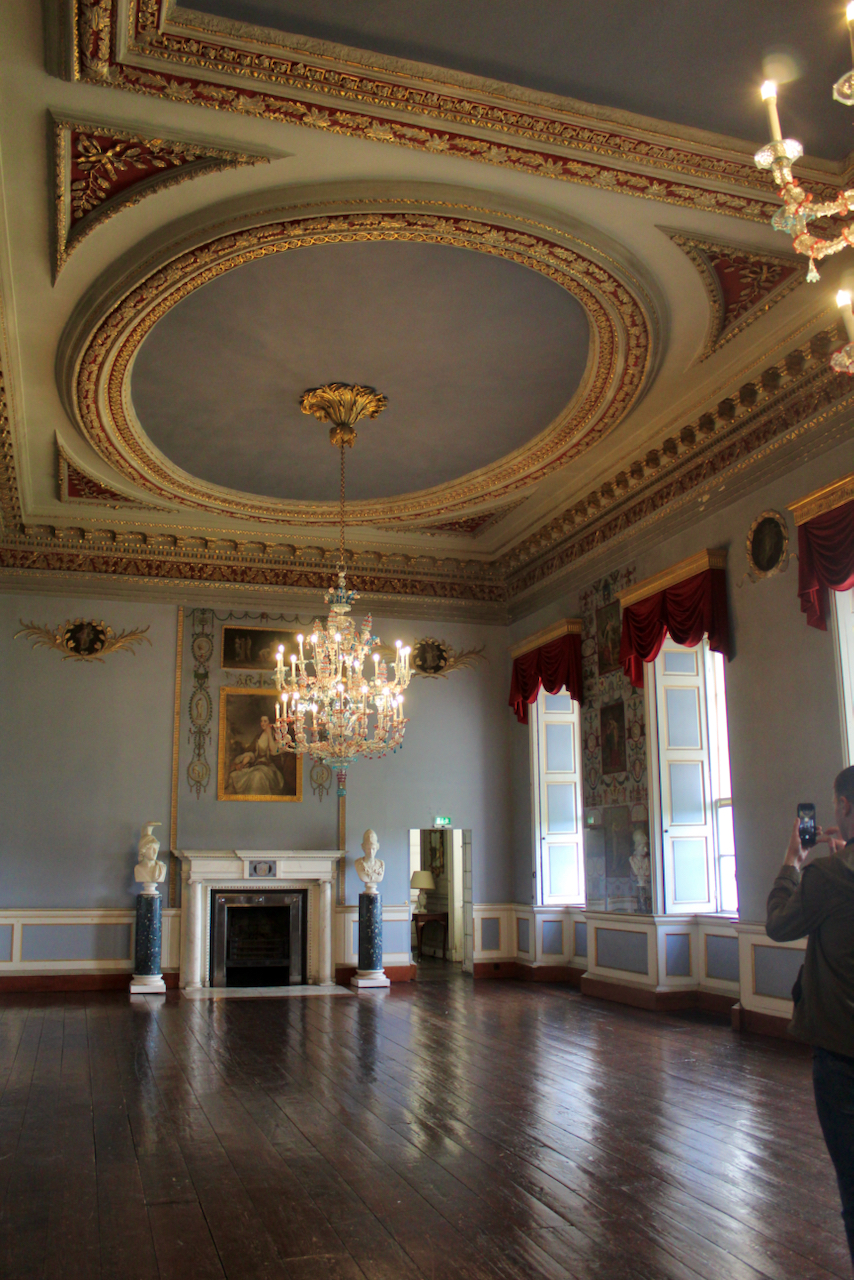

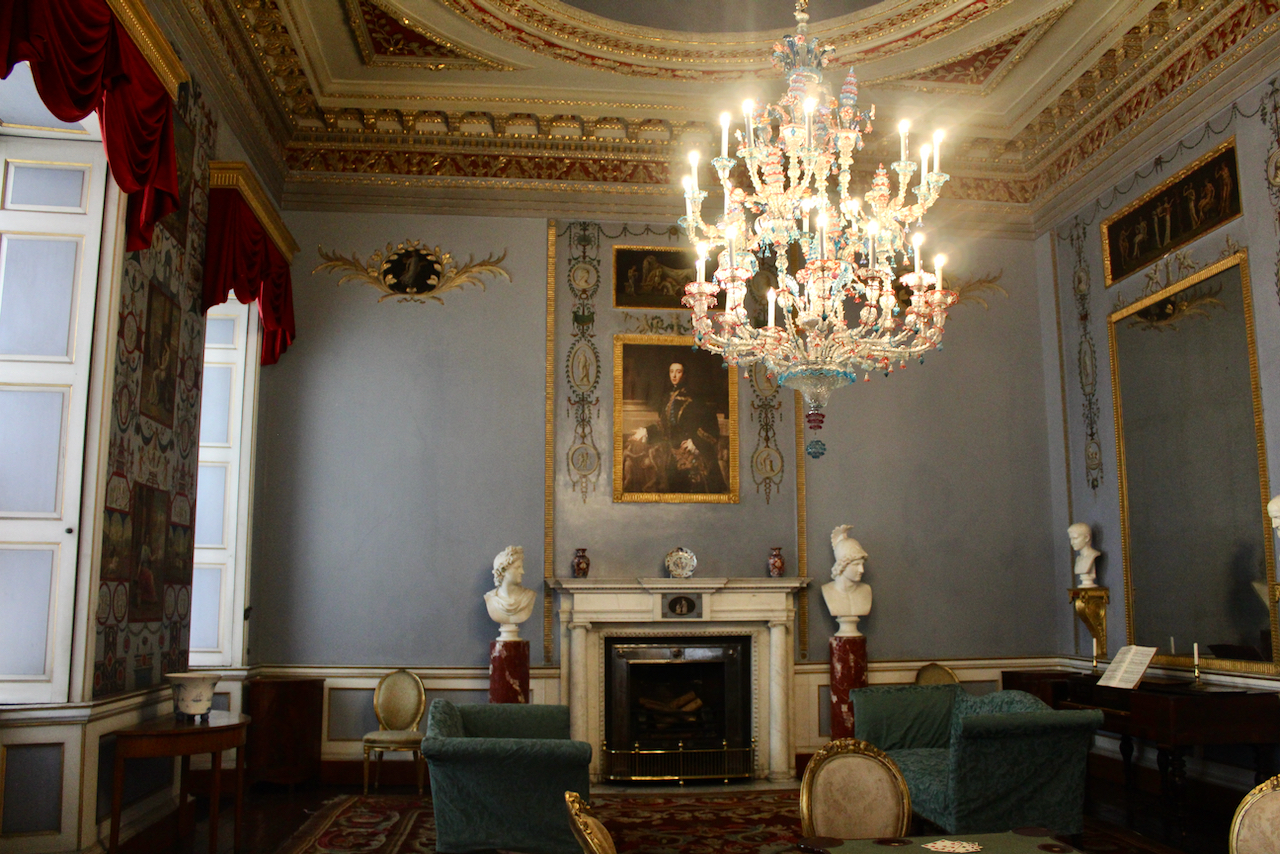

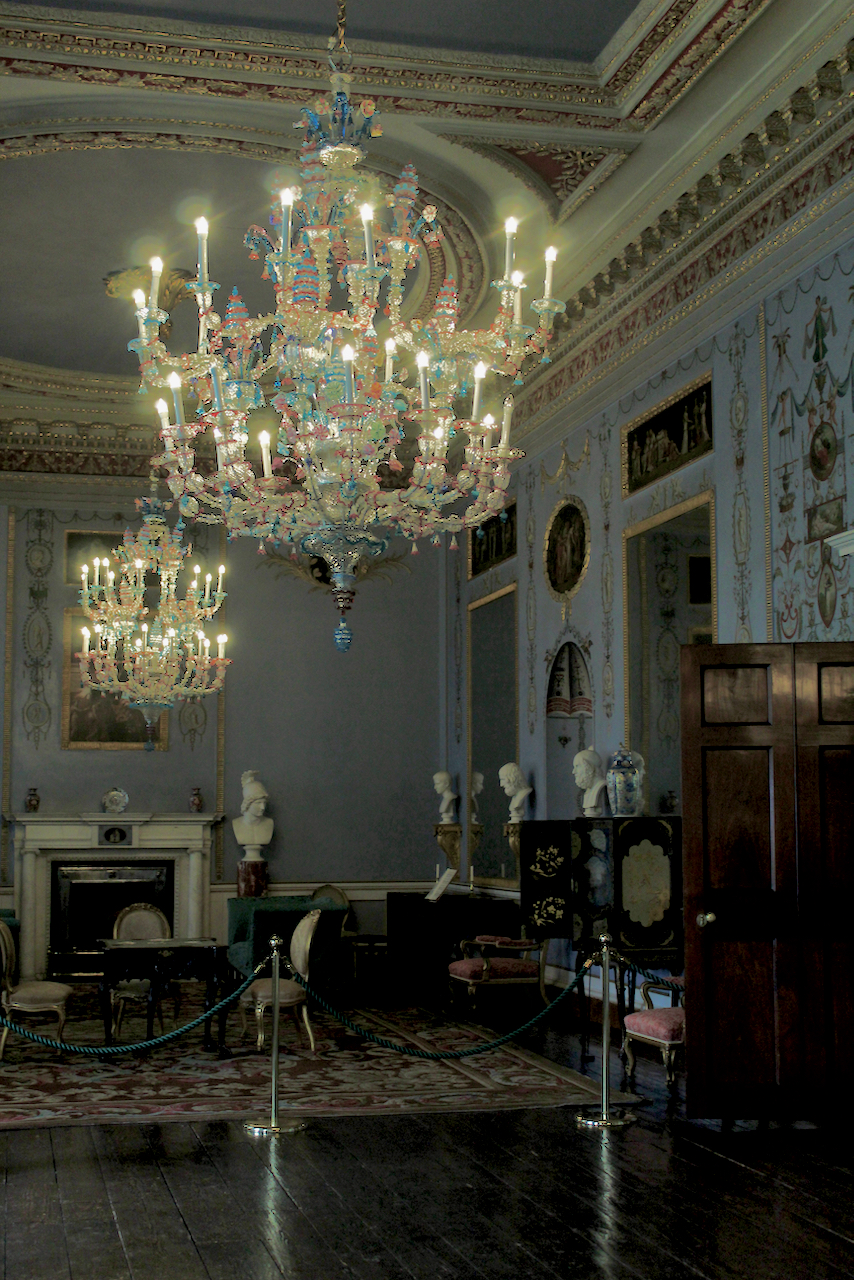

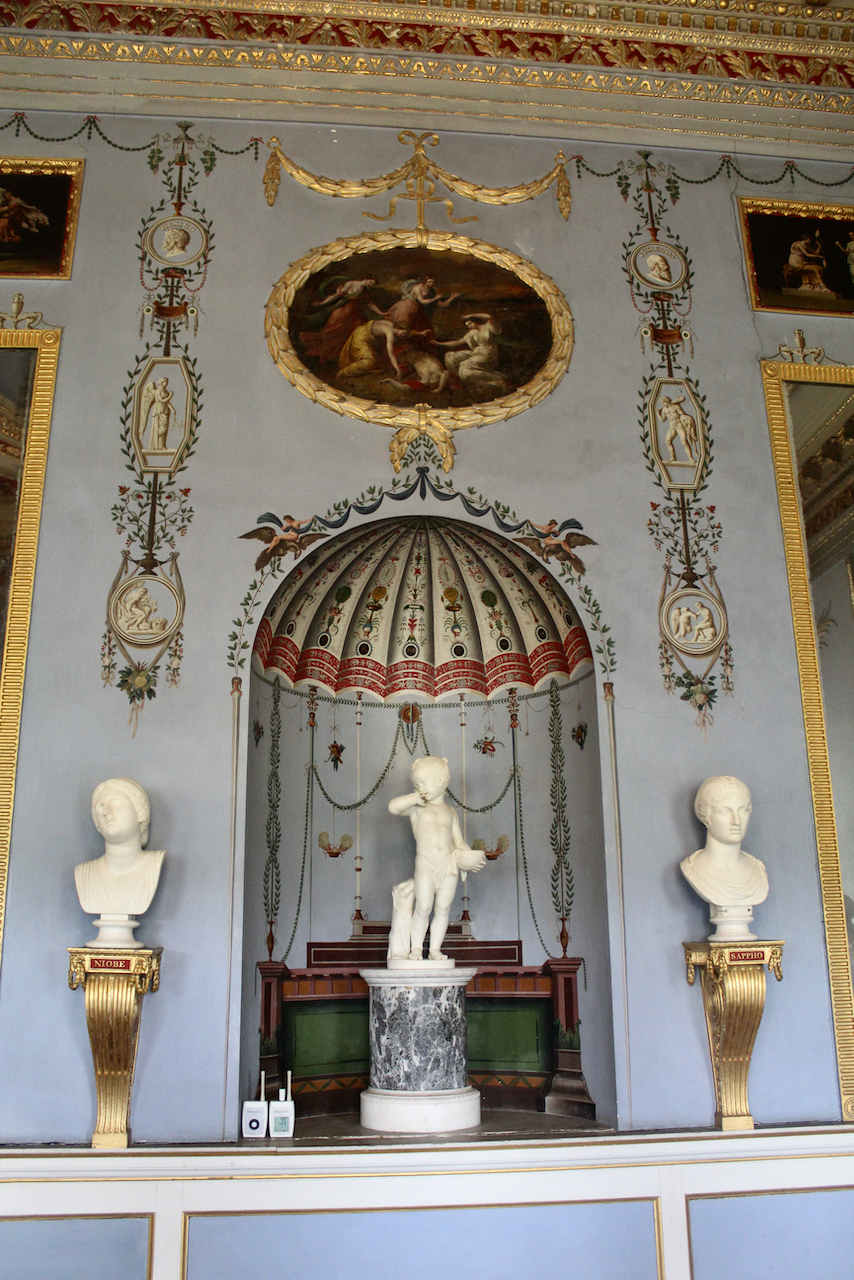
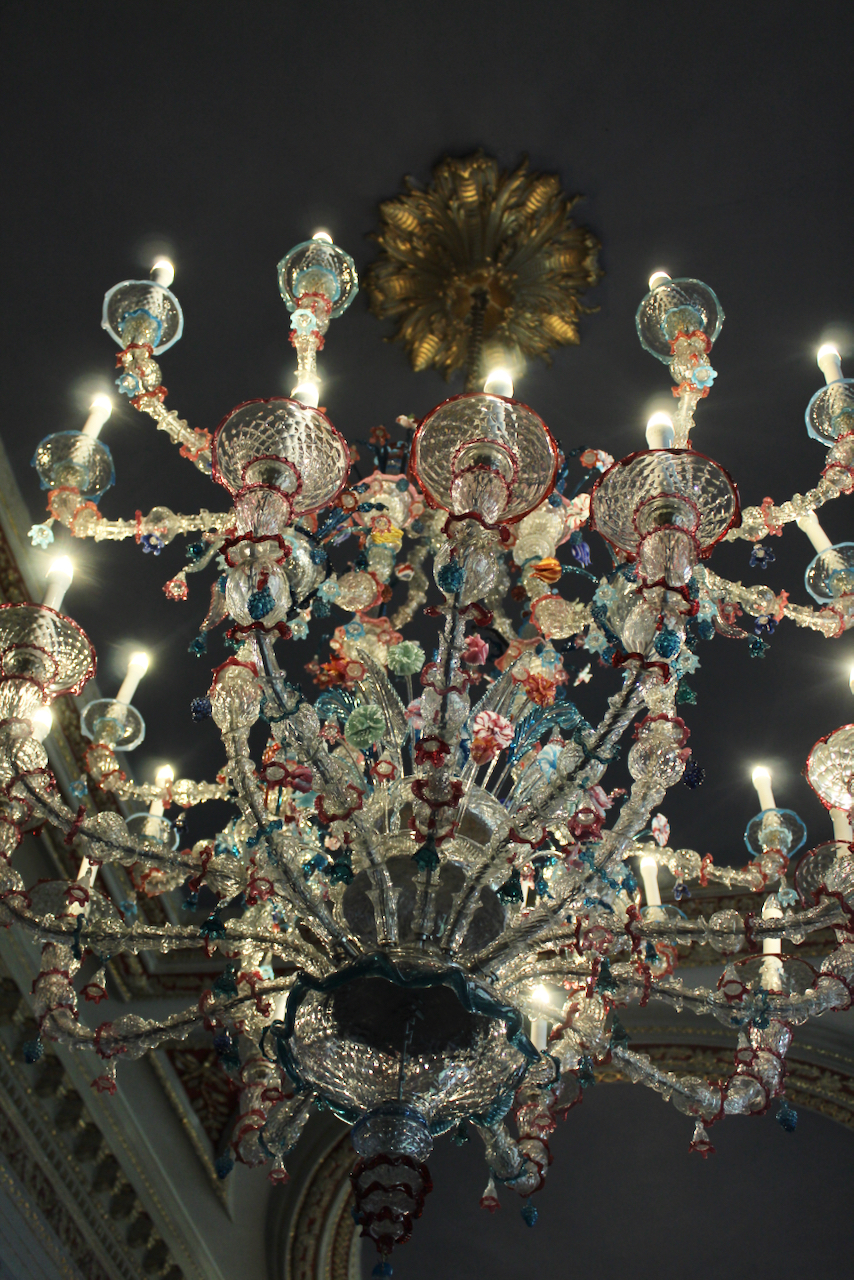
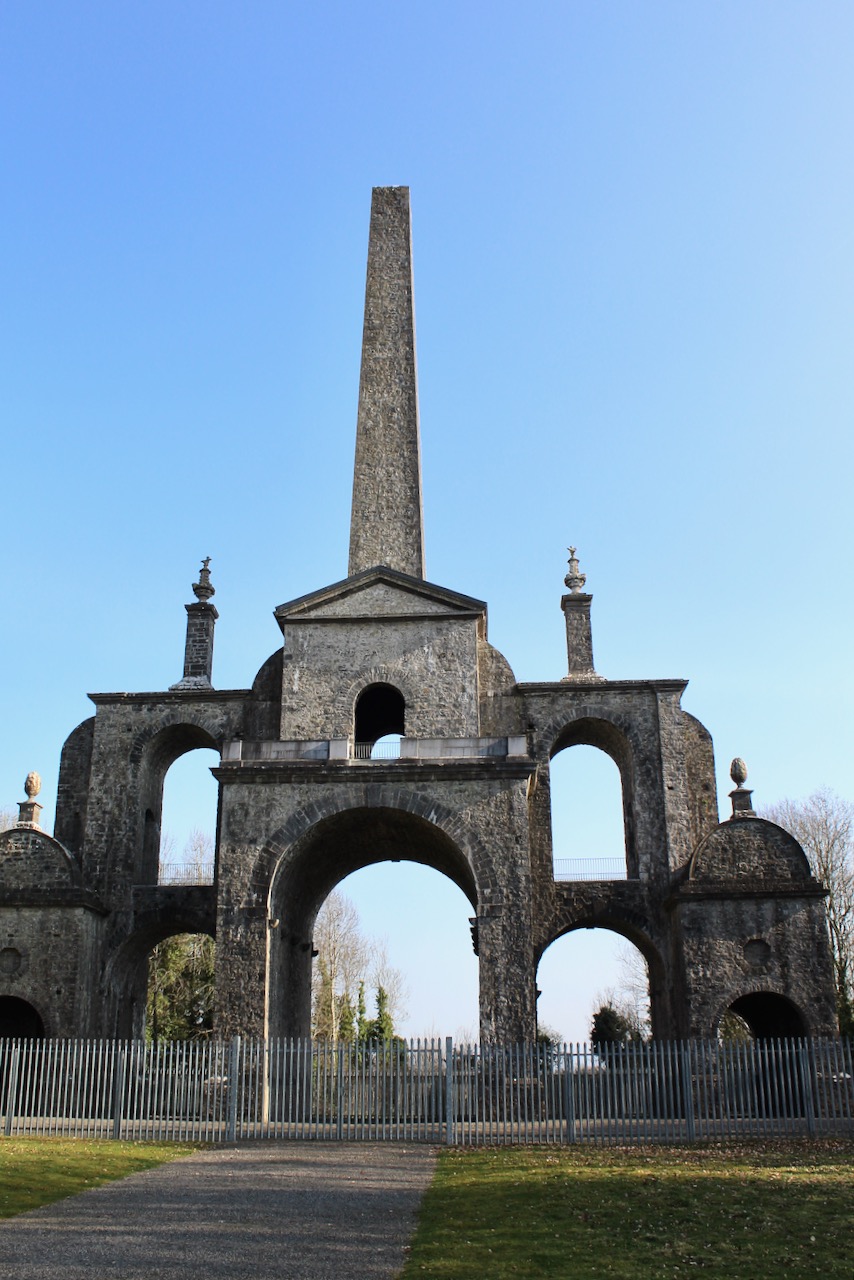
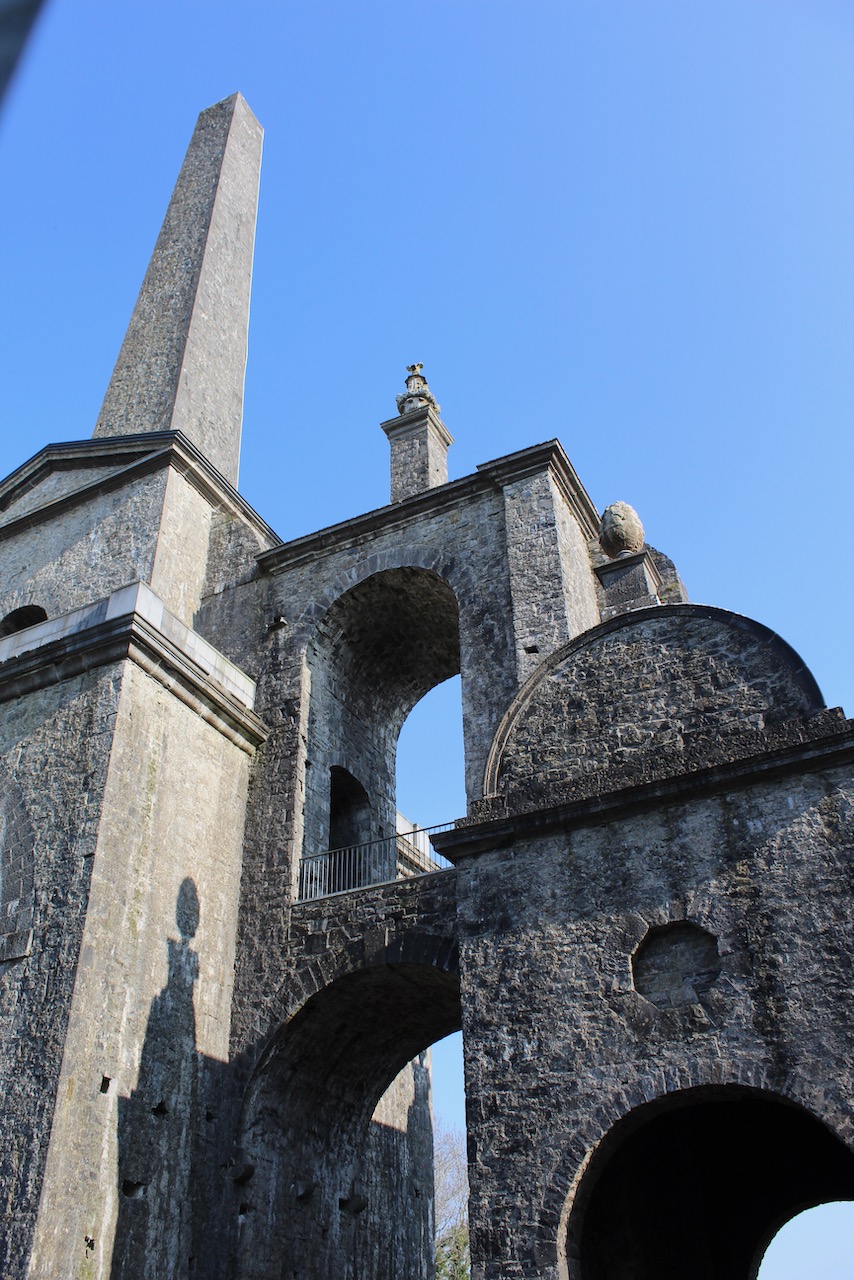


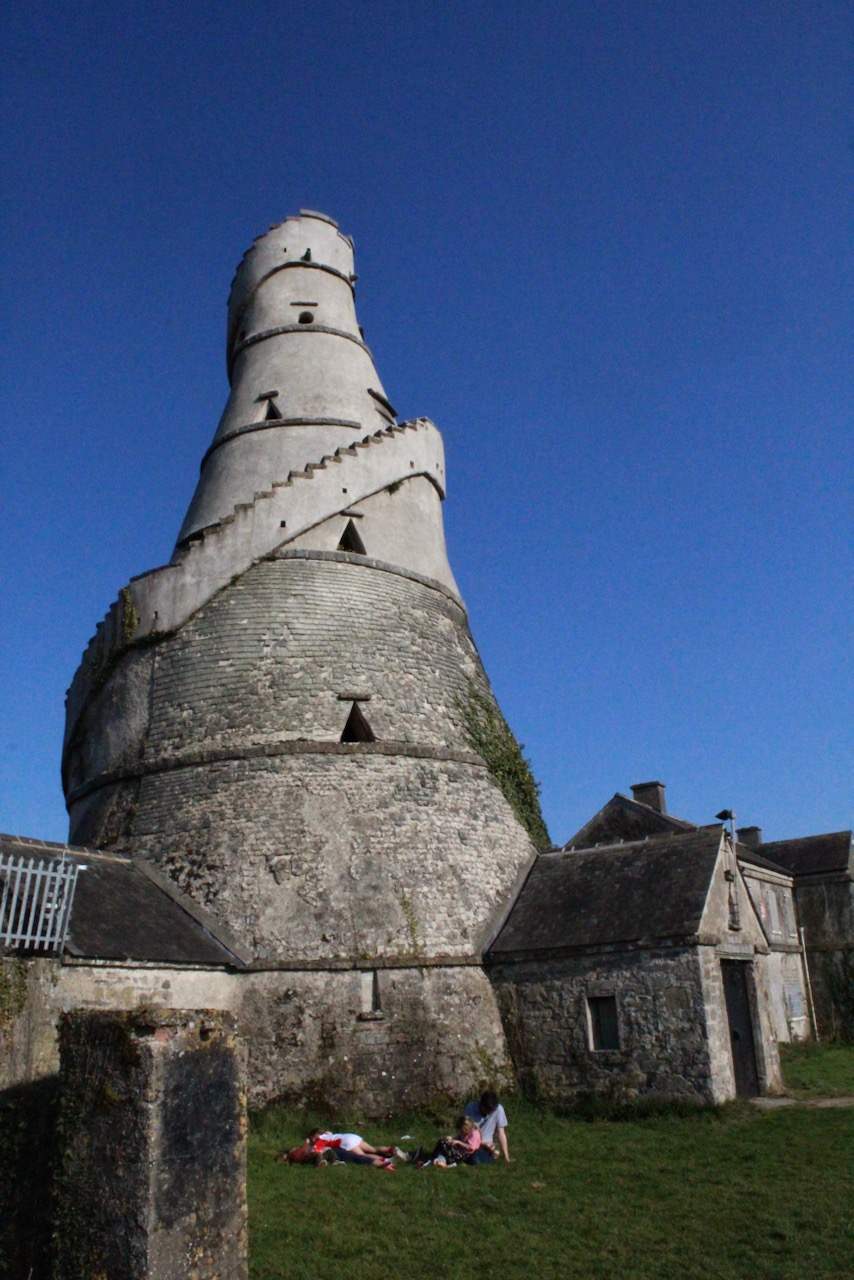
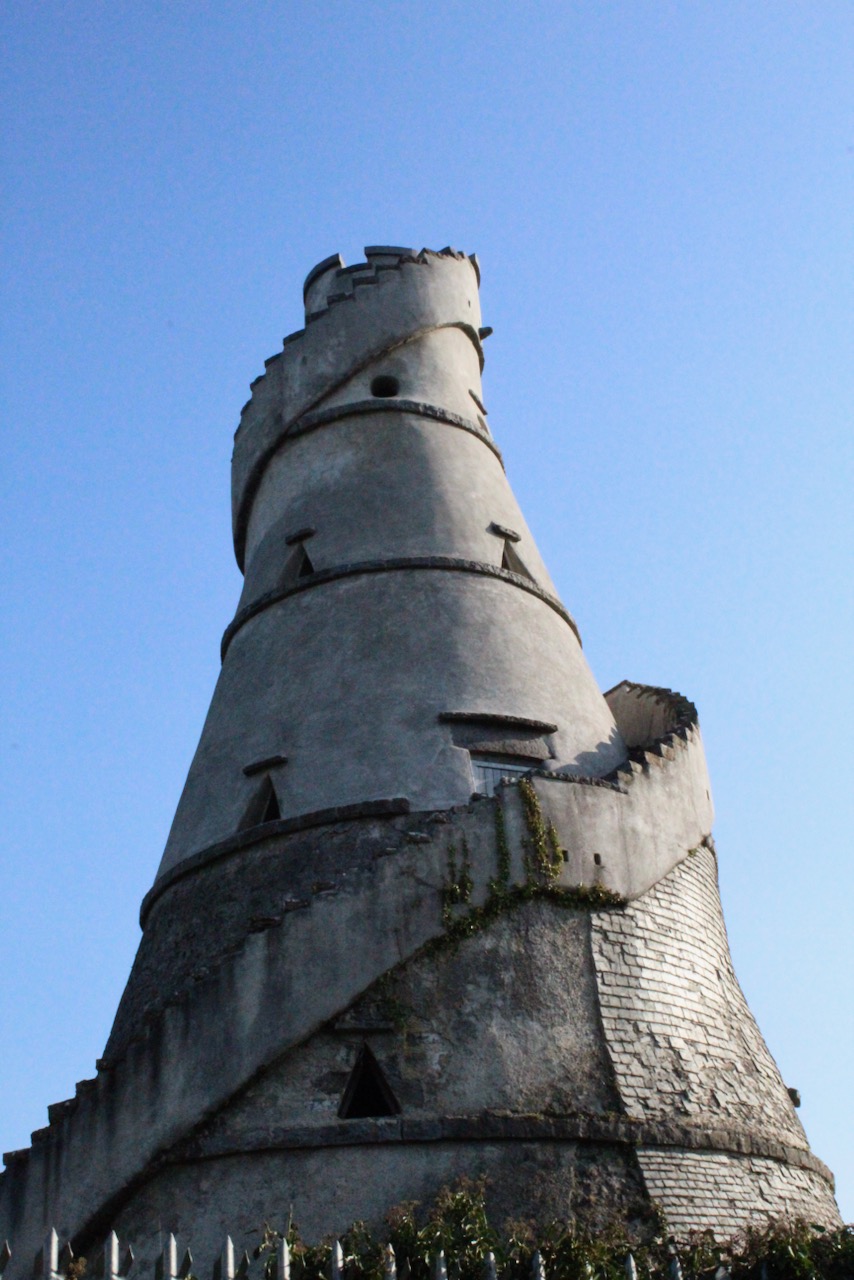

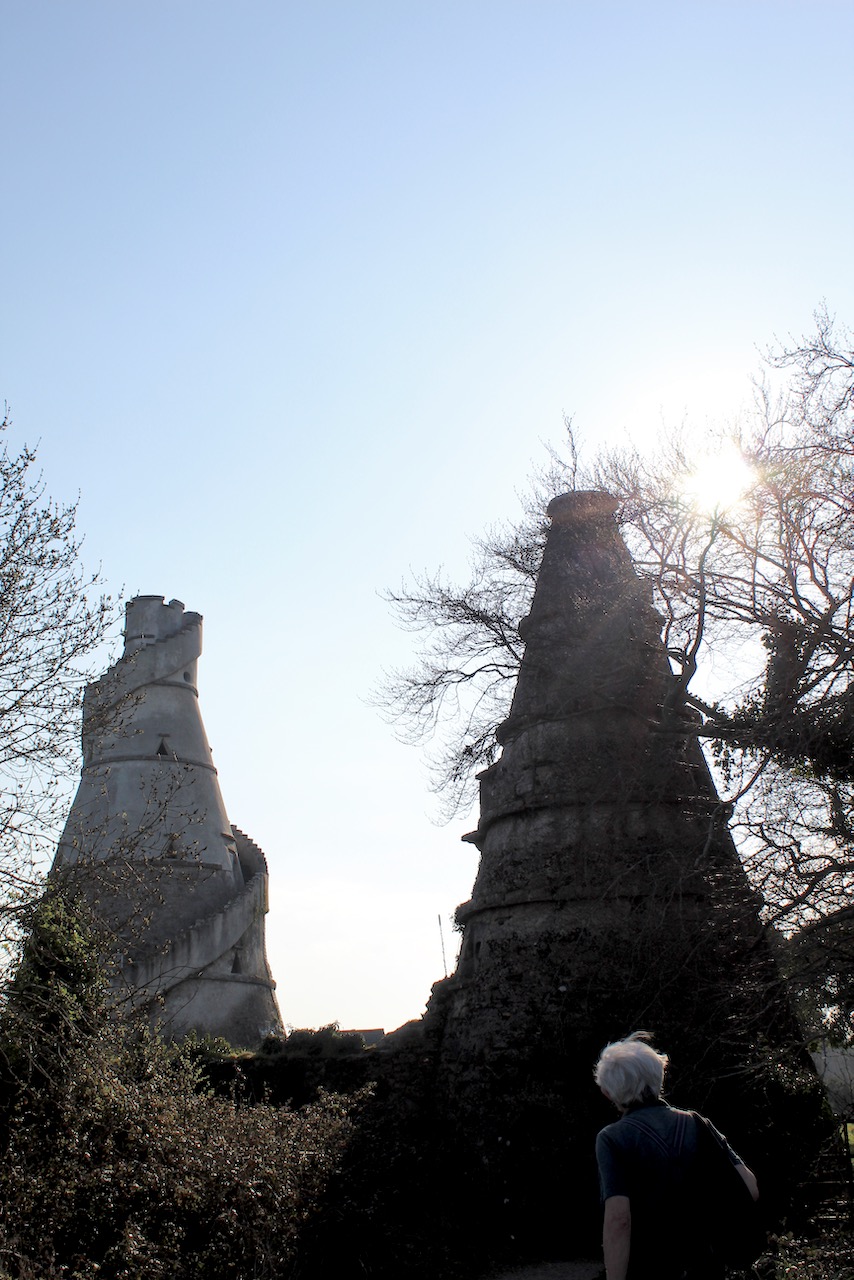


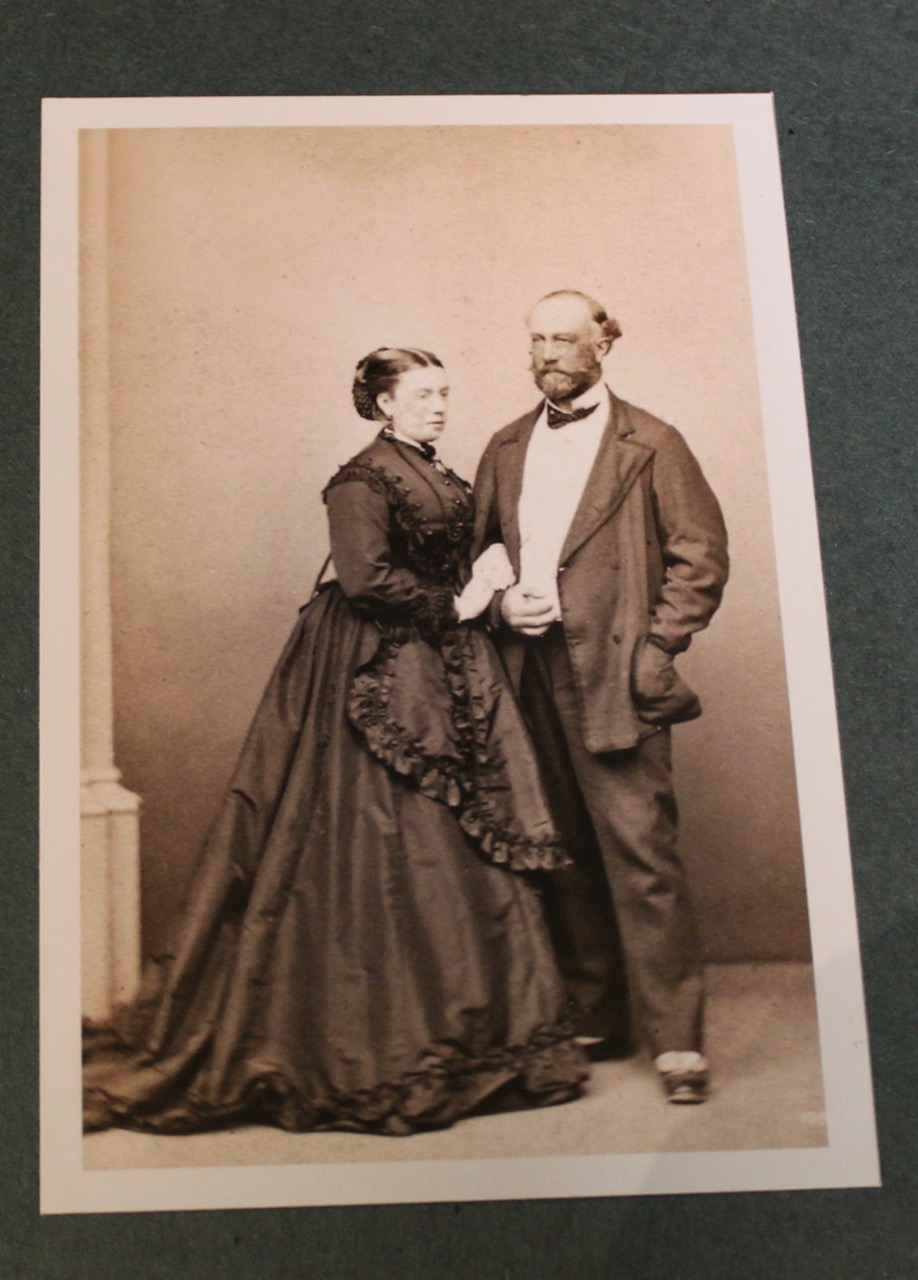

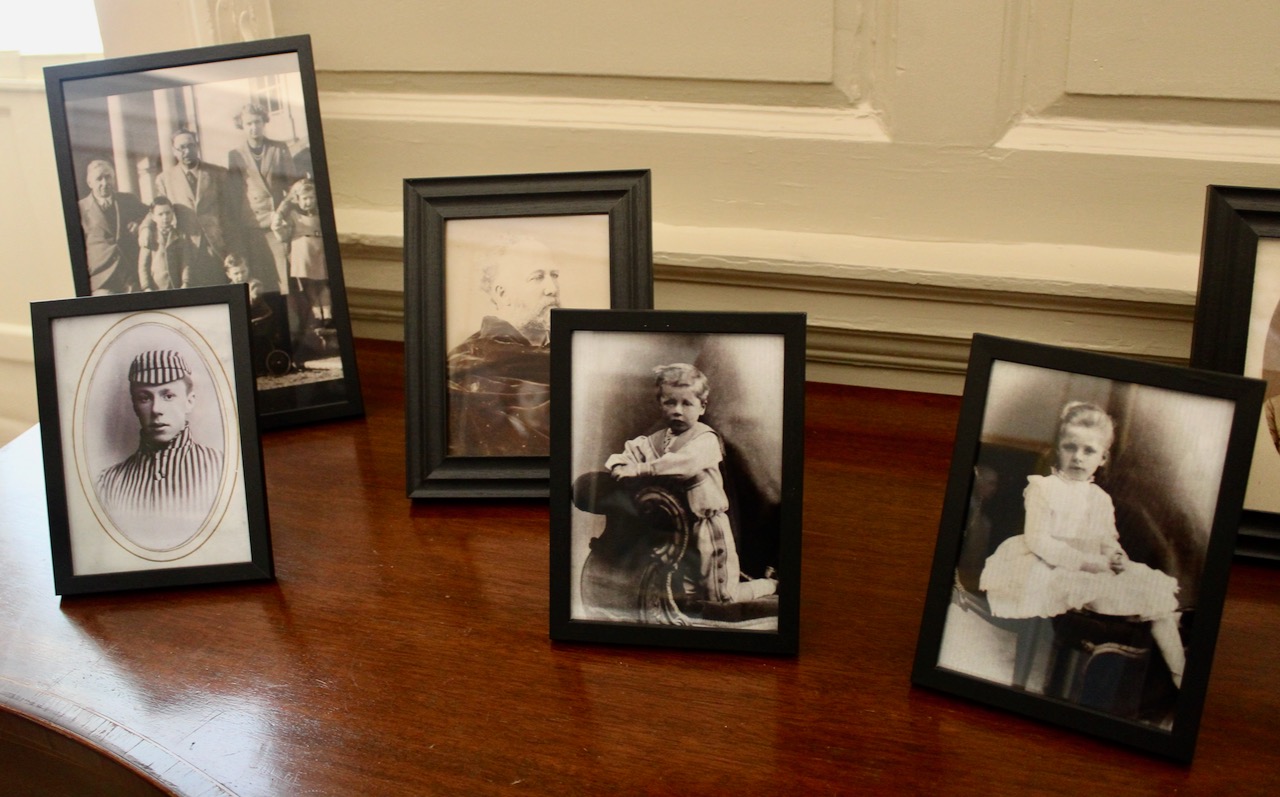
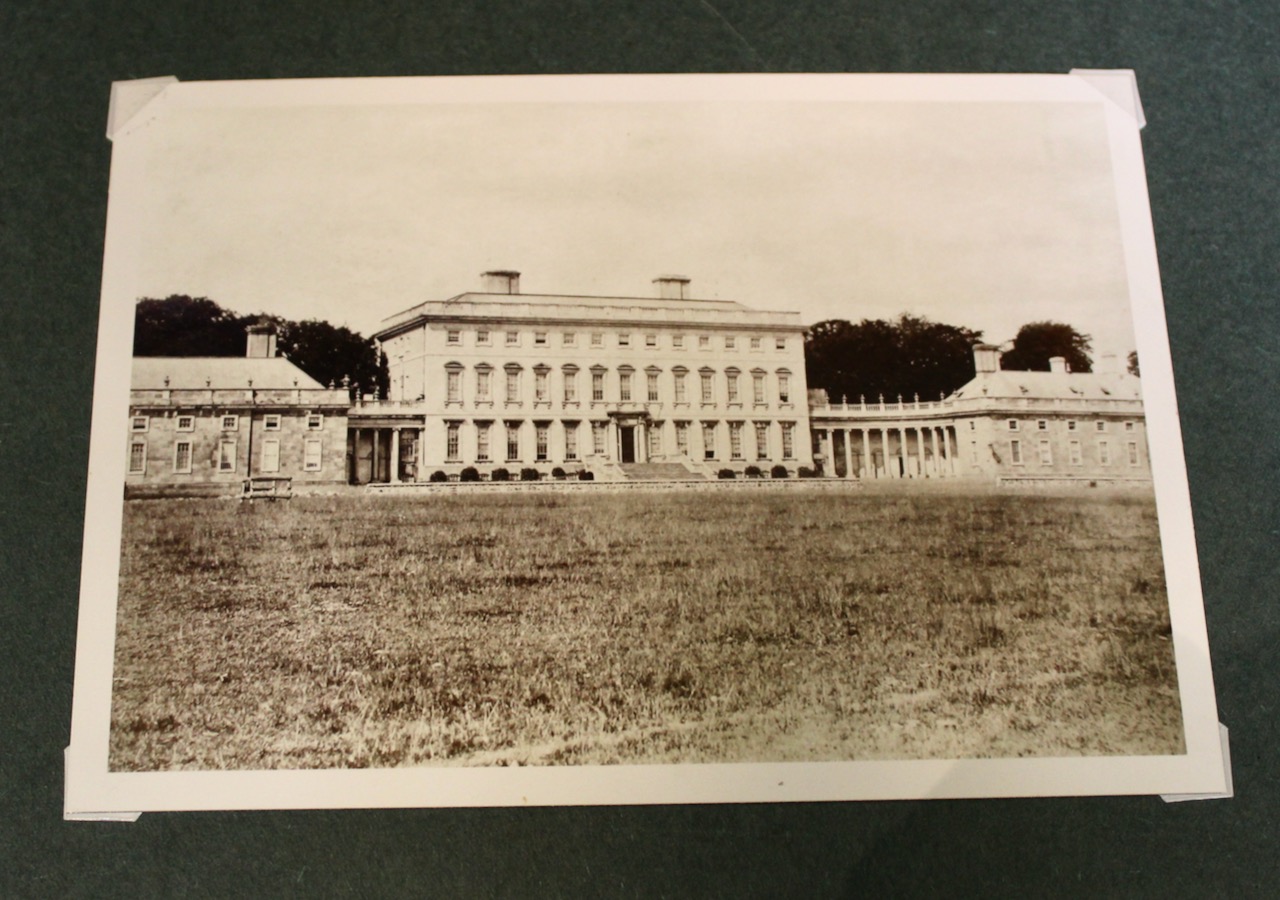
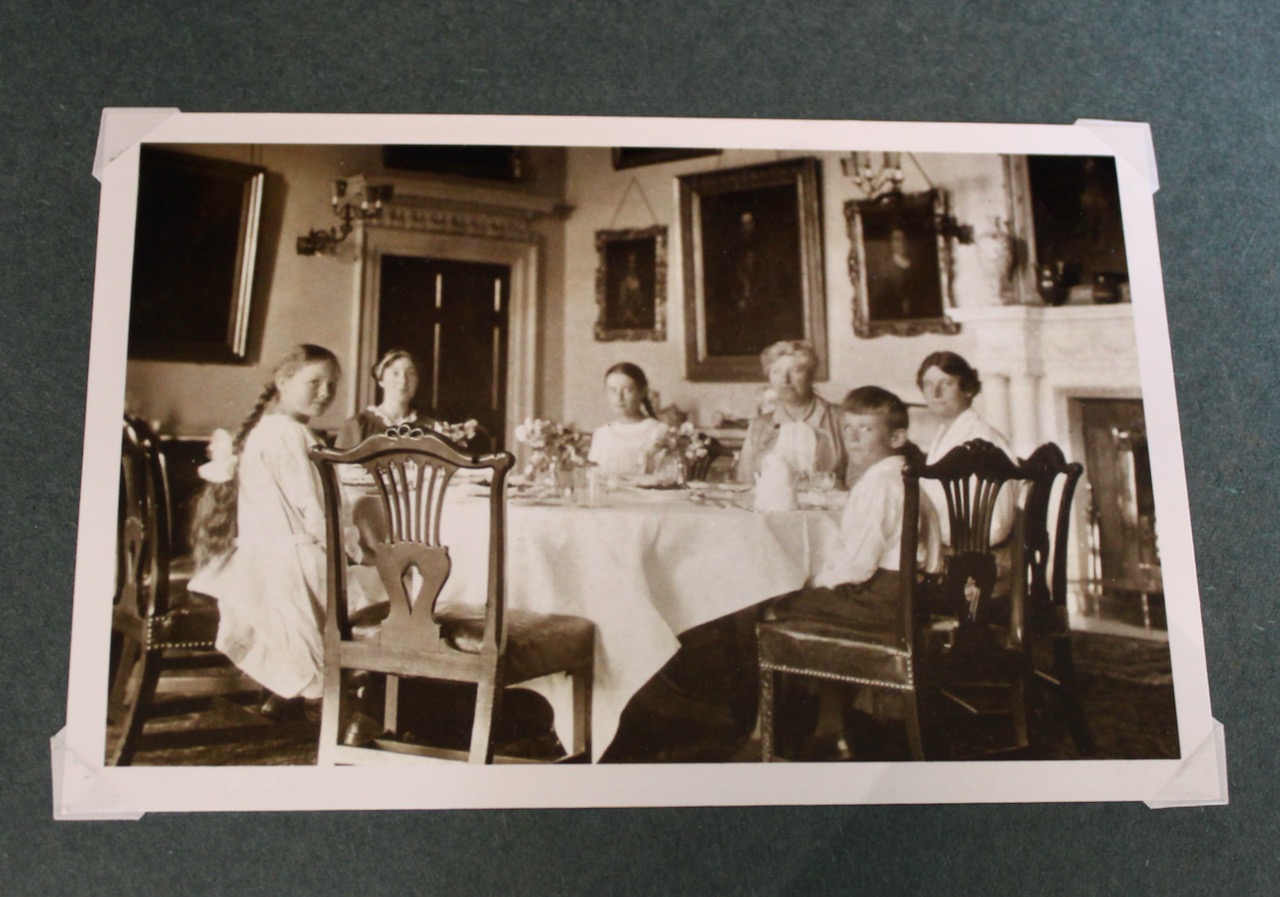
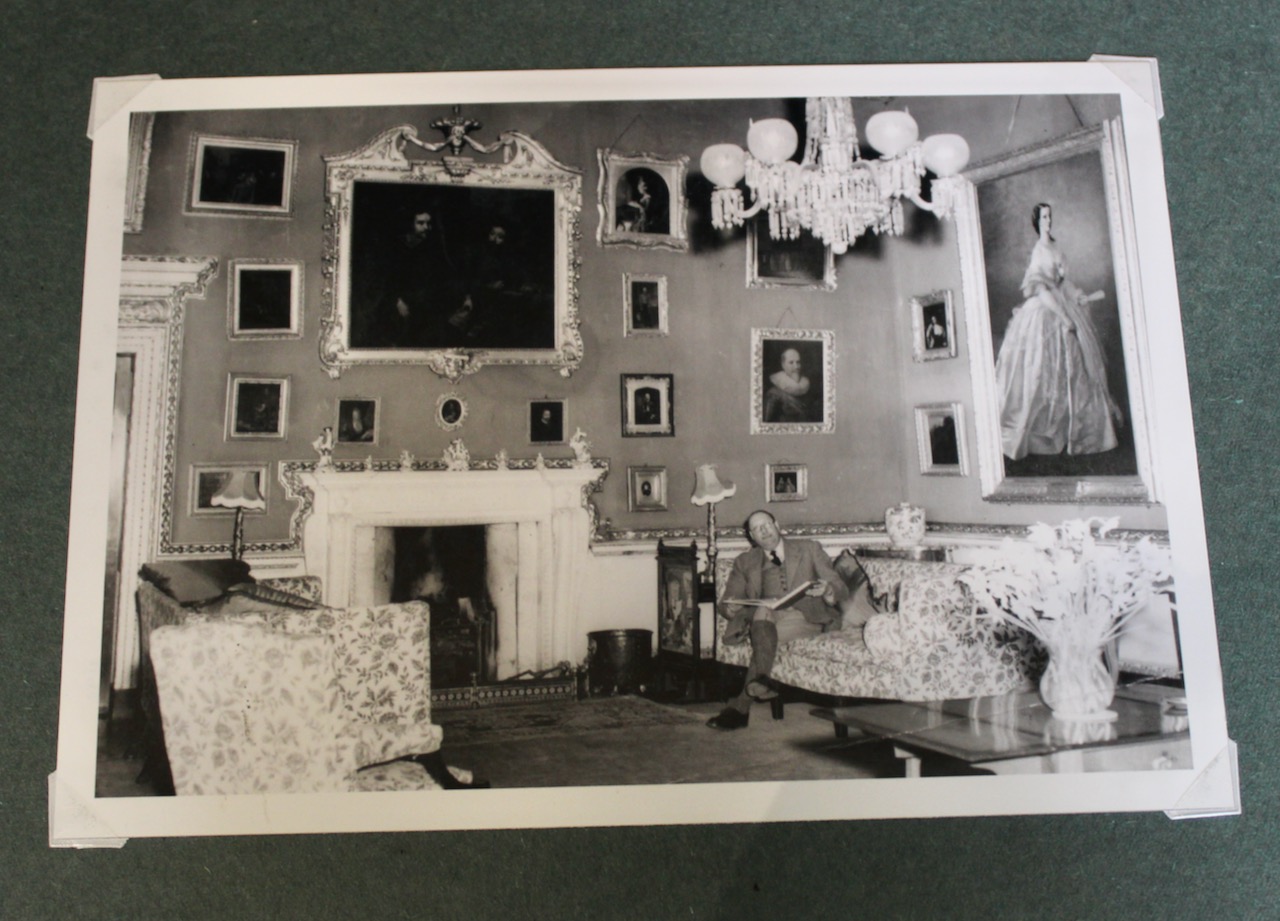
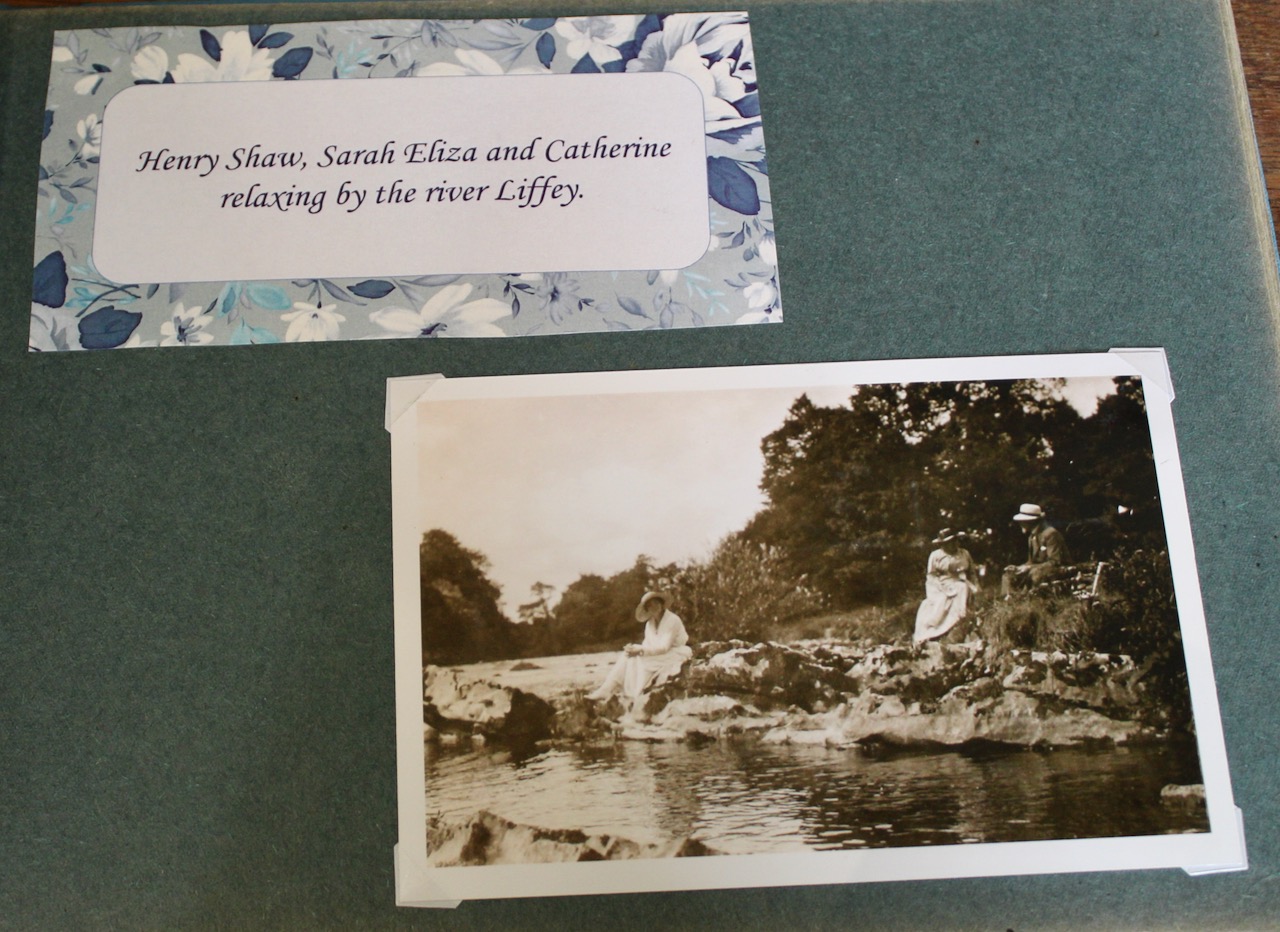
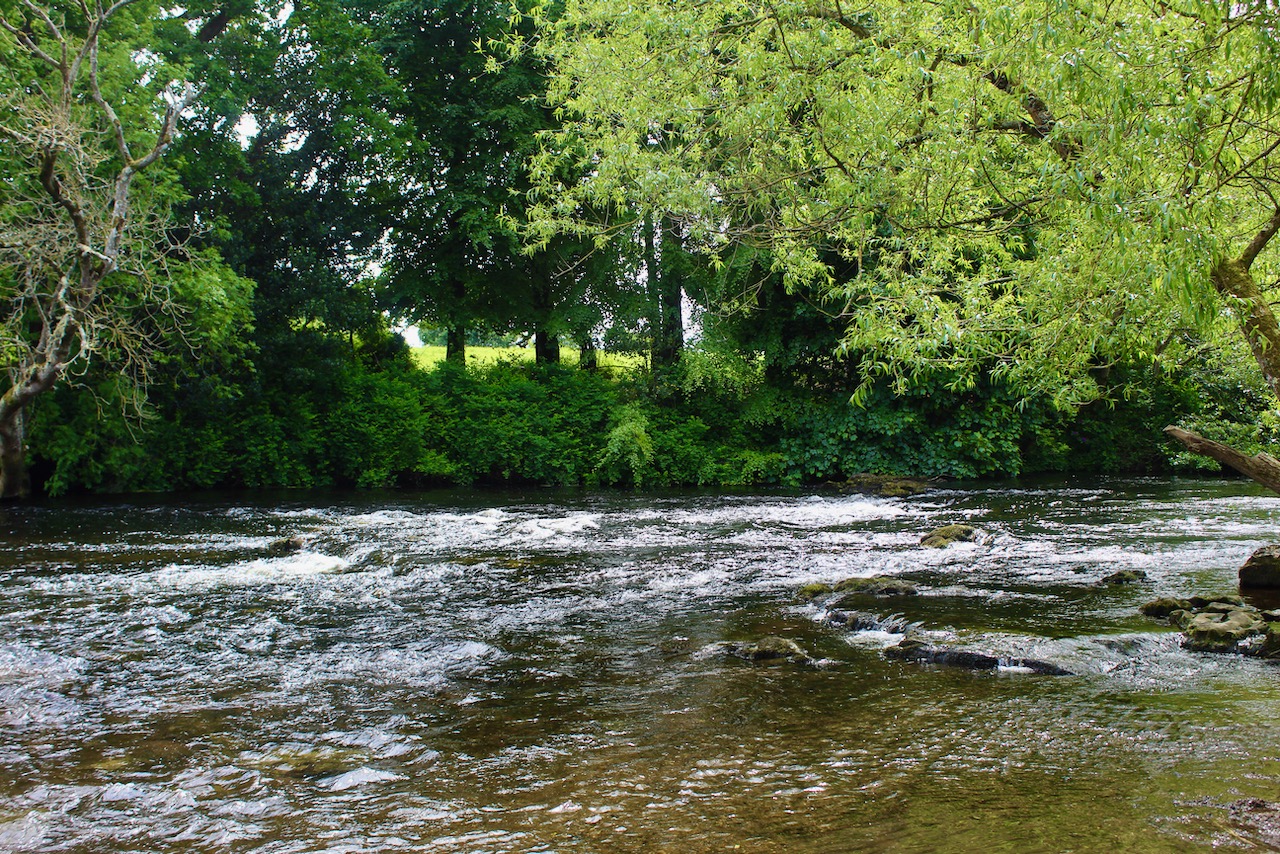

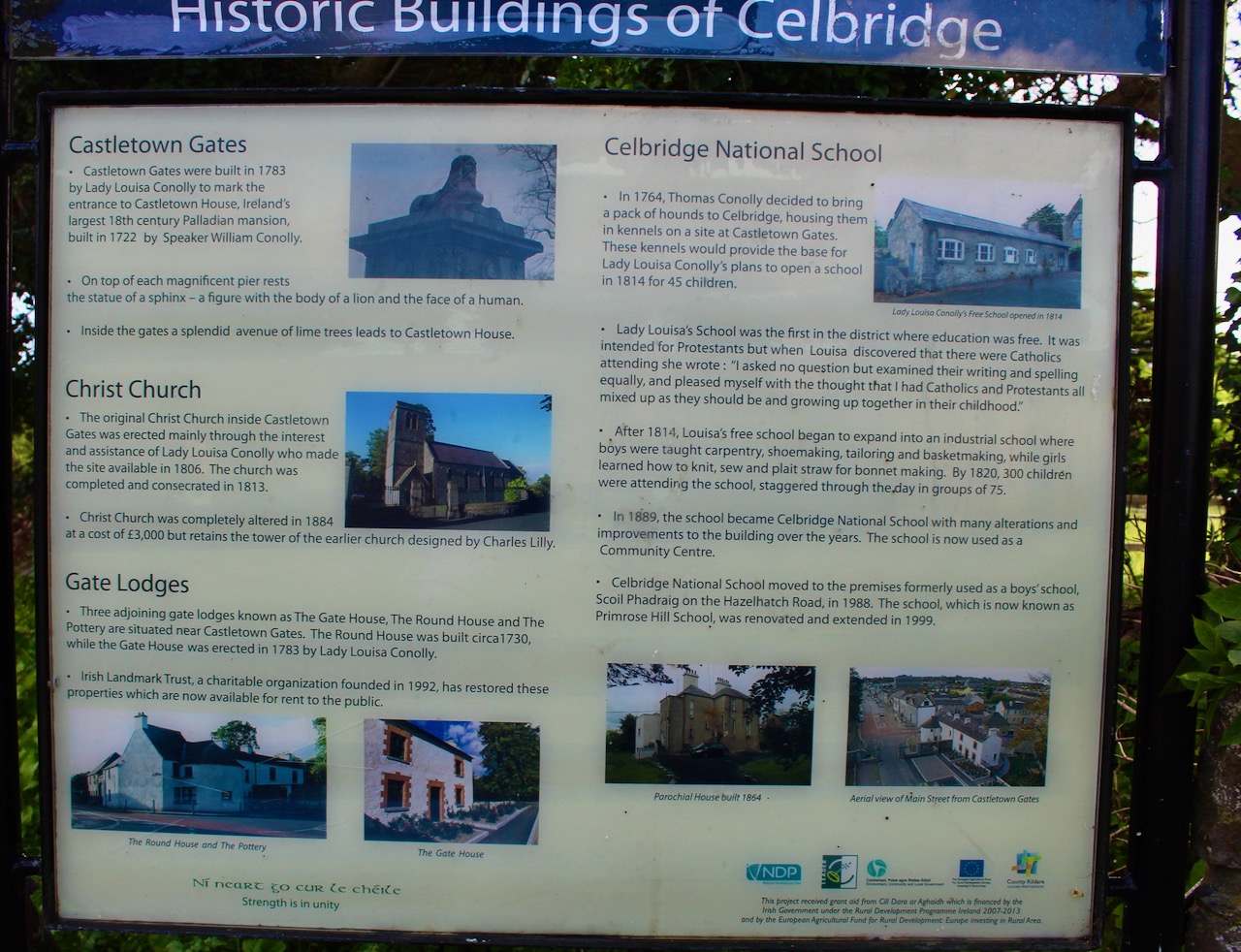
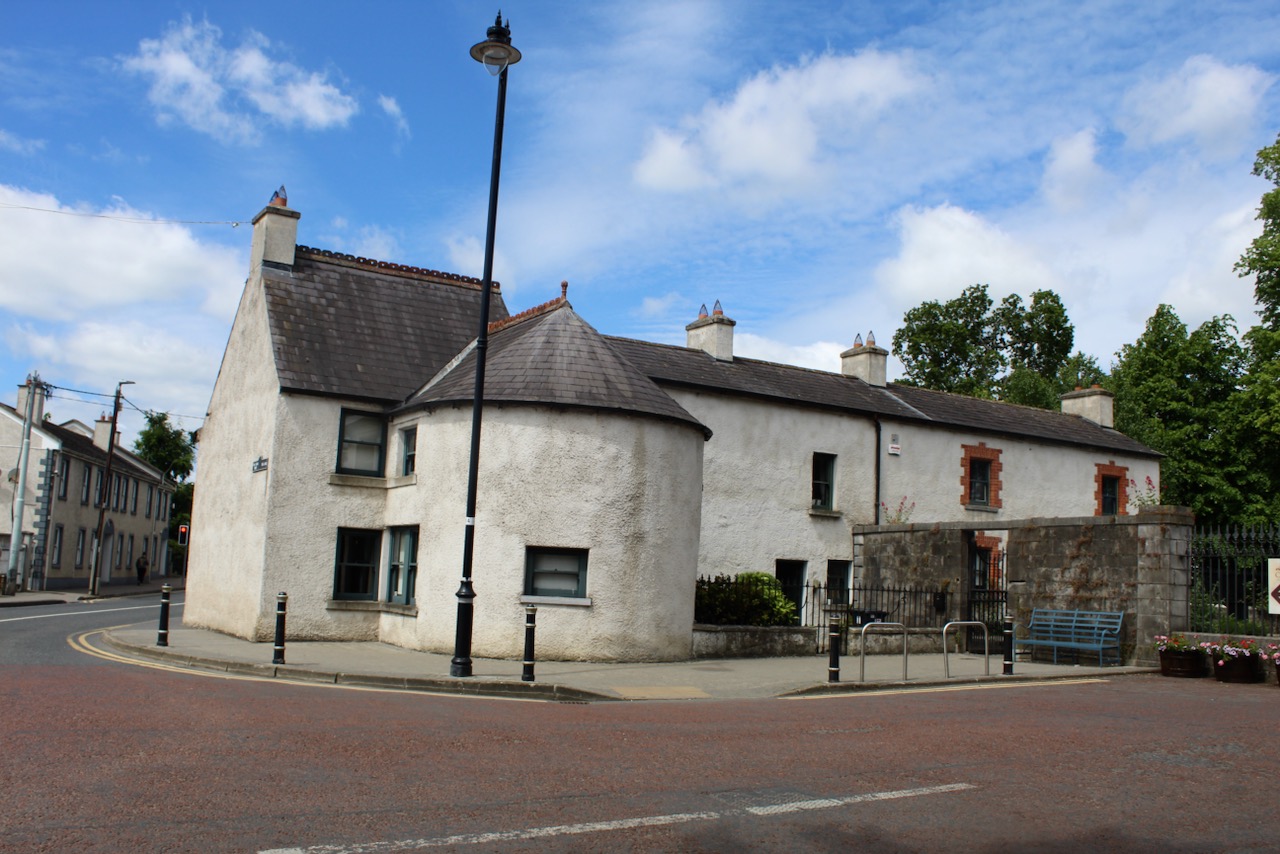

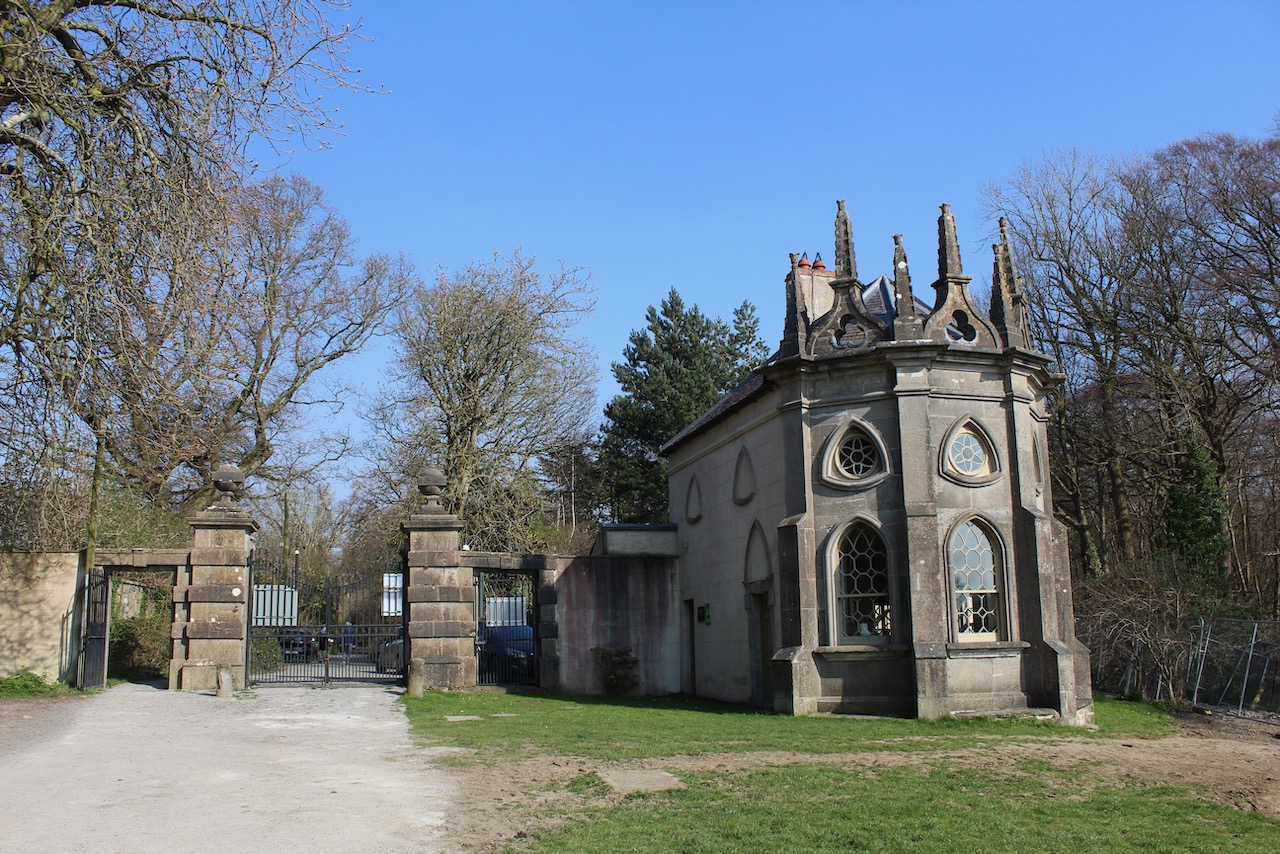
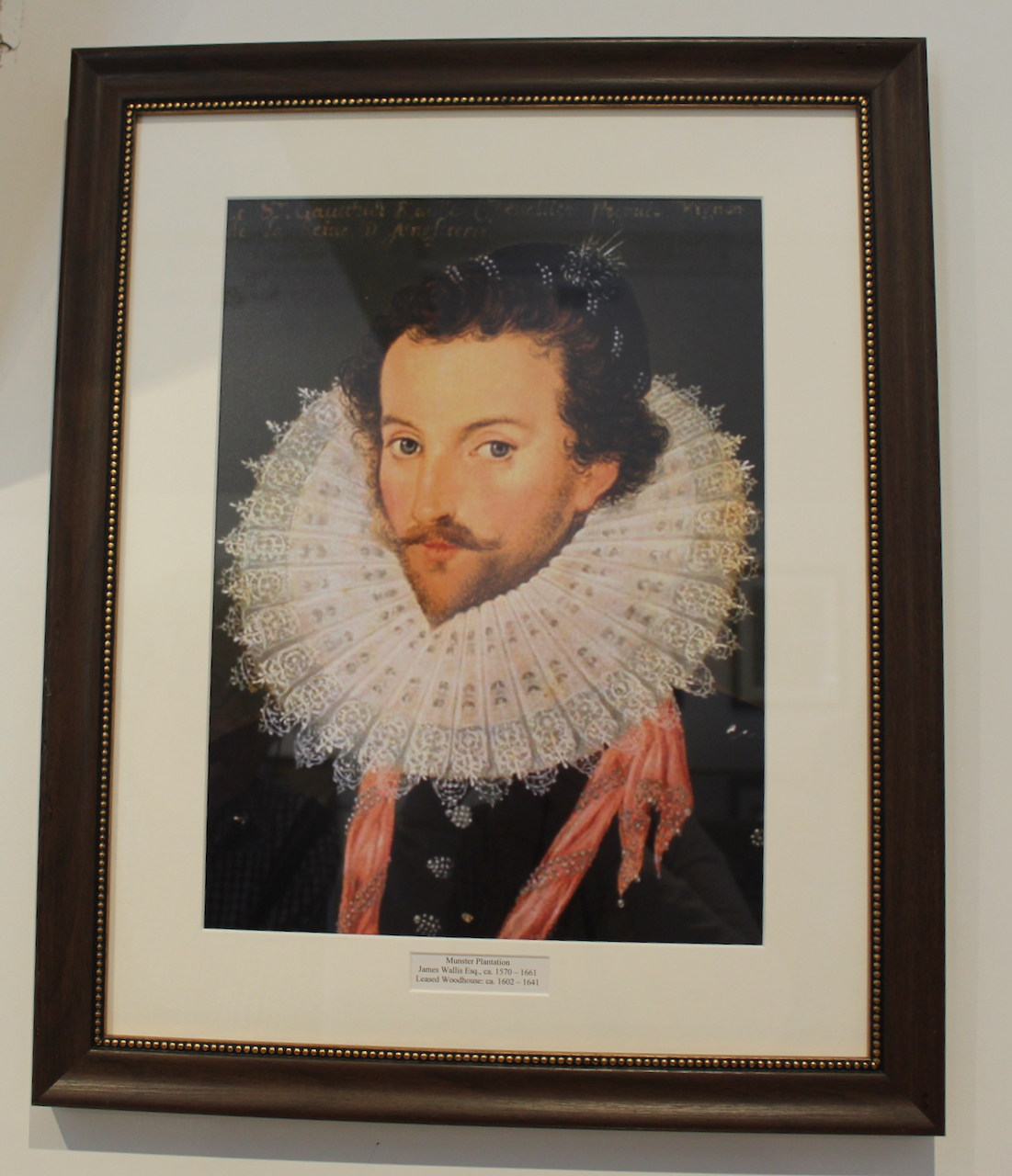
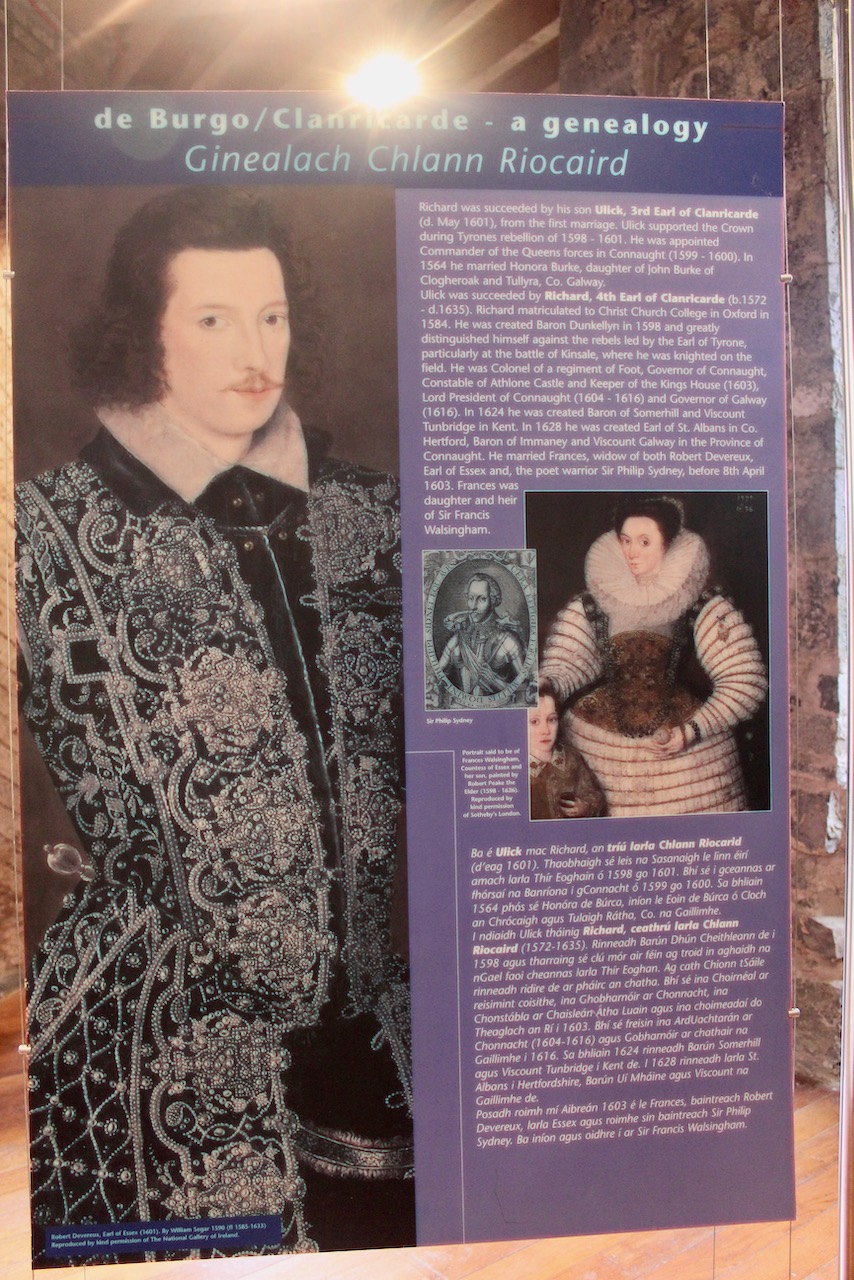
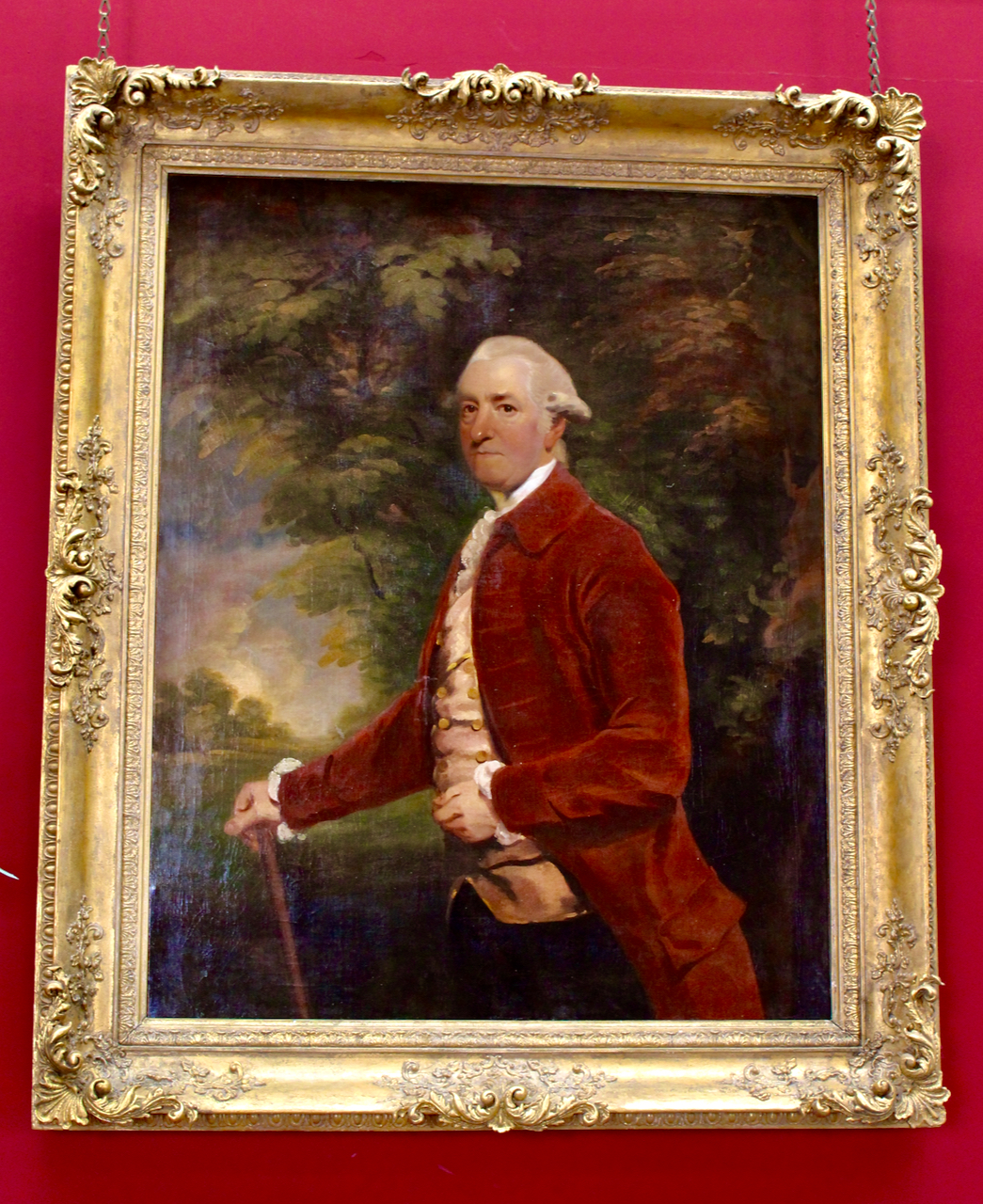

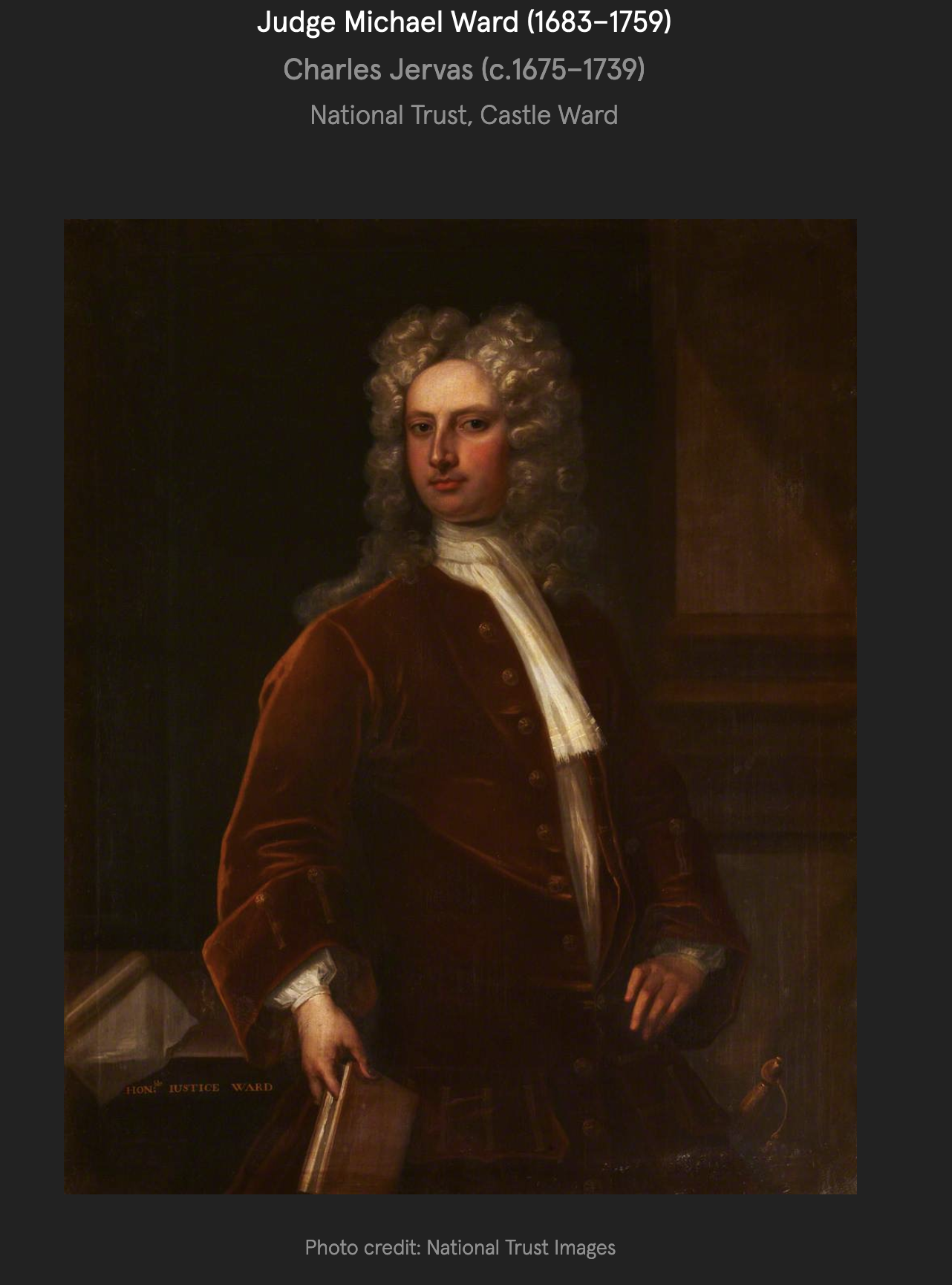
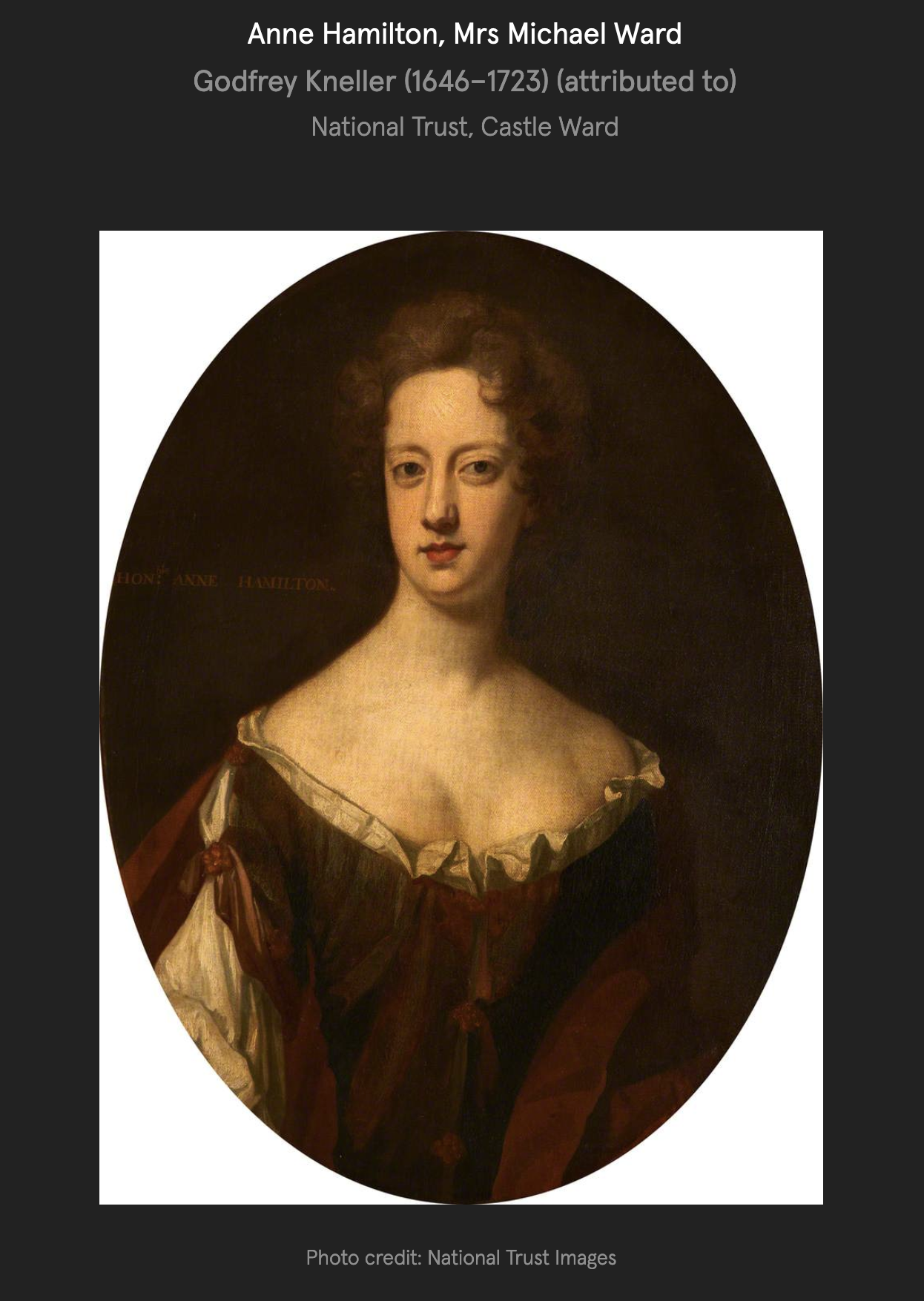

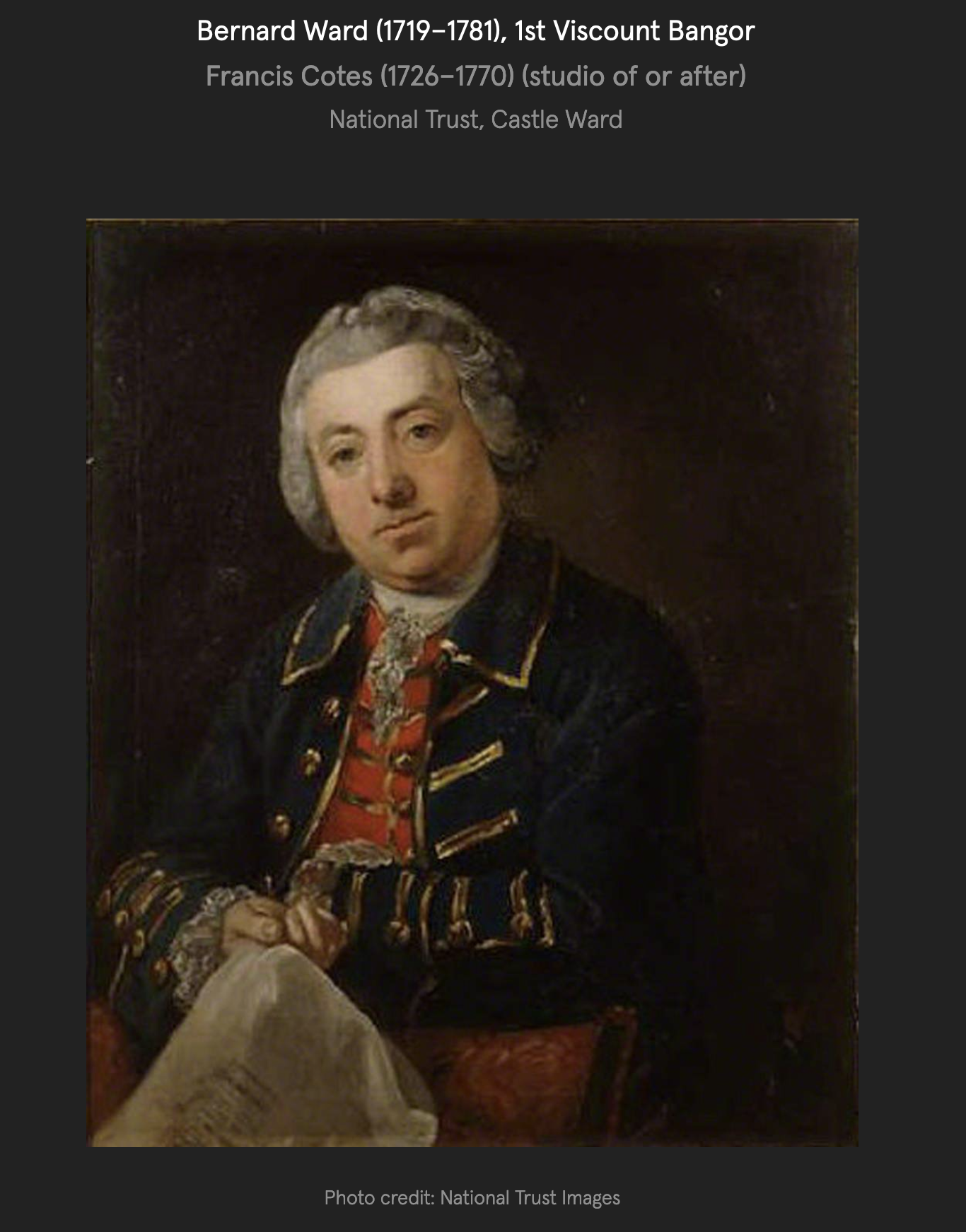
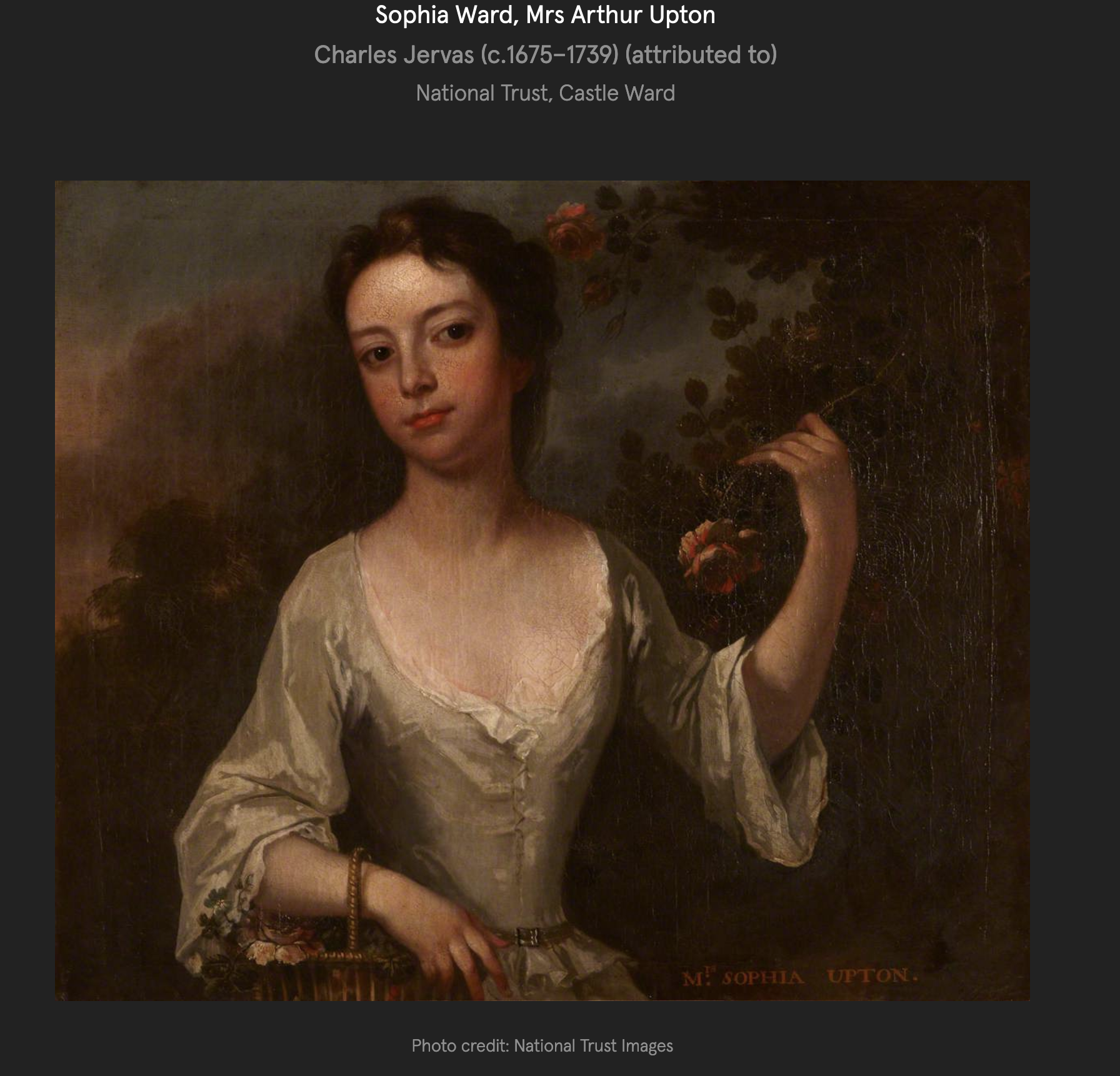
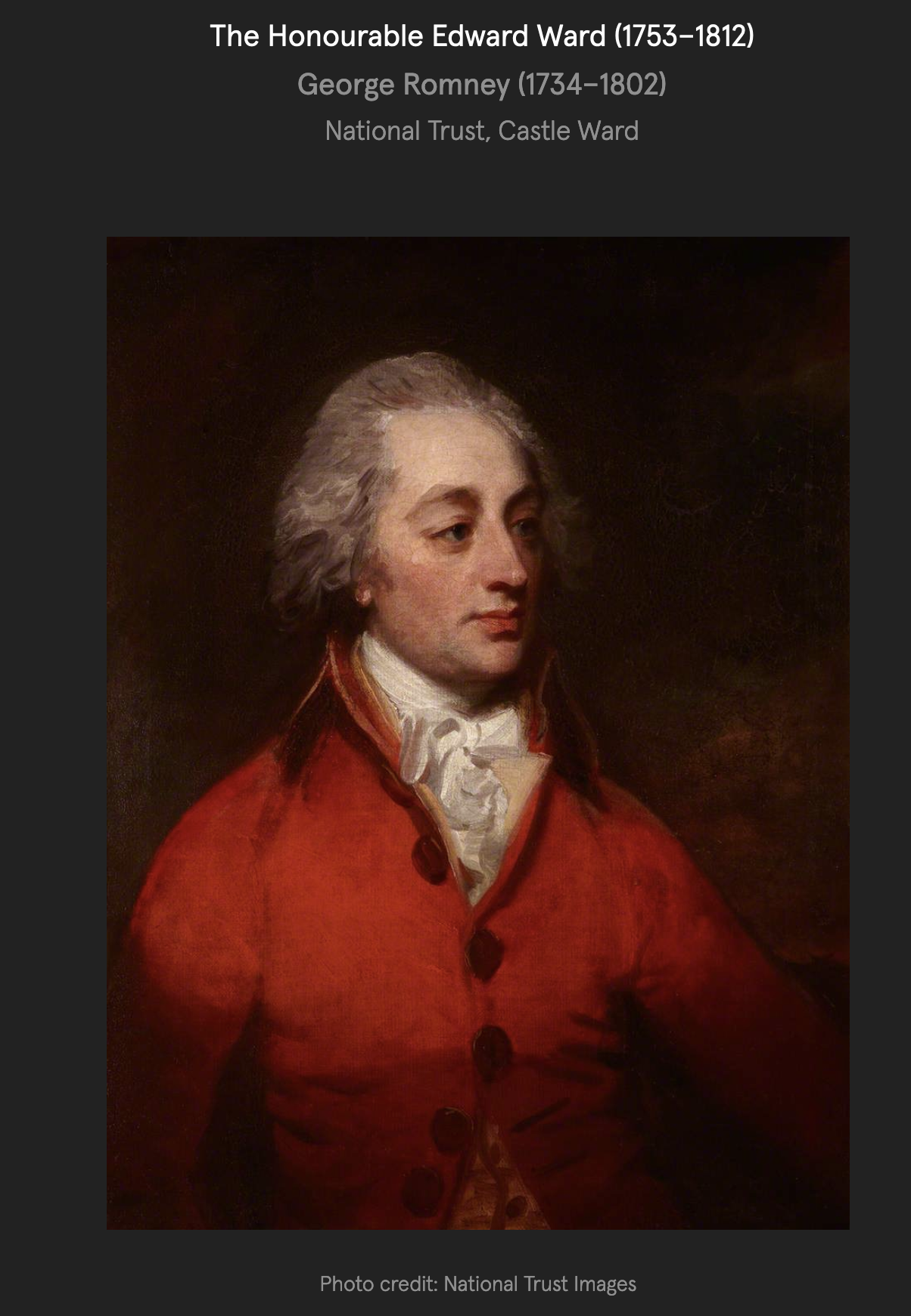


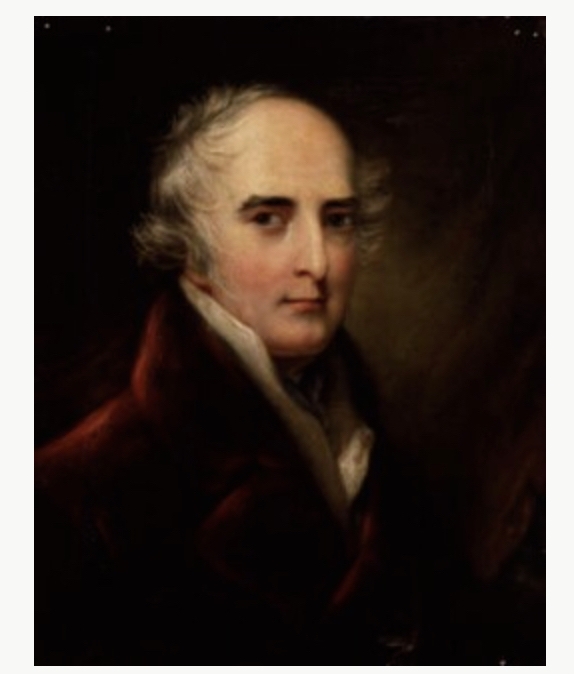
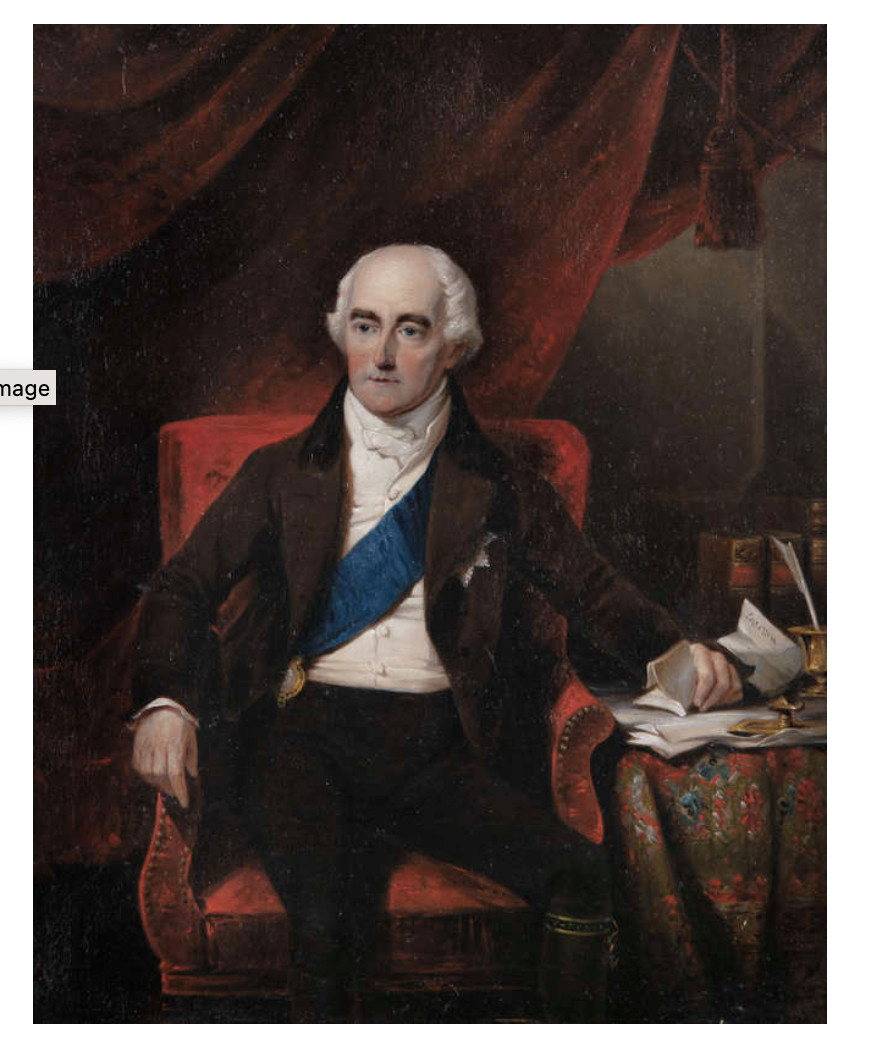
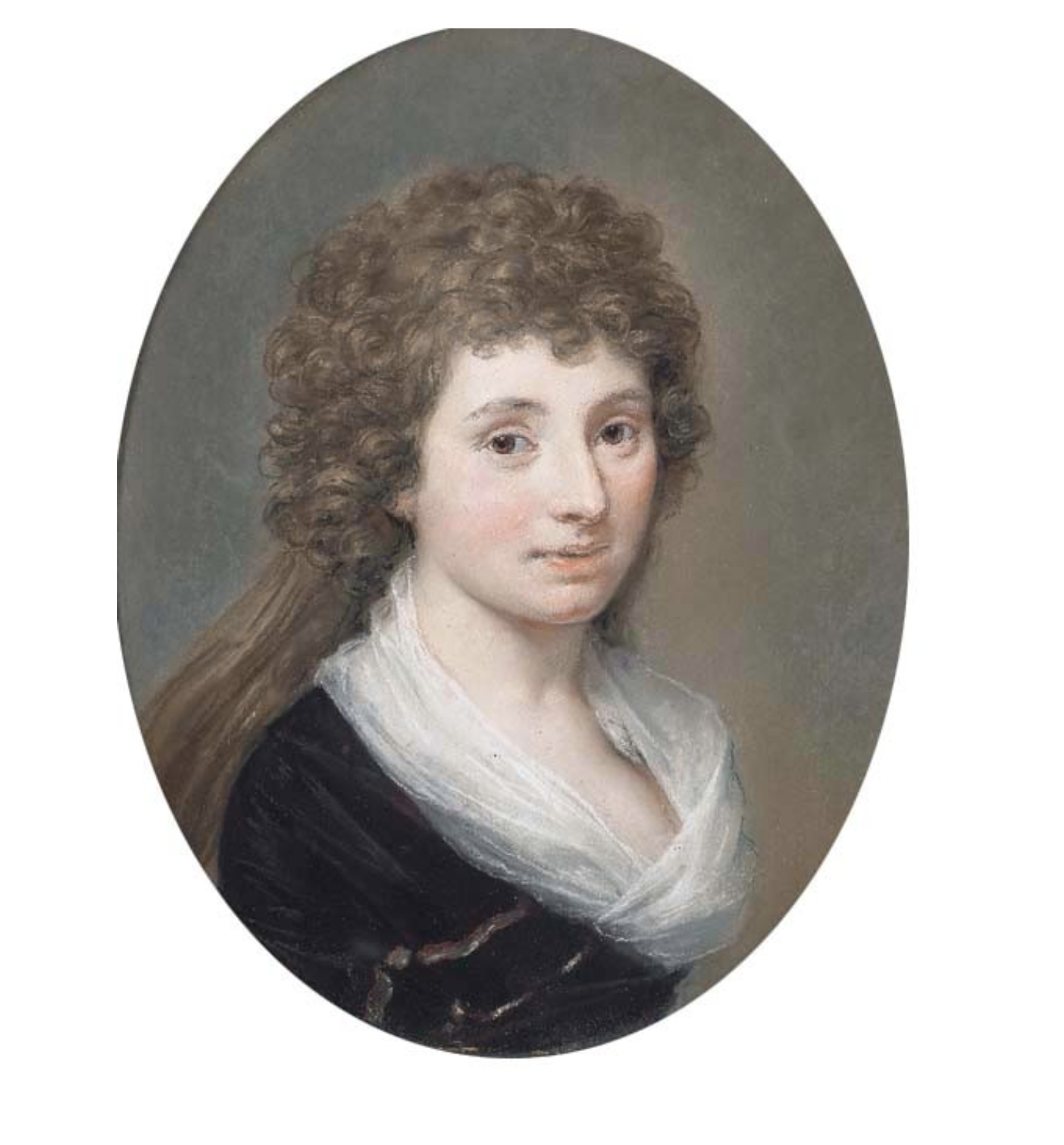
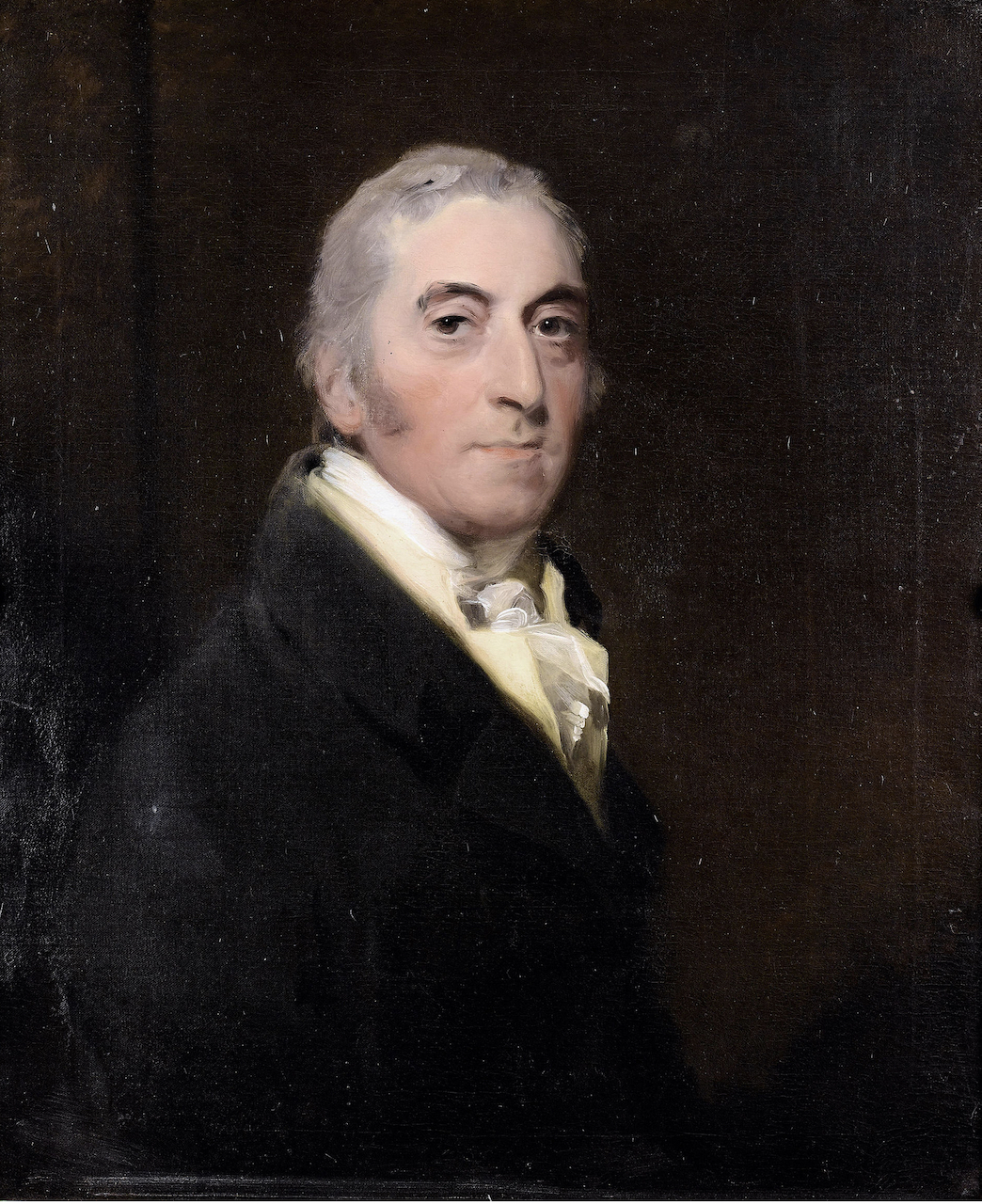

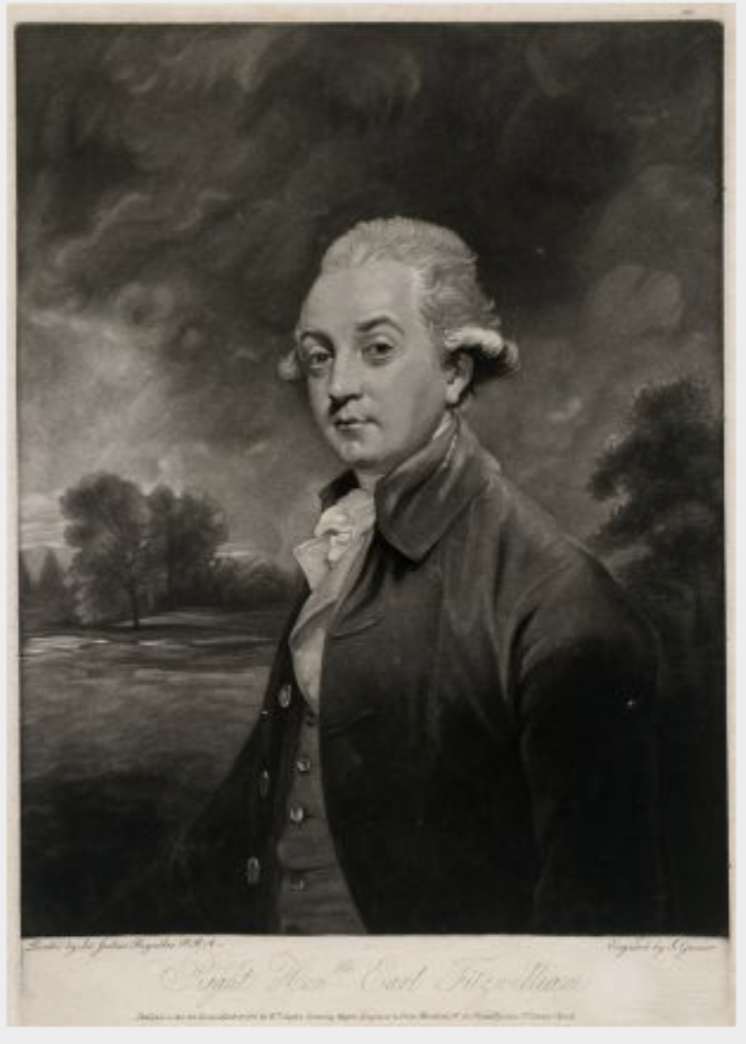
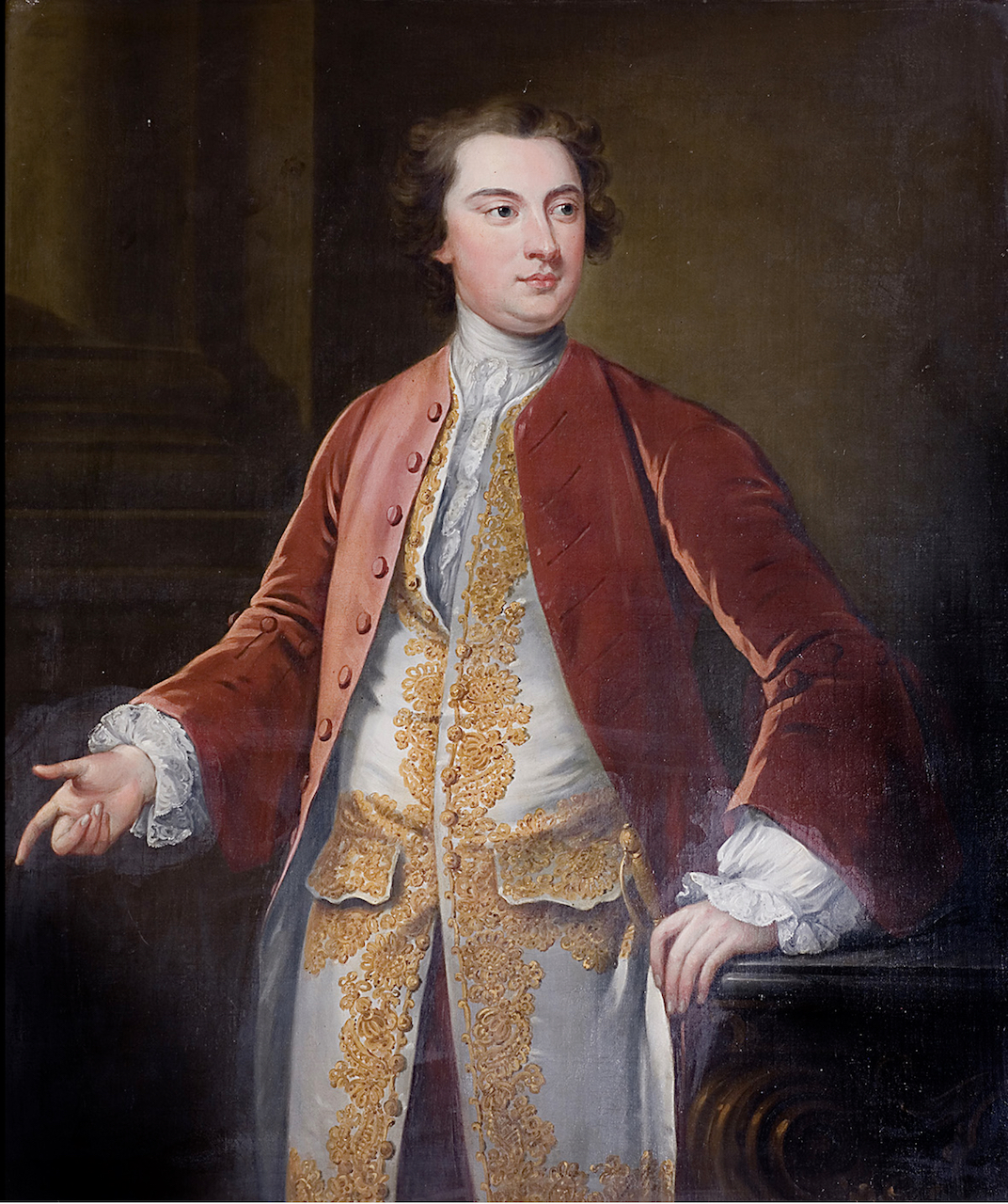
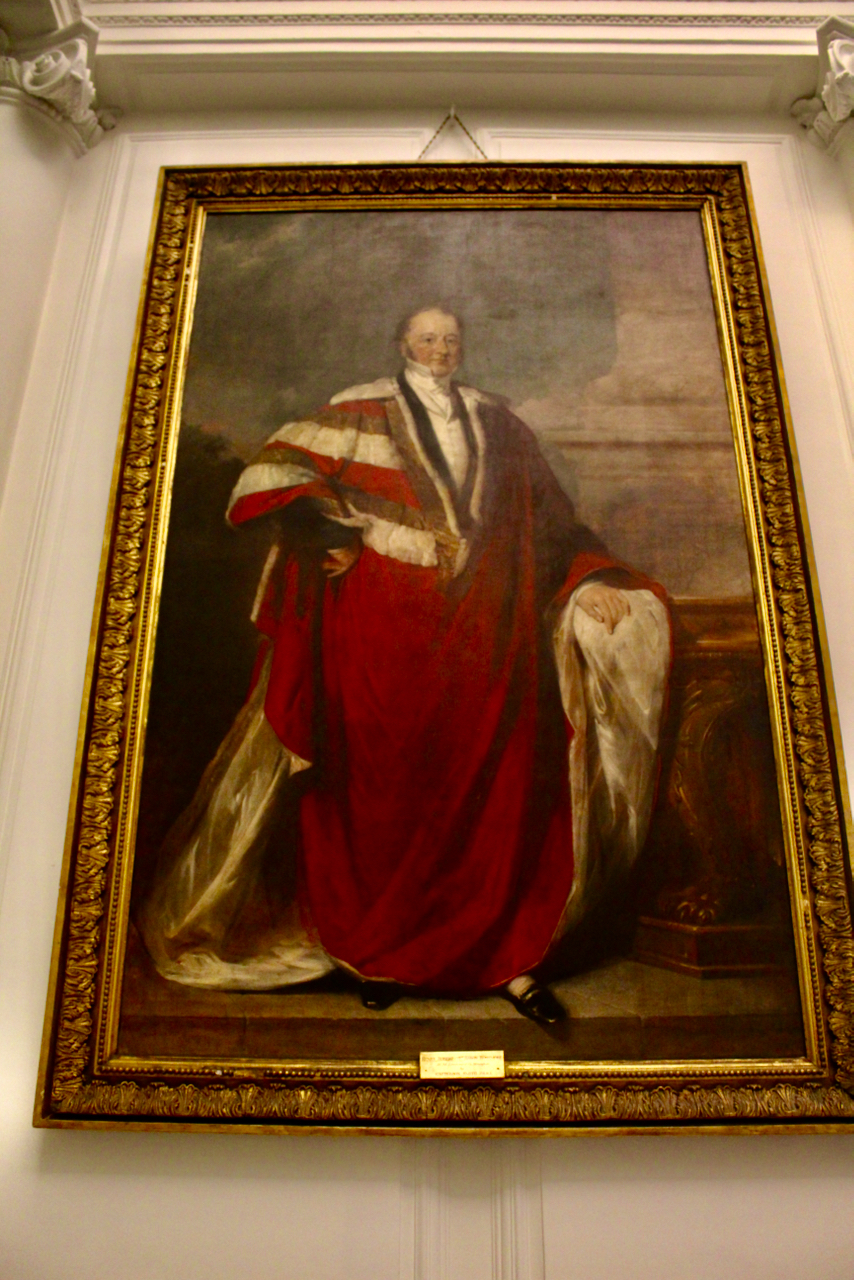

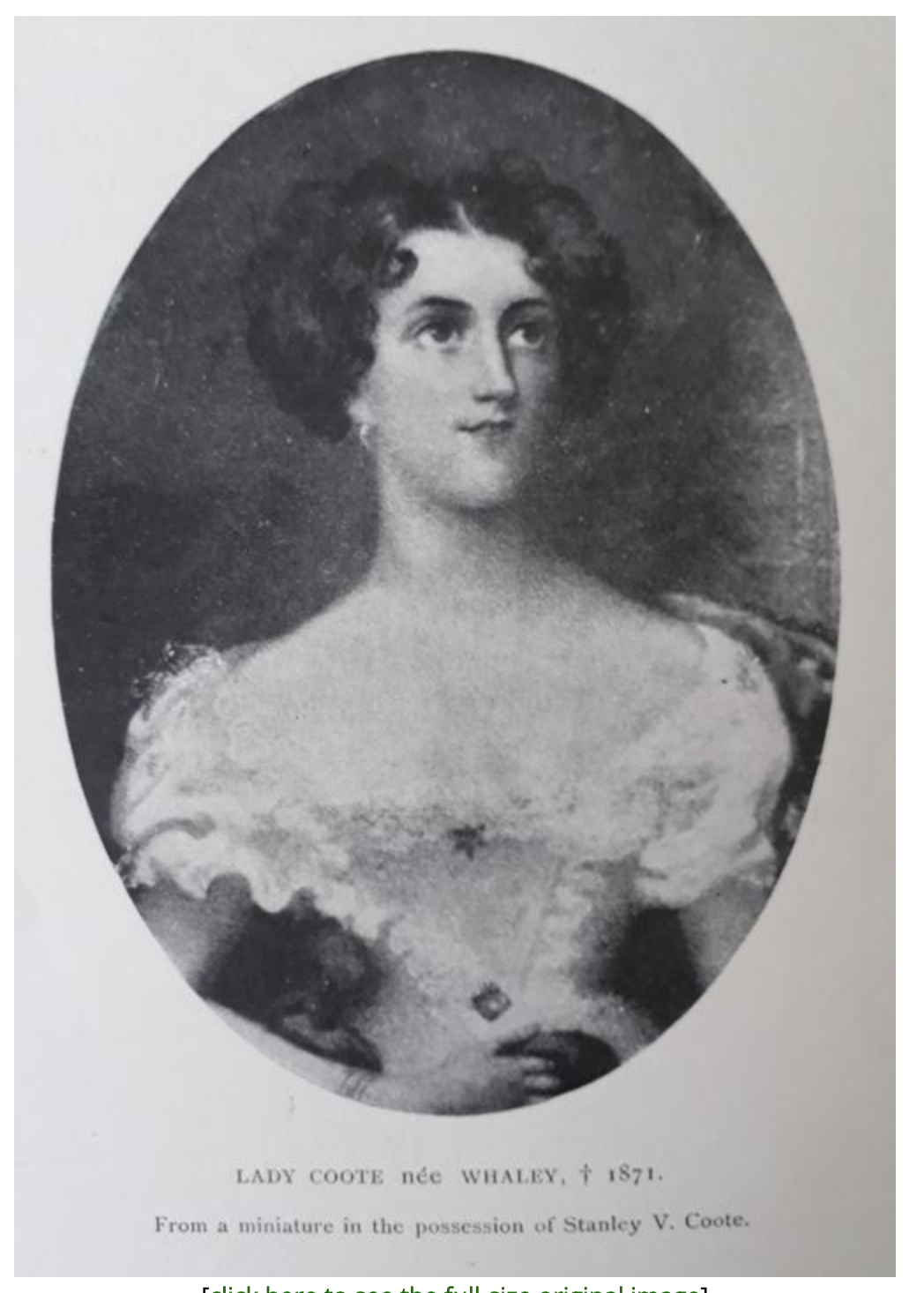
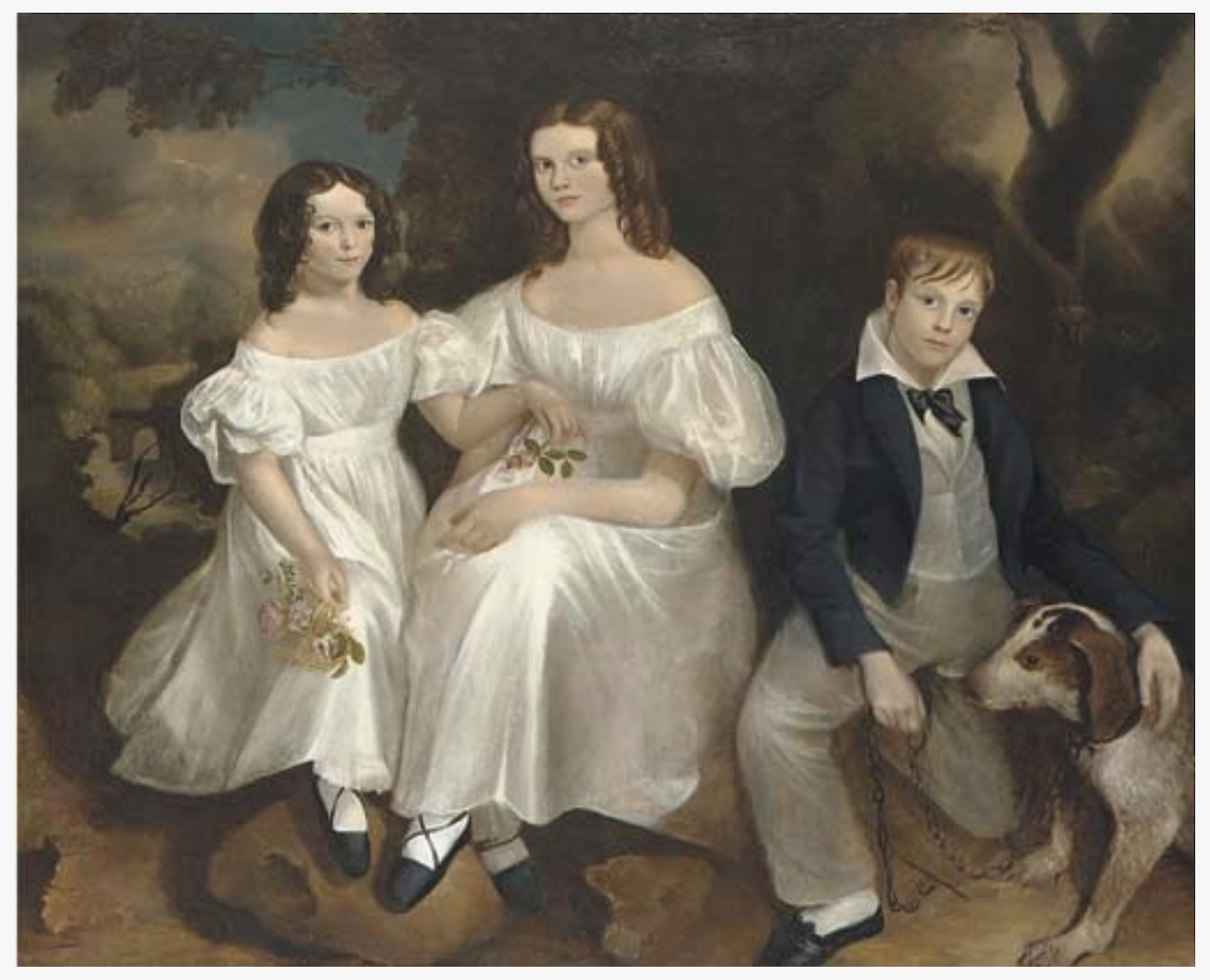
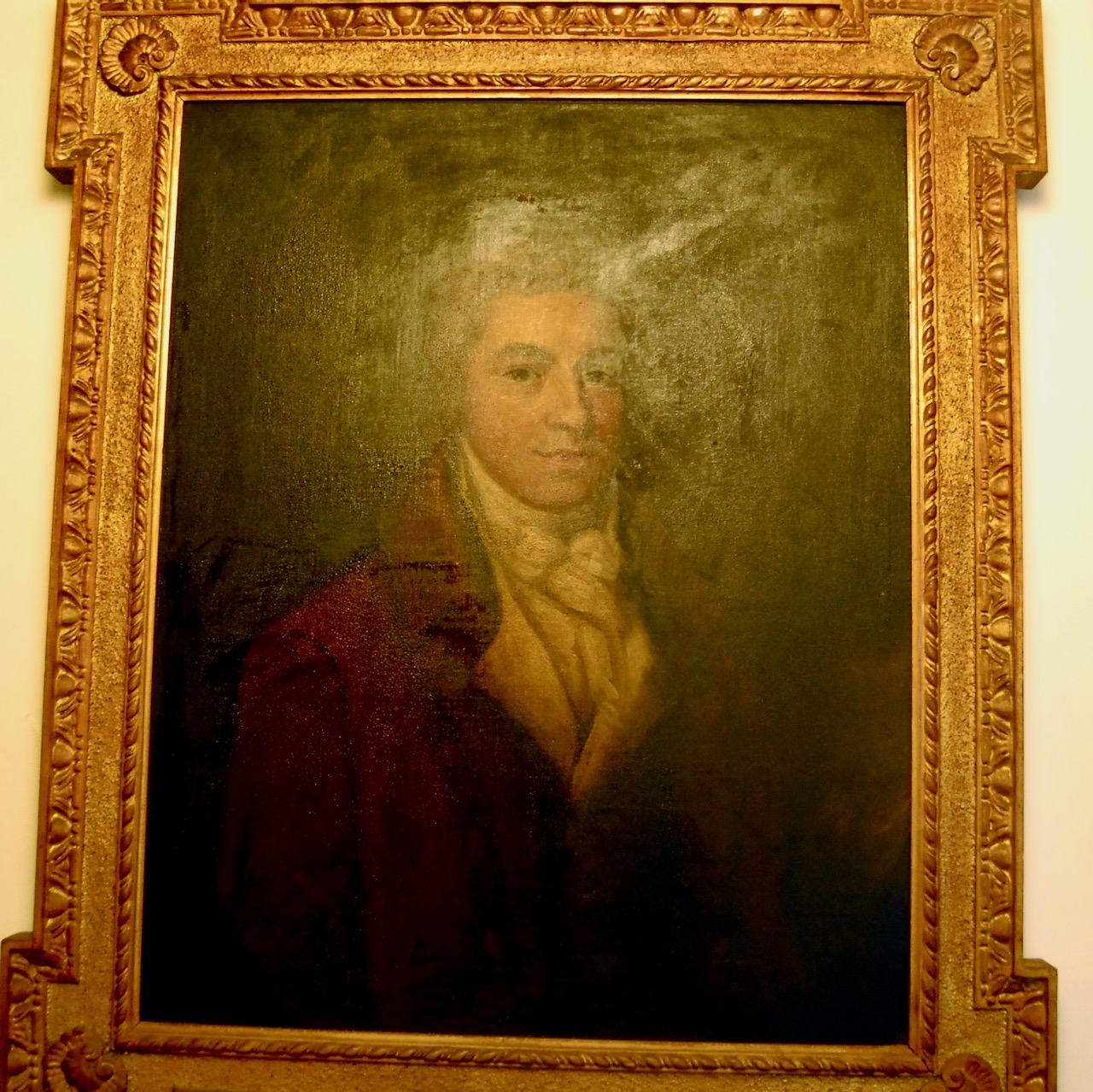
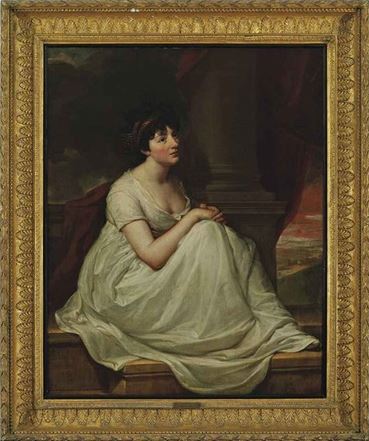

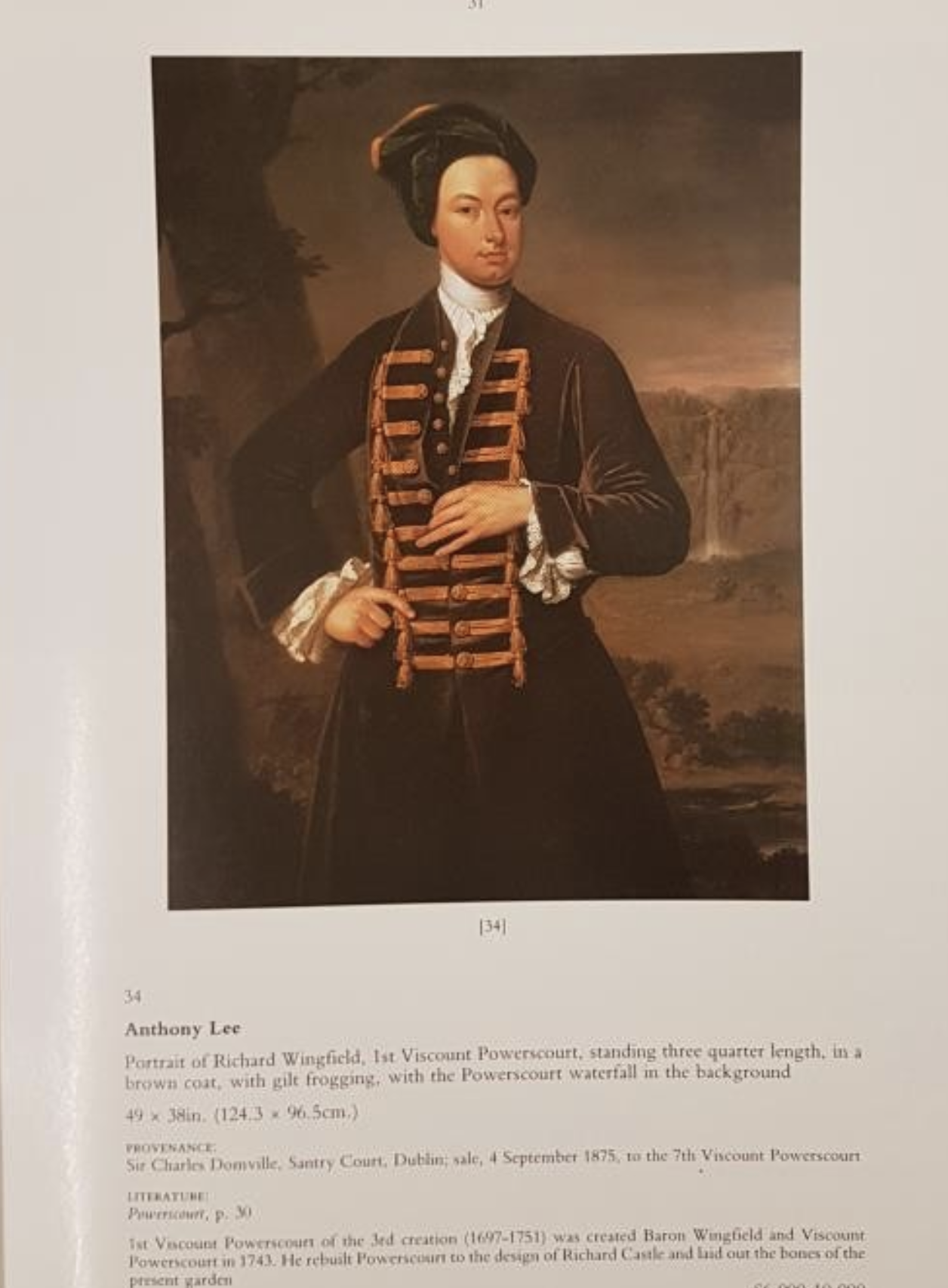
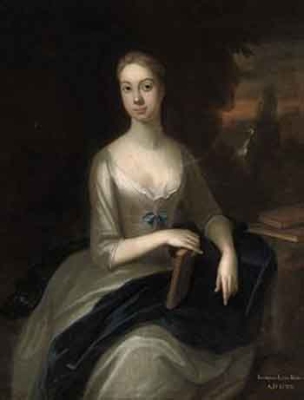

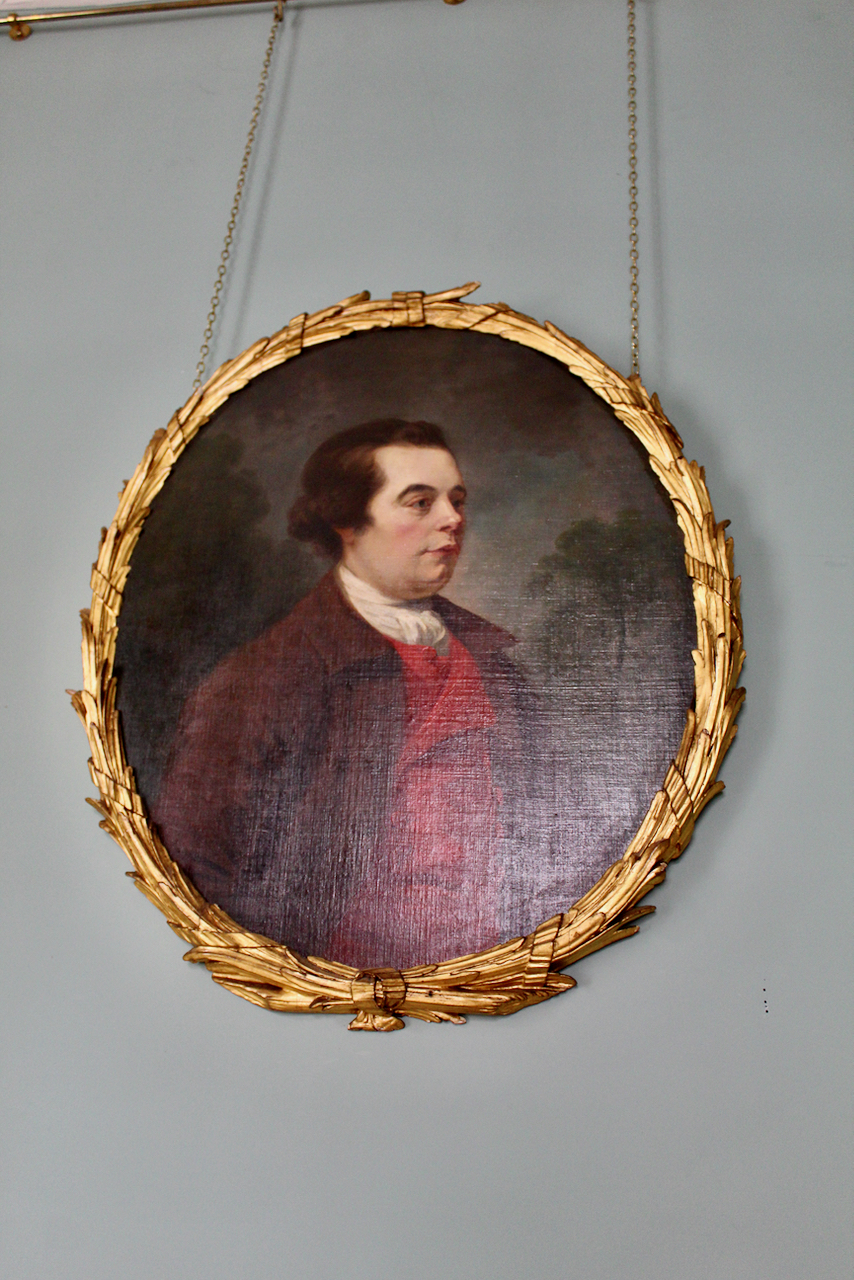


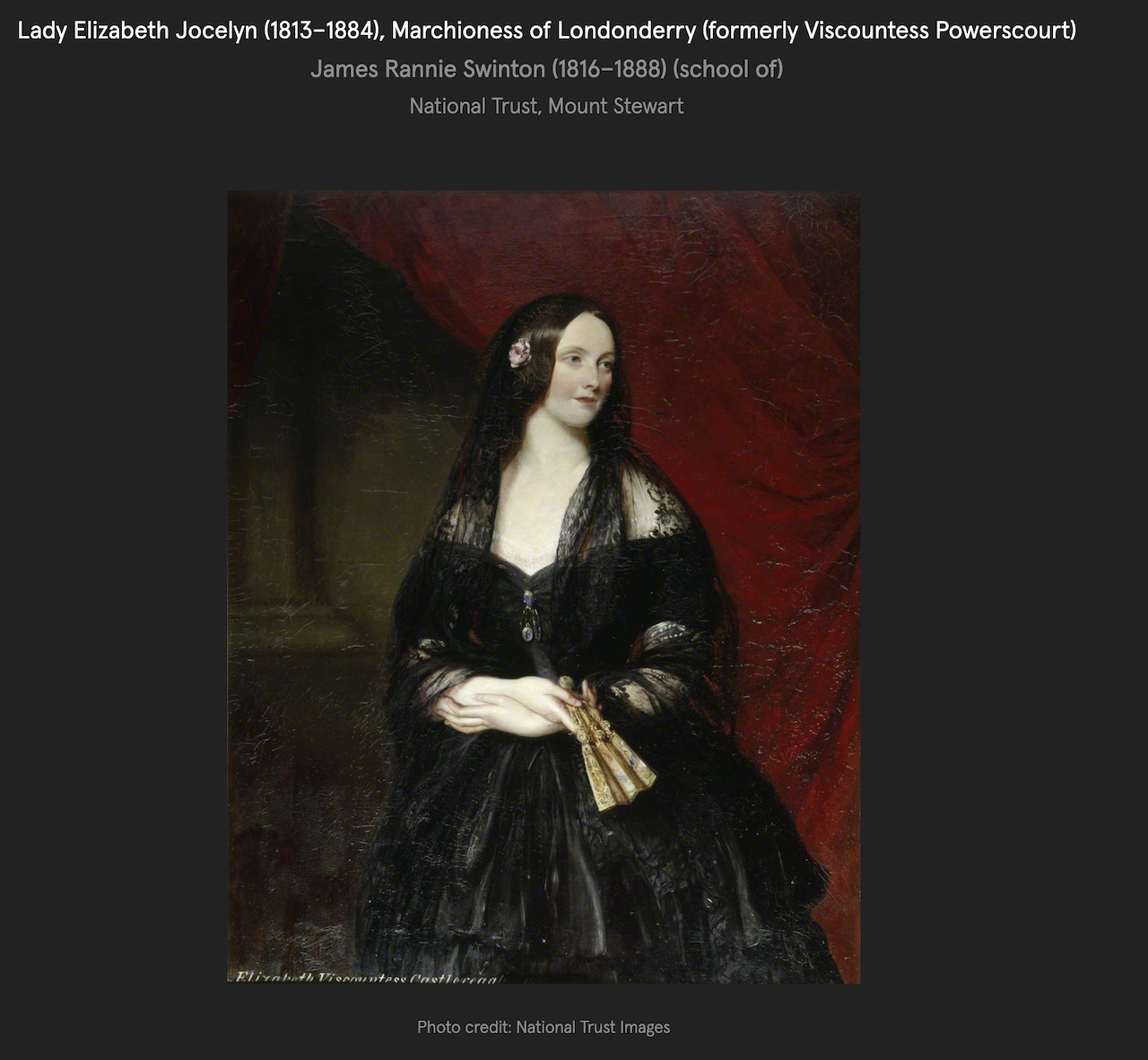
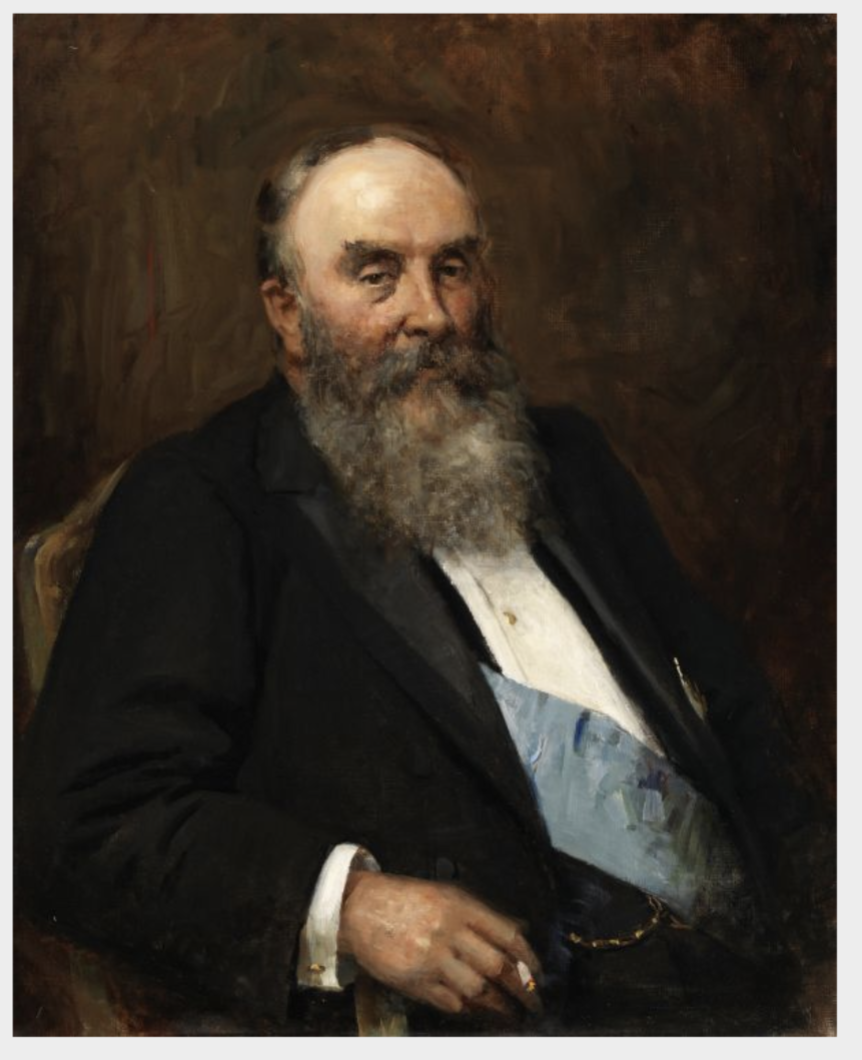
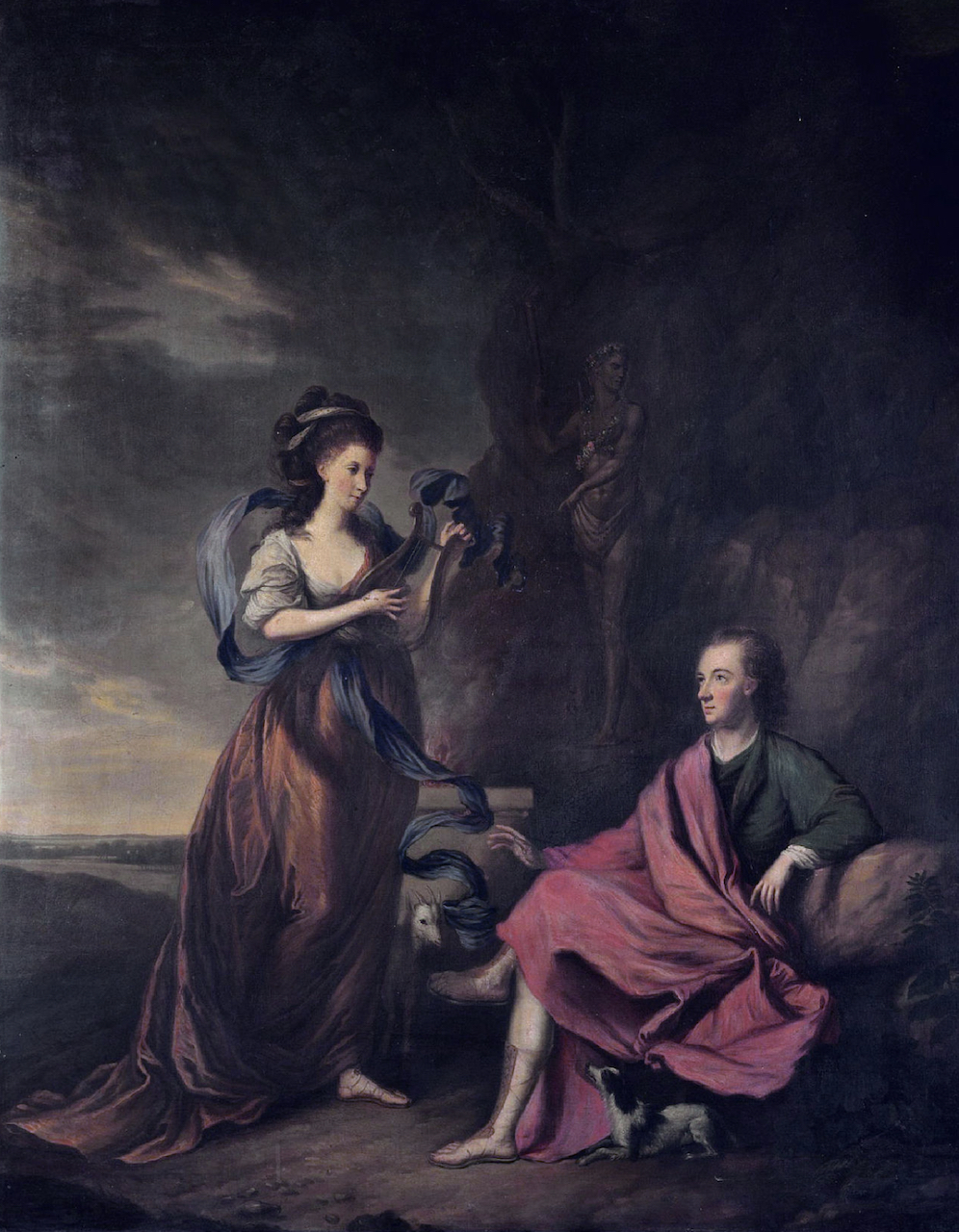

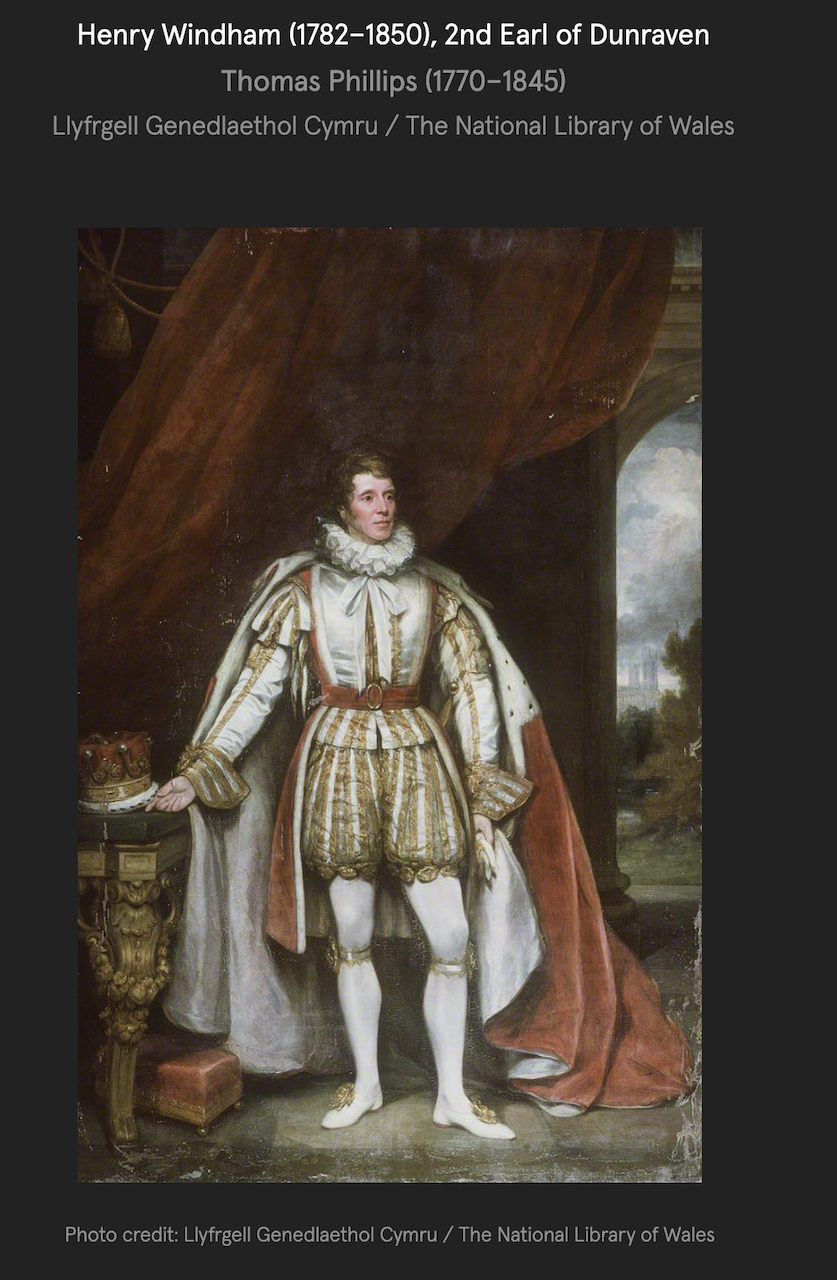
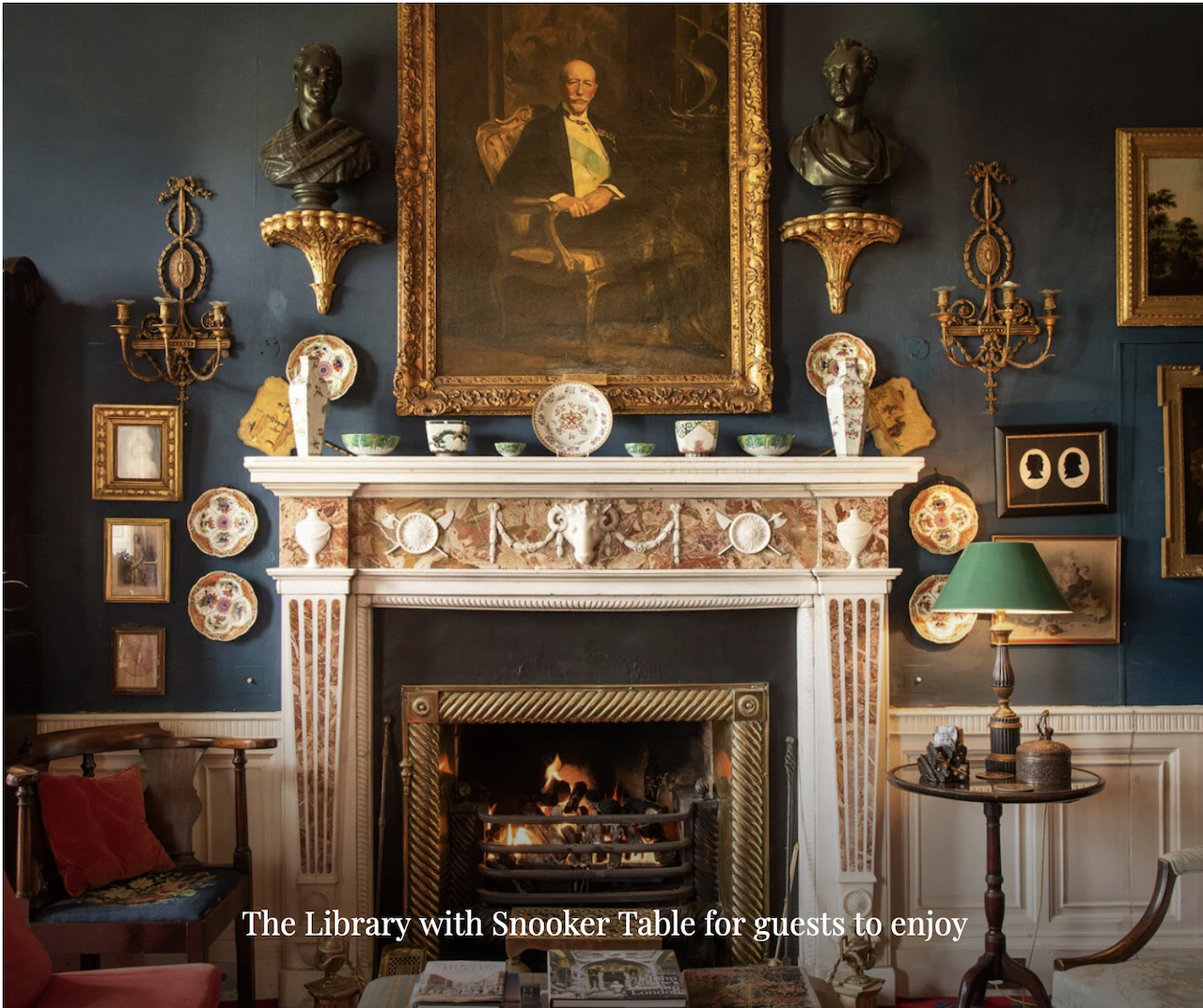
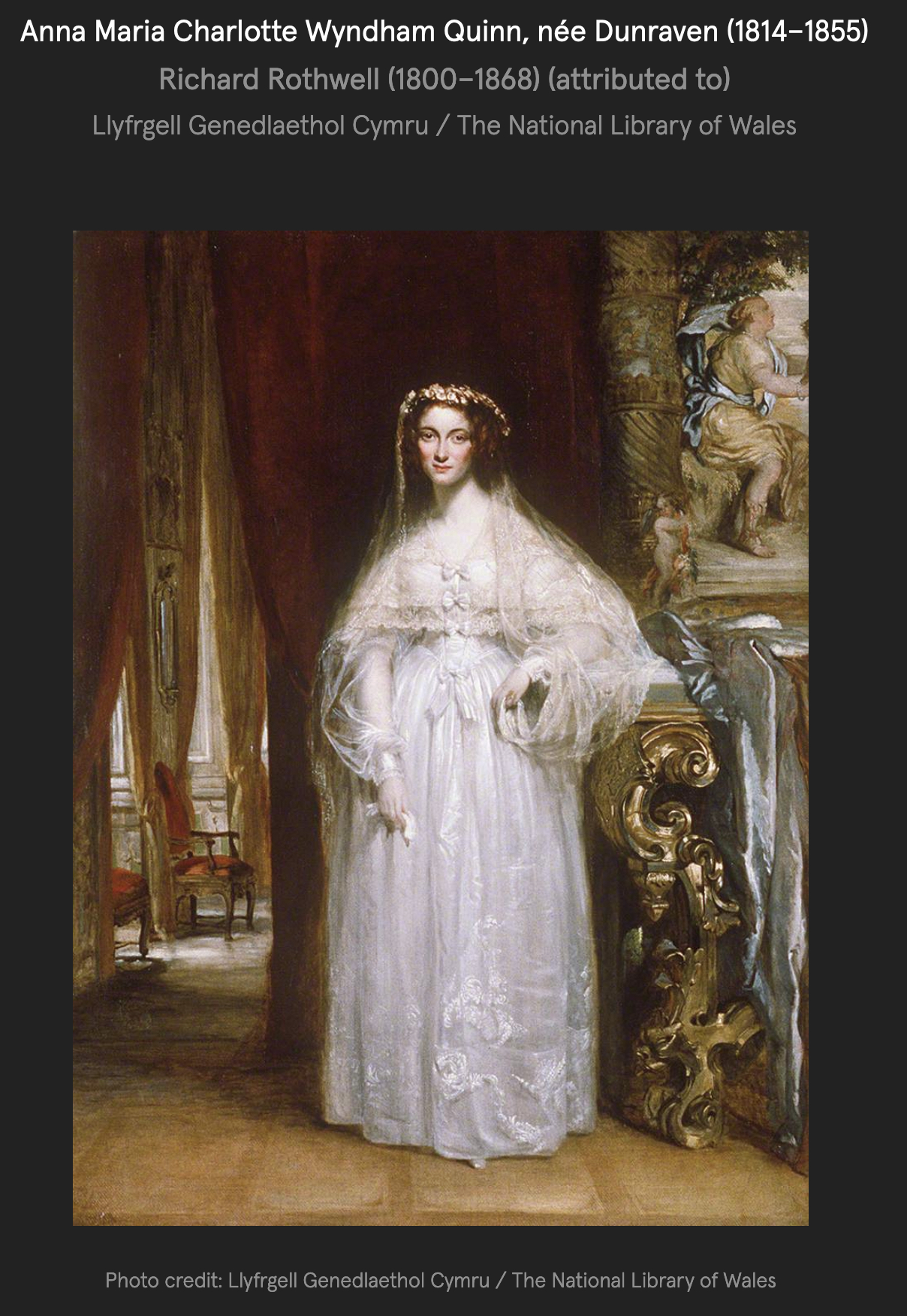
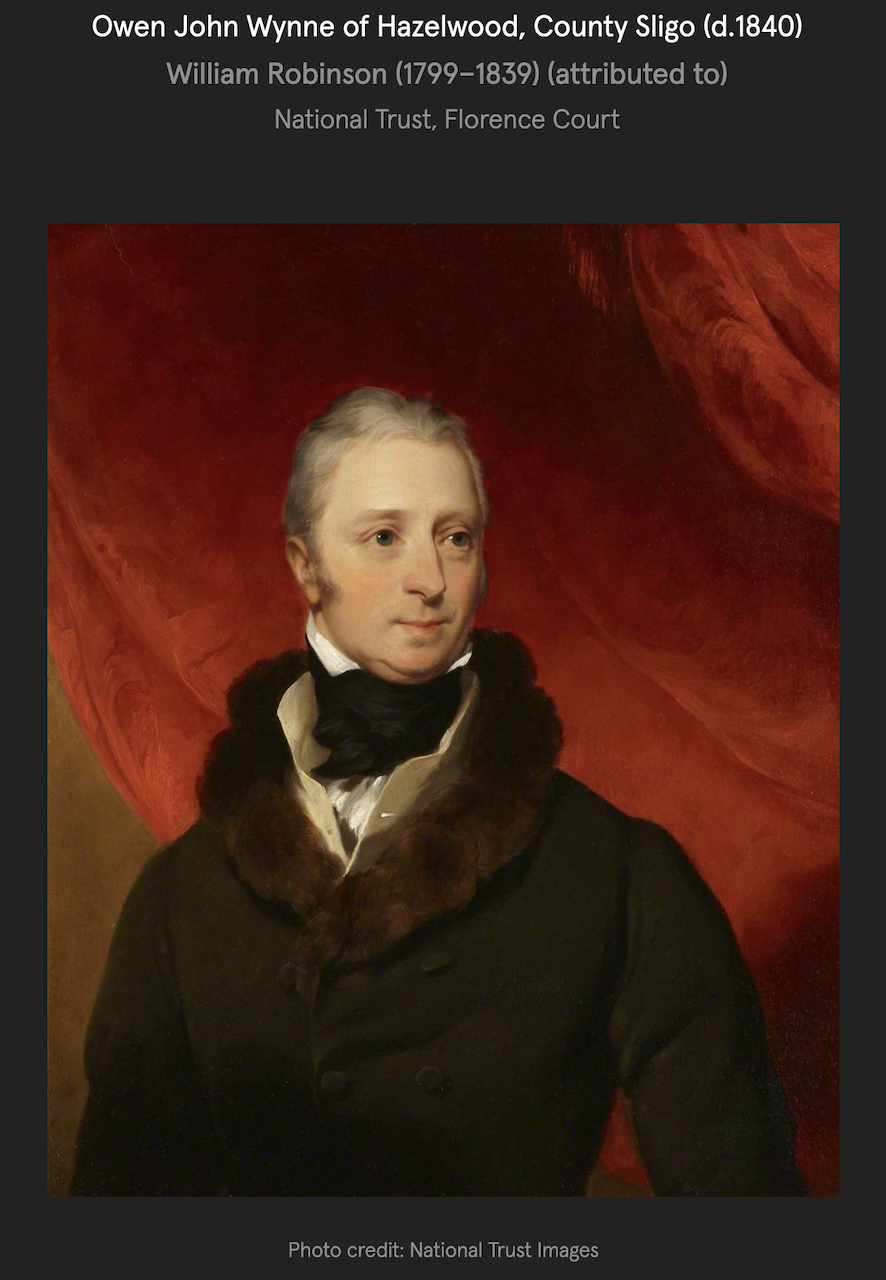
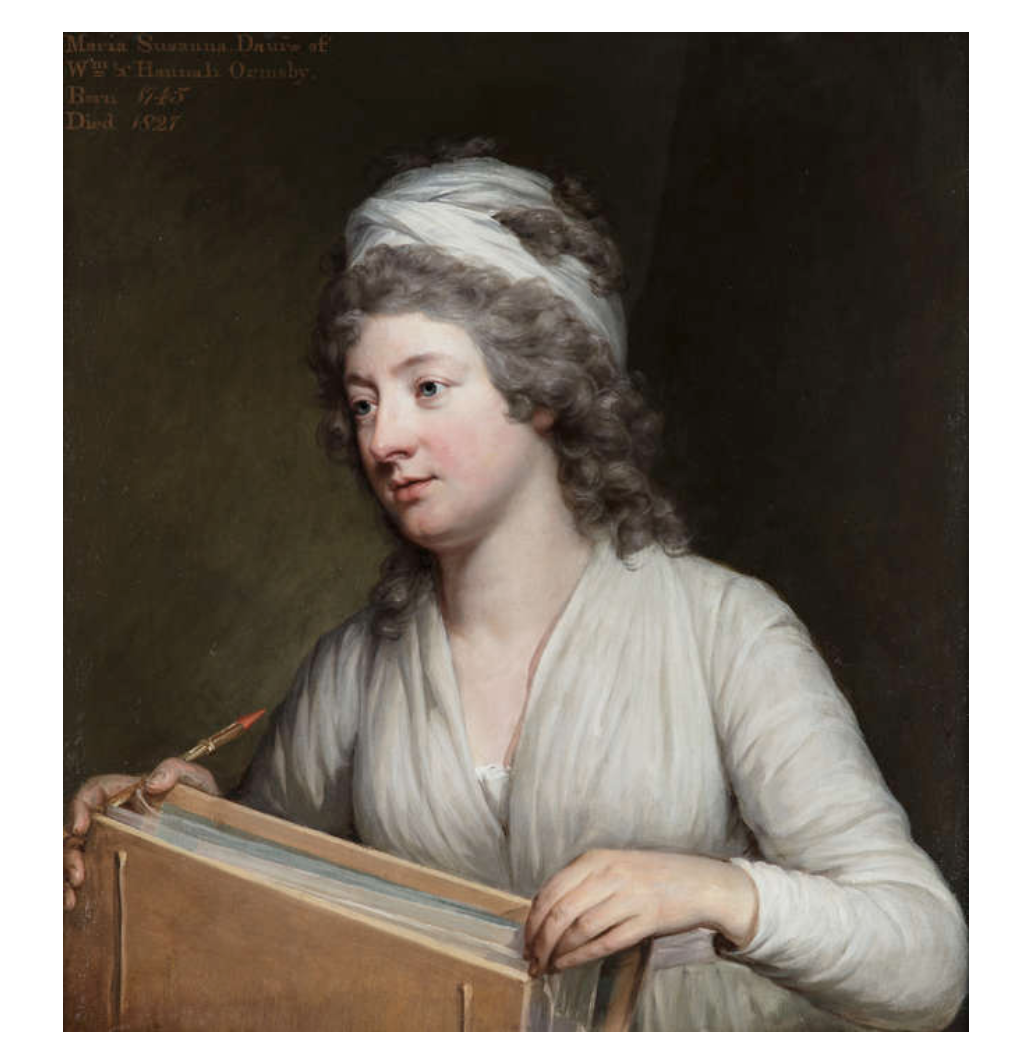
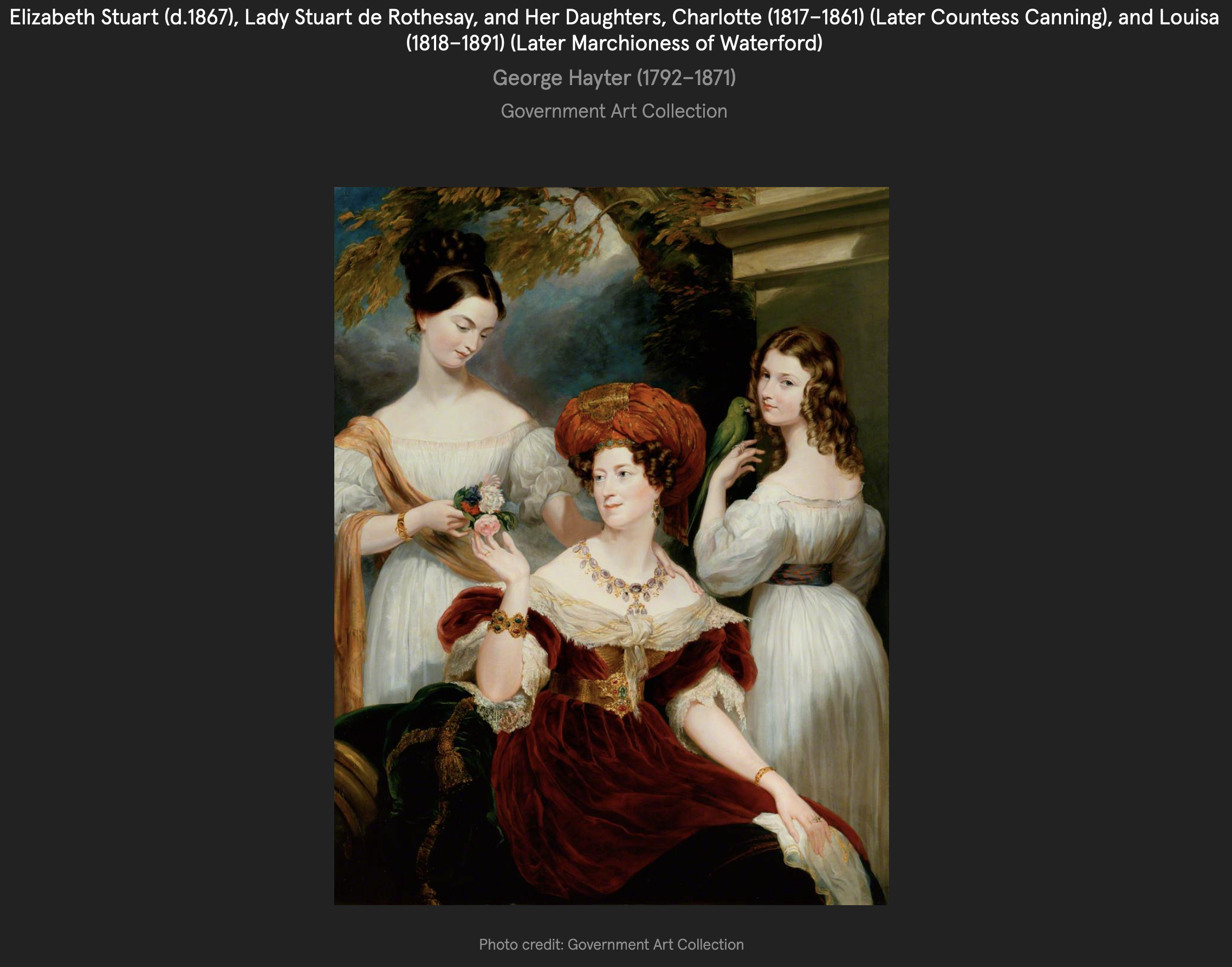
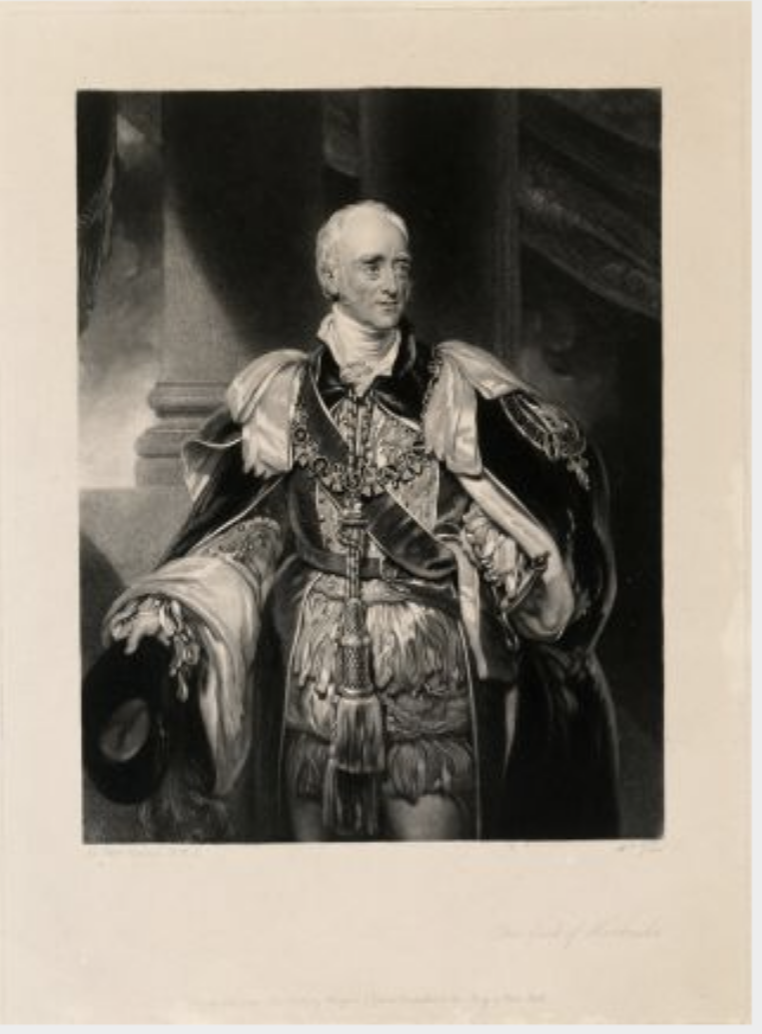
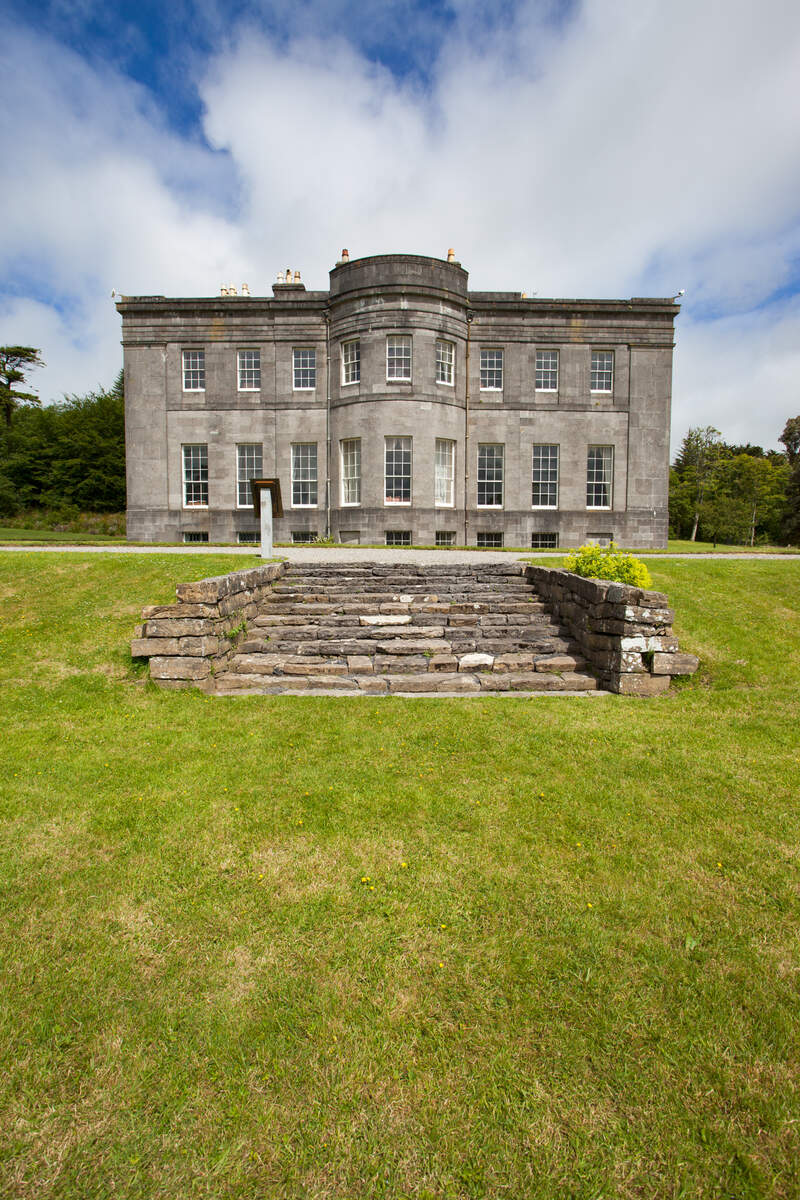
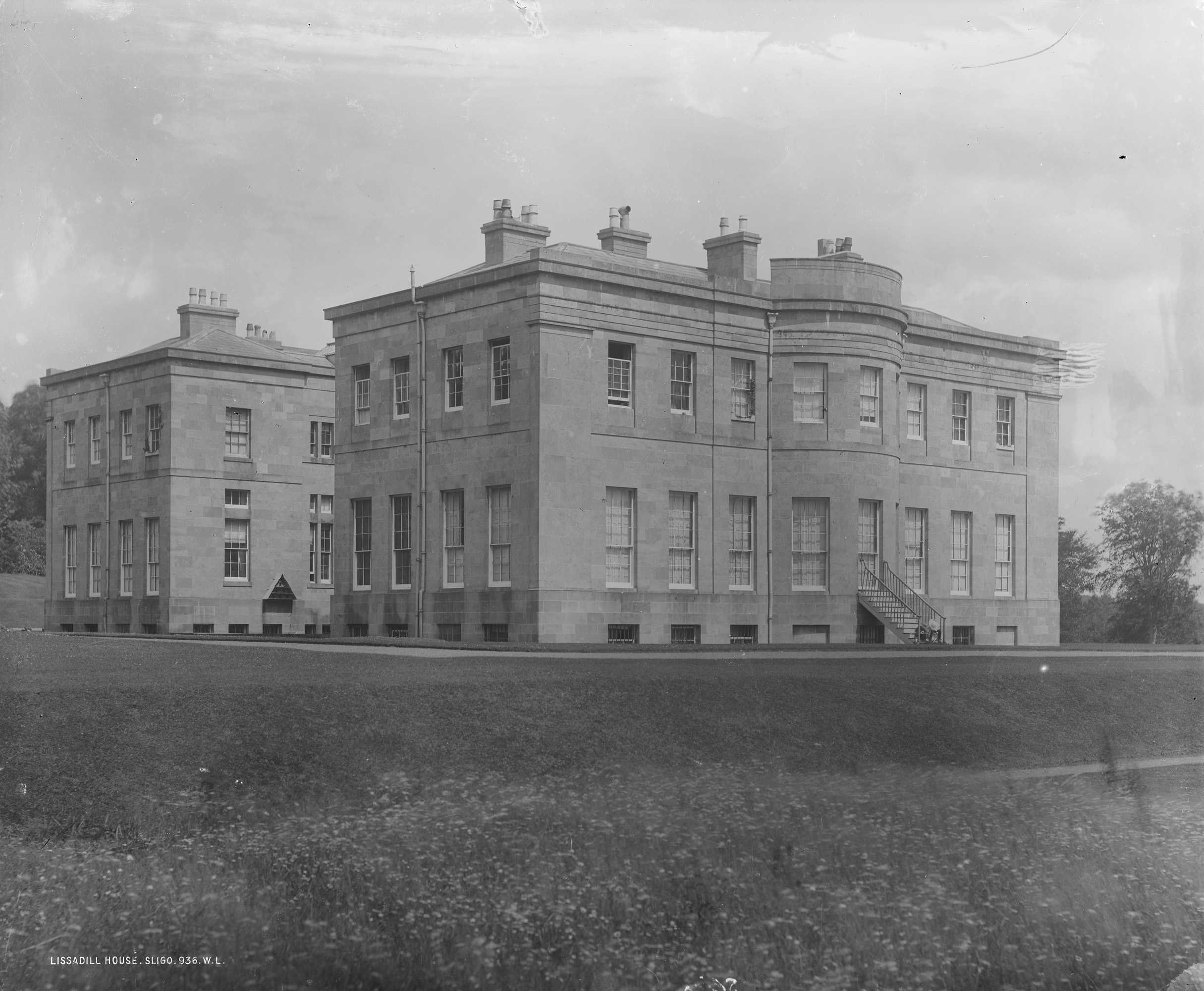
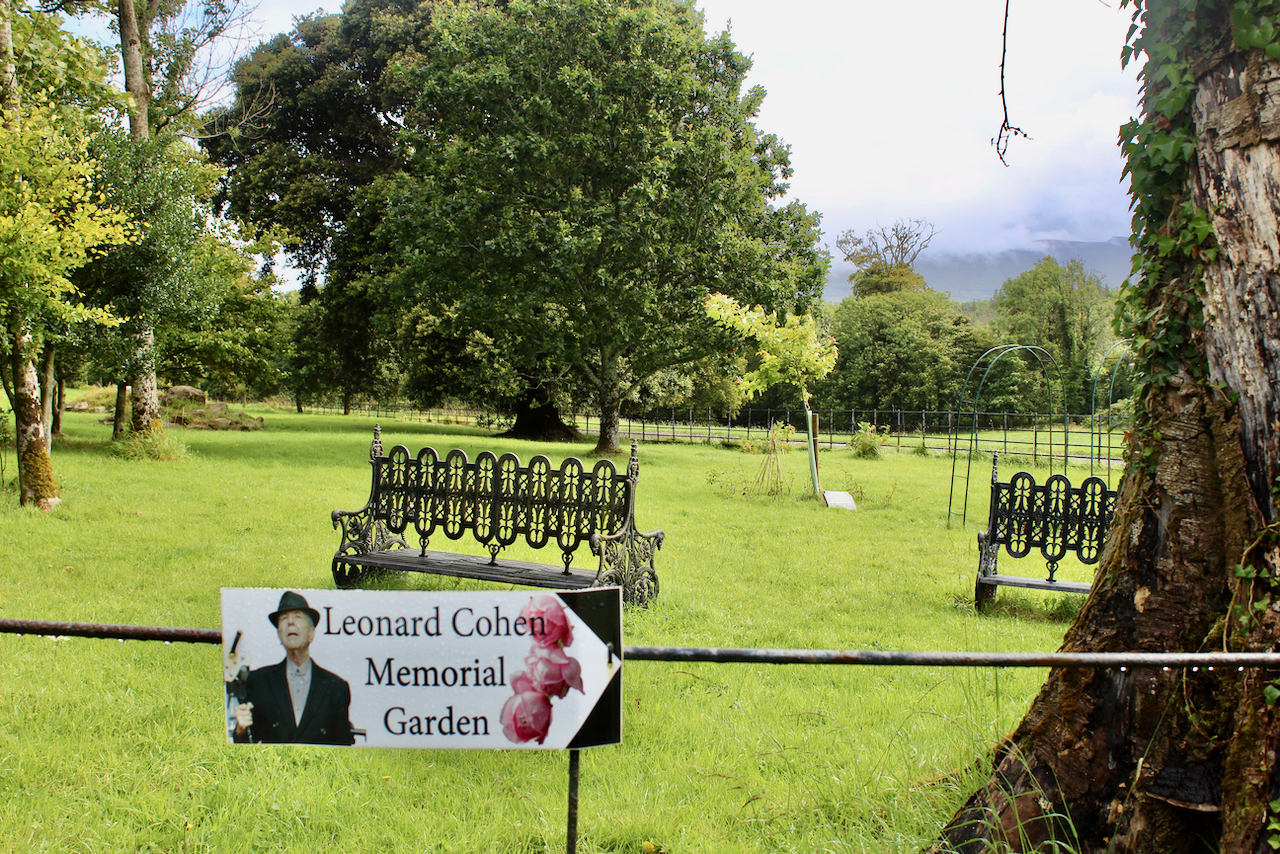
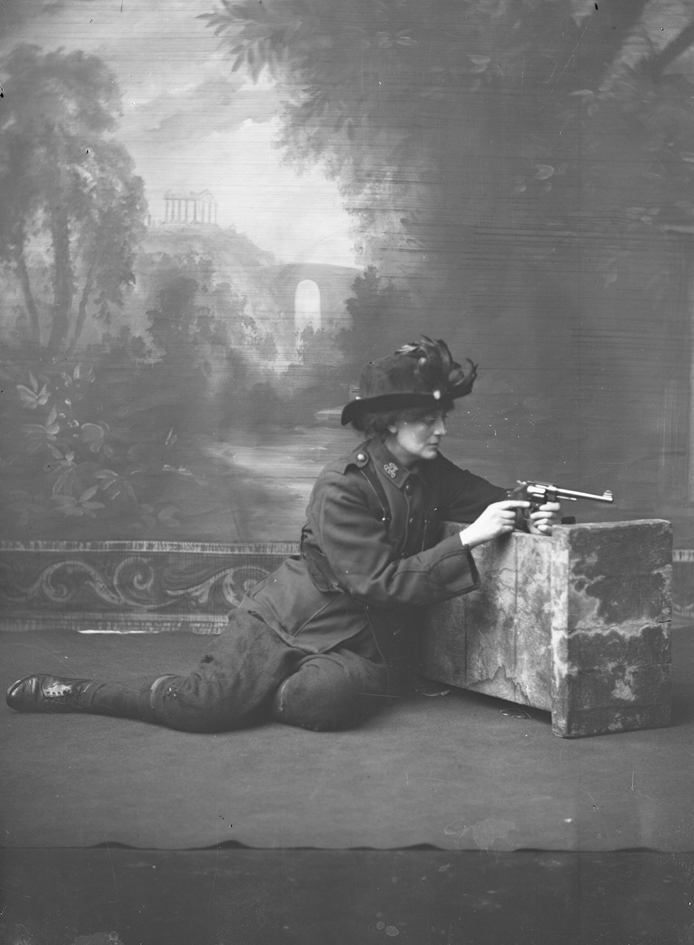

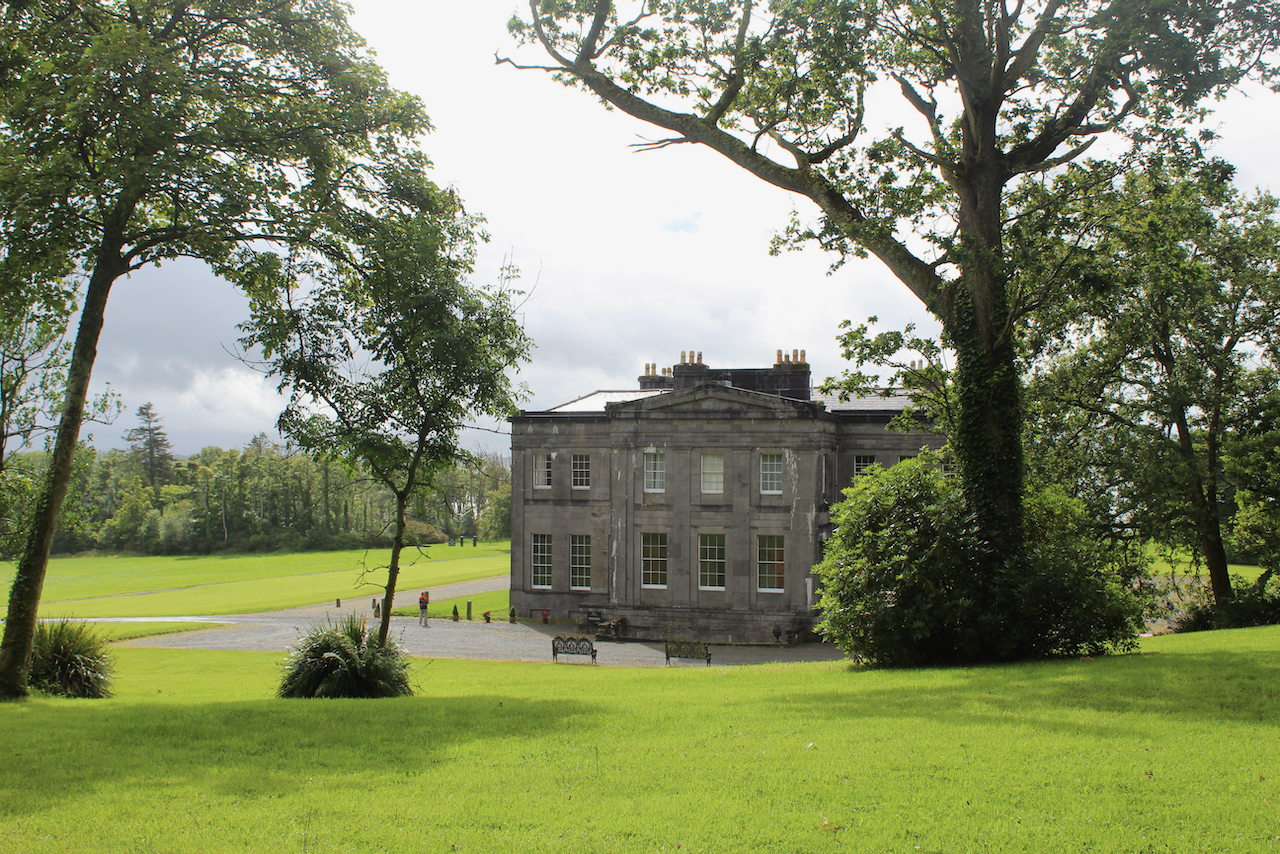

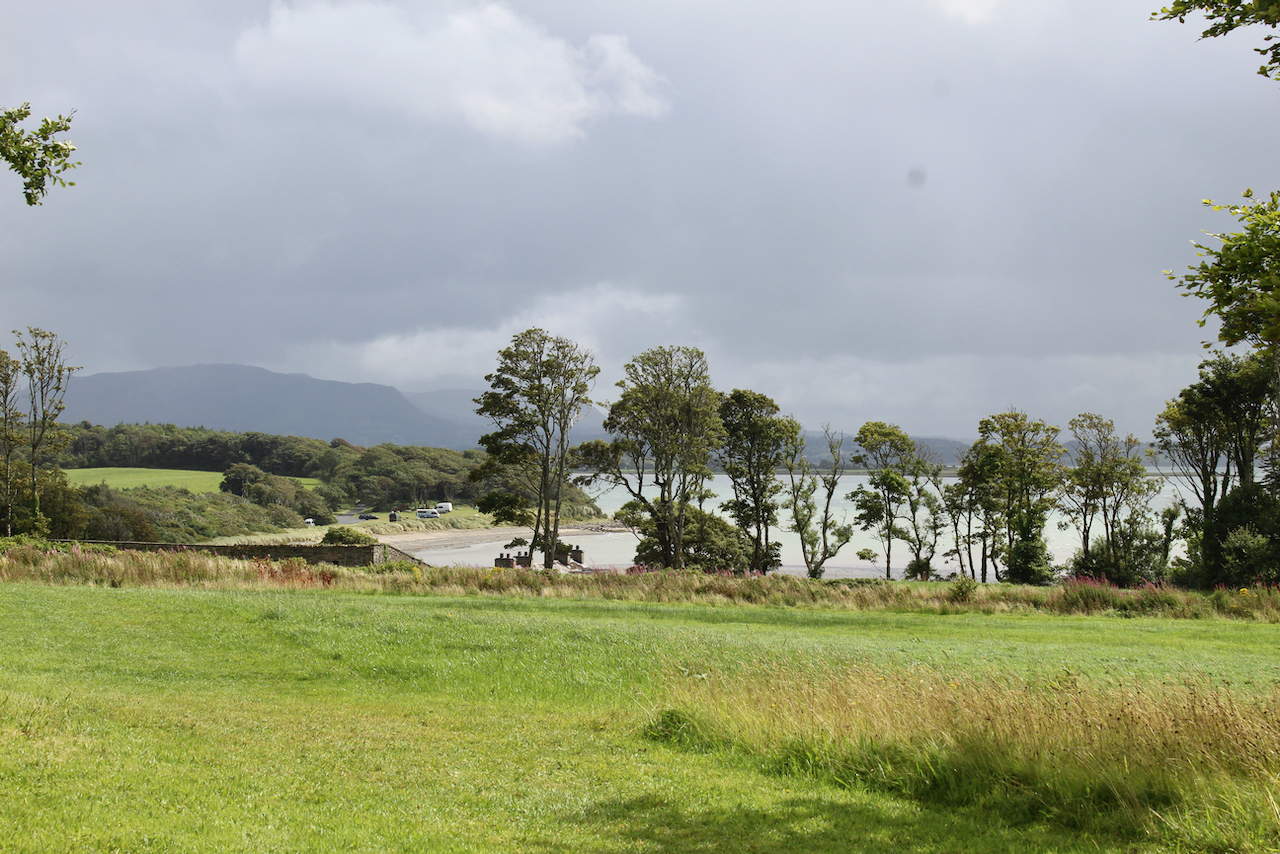
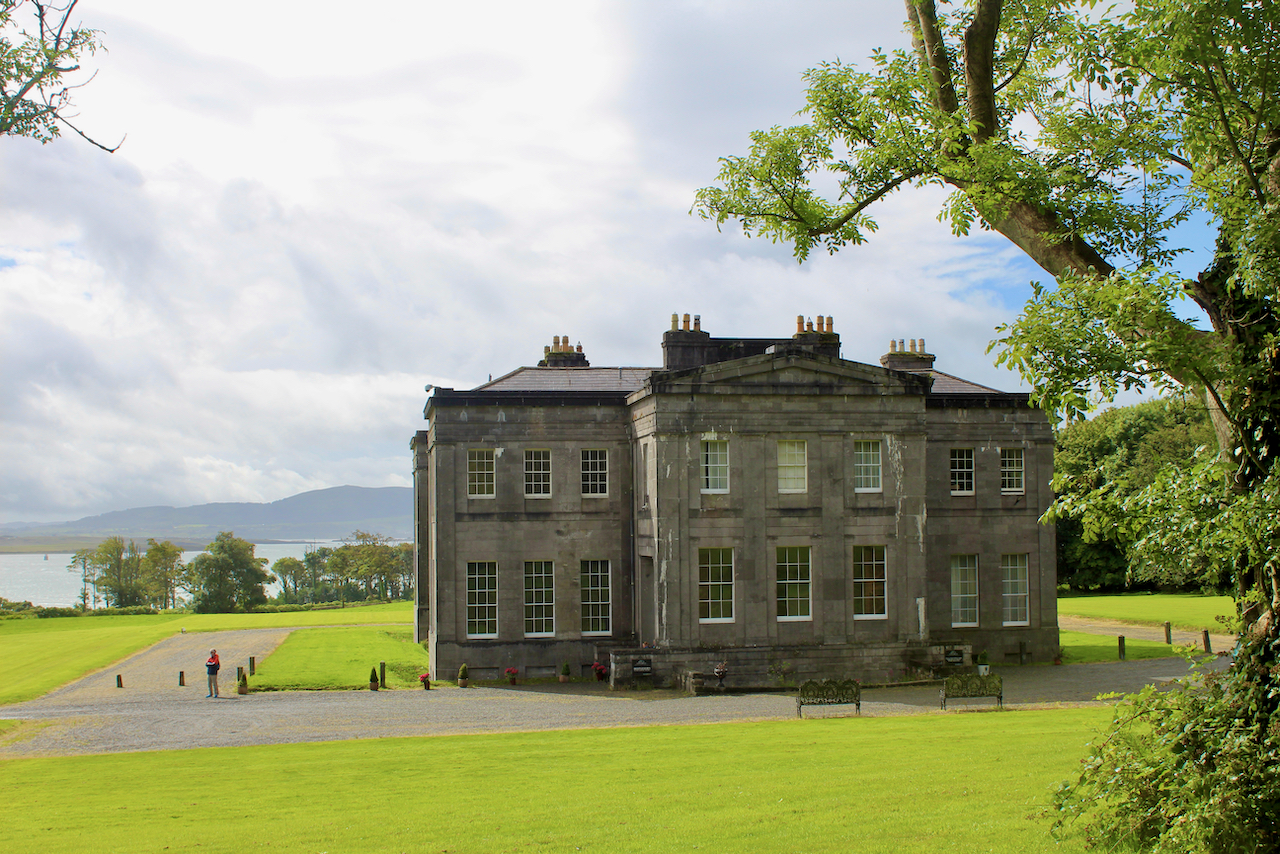


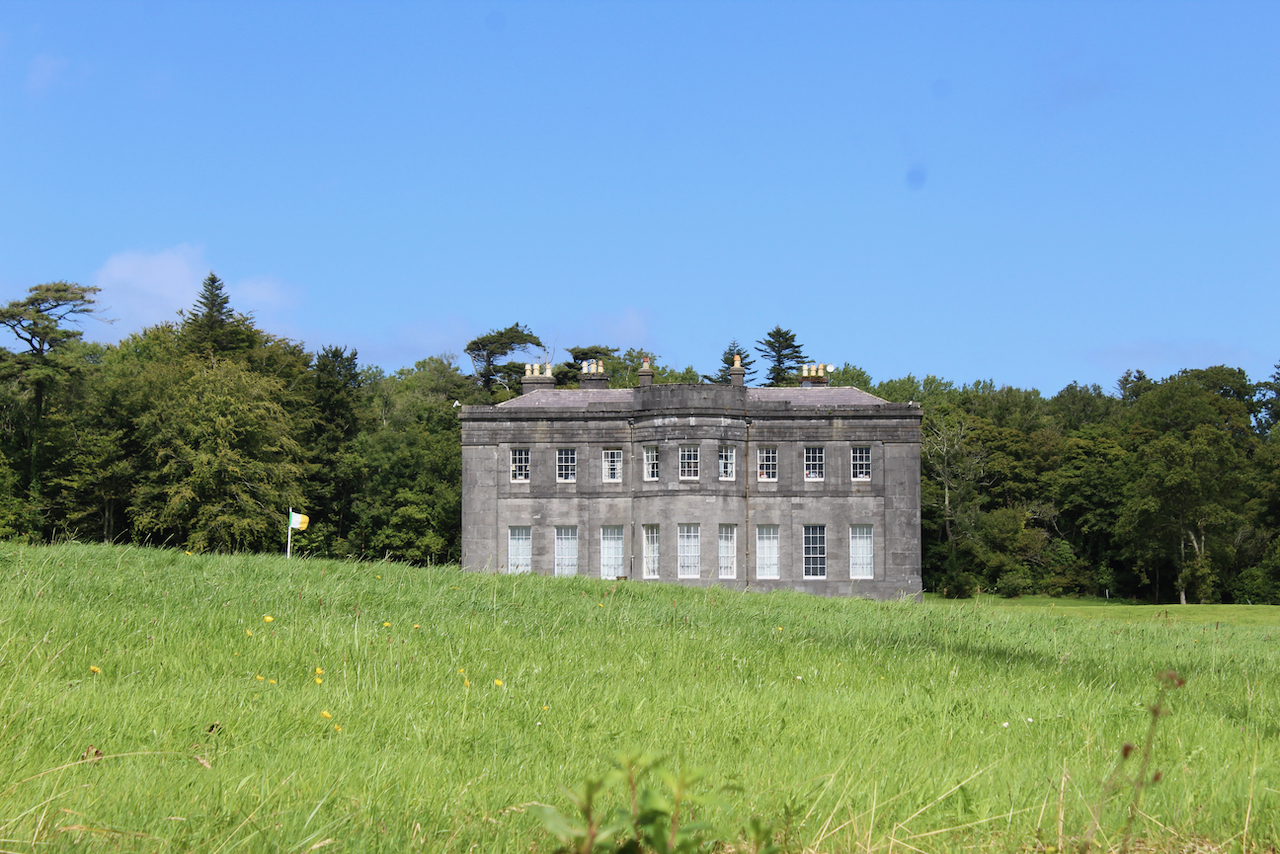
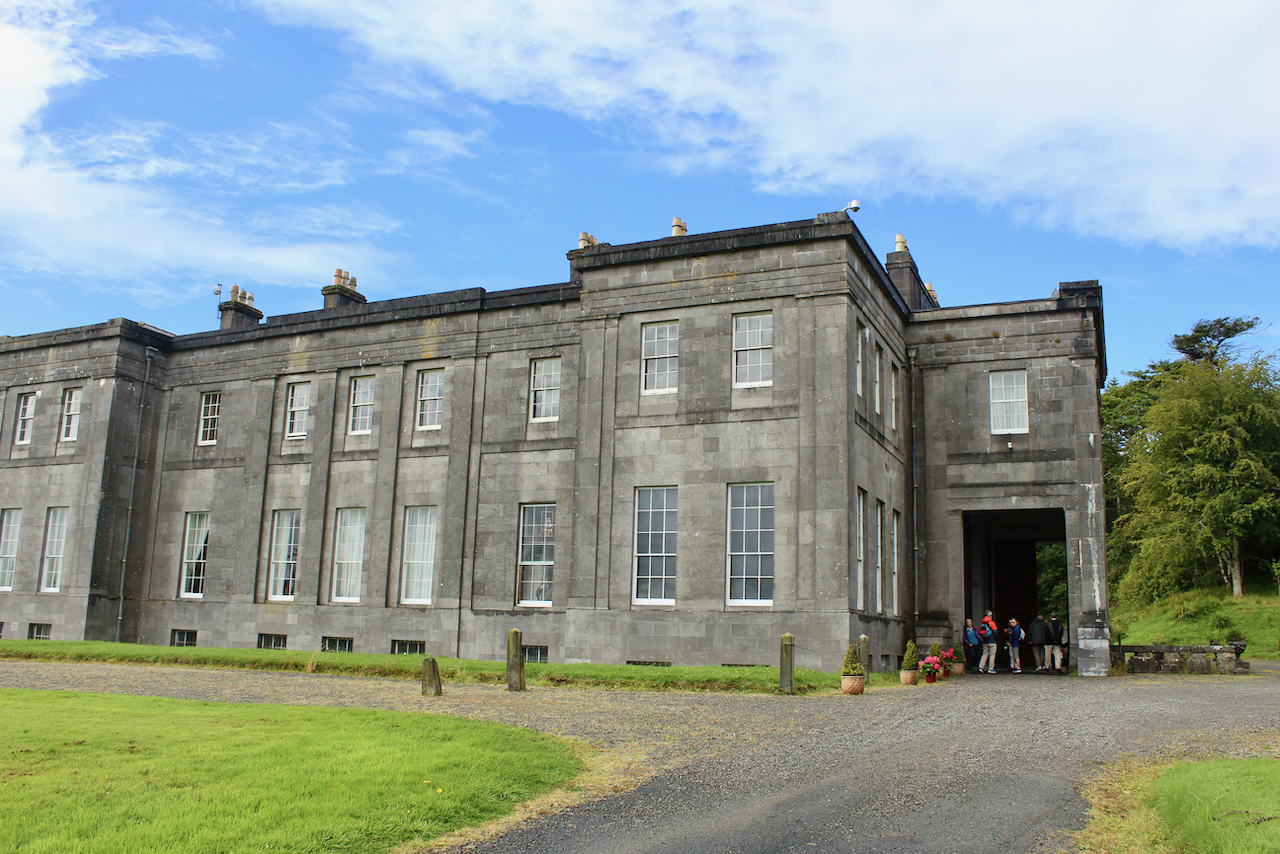

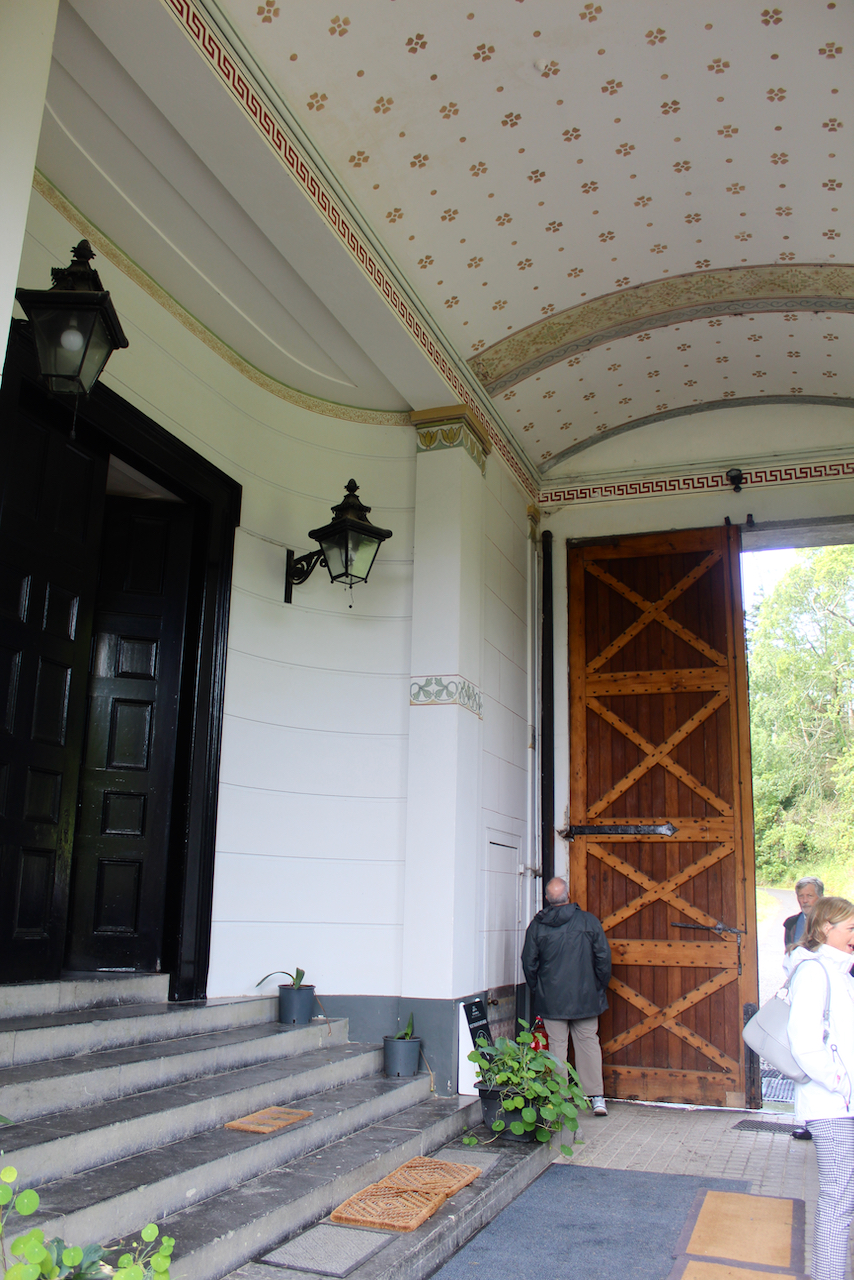
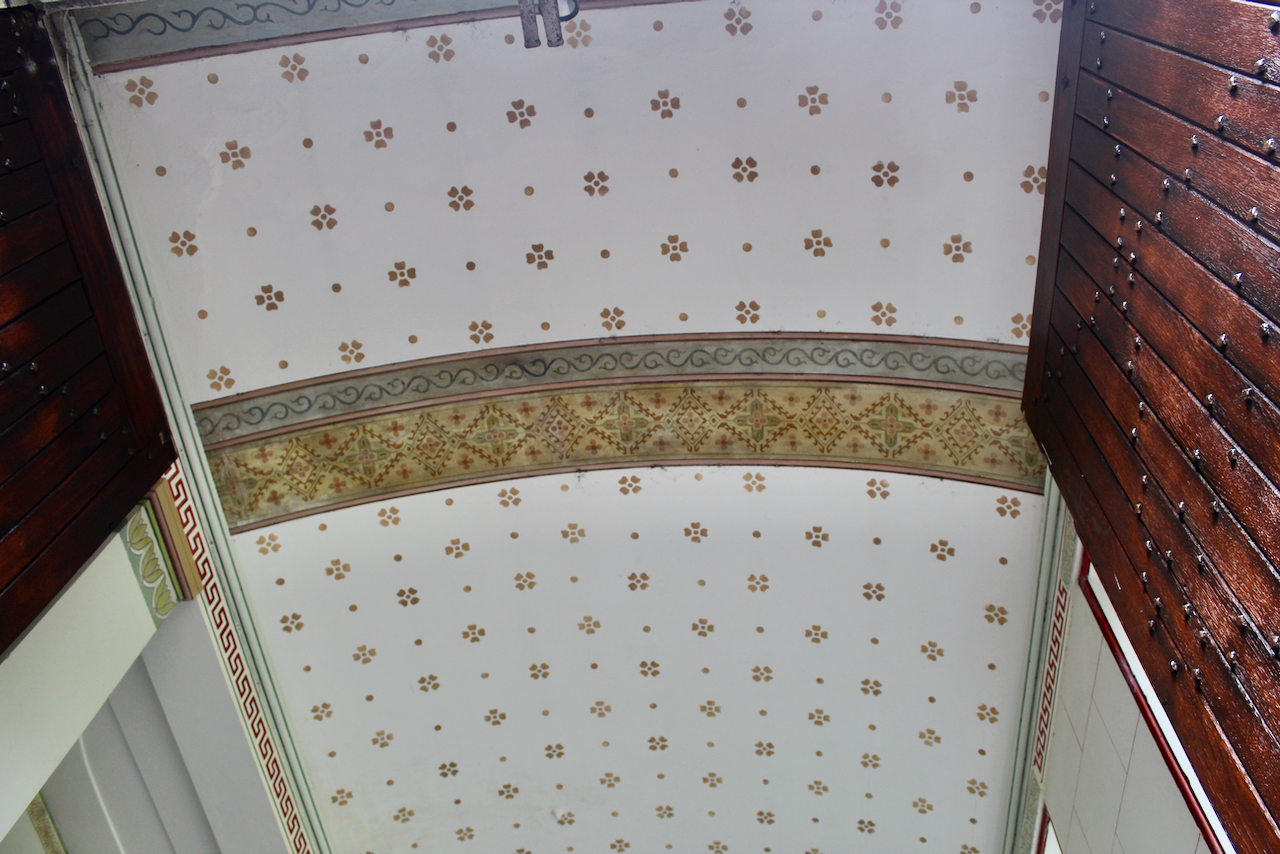

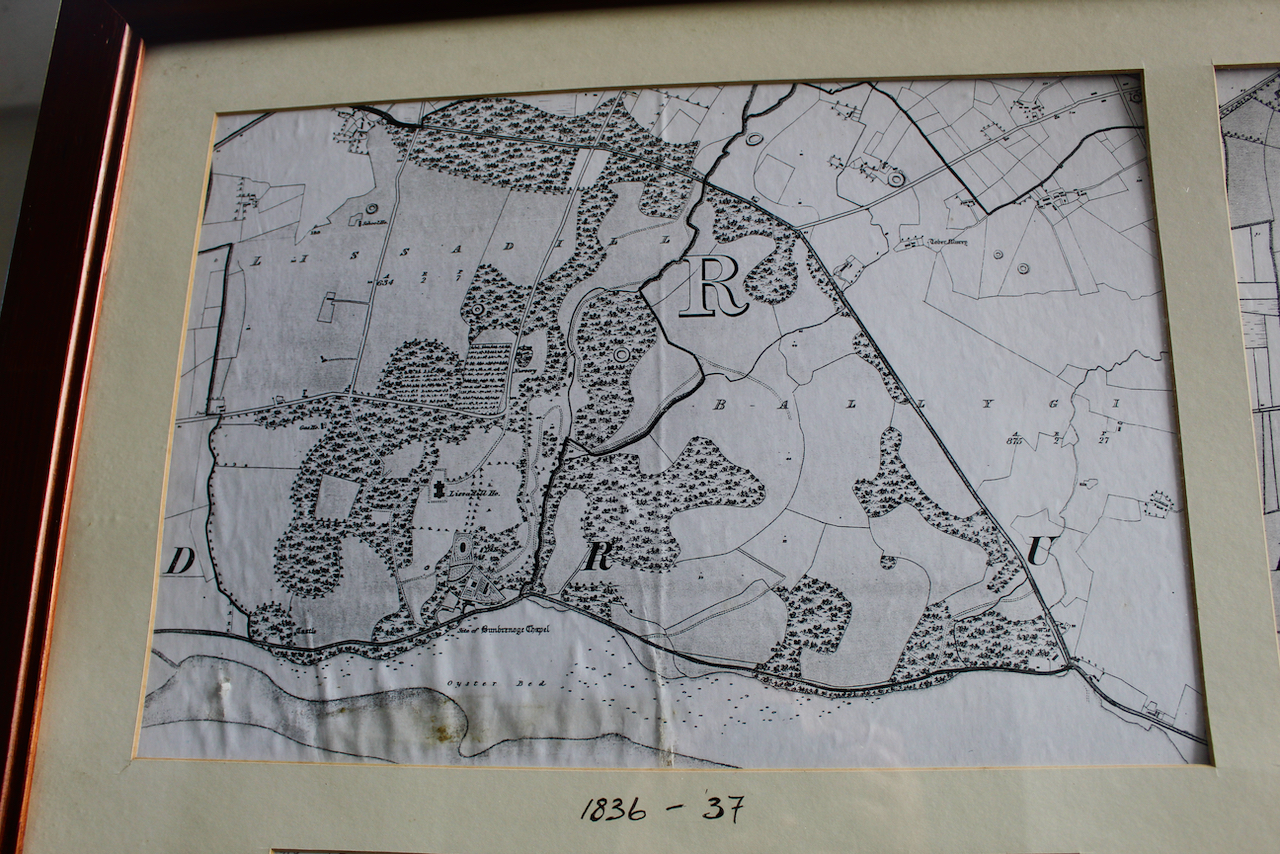
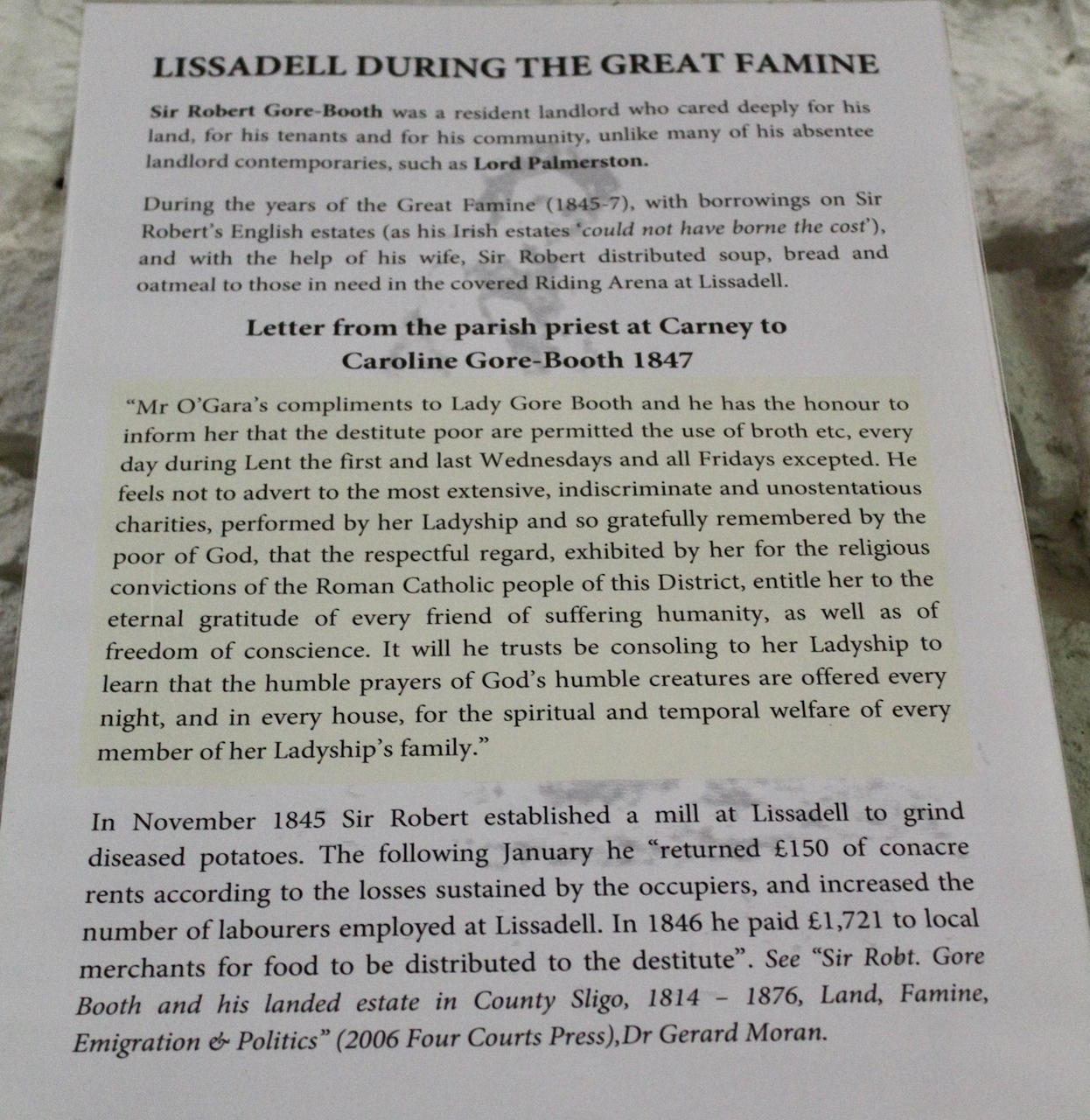
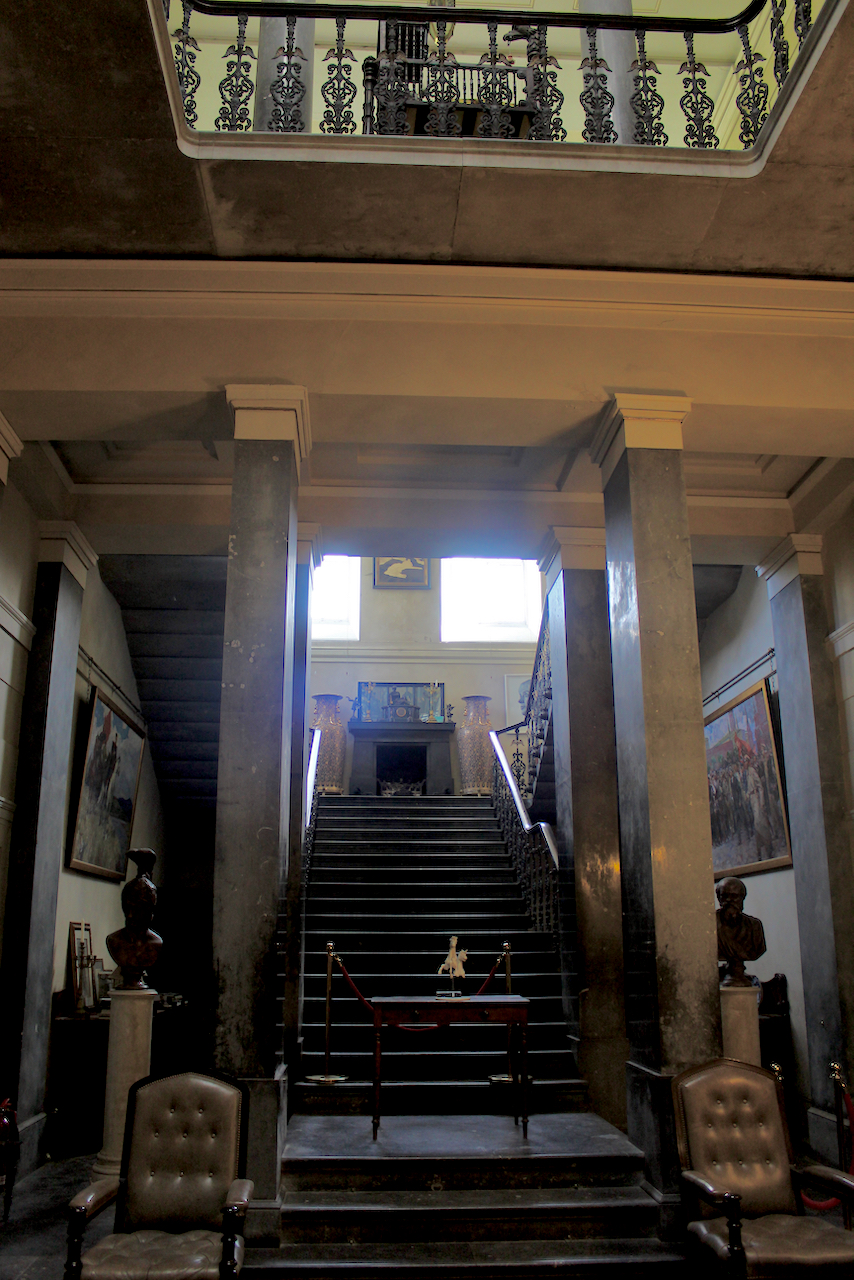
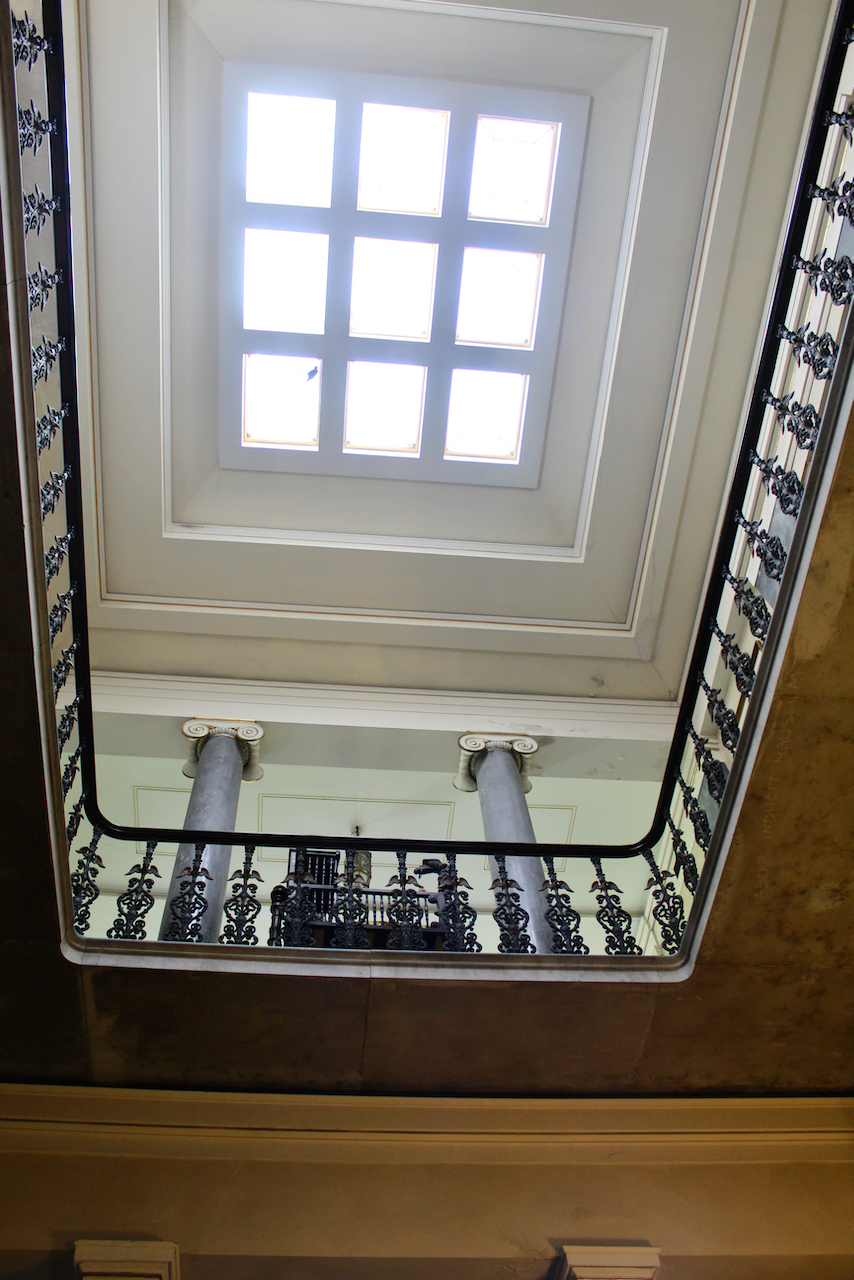
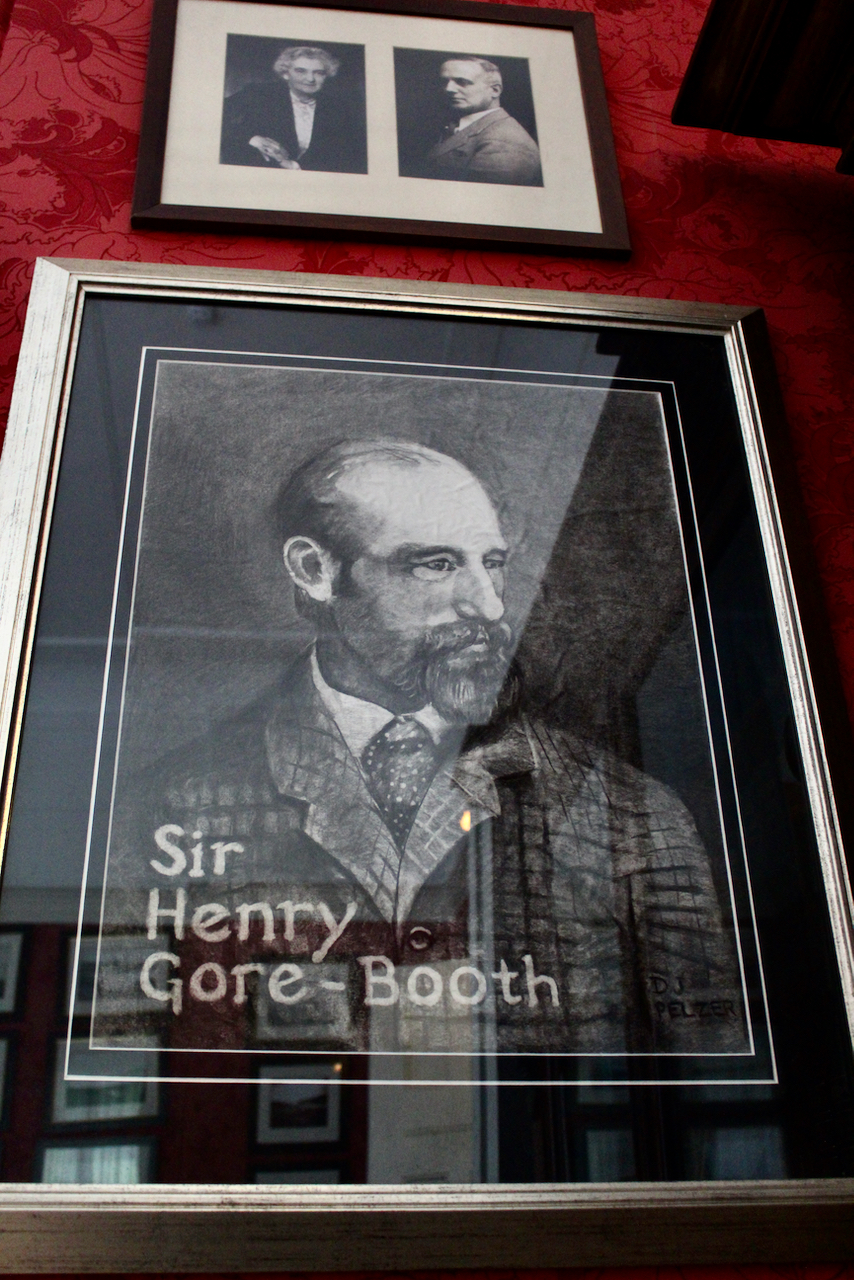

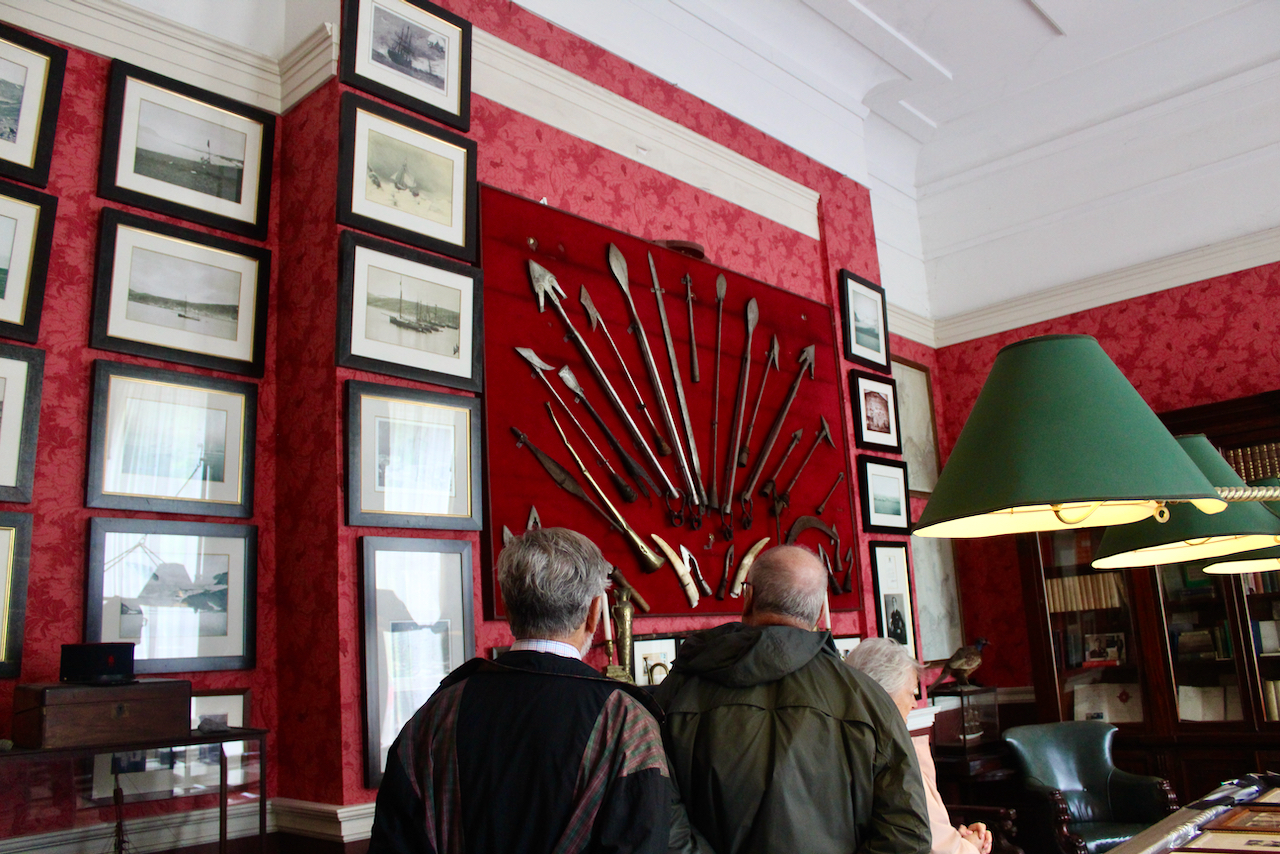
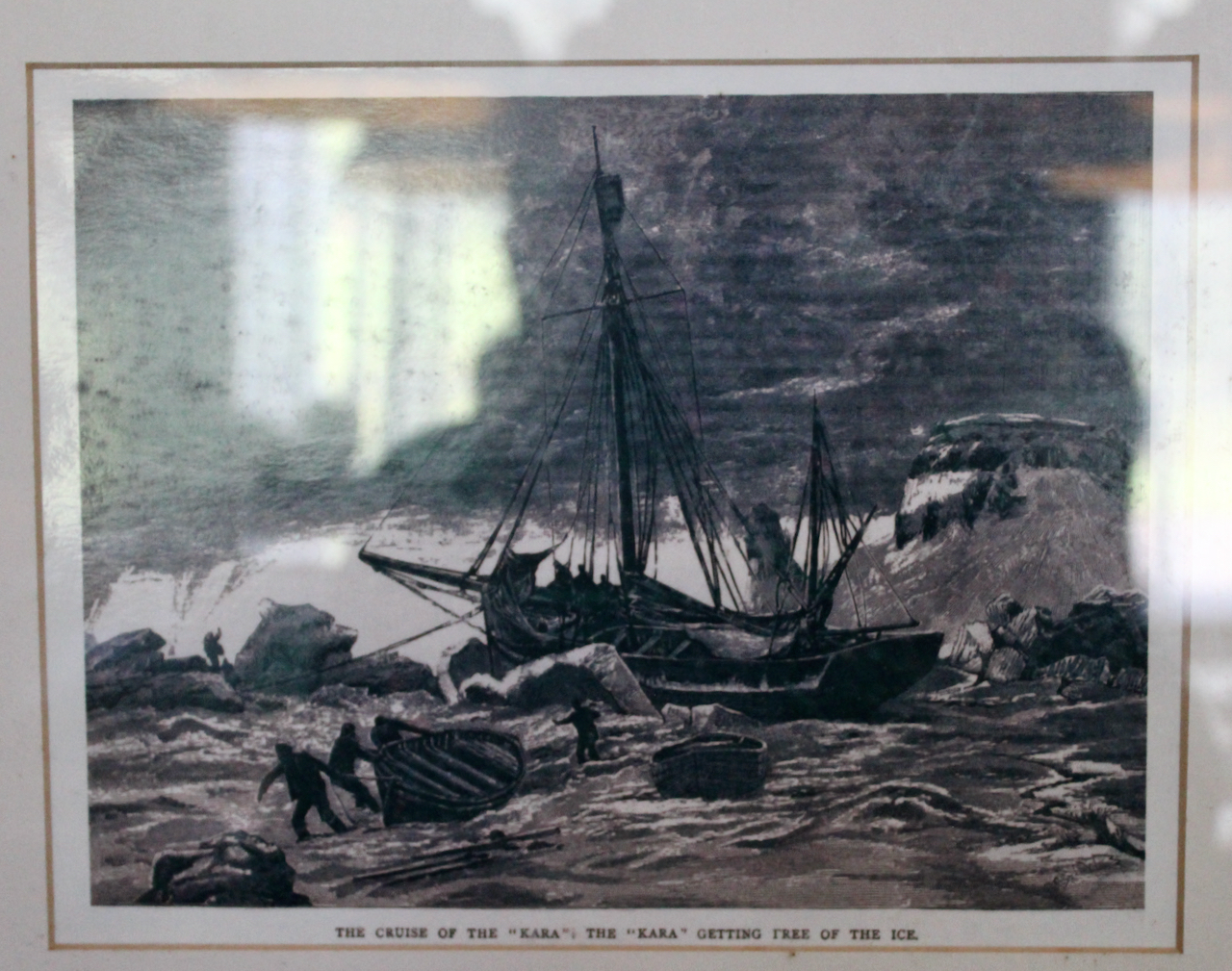
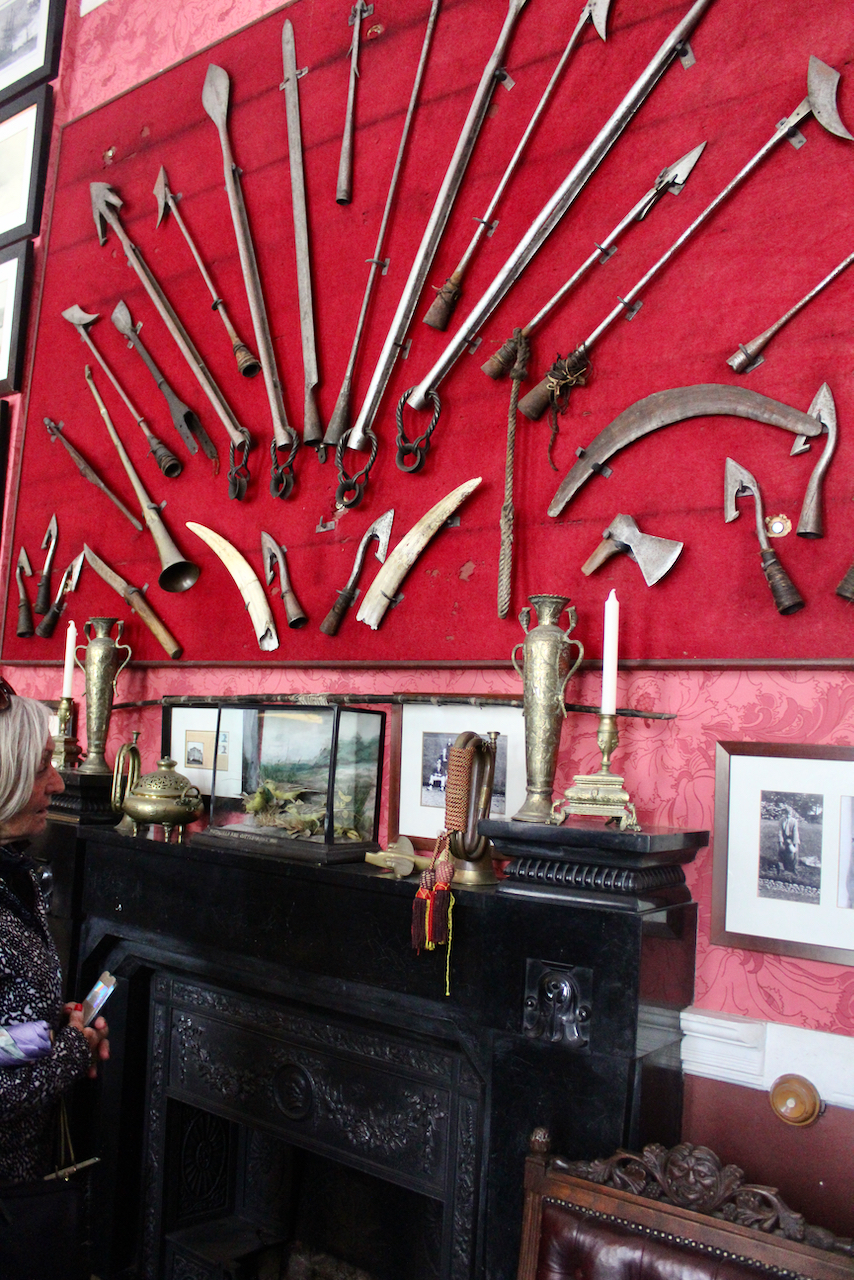
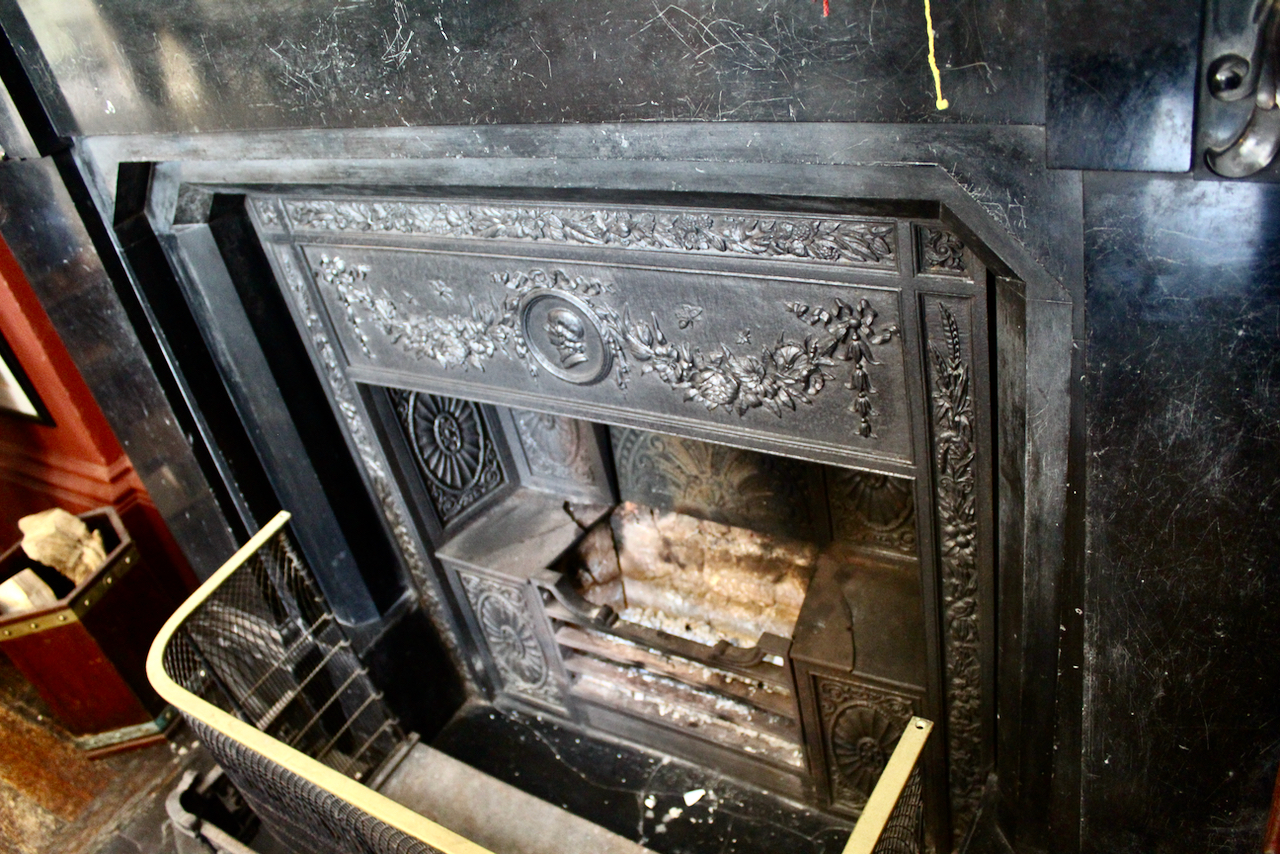
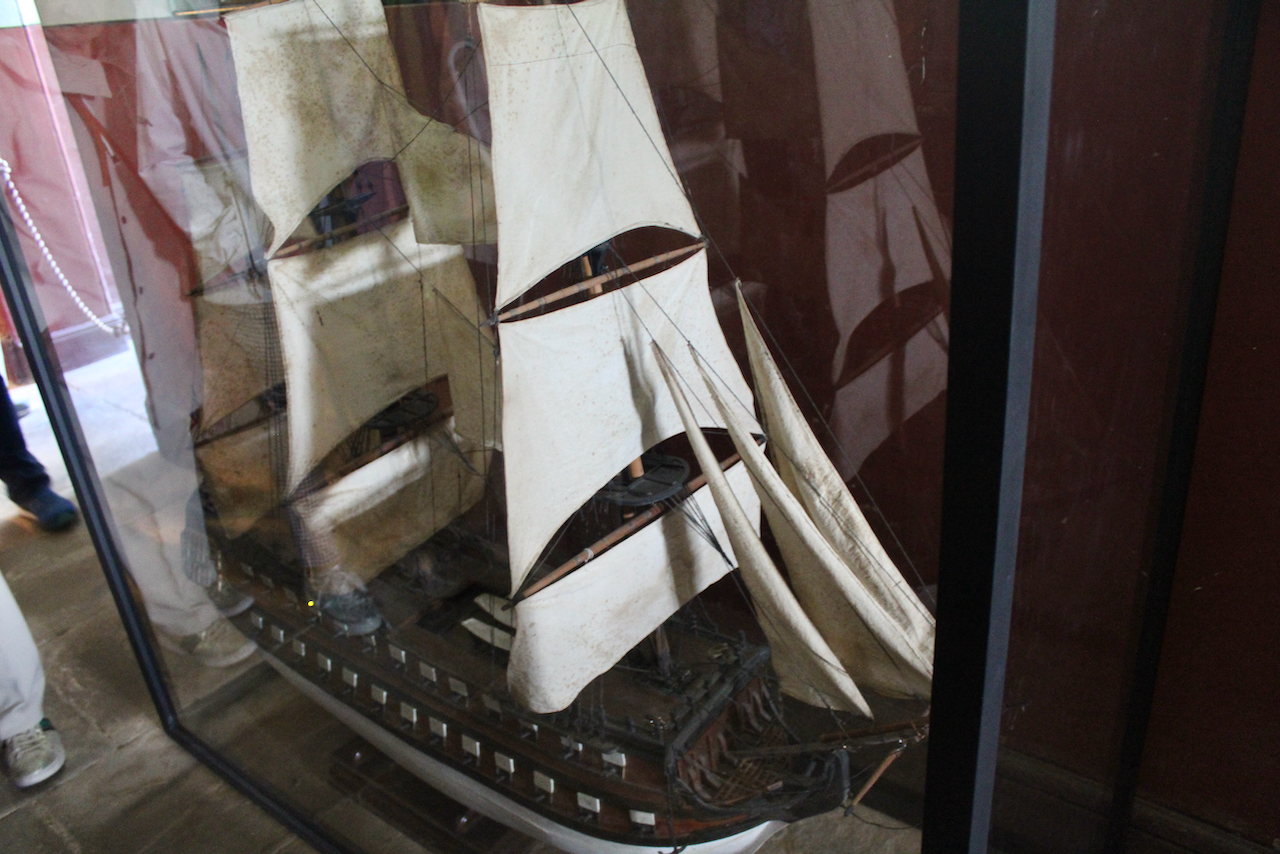
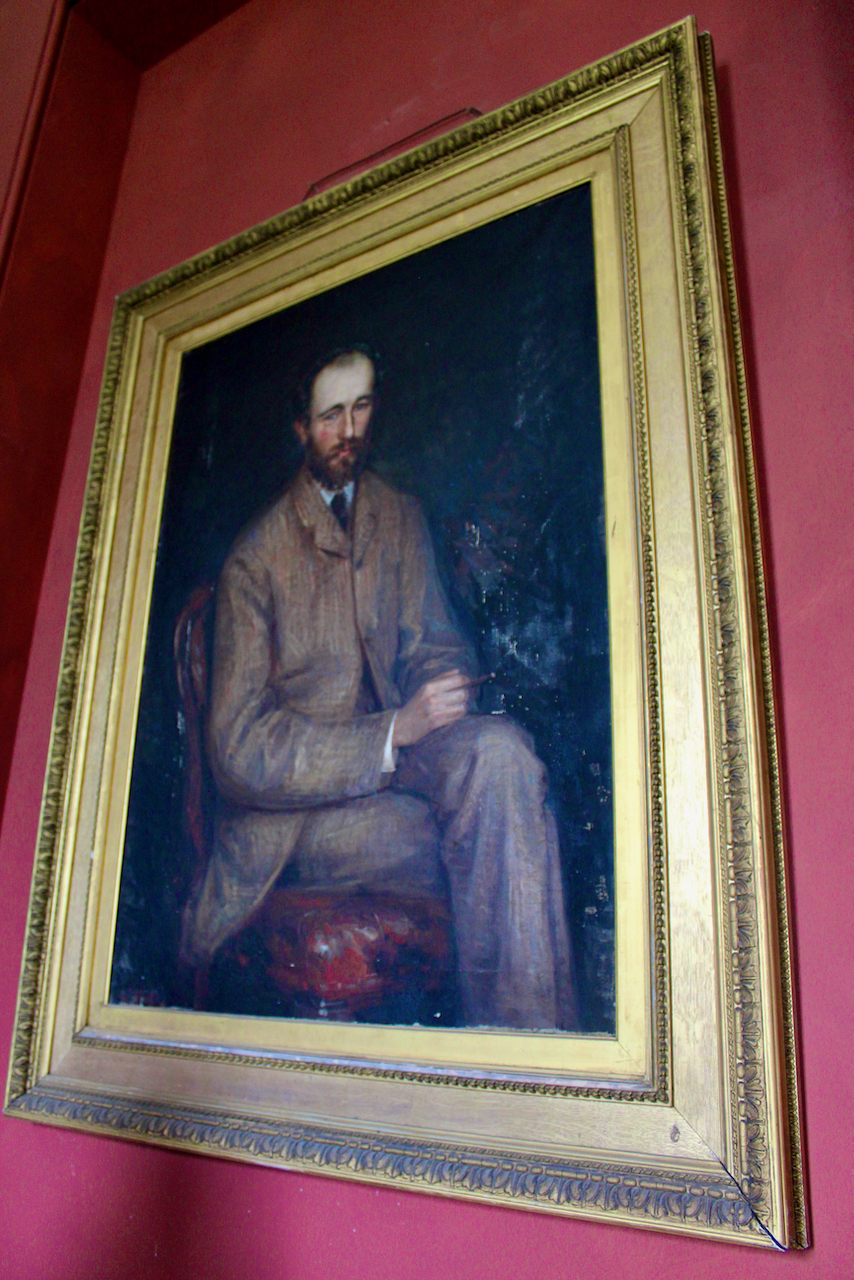
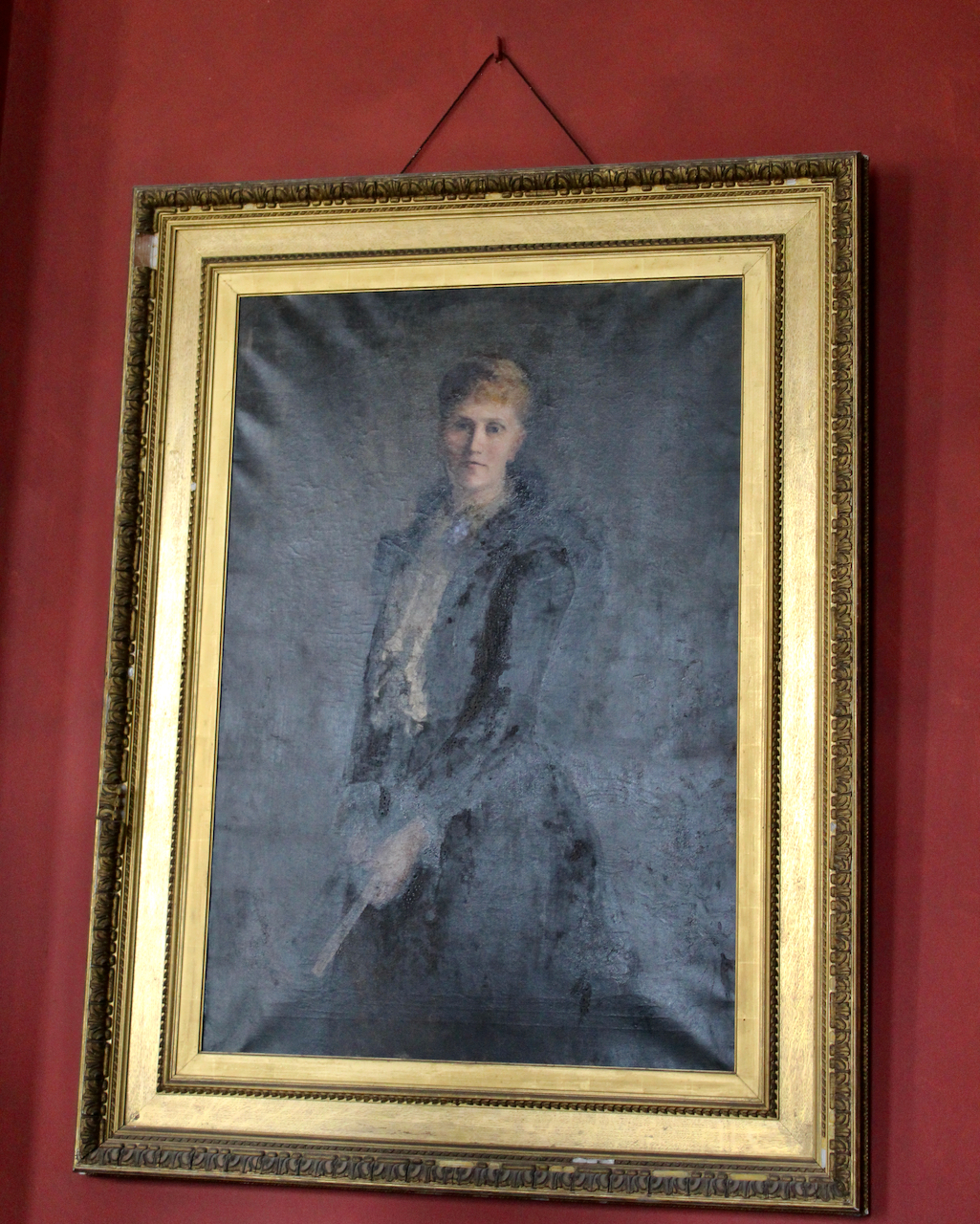
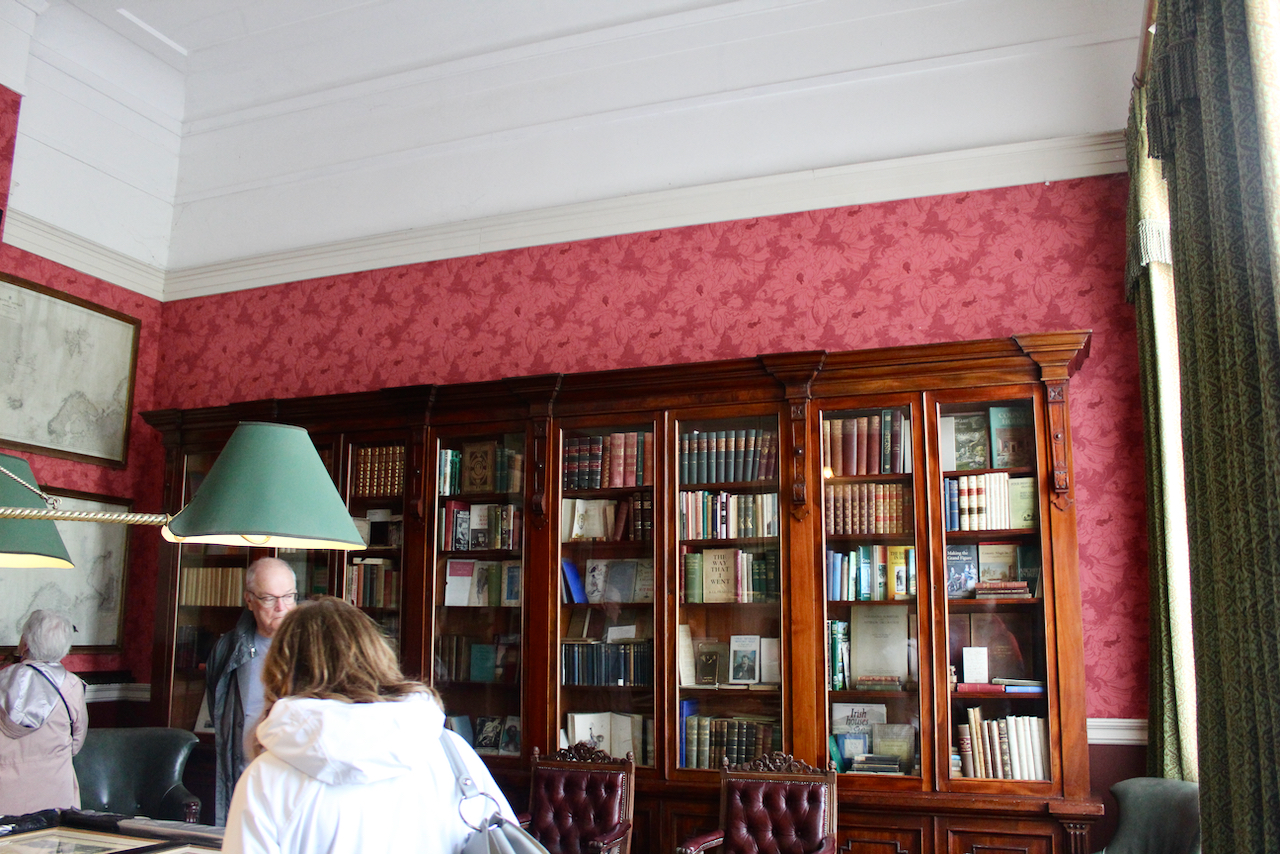
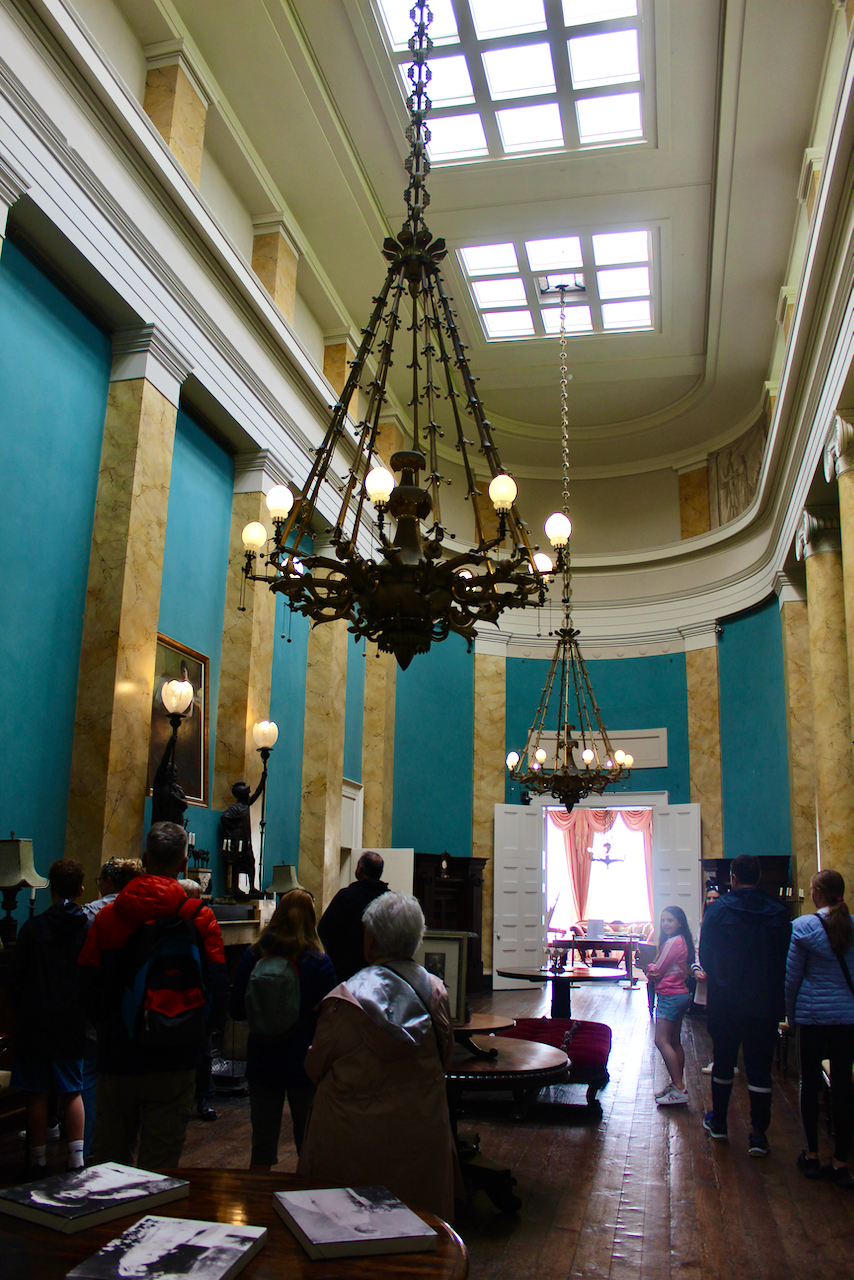
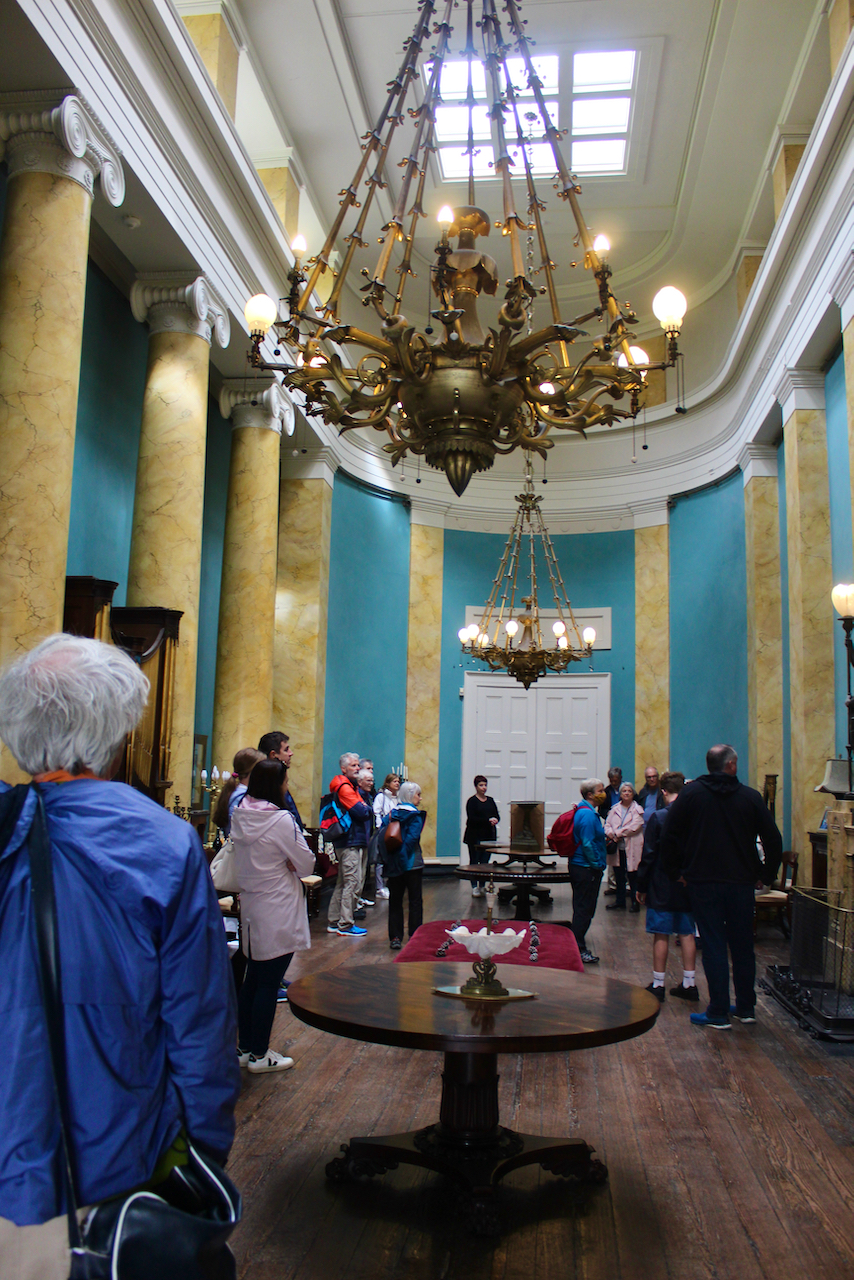


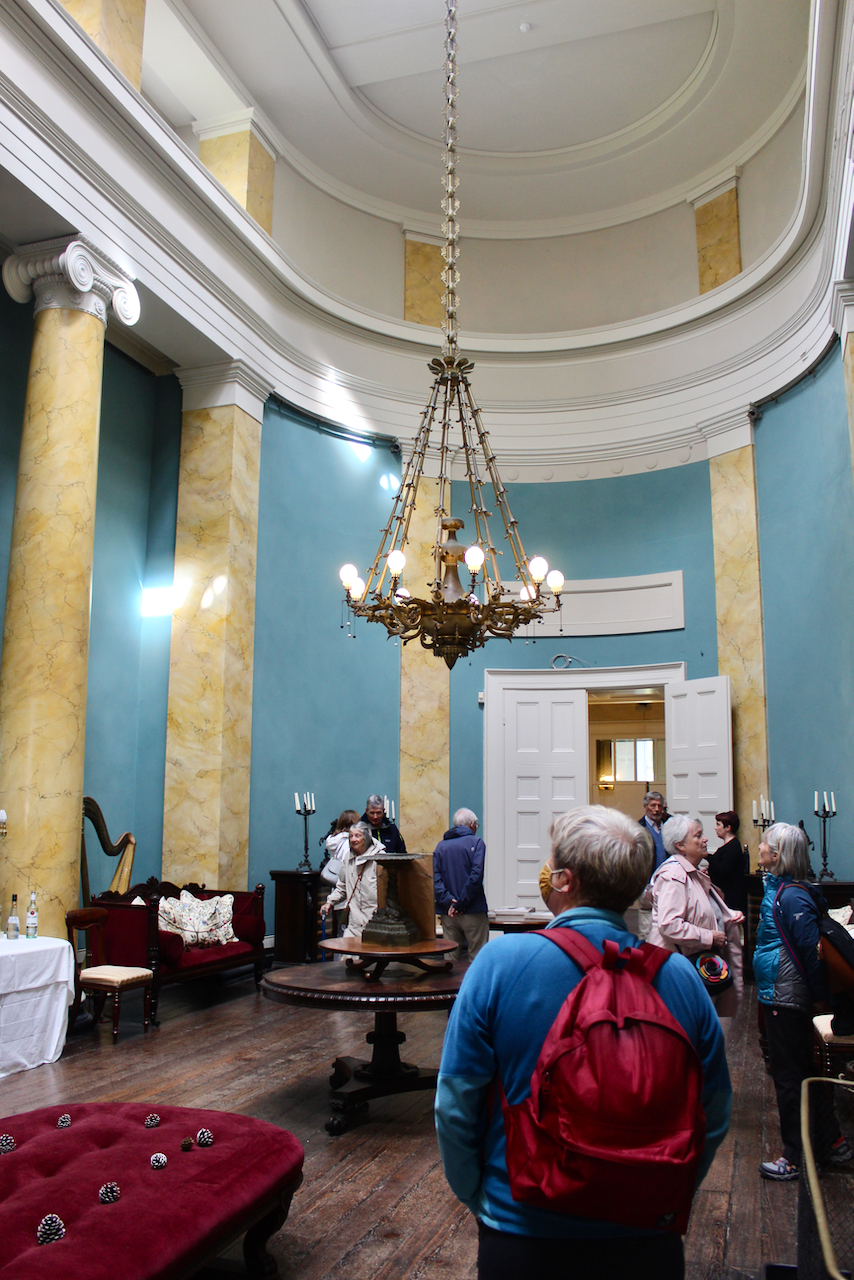
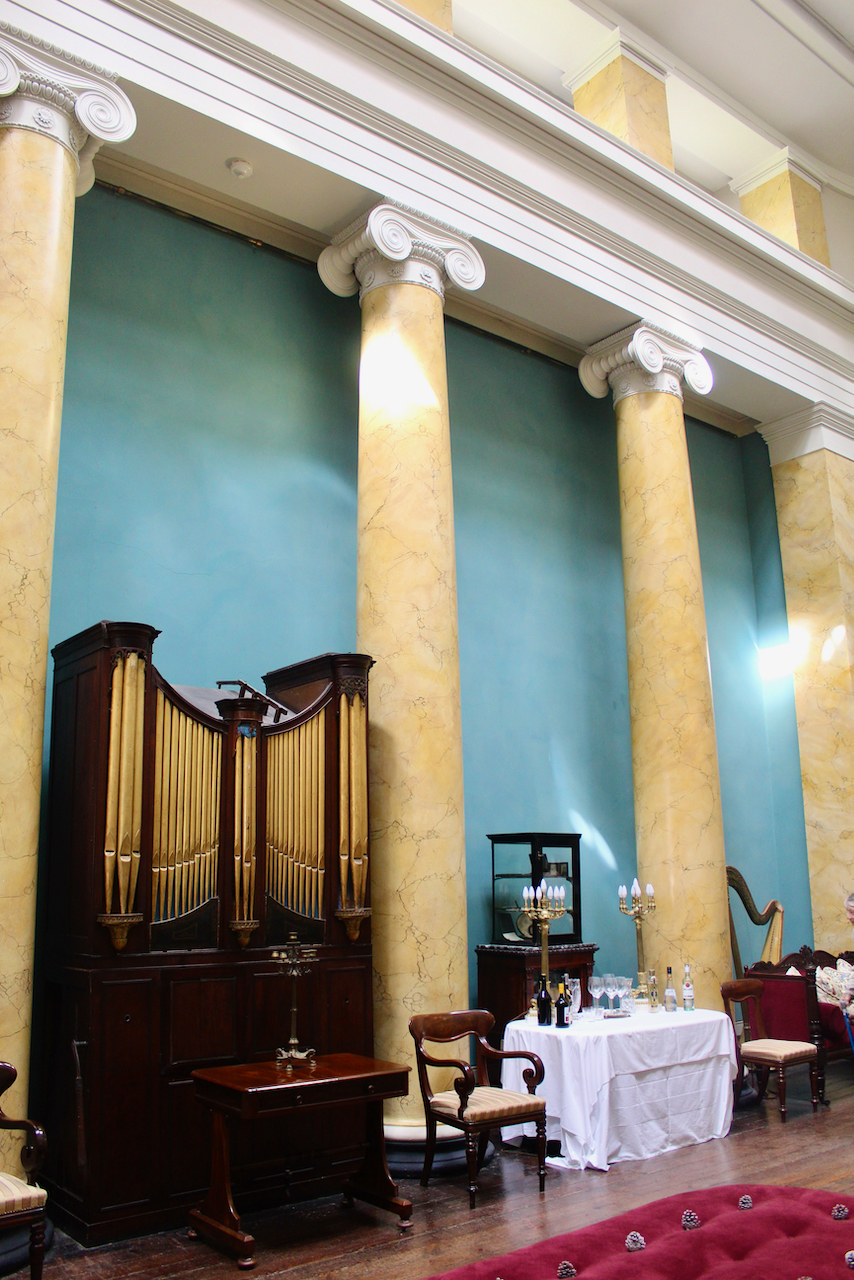

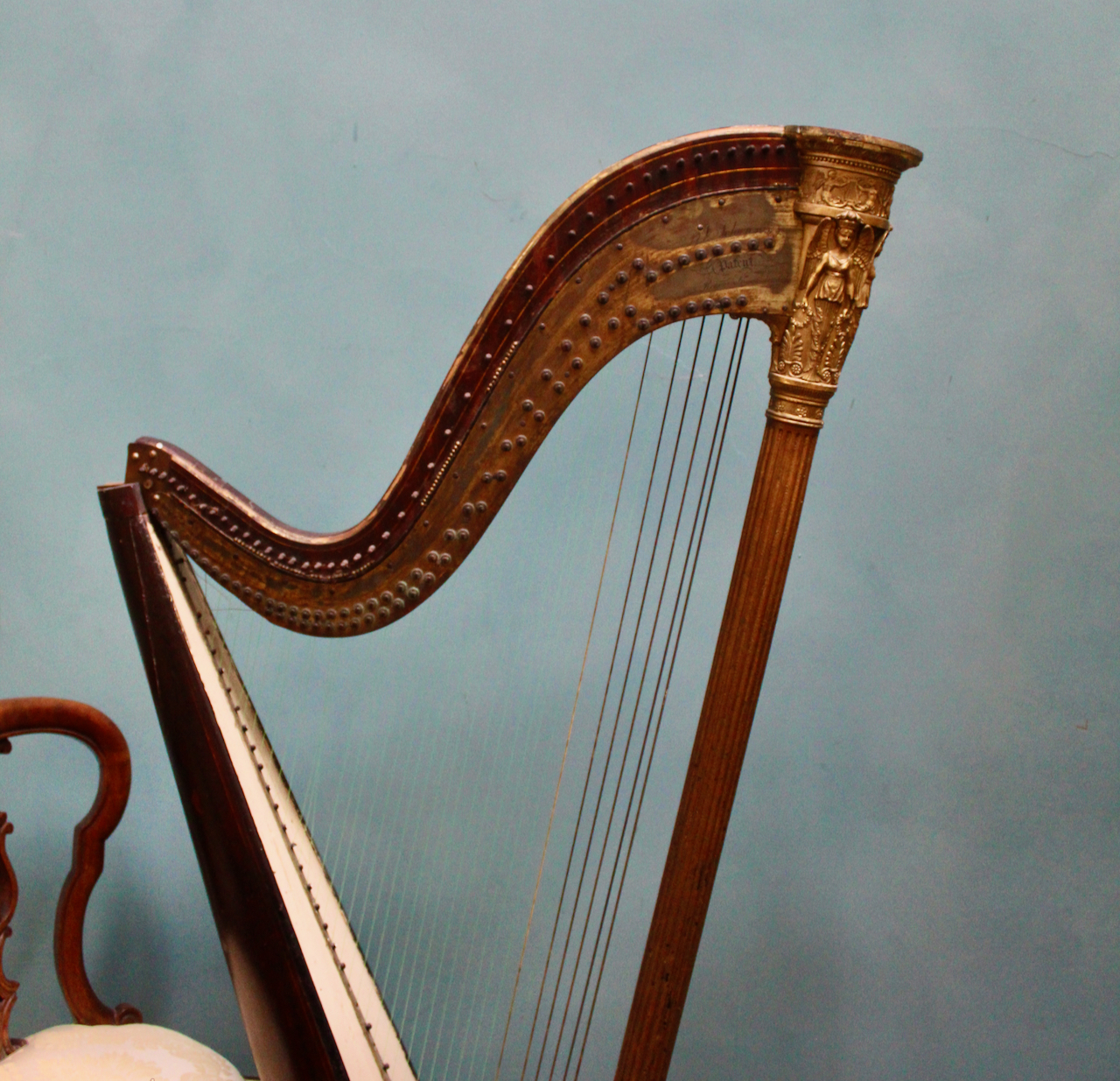

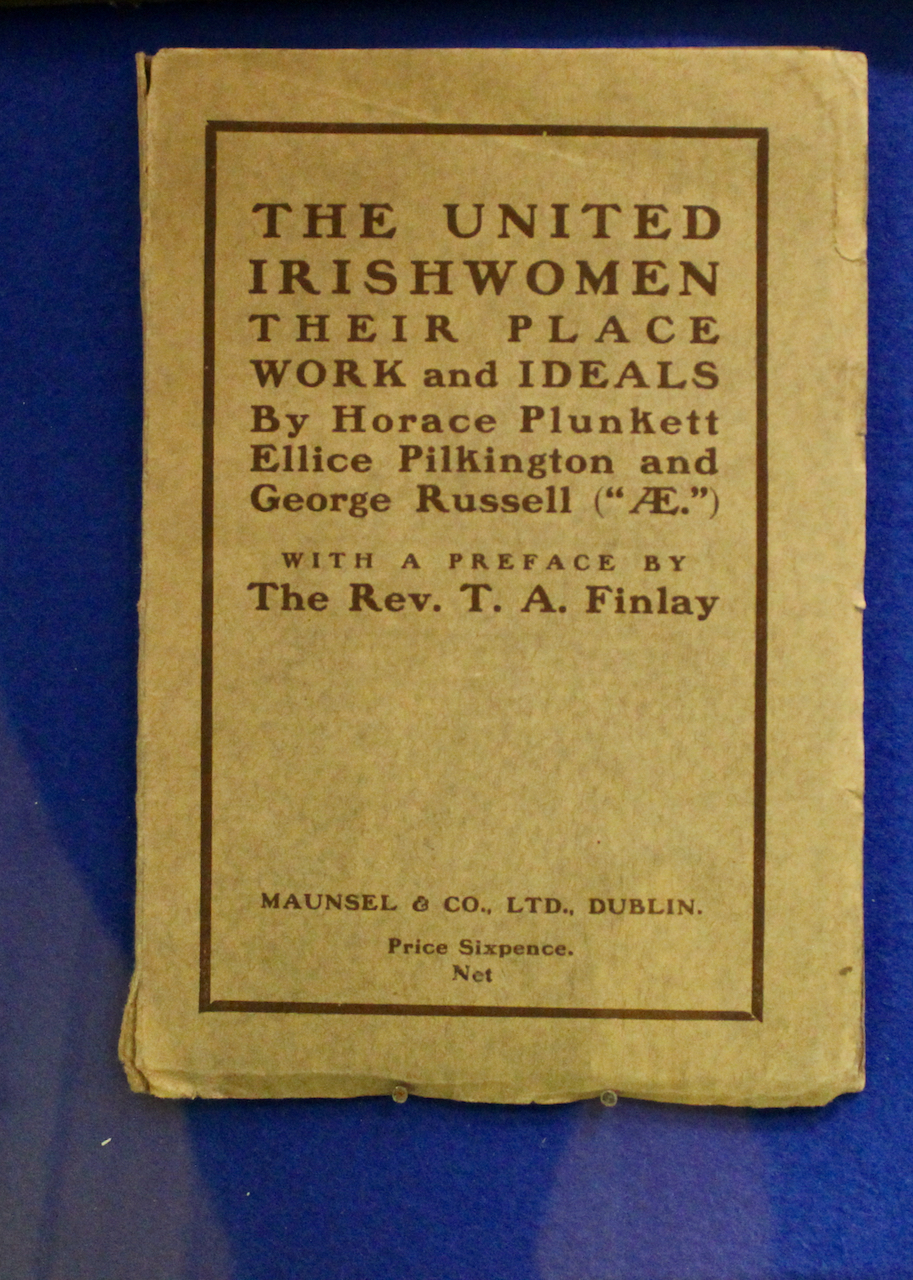
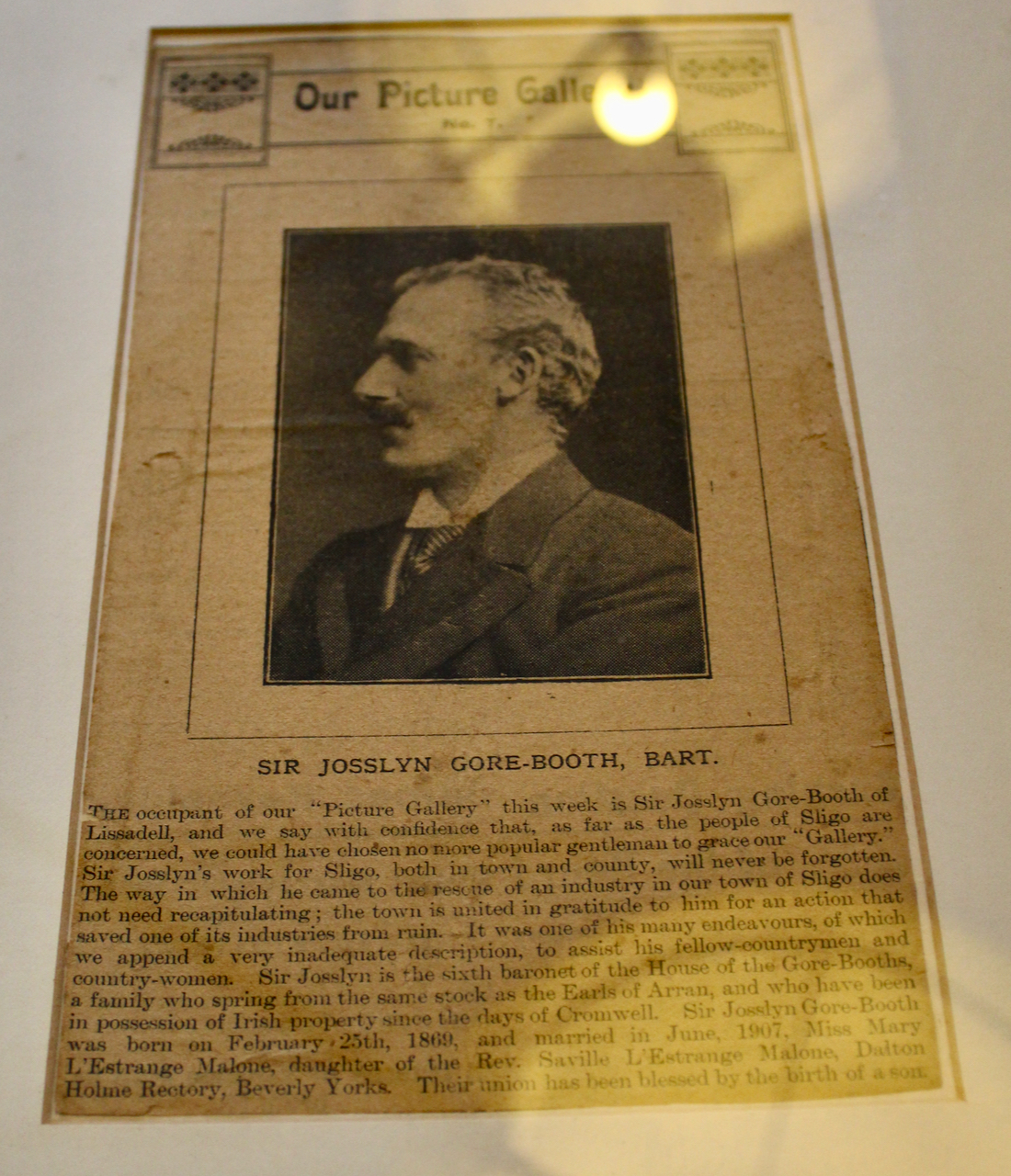
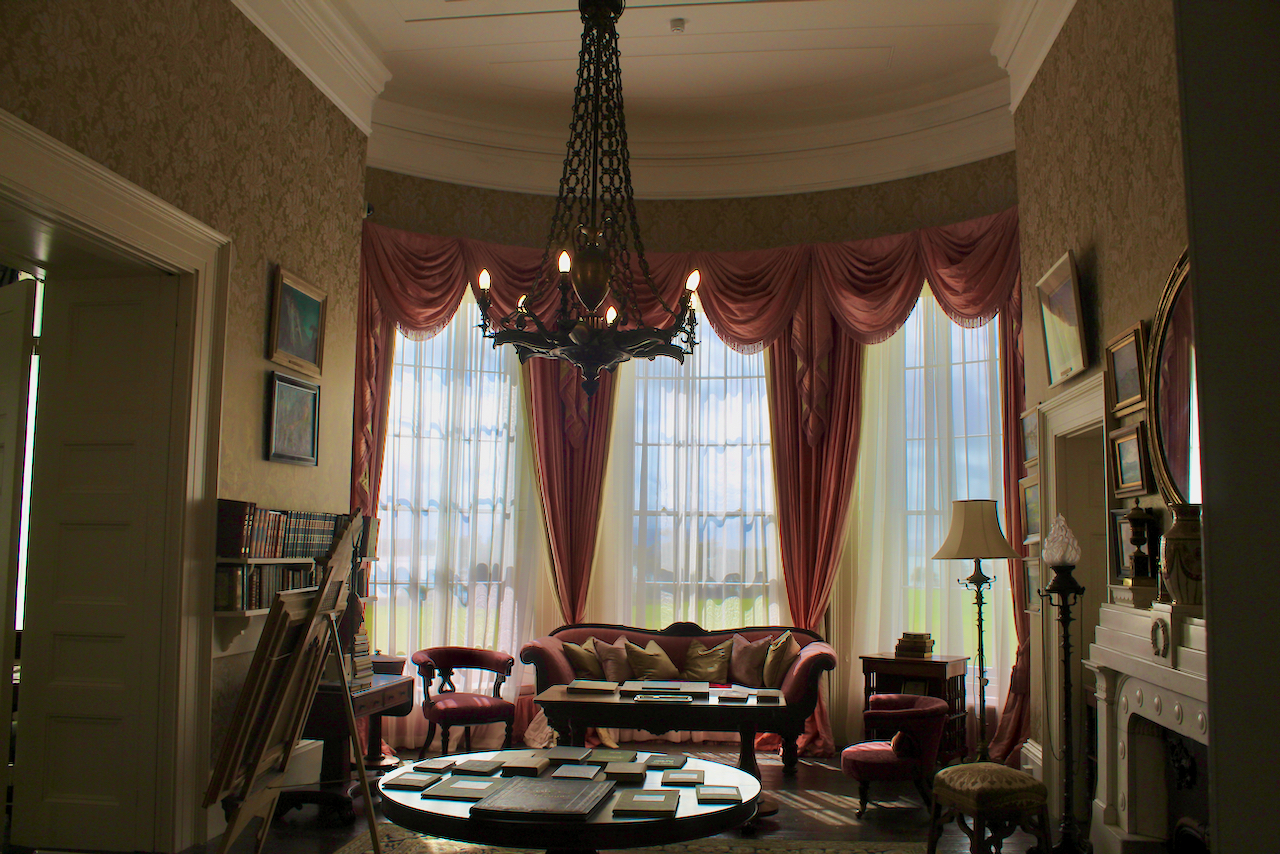


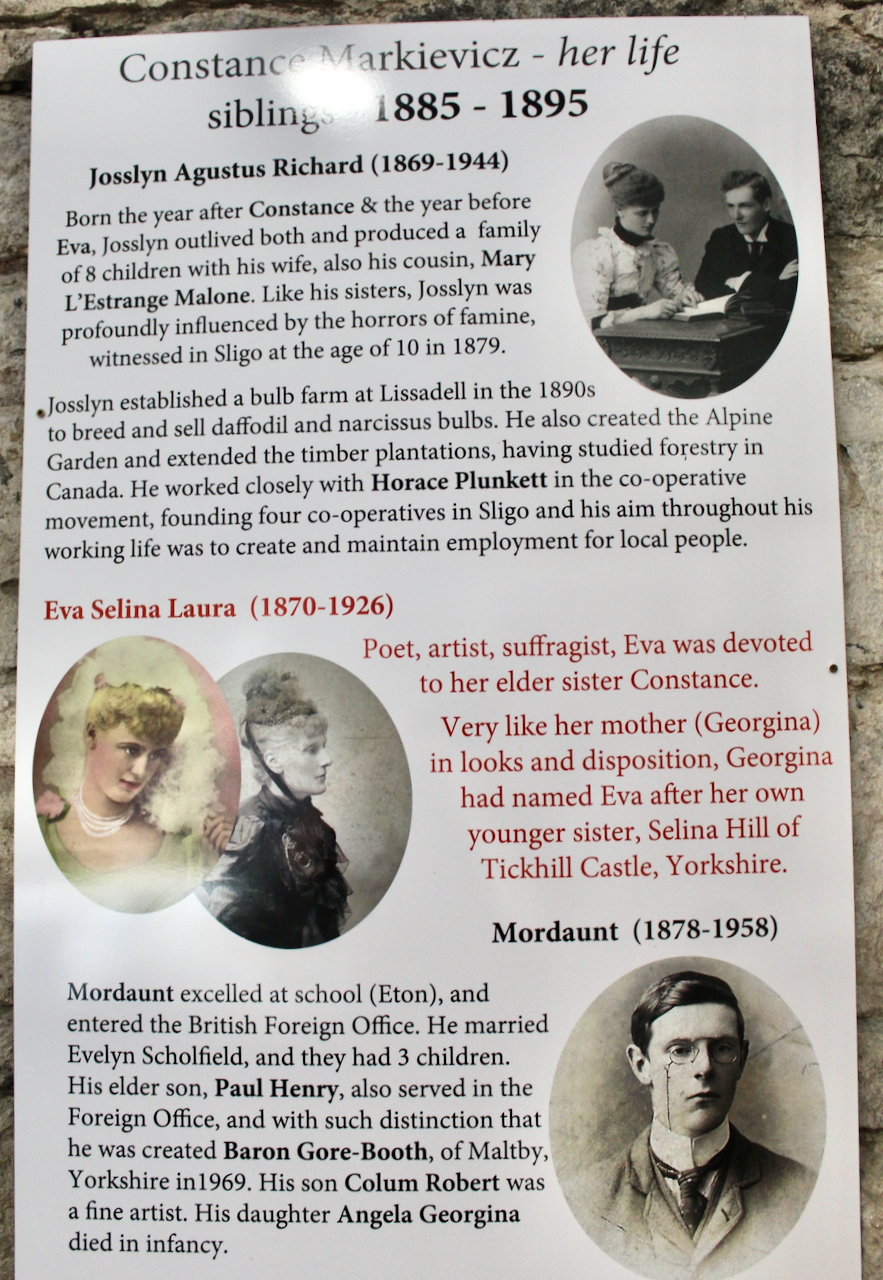


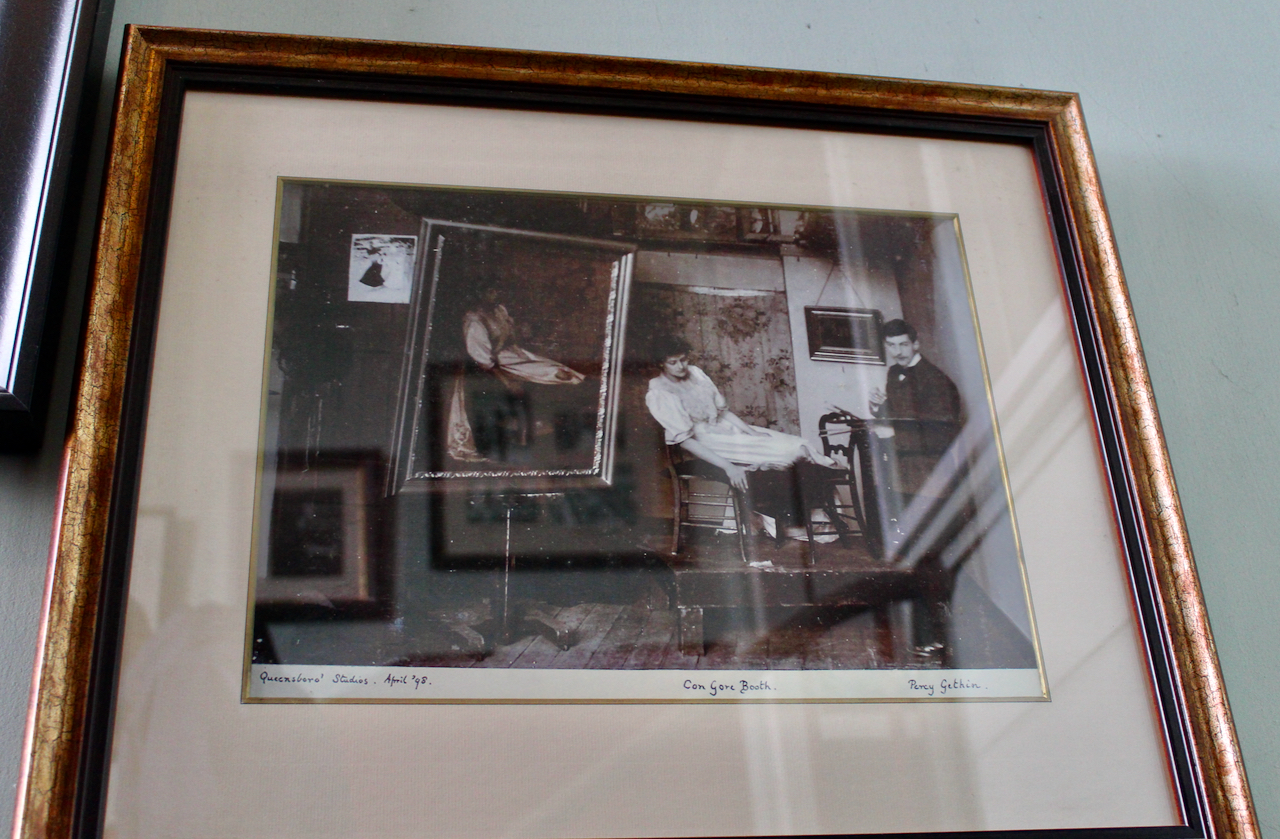
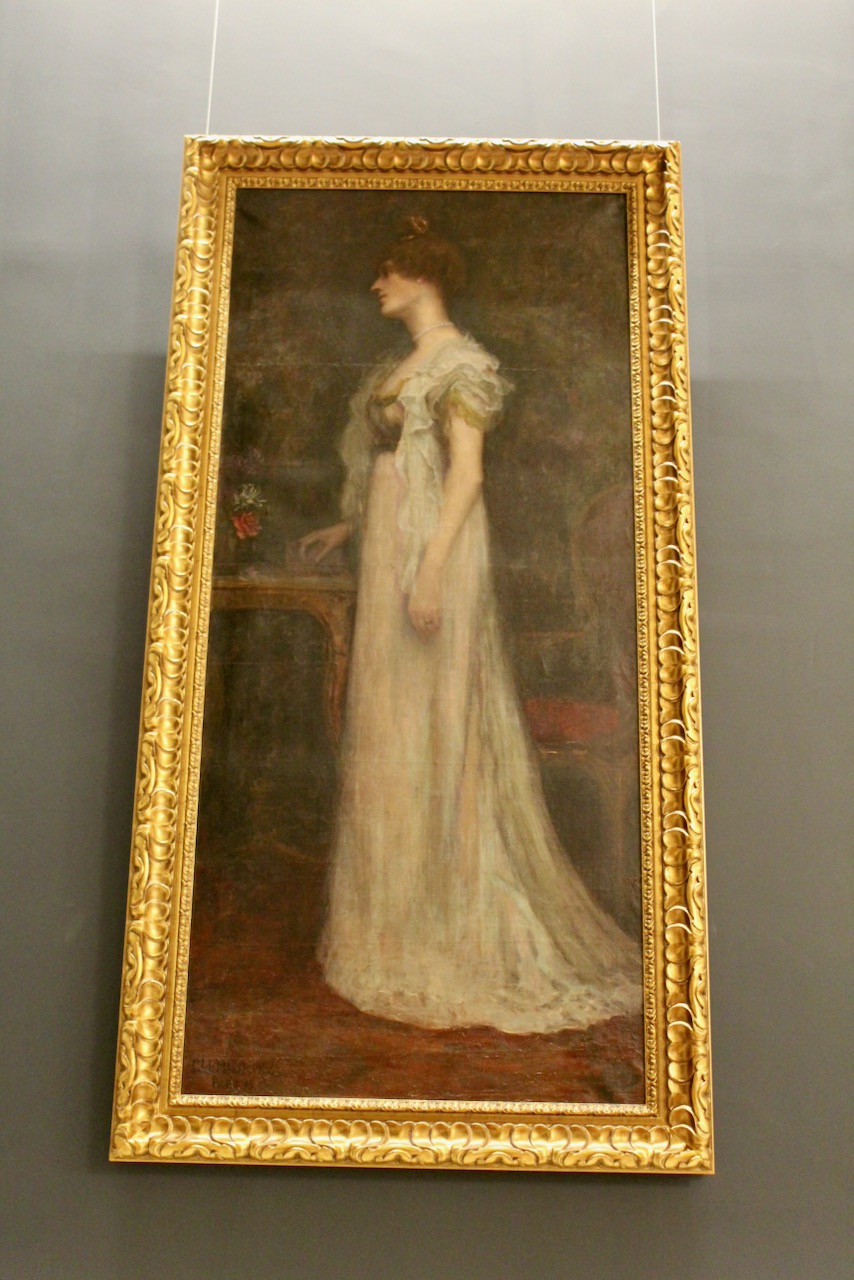
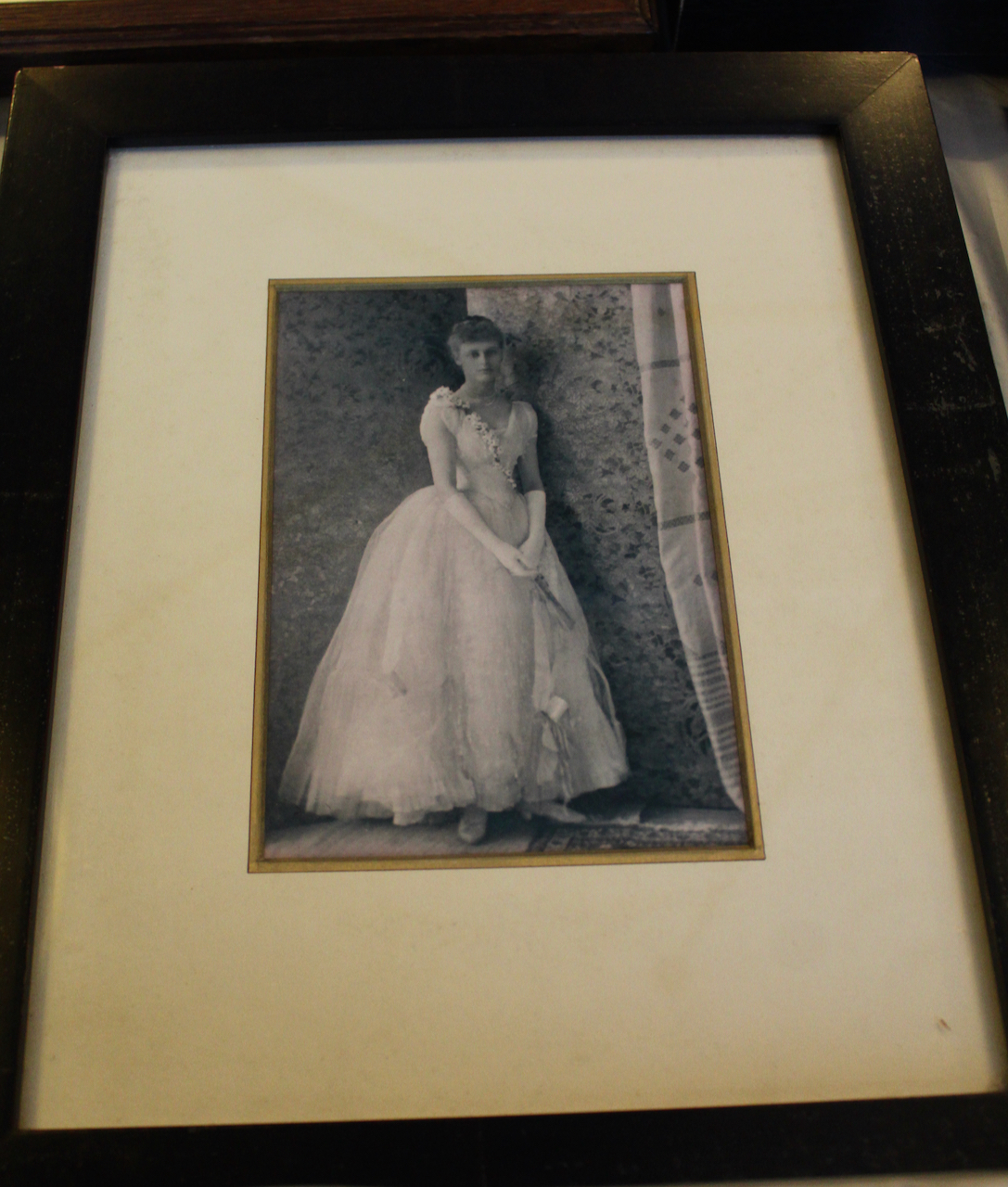
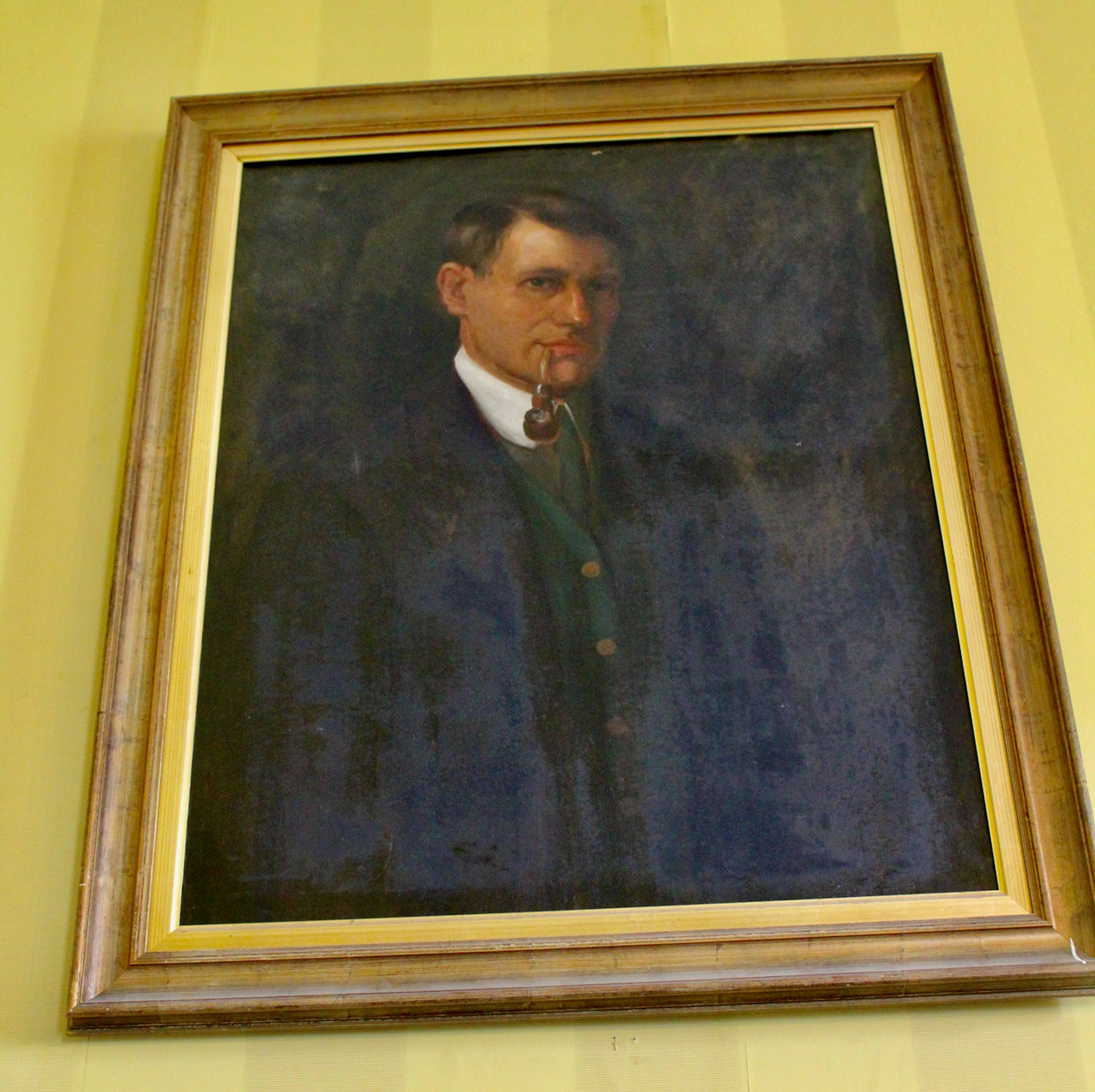
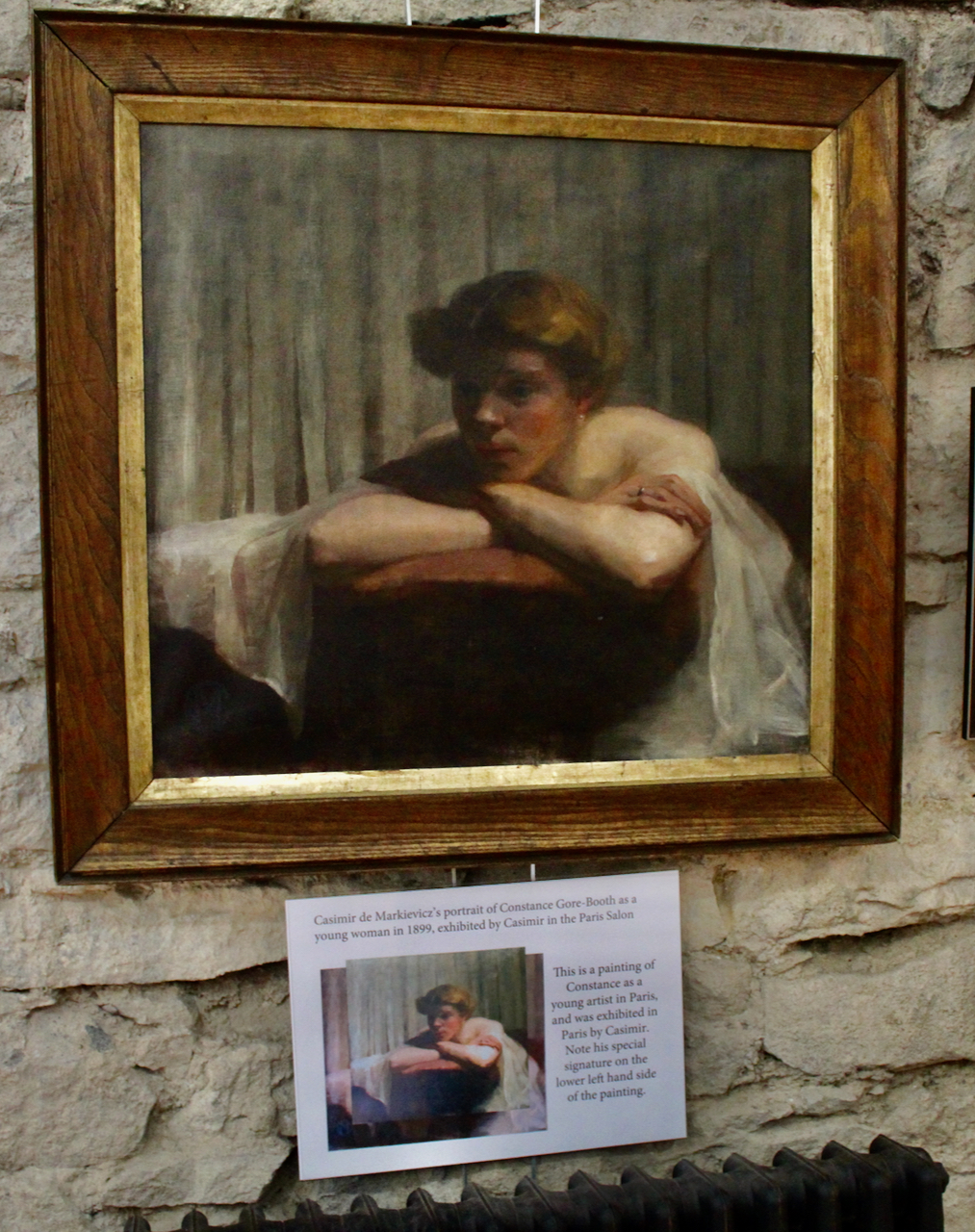
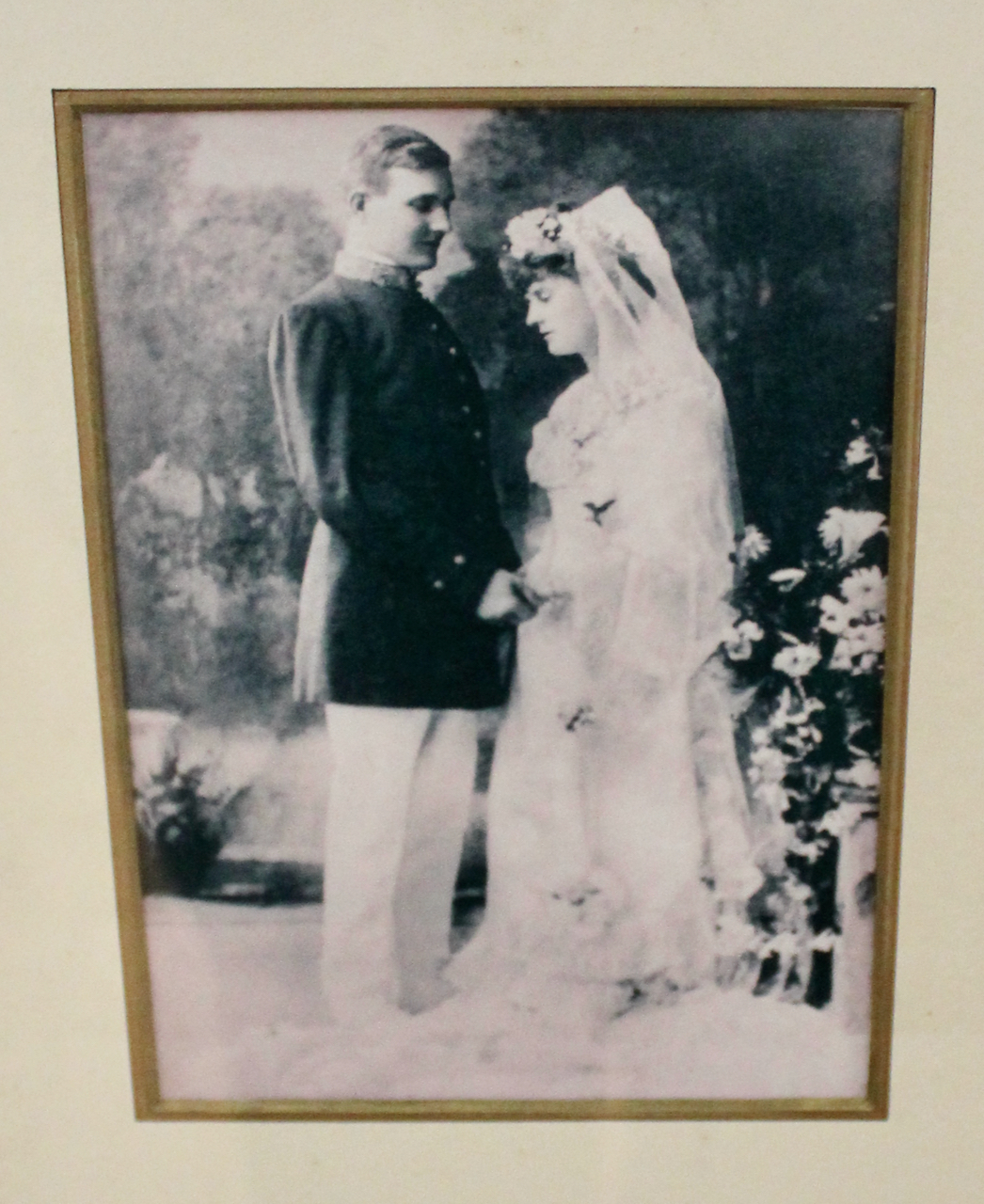
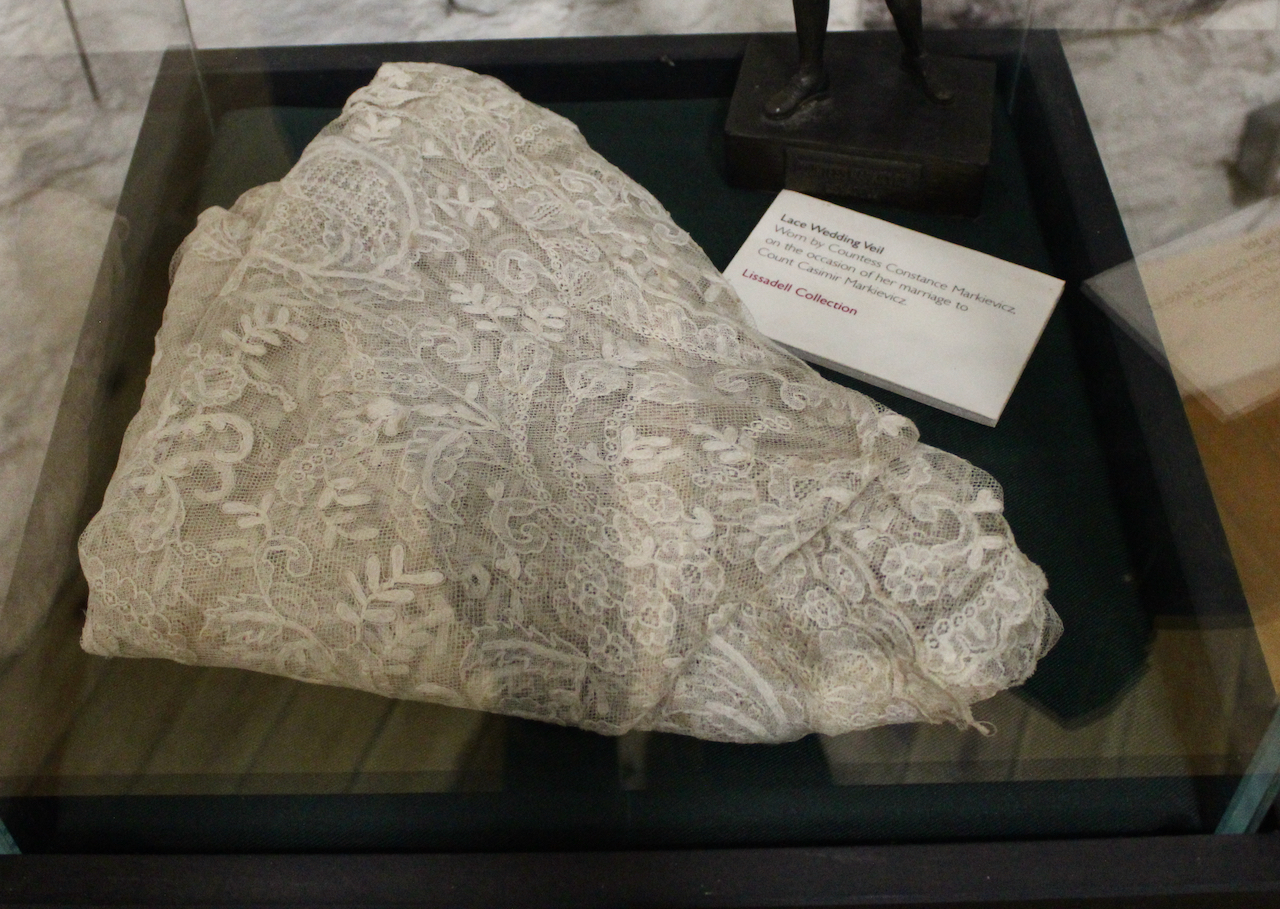
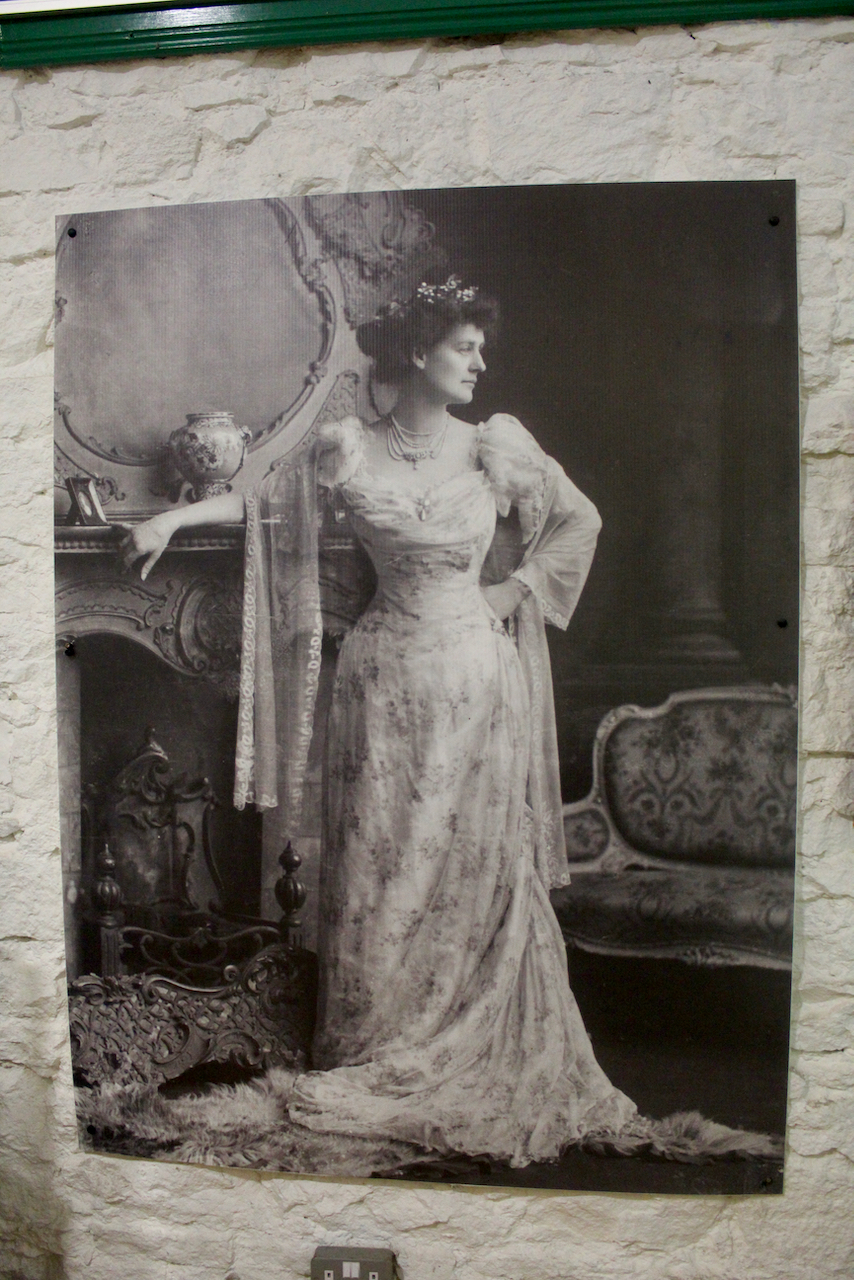
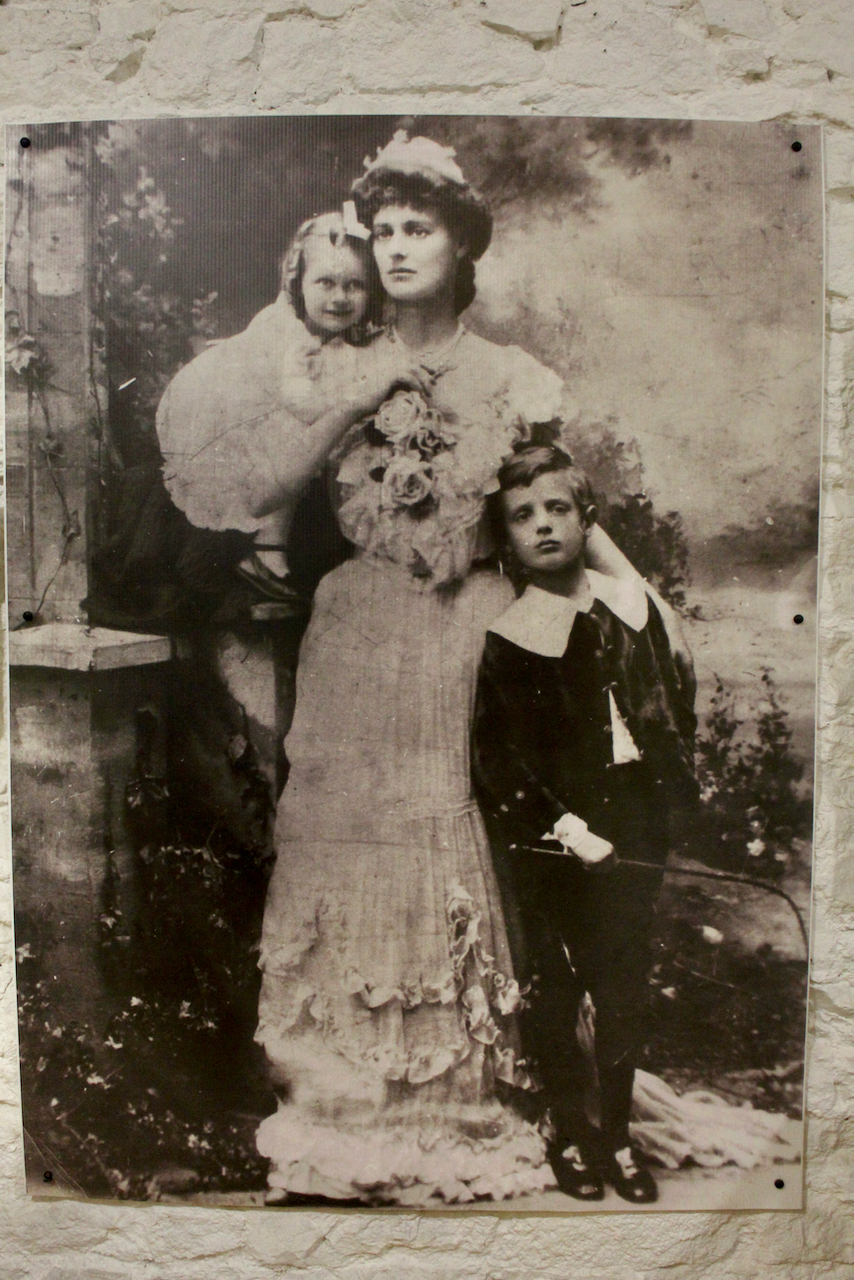
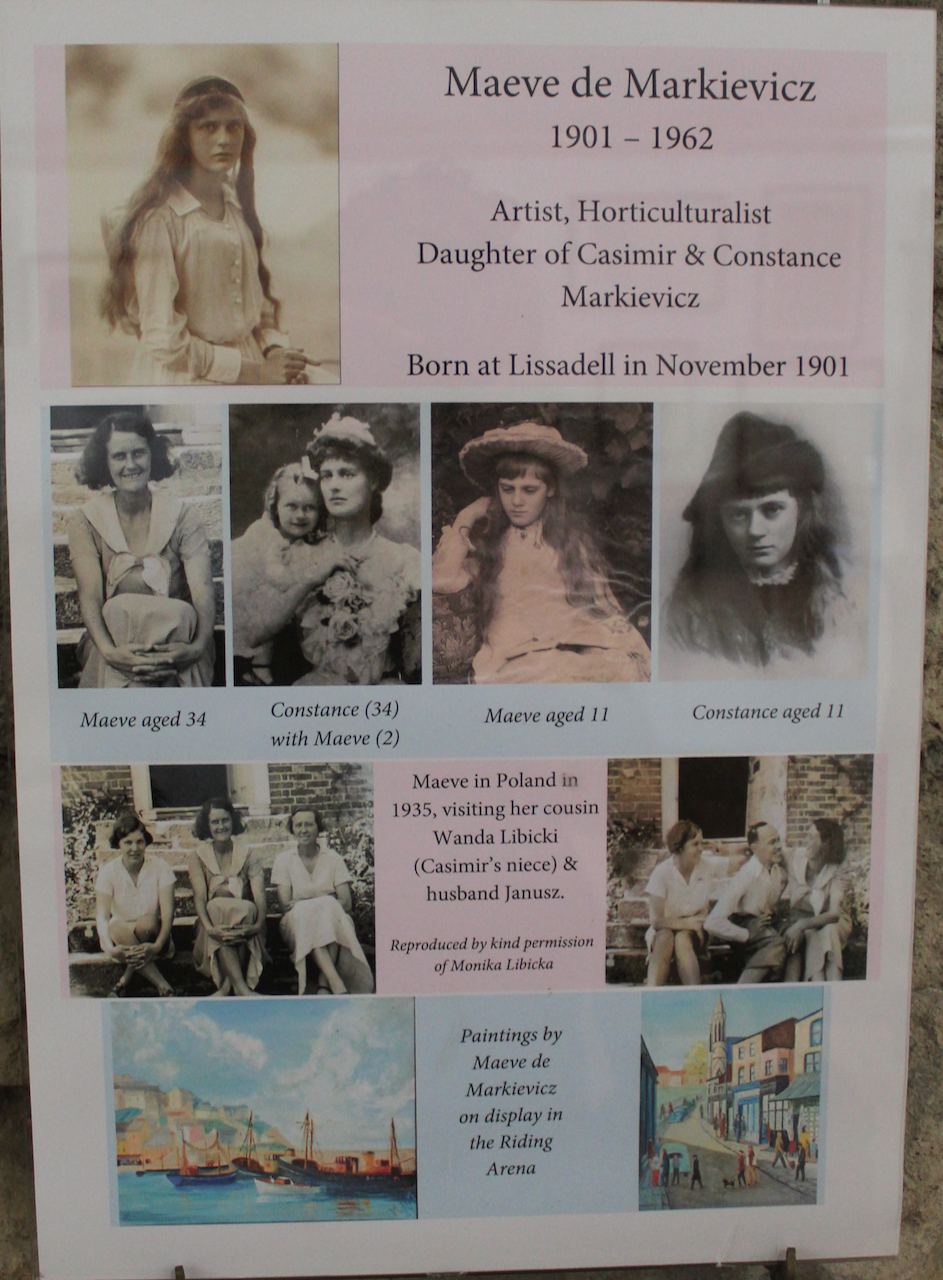
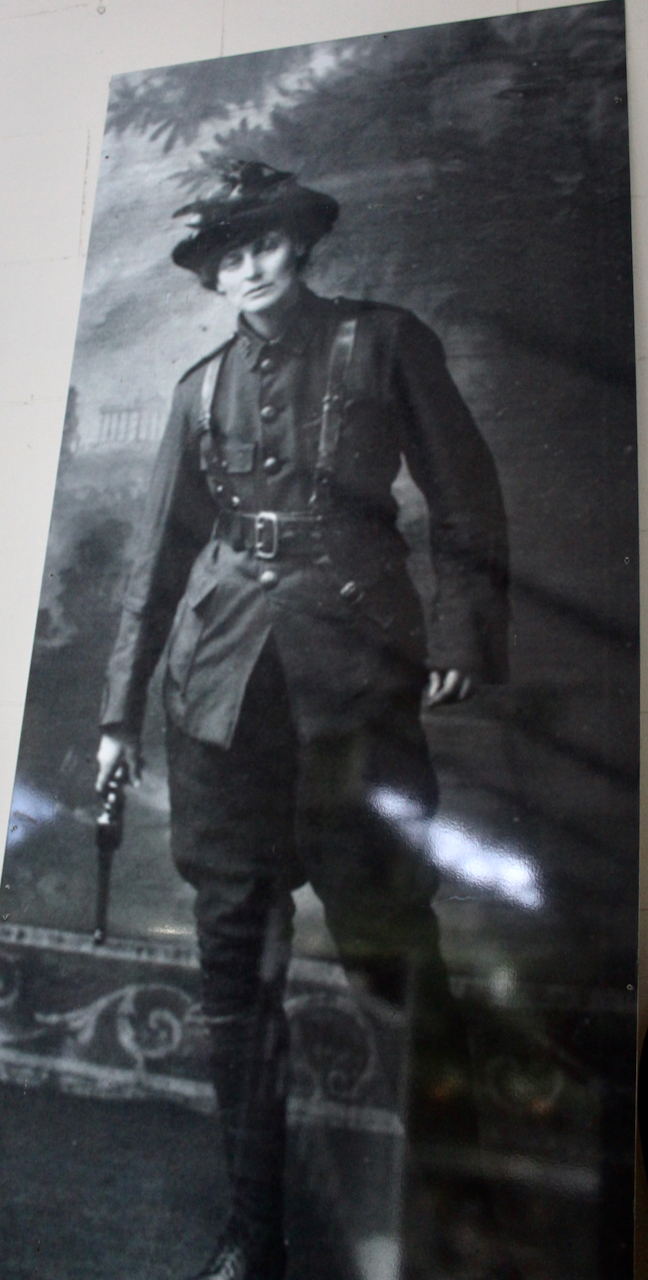

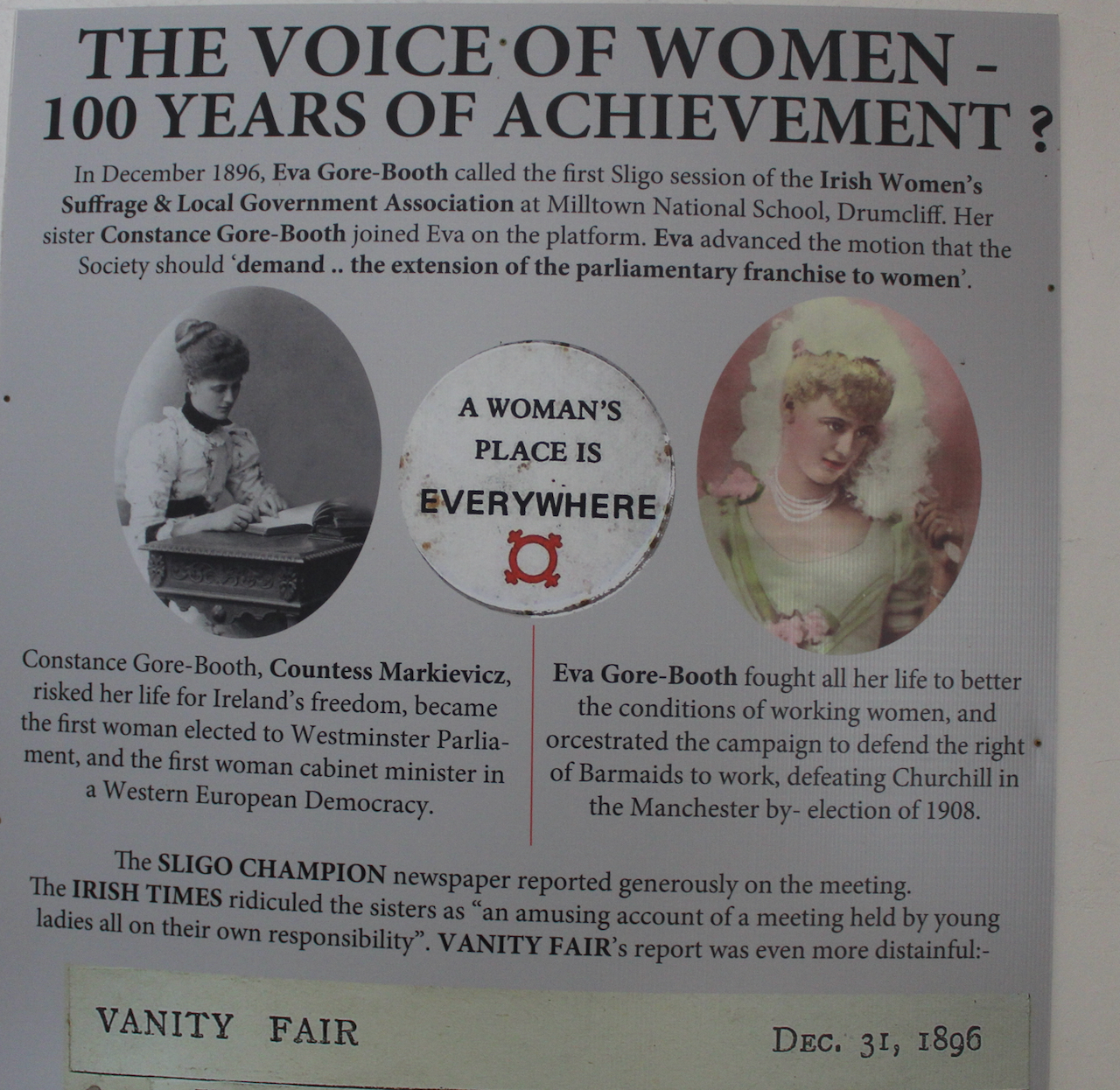
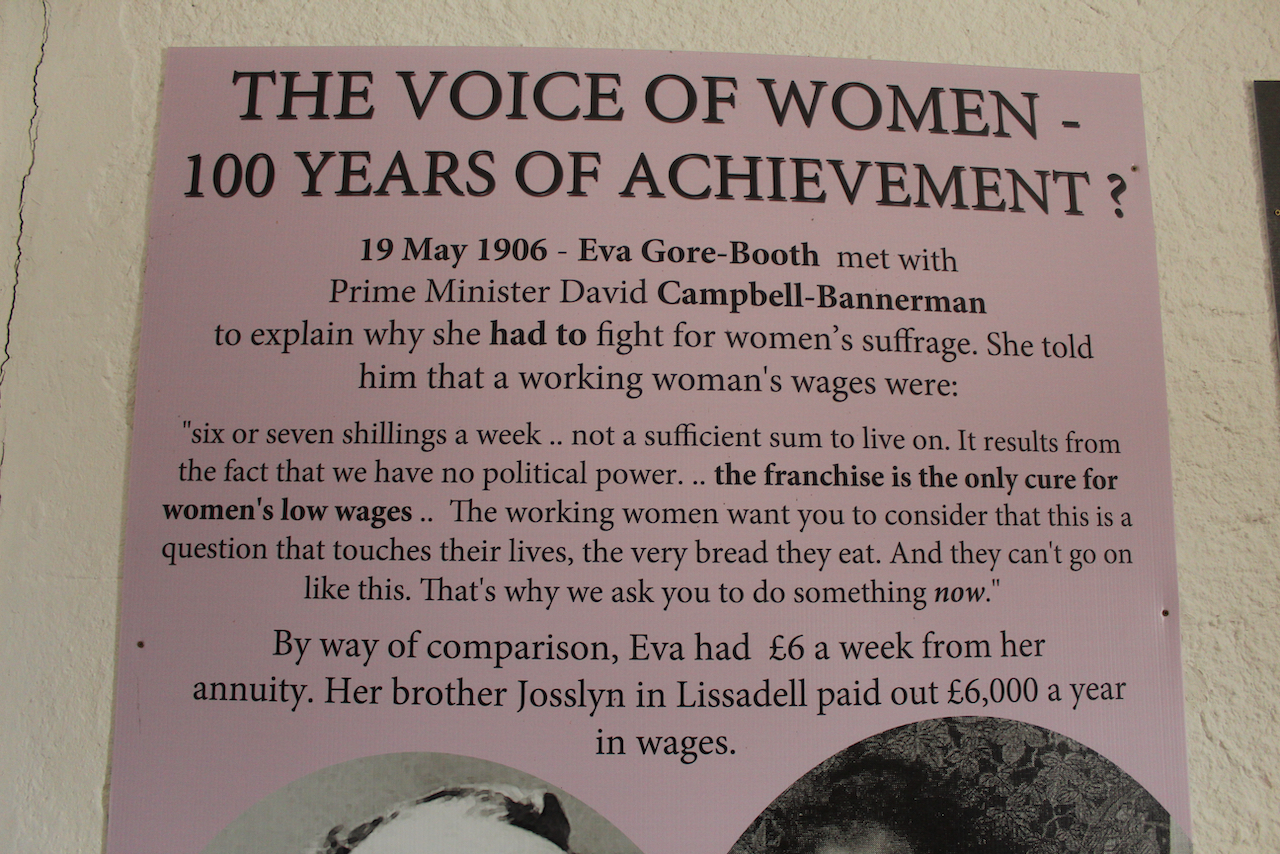

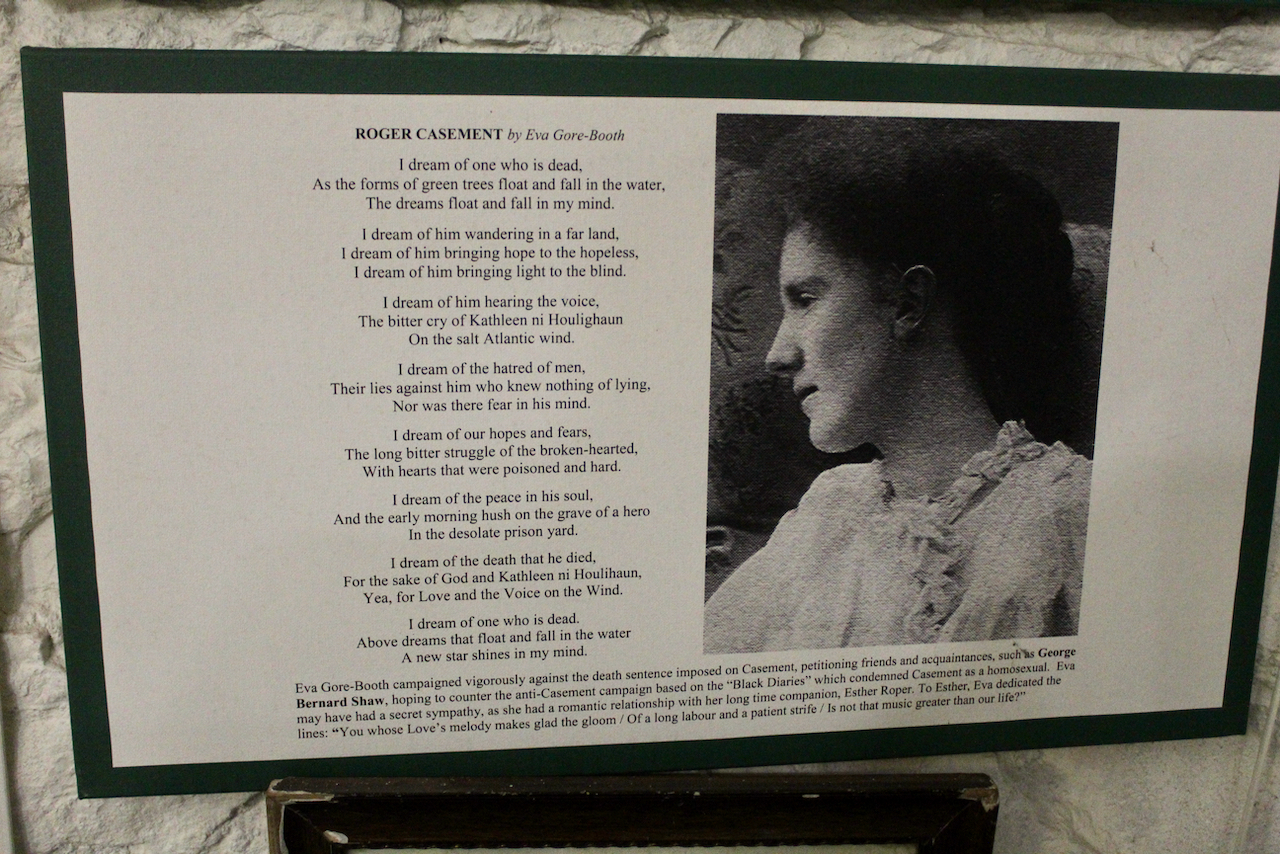


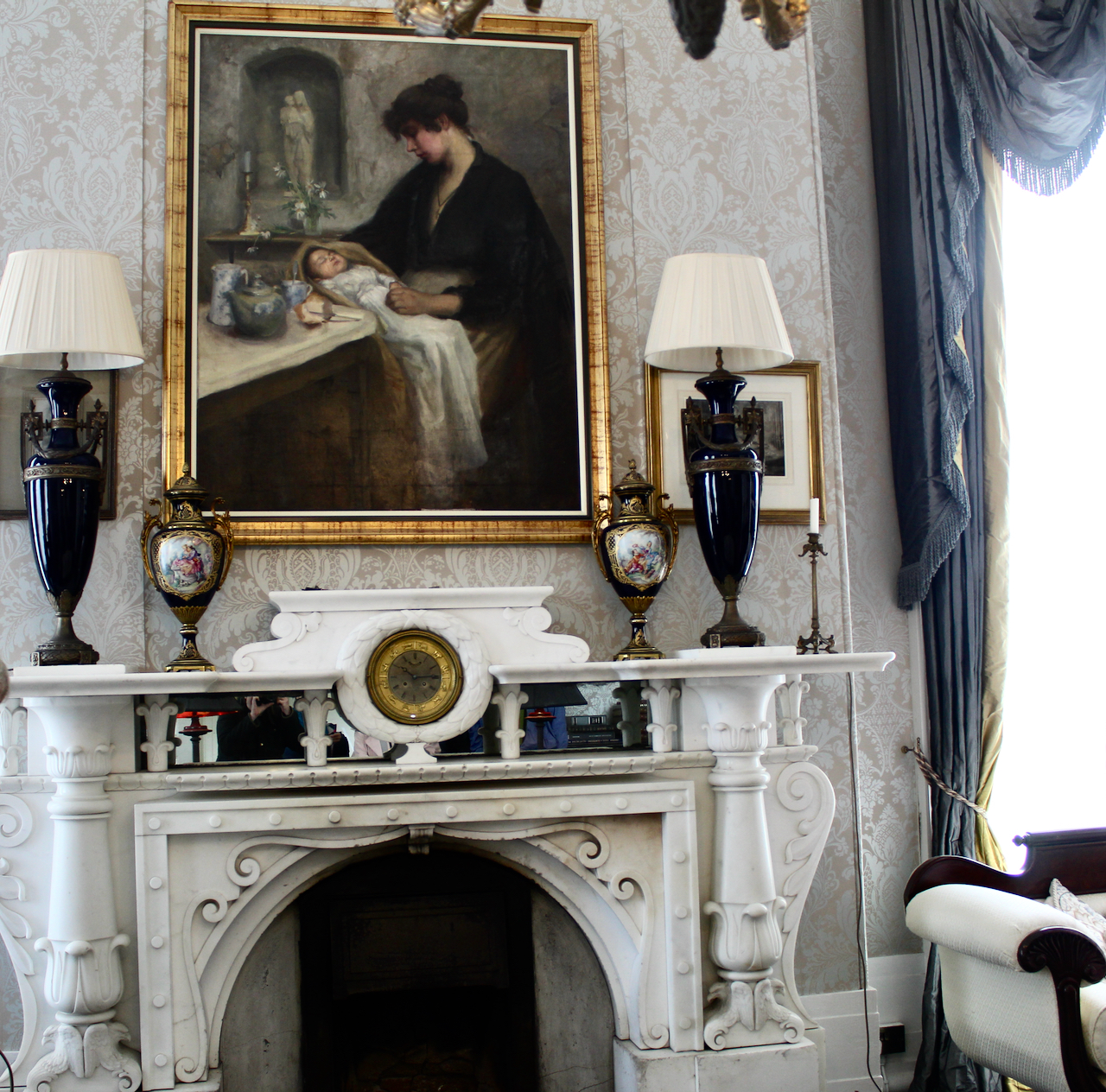
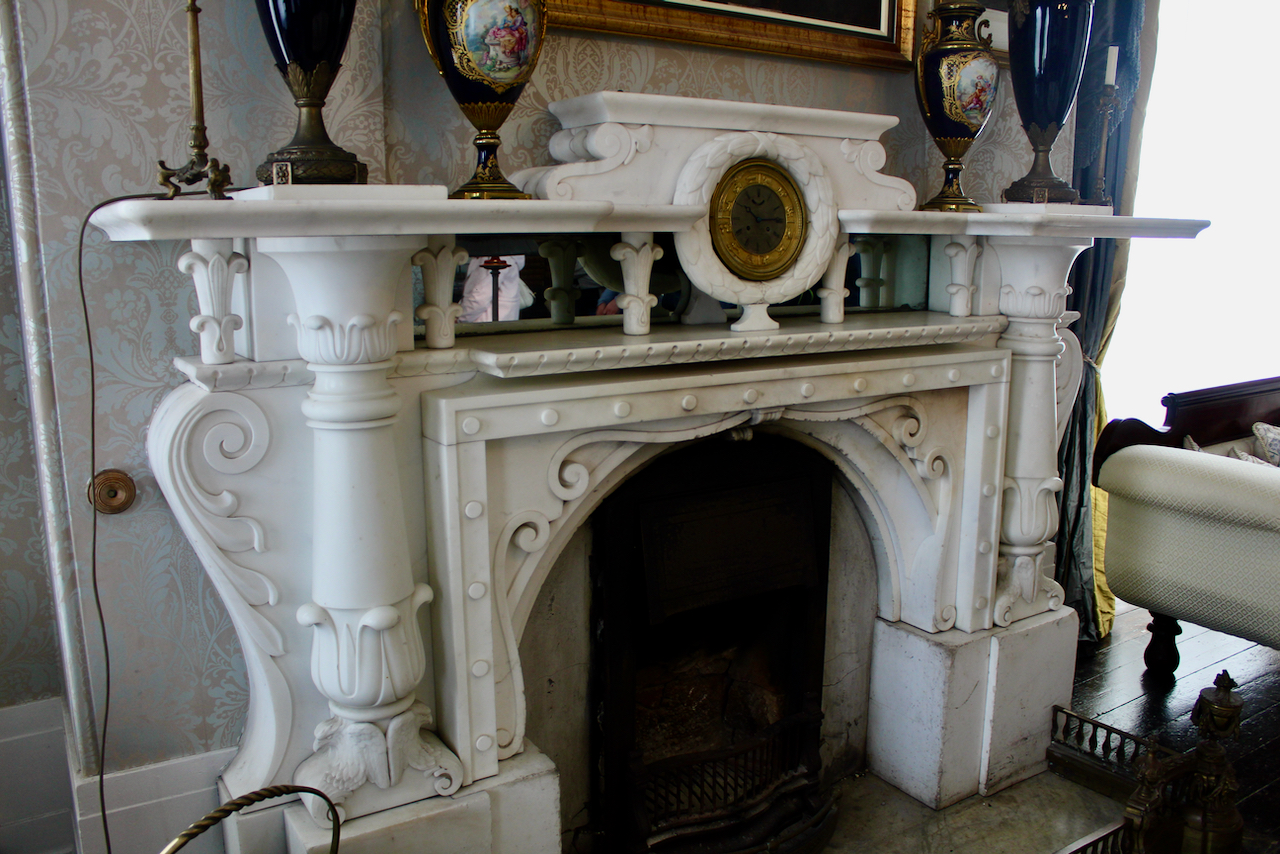
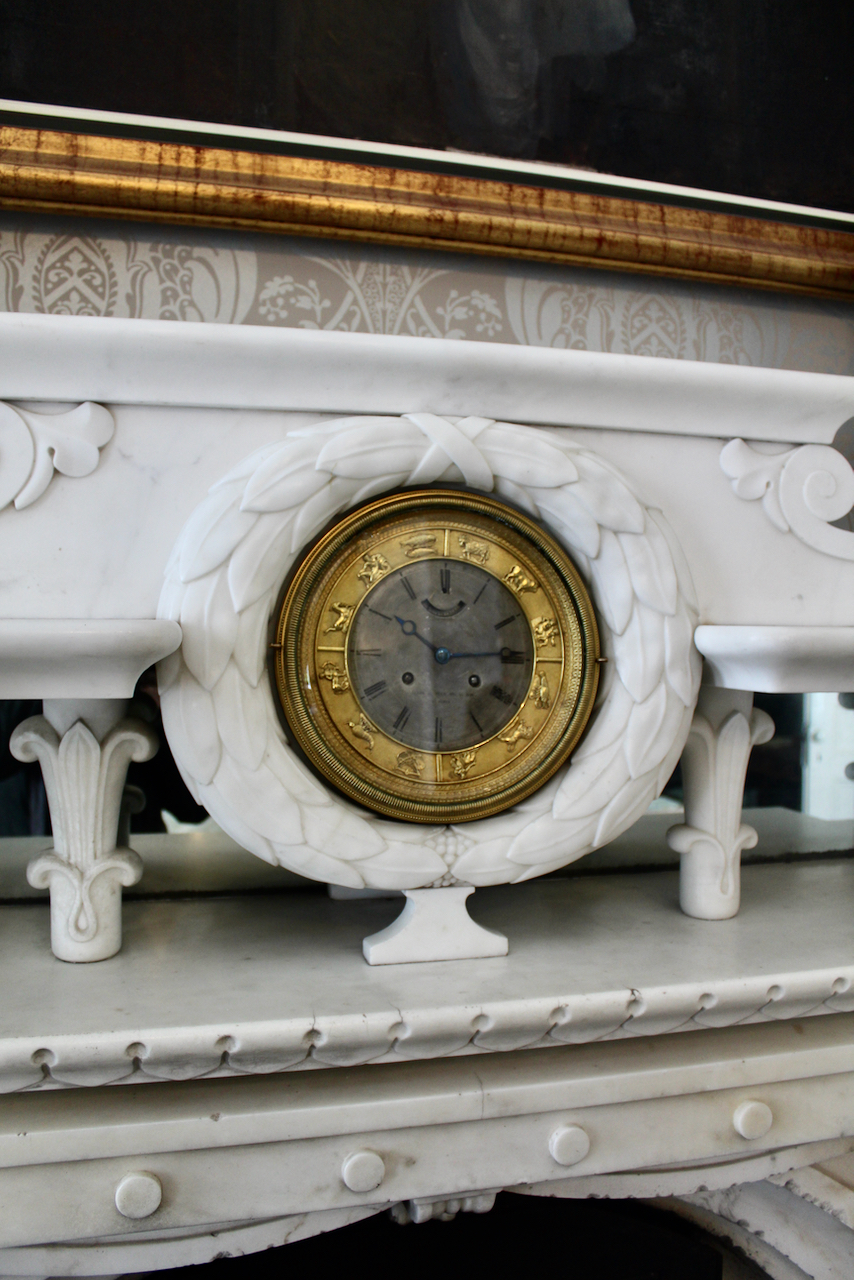
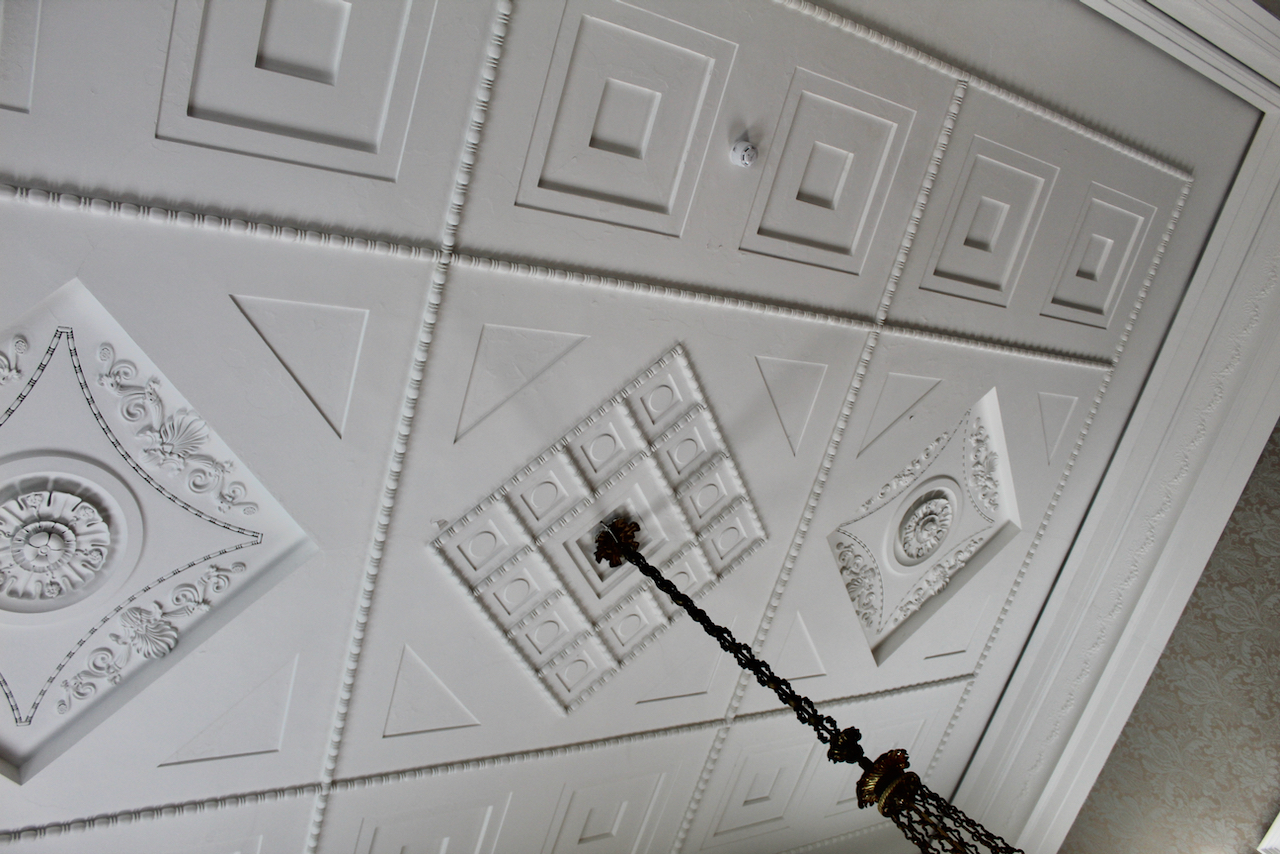
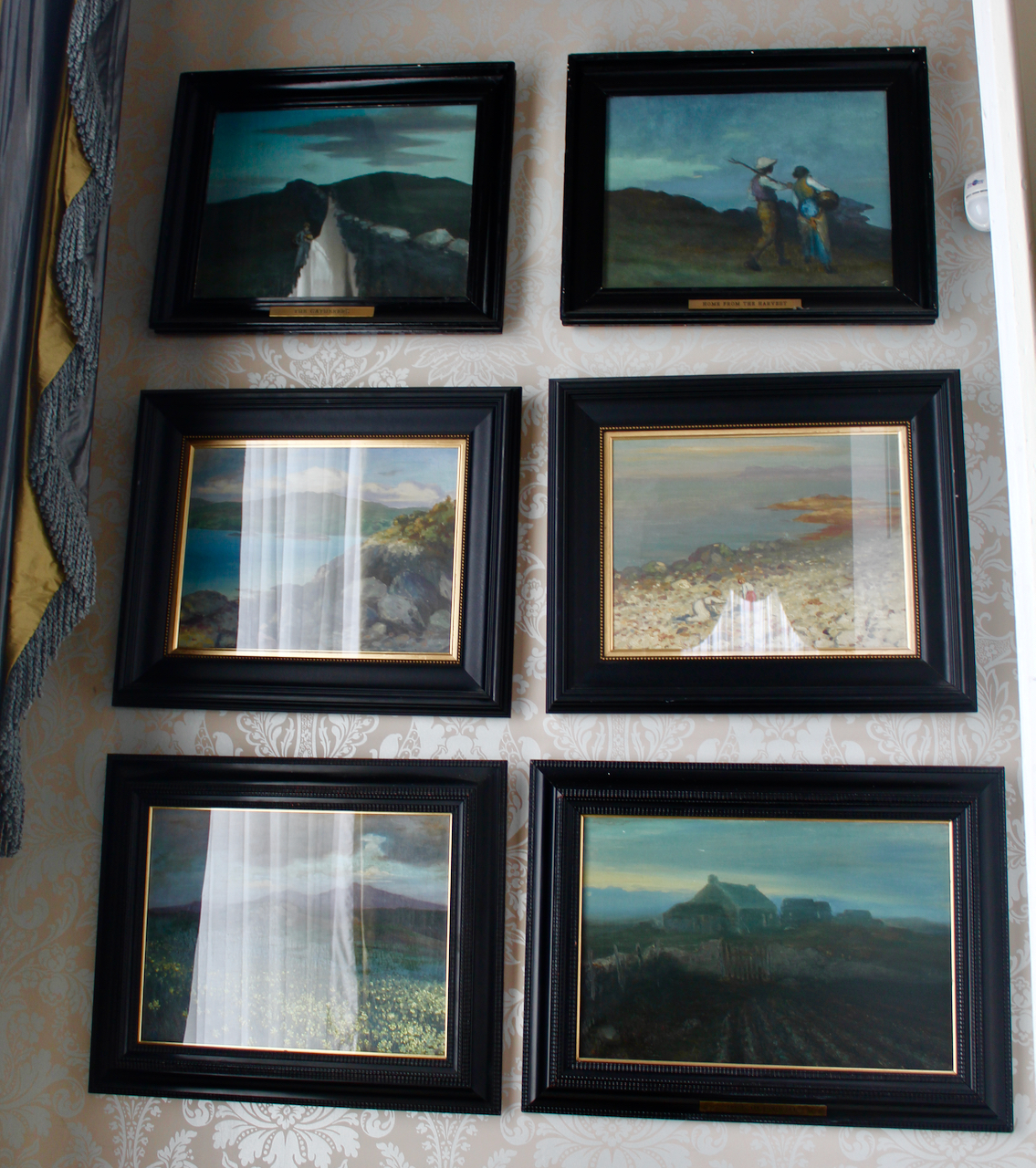
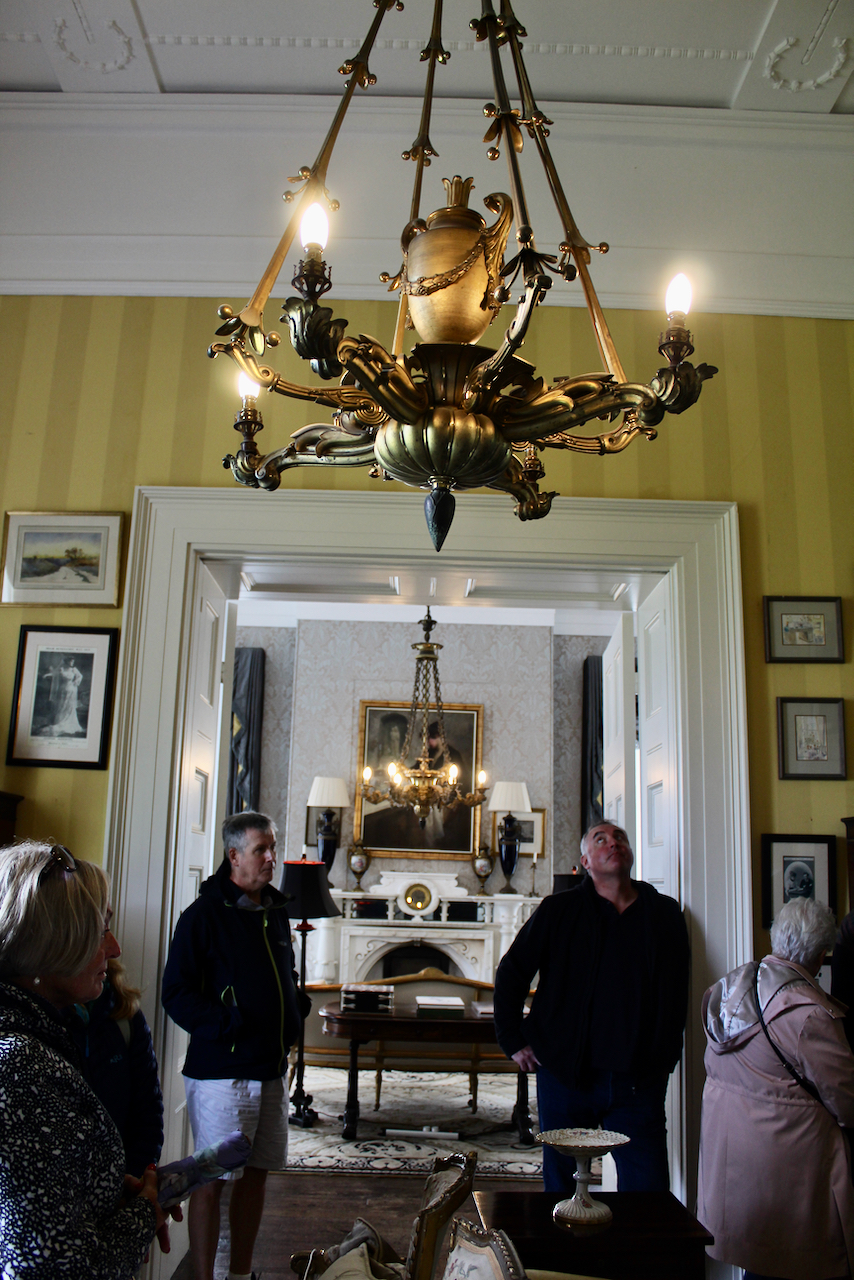
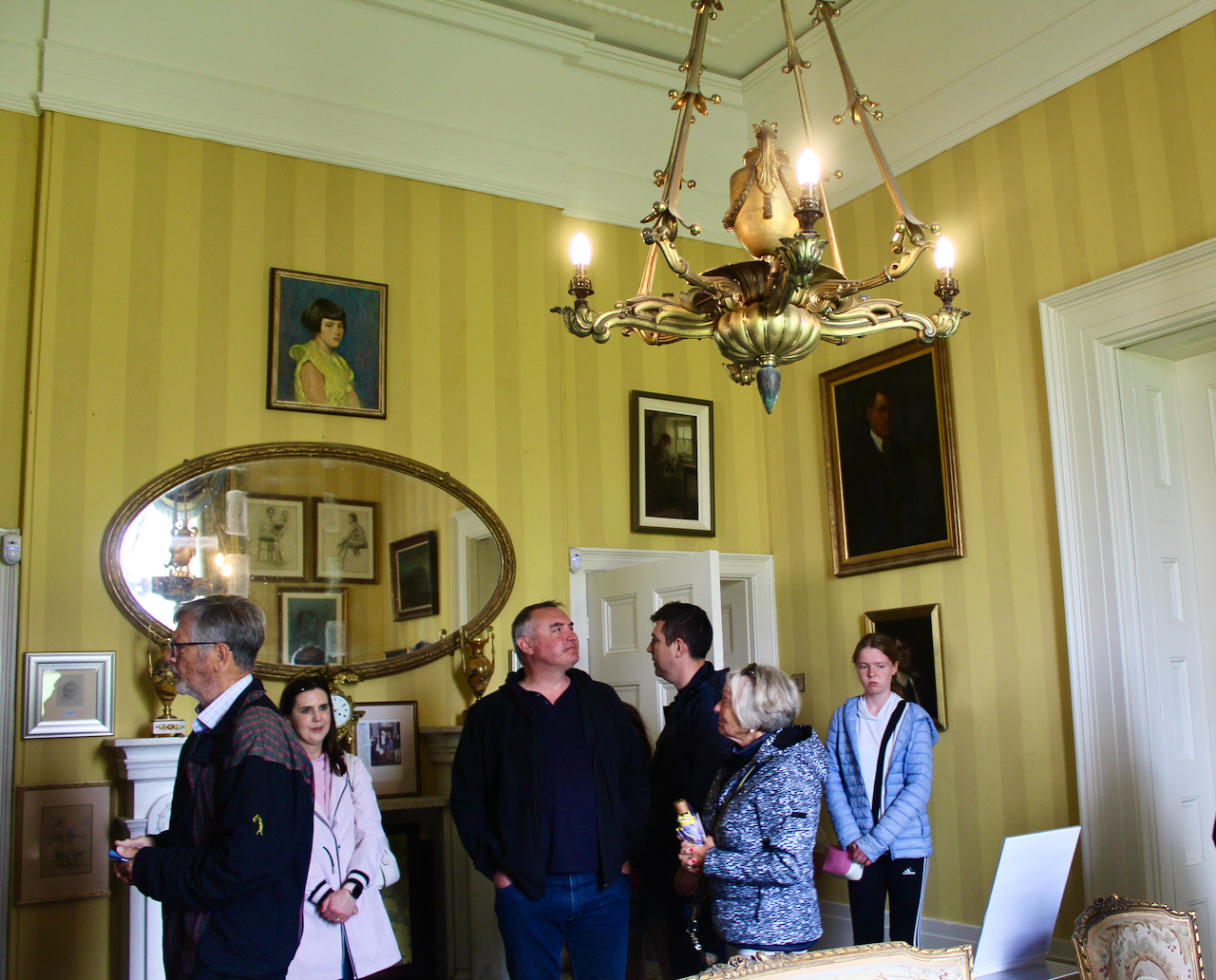

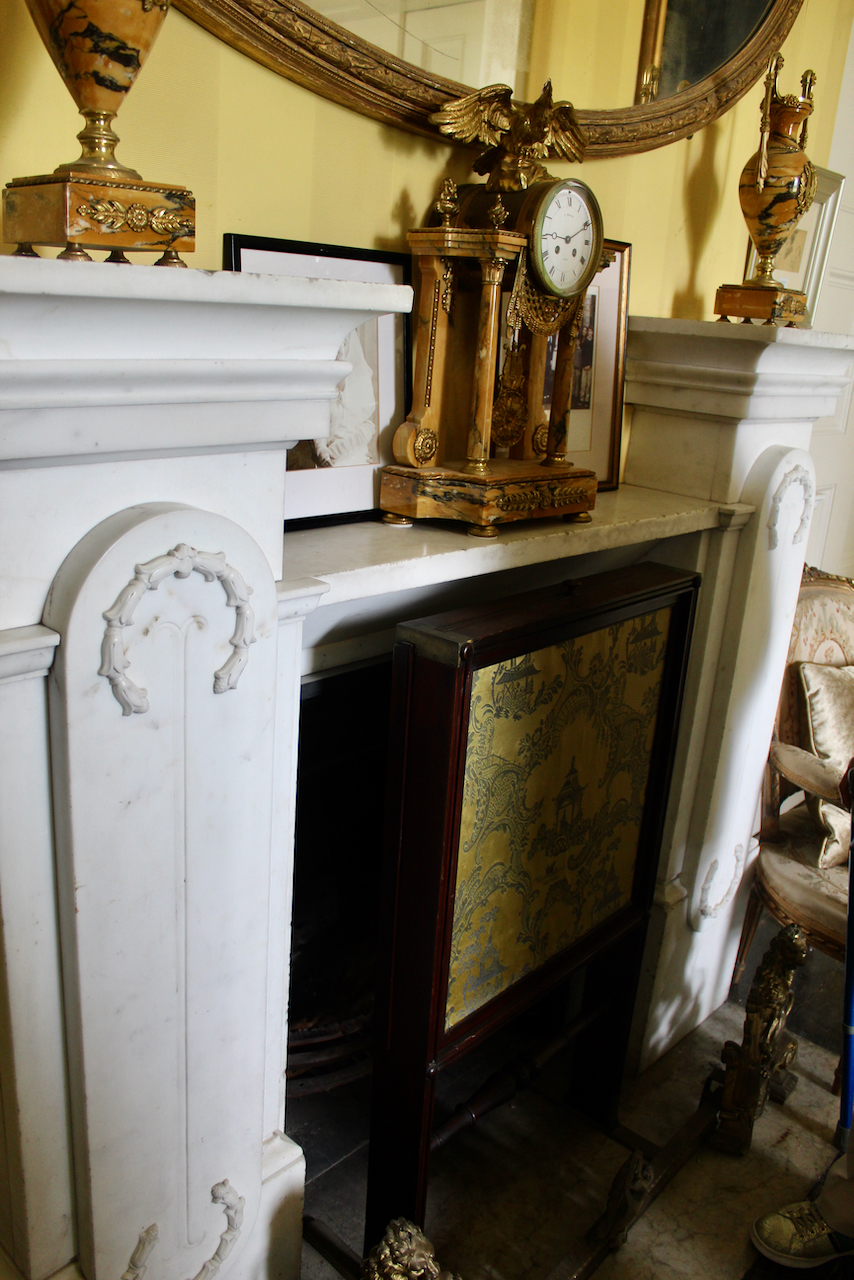
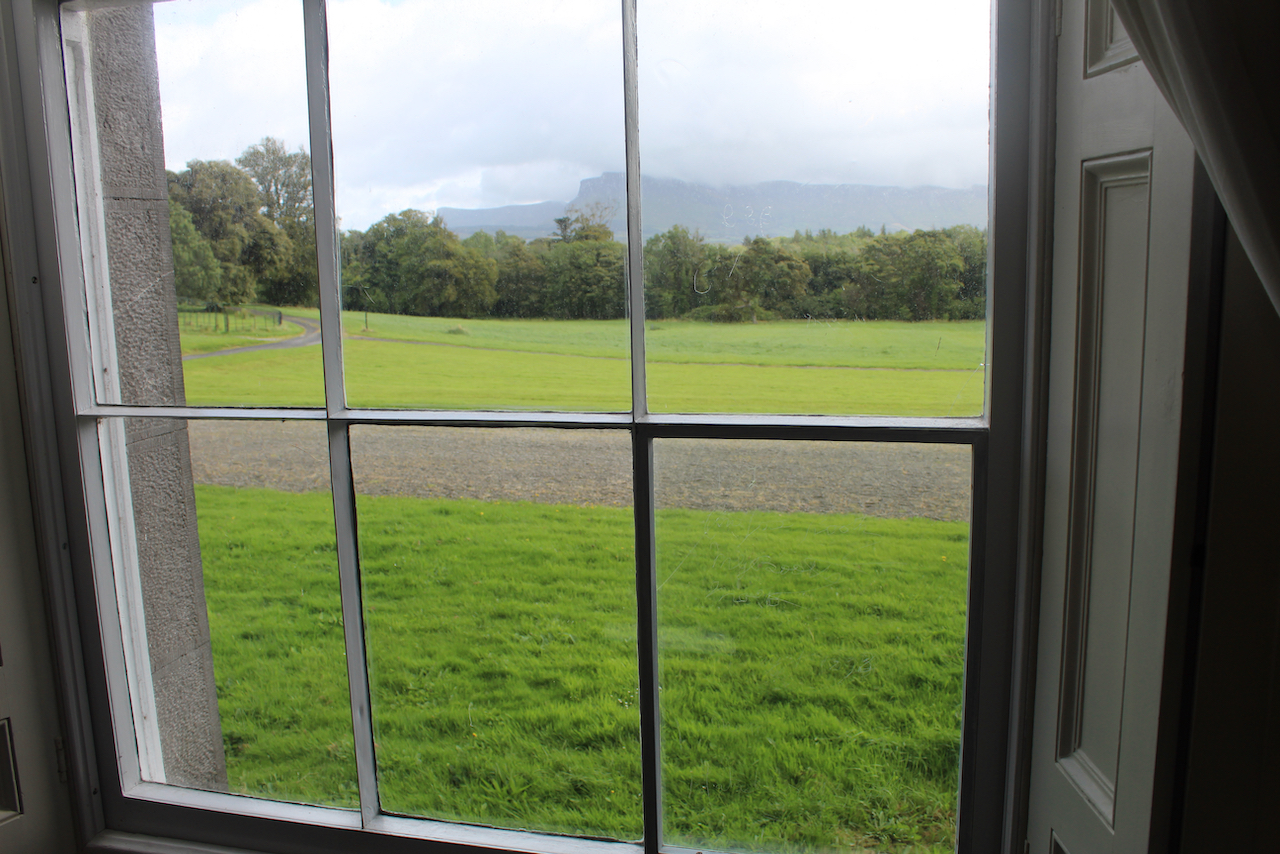
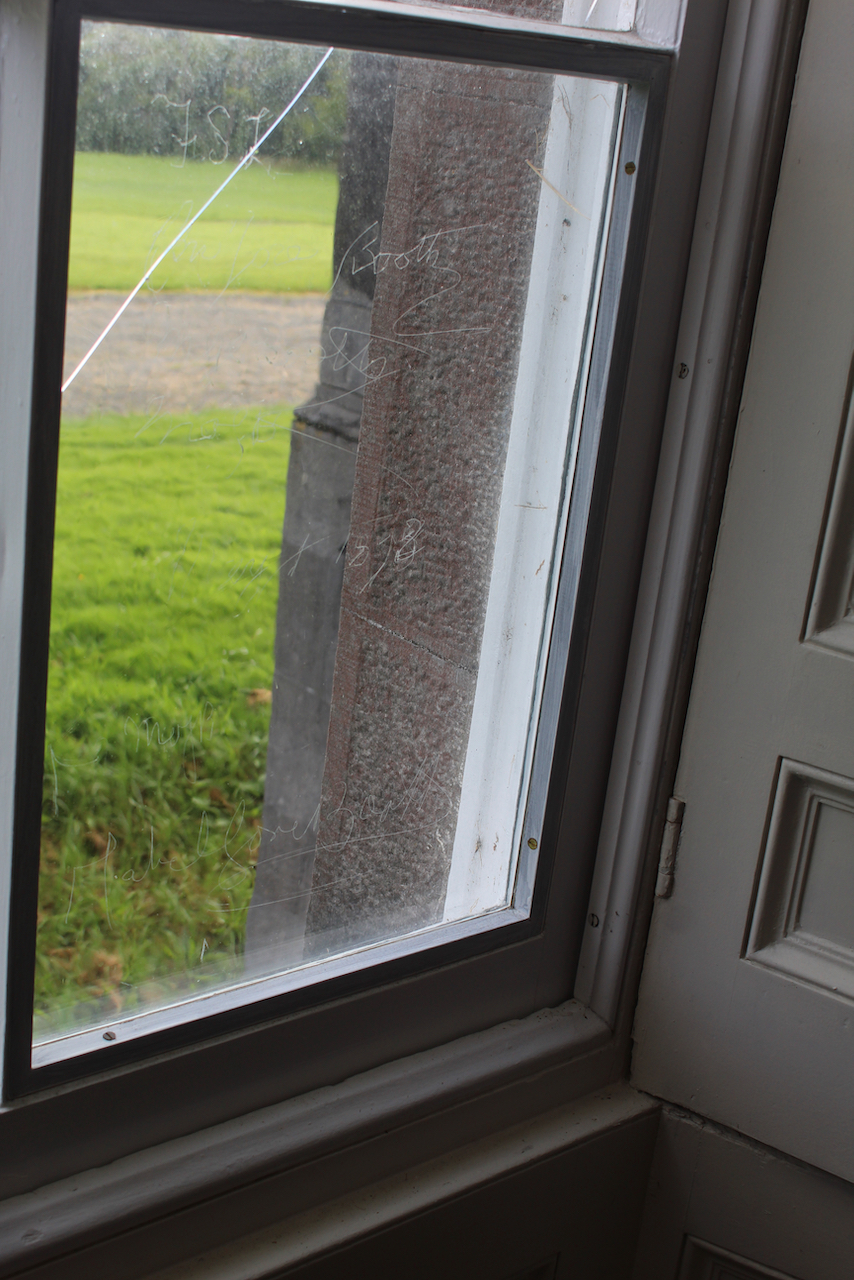
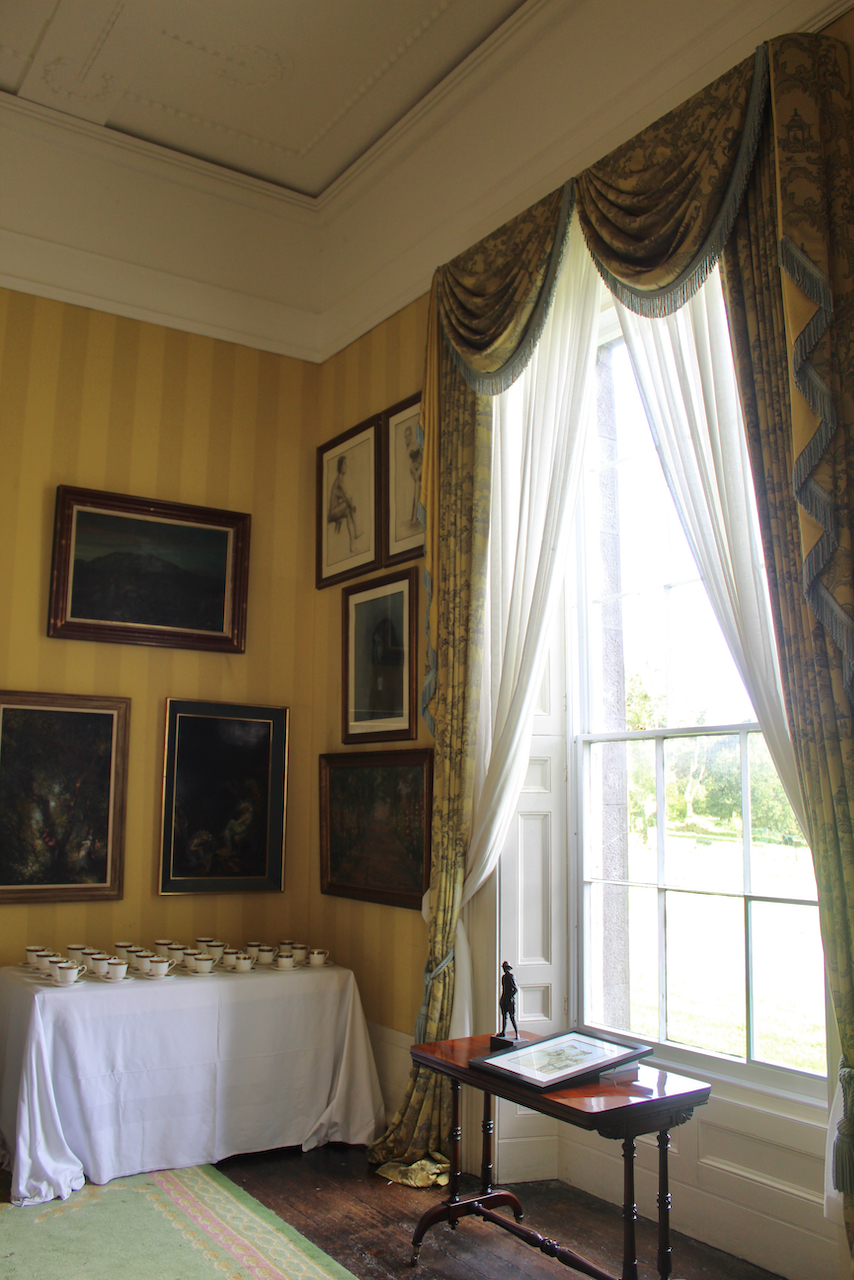
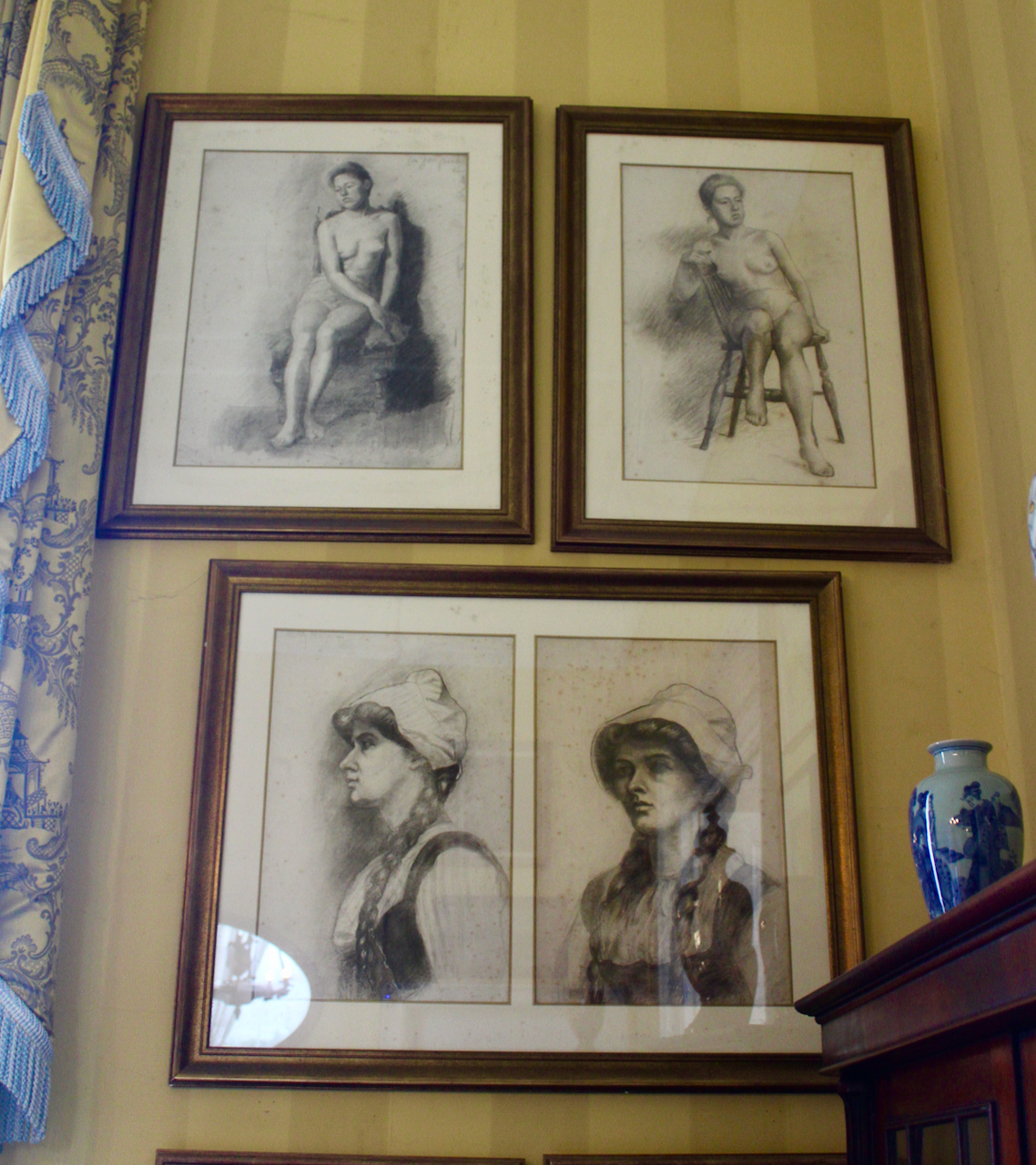


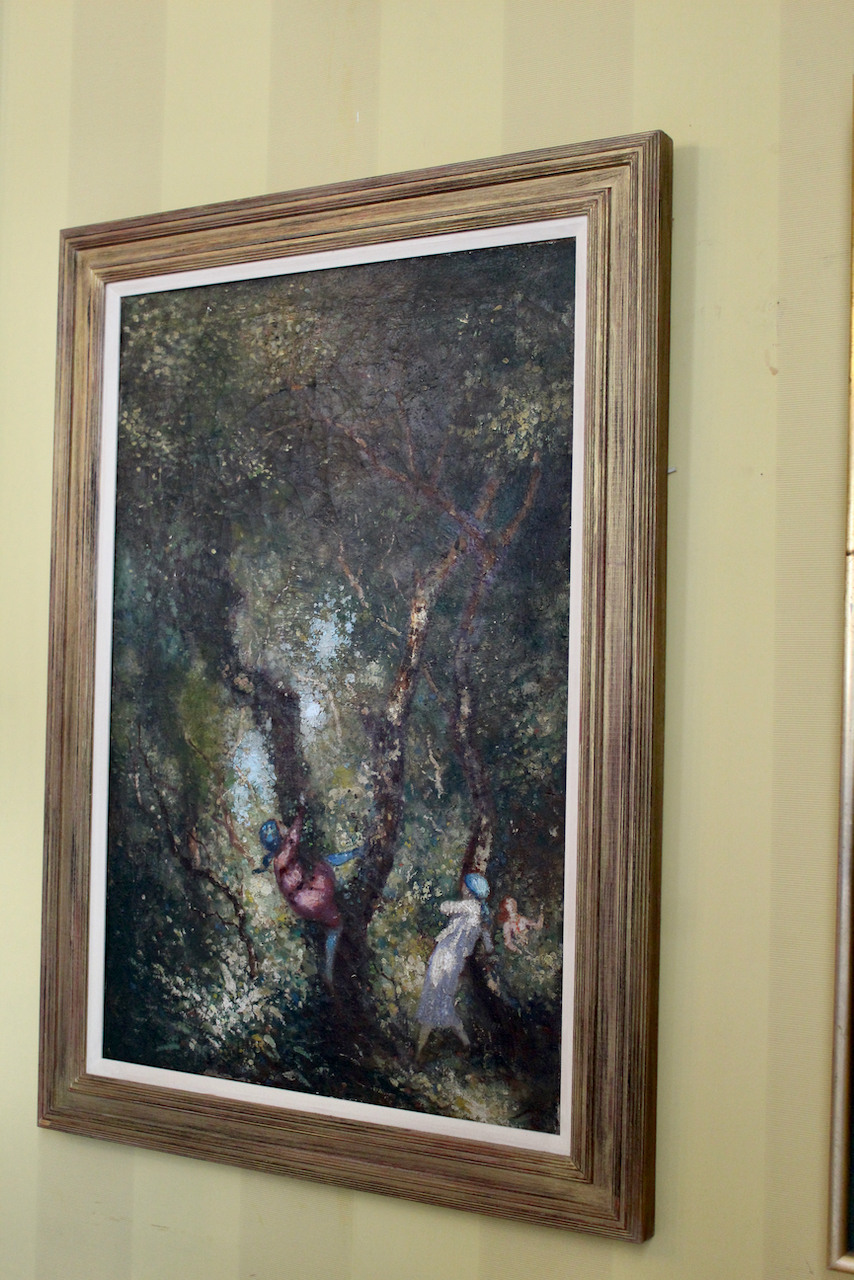
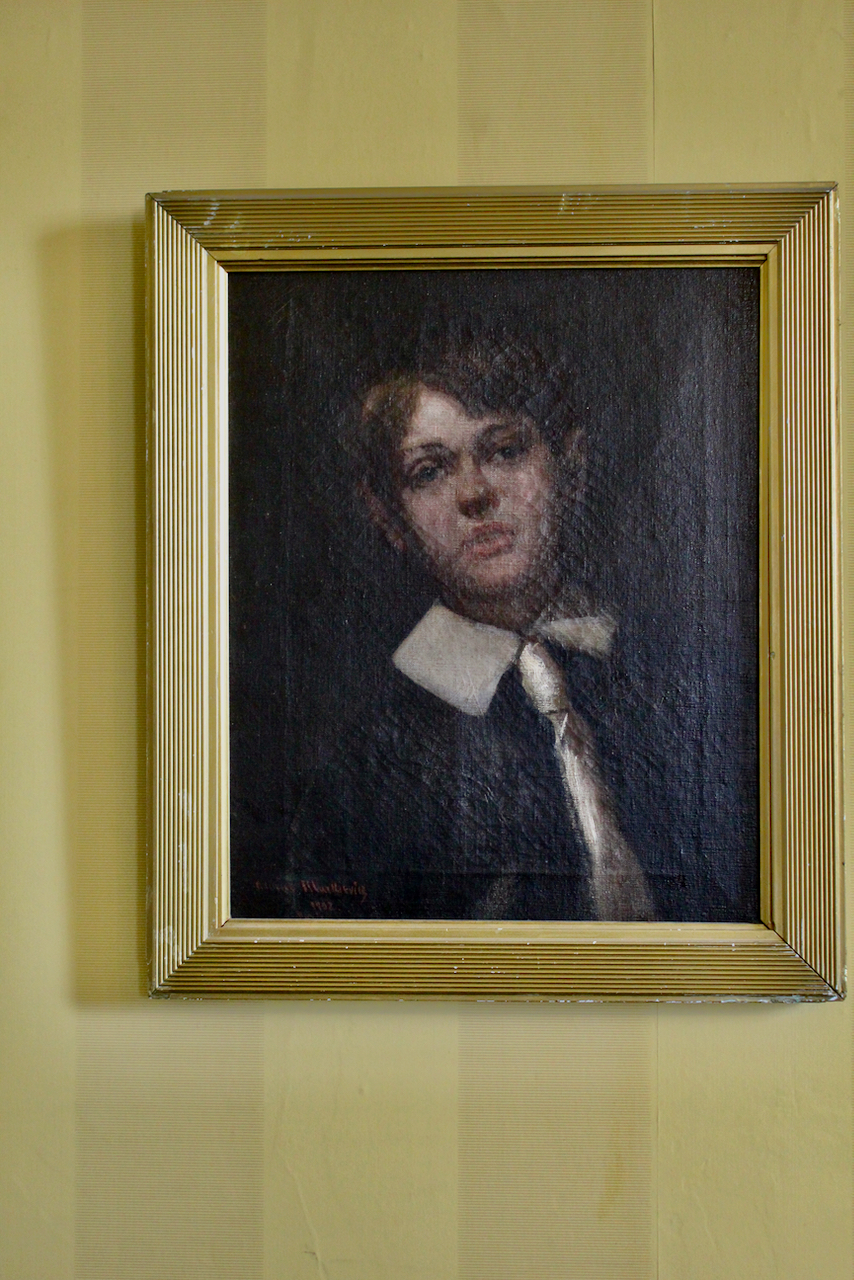
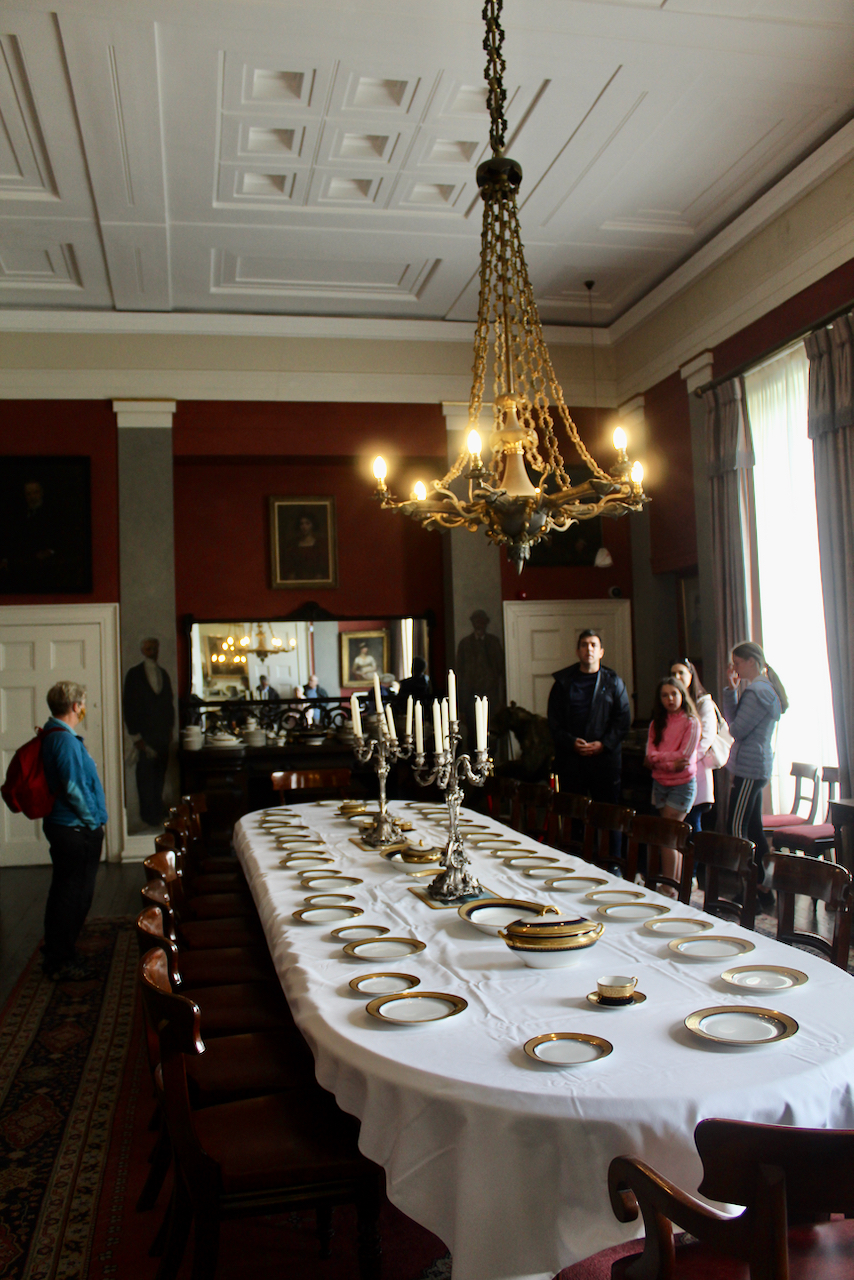
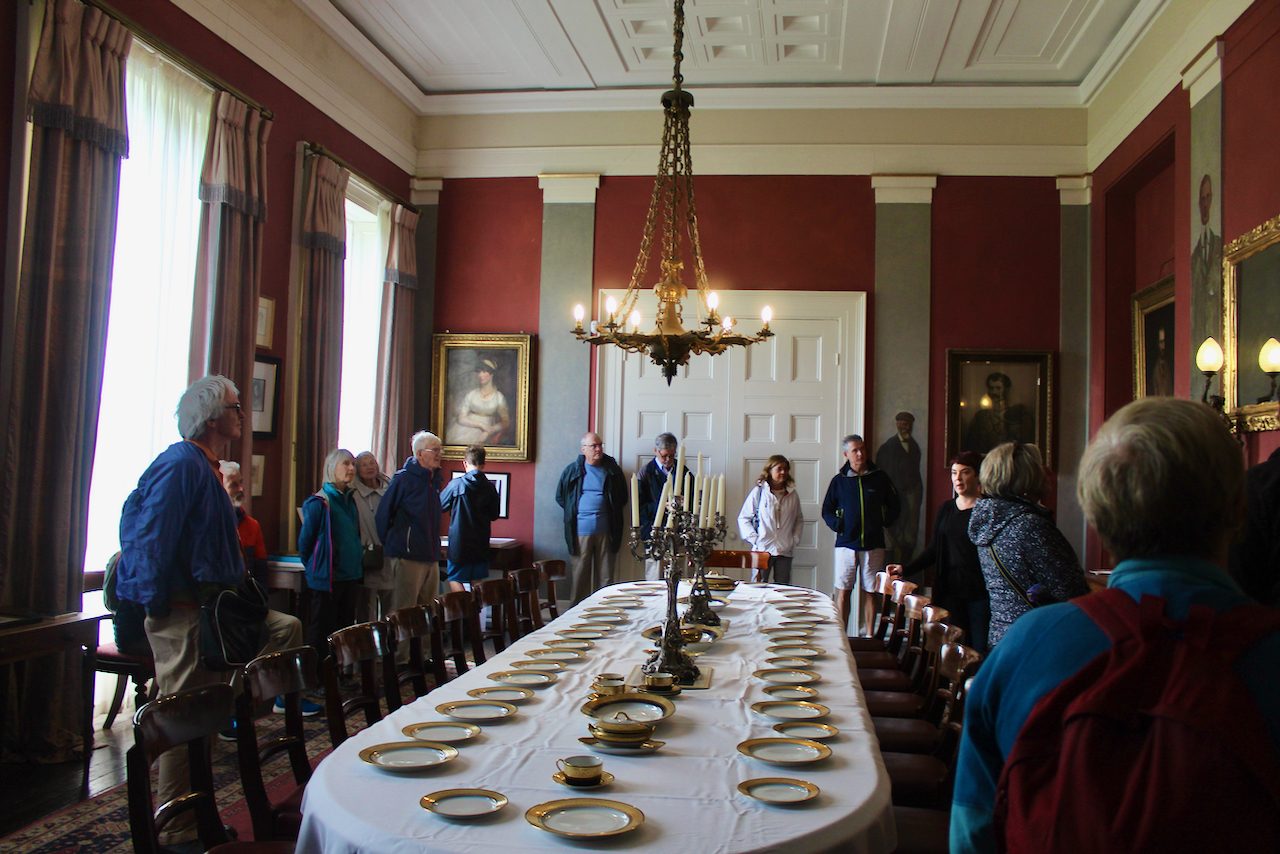
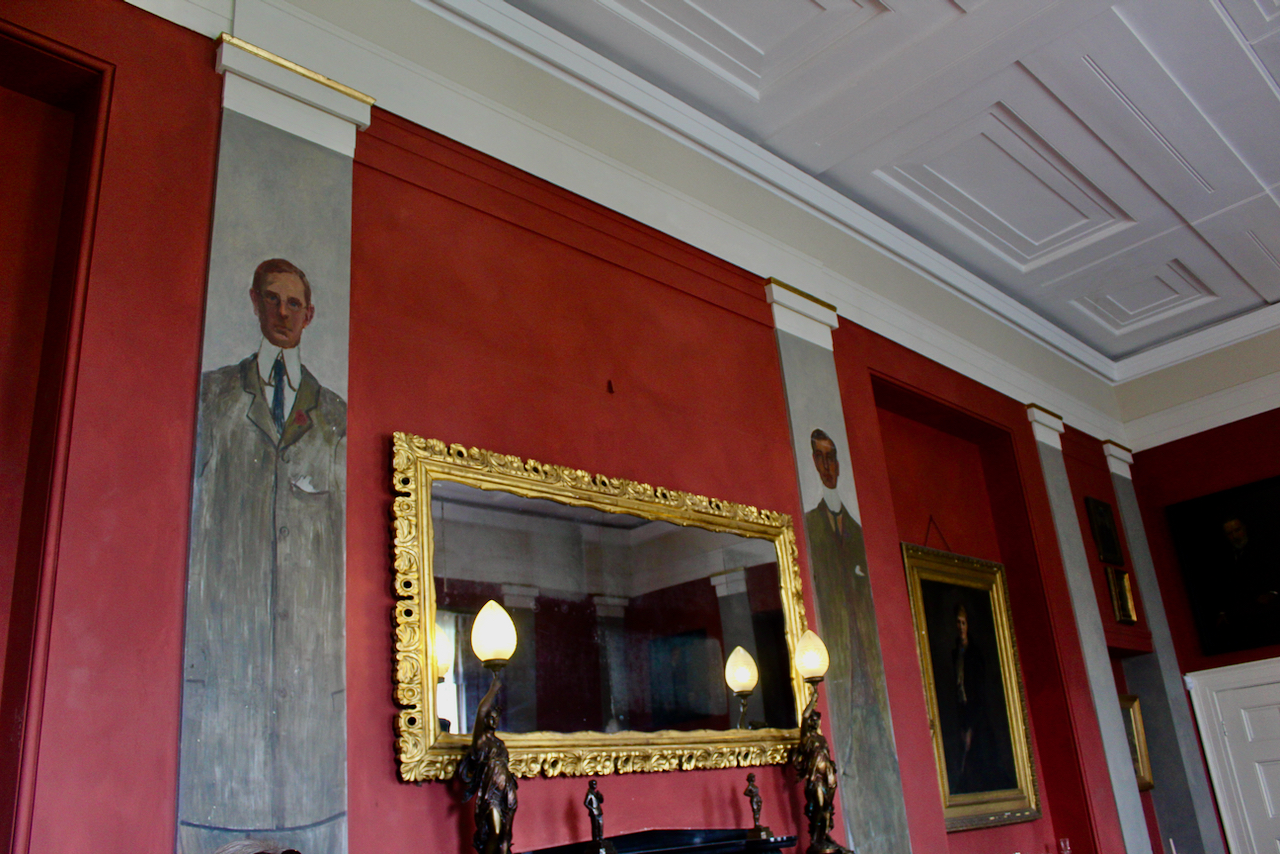
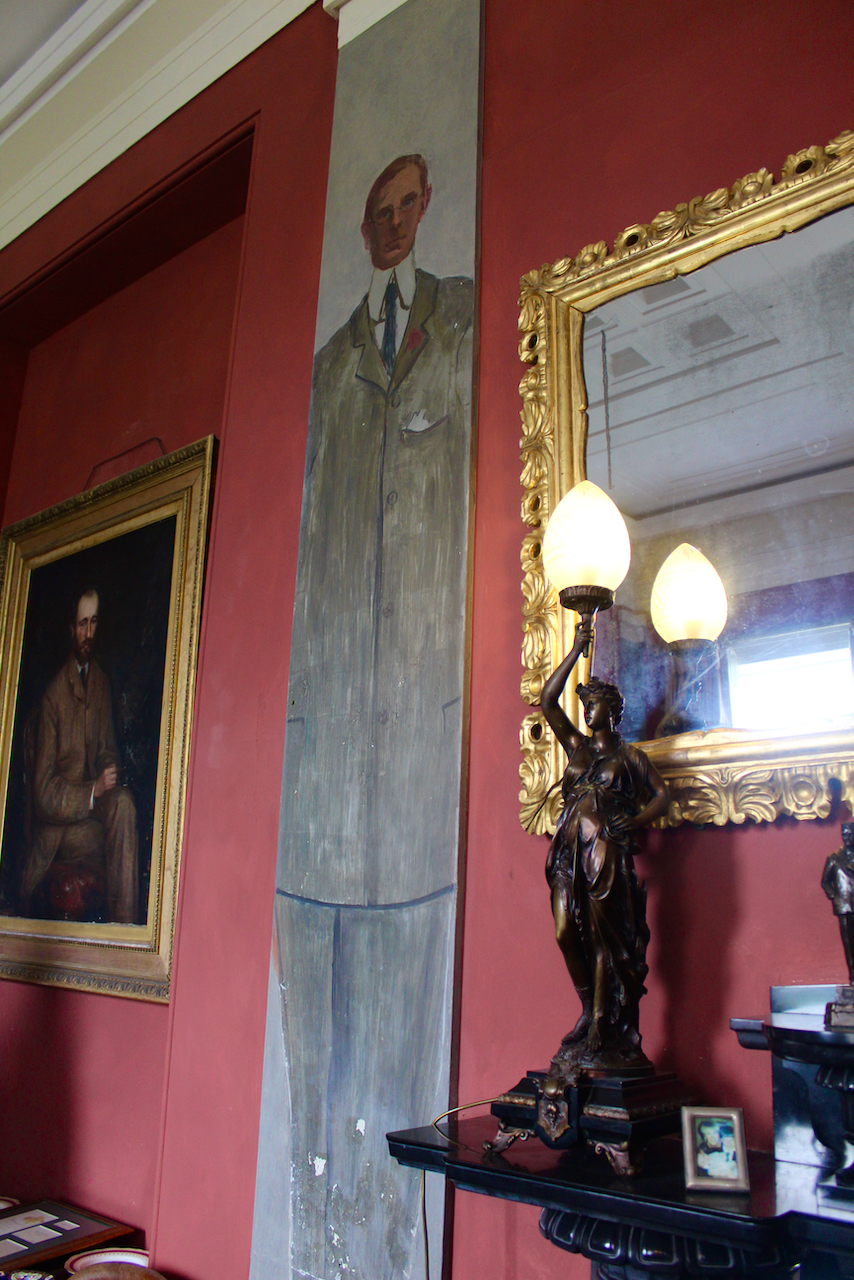


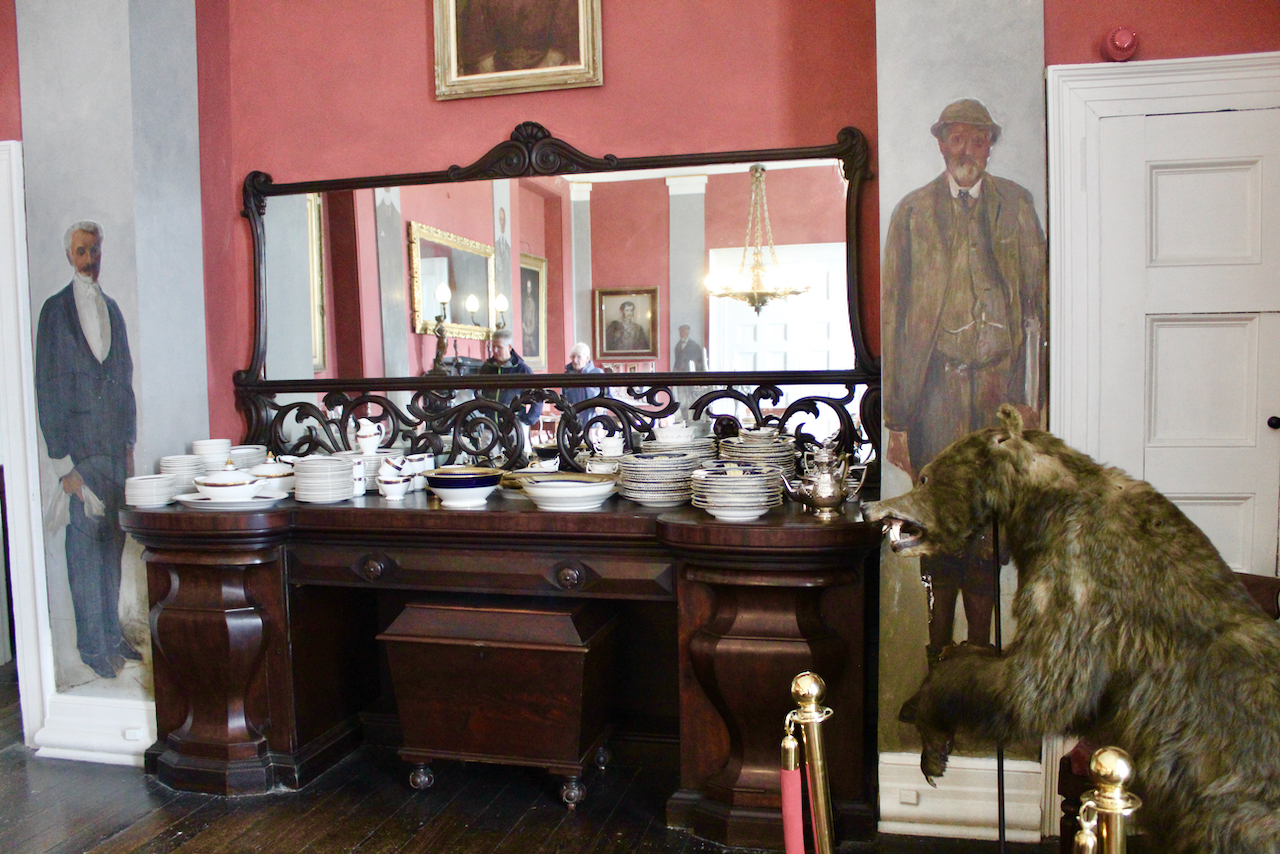
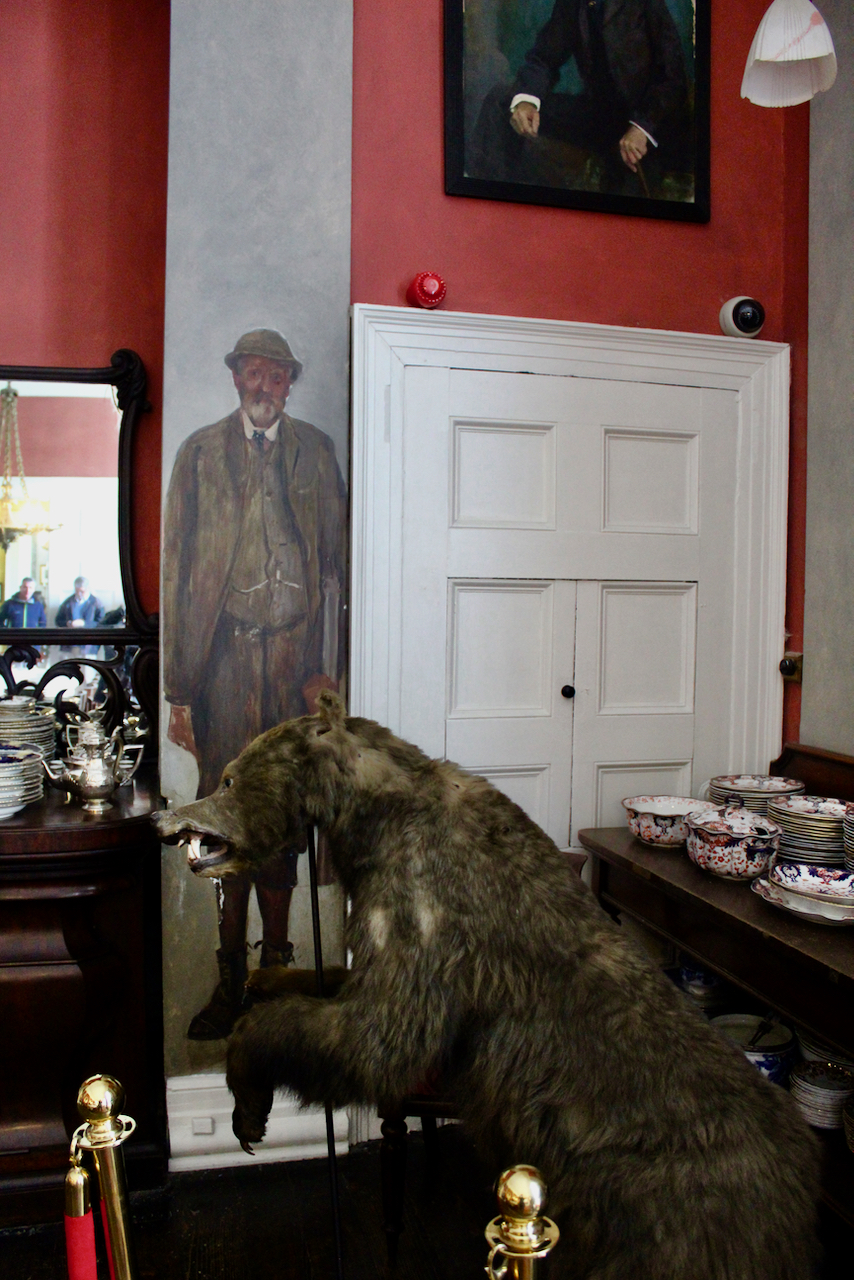


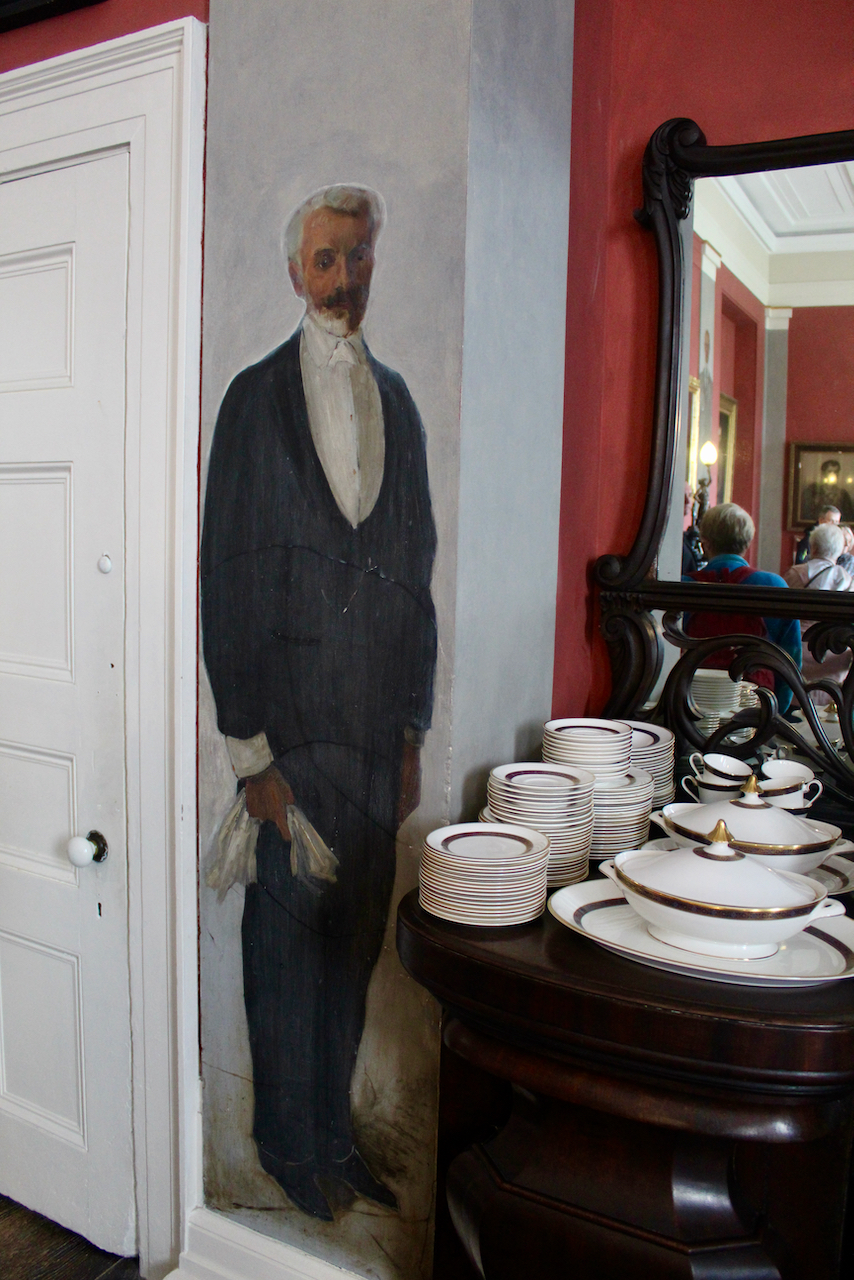
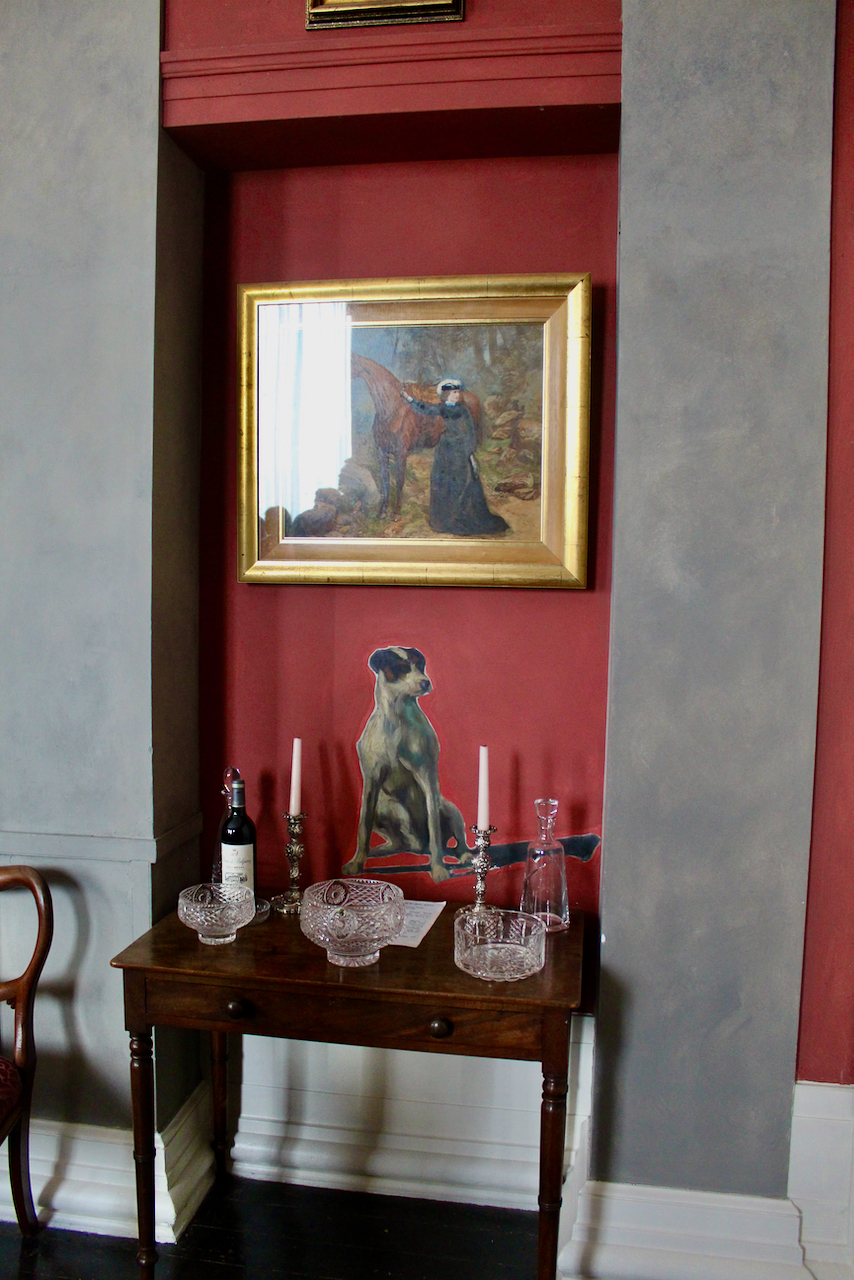
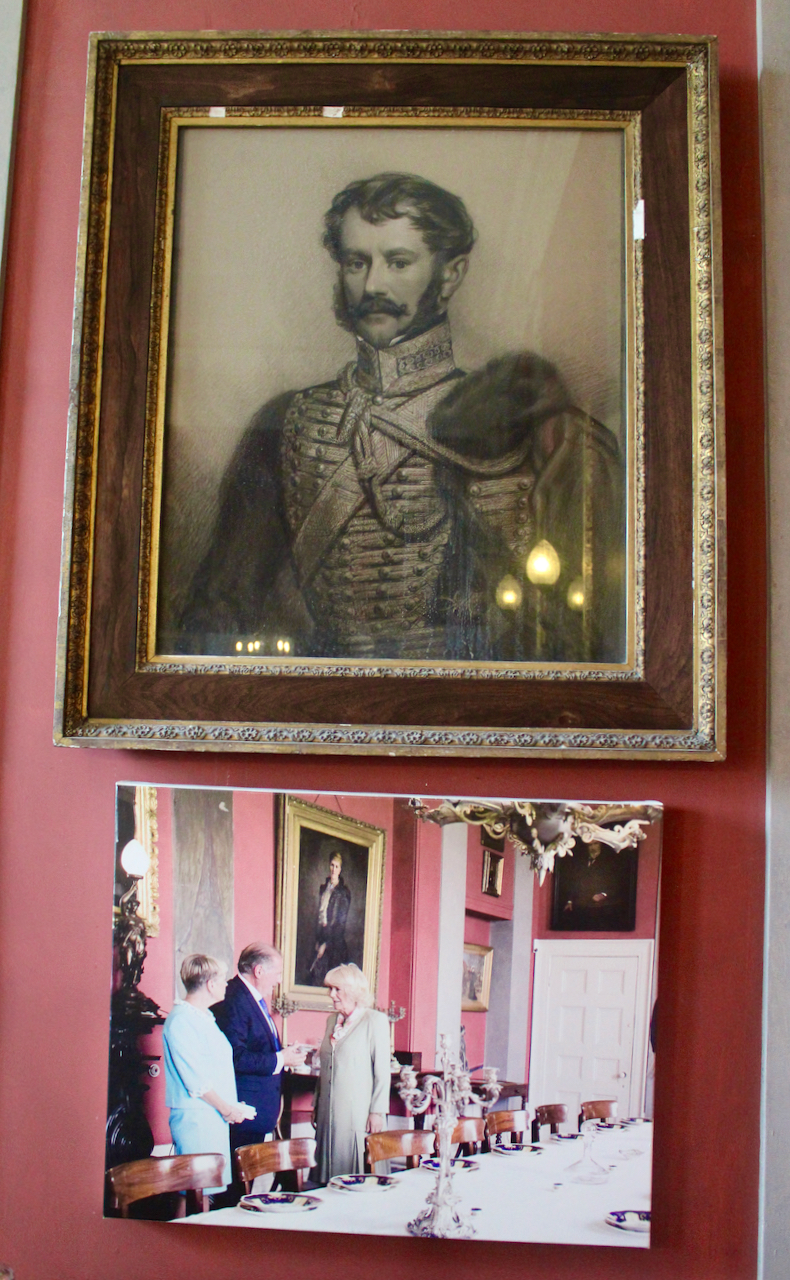
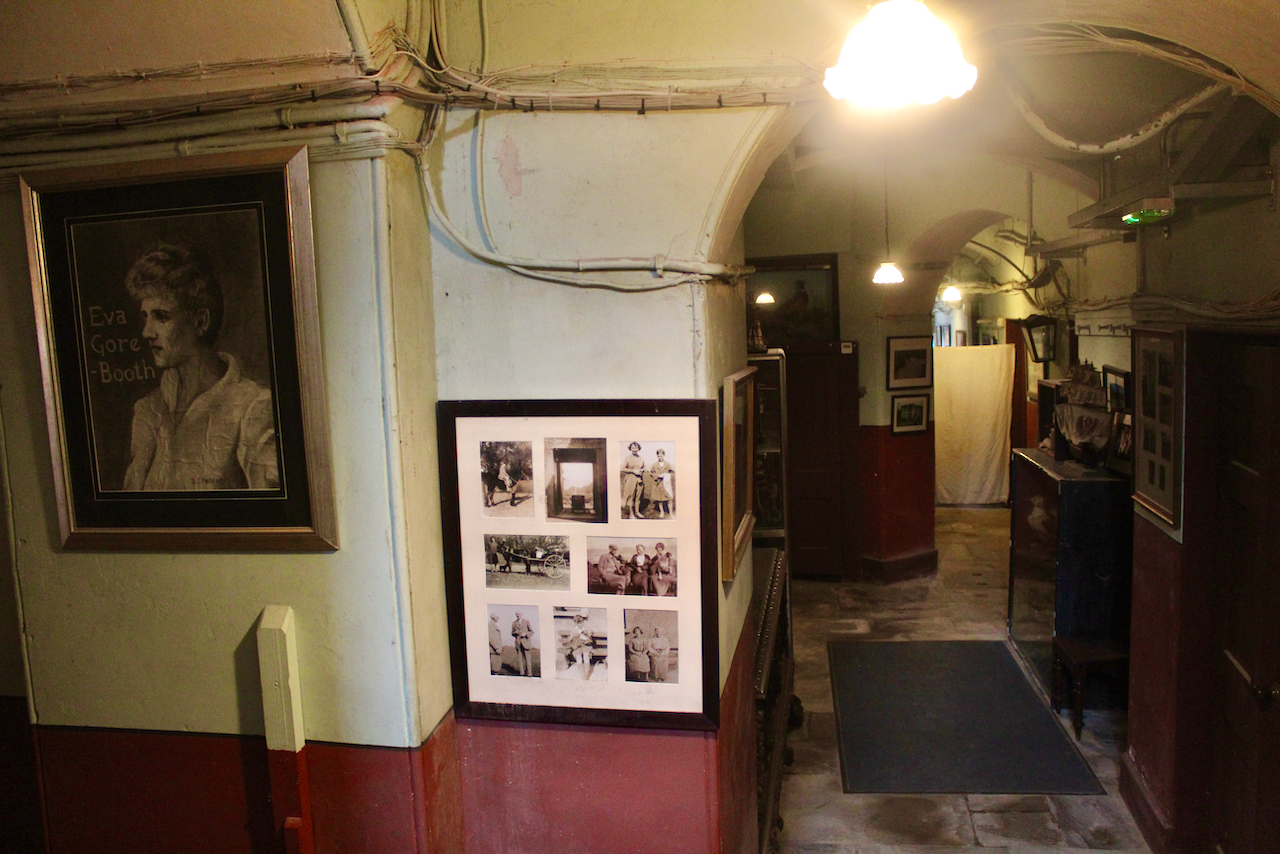

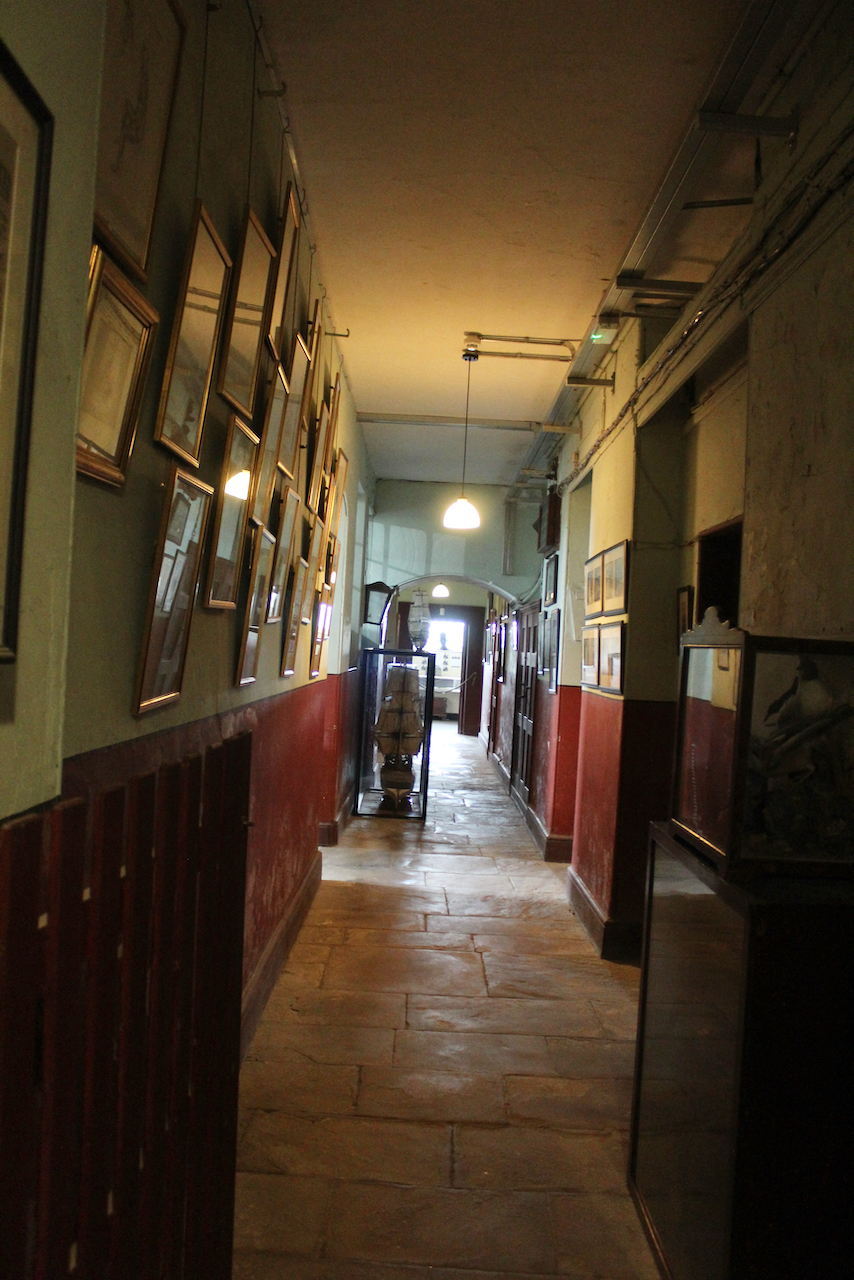
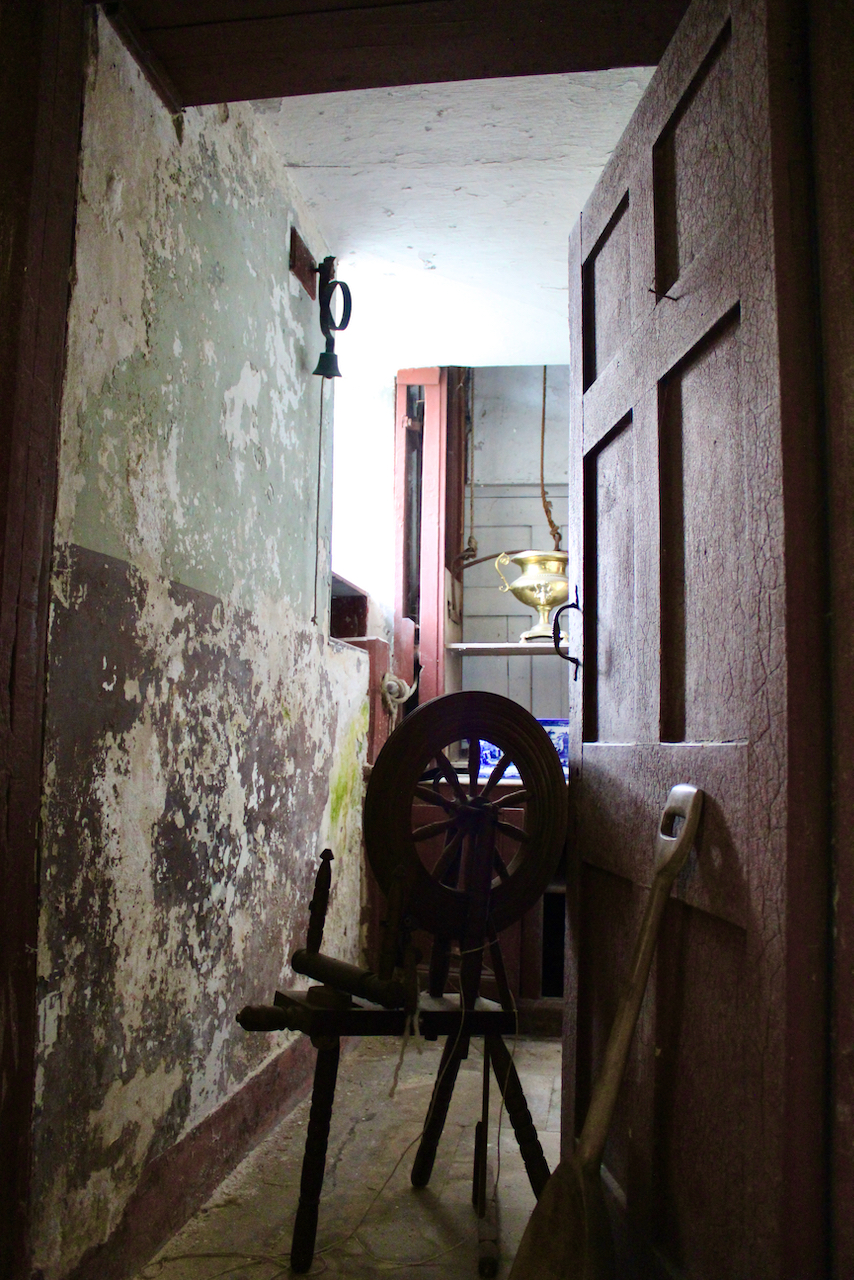
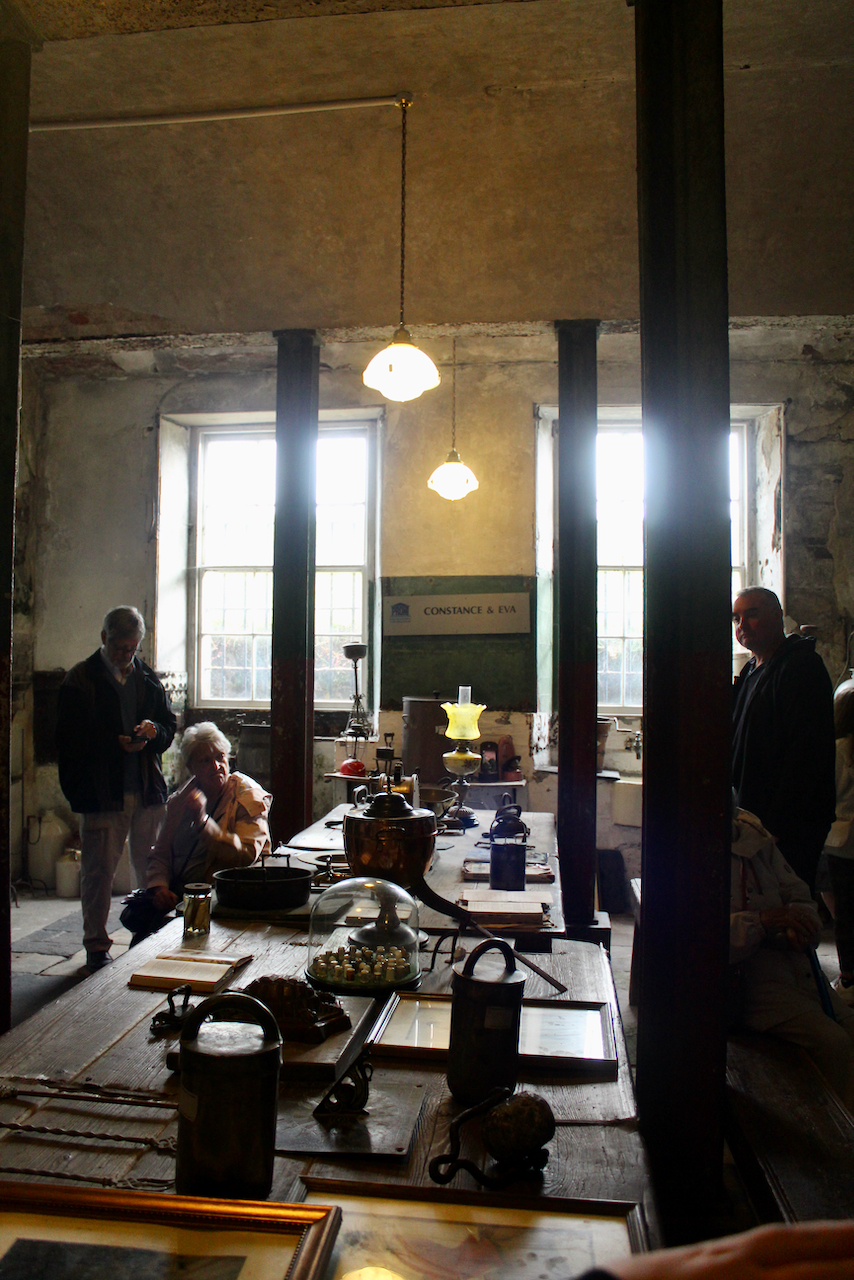
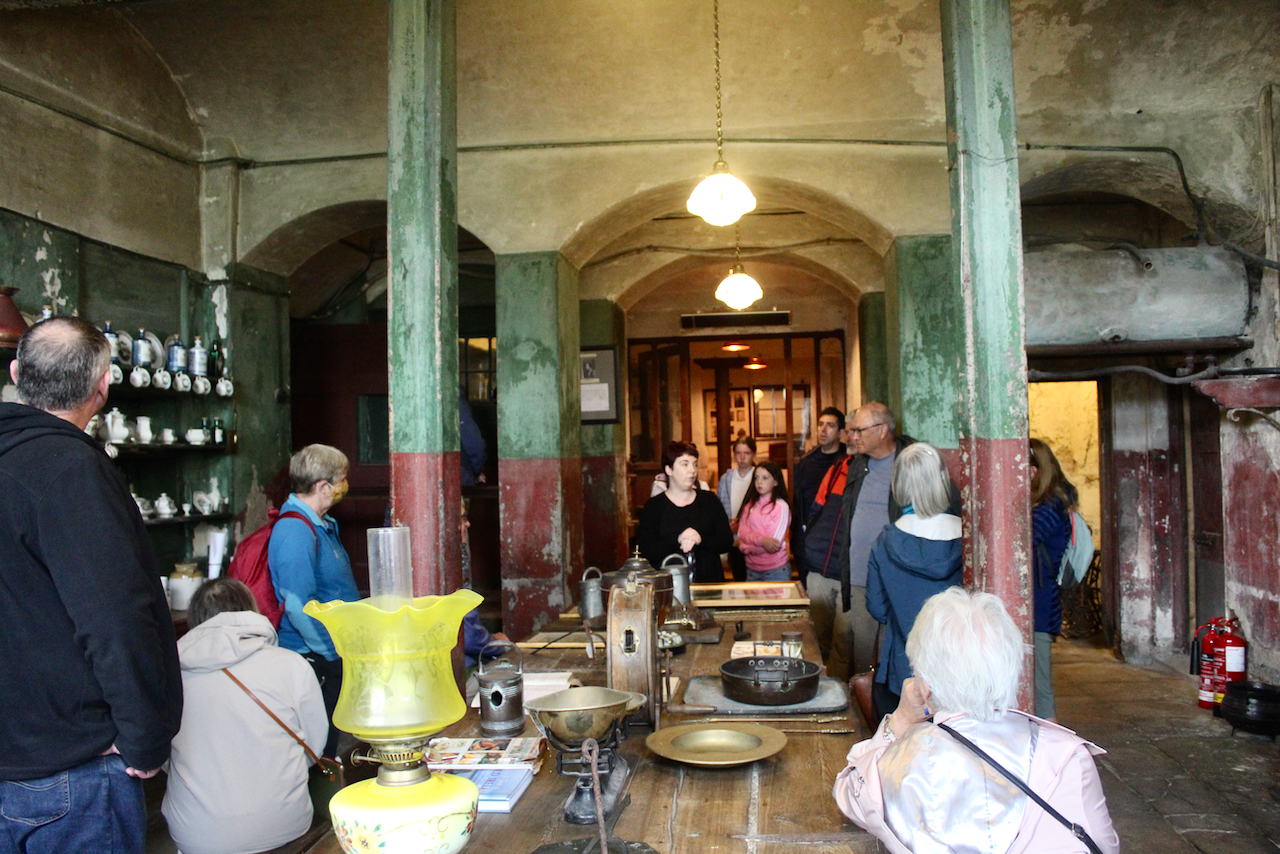

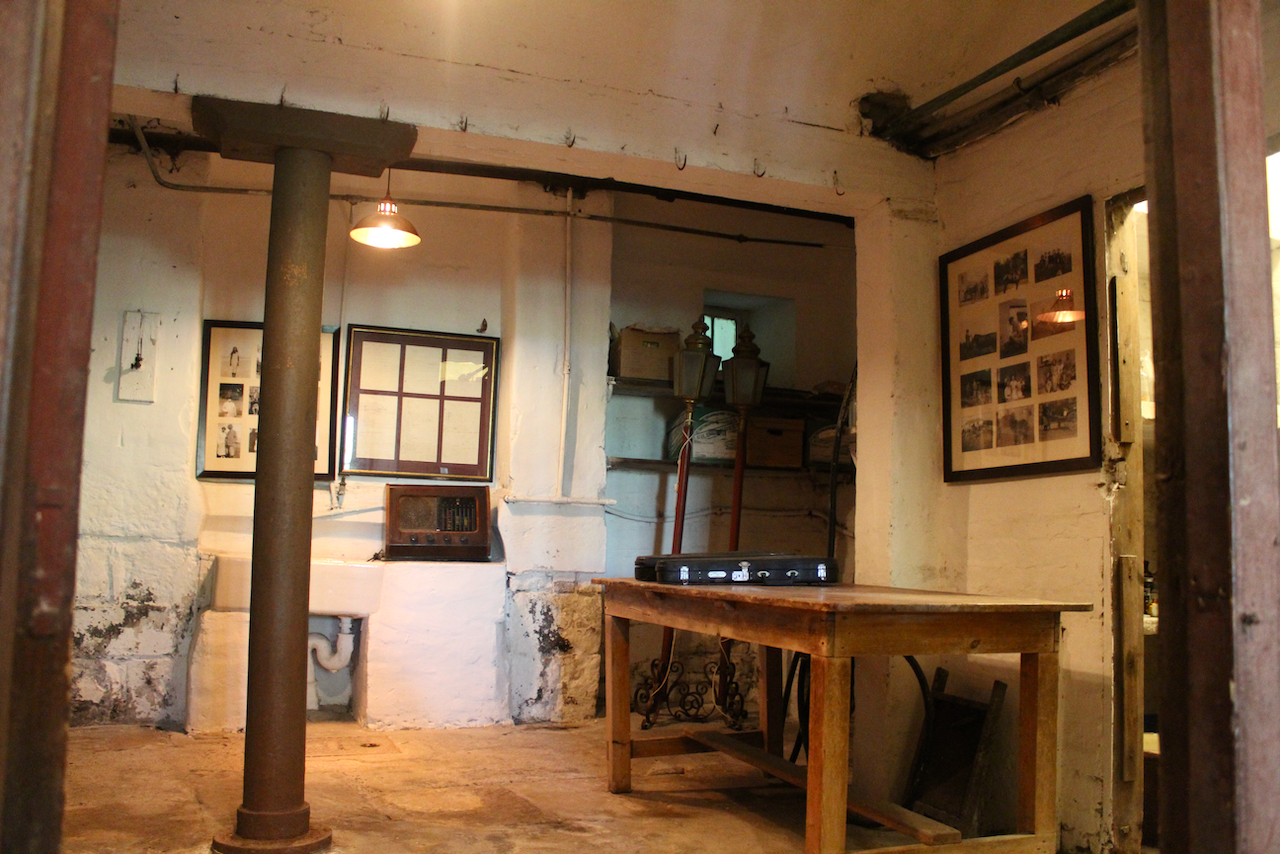
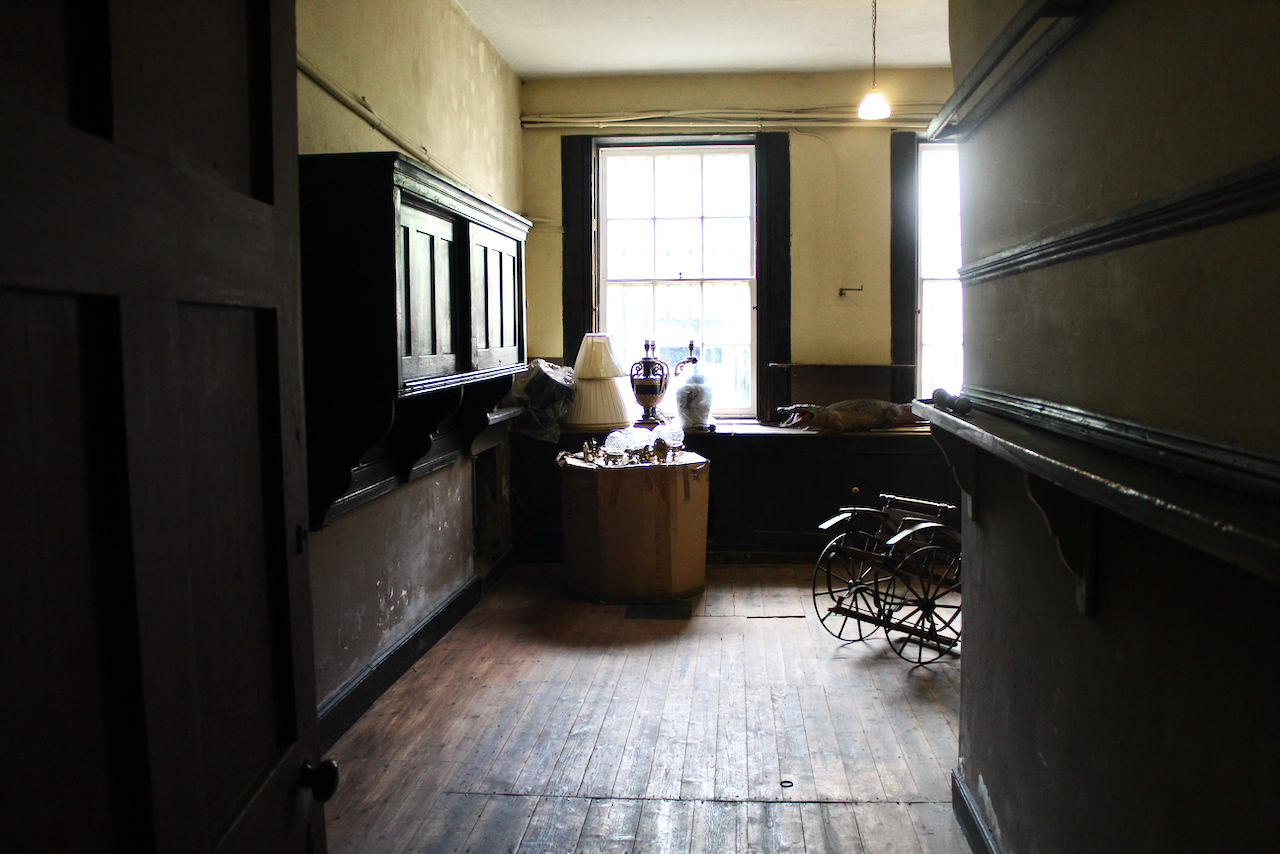
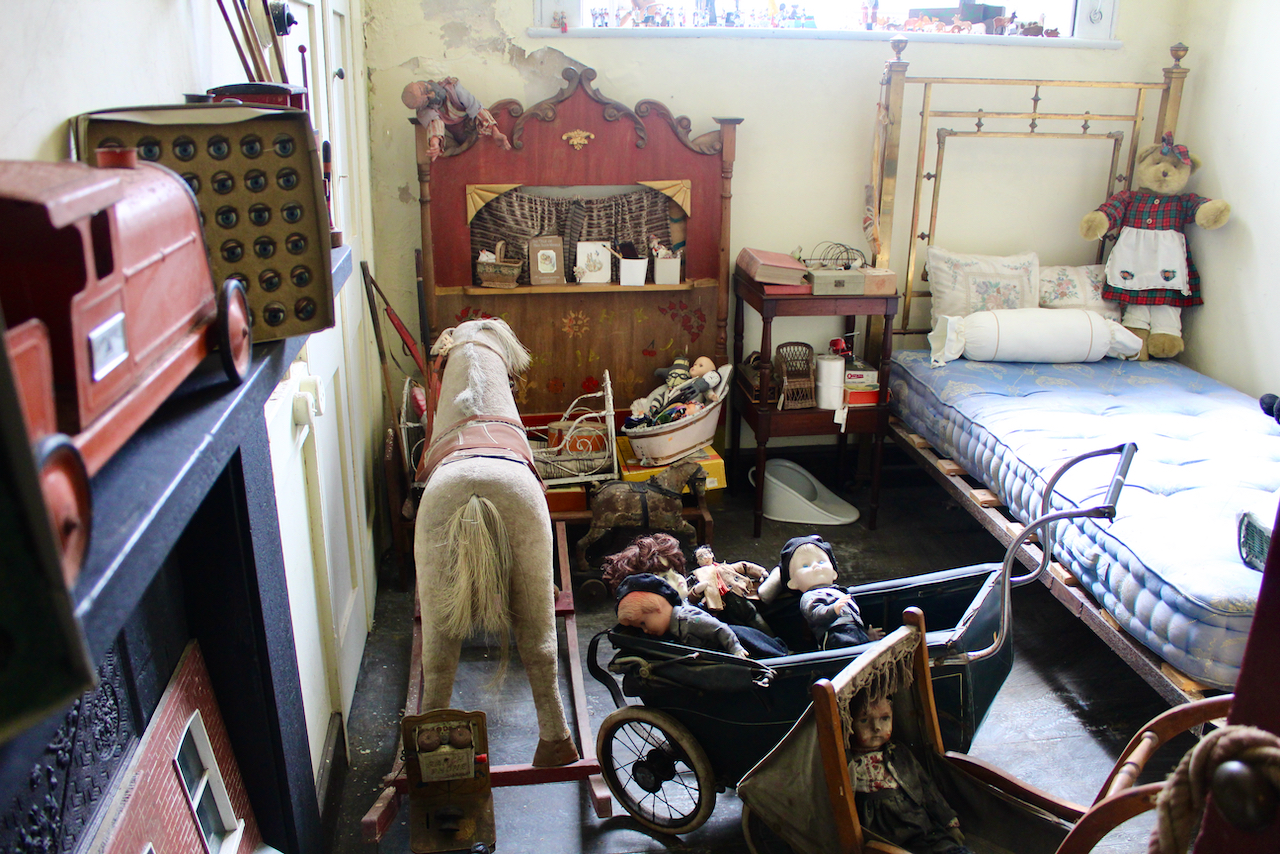
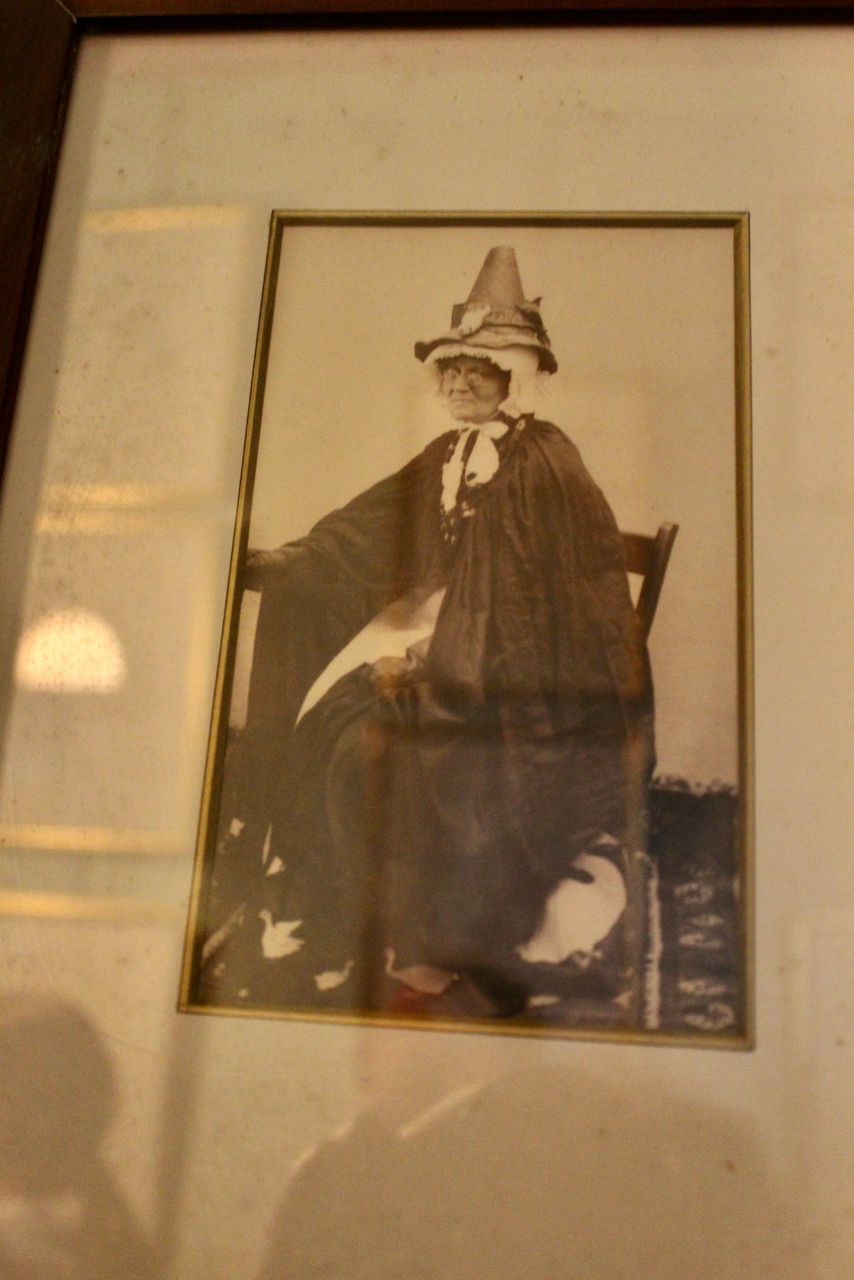
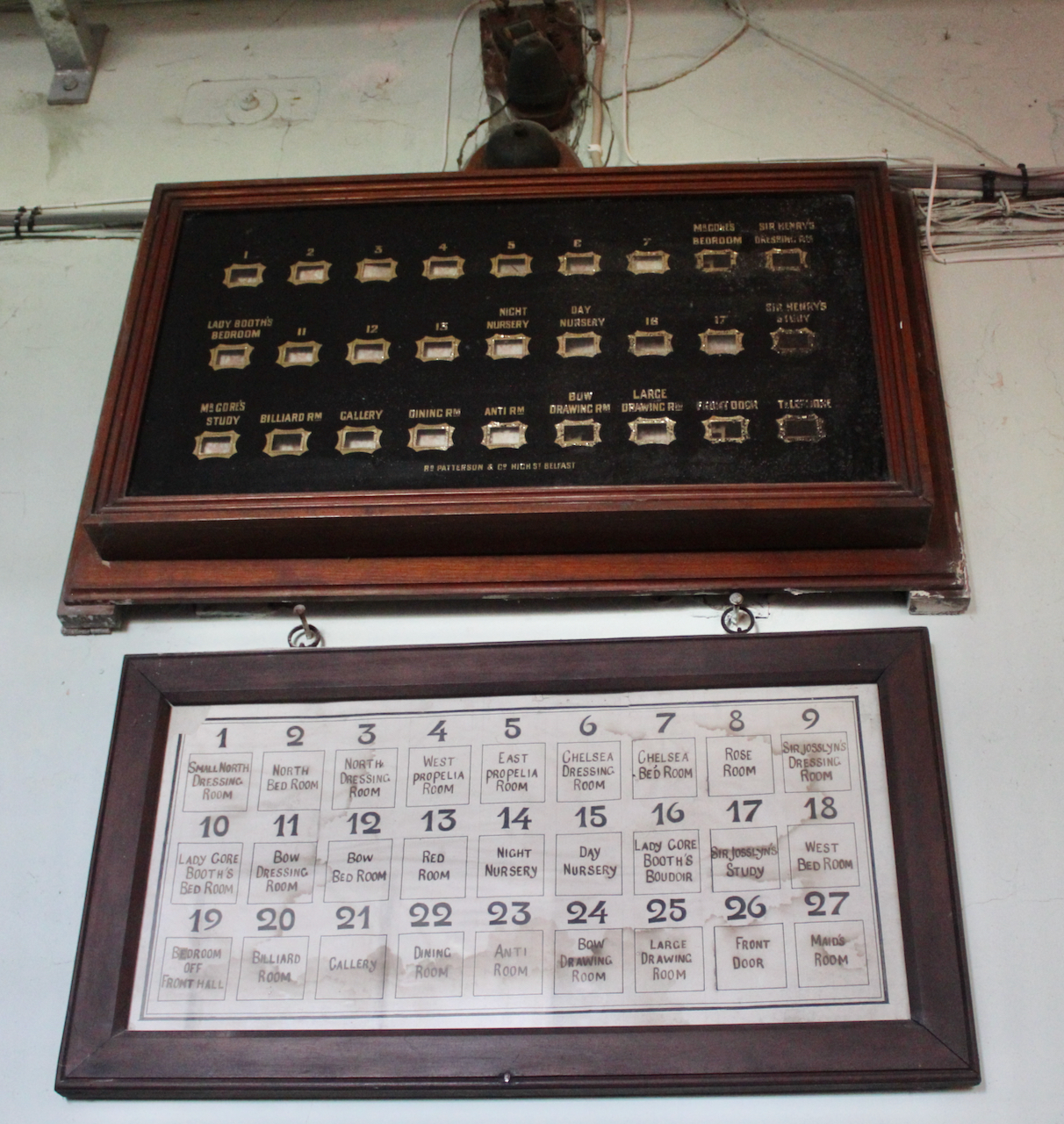

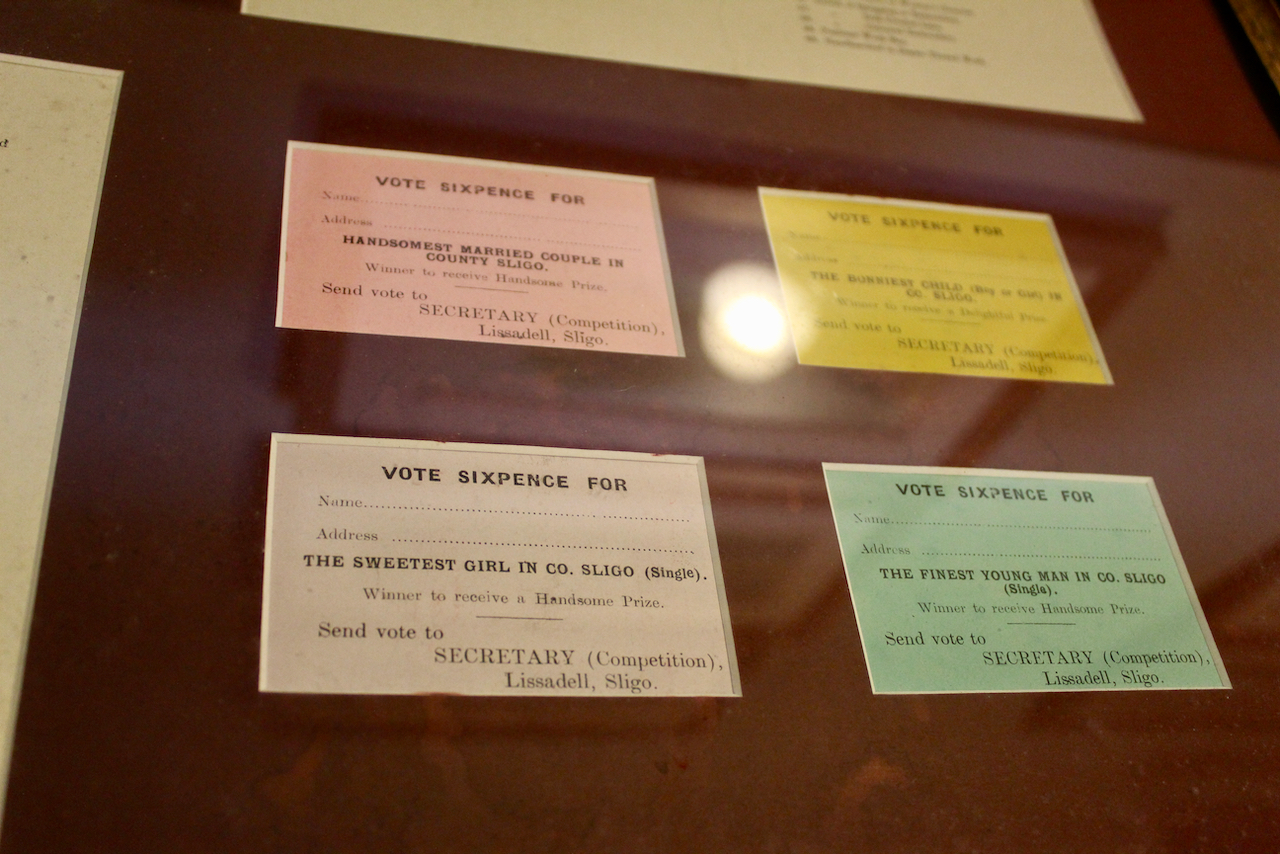
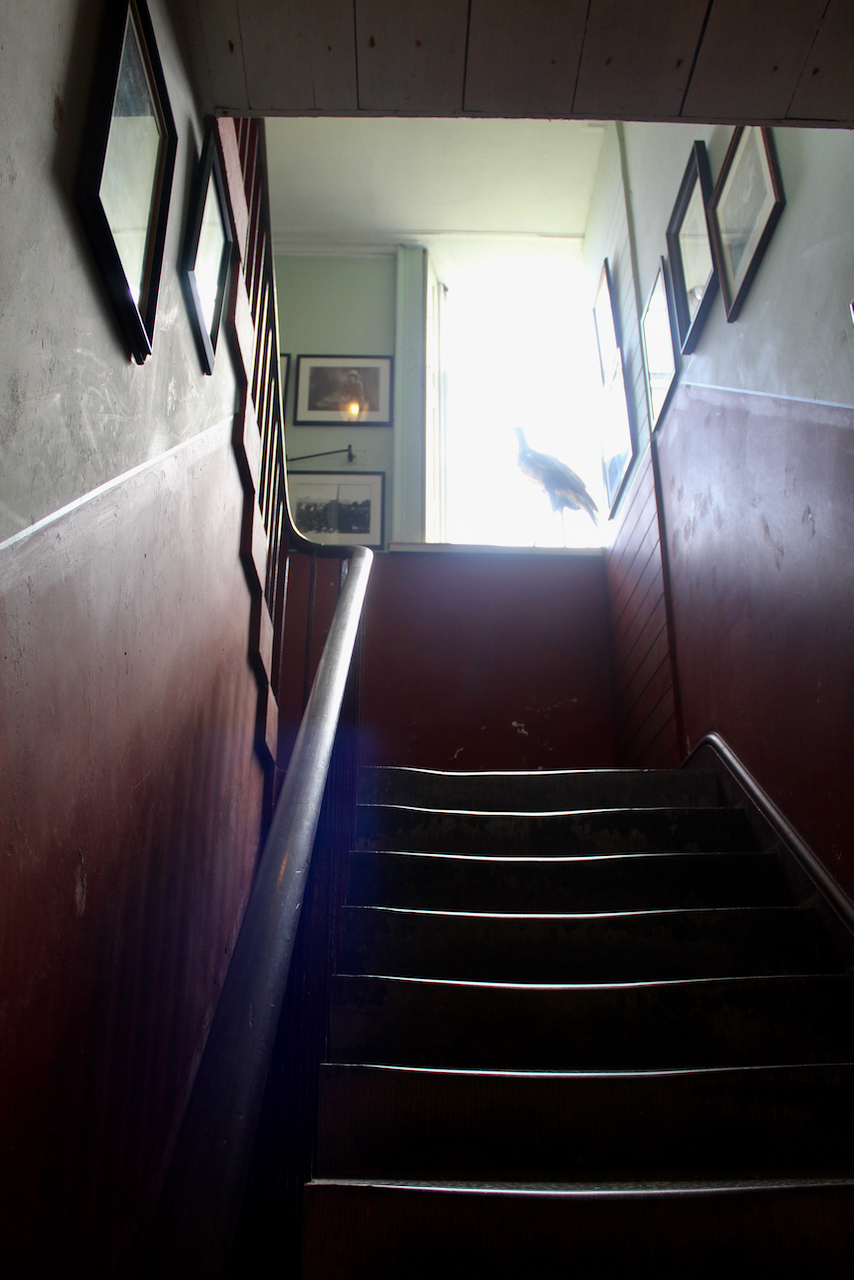
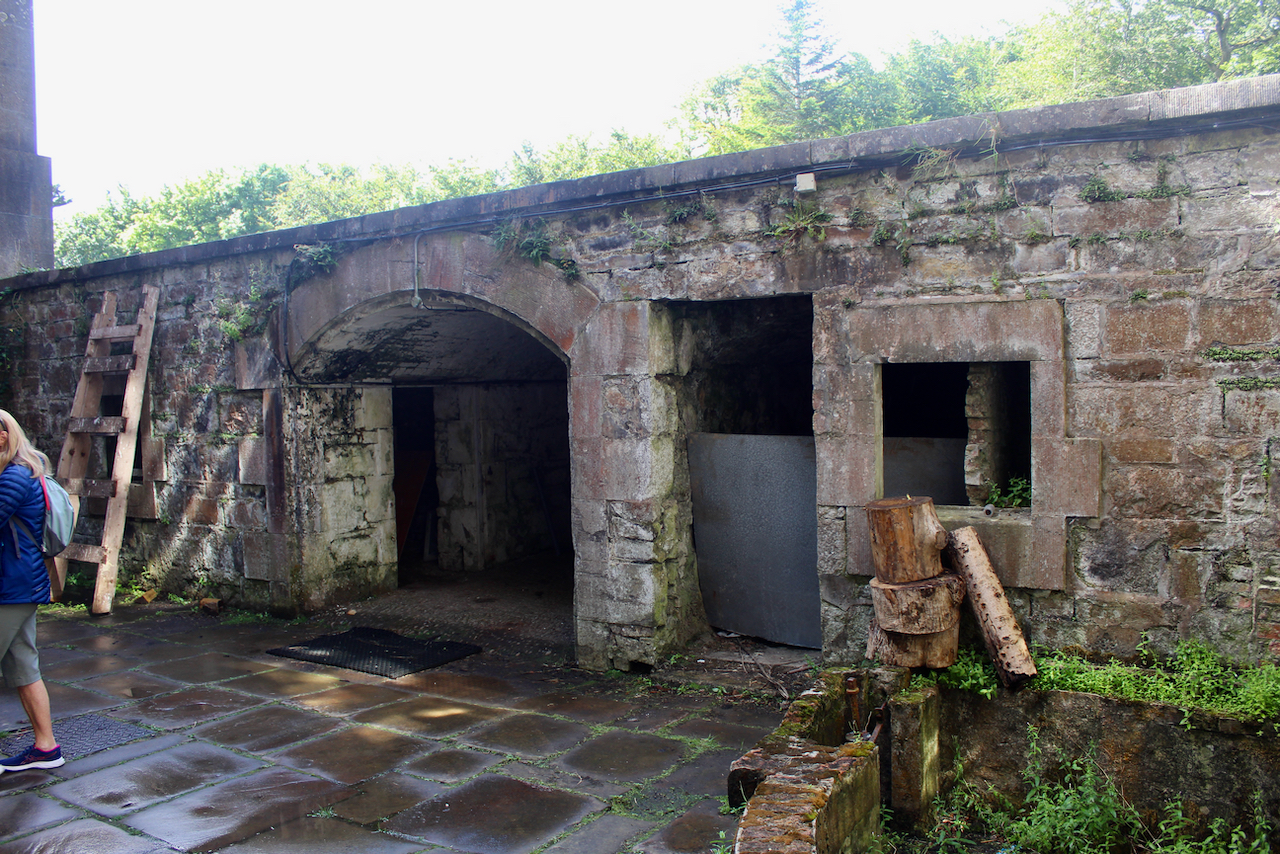
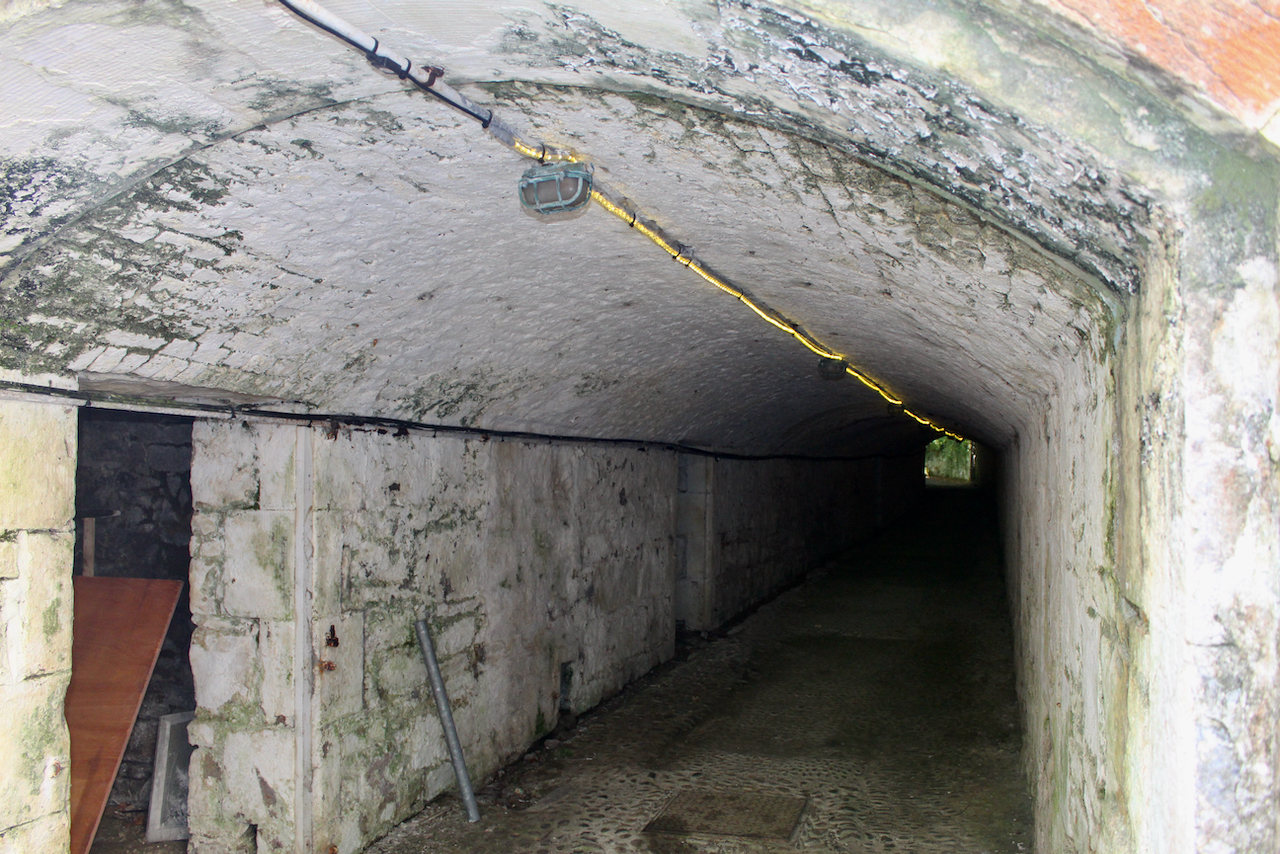
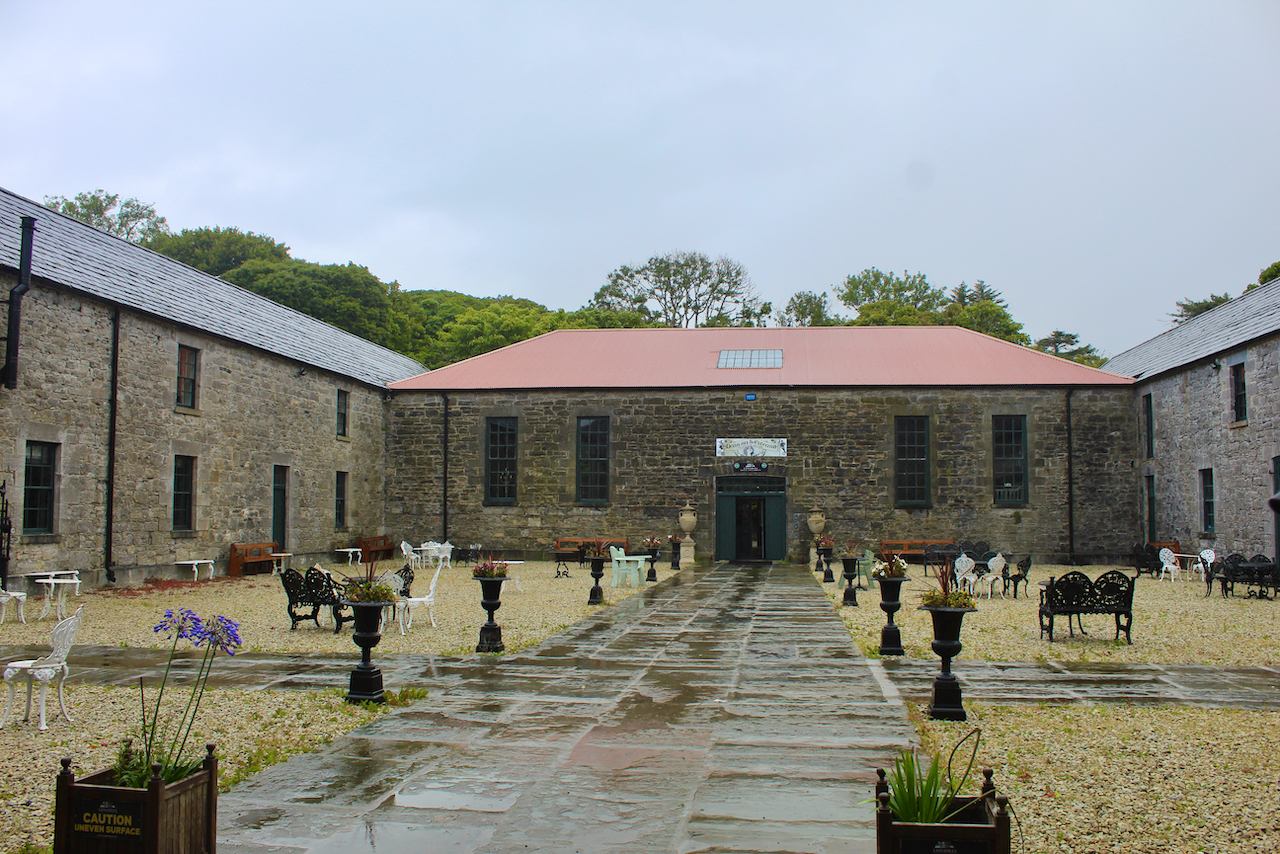

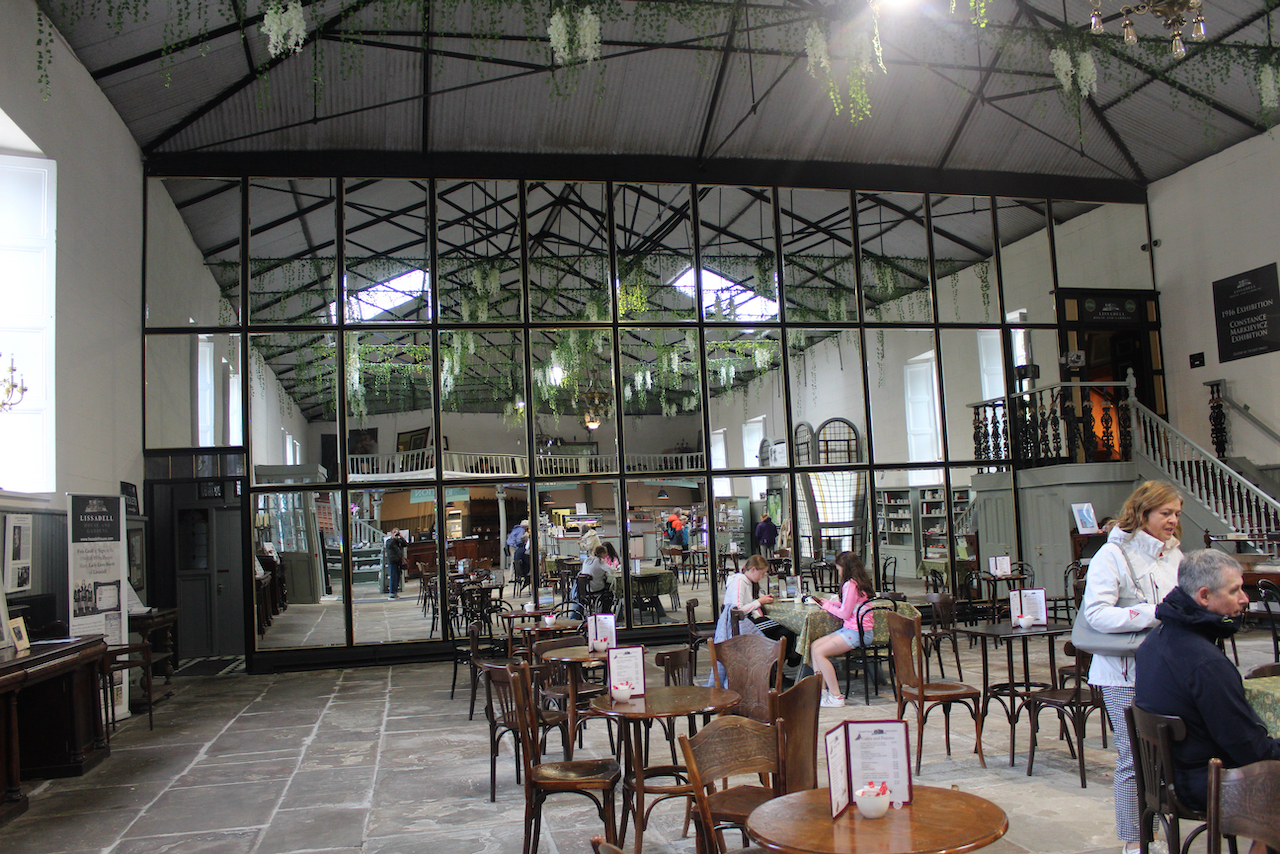
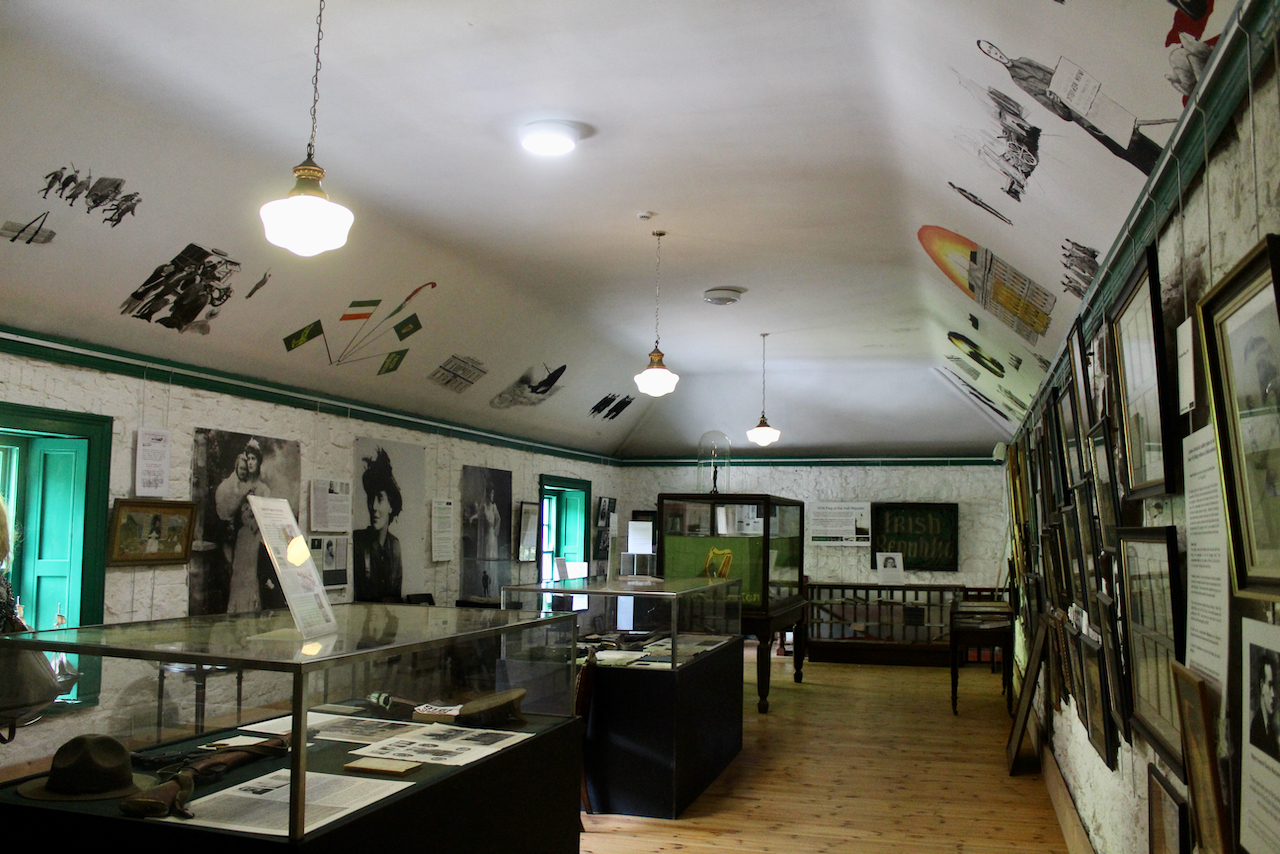
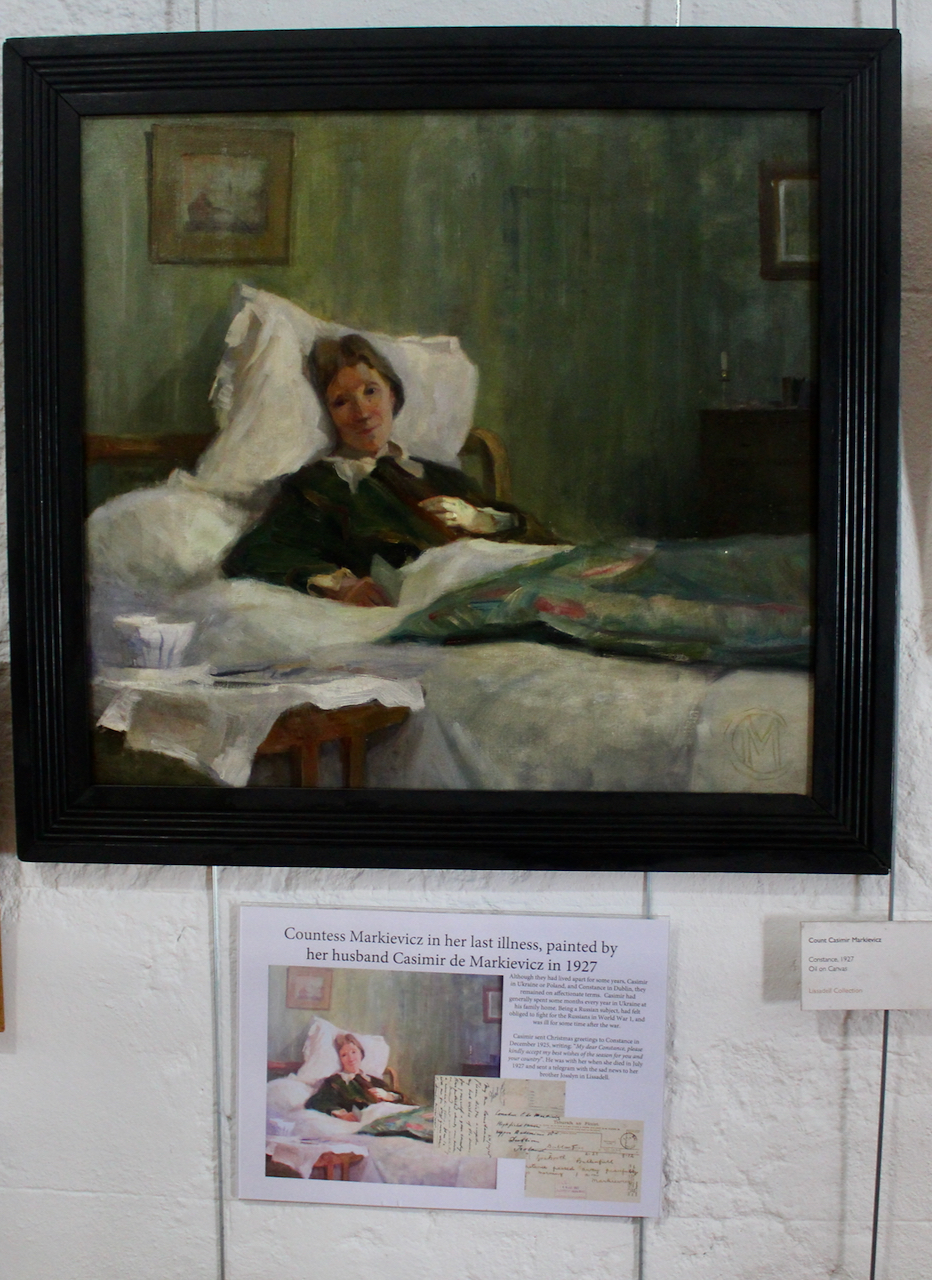


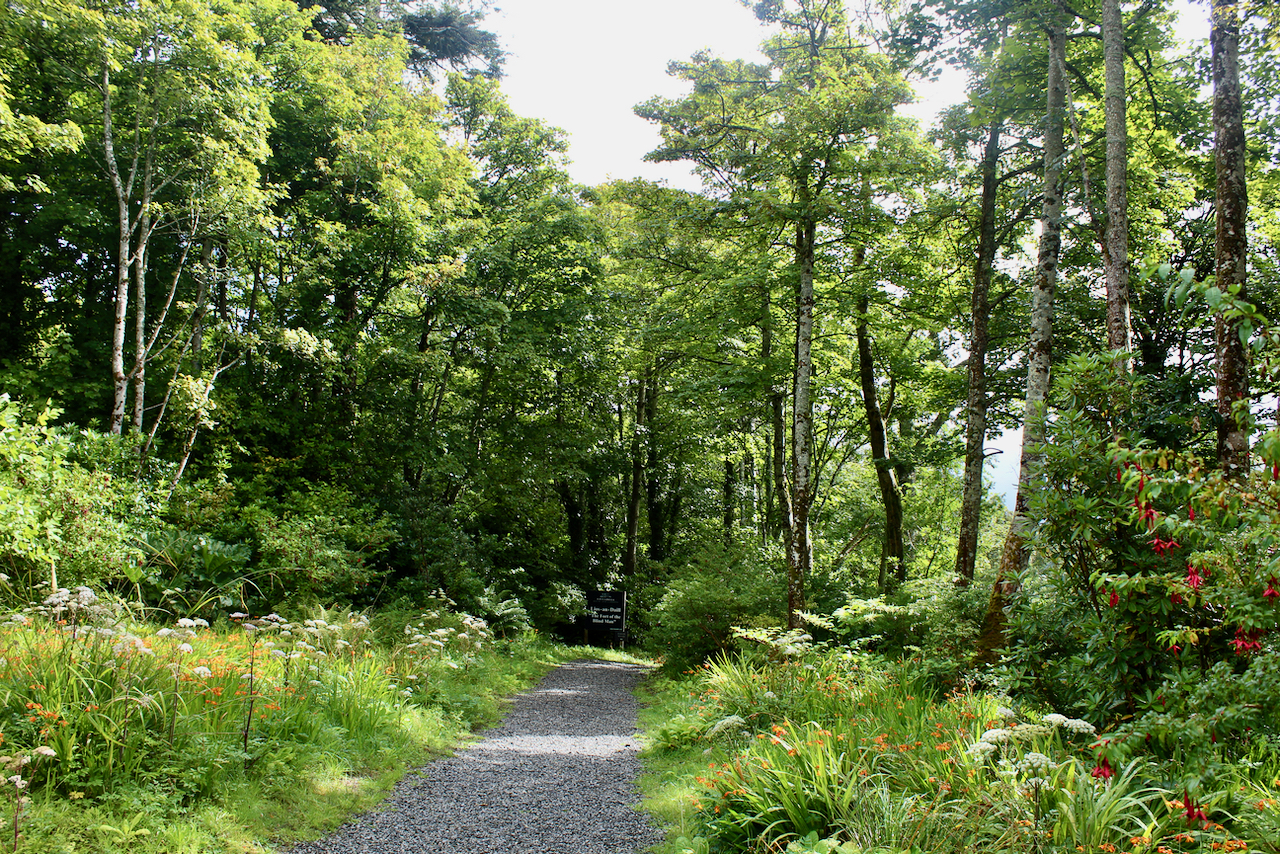

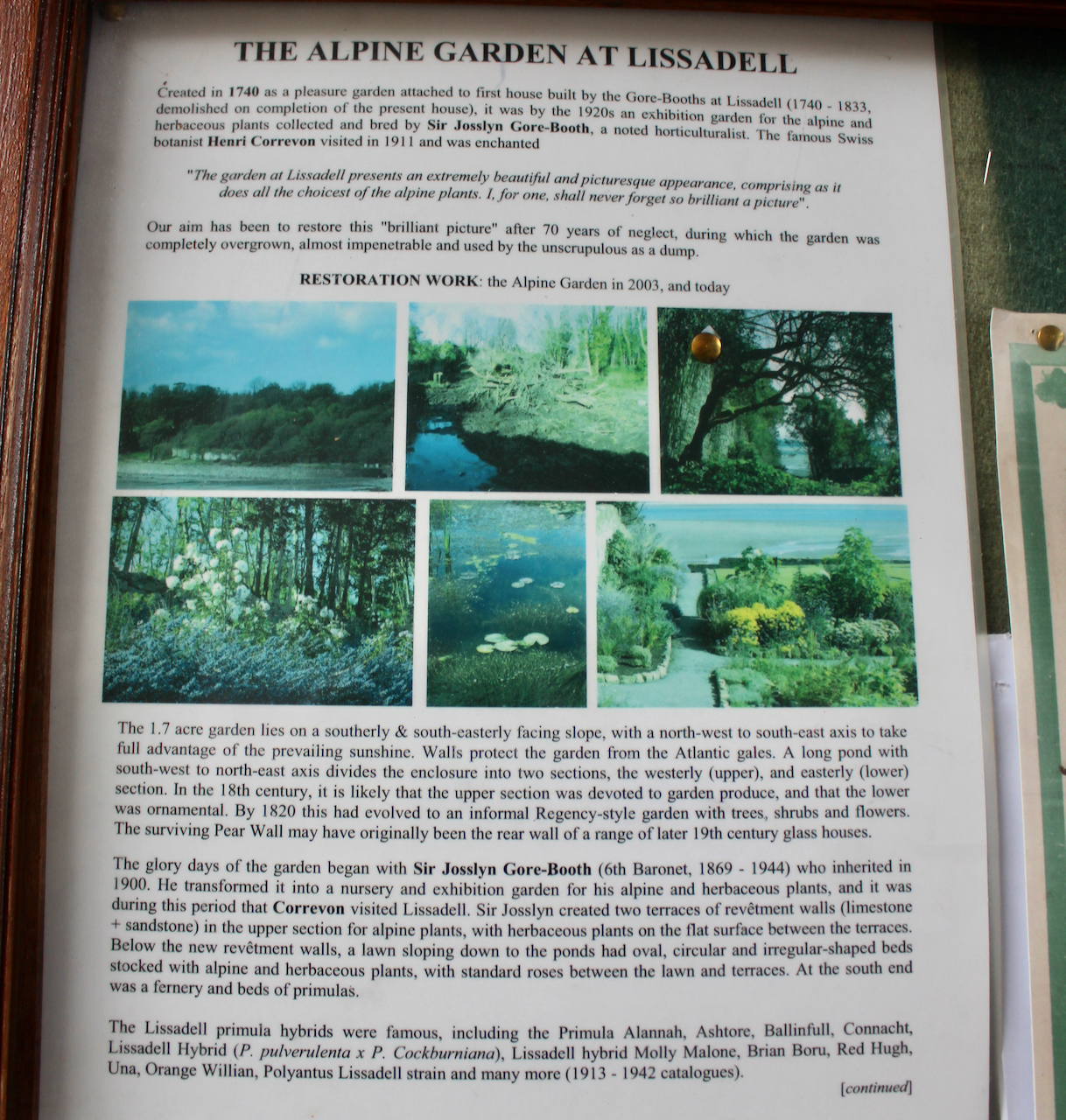
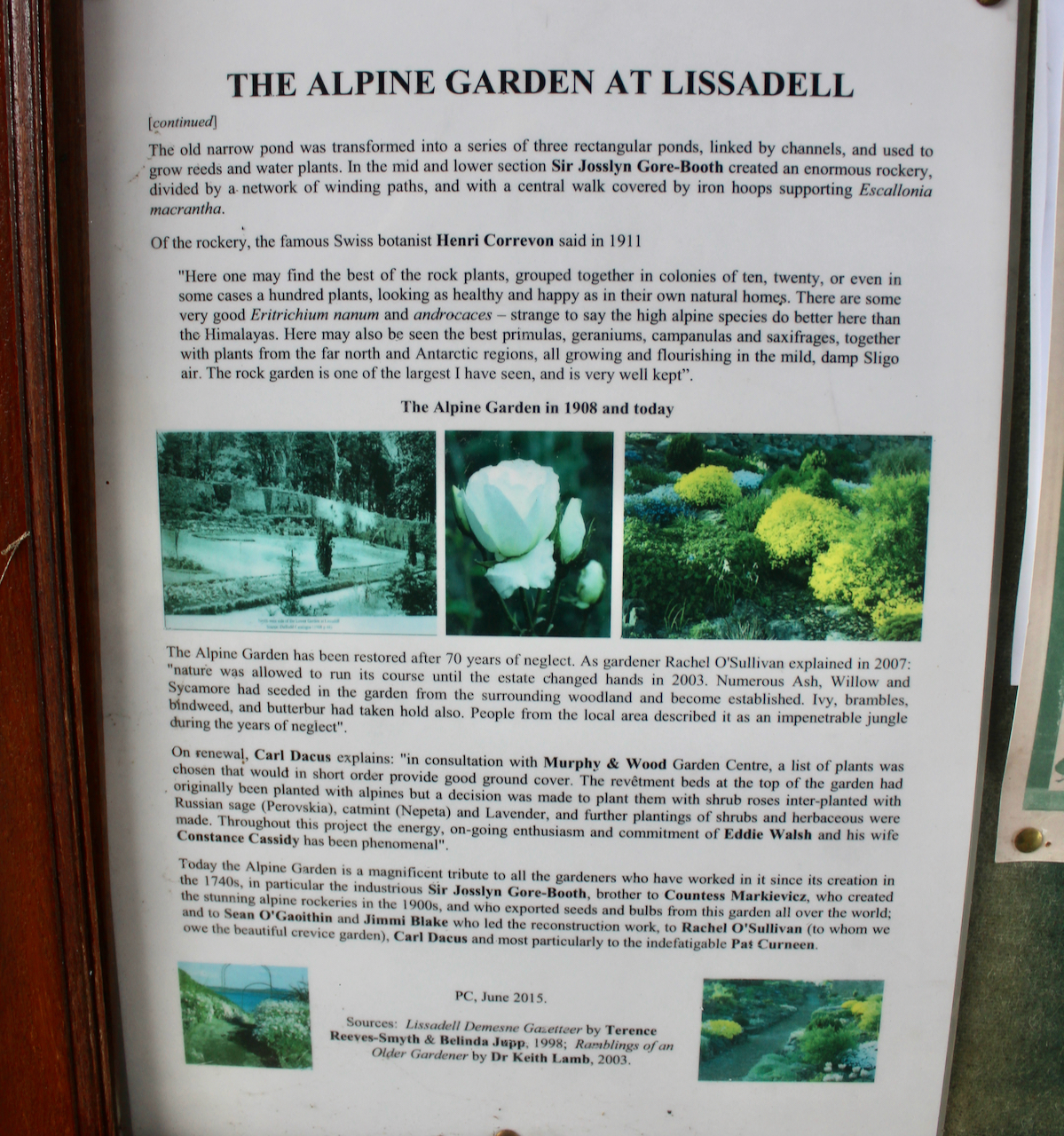

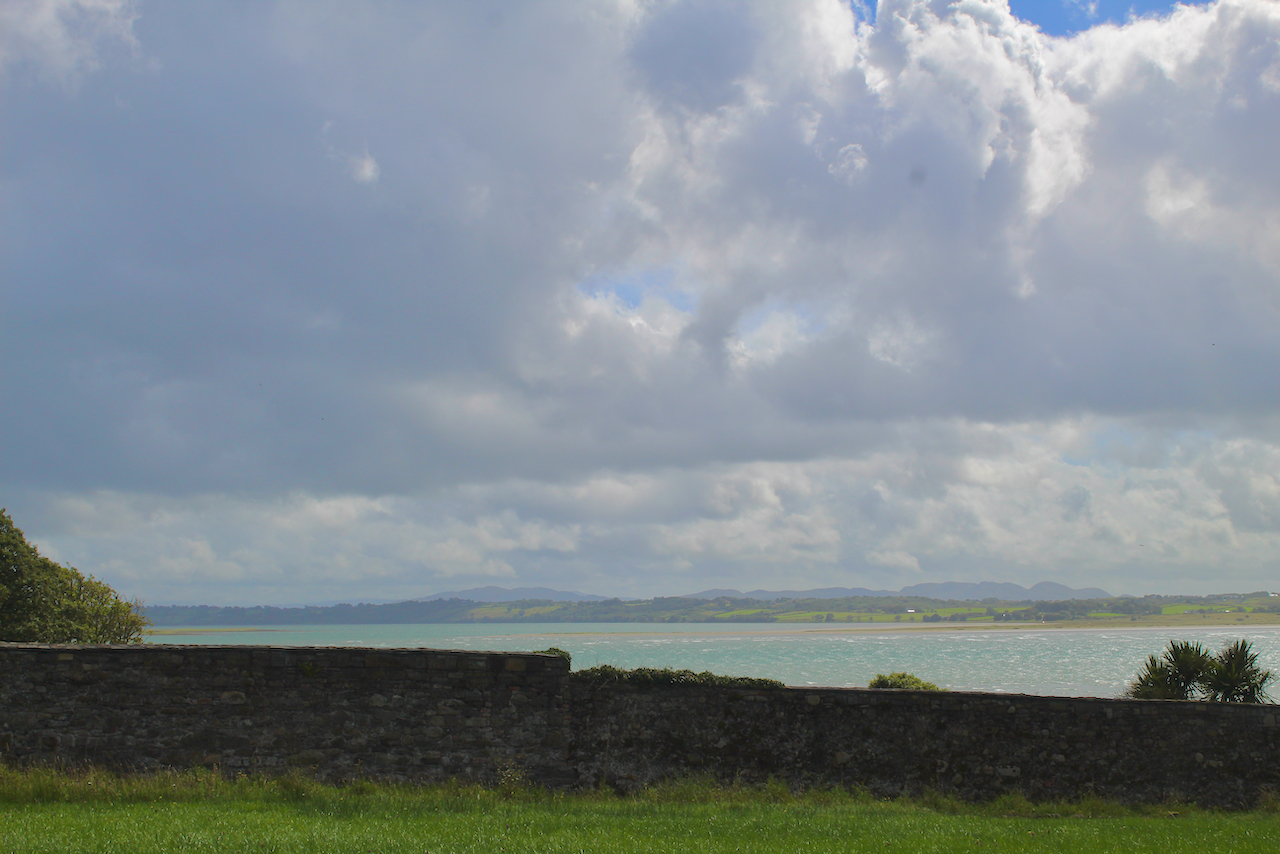
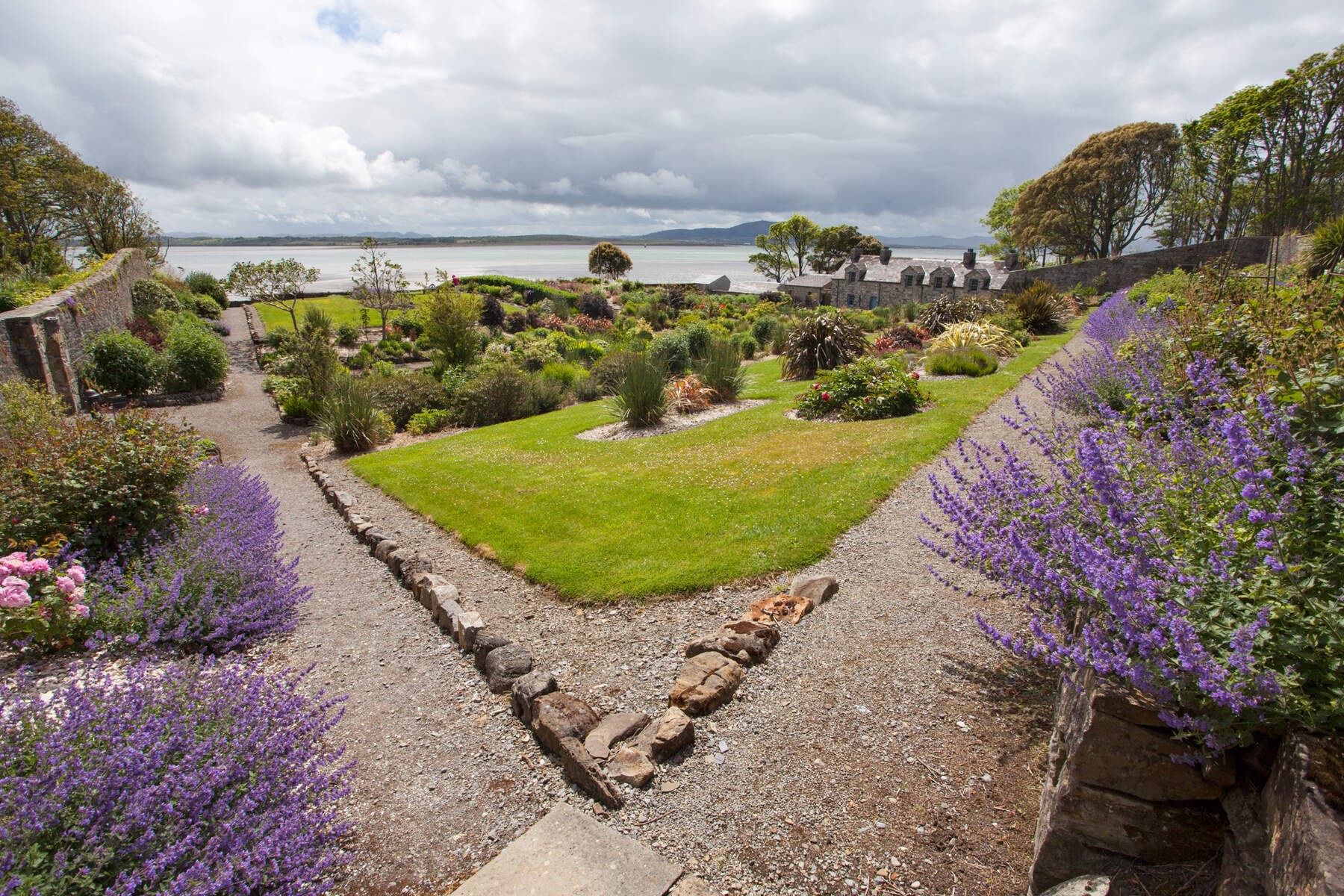
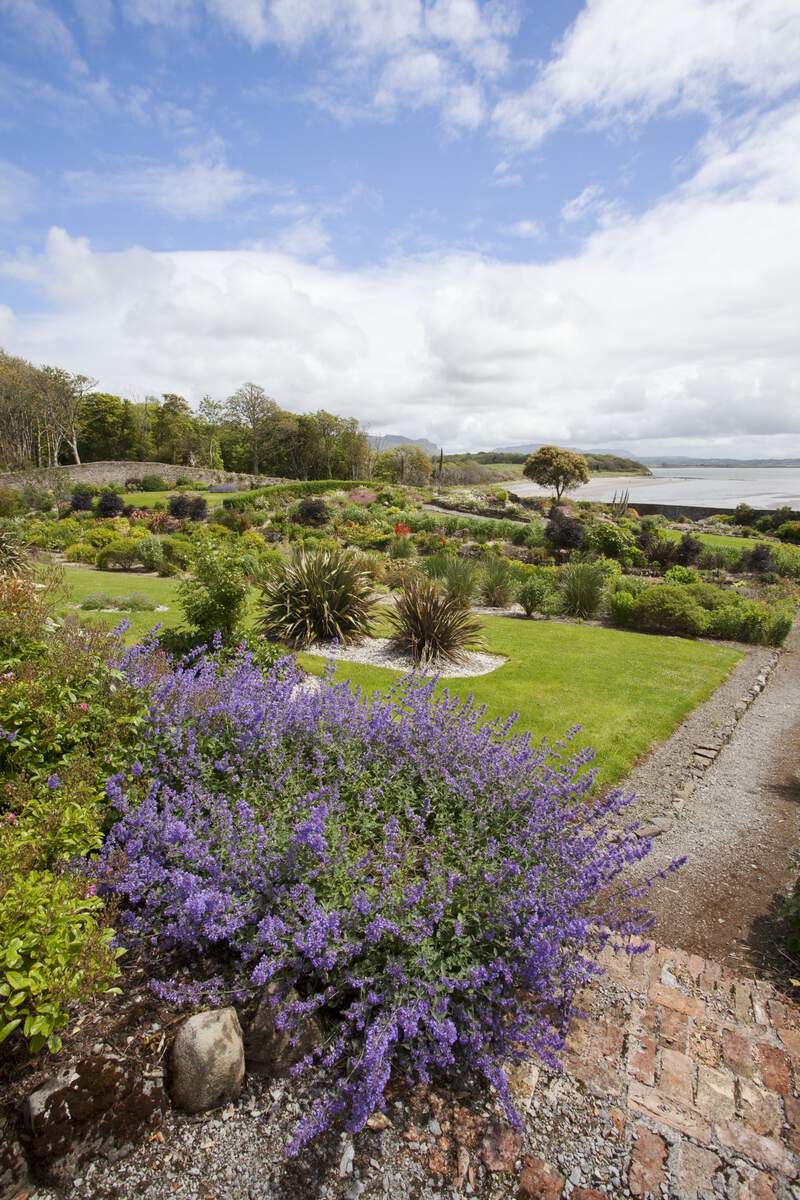
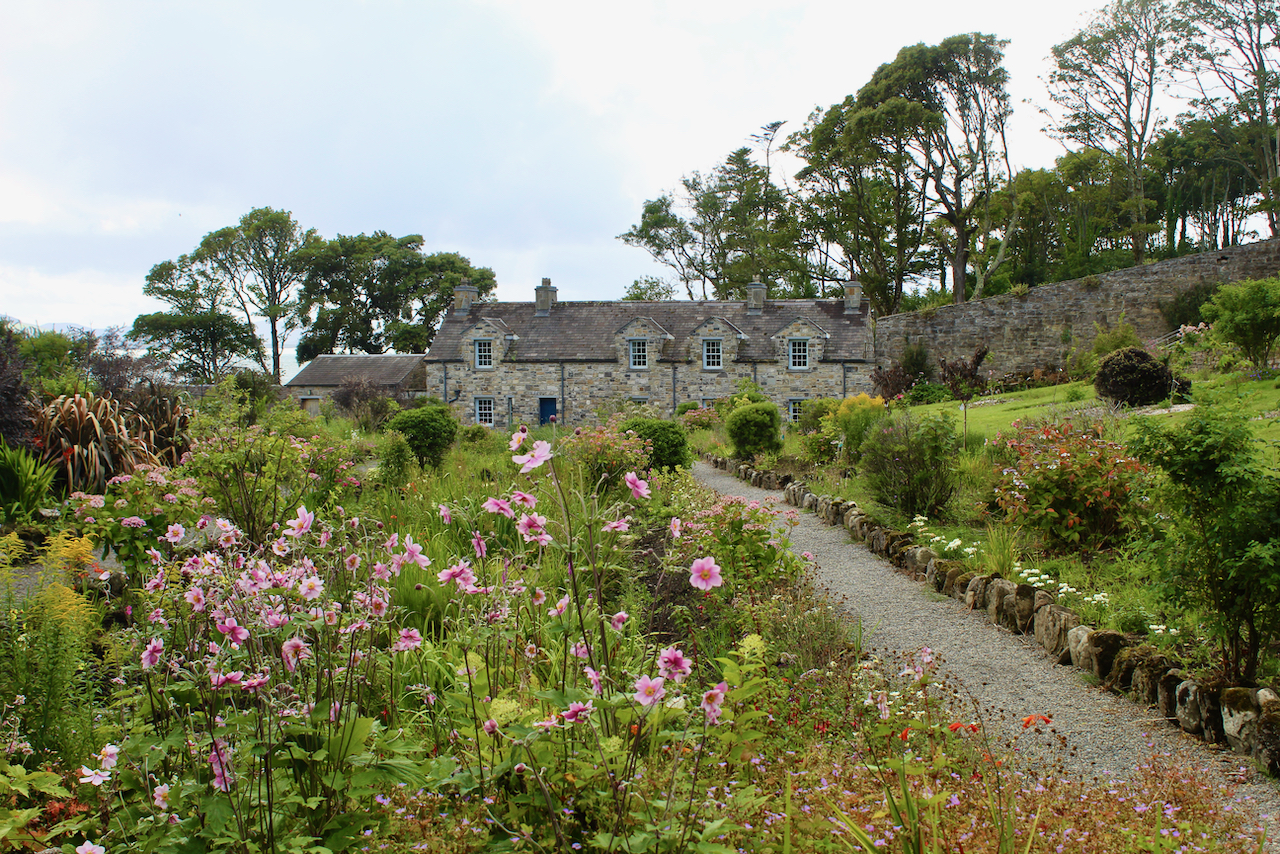
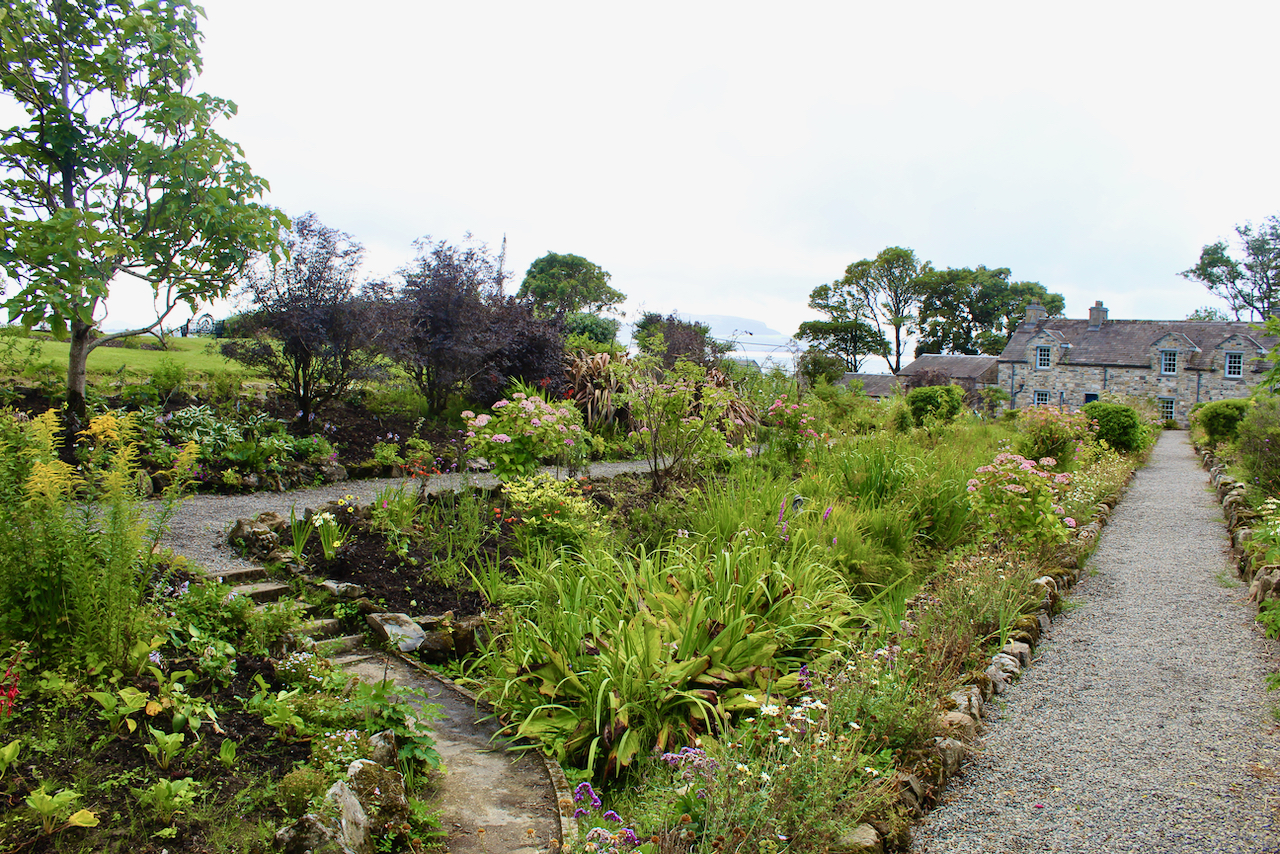

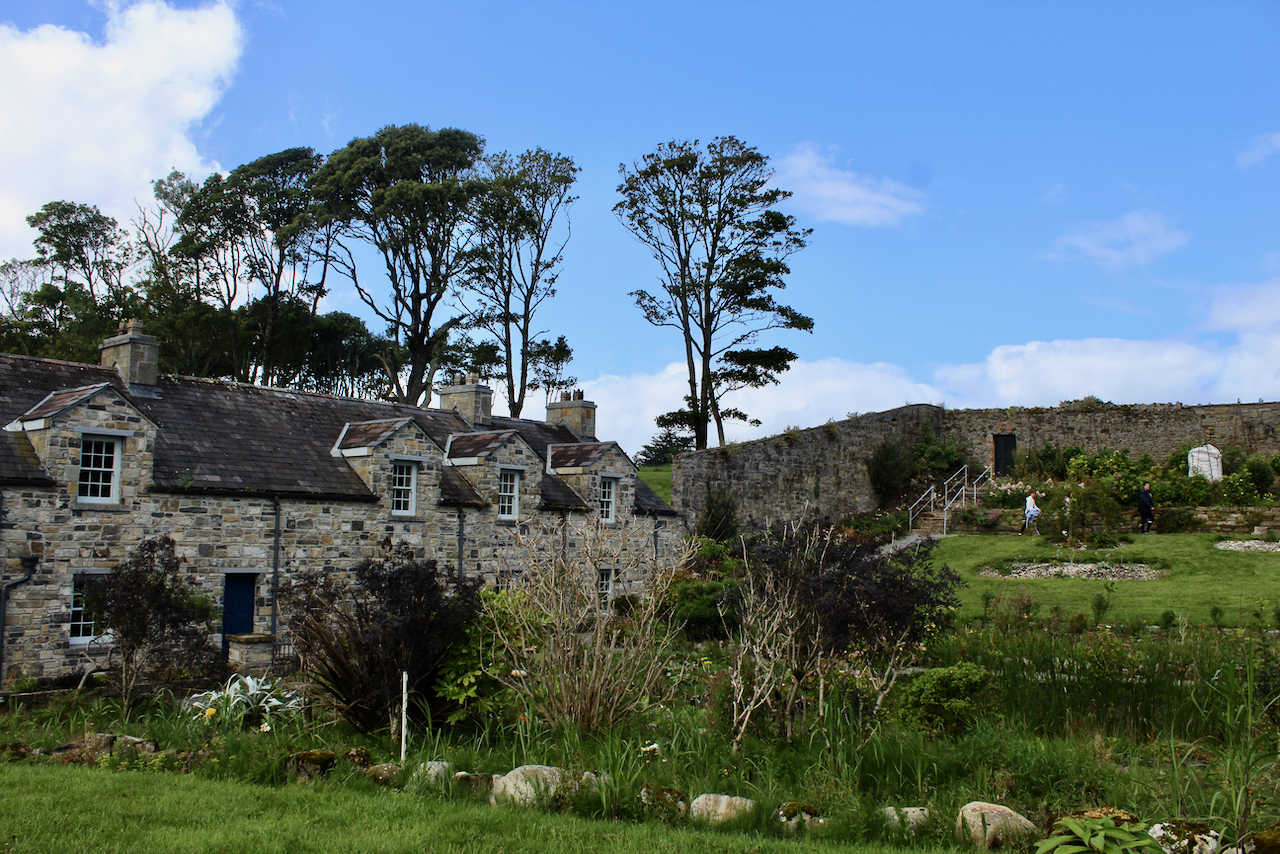
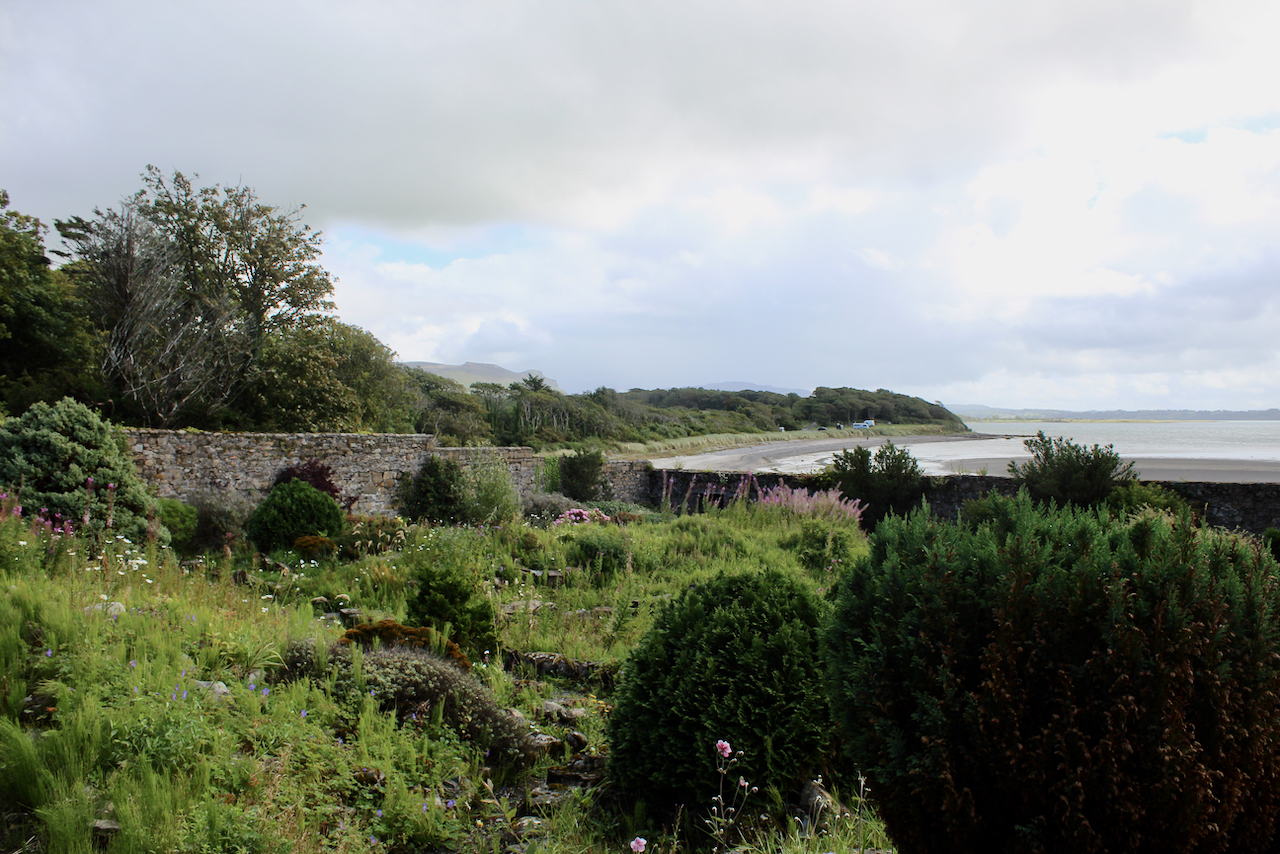
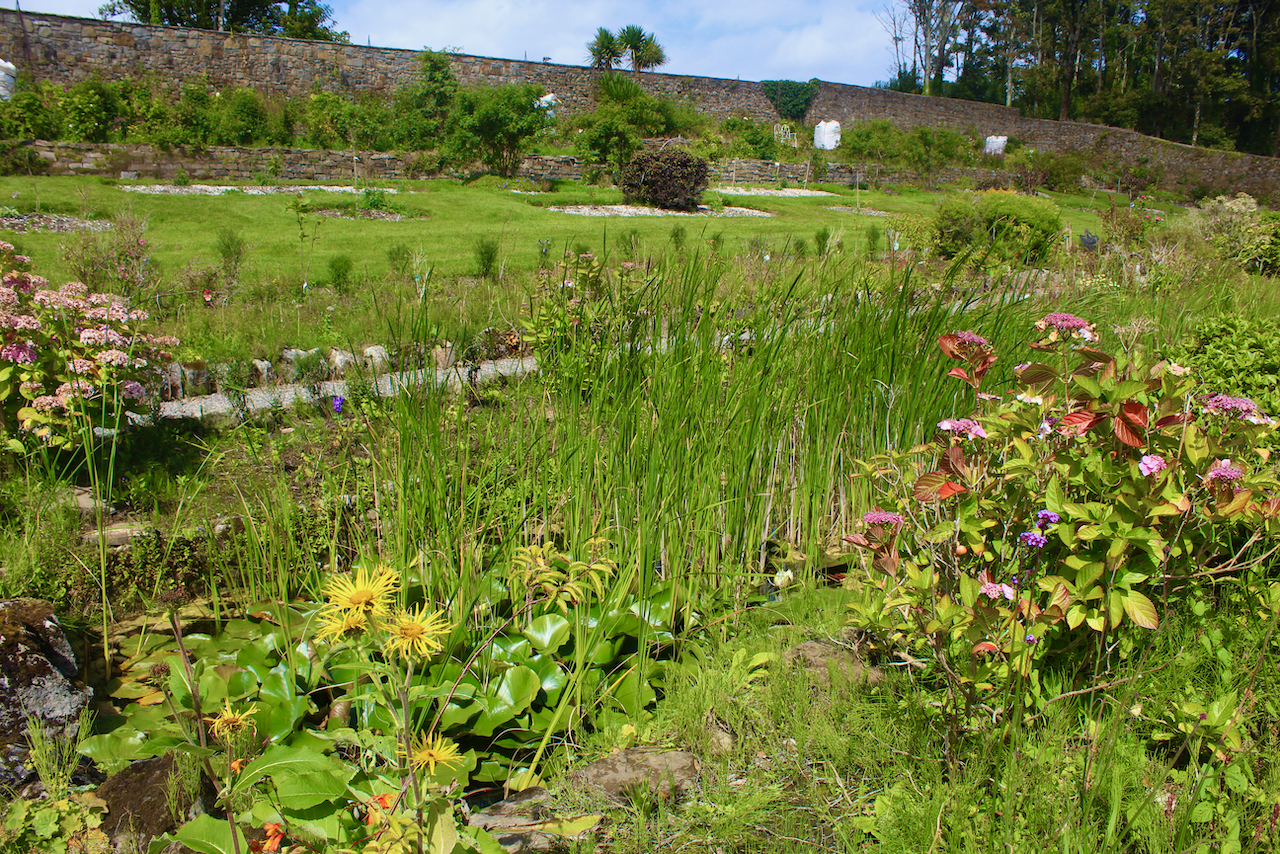
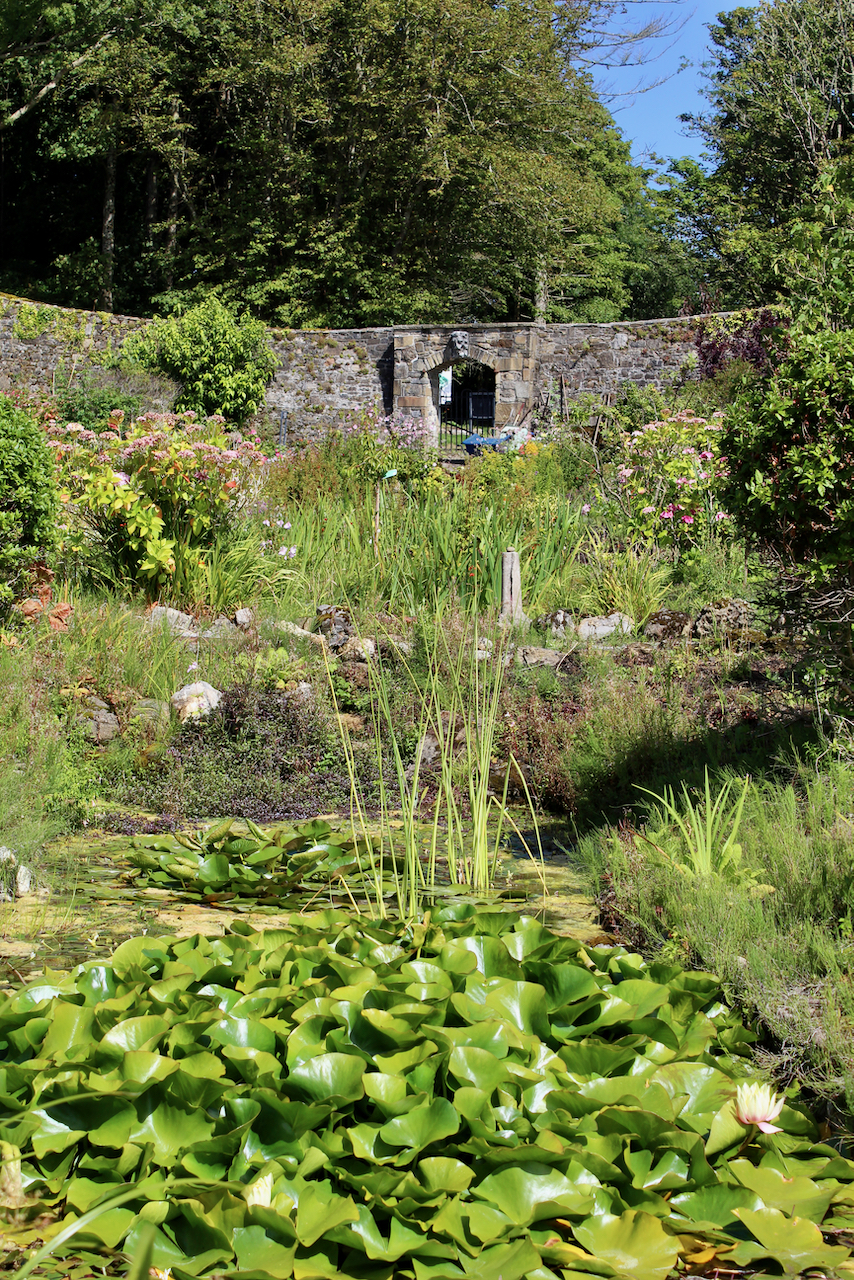
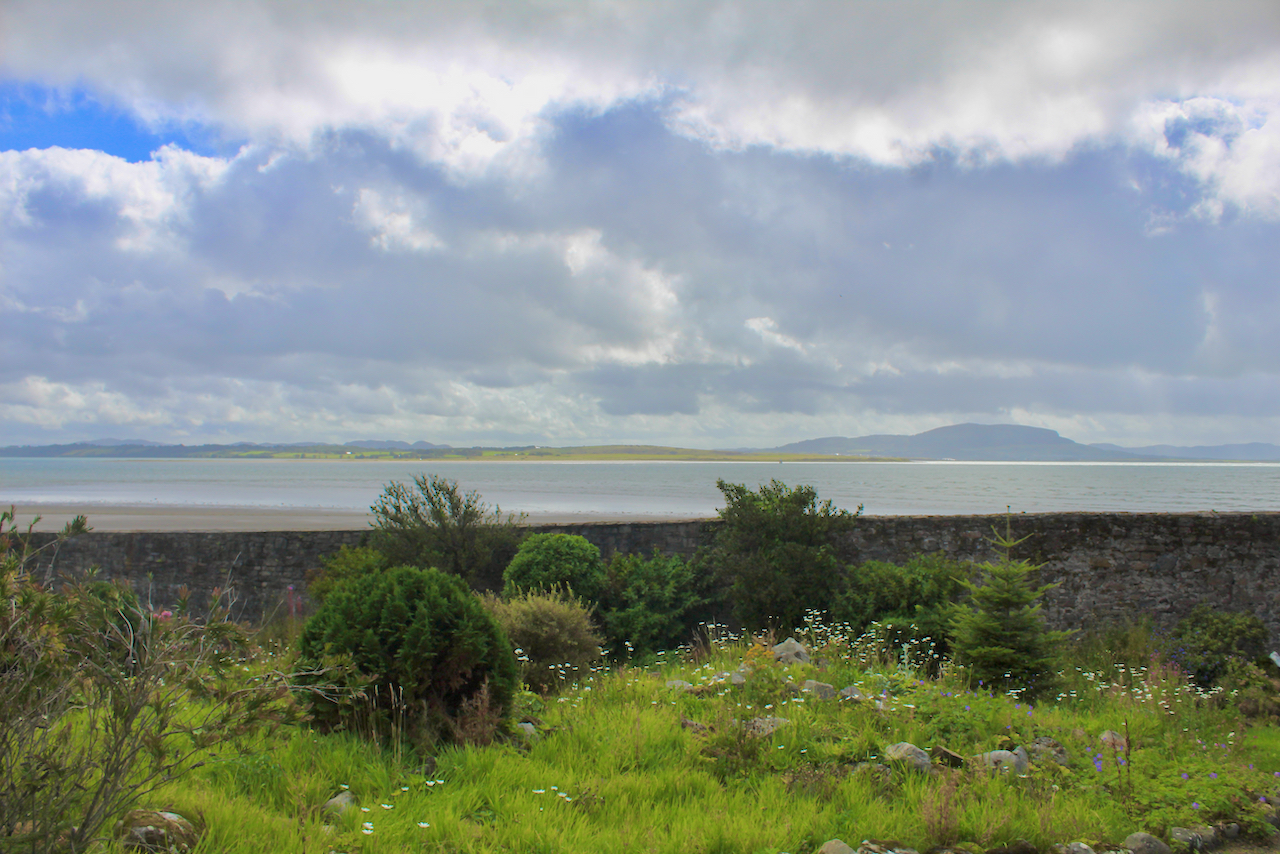

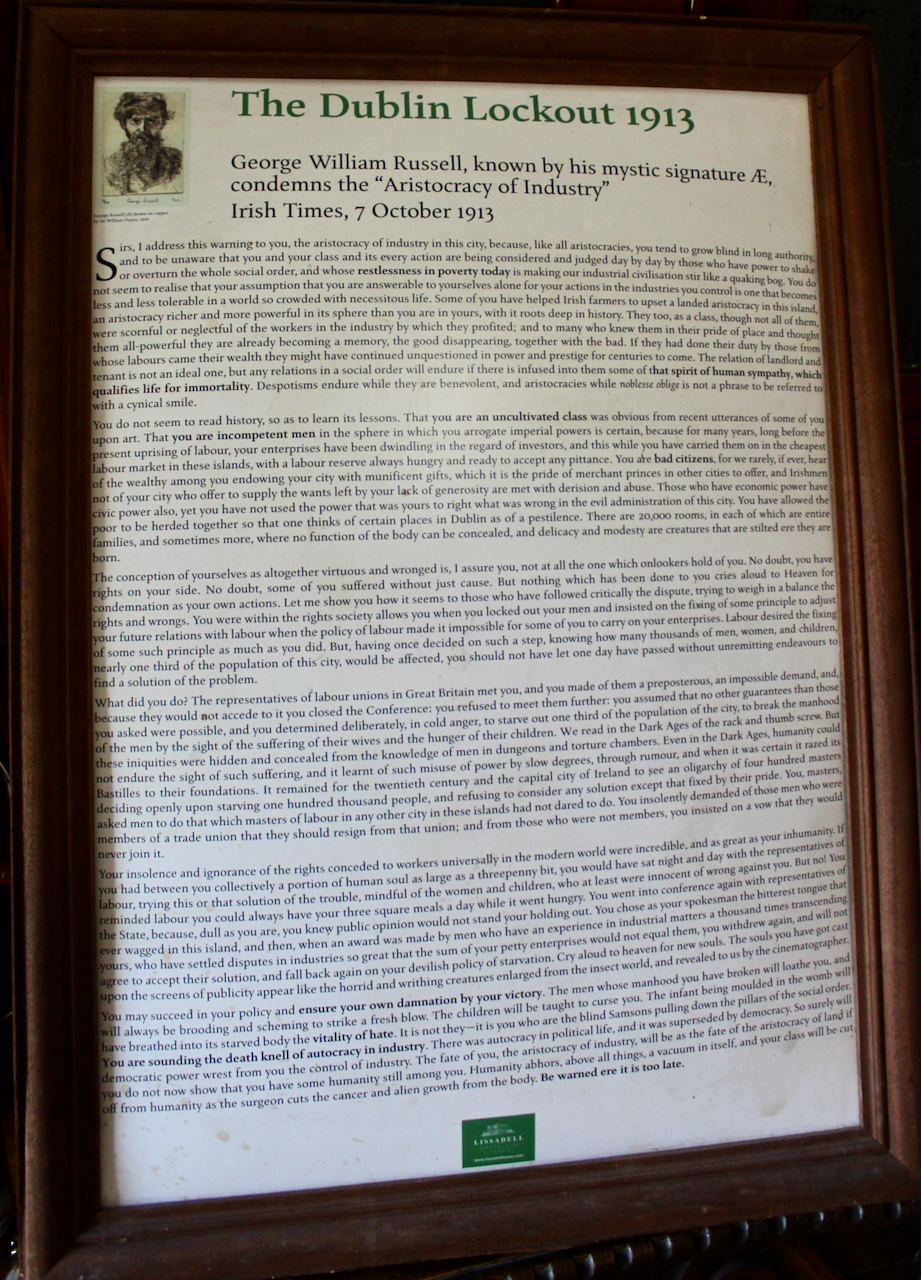
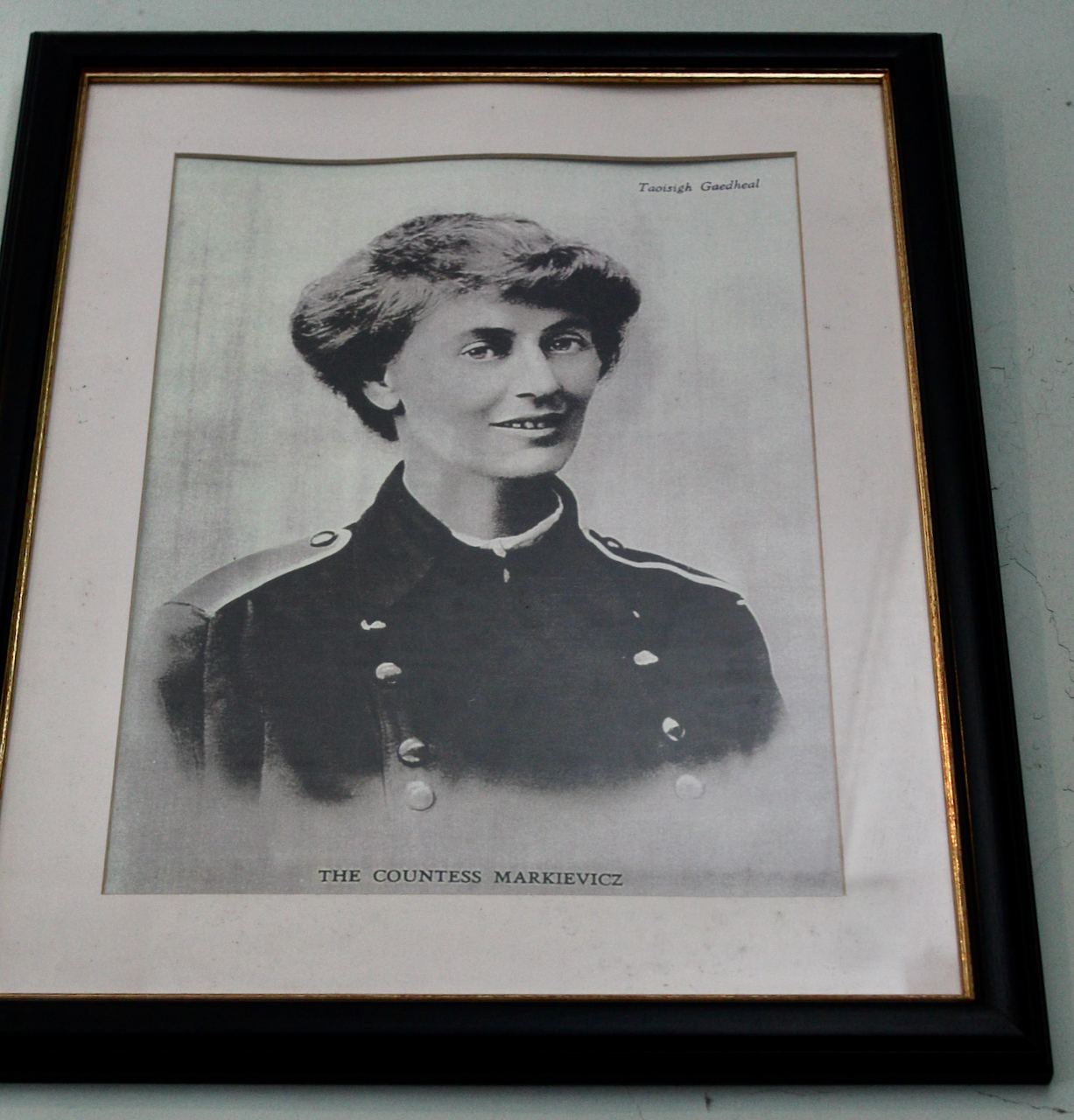
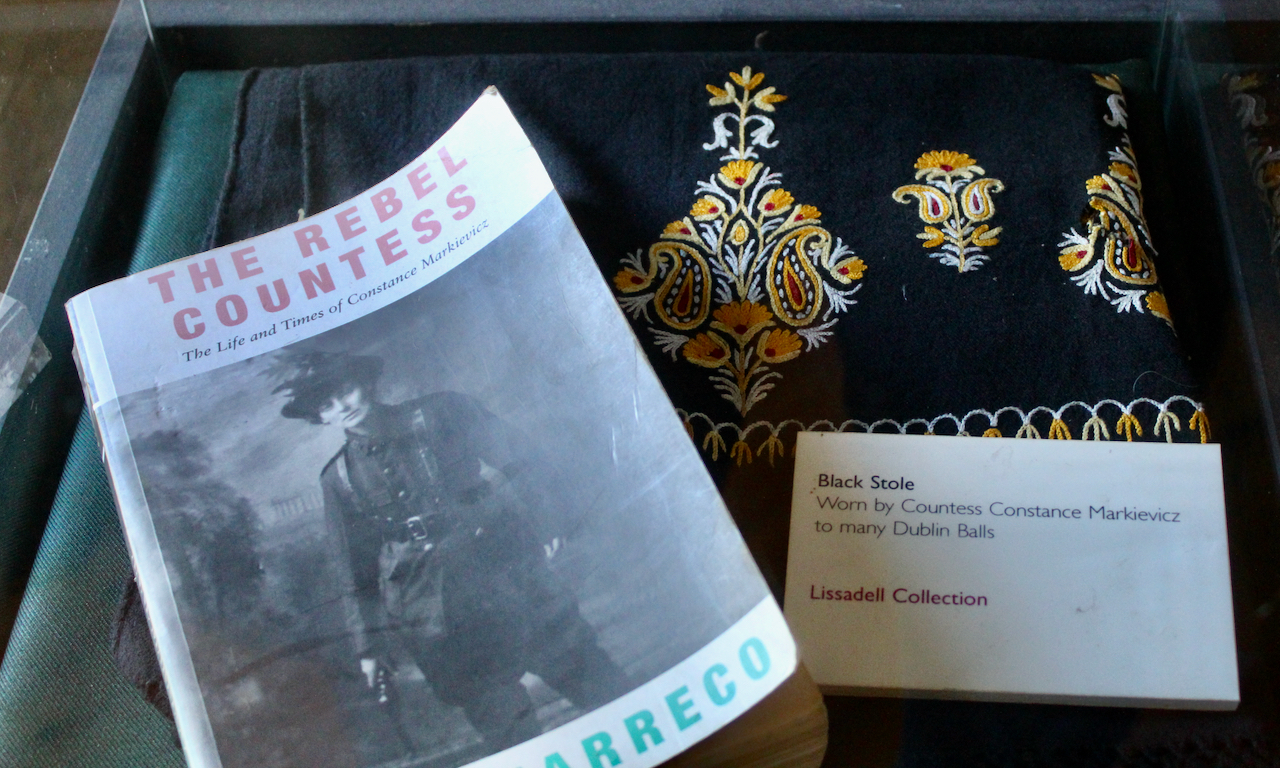


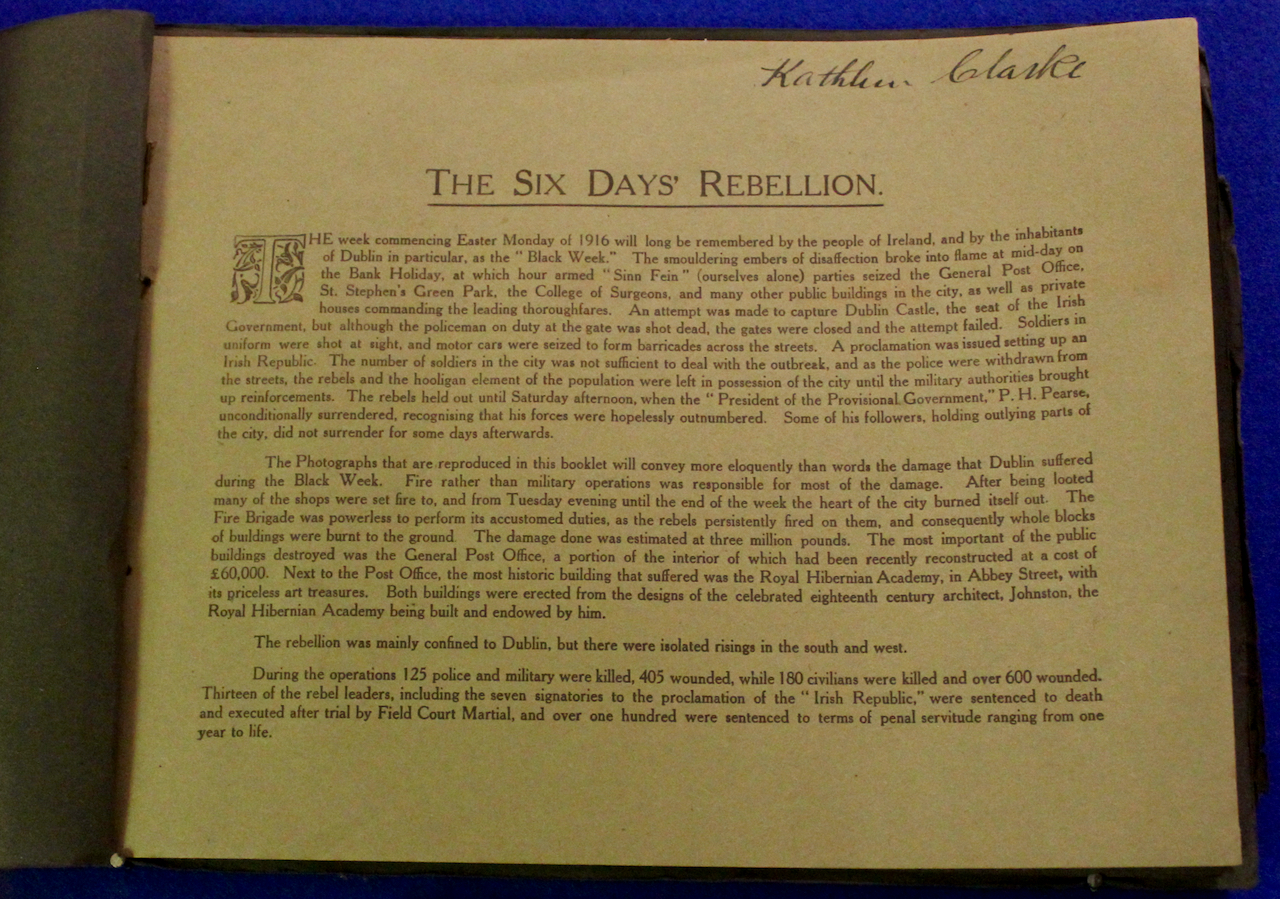
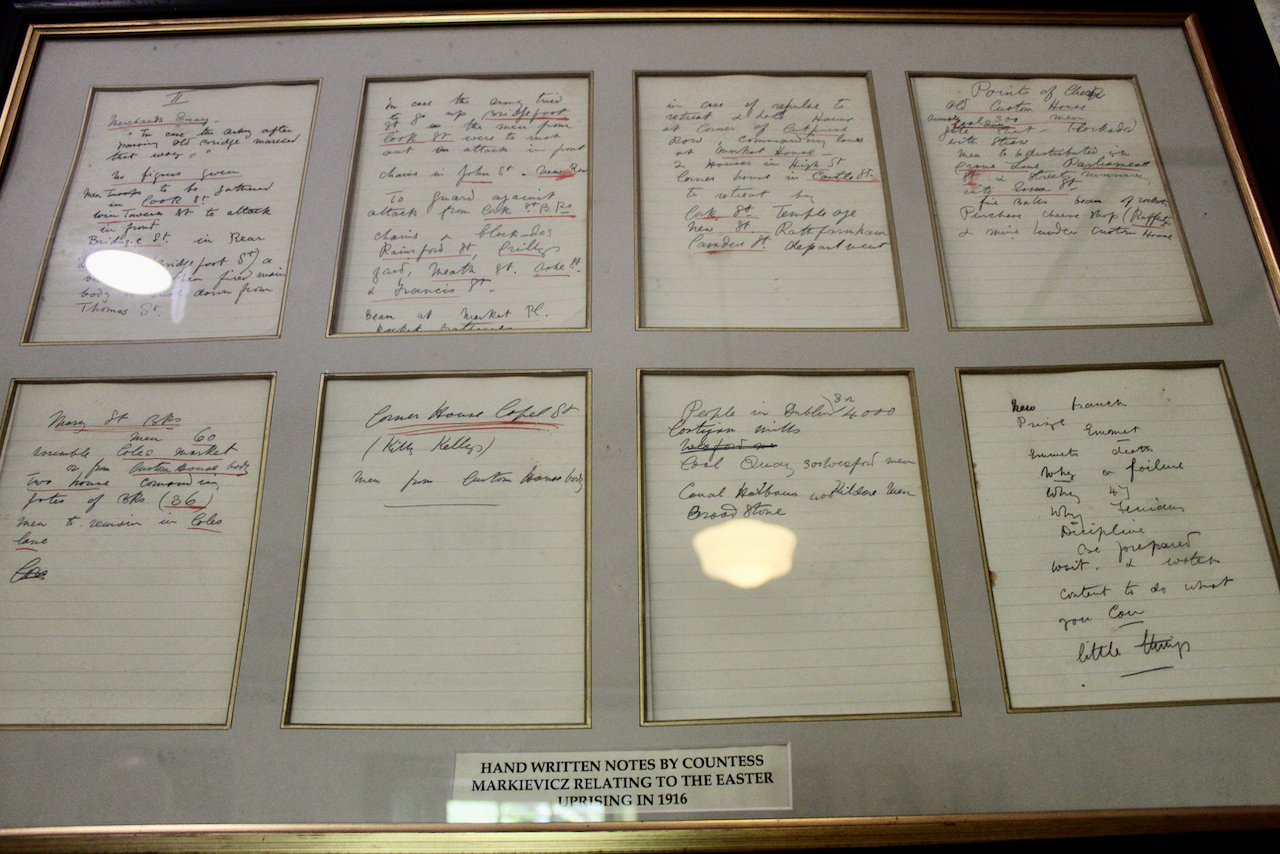
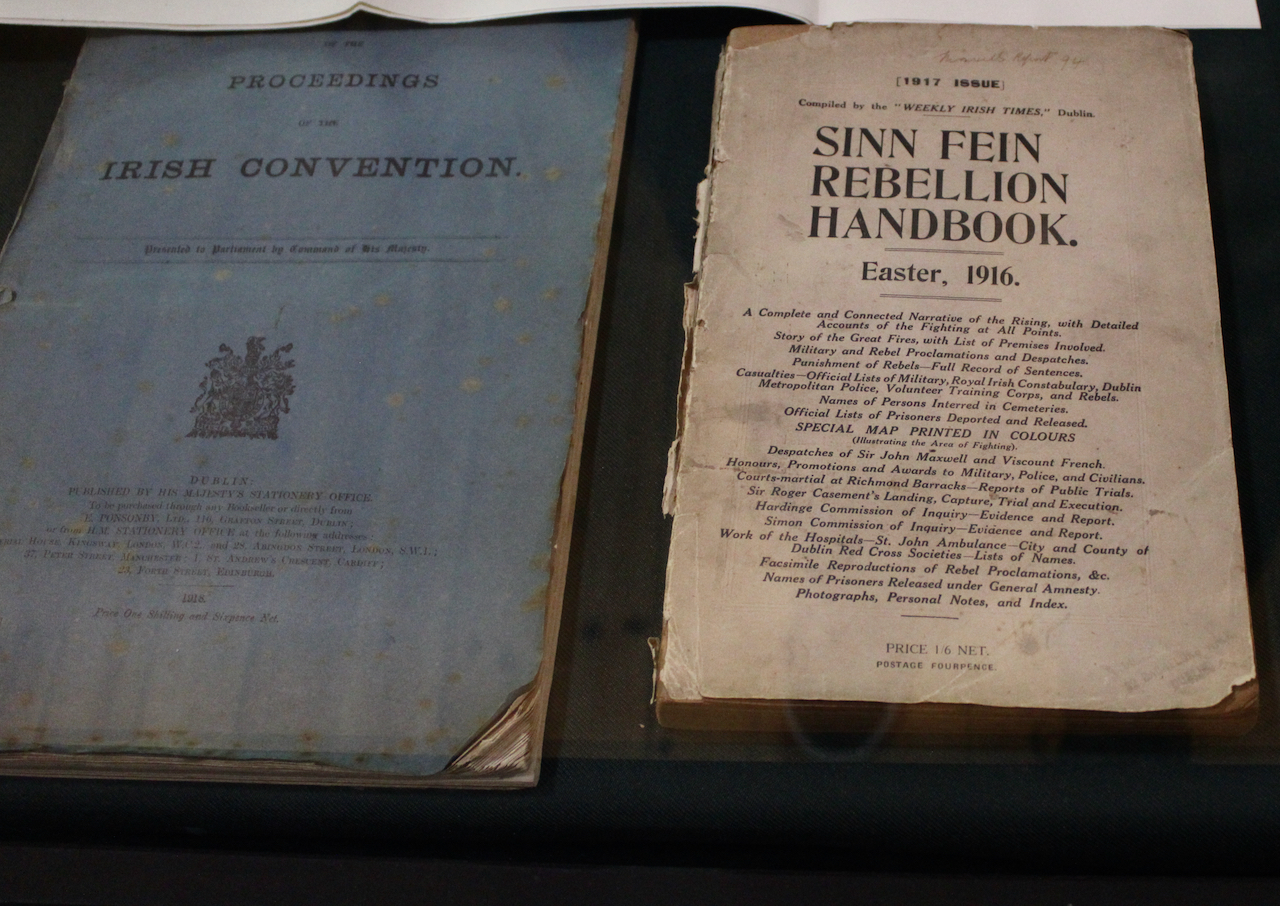
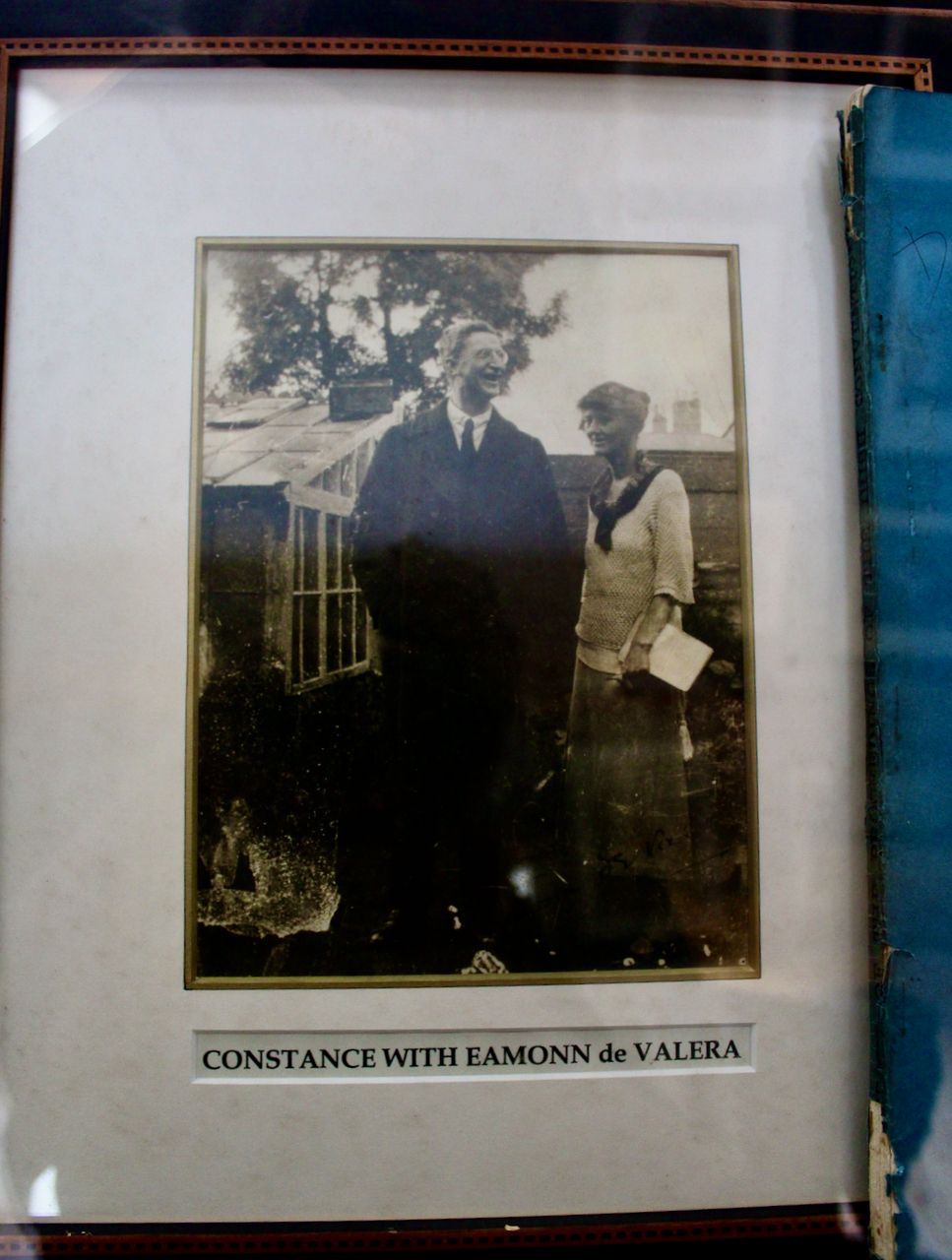
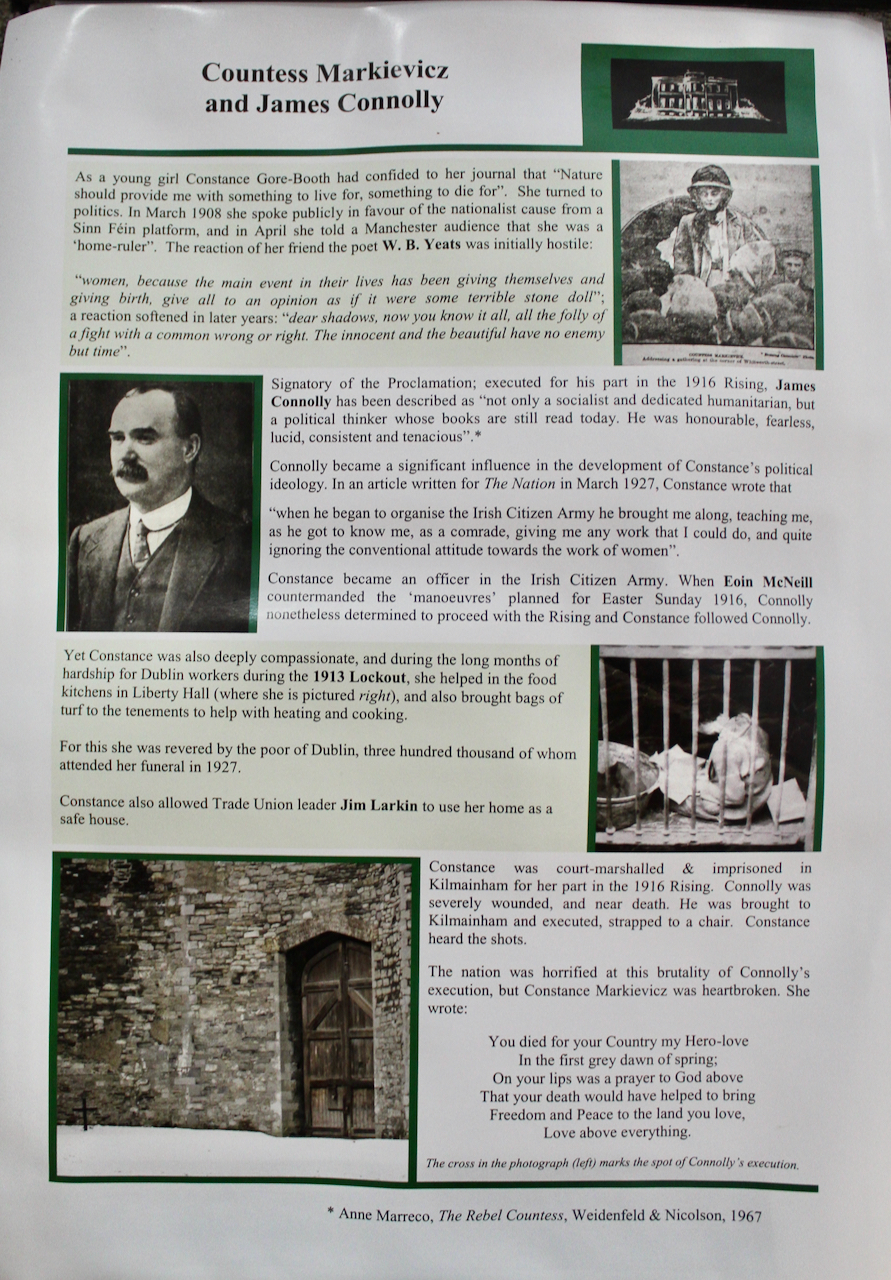
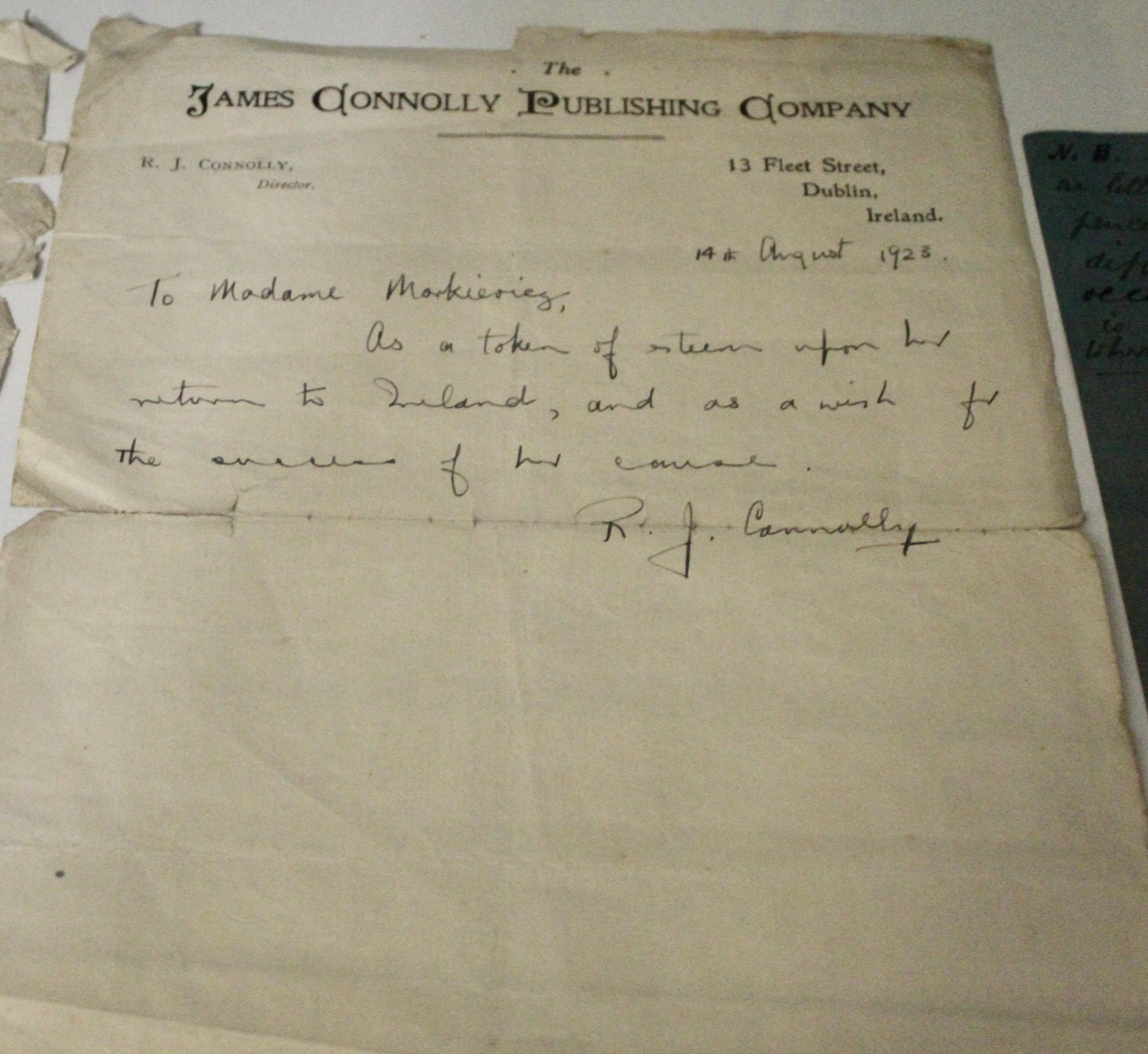

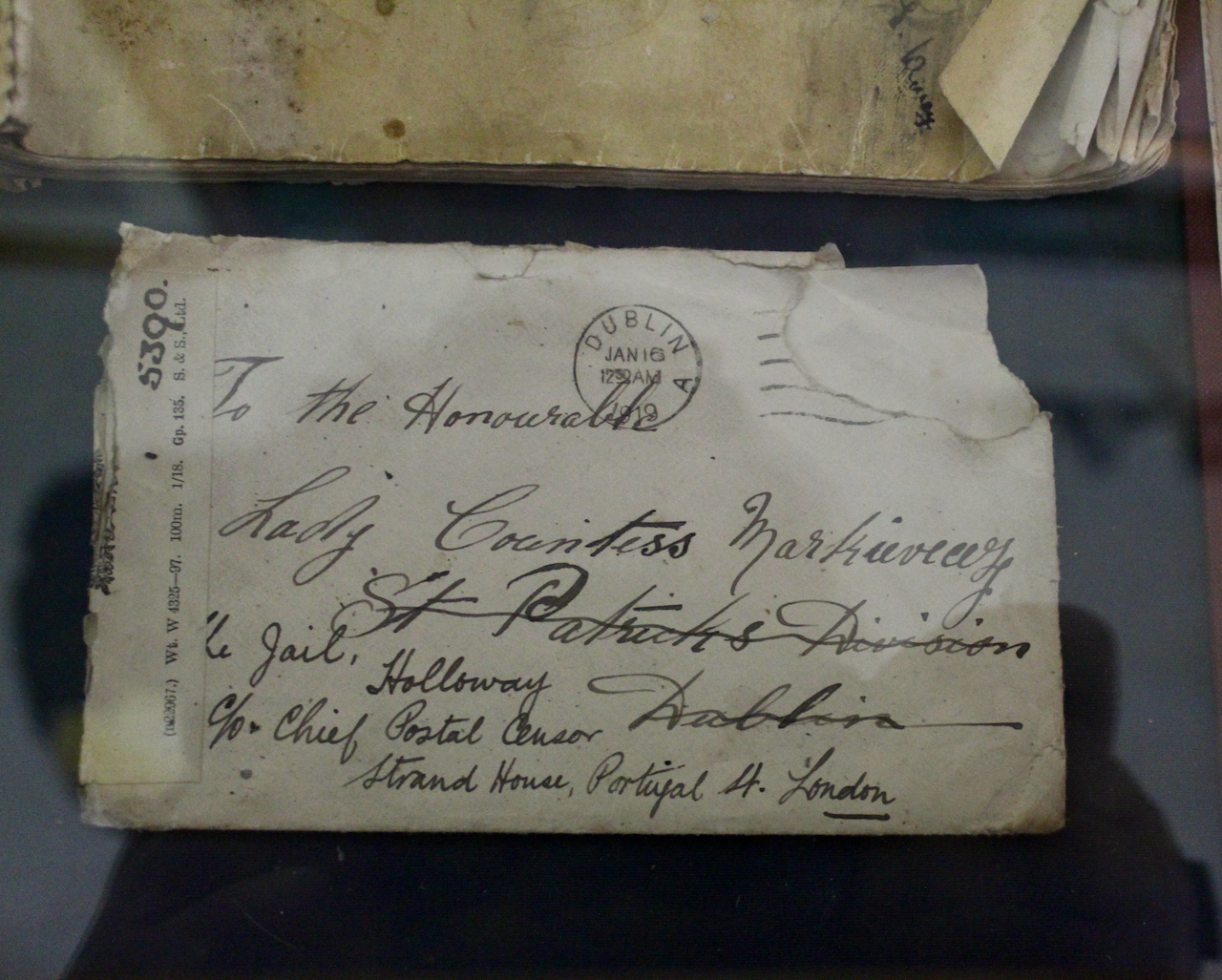
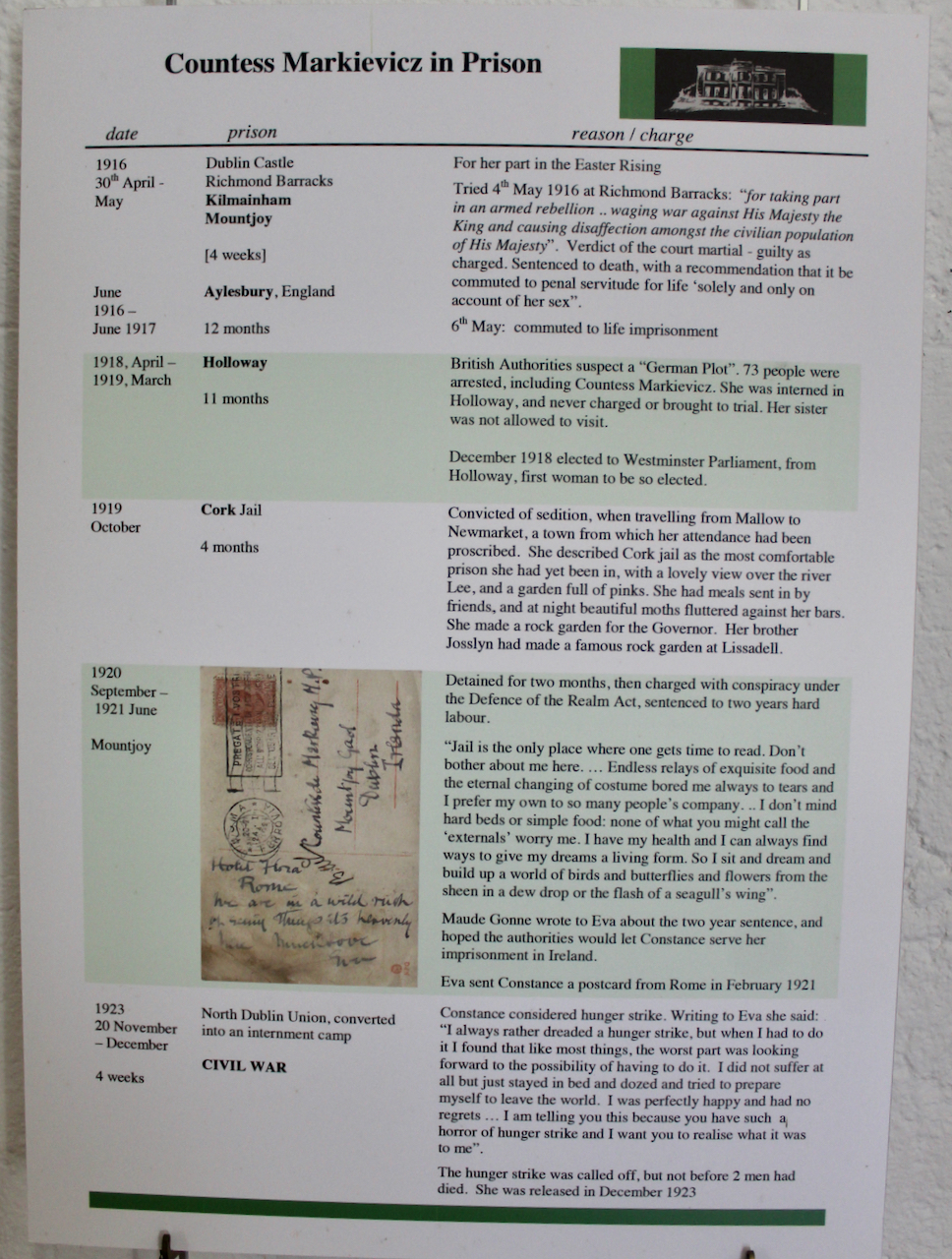
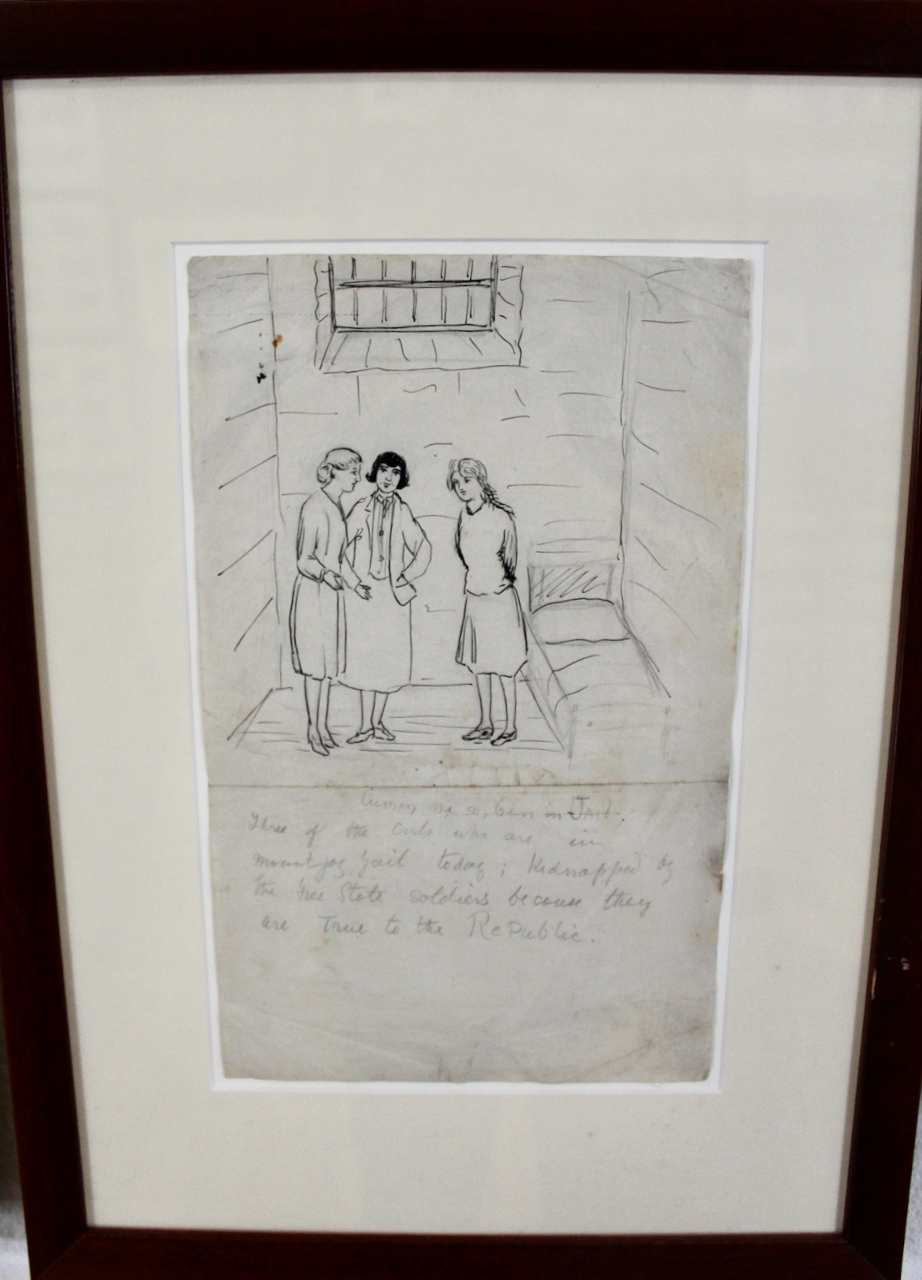

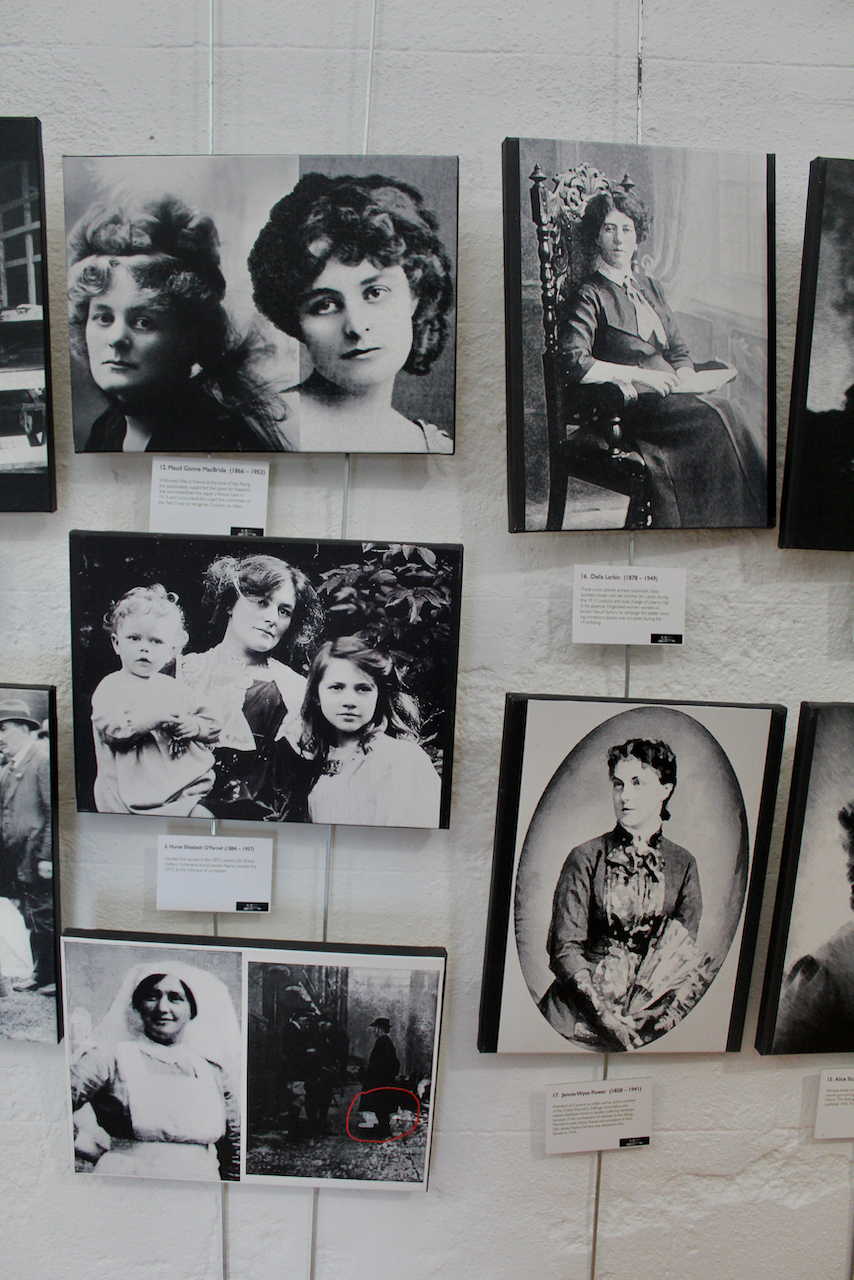
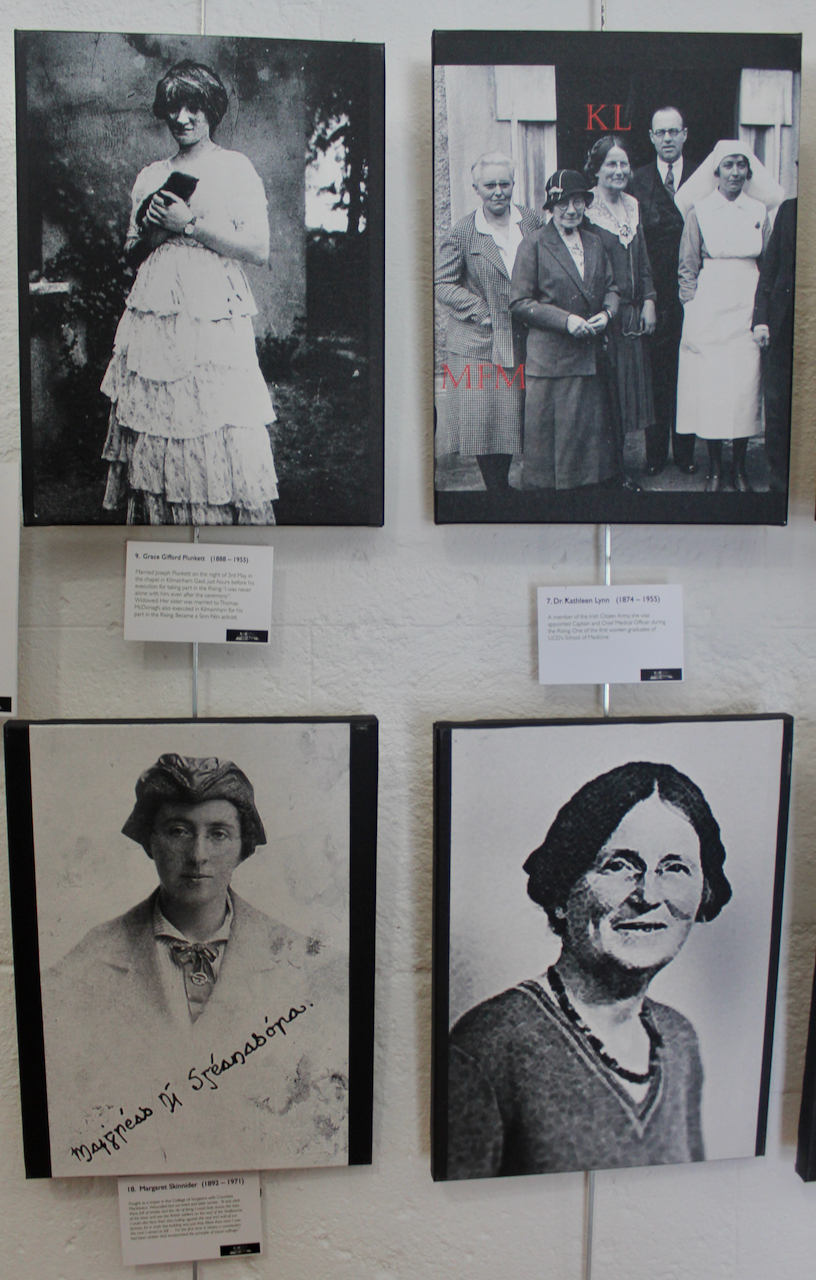
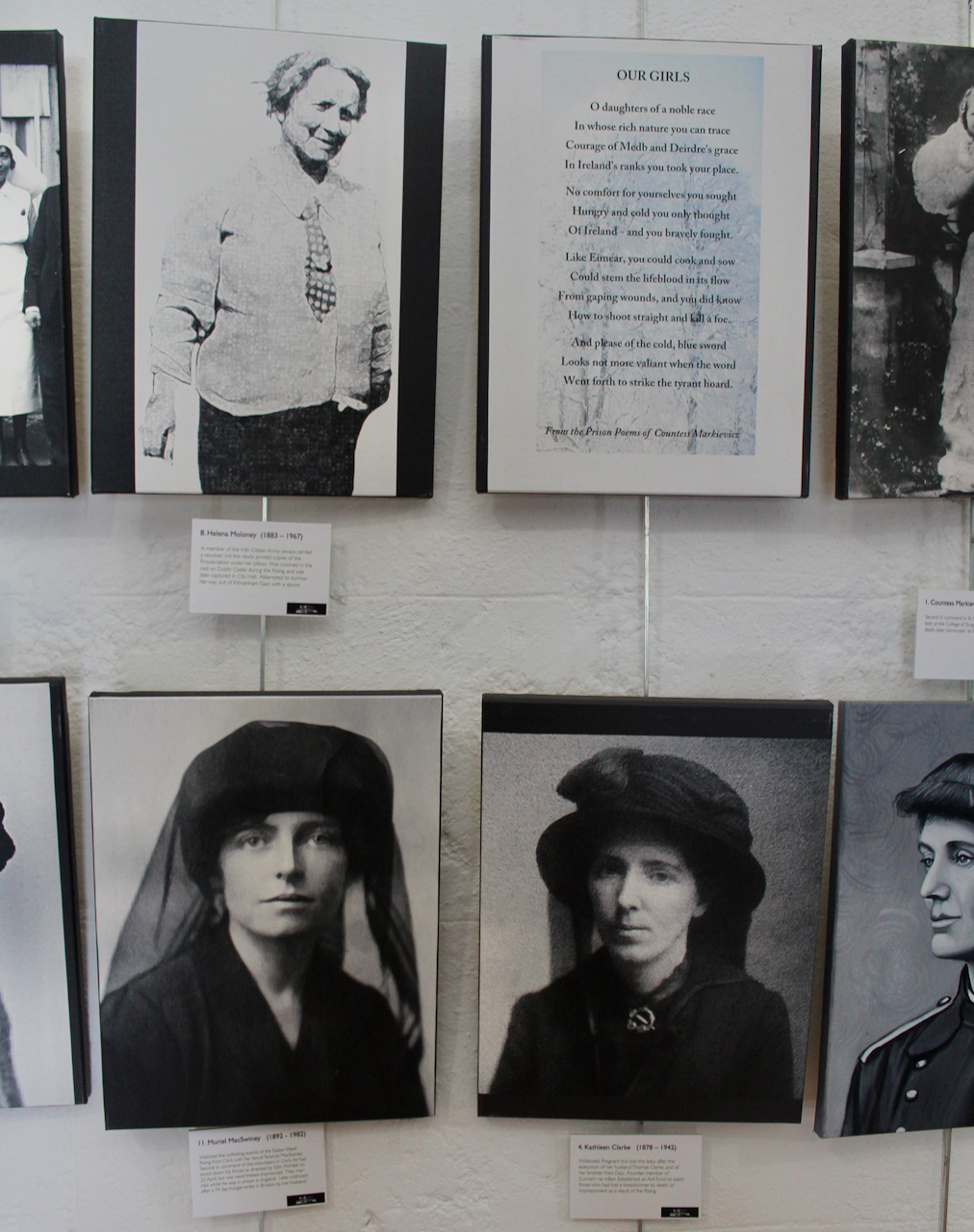

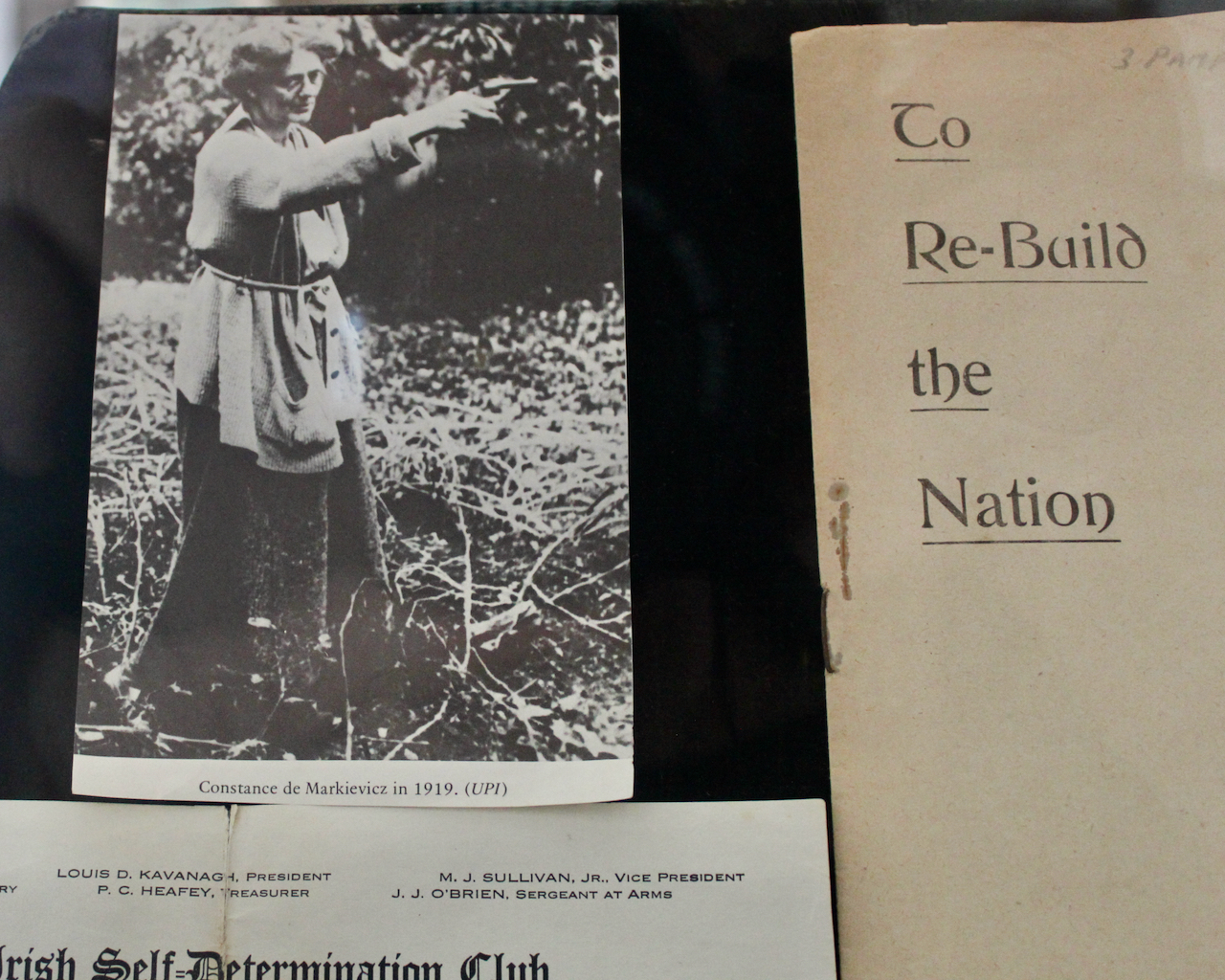
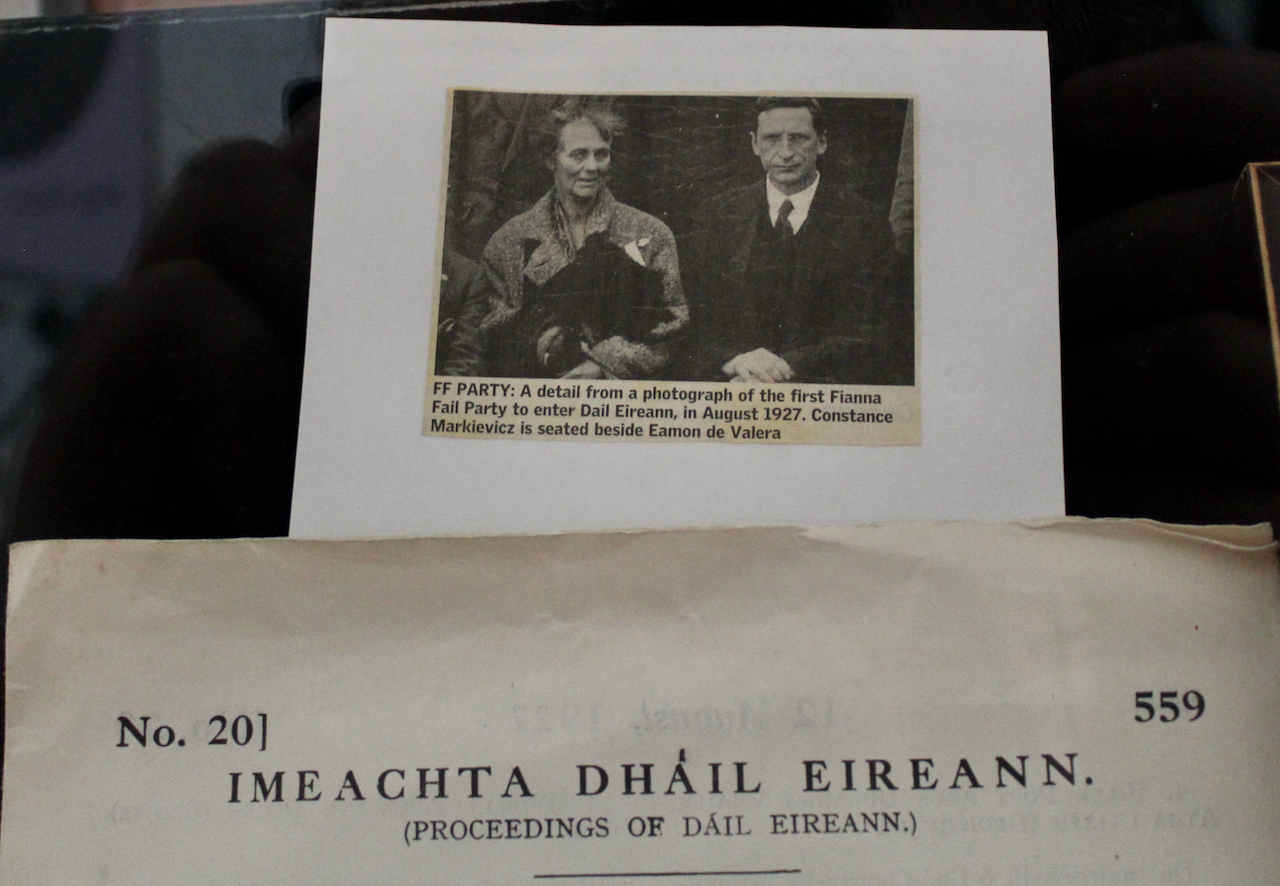
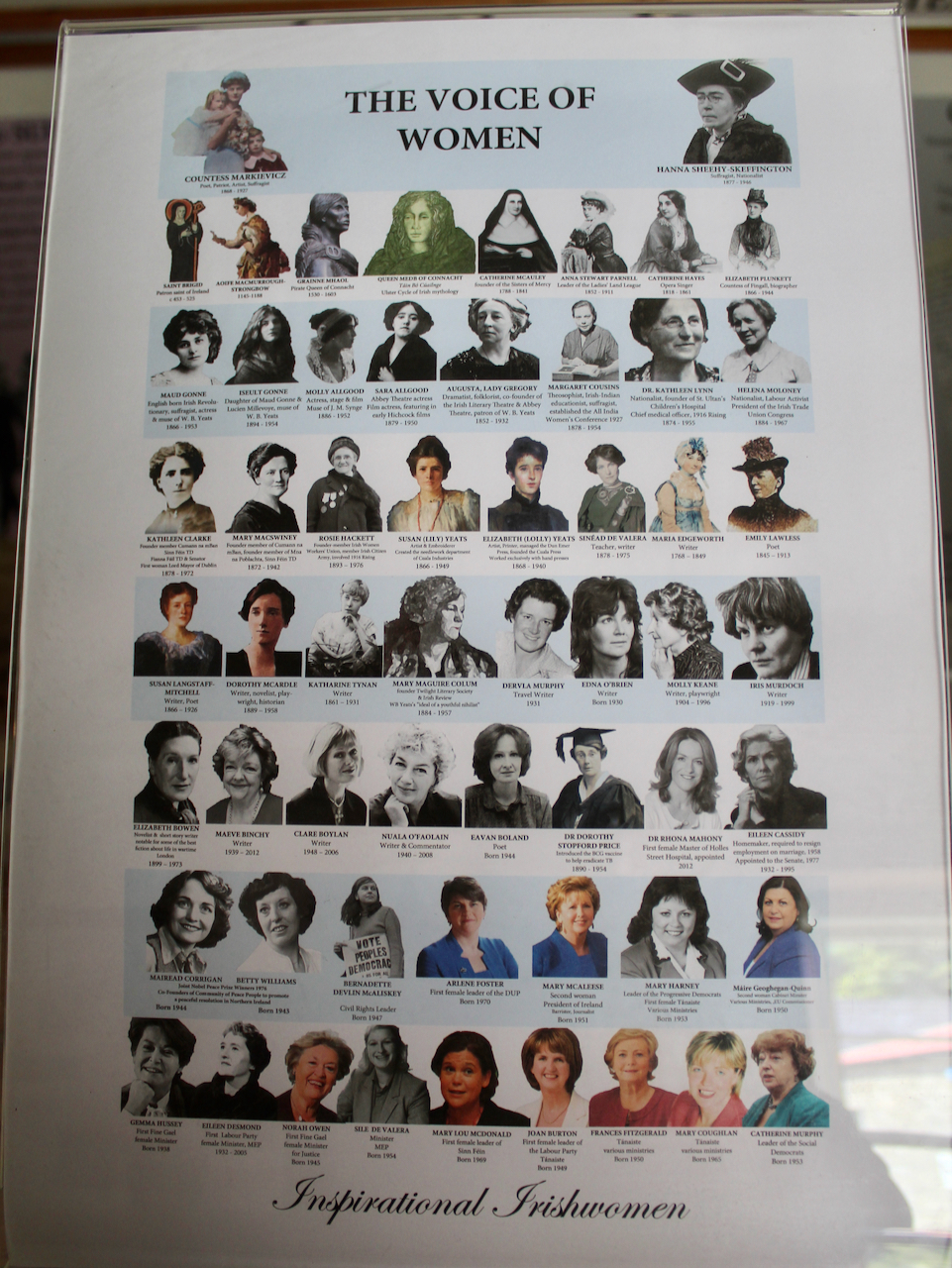
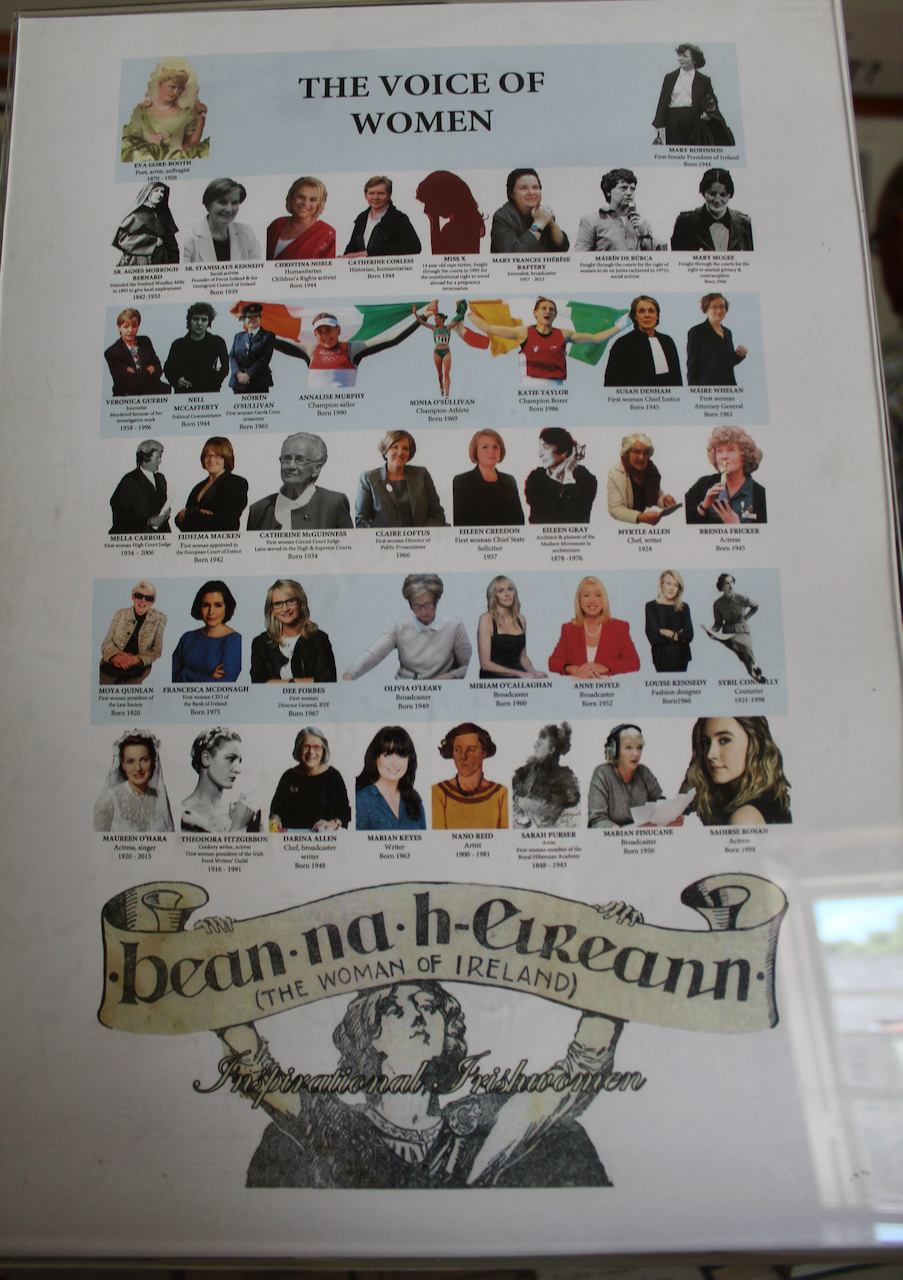
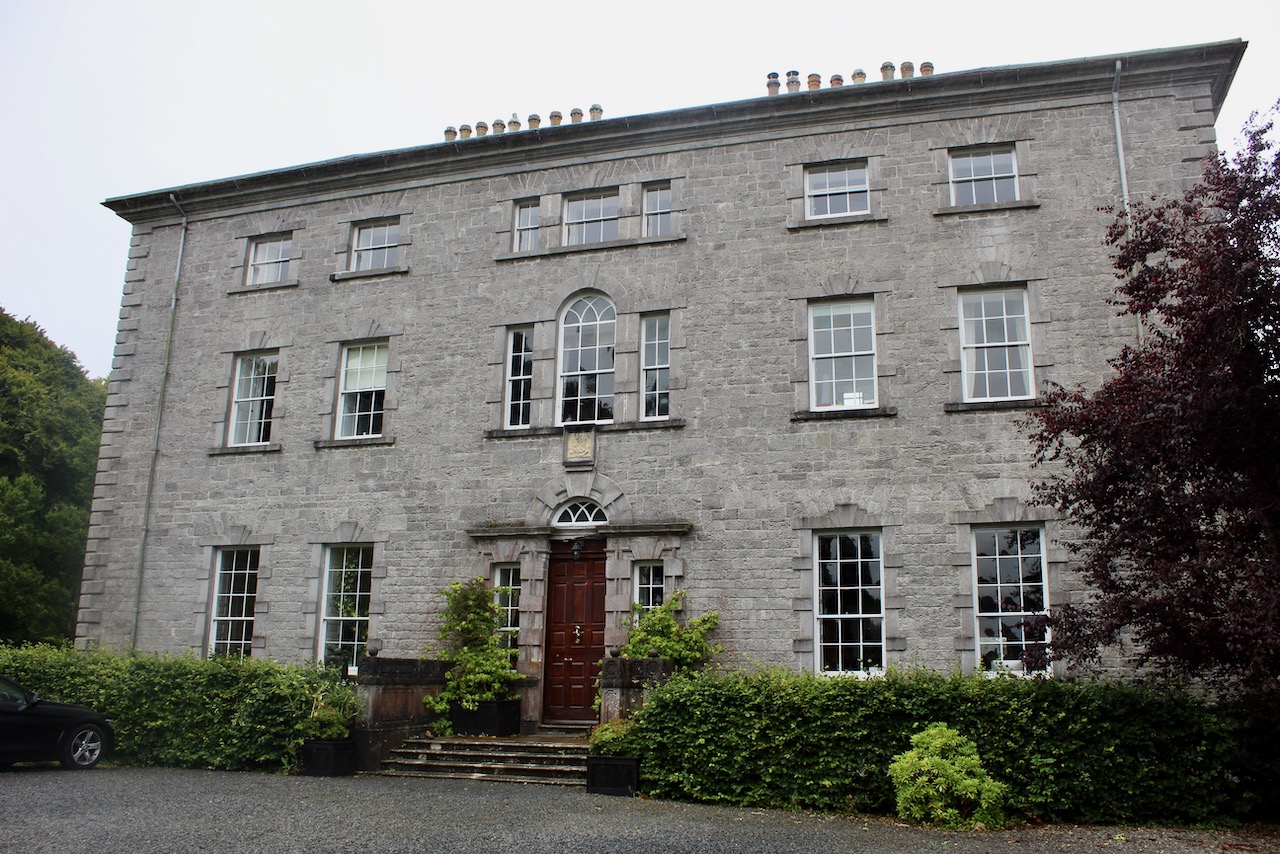
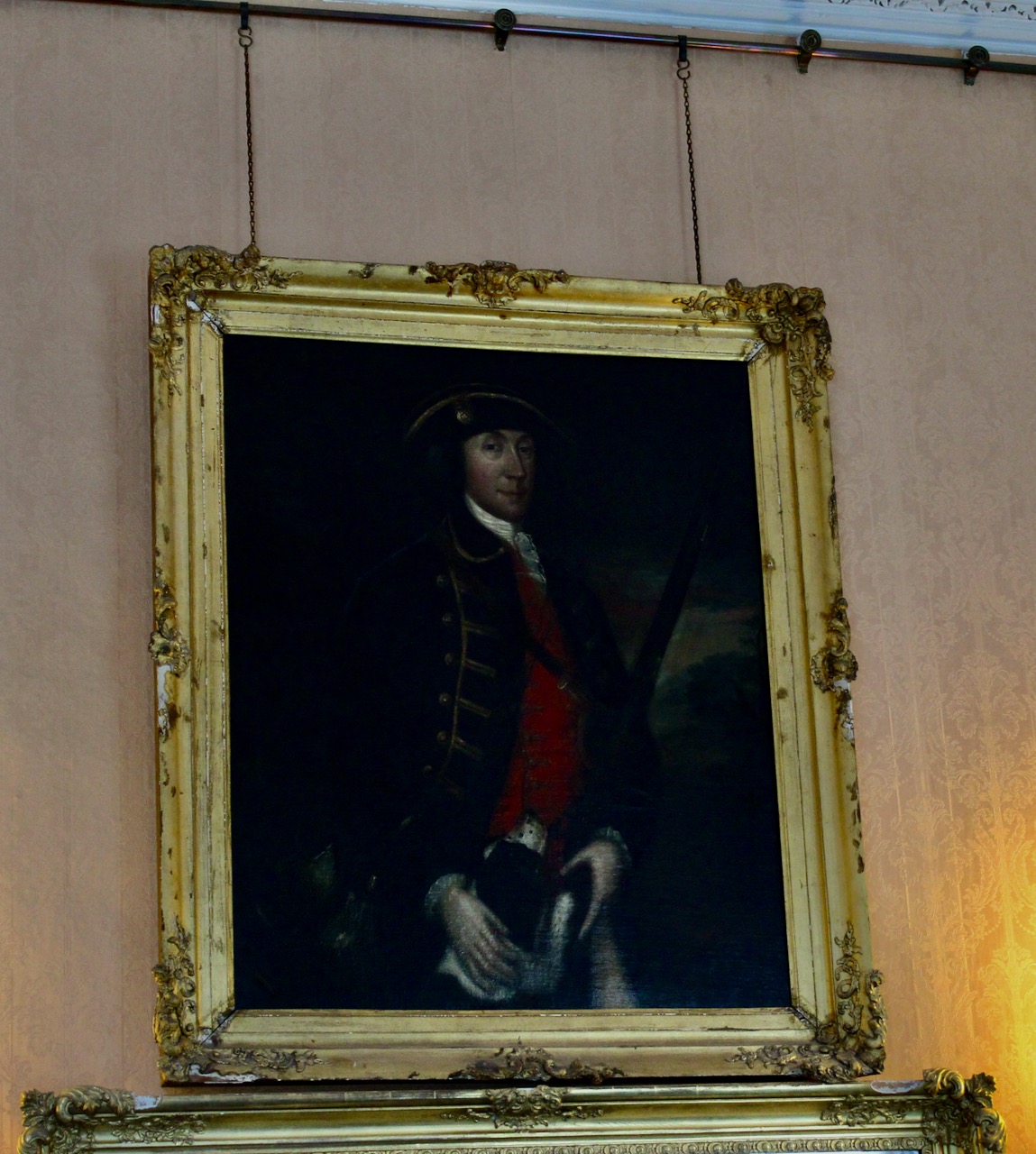
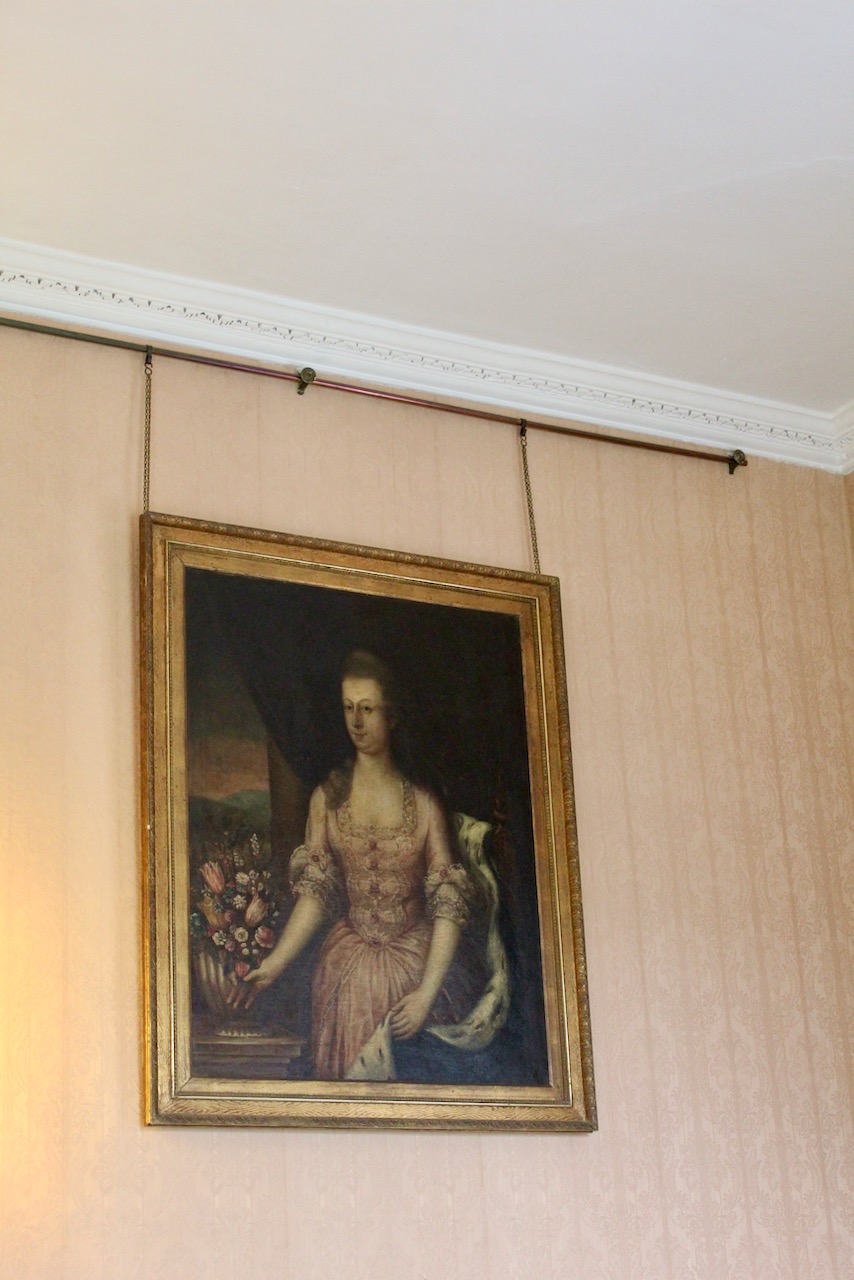


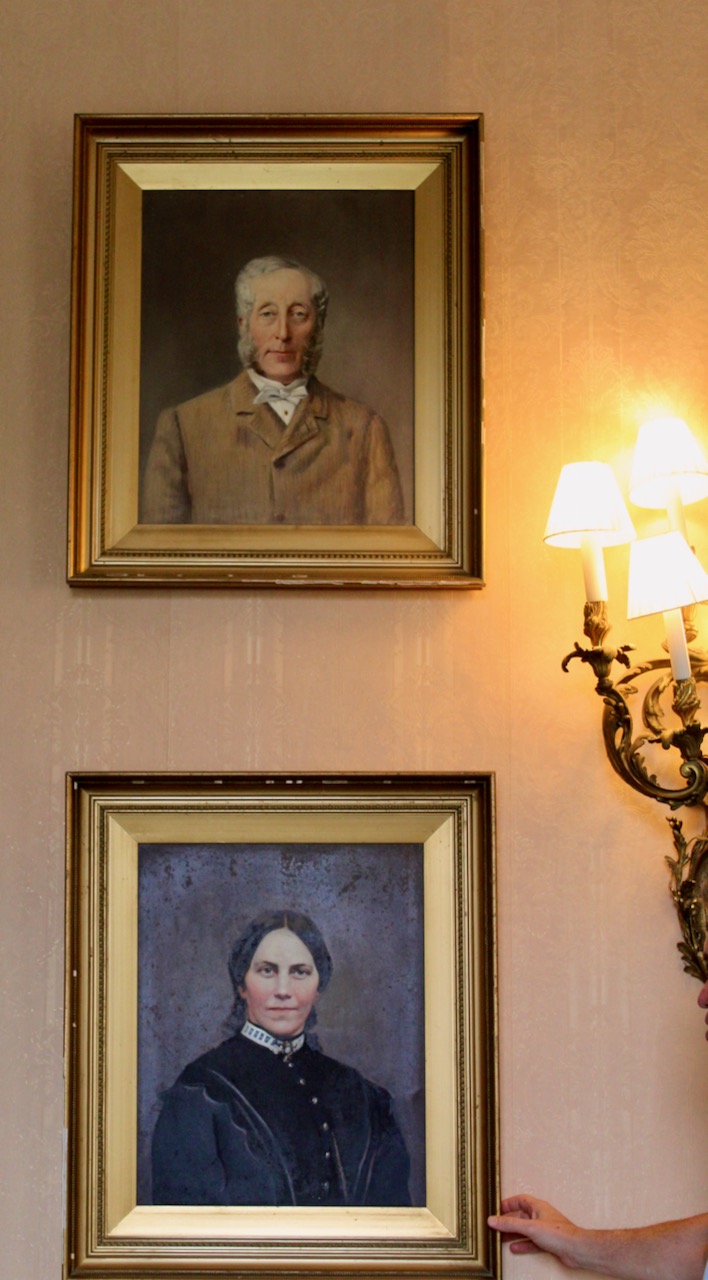


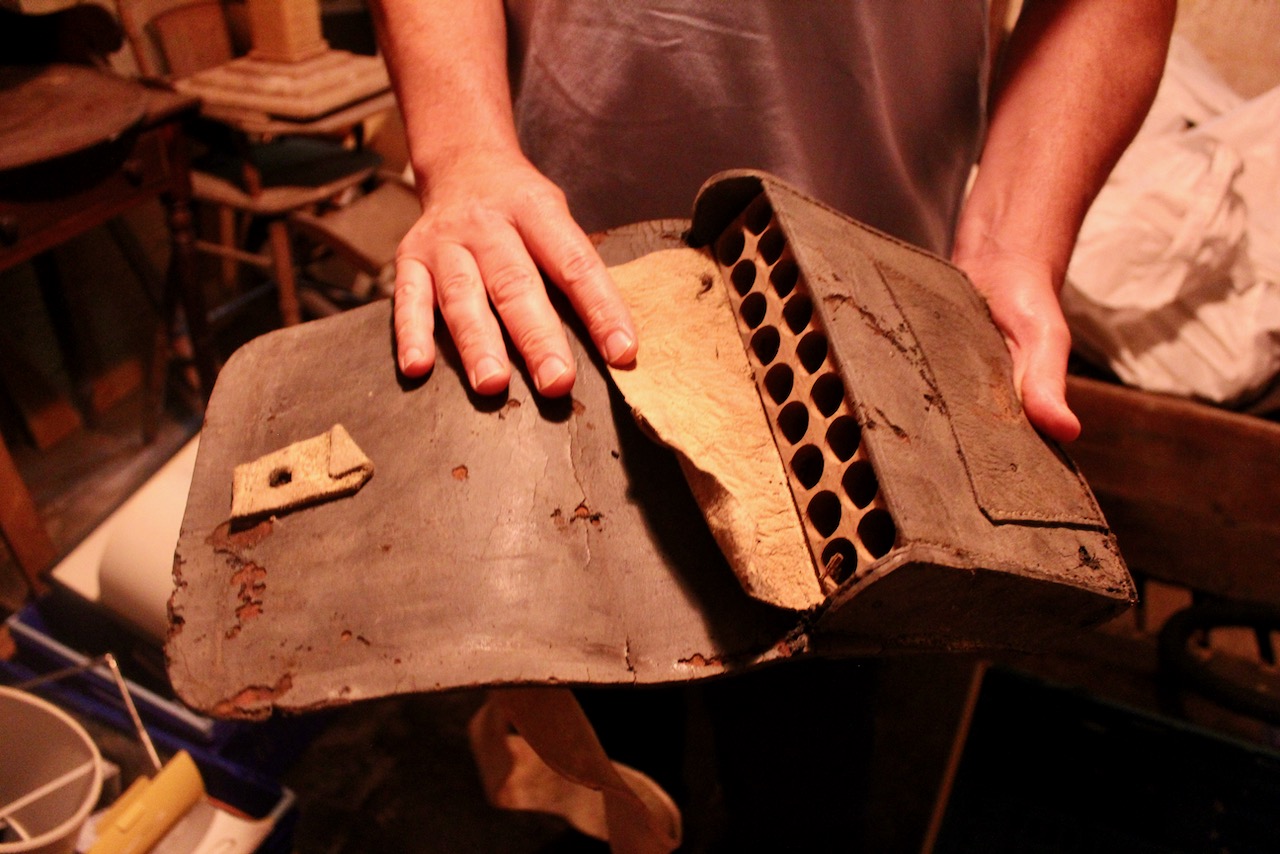


 Irish Historic Houses
