Happy New Year! My best wishes for the year ahead. I hope it will bring many exciting house visits.
2026 Diary of Irish Historic Houses (section 482 properties)
To purchase an A5 size 2026 Diary of Historic Houses (opening times and days are not listed so the calendar is for use for recording appointments and not as a reference for opening times) send your postal address to jennifer.baggot@gmail.com along with €20 via this payment button. The calendar of 84 pages includes space for writing your appointments as well as photographs of the historic houses. The price includes postage within Ireland. Postage to U.S. is a further €10 for the A5 size calendar, so I would appreciate a donation toward the postage – you can click on the donation link.
€20.00
donation
Help me to pay the entrance fee to one of the houses on this website. This site is created purely out of love for the subject and I receive no payment so any donation is appreciated!
€15.00
A tour of Lambay Castle is expensive so I don’t think Stephen and I will be going any time soon, so I thought I would publish an entry about it today.
Lambay Island, photograph courtesy ofwww.visitdublin.comPortrane and Lambay Island, County Dublin 1844 after John Edward Jones.
The island is owned and protected today by the Revelstoke Trust and daily management lies in the hands of Alex Baring, 7th Baron Revelstoke, and his family.
The castle on Lambay Island is privately owned but can be rented for accommodation, and there is other accommodation on the island. One can also visit the island on a day trip but the castle is not open to visitors unless booked in advance on the website.
Open for accommodation: April 1- September 30 2026
The website tells us that it the largest island off the east coast of Ireland and the largest privately owned island in North-West Europe. The island is home to seals and puffins, with deer and wallabies that were originally imported. Nesting birds include Fulmars, Guillemots, Herring Gulls, Kittiwakes, Manx Shearwaters and Puffins, while Greylag Geese are common winter visitors.
The island’s farm produces organic meat from sheep, deer and wallabies. Energy on the island is provided by a wind turbine and solar panels, and water is from a natural spring.
The island has an ancient history. The website tells us:
“Its early history is obscure but, like many other small islands, it attracted saints, hermits and pirates. It is thought to be one of the first few places where Viking raiders landed and proofs of its prehistoric history and early modern settlement were found around the harbour which date from the 1st century AD. Excavations also revealed Iron-Age graves dating back to circa 500 BC.”
St. Columba may have established a monastery on the island as early as the sixth century.
In 1181 the island was granted by Prince John (later king) to the Archbishops of Dublin, who received rents and tithes from the island.
To prevent piracy or invasion of the mainland, a license was granted to build a fort in the early 1500s. The structure built may may have formed the core of the castle still surviving when Cecil Baring later purchased the land. John Challoner (d. 1581), who was the first Secretary of State for Ireland, appointed by Queen Elizabeth I in 1560, agreed to build a village, castle and harbour on the island. The website tells us that he set up mines for copper and silver on the island, though it is not clear how successful this was, and bred falcons.
The island passed by marriage to the Ussher family in 1611. James Ussher (1581-1656) is the cleric famous for calculating that the earth was created around 6 pm on 22 October 4004 BC.
James Ussher (1580-1656) Archbishop of Armagh aged 74 by Peter Lely, courtesy of National Trust Hatchlands.
Sean O’Reilly tells us in his Irish Houses and Gardens. From the Archives of Country Life (published by Aurum Press Ltd, London, 1998) that:
“Weaver’s first article on an Irish house already showed clearly his concern for disposing of unauthenticated traditions. Among those he corrected was the presumption, promulgated in Samuel Lewis’s Topographical Dictionary of 1837, that the island was granted by Queen Elizabeth to Archbishop James Ussher, a figure famous for dating the creation of the world to 4004 BC on the basis of a chronology of the Old Testament. Weaver pointed out that the island was in fact held by Ussher’s cousin, William. Despite many vicissitudes, Lambay Island remained in possession of the Usshers from 1551 to 1804, from which time no significant work was done on the castle until the arrival of Baring.” [1]
The website tells us that the island was used as a Prisoner of War camp for over 1,000 Irish soldiers during the Williamite war after the Battle of Aughrim.
In 1805 the island was inherited by William Wolseley and in 1814 it was acquired by the family of Richard Wogan Talbot, 2nd Baron Talbot of Malahide. They built a school and a Catholic chapel on the island. The chapel was later renovated by Lutyens to resemble a Doric temple and the school no longer exists.
James Considine sold Portrane House and purchased Lambay in 1888. Count Considine set about developing the island as a hunting estate and was the first man to introduce deer onto the island.
In 1904, Cecil Baring, later the 3rd Baron Revelstoke, and his wife Maude Lorillard bought the island. Baring was a classical scholar and naturalist as well as former director of his family’s New York office of Barings Bank. The website tells us:
”In early 1904, with Maude heavily pregnant, Cecil went to investigate Lambay; he found a small line of cottages occupied by coastguards, a chapel, a walled garden, a dilapidated old fort and a magnificent wealth of wildlife. It was an intoxicating mixture.
”The first task facing the Barings was the repair of the castle and they refitted a heavy lugger, the Shamrock, to carry the necessary materials to the island. The Shamrock (version 3.0) is still in use today as Lambay’s main cargo boat and is used to transport the sheep and cattle as well as bulkier materials and equipment for the off-grid energy system.“
Baring hired Edward Lutyens to renovate the property. The website tells us:
”Lutyens was utterly delighted by Lambay and the couple, and the visit sparked a warm friendship between the three of them that would last throughout their lives. Lutyens extended the Castle masterfully and by 1910 it was a beautiful refuge for Cecil and Maude, surrounded by an impressive circular wall, which Lutyens nicknamed “The Ramparts Against Uncharity“.
p. 30. “By the time of Lutyen’s arrival much original fabric had deteriorated, and he was required to rebuild in part, though he retained triumphantly the ancient mood. A new service range was necessary, discreetly located off a corner of the castle and set into the ground so as not to dominate the main castle. Lutyens also ensured the prominence of the medieval fabric by deciding not to repeat the leitmotif of the original – the stepped gables – in the new work. Instead he used steep sweeping tiled roofs broken by dormers, gables and stacks.” [1]
Lambay Castle,photograph courtesy ofwww.lambayisland.ieFrom “In Harmony with Nature, The Irish Country House Garden 1600-1900” in the Irish Georgian Society, July 2022, curated by Robert O’Byrne. Lambay Castle, Lambay Island. Photograph from Country Life published 4th May 1912.
The Historic Houses of Ireland website describes the residence:
“Today the three-bay centre of the north-west front, which faces a bastion gateway in the Rampart Wall, is flanked by two full-height projecting bays, each with crow-stepped gables and tall chimneys. Lutyens attached a wing to provide guest accommodation at the northeastern corner and regarded the “link between the two buildings as one of his most brilliant architectural coups” since the castle, which appears single storied on this front, continues to dominate the two-storey wing. The castle and the farm buildings, and the walls of the much enlarged gardens were built in grey-green Lambay stone, with grey pantile roofs, and form a sequence of courts, walled gardens and enclosed yards that give the impression of a small hamlet nestling for protection beneath the castle walls.” [2]
The castle and west forecourt of Lambay Castle, Lambay Island. Photograph from Country Life published 4th May 1912.Lambay Castle: ground and first floor plans, as altered by Lutyens, 1908-11, courtesy https://landedfamilies.blogspot.com
Sean O’Reilly describes Lutyen’s work in more detail:
“Lutyens did need to provide suitable facilities within the surviving ruins of the castle, the most basic of these being a staircase. Curiously, the original castle fabric did not possess internal access to the upper floor, so Lutyens inserted his in the space between the bastions at the rear of the building. He linked these two with a sequence of three cross windows broken by the arched doorway leading to the staircase. The new arrangement is a typically imaginative piece of intervention by Lutyens, as it performs a number of functions with appropriate efficiency. It gives access not only to the bedrooms on the upper floor, but also to the raised ground at the rear of the castle, and it connects to the underground service passage to the kitchen wing.
“Reception rooms also needed to be provided inside the ruins, and again it was to Lutyens’s credit that he succeeded in creating an imaginative variety of shapes and spaces without intruding on the individuality of the building. Perhaps most surprising is the provision of two entrance halls, one in each of the corner bastions of the entrance front, and each with its own door. The sitting room, reached only after passing through the central dining room and staircase hall behind, is in the corner adjoining the service wing.
“Due to the need for the reconstruction of this corner Lutyens was more free to open out the architecture, without actually intruding on surviving original fabric. Here he introduced a pointed stone arch linking the section of the room in the original bastion with that part set between the bastions. Lutyens topped this range with a hipped roof – an informal nod to the detailing of the service wing – and square battlements – a more formal bow to the stepping in the original gables, seen across the view of the north court.” [1]
The Historic Houses of Ireland website tells us that the castle is “constructed with small doors and small casements so that the inhabitants seem, on rough days, to be sheltering like monks.” [see 2]
The interior has vaulted ceilings, stone fireplaces and a curved stone staircase, while much of the furniture chosen by Lutyens is still arranged just as he intended.
Spiral arches,Lambay Castle,photograph courtesy ofwww.lambayisland.ieAt the head of the stone stair at Lambay Castle. Photograph from Country Life published 4th May 1912. The staircase landing at Lambay Castle.Photograph from Country Life published 4th May 1912. The eastern half of the sitting room at Lambay Castle. Photograph from Country Life published 4th May 1912. The kitchen in the guest accommodation in the castle,Lambay Castle,photograph courtesy ofwww.lambayisland.ieThe guest accommodation in the castle,Lambay Castle,photograph courtesy ofwww.lambayisland.ie
Lutyens also adapted and enlarged a number of other early structures and integrated them into an ingenious coordinated layout for the whole island, combining the farm, gardens and plantations as a single composition, in collaboration with the horticulturalist and garden designer Gertrude Jekyll.
Mark Bence-Jones describes the wall that surrounds the castle and gardens: this wall serves the practical purpose of a wind-break, enabling trees and plants to grow inside it which would not grow outside. [3] He also describes the approach to the castle:
“Lutyens also designed the approach from the harbour, with curved step-like terraces reminiscent of the now-vanished Ripetta in Rome; characteristically, having ascended these Baroque steps, one has to cross an open field to come to the curtain wall, the entrance gaeway not being at first visible; so that there is a wonderful sense of expectancy. Close the the harbour is the White House, a largely single-storey horseshoe-shaped house with high roofs and white harled walls, which Lutyens designed 1930s for Lord Revelstoke’s daughter, Hon Mrs (Arthur) Pollen. On a hill is an old Catholic chapel, with a portico of tapering stone columns and a barrel vaulted ceiling.” [see 3]
The walled kitchen garden pierces the Rampart Wall to the South and there is the mausoleum of the Revelstokes, designed by Lutyens in 1930, on the opposite side of the enclosure. The website tells us:
”Cecil and Maude had 12 blissful years together with their little family on Lambay but alas, in 1922, a still young Maude died of cancer, leaving Cecil with two daughters, Daphne and Calypso, and their little son Rupert. Her body was brought back from London to the island for burial. Lutyens, who was then busy with war memorials and the government buildings of New Delhi, designed a large monument for her grave, set in against the rampart walls and facing towards the Castle. The mausoleum is today one of the most pleasant and peaceful spots on the island. Prefacing Cecil’s epitaph, a beautiful poem about his wife, is the word ‘Quiet’, both an imperative to the reader and a description of the monument’s setting.“
Lutyens also designed the White House overlooking the harbour on the western shores of the island, as a holiday home for the couple’s two daughters and their families. This is now available as visitor accommodation.
The website tells us that Cecil convened a congress to examine the flora and fauna of the island, the findings of which were published in The Irish Naturalist (1907).
“He also tried to introduce new species, including mouflon sheep, chamois goats, kinkajous and rheas. Today, there is a large population of wallabies on Lambay, but these were brought here in the 1980s by Cecil’s son Rupert Revelstoke, who had enjoyed having two pet wallabies in the 1950s.“
[3] Bence-Jones, Mark. A Guide to Irish Country Houses (originally published as Burke’s Guide to Country Houses volume 1 Ireland by Burke’s Peerage Ltd. 1978); Revised edition 1988 Constable and Company Ltd, London.
2026 Diary of Irish Historic Houses (section 482 properties)
To purchase an A5 size 2026 Diary of Historic Houses (opening times and days are not listed so the calendar is for use for recording appointments and not as a reference for opening times) send your postal address to jennifer.baggot@gmail.com along with €20 via this payment button. The calendar of 84 pages includes space for writing your appointments as well as photographs of the historic houses. The price includes postage within Ireland. Postage to U.S. is a further €10 for the A5 size calendar, so I would appreciate a donation toward the postage – you can click on the donation link.
€20.00
donation
Help me to pay the entrance fee to one of the houses on this website. This site is created purely out of love for the subject and I receive no payment so any donation is appreciated!
€15.00
A happy new year to all of my readers!
www.killeenmill.ie Tourists Accommodation Facility– not open to the public
Open for accommodation in 2026: April 1- Sept 30, Mon-Sat
The five bay four storey mill was built in around 1800. [1] Built on to the side is a house, which is listed on 2024’s Revenue Section 482 as tourist accommodation, although the website link is not working for me today. If interested, you could try ringing (086) 818 2384. The mill was once part of the Killeen estate of the Plunkett Earls of Fingal. Stephen and I drove by the property to see it in July 2022 after a wonderful visit to Dunsany Castle.
A sign on the mill tells us that it was owned by Christopher Plunkett, Earl of Fingal. The only Christopher who was Earl of Fingall is the 2nd Earl (1612-1649). There has been a mill on the site since the seventeenth century, the first record appears in the Civil Survey of 1654.
The sign tells us that the top floor was used for storing grain, the middle for shelling, grinding and “bolting.” The ground floor was used for “shafting” and there was also an office on this level, as well as a small shop. A kiln was used to dry the grain, added in the nineteenth century.
The mill was powered by a horizontal water wheel. Water was channelled to form a millpond. Water passed down a shute to the wheel which ground the flour.
The core of the miller’s house, the sign tells us, could date back to the sixteenth century!
The current owners, Dermot and Fiona Kealy, installed new flagstones inside the cottage and new windows. [2] The also reroofed the mill and made it a safe structure.
The cottage has a kitchen, family room and living room on the ground floor, while upstairs there’s a bathroom and three bedrooms. Fiona told the Irish Times about how restoration had to be done according to regulation for a historic building: “We even had to have an archaeological dig to make sure we wouldn’t disturb anything of significance. Then everything had to be architecturally correct for the period. When we stripped off the layers of wallpaper, there were holes in the plaster, and our plasterer had to make up plaster with horsehair and lime, the way it would have been done.
“It was handy, because the pony was having his hair cut and we used some of his hair. It’s lovely to think you’ve preserved something, and that Cookie the pony is forever enshrined in the walls.” [see 2] At first the family lived in the house, but then they moved to a larger house when their children grew, and they let the cottage for short stays.
I receive no funding nor aid to create and maintain this website, it is a labour of love. I travel all over Ireland to visit Section 482 properties and sometimes this entails an overnight stay. A donation would help to fund my accommodation.
We continued our outings for Heritage Week this week. We didn’t do our usual travel around to Section 482 properties as we were both too tired this year. As I mentioned in my last post, we went to Charleville Castle in Tullamore on Saturday, which is wonderful. Unfortunately we didn’t linger to wander in the woods as rain threatened and I wanted to visit my aunt who lives in the town.
On Monday we missed our booked visit to Number 6 High Street in Tullamore, unfortunately, but went to see Tullynisk house that afternoon. We were given a wonderful tour by its resident Alicia Clements, daughter of the Earl of Rosse, who married a descendant of Nathaniel Clements who built the Áras an Uachtaráin in the Phoenix Park.
On Wednesday we went to Emo Court in Laois, an Office of Public Works property, because the OPW opened a few rooms for tours during the week and it is closing again afterwards for more repairs. It is so disappointing it has been closed since 2019. We were not allowed to take photographs inside since the work is unfinished!
We found ourselves with spare time after Emo Park as it was too rainy to wander the lush grounds, so we headed to Roscrea for more OPW properties: Damer House and Roscrea Castle. Unfortunately we weren’t allowed to take photographs inside Damer House except in the exhibition rooms. After a tour of Damer House we went across the bawn to tour Roscrea Castle. It is a treasure for the beautiful ancient town of Roscrea. I’ll be writing more about all of these places.
We didn’t get to visit the castle this time. Instead we were in the town to attend a talk about the Crotty Schism which took place in the Catholic church in the mid 1800s. I’ll be writing more about that soon, as the Crotty Church is a Section 482 property, although it is not open to the public! It is certainly meant to be open, and The Maltings across the road is meant to have tourist accommodation to earn its Section 482 status, but is also not open and never seems to have been since I started my blog in 2018, as I have often checked it out as a place to stay. For the talk on the Crotty Schism, we had to sit outside, despite rain threatening.
On Saturday we visited Ballybrittan Castle, which we were lucky to see before it changes hands to a new owner. Rosemarie warmly welcomed her visitors, sharing the home she lived in and loved for 27 years along with her late husband Jerry Healy, who served on the boards of the Irish Georgian Society and the Alfred Beit Foundation, which manages Russborough House, Co Wicklow.
Ballybrittan, courtesy of Sherry Fitzgerald Rose de Vere Hunt and myhome.ieBallybrittan, courtesy of Sherry Fitzgerald Rose de Vere Hunt and myhome.ie
p. 60. “(Talbot de Malahide, B/PB; Fitzgerald, Leinster, D/PB; Nall-Cain, sub Brocket, P/BP) The lands of Carton always belonged to the Fitzgeralds, Earls of Kildare, whose chief castle was nearby, at Maynooth; in C17, however, they were leased to a junior branch of the Talbots of Malahide, who built the original house there.” [1]
The Carton website tells us that the lands of Carton first came into the ownership of the FitzGerald family shortly after Maurice FitzGerald (d. 1176) played an active role in the capture of Dublin by the Normans in 1170. He was rewarded by being appointed Lord of Maynooth, and given an area covering townlands which include what is now Carton. The website goes on to tell us:
“His son became Baron Offaly in 1205 and his descendant John FitzGerald [5th Baron Offaly, d. 1316], became Earl of Kildare in 1315. Under the eighth earl, [Gerald FitzGerald (1455-1513)] the FitzGerald family reached pre-eminence as the virtual rulers of Ireland between 1477 and 1513.“
Thomas FitzGerald, 10th Earl of Kildare, “Silken Thomas,” c. 1530 attributed to Anthony Van Dyck.
“However, the eighth earl’s grandson, the eloquently titled Silken Thomas [the 10th Earl of Kildare] was executed in 1537, with his five uncles, for leading an uprising against the English. Although the FitzGeralds subsequently regained their land and titles, they did not regain their position at the English Court until the 18th century when Robert, the 19th Earl of Kildare, became a noted statesman.“
It surprises me that after Silken Thomas’s rebellion that his brother was restored to the title and became the 11th Earl on 23 February 1568/69, restored by Act of Parliament, about thirty years after his brother was executed.
It was William Talbot, Recorder of the city of Dublin, who leased the lands from Gerald FitzGerald, 14th Earl of Kildare (1547-1612). William Talbot was created 1st Baronet Talbot, of Carton, Co. Kildare on 4 February 1622/23. He was MP for Kildare in 1613-1615. He built a house at Carton. His son Richard was created 1st Duke of Tyrconnell in 1689 by King James II, after he had been James’s Groom of the Bedchamber. He fought in the Battle of the Boyne and was loyal to the Stuarts, so was stripped of his honours when William of Orange (William III) came to power.
Richard Talbot, Duke of Tyrconnell (1630-1691), courtesy of National Gallery of Ireland.Frances Talbot (c.1670-1718) by Garret Morphy courtesy National Gallery of Ireland NGI 4150. She was the daughter of Robert Talbot, 2nd Baronet of Carton, County Kildare, who was a brother of the Duke of Tyrconnell, and wife of Richard Talbot (1638-1703) of Malahide.Tyrconnell Tower in grounds of Carton House, photograph 2014 for Tourism Ireland. [2]
Mark Bence-Jones continues: “After the attainder of Richard Talbot, Duke of Tyrconnell, James II’s Lord Deputy of Ireland, Carton was forfeited to the crown and sold 1703 to Major-Gen Richard Ingoldsby, Master-General of the Ordnance and a Lord Justice of Ireland; who added a two storey nine bay pedimented front to the old house, with wings joined to the main block by curved sweeps, in the Palladian manner. In 1739 Thomas Ingoldsby sold the reversion of the lease back to 19th Earl of Kildare [Robert FitzGerald (1675-1744)], who decided to make Carton his principal seat and employed Richard Castle to enlarge and improve the house.“
Richard Ingoldsby (c.1664/5–1712) was the son of George, who came to Ireland with the Cromwellian army in 1651 and became a prominent landowner in Limerick. Richard fought in the Williamite army. The Dictionary of Irish Biography tells us that Richard Ingoldsby purchased Carton House and demesne in Co. Kildare for £1,800 in 1703 from the Talbot family. He also owned a town house in Mary St., Dublin. He married Frances, daughter of Col. James Naper of Co. Meath; they had at least one son, Henry Ingoldsby (d. 1731). Henry lived the high life in London and Carton had to be sold to pay his debts in 1738, and he sold it back to Robert Fitzgerald the 19th Earl of Kildare.
Robert Fitzgerald (1675-1744) 19th Earl of Kildare, after Frederick Graves, courtesy of Adam’s auction 15th Oct 2019.
Robert FitzGerald the 19th Earl of Kildare married Mary O’Brien, daughter of William, 3rd Earl of Inchiquin.
The Archiseek website tells us:
“In 1739, the 19th Earl of Kildare employed Richard Castle to build the existing house replacing an earlier building. Castle (originally Cassels) was responsible for many of the great Irish houses, including Summerhill, Westport, Powerscourt House and in 1745, Leinster House, which he also built for the FitzGeralds.” [3]
Bence-Jones tells us about the rebuilding of Carton by Richard Castle: “Castle’s rebuilding obliterated all traces of the earlier house, except for a cornice on what is now the entrance front and the unusually thick interior walls. He added a storey, and lengthened the house by adding a projecting bay at either end; he also refaced it. He gave the entrance front a pediment, like its predecessor; but the general effect of the three storey 11 bay front, which has a Venetian window in the middle storey of each of its end bays, is one of massive plainness. As before, the house was joined to flanking office wings; but instead of simple curved sweeps, there were now curved colonnades.”
There is a projecting bay on either side of the garden front facade with a Venetian window in the middle storey of either projecting bay. According to Mark Bence-Jones, these were designed by Richard Castle. The flanking wings were joined initially by curved colonnades, later replaced by straight connecting links.
Mark Bence-Jones continues: “The work was completed after the death of 19th Earl for his son [James (1722-1773)], 20th Earl, who later became 1st Duke of Leinster and was the husband of the beautiful Emily, Duchess of Leinster [Emily Lennox, daughter of the 2nd Duke of Richmond] and the father of Lord Edward Fitzgerald, the United Irish Leader.”
James Fitzgerald, 20th Earl of Kildare, later 1st Duke of Leinster by Robert Hunter, Irish, 1715/1720-c.1803. Photograph courtesy of National Gallery of Ireland.Emilia Mary, Countess of Kildare (née Lennox) (1731-1814), Wife of the 20th Earl of Kildare and future 1st Duke of Leinster After Joshua Reynolds, English, 1723-1792, photograph courtesy of National Gallery of Ireland.Emily née Lennox (1731-1814) Countess of Kildare, wife of the 1st Duke of Leinster, by Allan Ramsay (1713-1784). Oil on canvas, painted 1765. Purchased 1951, No. 1356, Walker Art Gallery, Liverpool, UK, Photograph by Mike Peel (www.mikepeel.net)Emily Fitzgerald née Lennox (1731-1814) Duchess of Leinster 1770s by Joshua Reynolds.Margaretta Fitzgerald (d. 1766) Countess of Hillsborough, daughter of Robert Fitzgerald, 19th Earl of Kildare, attributed to Charles Jervas, courtesy of Fonsie Mealy auction. She married Wills Hill, 1st Earl of Hillsborough, Co. Down, 1st Marquess of Downshire.Edward Fitzgerald (1763-1798) by Hugh Douglas Hamilton – http://www.galleryofthemasters.com/h-folder/hamilton-hugh-douglas-lord-edward-fitzgerald.html, Public Domain, https://commons.wikimedia.org/w/index.php?curid=3835564
They certainly were a rebellious family! It is said that this saved the house from being burnt by Irish rebels in 1920s, as a portrait of Edward Fitzgerald the United Irishman was shown to the would-be arsonists. Emily Lennox’s sister, Louisa, married Thomas Conolly and lived across the parkland in Castletown House. Stella Tillyard writes of the life and times of the sisters, Emily and Louisa and it was made into a mini series for the BBC, entitled “The Aristocrats” which was filmed on site at Carton House. I’d love to read the book and see the movie! She also wrote about Edward FitzGerald.
Edward Fitzgerald (1763-1798), circa 1780, courtesy Whytes March 2025.
When the 1st Duke died, Emily married her children’s tutor and lived very happily with him. She had enjoyed spending time with him and the children at their house in Blackrock, Frascati, which no longer exists, and the children swam in the sea.
Frescati House, County Dublin, photograph by Robert French, Lawrence Photograph Collection, National Library of Ireland.
Emily and the 1st Duke’s heir was William Robert Fitzgerald (1749-1804) 2nd Duke of Leinster. He married Emilia Olivia née Usher St. George (1759-1798).
William Robert Fitzgerald (1749-1804) 2nd Duke of Leinster wearing Order of St. Patrick, by Gilbert Stuart, courtesy Christies.William Robert Fitzgerald, 2nd Duke of Leinster, (1749-1804) Date 1775 by Engraver John Dixon, Irish, c.1740-1811 After Joshua Reynolds, English, 1723-1792. Photograph courtesy of National Gallery of Ireland.William Robert Fitzgerald, 2nd Duke of Leinster, K.P. (1749-1804), circle of Joshua Reynolds courtesy of Christie’s Irish Sale 2002.William Robert FitzGerald, 2nd Duke of Leinster (1749-1804) in the uniform of the Dublin Volunteers by Hugh Douglas Hamilton courtesy of Sotheby’s, London, 18 May 2001.Hugh Douglas Hamilton portrait of Emilia Olivia née St. George, 2nd Duchess of Leinster courtesy of Bonhams Old Master Paintings 2018.Emily Margaret FitzGerald (1751-1818), daughter of 1st Duke of Leinster wife of Earl of Bellomont by H D Hamilton courtesy Fine Art Sale Cheffins 2014.Henry Fitzgerald 1761-1829, son of the 1st Duke of Leinster and Emily Lennox, attributed to John Hoppner, courtesy of Adam’s auction 13 Oct 2015.Henry FitzGerald (1761-1829) by Hugh Douglas Hamilton courtesy of Cheffins Fine Art sale 2013. He was a son of the 1st Duke of Leinster and Emily Lennox.Charlotte Boyle-Walsingham, Lady FitzGerald (1769–1831) by John Hoppner, R.A courtesy Sotheby’s Old Masters Day Auction.She was the wife Henry Fitzgerald (1761-1829), of a brother of the 2nd Duke of Leinster.
Mark Bence-Jones continues: “3rd Duke, Lord Edward’s nephew, [Augustus Frederick Fitzgerald (1791-1874)] employed Sir Richard Morrison to enlarge and remodel the house ca 1815, having sold Leinster House in Dublin. Morrison replaced the curved colonnades with straight connecting links containing additional rooms behind colonnades of coupled Doric columns, so as to form a longer enfilade along what was now the garden front; for he moved the entrance to the other front [the north side], which is also of 11 bays with projecting end bays, but has no pediment. The former music room on this side of the house became the hall; it is unassuming for the hall of so important a house, with plain Doric columns at each end. On one side is a staircase hall by Morrison, again very unassuming; indeed, with the exception of the great dining room, Morrison’s interiors at Carton lack his customary neo-Classical opulence.”
Augustus Frederick FitzGerald, 3rd Duke of Leinster, (1791-1874) engraver George Sanders, Scottish, 1810 – c.1876 after Stephen Catterson Smith, Irish, 1806-1872. Photograph courtesy of National Gallery of Ireland.Hermione Dunscombe – Duchess of Leinster,” O.O.B., signed lower left ‘Marian Nixon, 1878,” courtesy Fonsie Mealy auction July 2018.
Archiseek continues: “Carton remained in the control of the FitzGeralds until the early 1920s when the 7th Duke sold the estate and house to pay off gambling debts of £67,500. In 2000, Carton was redeveloped as a “premier golf resort and hotel”. A hotel was added to the main house, and the estate’s eighteenth-century grounds and landscaping were converted into two golf courses.” [3]
Mark Bence-Jones continues: “Beyond the staircase, on the ground floor, is the Chinese bedroom, where Queen Victoria slept when she stayed here; it remains as it was when decorated 1759, with Chinese paper and a Chinese Chippendale giltwood overmantel.” Unfortunately we didn’t get to see this room.
The Chinese Room at Carton House, decorated by Emily, Countess of Kildare in the mid 18th century. Above the chimneypiece is a Chippendale mirror erupting into a series of gilded branches, some of which are sconces. Pub. Orig Country Life 18/02/2009 vol CCIII.
Bence-Jones continues: “The other surviving mid-C18 interior is the saloon, originally the dining room, in the garden front, dating from 1739 and one of the most beautiful rooms in Ireland. It rises through two storeys and has a deeply coved ceiling of Baroque plasterwork by the Francini brothers representing “the Courtship of the Gods”; the plasterwork, like the decoration on the walls, being picked out in gilt. At one end of the room is an organ installed 1857, its elaborate Baroque case designed by Lord Gerald Fitzgerald [1821-1886], a son of the 3rd Duke.“
“The door at this end of the saloon leads, by way of an anteroom, to Morrison’s great dining room, which has a screen of Corinthian columns at each end and a barrel-vaulted ceiling covered in interlocking circles of oak leaves and vine leaves.
Bence-Jones tells us: “The demesne of Carton is a great C18 landscape park, largely created by 1st Duke and Emily Duchess; “Capability” Brown was consulted, but professed himself too busy to come to Ireland. By means of a series of dams, a stream has been widened into a lake and a broad serpentine river; there is a bridge by Thomas Ivory, built 1763, an ornamental dairy of ca 1770 and a shell house. Various improvements were carried out to the gardens toward the end of C19 by Hermione, wife of 5th Duke, who was as famous a beauty in her day as Emily Duchess was in hers; she was also the last Duchess of Leinster to reign at Carton, for her eldest son, 6th Duke, died young and unmarried, and her youngest son, 7th Duke, was unable to live here having, as a young man, signed away his expectations to the “50 Shilling Tailor” Sir Henry Mallaby-Deeley, in return for ready money and an annuity. As a result of this unhappy transaction, Carton had eventually to be sold. It was bought 1949 by 2nd Lord Brocket, and afterwards became the home of his younger son, Hon David Nall-Cain, who opened it to the public. It was sold once again in 1977.”
[1] Bence-Jones, Mark. A Guide to Irish Country Houses (originally published as Burke’s Guide to Country Houses volume 1 Ireland by Burke’s Peerage Ltd. 1978); Revised edition 1988 Constable and Company Ltd, London.
“Lismore Castle’s 800-year history is everywhere you look, from the stained-glass windows and thick stone walls, to the centuries-old gardens and the exceptional artworks by Old Masters and leading contemporary artists. Available for rent, this exclusive use castle in Ireland’s county Waterford is the perfect retreat for you and your guests.“
You can’t visit the castle inside but you can visit the beautiful gardens.
Photograph courtesy of The Hall and Lismore Castle website.
If anyone wants to give me a present, could you book me in for a week at Lismore Castle?
Lismore Castle Gardens, Co Waterford, photograph Courtesy of Celtic Routes 2019 for Tourism Ireland (see [1])Lismore Castle Gardens, Co Waterford, photograph Courtesy of Celtic Routes 2019 for Tourism Ireland (see [1])
Mark Bence-Jones writes of Lismore Castle:
p. 186. “(Boyle, Cork and Orrery, E.PB; Cavendish, Devonshire, D/PB)…Now predominantly of early C17 and C19; but incorporating some of the towers of the medieval castle of the Bishops of Lismore which itself took the place of a castle built by King John [around 1185] where there had formerly been a famous monastery founded by St. Carthagh and a university which was a great centre of civilisation and learning in the Dark Ages. The first Protestant Bishop, the notorious Myler McGrath, granted the castle and its lands to Sir Walter Raleigh; who, however, seldom lived here, preferring his house in Youghal, now known as Myrtle Grove.” [2]
Mark Bence-Jones continues the history of the castle: “In 1602, Raleigh sold Lismore and all his Irish estates to Richard Boyle, afterwards 1st Earl of Cork, one of the most remarkable of Elizabethan adventurers; who, having come to Ireland as a penniless young man, ended as one of the richest and most powerful nobles in the kingdom. From ca. 1610 onwards, he rebuilt Lismore Castle as his home, surrounding the castle courtyard with three storey gabled ranges joining the old corner-towers, which were given Jacobean ogival roofs; the principal living rooms being on the side above the Blackwater, the parlour and dining-chamber in a wing projecting outwards to the very edge of the precipice, with an oriel window from which there is a sheer drop to the river far below. On the furthest side from the river Lord Cork built a gatehouse tower, incorporating an old Celtic-Romanesque arch which must have survived from Lismore’s monastic days. He also built a fortified wall – so thick that there is a walk along the top of it – enclosing a garden on this side of the castle; and an outer gatehouse with gabled towers known as the Riding House because it originally sheltered a mounted guard. The garden walls served an important defensive purpose when the castle was besieged by the Confederates 1642, the year before the “Great Earl’s” death. On this occasion the besiegers were repulsed; but in 1645 it fell to another Confederate Army and was sacked.”
Mark Bence-Jones continues the fascinating history: “It was made habitable again by the 2nd Earl of Cork – James II stayed a night here in 1689 and almost fainted when he looked out of the dining room window and saw the great drop – but it was neglected in C18 and became largely ruinous; the subsequent Earls of Cork, who were also Earls of Burlington, preferring to live on their estates in England.“
I’m not sure if it’s this window that nearly made King James II faint! Photograph courtesy of The Hall and Lismore Castle website.Richard Boyle (1612-1698) 1st Earl of Burlington and 2nd Earl of Cork, possibly after Sir Anthony van Dyck c.1640, NPG 893.This photograph shows the portrait of Robert Boyle (1627-1691) on the wall, Photograph courtesy of The Hall and Lismore Castle website.Robert Boyle F. R. S. (1627-1691) by Johann Kerseboom, 1689, courtesy of Science History Institute.He was the brother of the 2nd Earl of Cork.Oil painting on canvas, Lady Elizabeth Clifford, Countess of Burlington (1621 – 1698) by Sir Anthony Van Dyck (Antwerp 1599 – London 1641). Three-quarter length portrait, profile to left, head facing, wearing wbite satin dress and blue scarf, pointing with her left hand in a landscape. She married Richard Boyle, 2nd Earl of Cork and 1st Earl of Burlington.Charles Boyle (c. 1662-1704) 3rd Earl of Cork and 2nd Earl of Burlington, by Godfrey Kneller, courtesy of National Trust Hardwick Hall.Richard Boyle, 3rd Earl of Burlington (1694-1753) by Jonathan Richardson, courtesy of London’s National Portrait Gallery NPG 4818.Richard Boyle 4th Earl of Cork and 3rd Earl of Burlington and Dorothy Savile attributed to Aikman, William Aikman (1682-1731).Oil painting on canvas, Possibly Lady Dorothy Savile, Countess of Burlington and Countess of Cork (1699-1758) by Michael Dahl, circa 1720. Inscribed top right in gold: Lady Dorothy Saville / Daughter to the Marquis of Halifax / married to the Earl of Burlington. A half-length portrait of a young woman, facing, wearing white decollete dres with blue ribbon.Lady Dorothy Savile, Countess of Burlington (1699-1758) with her Daughter Lady Dorothy Boyle, later Countess of Euston (1724-1742) by Michael Dahl (Stockholm 1656/9 ? London 1743), inscribed top right in gold: Lady Burlington / & Lady Dorothy Boyle. Two bust-length portraits, the mother at the right, wearing red, the daughter dressed in white.
“Through the marriage of the daughter and heiress of the architect Earl of Burlington [Charlotte Elizabeth Boyle (1731-1754), daughter of Richard Boyle, 3rd Earl of Burlington, 4th Earl of Cork] and Cork to the 4th Duke of Devonshire [William Cavendish (1720-1764)], Lismore passed to the Cavendishes. The 4th and 5th Dukes took no more interest in the castle than the Earls of Burlington had done; but the 6th Duke [William George Spenser Cavendish (1790-1858)] – remembered as the “Bachelor Duke” – began work at Lismore as soon as he succeeded his father 1811.”
William Cavendish (1720-1764) 4th Duke of Devonshire, after Thomas Hudson, briefly Prime Minister between 1756 and 1757.Charlotte Boyle (1731-1754) daughter of Richard Boyle (1694-1753) 3rd Earl of Burlington 4th Earl of Cork who married William Cavendish (1720-1764) 4th Duke of Devonshire and brought Lismore Castle, County Waterford, into the Cavendish family. Painting after style of George Knapton, courtesy of Chiswick House collection.As the heir of her father, she succeeded to the title of Baroness Clifford of Londesborough suo jure.
We came across the 5th Duke of Devonshire before as he had an affair with and then, after his wife died, married Elizabeth Christina Hervey. Elizabeth Christina had been married to John Thomas Foster (1747-1796), MP for Dunleer, County Louth, of Glyde Court (see my entry on Cabra Castle). After the 5th Duke of Devonshire died, Elizabeth Christina married for a third time, to Valentine Richard Quin 1st Earl of Dunraven and Mount Earl, of Adare Manor in Limerick.
The 6th Duke, William George Spenser Cavendish (1790-1858), son of the 5th Duke’s first wife Georgiana née Spencer, began work at Lismore as soon as he succeeded his father 1811.
William George Spencer Cavendish (1790-1858) 6th Duke of Devonshire, the “Bachelor Duke,” by George Edward Madeley, National Portrait Gallery of London D15276.Photograph courtesy of The Hall and Lismore Castle website, the portrait looks like the 6th Duke of Devonshire.Lismore Castle gardens, County Waterford, 20th August 2023.Photograph courtesy of The Hall and Lismore Castle website.
I love the story of the Bachelor Duke: “By 1812 the castle was habitable enough for him to entertain his cousin, Lady Caroline Lamb [nee Ponsonby], her husband William, and her mother, Lady Bessborough, here. Caroline, who had been brought to Ireland in the hope that it would make her forget Byron, was bitterly disappointed by the castle; she had expected “vast apartments full of tattered furniture and gloom”; instead, as Lady Bessborough reported, “Hart handed her into, not a Gothic hall, but two small dapper parlours neatly furnished, in the newest Inn fashion, much like a Cit’s villa at Highgate.” Hart – the Bachelor Duke [He succeeded as the 6th Marquess of Hartington, co. Derby [E., 1694] on 29 July 1811] – had in fact already commissioned the architect William Atkinson to restore the range above the river in a suitably medieval style, and the work actually began in that same year. Battlements replaced the Great Earl of Cork’s gables and the principal rooms – including the dining room with the famous window, which became the drawing room – where given ceilings of simple plaster vaulting.“
From the website, we can see the interiors of the rooms of the Gothic windows we can see from the Lower Garden.
Photograph courtesy of The Hall and Lismore Castle website.Photograph courtesy of The Hall and Lismore Castle website.Photograph courtesy of The Hall and Lismore Castle website.Photograph courtesy of The Hall and Lismore Castle website.Photograph courtesy of The Hall and Lismore Castle website.
“The Bachelor Duke, who became increasingly attached to Lismore, began a second and more ambitious phase of rebuilding 1850, towards the end of his life. This time his architect was Sir Joseph Paxton, that versatile genius who designed the Crystal Palace and who, having started as the Bachelor Duke’s gardener, became his close friend and right hand man. During the next few years, the three remaining sides of the courtyard were rebuilt in an impressive C19 castle style, with battlemented towers and turrets; all faced in cut-stone shipped over from Derbyshire. The Great Earl’s gatehouse tower, with its pyramidal roof, was however, left as it was, and also the Riding House.“
Mark Bence-Jones continues: “The ruined chapel of the Bishops, adjoining the range containing the Great Earl’s living rooms, was restored as a banqueting hall or ballroom of ecclesiastical character; with choirstalls, a vast Perpendicular stained glass window at either end, and richly coloured Gothic stencilling on the walls and the timbers of the open roof. The decoration of the room was carried out by John Gregory Crace, some of it being designed by Pugin, including the chimneypiece, which was exhibited in the Medieval Court at the Great Exhibition. The banqueting hall is the only really large room in the castle, the interior of which is on a much more modest and homely scale than might be expected from the great extent of the building; but in fact one side of the courtyard was designed to be a separate house for the agent, and another side to be the estate office. Subsequent Dukes of Devonshire have loved Lismore as much as the Bachelor Duke did, though their English commitments have naturally prevented them from coming here for more than occasional visits. From 1932 until his death 1944, the castle was continuously occupied by Lord Charles Cavendish, younger son of the 9th Duke, and his wife, the former Miss Adele Astaire, the dancer and actress, who still comes here every year. The present Duke and Duchess have carried out many improvements to the garden, which consist of the original upper garden, surrounded by the Great Earl’s fortified walls, and a more naturalistic garden below the approach to the castle; the two being linked in a charming and unexpected way by a staircase in the Riding House.”
[2] Bence-Jones, Mark. A Guide to Irish Country Houses (originally published as Burke’s Guide to Country Houses volume 1 Ireland by Burke’s Peerage Ltd. 1978); Revised edition 1988 Constable and Company Ltd, London.
1. Castlecor House, County Longford – accommodation
2. Newcastle House Hotel, Ballymahon, County Longford
3. Viewmount House, Longford – accommodation and weddings
donation
Help me to pay the entrance fee to one of the houses on this website. This site is created purely out of love for the subject and I receive no payment so any donation is appreciated!
€15.00
Places to visit in County Longford:
1. Castlecor House, County Longford, open by previous arrangement:
Castlecor House, County Longford, photograph from the National Inventory of Architectural Heritage [1]
I’ve been looking forward to staying in Castlecor house, after seeing a photograph of its incredible octagonal room.
Castlecor House, County Longford, photograph from the National Inventory of Architectural Heritage [1]
The website tells us:
“The construction of this magnificent residence, as it stands today, spanned 300 years, originally built in the mid 1700’s as a Hunting Lodge with additions in the 19th & 20th century.“
The website continues: “It was built by the Very Revd. Cutts Harman (1706 – 1784), son of the important Harman family of nearby Newcastle House [which offers accommodation]. He was Dean of Waterford cathedral from 1759 and was married to Bridget Gore (1723-1762) from Tashinny [Tennalick, now a ruin, which passed from the Sankey family to the Gore family by the marriage of Bridget’s mother Bridget Sankey to George Gore, son of Sir Arthur Gore, 1st Baronet of Newtown Gore, County Mayo] in c. 1740.“
The National Inventory of Architectural Heritage (www.buildingsofIreland.ie) gives the building an unusually long appraisal which explains the unusual building:
“It was originally built as a symmetrical two-storey block on octagonal-plan with short (single-room) projecting wings to four sides (in cross pattern on alternating sides), and with tall round-headed window openings between to the remaining four walls. The single wide room to the octagon at first floor level has an extraordinary central chimneypiece (on square-plan) with marble fireplaces to its four faces; which are framed by Corinthian columns that support richly-detailed marble entablatures over. The marble fireplaces themselves are delicately detailed with egg-and-dart mouldings and are probably original. This room must rank as one of the most unusual and interesting rooms built anywhere in Ireland during the eighteenth-century.“
Castlecor House, County Longford, photograph from the National Inventory of Architectural Heritage: “The single wide room to the octagon at first floor level has an extraordinary central chimneypiece (on square-plan) with marble fireplaces to its four faces; which are framed by Corinthian columns that support richly-detailed marble entablatures over. The marble fireplaces themselves are delicately detailed with egg-and-dart mouldings and are probably original.” [1]Castlecor House, County Longford, photograph from the National Inventory of Architectural Heritage: “The walls of the octagonal room are decorated with Neo-Egyptian artwork.” [1]Castlecor House, County Longford, photograph from the National Inventory of Architectural Heritage [1]
The National Inventory continues: “The walls of the octagonal room are decorated with Neo-Egyptian artwork, which may have been inspired by illustrations in Owen Jones’ book ‘Decoration’, published in 1856. The inspiration for this distinctive octagonal block is not known. Some sources suggest an Italian inspiration, such as the pattern books of the noted architect Sebastiano Serlio (1475 – 1554) [Mark Bence-Jones suggests this [2]], or that it was based on the designs of the much larger hunting lodge (Palazzina di caccia of Stupinigi) that was built for the Duke of Savoy, near Turin, between 1729 and c. 1731 (The later seems a highly fanciful idea but there are some similarities in plan, albeit on a much larger scale at Stupinigi); while Craig (1977, 15) suggests that the ‘inspiration is clearly the hunting lodge at Clemenswerth in Lower Saxony, Germany’, which was constructed between 1737 – 1747 to designs by Johann Conrad Schlaun for Prince Clemens August, a structure that Castlecor resembles in terms of scale and plan. However, it may be that the plan of this building was inspired by William Halfpenny (died 1755), an English Palladian architect who created a number of unexecuted designs for Waterford Church of Ireland cathedral and for an associated bishop’s palace from c. 1739. Interestingly, a number of these unexecuted plans for the bishop’s palace included a central octagonal block with projecting wings, while a number of the church plans included an unusual separate baptismal building attached to the nave, which is also on an octagonal-plan. The Very Revd. Cutts Harman may well have been aware of Halfpenny’s unexecuted designs, being Dean of the cathedral from 1759 and was probably associated with the diocese from an earlier date, and perhaps he used these as his inspiration for the designs of Castlecor. The central four-sided chimneypiece is reminiscent of the centerpiece of the Rotunda of Ranelagh Gardens, London, (built to designs by William Jones 1741 – 2; demolished c. 1803) albeit on a much reduced scale at Castlecor. The plan of Castlecor is also similar to a number of buildings (some not executed) in Scotland, including Hamilton Parish Church (built c. 1733 to designs by William Adam (1698 – 1748) and the designs for a small Neoclassical villa prepared by James Adam (1732 – 92), c. 1765, for Sir Thomas Kennedy. The exact construction date of Castlecor is not known, however the traditional building date is usual given as c. 1765. The architectural detailing to the interior of the original block, and perhaps the personal life of Very Revd. Cutts Harman (married in 1751 to a daughter of Lord Annaly of Tennalick 13402348; his duties at Waterford cathedral from 1759; Cutts Harmon leased out a number of plots of land in Longford from c. 1768) would suggest an earlier date of, perhaps, the 1740s. The architect is also unknown although it is possible that Harman designed the house himself (perhaps inspired by a pattern book or by Halfpenny’s unexecuted designs); while Craig (1977) suggest that the architect may have been Davis Ducart (Daviso de Arcort; died 1780/1), an Italian or French architect and engineer who worked extensively in Ireland (particularly the southern half of the island) during the 1760s and 1770s.” We saw Ducart’s work at Kilshannig in County Cork, another section 482 property, see my entry [3].
Castlecor House, County Longford, see the octagonal Great Hall in the centre of the house. photograph from the National Inventory of Architectural Heritage [1]. Castlecor House, County Longford, photograph from the National Inventory of Architectural Heritage [1]Castlecor House, County Longford, photograph from the National Inventory of Architectural Heritage [1]
The website tells us:”The Rev. Cutts Harman who had Castlecor built died without issue, it was inherited by his niece’s son [or was it his sister Anne’s son? If so, it was her son Lawrence Harman Parsons (1749-1807); she married Laurence Parsons, 3rd Baronet of Birr Castle. Her son added Harman to his surname when he inherited Castlecor from his uncle], Laurence Harman- Harman, later Lord Oxmantown, and finally Earl of Rosse. Peyton Johnston, the Earl’s nephew, rented the house during this time. Captain Thomas Hussey, Royal Marines; purchased Castlecor in c.I820. There is very little documentary evidence relative to Captain Hussey’s occupancy. He resided there from 1832/3 to 1856 and was High Sheriff of Longford.“
Mark Bence-Jones adds: “To make the house more habitable, a conventional two storey front was built onto it early in C19, either by Peyton Johnston, who rented the house after it had been inherited by the Earl of Rosse, or by Thomas Hussey, the subsequent tenant who bought the property ante 1825. This front joins two of the wings so that its ends and theirs form obtuse angles. In the space between it and the octagon is a top-lit stair. Early in the present century, a wider front of two storeys and three bays in C18 manner, with a tripartite pedimented doorway, was built onto the front of the early C19 front. Castlecor subsequently passed to a branch of the Bonds, and was eventually inherited by Mrs C. J. Clerk (nee Bond).”
Castlecor House, County Longford, photograph from the National Inventory of Architectural Heritage [1]
The National Inventory continues to tell us the history of the house: “The building was extended c. 1850 (the house appears on its original plan on the Ordnance Survey first edition six-inch map 1838) by the construction of a two-storey block to the northeast corner of the house, between two of the wings of the original structure. The earlier wing to the west may have been extended at this time also. The lion’s head motifs to the rainwater goods throughout the building (built around and before c. 1850) are very similar to those found at the gate lodge serving Castlecor to the northwest, built c. 1855, suggesting that the house was altered at this time, possibly as part of wider program of works at the estate.”
The lion’s head motifs to the rainwater goods throughout the building: Castlecor House, County Longford, photograph from the National Inventory of Architectural Heritage [1]
The National Inventory continues: “The projection to the south wing having the box bay window also looks of mid-to-late nineteenth century date and may also have been added at this time. The Castlecor estate was bought by the Hussey family during the late-eighteenth century following the death of Cutts Harman, and the first series of works may have been carried out when Capt. Thomas Hussey (1777 – 1866), High Sheriff of Longford from 1840 – 44, was in residence. However, the Castlecor estate was offered for sale by Commissioners of Incumbered Estates in 1855 when it was bought by a branch of the Bond family and, perhaps, the house was extended just after this date by the new owners. The Bonds were an important landed family in Longford at the time, and owned a number of estates to the centre of the county, to the north of Castlecor, and a branch also lived at adjacent Moygh/Moigh House (13402606) [still standing and in private hands] during the second half of the nineteenth century. Thomas Bond (1786 – 1869) [of Edgeworthstown] was probably the first Bond in residence at Castlecor. A John Bond, later of Castlecor, was High Sheriff of Longford in 1856. The last Bond owner/resident was probably a Mrs Clerk (nee Bond) [Emily Constance Smyth Bond] who was in residence in 1920. She married a Charles James Clerk (J.P. and High Sheriff of Longford in 1906) in 1901/2, and he was responsible for the three-bay two-storey block that now forms the main entrance, built c. 1913. This block was built to designs by A. G. C. Millar, an architect based on Kildare Street, Dublin. This block is built in a style that is reminiscent of a mid-eighteenth century house, having a central pedimented tripartite doorcase and a rigid symmetry to the front elevation. The house became a convent (Ladies of Mary) sometime after 1925 until c. 1980, and was later in use as a nursing home until c. 2007. This building, particularly the original block, is one of the more eccentric and interesting elements of the built heritage of Longford, and forms the centrepiece of a group of related structures.” [1]
The website tells us thatthe four wings adjoining the original octagonal hunting lodge align with the four cardinal compass points.
In 2009, the current owners Loretta Grogan and Brian Ginty set about purchasing the house, with the aspiration to restore Castlecor House, its grounds, native woodland and walled garden with pond and orchard to its former glory, opening it to the public by appointment and also welcoming guests.
2. Maria Edgeworth Visitor Centre, Longford, County Longford.
“The Maria Edgeworth Centre, in County Longford, is located in one of Ireland’s oldest school buildings that opened in 1841. Using a combination of audio, imagery and interactive displays, the centre tells the story of the Edgeworth family and the origins of the National School system. You will also learn about the role the family played in the educational, scientific, political and cultural life in Ireland. Maria Edgeworth was a notable pioneer of literature and education, a feminist and a social commentator of her time. Audios and displays are available in seven languages.”
Open dates in 2026: Aug 1-31, Sept 1-29, 9.30am-1.30pm Fee: adult/OAP/student/child €8
Moorhill House, photograph from the National Inventory of Architectural Heritage.[4]
The National Inventory describes it:
“Detached three-bay two-storey over basement house on L-shaped plan, built c. 1815, having two-storey-storey return to rear (northwest) with pitched slate roof. Two-storey extension attached to the northwest end of rear return. Recently renovated. Possibly incorporating fabric of earlier building/structure. …This appealing and well-proportioned middle-sized house, of early nineteenth-century appearance, retains its early form, character and fabric. Its form is typical of houses of its type and date in rural Ireland, with a three-bay two-storey main elevation, hipped natural slate roof with a pair of centralised chimneystacks, and central round-headed door opening with fanlight. The influence of classicism can be seen in the tall ground floor window openings and the rigid symmetry to the front facade. The simple doorcase with the delicate petal fanlight over provides a central focus and enlivens the plain front elevation. The return to the rear has unusually thick walls and a relative dearth of openings, possibly indicating that it contains earlier fabric. This house forms an interesting group with the entrance gates to the southeast, the outbuildings (13401509) and walled garden to the rear, and the highly ornate railings to the southwest side featuring a sinuous vine leaf motif. The quality of these railings is such that their appearance is equally fine from both sides, the vine leaves being cast in three dimensions. They are notable examples of their type and date, and add substantial to the setting of this fine composition, which is an important element of the built heritage of the local area. Moorhill was the home of a R. (Robert or Richard) Blackall, Esq. in 1837 (Lewis). The Blackalls were an important family in the locality and built nearby Coolamber Manor c. 1837 [built for Major Samuel Wesley Blackhall (1809 – 1871)…to designs by the eminent architect John Hargrave (c. 1788 – 1833). Hargrave worked extensively in County Longford during the 1820s and was responsible for the designs for the governor’s house at Longford Town Jail in 1824; works at Ardagh House in 1826; the rebuilding of St. Paul’s Church of Ireland church at Newtown-Forbes; the remodelling of Castle Forbes, nearby Farragh/Farraghroe House (demolished); Doory Hall now ruinous; St. Paul’s Church of Ireland church, Ballinalee; and possibly for the designs of St. Catherine’s Church of Ireland church at nearby Killoe. …and [Coolamber Manor] may have replaced an earlier house associated with the Blackall family at Coolamber (a Robert Blackall (1764 – 1855), father of the above, lived in Longford in the late-eighteenth century)].
Moorhill House “was possibly the home of Robert Blackall, the father of Samuel Wensley, who was responsible for the construction of Coolamber Manor and later served as M.P. (1847 – 51) for the county before serving as Governor of Queensland, Australia from 1868 until his death in 1871. Moorhill may have been the residence of a Francis Taylor in 1894 (Slater’s Directory).”
Newcastle House (now a hotel), County Longford, photograph from Newcastlehousehotel.iephotograph from the Newcastlehousehotel.ie
Newcastle House is a 300-year-old manor house, set on the banks of the River Inny near Ballymahon, in Co. Longford.
The website tells us; “Standing on 44 acres of mature parkland and surrounded by 900 acres of forest, Newcastle House is only one and half hour’s drive from Dublin, making it an excellent base to see, explore and enjoy the natural wonders of Ireland. So whether you are looking for a peaceful place to stay (to get away from it all) or perhaps need a location to hold an event, or that most important wedding, give us a call.”
Newcastle House (now a hotel), County Longford, photograph from the National Inventory of Architectural Heritage. [5]
The website previously included a brief history of the inhabitants of Newcastle:
“Newcastle Wood was once part of Newcastle Demesne, an estate of some 11,000 hectares run by the King- Harman family in the 1800’s. The beautiful, historic nearby Newcastle House was where the King- Harmans lived and there are many features and place names in the woodland which refer back to that time.“
We came across Lawrence Harman Parsons (1749-1807) who became the 1st Earl of Rosse, and who added Harman to his surname to become Lawrence Harman Parsons Harman, when he inherited Castlecor in County Longford. He married Jane King, daughter of Edward Thomas King, 1st Earl of Kingston, from Boyle, County Roscommon. They had a daughter, Frances Parsons-Harmon, who married Robert Edward King (1773-1854), 1st Viscount Lorton of Boyle, County Roscommon. Their second son, Lawrence Harman King assumed the additional name of Harman to become Lawrence Harman King-Harman (1816-1875). It was his family who lived at Newcastle Wood.
The old website continued: “The King- Harmans were generally regarded as good landlords by the local populace. They employed many local people in all sorts of trades. The last of the King- Harmans died in 1949. King- Harman sold lands to the Forestry Department in 1934 and over the following two years it was planted with a mixture of coniferous and broadleaf trees.“
Then National Inventory describes the house:
“Detached double-pile seven-bay three-storey over basement former country house, built c. 1730 and altered and extended at various dates throughout the eighteenth and nineteenth century, having curvilinear Dutch-type gable to the central bay and later gable-fronted single-bay single-storey entrance porch with matching curvilinear Dutch-type gable to the centre of the main block (southeast elevation), built c. 1820. Advanced three-bay single-storey over basement wing flanking main block to northeast, and advanced four-bay two-storey over basement wing flanking main block to southwest, both built c. 1785. Recessed single-bay single-storey over basement Tudor Gothic style addition attached to northeast elevation having gable-fronted rear elevation and chamfered corners at ground floor level having dressed ashlar limestone masonry , built c. 1850, and two-storey extension to southwest, built c. 1880. Possibly incorporating the fabric of earlier house(s) to site c. 1660. Later in use as a convent and now in use as a hotel…Round-headed door opening to front face of porch (southeast) having carved limestone surround with architrave, square-headed timber battened door with decorative cast-iron hinge motifs, wrought-iron overlight, and having moulded render label moulding over.…Painted stuccoed ceilings and ceiling cornices, some with a neoclassical character, a number of early panelled timber doors and marble fireplaces survive to interior...” [5]
Newcastle House, photograph from National Inventory of Architectural Heritage: “Round-headed door opening to front face of porch (southeast) having carved limestone surround with architrave, square-headed timber battened door with decorative cast-iron hinge motifs, wrought-iron overlight, and having moulded render label moulding over.” The Inventory tells us that the carved coat of arms is probably of the King family. [5]Newcastle House, photograph from Newcastlehousehotel.ie: “Painted stuccoed ceilings and ceiling cornices, some with a neoclassical character.” [5]photograph from the Newcastlehousehotel.ie
Before belonging to the King-Harman family, Newcastle belonged to the Sheppard family. It came to the King-Harman family through the marriage of Frances Sheppard (d. 1766) daughter of Anthony Sheppard of Newcastle to Wentworth Harman (d. 1714) of Moyle, County Longford.
The National Inventory adds:
“The lands and house at Newcastle were successively in the possession of the Chappoyne/Chappayne/Choppin, the Sheppard, the Harman and the King-Harman families. The earliest mention of the estate is references to an Anthony Chappoyne at Newcastle in 1660, although this may have been the site of an earlier ‘castle’ from as early as the fourteenth century (as the placename suggests). In 1680 a Robert Choppayne appears to have purchased/consolidated the lands of Newcastle from Gerald Fitzgerald, 17th Earl of Kildare. Dowdall (1682) describes the site as ‘..on the southside of the river is Newcastle, the antient Estate of the Earl of Kildare now the estate and habitation of Robert Choppin Esqr where he hath lately built a fair house and a wooden bridge over said river’. The estate passed into the ownership of Anthony Sheppard (born 1668 – 1738), heir (son?) of Robert Chappoyne, c. 1693, who served as High Sheriff of County Longford in 1698. His son, also Anthony, was M.P. for Longford in 1727. The estate later passed by marriage into the ownership into the Harman family at the very end of the seventeenth century. Robert Harman (1699 – 1765; M.P. for Longford c. 1760 -5) [son of Wentworth Harman and Frances Sheppard] was in possession of the estate of much of the middle of the eighteenth century and it is likely that he was responsible for much of the early work on the house. The Very Revd. Cutts Harman, who built the quirky hunting/fishing lodge at nearby Castlecor, inherited the house c. 1765 following the death of his brother Robert. The estate later passed into the ownership of Lawrence Parsons-Harman (1749 – 1807) in 1784 (M.P. for Longford 1776 – 1792; Baron Oxmantown in 1792; Viscount Oxmantown in 1795; Earl of Rosse 1806; sat was one of the original Irish Representative Peers in the British House of Lords) and he greatly increased the Newcastle estate, and by his death (1807) its size had doubled to approximately 31,000 acres in size. It is likely that he was responsible for the construction of the side wings to the main block and general improvements to the house from 1784. The estate passed into the ownership of his wife Jane, Countess of Rosse (who partially funded the construction of a number of Church of Ireland churches and funded a number of schools in County Longford during the first half of the nineteenth century), who left the estate to her grandson Laurence King-Harman (1816 – 1878) after falling out with her son.Laurence King-Harman has probably responsible for the vaguely Tudor Gothic extension to the northeast elevation. The brick chimneystacks also look of mid-nineteenth century date and may have been added around the same time this wing was constructed. The King family had extensive estates in Ireland during the nineteenth century, owning the magnificent Rockingham House (demolished) and King House [also a Section 482 property which I hope to visit later this year], Boyle, both in County Roscommon;as well as Mitchelstown Castle in County Cork, burnt in 1922 (memorial plaques and carved stone heads from Mitchelstown Castle were built into the northeast elevation of Newcastle House c. 1925, but have been removed and returned to Cork in recent years). The estate reached its largest extent in 1888, some 38,616 acres in size, when Wentworth Henry King-Harman was in residence. The estate was described in 1900 as ‘a master-piece of smooth and intricate organisation, with walled gardens and glasshouses, its diary, its laundry, its carpenters, masons and handymen of all estate crafts, the home farm, the gamekeepers and retrievers kennels, its saw-mill and paint shop and deer park for the provision of venison. The place is self supporting to a much greater degree than most country houses in England’. The estate went in to decline during the first decades of the twentieth century, and with dwindled in size to 800 acres by 1911. The house and estate remained in the ownership of the King-Harman family until c. 1951, when Capt. Robert Douglas King-Harman sold the house to an order of African Missionary nuns (house and contents sold for £11,000). It was later in use as a hotel from c. 1980.” [5]
Viewmount House, photograph from National Inventory of Architectural Heritage. [6]
The website tells us:
“Discover this boutique gem, a secret tucked away in the heart of Ireland. This magnificent 17th century manor is complemented by its incredible countryside surroundings, and by the four acres of meticulously-maintained garden that surround it. Within the manor you’ll find a place of character, with open fires, beautiful furniture, fresh flowers and Irish literature. The manor retains its stately, historic charm, and blends it with thoughtful renovation that incorporates modern comfort.
“Here, you will unwind into the exceptionally relaxing atmosphere, a restful world where all you hear is peace, quiet and birdsong.“
This house was advertised for sale in recent years. The National Inventory describes it:
“Detached three-bay three-storey house, built c. 1750 and remodeled c. 1860, having single-bay single-storey porch with flat roof to the centre of the front elevation (north). Renovated c. 1994. Formerly in use as a Church of Ireland charter school (c. 1753 – 1826)…This elegant mid-sized Georgian house is a fine example of the language of classical architecture reduced to its essential elements. It retains its early character and form despite recent alterations….Set in extensive mature grounds, this fine structure is a worthy addition to the architectural heritage of County Longford….This house was the home of the Cuffe family during the first half of the eighteenth century. It was later inherited by Thomas Pakenham (later [1st] Baron Longford [of Pakenham Hall, or Tullynally, County Westmeath, another section 482 property, see my entry]) following his marriage to Elizabeth Cuffe (1714-94) in 1739 or 1740. It is possible that Viewmount House was constructed shortly after this date and it may have replaced an earlier Cuffe family house on or close to the present site. The house was never lived in by the Pakenham family but it was used by their agent to administer the Longford estate, c. 1860. It was apparently in use as a charter school from 1753 until 1826, originally founded under the patronage of Thomas Pakenham. There is a ‘charter school’ indicated here (or close to here) on the Taylor and Skinner map (from Maps of the Roads of Ireland) of the area, dated between 1777 – 1783. A ‘free charter school’ at Knockahaw, Longford Town, with 32 boys, is mentioned in an Irish Education Board Report, dated 1826 – 7 (Ir. Educ. Rept 2, 692 – 3).” [6]
[2] p. 66. Bence-Jones, Mark. A Guide to Irish Country Houses (originally published as Burke’s Guide to Country Houses volume 1 Ireland by Burke’s Peerage Ltd. 1978); Revised edition 1988 Constable and Company Ltd, London.
Open dates in 2026: April 1-30 Mon-Fri, May 1-31 Mon -Sat, 25-30, June 1-6, Aug 15-23,
9.30am-1.30pm
Fee: adult €10, OAP/student €5, child free
2026 Diary of Irish Historic Houses (section 482 properties)
To purchase an A5 size 2026 Diary of Historic Houses (opening times and days are not listed so the calendar is for use for recording appointments and not as a reference for opening times) send your postal address to jennifer.baggot@gmail.com along with €20 via this payment button. The calendar of 84 pages includes space for writing your appointments as well as photographs of the historic houses. The price includes postage within Ireland. Postage to U.S. is a further €10 for the A5 size calendar, so I would appreciate a donation toward the postage – you can click on the donation link.
€20.00
donation
Help me to pay the entrance fee to one of the houses on this website. This site is created purely out of love for the subject and I receive no payment so any donation is appreciated!
The present Cappagh House, the “new” house, was built in 1874 for Richard John Ussher (1841-1913). Anyone who went to Trinity College in Dublin will be familiar with the name of Ussher as one of the lecture theatres is named after one of the family. Archbishop James Ussher (1581-1656) famously but incorrectly calculated the moment of the Earth’s creation: around 6pm on 22 October 4004 BC. He was from a different branch of the Ussher family.
Cappagh House, photograph courtesy of Claire Chavasse.Richard John Ussher (1841-1913), who built “new” Cappagh House, courtesy of The Irish Naturalist volume 22 (1913). [1] Archbishop James Ussher (1581-1656), from a different branch of the Ussher family.
A previous, “Old Cappagh” house, still stands, albeit currently derelict, by the stable yards, with a view overlooking a lake. Current owners attribute it to Richard John’s father Richard (1778-1854).
The lands were originally acquired by the Ussher family in the early eighteenth century through a marriage settlement. Beverly Ussher (d. 1683), son of Arthur Ussher and Judith Newcomen, married first Joan Smyth, daughter of Percy Smyth of Ballynatray in County Waterford (another section 482 property – write up coming soon!). Joan Smyth’s mother was a sister of Beverly’s so he seems to have married his niece!
Beverly and Joan had a daughter Mary, and then Joan died and Beverly remarried. It was through his second marriage that the land at Cappagh and also Camphire came into the Ussher family. He married Grace Osborne, daughter of Richard, 2nd Baronet Osborne, of Ballintaylor and Ballylemon, County Waterford. The Osbornes originally had their family seat in Cappagh in County Tyrone, which explains the name.
It was one of Beverly Ussher’s younger sons, Arthur (1683-1768), who came into ownership of Cappagh in County Waterford. He married Lucy Taylor of Askeaton, County Limerick.
The lake is part of an area called “The American Grounds.” The lake was dug around 1840, and formal grounds were laid out around the lake, and ruins of an early sixteenth century fortified house were partially restored as a folly. The work was reputedly overseen by an American which led to the unusual name for the area.
The American Grounds at Cappagh House, County Waterford August 14, 2023.
Arthur and Lucy’s son John (1743-1787) inherited Cappagh.
John married Elizabeth Musgrave, daughter of Christoper Musgrave (1715-1787) of Tourin, County Waterford, another section 482 property. Elizabeth’s mother was Susannah Ussher, a granddaughter of aforementioned Beverly Ussher (d. 1683)! A son of John and Elizabeth, Arthur (1764-1820) inherited Camphire, County Waterford. Elizabeth née Musgrave died and John married Elizabeth Paul. Richard (1778-1854) who inherited Cappagh and built Old Cappagh house in the early 1800s was a son of the second marriage.
The family increased the size of the Cappagh estate to around 5,000 acres, most of which was farmed by tenant farmers and about 300 acres of which was farm and woodland managed by the Ussher family. The family held the estate for six generations, although it was much reduced in size after the land acts of the late nineteenth and early 20th century.
The Ussher Memoirs by Reverend William Ball Wright, published in Dublin and London in 1889, tells us more about Richard Ussher:
“Richard Keily Ussher, born 4th Feb, 1778, of Cappagh, Freeman of Waterford. 1st Dec, 1800 he entered the Royal Navy at the age of twelve, and when only sixteen, while going out to the West Indies such storms were encountered that his senior officers were all incapacitated by over-work, and he had to take the command, and work the ship. He was engaged in the capture of St. Lucia and Martinique from the French; while in the West Indies he nearly died of yellow fever.
“On his brother William’s death in 1796 (Thomas Paul Ussher having died in 1794), Richard succeeded to his estate, and left the Navy.“
“When Richard Ussher came into possession of the Cappagh estate, the old castle or house that his grandfather, Arthur, had lived in sixty years before was a ruin, and there was no house fit for him to live in, the property being held by a large number of small tenants. No trees stood on it, all the timber having been previously cut down. Where Cappagh Demesne now exists there were bare furze-covered hills above, and an undrained morass in front, that gave rise annually to fever and ague, while the property was financially encumbered by the mortgage of 1786 and subsequent incumbrances, to so large an amount that, with the lawlessness prevailing among the lower classes, Richard Ussher could hardly realize more than agent’s fees on the nominal rental at first.
“He built a house at Ballynahemery where he lived for a time.“
“In the early part of this century there were no police in Co. Waterford, and it was abandoned to lawlessness, murderers and robbers keeping the population in a state of terrorism, the frequent outrages by day as well as by night being by no means exclusively or even generally of an agrarian character while those who denounced outrages to the authorities were visited by death. It was dangerous even to sit in one’s house without bullet-proof shutters. Faction fights on a large scale were customary at certain fairs. The gentry had all quitted the country and Richard Ussher, with his brother- in-law, George Hewetson, and one other were the only magistrates who could be got to execute the laws. They had to perform the functions of police, and made many an expedition by night to the houses of criminals in mountainous parts of the country, whom they brought prisoners to Cappagh, where they had to keep them until they could be sent for trial to Waterford. In the detection and apprehension of criminals Richard Ussher was indefatigable and successful. He was said by his poorer neighbours to have been ” the friend of every honest man,” while he inspired a terror in criminals that seemed to render them powerless when in his hands.
“While he lived at Ballynahemery his out-offices were burned and his cows ripped open with reaping-hooks. He subsequently left it, and built the older house at Cappagh, which with its offices formed a quadrangle closed by two strong gates in archways. For some time he and his wife inhabited the upper rooms, the lower windows being built up and loop-holed for defence.
“Richard Ussher throughout his life at Cappagh continued to improve it. He built extensive farm-offices in connection with the house he had erected, reclaimed upland tracts of the property and made plantations along the hills, as well as about the demesne and lakes. These he excavated gradually by raising turf with boats in the morass, which being thereby drained ceased to produce ague. He consolidated the holdings and encouraged a more substantial tenantry.
“At the same time, while continually entertaining his numerous relations and those of his wife (to all of whom his house was open) he gradually paid off all the incumbrances on the estate which at his death was left perfectly clear, his 2nd wife’s fortune having enabled him to do this.” [2]
Richard married first Martha Hewetson but she died and he married Isabella Grant, daughter of Colonel Jasper Grant who had been Lieutenant Governor of Canada, and of Isabella Odell.
The Memoir tells us: “His first wife was a herbalist, and in the absence of medical charities she effected innumerable cures among the peasantry, carried on various household arts, such as weaving and spinning, candle making, etc., now not thought of in private homes. She, as well as Elizabeth Ussher, his mother, and all his sisters joined the Society of Friends who carried on an intense religious movement in the South of Ireland, the Church being then in a very dead state… Richard Ussher, though he did not conform to the Society of Friends, imbibed their conscientious objections to take or administer oaths, and accordingly ceased to act as a magistrate.” [2]
Richard and Isabella had a son, Richard John Ussher (1841-1913). It is he who built the newer Cappagh House, in 1874.
The newer Cappagh house was built on an elevated site near the older house. It is a two storey Victorian house with basement, built to the design of James Otway (1843-1906) and Robert Graeme Watt, who constructed the railway from Cork to Rosslare. Otway and Watt also prepared drawings for the building of Corbally More, Summerville in County Waterford for Dudley Fortescue, built few years later than the new Cappagh house, in 1878. They are not the first engineers whom we have come across who also designed houses.
The older house was subsequently used as outbuildings. The windows on the upper storey are “camber-headed” i.e. they form an arch, these ones have a keystone, and the windows interrupt the string course at this level. [3] The front has a one storey curved porch with pilasters and a balustrade. The front and back doors look unusually tall.
The south side has a double height bow, and a doorframe with stone arched pediment and carved corbels and decorative frieze over the fluted architrave.
A biography of Richard John Ussher by William Fraher, from the Waterford County Museum website tells us:
“In 1863 Richard John Ussher (1841-1913) was appointed a Justice of the Peace for Co. Waterford. On 20 January 1866 he married Elizabeth, daughter of John William Finlay of Corkagh House, Co Dublin. They had four boys and a girl.
“In 1875 he built a new house at Cappagh just above the old one which still survives. The new house was designed by James Otway and Robert Watt, railway engineers. He developed an interest in ornithology and became obsessed with collecting bird’s eggs. He later joined the Irish Society for the Protection of Birds. He began to study rare bird species and also explored caves for fossil remains of birds. He is said to have found remains of the Great Auk in the sand dunes at Tramore. In 1906 he was the co-author of an important book – Birds of Ireland. Towards the end of his life he spent much time excavating caves in Waterford, Cork, Sligo and Clare. His excavation results were published in various archaeological and natural history journals.” [3]
He was also High Sheriff and Deputy Lieutenant of County Waterford.
The house was occupied by three generations of Usshers before Arland Ussher sold it to Oonah and Kendal Chavasse in 1944. The house passed to Beverley Grant Ussher (1867-1956) and then to his son Percival Arnold “Arland” Ussher (1899-1980).
Beverley Ussher worked as a schools inspector for the Board of Education in England. The family lived in England until he retired in 1914, and they then moved to Ireland and lived at Cappagh House.
Arland Ussher wrote the books Postscript on Existentialism, The Face and Mind of Ireland, and Three Great Irishmen, a comparative study of Bernard Shaw, W.B. Yeats and James Joyce. He also taught himself Irish and translated The midnight court (1926), by Brian Merriman. With his interest in Existentialism, he wrote A journey through dread (1955), an account of Kierkegaard, Heidegger, and Sartre. He farmed at Cappagh until he sold it, claiming, according to the Dictionary of Irish Biography, that farming bored him. [4]
A collection of photographs (August 1922) illustrates the occupation of Cappagh House by the West Waterford Flying Column of the Irish Republican Army during “The Troubles” (1919-23). [5]
Claire told us that Oonah Chavasse, daughter of Henry Spencer Perceval-Maxwell of Moore Hill, Tallow, County Waterford, dreamed for three nights in a row that she would live at Cappagh House. She contacted her sister-in-law in Tallow who told her that indeed the house was for sale! The following week Oonah caught the train from West Cork and arrived at Cappagh train station just in time for the auction.
Oonah’s husband Kendal (“the Colonel”) was from Castletownshend in West Cork. He took up farming after he returned from the second world war, and was a founder member of the Irish Farmers’ Association. He was also secretary of the West Waterford Hunt. Kendal’s grandmother Anna Georgiana née Coghill’s husband died young and she took her children to live in Castletownshend. Her sister married Thomas Henry Somerville of Drishane, Castletownshend (another section 482 property).
The current owners Charlie and Claire are the third generation of Chavasses to live at Cappagh.
The spacious front hall of Cappagh House, photograph courtesy of Claire Chavasse.
The front door leads into a spacious hallway. Ahead lies the drawing room and beside that, the dining room, which was formerly the “morning room.” The original dining room was in the northeast corner facing the front of the house, and is now the kitchen. Previously the kitchen would have been in the basement.
Claire then brought us down to the basement. She showed us the service bells, which unfortunately no longer work although one can see the bell-pulls on either side of the fireplaces upstairs.
We then walked over to Old Cappagh and the stable yards. The Chavasses have some self-catering options, it would be a lovely base from which to explore more of County Waterford!
Access to the stable yards at both ends is through sandstone carriage arches. Claire and her husband renovated living quarters in the red barn and there’s also a small cottage next to the old mill. At the mill a mill wheel remains. A “leet” or channel of water travels from a stream over a mile away and was used to power the mill wheel and to provide water for the house. Over the mill wheel you can see a bell tower, the bell would have called farm workers from the fields at the end of the day.
Old Cappagh is situated by the stableyard. It must have been started but not completed, as the end bays are taller than the house attached! The end bays are two storeys, one bay across and two bays deep, and the middle section of the house is one storey, five bays across. It is split-level however, as the back of the house rises to two storeys and the staircase is in a bow visible at the back of the house.
Old Cappagh house has a fine central doorcase with fanlight and sidelights. The back of the house has a central rounded bow, visible from the stableyard.
[3] p. 56, Bence-Jones, Mark. A Guide to Irish Country Houses published by Constable and Company Limited, London, 1988, previously published by Burke’s Peerage Ltd as Burke’s Guide to Country Houses, vol. 1 Ireland, 1978.
orange: “whole house rental” i.e. those properties that are only for large group accommodations or weddings, e.g. 10 or more people.
green: gardens to visit
grey: ruins
2026 Diary of Irish Historic Houses (section 482 properties)
To purchase an A5 size 2026 Diary of Historic Houses (opening times and days are not listed so the calendar is for use for recording appointments and not as a reference for opening times) send your postal address to jennifer.baggot@gmail.com along with €20 via this payment button. The calendar of 84 pages includes space for writing your appointments as well as photographs of the historic houses. The price includes postage within Ireland. Postage to U.S. is a further €10 for the A5 size calendar, so I would appreciate a donation toward the postage – you can click on the donation link.
€20.00
donation
Help me to pay the entrance fee to one of the houses on this website. This site is created purely out of love for the subject and I receive no payment so any donation is appreciated!
€15.00
Wexford:
1. Ballyhack Castle, Co. Wexford – open to publicOPW
“Ballymore is an old family property located away from main routes in a particularly scenic part of North Wexford. It retains many features which have survived from past periods of occupation in an attractive setting of mature trees, ordered landscape and views of the surrounding countryside.“
It is a country house erected by Richard Donovan (1697-1763). The National Inventory tells us it is:
“an estate having long-standing connections with the Donovan family including Richard Donovan (1752-1816); Richard Donovan (1781-1849) ‘of Ballymore’ (cf. 15612001); Richard Donovan (1819-84) ‘late of Ballymore Camolin County Wexford’ (Calendars of Wills and Administrations 1885, 217); Richard Donovan JP DL (1858-1916), ‘Gentleman late of Ballymore County Wexford’ (Calendars of Wills and Administrations 1916, 172); Richard Charlie Donovan (1898-1952); and Richard Alexander Donovan (1927-2005).“
Ballymore, photograph courtesy of National Inventory of Architectural Heritage.The house itself is not open to the public.The house was built in 1721.
“A large scale map indicates the route visitors are requested to follow. This route allows a leisurely ramble around several interesting features including the tea room, the museum, art gallery and display of old farming equipment in part of the farmyard. The residence itself is private and not open to the public.
“In the surrounding grounds you will find the church and ancient graveyard, holy well, former site of a 1798 rebel camp and the 14th century Norman castle ruins, which now is a simple labyrinth.
“The present church was built in 1869 on the site of a medieval building, of which nothing now survives except a carved wooden door lintel which can be seen at the museum.
“The holy well is covered completely by a large boulder. This was done some centuries ago to discourage its continued use for prayer and devotion.“
Ballymore, photograph courtesy of National Inventory of Architectural Heritage.
“The castle mound is all that remains of the 14th century motte built by Norman settlers. The ruins of the stone-built tower were pulled down in the 19th century.
“The large reconstructed greenhouse is the setting for the tea room. Its design copies the original greenhouse built around 1820, along with the walled garden behind it.
“The museum and display area open out from the small courtyard. The museum itself is in a large converted hayloft in a period farmyard building. The contents of the museum are from the family home and farmyard. They illustrate many different aspects of earlier occupation and activity. Another feature is the old water wheel now on display in the same farm building.
“The old dairy room will take you back in time. It adjoins the 1798 Room, containing a display of items from this period and from the house and family records. The further display area includes pieces of older farm equipment and hand tools used when the horse was the only source of motive power.“
Ballymore, photograph courtesy of National Inventory of Architectural Heritage – the house is not open to the public.
“The art gallery is located below the museum in what was the farm stables. It displays a selection of paintings and drawings of local scenes and activities by the much admired artist Phoebe Donovan.
“Take one of our exclusive tours, which encompasses many features including the museum of local and family history spanning over 300 years, dairy and farming display, 1798 memorabilia room and the Phoebe Donovan art gallery.
“Venture out into the surrounding grounds and you will find the ruins of a Norman castle dating back to the 14th century, Ballymore Church and graveyard (1869), and a former 1798 rebel camp site. You may even spot a buzzard or some of the other varied wildlife in the area.
“Finally, relax and enjoy a beverage in our greenhouse tea room.Ballymore Historic Features is also part of the Wexford Heritage Trail.”
Berkeley Forest House, photograph courtesy of the house’s website.
This website tells us:
“Berkeley Forest is unusual as a period house as it has a bright and uncluttered look with a strong Scandinavian flavour -painted floors, hand stencilled wallpaper and bedcoverings designed by artist Ann Griffin-Bernstorff who lives and works here during part of the year.
“The house offers a beguiling experience. With a beautiful faded brick walled garden with a terrace, summer house and an outdoor fireplace, it is a delight throughout the day.
“In easy reach of the Wexford beaches to the South and East and the picturesque villages of Inistioge, Thomastown and Graiguenamanagh, the cities of Kilkenny (Medieval) and Waterford (Viking) are also nearby. Just off the N30, less than 2 hours from Dublin Airport, 45 mins from Kilkenny, 20 mins from Wexford or Waterford, the house is perfectly situated to visit a host of interesting historical, cultural or sporting amenities, or to hide away in complete peace and quiet.
“The house was once the home of the family of 18th century philosopher George Berkeley. It also houses a 19th Costume museum which was created by Ann Griffin-Bernstorff and is available to costume and fashion students on request (her original 18th century Costume Collection is now to be seen at Rathfarnham Castle in Dublin) She is also the designer of the internationally acclaimed Ros Tapestry.“
Berkeley Forest House, photograph courtesy of the house’s website.Berkeley Forest House, photograph courtesy of the house’s website.
“The property consists of the main house, lawns and gardens; beyond that are pasture and woodland, some mature, some more recently planted; as well as original farm buildings. All of which ideal for exploring and wandering. There is a beautifully proportioned upper drawing room (28ftx18ft) which is suitable for music rehearsal, fine dining and specialist conferences.”
Berkeley Forest House, photograph courtesy of the house’s website.George Berkeley (1685-1753), Philosopher; Bishop of Cloyne, by John Smibert 1730 courtesy of National Portrait Gallery NPG 653.
Enniscorthy castle, Co Wexford_Courtesy Patrick Brown 2014, for Tourism Ireland, Ireland’s Content Pool. [1]
The website tells us:
“Enniscorthy Castle, in the heart of Enniscorthy town, was originally built in the 13th century, and has been ‘home’ to Norman knights, English armies, Irish rebels and prisoners, and local merchant families. Why not visit our dungeon to see the rare medieval wall art –The Swordsman, or our battlements at the top of the castle to marvel at the amazing views of Vinegar Hill Battlefield, Enniscorthy town, and the sights, flora and fauna of the surrounding countryside. Enniscorthy Castle explores the development of the Castle and town from its earliest Anglo-Norman origins, with a special focus on the Castle as a family home. Visitors can also view the ‘Enniscorthy Industries ‘exhibition on the ground floor from the early 1600’s onwards when Enniscorthy began to grow and prosper as a market town. Visitors can explore the work of the renowned Irish furniture designer and architect Eileen Gray (born in 1878 just outside the town). The roof of the castle is also accessible, with spectacular views of the surrounding buildings, Vinegar Hill, and countryside. Note that access to the roof is only possible when accompanied by a staff member. Tours of the Castle are self guided. Last admission is 30 minutes before closing. Our facilities include: craft and gift shop, toilets and baby changing area, wheelchair access to all floors (including roof) , and visitor information point (tourist office for town). We look forward to welcoming you to our town’s most public ‘home’.“
Enniscorthy castle, Co Wexford_Courtesy Patrick Brown 2014, for Tourism Ireland, Ireland’s Content Pool. [1]
Mark Bence-Jones writes in his A Guide to Irish Country Houses (1988):
p. 121. “(Wallop, Portsmouth, E/IFR) A C13 four-towered keep, like the ruined castles at Carlow and Ferns, restored at various dates and rising above the surrounding rooftops of the town of Enniscorthy like a French chateau-fort, with its near row of tourelles. Once the home of Edmund Spenser, the poet. Now a museum.” [2]
The National Inventory of Architectural Heritage tells us that it is a two-bay three-stage over basement castle, built 1588, on a rectangular plan with single-bay full-height engaged drum towers to corners on circular plans. [3]
Enniscorthy, Co Wexford_Courtesy Celtic Routes 2019, for Tourism Ireland, Ireland’s Content Pool. (see [1])Enniscorthy, Co Wexford_Courtesy Celtic Routes 2020, for Tourism Ireland, Ireland’s Content Pool. (see [1])
The website tells us more about the history of the castle:
“Maud de Quency (granddaughter of the famous Strongbow) marries Philip de Prendergast (son of Anglo-Norman Knight Maurice de Prendergast) and they reside at Enniscorthy Castle from 1190 to his death in 1229. From then until the 1370’s, their descendants, and other Anglo-Norman families rule the Duffry and reside in Enniscorthy Castle.
“In 1375: The fief (a defined area of land or territory) of the Duffry and Enniscorthy Castle are forcefully retaken by Art MacMurrough Kavanagh who regains his ancestral lands. This marks a time of Gaelic Irish revival. The MacMurrough Kavanagh dynasty rule until they eventually surrender the Castle and lands to Lord Leonard Grey in 1536. At this time Enniscorthy Castle is reported be in a ruined condition.
Enniscorthy, Co Wexford_Courtesy Celtic Routes 2020, for Tourism Ireland, Ireland’s Content Pool. (see [1])
“In 1569, The Butlers of Kilkenny and the Earl of Kildare lead a raid on Enniscorthy town on a fair day, killing numerous civilians and burning the castle.In 1581, The poet Edmund Spenser leases the Castle but never lives in it. Historians speculate that this was because Spenser feared the MacMurrough Kavanaghs.
“In 1585, Henry Wallop receives ownership of the Duffry by Royal Appointment. He exploits the dense forests (the Duffry, An Dubh Tír in Irish, meaning “The Black Country”) surrounding Enniscorthy which brings considerable wealth to the town, and funds the rebuilding of Enniscorthy Castle which we see standing today. Enniscorthy begins to rapidly develop as a plantation town.
“1649: Oliver Cromwell arrives in Co. Wexford. Enniscorthy Castle is beseiged by his forces; its defenders surrender, leaving it intact. In December of the same year the Castle once again fell to the Irish (under Captain Daniel Farrell), but two months later Colonel Cooke, the Governor of Wexford, reoccupied the castle.
“1898: The Castle is leased by Patrick J. Roche from the Earl of Portsmouth. P.J. Roche restores and extends the Castle making it into a residence for his son Henry J. Roche.
“1951: Roche family leaves.
“1962: Castle opens as Wexford County Museum.“
Enniscorthy, Co Wexford_Courtesy Celtic Routes 2020, for Tourism Ireland, Ireland’s Content Pool. (see [1])
Open dates in 2026: Feb 4-5, 8-11, Mar 11-12, 16-19, May 10-11, 22-31, July 4-5, 13-14, Aug 3-30, Dec 19-22 12 noon-4pm
Fee: adult €10, student/OAP €5, child free
9. Kilmokea Country Manor & Gardens, Great Island, Campile, New Ross, Co. WexfordY34 TH58– section 482, gardens open to public
The main lawn at the rear of the house at Kilmokea – surrounded by perenniel borders – and some fine topiary, photograph 2014 by George Munday/Tourism Ireland. (see [1])
Newtownbarry House, County Wexford, photograph from National Inventory of Architectural Heritage.Newtownbarry House, County Wexford, photograph from National Inventory of Architectural Heritage.
Contact: Clody and Alice Norton
Tel: +353 (0) 53 937 6383
Email: clodynorton@gmail.com
Mark Bence-Jones writes (1988): p. 225. “(Barry/IFR; Maxwell, Farnham, B/PB; Hall-Dare;IFR) The estate of Newtownbarry originally belonged to a branch of the Barrys; passed to the Farnhams with the marriage of Judith Barry to John Maxwell, afterwards 1st Lord Farnham, 1719. Subsequently acquired by the Hall-Dare family, who built the present house 1860s, to the design of Sir Charles Lanyon. It is in a rather restrained Classical style, of rough ashlar; the windows have surrounds of smooth ashlar, with blocking. Two storey; asymmetrical entrance front, with two bays projecting at one end; against this projection is set a balustraded open porch. Lower two storey service wing. Eaved roof on plain cornice. Impressive staircase.”
Newtownbarry House, County Wexford, photograph from National Inventory of Architectural Heritage.
The National Inventory tells us that it is a five-bay (five-bay deep) two-storey country house, built 1863-9, on an L-shaped plan off-centred on single-bay single-storey flat-roofed projecting porch to ground floor abutting two-bay two-storey projecting end bay; eight-bay two-storey rear (south) elevation. It continues:
Newtownbarry House, County Wexford, photograph from National Inventory of Architectural Heritage.Newtownbarry House, County Wexford, photograph from National Inventory of Architectural Heritage.
“A country house erected for Robert Westley Hall-Dare JP DL (1840-76) to a design by Lanyon, Lynn and Lanyon (formed 1860) of Belfast and Dublin (Dublin Builder 1864, 66) representing an important component of the mid nineteenth-century domestic built heritage of County Wexford with the architectural value of the composition, one succeeding the eighteenth-century ‘Woodfield…[a] mansion of long standing and of cottage-like character in the Grecian style of architecture’ (Lacy 1863, 485), confirmed by such attributes as the deliberate alignment maximising on panoramic vistas overlooking the meandering River Slaney with its mountainous backdrop in the near distance; the asymmetrical footprint off-centred on an Italianate porch; the construction in a rough cut granite offset by silver-grey dressings not only demonstrating good quality workmanship, but also providing an interplay of light and shade in an otherwise monochrome palette; and the slight diminishing in scale of the openings on each floor producing a feint graduated visual impression. Having been well maintained, the elementary form and massing survive intact together with substantial quantities of the original fabric, both to the exterior and to the interior arranged around a top-lit staircase hall recalling the Lanyon, Lynn and Lanyon-designed Stradbally Hall (1866-7), County Laois, where contemporary joinery; Classical-style chimneypieces; and plasterwork enrichments, all highlight the considerable artistic potential of the composition. Furthermore, adjacent outbuildings; walled gardens; all continue to contribute positively to the group and setting values of an estate having historic connections with the Hall-Dare family including Captain Robert Westley Hall-Dare JP DL (1866-1939), one-time High Sheriff of County Wexford (fl. 1891); and Robert Westley Hall-Dare (1899-1972).”
Open dates in 2026: Mar 13-15, 20-22, 27-29, April 3-6, 10-12, 24-26, May 1-4, 8-10, 15-17, 22-24, June 4-7, 11-14, 25-28, July 2-5, 9-12, 16-19, 23-28, Aug 1-3, 6-9, 13-23, 27-30, Sept 4-6, 11-13, 18-20, 25-27, 12noon-5pm
Fee: adult €12, child/OAP/student €10, groups of 6 or more €10 per person
“Wells House has a stunning Victorian Terrace garden, parterre garden and arboretum designed by the renowned architect and landscape designer, Daniel Robertson.
“The terraced gardens which have been restored to their former glory sit beautifully into the large setting of his vast parkland design which spans for acres in the stunning Co. Wexford landscape.
“With two woodland walks, a craft courtyard, adventure playground, restaurant and a busy calendar of events this is a perfect day out for all the family. “
and “Discover the 400-year-old history of Wells House & Gardens by taking a guided exploration of the house. Our living house tour and expert guide in Victorian dress will bring you back to a time. To a time when the magnificent ground floor and bedrooms witnessed the stories of Cromwell, Rebellions and the Famine. Uncover the everyday lives of the wealthy, powerful families who lived in the estate and their famed architect Daniel Robertson. All giving you a unique insight into the life of previous generations all the way up until the current owners of Wells House.“
Places to Stay, County Wexford
1. Artramon House, Castlebridge, Co Wexford – B&B
Artramon House, County Wexford, photograph from National Inventory of Architectural Heritage.Artramon House, County Wexford, photograph from Artramon website.
Mark Bence-Jones writes: p. 12. “(Le Hunte/LGI 1912; Neave, Bt/Pb) A late C18 house, remodelled after being burnt 1923. 2 storey; entrance front with pediment of which the peak is level with the coping of the parapet, and the base is well below the level of the main cornice. In the breakfront central feature below the pediment are two windows and a tripartite Venetian doorway; two bays on either side of the central feature.”
Artramon – by Ulrike von Walderdorff in Wexford / Ireland
The National Inventory tells us it is a five-bay two-storey country house, rebuilt 1928-32, on an L-shaped plan centred on single-bay two-storey pedimented breakfront; seven-bay two-storey side (west) elevation… “A country house erected for Richard “Dick” Richards (Wexford County Council 17th June 1927) to a design by Patrick Joseph Brady (d. 1936) of Ballyhaise, County Cavan (Irish Builder 1928, 602), representing an important component of the domestic built heritage of County Wexford with the architectural value of the composition, one retaining at least the footings of an eighteenth-century house destroyed (1923) during “The Troubles” (1919-23), confirmed by such attributes as the deliberate alignment maximising on scenic vistas overlooking gently rolling grounds with ‘fine views of the estuary, harbour and town of Wexford’ as a backdrop (Fraser 1844, 118); the symmetrical frontage centred on a curiously compressed breakfront; the diminishing in scale of the openings on each floor producing a graduated visual impression; and the monolithic parapeted roofline. Having been well maintained, the elementary form and massing survive intact together with substantial quantities of the original fabric, both to the exterior and to the interior where contemporary joinery; reclaimed Classical-style chimneypieces; and sleek plasterwork refinements, all highlight the artistic potential of the composition. Furthermore, adjacent outbuildings (extant 1840); and a substantial walled garden (extant 1840), all continue to contribute positively to the group and setting values of an estate having historic connections with the Le Hunte family including Captain George Le Hunte (d. 1799); William Augustus Le Hunte (1774-1820), one-time High Sheriff of County Wexford (fl. 1817); George Le Hunte (1814-91), ‘late of Artramont [sic] County Waterford [sic]’ (Calendars of Wills and Administrations (1892, 481); and the largely absentee Sir George Ruthven Le Hunte KCMG (1852-1925), one-time Governor and Commander-in-Chief of Trinidad and Tobago (fl. 1908-15); and Major Sir Arundell Thomas Clifton Neave (1916-92), sixth Baronet.“
2. Ballytrent House, Broadway, Co Wexford– one wing rental.
p. 28. “Redmond/Hughes. A two storey Georgian house, 5 bays, projecting ends, each with a Wyatt window in both storeys. Adamesque plasterwork. Home of John Redmond MP, leader of Irish Parliamentary Party.”
The website tells us:
“Welcome to the Ballytrent website. Visitors to Wexford seeking a quiet, secluded location,could not choose a better location than Ballytrent. Ballytrent is a magnificent 18th century heritage house set in extensive grounds overlooking the sea towards Tuskar Rock Lighthouse.
“In the grounds of the house is located a Ráth or earthen mound dating back to prechristian times and, measuring 650 yards in circumference, is reputed to be the largest in Europe. The grounds also contain a large flag pole that was once the tallest mast in the British Isles. The Rath garden is a haven for songbirds & a visit, either early morning or late evening, is pure magic!
“Ballytrent is tranquil and secluded. The garden & lawns cover three acres and include some rare plants. Our farm is a mix of cattle, cereals and root crops. We extend a warm welcome to those interested in visiting the farm. We are fortunate in having the best weather in Ireland – the annual rainfall is approximately 35 inches and each year the Weather Station at Rosslare records the highest mean sunshine hours. We are indeed the Sunny South East!
“Situated in St Helen’s E.D., Ballytrent, with its double ringed ráth, is an 18th century home set in extensive ground. The history of Ballytrent is a collection of works and illustrations put together after several years of research by Mary Stratton Ryan, wife of the present owner, James Power Ryan.
“A brief look at this work could keep the most avid historian content for quite a while. It is from this book that the following list of names and facts are taken, all having connections to Ballytrent.
Aymer De Valance; Earl of Pembroke, buried in Westminster Abbey, London.
Robert Fitzstephens; Ballytrent bestowed on him by Strongbow.
John le Boteller (Butler); Constable of the Kings Castle at Ballytrent.
John Sinnot; Listed as a Juror of the Inquisition at Wexford (c1420).
Patrick Synnot; In a 1656 Curl Survey of Ireland shown as owner of 96 acres 24 perches at Ballytrent.
Abraham Deane; Given Ballytrent by Cromwell.
Sarah Hughes; Daughter of Abraham Deane.
Walter Redmond; Purchased Ballytrent from Henry Hughes.
William Archer Redmond MP; Father of John and William – both also MP’s.
John Redmond (1856-1918) by Harry Jones Thaddeus, 1901, National Gallery of Ireland NGI889.
John Edward Redmond MP; Represented North Wexford, succeeded Parnell as leader of the Nationalist Party.
William Hoey Kearney Redmond MP; MP for Wexford and Fermanagh.
John H. Talbot (the younger); Inherited Ballytrent from his sister Matilda Seagrave.
William Ryan; Grandson of Sir James Power. Purchased Ballytrent from Emily Talbot (nee Considine).
James Edward Power Ryan; Present owner and grandson of William Ryan.
“This clearly illustrates the influence and power that is part of the documented history of Ballytrent, without even considering the possibilities of the time when the ráth was in its prime.”
3. Bellfry at Old Boley, County Wexford – self catering
The website tells us: “Clonganny House is a fine country Georgian residence originally erected for Hawtry White (1758-1837) and sympathetically restored in the late twentieth century. Retaining many original features, Clonganny is a fine example of late Georgian architecture. Set in eight acres embracing gently rolling lawns, serene woodland, and a stunning walled garden, Clonganny House is only a short drive to a beautiful, award winning coastline and miles of golden sandy beaches.“
6. Dunbrody Park, Arthurstown, County Wexford – accommodation
Mark Bence-Jones writes (1988): p. 114. “(Chichester, Templemore, B/PB; and Donegall, M/PB) A pleasant, comfortable unassuming house of ca 1860 which from its appearance might be a C20 house of vaguely Queen Anne flavour. Two storey, five bay centre, with middle bay breaking forward and three-sided single-storey central bow; two bay projecting ends. Moderately high roof on bracket cornice; windows with cambered heads and astragals. Wyatt windows in side elevation.”
Dunbrody House, courtesy of their website.Dunbrody House, courtesy of their website.
The National Inventory tells us:
“nine-bay two-storey country house with dormer attic, extant 1819, on an E-shaped plan with two-bay two-storey advanced end bays centred on single-bay two-storey breakfront originally single-bay three-storey on a rectangular plan. “Improved”, 1909-10, producing present composition…A country house erected by Lord Spencer Stanley Chichester (1775-1819) representing an integral component of the domestic built heritage of south County Wexford with the architectural value of the composition, one sometimes known as “Dunbrody Park” (Lacy 1863, 516) or “Harriet’s Lodge” after Lady Anne Harriet Chichester (née Stewart) (c.1770-1850), suggested by such attributes as the deliberate alignment maximising on scenic vistas overlooking gently rolling grounds with Waterford Harbour as a backdrop; the near-symmetrical frontage centred on a truncated breakfront; the diminishing in scale of the openings on each floor producing a graduated visual impression; and the decorative timber work embellishing the roofline: meanwhile, a photograph (30th August 1910) by A.H. Poole of Waterford captures recent “improvements” to the country house with those works ‘[presenting the] appearance [of] a twentieth-century house of vaguely “Queen Anne” flavour’ (Bence-Jones 1978, 114). Having been well maintained, the elementary form and massing survive intact together with substantial quantities of the original or sympathetically replicated fabric, both to the exterior and to the interior where contemporary joinery; Classical-style chimneypieces; and sleek plasterwork refinements, all highlight the artistic potential of the composition. Furthermore, adjacent outbuildings (extant 1840); a private burial ground; and distant gate lodges, all continue to contribute positively to the group and setting values of an estate having historic connections with the Barons Templemore including Henry “Harry” Spencer Chichester (1821-1906), second Baron Templemore ‘late of Great Cumberland-place Middlesex’ (Calendars of Wills and Administrations 1907, 508); Arthur Henry Chichester (1854-1924), third Baron Templemore; Arthur Claud Spencer Chichester (1880-1953), fourth Baron Templemore; and Dermot Richard Claud Chichester (1916-2007), fifth Baron Templemore.“
7. Fruit Hill Cottages, Fruit Hill House, Campile, New Ross, County Wexford
“Set in the landscaped grounds of 18th Century Fruit Hill House, these traditional self-catering farm cottages make an ideal base for touring South-East Ireland.“
“The Crosbies take special care of people and justifiably garnered much praise in various publications and tour guides for the splendour and comfort of its rooms, and the hospitality of its proprietors, Tom and Ann. Glendine House was presented with Georgina Campbell’s Irish Farmhouse/Guesthouse of The Year award for 2006. This much-coveted accolade confirms Glendine’s status as the establishment par excellence. Glendine Country House has also been featured in the Irish Times, Sunday Independent, Food and Wine Magazine and several other publications.
Glendine Country House is a family run period house set on its own grounds and overlooking the Barrow Estuary on the Hook Peninsula. The 18th Century former Dower House of the Marquis of Donegal was built in 1830. It was first occupied by the Chichester family and later by land agents. Home to the Crosbie family for over 70 years, Glendine retains many of its original 1830 features and is full of old world charm. The House is set high up over the village of Arthurstown and all of the rooms are stylishly beautiful and have magnificent sea views.“
9. Killiane Castle, County Wexford– B&B and self-catering
The website tells us: “The castle history is a remarkable tale of survival. Killiane Castle, a landmark in this cornerstone of Ireland’s Ancient East, has been in the Mernagh family for over one hundred years. However, its origins date back to medieval times to the Norman conquests and possibly even further to the early Irish settlers 500 years ago.
“The name ‘Killiane’ derives from ‘Cill Liadhaine’ in Gaelic, meaning the church of St Leonard which lies within the grounds of the Castle. “
Killiane Castle, courtesy of their website.
Medieval Times
“Pre-dating the castle history, it is likely that there was some form of native Irish settlement here before the Normans. However, the first recorded owner of the lands wasRichard de Hayin the 13th century. Richard de Hay came over with Fitzstephen in the first Norman invasion.
“The Norman tower house is approximately 50ft high and measures 39ft x 27ft externally. The walls are between 4ft and 9ft in thick. The Normans built the tower around 1470. It is most likely one of the “£10 castles”. King Henry VIII awarded a grant of £10 for the building of fortresses in his kingdom that became known as the “£10 castles”. In recent years, an Australian visitor brought us a photo of the original deeds for Killiane Castle signed by King Henry VIII no less!
“Thomas Hay, a descendant of Richard, probably built the tower in the late 15th century c.1470. The present castle and surrounding walls bear testimony to the building genius of the Normans, over 500 years old and quite sound! Built in a prominent position, the tower most likely overlooked a harbour. However, in the intervening years, reclaimed land replaced the harbour. The surrounding lands feature a canal, slob lands and slightly further down the coast, Rosslare strand.
Local Legend…
“Legend has it that below the ground floor underneath the stair way is a dungeon leading to a passageway to a doorway that no longer exists.
“In the early 16th century c.1520, Killiane passed to the Cheevers family by marriage. They continued to fortify the site. By 1543 one Howard Cheevers held Killiane, 2000 acres of land and the office of Mayor of Wexford. The ‘Laughing Cheevers’, as they were then known, held prominence in Wexford for another 100 years until the great rebellion. They built the house sometime in the early 17th century.
“The 17th century was a tumultuous part of the castle history. George Cheevers took part in the Irish Rebellion of 1641. He played a role in both the Siege of Duncannon, and the Confederation of Kilkenny. Following the Sacking of Wexford, Cromwell dispossessed him for his part in these rebellions. Georges son, Didicus, was a blind Franciscan monk. Infamously, several clergy were murdered in Wexford town’s Bullring at this time. Didicus was one of them. Sent to Connaught by Cromwell, the Cheevers family left Killiane. Just a few remained as tenants. The last of the them, an old man, who died in 1849.
“Nearby stands the ruins of the small medieval church of Saint Helen which was in ruins by 1835. Enclosed by a wall is the adjoining cemetery. It is reputed to be the burial place of the Cheevers family.”
Killiane Castle, courtesy of their website.Killiane Castle, courtesy of their website.
Cromwell’s Rule
“In 1656 the property, along with 1500 acres, was granted to one of Cromwell’s soldiers, a Colonel Bunbury. He sold it on to his friends, the Harveys of Lyme Regis. The first of these, Francis Harvey, became MP for Clonmines and Mayor of Wexford, positions his son John also held. A famous beauty known as the Rose of Killiane, a daughter of the Harveys, married the Dean of Dublin in 1809.
Victorian Times
“As time went by, the Harveys increasingly became absentee landlords. They leased the land to their tenants. Both the condition of the castle and the size of the estate materially diminished during this dark time in the castle hsitory.
“Throughout the 19th century there are references to tenants ‘Aylward’, ‘Elard’ and ‘Ellard’, possibly all the one family. By this time, the Harveys overwintered in their townhouse in Wexford at 38 Selskar Street. The family considered Killiane Castle too damp to stay at in winter.
“In 1908 Crown Solicitor, Kennan Cooper, bought the property for £1515. Cooper, a renowned character, kept racehorses and the 1911 census shows Killiane occupied by his tenant, George Grant and family. The census records Grant’s occupation as a ‘Horse trainer/jockey’.
“In 1920John Mernagh, father of Jack the present owner, bought Killiane with 230 acres for £2000. At that time there was no roof on the tower-house. Ivy covered it. John re-roofed it and used it to store grain and potatoes. Today the castle is home to Jack & Kathleen Mernagh who run the property along with their son Paul & his wife Patrycja and their family.
The Structure of the Building
Original Norman Features
“The castle still contains one original window that dates from the 15th century. The original window is an ogee style window featuring two lights. Over the years, incumbents replaced the other windows. The main entrance to the castle was originally on the east side. It provided an adjoining door to the house at one time. The original door is bricked-up. On the south side of the tower a new door has been opened.
Murder Holes!
“Looking at the front of the castle. There are murder holes over each of the doors on the ground floor. Perfectly located to pour hot tar over any unwelcome visitors! This practice, we assure you, is not in place today!
“The third floor contains a fine granite fireplace. Small smooth stones from the beach line the chimney rising on the outer wall. Also in evidence on this floor, is a cupboard recess.
“Corrugated iron replaced the original slate roof. The parapet consists of large sloping slabs. The battlements are of the steeply stepped type. There is a square turret on each corner. On the outside of the southern turret is a carved head.
“The large bawn has a round tower on the south east corner and a square tower on the south west corner, castle occupying the north west corner. The north east tower has been removed. In order to accommodate the facade of the house, the northern apron wall was taken down.
Original 17th Century House
“The original 17th century house consisted of two storeys with a garret on top. The incumbents raised the roof at a date unknown to us. This action incorporated the original dormer windows of the garrets,converting it into a third storey. Furthermore, they also reduced the great slant on the original 17th-century roof. The staircase of the house is of a simple very wide design, typical of the 17th century. “
9. Kilmokea Country Manor & Gardens, Kilmokea, Great Island, Campile, New Ross, Co. Wexford – accommodation
The main lawn at the rear of the house at Kilmokea – surrounded by perenniel borders – and some fine topiary, photograph 2014 by George Munday/Tourism Ireland. (see [1])
Marlfield House, photograph courtesy of the website.
The website tells us:
“Marlfield House is renowned for its hospitality and service, welcoming guests for over 40 years, and is recognised as one of the most luxurious boutique hotels in Wexford, Ireland with the focus on environmentally sustainable practices. All rooms and suites at Marlfield House luxury hotel in County Wexford, Ireland are styled to provide you with elegant, comfortable interiors, furnished with antiques and paintings. Set in 36 acres of woodland, ornamental lake, rose, vegetable and herb gardens, it is a haven of tranquillity, with peacocks, hens, dogs and ponies waiting to greet you on your garden walk.“
Marlfield House, photograph courtesy of the website.Marlfield House, photograph courtesy of the website.Marlfield House, photograph courtesy of the website.
“The house is set in 40 acres of manicured gardens, encompassing a large kitchen garden, woodland walks, lake and fowl reserve, lawns and herbaceous borders. The interior bears all the signs of a much loved house filled with fresh flowers, gleaming antiques and mirrors, blazing fires and period paintings.“
Marlfield House, photograph courtesy of the website.
Mark Bence-Jones writes of Marlfield (1988):
Supplement
P. 299. (Stopford, Courtown, E/PB) “A three storey Regency house of random stone with brick facings; four bay front with two bay breakfront centre, eaved roof on bracket cornice, massive chimneystacks. Originally the dower house of the [Stopford] Earls of Courtown, it eventually replaced Courtown House as their Irish seat. Sold in 1979 to Mary Bowe, who has opened it as an hotel. As an extension to the dining room, a veranda and an elegant curvilinear conservatory were added to the front of the house 1983; the architects of this addition being Messrs Cochrane, Flynn-Rogers and Williams.”
Marlfield House, photograph courtesy of the website.Marlfield House, photograph courtesy of the website.
The National Inventory tells us it is a four-bay (two-bay deep) three-storey land agent’s house, built 1852, on a T-shaped plan; four-bay three-storey rear (south) elevation centred on two-bay full-height breakfront. Occupied, 1901; 1911. In occasional use, 1916-75. Vacated, 1975. Sold, 1977. Modified, 1989, producing present composition to accommodate continued alternative use… “A land agent’s house erected by James Thomas Stopford (1794-1858), fourth Earl of Courtown (Walsh 1996, 68), representing an important component of the mid nineteenth-century domestic built heritage of the outskirts of Gorey with the architectural value of the composition, one succeeding an adjacent house occupied by Reverend James Bentley Gordon (1750-1819), author of “History of the Rebellion in Ireland in the Year 1798” (1803), confirmed by such attributes as the compact plan form centred on a much-modified doorcase; the construction in an ochre-coloured fieldstone offset by vibrant red brick dressings producing a mild polychromatic palette; the diminishing in scale of the openings on each floor producing a graduated visual impression; and the monolithic timber work embellishing the roofline. Having been well maintained, the elementary form and massing survive intact together with substantial quantities of the original fabric, both to the exterior and to the interior, including some crown or cylinder glazing panels in hornless sash frames: meanwhile, contemporary joinery; Classical-style chimneypieces; and the decorative plasterwork enrichments, all highlight the artistic potential of the composition. Furthermore, adjacent outbuildings (extant 1904); a walled garden (extant 1904); and a nearby gate lodge (see 15700718), all continue to contribute positively to the group and setting values of a self-contained estate having historic connections with Colonel Robert Owen (1784-1867) and Charlotte Owen (1796-1853) ‘late of Marlfield County Wexford’ (Calendars of Wills and Administrations 1870, 447); and the Stopford family following the sale (1947) and demolition (1948-9) of Courtown House (see 15701216) including James Walter Milles Stopford (1853-1933), sixth Earl of Courtown; Major James Richard Neville Stopford DL OBE (1877-1957), seventh Earl of Courtown; and Brevet Colonel James Montagu Burgoyne Stopford OBE (1908-75), eighth Earl of Courtown.“
Marlfield House, photograph courtesy of the website.Marlfield House, photograph courtesy of the website.Marlfield House, photograph courtesy of the website.Marlfield House, photograph courtesy of the website.Marlfield House, photograph courtesy of the website.
Monart Spa Wexford Annica Jansson 2016, for Tourism Ireland, Ireland’s Content Pool.
Nestled in over 100 acres of lush countryside in County Wexford, Monart offers two types of accommodation, 68 deluxe bedrooms with lake or woodland views and two luxurious suites located in the 18th century Monart House.
Mark Bence-Jones writes (1988): p. 208. “Cookman/IFR) A three storey mid-C18 house of sandstone and limestone dressings Five bay front with breakfront centre; Venetian windows in centre of middle storey, with Diocletian windows over it; modified Gibbsian doorcase. Later additions.”
The National Inventory tells us:
“A country house erected by Edward Cookman JP (d. 1774), one-time High Sheriff of County Wexford (fl. 1763), representing an important component of the eighteenth-century domestic built heritage of County Wexford with the architectural value of the composition, ‘a handsome mansion pleasantly situated on a gentle eminence above the Urrin [River] in a highly improved and richly wooded demesne’ (Lewis 1837 II, 385), confirmed by such attributes as the neo-Palladian plan form centred on a Classically-detailed breakfront; the construction in an ochre-coloured fieldstone offset by silver-grey granite dressings not only demonstrating good quality workmanship, but also producing a mild polychromatic palette; the diminishing in scale of the openings on each floor producing a graduated visual impression; and the parapeted roofline. Having been sympathetically restored following a prolonged period of unoccupancy in the later twentieth century, the elementary form and massing survive intact together with substantial quantities of the original fabric, both to the exterior and to the interior, including crown or cylinder glazing panels in hornless sash frames: meanwhile, contemporary joinery; Classical-style chimneypieces; and “bas-relief” plasterwork enrichments, all highlight the artistic potential of a country house having historic connections with the Cookman family including Nathaniel Cookman (—-); Edward Rogers Cookman JP (1788-1865) ‘late of Monart House in the County of Wexford’ (Calendars of Wills and Administrations 1865, 70); Nathaniel Narcissus Cookman JP DL (1827-1908), ‘Country Gentleman late of Monart House Enniscorthy County Wexford’ (Calendars of Wills and Administrations 1908, 96; cf. 15701922); and Captain Nathaniel Edward Rogers Cookman JP DL (1894-1983); and a succession of tenants including Lowry Cliffe Tottenham (1858-1937), ‘Gentleman [and] District Inspector of Royal Irish Constabulary’ (NA 1911).”
“Located in the heart of the lush Waterford countryside, on the grounds of the historic 18th-century Mount Congreve estate, this tastefully restored gate lodge is the perfect choice if you’re looking for a luxury self-catering stay in Ireland.
“Originally built in 1775, the newly renovated Gate Lodge at Mount Congreve is home to a fully fitted galley kitchen with marble countertops, a living room with a 19th-century French walnut fold-out day bed, two mustard wingback armchairs, Smart TV, an antique bio-ethanol stove, and a bathroom complete with a walk-in shower.”Originally built in 1775, the newly renovated Gate Lodge at Mount Congreve is home to a fully fitted galley kitchen with marble countertops, a living room with a 19th-century French walnut fold-out day bed, two mustard wingback armchairs, Smart TV, an antique bio-ethanol stove, and a bathroom complete with a walk-in shower.
“With two cosy double bedrooms (sleeping up to four adults*), the Gate Lodge is the perfect choice if you’re looking for a luxury self-catering stay in Ireland.“
13. Rathaspeck Manor “doll’s house” gate lodge, County Wexfordand the Manor B&B
“Rathaspeck Manor Georgian House Wexford was built between 1680-1720 by the Codd Family who came to Ireland circa 1169. William Codd’s son Sir Osborne Codd settled at Rathaspeck and erected a castle there in 1351.
“A descendant Loftus Codd was succeeded by daughters, one of whom, Jane Codd, married Thomas Richards. The Richards Family came to Ireland in 1570 approx. It was this marriage which placed Rathaspeck in the Richards Family.
“Jane and Thomas had 6 sons and 2 daughters. The eldest son Thomas, born 1722 had a Family of two daughters, the oldest Martha married Count Willimsdorf from the Kingdom of Hannover in 1802. This couple had one son, Thomas William Fredrick Von Preberton Willimsdorf who died in 1834 unmarried. There were also three daughters, one of whom Elizabeth, born in 1778, died in 1863 in Holland.
“Elizabeth married Count Von Leinburg Slirrin on April 15th 1802 and they proceeded to have a Family of ten children born between 1803 and 1820 . It is believed that sometime after this the family moved to Holland. Rathaspeck was in the hands of an English Family called Moody after this until the early 1900’s. The Moody built the present gate lodge – or “Doll’s House” in 1900.
“The Meyler Family came to Rathaspeck in 1911 when it was offered for sale and it was from the Meyler Family that the Manor passed to the Cuddihy Family.
“The site of the original Castle is unknown, but it is considered that the present Rathaspeck Manor Georgian Country Home, Ireland is built on the site.
“Rath” means Fort , so the name of Rathaspeck stems from the Gaelic Ratheasbuig , meaning “Fort of the Bishop”. “
14. Riverbank House Hotel, The Bridge, Wexford, Ireland Y35 AH33
“Rosegarland Estate offers visitors a unique opportunity to stay on an extremely old and unspoilt country estate. It allows you to step back in time when you walk along the avenues, woodland paths and old bridle paths which pass through the ancient woodlands and beside the River Corach.
“Relax and unwind in one of our luxury self-catering cottages in Rosegarland Estate. Our four cottages are registered with Failte Ireland (the Irish Tourist Board) and have been awarded a 4 star rating. Old world charm has been combined with modern day luxury in the cottages which are set in a picturesque courtyard. A welcome basket of home baked goodies will greet you when you arrive.
“All the cottages have complimentary WiFi and satellite television channels which can be enjoyed in front of a Waterford Stanley wood burning stove.“
Rosegarland Estate, courtesy of website.Rosegarland Estate, courtesy of website.
Mark Bence-Jones writes (1988):
p. 245. “(Synnott/IFR; Leigh/IFR) An early C18 house of two storeys over a high basement was built by Leigh family, close to an old tower house of the Synnotts, the original owners of the estate. Later in C18, a larger two storey gable-ended range was added at right angles to the earlier building, giving the house a new seven bay front, with a very elegant columned and fanlighted doorway, in which the delicately leaded fanlight extends over the door and the sidelights. There is resemblance between this doorway and that of William Morris’s town house in Waterford (now the Chamber of Commerce) which is attributed to the Waterford architect, John Roberts; the fact is that it is also possible to see a resemblance between the gracefully curving and cantilevered top-lit staircase at Rosegarland – which is separated from the entrance hall by a doorway with an internal fanlight – and the staircase of the Morris house, would suggest that the newer range at Rosegarland and the Morris house are by the same architect. At the back of the house, the two ranges form a corner of a large and impressive office courtyard, one side of which has a pediment and a Venetian window. In another corner of the courtyard stands the old Synnott tower house, which, in C19, was decorated with little battlemented turrets and a tall and slender turret like a folly tower, with battlements and rectangular and pointed openings; this fantasy rises above the front of the house. The early C18 range contains a contemporary stair of good joinery, with panelling curved to reflect the curve of the handrail. The drawing room, in the later range, has a cornice of early C19 plasterowrk and an elaborately carved chimneypiece of white marble. The dining room, also in this range, was redecorated ca 1874, and given a timber ceiling and a carved oak chimneypiece.”
Rosegarland House, courtesy of National Inventory of Architectural Heritage.
The National Inventory tells us:
“A country house erected by Robert Leigh MP (1729-1803) representing an important component of the eighteenth-century domestic built heritage of south County Wexford with the architectural value of the composition, one attributable with near certainty to John Roberts (1712-96) of Waterford, confirmed by such attributes as the deliberate alignment maximising on scenic vistas overlooking gently rolling grounds and the meandering Corock River; the symmetrical footprint centred on a Classically-detailed doorcase not only demonstrating good quality workmanship, but also showing a pretty fanlight; and the diminishing in scale of the openings on each floor producing a graduated visual impression. A prolonged period of unoccupancy notwithstanding, the elementary form and massing survive intact together with substantial quantities of the original fabric, both to the exterior and to the interior including not only crown or cylinder glazing panels in hornless sash frames, but also a partial slate hung surface finish widely regarded as an increasingly endangered hallmark of the architectural heritage of County Wexford: meanwhile, contemporary joinery; ‘elaborately carved chimneypieces of white marble’ (Bence-Jones 1978, 246); plasterwork enrichments; and a top-lit staircase recalling the Roberts-designed Morris House [Chamber of Commerce] in neighbouring Waterford (Craig and Garner 1975, 68), all highlight the considerable artistic potential of the composition. Furthermore, an adjacent stable complex (see 15704041); a walled garden (see 15704042); a nearby farmyard complex (extant 1902; coordinates 685132,615236); and a distant gate lodge (extant 1840; coordinates 685381,616928), all continue to contribute positively to the group and setting values of an estate having long-standing connections with the Leigh family including Francis Robert Leigh MP (1758-1839); Francis Augustine Leigh (1822-1900), ‘late of Rosegarland County Wexford’ (Calendars of Wills and Administrations 1900, 277); Francis Robert Leigh DL (1853-1916), ‘late of Rosegarland Wellington Bridge County Wexford’ (Calendars of Wills and Administrations 1916, 371); Francis Edward Leigh (1907-2003); and Robert Edward Francis Leigh (1937-2005).“
16. Wells House, County Wexford – self-catering cottage accommodation, see above
Woodbrook, County Wexford, courtesy Hidden Ireland.
The Historic Houses of Ireland website tells us:
“Nestling beneath the Backstairs Mountains near Enniscorthy in County Wexford, Woodbrook, which was first built in the 1770s, was occupied by a group of local rebels during the 1798 rebellion. Allegedly the leader was John Kelly, the ‘giant with the gold curling hair’ in the well known song ‘The Boy from Killanne’. It is said that Kelly made a will leaving Woodbrook to his sons but he was hanged on Wexford bridge, along with many others after the rebels defeat at Vinegar Hill. He was later given an imposing monument in nearby Killanne cemetery.
“Arthur Jacob, who originally came from Enniscorthy and became Archdeacon of Armagh, built Woodbrook for his daughter Susan, who had married Captain William Blacker, a younger son of the family at Carrigblacker near Portadown. The house was badly knocked about by the rebels and substantially rebuilt in about 1820 as a regular three storey Regency pile with overhanging eaves, a correct Ionic porch surmounted by a balcony and three bays of unusually large Wyatt windows on each floor of the facade.“
Woodbrook House, photograph courtesy of Woodbrook website.Woodbrook House, photograph courtesy of Woodbrook website.
“Woodbrook lay empty for some years after E. C. Blacker’s death in 1932. The house was occupied by the Irish army during the Second World War and was then extensively modernised when his nephew Robert moved back to County Wexford with his wife and family after the sale of Carrickblacker in the 1950s. Eventually sold in the mid 1990s, Woodbrook and the remains of a once substantial estate was bought by Giles and Alexandra FitzHerbert in 1998. They continue to live in the house with their family today.” https://www.ihh.ie/index.cfm/houses/house/name/Woodbrook
19. Woodlands Country House, Killinierin, County WexfordB&B
“Relax in comfortable old world charm in the heart of the Wexford Countryside at Woodlands Country House, a magnificently well preserved Georgian House with beautiful antiques. It is a charming and intimate place to relax, where fine food and furnishings are matched by warm and impeccable service that says you are special.
“Woodlands Country House Bed & Breakfast is ideally situated near the market town of Gorey and the picturesque seaside resort of Courtown Harbour on the Wexford/Wicklow border in South East Ireland. The Country House B&B is only 1 hour from Dublin off the M11 making it an ideal location for touring the South East of Ireland.“
Whole House rental County Wexford:
1. Ballinkeele, whole house rental(sleeps up to 19 people)
Ballinkeele House, photograph courtesy of website.Ballinkeele House, photograph courtesy of website.
The website says:
“Make yourselves comfortable in your grand home from home. This Irish country house was built to entertain and is perfect for gathering family & friends together for a holiday, a special birthday or anniversary. With 7 bedrooms and dining table for 19 guests – there’s space for everyone. You’ll be the hero for booking Ballinkeele!
“Built in the 1840s by your host’s family, it’s a the perfect blend of modern and antique with a bespoke modern kitchen, WiFi and (Joy of Joys!) a modern heating system!”
Ballinkeele House, photograph courtesy of website.
The Historic Houses of Ireland website tells us:
“In the first quarter of the 19th century the Maher family, who were famous for their hunting and racing exploits in County Tipperary, moved to County Wexford. They purchased Ballinkeele, near Enniscorthy, from the Hay family, one of whose members had been hanged for rebellion on Wexford bridge in 1798. John Maher, MP for County Wexford, began work on a new house in 1840 and Ballinkeele is one of Daniel Robertson’s few houses in the classical taste. The other was Lord Carew’s magnificent Castleboro, on the opposite side of the River Slaney, sadly burnt by the IRA in 1922 and now a spectacular ruin.
“The house is comprised of a ground floor and a single upper storey, with a long, slightly lower, service wing to one side in lieu of a basement. The facades are rendered with cut-granite decoration, including a grandiose central porch, supported by six Tuscan columns and surmounted by an elaborate balustrade, which projects to form a porte cochère.”
Ballinkeele House, photograph courtesy of website.
“The garden front has a central breakfront with a shallow bow, flanked by wide piers of rusticated granite. These are repeated at each corner as coigns.
“The interior is classical, with baroque overtones, and is largely unaltered with most of its original contents. The hall runs from left to right and is consequently lit from one side, with a screen of scagliola Corinthian columns at one end and an elaborate cast-iron stove at the other.
“The library and drawing room both have splendid chimneypieces of inlaid marble in the manner of Pietro Bossi, while the fine suite of interconnecting rooms on the garden front open onto a raised terrace.”
Ballinkeele House, photograph courtesy of website.
“The staircase hall has a spectacularly cantilevered stone staircase, with decorative metal balusters. As it approaches the ground floor the swooping mahogany handrail wraps itself around a Tuscan column supporting a bronze statue of Mercury, in a style that anticipates Art Nouveau by more than forty years.
“Outside, two avenues approach the house, one which provides a glimpse of a ruined keep reflected in an artificial lake, while both entrances were built to Robertson’s designs.
The present owners are Valentine and Laura Maher who live at Ballinkeele with their children.”
“Horetown House is a private country house wedding venue in County Wexford in the South-East corner of Ireland. Situated among rolling hills in the heart of rural Wexford, Horetown House is the perfect venue for a stylish, laid back wedding. Our charming country house is yours exclusively for the duration of your stay with us.
“Family owned and run, we can take care of everything from delicious food, bedrooms and Shepherds huts, to a fully licensed pub in the cellar. Horetown House is perfect for couples looking for something a little bit different, your very own country house to create your dream wedding.“
Mark Bence-Jones writes (1988): p. 155. “(Davis-Goff, Bt/PB) A three storey Georgian house. Front with two bays on either side of a recessed centre. Triple windows in centre and pillared portico joining the two projections.”
The National Inventory tells us it is:
“A country house erected to designs signed (1843) by Martin Day (d. 1861) of Gallagh (DIA; NLI) representing an important component of the mid nineteenth-century domestic built heritage of County Wexford with the architectural value of the composition, one succeeding a seventeenth-century house (1693) annotated as “Hoarstown [of] Goff Esquire” by Taylor and Skinner (1778 pl. 149), confirmed by such attributes as the deliberate alignment maximising on panoramic vistas overlooking gently rolling grounds; the symmetrical frontage centred on a pillared portico demonstrating good quality workmanship in a silver-grey granite; the diminishing in scale of the openings on each floor producing a graduated visual impression; and the parapeted roofline. Having been well maintained, the elementary form and massing survive intact together with substantial quantities of the original fabric, both to the exterior and to the interior where contemporary joinery; restrained chimneypieces; and decorative plasterwork enrichments, all highlight the artistic potential of the composition. Furthermore, a nearby quadrangle erected (1846) by ‘S.D. Goff Esq Architect [and] Johnson Builder’ continues to contribute positively to the group and setting values of an estate having historic connections with the Goff family including Strangman Davis Goff (né Davis) (1810-83) ‘late of Horetown House County Wexford’ (Calendars of Wills and Administration 1883, 318); and Sir William Goff Davis Goff (1838-1918) of Glenville, County Waterford; a succession of tenants including Joseph Russell Morris (NA 1901) and Edward Naim Townsend (NA 1911); and Major Michael Lawrence Lakin DSO (1881-1960) and Kathleen Lakin (née FitzGerald) (1892-30) of Johnstown Castle.”
“A stunning period house set on its own 16 acres of gardens and woodland on the outskirts of Wexford Town and within 2 hours from Dublin.
“Newbay House has been lovingly restored to blend its historic past with a dash of contemporary elegance. Once through the doors, it shares its elegant character and friendly hospitable atmosphere that combines informality with quality.
“In addition to boasting the most intimate of atmospheres and dedication to traditional hospitality and service, this cherished period house is sure to capture your heart.“
History:
“According to Hore’s History of Wexford there was a township called ‘Newbane’ consisting of a castle and 60 acres of land in the tenure of Patrick Roche and belonging to the Prioy of Selskar situated at what we now call Newbay. Around 1641 198 acreas of land at Newbane was owned by John Roche but ended up forfeited to Cromwell and was given to one of his officers Colonel Thomas Scott who still had possession up to 1674. In 1715 Henry Hatton, a former Mayor of Wexford, owned Newbay and it remained in the Hatton family for the next century.
“Newbay House as it is now was the product of Architect John Meason whom worked on the house for Henry Hatton between June 29th 1822 and November 13th 1824. Notable additions during this time were the present front avenue and gatelodge. However by 1853 it was now owned by the Dowager Countess of Donoghmore and consisted of 138 acres leased to four tenants with Henry Lyster residing in the big house. The Countess herself lived at Belmont.
“Thomas Jefferies of Carne House purchased the house, offices and land at Newbay on Friday 16th July 1869 when he paid £1030 for it at a public auction in the Landed Estates Court in Dublin. He officially gained ownership on November 1st 1869. Jeffries added a wing to the house circa 1886. Jefferies daughter Annie Elizabeth married George Arthur French in 1899 and it was via this matrimony that the house and lands now passed to the French family.
“Circa 1952 the porch was taken down and the door was replaced by the existing front facing window. The present porch was built from the doors and windows of the old one and the same granite steps.
“Also around this time mains electricity was brought to the house and it was in 1955 that drinking water was provided from a well dug in the garden. (Prior to this it had been brought by pony and cart to Newbay from Clonard Hill).
“In 1959 a flat was made for Mrs French who was the first member of the French family to be born in Newbay – on March 11th 1870. She died September 3rd 1963.
“Mrs French was the last surviving member of the family of seven. Mrs French was described as “one of the most beautiful women in County Wexford in the last century and she retained her lovely looks right up to the end of her long and very Christian life” in her obituary in The Free Press (September 6th 1963). Mrs French’s last surviving son, Lieutenant-Colonel George French died at Newbay in 1979. Four years later his two son’s Dominic and Arthur sold the house to Paul Drumm from Dublin. Drumm opened the house and began accommodating guests and tourists.
“In 1996 Jane Coyle purchased and refurbished Newbay House, reopening its doors as a country house hotel in 1999.“
donation
Help me to pay the entrance fee to one of the houses on this website. This site is created purely out of love for the subject and I receive no payment so any donation is appreciated!
[2] Bence-Jones, Mark. A Guide to Irish Country Houses (originally published as Burke’s Guide to Country Houses volume 1 Ireland by Burke’s Peerage Ltd. 1978); Revised edition 1988 Constable and Company Ltd, London.
Kilmokea is listed under section 482 as Tourist Accommodation. The owners open the gardens to the public for a small fee. The stables and coach house have been converted to self-catering rental.
The main lawn at the rear of the house – surrounded by perenniel borders – and some fine topiary.Photograph created by George Munday, Tourism Ireland, 2014, taken from Ireland’s Content Pool care of Failte Ireland. [1]
Mark Bence-Jones tells us in his A Guide to Irish Country Houses (1988) that it is a former glebe house, that is, it was on the grounds of the church, built in 1794 (the National Inventory says 1806 – the website explains that it was not finished and occupied until the later date). It served as the residence for the Whitechurch parish Church of Ireland rector. The website for the house tells us that it is located on the site of an ancient monastery.
Kilmokea is on Great Island, which is not actually an island, although it is largely surrounded by water. The website tells us that the River Barrow, which converges with the River Nore just upstream from New Ross, forms the “island’s” western boundary, and the inner reaches of Waterford Harbour border Great Island to the South. The Campile River, to the east, also flows into Waterford Harbour, while the connecting isthmus to the ‘mainland’ of County Wexford is largely low-lying and prone to floods, hence the name Great Island. It was previously known as “Hervey’s Island” as it was part of the barony belonging to Anglo-Norman Hervey de Montmorency.
The National Inventory tells us that the composition of the house is attributed to Francis Johnston (1760-1829) “confirmed by such attributes as the deliberate alignment maximising on scenic vistas overlooking landscaped grounds with the meandering River Barrow in the near distance; the near square plan form centred on a restrained doorcase; and the diminishing in scale of the openings on each floor producing a graduated visual impression.”
It is a two-storey over basement house, roughly square, with a three-bay facade protected by a later porch. The garden front is of four bays and the rooms at the rear are set high above the lawn and treated as a piano nobile.
Photograph created by Chris Hill, Tourism Ireland, 2014, taken from Ireland’s Content Pool care of Failte Ireland.
The National Inventory lists the rectors who lived here: Reverend Thomas Hancock (d. 1836); Reverend Joseph Miller (d. 1838); Reverend John Keefe Robinson (d. 1862); Reverend Edward Moore (d. 1865); and Reverend Robert Gordon Stowell Greer (1871-1929), ‘Rector of [Whitechurch] Parish for 29 years.’
The gardens were created by previous owners David and Joan Price, from whom the current owners purchased the property. The website tells us that when the Prices purchased the property in 1948 it was dilapidated, and they restored and extended the house, removing the external rendering and stripping and waxing the internal joinery by hand.
The subtropical microclimate allows many rare and tender plants to flourish. The Prices surrounded the house with a series of interconnecting garden ‘rooms’ of varying size. Across the road the garden continues with a reconstructed millpond which feeds a small stream, which winds its way through a woodland garden to the River Barrow.
In 1997 Mark and Emma Hewlett purchased the property. They have extended and enhanced both house and garden, and built a new conservatory. Upstairs was completely renovated.
The entrance door inside the porch is topped by a spiderweb fanlight, leading to a generous entrance hall. The National Inventory tells us that the carved timber door surrounds, the moulded plasterwork cornice and acanthus ceiling rose are original to the house.
The National Inventory tells us that the drawing room (north-west) retains a carved timber surround to the door opening framing a timber panelled door, and carved timber surrounds to window openings with framing timber panelled shutters. It retains a cut-black marble Classical-style chimneypiece, and moulded plasterwork cornice to the ceiling centred on “Grape and Vine”-detailed plasterwork ceiling rose.
The National Inventory tells us that the staircase is on a dog leg plan with replacement turned timber “spindle” balusters supporting a carved timber banister terminating in a volute. The study, now an office, has a cut-white marble Classical-style chimneypiece. It retains a picture railing below a moulded plasterwork cornice to the ceiling which is centred on a plasterwork ceiling rose.
There’s a leisure area in a stone building with an indoor heated swimming pool, sauna, jacuzzi, aromatherapy treatments and a gym area. An all weather tennis court and croquet lawn complete these facilities which are for the use of residents.
Kilmokea Country Manor has won numerous awards for its hospitality and fine dining. Kilmokea is also a member of Hidden Ireland and has been recommended by Alastair Sawday’s special places to stay in Ireland, Karen Brown’s Ireland Charming Inns and Itineraries, Georgina Campbell’s guide to Ireland and The Hidden places of Ireland.
orange: “whole house rental” i.e. those properties that are only for large group accommodations or weddings, e.g. 10 or more people.
green: gardens to visit
grey: ruins
donation
Help me to pay the entrance fee to one of the houses on this website. This site is created purely out of love for the subject and I receive no payment so any donation is appreciated!
€15.00
The province of Ulster contains counties Antrim, Armagh, Cavan, Derry, Donegal, Down, Fermanagh, Monaghan and Tyrone.
Down:
1. Audley’s Castle, County Down
2. Bangor Castle Park, County Down
3. Castle Ward, County Down
4. Dundrum Castle, County Down
5. Hillsborough Castle, County Down
6. Montalto Estate, County Down
7. Mount Stewart, County Down
8. Newry and Mourne Museum, Bagenal’s Castle, County Down
9. Portaferry Castle, County Down
Places to stay, County Down
1. Barr Hall Barns, Portaferry, County Down– self-catering accommodation
2. Castle Ward, County Down – accommodation in Potter’s Cottage in farmyard and Castle Ward bunkhouse
10. St John’s Point Lighthouse Sloop, Killough, County Down– Irish Landmark accommodation
11. Tullymurry House, Tullymurry road, Donaghmore, Newry, County Down – Irish Landmark accommodation
12. Tyrella, Downpatrick, County Down, BT30 8SU – accommodation
Whole house County Down
1. Ballydugan House, County Down(weddings)
2. Drenagh Estate and Gardens, County Down (weddings)
3. Tullyveery House, County Down– whole house holiday rental
donation
Help me to pay the entrance fee to one of the houses on this website. This site is created purely out of love for the subject and I receive no payment so any donation is appreciated!
€15.00
Places to visit in County Down:
1. Audley’s Castle, Castle Ward, County Down
Audley’s Castle, Castle Ward by Bernie Brown for Tourism Ireland 2014.
“The castle is named after its late 16th-century owners, the Audleys, an Anglo-Norman family who held land in the area in the 13th century, It was sold, with the surrounding estate, to the Ward family in 1646 and used in 1738 as an eye-catching focus of the long vista along Castle Ward’s artificial lake, Temple Water.
The site comprises of a number of paths to allow you to get to the Castle.“
2. Bangor Castle Park, County Down
Bangor Castle, County Down, photograph by Robert French, [between ca. 1865-1914], Lawrence Photograph Collection, National Library of Ireland.
“This impressive building was built for the Hon Robert Edward Ward [1818-1904] and his family in 1852. It is presently the headquarters of Ards and North Down Borough Council who use the mansions spectacular grand salon as the council chamber. The building is situated in the grounds of Castle Park alongside North Down Museum and is just a short walk from Bangor Castle Walled Garden.
“CS Lewis visited North Down on many occasions throughout his life and regularly returned to the area. He enjoyed the beautiful view over Belfast Lough from the grounds of Bangor Castle. As Lewis himself once said “Heaven is Oxford lifted and placed in the middle of County Down”.
Bangor Castle, County Down, photograph courtesy of Glenn Norwood, North Down Brorough Council.
Mark Bence-Jones writes in his A Guide to Irish Country Houses (1988):
p. 30. “(Ward, sub Bangor, V/PB; Bingham, Clanmorris, B/PB) An Elizabethan-Revival and Baronial mansion by William Burn, built 1847 for Robert Ward, a descendant of 1st Viscount Bangor. Mullioned windows; oriels created with strapwork; rather steep gables with finials. At one end, a battlemented tower with a pyramidal-roofed clock turret. Partly curved quoins, very characteristic of Burn. Inherited by Robert Ward’s daughter and heiress, Matilda Catherine, wife of 5th Lord Clanmorris [John George Barry Bingham, 5th Baron Clanmorris of Newbrook, County Mayo]. Featured in Peers and Plebs by Madeleine Bingham. Now owned by the town of Bangor.”
3. Castle Ward, County Down
Castle Ward, County Down, 13 August 2006 Picture by David Cordner http://www.davidcordner.com :Tourism Northern Ireland (see [1])
“The current Castle Ward is a particularly unusual building, famed for having been built with two completely different architectural styles, both inside and out.
“One half is built in the classical Palladian style, with the other half which faces out across Strangford lough built in the more elaborate Gothick style.
Castle Ward, County Down, photograph by Robert French, (between ca. 1865-1914), Lawrence Photograph Collection, National Library of Ireland.Castle Ward.Castle Ward, County Down, photograph by Robert French, (between ca. 1865-1914), Lawrence Photograph Collection, National Library of Ireland.
“The story told for the reason behind this unusual decorative scheme is that the original builder of the house, Bernard Ward, 1st Viscount Bangor, did not agree with his wife Lady Anne [Anne Bligh (1718-1789, daughter of John Blight 1st Earl of Darnley] on the décor. Bernard was more classical in taste with Lady Anne prefering the fashionable Gothick style, leading them to split the house down the middle. This story is compounded by the fact that they separated not long after the house was finished with Anne leaving Castle Ward for good. This hint of scandal has carried this story through the years, but let us consider instead that Anne and Bernard set out to build the house exactly as it is – not a marriage of compromise, but a triumph of collaboration.
Castle Ward, courtesy of National Trust.Bernard Ward, 1st Viscount Bangor.
“When Bernard and Lady Anne inherited the estate in 1759 they set about building themselves a fine new house, one which would be symbolic of their union and exist as a statement of the Ward family’s bold and forward-thinking place in the world. Castle Ward was completed in 1766 and by 1781 they had been created Viscount and Viscountess Bangor in the Peerage of Ireland.
“Lady Anne’s grandfather was the nephew of the Duchess of York – wife of King James II, and a first cousin of Queen Anne. This royal ancestry shows itself in the choice of the Gothick style. The ceiling in the Morning Room is copied from the Henry VII Chapel in Westminster Abbey where Anne’s maternal family were permitted to be buried due to their royal blood. Rather than the house becoming known as an architectural monstrosity, the couple aimed for it to be a masterpiece, striving against convention and rooting the Ward family as bold, modern thinkers with an impressive past.
“The unusual combination of styles has long been a point of joy or novelty for guests, having a ‘marmite’ appeal. On a visit to Castle Ward, writer and poet John Betjeman referred to the ceiling in the Boudoir as “like sitting under a cow’s udder”, and the comment has stuck. Others comment on the otherworldly feeling created in the exotic grandeur of the Gothick side.
“Please check the homepage for opening times of the mansion house before planning your visit, as they may change seasonally. There is no need to book your visit in advance.“
Michael Ward, Father of Bernard Ward of Castle Ward.Anne Hamilton (1692-1760), mother of Bernard Ward, 1st Viscount Bangor. She was the wife of Michael Ward (1683-1759) and daughter of James Hamilton (1640-1707) and Sophie Mordaunt (1654-1735).Anne Hamilton (1692-1760) wife of Michael Ward.Sophia Ward, a sister of Bernard Ward of Castle Ward, she married Arthur Upton (1714/5-1763) of Castle Upton, County Antrim.
The website also tells us more about owner Anne Ward:
“Castle Ward – the story of a warring couple, divided in opinion and styles leading to a house with two sides. Perhaps the story is a little more complicated – here we delve deeper into the background of Lady Anne Bligh, co-architect of Castle Ward.
“Given that Lady Anne Ward was co-creator of the dichotomous style of Castle Ward, it is surprising how few of her possessions or papers are left in the collection. Hers’ remains a hidden history. Having left Castle Ward and her husband Bernard in 1770 shortly after the completion of the house, she has become a symbol of mystery and speculation, made notorious and unusual because of her independence of mind and spirit.“Given that Lady Anne Ward was co-creator of the dichotomous style of Castle Ward, it is surprising how few of her possessions or papers are left in the collection. Hers’ remains a hidden history. Having left Castle Ward and her husband Bernard in 1770 shortly after the completion of the house, she has become a symbol of mystery and speculation, made notorious and unusual because of her independence of mind and spirit.
“The public expression of her personal tastes in the Gothick style at Castle Ward, clashed dramatically with her husband’s preferred classical style, and this has resulted in the condemnation of Lady Ann as unusual. History has found it difficult to understand the architectural choice that was reached by Lady Anne and Bernard, seeming as a legacy to their failed marriage. Whilst Bernard is remembered as the maker of the classical side of the house, symbolically representing reason, balance and order, Lady Anne in contrast represents an ‘otherness’ which she expressed in Gothick architecture – seemingly conveying her fantastical, whimsical and unconventional personality.
“The Royal blood from her maternal grandparents gave Lady Anne the hauteur and confidence to do as she pleased. Her grandfather, the Earl of Clarendon was the nephew of the Duchess of York, wife of James II, and a first cousin of Queen Anne. Queen Anne was her mother Theodosia’s Godmother, and as such Theodosia was allowed to marry in Westminster Abbey. This was something Lady Ann was keen to highlight in her choice of architecture at Castle Ward, even copying the plasterwork from the Henry VII Chapel and recreating it in the Morning Room as a reminder of her royal connections.
“The Earl of Clarendon also prompted perception of the family as “eccentric” by accounts of them acting out their role as Colonial Governor of New York dressed in articles of women’s clothing which challenged social boundaries of the period. Historians have been unable to confirm the accuracy of these accounts nor the motivations behind the Earl’s alleged presentation of gender non-conformity. Whatever the accuracy or reason, contemporaries condemned the Earl and considered it to be a sign of ‘great insanity’, however the Earl remained protected and often handsomely rewarded by their cousin Queen Anne. This connection provided crucial protection from critics.
“Elizabeth Hastings, Countess of Moira who knew the family decribed them as having ‘an hereditary malady’. Members were noted as experiencing varied mental health issues. Lady Anne was accused of having ‘a shade of derangement in her intellects’. Her brother, Lord Darnley, was convinced he was a teapot and was reluctant to engage in sexual activity lest ‘his spout would come off in the night’; Lady Anne’s son Nicholas was declared ‘a lunatic’ in 1785 but details about this are scant.
“Lady Anne’s relationship with a woman, prior to her two marriages [she was previously married to Robert Hawkins-Magill of Gill Hall, County Down], has also been the source of popular speculation and of academic debate. At 21, Lady Anne embarked on a six year relationship with Letitia Bushe, a woman considered much inferior in status and wealth, but much more experienced in the world with a great intellect and close friend of Mrs Delany. From the surviving correspondence of Letitia Bushe, it is clear that she was besotted with Lady Anne who was some fifteen years her junior, writing in 1740:
‘This Day twelvemonth was the Day I first stay’d with you, the night of which you may remember pass’d very oddly. I cannot forget how I pity’d you and how by that soft road you led me on to love you… that first Sunday at Bray, when you were dressing and I lay down on your Bed – ‘twas then I took first a notion to you’.
“Academic research has suggested that this instance of same-sex love and desire provided Lady Anne with ‘an alternative outlet for emotional needs and energies, free of the complex web of economic and social considerations that surrounded relations between men and women of the propertied classes’ at this time.
“Sadly none of Lady Anne’s correspondence to Letitia Bushe survives – in true Lady Anne style she remains an enigma, true to herself regardless of tastes or conventions, and a symbol of ‘the three-dimensional complexity of human life’.“
Mark Bence-Jones writes in his A Guide to Irish Country Houses (1988):
p.78. Castleward: “Ward, Bangor, V/PB) A grandmid-C18 house of three storeys over basement and seven bays; built 1760/73 by Bernard Ward (afterwards 1st Viscount Bangor), and his wife, Lady Anne, daughter of 1st Earl of Darnley, to replace an earlier house. Probably by an English architect; and faced in Bath stone, brought over from Bristol in Mr Ward’s own ships. It seems that the Wards could not agree on the style of their new house; he wanted it to be Classical; but she was of what Mrs Delany called “whimsical” taste and favoured the fashionable new Strawberry Hill Gothic. The result was a compromise. The entrance front was made Classical, with central feature of a pediment and four engaged Ionic columns rising through the two upper storeys, the bottom storey being rusticated and treated as a basement. The garden front, facing over Strangford Lough, was made Gothic, with a battlemented parapet, pinnacles in the centre, and pointed windows in all its three storeys and seven bays – lancet in the central breakfront, ogee on the other side. All the windows have delightful Strawberry Hill Gothic astragals. This front of Castleward, and Moore Abbey, Co Kildare, are the only two surviving examples of mid-C18 Gothic in major Irish country houses which are not old castles remodelled. The interior of Castleward is remarkable in that the rooms on the Classical side of the house are Classical and those on the Gothic side Gothic; thus the hall – now the music room – has a Doric frieze and a screen of Doric columns; whereas the saloon has a ceiling of fretting and quatrefoils, pointed doors and a Gothic chimneypiece. The dining room, with its grained plaster panelling, is Classical and the sitting room is Gothic with spectacular plaster fan vaulting. Mr Ward, however, managed to be one up on his wife in that the staircase, which is in the middle of the house, is Classical; lit by a Venetian window in one of the end bows. If we believe Lady Anne, this was not the only time when he got his own way at her expense, for, having left him, as it turned out, for good, she wrote accusing him of bullying her. In C19, a porch was added to one of the end bows of the house, making a new entrance under the staircase; so that the hall became the music room. In the grounds there is a four storey tower-house, built at the end of C16 by Nicholas Ward; also a temple modelled on Palladio’s Redentore, dating from ante 1755; it stands on a hill, overlooking an early C18 artificial lake, or canal. On the death of 6th Viscount, 1950, Castleward was handed over in part payment of death duties to the Northern Ireland Government, who gave it, with an endowment, to the National Trust. The house and garden are now open to the public, and the Trust has set up various projects in different parts of the estate.”
Edward Ward, son of Bernard, 1st Viscount Bangor.Arabella Crosbie, wife of Edward Ward (1753-1812), daughter of William, 1st Earl of Glandore.Edward Ward, 3rd Viscount Bangor, son of Edward (1753-1812), nephew of Nicholas, 2nd Viscount Bangor.Harriet Margaret Maxwell is the wife of the 3rd Viscount Bangor, and daughter of Reverend Henry Maxwell, 6th Baron Farnham of Farnham estate in County Cavan(now a hotel).Edward Ward, 4th Viscount Bangor, courtesy of National Trust.
“Hillsborough Castle has been a grand family home and is now the official home of the Secretary of State for Northern Ireland, and a royal residence. Members of the Royal Family stay at Hillsborough when visiting Northern Ireland.
“Viewed by some as a politically neutral venue, Hillsborough has played an important role in the Peace Process in Northern Ireland since the 1980s.
“In 2014, Historic Royal Palaces took over the running of Hillsborough Castle and Gardens and began an ambitious project to restore the house and gardens to its former glory.
“Hillsborough, originally the settlement of Cromlyn (meaning Crooked Glen) in mid-Down, became part of the Hill family estates in the early 1600s. Moyses Hill, the landless second son of an English West Country family, joined the army to seek his fortune in Ireland, where he supported the Earl of Essex, a military leader sent by Elizabeth I.
“At this time, the land was still in the hands of Irish chiefs of the Magennis family. But the defeat of Irish chieftain Hugh O’Neill in 1603 opened the way for men such as Moyses Hill to establish themselves as landowners in Ireland. The Hills bought some 5,000 acres of land, then gradually added to this over the next 20 years until the whole area around the present Hillsborough had passed from the Magennises to the Hills.
“Successive generations of this ambitious family began to rise, politically and socially, in Ireland. Within 50 years they were one of the most prominent landowning families in the area; their estates stretched for over 130 miles from Larne, north of Belfast to Dun Laoghaire, south of Dublin, around 115, 000 acres in total.
“Wills Hill was the first Marquess of Downshire and his diplomatic skills as a courtier cemented the family’s position in society.
Wills Hill, 1st Earl of Hillsborough, (1718-1793), later 1st Marquess of Downshire, After Hugh Douglas Hamilton, Irish, 1740-1808. Photograph courtesy of National Gallery of Ireland.
“From 1768-72 he held the post of Secretary of State for the Colonies. He had grown very powerful in government and served the royal family, for which he was awarded his title in 1789.
“Wills Hill famously hosted American founding father Benjamin Franklin, but contrary to popular myth, when they met at Hillsborough in 1771, the two men got along well together.
“Wills Hill built not only this house but also the Courthouse in The Square. He also built the terraces around The Square and other buildings in the town.
“Hillsborough is unusual for an Irish Big House as it is not a country house around which a town grew; rather it was built as a townhouse, forming one side of a neat Georgian square.
“The road to Moira once passed directly below the windows, and opposite the house were a variety of shops, houses and the Quaker Meeting House.
“The 3rd and 4th Marquesses, also commissioned a lot of work on the house, giving it the outward appearance it has today.
Hillsborough Castle & Gardens, Tourism Northern Ireland 2017 (see [1])
“When the house was being altered in the 1840s, the family decided to expand the gardens and so rebuilt the road, houses and Quaker Meeting House all further away. The old road was absorbed into the landscaping of the gardens, and the south side of the house was opened out to allow views of the ‘picturesque’ gardens.
“Successive generations of the Hill family enjoyed the house as a family home, renovating and redecorating in the latest styles and improving the gardens.
“However, by the end of the 19th century they were spending more time on their estate in England, at Easthampstead Park in Berkshire or their seaside home at Murlough House in County Down. The sixth Marquess’ uncle and guardian, Lord Arthur Hill remained at Hillsborough Castle to look after his nephew’s estate. The family first rented out Hillsborough in 1909, then sold it completely in 1925.
“It was bought by the British government, for around £24,000 (equivalent to £1.3m today) to be the residence of the Governor of Northern Ireland.
“Following Partition in 1921, Governors were appointed to represent the monarch in Northern Ireland, replacing the Lord-Lieutenant of Ireland who had previously lived at Dublin Castle. The house became known as Government House, remaining the official residence of the Governors for over 50 years.”
Mark Bence-Jones writes in his A Guide to Irish Country Houses (1988):
p. 152. “(Hill, Downshire, M/PB; Dixon, Glentoran, B/PB) A large, rambling, two storey late-Georgian mansion of a warm, golden-orange ashlar; its elevations rather long for their height. It appears to incorporate a much smaller house of ca 1760, but was mostly built later in C18, to the design of R.F. Brettingham, by Wills Hill, 1st Marquess of Downshire, a prominent member of Lord North’s Cabinet at the time of the American War. The work was not completed until 1797, four years after 1st Marquess’s death. In 1830s and 1840s, the house was enlarged and remodelled, to the design of Thomas Duff, of Newry, and William Sands. The pedimented portico of four giant Ionic columns in the middle of the long seventeen bay garden front – originally the entrance front – which is the principal exterior feature, dates from this period; as does the present appearance of the pedimented front adjoining to the left, with its asymmetrical projecting ends; as well as the treatment of the elevations of the two ranges at right angles to each other which form two sides of the entrance forecourt; one of them having a rather shallow single-storey portico of four pairs of coupled Ionic columns. The forecourt, with its magnificent mid-C18 wrought iron gates and railings, brought here 1936 from Rich Hill, Co Armagh, is on one side of the main square of the charming little town of Hillsborough, which is reminiscent of the Schlossplatz in a small German capital. Although the house backs onto a sizeable demesne, with a lake, the park is on the opposite side of the town. Its chief feature is Hillsborough Fort, a star-shaped fort built by Col Arthur Hill ca 1650. The gatehouse of the fort was rebuilt most delightfully in the Gothic taste ca 1758, perhaps to the design of Sanderson Miller himself. Hillsborough Castle became the official residence of the Governor of Northern Ireland 1925, and consequently became known as Government House; from then, until 1973, when the post of Governor was abolished, it was occupied by successive Governors (all PB); namely, 3rd Duke of Abercorn, 4th Earl Granville, 2nd Lord Wakehurst, Lord Erskine of Rerrick, and Lord Grey of Naunton; during this period, the house was frequently visited by members of the British Royal Family. In 1934 the house was seriously damaged by fire, and in the subsequent rebuilding the principal rooms were done up in a more palatial style, with elaborate plasterwork. The future of the house is now uncertain.”
“For the first time in its history, this mystical and enchanting estate, set in magnificent natural surroundings, is open to visit.
“Nestled in the picturesque County Down countryside, Montalto is a privately-owned demesne steeped in history dating back to the 1600s. It is famously the site of ‘The Battle of Ballynahinch’ which took place during the Irish rebellion in 1798. It is also home to an exotic plant collection initially created by ‘The Father of Irish Gardening’, Sir Arthur Rawdon.
“Montalto Estate aims to reconnect visitors with nature through access to a range of captivating gardens and beautiful walks and trails. The visitor experience includes: public access to the estate’s beautiful gardens along with unique and surprising garden features; historic walks and trails; and an exciting play area where children can explore, learn and wonder at their natural surroundings. A purpose built centre, designed in keeping with the look and feel of the estate, includes a welcome area featuring interpretation of the estate’s history; a stylish café offering flavoursome and beautifully presented food; and a shop that offers a mix of estate produce, local craft products and many other unique and exceptionally designed items.
“The beautiful gardens include an Alpine Garden, a Winter Garden, a Cutting Garden, a Walled Garden, a Formal Garden and the Orchard situated within a wildflower meadow. Both the Winter Garden and Alpine Garden will always be accessible whilst the other gardens will be accessible whenever possible as they are working gardens. Four champion trees are located around the lake and the pinetum and over the past three years over 30,000 trees have been planted here.
“Active families will enjoy the Woodland Trail and low wood. The impressive purpose built tree house, which was handcrafted onsite, features rope bridges, monkey bars and treetop views kids of all ages will enjoy. Mini explorers can enjoy the smaller tree house and natural play area. Everything within this area has been designed to fuel the imagination through exploration and discovery.
“For tranquil and picturesque walks you can enjoy the stunning views of The Lake Walk and The Garden Walk. Catch a glimpse of some of the wonderful wildlife that calls Montalto Estate their home or simply take in the beautiful seasonal displays and reconnect with nature.”
“Montalto, nestled beautifully in the heart of the picturesque Co. Down countryside, is a privately-owned demesne which dates back to the early 1600s.
“In pre-plantation times the estate was originally owned by Patrick McCartan. However, due to his involvement in the 1641 Rebellion, his Ballynahinch lands were confiscated, and in 1657 the townland was purchased by Sir George Rawdon [and Patrick McCartan was executed]. Circa 1765, his descendant Sir John Rawdon – First Earl of Moira [1720-1793] – built a mansion property on the estate: this is the house that we now know as Montalto House.
“Sir John’s ancestor, Sir Arthur Rawdon – The Father of Irish Gardening – had earlier amassed a large collection of exotic foreign plants at Moira Castle. Many of Sir Arthur’s plants were transferred to Montalto when his grandson Sir John moved onto the estate.
“During the Battle of Ballynahinch (part of the 1798 Rebellion), rebels occupying Montalto House are attacked by the militia. The mansion sustains some fire and artillery damage. Francis Rawdon-Hastings – 2nd Earl of Moira and Montalto resident – is a respected British military officer during the American War of Independence. He is a close friend of the Prince Regent, later King George IV. For ten years he is Governor General of India, carrying huge military and political responsibilities. He sells the Montalto Estate soon after the 1798 Rebellion and later becomes 1st Marquess of Hastings in 1816.“
John Rawdon 1st Earl of Moira married three times: first to Helena Perceval, daughter of John Perceval 1st Earl of Egmont, Co. Cork; next to Anne Hill, daughter of 1st Viscount Hillsborough, and finally to Elizabeth, daughter of Theophilus Hastings, 9th Earl of Huntingdon, England. His heir is Francis Rawdon-Hastings, 1st Marquess of Hastings.
Francis Rawdon-Hastings, 2nd Earl of Moira, courtesy of Lady Lever Art Gallery.
“In 1803 David Ker of Portavo purchased the estate. In 1910 Richard – the last of the Kers to reside at Montalto – is finally forced to sell the estate.In 1912 Arthur, [Arthur Vesey Meade] 5th Earl of Clanwilliam [County Tipperary], purchases Montalto for £20,000.
“The Earl fights in the Boer War (where he is badly wounded), and with the Guards in France in WW1. His wife Lady Muriel cares for wounded Allied officers during their convalescence at Montalto.
“In 1979 the house is purchased by the Hogg Corry Partnership. In 1988 Corry withdraws. In 1995 it is purchased by the Wilson family. Working with local architects Hobart and Heron, as well as John O’Connell – a leading conservation architect from Dublin, specialising in Georgian architecture – they setabout a programme of works to restore the house, grounds, and outbuildings to their former glory.
“The estate has been almost exclusively, a family home since Lord Moira built the first house here. Nowadays Montalto offers visitors the use of 400 acres of rolling Irish countryside, which includes wonderful trails and gardens and a chance to explore this historic demesne and reconnect with nature.“”The estate has been almost exclusively, a family home since Lord Moira built the first house here. Nowadays Montalto offers visitors the use of 400 acres of rolling Irish countryside, which includes wonderful trails and gardens and a chance to explore this historic demesne and reconnect with nature.“
Mark Bence-Jones writes in his A Guide to Irish Country Houses (1988):
p. 209. “(Rawdon, Moira, E/DEP; Ker/IFR; Meade, Clanwilliam, E/PB) A large and dignified three storey house of late-Georgian aspet; which, in fact, was built mid-C18 as a two storey house by Sir John Rawdon, 1st Earl of Moira, who probably brought the stuccodore who was working for him at Moira House in Dublin to execute the plasterwork here; for the ceiling which survives in the room known as the Lady’s Sitting Room is pre-1765 and of the very highest quality, closely resembling the work of Robert West; with birds, grapes, roses and arabesques in high relief. There is also a triple niche of plasterwork at one end of the room; though the central relief of a fox riding in a curricle drawn by a cock is much less sophisticated than the rest of the plasterwork and was probably done by a local man. 2nd Earl, afterwards 1st Marquess of Hastings, who distinguished himself as a soldier in the American War of Independence, and was subsequently Governor-General of India, sold Montalto 1802 to David Ker, who enlarged the windows of the house, in accordance with the prevailing fashion. In 1837, D.G. Ker enlarged the house by carrying out what one would imagine to be a most difficult, not to say hazardous operation; he excavated the rock under the house and round the foundations, thus forming a new lower ground floor; the structure being supported by numerous arches and pillars. It was more than just digging out a basement, as has been done at one or two other houses in Ulster; for the new ground floor is much higher than any basement would be; the operation made the house fully three storeyed. Entrance front of two bays on either side of a central three sided bow; the front also having end bows. Shallow Doric porch at foot of centre bow. Ground floor windows round-headed; those above rectangular, with plain entablatures over the windows of the original ground floor, now the piano nobile. Parapeted roof. The right hand side of the house is of ten bays, plus the end bow of the front; with a pilastered triple window immediately to the right of the bow in the piano nobile, balanced by another at the far end of the elevation. The left-hand side of the house is only of three bays and the bow, with a single triple window’ the elevation being prolonged by a two storey wing with round-headed windows. Various additions were built at the back of the house and at the sides during the course of C19; a ballroom being added by D.S. Ker, grandson of the David Ker who bought the estate. In 1837 ground floor there is an imposing entrance hall, with eight paired Doric columns, flanked by a library and a dining room. A double staircase leads up to the piano nobile, where there is a long gallery running the full width of the house, which may have been the original entrance hall. Also on the piano nobile is the sitting room with the splendid C18 plasterwork. Montalto was bought ca 1910 by 5th Earl of Clanwilliam, whose bridge refused to live at Gill Hall, the family seat a few miles to the west, because of the ghosts there. In 1952, the ballroom and a service wing at the back were demolished.”
7. Mount Stewart, County Down
Mount Stewart, County Down, by Art Ward for Tourism Northern Ireland, 2016. (see [1])
Bagenal’s Castle, County Down, Courtesy of Tourism Northern Ireland, 2010. (see [1])
The Discover Northern Ireland website tells us:
“Bagenal’s Castle is a sixteenth century fortified house and adjoining nineteenth century warehouse. It houses Newry and Mourne Museum and Newry Visitor Information Centre.
“During restoration work on the Castle many original features were uncovered including fireplaces, windows, doorways, gun loops and a bread oven. These have been interpreted for the visitor and drawings were commissioned to illustrate how the various living quarters of the castle would have functioned in the sixteenth century. Highlights include a restored Banqueting Room which is used throughout the year for seasonal and family events.“During restoration work on the Castle many original features were uncovered including fireplaces, windows, doorways, gun loops and a bread oven. These have been interpreted for the visitor and drawings were commissioned to illustrate how the various living quarters of the castle would have functioned in the sixteenth century. Highlights include a restored Banqueting Room which is used throughout the year for seasonal and family events.
“The Museum’s diverse collections include material relating to prehistory, Newry’s Cistercian foundations, Ulster’s Gaelic order and the relationship with the English Crown; the building of a merchant town and the first summit level canal in the British Isles. You can also discover the history of the ‘Gap of the North’, the historic mountain pass between Ulster and Leinster located to the south of Newry. One of the key main exhibitions, ‘A Border Town’s Experience of the 20th Century’, examines local attitudes to major political and economic events of the 20th century. There are also permanent exhibitions on farming, fishing and folklore in the Mournes and South Armagh.”
“Portaferry Castle is a 16th-century tower-house, built by the Savage family and prominently located on the slope overlooking Portaferry harbour within sight of Strangford and Audley’s Castles across the water. Simpler than the earlier ‘gatehouse’ tower house, it is square in plan with one projecting tower to the south where a turret rises an extra storey and contains the entrance and stair from ground floor to first floor.
There are three storeys and an attic, and like early tower-houses it has spiral stairs. However, like some later tower houses it lacks a stone vault as all floors were originally made of wood.
***THE CASTLE IS CURRENTLY CLOSED FOR REPAIRS AND WILL NOT OPEN THIS YEAR”
Places to stay, County Down
1. Barr Hall Barns, Portaferry, County Down– self catering
“Barr Hall Barns are 18th Century period cottages in an outstanding tranquil location with panoramic views across Strangford Lough to the Mourne Mountains.
We are based just outside the seaside village of Portaferry, at the very southern tip of the Ards Peninsula, overlooking Barr Hall Bay which is protected by the National Trust.
With idyllic walking routes right at our doorstep, come escape to an area of natural outstanding beauty and enter the truly magical setting of Barr Hall Barns.“
2. Castle Ward, County Down– cottage hliday rental
and Florida Manor Gambles Patch, Hollow View and Meadow Green.
The website tells us: “Dating back to 1676, Florida Manor, an original Irish Georgian Estate has undergone sympathetic refurbishment. Within the estates original stone perimeter wall lies 200 acres of extensive landscaped grasslands, private lakes, walkways and bridal paths.“
Mark Bence-Jones writes in his A Guide to Irish Country Houses (1988):
p. 297. “(Gordon/IFR) A C18 house consisting of a three storey principal block with a recessed centre, linked to lower wings by curved sweeps with balustrades and pilasters. Projecting enclosed porch, also balustraded and with Ionic columns. quoins. Originally the seat of the Crawfords; passed by marriage to the Gordons C18. The house became ruinous in the present century but has been restored as two dwellings.”
5. Helen’s Tower, Bangor, County Down– Irish Landmark accommodation
“A tower with pepper-pot bartizans rising from a hill at the southern end of the demesne, completed 1862 to a design by William Burn. It was built in honour of his mother, Helen, Lady Dufferin, one of three beautiful and lively sisters who were the granddaughters of Richard Brinsley Sheridan; in a room near the top of the tower, lined with delicate Gothic woodwork, the walls are adorned with poems on bronze tablets expressing the love between mother and son; including a poem written specially for Lord Dufferin by Tennyson:
The website tells us: “Kiltariff Hall is a Victorian Country House on the outskirts of the small market town of Rathfriland. Built by our great-grandfather William Fegan in 1888, the house is set at the end of a short drive and is surrounded by mature oak, sycamore and pine trees. It is run myself, Catherine and my sister Shelagh who grew up in Kiltariff when it was a working farm. We are both passionate and knowledgeable about the Mourne area and believe that providing good locally produced food is key to ensuring guests enjoy their stay.“
Narrow Water, photograph by Chris Hill 2005 for Tourism Ireland, Ireland’s Content Pool (see[1]).
The website tells us:
“Narrow Water Castle is the private home of the Hall family who have lived at Narrow Water since 1670, originally in the Old Narrow Water Keep situated on the shoreline of Carlingford Lough which is now a national monument.
As a private home the castle is not open for public admission. It does however occasionally open its doors for weddings and exclusive events.
In 1816 construction began on the new Castle by Thomas Duff, a well-known Newry architect who also designed the Cathedrals in Newry, Armagh and Dundalk. The Elizabethan revival style castle is made from local granite and built next to the existing house, Mount Hall (1680). It was completed in 1836.
The self catering apartments are located in the original hub of the castle (Mount Hall), dating back to 1680. Mount Hall joins the Elizabethan revival part of the castle to the courtyard.“
Number 2: The apartment opens into an elegant open plan, living room and dining room with open fire. We have used several antique pieces of furniture to hint of times gone by. We are happy to provide logs if our guests wish to use the fire.
There are two spacious, beautifully furnished bedrooms, one of which is en-suite.
Number 6: This 2 bedroom luxury apartment is the perfect place to escape and unwind. Both bedrooms are en-suite. There is a grand open plan living /dining area with a unique feature skylight and exposed beams. The living area is adorned with antique furniture has a wood burning stove for cosy nights by the fire. The modern kitchen is fully equipped and the dining area seats six comfortably. A quality sofa bed allows this apartment to accommodate up to six guests. This apartment is on the first floor with access via the original stone staircase dating to the 1680s
Slieve Donard hotel, Newcastle, County Down, photograph by Robert French, (between ca. 1865-1914), Lawrence Photograph Collection, National Library of Ireland.
The website tells us: “Slieve Donard was originally built by the Belfast and County Down Railway as an ‘end of the line’ luxury holiday destination. Construction started in 1896 and was completed and officially opened on 24th June 1898 at the cost of £44,000. It was one of the most majestic hotels of its time and was almost self-sufficient with its own bakery, vegetable gardens, pigs, laundry and innovatively a power plant, which also provided electricity for the railway station.
Slieve Donard hotel, Newcastle, County Down, photograph by Robert French, (between ca. 1865-1914), Lawrence Photograph Collection, National Library of Ireland.Slieve Donard hotel hall, Newcastle, County Down, photograph by Robert French, (between ca. 1865-1914), Lawrence Photograph Collection, National Library of Ireland.Slieve Donard hotel staircase, Newcastle, County Down, photograph by Robert French, (between ca. 1865-1914), Lawrence Photograph Collection, National Library of Ireland.
Slieve Donard typified the idea of Victorian grandeur and luxury with its Drawing Room, Grand Coffee Room, Reading and Writing Room, Smoking Room, Billiard Room and Hairdressing Rooms—you can’t help but conjure up scenes of great style and decadence. ‘One could even partake of seawater baths, douche, spray, needle and Turkish baths all provided by an electric pump straight from the sea.
Slieve Donard hotel drawing room, Newcastle, County Down, photograph by Robert French, (between ca. 1865-1914), Lawrence Photograph Collection, National Library of Ireland.Slieve Donard hotel, Newcastle, County Down, photograph by Robert French, (between ca. 1865-1914), Lawrence Photograph Collection, National Library of Ireland.Slieve Donard hotel dining room, Newcastle, County Down, photograph by Robert French, (between ca. 1865-1914), Lawrence Photograph Collection, National Library of Ireland.Slieve Donard hotel billiard room, Newcastle, County Down, photograph by Robert French, (between ca. 1865-1914), Lawrence Photograph Collection, National Library of Ireland.
In 2021, Adventurous Journeys (AJ) Capital Partners acquired Slieve Donard Resort and Spa, which will become the first Marine & Lawn Hotels & Resorts property in Northern Ireland and the fourth hotel in the collection.“
Slieve Donard hotel and spa, courtesy of Hastings Hotel, 2017, Ireland’s Content Pool. (see[1])
9. St John’s Point Lighthouse Sloop, Killough, County Down– Irish Landmark accommodation
St John’s Lighthouse Killough by Bernie Brown 2014 for Tourism Ireland. (see [1])
“This fabulous period home is a historic Irish country farm house. Set on wonderful gardens including an orchard, Tullymurry House is an ideal base for golf, fishing, hiking, walking, beach, and other outdoor pursuits.“
11. Tyrella, Downpatrick, County Down, BT30 8SU– B&B accommodation
“Tyrella House is a luxury B&B and wedding venue located in the heart of picturesque County Down, with its necklace of pretty fishing villages. A fine 18th century house surrounded by glorious wooded parkland with its own private beach just a short walk from the house, Tyrella offers a tranquil and relaxing getaway.
Tyrella House has been owned by the Corbett family for over 60 years, and was bought by John Corbett after the Second World War to train race horses.
His son, David Corbett began running B&B in the 1990s, which continues to this day. In 2020, the day to day running of the B&B was taken over by his son, John and his wife Hannah.“
“At Ballydugan we can provide accommodation and an oasis of relative calm for the Bride’s immediate family. Also if absolute adherence to tradition is important then we haveBallymote Country Housenearby, where we can ensure that the paths of the Bride and Groom will not cross prior to the wedding.“
2. Drenagh Estate and Gardens, County Down (wedding venue)
It tells us “Nestled in beautiful parkland and surrounded by our gardens, you will find our grand Georgian Mansion House which is perfect for weddings, family get togethers, corporate events and much more.“
The website tells us the history of the McCausland family who own the property:
“The family name McCausland goes back more than 900 years to an O’Cahan named Anselan, son of Kyan, King of Ulster. Anselan was forced to leave Ireland in about 1016 on account of his share in a ‘memorable stratagem where he and other young Irishmen dressed in women’s attire surprised and slaughtered their Danish oppressors’ (The Vikings). When Malcolm II of Scotland heard of Anselans feats he invited him to become his Master of Arms and ‘bestowed ample lands upon him in The Lennox’.
Twelve generations later, in the 1540s, his descendant Baron Alexander McAuslane returned to Ulster with his brother Andrew and settled in the Strabane area. The first McCausland to live at Drenagh (then called Fruithill) was Robert McCausland, Alexander’s grandson. Robert was bequeathed the Estates when he married the daughter of William Conolly, a wealthy self-made man and speaker of the Irish Parliament. [I don’t think this can be correct as William Conolly didn’t have a daughter]
Robert named his first son Conolly in reverence to his father-in-law; the name is still used in alternate generations to this day. A large painting of Robert and his family now hangs in the dining room at Drenagh. The first Conolly married the heiress Elizabeth Gage from Bellarena (five miles up the coast) and had a son, Conolly, who also formed another lucrative union with Theodosia Mahon from Strokestown House, Co. Roscommon [see my entry on Strokestown].
It was their son Marcus McCausland (1787-1862) who was responsible for commissioning Sir Charles Lanyon to build the present house. The former house (Fruithill) can be seen through a window painted in the portrait of Robert McCausland and his family. Marcus and his wife, Marianne, nee Tyndall from The Fort at Bristol, produced an heir Conolly Thomas(1828-1902). A delightful portrait of him dressed in his Eton cricketing clothes also hangs in the dining room at Drenagh.
Conolly Thomas’s son Maurice Marcus lived through both the best and worst of times at Drenagh as in 1902, through the Irish Land Acts; the Government compulsorily purchased 75% of the Estate. Drenagh was lucky; many Irish Estates were taken off their owners in their entirety. Some say this was no bad thing, as landlords the Irish landed gentry could be brutal in their treatment of their tenantry, indeed some were burnt out before they could be bought out.
Conolly Robert, Maurice’s son, fought in the 2nd World War and was so profoundly affected by what he experienced that he changed his Faith to Catholicism. This he did despite knowing he had signed a codicil to his fathers will barring him from inheriting should he become a Catholic. The will was contested but it was found that although the codicil applied to Conolly Robert, it did not do so to any of his direct descendants. So, on his death in 1968, his son Marcus inherited Drenagh.
Sadly four years later in 1972 Marcus was shot dead by the IRA.
Currently Marcus’s son Conolly Patrick lives at Drenagh.“
3. Tullyveery House, County Down– holiday rental and weddings
“Tullyveery House is an exclusive and intimate wedding and private events venue nestled in the rolling drumlins of County Down, convenient to Belfast. The family-owned Georgian House and Victorian courtyard area surrounded by mature private grounds and gardens provide a stunning rural backdrop overlooking the Mourne Mountains.
Tullyveery House remains a family home and working farm. The Georgian house, built between 1825 and 1828, was extended between 1867 and 1890.
Thomas Heron (1711-1776), one of the grandsons of a trio of brothers, decided in 1752 to move from his home at Killinchy and rent land and a house in Tullyveery townland, near Killyleagh.
Surviving farm survey maps made in 1760 show a dwelling and a farm of over 100 acres, the majority of which was let out to under-tenants. The family continued to expand and prosper, by growing flax and having it spun into thread in the local area, prior to carting to Belfast.
Thomas had a son, Francis (1750-1810), who was raised at Tullyveery, decided to move his household to an existing and somewhat better quality house at Ardigon townland, about a mile away, leaving Tullyveery as the ‘junior’ house. The Tullyveery freehold was subsequently bought in 1804.
Thomas’s son, James (1785-1839), inherited Tullyveery in 1816 and, as a 31 year old bachelor, then built between 1825-1828 the Georgian house that stands there today. In 1866-1867, his son, also called James, eventually demolished the remains of the single-story thatched house and used the square-cut stone masonry to face the existing courtyard buildings, now being used today to host weddings and events. A large three-story Victorian rear extension was finally added in the 1890s.
More recently, in 1973, the custodianship of Tullyveery passed to Colin Heron, from his father. Colin’s career resulted in him spending extended periods of time away from Tullyveery during which Michael, Colin’s brother, maintained the house and grounds, and operated a working farm. Colin returned to live in Tullyveery permanently in 2000. In 2012 he decided to diversify from farming. After much research and consideration, he decided to offer a private alternative to a hotel wedding and opened the home and grounds to couples for weddings and events. Colin also worked with TV’s Apprentice Nick Hewer as he travelled around Northern Ireland helping farms diversify on the BBC programme ‘The Farm Fixer’, which spurred him on to pursue this new path for Tullyveery.
In 2019 the custodianship of Tullyveery was passed down to the next generation and Charles (Colin’s nephew) is looking forward to taking Tullyveery from strength to strength. However, the vision for, and philosophy of, Tullyveery has not changed and you can be assured of the same high standards, seamless weddings and memorable parties that Tullyveery has become renowned for.
The latest project at Tullyveery has been to convert our private Orchard Garden into a space suitable for ceremonies, receptions and parties. Charles remembers sneaking into the Orchard as a child to ‘steal’ apples and to go into the fruit cage to pick fresh raspberries and gooseberries. It is fantastic to now be able to share this space with our guests while also adding a much needed covered garden area to the list of spaces available.


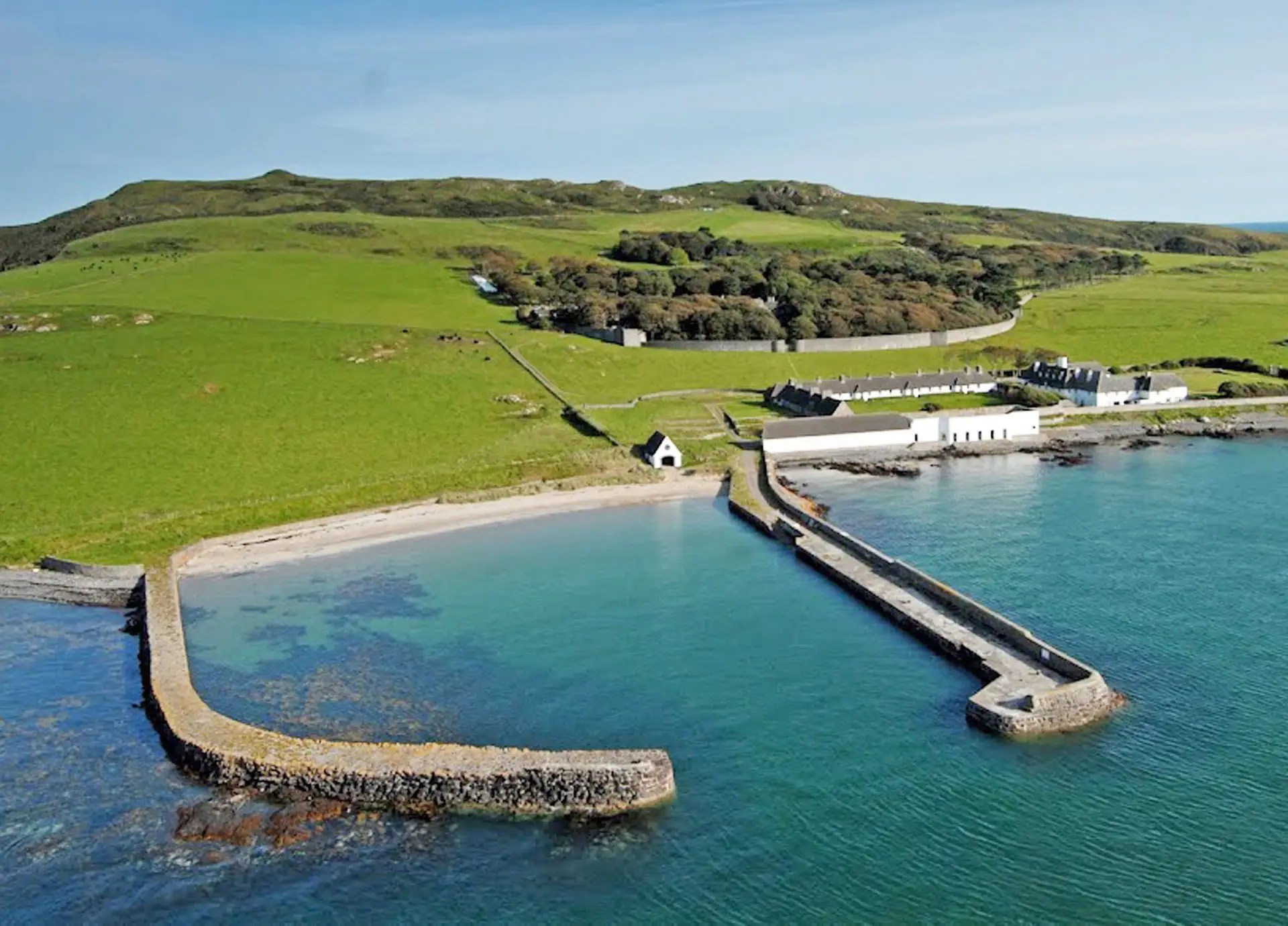
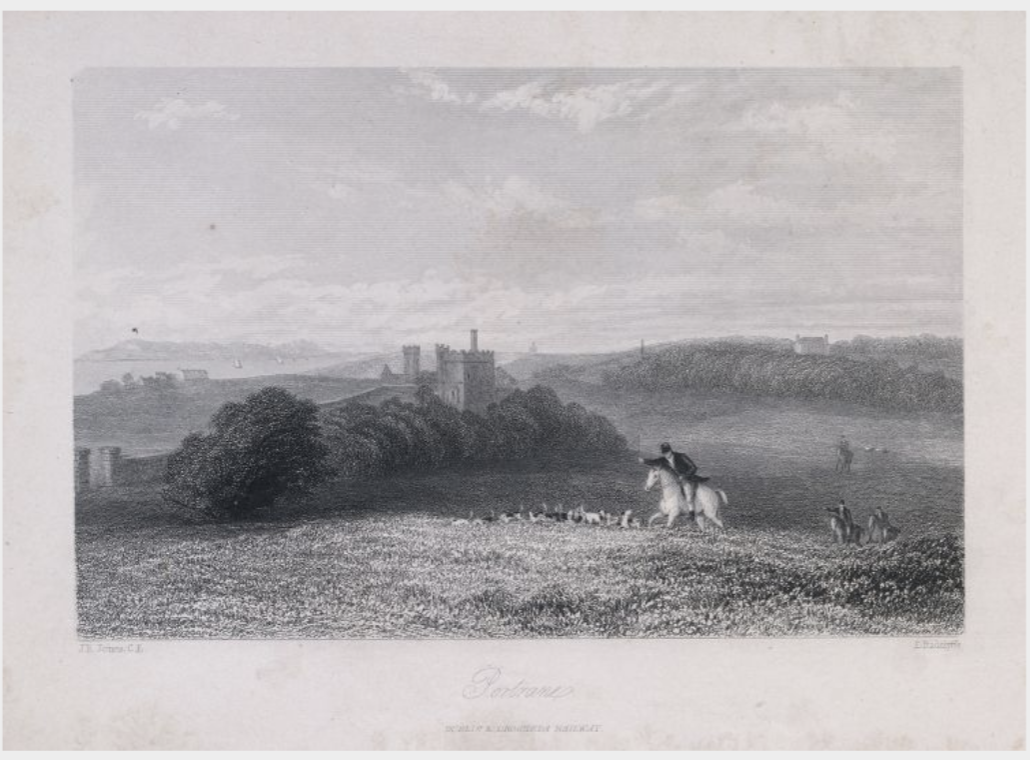
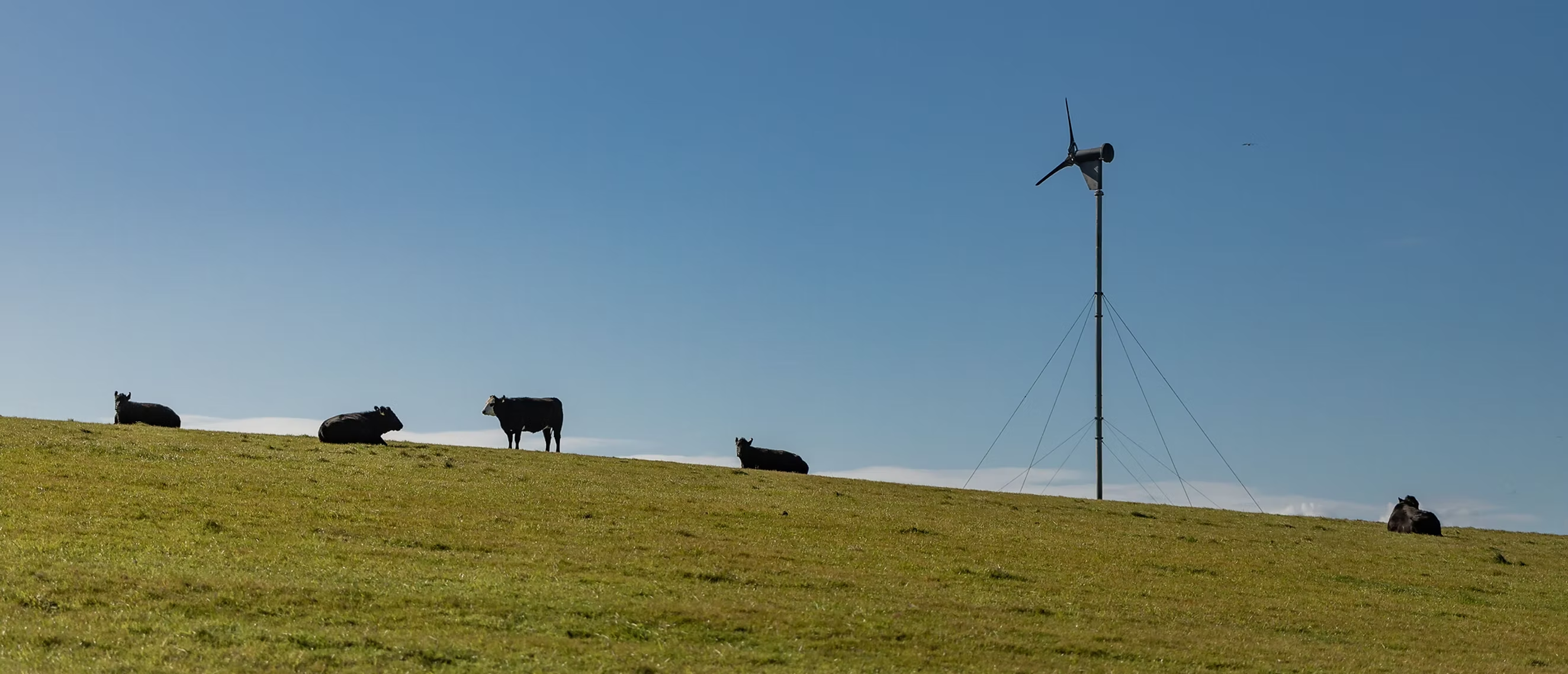

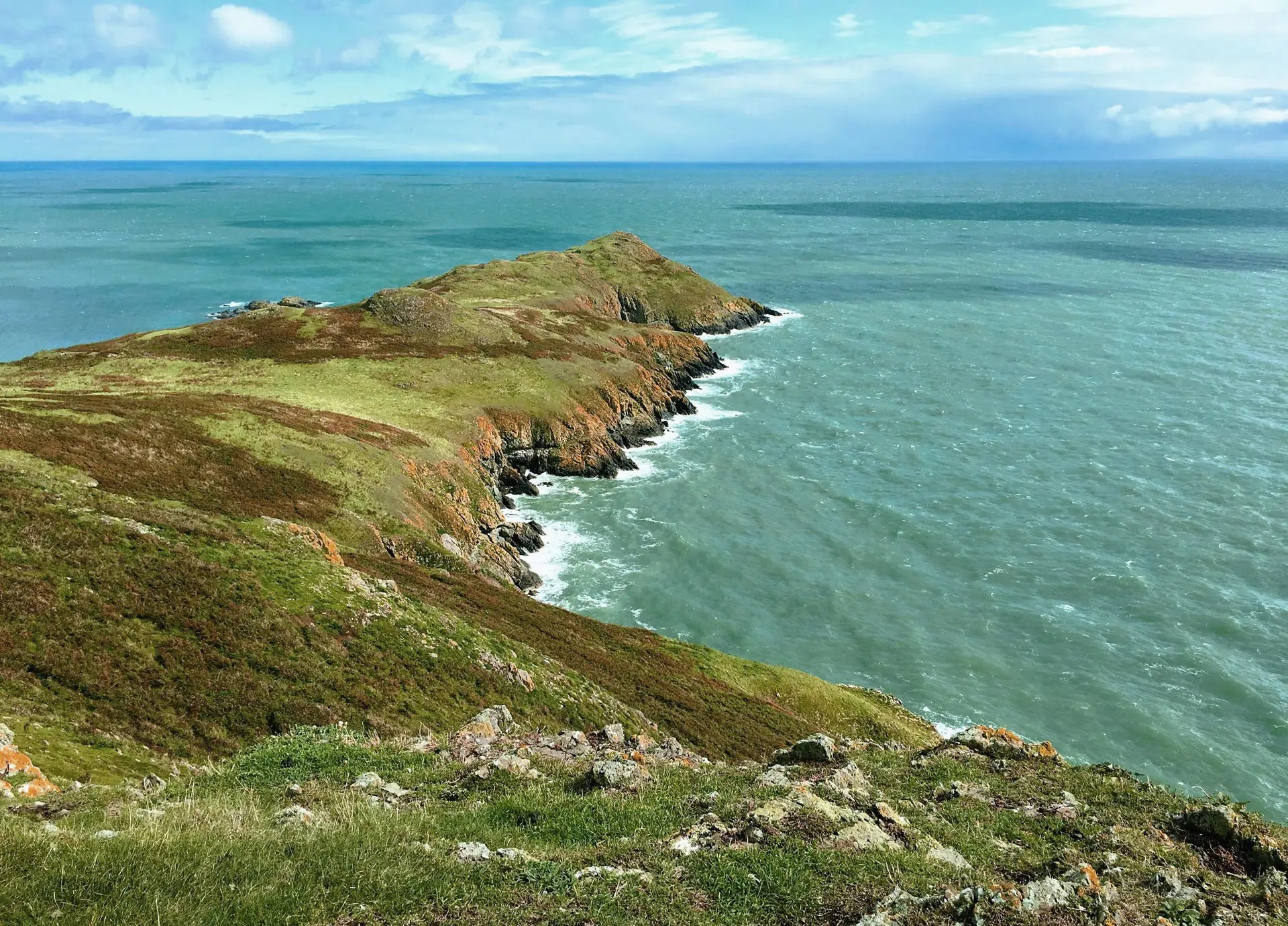
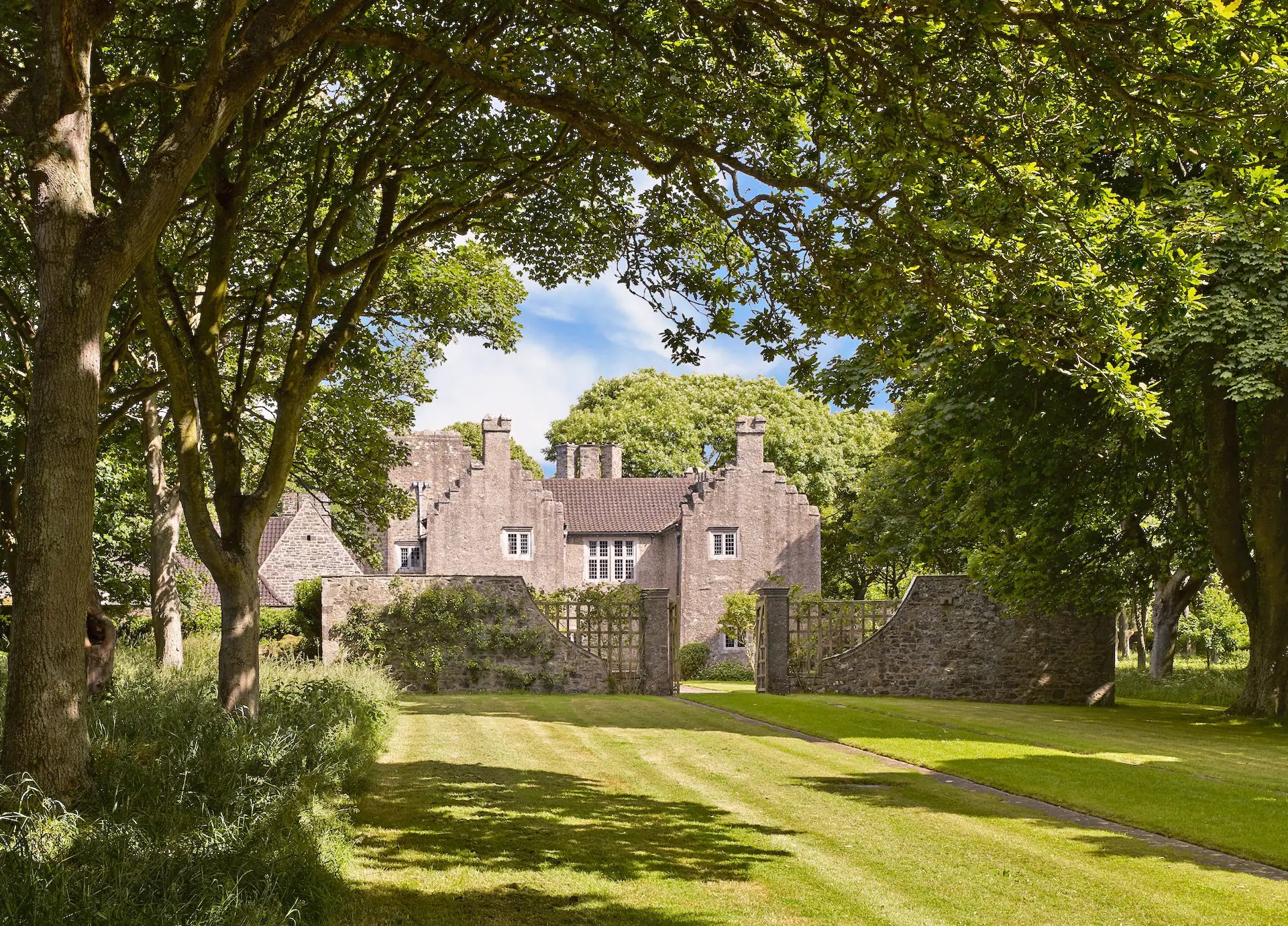
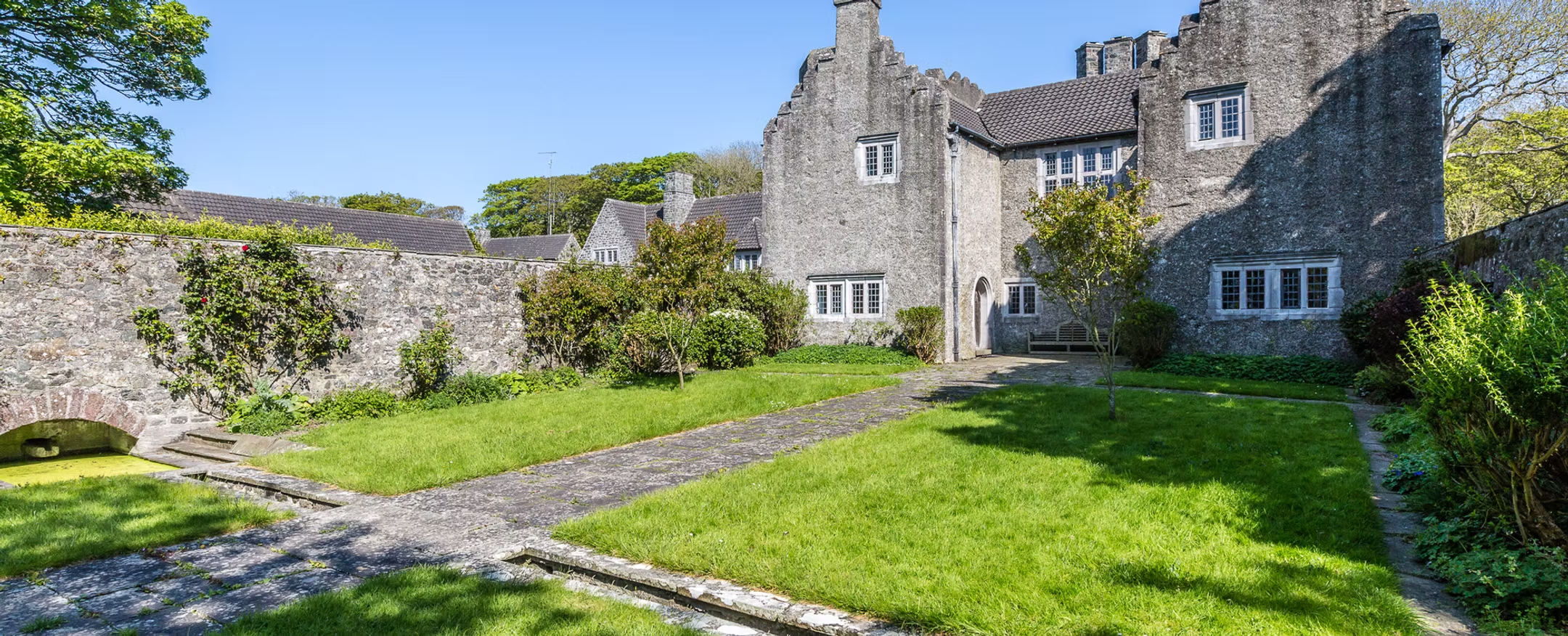
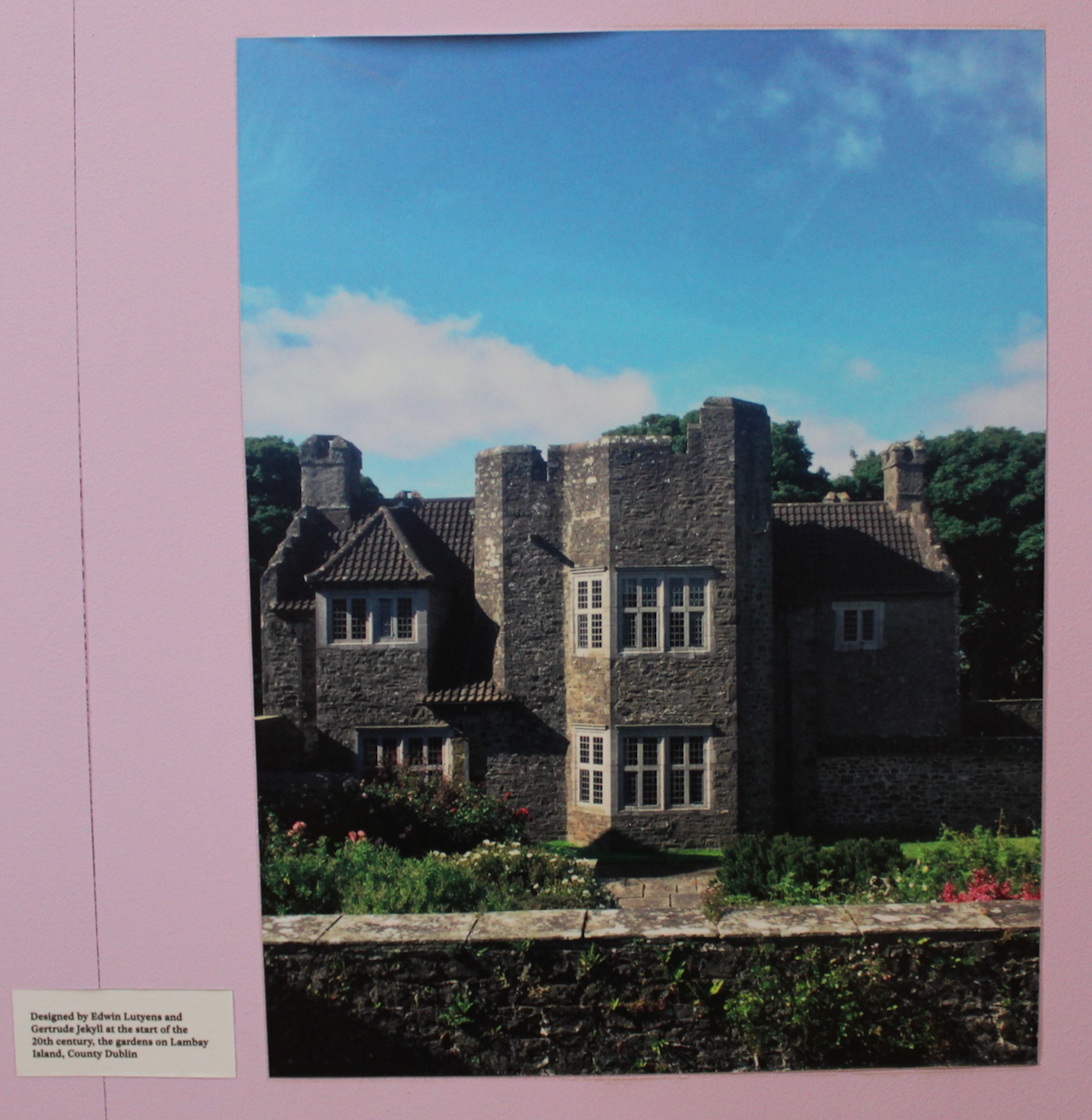
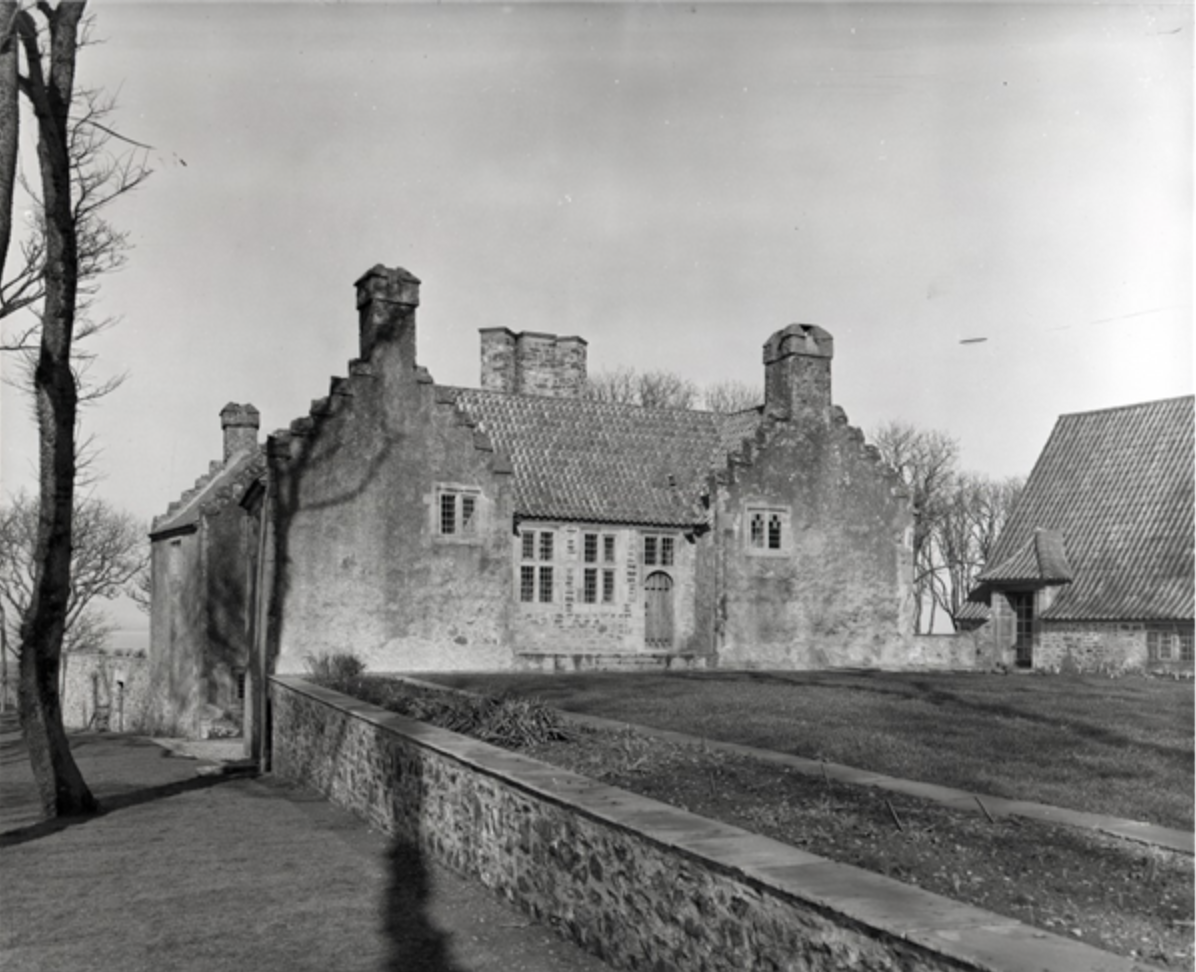
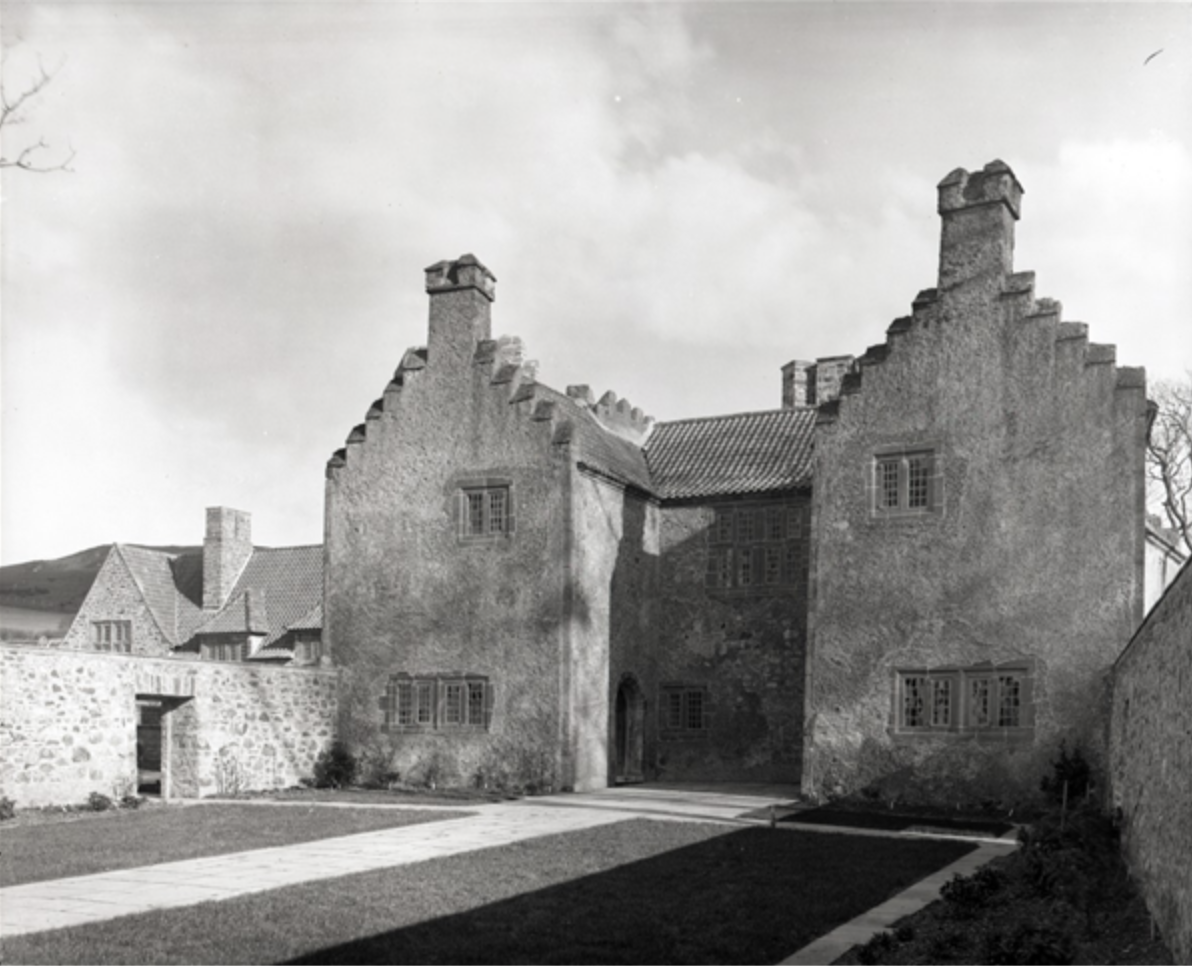
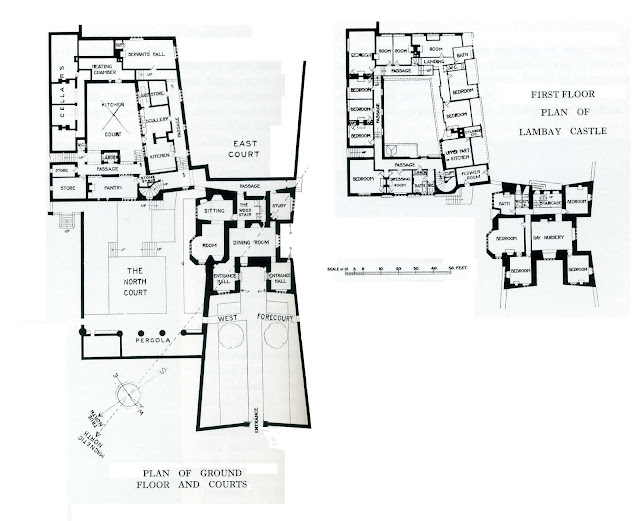
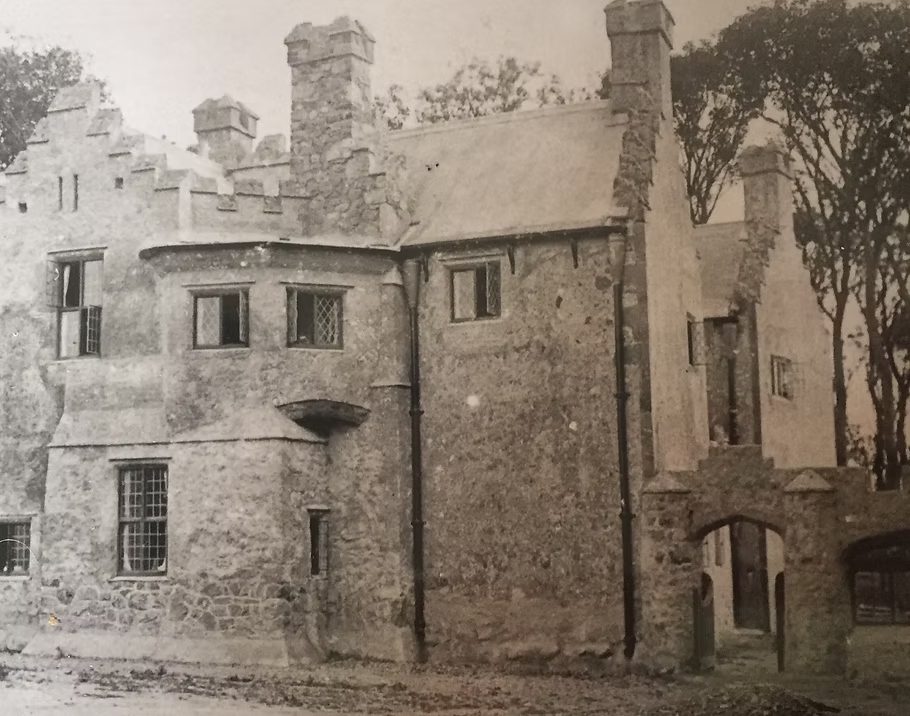
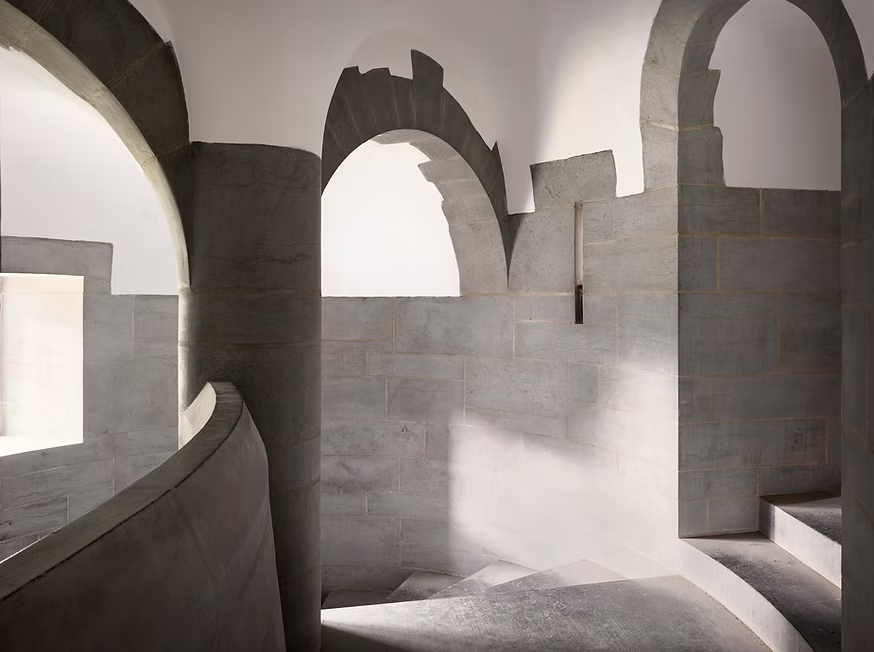
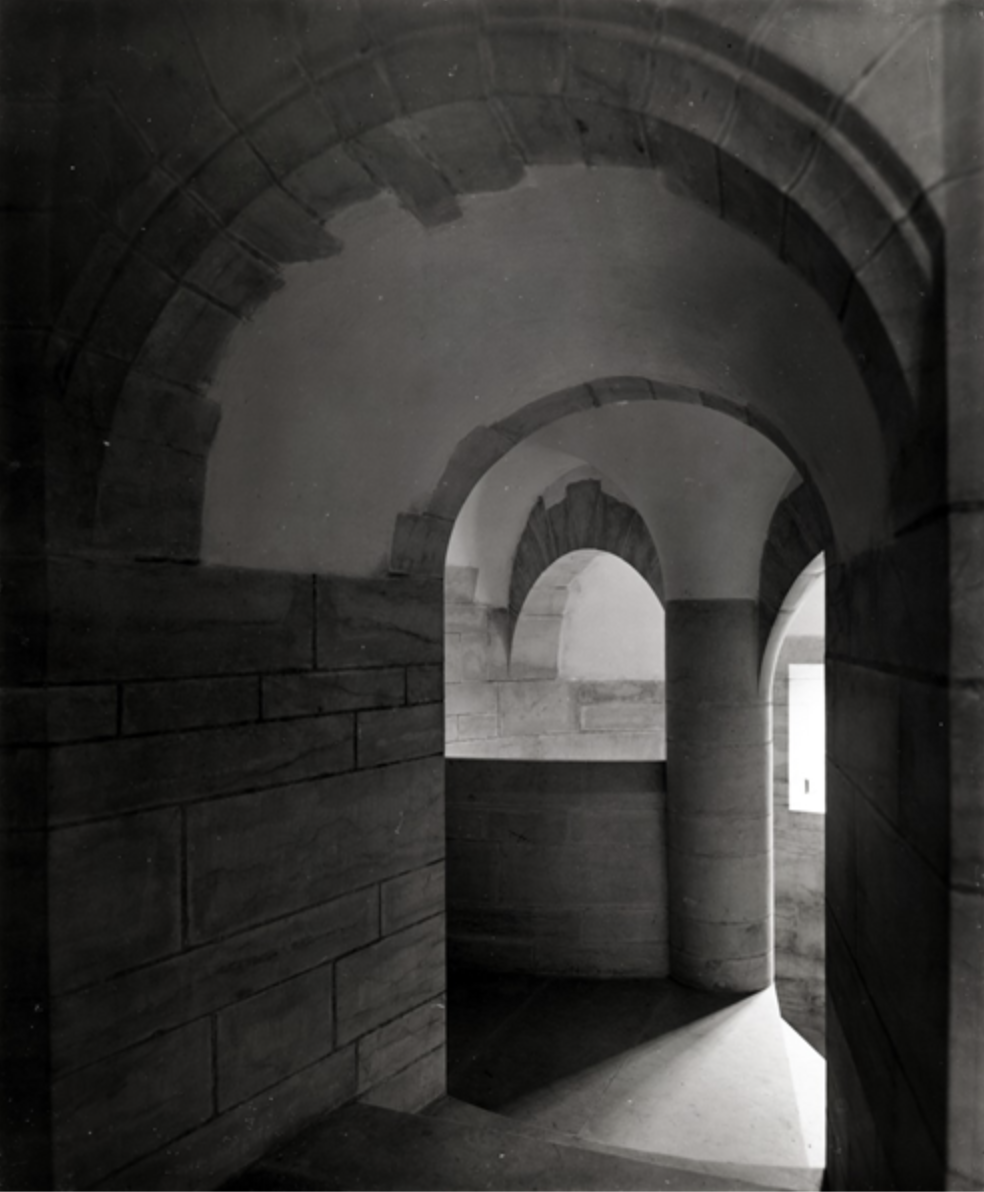
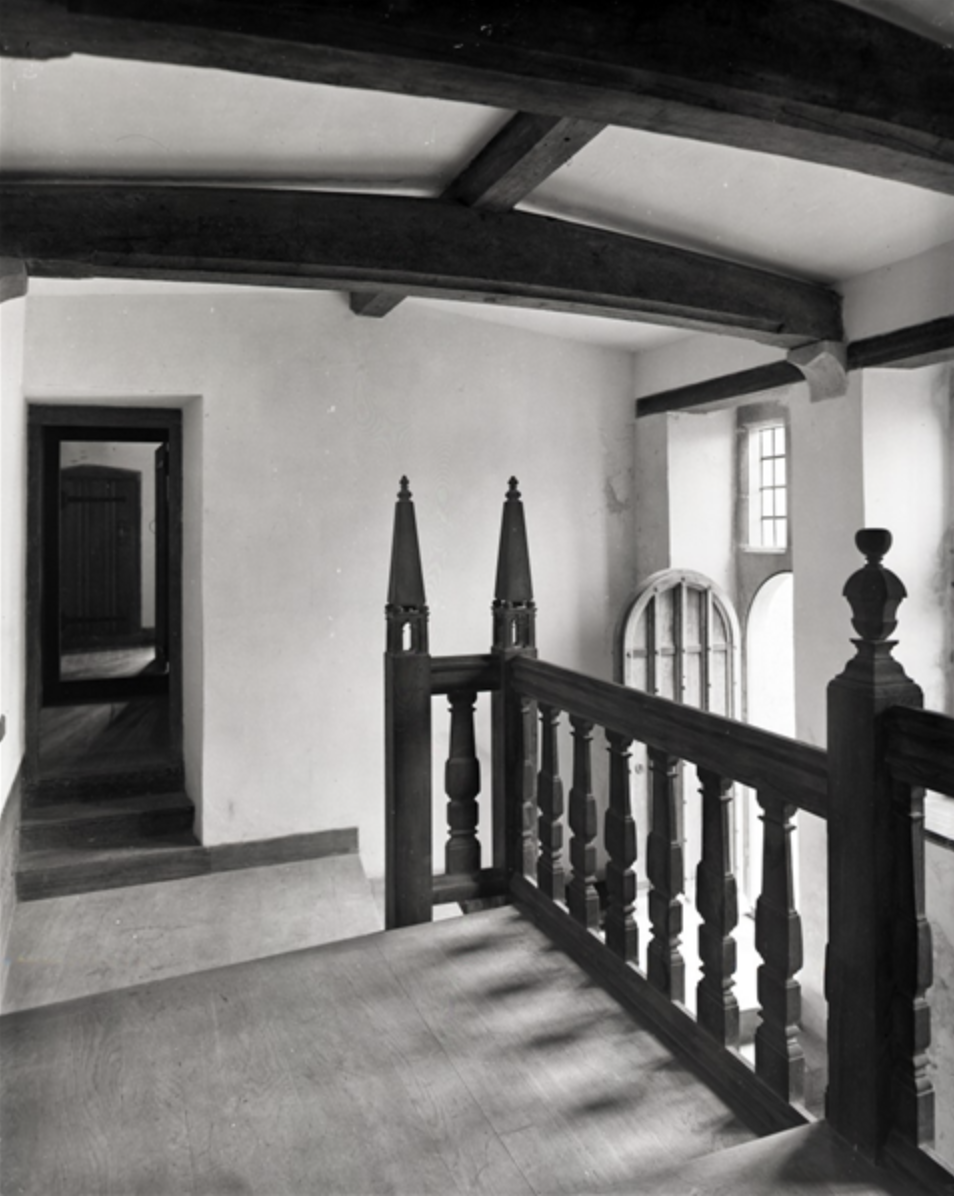
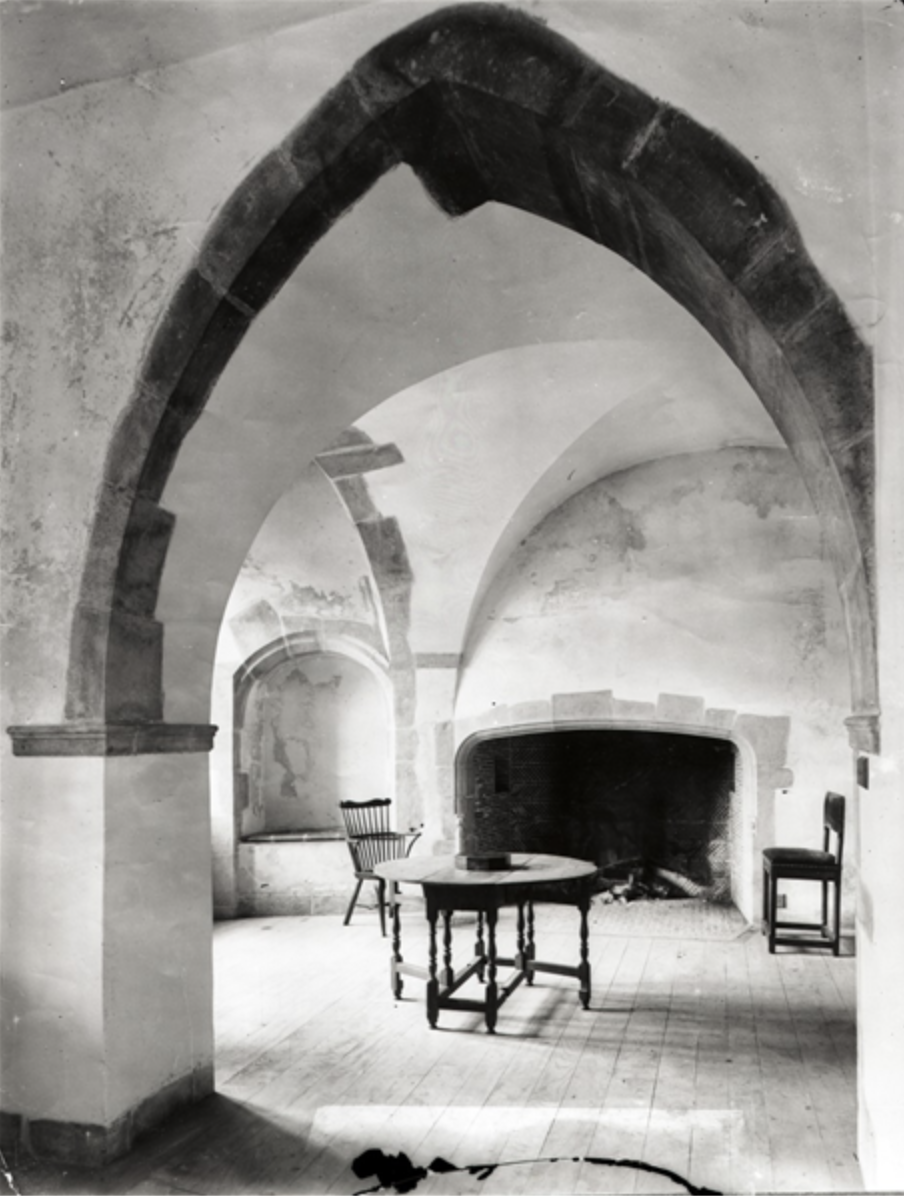
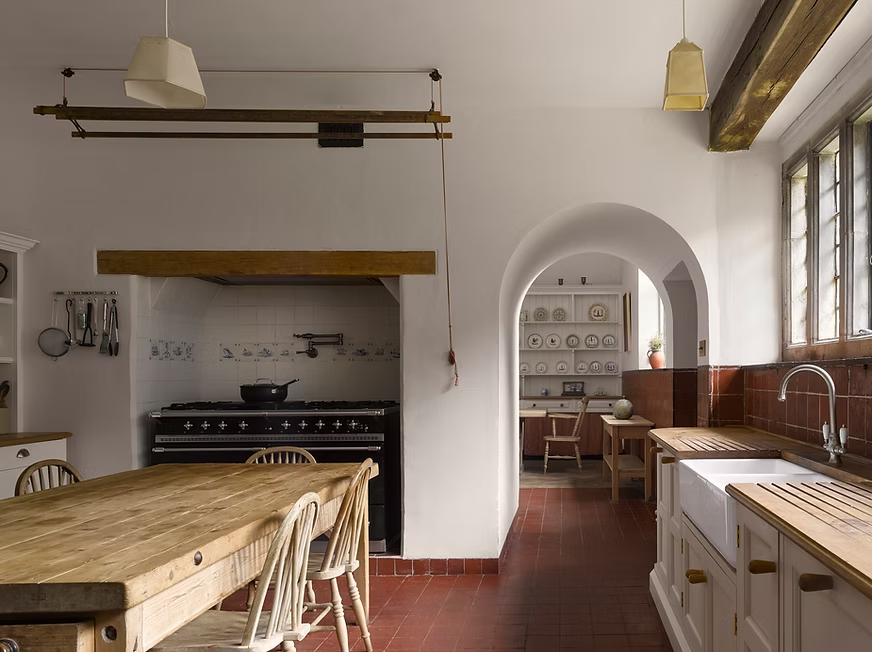
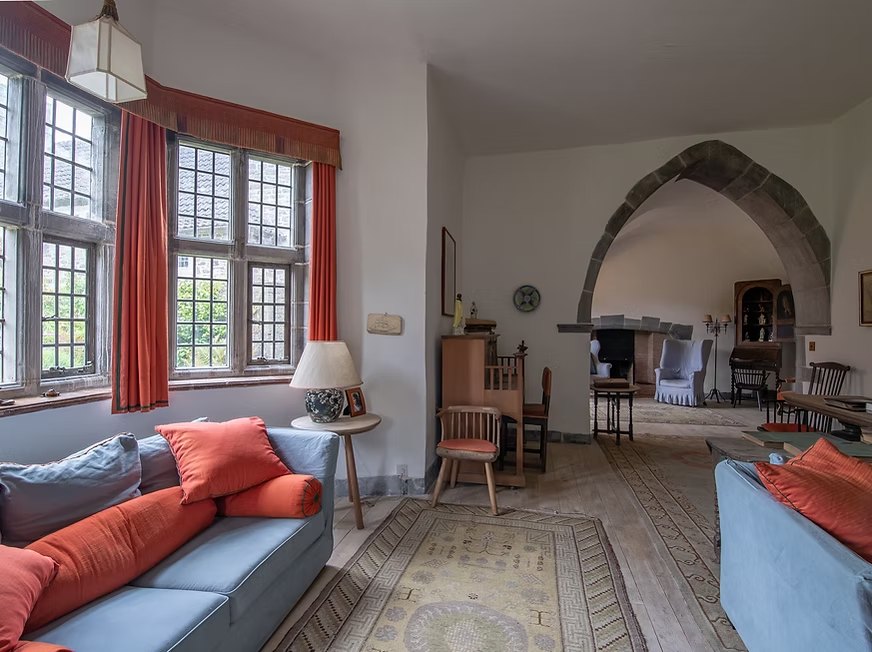
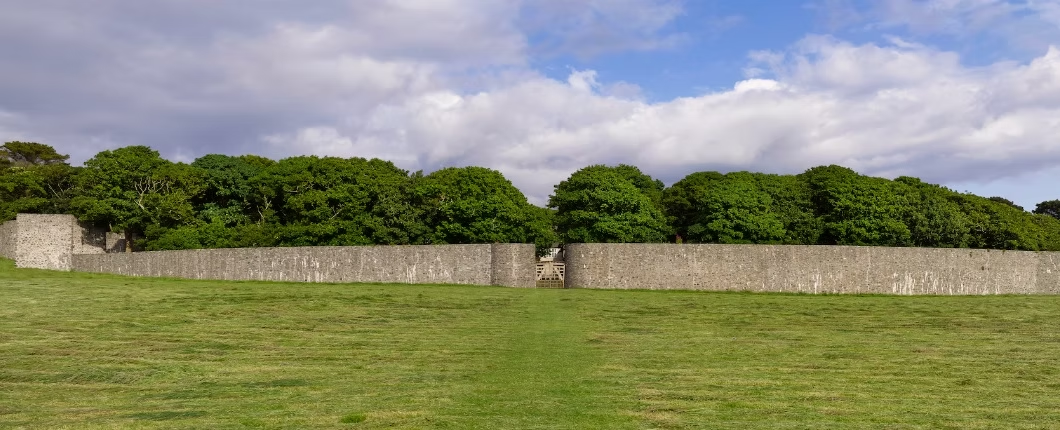
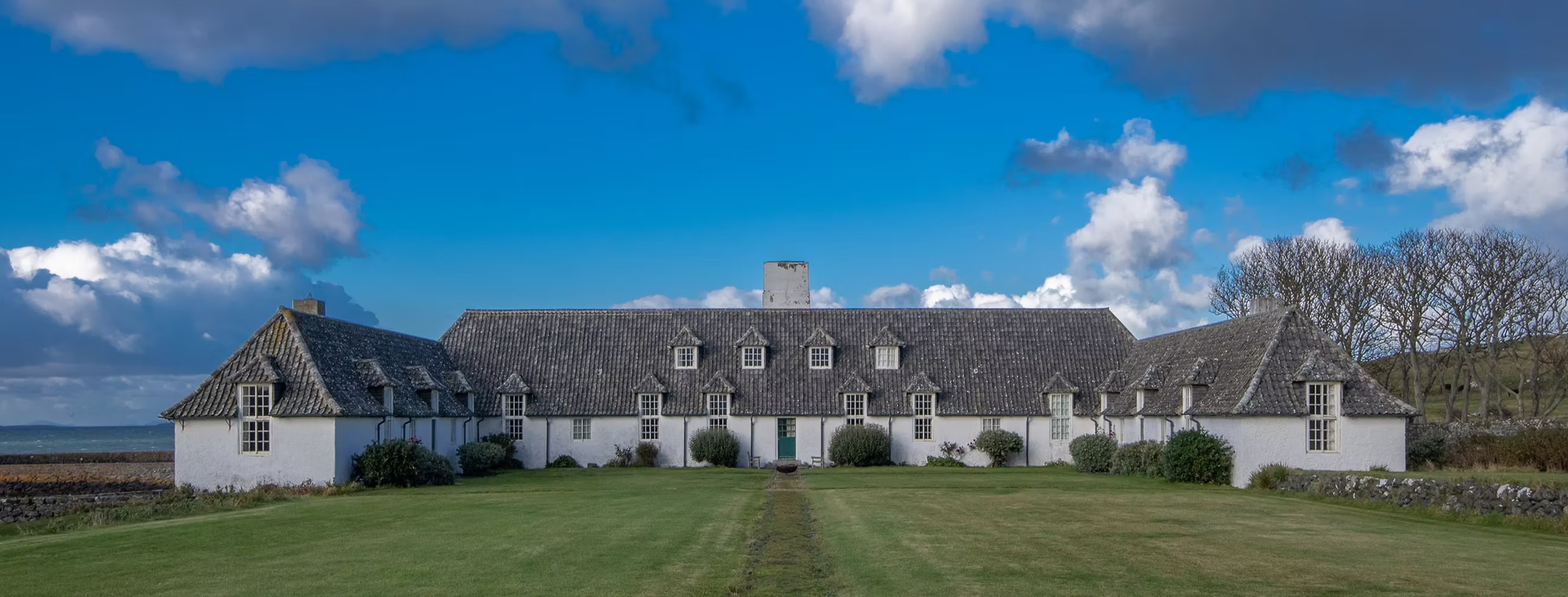
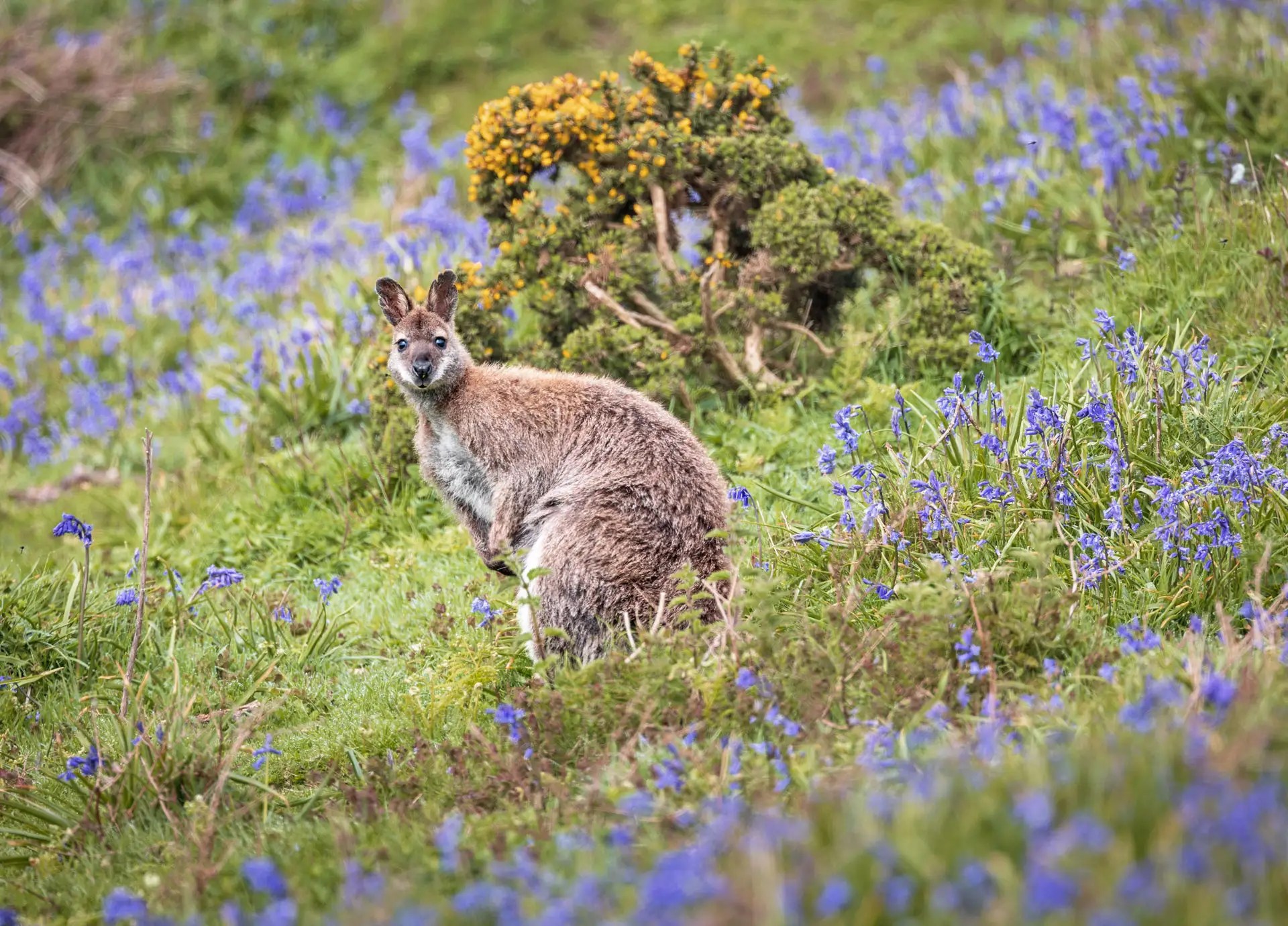


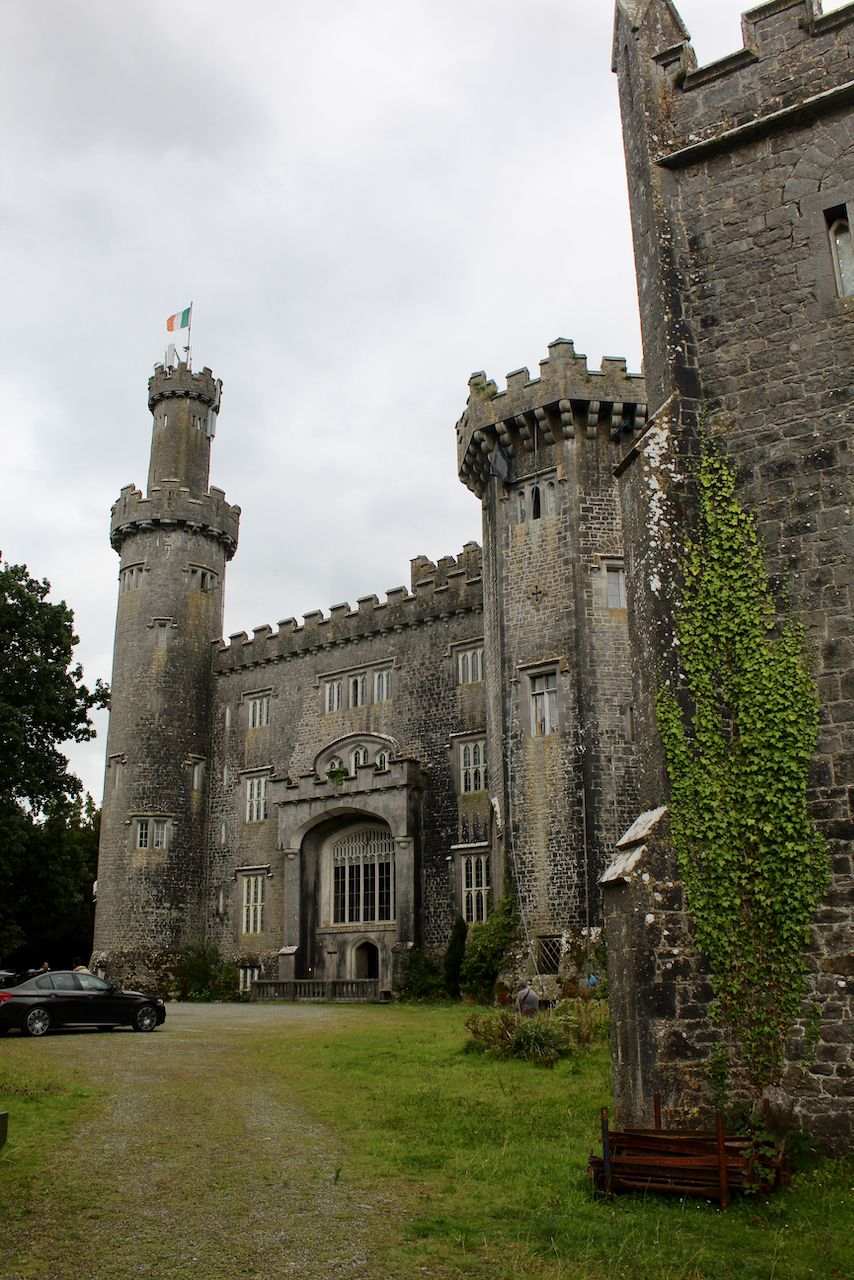
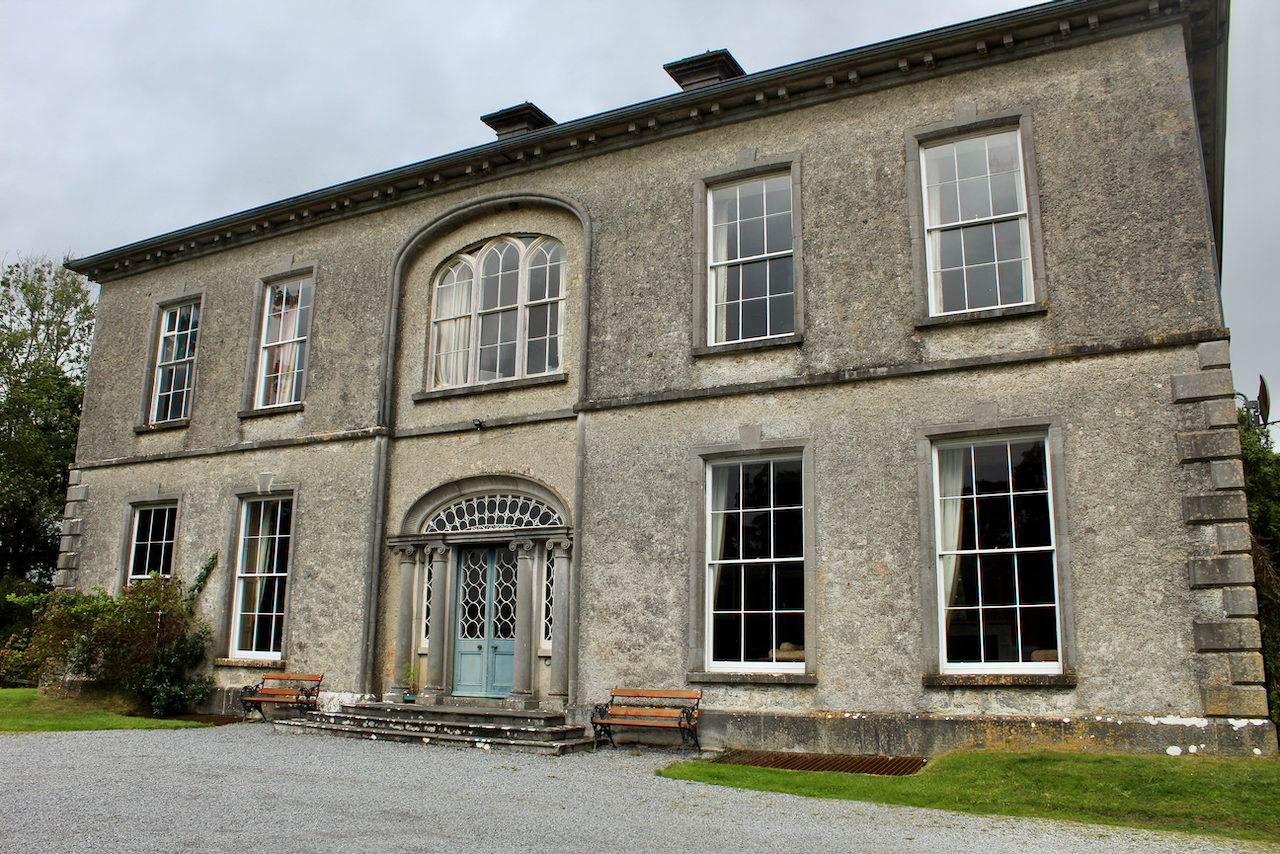

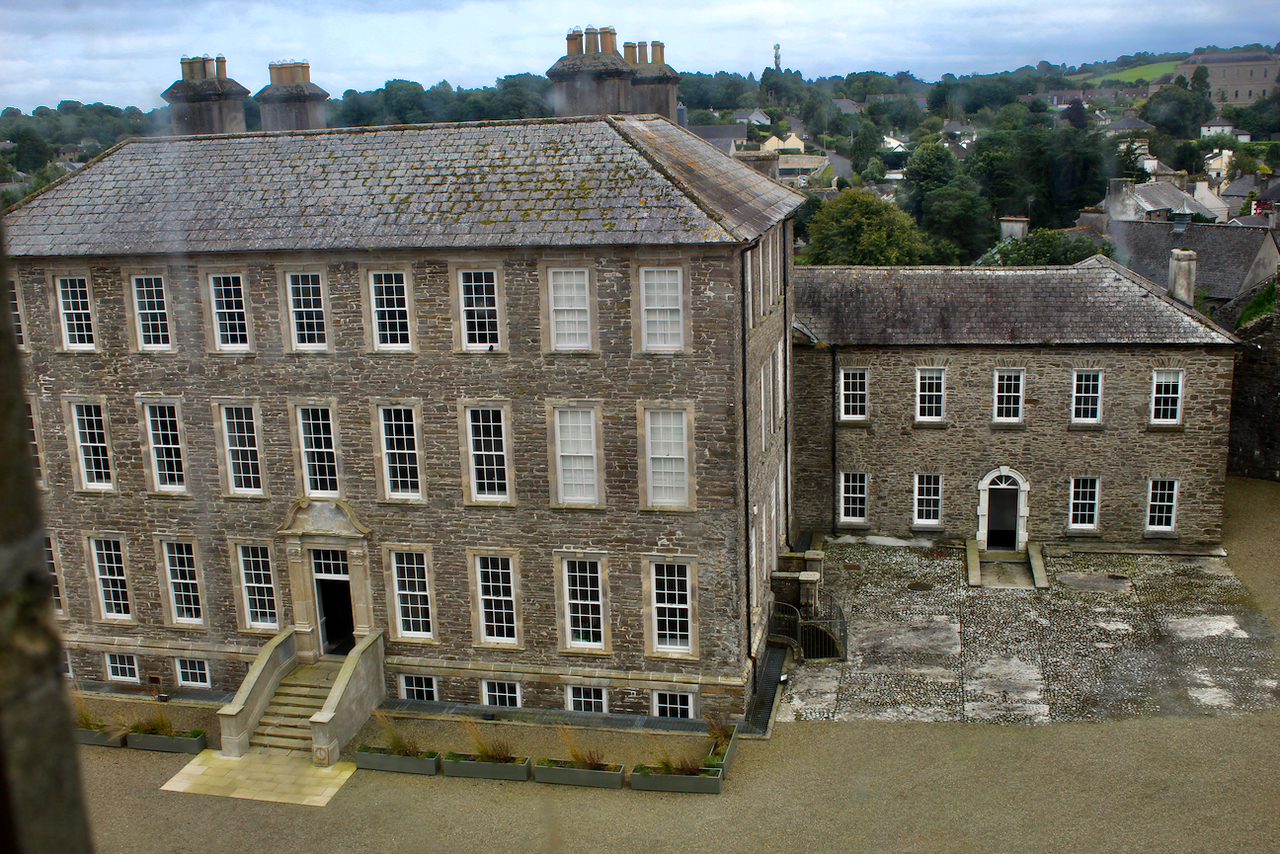
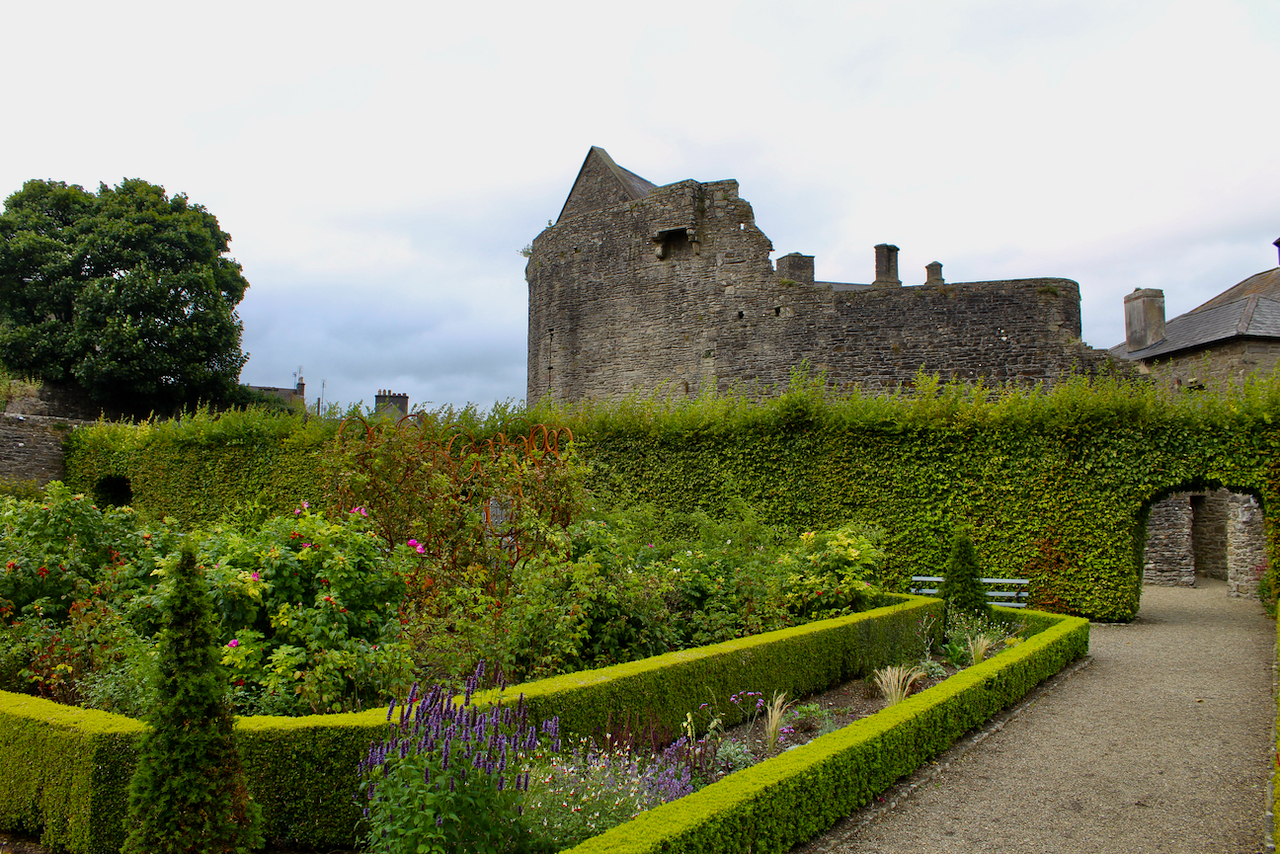
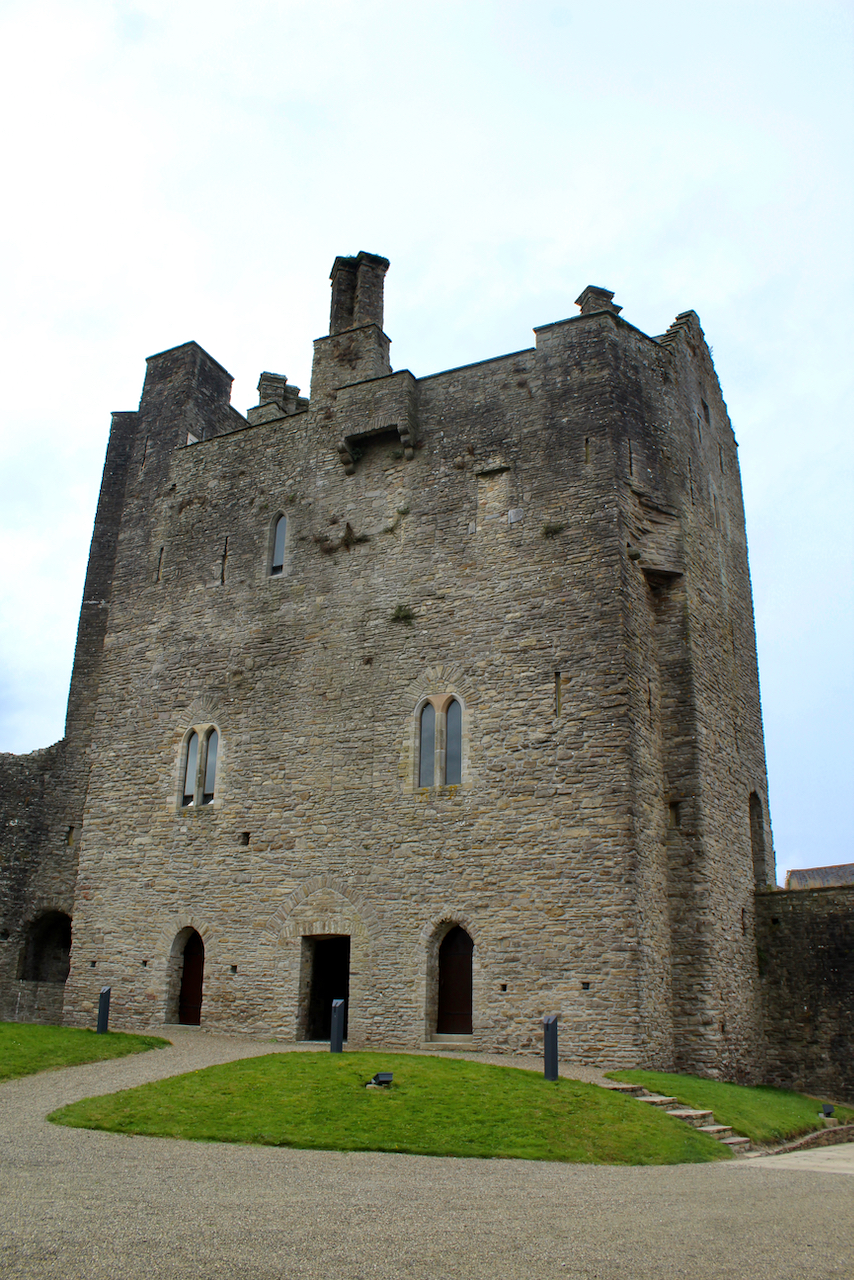
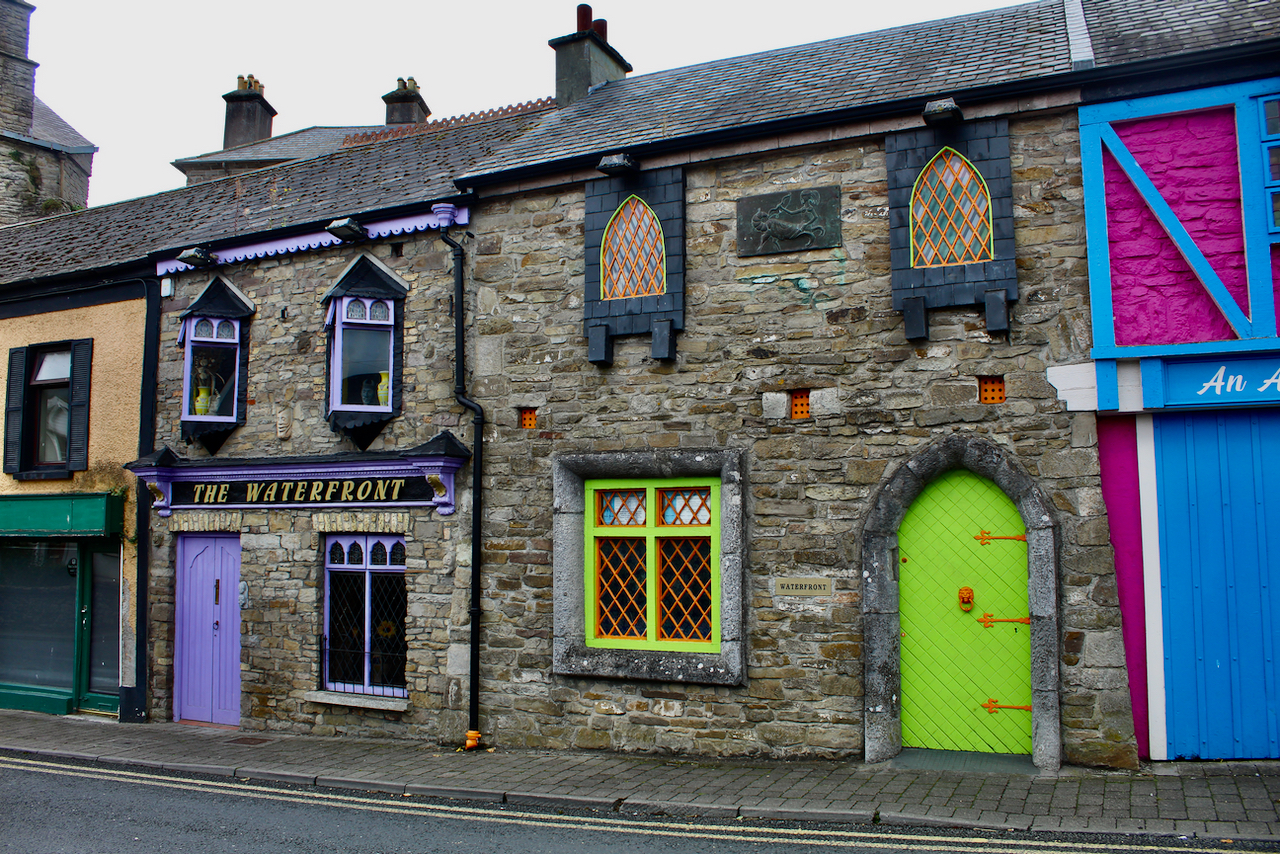
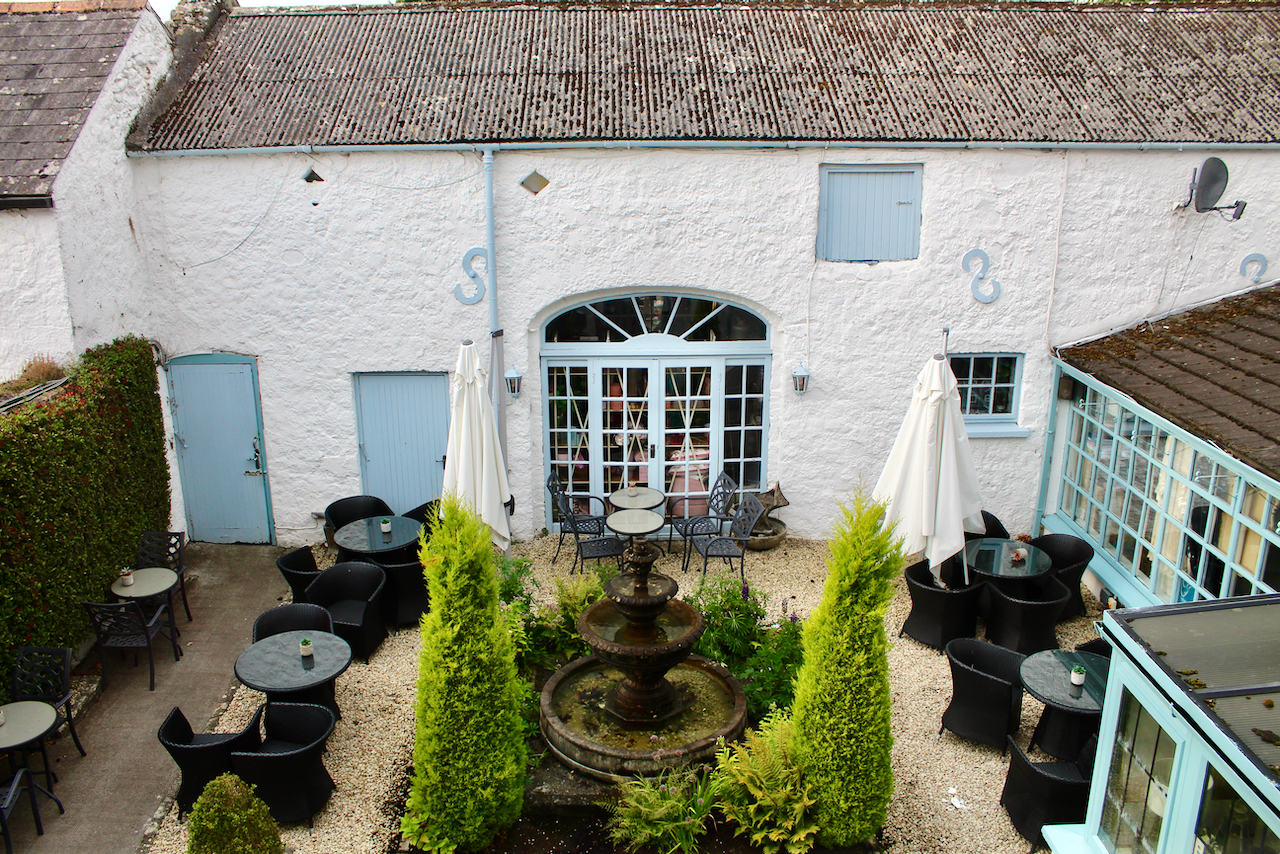
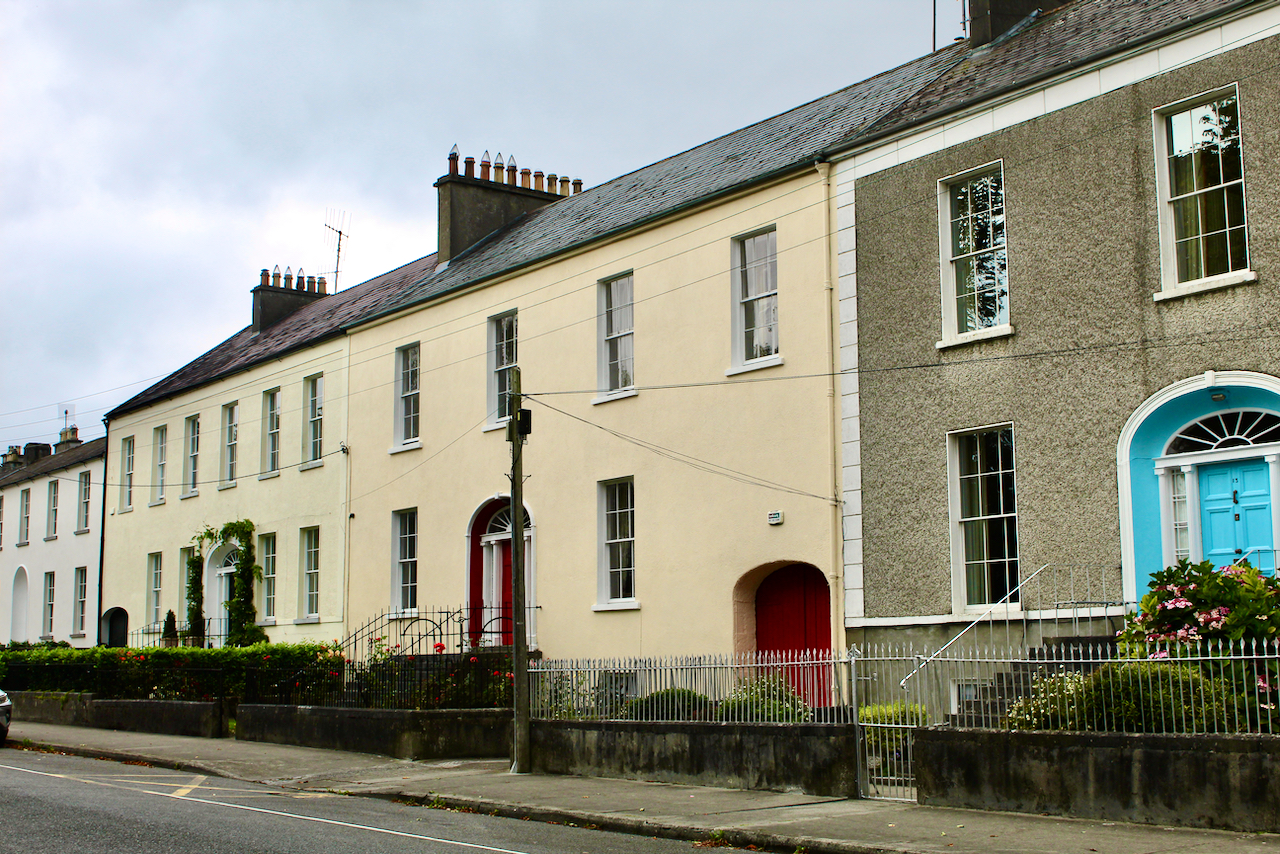
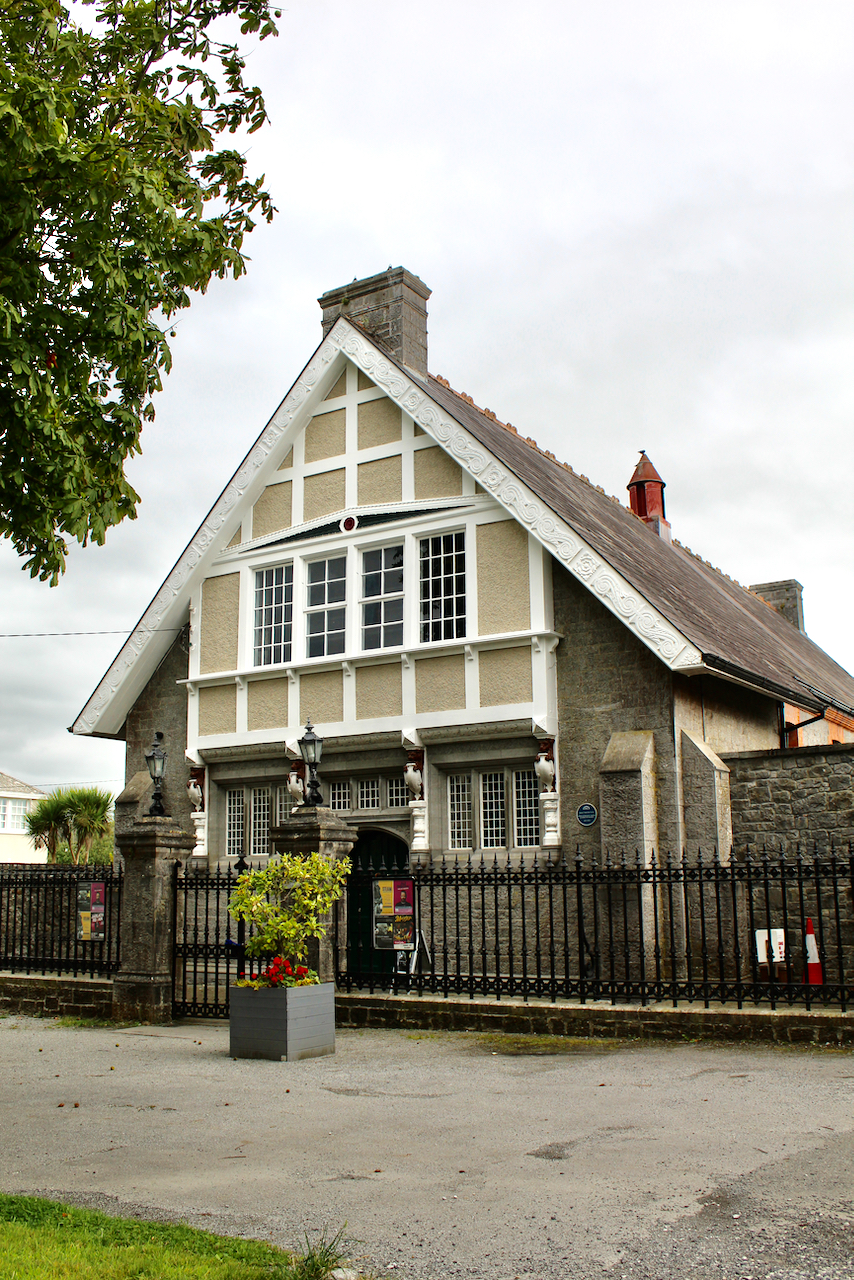
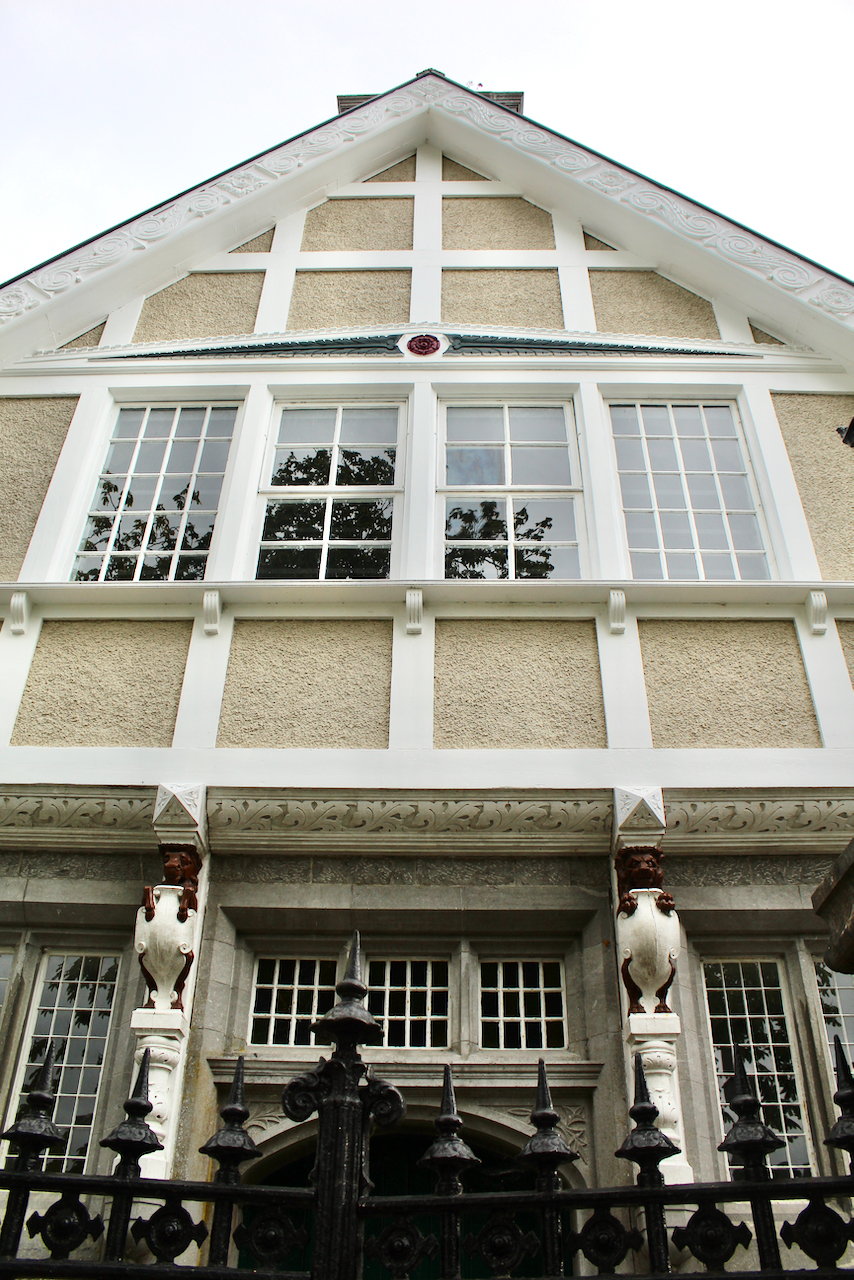
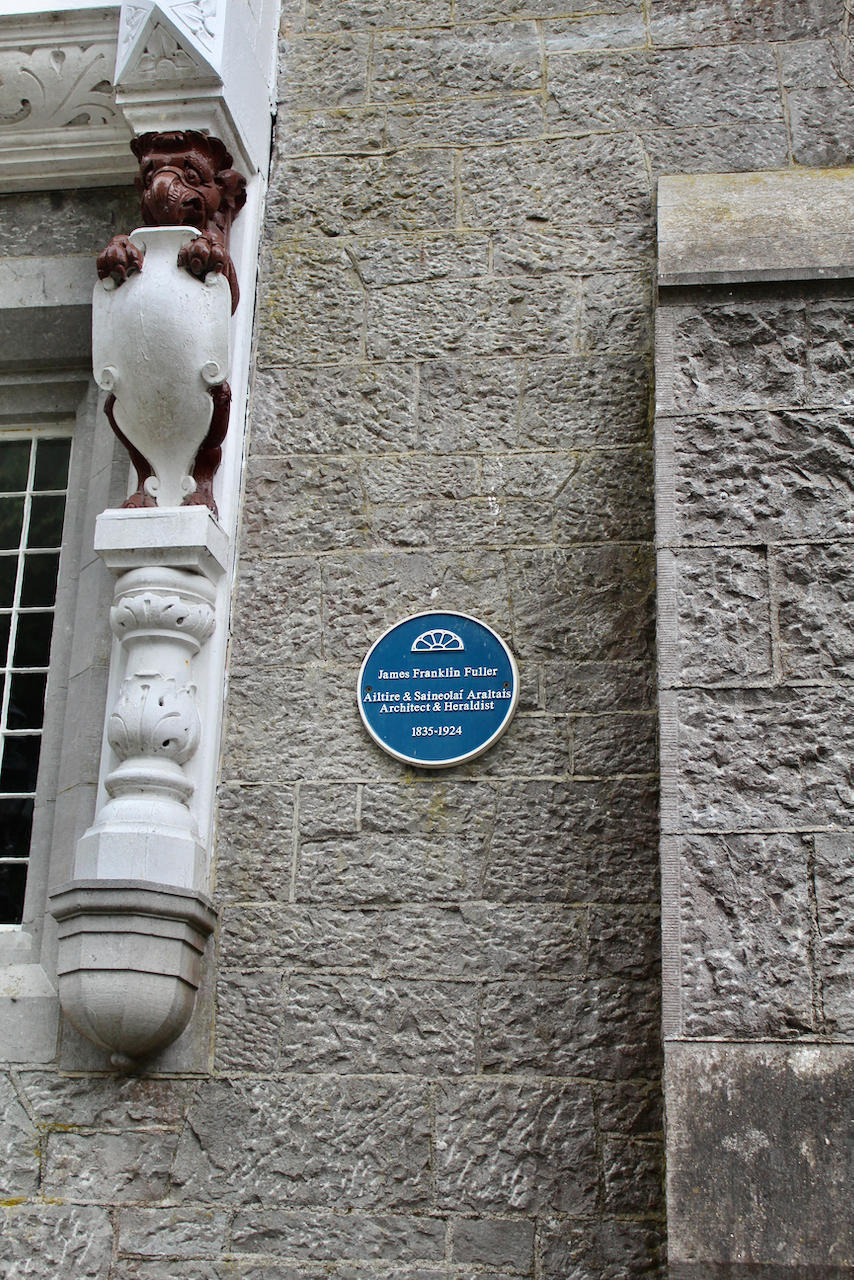
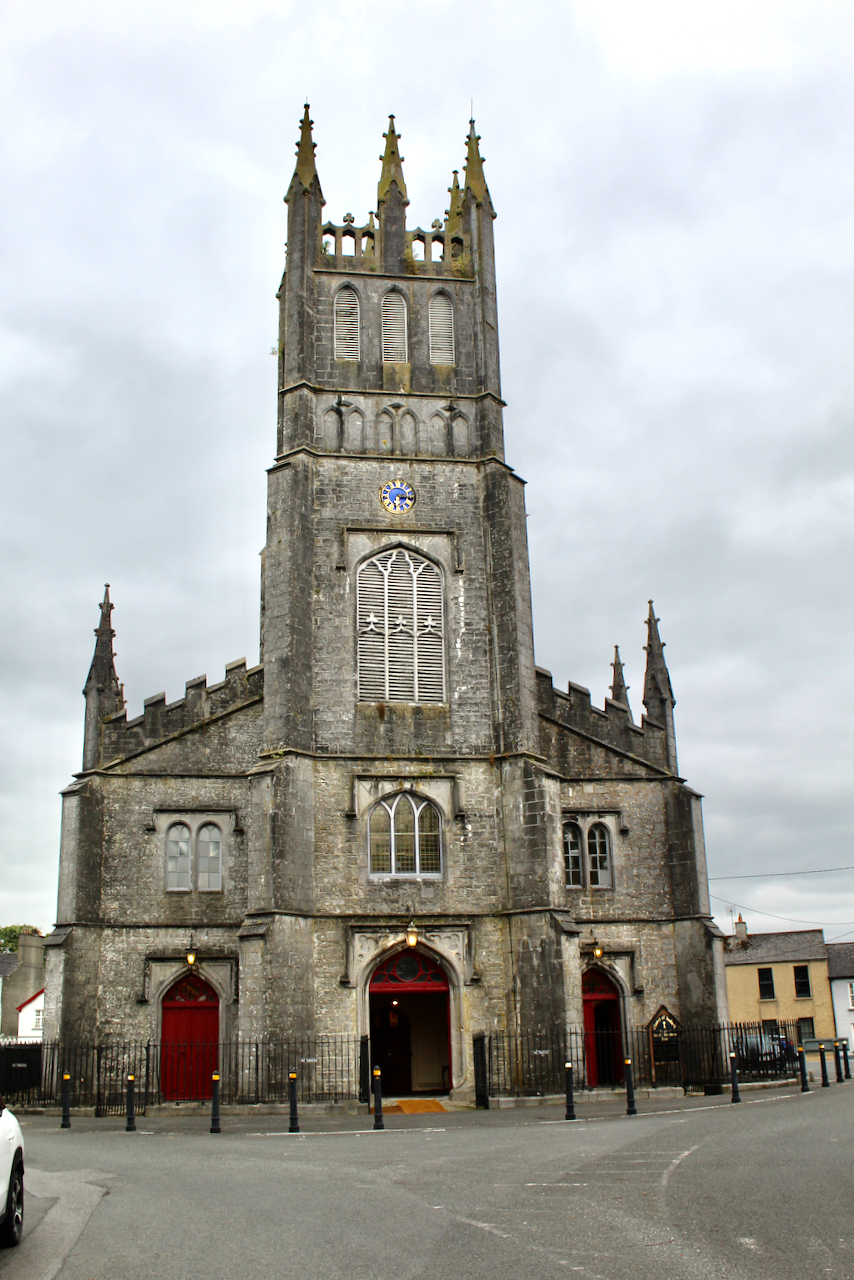
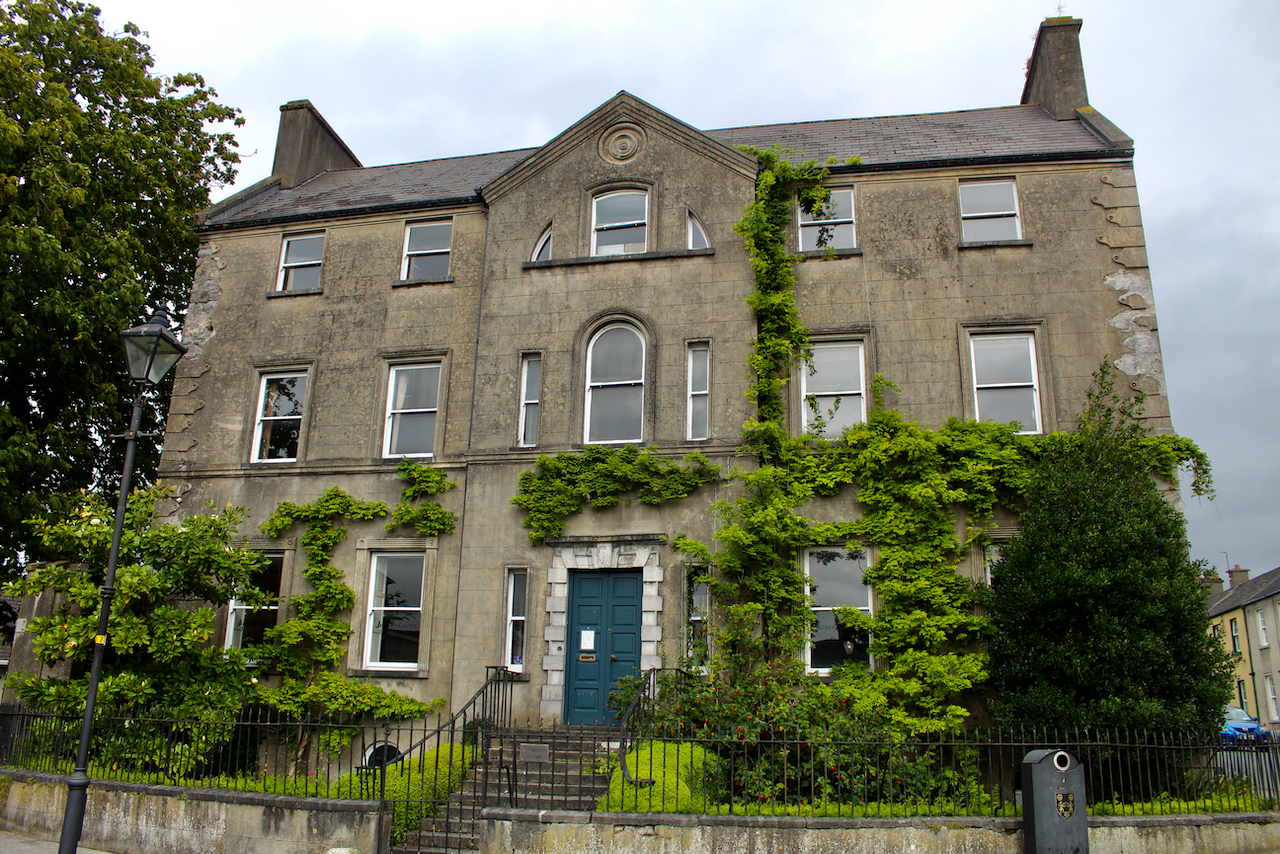
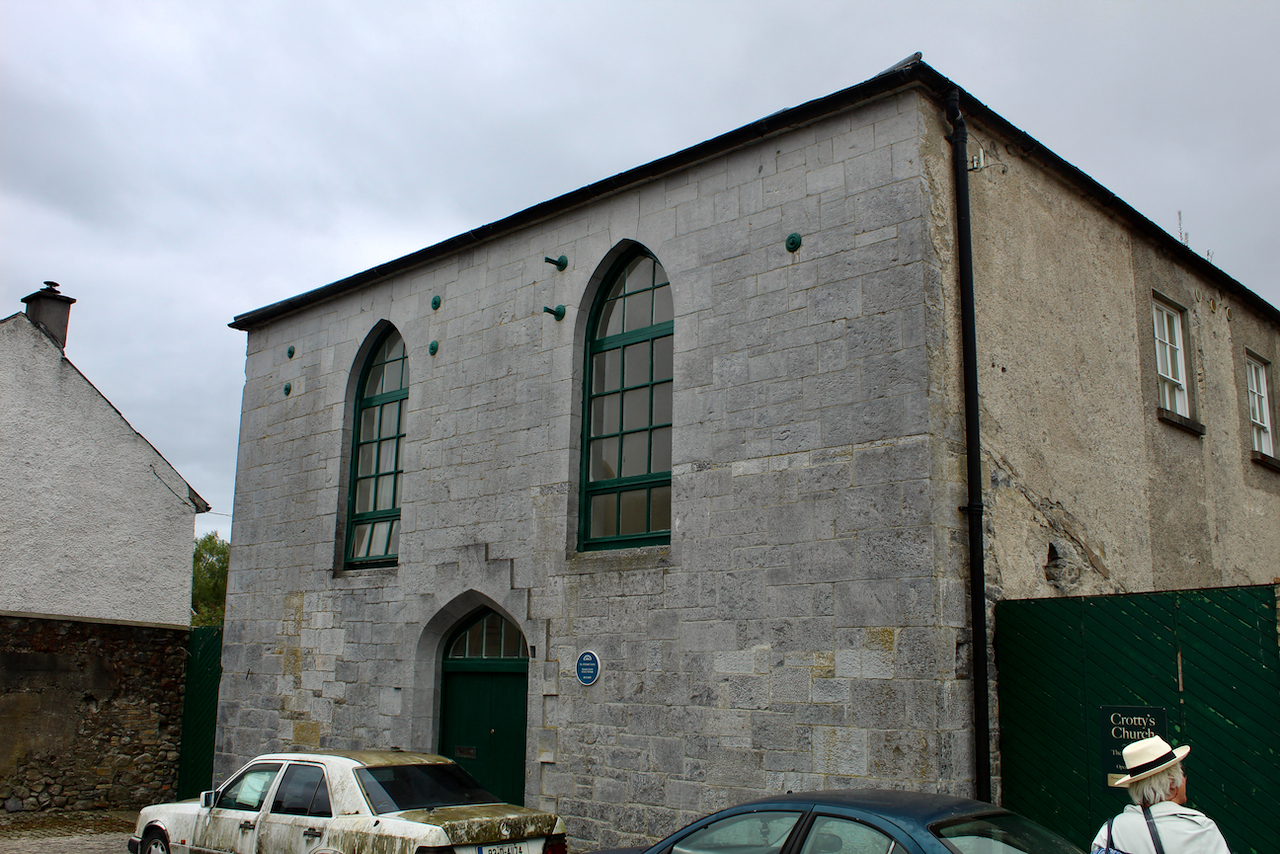
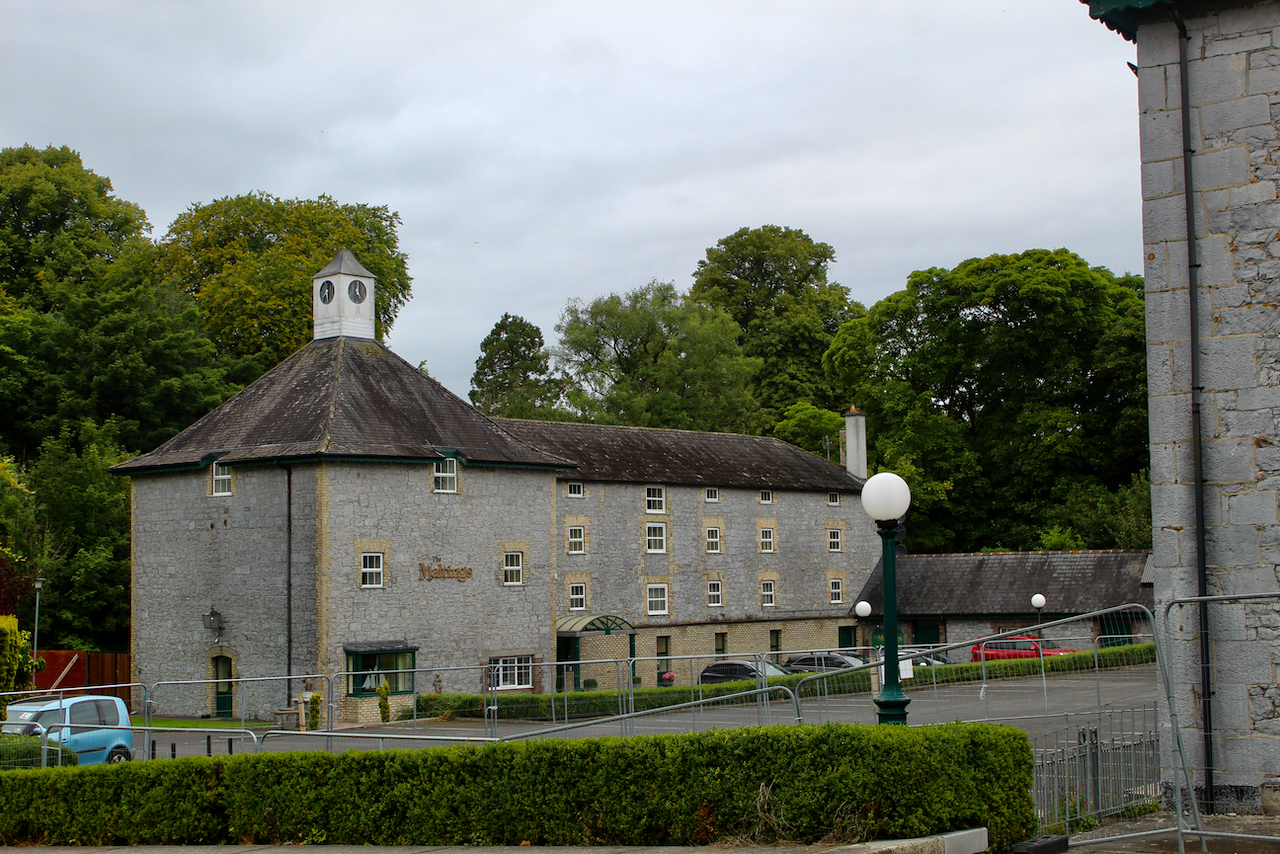
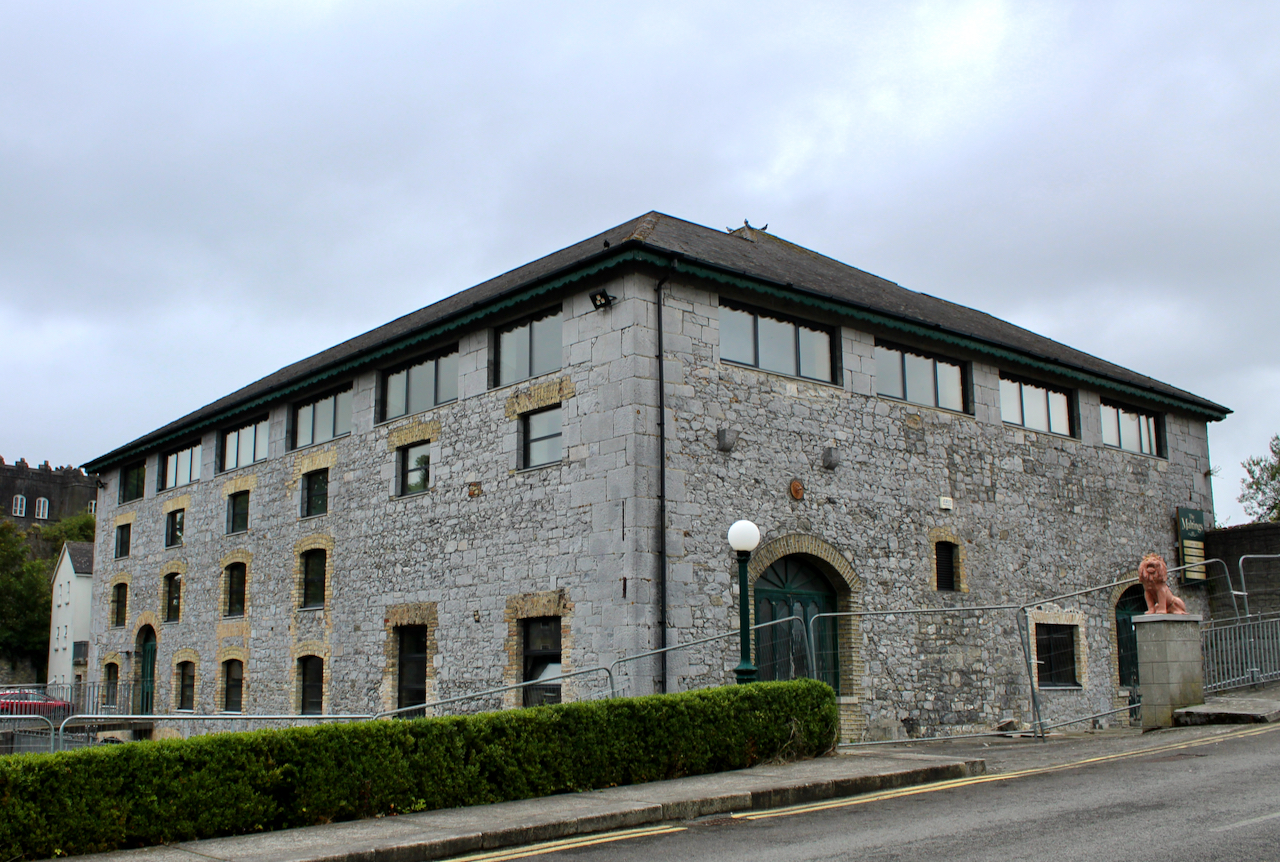

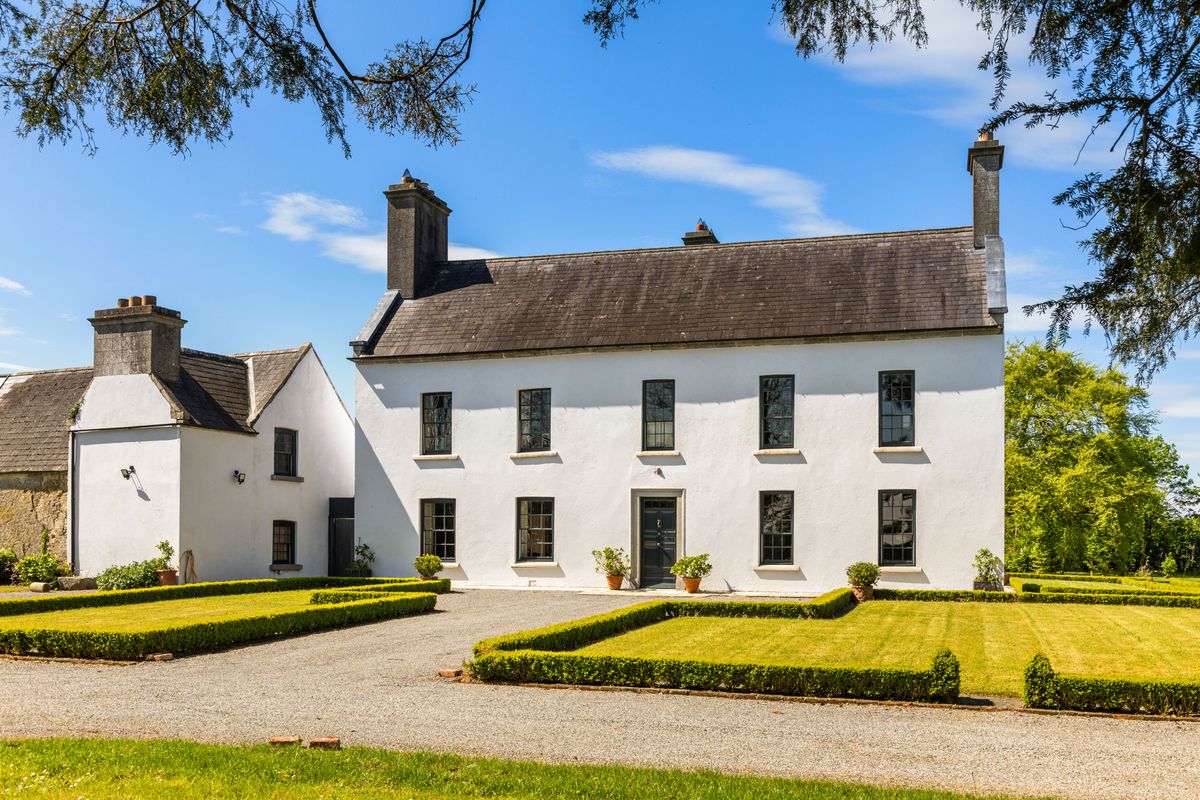
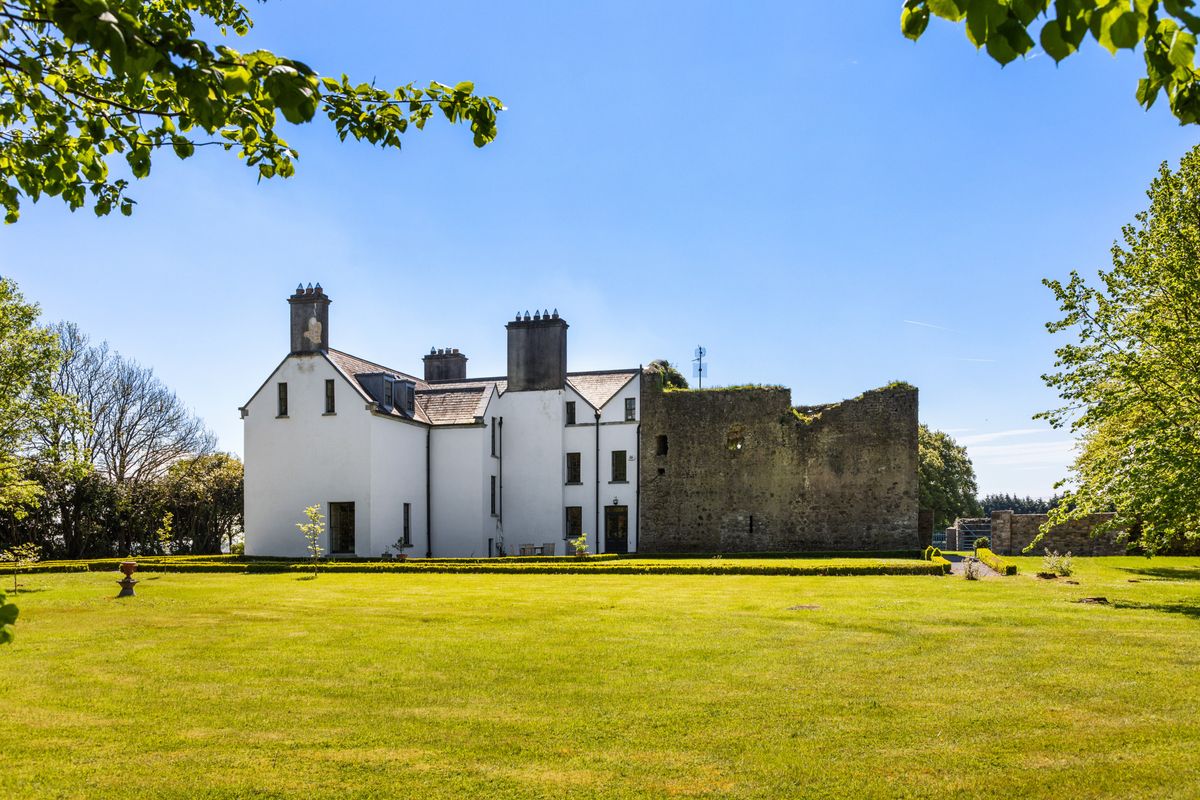
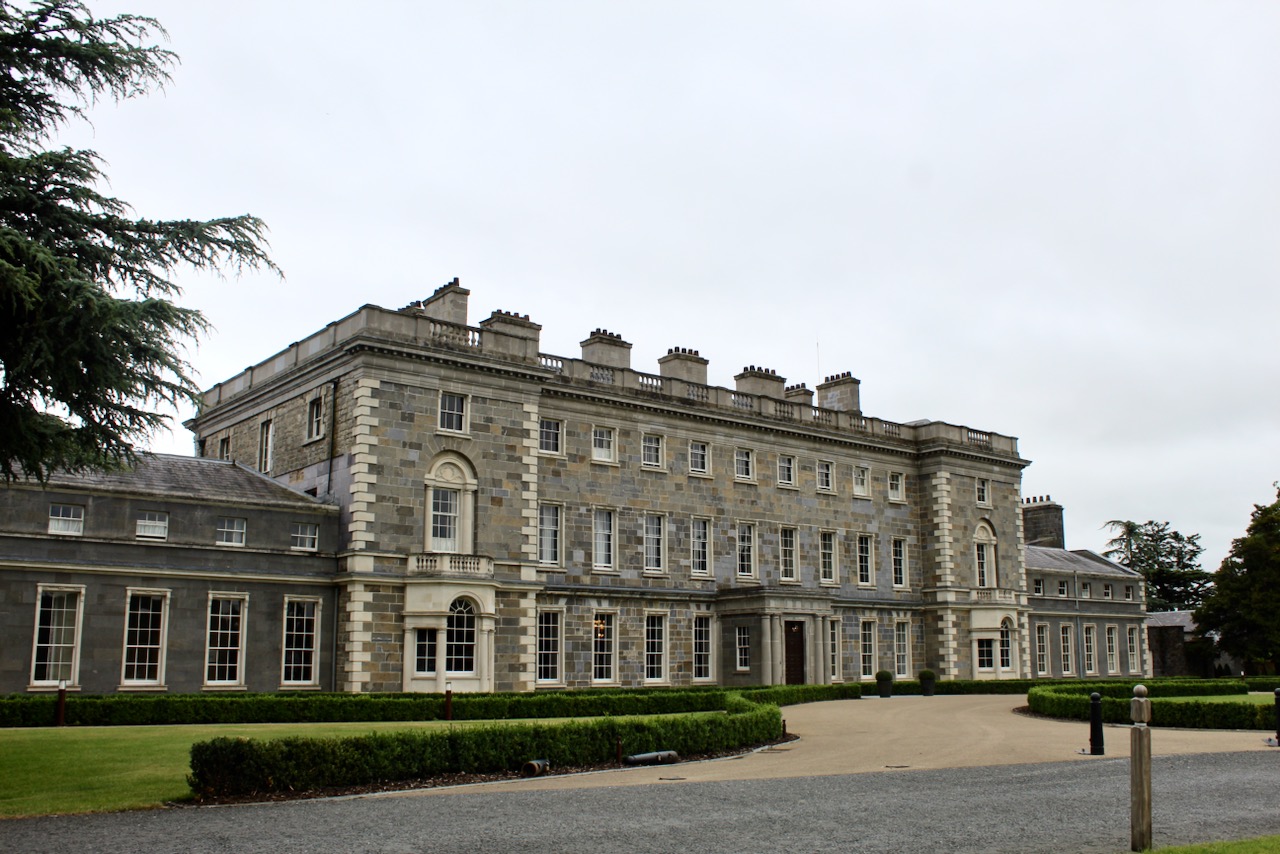
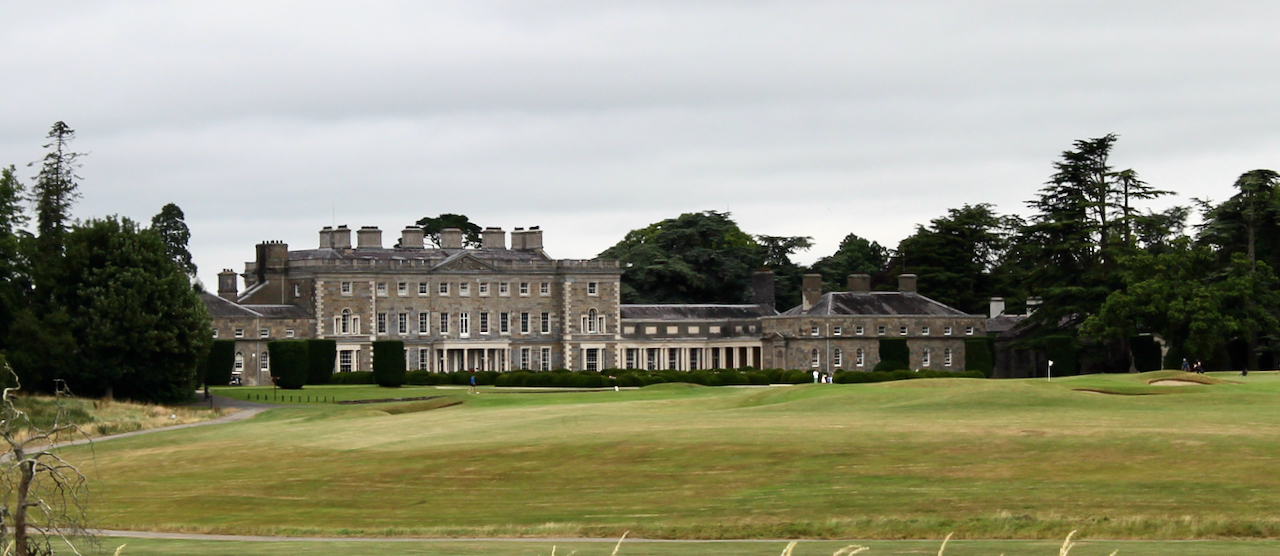
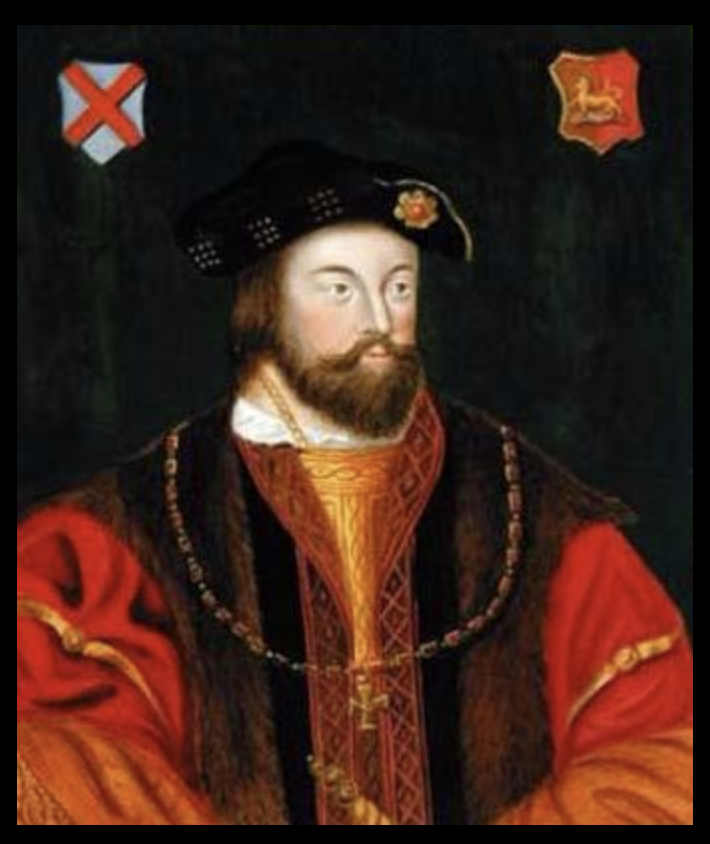
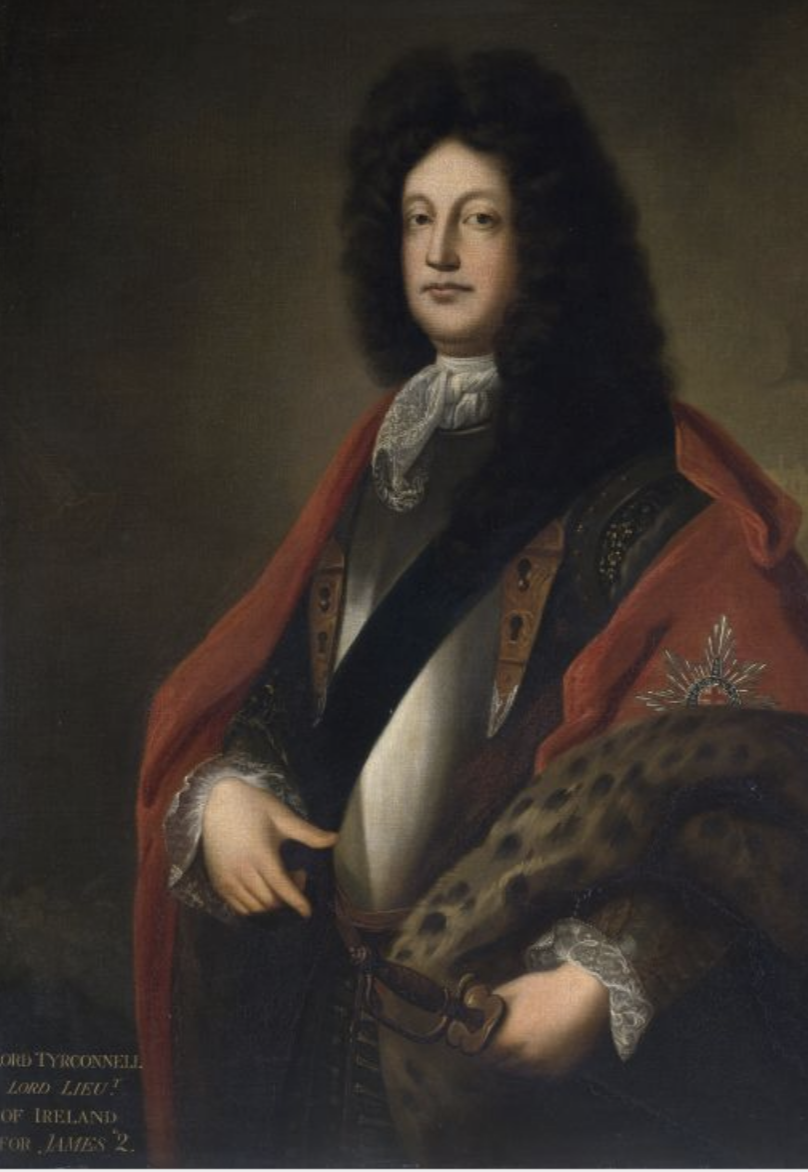
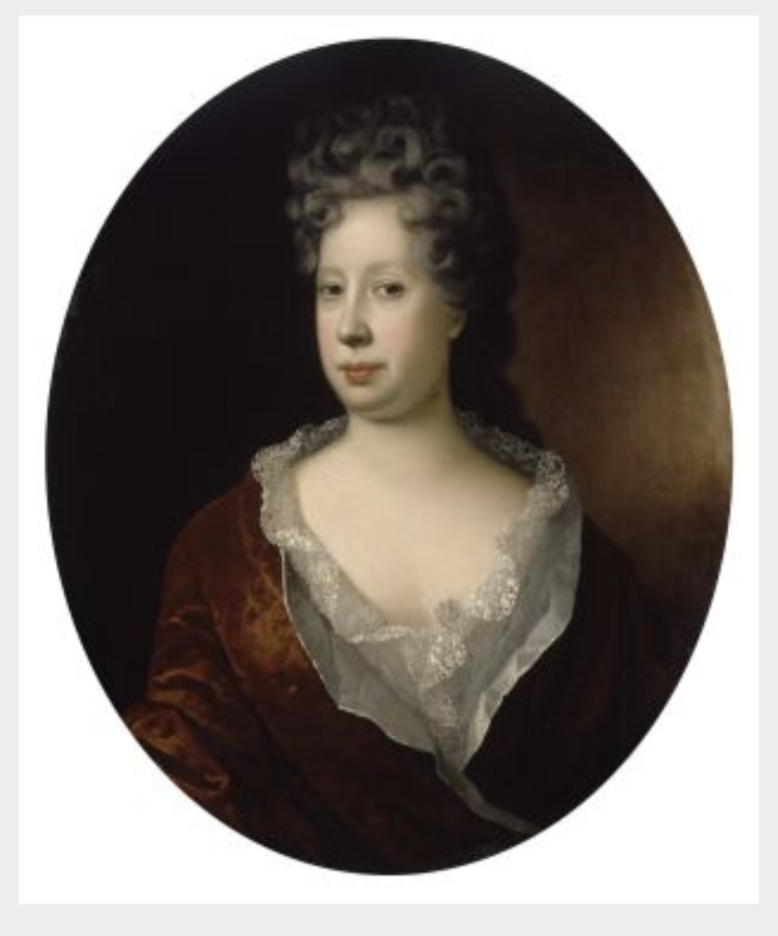


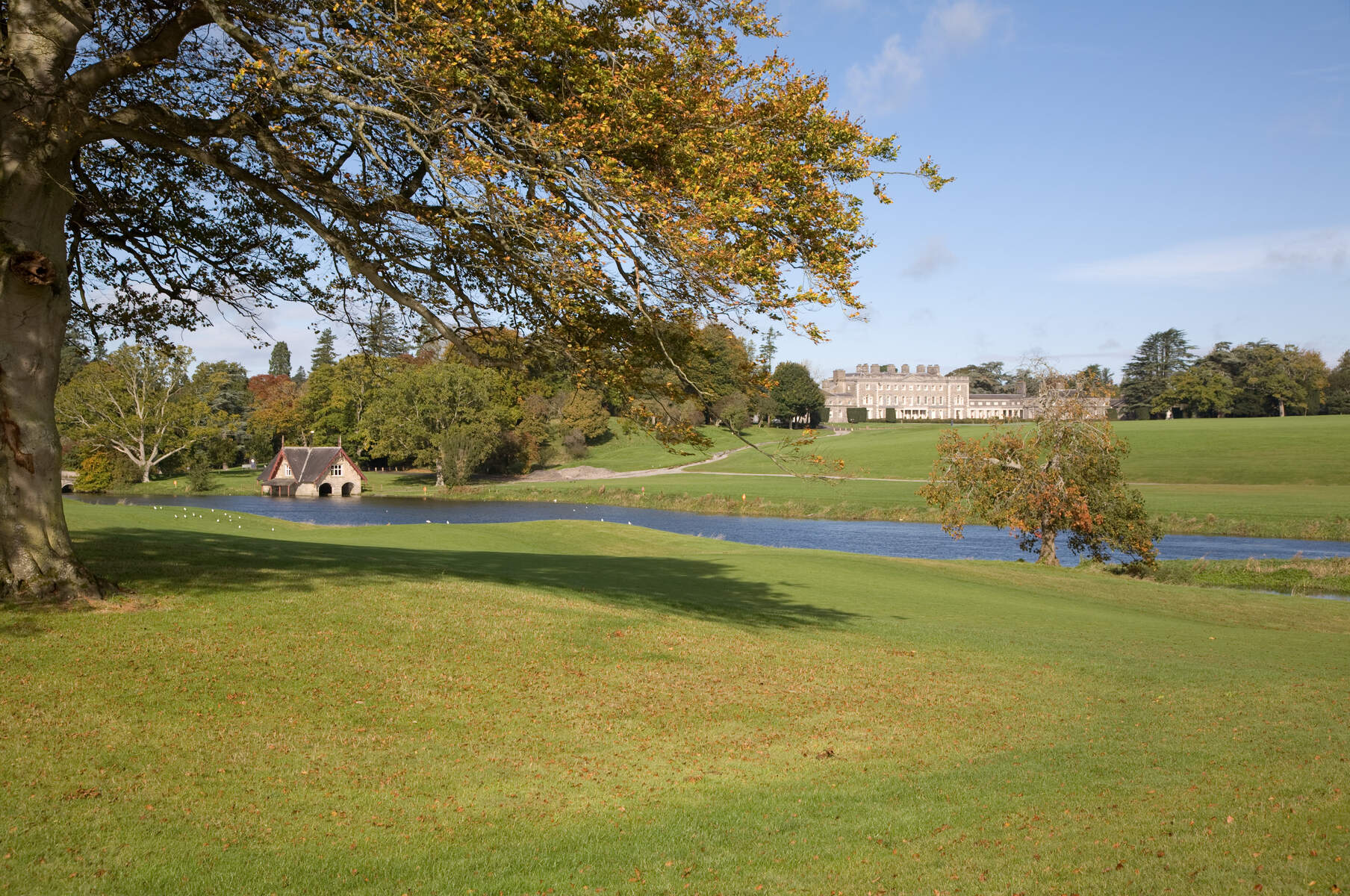
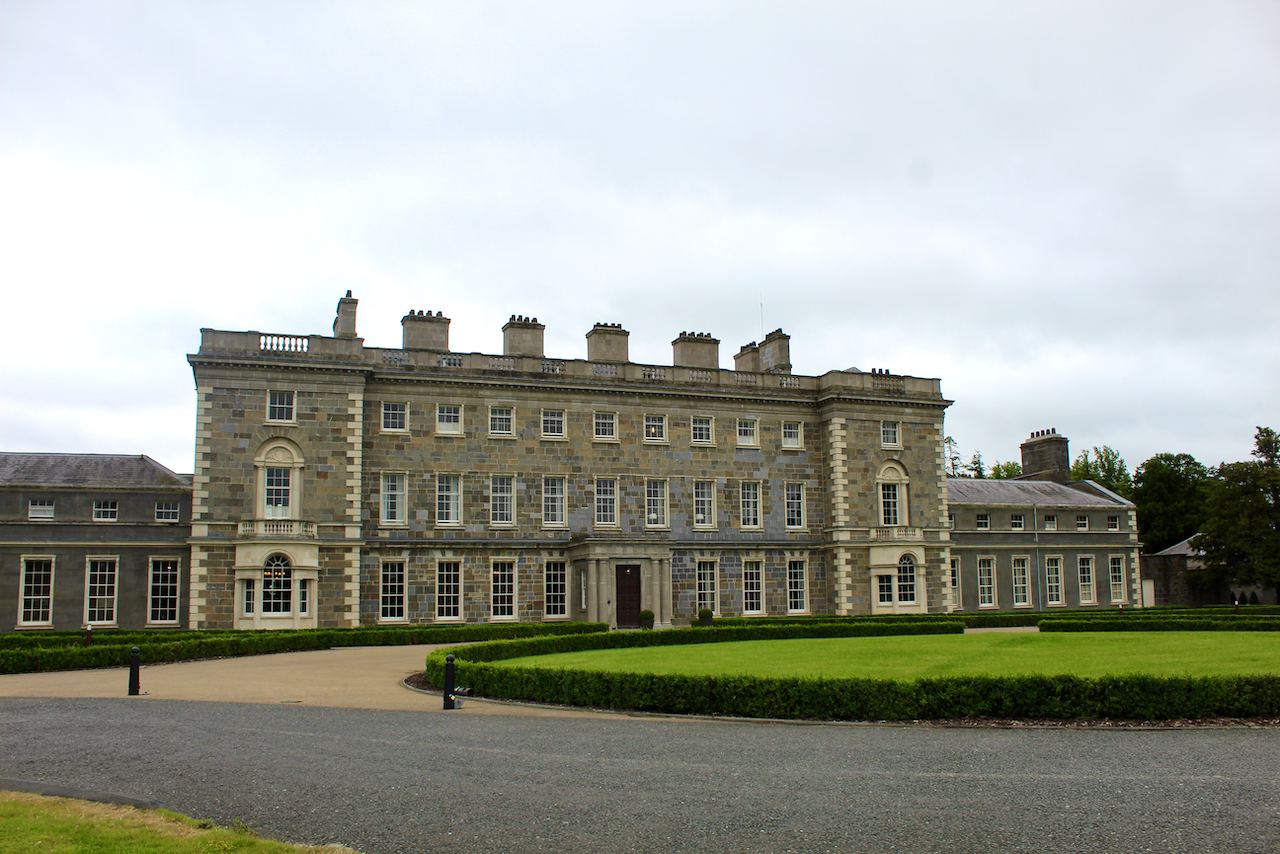
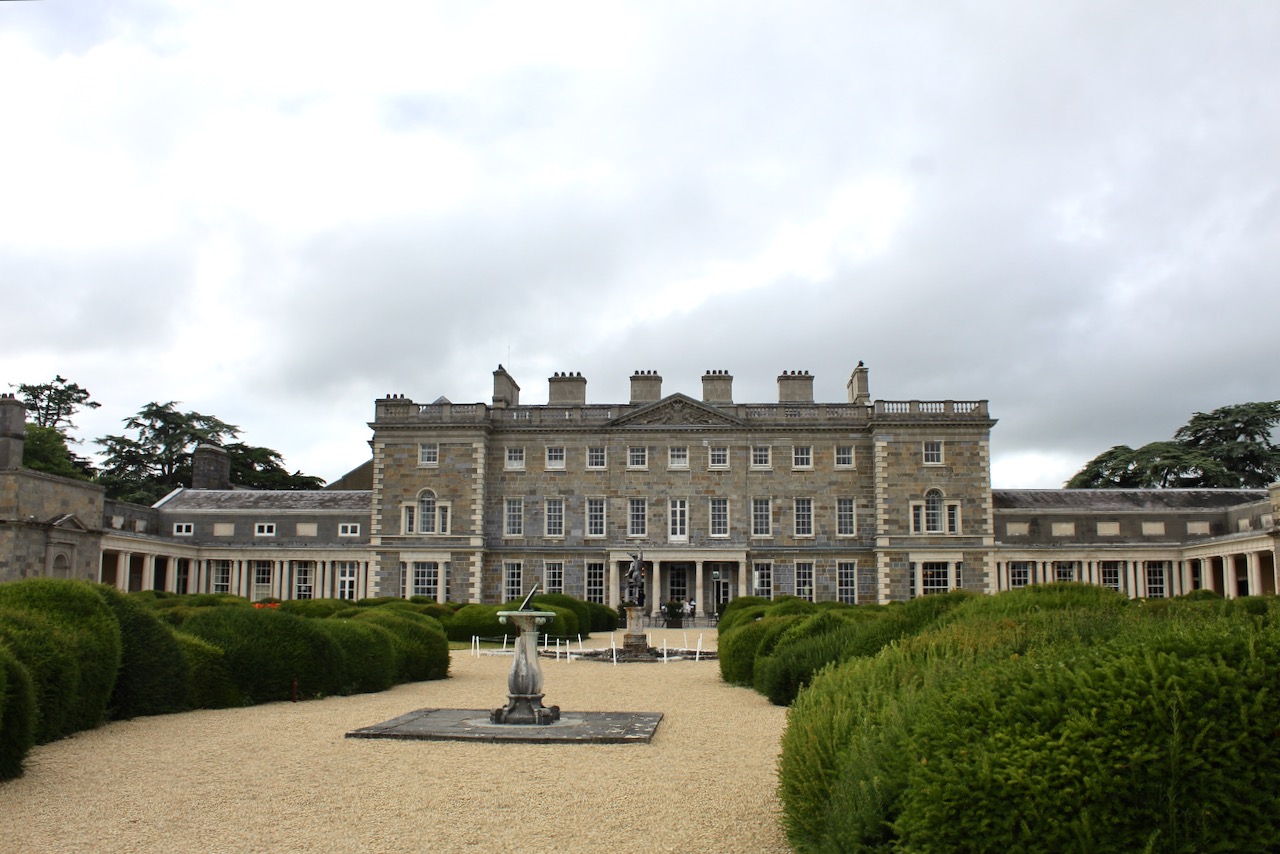
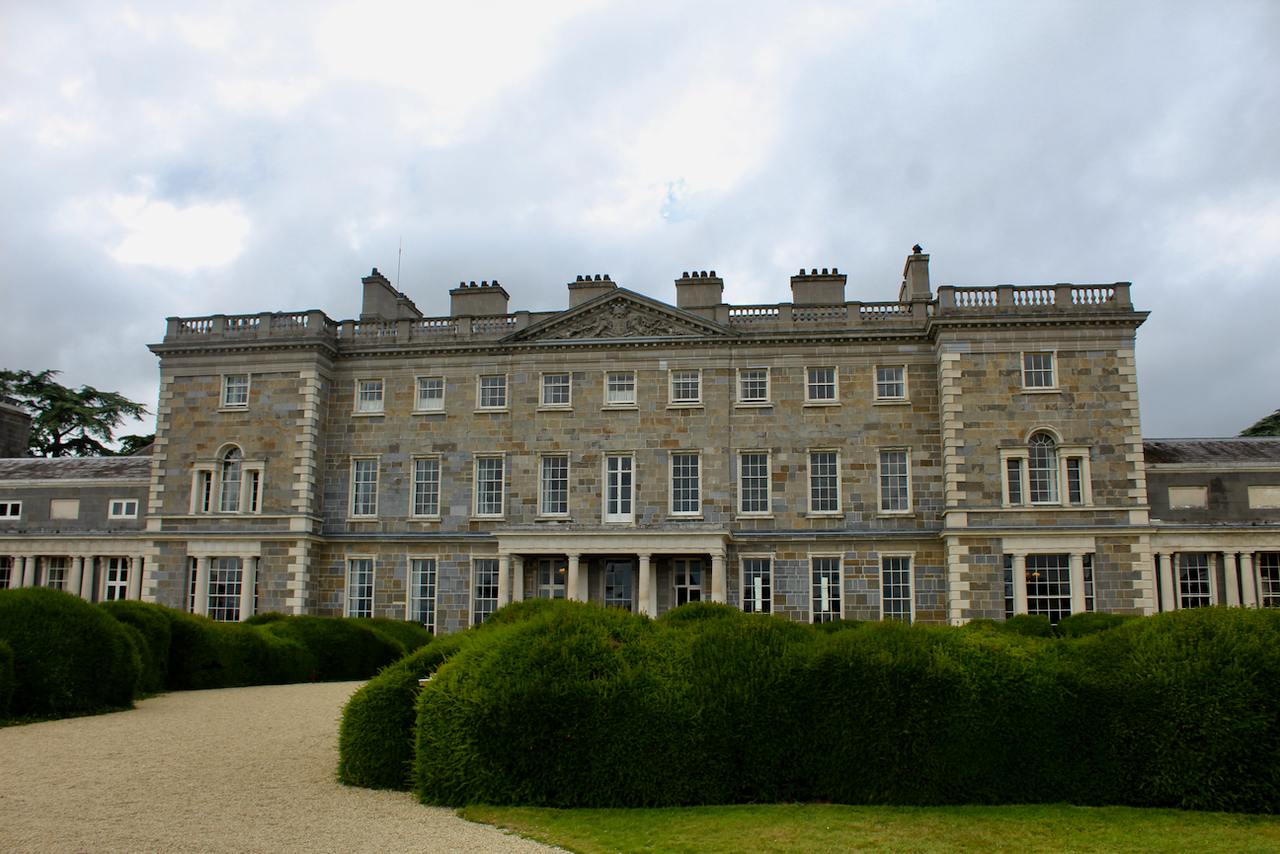
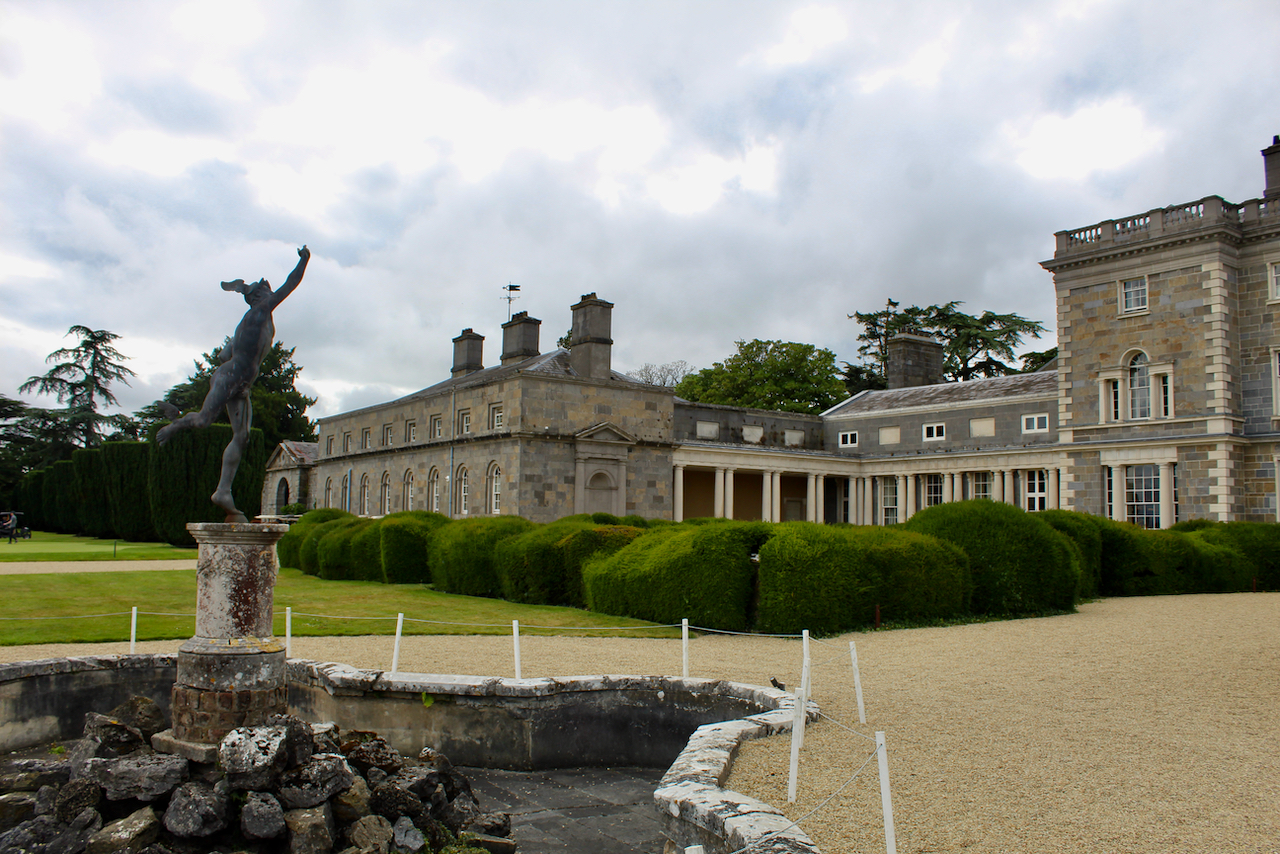


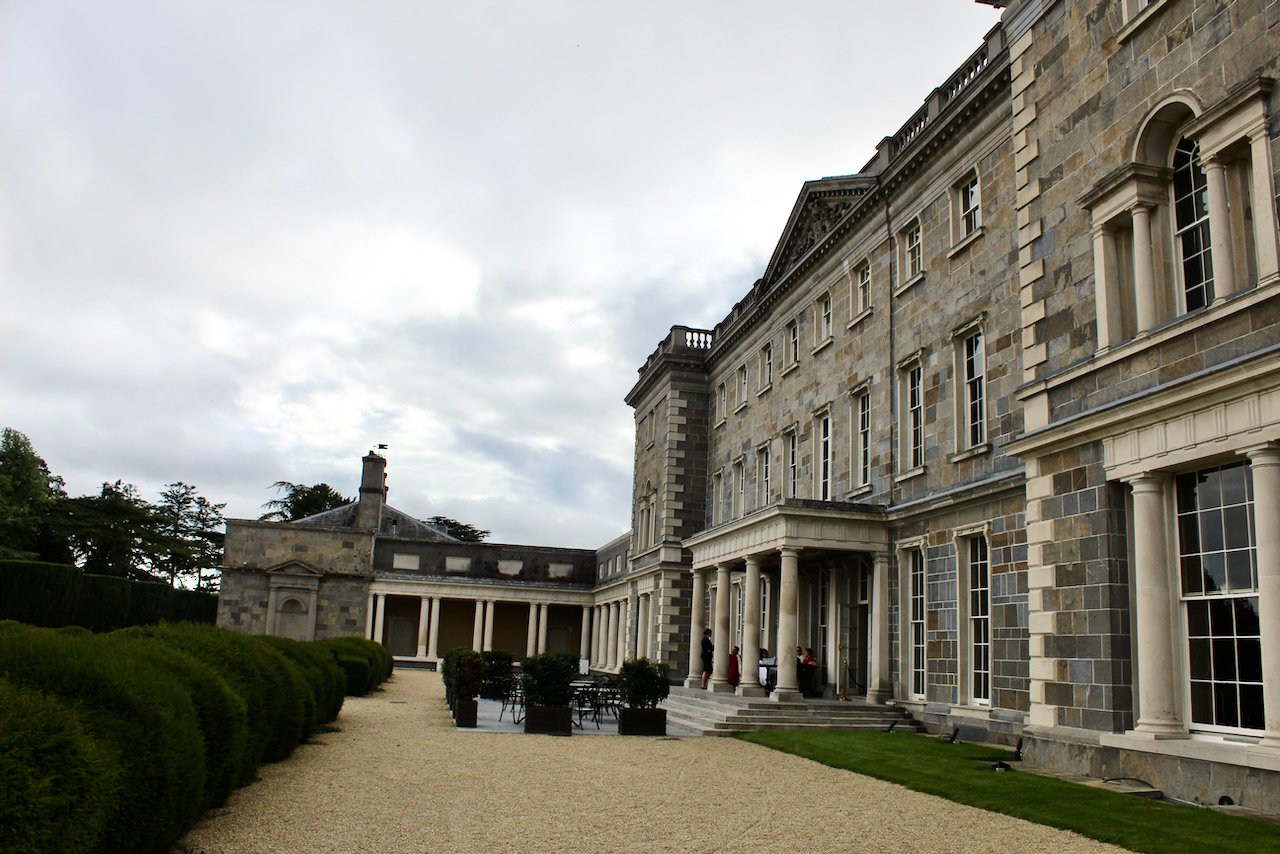
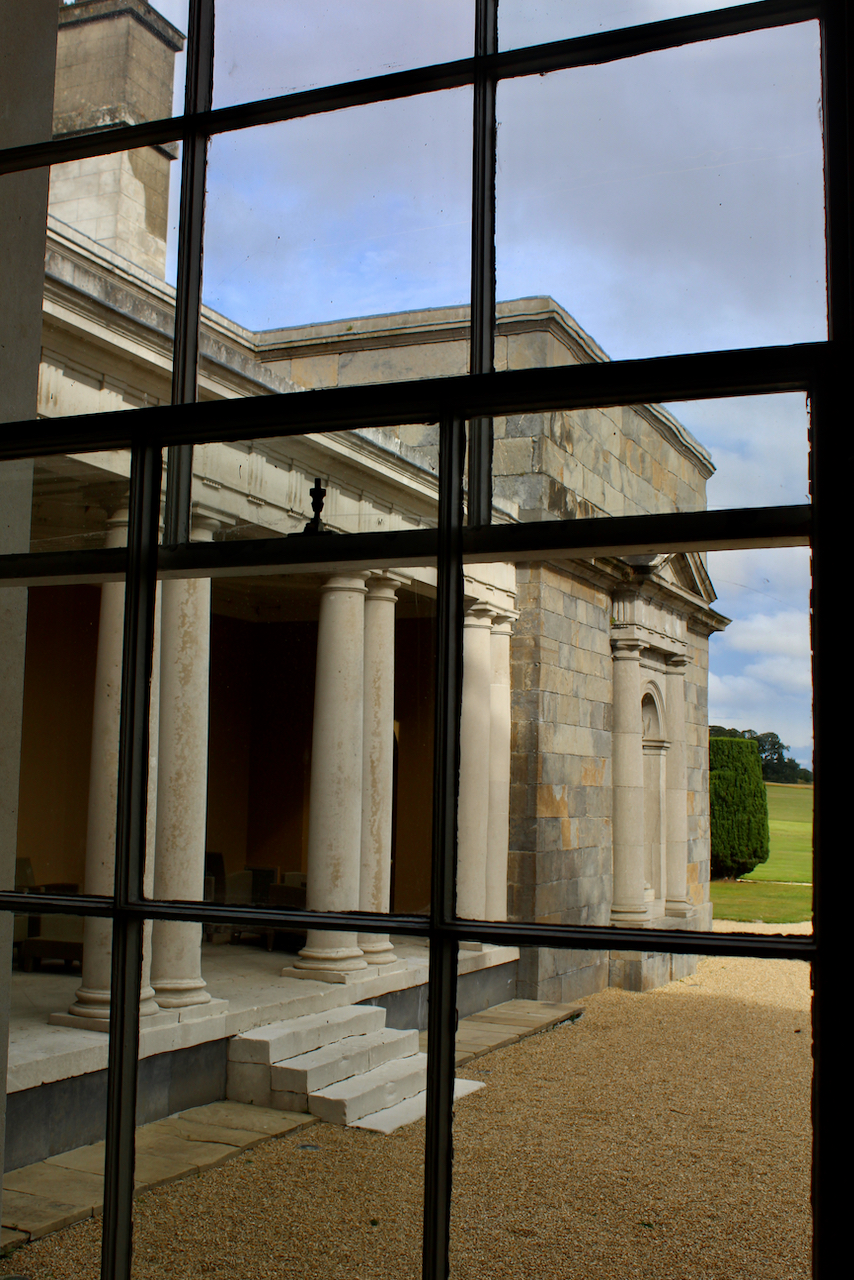

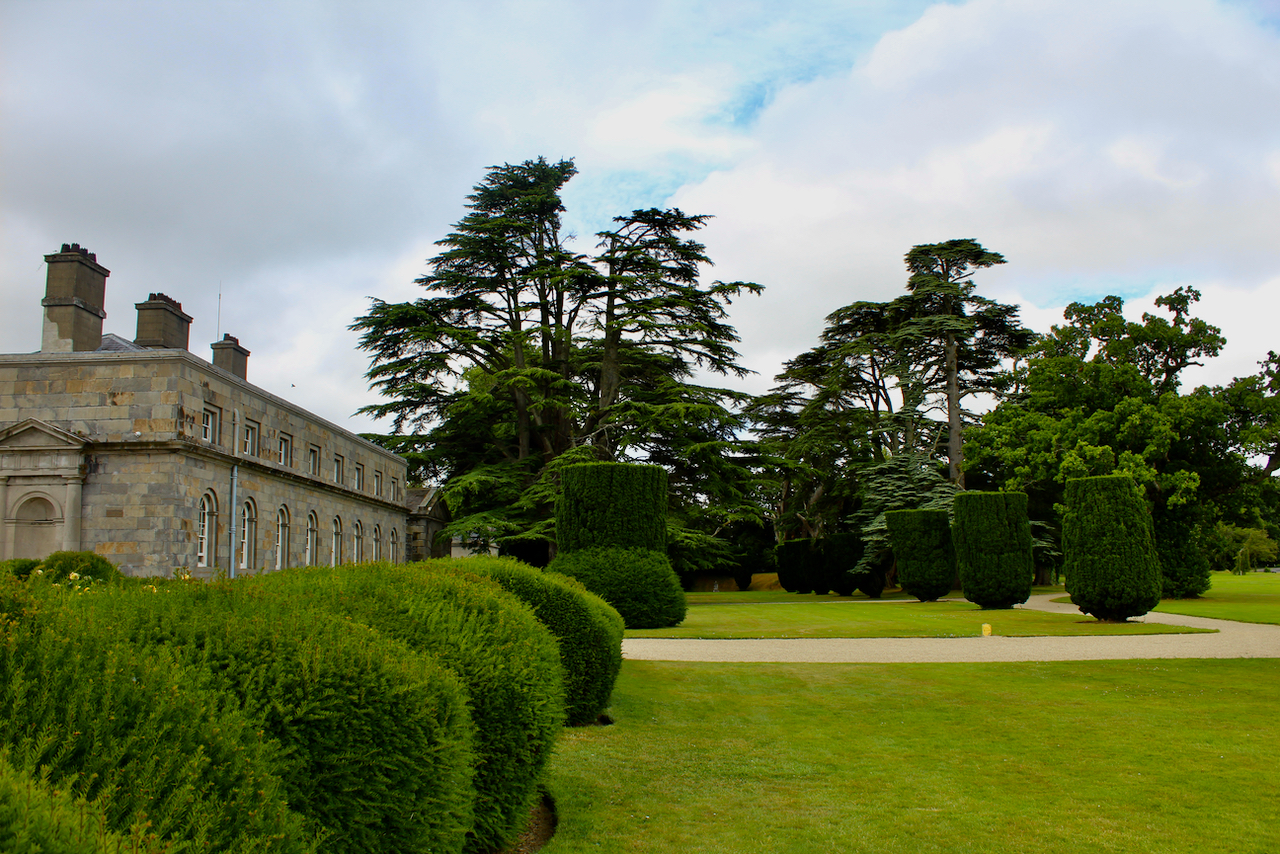
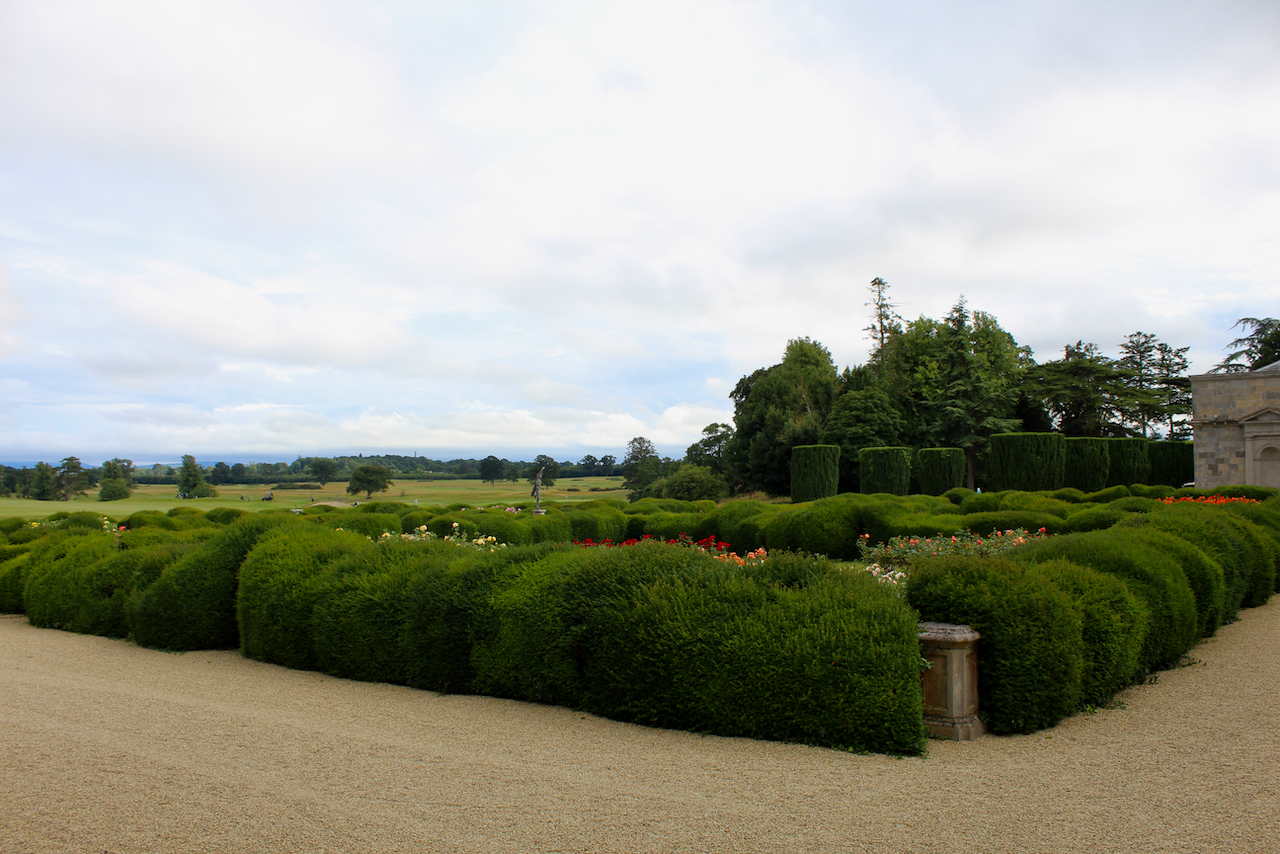
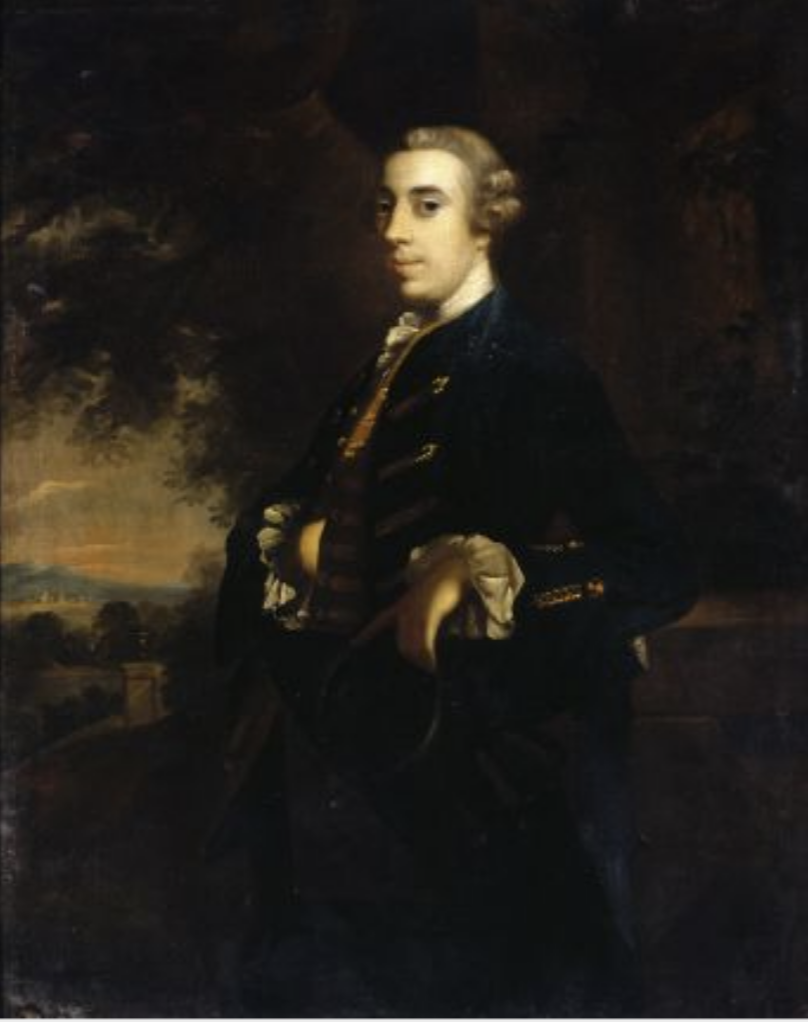
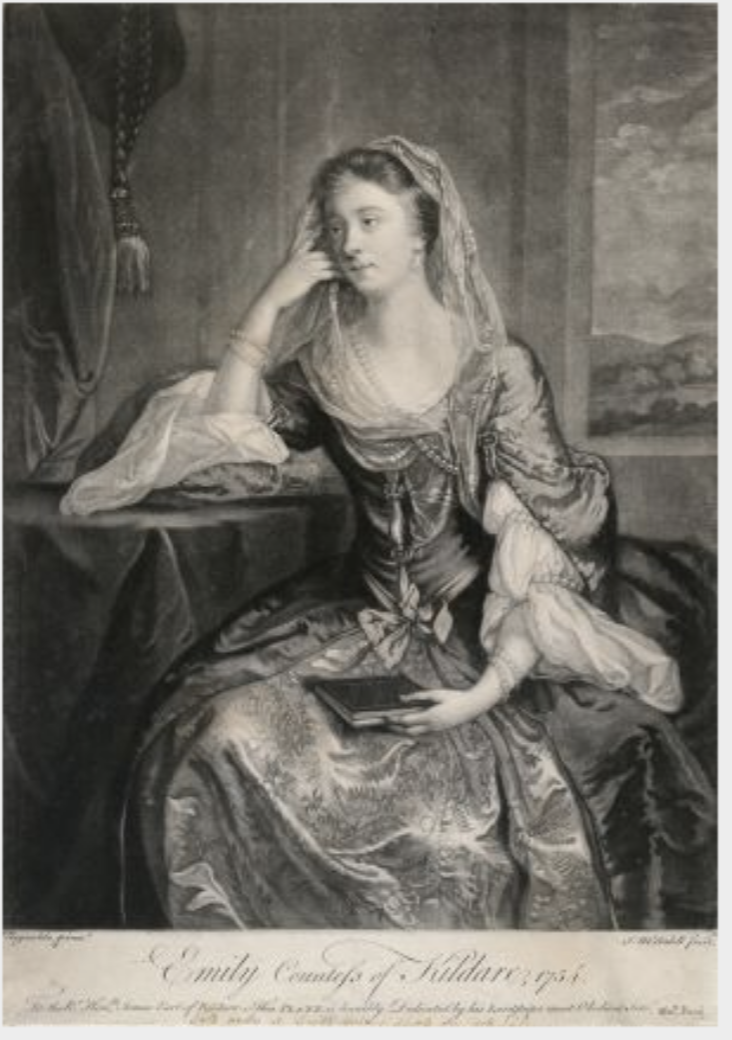

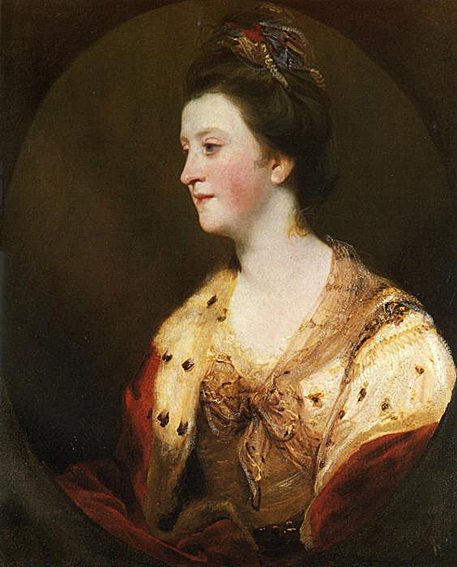

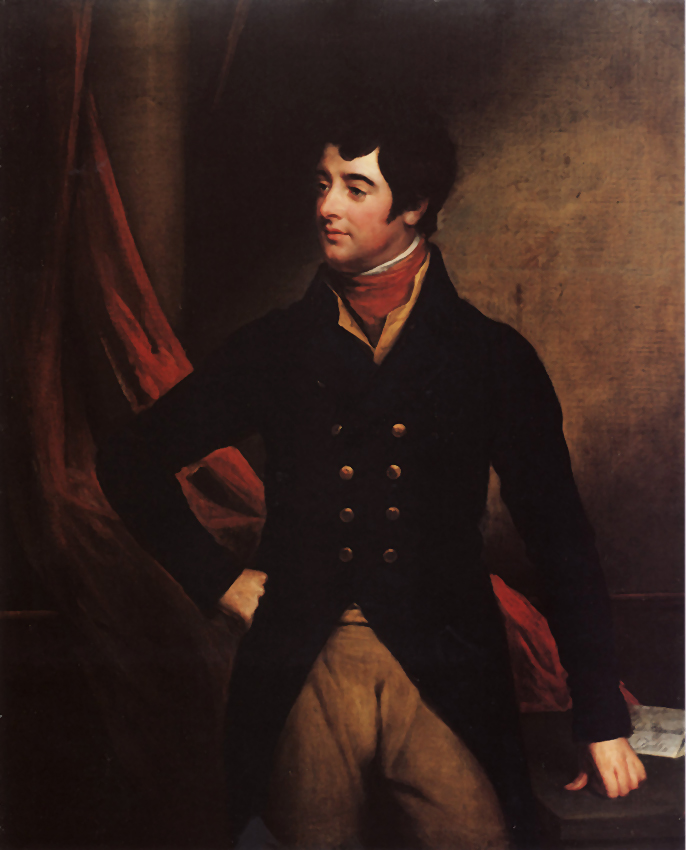
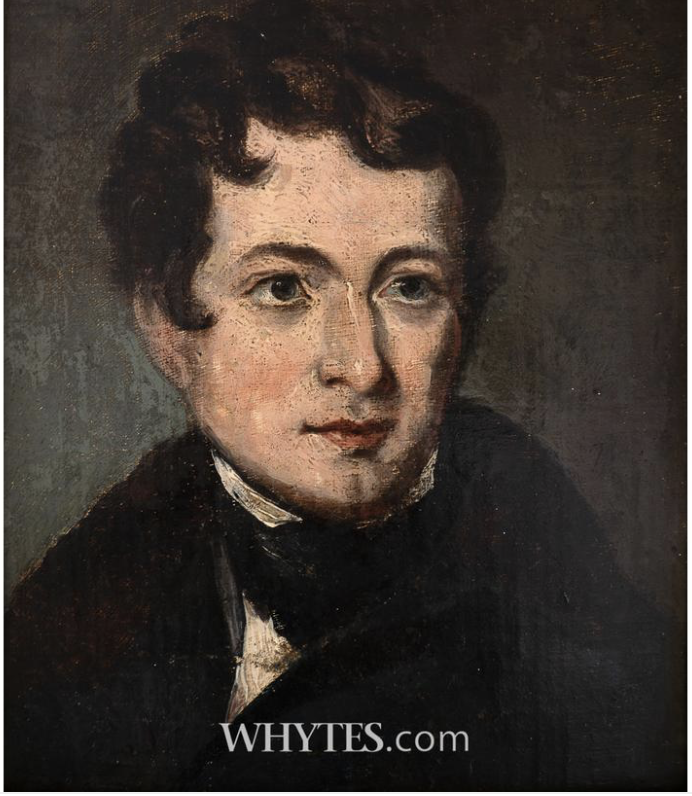
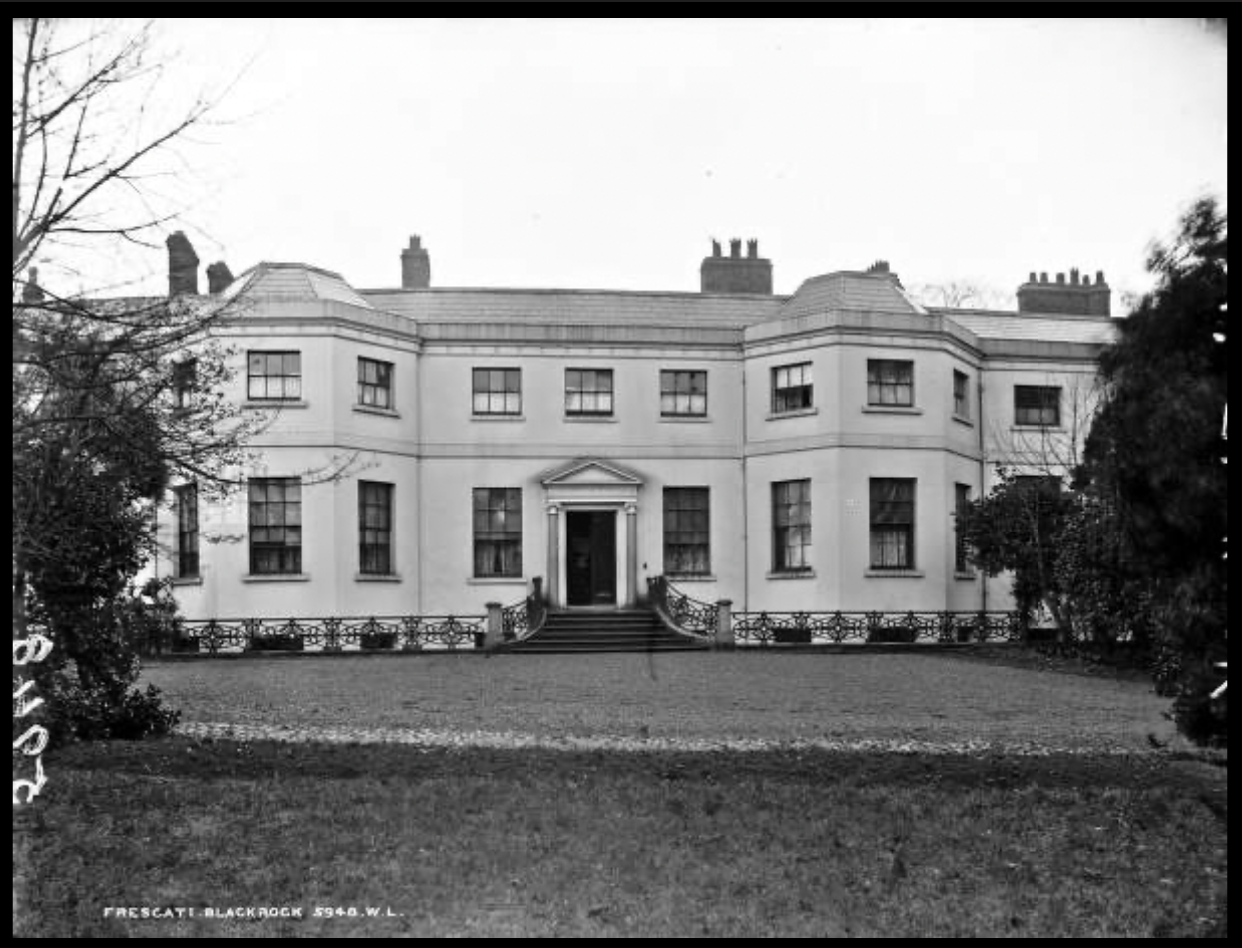
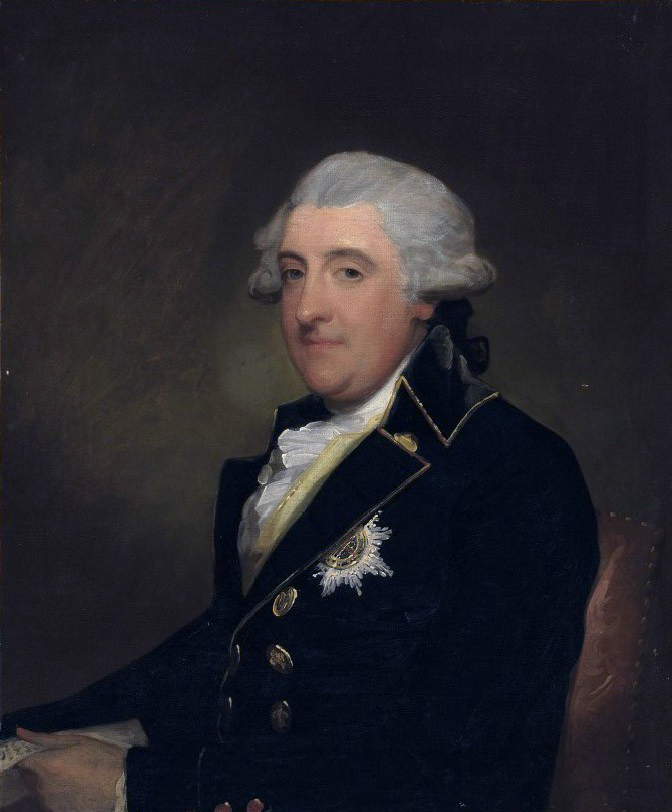
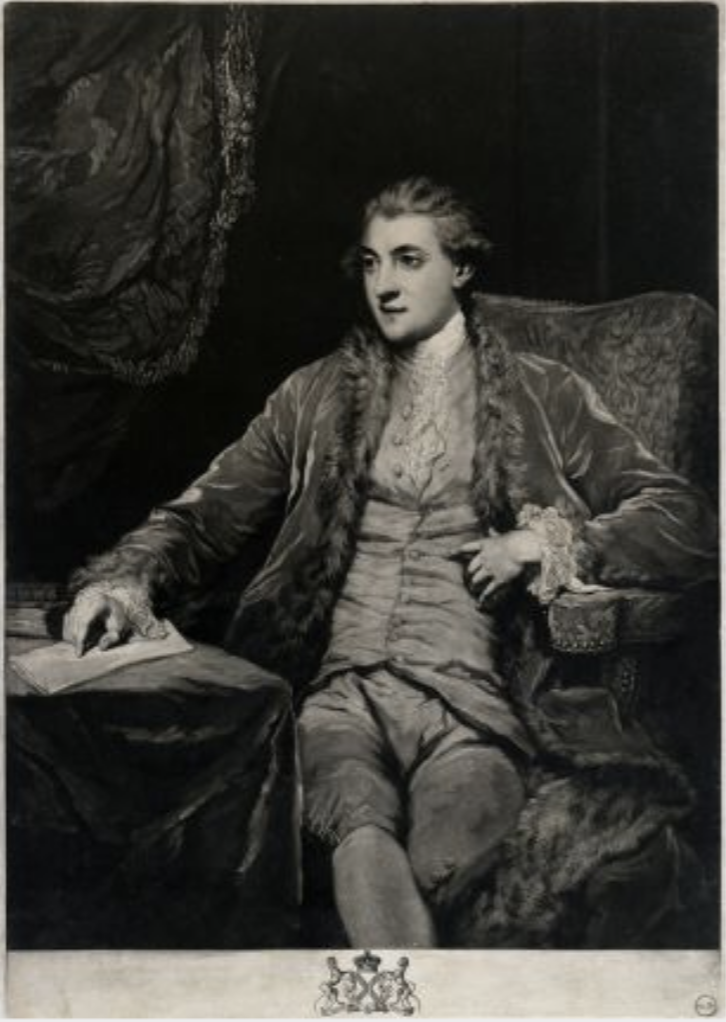
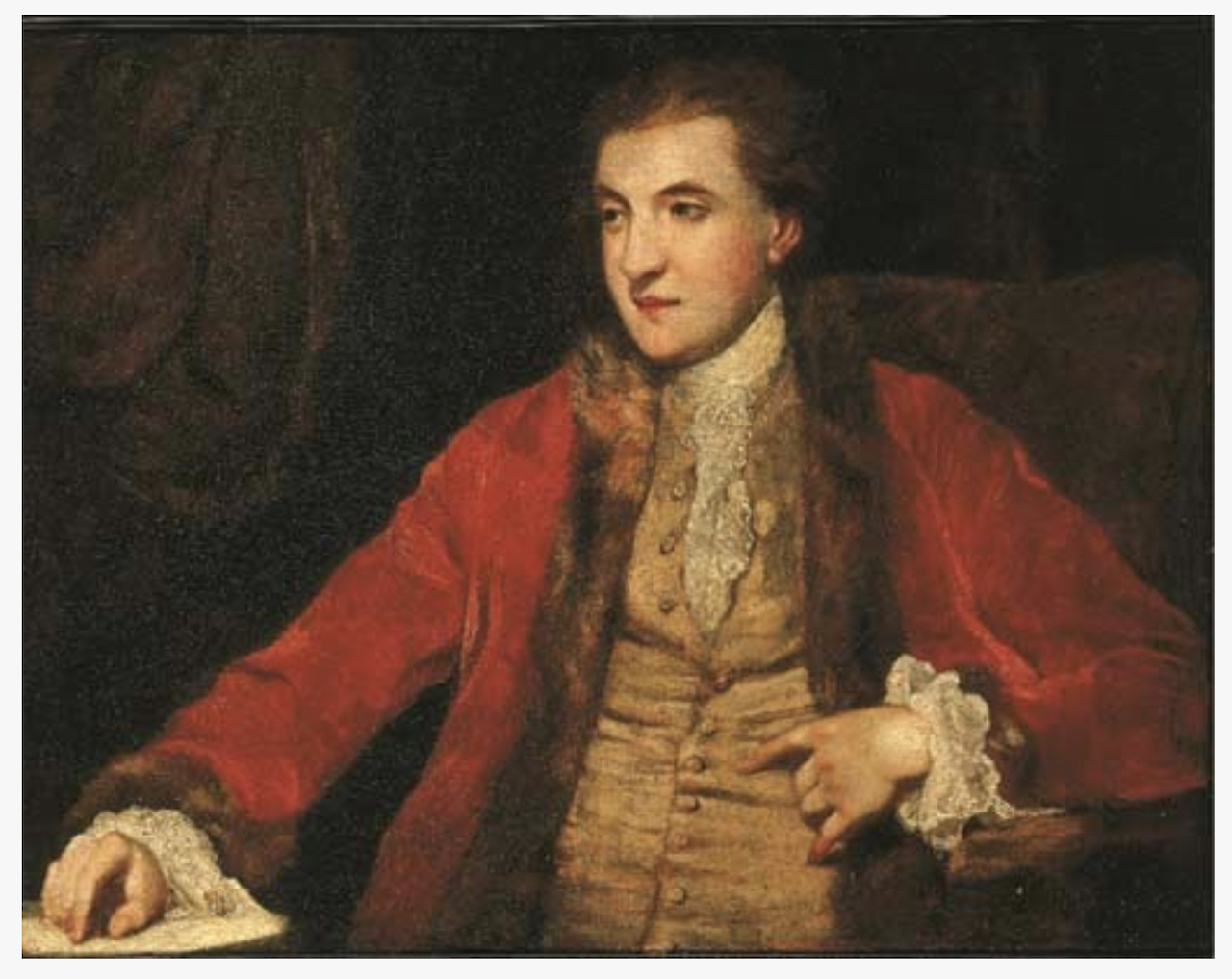
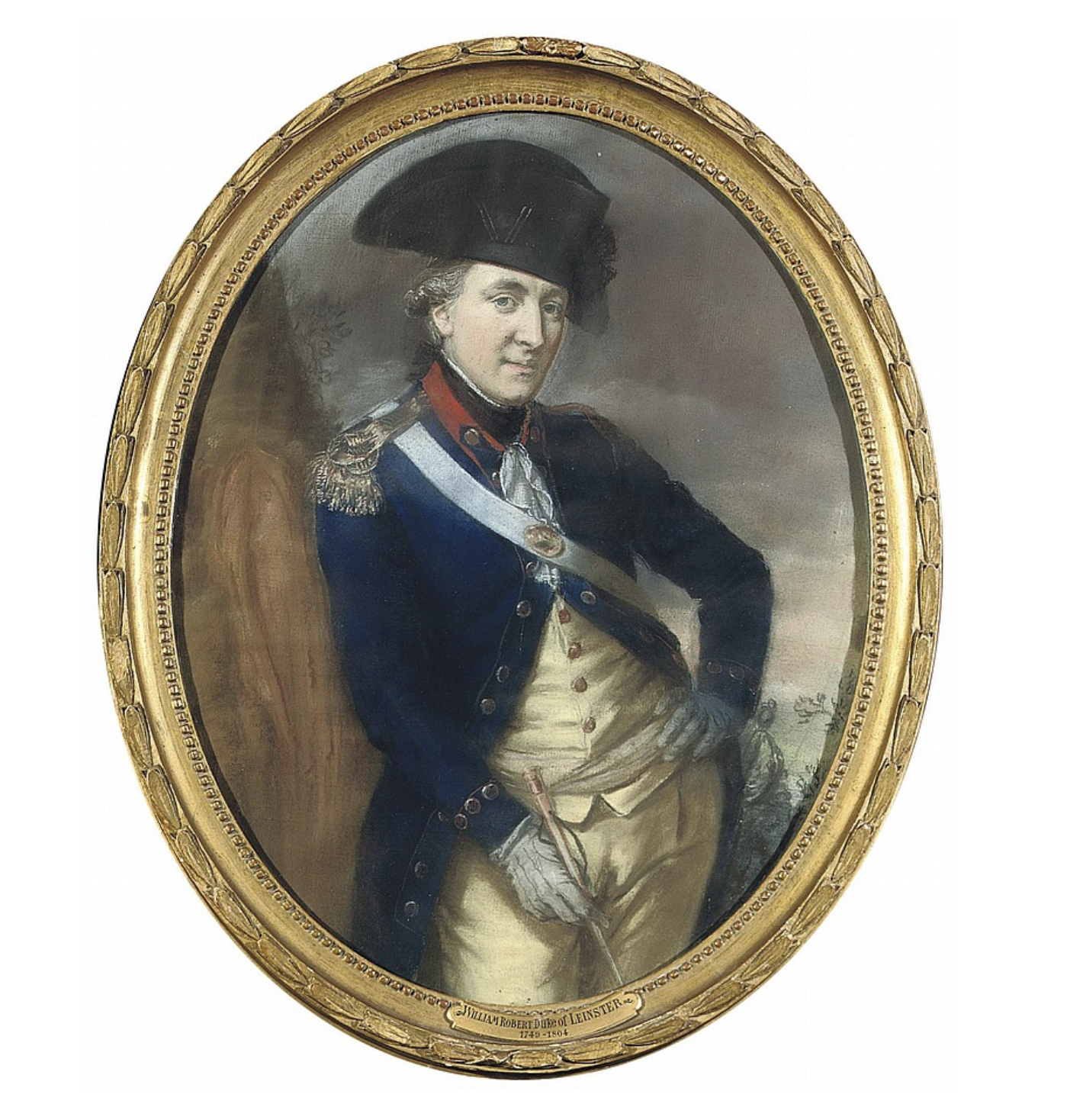
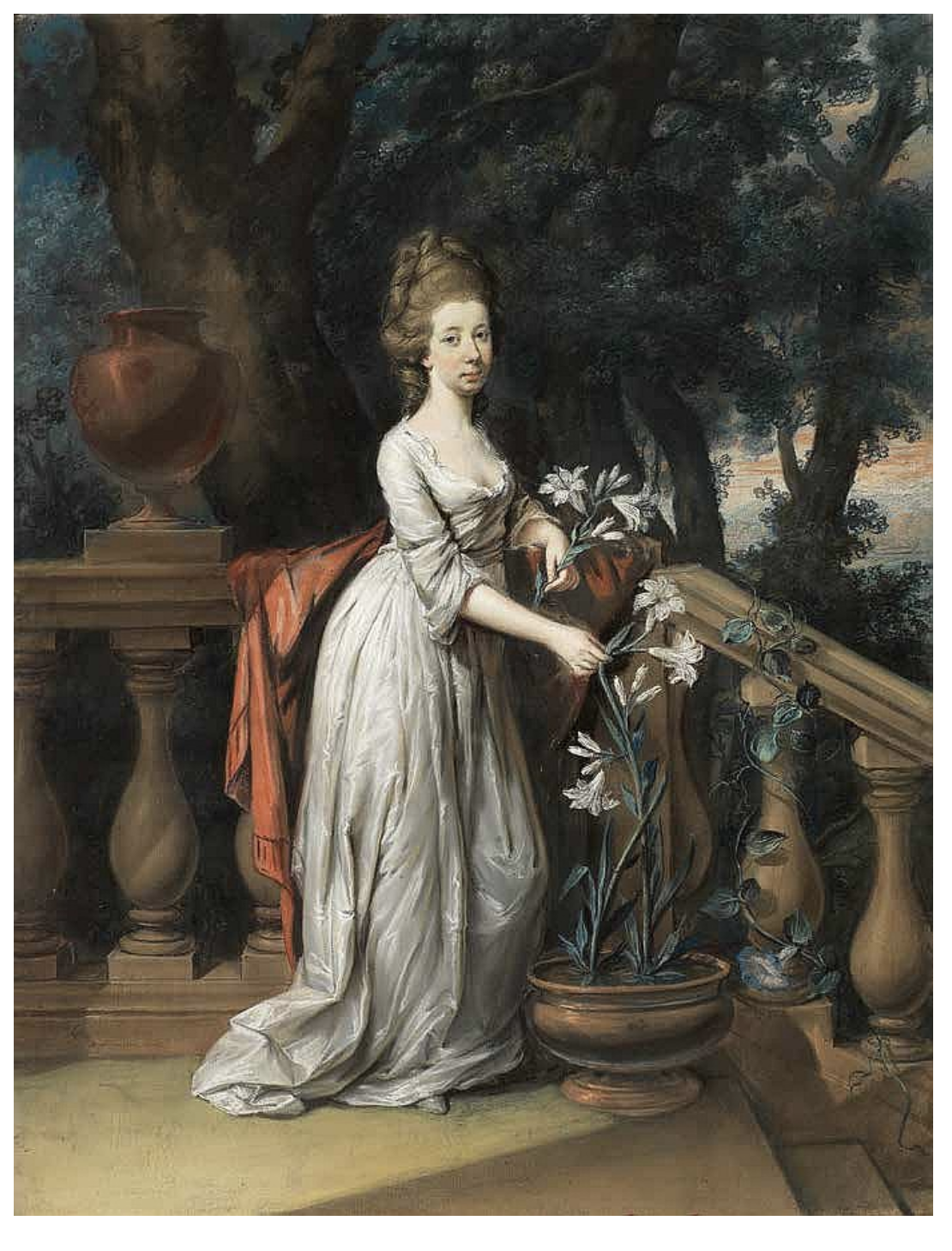

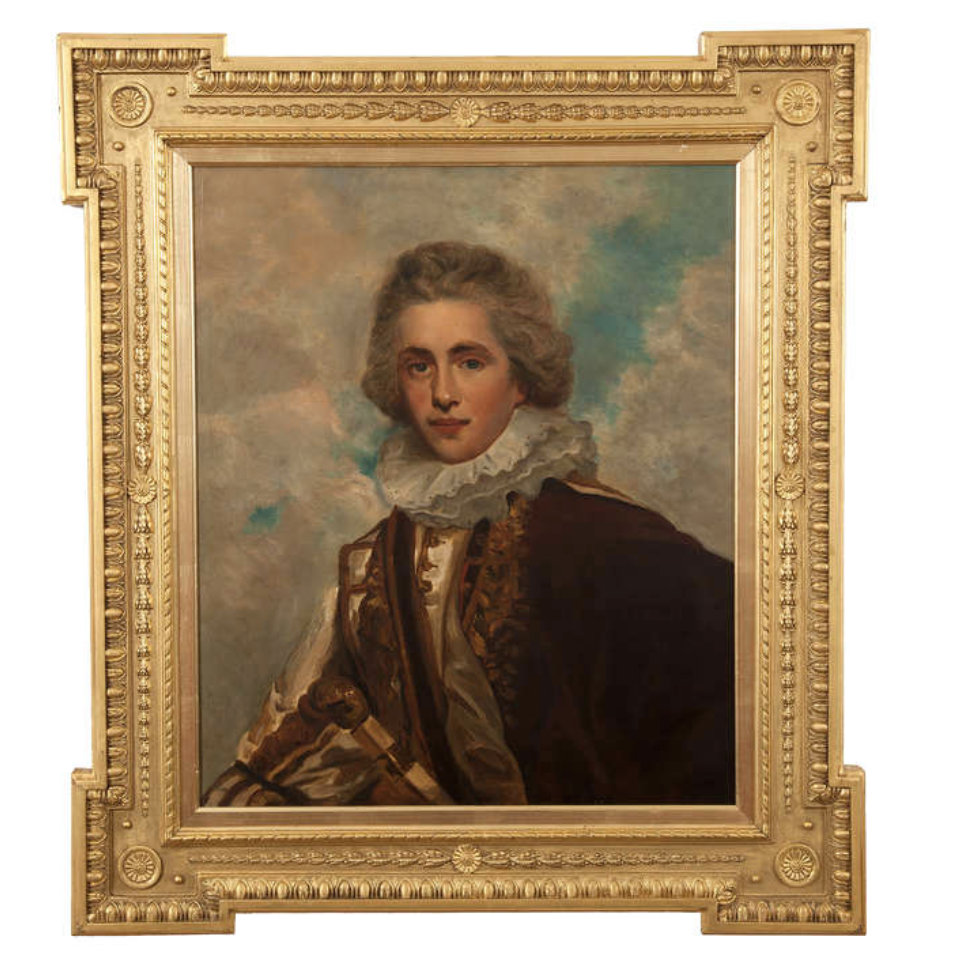
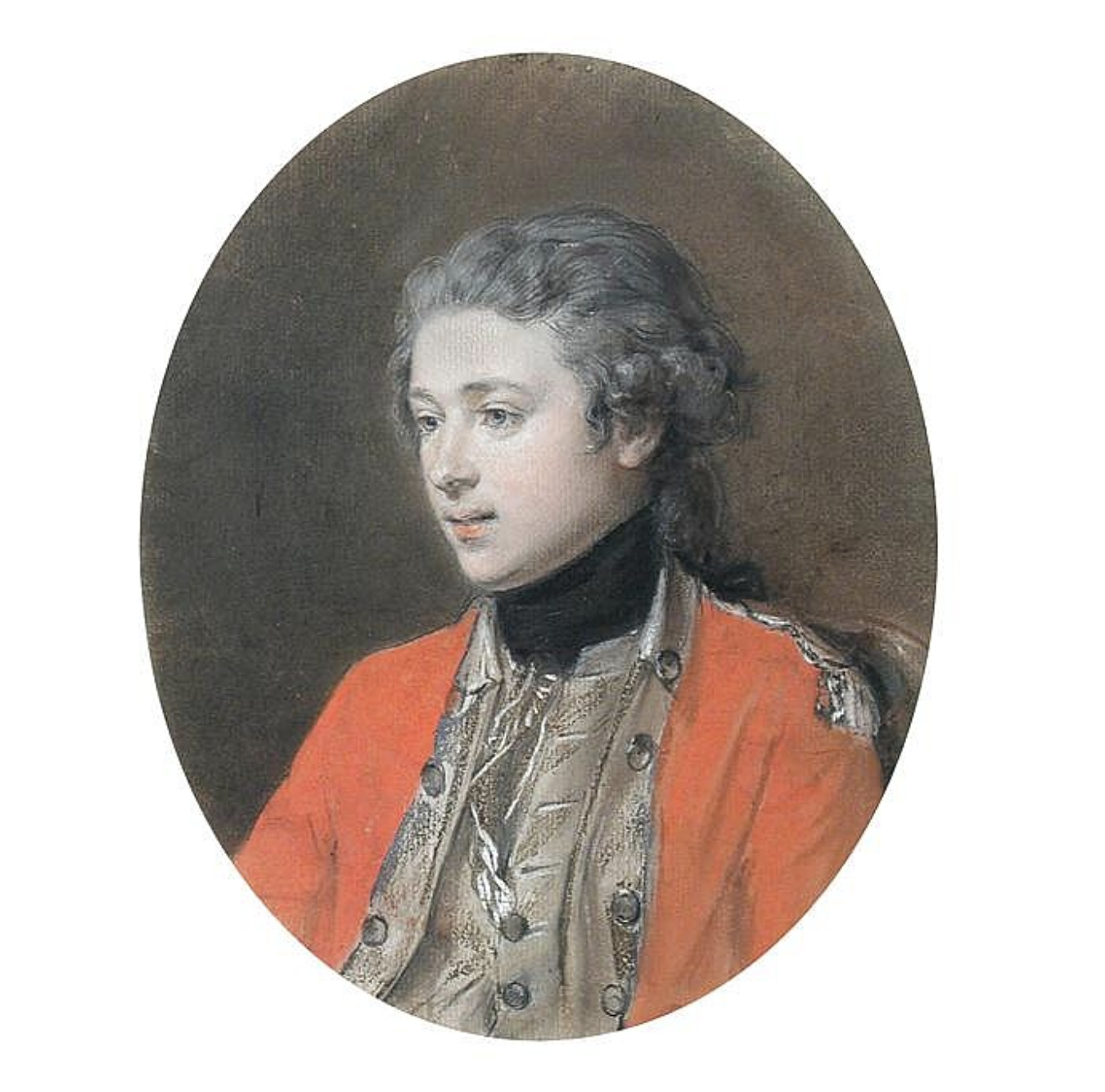
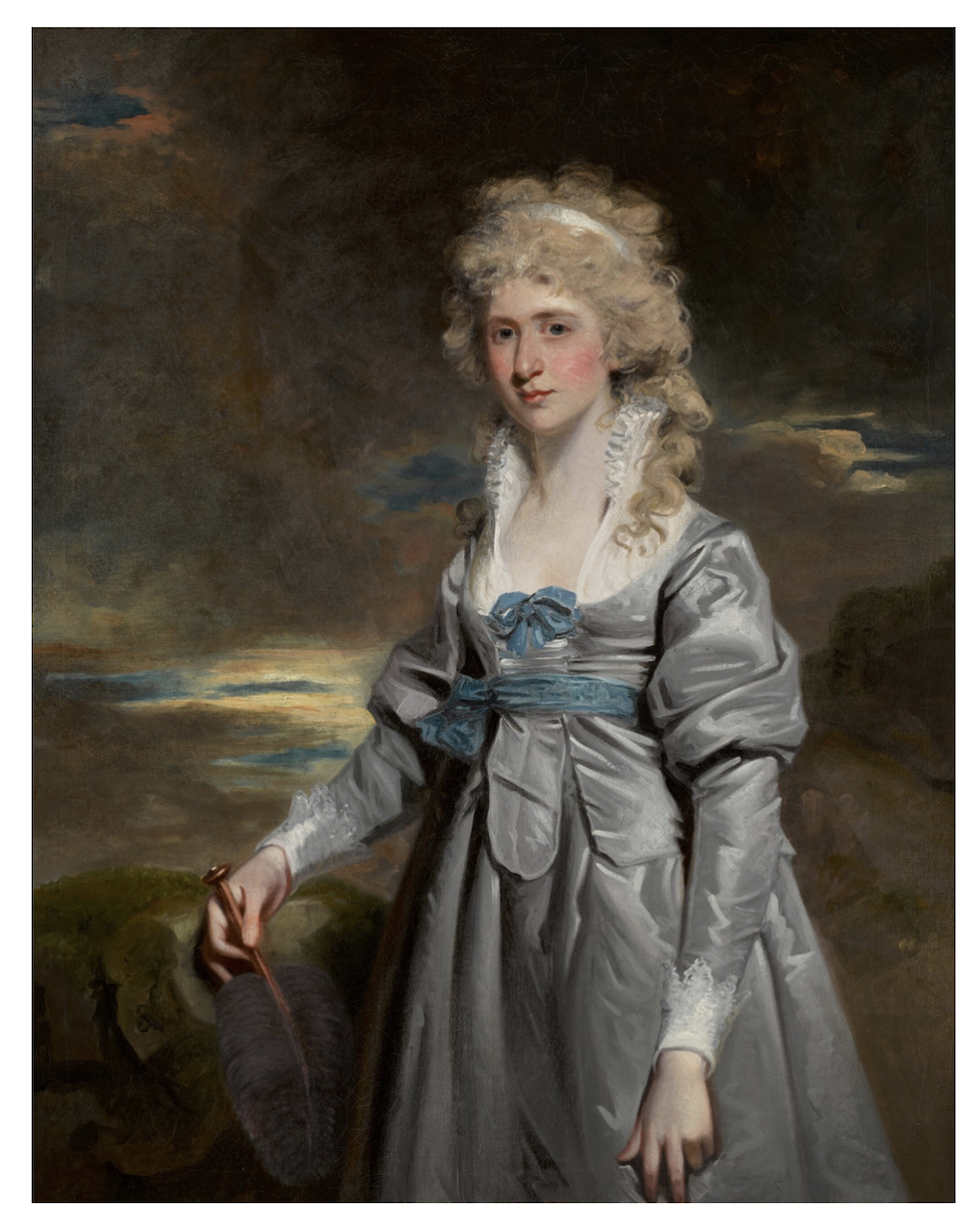
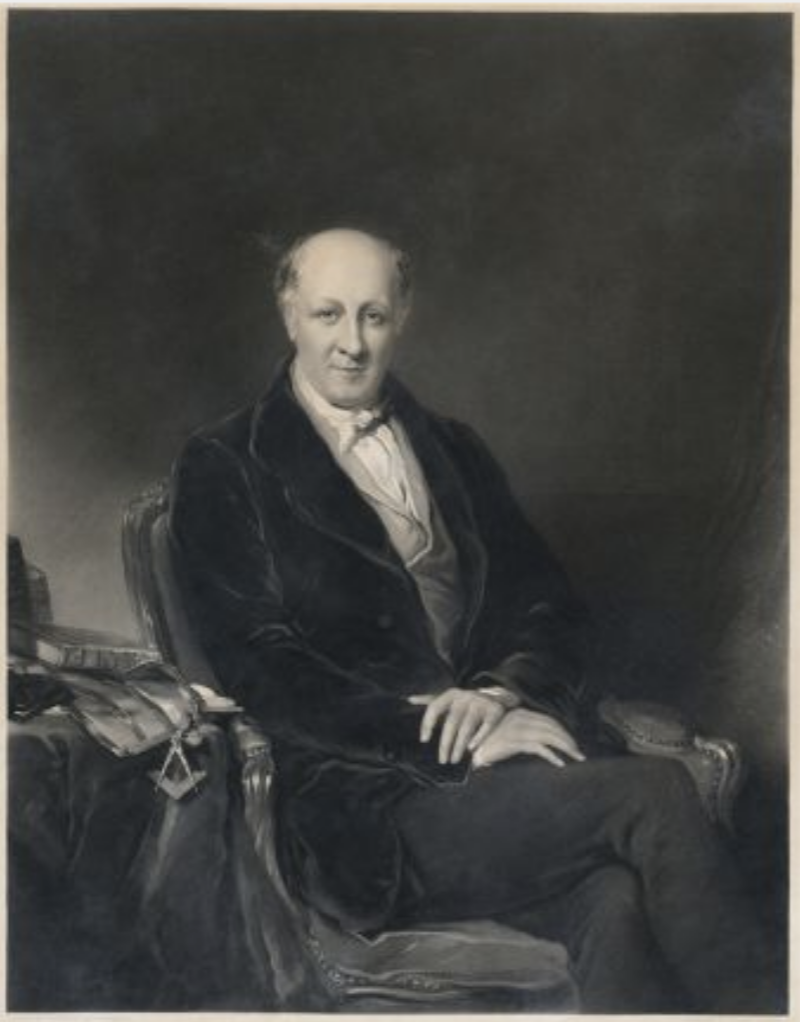
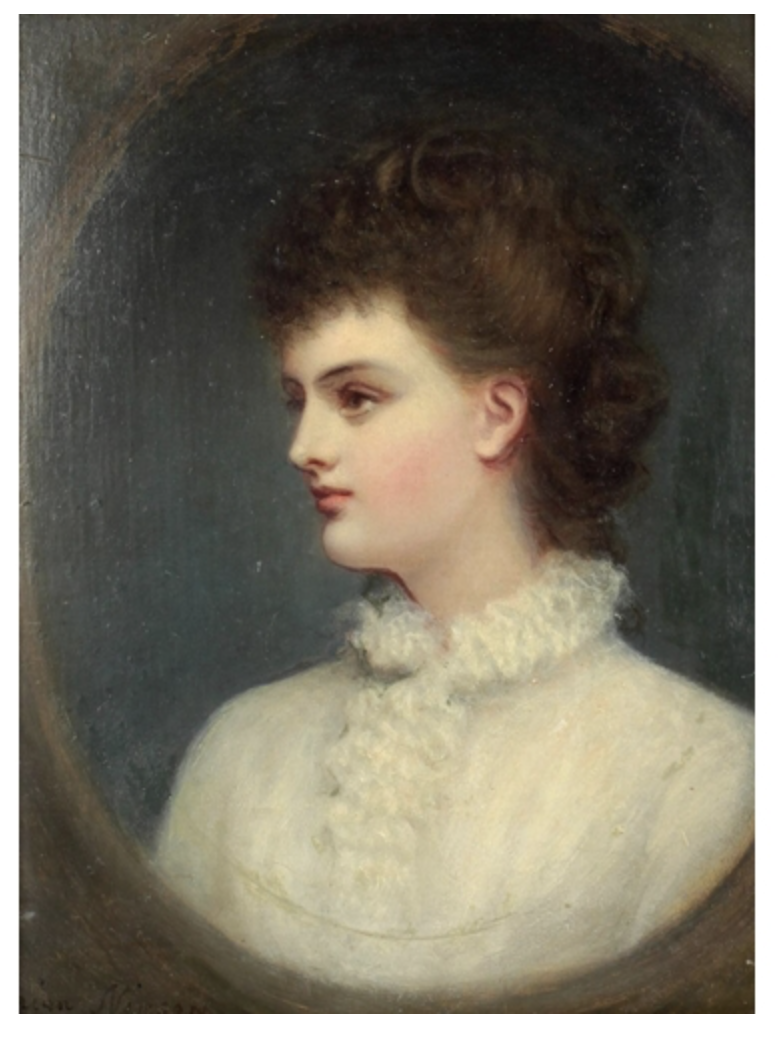

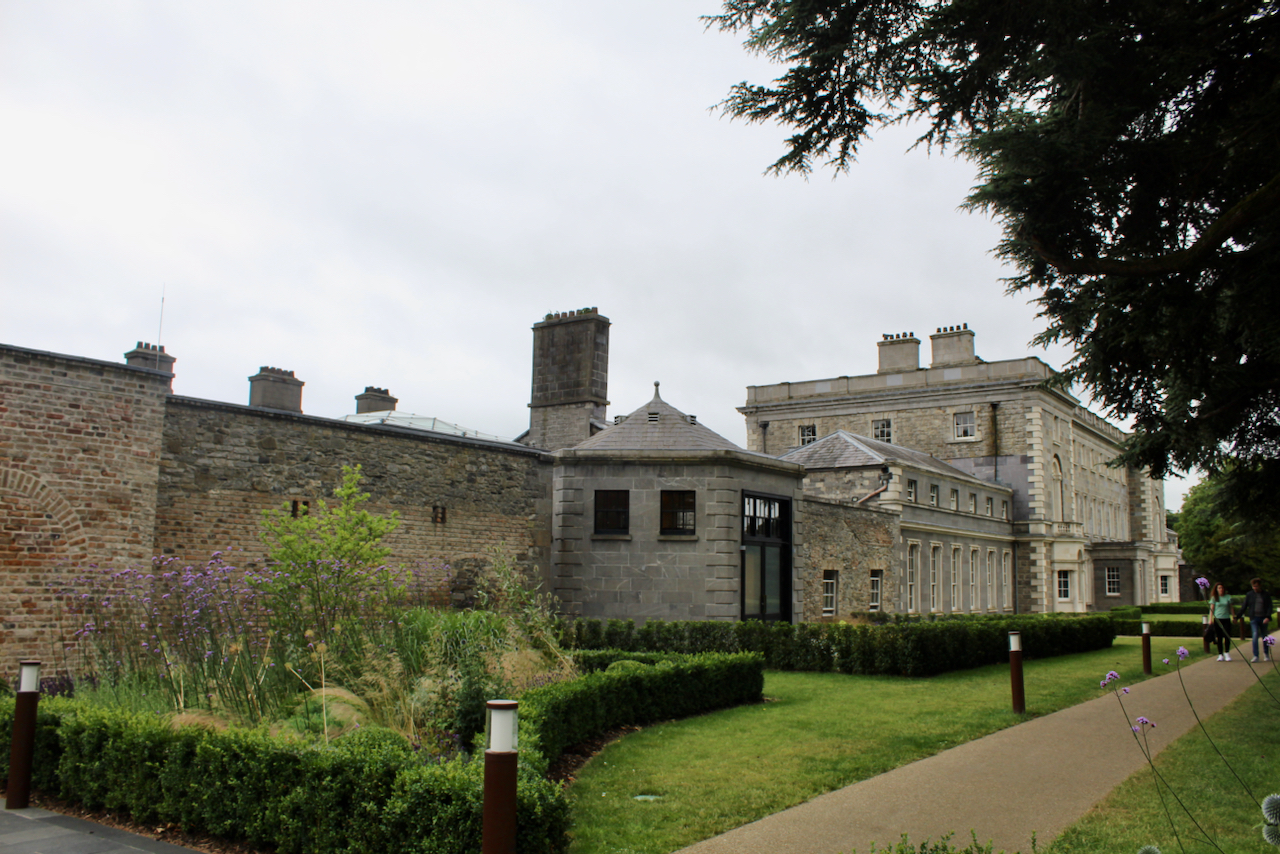
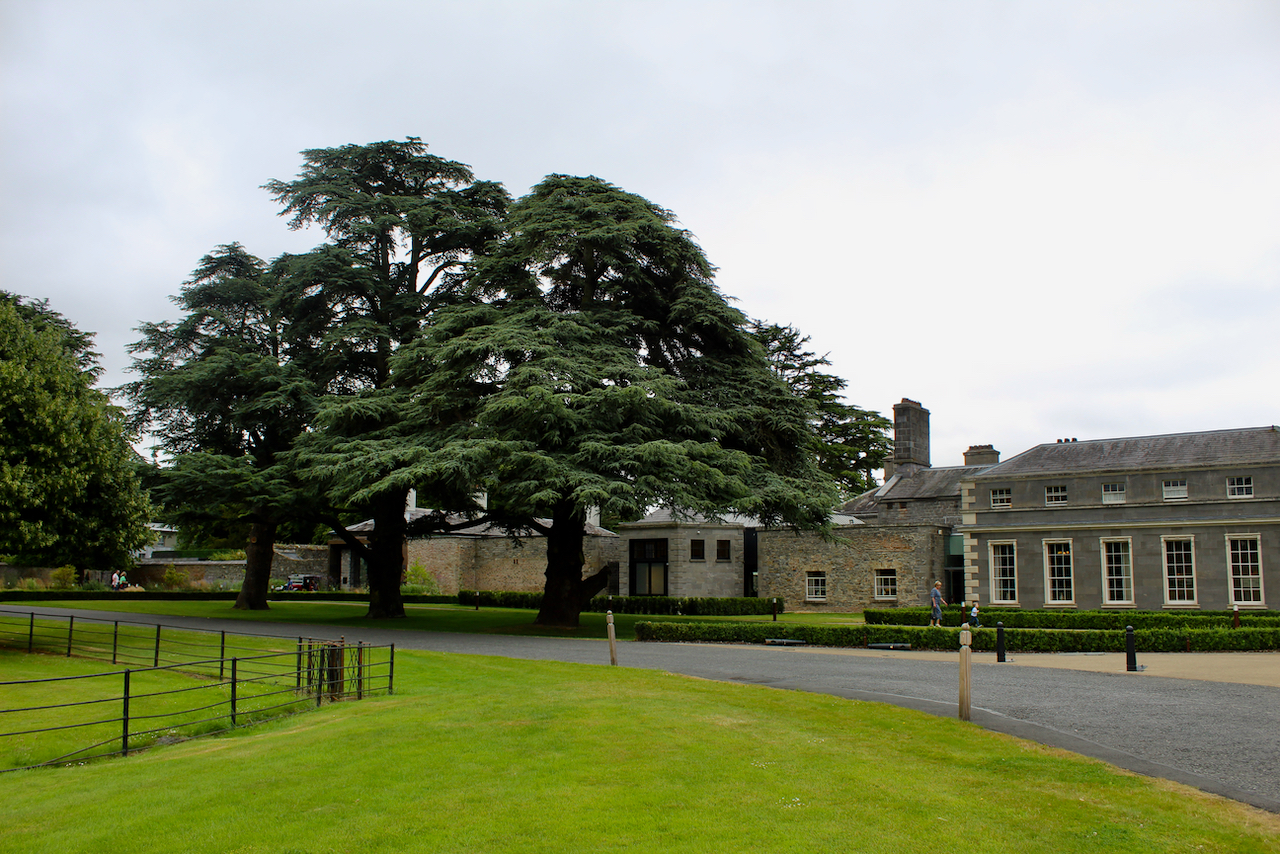
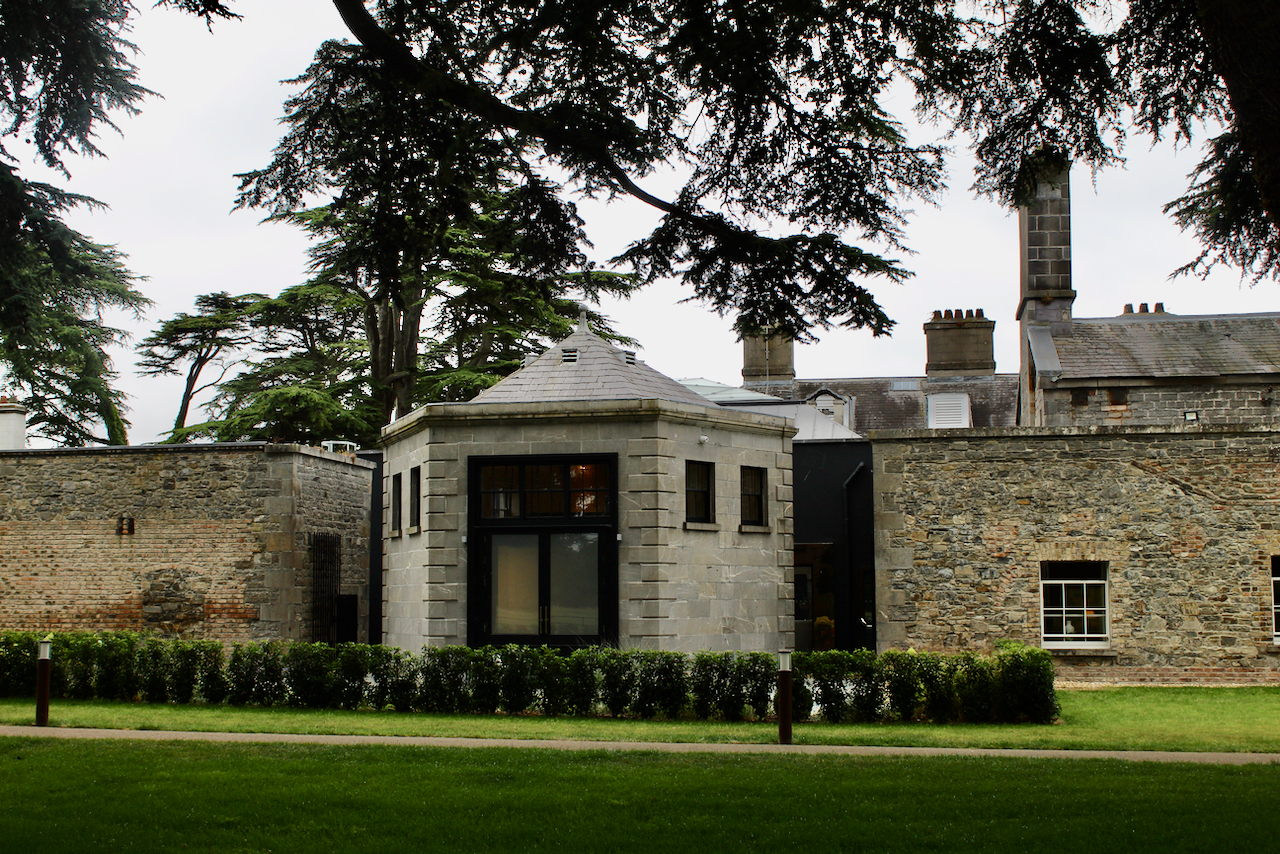
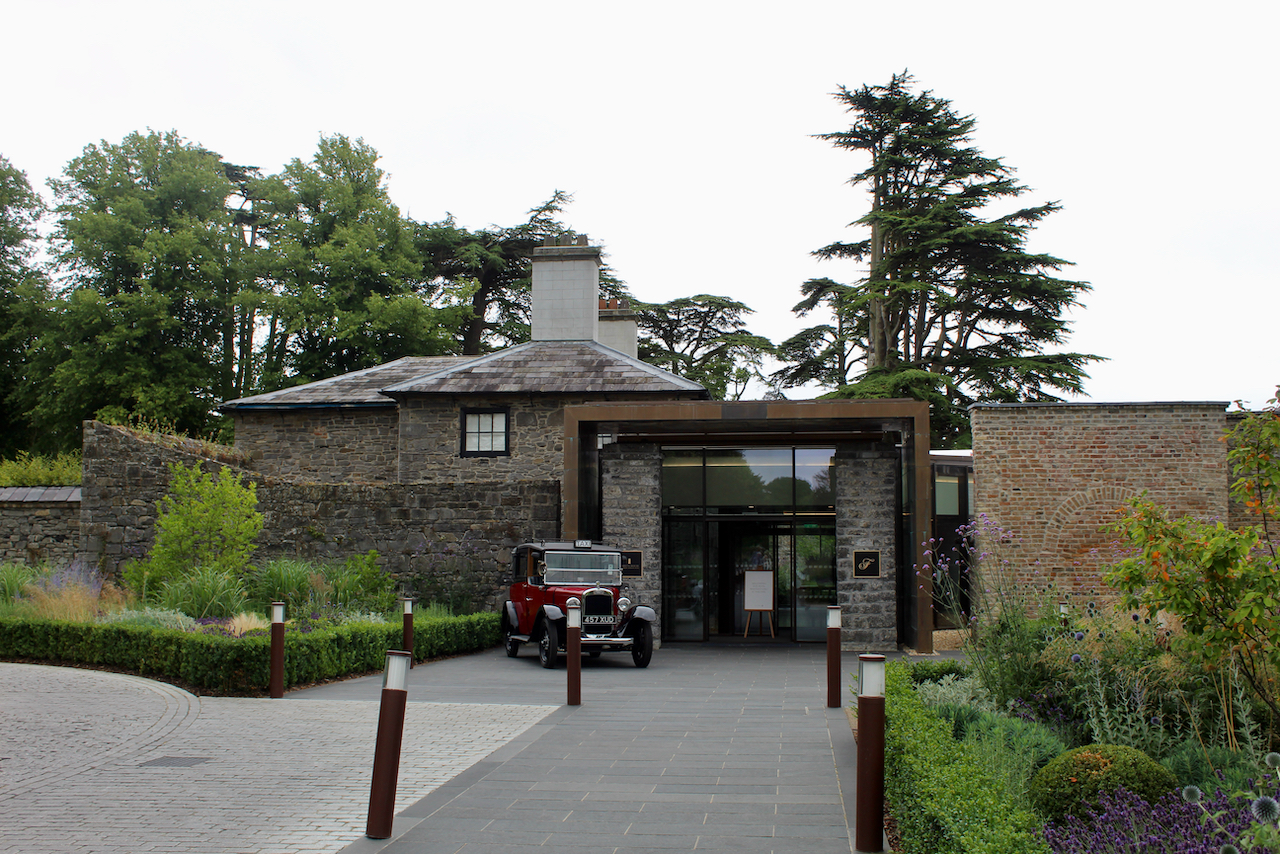

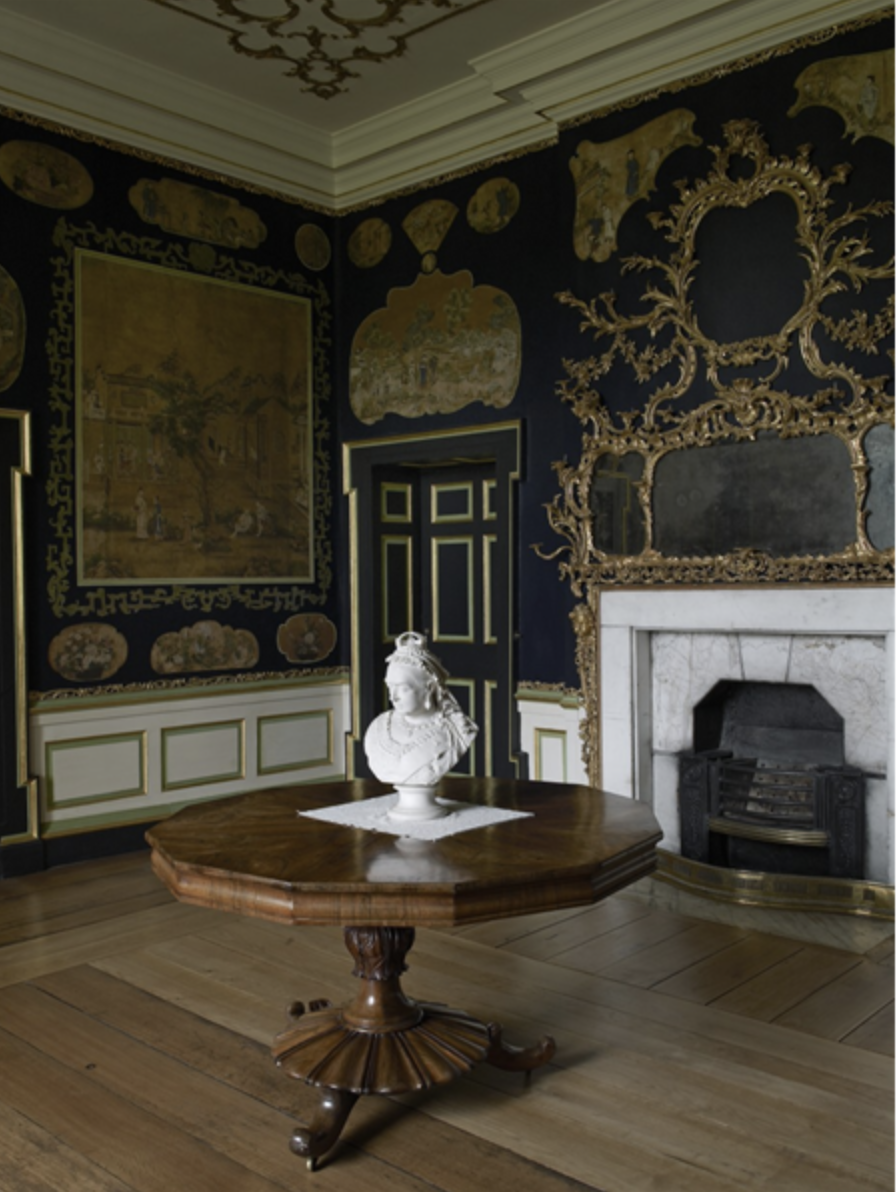
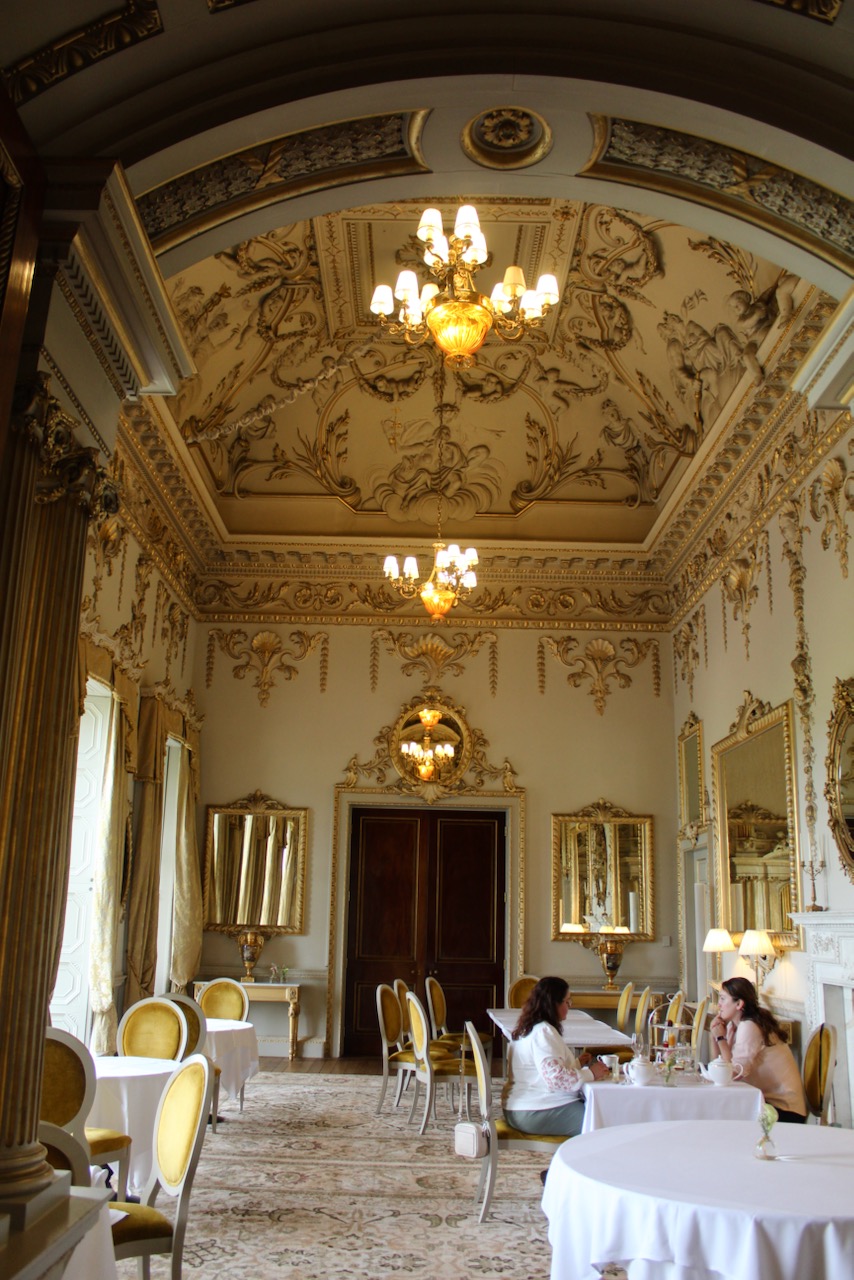
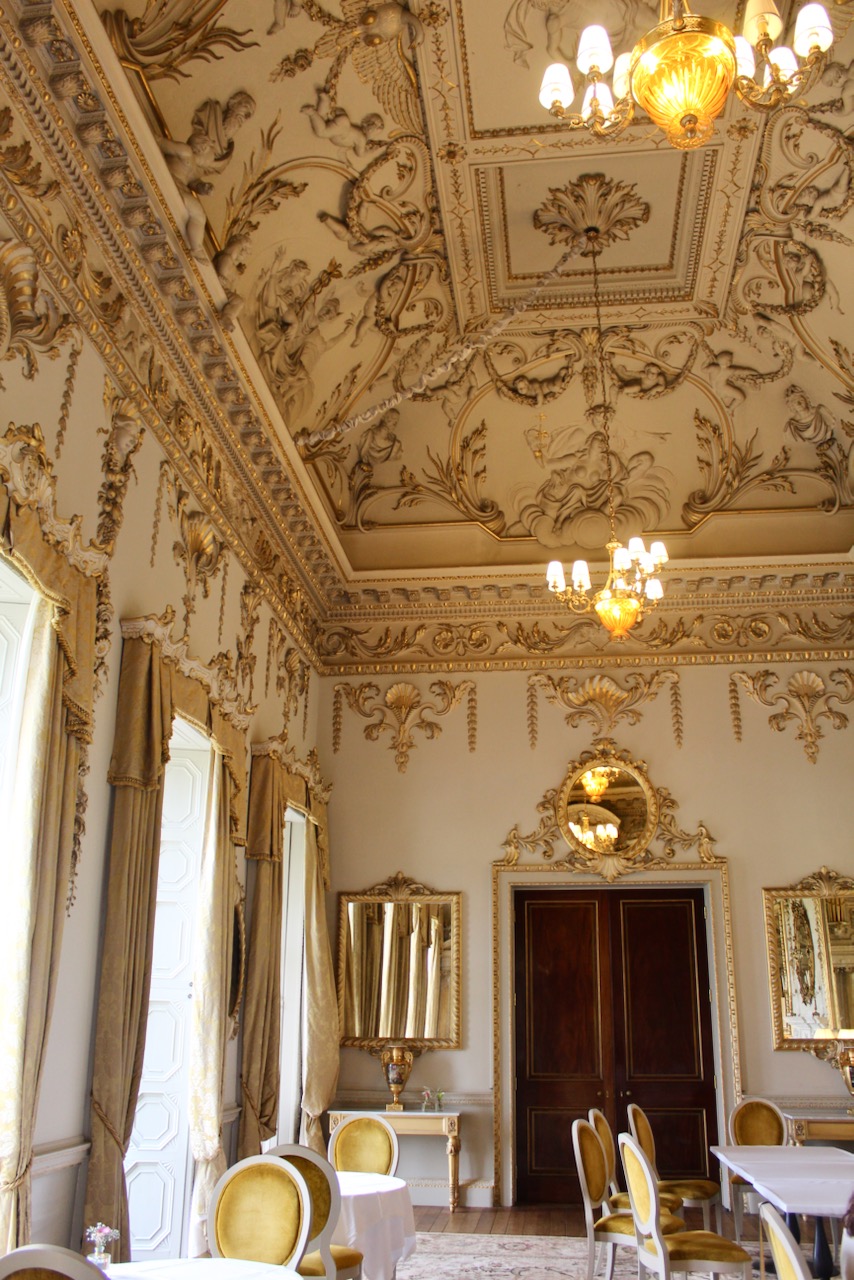

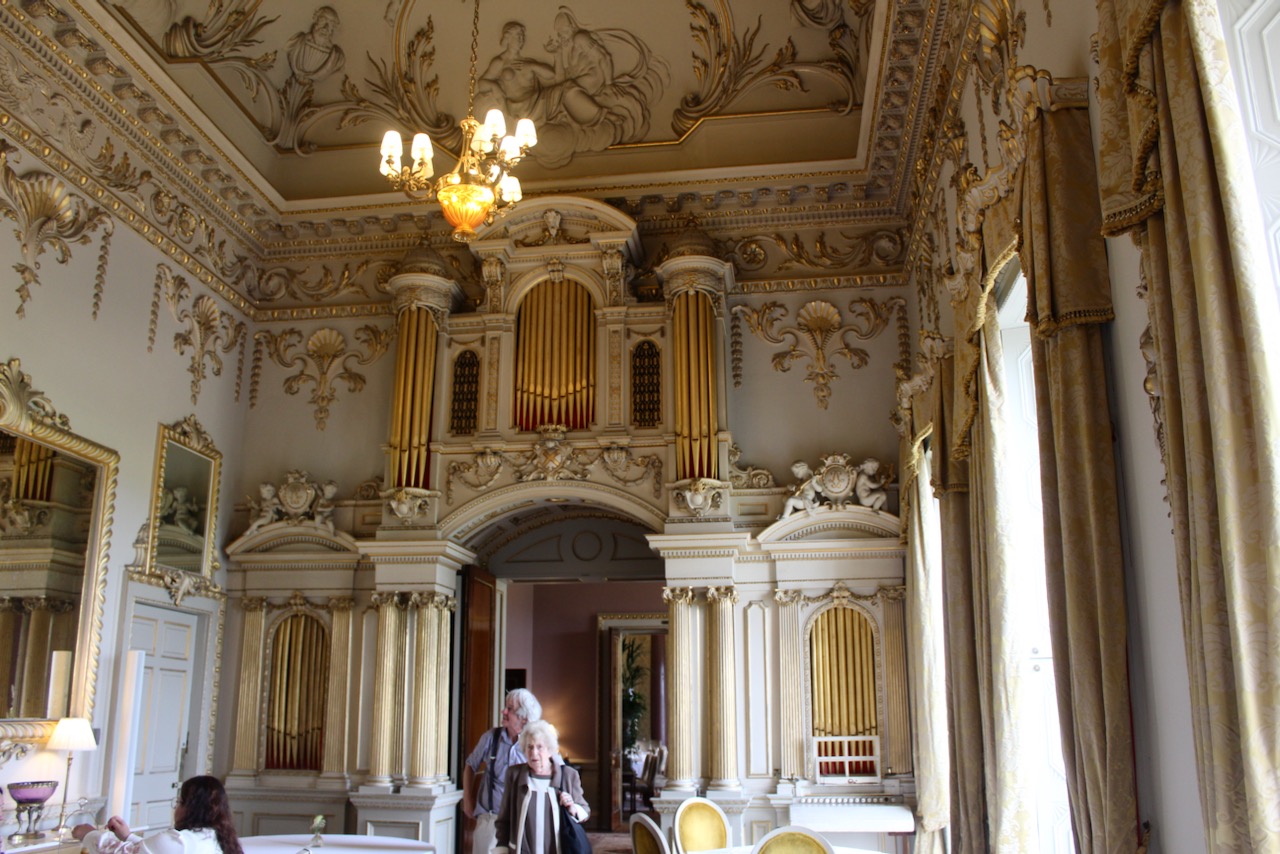

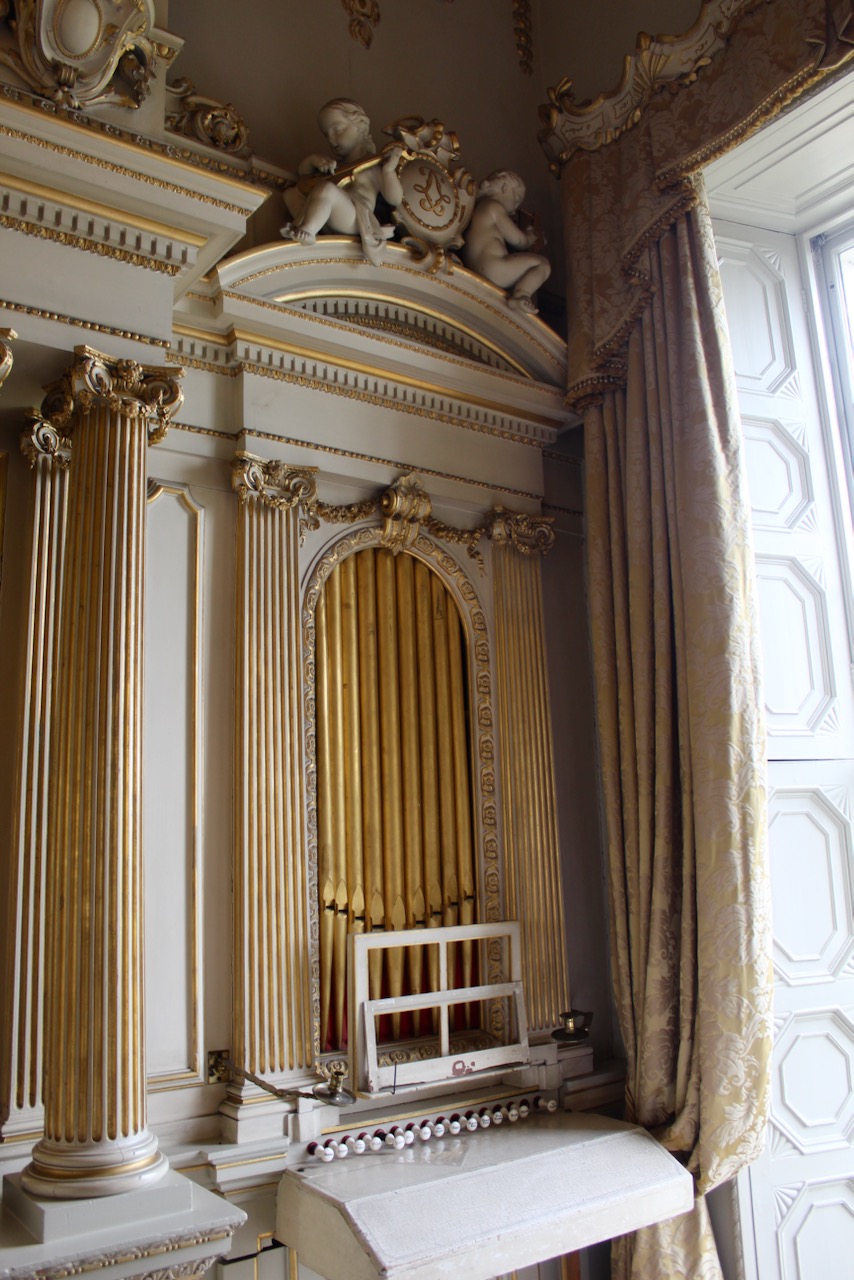


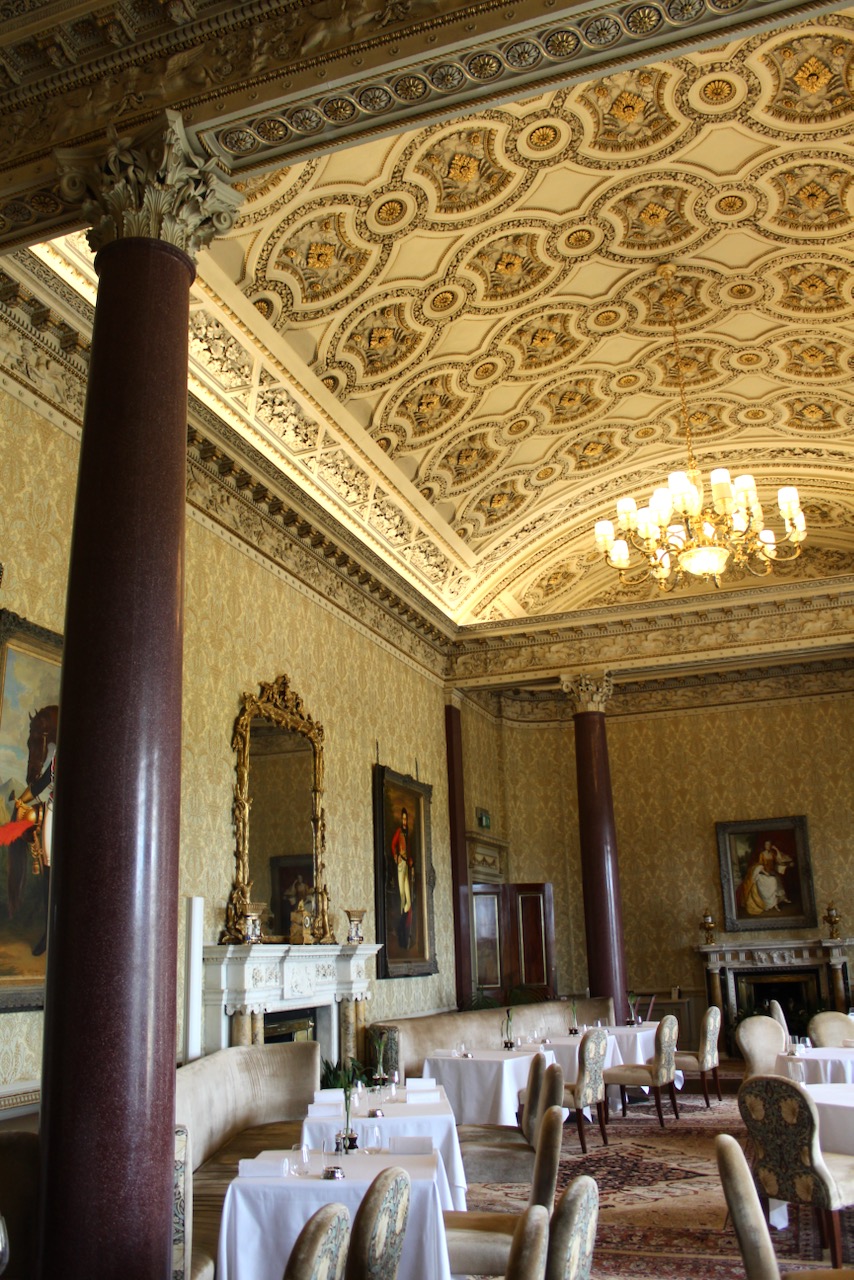
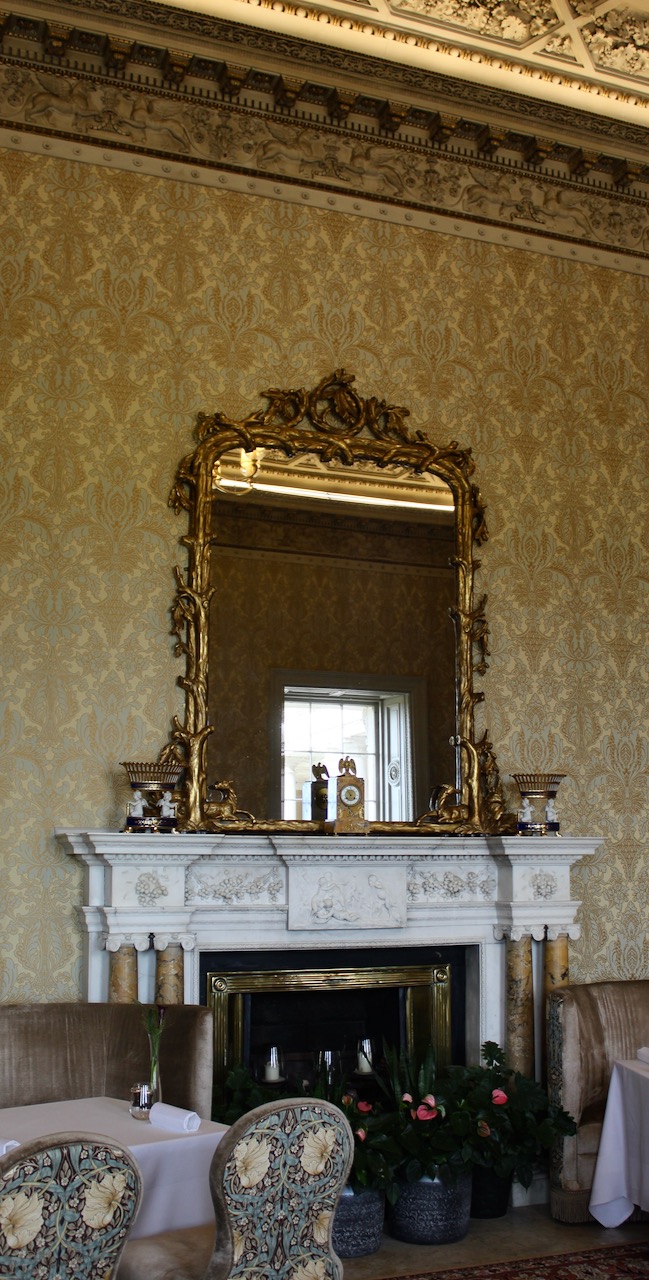
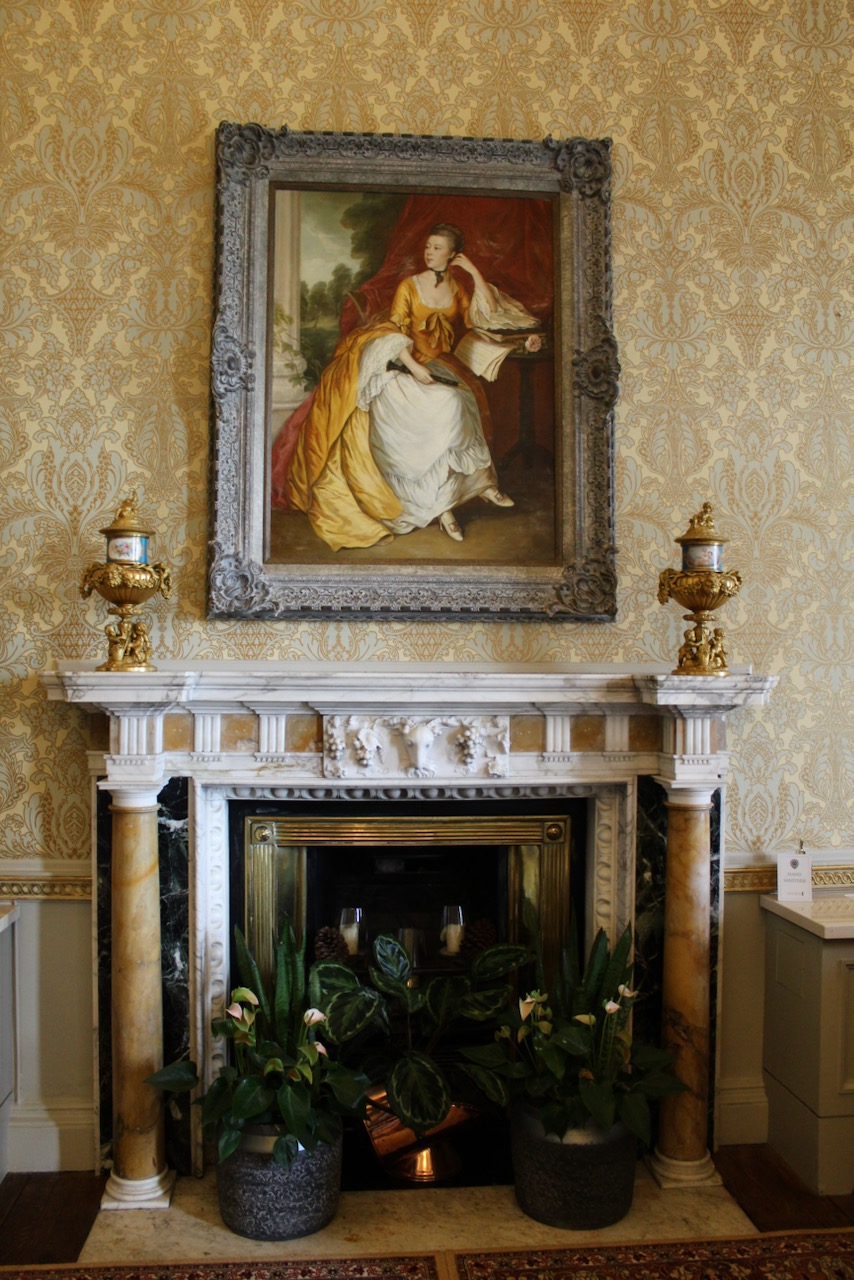
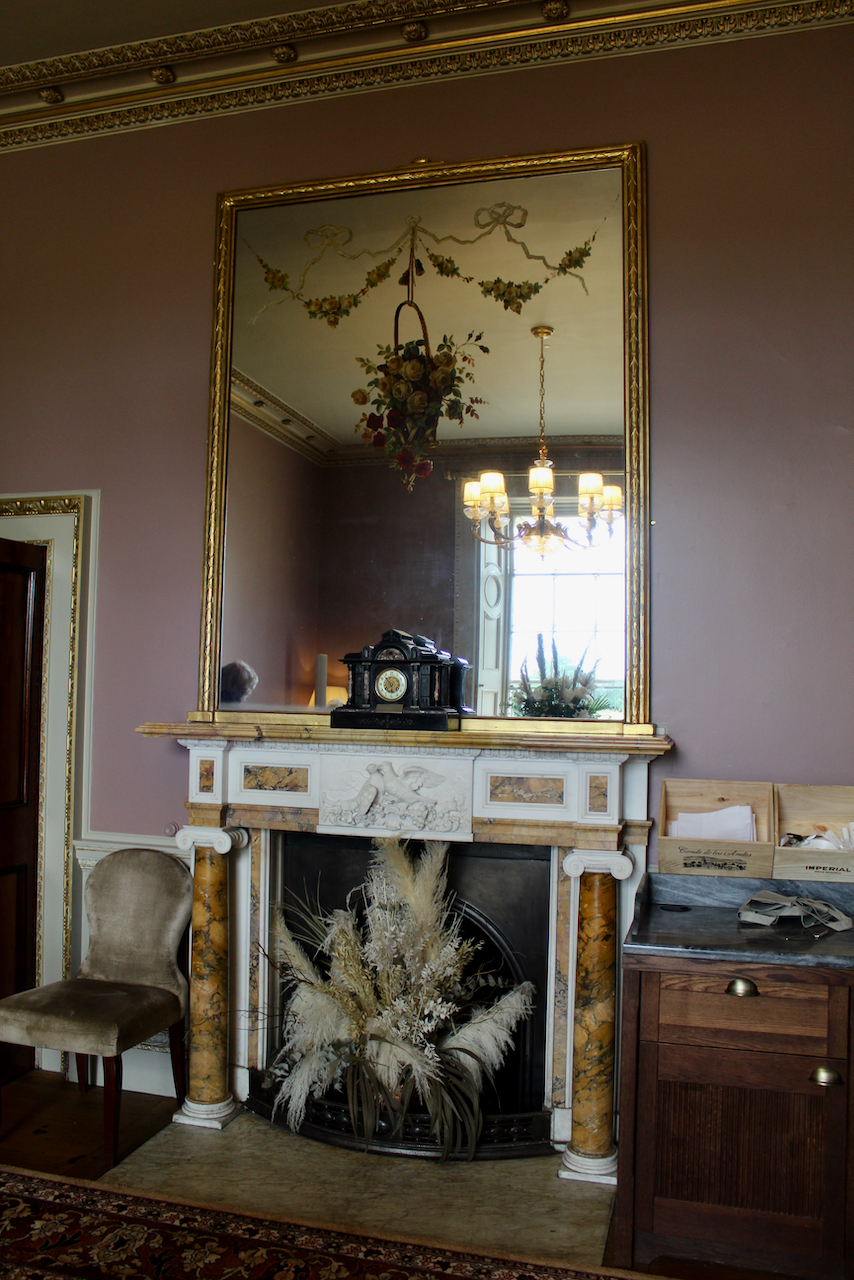

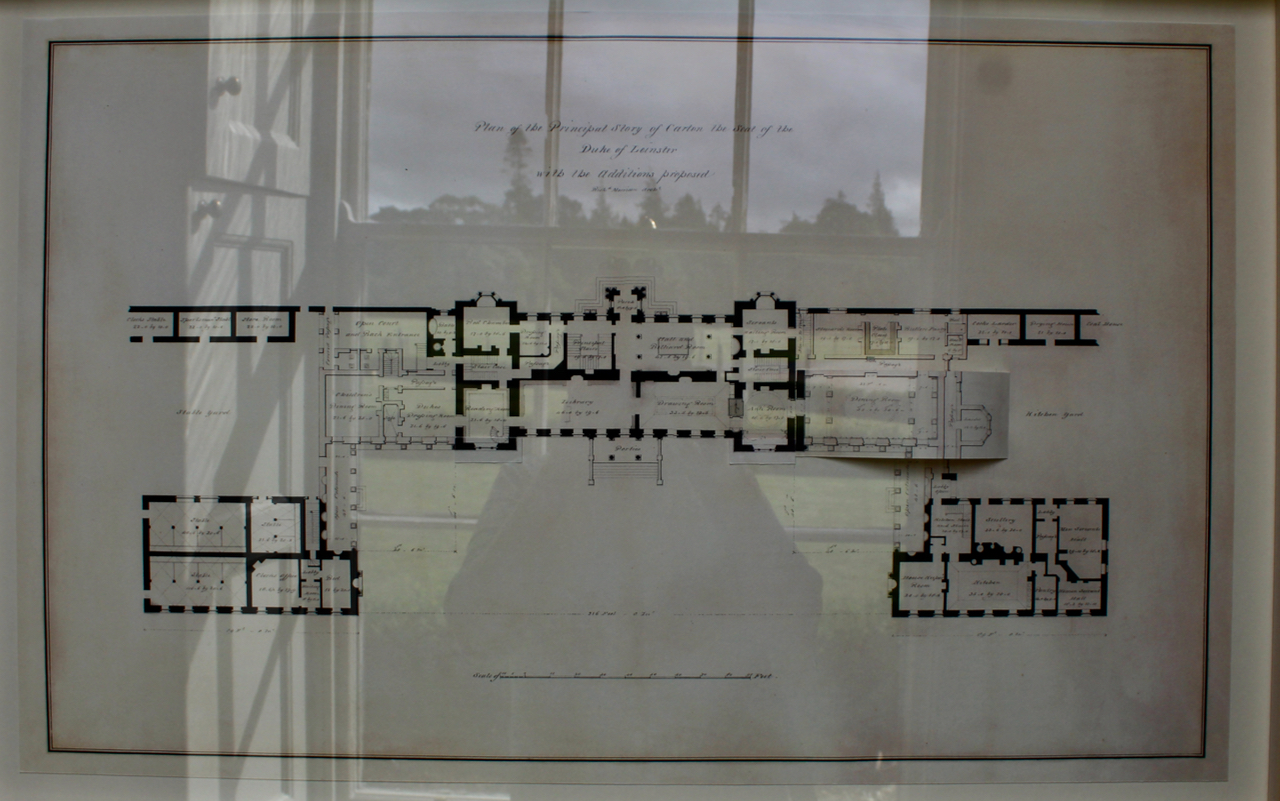
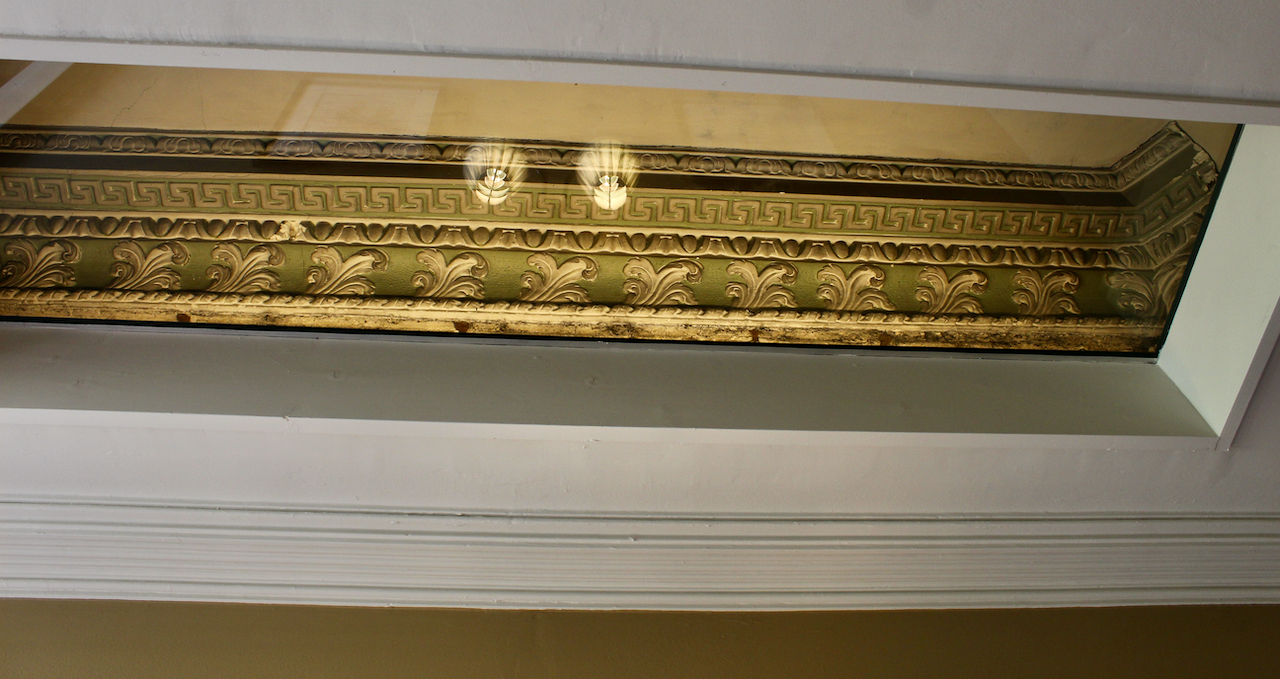

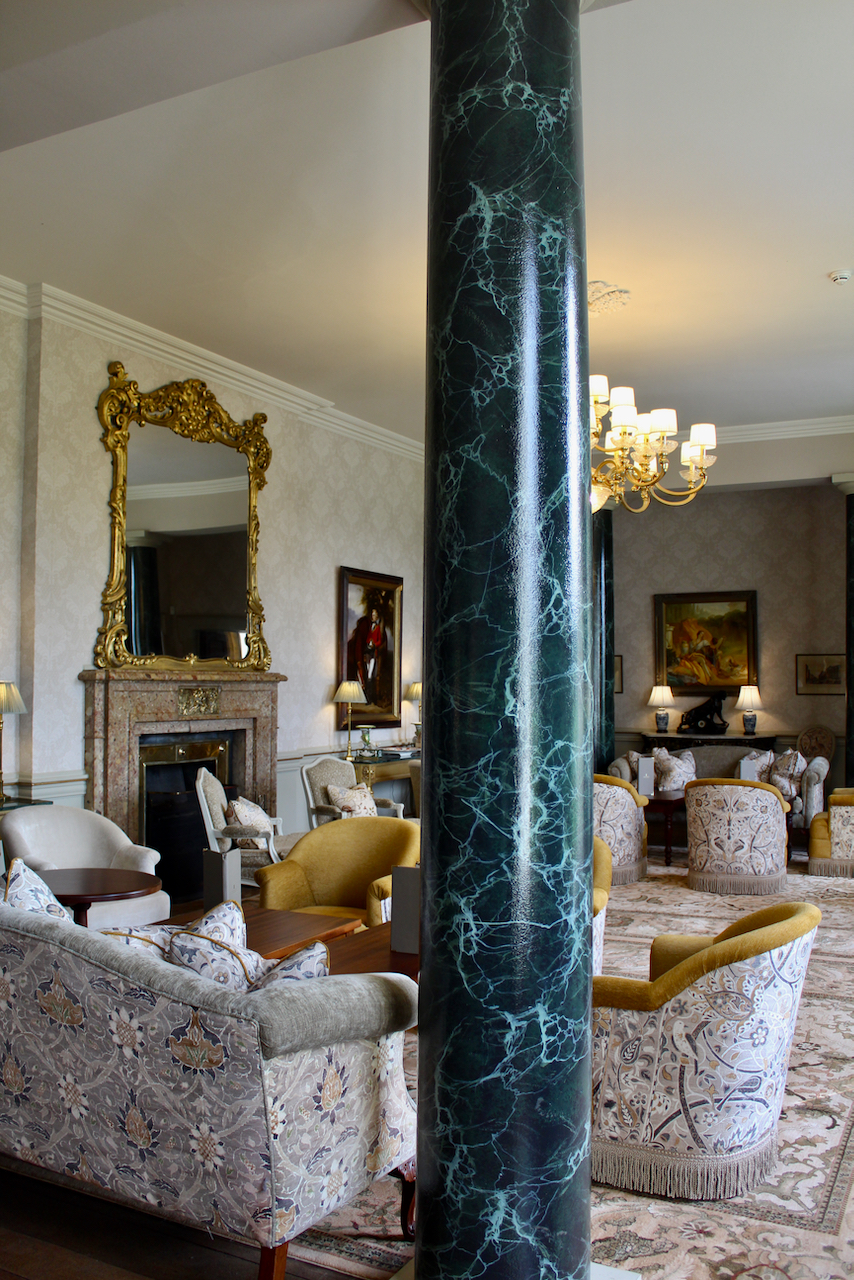
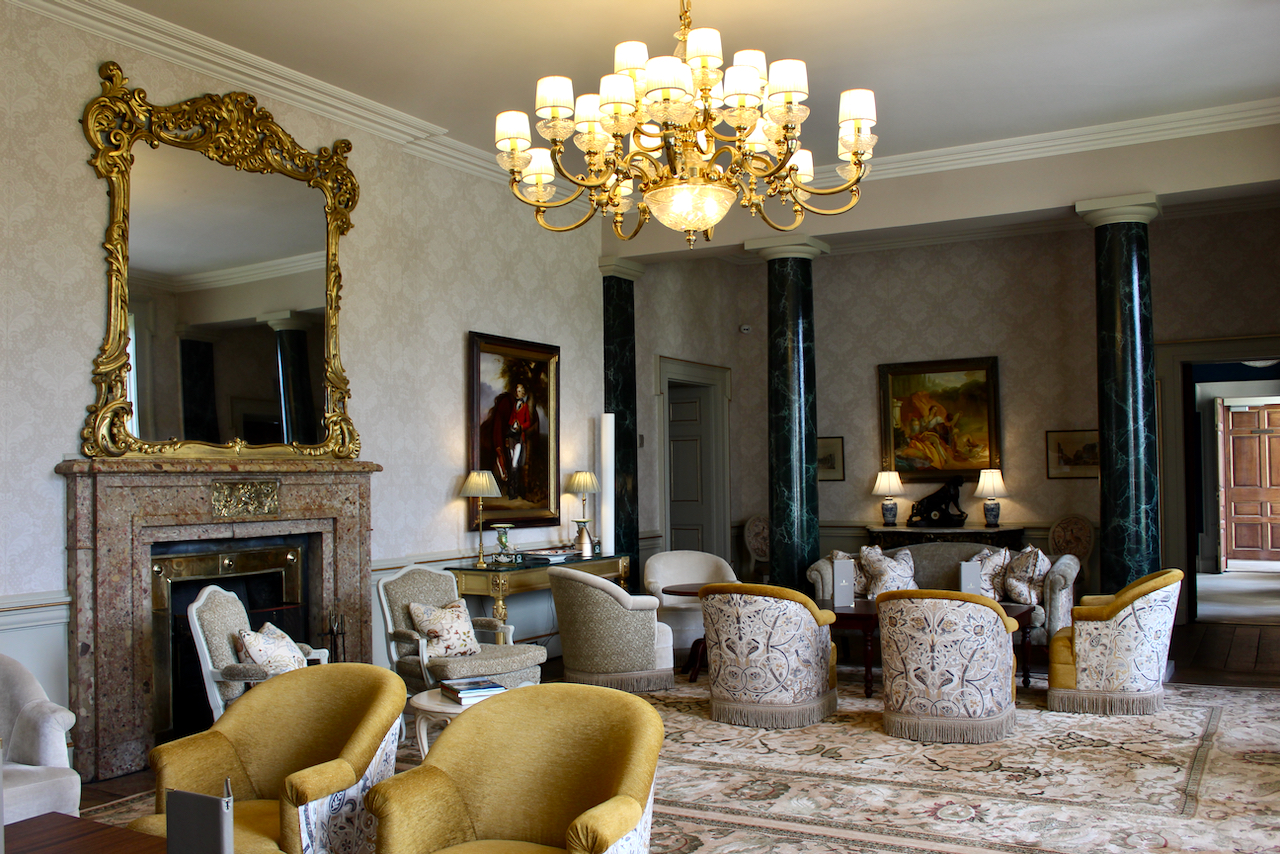
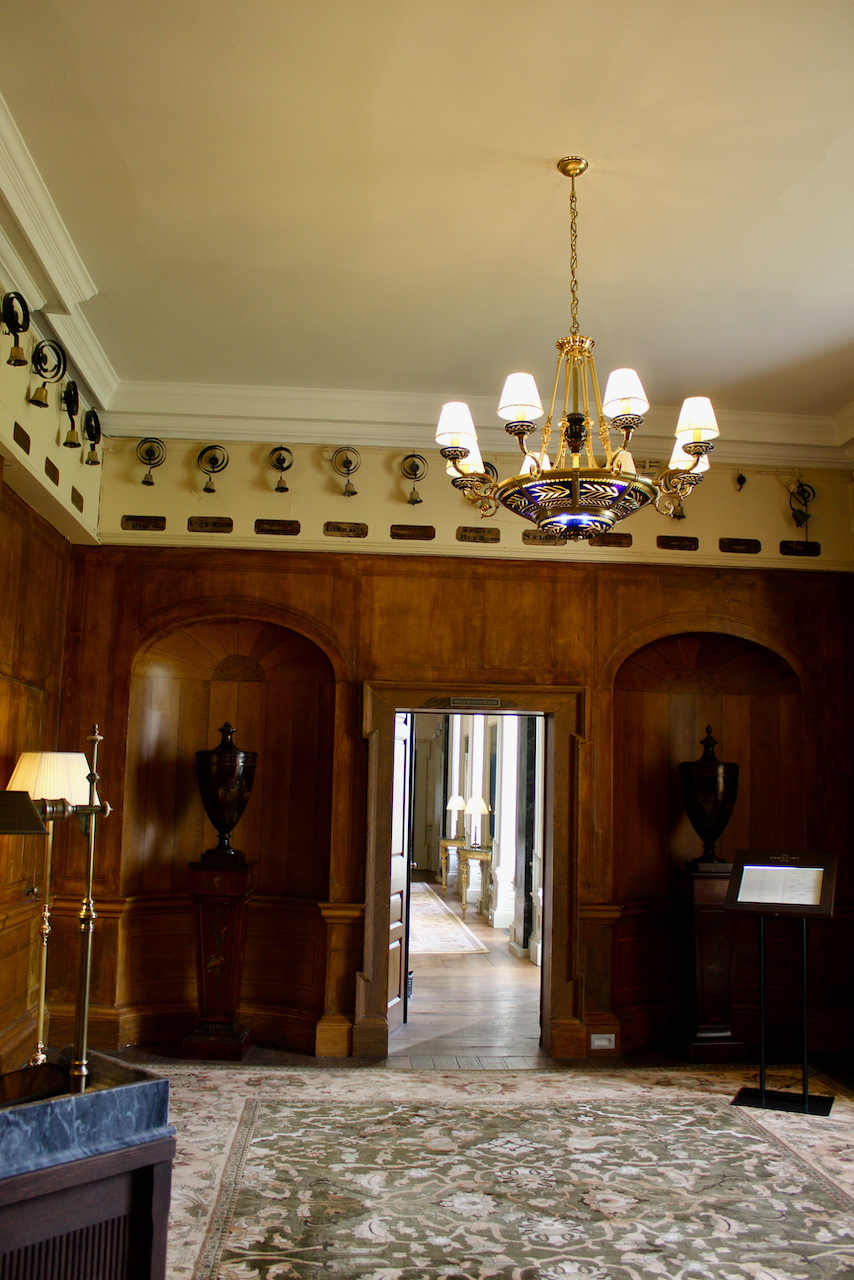
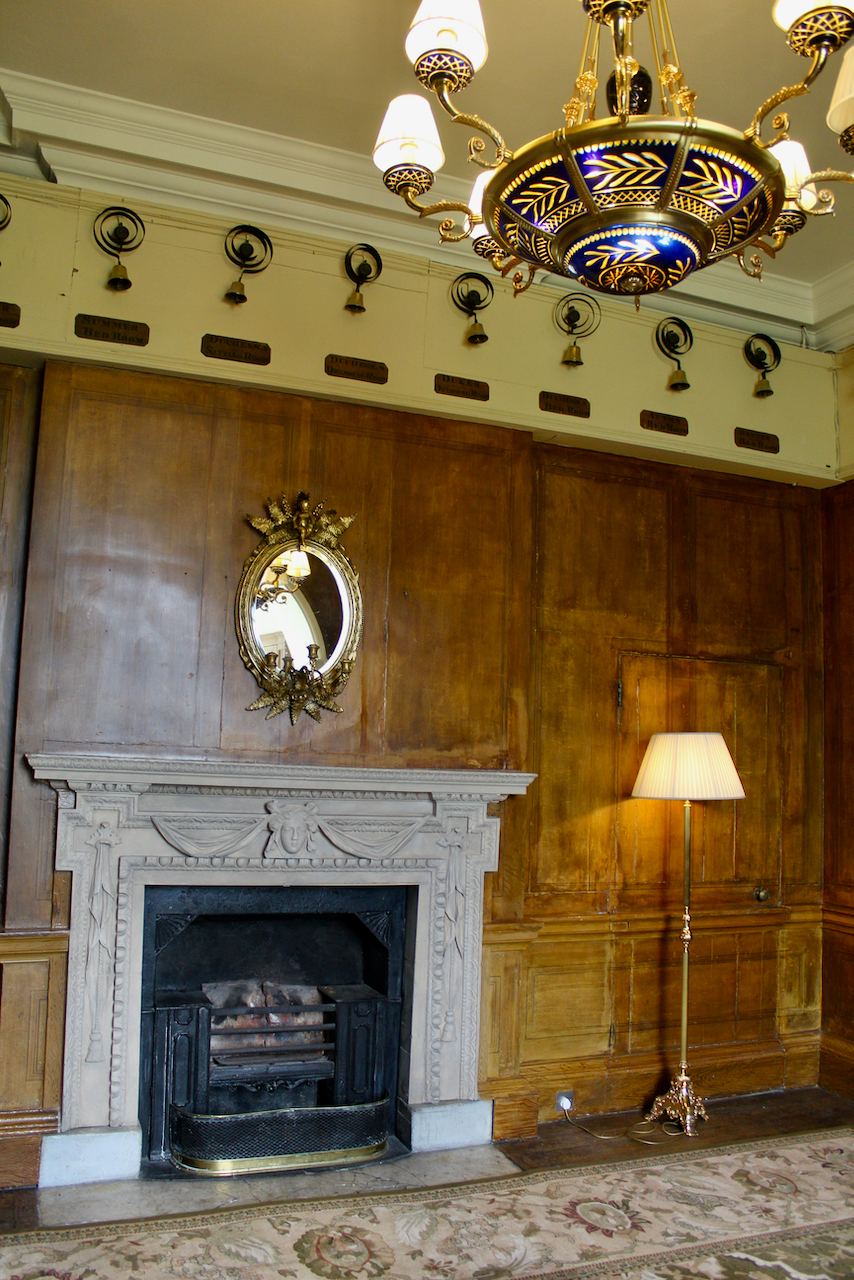

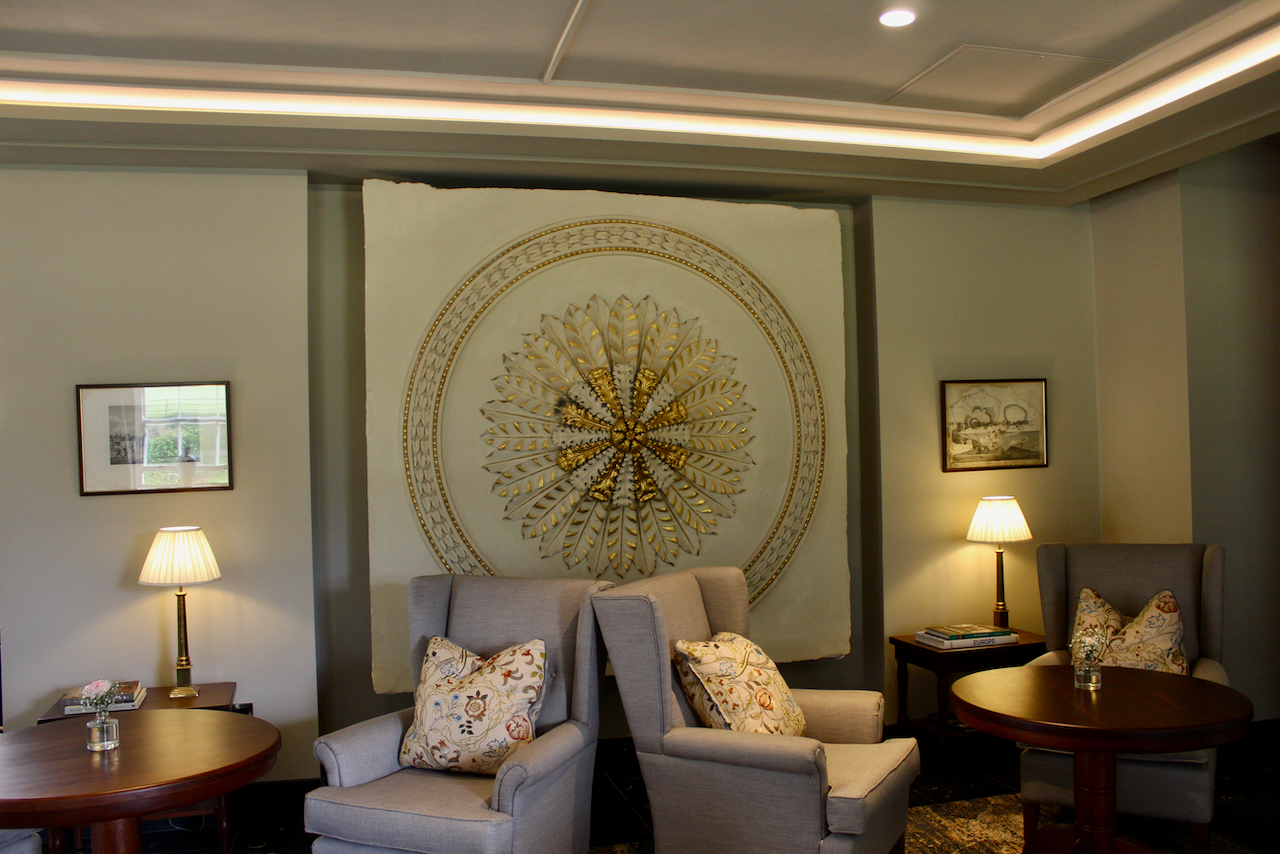
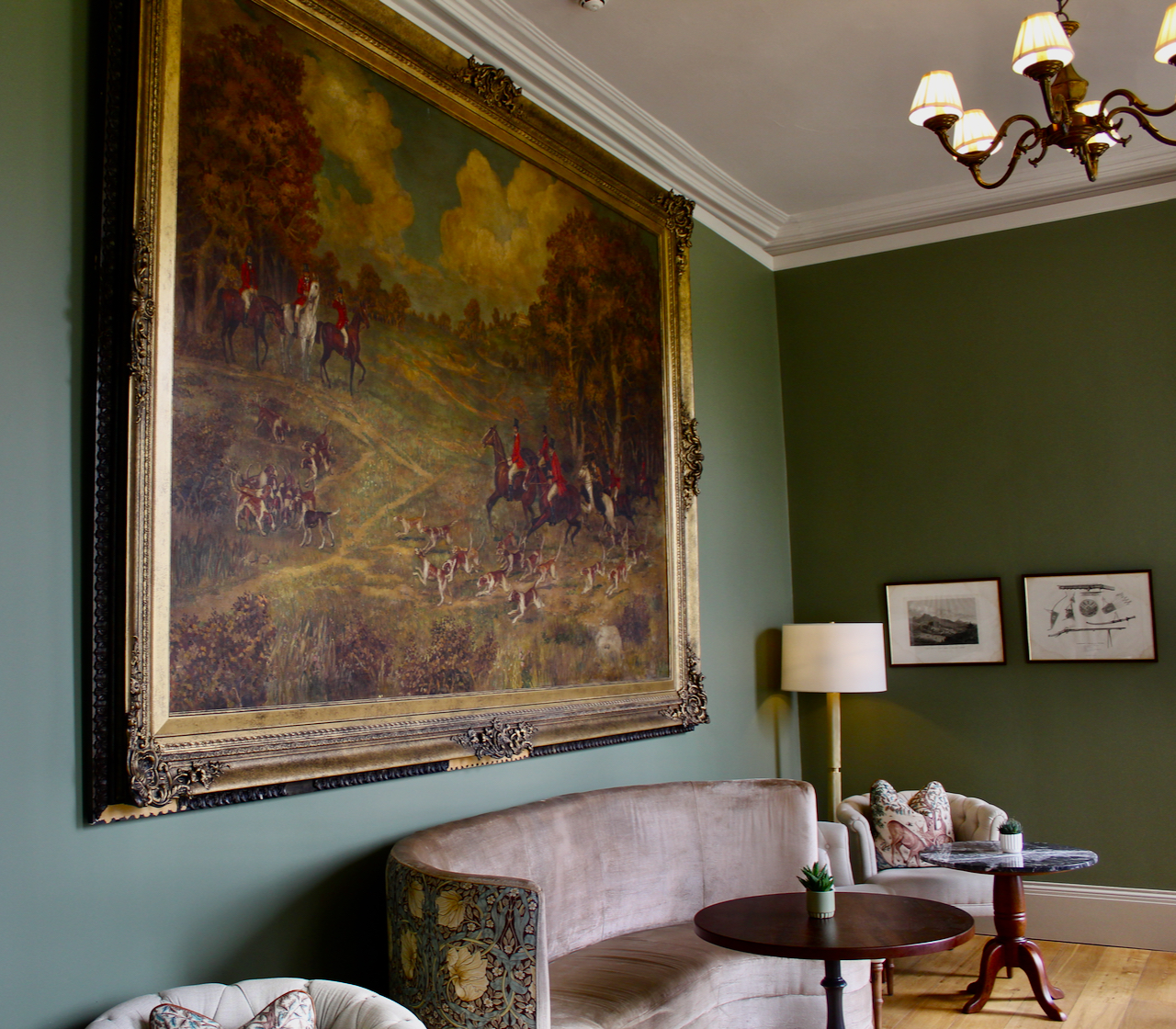
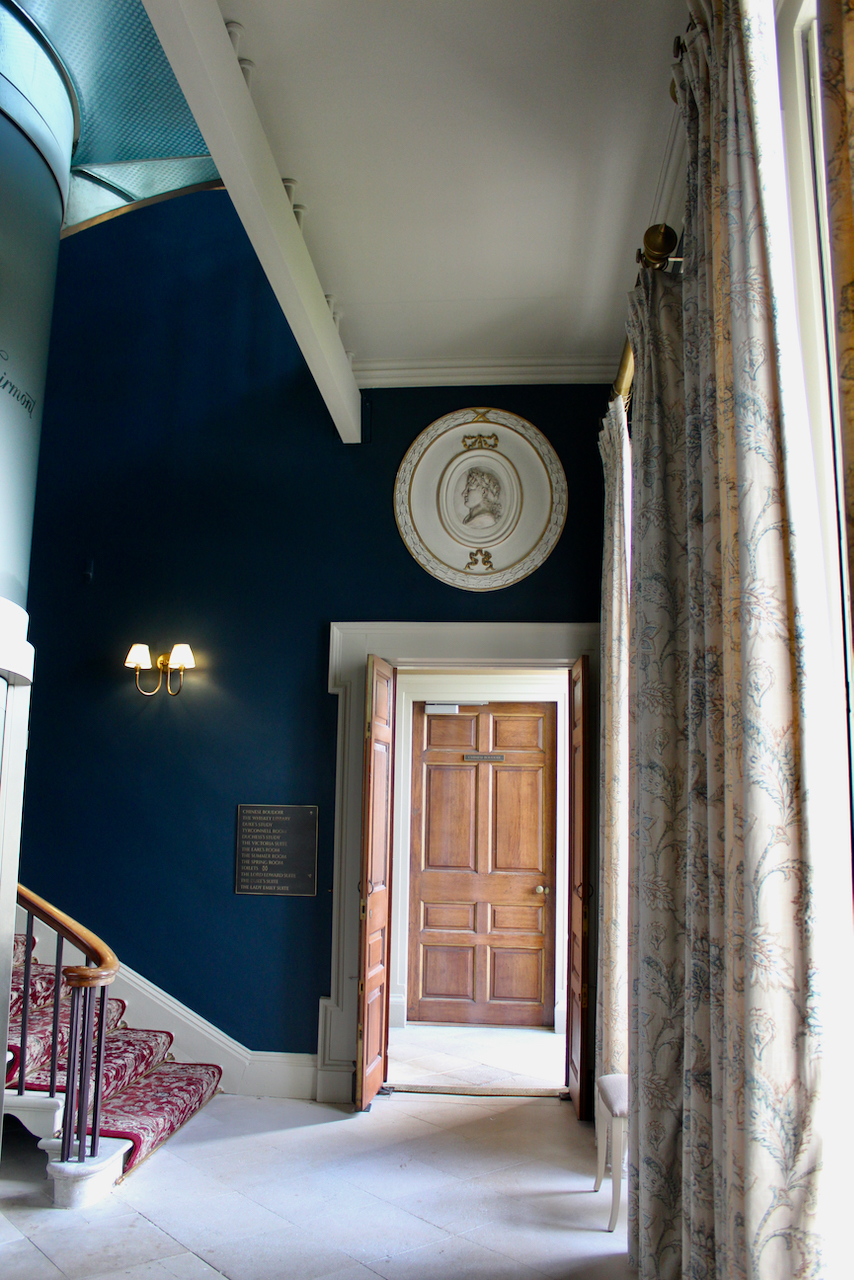
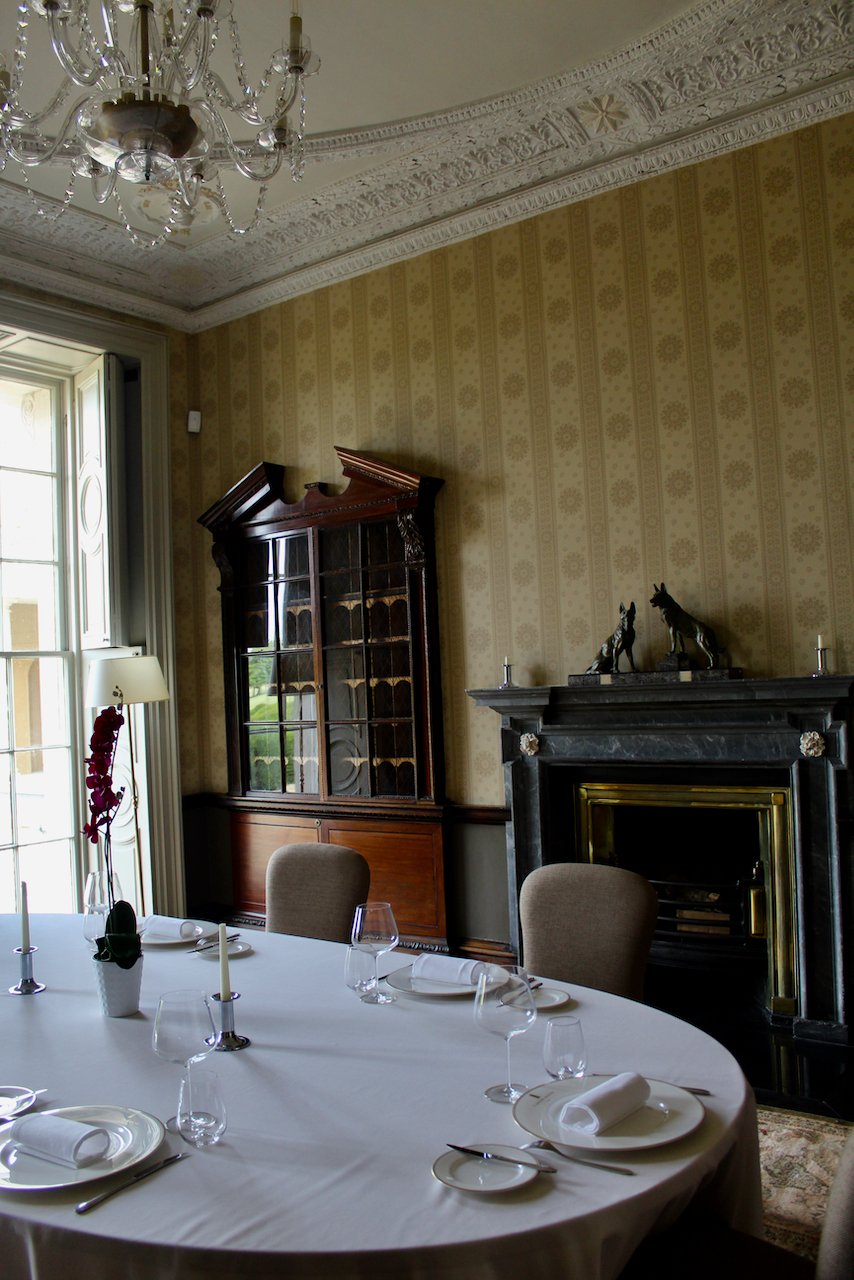

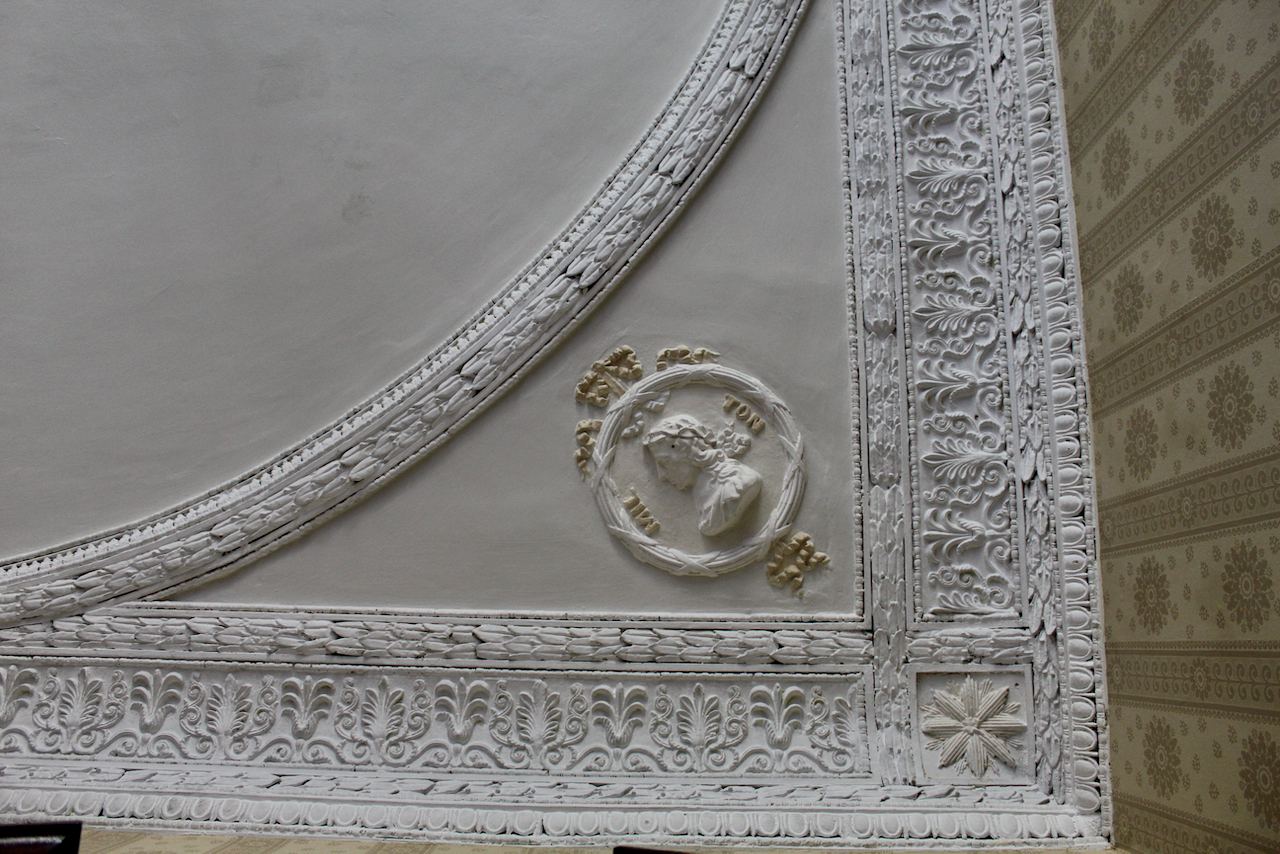
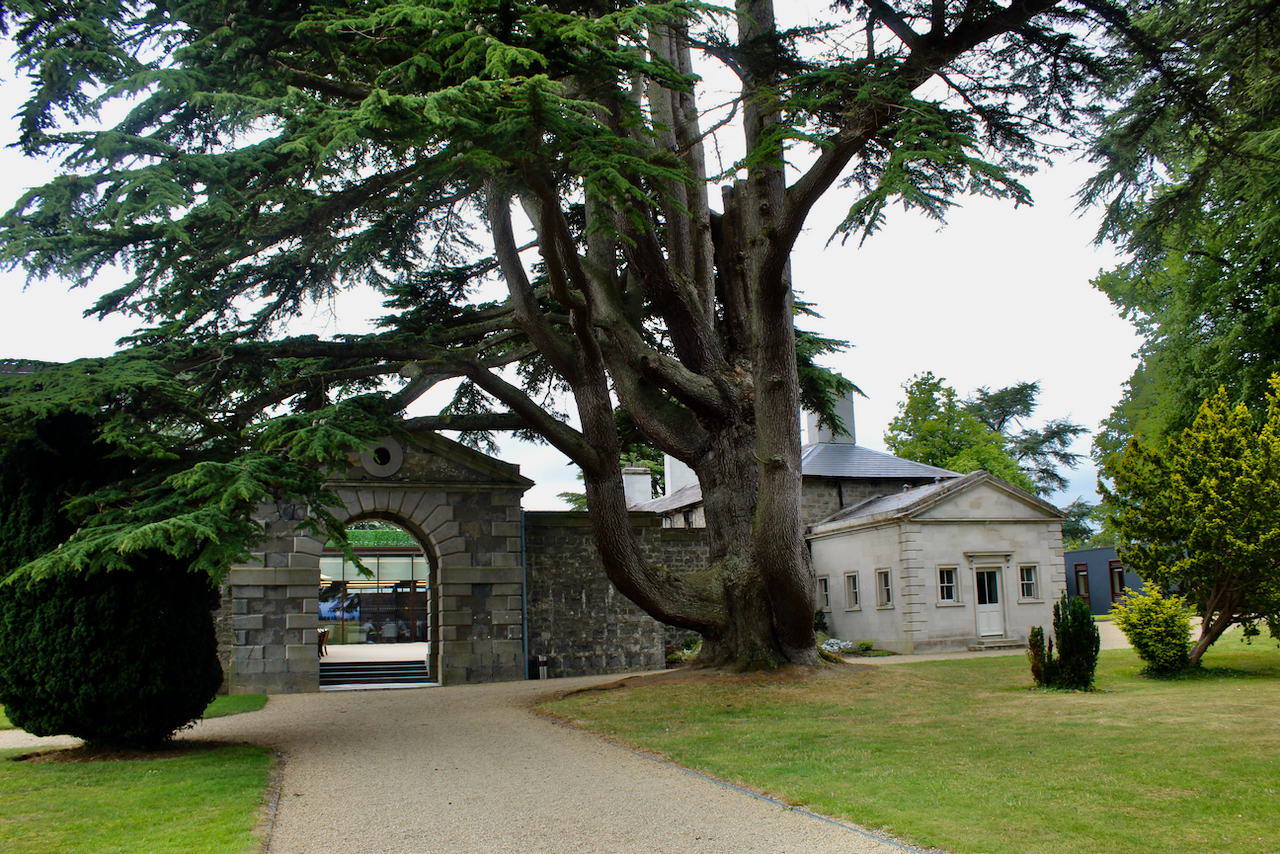
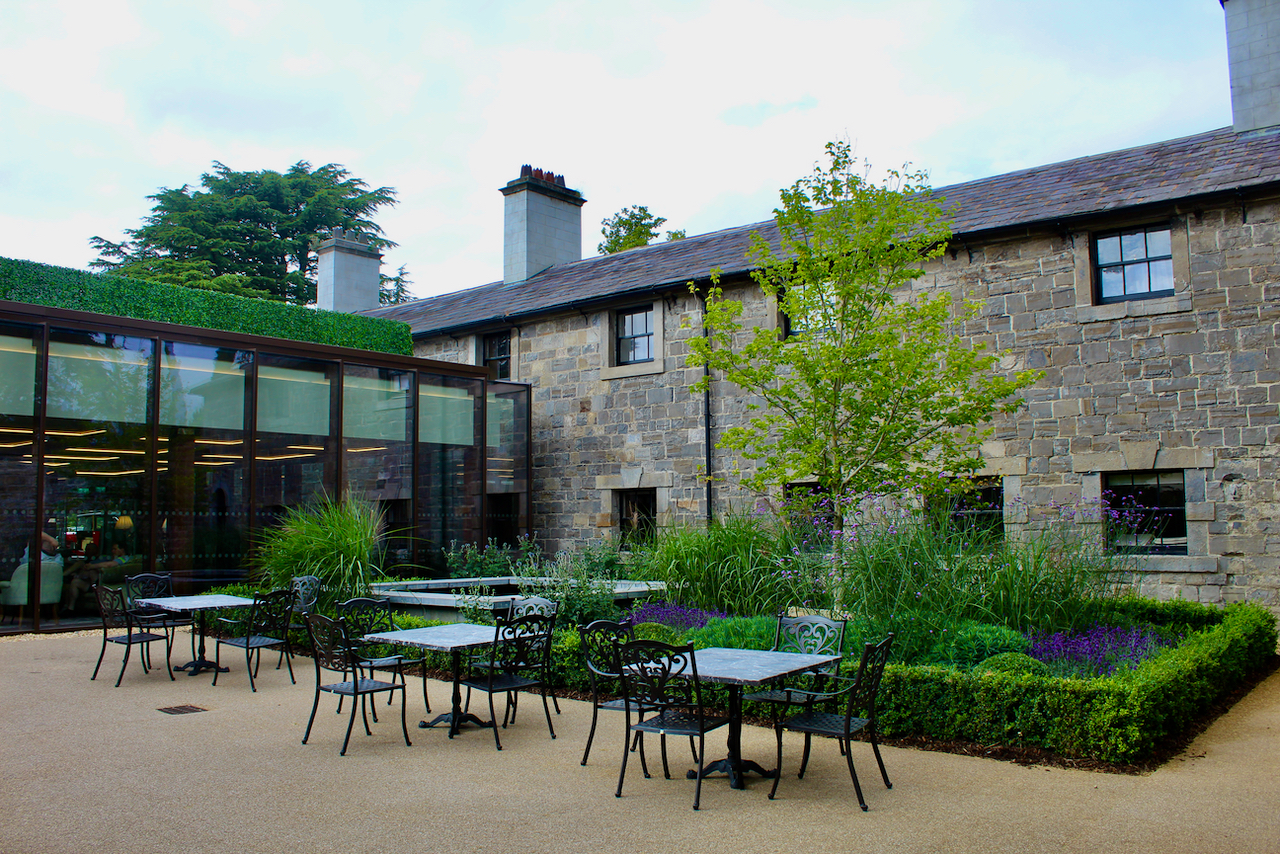

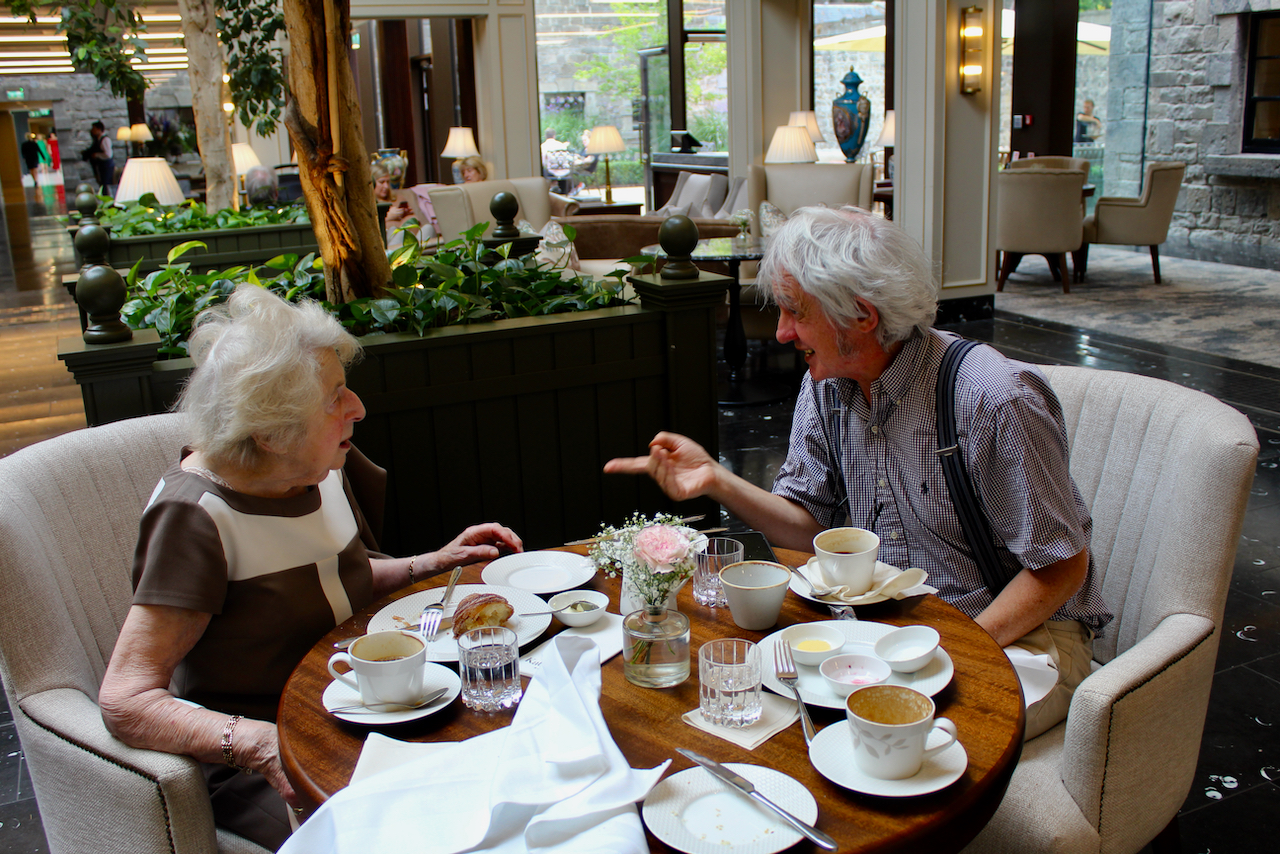
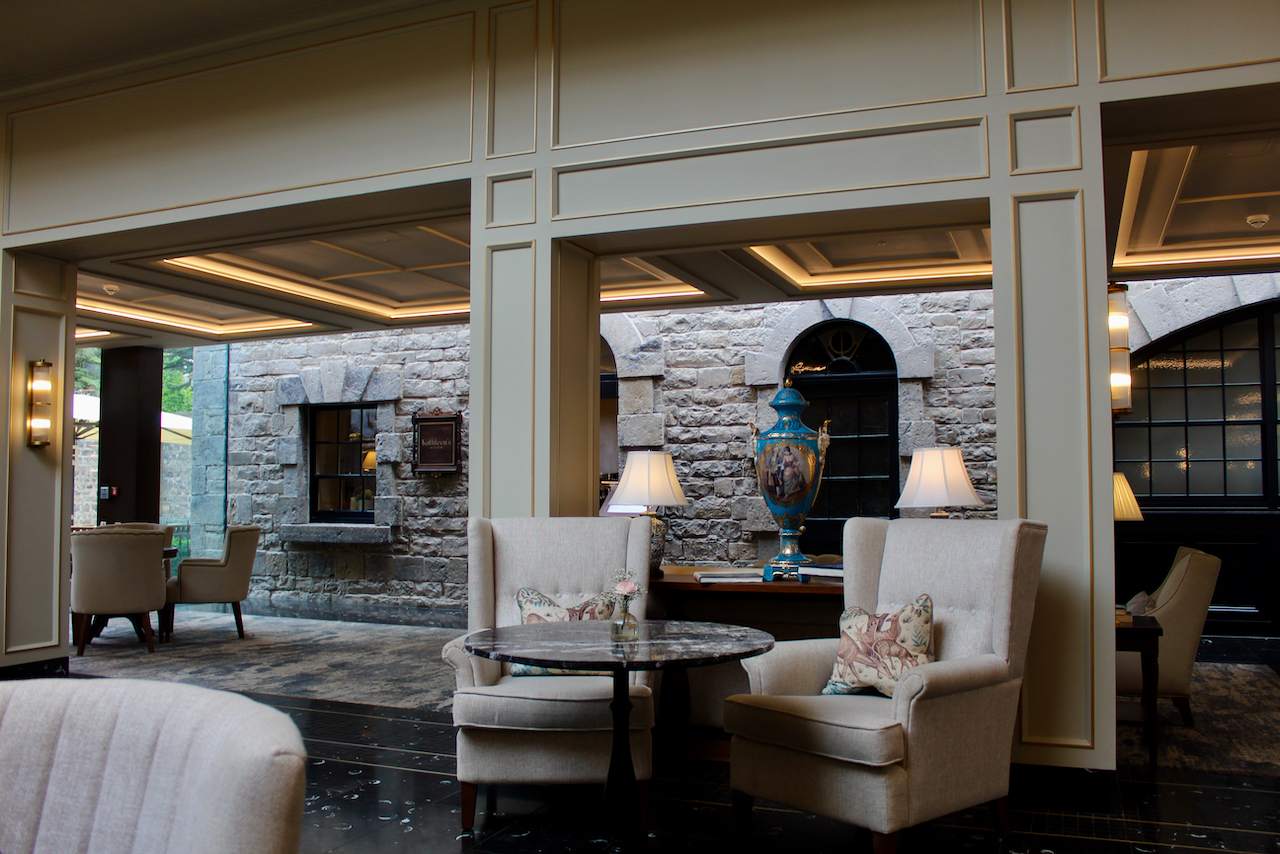
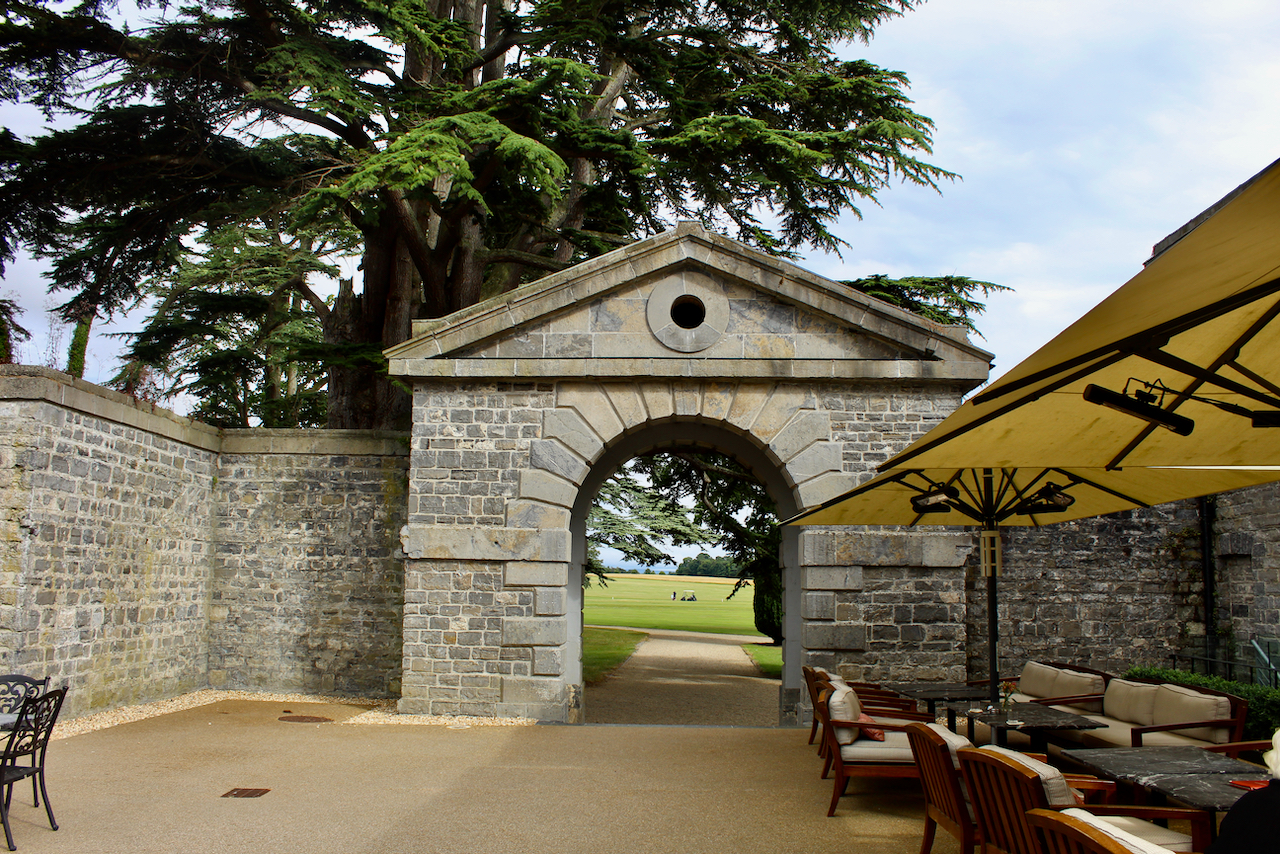
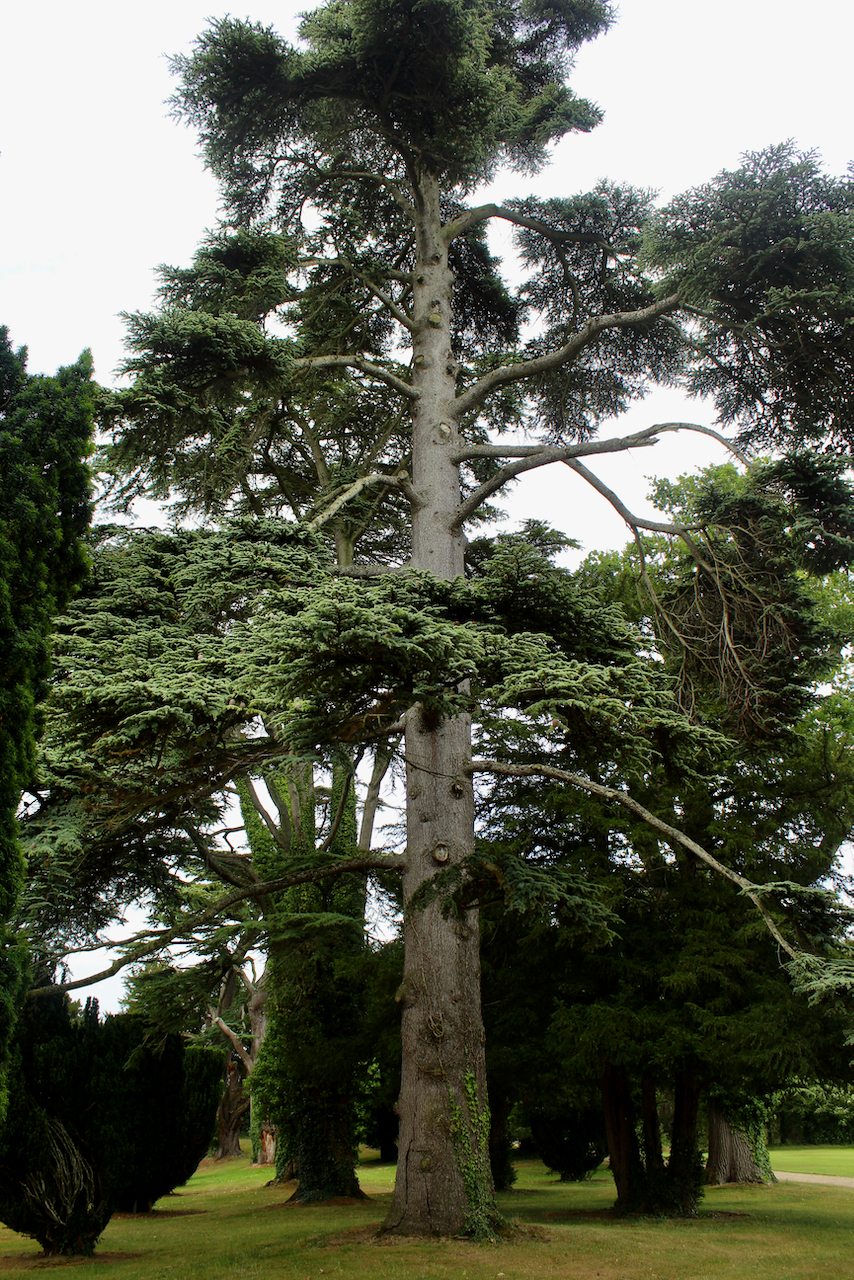
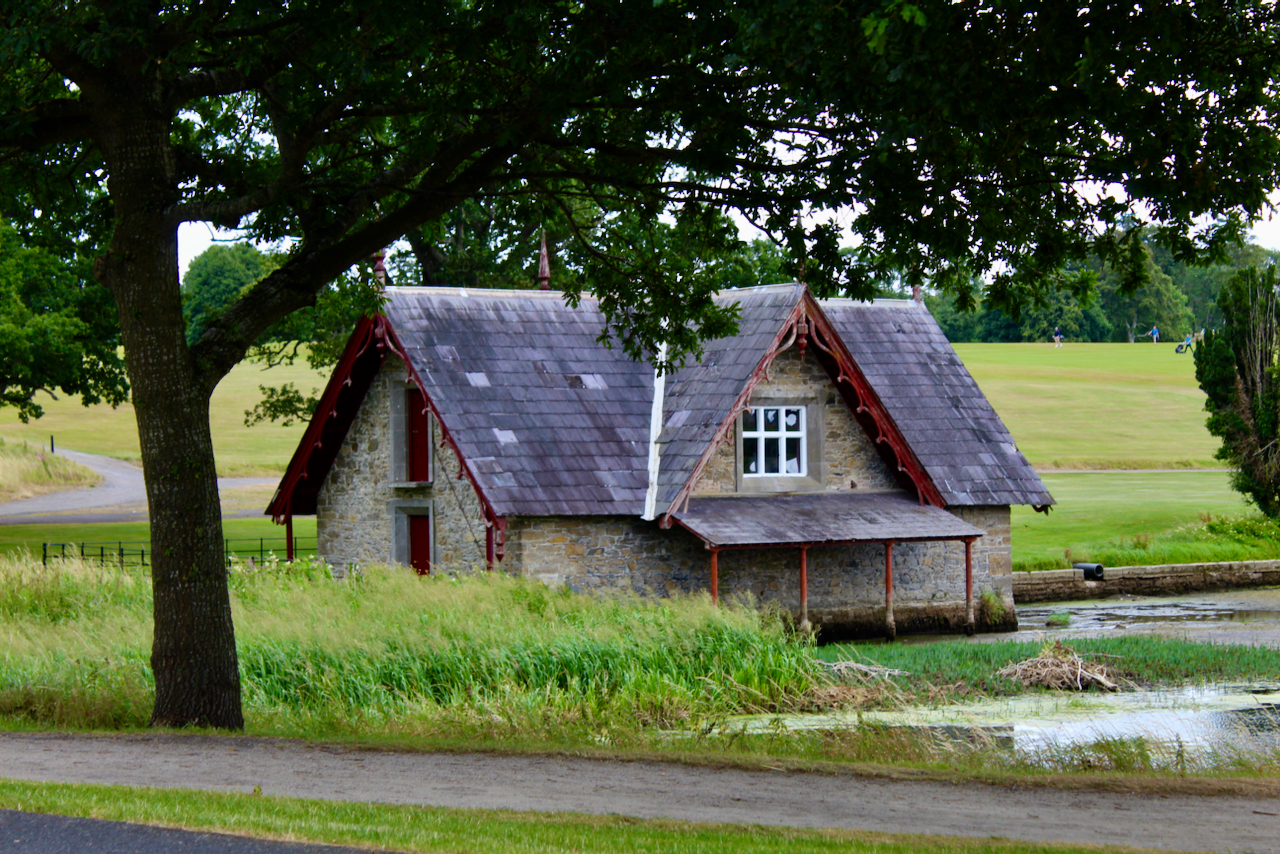
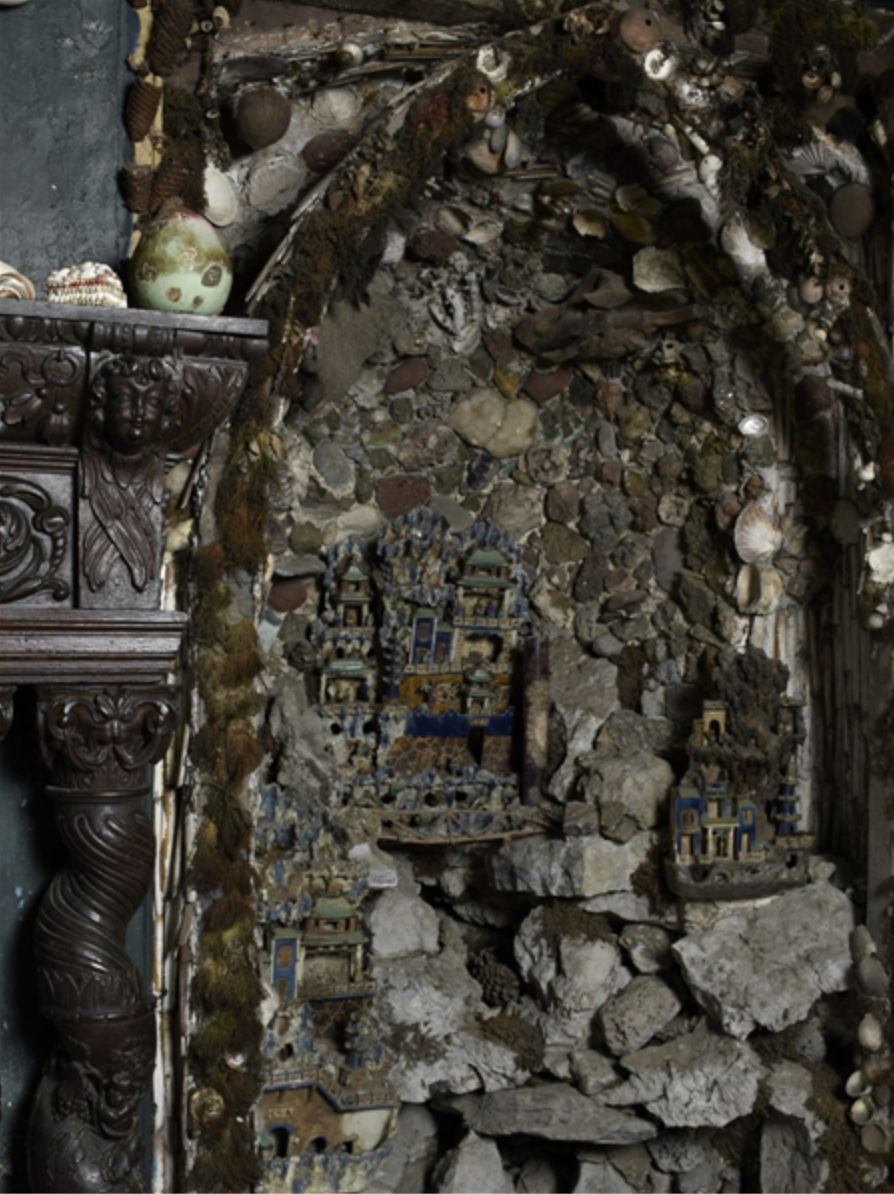

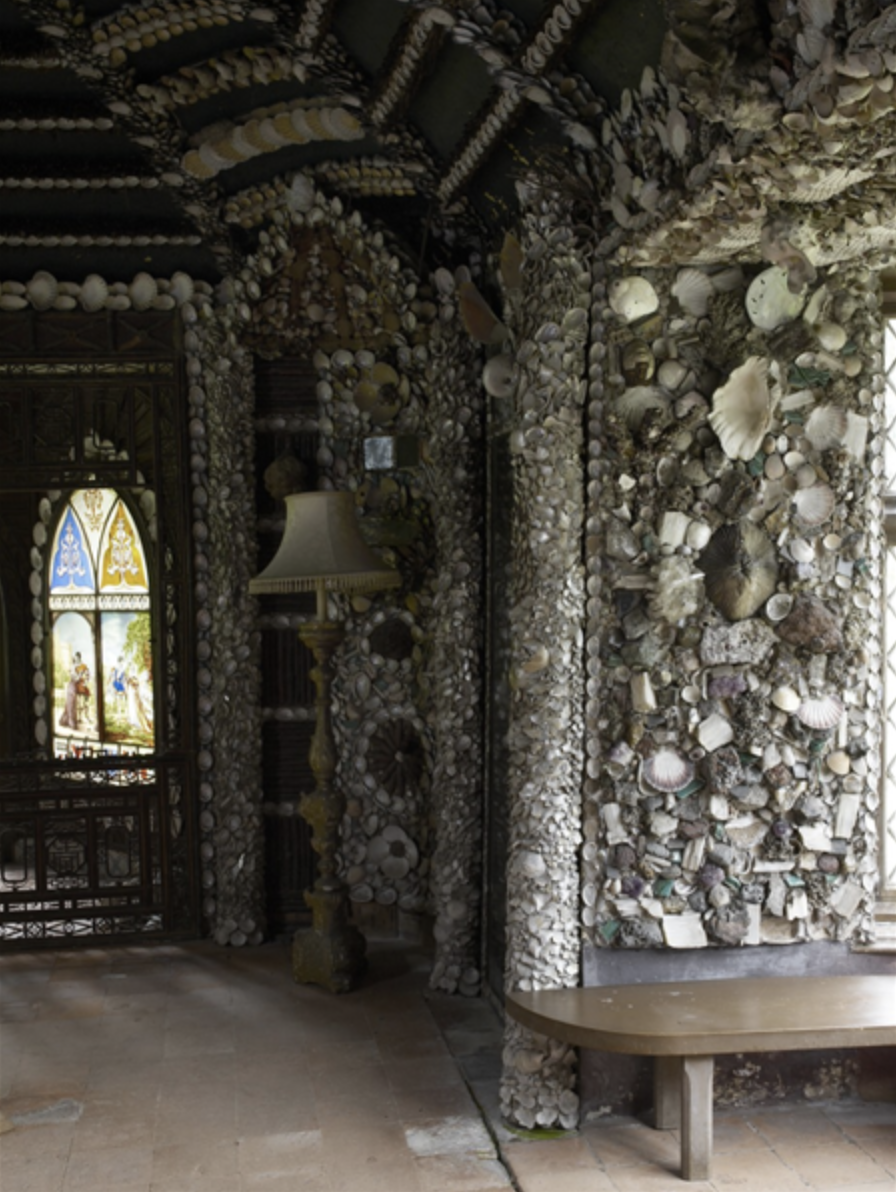
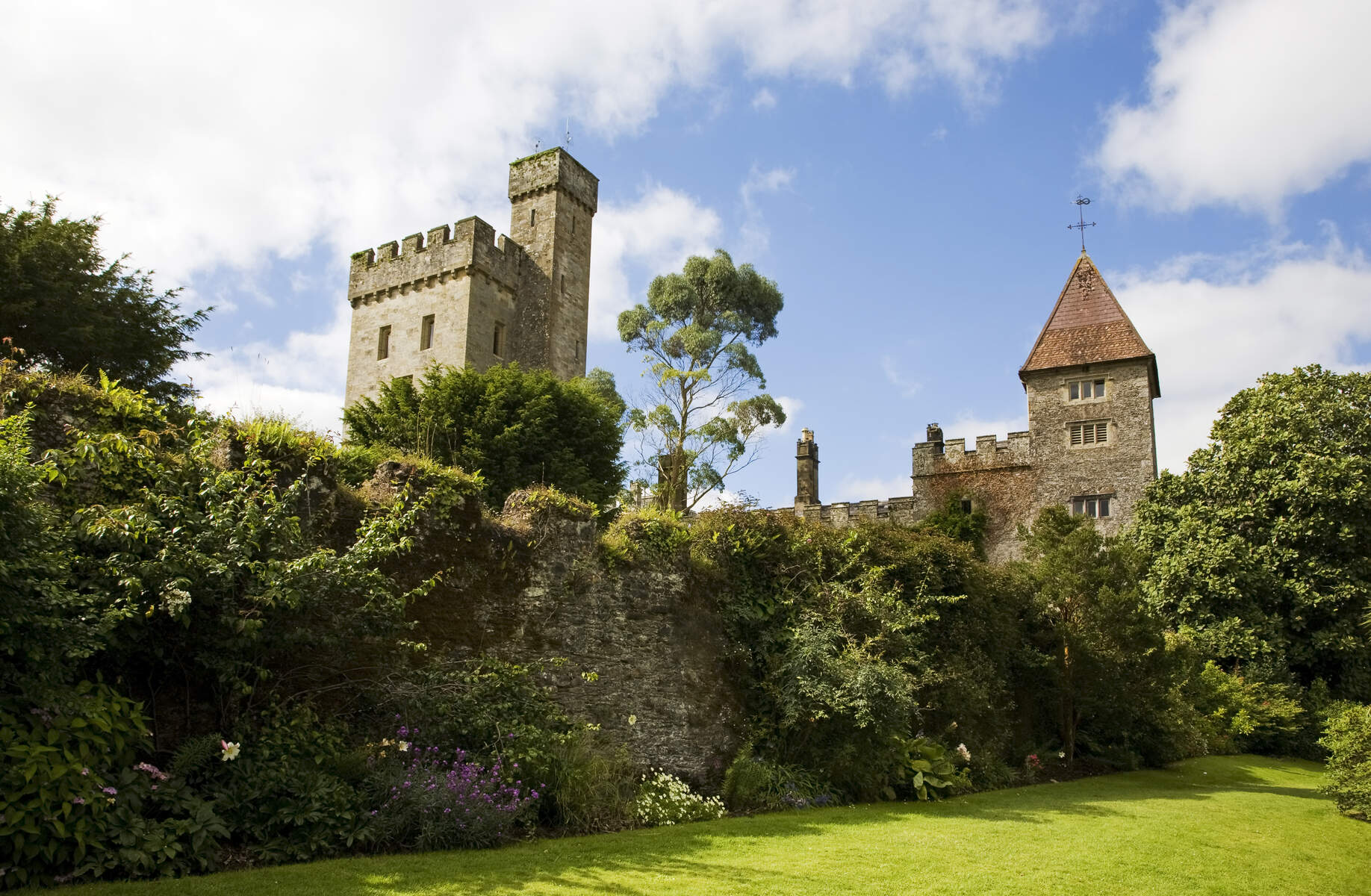


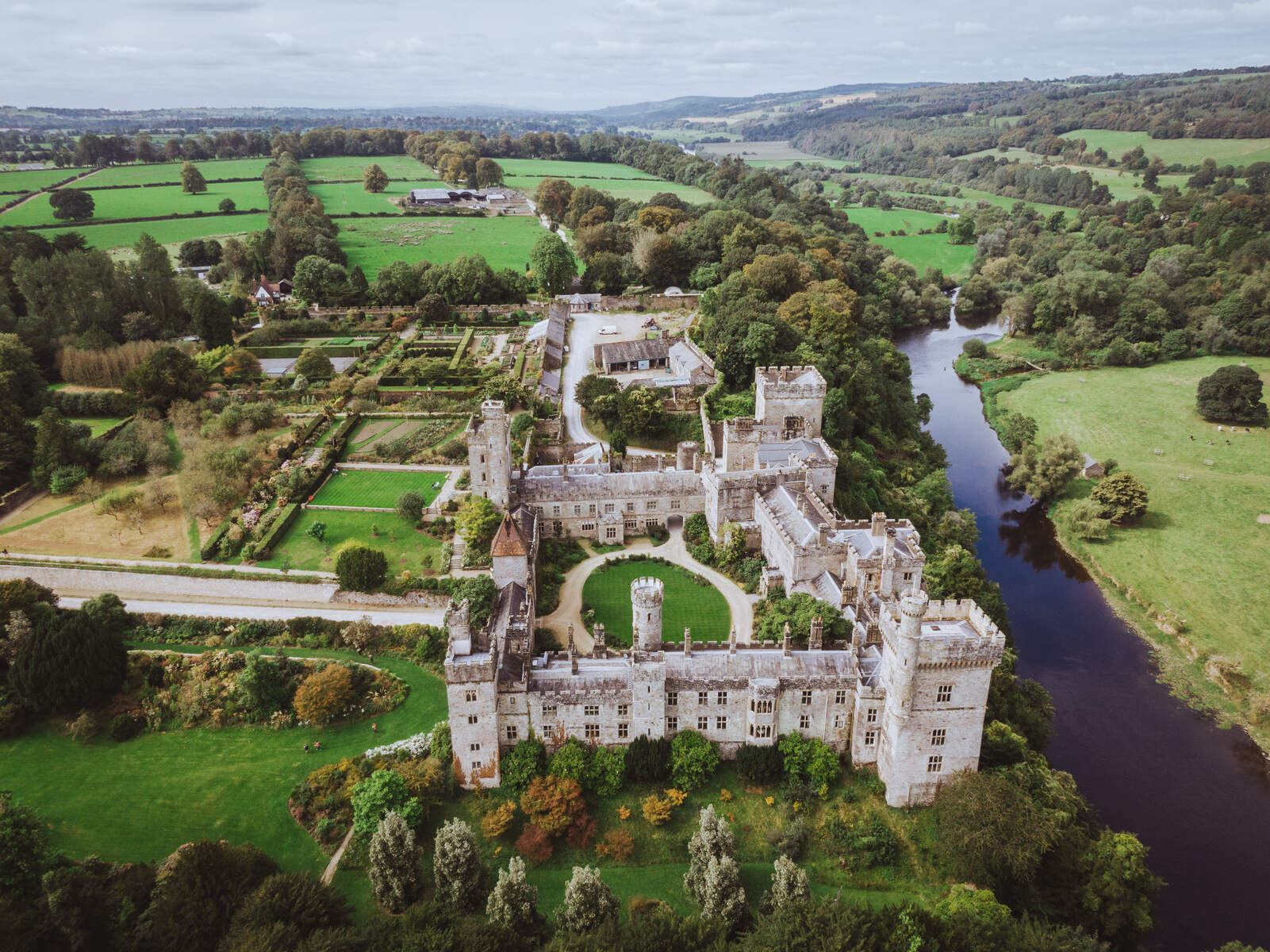

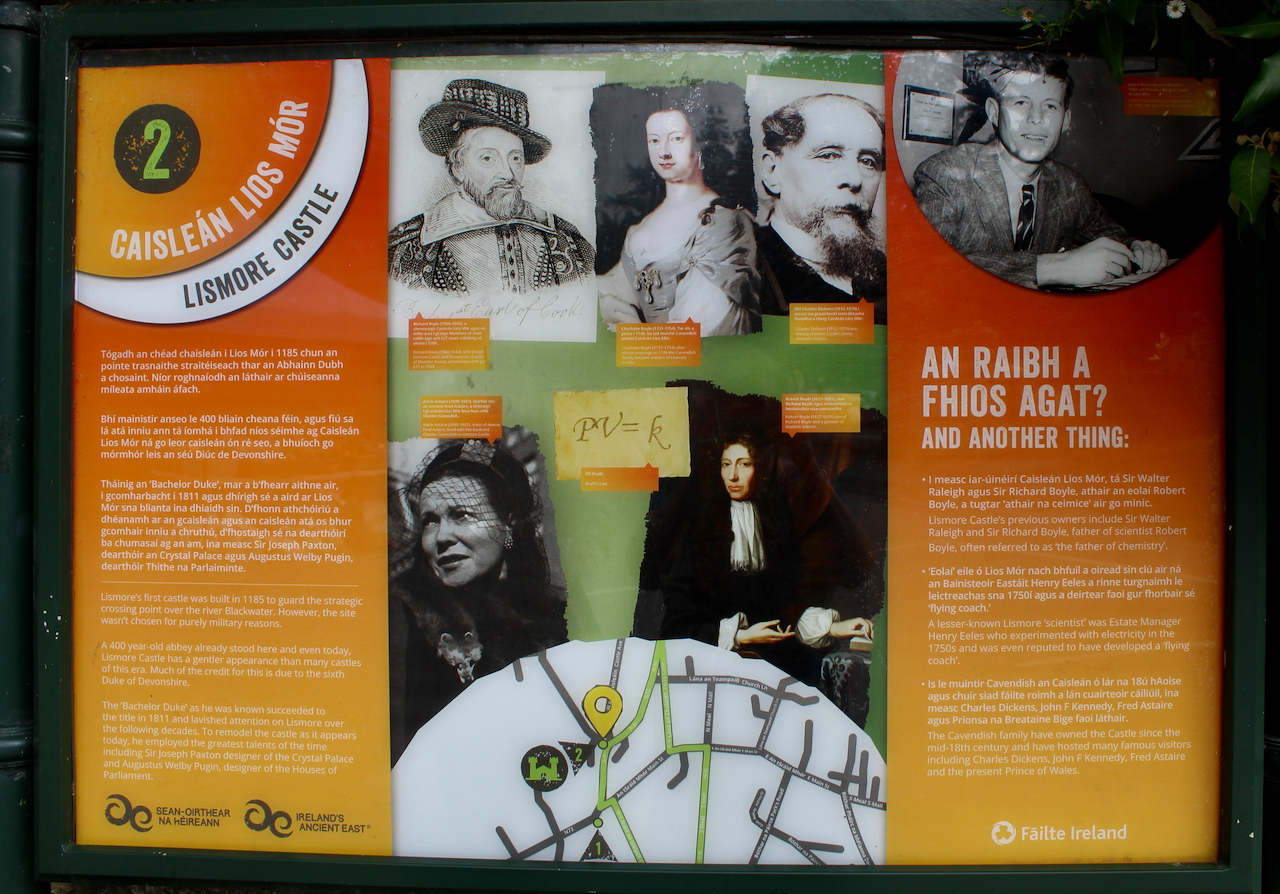
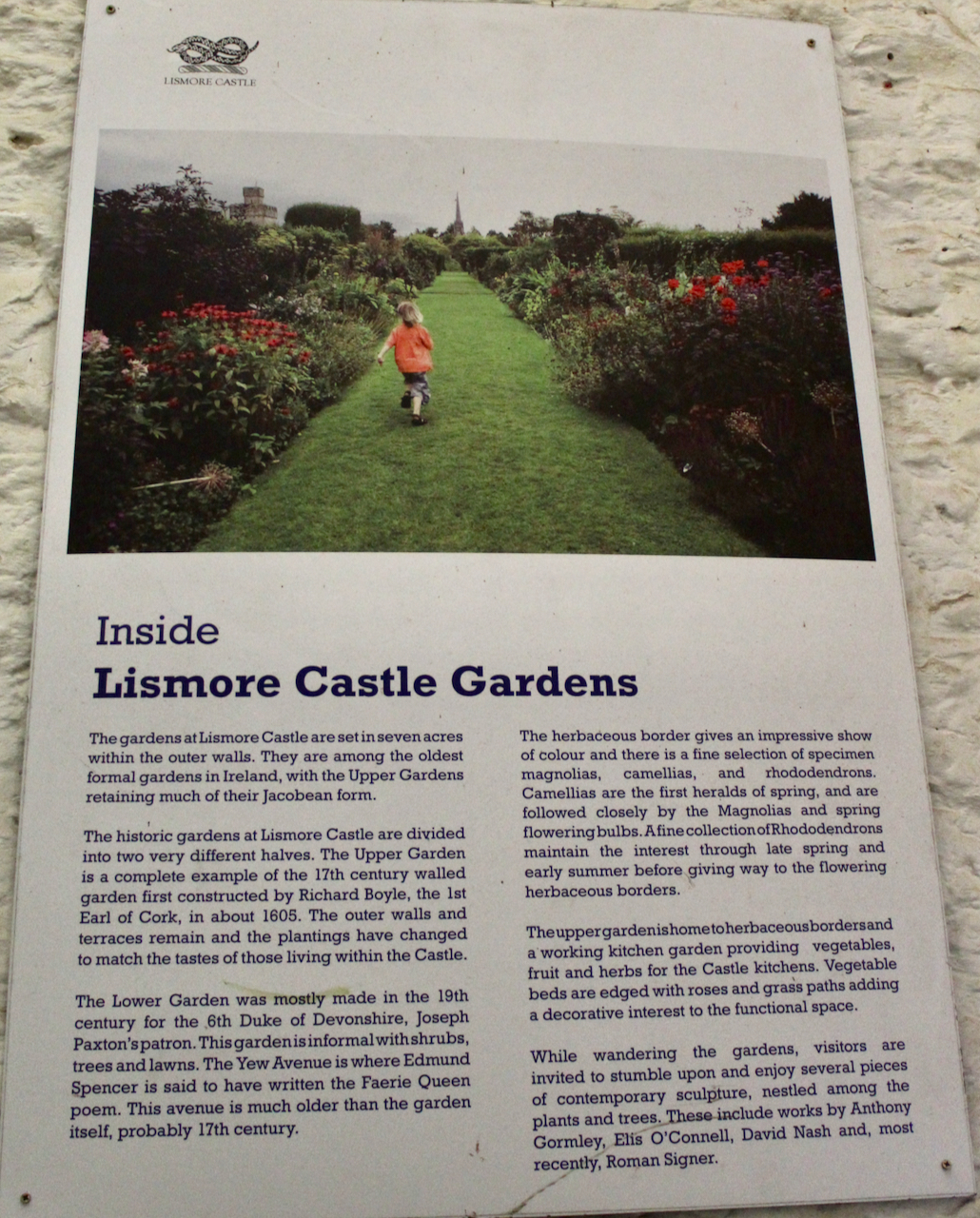

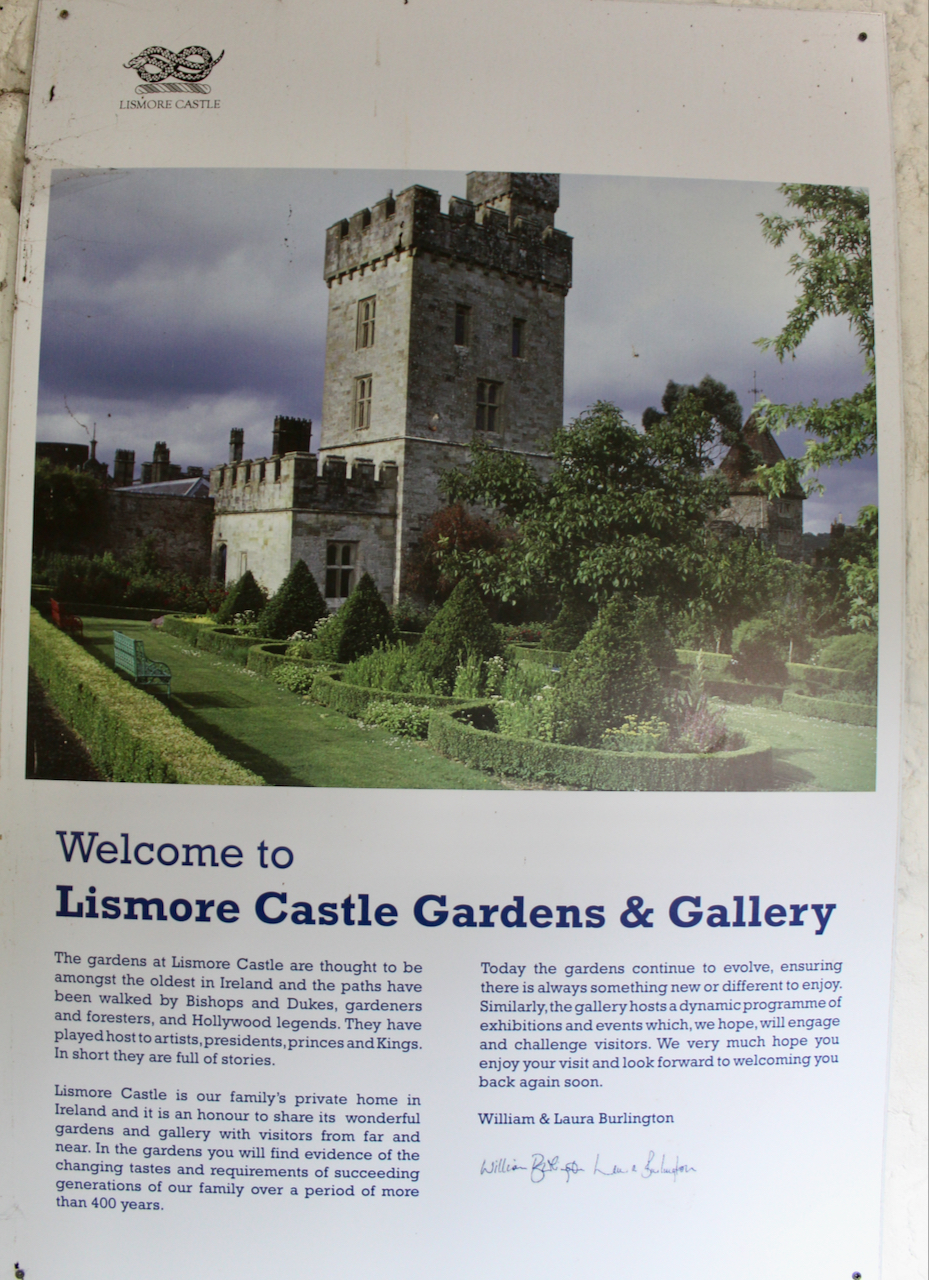
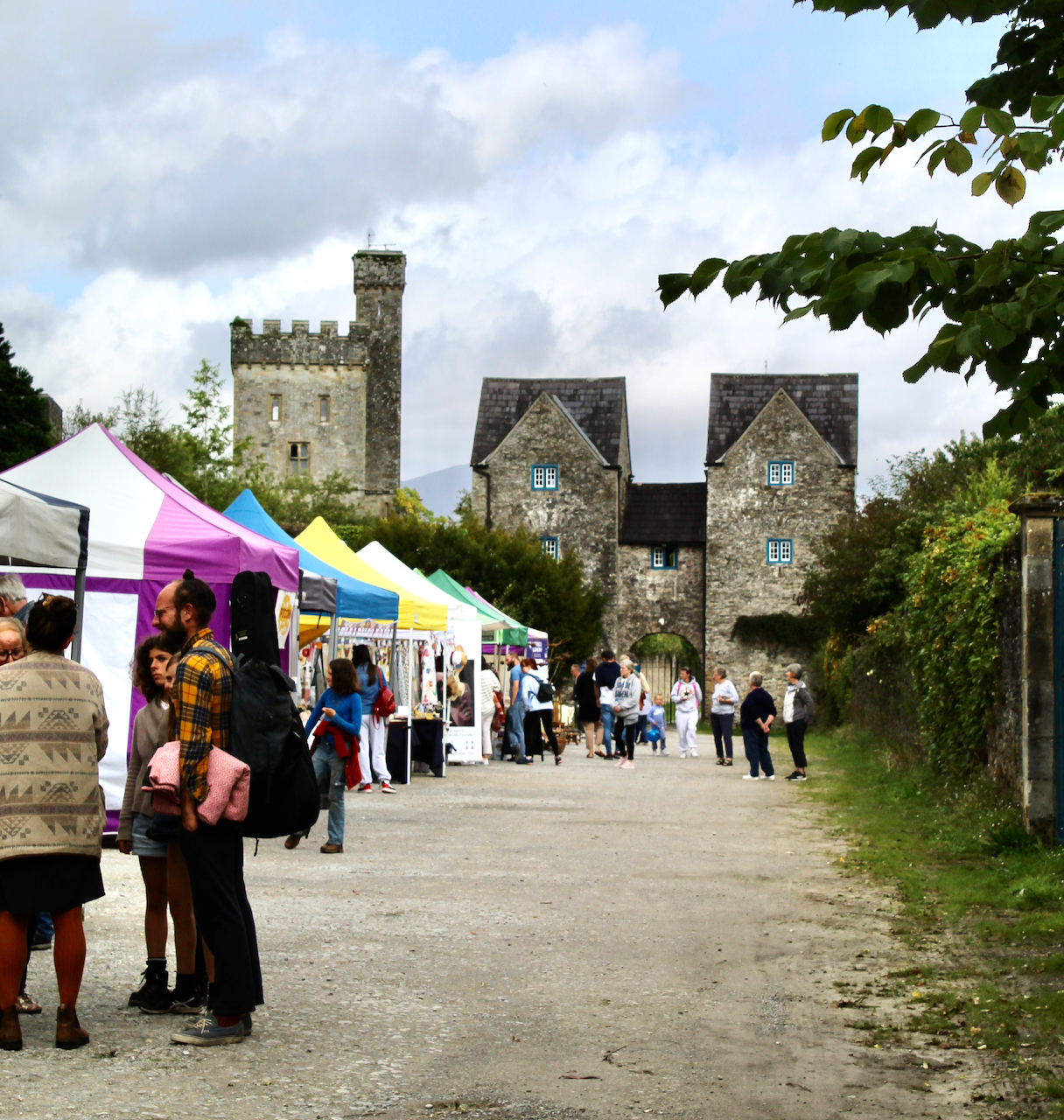
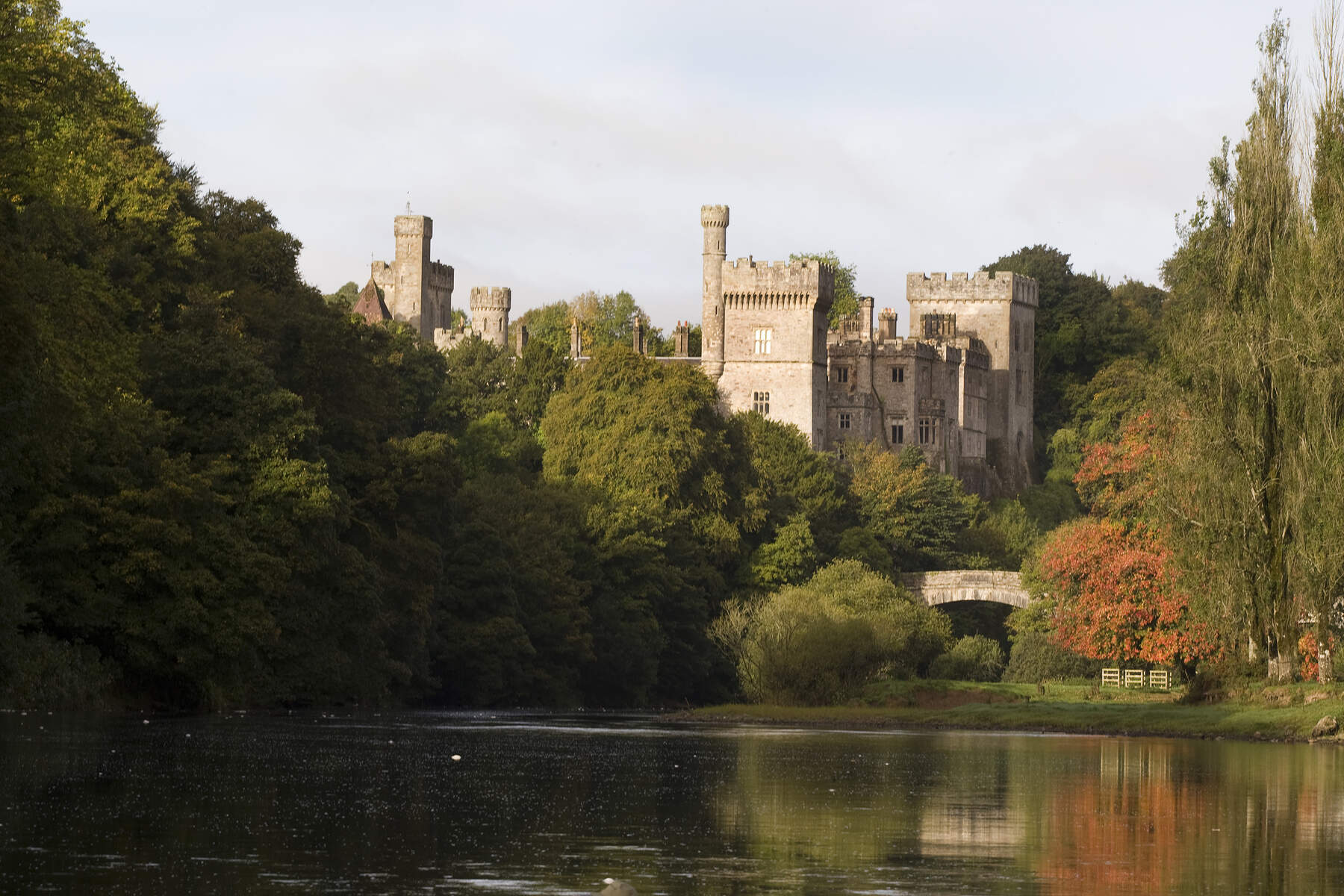


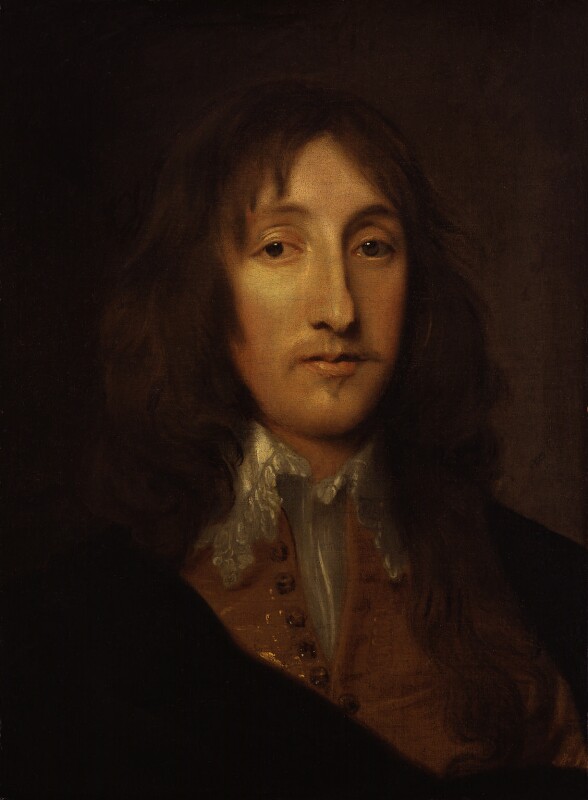
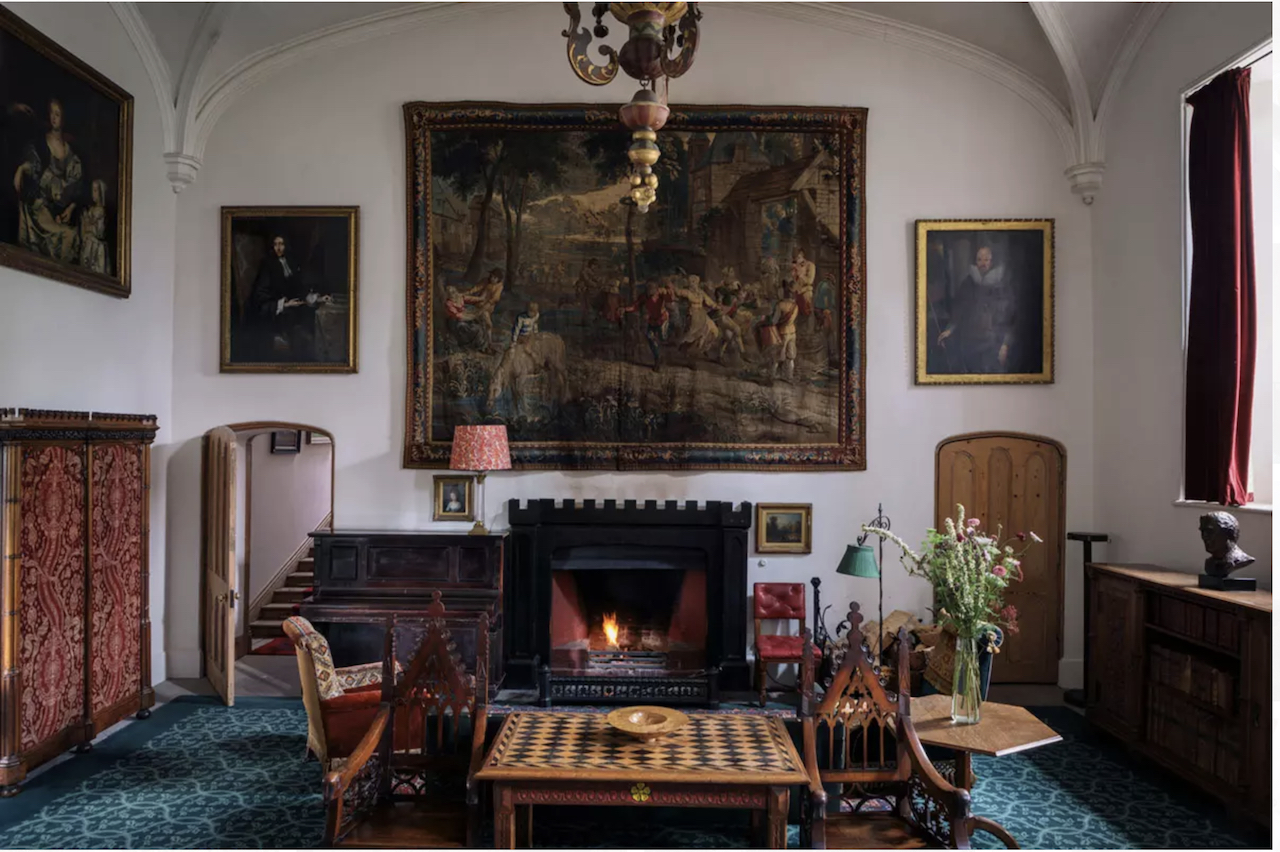

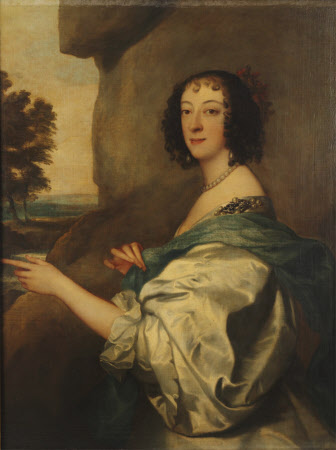

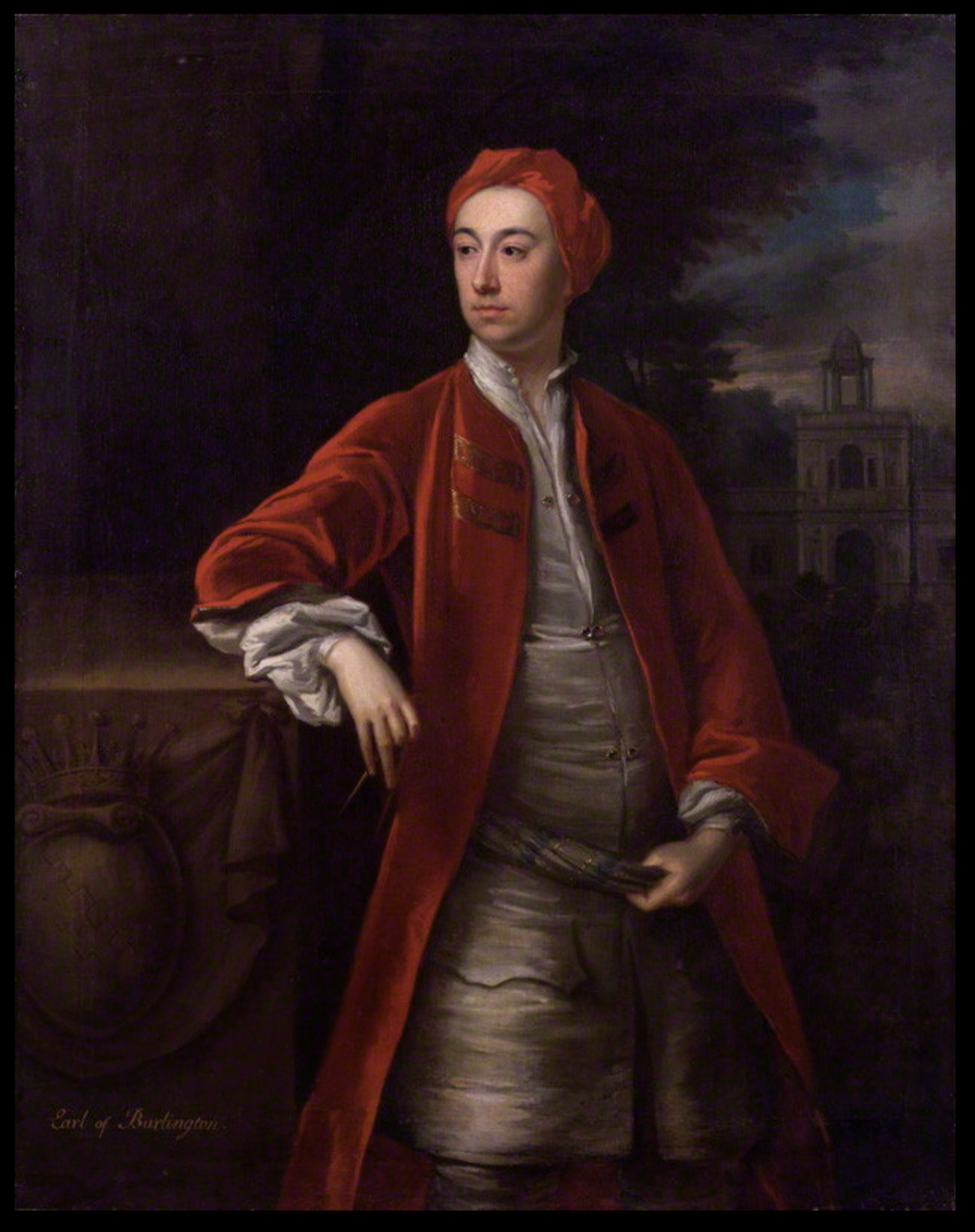
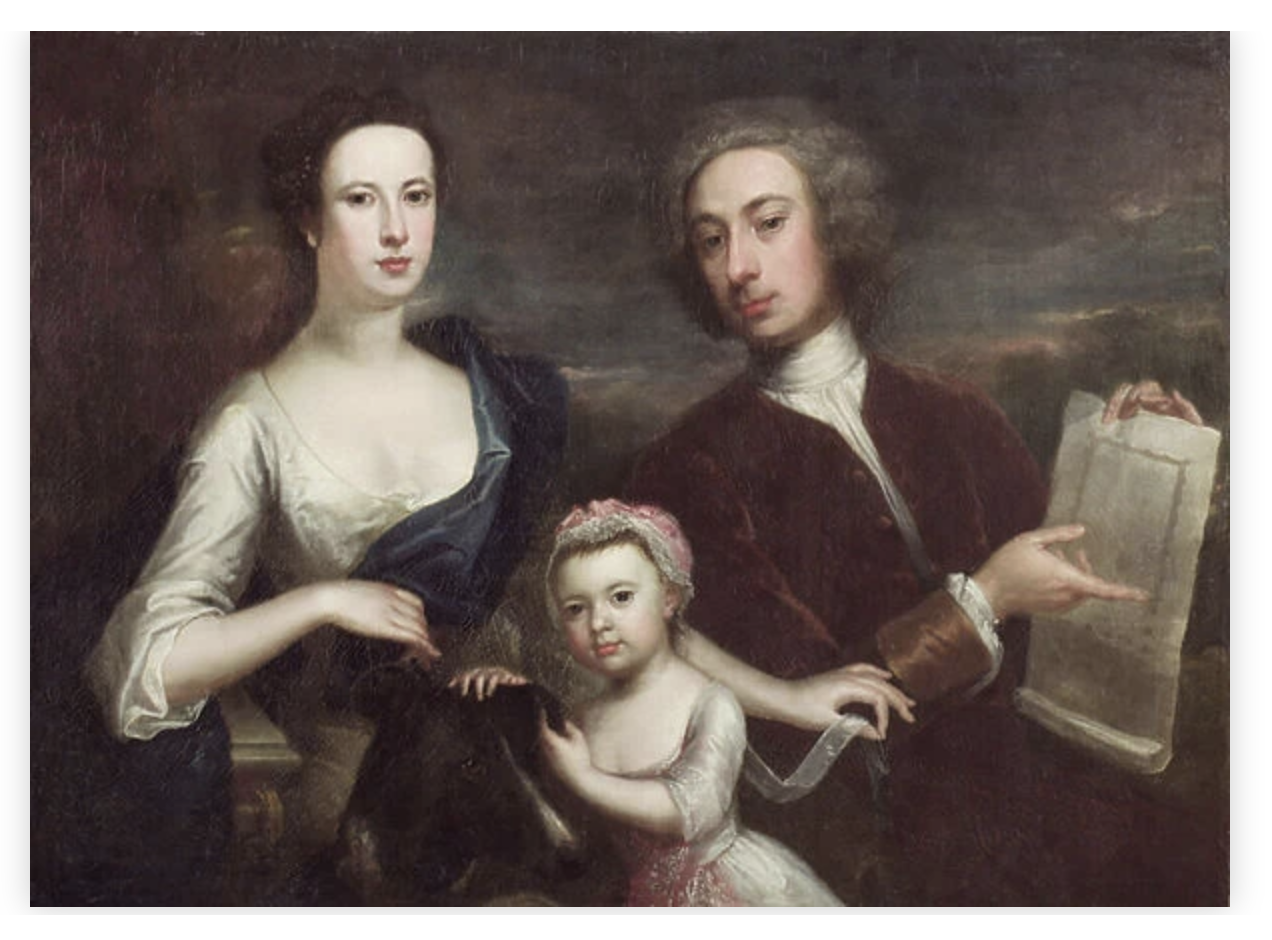
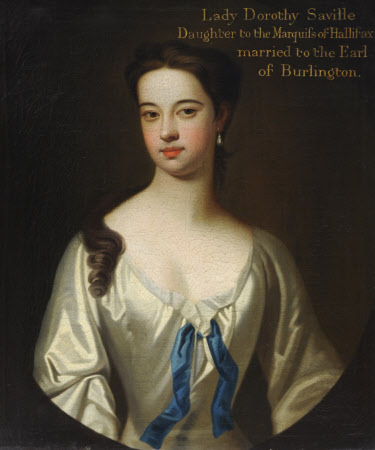
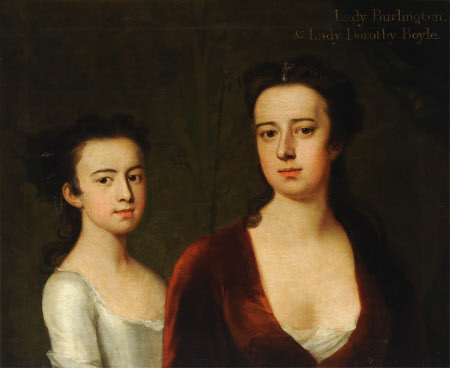
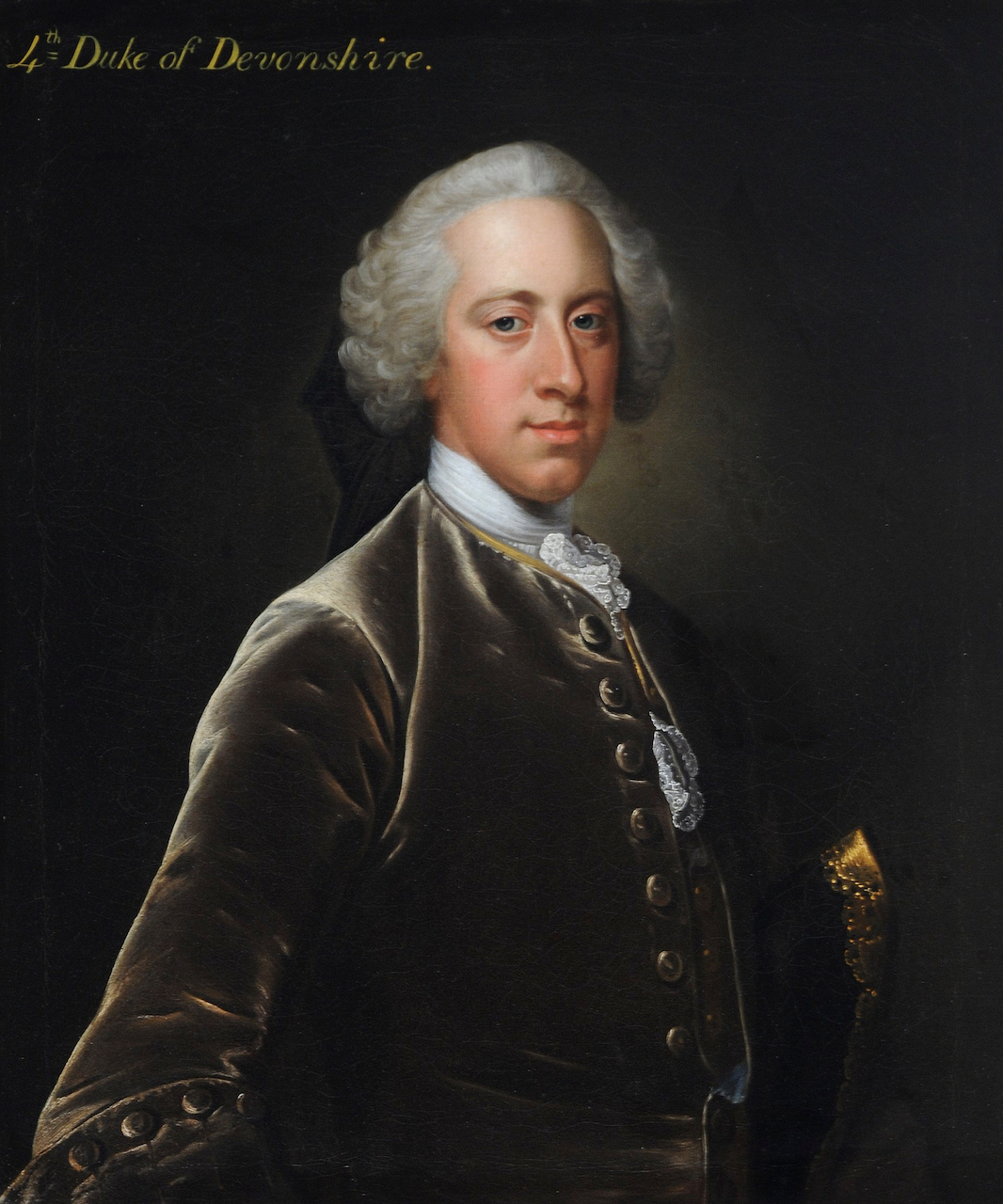

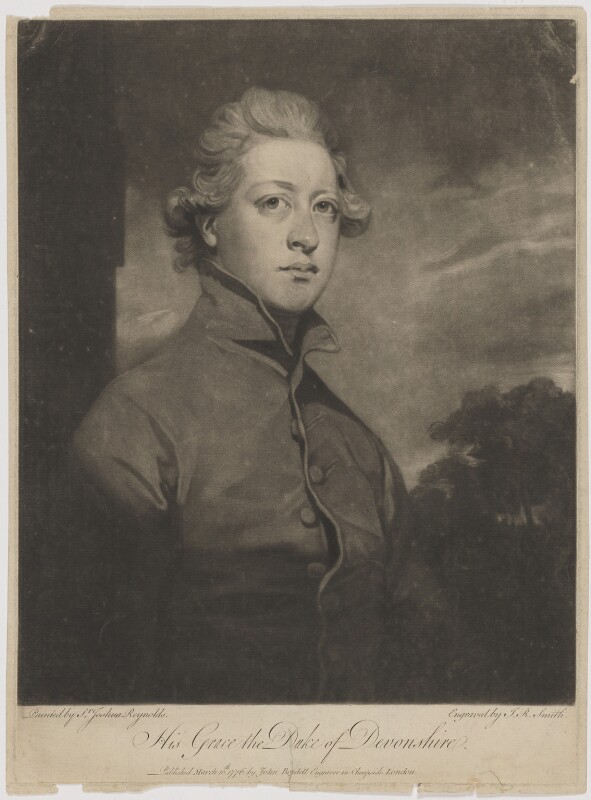
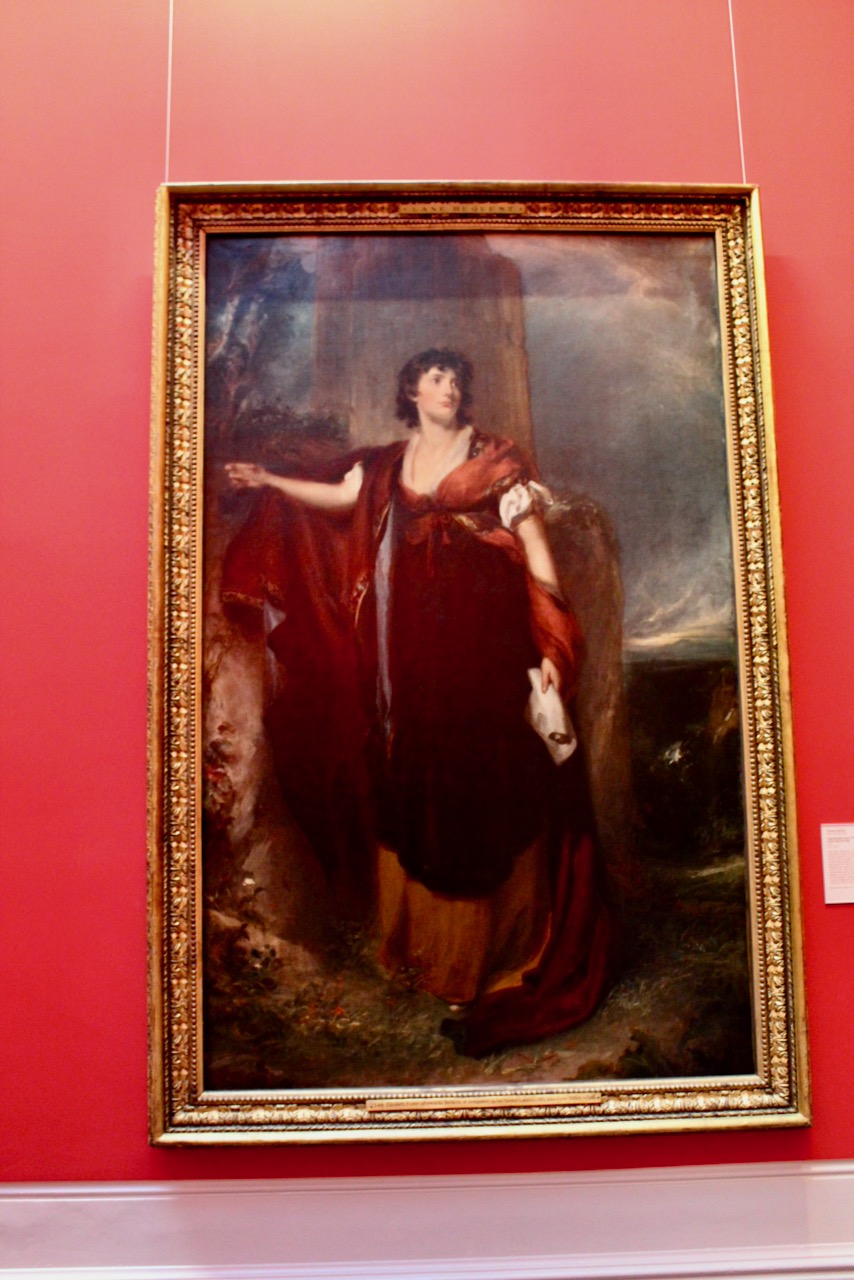
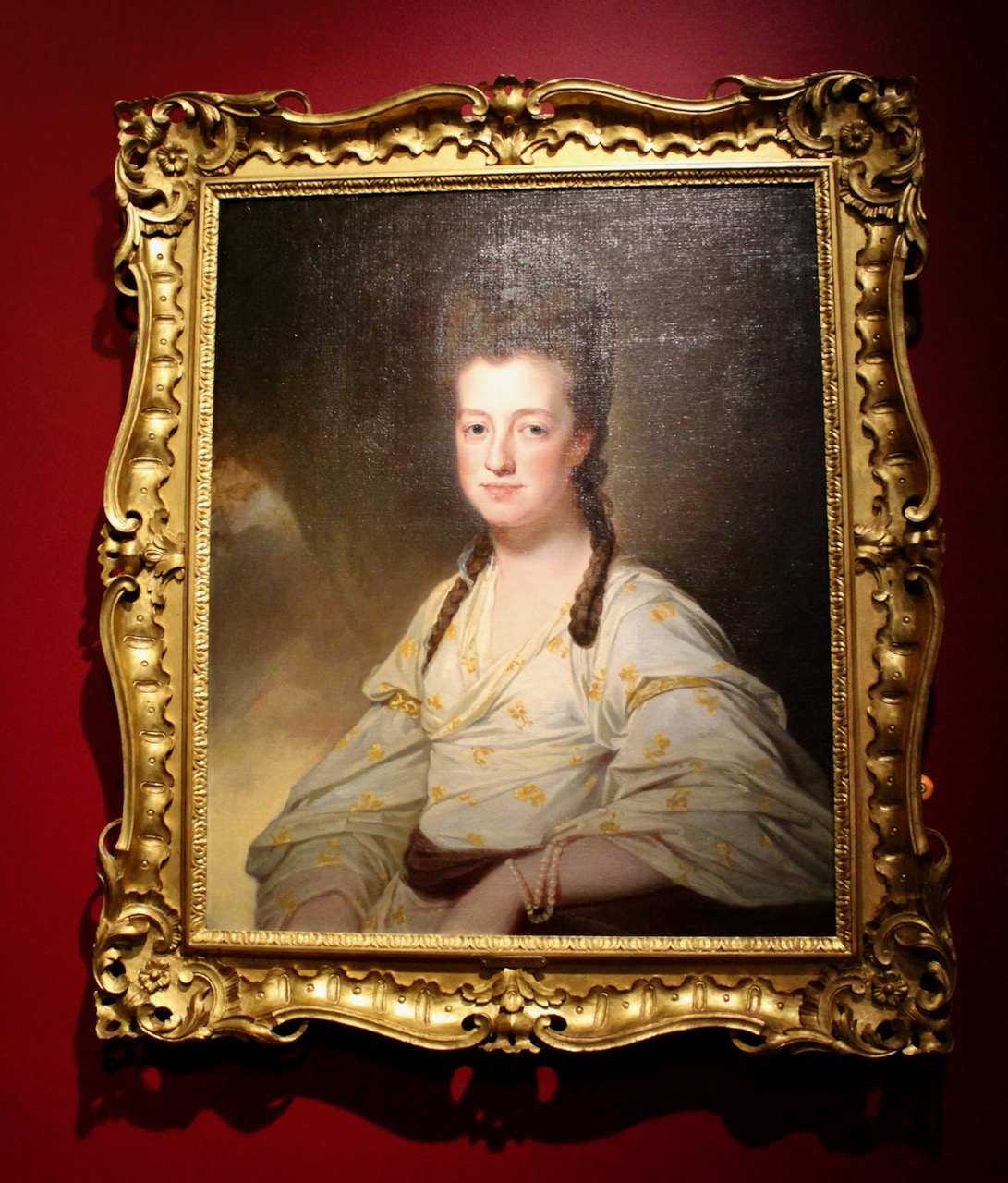
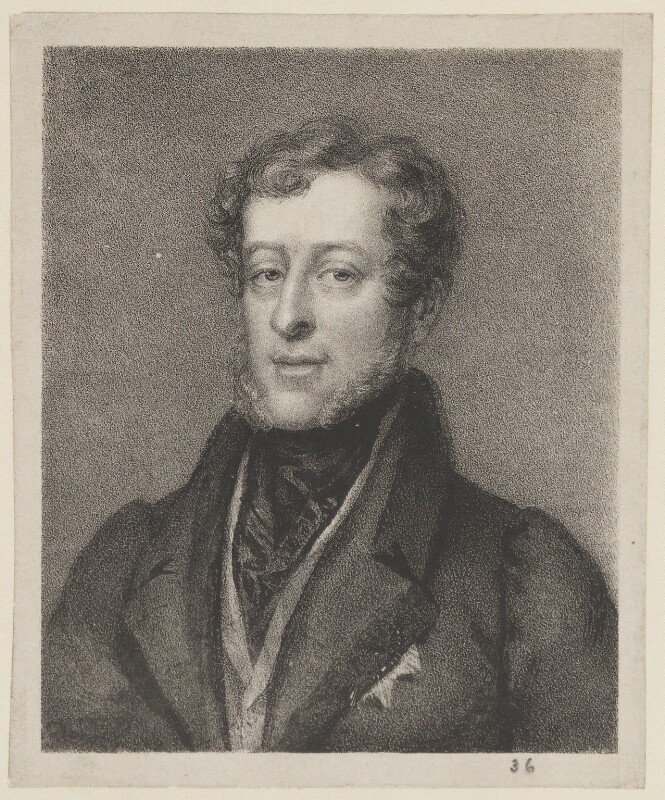
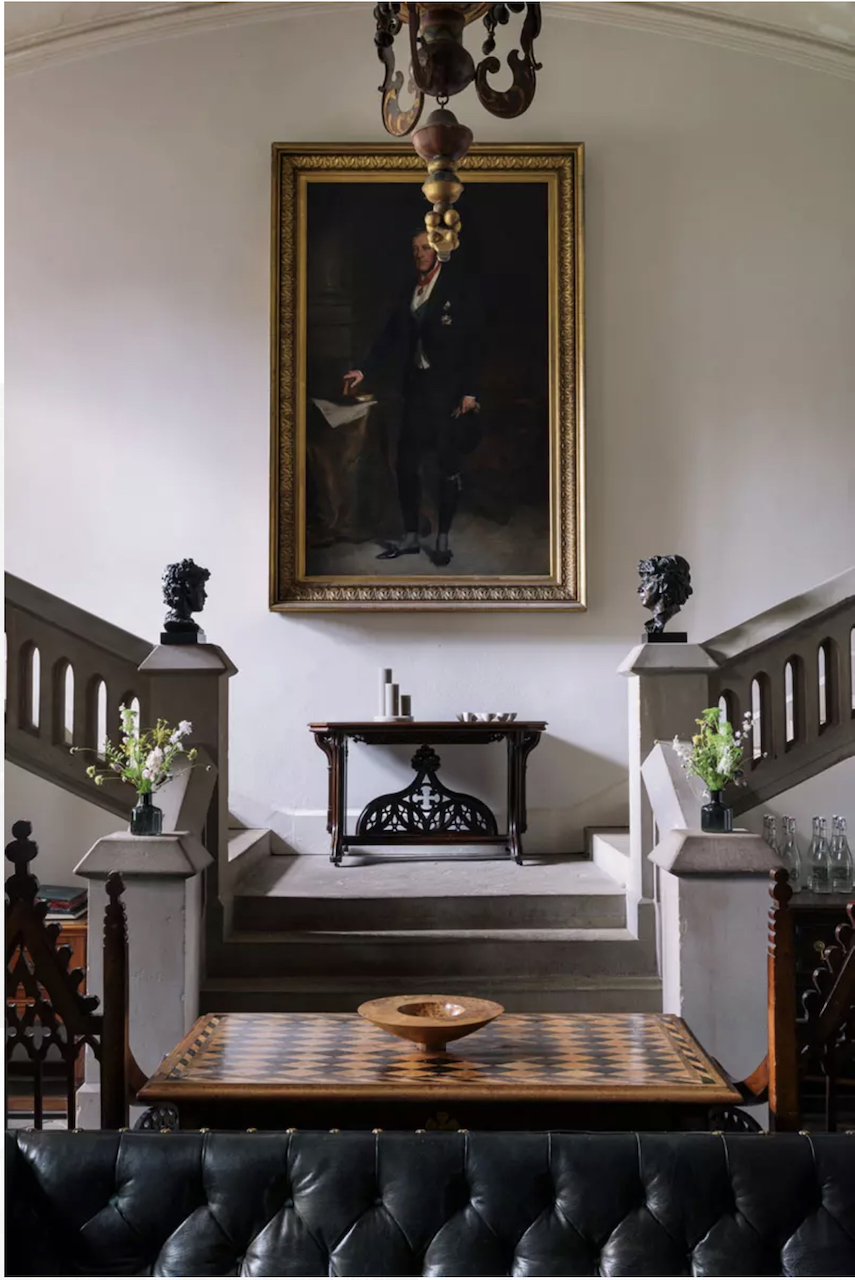


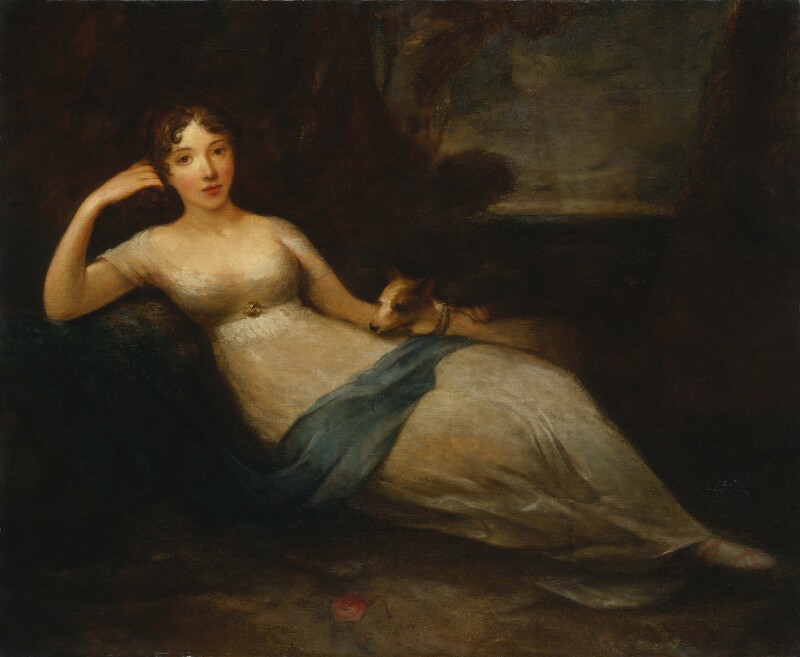
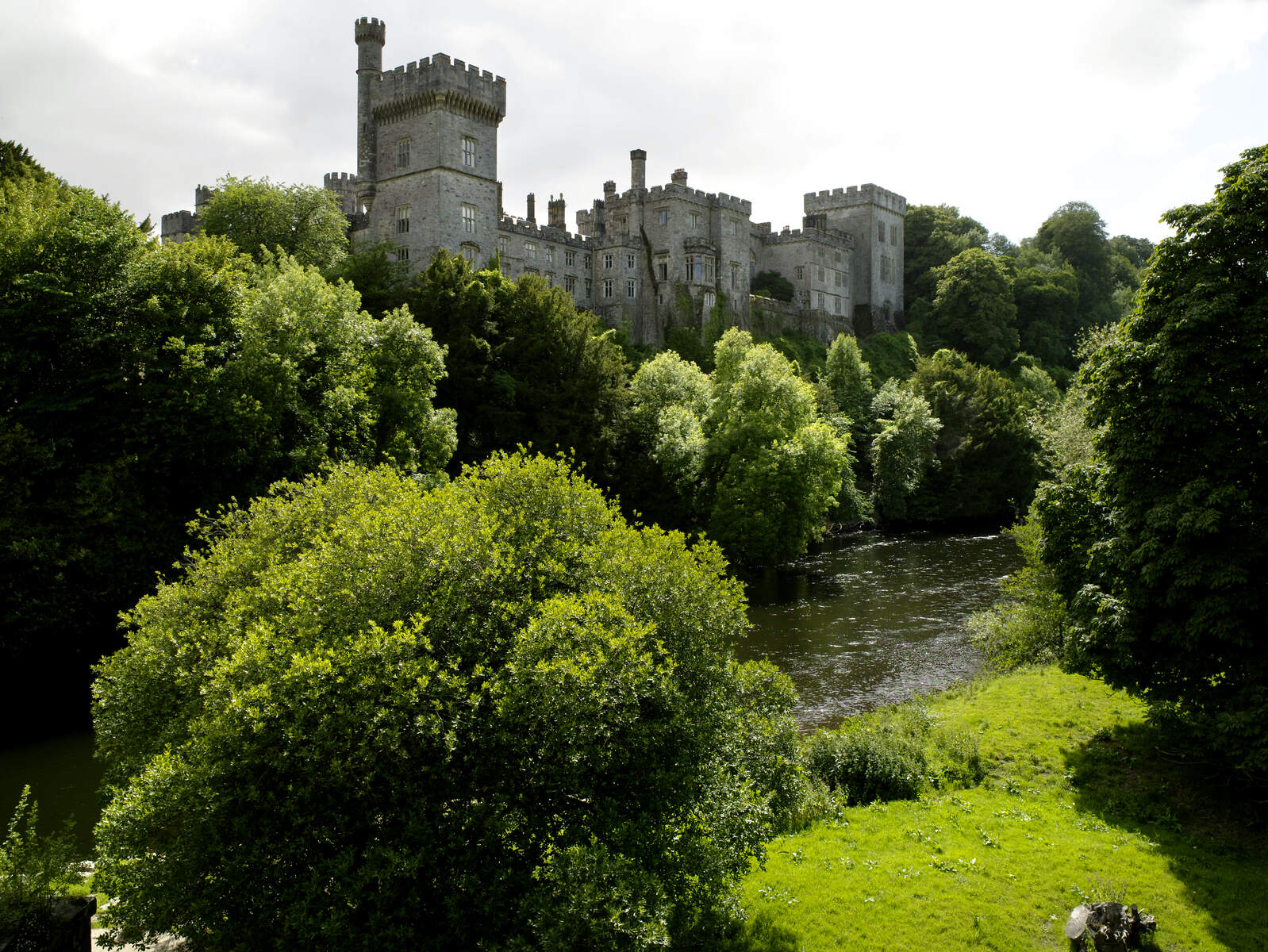
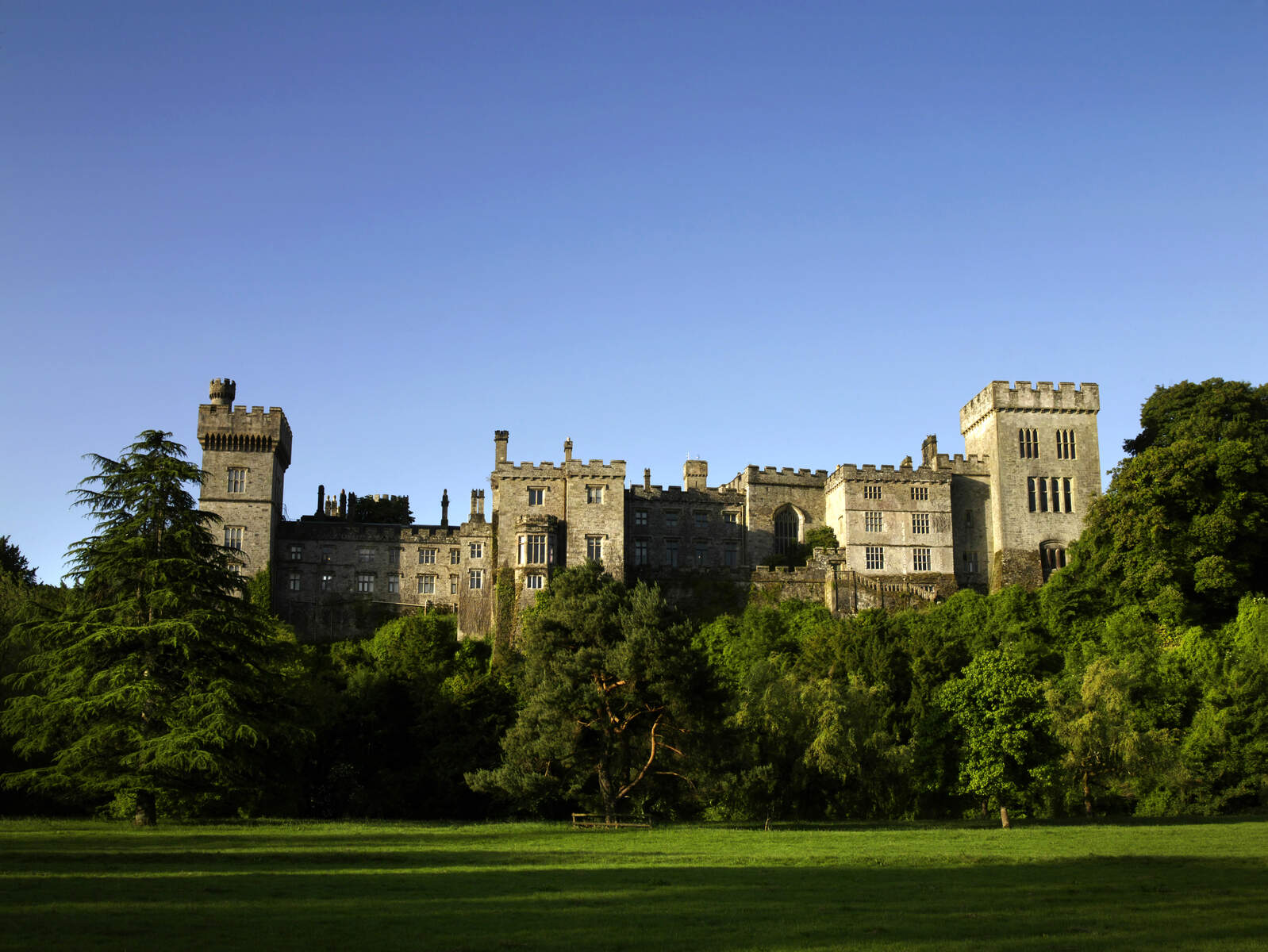

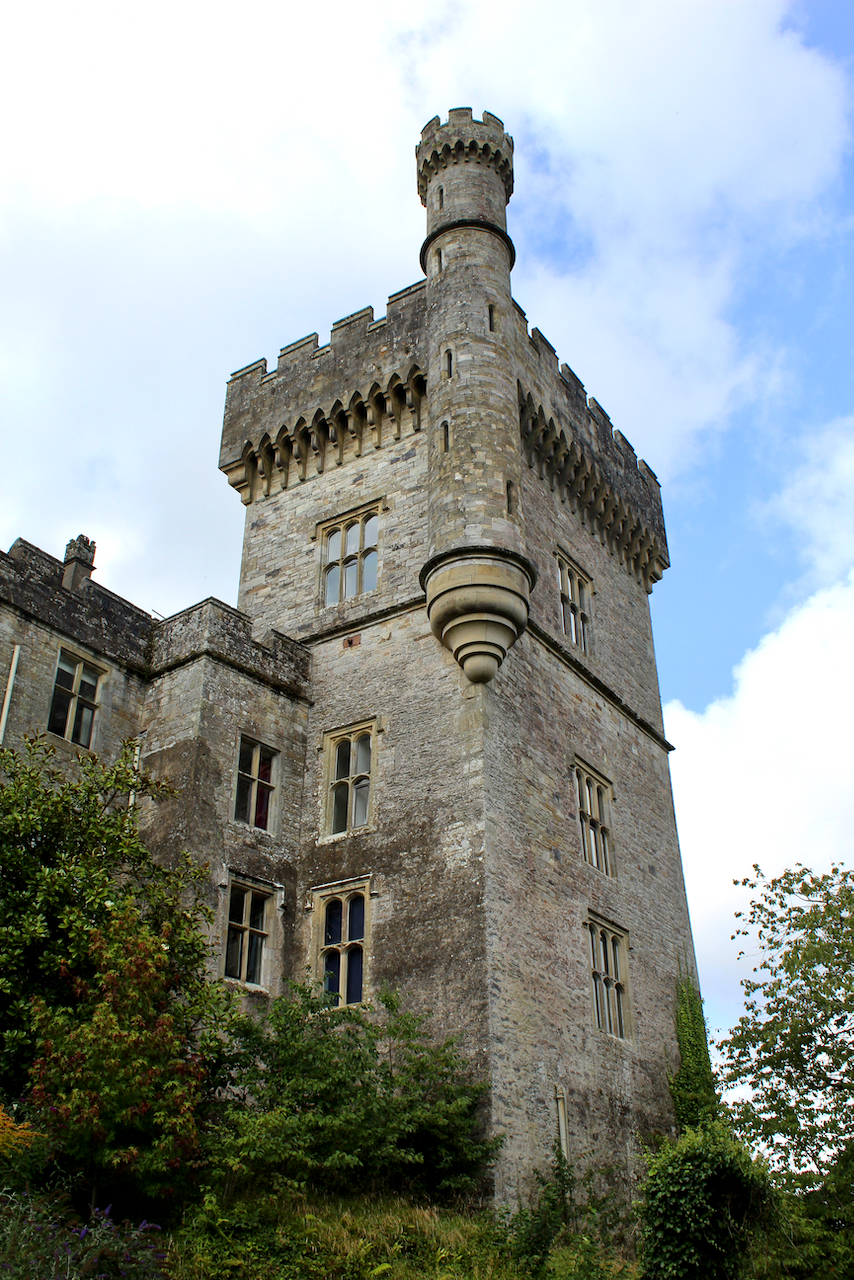
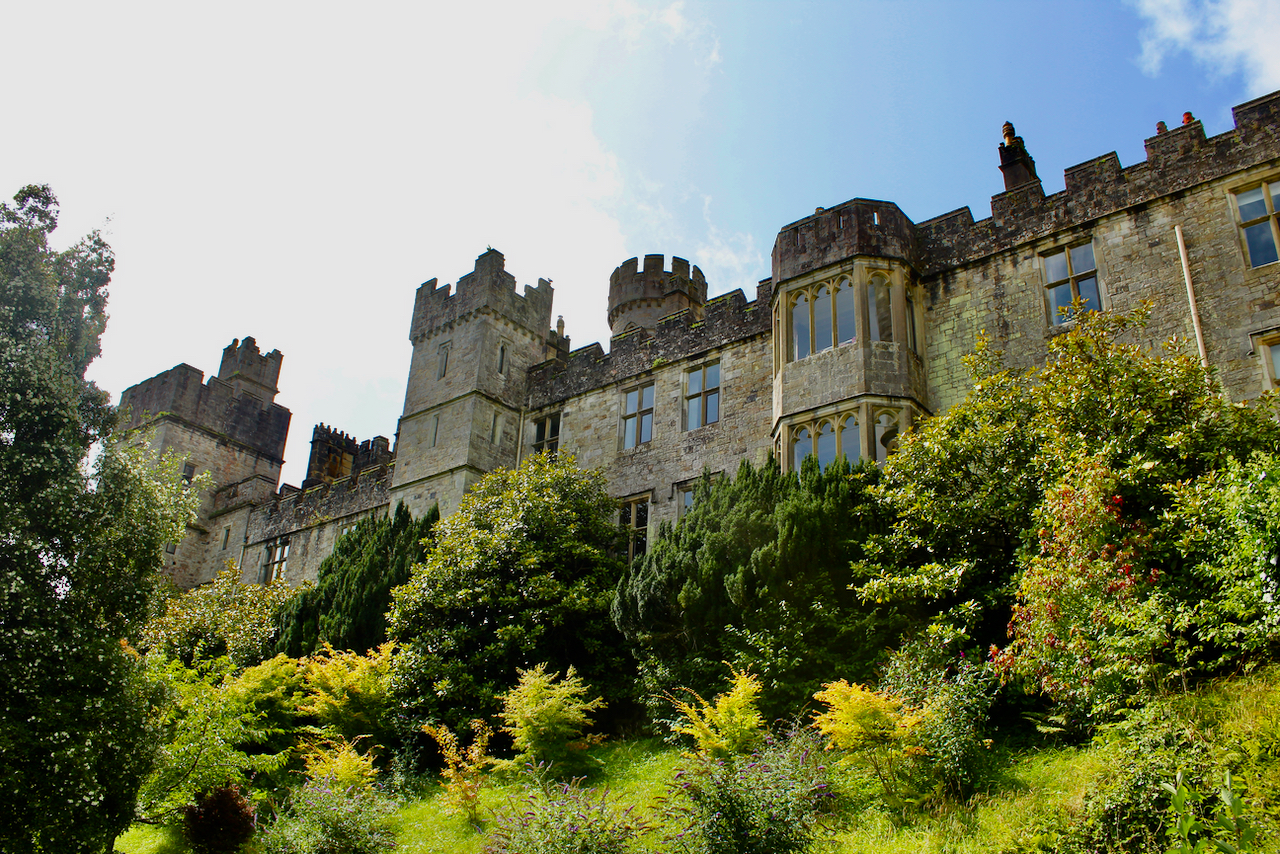
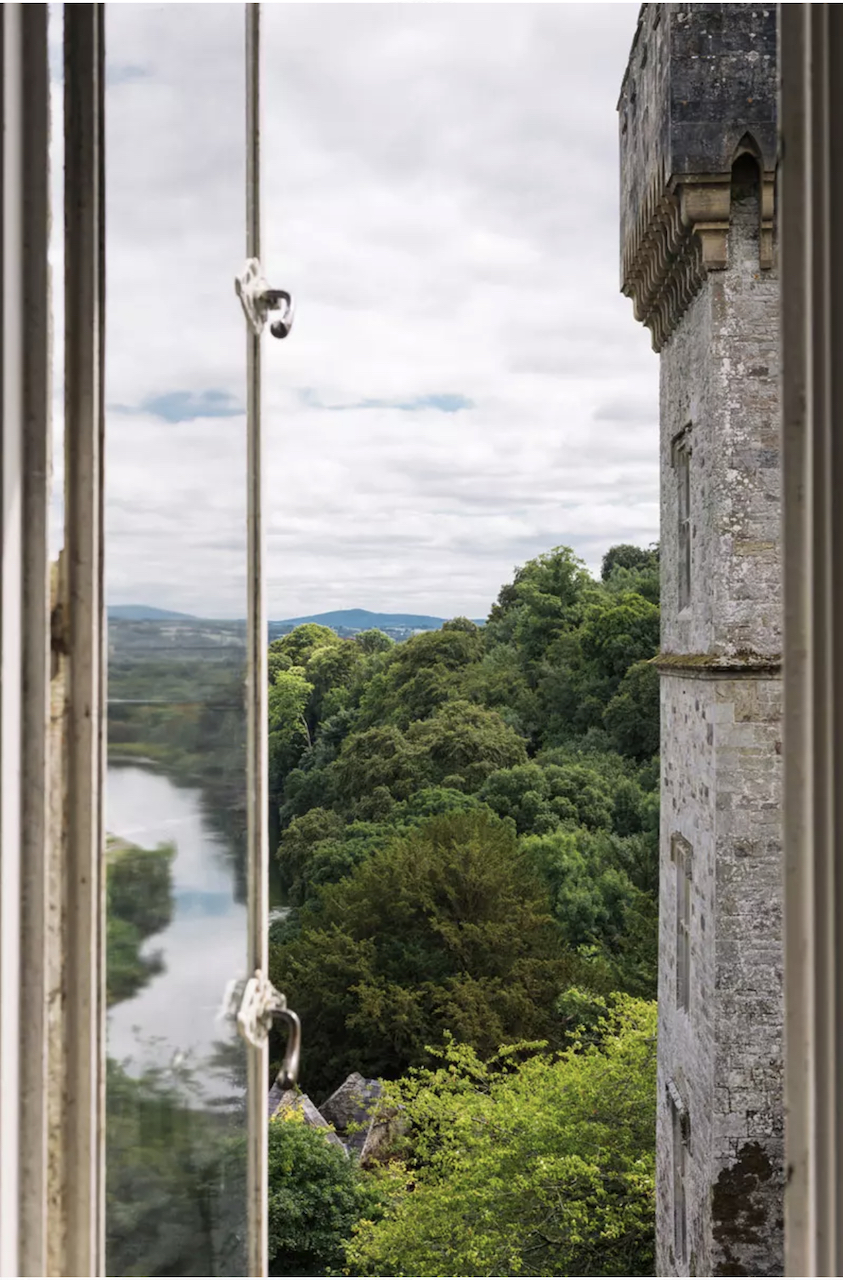
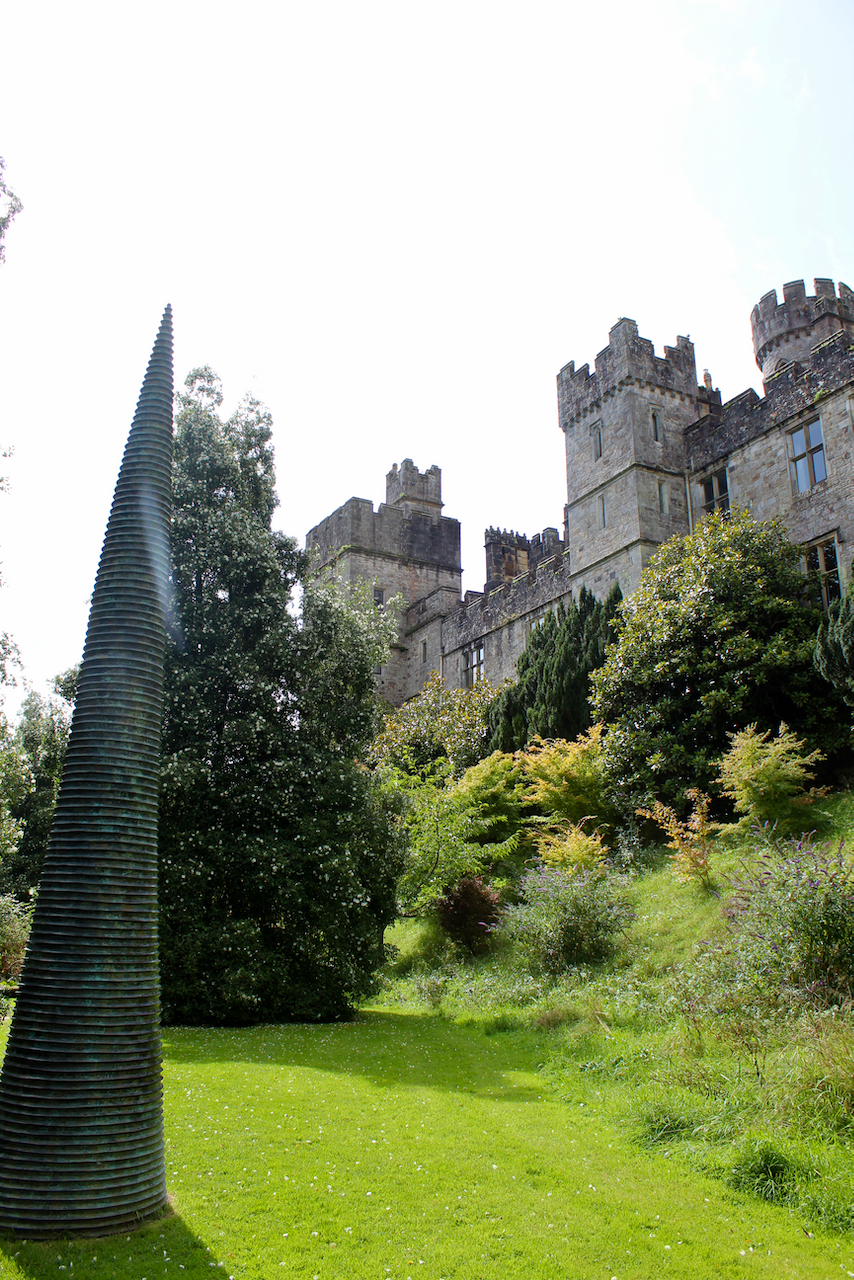

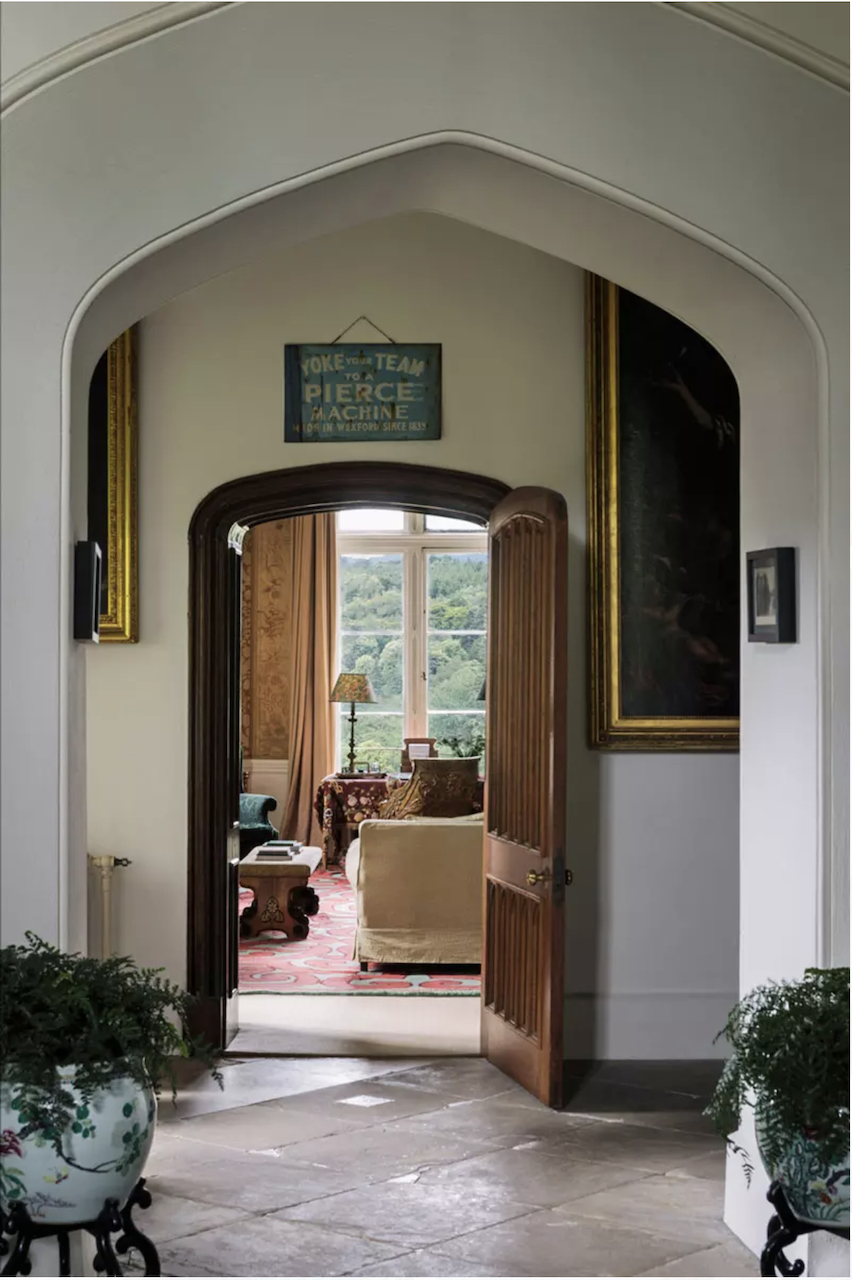
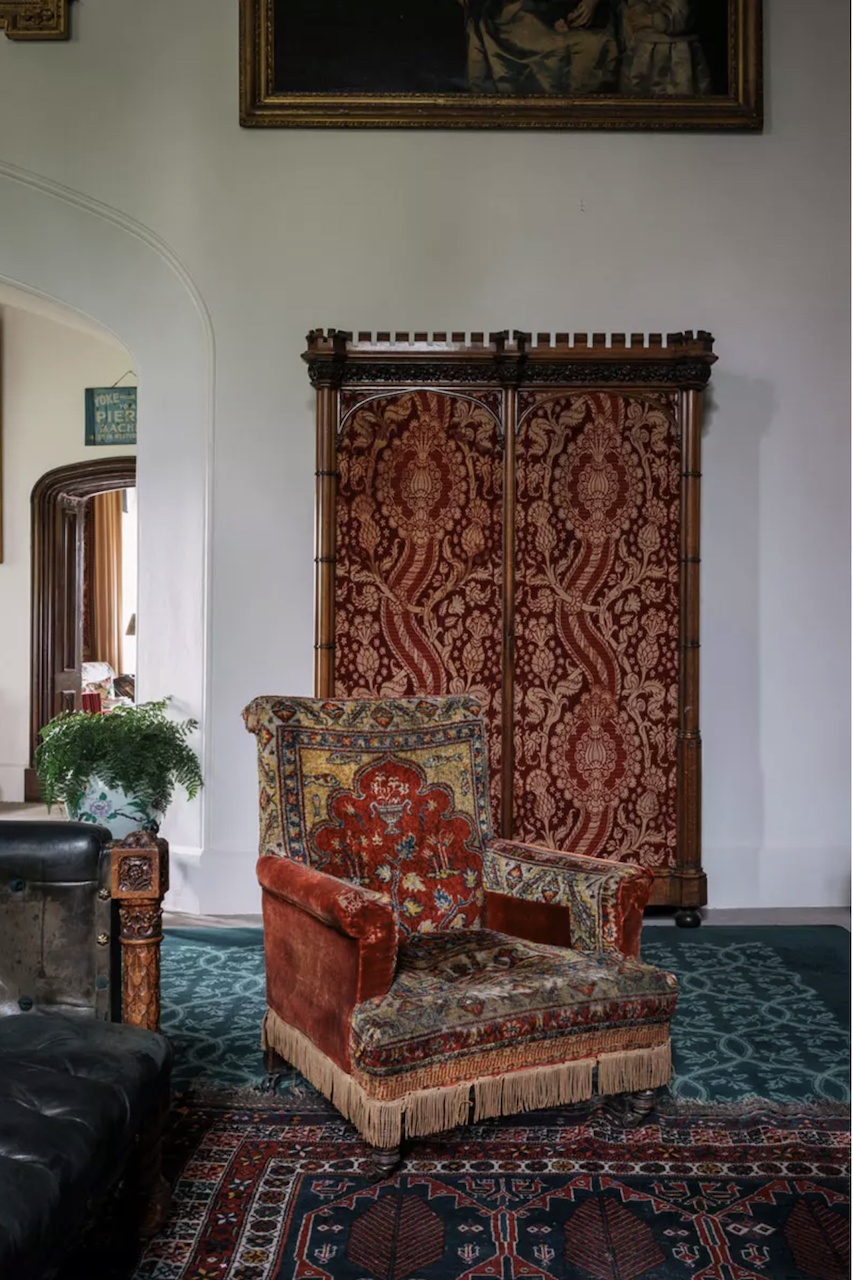
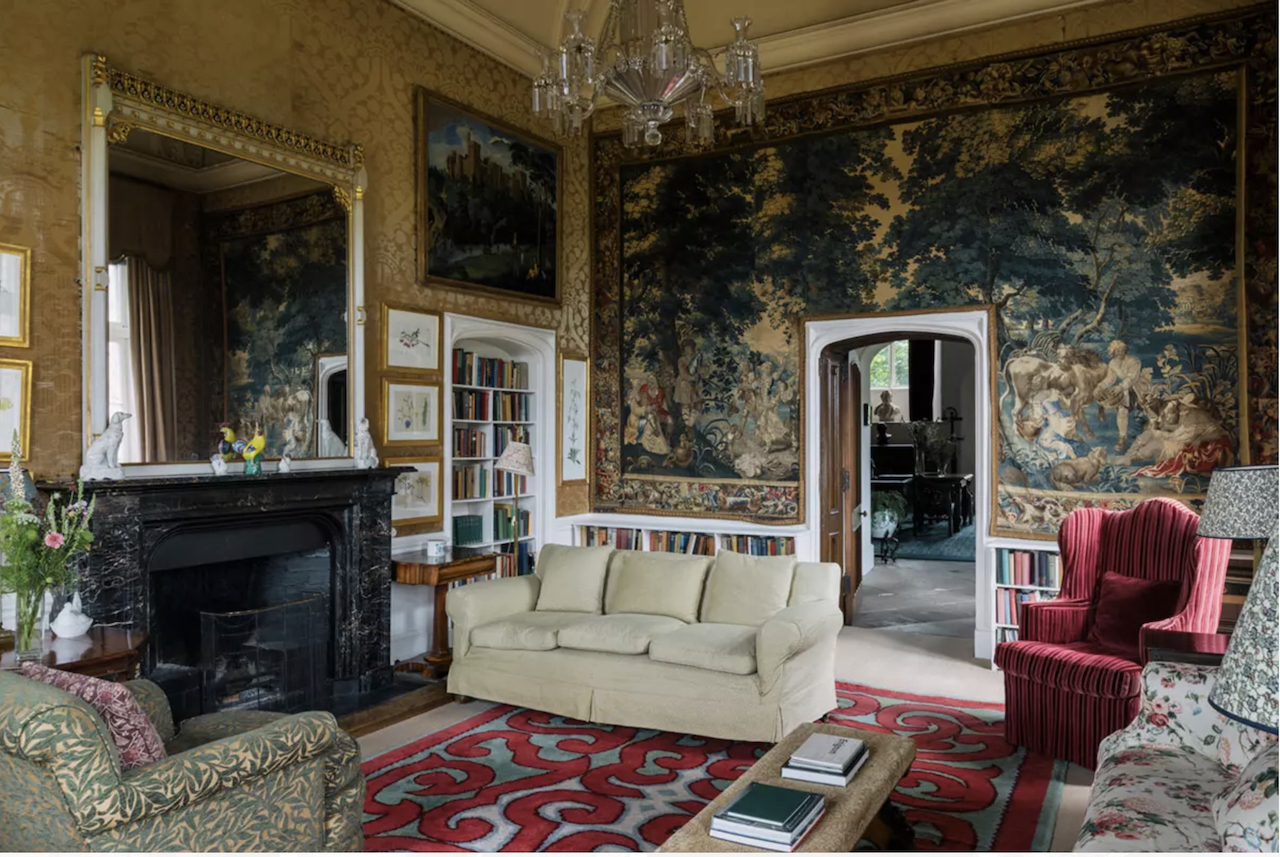
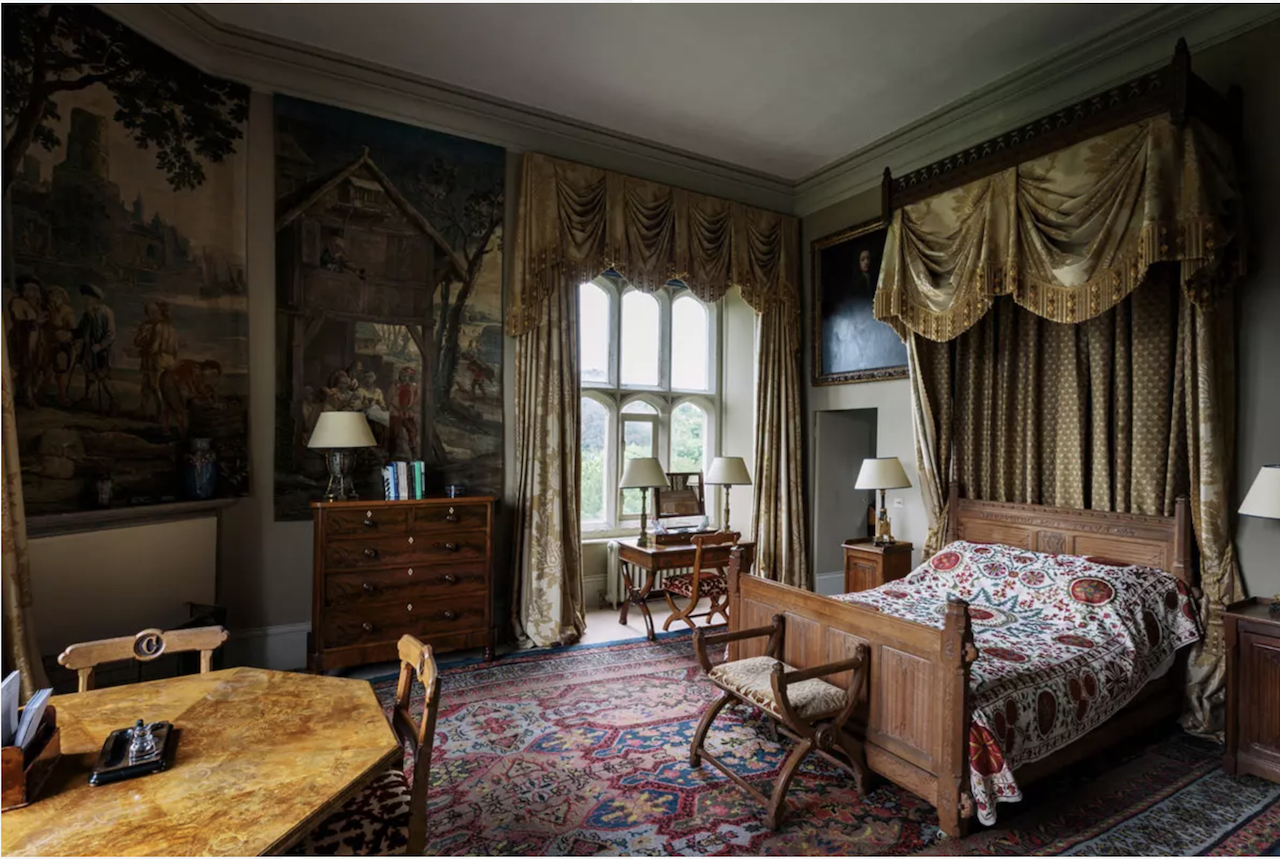
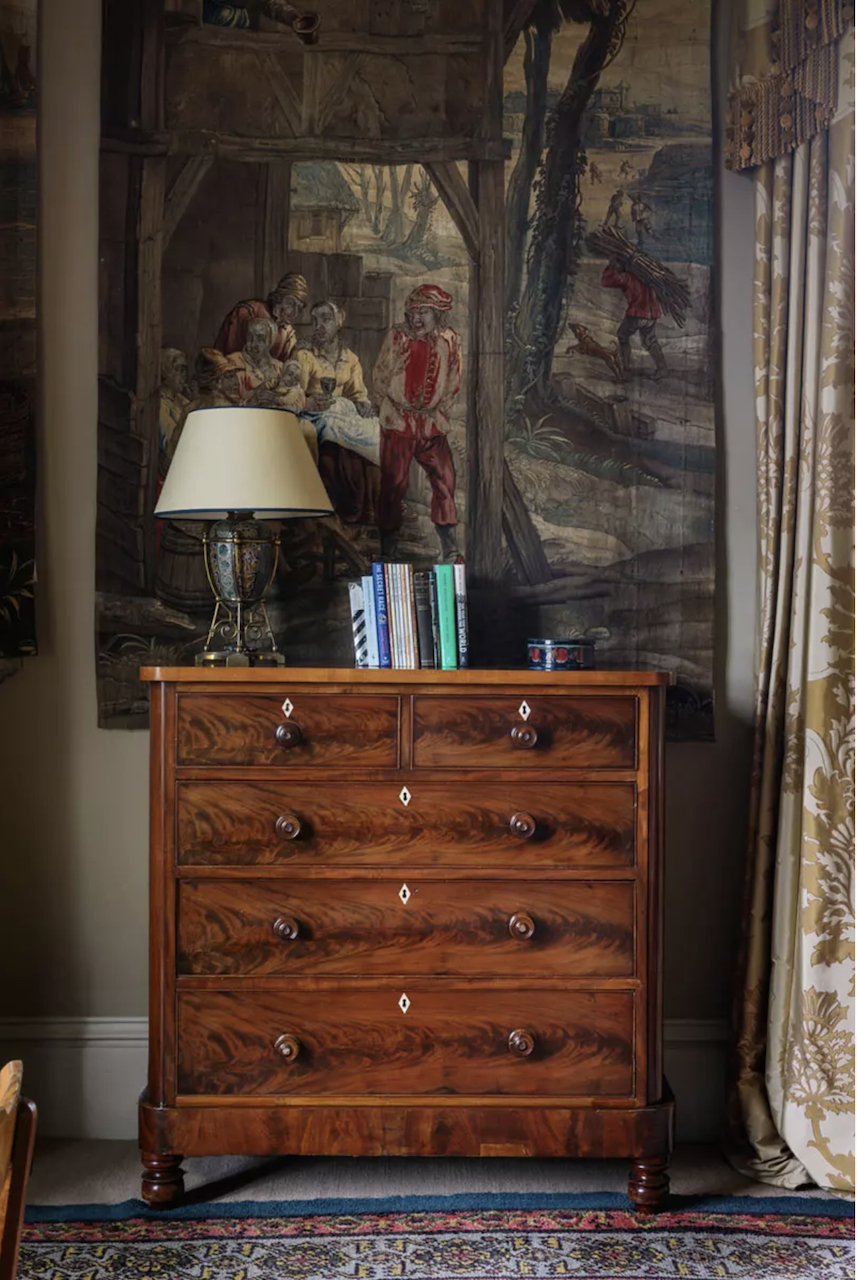
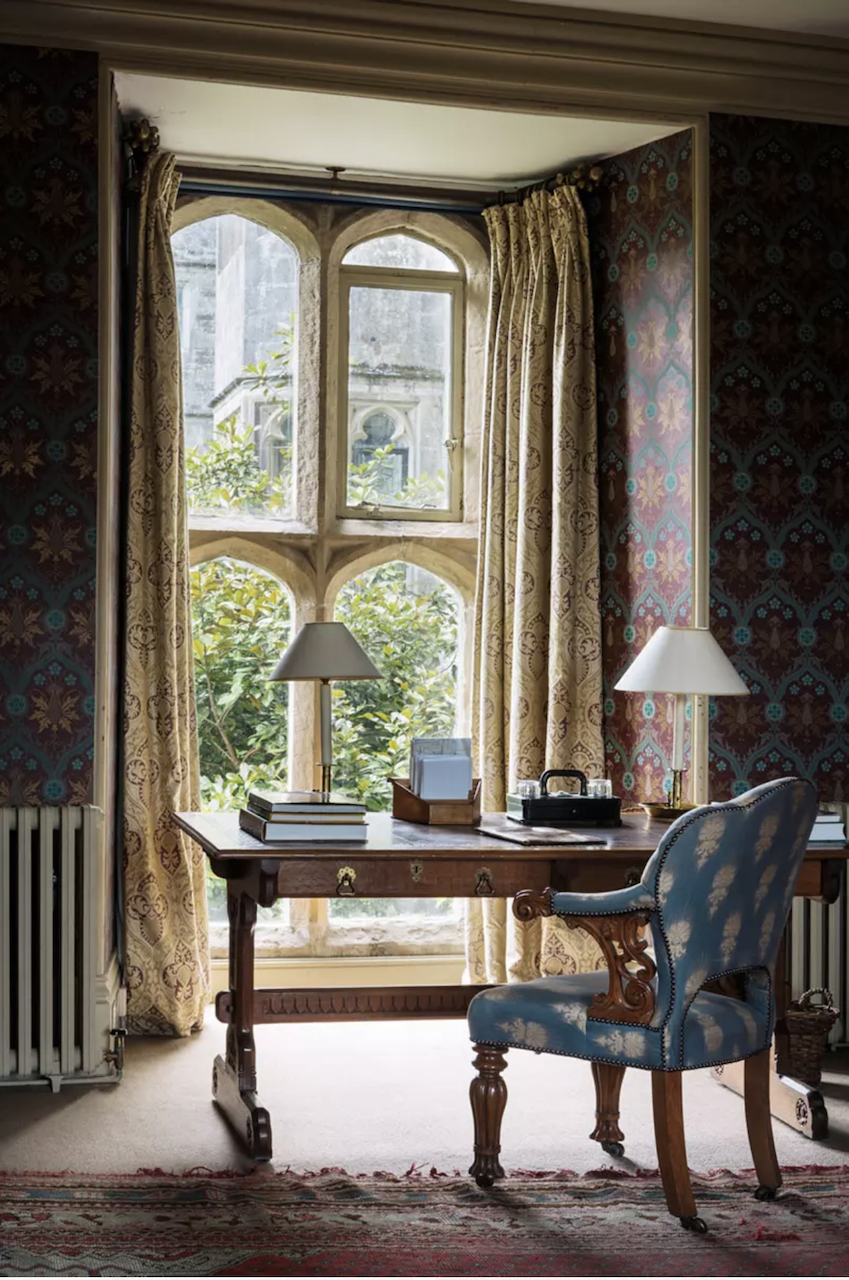
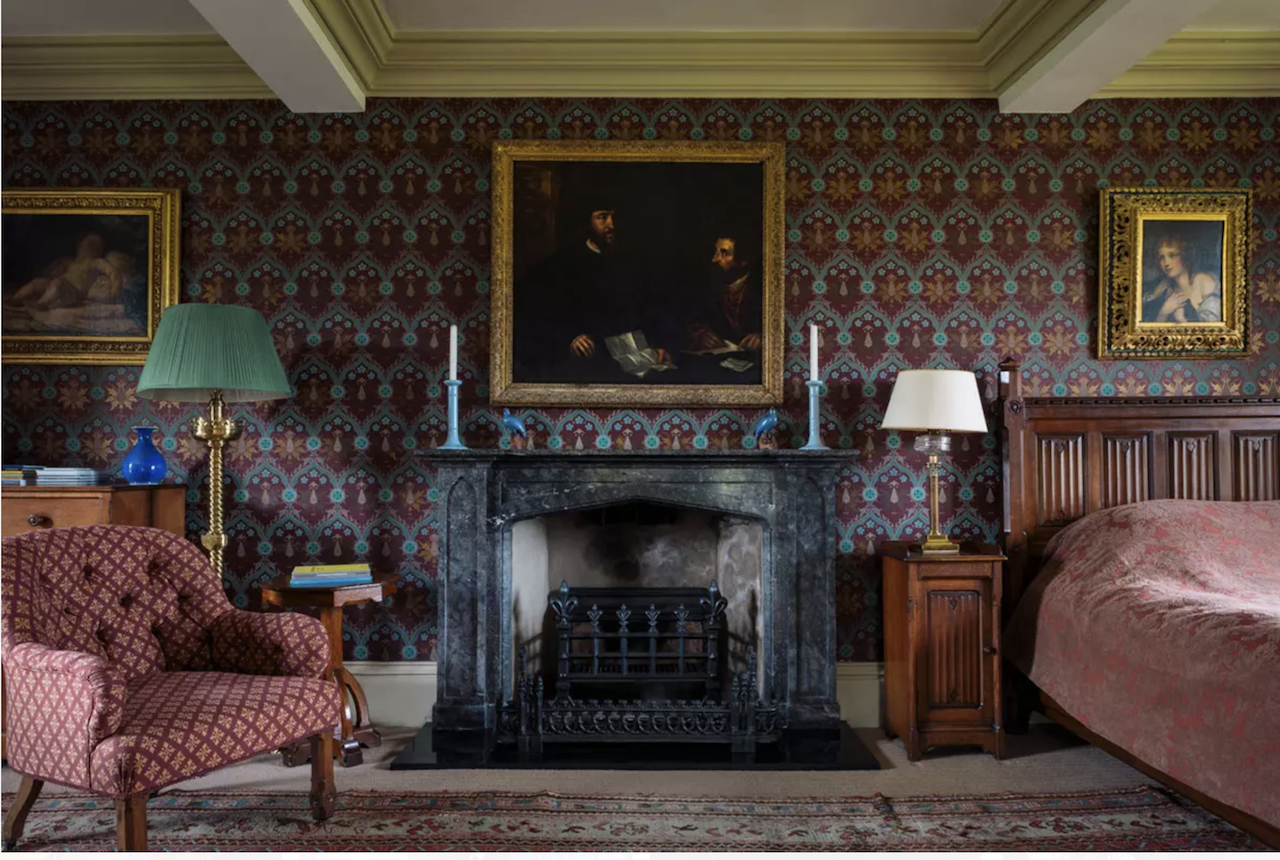

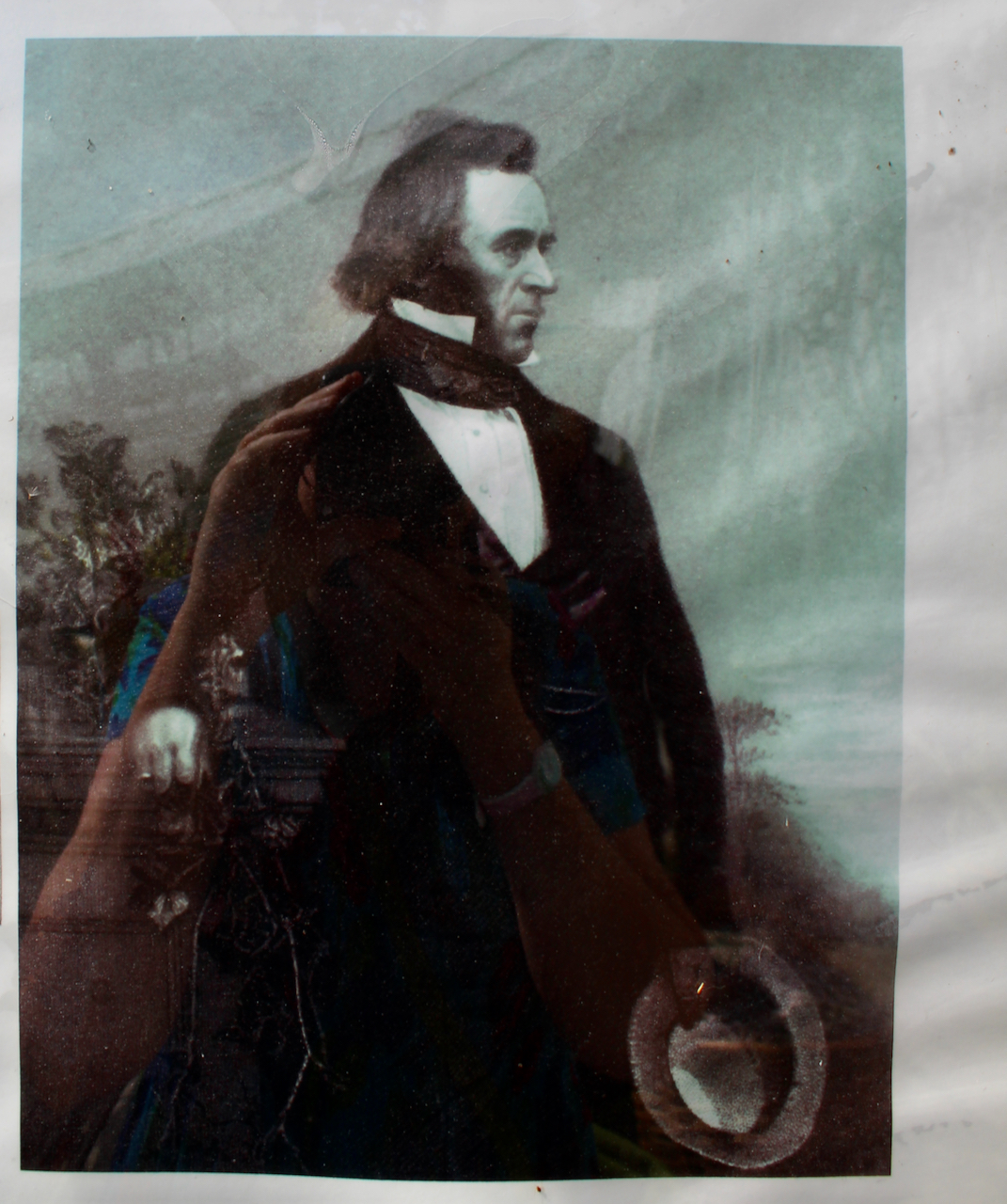
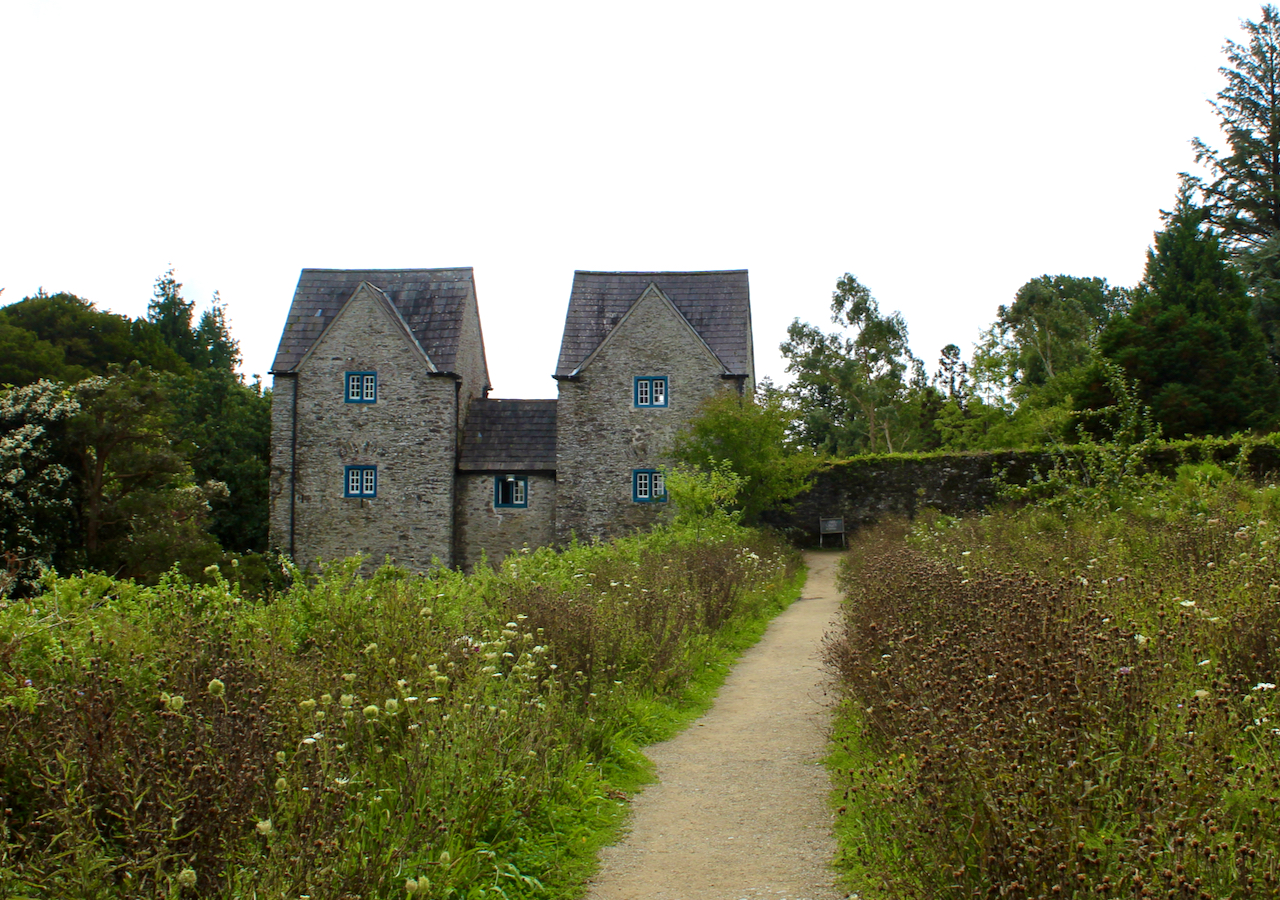
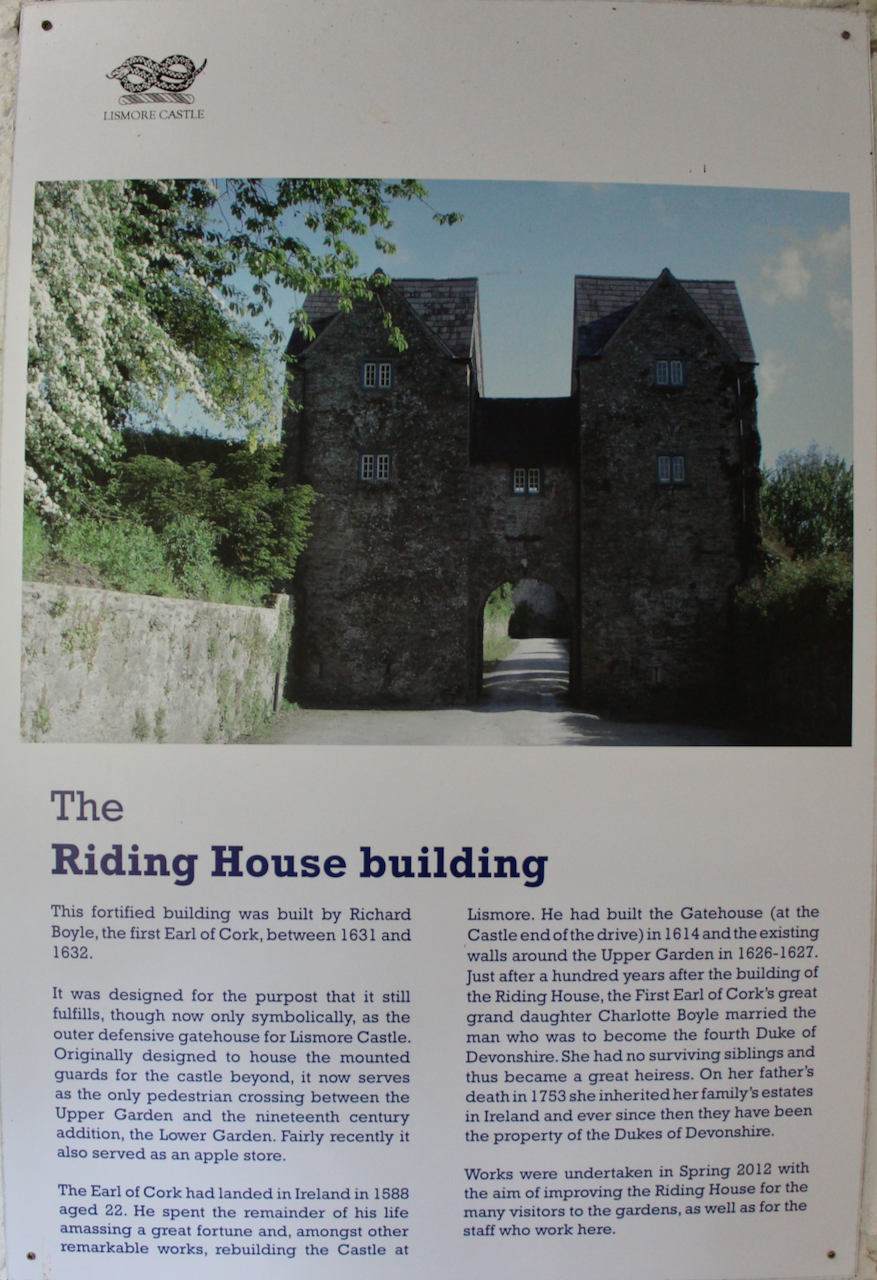

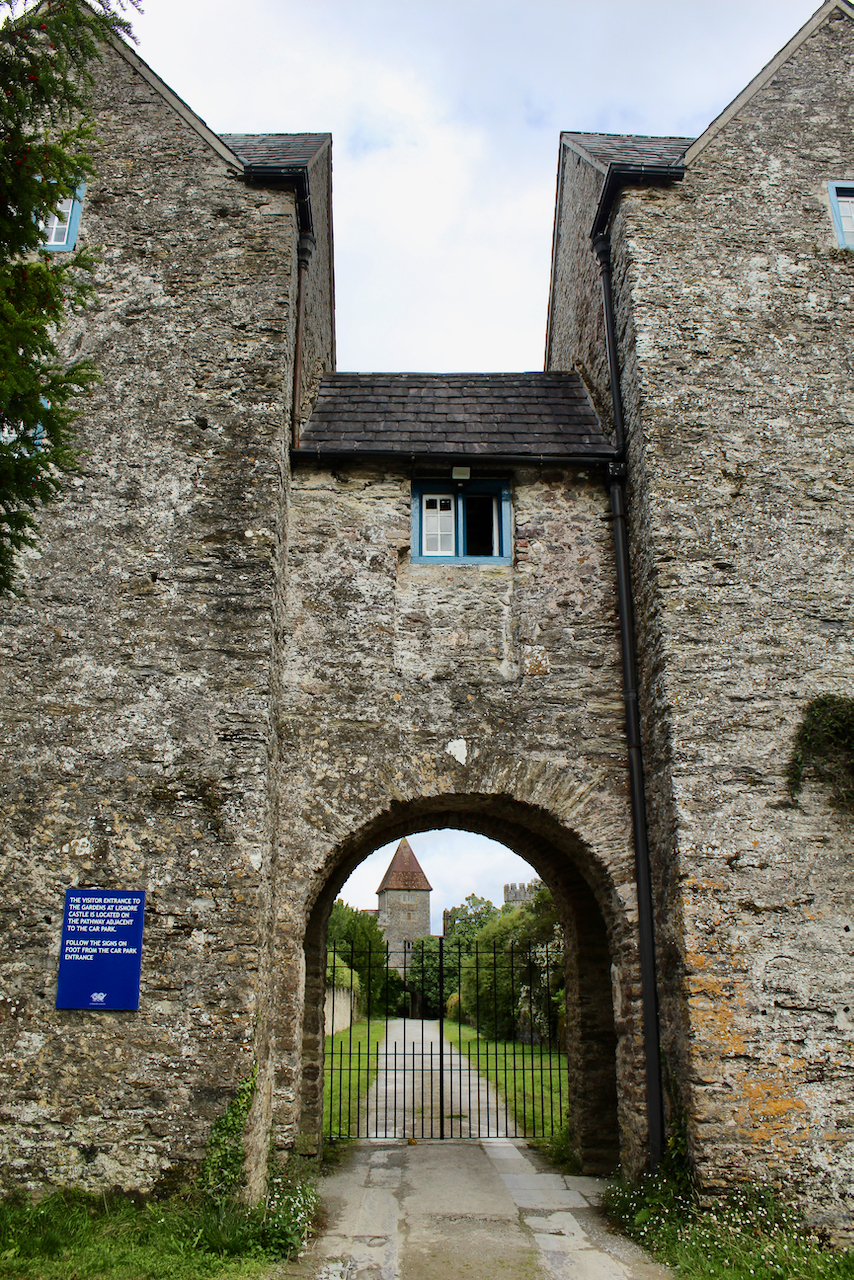
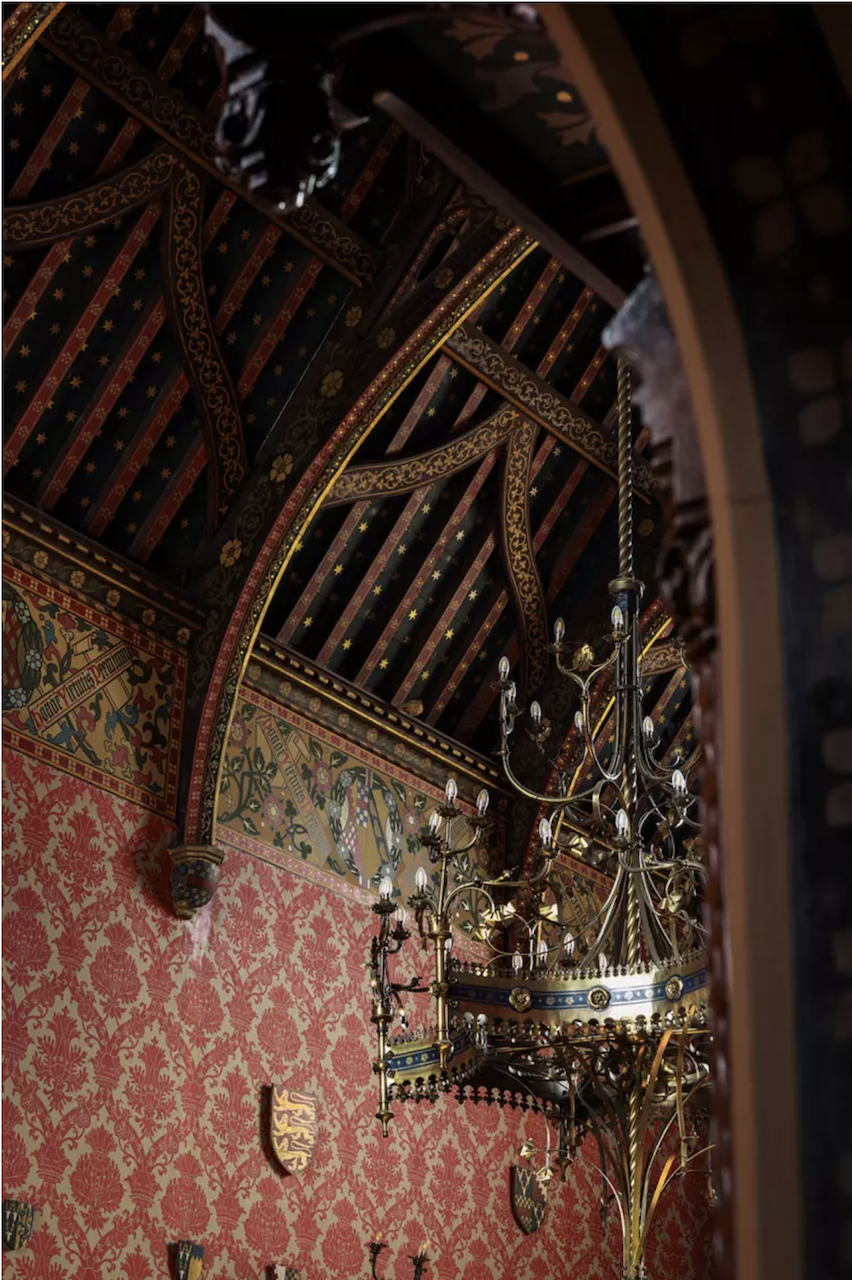
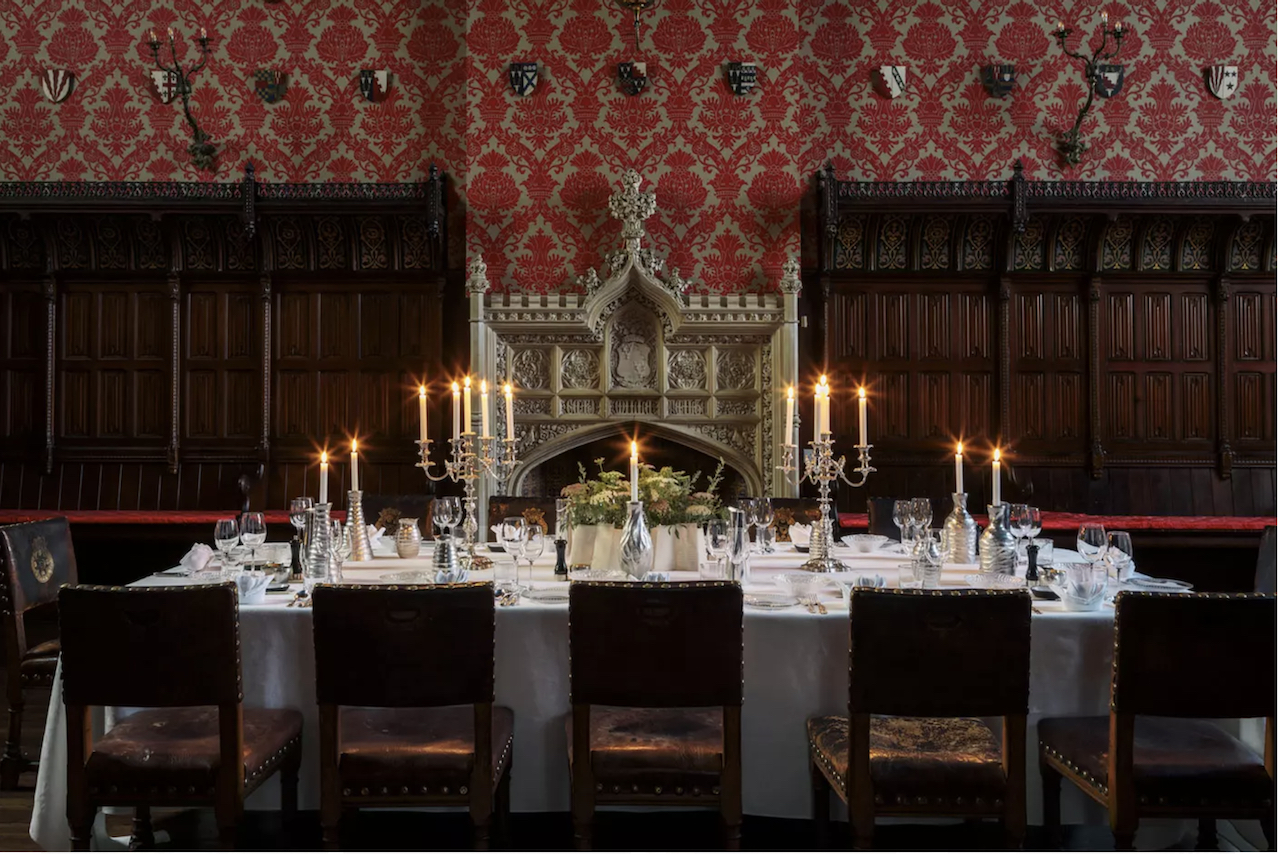
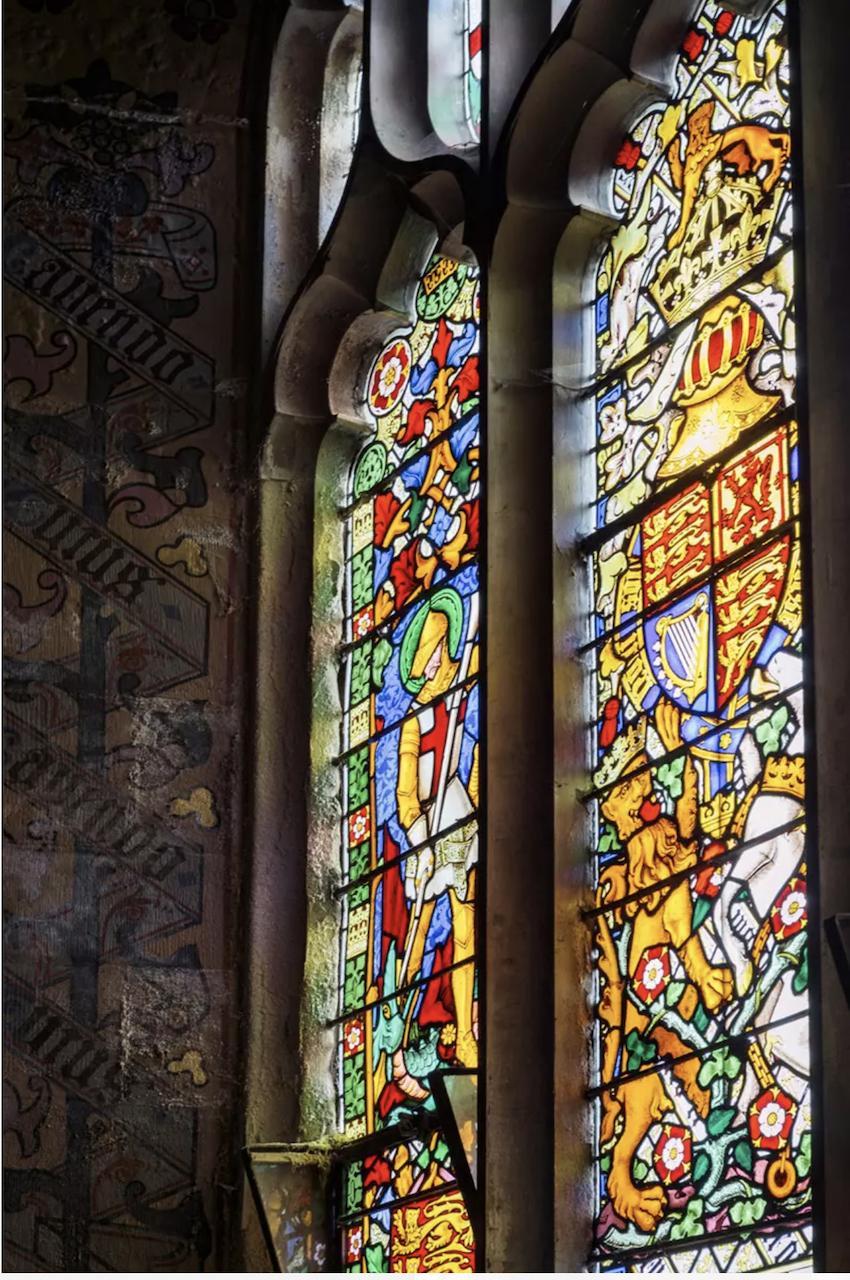

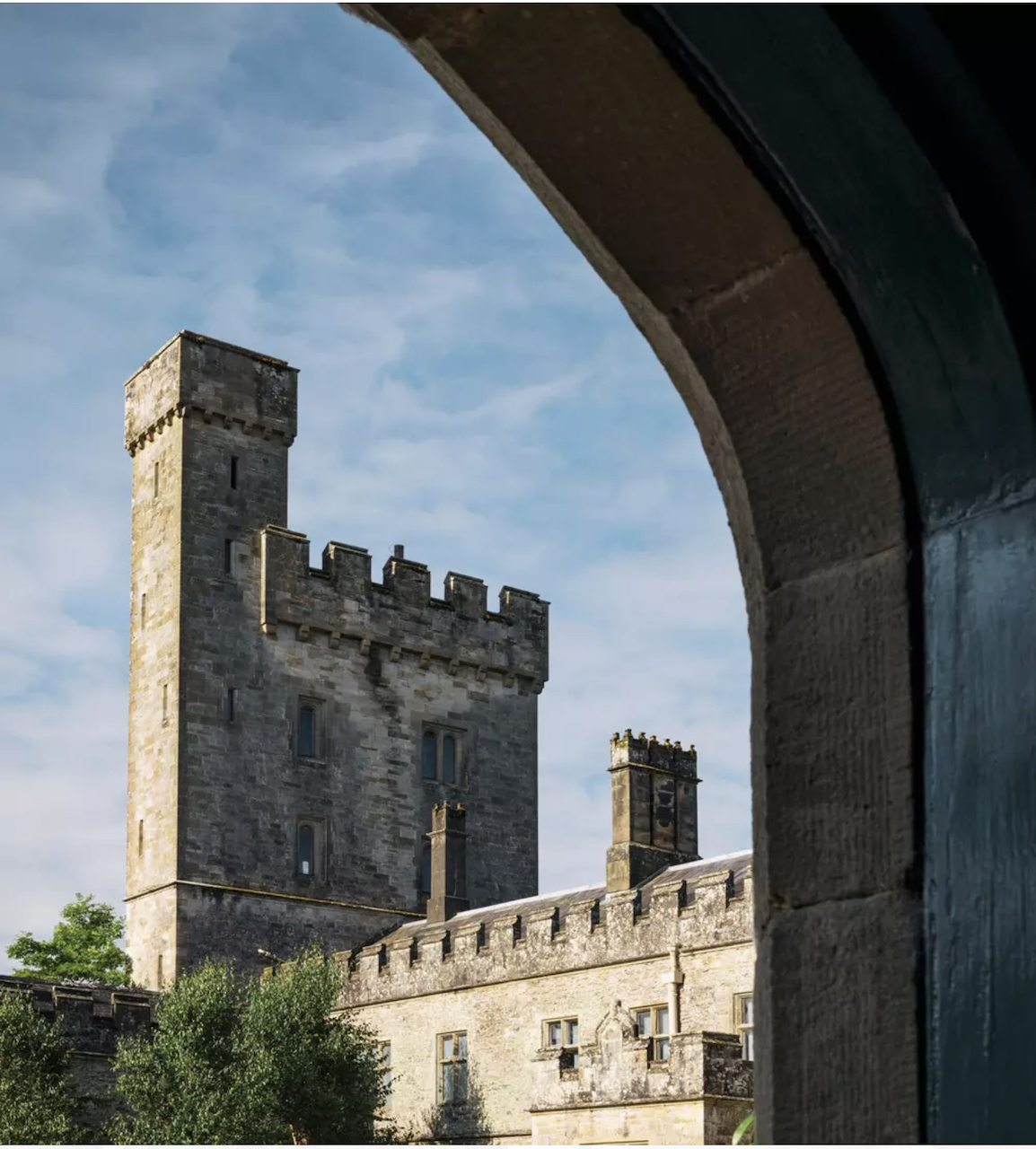
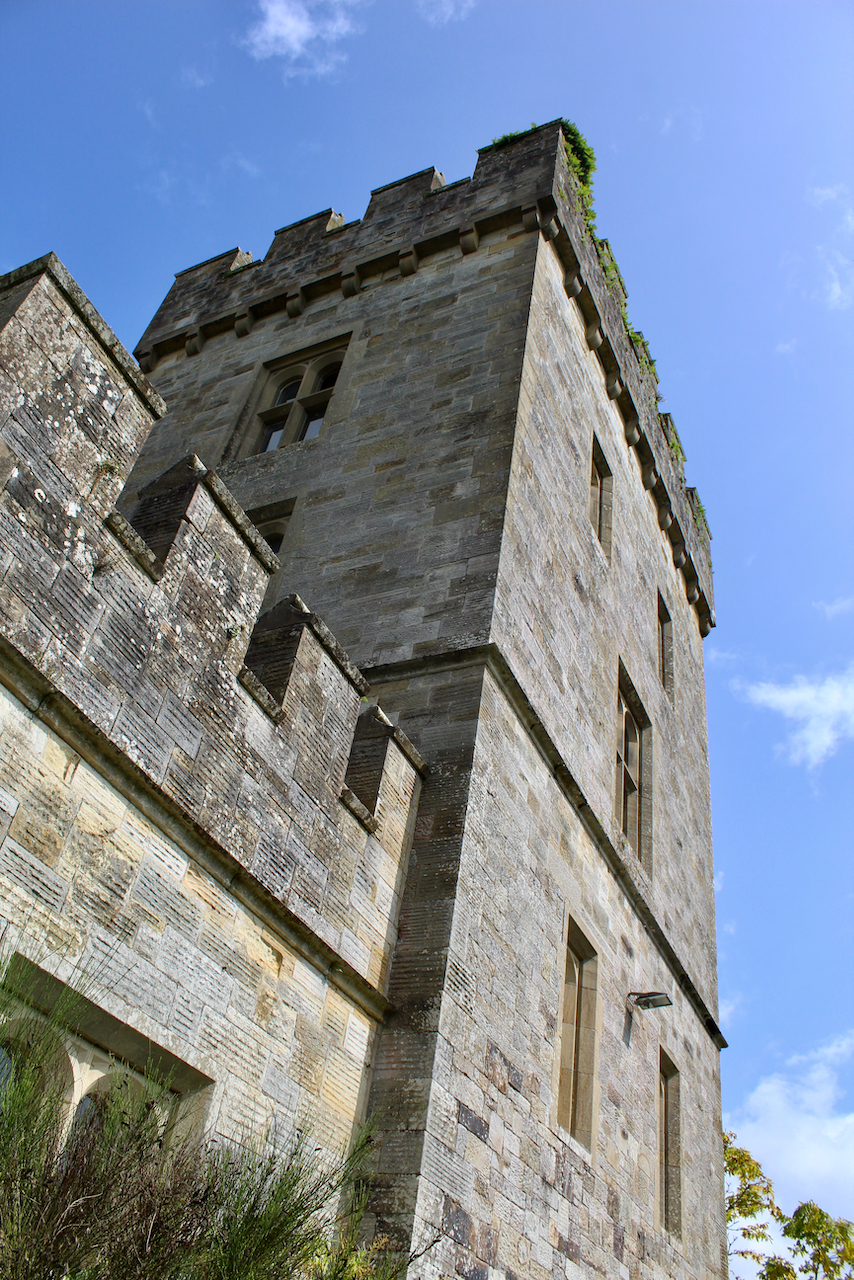

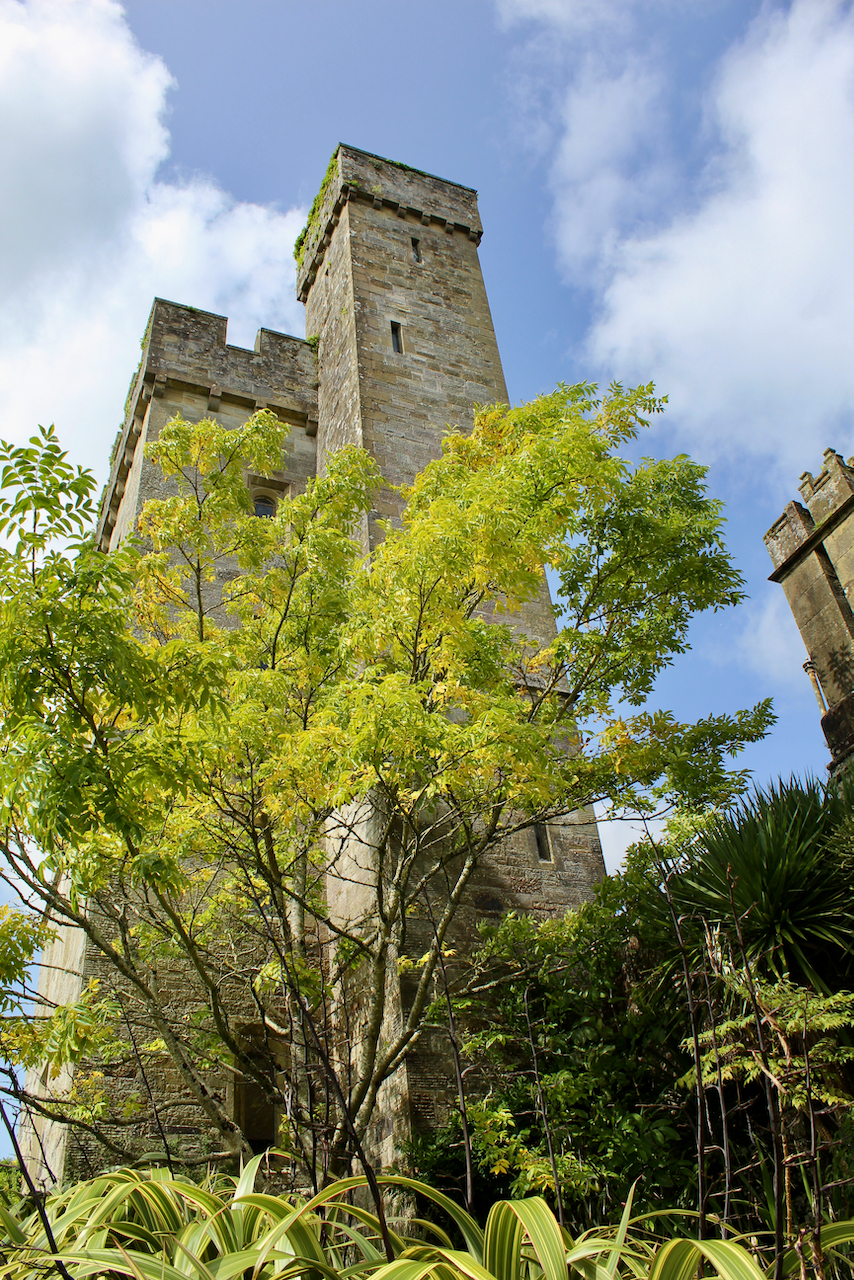


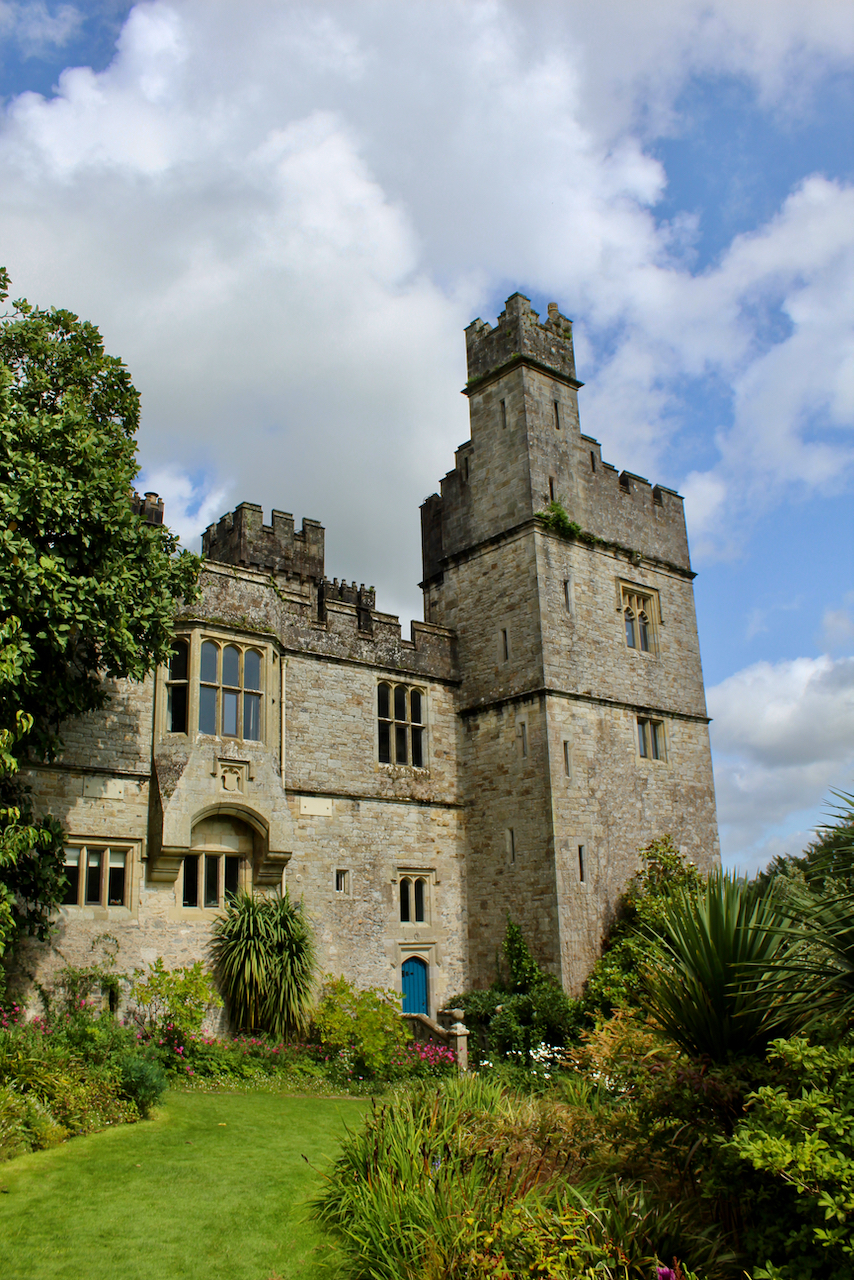
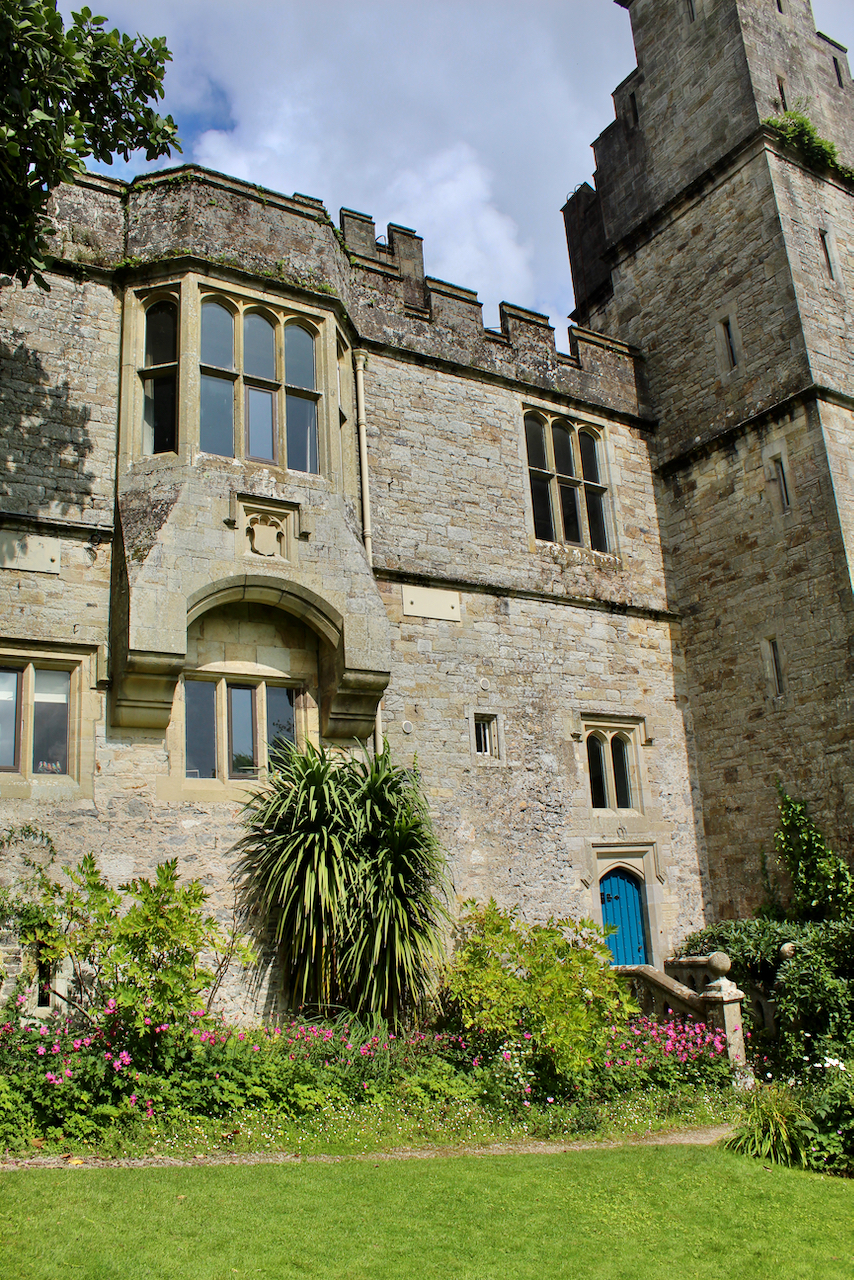

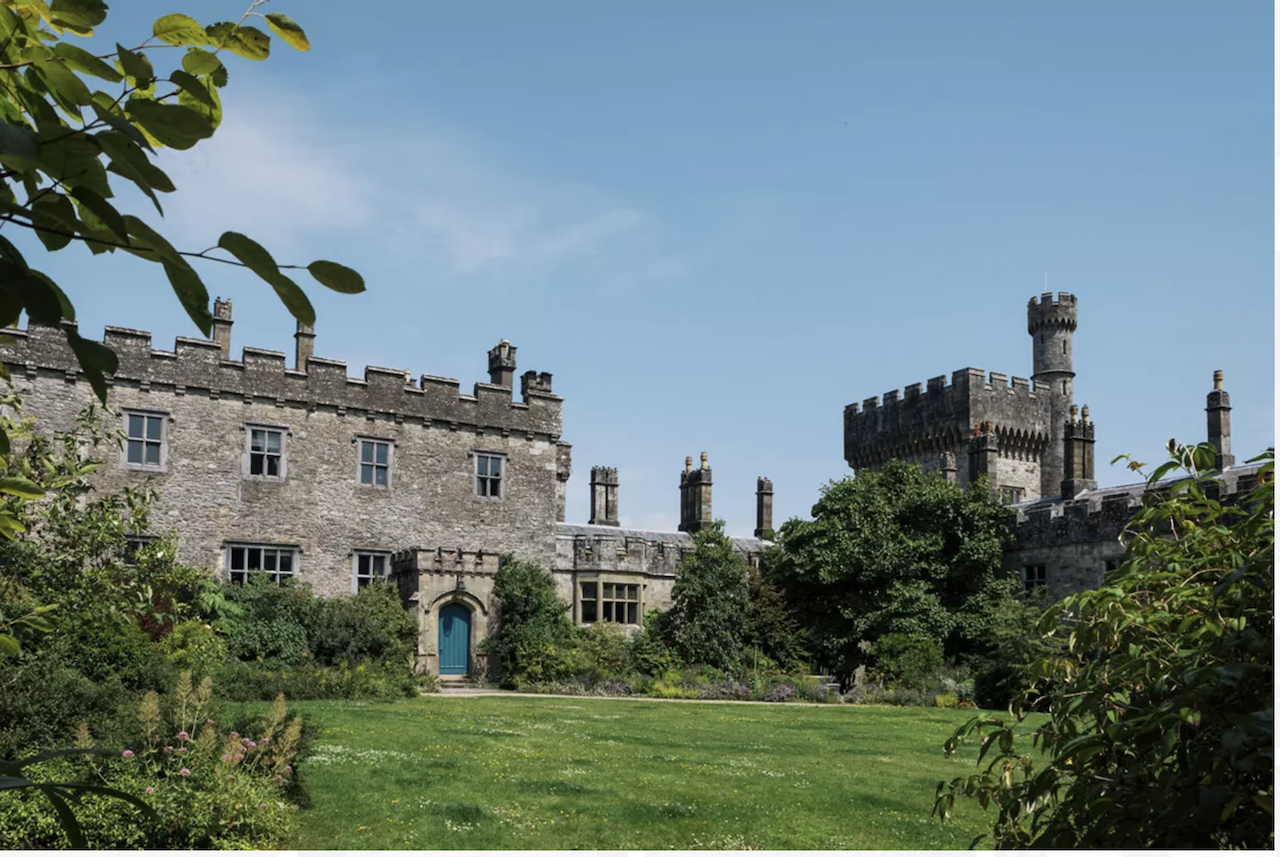
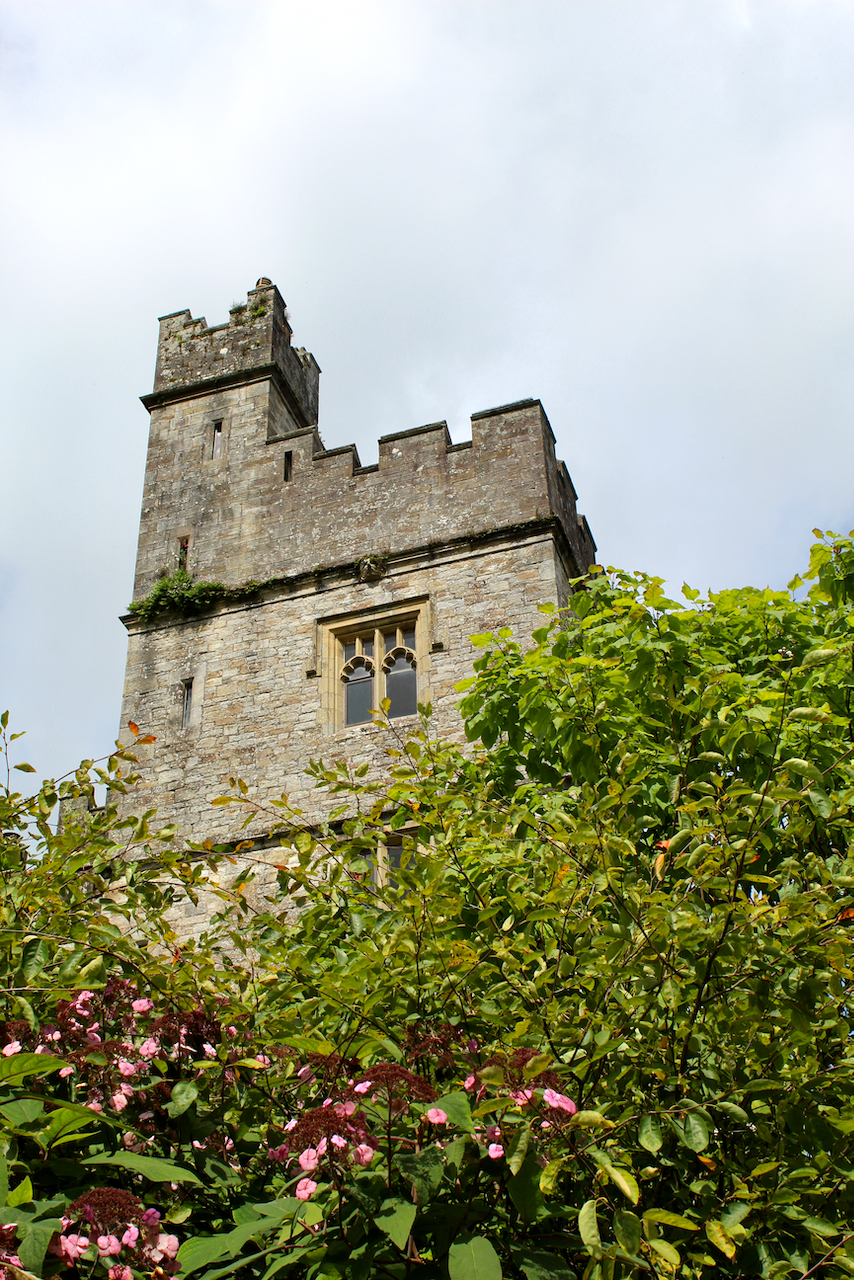
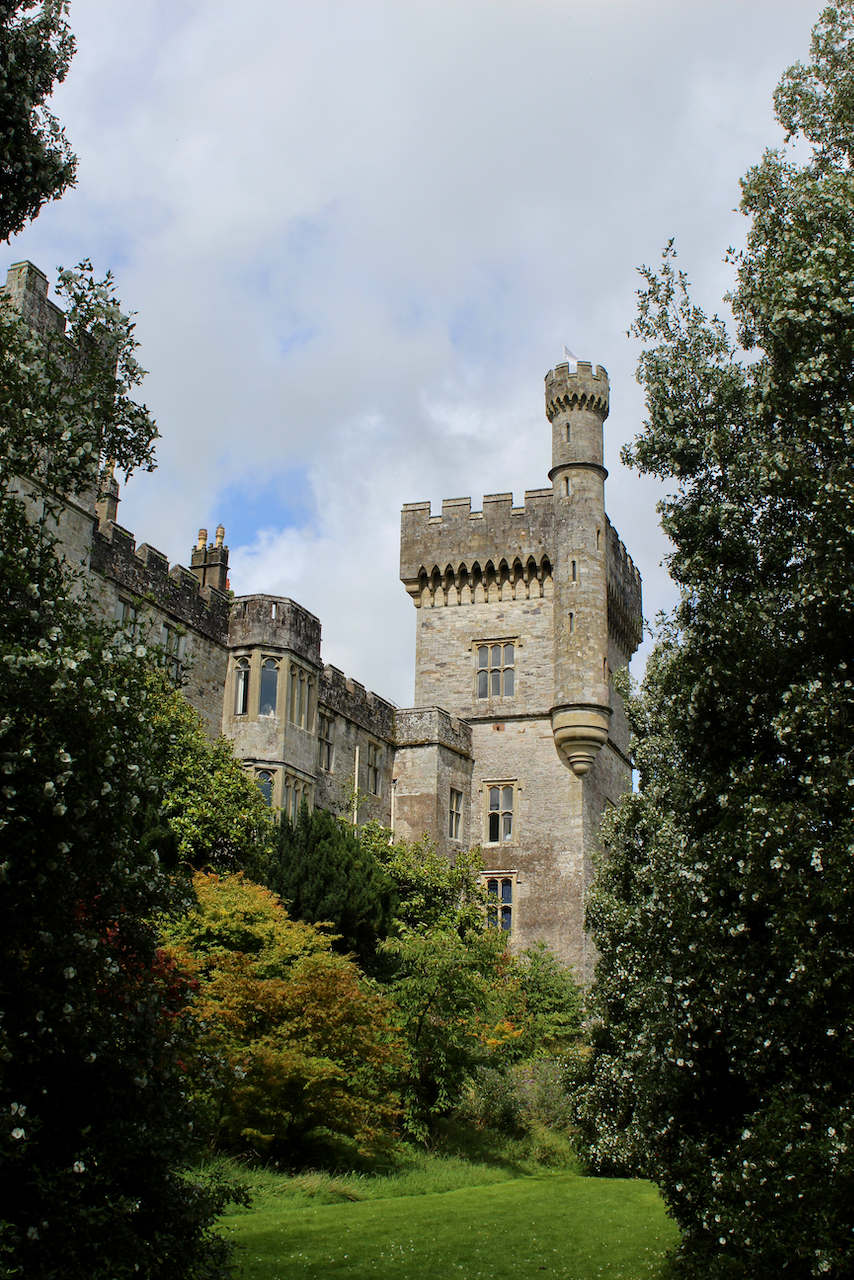
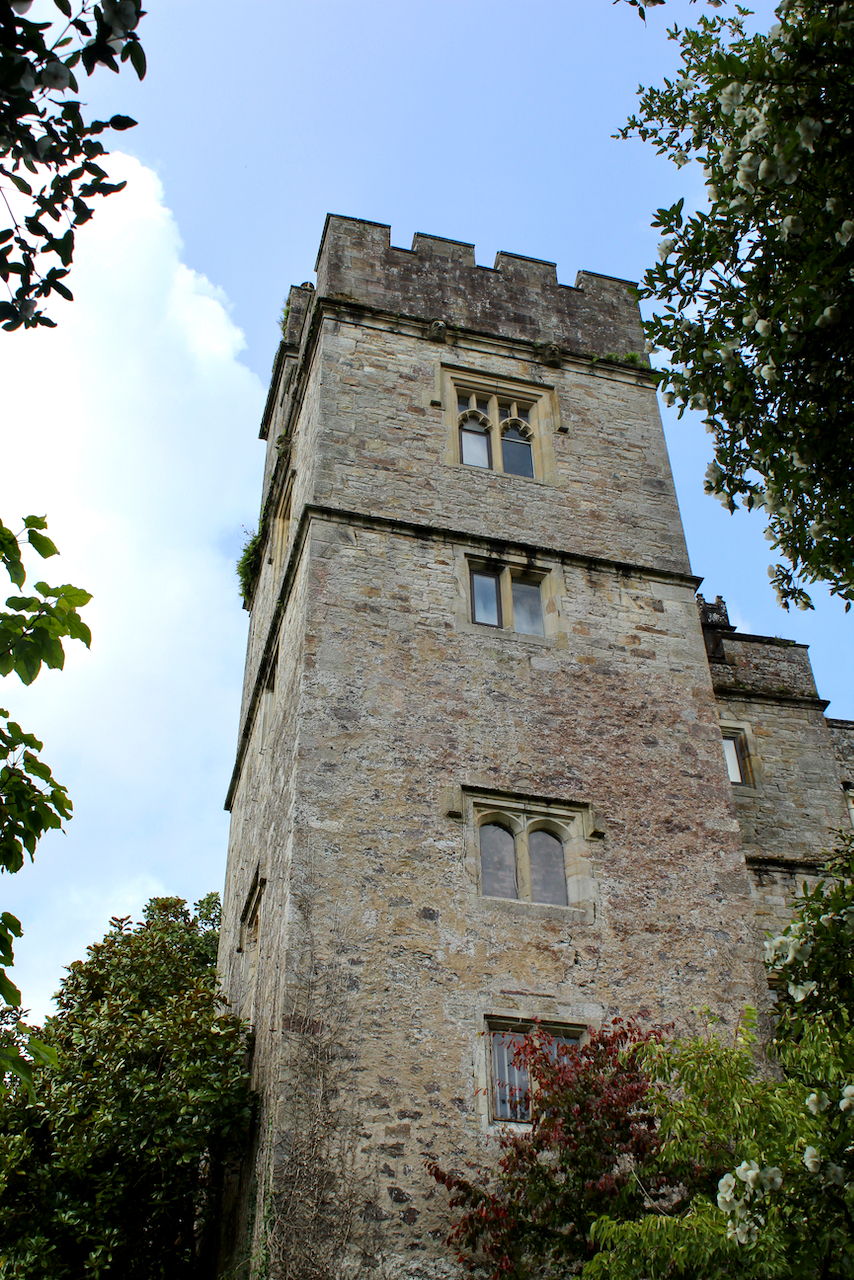

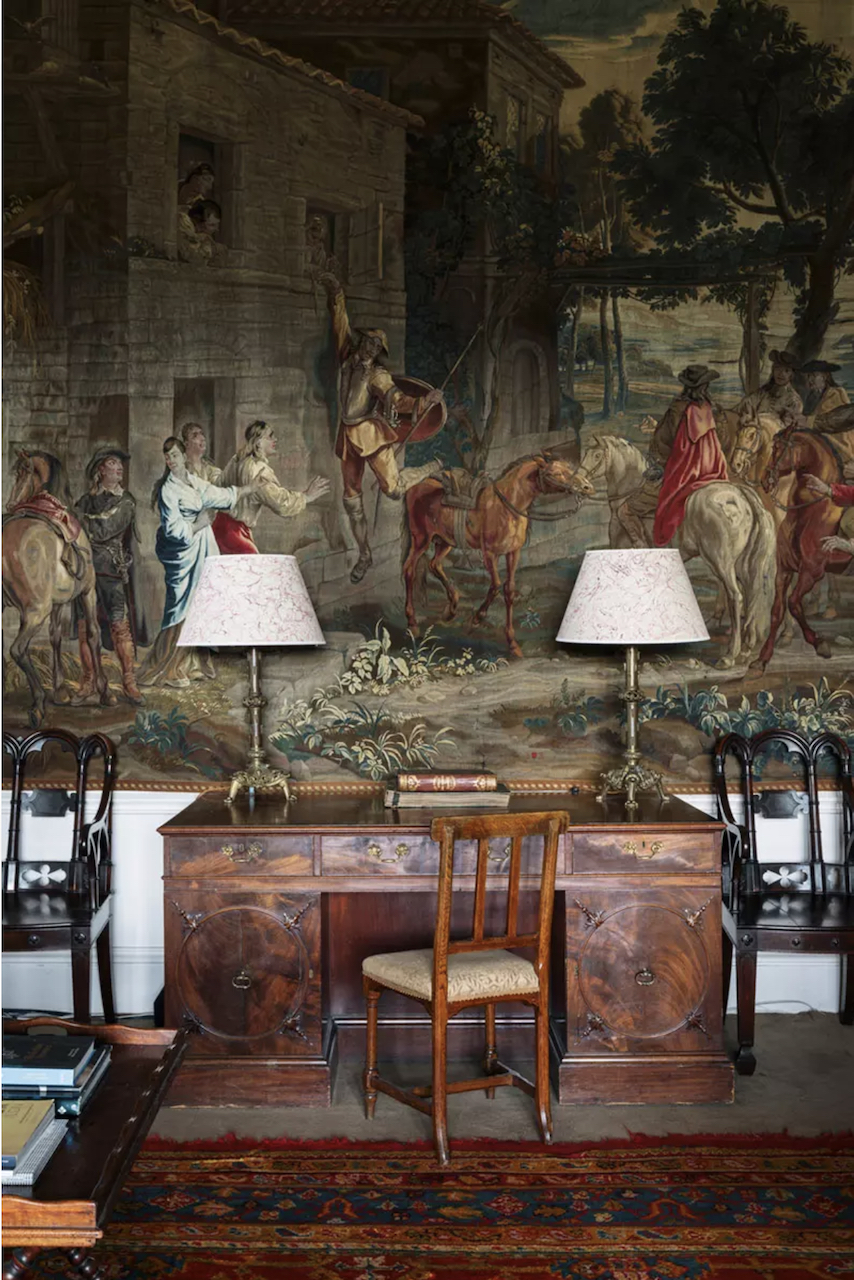
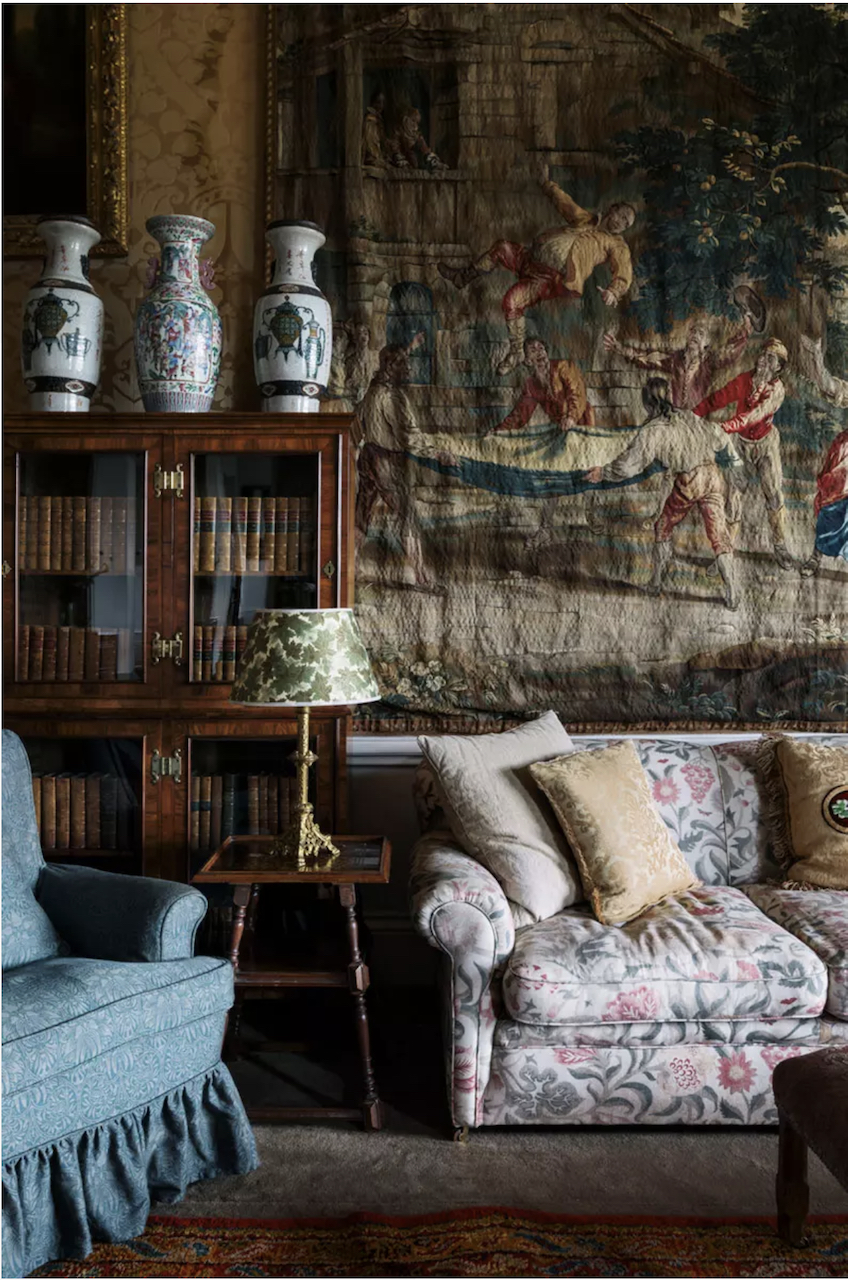
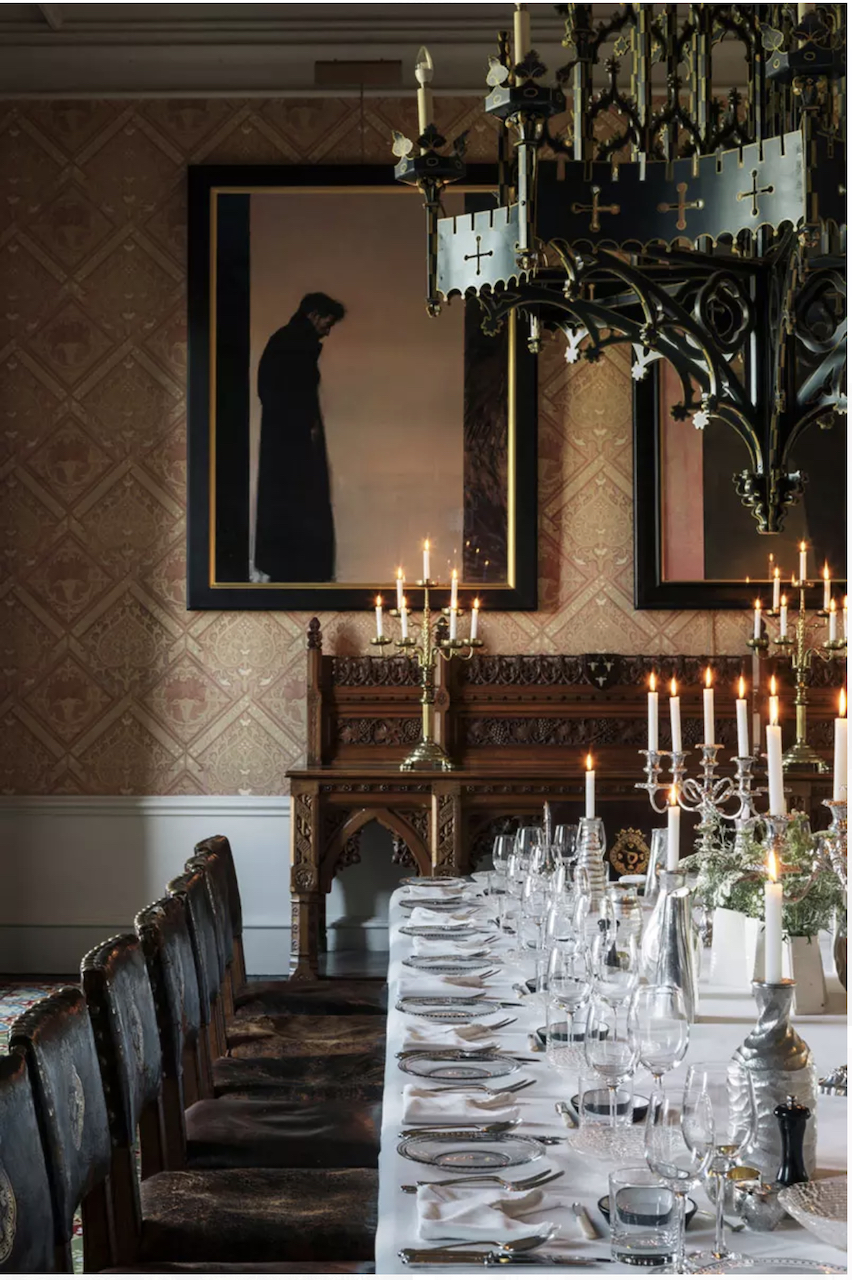
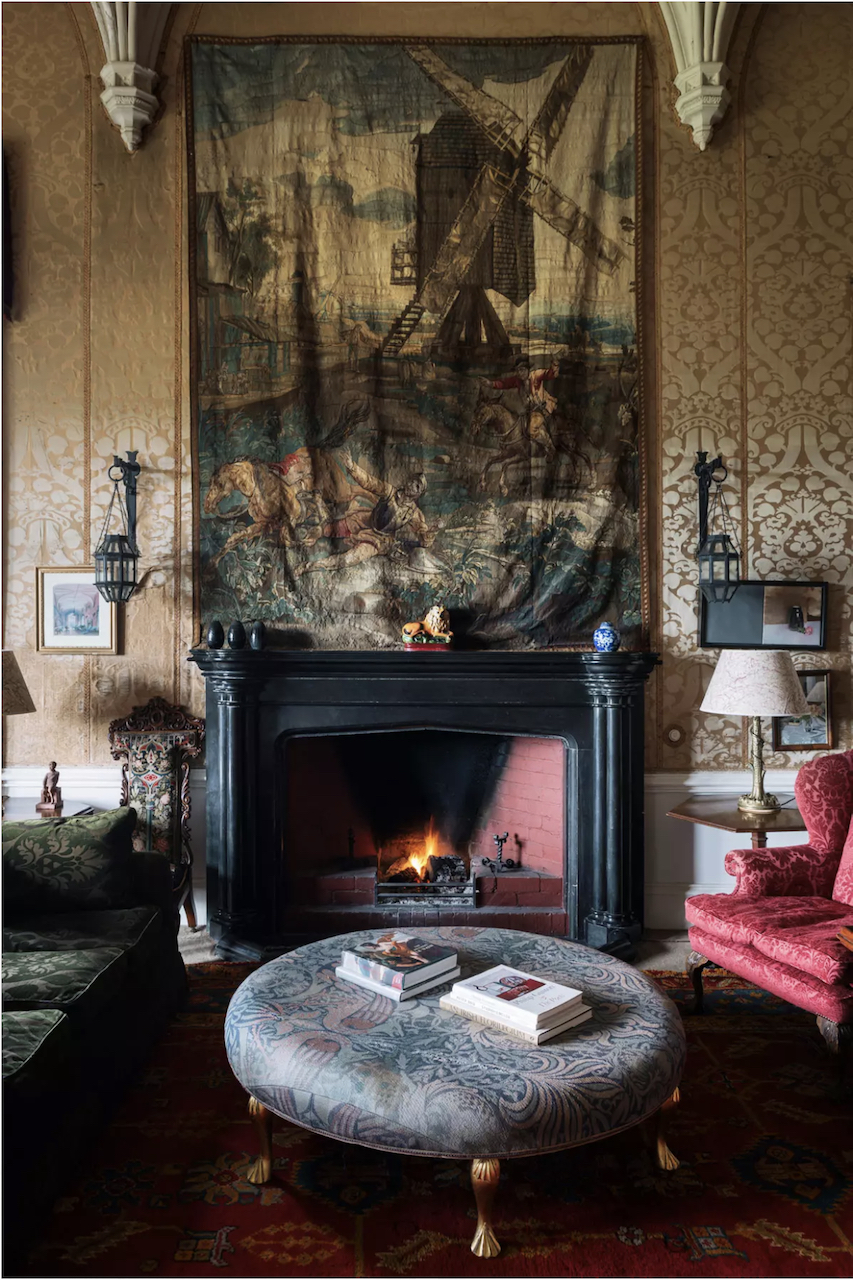
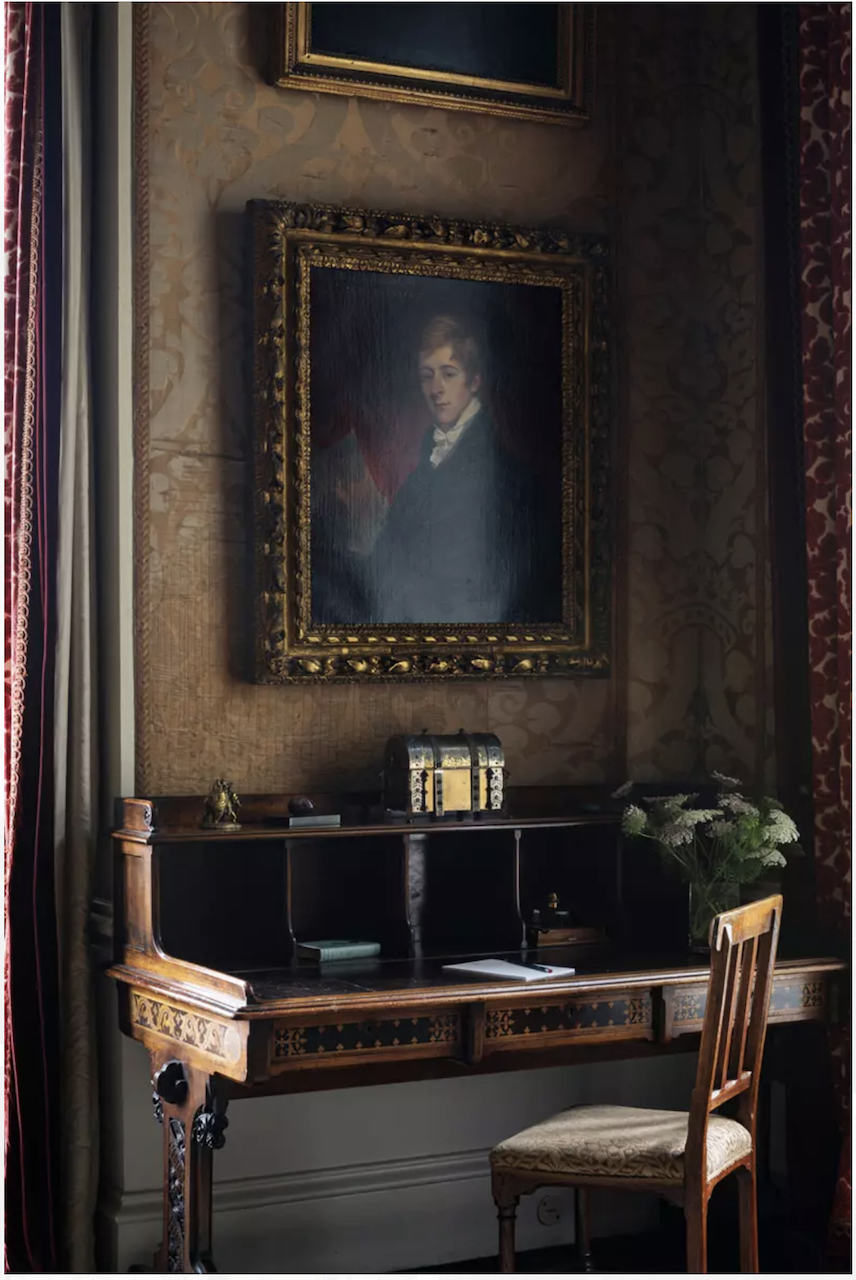
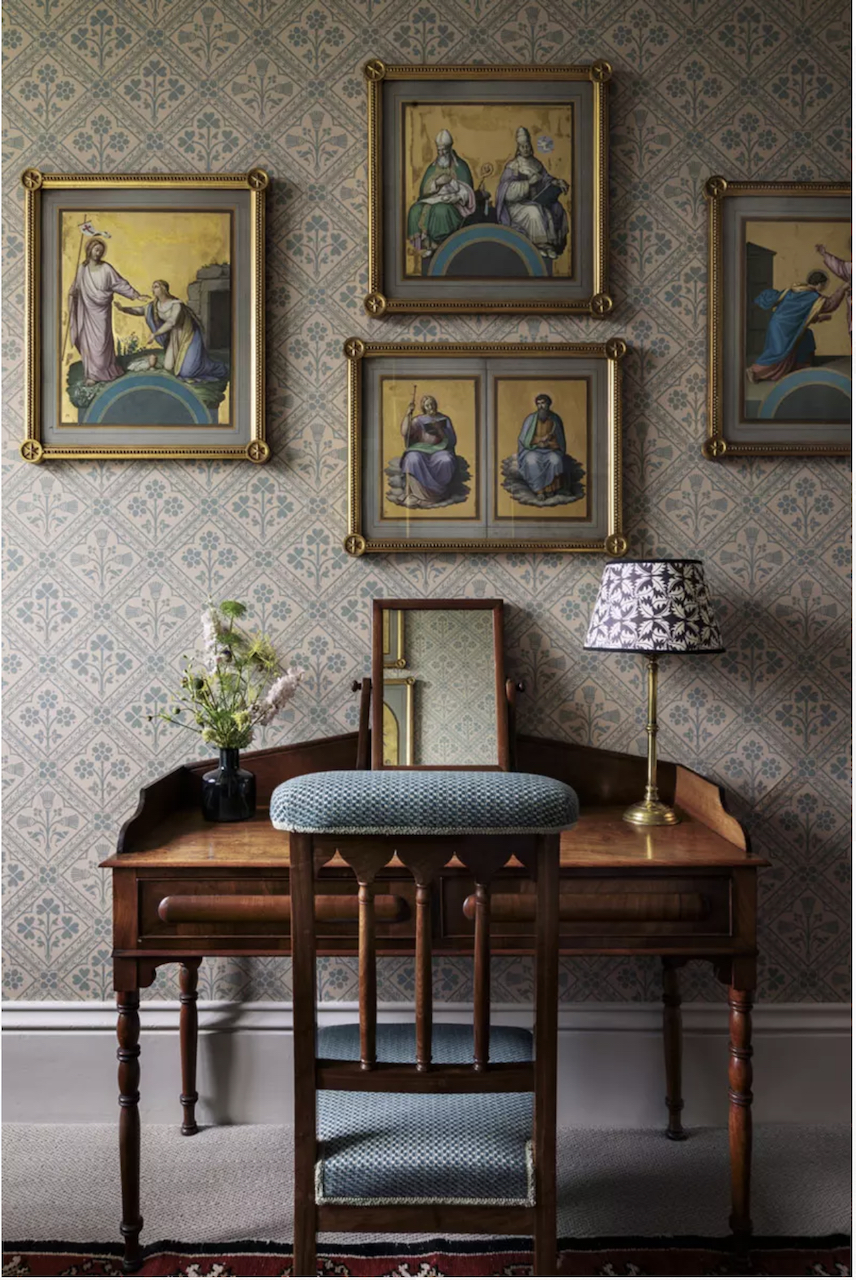
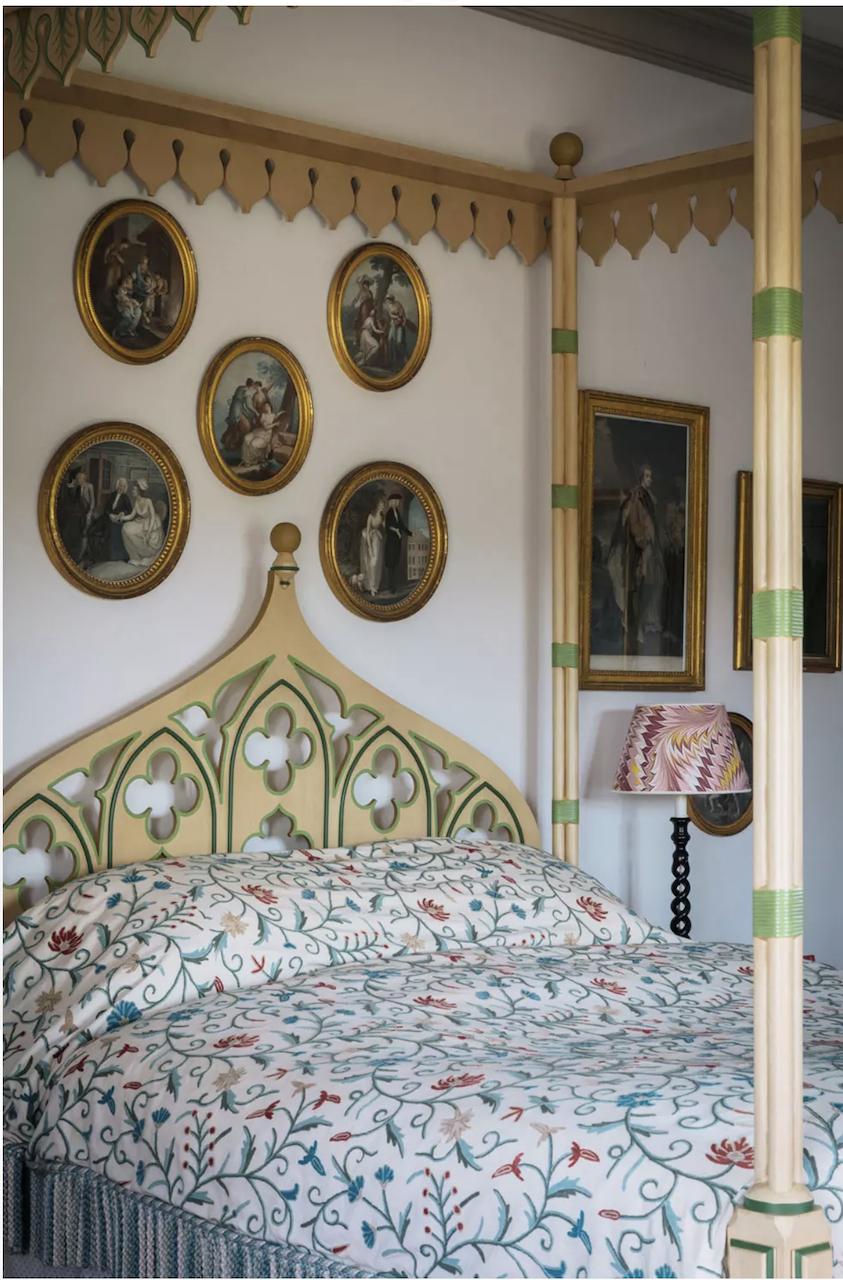


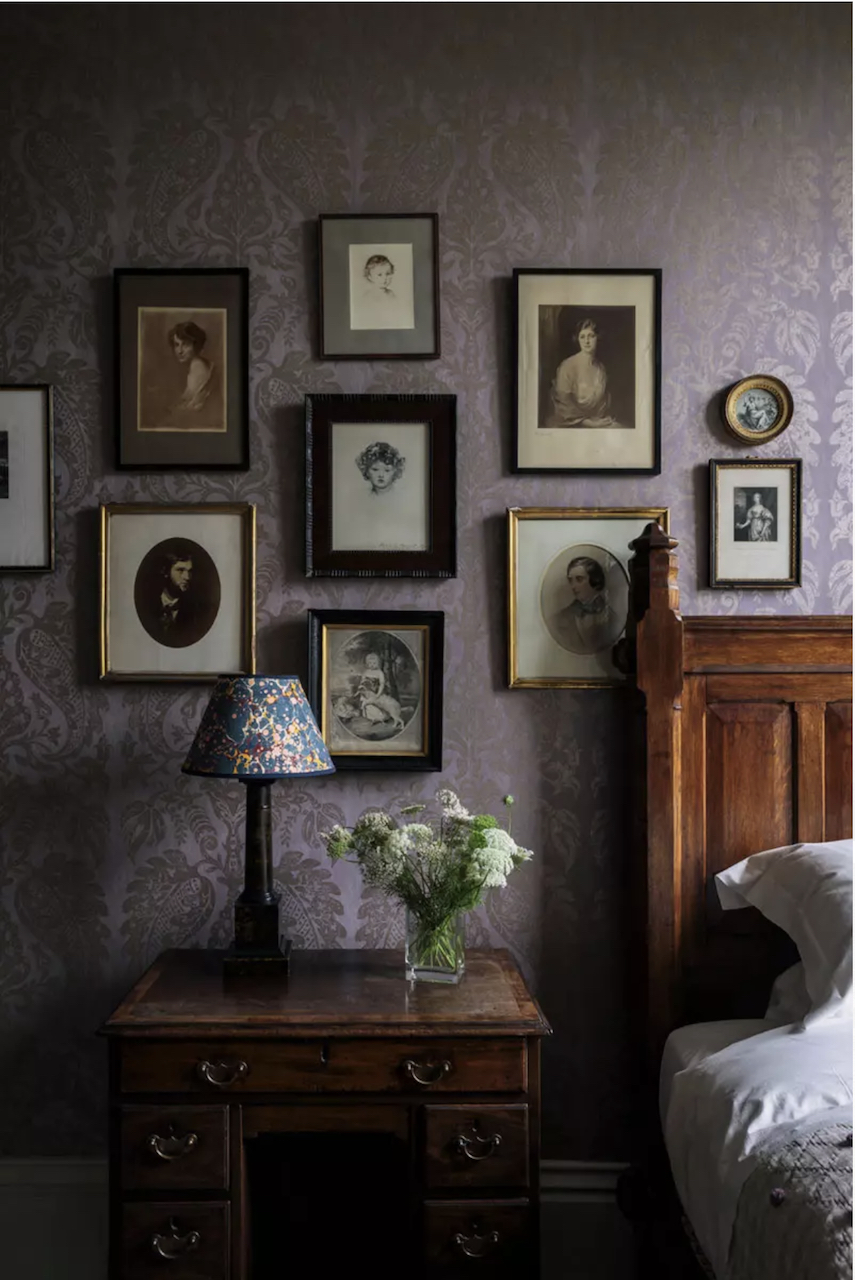
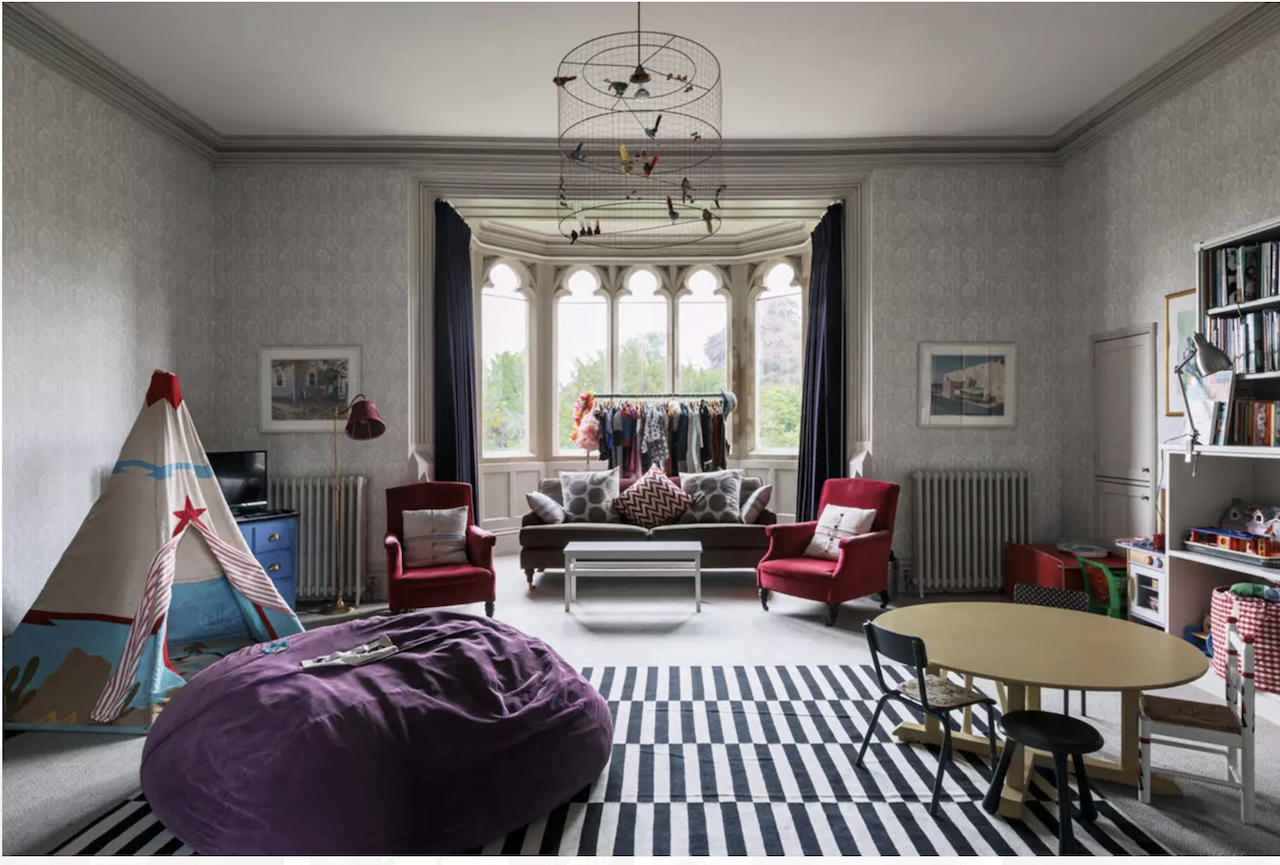

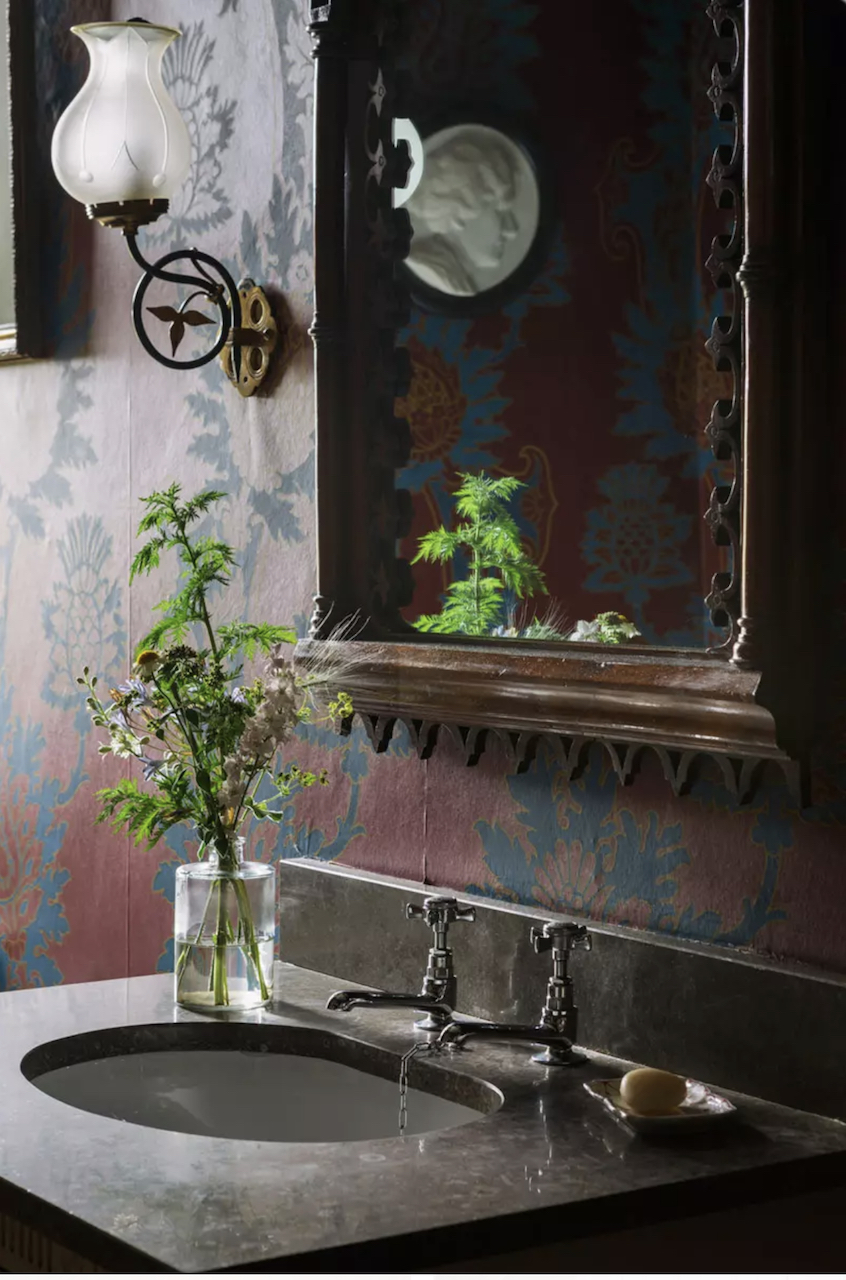

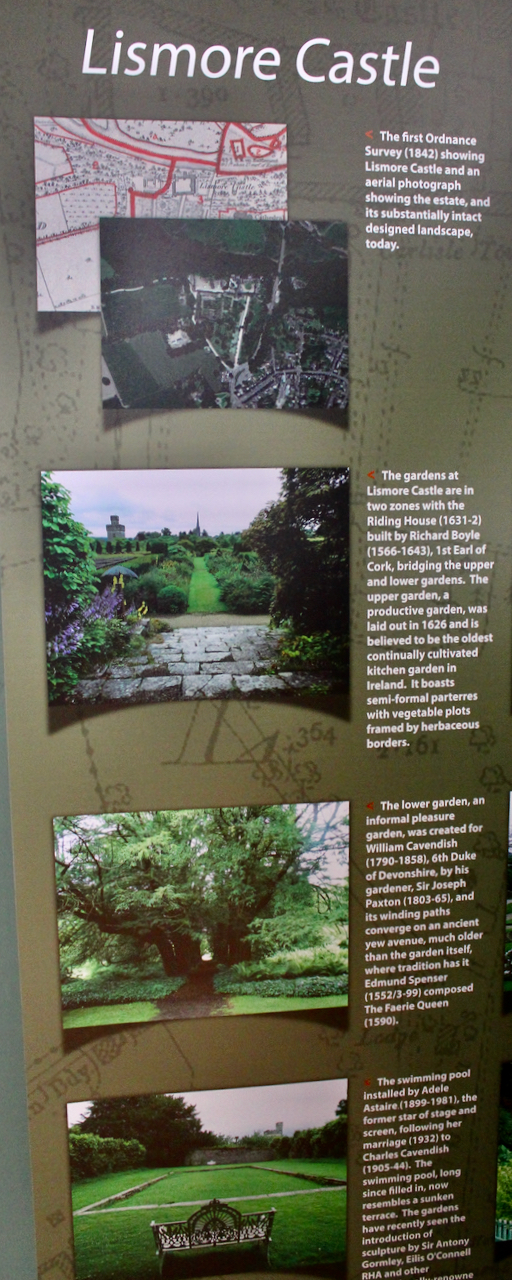
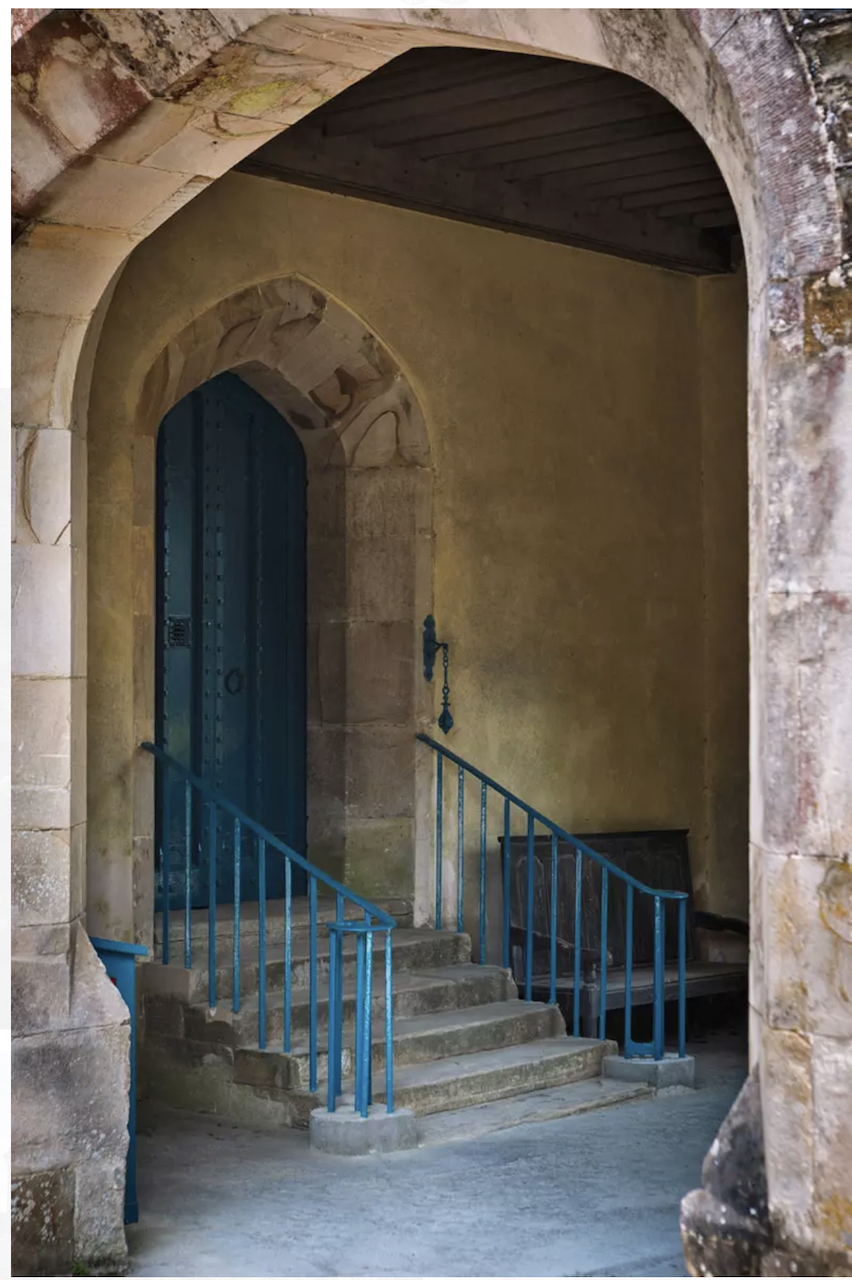

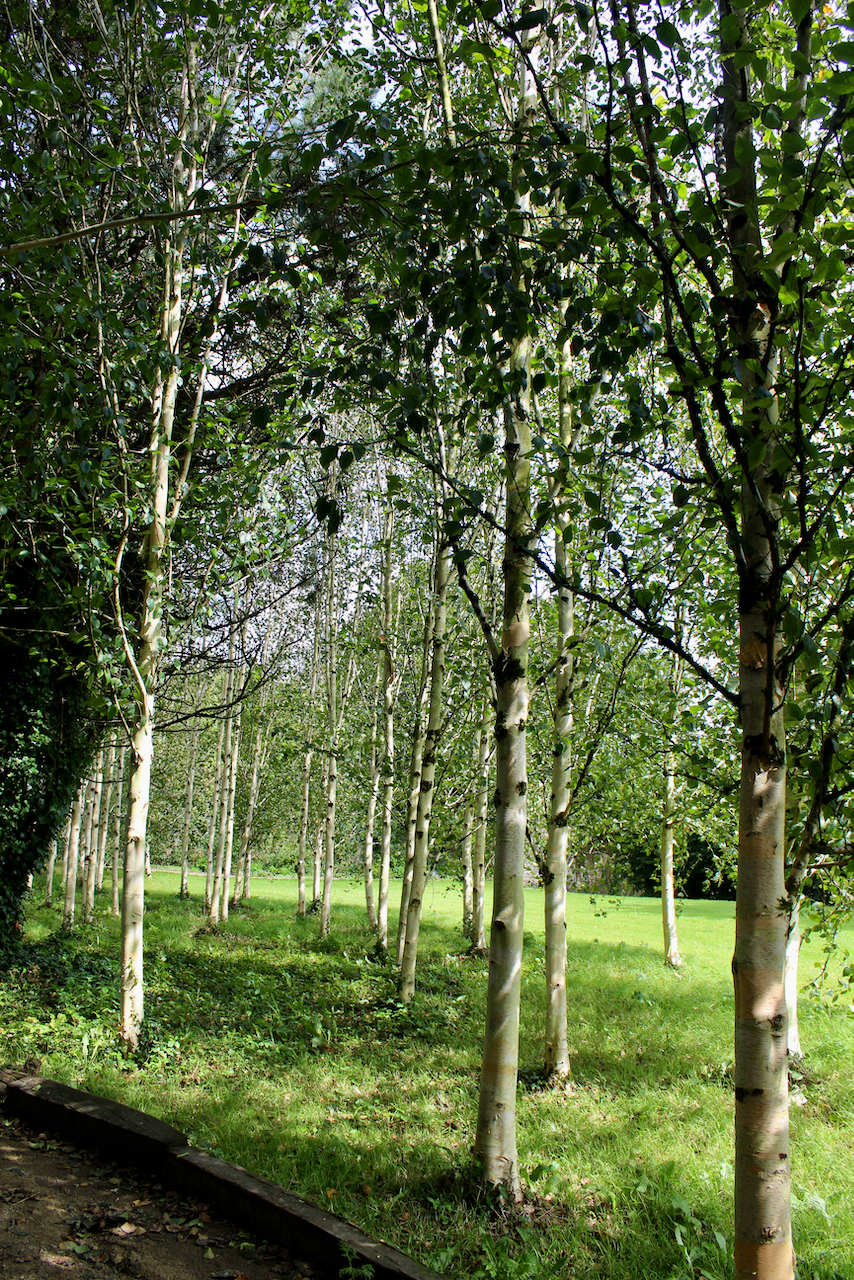

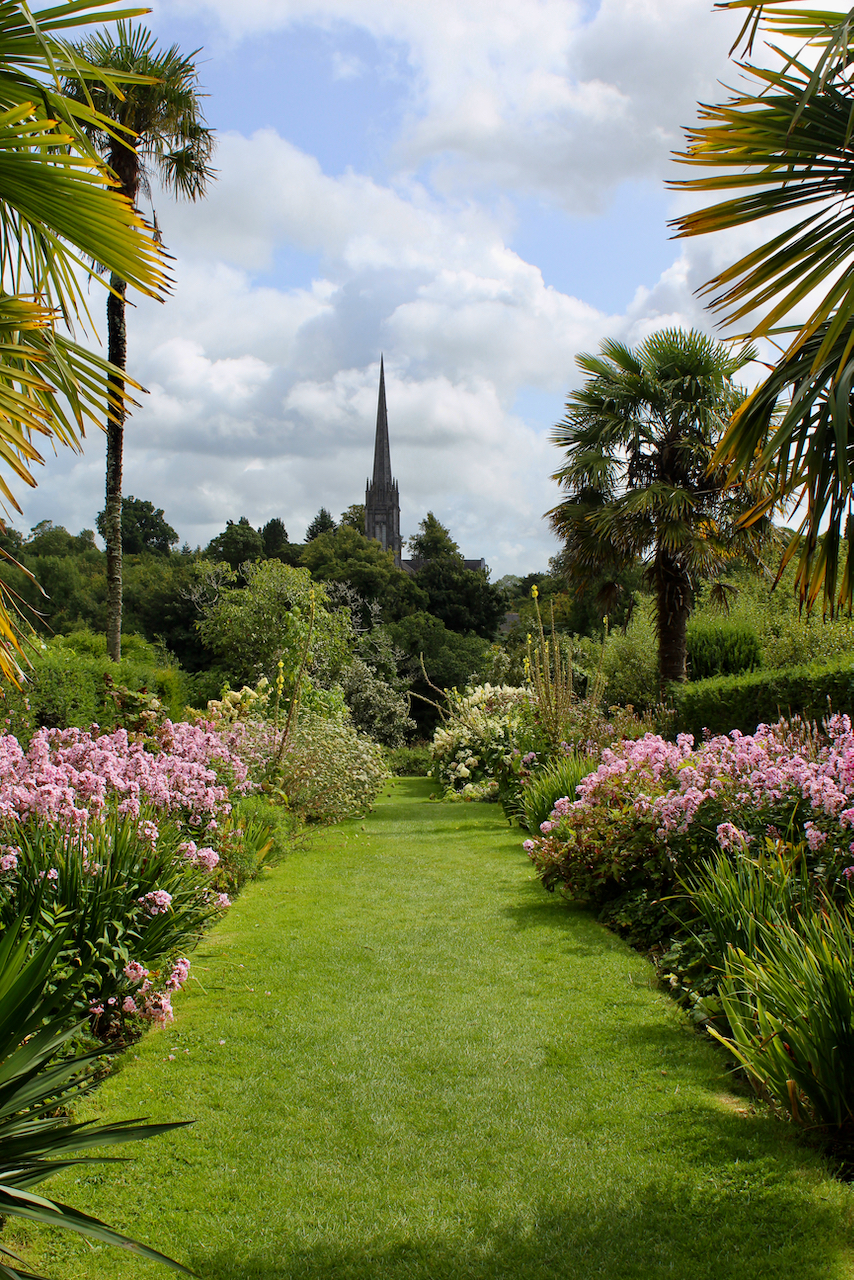
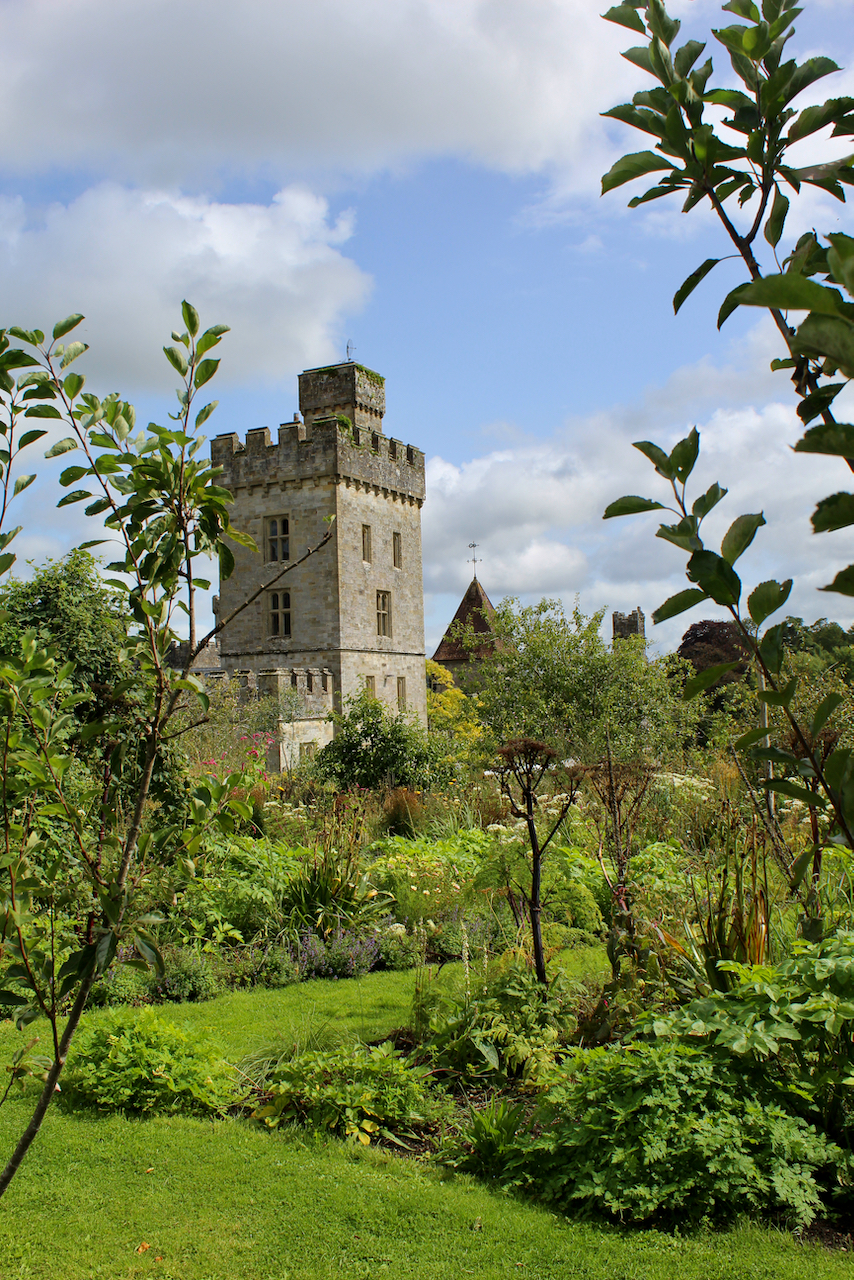
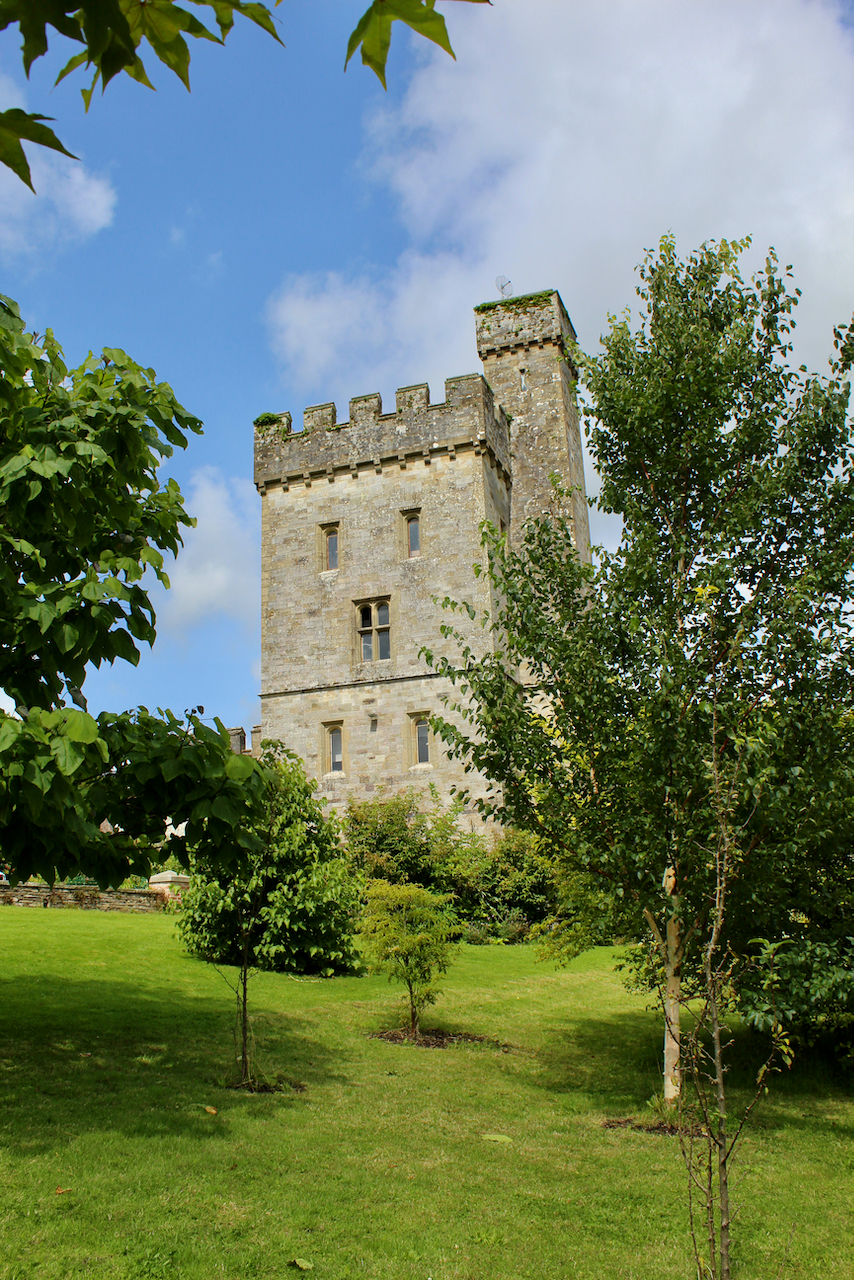

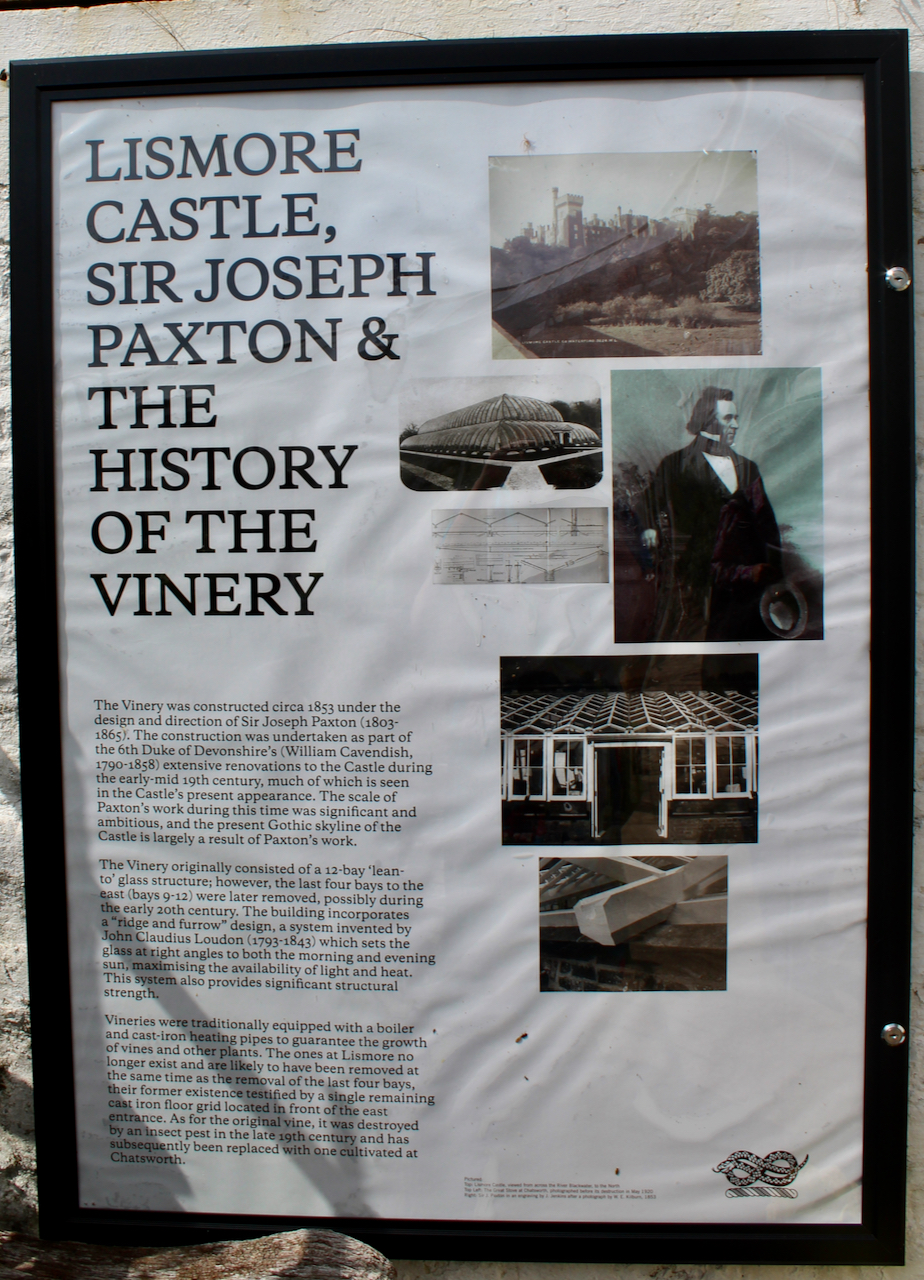

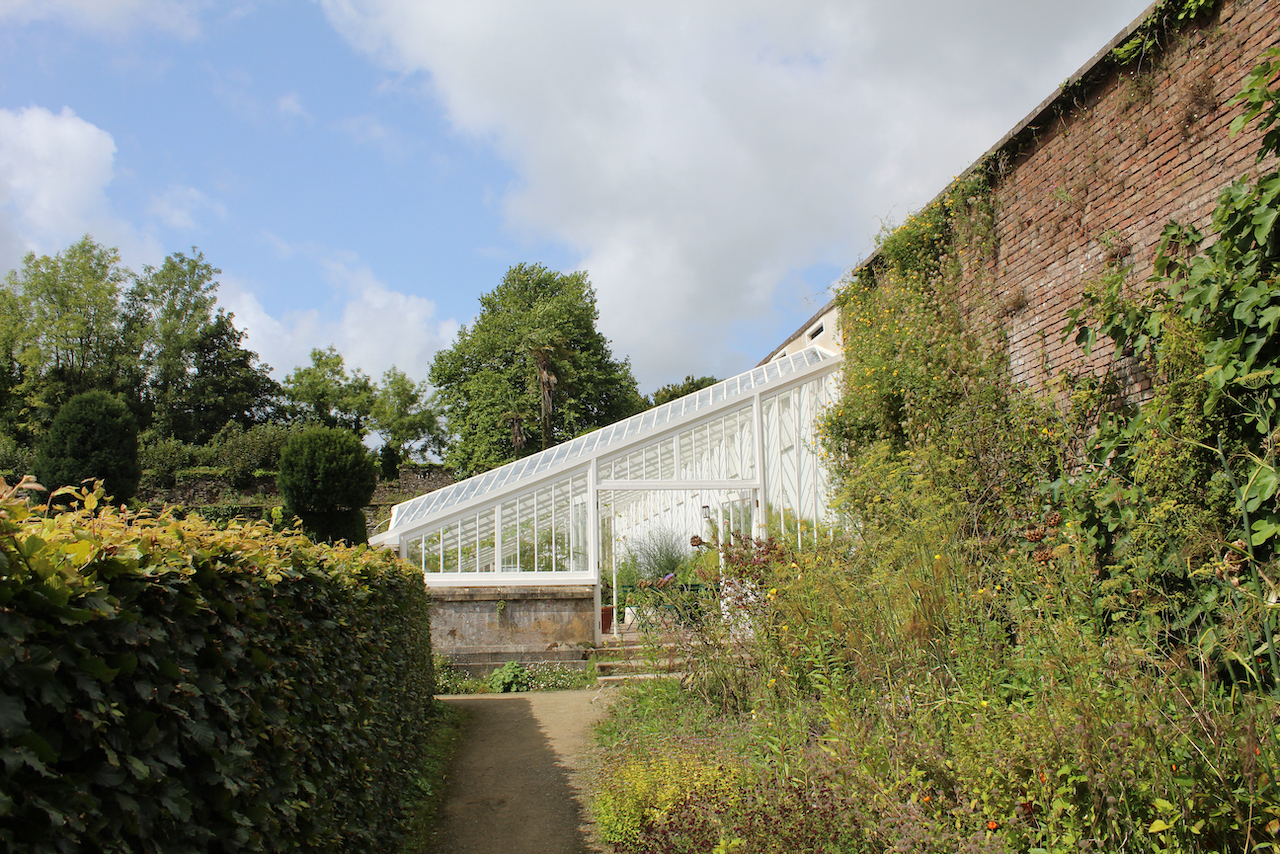


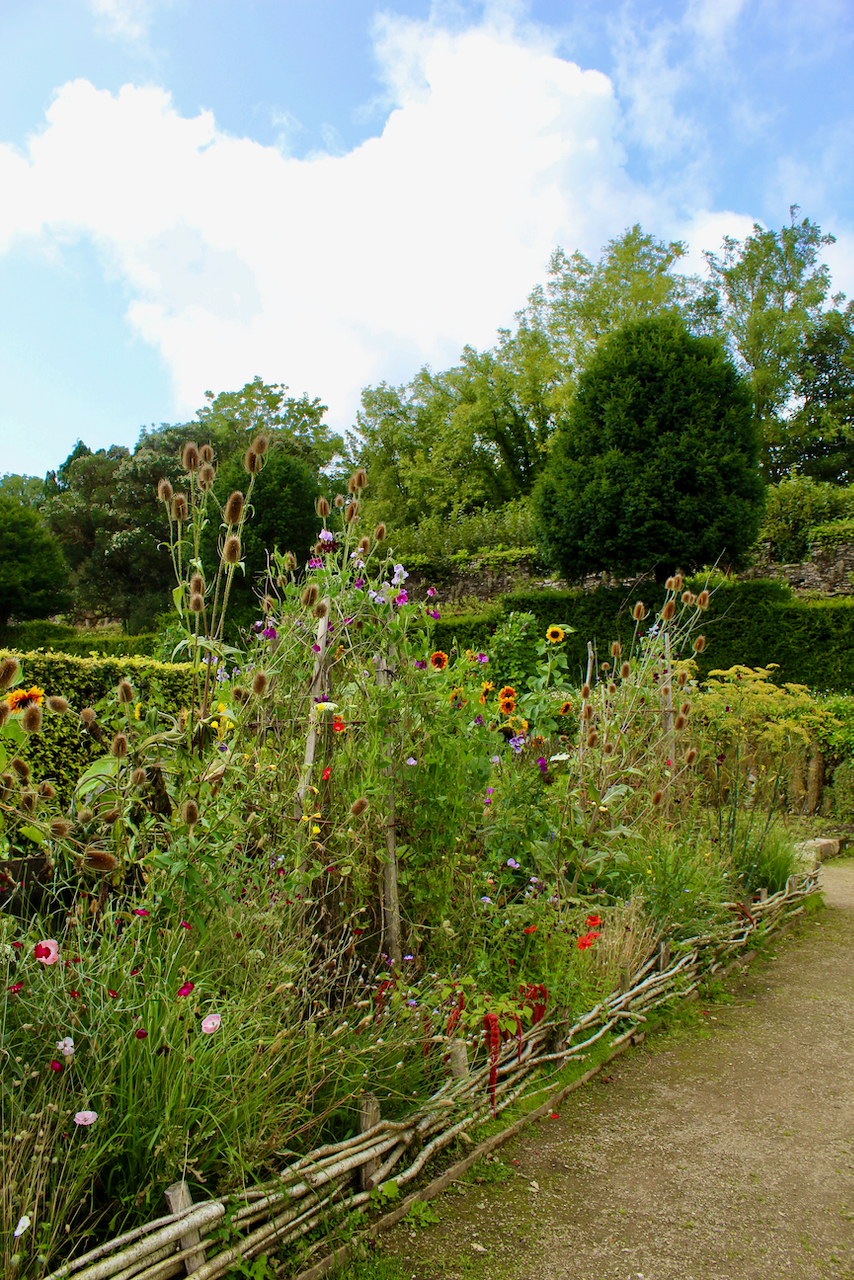
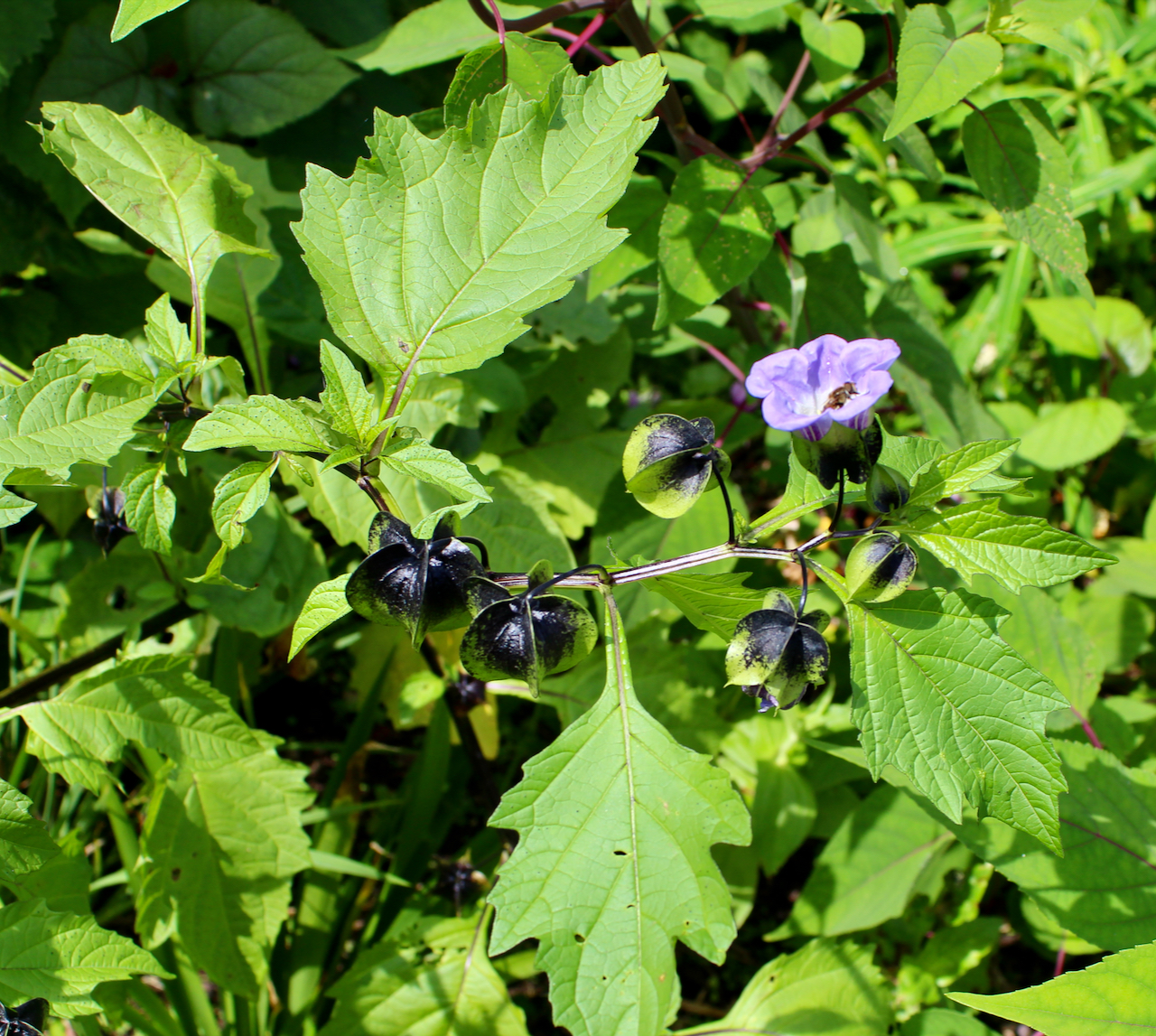
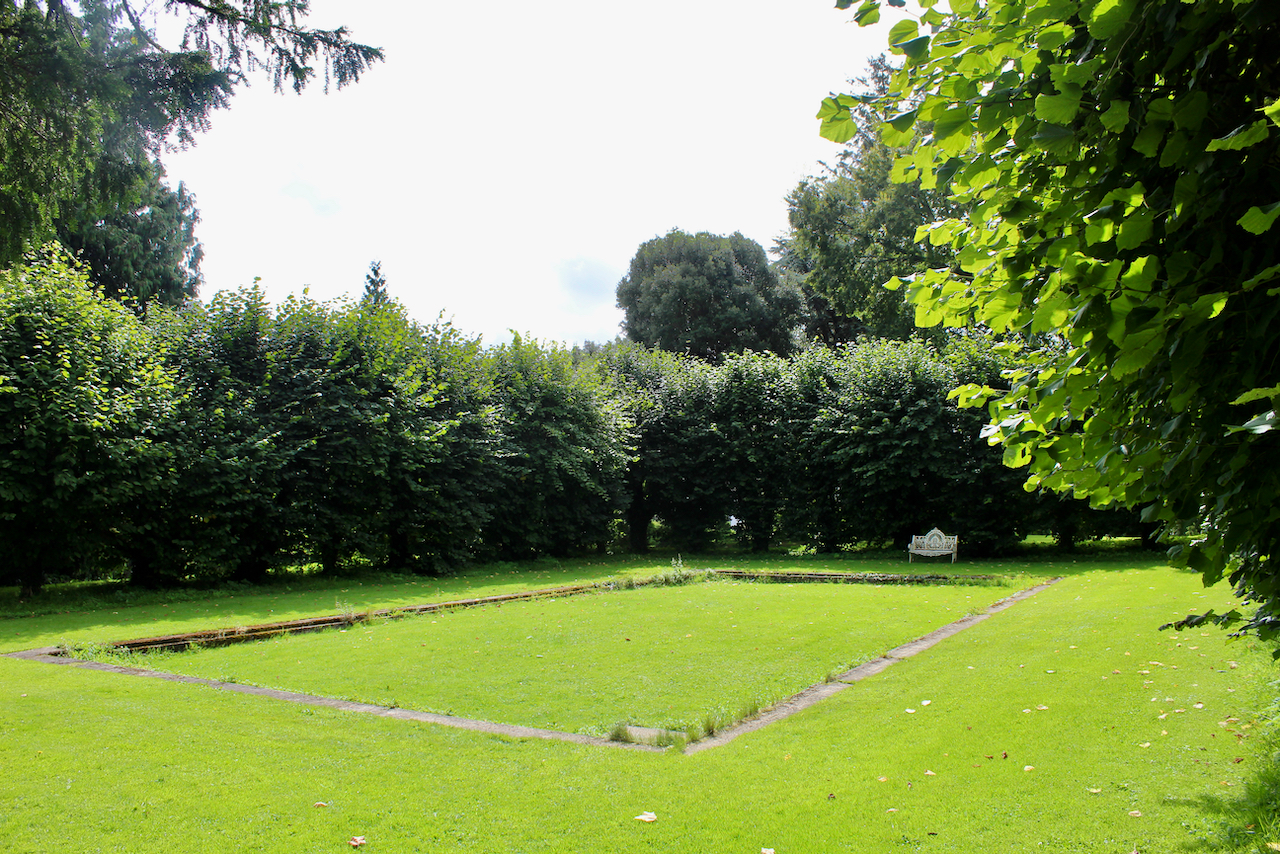
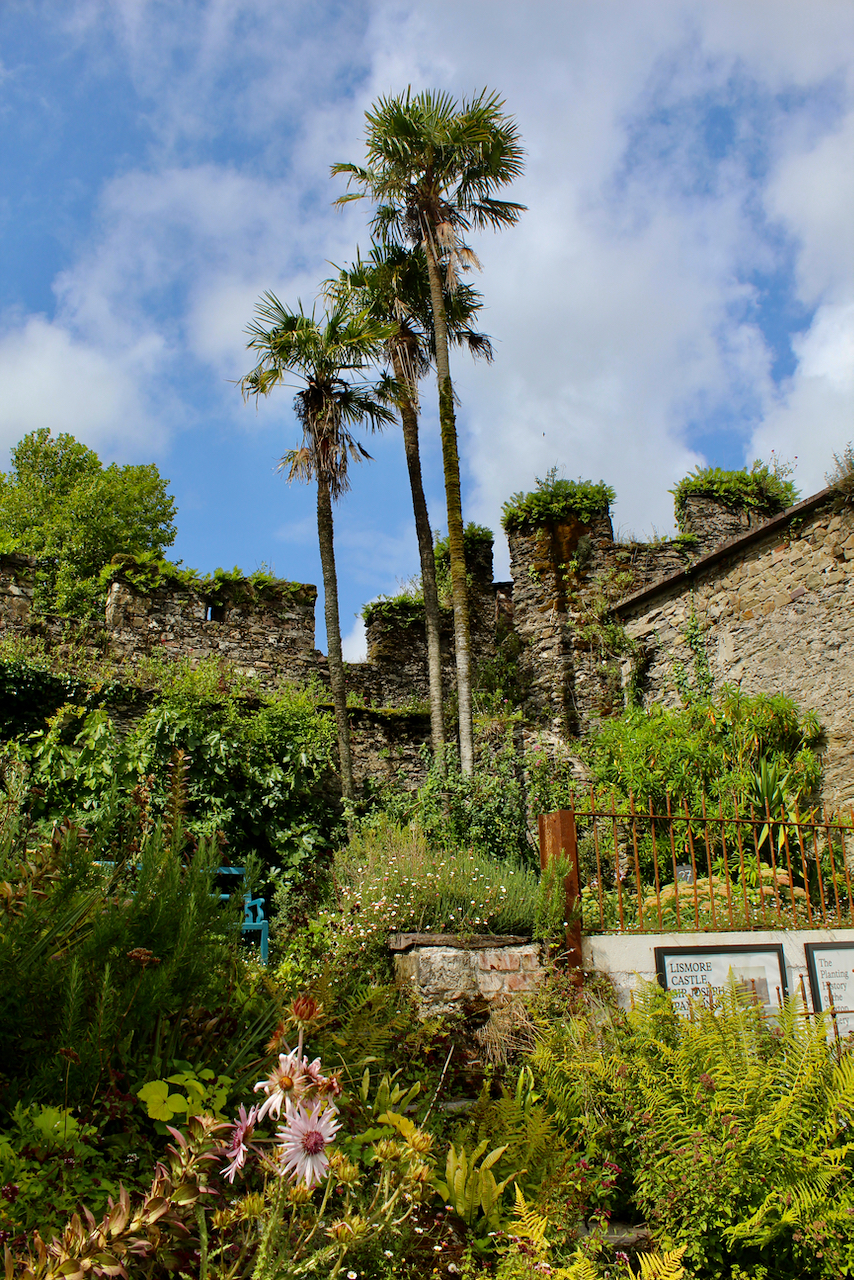
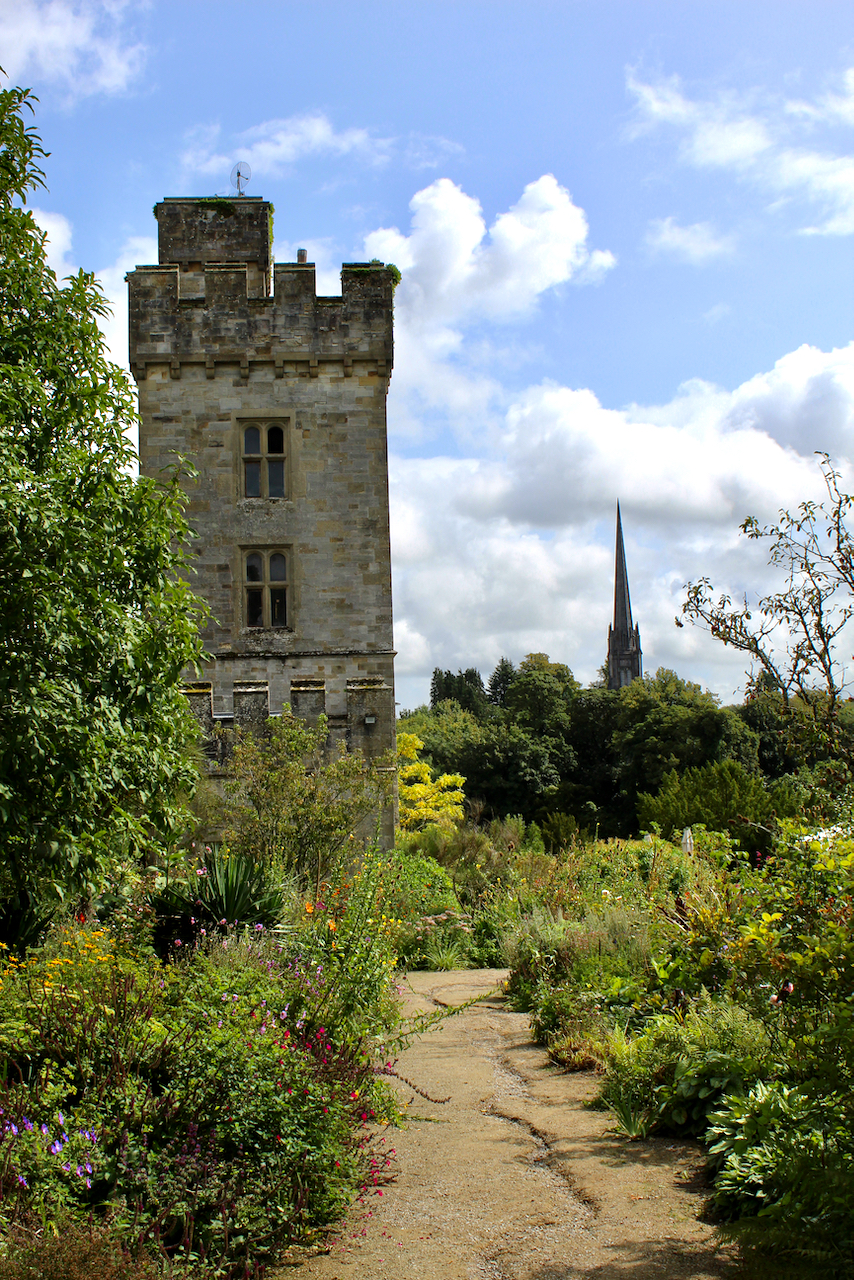

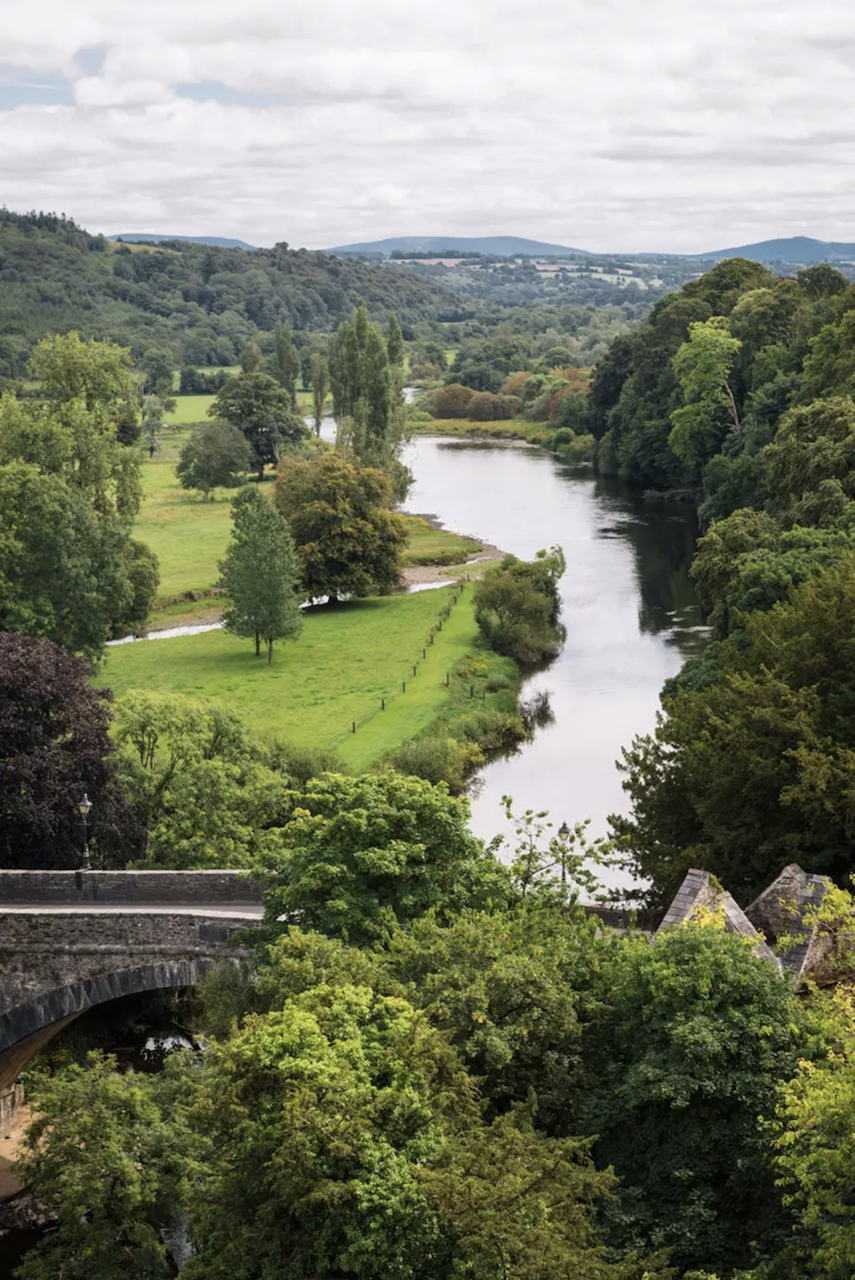

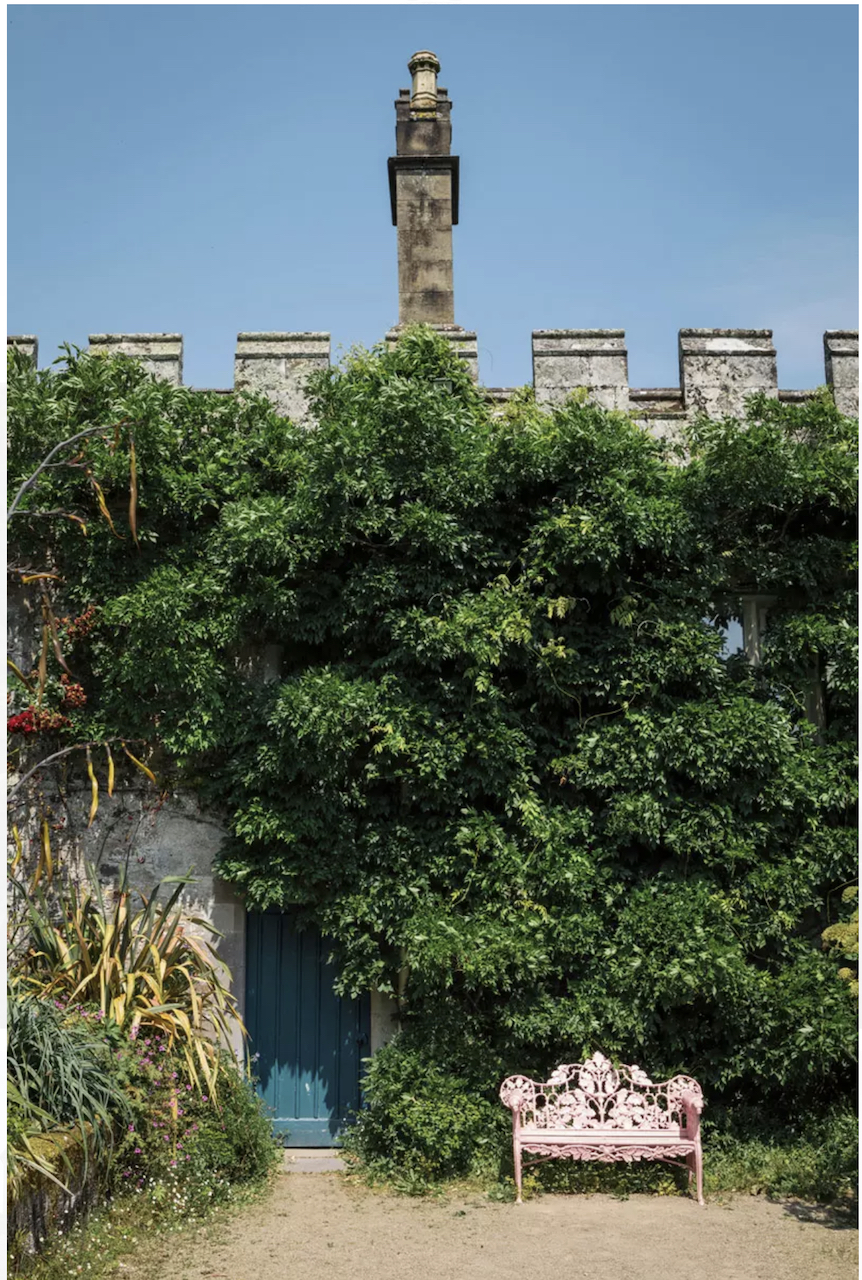

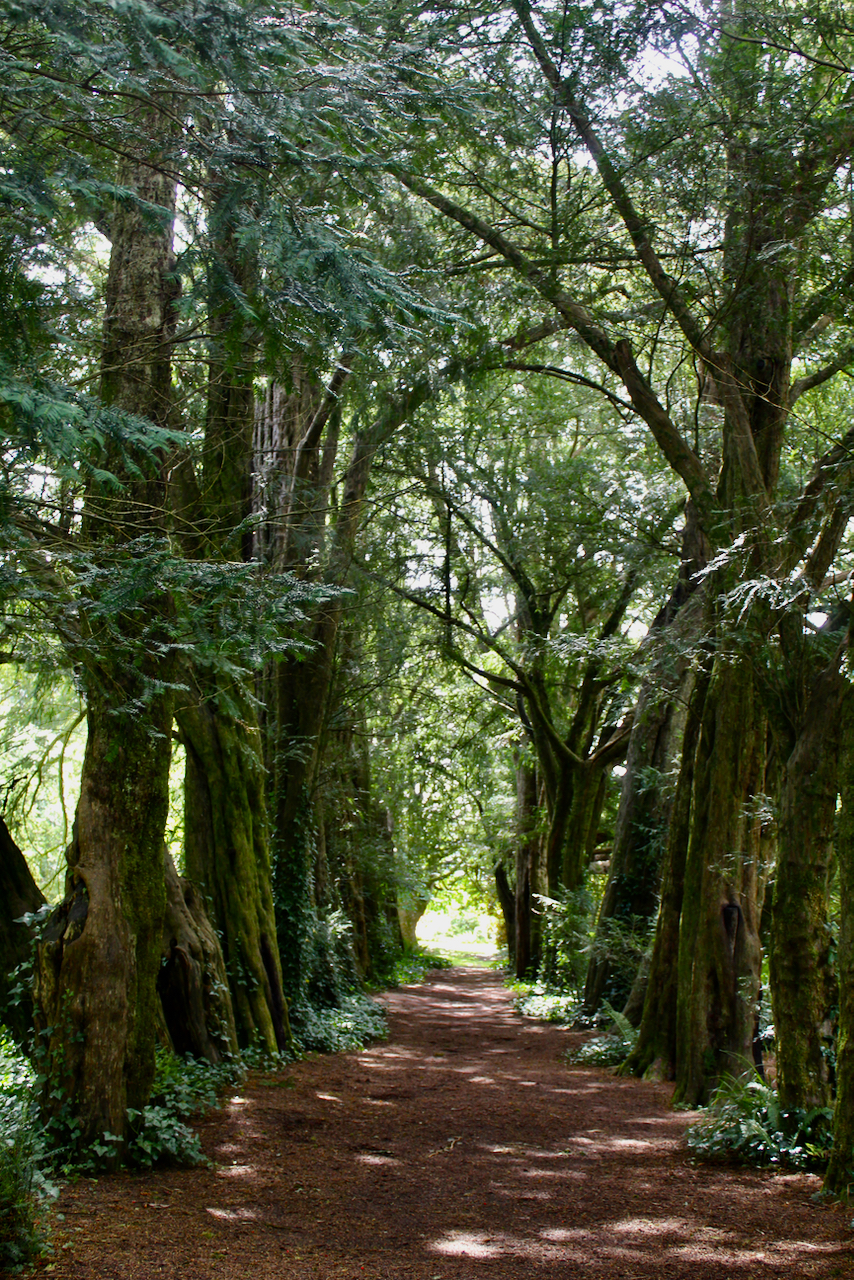
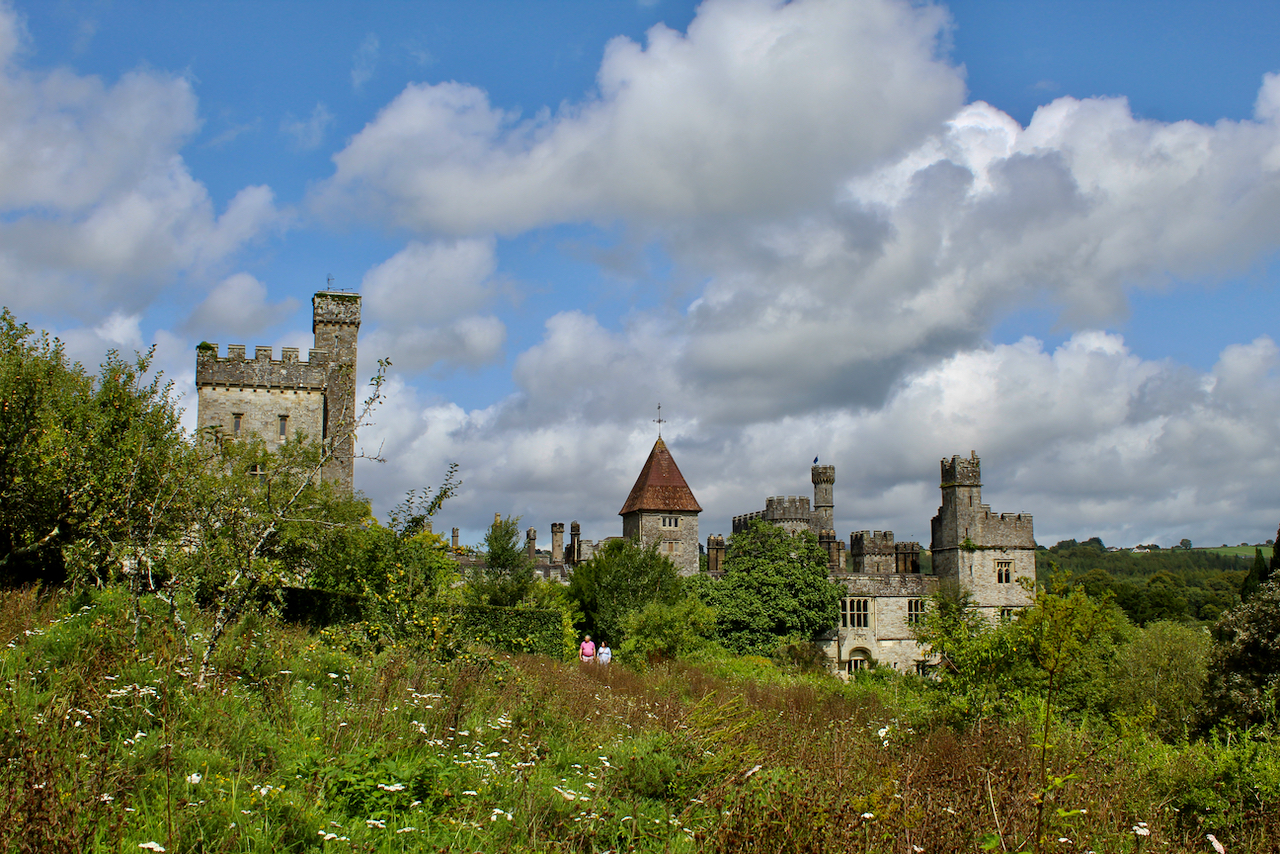

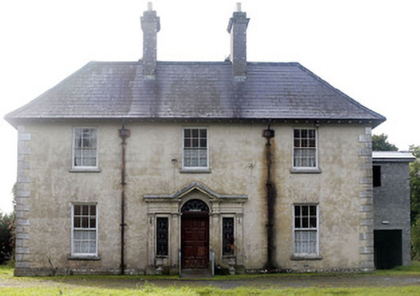
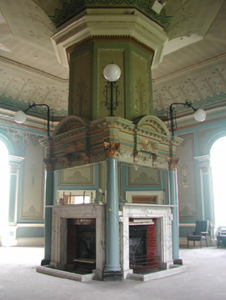


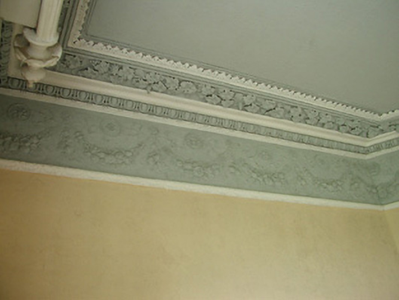
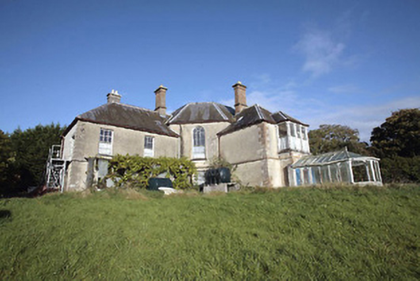


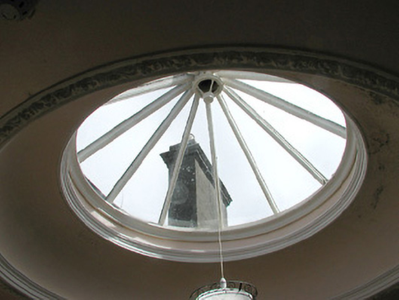
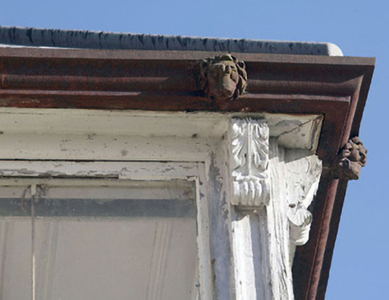
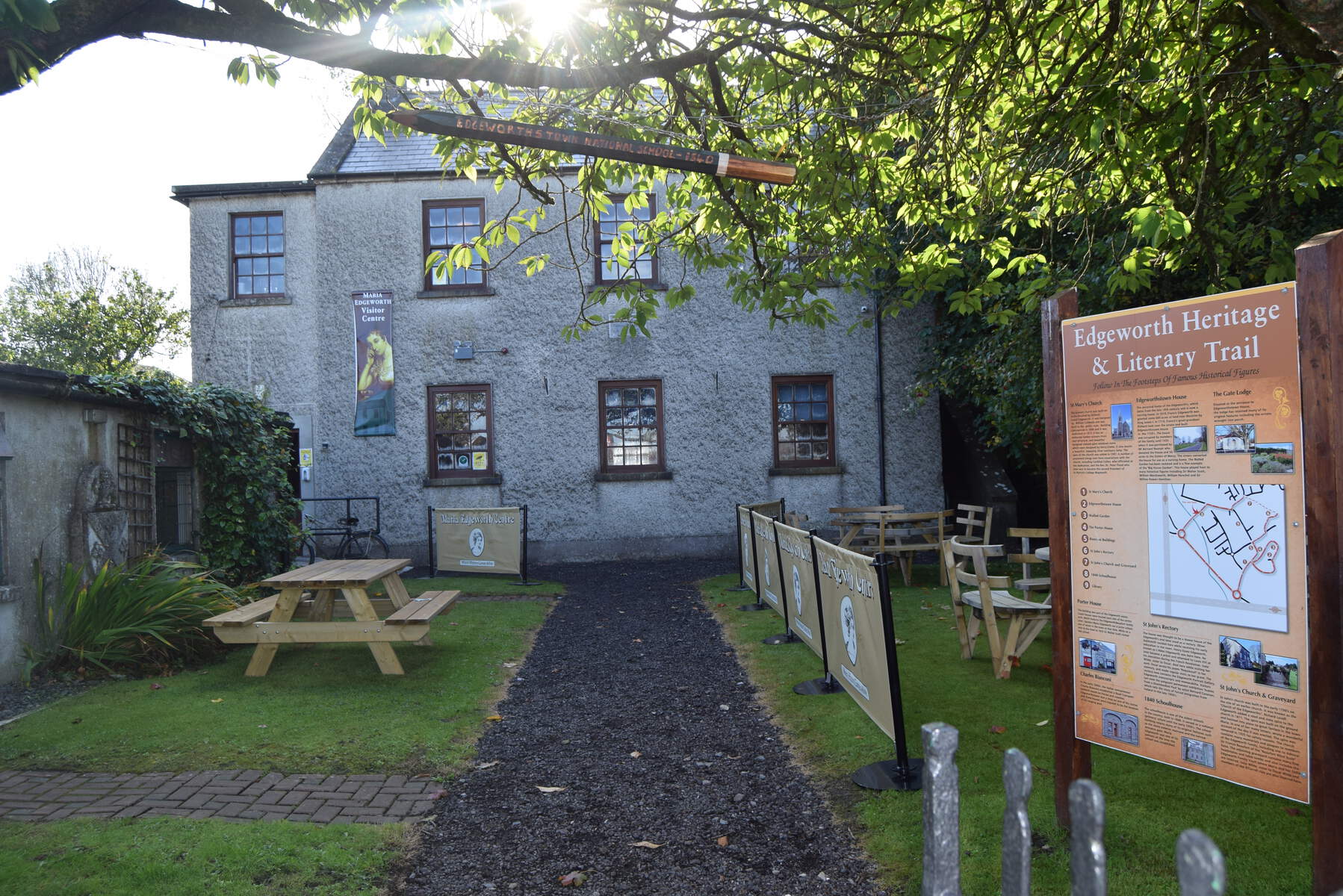


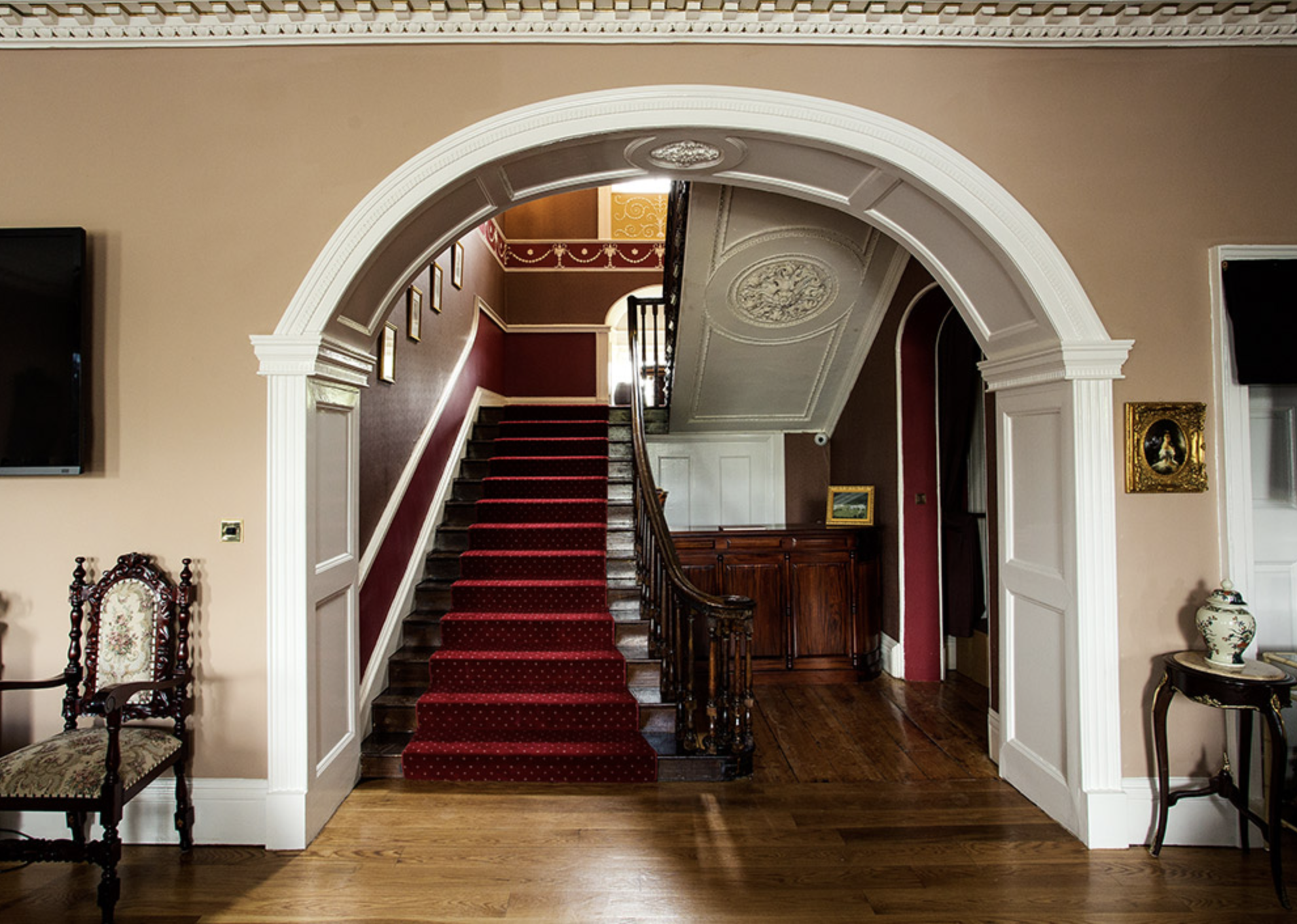


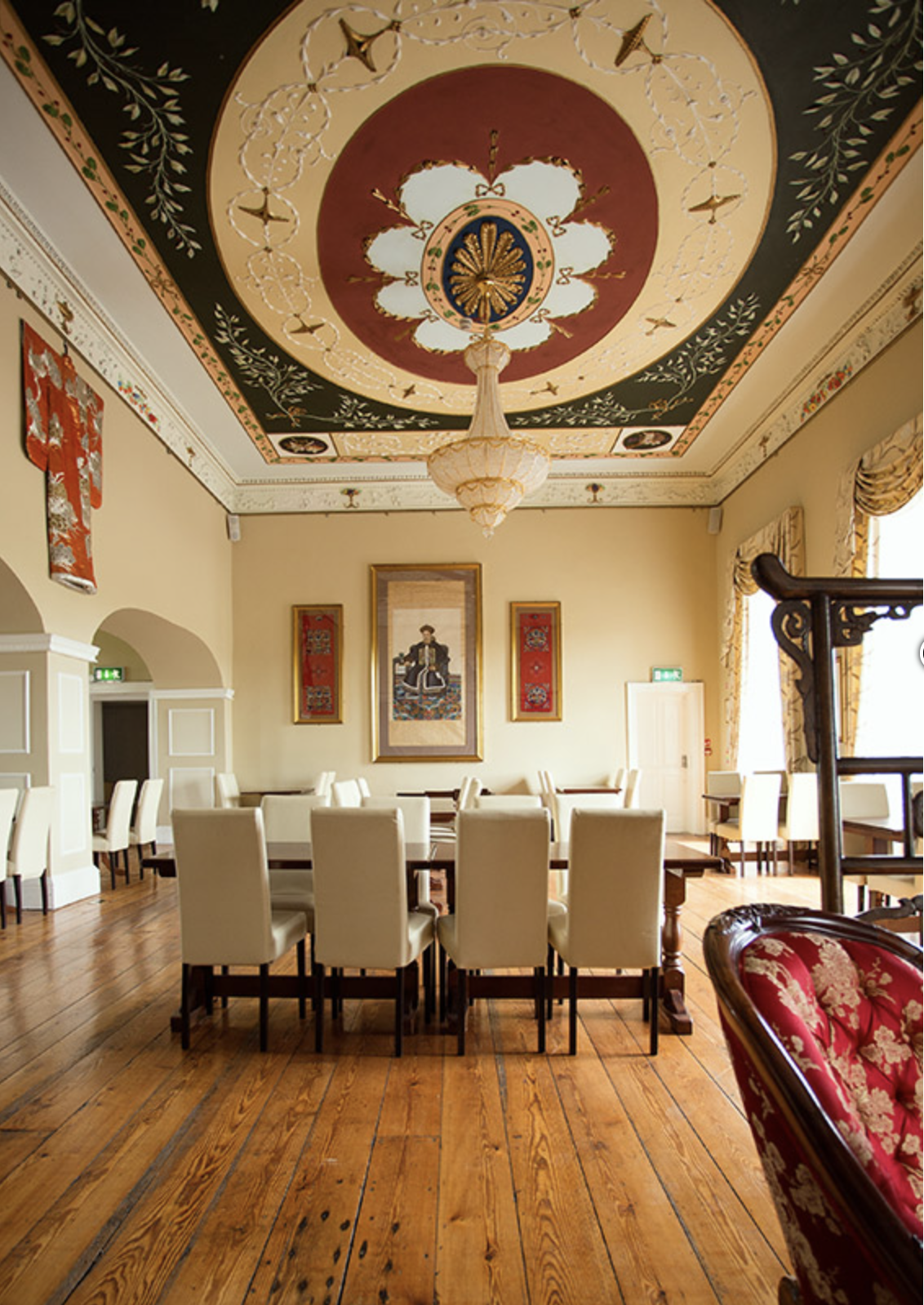


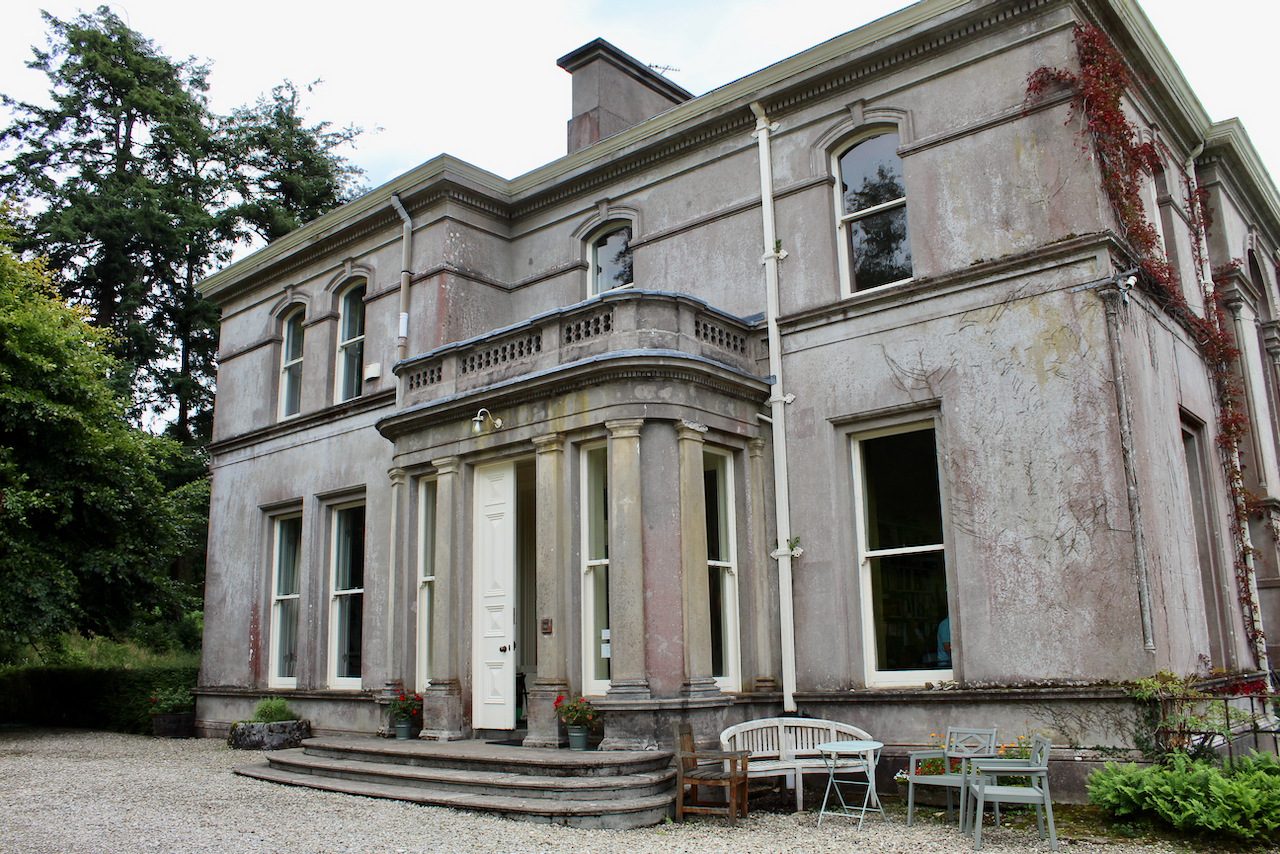
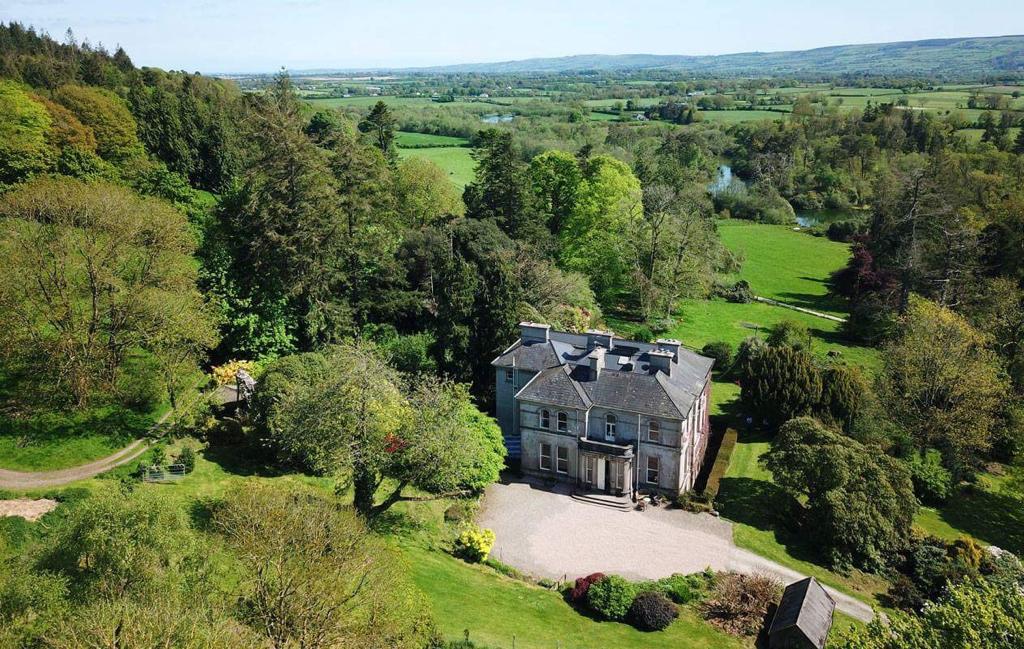
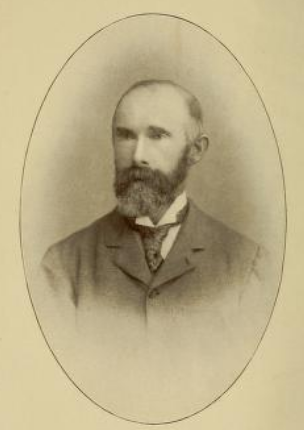

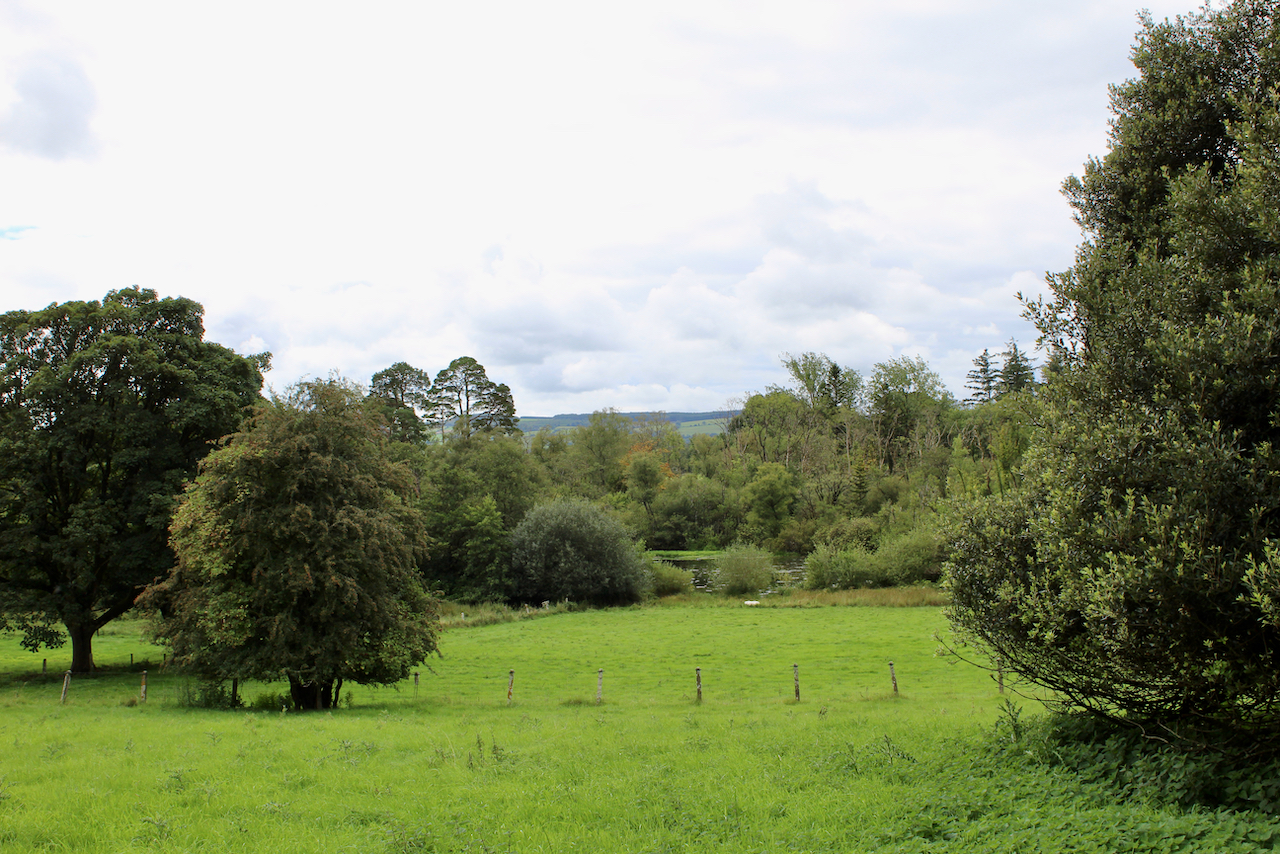
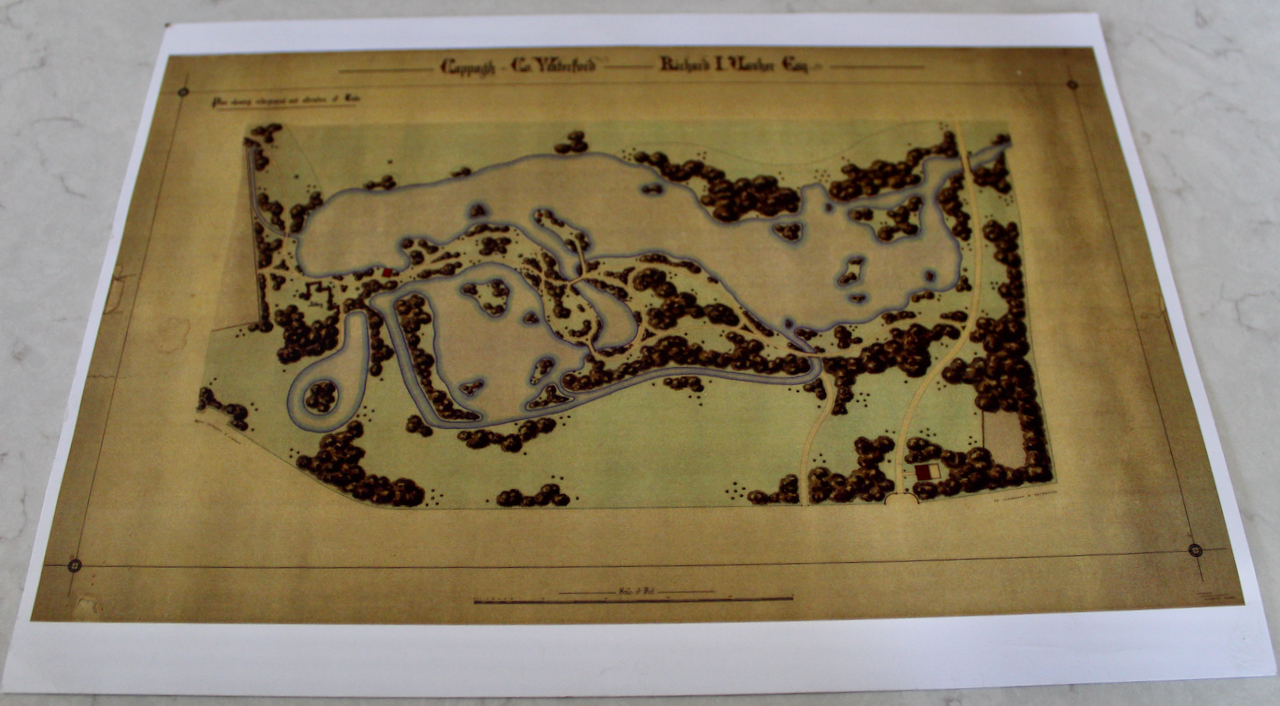

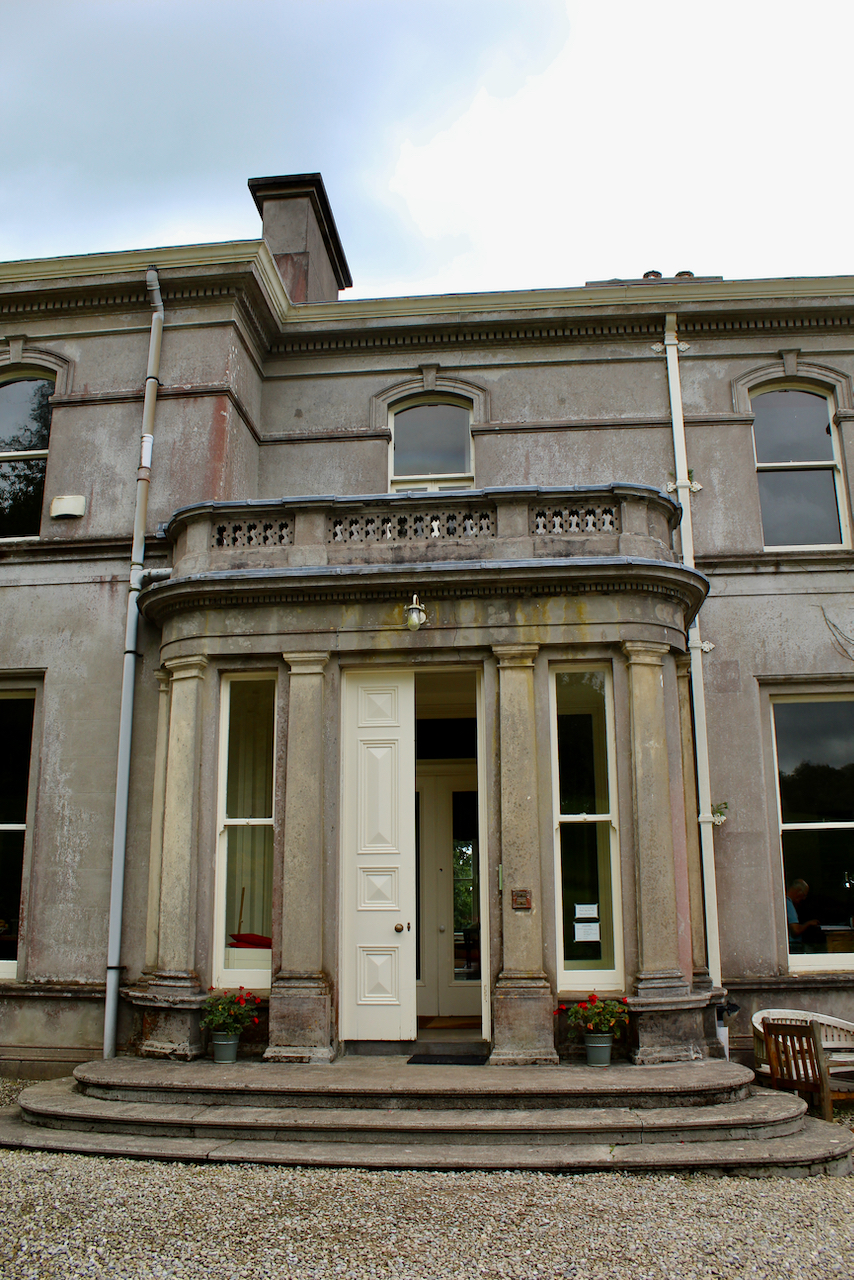
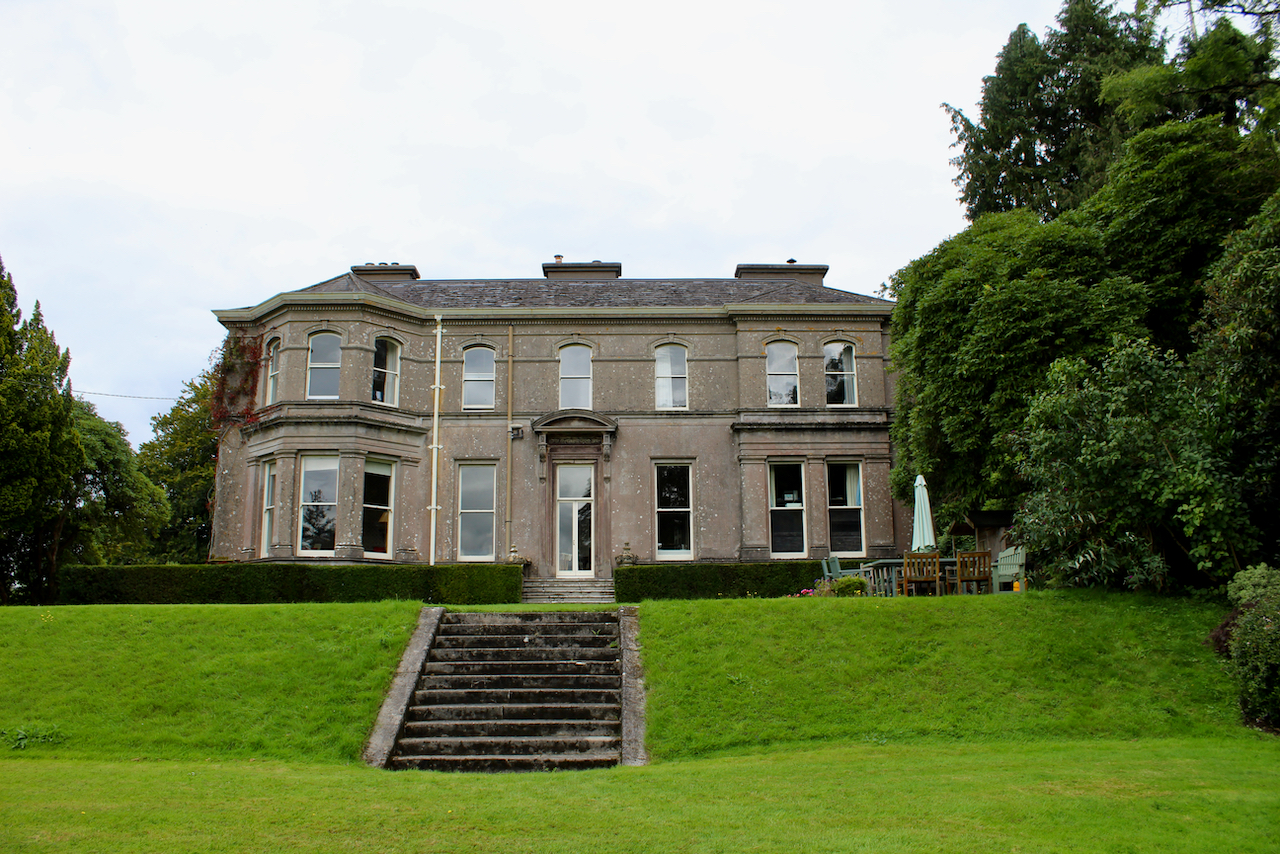
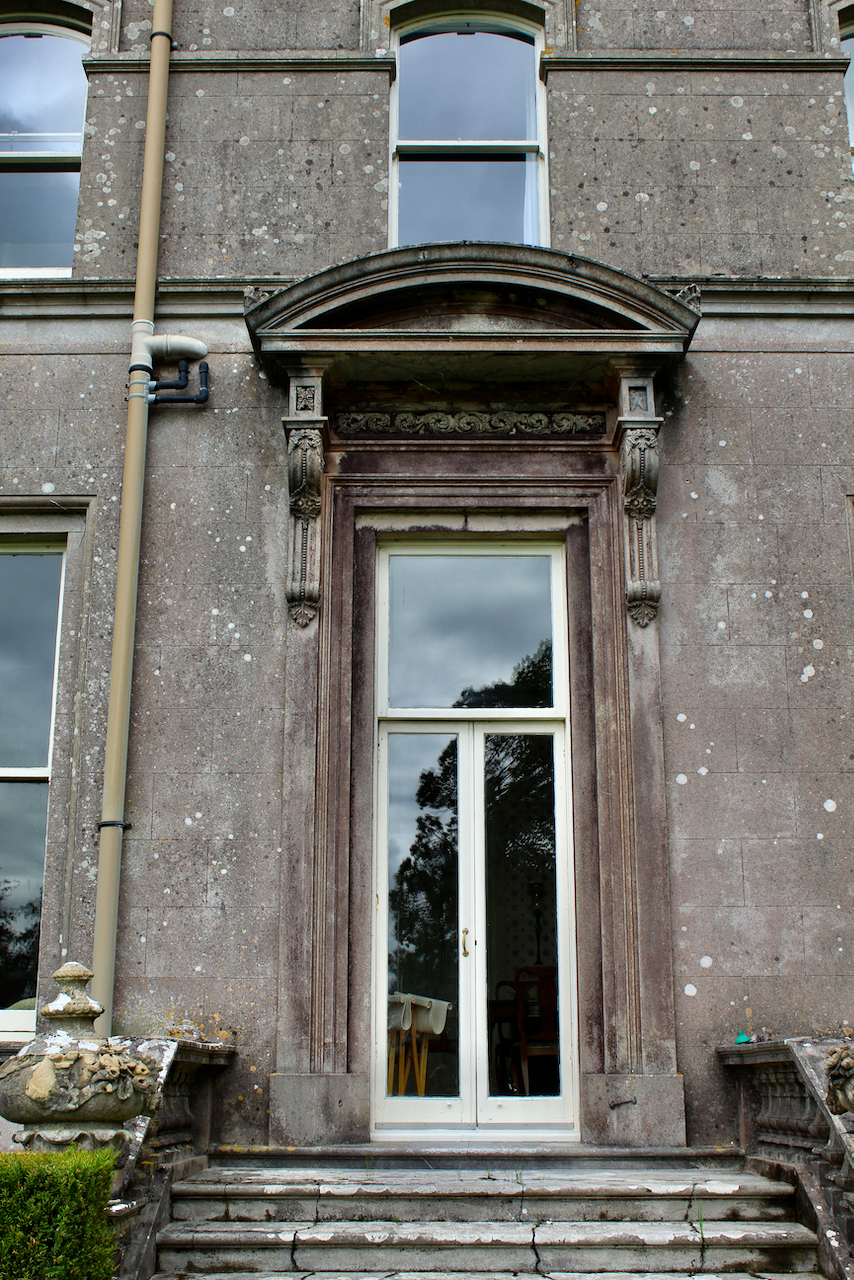
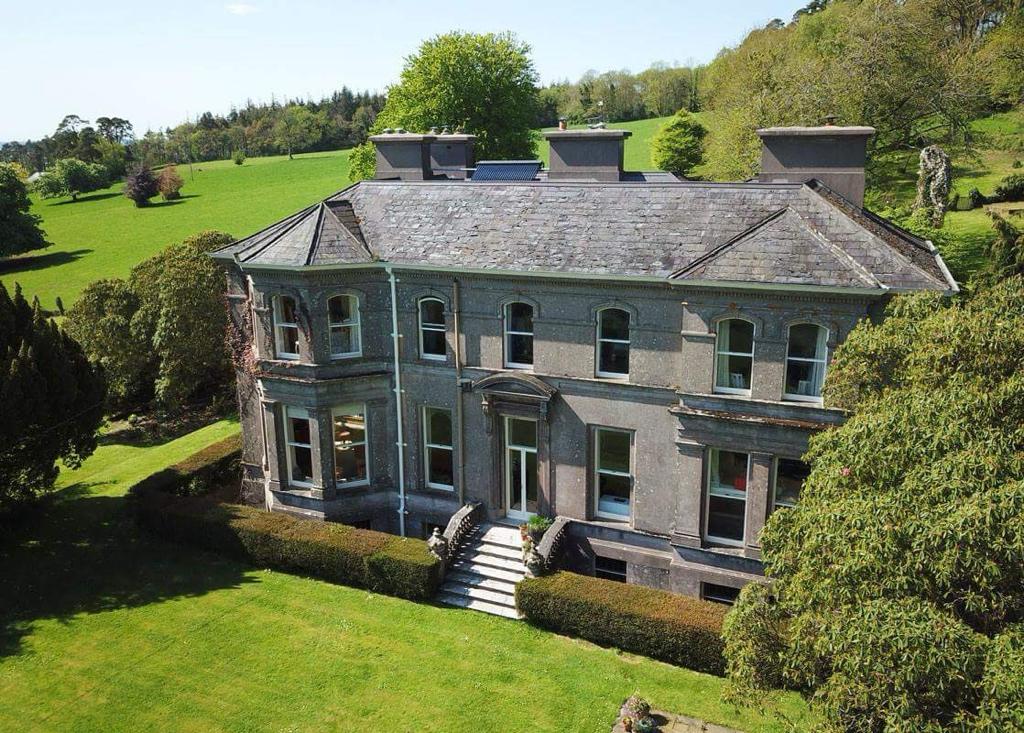
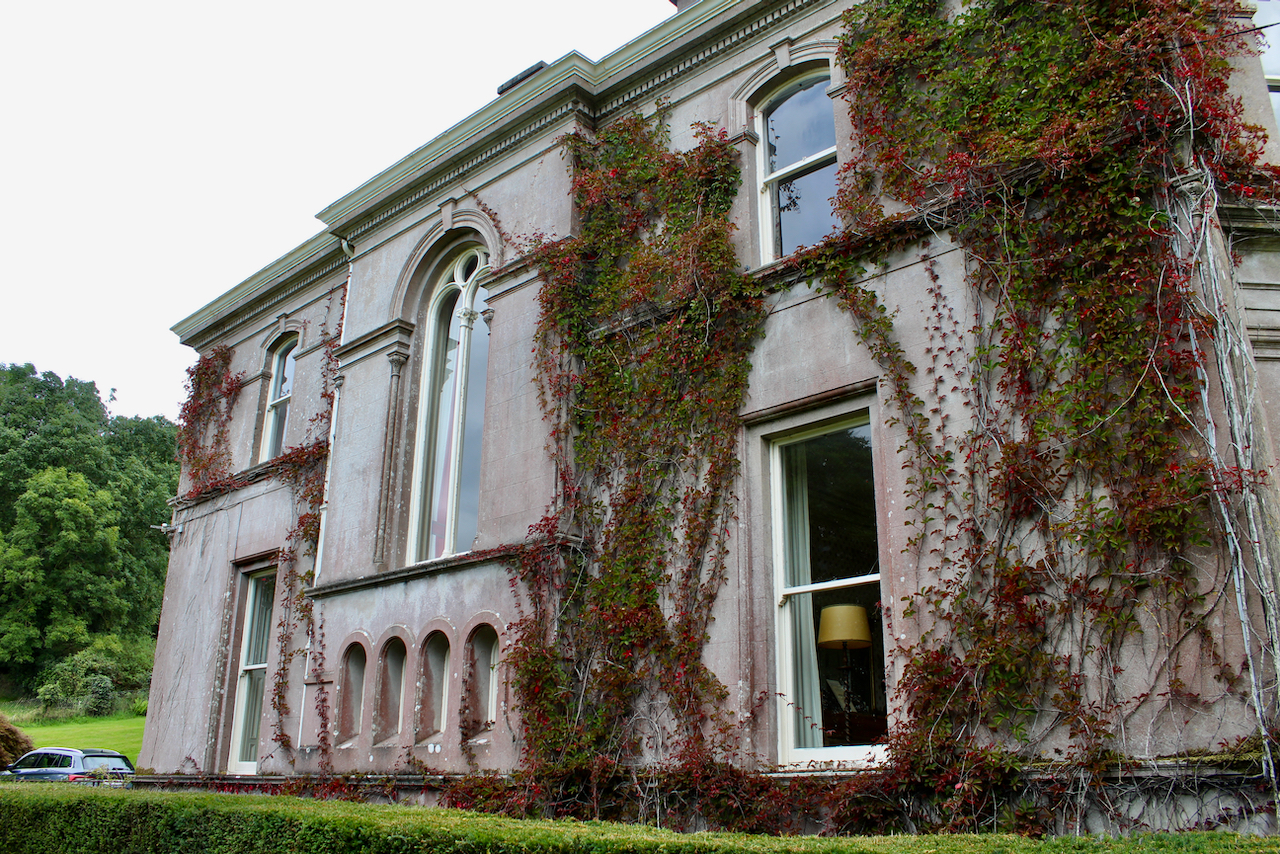
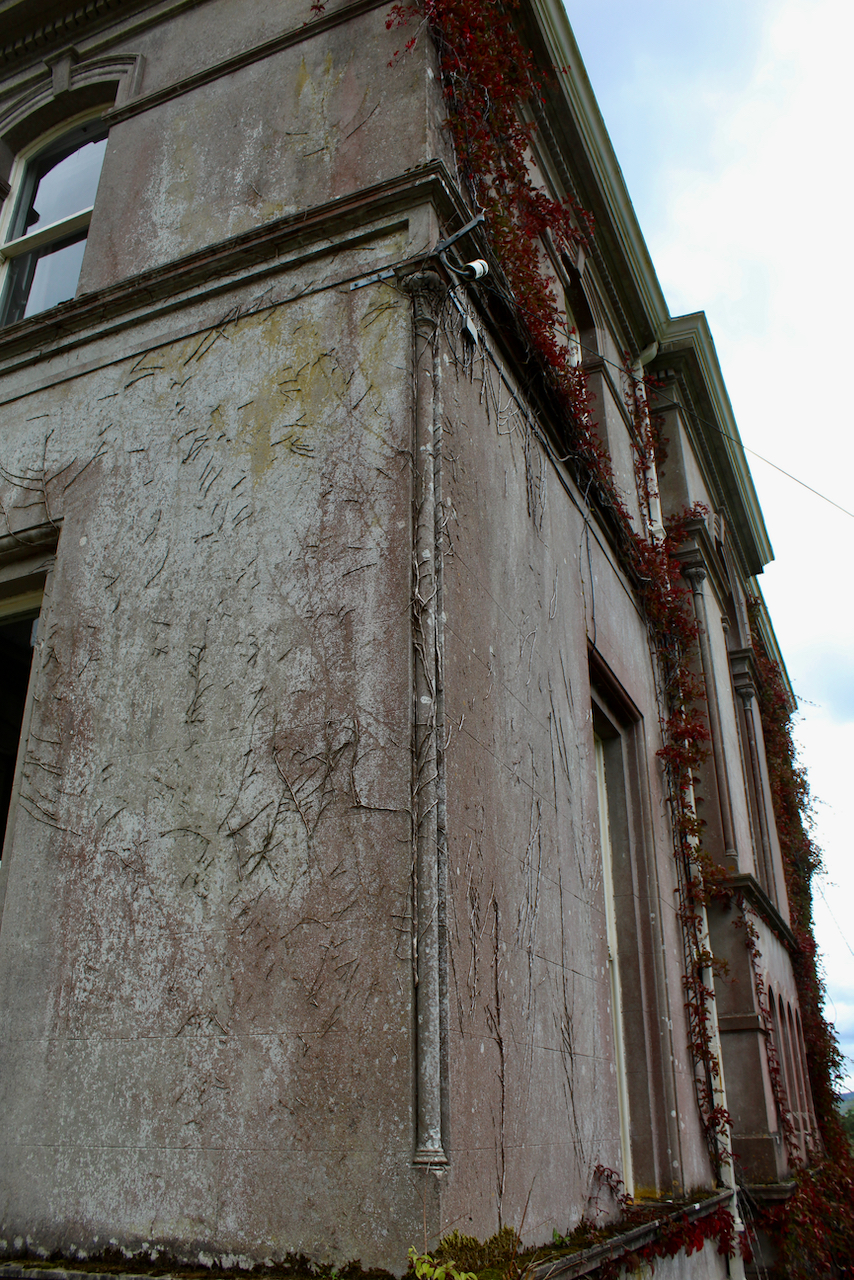
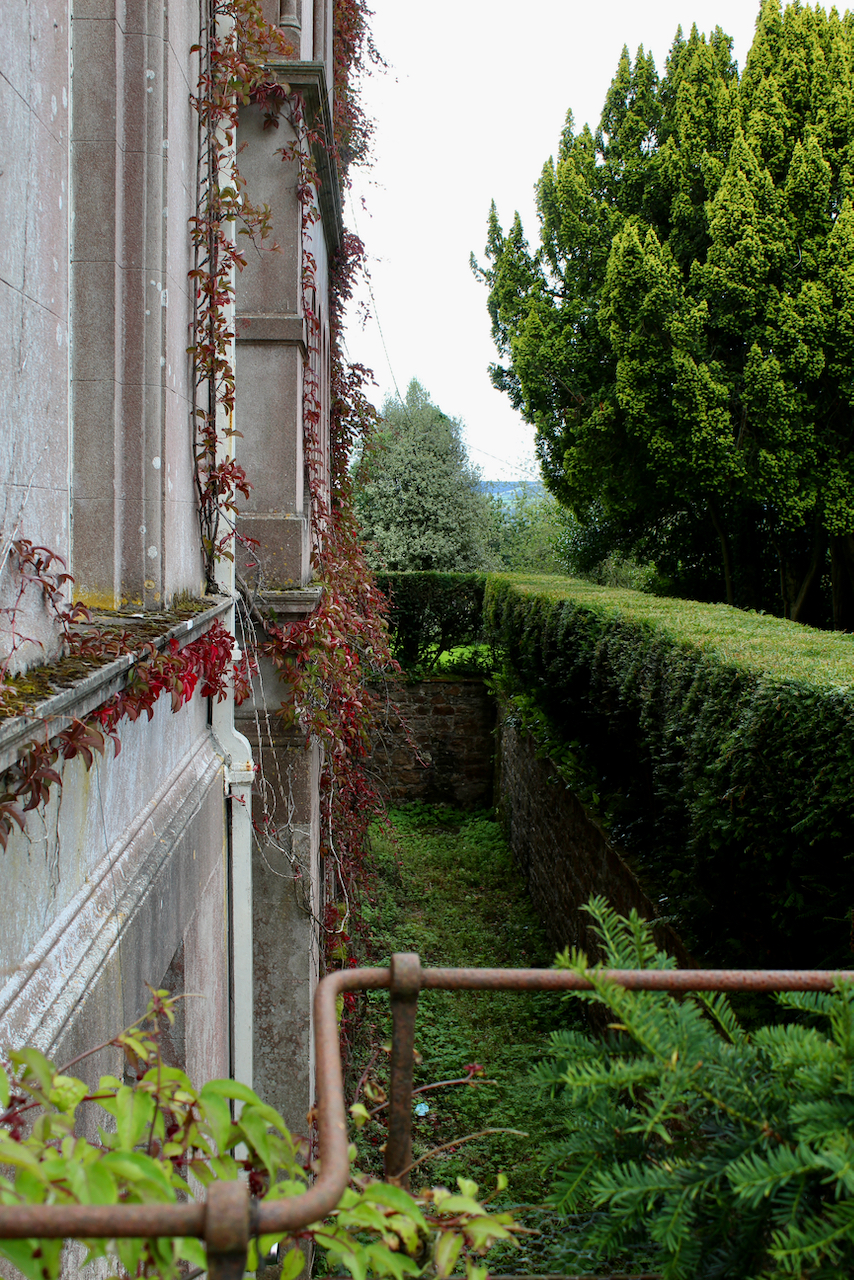
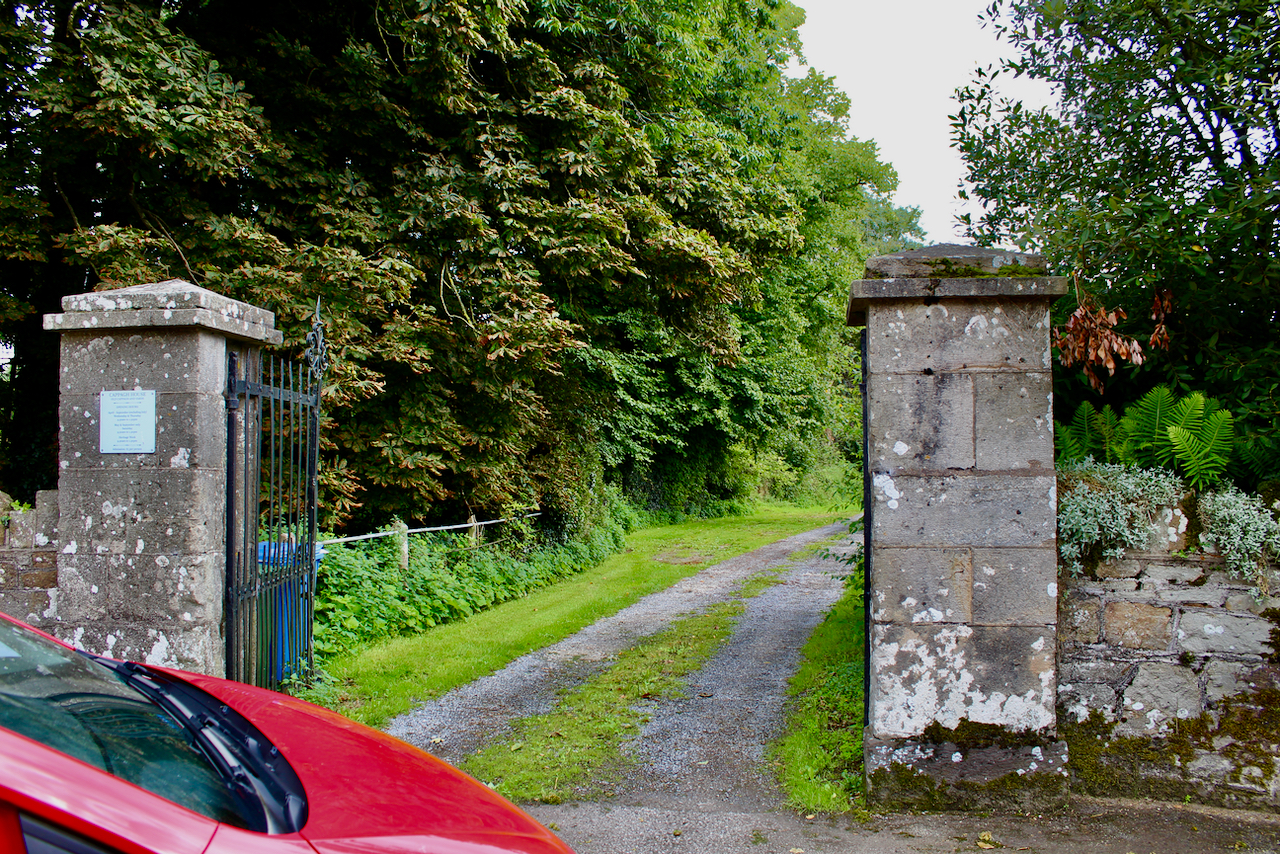
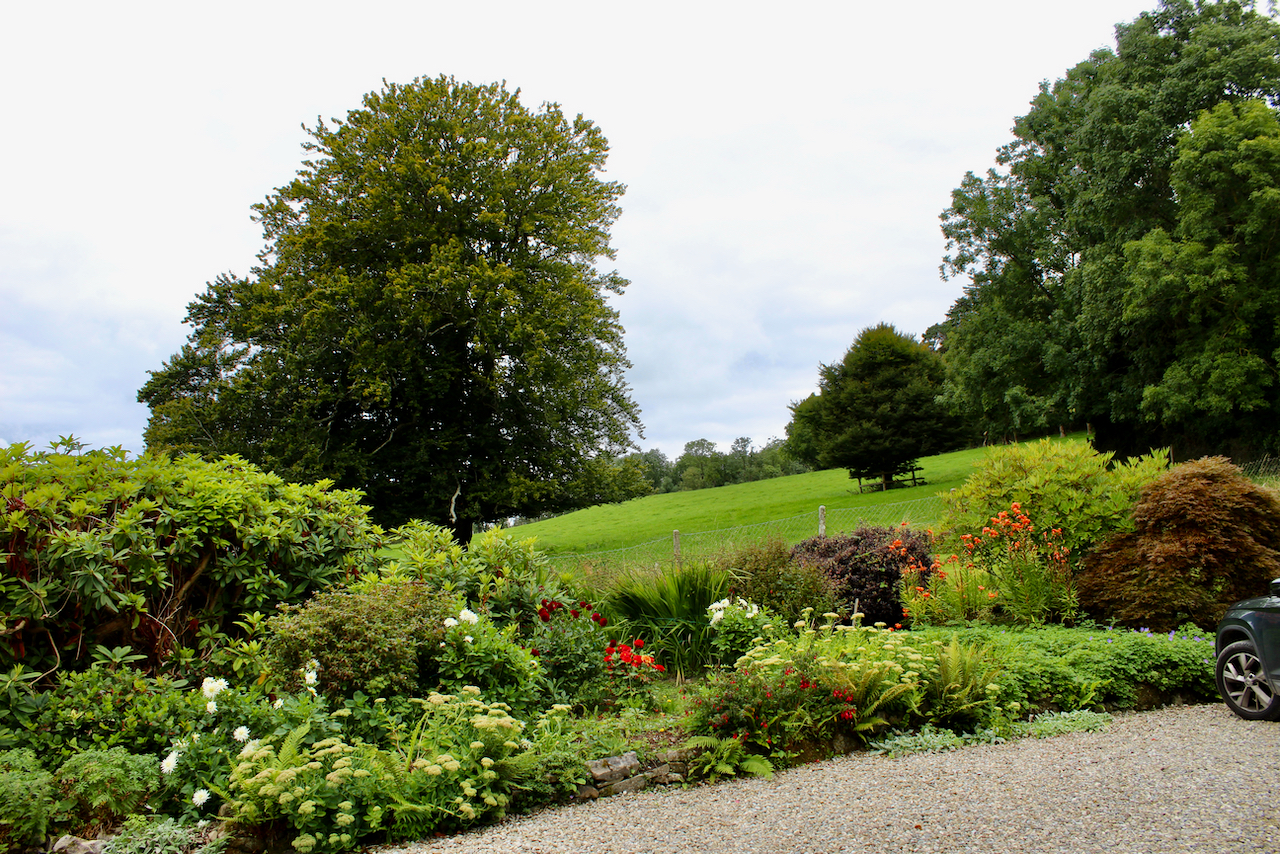
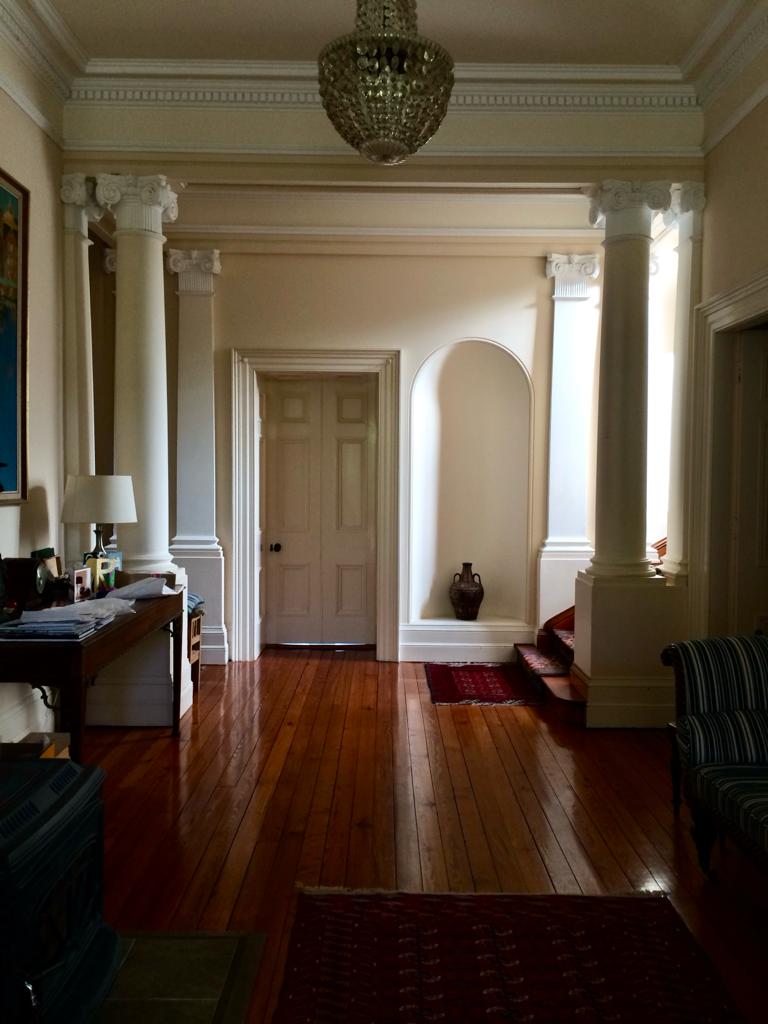
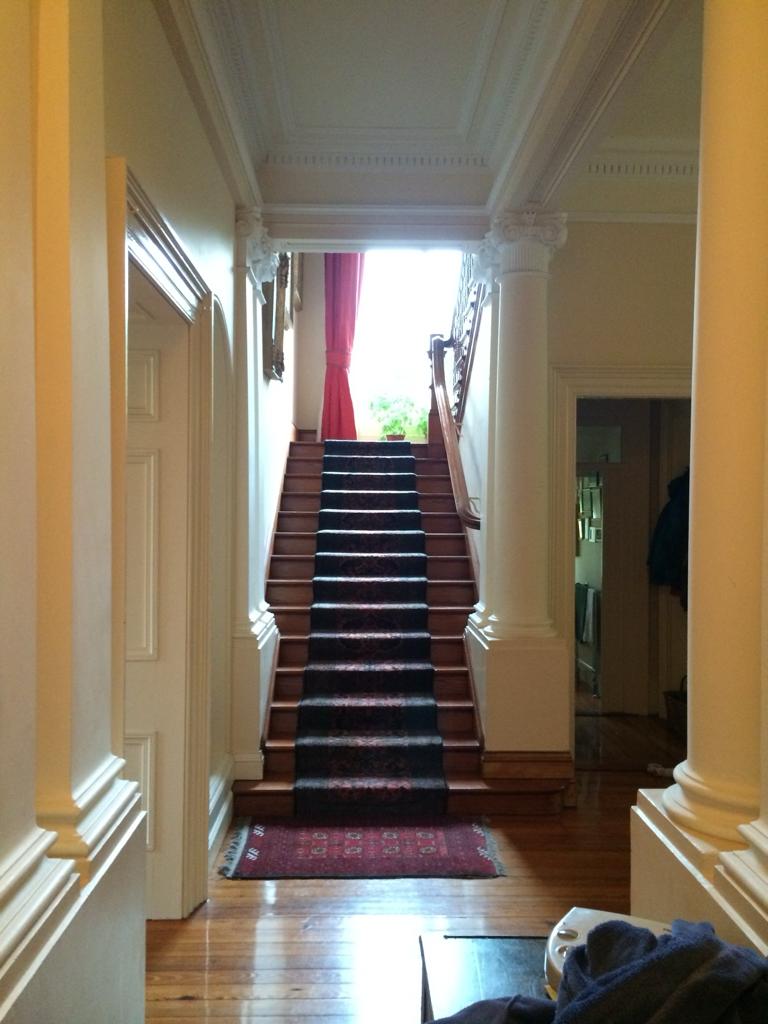
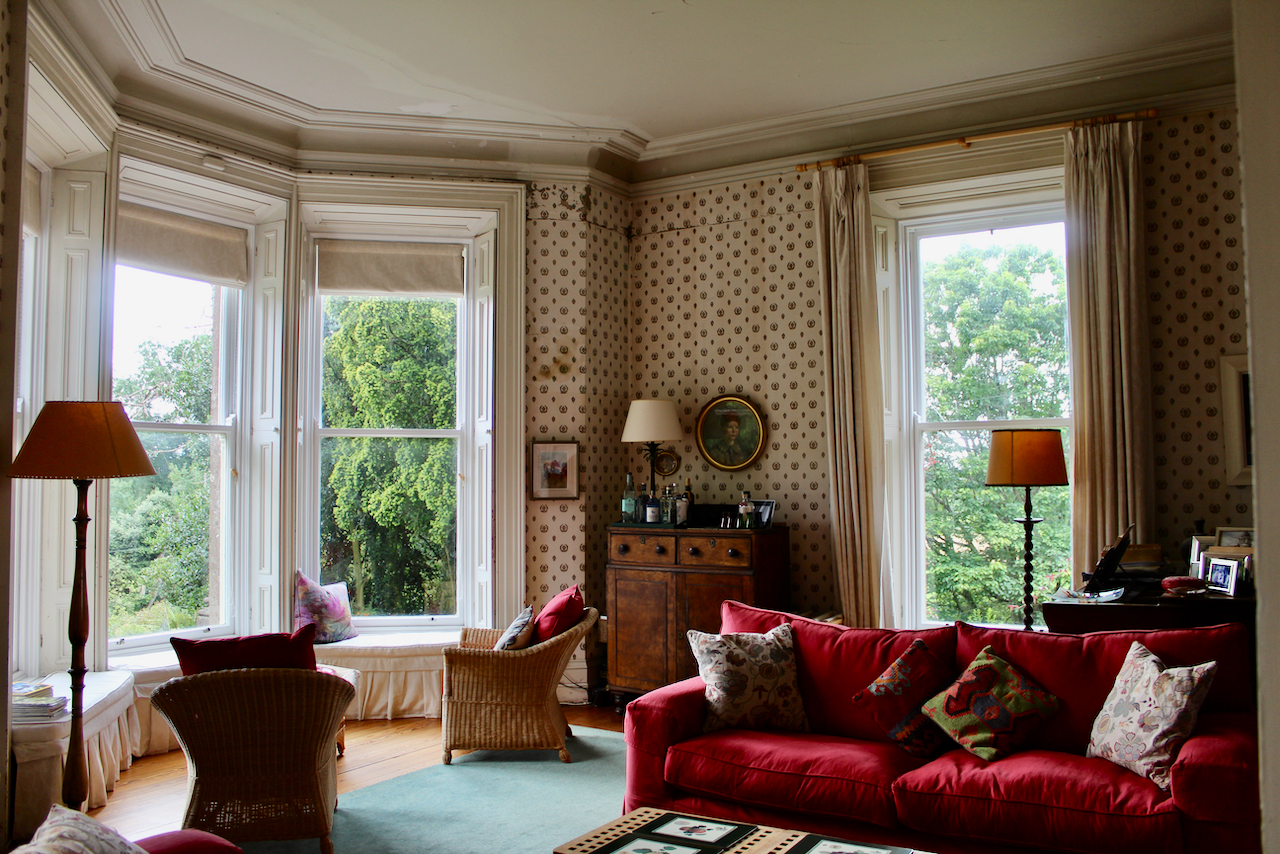
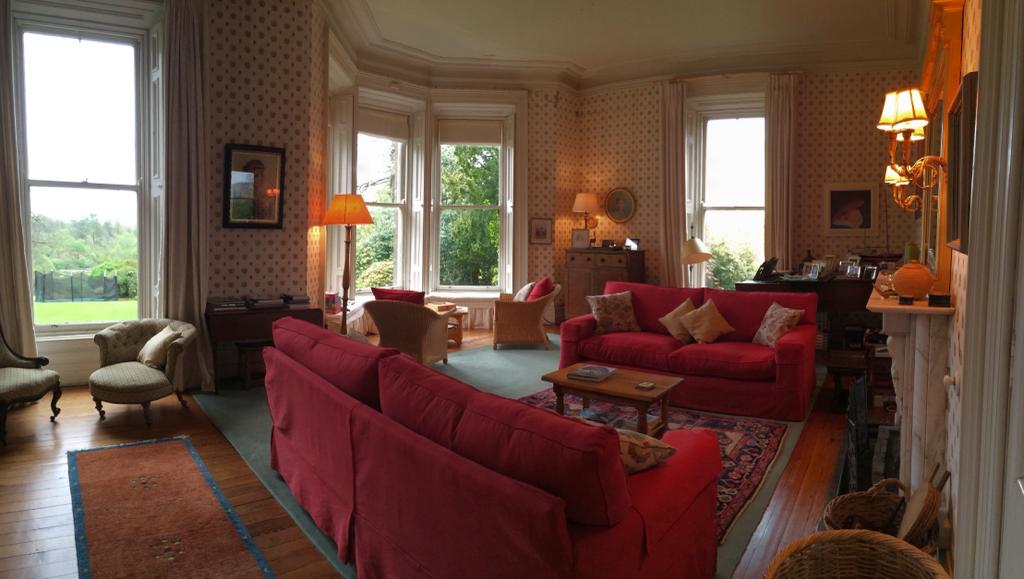

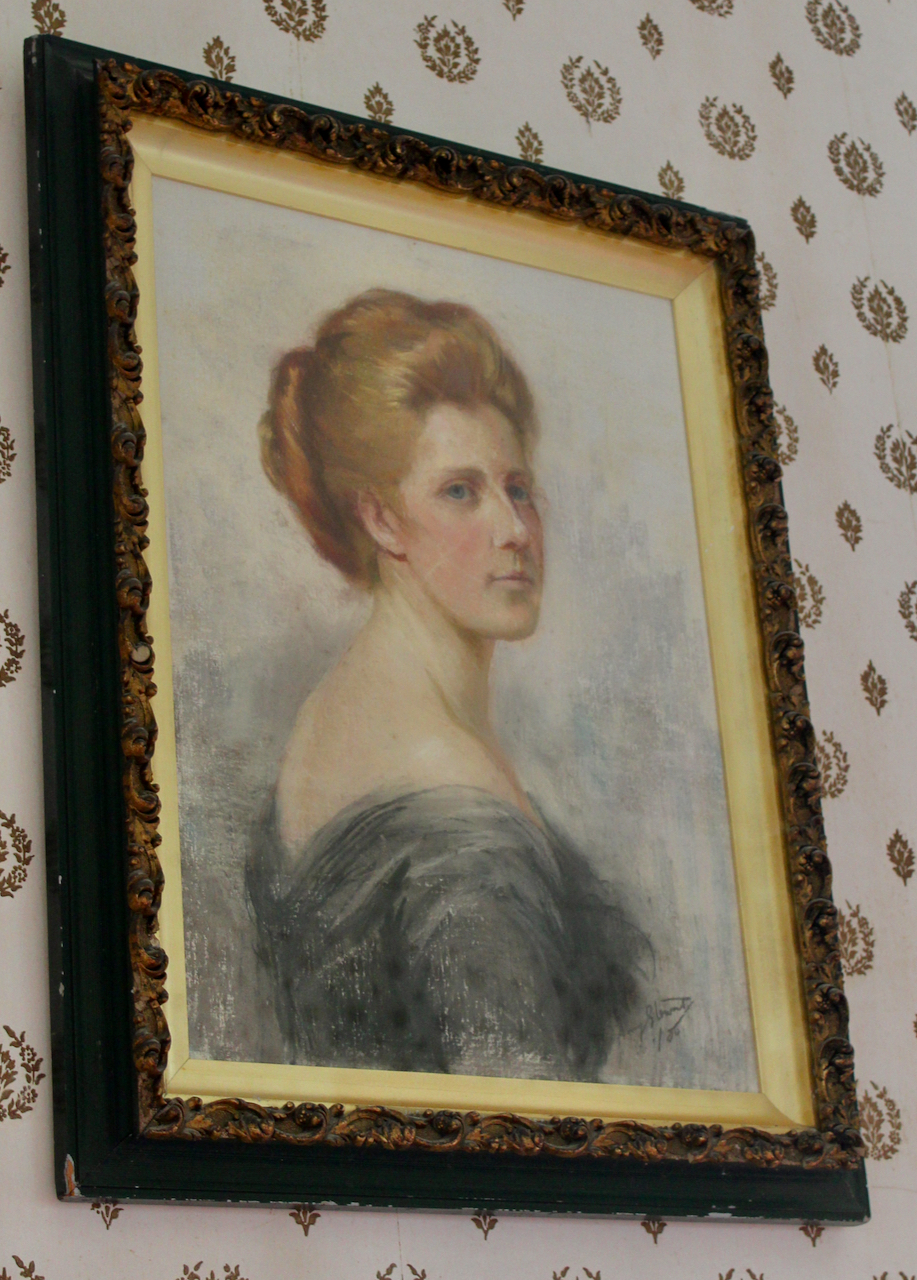
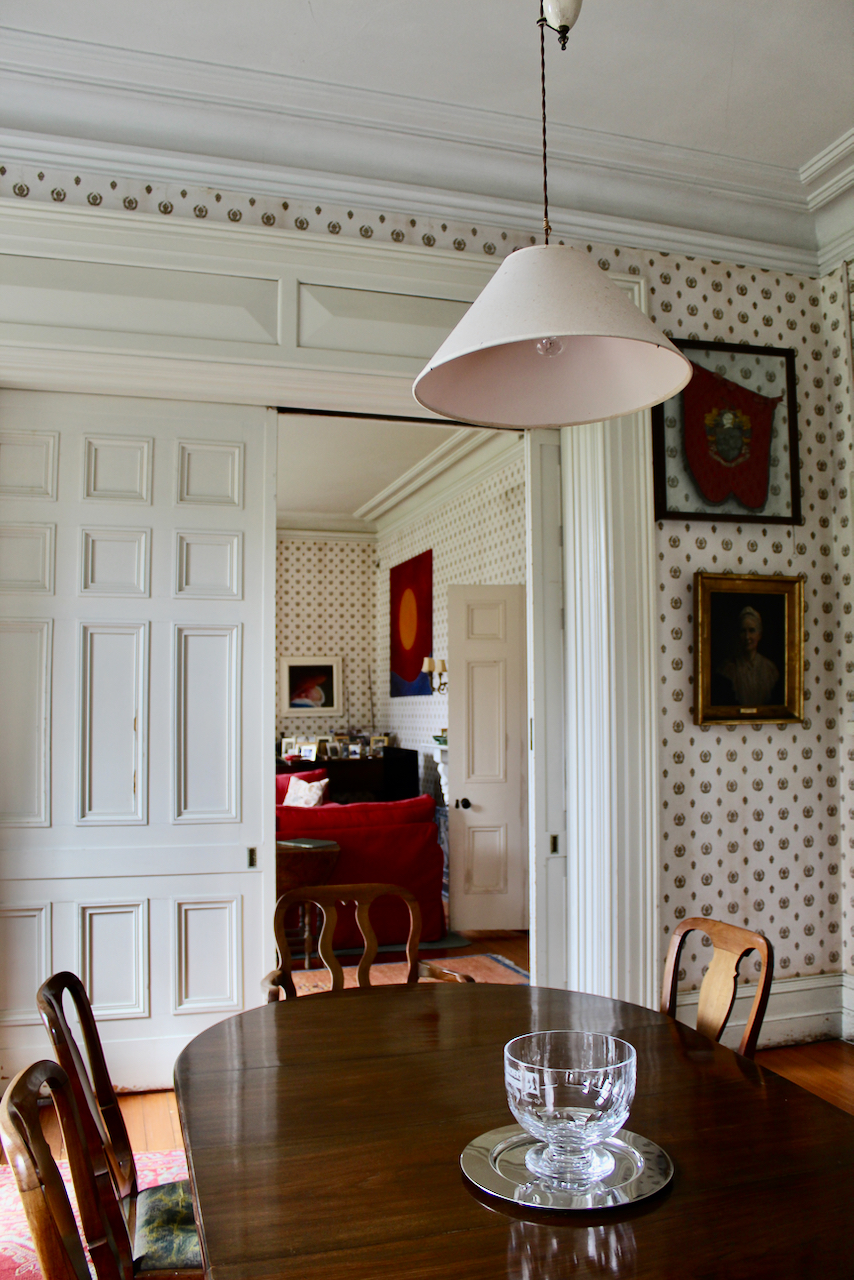
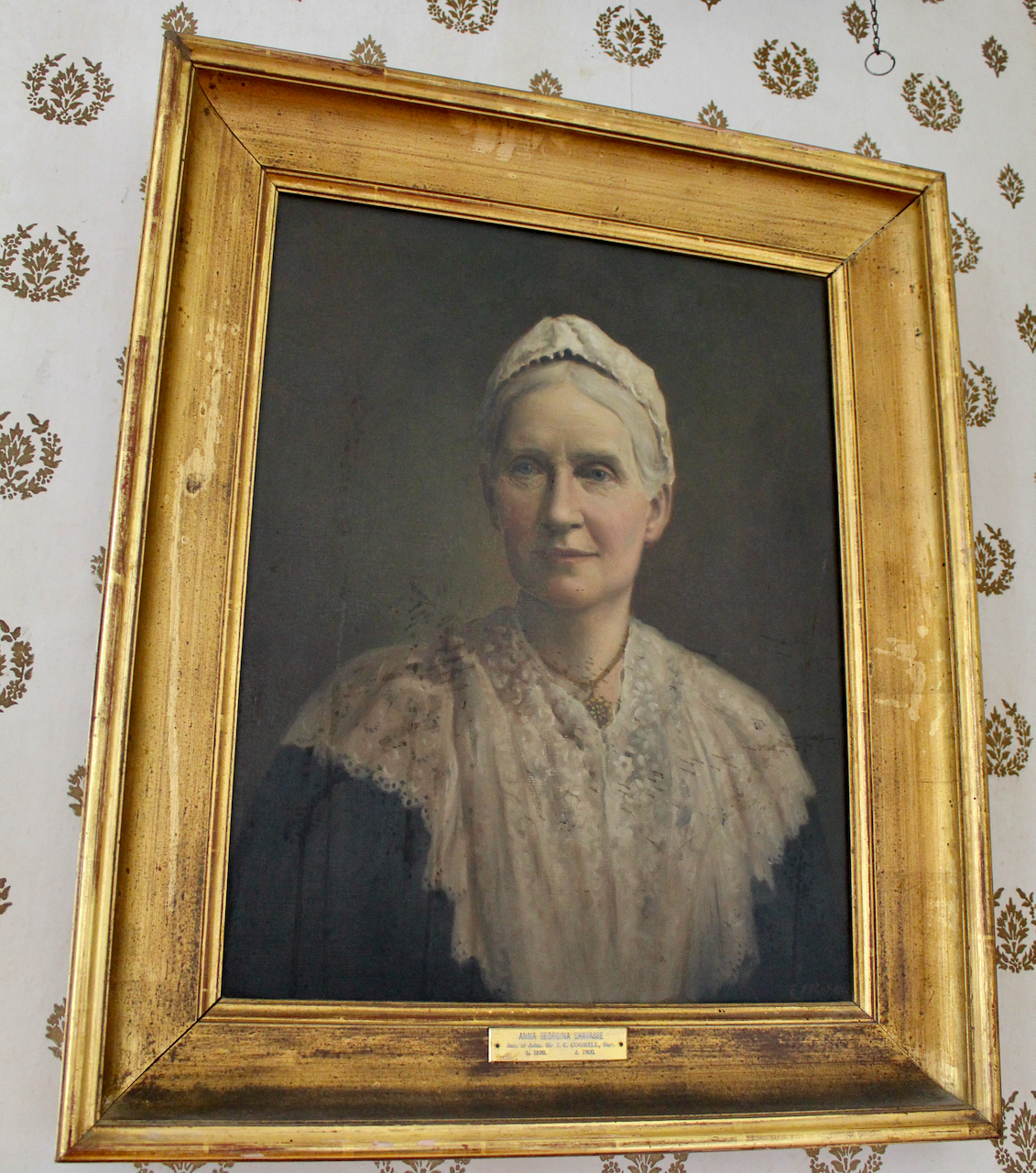
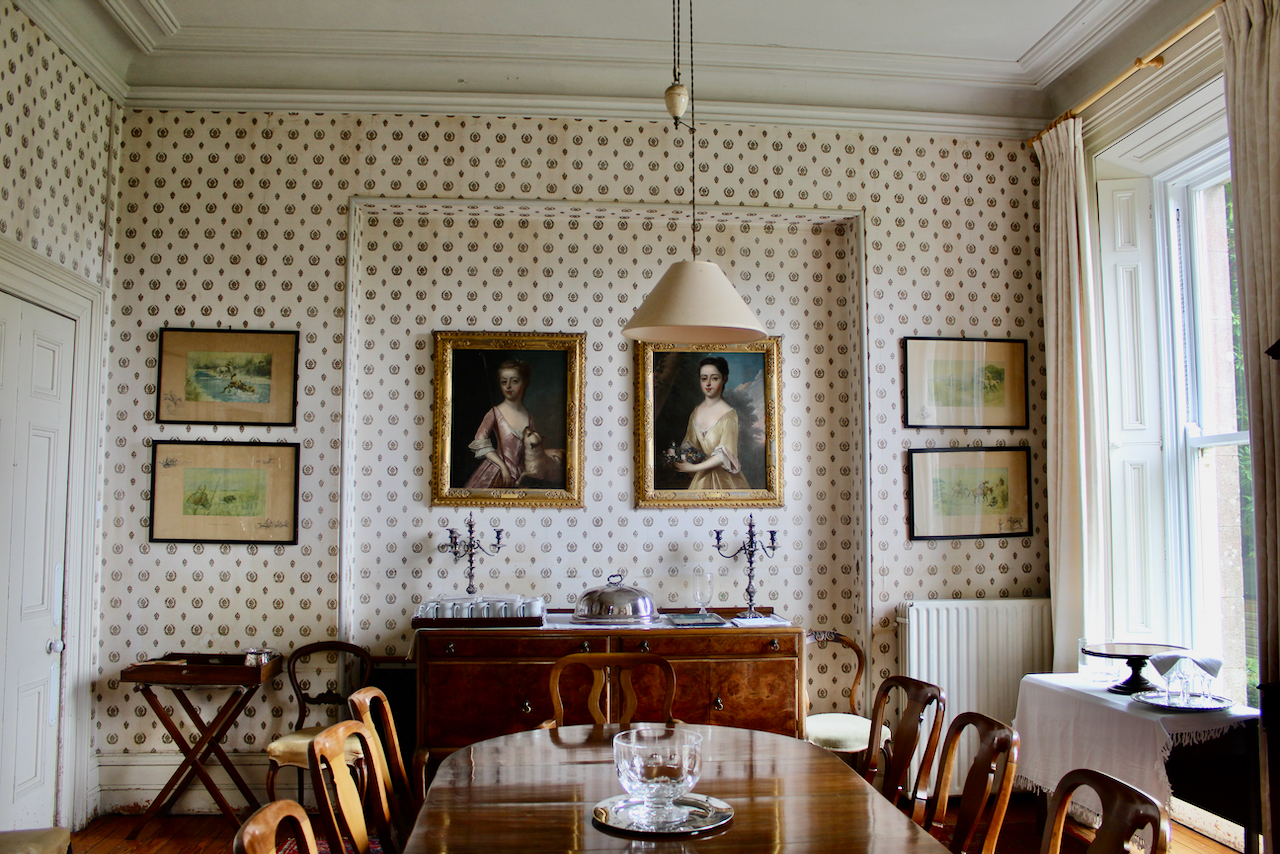

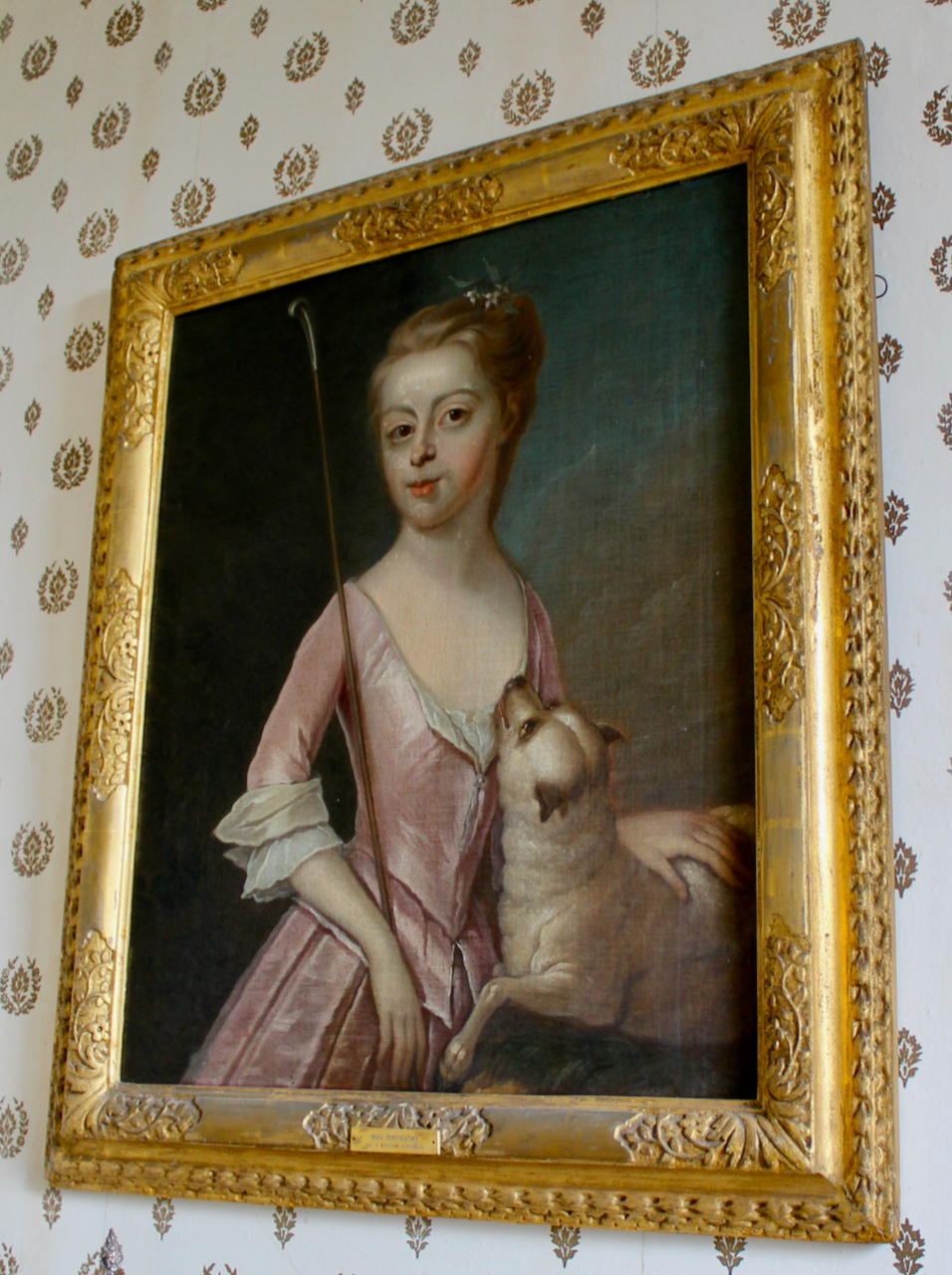
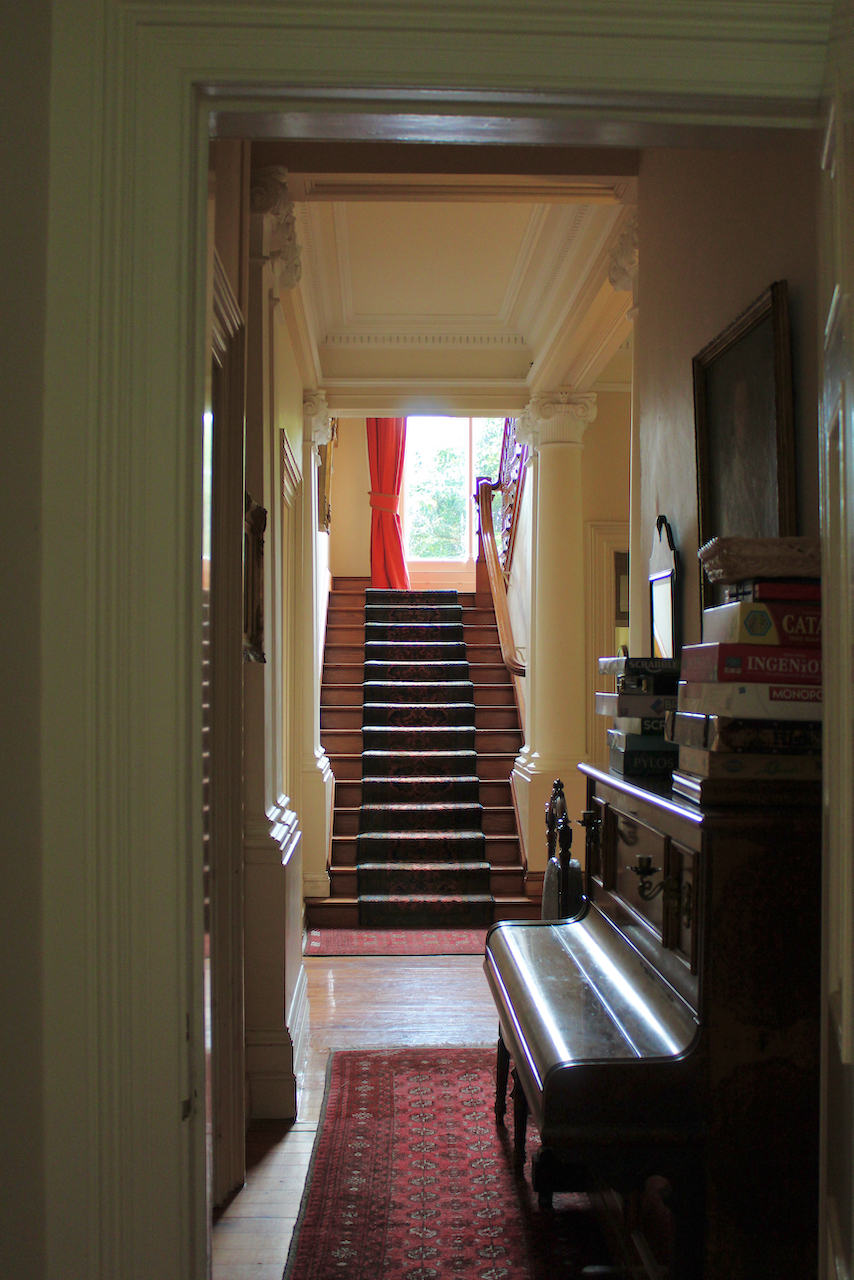



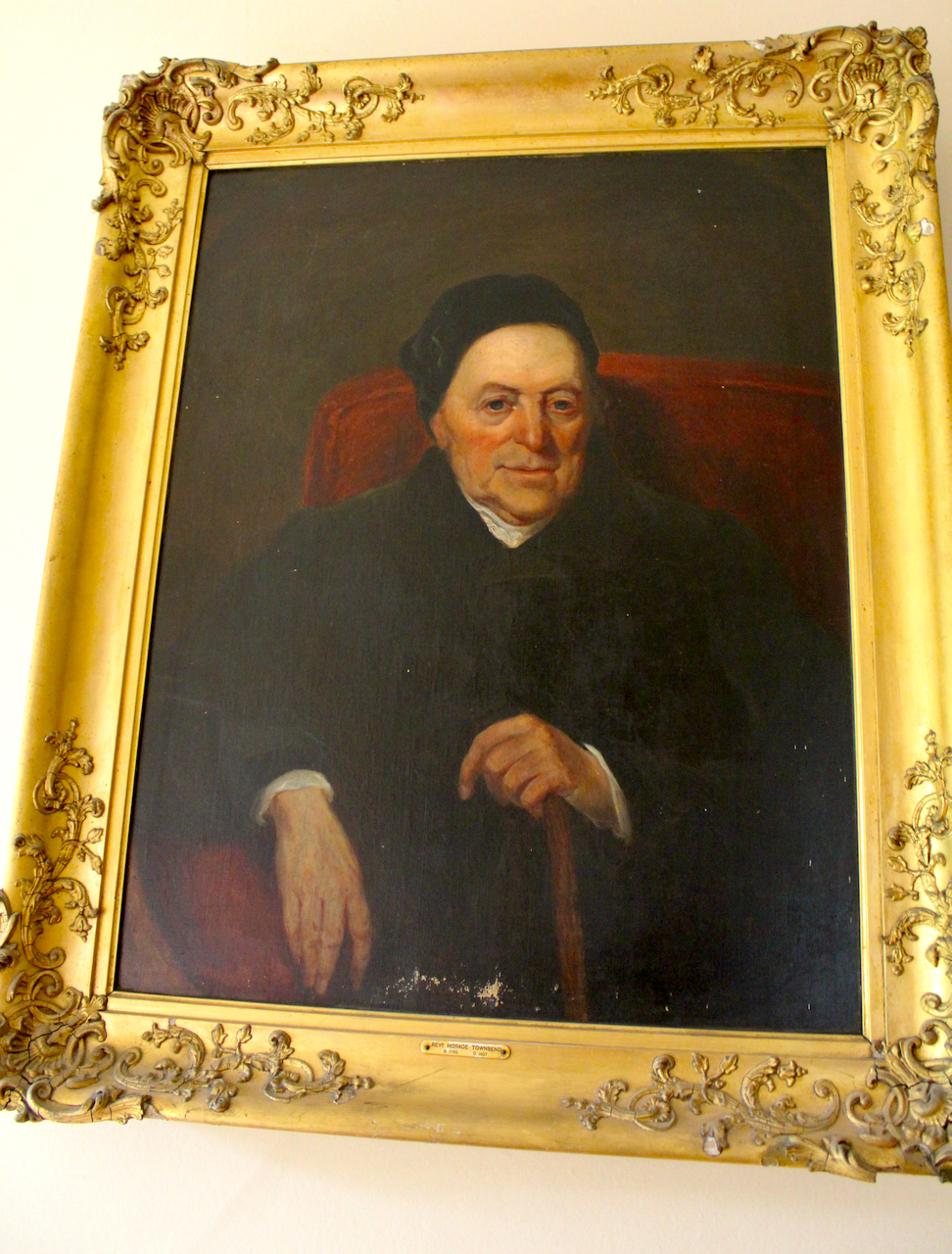
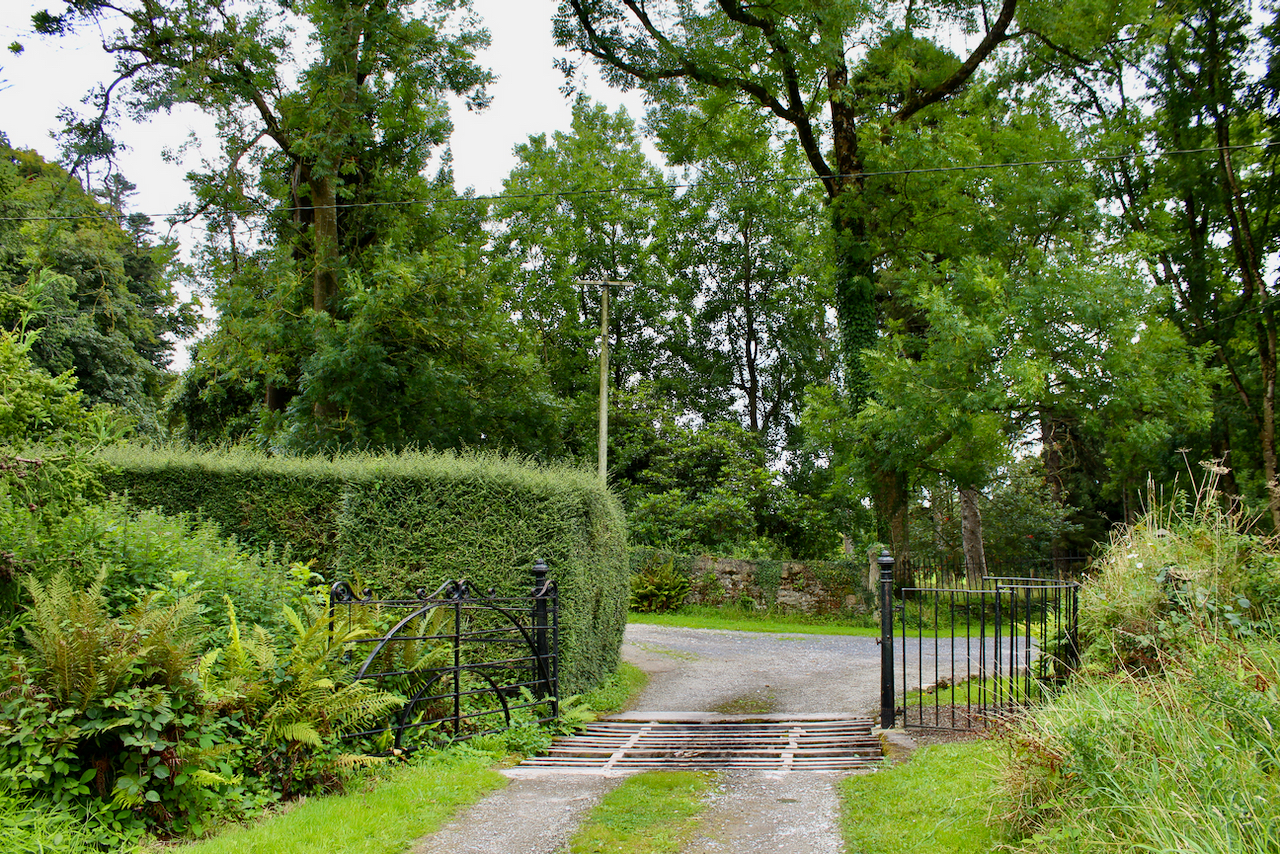
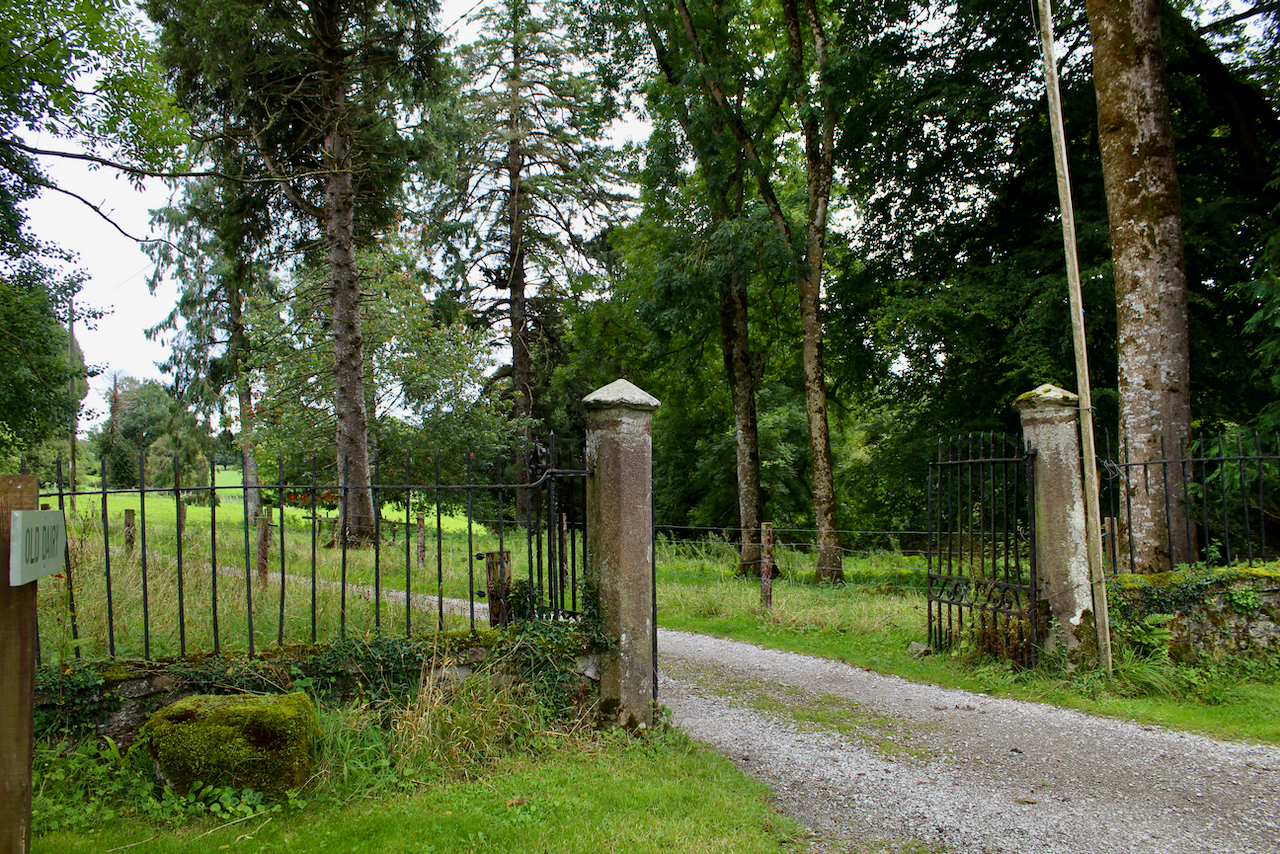
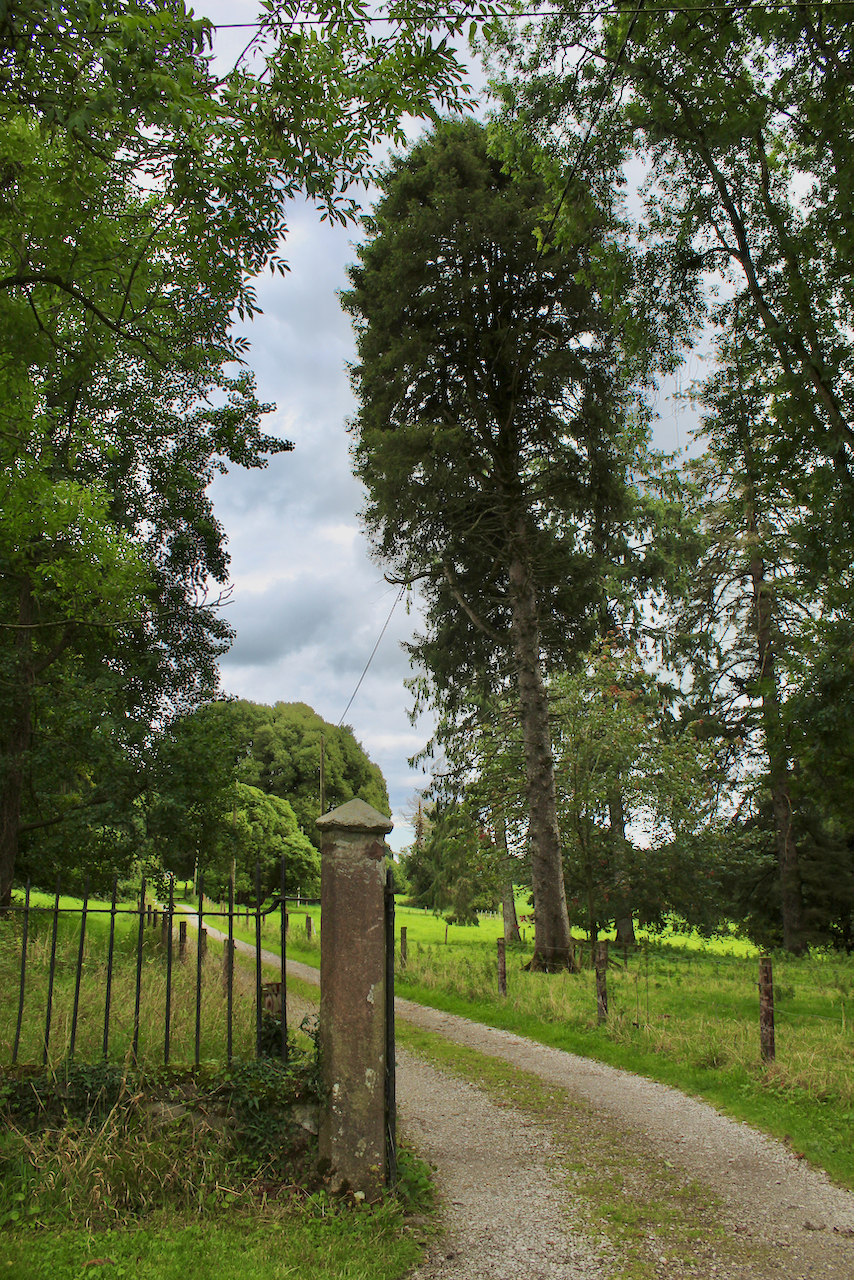

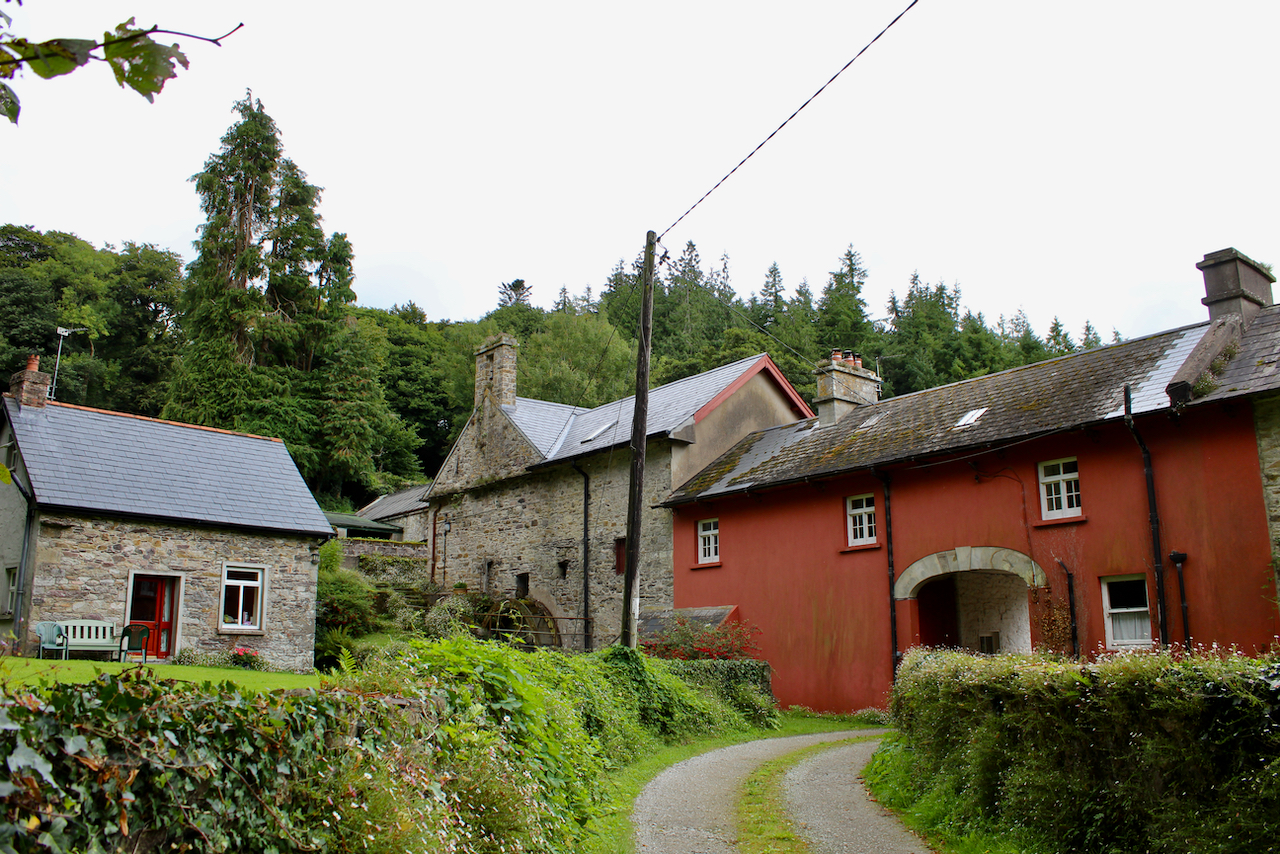
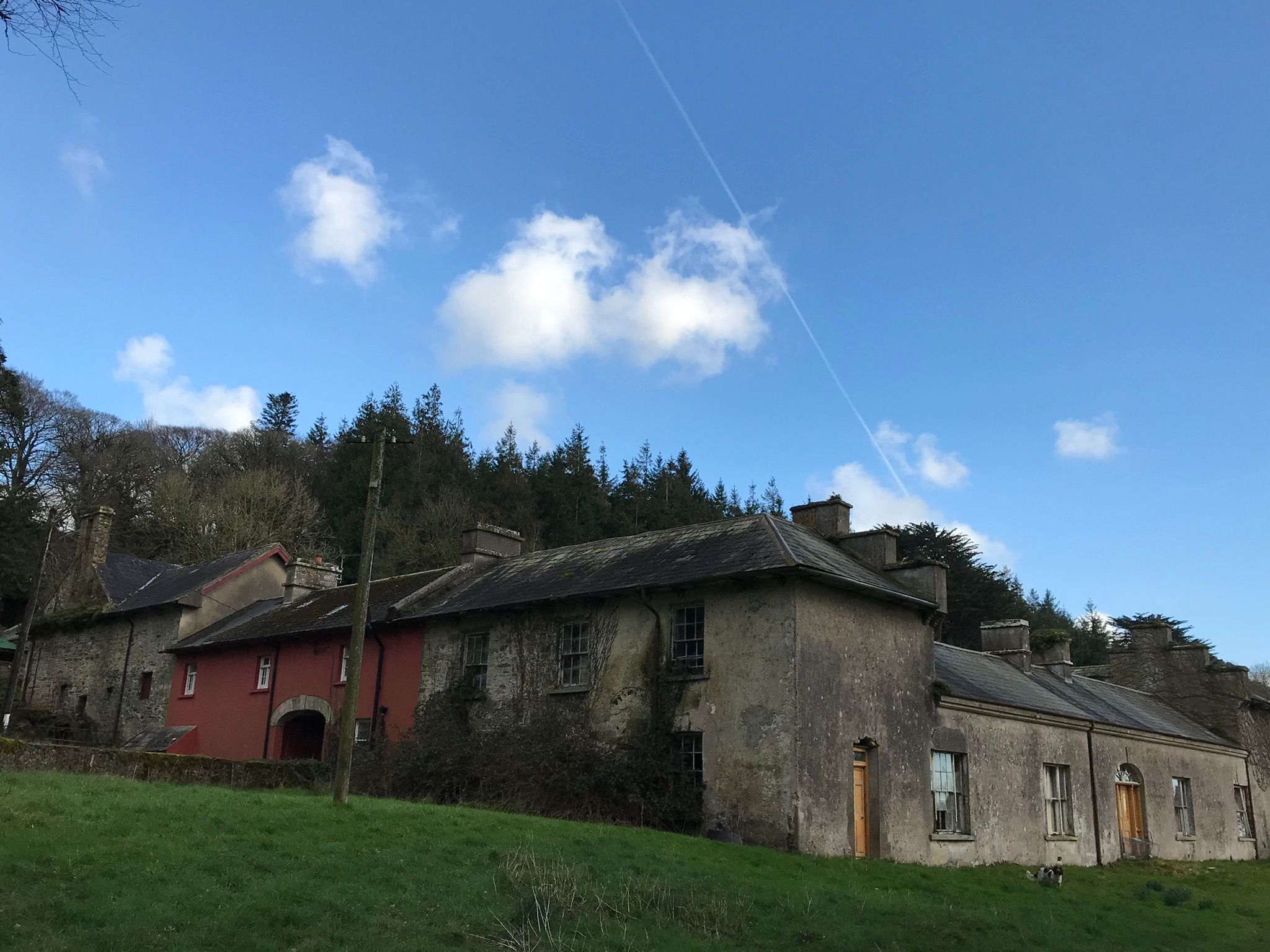
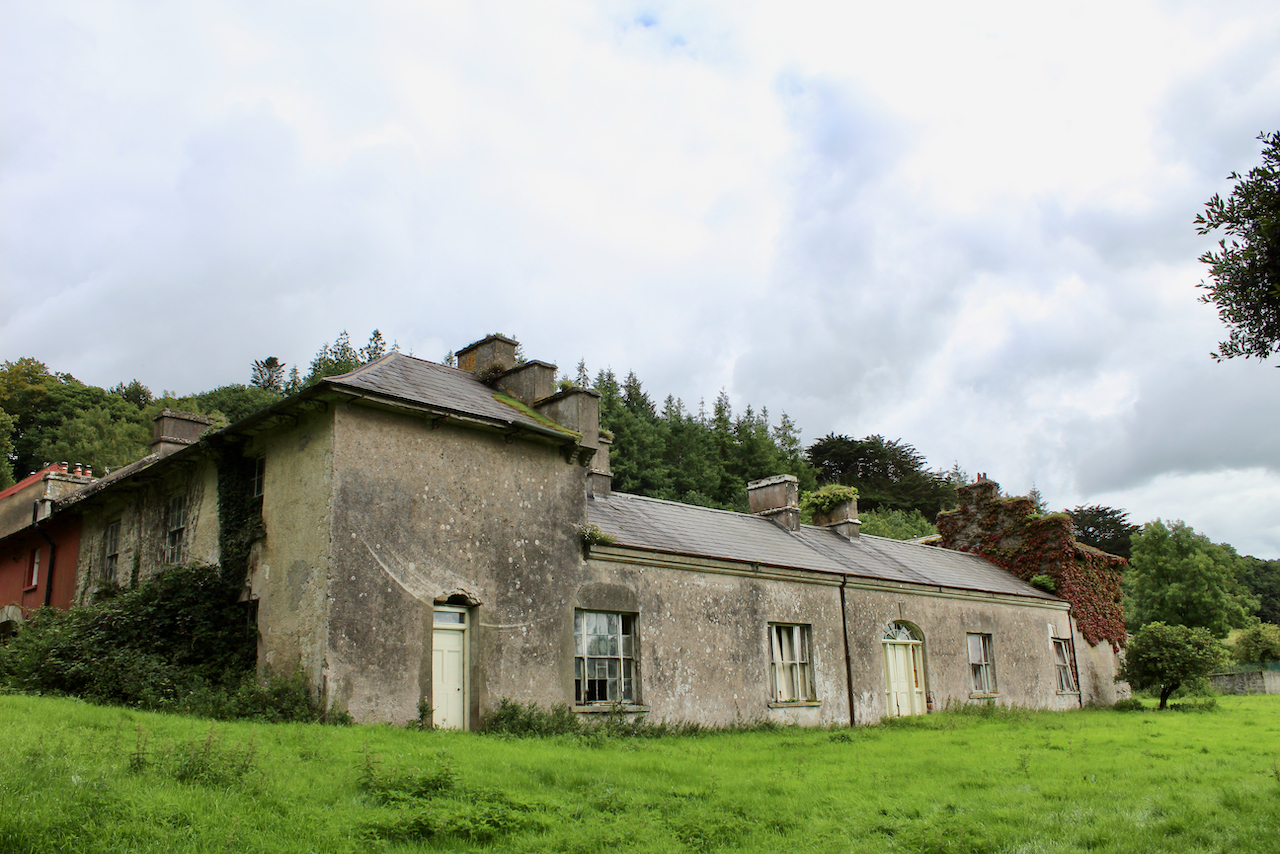
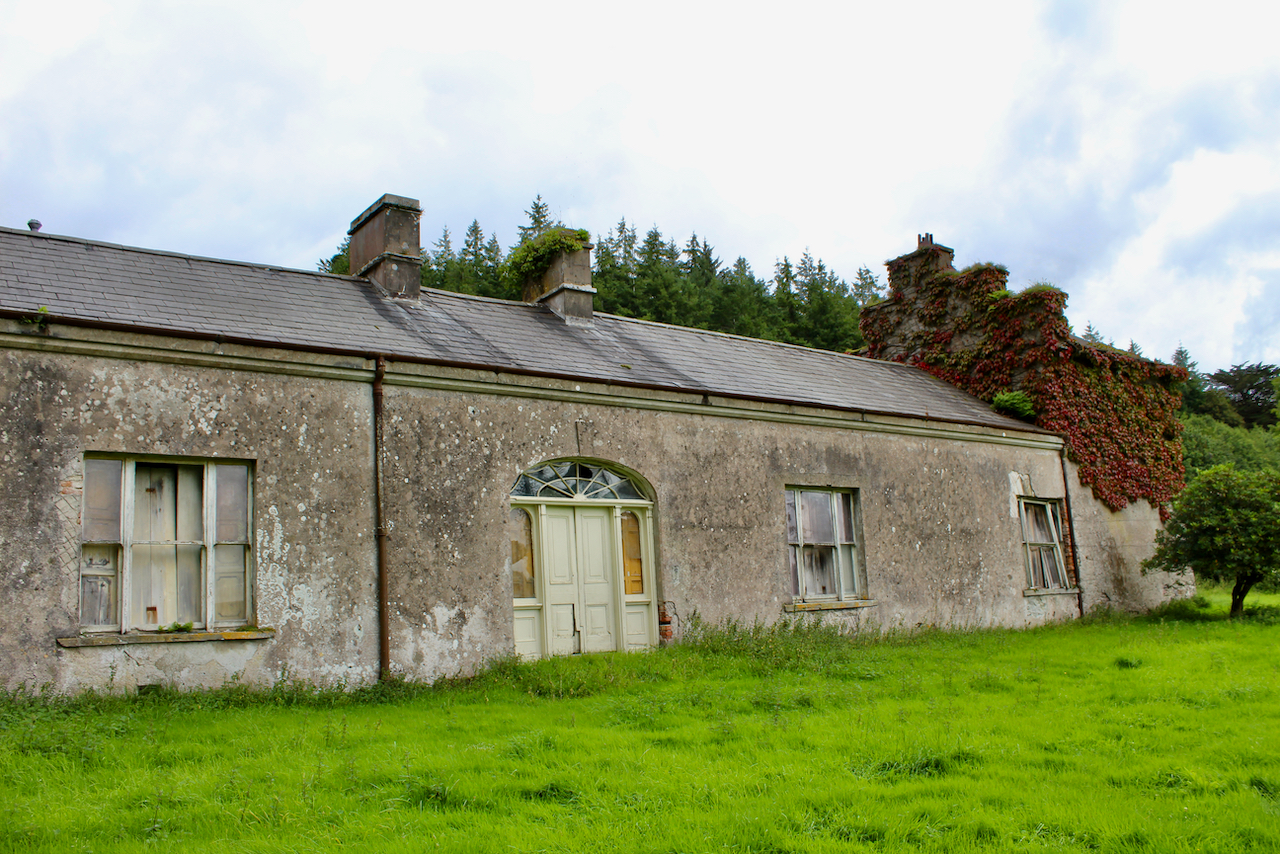
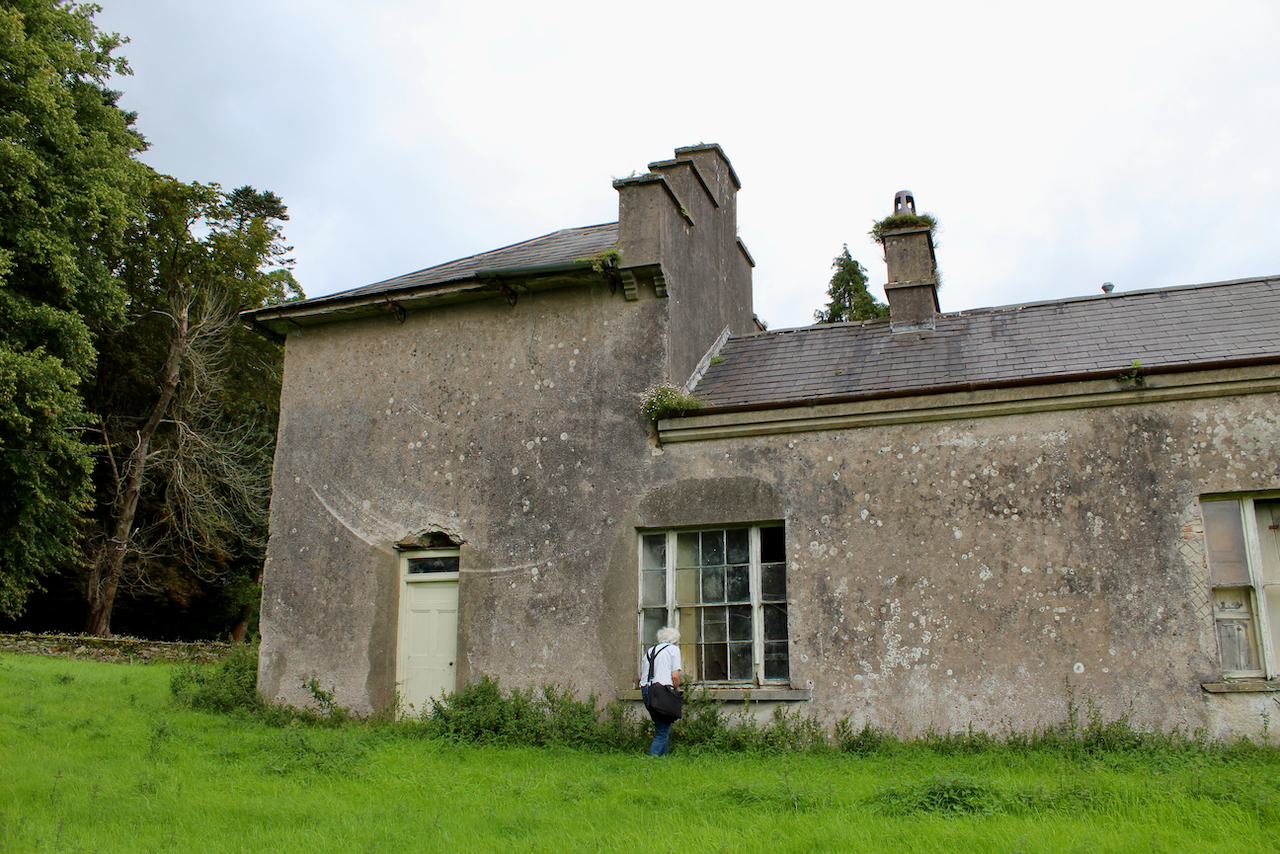
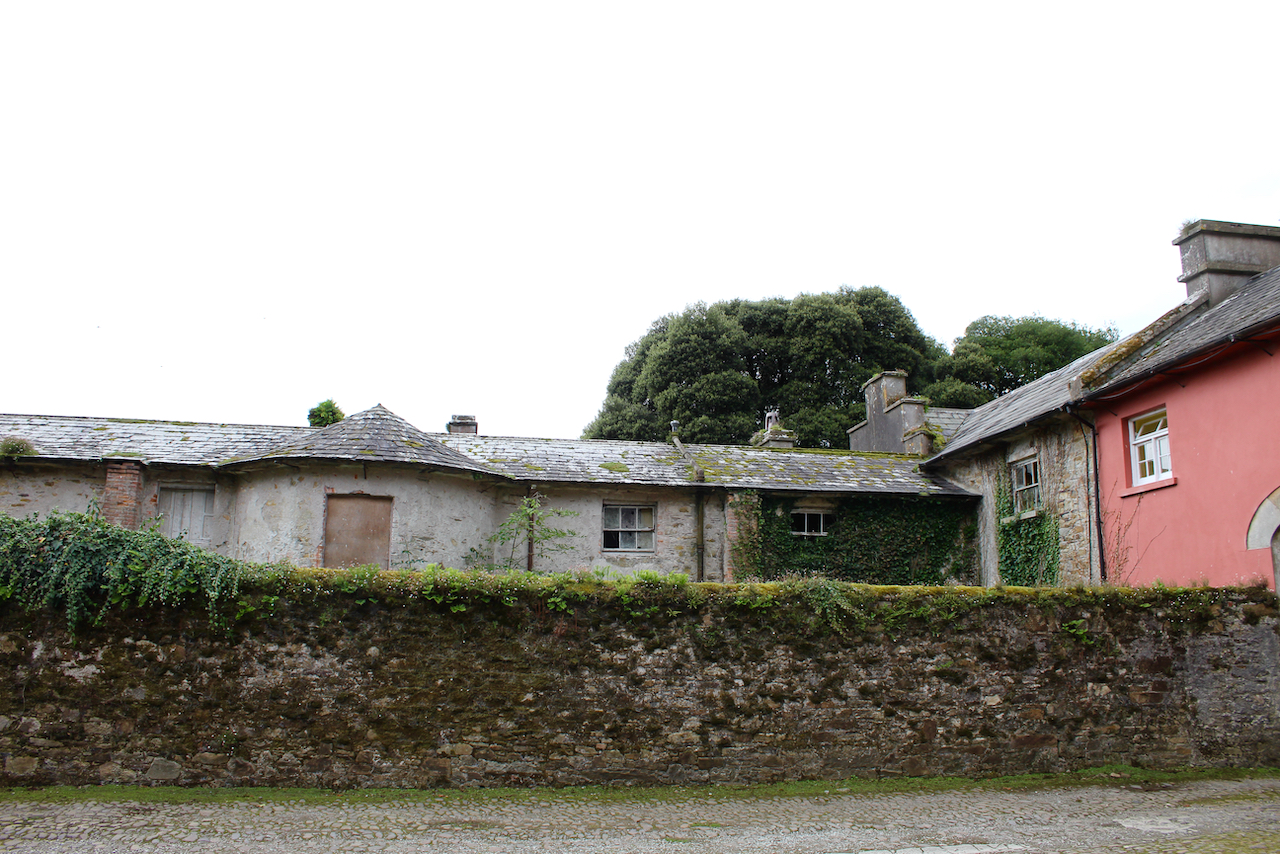
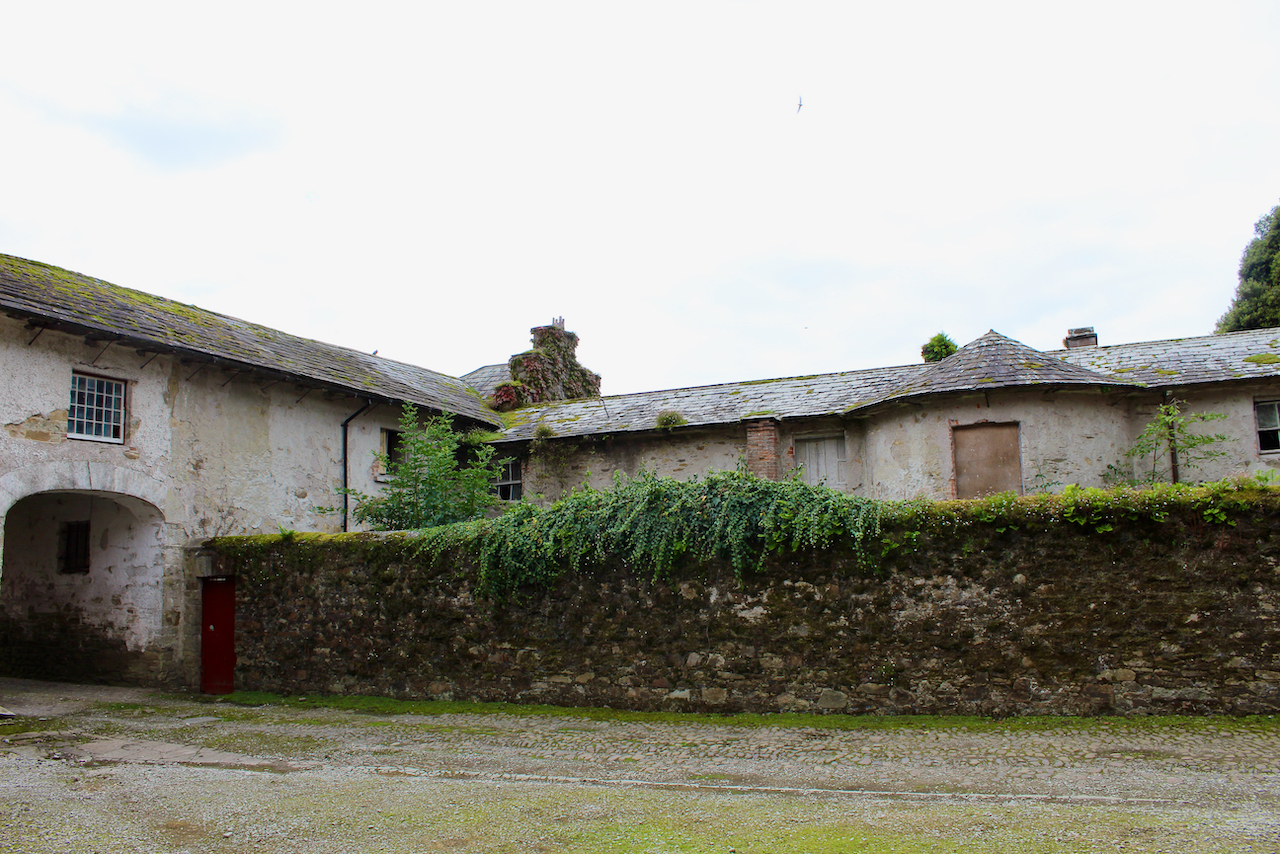
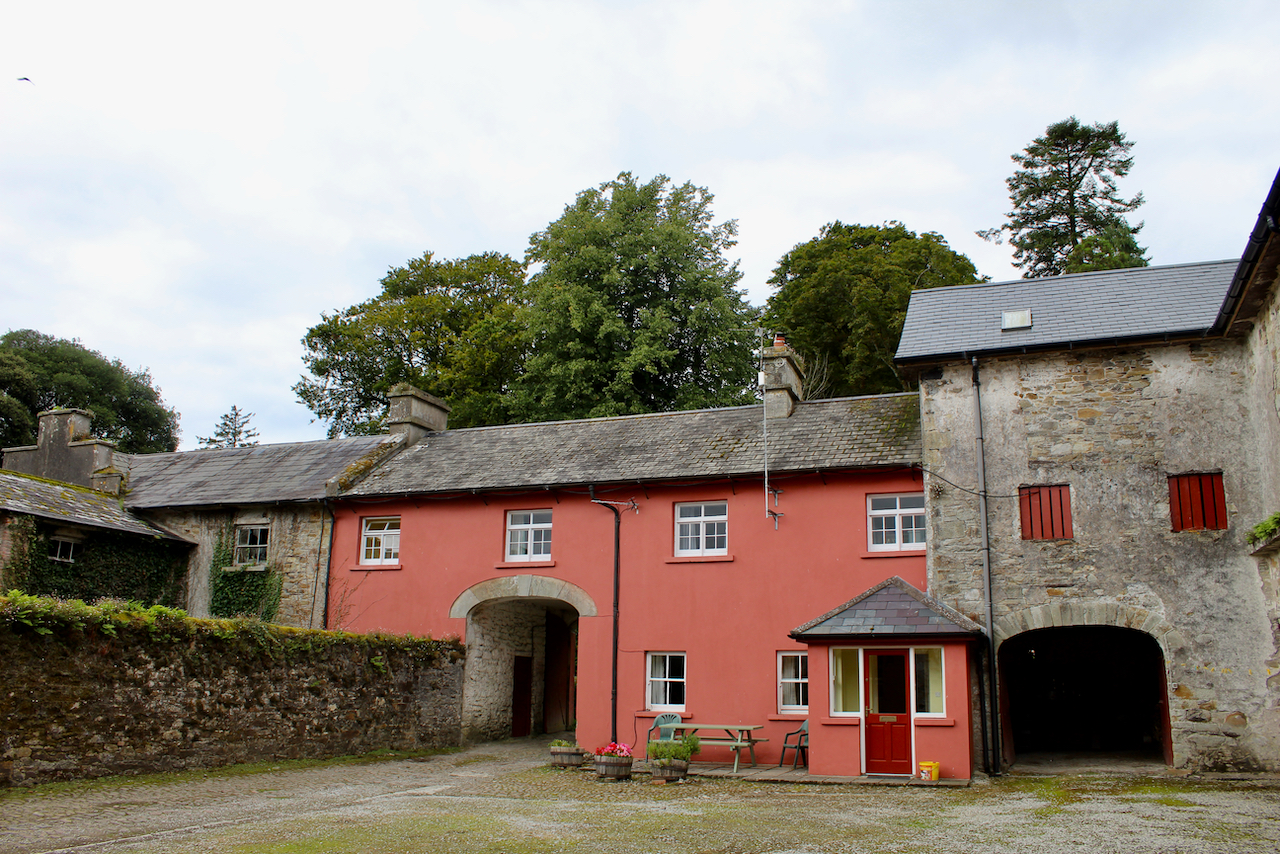
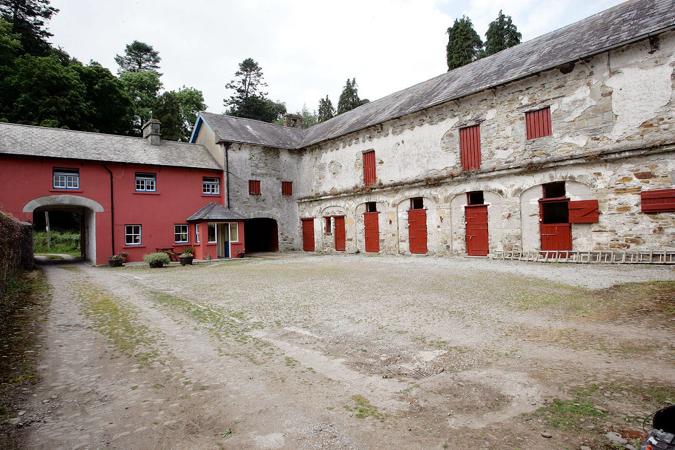
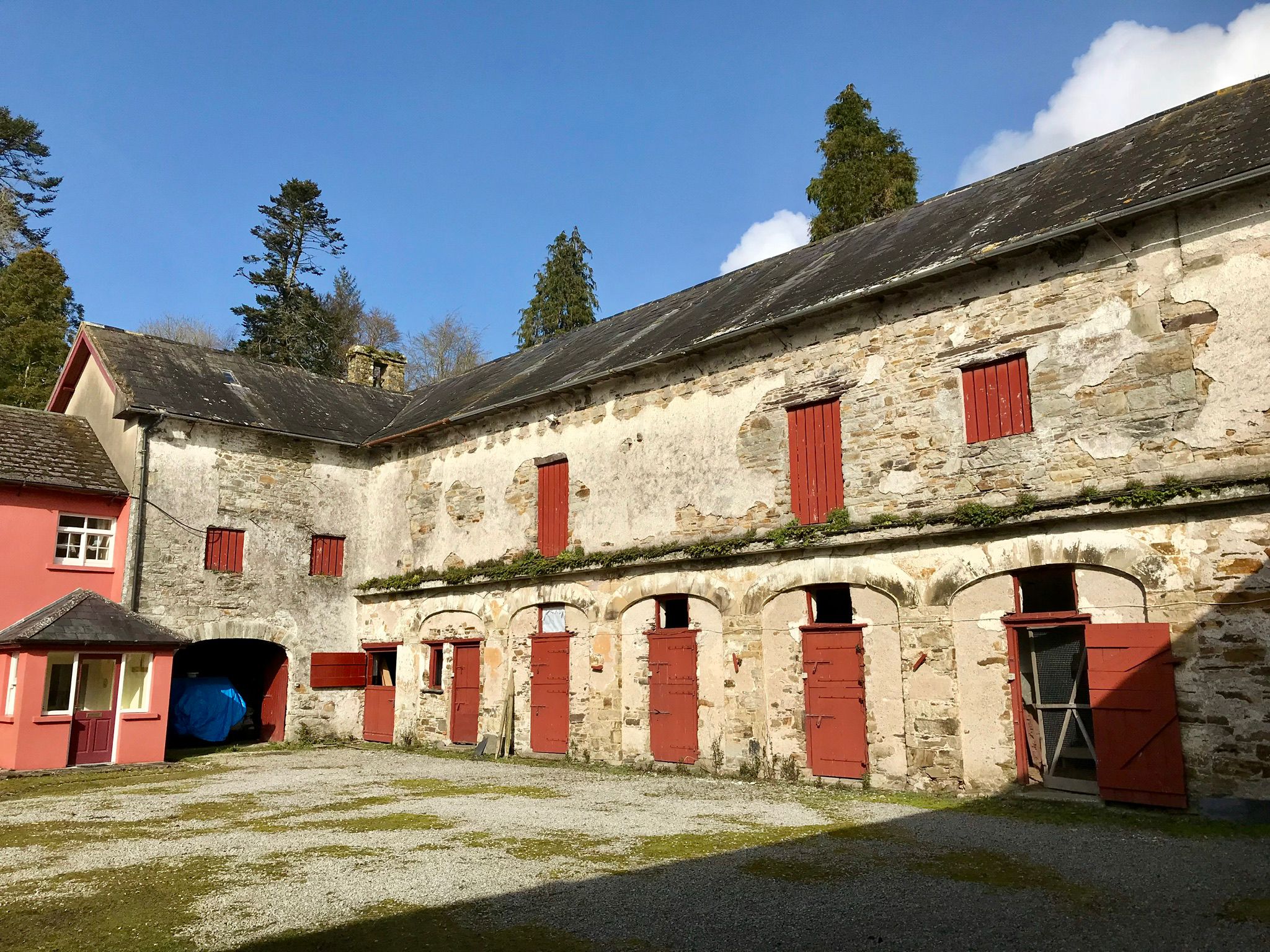
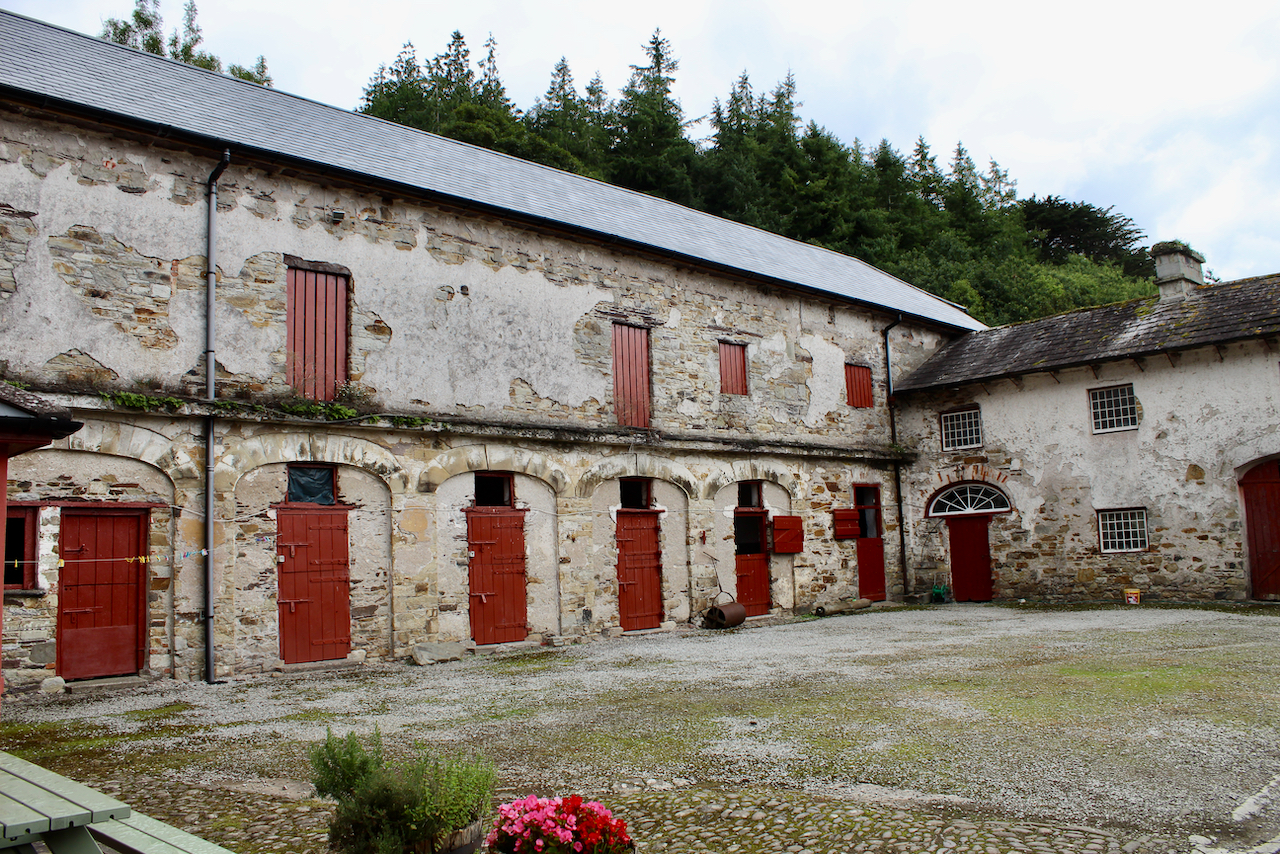
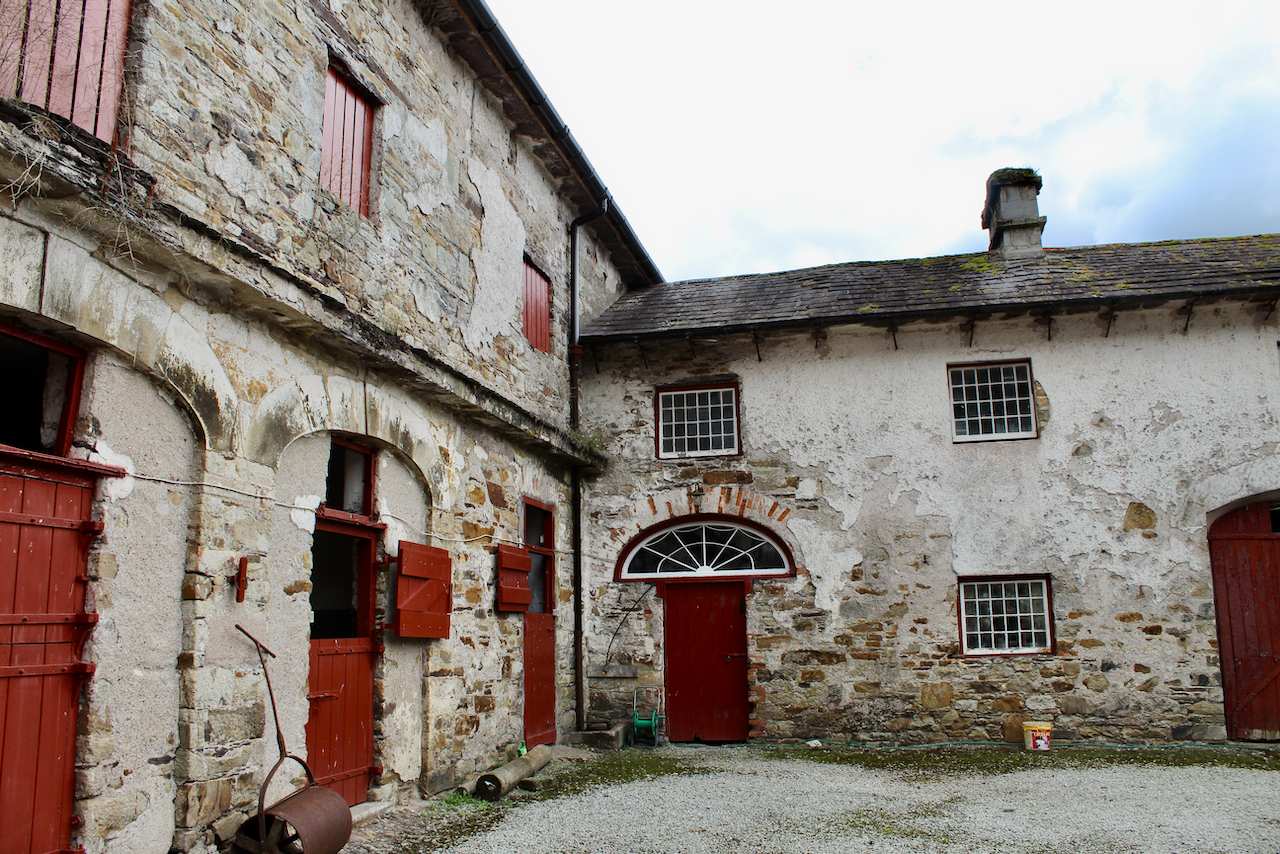
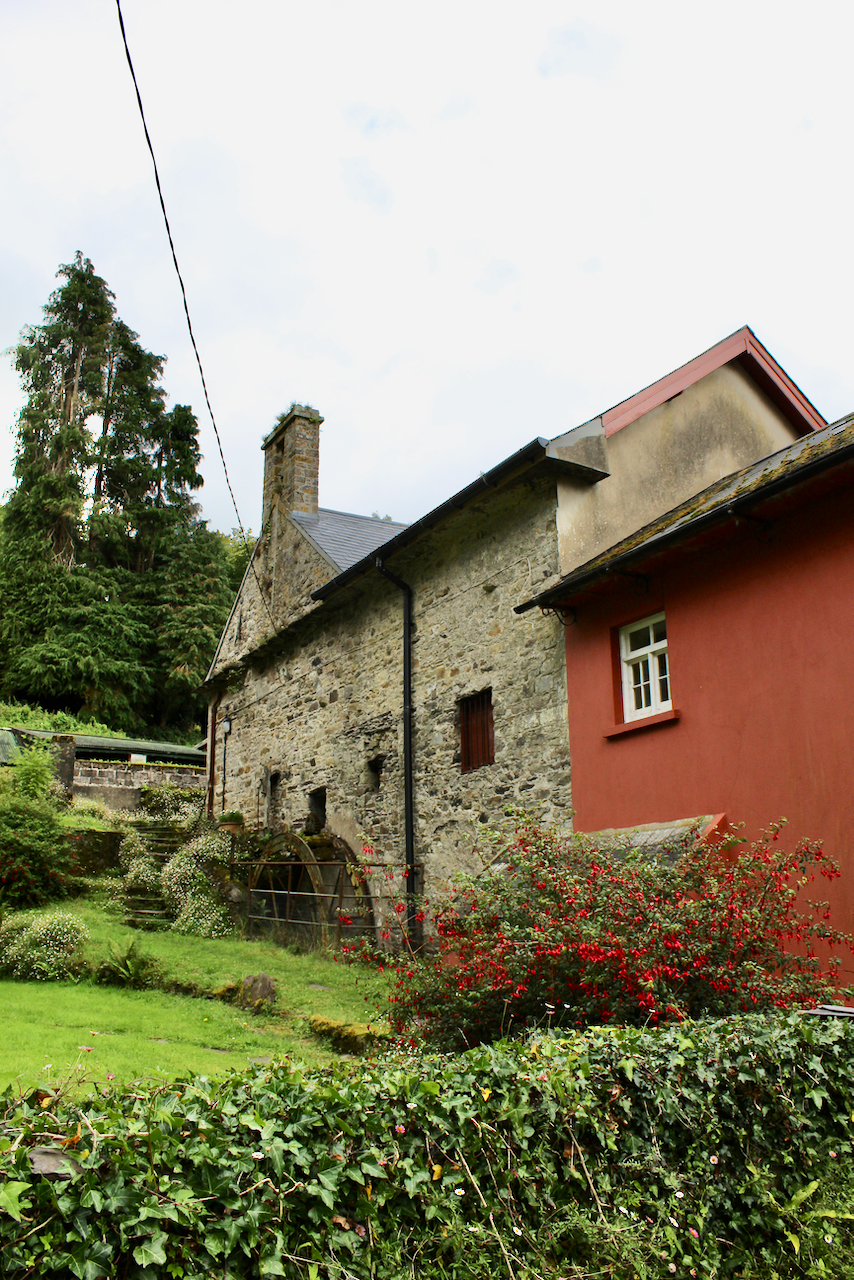
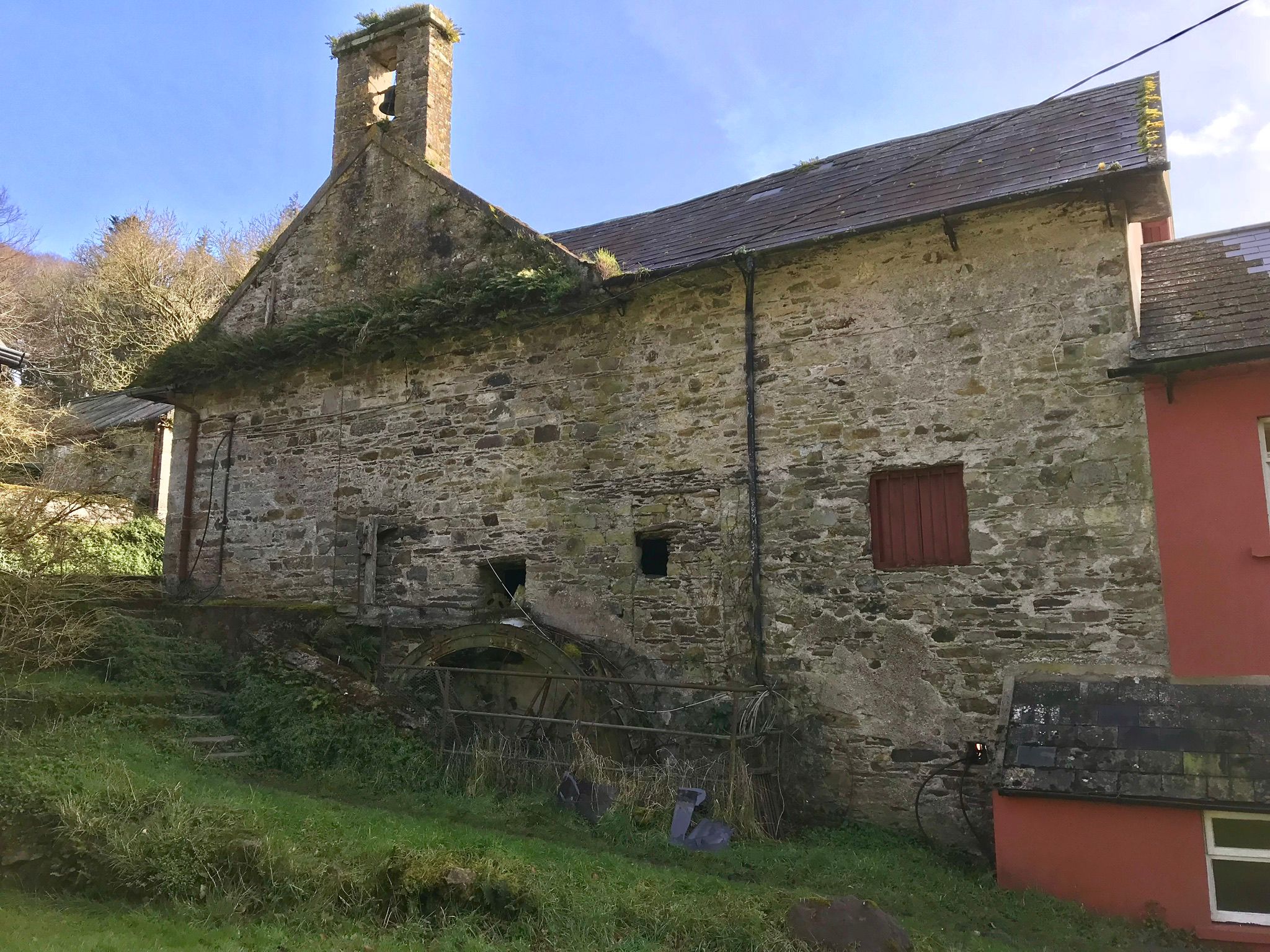
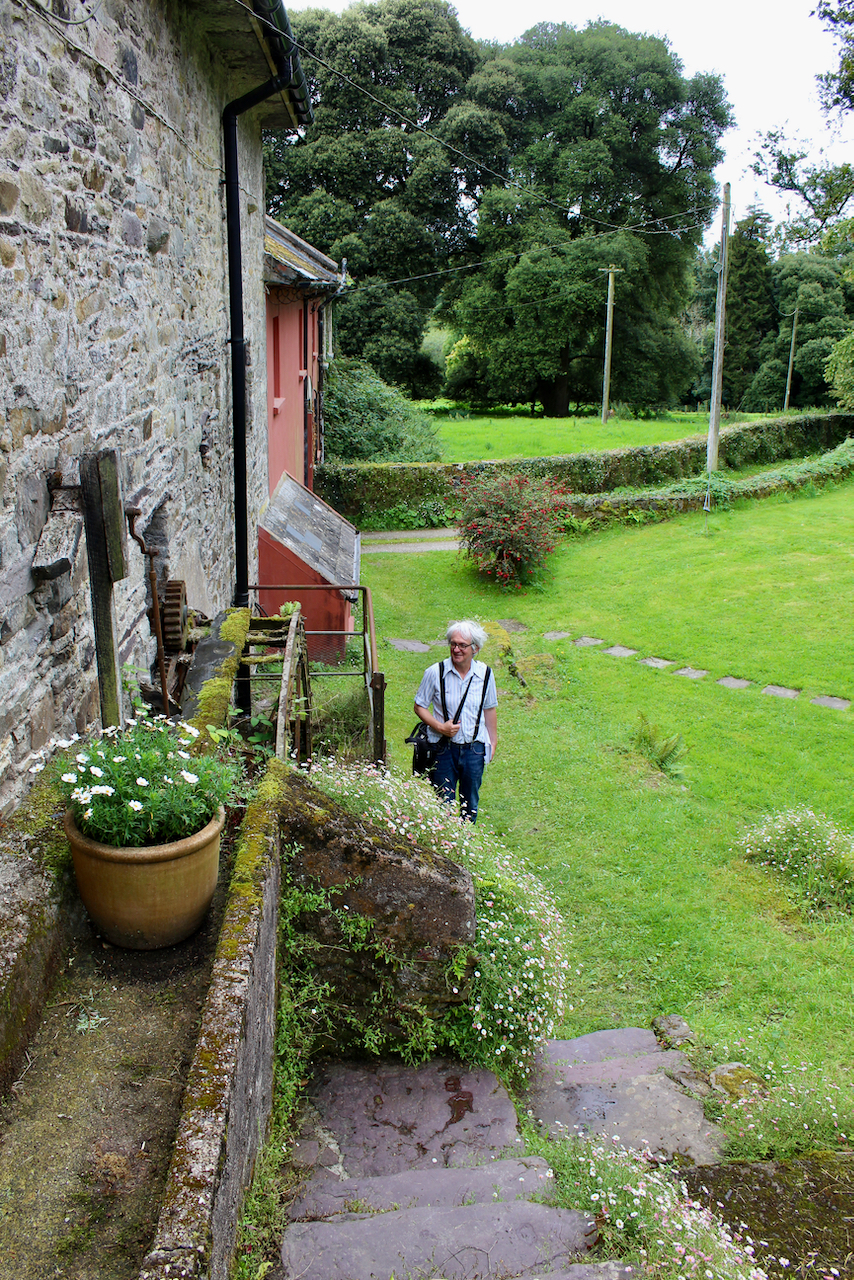
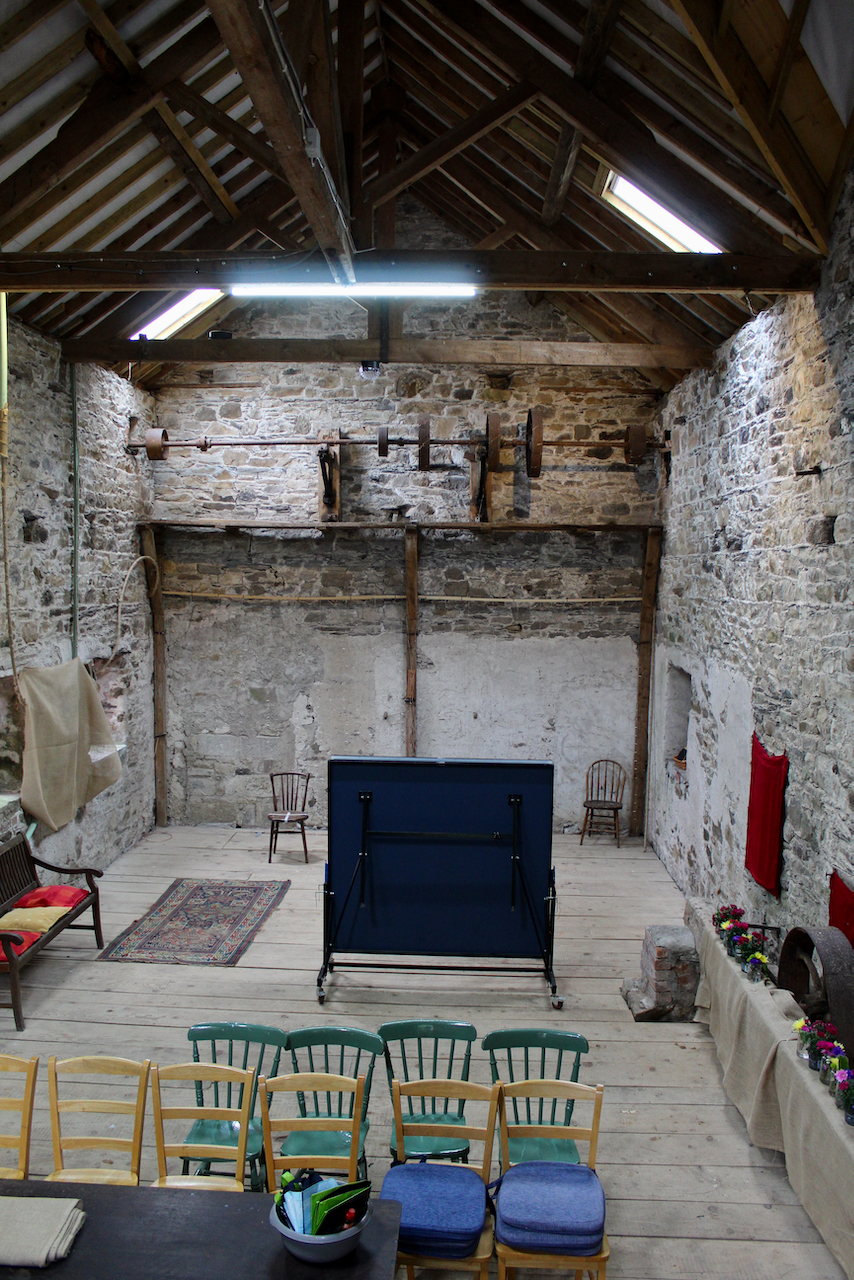
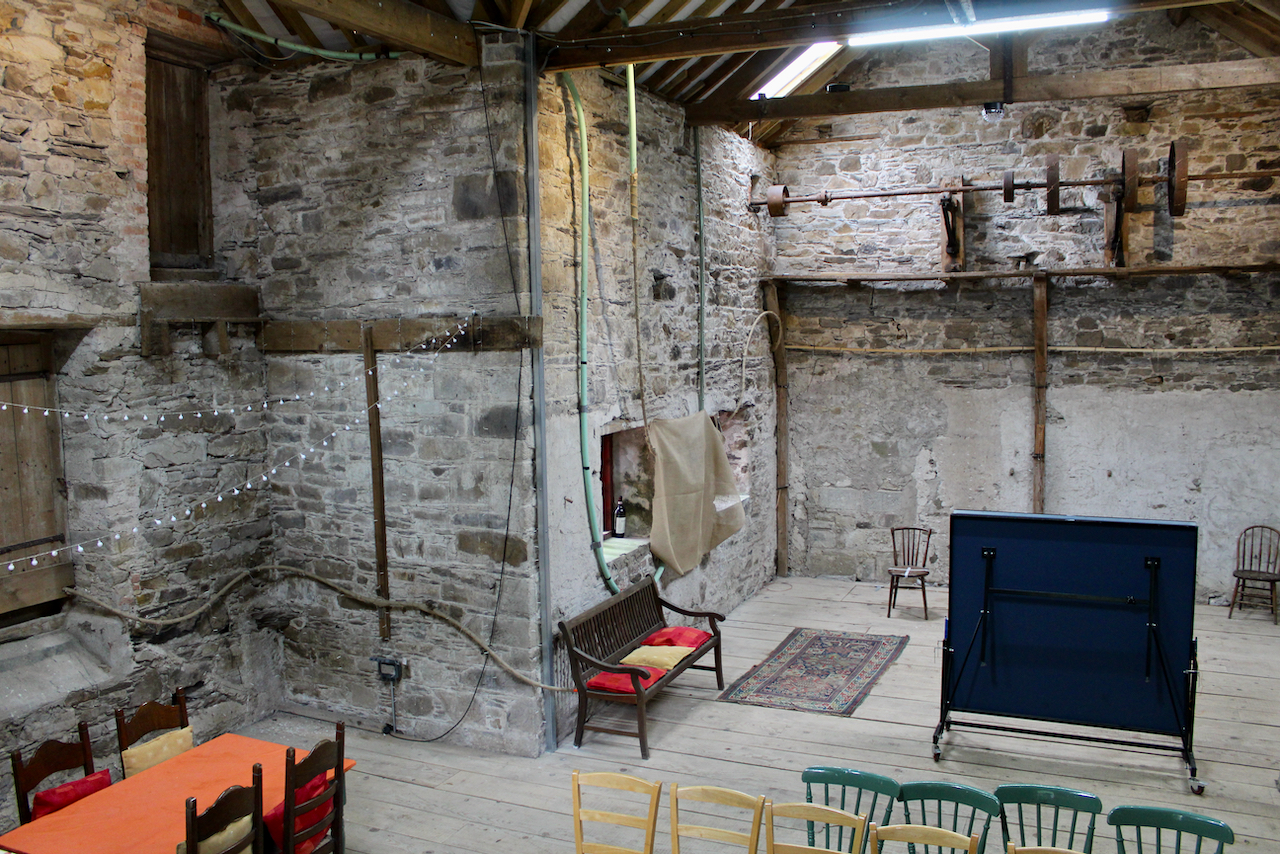
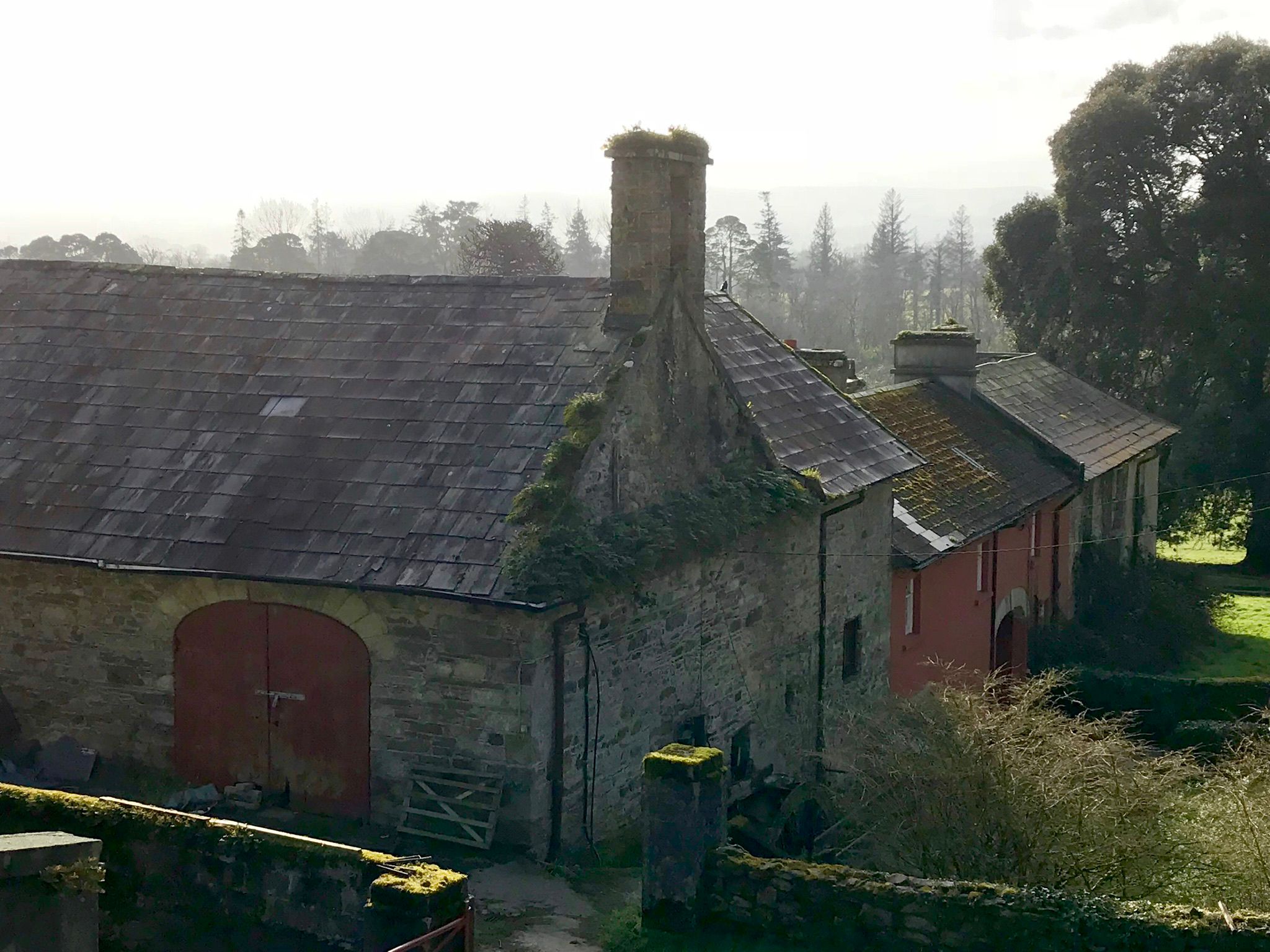
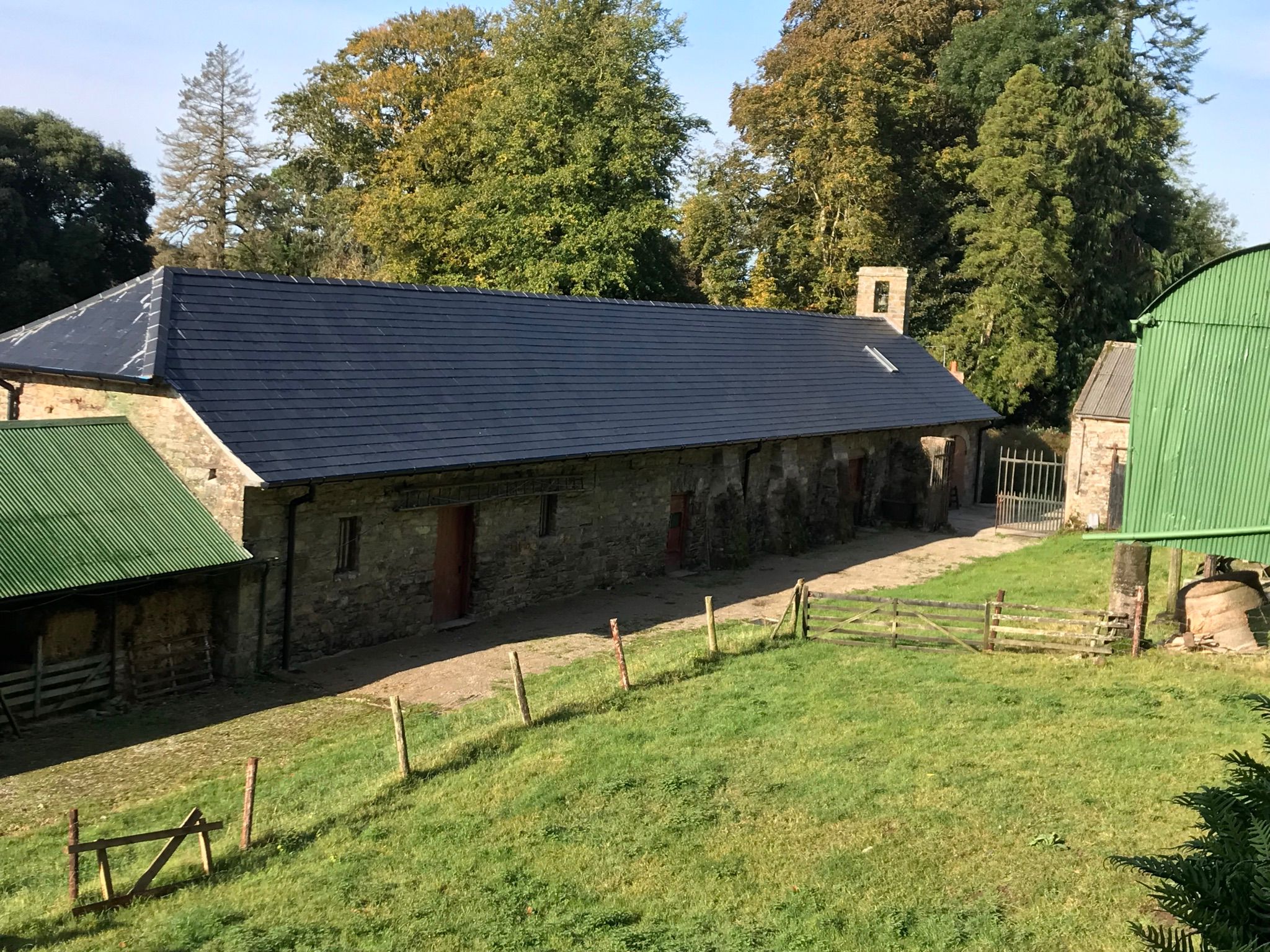


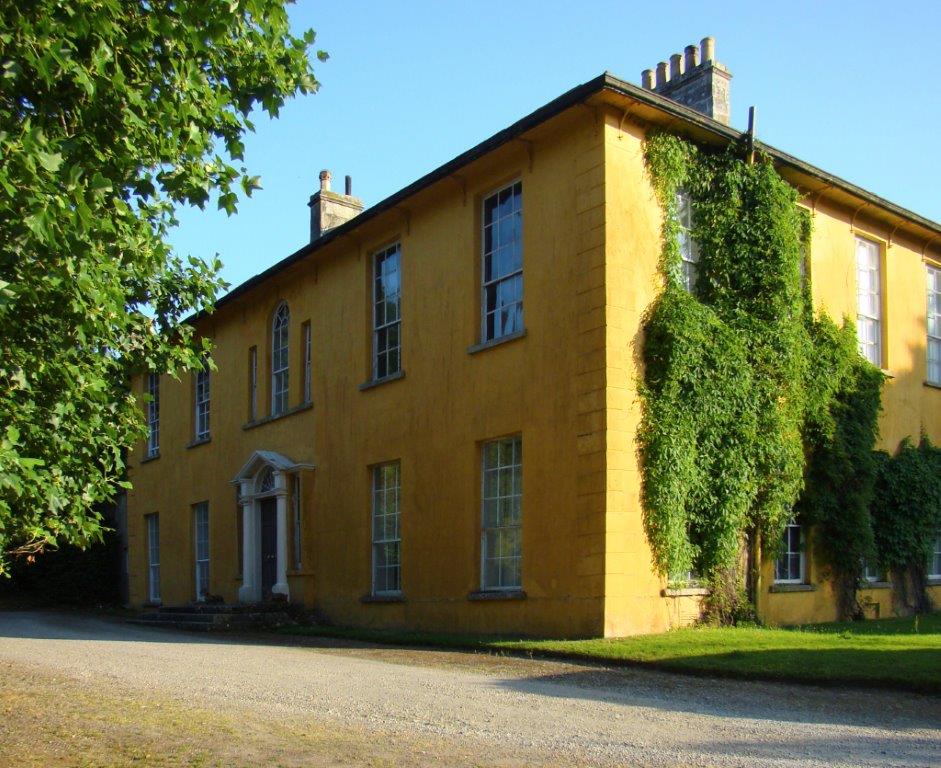
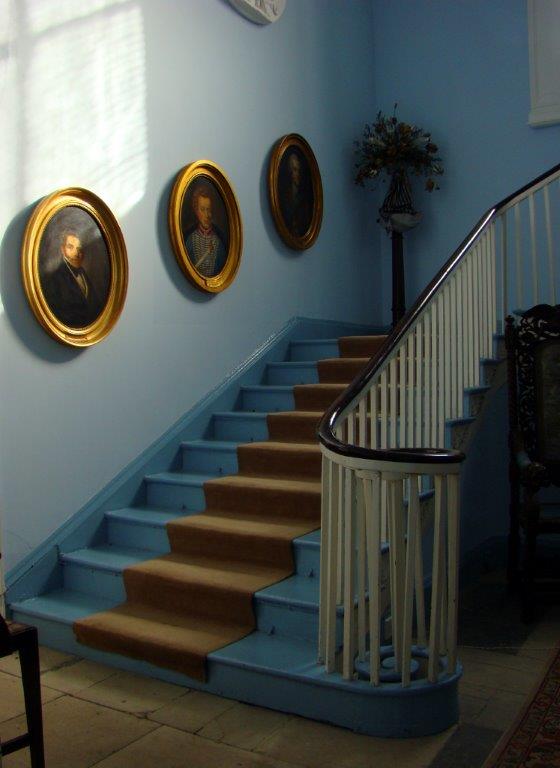


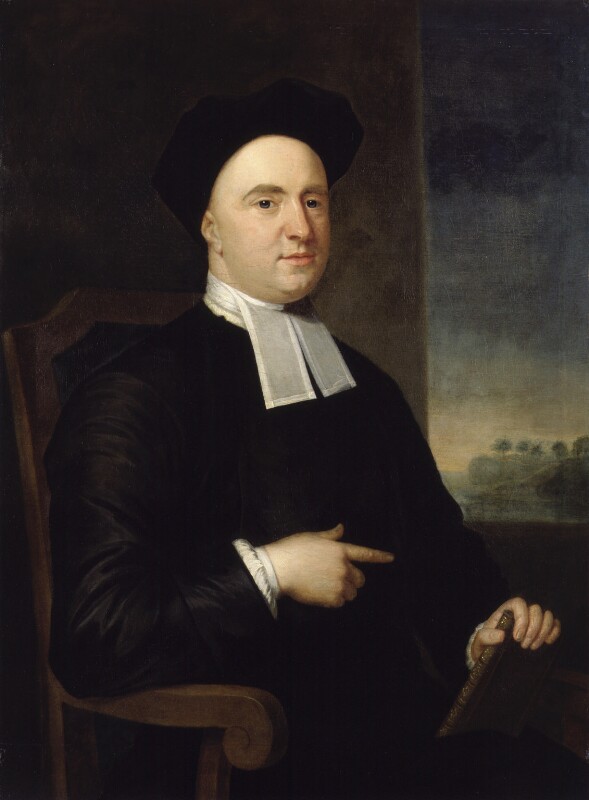
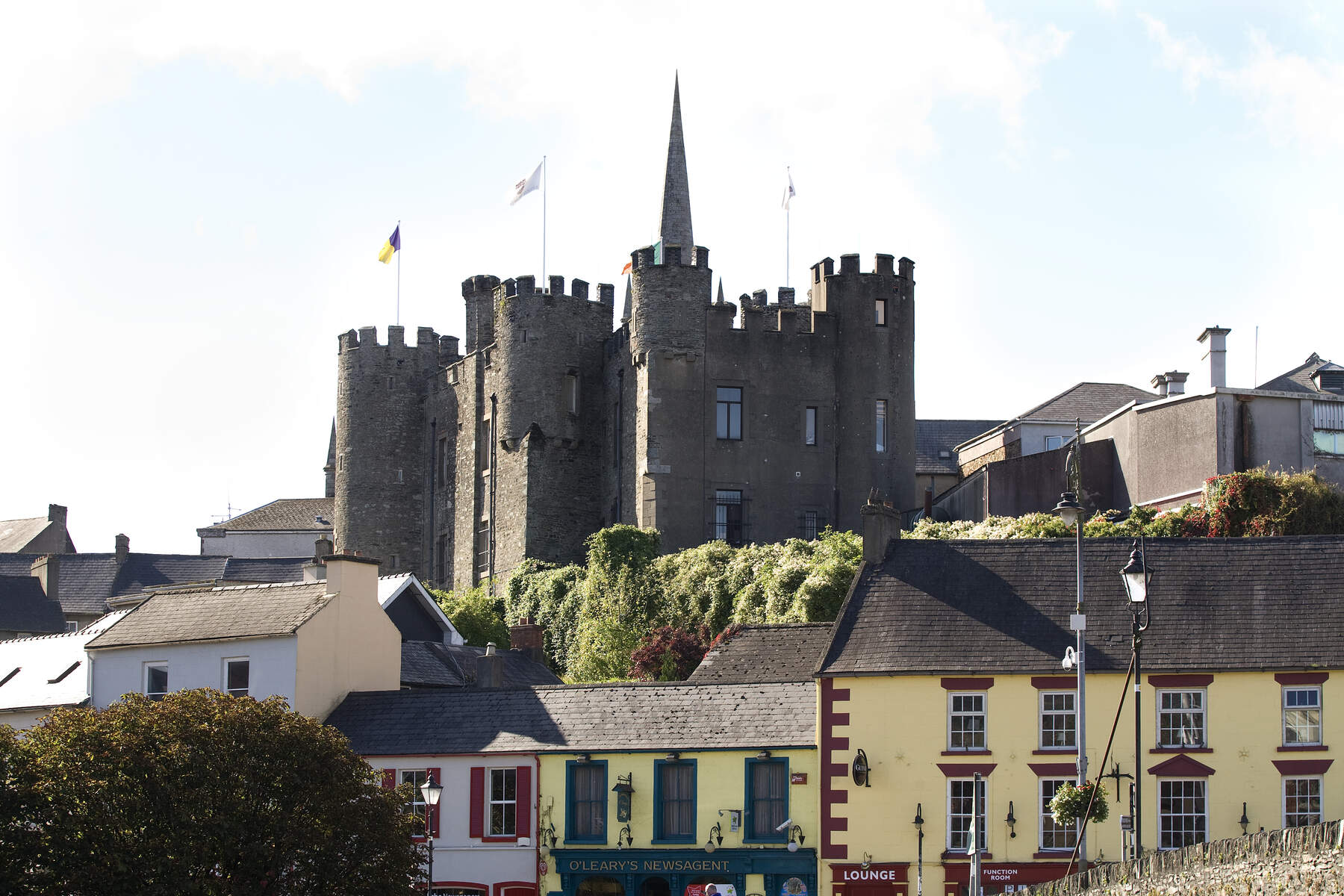


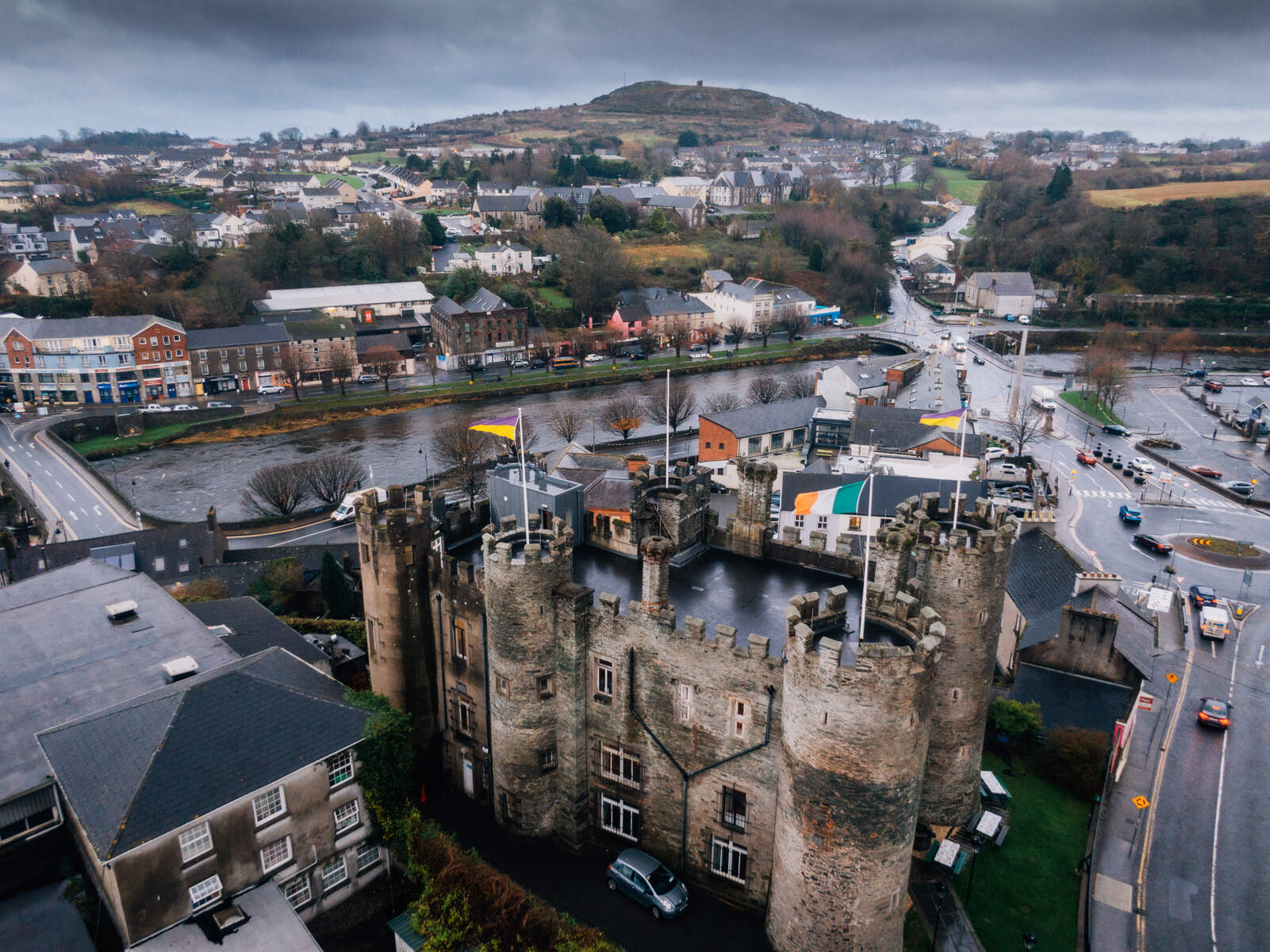

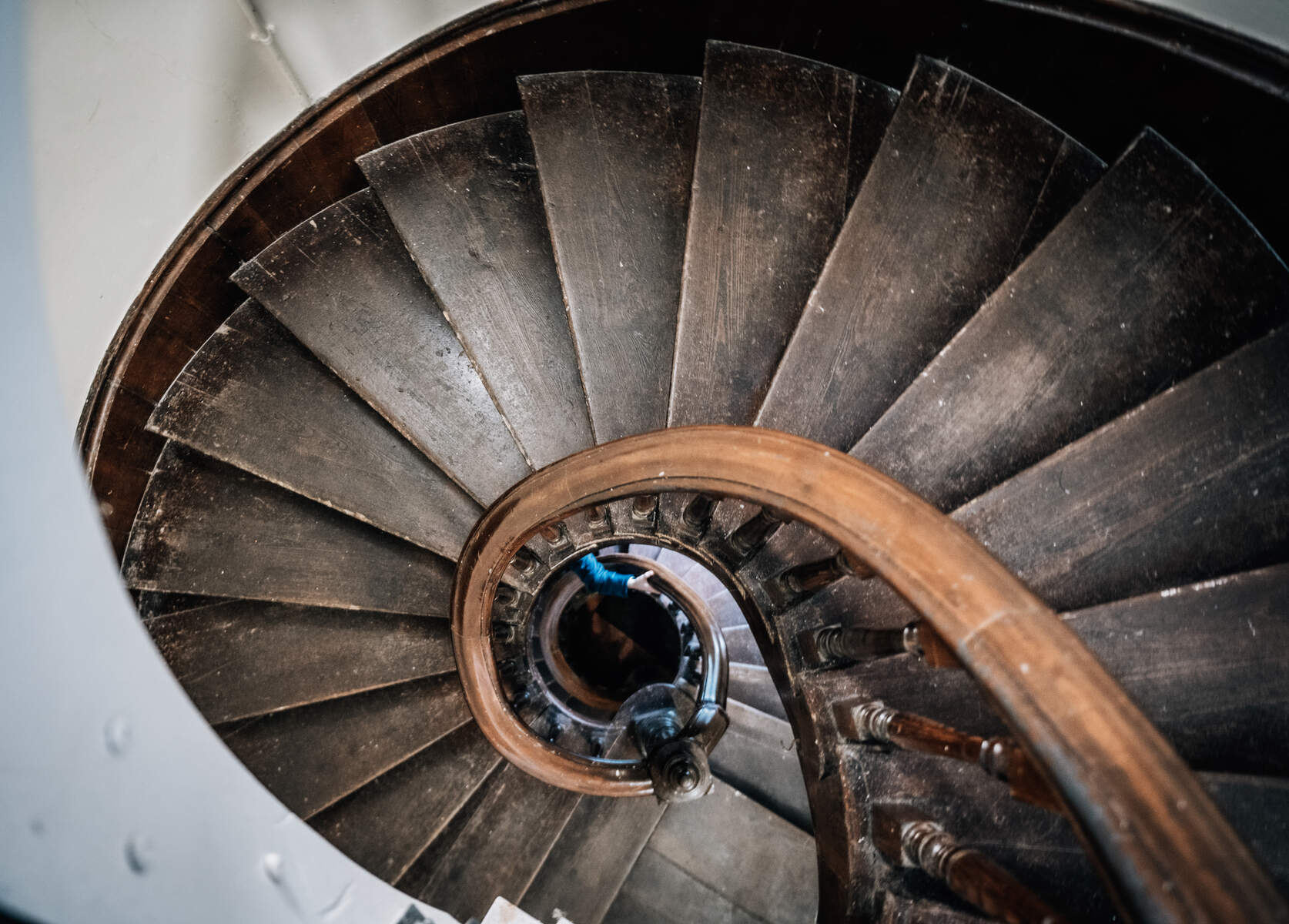
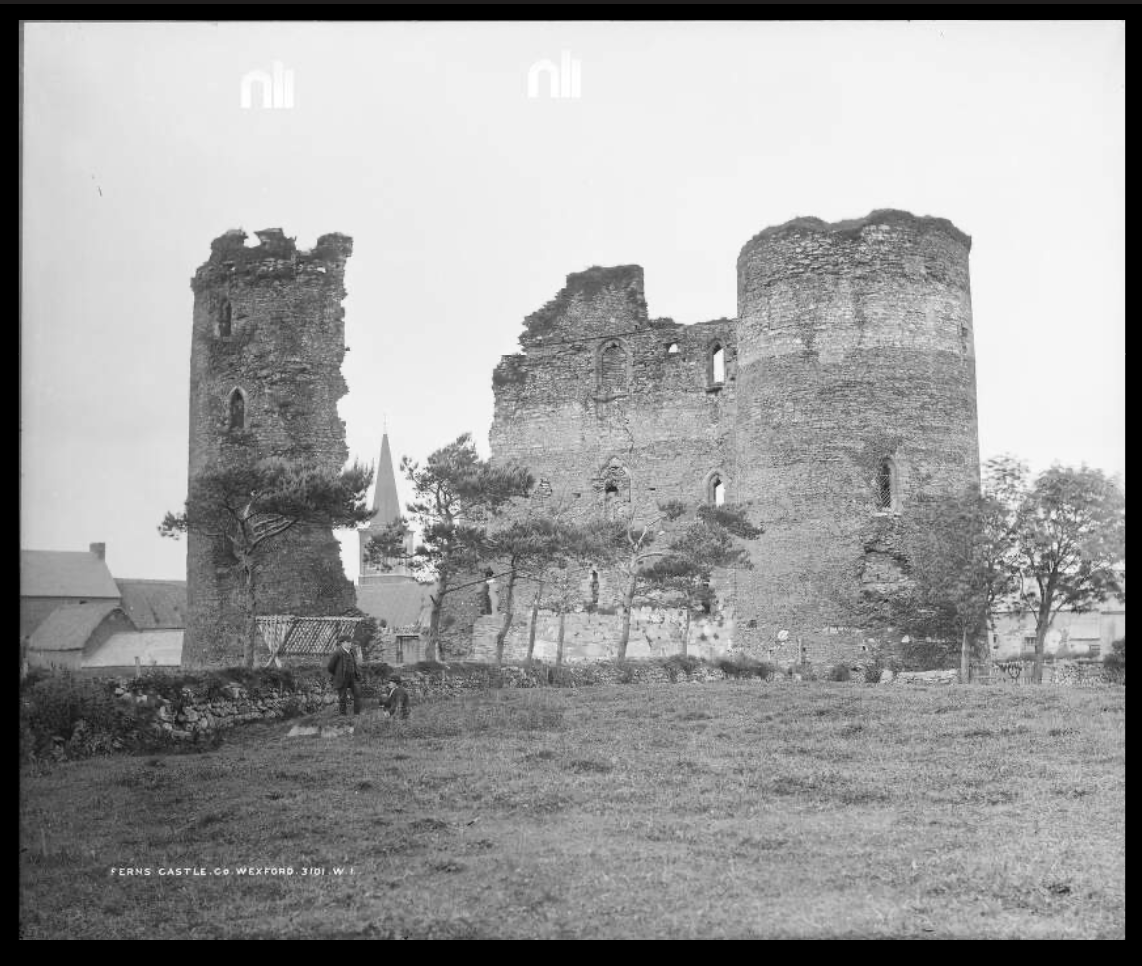
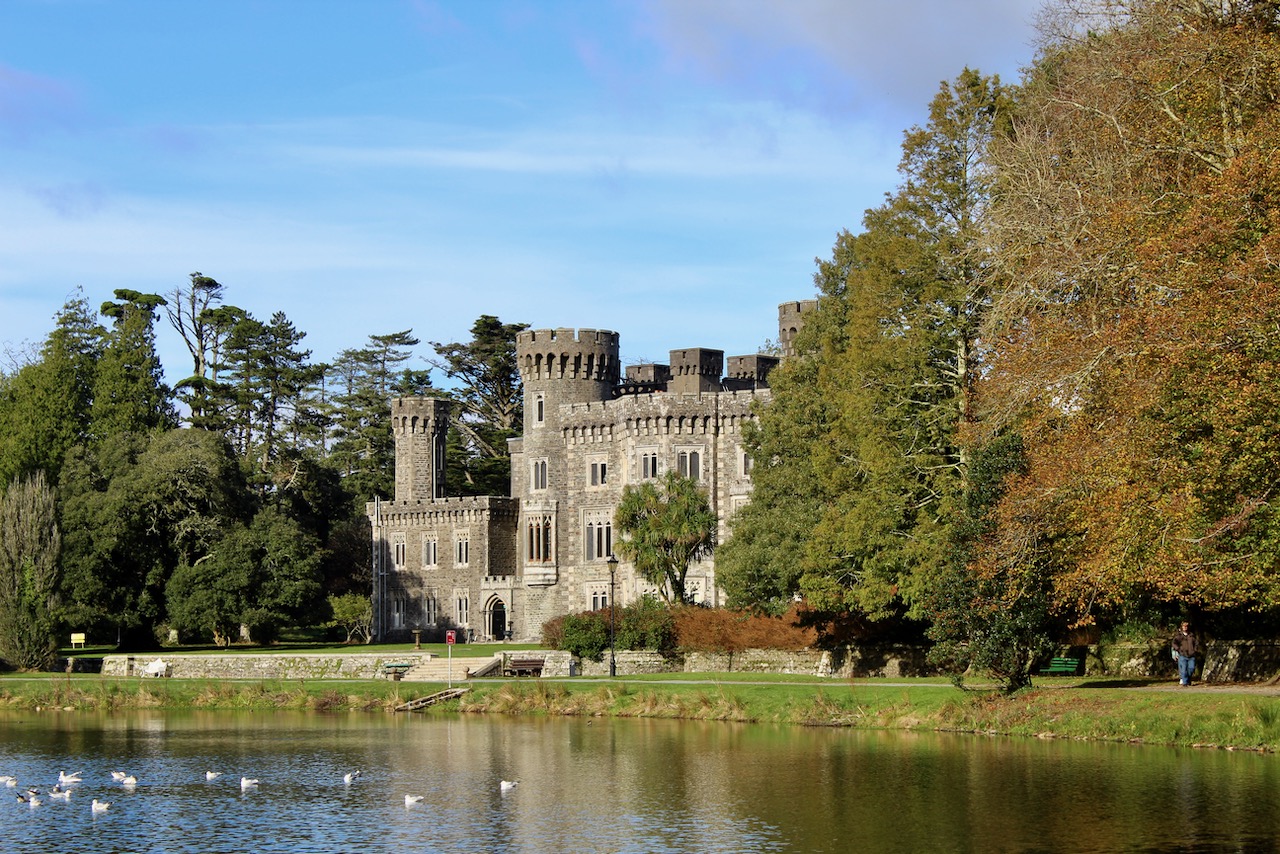
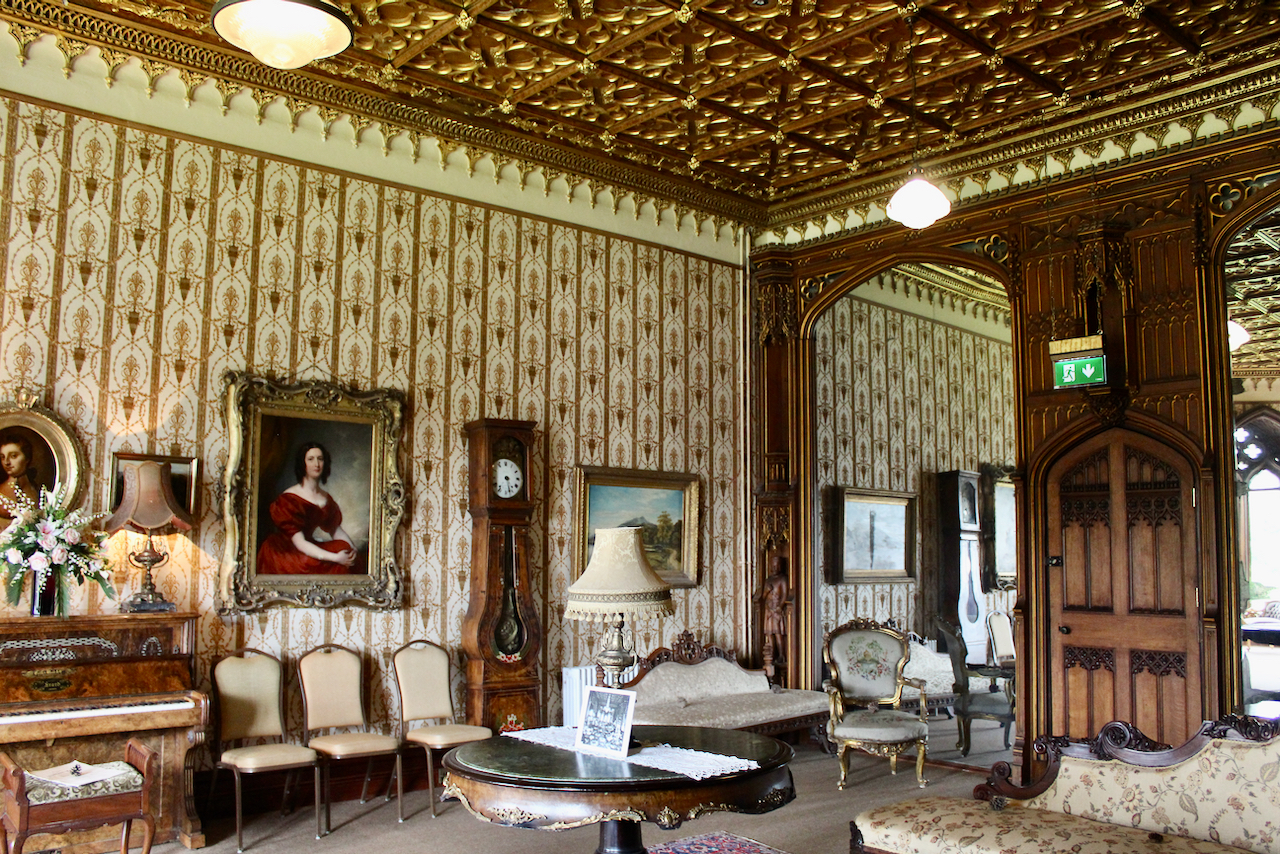
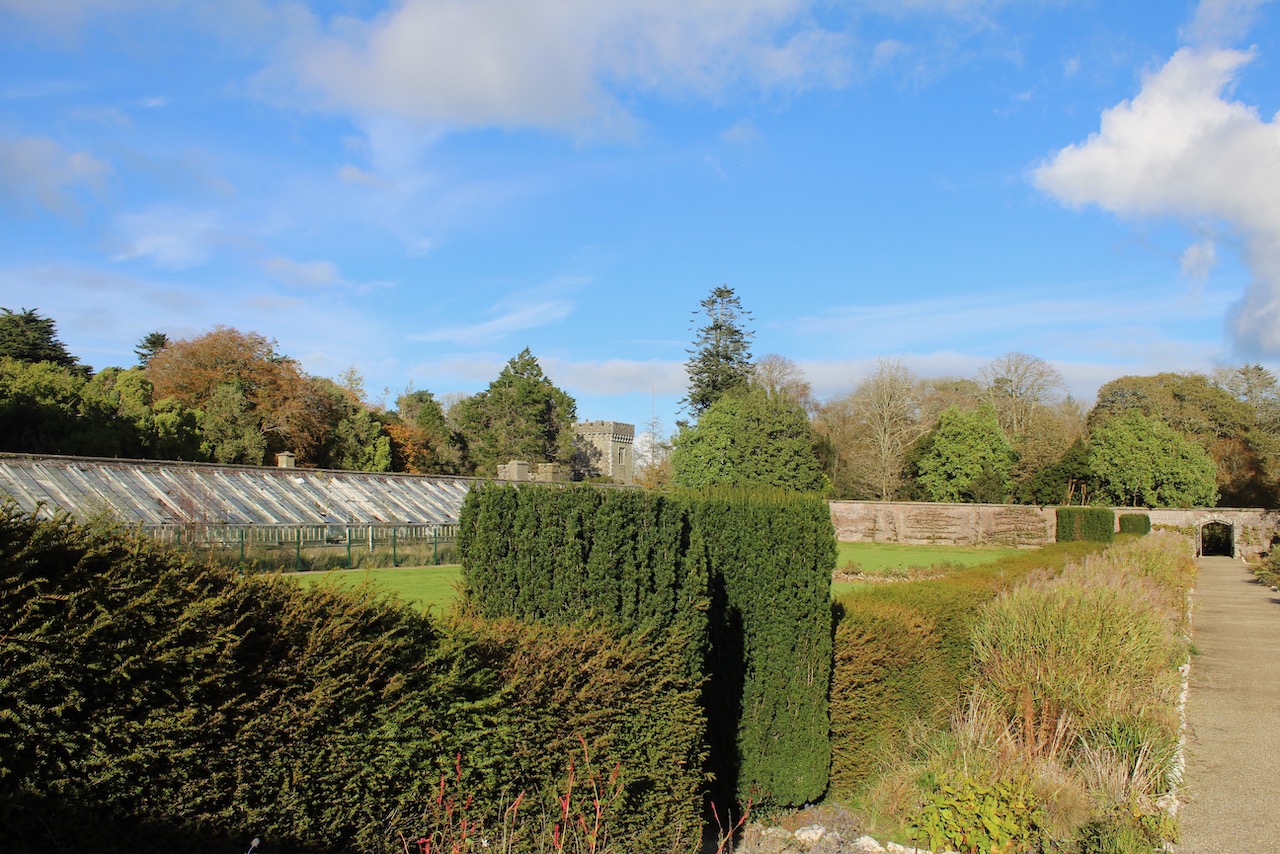

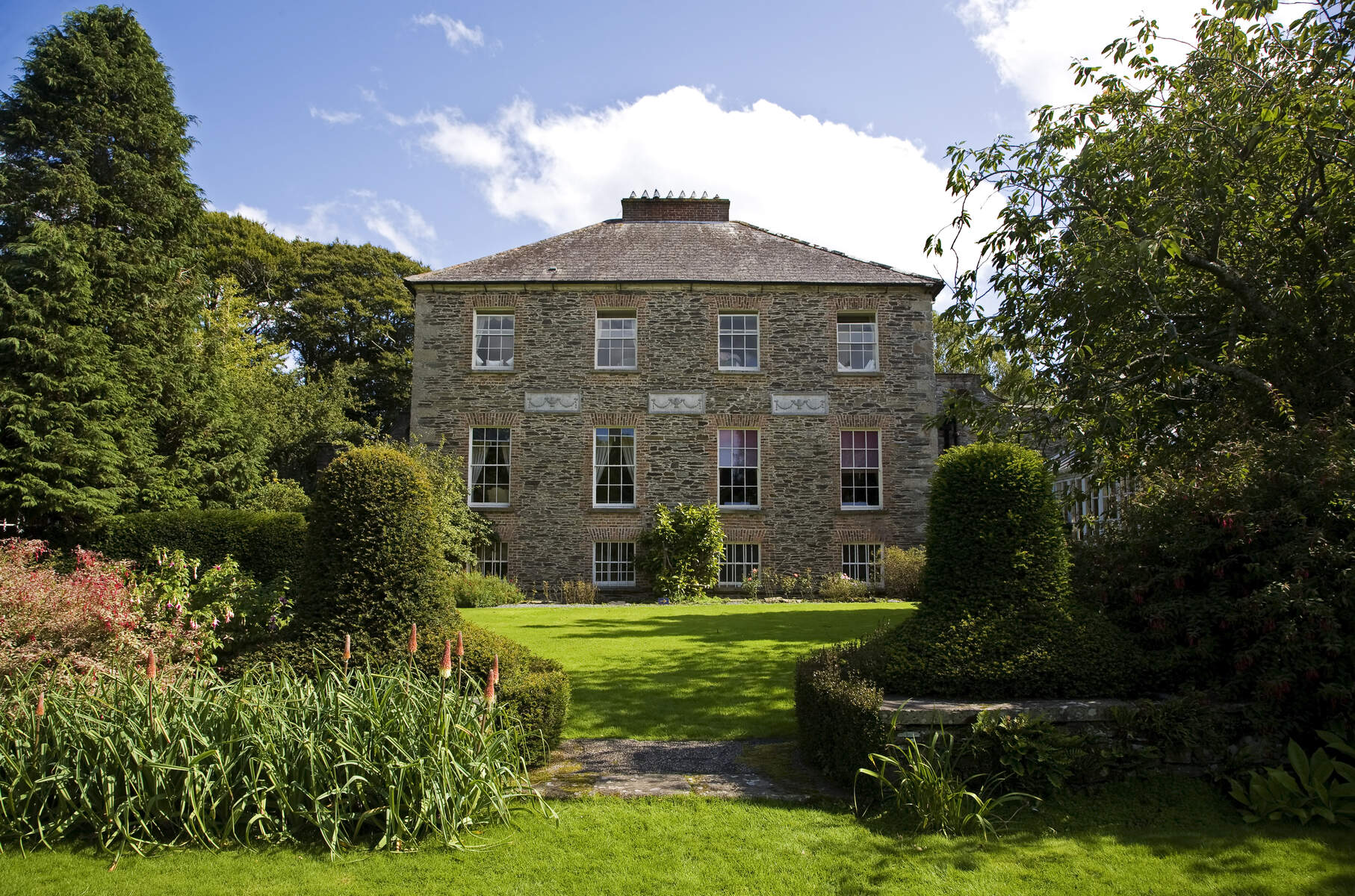


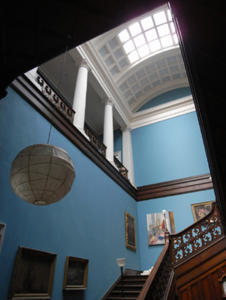
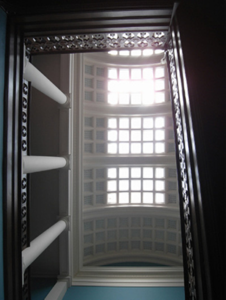
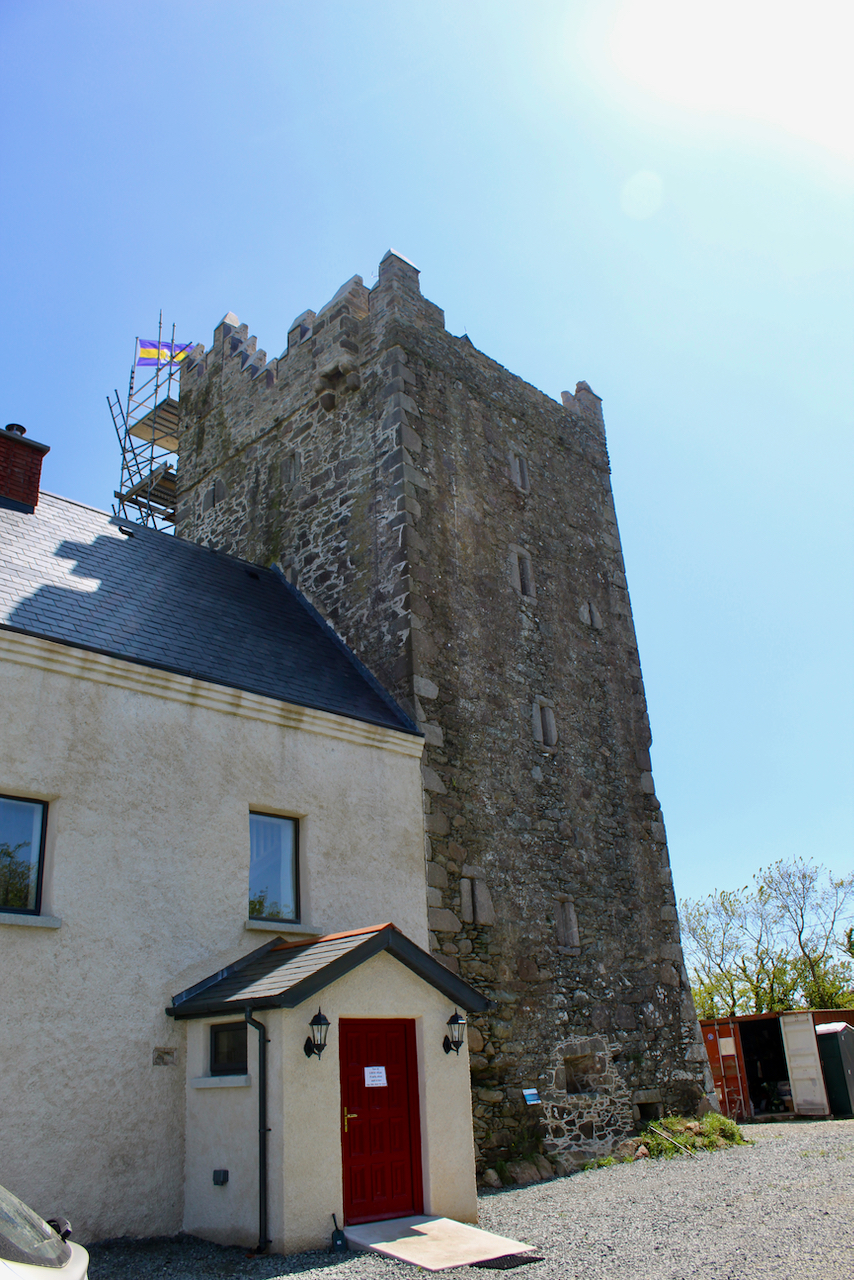

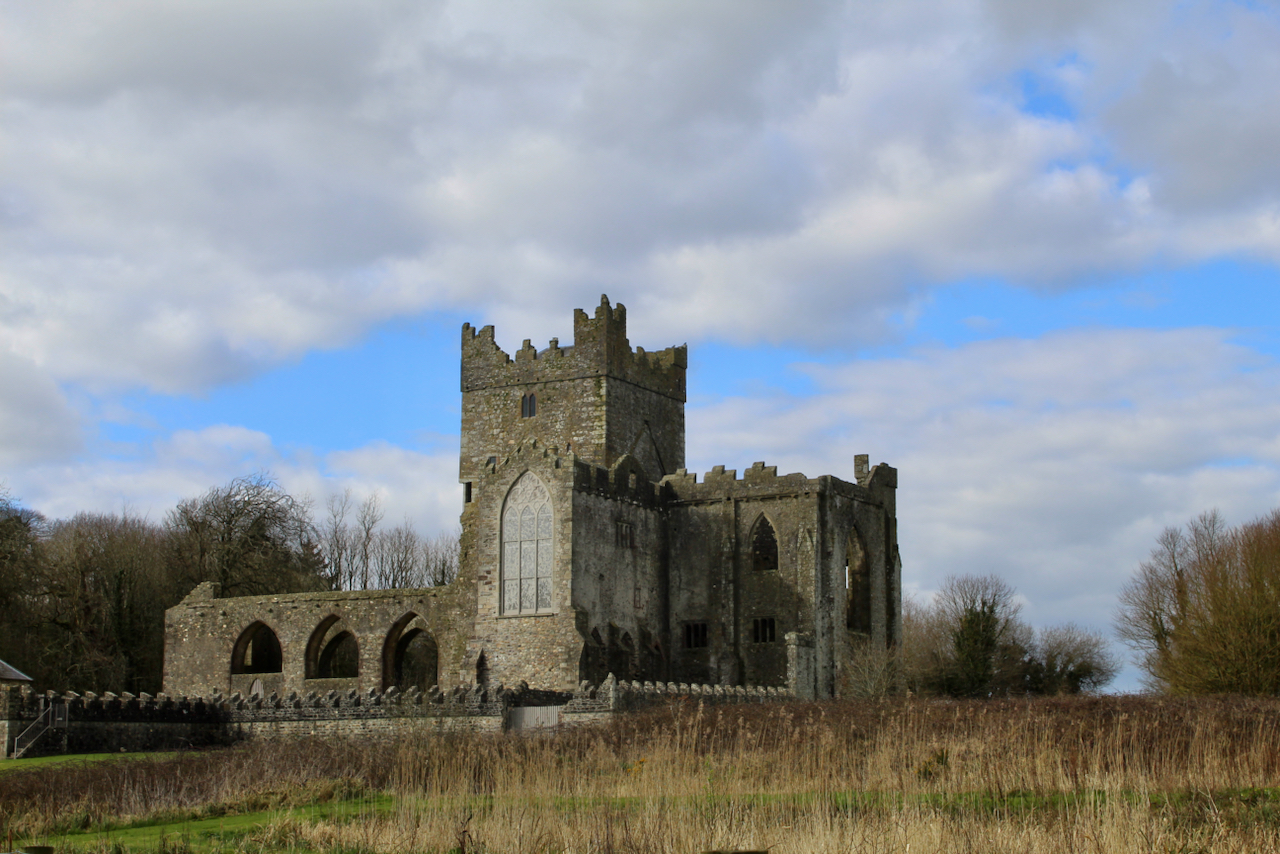
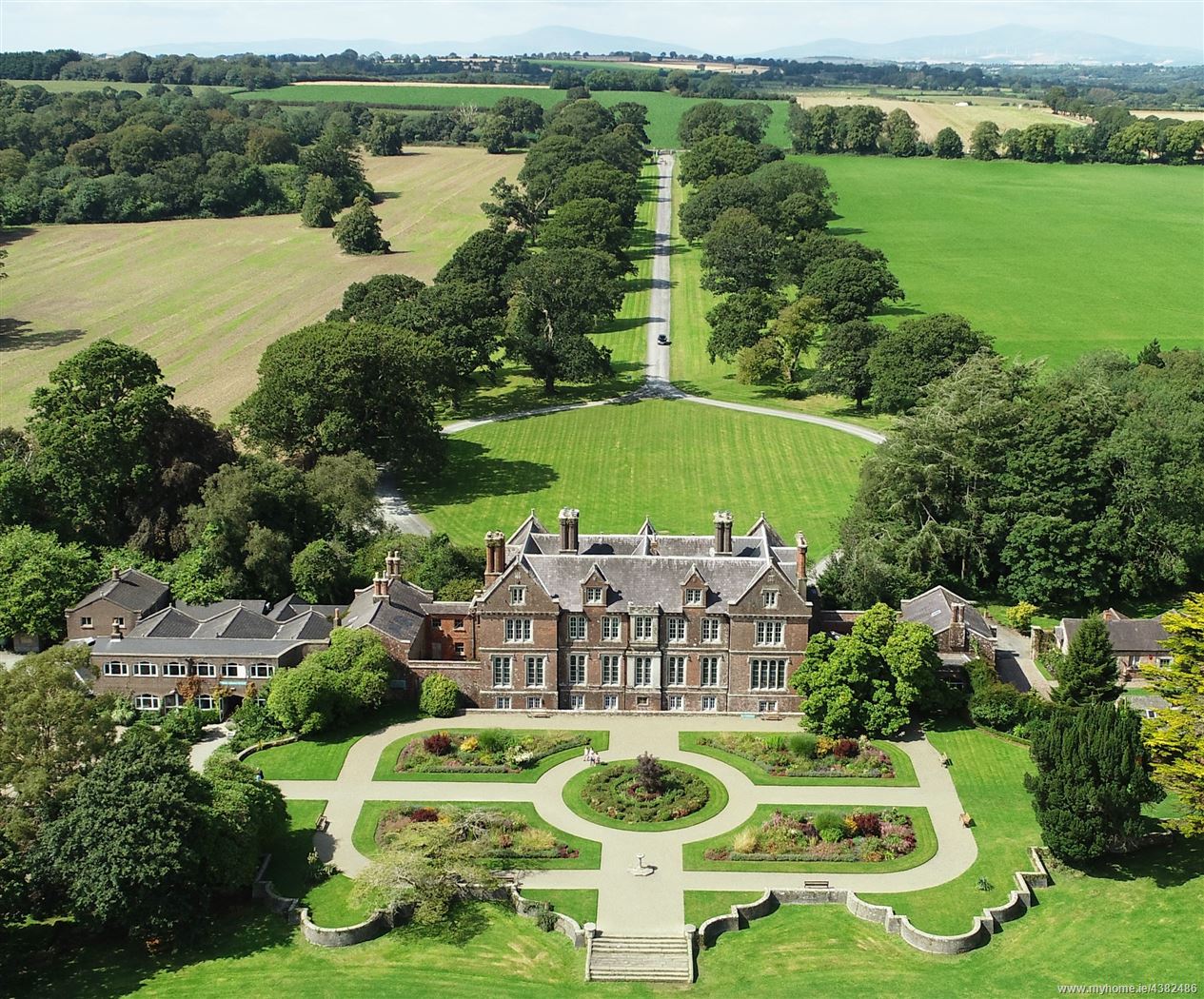
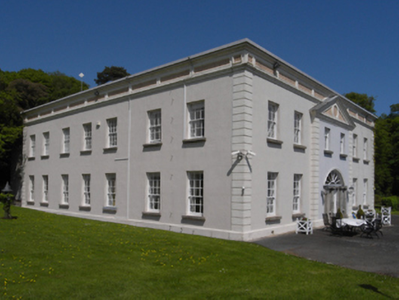
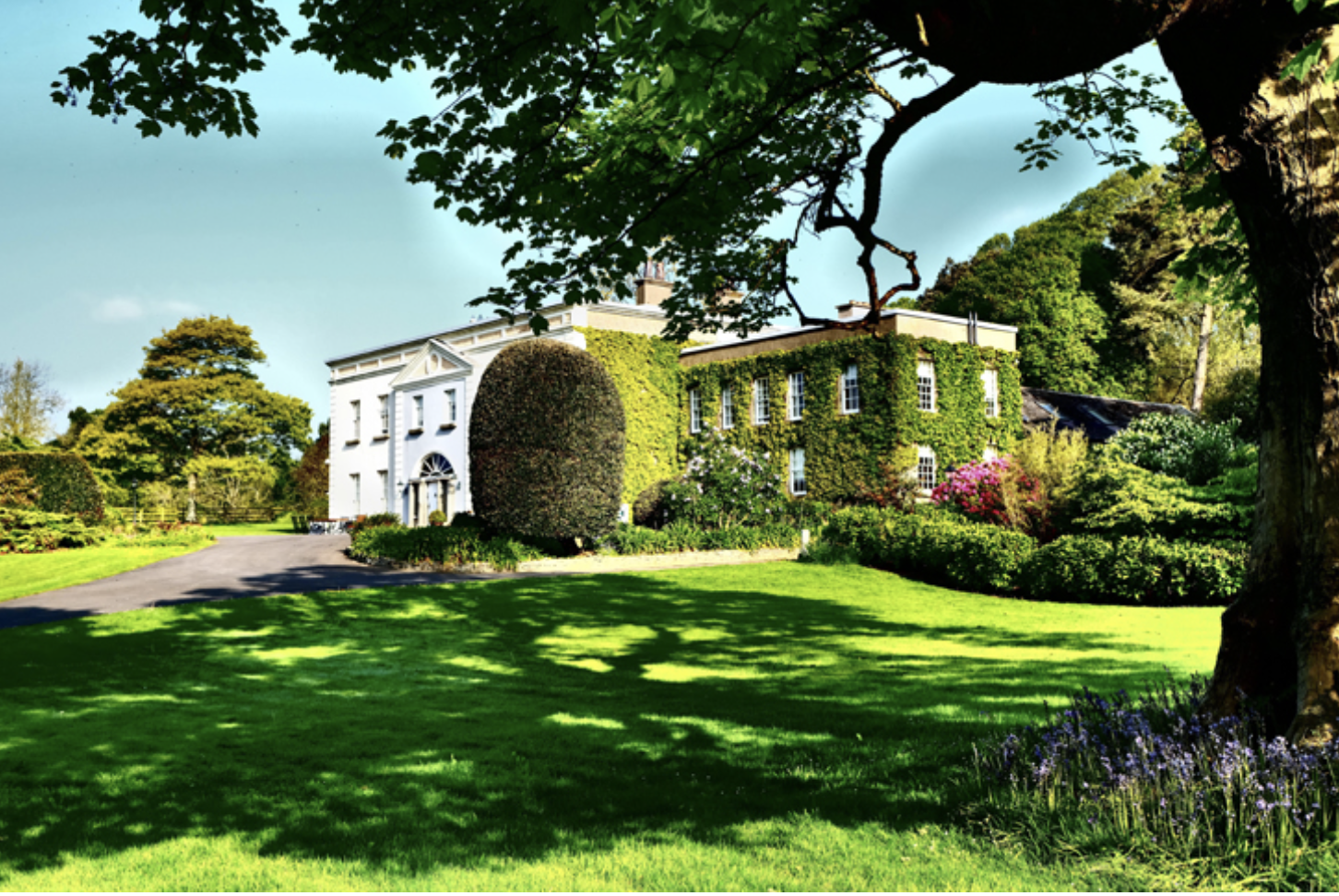

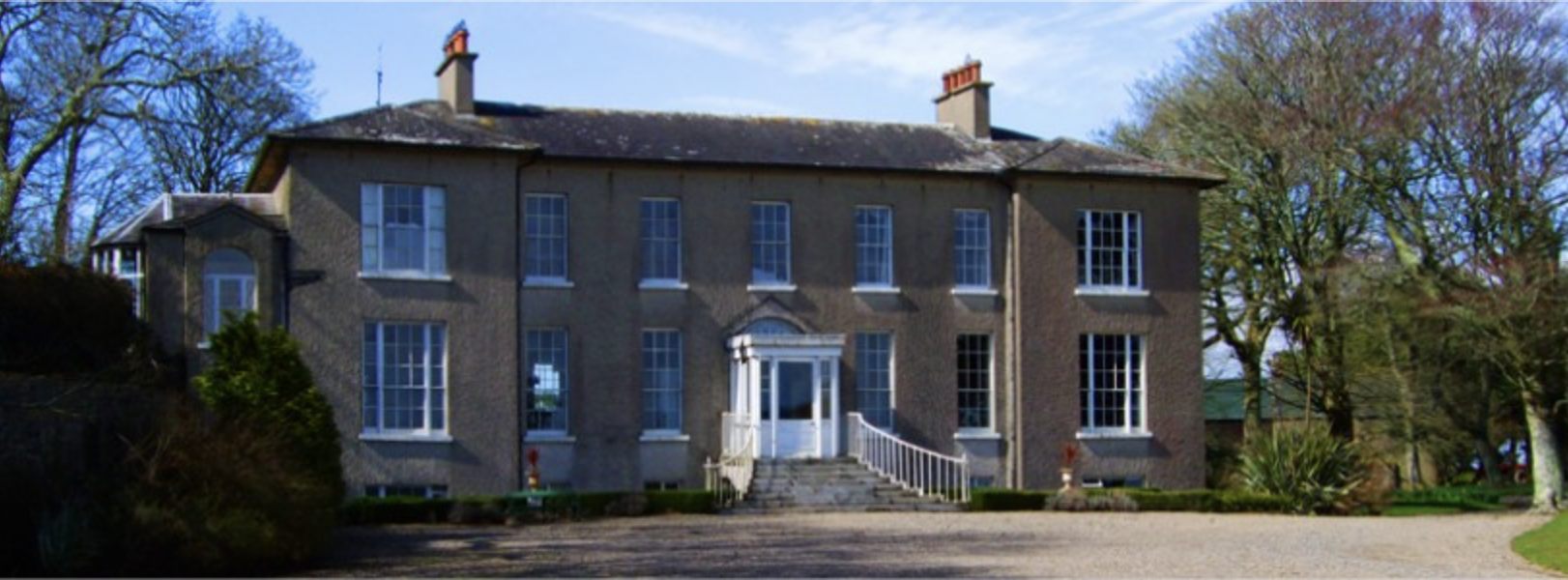

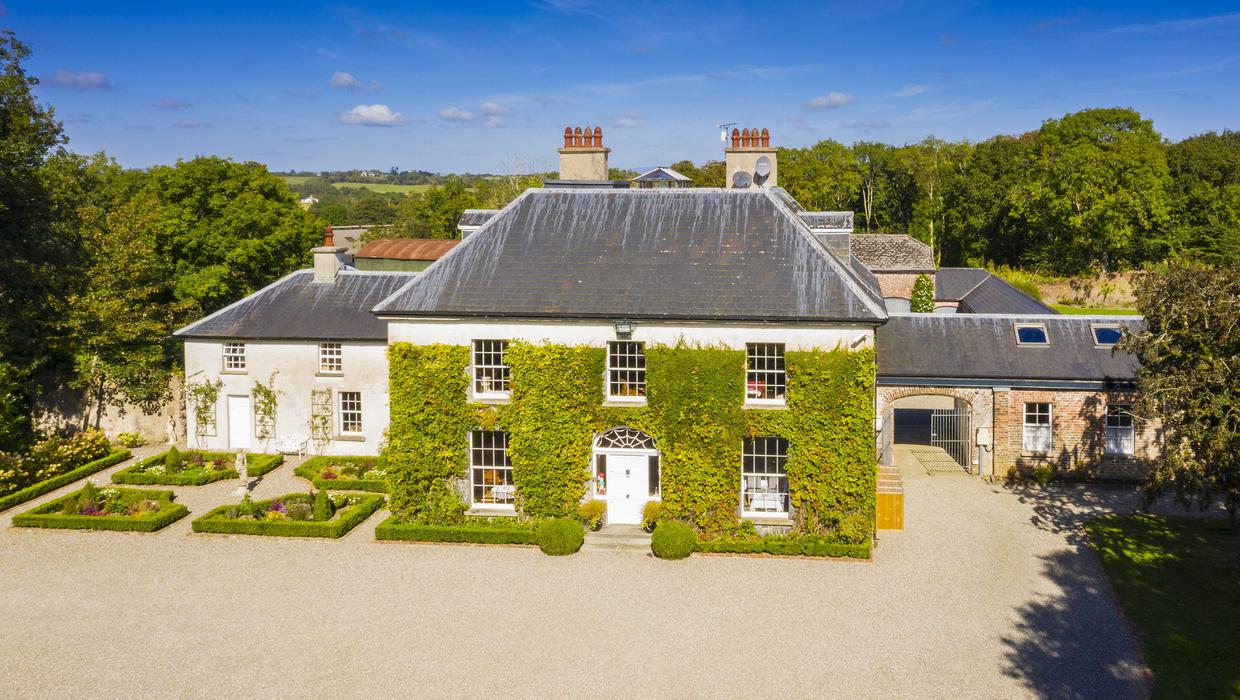

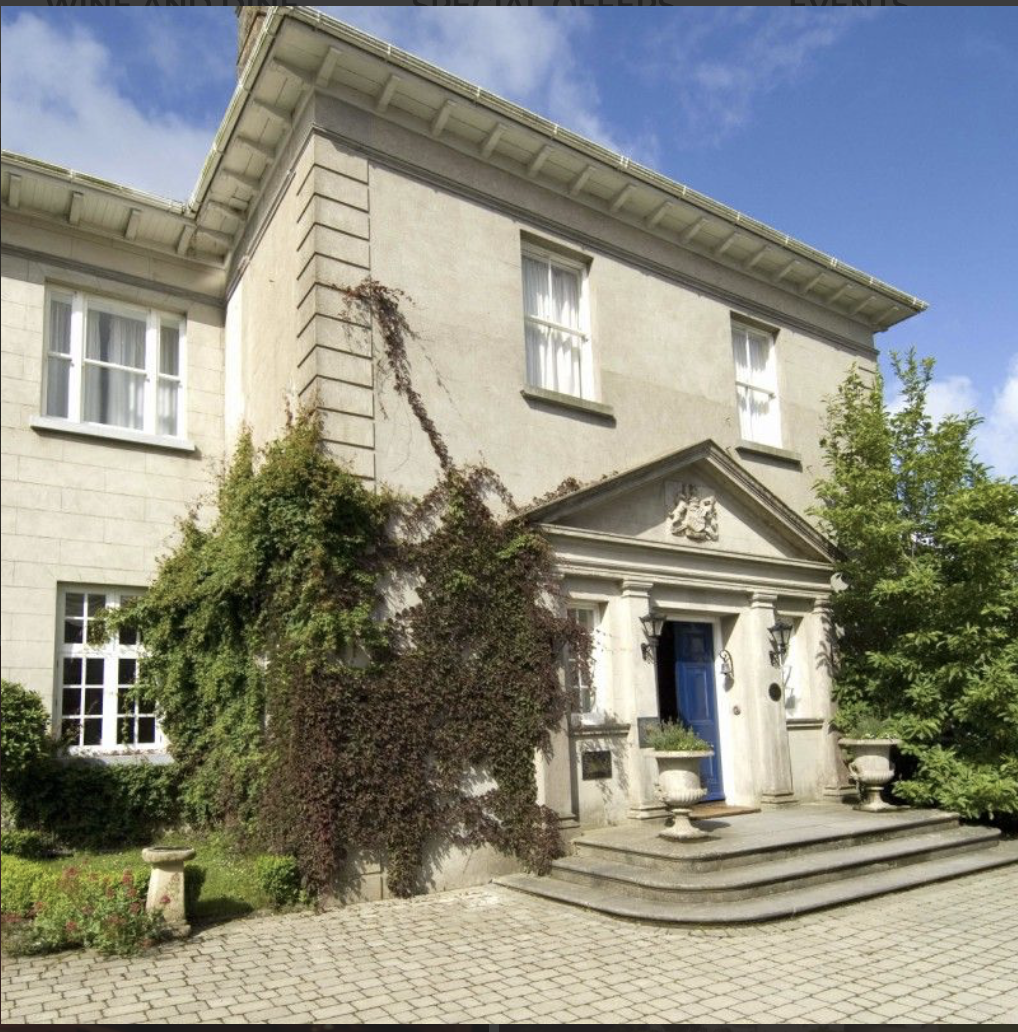

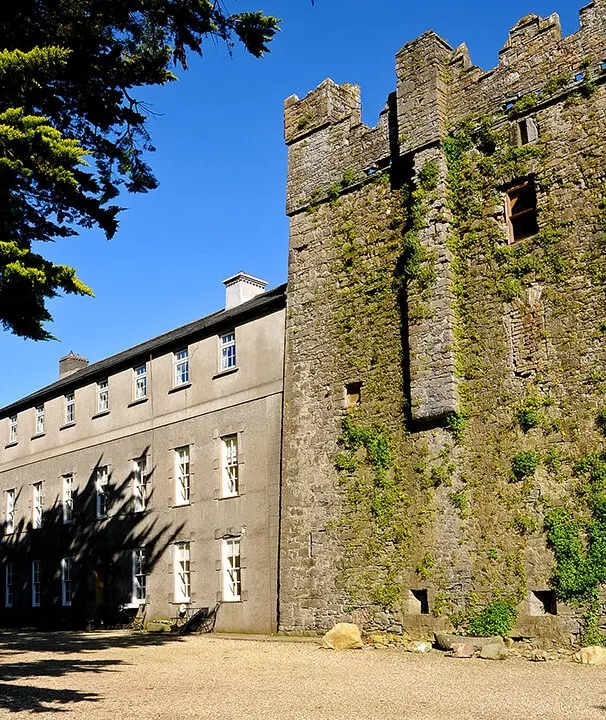

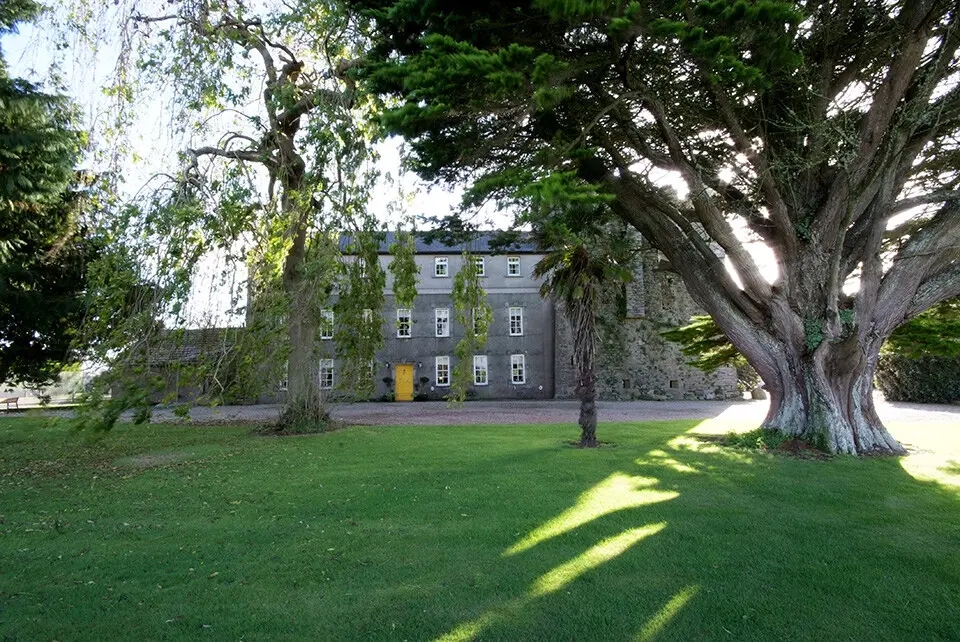
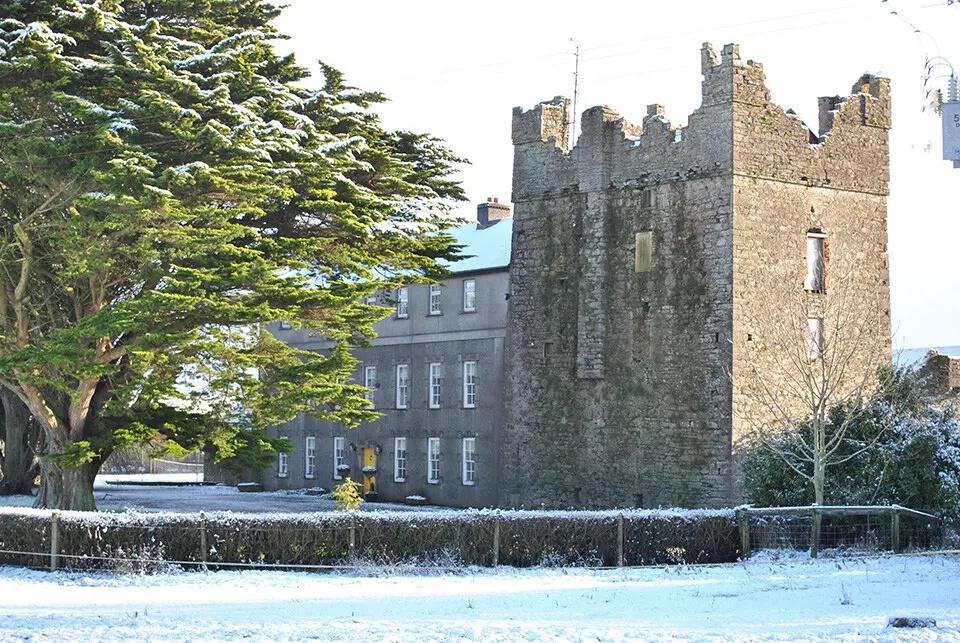
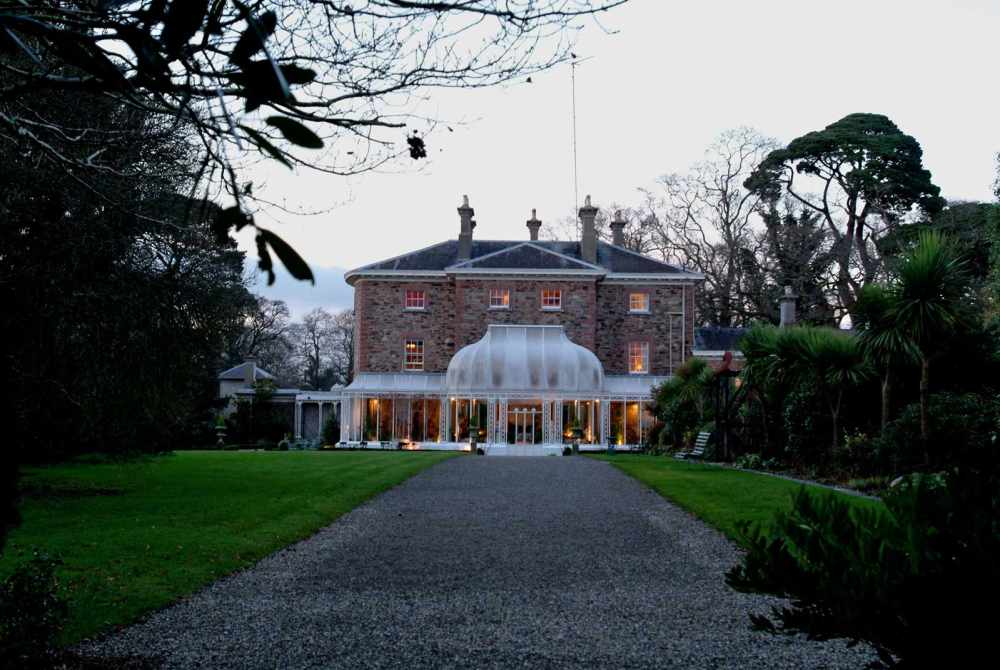


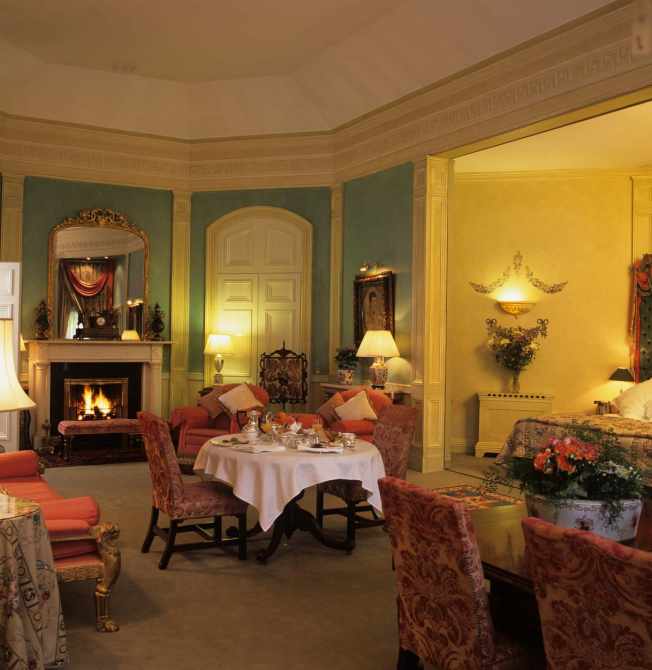

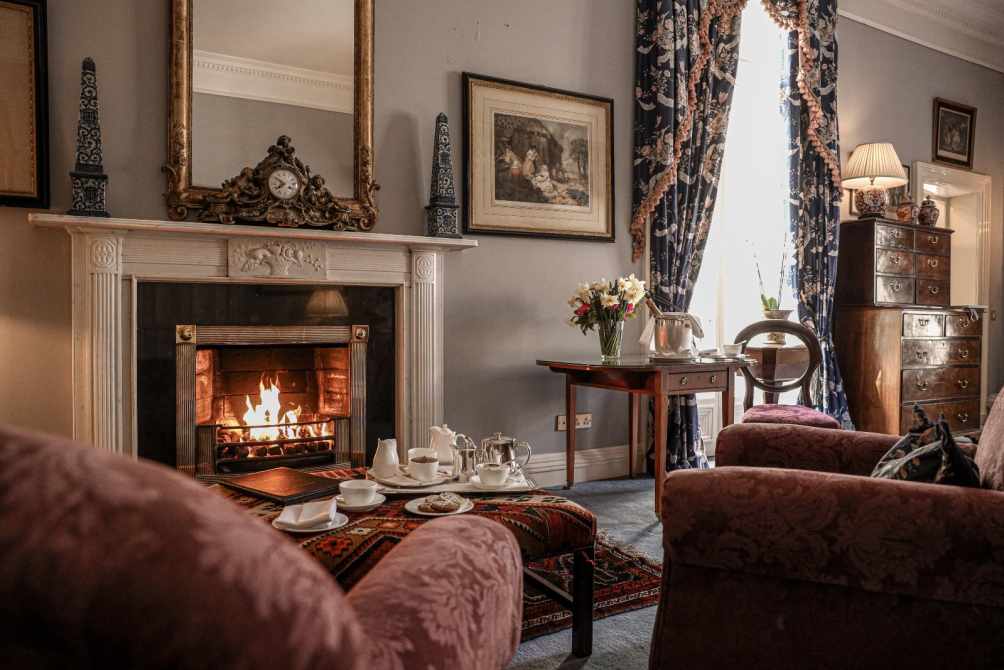
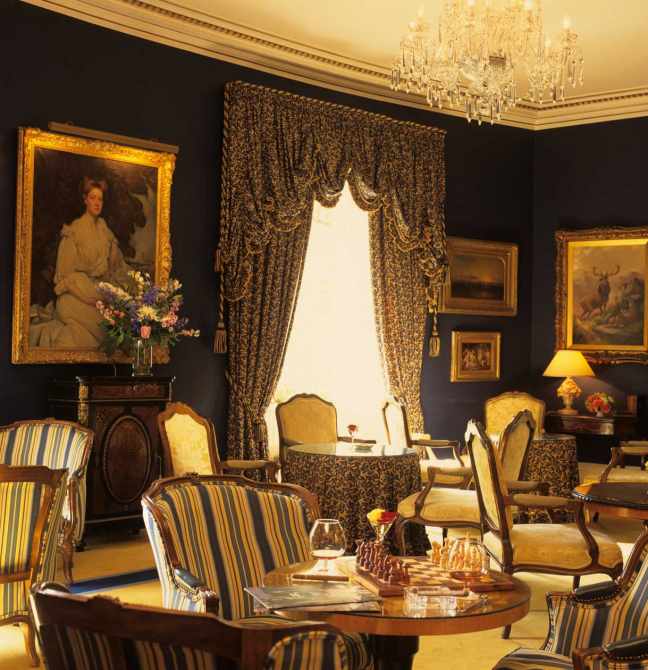
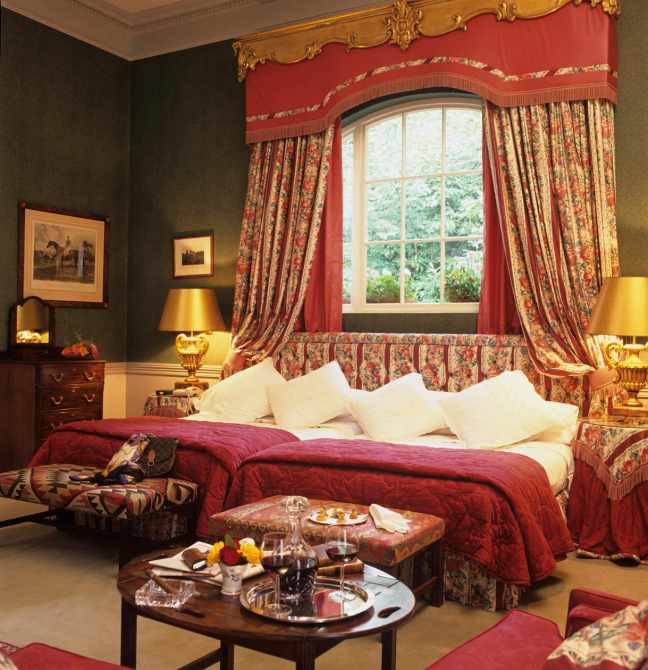
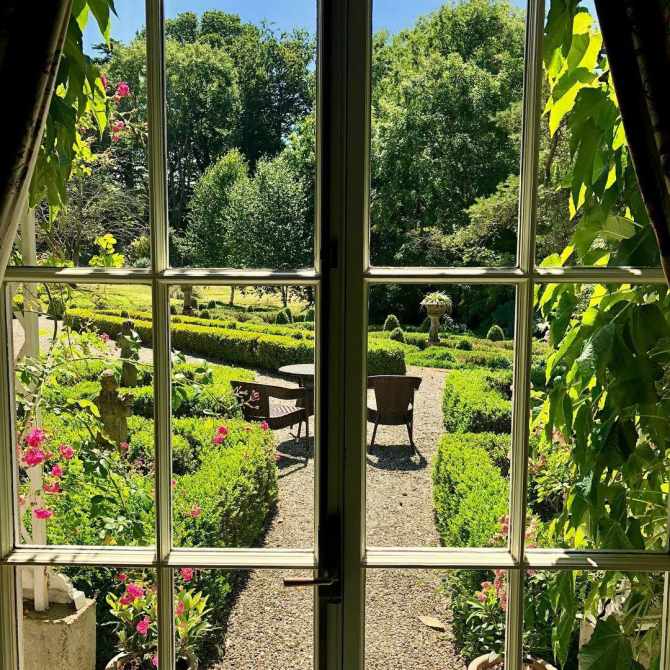
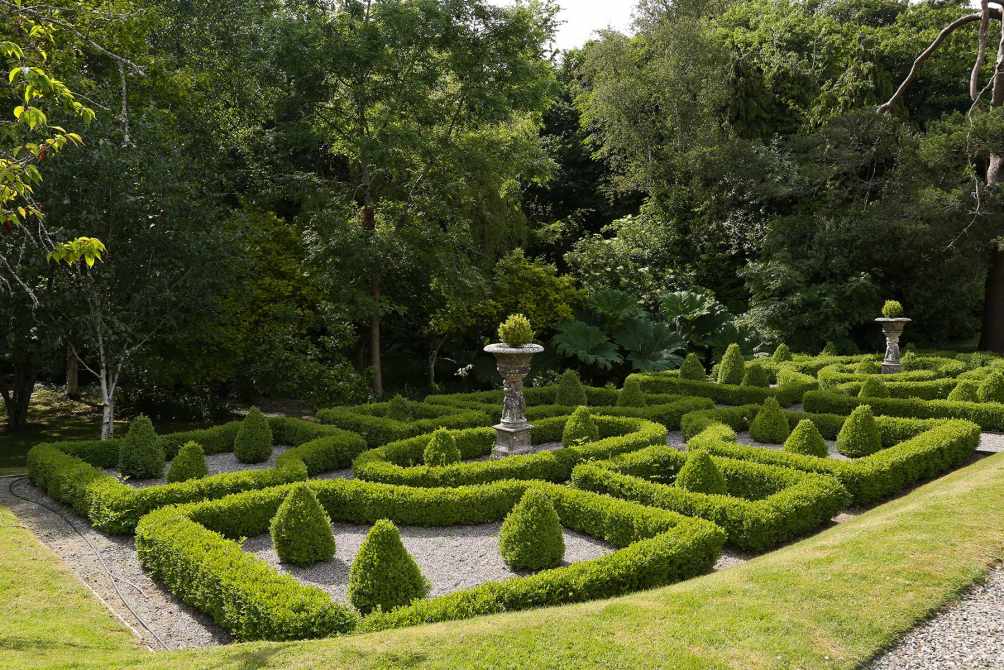

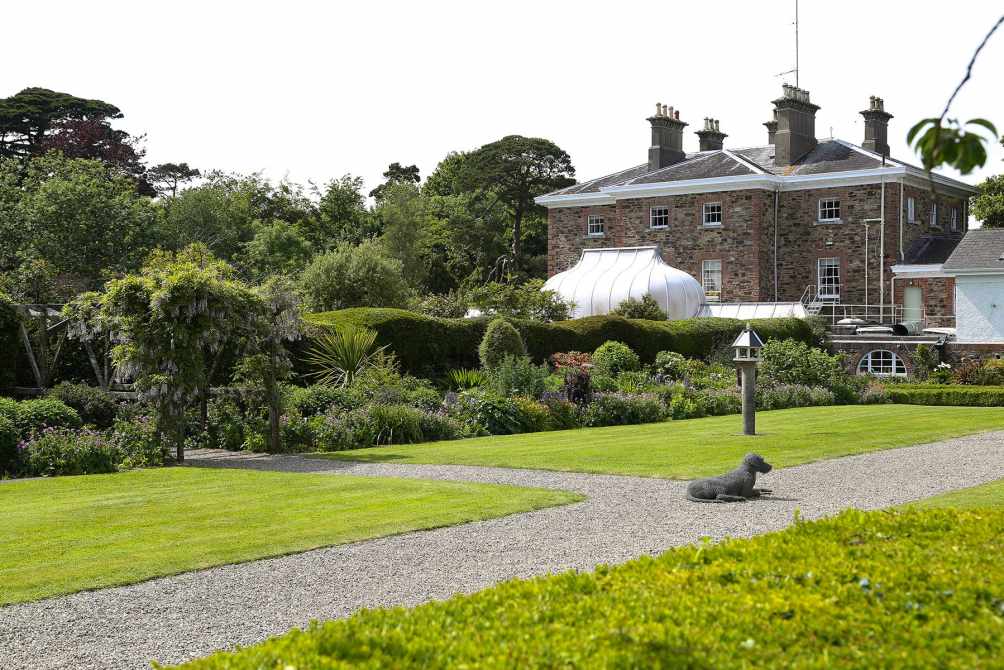
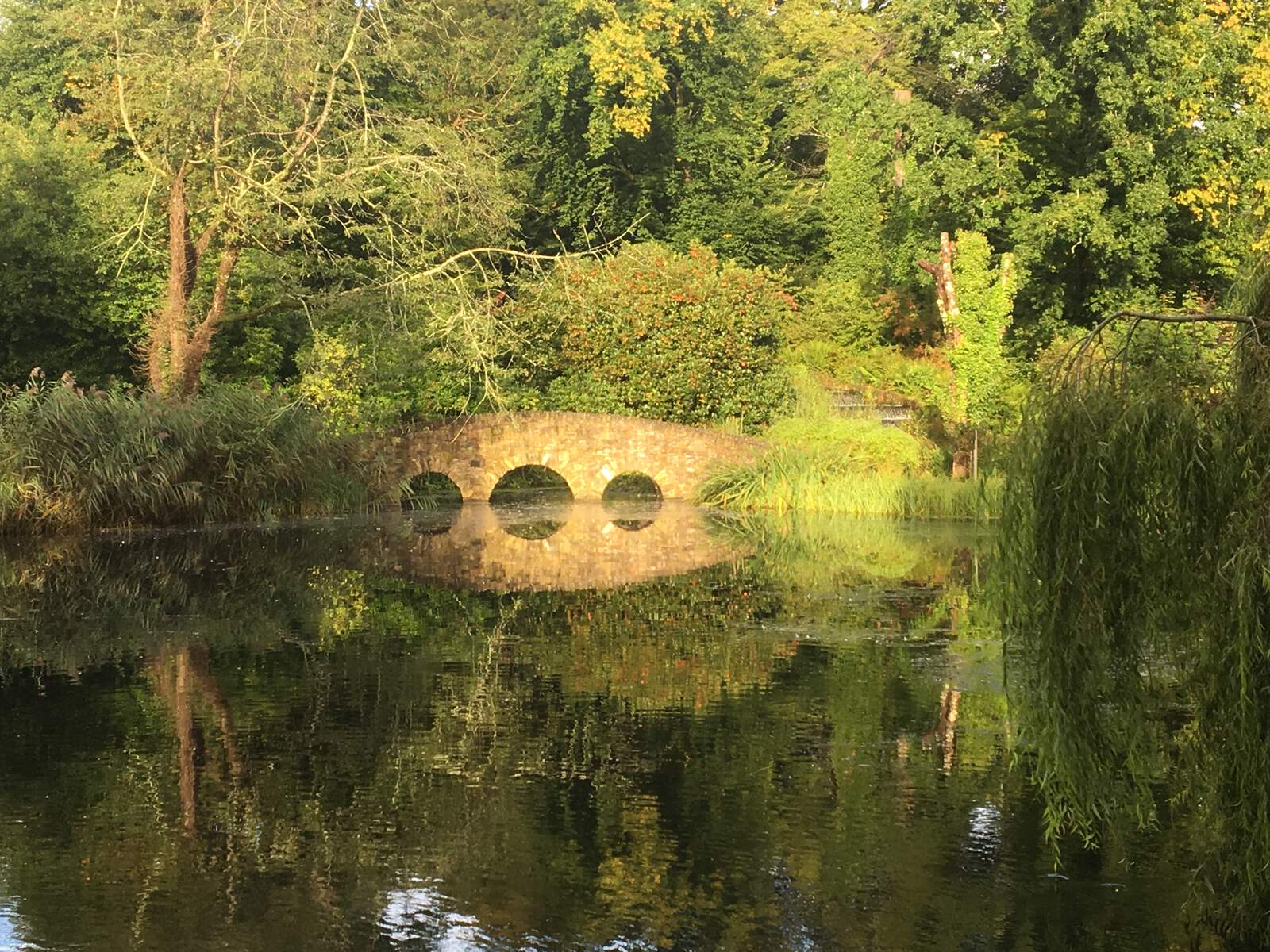


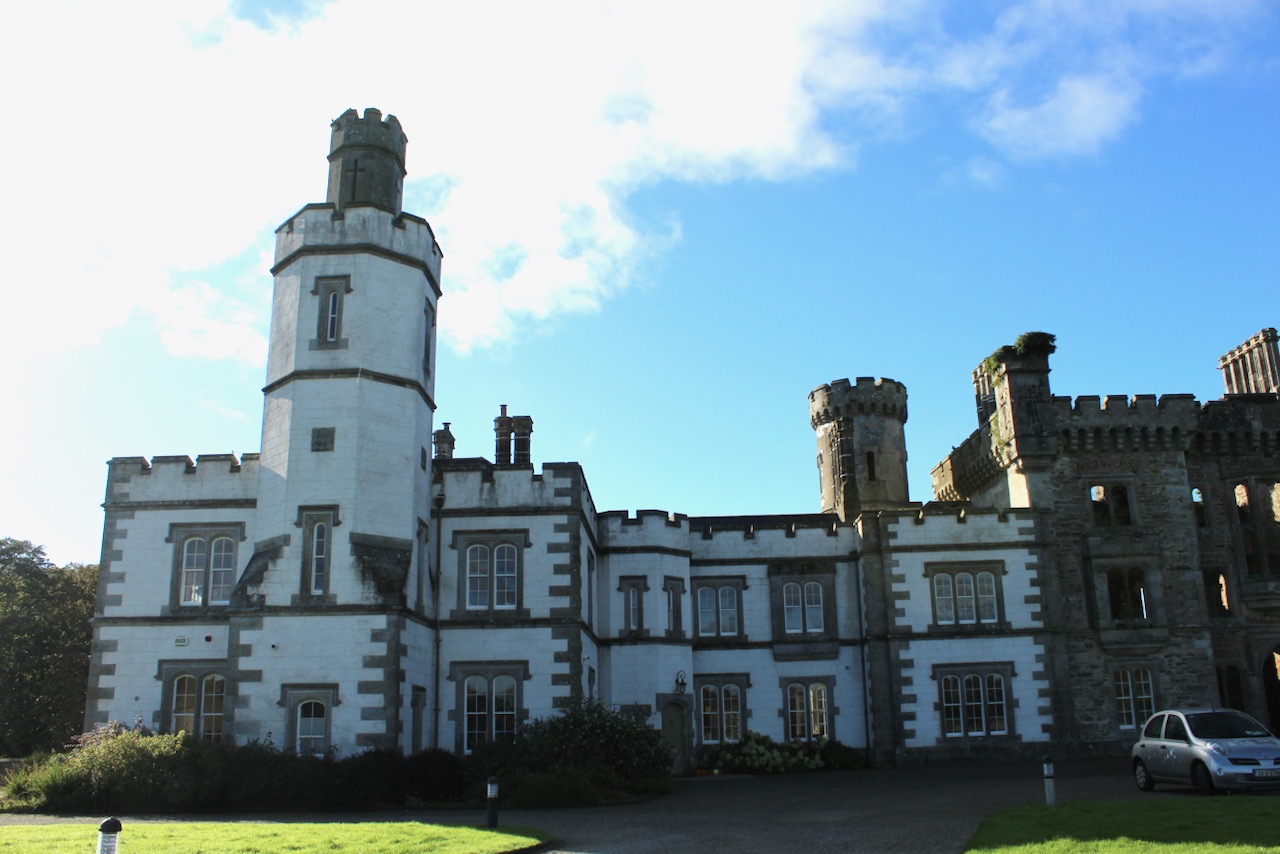
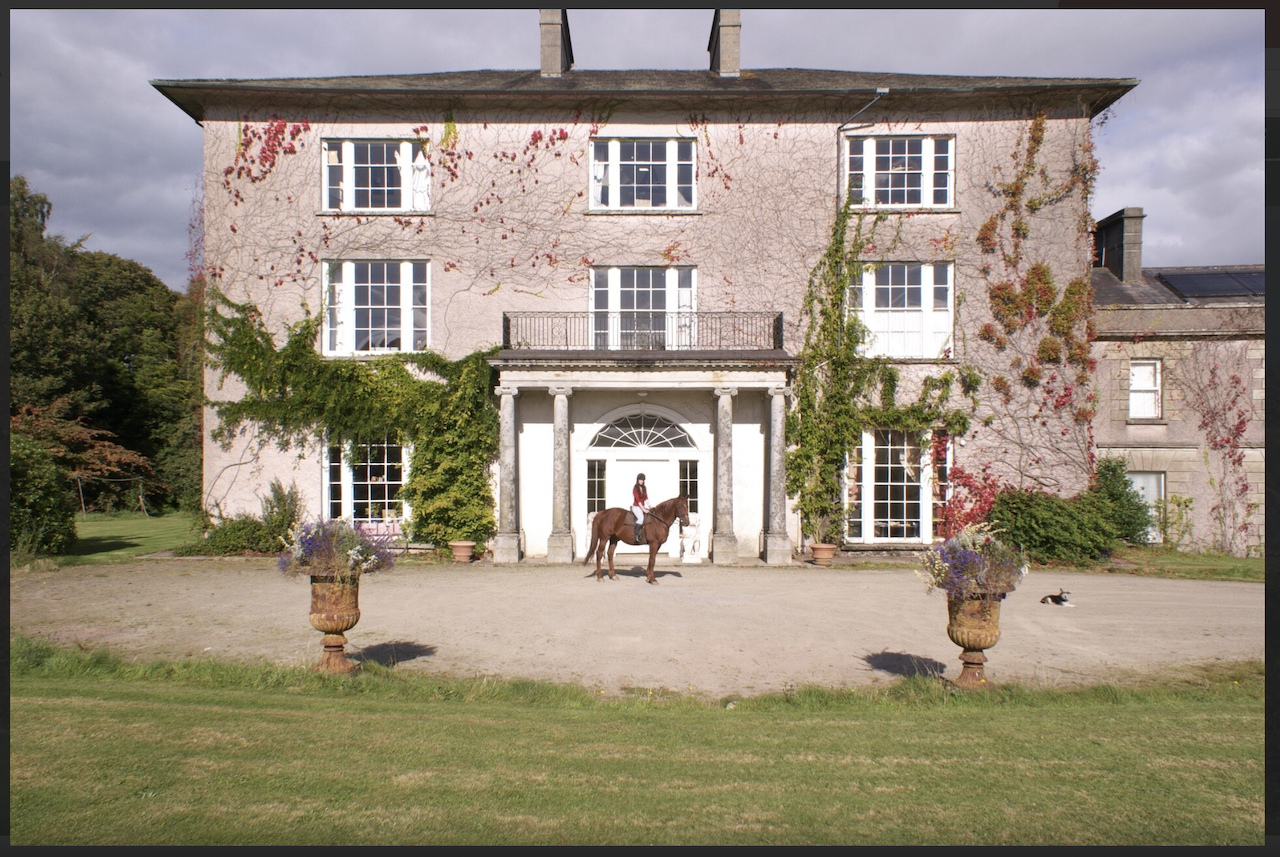
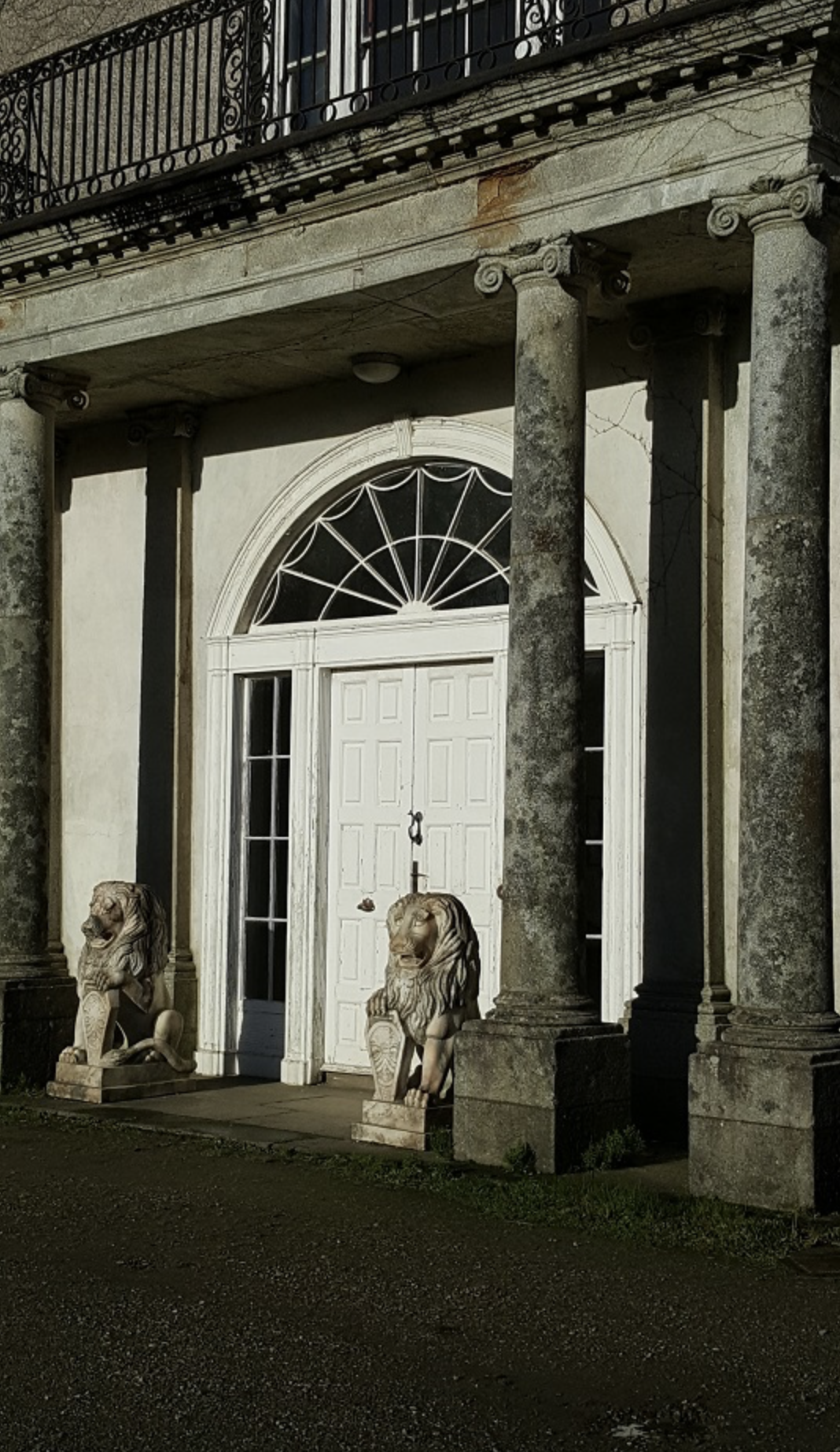


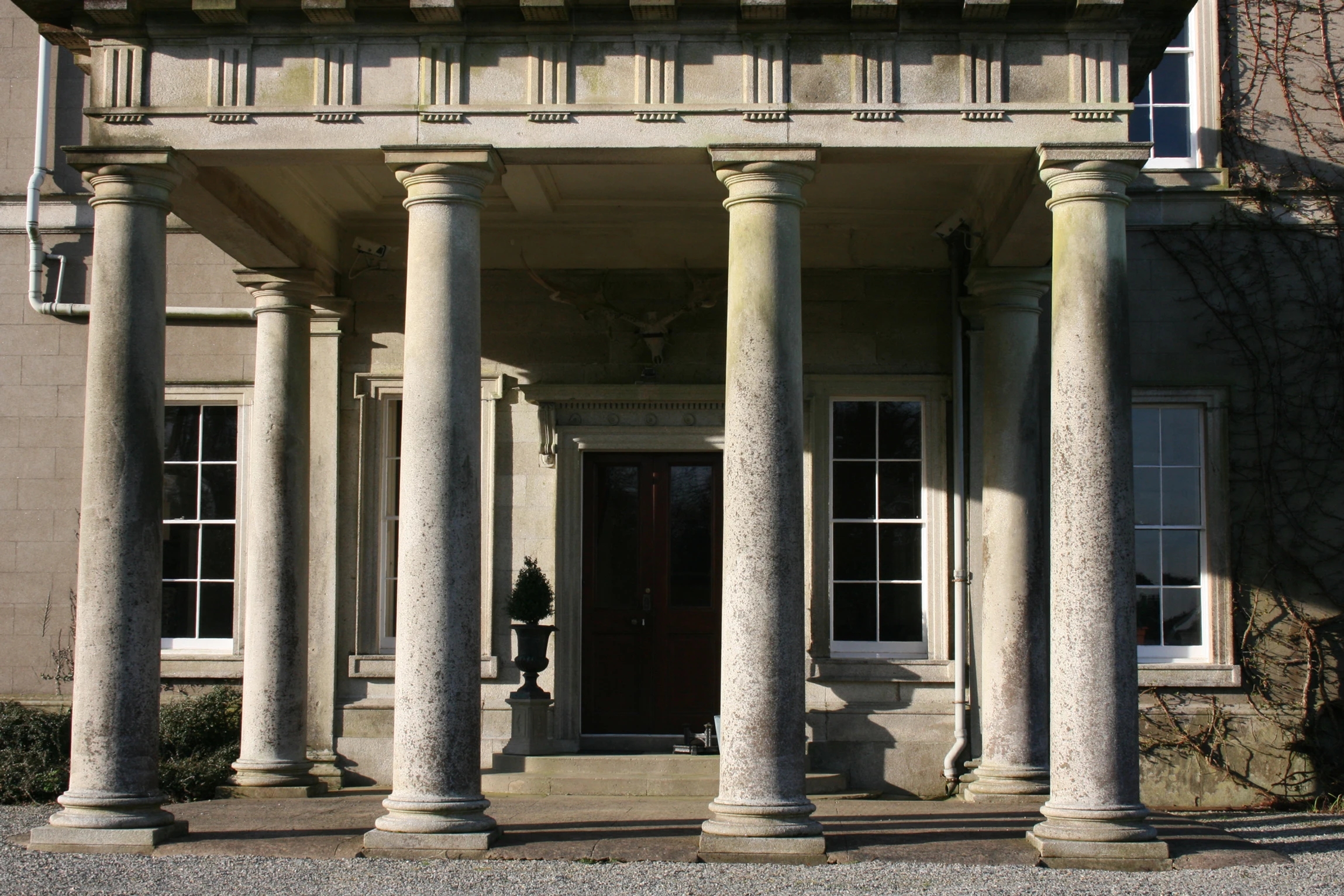


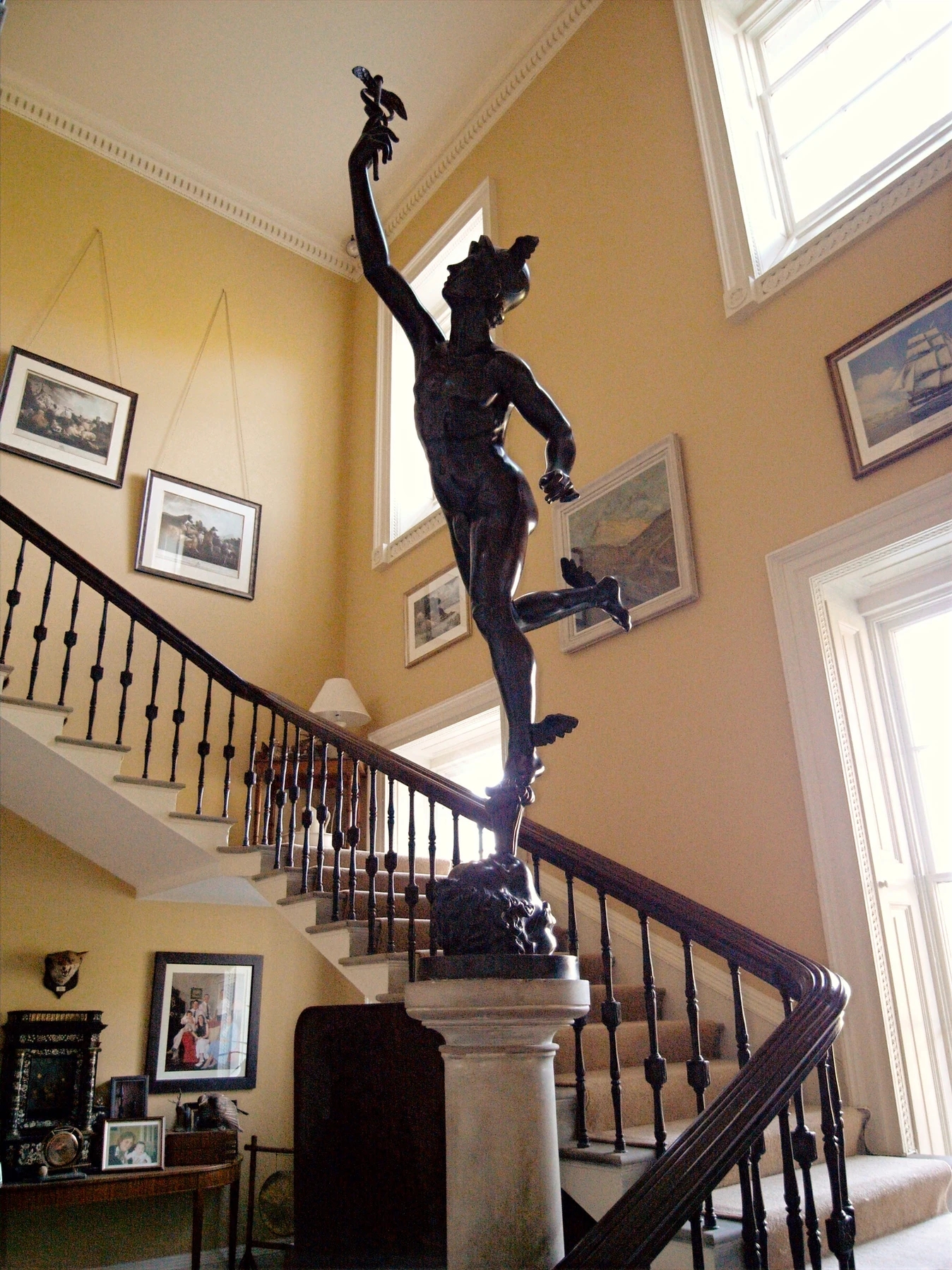

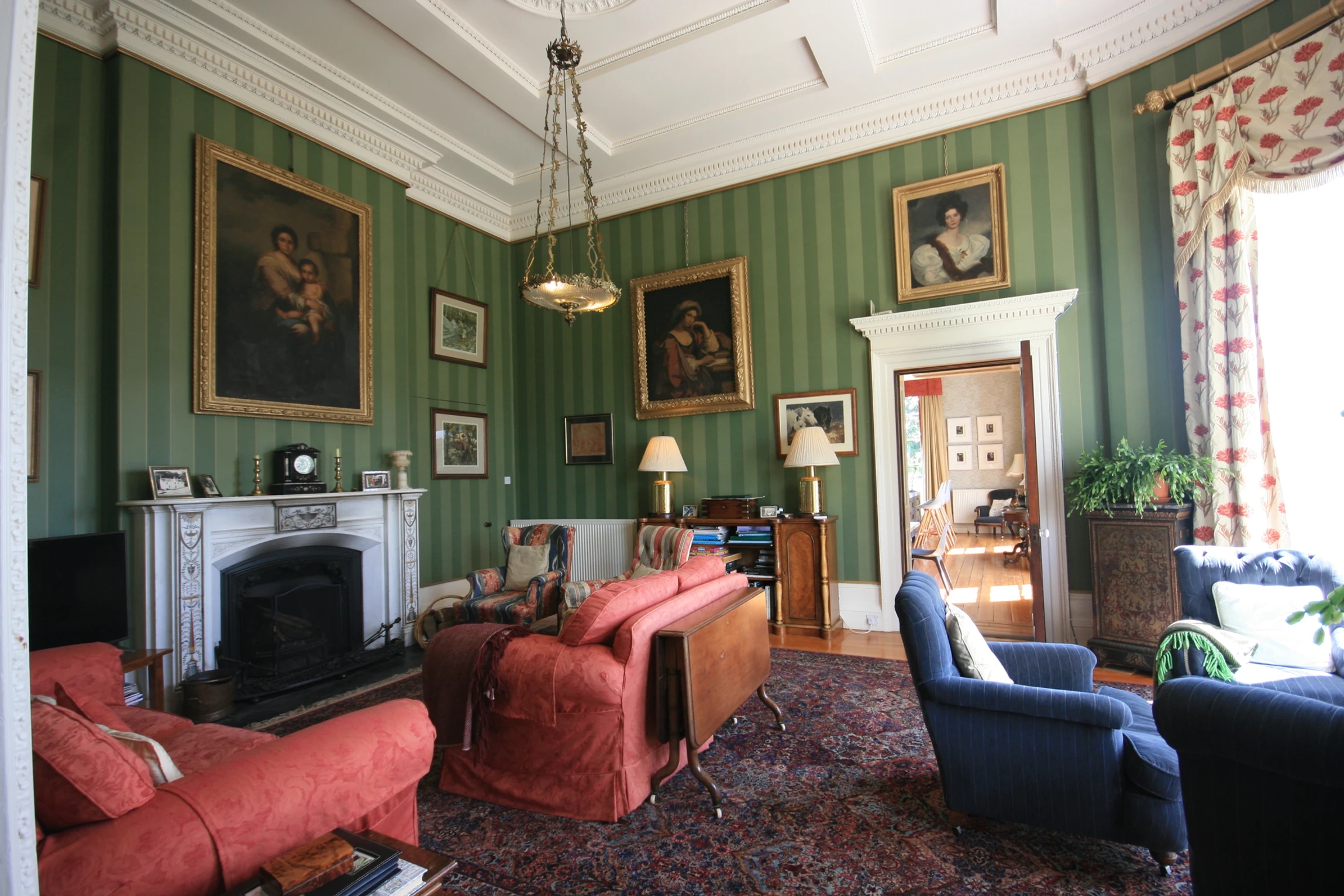
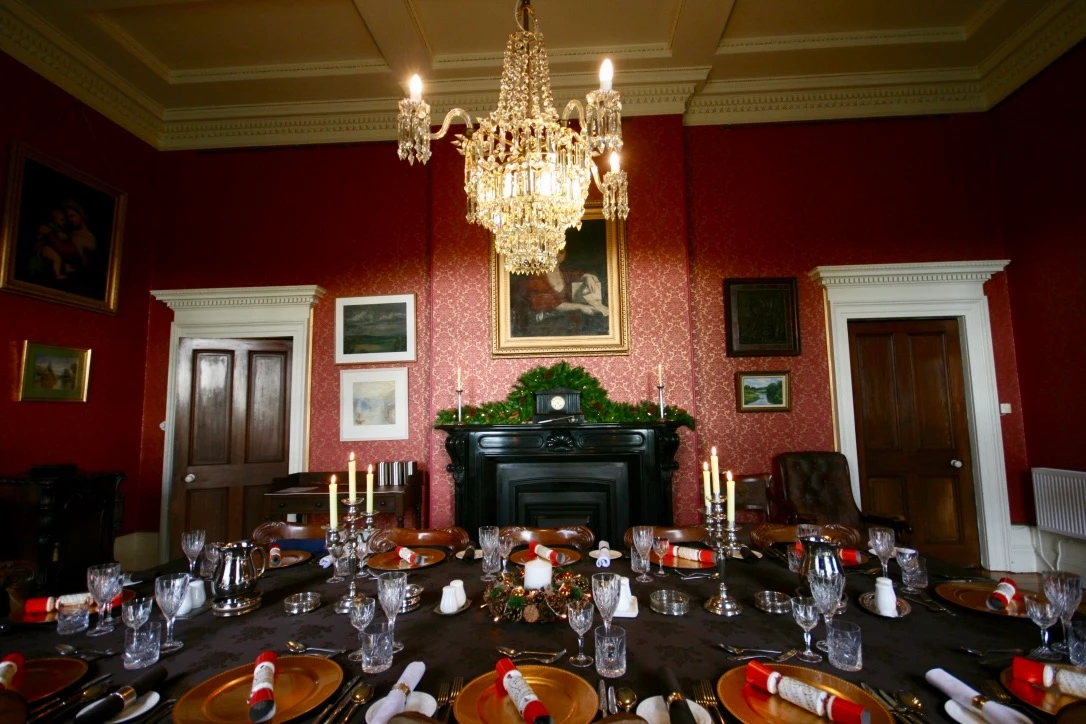
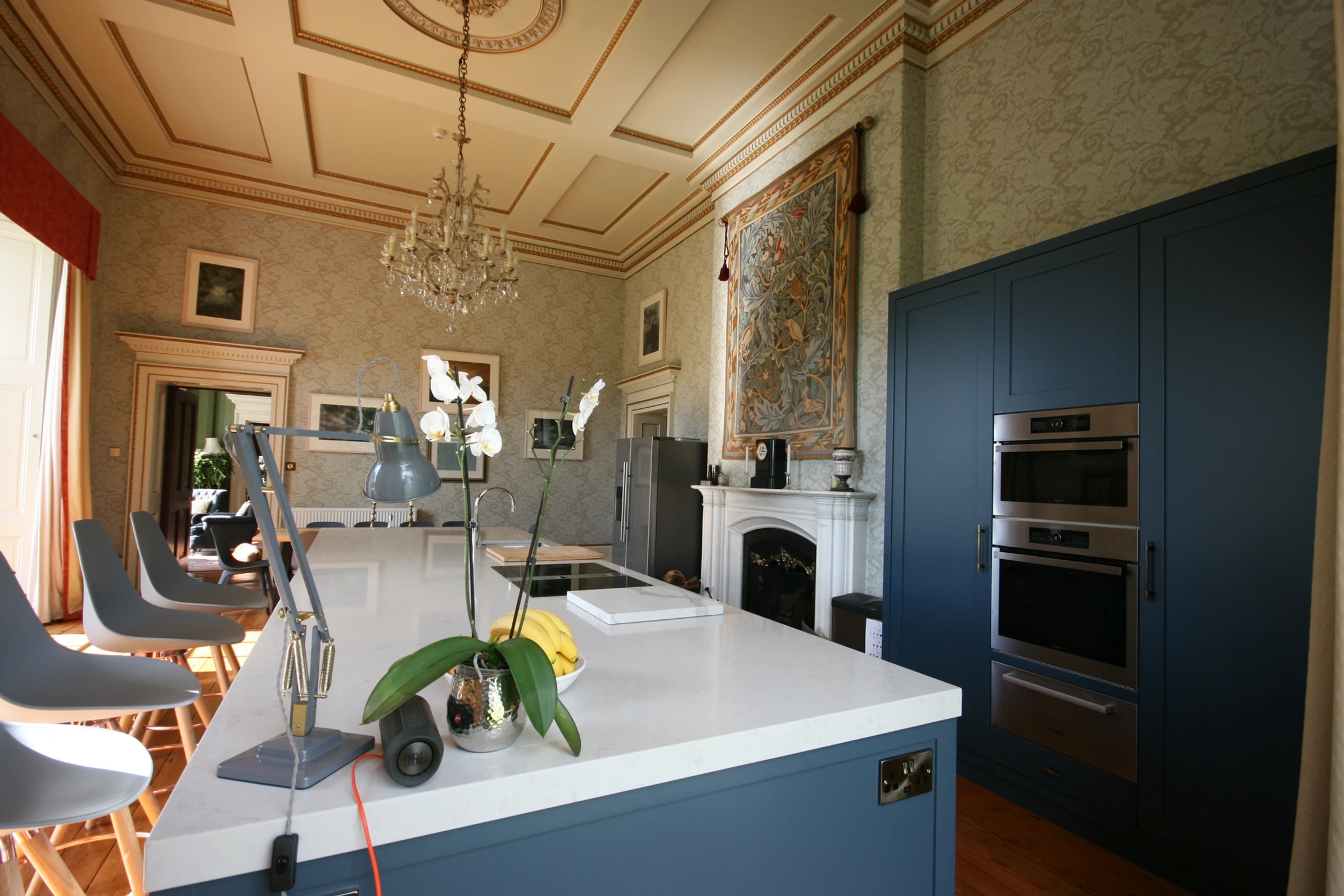
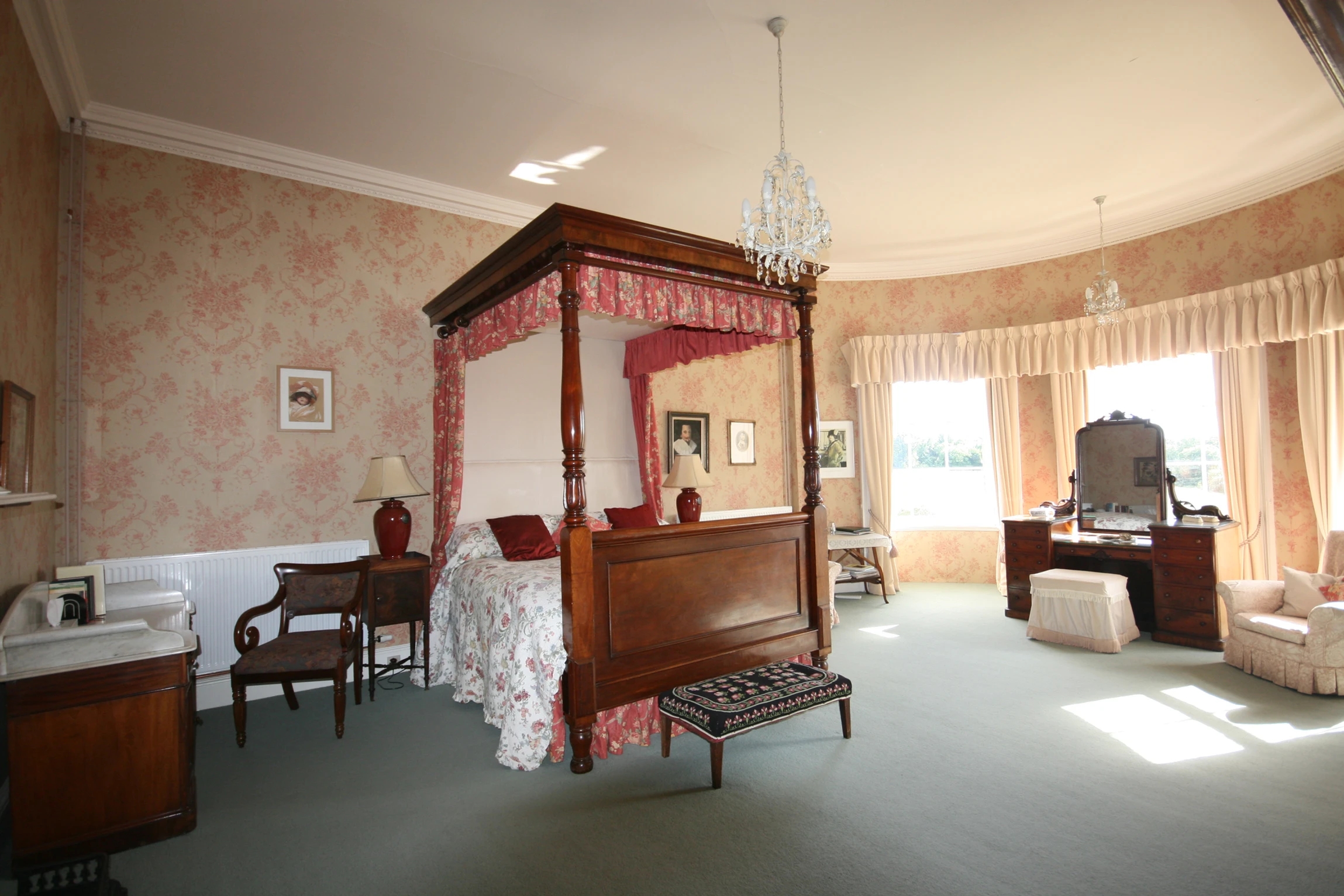
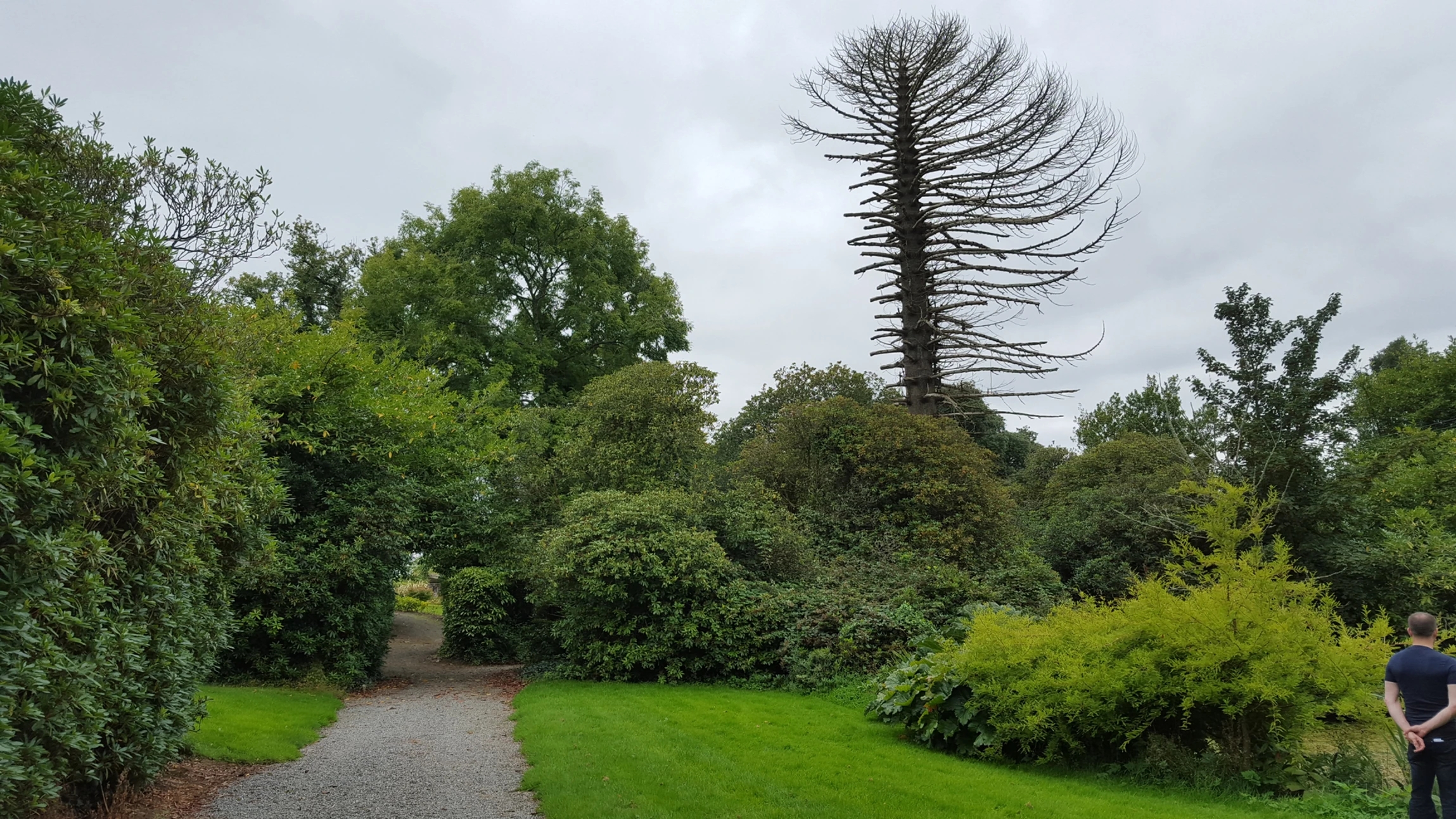
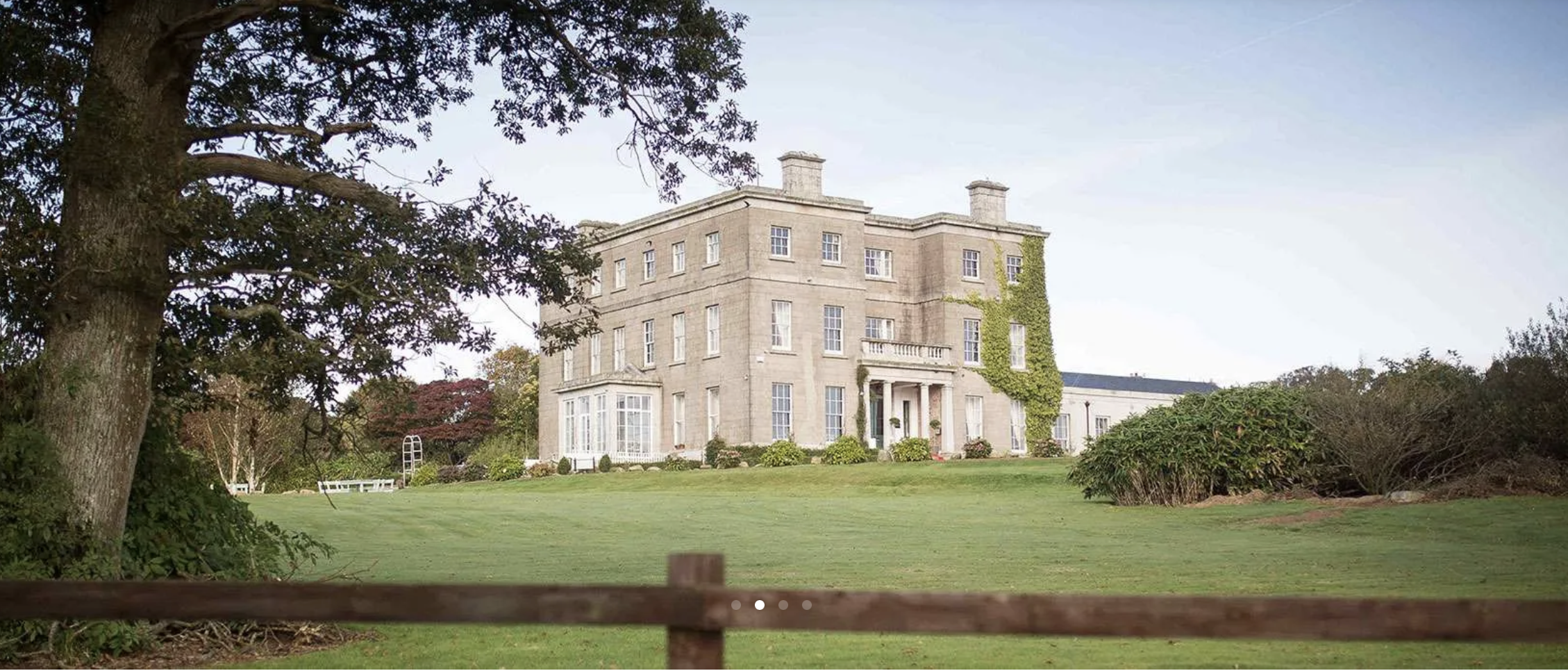


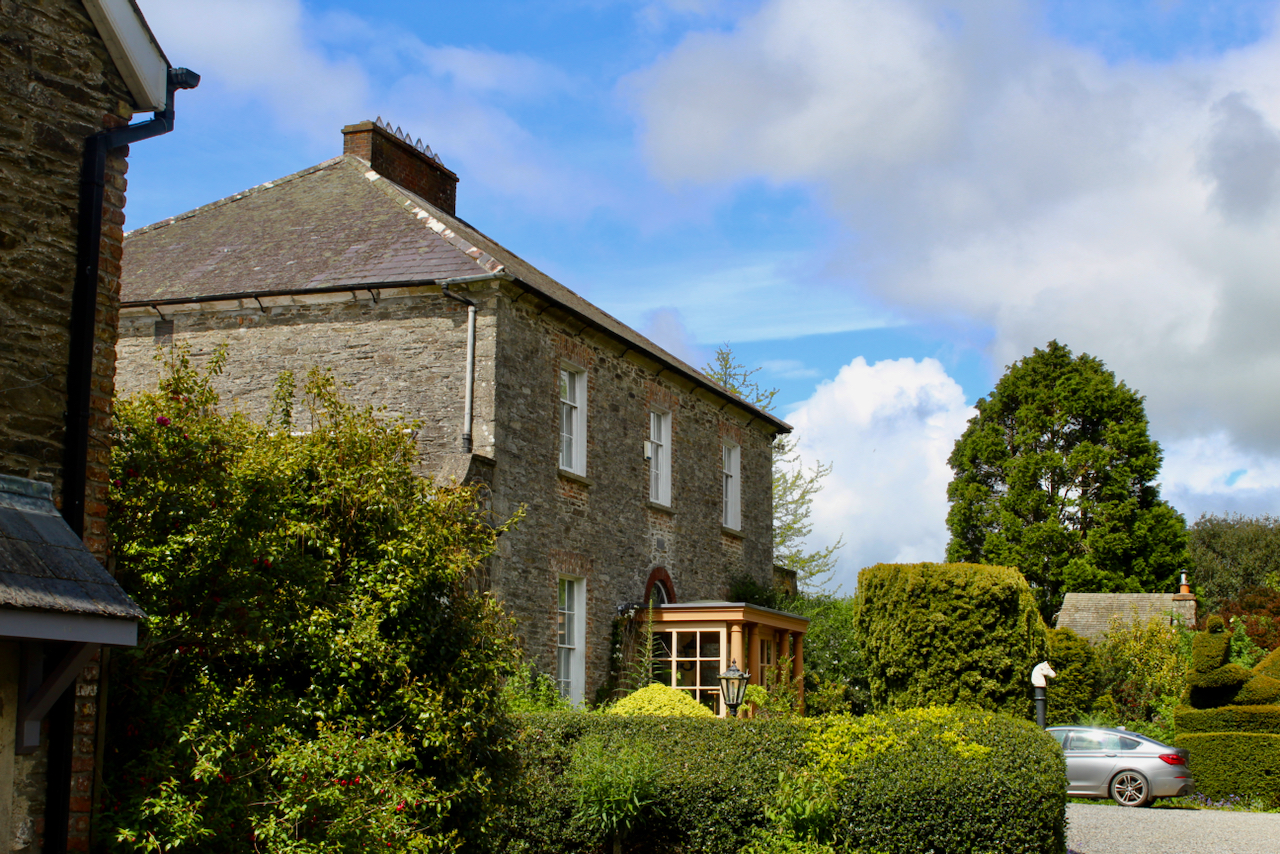
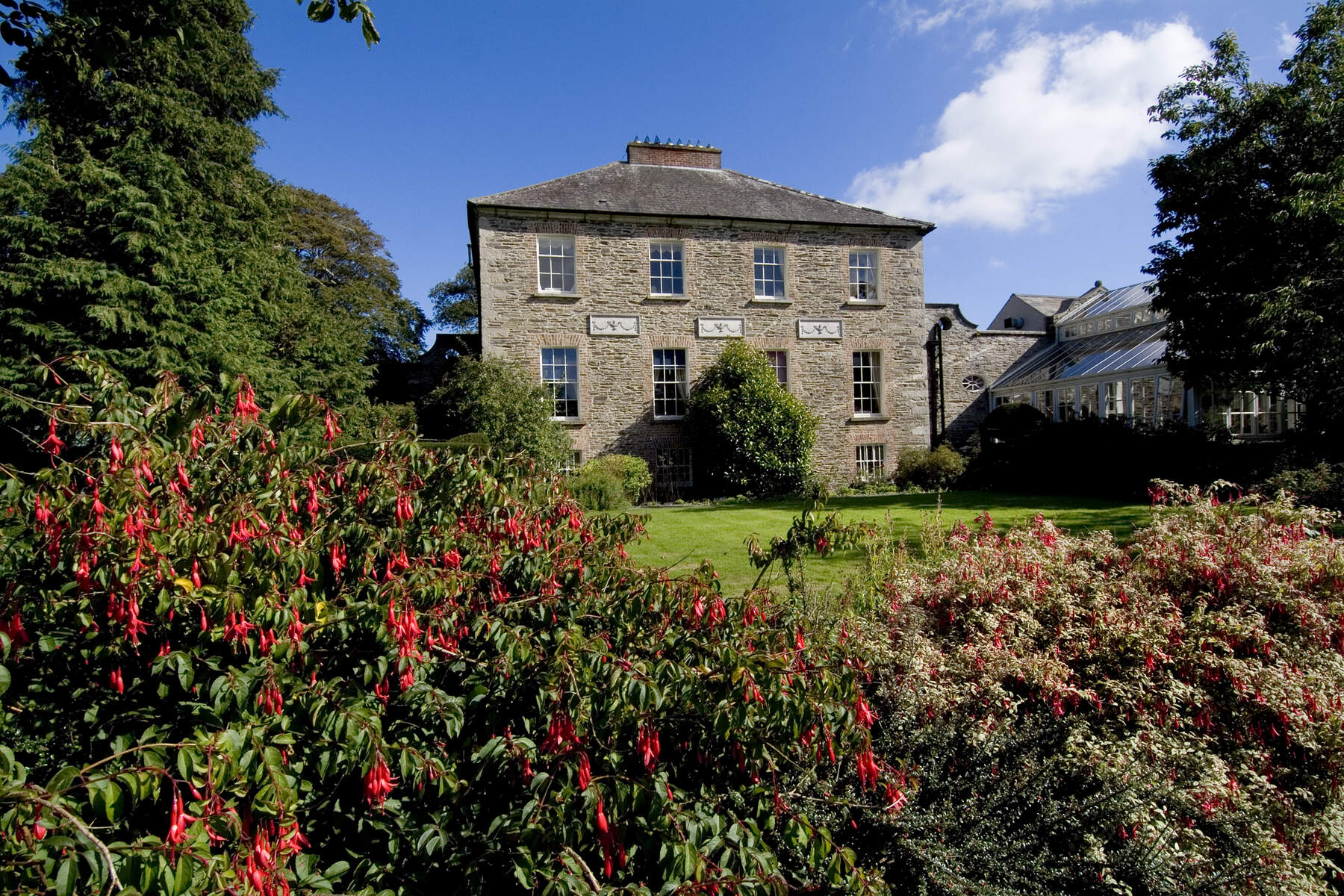
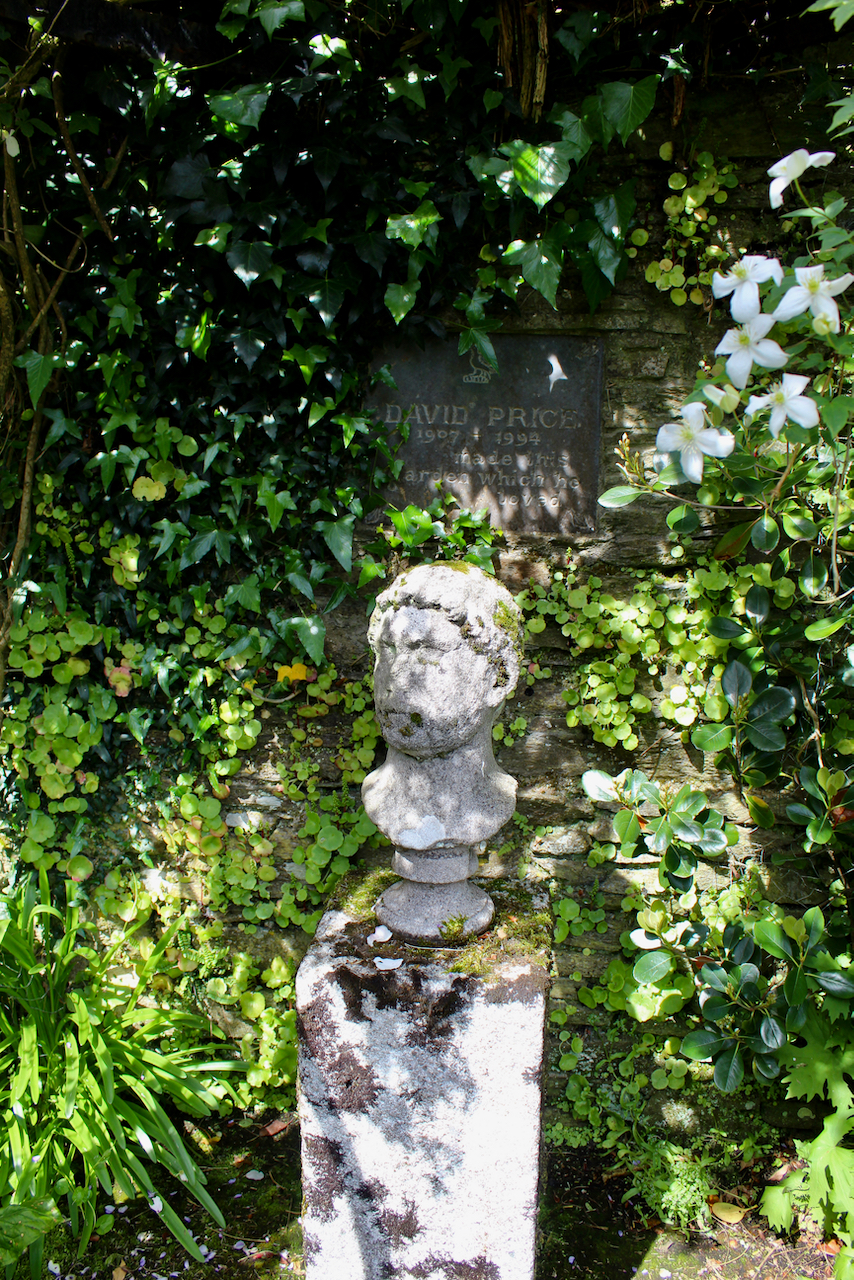
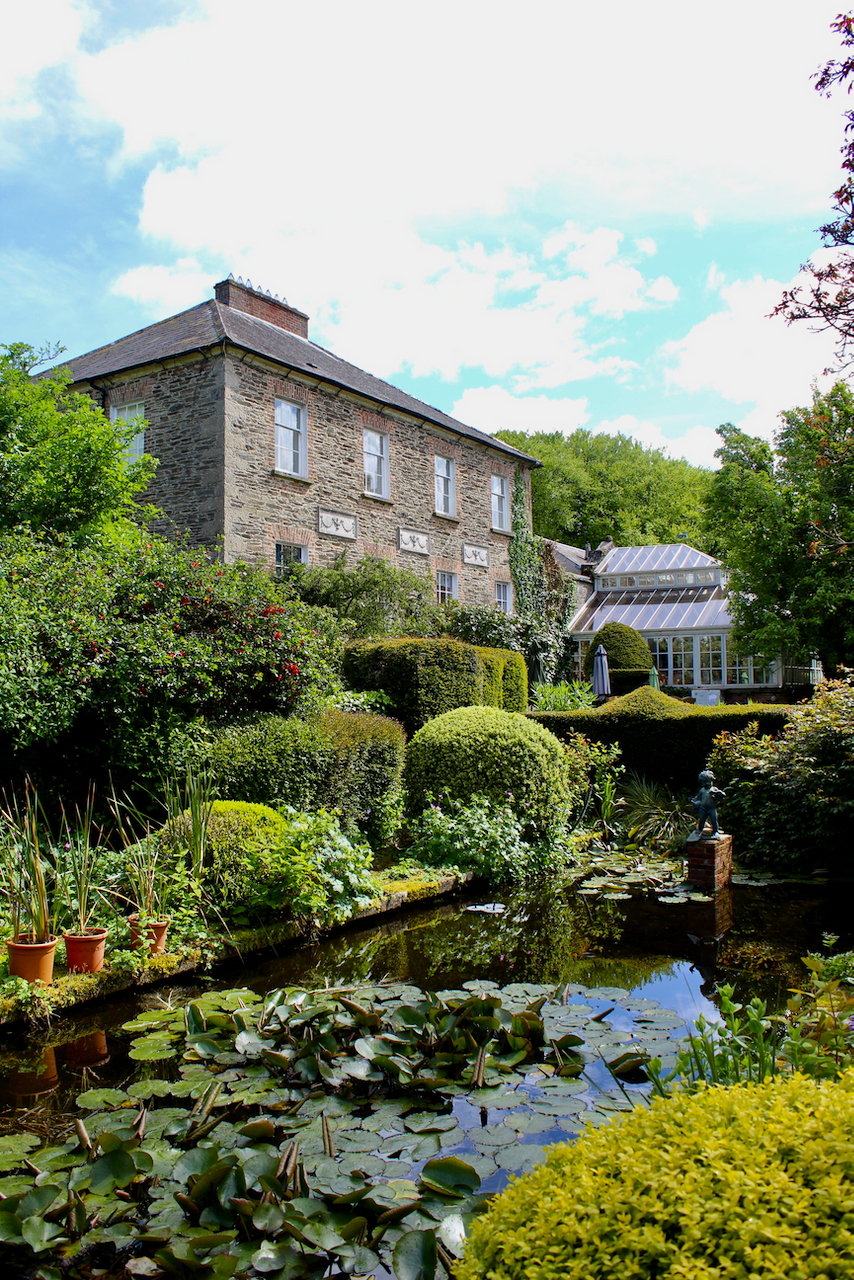
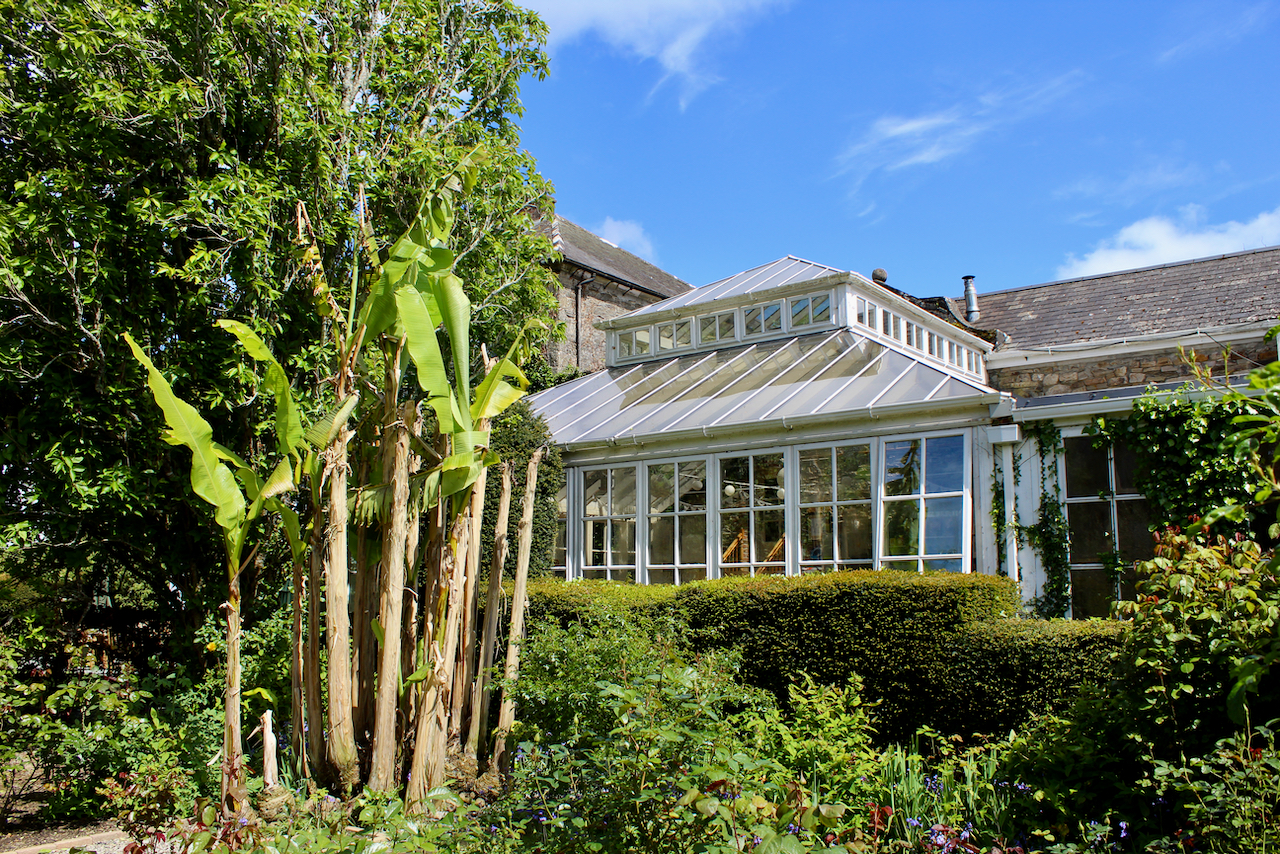
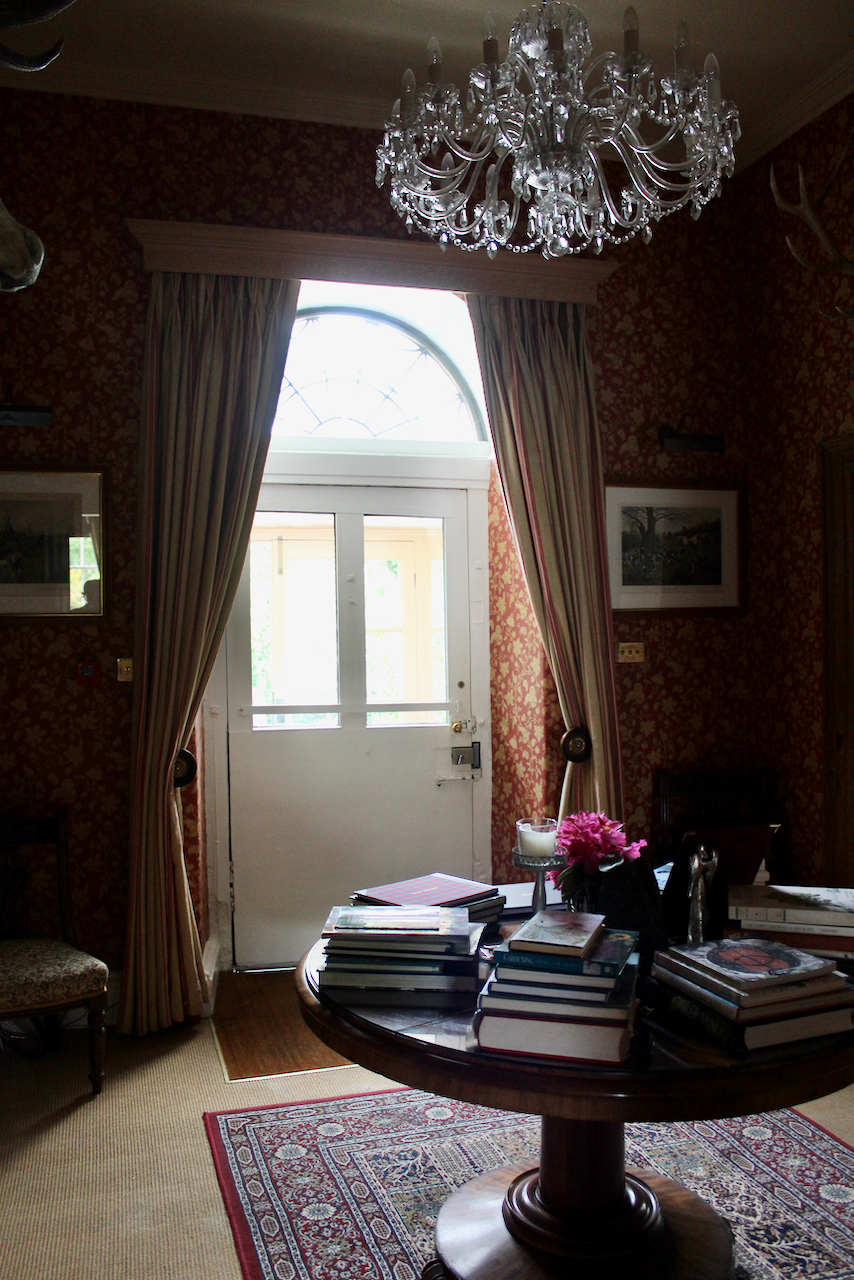



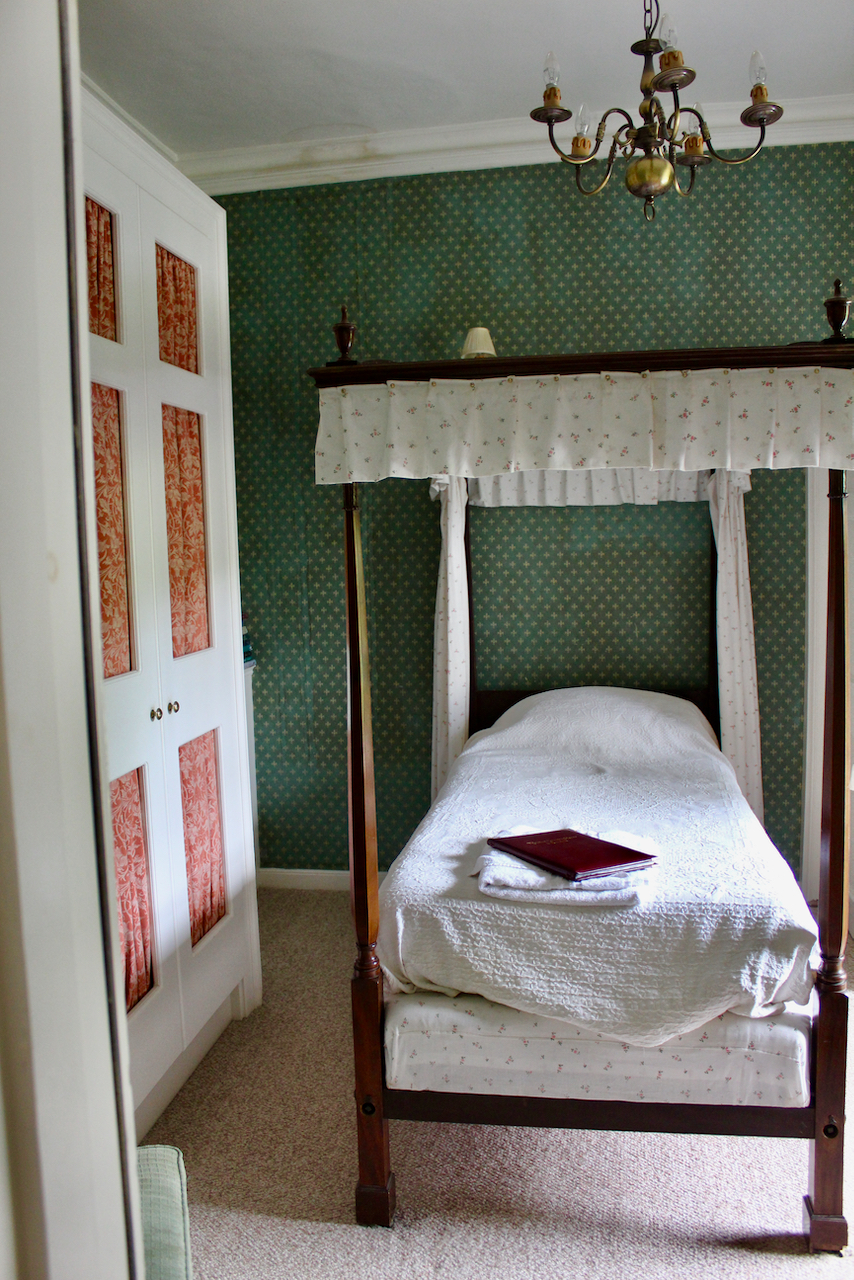
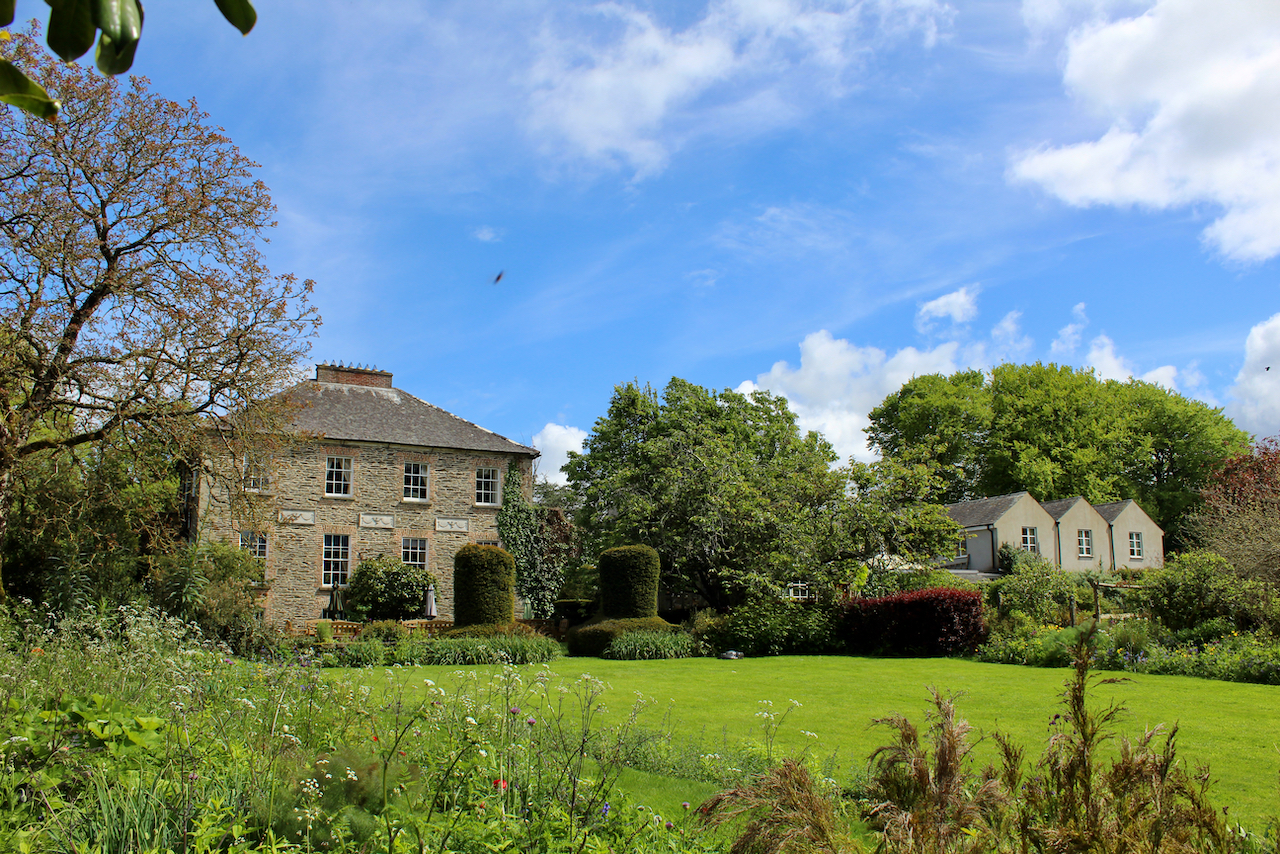

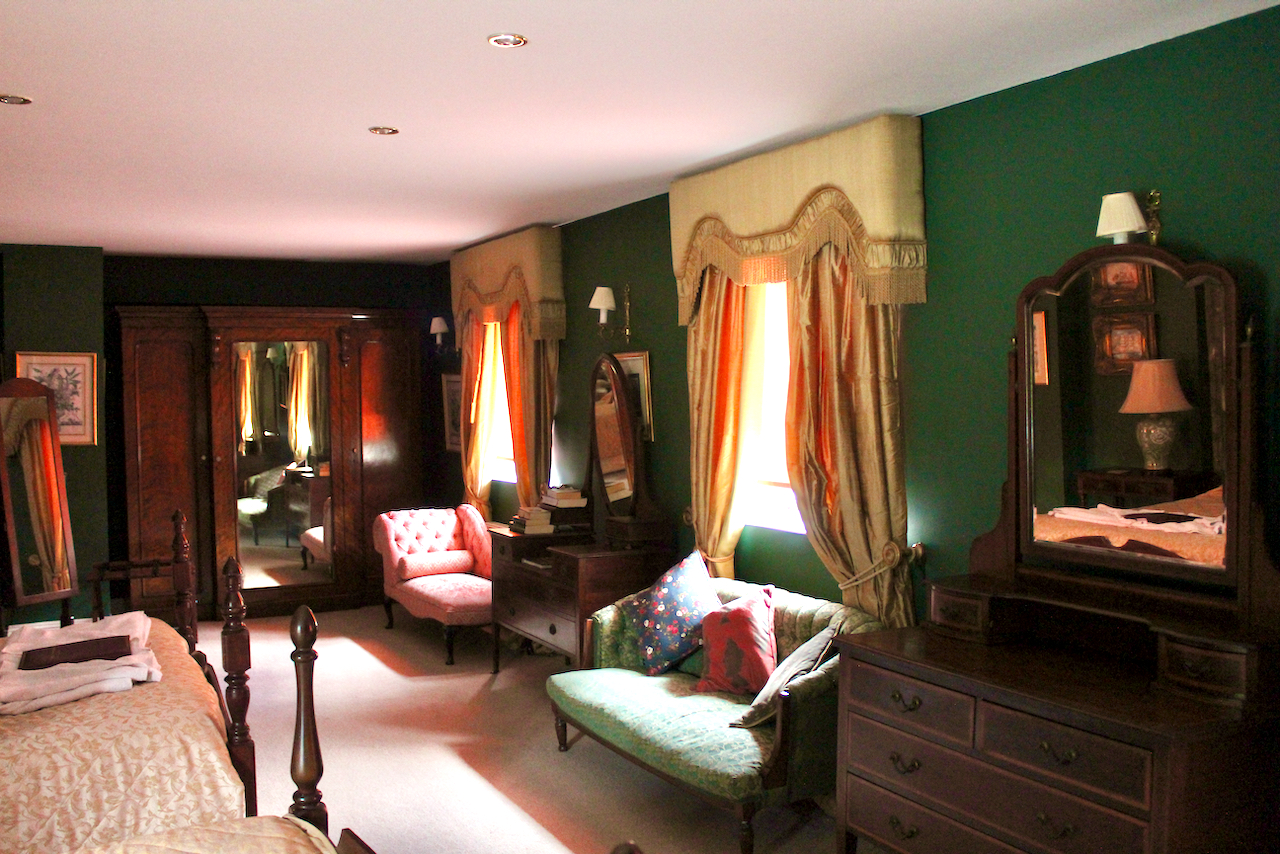
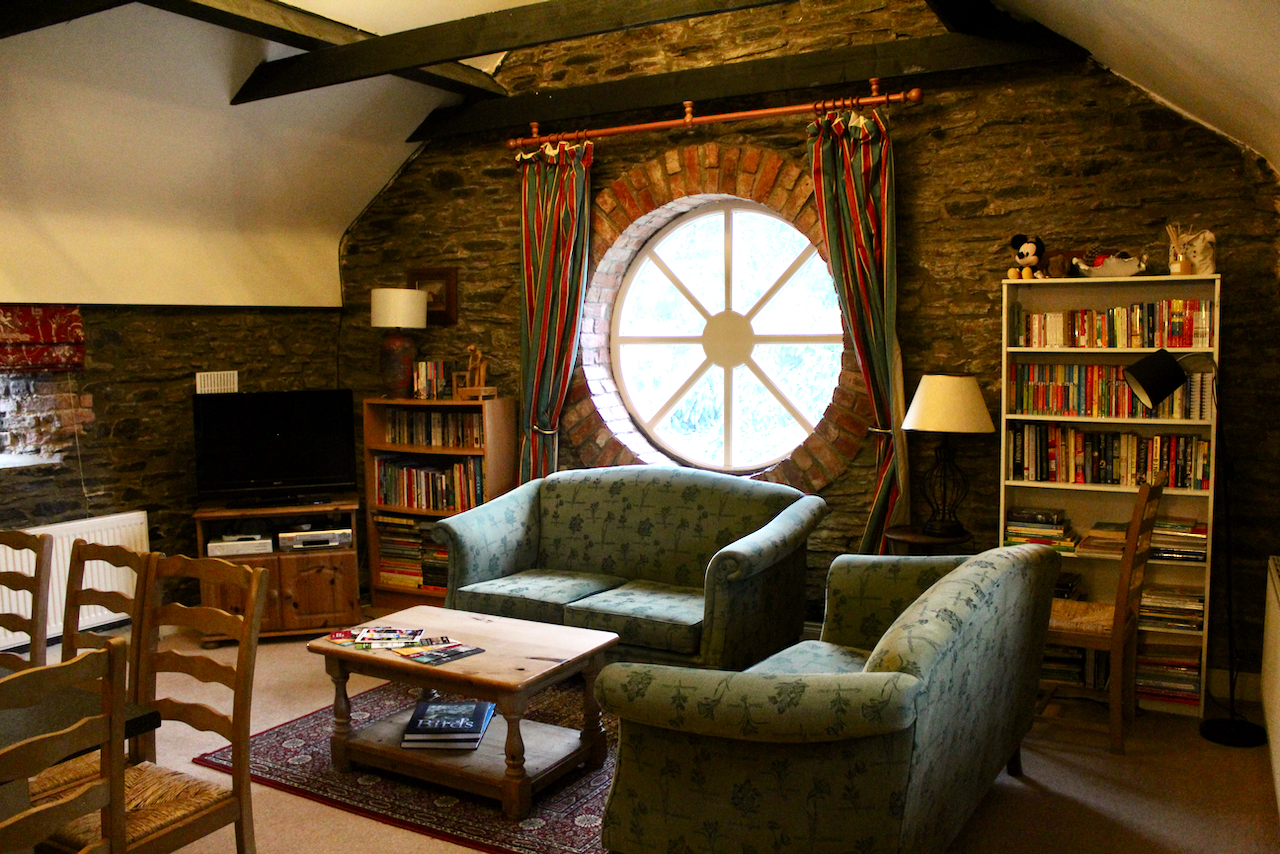



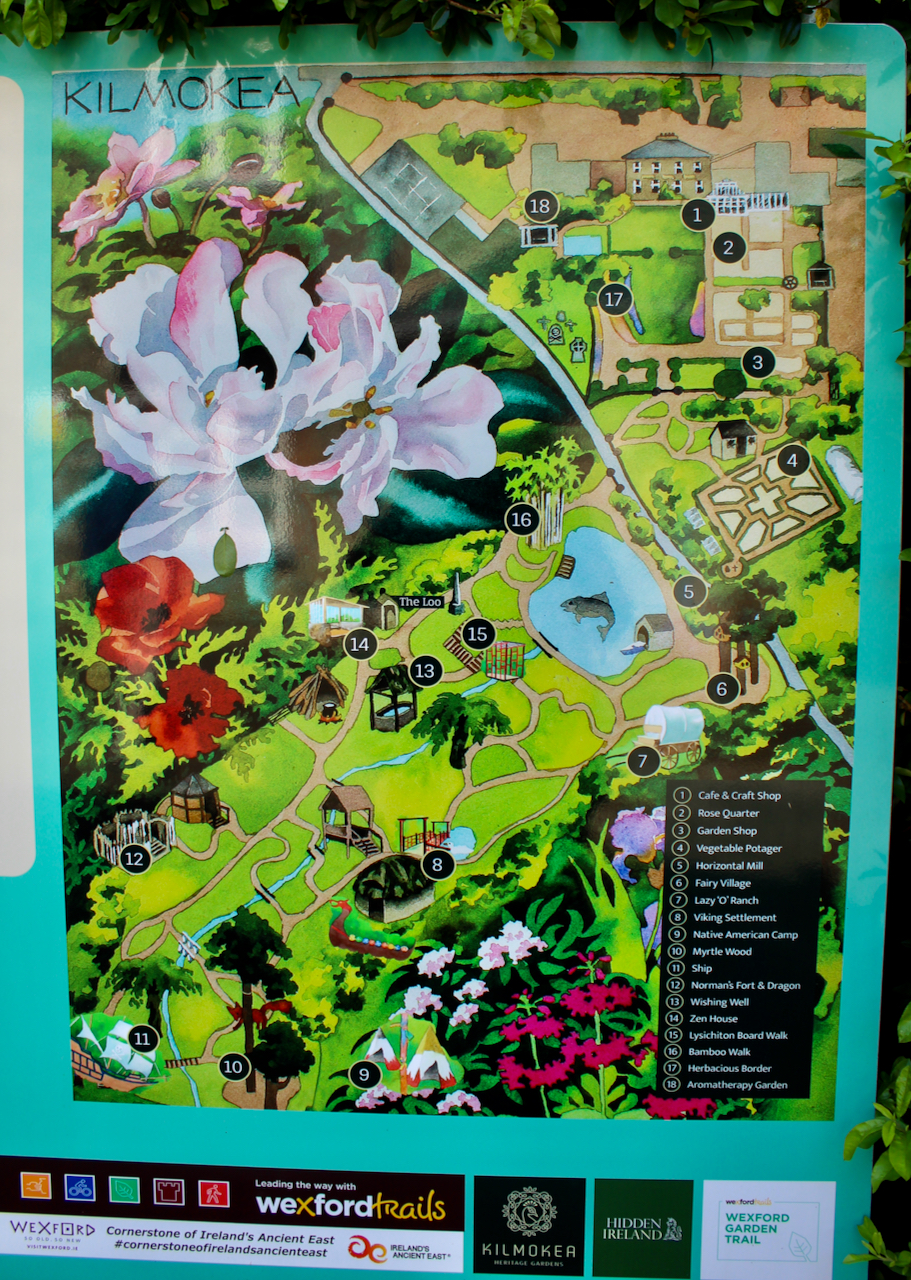


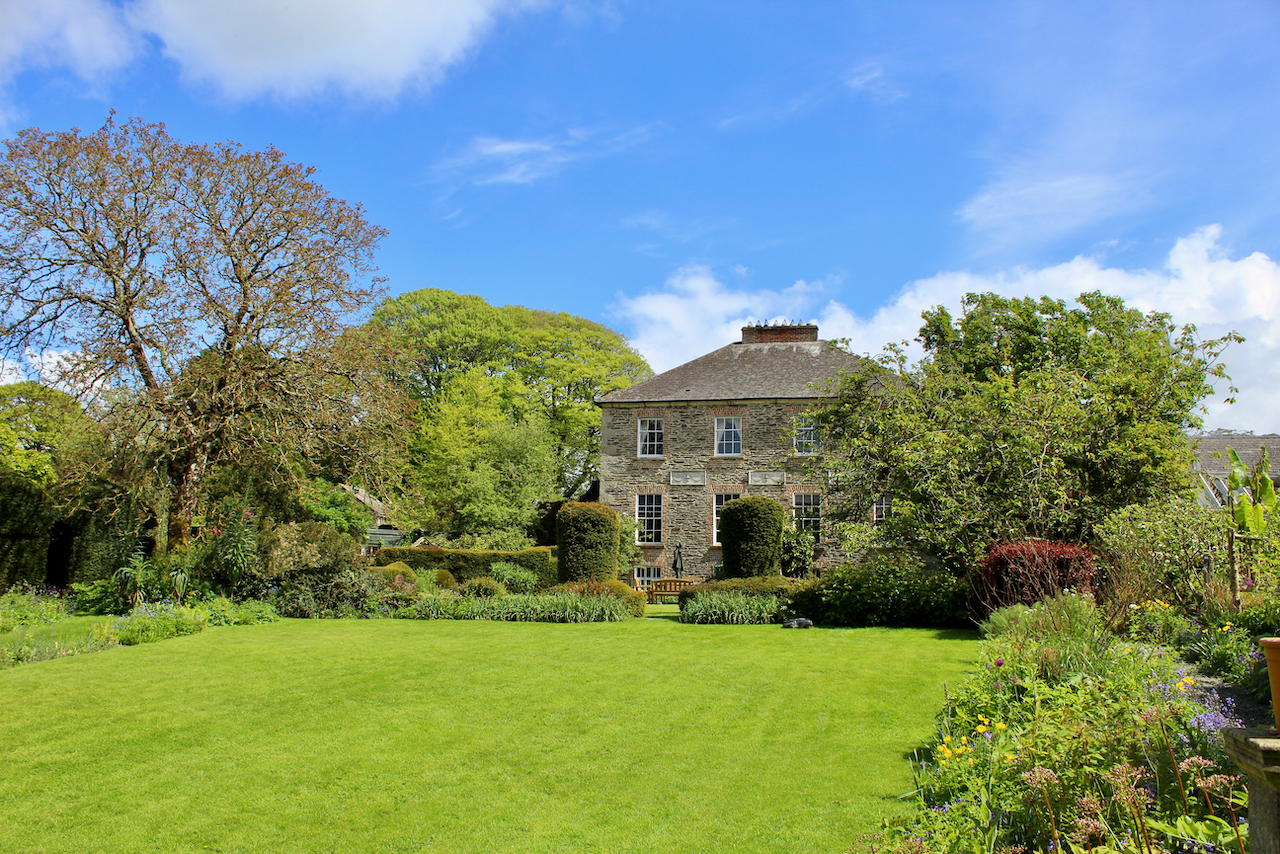
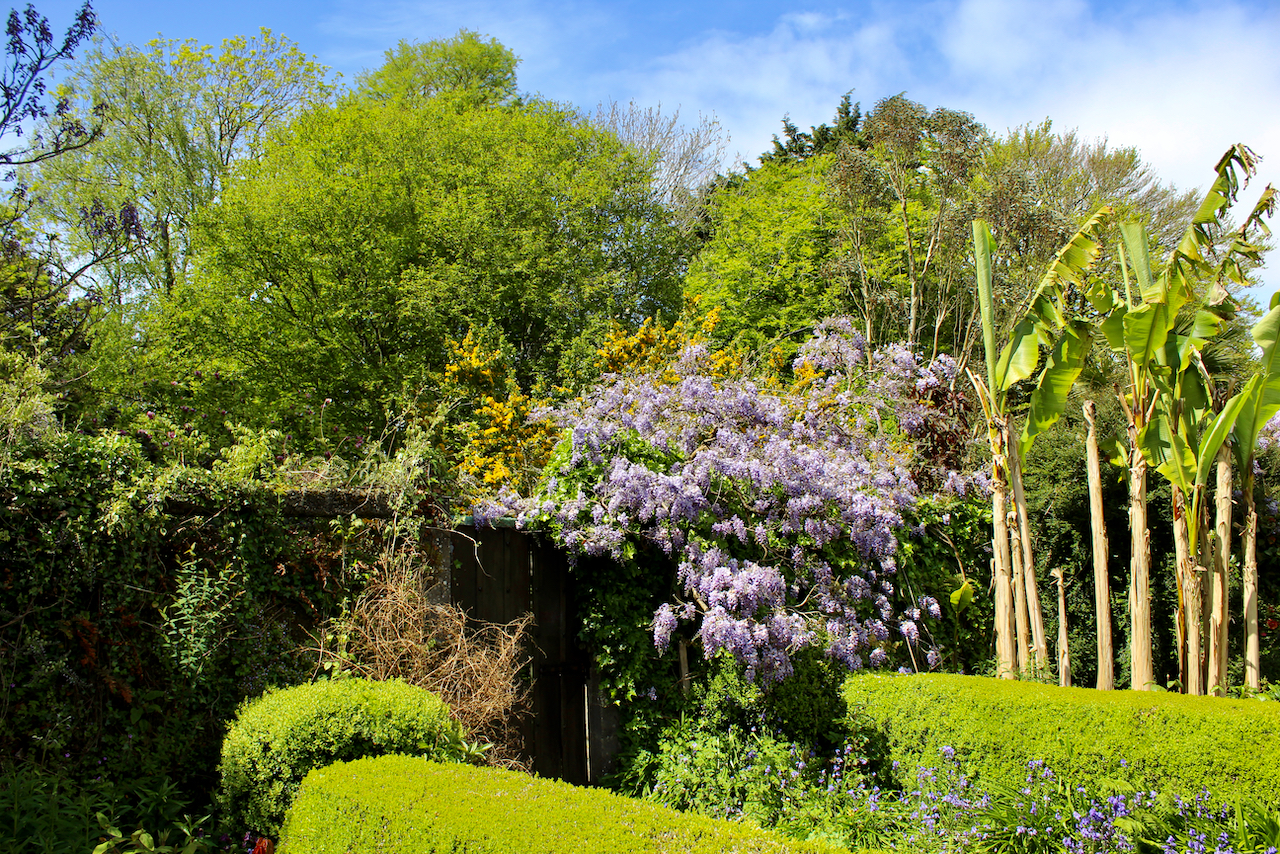
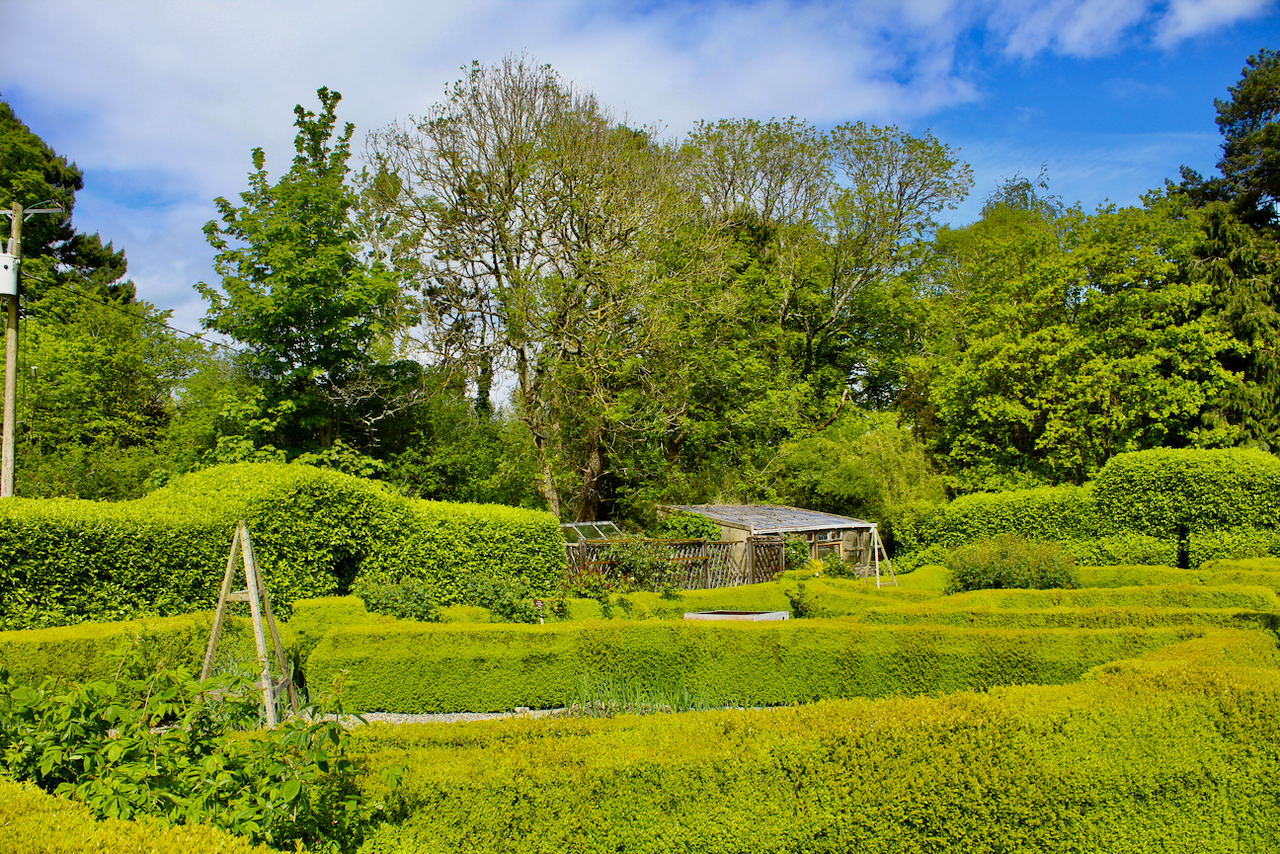
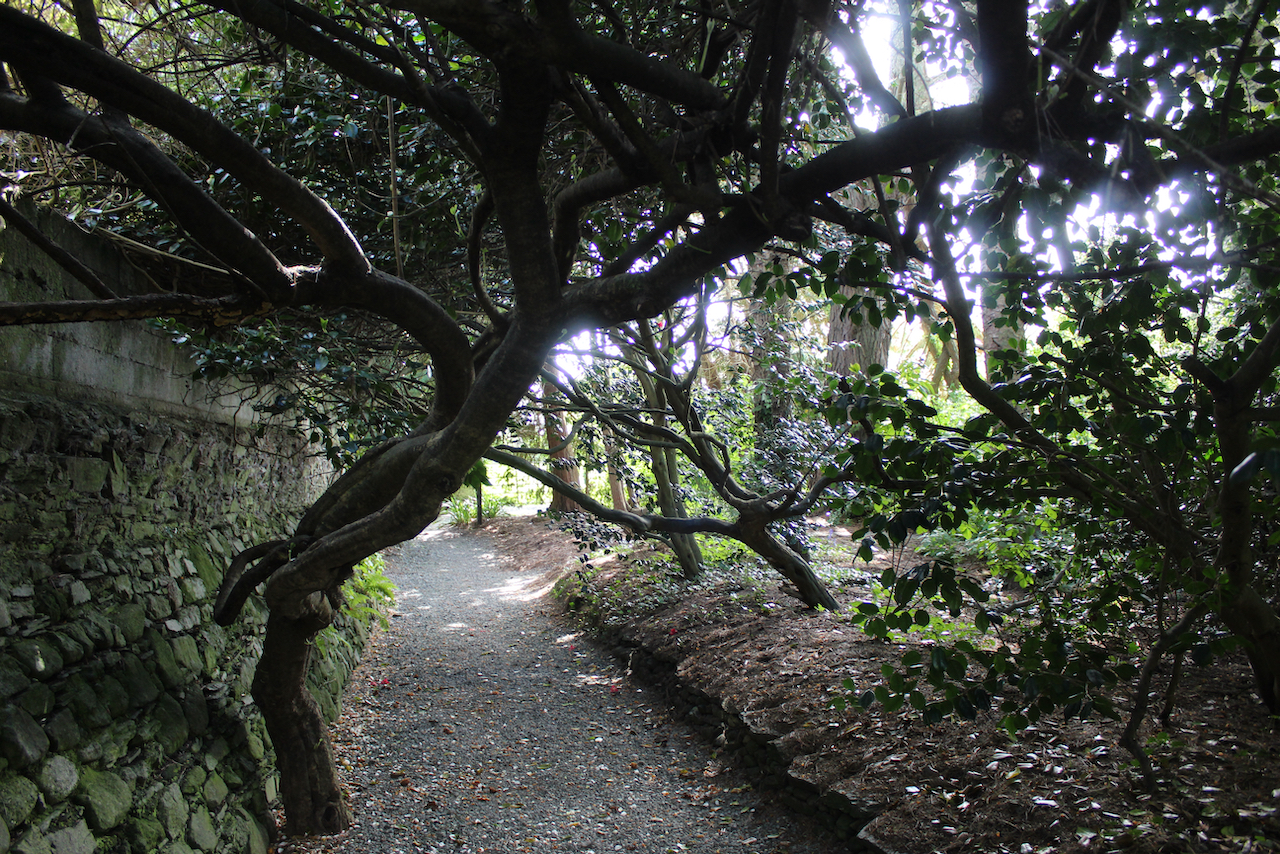



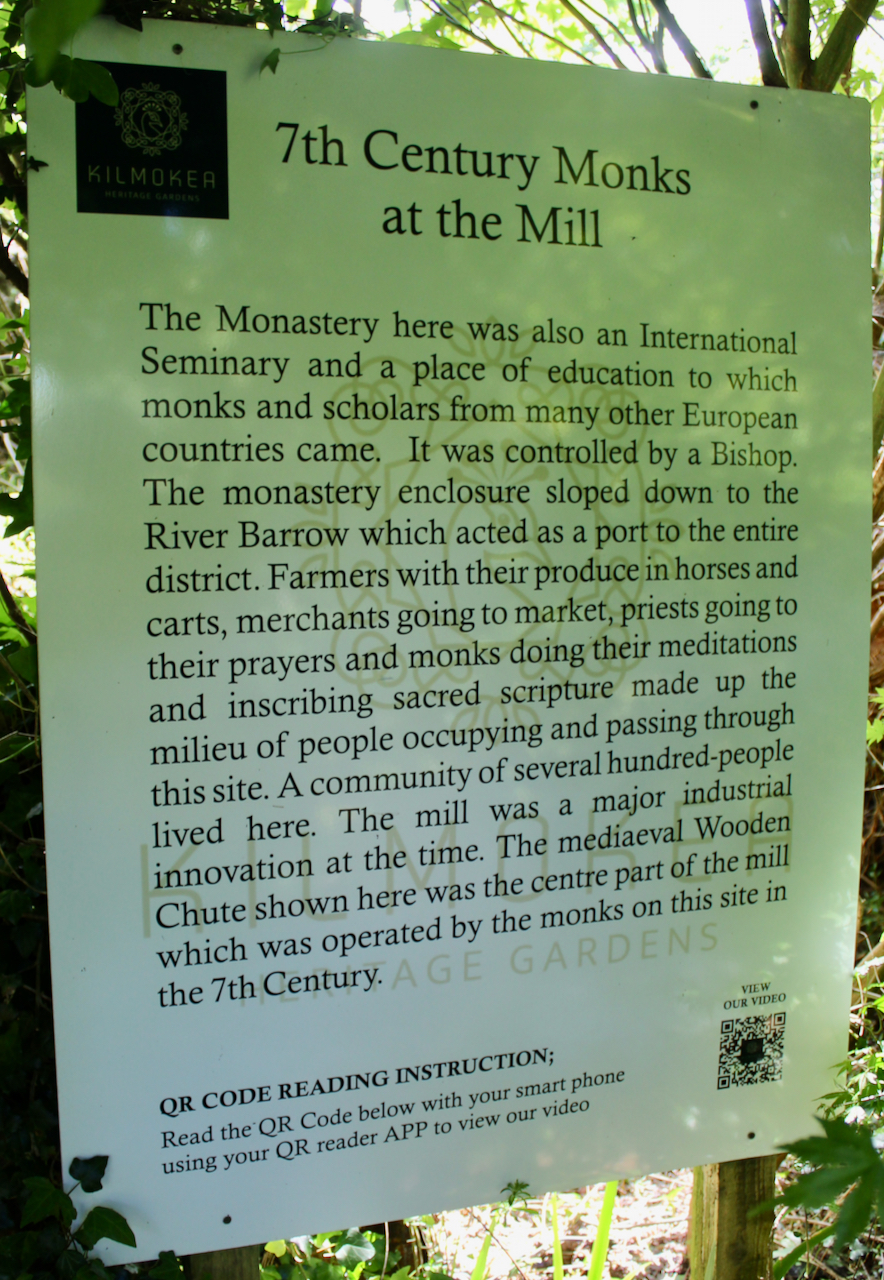

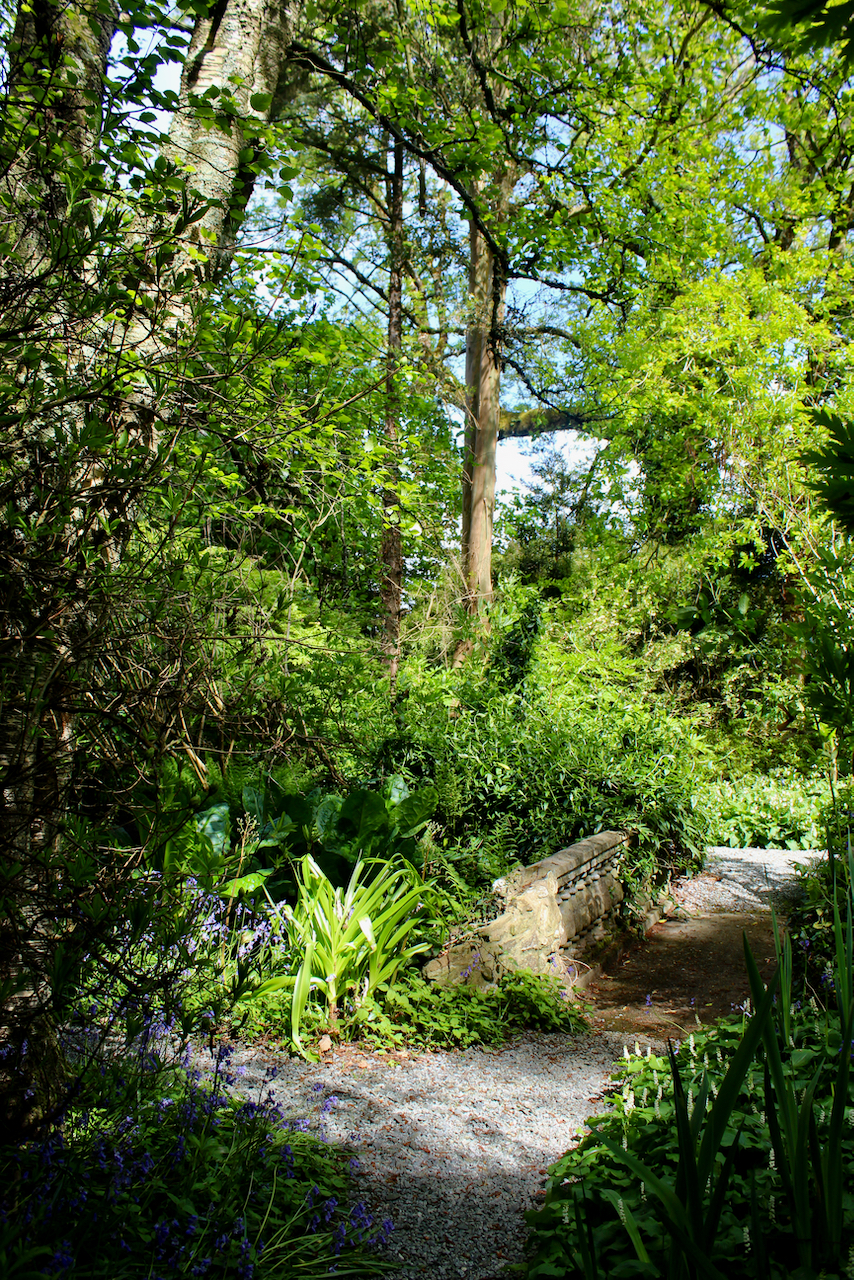
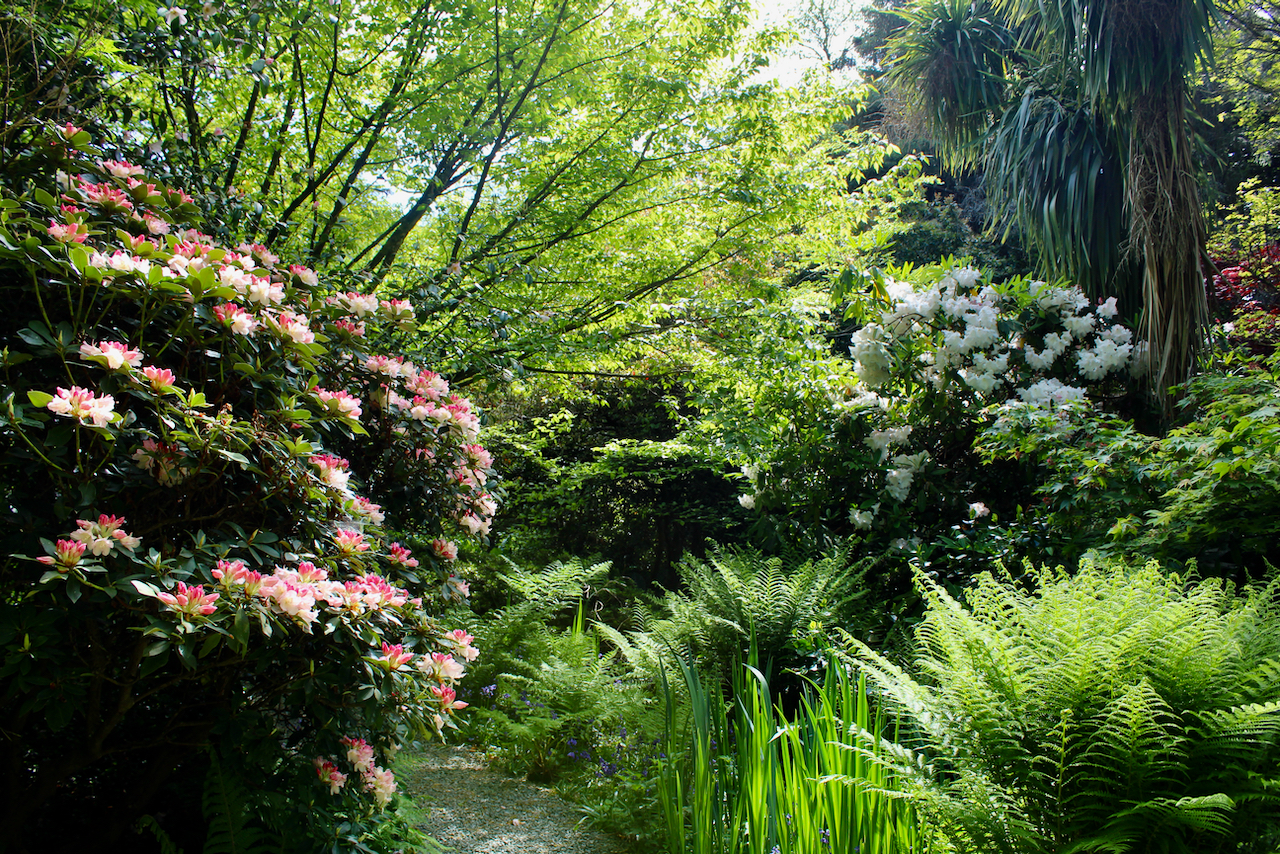

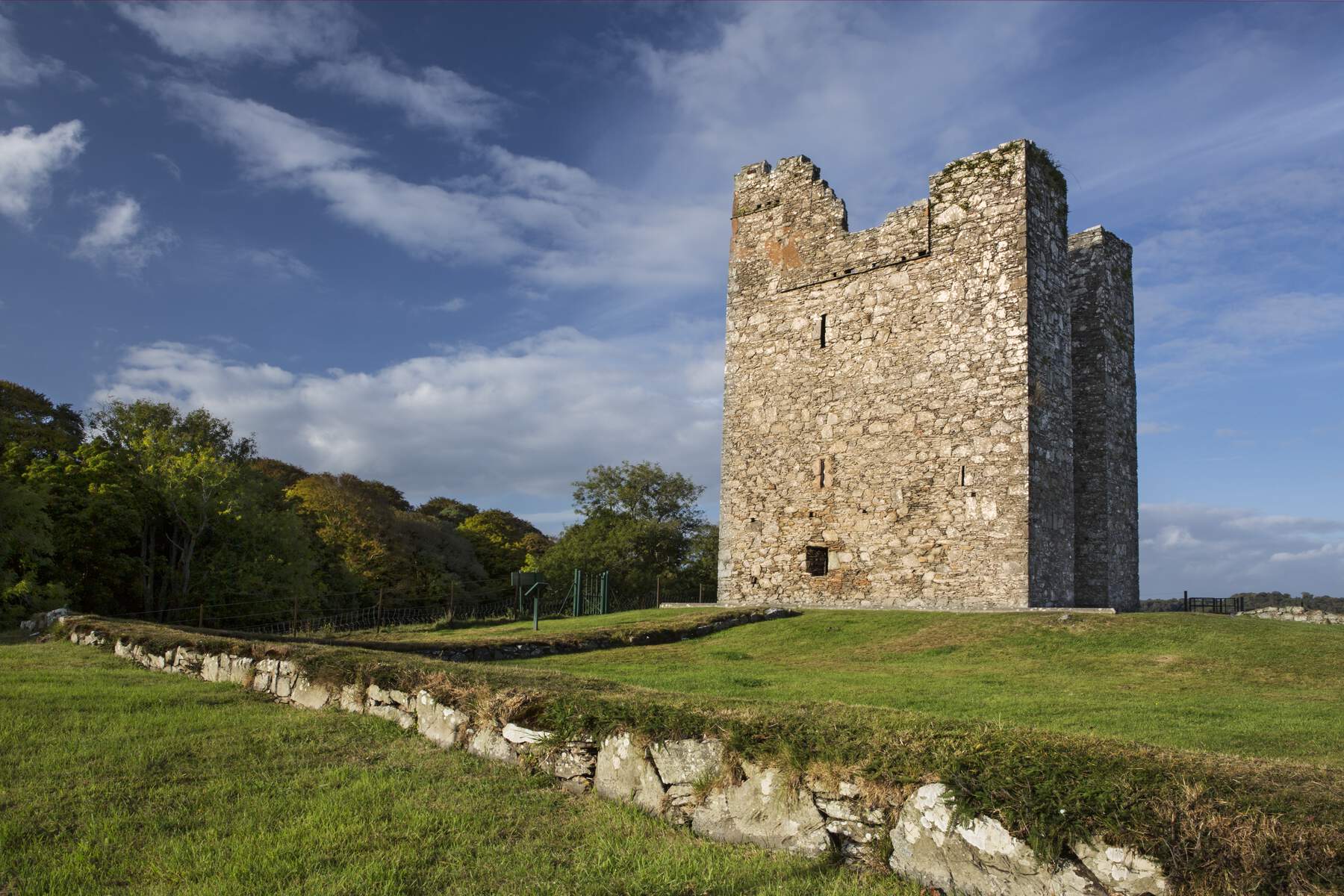
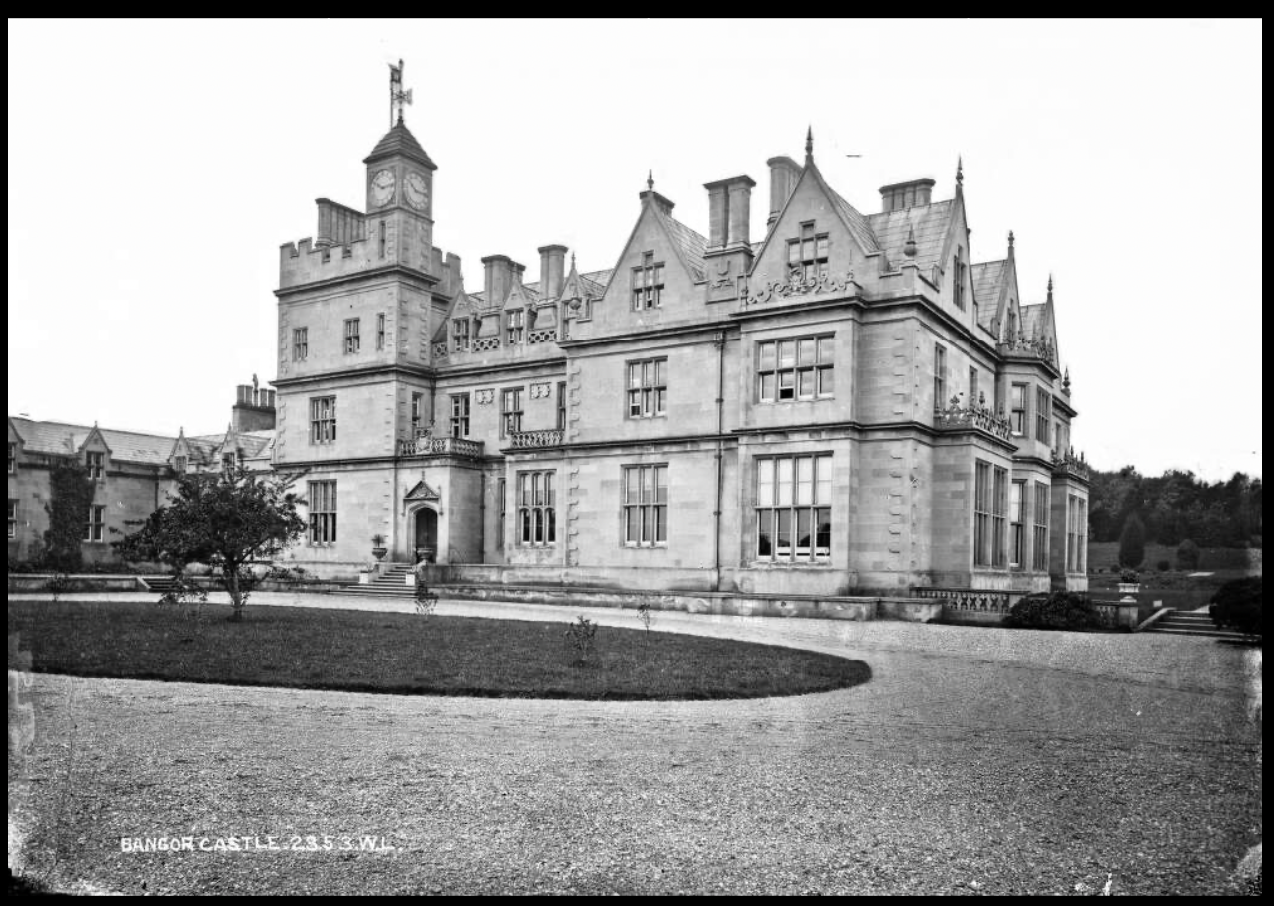
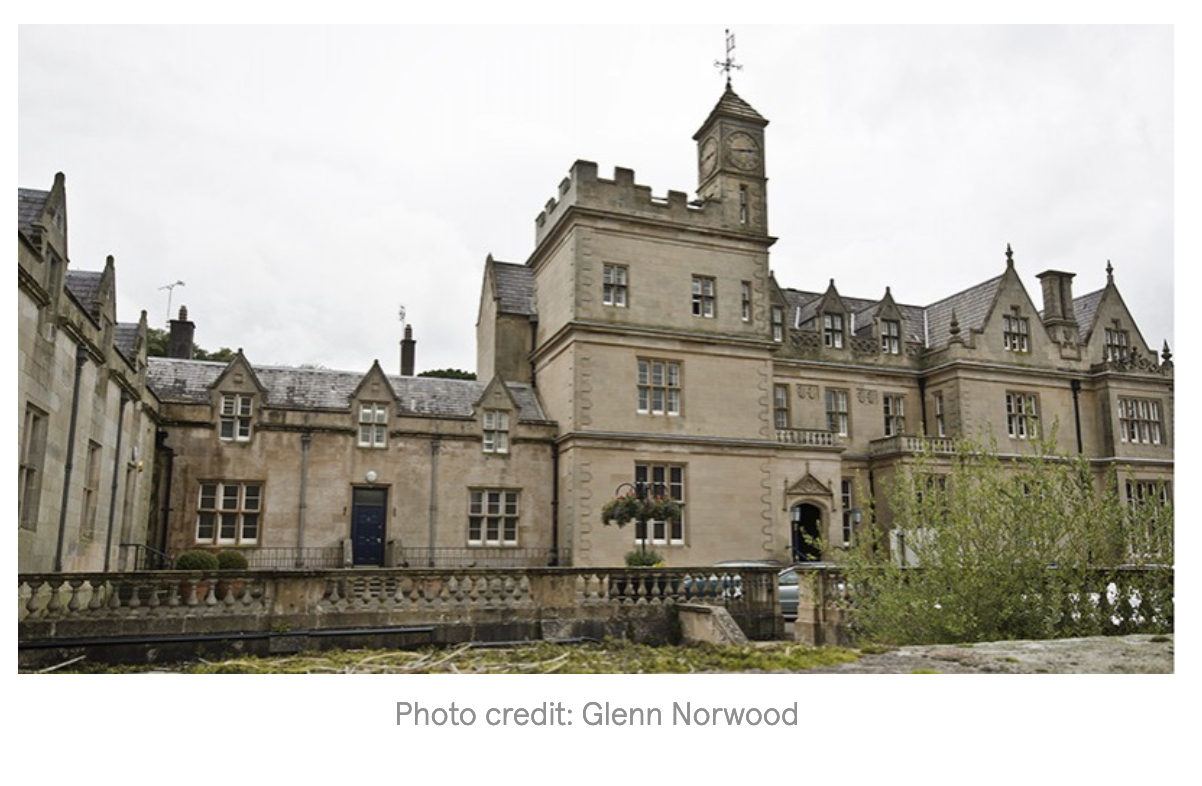
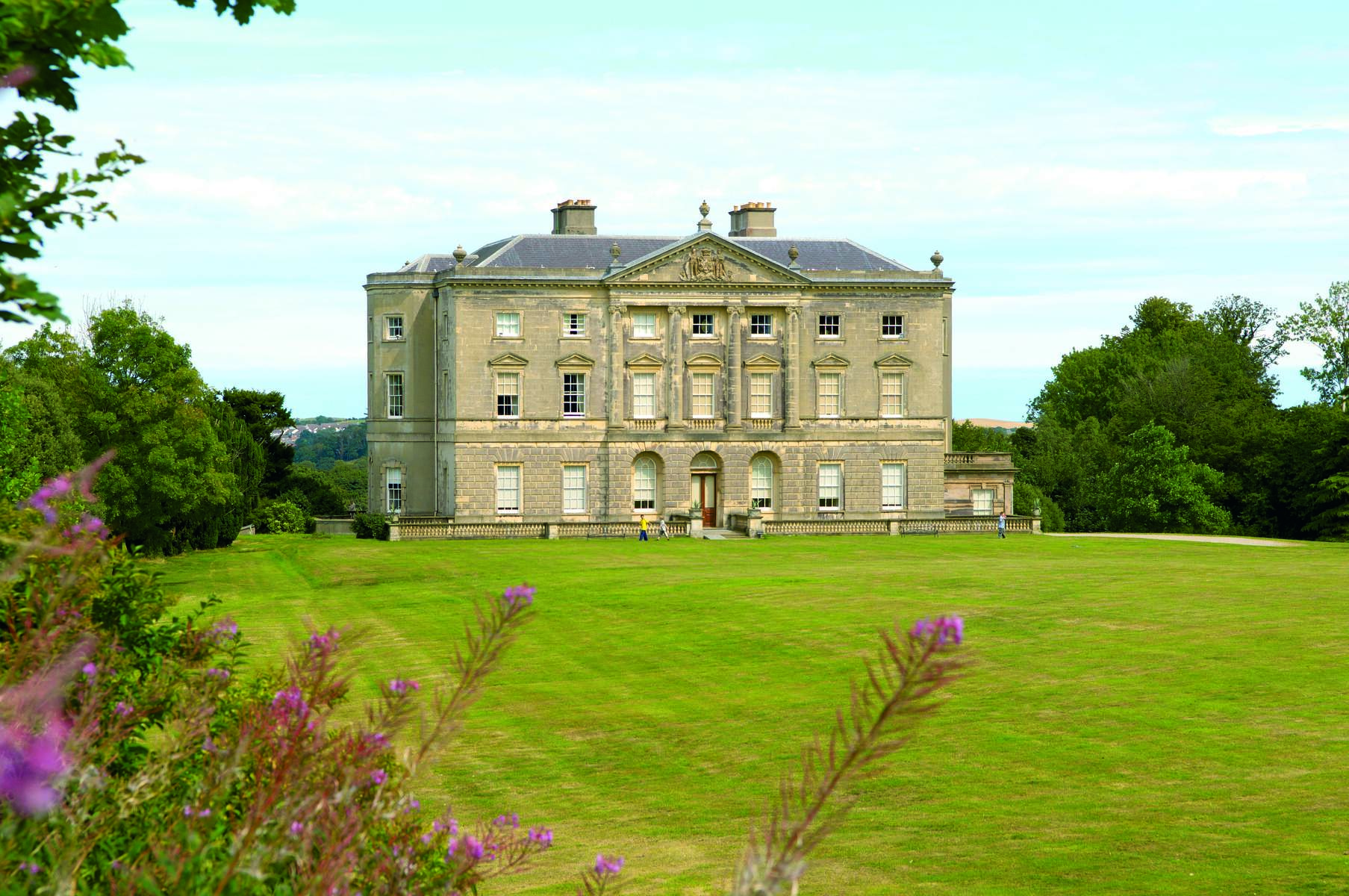
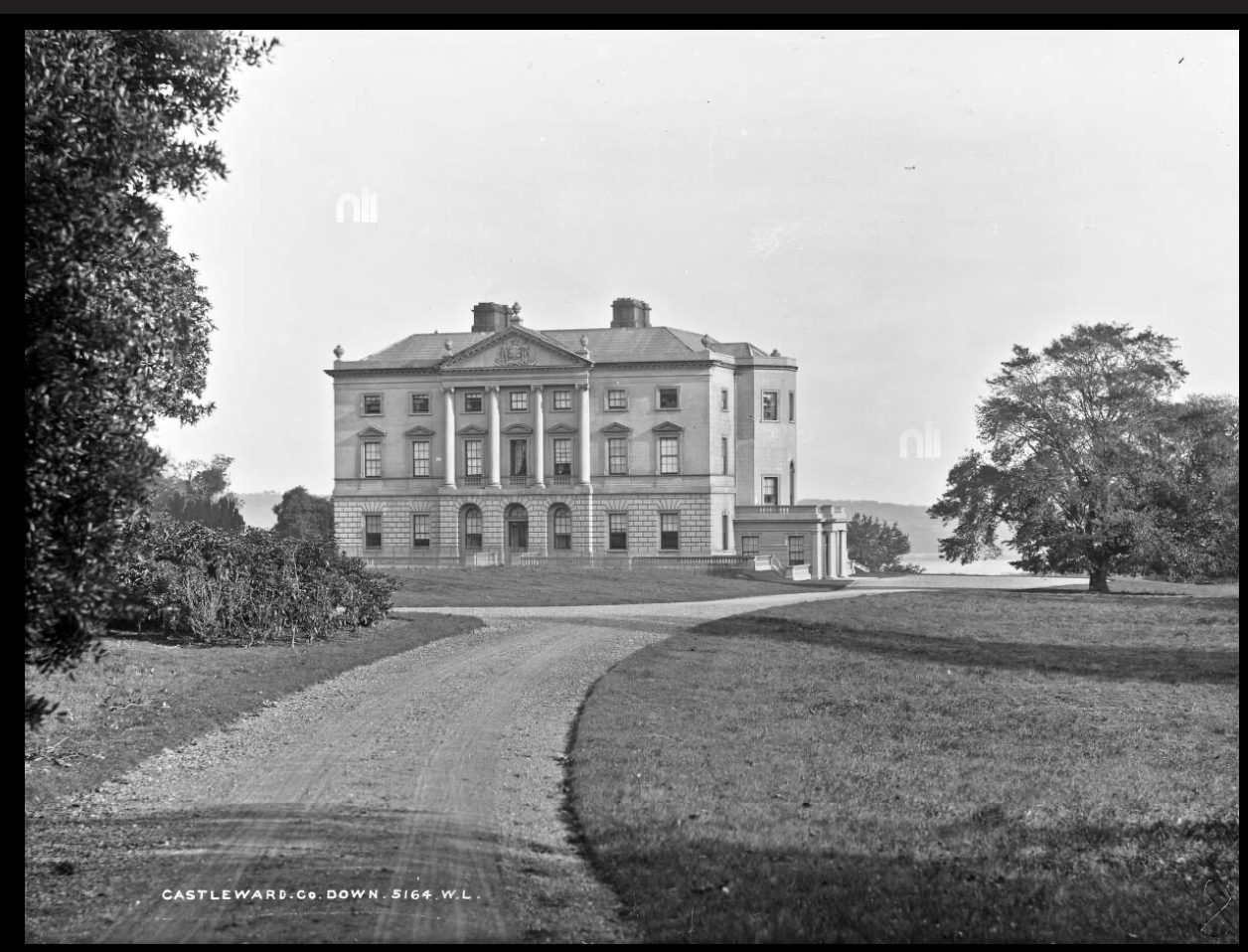
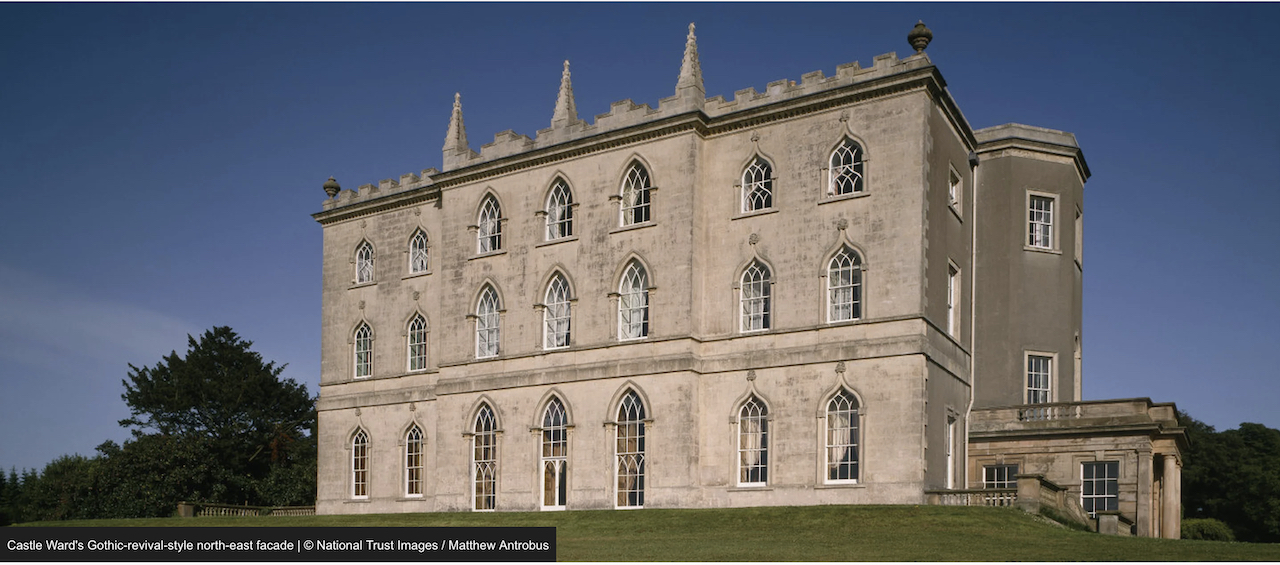
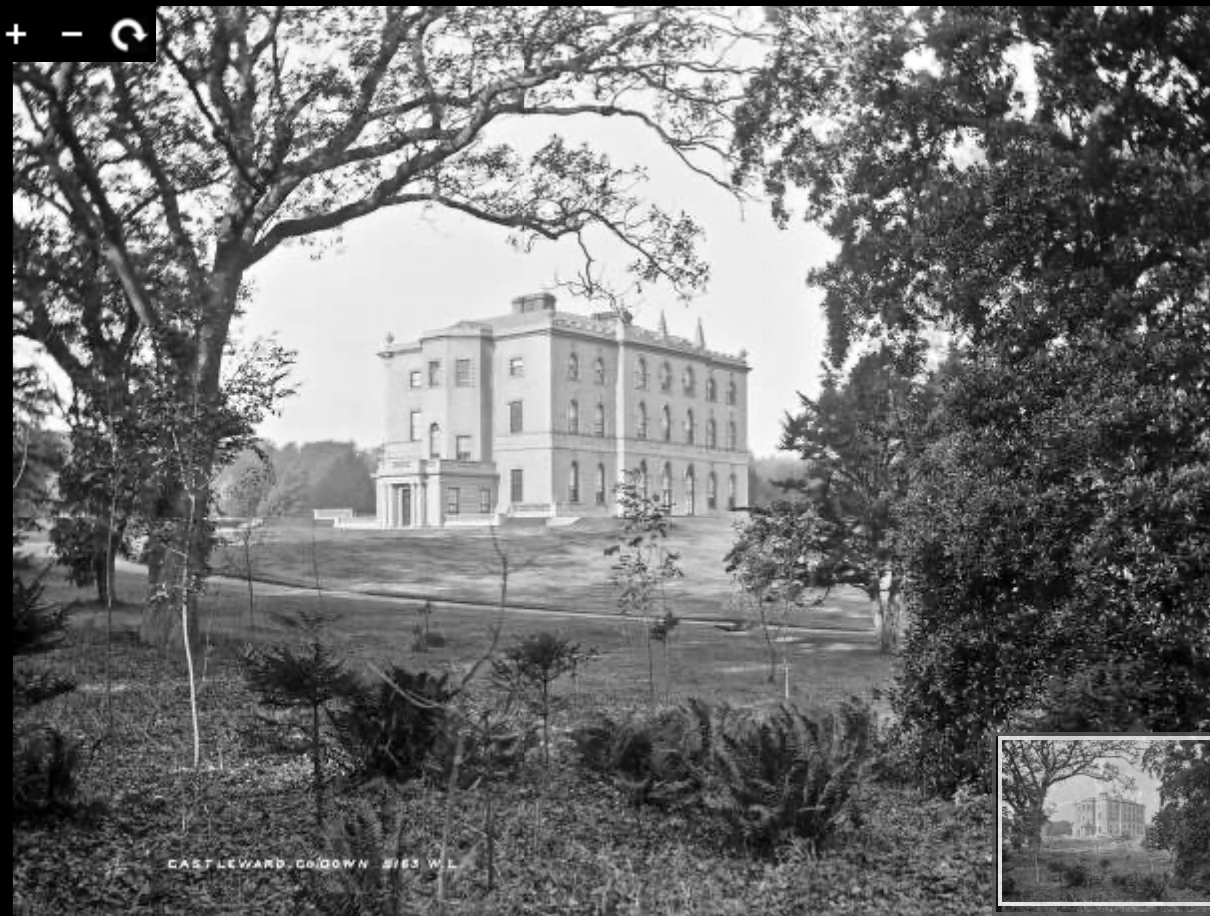
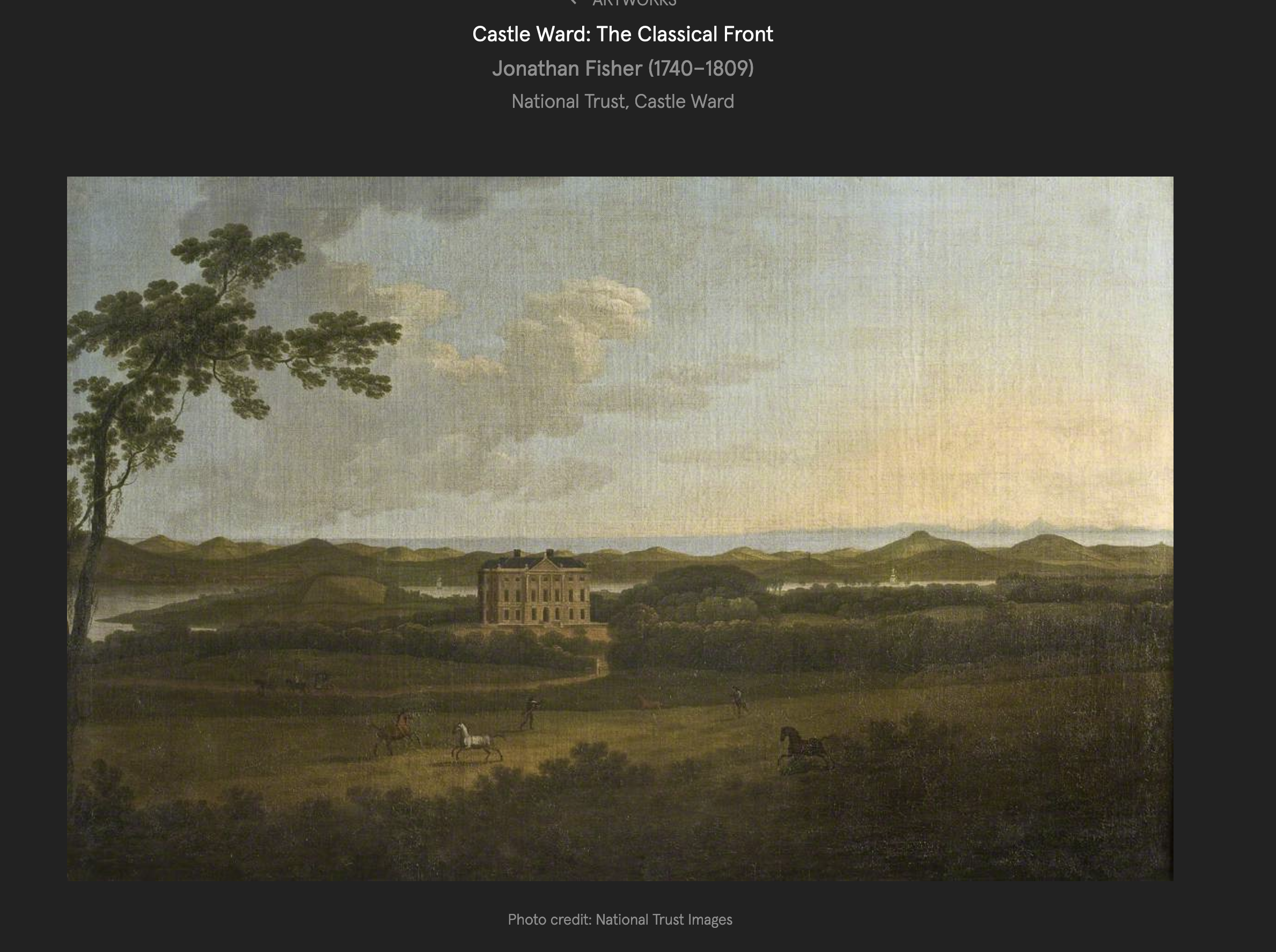
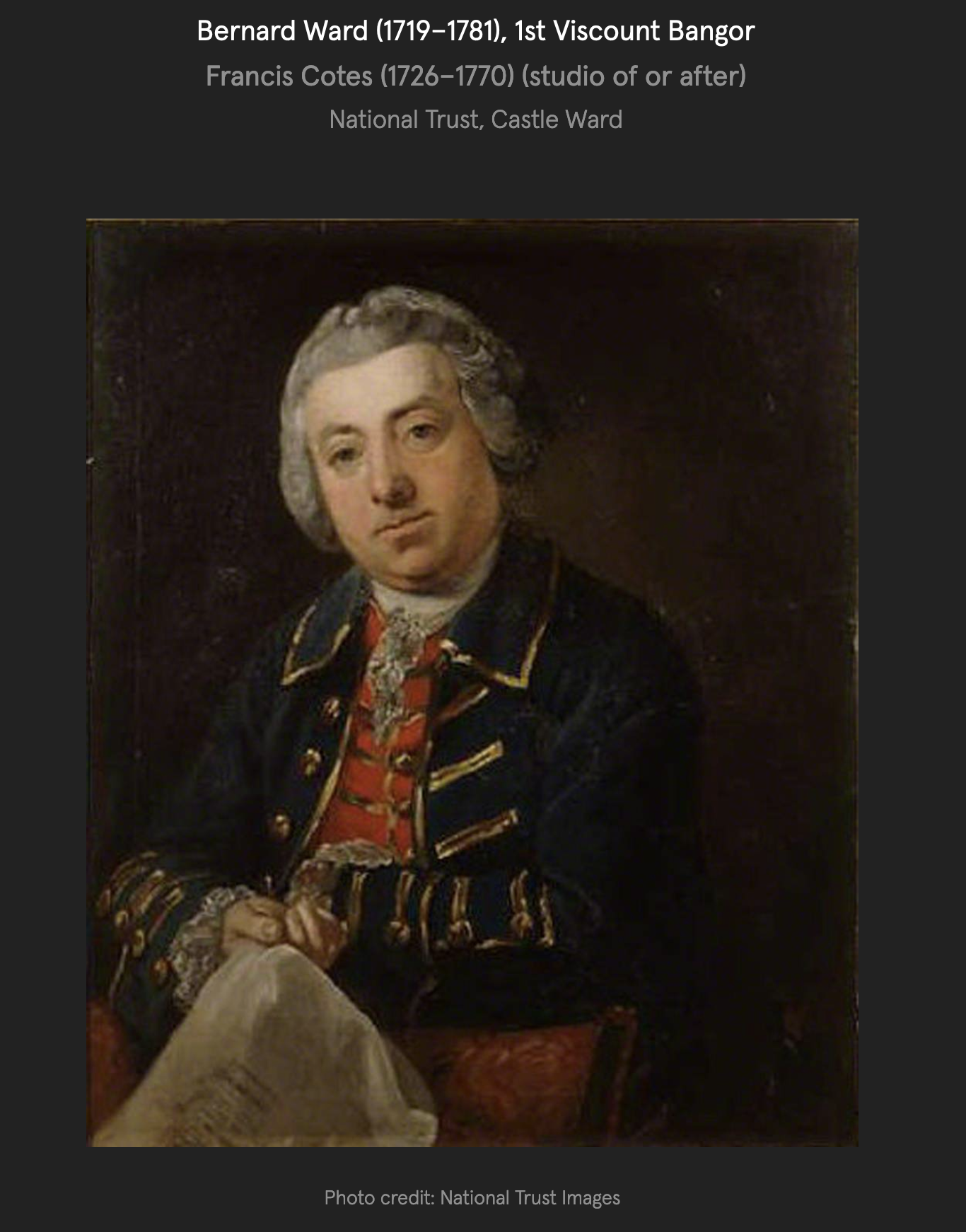
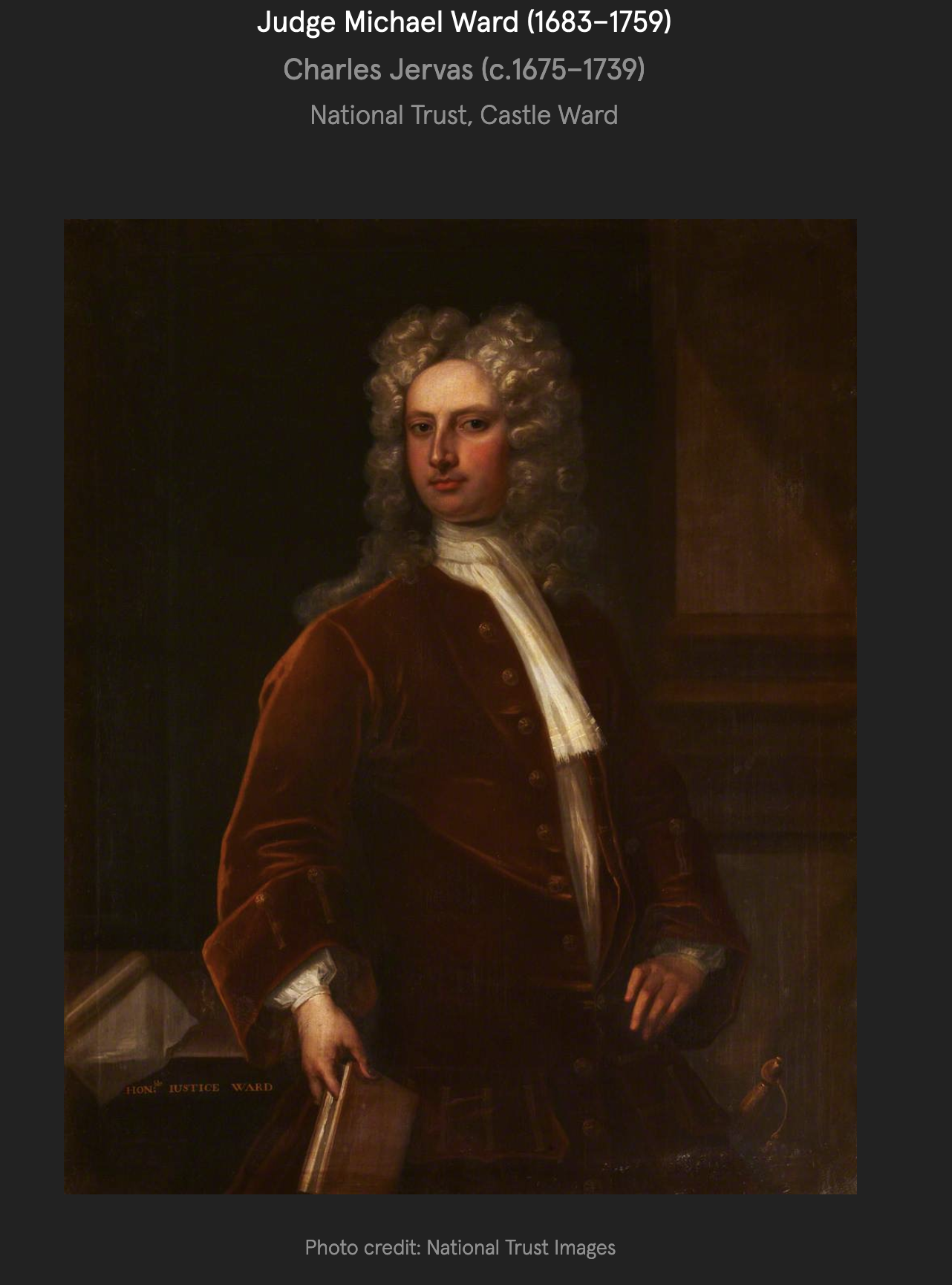

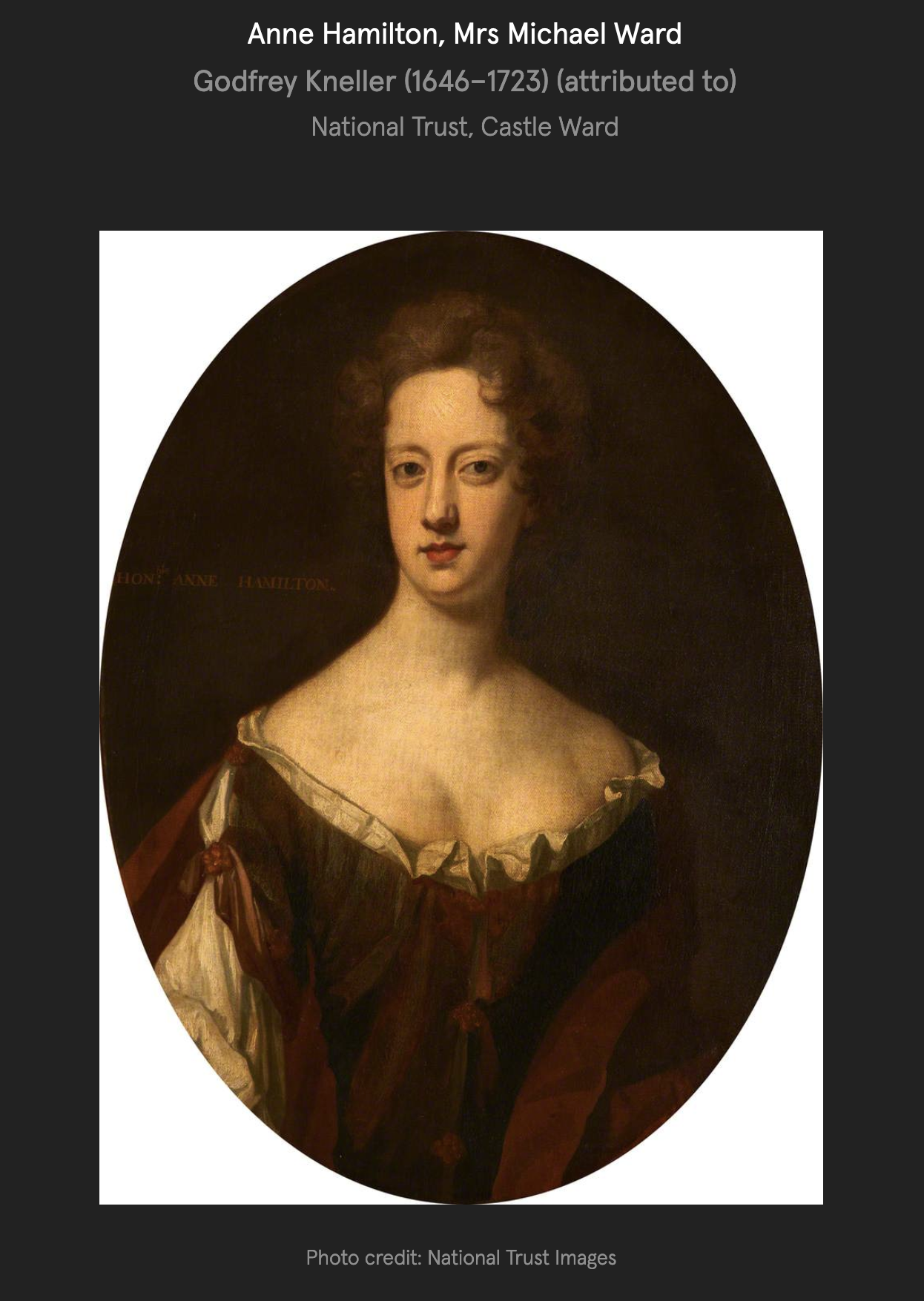
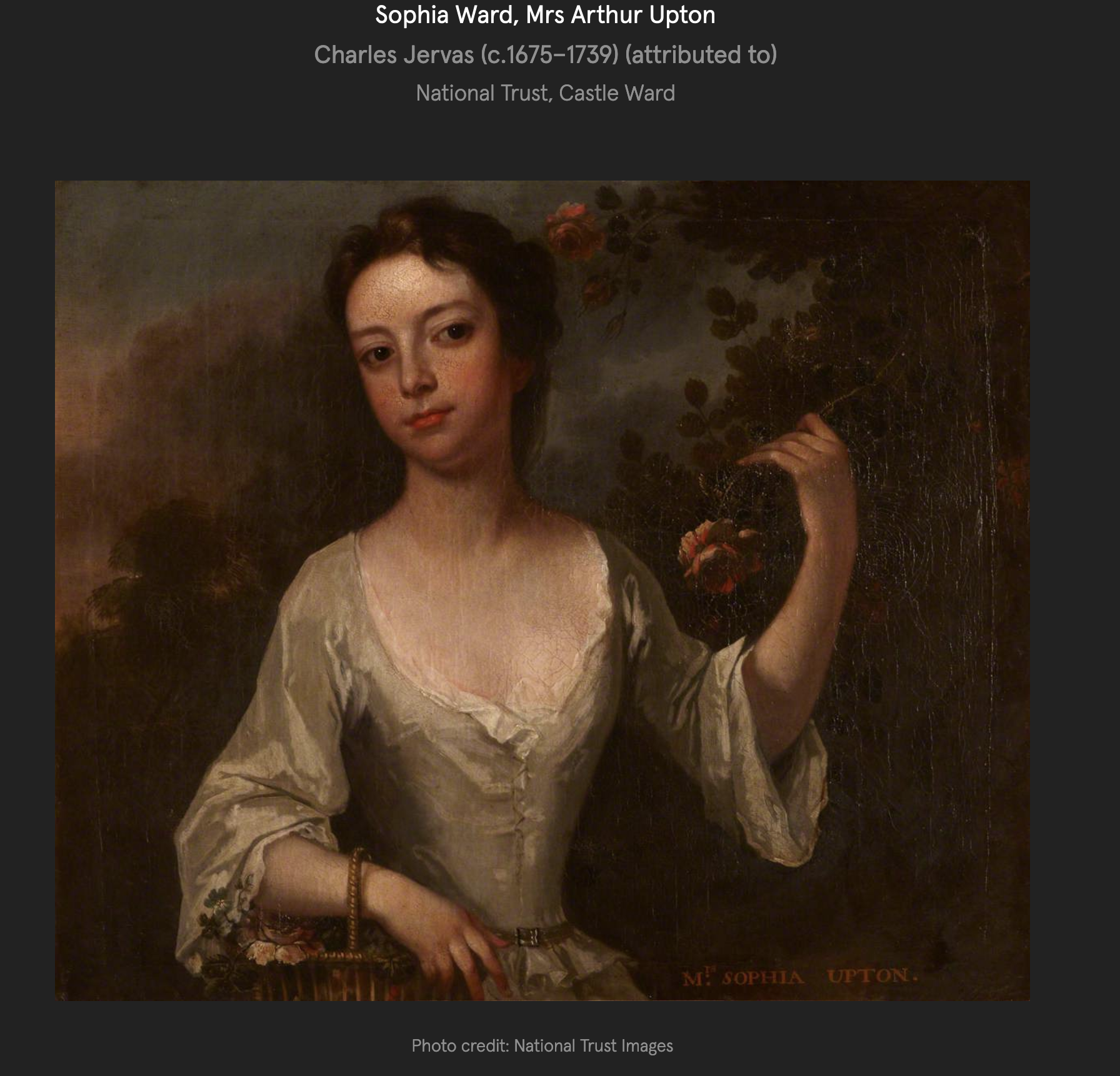
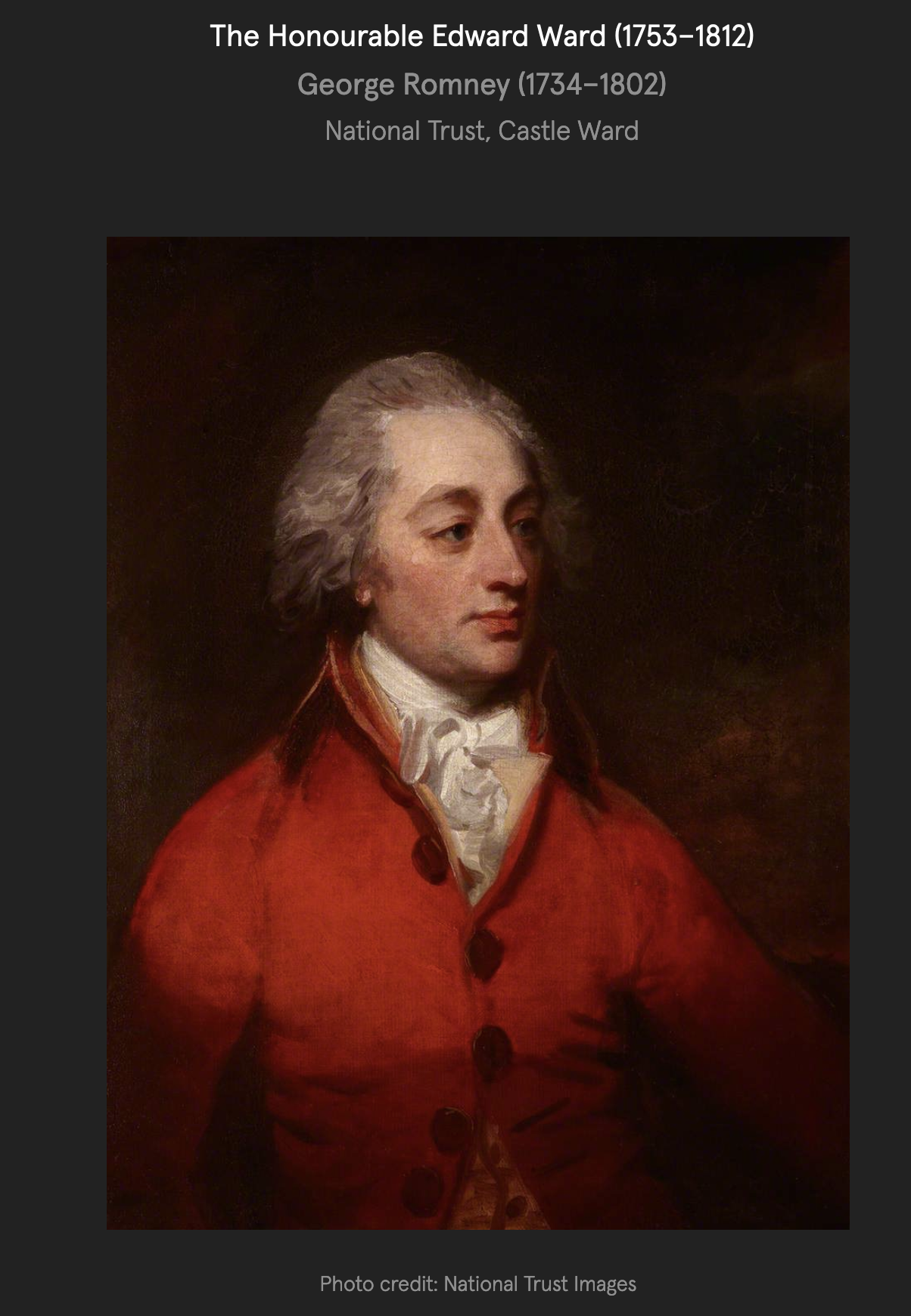
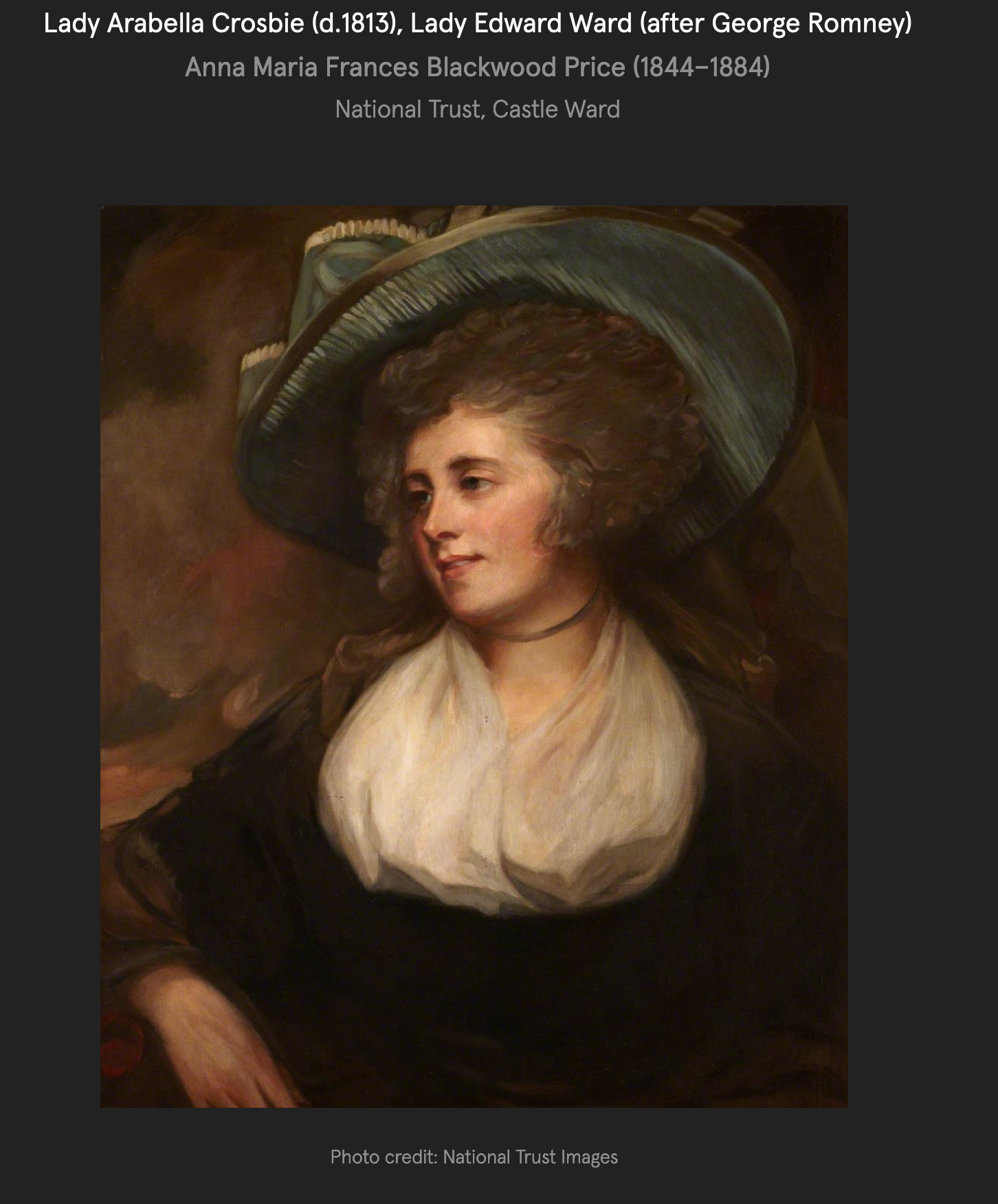

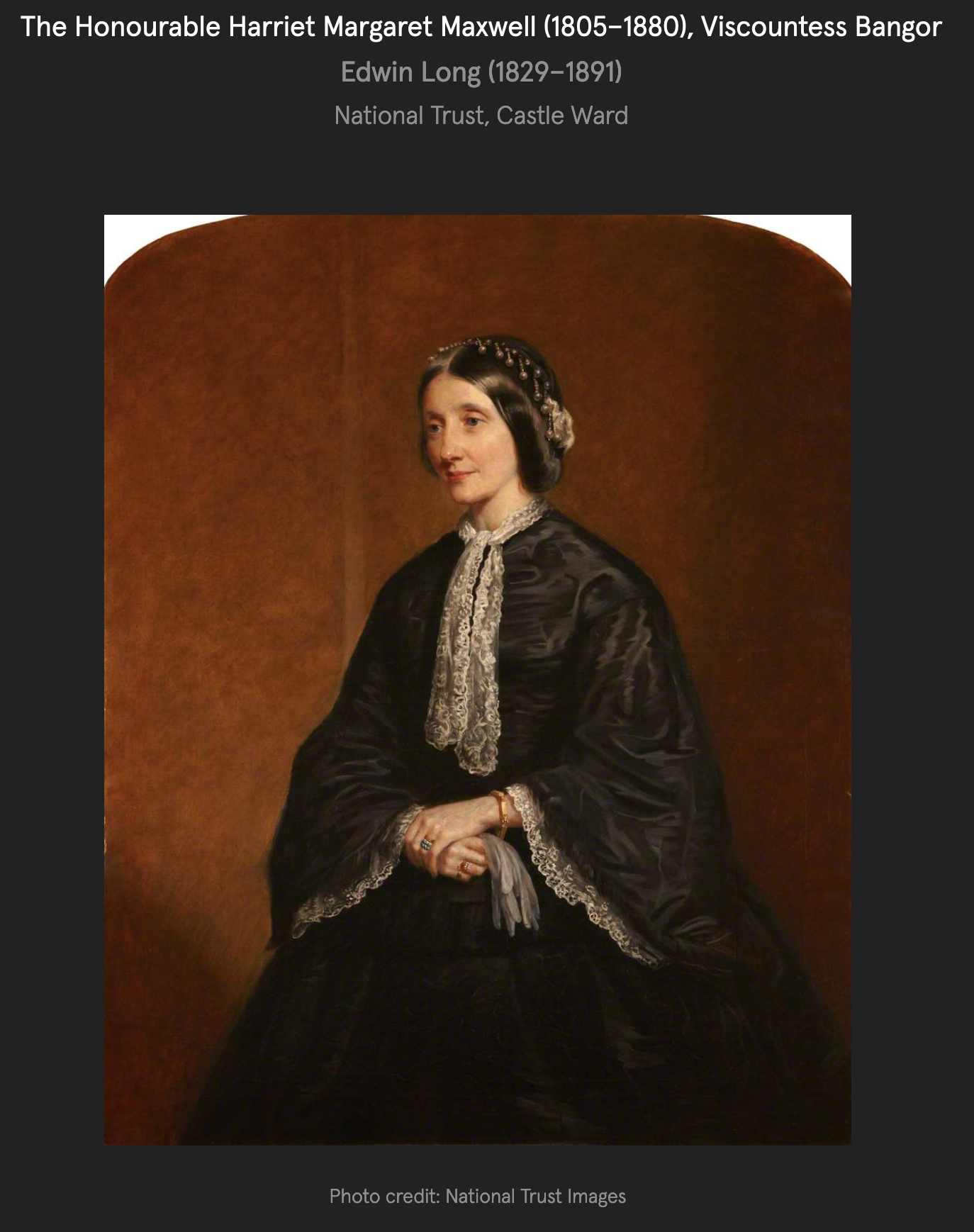
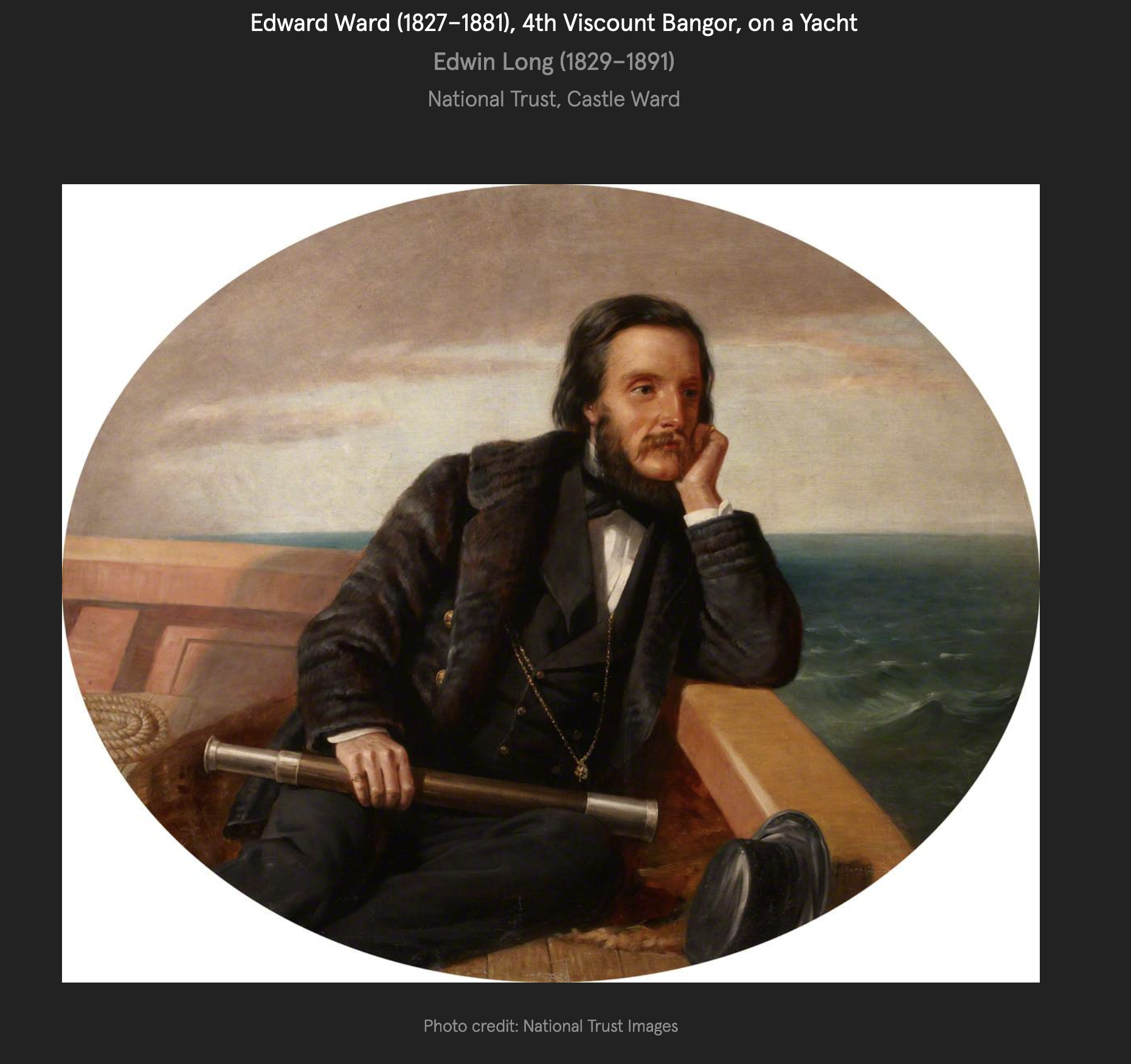
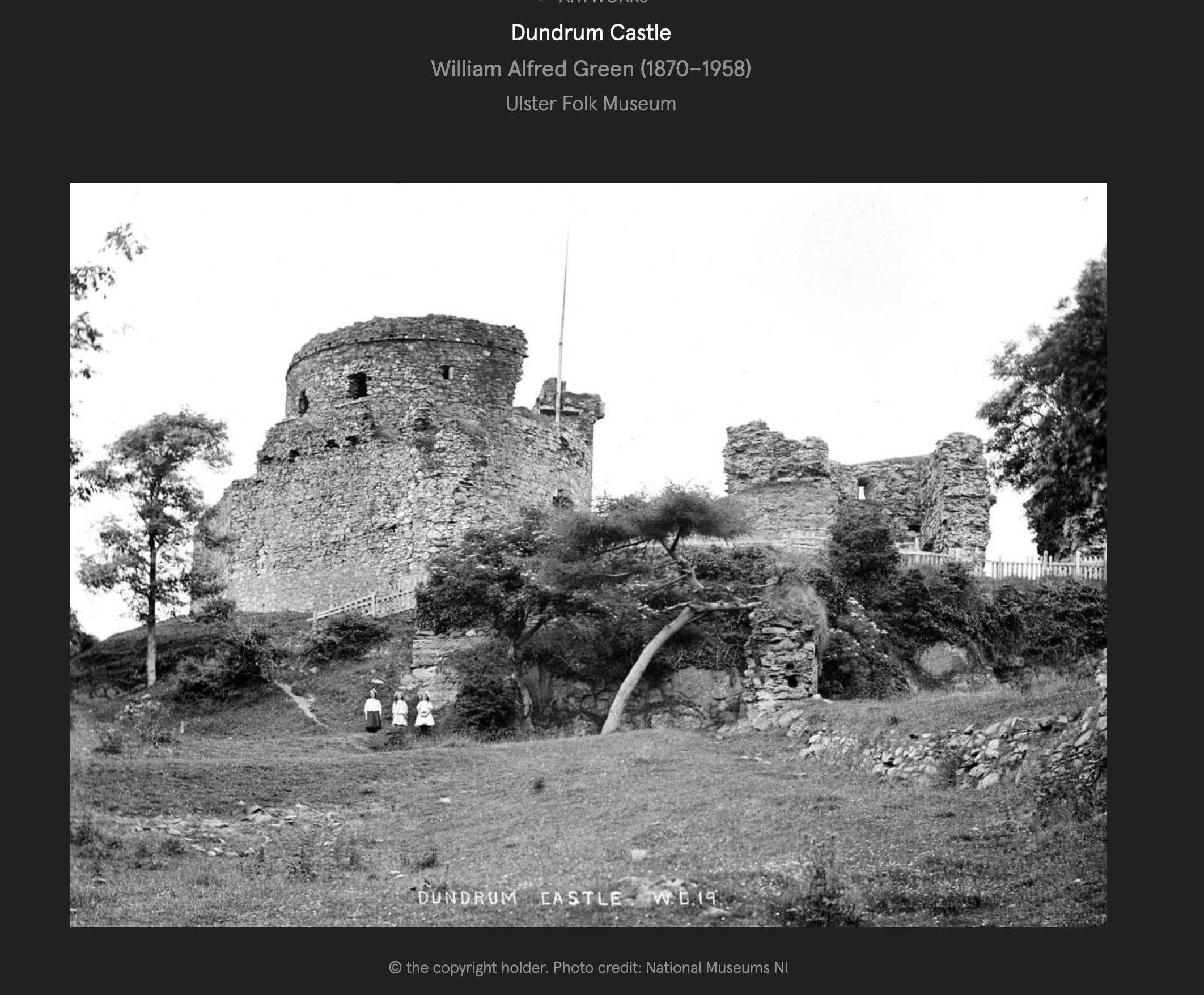
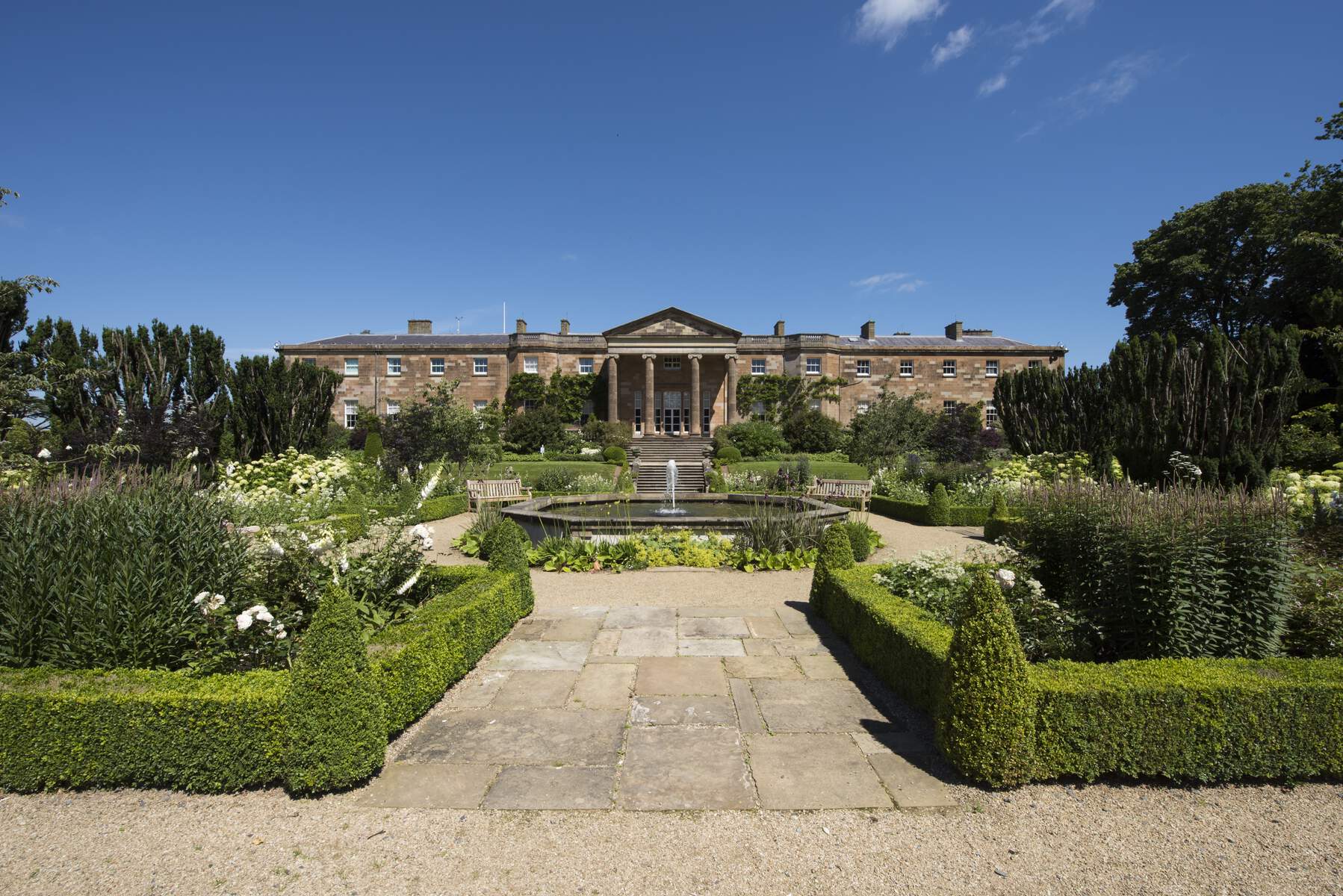

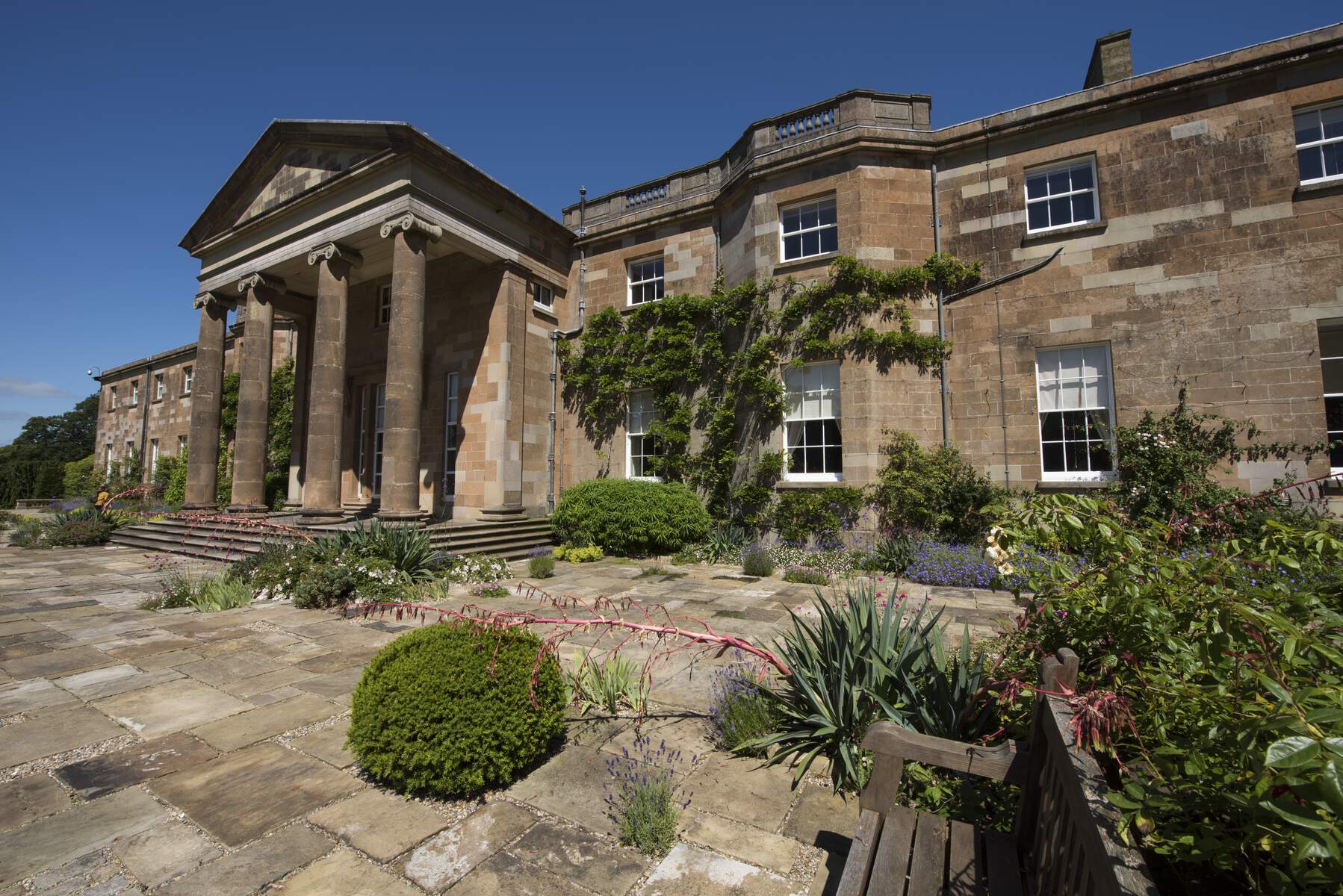
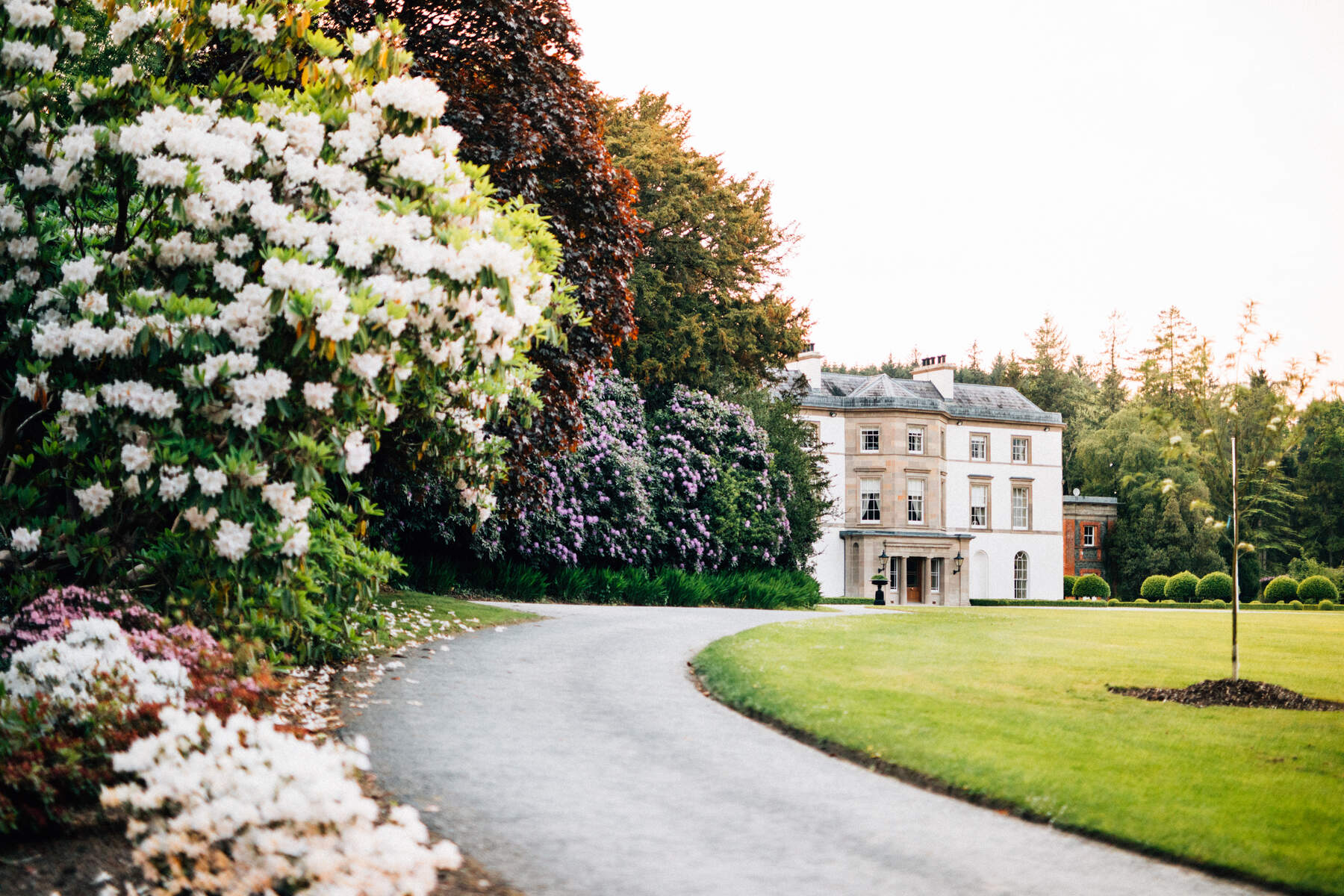
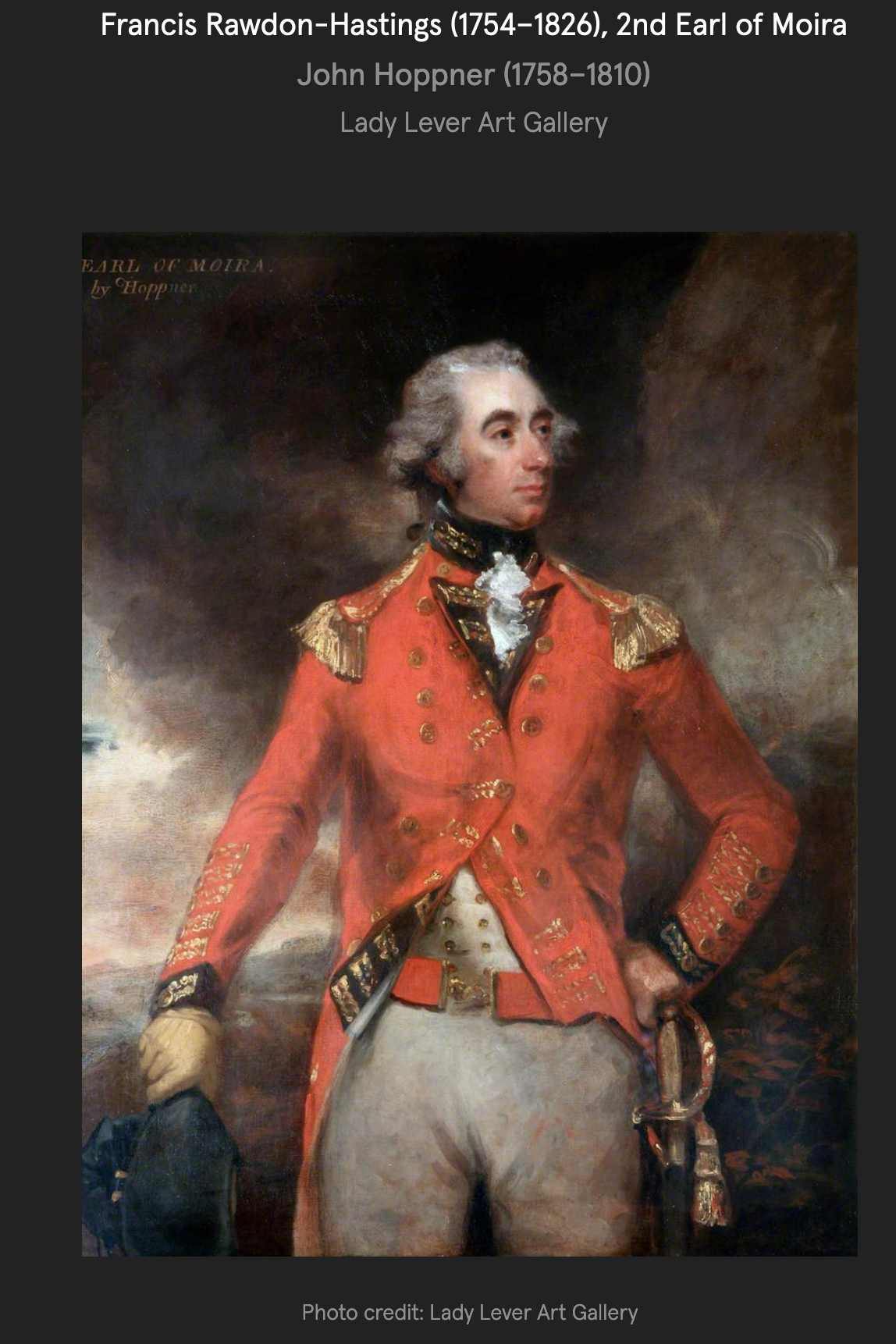
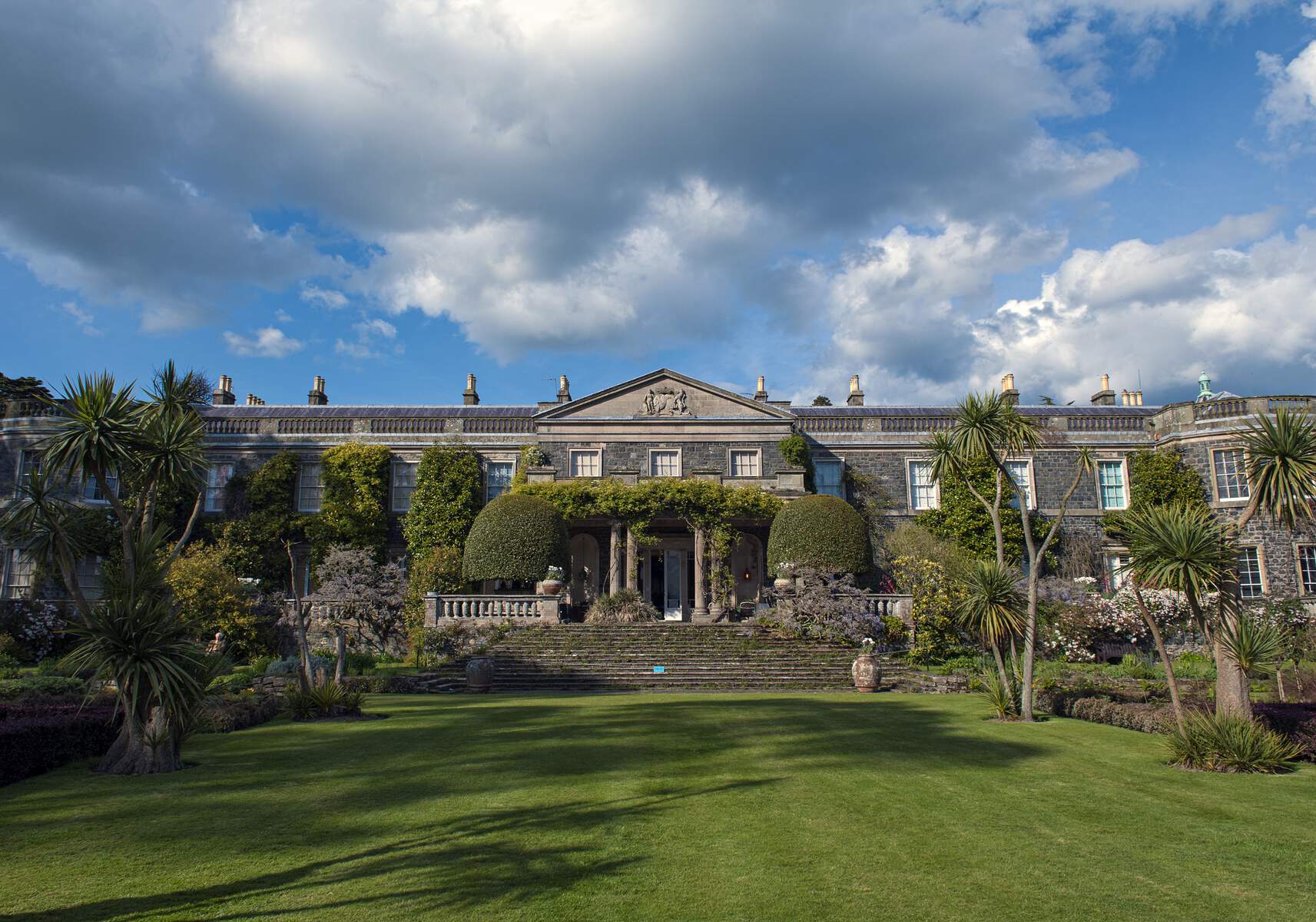
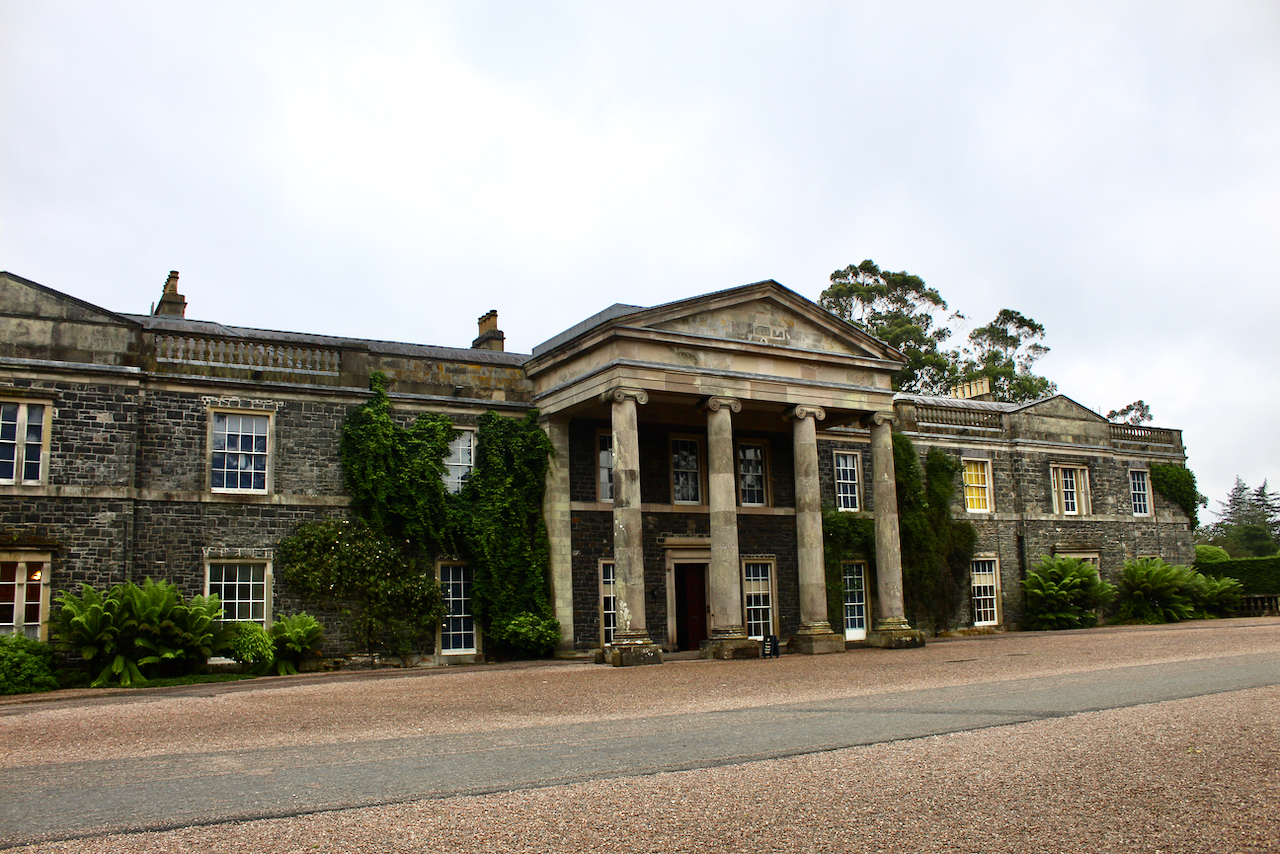
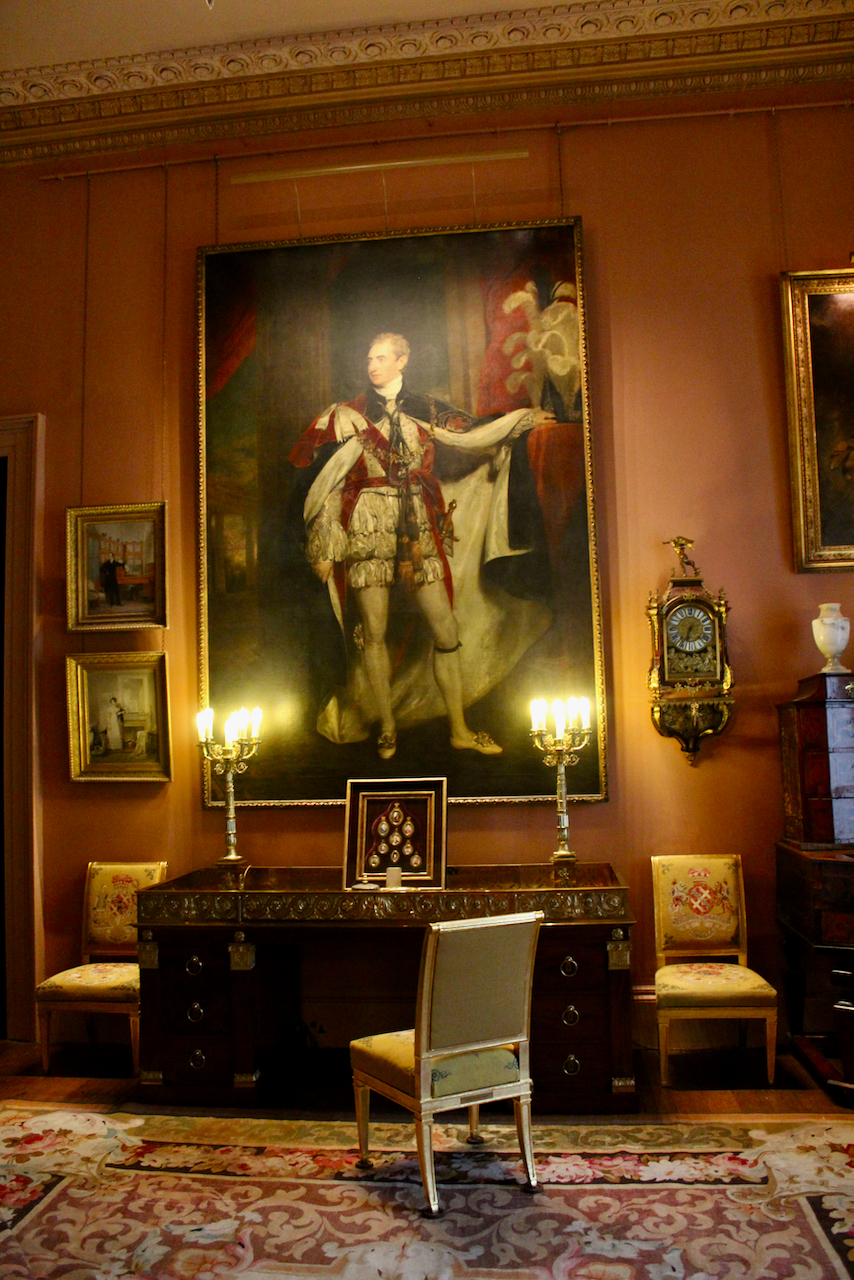

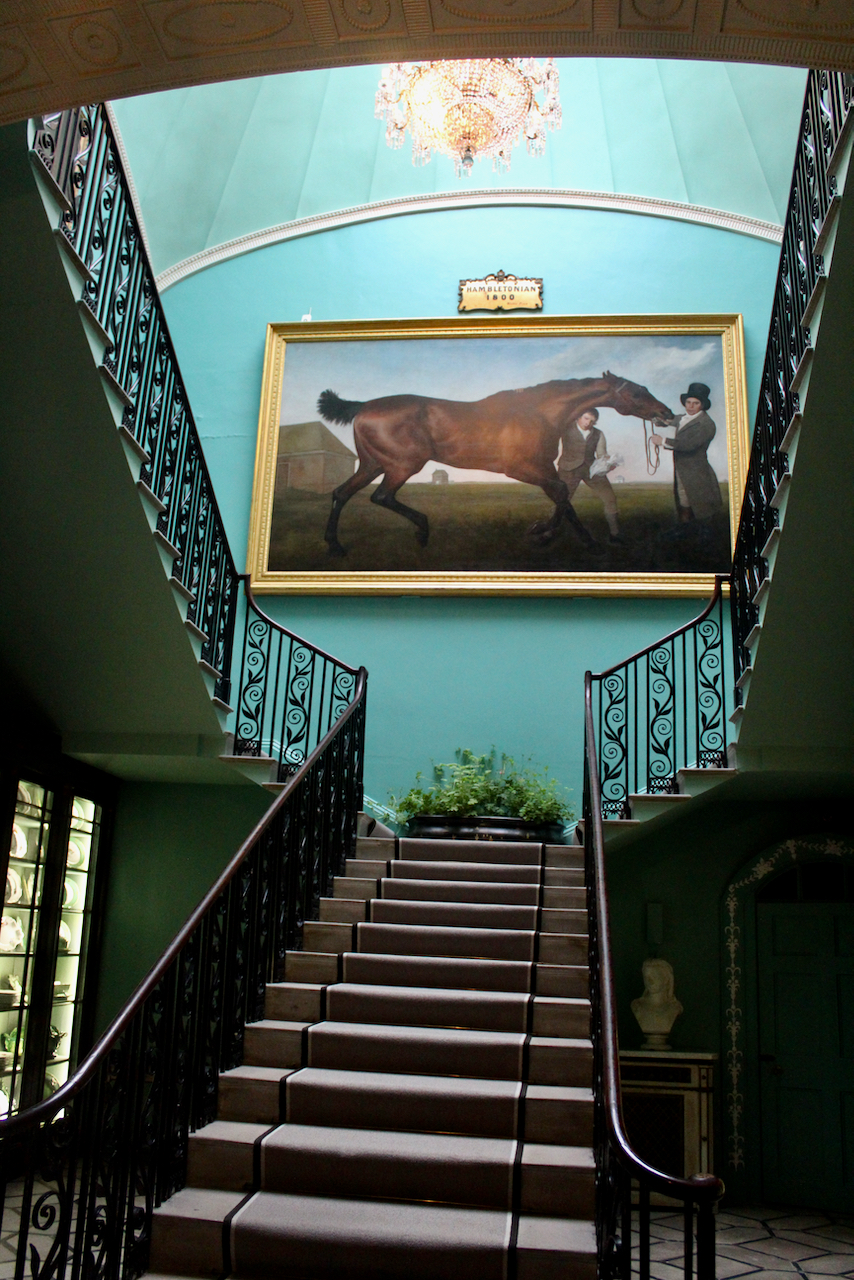
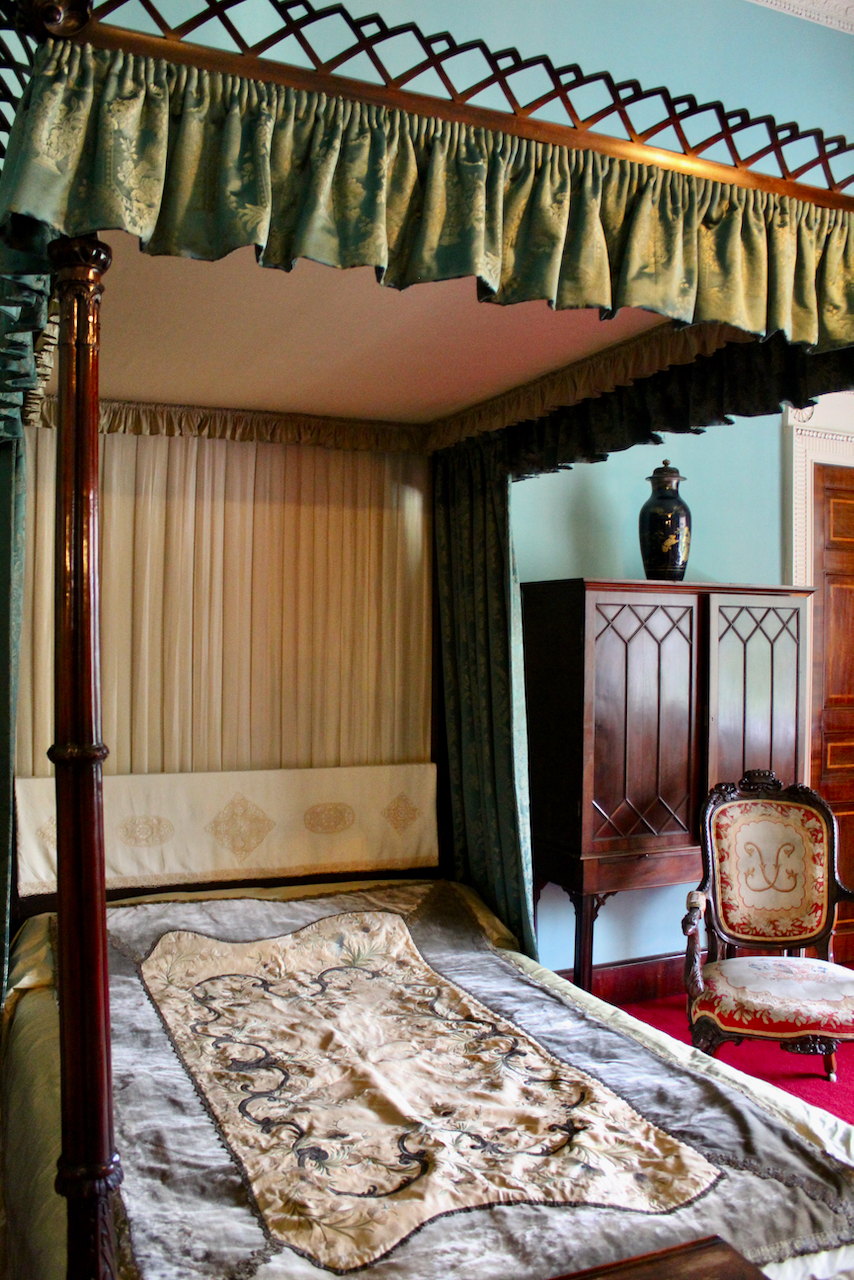
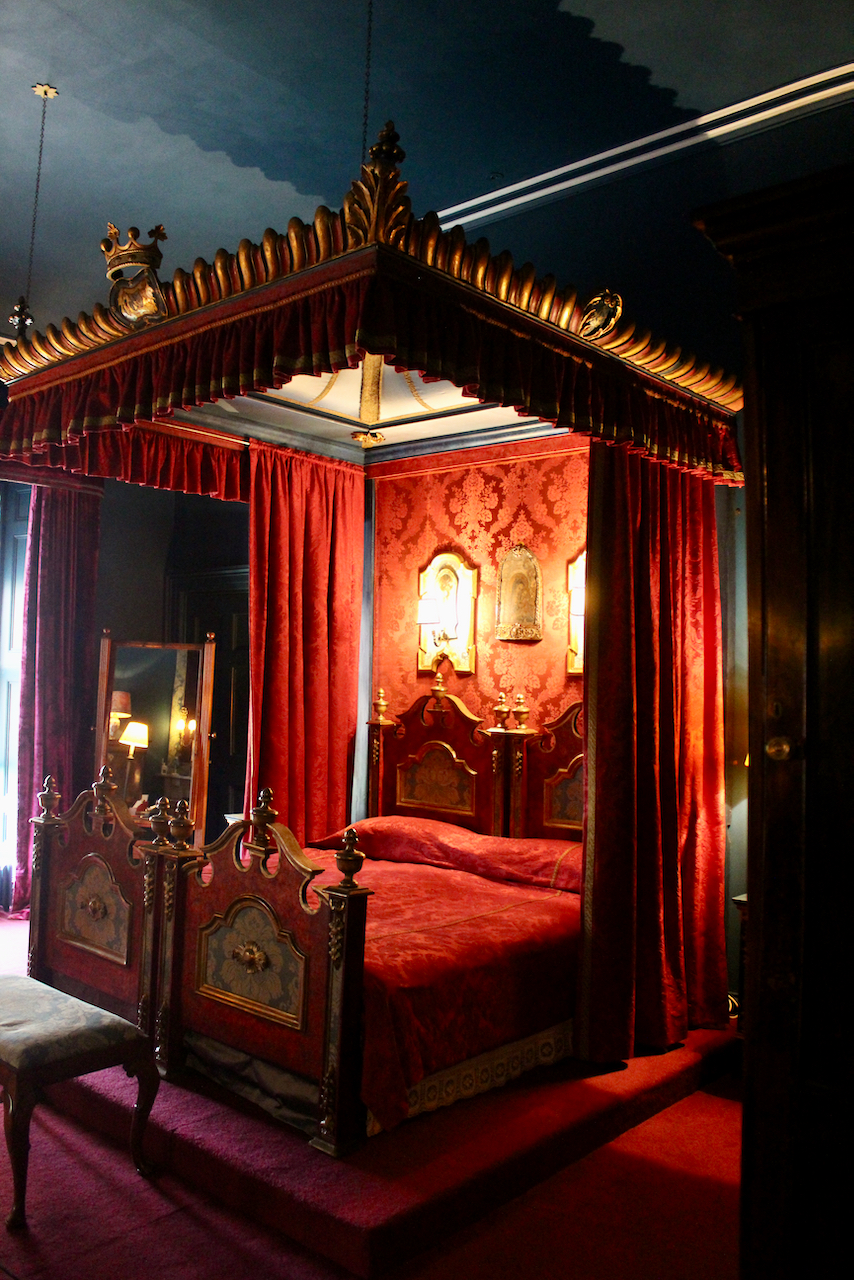
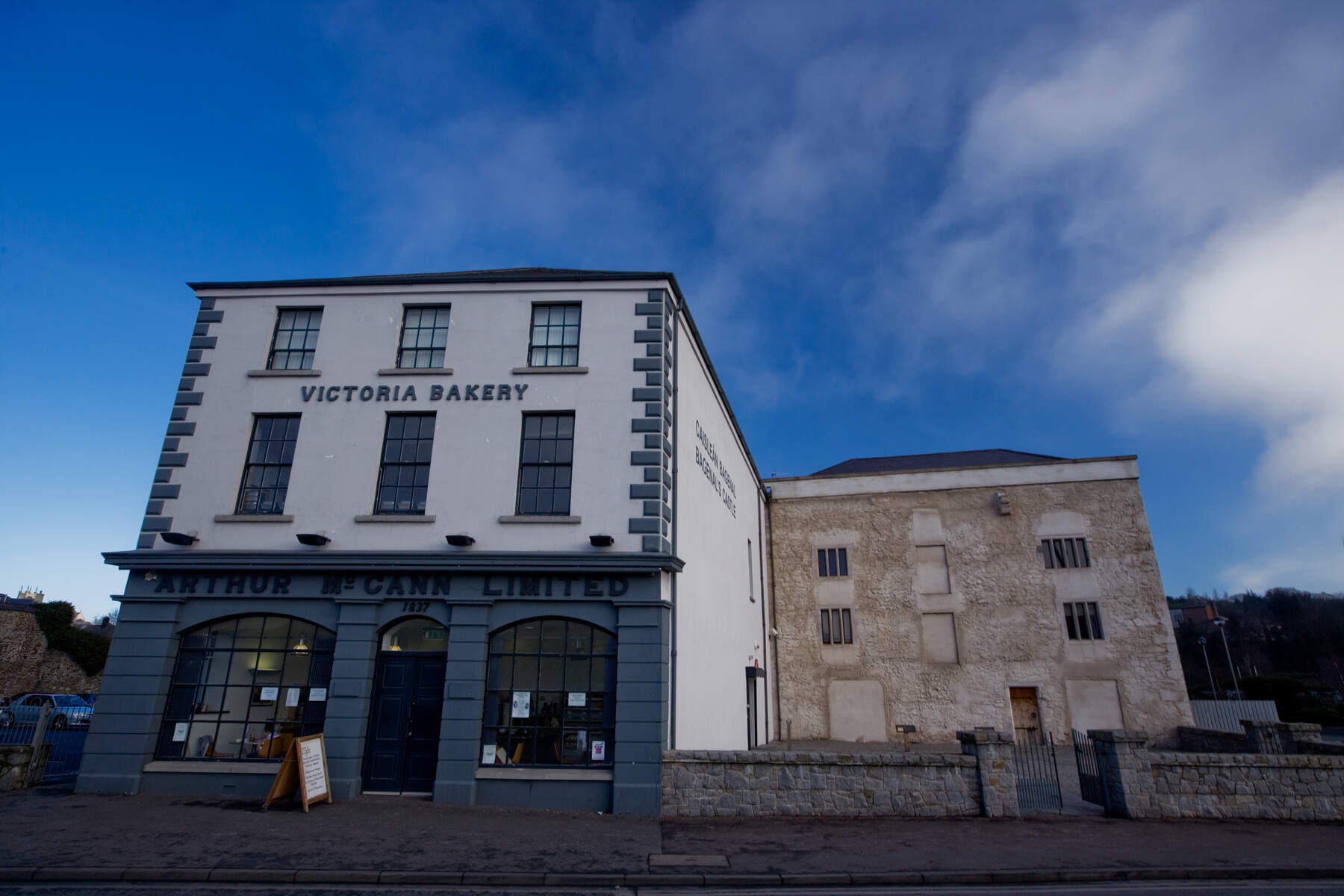

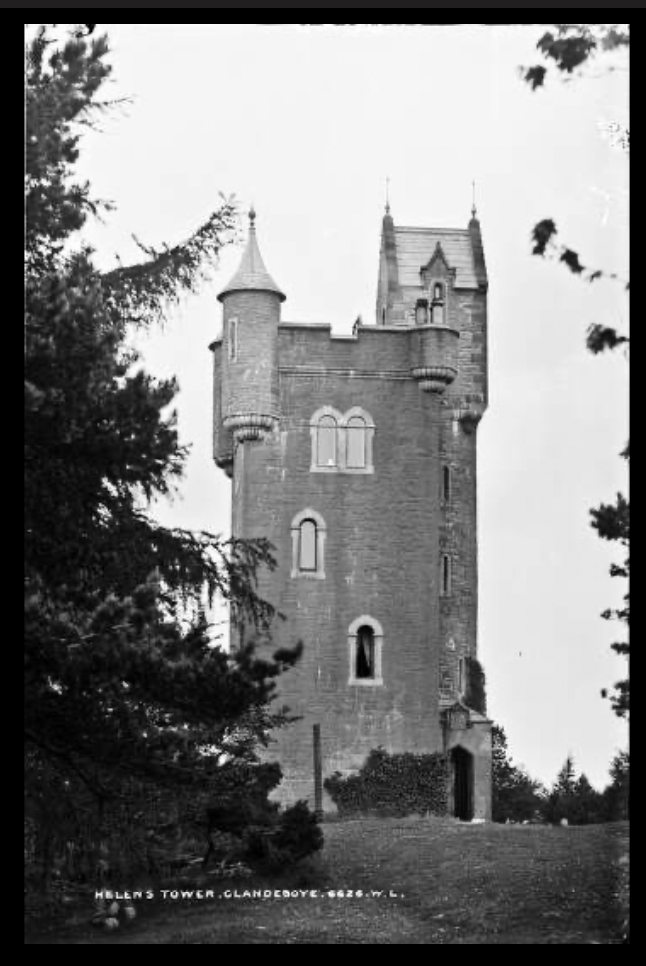

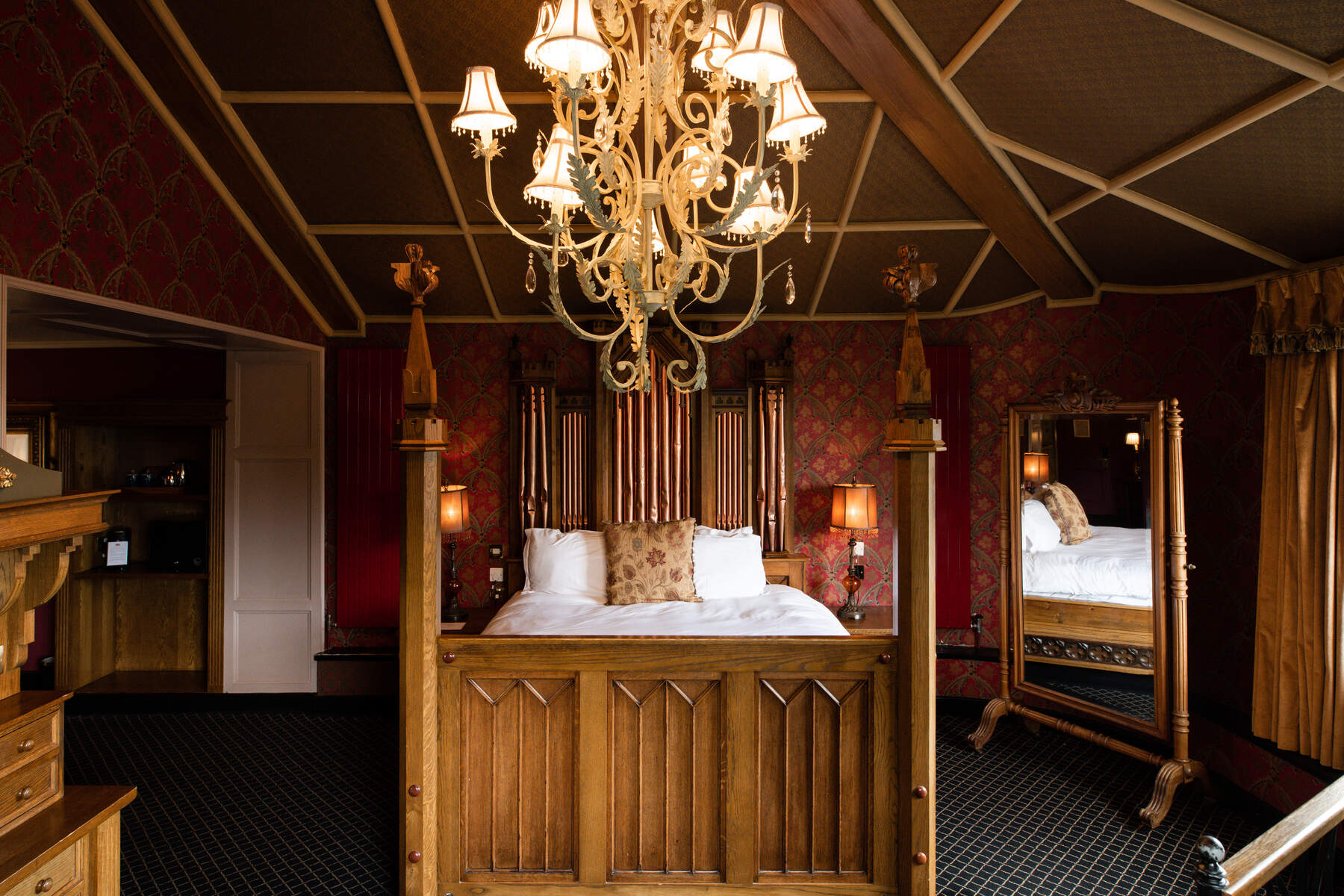
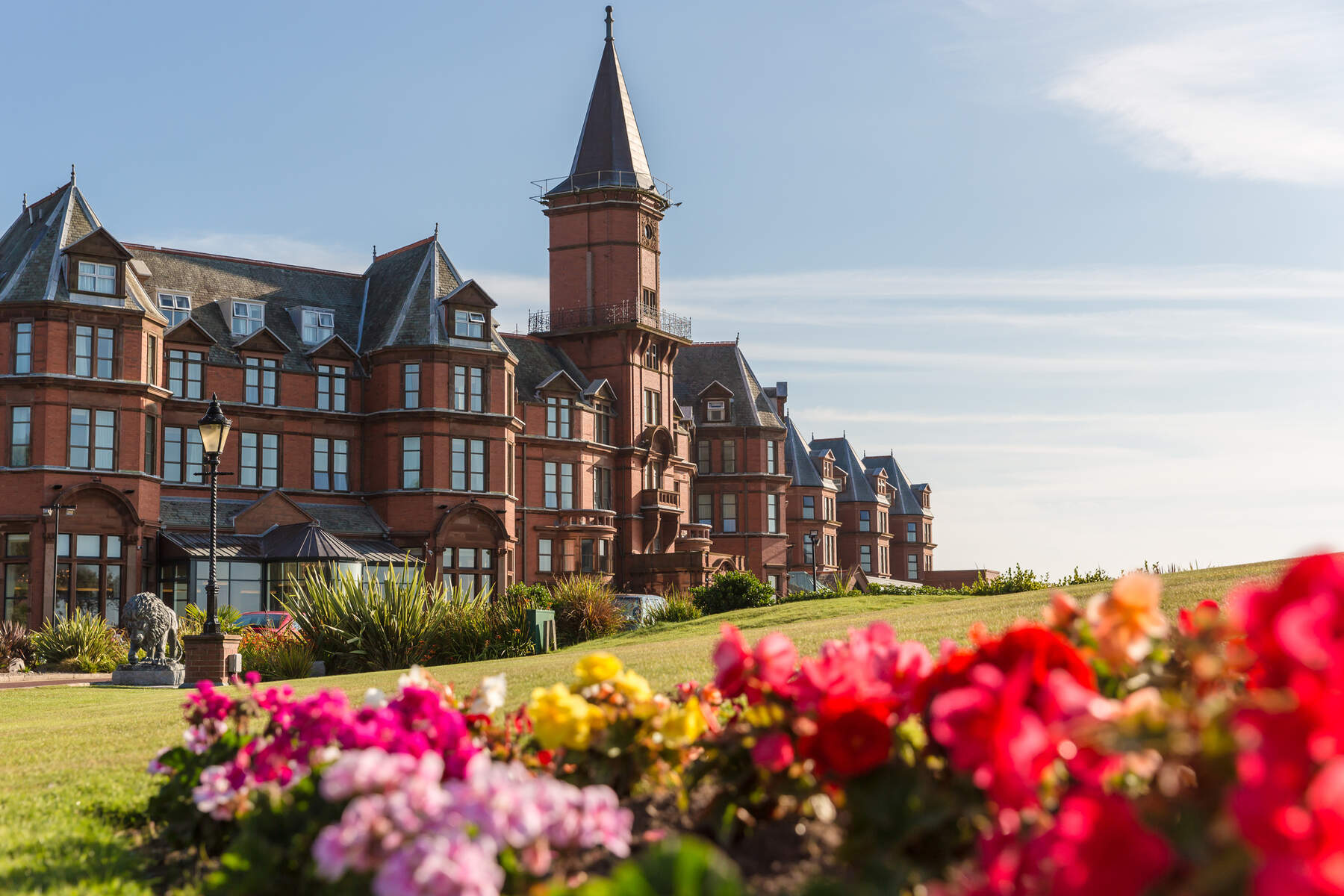
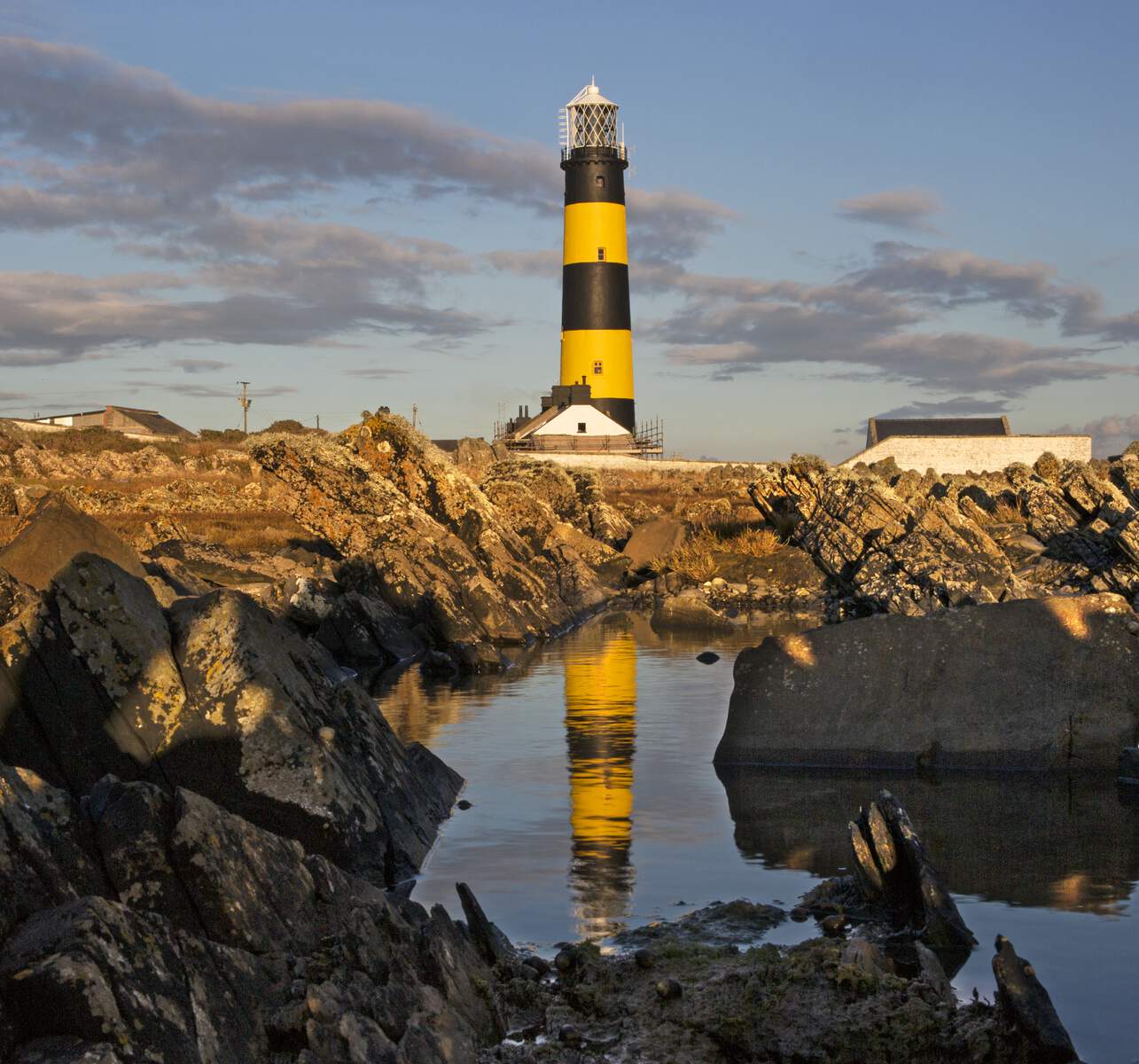
 Irish Historic Houses