Woodhouse, County Waterford – private house, tourist accommodation in gate lodge and cottages
donation
Help me to pay the entrance fee to one of the houses on this website. This site is created purely out of love for the subject and I receive no payment so any donation is appreciated!
€15.00
We visited Woodhouse on a day trip with the Cork Chapter of the Irish Georgian Society on a gloriously sunny day on May 24th, 2023. The home owners Jim and Sally Thompson welcomed us into their home, and historian Marianna Lorenc delivered a wonderful talk about the history of the house and the family who lived there.
“The original house was built in the early part of the 17th century by the Fitzgerald family (a branch of the MacThomas Geraldines of the Decies).
An old estate map of Woodhouse.An information board in the museum.
“While in the ownership of the Uniacke family it was passed by inheritance to the Beresford family and subsequently sold by Lord William Beresford in ca 1970. The House has since been extended over the years to become an impressive six bay window residence with bright and spacious rooms overlooking this private estate with the River Tay flowing through.”
The website gives us a detailed description of the history of the house so I will quote it here:
“The house of Woodhouse as we see it at present was built in at least three stages.
“The first one dates back to early 1600’s and the Munster Plantation, when the Messenger for Court of Wards and Liveries, an English Protestant and Undertaker (in other words Planter), James Wallis Esq., rented the lands of Woodhouse, Carrigcrokie, Stradballymore, Ballykerogue and others from the fellow Elizabethan settler and land distributor Richard Beacon. The latter gentleman was awarded the lands of the Catholic FitzGerald family in Co. Limerick and Co. Waterford (Woodhouse) by the Queen in appreciation for having performed his duties as her majesty’s attorney for the province of Munster. After leasing the land James Wallis had built a fine stone house, a mill, a walled garden accompanied by a numerous outbuildings and weirs (river dams) in the river Tay. The original house was built in an Elizabethan style on a rectangular plan.“
James Wallis (ca. 1570-1661).
“During the 1641 Rebellion in Ireland, James Wallis Esq. was forced out of Woodhouse by rebels and despite his detailed Deposition made in 1642 describing the damage to his house and the loss of his goods, as well as the favourable court ruling in his favour in 1653, he never returned to the property.“
At Woodhouse, County Waterford.
“The 1654 Civil Survey states that the owner of Woodhouse was then Thomas FitzGerald. Two generations later his grandson Major Richard MacThomas FitzGerald (then of Prospect House in Kinsalebeg, Co. Waterford) was facing large debts and had no way of paying them back so he had to sell the house and lands in 1724. Richard MacThomas Fitzgerald received over £8000 for this property but could only retain £840 while the rest was required to cover his debts.
“The new owner of Woodhouse was Richard MacThomas Fitzgerald’s distant relative and close neighbour Thomas Uniacke Esq. of Ballyvergin, Barnageehy and Youghal. It was then that the second phase of development for Woodhouse started. Thomas’ sons, Borr and Maurice Uniacke, invested heavily into renovating the dilapidated house and completely changed its character by developing it into a Georgian structure. There is no evidence to confirm who the architect of the changes was so it’s quite possible that the wealthy Uniacke family used the “Pattern Books” and hired traveling stonemasons to introduce the changes. The house was substantially enlarged and its functionality vastly changed. At this time the Woodhouse estate was is thought to have consisted of about 2500 acres in total.
“What the house looked like, may be seen at one of Borr Uniacke’s granddaughter’s amateur painting which was likely done in the first half of 1800s.“
Colonel Robert Uniacke (1756-1802).
“Woodhouse remained with the Uniacke family for about 130 years but in 1853 the Estate changed hands again. It did not entirely leave the Uniacke family inasmuch as the last heiress of this branch of the family, Frances Constantia Uniacke, having inherited Woodhouse from her older brother, Robert Borr Uniacke in 1844, married George John Beresford the grandnephew of the 1st Marquess of Waterford. Frances and George John took on the responsibility for the house and had the house and the outbuildings further extended. Owing to his sufferings caused by severe gout, at the back of the main house he had built a Turkish bath. We also know that construction of the boat house in nearby Stradbally Cove (which in contemporary nautical charts was called the Blind Cove) was done at this time.“
George John Beresford (1807-1864).
“For almost a century after that Woodhouse did not see any major changes and once again it became in need of extensive work to save it. Most of the eight Beresford children of George John and Frances Beresford married but none of them had children of their own. In 1933, the last surviving daughter of the couple, Lady Emily Frances Louisa (Beresford) Hodson bequeathed Woodhouse (the main house, 550 acres of land and the village of Stradbally) to her distant cousin Lt. Lord Hugh Tristram de la Poer Beresford Royal Navy, the sixth child of the 6th Marquess of Waterford. At the time of Lady Hodson’s death Lord Hugh was Aide De Camp to the Governor General of South Africa, yet he still managed to order renovation works including the installation of electricity and running water to the house. There is an extensive written evidence of his endeavours, which describes the works undertaken.“
Emily Frances Louisa (née Beresford) Hodson(1861-1934).At Woodhouse, County Waterford.
“In 1936 Lord Hugh Beresford made his last will and testament and bequeathed Woodhouse to his older brother Major Lord William Mostyn de la Poer Beresford. When in 1941 Lt. Cmdr. Lord Hugh Beresford was killed in action during the Battle of Crete, the will and testament were probated and when in 1944 Major Lord William Beresford returned from the war he took on Woodhouse, its lands and the village of Stradbally. Hence the third stage of structural development for Woodhouse began. Until his return however, the Estate was looked after by Arthur Hunt Esq. who had been the agent for the Beresford family since the late 1800s.
“Upon his return from the war, Lord William Beresford moved into Woodhouse. He found the Estate to be quite run down and badly in need of repairs.
“Lord William introduced considerable changes not only to the structure of the main house, but he also developed the land and garden in such a way that they yielded large crops. Every week he transported the rich surplus of vegetables, fruits and dairy products to Waterford where they were sold in the first Co-Op in town.“
“Lord William and his wife Rachel are remembered as a good and kind people who successfully ran Woodhouse as a working farm and they put all their energy into making it a self-sufficient establishment.”Lord William and his wife Rachel are remembered as a good and kind people who successfully ran Woodhouse as a working farm and they put all their energy into making it a self-sufficient establishment.
“The year 1971 was the year when everything had changed for Woodhouse. It was the first time in 250 years that it was sold outside of the Fitzgerald/Uniacke/Beresford Anglo-Irish family. In that year Lord William sold the Estate to Mr. John McCoubrey who farmed and bred his cattle here and, thanks to the auspicious nature, he succeeded in that enterprise. However only one year later Mr. McCoubrey decided to move on and he, too, sold Woodhouse.
“In 1972 Mr. John Rohan bought the house and all the lands. The new owner began extensive renovations to the main house and, being the Master of the Waterford Hunt, built stables for his horses and kennels for his dogs in the walled garden. He also purchased and installed the beautiful black gate at the main entrance to the Estate.“
“Ten years later, in 1983 Woodhouse changed hands again and was purchased as an investment by a company owned by Mr. Mahmoud Fustok and his associates from the Middle East. Mr. Fustok never occupied Woodhouse but chose to make it available to Dr John O’Connell, an Irish parliamentarian, and his friends. The house was adjusted to their style, but no major renovations took place between 1983 and 2006.
“After 23 years under Mr. Fustok’s ownership Woodhouse was purchased by two Irish business partners – Mr. Aidan Farrell and Mr. Charles O’Reilly-Hyland. After their purchase these two owners sold some land parcels of Woodhouse to interested parties and made some improvements to the Estate but did not make it their residence. Eventually in 2012 they decided to sell the entire estate.“
“The new purchasers, Jim Thompson and his wife Sally, took on the task of renovating and modernizing the vastly run-down house, cottages, outbuildings and lands. Their initiative involved an enormous amount of effort and patience but ultimately was successful. The works extended into every part of the large Estate (500 acres) and was achieved over a period of six years with the support and encouragement of the people of Stradbally.“
“After many years of being forgotten and with no sufficient means to sustain itself, Woodhouse was brought back to life by various experts – architectural, building, landscape, and farm – who guided the Thompsons through the long renovation process. This commitment to bring Woodhouse back to its former glory proved very successful and as of 2019 – 400 years after the house was originally built – Woodhouse is a vibrant estate once more.“
We gathered at the ancilliary buildings for coffee and a chat before Marianna’s introduction to the house’s history. She has published a book that was for sale, along with Julian Walton.
After our talk, we visited the house and then the walled garden. The website tell us:
“When Woodhouse changed hands in 2012 a project was undertaken to bring the walled garden back to its former glory. Today the Walled Garden and Orchard have a wide variety of fruits, vegetables, herbs and many types of flowers and, thanks to Paddy Kiely and his excellent team of skilled workmen, has developed in a place of beauty in tune with nature as it was planned when originally built.An oasis of calm and tranquility situated right in the centre of the Estate, the beautifully restored Walled Garden is a perfect venue for small intimate weddings and gatherings. Completely enclosed and surrounded by high stone walls the walled garden has flowers beds, beautiful green lawns, a raised pergola overlooking the entire garden and a soothing water feature. As well as providing a beautiful backdrop for weddings the Walled Garden is also an ideal venue for a variety of special events. Whether you are looking to toast a birthday or anniversary or hold a charity event the Walled Garden adds a special atmosphere to any occasion. For more information please get in touch1woodhouseestate@gmail.com “
“Lismore Castle’s 800-year history is everywhere you look, from the stained-glass windows and thick stone walls, to the centuries-old gardens and the exceptional artworks by Old Masters and leading contemporary artists. Available for rent, this exclusive use castle in Ireland’s county Waterford is the perfect retreat for you and your guests.“
You can’t visit the castle inside but you can visit the beautiful gardens.
Photograph courtesy of The Hall and Lismore Castle website.
If anyone wants to give me a present, could you book me in for a week at Lismore Castle?
Lismore Castle Gardens, Co Waterford, photograph Courtesy of Celtic Routes 2019 for Tourism Ireland (see [1])Lismore Castle Gardens, Co Waterford, photograph Courtesy of Celtic Routes 2019 for Tourism Ireland (see [1])
Mark Bence-Jones writes of Lismore Castle:
p. 186. “(Boyle, Cork and Orrery, E.PB; Cavendish, Devonshire, D/PB)…Now predominantly of early C17 and C19; but incorporating some of the towers of the medieval castle of the Bishops of Lismore which itself took the place of a castle built by King John [around 1185] where there had formerly been a famous monastery founded by St. Carthagh and a university which was a great centre of civilisation and learning in the Dark Ages. The first Protestant Bishop, the notorious Myler McGrath, granted the castle and its lands to Sir Walter Raleigh; who, however, seldom lived here, preferring his house in Youghal, now known as Myrtle Grove.” [2]
Mark Bence-Jones continues the history of the castle: “In 1602, Raleigh sold Lismore and all his Irish estates to Richard Boyle, afterwards 1st Earl of Cork, one of the most remarkable of Elizabethan adventurers; who, having come to Ireland as a penniless young man, ended as one of the richest and most powerful nobles in the kingdom. From ca. 1610 onwards, he rebuilt Lismore Castle as his home, surrounding the castle courtyard with three storey gabled ranges joining the old corner-towers, which were given Jacobean ogival roofs; the principal living rooms being on the side above the Blackwater, the parlour and dining-chamber in a wing projecting outwards to the very edge of the precipice, with an oriel window from which there is a sheer drop to the river far below. On the furthest side from the river Lord Cork built a gatehouse tower, incorporating an old Celtic-Romanesque arch which must have survived from Lismore’s monastic days. He also built a fortified wall – so thick that there is a walk along the top of it – enclosing a garden on this side of the castle; and an outer gatehouse with gabled towers known as the Riding House because it originally sheltered a mounted guard. The garden walls served an important defensive purpose when the castle was besieged by the Confederates 1642, the year before the “Great Earl’s” death. On this occasion the besiegers were repulsed; but in 1645 it fell to another Confederate Army and was sacked.”
Mark Bence-Jones continues the fascinating history: “It was made habitable again by the 2nd Earl of Cork – James II stayed a night here in 1689 and almost fainted when he looked out of the dining room window and saw the great drop – but it was neglected in C18 and became largely ruinous; the subsequent Earls of Cork, who were also Earls of Burlington, preferring to live on their estates in England.“
I’m not sure if it’s this window that nearly made King James II faint! Photograph courtesy of The Hall and Lismore Castle website.Richard Boyle (1612-1698) 1st Earl of Burlington and 2nd Earl of Cork, possibly after Sir Anthony van Dyck c.1640, NPG 893.This photograph shows the portrait of Robert Boyle (1627-1691) on the wall, Photograph courtesy of The Hall and Lismore Castle website.Robert Boyle F. R. S. (1627-1691) by Johann Kerseboom, 1689, courtesy of Science History Institute.He was the brother of the 2nd Earl of Cork.Oil painting on canvas, Lady Elizabeth Clifford, Countess of Burlington (1621 – 1698) by Sir Anthony Van Dyck (Antwerp 1599 – London 1641). Three-quarter length portrait, profile to left, head facing, wearing wbite satin dress and blue scarf, pointing with her left hand in a landscape. She married Richard Boyle, 2nd Earl of Cork and 1st Earl of Burlington.Charles Boyle (c. 1662-1704) 3rd Earl of Cork and 2nd Earl of Burlington, by Godfrey Kneller, courtesy of National Trust Hardwick Hall.Richard Boyle, 3rd Earl of Burlington (1694-1753) by Jonathan Richardson, courtesy of London’s National Portrait Gallery NPG 4818.Richard Boyle 4th Earl of Cork and 3rd Earl of Burlington and Dorothy Savile attributed to Aikman, William Aikman (1682-1731).Oil painting on canvas, Possibly Lady Dorothy Savile, Countess of Burlington and Countess of Cork (1699-1758) by Michael Dahl, circa 1720. Inscribed top right in gold: Lady Dorothy Saville / Daughter to the Marquis of Halifax / married to the Earl of Burlington. A half-length portrait of a young woman, facing, wearing white decollete dres with blue ribbon.Lady Dorothy Savile, Countess of Burlington (1699-1758) with her Daughter Lady Dorothy Boyle, later Countess of Euston (1724-1742) by Michael Dahl (Stockholm 1656/9 ? London 1743), inscribed top right in gold: Lady Burlington / & Lady Dorothy Boyle. Two bust-length portraits, the mother at the right, wearing red, the daughter dressed in white.
“Through the marriage of the daughter and heiress of the architect Earl of Burlington [Charlotte Elizabeth Boyle (1731-1754), daughter of Richard Boyle, 3rd Earl of Burlington, 4th Earl of Cork] and Cork to the 4th Duke of Devonshire [William Cavendish (1720-1764)], Lismore passed to the Cavendishes. The 4th and 5th Dukes took no more interest in the castle than the Earls of Burlington had done; but the 6th Duke [William George Spenser Cavendish (1790-1858)] – remembered as the “Bachelor Duke” – began work at Lismore as soon as he succeeded his father 1811.”
William Cavendish (1720-1764) 4th Duke of Devonshire, after Thomas Hudson, briefly Prime Minister between 1756 and 1757.Charlotte Boyle (1731-1754) daughter of Richard Boyle (1694-1753) 3rd Earl of Burlington 4th Earl of Cork who married William Cavendish (1720-1764) 4th Duke of Devonshire and brought Lismore Castle, County Waterford, into the Cavendish family. Painting after style of George Knapton, courtesy of Chiswick House collection.As the heir of her father, she succeeded to the title of Baroness Clifford of Londesborough suo jure.
We came across the 5th Duke of Devonshire before as he had an affair with and then, after his wife died, married Elizabeth Christina Hervey. Elizabeth Christina had been married to John Thomas Foster (1747-1796), MP for Dunleer, County Louth, of Glyde Court (see my entry on Cabra Castle). After the 5th Duke of Devonshire died, Elizabeth Christina married for a third time, to Valentine Richard Quin 1st Earl of Dunraven and Mount Earl, of Adare Manor in Limerick.
The 6th Duke, William George Spenser Cavendish (1790-1858), son of the 5th Duke’s first wife Georgiana née Spencer, began work at Lismore as soon as he succeeded his father 1811.
William George Spencer Cavendish (1790-1858) 6th Duke of Devonshire, the “Bachelor Duke,” by George Edward Madeley, National Portrait Gallery of London D15276.Photograph courtesy of The Hall and Lismore Castle website, the portrait looks like the 6th Duke of Devonshire.Lismore Castle gardens, County Waterford, 20th August 2023.Photograph courtesy of The Hall and Lismore Castle website.
I love the story of the Bachelor Duke: “By 1812 the castle was habitable enough for him to entertain his cousin, Lady Caroline Lamb [nee Ponsonby], her husband William, and her mother, Lady Bessborough, here. Caroline, who had been brought to Ireland in the hope that it would make her forget Byron, was bitterly disappointed by the castle; she had expected “vast apartments full of tattered furniture and gloom”; instead, as Lady Bessborough reported, “Hart handed her into, not a Gothic hall, but two small dapper parlours neatly furnished, in the newest Inn fashion, much like a Cit’s villa at Highgate.” Hart – the Bachelor Duke [He succeeded as the 6th Marquess of Hartington, co. Derby [E., 1694] on 29 July 1811] – had in fact already commissioned the architect William Atkinson to restore the range above the river in a suitably medieval style, and the work actually began in that same year. Battlements replaced the Great Earl of Cork’s gables and the principal rooms – including the dining room with the famous window, which became the drawing room – where given ceilings of simple plaster vaulting.“
From the website, we can see the interiors of the rooms of the Gothic windows we can see from the Lower Garden.
Photograph courtesy of The Hall and Lismore Castle website.Photograph courtesy of The Hall and Lismore Castle website.Photograph courtesy of The Hall and Lismore Castle website.Photograph courtesy of The Hall and Lismore Castle website.Photograph courtesy of The Hall and Lismore Castle website.
“The Bachelor Duke, who became increasingly attached to Lismore, began a second and more ambitious phase of rebuilding 1850, towards the end of his life. This time his architect was Sir Joseph Paxton, that versatile genius who designed the Crystal Palace and who, having started as the Bachelor Duke’s gardener, became his close friend and right hand man. During the next few years, the three remaining sides of the courtyard were rebuilt in an impressive C19 castle style, with battlemented towers and turrets; all faced in cut-stone shipped over from Derbyshire. The Great Earl’s gatehouse tower, with its pyramidal roof, was however, left as it was, and also the Riding House.“
Mark Bence-Jones continues: “The ruined chapel of the Bishops, adjoining the range containing the Great Earl’s living rooms, was restored as a banqueting hall or ballroom of ecclesiastical character; with choirstalls, a vast Perpendicular stained glass window at either end, and richly coloured Gothic stencilling on the walls and the timbers of the open roof. The decoration of the room was carried out by John Gregory Crace, some of it being designed by Pugin, including the chimneypiece, which was exhibited in the Medieval Court at the Great Exhibition. The banqueting hall is the only really large room in the castle, the interior of which is on a much more modest and homely scale than might be expected from the great extent of the building; but in fact one side of the courtyard was designed to be a separate house for the agent, and another side to be the estate office. Subsequent Dukes of Devonshire have loved Lismore as much as the Bachelor Duke did, though their English commitments have naturally prevented them from coming here for more than occasional visits. From 1932 until his death 1944, the castle was continuously occupied by Lord Charles Cavendish, younger son of the 9th Duke, and his wife, the former Miss Adele Astaire, the dancer and actress, who still comes here every year. The present Duke and Duchess have carried out many improvements to the garden, which consist of the original upper garden, surrounded by the Great Earl’s fortified walls, and a more naturalistic garden below the approach to the castle; the two being linked in a charming and unexpected way by a staircase in the Riding House.”
[2] Bence-Jones, Mark. A Guide to Irish Country Houses (originally published as Burke’s Guide to Country Houses volume 1 Ireland by Burke’s Peerage Ltd. 1978); Revised edition 1988 Constable and Company Ltd, London.
The website tells us that Larchfield extends to 600 acres and includes peaceful forest and woodland alongside picturesque river banks. Steeped in history, Larchfield’s heritage dates back to the 1600’s with many remarkable ups and downs throughout its 350-year history.
“The current owners (Gavin and Sarah Mackie) were married themselves at Larchfield in 2007, and moved back to take on the estate from Gavin’s parents. The estate was opened up for weddings and events around this time and in 2010, as part of its renovation, the Stables was re-built and re-roofed for hire for ceremonies and smaller functions downstairs.
In 2012, Rose Cottage was the first of the onsite accommodation to be restored, leading to the development of accommodation for up to 37 guests. Late 2019 saw the completion of the redevelopment of an 1800s railway style building facing the Larchfield Estate cottages. Harkening back to its history as a piggery, The Old Piggery was officially launched in 2020 as a new offering for experiences, dining, special celebrations and corporate retreats. This project was kindly supported by the Rural Development Programme.“
“The stunning Magheramorne Estate, conveniently located just 23 miles from Belfast, is one of the most exclusive venues available for private hire in Northern Ireland. From weddings, family parties, corporate meetings and events to occasion meals, this coastal estate offers a variety of unique indoor and outdoor spaces to fulfil your dreams.
Built as a grand family home around 1880, the house has recently enjoyed sympathetic and elegant restoration in keeping with its Grade B1 listed status.
The Allen family have made significant investments to ensure the house meets modern expectations while carefully retaining the welcoming warmth of genuine domestic comfort.
Designed circa 1878 by Samuel P Close, it was built by James Henry for Sir James Hogg to mark his rise to the peerage of Baron Magheramorne in 1880. It replaced Ballylig House, an earlier and more modest residence originally constructed in 1817.
“Elmfield Estate has been a family home for generations and of the Shaw family for the last 60 years. It has evolved through the years, from a modest dwelling house and stable yard in the 18c to an impressive Victorian Scottish baronial style house with turrets and ziggurat balustrades, built by the wealthy linen barons in the mid-1800s. The estate ran into disrepair after the second world war but was saved by the Shaws who have lovingly restored the house, farm, and gardens room by room lawn by lawn. Elmfield has certainly been a place of transformation and vision over the last 60 years. When Derek and Ann’s three children were little, they enjoyed the freedom and wildness that only a semi-derelict estate can offer. To turn that into what you see today is down to Derek’s vision.
“Killeavy Castle is a Grade A listed historical building originally designed in 1836 by architect George Papworth of Dublin. Formally known as Killeavy Lodge, the Foxall family had their home rebuilt in the style of the pre-Victorian Gosford Castle with towers, Tudor windows and a medieval-style door transforming the modest farmhouse into a home fit for a king.
Situated on the eastern base of Slieve Gullion, the original castle and surrounding grounds brought a new element to the beautiful landscape. The building contained a basement level with a kitchen, store rooms, servant’s quarters and an underground tunnel to allow servants to enter and exit the building unseen. Above was a parlour and wine cellar, with an adjoining drawing room, library and conservatory. On the top level were six bedrooms, four dressing rooms and bathrooms. There was a beautiful walled garden and an ornamental water wheel.
The Bell family took ownership of the property in 1881, but in recent years the building fell into disrepair. Fortunately, the facade remained intact and, surrounded by fir plantations and lush farmland, it has been returned to its former glory.
The Architect
George Papworth (1781-1855) was the younger brother of English architect John Buonarotti Papworth. He established himself in Ireland and designed many notable buildings including Sir Patrick Dun’s Hospital and the King’s Bridge in Dublin. His drawings of Killeavy were exhibited in the Royal Hibernian Academy in 1836.“
County Carlow venues:
1. Huntington Castle, County Carlow €
Huntington Castle and Gardens, by Daniel O’Connor 2021 for Tourism Ireland.
Lisnavagh, County Carlow, photograph taken October 2019.
Lisnavagh is a wedding venue, and there are buildings with accommodation, including the farm house, converted courtyard stables, the groom’s cottage, schoolhouse, farm and blacksmiths cottages and the bothy.
The National Inventory tells us that it was designed around 1847 by Daniel Robertson. It was built for William McClintock-Bunbury (1800-1866). Around 1953, it was truncated and reordered, to make it more liveable, and this was designed by Alan Hope.
The website tells us that Sandbrook is a handsome period country house, originally built in the early 1700s in Queen Anne style [the National Inventory says 1750], and sits in 25 acres of mature parkland on the Wicklow/Carlow border in the heart of the Irish Countryside with views toward Mount Leinster and the Wicklow Mountains. The National Inventory further describes it:
“five-bay two-storey over basement house with dormer attic, c. 1750, with pedimented central breakfront having granite lugged doorcase, granite dressings, two-bay lateral wings, Palladian style quadrant walls and pavilion blocks. Interior retains original features including timber panelled hall and timber staircase.“
The website tells us: “Barnabrow Country House: in idyllic East Cork is discreet – it is like a secret garden that beckons. Visitors may happen upon it nestled in the rolling hills of East Cork with distant but tantalising glimpses of Ballycotton Bay. At first glance it appears contained – its banqueting hall, high on the hill, is not obvious, the twenty-two bedrooms are tucked away in various courtyards and the cottages are not apparent.“
“A medieval Castle for rent in Ireland, the spectacular home of the former Viscount of Fermoy and Lords of the Barony of Fermoy, is a truly unique heritage site of international significance. Blackwater Castle, with a history extending back some 10,000 years to the Mesolithic period, is available to hire as a private Castle experience for exclusive Castle weddings, private parties, and family gatherings.
The Castle was first erected in the twelfth century on the site of the Bronze Age fortress of Dún Cruadha, an inland promontory fort which was established some 2,500 years ago or more on a rocky outcrop on the banks of the River Awbeg. Beautifully appointed suites, welcoming reception rooms, historical tours, and extensive activities from zip-lining to fly fishing are all on offer at one of Ireland’s more interesting and best preserved castles set on a 50 acre estate of mature native Irish trees with a private stretch of the River Awbeg.“
Nestled in beautiful parkland where you will find our grand Georgian Mansion House which is perfect for weddings, family get togethers, corporate events and much more.
“Steeped in history, the house was originally built in 1789 by Dr Knox of Lifford. The house and grounds have now been beautifully restored by the present owner and offer luxury accommodation as well as a unique, private location for a variety of functions including weddings and corporate events.
Drumhalla House offers superior 5 star accommodation and is a much sought after and unique wedding venue.
Panoramic views over Lough Swilly and the renowned Kinnegar beach provide the perfect backdrop for your wedding day. The beautifully maintained grounds and lawns at Drumhalla House make it perfect for your guests to enjoy and explore.
Allow our Country Manor House, complete with 5 star accommodation at Drumhalla to transform your wedding ideas into the fairytale you always dreamed of.
All of our bedrooms are individual and unique and everything one would expect in a much loved Manor House. The rooms are very comfortable and traditional in style and filled with carefully chosen furnishings. They are located on the 1st floor of the house and provide varied views over the gardens and beach.“
2. Dunmore, Carrigans, Co Donegal – accommodation and weddings
Narrow Water, photograph by Chris Hill 2005 for Tourism Ireland, Ireland’s Content Pool.
The website tells us:
“Narrow Water Castle is the private home of the Hall family who have lived at Narrow Water since 1670, originally in the Old Narrow Water Keep situated on the shoreline of Carlingford Lough which is now a national monument.
As a private home the castle is not open for public admission. It does however occasionally open its doors for weddings and exclusive events.
In 1816 construction began on the new Castle by Thomas Duff, a well-known Newry architect who also designed the Cathedrals in Newry, Armagh and Dundalk. The Elizabethan revival style castle is made from local granite and built next to the existing house, Mount Hall (1680). It was completed in 1836.
Event Venues Dublin
1. Luttrellstown Castle, (known for a period as Woodlands), Clonsilla, Co Dublin
Luttrellstown Castle Resort, photograph by Colm Kerr 2018, Ireland’s Content Pool. The National Inventory describes it: “Detached seven-bay two-storey castle, incorporating fabric of earlier castle. Extended and remodelled c.1810, with battlements and turrets. Two wings to rear, with several later additions. Farmyard quadrangle mostly dating to c.1840. Demesne with lake, cascades, ice-house, gate lodges, obelisk, tower, bridges, rustic pavilion, and Doric temple. Now in use as hotel.”
The castle dates from around 1420, according to Timothy William Ferrars.
Luttrellstown Castle, courtesy of Luttrellstown Castle Resort for Failte Ireland 2019, Ireland’s Content Pool.Luttrellstown Castle, courtesy of Luttrellstown Castle Resort for Failte Ireland 2019, Ireland’s Content Pool.Luttrellstown Castle, courtesy of Luttrellstown Castle Resort for Failte Ireland 2018, Ireland’s Content Pool.Gothic Hall, Luttrellstown Castle, courtesy of Luttrellstown Castle Resort for Failte Ireland 2018, Ireland’s Content Pool.The National inventory describes the interior: “Octagonal entrance hall; Gothic vaulting; ballroom with Adamesque plasterwork.”Inner Hall: the staircase hall with a painted ceiling by Thornhill,Luttrellstown Castle, courtesy of Luttrellstown Castle Resort for Failte Ireland 2018, Ireland’s Content Pool.Luttrellstown Castle Resort, Van Stry Ballroom, photograph by Colm Kerr 2018.Luttrellstown Castle Resort, The Kentian Room: “birds and swags and foliage of stucco in high relief on the walls, and a painted ceiling by de Wit. The room was designed by Mr Felix Harbord, who also designed an Adamesque drawing room decorated with grisaille paintings by Peter de Gree fro Oirel Temple, and transformed the staircase hall with a painted ceiling by Thornhill”, photograph by Colm Kerr, 2019, Ireland’s Content Pool.
“A Georgian mansion built by Dublin snuff merchant Lundy Foot back in 1790. Frequent visitors to the house included the Great Emancipator Daniel O’Connell, Eoin Mac Neill, Padraig Pearse and William Smith O’Brian, among many other famous figures from Anglo-Irish history.
A truly unique house set on 45 acres in the foothills of the Dublin Mountains, with spectacular views over Dublin City and stretching out as far as the Irish Sea. We are only 25 minutes from Dublin Airport and from Dublin city centre. The house has been lovingly and tastefully restored in recent years, with large drawing and reception rooms and open fires. Our beautiful dining room sits 20 people at our regency table. There is a large games room in the basement of the house with table tennis, pool table, and a full-sized snooker table.
There is lots to do in the immediate area including numerous hiking trails both on the estate and in proximity including the Dublin Way and the Wicklow Way. We have an equestrian centre next door with reduced rates for guests and some of Dublin’s most infamous pubs are within 10 minutes of the house, with great local food, traditional music, and Irish dancing.
The house really is one-of-a-kind.
WEDDINGS
Orlagh house is the perfect location for couples who want something different from the norm, a unique and truly personal day to remember. Exclusively yours for your wedding day with a second day optional, we also have 14 bedrooms to offer your guests.
We have an in-house catering team who can create your perfect menu, from sit down formal dining to a more laid-back BBQ’. Choose from our indoor ballroom or numerous outside garden areas. Our wedding team are there to help you with everything you may need.“
Whole House Accommodation and Weddings, County Galway:
1. Cloghan Castle, near Loughrea, County Galway – whole castle accommodation and weddings, €€€ for two.
“An air of historic grandeur and authenticity is the initial impression upon arrival at Cloughan Castle. Follow the long sweeping driveway surrounded with breath-taking countryside views, to the beautifully restored castle with its ornamental stonework & imposing four storey tower. Sitting within several acres of matured woodlands with striking panoramic countryside views, this lovingly restored 13th-century castle holds its historic past with a character that blends effortlessly with elegance and comfort.
Find yourself immersed in unrivalled castle comfort with the ultimate mix of homeliness & grandeur, the most appealing destination for those seeking exclusivity & privacy. A combination of seven magnificently appointed bedrooms, two versatile reception rooms, complete with an idyllic backdrop, ensures a truly memorable occasion to be long remembered. Cloughan Castle offers complete exclusivity for all occasions, from an intimate family getaway to a private party celebration, to a truly magical wedding location.“
Glenlo Abbey Hotel & Estate, Co Galway Kelvin Gillmor Photography 2020,for Tourism Ireland, Ireland’s Content Pool.Glenlo Abbey Hotel & Estate, Co Galway Courtesy Glenlo Abbey Hotel and Estate, Galway 2017, for Tourism Ireland, Ireland’s Content Pool.Glenlo Abbey Hotel 2020 Courtesy Glenlo Abbey Hotel and Estate, Galway, for Tourism Ireland, Ireland’s Content Pool.Palmer Bar, Glenlo Abbey Hotel & Estate, Courtesy Glenlo Abbey Hotel and Estate, Galway 2020, for Tourism Ireland, Ireland’s Content Pool.
“Nestled into the Northern corner of the courtyard, this beautifully appointed self catering cottage can sleep up to six guests – with private entrance and parking. Built during 1846 as part of a programme to provide famine relief during the Great Potato Famine of the time, it originally housed stabling for some of the many horses that were needed to run a large country estate such as Lough Cutra. In the 1920’s the Gough family, who were the then owners of the Estate, closed up the Castle and converted several areas of the courtyard including Cormorant into a large residence for themselves. They brought with them many original features from the Castle, such as wooden panelling and oak floorboards from the main Castle dining room and marble fireplaces from the bedrooms.
We have furnished and decorated the home to provide a luxuriously comfortable and private stay to our guests. Each unique courtyard home combines the history and heritage of the estate and buildings with modern conveniences.“
The website tells us: “Resting on the quiet shores of Ballinakill Bay, and beautifully secluded within 30 acres of its own private woodland, Rosleague Manor in Connemara is one of Ireland’s finest regency hotels.“
The National Inventory tells us: “Attached L-plan three-bay two-storey house, built c.1830, facing north-east and having gabled two-storey block to rear and multiple recent additions to rear built 1950-2000, now in use as hotel…This house is notable for its margined timber sash windows and timber porch. The various additions have been built in a sympathetic fashion with many features echoing the historic models present in the original house.”
“Beautifully situated on a private estate on the edge of Killarney National Park, our luxury four-star hotel is located just twenty minutes’ walk from Killarney town centre. The entrance to the hotel is framed by a tunnel of greenery which unfurls to reveal the beauty of this imposing manor house, constructed in 1877 and formerly home to the Herbert Family.
Cahernane House Hotel exudes a sense of relaxation and peacefulness where you can retreat from the hectic pace of life into a cocoon of calmness and serenity. The only sounds you may hear are the lambs bleating or the birds singing.
Cahernane House was built as the family residence of Henry Herbert in 1877 at a cost of £5,992. The work was carried out by Collen Brothers Contractors. The original plans by architect James Franklin Fuller, whose portfolio included Ballyseedy Castle, Dromquinna Manor and the Parknasilla Hotel, was for a mansion three times the present size.“
The website tells us: “If you are looking for the perfect hideaway which offers peace, tranquility, plus a wonderful restaurant on the lake, Carrig House on the Ring of Kerry and Wild Atlantic Way is the place for you. The beautifully appointed bedrooms, drawing rooms and The Lakeside Restaurant, overlooking Caragh Lake and surrounded by Kerry’s Reeks District mountains, rivers and lakes create the perfect getaway.
Carrig House was built originally circa 1850 as a hunting lodge, it was part of the Blennerhassett Estate. It has been mainly owned and used by British Aristocracy who came here to hunt and fish during the different seasons.
The house was purchased by Senator Arthur Rose Vincentin the early 20th. Century. Vincent moved here after he and his wealthy Californian father in law Mr. Bowers Bourne gave Muckross House & Estate in Killarney to the Irish Government for a wonderful National Park.
Bourne had originally purchased Muckross House from the Guinness family and gave it to his daughter Maud as a present on her marriage to Arthur Rose Vincent. However, Maud died at a young age prompting Bourne and Vincent to donate the estate to the Irish State.
Vincent remarried a French lady and lived at Carrig for about 6 years, they then moved to the France. The country house history doesn’t end there, Carrig has had many other illustrious owners, such as Lady Cuffe , Sir Aubrey Metcalfe, who retired as the British Viceroy in India and Lord Brocket Snr, whose main residence was Brocket Hall in England.
Frank & Mary Slattery, the current owners purchased the house in 1996. They are the first Irish owners of Carrig since it was originally built and have renovated and meticulously restored the Victorian residence to its former glory.
For over two decades Frank & Mary have operated a very successful Country House & Restaurant and have won many rewards for their hospitality and their Lakeside Restaurant. They are members of Ireland’s prestigious Blue Book.
Carrig House has 17 bedrooms, each individually decorated in period style with antique furniture. Each room enjoys spectacular views of Caragh Lake and the surrounding mountains. All rooms are en suite with bath and shower. Those who like to indulge can enjoy the sumptuous comfort of the Presidential Suite with its own separate panoramic sitting room, male and female dressing rooms and bathroom with Jacuzzi bath.
The restaurant is wonderfully situated overlooking the lake. The atmosphere is friendly, warm and one of total relaxation. The menu covers a wide range of the freshest Irish cuisine.
Irish trout and salmon from the lake and succulent Kerry lamb feature alongside organic vegetables. Interesting selections of old and new world wines are offered to compliment dinner whilst aperitifs and after-dinner drinks are served in the airy drawing room beside open peat fires.
Within the house, chess, cards and board games are available in the games room.“
It was constructed for Sir John Columb around 1889-90. The website tells us:
“There are many elements to Dromquinna Manor. Firstly it is a stunning waterside estate unlike anything else. Set on 40 acres of parkland planted in the 1800s, the Estate offers an abundance of activities and facilities.
The Manor, dating from the 1890s, is dedicated to catering for Weddings and events. The Oak Room is the heart of the Manor and is classical in every sense. Stylish beyond words with views of Kenmare Bay celebrations here are truly memorable. The Drawing Rooms and Terrace all make for a very special and memorable occasion for all. It is a real family and friends party as opposed to a hotel ballroom function.
The garden front of Carton House. The house was built in 1739 to designs by Richard Castle and remodelled in 1815 by Richard Morrison. Not Used Country Life archives, 18/02/2009. Photographer Paul Barker.Carton House 2014, for Failte Ireland.
Carton, Image for Country Life, byPaul Barker.The Gold Saloon at Carton House, which was originally known as the Eating Parlour. The organ case was designed by Lord Gerald FitzGerald in 1857. Not Used Country Life archives 18/02/2009, Photographer Paul Barker.
“The Village at Lyons, County Kildare is often described as a restoration but to be frank it is more a recreation. By the time the late Tony Ryan bought the estate in 1996, the buildings beside the Grand Canal, which had once included a forge, mill and dwelling houses, were in a state of almost total ruin. Therefore the work undertaken here in the years prior to his death in 2007 involved a great deal of architectural salvage, much of it brought from France, although some Irish elements were incorporated such as a mid-19th century conservatory designed by Richard Turner, originally constructed for Ballynegall, County Westmeath. Today the place primarily operates as a wedding venue, providing an alluring stage set for photographs but bearing little resemblance to what originally stood here.” [9]
The entrance front of Lyons House, designed by Oliver Grave for Nicholas Lawless, 1st baron Cloncurry circa 1786 and remodelled by his son Richard Morrison in 1802-05. Pub Orig Country Life 16/01/2003, vol. CXCVII by Photographer Paul Barker.
“Firmount House is a unique and stunning venue just outside Clane in County Kildare, only 40minutes from Dublin city centre. Lovingly restored by the owners, the house is known for flexibility and creativity and is now open for weddings, private parties, film shoots, yoga retreats and corporate events. Enjoy visiting the Firmount website and see for yourself the lifelong journey these restoration warriors have taken to provide you with the perfect location in a wonderful, natural setting.
This fabulous house consists of a sitting room, breakfast room and dining room downstairs reached from a large hallway, alongside a commercial kitchen and butlers pantry. The first floor consists of seven large and sumptuous bedrooms – five doubles and two twin rooms with plenty of room for two travel cots which are also provided. There are also six bathrooms. Heated by oil fired radiators, there are also two stoves in the main entertaining space.
The house that stood before the current Manor House was taller and was tenanted by the Earl of Lanesborough. Then in 1792, it was occupied by David La Touche, of the Huguenot banking family. It shortly thereafter burned to the ground and in around 1798 a new house, also called St Catherine’s Park, was built in the same townland to the design of Francis Johnston; it is now Leixlip Manor Hotel & Gardens.
8. Moyvalley (formerly Balyna), Co Kildare – weddings, accommodation
“Balyna House lies to the south of Moyvalley Bridge over the Grand Canal, about half way between Enfield and Kinnegad on the old Dublin — Galway road. The house lies in the centre of the estates 500 acres. Balyna Estate was granted in 1574 by Queen Elizabeth I to the O’Moore family because they had lost their land in Laois and were reinstated in Balyna.“
Balyna House consists of 10 luxurious ensuite bedrooms, 3 reception rooms to cater for up to 100 guests, Balyna Bar and Cellar Bar. The house is available exclusively for private events and weddings.“
“Ballyduff House is a classic Georgian country house with a 14th century castle, steeped in Irish history and full of the warmest of welcomes.
The River Nore sparkles as it runs along Ballyduff’s riverbank while sheep and cattle graze the pasture either side.
Open fires, the book lined library and the comfortable bedrooms furnished with Irish antiques capture an early 18th century experience tempered by discreet 21st century comfort.
This is real Ireland – calm, green and beautiful, set alongside the picturesque village of Inistioge with Dublin only an hour away.“
2. Butler House, Kilkenny, co Kilkenny– accommodation
Ballintubbert is a five-bay two-storey over basement rectory, c. 1835. It was previously owned by actor John Hurt, and poet Cecil Day-Lewis.
The Manor House has five double bedrooms and the Garden Wing has four additional double bedrooms. A beautiful country style kitchen, two stunning living rooms and a dining room that sits twenty. The house has six bathrooms.
4. Preston House, Abbeyleix, County Laois– whole house rental
“We are delighted that you have found our beautifully restored 18th Century Georgian House, with a private courtyard and wooded garden, located on the Main Street of the picturesque Heritage Town of Abbeyleix.“
Newcastle House (now a hotel), County Longford, photograph from the National Inventory of Architectural Heritage.
Newcastle House is a 300-year-old manor house, set on the banks of the River Inny near Ballymahon, in Co. Longford.
The website tells us; “Standing on 44 acres of mature parkland and surrounded by 900 acres of forest, Newcastle House is only one and half hour’s drive from Dublin, making it an excellent base to see, explore and enjoy the natural wonders of Ireland. So whether you are looking for a peaceful place to stay (to get away from it all) or perhaps need a location to hold an event, or that most important wedding, give us a call.”
Newcastle House (now a hotel), County Longford, photograph from the National Inventory of Architectural Heritage.
Ballymascanlon House, County Louth, photograph from National Inventory of Architectural Heritage.
The website tells us: “The Ballymascanlon House is set on 130 acres of beautiful parkland, this impressive Victorian House forms the heart of this Hotel. It is one of the most remarkable historical estates in Ireland dating back to 833 A.D. Steeped in history, Ballymascanlon estate is located in Ireland’s North East on the Cooley Peninsula in close proximity to the Irish Sea and Mourne Mountains. Less than 1 hour from Dublin and Belfast, and 20 minutes from the medieval town of Carlingford. We are delighted to welcome you to our beautiful luxurious venue, ideal for both Business and Leisure.”
“At Bellingham Castle, the welcome is warm, the facilities luxurious and the memories, eternal. Nestled in the medieval village of Castlebellingham in County Louth along Ireland’s Ancient East, Bellingham Castle is an elegant and spacious 17th Century authentic Irish Castle available for exclusive hire, to allow you become King or Queen of your very own castle for a truly memorable experience. The Castle opens for overnight stays on select dates throughout the year, but is predominantly a venue for spectacular Weddings, conferences or events.“
Castle Bellingham, County Louth, November 2022.Castle Bellingham, County Louth, November 2022.
The website tells us: “Unrivalled service, warm Irish hospitality and five-star luxury await at Ashford Castle, part of The Red Carnation Hotel Collection. Situated in a spectacular 350-acre estate, discover sumptuous rooms and suites, splendid interiors brimming with antique furniture, fine fabrics and unique features at every turn.“
It was built originally by the Norman De Burgo family around 1228.
Ashford Castle, photograph by Brian Morrison 2015 for Tourism Ireland, Ireland’s Content Pool.Afternoon tea, Ashford Castle, Co Mayo Courtesy Kelvin Gillmor 2014.Ashford Castle, photograph by Brian Morrison 2015 for Tourism Ireland, Ireland’s Content Pool.
2. Belleek Castle and Ballina House, originally Belleek Castle, Ballina, Mayo –€€
The website tells us: “Owned and run by Adrian & Geraldine Noonan, Knockranny House Hotel & Spa is one of Ireland’s finest 4 star hotels in Westport.
Set in secluded grounds on a hillside, this luxury hotel stands proudly overlooking the picturesque town of Westport and enjoys breathtaking views of Croagh Patrick and Clew Bay’s islands to the west and the Nephin Mountains to the north, one of the best Westport hotels locations.
The welcoming atmosphere at Knockranny House Hotel Westport begins with the open log fires in the reception hall, and is carried throughout the property with its antique furniture, excellent spa facilities, superb cuisine and friendly service, creating a genuine sense of relaxed warmth and hospitality. Previously voted as AA Irish hotel of the year. “
Mount Falcon Estate, Co Mayo_by Mount Falcon 2020 for Tourism Ireland, Ireland’s Content Pool.
The website tells us:
“Mount Falcon Estate is a luxury 32 bedroom 4-star deluxe hotel with 45 luxury lodges located on the west bank of the River Moy and is situated perfectly for exploring the 2500km of rugged Irish coastline called The Wild Atlantic Way. Mount Falcon hotel offers 100 acres of magical woodlands, between Foxford and Ballina, in North County Mayo, the most beautiful part of the West of Ireland. Situated in the heart of the Moy Valley (which encompasses Mayo North and Co. Sligo) this Victorian Gothic manor house (est. 1876) exudes understated elegance from a bygone era. Originally constructed as a wedding gift, Mount Falcon Estate has subsequently become known as the most romantic house in Ireland.“
Bellinter House, photograph for Tourism Ireland, Ireland’s Content Pool.
The website tells us:
“A magnificent 18th century Georgian house, located in the heart of the Boyne Valley, less than 5 minutes of the M3 and under 30 minutes from Dublin City centre and Dublin airport.
A property designed originally by Richard Castles for John Preston [1700-1755], this house was once used as a country retreat for the Preston Family, to abscond from the city for the summer months.
Following over 270 years of beautiful history the purpose of Bellinter House remains the same, a retreat from ones daily life.
On arriving, you will find yourself succumb to the peacefulness and serenity that is Bellinter House.“
“The original manor – or The Johnstown House as it was known – is as storied as many other large country house in Ireland. Luckily, the house itself has stood the test of time and is the beating heart of the hotel and all its facilities which together form The Johnstown Estate.
Built in 1761, The Johnstown House (as it was then known) was the country residence of Colonel Francis Forde [1717-1769], his wife Margaret [Bowerbank] and their five daughters. Colonel Forde was the 7th son of Matthew Forde, MP, of Coolgraney, Seaforde County Down, and the family seat is still in existence in the pretty village of Seaforde, hosting Seaforde Gardens.“
“Set in 38 acres of pretty gardens and parklands and just 35 minutes from Dublin, this stunning country house estate becomes your very own private residence for your special day.“
“Durhamstown Castle is 600 years old inhabited continuously since 1420. Its surrounded by meadows, dotted with mature trees. We take enormous pleasure in offering you our home and hospitality.“
“Built in 1766, The Millhouse and The Old Mill Slane, the weir and the millrace were once considered the largest and finest complex of its kind in Ireland. Originally a corn mill powered by two large water wheels, the harvest was hoisted into the upper floor granaries before being dried, sifted and ground.
Over time, the Old Mill became a specialised manufacturer of textiles turning raw cotton into luxury bed linen. Times have changed but this past remains part of our history, acknowledged and conserved.
In 2006, The Millhouse was creatively rejuvenated, transformed into a hotel and wedding venue of unique character – a nod to the early 1900’s when it briefly served as a hotel-stop for passengers on pleasure steamer boats.”
Kinnitty Castle Hotel, 2014, photographer unknown, for Tourism Ireland, Ireland’s Content Pool.
Mark Bence-Jones writes in his 1988 book of Kinnitty Castle, formerly named Castle Bernard: p. 62. [Castle Bernard]: “[Bernard 1912; De la Poer Beresford, Decies] A Tudor-Revival castle of 1833 by James and George Pain [built for T. Bernard]. Impressive entrance front with gables, oriels and tracery windows and an octagonal corner tower with battlements and crockets; all in smooth ashlar. Subsequently the home of 6th Lord Decies [Arthur George Marcus Douglas De La Poer Beresford (1915-1992)], by whom it was sold ca. 1950. Now a forestry centre.”
Kinnitty Castle Hotel, 2014, photographer unknown, for Tourism Ireland, Ireland’s Content Pool.
Amazingly, when this was photographed for the National Inventory, it was a ruin! It has now been completely renovated. https://www.kilronancastle.ie
The website tells us:
“Kilronan Castle Estate & Spa should be on your list of castles to stay at in Ireland. The luxury 4 star castle hotel is situated in County Roscommon in a secluded corner of the idyllic West of Ireland. Built in the 18th century, the Kilronan Castle resort welcomes its guests through a set of magnificent medieval gates at the top of a meandering driveway through an ancient forest which is surrounded by fifty acres of lush green estate and next to a beautiful lough making the castle look like something straight out of a fairytale.“
The website tells us: “Welcome to Castle Dargan Estate, a magnificent, rambling country estate on 170 rolling acres in W.B. Yeats’ beloved County Sligo. The great poet was inspired to write of its charms in The King of The Great Clock Tower and a hundred years later we invite you to be enchanted by a timeless elegance and unique atmosphere that will stay with you forever.
Accommodation at Castle Dargan Estate offers guests a diverse range of 4-star hotel accommodation including luxury suites in the 18th century Castle Dargan House, one and two bed Walled Garden Suites which are perfect for family breaks, and self-catering lodges available for holiday rentals. With a rich history brought in to 21st century, Castle Dargan Estate offers more to our guests than hospitality and fantastic settings, it offers classic grandeur that remains timeless.“
Ashley Park, County Tipperary, December 2016.Ashley Park, County Tipperary, December 2016.
The Hidden Ireland website tells us:
“Ashley Park House has a magical quality that is particularly appealing. The avenue winds along the shore, through deep woods of oak and beech, until–suddenly–you reach the Georgian house, surrounded by tall trees, with beautiful views over a private lake. Inside, the rooms are large, comfortable and well equipped so offering a truly relaxing break away from the busyness of modern life.
Ashley Park, County Tipperary, December 2016.Ashley Park, County Tipperary, December 2016.
The owners, Margaret & David McKenzie run their home in a relaxed and informal way in the style of the traditional Irish country house, ideal for family and friends taking a break to celebrate a special occasion. Guests like nothing more than losing themselves in the woods and gardens, or rowing around the lake and exploring the ruins of the ancient fort on the island.“
2. Cashel Palace Hotel, Cashel, County Tipperary – €€€
The website tells us it is: “A Palladian manor, in the heart of Ireland, Cashel Palace is a luxury hideaway, meticulously restored and exquisitely reimagined. Spectacularly located by the Rock of Cashel in picturesque Co. Tipperary, the hotel is enveloped in nature and overlooked by ancient history.“
Cashel Palace hotel, County Tipperary, photograph by Brian Morrison 2014 for Tourism Ireland, Ireland’s Content Pool.
The website tells us of the history:
“Built in 1732, as the home of Church of Ireland Archbishop Theophilus Bolton, Cashel Palace was designed by the eminent architect Sir Edward Lovett Pearce. Lovett Pearce was one of the most celebrated architects of the time, and would go on to design Dublin’s impressive Parliament House – now the Bank of Ireland in College Green.“
3. Clonacody House, County Tipperary – whole houseor B&B €
“Clonacody has six spacious bedrooms, all boasting genuine antique interiors. Expect the good-old fashioned hospitality of the bygone days, curious family history, artwork and photographs to pour over. Curl up on our squishy sofas with a good book while enjoying an open fire on our ground floor, or have a bath beside an open window taking in the glorious surrounding views of Co. Tipperary’s mountains for endless relaxation. All include quality bedlinen, towels and toiletries.“
“Lissanisky House is a listed Irish Georgian country house just outside Nenagh in Tipperary, Ireland. Built in approx. 1770 on the site of the 12th century O’Meara castle, it boasts a pedimented breakfront, five bays and three storeys over the basement. It is also renowned for its glorious cobweb fanlight above the front door. It was once a huge estate, but this was carved up by the land commission and now retains 10 acres of the original grounds, including the Victorian walled garden. The trees planted in the walled garden are still producing the tastiest apples, pears, quinces, plums and hazelnuts. If you’re around at the right time, you’ll get to enjoy one of our scrumptious homemade apple and toffee puddings with fresh cream. Delicious!
The house itself is full of history, with some interesting previous owners, like Dr Barry O’Meara, Napoleon’s doctor in St Helena and author of the definitive book on Napoleon, ‘Napoleon in Exile’; The Hon Otway Fortescue Graham-Toler, son of the second Earl of Norbury and relation of John Toler, the infamous ‘hanging judge’ and R Smithwick who is believed to be of the Kilkenny brewing family. We also recently discovered that former owners, the Cleeve family, were related to a member of the Guinness brewing family via the matriarch Heath Otway Waller of Priory Park.
THE FUTURE
We fell in love with Lissanisky House and made it our joint life goal to ensure that it would be restored to its full potential and secure it for future generations. By staying with us in our bed and breakfast or celebrating your wedding here, you are helping to fund all future restoration work to the house and outbuildings, making a huge contribution to the preservation of such an important building.“
7. Raheen House Hotel, Clonmel, County Tipperary €€
“Raheen House Hotel is one of the leading hotels in the vibrant town of Clonmel, County Tipperary. This captivating hotel, with a history dating back to the 17th century, offers visitors the opportunity to relax and luxuriate in exquisite surroundings.
The Hotel offers 15 elegant bedrooms within the tranquillity of its own 3.5 acre gardens. The refinement extends throughout the whole house; have a drink in front of the open fire in the bar, take afternoon tea in the sumptuous Drawing Room or enjoy a delicious formal dinner in our restaurant.”
8.Kilshane, Tipperary, Co Tipperary – whole house rental:
Kilshane, County Tipperary, photograph from the National Inventory of Architectural Heritage.
The National Inventory tells us this impressive country house was built by the architect C.F. Anderson for John Lowe.
Kilshane, County Tipperary: the impressive conservatory – see the website for a better picture, photograph from the National Inventory of Architectural Heritage.
The Faithlegg website tells us that the house was probably built by John Roberts (1714-1796): “a gifted Waterford architect who designed the Waterford’s two Cathedrals, City Hall, Chamber of Commerce and Infirmary. He leased land from Cornelius Bolton at Faithlegg here he built his own house which he called Roberts Mount. He built mansions for local gentry and was probably the builder of Faithlegg House in 1783.”
Waterford Castle Hotel, photo by Shane O’Neill 2010 for Tourism Ireland.
The Archiseek website tells us that Waterford Castle is: “A small Norman keep that was extended and “restored” in the late 19th century. An initial restoration took place in 1849, but it was English architect W.H. Romaine-Walker who extended it and was responsible for its current appearance today. The original keep is central to the composition with two wings added, and the keep redesigned to complete the composition.“
Waterford Castle Hotel and Golf Resort 2021 County Waterford, from Ireland’s Content Pool.Photograph Courtesy of Waterford Castle Hotel and Golf Resort, 2021, Ireland’s Content Pool.Waterford Castle Hotel, photo by Shane O’Neill 2016 for Tourism Ireland.
Middleton Park House featured in The Great House Revival on RTE, with presenter (and architect) Hugh Wallace. The website tells us:
“Carolyn and Michael McDonnell, together with Carolyn’s brother Henry, joined together to purchase this expansive property in Castletown Geoghegan. Built during the famine, the property was last in use as a hotel but it had deteriorated at a surprisingly fast rate over its three unoccupied years.
Designed by renowned architect George Papworth, featuring a Turner-designed conservatory, Middleton Park House stands at a palatial 35,000sq. ft. and is steeped in history. Its sheer scale makes it an ambitious restoration.
The trio’s aim is to create a family home, first and foremost, which can host Henry’s children at the weekends and extended family all year-round. Due to its recent commercial use, the three will need to figure out how to change industrial-style aspects to make it a welcoming home that is economical to run.
Henry will be putting his skills as a contractor and a qualified chippy to use, and Michael will be wearing his qualified engineer’s hat to figure out an effective heating system. Carolyn will be using her love of interiors to work out the aesthetic of the house, and how to furnish a property the size of 35 semi-detached houses in Dublin.“
The trio have now made the house available for accommodation and as a wedding venue.
Monart Spa Wexford Annica Jansson 2016, for Tourism Ireland, Ireland’s Content Pool.
Nestled in over 100 acres of lush countryside in County Wexford, Monart offers two types of accommodation, 68 deluxe bedrooms with lake or woodland views and two luxurious suites located in the 18th century Monart House.
“Horetown House is a private country house wedding venue in County Wexford in the South-East corner of Ireland. Situated among rolling hills in the heart of rural Wexford, Horetown House is the perfect venue for a stylish, laid back wedding. Our charming country house is yours exclusively for the duration of your stay with us.
Family owned and run, we can take care of everything from delicious food, bedrooms and Shepherds huts, to a fully licensed pub in the cellar. Horetown House is perfect for couples looking for something a little bit different, your very own country house to create your dream wedding.“
“Relax and unwind at The Wells Spa, a designated ‘resort spa’. Dine at The Strawberry Tree, Ireland’s first certified Wild and Organic Restaurant, or La Taverna Armento, a Southern Italian style bistro. We also host Actons Country Pub, The Orchard Café, an Organic Bakery, a Smokehouse and a Wild Food Pantry and much more. Macreddin Golf Course designed by European Ryder Cup Captain Paul McGinley is a short stroll from BrookLodge.
Macreddin Village has twice won AA Hotel of the Year, Ireland’s Culinary Hotel of the Year and Ireland’s Luxury Eco-Friendly Hotel. Other recent awards for The Strawberry Tree Restaurant include titles such as Best Restaurant and Best Organic Restaurant.“
2. Druid’s Glen hotel and golf club(formerly Woodstock), Newtownmountkennedy, Co Wicklow
It was built around 1750 as stables and converted in 1798. The range consists of four wings based around a large courtyard with the main wing to the front (west) having two-storey projections to its north and south ends.
The website tells us: “Rathsallagh House has been owned and run by the O’Flynn family for over 30 years, it has a happy and relaxed atmosphere with log and turf fires in the bar and drawing rooms. The food at Rathsallagh is country house cooking at its best, Game in season and fresh fish are specialities. Breakfast in Rathsallagh is an experience in itself and has won the National Breakfast Awards a record four times.
Rathsallagh also has conference and meeting rooms, Spa room, billiard room, and tennis court and is surrounded by the magnificant Rathsallagh Golf Club.“
The website tells us: “Summerhill House Hotel is where glamour and the countryside blend in one of Ireland’s prettiest villages. Our location in the cosy village of Enniskerry is a gloriously refreshing antidote to city living or stressful lives. Reconnect with family and friends and let the kids run free. Lose track of time as you breathe in clean air, stride for miles through nature walks on your doorstep, stargaze under big skies, and, most importantly – relax, with a dose of the finest Wicklow hospitality.“
5. Tinakilly House, Rathnew, Co Wicklow – country house hotel
“Set in 14 acres of mature landscaped gardens overlooking the Irish Sea Tinakilly offers peace and tranquillity yet is only 45 minutes from Dublin. This stunning award winning Country House Hotel in Wicklow is steeped in history and oozes charm and sophistication.“
The website tells us: “Tulfarris Hotel & Golf Resort is a luxury 4 star retreat situated in the garden of Ireland, County Wicklow. Perched on the banks of the Blessington Lakes against the backdrop of the Wicklow mountains, yet only 45 minutes drive from Dublin. Offering delicious food, relaxed bars and deluxe guest accommodation, the views are breathtaking and the golf course is immense. Step back in time as you enter the 18th century Manor House which stands imposingly at the heart of our 200 acre resort. Get married, get your colleagues together or get some rest and relaxation. Tulfarris Hotel in Wicklow is yours to enjoy.“
I had so much to write about for the OPW properties in Cork that I am separating that from Counties Kerry and Waterford in Munster.
Kerry:
1. Ardfert Cathedral, County Kerry
2. The Blasket Centre, County Kerry
3. Derrynane House, County Kerry
4. Listowel Castle, County Kerry
5. Ross’s Castle, Killarney, County Kerry
6. Skellig Michael, County Kerry
Waterford:
7. Dungarvan Castle, County Waterford
8. Reginald’s Tower, County Waterford
donation
Help me to pay the entrance fee to one of the houses on this website. This site is created purely out of love for the subject and I receive no payment so any donation is appreciated!
€15.00
Kerry:
1. Ardfert Cathedral, Tralee, County Kerry
Ardfert Cathedral, 1965, photograph from Dublin City Library and Archives. [1]
General Information: 066 713 4711, ardfertcathedral@opw.ie
“No less a figure than St Brendan the Navigator was born in the Ardfert area in the sixth century. He founded a monastery there not long before embarking on his legendary voyage for the Island of Paradise. It was Brendan’s cult that inspired the three medieval churches that stand on the same site today.
The earliest building is the cathedral, which was begun in the twelfth century. It boasts a magnificent thirteenth-century window and a spectacular row of nine lancets in the south wall.
One of the two smaller churches is an excellent example of late Romanesque architecture. The other, Temple na Griffin, is named for a fascinating carving inside it – which depicts a griffin and a dragon conjoined.“
Ardfert Cathedral, 1965, photograph from Dublin City Library and Archives [see 1]
2. The Great Blasket Island Visitor Centre, County Kerry:
Blasket Island Centre, Dingle, Co. Kerry. Photograph from Ireland’s Content Pool, photograph by Chris Hill, 2014, for Failte Ireland. [2]
In Dún Chaoin, at the very tip of the Dingle Peninsula, is an utterly unique heritage centre and museum. A stunning piece of architecture in itself, the Blasket Centre tells the story of the Blasket Islands and the tiny but tenacious Irish speaking community who lived there until the mid-20th century.
Life on the Blaskets was tough. People survived by fishing and farming and every day involved a struggle against the elements. Emigration and decline led to the final evacuation of this extraordinary island in 1953.
The island population has left a massive cultural footprint. They documented the life of their community in a series of books which are invaluable social records and classics of Irish literature. They are both a window into the past and a fascinating resource for today.
Visit Ionad an Bhlascaoid – the Blasket Centre – to experience the extraordinary legacy of the Blasket Islanders and delve into the heart of Irish culture, language and history.” [3]
The website has lots more information for you to learn about life on the Islands. The Great Blasket was inhabited continuously for at least 300 years. It has Ireland’s largest colony of grey seals also. During the famine, there was not a single death recorded from hunger, as fishing sustained the islanders. At its peak the population reached 160, but declined due to emigration. Two of the houses have been restored by the OPW. The visitor centre is on the mainland but one can take a privately operated passenger boat to the Island, weather permitting.
ruined village on the Blasket Islands, 1987, photograph from Dublin City Library and Archive. [see 1]
3. Derrynane House, Caherdaniel, County Kerry:
Derrynane House, County Kerry, photograph from Ireland’s Content Pool, photo by George Munday, 2014. [see 2]
General enquiries: 066 947 5113, derrynanehouse@opw.ie
“At the southern tip of the Iveragh Peninsula is Derrynane House, the ancestral home of one of the greatest figures of Irish history. Daniel O’Connell, known as ‘The Liberator’, was a lawyer, politician and statesman. The demesne landscape is now included in Derrynane National Historic Park – over 120 hectares of lands rich in natural and cultural heritage with a plethora of archaeological, horticultural, botanical and ecological treasures.
Derrynane was the home of the O’Connell family for generations. The young Daniel was raised there and returned almost every summer for the rest of his life.
The house now displays many unique relics of O’Connell’s life, including a triumphal chariot presented to him by the citizens of Dublin in 1844 and the very bed in which he passed away three years later.”
Derrynane comes from the Irish meaning “the oak wood of St Fionan,” Doire Fhionan. [4] Throughout Daniel O’Connell’s career, Derrynane was his country residence and the place where he and his family spent most of their summers. He inherited the house in 1825. He wrote in 1829:
“This is the wildest and most stupendous scenery of nature – and I enjoy residence here with the most exquisite relish…I am in truth fascinated by this spot: and did not my duty call me elsewhere, I should bury myself alive here.” [see 4]
Derrynane House, County Kerry, photograph from Ireland’s Content Pool, photo by George Munday, 2014. [see 2]
Mark Bence-Jones writes about the house:
“The house, which is believed to have been first late-roofed house in this remote and mountainous part of the country, originally consisted of two unpretentious ranges at right angles to each other, probably built at various times between ca 1700 and 1745 and somewhat altered in later years; one range being of two storeys and the other mainly of two storeys and a dormered attic, which in second half of C18, became a third storey. Between 1745 and 1825 a wing was built at what was then the back of the house, this side towards Derrynane Bay; and in 1825 the great Daniel O’Connell extended this wing in the same unpretentious style with rather narrow sash windows; so that what had previously been the back of the house became the front, with reception rooms facing the sea. O’Connell also built a square two storey block with Irish battlements at right angles to his main addition, forming at attractive three sided entrance court, the other two sides being 1745-1825 wing and one of the original ranges. The battlemented block is weather-slated, as indeed all O’Connell’s additions were originally; he also weather slated some of the older parts of the house. Finally, in 1844, O’Connell built a new chapel in thanksgiving for his release from prison. It flanks the entrance court on the side furthest from the sea and is Gothic; based on the chapel in the ruined medieval monastery on Abbey Island nearby; it was designed by O’Connell’s third son, John O’Connell, MP. The interior of the house is simple, and the ceilings are fairly low. The two principal reception rooms are the drawing-room and dining-room which are one above the other in 1825 wing; they have plain cornices; the dining room has a Victorian oak chimneypiece, the drawing room an early C19 Doric chimneypiece of white marble. The benches and communion rail of the chapel are of charmingly rustic Gothic openwork. The house is now owned by the Commissioners of Public Works, who demolished one of the original ranges 1965 [due to poor structural condition]. The rest of the structure has been restored and is open to the public, the principal rooms containing O’Connell family portraits and objects related to Daniel O’Connell’s life and career.” [5]
The O’Connell family gave the house to the Derrynane Trust in 1946. Despite earlier warnings that it would not be responsible for O’Connell’s ancestral home, in late 1964 the government agreed to acquire Derrynane House from the Derrynane Trust. David Hicks writes a good summary about Daniel O’Connell:
“In the 18th and 19th centuries there was a series of restrictions placed on Catholics in Ireland – the Penal Laws – which curtailed them in many avenues of life. These restrictions extended to property ownership and education, and Catholics were also barred from holding political office. As a man of the law, O’Connell became an advocate for the abolition of the last vestiges of the Penal Laws and in 1823 brought the Catholic Church into Irish politics. He used his network of acquaintances to mobilise the people to campaign for Catholic emancipation from discrimination and to gain political rights for Catholics. Collections were taken and no matter how small the donation it was for a great cause. This led to the unification of Catholics in Ireland. In 1828, O’Connell stood for the British Parliament, the first Catholic to do so in over 100 years, and won his seat easily. While he had his supporters in the British cabinet, others such as the Duke of Wellington and Sir Robert Peel opposed Catholic emancipation. They were aware, however, that not allowing O’Connell to take his parliamentary seat would result in possible rebellion in Ireland. Another probelm arose: in order for O’Connell to take his seat in Parliament, he would have to take an Oath of Supremacy which recognised the British monarch as head of the Church and state. As the Pope in Rome is head of the Catholic church, O’Connell could not and would not swear allegiance to a British monarch as head of the Church of England. Wellington and Peel convinced the King to allow the emancipation of Catholics to prevent a possible uprising of the large Catholic population in Ireland. As a result Catholics gained political rights under the Emancipation Act of 1829 and could enter Parliament without taking the oath. O’Connell had to be re-elected before he could take his seat as the Act could not be implemented retrospectively. He was finally elected in 1829 to the British Parliament and became known as the Liberator, a moniker which is still associated with his legend.
By 1837 O’Connell had grown frustrated at how little he could achieve in Ireland in a British Parliament. He now launched a new campaign: to repeal the Act of Union between Ireland and Britain. While he did not want Ireland to leave the Empire, he did want her to have her own parliament where Catholics could exercise their own political power and ambitions. Initially, this campaign garnered a lot of support. In the 1840s, O’Connell held large meetings to campaign for the repeal of the Act of Union. These meetings were usually held in a large field, racecourse or fairground and opened with a huge procession of bands in uniform, floats, carriages and carts, with thousands of local residents on foot or horseback. Crowds gathered around a makeshift platform, on which O’Connell stood to address them. One of his largest political rallies was held at the provocative spot of the Hill of Tara, site of the residence of the former high kings of Ireland, intended to inspire the attending crowd of half a million people.
The size of this rally was relayed to the British Parliament and within three months O’Connell was charged with conspiracy, creating discontent and disaffection, for which he was arrested and jailed. When he was released from prison he made his way through the crowded streets of Dublin on a specially made chariot which still survives at Derrynane.” [6]
“Listowel Castle stands on an elevation overlooking the River Feale, above the location of a strategic ford. Although only half of the building survives, it is still one of Kerry’s best examples of Anglo-Norman architecture.
Onlytwo of the original four square towers, standing over 15 metres high, remain. The towers are united by a curtain wall of the same height and linked together – unusually – by an arch on one side.
Listowel was the last bastion [of the Fitzgeralds] against the forces of Queen Elizabeth in the First Desmond Rebellion in 1569. The castle’s garrison held out for 28 days of siege before finally being overpowered by Sir Charles Wilmot. In the days following the castle’s fall, Wilmot executed all of the soldiers left inside.“
“Ross Castle perches in an inlet of Lough Leane. It is likely that the Irish chieftain O’Donoghue Mór built it in the fifteenth century.
Legend has it that O’Donoghue still slumbers under the waters of the lake. Every seven years, on the first morning of May, he rises on his magnificent white horse. If you manage to catch a glimpse of him you will enjoy good fortune for the rest of your life.
Ross Castle was the last place in Munster to hold out against Cromwell. Its defenders, then led by Lord Muskerry, took confidence from a prophecy holding that the castle could only be taken by a ship. Knowing of the prophecy, the Cromwellian commander, General Ludlow, launched a large boat on the lake. When the defenders saw it, this hastened the surrender – and the prophecy was fulfilled [in 1652].“
The Castle came into the hands of the Brownes who became the Earls of Kenmare and owned an extensive portion of the lands that are now part of Killarney National Park. It was leased to Valentine Browne (d. 1589), ancestor of the Earls of Kenmare, who was involved with the Plantation of Munster, surveying the land. He served as MP for County Sligo in the Irish Parliament in 1585/6. The Brownes obtained ownership of the castle and lands when it could be proven that they did not play a part in the Confederate Rebellions between 1641-1653. However, Valentine Browne (1639-1694) 1st Viscount of Kenmare (and 3rd Baronet Browne of Mohaliffe, County Kerry) was loyal to James II had to forfeit his estate. The title Earl of Kenmare comes originally from Kenmare Castle in County Limerick. His grandson, 3rd Viscount, recovered the estates, but could not get possession of Ross Castle, which had been taken over as a military barracks, so around 1726 he built a new house a little way to the north of the castle, closer to the town of Killarney, Kenmare House, which has been demolished when a later house was built.
“The magnificent Skellig Michael is one of only two UNESCO World Heritage Sites in the Republic of Ireland.
On the summit of this awe-inspiring rock off the Kerry coast is St Fionan’s monastery, one of the earliest foundations in the country. The monks who lived there prayed and slept in beehive-shaped huts made of stone, many of which remain to this day.
The monks left the island in the thirteenth century. It became a place of pilgrimage and, during the time of the Penal Laws, a haven for Catholics.
Following in the monks’ footsteps involves climbing 618 steep, uneven steps. Getting to the top is quite a challenge, but well worth the effort.
As well as the wealth of history, there is a fantastic profusion of bird life on and around the island. Little Skellig is the second-largest gannet colony in the world.“
Skellig Michael, 1967, photograph from Dublin City Library and Archives. [see 1]Skellig Michael monastery, 1958, photograph from Dublin City Library and Archives. [see 1]
Waterford:
7.Dungarvan Castle, County Waterford:
Dungarvan Castle, Waterford, photograph from Ireland’s Content pool, by Chris Hill 2006 for Failte Ireland. [see 2]
“This castle dates from the early days of the Anglo-Norman settlement in Ireland. It was built c.1209 to safeguard the entrance to Dungarvan Harbour. The polygonal shell keep – a rare building type in Ireland – is the earliest structure on the site.
The castle has an enclosing curtain wall, a corner tower and a gate tower. Within the wall is a two-storey military barracks, which dates from the first half of the eighteenth century. It was used by the British Army and the Royal Irish Constabulary until 1922. During the Irish Civil War Dungarvan Castle was destroyed by the Anti-Treaty IRA. It was subsequently refurbished and served as the Headquarters of the local Garda Síochana.
Today the Barracks and Castle grounds are open to visitors. Inside you will find a revealing exhibition on the Castle’s long and intriguing history.“
8. Reginald’s Tower, The Quay, Waterford, County Waterford:
Reginald’s Tower, photograph from Ireland’s Content pool, by Mark Wesley 2016 for Failte Ireland. [see 2]
General information: 051 304220, reginaldstower@opw.ie
“Once described as ‘a massive hinge of stone connecting the two outstretched wings of the city’ this tower has never fallen into ruin and has been in continuous use for over 800 years.
Originally the site of a wooden Viking fort, the stone tower we see today actually owes its existence to the Anglo-Normans who made it the strongest point of the medieval defensive walls. Later it was utilised as a mint under King John, before serving various functions under many English monarchs. Weapons, gunpowder and cannons have all been stored here reflecting various periods of Waterford’s turbulent history.
Take the spiral stairs up and en route see the remains of a 19th century prison cell, artefacts from Waterford’s Viking history, and the sword of the Chief Constable whose family were the last residents of the tower.
On two floors are housed one branch of the Waterford Museum of Treasures, concentrating on the town’s thrilling Viking heritage.“
[4] p. 120. Living Legacies: Ireland’s National Historic Properties in the care of the OPW, Government Publications, Dublin, 2018.
[5] p. 102. Mark Bence-Jones. A Guide to Irish Country Houses (originally published as Burke’s Guide to Country Houses volume 1 Ireland by Burke’s Peerage Ltd. 1978); Revised edition 1988 Constable and Company Ltd, London.
[6] p. 107-119, Hicks, David. Irish Country Houses, Portraits and Painters. The Collins Press, Cork, 2014.
orange: “whole house rental” i.e. those properties that are only for large group accommodations or weddings, e.g. 10 or more people.
green: gardens to visit
grey: ruins
donation
Help me to pay the entrance fee to one of the houses on this website. This site is created purely out of love for the subject and I receive no payment so any donation is appreciated!
€15.00
Waterford:
1. Ballysaggartmore Towers, County Waterford
2. Bishop’s Palace Museum, Waterford
3. Cappagh House (Old and New), Cappagh, Dungarvan, Co Waterford– section 482
4. Cappoquin House & Gardens, Cappoquin, Co. Waterford– section 482
3. Cappoquin House holiday cottages, County Waterford
4. Dromana, Co Waterford – 482, holiday cottages
5. Faithlegg House, Waterford, Co Waterford – hotel
6. Fort William, County Waterford, holiday cottages
7.Gaultier Lodge, Woodstown, Co Waterford
8. Richmond House, Cappoquin, Co Waterford – guest house
9. Salterbridge Gate Lodge, County Waterford – Irish Landmark accommodation
10. Waterford Castle, The Island, Co Waterford – hotel
11. Woodhouse, County Waterford– cottage accommodation
Whole House Rental County Waterford
1. Glenbeg House, Jacobean manor home, Glencairn, County Waterford P51 H5W0 – whole house holiday rental
2.Lismore Castle, County Waterford – castle holiday rental
Waterford:
1. Ballysaggartmore Towers, County Waterford
Ballysaggartmore Towers, Lismore, photograph by Chris Hill, 2015, for Tourism Ireland, Ireland’s Content Pool. [1]The Towers, Ballysaggartmore, Lismore, Co Waterford Courtesy of Luke Myers 2015, for Tourism Ireland, Ireland’s Content Pool. [1]
Mark Bence-Jones tells us (1988): p. 27. “(Keily, sub Ussher/IFR, Anson, sub Lichfield, E/PB) A late-Georgian house built round a courtyard, on the side of a steep hill overlooking the River Blackwater, to which a new front was subsequently added… A seat of the Keily family. Arthur Keily [1777-1862], who assumed the name of Ussher 1843, built two remarkable Gothic follies in the demesne, to the design of his gardener, J. Smith; one of them a turreted gateway, the other a castellated bridge over a stream. The house was bought at the beginning of the present century by Hon Claud Anson, who sold it 1930s. It was subsequently demolished. The follies remain, one of them being now occupied as a house.” [2]
The National Inventory describes this bridge and its towers:
“Three-arch rock-faced sandstone ashlar Gothic-style road bridge over ravine, c.1845, on a curved plan. Rock-faced sandstone ashlar walls with buttresses to piers, trefoil-headed recessed niches to flanking abutments, cut-stone stringcourse on corbels, and battlemented parapets having cut-stone coping. Three pointed arches with rock-faced sandstone ashlar voussoirs, and squared sandstone soffits. Sited in grounds shared with Ballysaggartmore House spanning ravine with grass banks to ravine…Detached five-bay single- and two-storey lodge, c.1845, to south-west comprising single-bay single-storey central block with pointed segmental-headed carriageway, single-bay single-stage turret over on a circular plan, single-bay single-storey recessed lower flanking bays, single-bay single-storey advanced end bay to right, single-bay single-storey advanced higher end bay to left, and pair of single-bay two-storey engaged towers to rear (north-east) on square plans….Rock-faced sandstone ashlar walls with cut-sandstone dressings including stepped buttresses, battlemented parapets on corbelled stringcourses having cut-stone coping, and corner pinnacles to central block on circular plans having battlemented coping. Pointed-arch window openings with paired pointed-arch lights over, no sills, and chamfered reveals. Some square-headed window openings with no sills, chamfered reveals, and hood mouldings over. Square-headed door openings with hood mouldings over….Detached five-bay single- and two-storey lodge, c.1845, to north-east comprising single-bay two-storey central block with pointed segmental-headed carriageway, single-bay single-storey flanking recessed bays, single-bay two-storey advanced end bay tower to right on a square plan, single-bay two-stage advanced higher end tower to left on a circular plan, and pair of single-bay two-stage engaged towers to rear (south-west) elevation on circular plans…Although initial indications suggest that the lodges are identical, individualistic features distinguish each piece, and contribute significantly to the architectural design quality of the composition. Well maintained, the composition retains its original form and massing, although many of the fittings have been lost as a result of dismantling works in the mid twentieth century. The construction in rock-faced sandstone produces an attractive textured visual effect, and attests to high quality stone masonry.”
Ballysaggartmore Towers, Lismore, photograph by Chris Hill, 2015, for Tourism Ireland, Ireland’s Content Pool. [1]Ballysaggartmore Towers, Lismore, photograph Courtesy Celtic Routes, 2020, for Tourism Ireland, Ireland’s Content Pool. [1]Ballysaggartmore Towers, Lismore, photograph Courtesy Celtic Routes, 2020, for Tourism Ireland, Ireland’s Content Pool. [1]Ballysaggartmore Towers, Lismore, photograph Courtesy Celtic Routes, 2020, for Tourism Ireland, Ireland’s Content Pool. [1]Ballysaggartmore Towers, Lismore, photograph by Chris Hill, 2015, for Tourism Ireland, Ireland’s Content Pool. [1]
The National Inventory describes the gateway: “Gateway, c.1845, comprising ogee-headed opening, limestone ashlar polygonal flanking piers, and pair of attached two-bay single- and two-storey flanking gate lodges diagonally-disposed to east and to west comprising single-bay single-storey linking bays with single-bay two-storey outer bays having single-bay three-stage engaged corner turrets on circular plans…Limestone ashlar polygonal piers to gateway with moulded stringcourses having battlemented coping over, and sproketed finial to apex to opening with finial. Sandstone ashlar walls to gate lodges with cut-limestone dressings including stepped buttresses, stringcourses to first floor, moulded course to first stage to turrets, and battlemented parapets on consoled stringcourses (on profiled tables to turrets) having cut-limestone coping. Ogee-headed opening to gateway with decorative cast-iron double gates. Paired square-headed window openings to gate lodges with no sills, chamfered reveals, and hood mouldings over. Square-headed door openings with chamfered reveals, and hood mouldings over. Pointed-arch door openings to turrets with inscribed surrounds. Trefoil-headed flanking window openings with raised surrounds, and quatrefoil openings over. Cross apertures to top stages to turrets with raised surrounds. All fittings now gone. Interiors now dismantled with internal walls and floors removed.
“An impressive structure in a fantastical Gothic style, successfully combining a gateway and flanking gate lodges in a wholly-integrated composition. Now disused, with most of the external and internal fittings removed, the gateway nevertheless retains most of its original form and massing. The construction of the gateway attests to high quality stone masonry and craftsmanship, particularly to the fine detailing, which enhances the architectural and design quality of the site. The gateway forms an integral component of the Ballysaggartmore House estate and, set in slightly overgrown grounds, forms an appealing feature of Romantic quality in the landscape.“
The Gate Lodge, Ballysaggartmore, Lismore, Co Waterford Courtesy of Luke Myers 2015, for Tourism Ireland, Ireland’s Content Pool. [1]Ballysaggartmore Towers, Lismore, photograph by Chris Hill, 2015, for Tourism Ireland, Ireland’s Content Pool. [1]
2. Bishop’s Palace Museum, Waterford
Bishop’s Palace, Waterford, photograph from the National Library of Ireland, flickr constant commons.
Mark Bence-Jones writes (1988):
p. 282. “The Palace of the (C of I) Bishops of Waterford; one of the largest and – externally – finest episcopal residences in Ireland. Begun 1741 by Bishop Charles Este to the design of Richard Castle. The garden front, which faces over the mall and new forms a magnificent architectural group with the tower and spire of later C18 Cathedral, by John Roberts, is of three storeys; the ground floor being treated as a basement and rusticated. The centre of the ground floor breaks forward with three arches, forming the base of the pedimented Doric centrepiece of the storey above, which incorporates three windows. In the centre of the top storey is a circular niche, flanked by two windows. On either side of the centre are three bays. Bishop Este died 1745 before the Palace was finished, which probably explains why the interior is rather disappointing. The Palace ceased to be the episcopal residence early in the present century, and from then until ca 1965 it was occupied by Bishop Foy school. It has since been sold.”
Bishop’s Palace, Waterford by Keith Fitzgerald, 2014, for Tourism Ireland, Ireland’s Content Pool. [1]
Archiseek adds: “It has now been extensively restored to showcase artefacts and art from Waterford’s Georgian and Victorian past. The two main facades are quite different: one having seven bays – the central bay having an more elaborate window treatment and a Gibbsian doorway; the other facade has eight bay with a more elaborate entrance and shallow pediment with blank niches.” [3]
The National Inventory explains about the designs of Richard Castle and John Roberts:
“An imposing Classical-style building commissioned by Bishop Miles (d. 1740) and subsequently by Bishop Charles Este (n. d.), and believed to have been initiated to plans prepared by Richard Castle (c.1690 – 1751), and completed to the designs prepared by John Roberts (1712 – 1796). The building is of great importance for its original intended use as a bishop’s palace, and for its subsequent use as a school. The construction of the building in limestone ashlar reveals high quality stone masonry, and this is particularly evident in the carved detailing, which has retained its intricacy. Well-maintained, the building presents an early aspect while replacement fittings have been installed in keeping with the original integrity of the design. The interior also incorporates important early or original schemes, including decorative plasterwork of artistic merit. Set on an elevated site, the building forms an attractive and commanding feature fronting on to The Mall (to south-east) and on to Cathedral Square (to north-west).”
Bishop’s Palace, Waterford City Courtesy Leo Byrne Photography 2015, for Tourism Ireland, Ireland’s Content Pool. [1]Bishop’s Palace, Waterford by Keith Fitzgerald, 2014, for Tourism Ireland, Ireland’s Content Pool. [1]
3. Cappagh House (Old and New), Cappagh, Dungarvan, Co WaterfordX35 RH51– section 482
Open dates in 2026: May 1-4, 8-10, 15-17, 22-24, 29-31, June 1, 5-7, 12-14, 19-21, 26-28, July 3-5, 10-12, 17-19, 24-26, 31, Aug 1-3, 7-9, 14-23, 28-30, 10am-4pm
Fee: adult/OAP/student, full tour €22, garden tour €8, child under12 years free
The website tells us: “Fairbrook House garden and museum, Kilmeaden, Co.Waterford, Ireland X91FN83 A romantic walled garden at the river Dawn laid out between ruins of the former Fairbrook Mill (since 1700). OPEN MAY – SEPTEMBER”
Mount Congreve House and Gardens, Co Waterford Courtesy Celtic Routes 2019 for Tourism Ireland (see [1])
The website tells us: “Mount Congreve House and Gardens situated in Kilmeaden, Co. Waterford, in Ireland’s Ancient East is home to one of “the great gardens of the World”. Mount Congreve House, home to six generations of Congreves, was built in 1760 by the celebrated local architect John Roberts.
“The Gardens comprise around seventy acres of intensively planted woodland, a four acre walled garden and 16 kilometres of walkways. Planted on a slight incline overlooking the River Suir, Mount Congreve’s entire collection consists of over three thousand different trees and shrubs, more than two thousand Rhododendrons, six hundred Camellias, three hundred Acer cultivars, six hundred conifers, two hundred and fifty climbers and fifteen hundred herbaceous plants plus many more tender species contained in the Georgian glasshouse.“
The house was built for John Congreve (1730-1801), who held the office of High Sheriff of County Waterford in 1755. His grandfather John was Rector of Kilmacow, County Kilkenny, and his father Ambrose (1698-1741) played a leading role in the affairs of Waterford city. When Ambrose died his widow married Dr. John Whetcombe, Bishop of Clonfert and later Archbishop of Cashel.
John Congreve (1730-1801) married Mary Ussher, daughter of Beverly Ussher, MP, who lived at Kilmeadon, County Waterford.
Mark Bence-Jones tells us of Mount Congreve (1988):
p. 213. “(Congreve/IFR) An C18 house [the National Inventory says c. 1750] consisting of three storey seven bay centre block with two storey three bay overlapping wings; joined to pavilions by screen walls with arches on the entrance front and low ranges on the garden front, where the centre block has a three bay breakfront and an ionic doorcase. The house was remodelled and embellished ca 1965-69, when a deep bow was added in the centre of the entrance front, incorporating a rather Baroque Ionic doorcase, and the pavilions were adorned with cupolas and doorcases with broken pediments. Other new features include handsome gateways flanking the garden front at either end and a fountain with a statue in one of the courtyards between the house and pavilions. The present owner has also laid out magnificent gardens along the bank of the River Suir which now extends to upwards of 100 acres; with large scale plantings of rare trees and shrubs, notably rhododendrons and magnolias. The original walled gardens contains an eighteenth century greenhouse.”
Ambrose Ussher Congreve (1767-1809) inherited the estate and married Anne Jenkins.
Ambrose and Anne’s son John (1801-1863) was their heir.
Ambrose and Anne’s daughter Jane married John Cooke of Kiltinane Castle in County Tipperary. Daughter Mary married Reverend John Thomas Medlycott who lived in Rockett’s Castle in Portlaw, County Waterford. Their son Ambrose died unmarried.
John was Deputy Lieutenant and also High Sheriff of County Waterford. He married Louisa Harriet Dillon from Clonbrock in County Galway, daughter of Luke Dillon (1780-1826) 2nd Baron Clonbrock.
Their son Ambrose (1832-1901) inherited the estate, and he also held the positions of Deputy Lieutenant and High Sheriff for County Waterford. He married a cousin, Alice Elizabeth, daughter of Robert 3rd Baron Clonbrock.
Ambrose Congreve reading a newspaper at Clonbrock House, Ahascragh, Co. Galway, National Library of Ireland Ref. CLON422.
John (1872-1957) the son of Ambrose and Alice Elizabeth joined the military and fought in World War I. He married Helena Blanche Irene, daughter of Edward Ponsonby 8th Earl of Bessborough in County Kilkenny. Their son Ambrose Christian (1907-2011) worked for Unilever and then with the firm founded by his father-in-law, Humphreys and Glasgow. He inherited Mount Congreve and developed and improved the garden. In April 2011 Mr. Congreve was in London en route to the Chelsea Flower Show, aged 104, when he died. He married but had no children. The estate was left in Trust for the Irish people.
2012 Auction Catalogue for Mount Congreve.
Mount Congreve Gardens was closed for new development works but has reopened. An article by Ann Power in the Mount Congreve blog, 22nd Sept 2021, tells us:
“The 70-acre Mount Congreve Gardens overlooking the River Suir and located around 7km from the centre of Waterford City will close on October 10th 2021. The closure is to facilitate the upcoming works on Mount Congreve House and Gardens as it will be redeveloped into a world-class tourism destination with an enhanced visitor experience which is set to open for summer 2022.
“Funding of €3,726,000 has been approved under the Rural Regeneration Development Fund with additional funding from Failte Ireland and Waterford City & County Council for the visitor attraction, which is home to one of the largest private collections of plants in the world. The redevelopment and restoration of the Estate is set to provide enhanced visitor amenities including the repair of the historic greenhouse, improved access to grounds and pathways, and provision of family-friendly facilities. Car parking & visitor centre with cafe & retail.
“The project is planned for completion in 2022 and will create a new visitor centre featuring retail, food and beverage facilities, kitchens, toilets, and a ticket desk while also opening up new areas of the estate to the public including parts of the main house which has never been accessible to the public before.“
The website tells us: “The Woodland gardens at Mount Congreve were founded on the inspiration, generosity and encouragement of Mr. Lionel N. de Rothschild. He became arguably, the greatest landscaper of the 20th Century and one of the cleverest hybridists. He died in 1942. The original gardens at Mount Congreve had comprised of a simple terraced garden with woodland of ilexes and sweet chestnuts on the slopes falling down to the river. The Gardens are held in Trust for the State.
Mount Congreve Estate Gardens, Co Waterford Courtesy Sonder Visuals 2017 for Tourism Ireland (see [3]). In April 2011 Mr. Congreve was in London en route to the Chelsea Flower Show, aged 104, when he died. His ashes were returned to Mount Congreve and placed in the temple overlooking his gardens and the River Suir below.
“The original gardens at Mount Congreve had comprised of a simple terraced garden with woodland of ilexes and sweet chestnuts on the slopes falling down to the river. Ambrose Congreve began planting parts of these in his late teens but it was not until 1955 that he began to make large clearings in the woodlands to create the necessary conditions where his new plants would thrive. With the arrival of Mr. Herman Dool in the early sixties, the two men began the process that would lead to Mount Congreve’s recognition as one of the ‘Great Gardens of the World’. Up to the very last years of his life, Mr Congreve could be found in the gardens dispensing orders and advice relating to his beloved plants.“
Mount Congreve Estate Gardens, Co Waterford Courtesy Sonder Visuals 2017 for Tourism Ireland (see [1])From “In Harmony with Nature, The Irish Country House Garden 1600-1900” in the Irish Georgian Society, July 2022, curated by Robert O’Byrne.
The Presentation Convent, photograph from National Inventory of Architectural Heritage.
Open dates in 2026: Jan 1- Dec 23, 27, 29,30, Mon-Fri, National Heritage Week Aug 15-23, closed Bank Holidays, 8.30am-5.30pm
Fee: Free
The National Inventory tells us it is a:
“Detached ten-bay two-storey over basement Gothic Revival convent, built 1848 – 1856, on a quadrangular plan about a courtyard comprising eight-bay two-storey central block with two-bay two-storey gabled advanced end bays to north and to south, ten-bay two-storey over part-raised basement wing to south having single-bay four-stage tower on a circular plan, eight-bay two-storey recessed wing to east with single-bay two-storey gabled advanced engaged flanking bays, six-bay double-height wing to north incorporating chapel with two-bay single-storey sacristy to north-east having single-bay single-storey gabled projecting porch, and three-bay single-storey wing with dormer attic to north…
“An attractive, substantial convent built on a complex plan arranged about a courtyard. Designed by Augustus Welby Northmore Pugin (1812 – 1852) in the Gothic Revival style, the convent has been well maintained, retaining its original form and character, together with many important salient features and materials. However, the gradual replacement of the original fittings to the openings with inappropriate modern articles threatens the historic character of the composition. The construction of the building reveals high quality local stone masonry, particularly to the cut-stone detailing, which has retained its original form. A fine chapel interior has been well maintained, and includes features of artistic design distinction, including delicate stained glass panels, profiled timber joinery, including an increasingly-rare rood screen indicative of high quality craftsmanship, and an open timber roof construction of some technical interest. The convent remains an important anchor site in the suburbs of Waterford City and contributes to the historic character of an area that has been substantially developed in the late twentieth century.” [7]
House, April 1-30, May 1-31, June 2-30, Tue-Sat, 1pm-5pm, National Heritage Week, Aug 15-23, 1pm-5pm
Garden April-Sept, Tue-Sat, 1pm-5pm,
Fee: adult house €14, garden only €7, OAP house & garden €12, child/student free
Places to stay, County Waterford
1. Annestown House, County Waterford – B&B
Annestown House, County Waterford, photograph from National Inventory of Architectural Heritage.Annestown House, courtesy of Savills Residential & Country Agencyand myhome.ie
We were lucky to stay at the cottages at Annestown House in May 2023! I swam in the sea every day there, in the wonderful bay. The house was advertised for sale the following month.
Annestown House, courtesy of Savills Residential & Country Agencyand myhome.ie. We stayed in the blue converted stables in back.
It was a heavenly place to stay, as the setting was so lovely, and we were able to sit out and look at the view over the sea. Rabbits emerged on the lawn regularly, and I enjoyed sitting on a bench and watching them venture out across the lawn, which used to be a tennis court and croquet lawn.
The first part of the house seems to have been built around 1770 for Henry St. George Cole. The Landed Estates database tells us that he was a Justice of the Peace and a member of the Board of Waterford Port. His death is reported in contemporary newspapers in 1819. Mark Bence-Jones tells us it was bought around 1830 by the Palliser family.
The National Inventory gives us more detail on its construction: “Detached six-bay two-storey house with dormer attic, c.1820, retaining early fenestration with single-bay two-storey gabled entrance bay, single-bay two-storey gabled end bay having single-bay two-storey canted bay window, three-bay two-storey wing to north originally separate house, c.1770, and three-bay two-storey return to west. Extended, c.1920, comprising single-bay single-storey lean-to recessed end bay to south.“
Mark Bence-Jones tells us of Annestown:
p. 5. “(Palliser, sub Galloway/IFR) Rambling three storey house at right angles to the village street of Annestown, which is in fact two houses joined together. The main front of the house faces the sea; but it has a gable end actually on the street. Low-ceilinged but spacious rooms; long drawing room divided by an arch with simple Victorian plasterwork; large library approached by a passage. Owned at beginning of 19C by Henry St. George Cole, bought ca. 1830 by the Palliser family, from whom it was inherited by the Galloways.”
Annestown House, courtesy of Savills Residential & Country Agencyand myhome.ie.
The advertisement by Savills Residential & Country Agency with myhome.ie describes the interior:
“Entering through a porch, this opens into an impressive hall, which offers access to the main reception rooms which include the dining room and drawing room which are most impressive. Located on the right wing of the house is the games room while on the left wing is the kitchen and breakfast room. A staircase in the rear hall leads up to the first floor where there is the master bedroom suite. There are 6 further bedrooms (two ensuite) and a bathroom on this level. On the second floor, there are two additional attic rooms and a shower room.…While the accommodation has been extended since its original construction, the house has been beautifully maintained with many notable period features which include hardwood floors, architraves, decorative fireplaces, sash and cash windows, cornices and ceiling roses.“
Annestown House, courtesy of Savills Residential & Country Agencyand myhome.ie. Annestown House, courtesy of Savills Residential & Country Agencyand myhome.ie.
Timothy William Ferres tells us that Reverend John Bury Palliser (1791-1864) lived here. He was Rector of Clonmel. His father was John Palliser of Derryluskan, County Tipperary and his mother Grace Barton from Grove House in County Tipperary.
The Reverend Palliser married Julia Phillida Howe. Their son and heir was Wray Bury Palliser (1831-1906). A younger brother died aged just 25 in the China War, in China.
Annestown House, courtesy of Savills Residential & Country Agencyand myhome.ie. Annestown House, courtesy of Savills Residential & Country Agencyand myhome.ie. Annestown House, courtesy of Savills Residential & Country Agencyand myhome.ie. Annestown House, courtesy of Savills Residential & Country Agencyand myhome.ie. Annestown House, courtesy of Savills Residential & Country Agencyand myhome.ie.
Wray was High Sheriff of County Waterford in 1883, Deputy Lieutenant and Justice of the Peace. He married Maria Victoria Josephine Gubbins, daughter of Joseph Gubbins of Kilfrush House in County Limerick. They had a daughter, Alice Grace Palliser who died aged only 15. The property therefore passed via a brother of Reverend John Bury Palliser, Wray Bury Palliser of Derryluskan, to his son William (1830-1882). William was in the military and married Anne Perham.
His daughter Mary Jane Sybil (1874-1940) married Major Harold Bessemer Galloway in 1908, who was from Scotland. Their son Ian Charles joined the military and lived in Tynte Park in County Wicklow and in Scotland. Their son Wray Bury Galloway (1914-1994) lived in Annestown. He married Mary Clayton Alcock from Wilton Castle in County Wexford – we have also stayed in Wilton Castle, a Section 482 property!
It remained with the Galloway family until 2008, Timothy William Ferres tells us. John and Pippa Galloway ran a restaurant in th house, and John had been restaurant manager in Waterford Castle hotel.
The converted stables and barn where we stayed at Annestown House, photograph courtesy of Savills Residential & Country Agencyand myhome.ie. The stable yard at Annestown House, County Waterford, converted into holiday accommodation, photograph from National Inventory of Architectural Heritage.I sat here on the lawn at Annestown to watch the rabbits, photograph courtesy of Savills Residential & Country Agencyand myhome.ie.
Ballyrafter House, County Waterford, photograph from myhome.ie
I’m not sure if this is still a hotel as it was advertised for sale in 2020. The Myhome website tells us: “Ballyrafter House was built circa 1830, on the commission of the Duke of Devonshire, one of the wealthiest men in England, whose Irish Seat is the nearby Lismore Castle. Initially intended for the Duke’s Steward, it soon became a hunting and fishing lodge for his guests.“
Inside Ballyrafter House, photograph from myhome.ie
3. Cappoquin House, County Waterford holiday cottages
Faithlegg House Hotel, Co Waterford, Courtesy Colin Shanahan_ Faithlegg House Hotel 2021, for Tourism Ireland. (see [1])
Mark Bence-Jones describes Faithlegg House (1988):
p. 123. (Power/IFR; Gallwey/IFR) A three storey seven bay block with a three bay pedimented breakfront, built 1783 by Cornelius Bolton, MP, whose arms, elaborately displayed, appear in the pediment. Bought 1819 by the Powers who ca 1870 added two storey two bay wings with a single-storey bow-fronted wings beyond them. At the same time the house was entirely refaced, with segmental hoods over the ground floor windows; a portico or porch with slightly rusticated square piers was added, as well as an orangery prolonging one of the single-storey wings. Good C19 neo-Classical ceilings in the principal rooms of the main block, and some C18 friezes upstairs. Sold 1936 by Mrs H.W.D. Gallwey (nee Power); now a college for boys run by the De La Salle Brothers.”
The Faithlegg website tells us that the house was probably built by John Roberts (1714-1796): “a gifted Waterford architect who designed the Waterford’s two Cathedrals, City Hall, Chamber of Commerce and Infirmary. He leased land from Cornelius Bolton at Faithlegg here he built his own house which he called Roberts Mount. He built mansions for local gentry and was probably the builder of Faithlegg House in 1783.”
The website tells us of more about the history of the house:
“Faithlegg stands at the head of Waterford Harbour, where the three sister rivers of the Barrow, Nore and Suir meet. As a consequence, it has been to the fore in the history of not just Waterford but also Ireland. For it was via the harbour and these rivers that the early settlers entered and from the hill that we stand under, the Minaun, that the harbour was monitored. Here legend tells us sleeps the giant Cainche Corcardhearg son of Fionn of the Fianna who was stationed here to keep a watch over Leinster.
“A Norman named Strongbow landed in the harbour in 1170 and this was followed by the arrival of Henry II in October 1171. Legend has it that Henry’s fleet numbered 600 ships and one of the merchants who donated to the flotilla was a Bristol merchant named Aylward. He was handsomely rewarded with the granting of 7000 acres of land centred in Faithlegg. The family lived originally in a Motte and Baily enclosure the remains of which is still to be seen. This was followed by Faithlegg Castle and the 13th century church in the grounds of the present Faithlegg church dates from their era too. The family ruled the area for 500 years until they were dispossessed in 1649 by the armies of Oliver Cromwell. The property was subsequently granted to a Cromwellian solider, Captain William Bolton.
“Over a century later in 1783 the present house was commenced by Cornelius Bolton who had inherited the Faithlegg Estate from his father in 1779. Cornelius was an MP, a progressive landlord and businessman. Luck was not on his side however and financial difficulties followed. In 1819 the Bolton family sold the house and lands to Nicholas and Margaret Mahon Power, who had married the year before. It was said that Margaret’s dowry enabled the purchase. The Powers adorned the estate with the stag’s head and cross, which was the Power family crest. It remains the emblem of Faithlegg to this day.”
Margaret, the website tells us, was the only daughter and heiress of Nicholas Mahon of Dublin. She married Nicholas Power in 1818 and the couple came to live in Faithlegg. It was not a happy marriage and, following a legal separation in 1860, she returned to live in Dublin where she died in 1866.
“The House passed to Hubert Power, the only son of Pat & Lady Olivia Power, and in 1920 upon Hubert’s death, it passed to his daughter Eily Power, in 1935 Eily and her husband sold the House to the De la Salle order of teaching brothers after which it acted as a junior novitiate until 1986.
“The last remaining gap in history is from 1980’s until 1998 when it was taken over by FBD Property and Leisure Group.“
6. Fort William, County Waterford, holiday cottages
Fort William, County Waterford, photograph from National Inventory of Architectural Heritage.
p. 126. “Gumbleton, sub Maxwell-Gumbleton/LG1952; Grosvenor, Westminster, B/PB) A two storey house of sandstone ashlar with a few slight Tudor-Revival touches, built 1836 for J. B. [John Bowen] Gumbleton to the design of James & George Richard Pain. Three bay front with three small gables and a slender turret-pinnacle at either side; doorway recessed in segmental-pointed arch Georgian glazed rectangular sash windows with hood mouldings. Tudor chimneys. Other front of seven bays; plain three bay side elevation. Large hall, drawing room with very fine Louis XI boiseries, introduced by 2nd Duke of Westminster, Fort William was his Irish home from ca 1946 to his death in 1953. Afterwards the house of Mr and Mrs Henry Drummond-Wolff, then Mr and Mrs Murray Mitchell.”
Fort William, County Waterford, photograph from National Inventory of Architectural Heritage.
The Historic Houses of Ireland gives us more detail about the house, including explaining its name:
“In the early eighteenth century the Gumbleton family, originally from Kent, purchased an estate beside the River Blackwater in County Waterford, a few miles upstream from Lismore. The younger son, William Conner Gumbleton, inherited a portion of the estate and built a house named Fort William, following the example of his cousin, Robert Conner, who had called his house in West Cork Fort Robert. The estate passed to his nephew, John Bowen Gumbleton, who commissioned a new house by James and George Richard Pain, former apprentices of John Nash with a thriving architectural practice in Cork.
“Built in 1836, in a restrained Tudor Revival style, the new house is a regular building of two stories in local sandstone with an abundance of gables, pinnacles and tall Elizabethan chimneys. The interior is largely late-Georgian and Fortwilliam is essentially a classical Georgian house with a profusion of mildly Gothic details.
“Gumbleton’s son died at sea and his daughter Frances eventually leased the house to Colonel Richard Keane, brother of Sir John from nearby Cappoquin House. The Colonel was much annoyed when his car, reputedly fitted with a well-stocked cocktail cabinet, was commandeered by the IRA so he permitted Free State troops to occupy the servants’ wing at Fortwilliam during the Civil War, which may have influenced the Republican’s decision to burn his brother’s house in 1923.
“When Colonel Keane died in a shooting accident, the estate reverted to Frances Gumbleton’s nephew, John Currey, and was sold to a Mr Dunne, who continued the tradition of letting the house. His most notable tenant was Adele Astaire, sister of the famous dancer and film star Fred Astaire, who became the wife of Lord Charles Cavendish from nearby Lismore Castle.
“In 1944 the Gumbleton family repurchased Fortwilliam but resold for £10,000 after just two years. The new owner was Hugh Grosvenor, second Duke of Westminster and one of the world’s wealthiest men. His nickname ‘Bend or’ was a corruption of the heraldic term Azure, a bend or, arms the Court of Chivalry had forced his ancestor to surrender to Lord Scroope in 1389 and still a source of irritation after six hundred years. Already thrice divorced, the duke’s name had been linked to a number of fashionable ladies, including the celebrated Parisian couturier Coco Chanel.
“Fortwilliam is in good hunting country with some fine beats on a major salmon river, which allowed the elderly duke to claim he had purchased an Irish sporting base. Its real purpose, however, was to facilitate his pursuit of Miss Nancy Sullivan, daughter of a retired general from Glanmire, near Cork, who soon became his fourth duchess.
“They made extensive alterations at Fortwilliam, installing the fine gilded Louis XV boiseries in the drawing room, removed from the ducal seat at Eaton Hall, in Cheshire, and fitting out the dining room with panelling from one of his sumptuous yachts. He died in 1953 but his widow survived for a further fifty years, outliving three of her husband’s successors at Eaton Lodge in Cheshire. Anne, Duchess of Westminster was renowned as one of the foremost National Hunt owners of the day. Her bay gelding, Arkle, won the Cheltenham Gold Cup on three successive occasions and is among the most famous steeplechasers of all time.
“Fortwilliam was briefly owned by the Drummond-Wolfe family before passing to an American, Mr. Murray Mitchell. On his widow’s death it was purchased by Ian Agnew and his wife Sara, who undertook a sensitive restoration before he too died in 2009. In 2013 the estate was purchased by David Evans-Bevan who lives at Fortwilliam today with his family, farming and running the salmon fishery.“
“Gaultier Lodge is an 18th Century Georgian Country House designed by John Roberts, which overlooks the beach at Woodstown on the south east coast of Co. Waterford in Ireland. Enjoy high quality bed and breakfast guest accommodation next to the beach and Waterford Bay. Relax and unwind in the tastefully decorated rooms and warm inviting bedrooms. Enjoy an Irish breakfast each morning.”
8. Richmond House, Cappoquin, Co Waterford – guest house
Richmond House, Cappoquin, County Waterford, photograph courtesy of National Inventory of Architectural Heritage.
“The Earl of Cork built Richmond House in 1704. Refurbished and restored each of the 9 bedrooms feature period furniture and warm, spacious comfort. All rooms are ensuite and feature views of the extensive grounds and complimentary Wi-Fi Internet access is available throughout the house. An award winning 18th century Georgian country house, Richmond House is situated in stunning mature parkland surrounded by magnificent mountains and rivers.
“Richmond House facilities include a fully licensed restaurant with local and French cuisine. French is also spoken at Richmond House. Each bedroom offers central heating, direct dial telephone, television, trouser press, complimentary Wi-Fi Internet access, tea-and coffee-making facilities and a Richmond House breakfast.”
In his book Guide to Irish Country Houses (1988) Mark Bence-Jones describes it: “a three storey late Georgian block. Five bay front with Doric porch; three bay side. Eaved roof on bracket cornice. In 1814, the residence of Michael Keane; in 1914, of Gerald Villiers-Stuart.“
9. Salterbridge Gate Lodge, County Waterford – Irish Landmark accommodation
Waterford Castle Hotel, photo by Shane O’Neill 2010 for Tourism Ireland. (see [1])
The Archiseek website tells us that Waterford Castle is: “A small Norman keep that was extended and “restored” in the late 19th century. An initial restoration took place in 1849, but it was English architect W.H. Romaine-Walker who extended it and was responsible for its current appearance today. The original keep is central to the composition with two wings added, and the keep redesigned to complete the composition.“
The National Inventory adds: “Detached nine-bay two- and three-storey over basement Gothic-style house, built 1895, on a quasi H-shaped plan incorporating fabric of earlier house, pre-1845, comprising three-bay two-storey entrance tower incorporating fabric of medieval castle, pre-1645…A substantial house of solid, muscular massing, built for Gerald Purcell-Fitzgerald (n. d.) to designs prepared by Romayne Walker (n. d.) (supervised by Albert Murrary (1849 – 1924)), incorporating at least two earlier phases of building, including a medieval castle. The construction in unrefined rubble stone produces an attractive, textured visual effect, which is mirrored in the skyline by the Irish battlements to the roof. Fine cut-stone quoins and window frames are indicative of high quality stone masonry. Successfully converted to an alternative use without adversely affecting the original character of the composition, the house retains its original form and massing together with important salient features and materials, both to the exterior and to the interior, including fine timber joinery and plasterwork to the primary reception rooms.”
Waterford Castle Hotel and Golf Resort 2021 County Waterford, from Ireland’s Content Pool. (see [1])Photograph Courtesy of Waterford Castle Hotel and Golf Resort, 2021, Ireland’s Content Pool. (see [1])Waterford Castle Hotel, photo by Shane O’Neill 2016 for Tourism Ireland. (see [1])
11. Woodhouse, County Waterford – private house, tourist accommodation in gate lodge and cottages
After our talk, we visited the house and then the walled garden. The website tell us:
“When Woodhouse changed hands in 2012 a project was undertaken to bring the walled garden back to its former glory. Today the Walled Garden and Orchard have a wide variety of fruits, vegetables, herbs and many types of flowers and, thanks to Paddy Kiely and his excellent team of skilled workmen, has developed in a place of beauty in tune with nature as it was planned when originally built.An oasis of calm and tranquility situated right in the centre of the Estate, the beautifully restored Walled Garden is a perfect venue for small intimate weddings and gatherings. Completely enclosed and surrounded by high stone walls the walled garden has flowers beds, beautiful green lawns, a raised pergola overlooking the entire garden and a soothing water feature. As well as providing a beautiful backdrop for weddings the Walled Garden is also an ideal venue for a variety of special events. Whether you are looking to toast a birthday or anniversary or hold a charity event the Walled Garden adds a special atmosphere to any occasion. For more information please get in touch1woodhouseestate@gmail.com “
Glenbeg House, County Waterford, photograph courtesy of National Inventory of Architectural Heritage.
The website tells us: “Tranquil historic estate accommodating guests in luxury. Glenbeg, a historic castle which has been sensitively restored, preserving its historic past, whilst catering to the needs and comforts of modern living.
“Glenbeg Estate is the maternal home of Sir Arthur Conan Doyle, who visited during his life time and wrote some of his early work while visiting with his family here. You and your party will have exclusive use of the property during your stay.“
2.Lismore Castle, whole house holiday rental
Photograph courtesy of The Hall and Lismore Castle website.
“Lismore Castle’s 800-year history is everywhere you look, from the stained-glass windows and thick stone walls, to the centuries-old gardens and the exceptional artworks by Old Masters and leading contemporary artists. Available for rent, this exclusive use castle in Ireland’s county Waterford is the perfect retreat for you and your guests.“
Photograph courtesy of The Hall and Lismore Castle website.Photograph courtesy of The Hall and Lismore Castle website.Photograph courtesy of The Hall and Lismore Castle website.Photograph courtesy of The Hall and Lismore Castle website.Photograph courtesy of The Hall and Lismore Castle website.Photograph courtesy of The Hall and Lismore Castle website.Photograph courtesy of The Hall and Lismore Castle website.Photograph courtesy of The Hall and Lismore Castle website.Photograph courtesy of The Hall and Lismore Castle website.Photograph courtesy of The Hall and Lismore Castle website.Photograph courtesy of The Hall and Lismore Castle website.Photograph courtesy of The Hall and Lismore Castle website.Photograph courtesy of The Hall and Lismore Castle website.Photograph courtesy of The Hall and Lismore Castle website.Photograph courtesy of The Hall and Lismore Castle website.Photograph courtesy of The Hall and Lismore Castle website.
[2] Bence-Jones, Mark. A Guide to Irish Country Houses (originally published as Burke’s Guide to Country Houses volume 1 Ireland by Burke’s Peerage Ltd. 1978); Revised edition 1988 Constable and Company Ltd, London.
I love starting a new year. The new listing for Section 482 properties won’t be published until February or March, so at the moment we will have to rely on 2021 listings (January listings below).
I had an amazing 2021 and visited lots of properties! As well as those I’ve written about so far, I am hoping to hear back for approval for a few more write-ups. Last year Stephen and I visited thirteen section 482 properties, thirteen OPW properties, and some other properties maintained by various groups.
The Section 482 properties we visited were Mount Usher gardens and Killruddery in County Wicklow; Killineer House and gardens in County Louth; Salthill Gardens in County Donegal; Stradbally Hall in County Laois; Enniscoe in County Mayo; Tullynally in County Westmeath; Kilfane Glen and Waterfall in County Kilkenny; Killedmond Rectory in County Carlow; Coopershill, Newpark and Markree Castle in County Sligo and Wilton Castle in County Wexford.
The OPW properties we visited were Dublin Castle, the Irish National War Memorial Gardens, National Botanic Gardens, Rathfarnham Castle, St. Stephen’s Green, Iveagh Gardens, Phoenix Park and Royal Hospital Kilmainham in Dublin; Emo Court, County Laois; Portumna Castle, County Galway; Fore Abbey in County Westmeath; Parke’s Castle, County Leitrim; and Ballymote Castle, County Sligo.
We also visited Duckett’s Grove, maintained by Carlow County Council; Woodstock Gardens and Arbortetum maintained by Kilkenny County Council; Johnstown Castle, County Wexford maintained by the Irish Heritage Trust (which also maintains Strokestown Park, which we have yet to visit – hopefully this year! it’s a Section 482 property – and Fota House, Arboretum and Gardens, which we visited in 2020); Dunguaire Castle, County Clare, which is maintained by Shannon Heritage, as well as Newbridge House, which we also visited in 2021. Shannon Heritage also maintains Bunratty Castle, Knappogue Castle and Cragganowen Castle in County Clare, King John’s Castle in Limerick, which we visited in 2019, Malahide Castle in Dublin which I visited in 2018, GPO museum, and the Casino model railway museum. We also visited Belvedere House, Gardens and Park – I’m not sure who maintains it (can’t see it on the website).
Open dates in 2021: Jan 4-5, 11-12, 18-19, 25-26, Feb 1-2, 8-9, 15-16, 22-23, Mar 1-2, 8-9, May 4- 5, 9-12, 16-19, 23-26, 30-31, June 1-4, Aug 14-31, Sept 1-2, 9am-1pm, Sundays 2pm- 6pm Fee: adult €10, OAP/student/child €5
Open dates in 2021: all year except Christmas Eve, Christmas Day, 1pm-11pm
Fee: Free
Donegal
Portnason House
Portnason, Ballyshannon, Co. Donegal Madge Sharkey Tel: 086-3846843 Open dates in 2021: Jan 18-22, 25-29, Feb 1-5, 8-12, Aug 14-30, Sept 1-17, 20-23, 27-28, Nov 15- 19, 22-26, Dec 1-3 6-10, 13-14, 9am-1pm
Open dates in 2021: all year, except Dec 25, Wed-Fri 9.30am-8pm, Sun 11am-7pm, Sat, Mon, Tue, 9.30-7pm
Fee: Free
Powerscourt Townhouse Centre
59 South William Street, Dublin 2
Mary Larkin
Tel: 01-6717000
Open dates in 2021: All year except New Year’s Day, Easter Sunday, Easter Monday, Christmas Day, St. Stephen’s Day & Bank Holidays, Mon-Sat, 10am-6pm, Thurs, 10am-8pm, Sundays, 12 noon-6pm
Open dates in 2021: Jan 14-17, 23-24, 28-29, Feb 4-7, 11-12, 19-21, 26-28, May 3-13,16, 18-20, 23-27, June 2-4, 8-10, 14-16, 19-20, Aug 14-22, weekdays 2.30pm-6.30pm, weekends 10.30am-2.30pm Fee: adult/OAP €8 student €5, child free, Members of An Taisce the The Irish Georgian Society (with membership card) €5
Galway
Woodville House Dovecote & Walls of Walled Garden
Craughwell, Co. Galway Margarita and Michael Donoghue Tel: 087-9069191 www.woodvillewalledgarden.com Open dates in 2021: Jan 29-31, Feb 1-28, Apr 1-13, 11am- 4.30pm, June 1, 6-8, 13-15, 21-22, 27- 29, July 10-11, 17-18, 24-25, 31, Aug 1-2, 6-8, 13-22, 27-29, Sept 4-5, 11am-5pm Fee: adult/OAP €6, child €3, student, €5, family €20, guided tours €10
Castletown, Kilpatrick, Navan, Co. Meath Brian McKenna Tel: 087-2520523 Open dates in 2021: Jan 1-13, May 10-30, June 1-20, Aug 14-22, 9am-1pm Fee: adult €6, OAP/student/child €3
Open dates in 2021: Jan 3-4, 10-11, 17-18, 23-24, 30-31, Feb 6-7, 13-14, 20-21, 27-28, Mar 6-7,13- 14, 20-21, 27-28, May 1-2, 8-9, 15-16, 22-23, June 12-13,19-20, 26-27, July 3-4,10- 11,17-18, 24-25, 31, Aug 14-22, Sept 4-14, 2pm-6pm.
Fee: free – except in case of large groups a fee of €5 p.p.
Corolanty House
Shinrone, Birr, Co. Offaly
Siobhan Webb
Tel: 086-1209984
Open dates in 2021: Jan, Feb, July, Aug, Sept, daily 2pm-6pm
Fee: Free
Crotty Church
Castle Street, Birr, Co. Offaly
Brendan Garry
Tel: 086-8236452
Open dates in 2021: All year, except Dec 25, 9am-5pm
Open dates in 2021: Jan 2-Dec 20, Jan, Feb, Mar 1-16, Nov, Dec,10.30am-4pm, March 17-Oct 31, 10.30am-5.30pm, Fee: adult €14, €12.50, €9.25, OAP/student €12.50, child €6, family €29, groups €11.50
Tipperary
Beechwood House
Ballbrunoge, Cullen, Co. Tipperary
Maura & Patrick McCormack
Tel: 083-1486736
Open dates in 2021: Jan 4-8, 18-22, Feb 1-5, 8-12, May 1-3, 14-17, 21-24, June 11-14, 18-21, Aug 14-22, Sept 3-6, 10-13, 17-20, 24-27, 10.15am-2.15pm
Open dates in 2021: Jan 11-13, Feb 1-5, Mar 1-3, 22-24, June 10-12, 14-15, 19, 21-26, 28, July 5-9, 19-22, Aug 13-22, Sept 6-11, 18, 25, Oct 4-6, 11-13, 9am-1pm
Open dates in 2026: June 1-30, Aug 15-31, Sept 1-19, Mon-Sun, 2pm-6pm
Fee: adult/OAP/student, house €14, garden €7, both €20, child under 12 years free, R.H.S.I members 50% reduction
donation
Help me to pay the entrance fee to one of the houses on this website. This site is created purely out of love for the subject and I receive no payment so any donation is appreciated!
On Sunday 5th May 2019, Stephen and I attended a day of talks in Dromana House on “Pursuit of the Heiress.” This is an apt topic for Dromana since the property passed down to the current generation via an heiress, Katherine FitzGerald (1660-1725). In fact, you could say that even in this generation the property was passed down through an heiress, or through the female line, as Barbara Grubb is the daughter of James Villiers-Stuart, descendent of the FitzGeralds of the Decies who originally built the house. “The Decies” is the county of Waterford west of the River Mahon.
We didn’t have a tour of the house on the day of the conference, so we returned during Heritage Week in 2020.
Parts of the house date back to the 1400s, and fortifications on the grounds date back even further. Its situation perched above the Blackwater River gives it stunning views.
The house was once larger and grander than what we see today. Unfortunately, part of the house was demolished in the 1960s as upkeep and rates were too expensive (it shares the fate of Lisnavagh in County Carlow and Killruddery in County Wicklow). It retains part of the older elements, however, and remains a relatively large, comfortable home. The garden is impressive and the sun brought out its beauty – we were lucky with the weather.
This poster board prepared for the 800th anniversary of Dromana shows a photograph of the house as it was before the demolition of a large part of it.
The lectures in 2019 took place in what used to be the old kitchen. On my way in, I admired the cloakroom hallway with its old floor tiles, long mirror and row of hooks for hats and coats. I learned the following year that this mirror used to be in the Ballroom, which has been demolished. The mirror now lies on its side but originally stood vertically, so the room would have been an impressive height.
First, a little background about the house. From the website:
“Dromana House is a true gem, perched on a rocky outcrop overlooking the strikingly beautiful, unspoilt river Blackwater. It is surrounded by a 600 acre privately owned estate with numerous woodland and garden walks. Several interesting historic follies are also to be seen throughout the grounds including an ancient outer fortification, boathouse and slipway down to the river. This period property has been lovingly maintained by its owners whose family have lived on this location since 1200, the present owner being the 26th generation.” [1]
From the 13thcentury onwards the property was the seat of the FitzGeralds, Lords of the Decies, a junior branch of the Earls of Desmond. Information boards in the old kitchen, created with the help of University College Cork, describe the history of the estate. In 1215 King John of England granted a charter to the Norman knight Thomas fitz Anthony, giving him custody of the present-day counties of Waterford and Cork. Through the marriage of his daughter the estates came into the possession of the FitzGeralds – the first instance of the property passing through the female line. The earliest fortifications of Dromana date from this period.
The title of Lord the Decies split from the Earl of Desmond title when James FitzGerald the 6th Earl of Desmond (who died in 1462) granted the land of the Decies to his younger son Sir Gerald Mor FitzGerald, whose descendants have lived in Dromana ever since. The tower-house which forms the core of today’s Dromana was built at this time.
The Earls of Desmond asserted their claim to the Decies until the Battle of Affane in 1565, in which the Earl of Desmond’s army [that of the 14th Earl of Desmond, I think] was overthrown. In January 1569 Queen Elizabeth granted Sir Maurice FitzGerald of Decies (great-grandson of Gerald Mor FitzGerald) letters patent creating him Baron of Dromana and Viscount Decies. His titles became extinct, however, when he died three years later without a male heir.
Katherine Fitzgerald of the Decies, granddaughter of Gerald Mor FitzGerald, married her cousin Thomas, who in 1529 became the 11th Earl of Desmond (the information panel below says he was the 12th Earl but I think he was the 11th). He died in 1534 but she survived him for 70 years, dying in 1604 at the age of 140 years. She lived as a widow, as the Countess of Desmond, in Inchiquin Castle in East Cork. She died supposedly from falling out of a cherry tree, having allegedly worn out three natural sets of teeth. The current owners have planted a cherry tree in her honour. They have a bookcase supposedly made from the cherry tree from which she fell!
“The castle of Dromana was attacked and damaged in the wars of the 1640s and 50s, though its base can still be identified from the river, and indeed is still inhabited. In about 1700, instead of rebuilding the castle, two new ranges were built at right angles to one another along the courtyard walls. Both were simple gable-ended two storey structures, possibly just intended for occasional occupation, their only decoration being a robust, pedimented block-and-start door case in the manner of James Gibbs.” This door was moved when part of the house was demolished and is still the front door.
Julian Walton, one of the speakers at the “Pursuit of the Heiress” conference in 2019, has gained access to the archives at Curraghmore and is eliciting many interesting facts and details. This was great preparation for our visit to Curraghmore House the next day! [2] He told us of the heiress Katherine FitzGerald.
In 1673 the young heiress of Dromana, another Katherine Fitzgerald, was married against her will by her guardian Richard Le Poer, the 6th Baron of Curraghmore, to his son John. She was the only child of Sir John FitzGerald, Lord of Dromana and Decies and heir to Dromana. Her mother was Katherine Le Poer, daughter of John Le Poer 5th Baron of Curraghmore. Her mother’s brother, the 6th Baron of Curraghmore, wanted to unite the Curraghmore and Dromana estates. Both parties were underage – she was 12 and John Le Poer was only eight! Three years later Katherine escaped and married a cavalry officer named Edward Villiers (son of 4th Viscount Grandison). The courts upheld her second marriage and her first husband had to return her estate of Dromana and renounce the title of Viscount Decies. Her second husband’s father was a cousin to Barbara Villiers, mistress to King Charles II, and Barbara intervened on behalf of her cousin. When her second husband’s father, the 4th Viscount Grandison died in 1700, she was granted, in lieu of her now deceased husband, the title of Viscountess Grandison. She lived in Dromana until her death in 1725.
History of the Development of the House, and the Villiers-Stuarts
The son of Edward Villiers and Katherine Fitzgerald, John Villiers, c.1684 – 1766, became the 5th Viscount Grandison, and later, the 1st Earl Grandison. He repaired the house in the 1730s after it was partly destroyed in the political turmoil of the 1600s. Our guide, Barbara, told us that he was an enterprising landlord: in the 1740s he brought weaving from Lurgan, County Armagh, to start the linen industry in the area, and he built the village of Villierstown for the workers. He also planted 52,000 trees.
Dromana House, May 2019.John Villiers (c.1684 – 1766) 1st Earl Grandison by Alan Ramsay.
The 1st Earl of Grandison’s sons predeceased him so the estate passed to his daughter, Elizabeth. She married Alan John Mason, an MP for County Waterford and a merchant, and on her father’s death she was created 1st Countess Grandison and and 1st Viscountess Villiers. [3] Their son became the 2nd Earl of Grandison and added the surname Villiers to become George Mason-Villiers. In 1780, he added a larger new house in front of the old one, adding an impressive staircase and ballroom. Of his building work, Mark Bence-Jones describes the back of the new block forming a third side of a courtyard with two older ranges, and a low office range forming the fourth side. The Gibbsian doorway was hidden from sight in the courtyard. [4]
A panel about the architectural evolution of Dromana states: “The second Earl Grandison, George Mason-Villiers, added on a larger new house, commencing in about 1780, directly in front of the longer 1700s range. The principal façade was of two storey and nine bays, quite plain, with a parapet and a rather curious segmental-headed armorial doorcase. The river façade contained a shallow double-height bow and was actually an extension of the smaller 1700s range. Together these three buildings faithfully followed the line of the original bawn or courtyard. There was a spacious hall with a grand staircase, and a large circular ballroom.”
In this old picture you can see the house with the bows.
George Mason-Villiers too had only a daughter as an heir: Gertrude Amelia Mason-Villiers (1778-1809). In 1800, she married Lord Henry Stuart (1777-1809), third son of the 1st Marquess of Bute, of the Isle of Bute in Scotland. Henry Stuart’s grandmother was the famous writer Lady Mary Wortley-Montagu, who wrote about her experiences of travelling in Ottoman Istanbul.
Lady Mary Wortley Montagu (1718-1794), Wife of 3rd Earl of Bute, print after Christian Friedrich Zincke, 1830s, courtesy of National Portrait Gallery of London, NPG D34619.
Gertrude and Henry were succeeded in 1809 by their son, Henry, when he was just six years old. Henry added “Villiers” to his name in 1822, becoming Villiers-Stuart. The architect Martin Day was hired first in 1822 by trustees of Lady Gertrude – Henry didn’t come of age until 1824. Martin Day came from a family of architects in County Wexford. He designed several Church of Ireland churches for the Board of First Fruits and the Irish Ecclesiastical Commissioners between 1822-1849. In the 1820s, Day worked on the interiors of Dromana. He assisted Daniel Robertson at Johnstown Castle (now open to the public) and Castleboro House in County Wexford in the 1840s, and around the same time did more work for Henry Villiers-Stuart, adding parapets, pediments and mouldings to the windows, and an elaborate surround to the entrance doorway which incorporated the family arms. [5] He also fitted out a suite of very grand reception rooms and a massive imperial staircase.
Henry served as MP for Waterford 1826-1830 and for Banbury, Oxfordshire, England in 1830-1. He also served as Colonel in the Waterford Militia. He was admitted to the Irish Privy Council in 1837, and was created, in 1839, Baron Stuart de Decies, a title that recalled his long family connection with the region. Henry Villiers-Stuart was Lord-Lieutenant of County Waterford, 1831-74.
The Dromana website tells us that Henry Villiers-Stuart was “a Protestant aristocrat and large landowner with radical views. As a young man he defeated the Waterford establishment in the famous 1826 election to give Daniel O’Connell and the Catholic Emancipation movement their first Member of Parliament.” Daniel O’Connell signed documents in Dromana House, and the Catholic Emancipation Act of 1829 was drawn up at Dromana.
In 1826 Henry Villiers-Stuartmarried Theresia Pauline Ott. When they returned from their honeymoon, the tenants of Villierstown constructed an elaborate papier-mache archway gate for them to drive through. Martin Day may have had a hand in the original gateway, and later drew up plans to create a more permanent structure, which Stephen and I visited later in the day.
The Bridge is now on a public road. One used to need a ticket to enter through the gate. When King Edward VII arrived at the gate in a pony and trap, on his way to Lismore, he had no pass, so was turned away! The Gate was restored by the Irish Georgian Society in the 1960s and again by the local city council in 1990. [6] The “bishop” like structures either side of the top of the central part have been replaced by fibreglass “bishops,” as the original copper ones are too heavy, and one of the originals now sits in the garden of Dromana.
Pauline Ott had been married before, and her husband was thought to have died in the army. However, he later reappeared. Her marriage to Henry Villiers-Stuart was thus rendered invalid, and her children illegitimate. She and Henry had a son, Henry Windsor Villiers-Stuart and a daughter Pauline. Pauline married into the Wheeler-Cuffe family of Lyrath, County Kilkenny (now a hotel). Their son was unable to inherit the title of Baron Stuart of the Decies and the peerage expired with his father’s death in 1874. [7]
Despite becoming illegitimate, the son, Henry Windsor Villiers-Stuart (1827-1895) [the name Windsor came from his father’s maternal family], did very well for himself. He served first in the Austrian then the British Army, then went to university. He was ordained in the Church of England but later resigned Holy Orders in order to pursue a political career. He became MP for County Waterford from 1873-85, Vice Lord-Lieutenant of County Waterford, 1871-73, and High Sheriff of County Waterford in 1889. In 1865 he married Mary, second daughter of the Venerable Ambrose Power, Archdeacon of Lismore. He travelled extensively and wrote books, studied hieroglyphics, and did pioneering work in Egypt. He brought many artefacts back from Egypt, which have since been dispersed.
Henry Windsor Villiers-Stuart (1827 – 1895) travelled extensively and wrote books, studied hieroglyphics, and did pioneering work in Egypt. He was a British soldier, clergyman, politician, Egyptologist, and author.In the old kitchen, which houses the information boards, there was a museum case of fascinating artefacts, many from Egypt from Henry Windsor Villiers-Stuart’s travels.
His eldest son, Henry Charles Windsor Villiers-Stuart (1867-1908), who served as High Sheriff of County Waterford, 1898, espoused, in 1895, Grace Frances, only daughter of John Adam Richard Newman of Dromore, County Cork. Their heir, Ion Henry Fitzgerald Villiers-Stuart (1900-48), wedded, in 1928, Elspeth Richardson, and was succeeded by his only son, James Henry Villiers-Stuart (b. 1928), of Dromana, who married, in 1952, Emily Constance Lanfear and had two daughters, Caroline and Barbara, one of whom was our tour guide and who now lives in the house. [8]
The website states that: “by the 1960s Dromana had become something of a white elephant. The estate was sold and subdivided, and the house bought by a cousin, Fitzgerald Villiers-Stuart [a grandson of Henry Windsor Villiers-Stuart], who demolished the 1780s block in 1966 and reduced it to more manageable proportions.”
“James Villiers-Stuart was able to repurchase the house in 1995 he and his wife Emily moved into Dromana and began restoring the house and garden. Now a widow, Emily still lives there, along with her daughter and family.”
Back to the Conference
Barbara, heir to the house, and her husband Nicholas, attended the “Pursuit of the Heiress” conference. Nicholas gave us an impromptu lecture of sorts about how forces merged to make the upkeep of the big houses in Ireland almost impossible, with the high rates charged by the government, and the decline of salmon fishing, etc.
We had more lectures after lunch. First up was “The Abduction of Mary Pike,” by Dr. Kieran Groeger, which interested Stephen as she too was a Quaker. [9] The last lecture was by Dr Dagmar Ó Riain-Raedel, on her research on Irish exiles to the Austrian army. [10] This was fascinating. I have much to study, to learn the history of the Habsburg empire.
Afterwards we had tea on the lawn, then Nicholas gave us an almost running tour of the garden – we had to be quick to keep up with him as he bound ahead describing the plants. The website states that “the steeply sloping riverbanks are covered with oak woods and the important mid-eighteenth century garden layout, with its follies, the Rock House and the Bastion, is currently being restored.” There are over thirty acres of garden and woodland, including looped walks.
Dromana House, May 2019.
When we visited in 2020, we had more time to explore the garden. We were given a map when we arrived. The current owners are enthusiastic gardeners and do nearly all the work themselves.
[4] p. 108. Bence-Jones, Mark. A Guide to Irish Country Houses. (originally published as Burke’s Guide to Country Houses volume 1 Ireland by Burke’s Peerage Ltd. 1978); Revised edition 1988, Constable and Company Ltd, London.
[7] See Robert O’Byrne’s recent blog entry: There is a memorial in front of the church (constructed by Lord Grandison in 1748): a High Cross erected by Henry Villiers-Stuart in memory of his parents, Henry, Baron Stuart de Decies and his Austrian-born wife Pauline. To the immediate west is a second monument, this one a public fountain in rock-faced limestone ashlar; it was erected in 1910 by the younger Henry’s children in memory of their mother Mary who had died three years earlier. https://theirishaesthete.com/2022/08/20/20689/ Robert O’Byrne tells us that the village of Villierstown, County Waterford was established in the 1740s by John Villiers, first Earl Grandison who wished to have a settlement for weavers and other personnel working in the linen industry he was then establishing in the area.
Open dates in 2026: June 1-27, Aug 15-31, Sept 1-19, 9am-1pm
Fee: adult house €14, house and garden €20, garden only €7
donation
Help me to pay the entrance fee to one of the houses on this website. This site is created purely out of love for the subject and I receive no payment so any donation is appreciated!
We visited Cappoquin House during Heritage Week in 2020. Cappoquin House was built in 1779 for Sir John Keane (1757-1829), and is still owned by the Keane family. The original house, sometimes known as “Belmont,” the name of the townland, was built on a site of an Elizabethan house built by the Munster planter, Sir Christopher Hatton. [1] It is most often attributed to a local architect, John Roberts (1712-96). [2] John Roberts was also architect of Moore Hall in County Mayo (1792 – now a ruin) and Tyrone House in County Galway (1779 – also a ruin).
From the National Inventory of Architectural Heritage, Moore Hall, County Mayo.From the National Inventory of Architectural Heritage, Tyrone House, County Galway.
Glascott Symes points out in his book Sir JohnKeane and Cappoquin House in time of war and revolution that it is not known who the original architect was, and it may have been Davis Ducart, who also built Kilshannig. [3]
The house was burnt and destroyed in 1923, because a descendent, John Keane (1873-1956), accepted a nomination to the Senate of the new government of Ireland. Ireland gained its independence from Britain by signing a Treaty, in which independence was given to Ireland at the expense of the six counties of Northern Ireland, which remained a part of Britain. Disagreement about the Treaty and the loss of the six counties led to the Irish Civil War. During this war, Senators’ houses were targeted by anti-Treaty forces since Senators served in the new (“pro-Treaty”) government; thirty-seven houses of Senators were burnt.
Fortunately the Keanes received compensation and engaged Richard Francis Caulfield Orpen (1863-1938) of South Frederick Street, Dublin [4], brother of painter William Orpen, to rebuild. Any material possible to salvage from the fire was used, and the fine interiors were recreated. [5] It was at this time that the former back of the house became the front, overlooking a courtyard which is entered through an archway.
The house has a balustraded parapet topped with urns. The garden front, which was originally the front of the house, faces toward the Blackwater River, and has a central breakfront of three bays with round-headed windows and door. The door has cut-limestone surround with flush panelled pilasters and a fanlight. The round-headed flanking windows have fluted keystones and six-over-six timber sashed windows with fanlights.
The porch on one side of the house was built in 1913 by Page L. Dickinson for John Keane, and remains the same after the fire. [6] The work done by Dickinson inside the house in 1913, including decorative plasterwork, was destroyed.
When Sir John had the house rebuilt after the fire, he asked Page Dickinson again to be his architect but by this time Dickinson had moved to England, so Keane engaged Dickinson’s former partner, Richard Caulfield Orpen.
The white buildings around the courtyard were not destroyed in the fire and pre-date the rebuilt house. Some probably date from Hatton’s time.
The Keanes are an old Irish family, originally named O’Cahan. The Ulster family lost their lands due to the Ulster Plantation in 1610. In 1690, following the victory of William III at the Battle of the Boyne, George O’Cahan and converted to Protestantism and anglicized his name to Keane. He practiced as a lawyer. [7] In 1738 his son, John, acquired land in the area of Cappoquin in three 999 years leases from Richard Boyle, the 4th Earl of Cork. The leases included an old Fitzgerald castle. It was this John’s grandson, also named John Keane (1757-1829), who bought out the lease and built Cappoquin House. [8]
John became MP for Bangor in the Irish parliament from 1791 to 1801 and for Youghal in the British parliament from 1801 to 1818. He was created a baronet, denominated of Belmont and Cappoquin, County Waterford, in 1801 after the Act of Union. The current owner is the 7th Baronet.
John the 1st Baronet’s oldest son, Richard, became the 2nd Baronet (1780-1855). John’s second son, John, served in the British army, and received the title of 1st Baron Keane of Ghuznee in Afghanistan and Cappoquin, Co. Waterford, in 1839. The current owner is a descendant of the elder son, Richard the 2nd Baronet, who also served in the military. He was Lieutenant Colonel of the Waterford Militia.
After his first wife died, Sarah Keily, daughter of Richard Keily of Springmount, County Waterford and Sarah Ussher of Cappagh House, another section 482 property in County Waterford, John Keane the 1st Baronet remarried, this time to Dorothy née Scott, widow of Philip Champion de Crespigny who was MP for Aldborough in Suffolk, England.
Dorothy Scott (1765-1837) second wife of John Keane, 1st Baronet, by George Romney courtesy of Philadelphia Museum of Art.
In 1855 the Keane estate was offered for sale in the Encumbered Estates Court, as the estate was insolvent after tenants could not pay their rents during the Famine. It seems however that the 3rd Baronet, John Henry Keane (1816-1881), managed to clear the debt and reclaim the estate.
Sir Charles showed us maps of the property, as drawn up under the Encumbered Estates Act.
The 4th Baronet, Richard Henry Keane (1845-1892), served as High Sheriff of County Waterford and Deputy Lieutenant of County Waterford. He married Adelaide Sidney Vance, whose father John was a Conservative MP for the city of Dublin, and they had several children.
John Keane (1873-1956) the 5th Baronet also served in the British Army, and fought in the Boer War between 1899-1902. He was Private Secretary to the Governor of Ceylon between 1902 and 1905. In 1904 he was admitted to the Middle Temple to become a Barrister, but he never practiced as a Barrister. Following in his father’s footsteps he too held the office of High Sheriff of County Waterford. He followed politics closely and supported Home Rule for Ireland. He was a kind, thoughtful man and housed refugees during the wars. He fought in World War One, becoming a Lieutenant Colonel. It was this John who became a Senator.
In the cap is John Keane 5th Baronet, with his wife, daughter and his 2nd and 3rd sons George, right and Frederick, left, 3 September 1902 courtesy of National Library of Ireland.
The 5th Baronet married Eleanor Lucy Hicks-Beach, daughter of the 1st Earl of Saint Aldwyn, Gloucester, England.
Keane joined Horace Plunkett in the co-operative movement in Ireland, which promoted the organisation of farmers and producers to obtain self-reliance. The idea was that they would process their own products for the market, thus cutting out the middle man. The founders of the co-operative movement embraced new technologies for processing, such as the steam-powered cream separator. Unfortunately this led to a clash with farm labourers who unionised to prevent reduction in their wages when prices fell. Keane refused to negotiate with the Union. Rancour grew between landowners and labourers, which may have encouraged the later burning of Keane’s house. The idealism of the co-operative movement, with the goal of “better farming, better business, better living,” was easier said than done.
Horace Plunkett by photographer Bassano Ltd, 1923, courtesy of National Portrait Gallery of London, reference NPGx12783.
Keane kept diaries, which have been studied by Glascott J.R.M. Symes for an MA thesis in Maynooth University’s Historic House Studies. Symes outlines the details about the disagreements. [9] Horace Plunkett, one of the founders of the Irish Agricultural Organisation Society, also became a Senator in Ireland’s first government and his house in South Dublin, Kilteragh, was also destroyed during the Civil War that followed the founding of the state.
Keane knew that his house may become a target and he sent his wife and children to live in London, and packed up principal contents of the house. Seventy six houses were destroyed in the War of Independence in what was to become the Republic of Ireland, but almost two hundred in the Civil War. [10] Unfortunately the library and some of the art collection at Cappoquin were destroyed. [11]
We entered the house through a door in the older former servants’ area in order to see the maps. We then passed into the main house, with its impressive entrance hall, with stone floor and frieze of plasterwork.
From the stair hall we entered the library, which has a dentilled cornice and built-in bookcases and is painted a deep red colour. The most intricate works in rebuilding the interior of the house were the library bookcases and the staircase, which are a tribute to the skills of carpenter James Hackett and Edward Brady, a mason from Cappoquin. [see Symes].
Beyond the stair hall is the central drawing room, which was formerly the entrance hall. It has an Ionic columnar screen, and a decorative plasterwork cornice – a frieze of ox skulls and swags.
The ceiling plasterwork and columns in the drawing room are by G. Jackson and Sons (established 1780) of London, who also made the decoration in the stair hall. Sir Charles explained to us that it would have been made not freehand but from a mould.
The chimneypiece is similar to one in 52 St. Stephen’s Green, the home of the Office of Public Works. One can tell it is old, Sir Charles told us, by running one’s hand over the top – it is not smooth, as it would be if it were machine-made. According to Symes, three original marble mantelpieces survive from before the fire, and the one in the drawing room was brought from a Dublin house of Adelaide Sidney Vance’s family, probably 18 Rutland Square (now Parnell Square), in the late nineteenth century. The Vance chimneypiece is of Carrara marble with green marble insets and carved panels of the highest quality. Christine Casey has identified the designs as derived from the Borghese vase, a vase now in the Louvre museum, which was sculpted in Athens in the 1st century BC. [12]
The chimneypieces in the dining room and former drawing room are of carved statuary marble with columns and are inset with Brocatello marble (a fine-grained yellow marble) from Siena. [13] The dining room has another splendid ceiling. The chimmeypiece in the dining room has a central panel of a wreath and oak leaves with urns above the columns.
After our house tour, we had the gardens to explore. The gardens are open to the public on certain days of the year [14]. They were laid out in the middle of the nineteenth century but there are vestiges of earlier periods in walls, gateways and streams. Sir Charles’s mother expanded the gardens and brought her expertise to the planting.
To the west of the house is an orchard of pears and Bramley apples.
One wends one’s way up the hill across picturesque lawns, the Upper Pleasure Gardens. The paths take one past weeping ash and beeches, a Montezuma pine and rhododendrons.
Our energy was flagging by the end of our walk around the gardens so unfortunately I have no pictures of the sunken garden, which is on the south side of the house, overlooking the view towards Dromana House.
[5] p. 56. Mark Bence-Jones. A Guide to Irish Country Houses (originally published as Burke’s Guide to Country Houses volume 1 Ireland by Burke’s Peerage Ltd. 1978). Revised edition 1988, Constable and Company Ltd, London.
Open dates in 2026: May 1-4, 8-10, 15-17, 22-24, 29-31, June 1, 5-7, 12-14, 19-21, 26-28, July 3-5, 10-12, 17-19, 24-26, 31, Aug 1-3, 7-9, 14-23, 28-30, 10am-4pm
Fee: adult/OAP/student, full tour €22, garden tour €8, child under12 years free
“Curraghmore House in Waterford is the historic home of the 9th Marquis of Waterford. His ancestors (the de la Poers) came to Ireland from Normandy after a 100-year stopover in Wales around 1170, or about 320 years before Columbus ‘discovered’ the New World.
“Some 2,500 acres of formal gardens, woodland and grazing fields make this the largest private demesne in Ireland and one of the finest places to visit in Ireland….
“This tour takes in some of the finest neo-classical rooms in Ireland which feature the magnificent plaster work of James Wyatt and grisaille panels by Peter de Gree.”
The website continues: “Curraghmore, meaning great bog, is the last of four castles built by the de la Poer family after their arrival in Ireland in 1167. The Castle walls are about 12 feet thick and within one, a tight spiral stairway connects the lower ground floor with the roof above. Of the many curious and interesting features of Curraghmore, the most striking is the courtyard front of the house, where the original Castle is encased in a spectacular Victorian mansion with flanking Georgian ranges.“
We came across a link to the De La Poer family, also called Le Poer or Power, in Salterbridge, and will meet them again in Powerscourt in Wicklow and Dublin.
The core of the house is the medieval tower, visible from the courtyard facing side of the house, built by the original owners, the La Poers, and the house is still owned by the same family today. The tower may stretch back all the way to the original La Poer occupants from 1167. When we went inside, we stood in what was the original tower, and we could see the 12 foot thick walls.
It was difficult to find Curraghmore House. We drove two kilometres up a stony track; without the reassuring directions, we would not have believed we were on the right road. The road winds along by the River Clodagh. As our guide told us later, the distance from anything else in all directions is one reason the house remains intact. There are three entrances, and all have drives of about 1.5km to the house.
Mark Bence-Jones describes Curraghmore in A Guide to Irish Country Houses as a medieval tower with a large three storey house behind it.He writes that the “original Castle is encased in a spectacular Victorian mansion” with flanking Georgian ranges housing servants, stables, etc. [1] The house is seven bays wide (see garden front) and seven bays deep.
The guide told us that when James Wyatt added to the house, he specifically created windows and no door in the room that faces the garden, to avail of the view. However, the windows are deceptive and are actually “doors,” as they fully open to let in visitors.
“The tower survives from the old castle of the Le Poers or Powers; the house was in existence in 1654, but was rebuilt 1700 and subsequently enlarged and remodelled; it extends round three sides of a small inner court, which is closed on fourth side by the tower. The 1700 rebuilding was carried out by James Power, 3rd and last Earl of Tyrone of first creation, whose daughter and heiress, Lady Catherine Power, married Sir Marcus Beresford…The 1st Beresford Earl of Tyrone remodelled the interior of the old tower and probably had work done on the house as well.“
Mark Bence-Jones continues his description of the house: “The tower and the house were both refaced mid-C19. The house has a pediment in the garden front; and, like the tower, a balustraded roof parapet. The tower has three tiers of pilasters framing the main entrance doorway and triple windows in the two storeys above it, and is surmounted by St. Hubert’s Stag, the family crest of the Le Poers.” (see [1])
We explored the buildings flanking the courtyard while waiting for the guided tour, and found the entrance to the gardens, through an arch, with an honesty box, in which we duly deposited our fee. We had missed the earlier house tour so had a couple of hours to wait for the next tour. We wandered out into the gardens. The gardens are amazing, in their formal arrangement.
I’ll write more about the gardens later, as we learned more about them on the tour.
We gathered with others for a tour. The tour guide was excellent. She told us that the gardens only opened to the public a few years ago, when the more private father of the current (ninth) Marquess died.
As usual, we were not permitted to take photographs inside, unfortunately. You can see some on the website. There is also a new book out, July 2019, it looks terrific! [2] More on the interior later – first I will tell you of the history of the house.
POWER AND MONEY AND MARRIAGE: Don’t be put off by the complications of Titles!
The estate was owned by the la Poer (or de la Poer or Le Poer – I have seen it written several ways) family for over 500 years, during which time the family gained the titles Baron la Poer (1535), Viscount Decies and Earl of Tyrone (1673, “second creation”, which means the line of the first Earls of Tyrone died out or the title was taken from them – in this case the previous Earl of Tyrone, Hugh O’Neill, rose up against the British throne during the Nine Years War and fled from Ireland when arrest was imminent, so lost his title).
The La Poer family was Norman originally, and the name has been sometimes Anglicised to “Power.”
Piers Power (or Le Poer) of Curraghmore, who held the office of Sheriff of County Waterford in 1482, cemented the family’s influence with a strategic marriage to the House of Fitzgerald. His wife, Katherine, was a daughter of Sir Gerald Fitzgerald, Lord of the Decies.
Piers’s son and heir, Richard, further strengthened the power of the family by marrying a daughter of the 8th Earl of Ormond (Piers Butler, d. 1539), Katherine. The rival families of Butler and Fitzgerald, into both of which the Le Poers had married, effectively ran the country at this time when English influence in Ireland had been in decline for several decades. [4]
Richard was created 1st Baron le Power and Coroghmore, Co. Waterford on 13 September 1535. [5]
Richard 1st Baron le Power and Coroghmore died on 10 November 1538, killed by Conor O’Callaghan while intervening (on the Crown’s behalf) in the issue of the succession of the Earldom of Desmond.
After Richard died, his wife married James John Fitzgerald, 13th Earl of Desmond, in 1549/50, who held the office of Lord High Treasurer of Ireland.
I shall intervene here to give a summary of the rank of titles, as I’m learning them through my research on houses. They rank as follows, from lowest to highest:
Baron – female version: Baroness
Viscount – Viscountess
Earl – Countess
Marquess – Marchioness
Duke – Duchess
In 1538 Richard was succeeded by his eldest son, Piers (1526-1545). Piers was a soldier and fought in Boulogne in France for King Henry VIII. After Piers’s premature death in 1545, he was succeeded by his younger brother, John “Mor” Power (d. 1592), 3rd Baron. In 1576, Henry Sidney, the Lord Deputy of Ireland and father of the poet Philip Sidney, stayed with John Mor at Curraghmore. He wrote:
“The day I departed from Waterford I lodged that night at Curraghmore, the house that the Lord Power is baron of. The Poerne country is one of the best ordered countries in the English Pale, through the suppression of coyne and livery. The people are both willing and able to bear any reasonable subsidy towards the finding and entertaining of soldiers and civil ministers of the laws; and the lord of the country, though possessing far less territory than his neighbour (ie: Sir James Fitzgerald of the Decies, John Mor’s cousin) lives in show far more honourably and plentifully than he or any other in that province.” [6]
Sir Henry Sidney (1529-1586), Lord Deputy of Ireland, after painter Arnold Van Brounkhorst, courtesy of National Gallery of Ireland.
“Coign and livery” was the practice of getting a ruler’s subjects to host the ruler. I think Sidney must have meant that Lord Power’s subjects were willing to participate in entertainment because they were well treated by Lord Power.
Turtle Bunbury writes of the Le Poer family history in his blog (see [4]). I wonder if I can turn my blog into a way of learning Irish history, through Irish houses? I will continue to quote Mr. Bunbury’s blog here, so I can try to see connections between various house owners as I continue my travels around the country.
It was a common practice at the time for the aristocracy to send their sons to the English Court. It was a way to for the artistocracy to secure favour and contacts, and for the King to secure the loyalty of the aristocracy and their Protestant faith.
John Mor the 3rd Baron married Eleanor, daughter of James FitzGerald the 13th Earl of Desmond, who bore his heir. After she died, he married Ellen MacCartie, widow of the 3rd Viscount Barry. He died in 1592 and was succeeded by his son Richard (d. 1607), 4th Baron Le Poer. The 4th Baron married his step-sister, Katherine Barry, daughter of his step-mother Ellen MacCartie and her first husband the 3rd Viscount Barry.
The oldest son of the 4th Baron, John “Og”, died young, in 1600, predeceasing his father, but not before he married Helen Barry, daughter of the 5th Viscount Barry, Viscount Buttevant, and produced an heir. John “Og” was killed by Edmond FitzGibbon (The White Knight).
The 4th Baron’s other children married well. His daughter Elizabeth married David Barry and gave birth to David, 1st Earl of Barrymore.
His daughter Gille married Thomas Fitzmaurice, 16th Baron of Kerry and Lixnaw. His son Piers married Katherine, daughter of Walter Butler the 11th Earl of Ormond.
After the 4th Baron died, his widow Helen remarried, espousing Thomas Butler the 10th Earl of Ormond, “Black Tom” (you can read more about him in my entry about the Ormond Castle in Carrick-on-Suir, an OPW property www.irishhistorichouses.com/2022/06/26/opw-sites-in-munster-clare-limerick-and-tipperary/). She married a third time, after he died, in 1631, to 1st (and last) Viscount Thomas Somerset, of Cashell, County Tipperary.
The family were very powerful and influential, and Catholic. Despite dying young, John “Og” and Helen had daughters, Ellen, who married Maurice Roche, 8th Viscount Roche of Fermoy (the Peerage website tells us that “She died in 1652, hanged by the Commonwealth regime on a trumped up charges of murder“) and Elinor who married Thomas Butler, 3rd Baron Caher.
King James I ordered Richard the 4th Baron to send his grandson and heir, John, the 5th Baron (born circa 1584), to England for his education, in order to convert John to Protestantism. John lived with a Protestant Archbishop in Lambeth. However, John didn’t maintain his Protestant faith. Furthermore, he later suffered from mental illness.
Julian Walton, in a talk I attended in Dromana House in Waterford (another section 482 house), told us about a powerful woman, Kinbrough Pyphoe (nee Valentine). [7] She is named after a Saxon saint, Kinbrough. Her unfortunate daughter Ruth was married to John Power of the “disordered wits” (the 5th Baron). In 1642, Kinbrough Pyphoe wrote for to the Lord Justices of Ireland for protection, explaining that Lord Le Poer had “these past twelve years been visited with impediments” which had “disabled him from intermeddling with his own estate.” As a result, when Oliver Cromwell arrived in Ireland, he issued a writ on 20th September 1649 decreeing that Lord Power and his family be “taken into his special protection.” In this way, Kinbrough Pyphoe saved the family and estates from being confiscated by the Cromwellian parliament or overtaken by Cromwellian soldiers.
Despite his mental illness, John and Ruth had a son Richard (1630-1690) (along with many other children), who succeeded as the 6th Baron. One of their daughters, Catherine (1641-1660), married John Fitzgerald (1642-1664), Lord of the Decies, of Dromana, County Waterford. We will come back to her later.
Richard (1630-1690) married Dorothy Annesley, daughter of Arthur, 1st Earl of Anglesey in 1654. Richard was Governor of Waterford City and County Waterford in 1661, and MP for County Waterford from 1661-1666.
Richard (1630-1690) married Dorothy Annesley, daughter of Arthur, 1st Earl of Anglesey: portrait of Arthur Annesley (1614-1686) 1st Earl of Anglesey, after John Michael Wright based on a work of 1676, NPG 3805.
In 1672 King Charles II made Richard the 1st Earl of Tyrone, and elevated Richard’s son John to the peerage as Viscount Decies.
Turtle Bunbury writes that Richard the 1st Earl of Tyrone sat on Charles II’s Privy Council from 1667-1679. However, Richard was forced to resign when somebody implicated him in the “Popish Plot.” The “Popish Plot” was caused by fear and panic. There never was a plot, but many people assumed to be sympathetic to Catholicism were accused of treason. In 1681, Richard Power was brought before the House of Commons and charged with high treason. He was imprisoned. He was released in 1684.
WHO TO SUPPORT? CATHOLIC OR PROTESTANT? JAMES II OR WILLIAM III?
James II came to the throne after the death of his brother Charles II, and he installed Richard in the Irish Privy Council in 1686.
When William of Orange and Mary came to the throne, taking it from Mary’s father James II, Richard was again charged with high treason, this time for supporting James II, and he was imprisoned in the Tower of London and died there, in 1690. He was succeeded by his son 25-year-old son John, who became 2nd Earl of Tyrone.
John married his first cousin, the orphaned heiress Catherine Fitzgerald, daughter of above-mentioned Catherine (1641-1660) who married John Fitzgerald (1642-1664), Lord of the Decies, of Dromana, County Waterford. They were married as children in 1673, in order for John to marry Catherine’s wealth. However, Catherine managed to have the marriage declared null and void, so that she could marry in March 1676 her true love, Edward Villiers, son and heir of George, 4th Viscount Grandison [I write more on this in my entry on Dromana www.irishhistorichouses.com/2021/02/06/dromana-house-cappoquin-co-waterford/].
John died aged just 28 in 1693 and was succeeded by his brother James. Before he died, it is said that John made a prediction:
“One night in 1693 when Nichola, Lady Beresford [nee Hamilton, wife of 3rd Baronet Beresford of Coleraine, daughter of Hugh Hamilton, 1st Viscount of Glenawly, Co Fermanagh], was staying in Gill Hall, her schoolday friend, John Power, [2nd] Earl of Tyrone, with whom she had made a pact that whoever died first should appear to the other to prove that there was an afterlife, appeared by her bedside and told her that he was dead, and that there was indeed an after-life. To convince her that he was a genuine apparition and not just a figment of her dreams, he made various prophecies, all of which came true: noteably that she would have a son who would marry his niece, the heiress of Curraghmore and that she would die on her 47th birthday. He also touched her wrist, which made the flesh and sinews shrink, so that for the rest of her life she wore a black ribbon to hide the place.” [8]
At the time of his death, his neice was not yet born! It makes a good story. She was born eight years later in 1701 to John’s brother James.
James, the 3rd Earl of Tyrone, marriedAnne Rickard, eldest daughter and co-heir of Andrew Rickard of Dangan Spidoge, County Kilkenny. He had fought with the Jacobites (supporters of James II), but when William III came to the throne, the 3rd Earl of Tyrone claimed that he had only supported James II because his father had forced him to (this is the father who died in the Tower of London for supporting James II). In 1697 James Le Poer received a Pardon under the Great Seal and he served as Governor of Waterford from 1697 until his death in 1704.
DEVELOPING THE CASTLE In 1700 the 3rd Earl, James, commissioned the construction of the present house at Curraghmore on the site of the original castle. Mark Bence-Jones writes: “the house was in existence in 1654, but was rebuilt 1700 and subsequently enlarged and remodelled; it extends round three sides of a small inner court, which is closed on fourth side by the tower.“(see [1])
Photograph from flickr commons, National Library of Ireland, by Robert French, The Lawrence Photographic Collection, between ca. 1865-1914, ref. L_CAB_04065.
In 1704 the male line of the la Poers became extinct as James had no sons.
The predictions of John the 2nd Baron of Curraghmore came true. Lady Nichola did indeed die on her 47th birthday, and her son Marcus married John’s niece, Catherine Power, or de la Poer.
Catherine de la Poer (1701-1769), the sole child of her parents, could not officially inherit the property at the time. Her Catholic mother made a deal with a Bishop that Catherine would marry a Protestant of his choosing, in order to keep her land. Fortunately, the property was kept for her and she was married to Marcus Beresford (1694-1763), in 1717. This ensured that the house stayed in her family, as Marcus joined her to live in Curraghmore.
Sir Marcus Beresford of Coleraine (born 1694) was already a Baronet by descent in his family. After he married Catherine, he became Viscount Tyrone and 1st Baron Beresford, of Beresford, County Cavan. In 1746 he was created 1st Earl of Tyrone. Proud of her De La Poer background, when her husband died in 1763, Catherine, now titled the Dowager Countess of Tyrone, requested the title of Baroness La Poer.
The Guide told us a wonderful story of the stag on top of the house. It has a cross on its head, and is called a St. Hubert’s Stag. This was the crest of the family of Catherine de la Poer. To marry Marcus Beresford, she had to convert to Protestantism, but she kept the cross of her crest. The Beresford crest is in a sculpture on the front entrance, or back, of the house: a dragon with an arrow through the neck. The broken off part of the spear is in the dragon’s mouth.
The IRA came to set fire to the house at one point. They came through the courtyard at night. The moon was full, and the stag and cross cast a shadow. Seeing the cross, the rebels believed the occupants were Catholic and decided not to set fire to the house. The story illustrates that the rebels must not have been from the local area, as locals would have known that the family had converted to Protestantism centuries ago. It is lucky the invaders did not approach from the other side of the house!
When I was researching Blackhall Castle in County Kildare, I came across more information about St. Hubert’s Stag. The stag with the crucifix between its antlers that tops Curraghmore is in fact related to Saint Eustachius, a Roman centurion of the first century who converted to Christianity when he saw a miraculous stag with a crucifix between its antlers. This saint, Eustace, was probably the Patron Saint of the Le Poers since their family crest is the St. Eustace (otherwise called St. Hubert’s) stag. I did not realise that St. Eustace is also the patron saint of Newbridge College in Kildare, where my father attended school and where for some time in the 1980s and 90s my family attended mass!
I read in Irish Houses and Gardens, from the archives of Country Life by Sean O’Reilly, [Aurum Press, London: 1998, paperback edition 2008] that the St. Hubert Stag at Curraghmore was executed by Queen Victoria’s favourite sculptor, Sir Joseph Edgar Boehm. He was also responsible for the beautiful representation in the family chapel at Clonegam of the first wife of the 5th Marquess, who died in childbirth. [9]
THE INTERIOR OF THE HOUSE
The entrance hall, which is in the old tower, has a barrel vaulted ceiling covered with plasterwork rosettes in circular compartments which dates from 1750; it was one of the rooms redecorated by Marcus Beresford and his wife Catherine (see [1]). Sadleir and Dickinson tell us of the house and the Hall:
p. 49. “Careful remodelling has given to the back of the structure the lines of a complete architectural whole, but there can be no doubt from internal evidence that at least three important additions are in fact embodied; it is also probable that a portion of the centre, which differs in character from the surroundings, was rebuilt in consequence of a fire.“
The entrance hall is part of the original tower house, and you can see the thickness of the walls. The hall now has a Georgian ceiling of bold, regular design. On the wall in the front hall is a huge portrait of Catherine, Marcus Beresford, and their children. Three stuffed lions stand guard, which were brought back from India by a descendant of Catherine and Marcus (more on the lions later).
Sadleir and Dickinson continue: “A flight of stone steps leads up to a corridor giving access to the spacious staircase hall, a late eighteenth century addition, with Adam ornament on the ceiling and walls. The grand staircase, which has a plain metal balustrade, is gracefully carried up along the wall to a gallery, giving access to the billiard room and bedrooms.” (see [6])
Photograph courtesy of Curraghmore website: the corridor from the front hall to the staircase hall.
The staircase hall wasn’t added until the next generation. Above the front hall in the tower house, Marcus Beresford had a magnificent room created, now the Billiard room. Unfortunately we didn’t see it on the tour, but there are photographs on the website.
It has a tremendously impressive coved ceiling probably by Paul and Philip Francini, according to Mark Bence-Jones. The ceiling is decorated with rococo foliage, flowers, busts and ribbons in rectangular and curvilinear compartments. The chimneypiece, which has a white decorative overmantel with a “broken” pediment (i.e. split into two with the top of the triangular pediment lopped off to make room for a decoration in between) and putti cherubs, is probably by John Houghton, German architect Richard Castle’s carver. Bence-Jones describes that the inner end of the room is a recess in the thickness of the old castle wall with a screen of fluted Corinthian columns. There is a similar recess in the hall below, in which a straight flight of stairs leads up to the level of the principal rooms of the house.
The Great Room in the old tower was transformed into a billiard room and has an exquisite 18th century plasterwork ceiling, Photograph courtesy of Curraghmore website.Photograph of Curraghmore mantel in billiard room from Georgian Mansions In Ireland by Thomas U. Sadleir and Page L. Dickinson, printed for the authors at the Dublin University Press, by Ponsonby & Gibbs, 1915. (see [6])Photograph from Georgian Mansions In Ireland by Thomas U. Sadleir and Page L. Dickinson, printed for the authors at the Dublin University Press, by Ponsonby & Gibbs, 1915.Mark Bence-Jones writes that the ceiling in the billiards room was probably decorated by the Francini brothers. (see [6])
The entry via the servants’ quarters, which I thought odd, has indeed always been the approach to the house. Catherine had the houses in the forecourt built for her servants in 1740s or 50s. She cared for the well-being of her tenants and workers, and by having their houses built flanking the entrance courtyard, perhaps hoped to influence other landlords and employers.
Someone asked about the sculptures in the niches in the courtyard. Why are there only some in niches – are the others destroyed or stolen? That in itself was quite a story! A visitor said they could have the sculptures cleaned up, by sending them to England for restoration. The Marquess at the time agreed, but said only take every second one, to leave some in place, and when those are back, we’ll send the remaining ones. Just as well he did this, since the helper scuppered and statues were never returned.
Bence-Jones writes of the forecourt approach to the house:
“[The house] stands at the head of a vast forecourt, a feature which seems to belong more to France, or elsewhere on the Continent… having no counterpart in Ireland, and only one or two in Britain… It is by the Waterford architect John Roberts, and is a magnificent piece of architecture; the long stable ranges on either side being dominated by tremendous pedimented archways with blocked columns and pilasters. There are rusticated arches and window surrounds, pedimented niches with statues, doorways with entablatures; all in beautifully crisp stonework. The ends of the two ranges facing the front are pedimented and joined by a long railing with a gate in the centre.“
Since bad weather threatened on our visit in 2019 (and in 2023!), the tour guide took us out to the Shell House in the garden first. This was created by Catherine. A friend of Jonathan Swift, Mrs. Mary Delany, started a trend for shell grottoes, which progressed to shell houses.
Mary Delany (née Granville) (1700-1788) Paper collage artist; memoir and letter writer, by John Opie, 1792, courtesy of National Portrait Gallery NPG 1030.
Catherine had the house specially built, and she went to the docks nearby to ask the sailors to collect shells for her from all over the world, who obliged since their wages were paid by the Marquess. She then spent two hundred and sixty one days (it says this in a scroll that the marble sculpture holds in her hand) lining the structure with the shells (and some coral). The statue in the house is of Catherine herself, made of marble, by the younger John van Nost (he did many other sculptures and statues in Dublin, following in his father’s footsteps). Robert O’Byrne has a lovely video about shell grottoes and tells us more about this shell house on his website. [10]
Catherine also adorned the interior of Curraghmore with frescoes by the Dutch painter van der Hagen, and laid out the garden with canals, cascades, terraces and statues, which were swept away in the next century in the reaction against formality in the garden. In the nineteenth century, the formal layout was reinstated. [11]
Marcus and Catherine has many children. John de la Poer Beresford (1738-1805) served as first Commissioner of the Revenue.
John Beresford (1738-1805), first commissioner of the Revenue in Ireland, engraver Charles Howard Hodges, after Gilbe, courtesy of National Gallery of Ireland.John Beresford (1738-1805), MP by Gilbert Stuart c. 1790, courtesy of National Gallery of Ireland NGI 1133Barbara Montgomery (?1757-1788), second wife of John Beresford (1738-1805) by Hugh Douglas Hamilton, courtesy of National Gallery of Ireland P5547. His first wife was Anne Constantia Ligondes.John Claudius Beresford, Lord Mayor of Dublin courtesy Adam’s 8 March 2006 in style of William Cuming PRHA. He was the son of John Beresford (1738-1805).Elizabeth Cobbe née de la Poer Beresford (1736-1806), wife of Thomas Cobbe (1733-1814) of Newbridge House, Dublin, in a costume evocative of Mary Queen of Scots, miniature, Cobbe Collection. She is the daughter of Marcus Beresford 1st Earl of Tyrone.
Marcus Beresford was succeeded by his fourth but eldest surviving son, the second Earl, George Beresford (1734-1800), who also inherited the title Baron La Poer from his mother in 1769.
The Honourable George de la Poer Beresford (1735–1800), 2nd Earl of Tyrone, Later 1st Marquess of Waterford by Johann Zoffany, courtesy of National Trust Images.
In 1786 he was created Baron Tyrone. Three years later he was made Marquess of Waterford in the Peerage of Ireland. He was therefore the 1st Marquess of Waterford. The titles descended in the direct line until the death of his grandson, the third Marquess, in 1859.
George de la Poer Beresford (1735-1800) First Marquess of Waterford by Gilbert Stuart, courtesy of Bonhams and commons.
Note on spelling of Marquis/Marquess: on the Curraghmore website “Marquis” is used, but in other references, I find “Marquess.” According to google:
Amarquess is “a member of the British peerage ranking below a duke and above an earl. … A marquis is the French name for a nobleman whose rank was equivalent to a German margrave. They both referred to a ruler of border or frontier territories; in fact, the oldest sense of the English word mark is ‘a boundary land’.”
I shall therefore use the spelling “marquess.” If quoting – I’ll use the spelling used by the source. I prefer “marquis”, as “marquess” sounds female to me, although it refers to a male!
George the 1st Marquess had the principal rooms of the house redecorated to the design of James Wyatt in the 1780s. Perhaps this was when the van der Hagen paintings were lost! We can see more of Van der Hagen’s work in a house sometimes open to the public, Beaulieu in County Louth. At the same time, George the 1st Marquess probably built the present staircase hall, which had been an open inner court, and carried out other structural alterations.
The Staircase Hall with its impressive sweeping staircase was created by James Wyatt in the 1780s, Curraghmore, County Waterford, Copyright Christopher Simon Sykes/The Interior Archive Ltd, PhotoShelter ID/ I0000CSsOaT_f.Fk, CS_GI14_39.Photograph from Georgian Mansions In Ireland by Thomas U. Sadleir and Page L. Dickinson, printed for the authors at the Dublin University Press, by Ponsonby & Gibbs, 1915.
As Bence-Jones describes it, the principal rooms of the house lie on three sides of the great staircase hall, which has Wyatt decoration and a stair with a light and simple balustrade rising in a sweeping curve. Our tour paused here for the guide to point out the various portraits of the generations of Marquesses, and to tell stories about each.
Photograph courtesy of Curraghmore website.The large portraits of the women at the bottom of the stairs are the Stuart sisters. Louisa Stuart was wife of Henry, 3rd Marquess of Waterford. She was the daughter of Charles Stuart 1st and last Baron Stuart de Rothesay. Her sister Charlotte married Charles John Canning, 1st Viceroy to India.On the right had side of the photograph is Christiana née Leslie, wife of the 4th Marquess, who previously lived in Castle Leslie in County Monaghan.Elizabeth Stuart née Yorke (1789-1867). Lady Stuart de Rothesay, with her daughters Charlotte (1817-1861) and Louisa (1818-1891) by George Hayter, photograph courtesy of UK Government Art Collection.Photograph courtesy of Curraghmore website.
Bence-Jones writes that the finest of the Wyatt interiors are the dining room and the Blue drawing room, two of the most beautiful late eighteenth rooms in Ireland, he claims.
The dining room is decorated with grisaille panels by Peter de Gree and an ornamented ceiling. Photograph courtesy of Curraghmore website.
The walls have grissaille panels by Peter de Gree, which are imitations of bas-reliefs, so are painted to look as if they are sculpture. De Gree was born in Antwerp, Holland [12]. In Antwerp he met David de la Touche of Marlay, Rathfarnham, Dublin, who was on a grand tour. The first works of de Gree in Ireland were for David de la Touche for his house in St. Stephen’s Green in Dublin. [13]
Photograph courtesy of Curraghmore website.Photograph courtesy of Curraghmore website.
The dining room has delicate plasterwork on the ceiling, incorporating rondels attributed to Antonio Zucchi (1726-1795, an Italian painter and printmaker of the Neoclassic period) or his wife Angelica Kauffman (a Swiss Neoclassical painter who had a successful career in London and Rome).
Angelica Kauffmann (1741-1807) by Angelica Kauffmann, oil on canvas, circa 1770-1775, courtesy of National Portrait Gallery NPG 430.Photograph from Georgian Mansions In Ireland by Thomas U. Sadleir and Page L. Dickinson, printed for the authors at the Dublin University Press, by Ponsonby & Gibbs, 1915.
The Blue Drawing Room has a ceiling incorporating roundels by de Gree and semi-circular panels attributed to Zucchi.
Sadlier and Dickinson tell us: “The principal drawing room is a large apartment, somewhat low, with three windows, four doors, and Adam overdoors; there is a pretty Adam ceiling in pale green and white, the work in relief being slightly gilt.“
Photograph courtesy of Curraghmore website.Photograph courtesy of Curraghmore website.Photograph from Georgian Mansions In Ireland by Thomas U. Sadleir and Page L. Dickinson, printed for the authors at the Dublin University Press, by Ponsonby & Gibbs, 1915.The circular plaques are decorated in monochrome by De Gree, while four semi-circular compartments are believed to have been painted by Zucci, the husband of Angelica Kauffman.
Sadleir and Dickinson continue: “The circular plaques are decorated in monochrome by De Gree, while four semi-circular compartments are believed to have been painted by Zucci, the husband of Angelica Kauffman. The heavy white marble mantel, of classic design, is possibly contemporary with the decoration…A door communicates with the yellow drawing room, smaller but better proportioned, which has an uncoloured Adam ceiling, and a pretty linen-fold mantel in white marble [plate XXXI]. It is lighted by three windows … “
Photograph courtesy of Curraghmore website.“A pretty linen-fold mantel in white marble” [plate XXXI] Photograph from Georgian Mansions In Ireland by Thomas U. Sadleir and Page L. Dickinson, printed for the authors at the Dublin University Press, by Ponsonby & Gibbs, 1915.
Sadleir and Dickinson continue the tour: “A door to the right gives access from the Hall to the library, which has an Adam ceiling with circular medallion heads, and an Adam mantel with added overshelf, the design of the frieze being repeated in the mantel and bookcases. Most of the books belonged to Lord John George Beresford, Archbishop of Armagh, whose portrait hangs over the fireplace.“
John George Beresford was a son of George, the 1st Marquess.
John George Beresford was a son of George, the 1st Marquess.Photograph courtesy of Curraghmore website.The library, Photograph courtesy of Curraghmore website.Photograph from Georgian Mansions In Ireland by Thomas U. Sadleir and Page L. Dickinson, printed for the authors at the Dublin University Press, by Ponsonby & Gibbs, 1915.
MARQUESSES OF WATERFORD
I am aided here by the wonderfully informative website of Timothy Ferres. [14]
George, 1st Marquess of Waterford had several children including some illegitimate. His illegitimate son Admiral Sir John de la Poer Beresford was raised to the British peerage as 1st Baronet Beresford, of Bagnall, Co. Waterford. His other illegitimate son was Lt.-Gen. William Carr Beresford, created 1st and last Viscount Beresford of Beresford. His first legitimate son died in a riding accident.
Harriet Elizabeth Peirse (1790-1825) Lady Beresford, wife of Admiral Sir John de la Poer Beresford (1766-1844) 1st Bt Beresford, of Bagnall, Co. Waterford, by Thomas Lawrence, courtesy of National Trust Hatchlands.Her husband was a son of the 1st Marquess.The first legitimate son of the 1st Marquess, Marcus Gervais de la Poer Beresford (1771-1783), killed in a riding accident.Photograph from Georgian Mansions In Ireland by Thomas U. Sadleir and Page L. Dickinson, printed for the authors at the Dublin University Press, by Ponsonby & Gibbs, 1915.Photograph courtesy of National Portrait Gallery, London, https://artuk.org/discover/artworks/search/keyword:de-la-poer–referrer:global-search
He was succeeded by his second legitimate son, Henry, 2nd Marquess (1772-1826), who wedded, in 1805, Susanna, only daughter and heiress of George Carpenter, 2nd Earl of Tyrconnell. Henry, who was a Knight of St Patrick, a Privy Counsellor in Ireland, Governor of County Waterford, and Colonel of the Waterford Militia, was succeeded by his eldest son, Henry, 3rd Marquess.
Henry de la Poer Beresford (1772-1826) 2nd Marquess of Waterford by William Beechy courtesy of Eton College.Thought to be Elizabeth Louisa Reynell (1783-1856) née De La Poer and formerly wife of Sir Denis Pack, courtesy of Whyte’s Nov 2011. She was the daughter of the 1st Marquess of Waterford, and she married Denis Pack of County Kilkenny and later, Thomas Reynell, 6th Baronet.James Beresford (1816-1841), 4th son of Henry De la Poer Beresford 2nd Marquess, by Joseph Clover, courtesy of Ingestrue Hall Residential Arts Centre.
In an interview with Patrick Freyne, the current Marquess, whom the townspeople call “Tyrone,” explained that it was the third Marquess, Henry who originated the phrase “painting the town red” while on a wild night in Miltown Mowbray in 1837: he literally painted the town red! [15]
I wonder was this the Marquess who, as a boy in Eton, was expelled, and took with him the “whipping bench,” which looks like a pew, from the school. It remains in the house, in the staircase hall! We can only hope that it meant than no more boys in Eton were whipped.
In 1842, Henry the third Marquess of Waterford married Louisa Stuart, daughter of the 1st Baron Stuart de Rothesay, and settled in Curraghmore House. Sadly, when she came to Curraghmore with her husband she had an accident which prevented her from having children.
Louisa Anne Beresford née Stuart (1818-1891) by Sir Francis Grant 1859-1860, NPG 3176.The National Portrait Gallery tells us: “Louisa Stuart was brought up mostly in Paris, where her father was British Ambassador to the French court. She was taught to draw from an early age and art, along with religion and philanthropy, was one of her main interests throughout her life. A gifted amateur watercolourist, she did not exhibit at professional galleries until the 1870s. With a strong interest in the welfare of the tenants on her Northumberland estate, she rebuilt the village of Ford. She provided a school and started a temperance society in the village. Her greatest artistic achievement was the decoration of the new school with life sized scenes from the Old and New testaments that used children and adults from the village as models.”
Louisa laid out the garden. She had been raised in France and modelled the gardens on those at Versailles.
According to the website:
“After Wyatt’s Georgian developments, work at Curraghmore in the nineteenth century concentrated on the gardens and the Victorian refacing to the front of the house.
Formal parterre, tiered lawns, lake, arboretum and kitchen gardens were all developed during this time and survive to today. At this time some of Ireland’s most remarkable surviving trees were planted in the estate’s arboretum. Today these trees frame miles of beautiful river walks (A Sitka Spruce overlooking King John’s Bridge is one of the tallest trees in Ireland).“
Tragically, The 3rd Marquess broke his neck in a fall while hunting, in 1859, and died.
He was succeed by his younger brother, John (1814-1866), who became the 4th Marquess. It was this Marquess who bought the scarey statues in the garden. The tour guide told us that perhaps the choice of statue reflected the Marquis’s personality.
The 4th Marquess had studied to join the clergy. He did not want to be the heir to the estate, with all of the responsibilites that came with it. He became more religious and more forboding as he aged.
John entered the ministry and served as Prebendary of St Patrick’s Cathedral, under his uncle, Lord John (John George de la Poer Beresford, Lord Archbishop of Armagh, the brother of his father the second Marquess).
Our guide told us that John forbade his wife from horseriding, which she adored. When he died in 1866, the sons were notified. Before they went to visit the body, when they arrived home they went straight to the stables. They took their father’s best horse and brought it inside the house, and up the grand staircase, right into their mother’s bedroom, where she was still in bed. It was her favourite horse! They “gave her her freedom.” She got onto the horse and rode it back down the staircase – one can still see a crack in the granite steps where the horse kicked one on the way down – and out the door and off into the countryside!
The oldest of these sons, John Henry de La Poer Beresford (1844-1895), became 5th Marquess, and also a Member of Parliament and Lord Lieutenant of Waterford. Wikipedia tells us that W. S. Gilbert of Gilbert and Sullivan fame refers to John Henry in his opera “Patience” as “reckless and rollicky” in Colonel Calverley’s song “If You Want A Receipt For That Popular Mystery”!
The second son, Admiral Charles William de la Poer Beresford, was created the 1st and last Baron Beresford of Metemmeh and Curraghmore, County Waterford in the British peerage. His daughter Kathleen Mary married Maj.-Gen. Edmund Raoul Blacque and in 1926 she purchased Castletown Cox, a Georgian classical mansion in County Kilkenny.
Kathleen Mary married Maj.-Gen. Edmund Raoul Blacque and in 1926 she purchased Castletown Cox, County Kilkenny, photograph courtesy of Knight Frank.It was designed by Davis Duckart, built 17567-71 for Michael Cox, Archbishop of Cashel, whose father, Sir Richard Cox, Lord Chancellor of Ireland, had obtained a lease of the estate from the Duke of Ormonde.Castletown Cox, photograph courtesy of Knight Frank.Castletown Cox, photograph courtesy of Knight Frank. It has fancy Castletown Cox, photograph courtesy of Knight Frank.
The 5th Marquess eloped with Florence Grosvenor Rowley, wife of John Vivian, an English Liberal politician, and married her on 9 August 1872. She died in 1873, and he married secondly, Lady Blanche Somerset, daughter of Henry Somerset, 8th Duke of Beaufort, on 21 July 1874. The second Lady Waterford suffered from a severe illness which left her an invalid. She had a special carriage designed to carry her around the estate at Curraghmore.
Lady Blanche Waterford, daughter of the 8th Duke of Beaufort, wife of the 5th Marquess, John Henry, in her specially designed invalid carriage 1896, photograph courtesy of National Library of Ireland, from Flickr constant commons.
Sadly, John Henry killed himself when he was 51, leaving his son Henry to be 6th Marquess (1875-1911).
Henry the 6th Marquess served in the military. He married Beatrix Frances Petty-Fitzmaurice. He died tragically in a drowning accident on the estate aged only 36. His daughter Blanche Maud de la Poer Beresford married Major Richard Desiré Girouard and had a son Mark Girouard, architectural historian, who worked for Country Life magazine.
January 10, 1902, Group shot of guests at a Fancy Dress Ball held at Curraghmore House, Portlaw, Co. Waterford, courtesy of National Library of Ireland.
His son John Charles became the 7th Marquess (1901-34). He too died young. He served as a Second Lieutenant in the Royal Regiment of Horse Guards but died at age 33 in a shooting accident in the gun room at Curraghmore. He married Juliet Mary Lindsay. Their son John Hubert (1933-2015) thus became 8th Marquess at the age of just one year old.
A story is told that a woman’s son was hung, and she cursed the magistrate, the Marquess, by walking nine times around the courtyard of Curraghmore and cursing the family, wishing that the Marquess would have a painful death. It seems that her curse had some effect, as tragedy haunted the family. It was the fourth son who inherited the property and titles of Marcus Beresford, all other sons having died.
Provenance Originally housed at Castletown Cox, Co. Tipperary. Reputedly the sitter was the lady who put the curse on the Beresford Family of Curraghmore. Courtesy Fonsie Mealy Oct 2018.
The obituary of the 8th Marquis of Waterford gives more details on the curse, which was described to us by our guide, with the help of the portraits:
“The 8th Marquis of Waterford, who has died aged 81, was an Irish peer and a noted player in the Duke of Edinburgh’s polo team.
That Lord Waterford reached the age he did might have surprised the superstitious, for some believed his family to be the object of a particularly malevolent curse. He himself inherited the title at only a year old, when his father, the 7th Marquis, died aged 33 in a shooting accident in the gun room at the family seat, Curraghmore, in Co Waterford.
The 3rd Marquis broke his neck in a fall in the hunting field in 1859; the 5th shot himself in 1895, worn down by years of suffering from injuries caused by a hunting accident which had left him crippled; and the 6th Marquis, having narrowly escaped being killed by a lion while big game hunting in Africa, drowned in a river on his estate in 1911 when he was 36.” [16]
The lion, along with some pals, stand in the front hallway in a museum style diorama!
The Hunt, January 11, 1902, courtesy of National Library of Ireland.According to the National Library, this is an Otter Hunt! At Curraghmore, May 14, 1901.
It is not all fun and games at the house, as in the pictures above! The guide told us a bit about the lives of the servants. In the 1901 census, she told us, not one servant was Irish. This would be because the maidservants were brought by their mistresses, who mostly came from England. The house still doesn’t have central heating, and tradition has it that the fireplace in the front hall can only be lit by the Marquis, and until it is lit, no other fires can be lit. The maids had to work in the cold if he decided to have a lie-in!
Household staff of Curraghmore, around 1905, courtesy of National Library of Ireland.
John Hubert served as a lieutenant in the Royal Horse Guards’ Supplementary Reserve and was a skilled horseman. From 1960 to 1985, he was captain of the All-Ireland Polo Club, and he was a member of the Duke of Edinburgh’s Windsor Park team. After retiring from the Army, John Hubert, Lord Waterford, returned to Curraghmore and became director of a number of enterprises to provide local employment, among them the Munster Chipboard company, Waterford Properties (a hotel group) and, later, Kenmare Resources, an Irish oil and gas exploration company. He was a founder patron of the Waterford International Festival of Light Opera.
In 1957 he married Lady Caroline Olein Geraldine Wyndham-Quin, daughter of the 6th Earl of Dunraven and Mount-Earl, of Adare Manor in County Limerick. The 8th Marquess and his wife Caroline carried out restoration of the Library and Yellow Drawing Room. Lord Waterford devoted much of his time to maintaining and improving the Curraghmore estate, with its 2,500 acres of farmland and 1,000 acres of woodland.
He was succeeded by his son, Henry de La Pore Beresford (b. 1958), the current Marquess. He and his wife now live in the House and have opened it up for visitors. His son is also a polo professional, and is known as Richard Le Poer.
The website tells us, as did the Guide, of the current family:
“The present day de la Poer Beresfords are country people by tradition. Farming, hunting, breeding horses and an active social calendar continues as it did centuries ago. Weekly game-shooting parties are held every season (Nov. through Feb.) and in spring, calves, foals and lambs can be seen in abundance on Curraghmore’s verdant fields. Polo is still played on the estate in summer. Throughout Ireland’s turbulent history, this family have never been ‘absentee landlords’ and they still provide diverse employment for a number of local people. Change comes slowly to Curraghmore – table linen, cutlery and dishes from the early nineteenth century are still in use.“
Behind the houses and stables on one side were more buildings, probably more accommodation for the workers, as well as more stables, riding areas and workplaces such as a forge. I guessed that one building had been a school but we later learned that the school for the workers’ children was in a different location, behind a the gate lodge by the entrance gate (nearly 2 km away, I think).
Last but not least, Curraghmore is now the venue for the latest music festival, Alltogethernow. There’s a stag’s head made by a pair of Native American artists, of wooden boughs that were gathered on the estate. It was constructed for the festival last year but still stands, ready for this year (2019)! Some of my friends will be at the festival. The house will be railed off for the event.
Help me to fund my creation and update of this website. It is created purely out of love for the subject and I receive no payment so any donation is appreciated!
€10.00
[1] Mark Bence-Jones, A Guide to Irish Country Houses. (originally published as Burke’s Guide to Country Houses volume 1 Ireland by Burke’s Peerage Ltd. 1978); Revised edition 1988 Constable and Company Ltd, London.
[3] Thomas U. Sadleir and Page L. Dickinson. Georgian Mansions in Ireland with some account of the evolution of Georgian Architecture and Decoration. Printed for the Authors at the Dublin University Press, by Ponsonby & Gibbs, 1915.
Turtle Bunbury on his website writes of the history of the family:
“On his death on 2nd August 1521, Sir Piers was succeeded as head of the family by his eldest son, Sir Richard Power, later 1st Baron le Poer and Coroghmore…. In 1526, five years after his father’s death, Sir Richard married Lady Katherine Butler, a daughter of Piers, 8th Earl of Ormonde, and aunt of ‘Black Tom’ Butler, Queen Elizabeth’s childhood sweetheart. The marriage occurred at a fortuitous time for Power family fortunes. English influence in Ireland had been in decline for several decades and the rival Houses of Butler and Fitzgerald effectively ran the country. The Powers of Curraghmore were intimately connected, by marriage, with both.”
As a description of the times, and the issue of the succession of the Earls of Desmond, I shall include here some history panels I came across in the Desmond Banqueting Hall in Newcastle West in Limerick (see my entry on Office of Public Works properties in County Limerick):
Information panel on the Earls of Desmond, the Desmond Banqueting Hall in Newcastle West in Limerick.Information panel on the Earls of Desmond, the Desmond Banqueting Hall in Newcastle West in Limerick.
[6] Quoted p. 51, Thomas U. Sadleir and Page L. Dickinson. Georgian Mansions in Ireland with some account of the evolution af Georgian Architecture and Decoration. Printed for the Authors at the Dublin University Press, by Ponsonby & Gibbs, 1915.
[8] Mark Bence-Jones describes it in his book, A Guide to Irish Country Houses (originally published as Burke’s Guide to Country Houses volume 1 Ireland by Burke’s Peerage Ltd. 1978); Revised edition 1988 Constable and Company Ltd, London.
On Saturday 4th May last year (2019), after visiting Salterbridge, we crossed the Blackwater over an impressive bridge, to visit Tourin House, the house of the other Musgrave brother. As I mentioned in my entry for Salterbridge, Richard Musgrave of Wortley, Yorkshire, settled in Ireland. He had two sons. The elder, Richard, acquired land from the Earl of Cork and built Salterbridge House in about 1750. The younger, Christopher, settled in Tourin. The website states that Richard Musgrave purchased Tourin in 1780 – he was Christopher’s son.
The house we visited is not the house which Christopher lived in. That house still exists, and is known as Tourin Castle and it is part of the estate. This is a tower house that dates from 1450, according to the National Inventory of Architectural History. [2] Before the Musgraves, the land was owned by the Roches, and then the Nettles. The Roches lived in the towerbuilding (the Landed Estates database mentions a “Sir John Roch of Tourin”). They added a later house built at right angles on to the fortress in the 1600’s, where people who worked on the estate later lived, and today it is still occupied by people who work on the estate! The tower itself is unoccupied, and uninhabitable, I believe. John Nettles, originally from Hereford, settled in county Waterford in the mid 17th century. He was granted land in counties Cork and Waterford by patent dated 1666. The Nettles lived at Tourin and Mahallagh, county Waterford and at Beare Forest and Nettleville, county Cork. [3] John Nettles was High Sheriff of County Waterford in 1670. His heir, also named John Nettles, became a Major in the army and was also High Sheriff of County Waterford (1690-1). His son and heir, John Nettles of Tourin, Mahallagh (or Mahillagh) and Beare Forest, Co Cork, passed the properties to his son, John Ryves Nettles, who sold Tourin and Beare Foreste in around 1780. [4]
Tourin Castle is part of the farmyard complex, which we visited after the house.
History of the Musgraves
According to the website of Timothy Ferres [5], Christopher Musgrave, the younger son of Richard Musgrave originally of Yorkshire who moved to Ireland, settled at Tourin and married Susannah, daughter of James Usher, of Ballintaylor. He was succeeded at his decease by his eldest son, Richard Musgrave (1746-1818), who was created a Baronet in 1782. He was Collector of Excise in the port of Dublin, MP for Lismore and sheriff of County Waterford, in 1778. As a political writer, he collected large amounts of information and evidence relating to the 1798 uprising, and published his findings in 1801 as Memoirs of the different rebellions in Ireland from the arrival of the English, with particular detail of that which broke out the 23rd of May, 1798; the history of the conspiracy which preceded it, and the characters of the principal actors in it. Although the work was detailed, Musgrave’s conclusions were sectarian and polemical. [6] He was fiercely anti-Catholic.
He married Deborah, daughter of Sir Henry Cavendish (2nd Baronet Cavendish, of Doveridge, Co. Derby, who was also an MP in the Irish parliament for Lismore), but had no children, so the title devolved to his brother, Christopher Frederick Musgrave (1738-1826), 2nd Baronet, who married, in 1781, Jane, daughter of John Beere, of Ballyboy, County Tipperary. His son by Jane, Richard (1790-1859) was the heir.
The heir, Richard, 3rd Baronet, married Frances, daughter of the Most Rev. William Newcome Lord Archbishop of Armagh. It was Richard the 3rd Baronet who built the new house, Tourin House, in 1840. He also served as a Member of Parliament for County Waterford. His son Richard 4th Baronet, then his son Richard 5th Baronet, inherited. The 5th Baronet had no sons, so his elder daughter, Joan Moira Maud Jameson (née Musgrave) inherited the Tourin estate and her descendants live at Tourin today.
William Newcome (1729–1800), Archbishop of Armagh.The 3rd Baronet Musgrave married his daughter, Frances.Sir Richard John Musgrave, 5th Baronet of Tourin (10 December 1850-1930), and High Sheriff of County Waterford in 1880 – pictured at his home in Cappoquin, Co. Waterford, Saturday, 18 February 1911. Photograph courtesy of National Library of Ireland, NLI Ref. P_WP_2264
Tourin House
According to the website:
Tourin House is an Italianate style villa with classical proportions, Tourin House was finished in 1841. Tourin is a lived in House where one of the family welcomes groups and will give tours of the House and Garden.
The Musgraves moved from Tourin Castle to their new house built on higher ground. Mark Bence-Jones describes the new house as a square two storey house with an eaved roof on an unusually deep and elaborately moulded bracket cornice, which is echoed by a wide string-course. The entrance front, as you can see in my photograph, has three bays between two end bays, each of which has a one storey projection with a door and pilasters. The four bay garden front has triple windows in both storeys of outer bays, and a single-storey curved bow in the centre (see my photograph below). [7]
“when the Musgraves gave up living in the old tower house and its additions at Tourin, County Waterford, they moved into a new residence on higher ground. Dating from the early 1840s the house’s rendered exterior, its design sometimes attributed to local architect Abraham Denny, is relieved by wonderfully crisp limestone used for window and door cases, quoins, pilasters, cornice and stringcourse.” [8]
The eldest daughter (Joan Maura Maud) of the fifth Baronet Musgrave inherited Tourin and married Thomas Ormsby Jameson (of the Jameson whiskey family) in 1920. Their son Shane Jameson inherited, and married Didi Wiborg, a Norwegian. Their three daughters then inherited, and now own, the estate.
Ancestor of the current owners of Tourin: John Jameson (1740-1823) who founded the Jameson Distillery at Bow Street, Smithfield. Painting by Henry Raeburn, around 1820, in the National Gallery of Ireland.John Jameson by Stephen Catterson Smith courtesy Christies 2006.
We were privileged to meet two of the sisters: Kristin and Tara. The third, Andrea, an artist, was giving an art class. We were greeted at the door, after we rang the bell, by Rose. She used to live in the gatehouse, and works in the gardens. She gave us an introduction to the house and took our photo in the front hall, and showed us photos of the house as it was before some additions, done, I think, by the current residents’ mother, Didi, who also chose the paint colours for the walls, which are maintained, and planted many of the trees in the garden.
In the sitting room we came across one of the sisters, Tara. She was vacuuming. They were in the process of trying to fix one of the curtains, as a fixture had come loose from the wall. To rehang the curtain, the entire pelmet must be taken down – it gives one an idea of how much effort is required to maintain a heritage house. We had a lovely chat about the area. We explained that it’s our first time in the area, and she gave us several recommendations, including Foley’s on the Mall in Lismore, where we consequently decided to go for dinner!
I was disappointed not to be shown the upstairs of Tourin House. The owners were so kind, however. We met Kristin in the hall and she told us of an art exhibition they’d had in the house, where several artists, including her sister Andrea, had two years to produce a piece in the garden, which were then exhibited in the house. The next exhibition of the group will be in Birr Castle.
We then headed out to the gardens, and to the enormous walled garden. The gardens were laid out at the beginning of the 20th century by Richard Musgrave, with the help of his friend, the Cork brewer Richard Beamish [5]. We were accompanied by an affectionate Red Setter. We learned later that one of the sisters breeds and shows Irish setters, and we met more in their kennels. They are lovely natured dogs.
“A long formal Broad Walk leads from the House to the pleasure grounds and beyond there to the walled garden, which belonged originally to the tower house. Successive generations of the Musgrave and Jameson family (Joan Jameson married Tommy Ormsby Jameson in 1920) have left their mark on the garden. The present owners’ mother, Norwegian born Didi Jameson, was a keen plants woman and the fine collection of trees and shrubs that she planted has now reached maturity.
“The Broad Walk leads to the more informal path of the pleasure garden past a colourful array of plants, shrubs and a rock garden to the walled garden, which has supplied the family with fruit and vegetables for generations. Today the Walled Garden is a mix of ornamental and productive planting and is at its best and most colourful in midsummer.
“The gardens at Tourin cover over 15 acres including the main garden, walled garden, and extended broad-leaved woodland walks, which lead to the banks of the Blackwater river and Tourin Quay.“
After the copse of bluebells, we ran into Kirsten out gardening. The sisters maintain the garden, which is often open to the public. She recommended that we walk to the river. We headed back out but her directions were not exact, and we took three wrong paths before heading back onto one we had already traversed! We met a woman walking her dog and she confirmed that we were on the correct path. She was the mother of the man who now lives in the old house next to the tower.
We had been only metres from the river already but had trekked left rather than going over a small hillock to the river! Corrected, we found the Quay of the Blackwater, and indeed it was worth it!
Help me to fund my creation and update of this website. It is created purely out of love for the subject and I receive no payment so any donation is appreciated! For this entry I paid for petrol and nearby accommodation.
[7] Mark Bence-Jones. A Guide to Irish Country Houses (originally published as Burke’s Guide to Country Houses volume 1 Ireland by Burke’s Peerage Ltd. 1978); Revised edition 1988 Constable and Company Ltd, London.


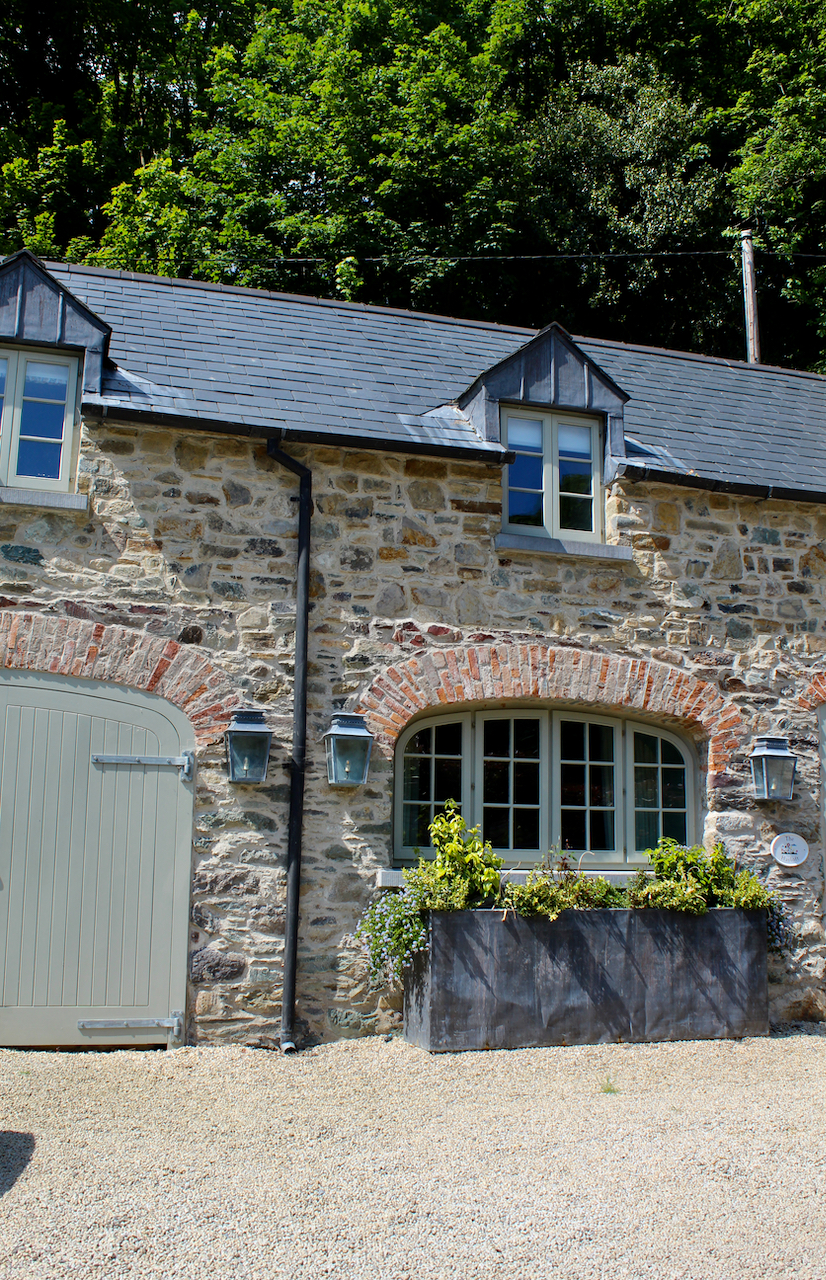
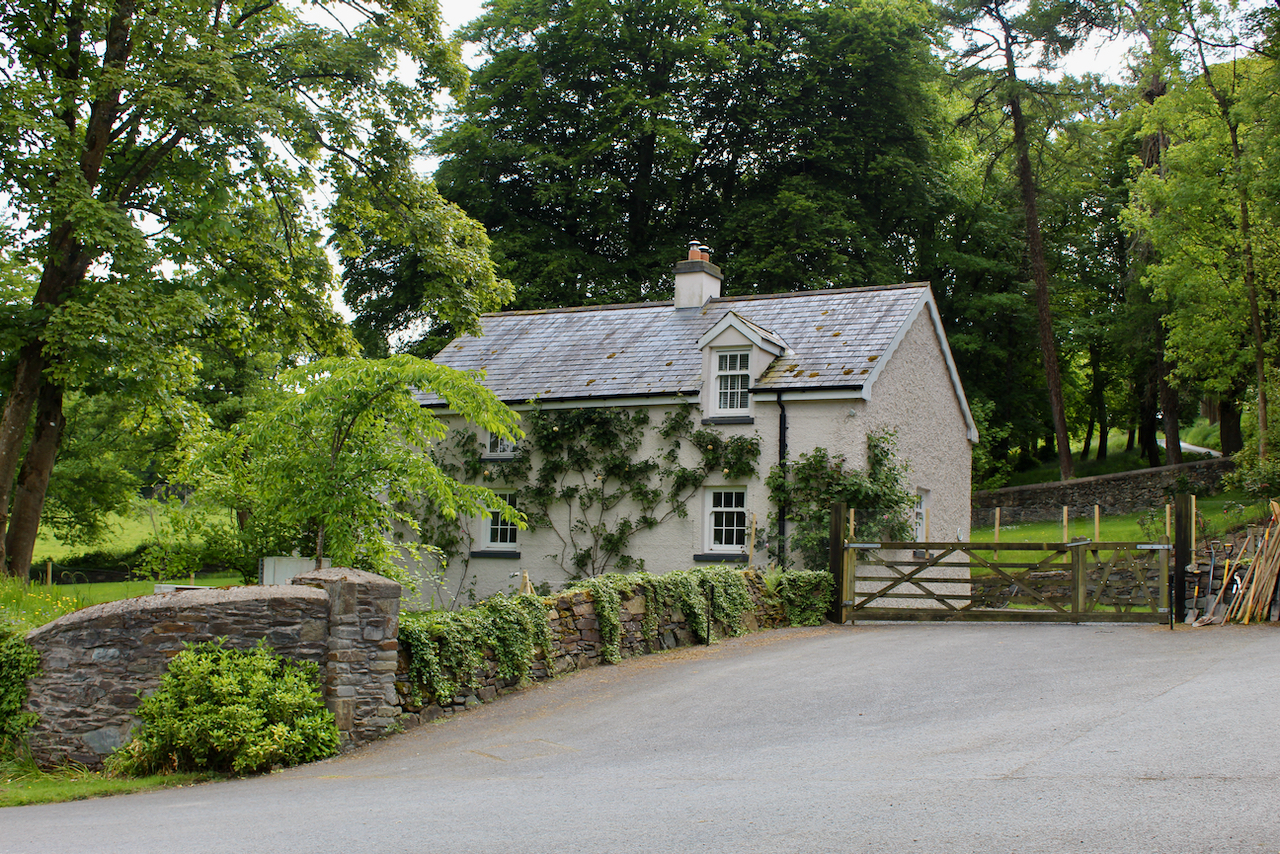
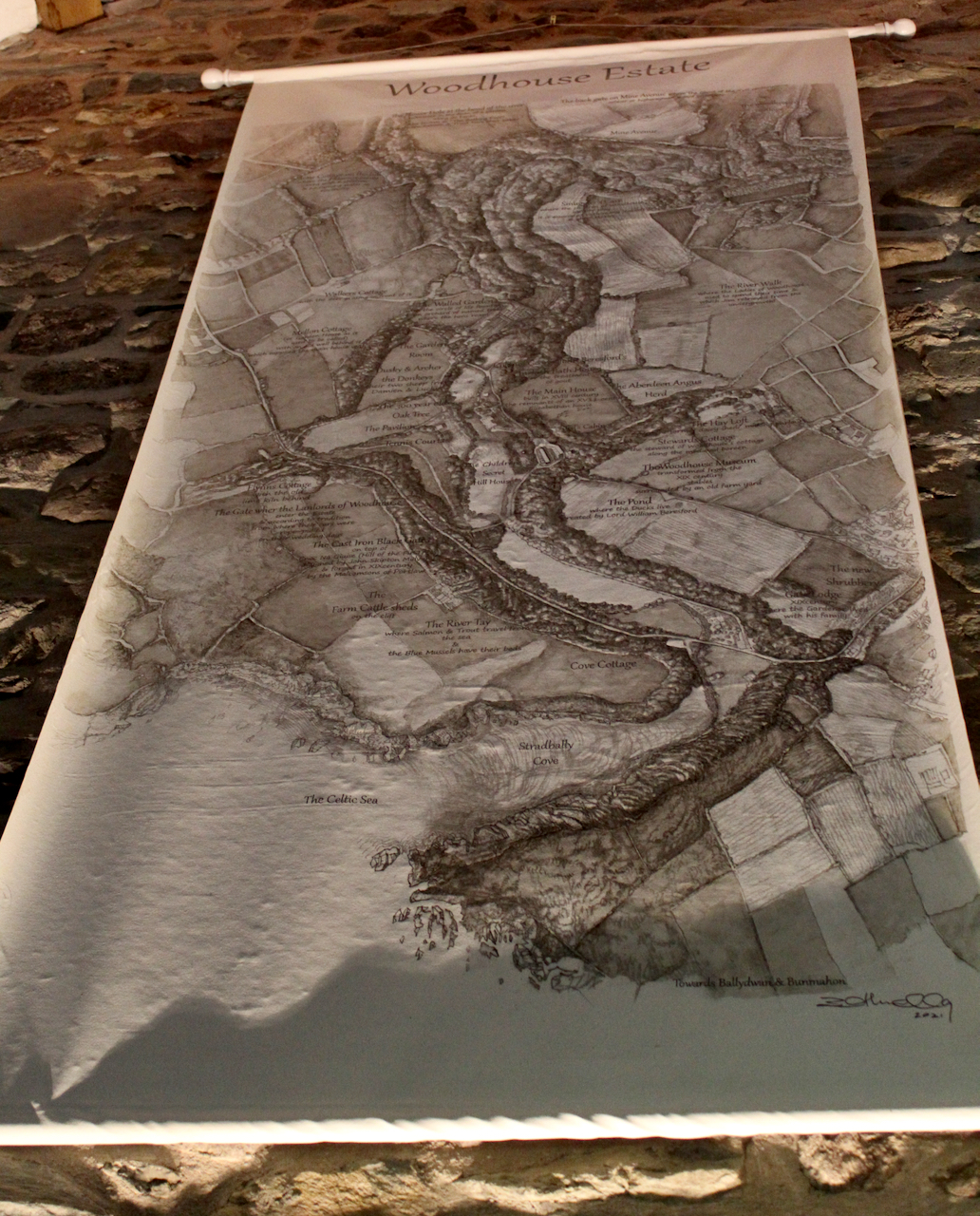
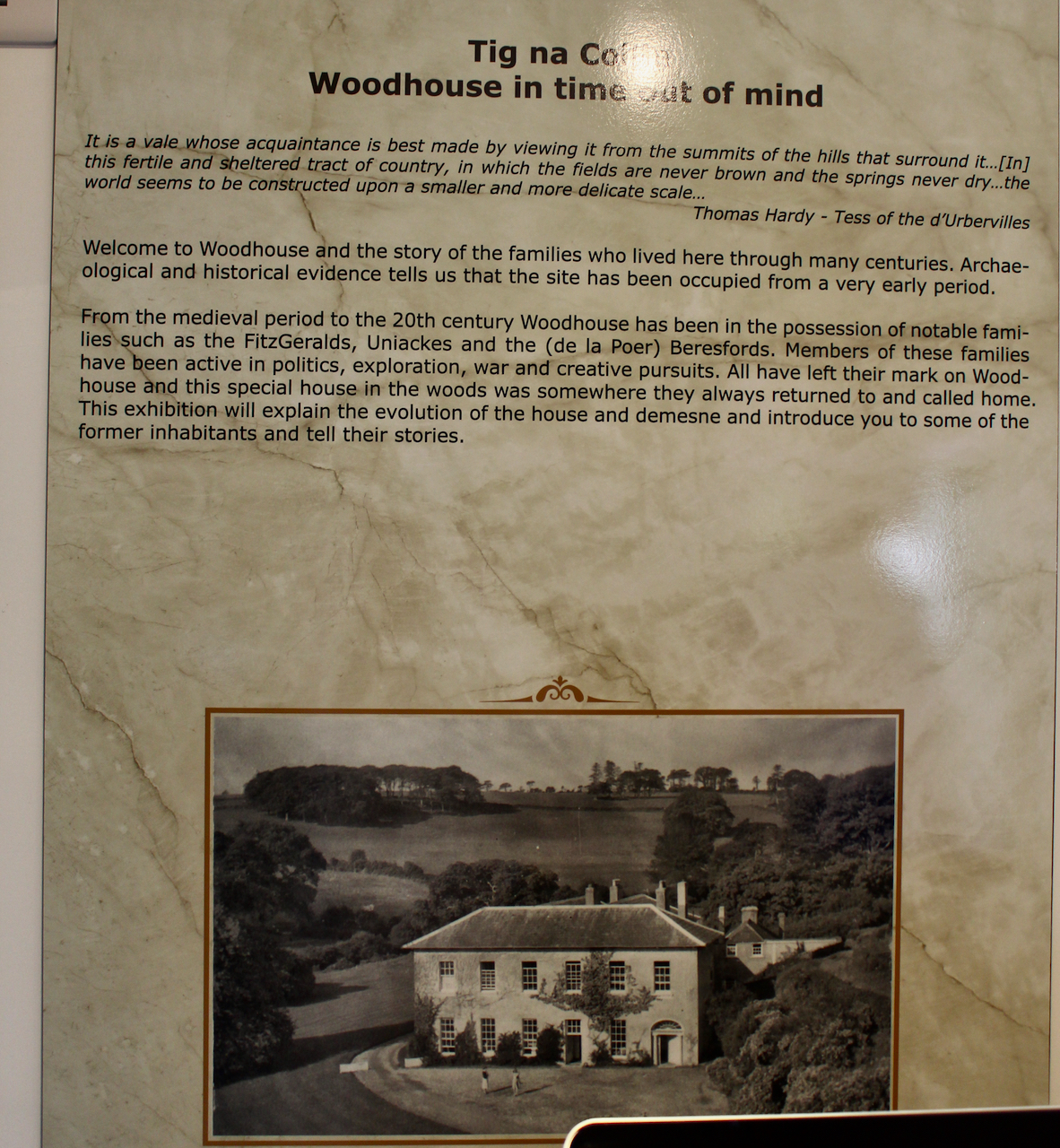

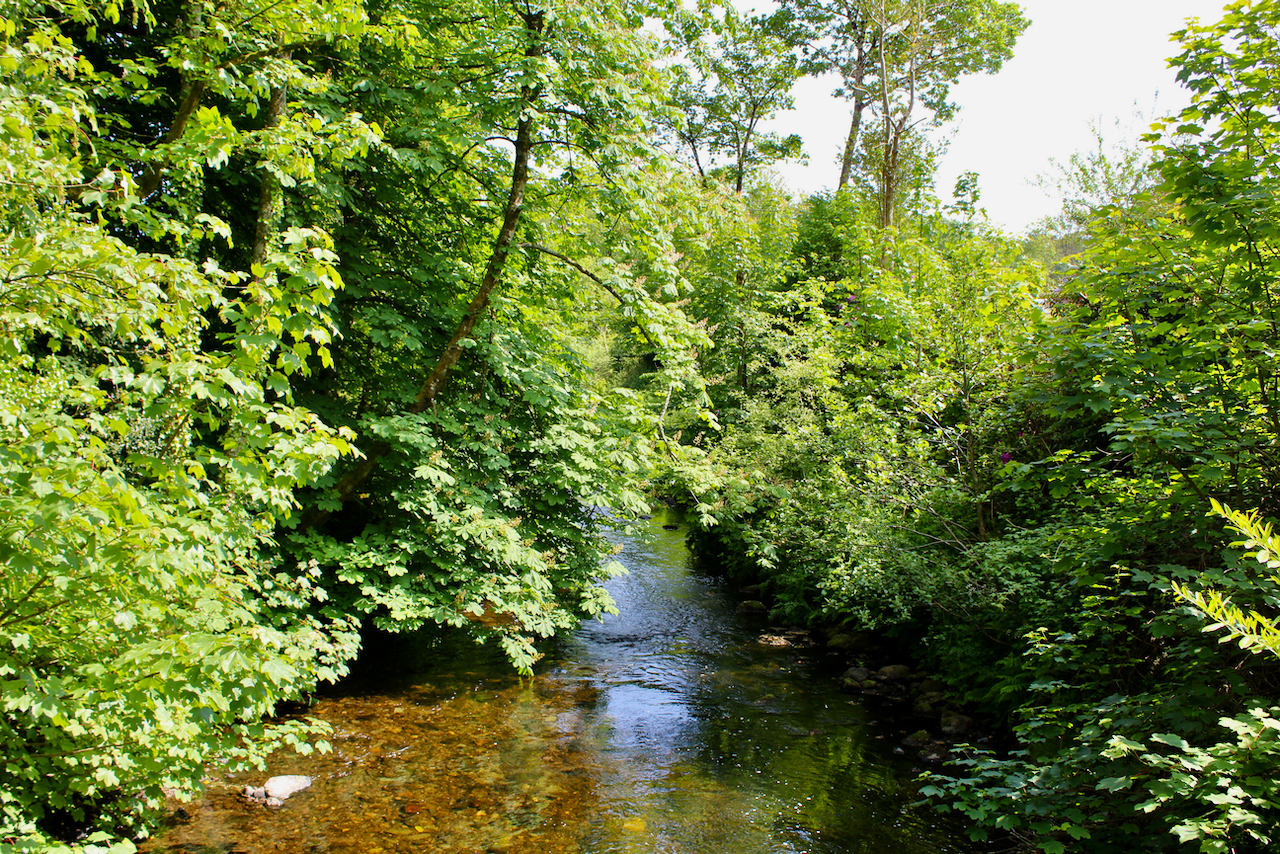
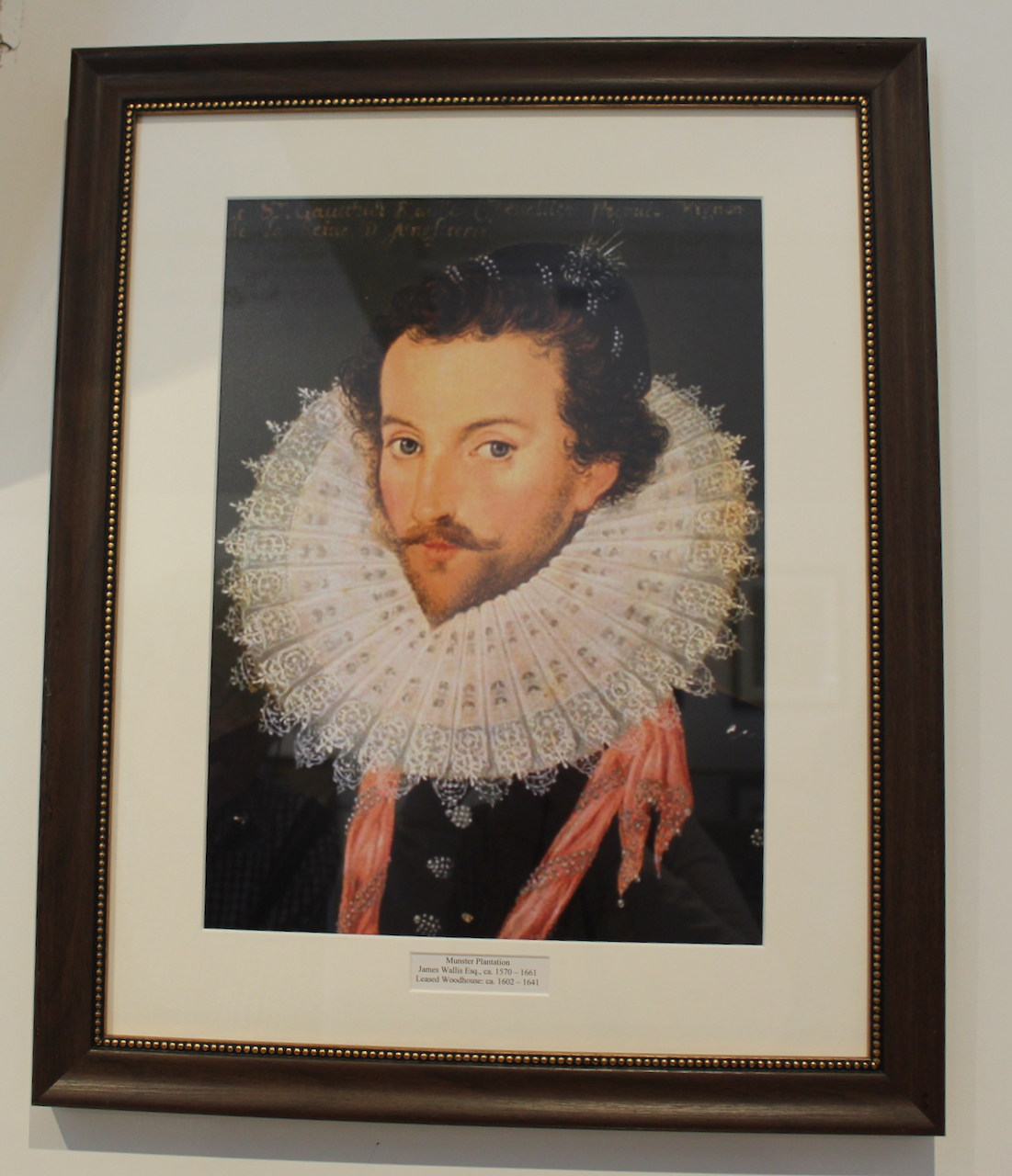
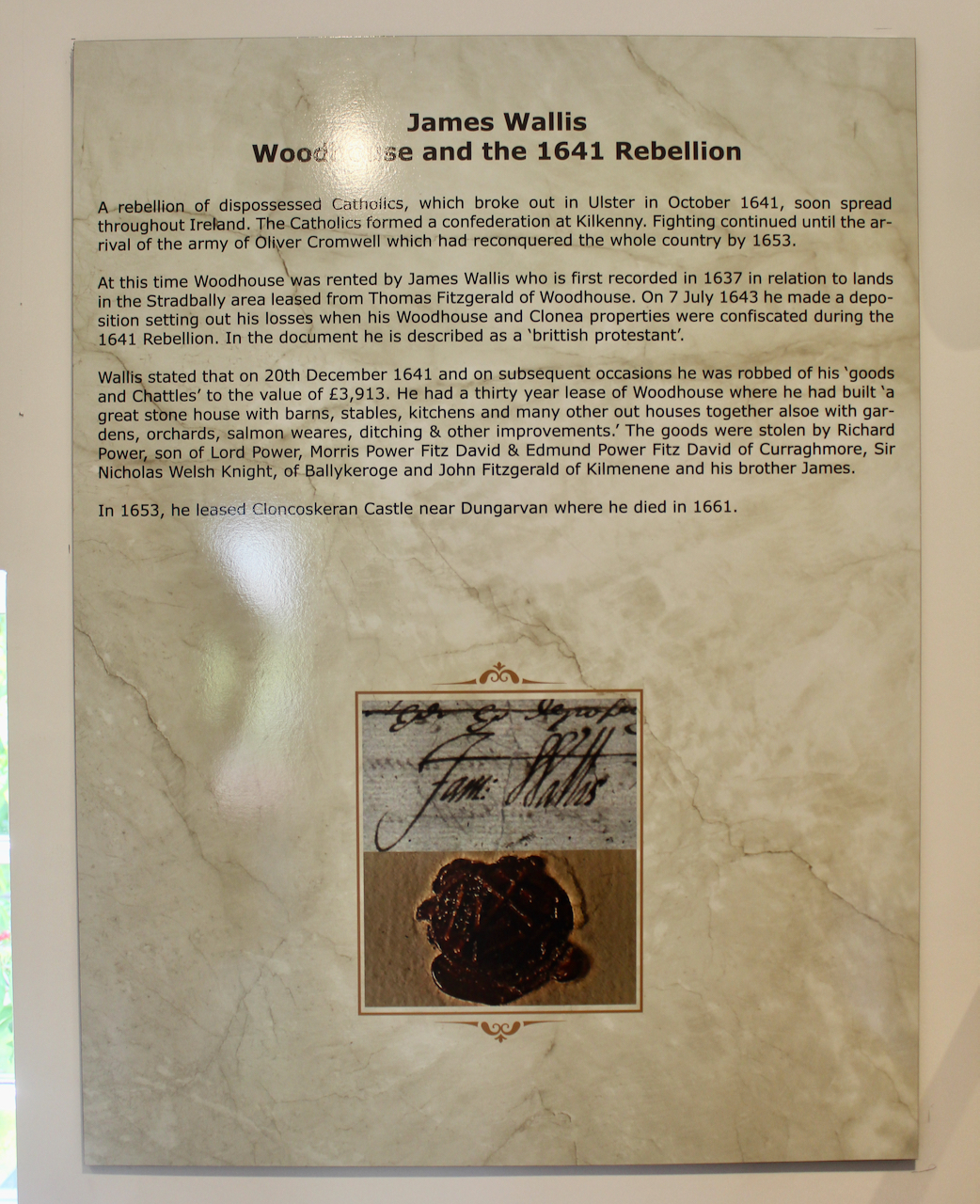
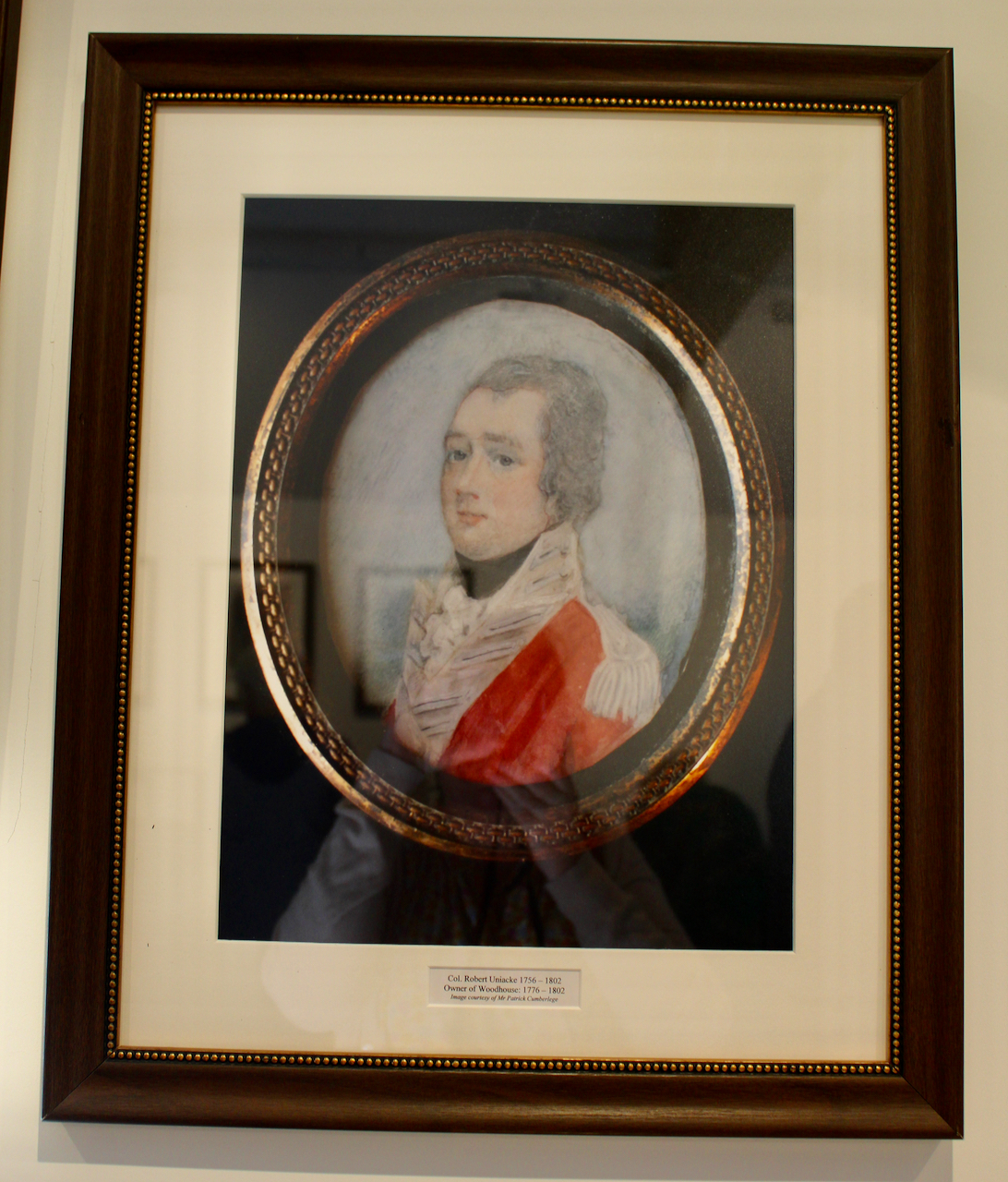


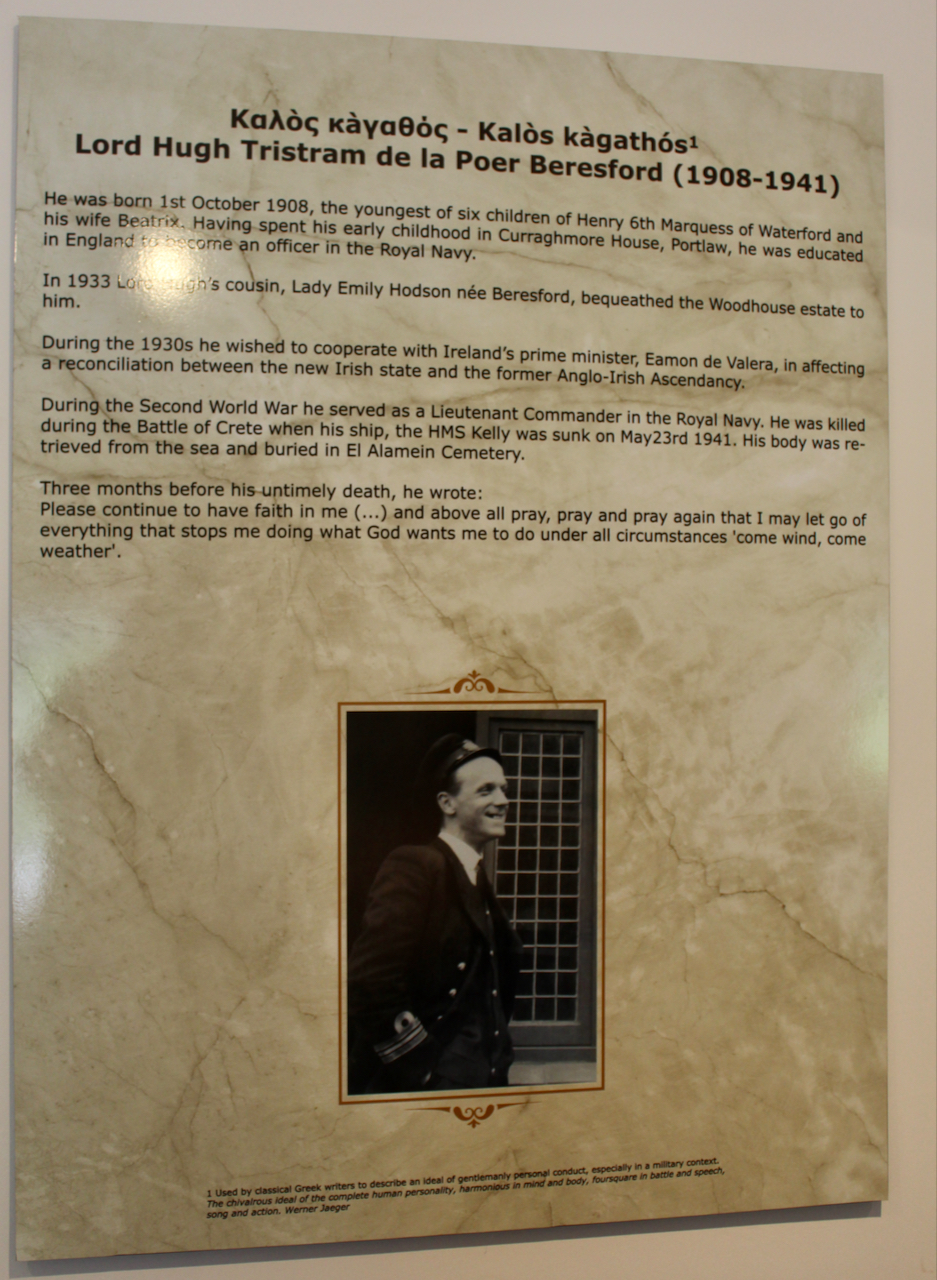
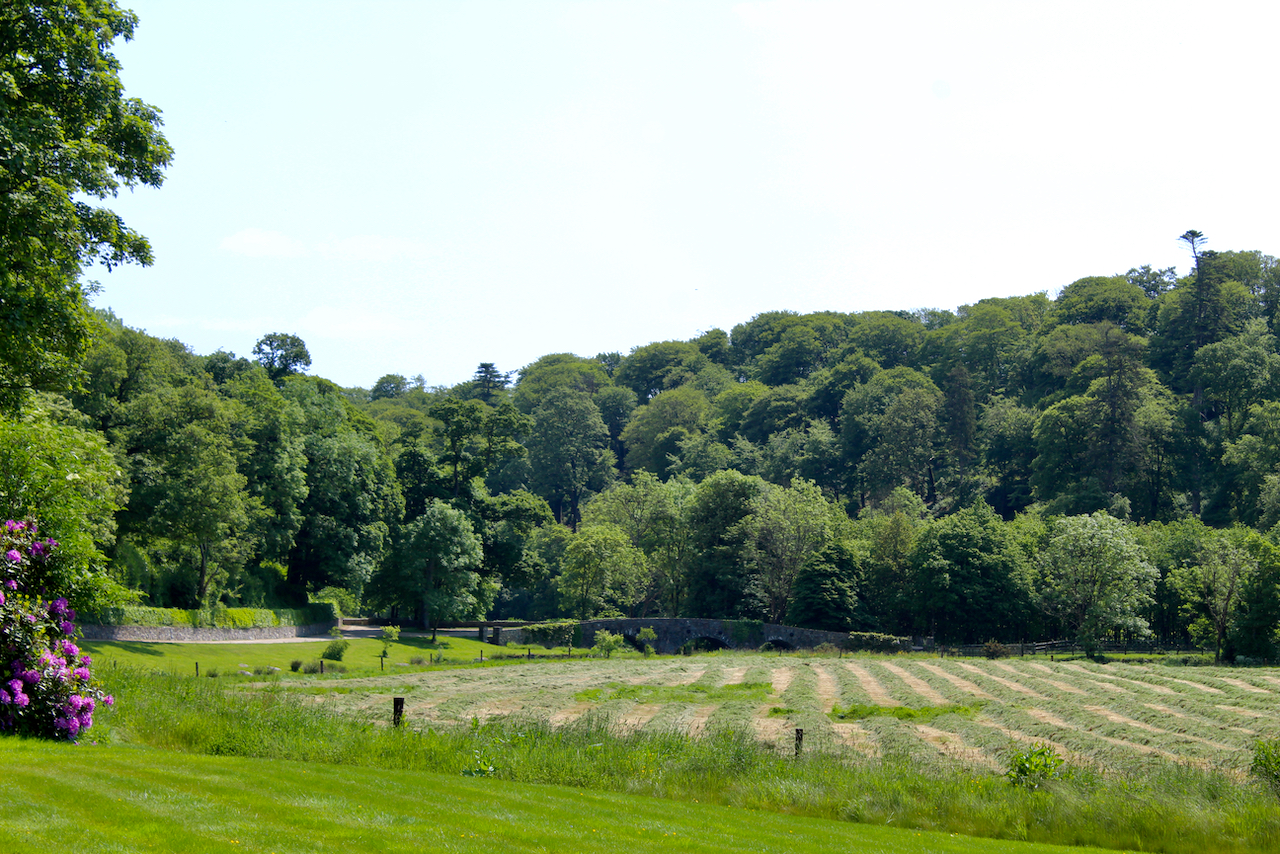
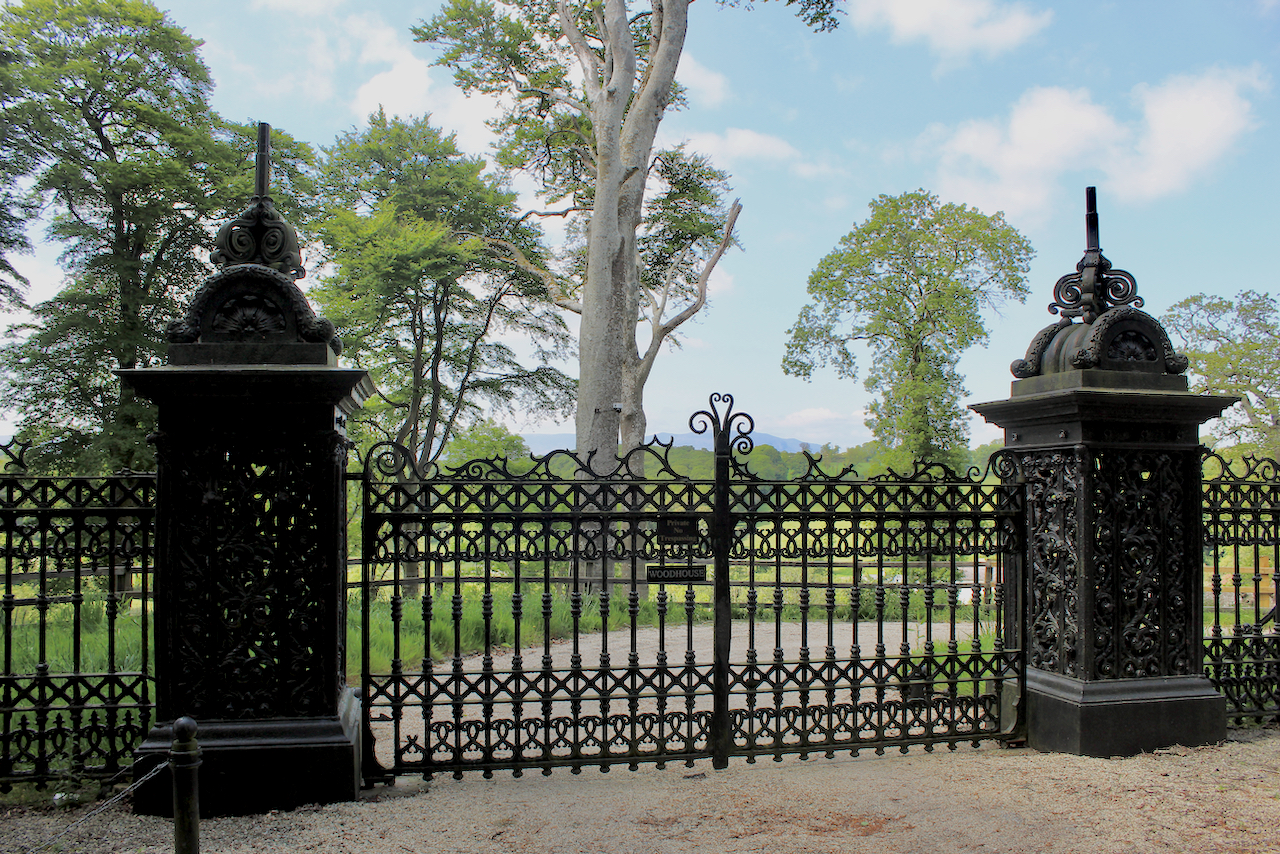
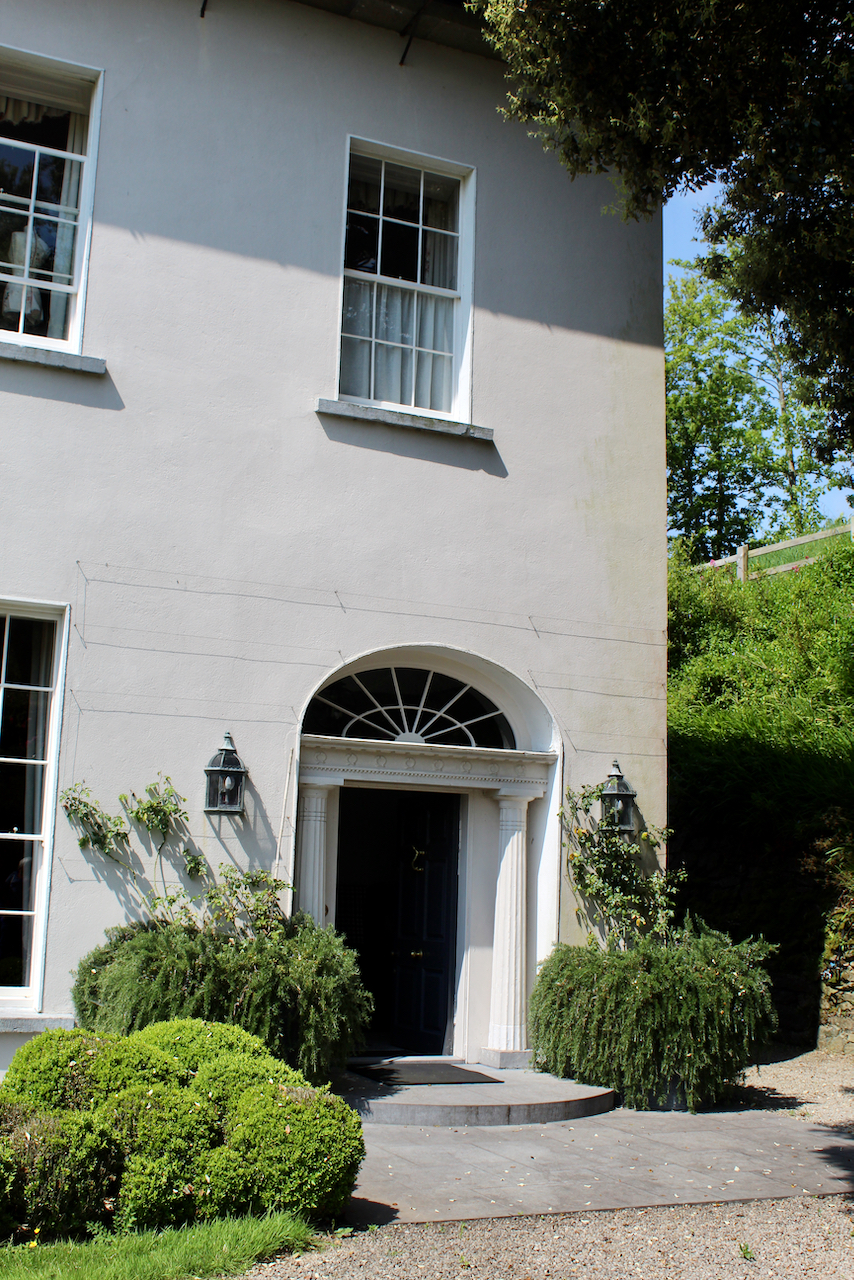
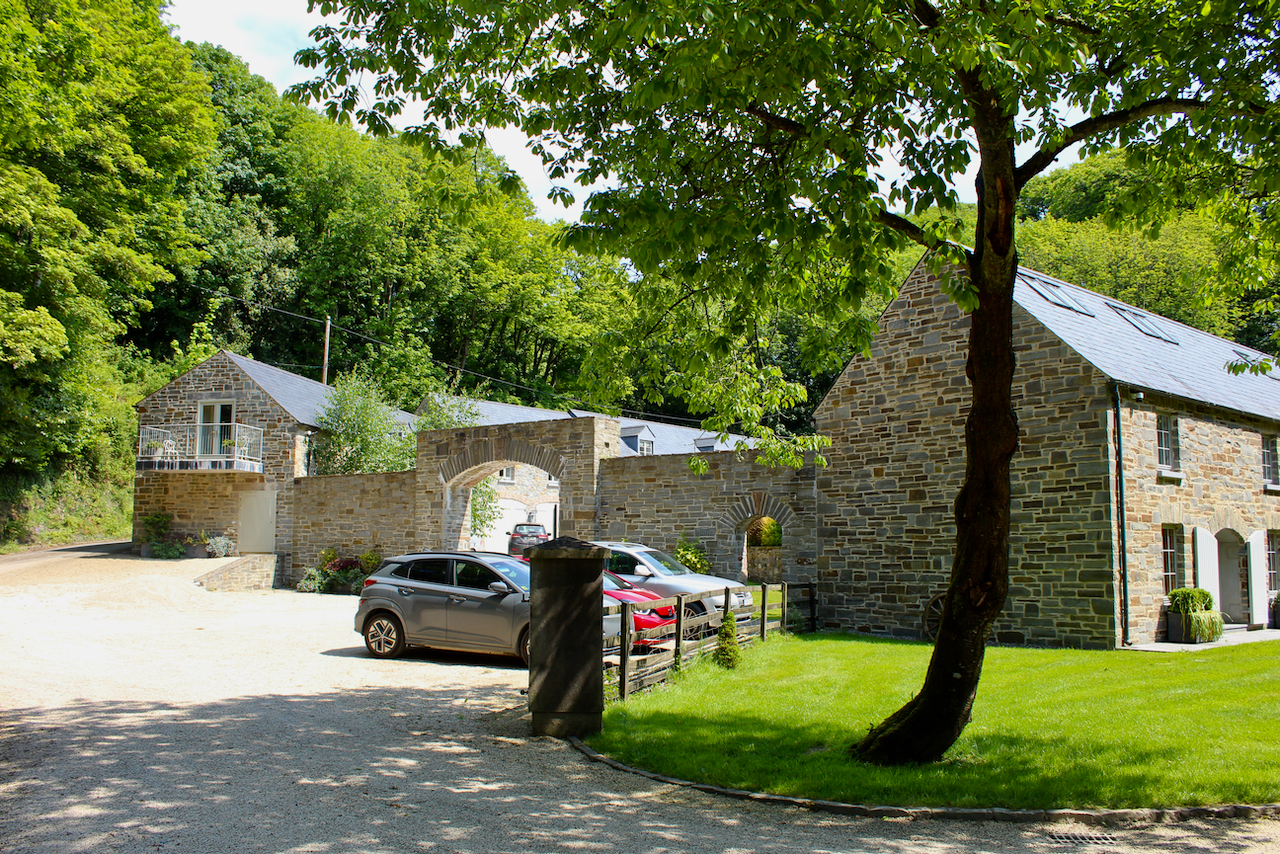
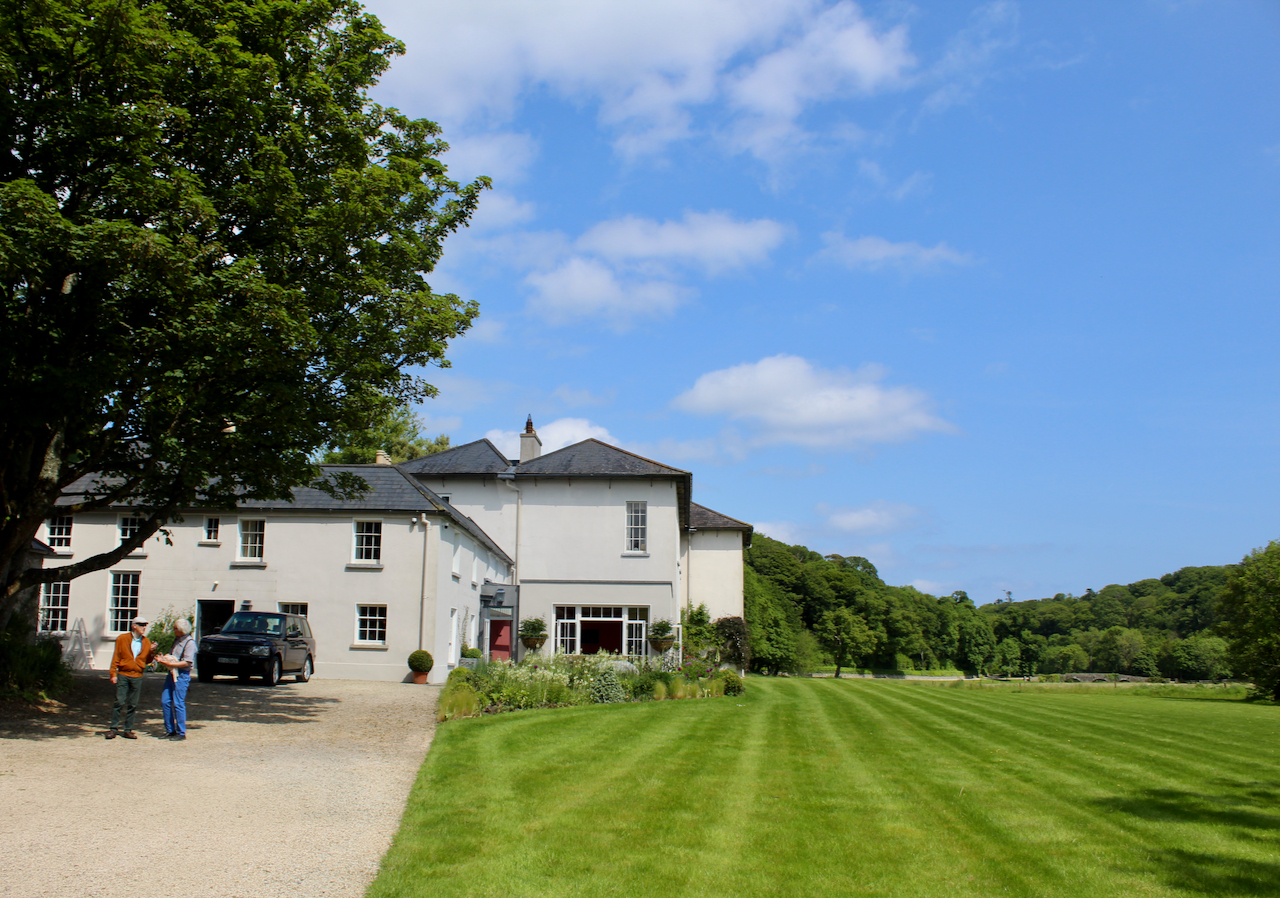
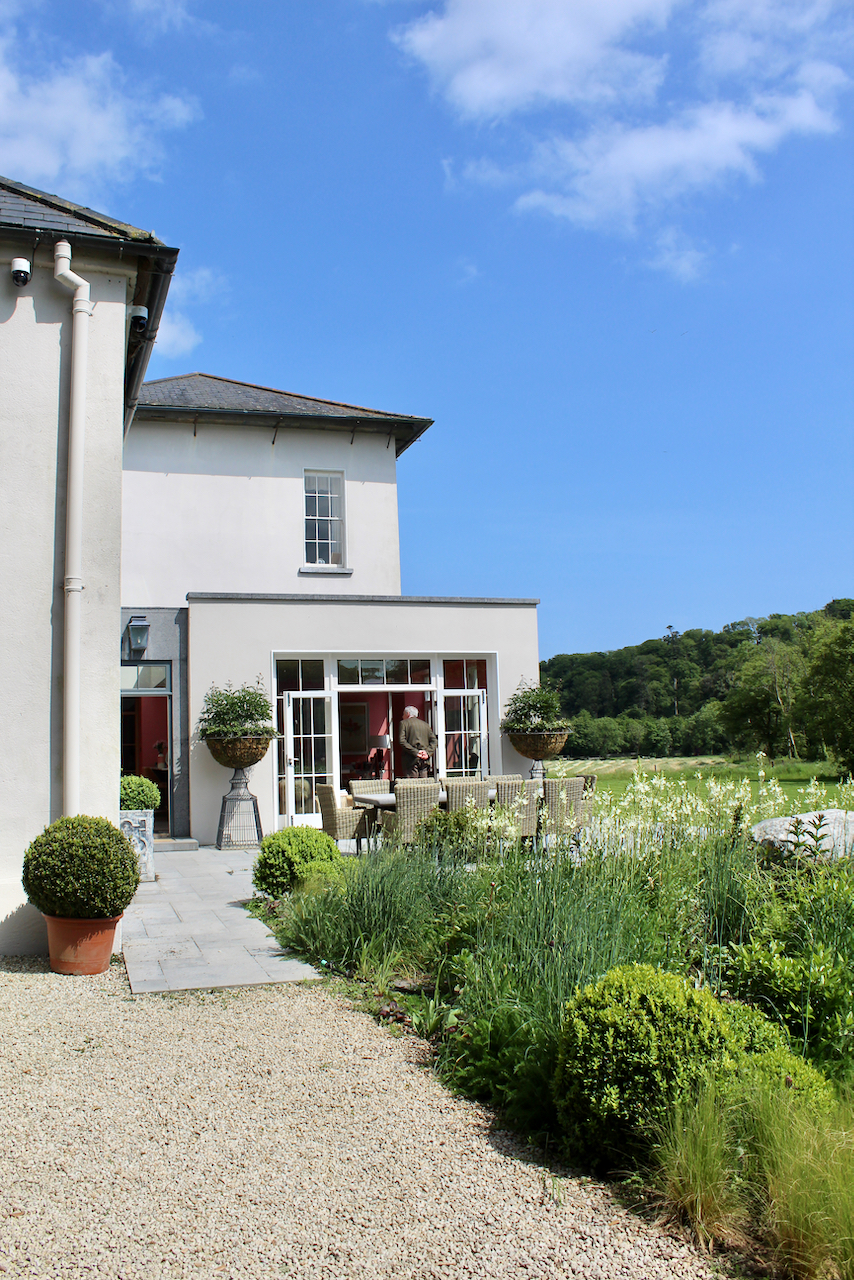

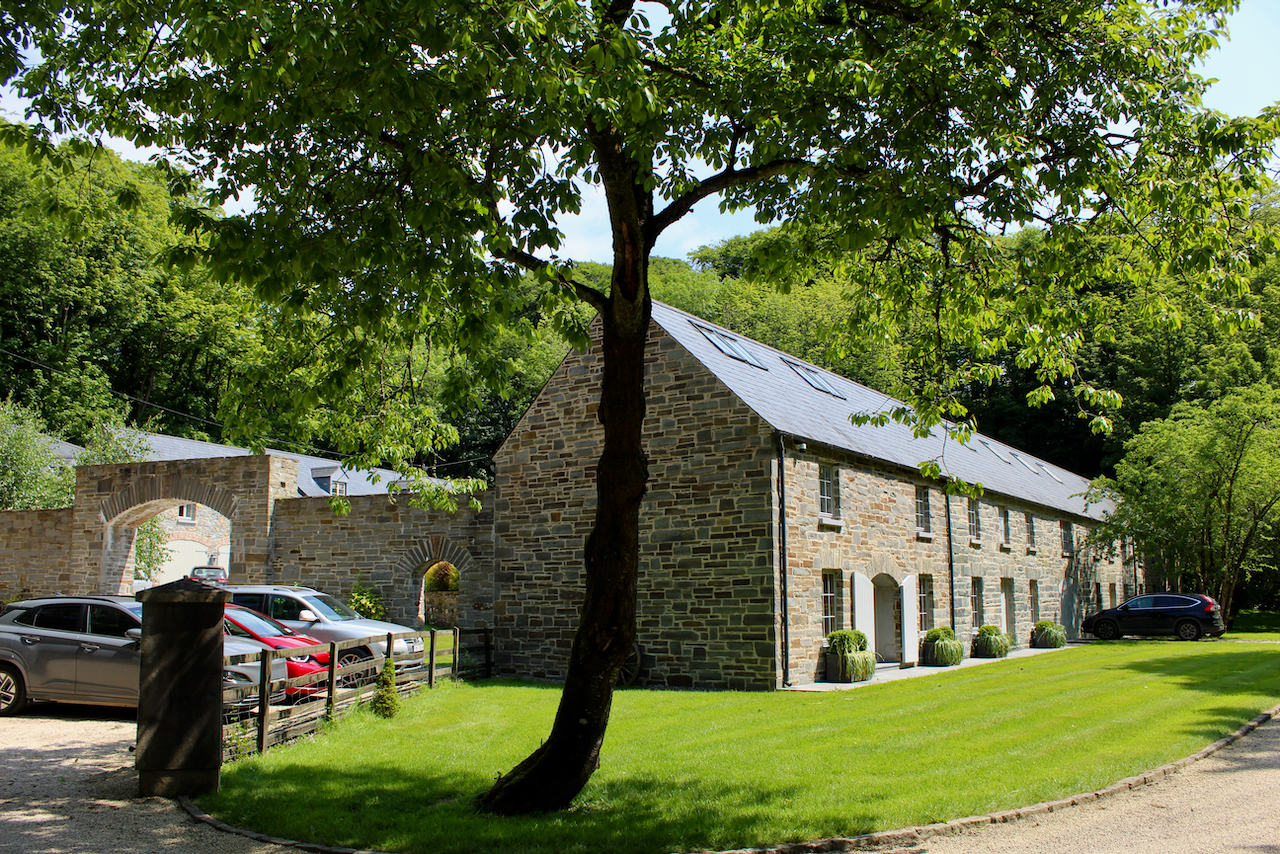


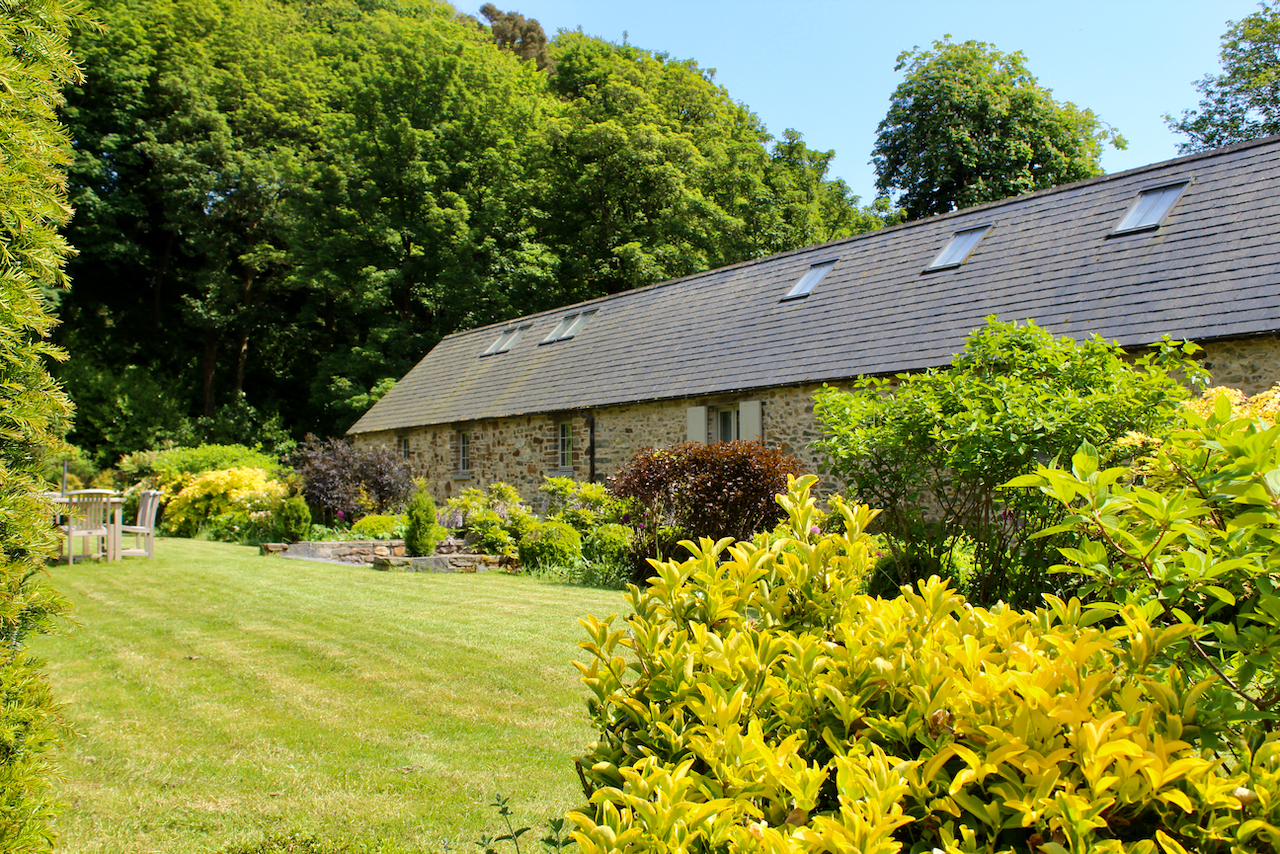

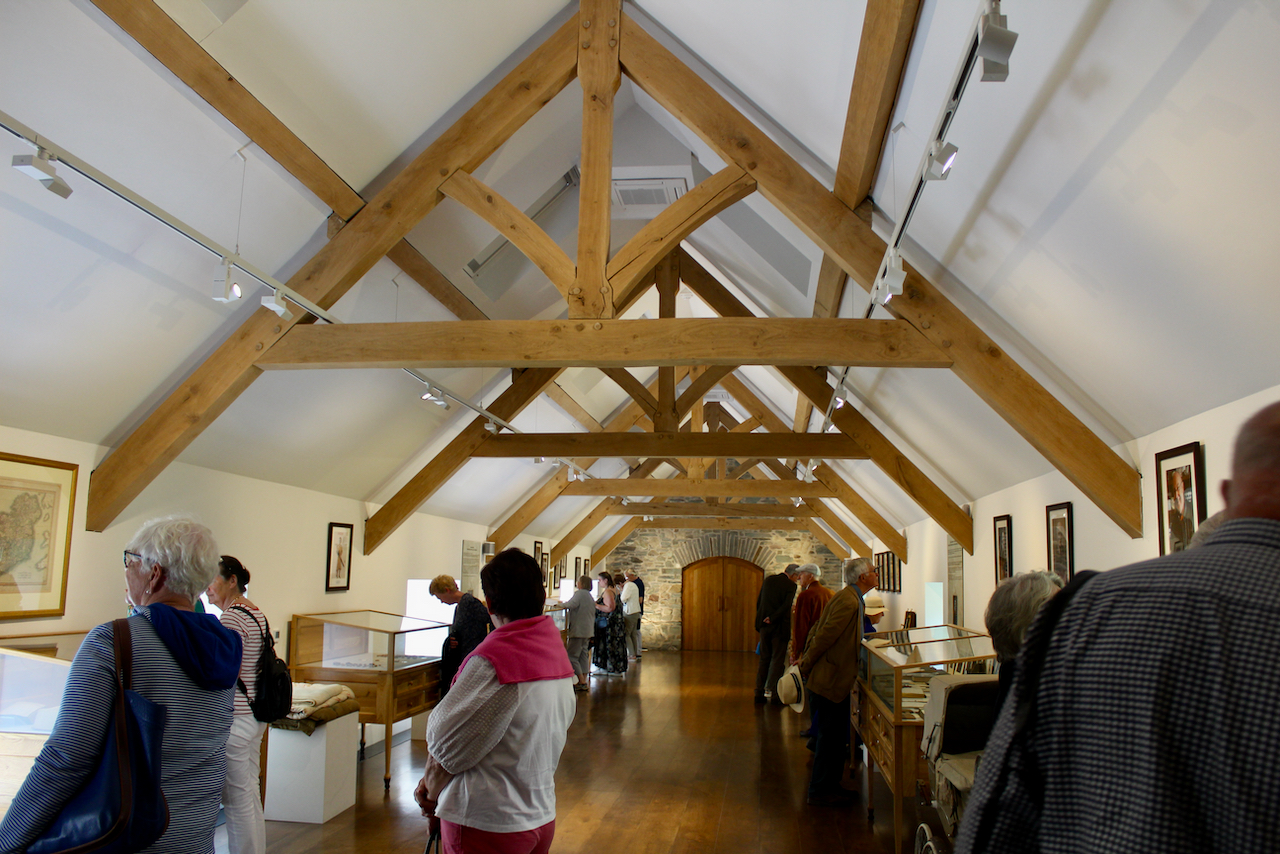
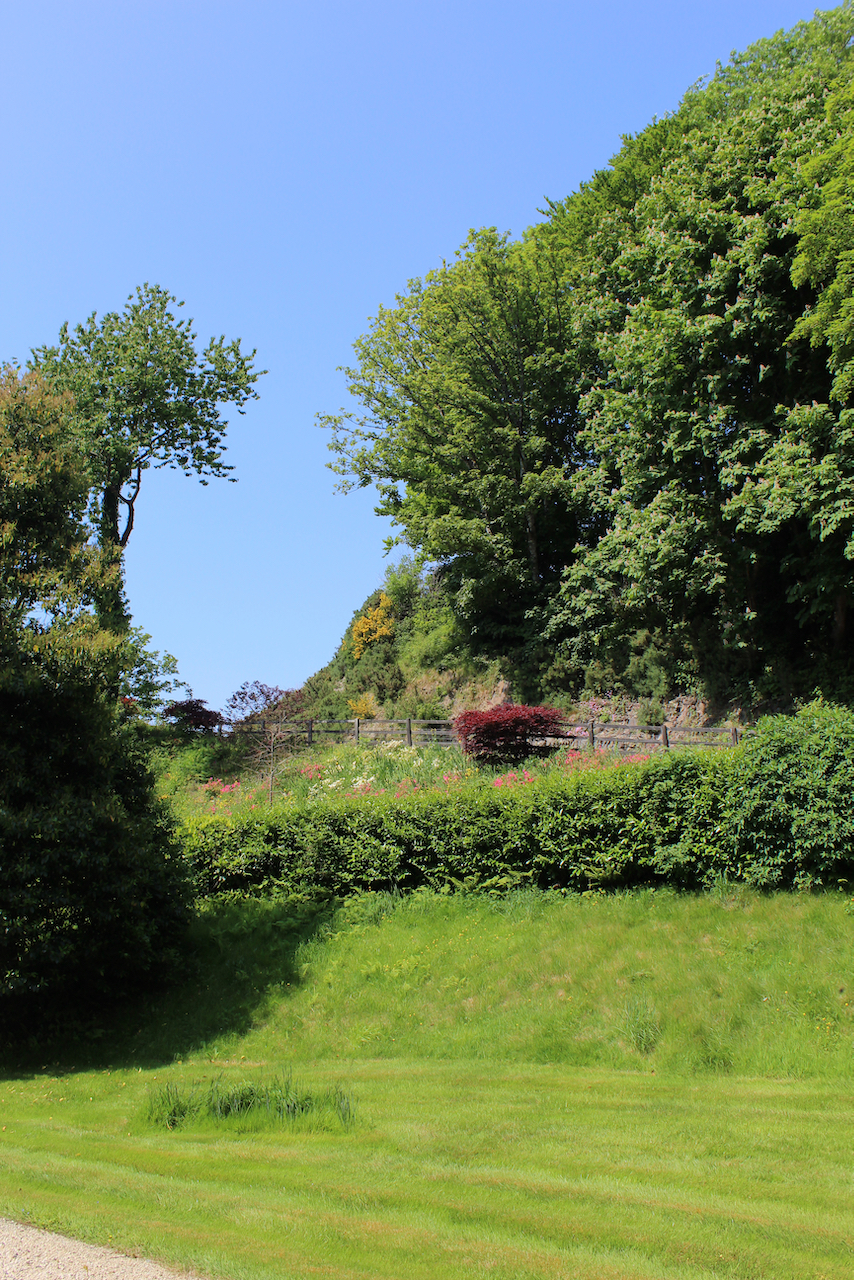
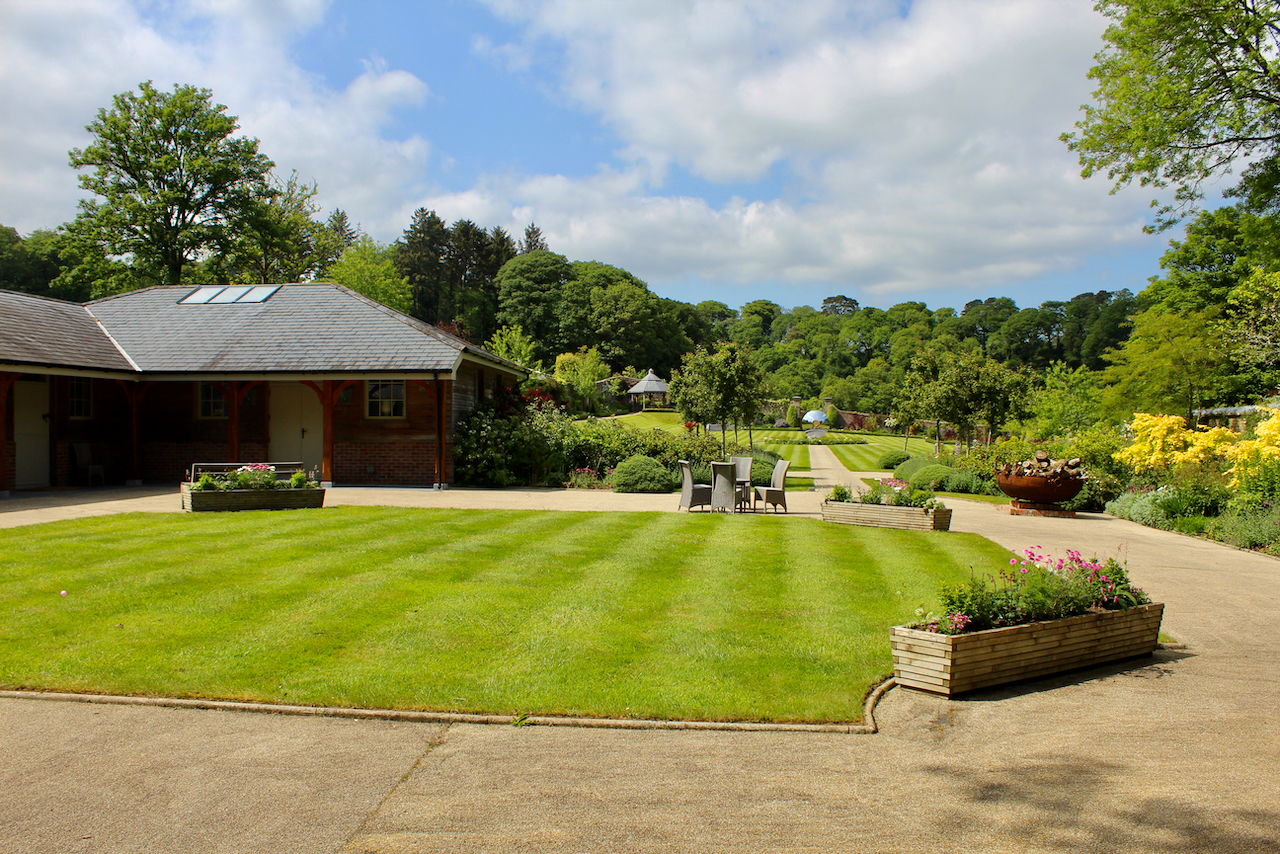

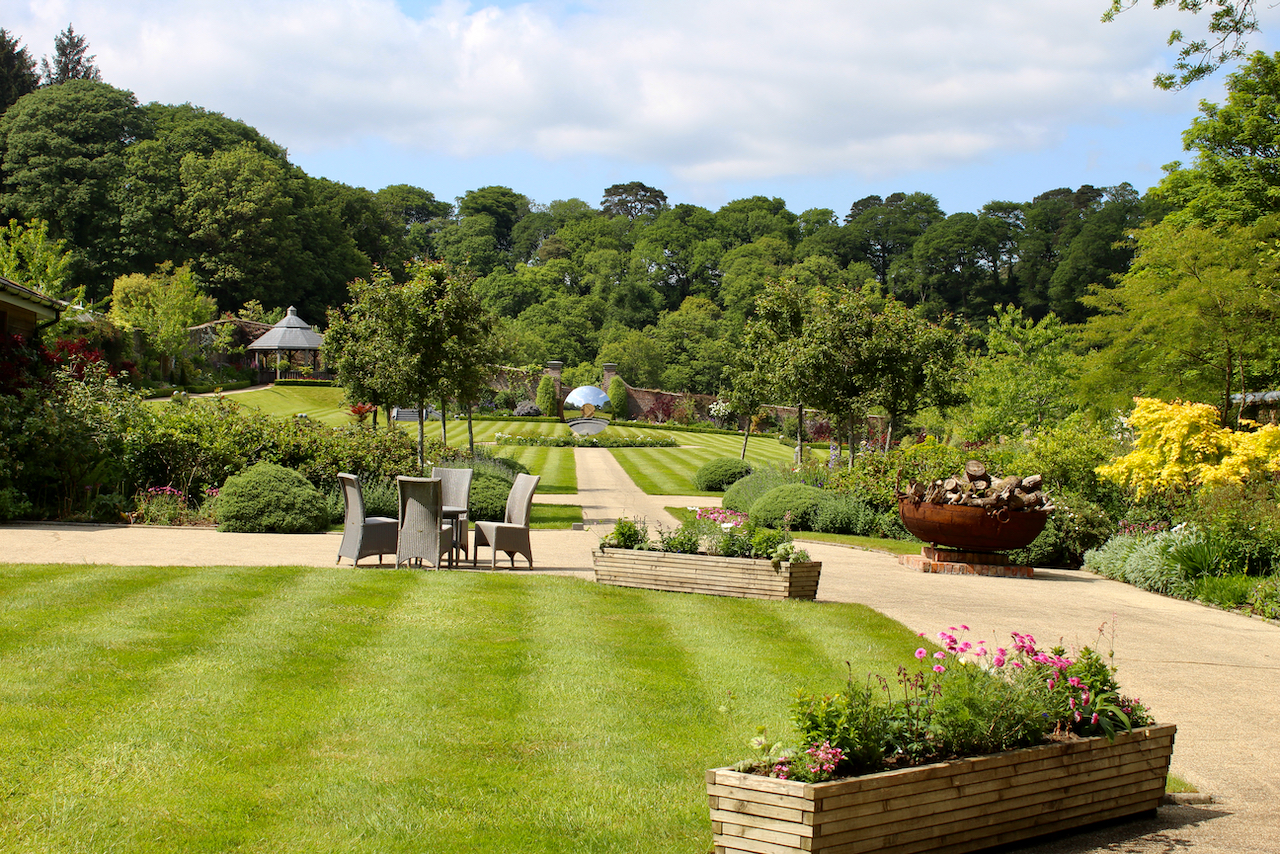
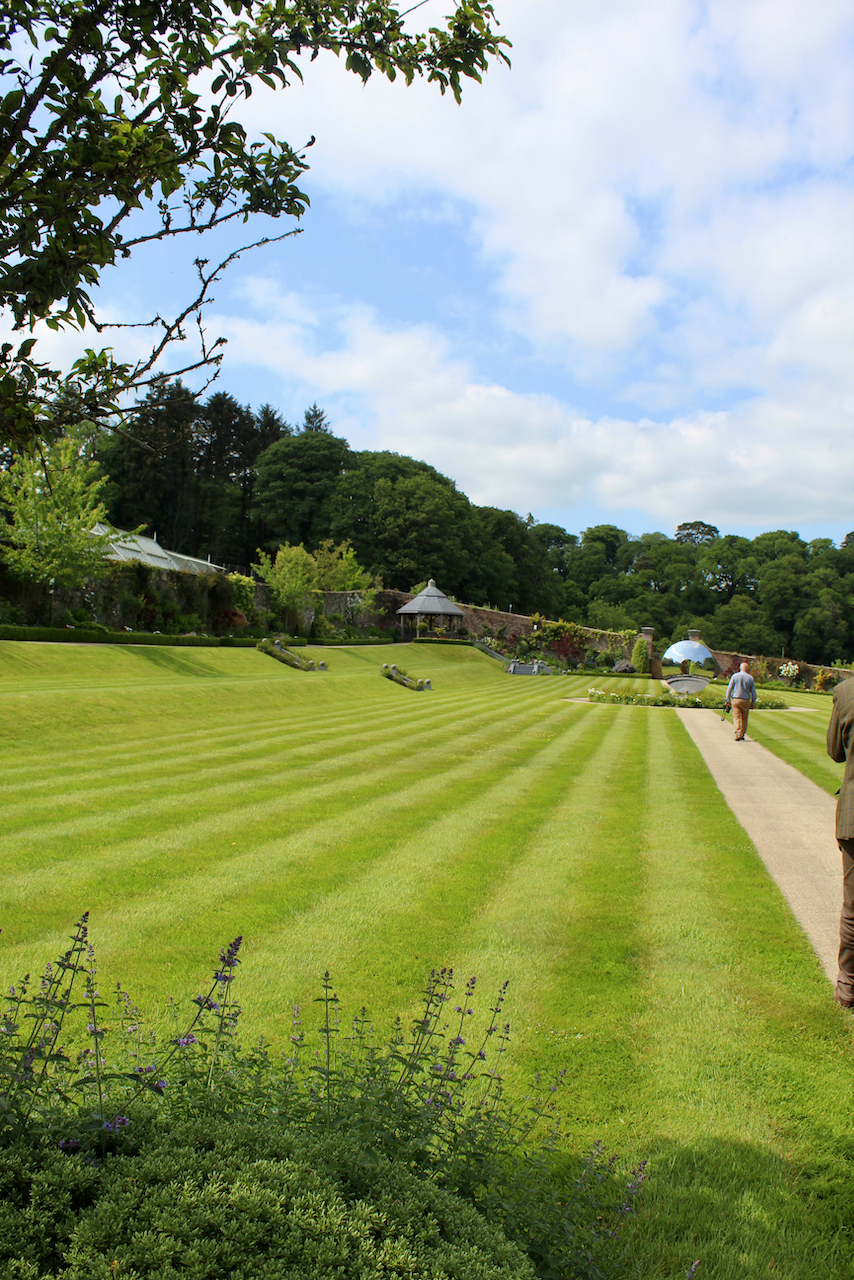


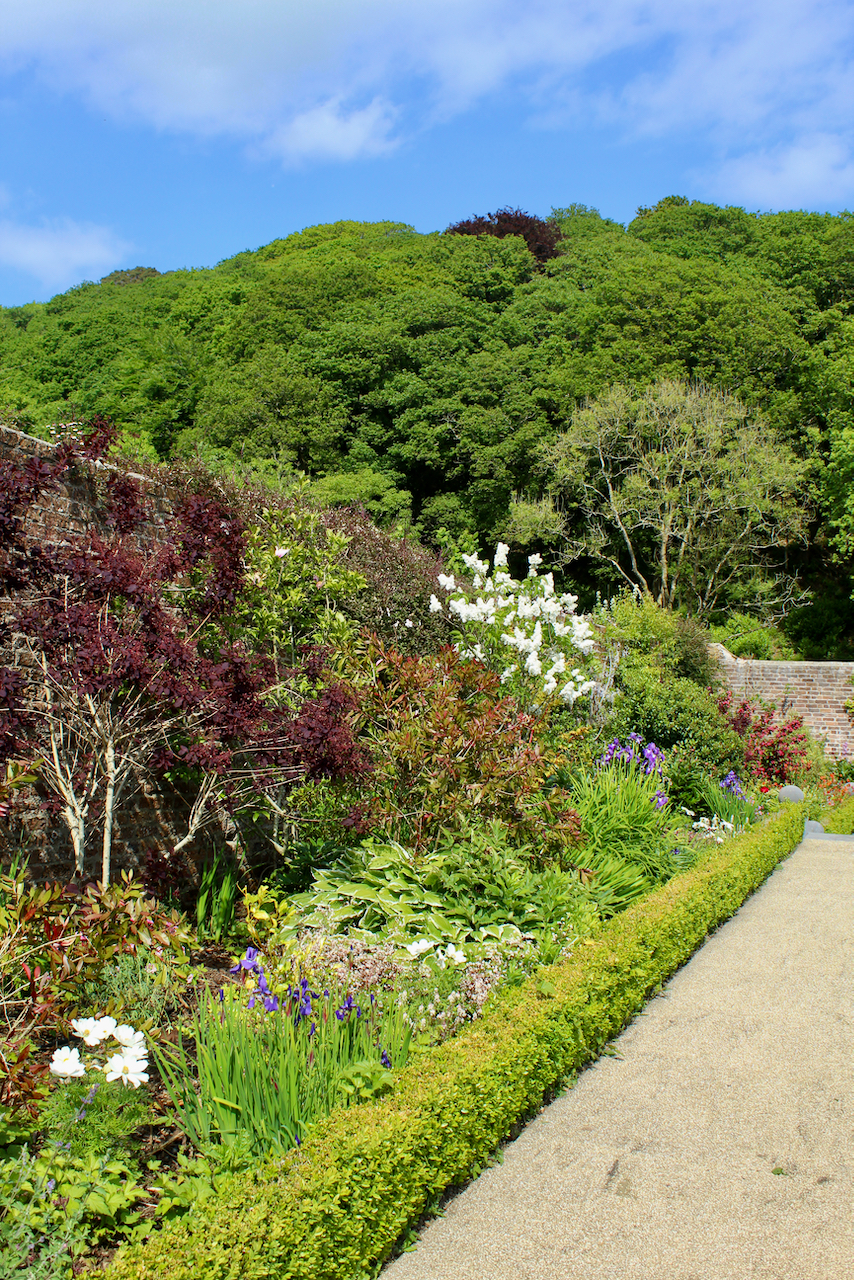

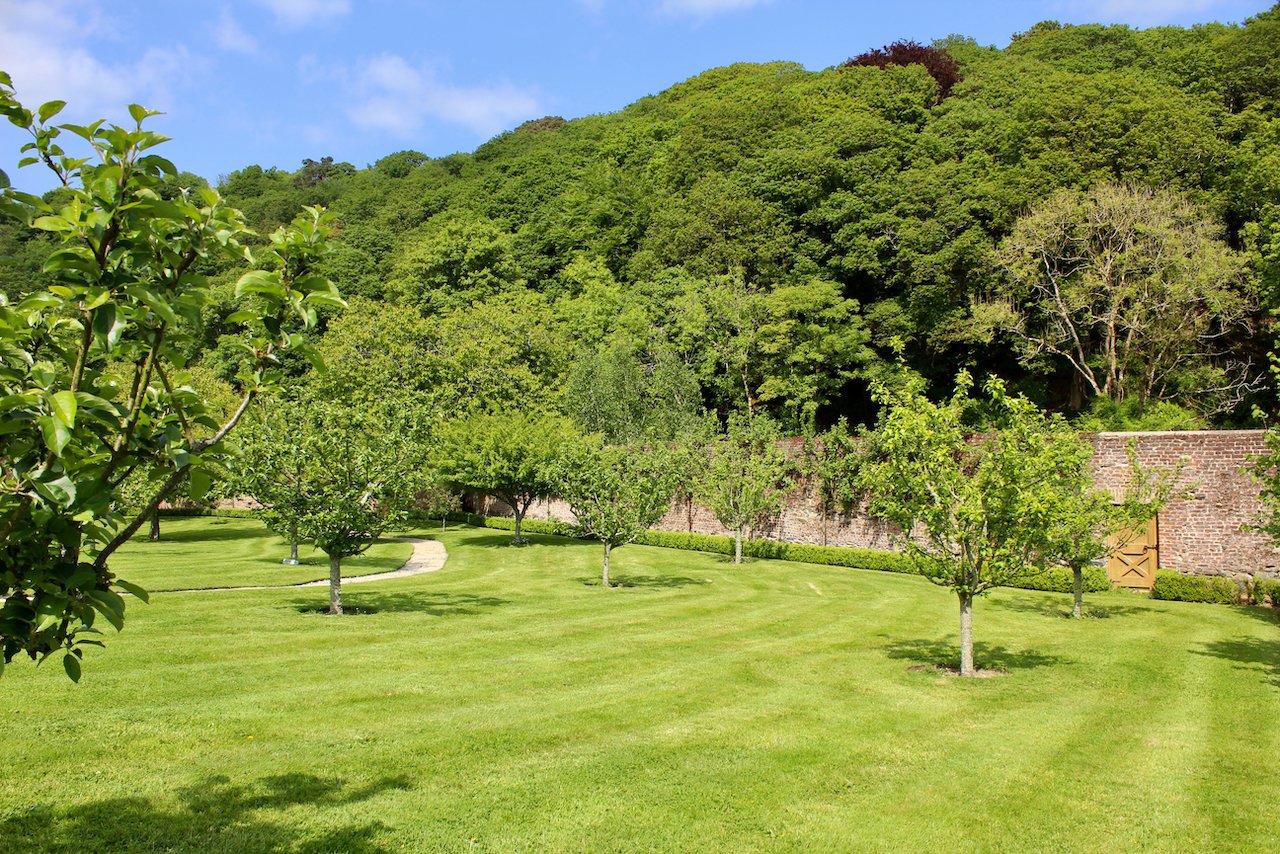
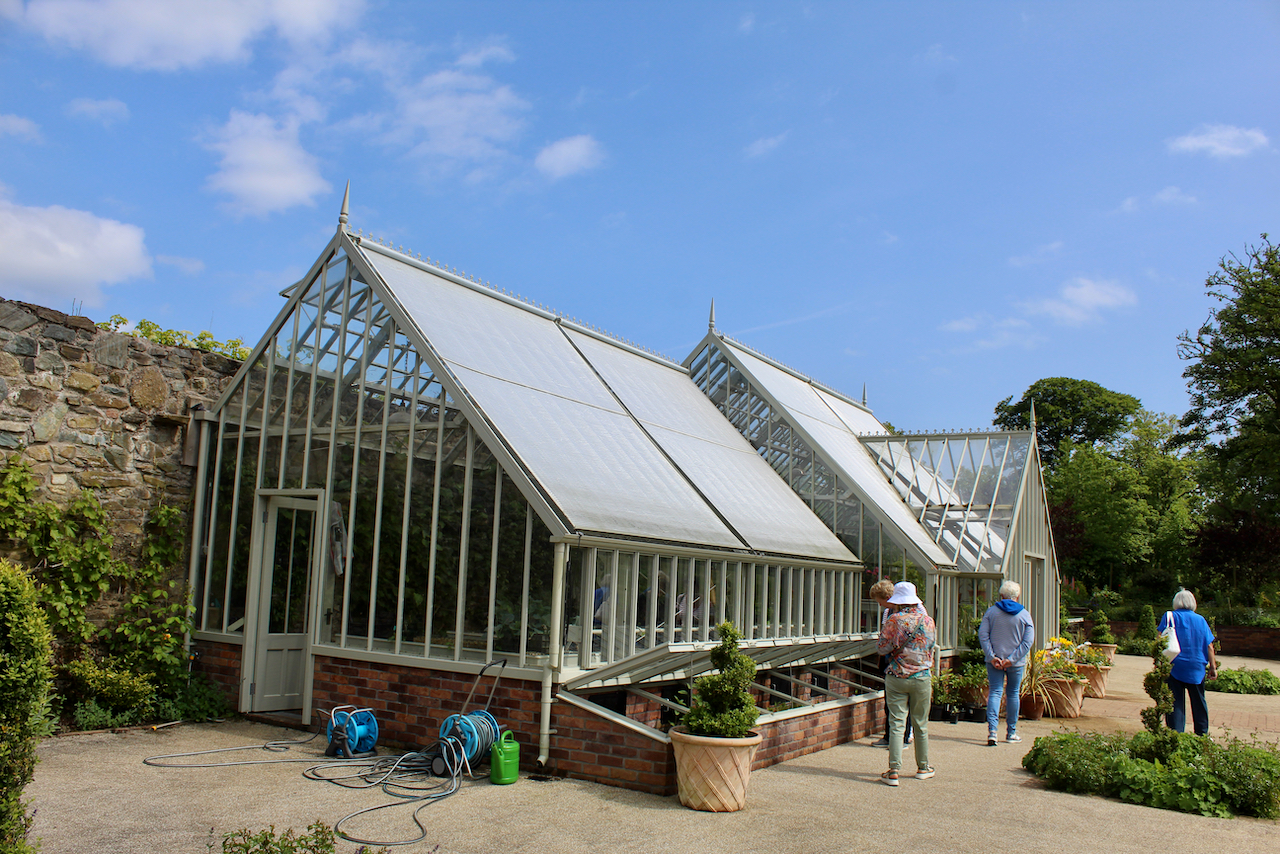
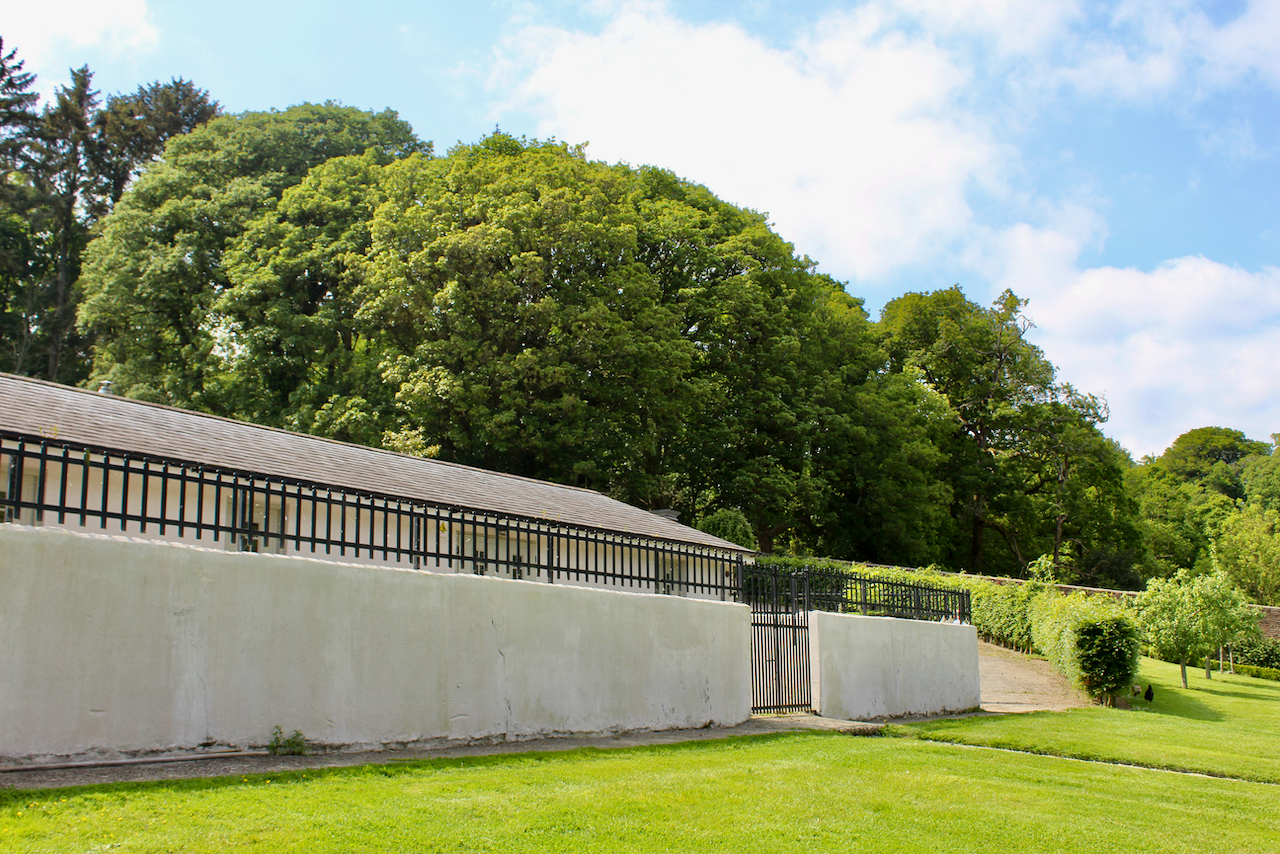
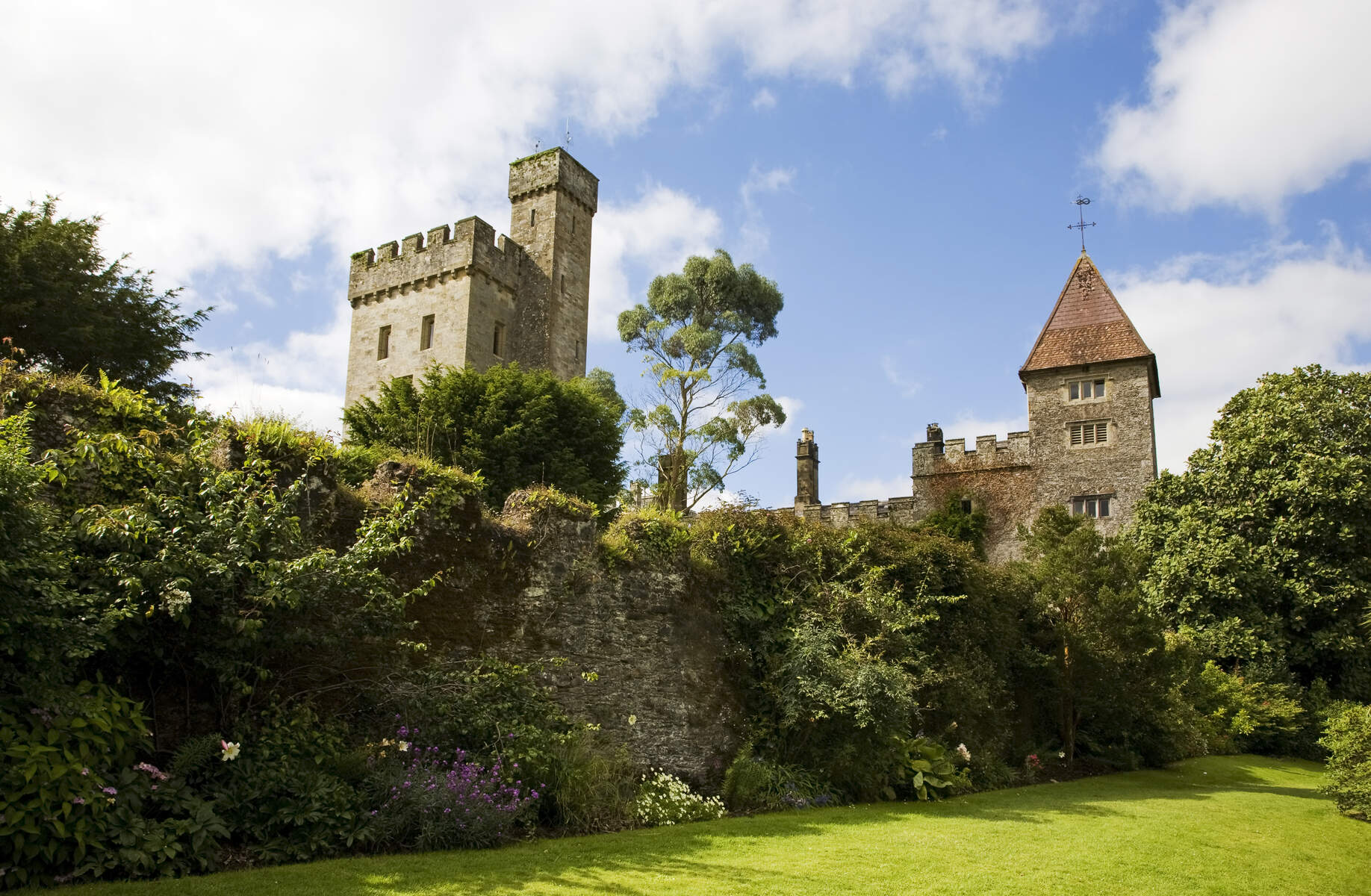


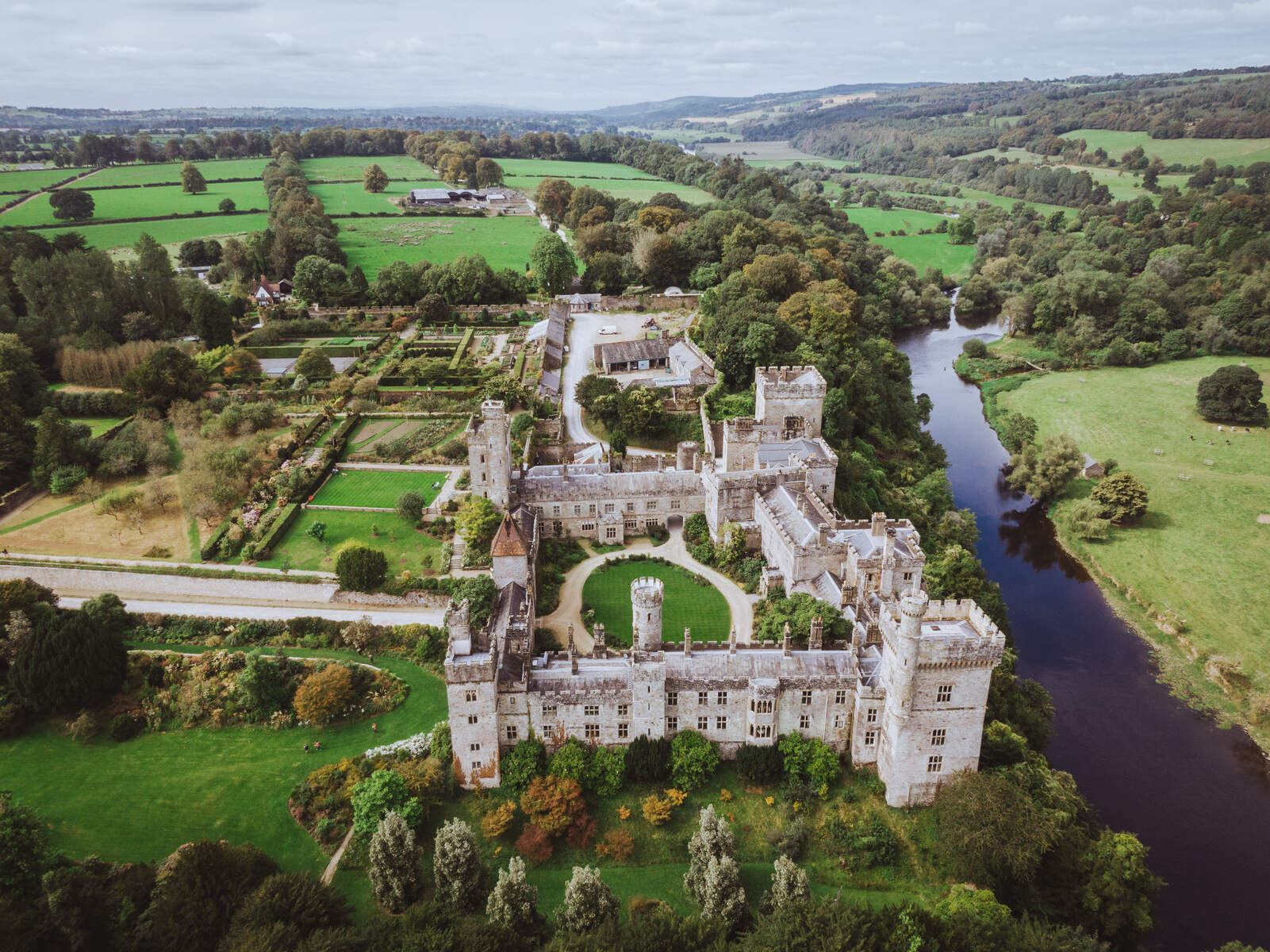

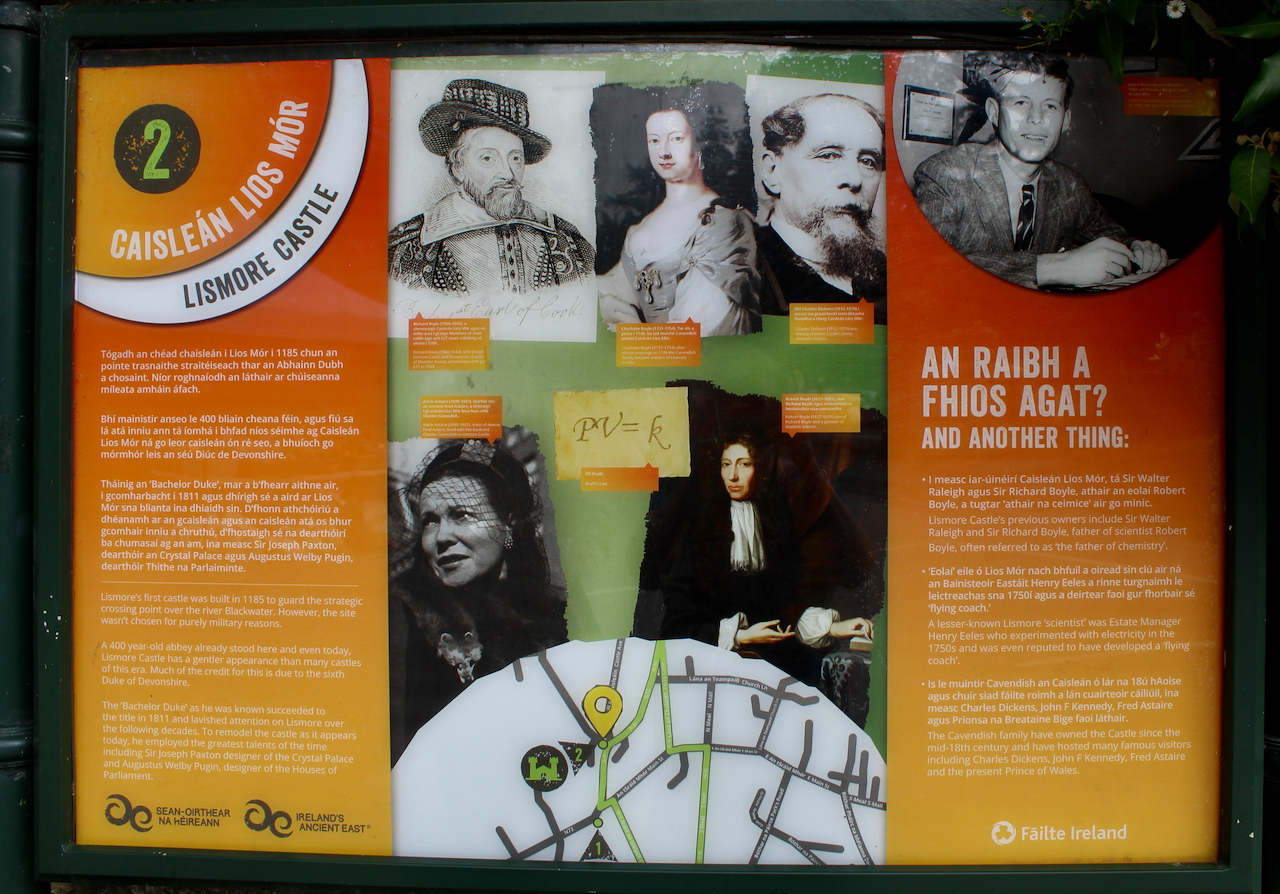
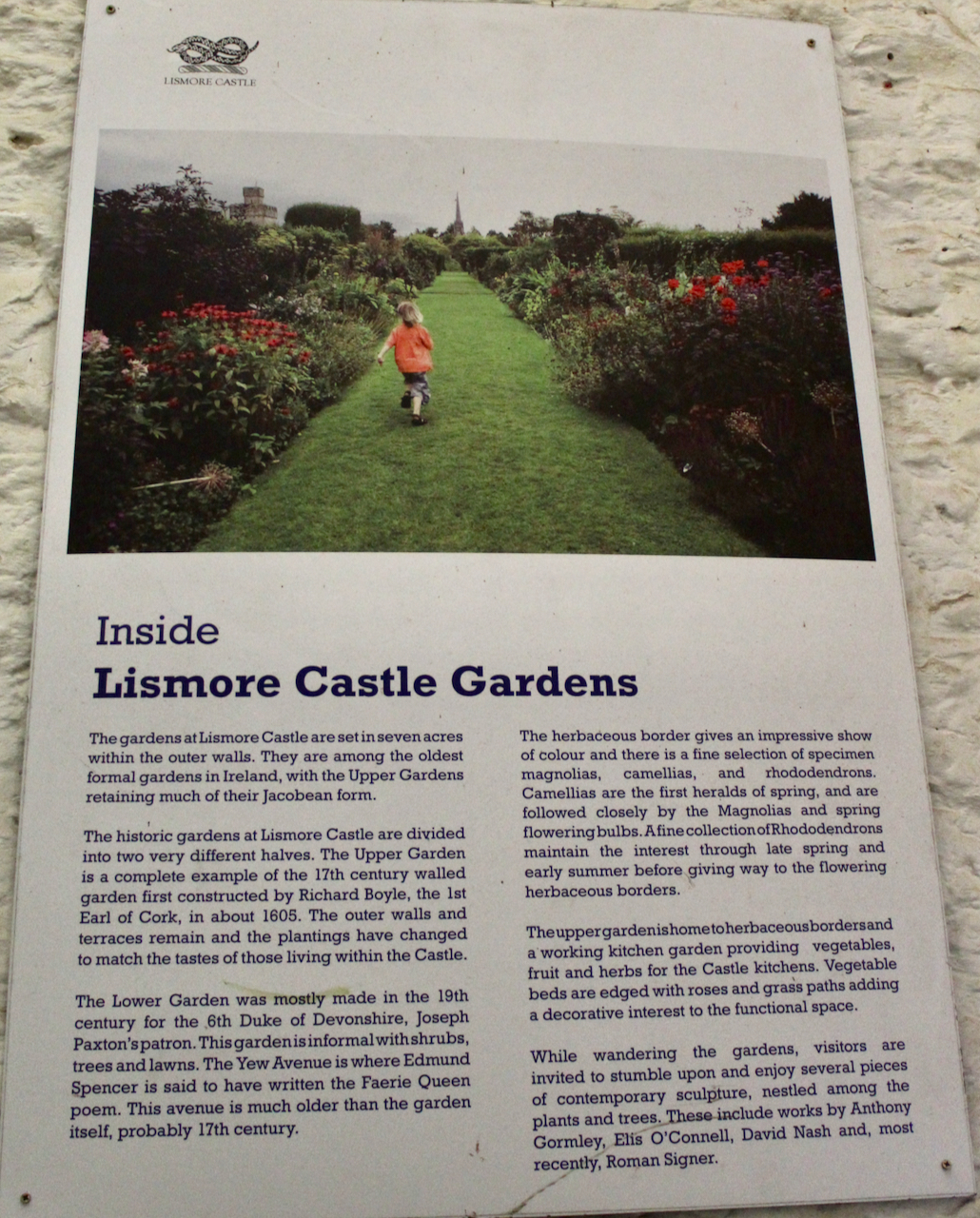

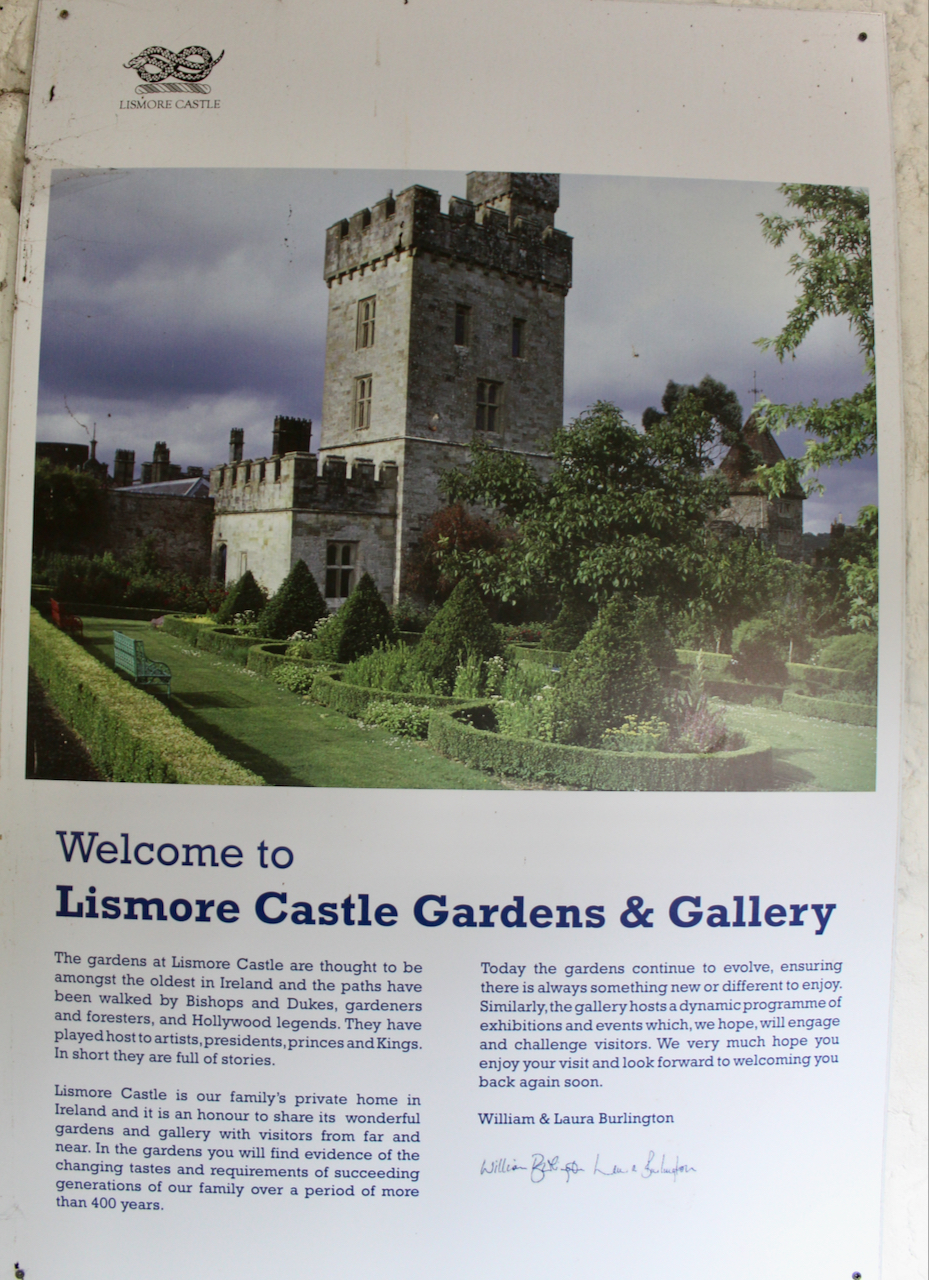
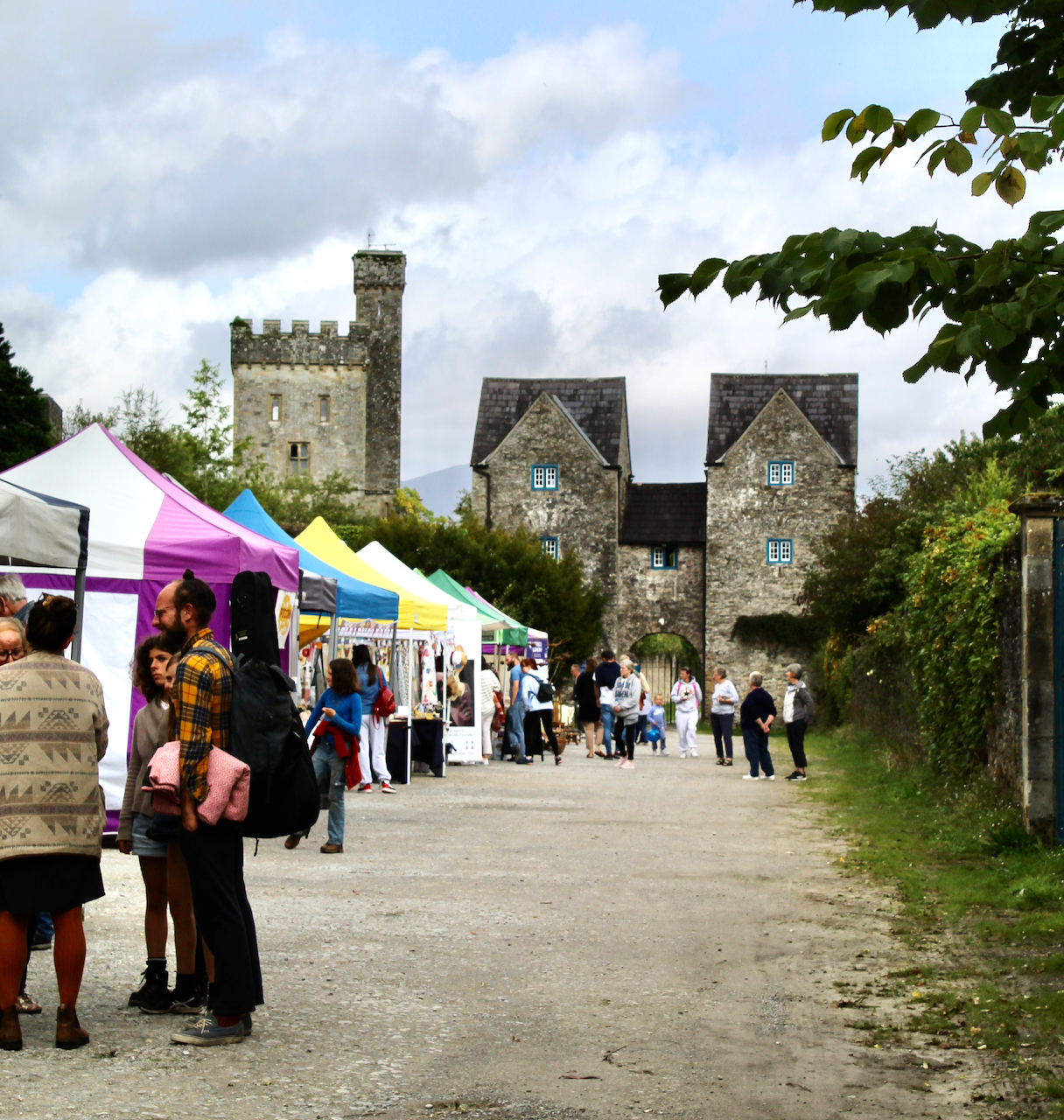
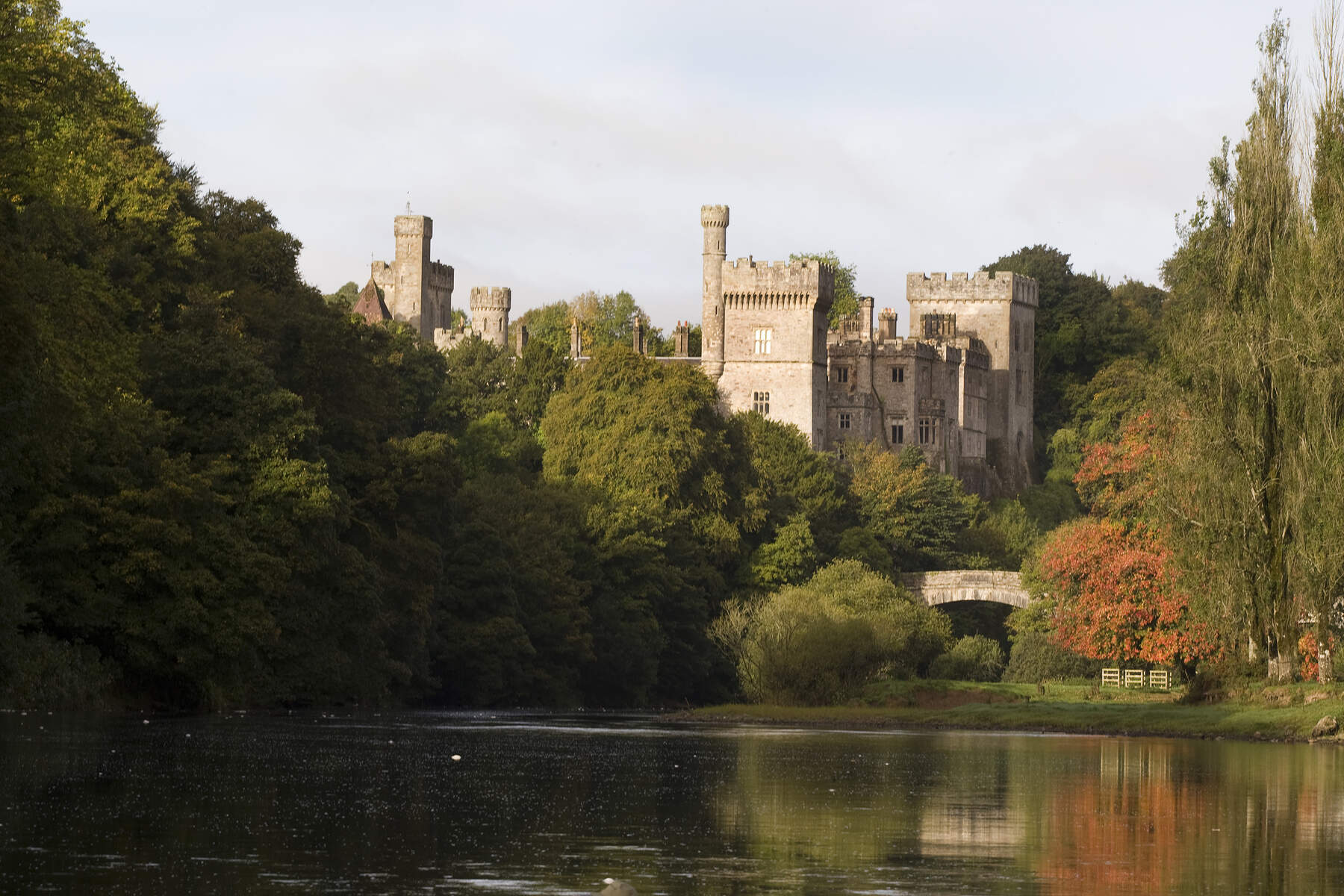


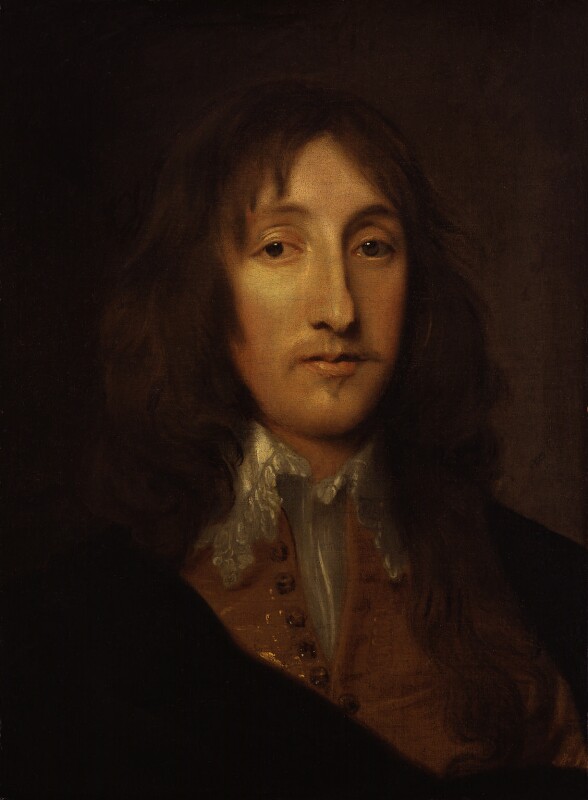
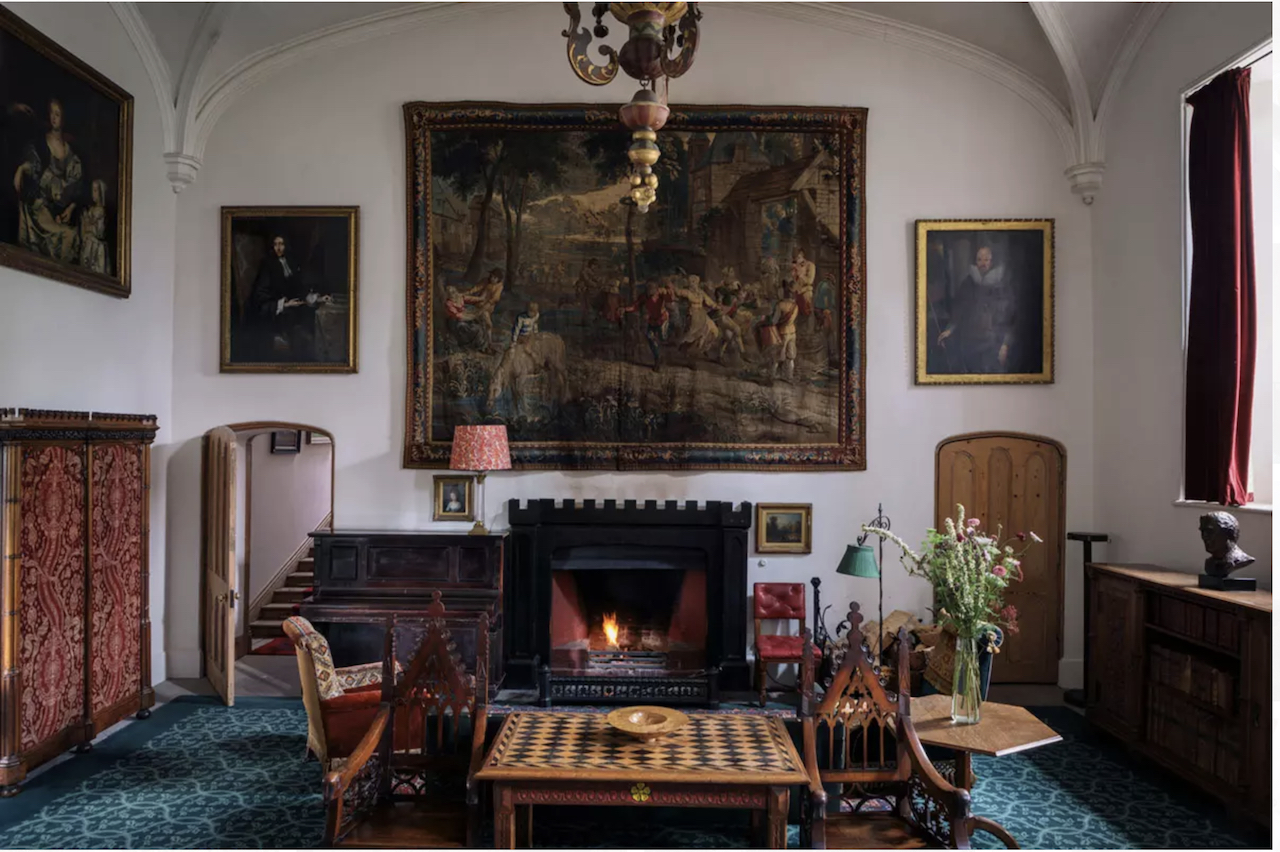

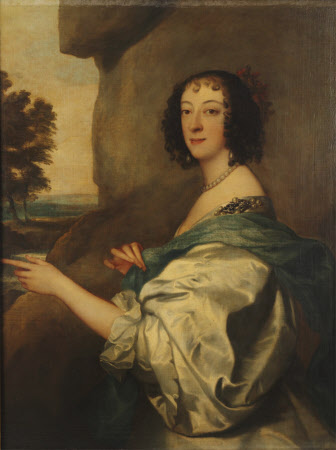

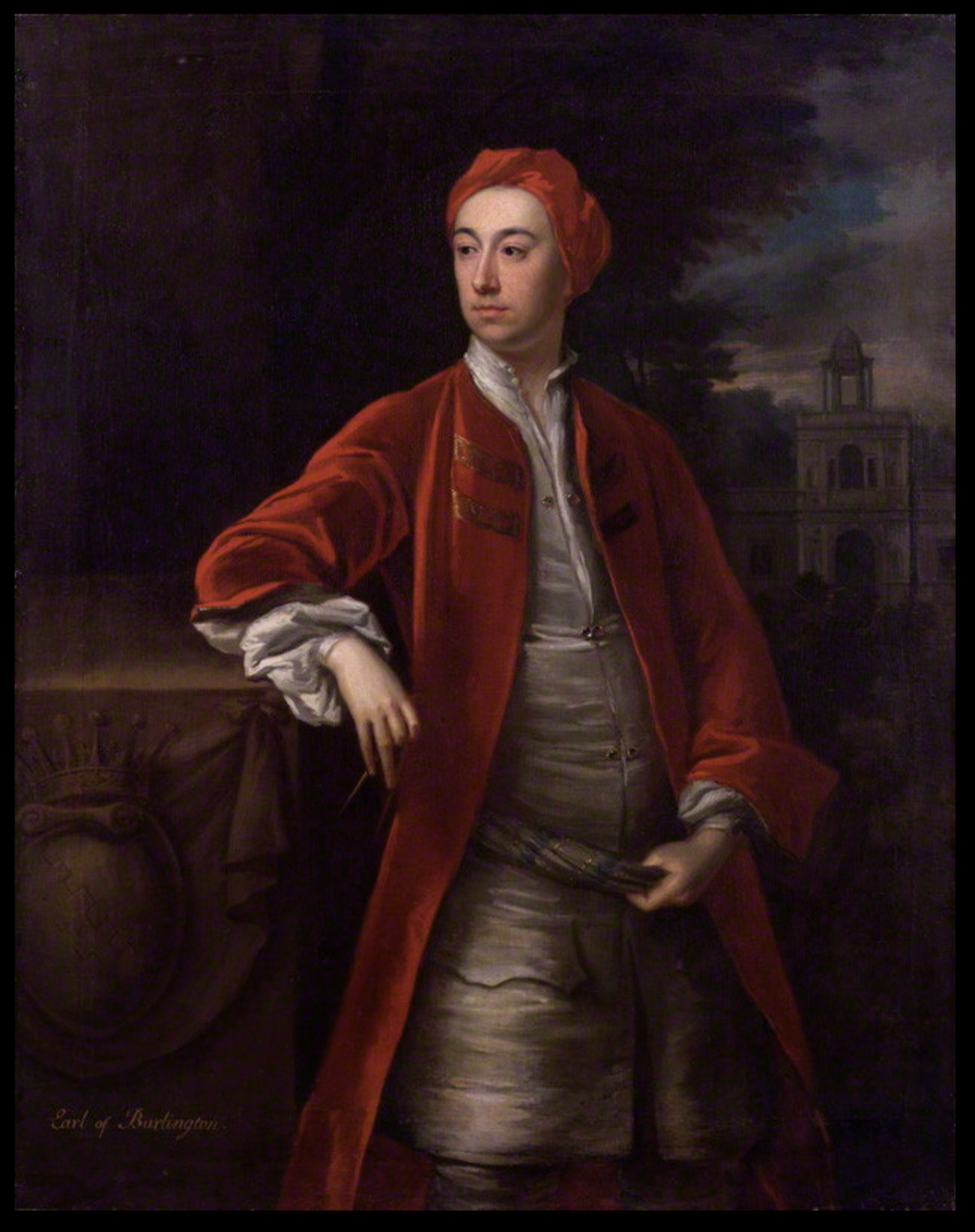
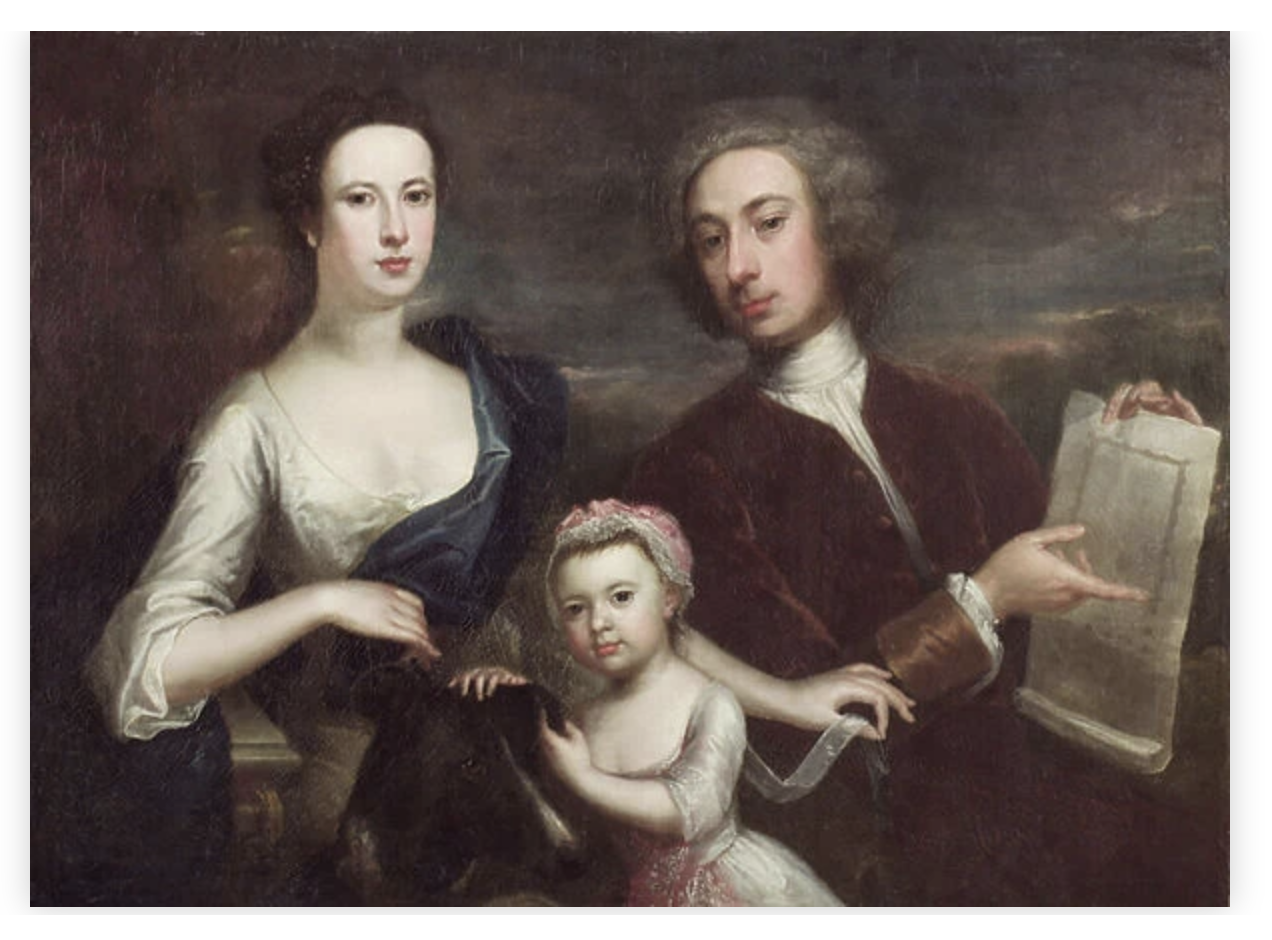
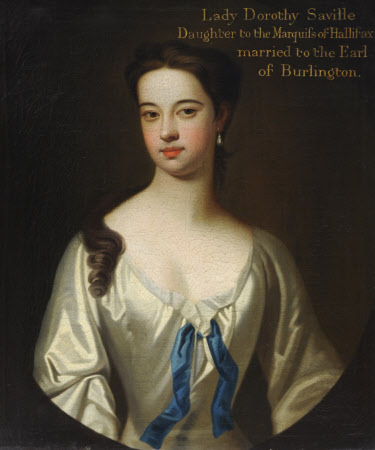
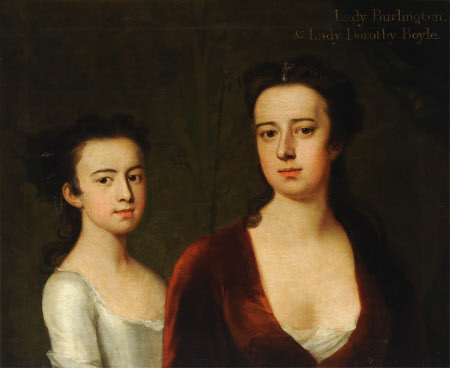
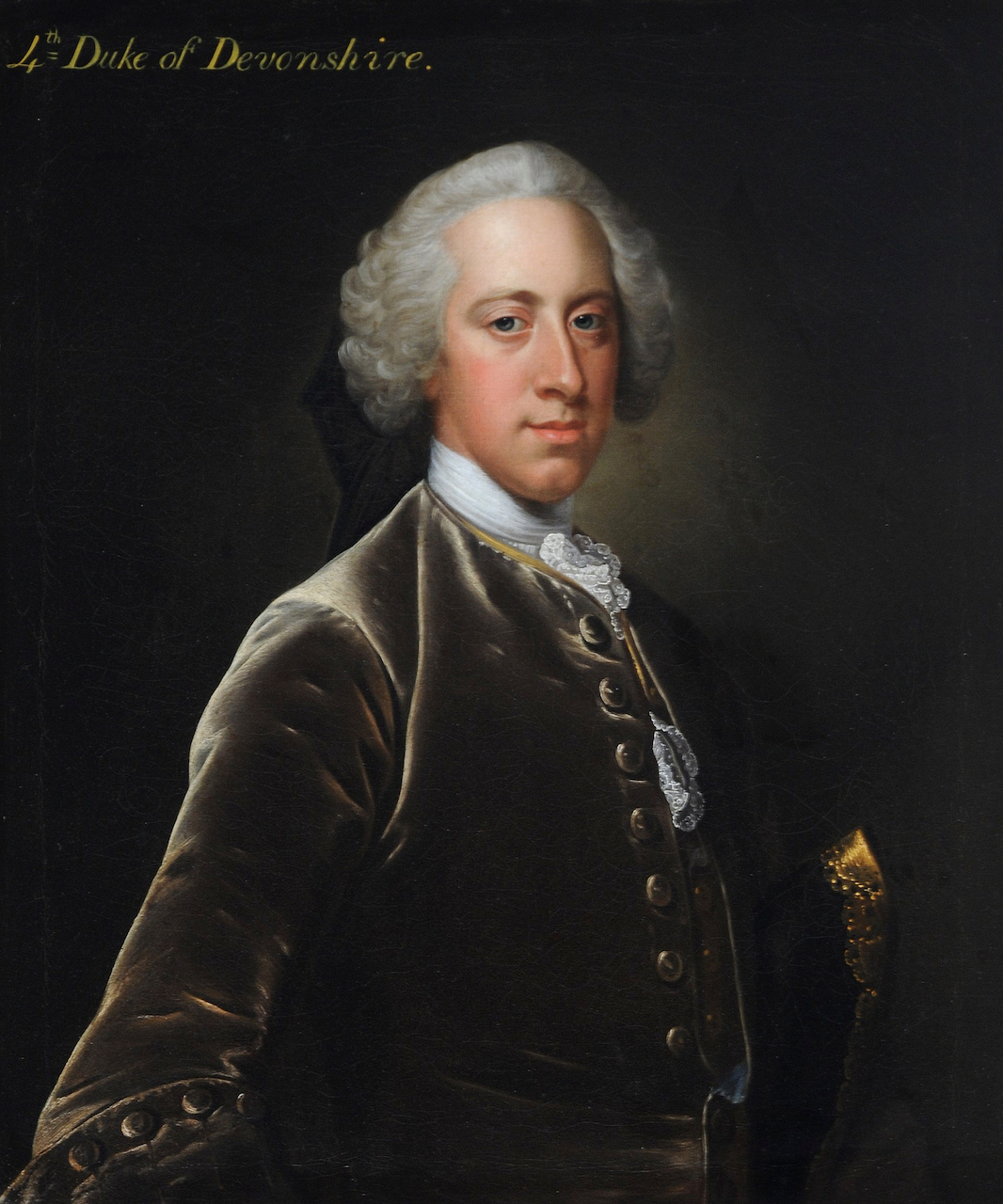

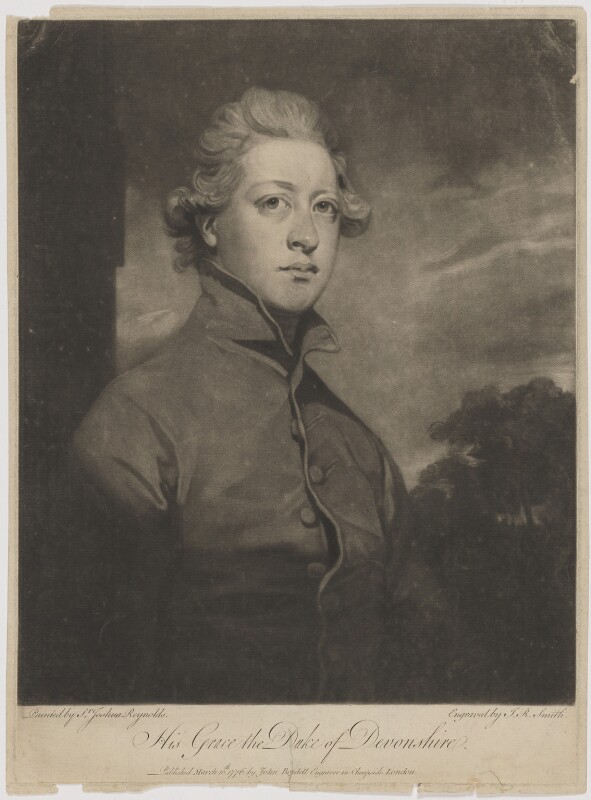
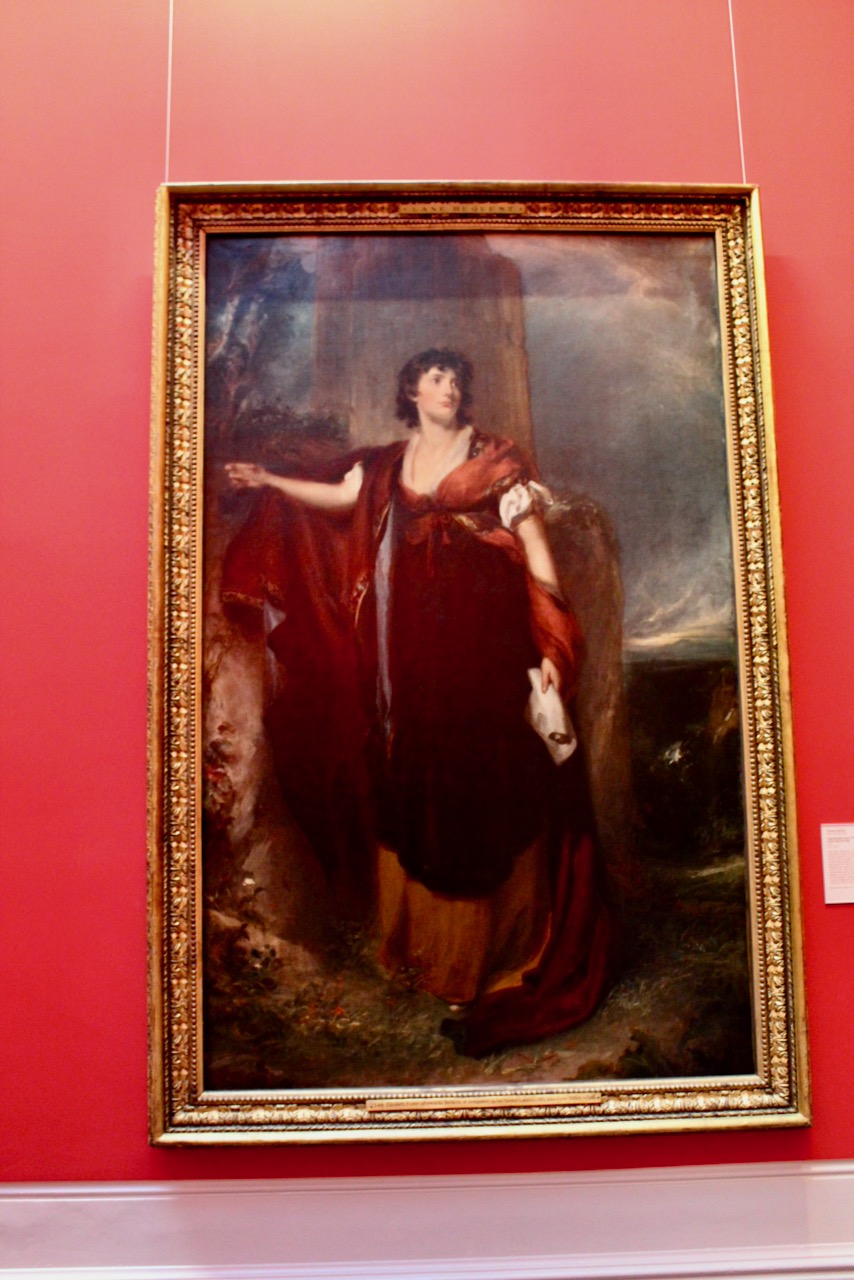
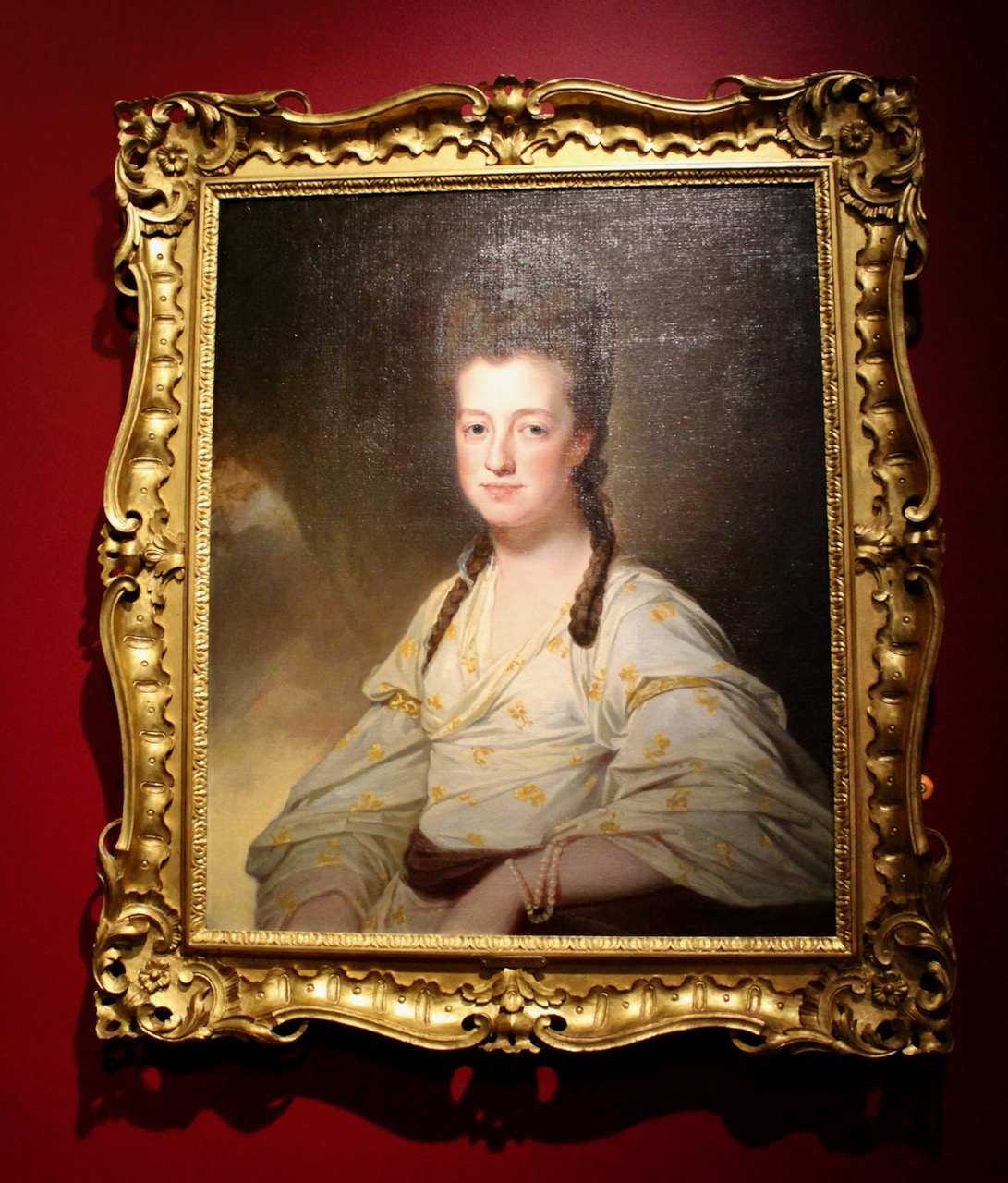
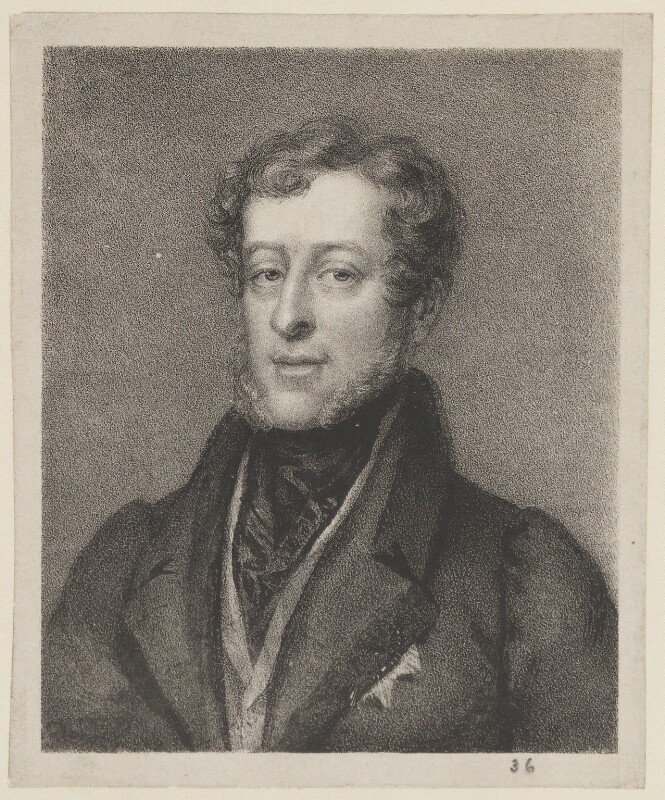
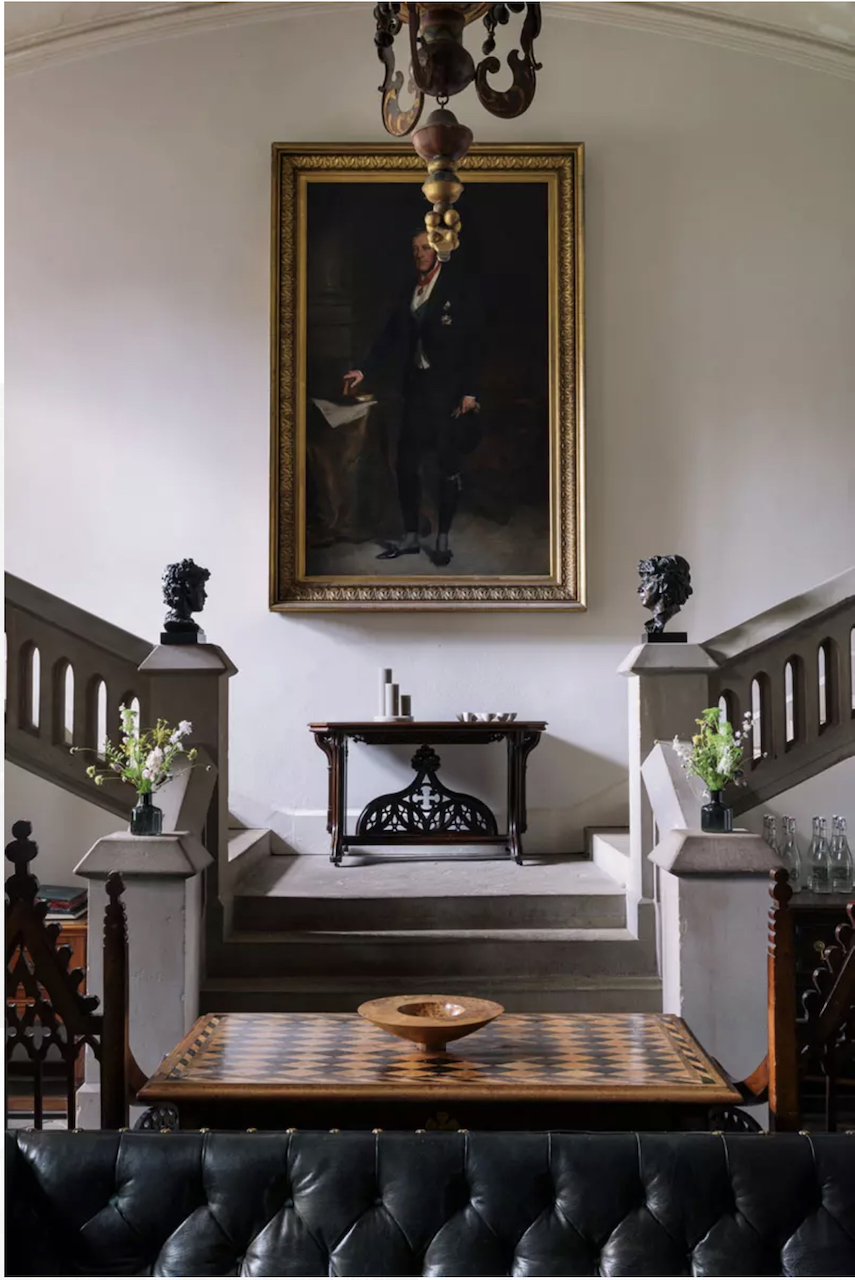


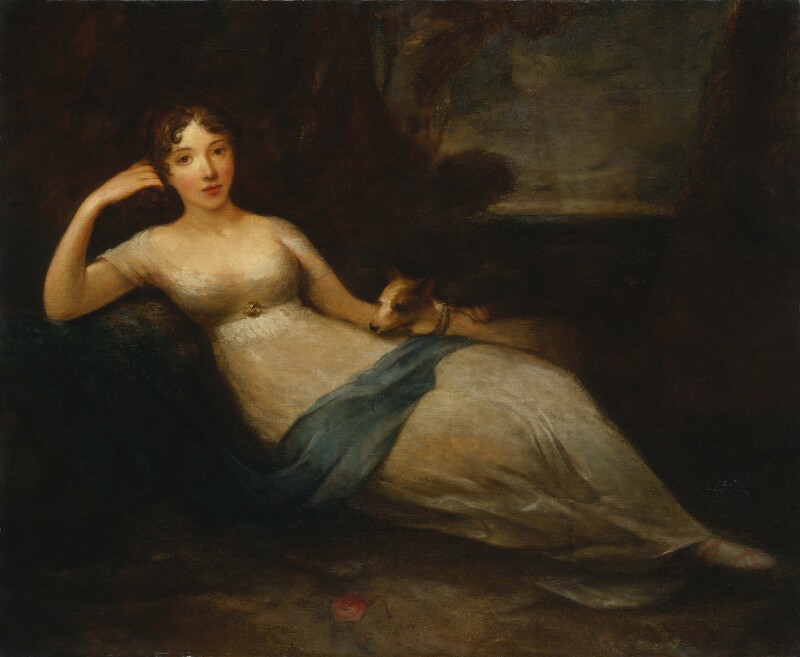
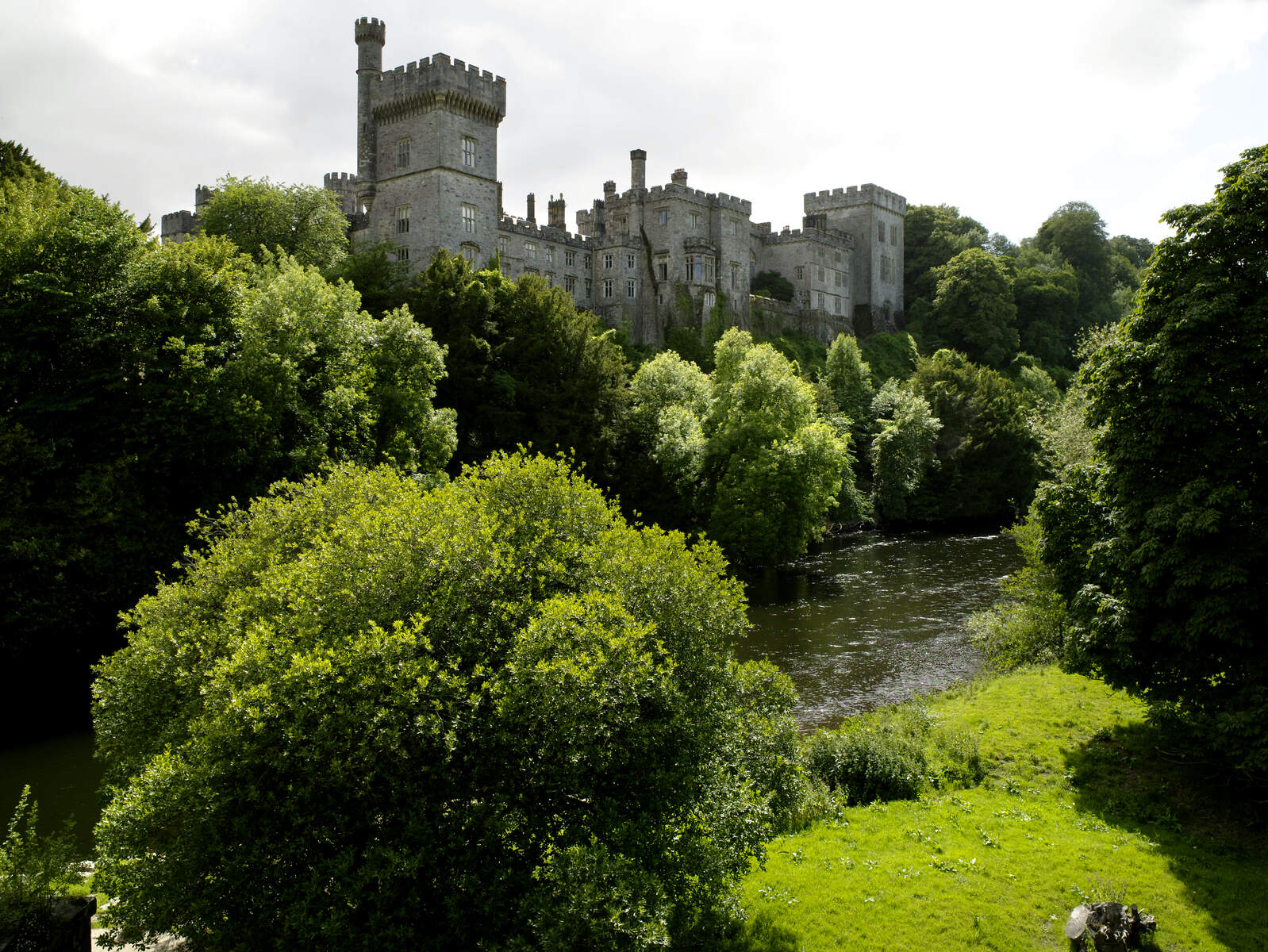
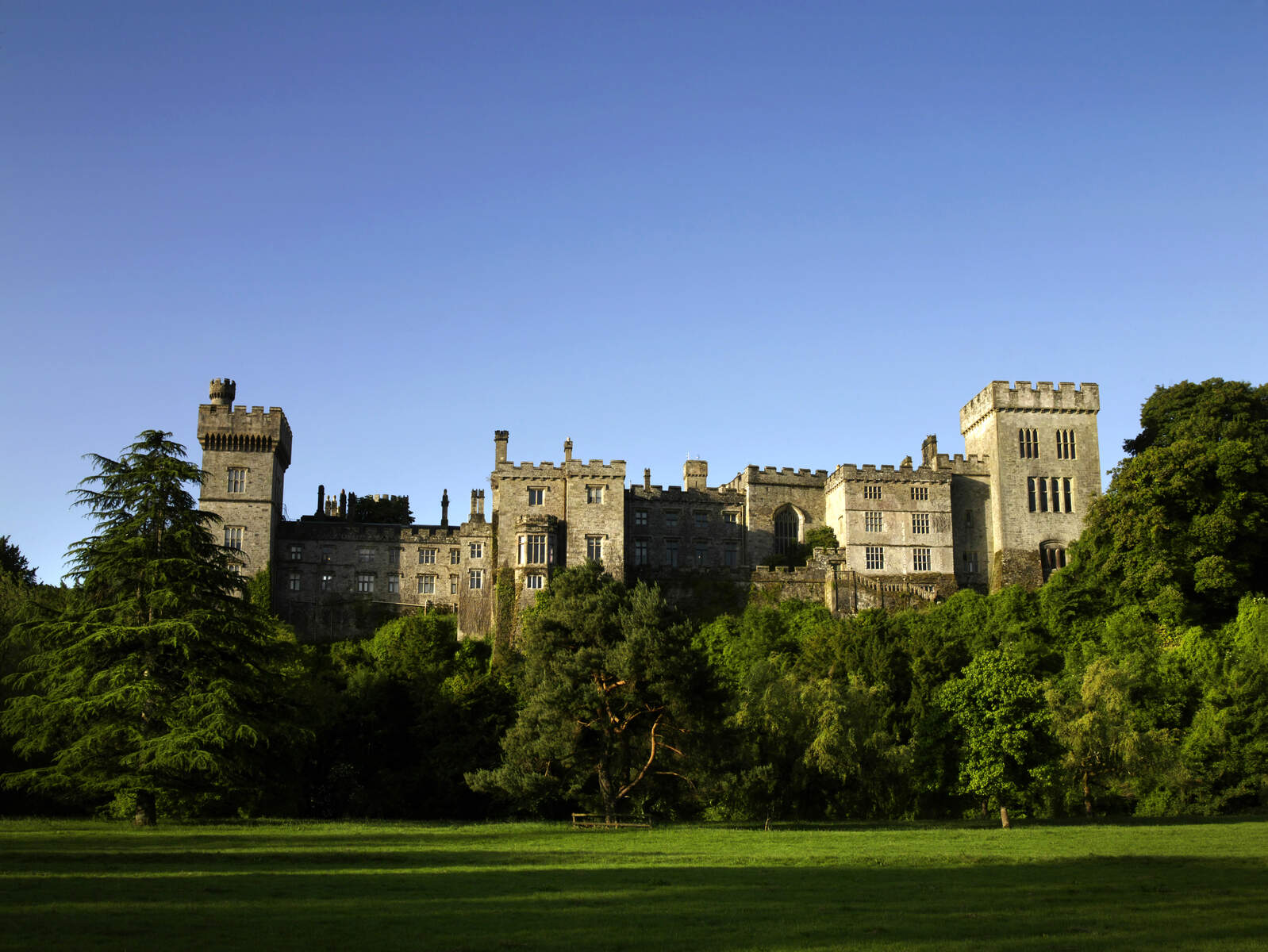

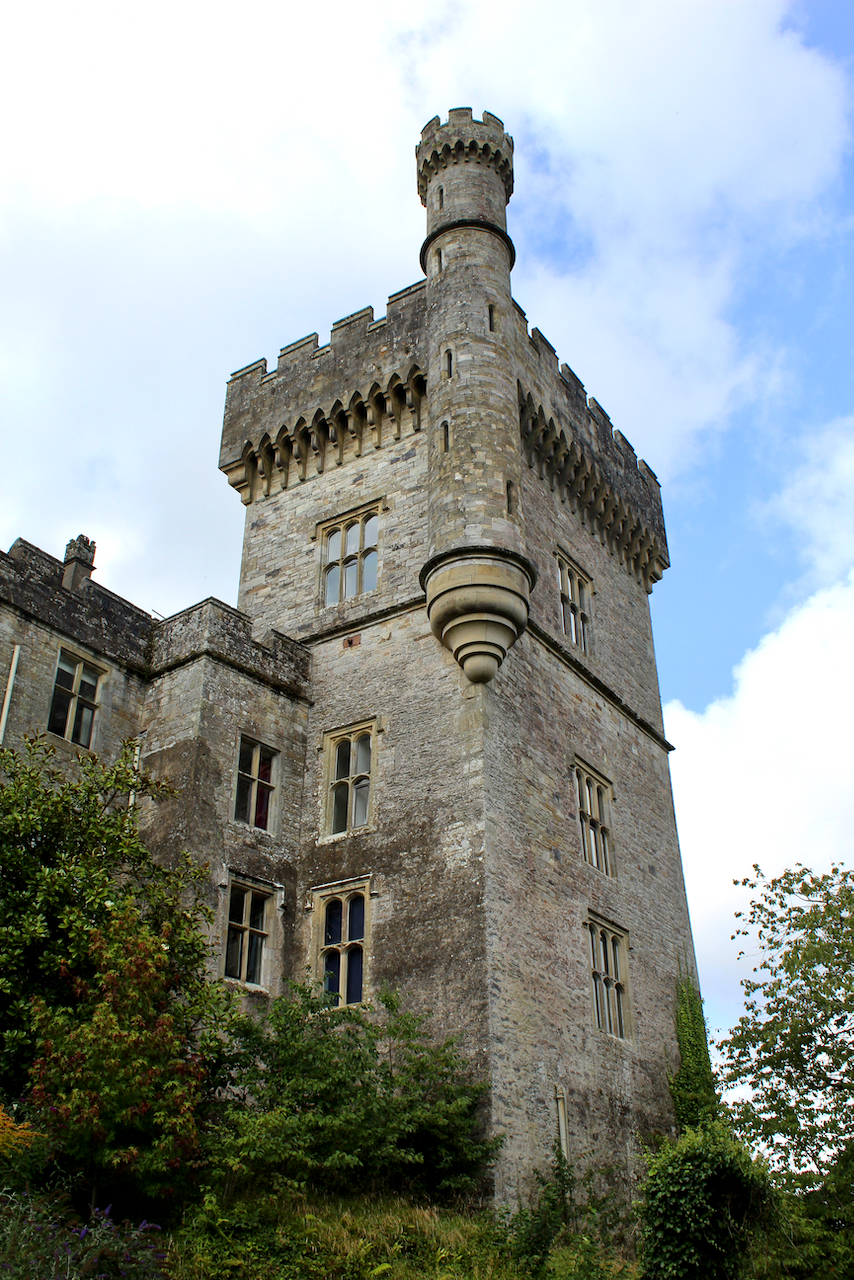
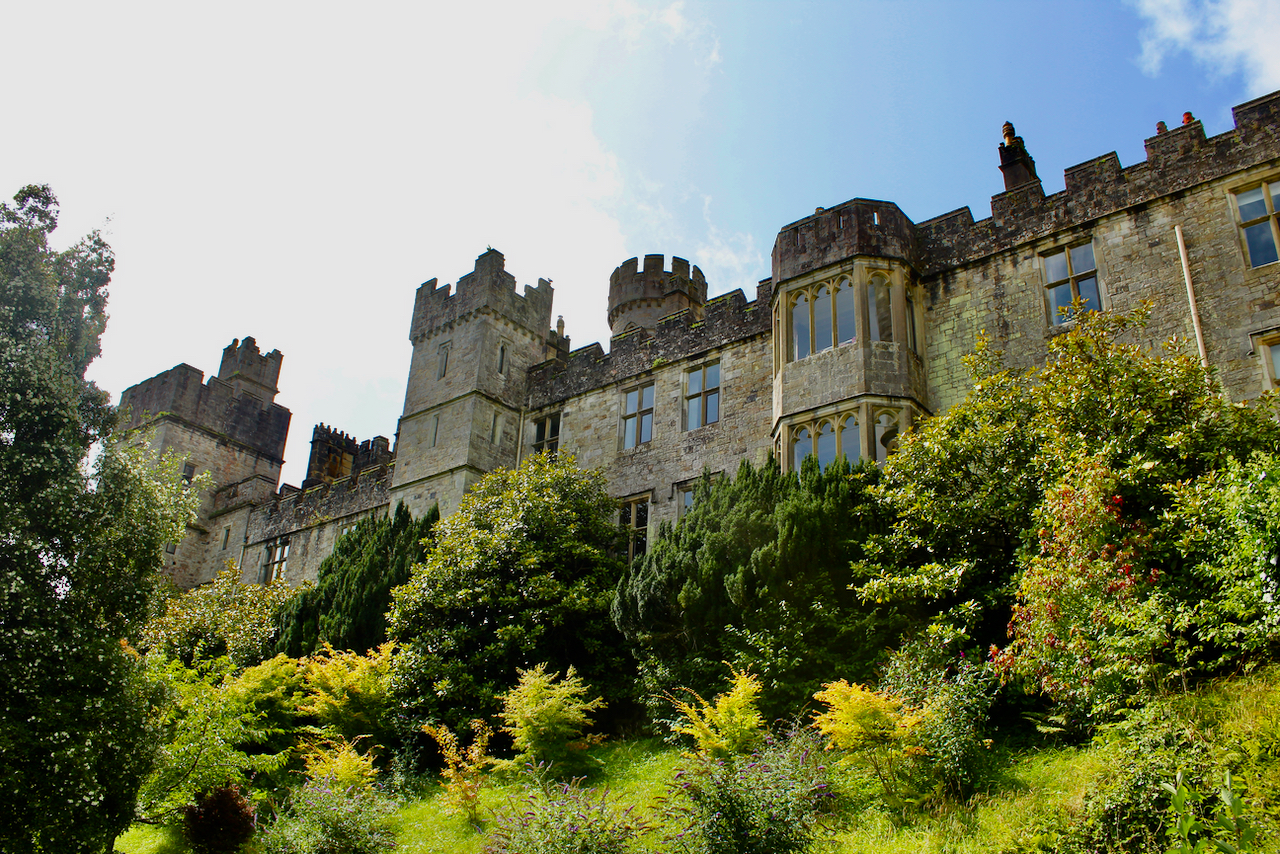
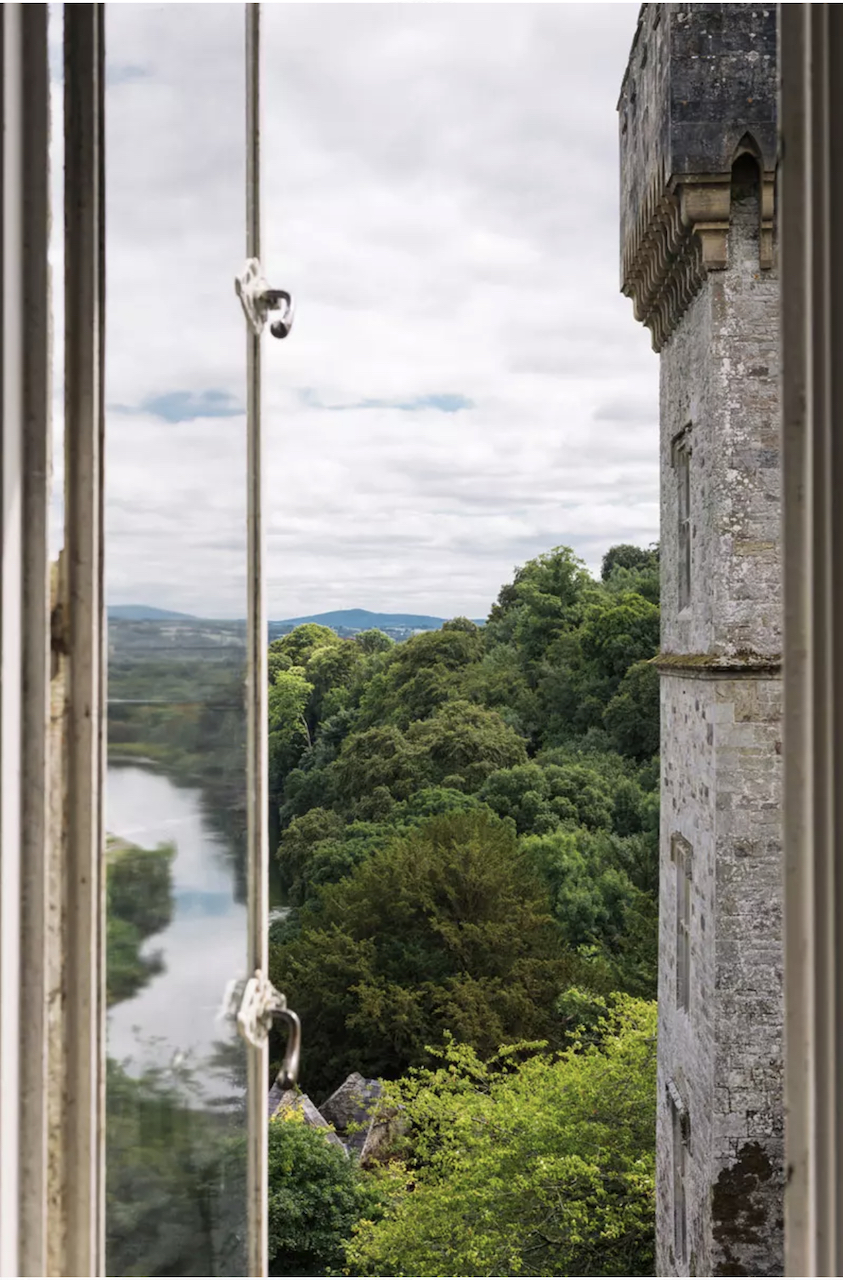
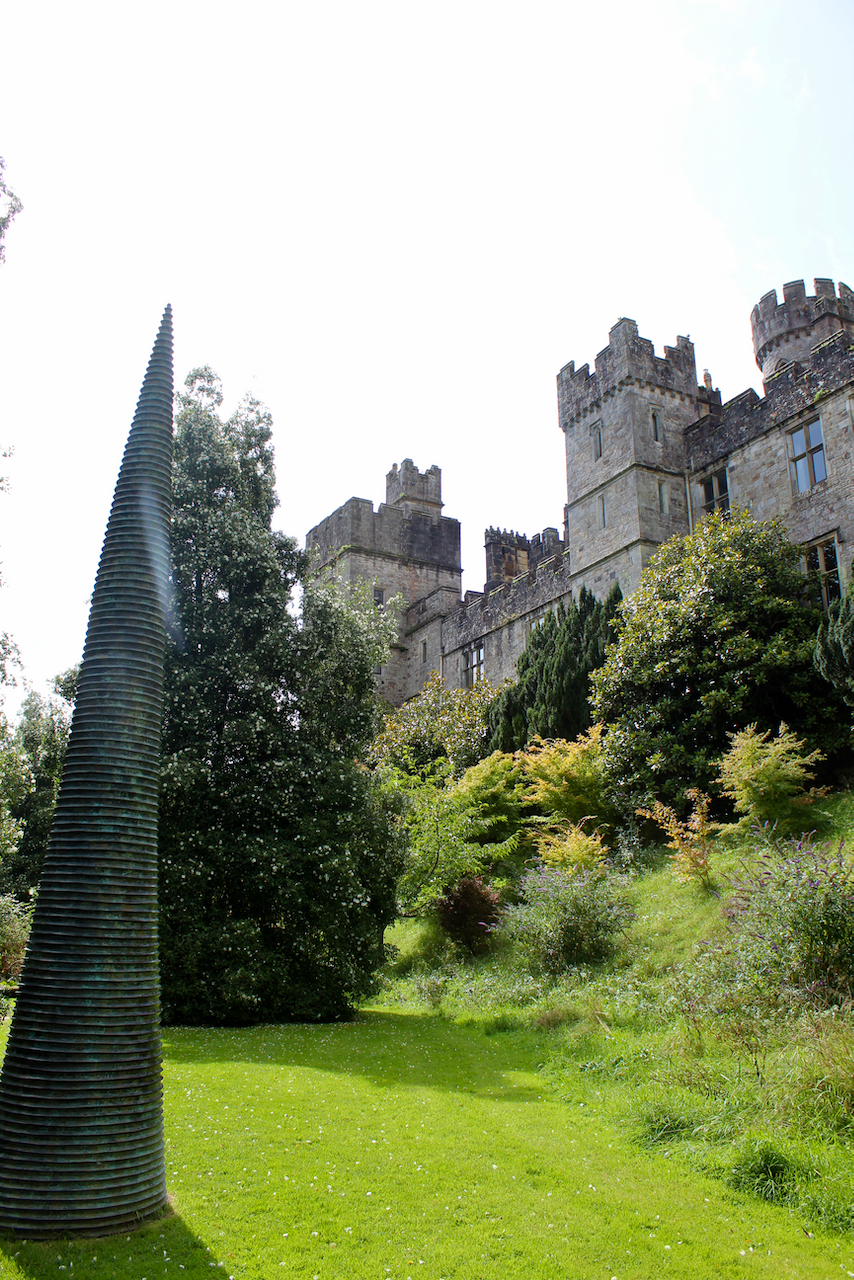

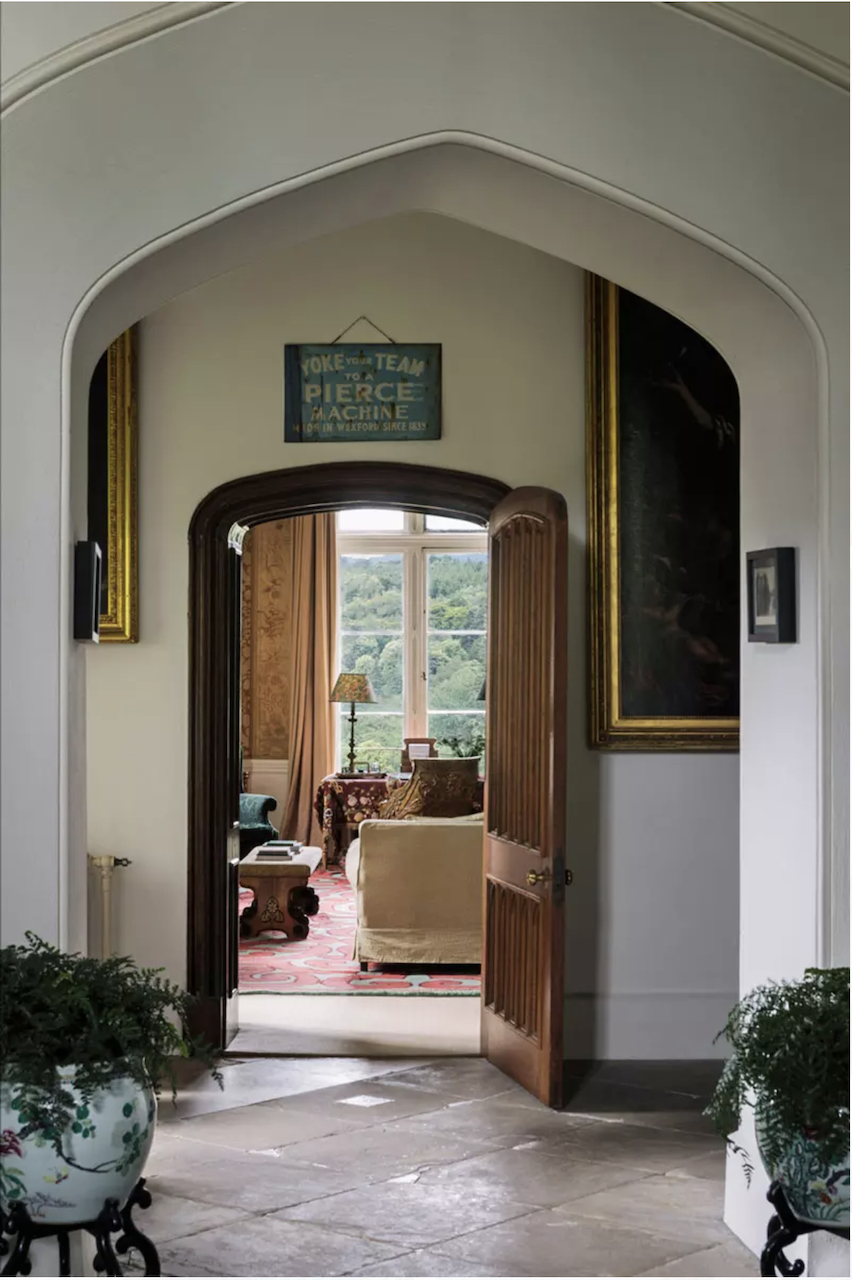
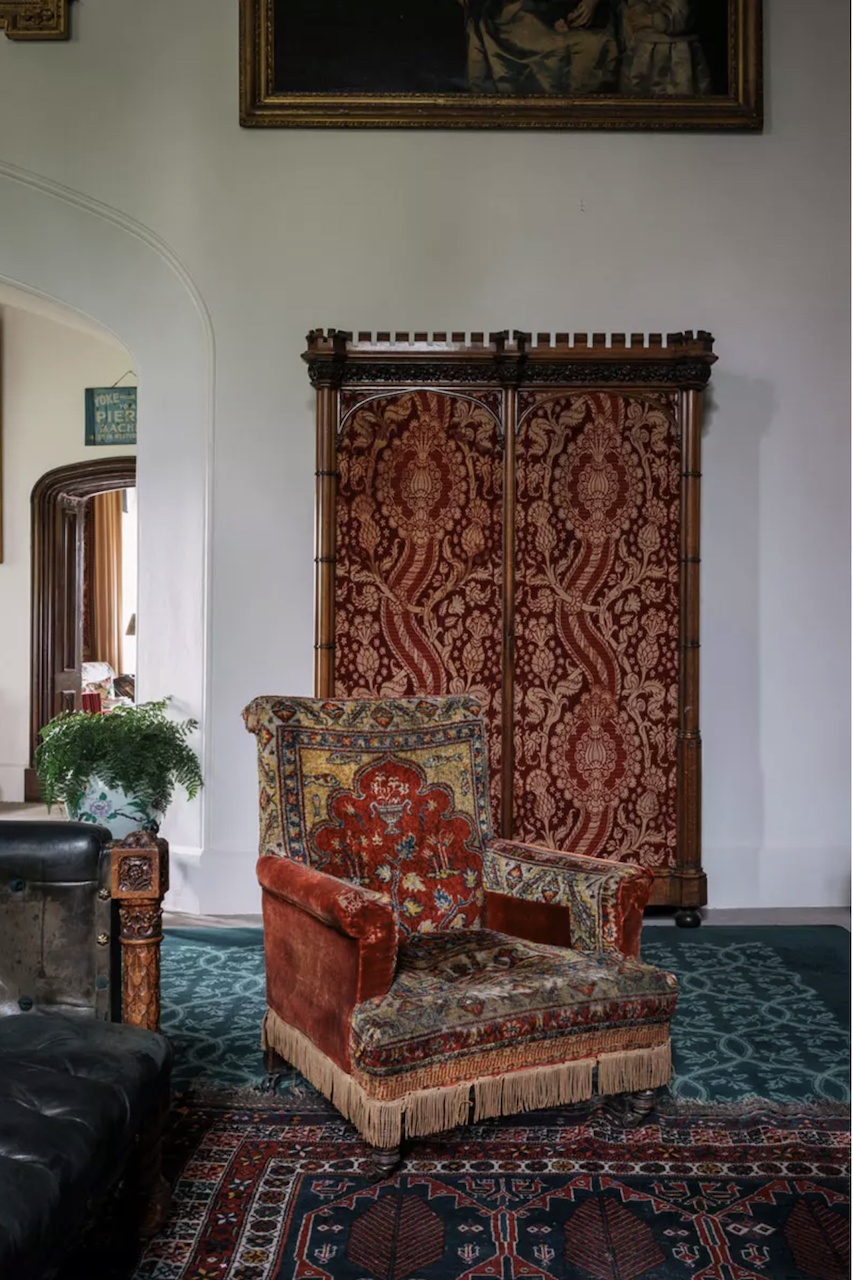
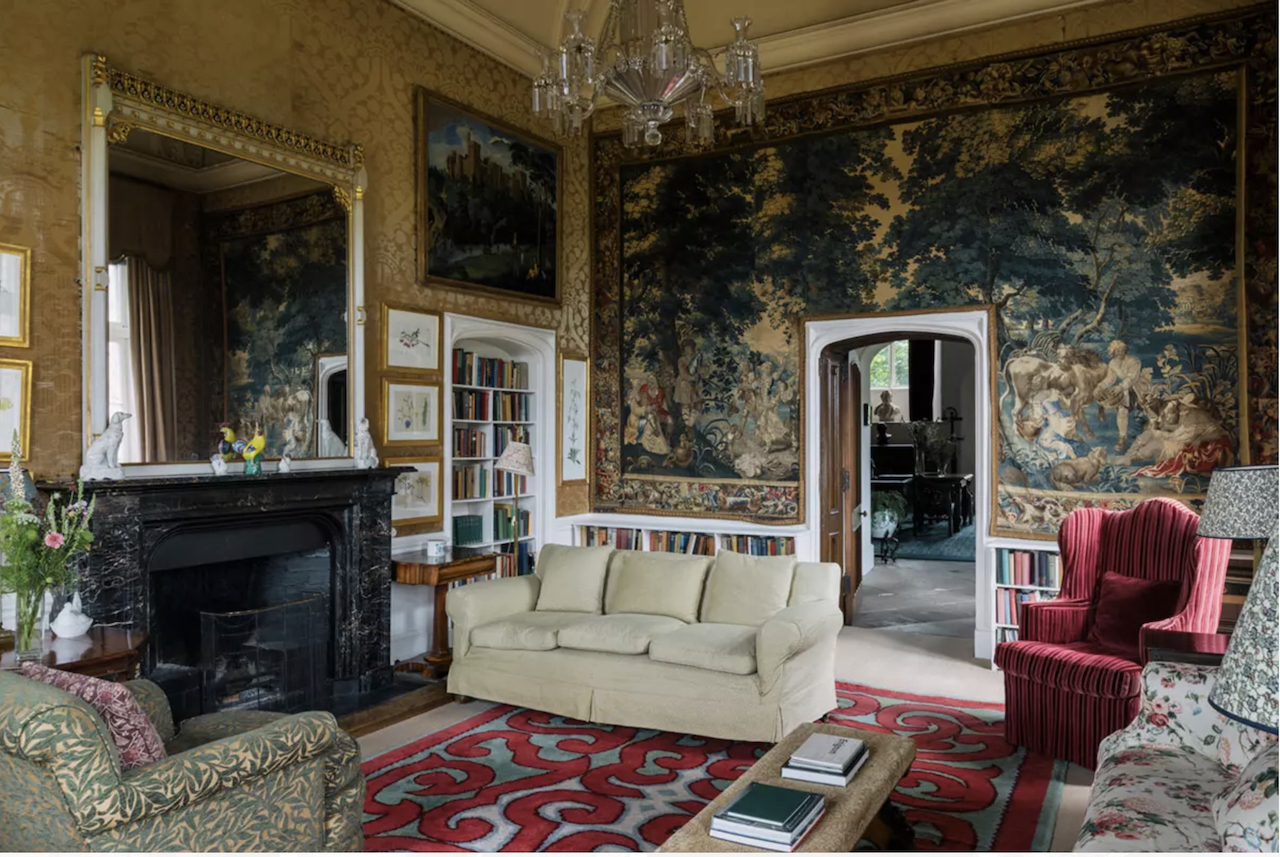
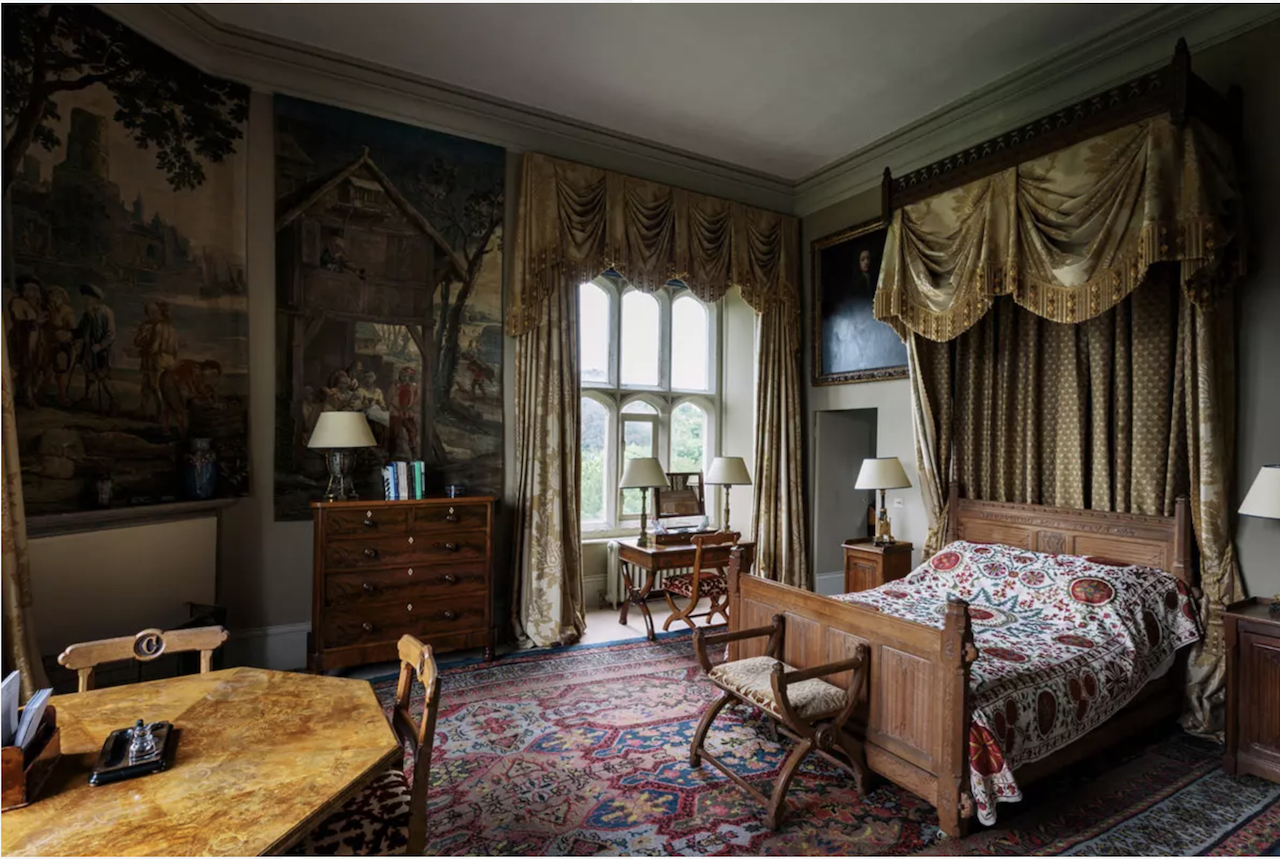
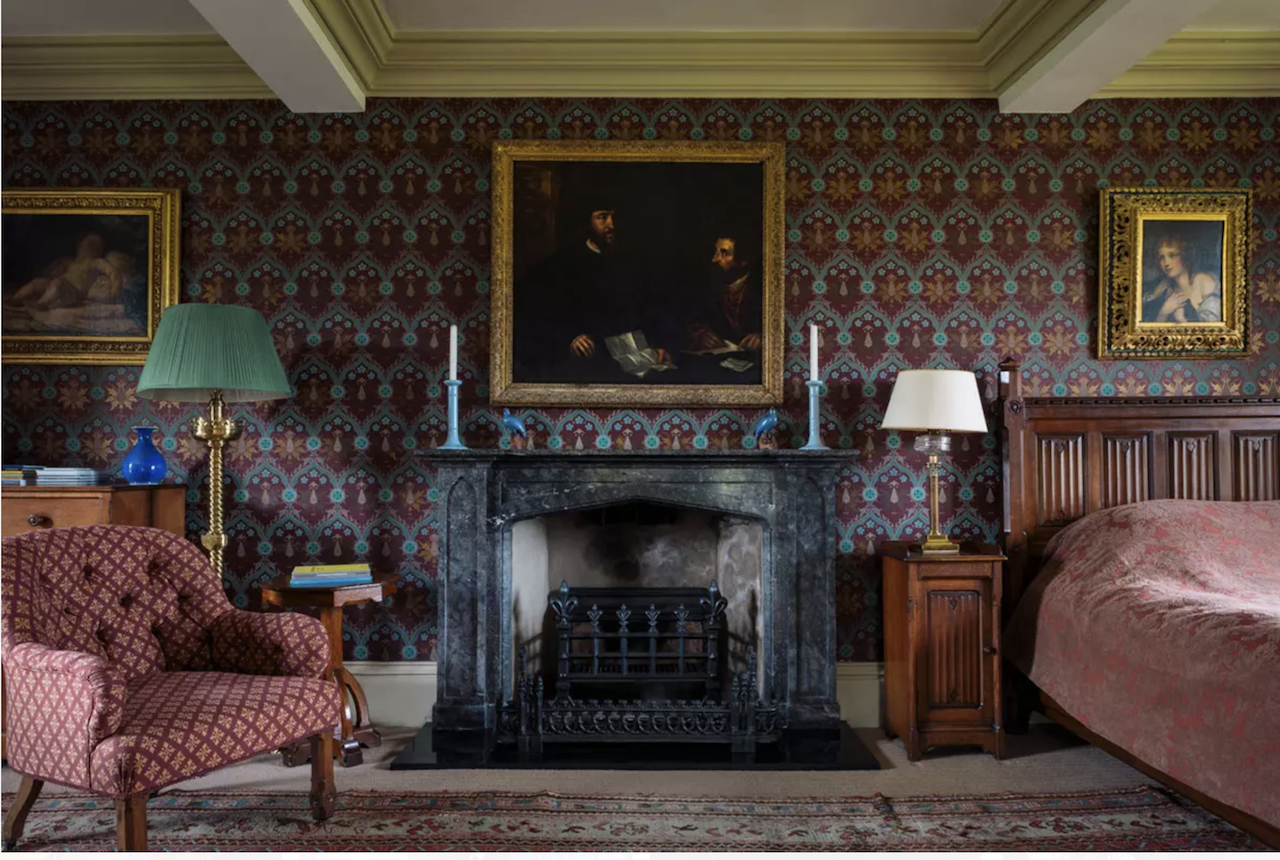

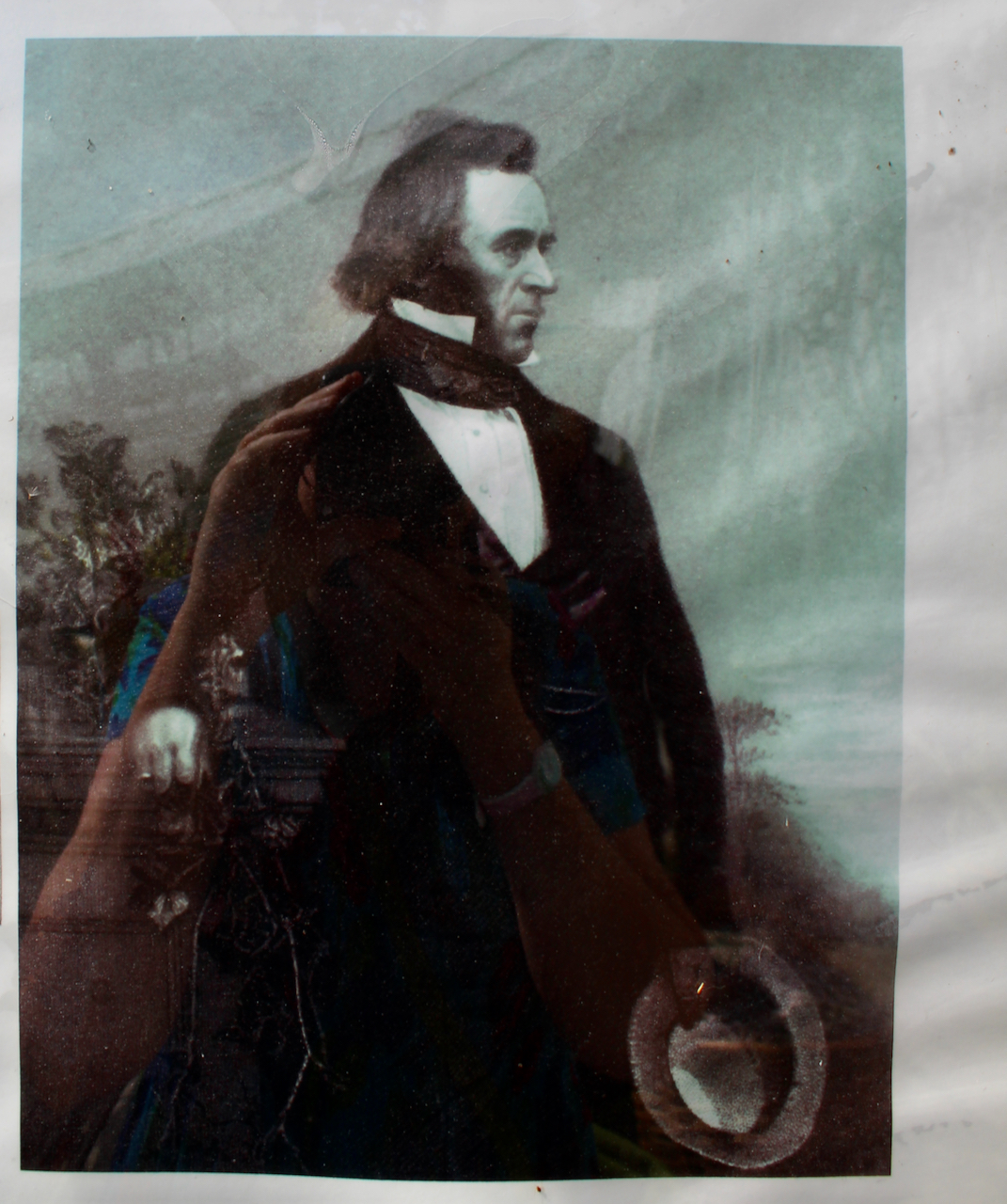
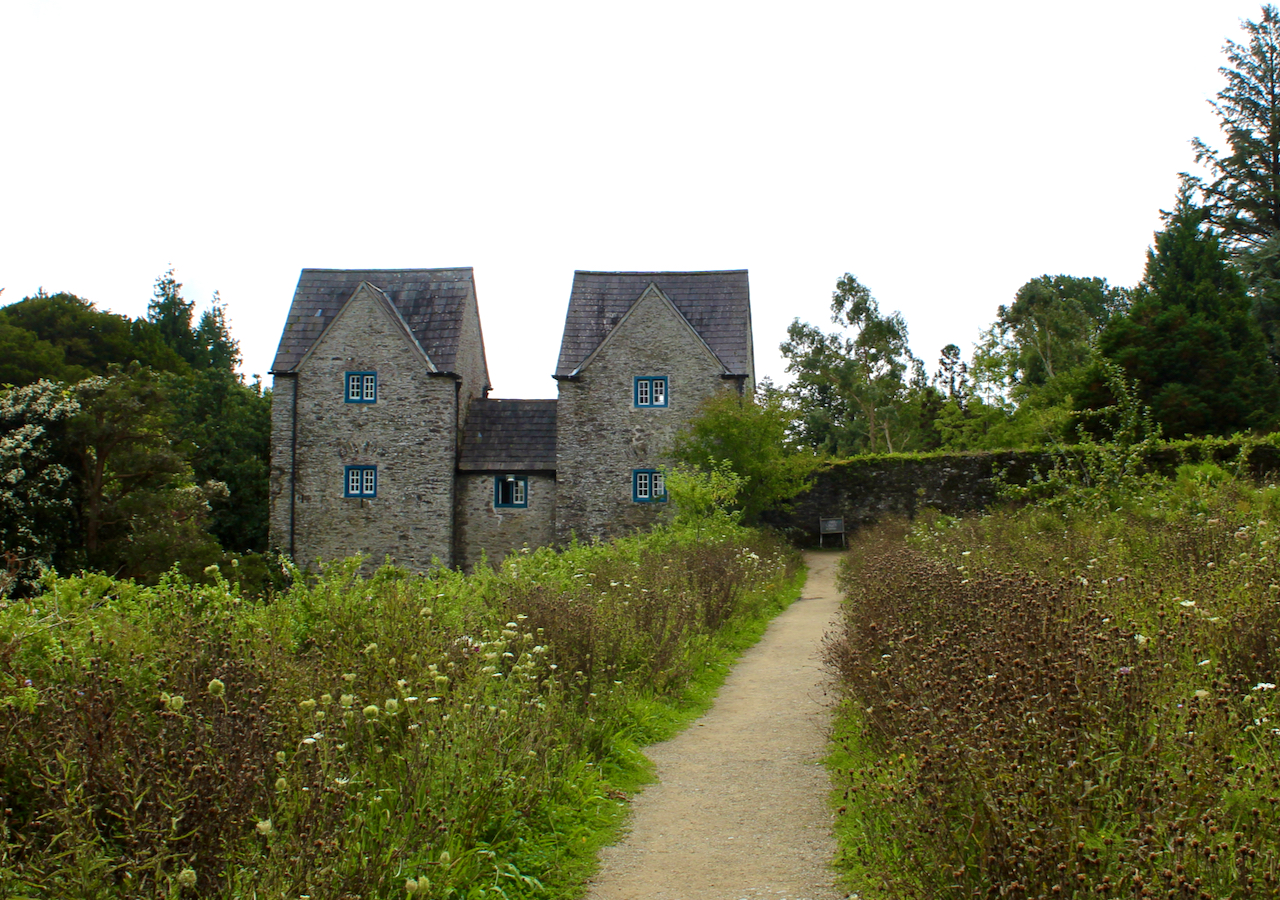
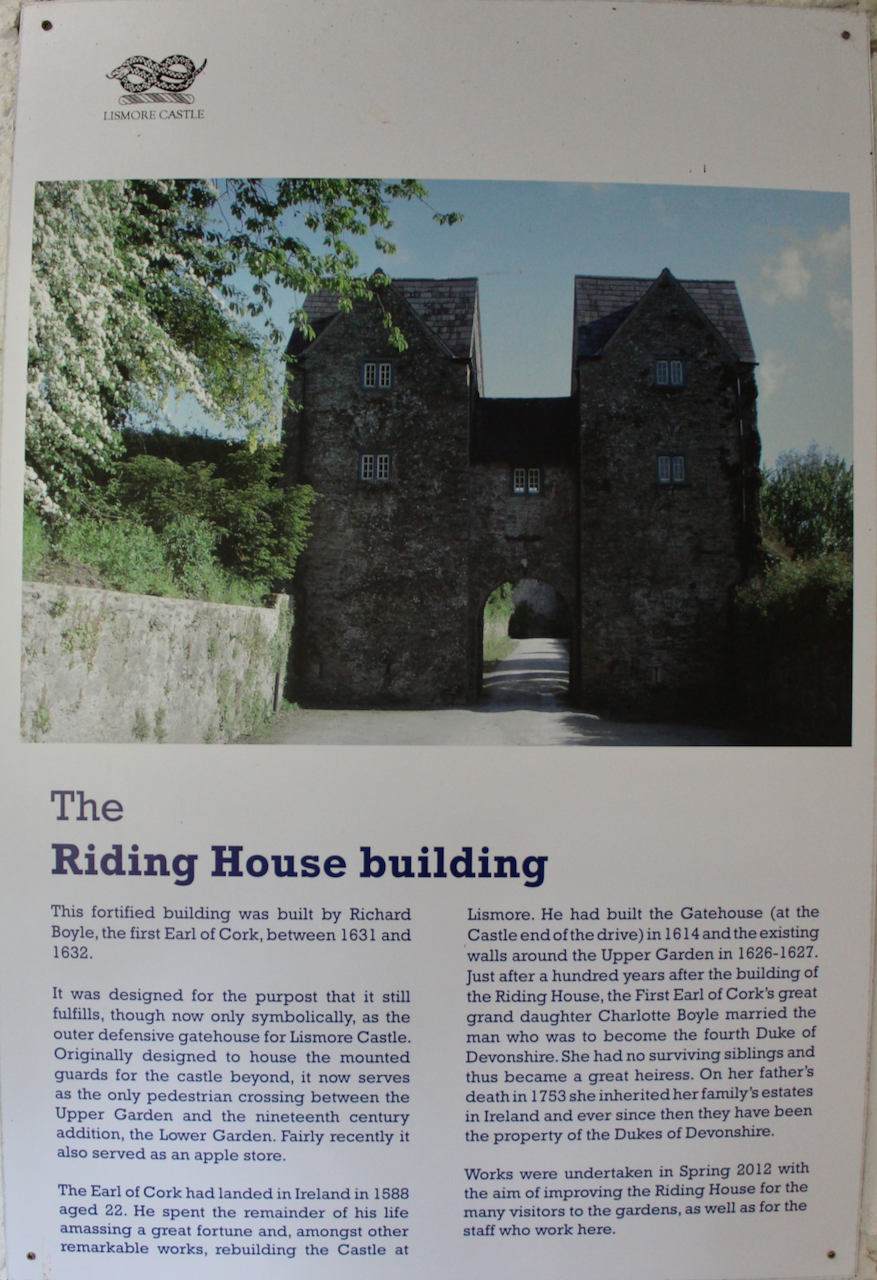

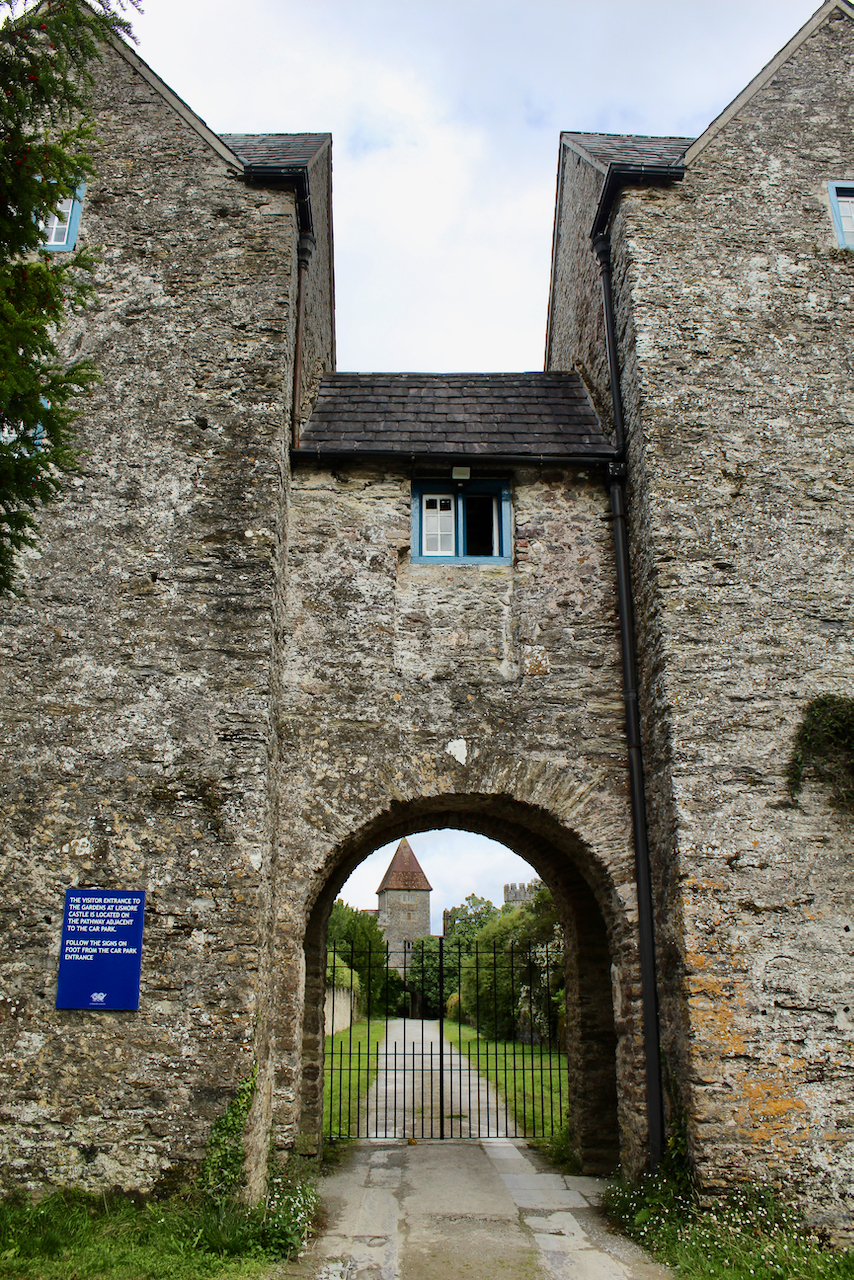
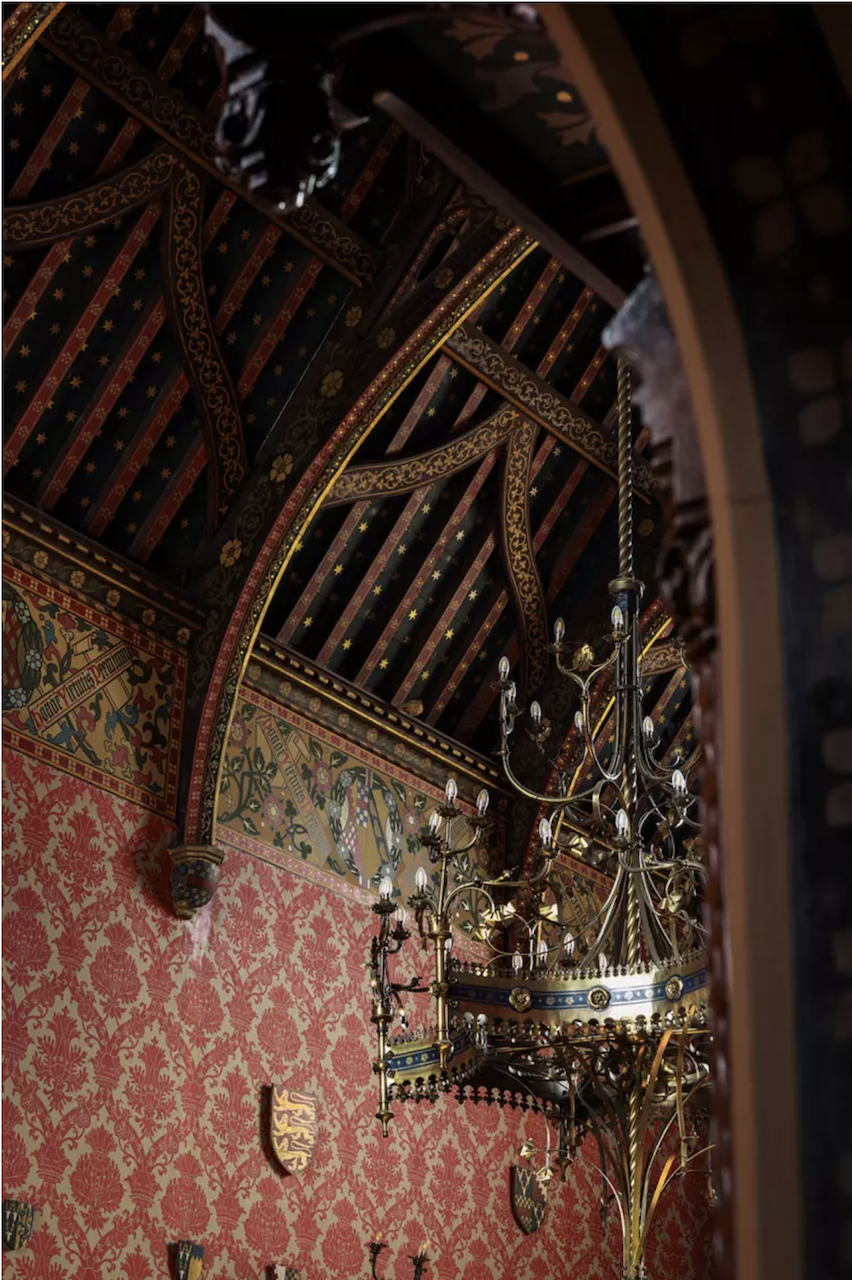
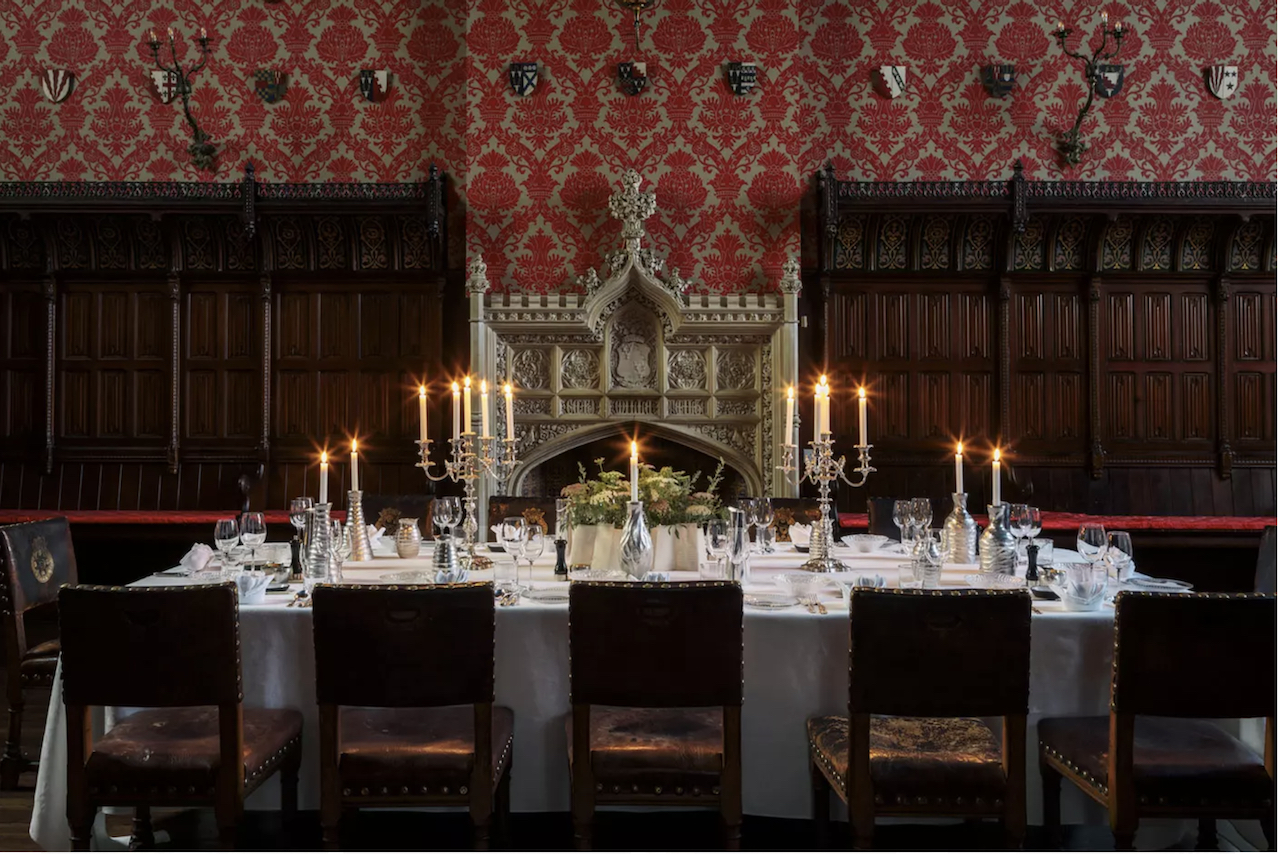
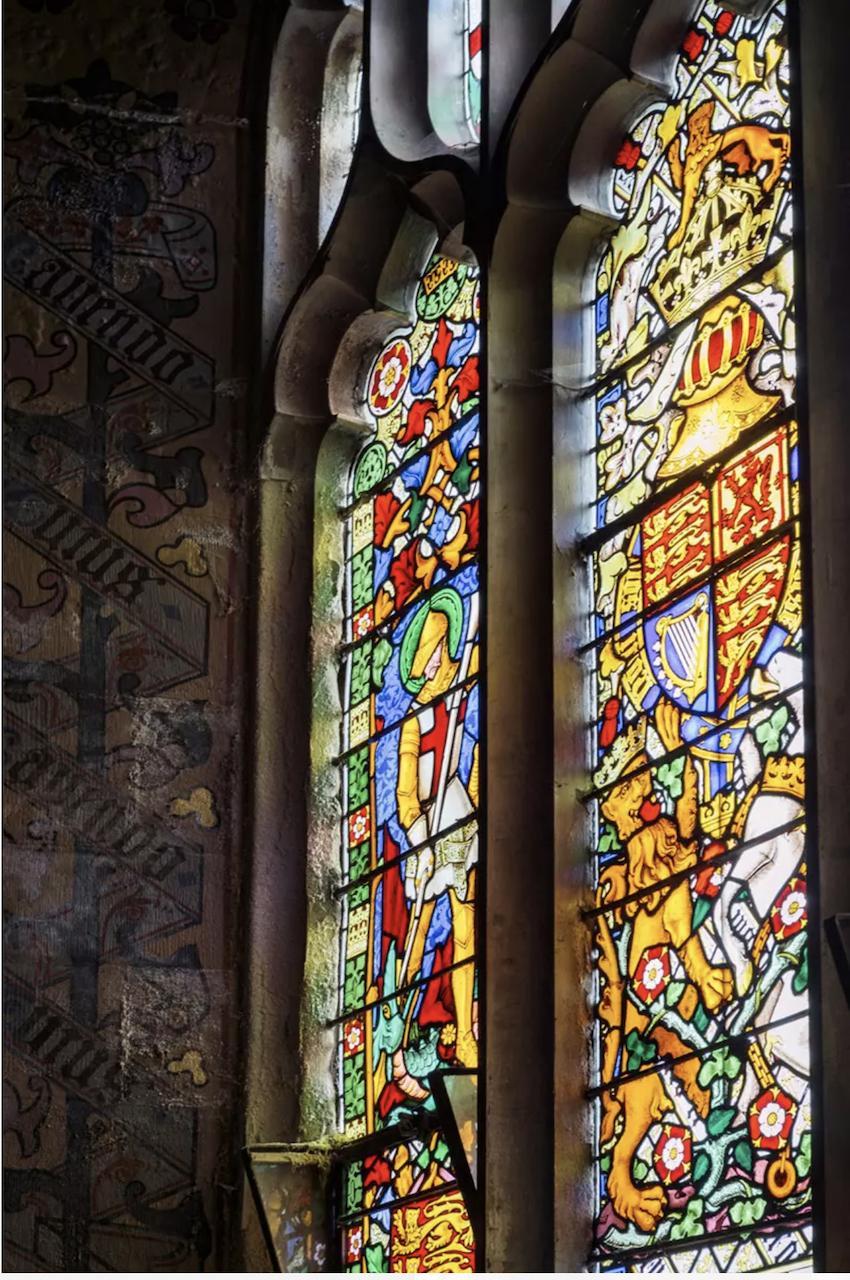

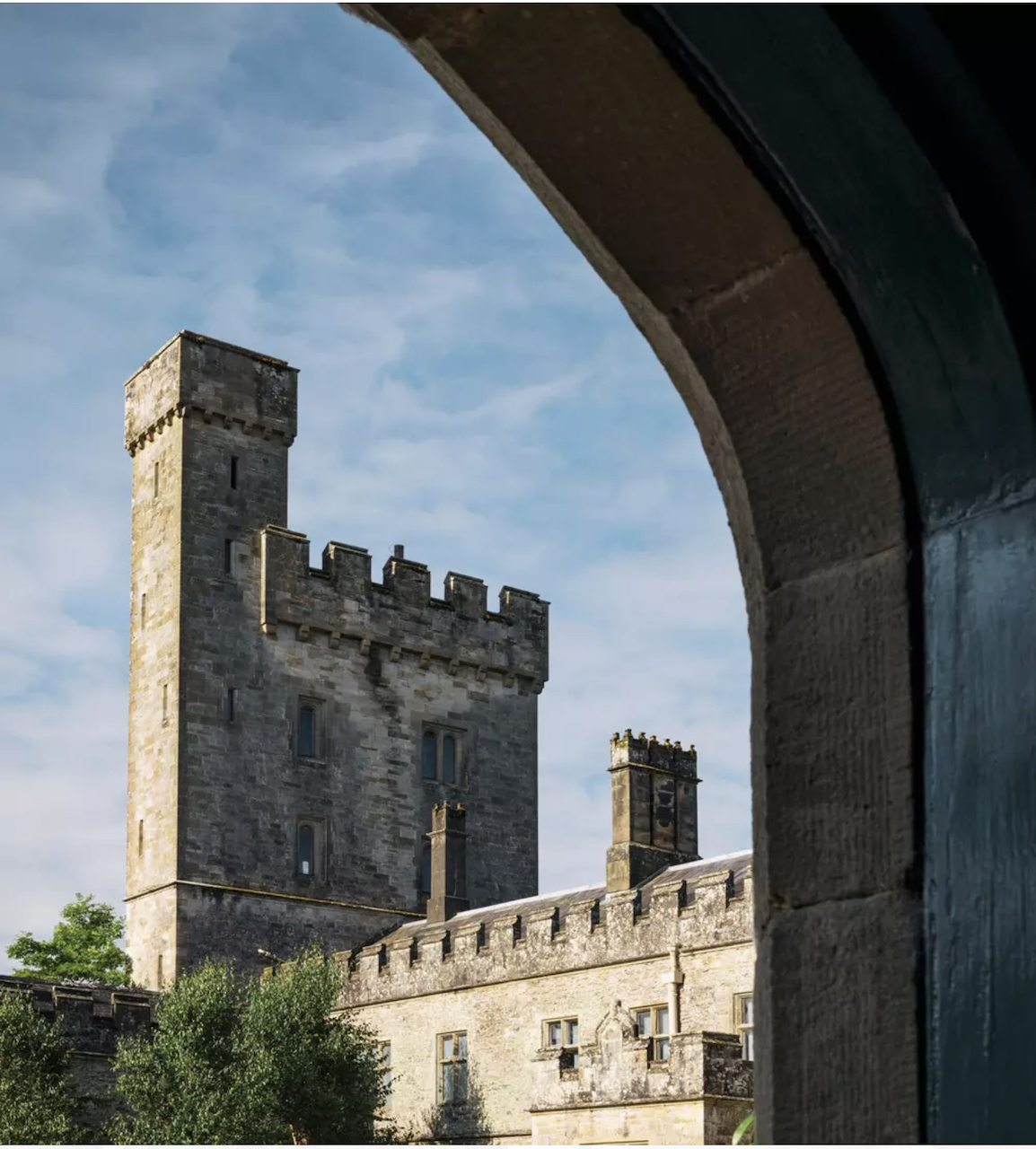
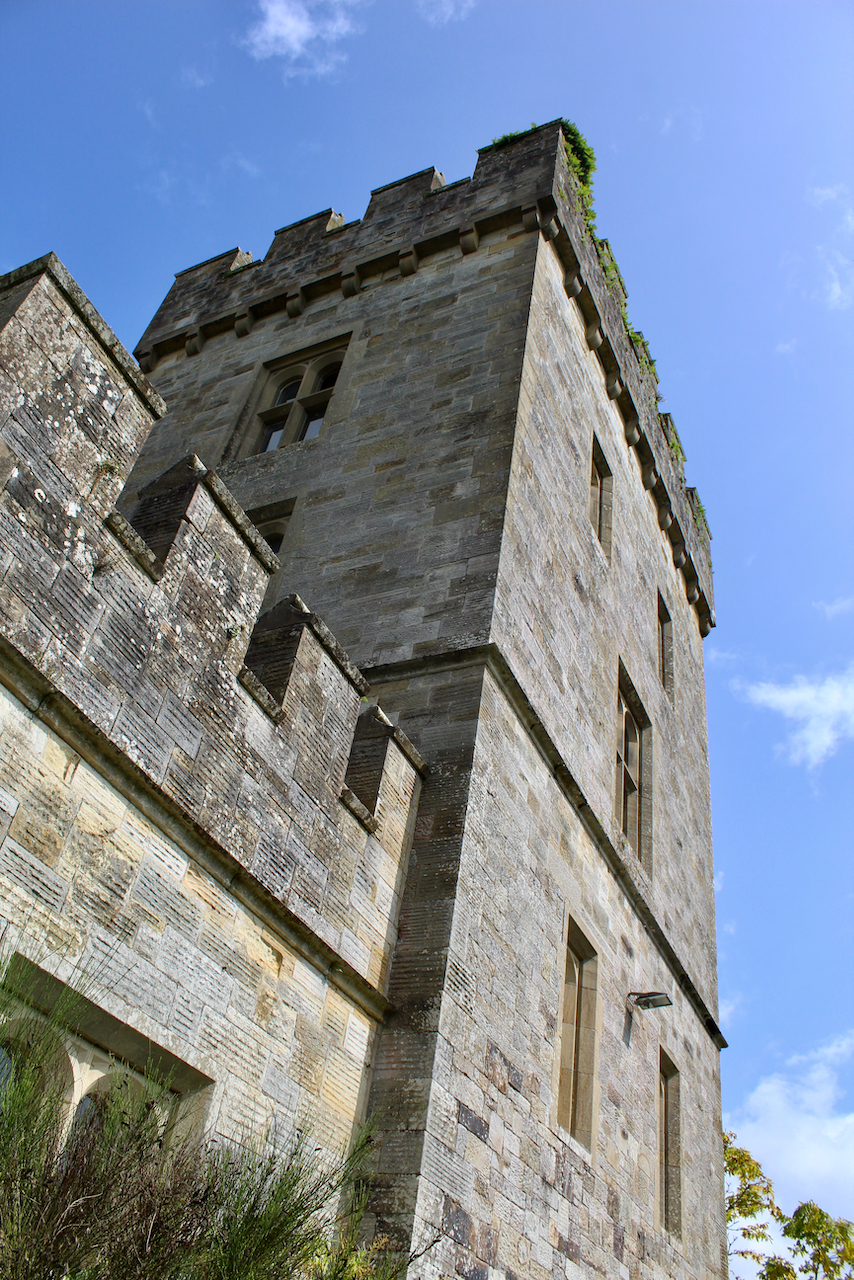

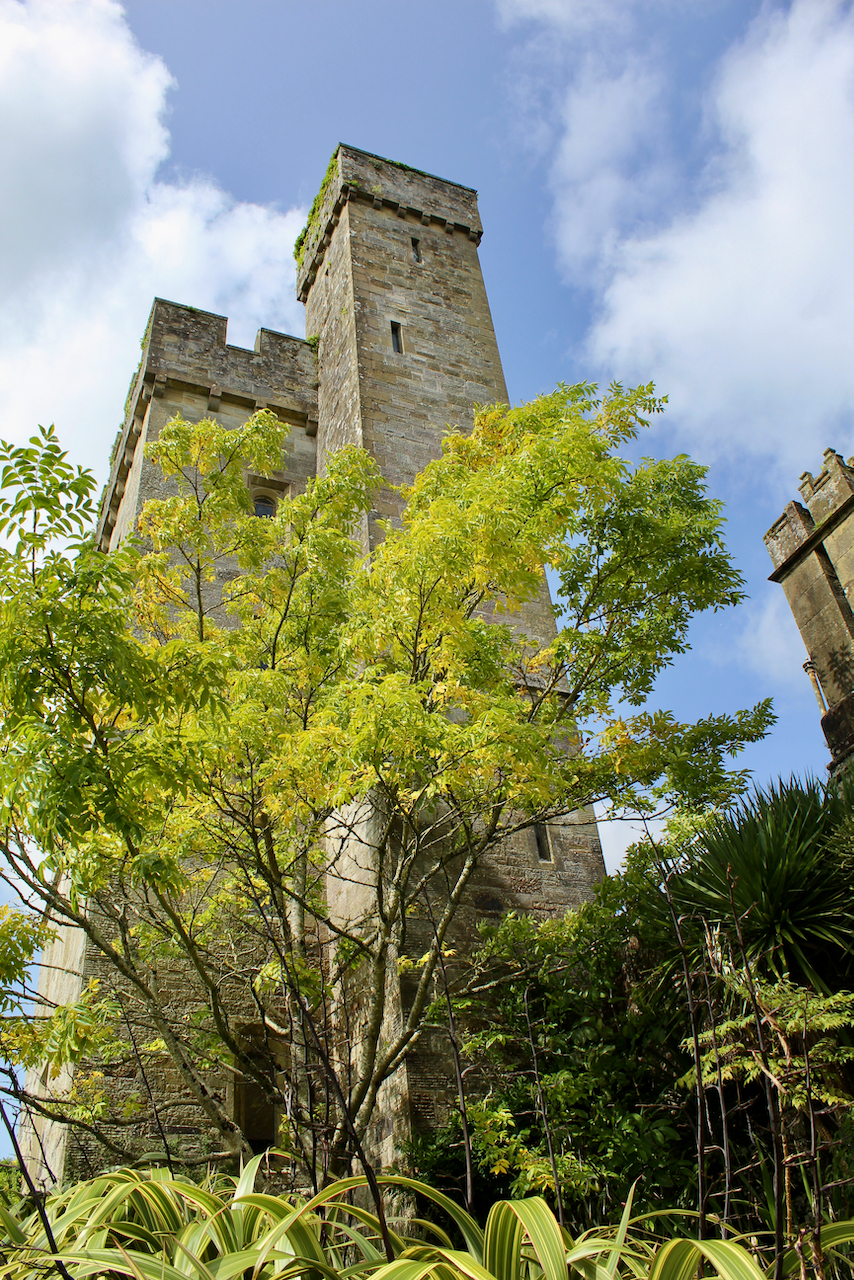


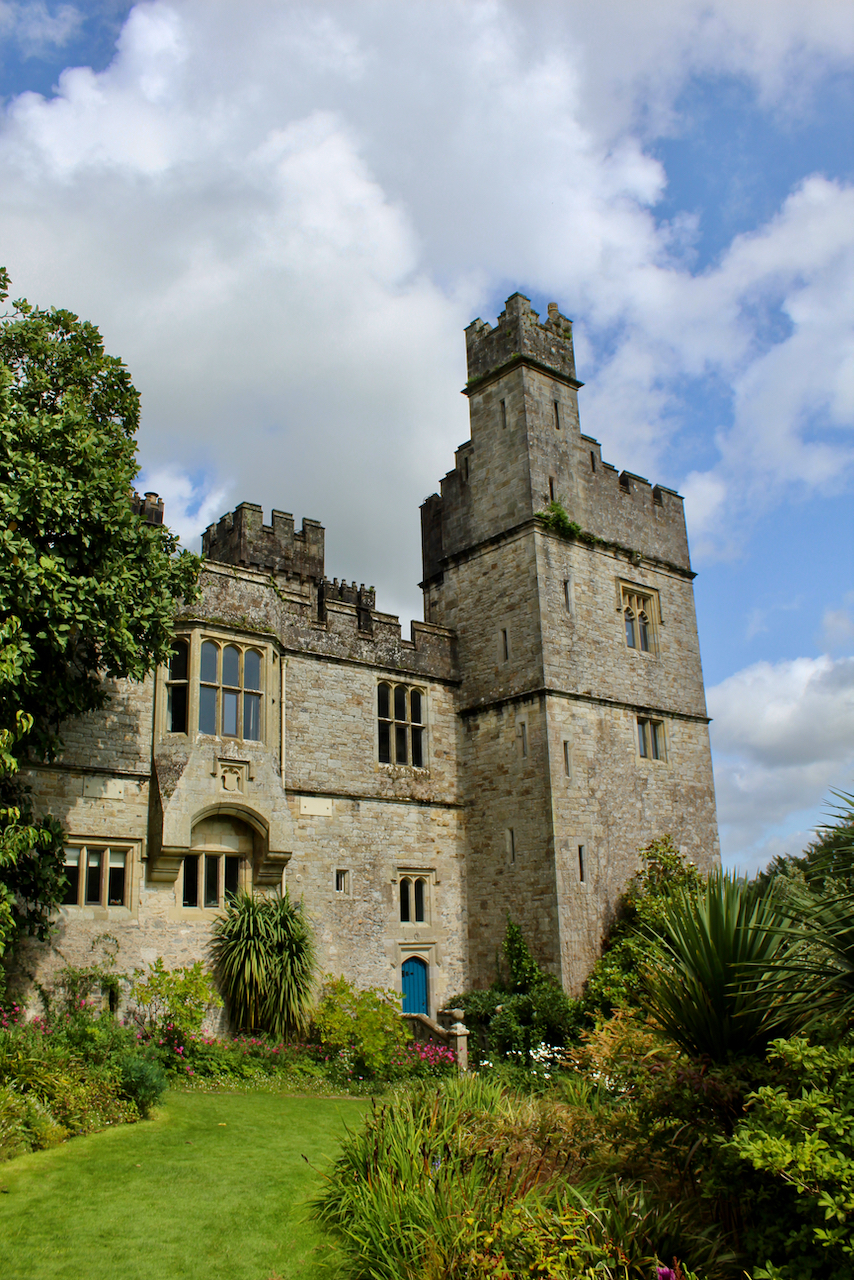
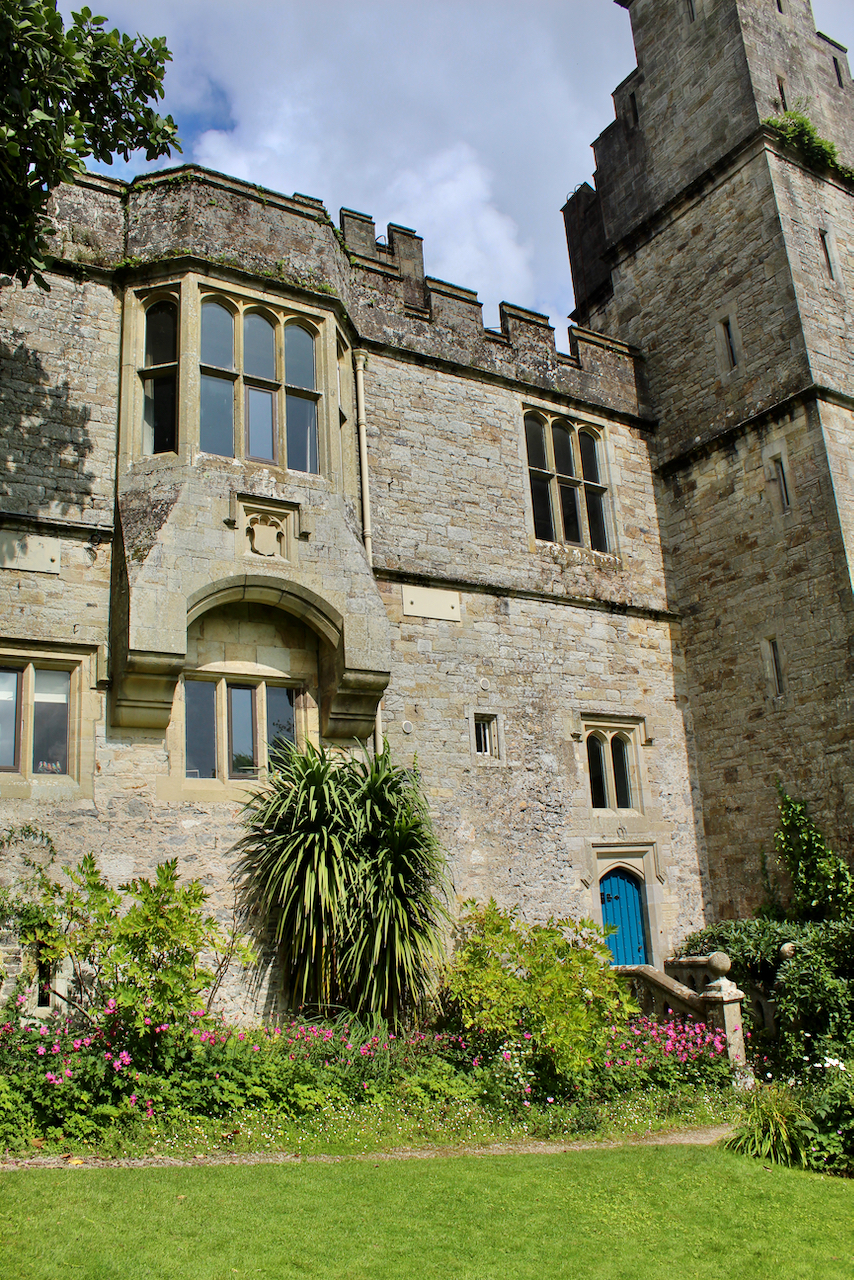

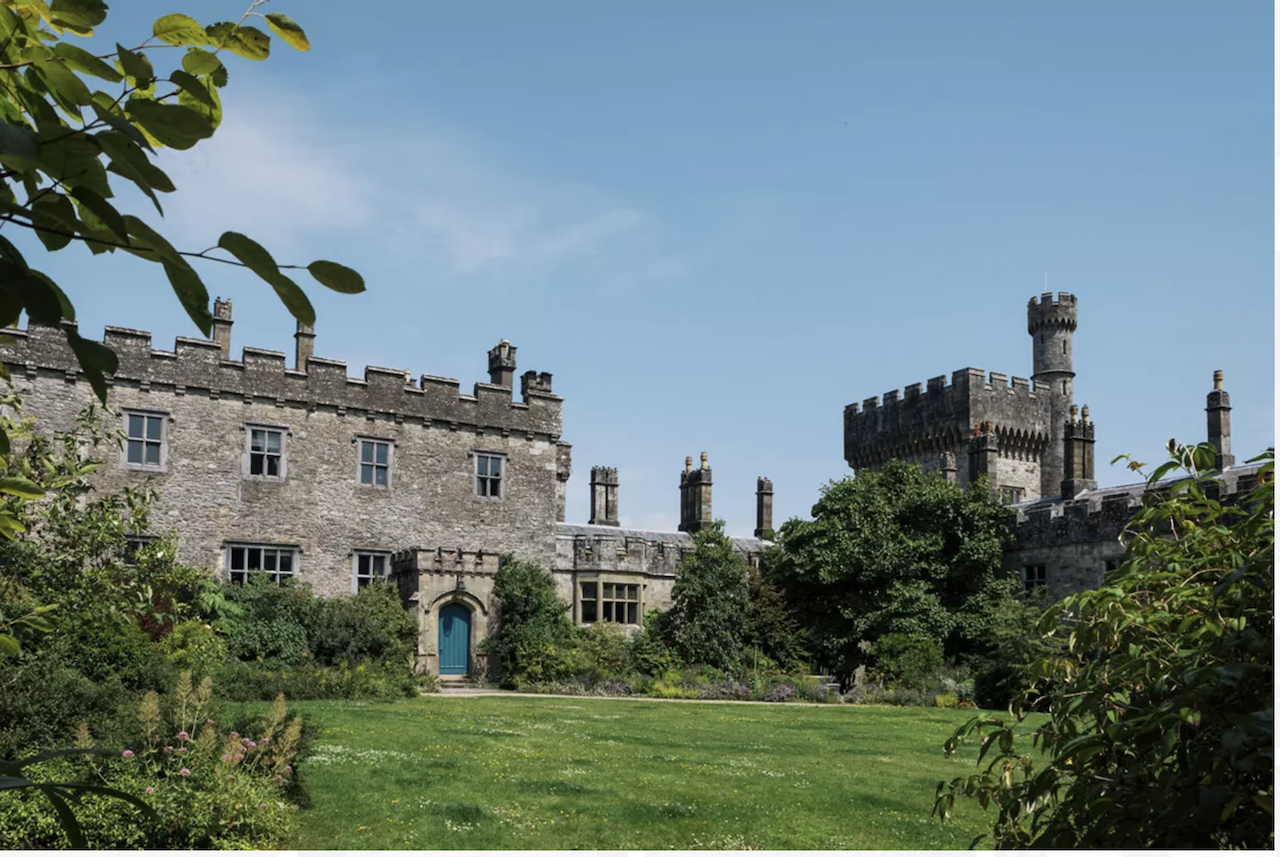
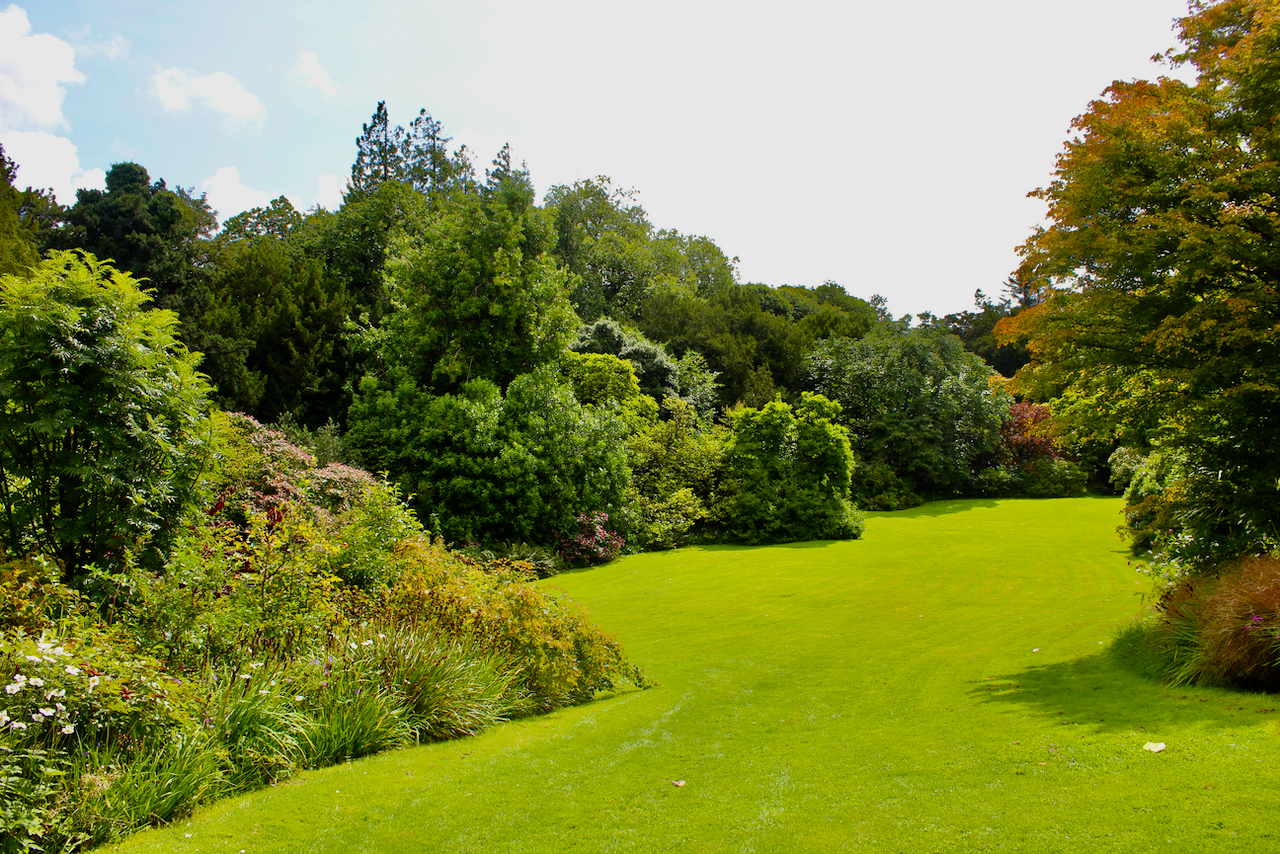
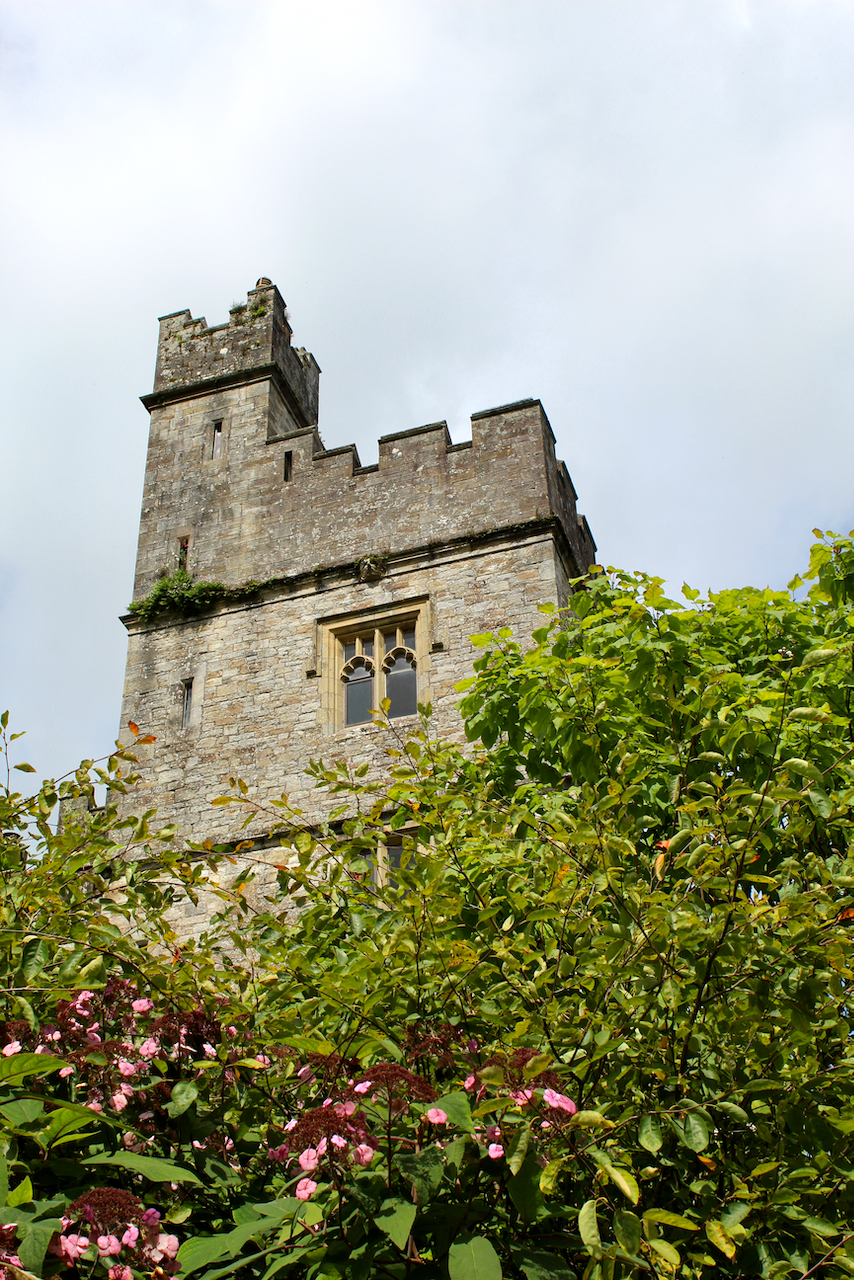
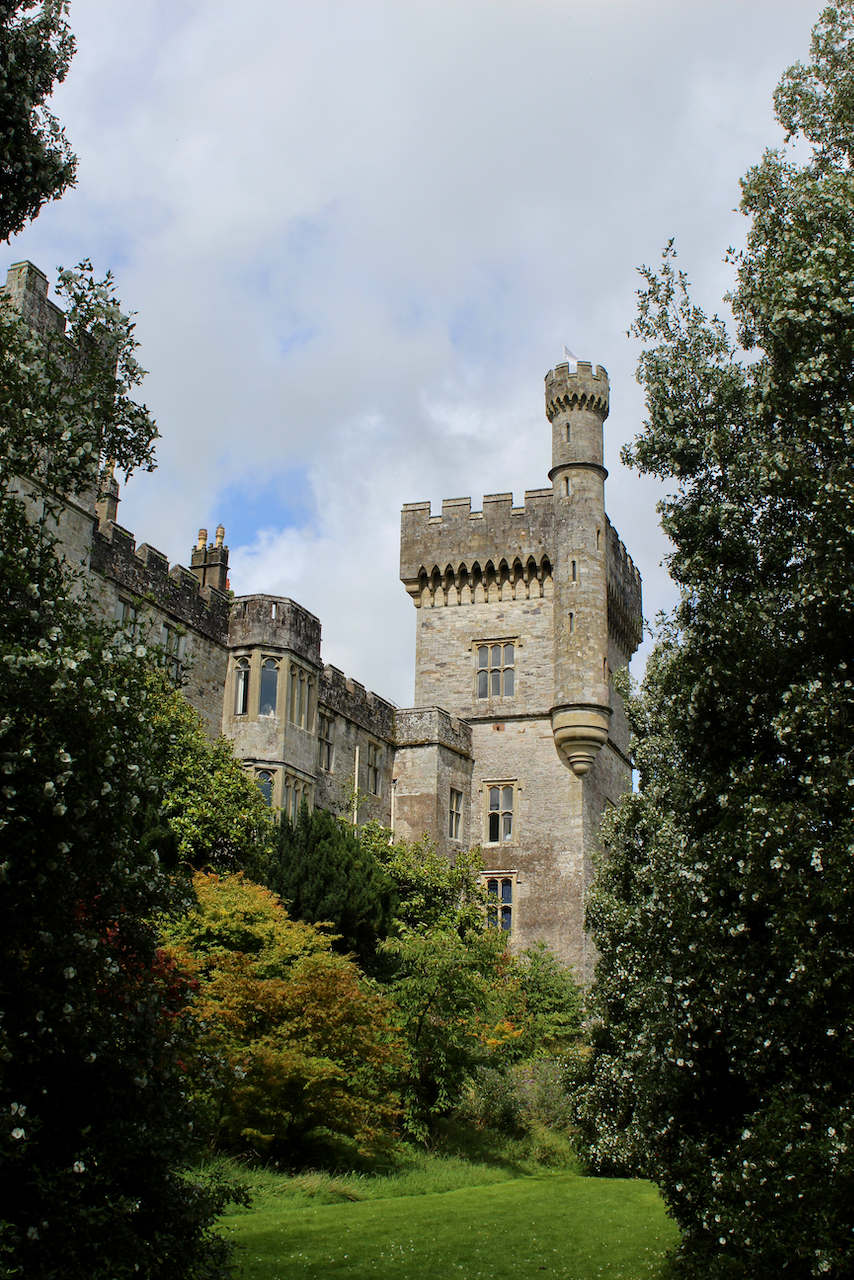
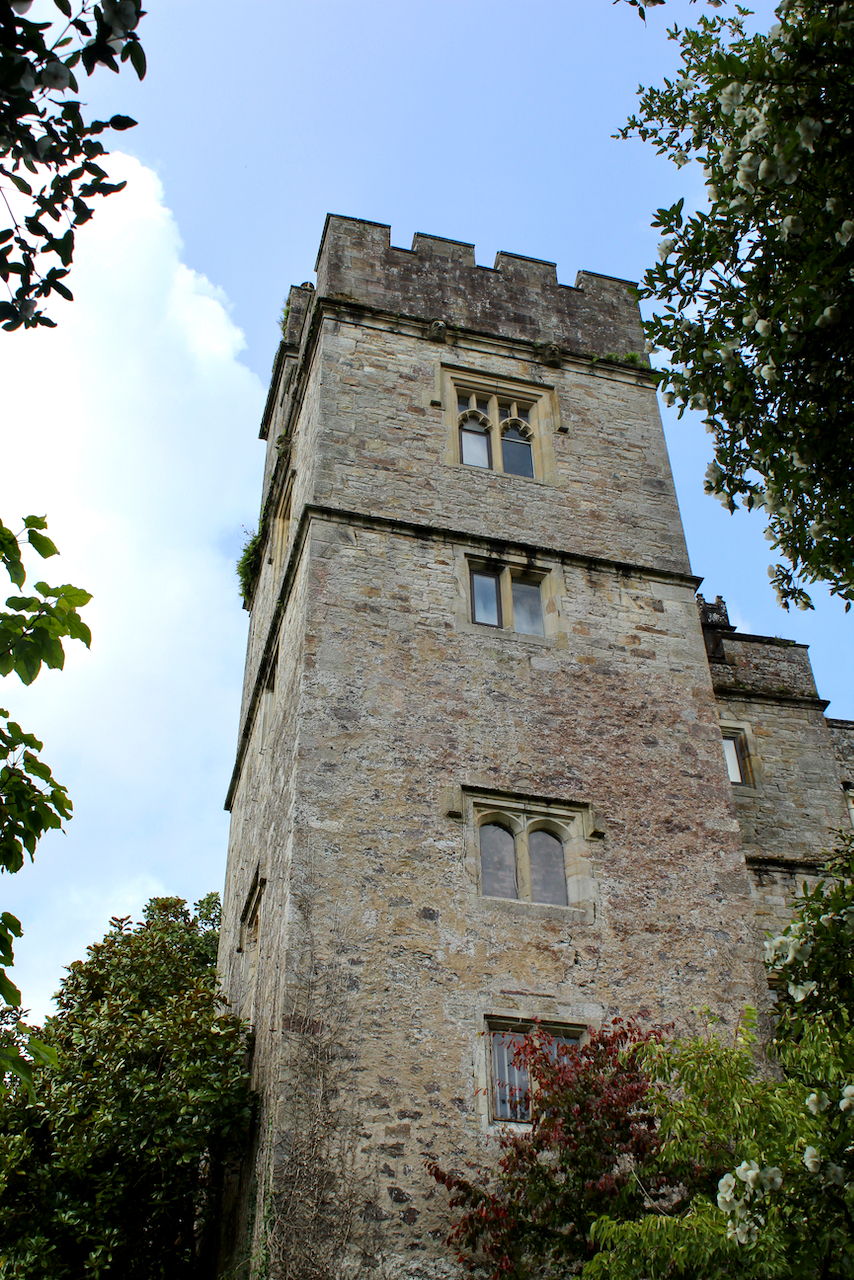

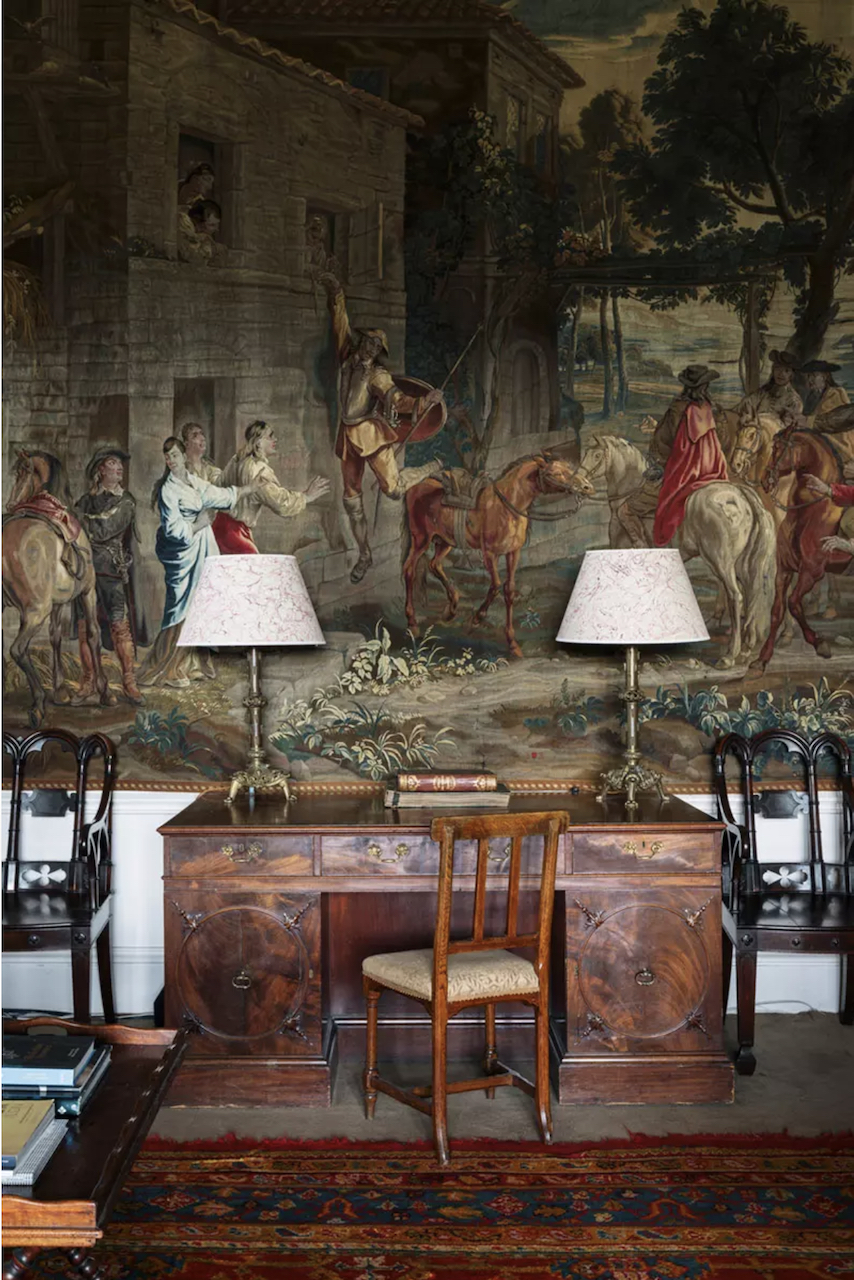
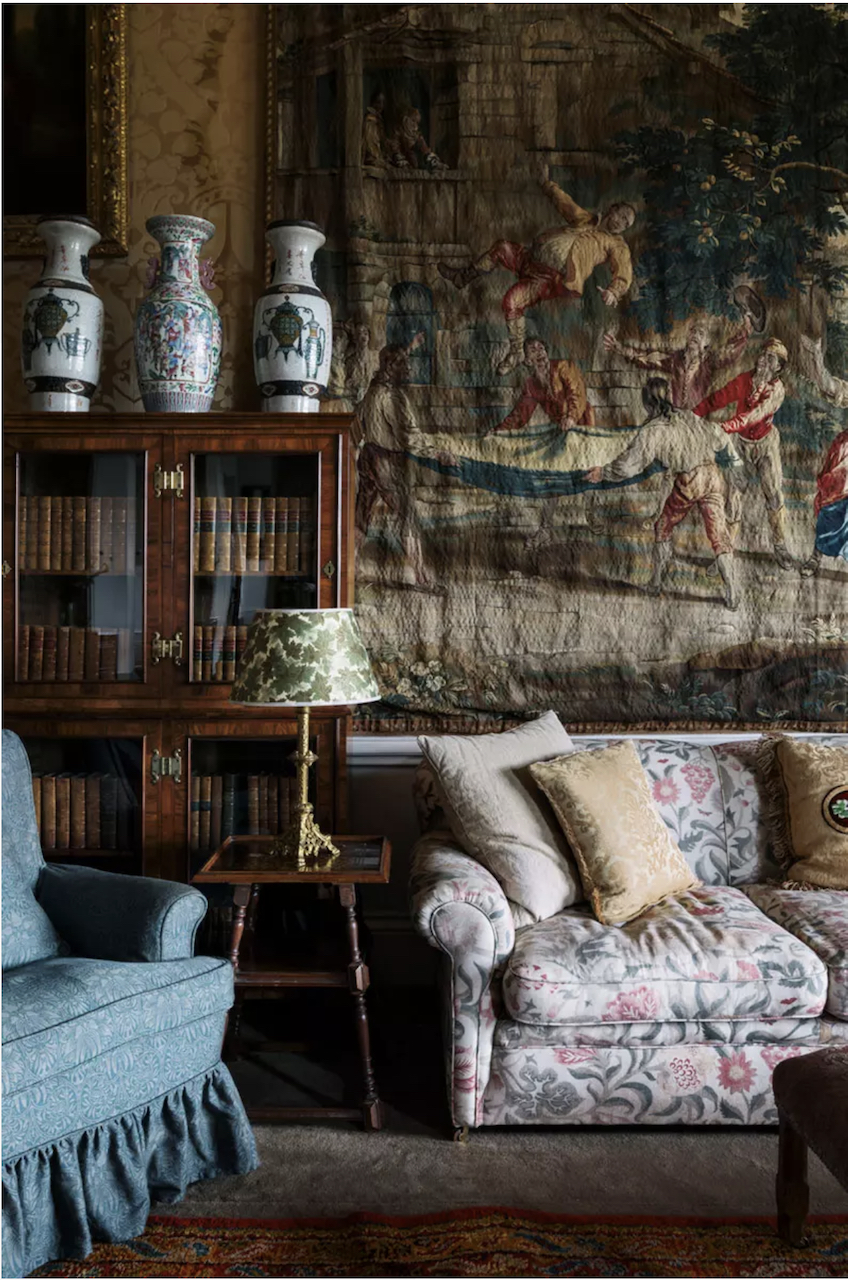
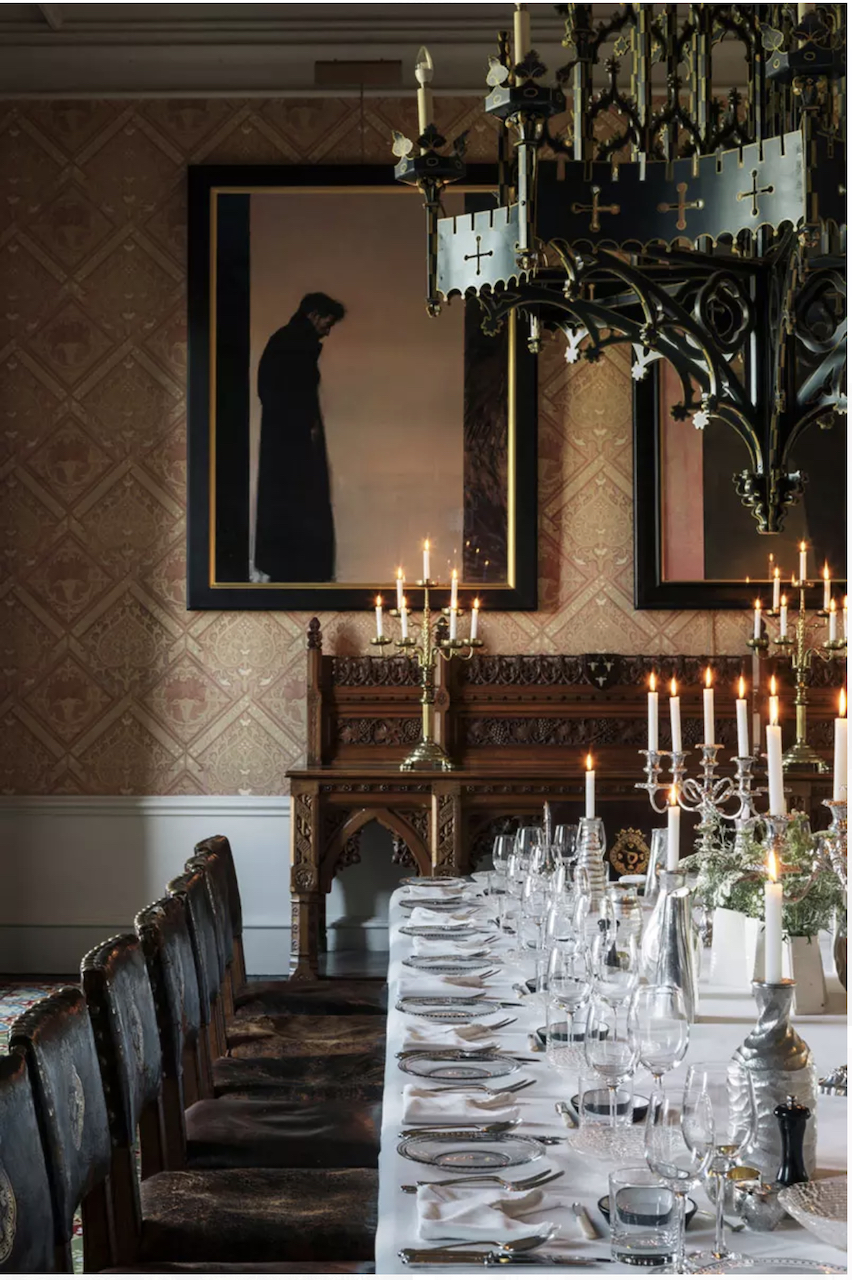
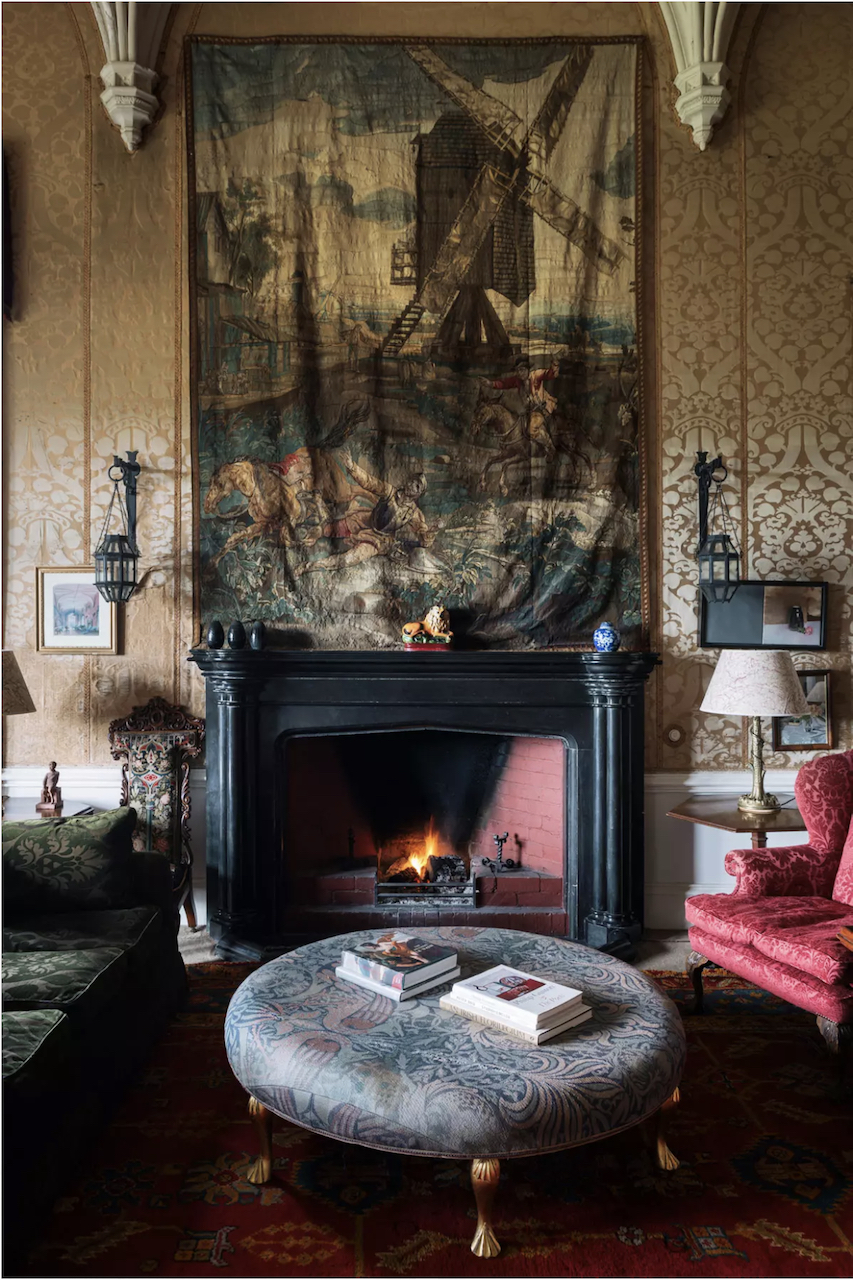
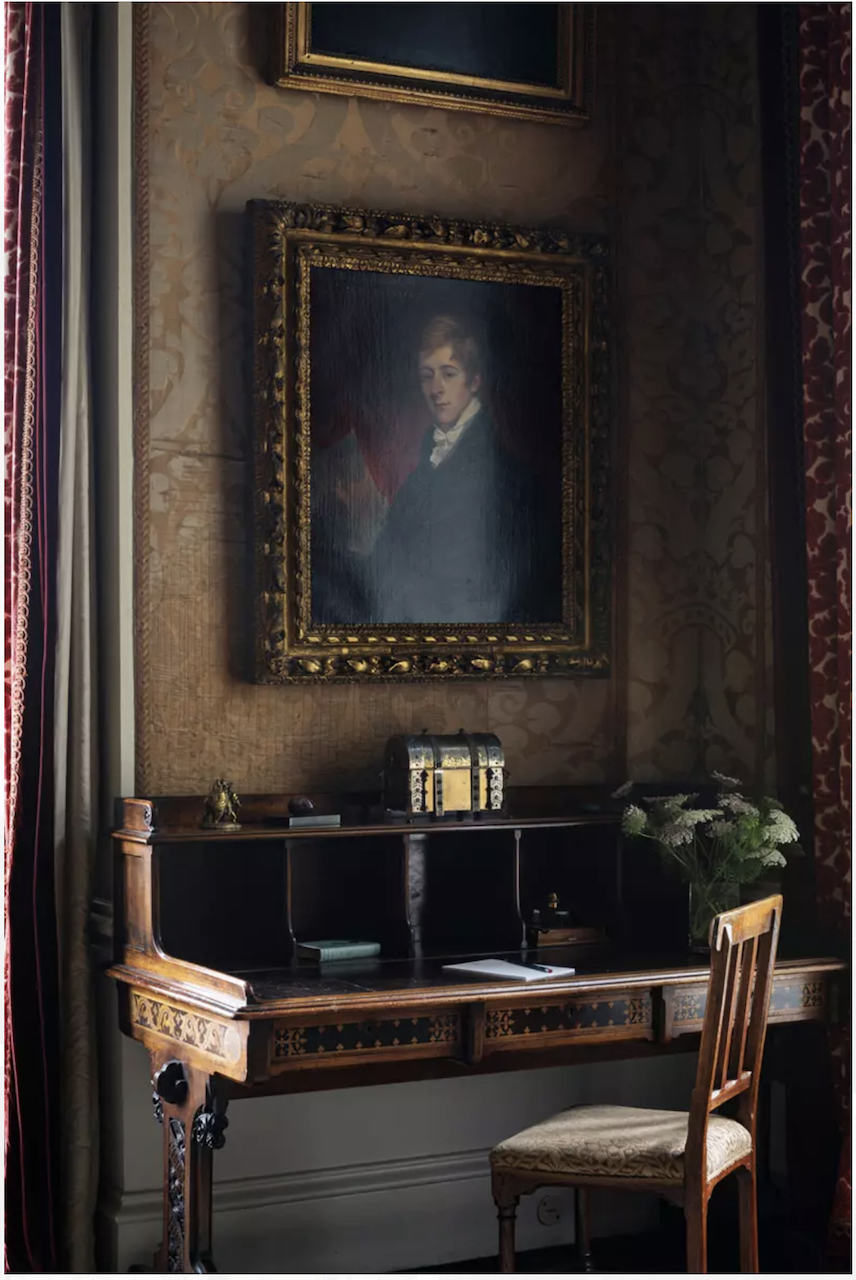
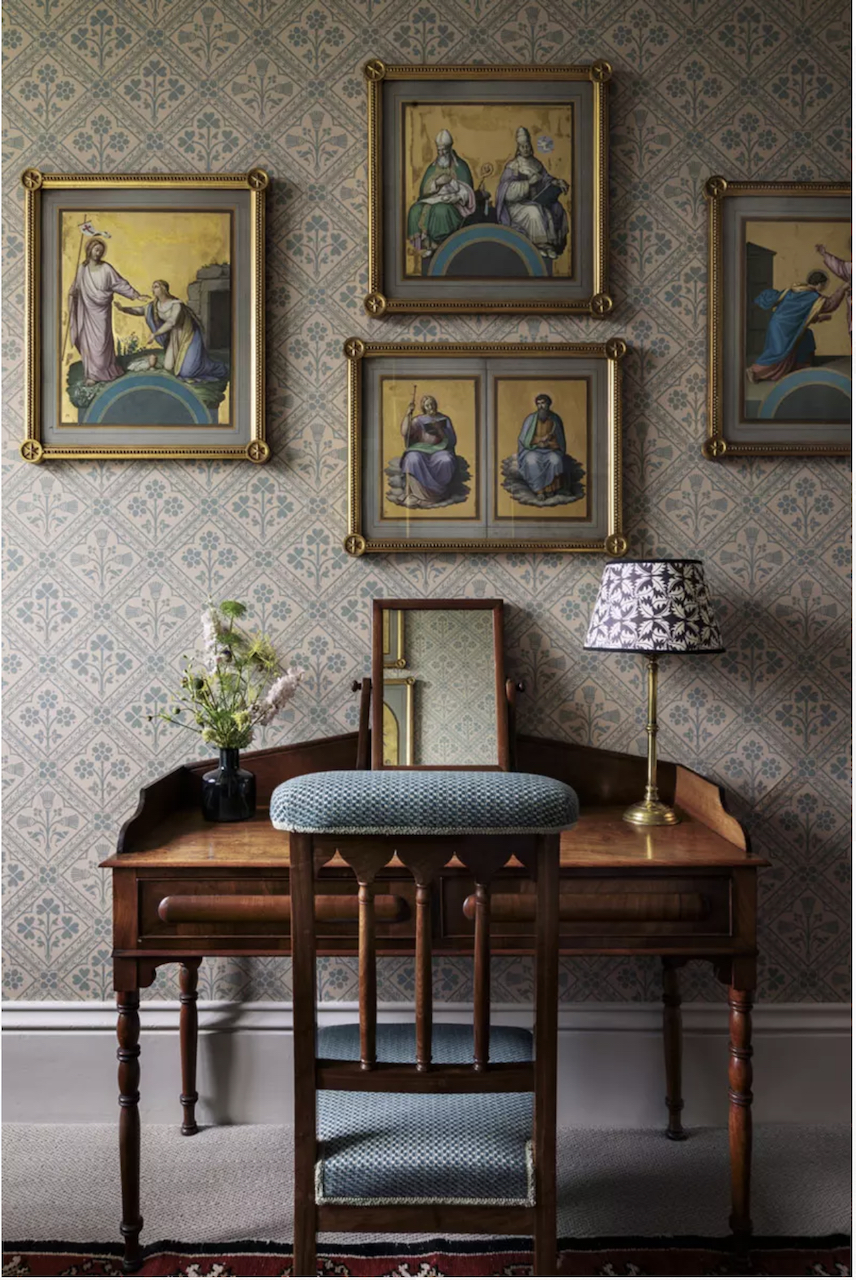
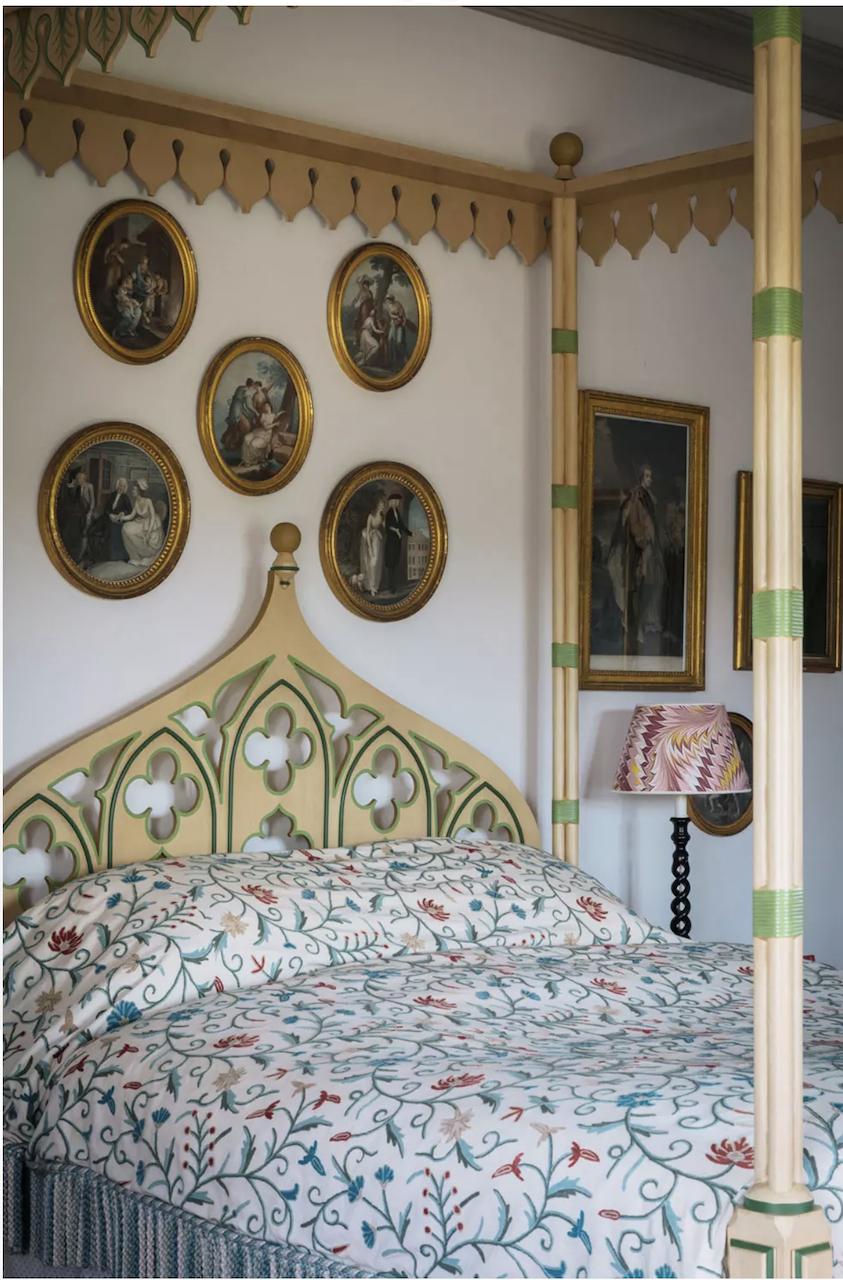


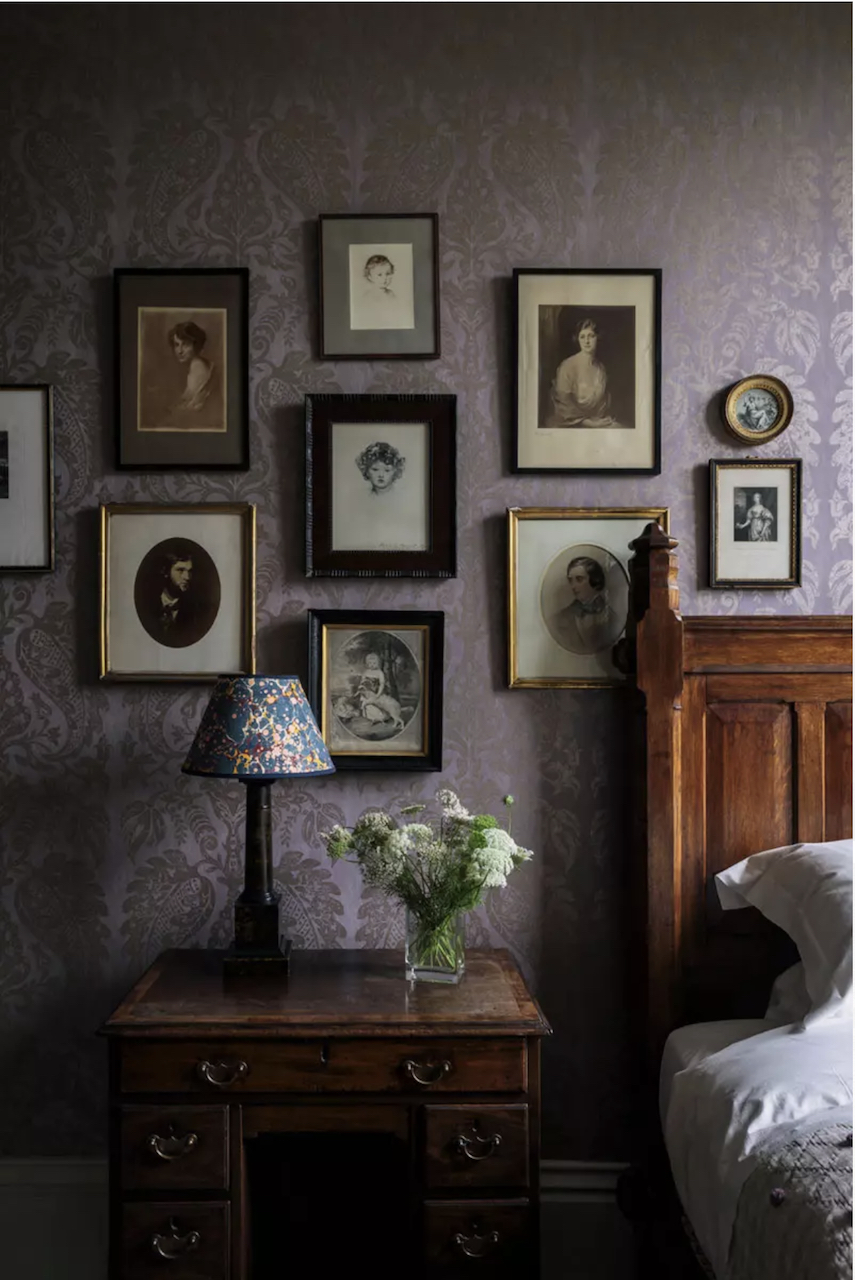
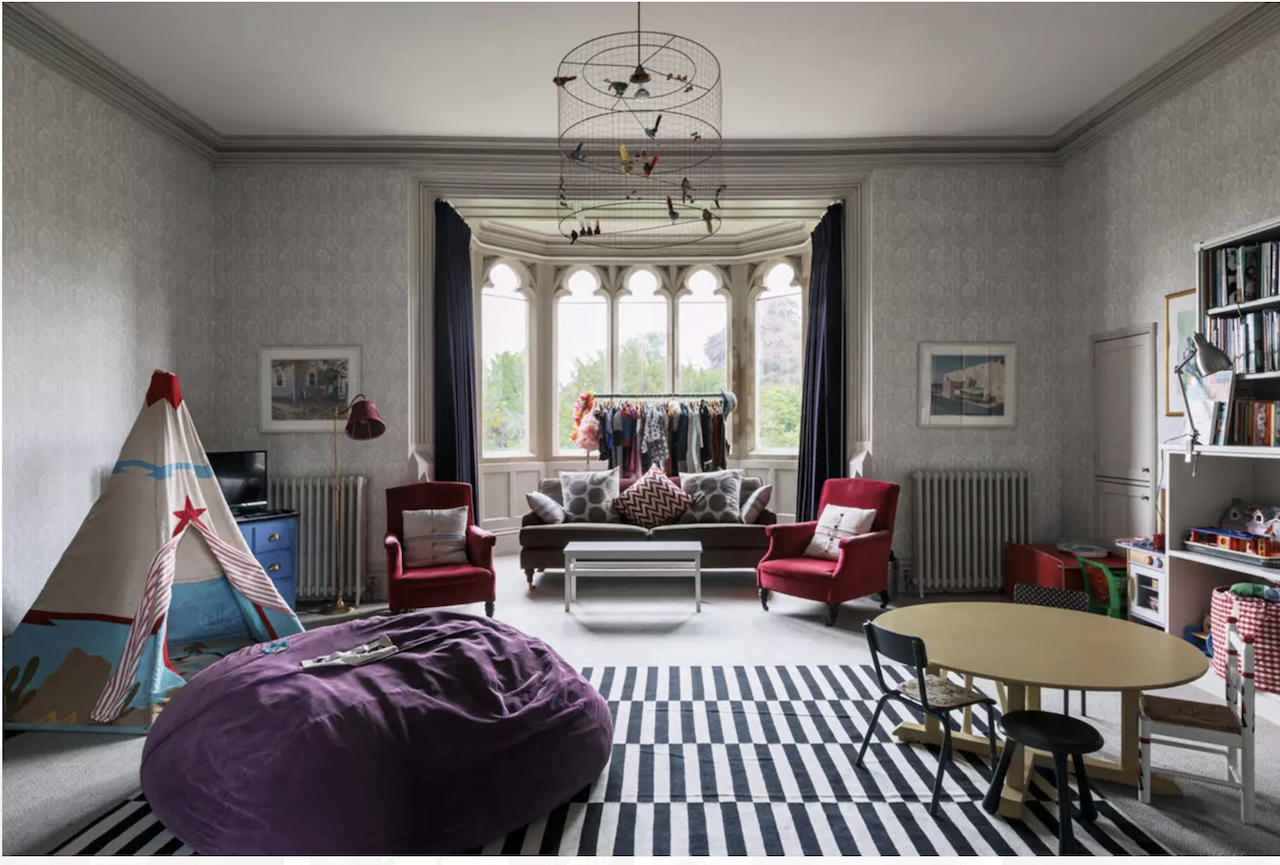

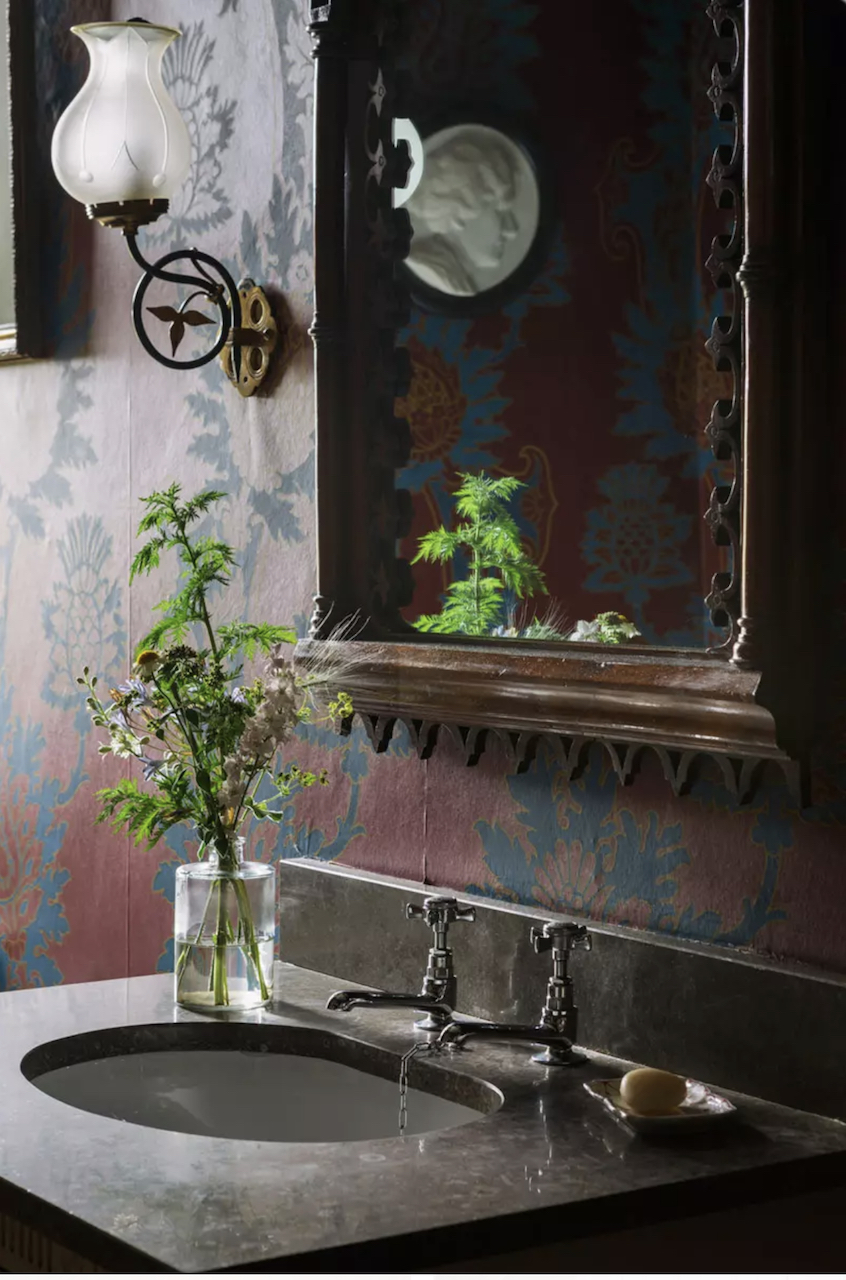

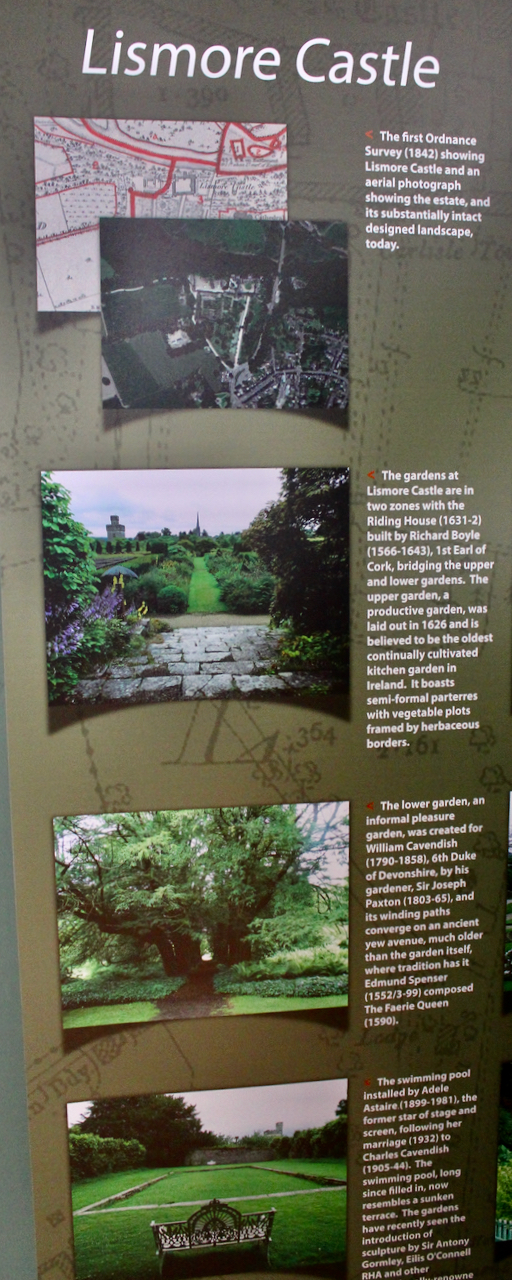
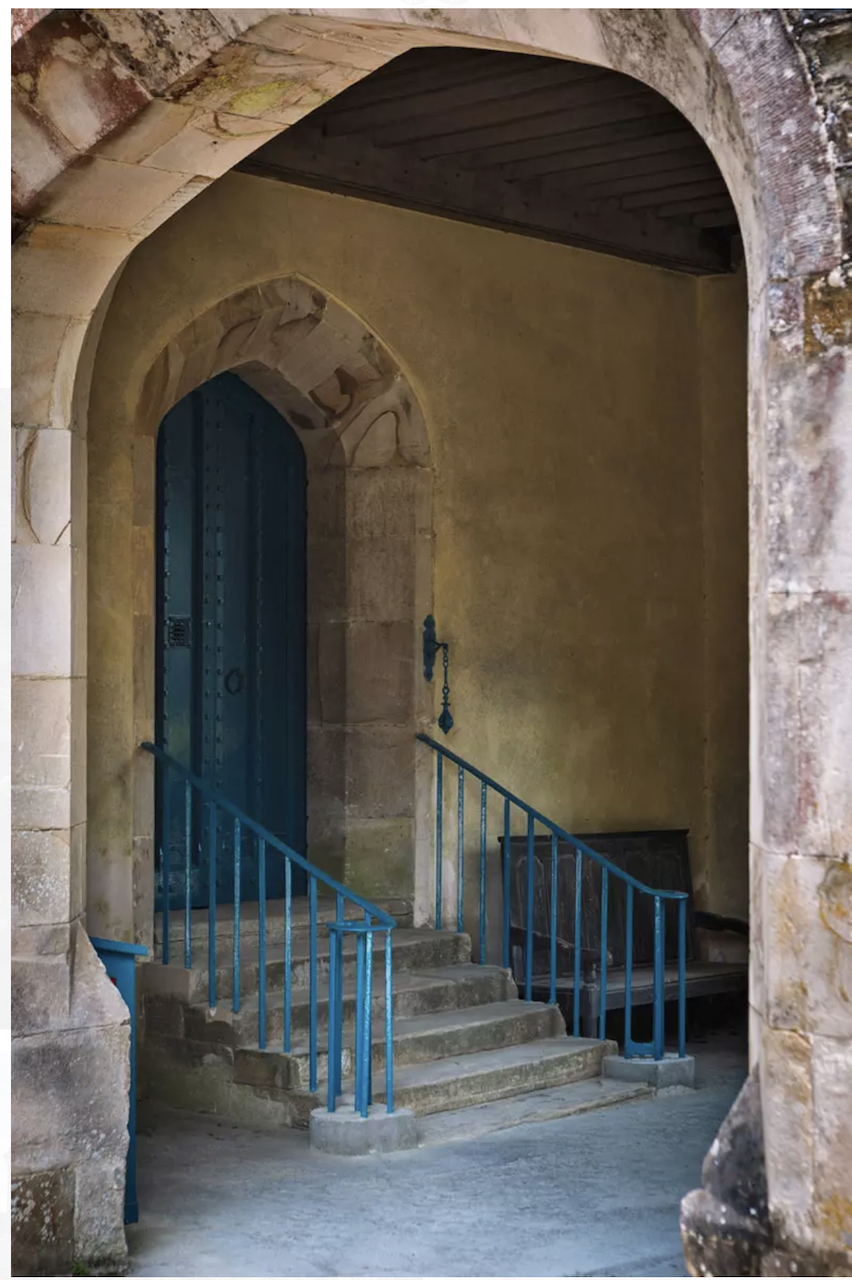

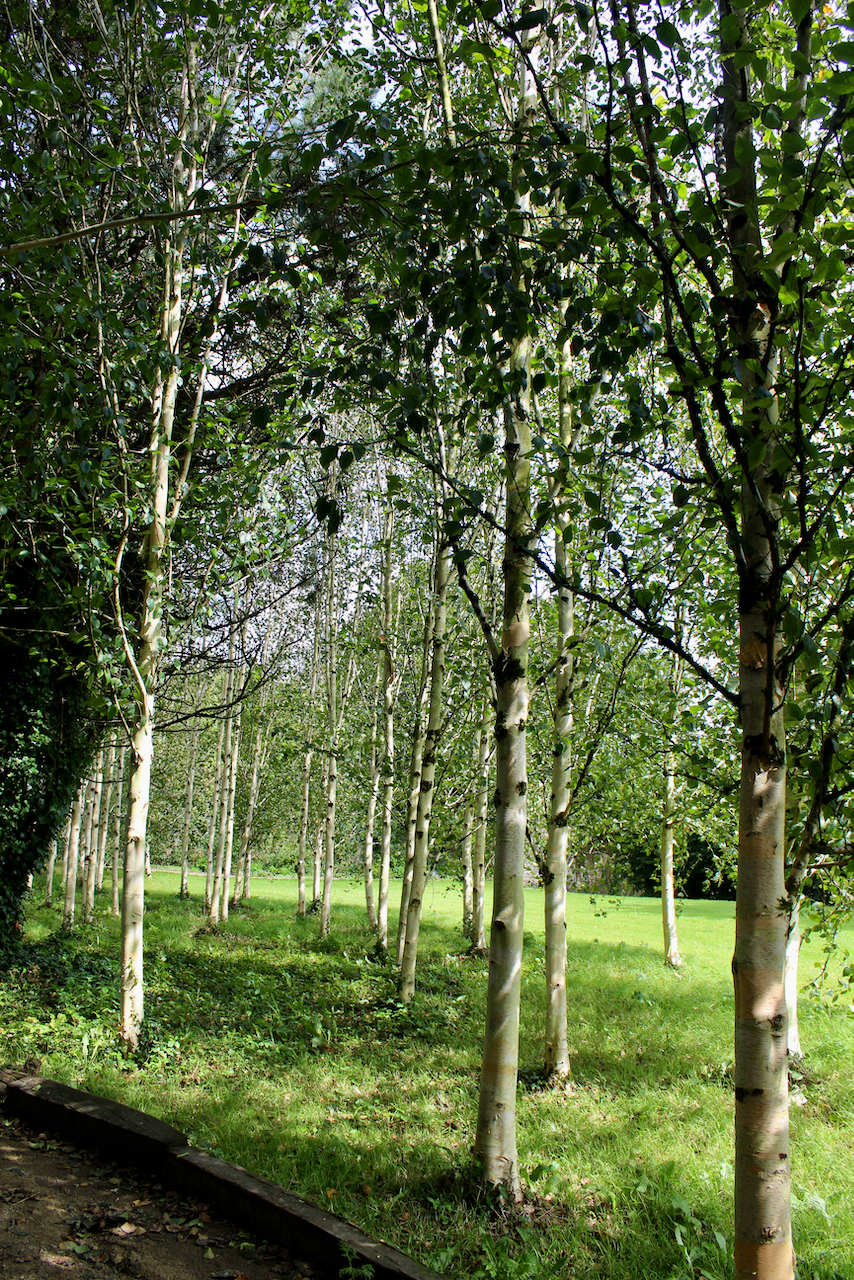

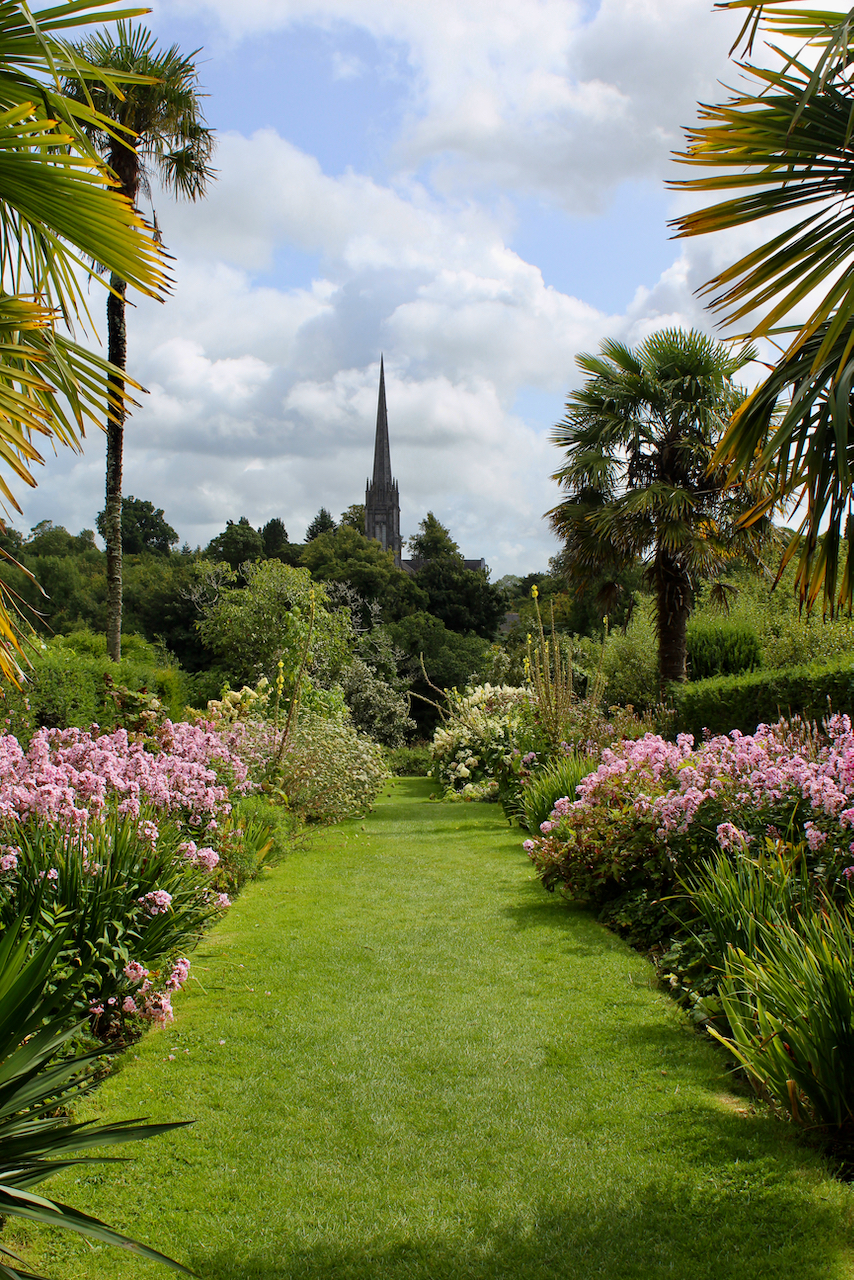
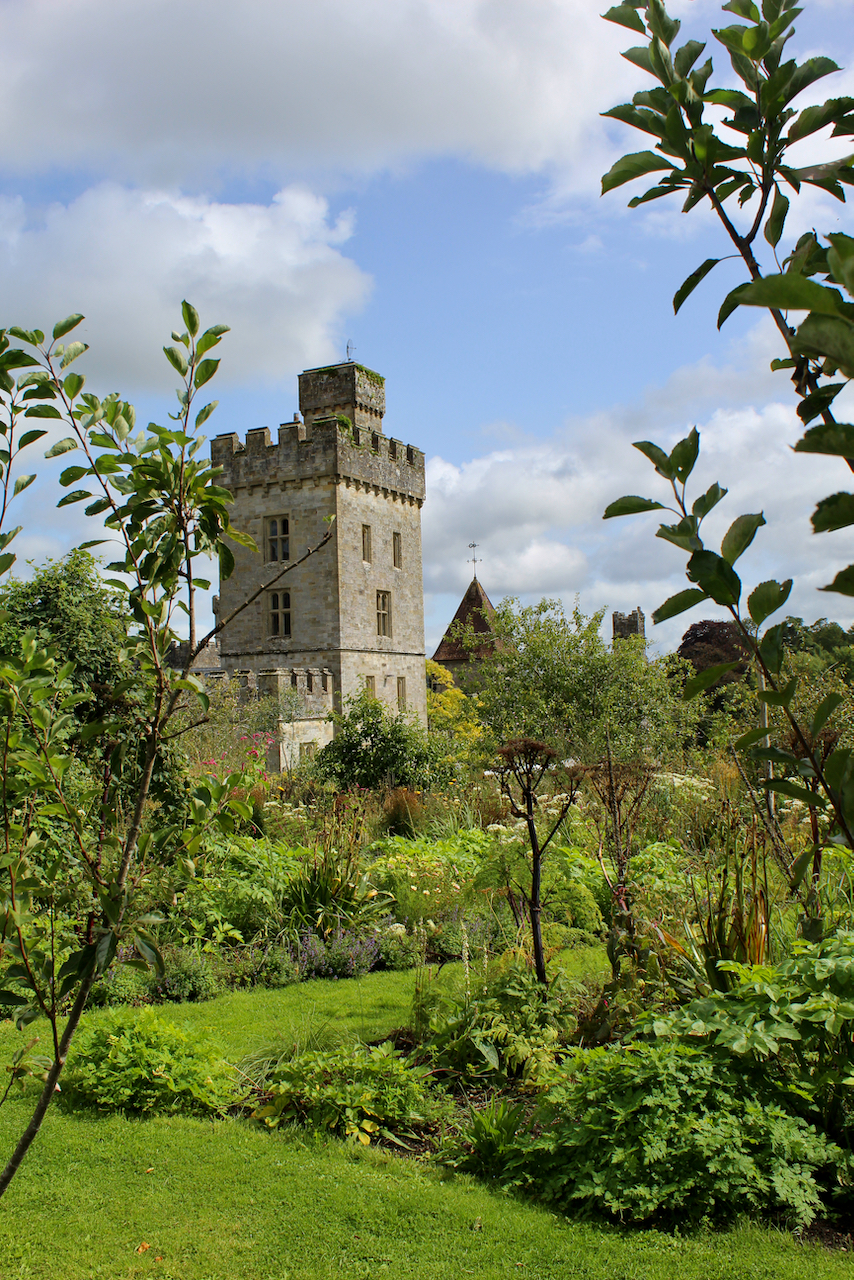
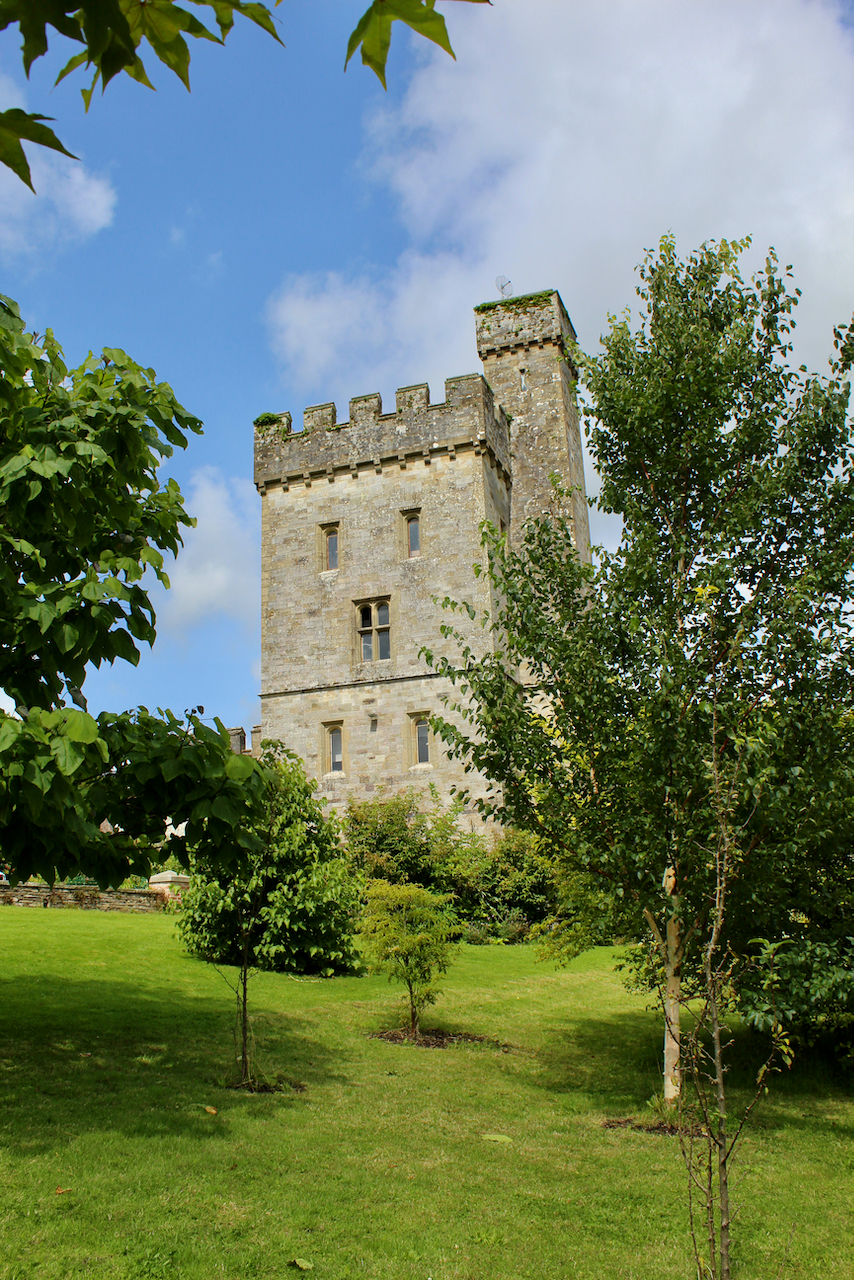

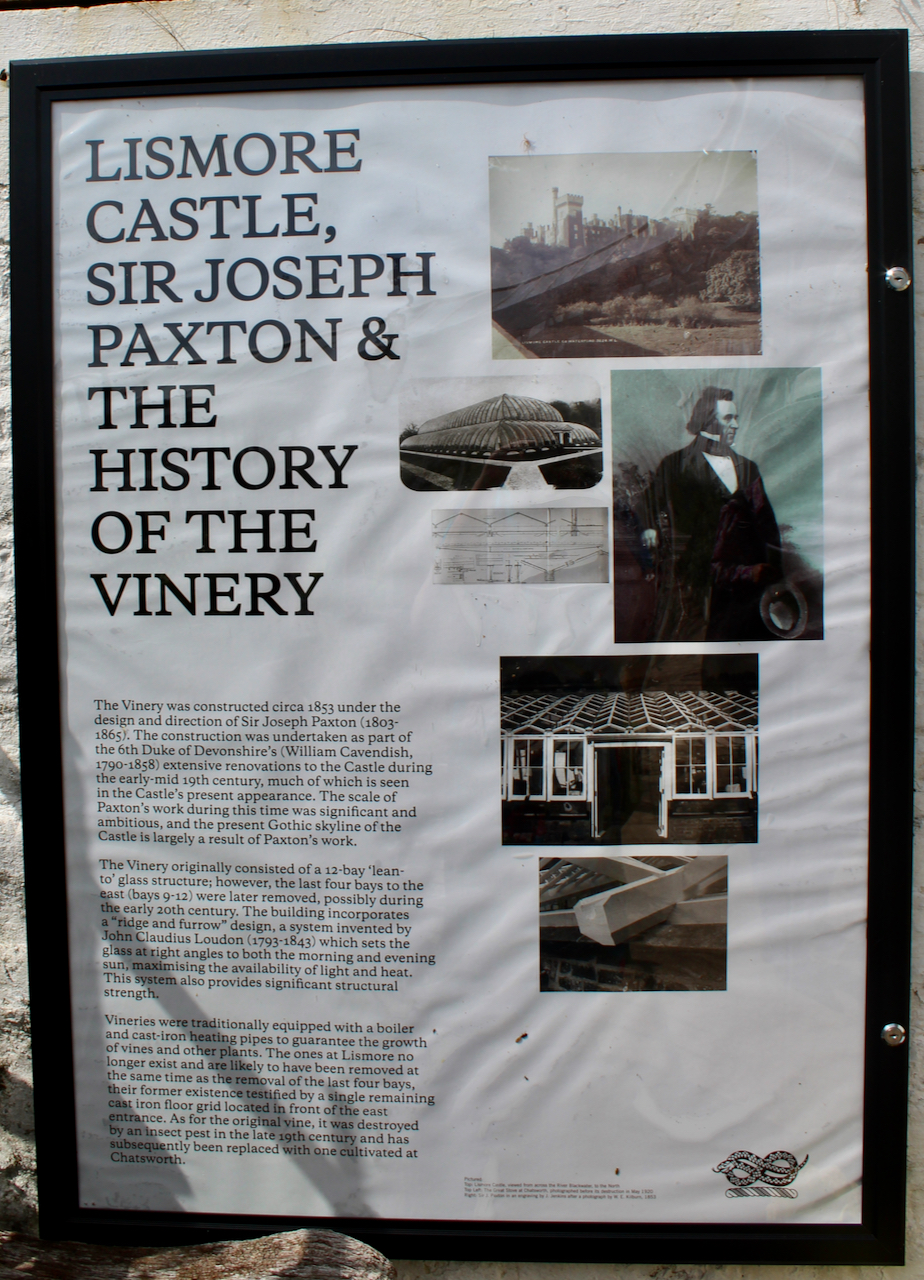

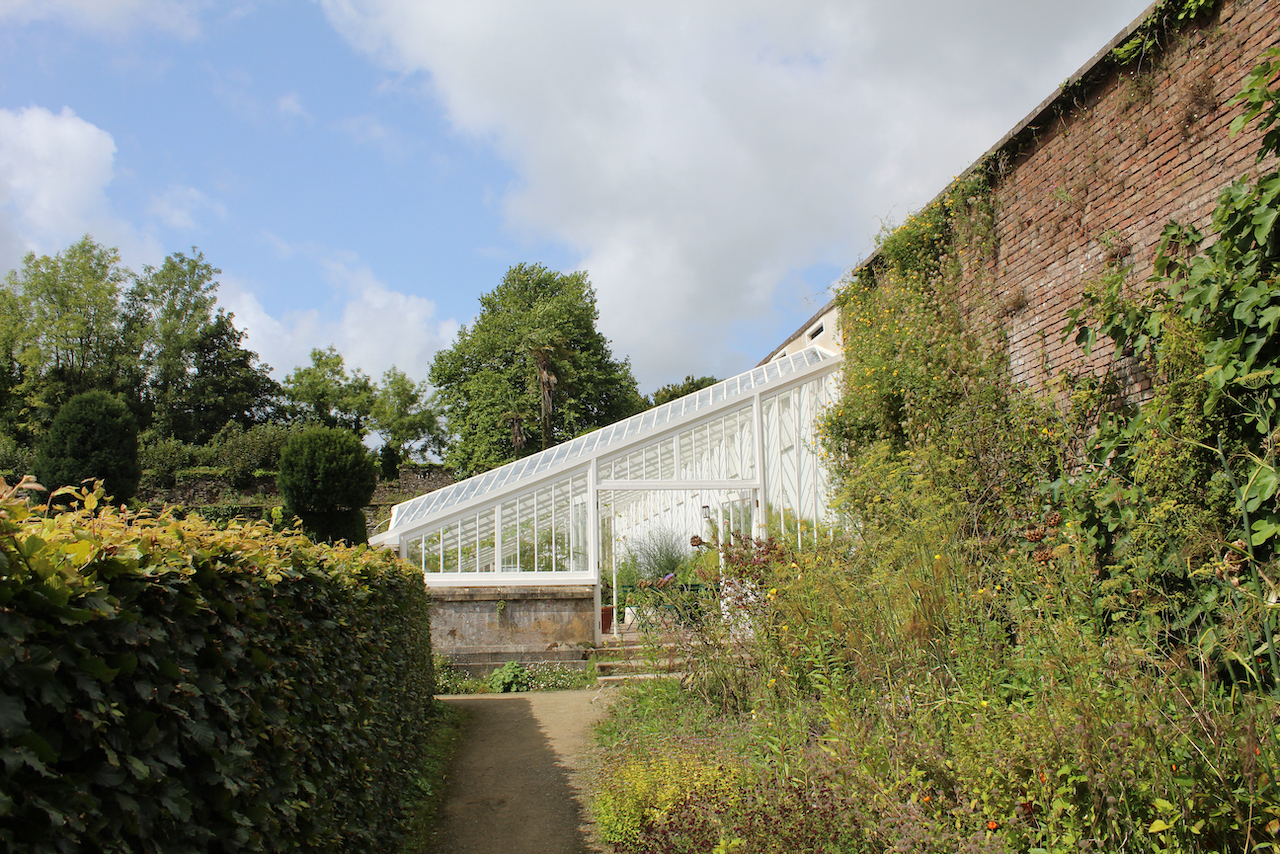


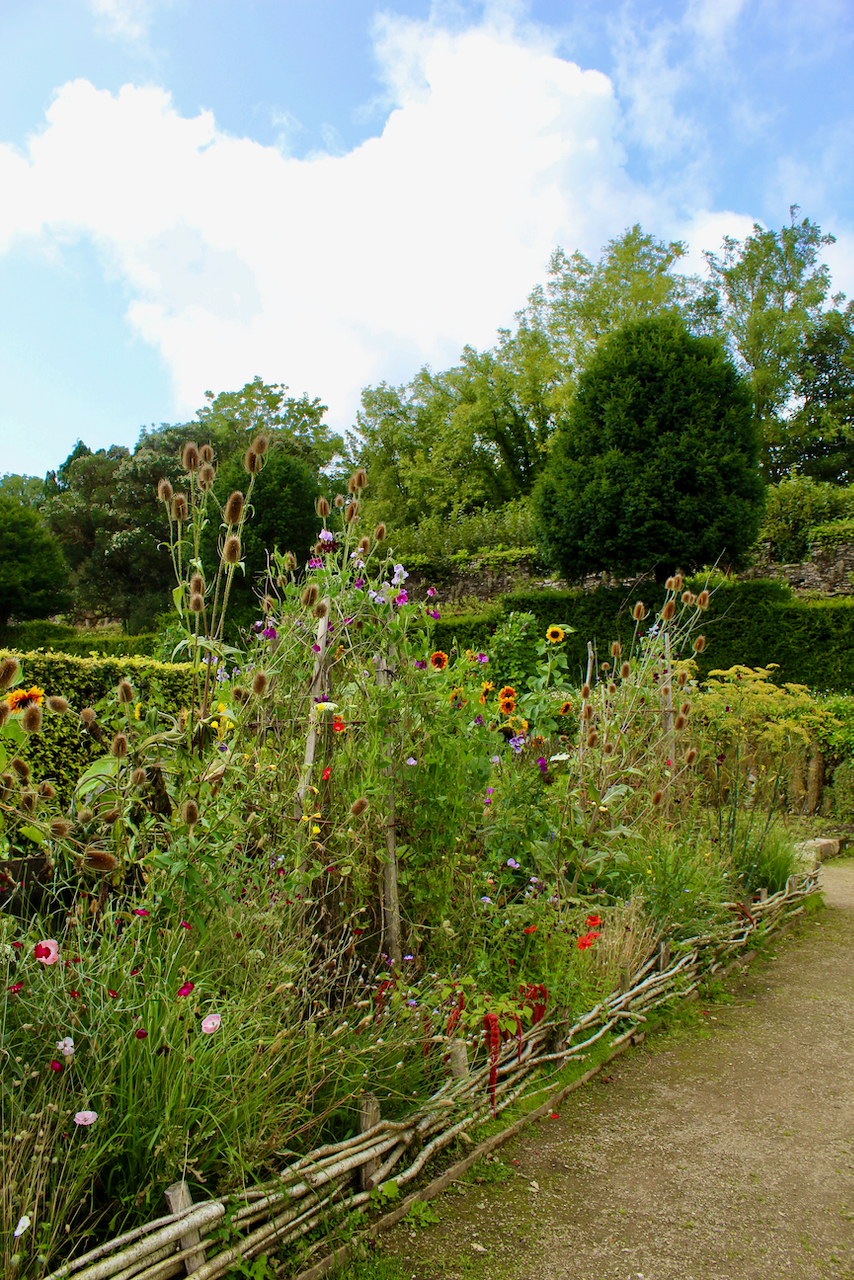
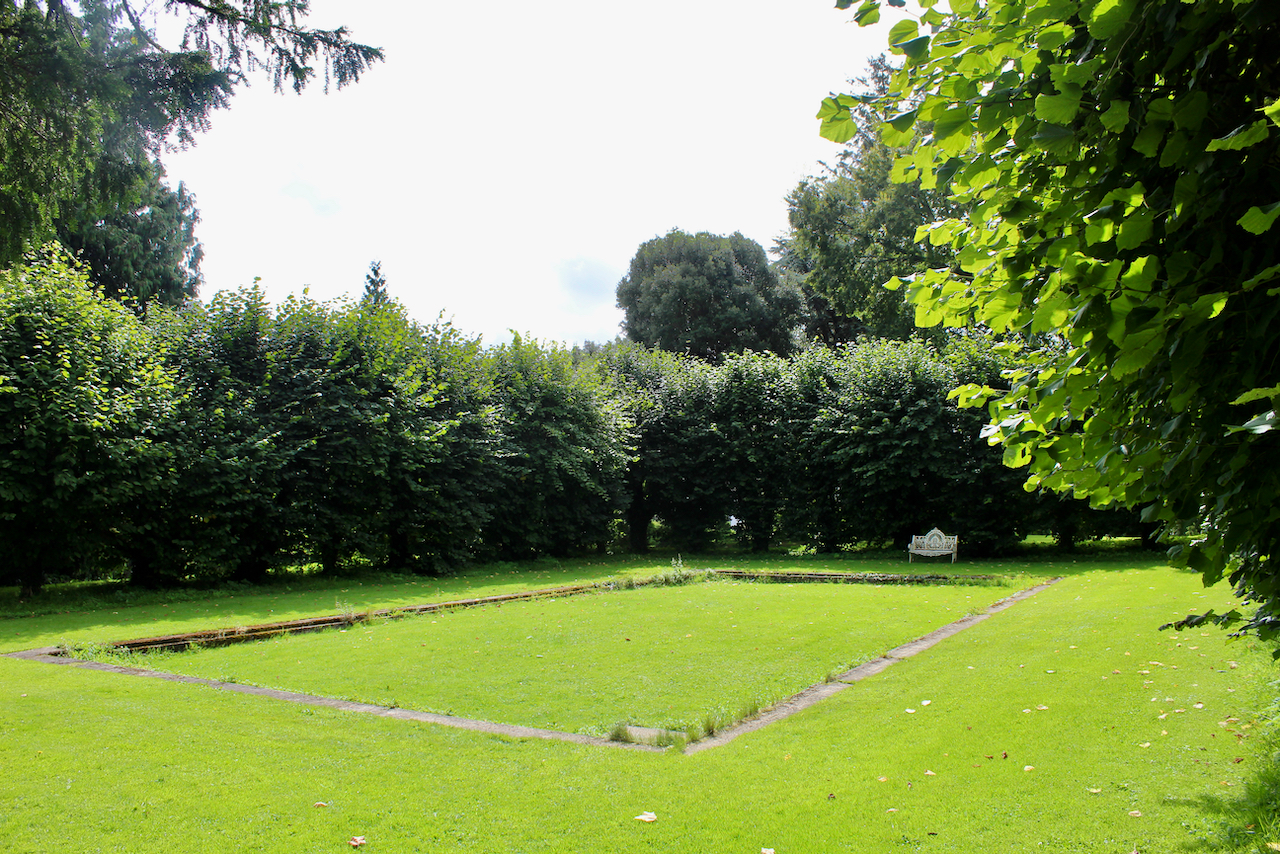
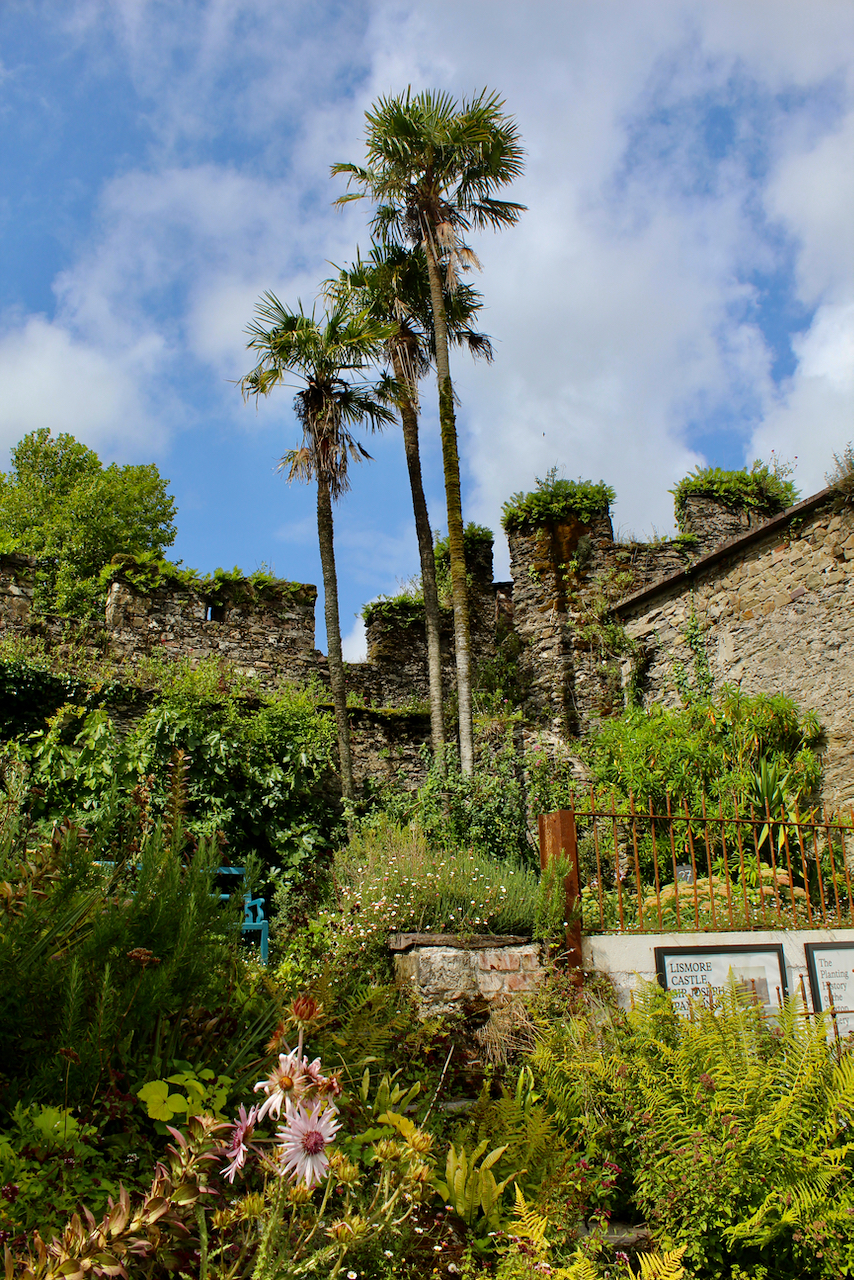
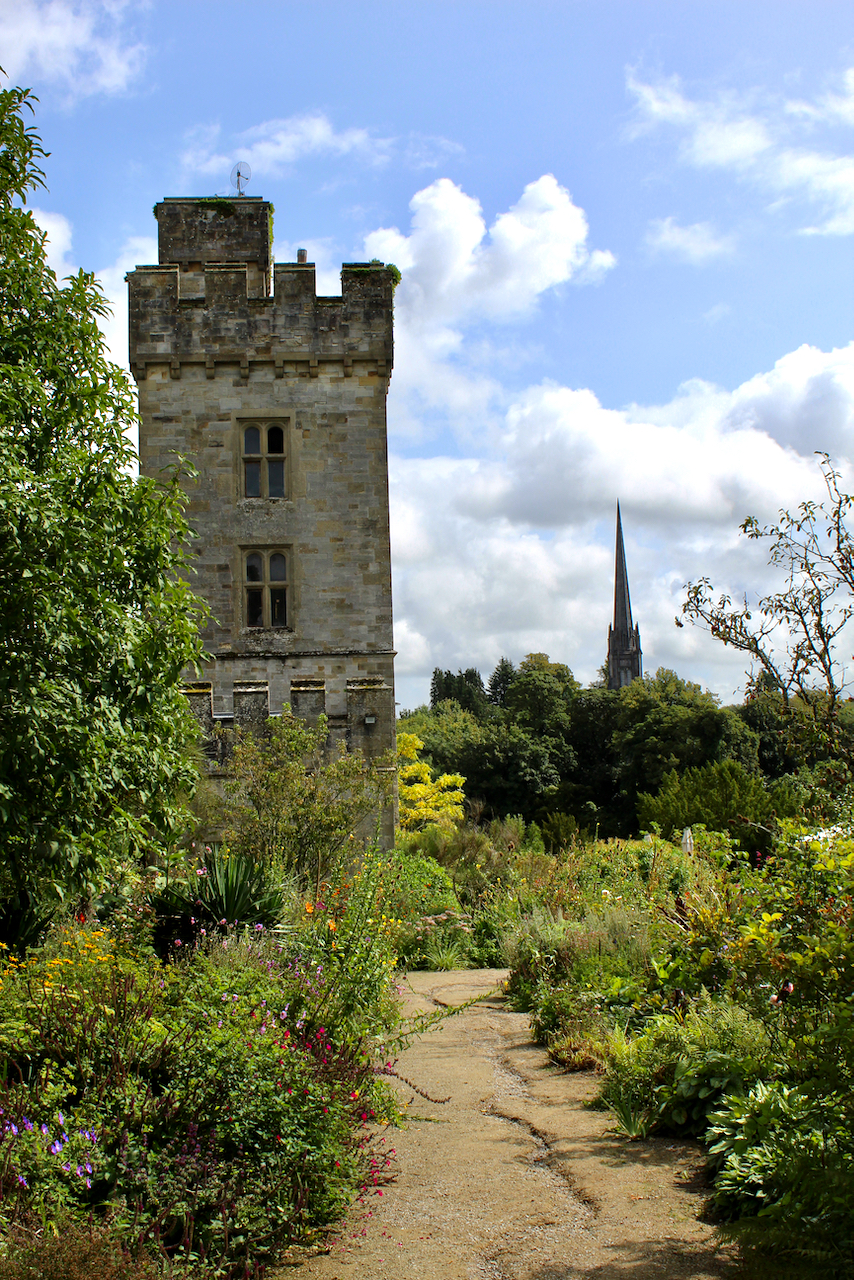

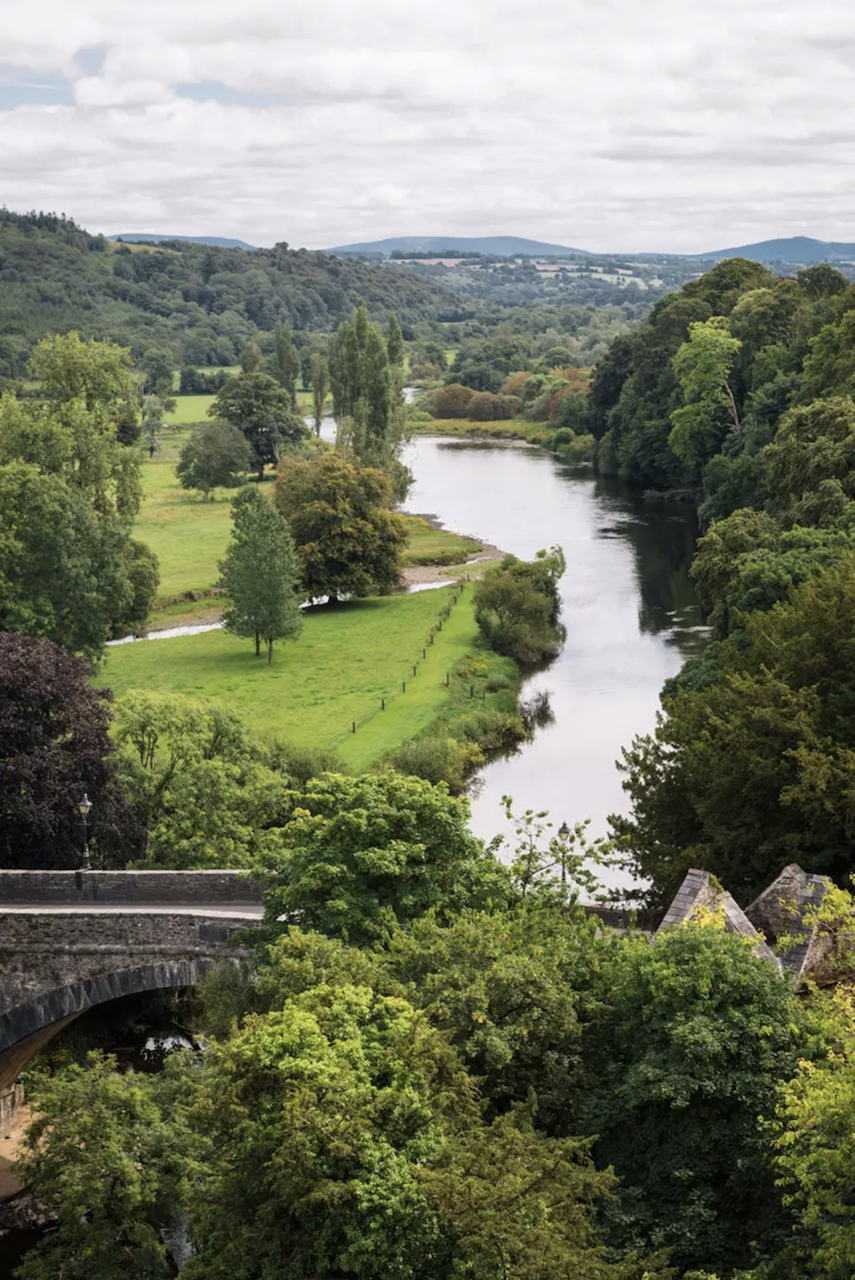

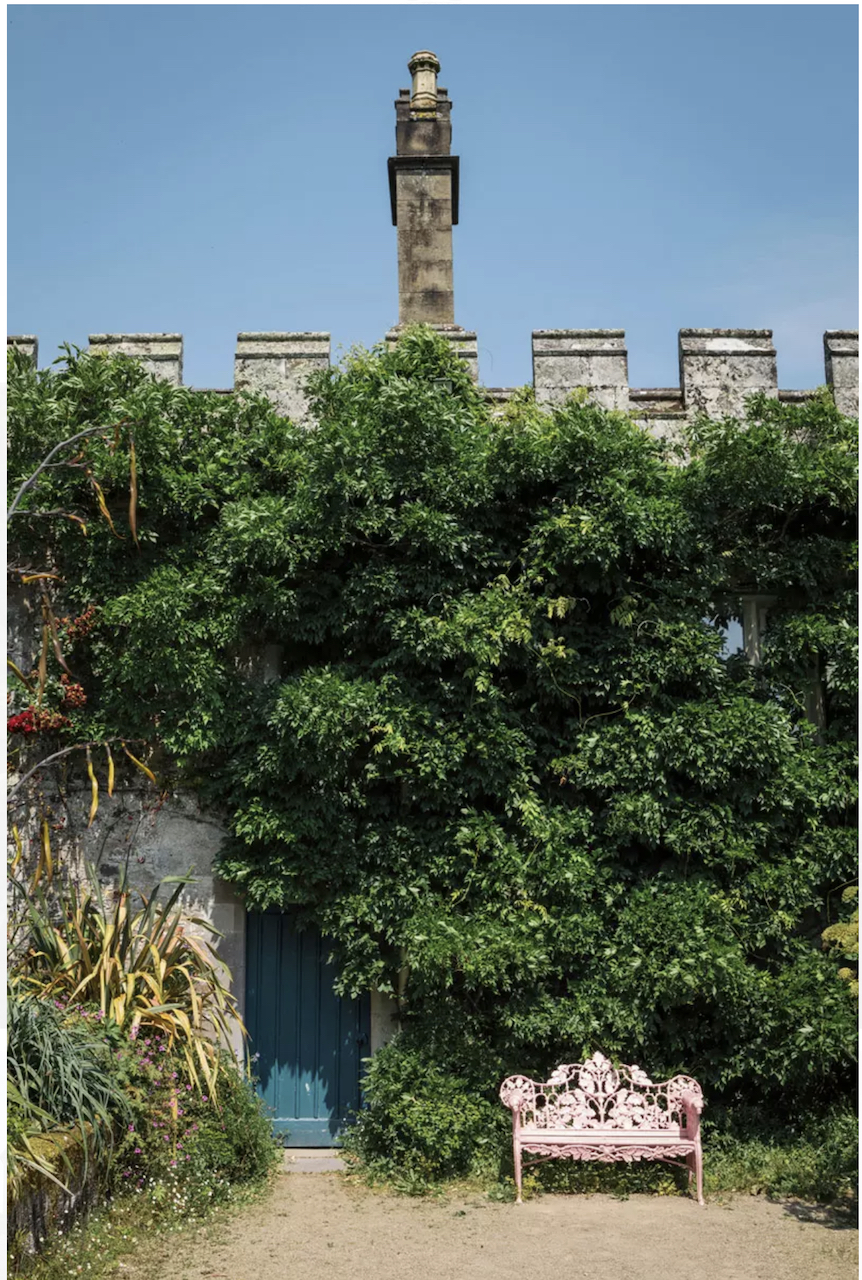

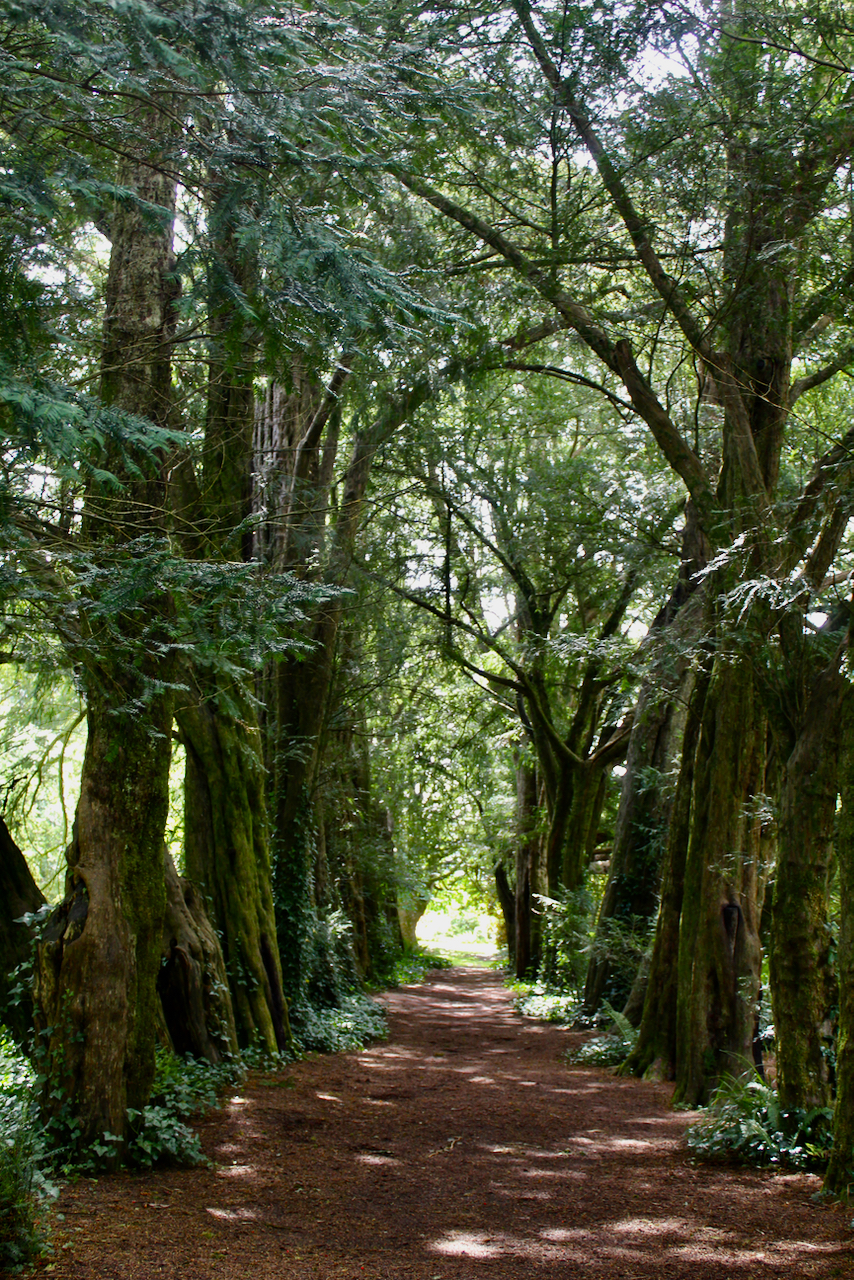
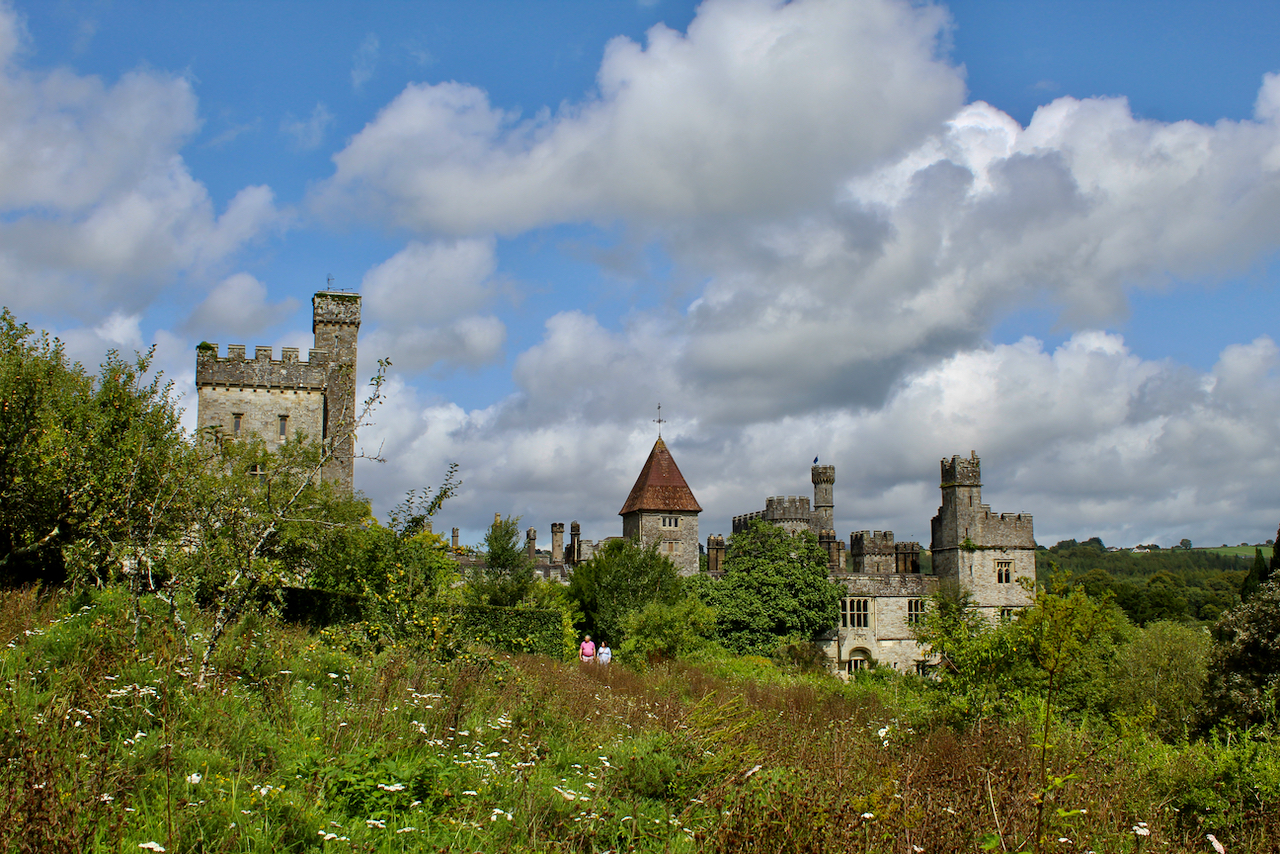


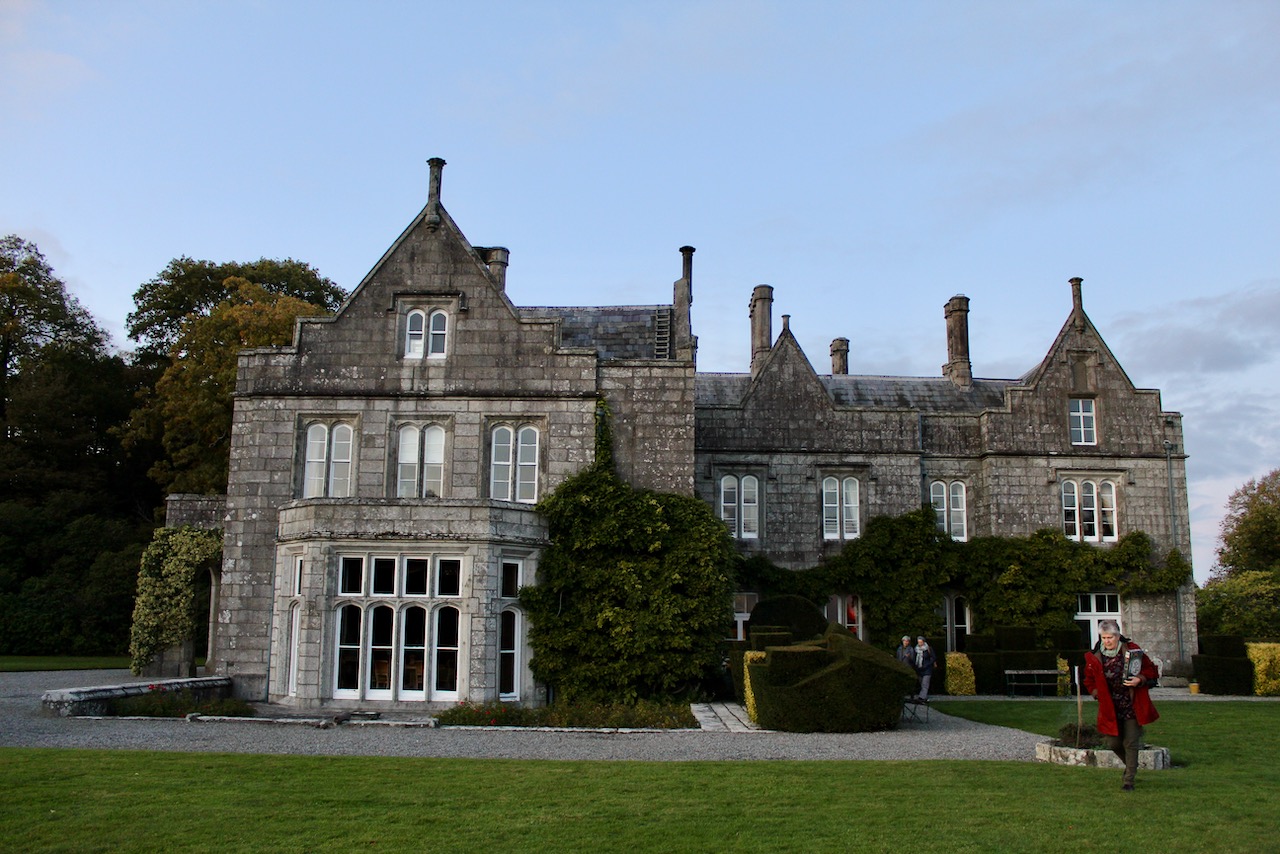
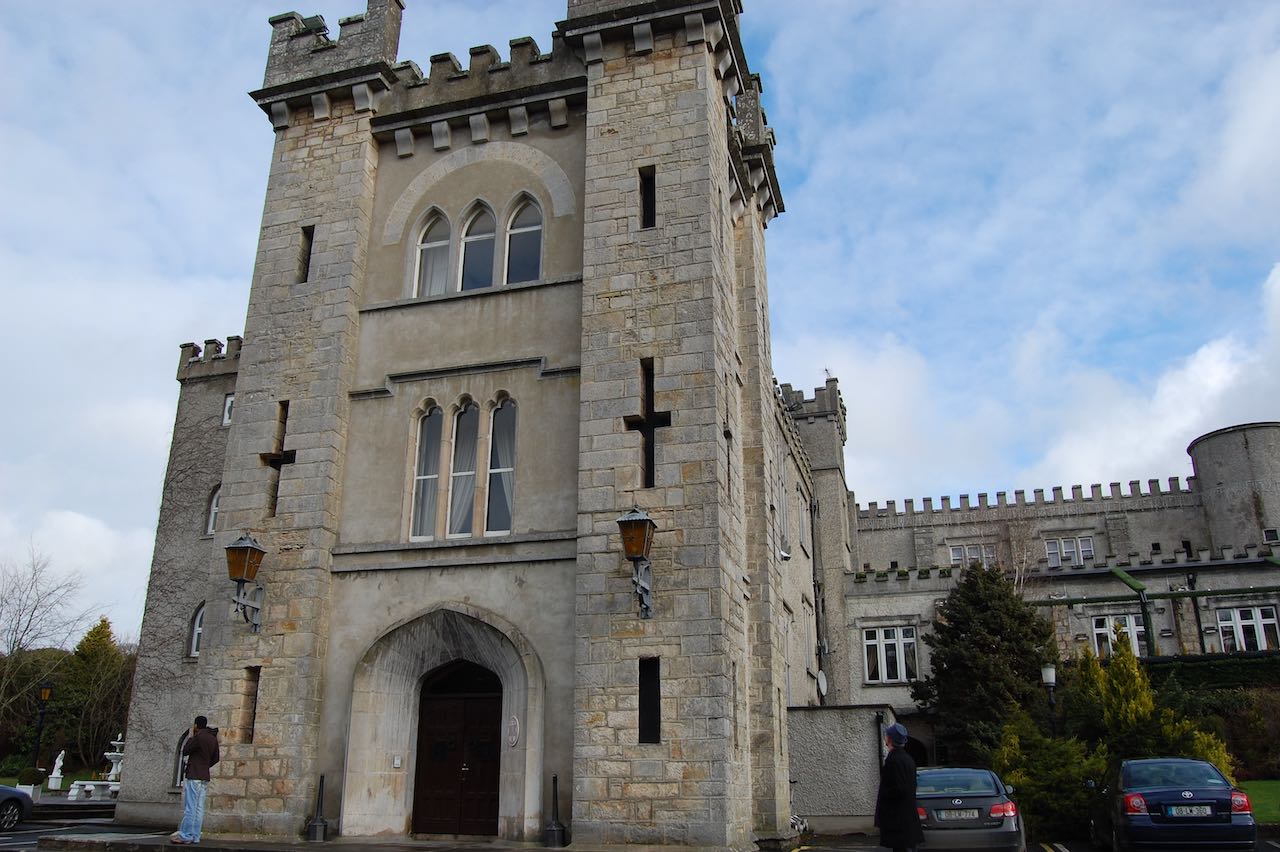


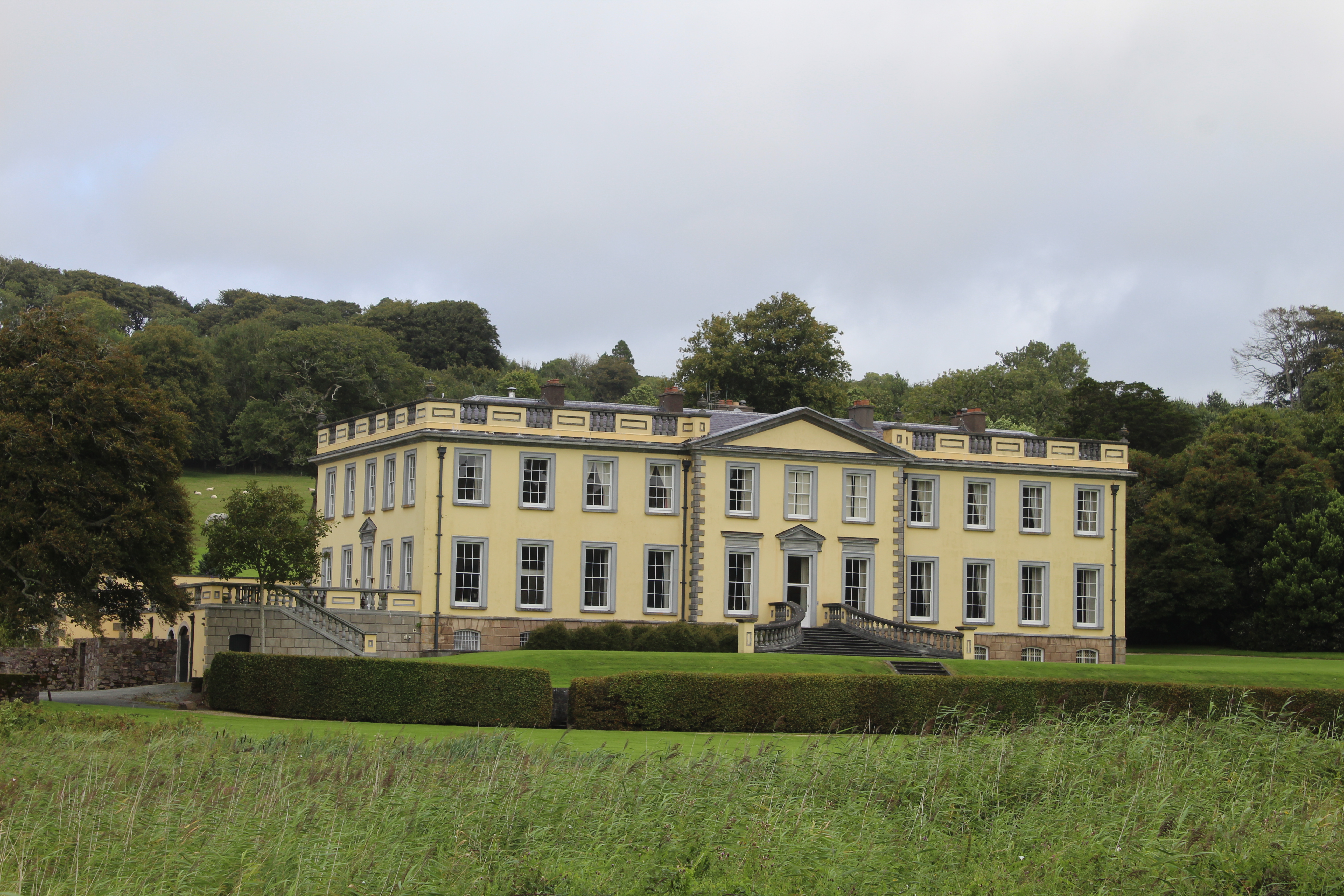
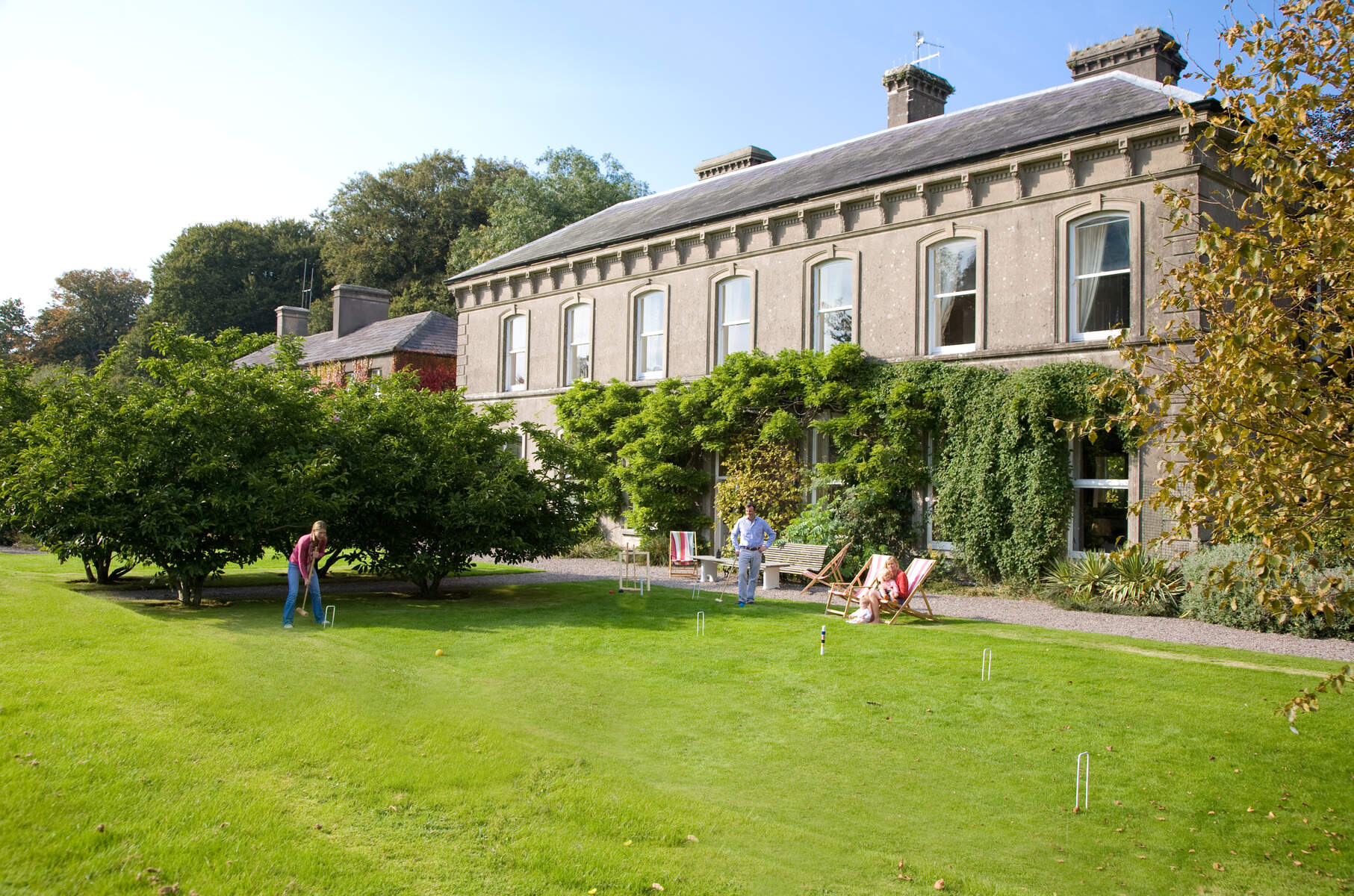
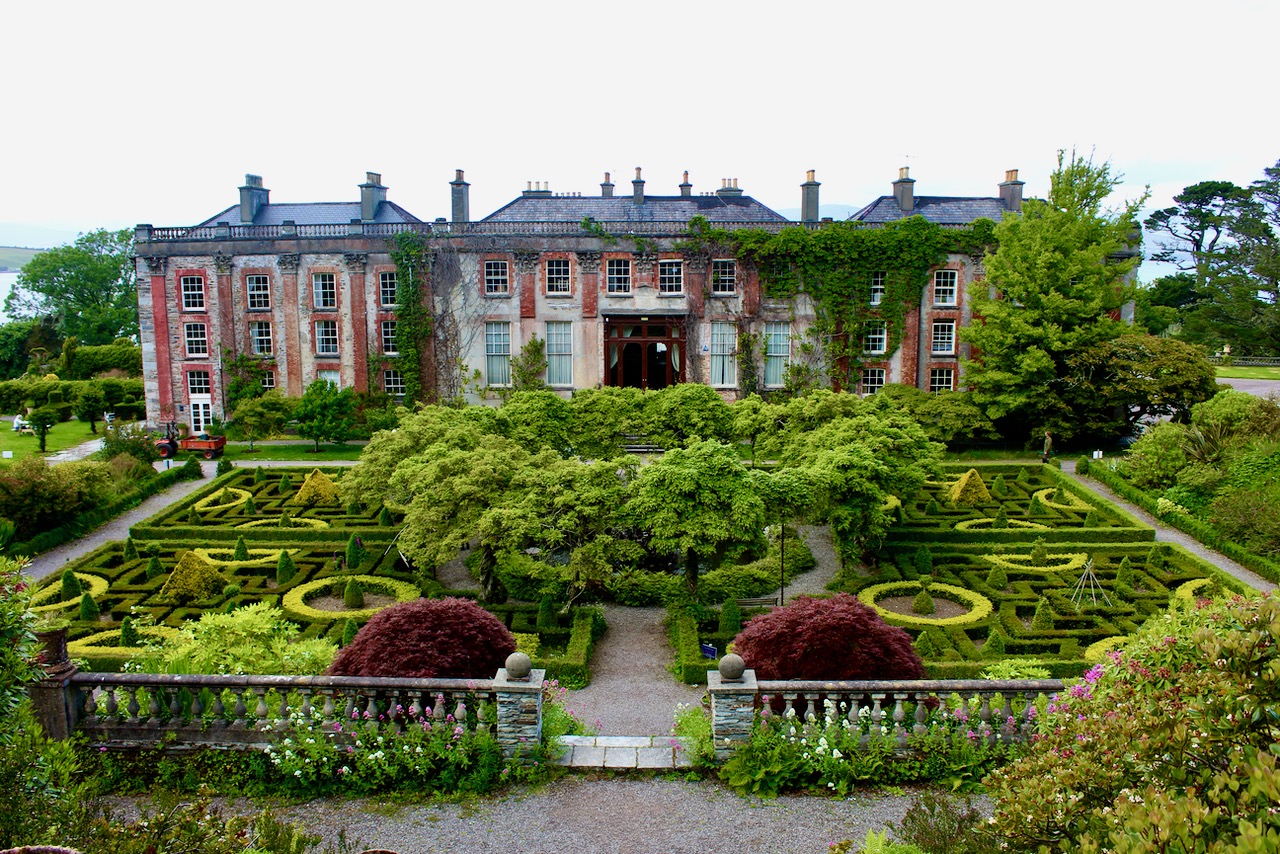


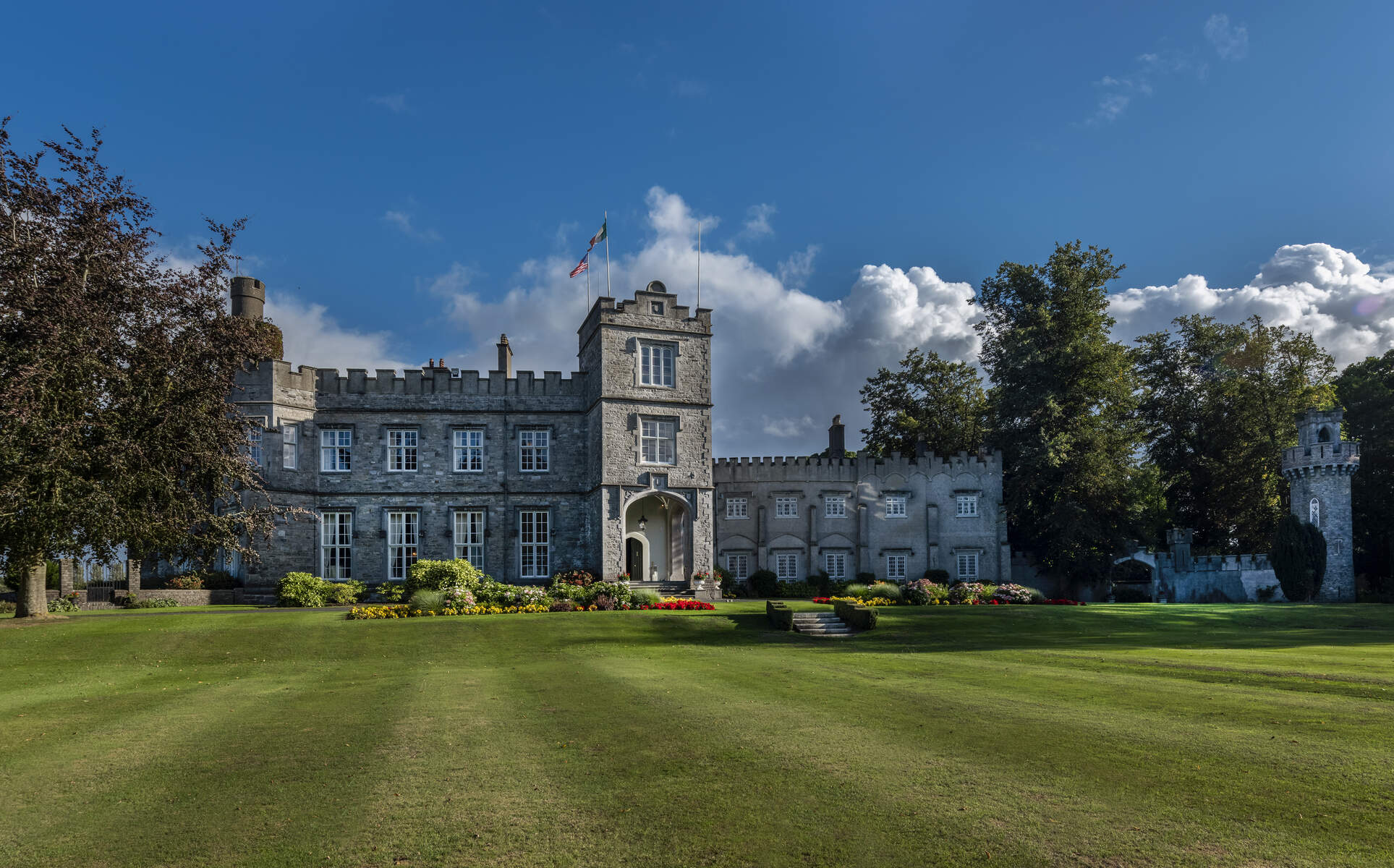


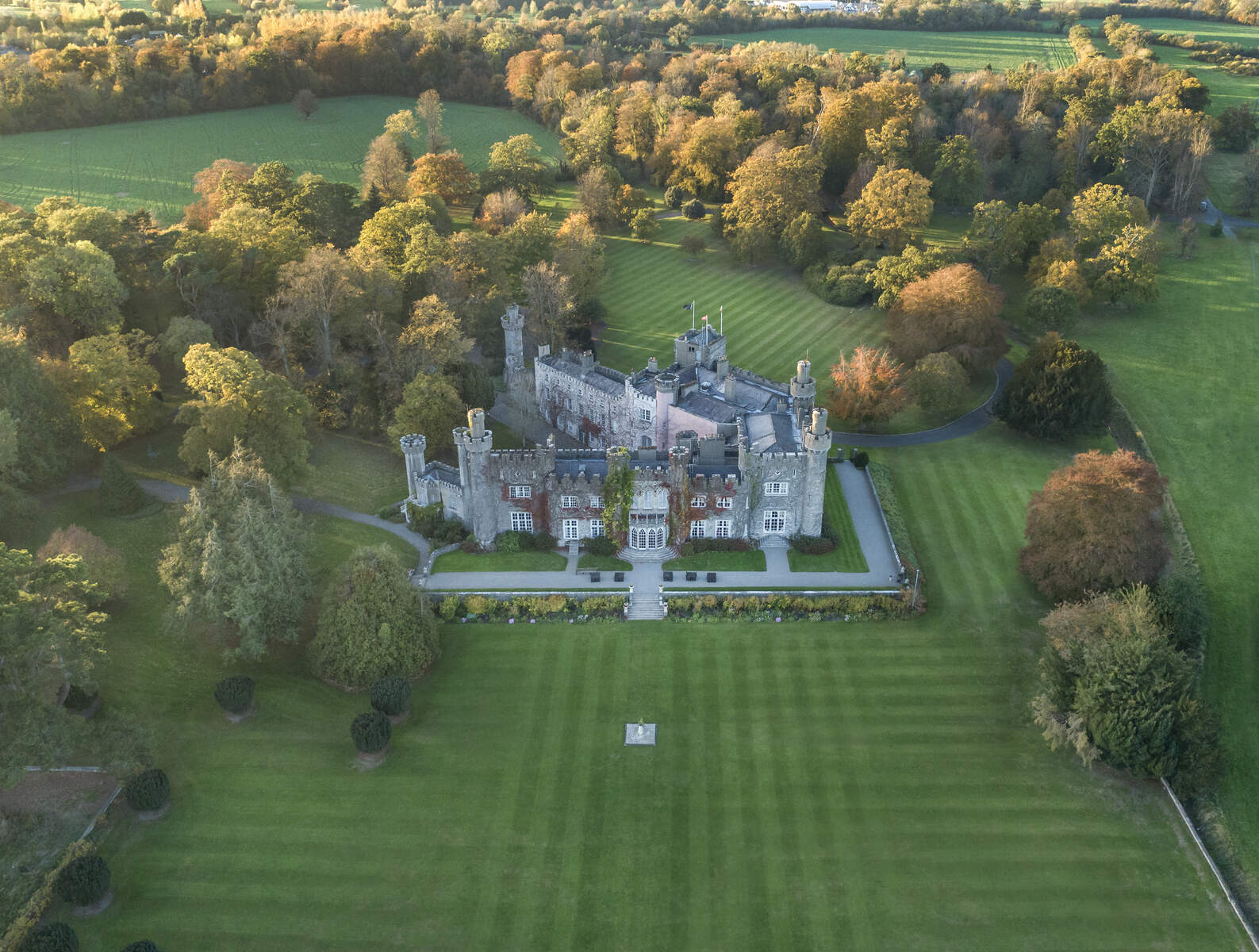
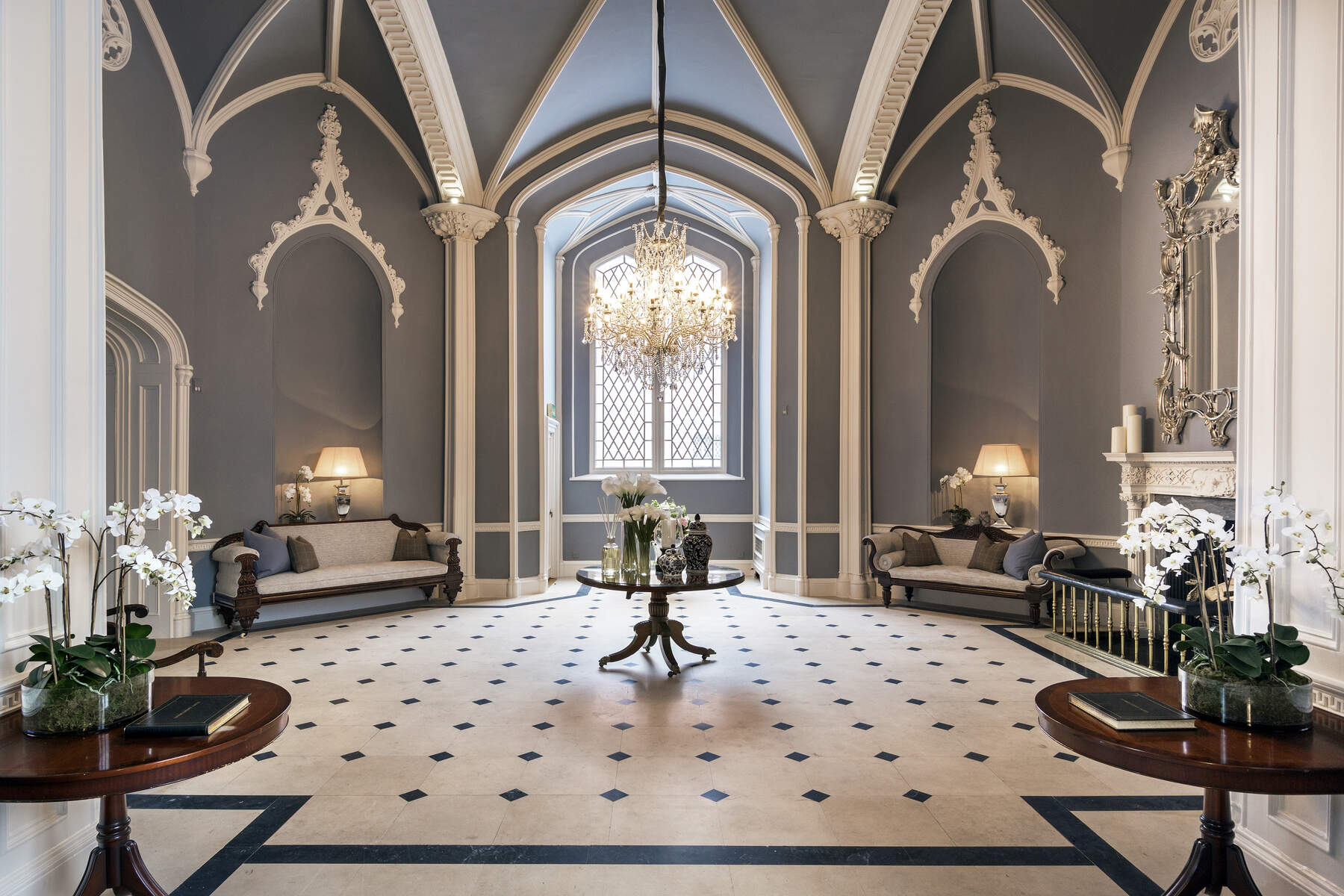


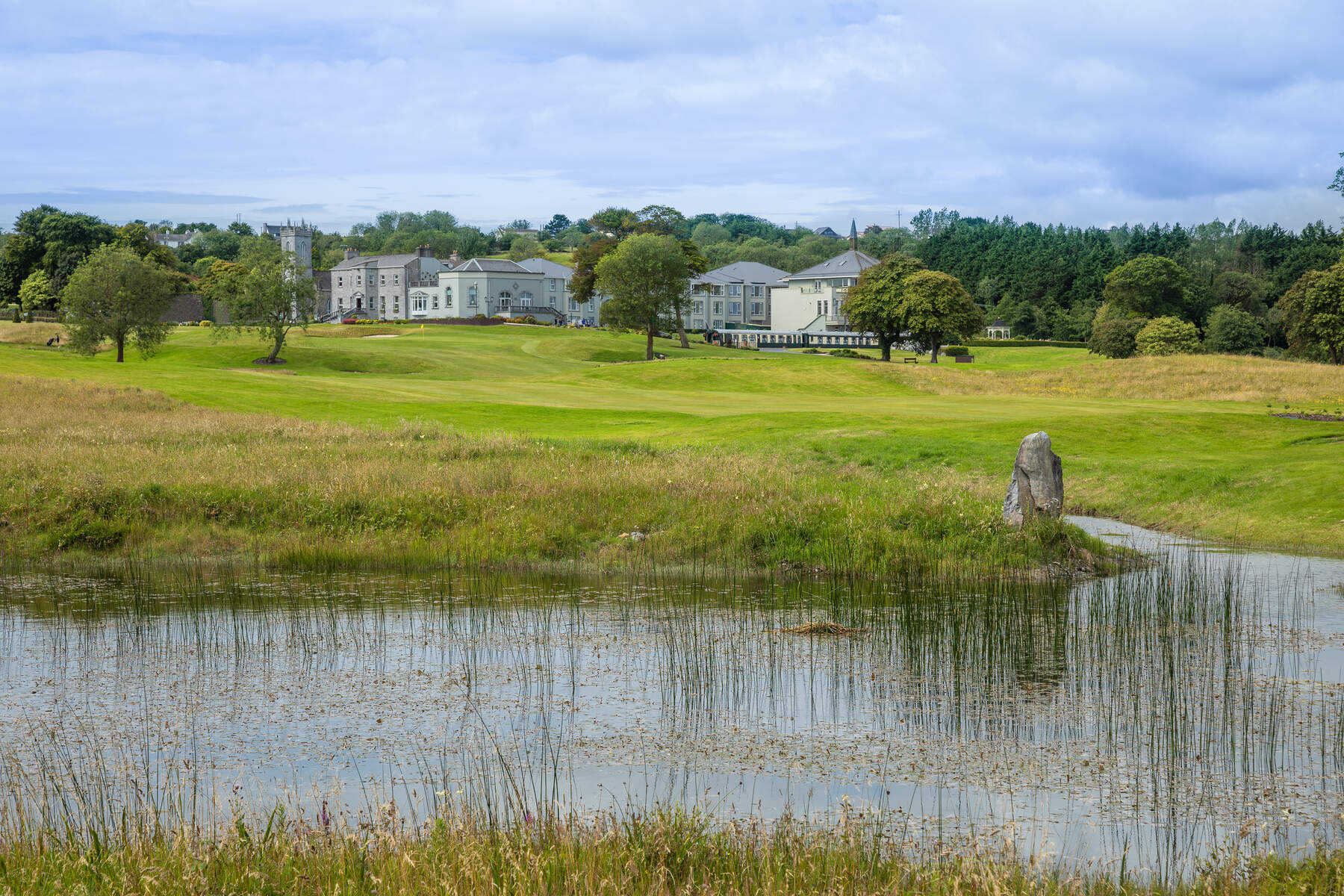


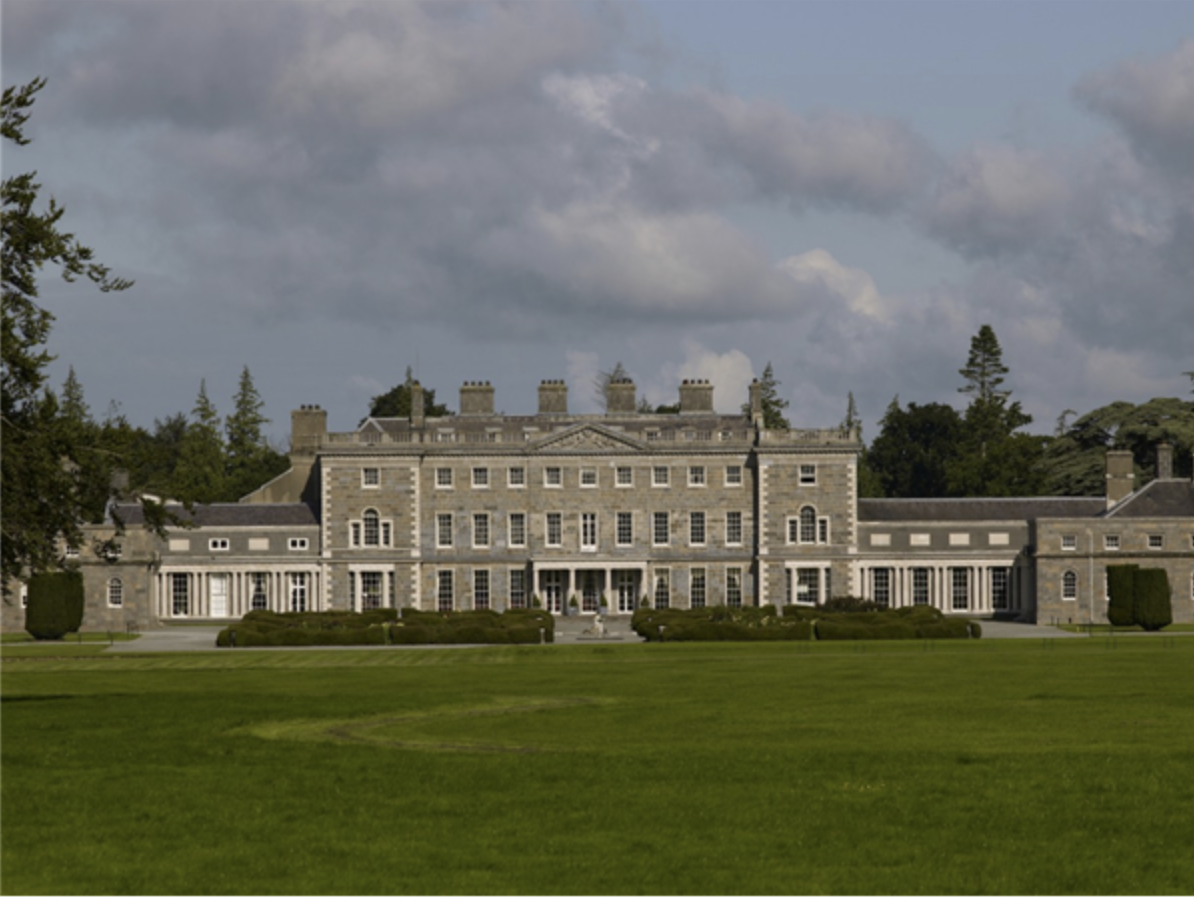
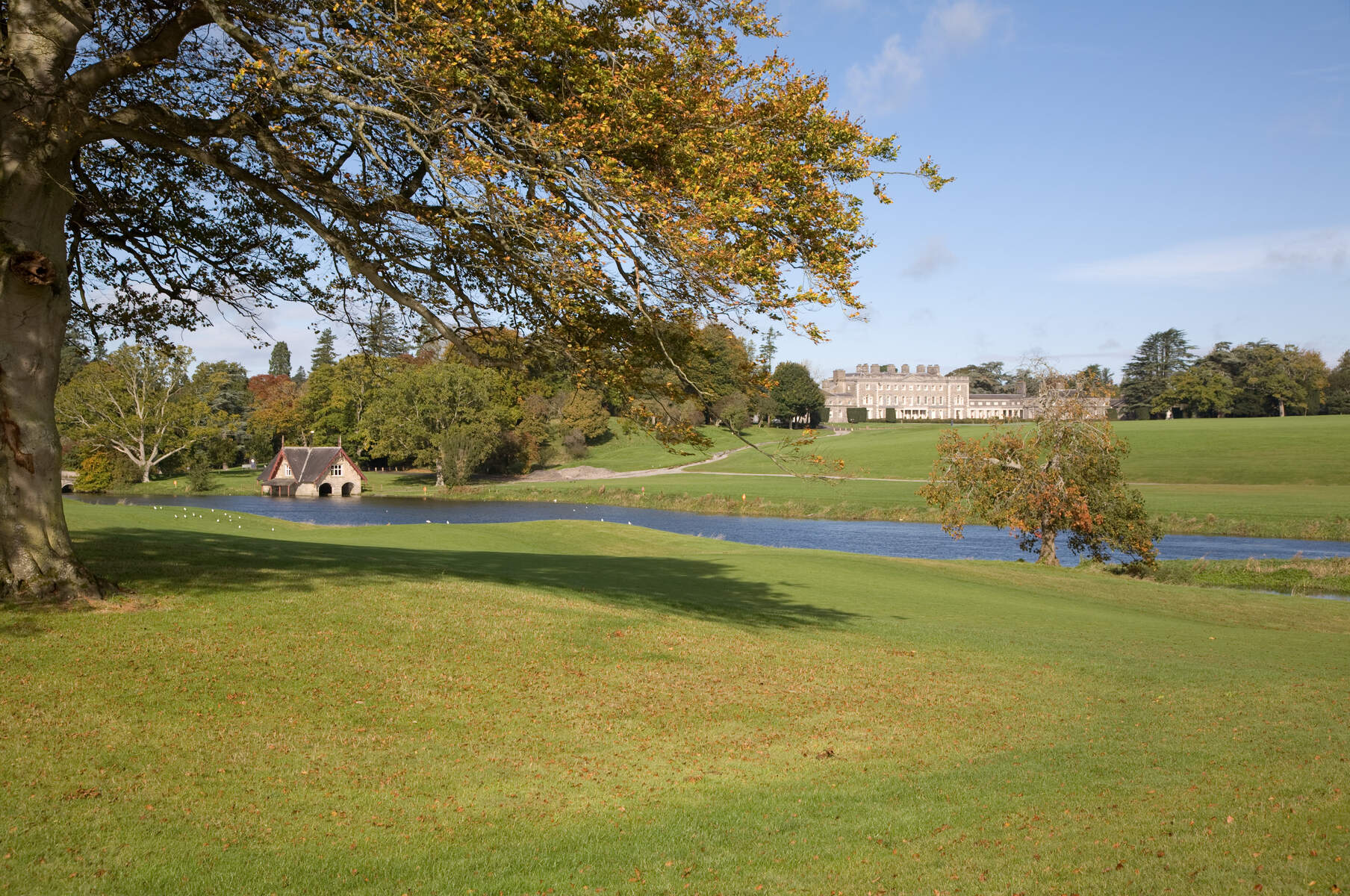

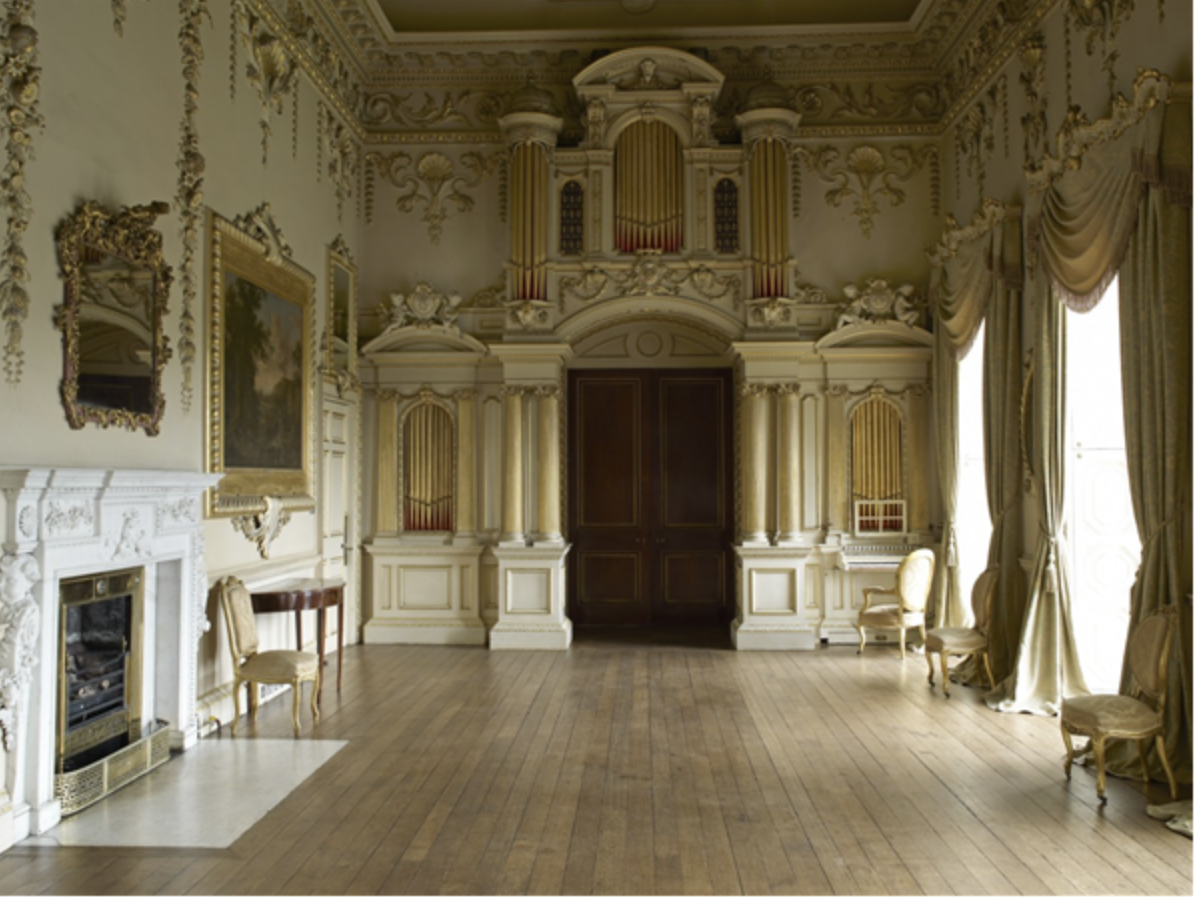
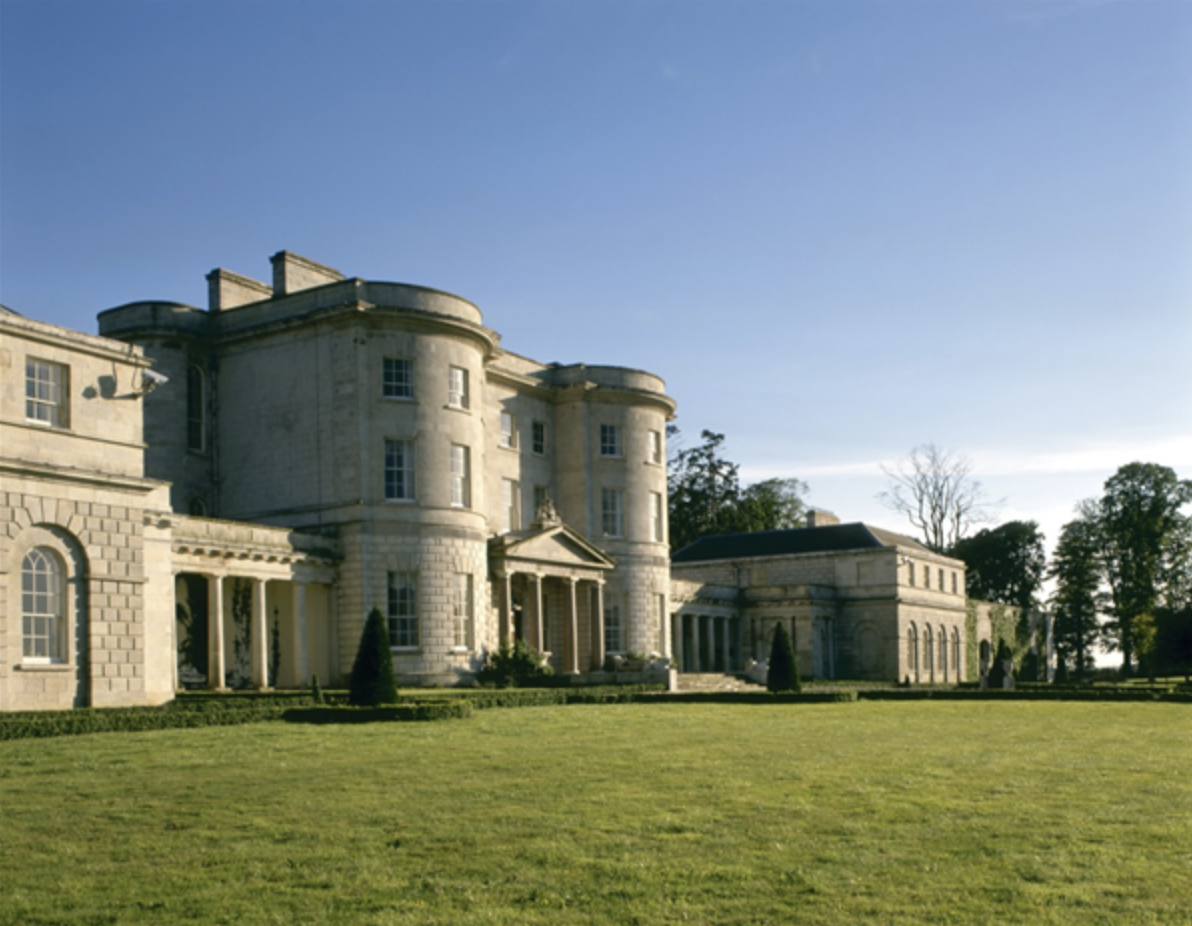

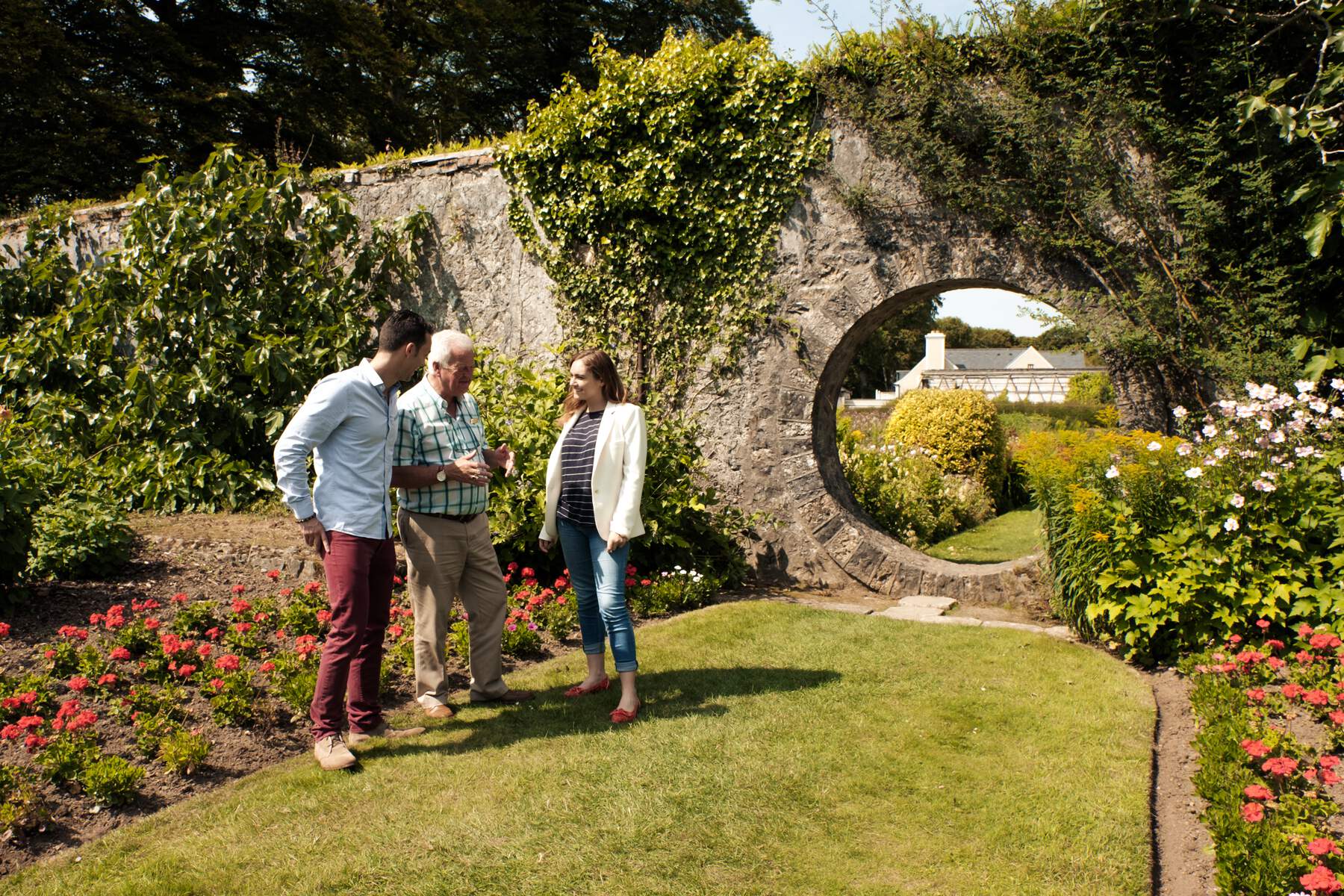
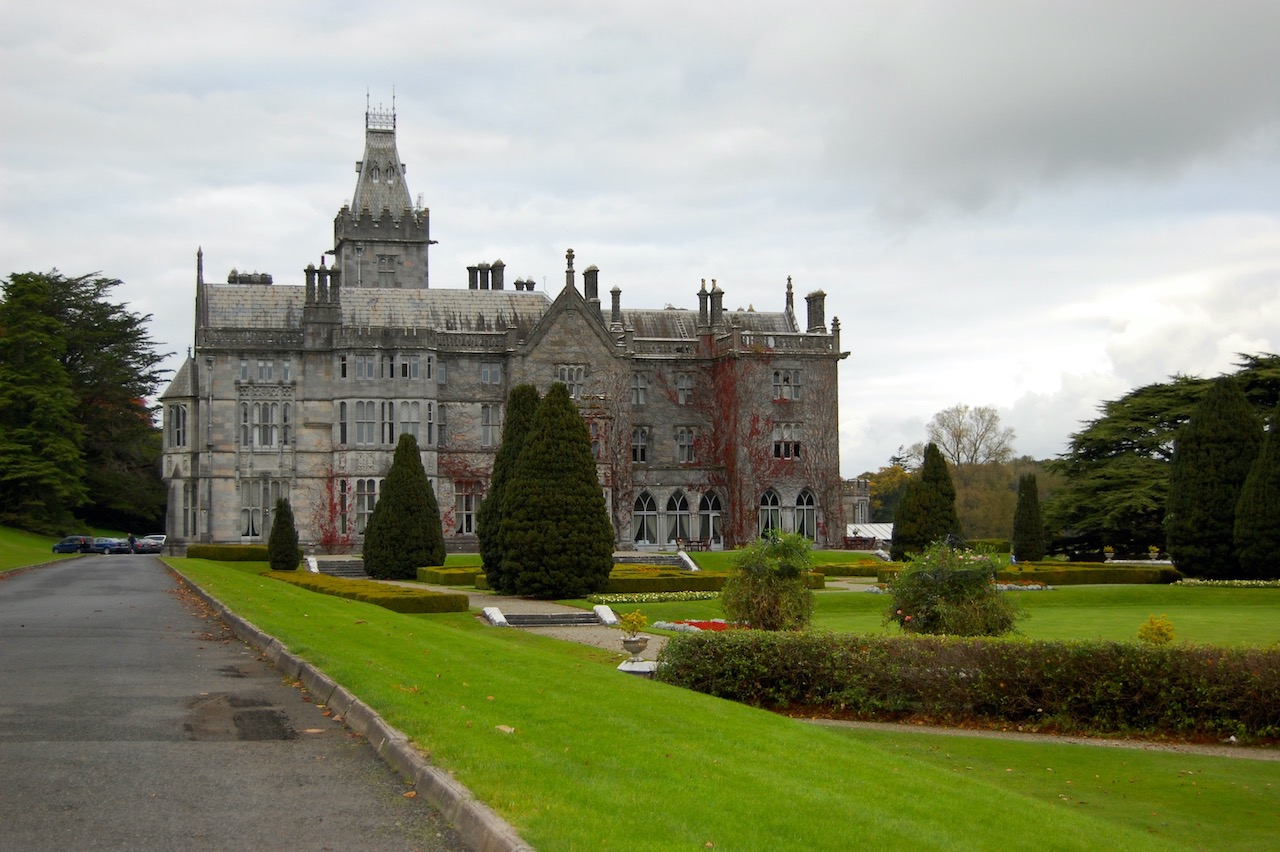



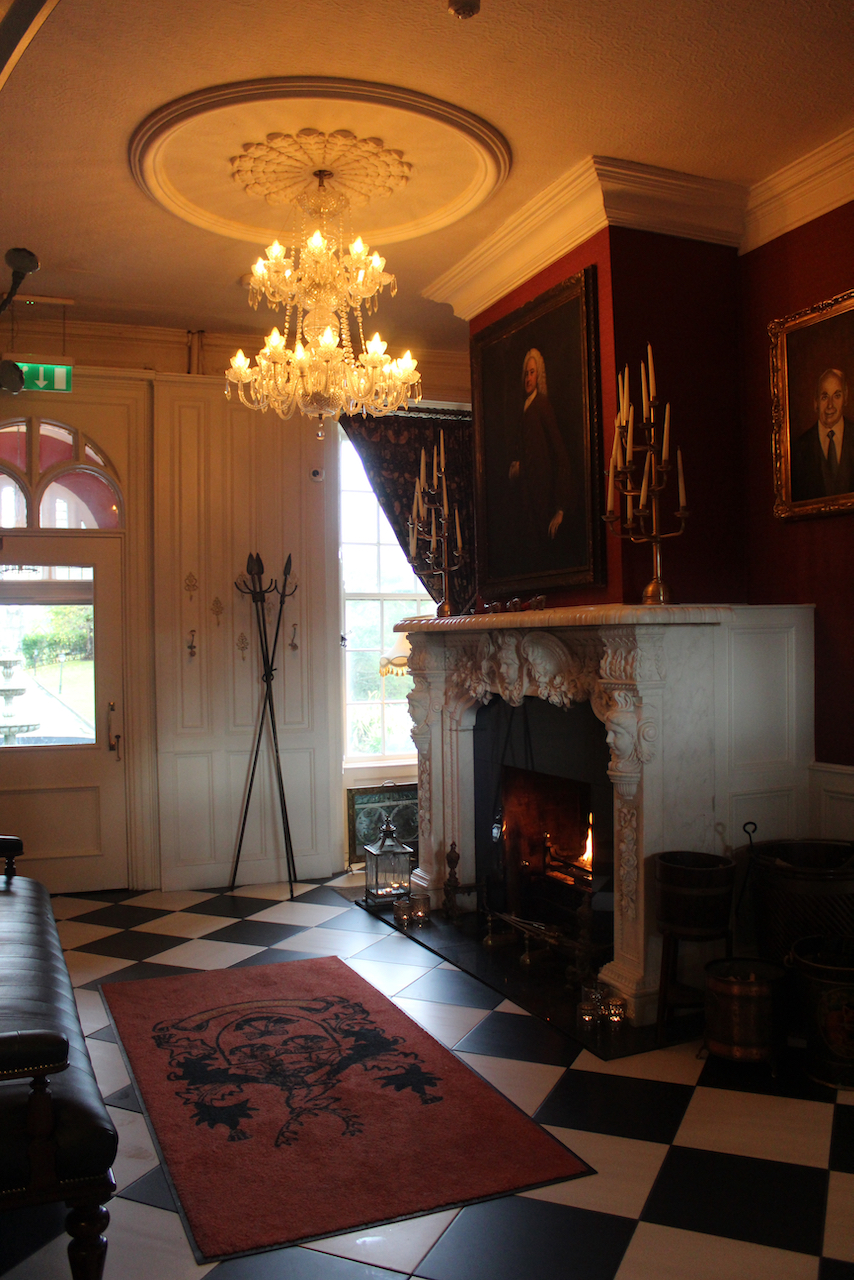


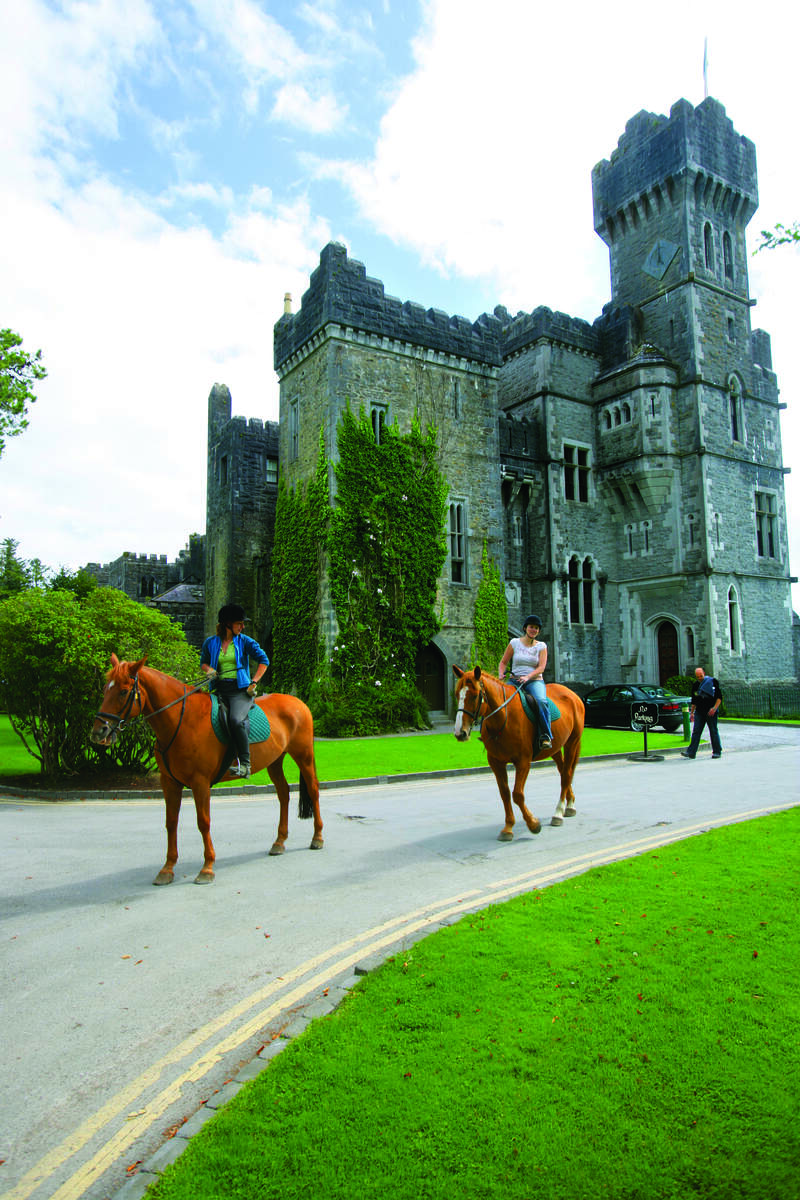
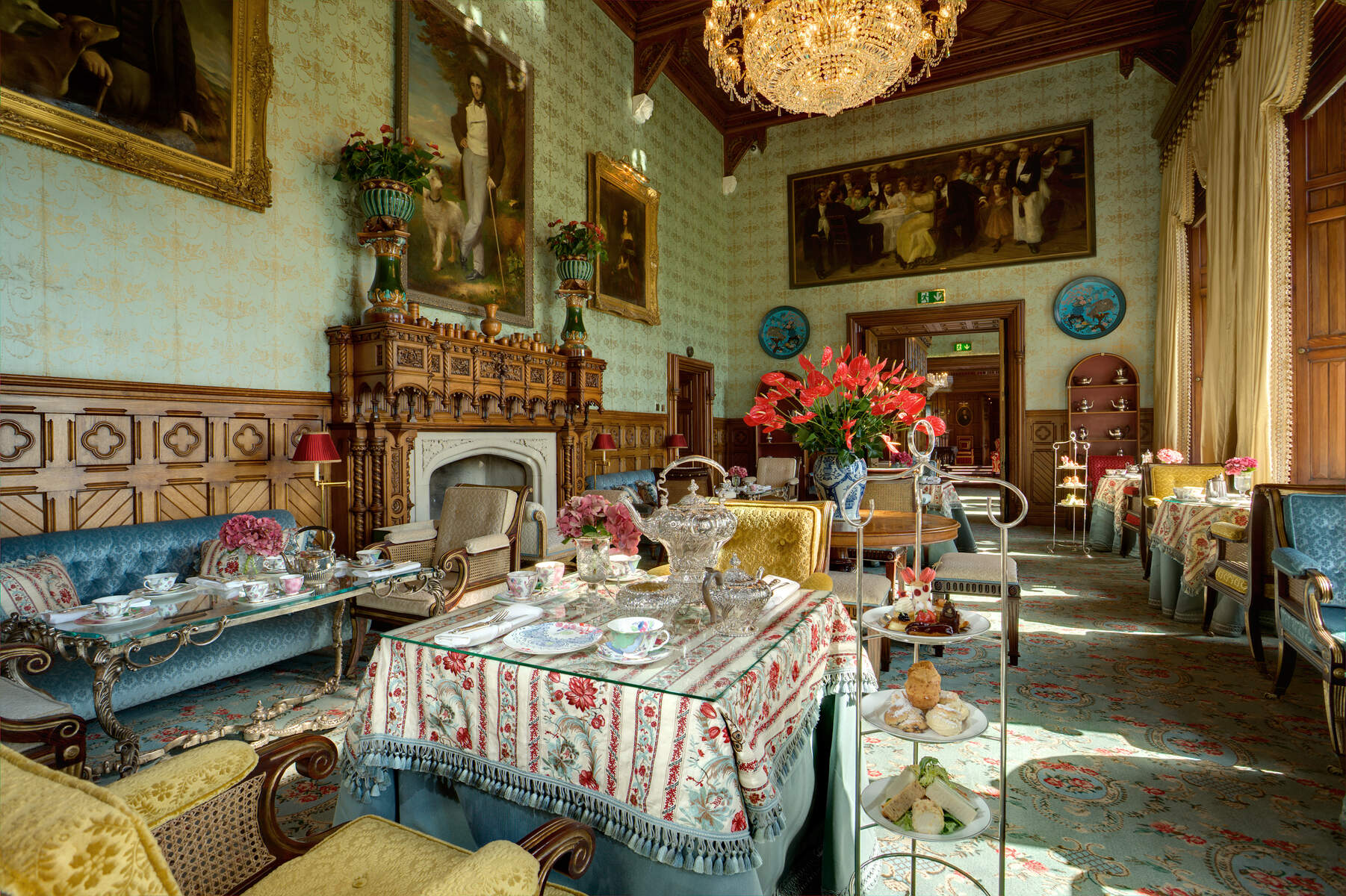

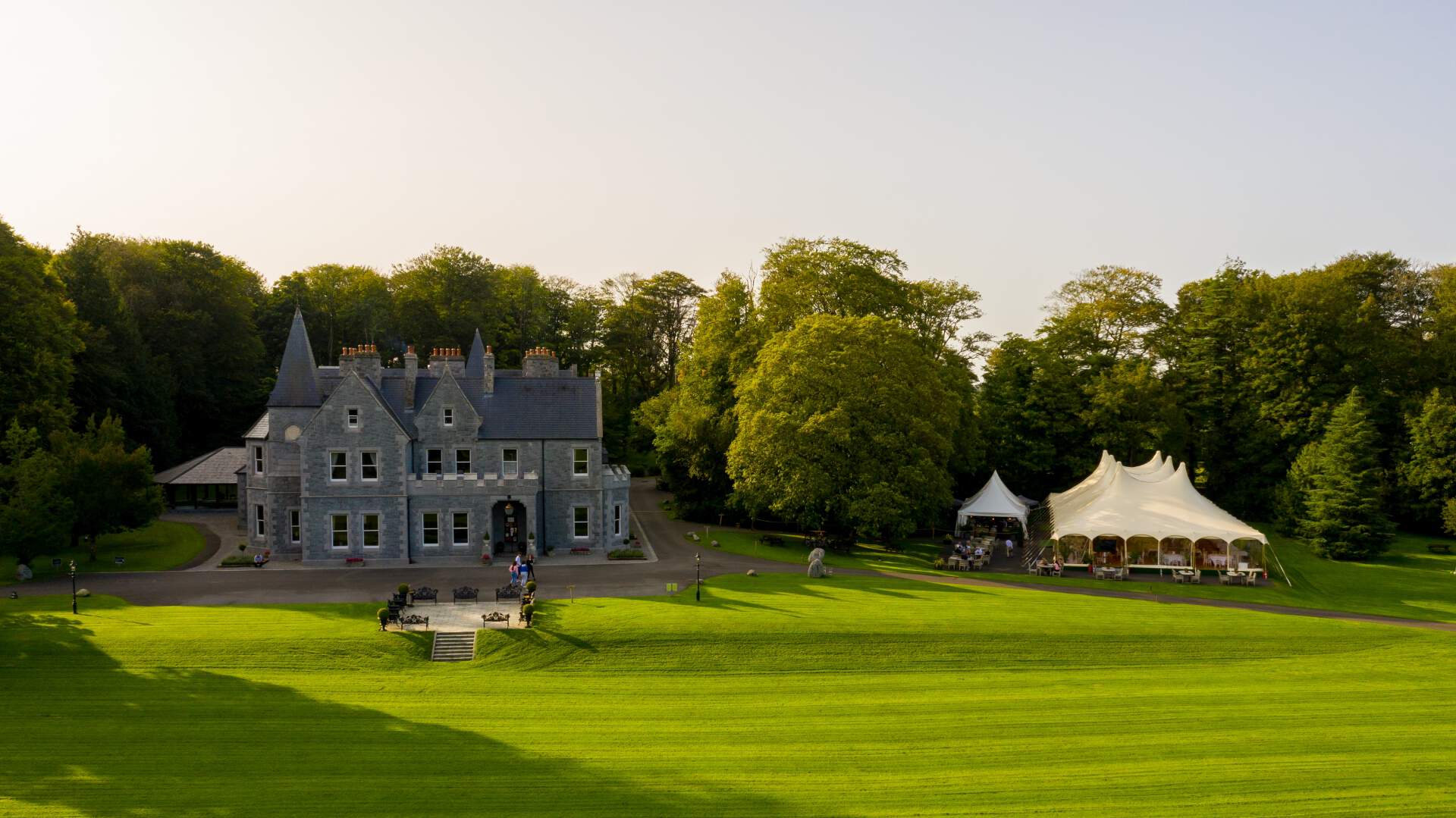
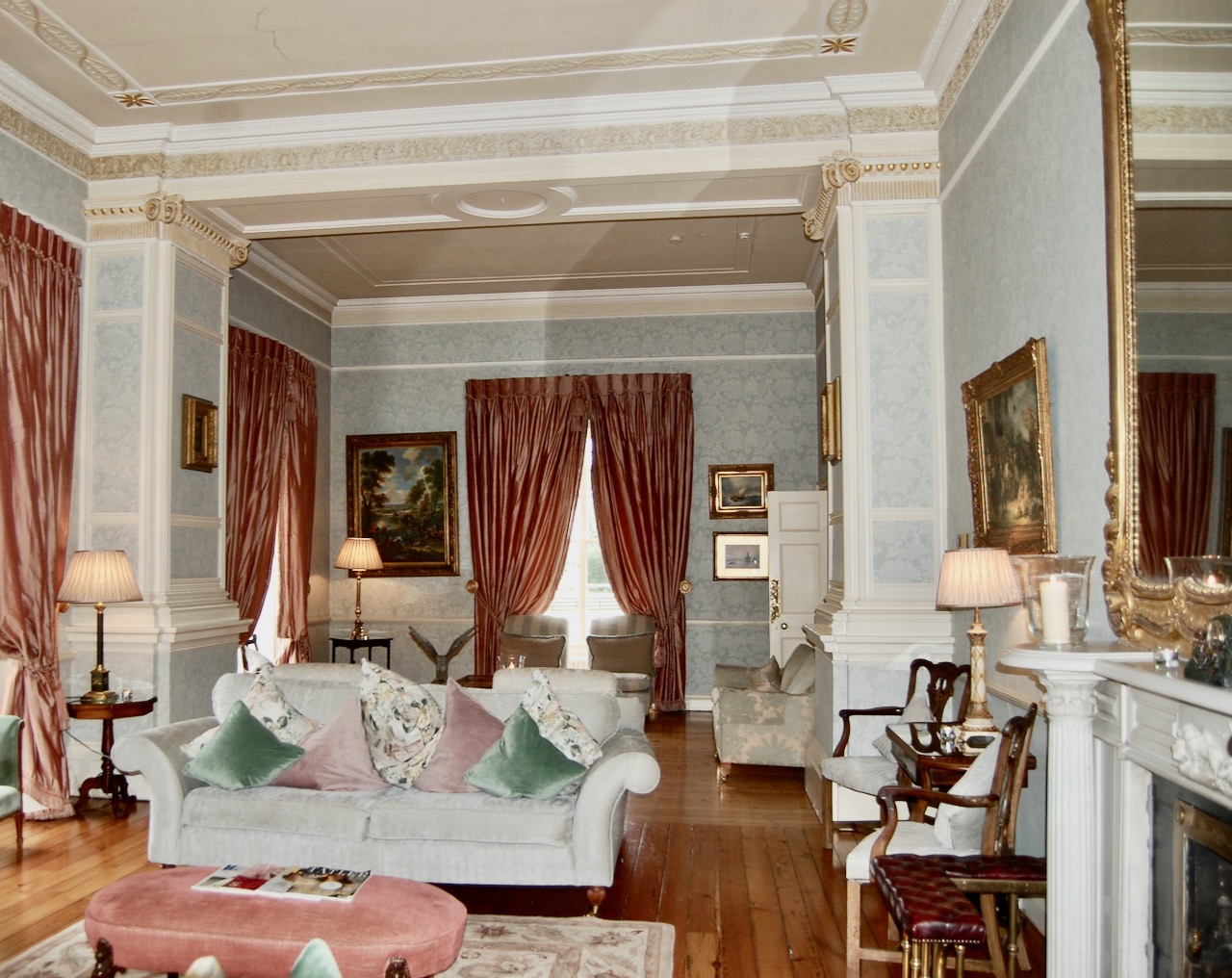
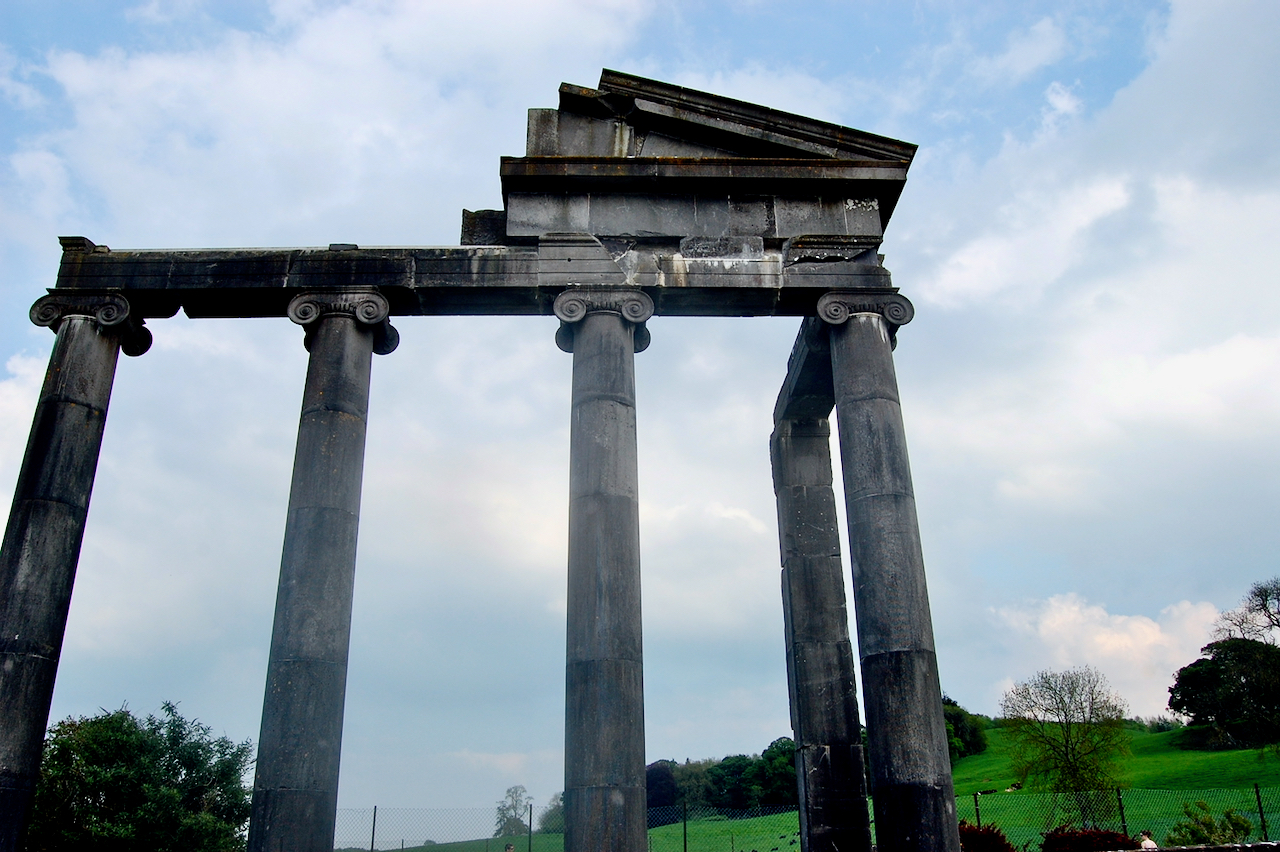


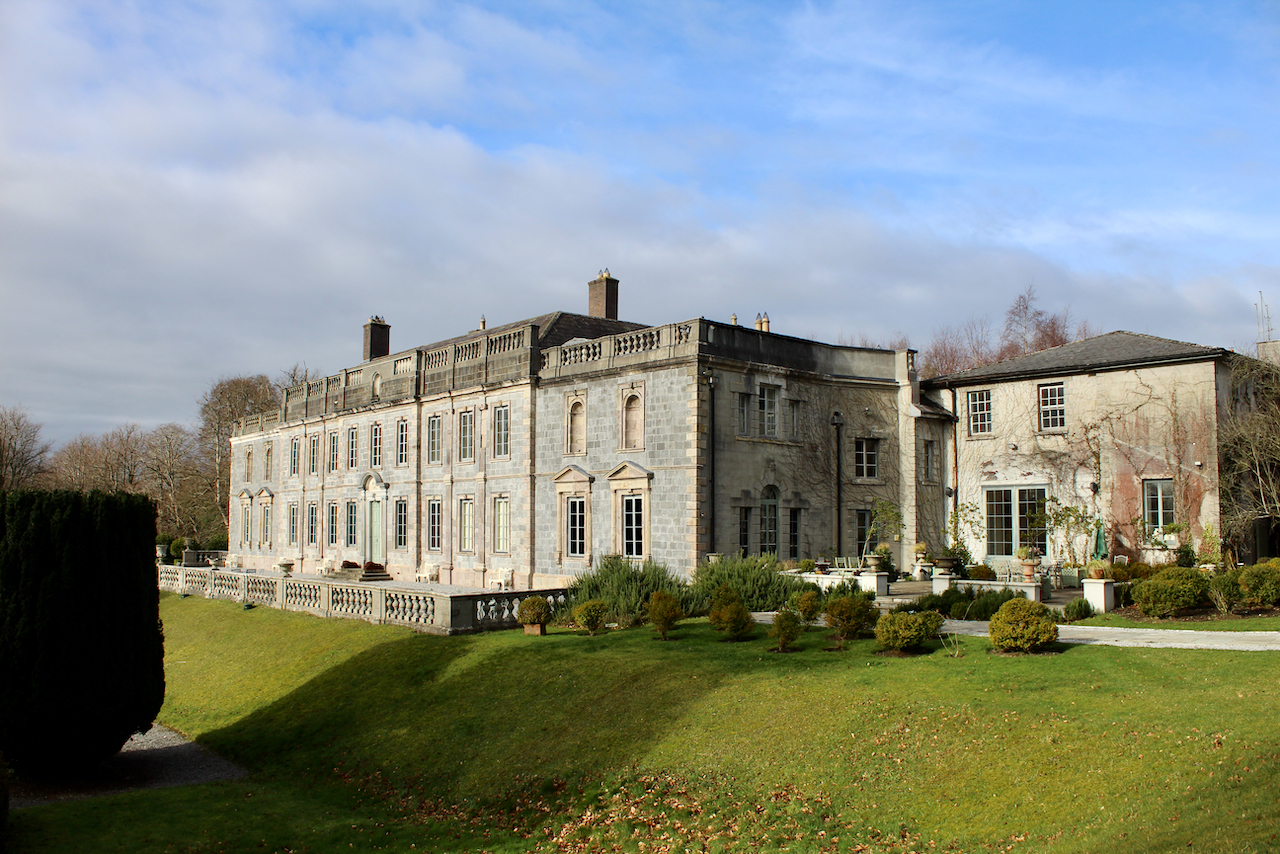


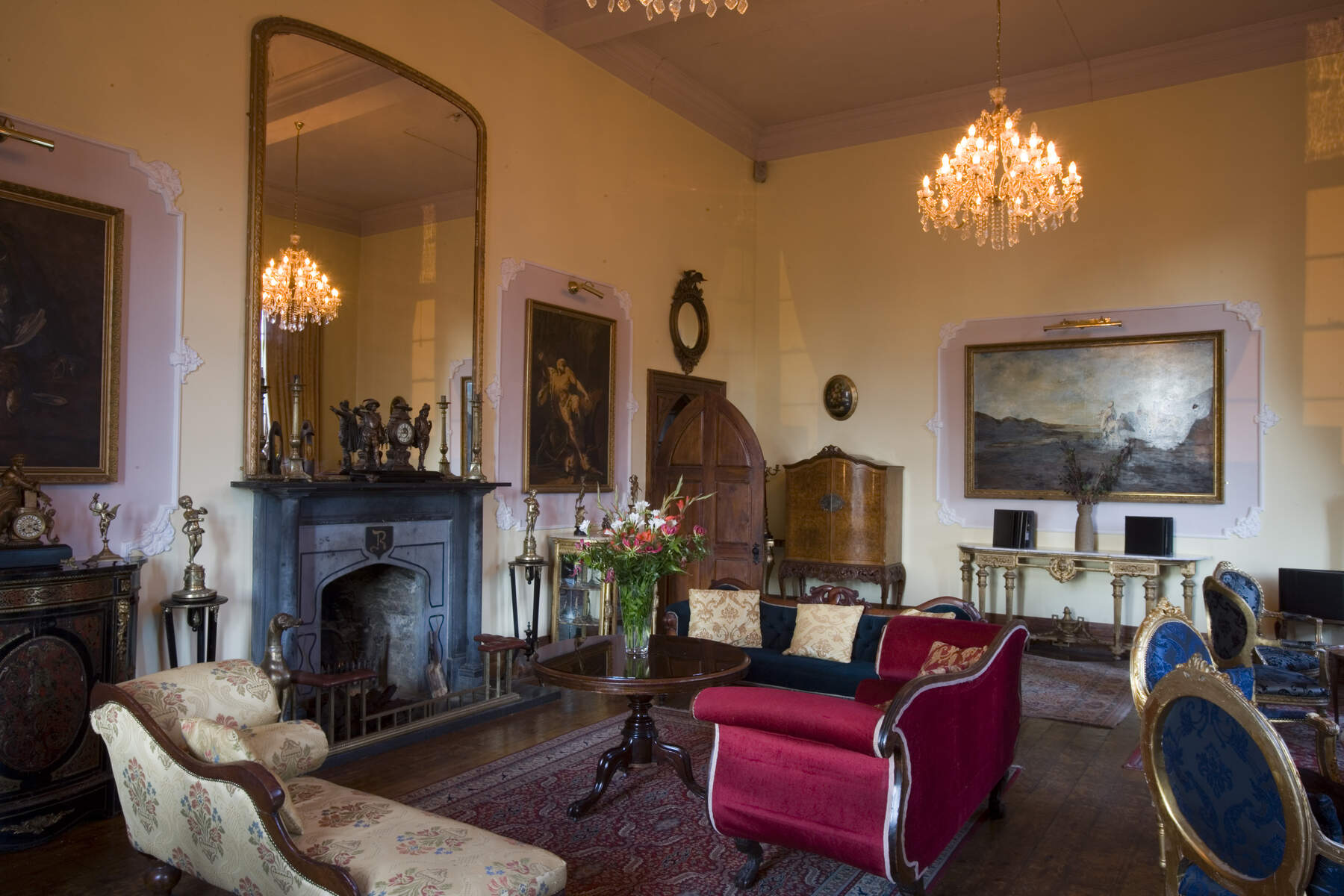
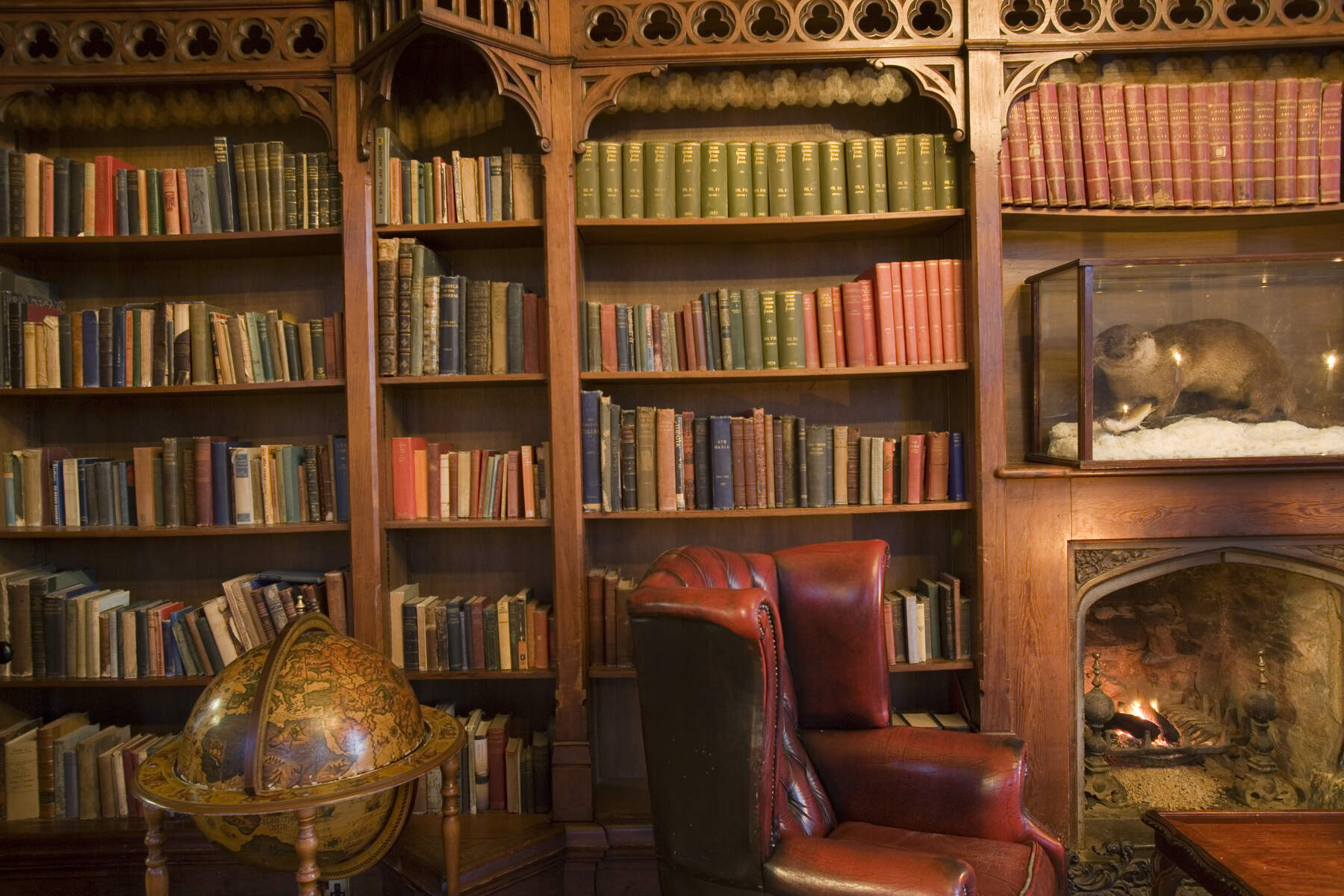
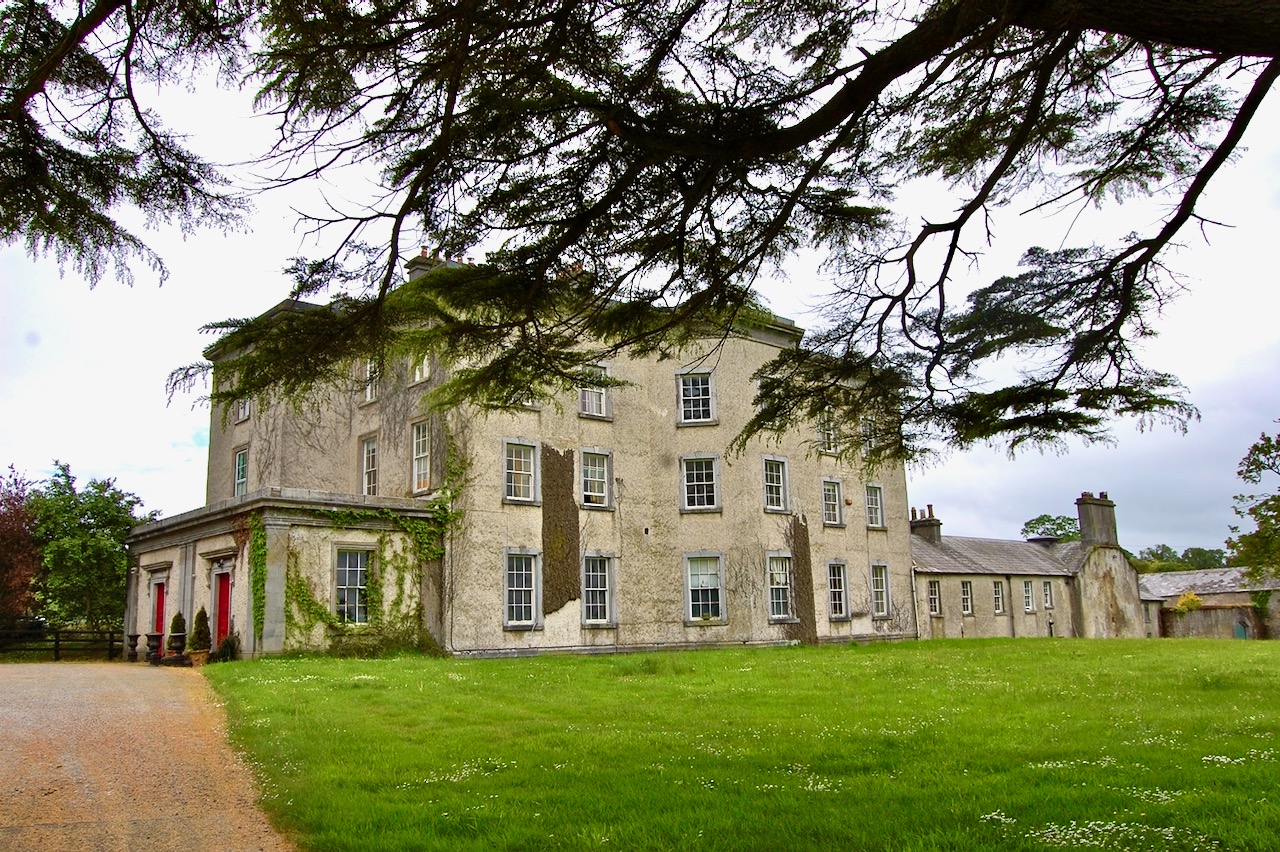
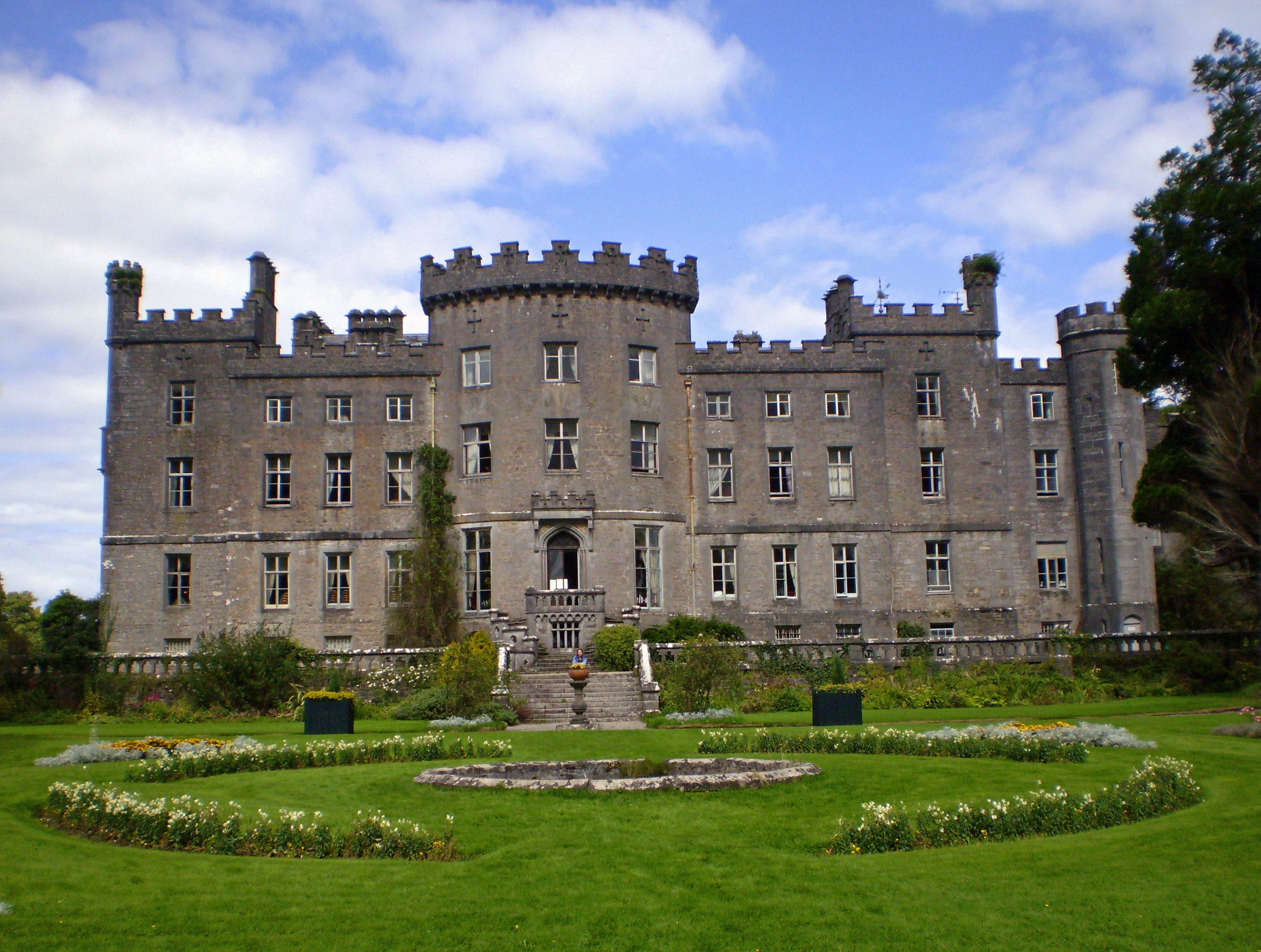


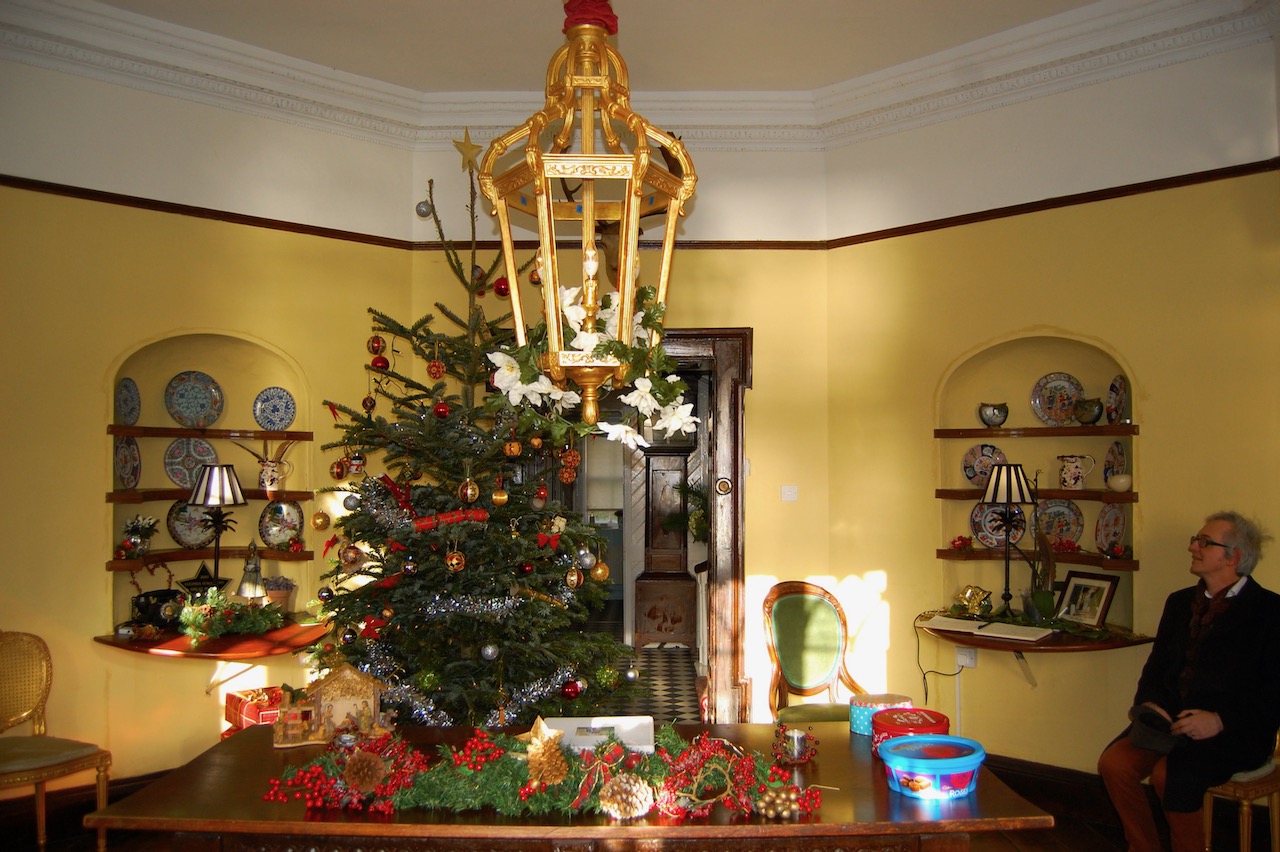
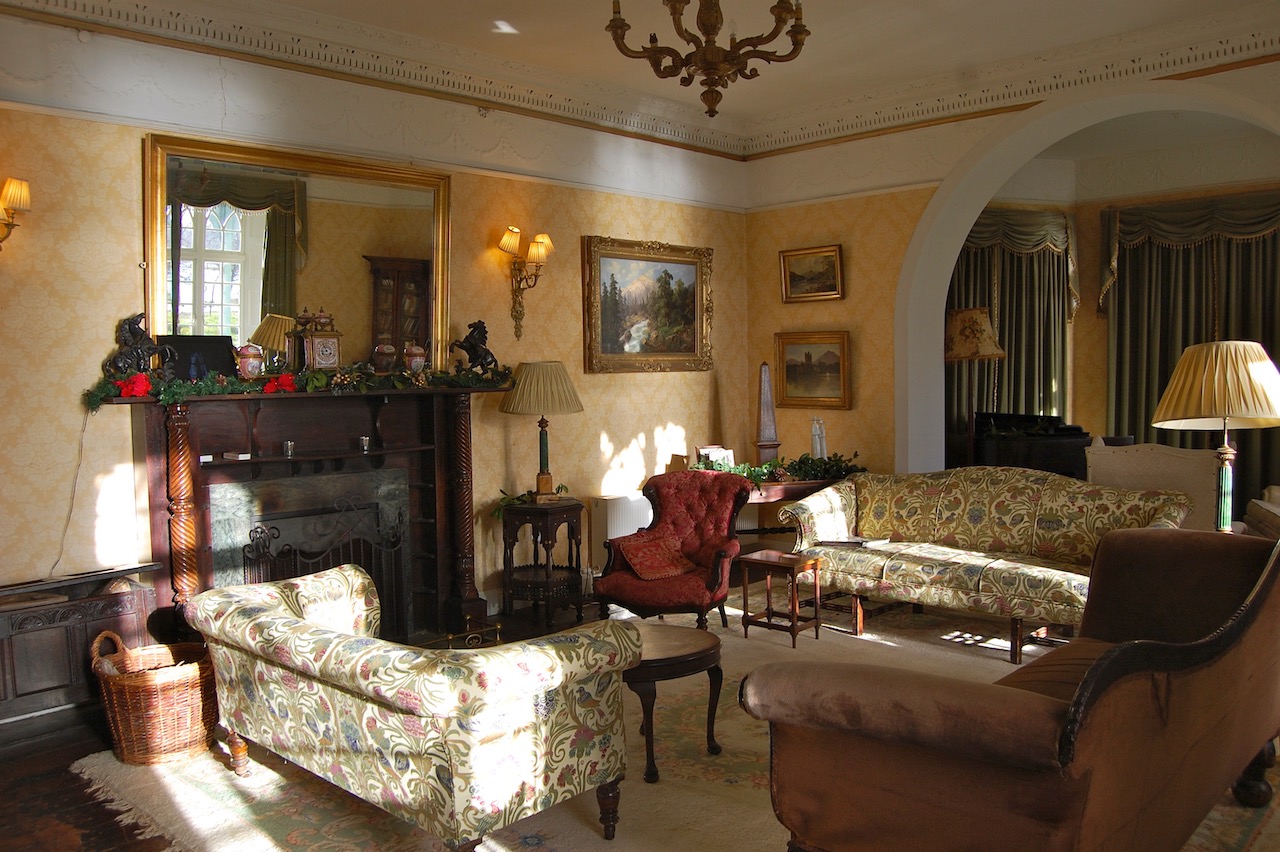
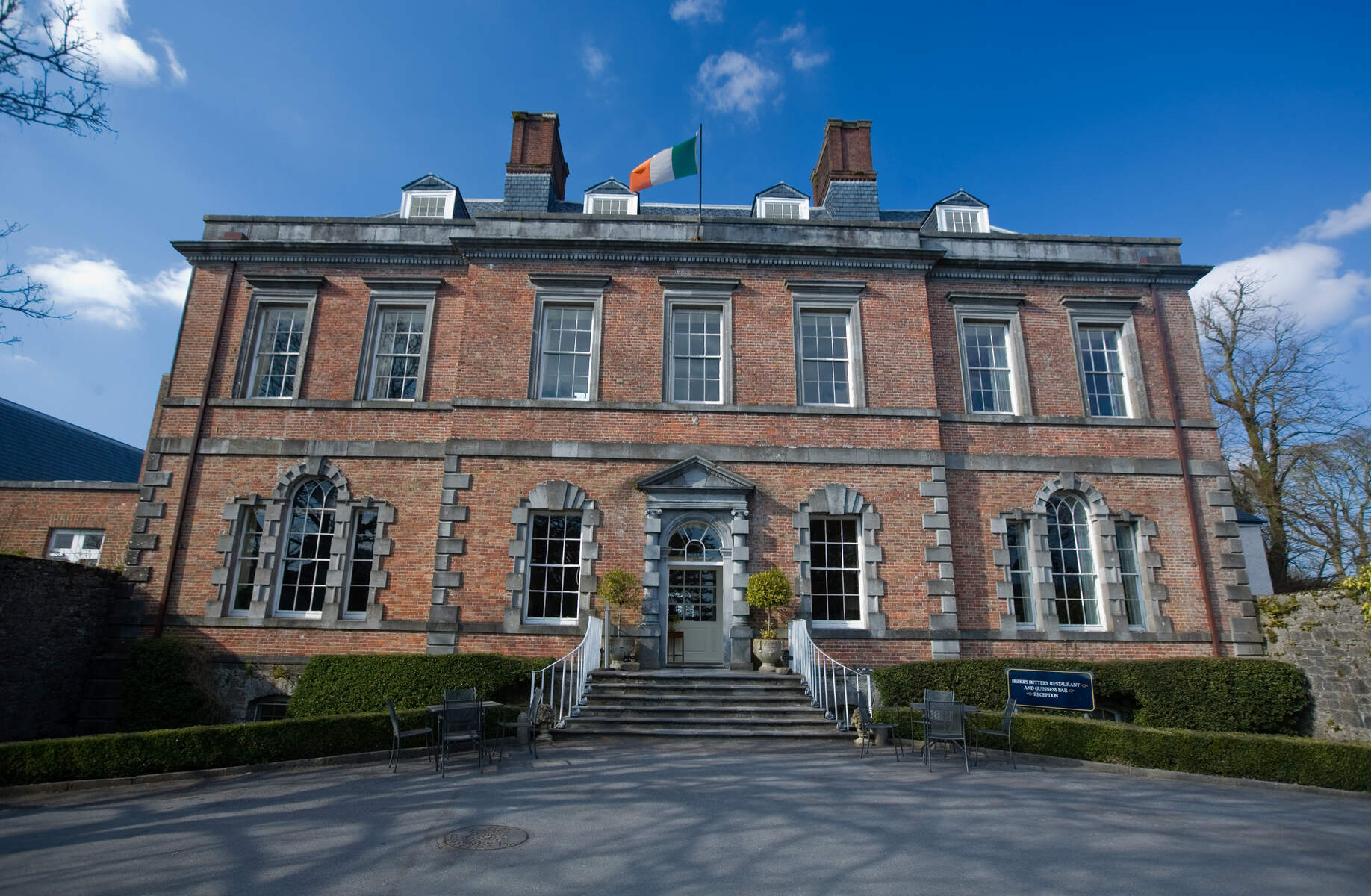
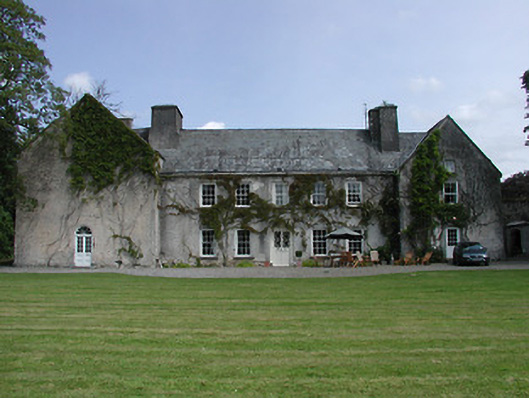

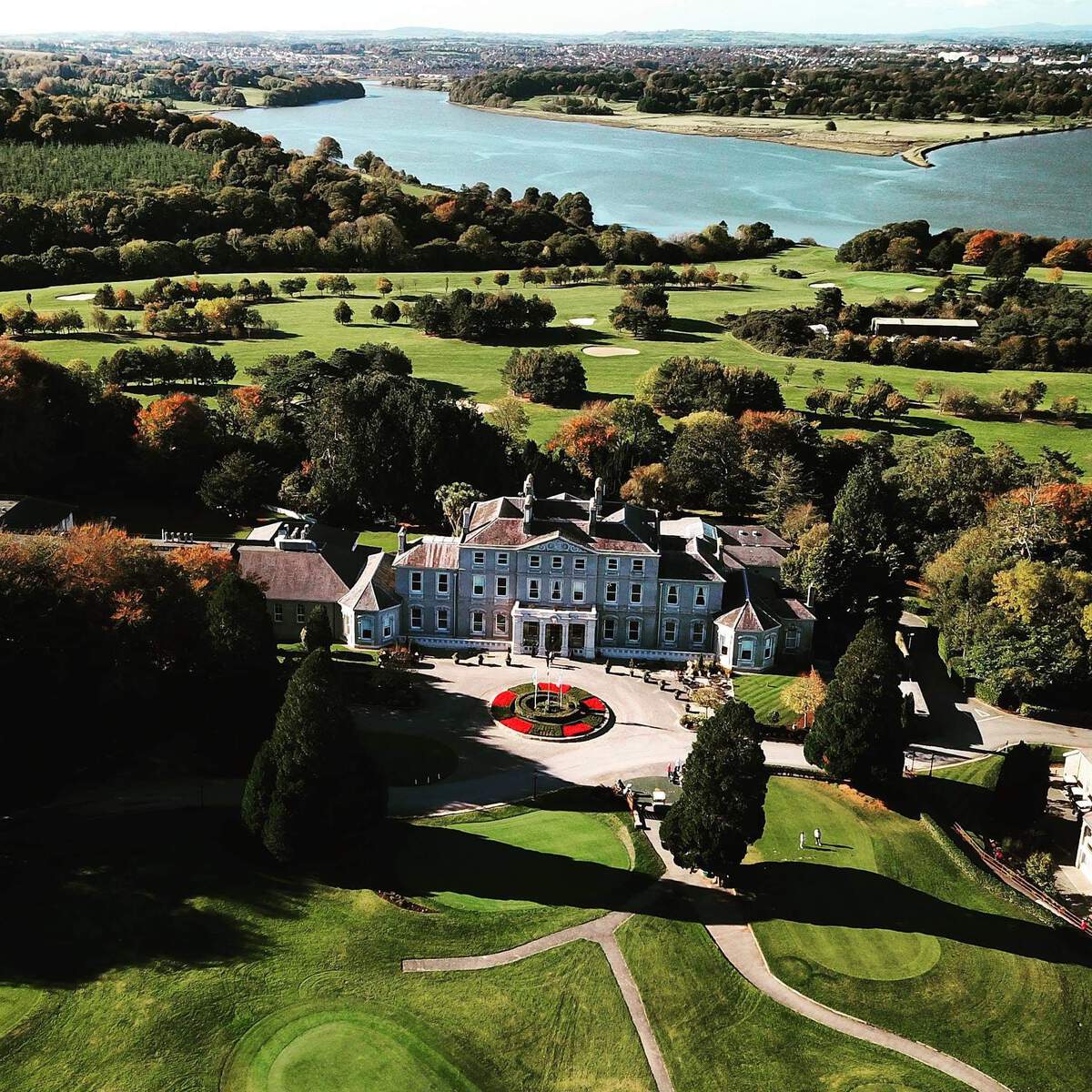

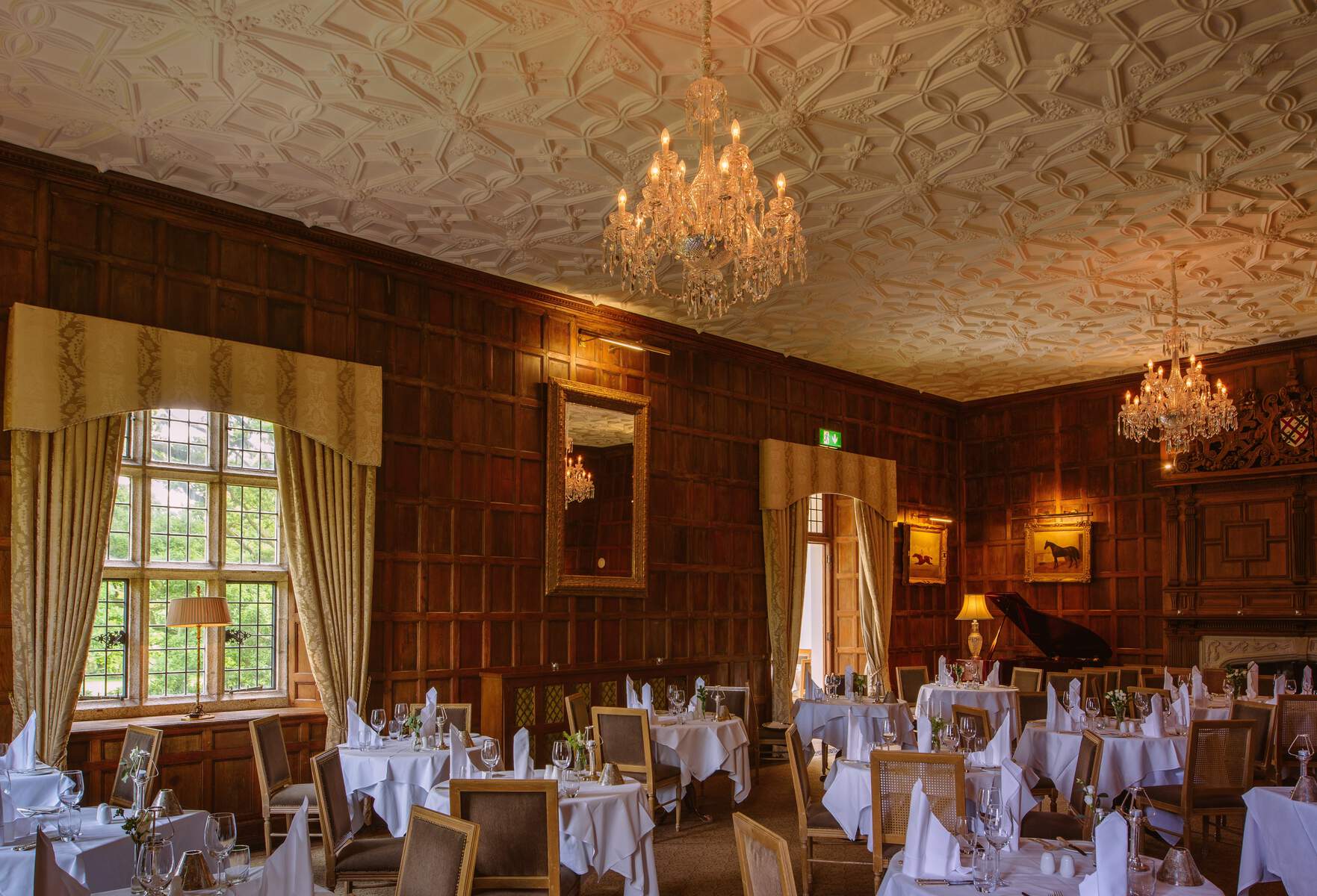

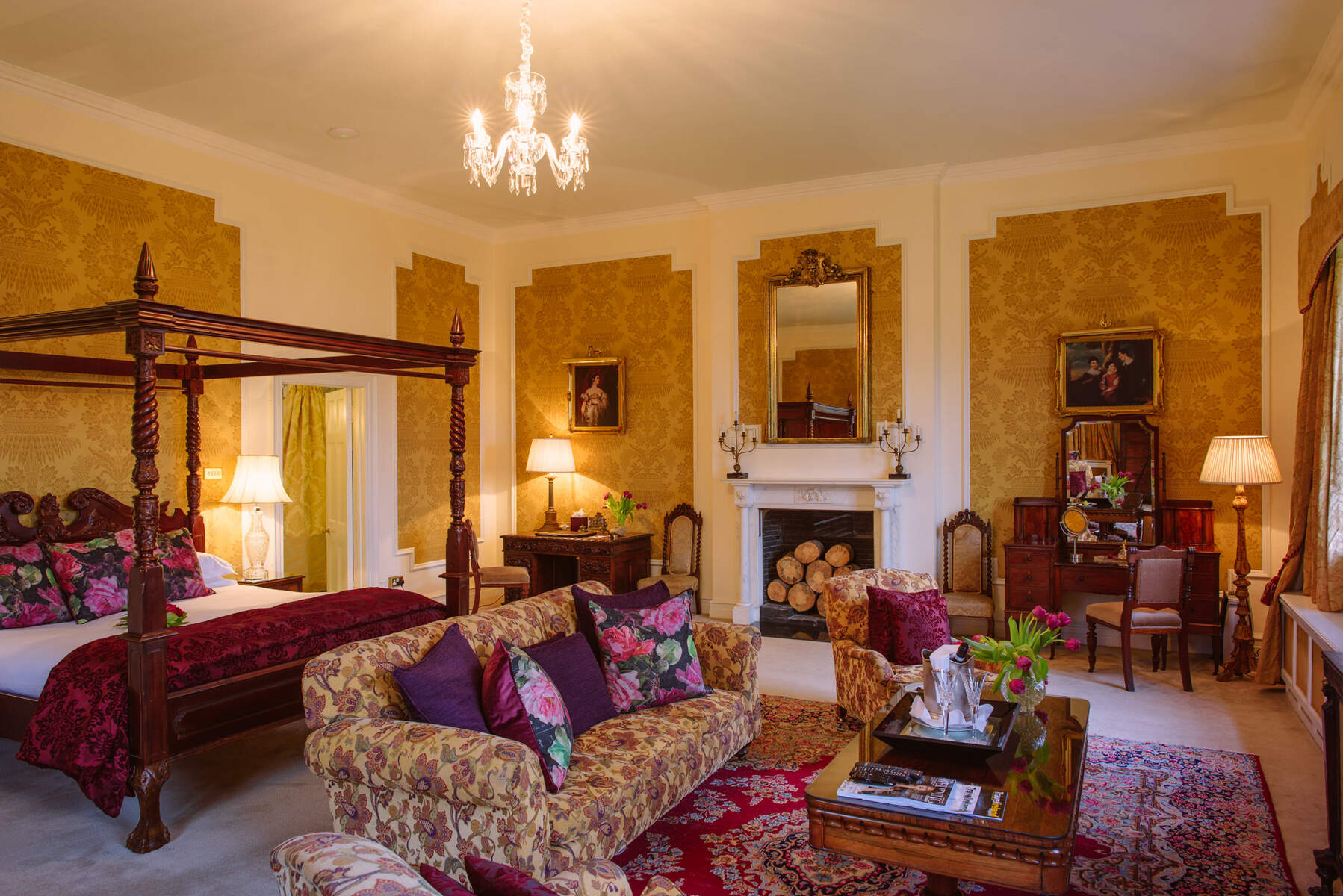
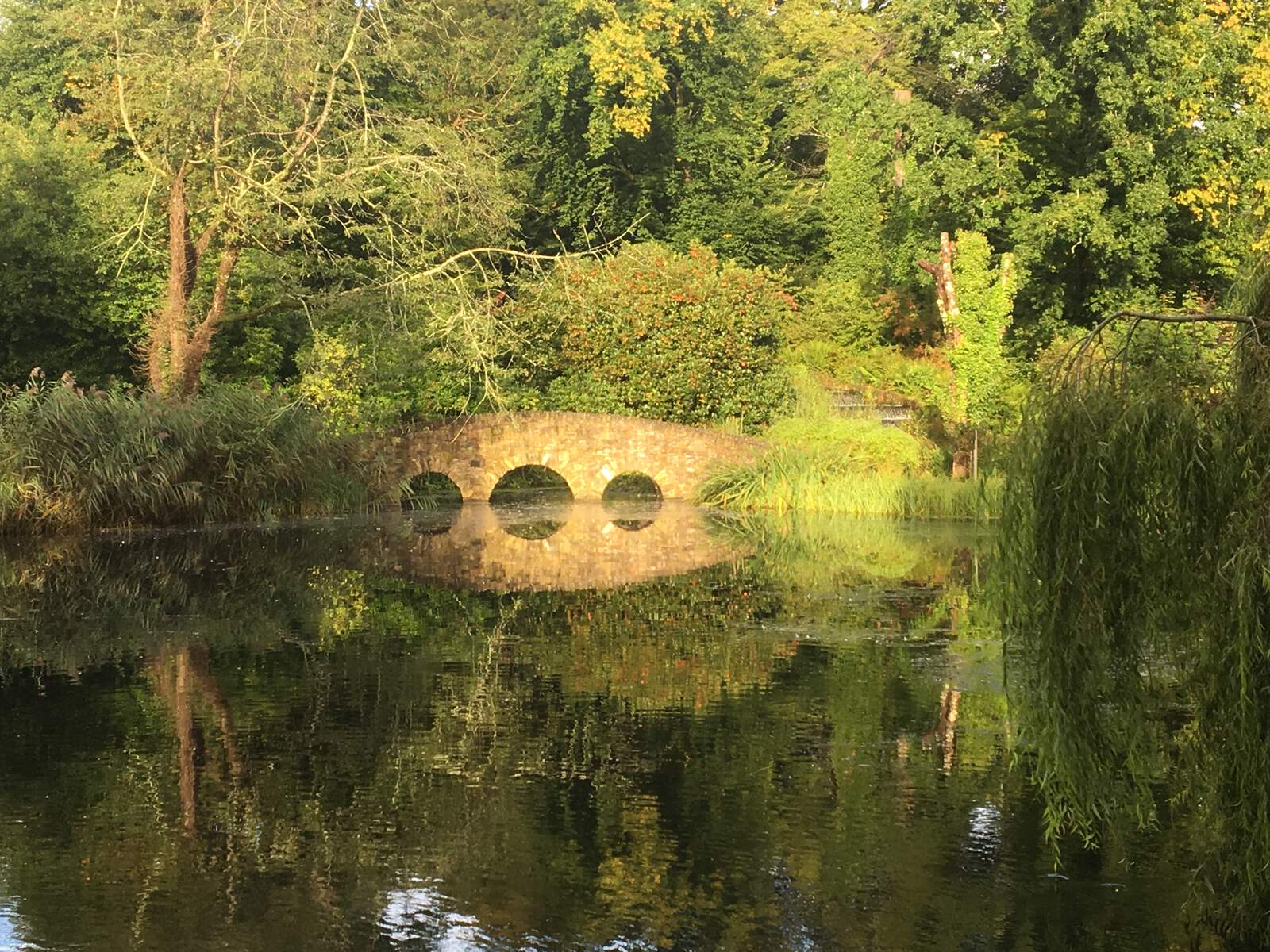

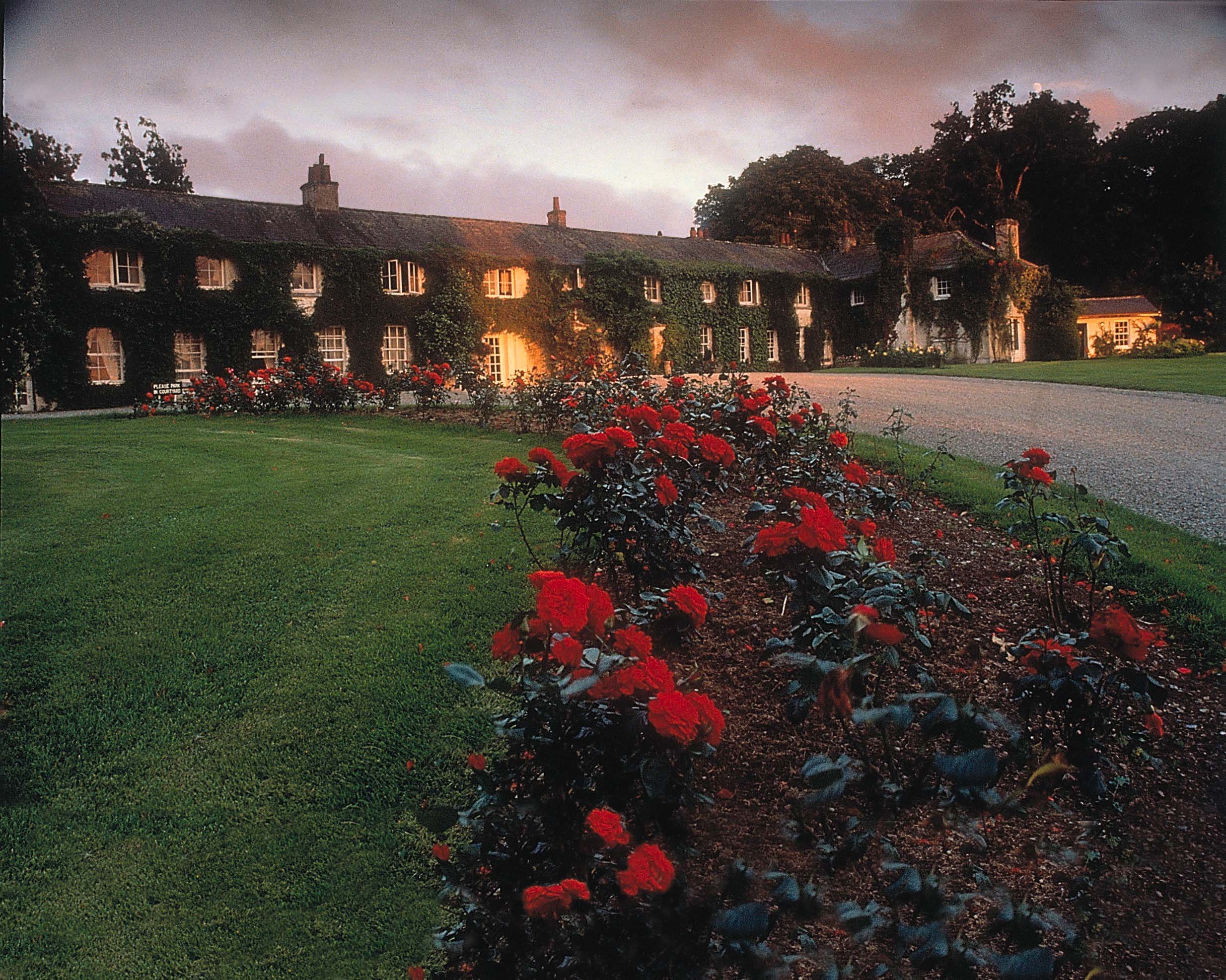

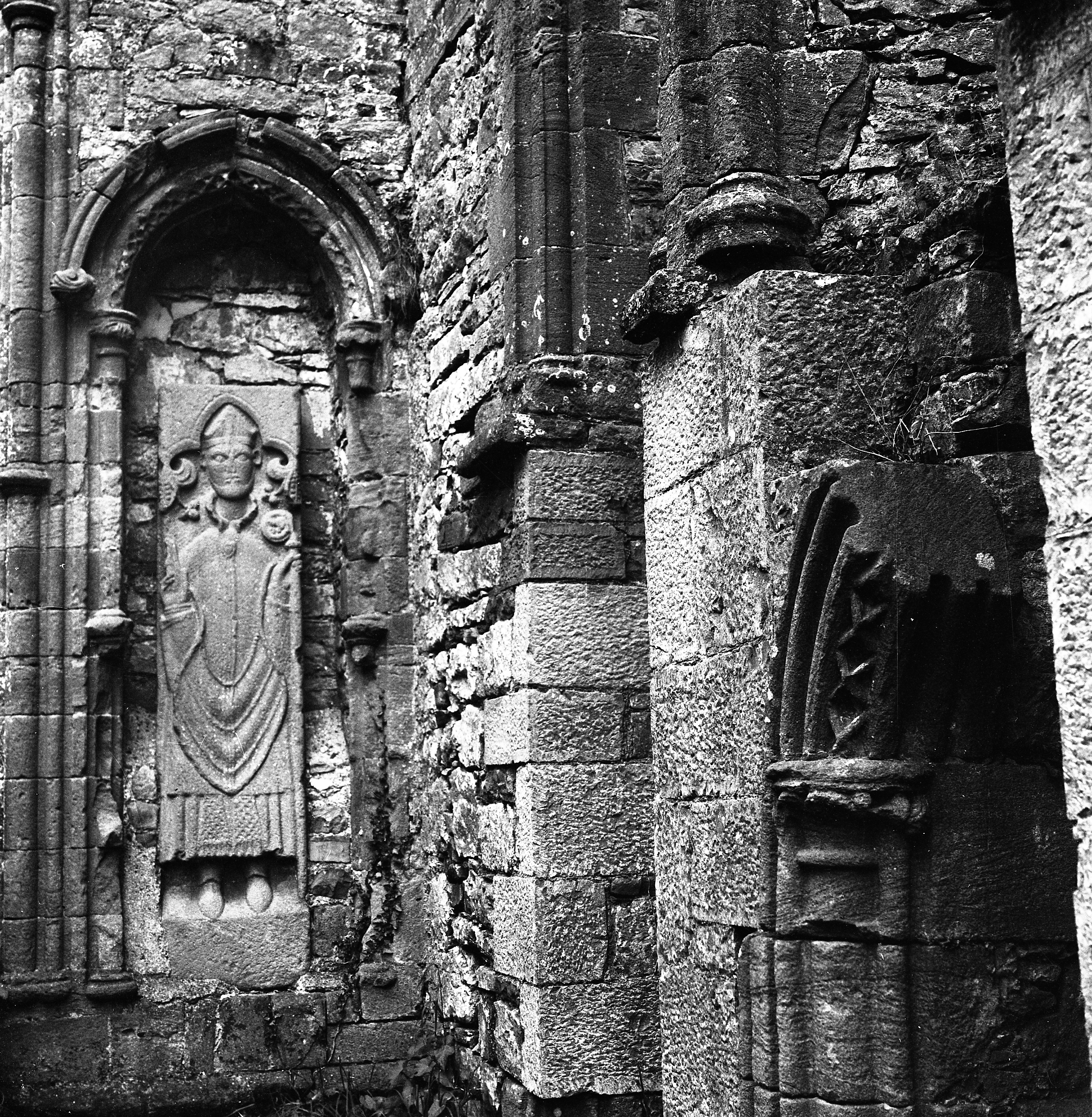
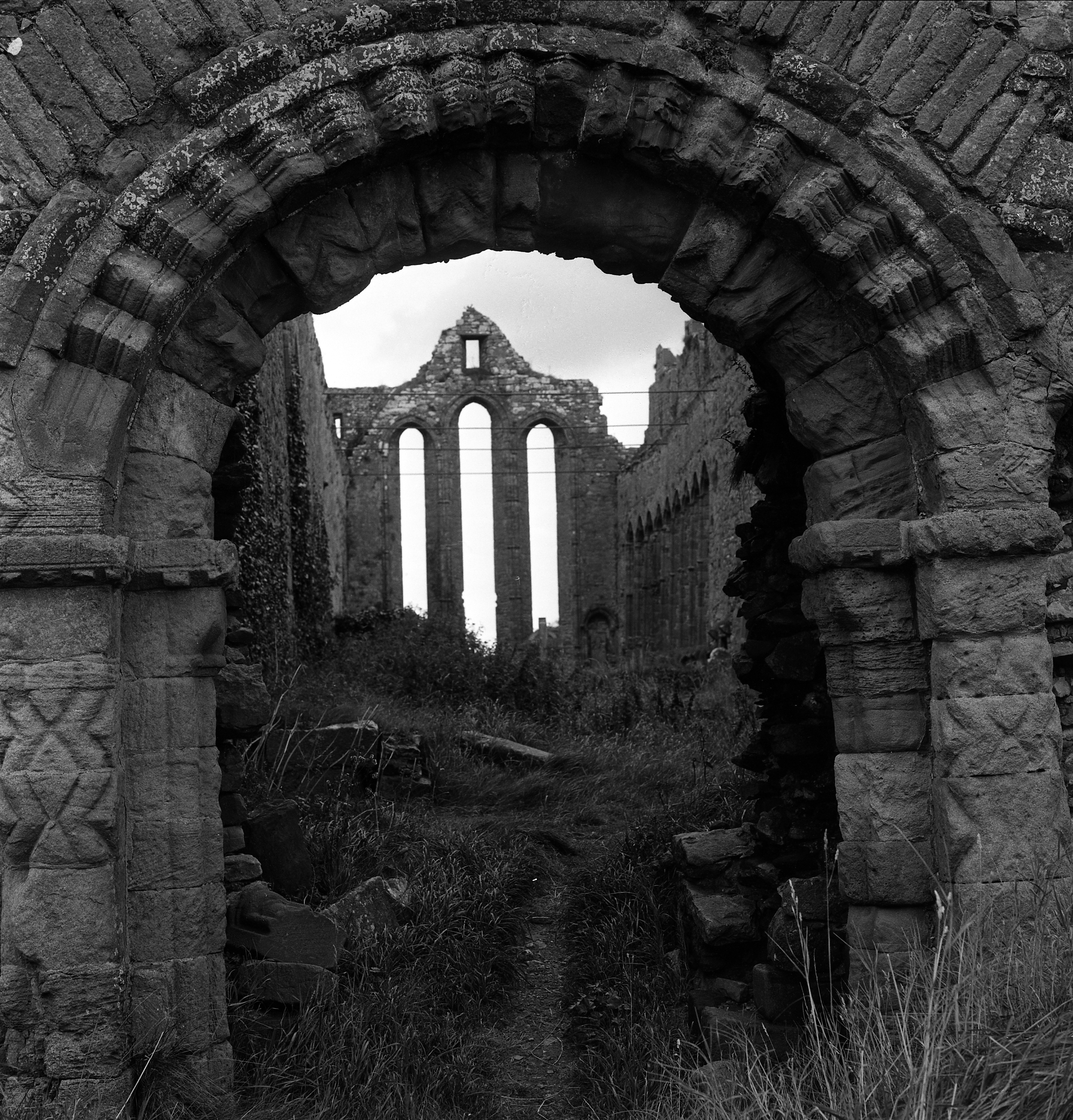
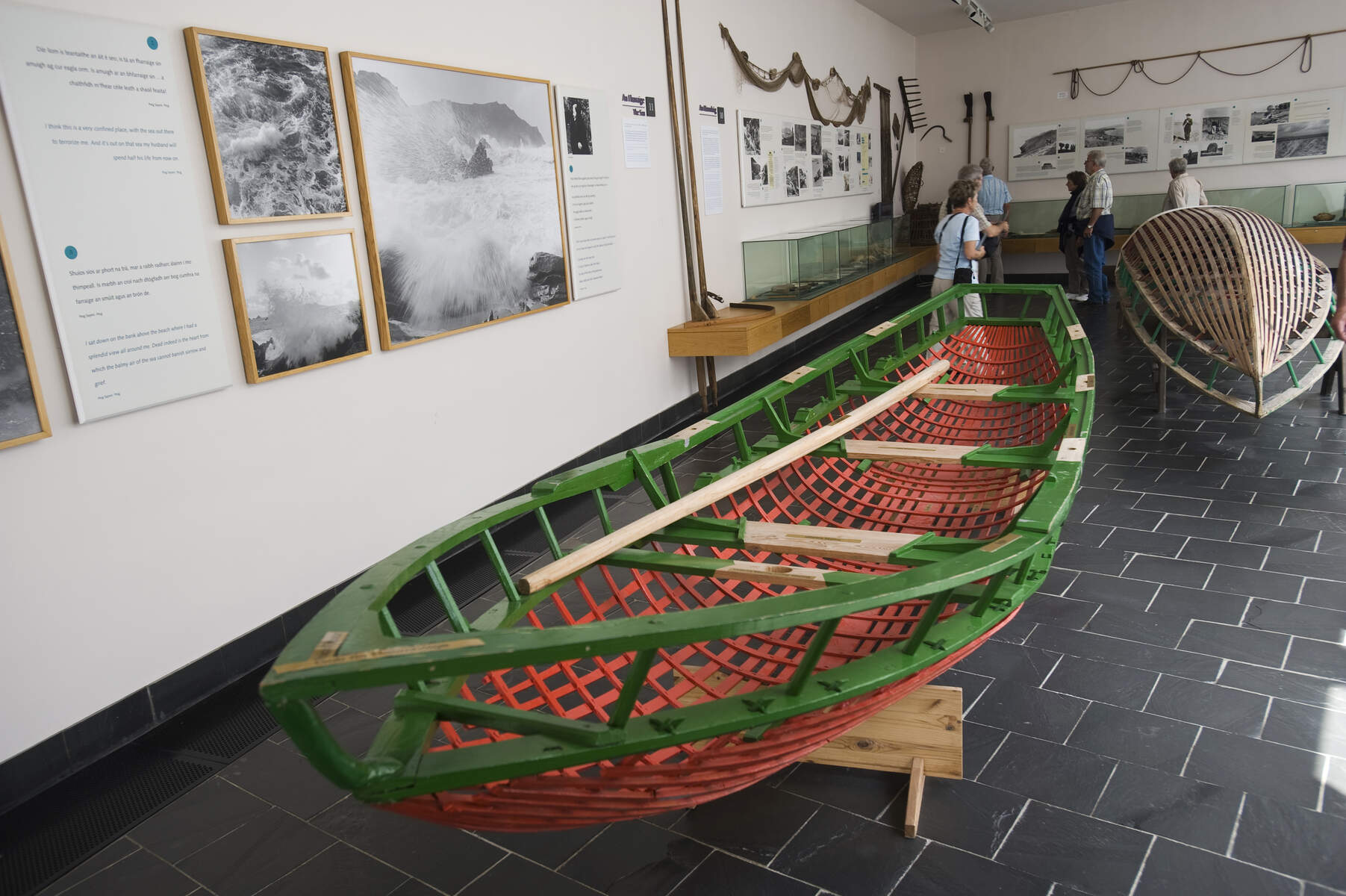
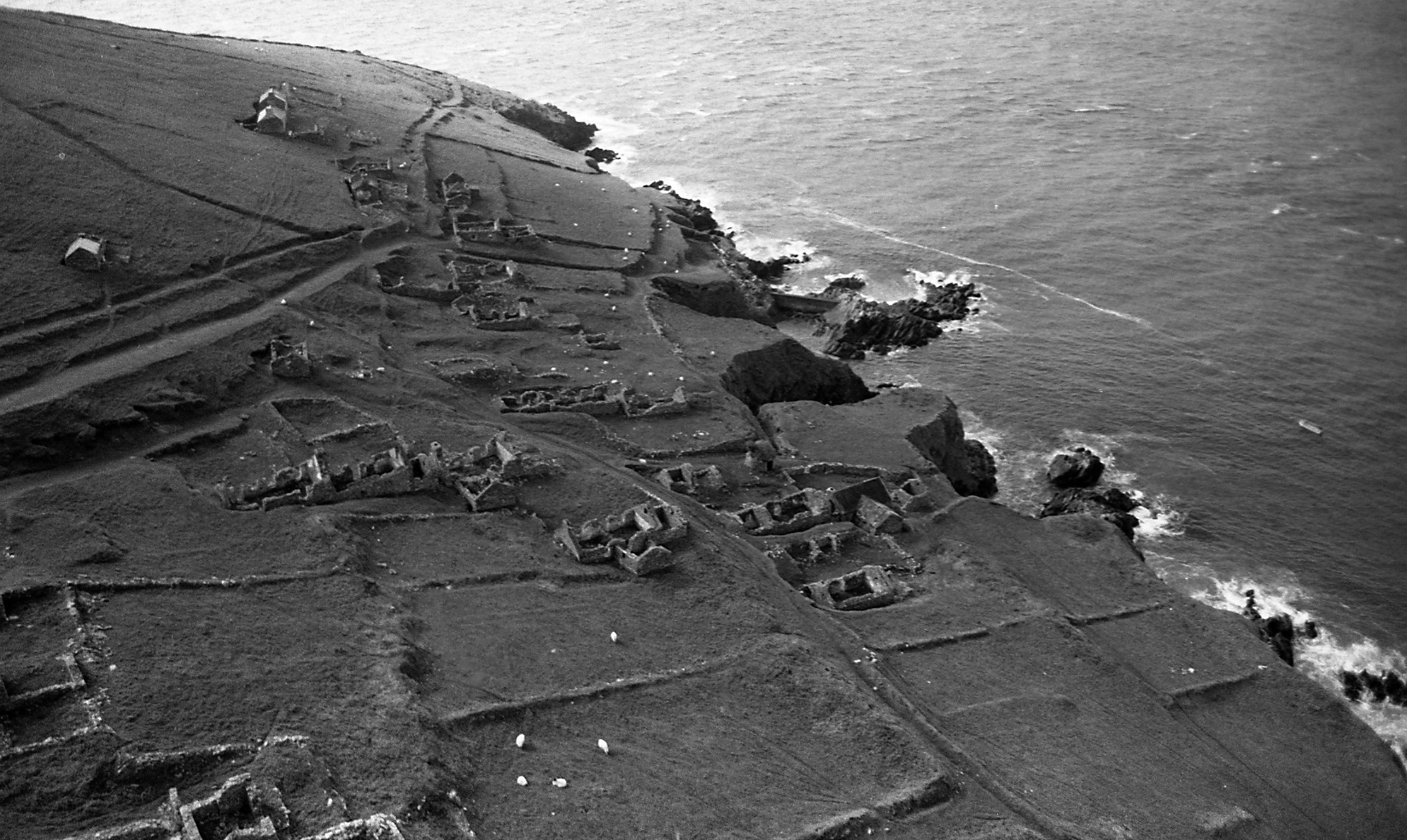
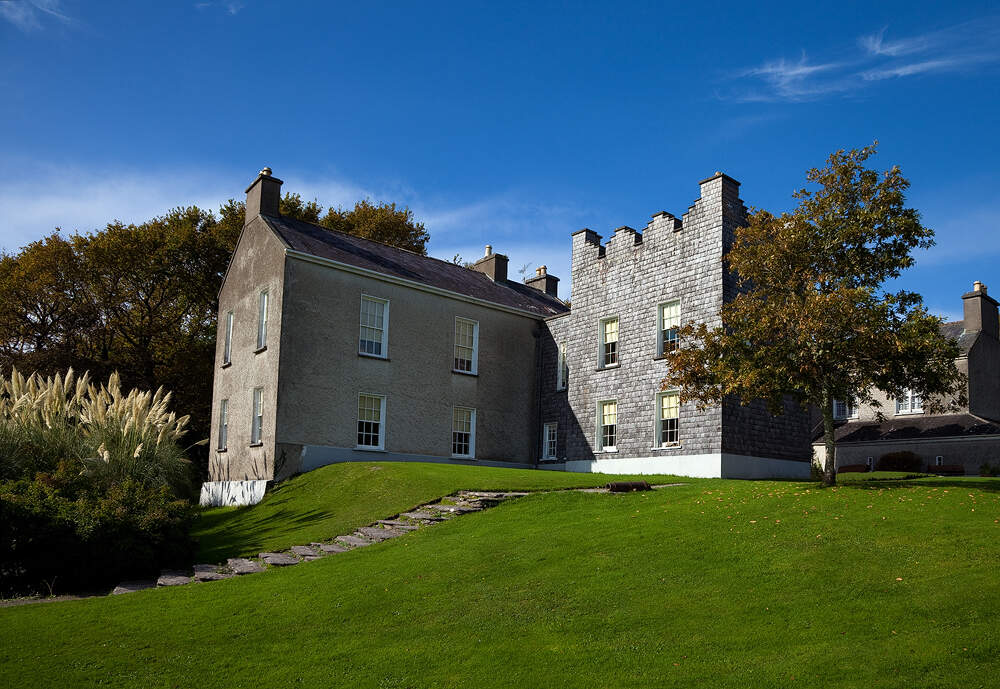
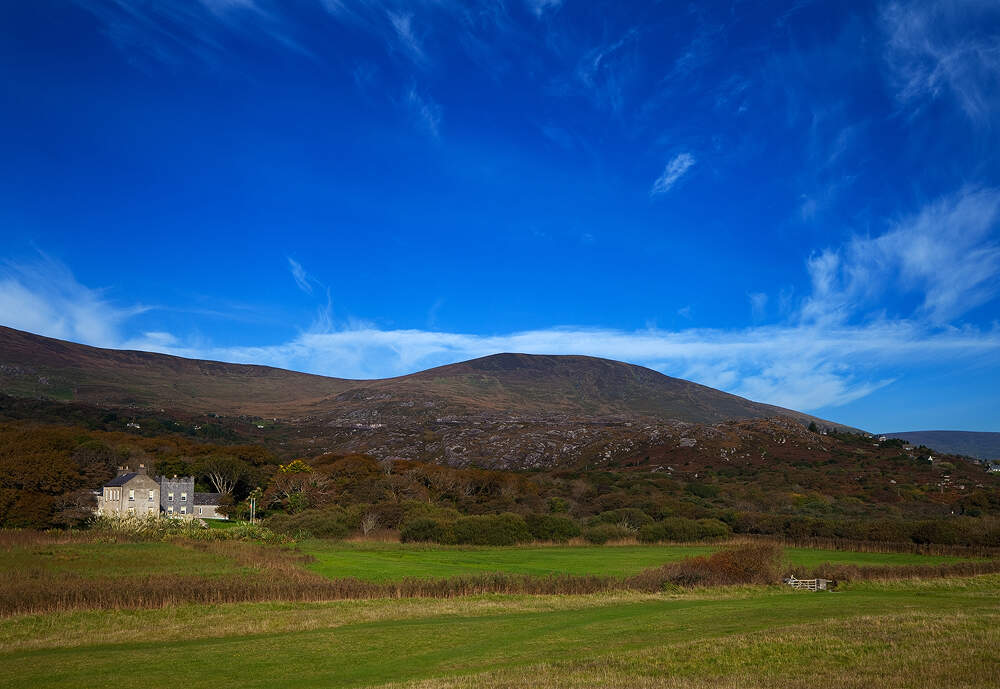
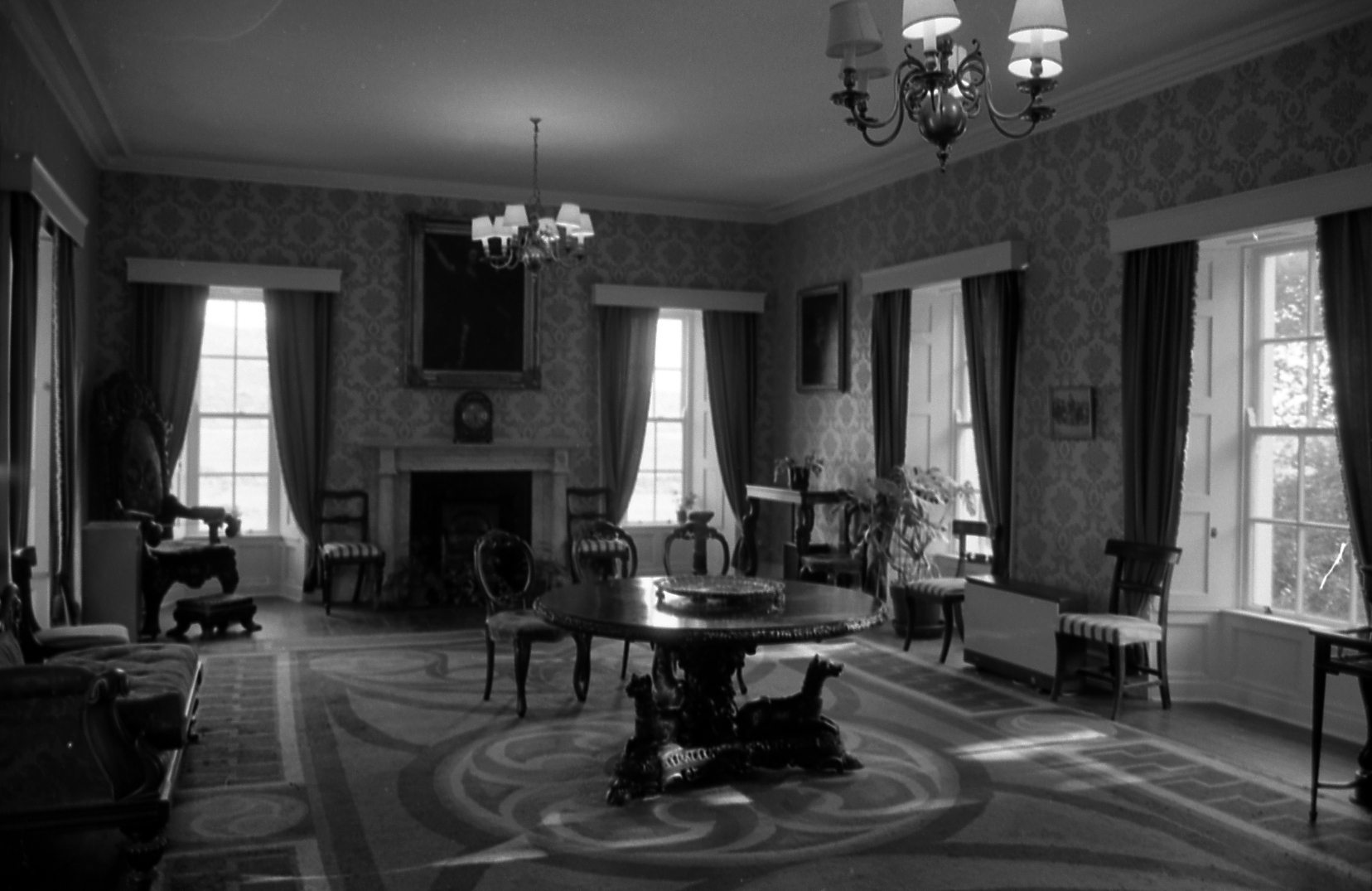
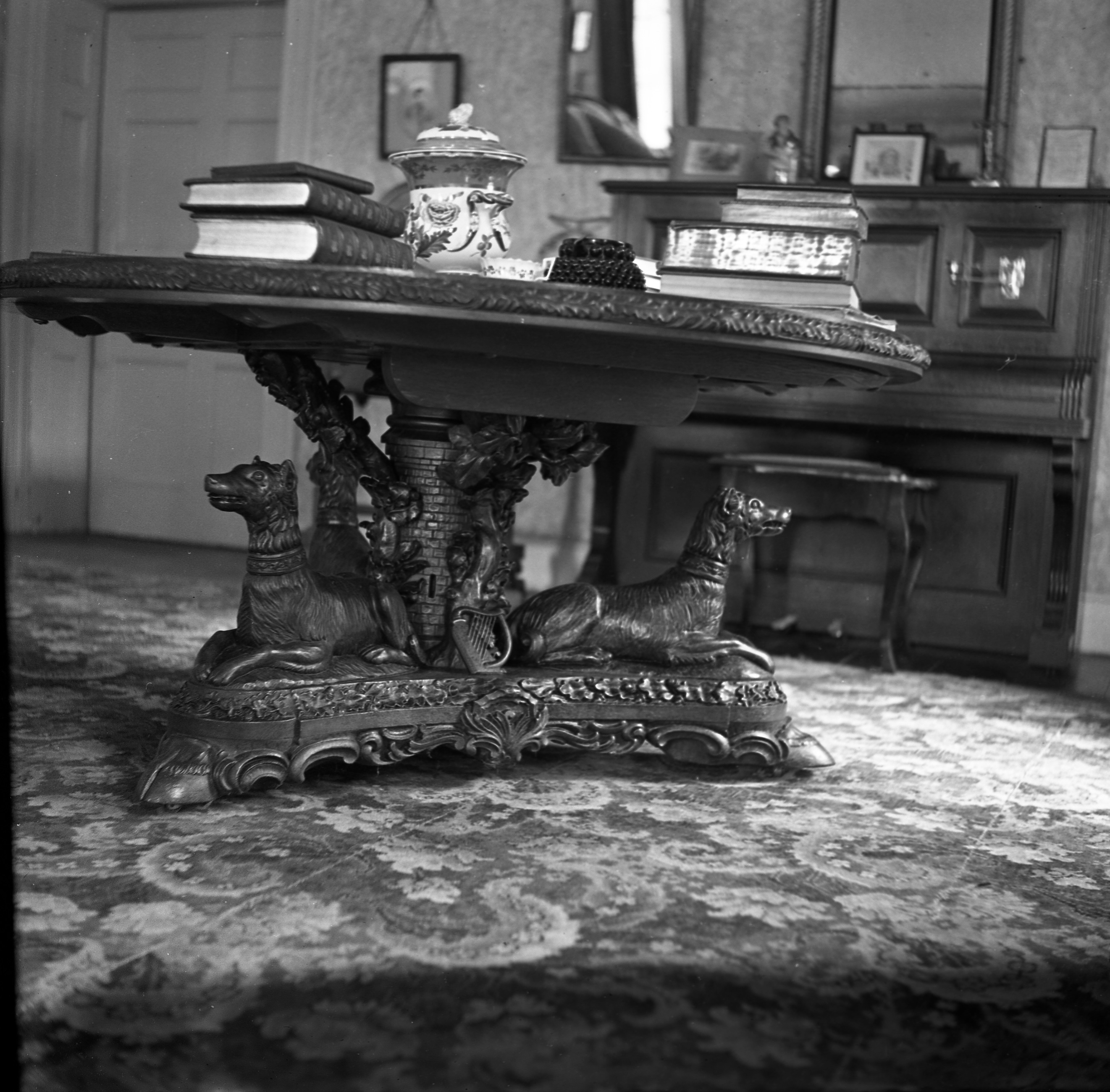
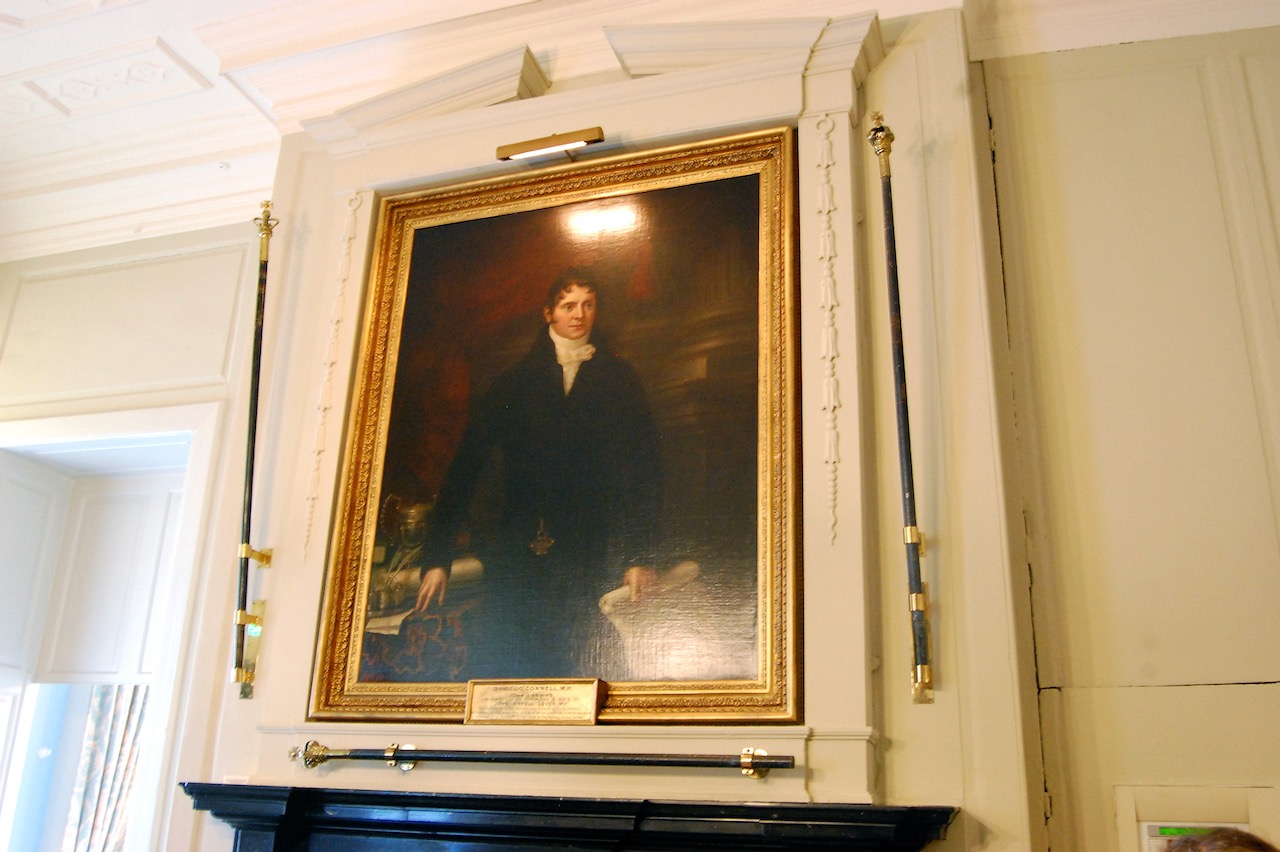
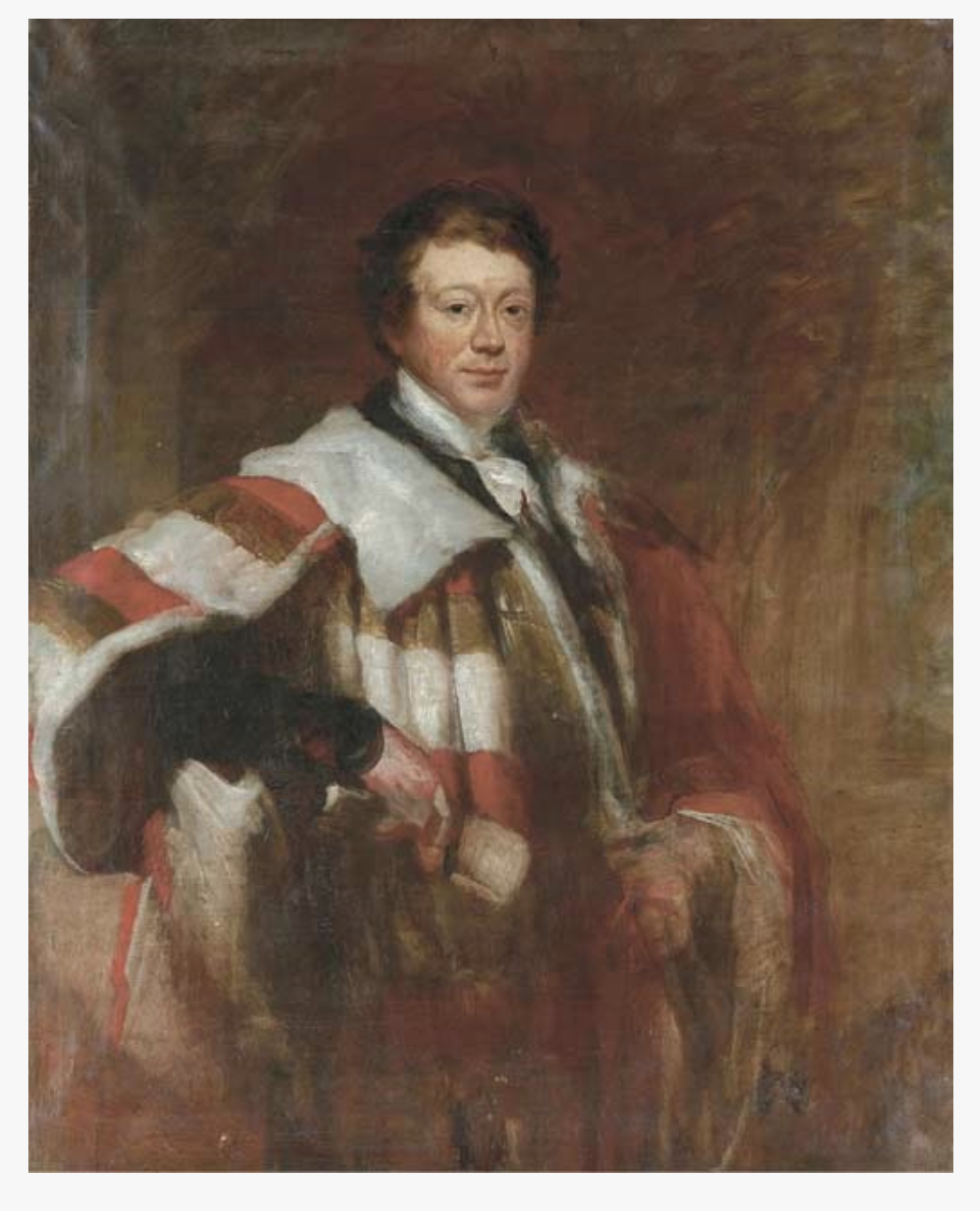

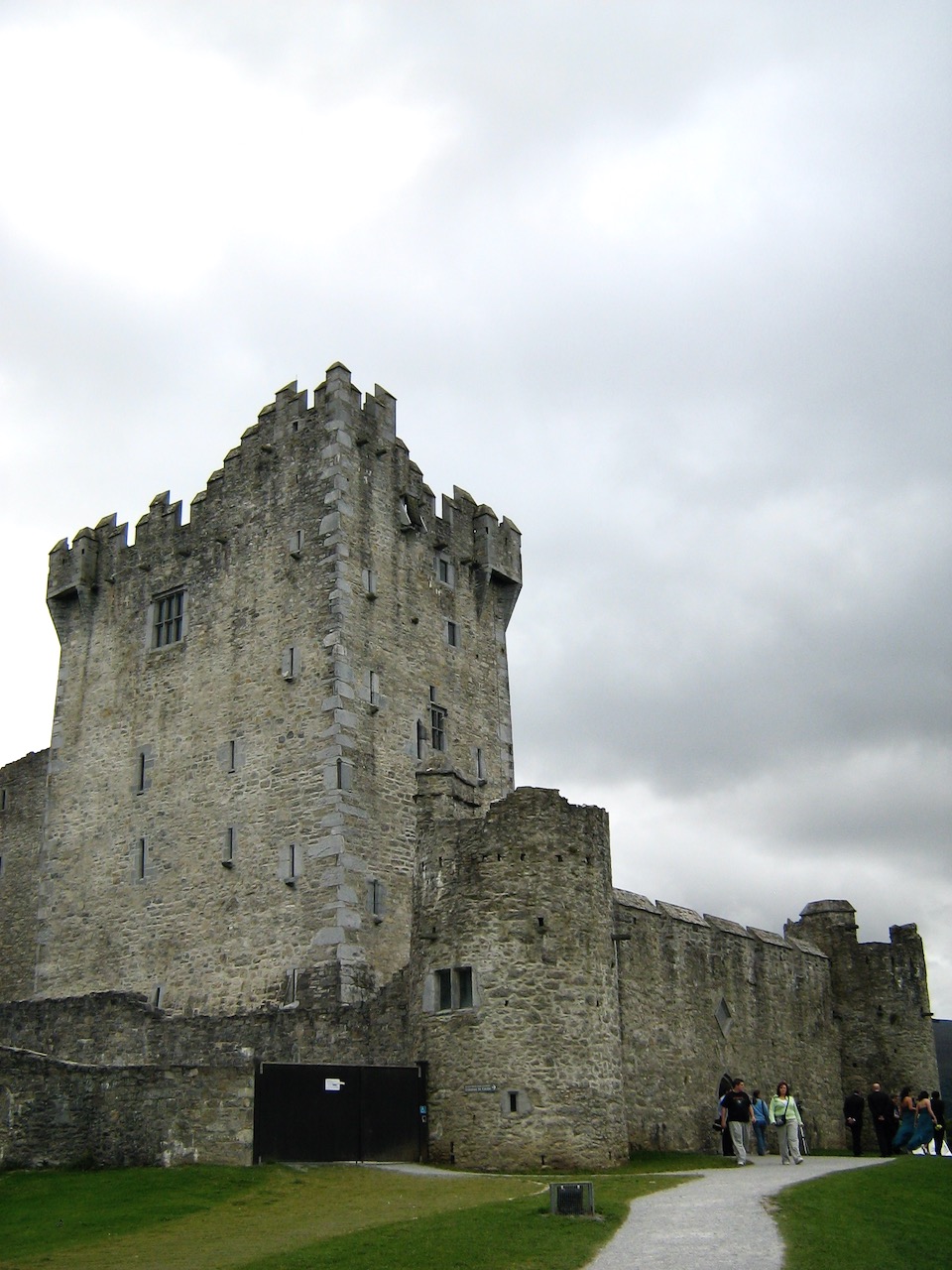

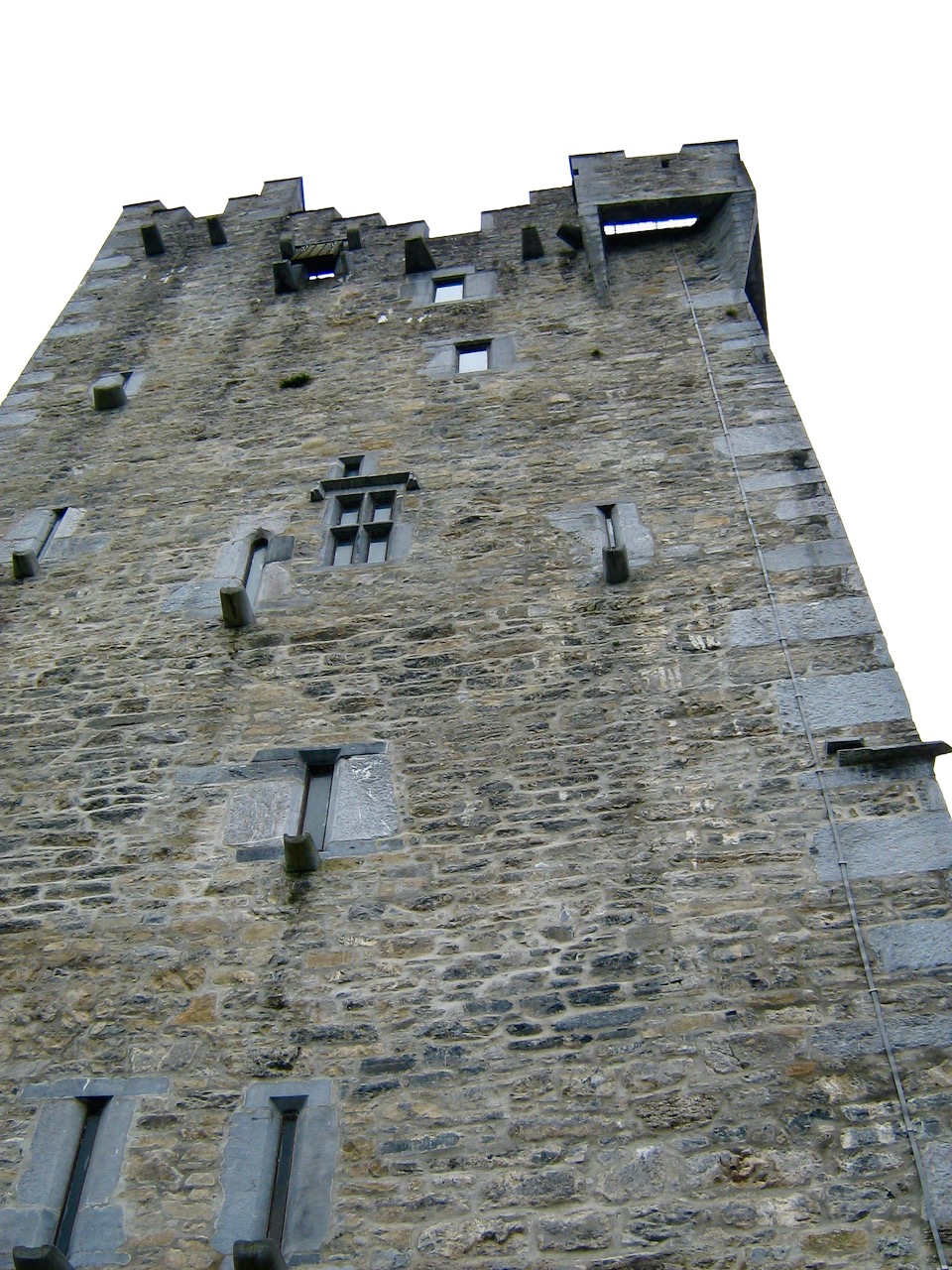
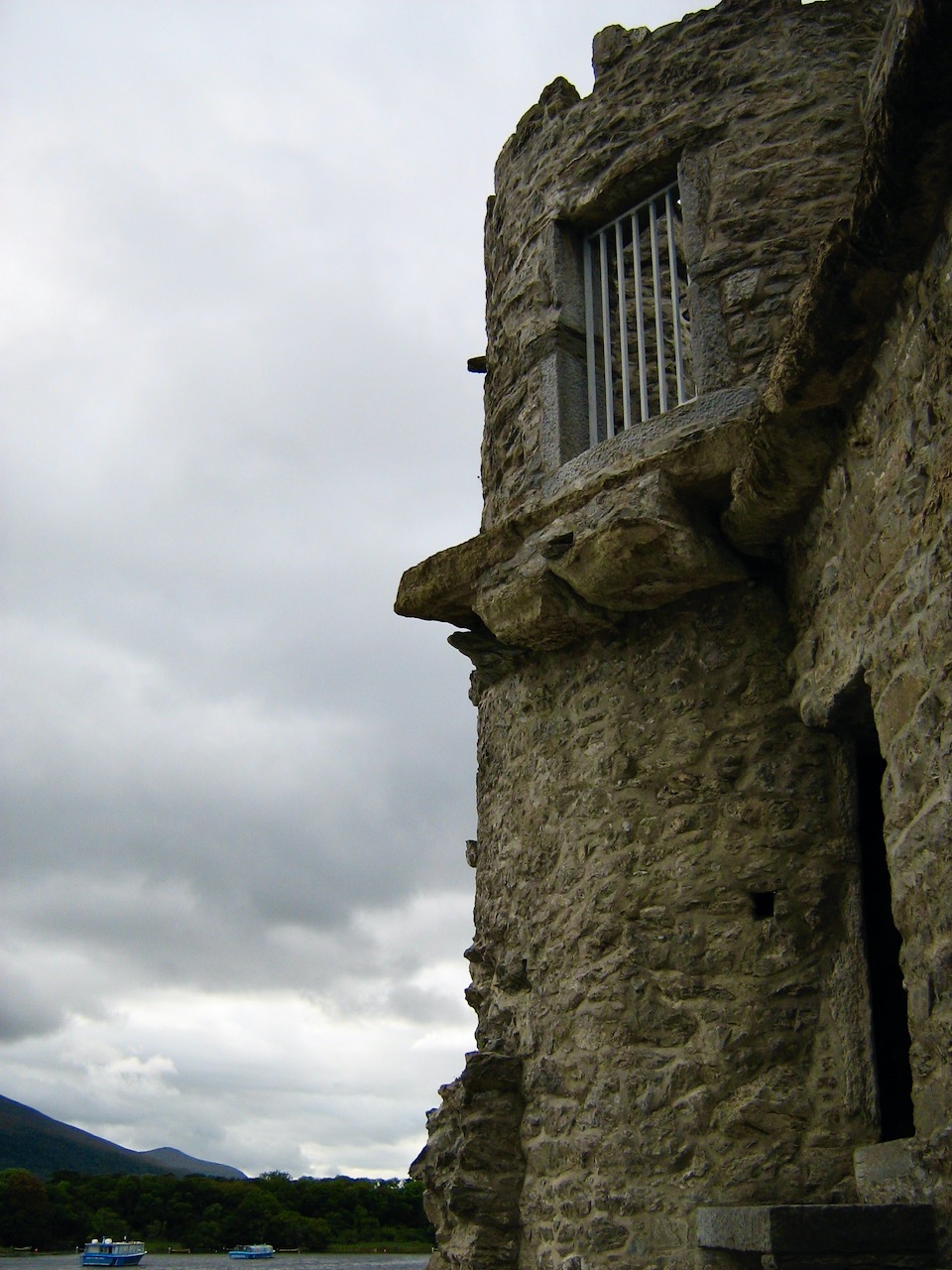

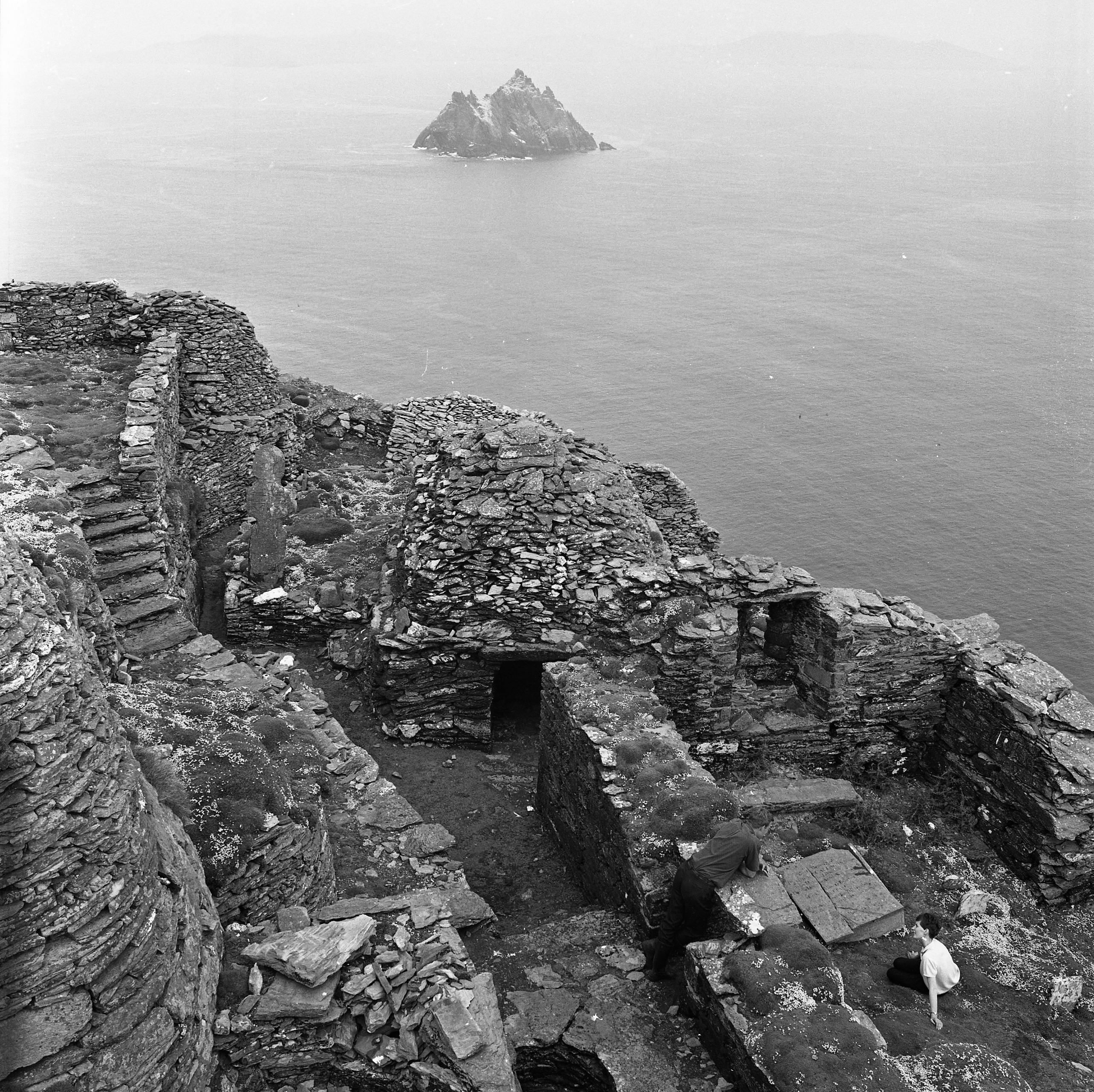
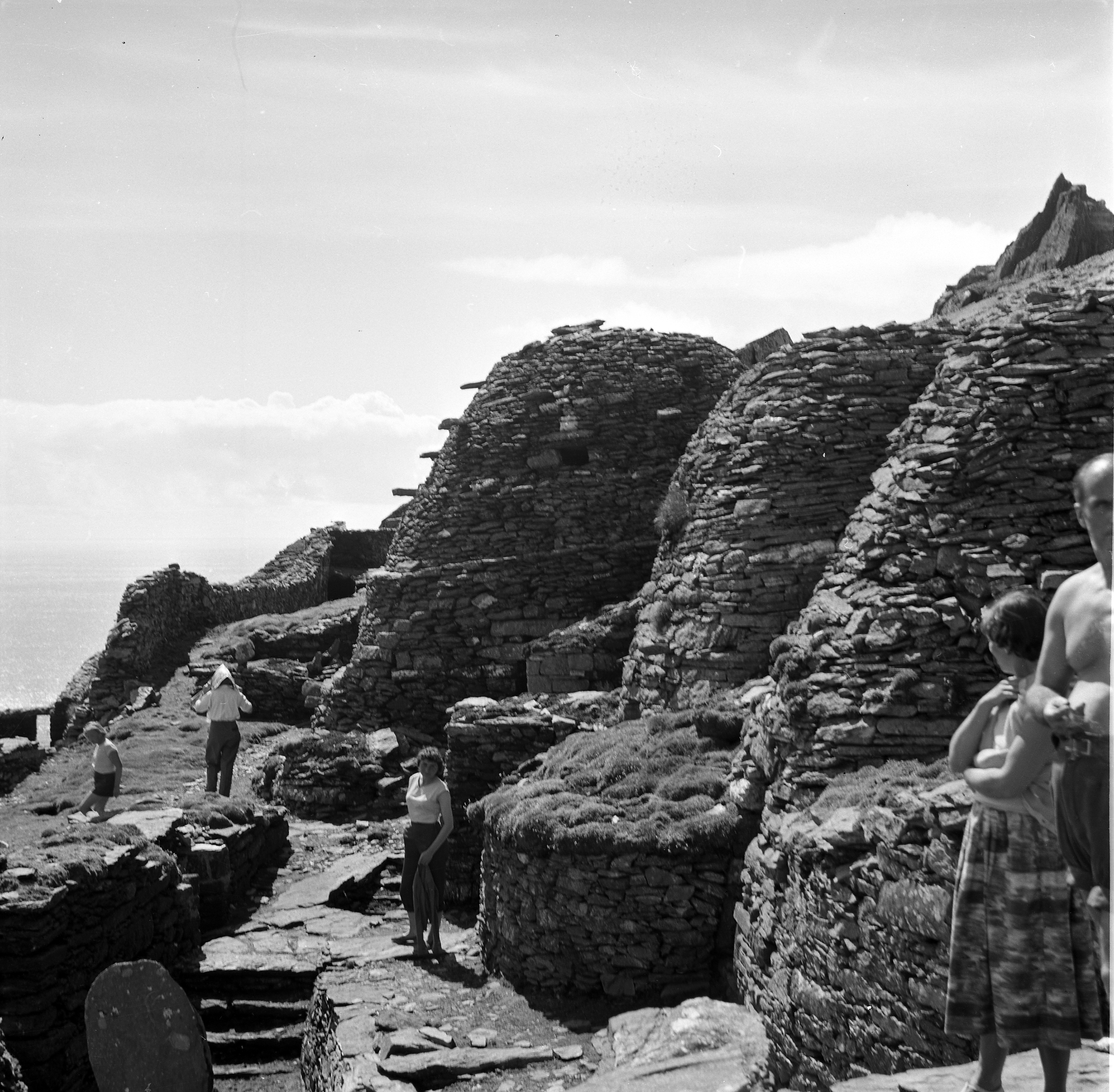
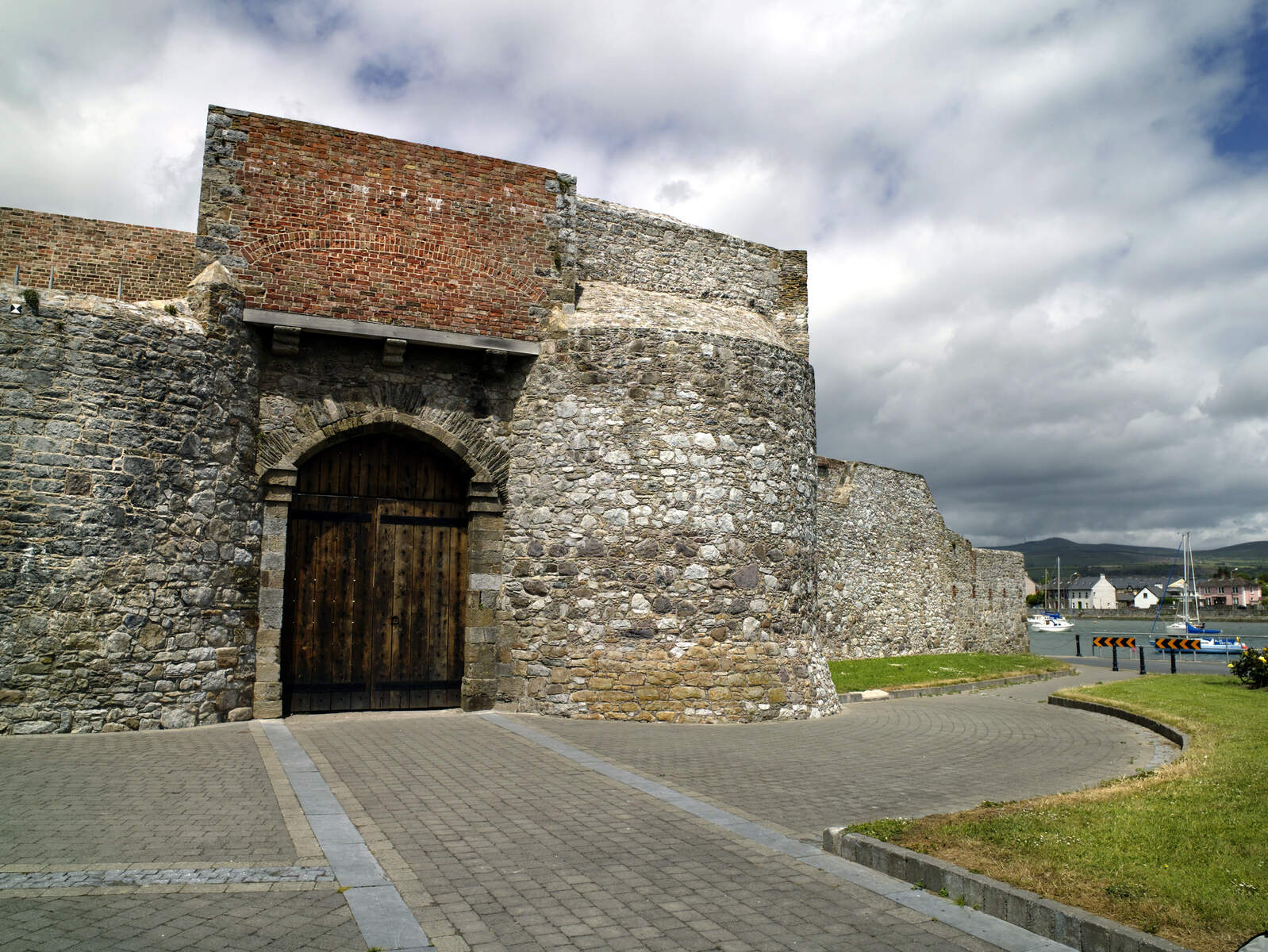
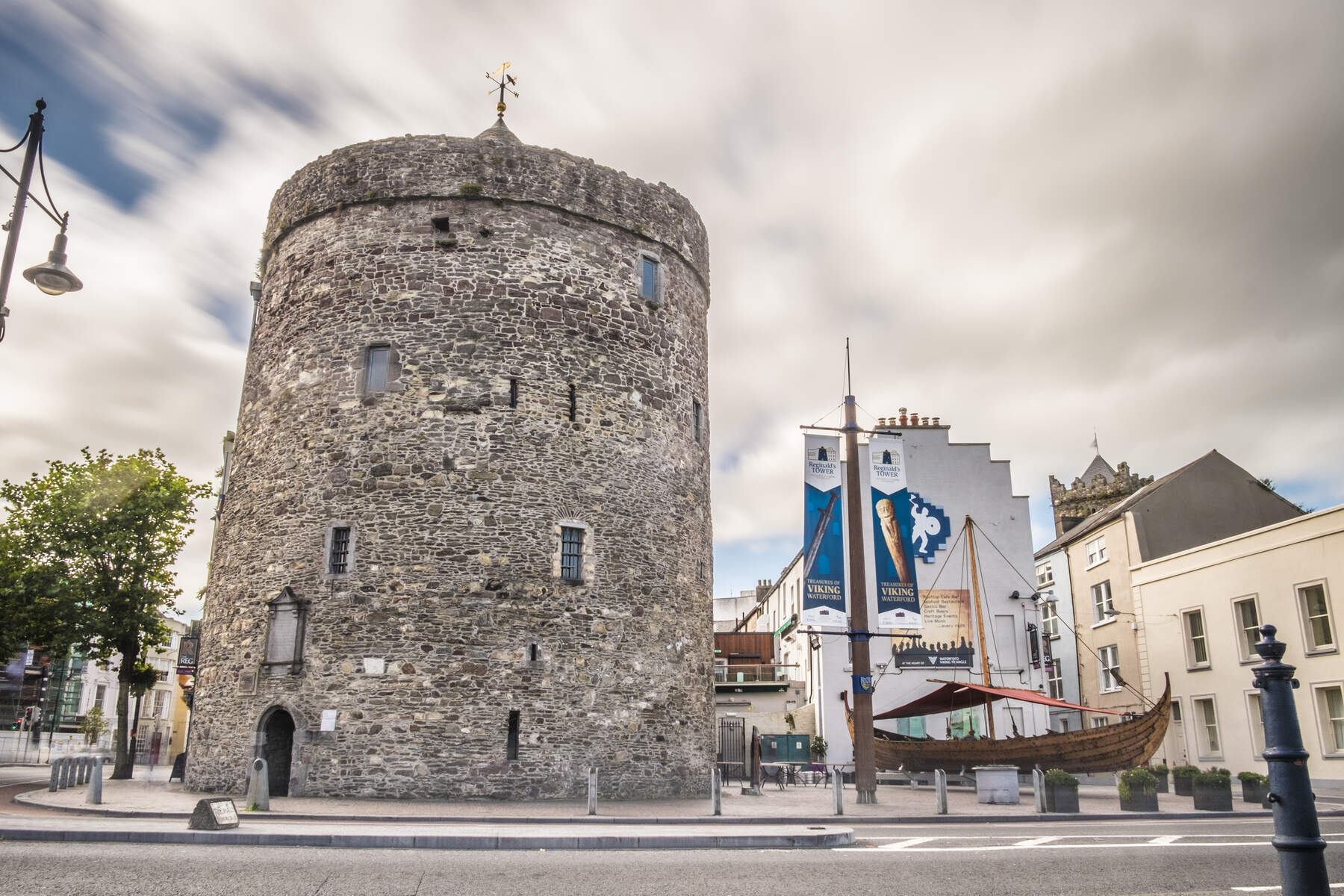
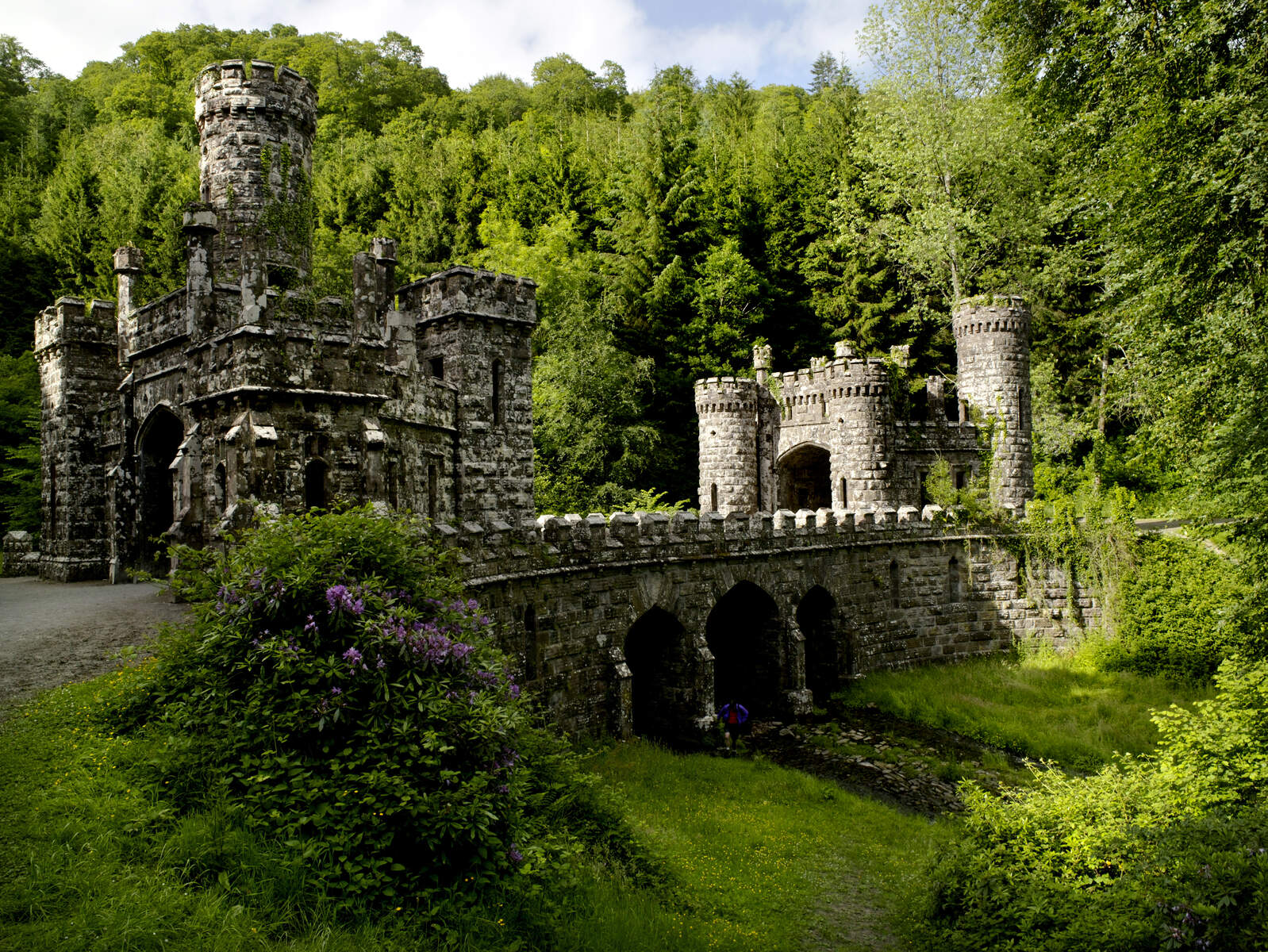
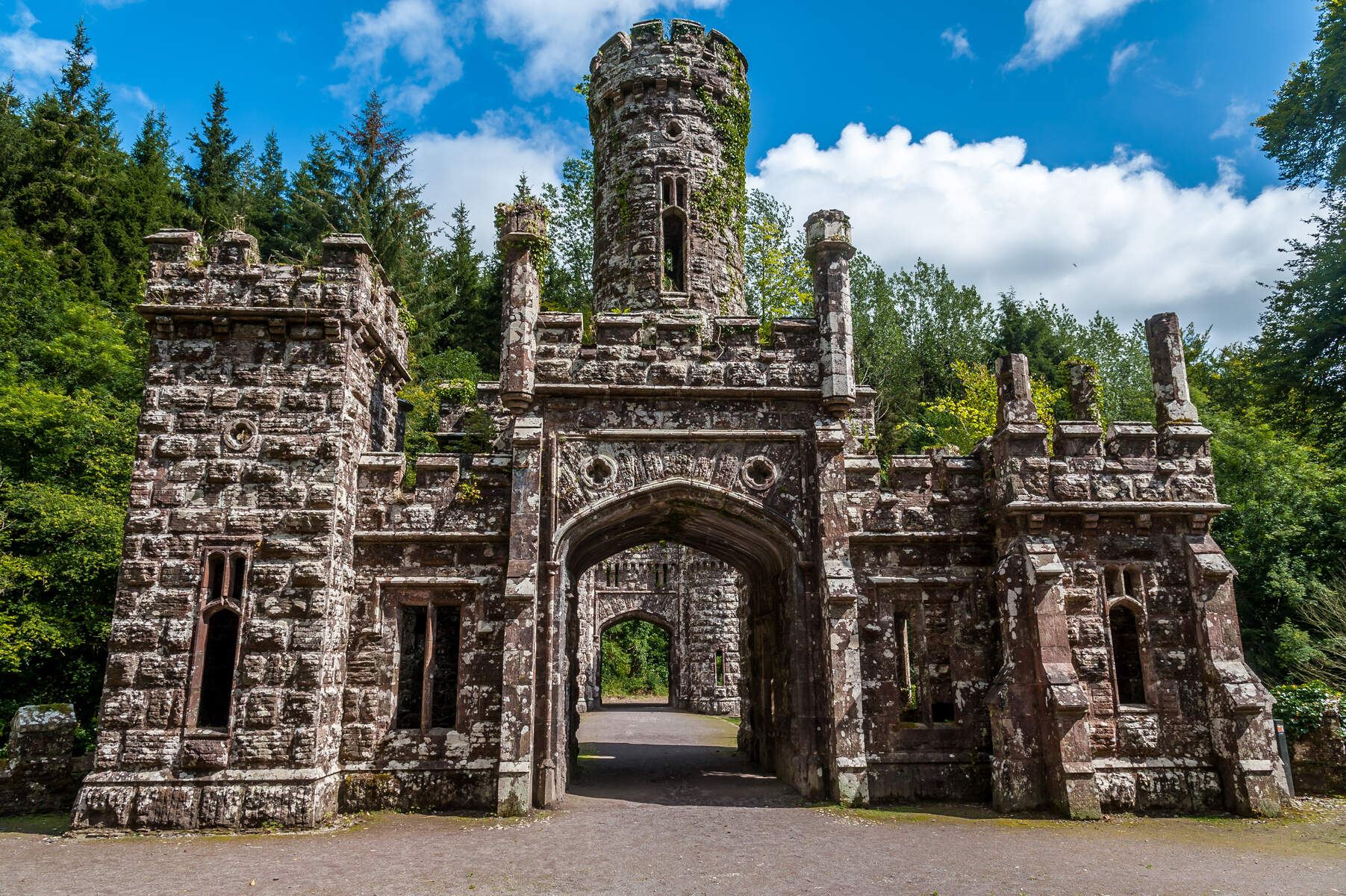
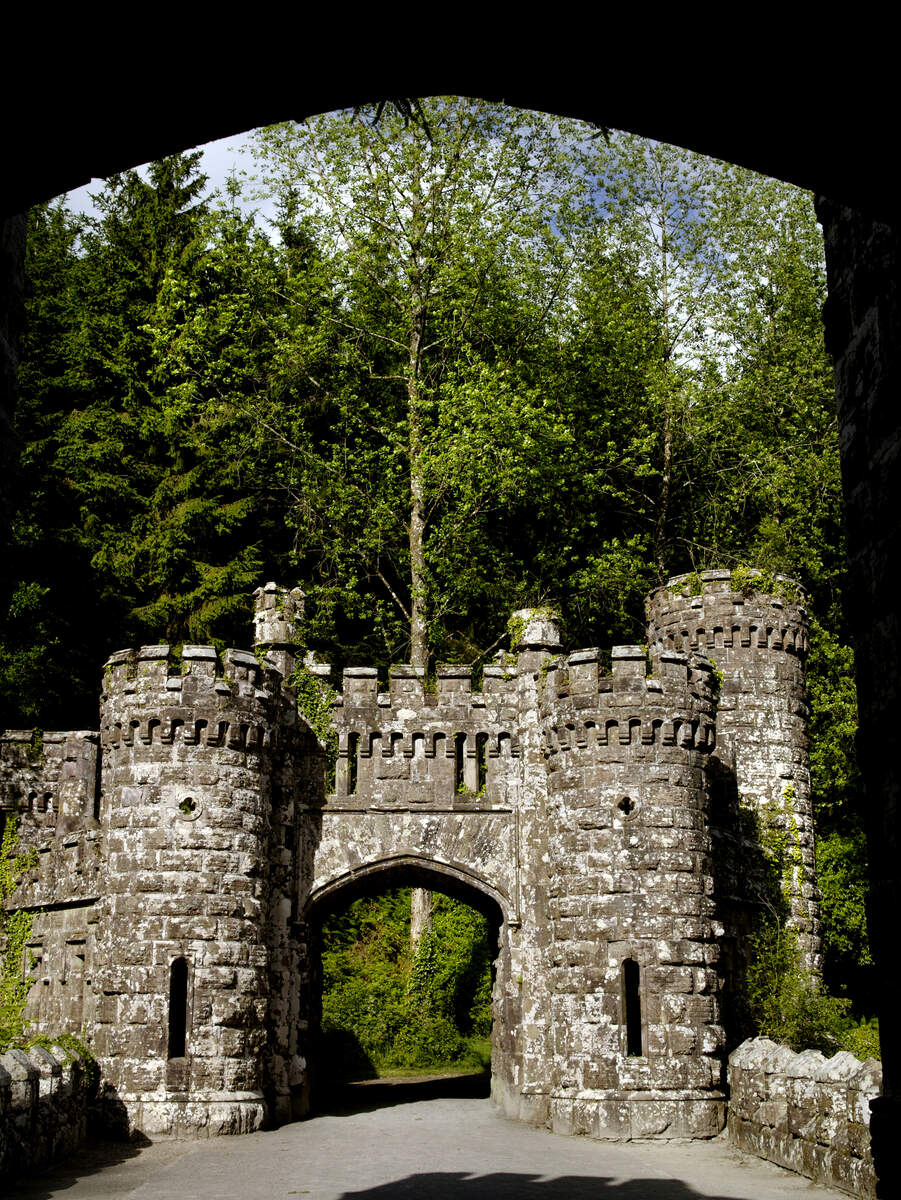
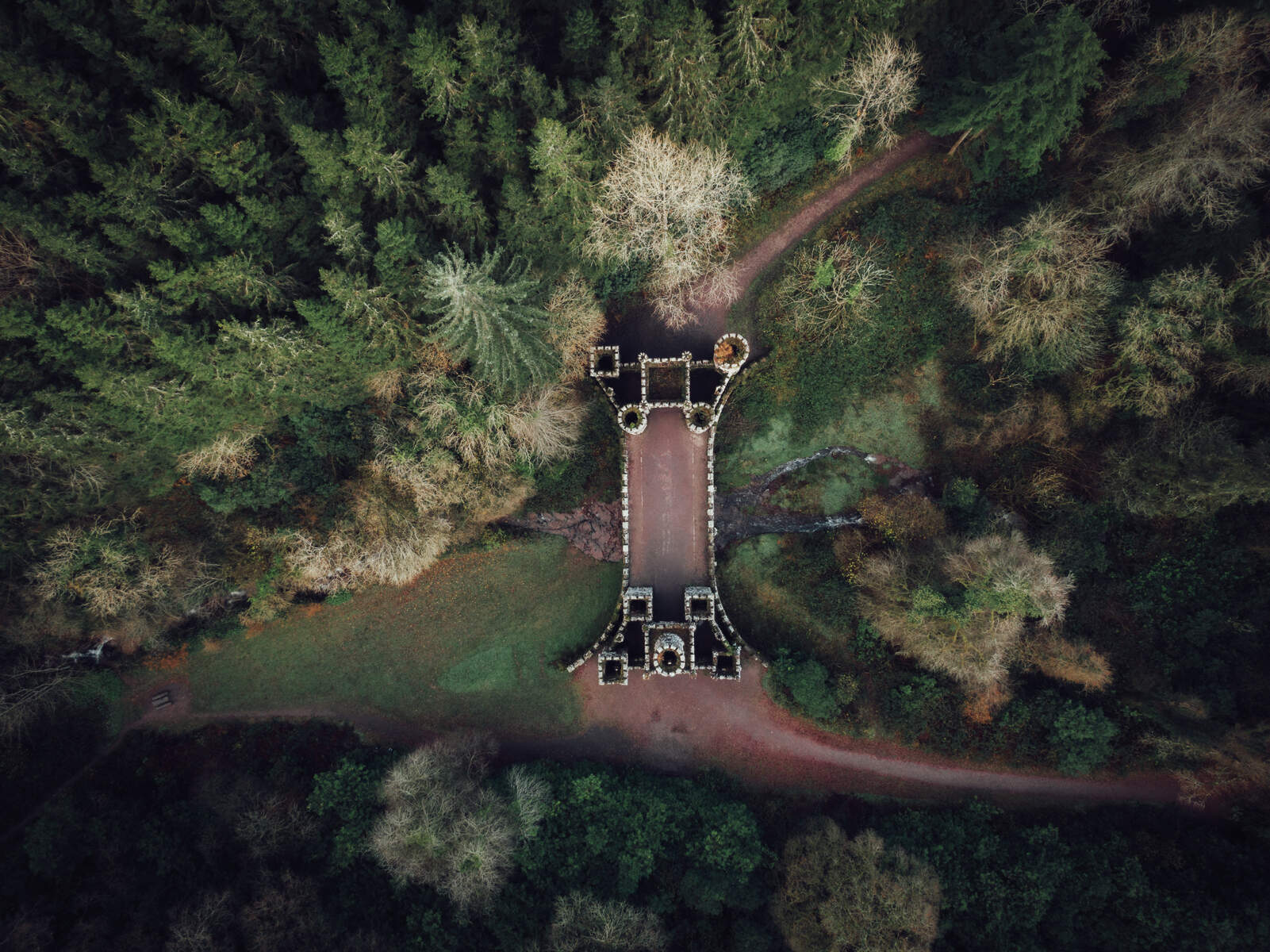
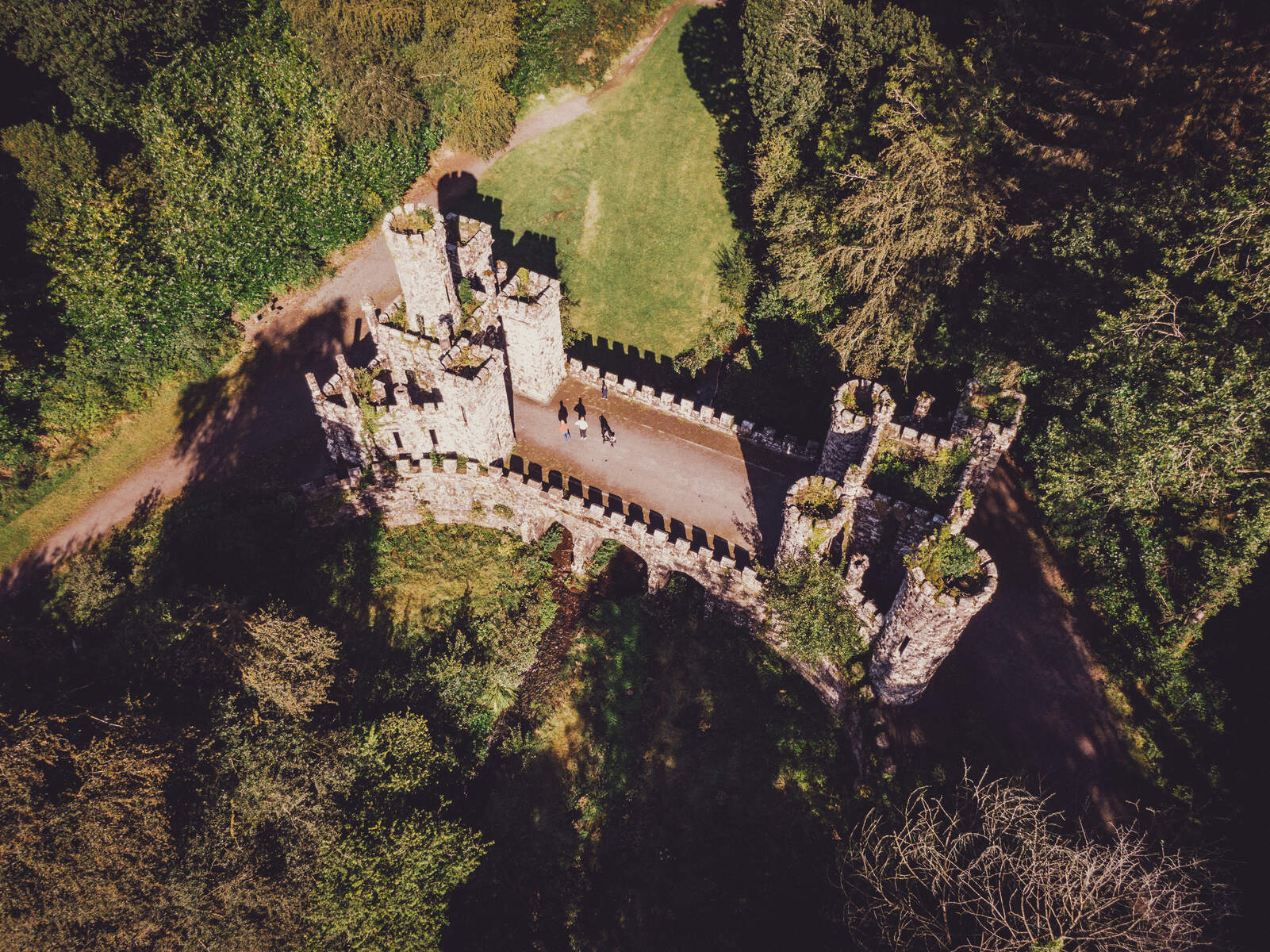


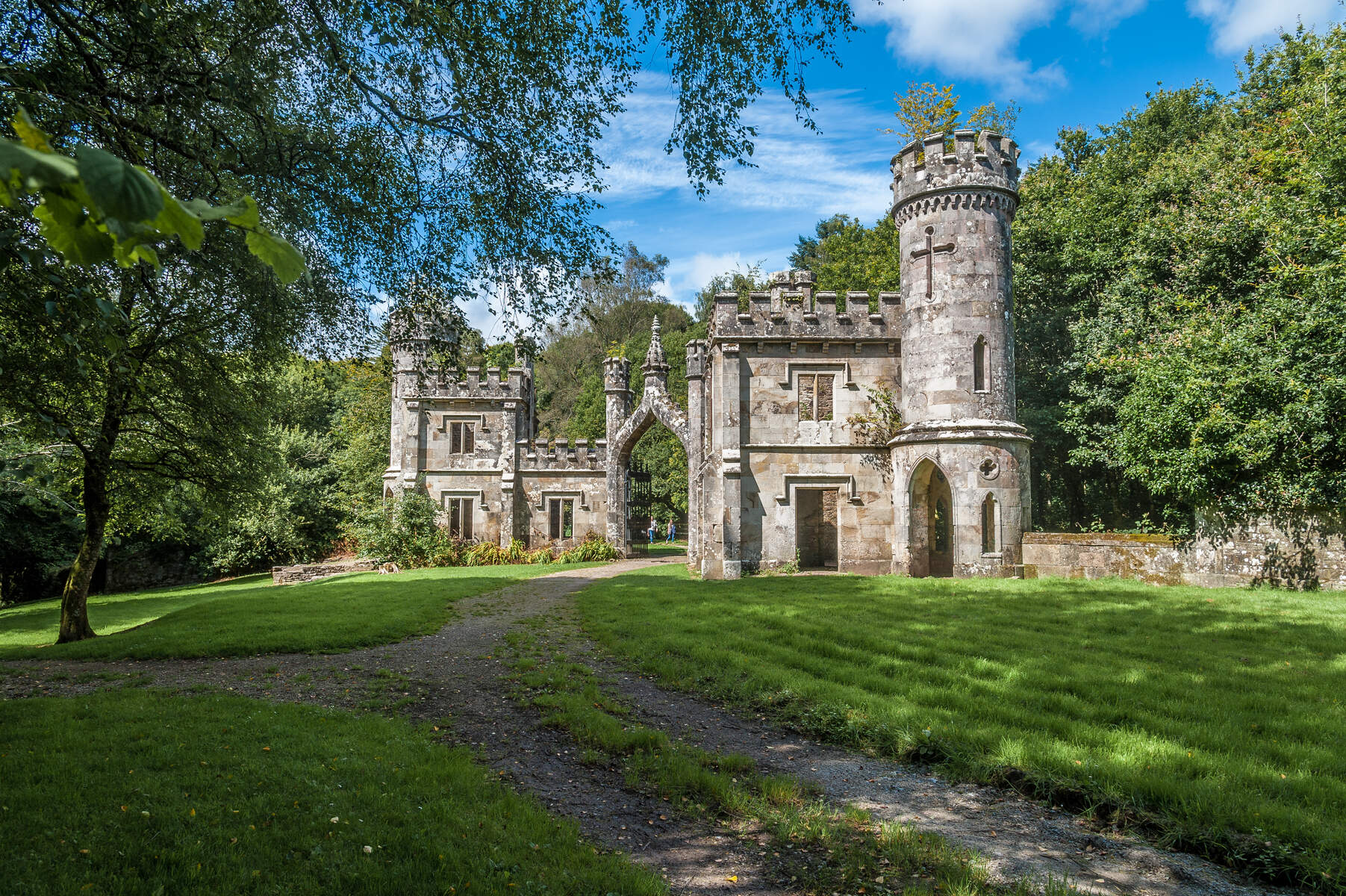

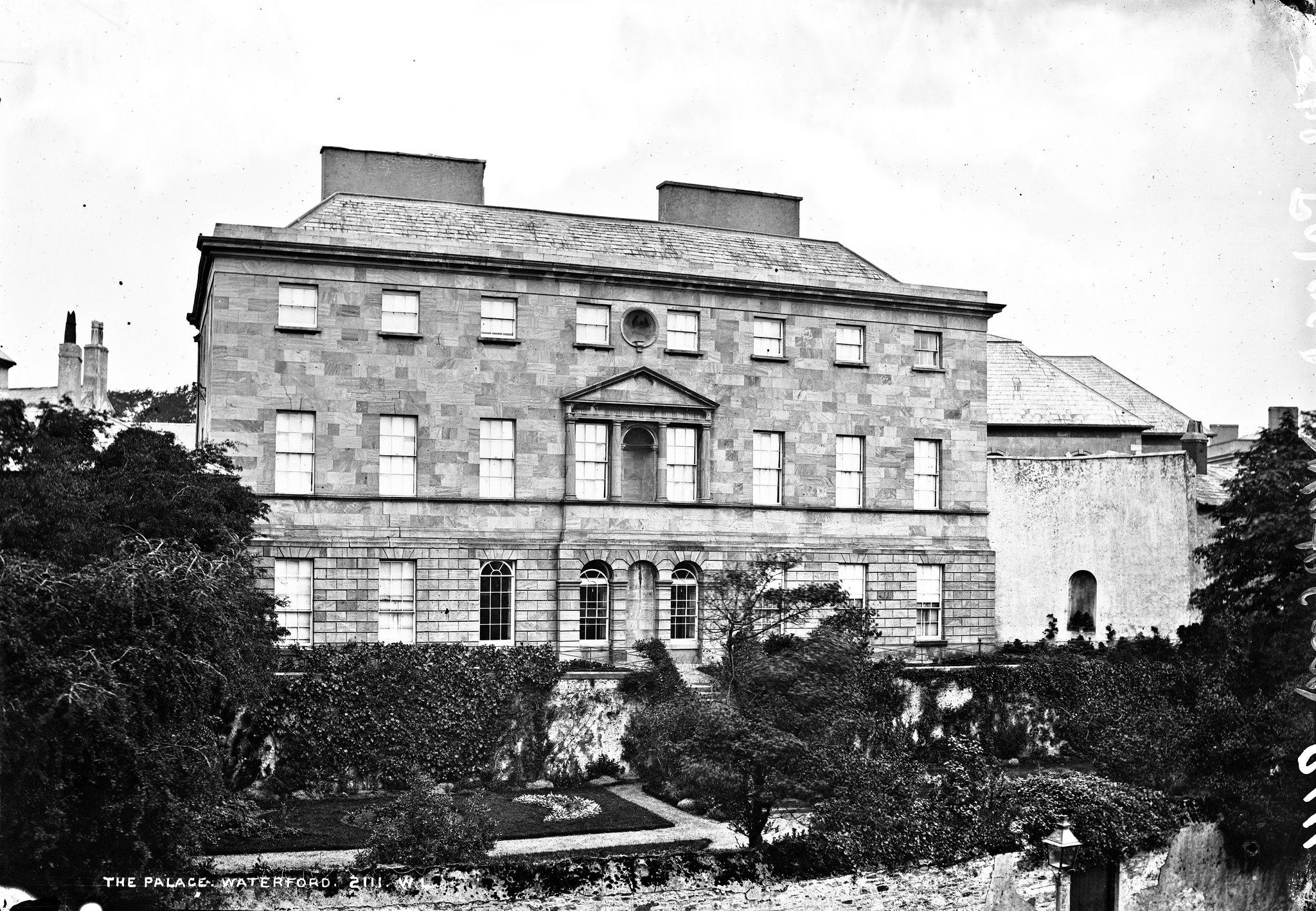

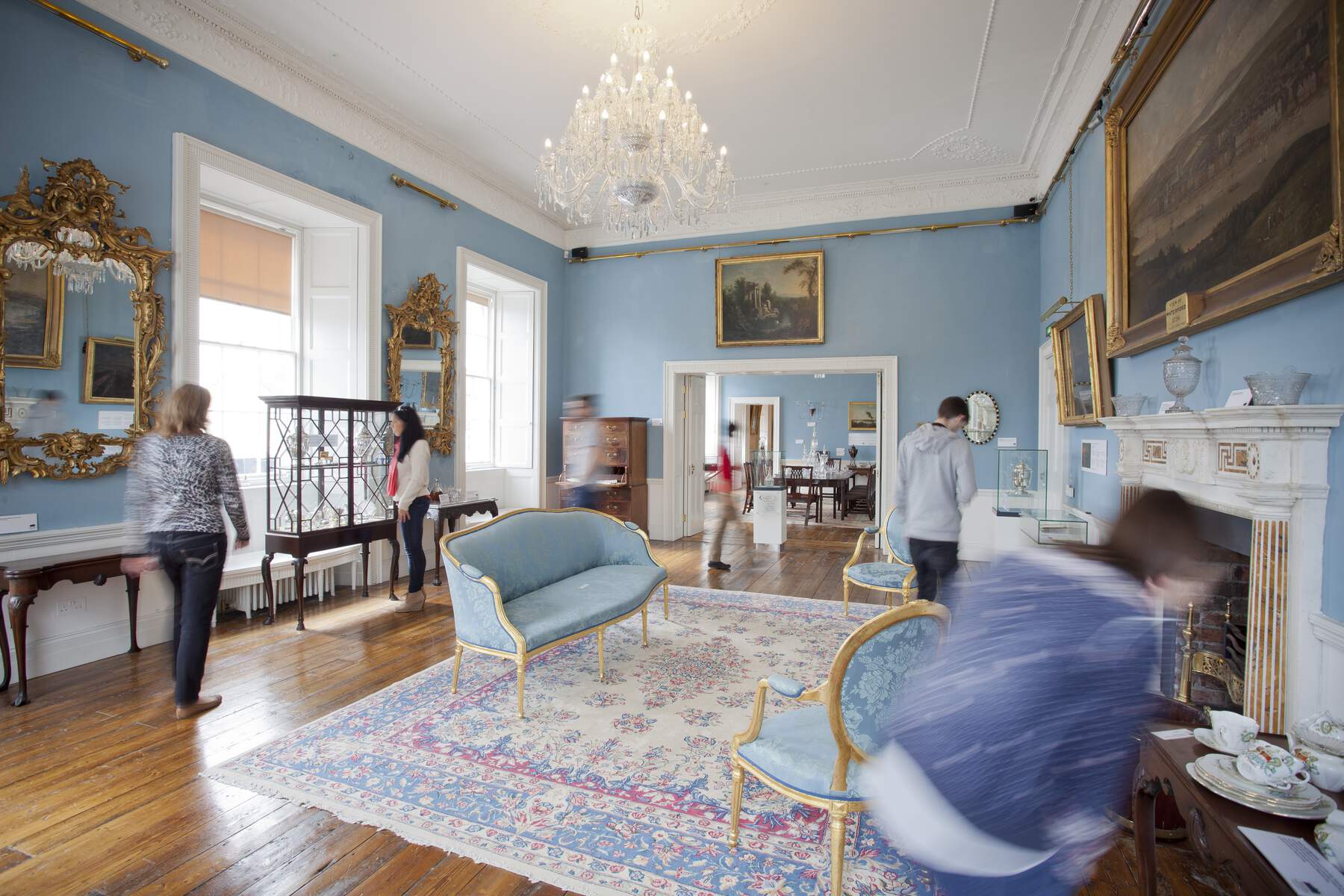


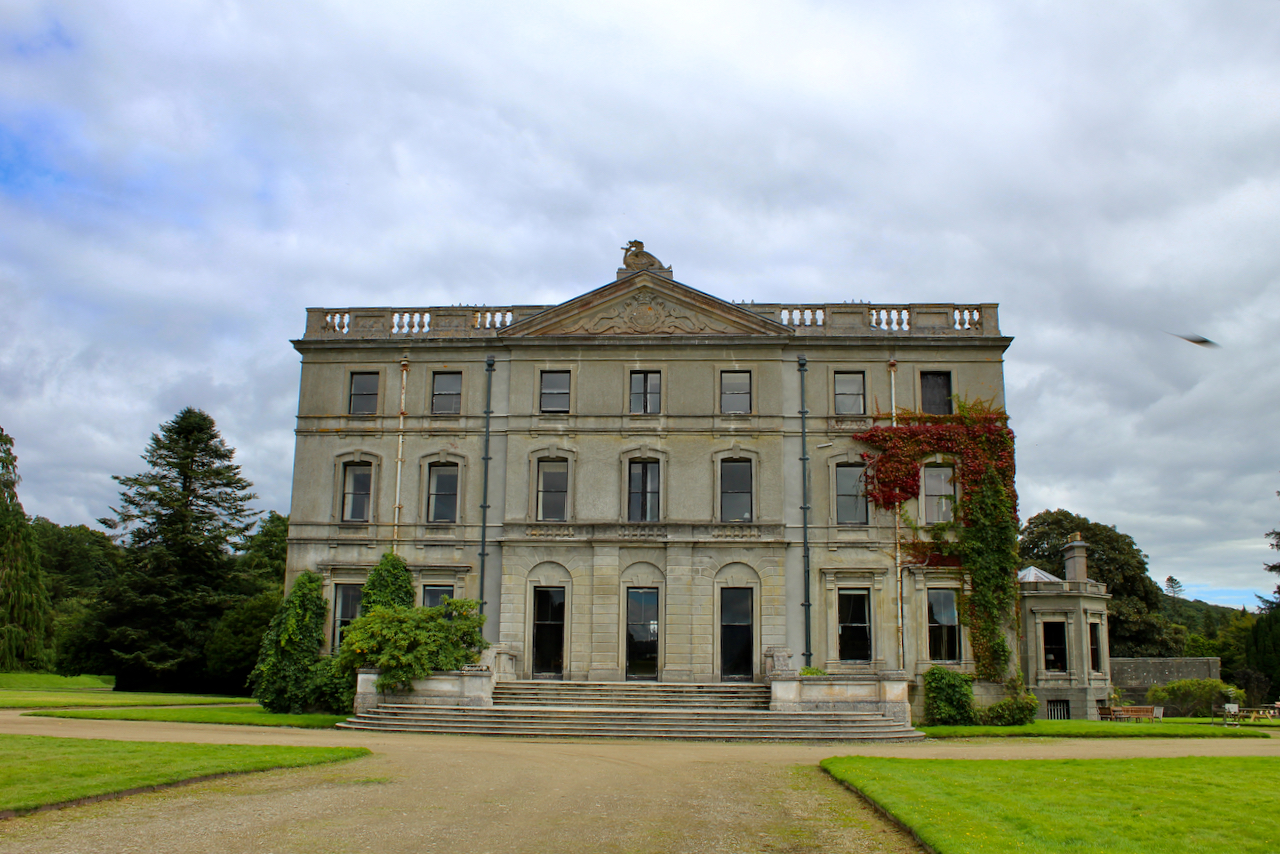


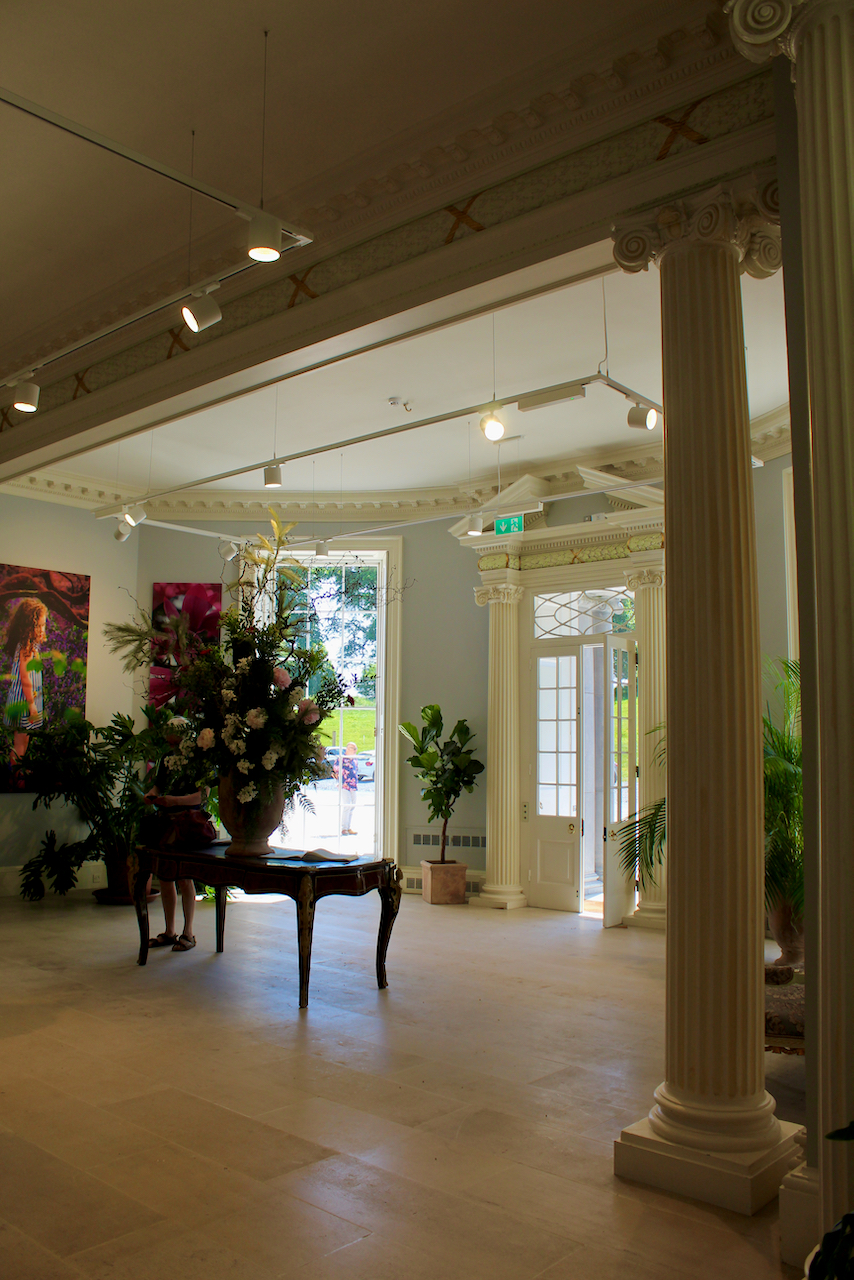
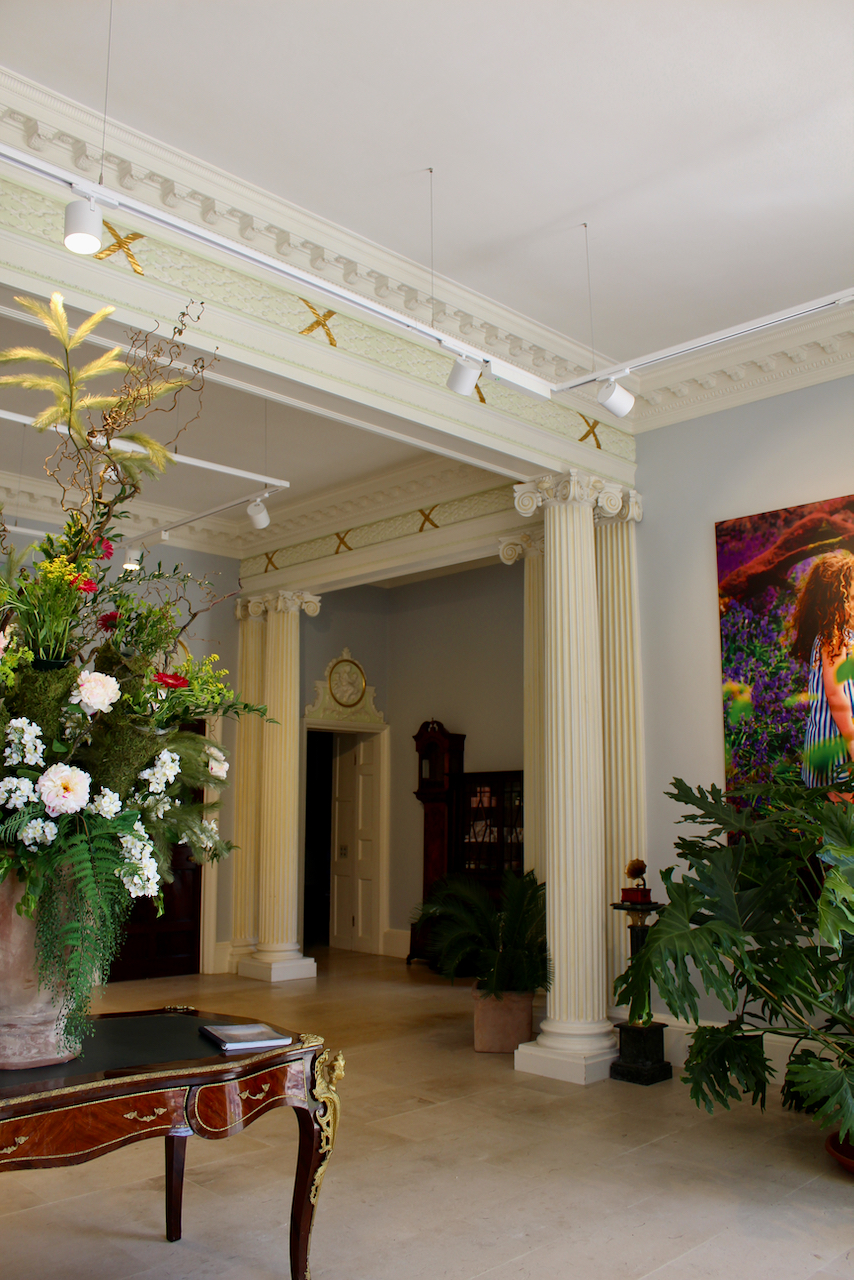



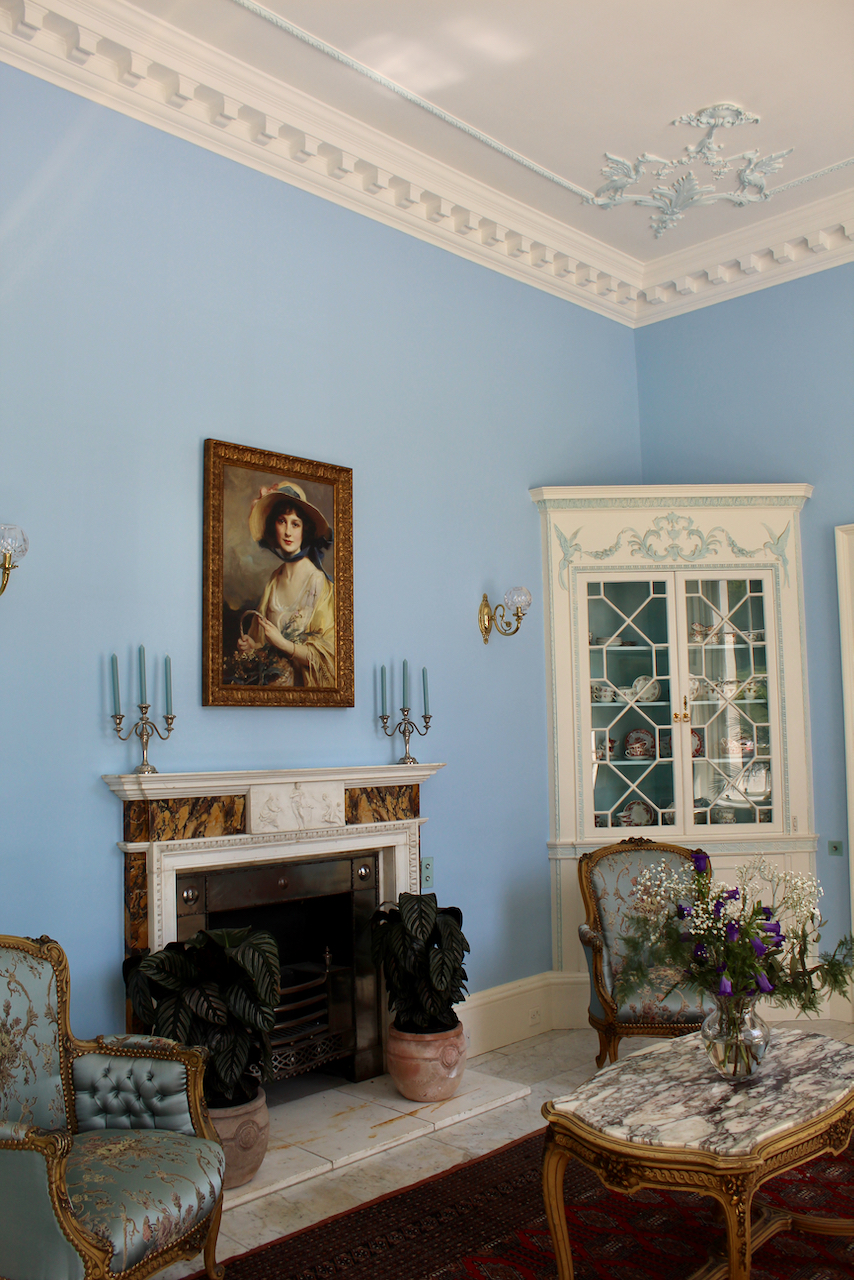
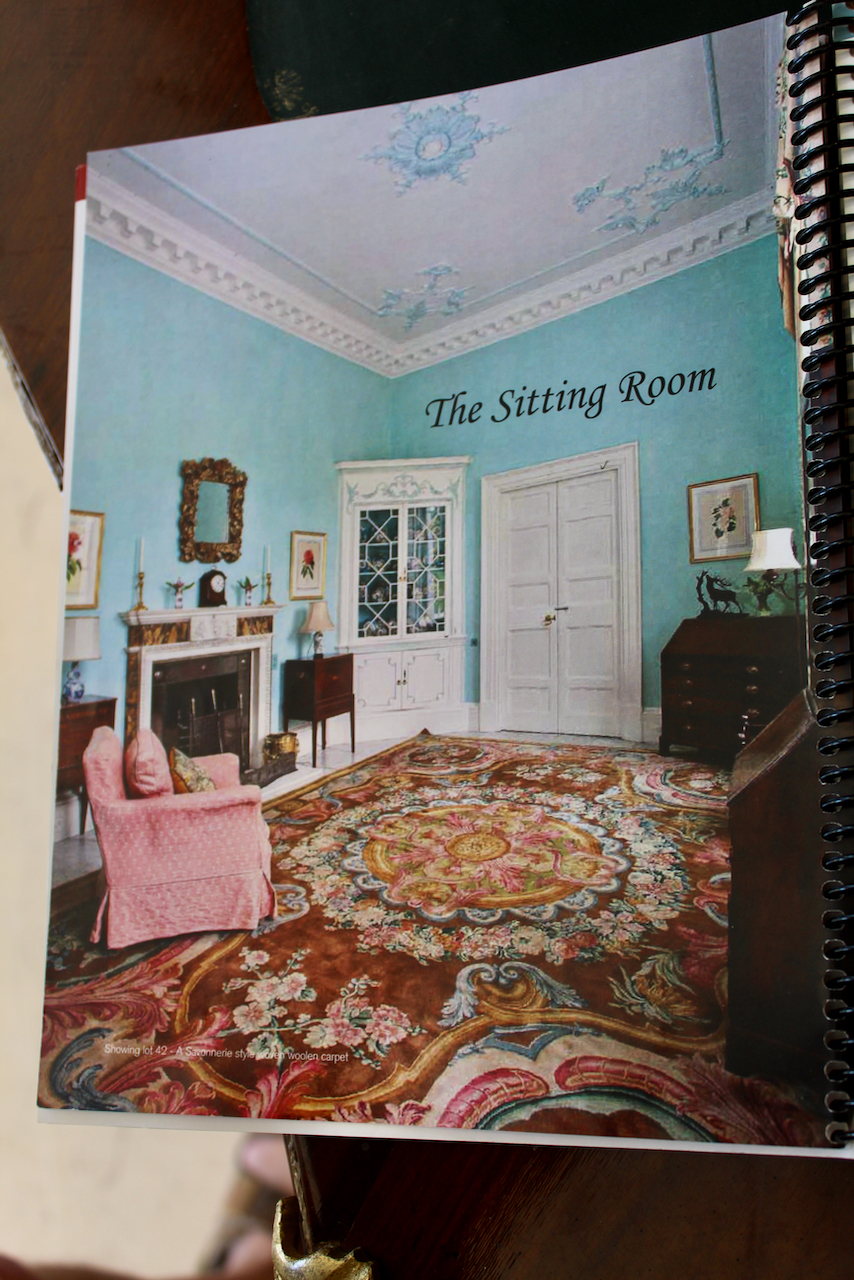
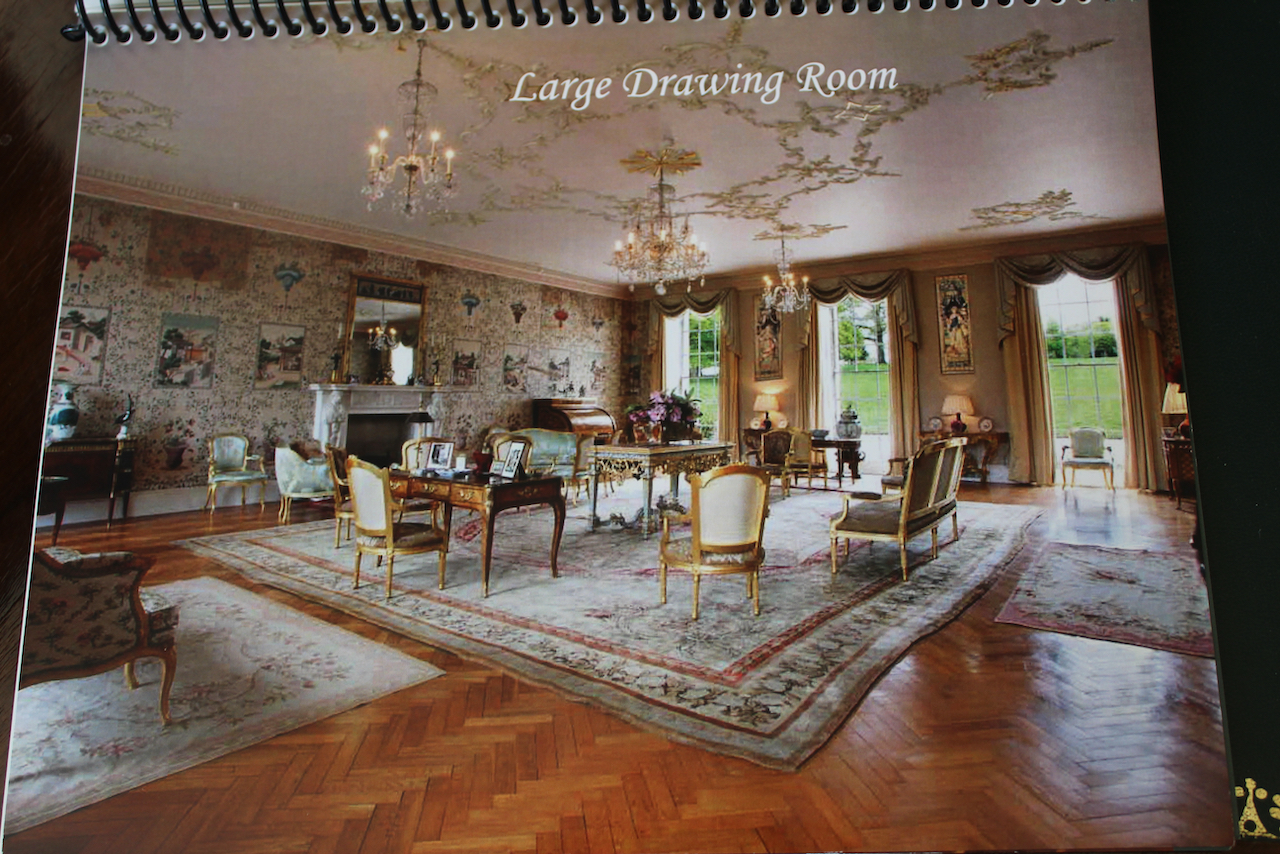
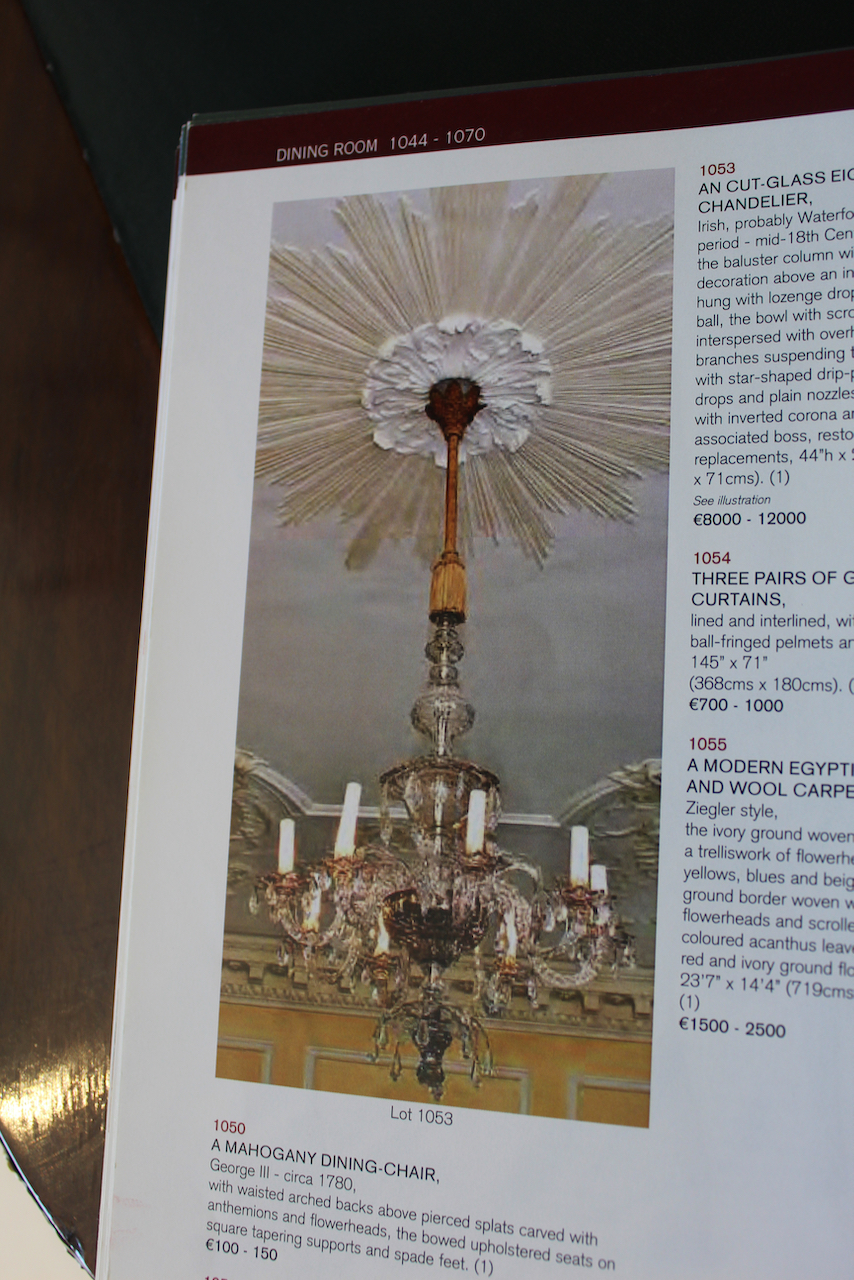


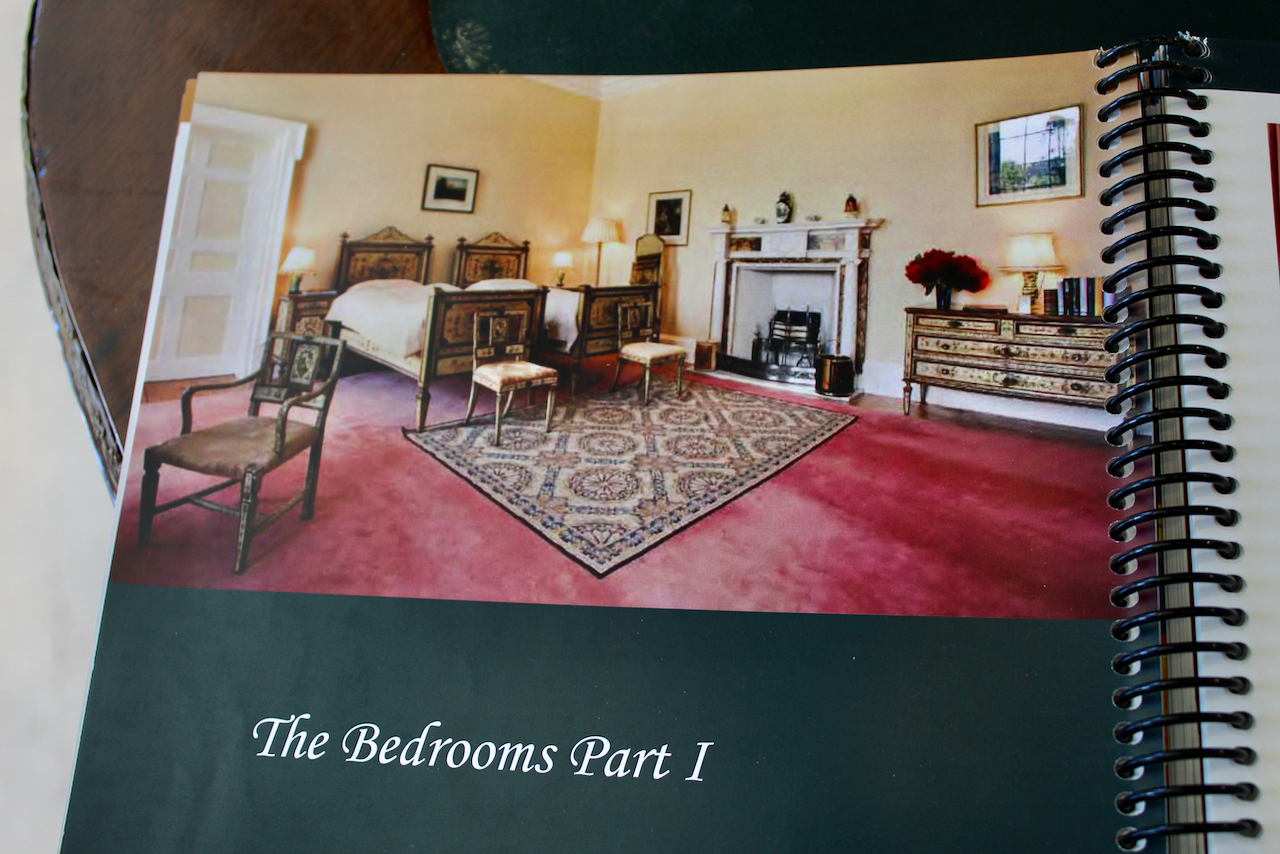
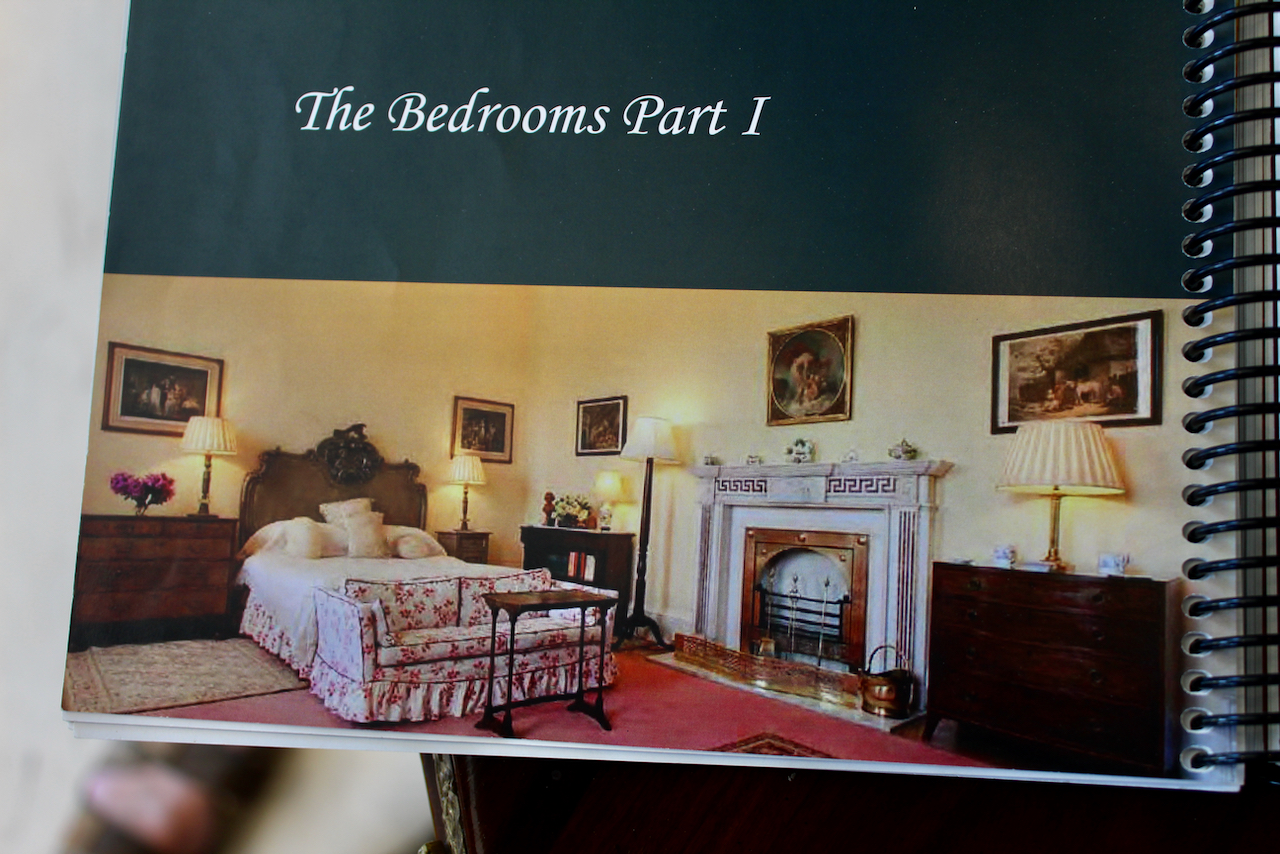

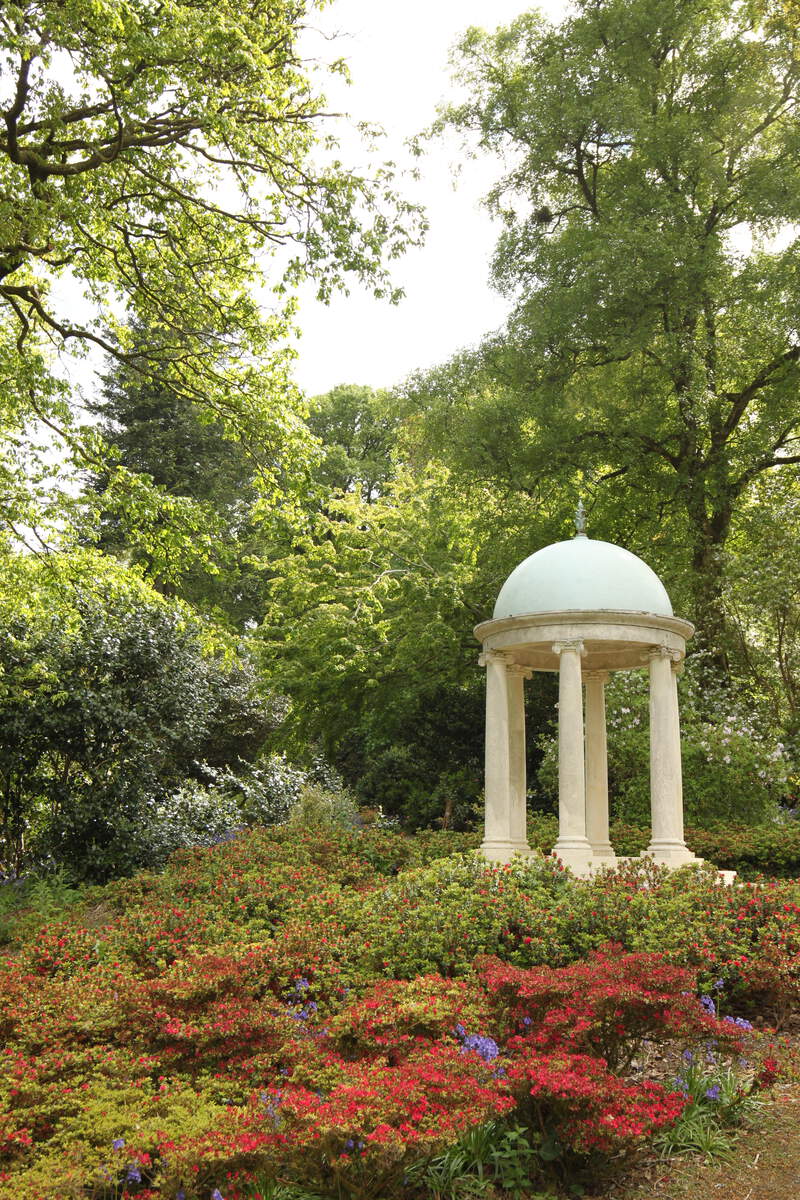
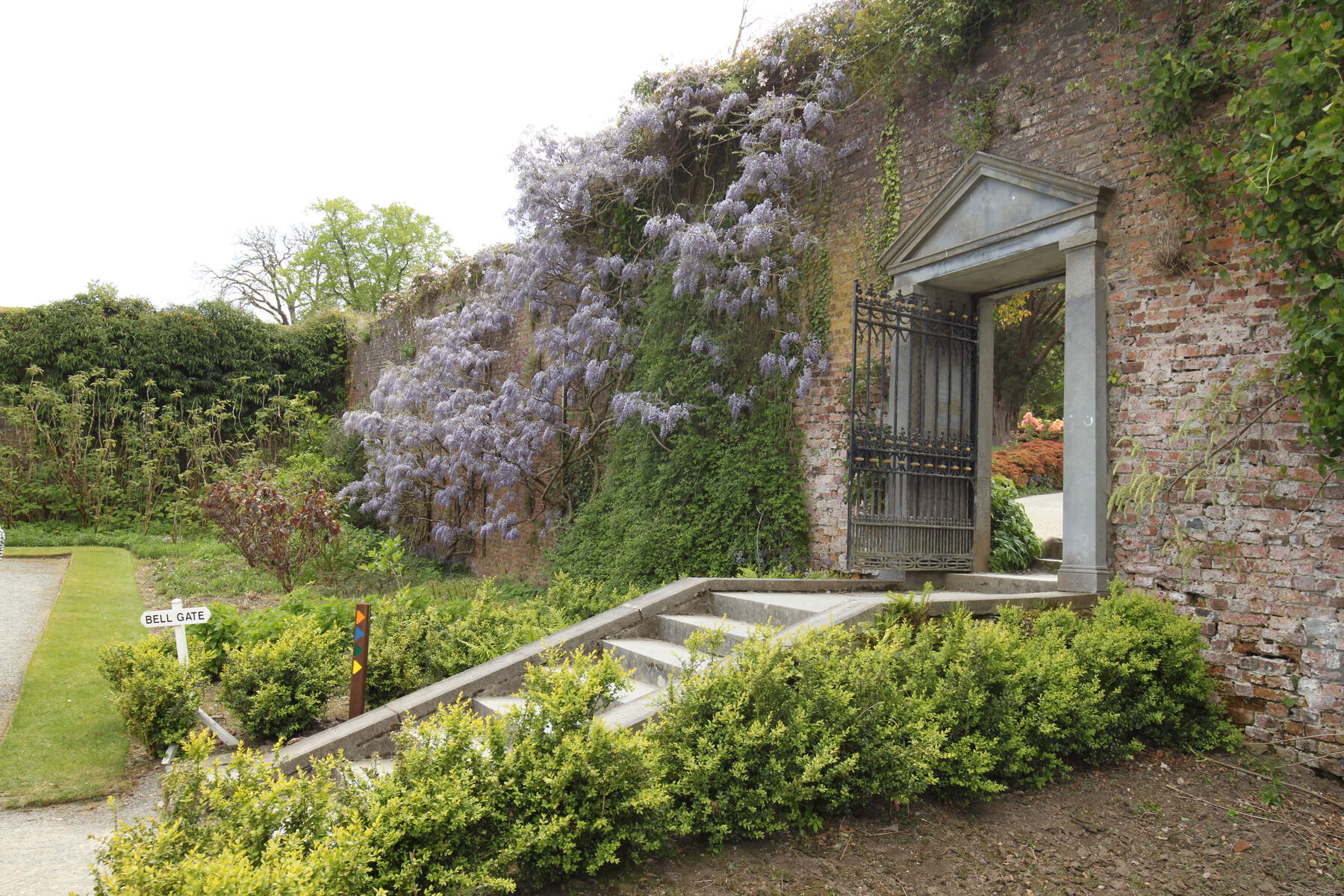
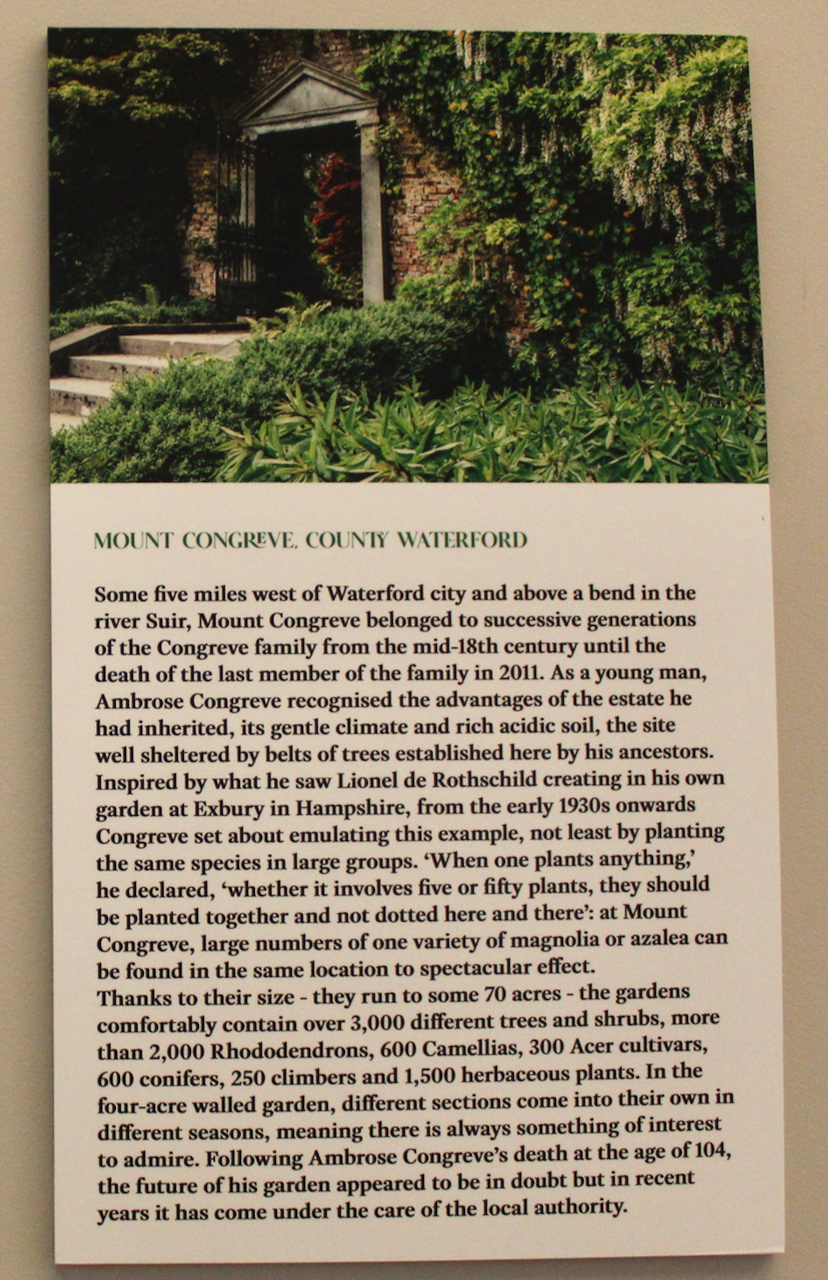
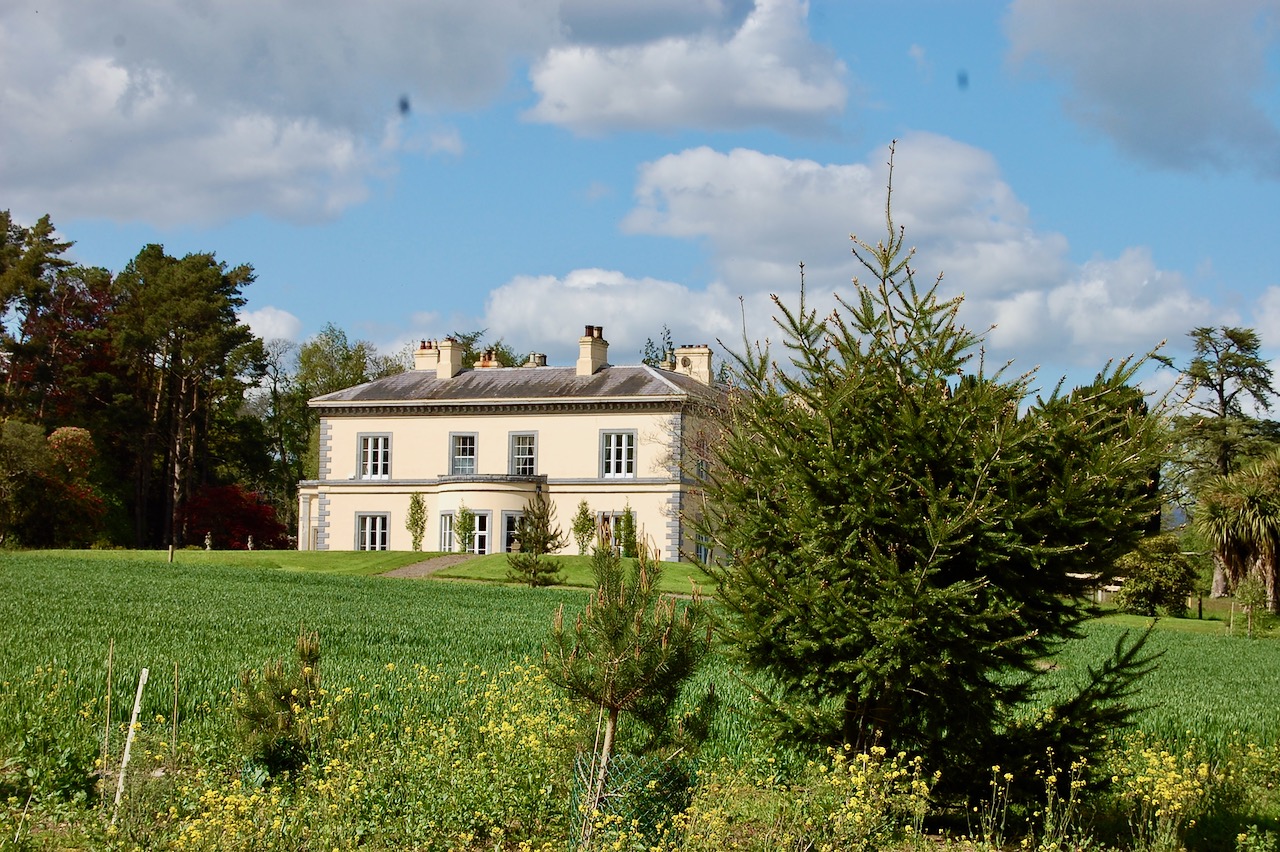
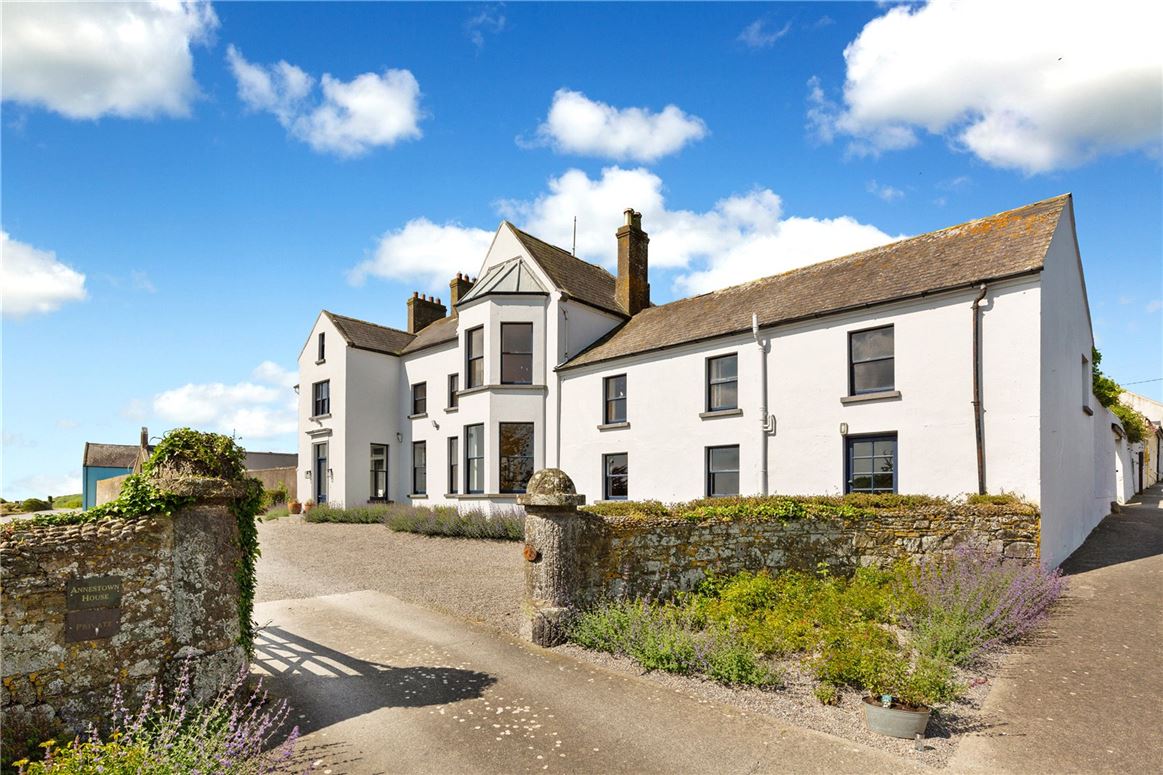


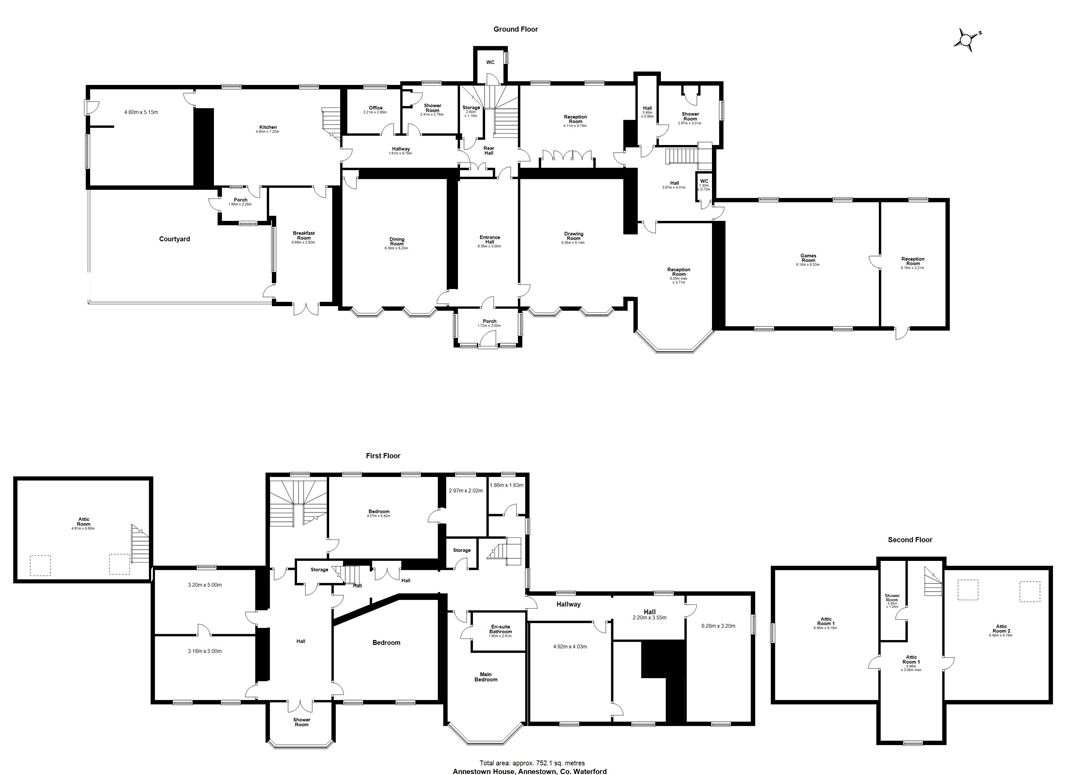
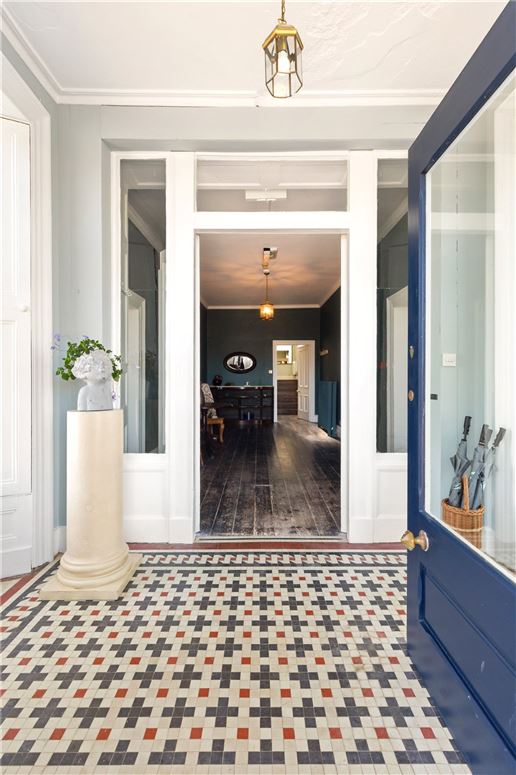
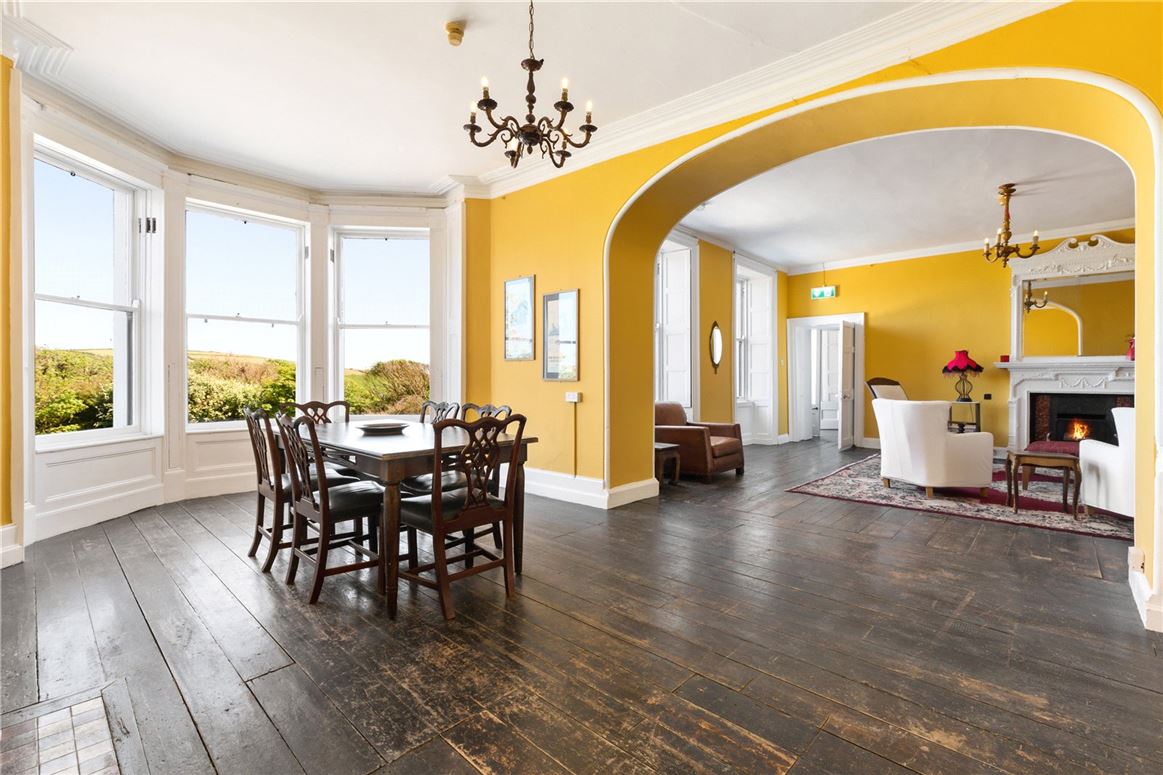
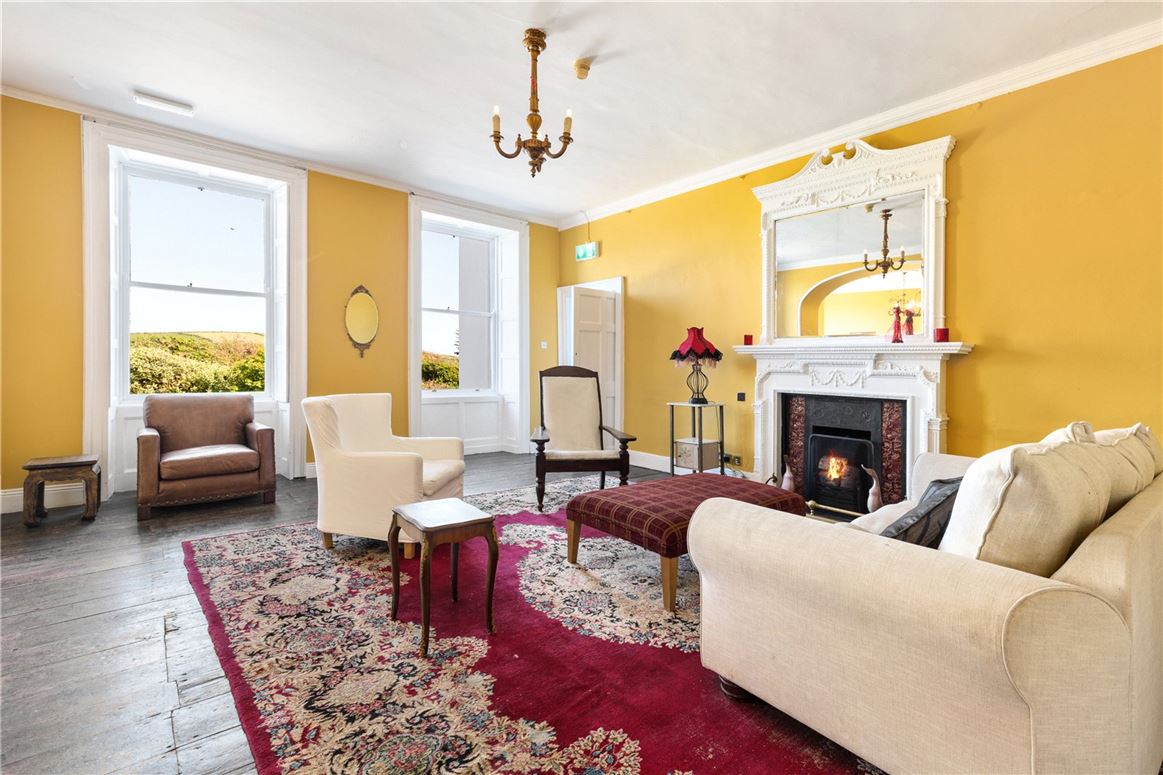
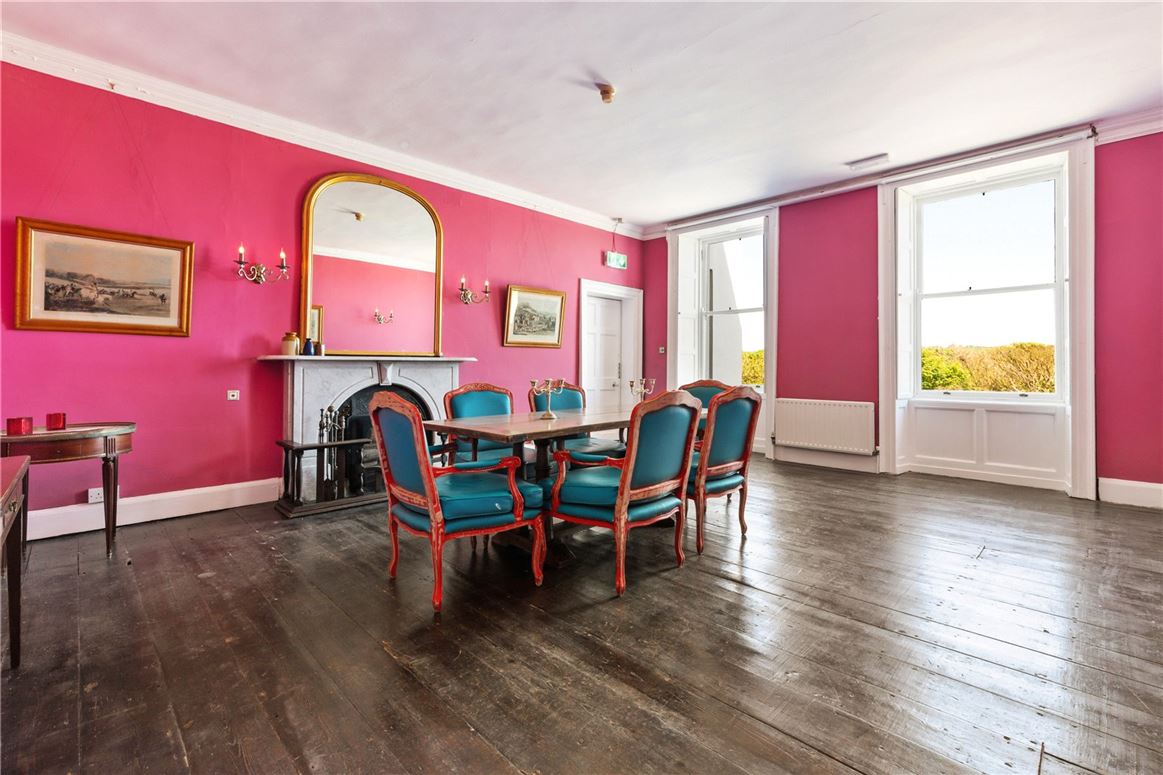
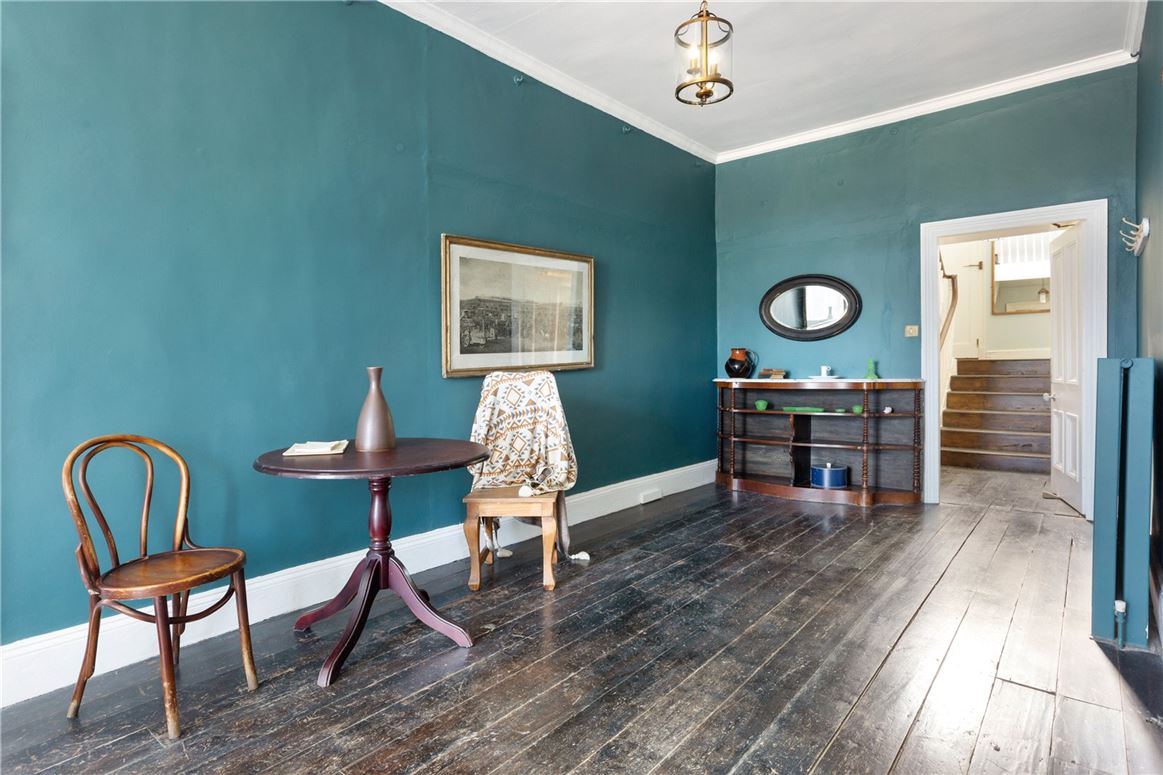
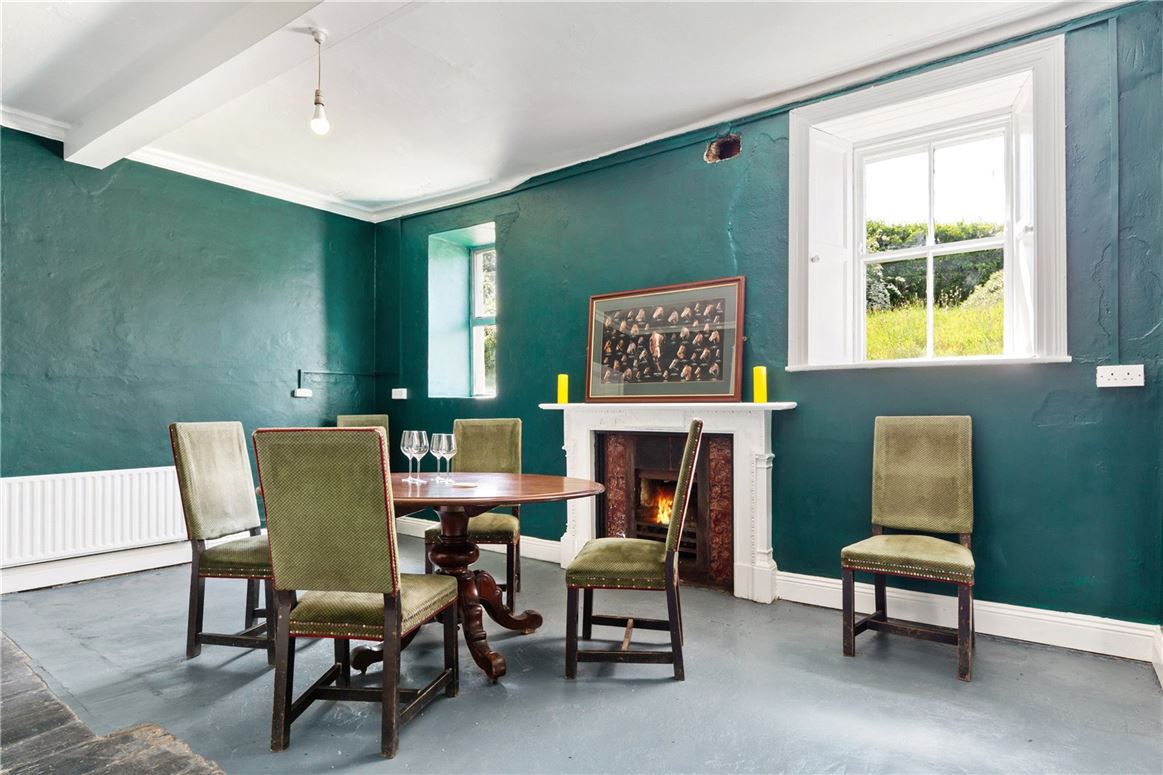
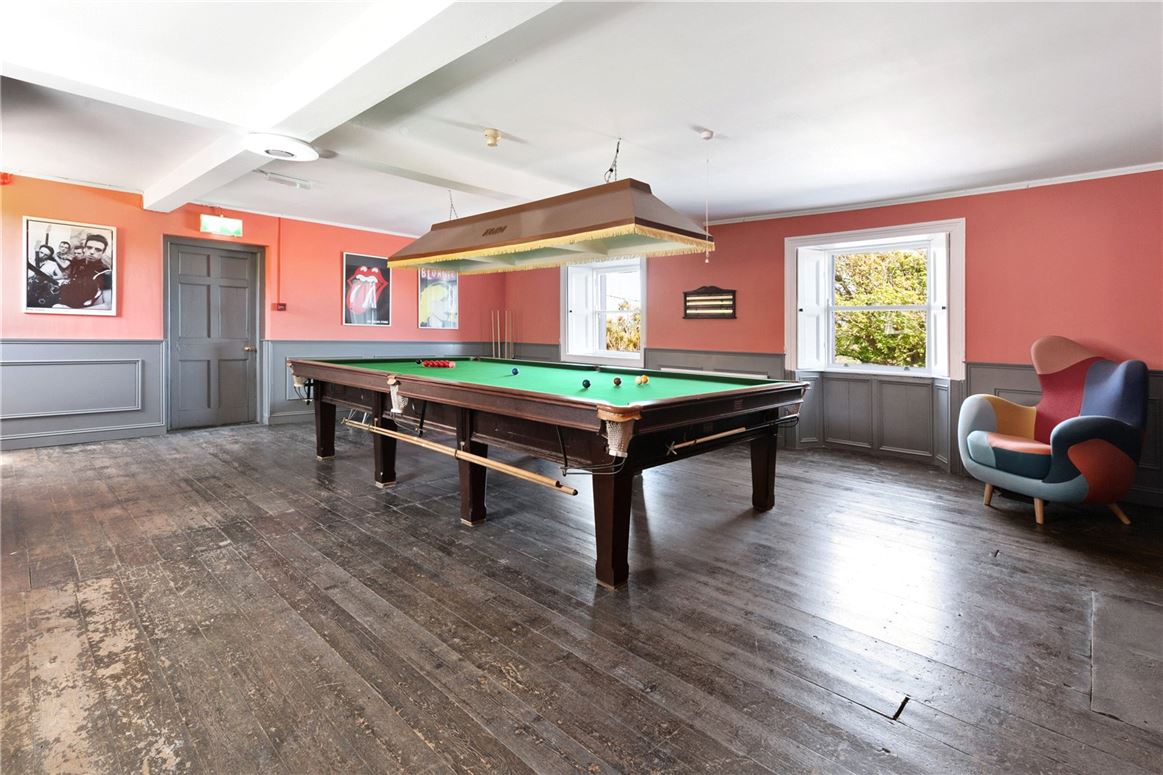

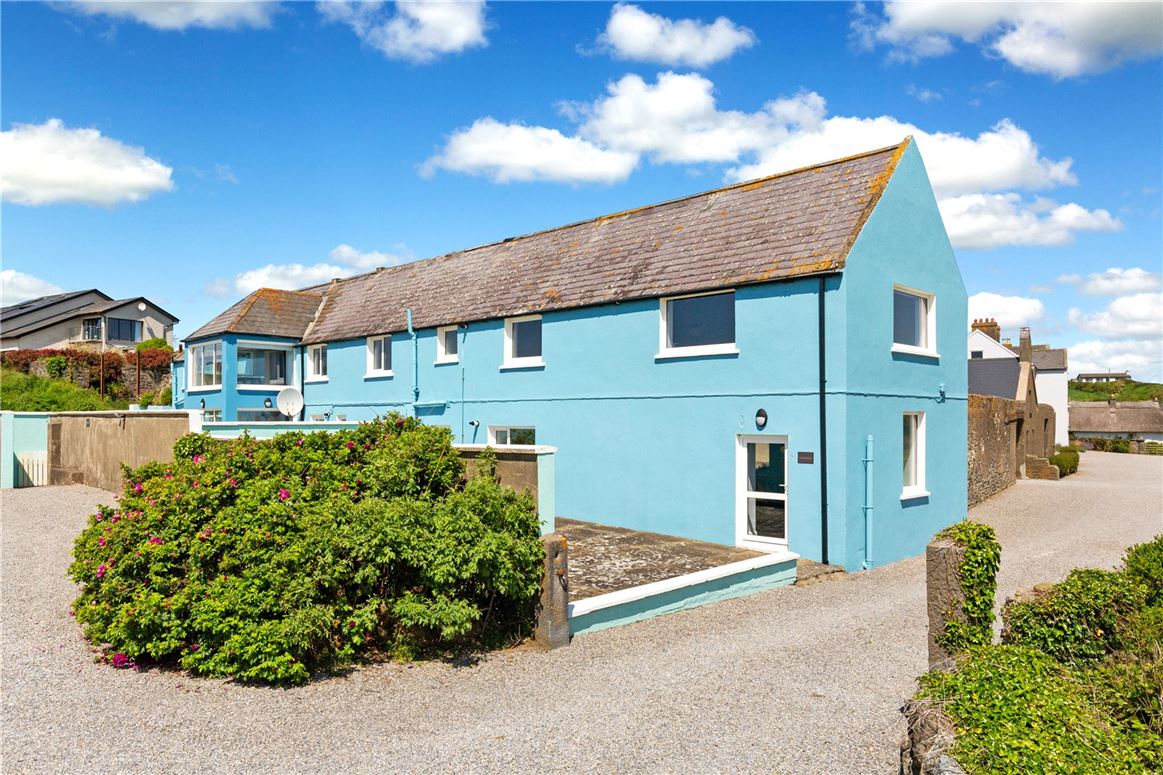
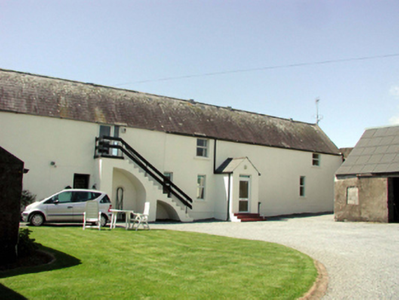

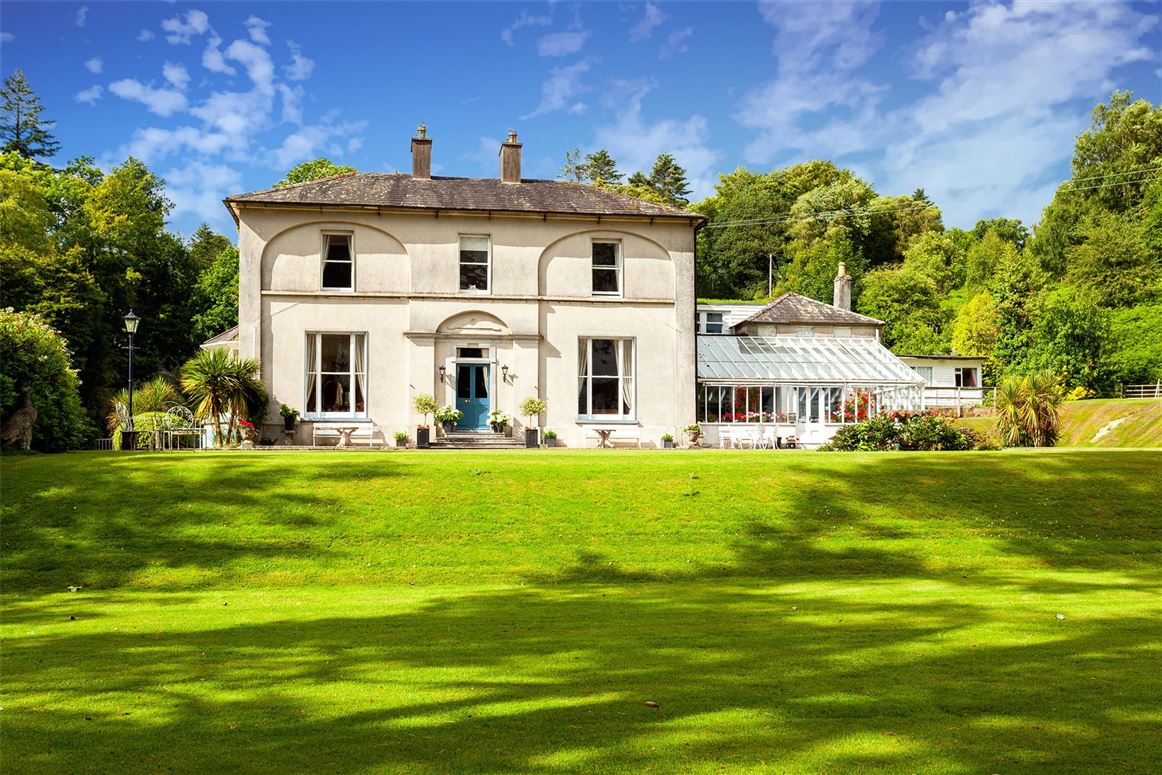
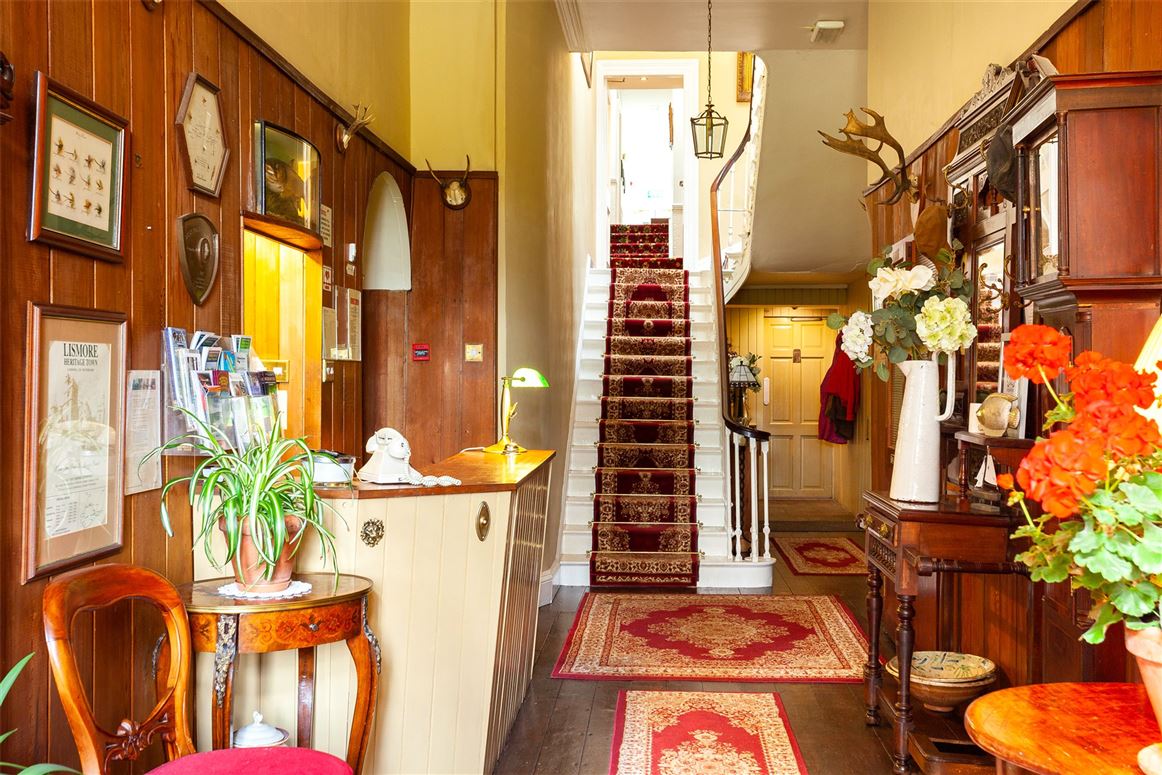

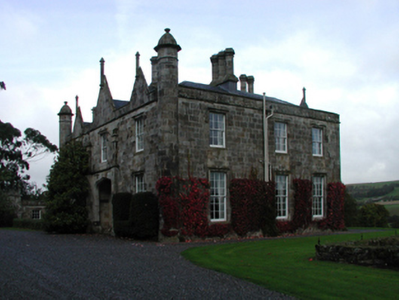

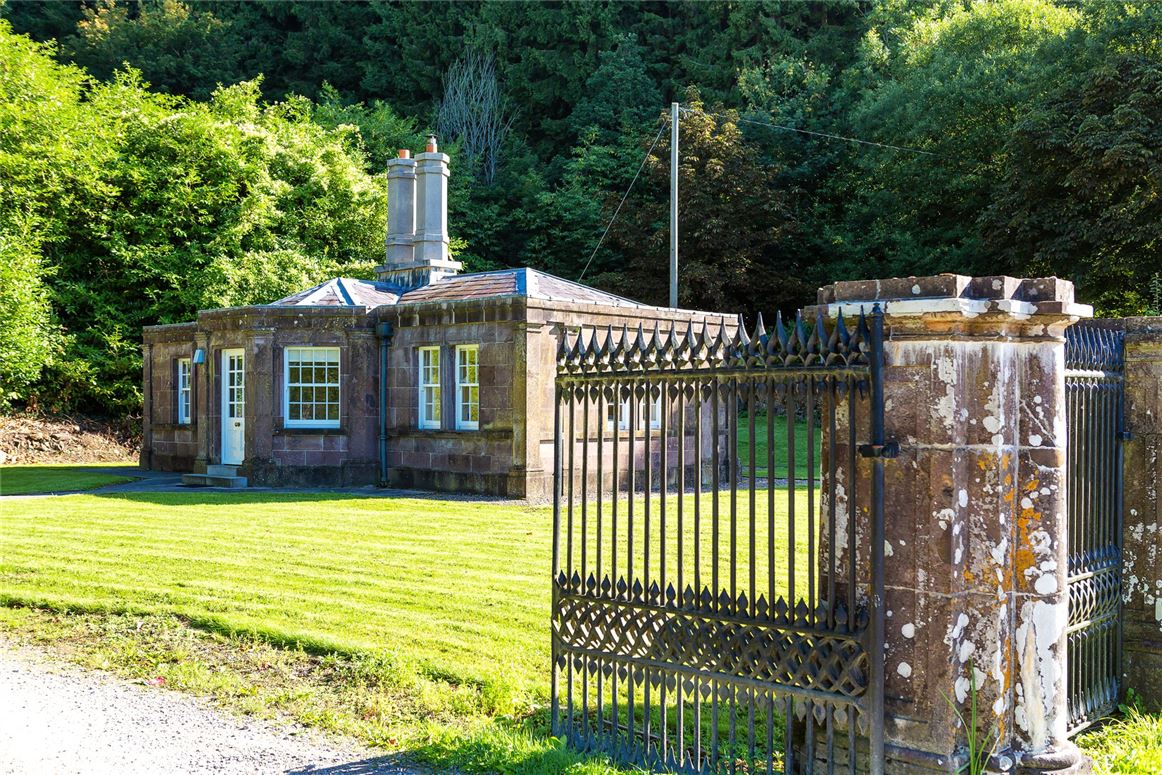
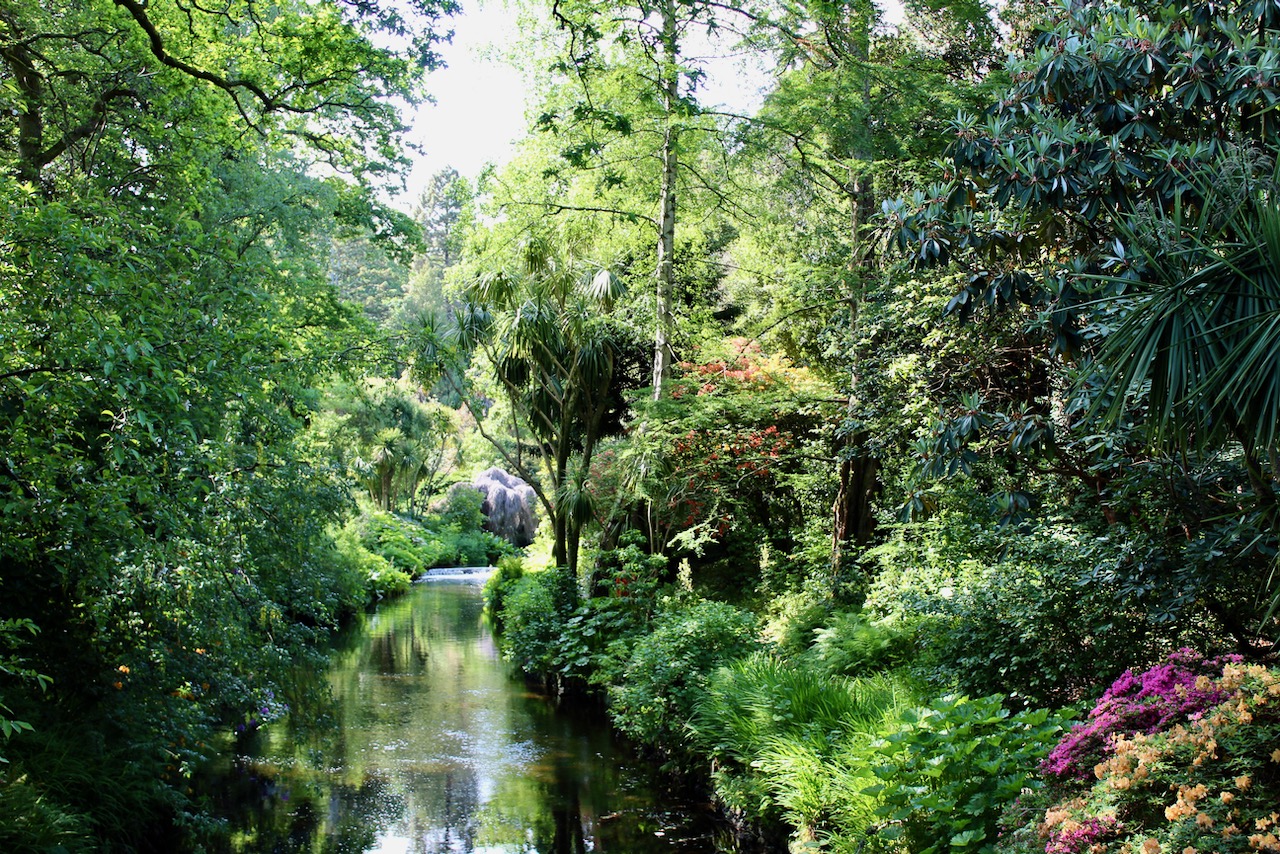
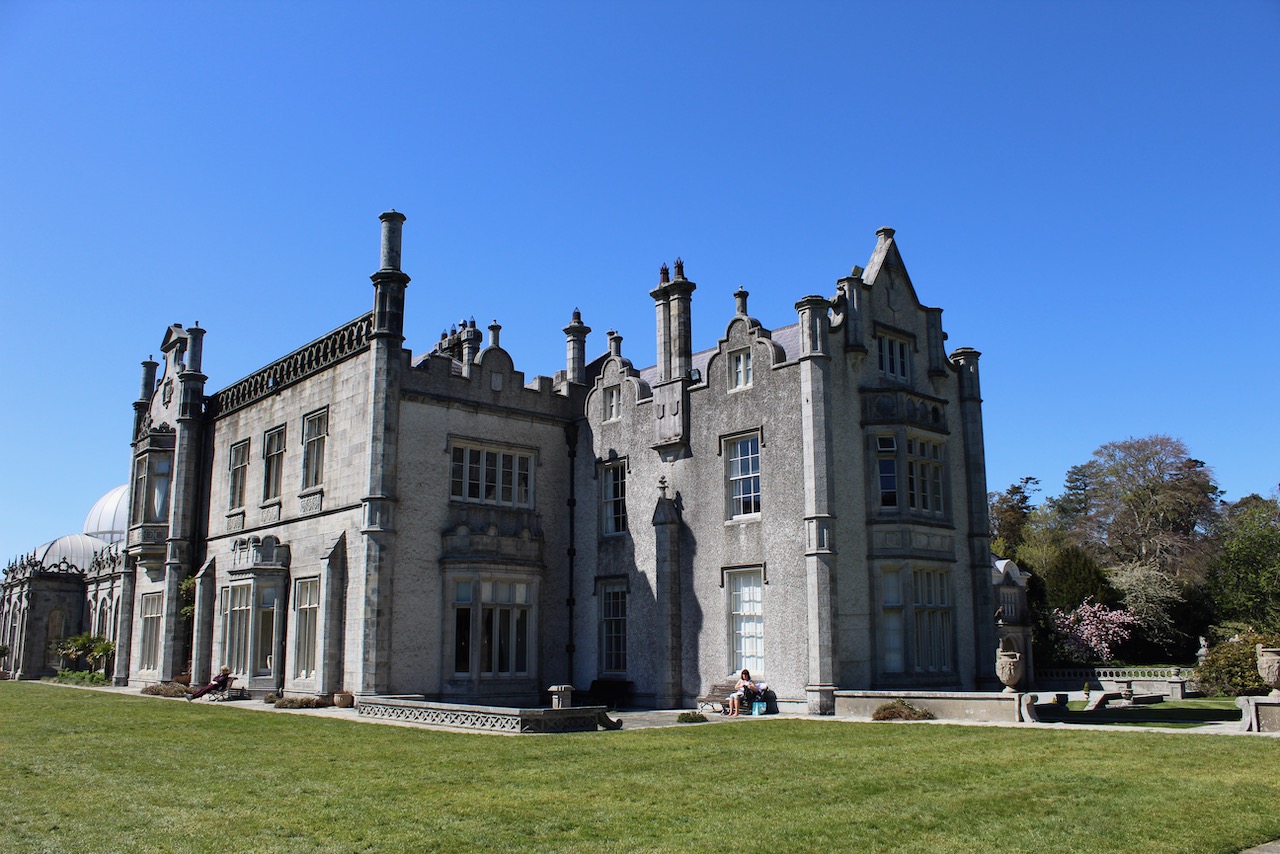

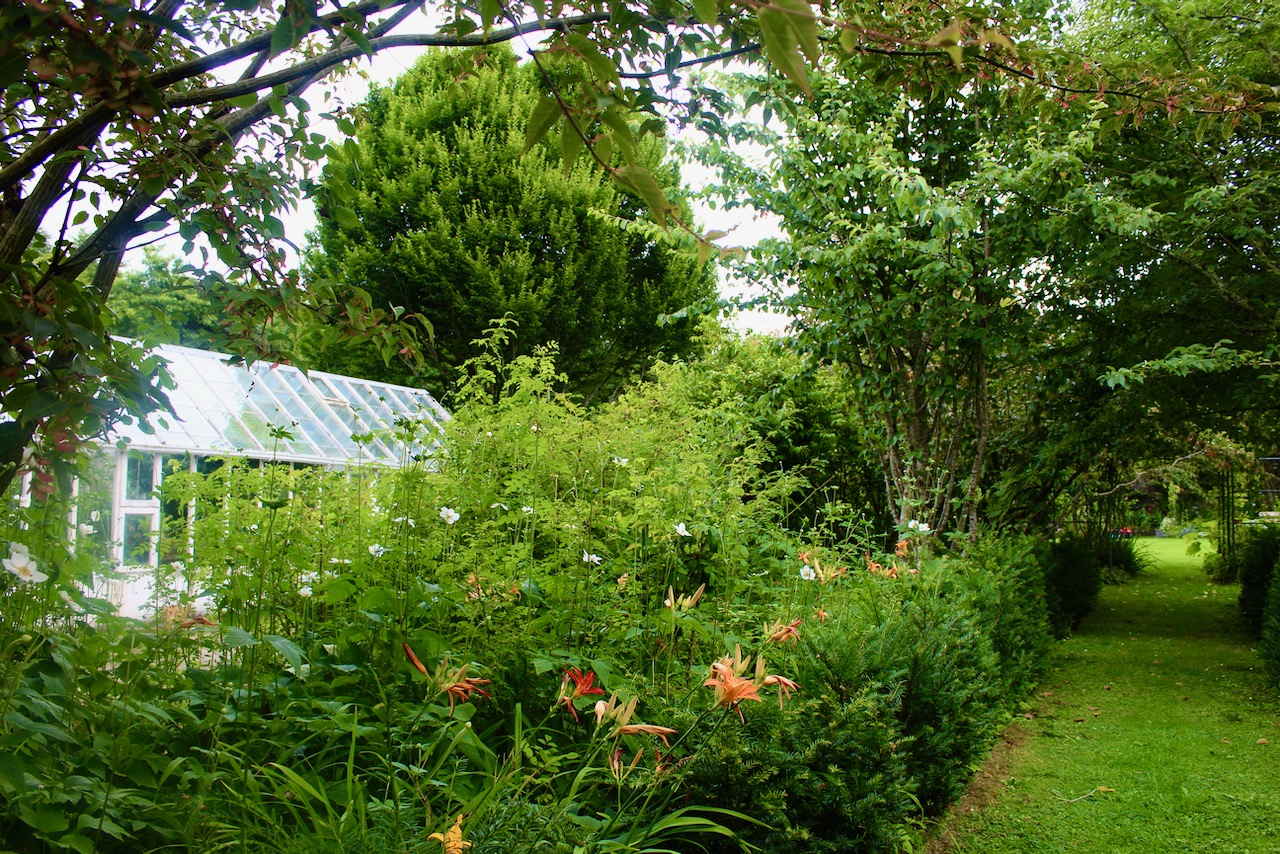
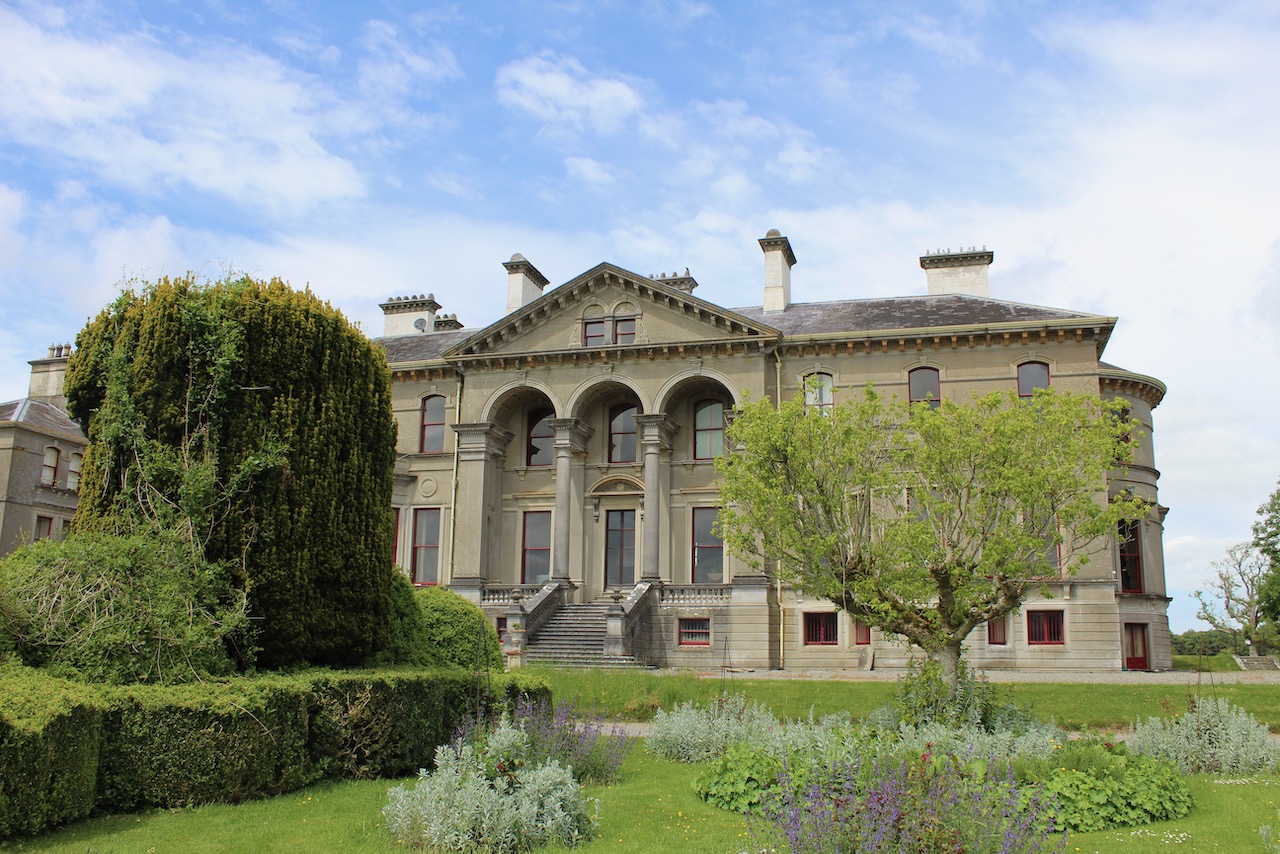

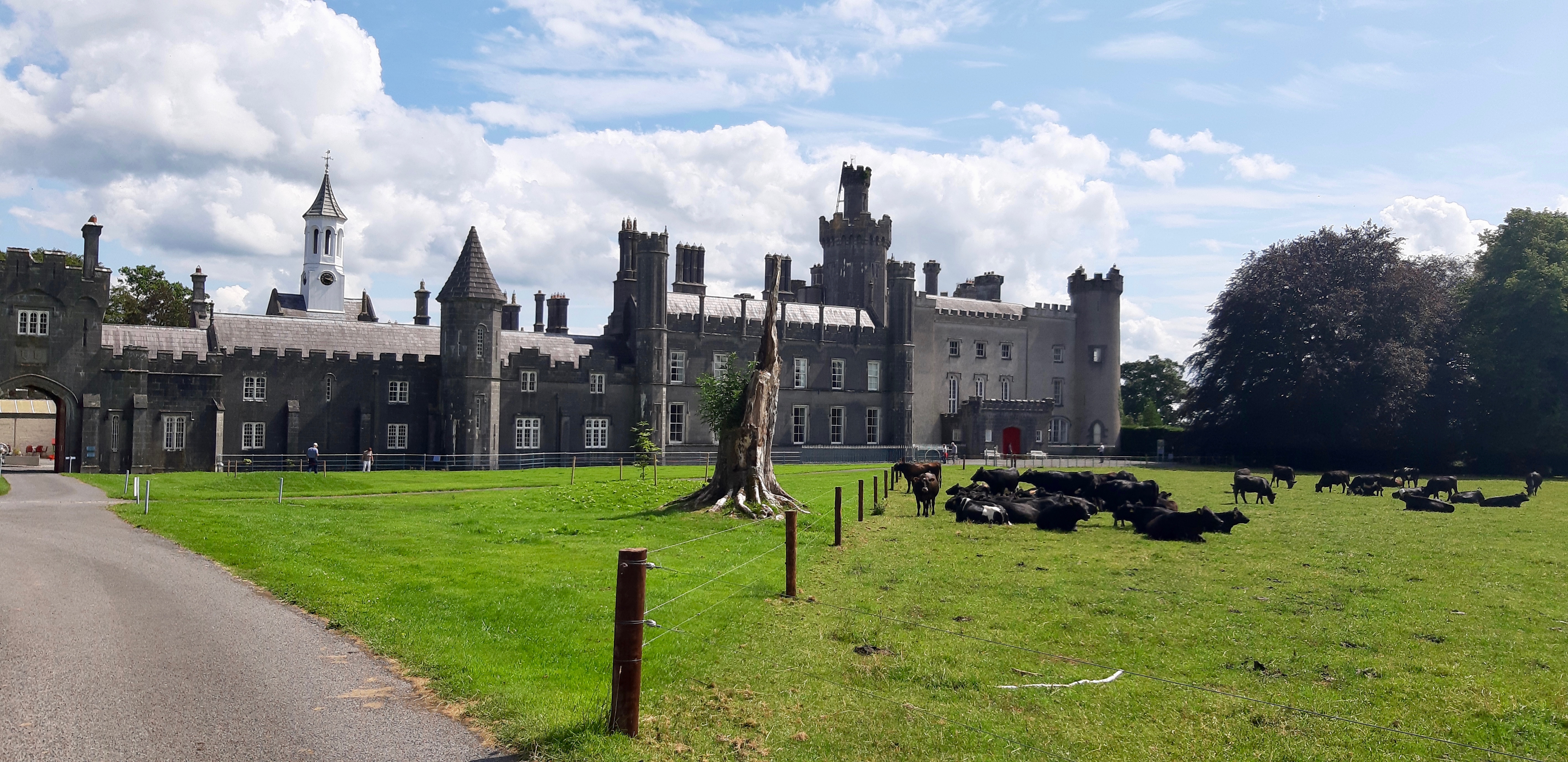
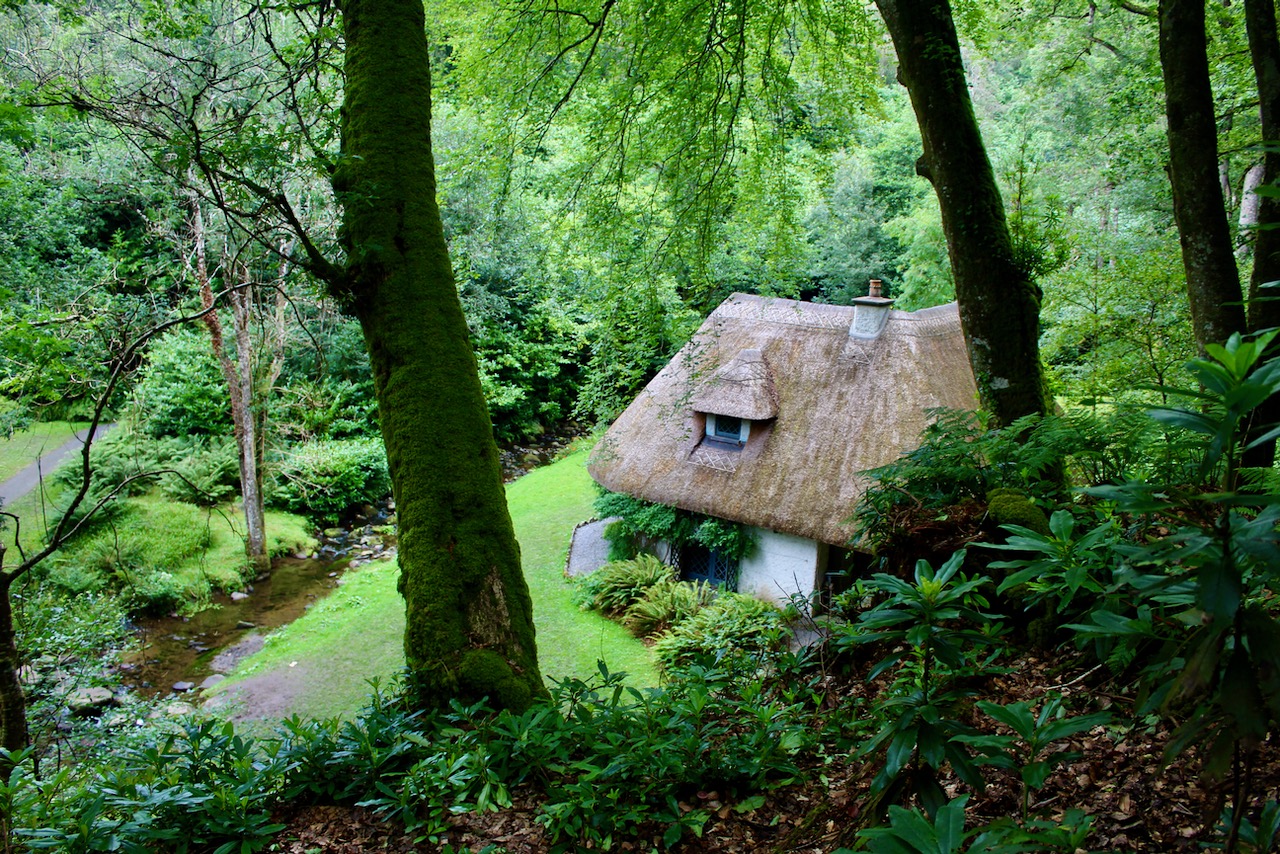


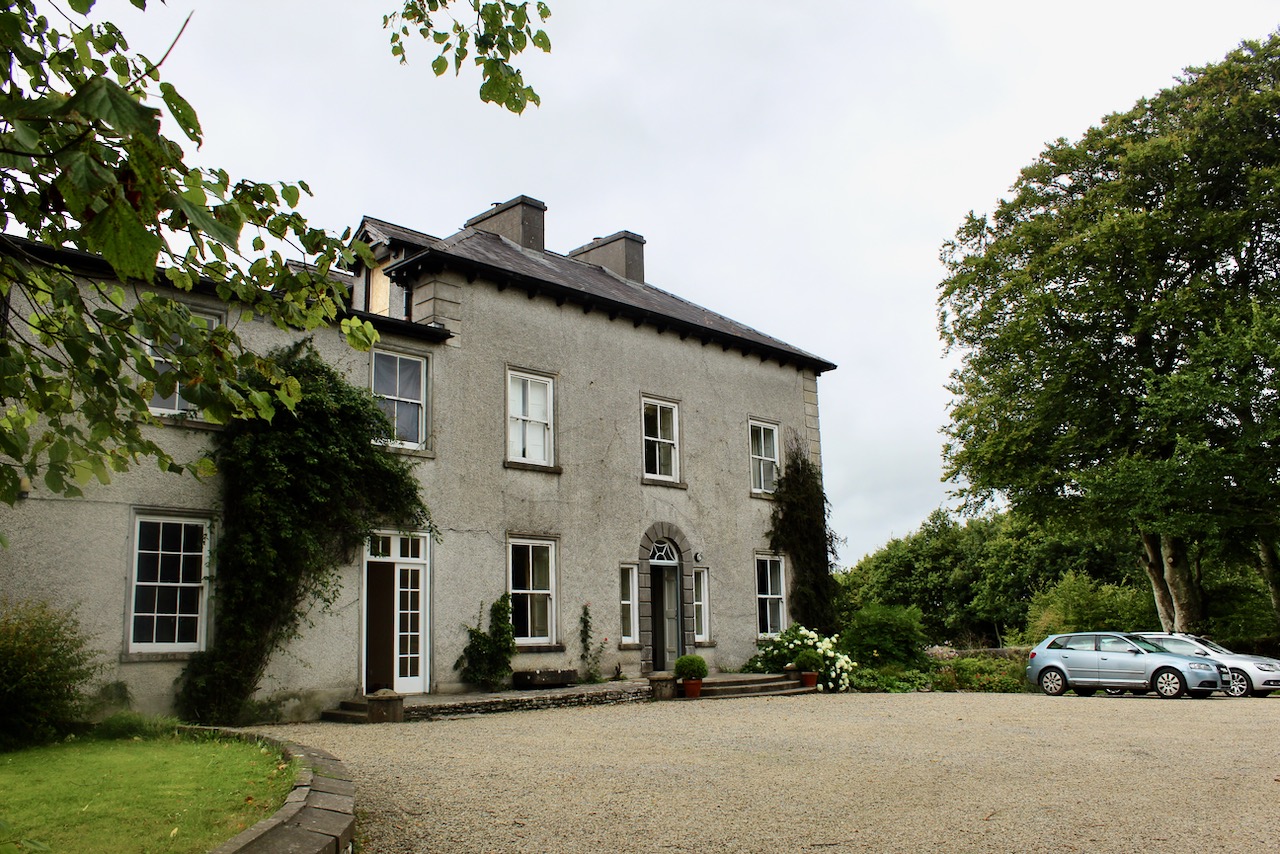
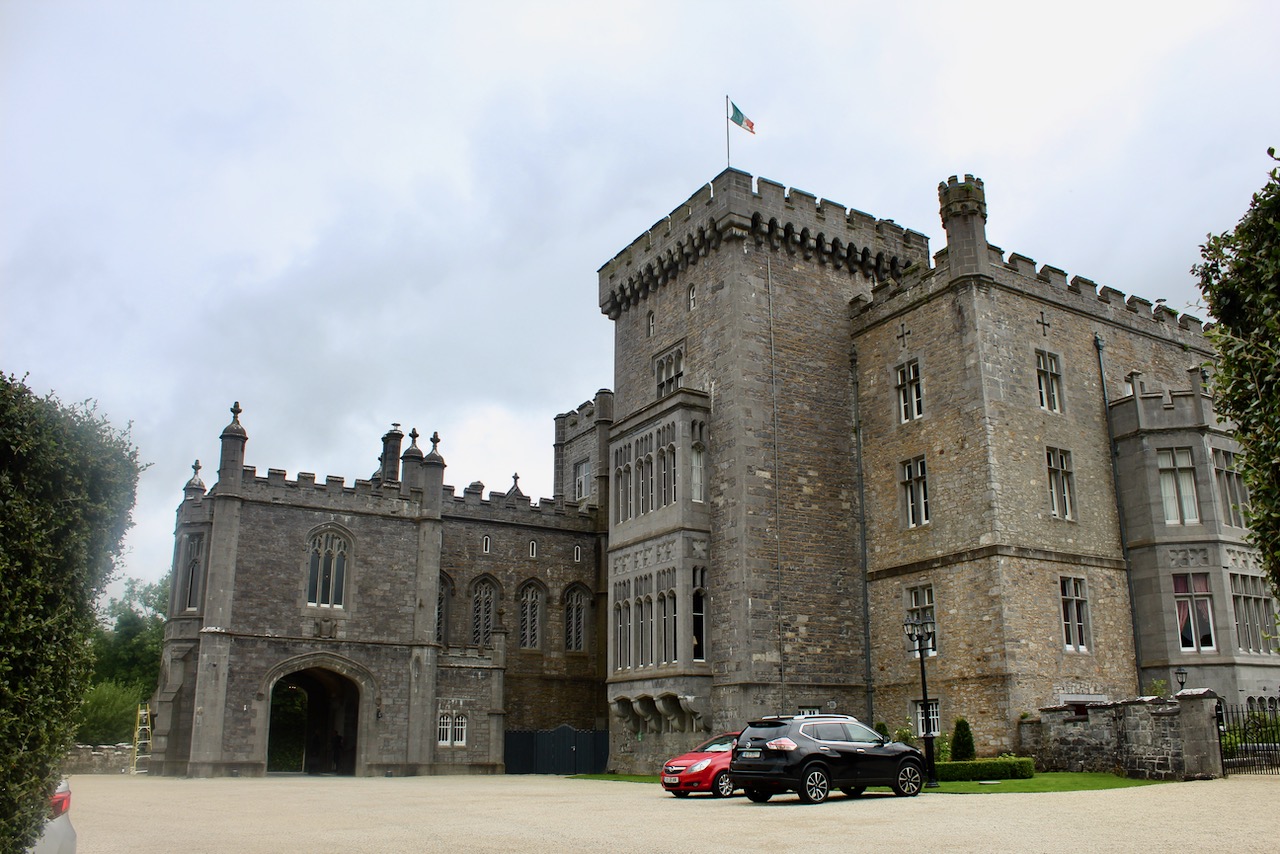


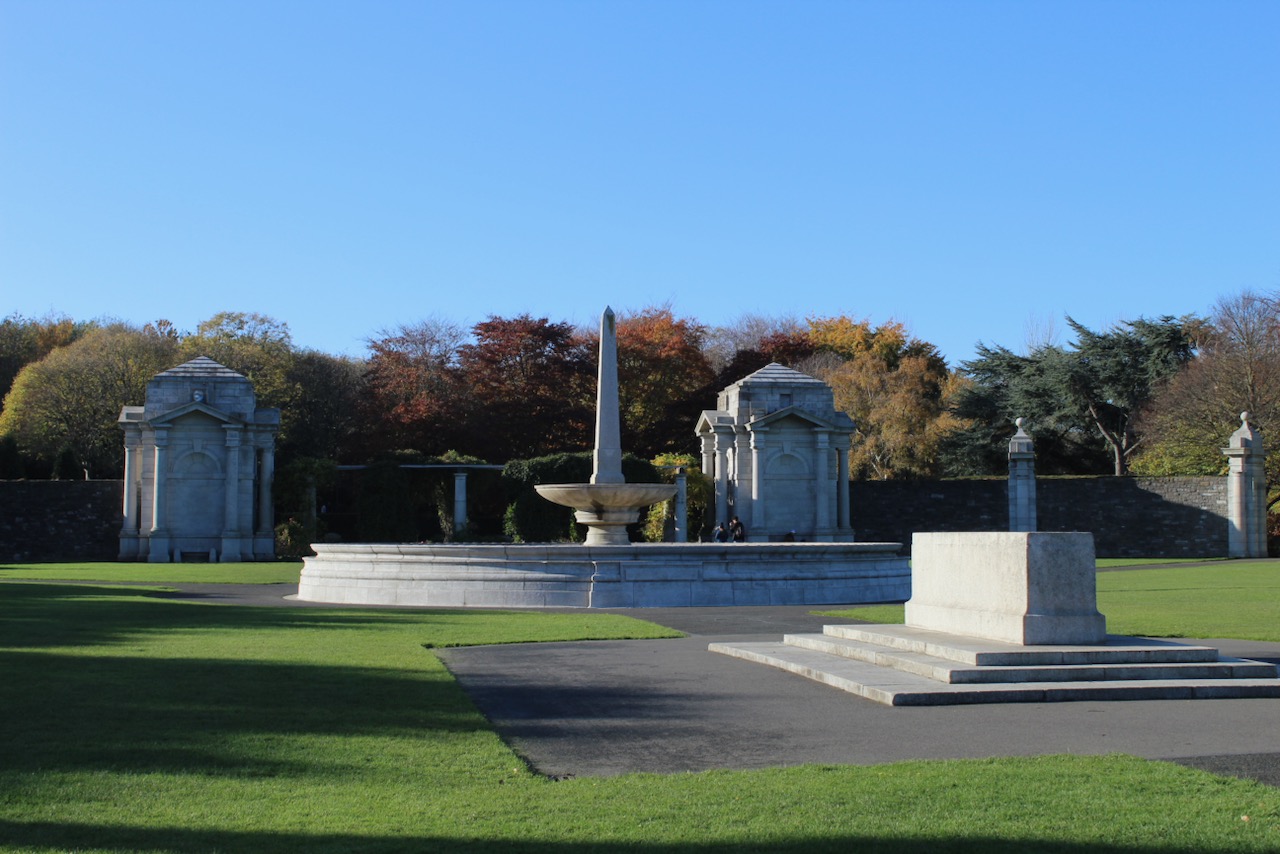
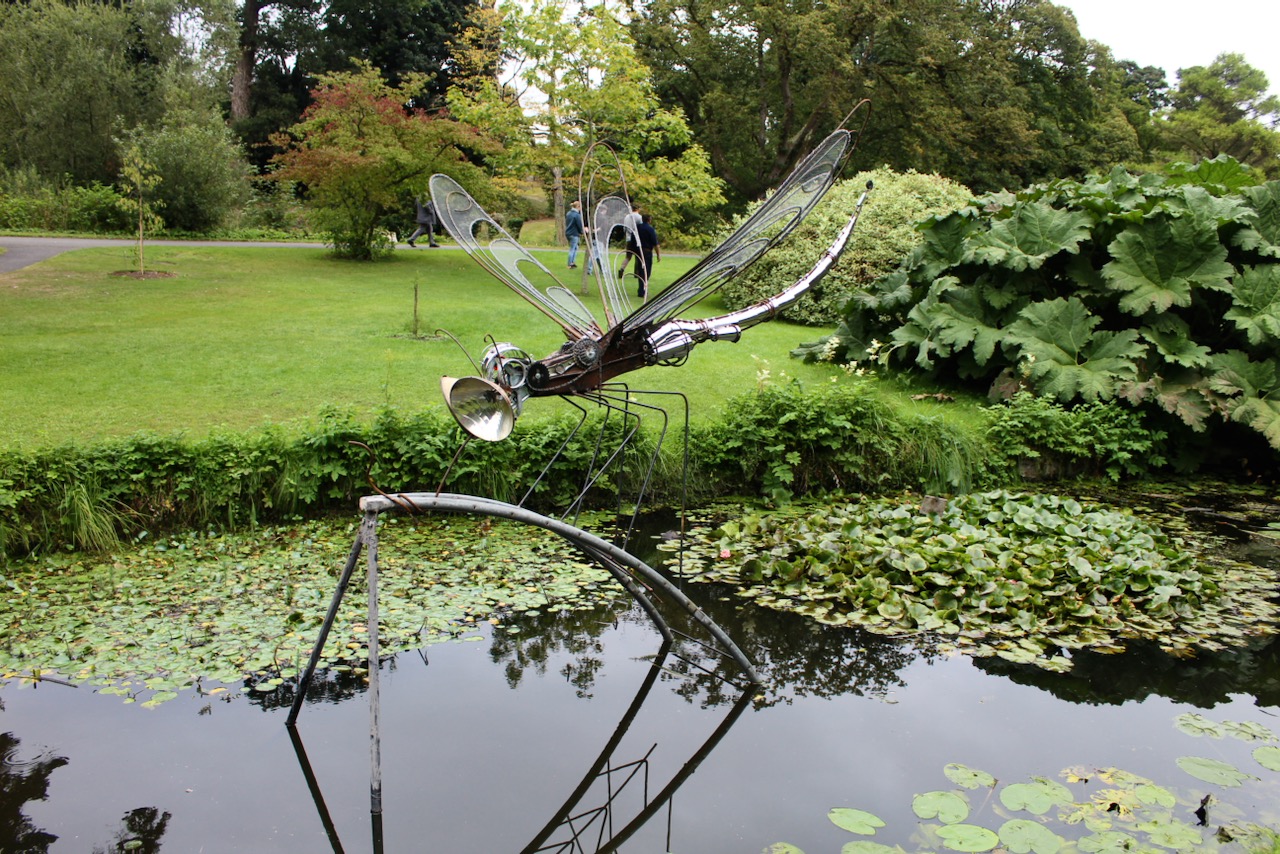

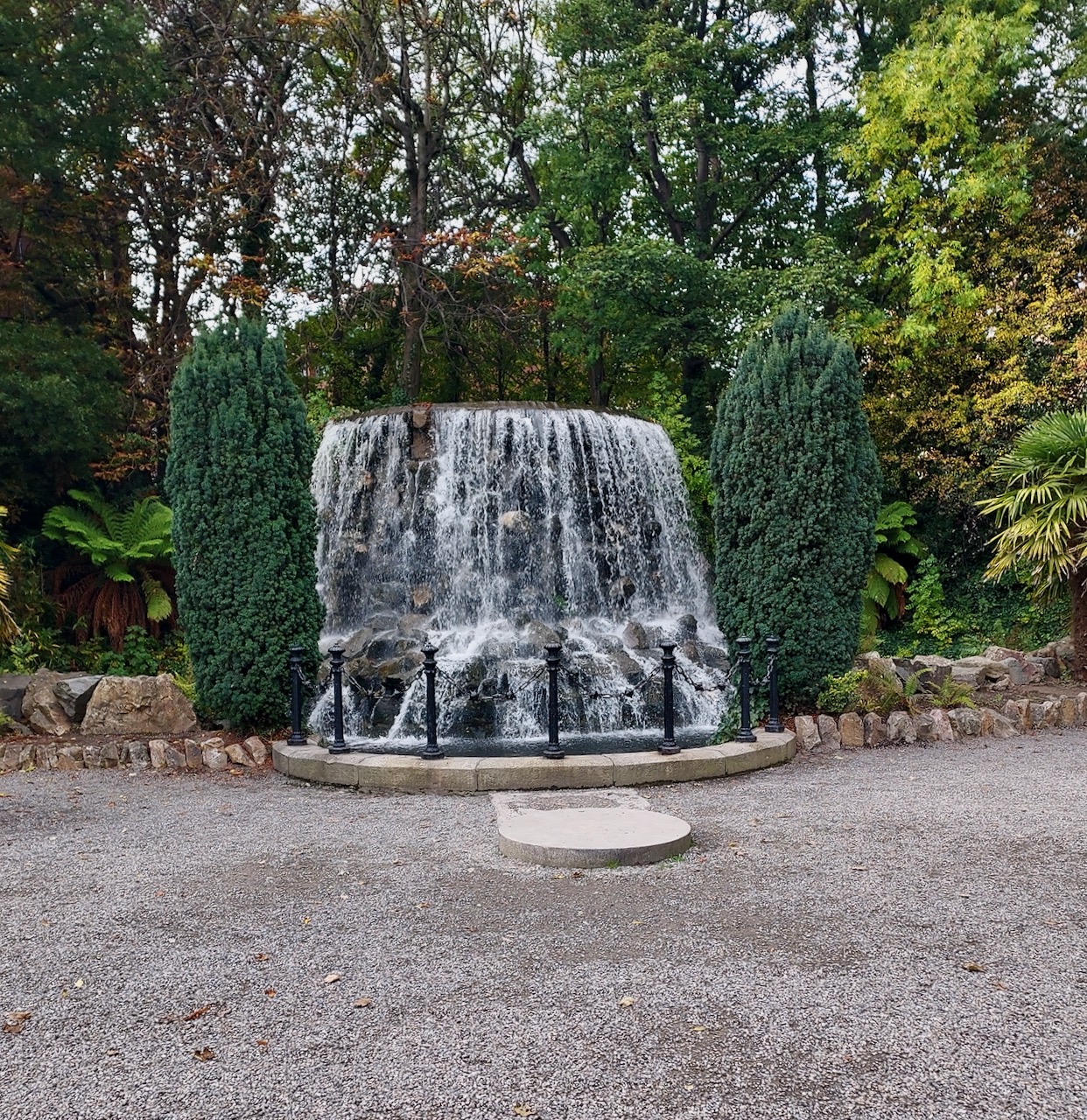

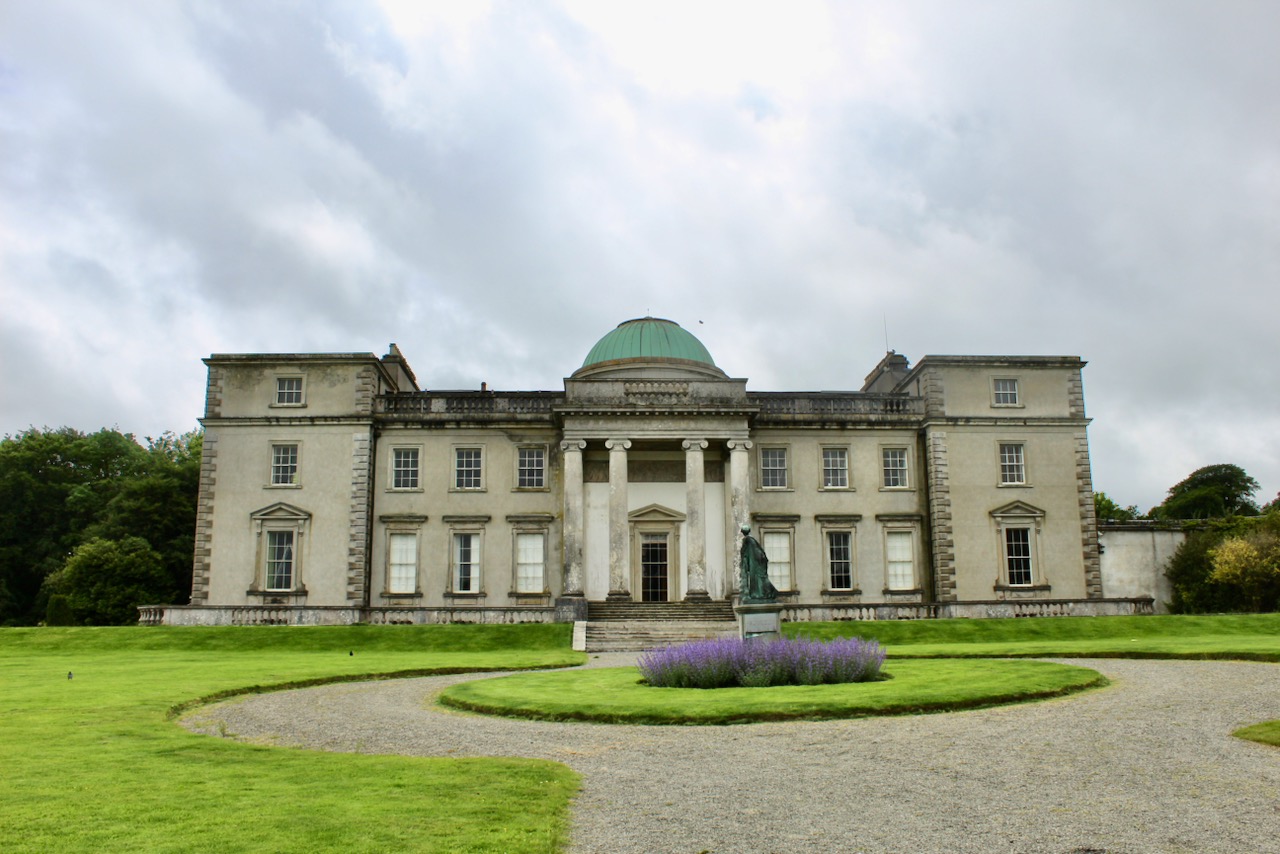

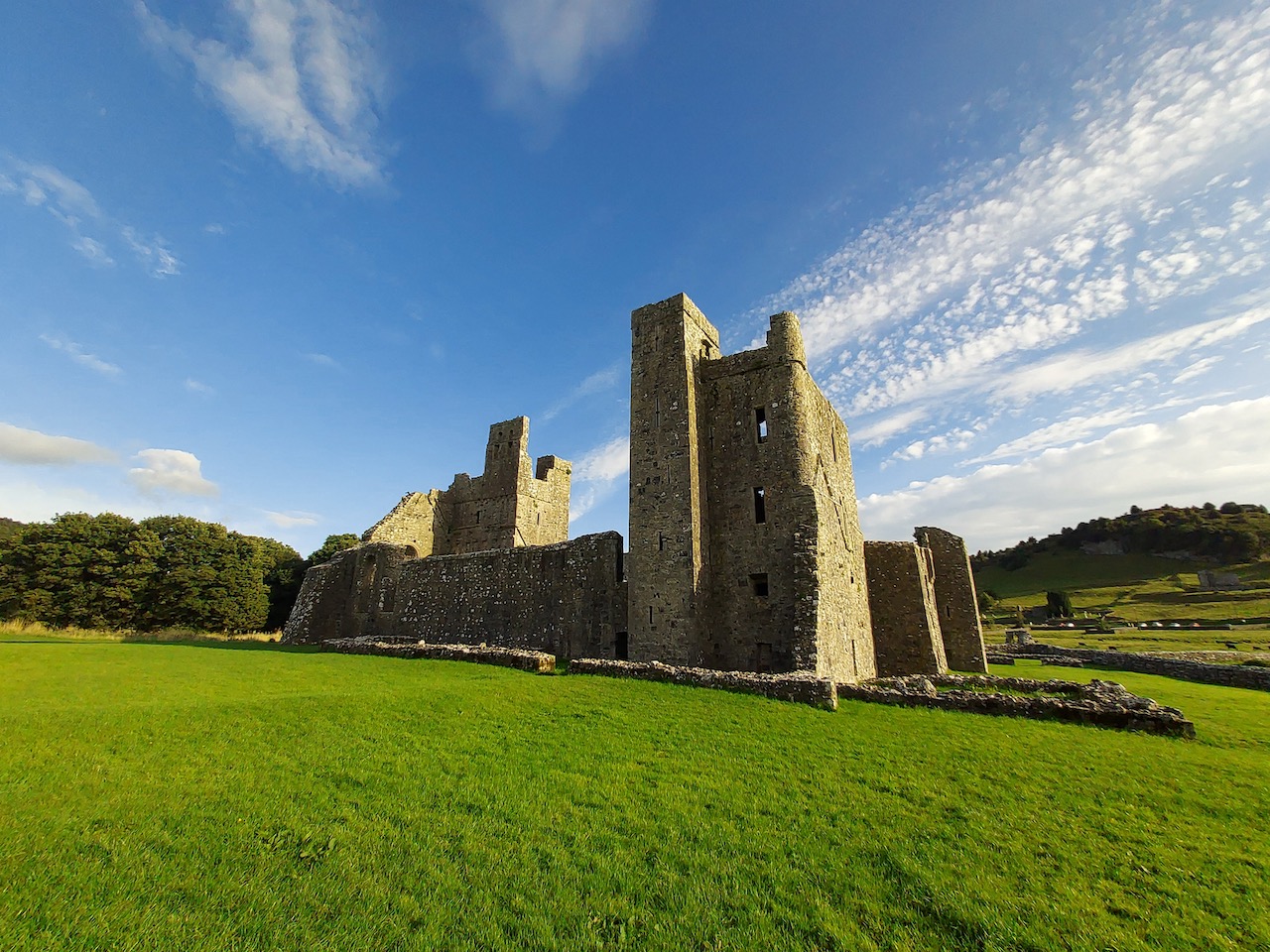
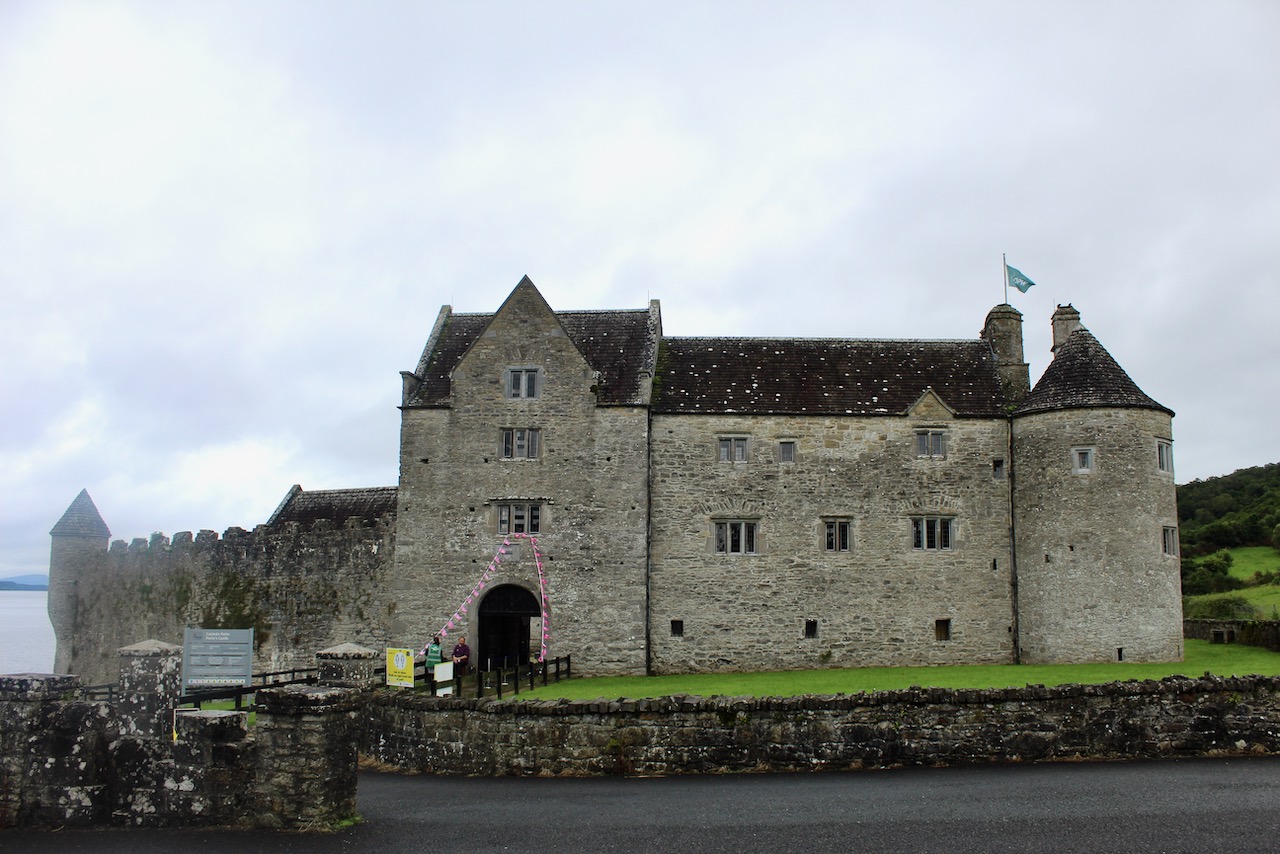
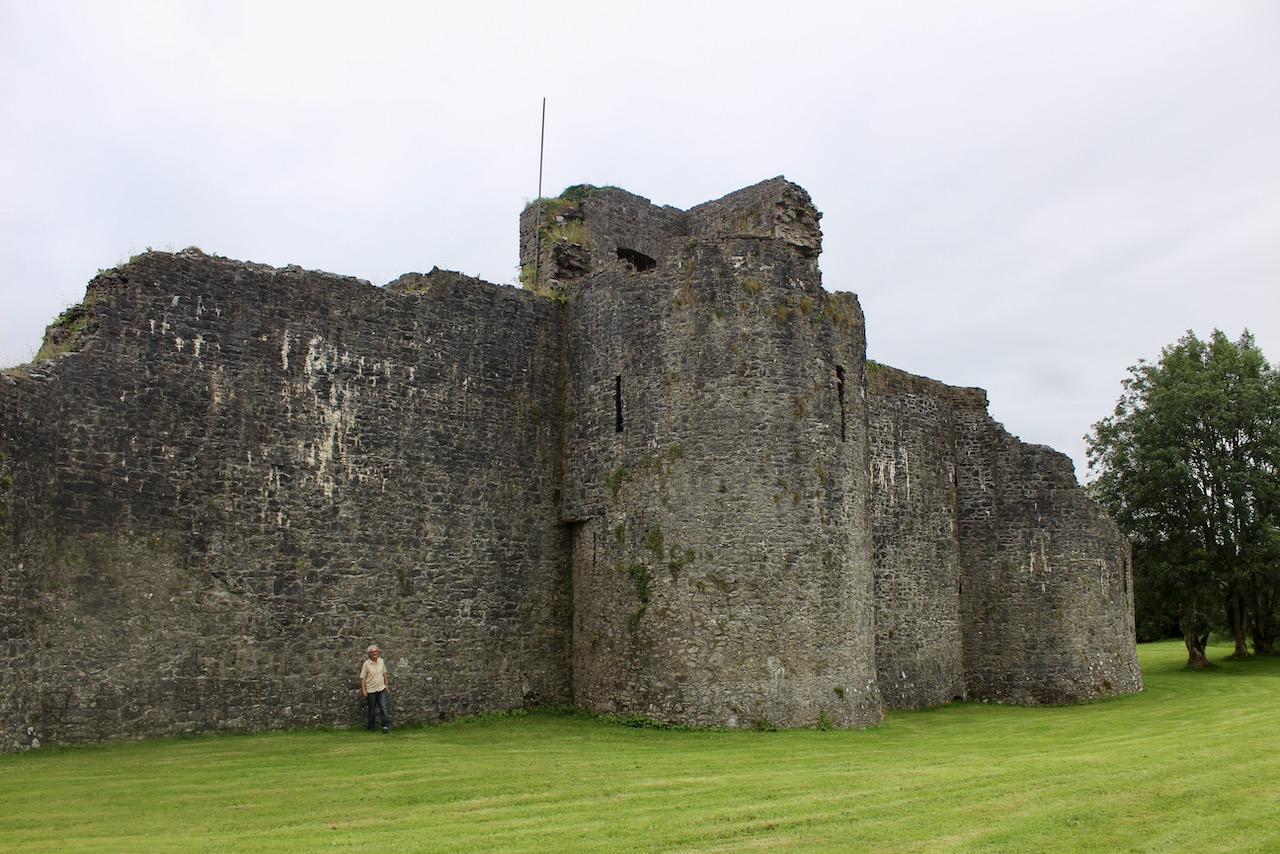
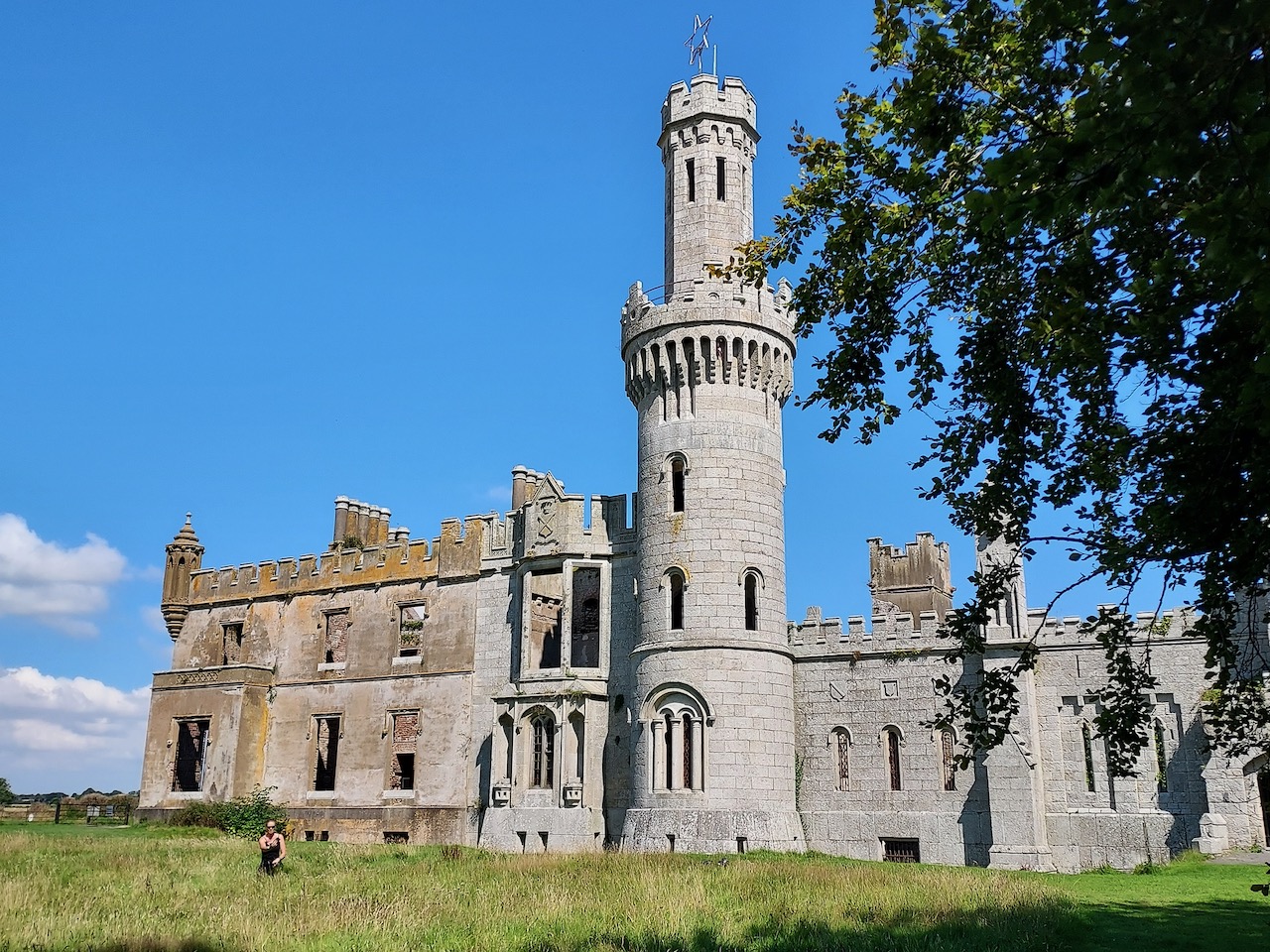


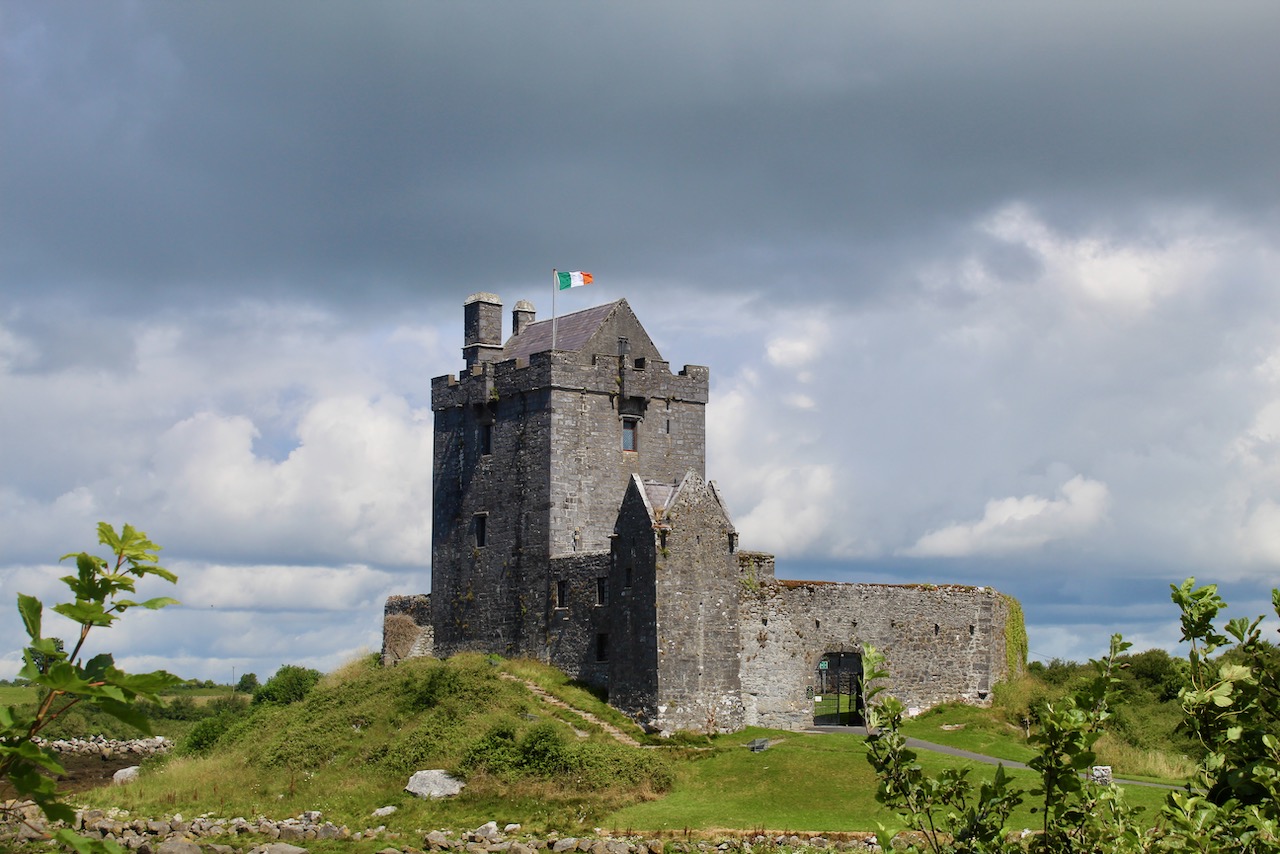

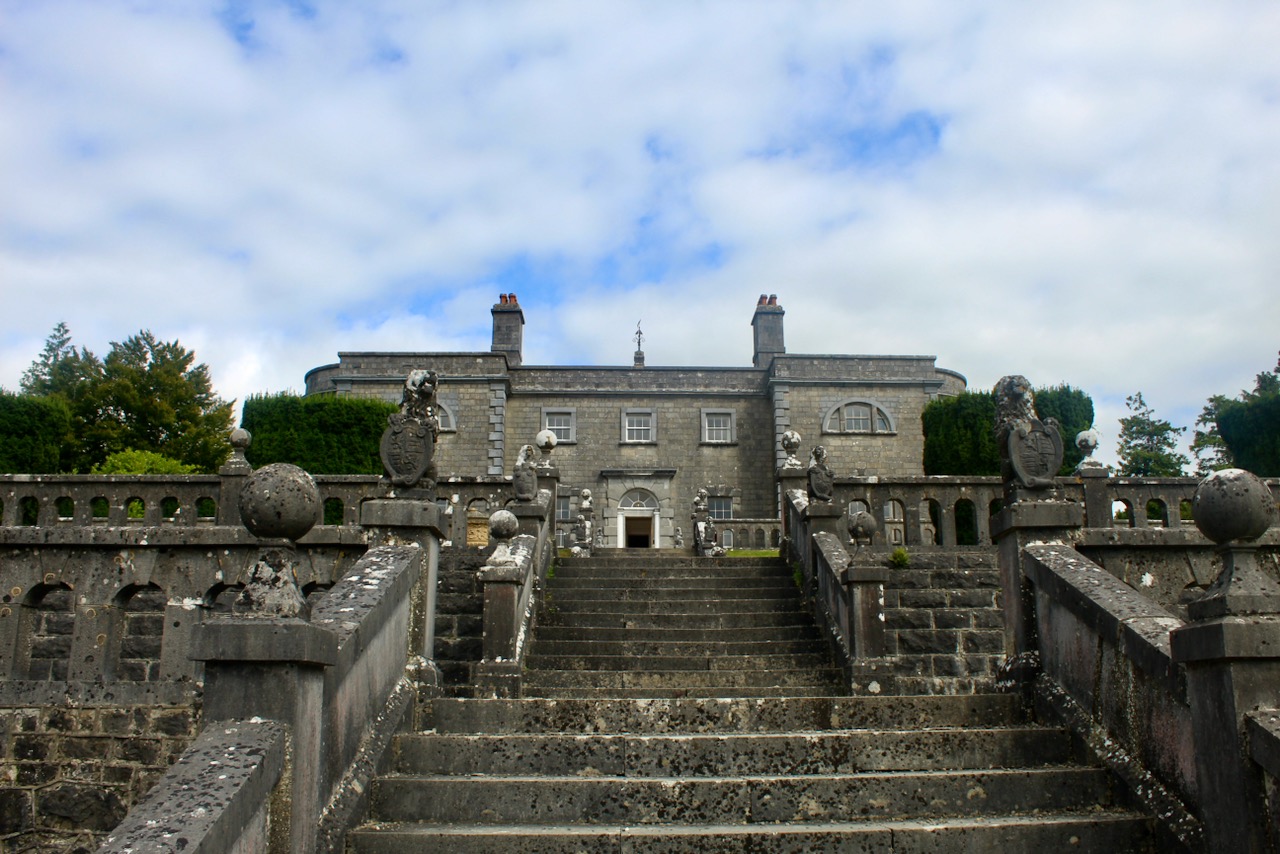
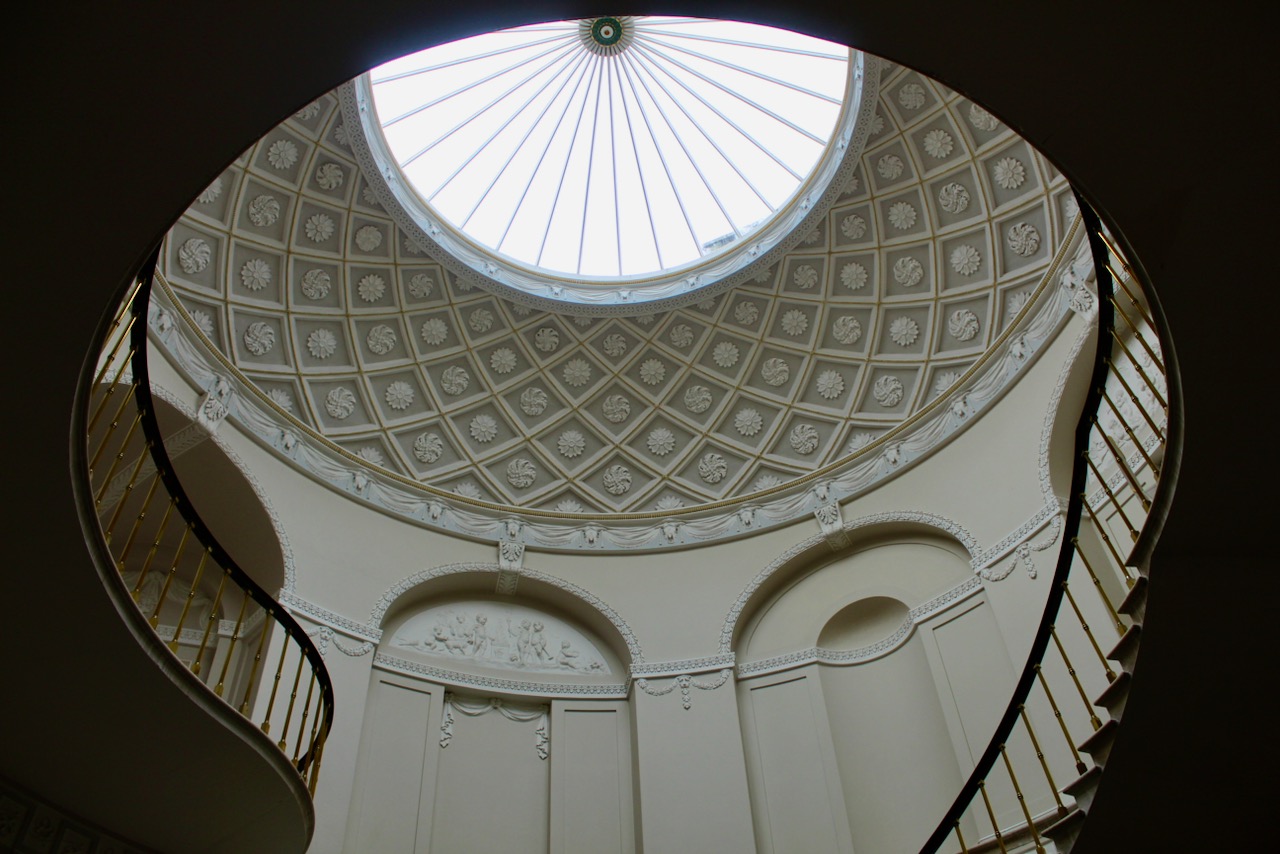


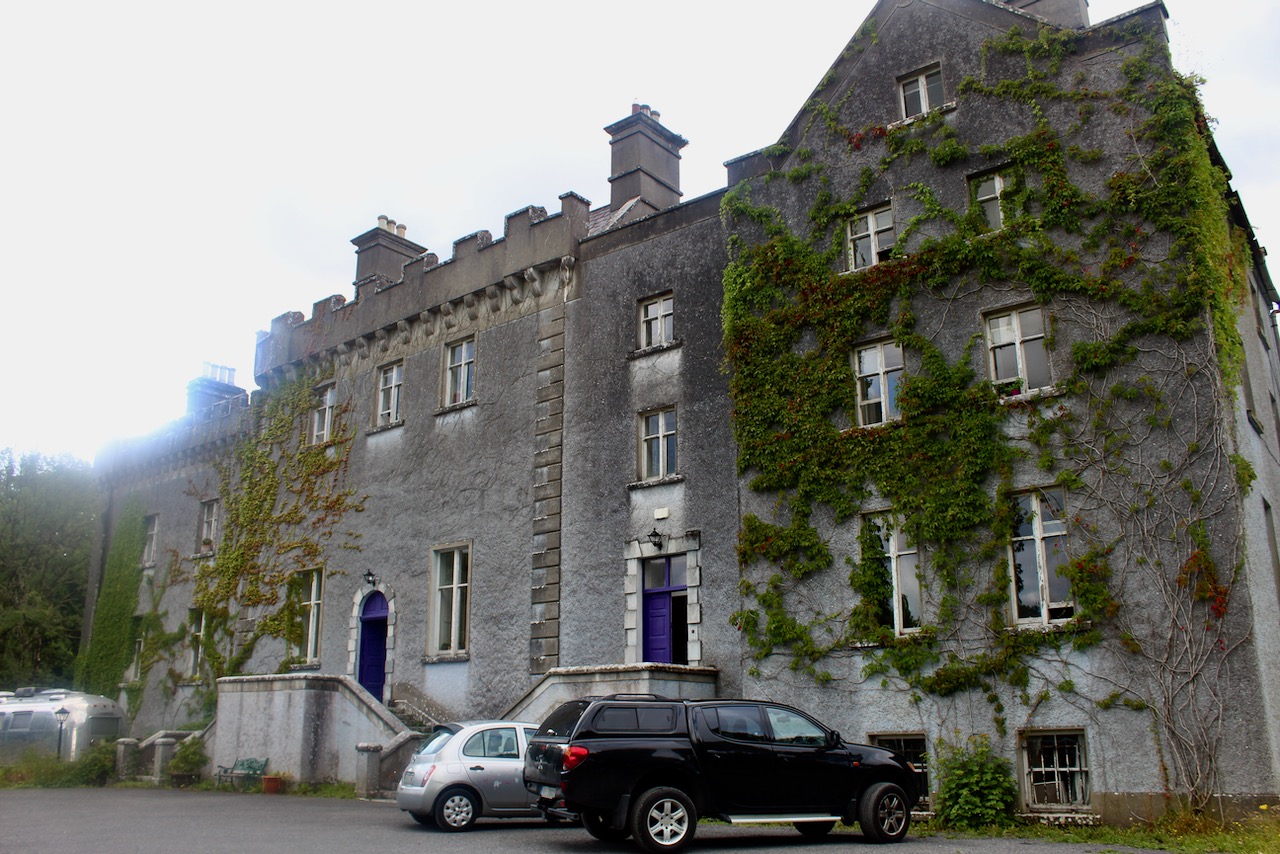

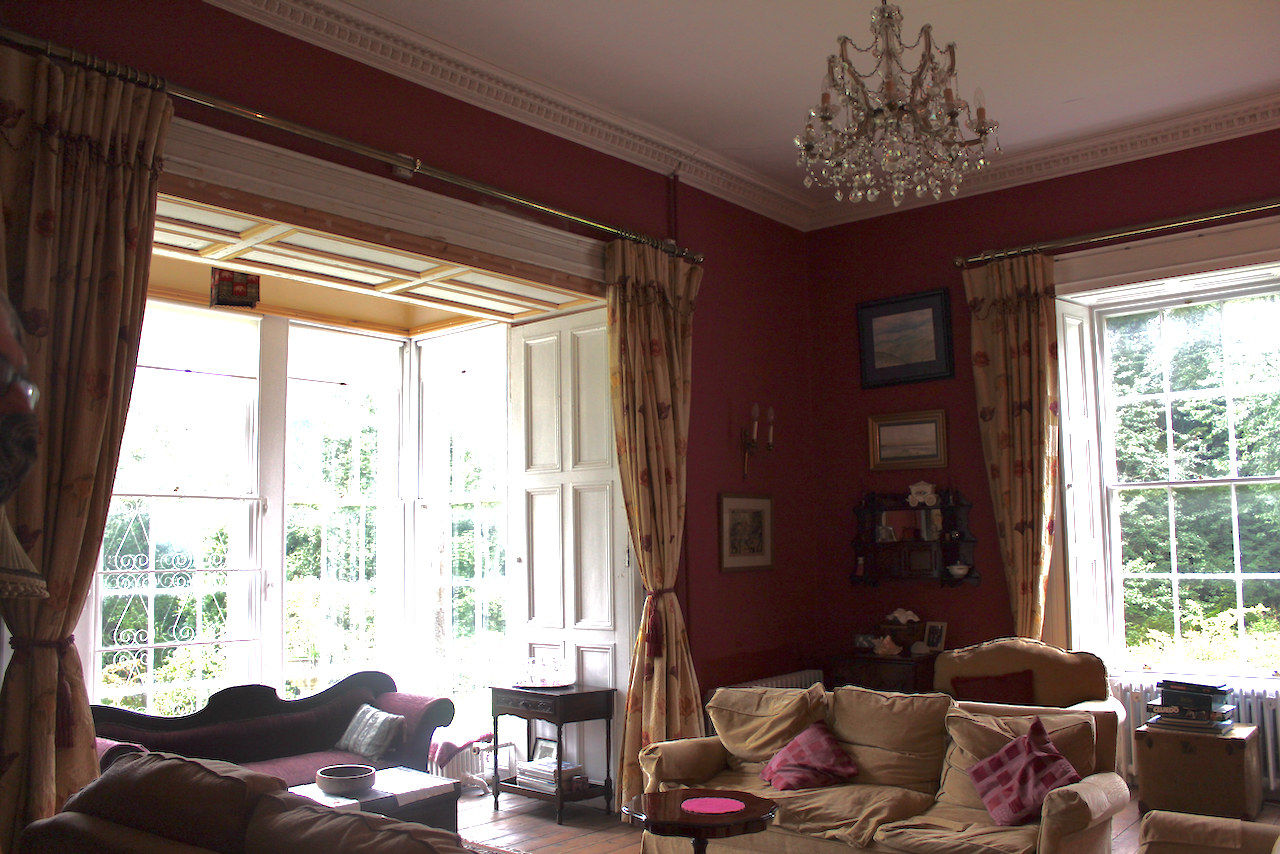

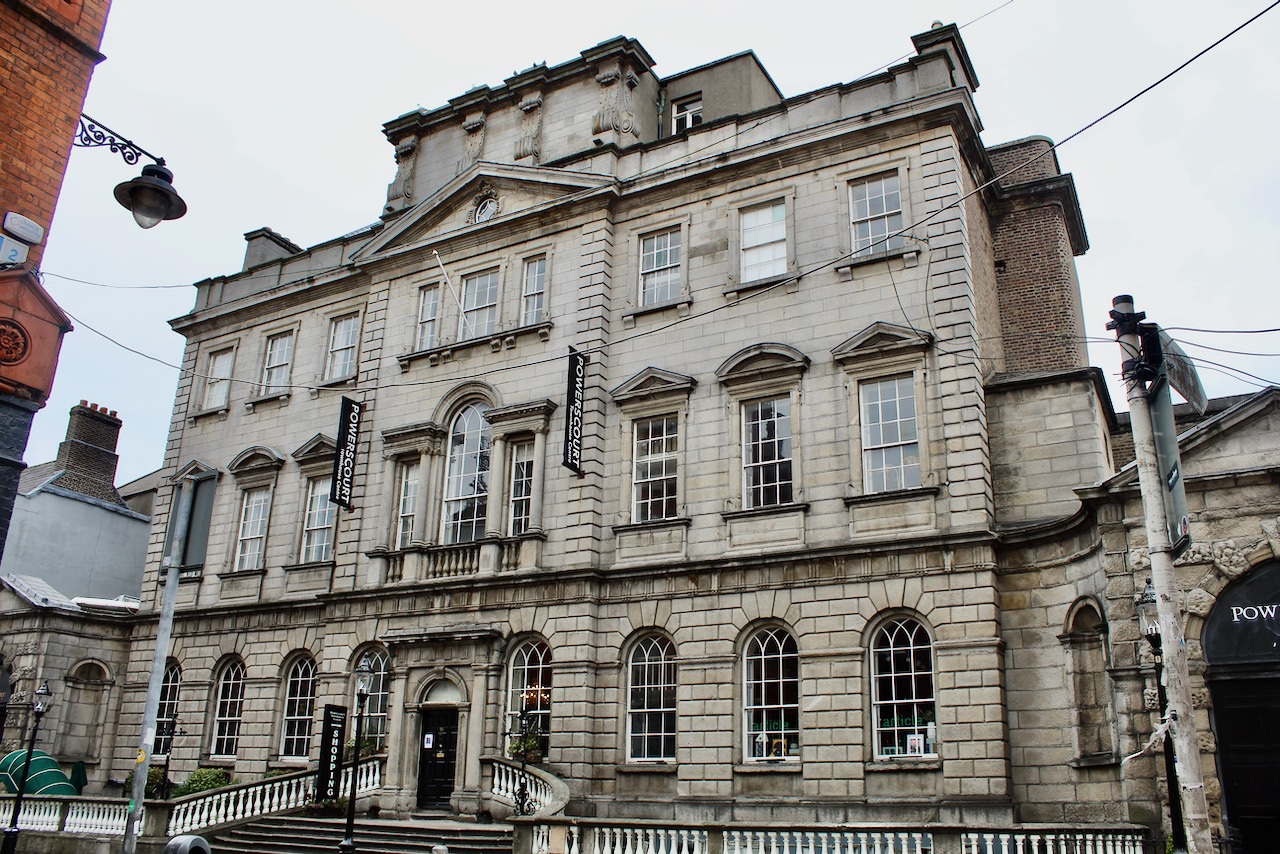
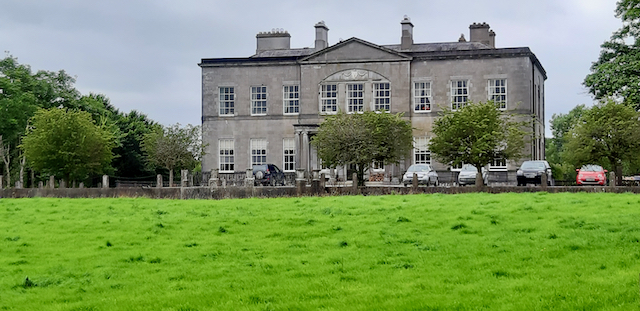
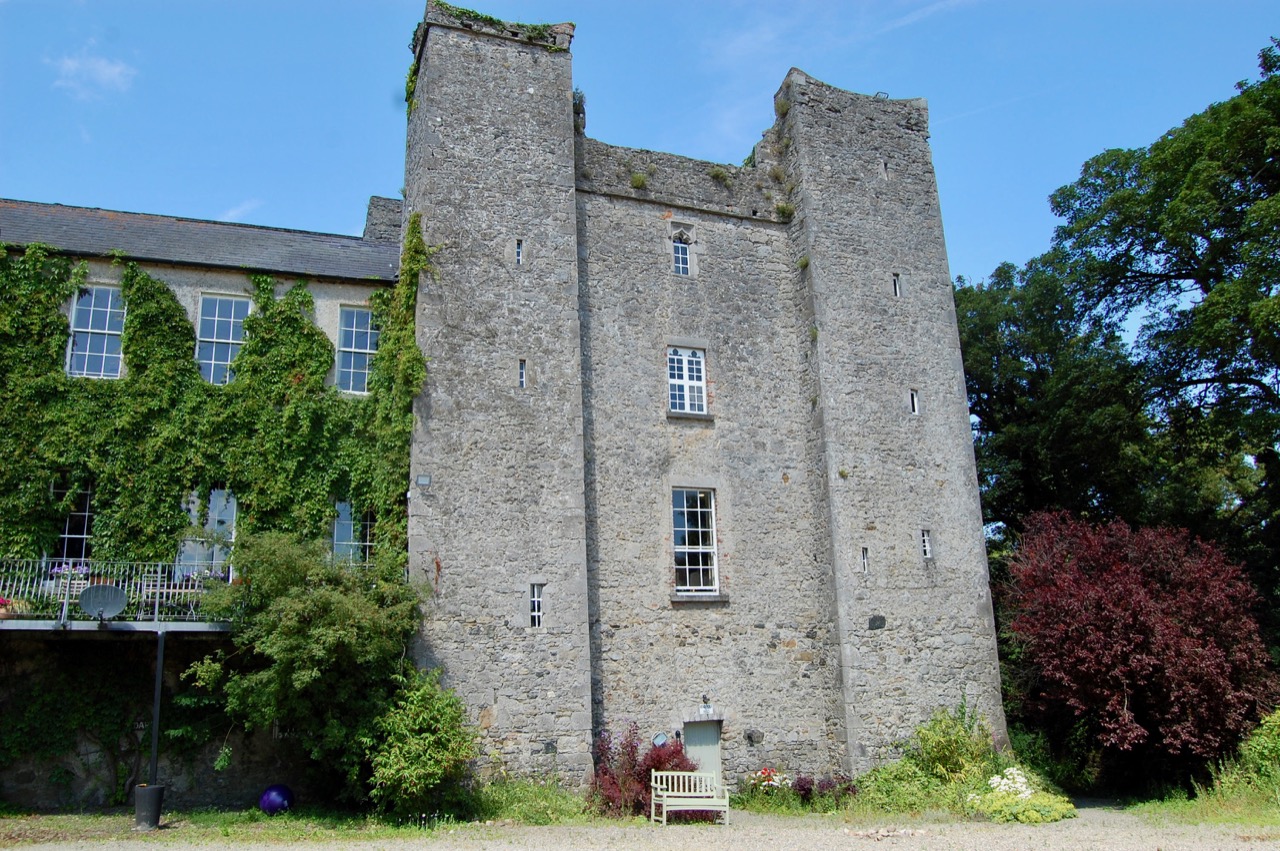
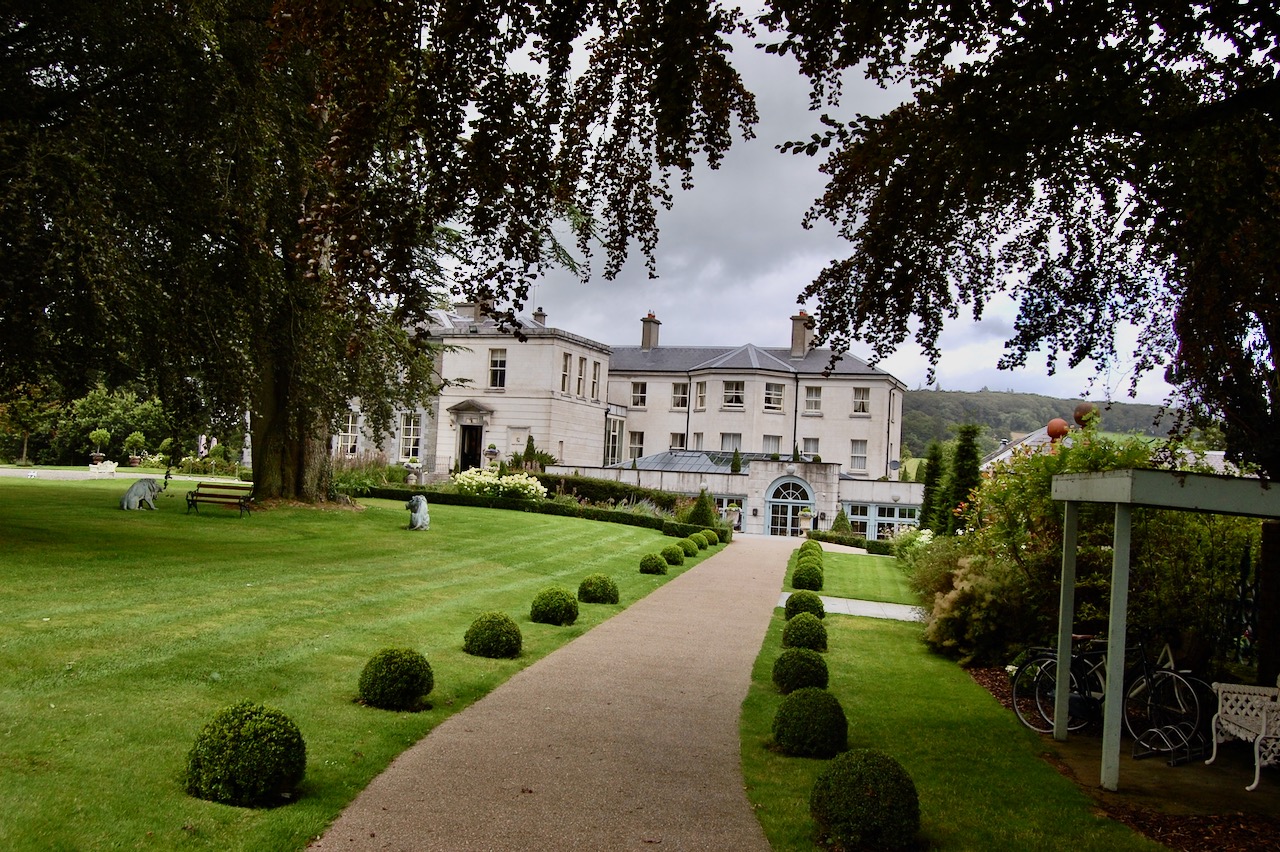
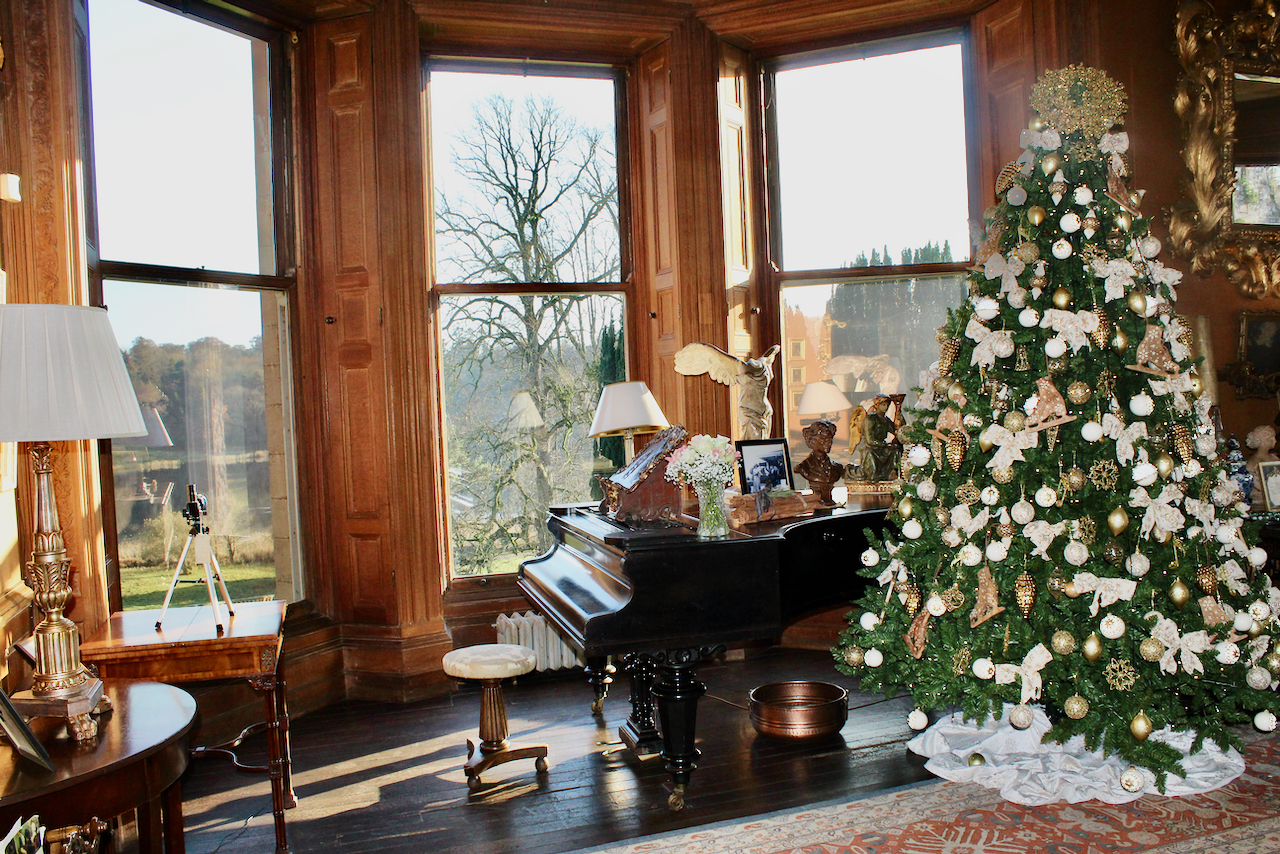

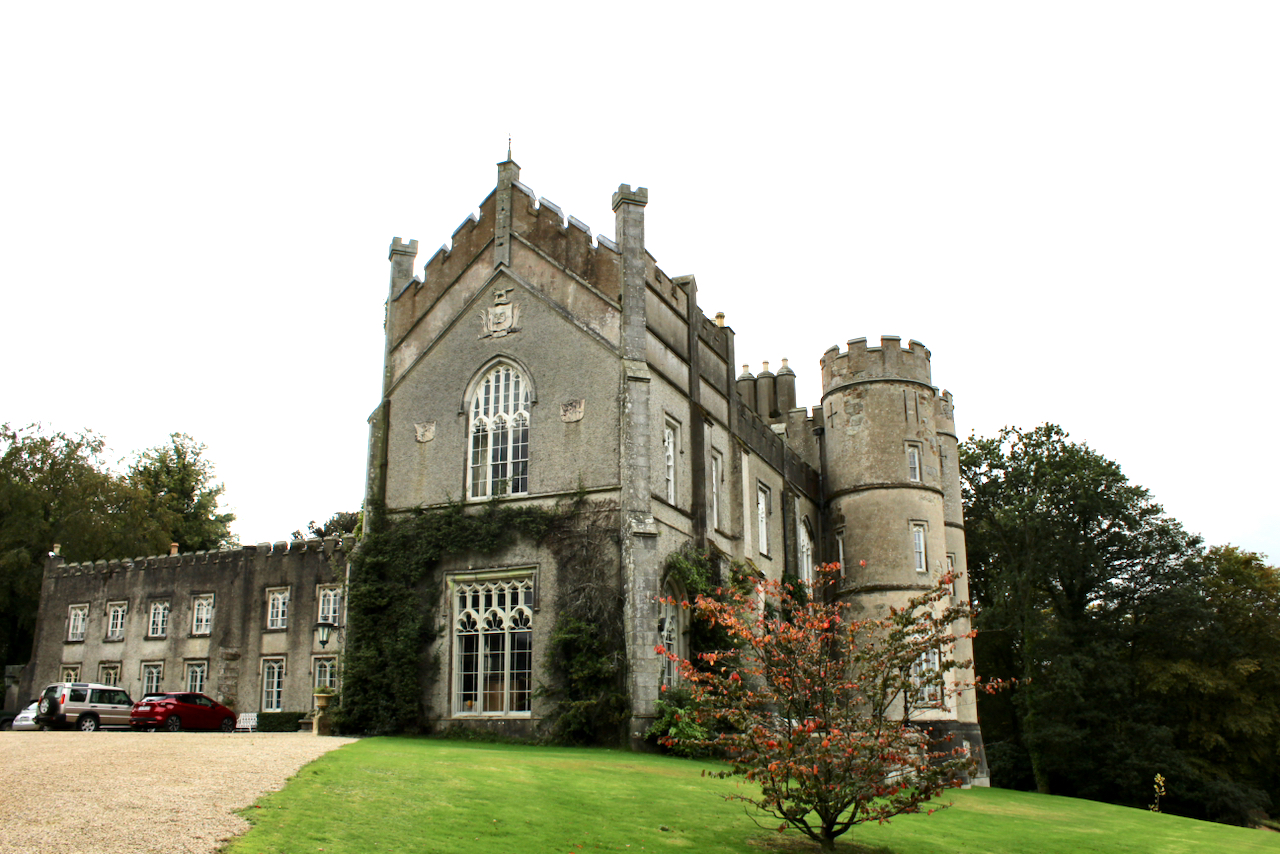
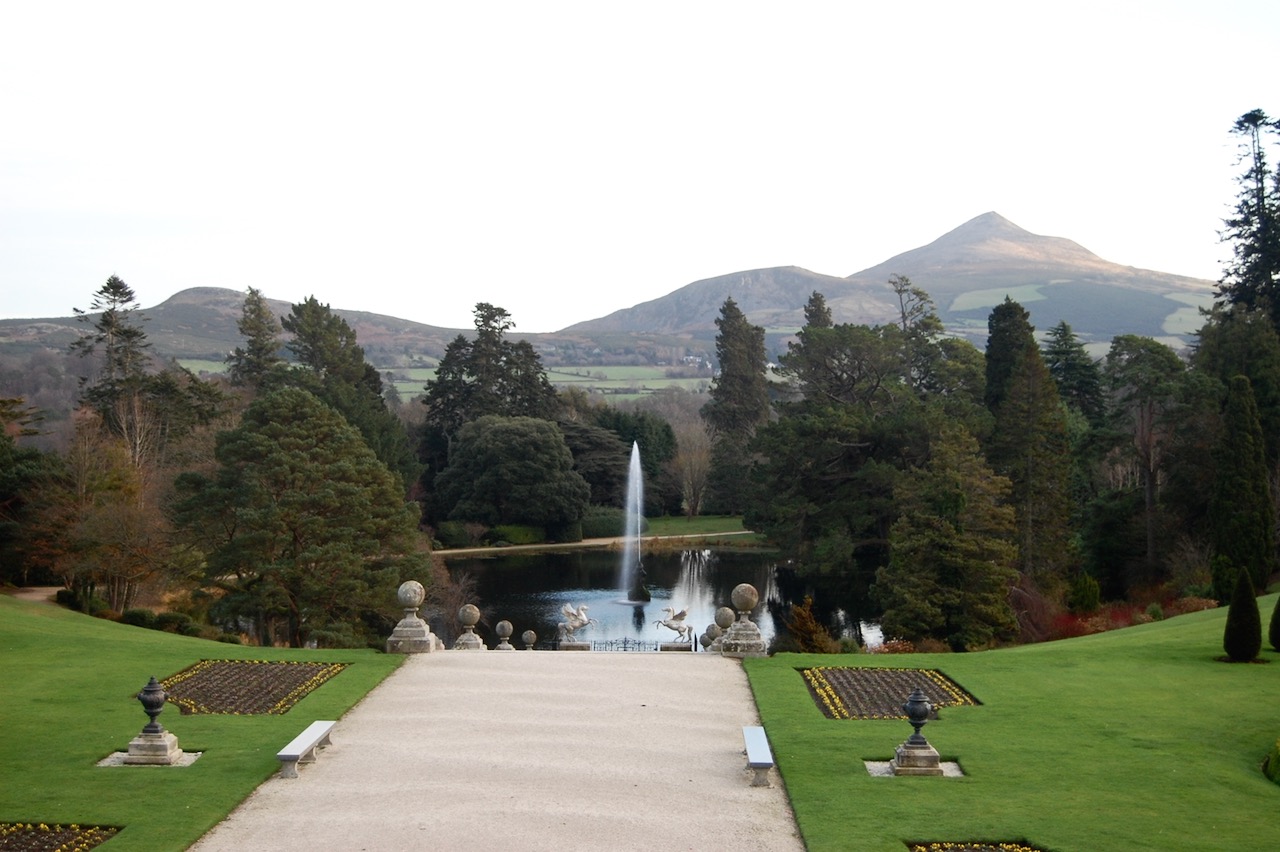
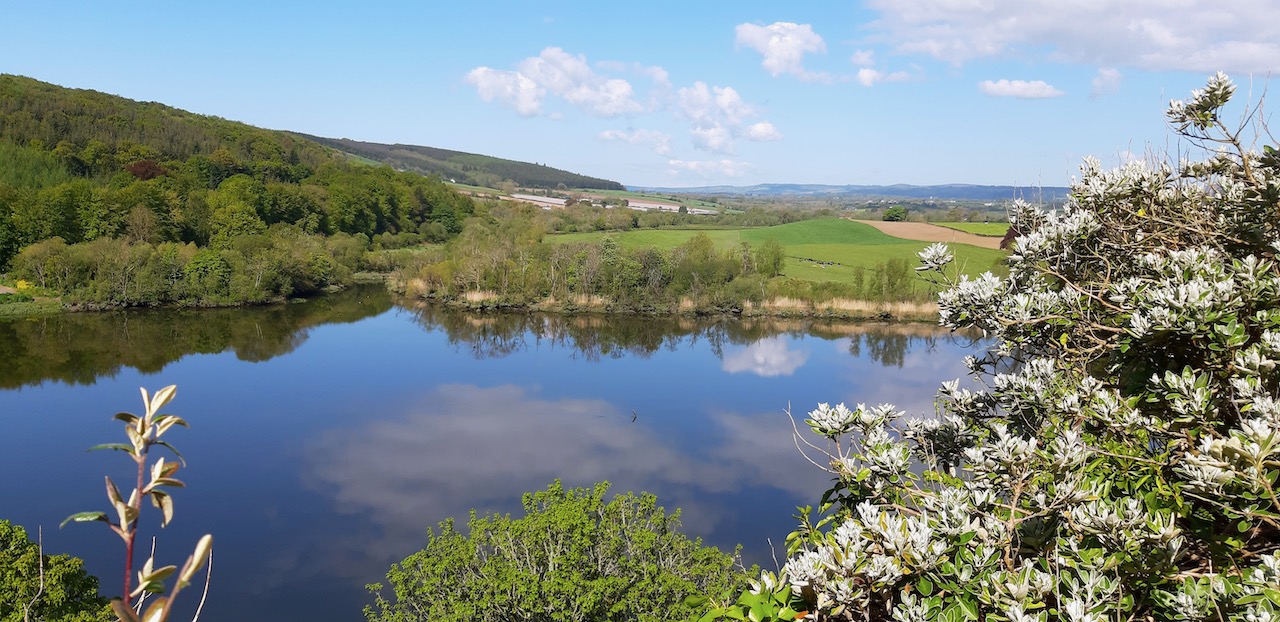
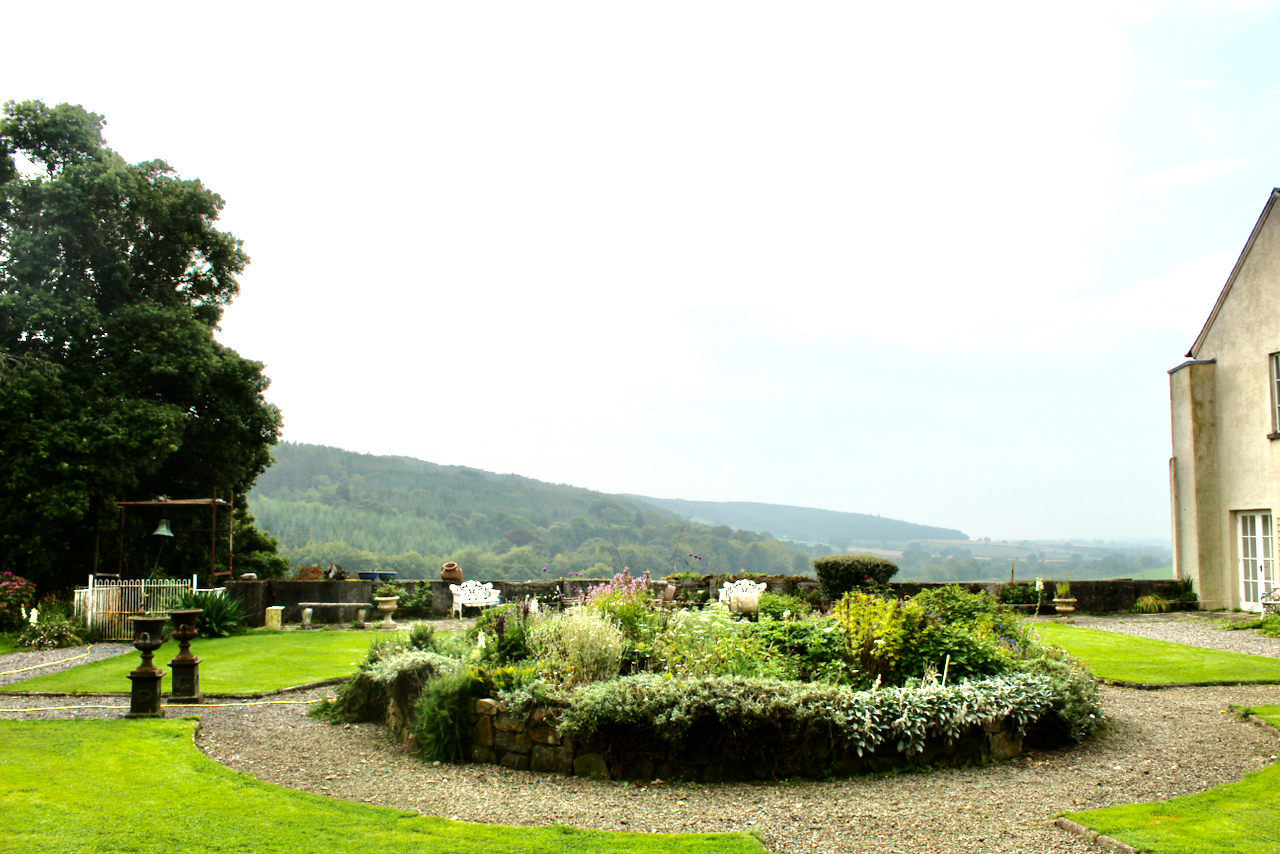
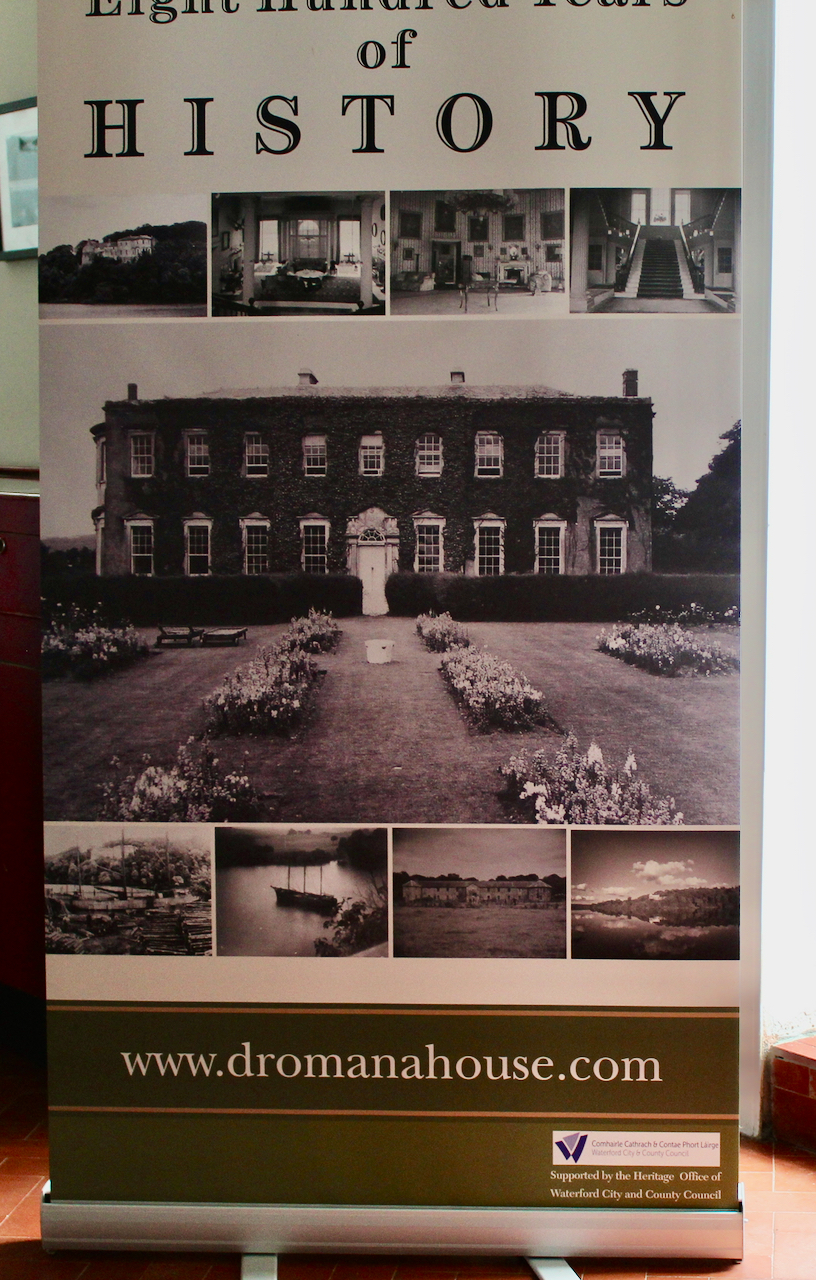


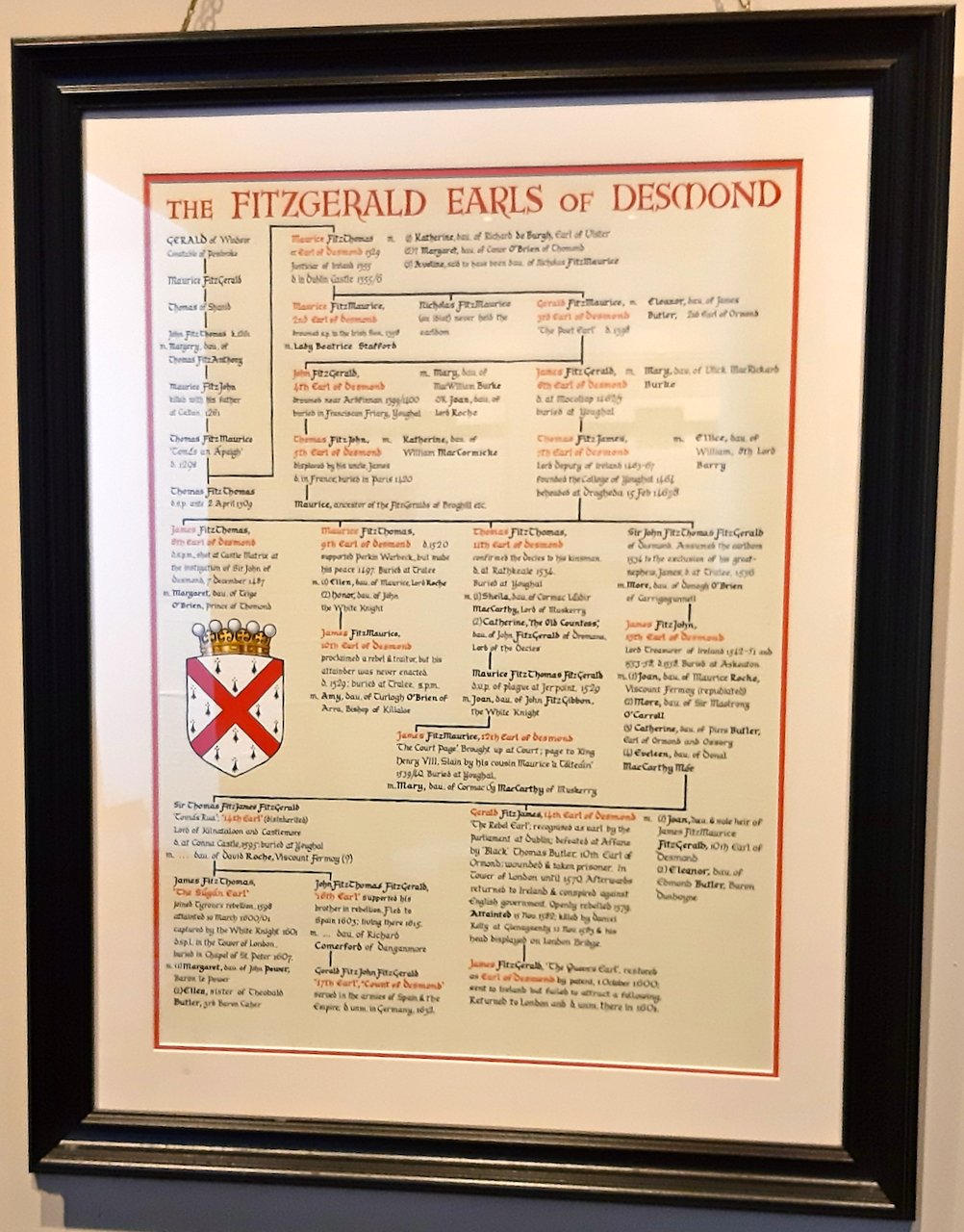
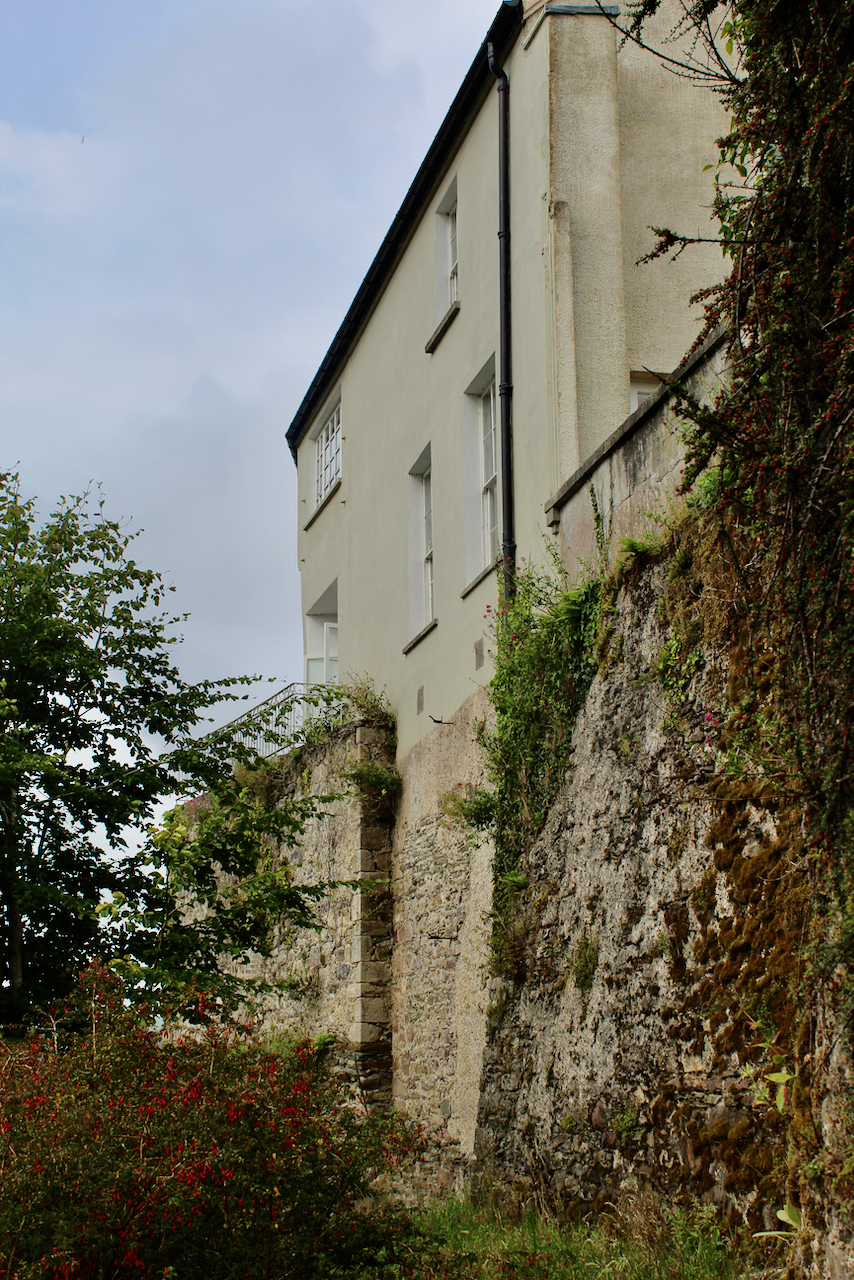

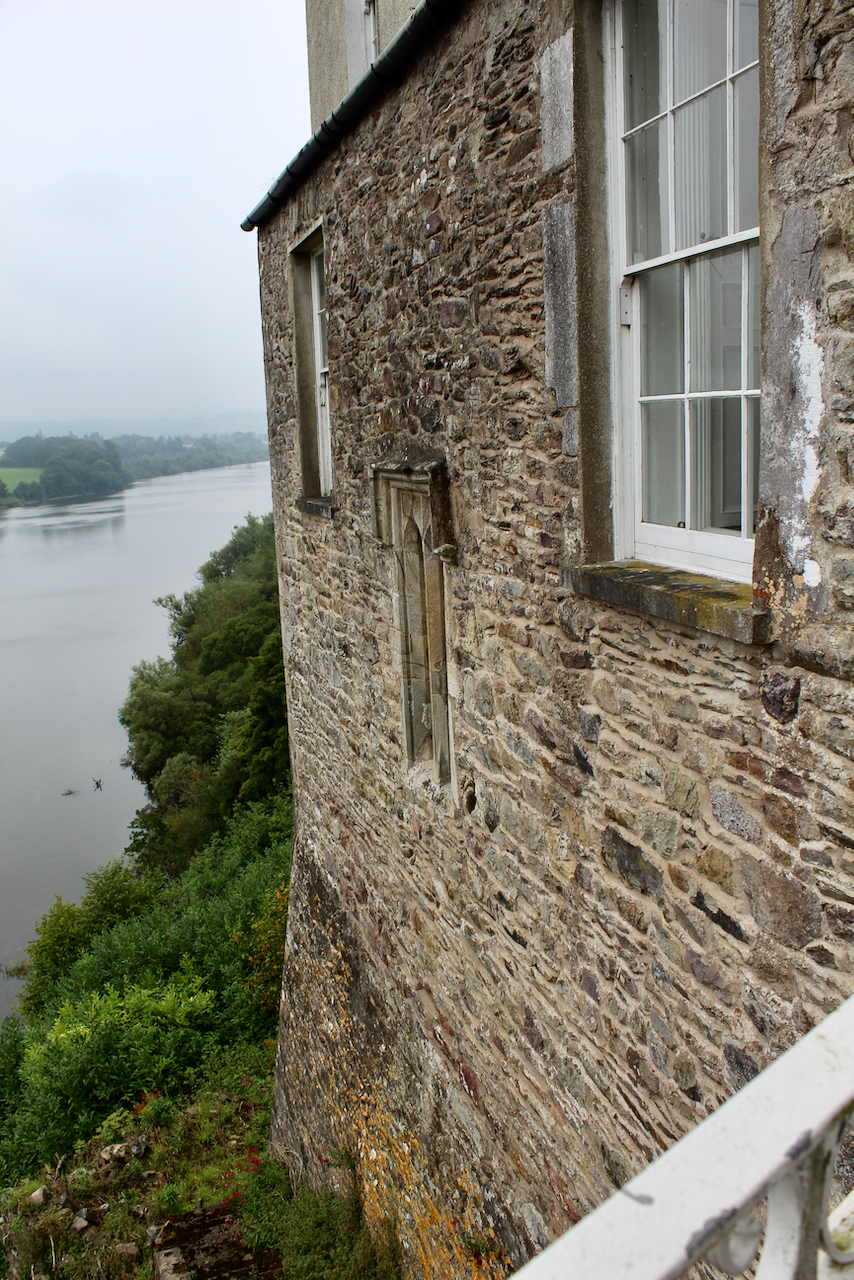

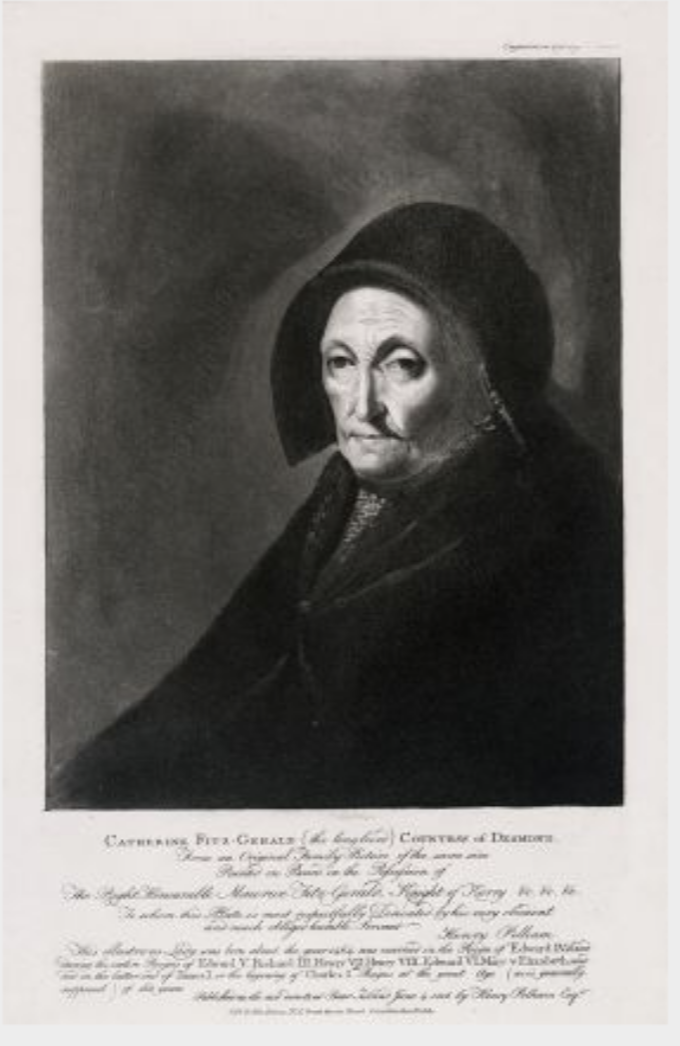
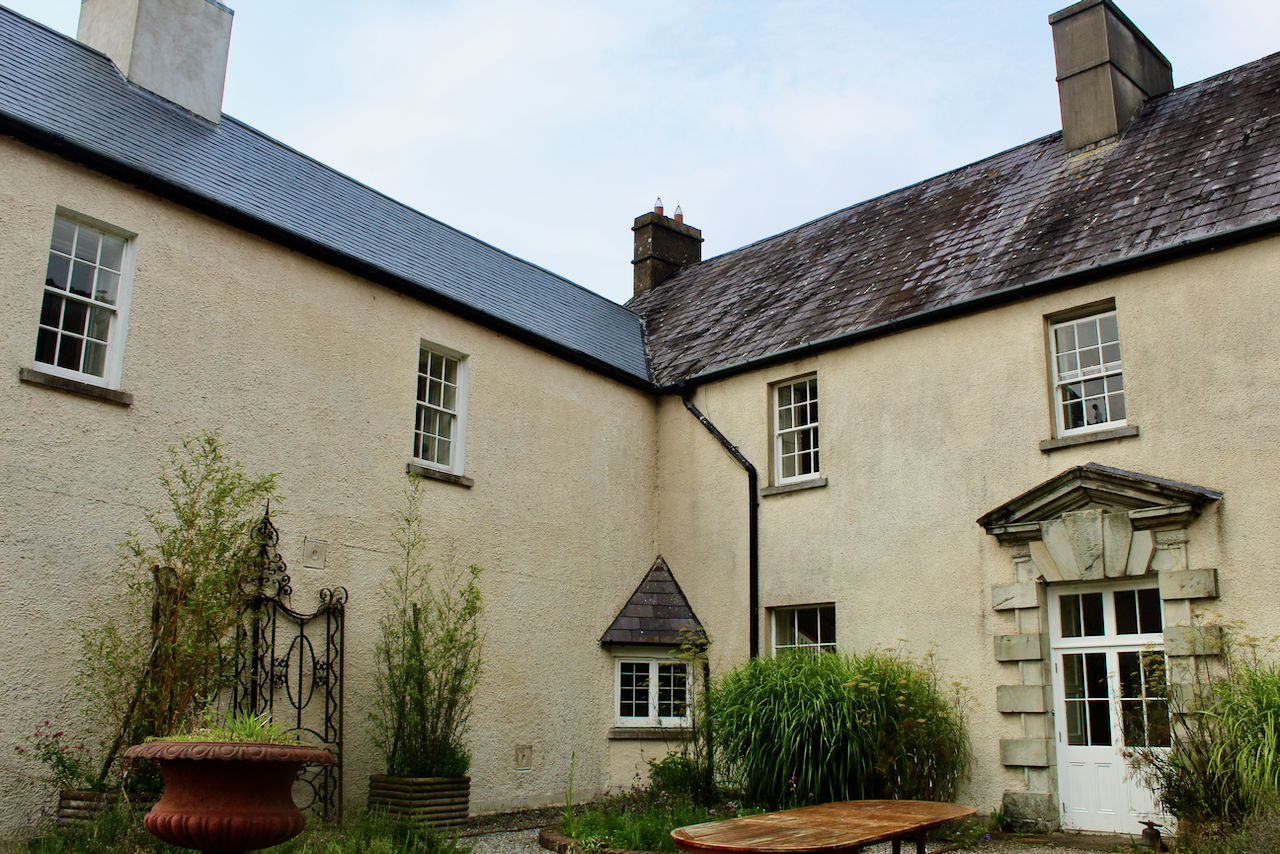
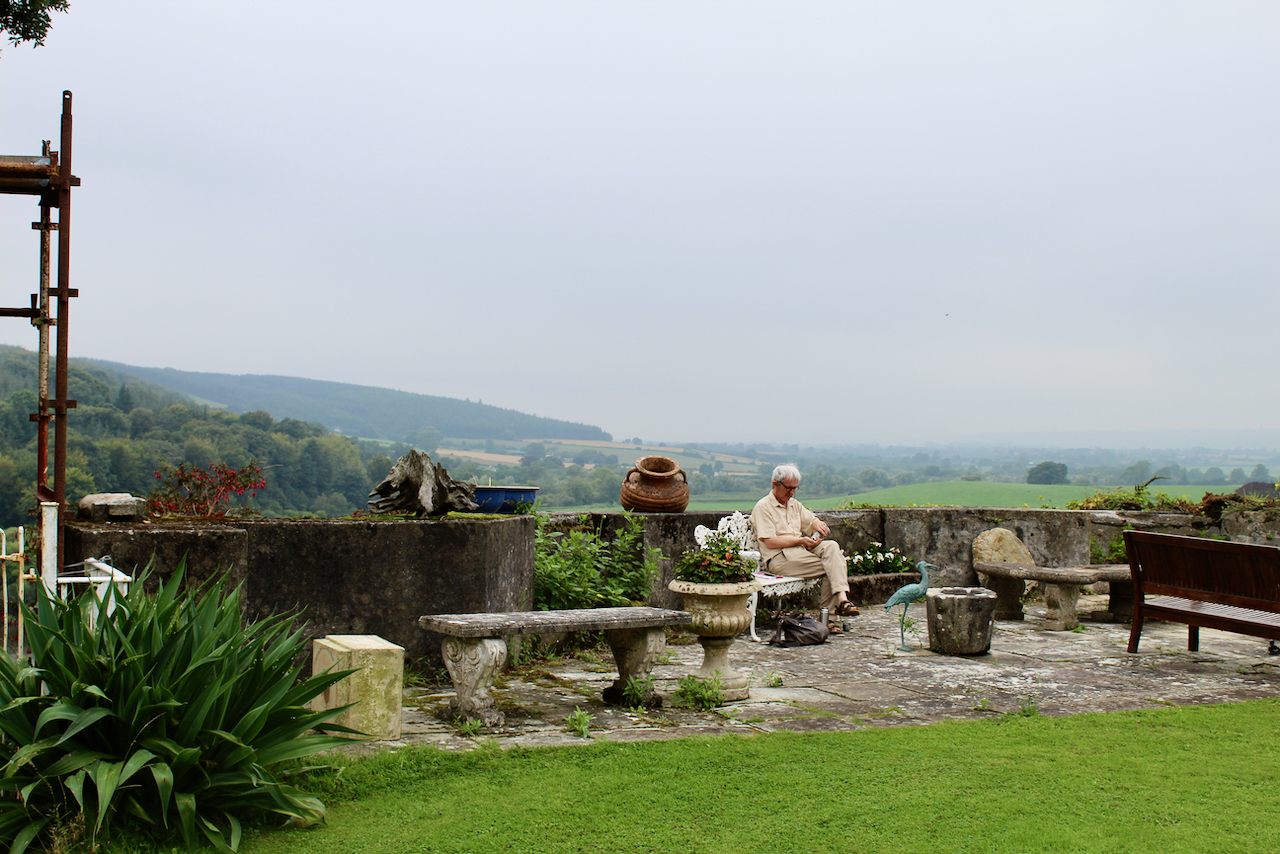
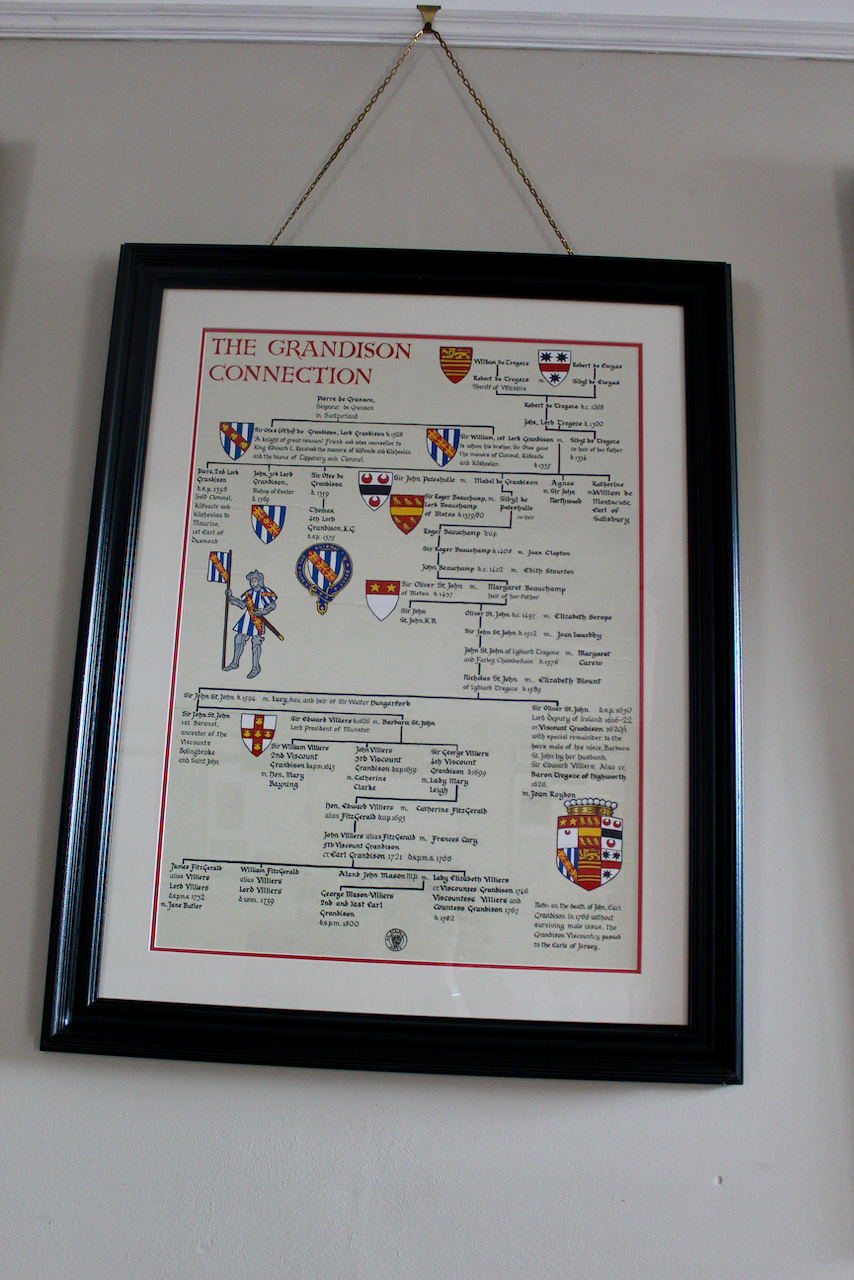
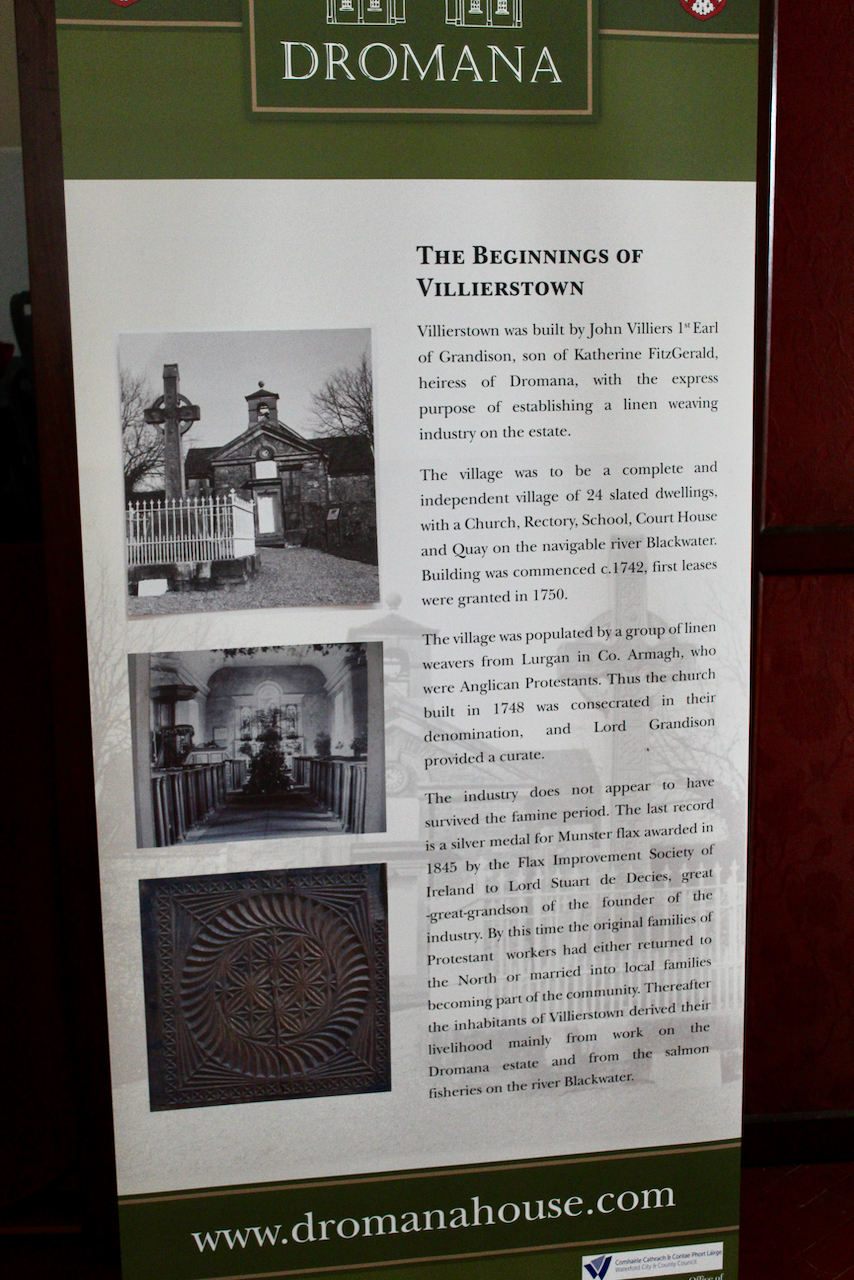
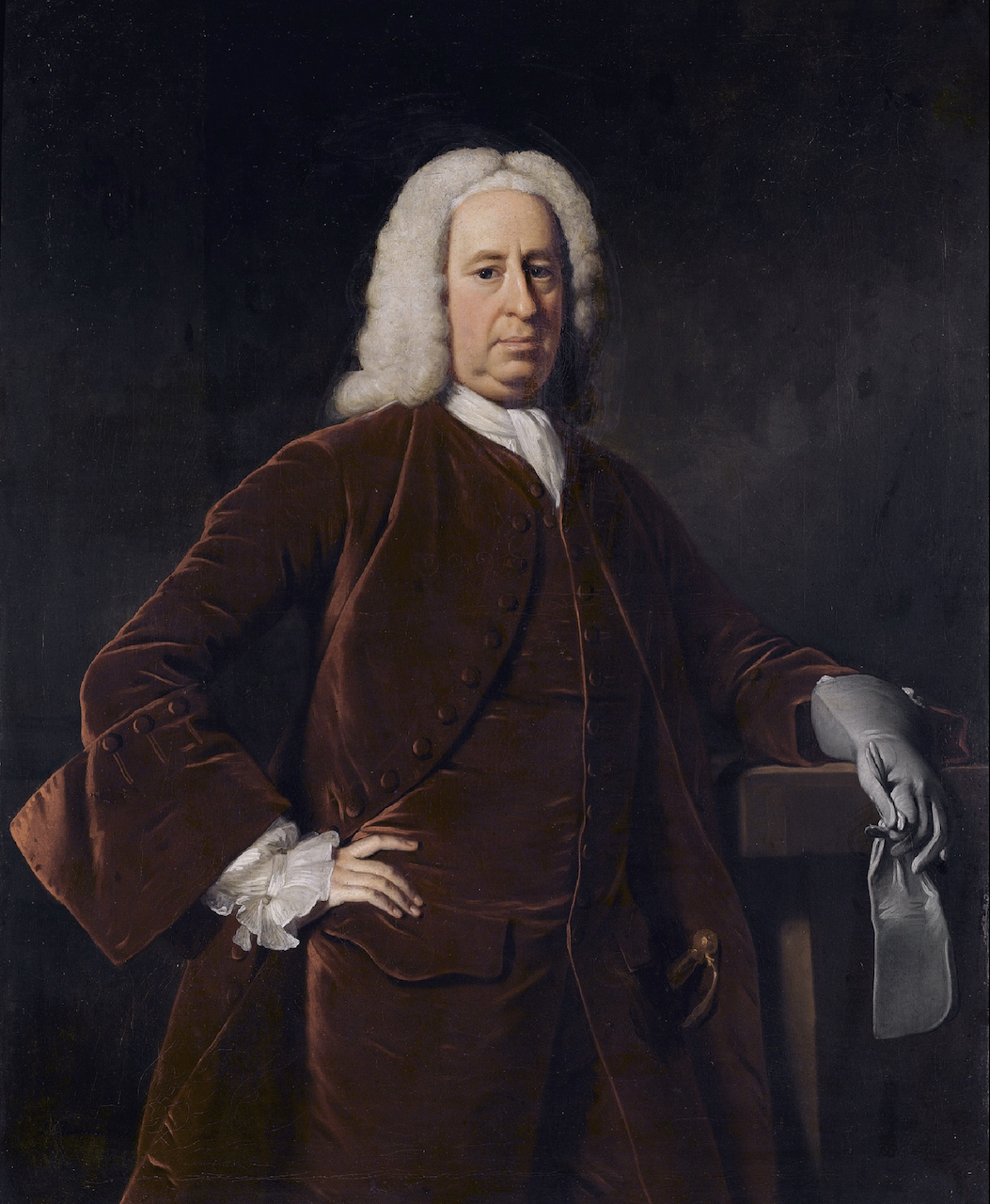
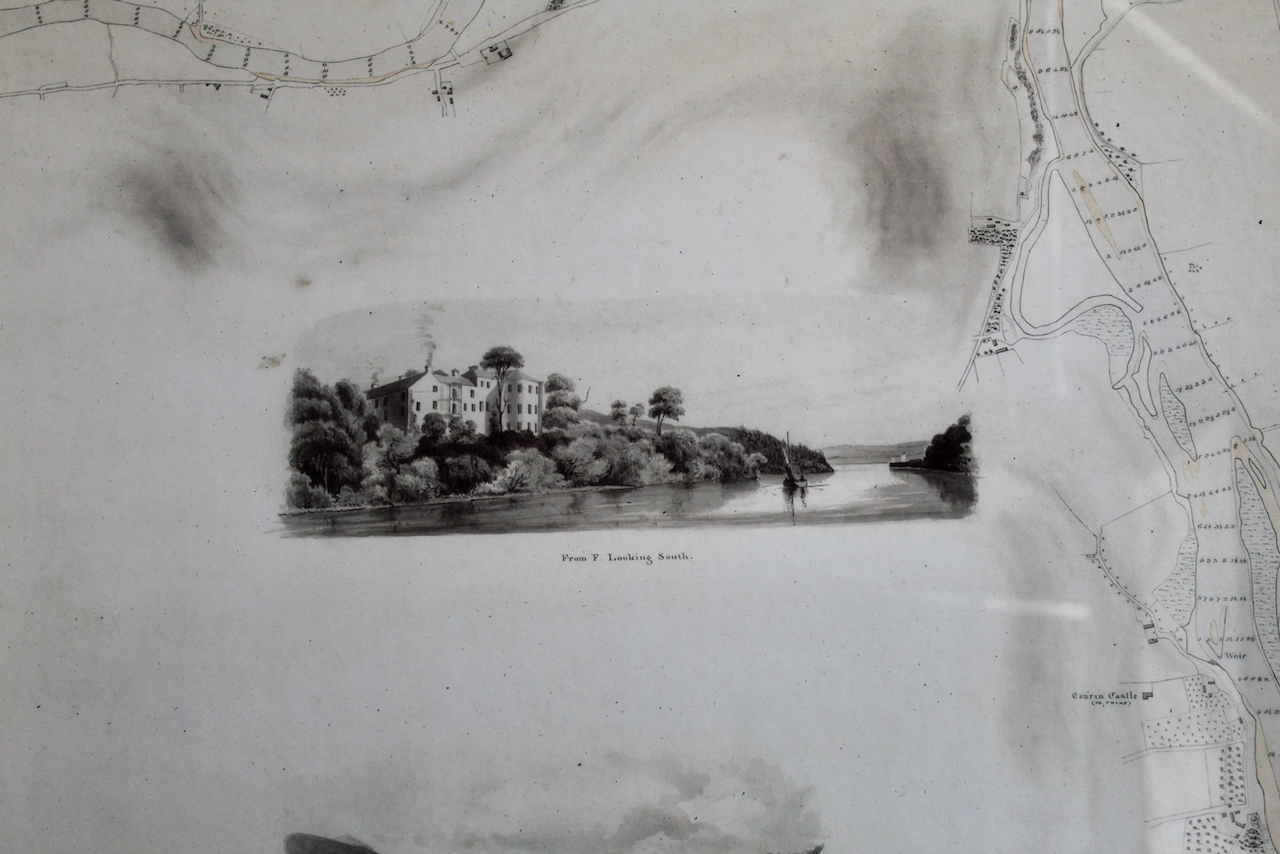

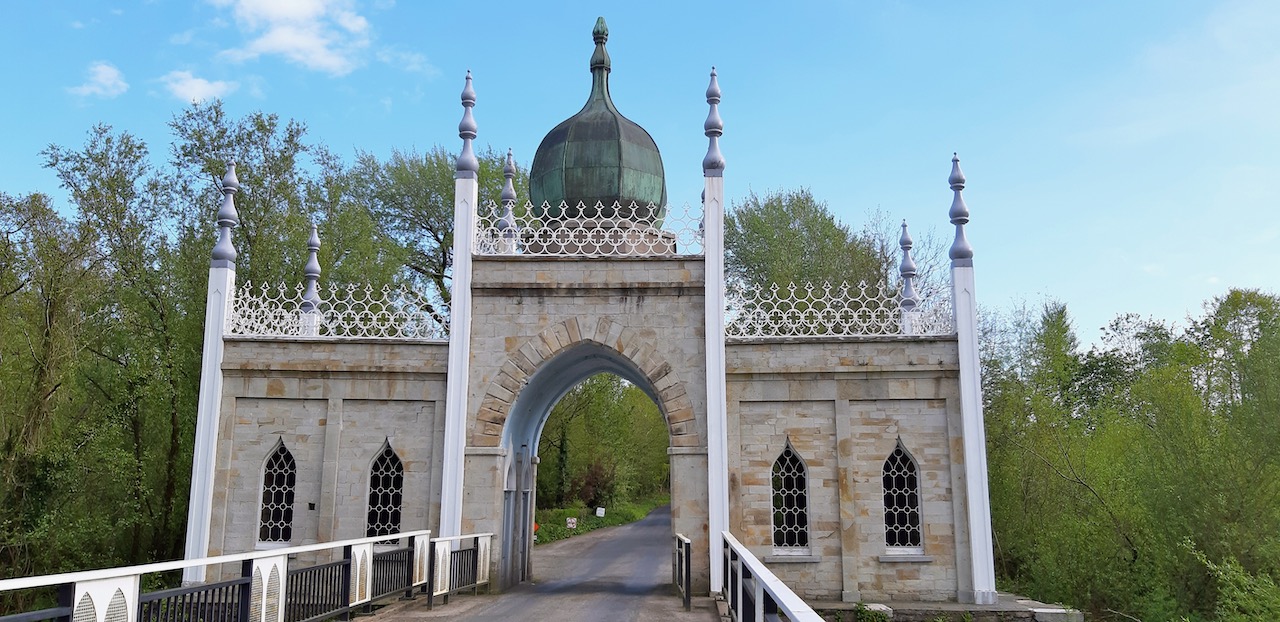
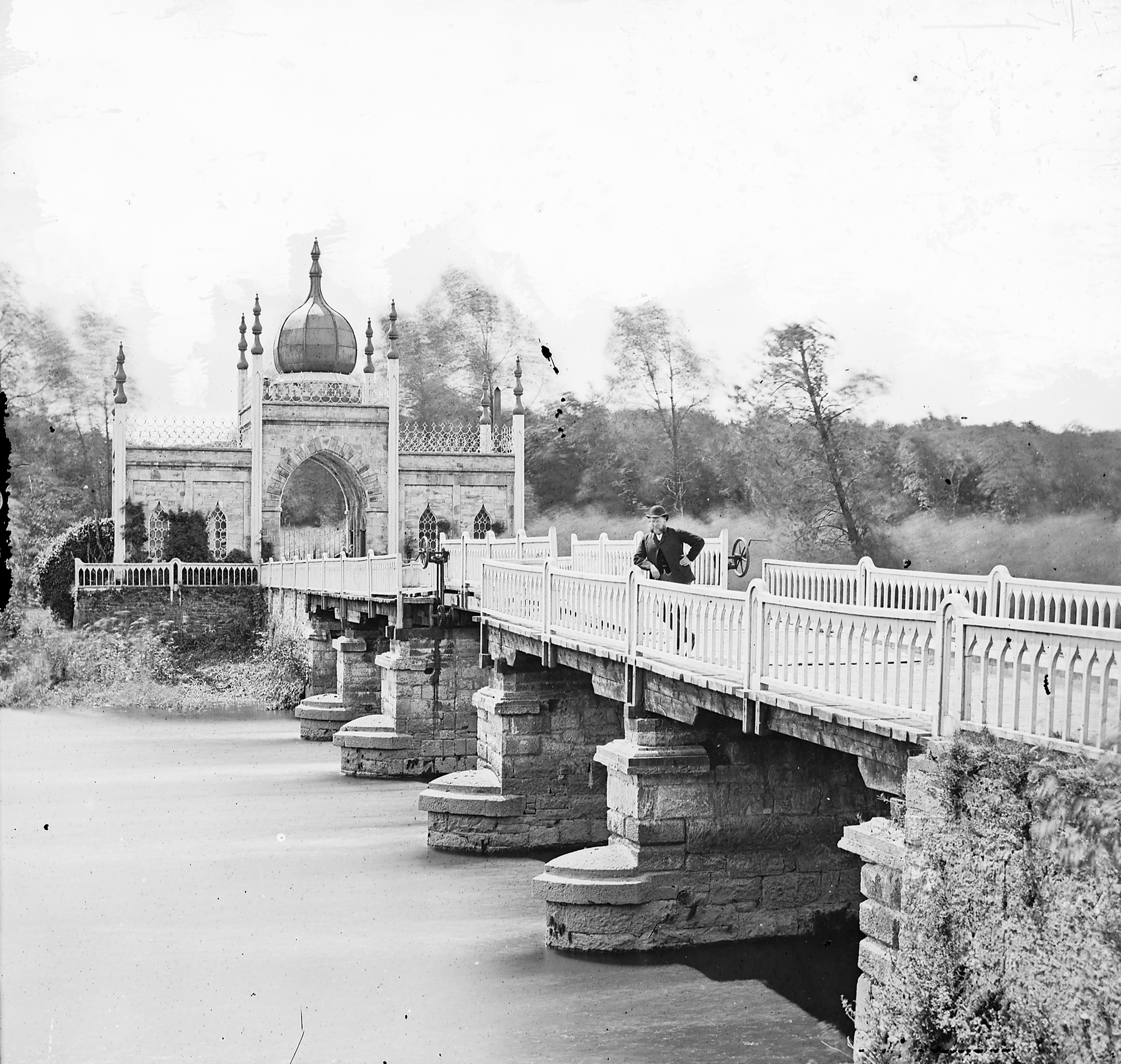
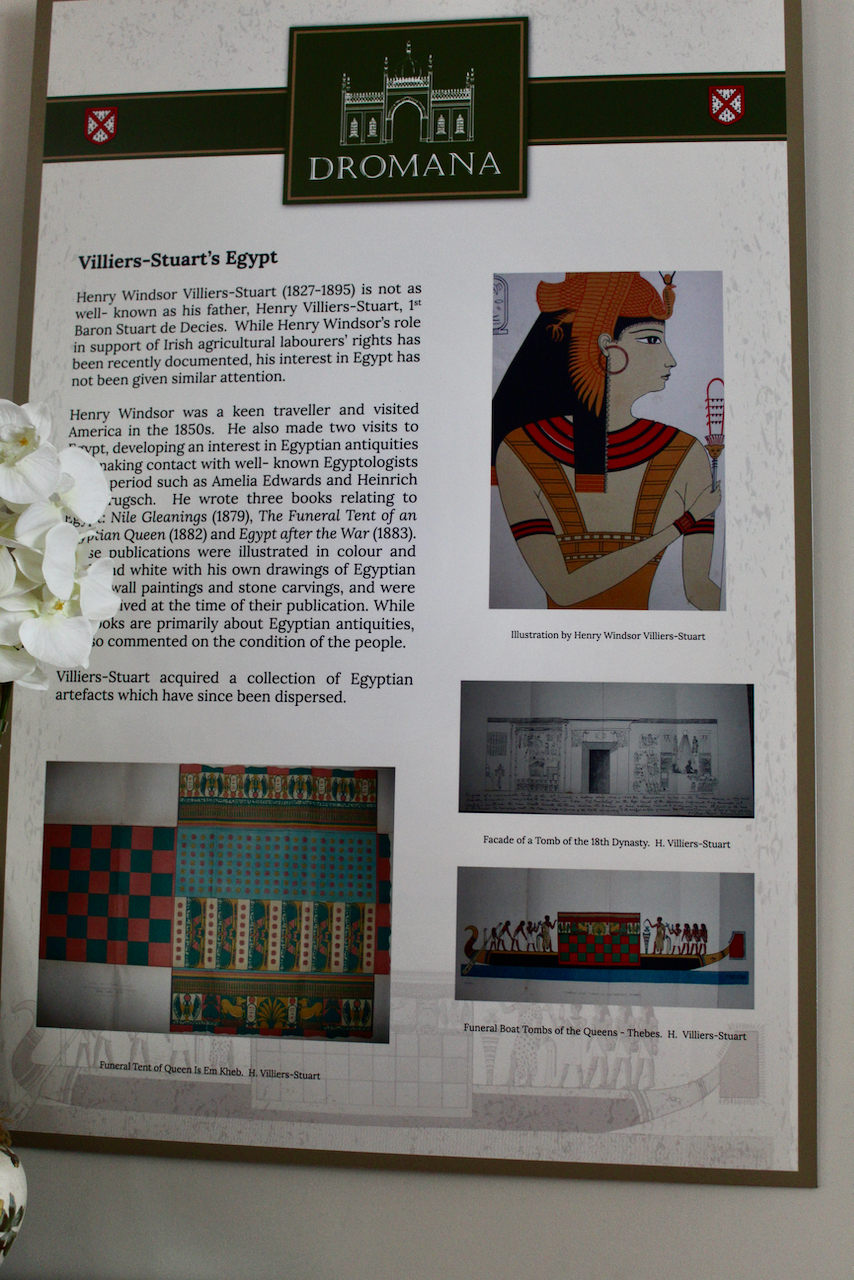
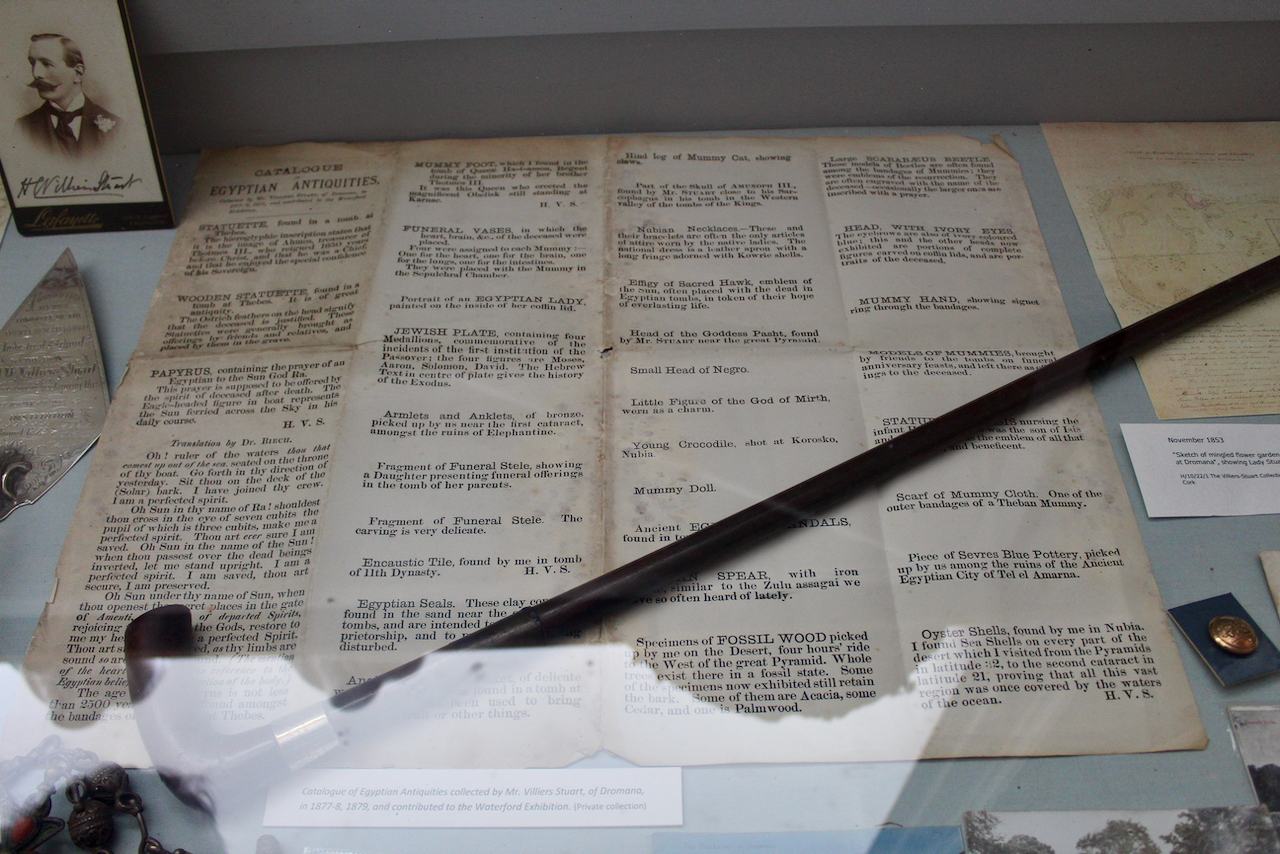
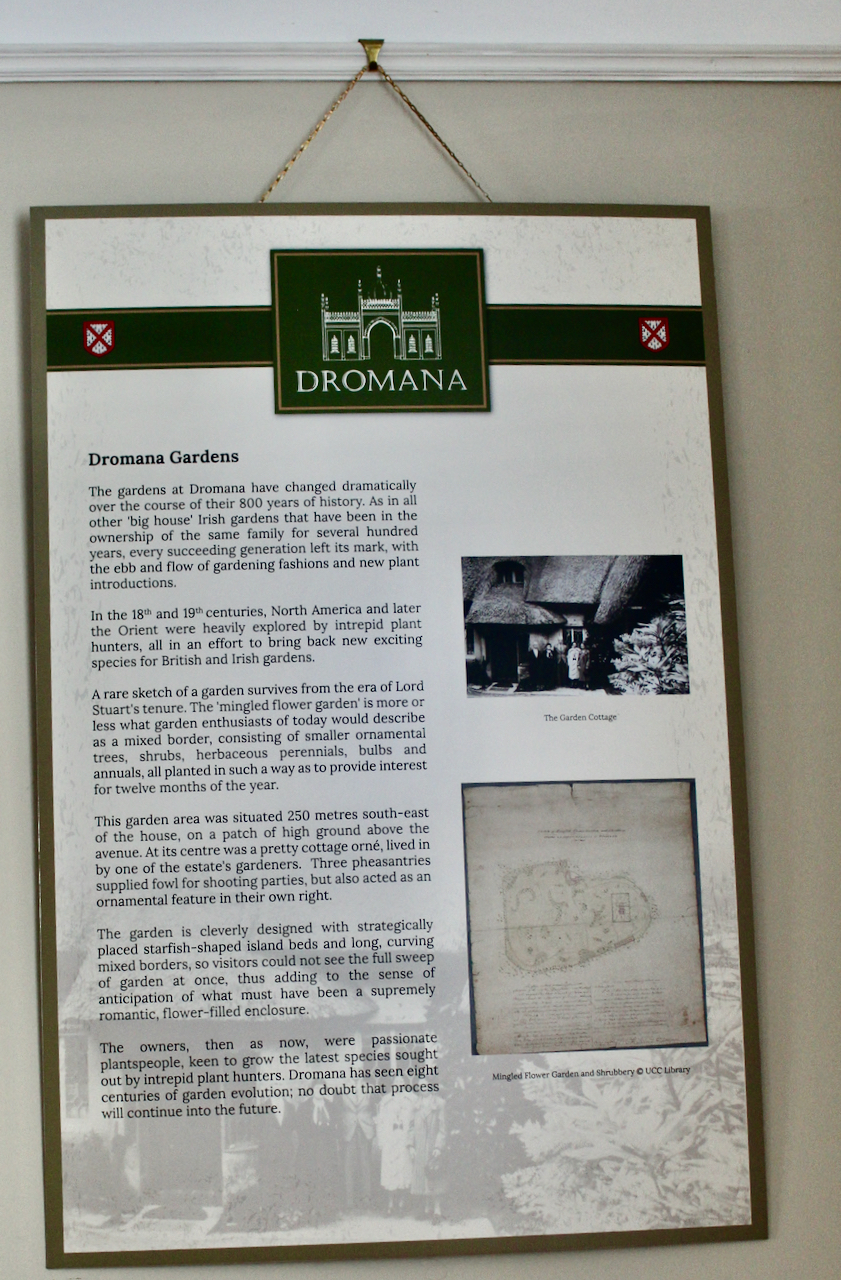
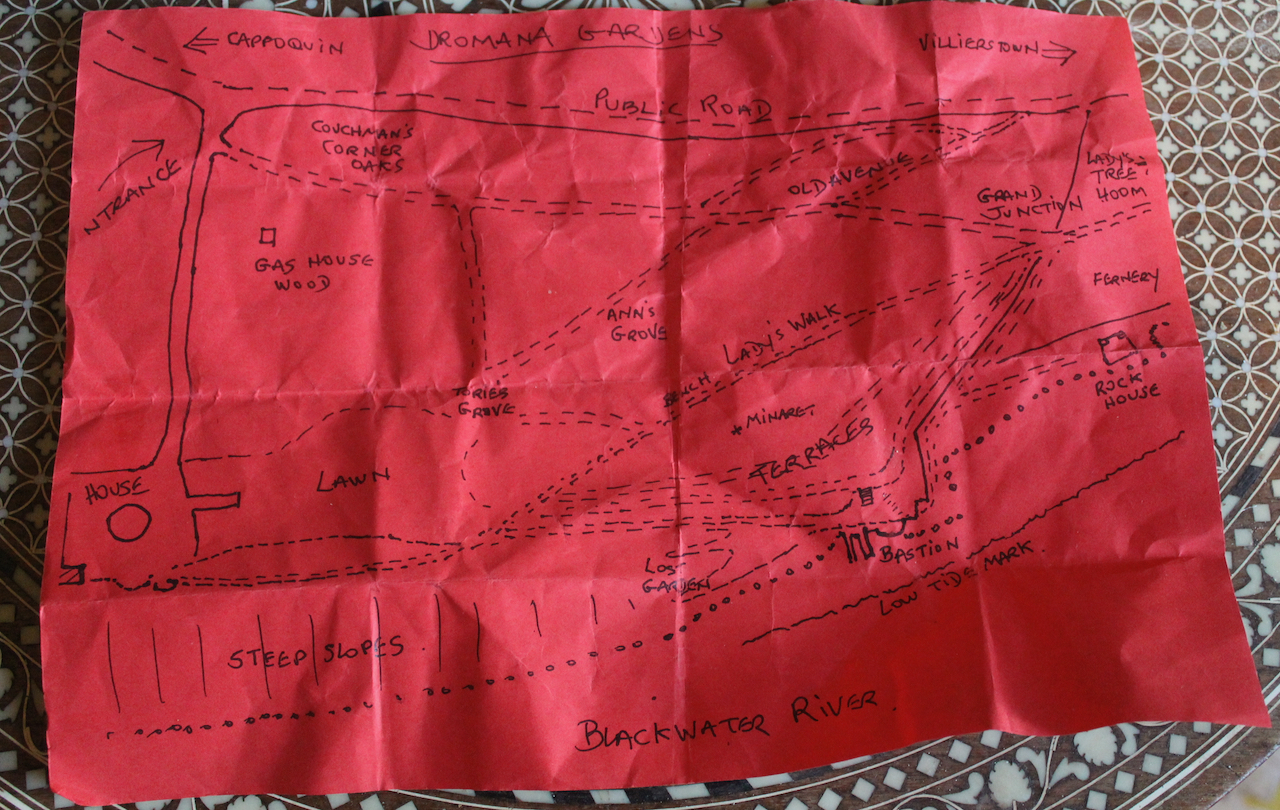
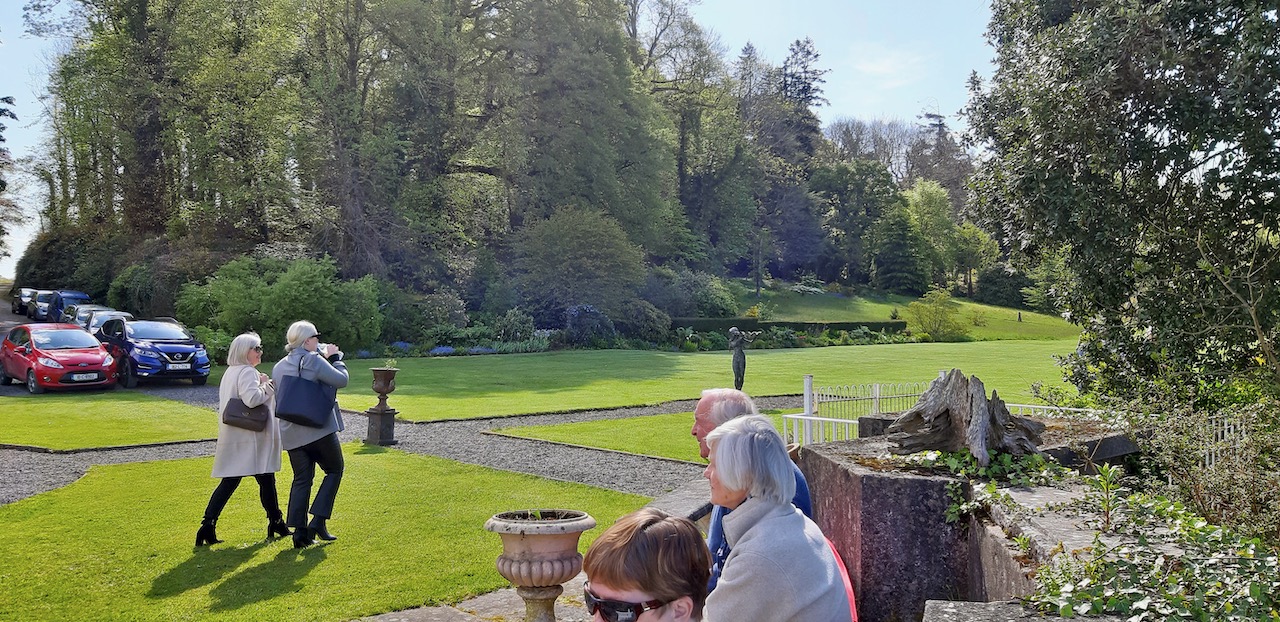
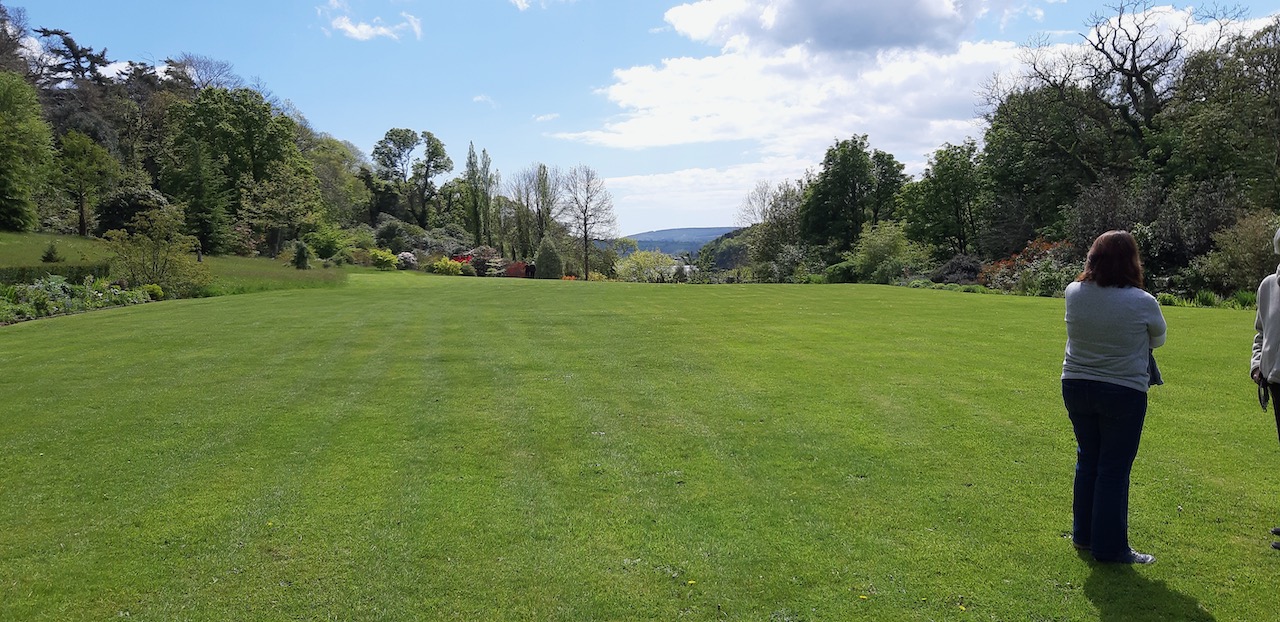
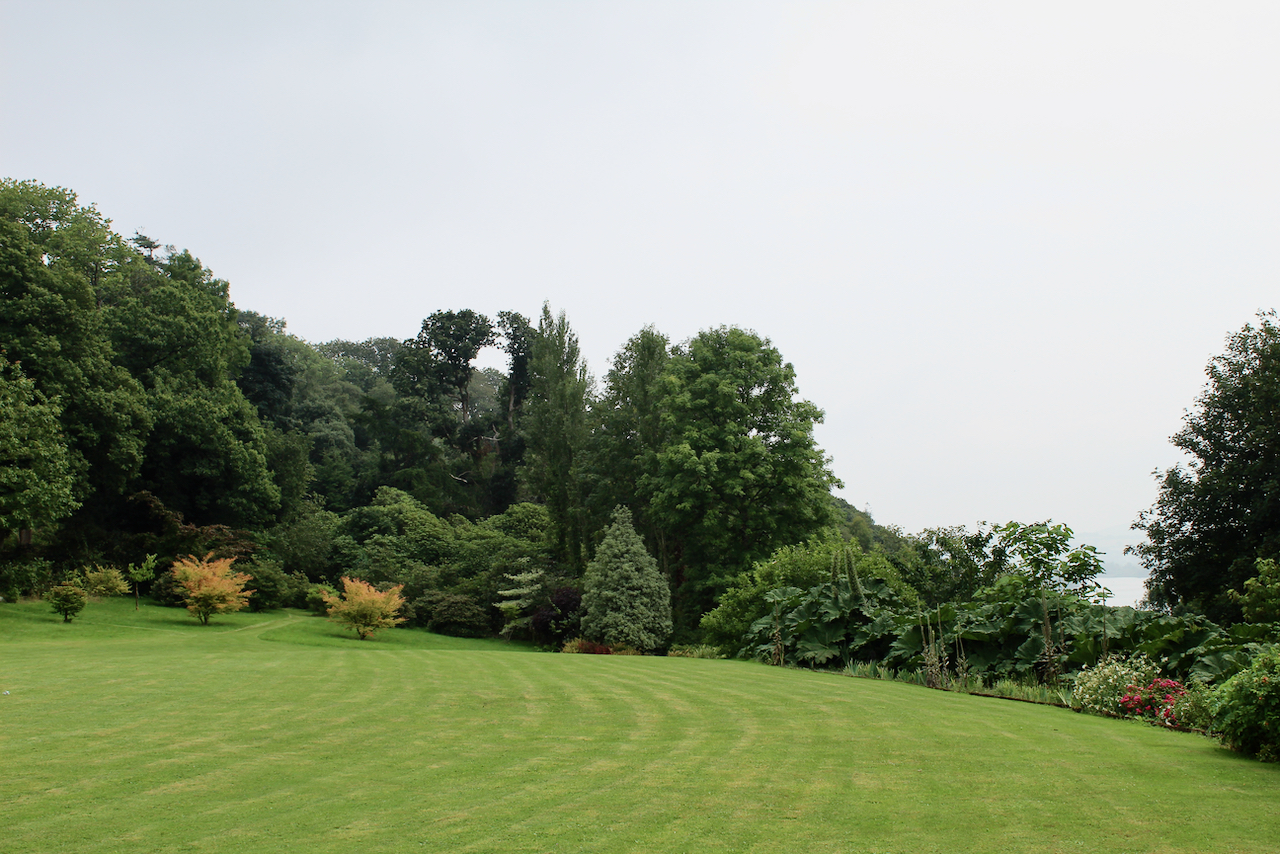
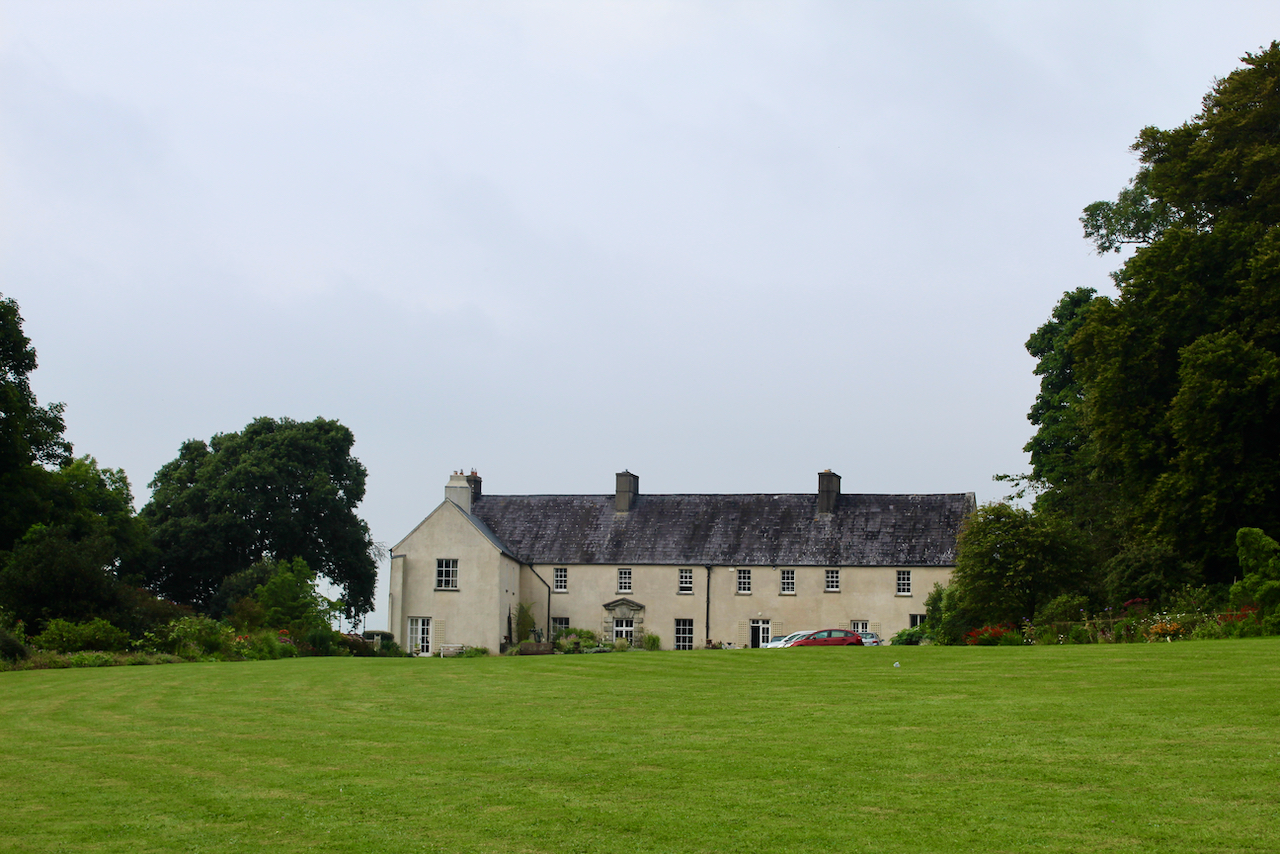

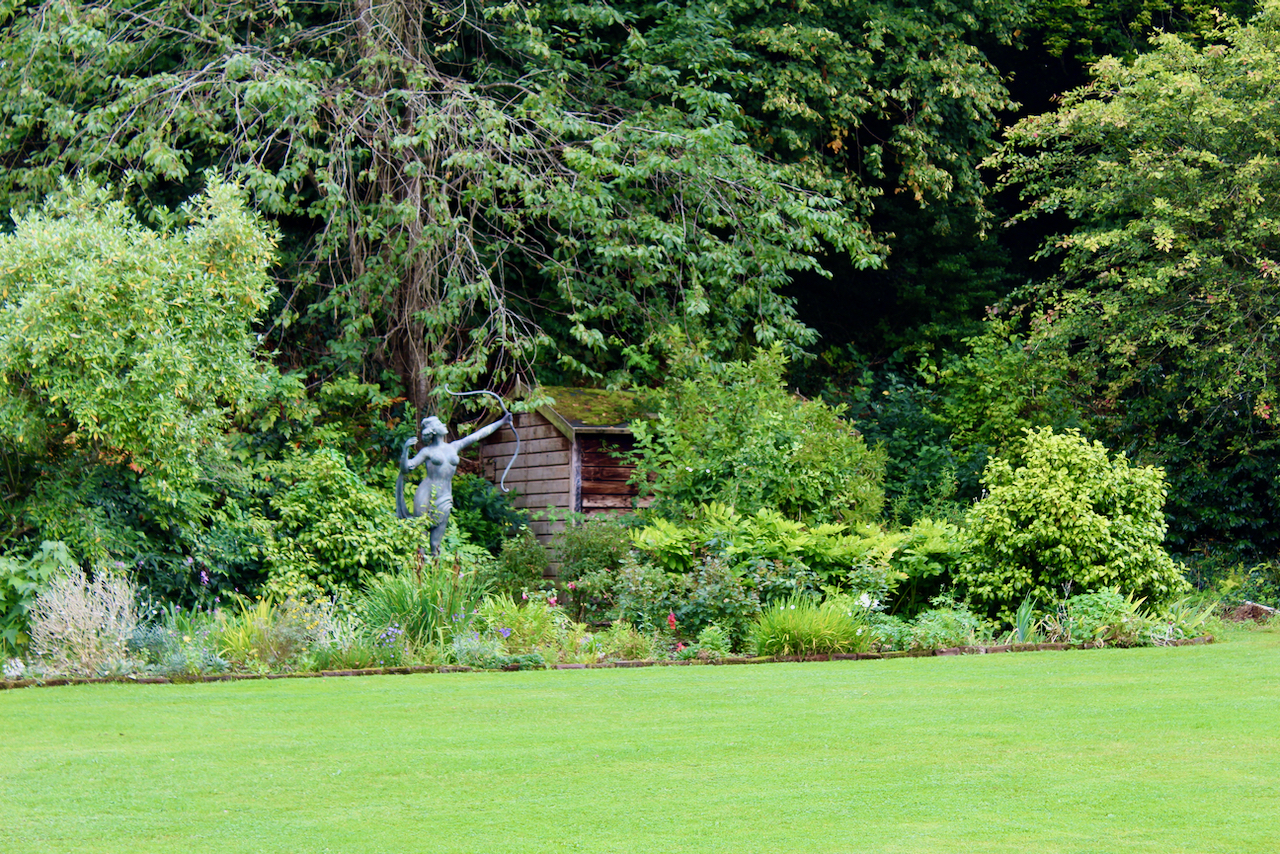
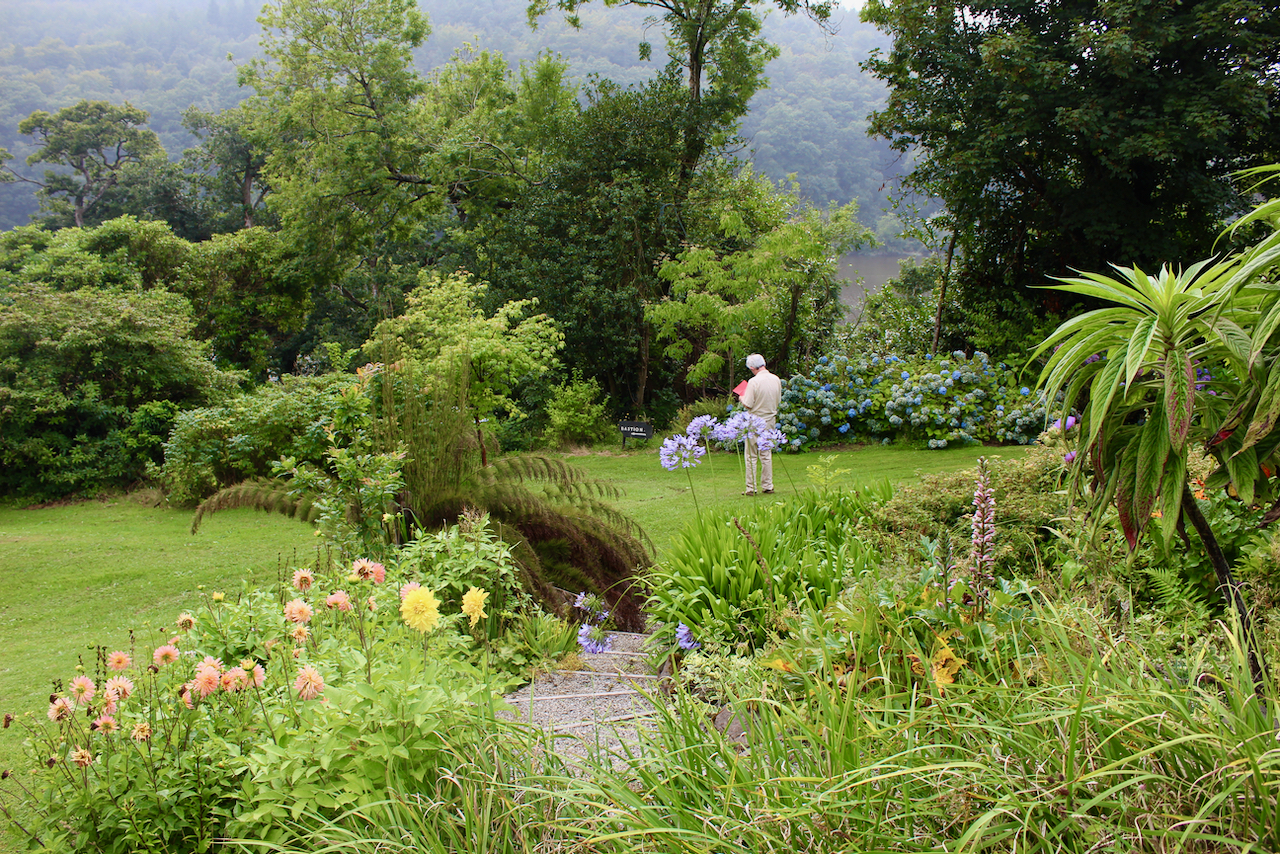
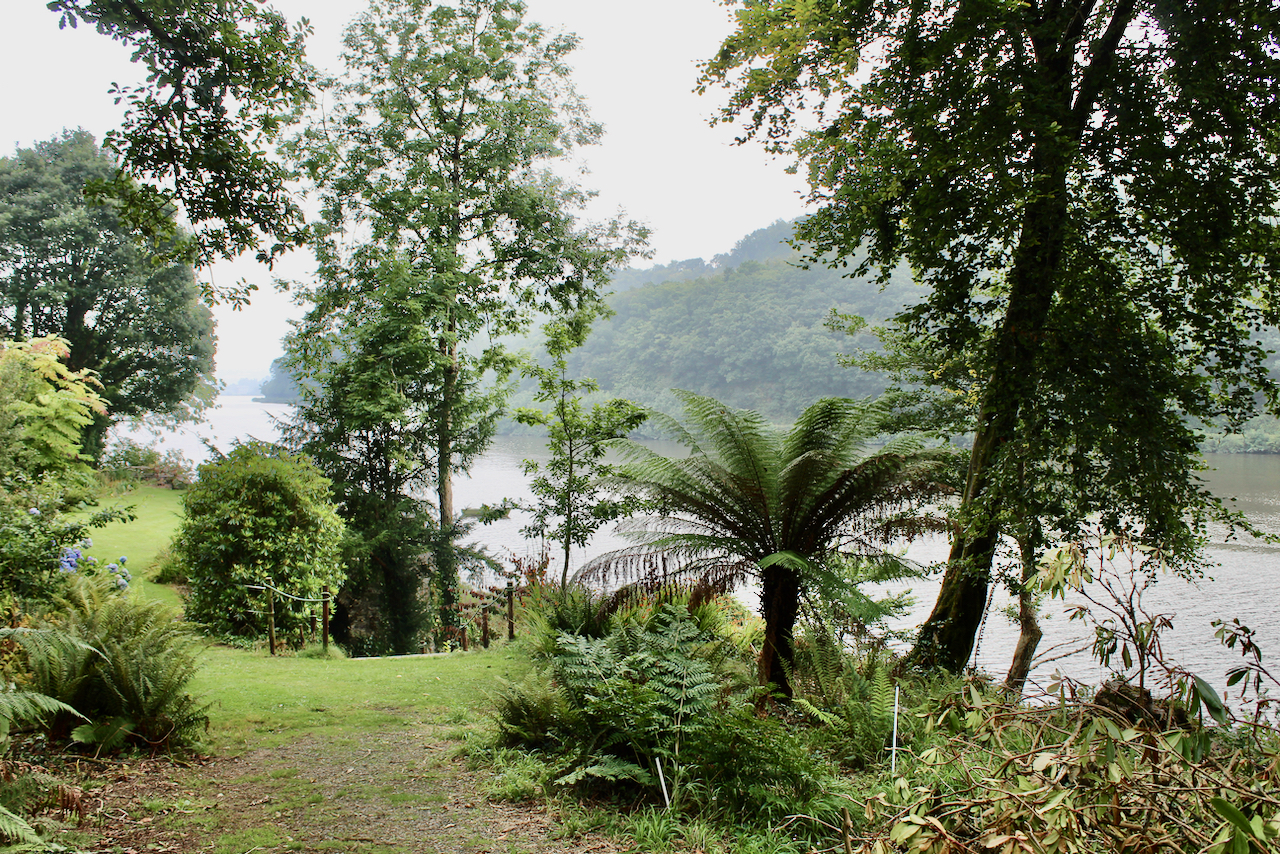
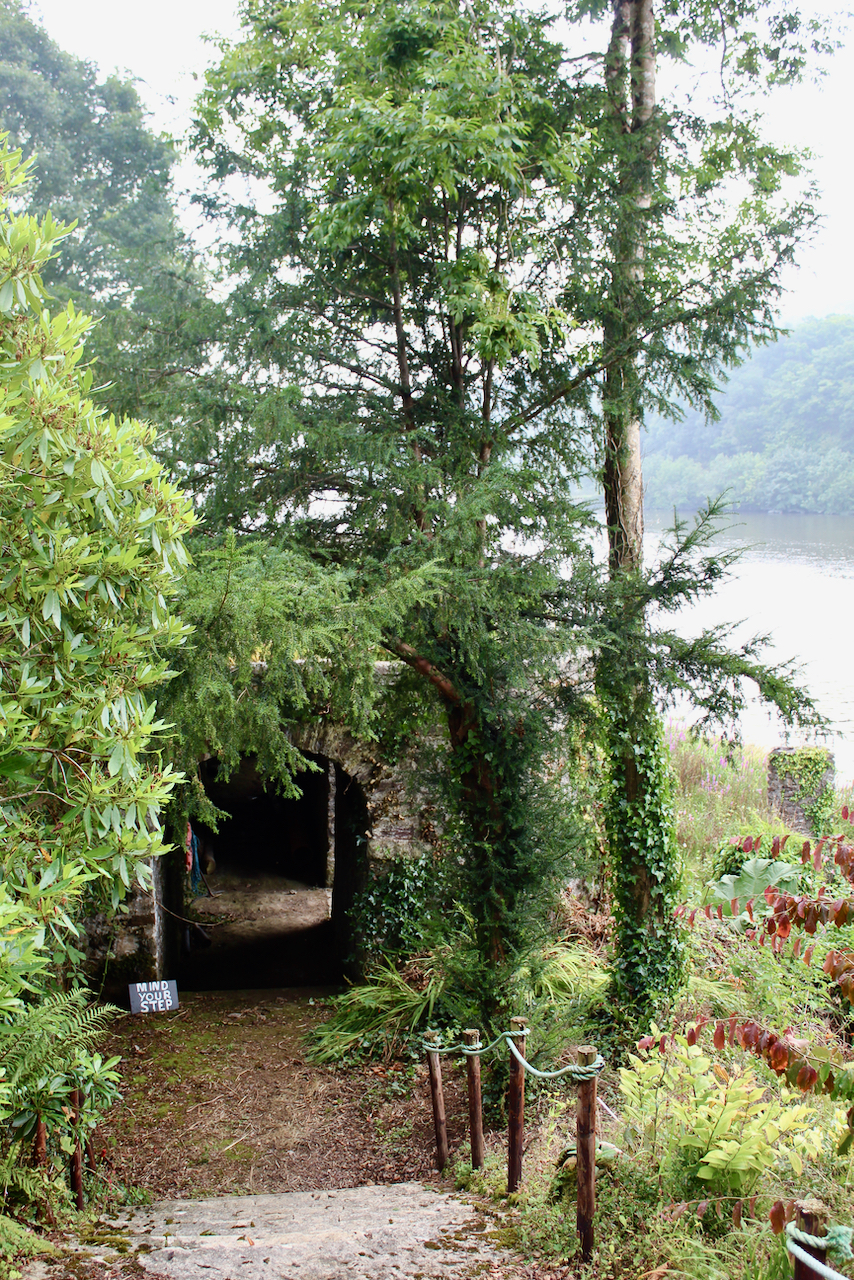
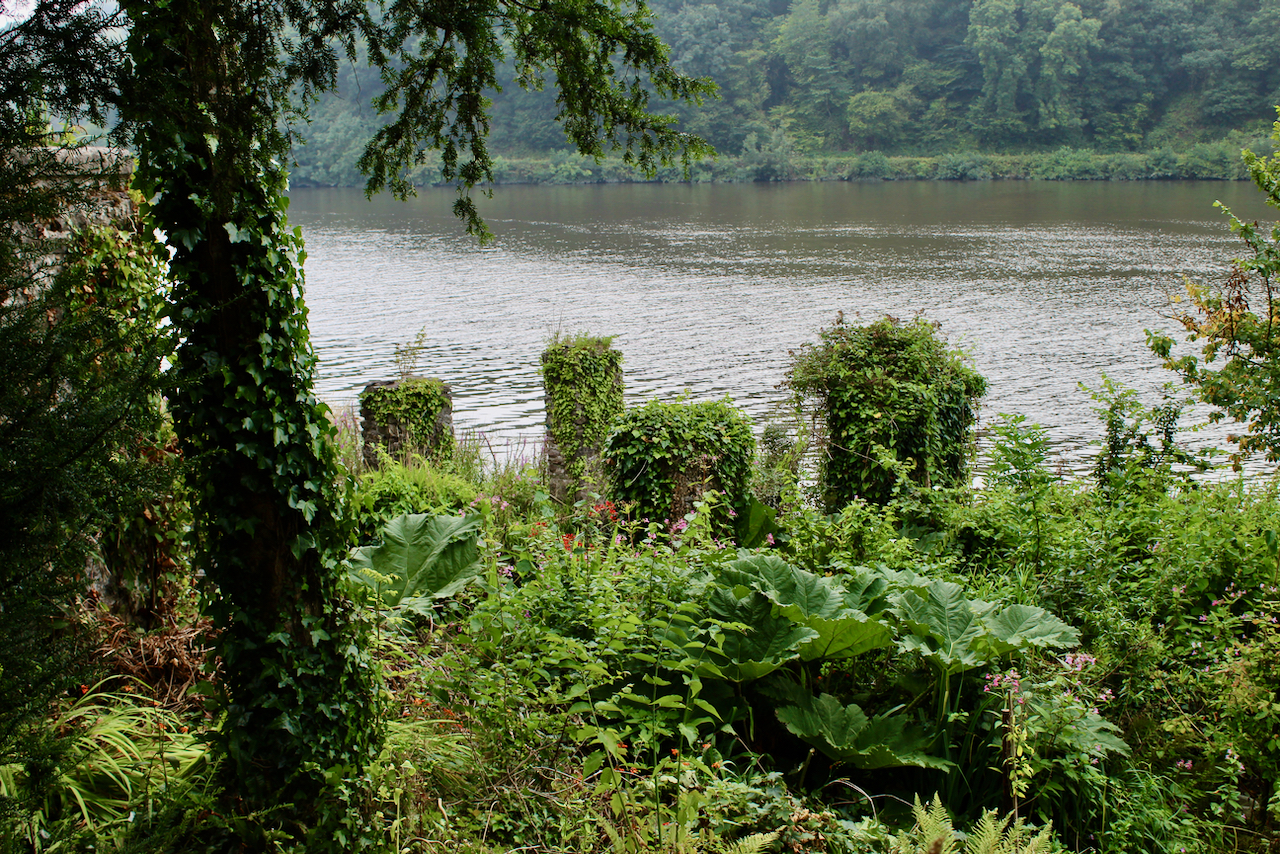
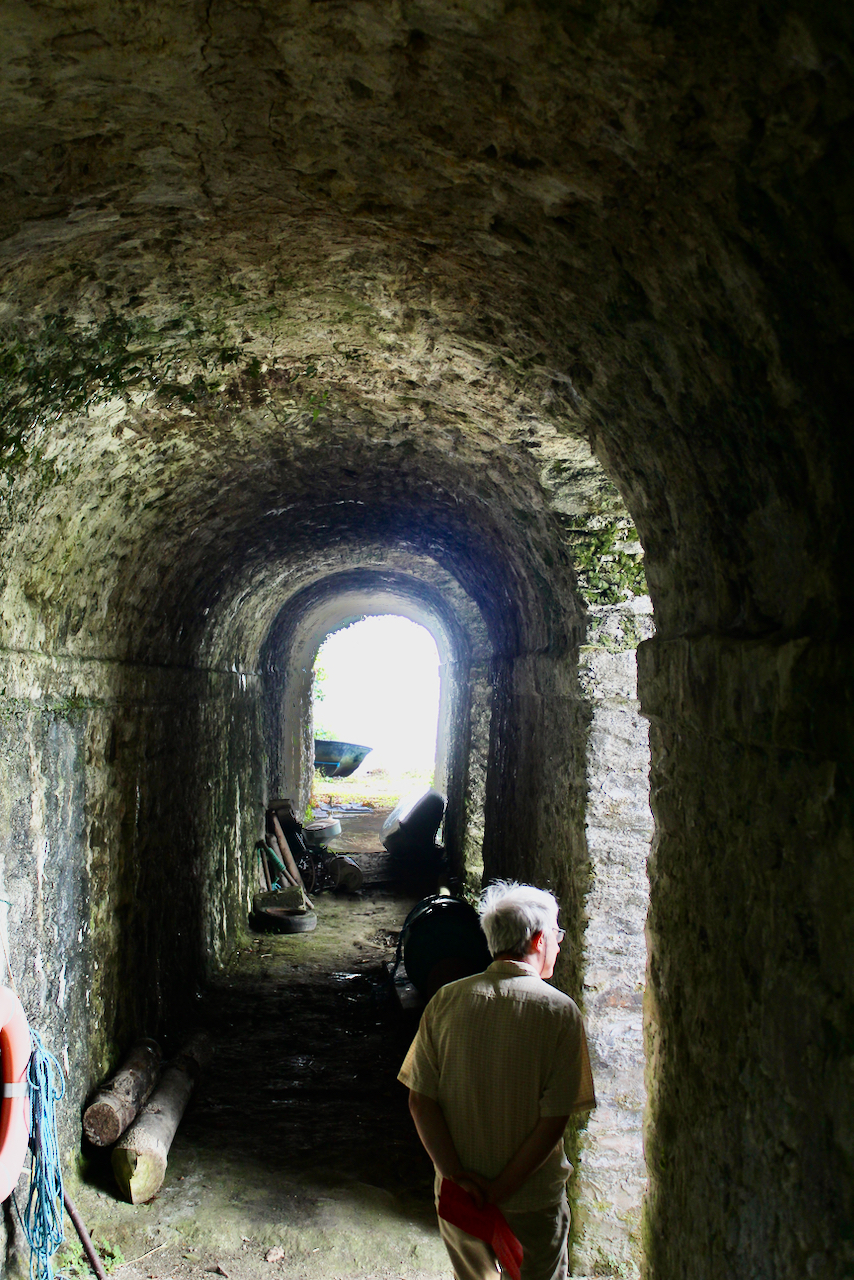
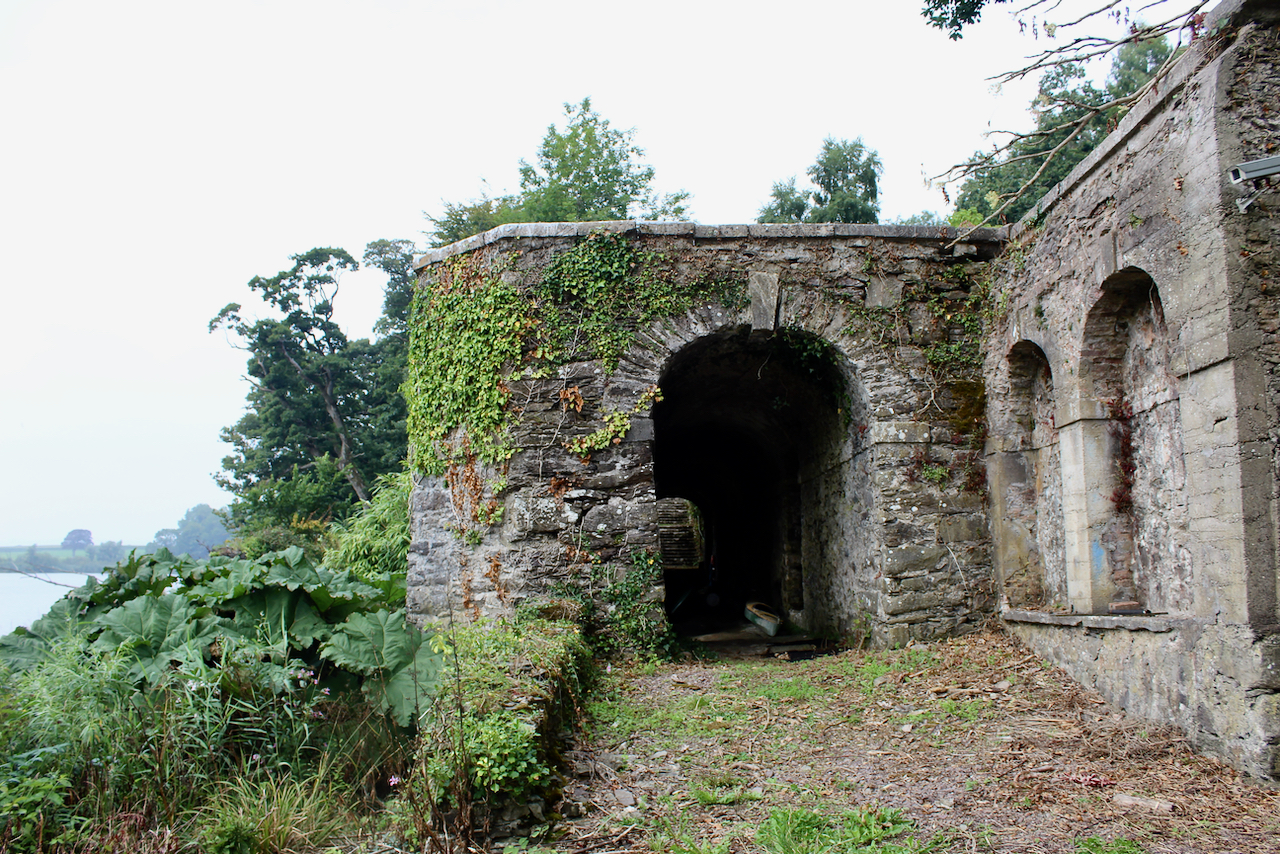
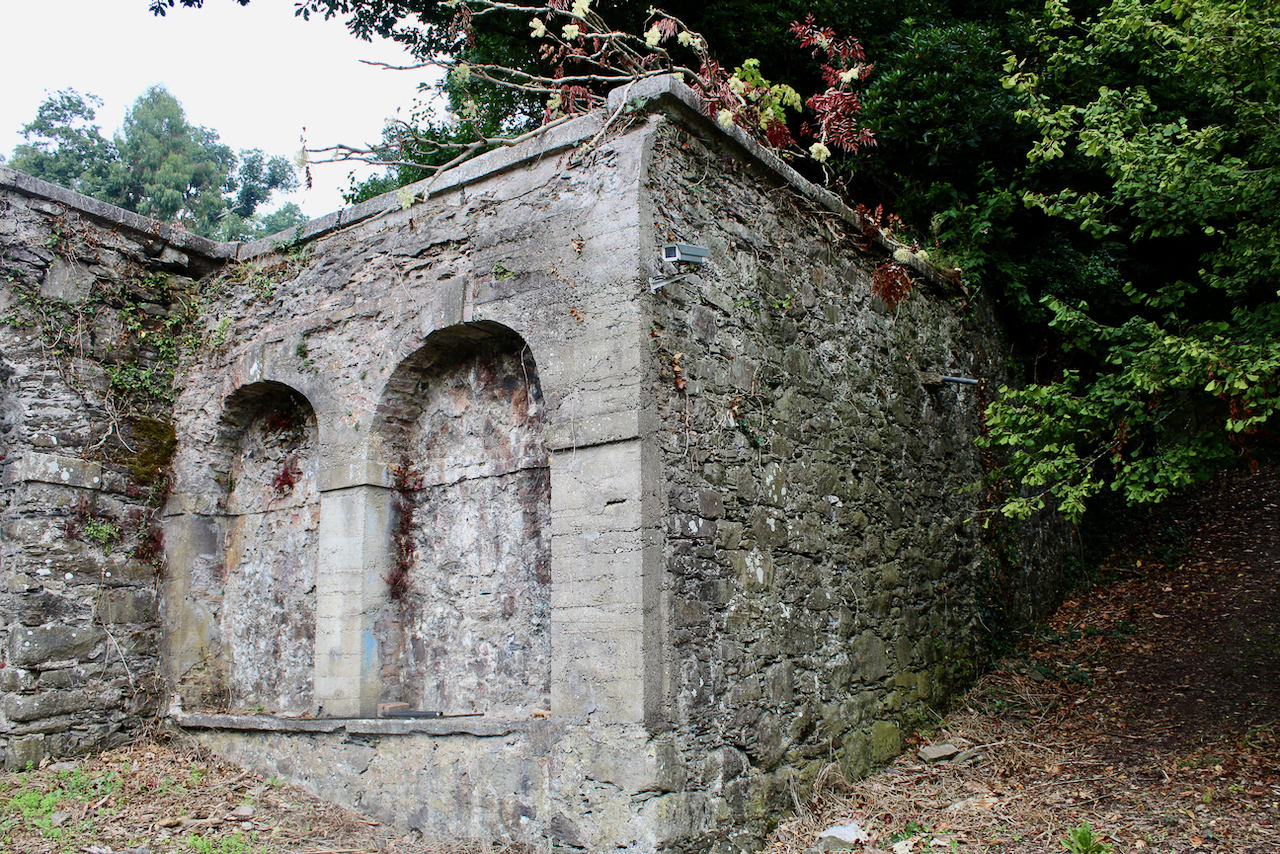
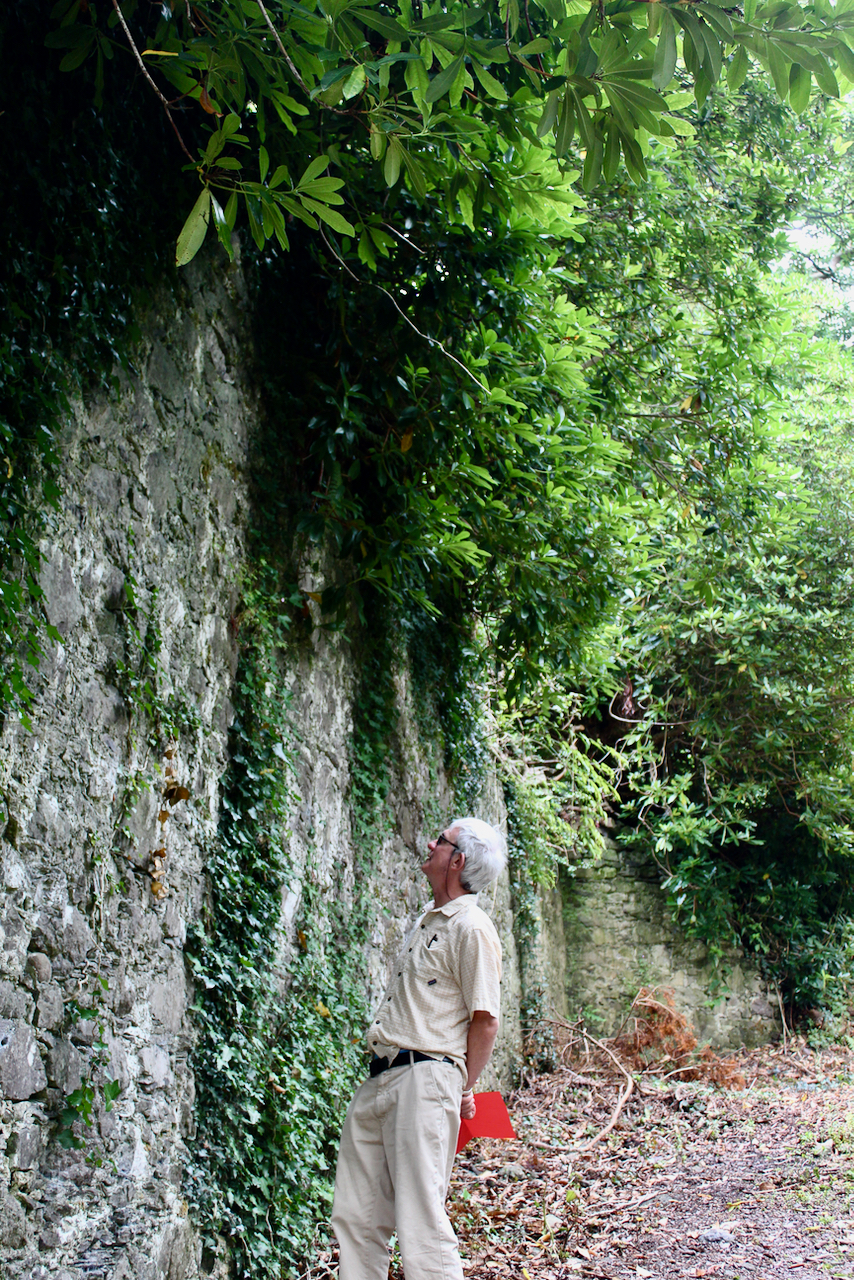
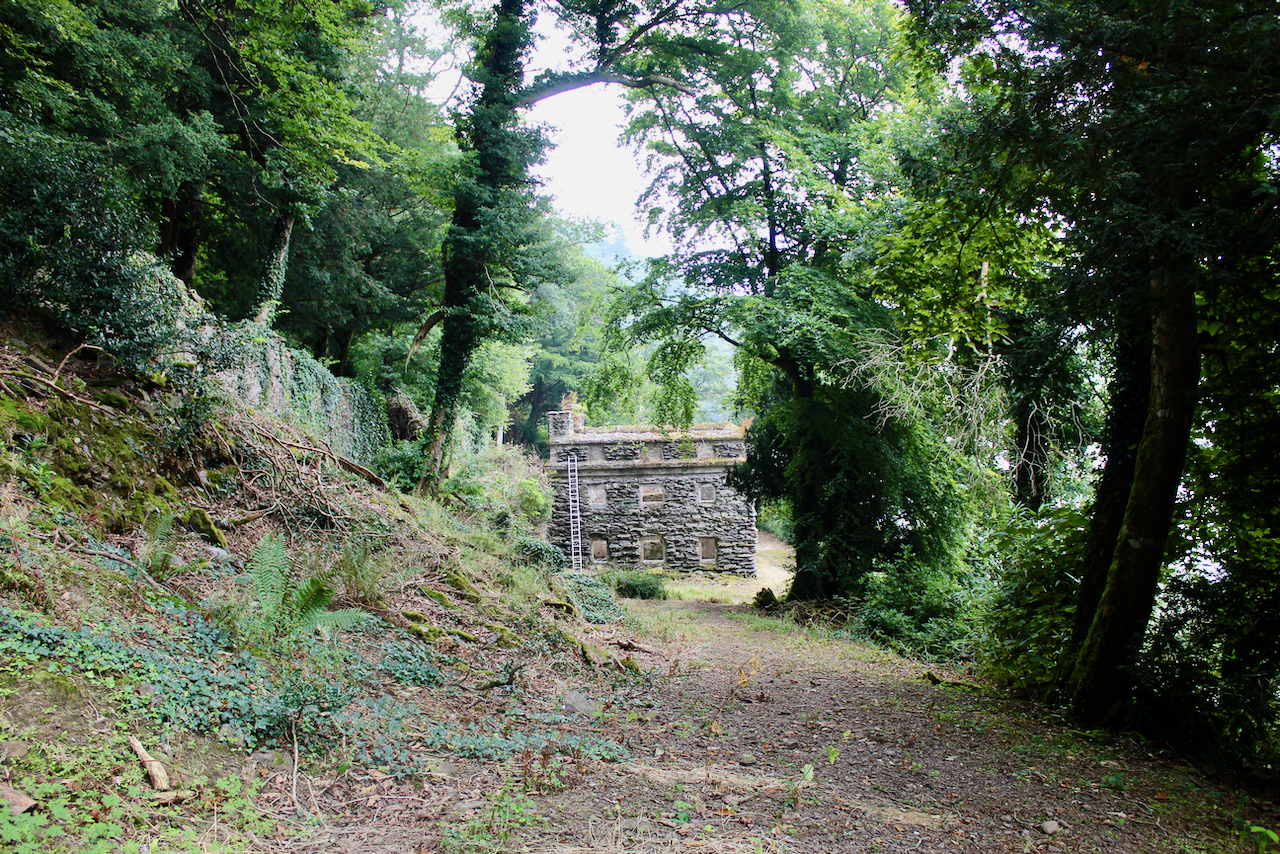

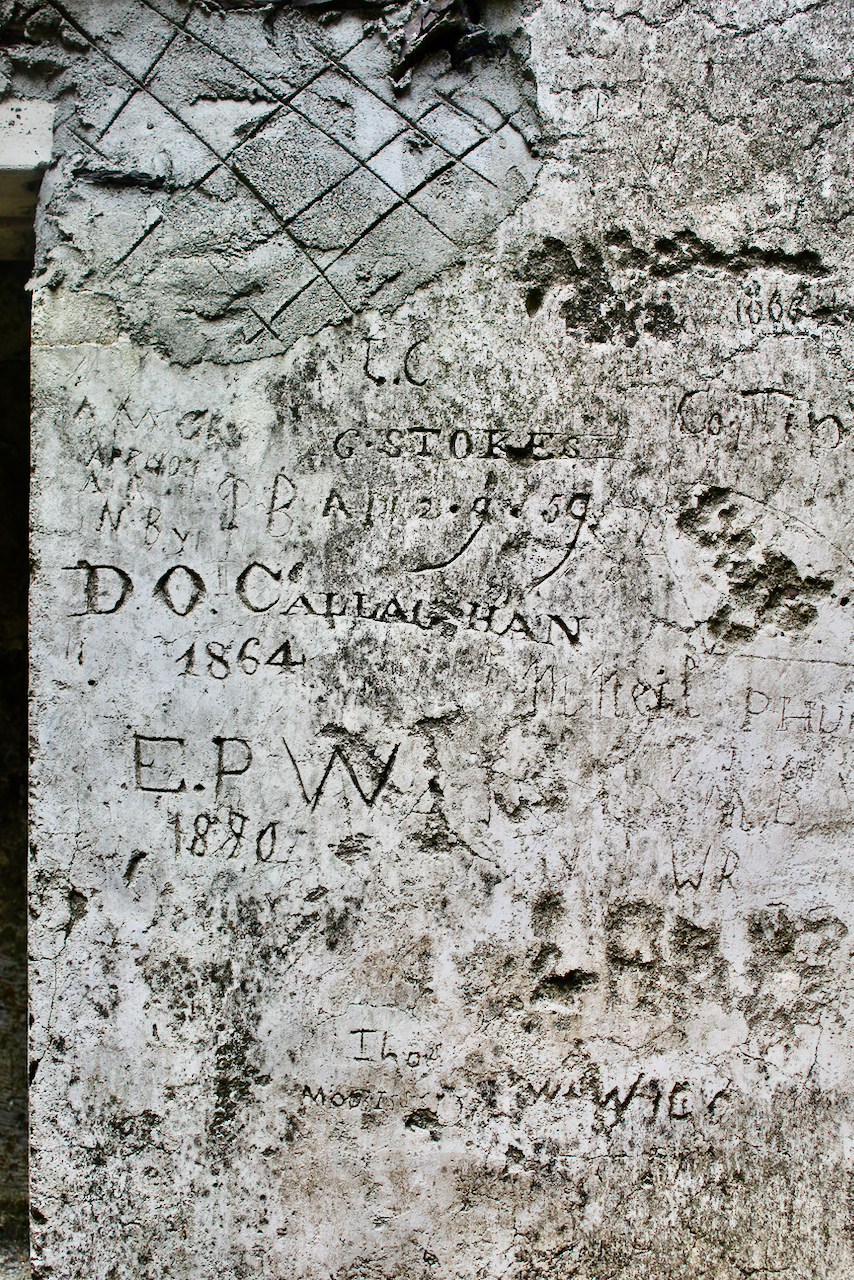

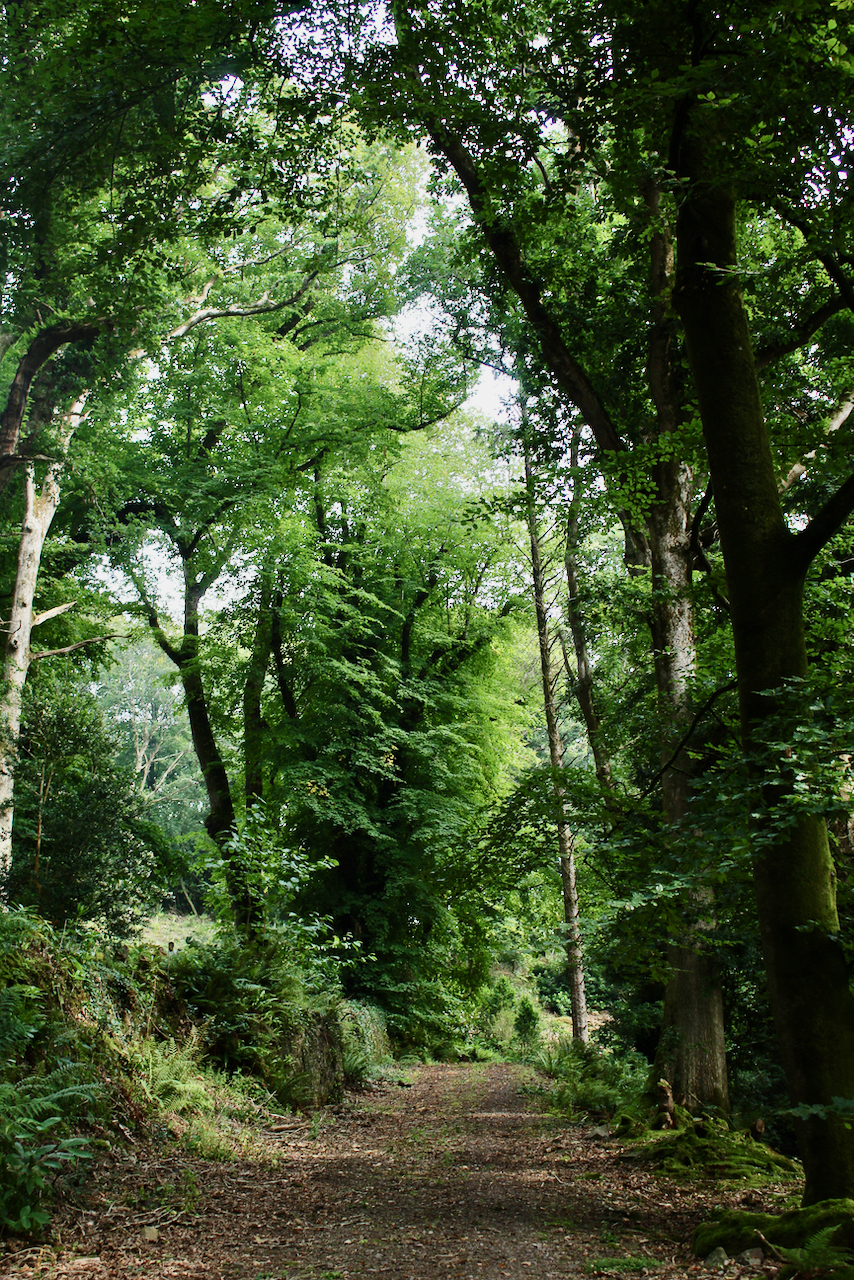
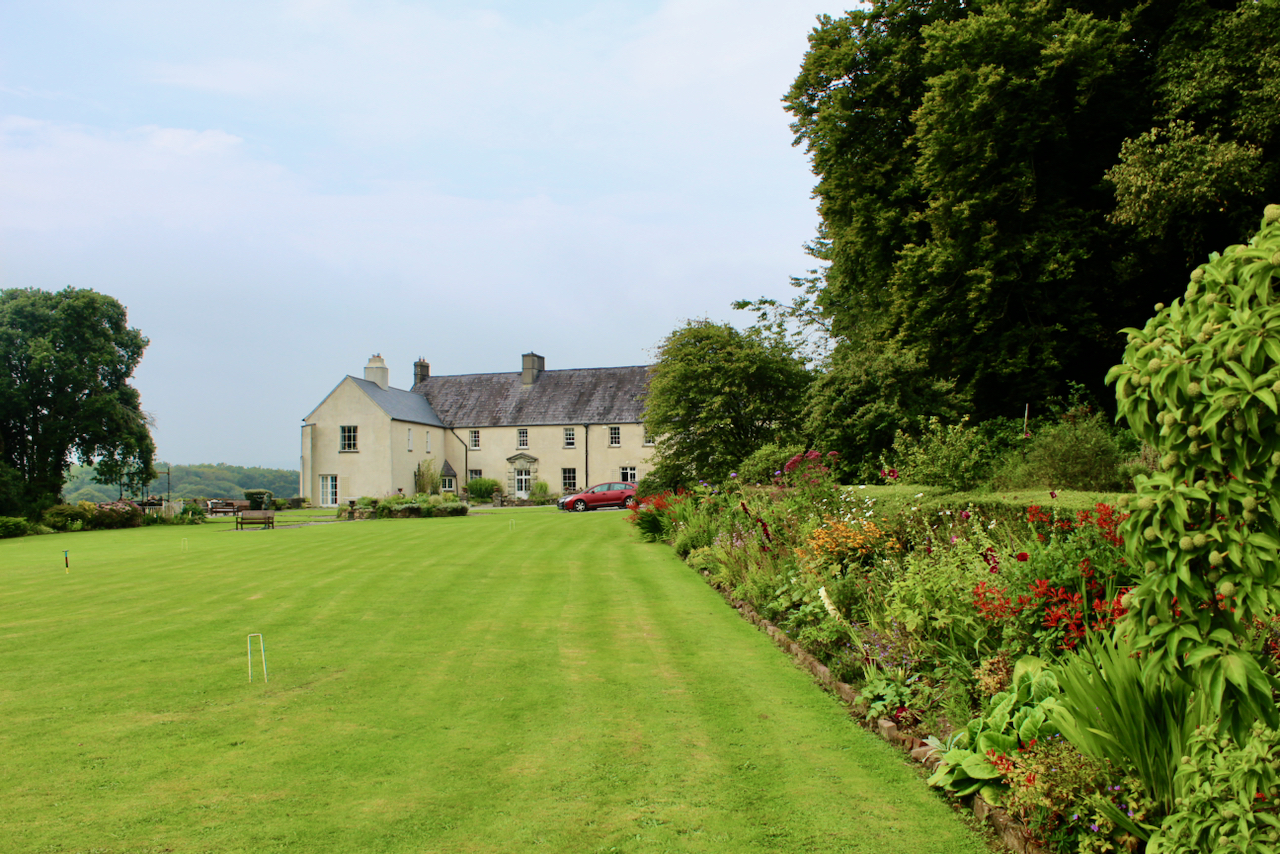
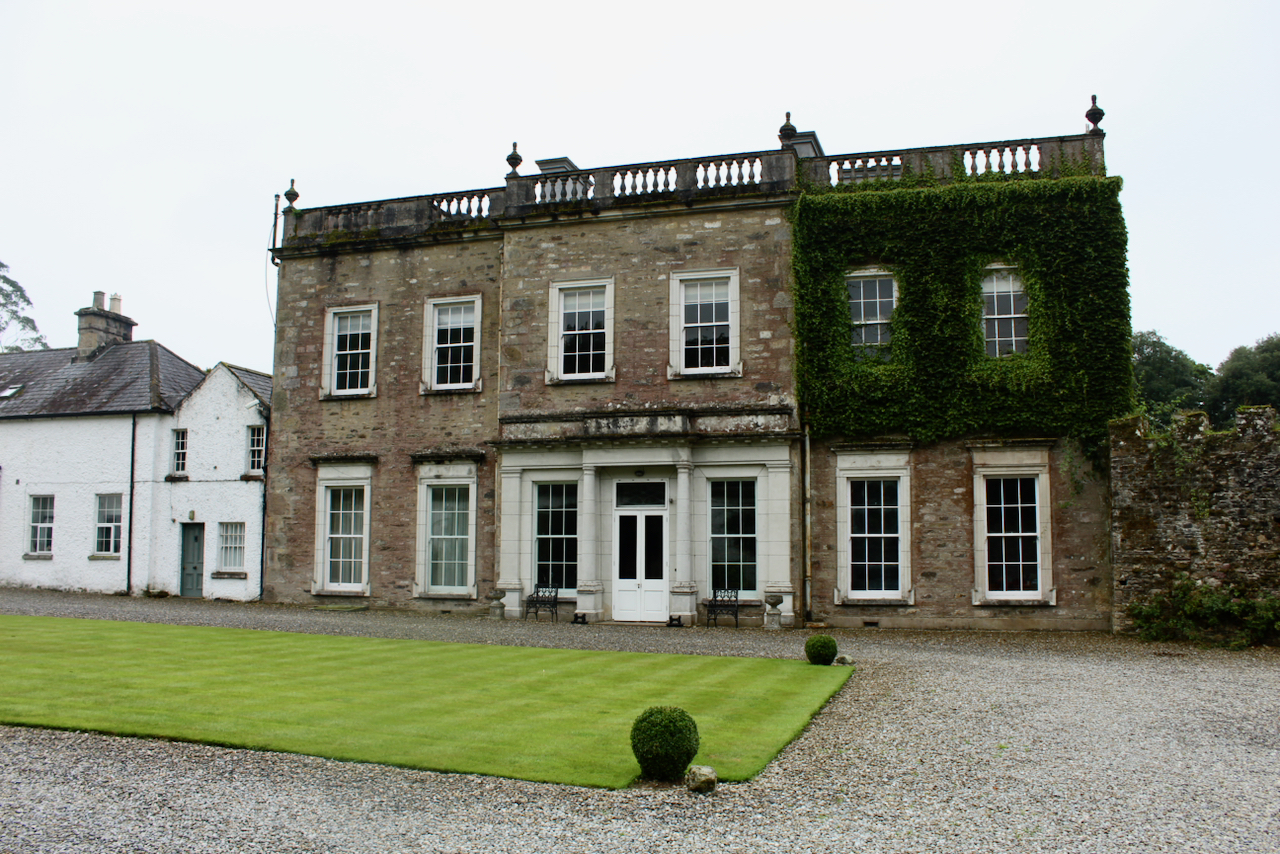


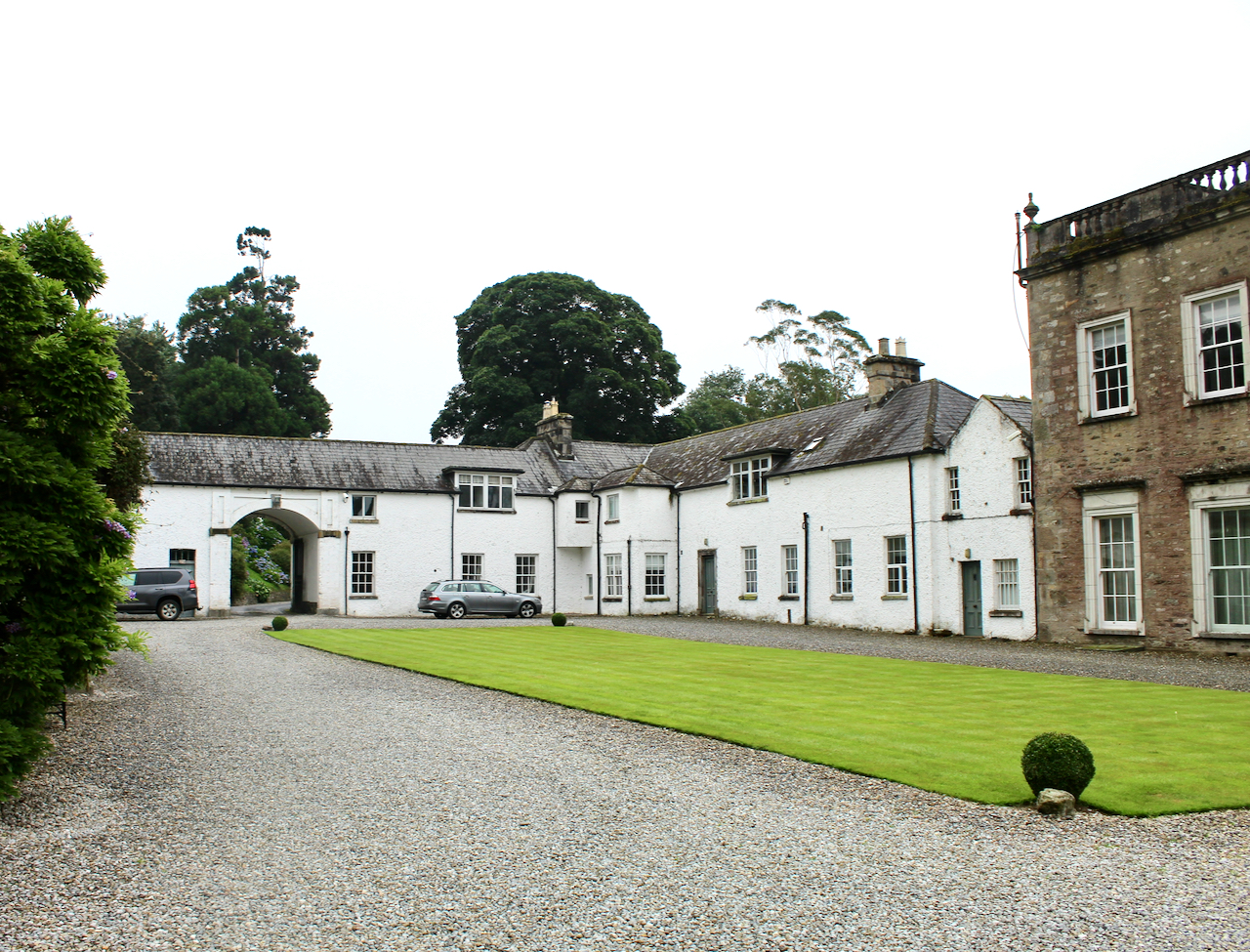


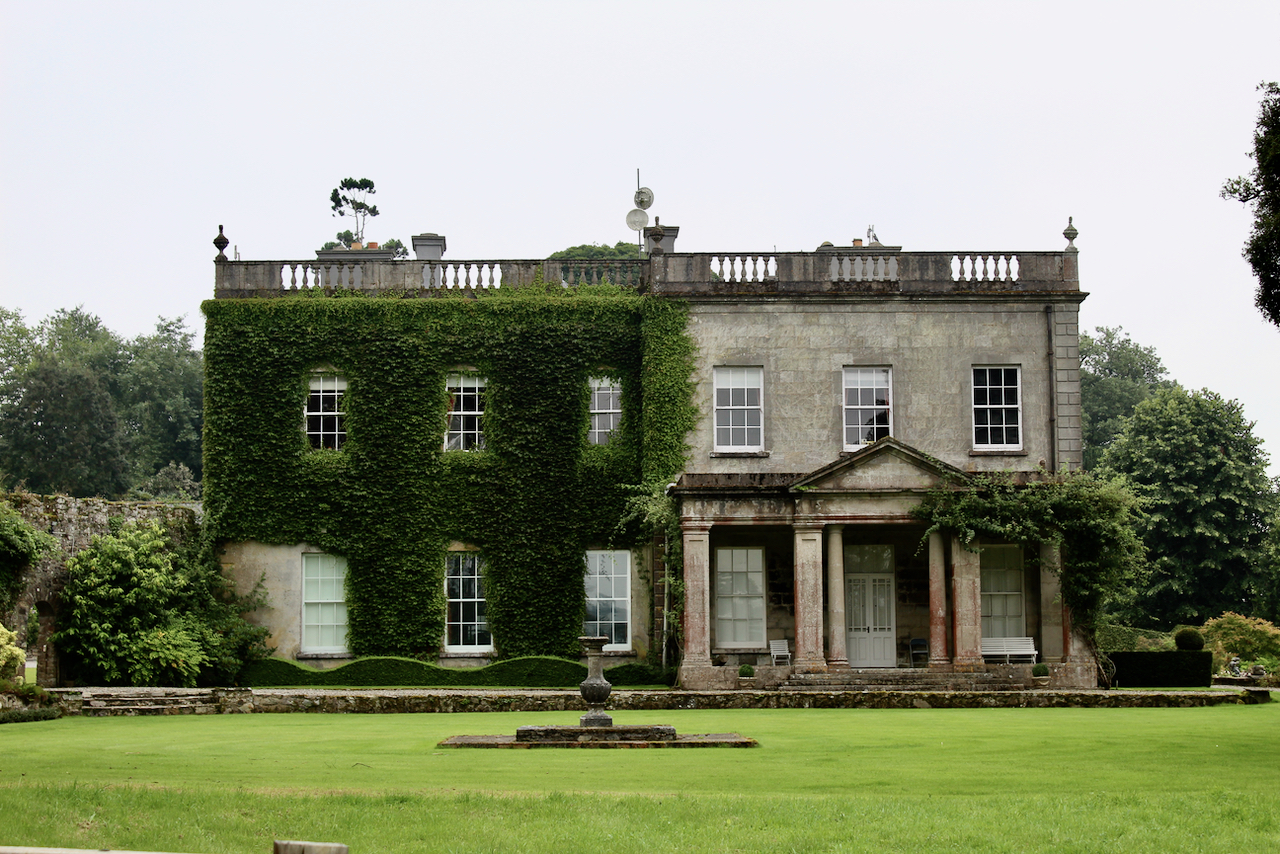
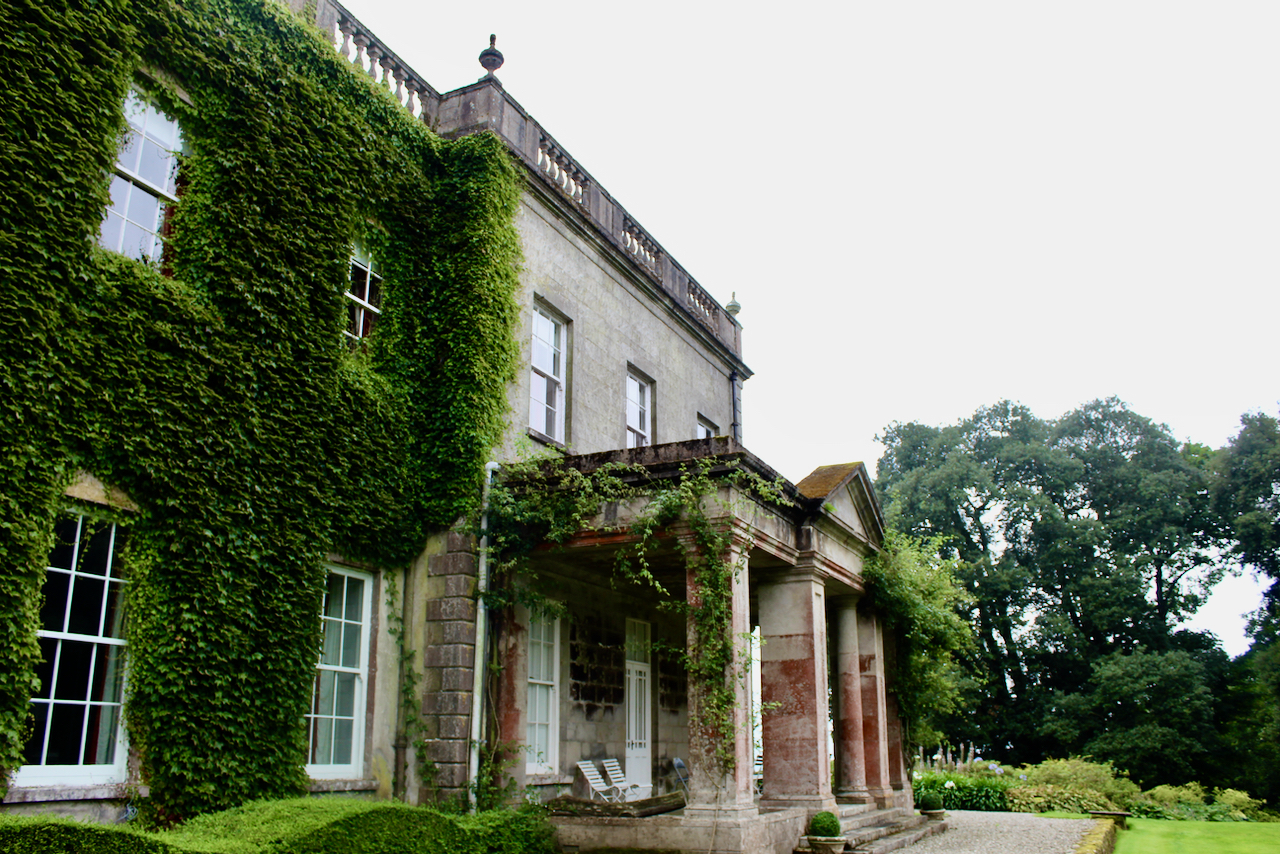
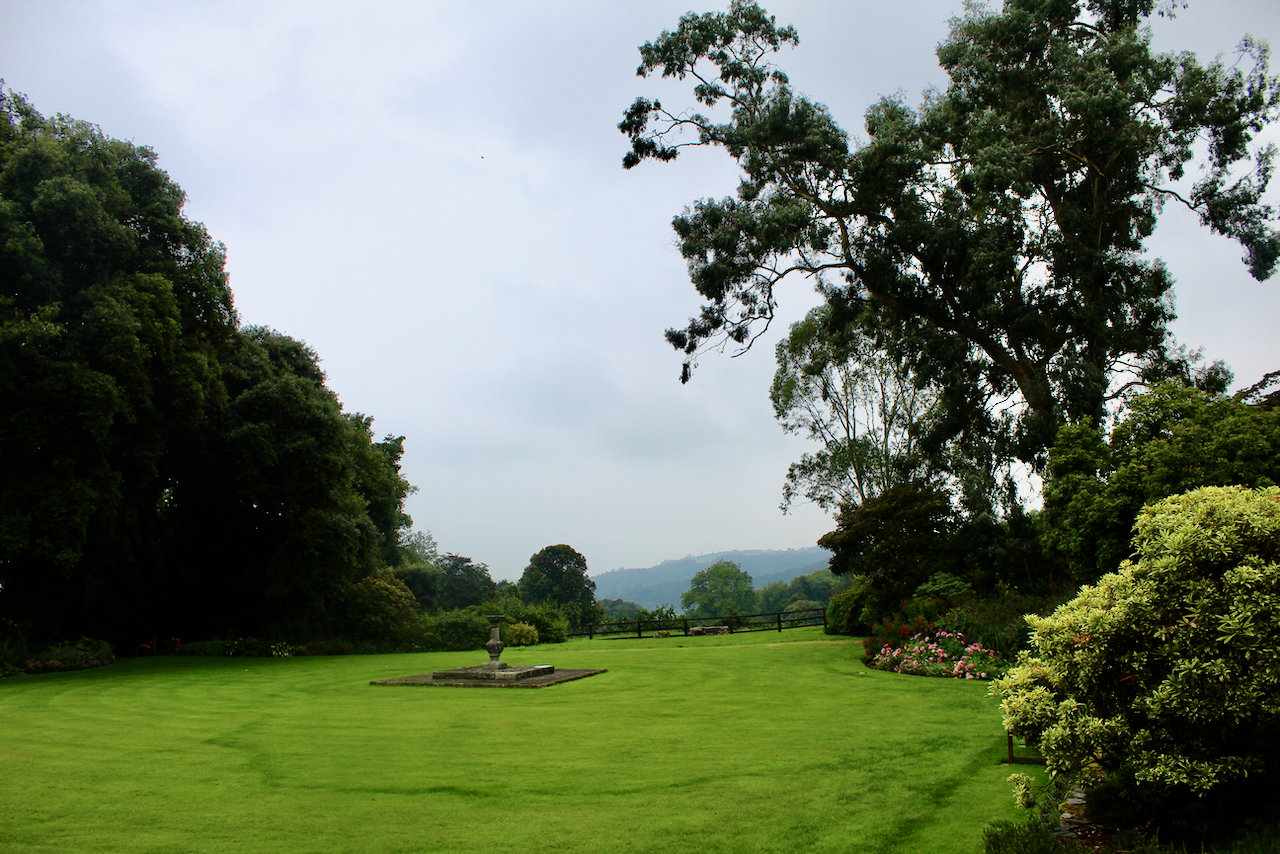
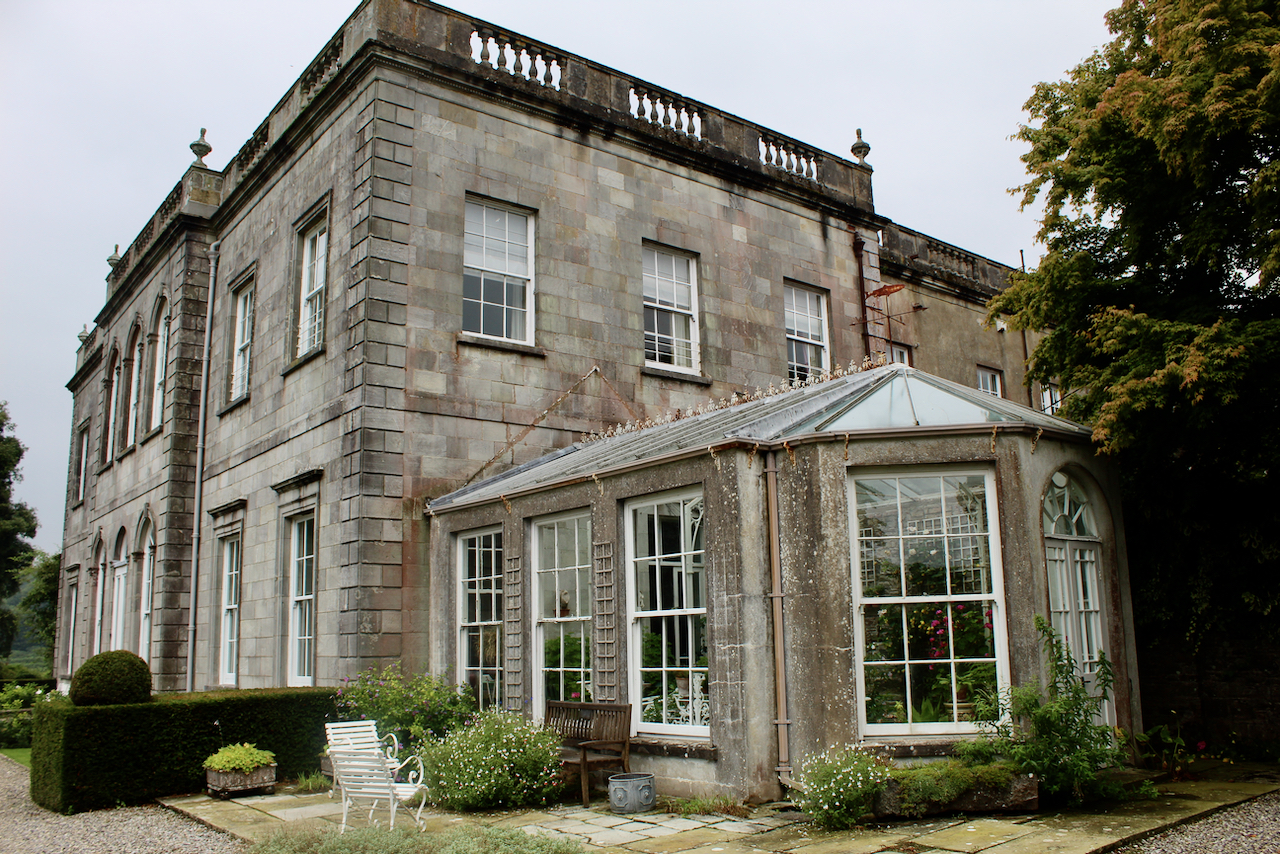

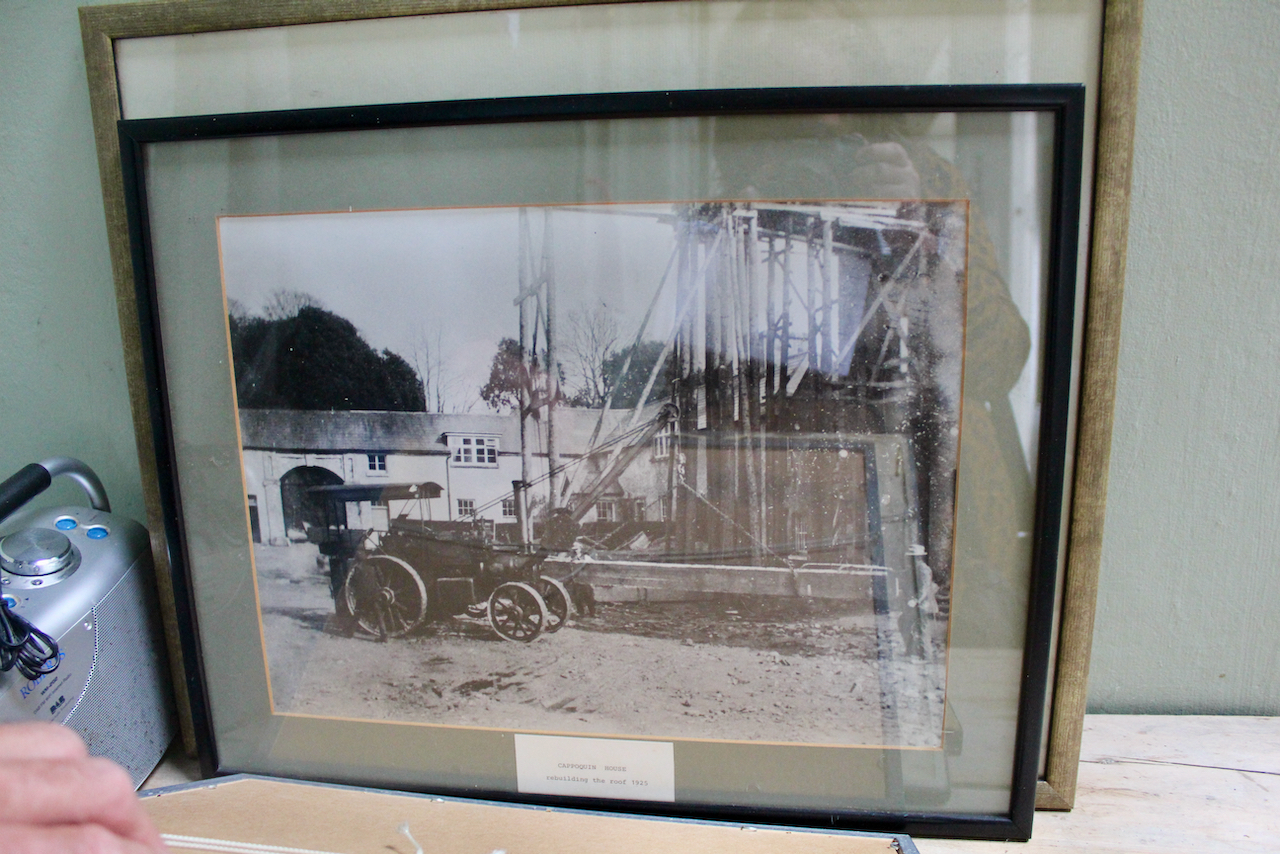
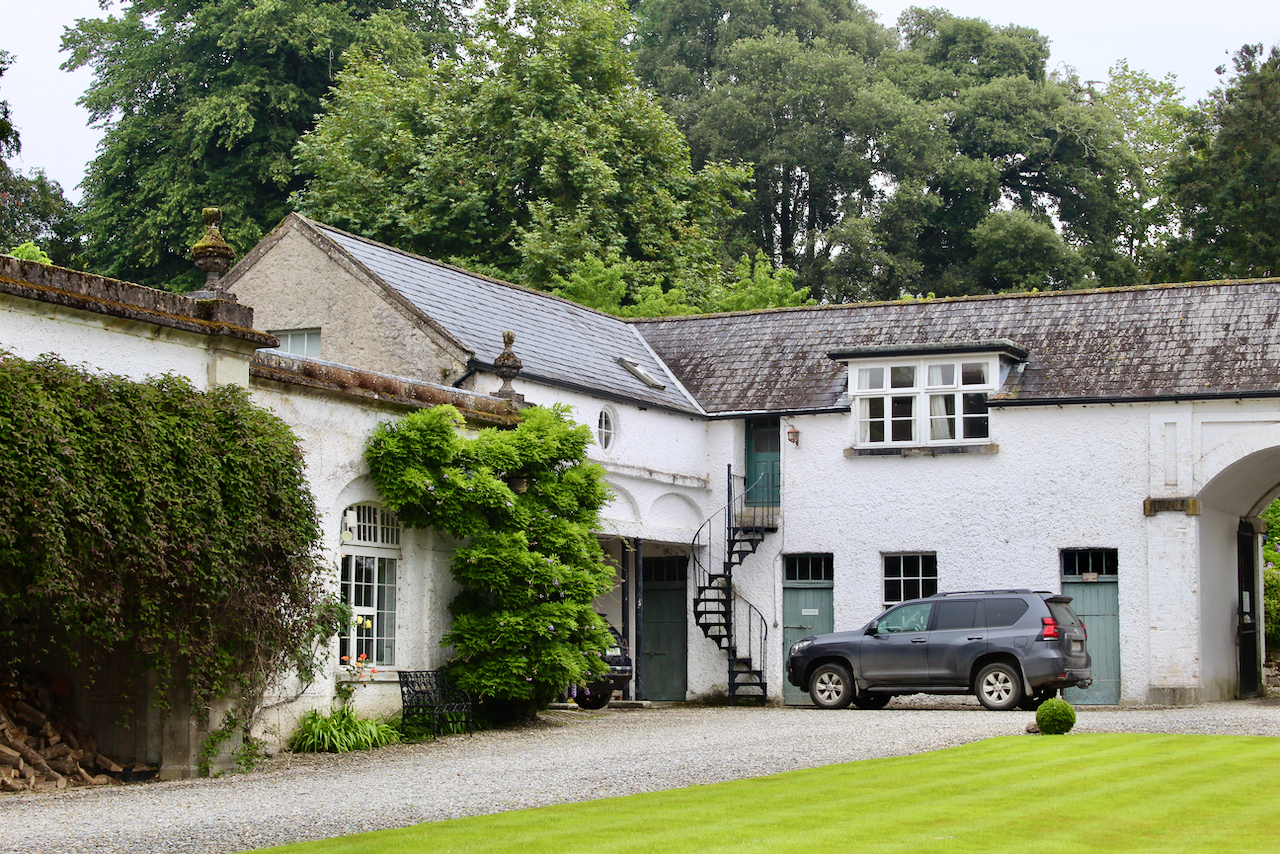
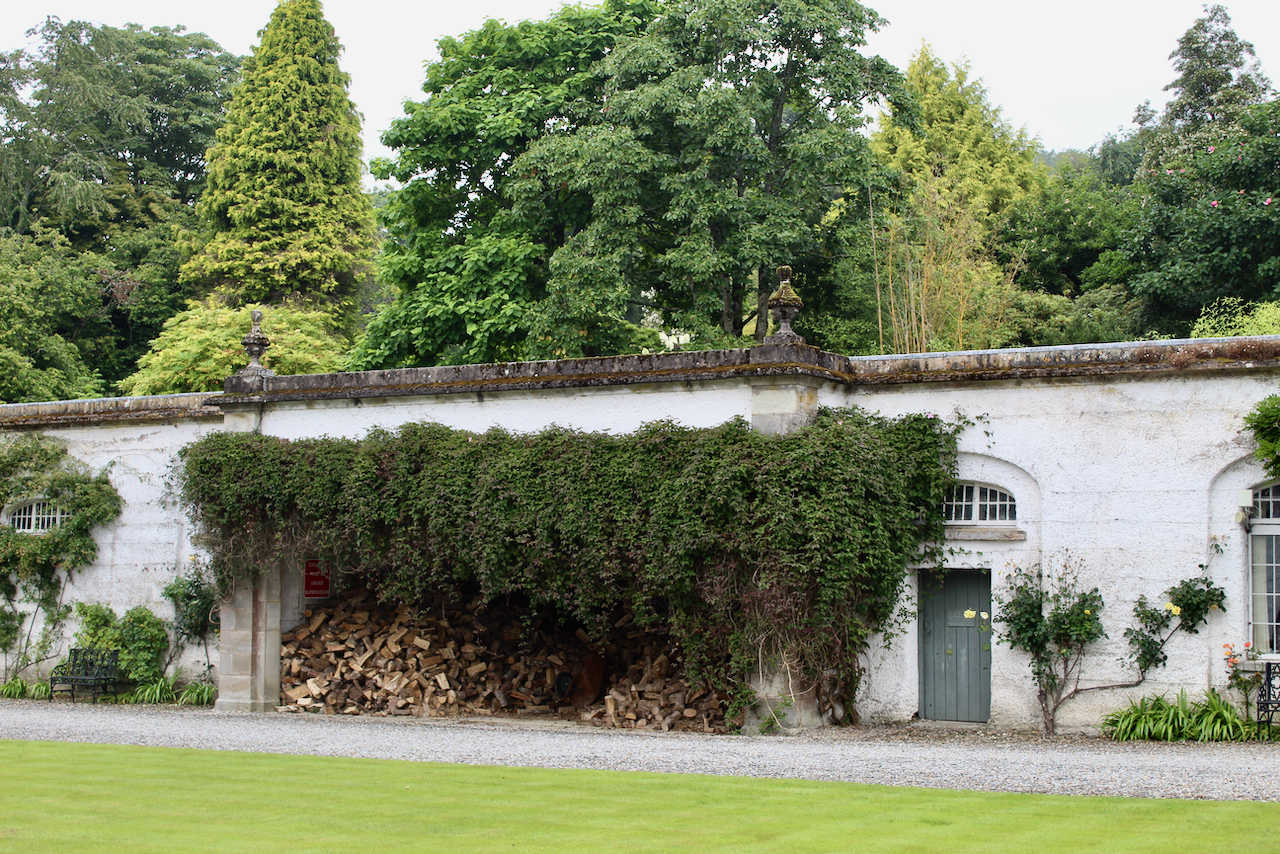
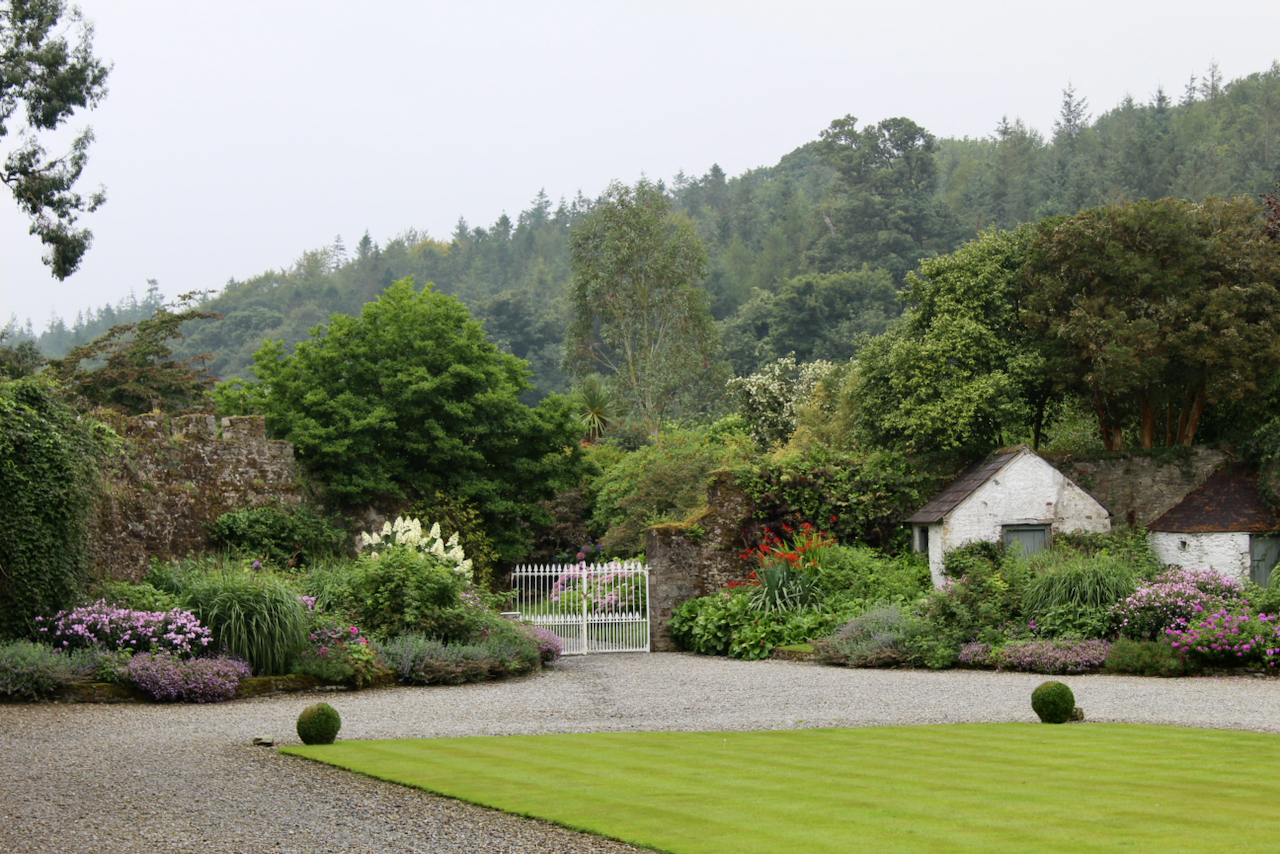
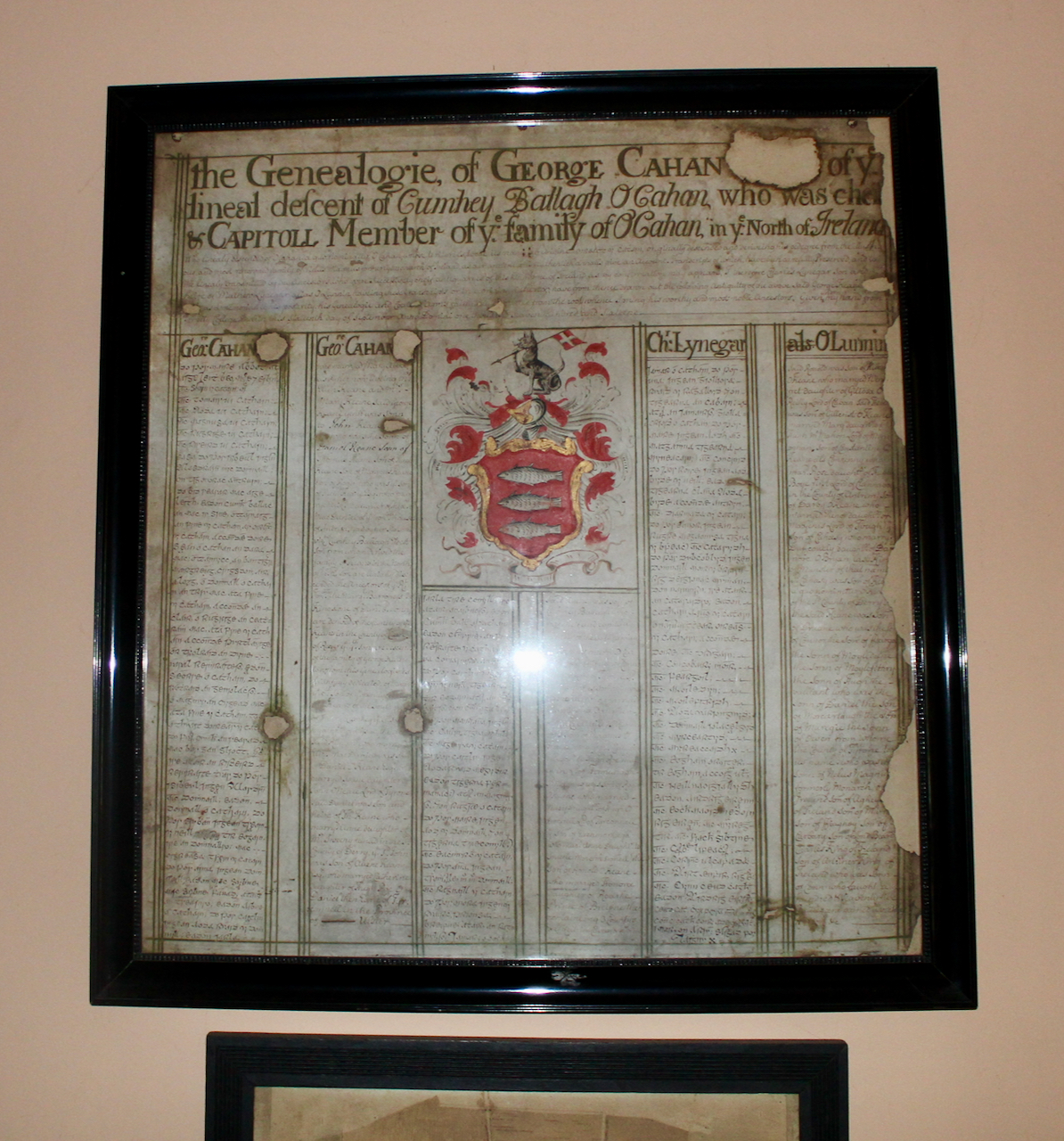
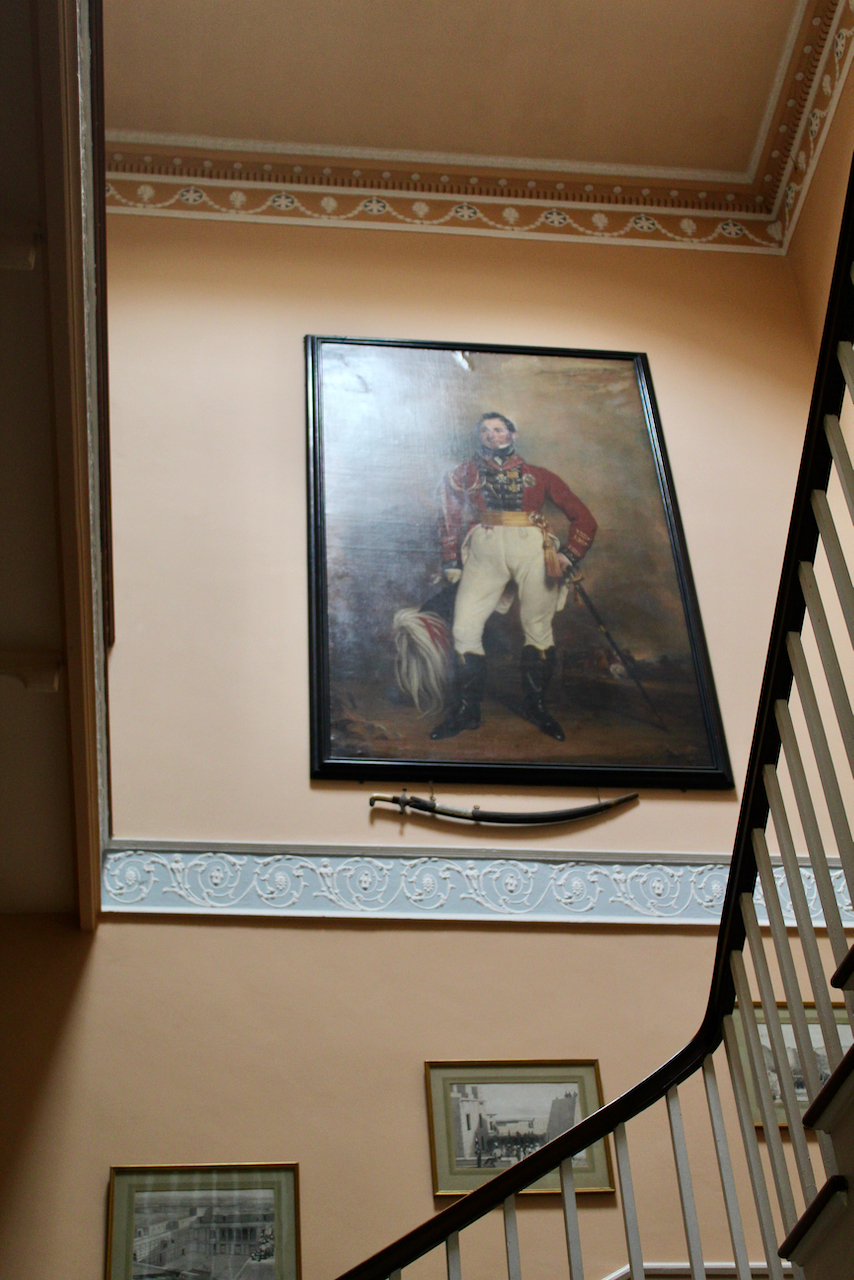

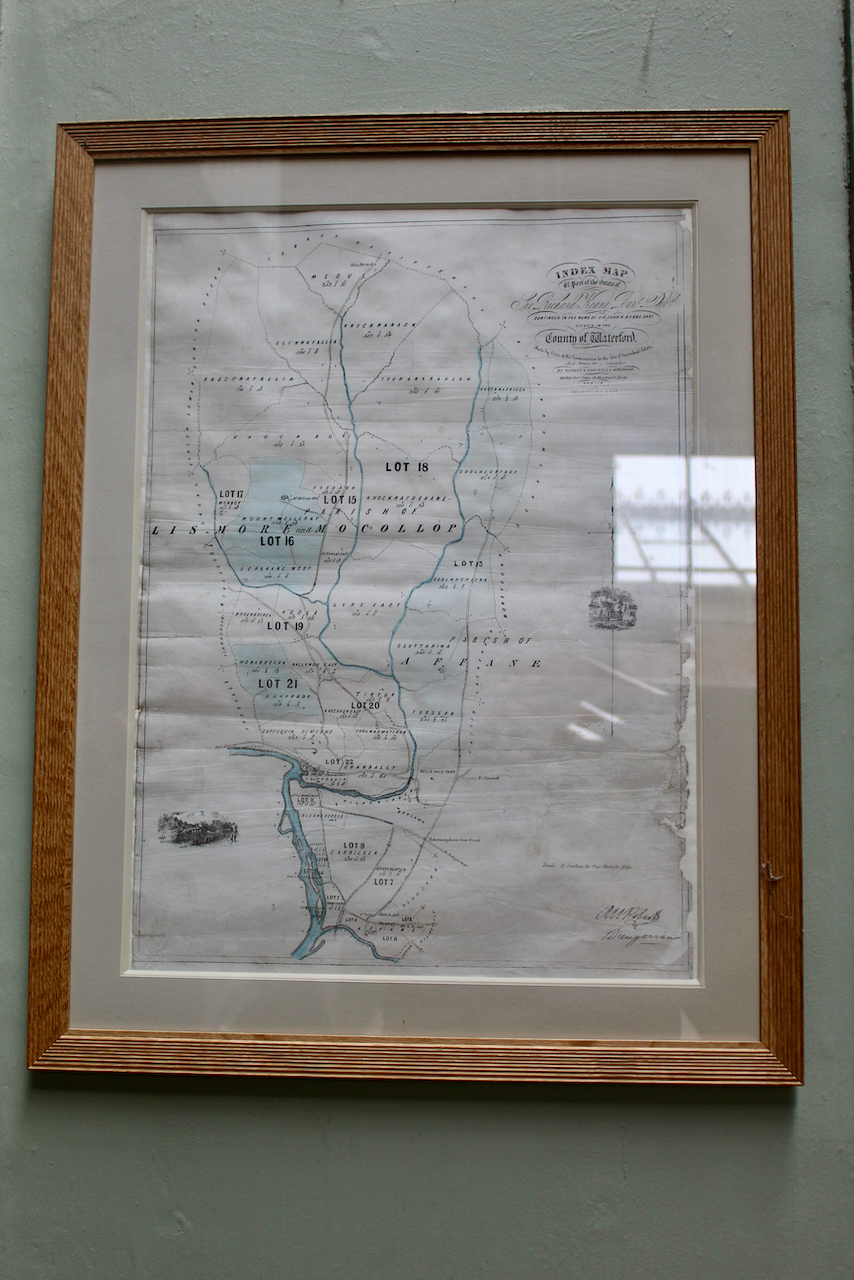
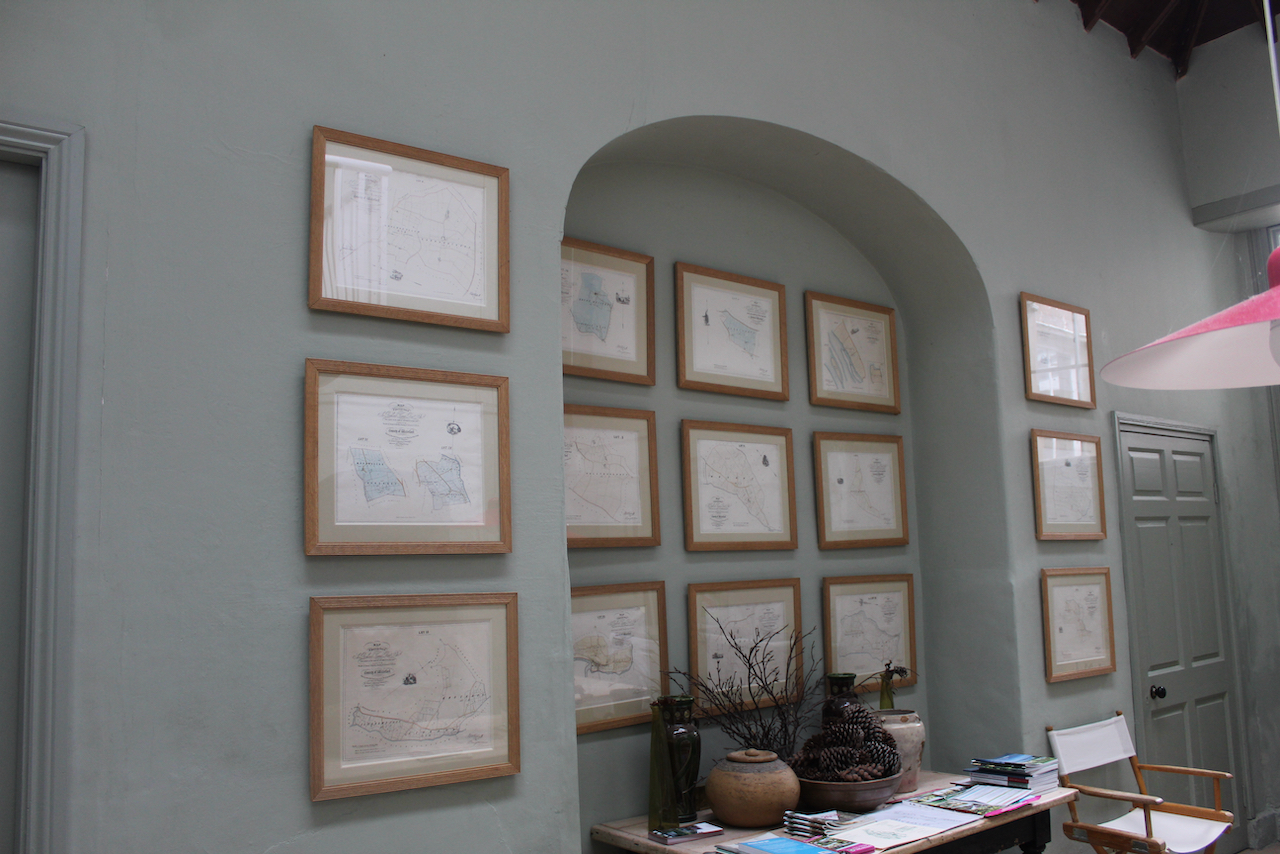
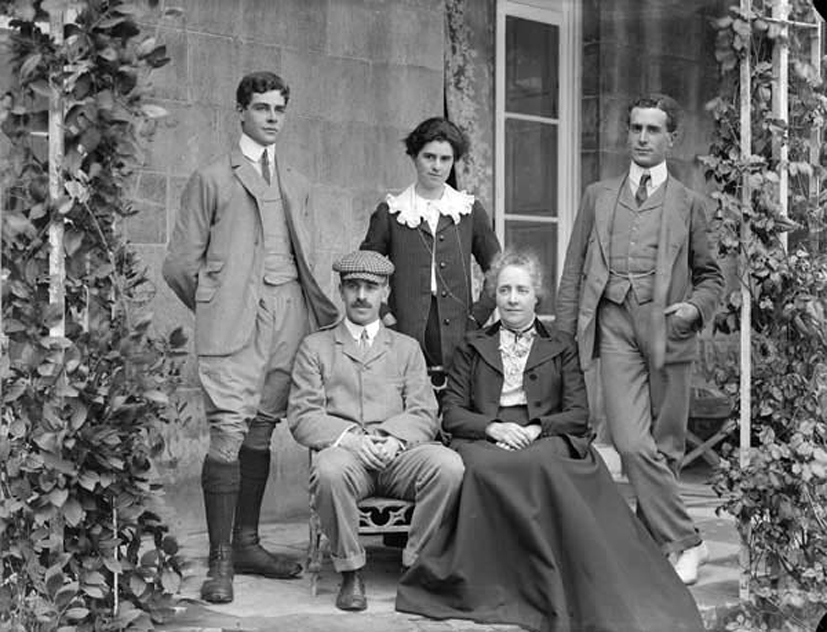
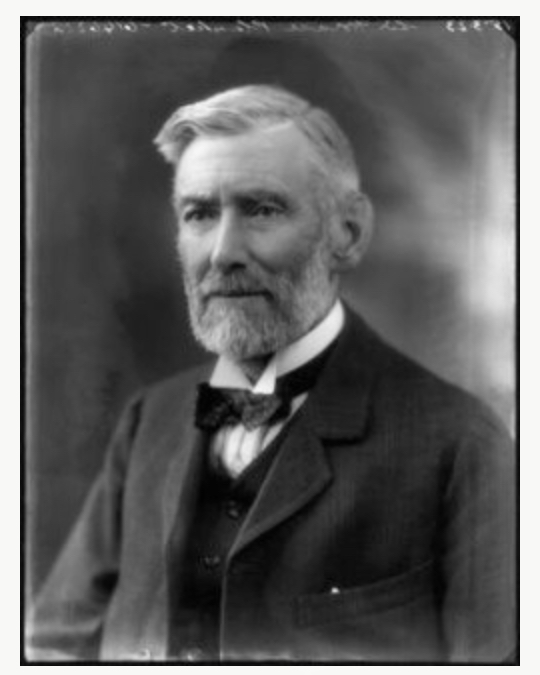

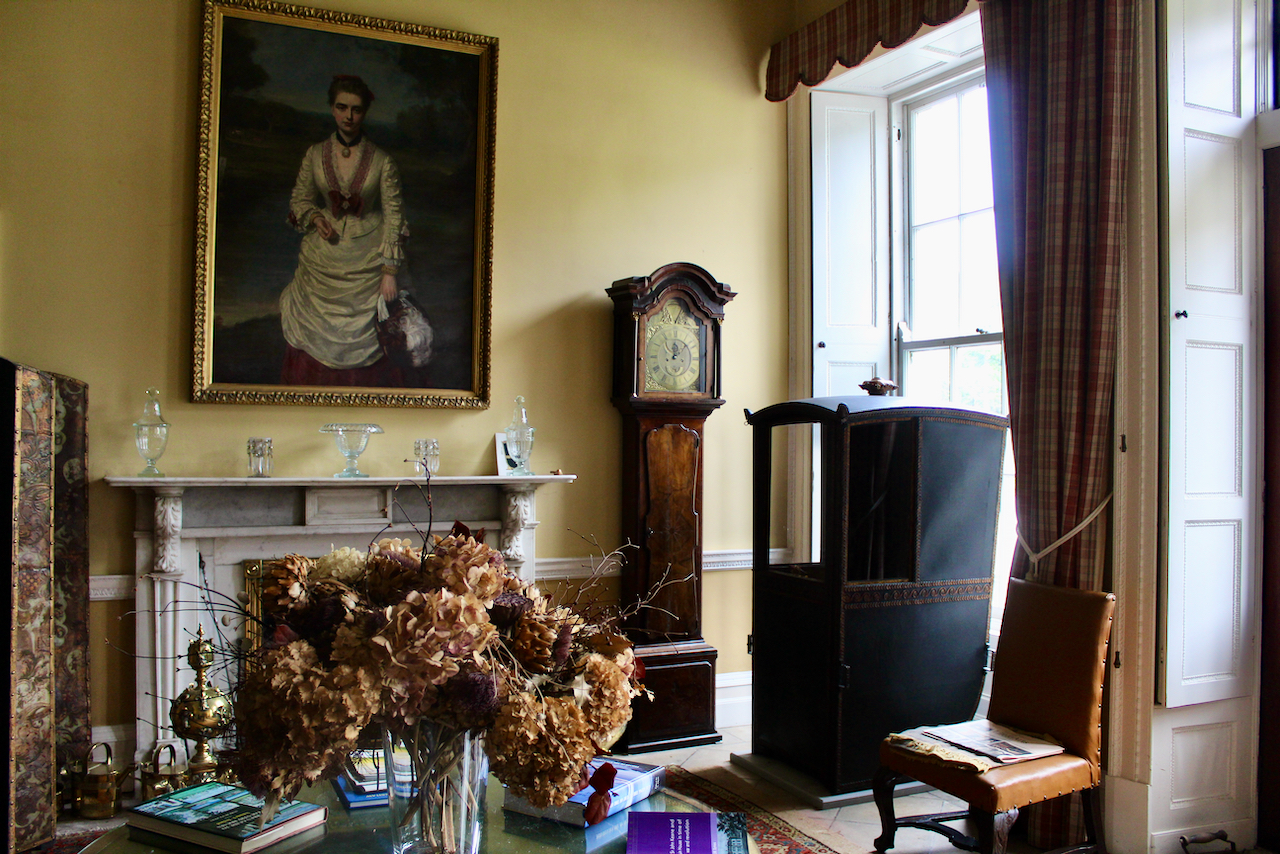
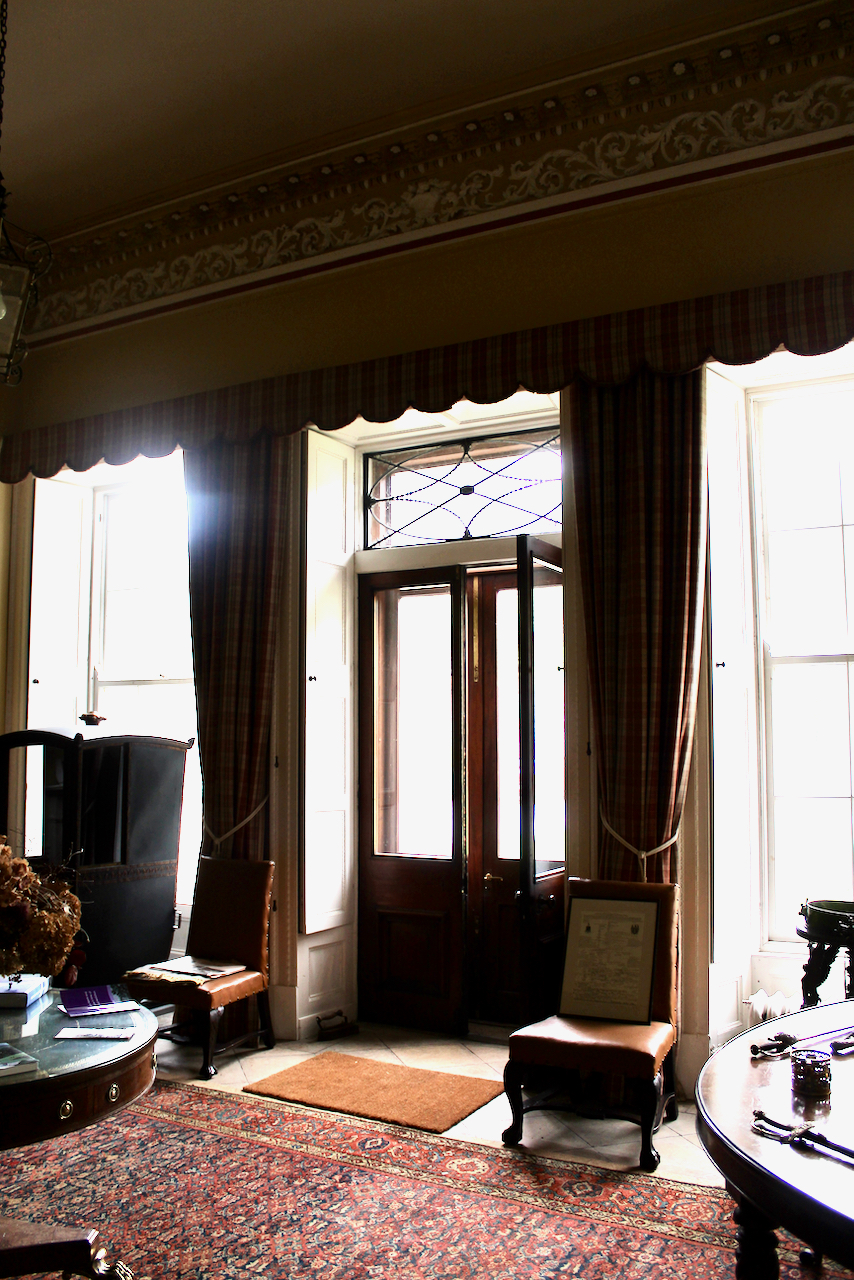


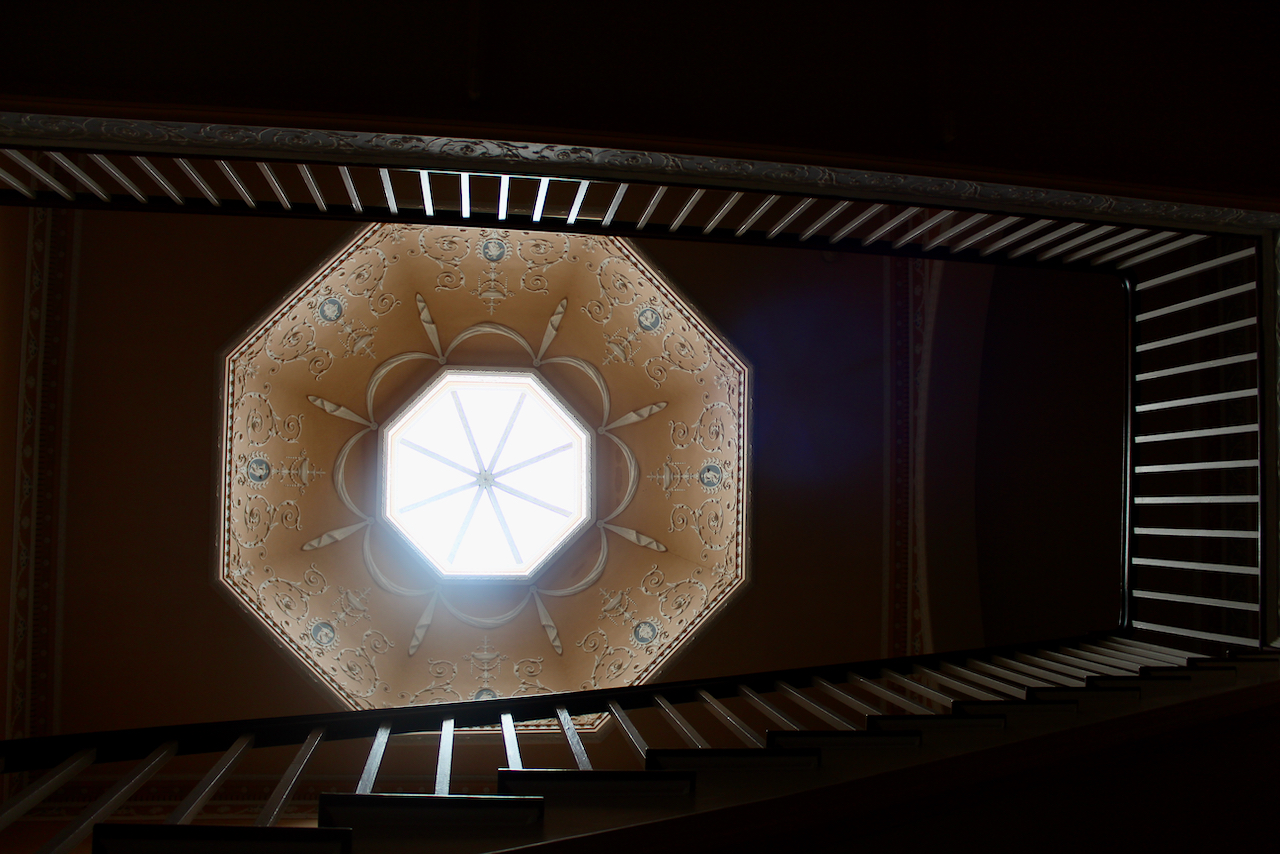
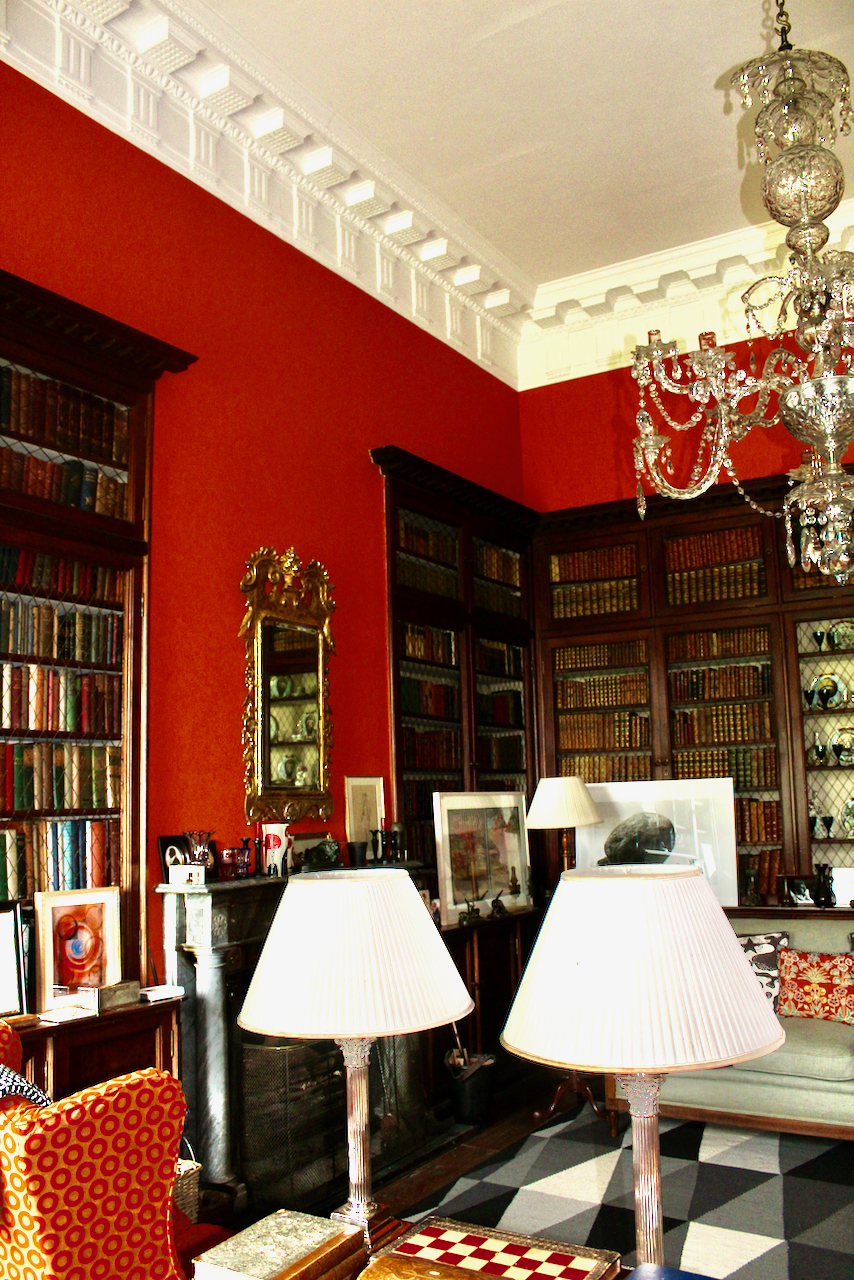

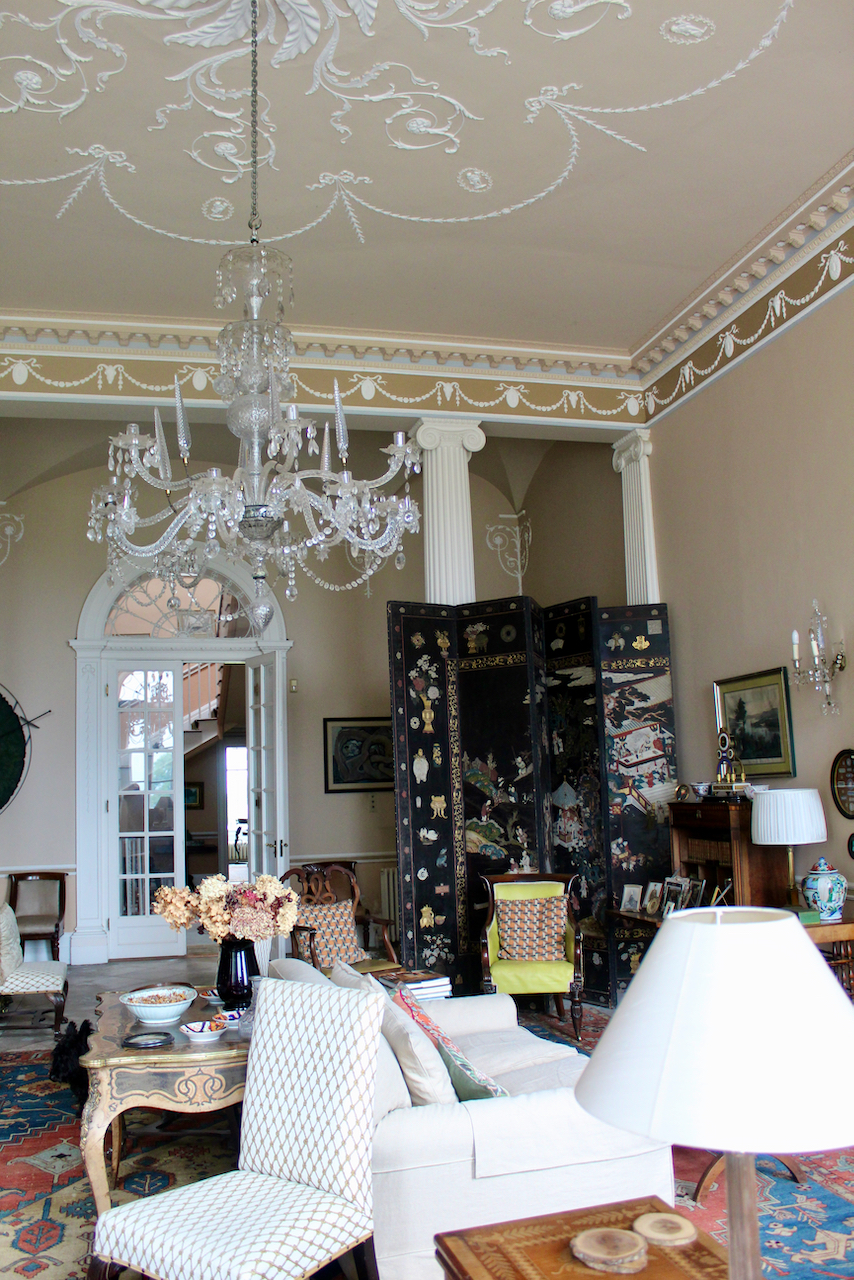
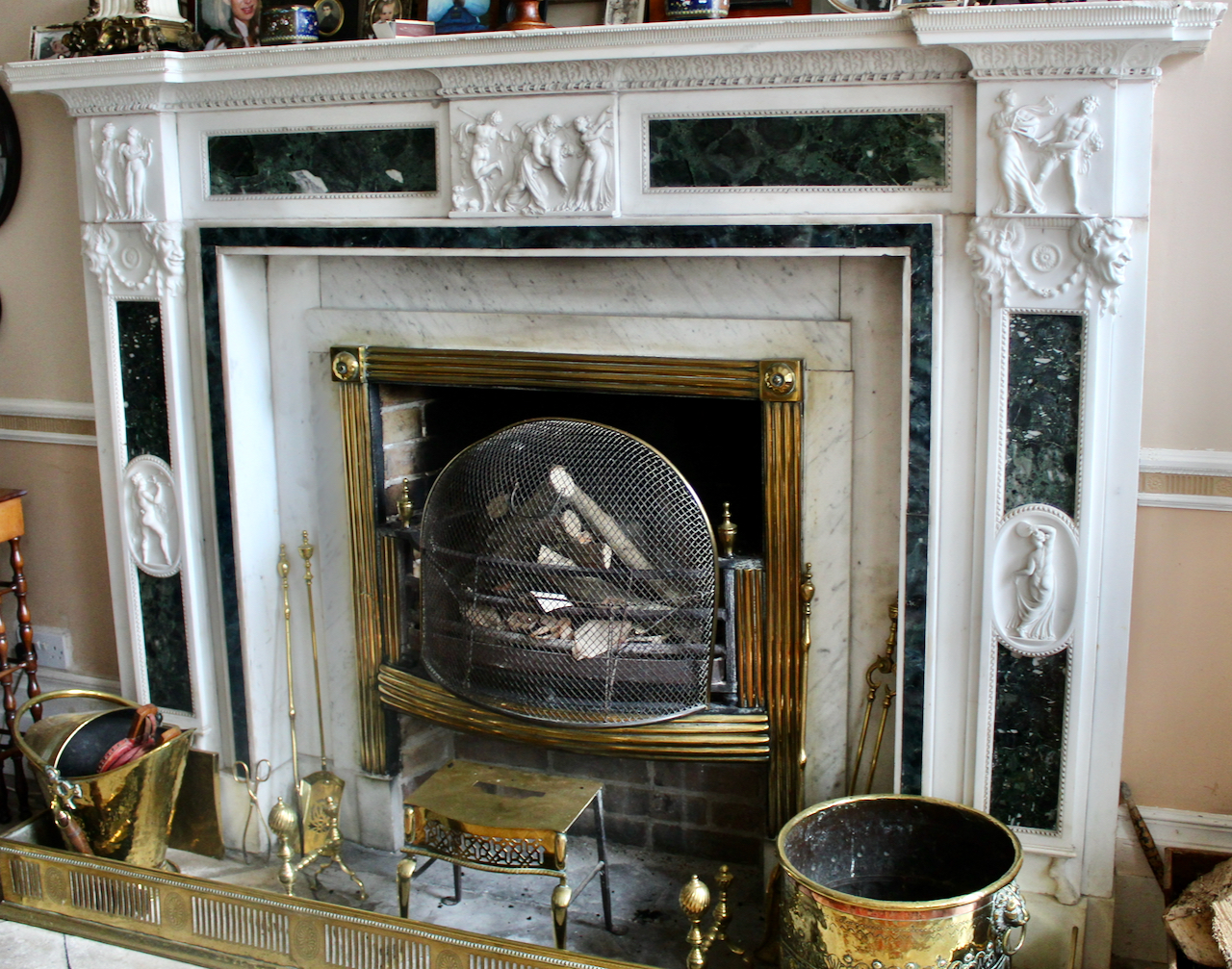

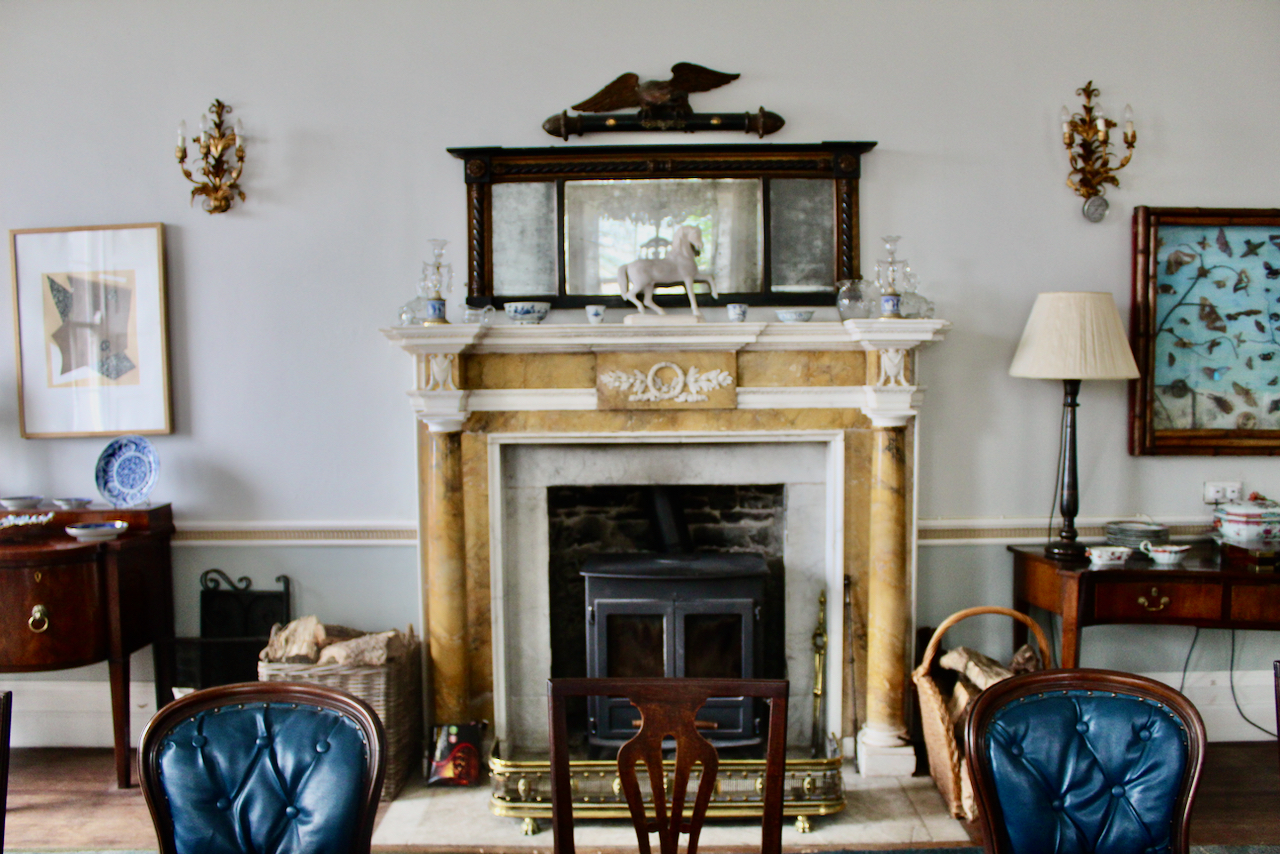

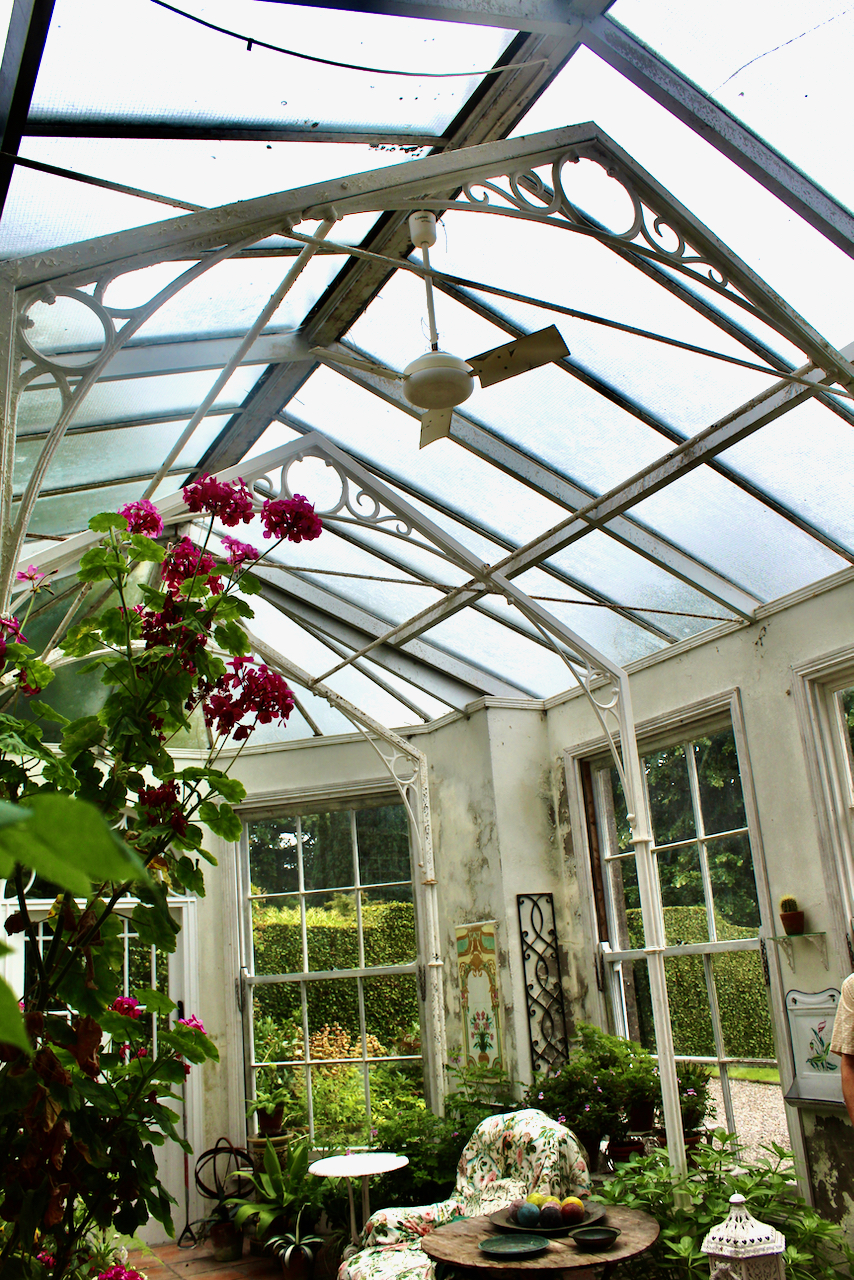
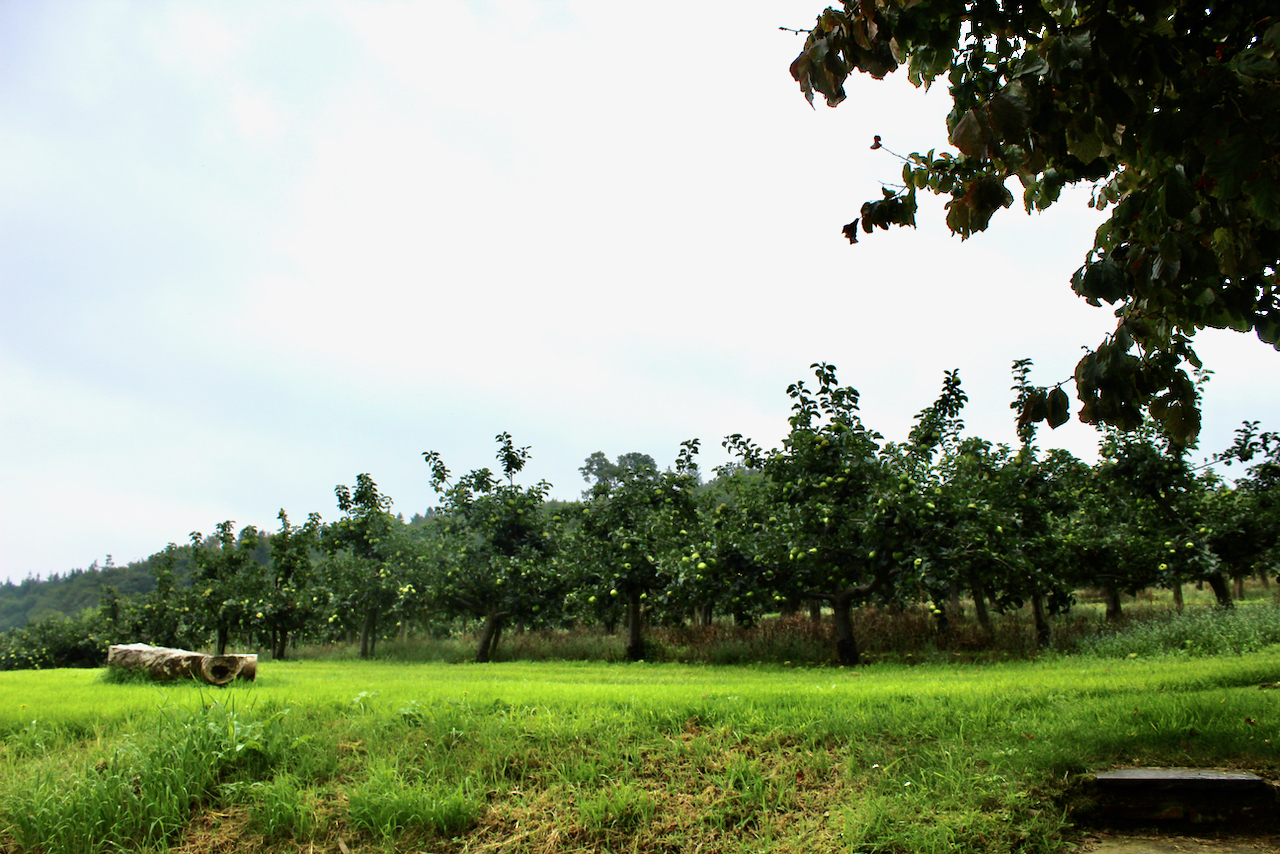


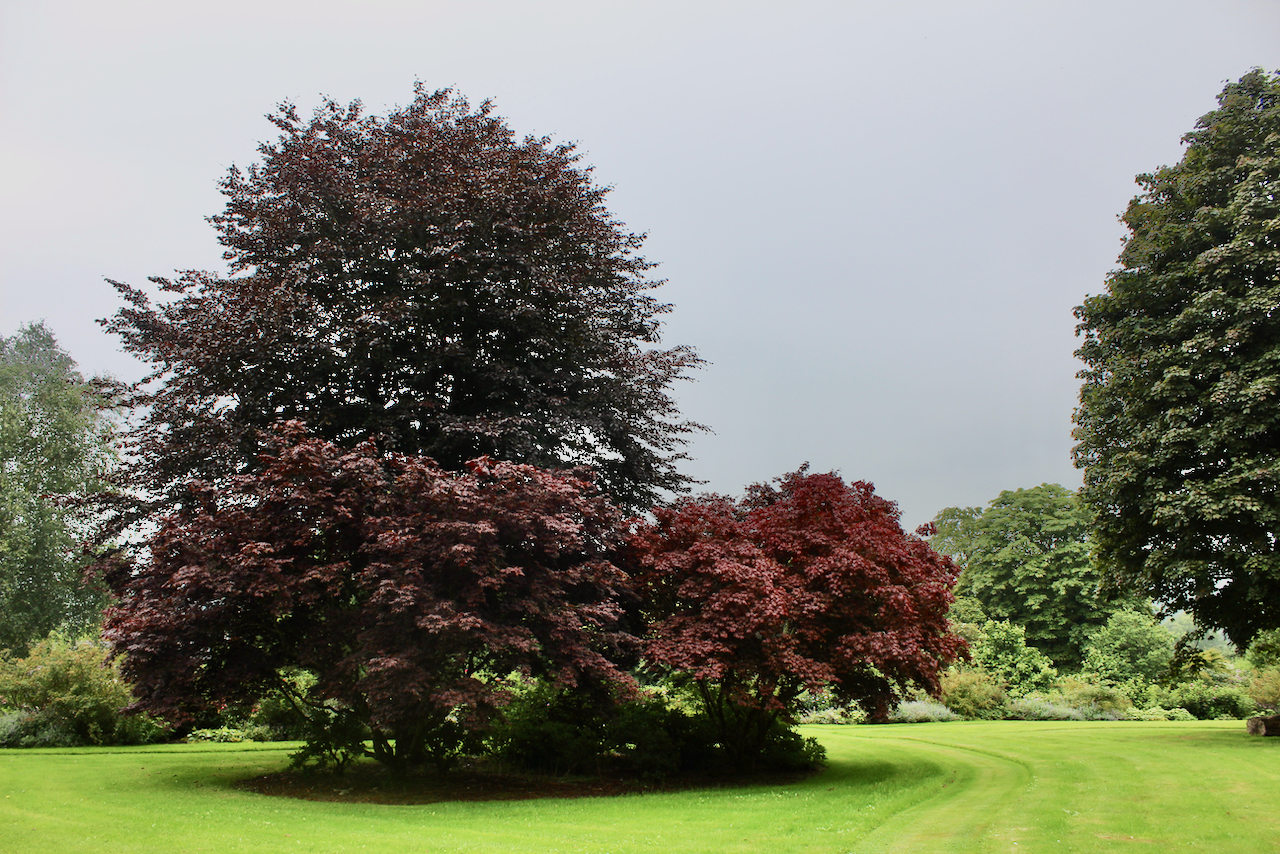
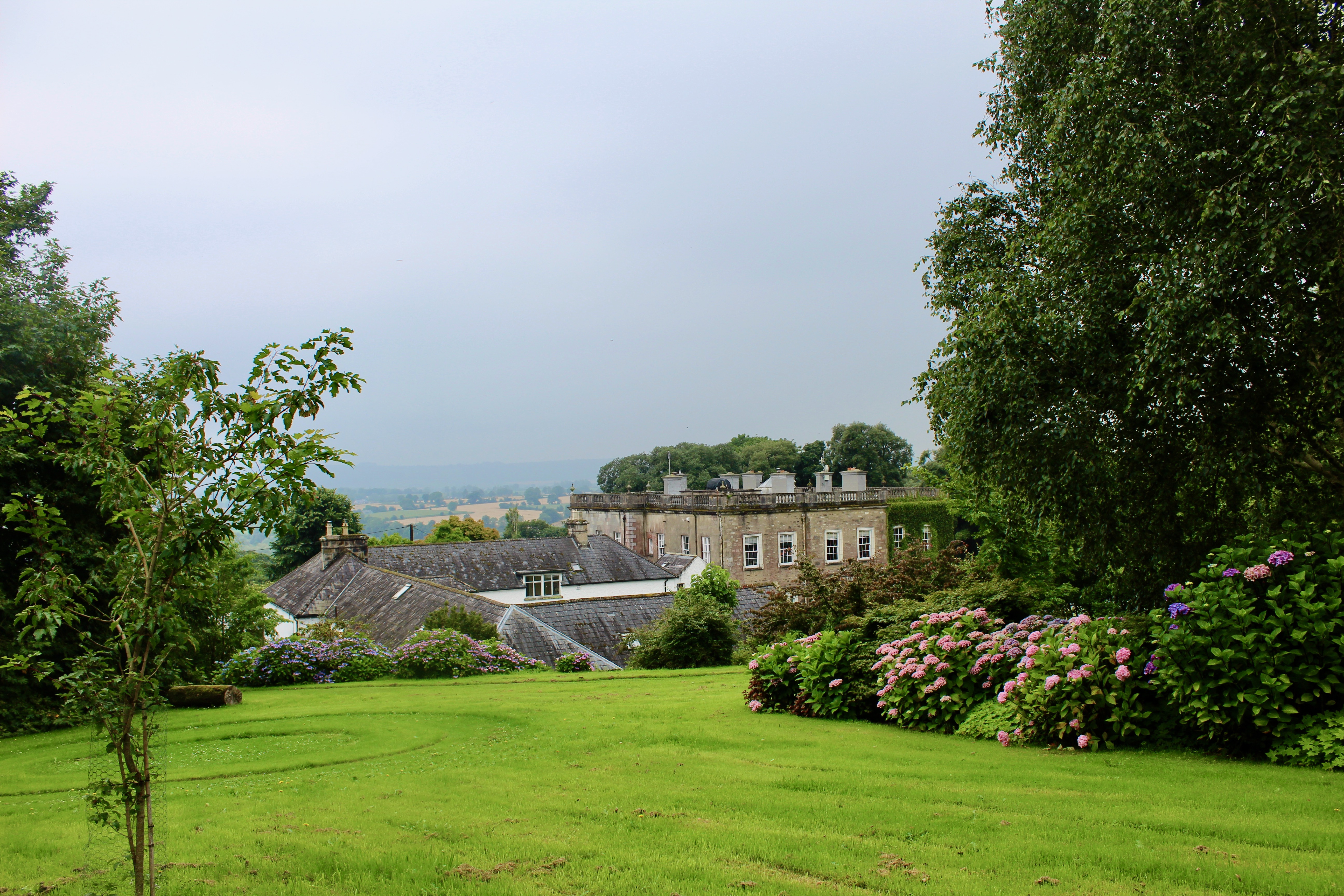
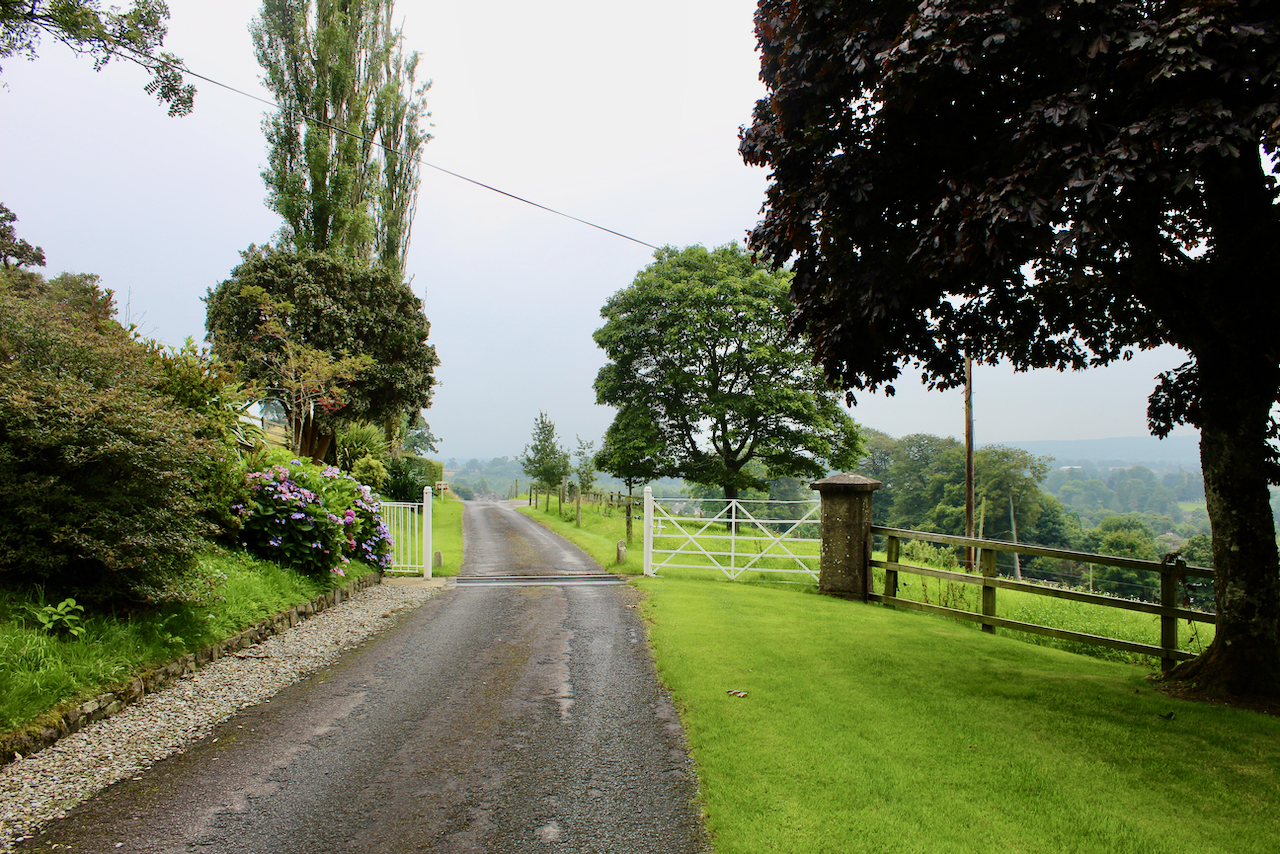

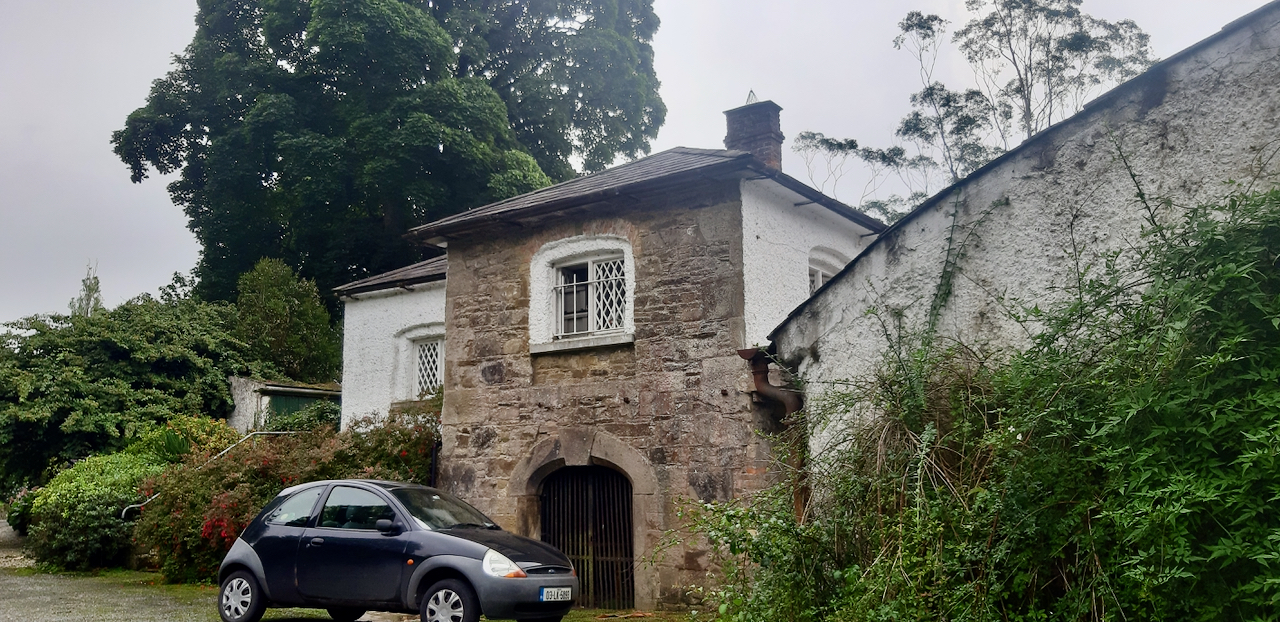
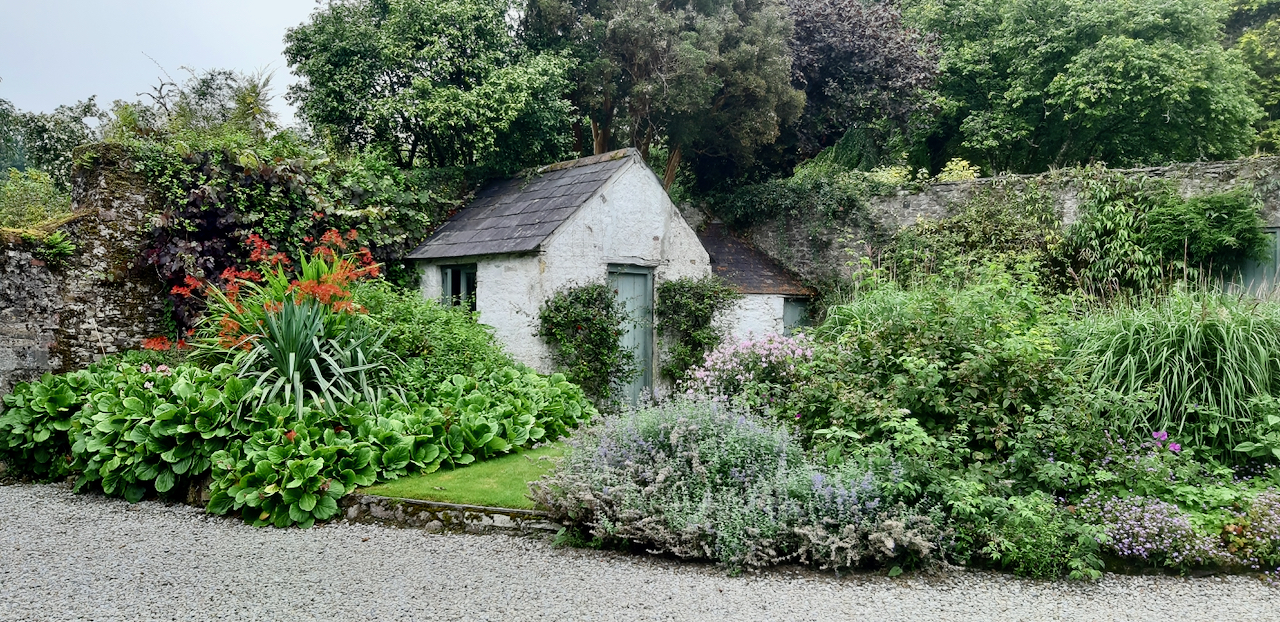
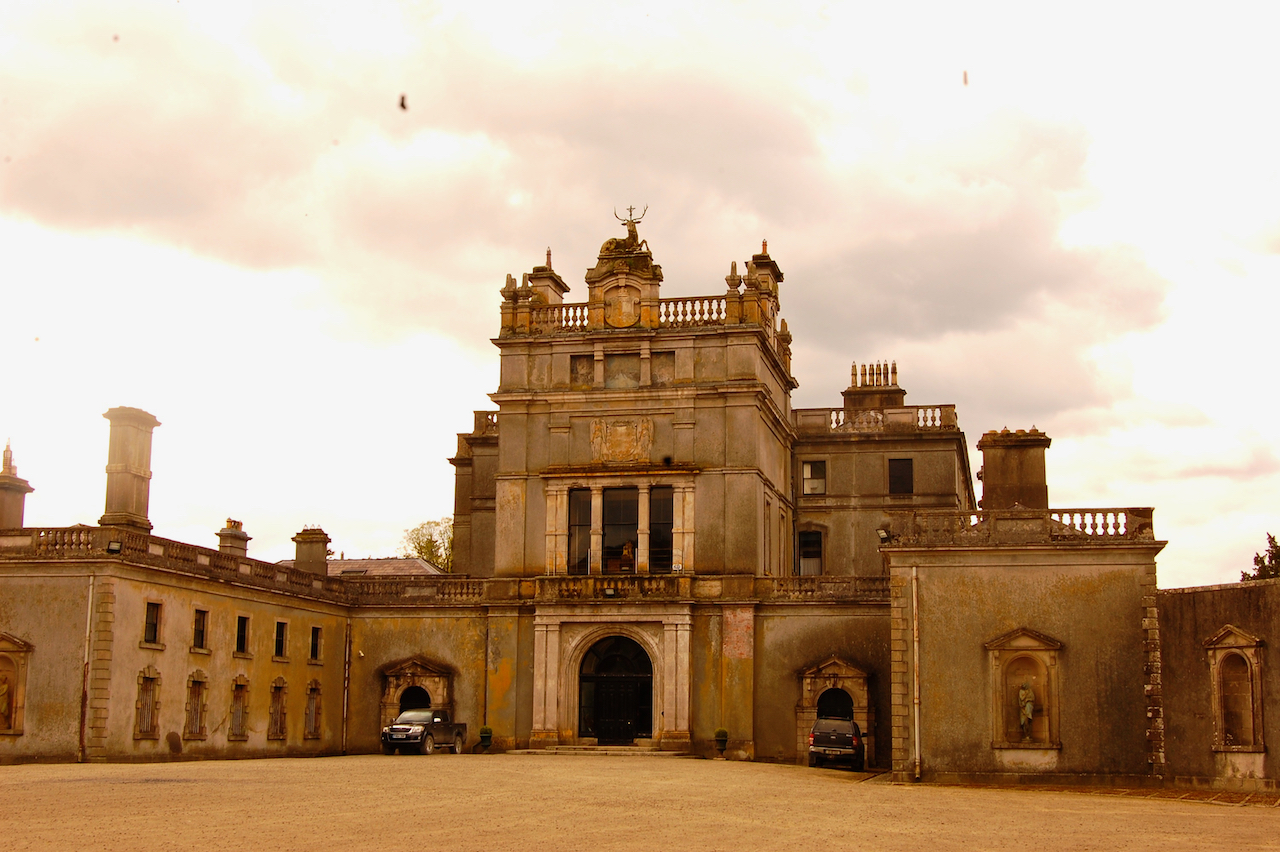

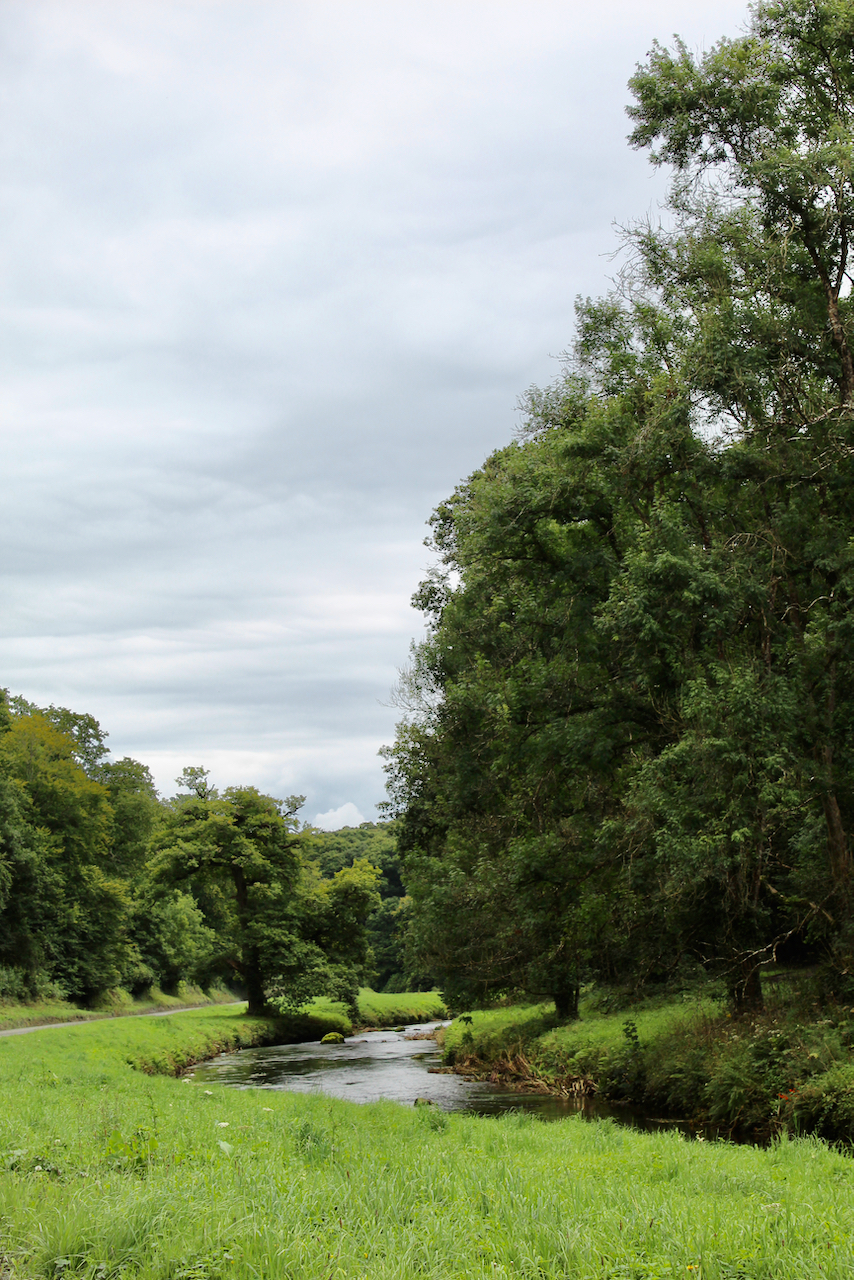

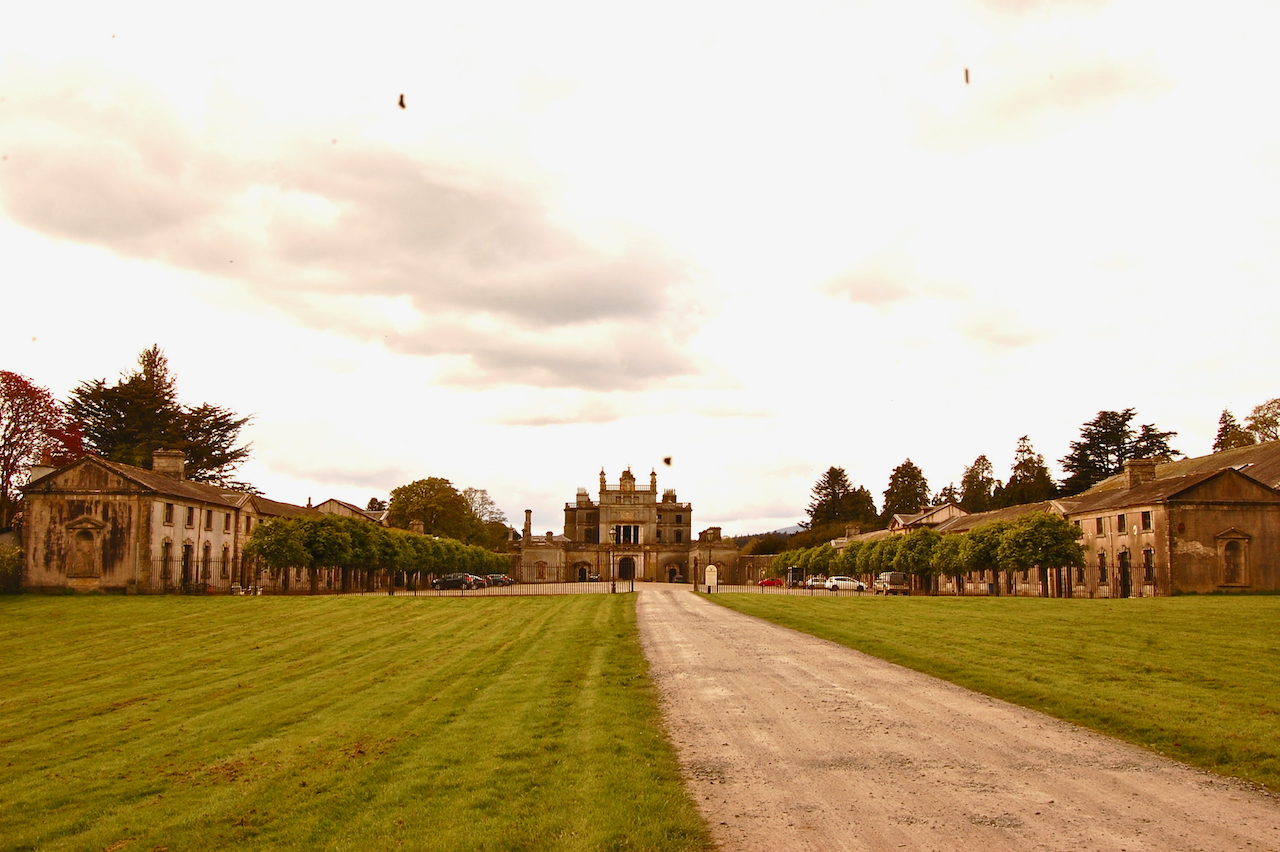
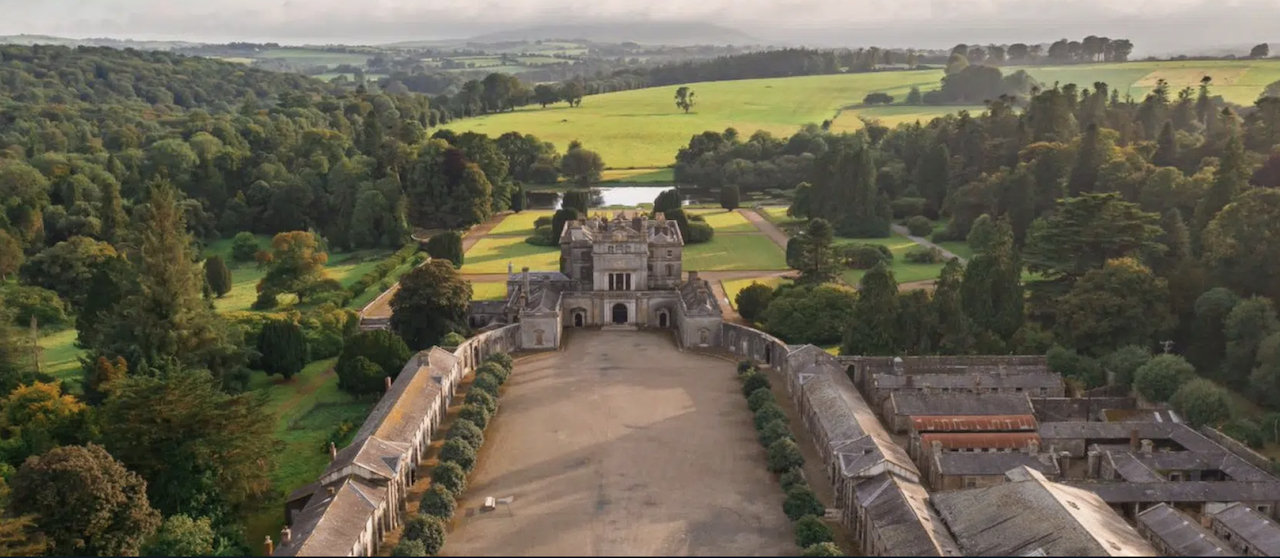
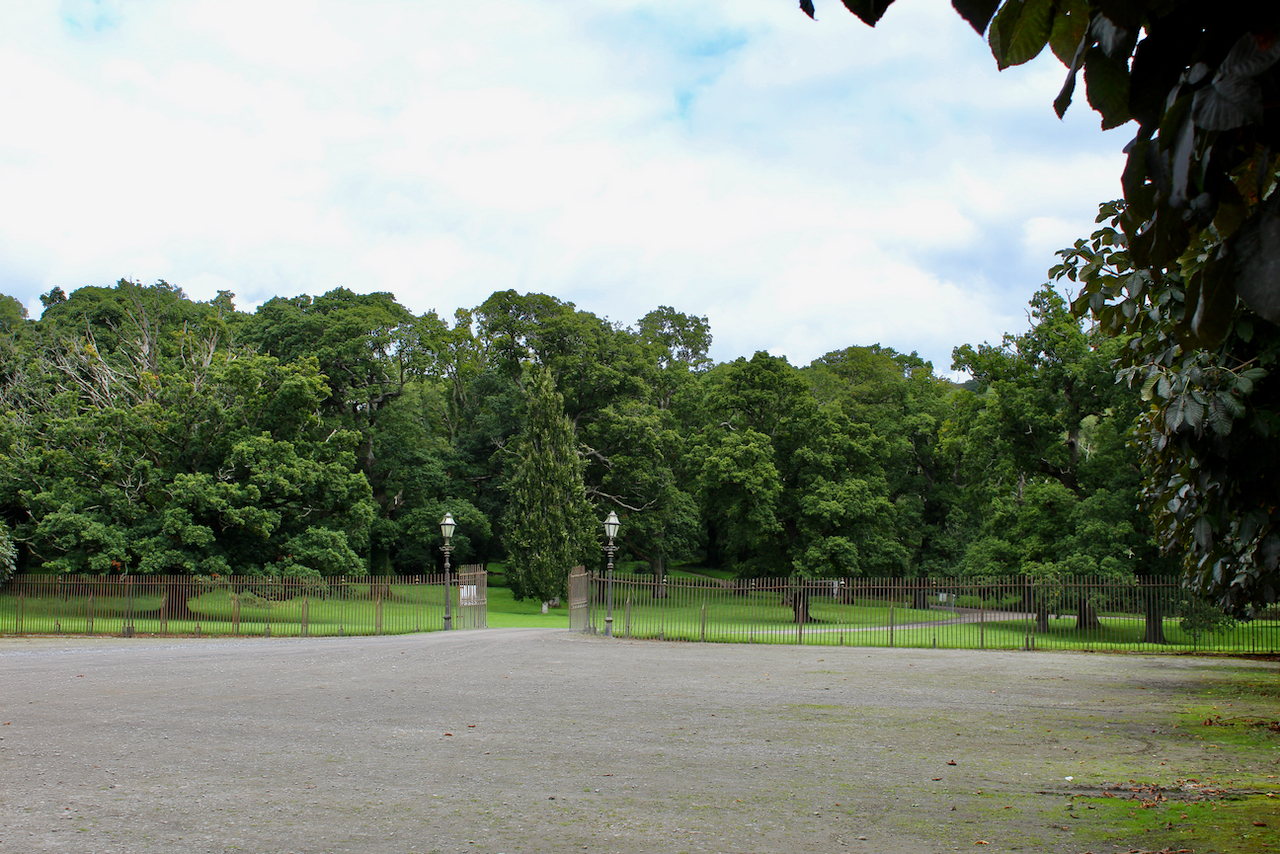

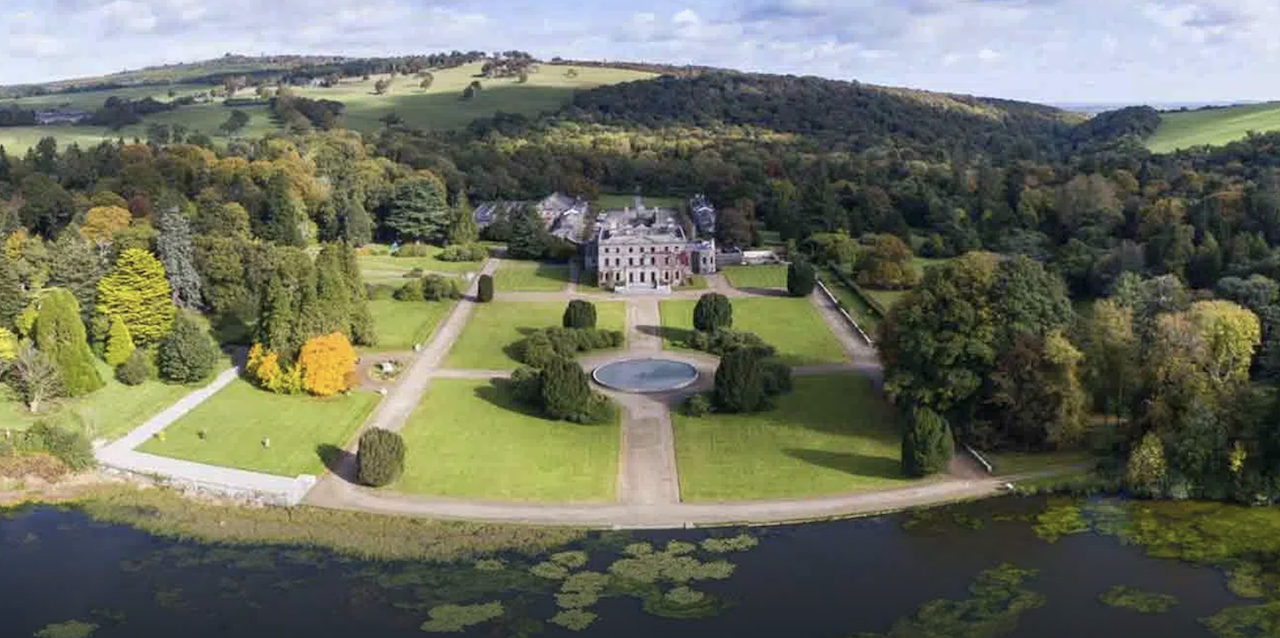
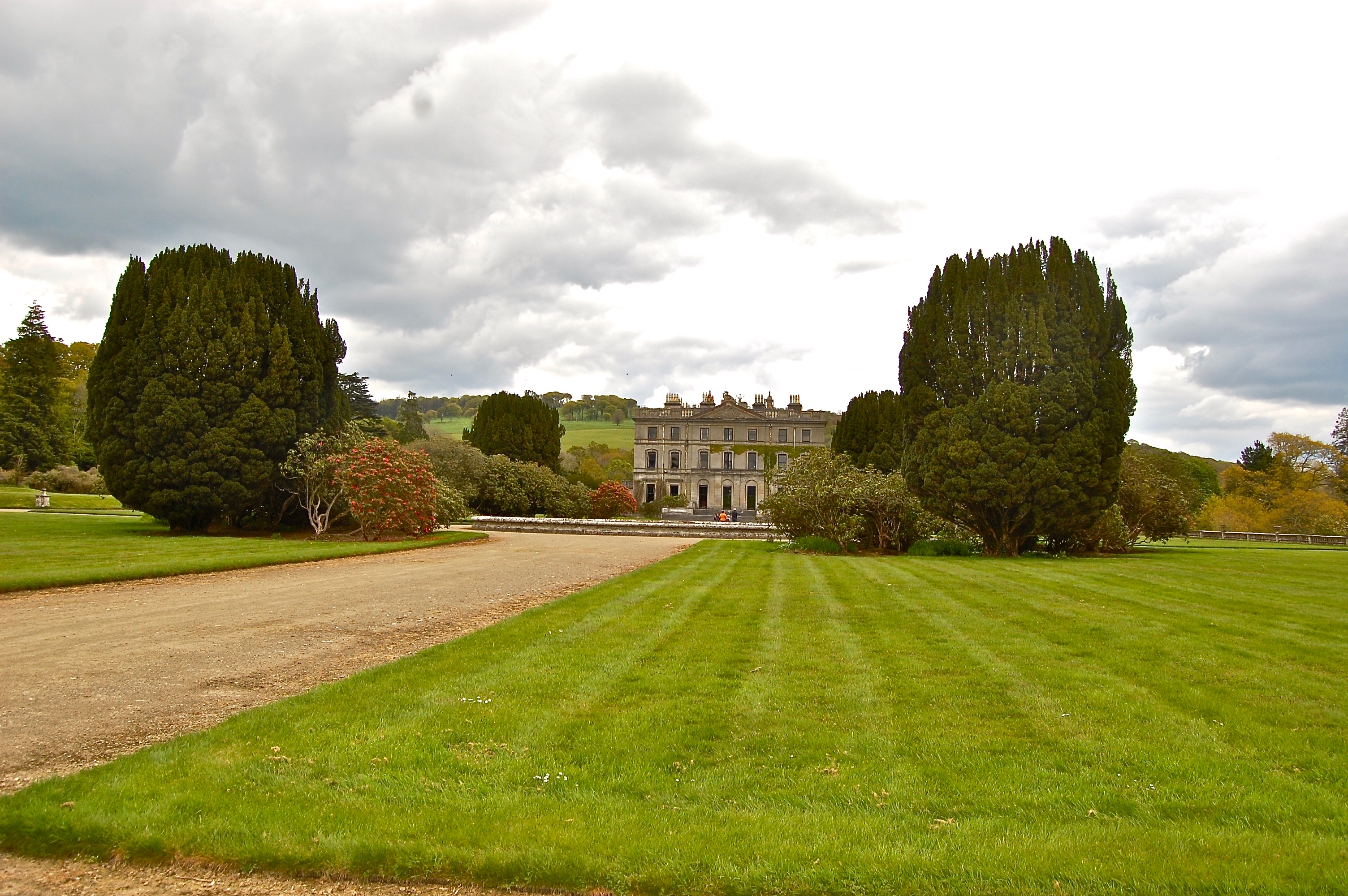

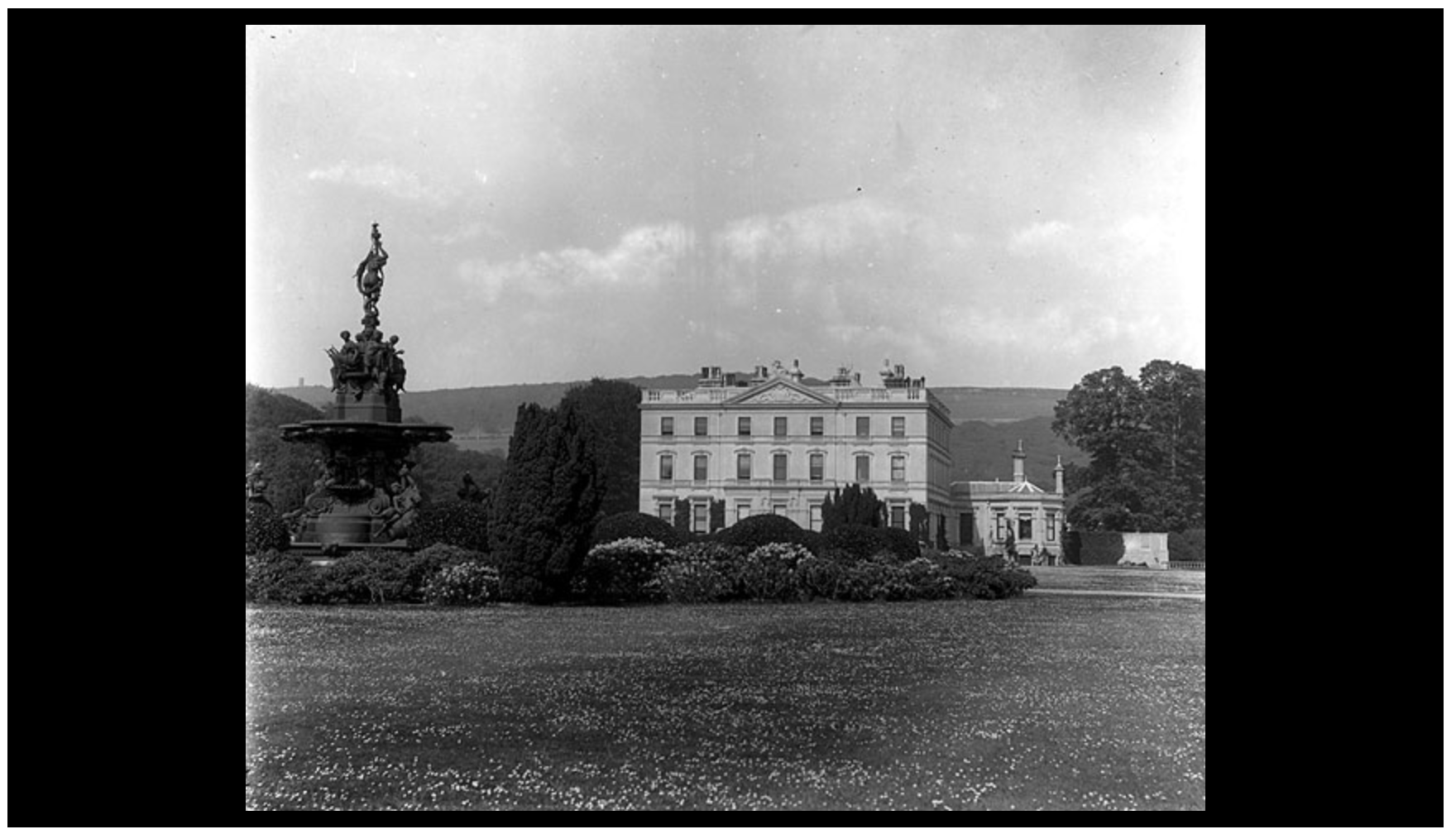
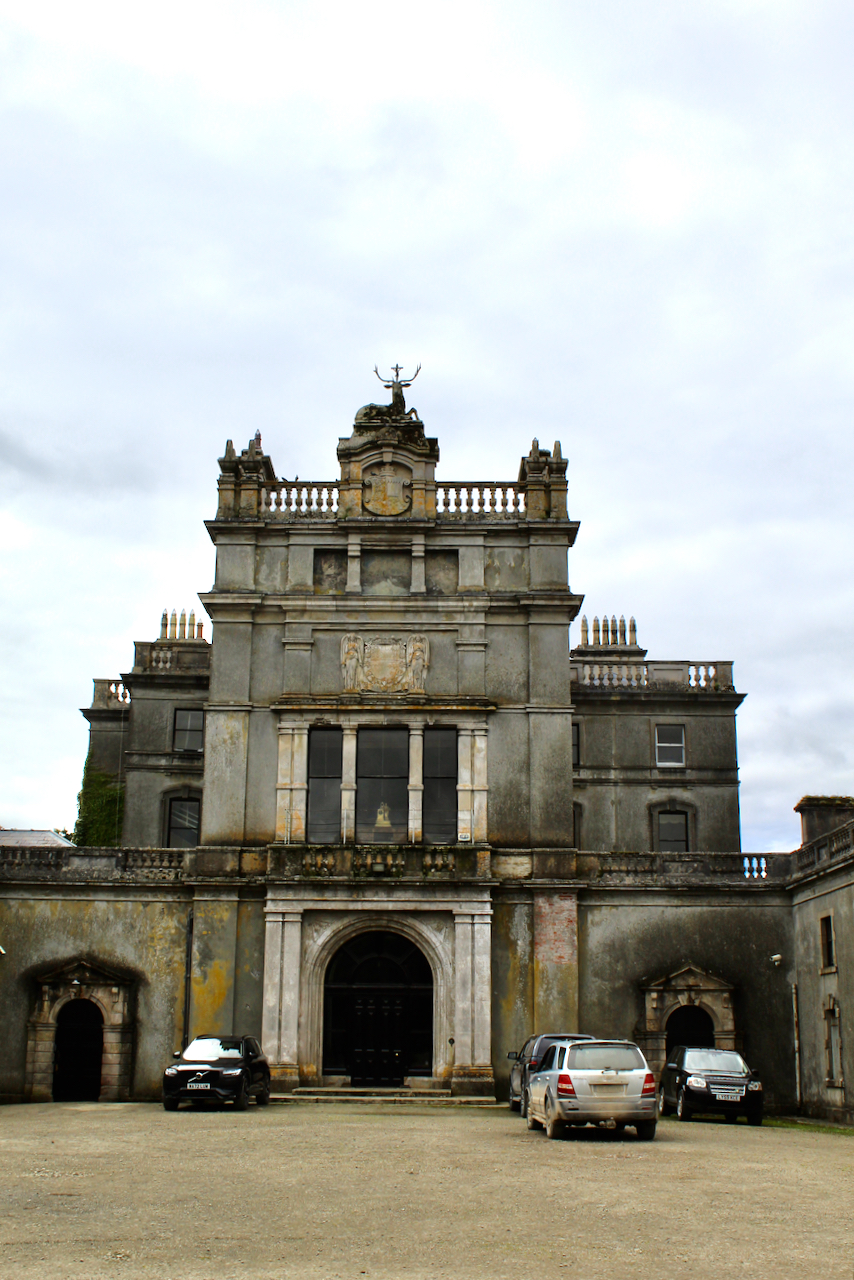
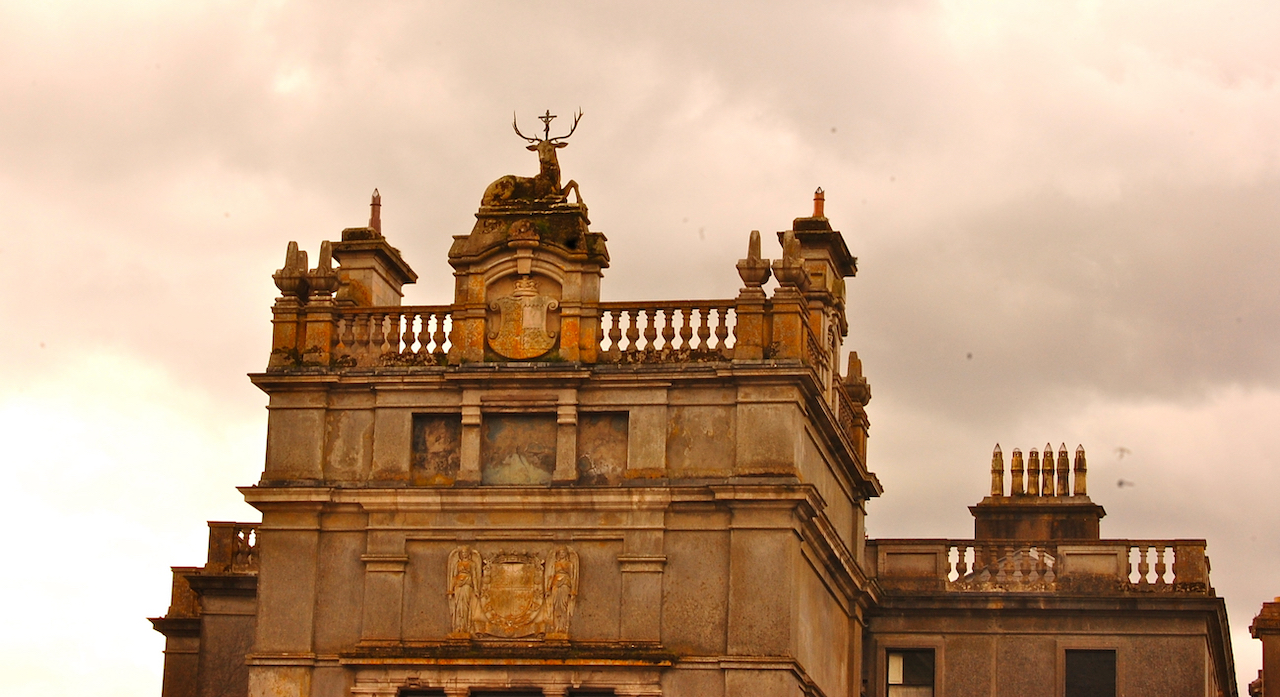

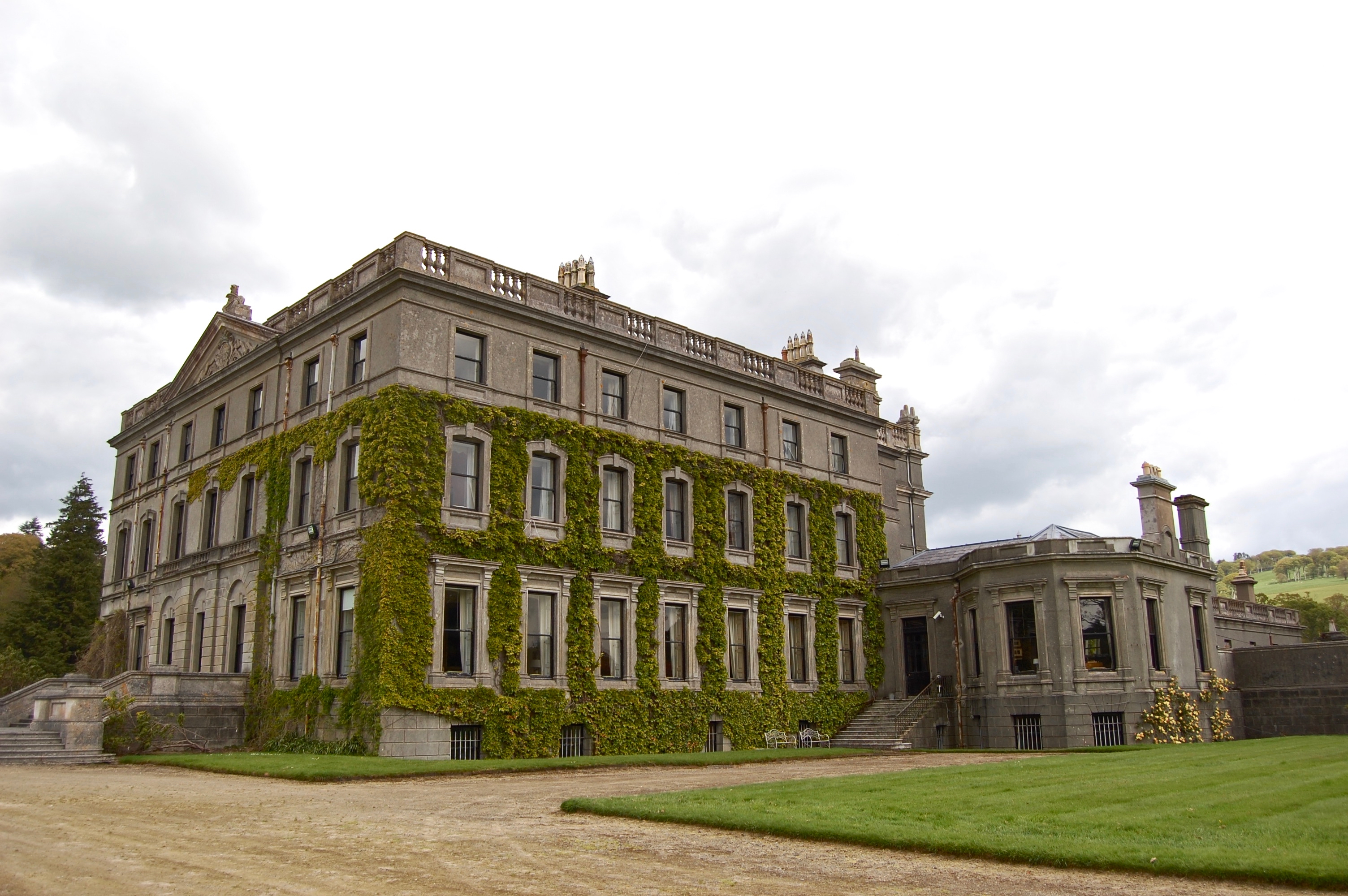

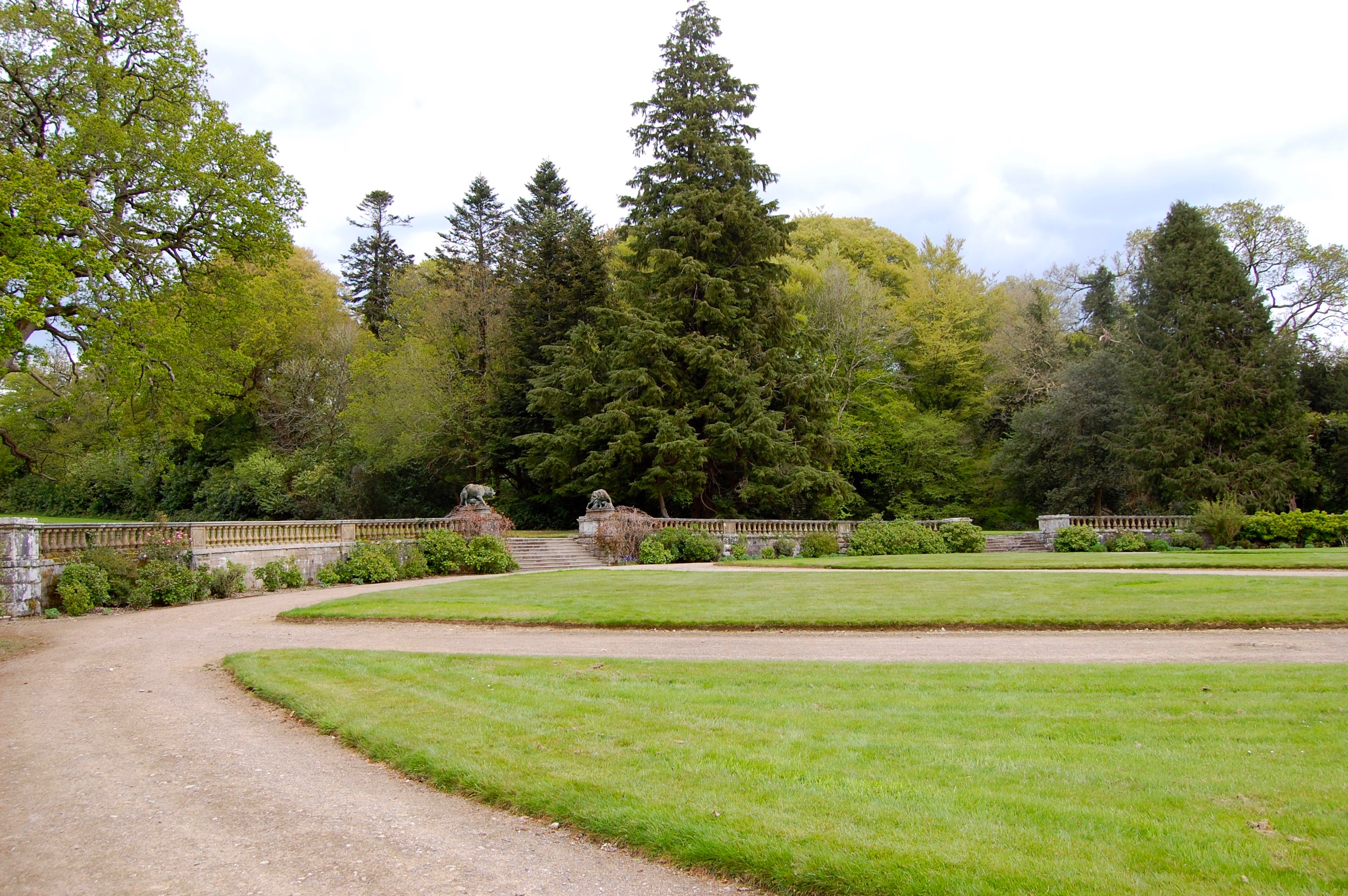
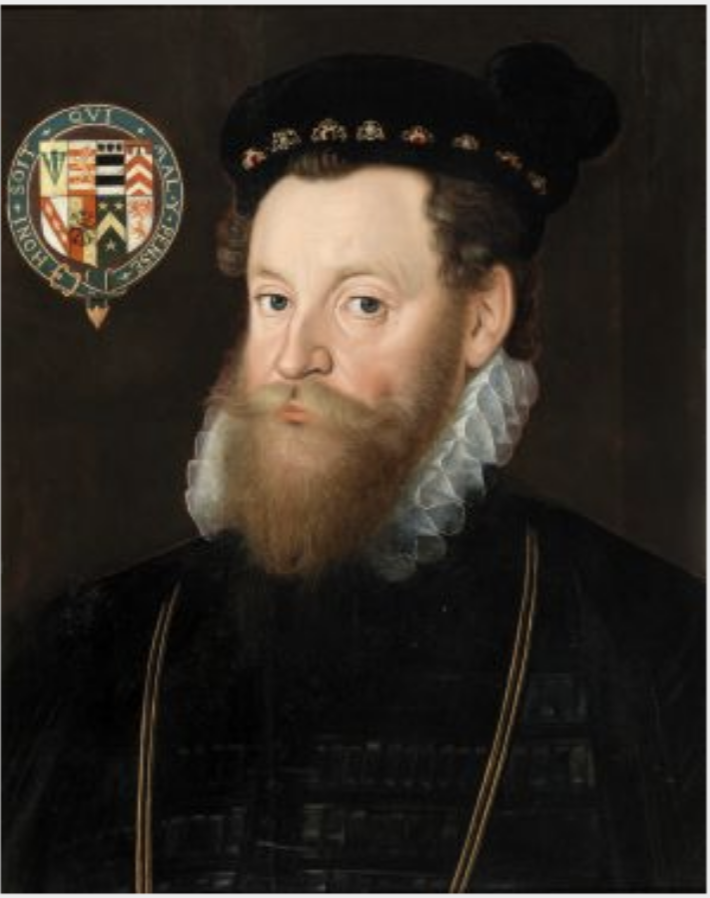
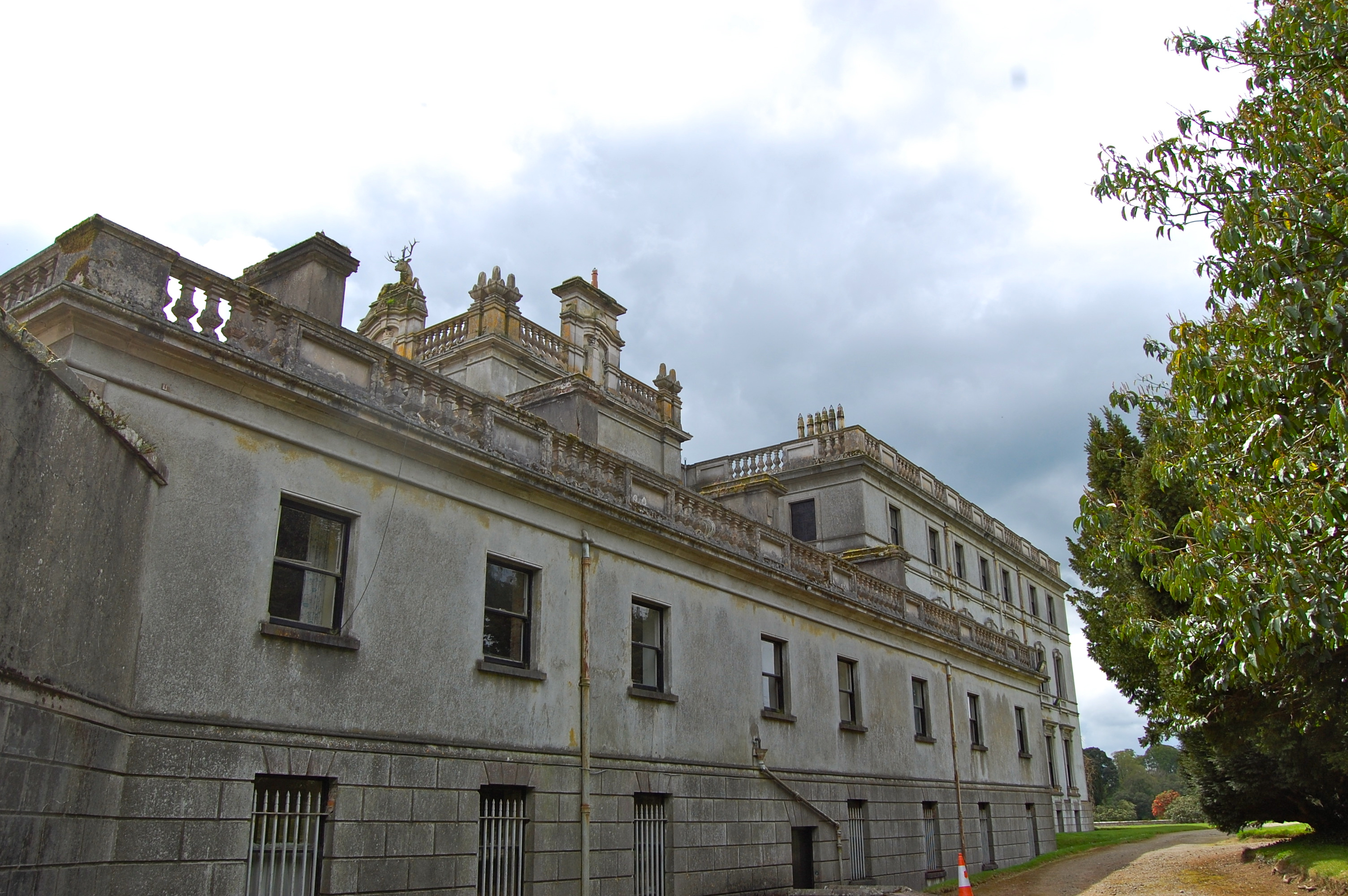
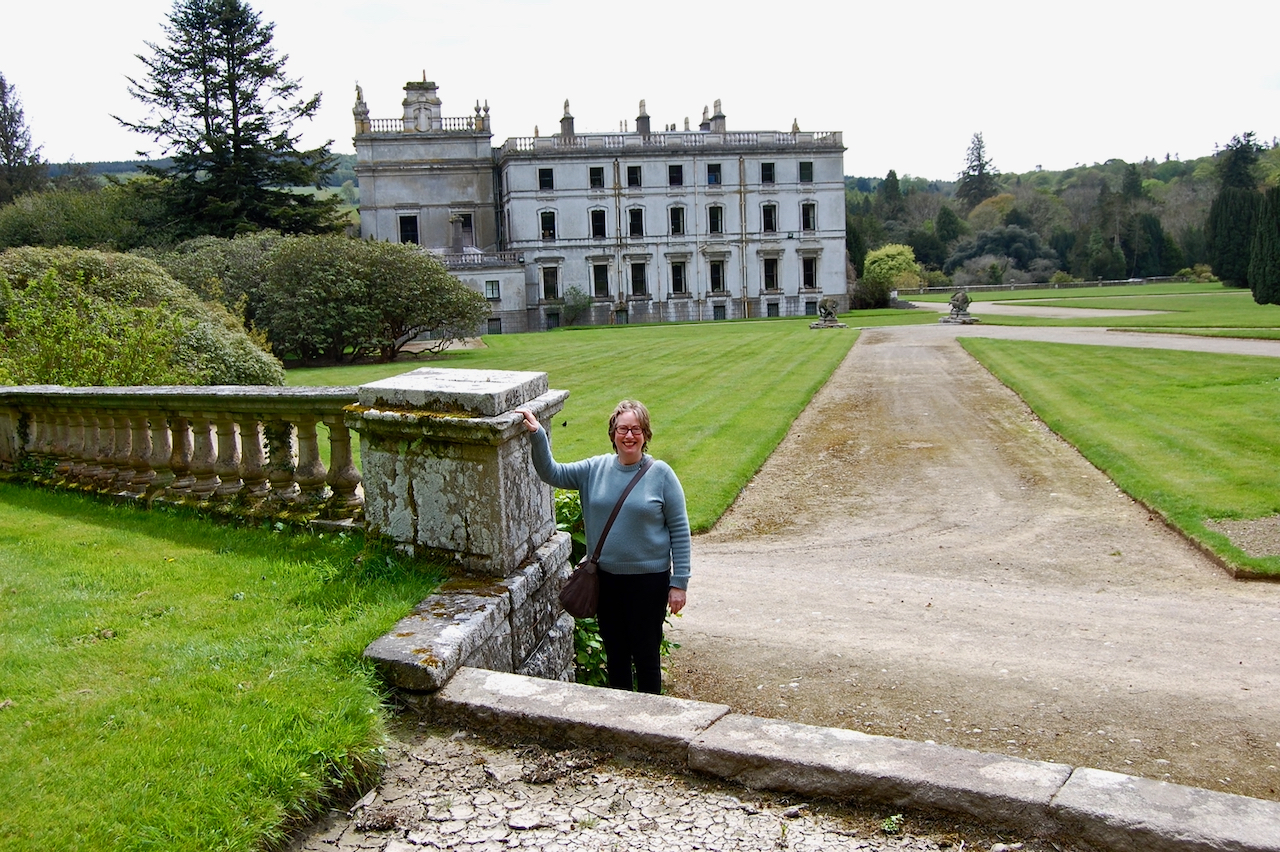
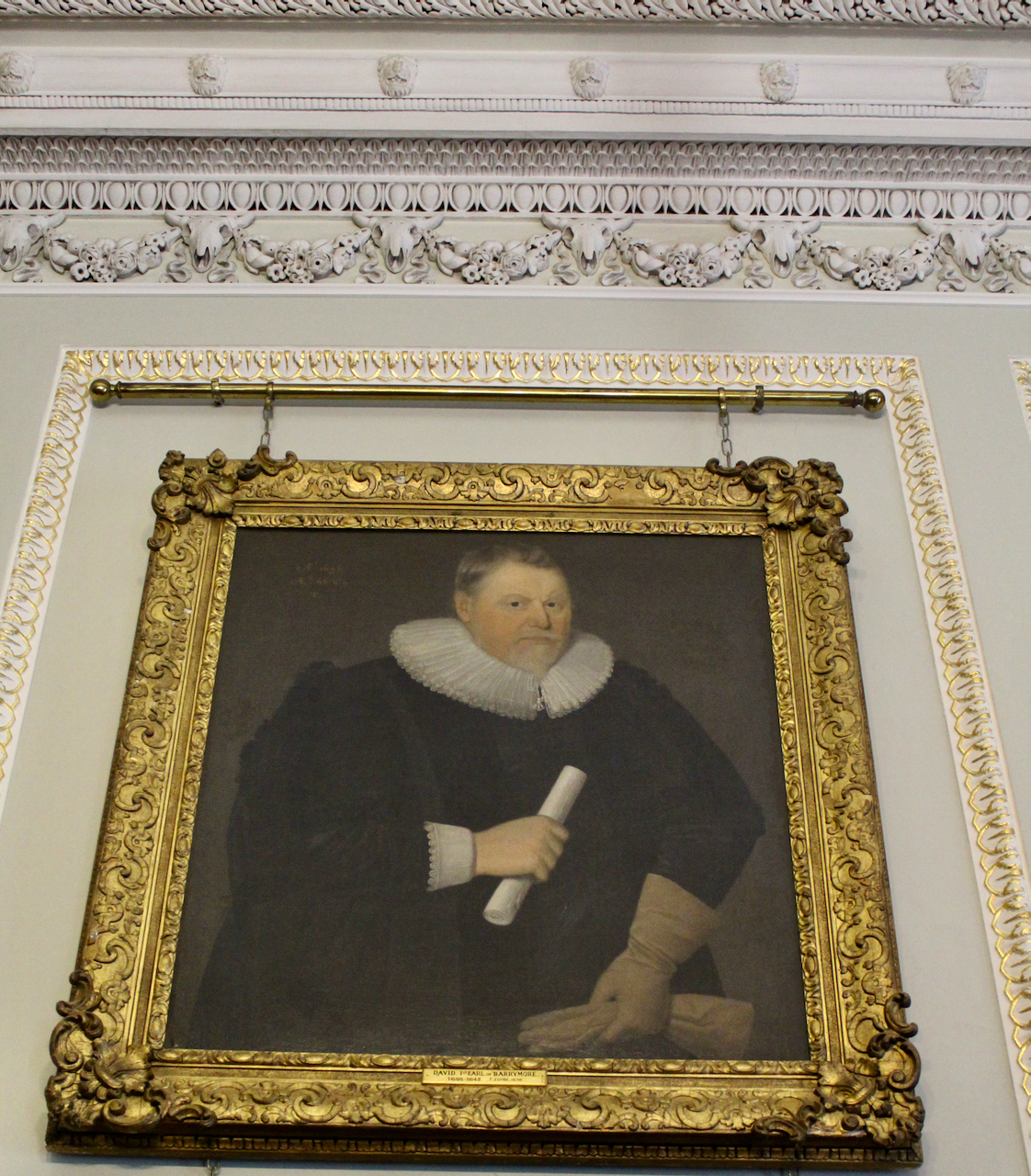


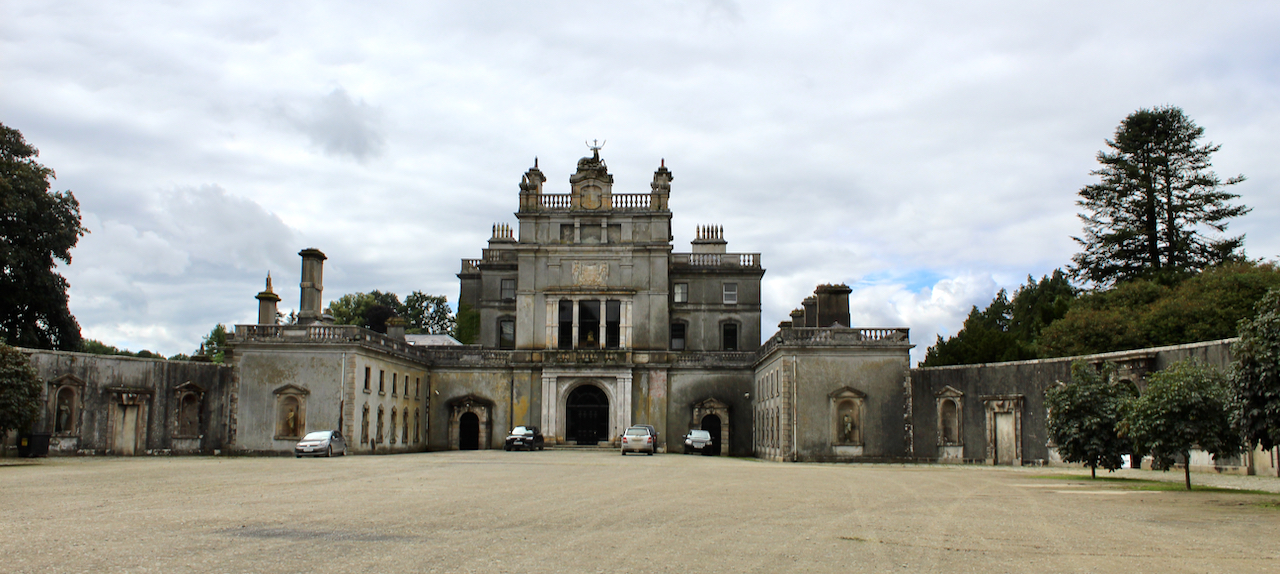


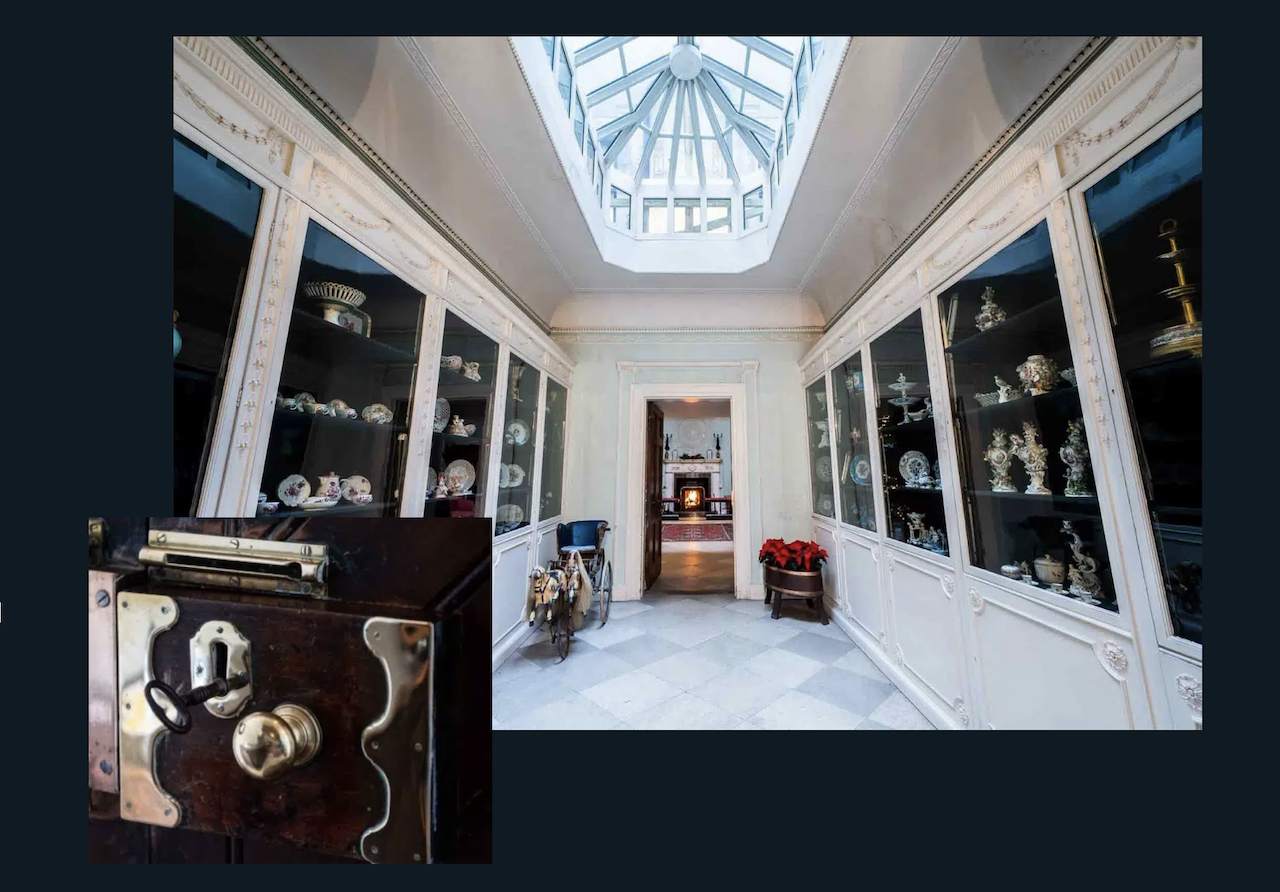

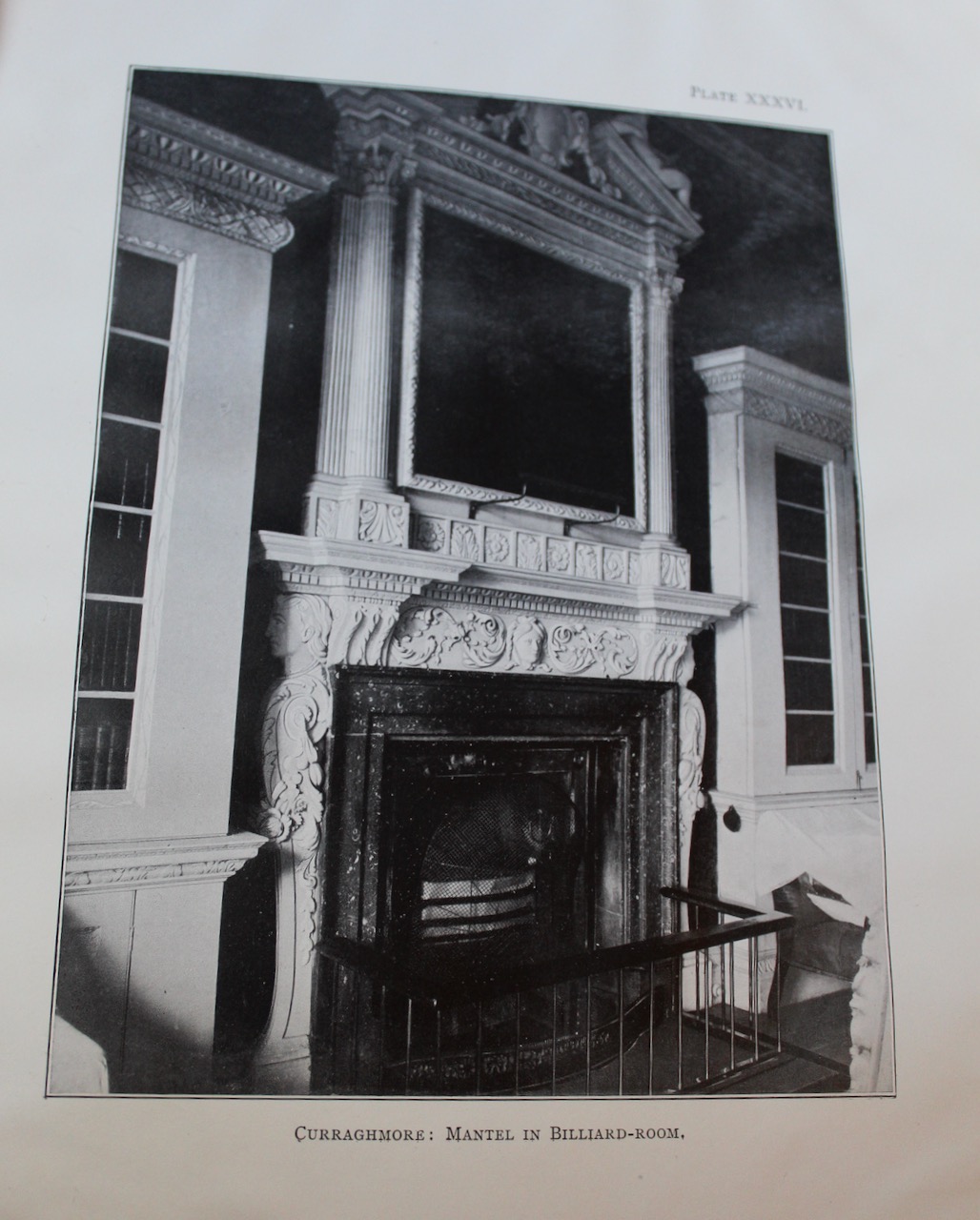


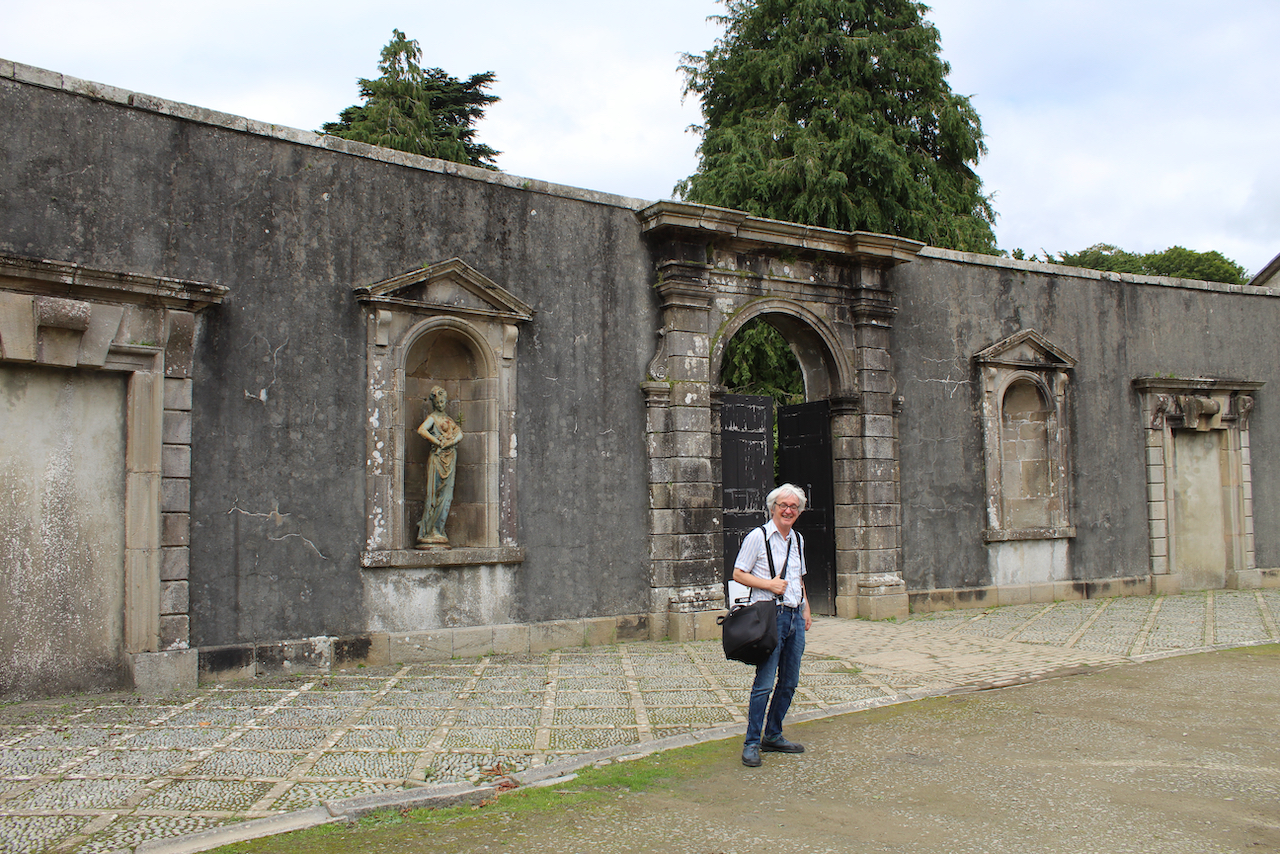

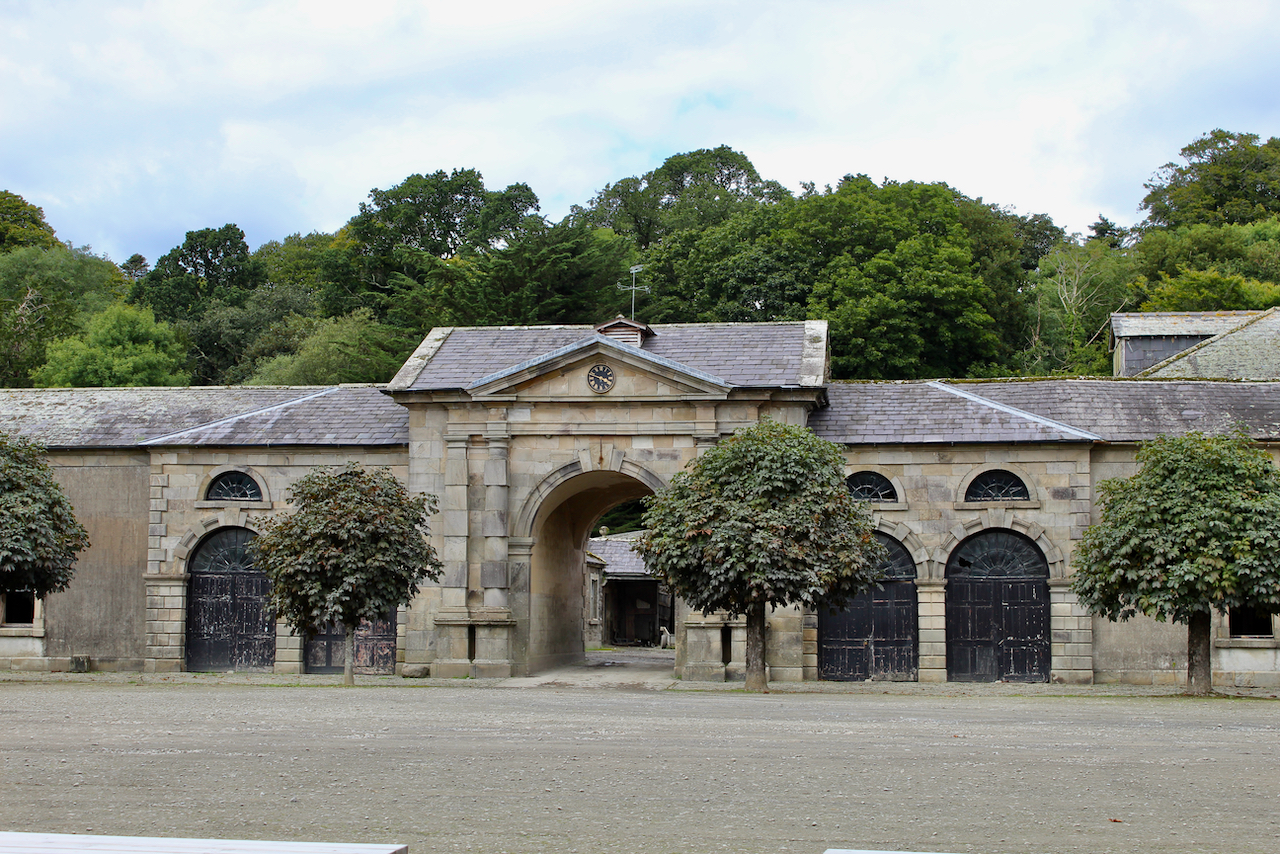
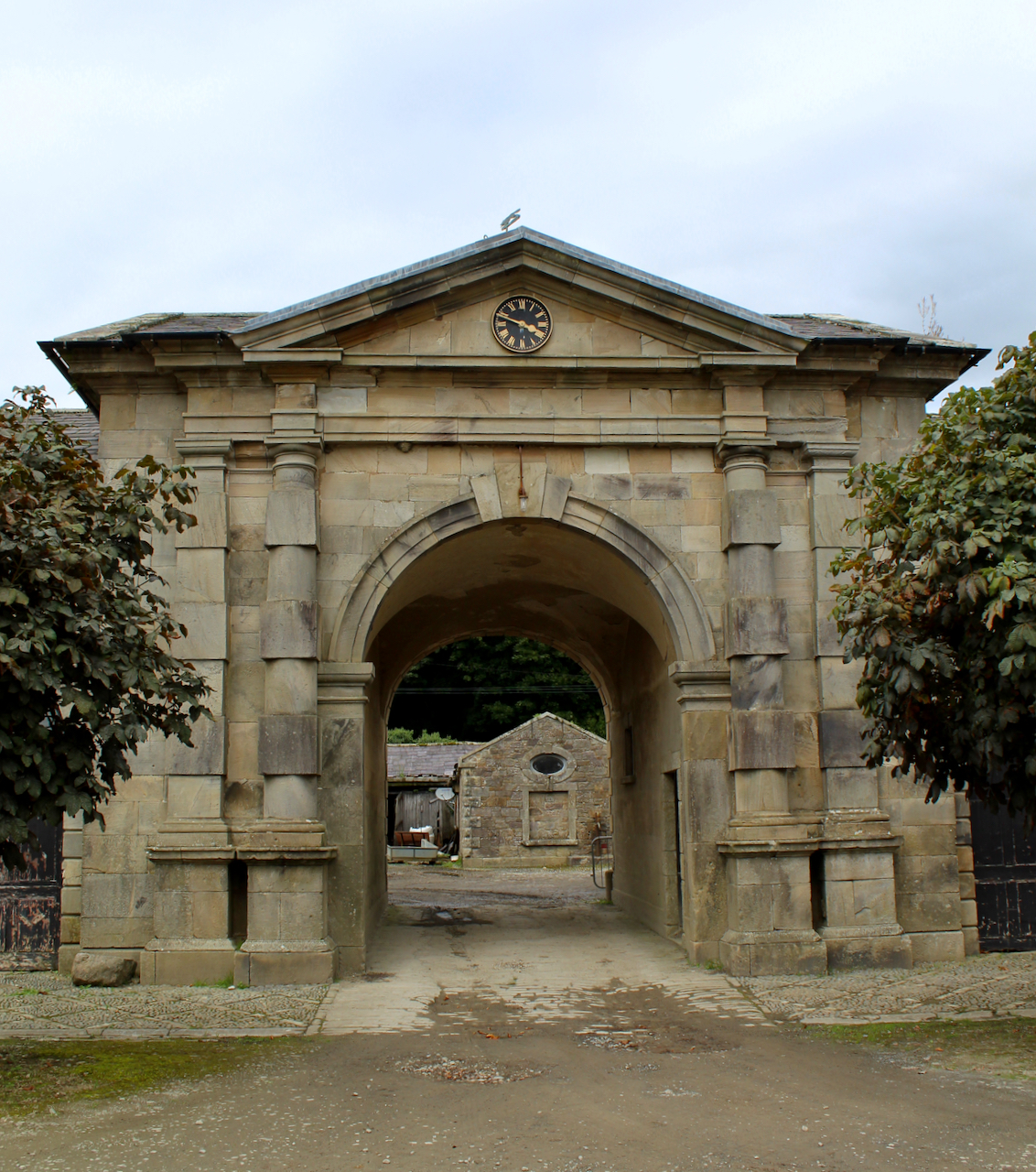
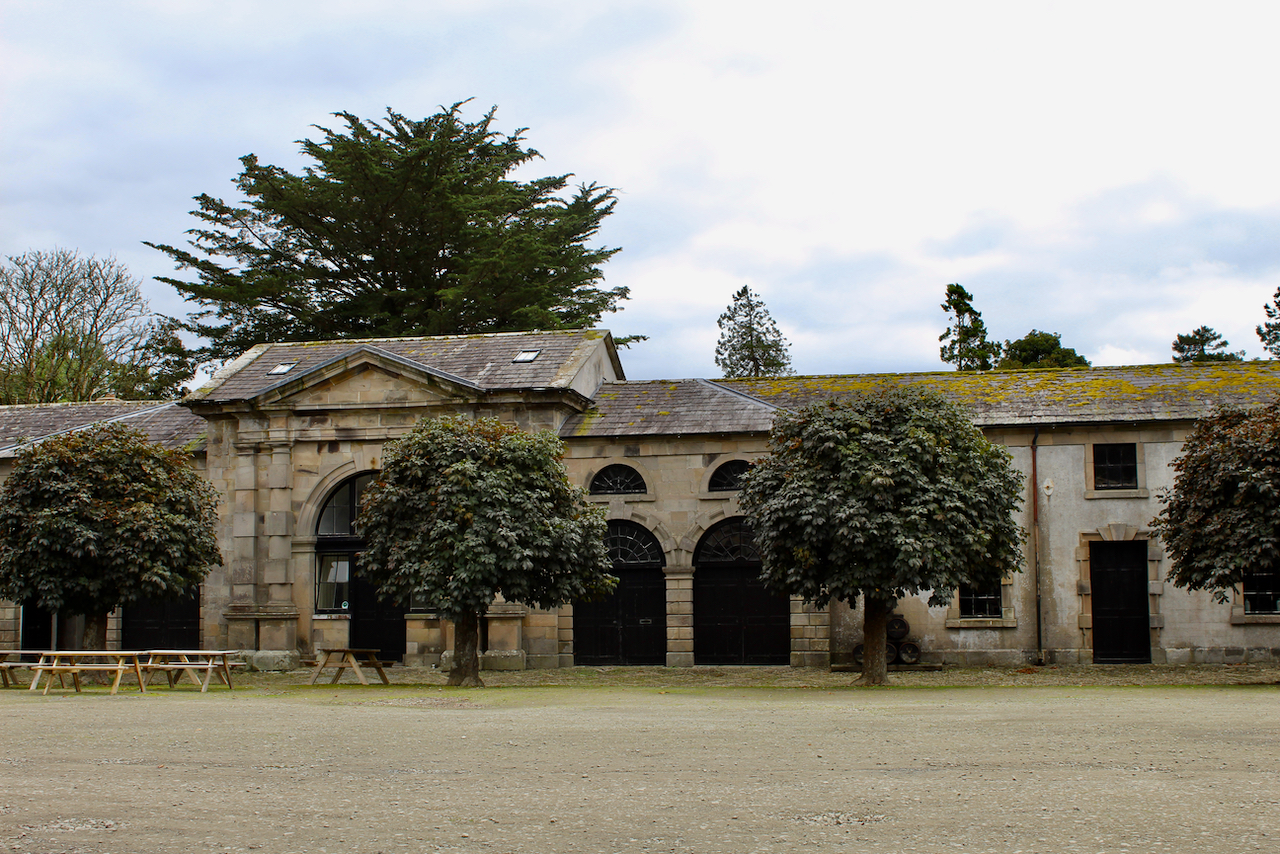

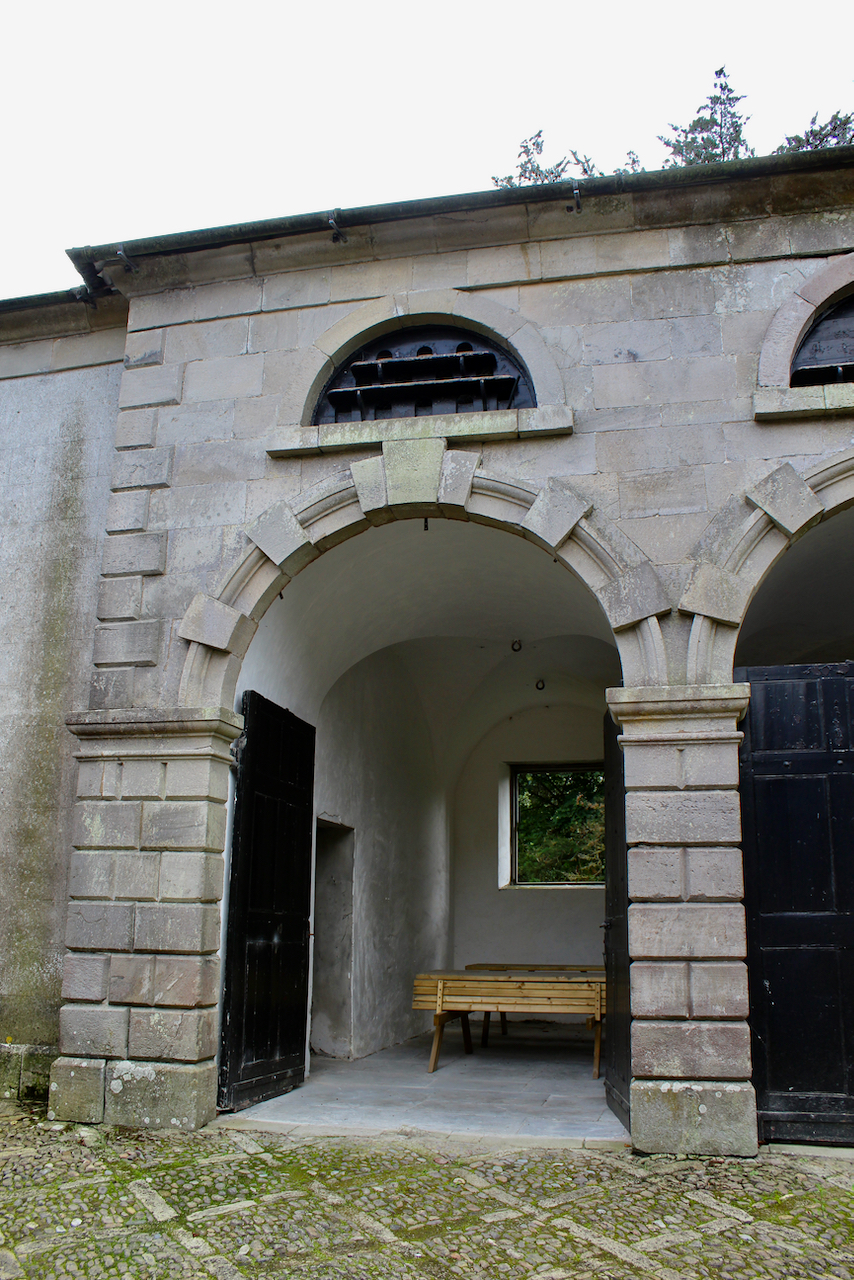

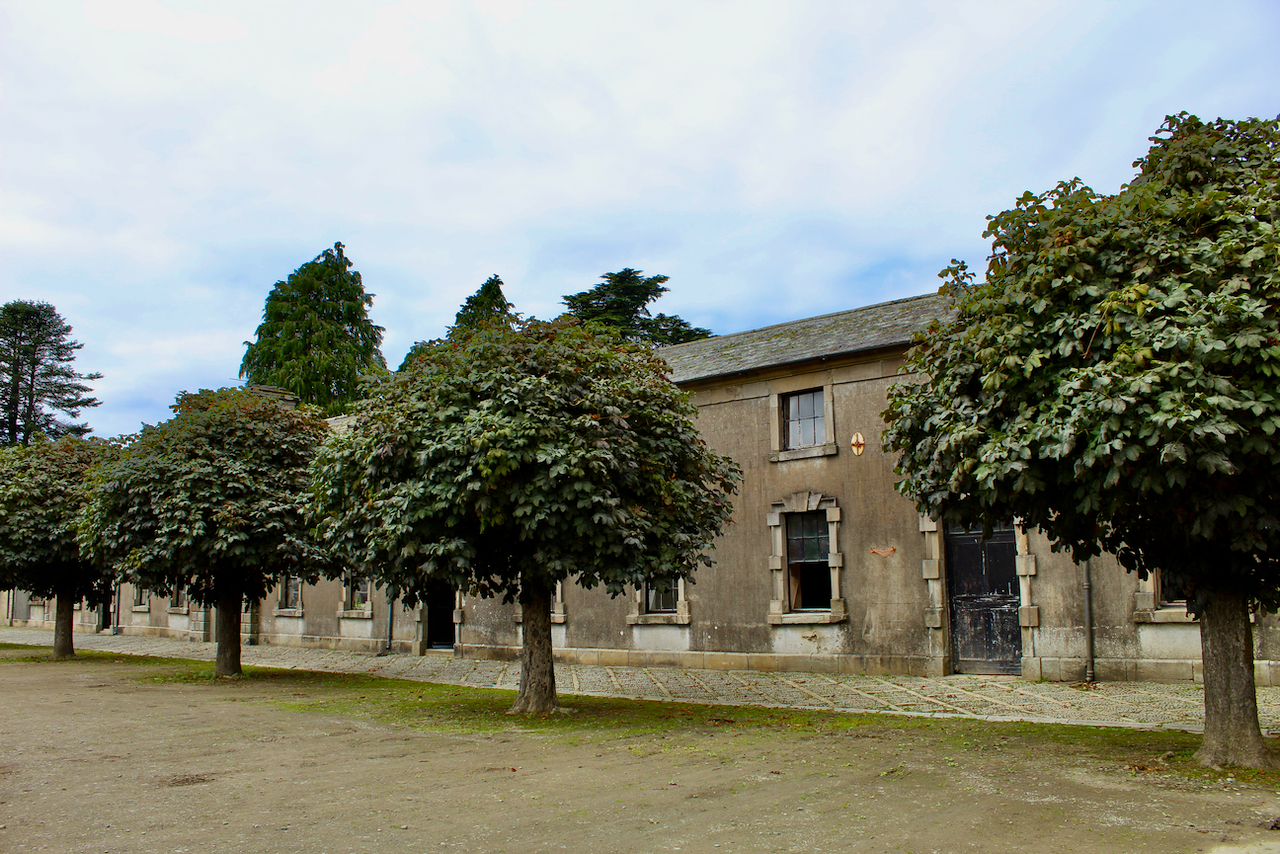
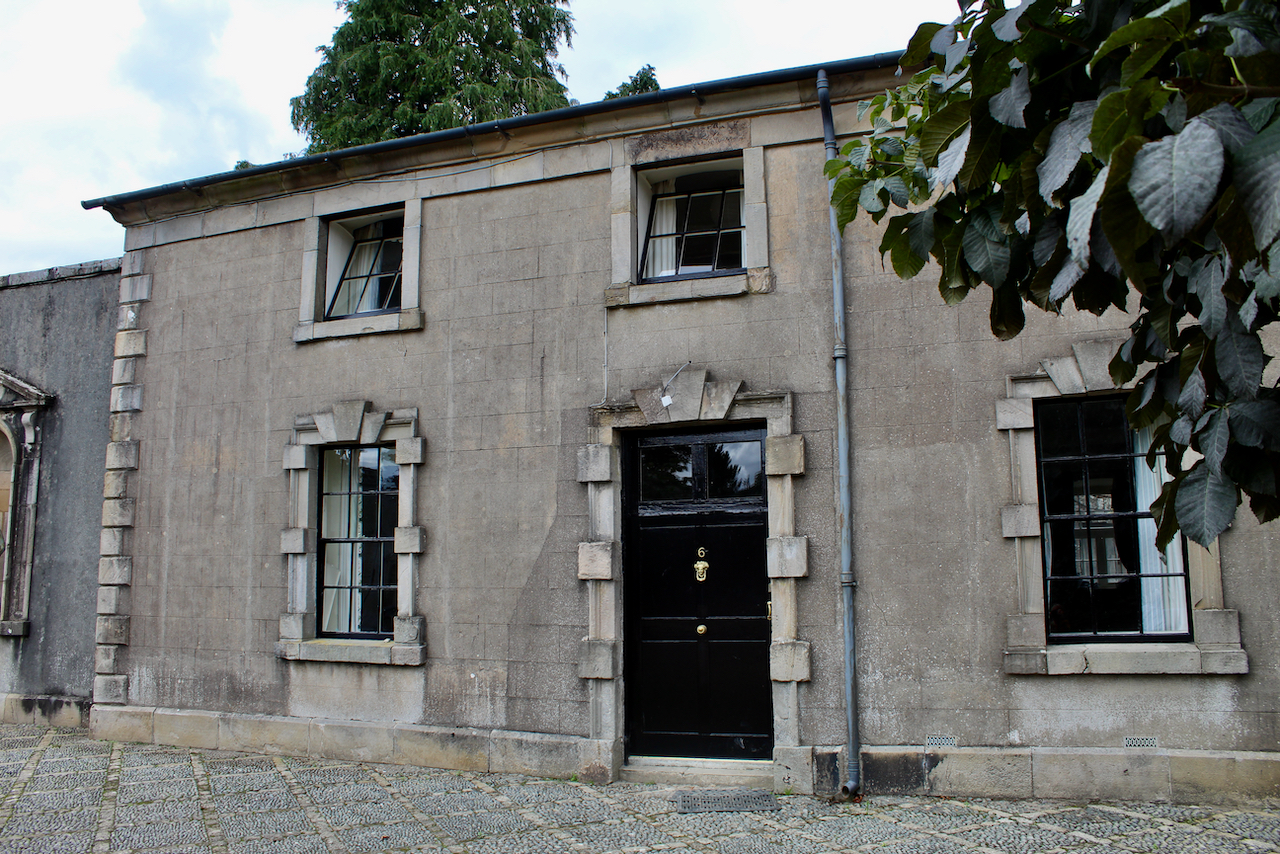


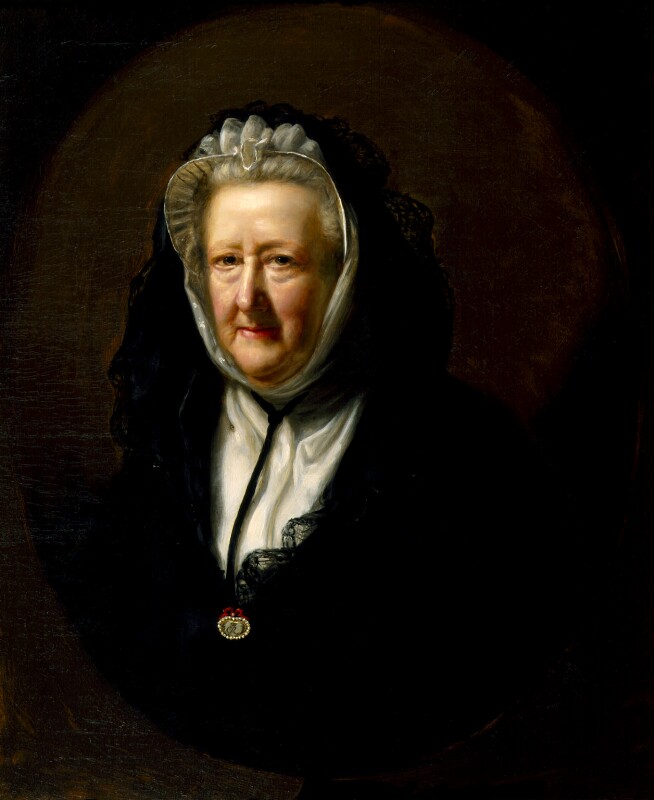
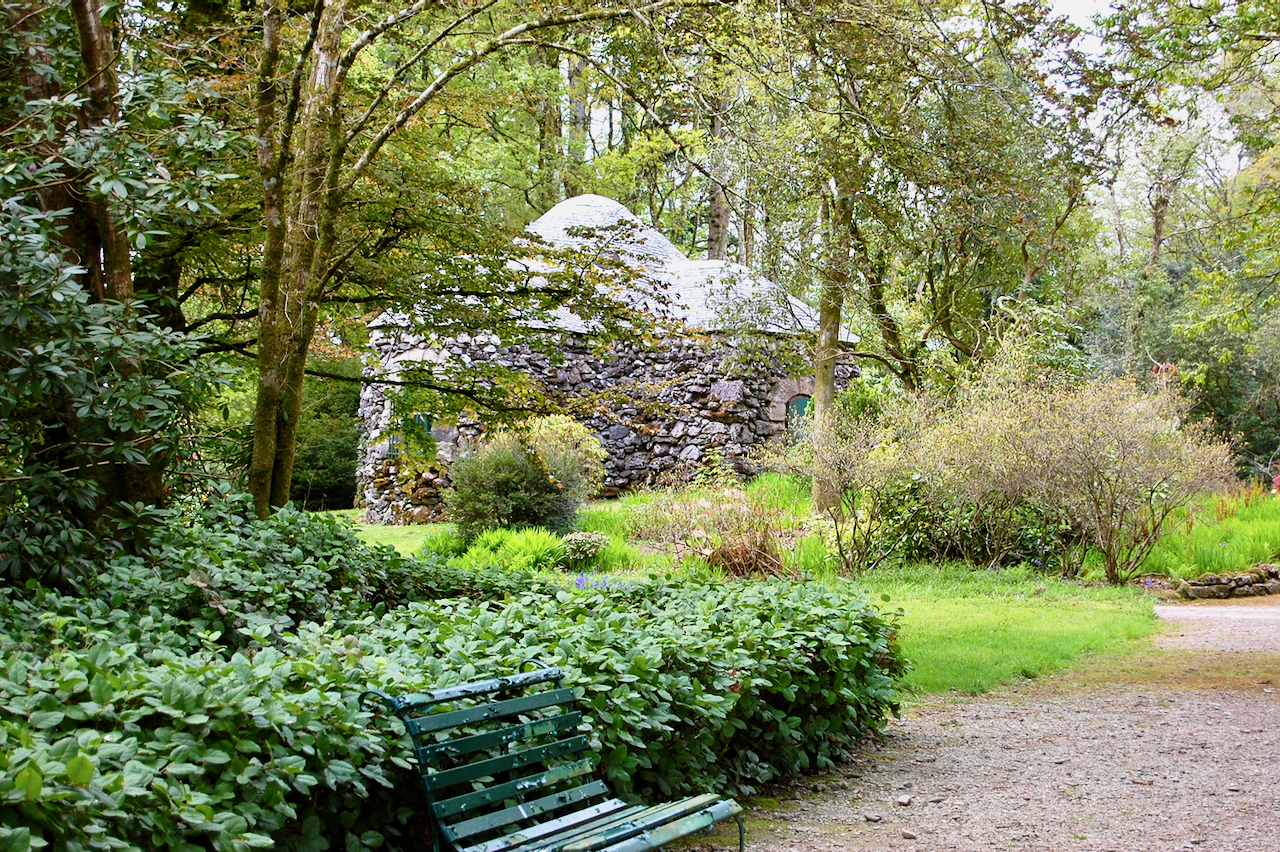

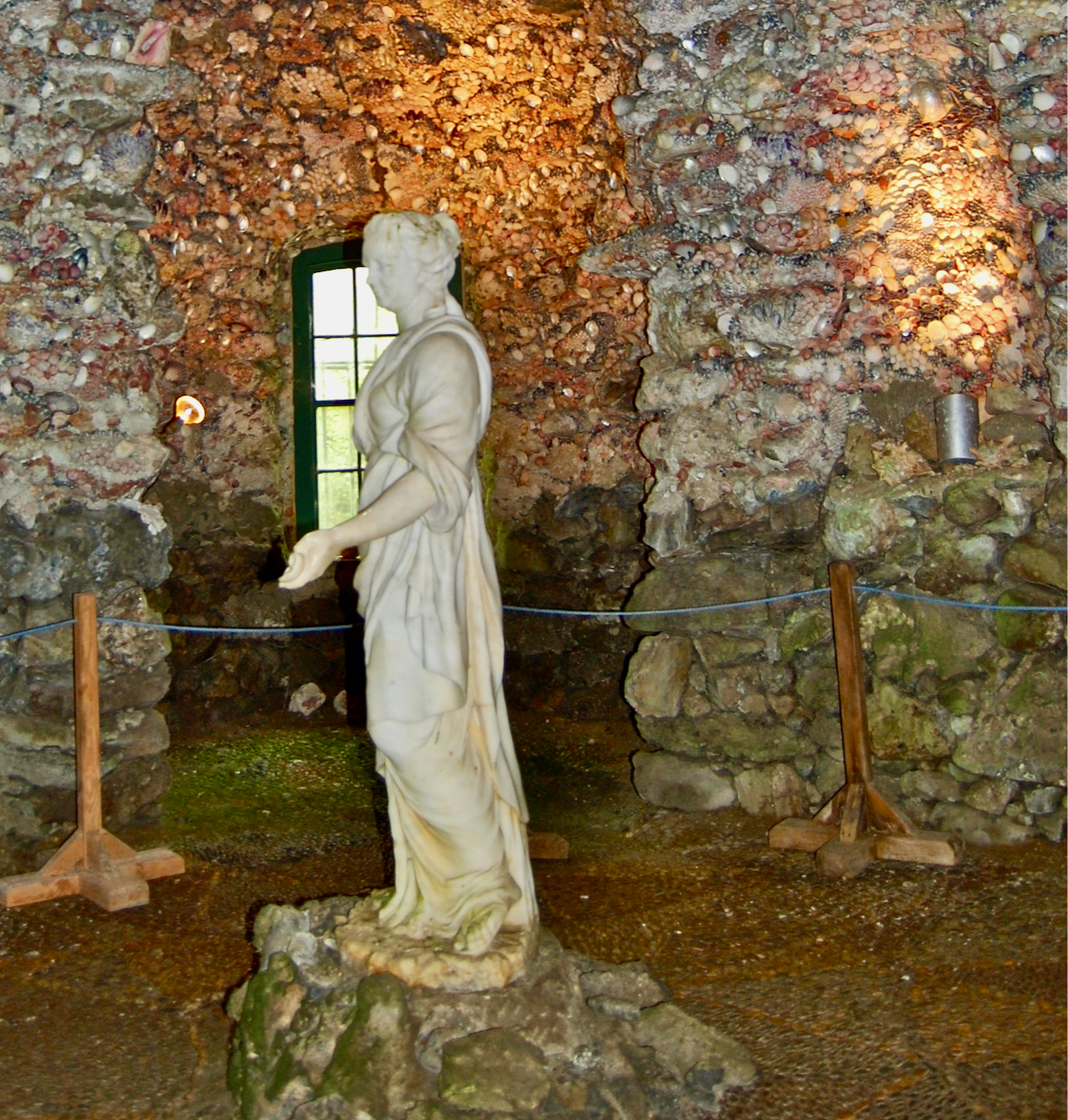


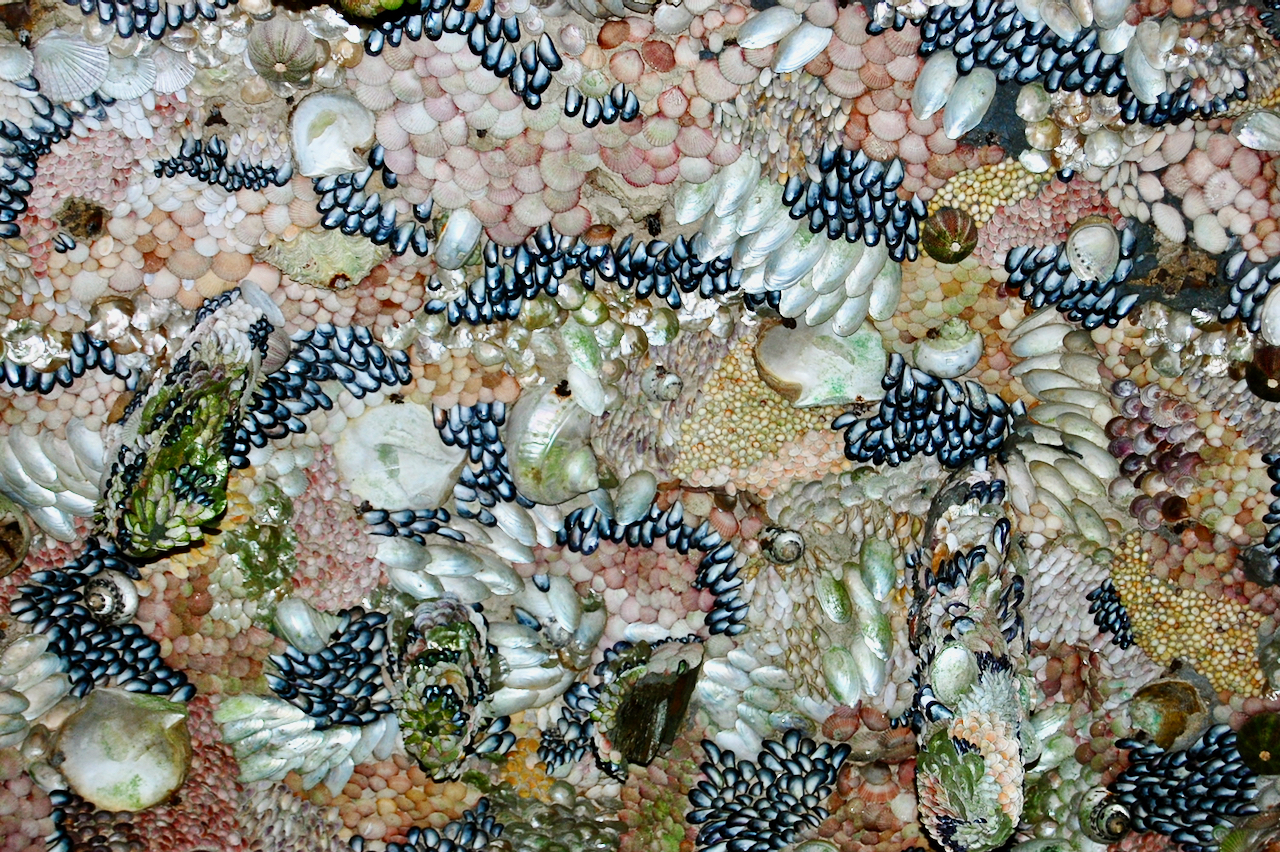
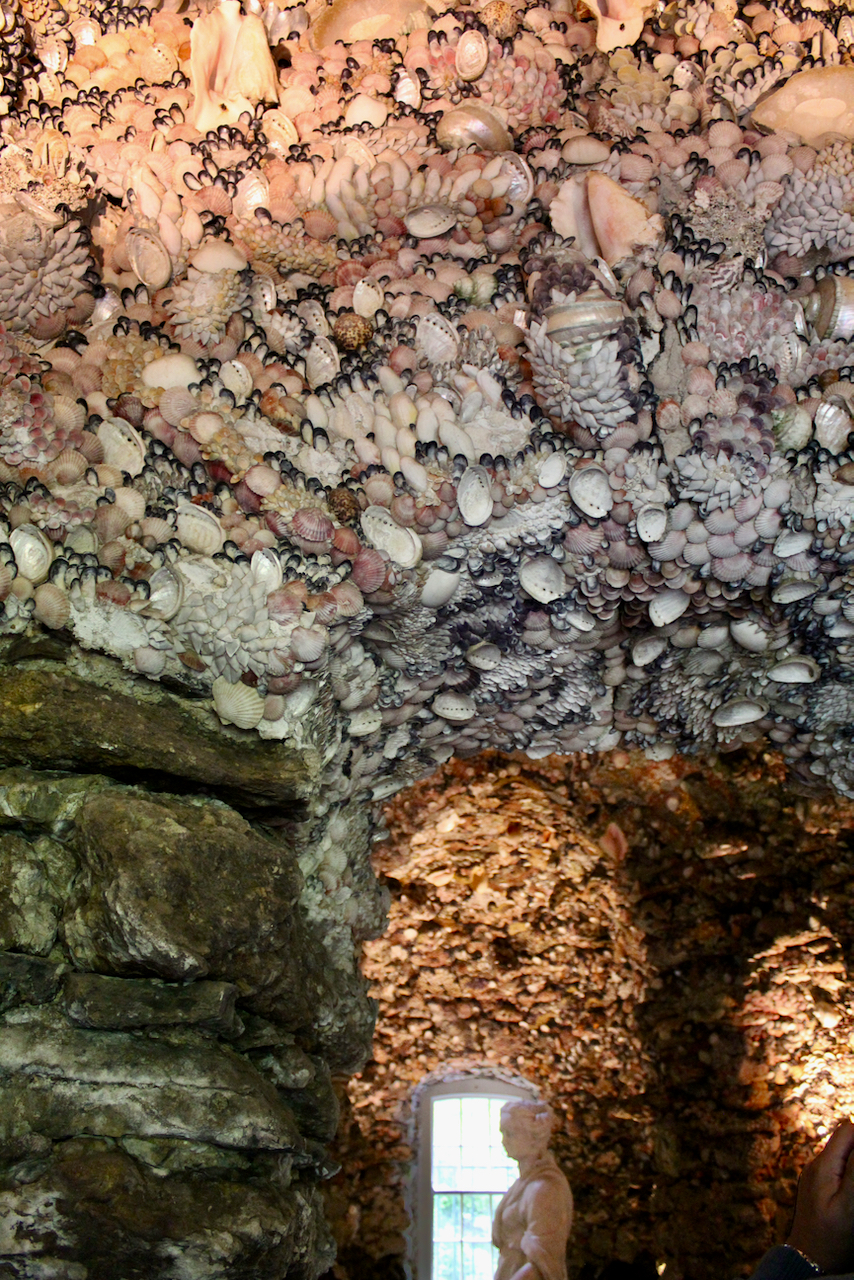
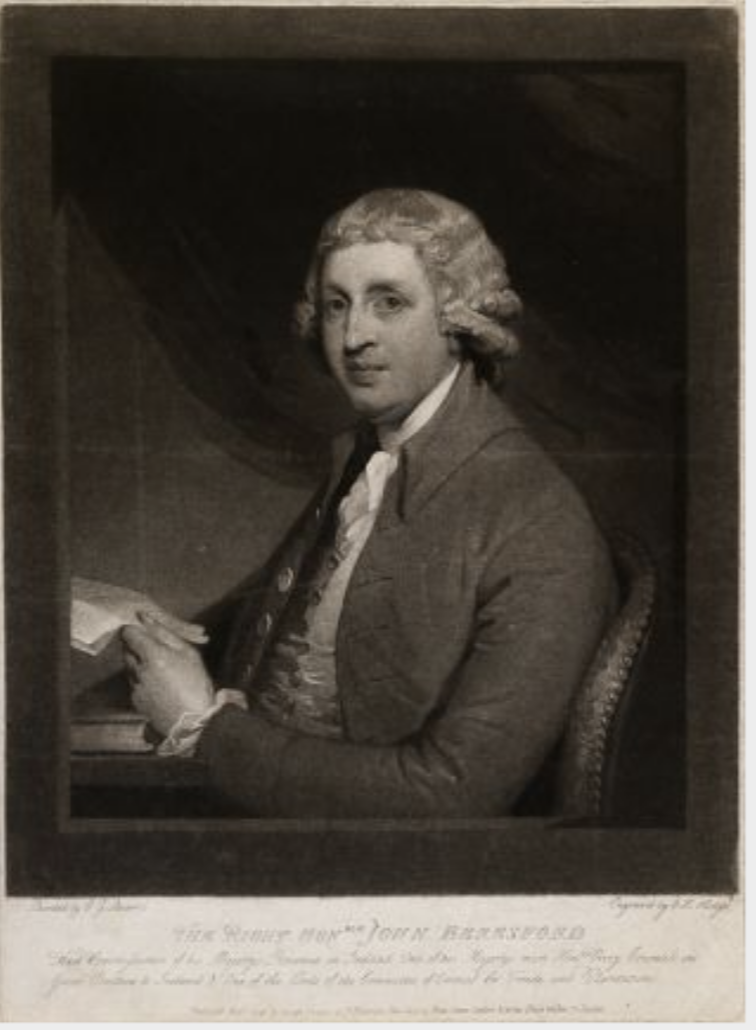


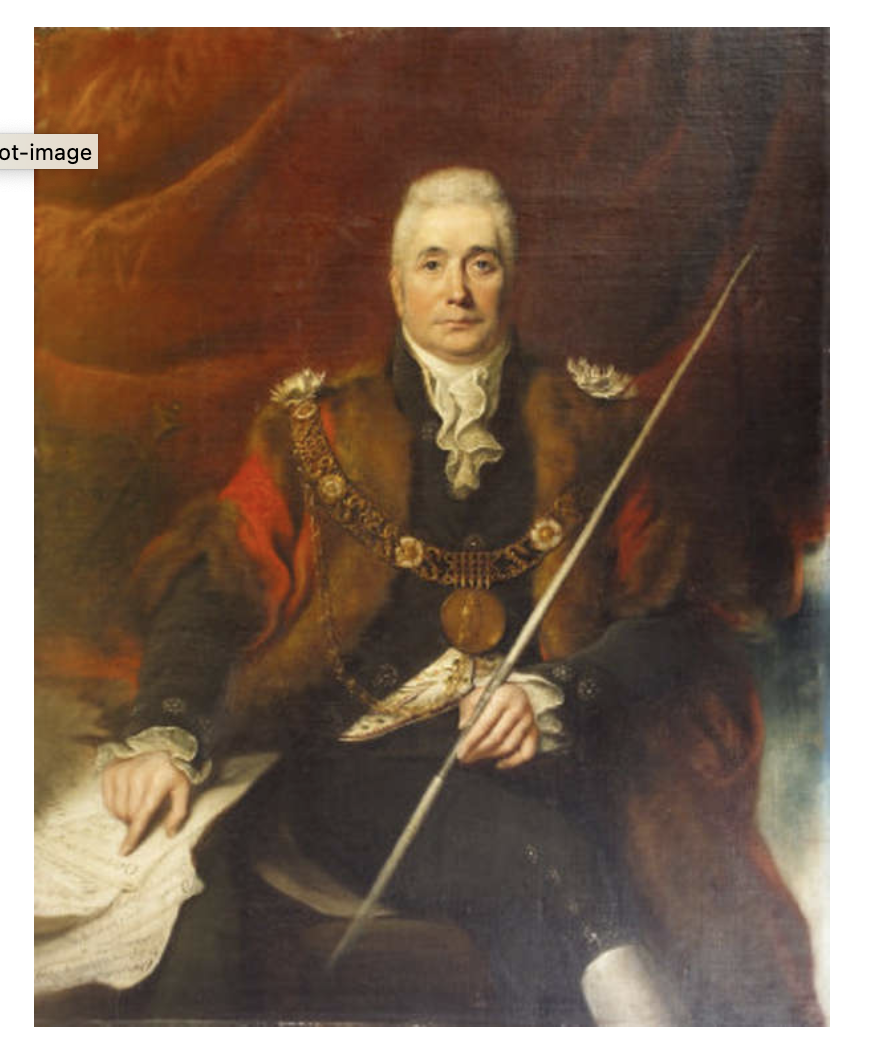


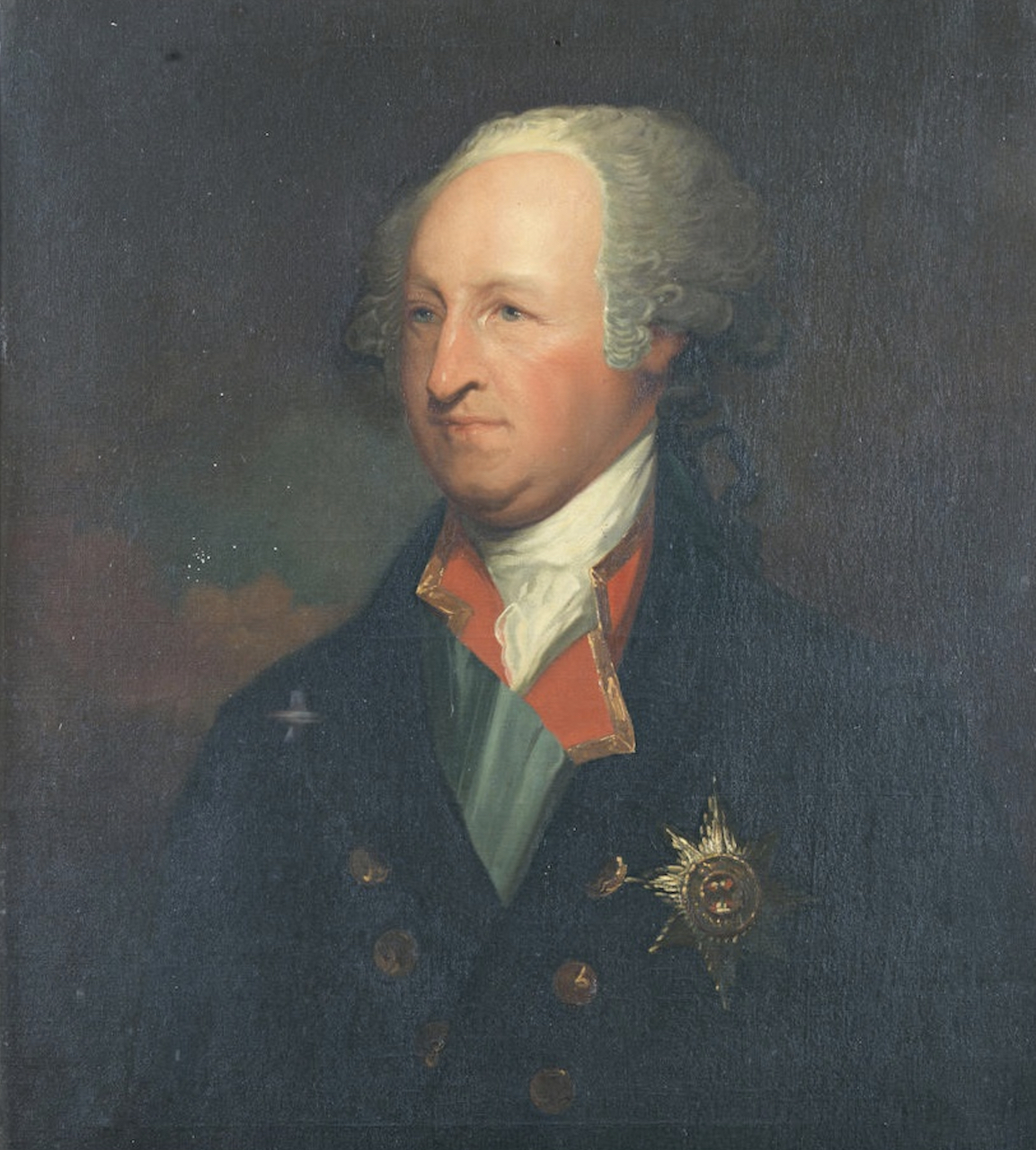

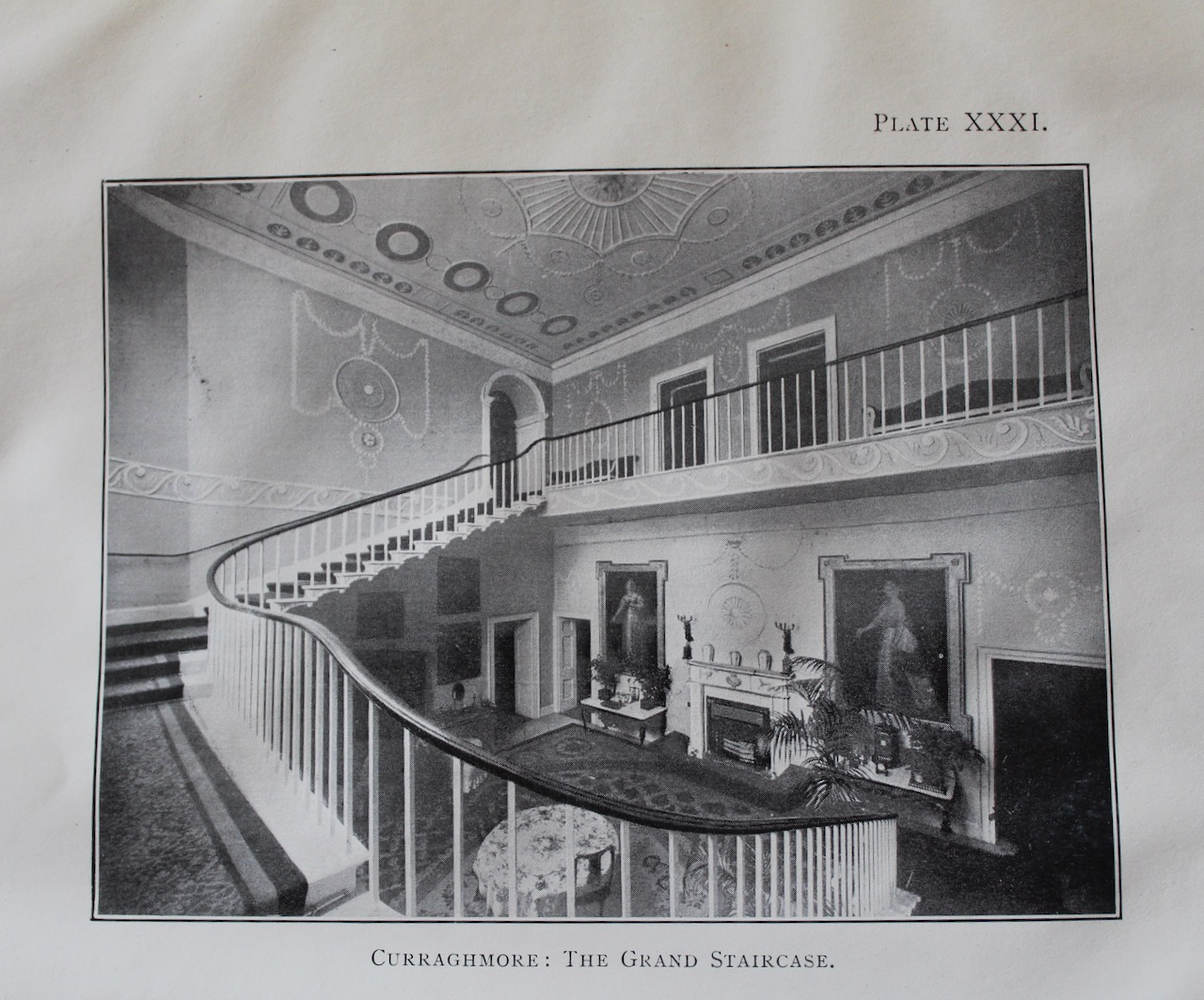
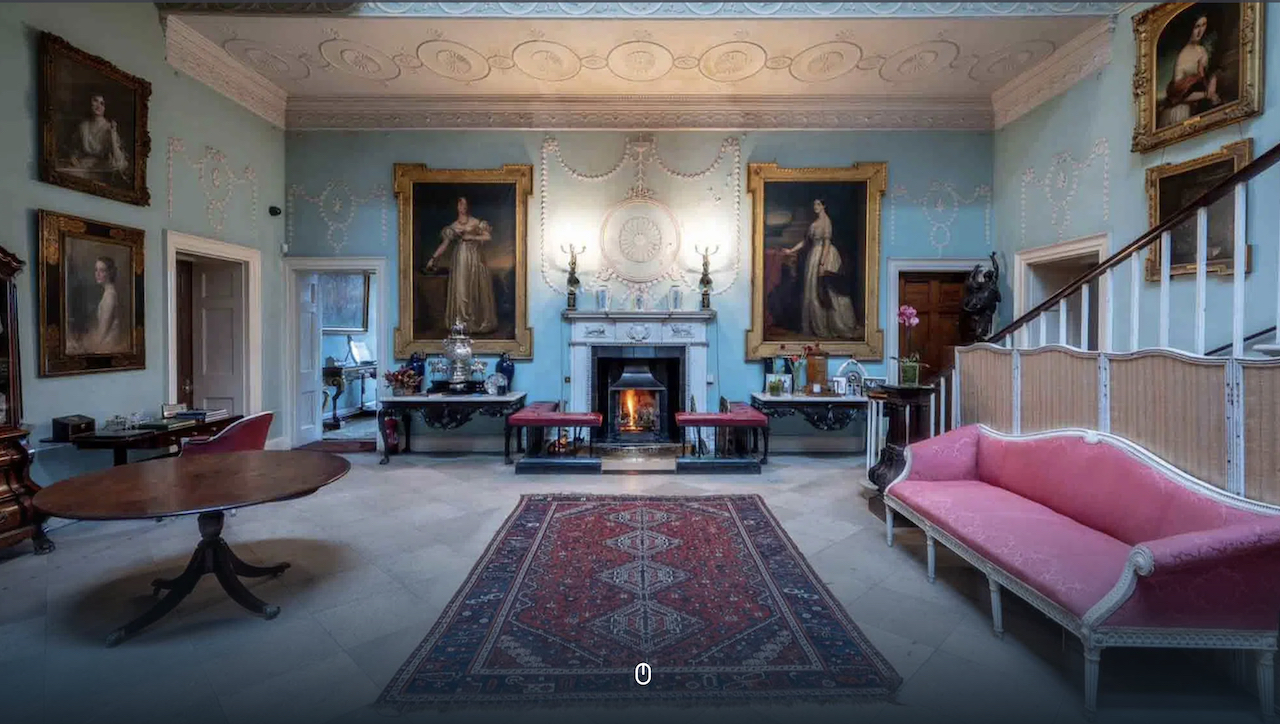
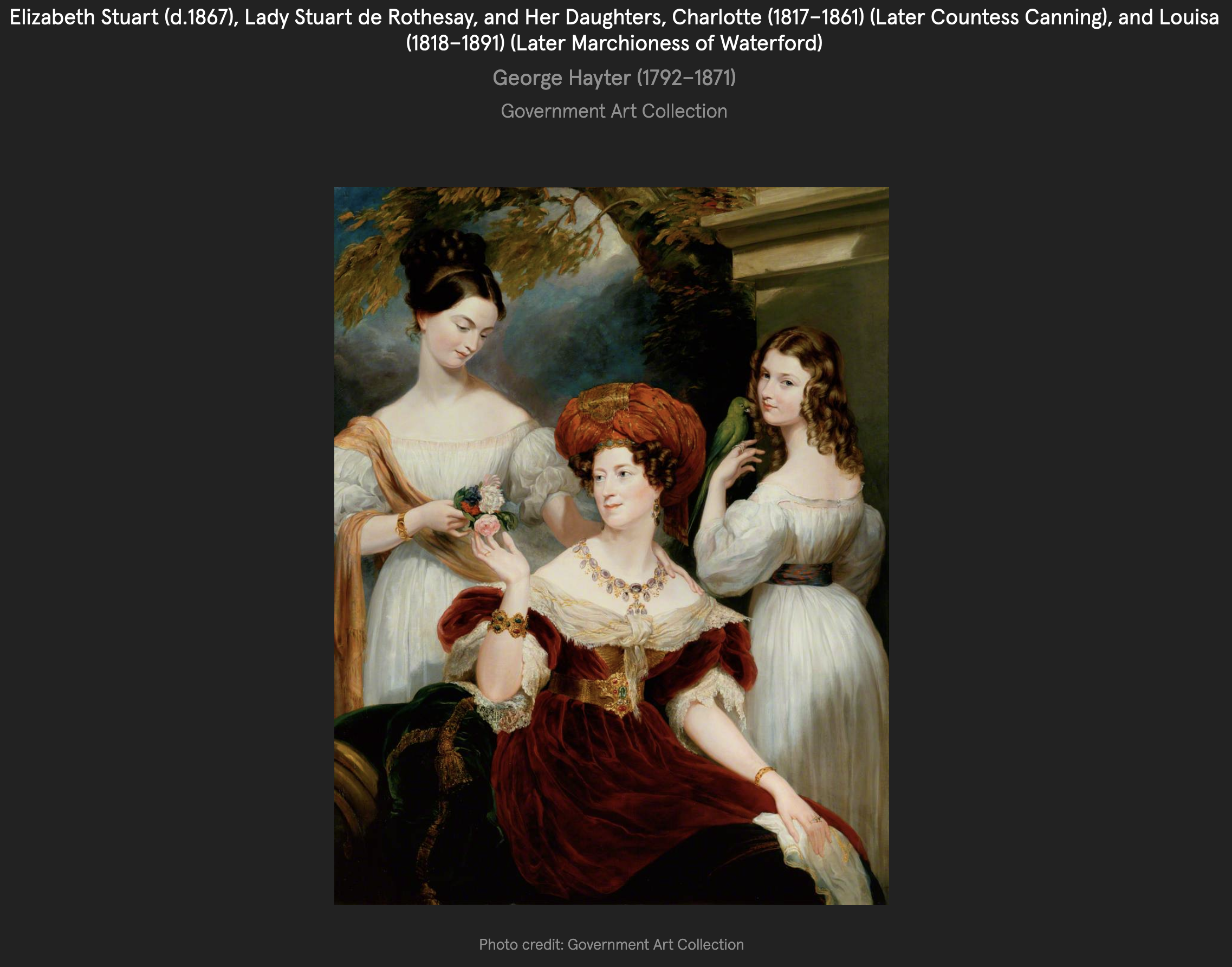

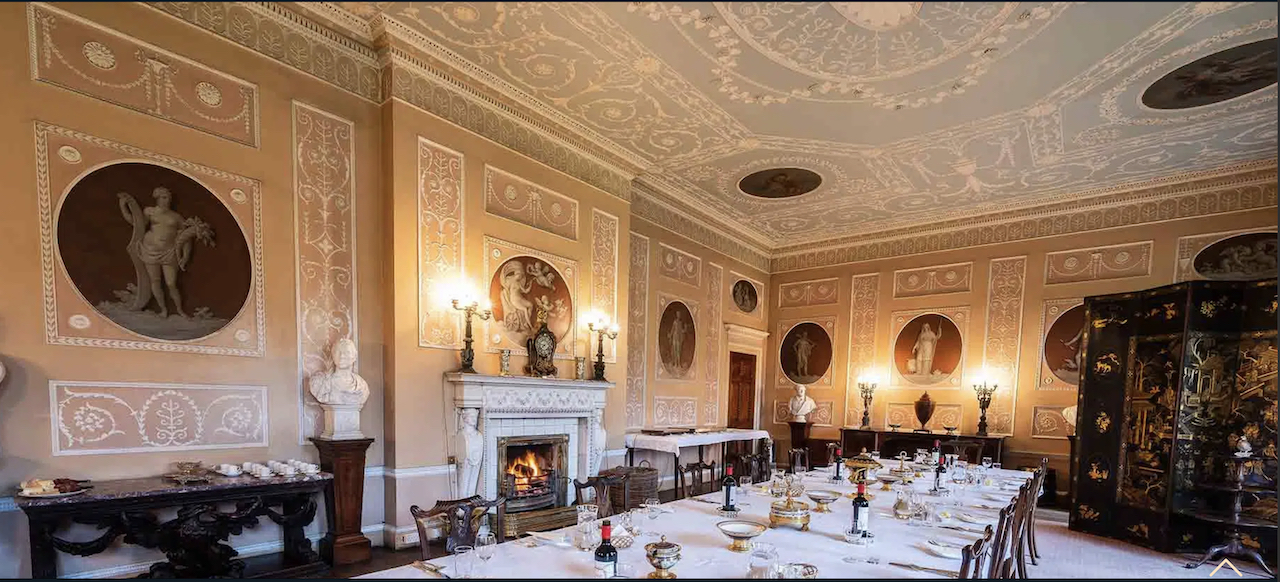
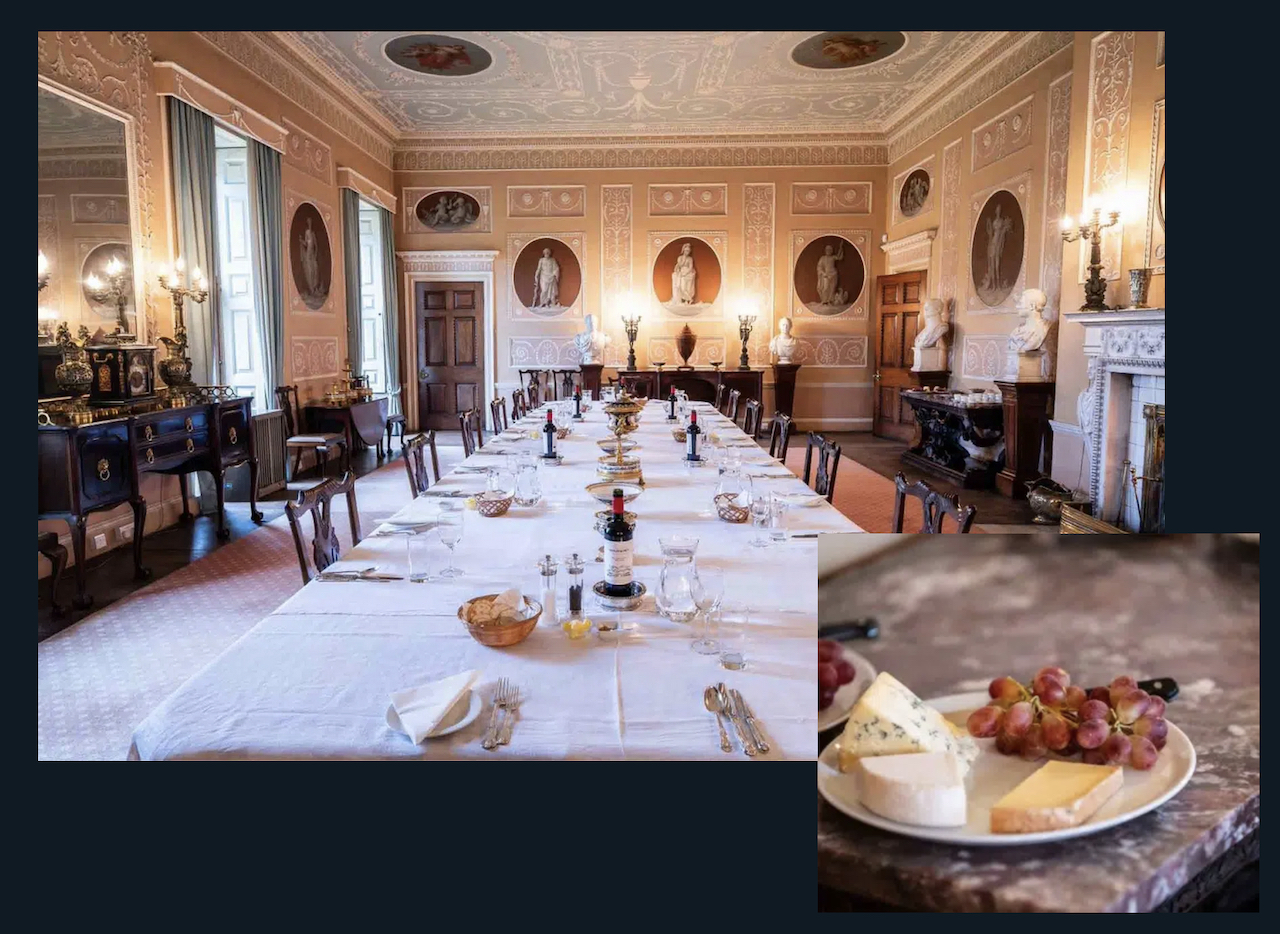
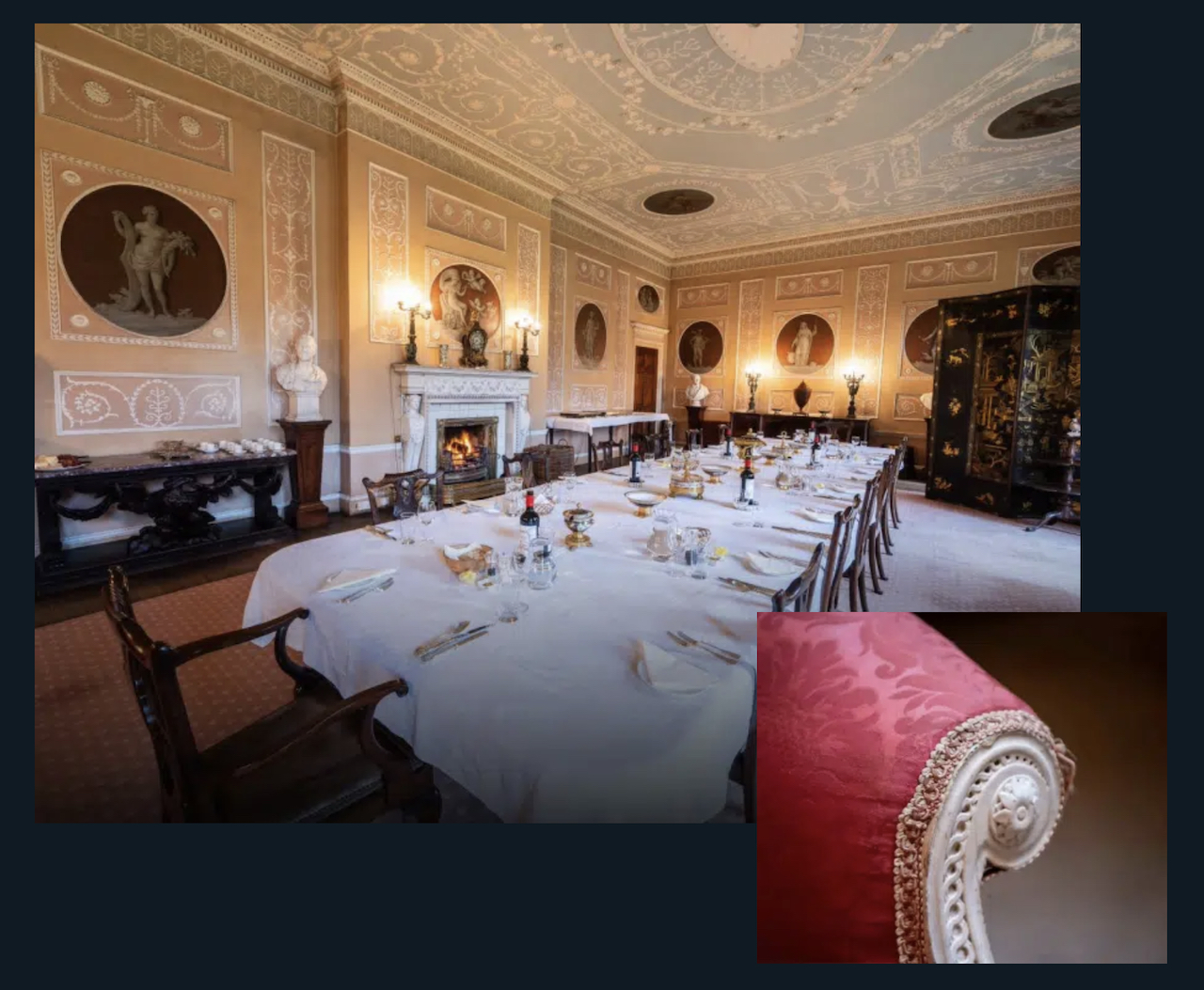

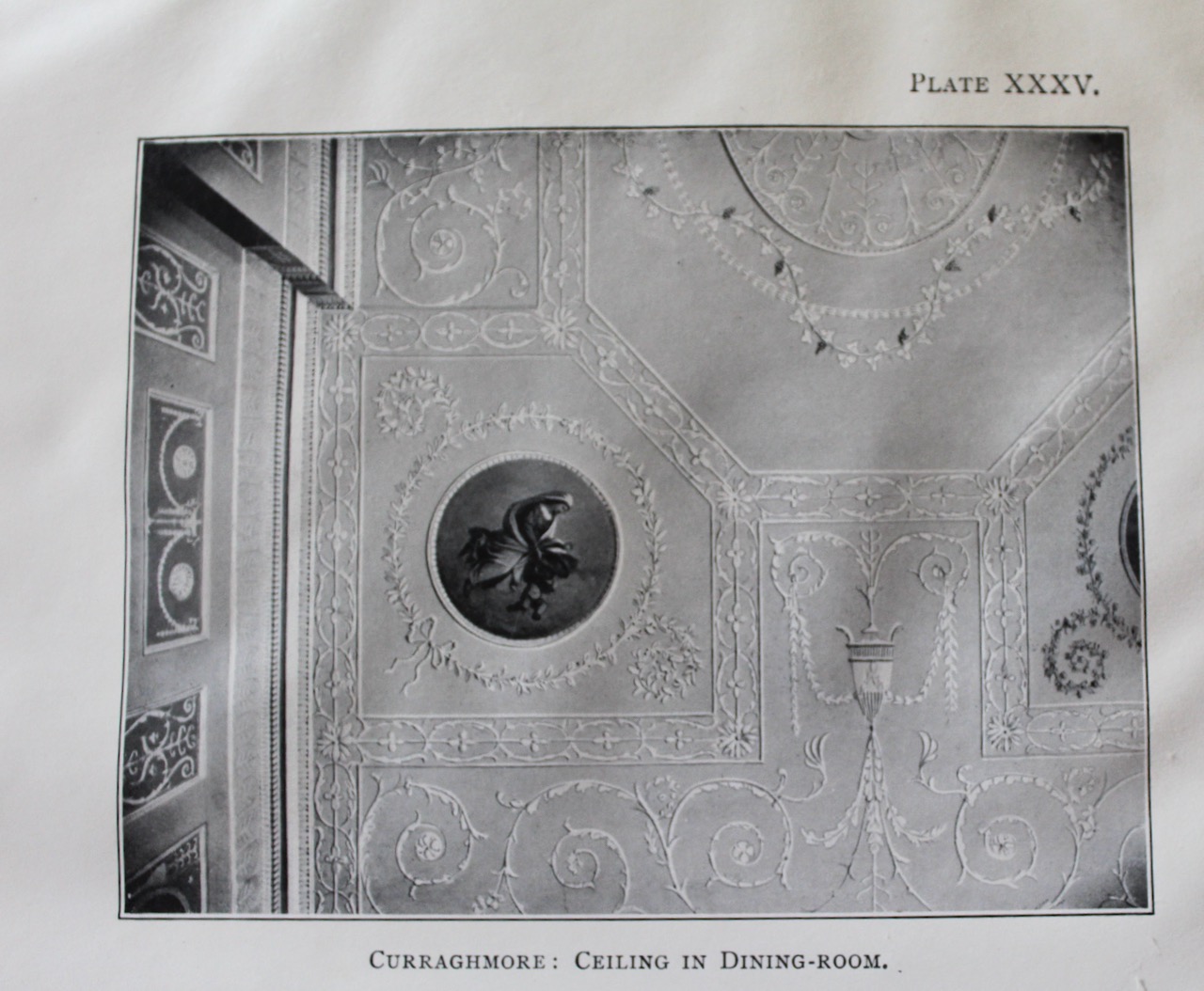
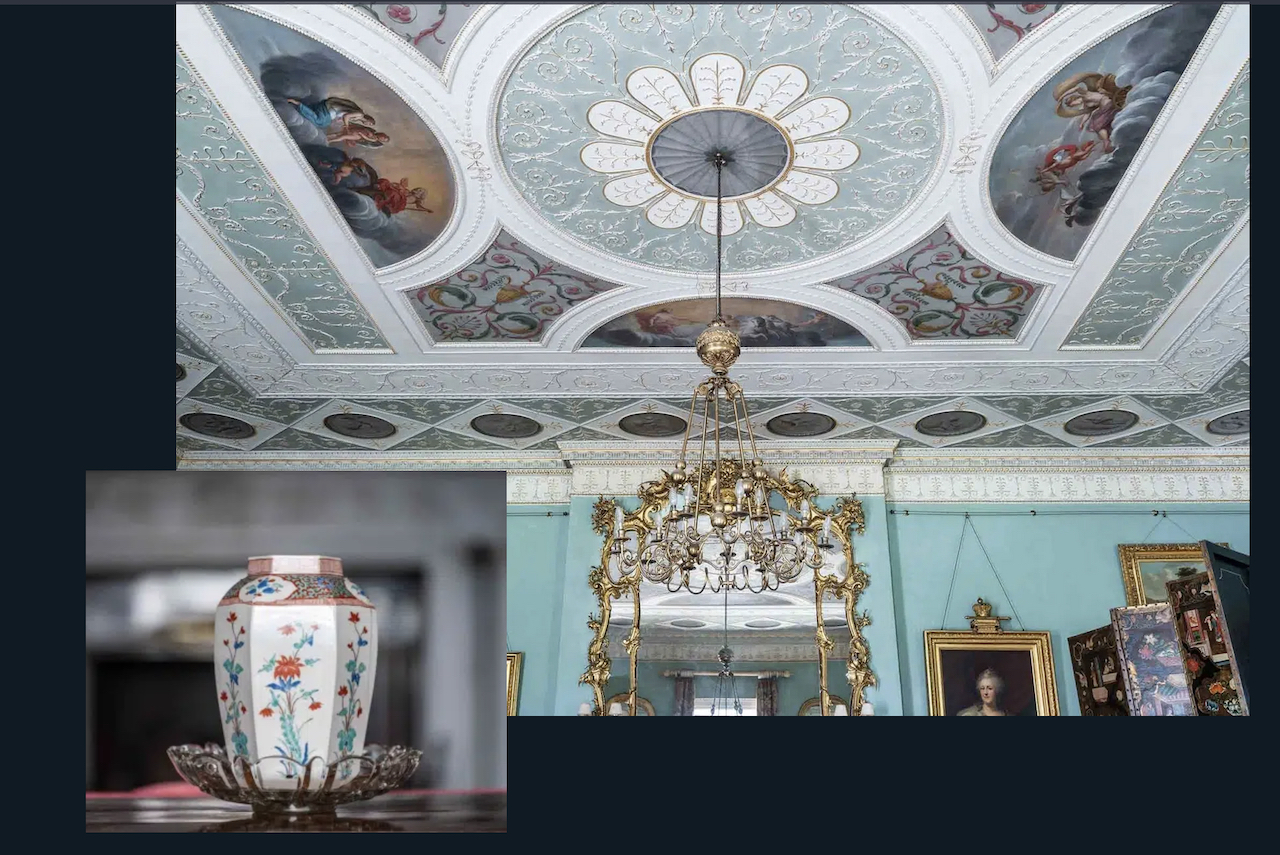

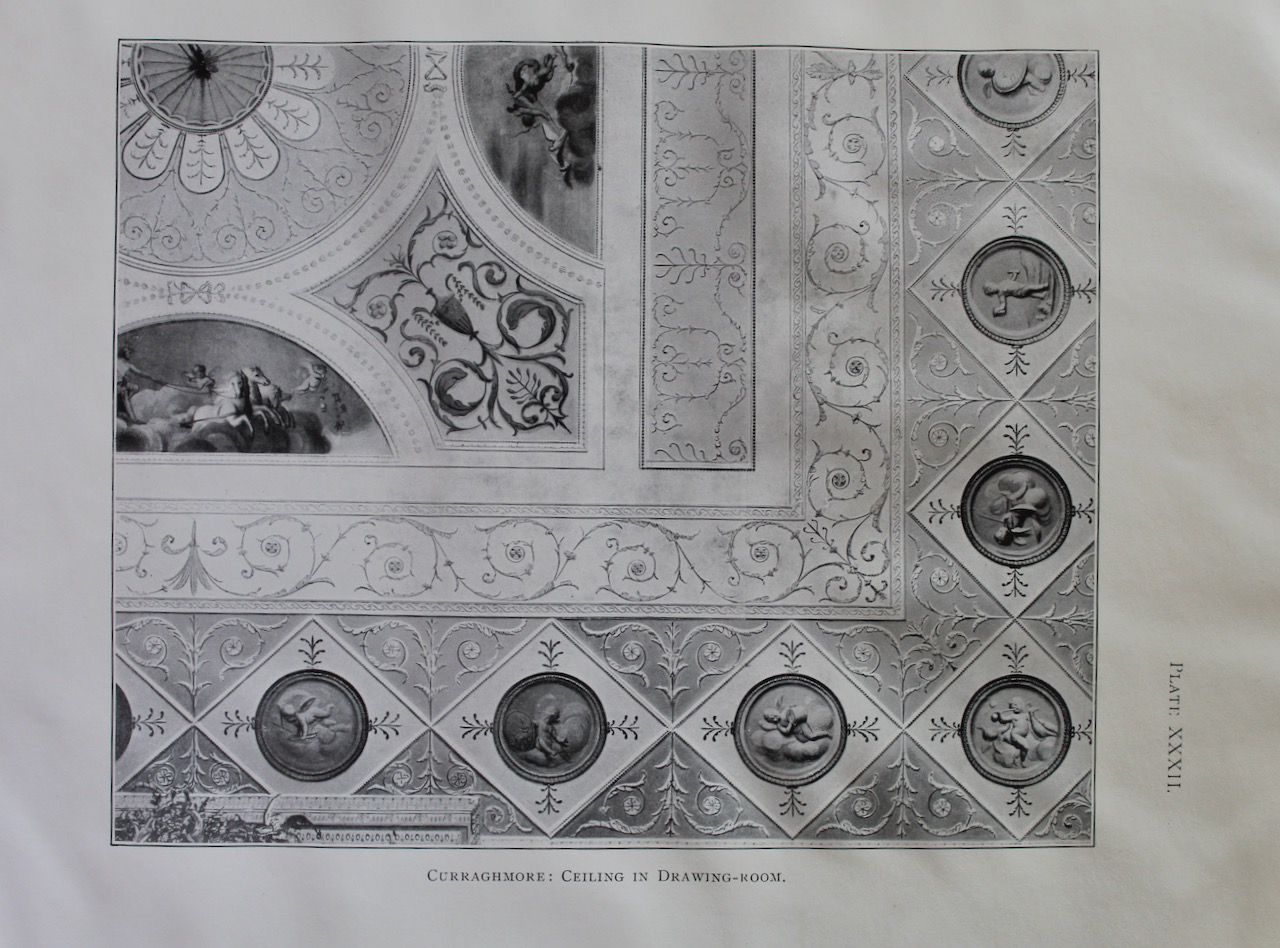
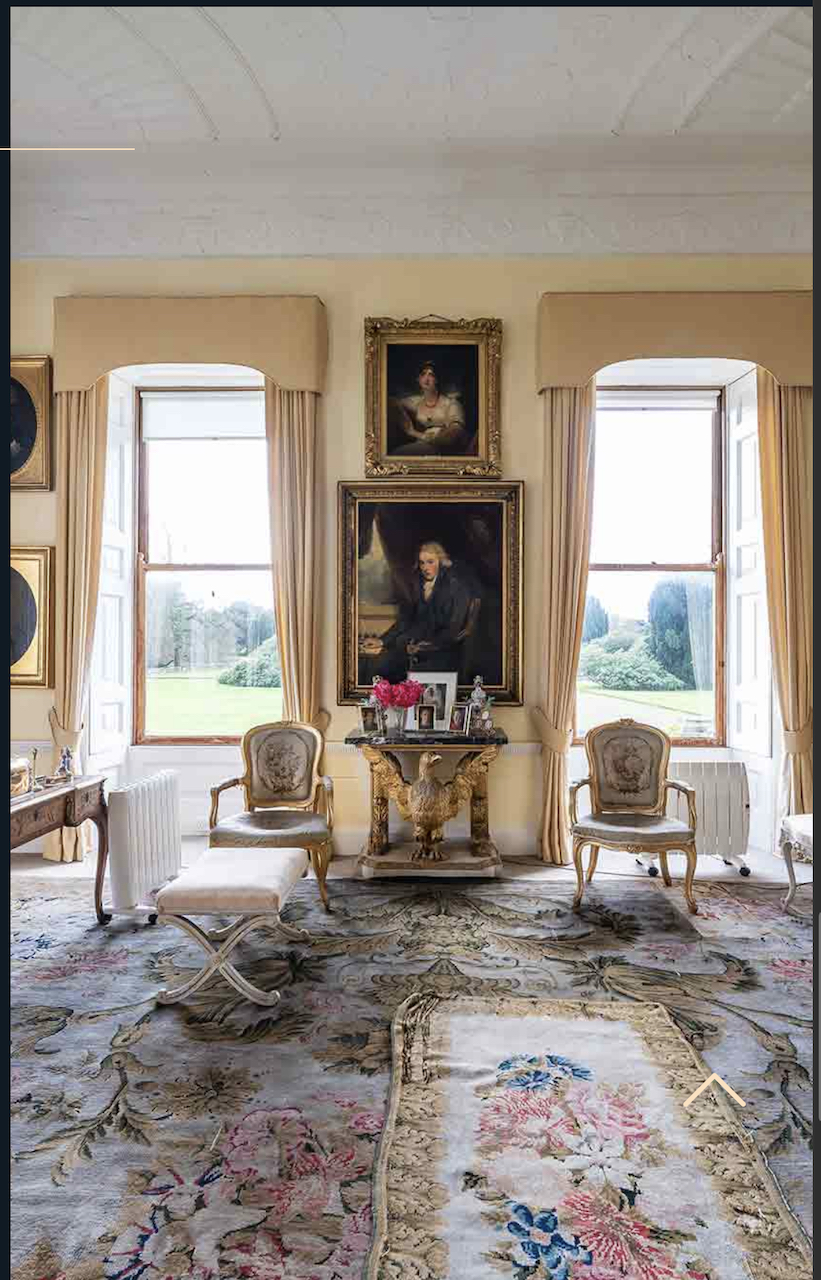
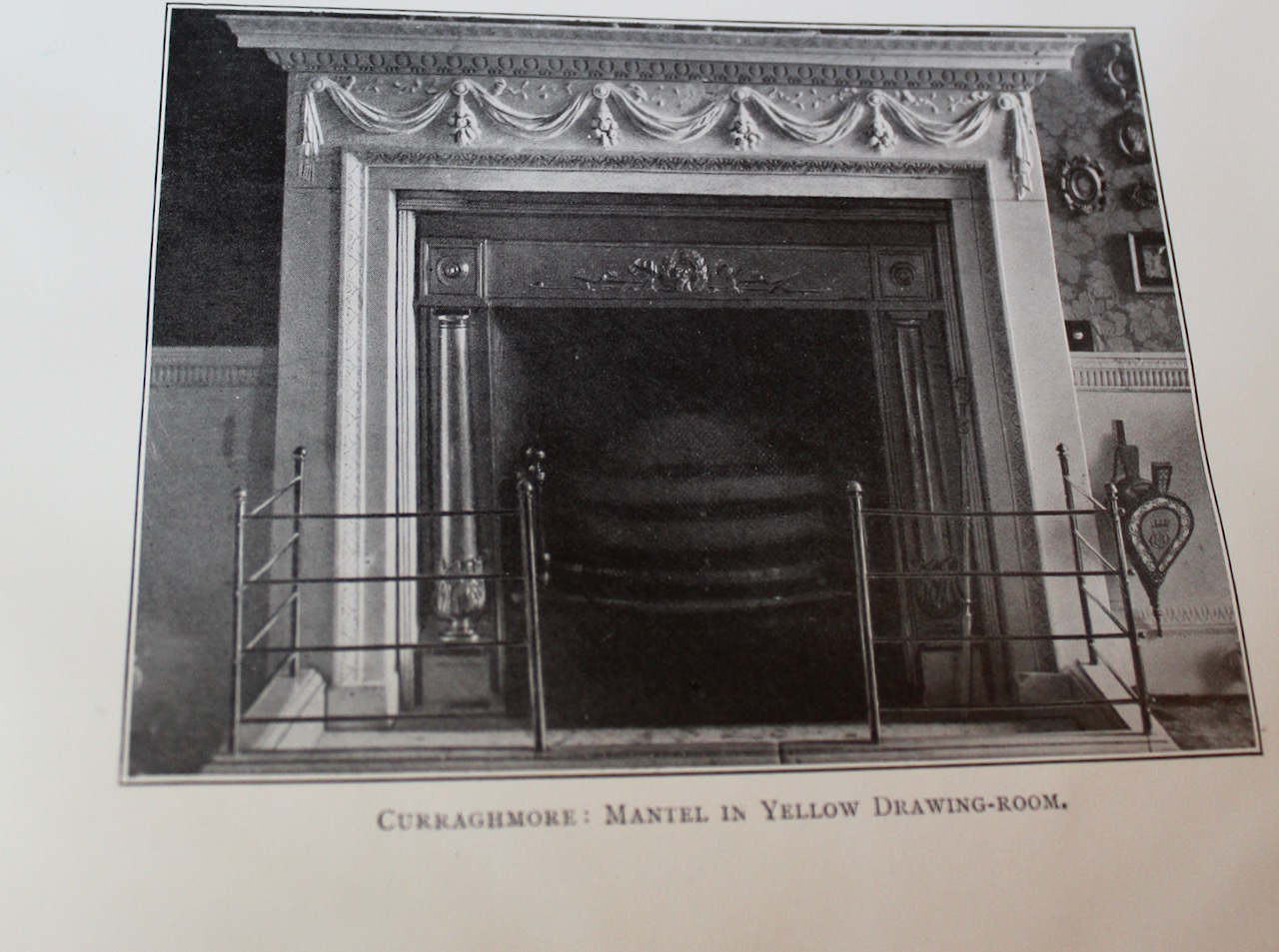

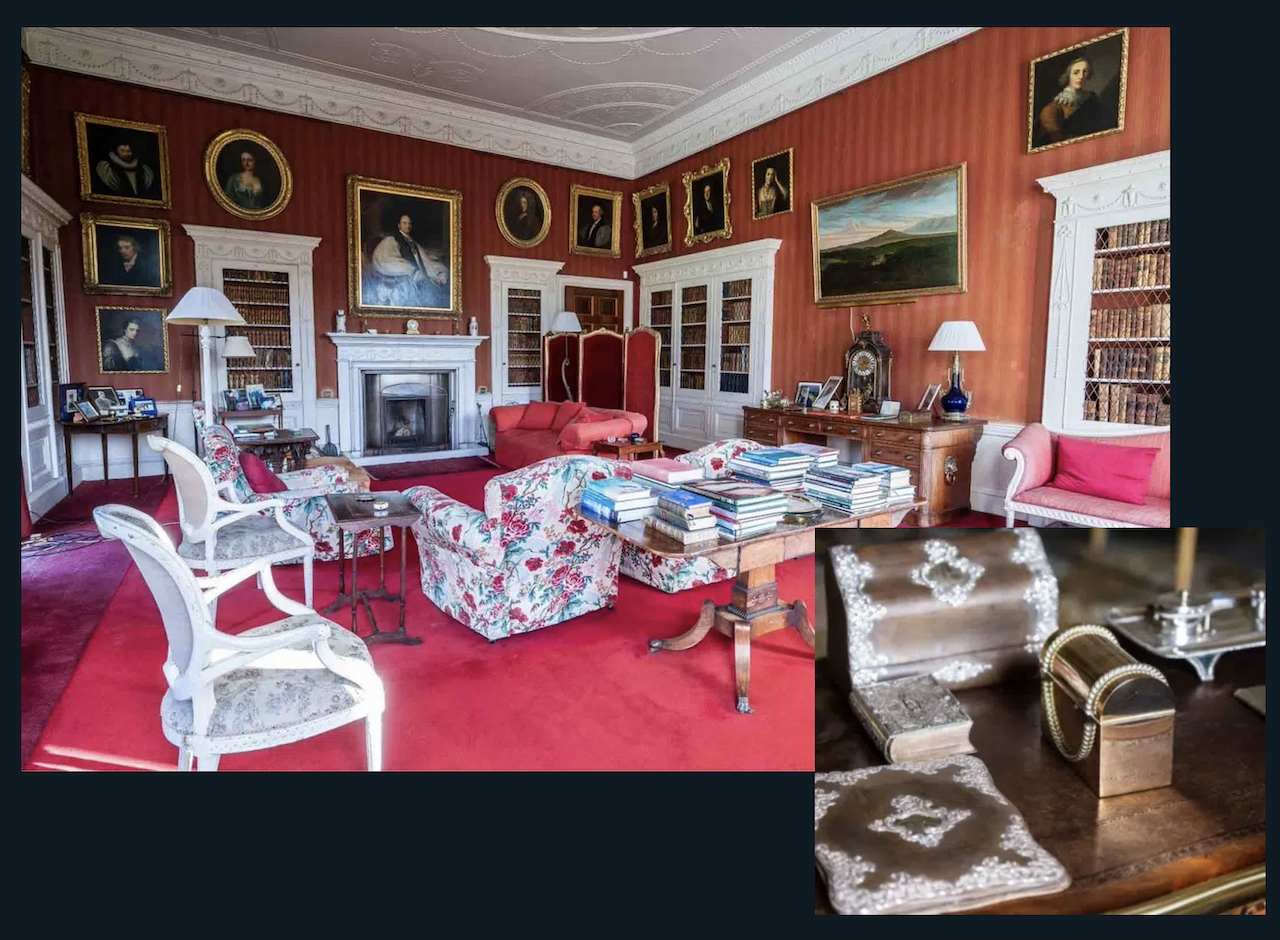

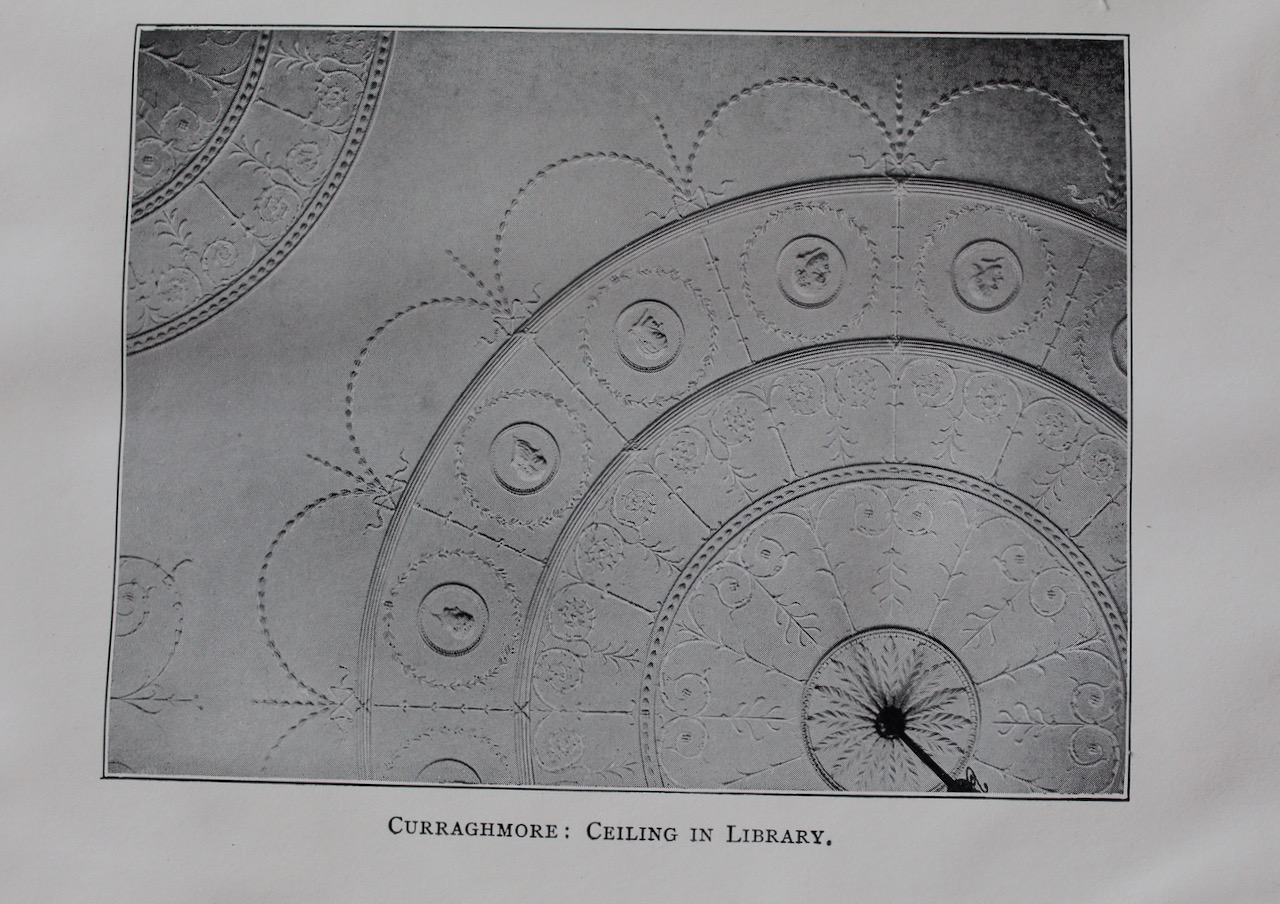

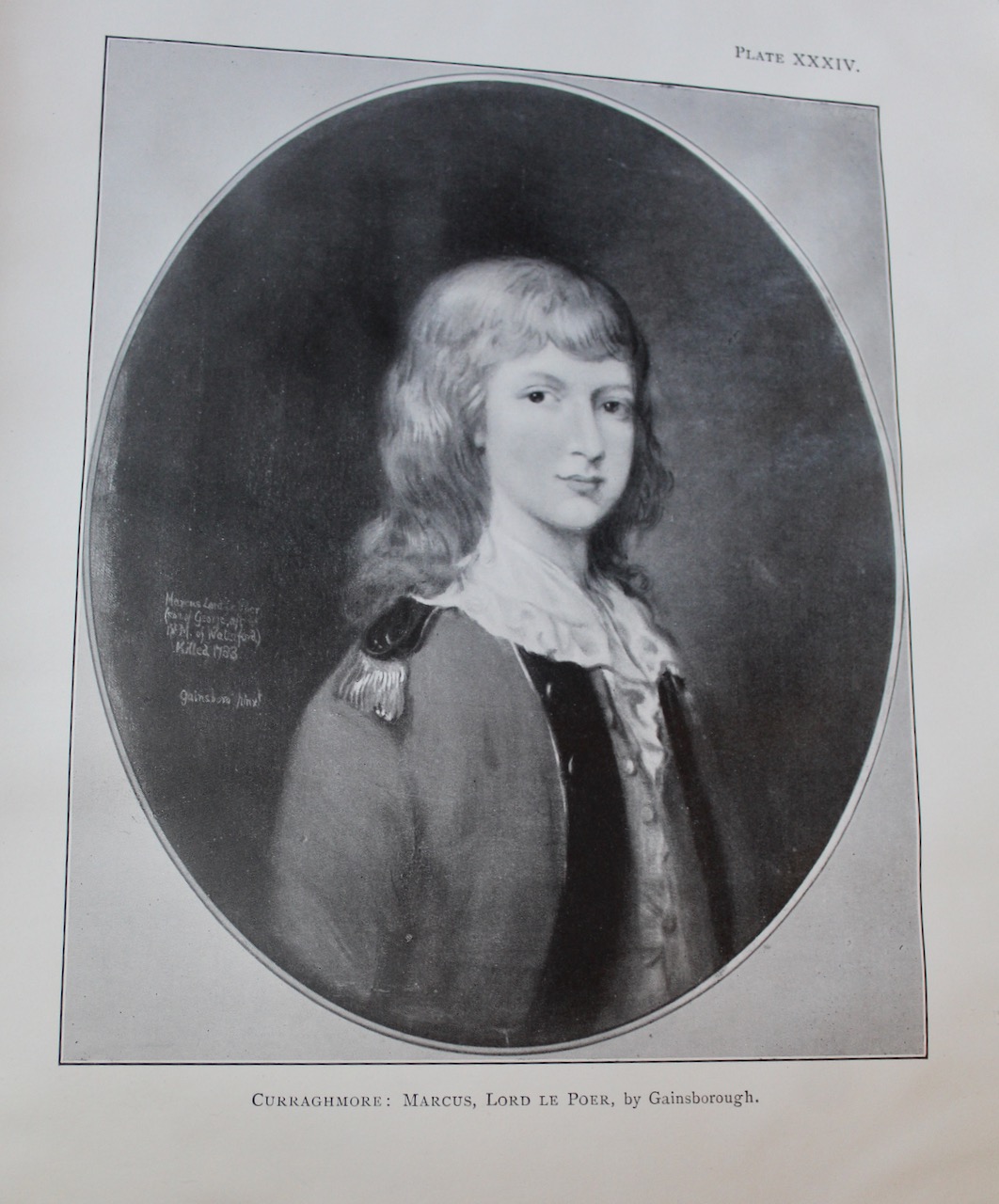
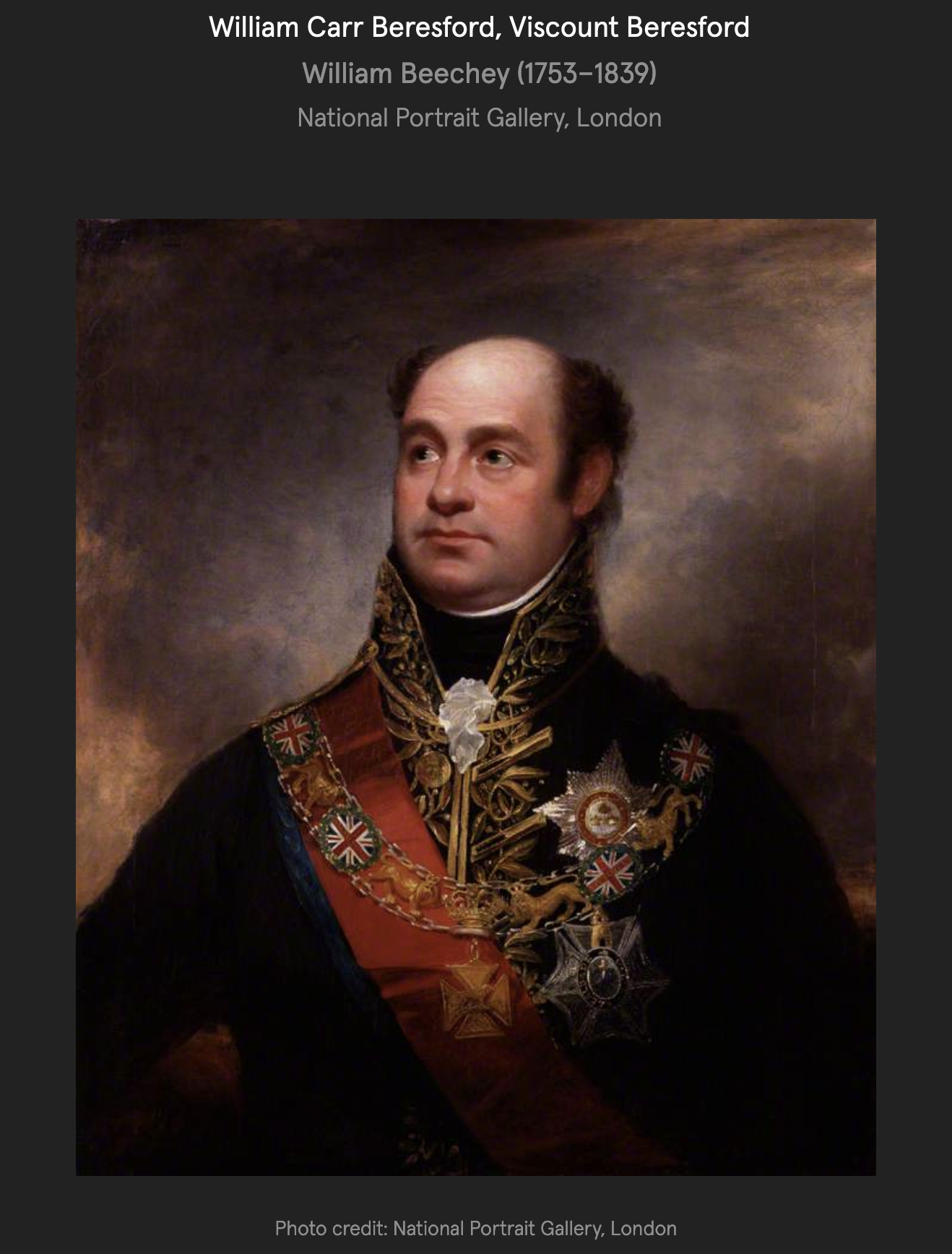
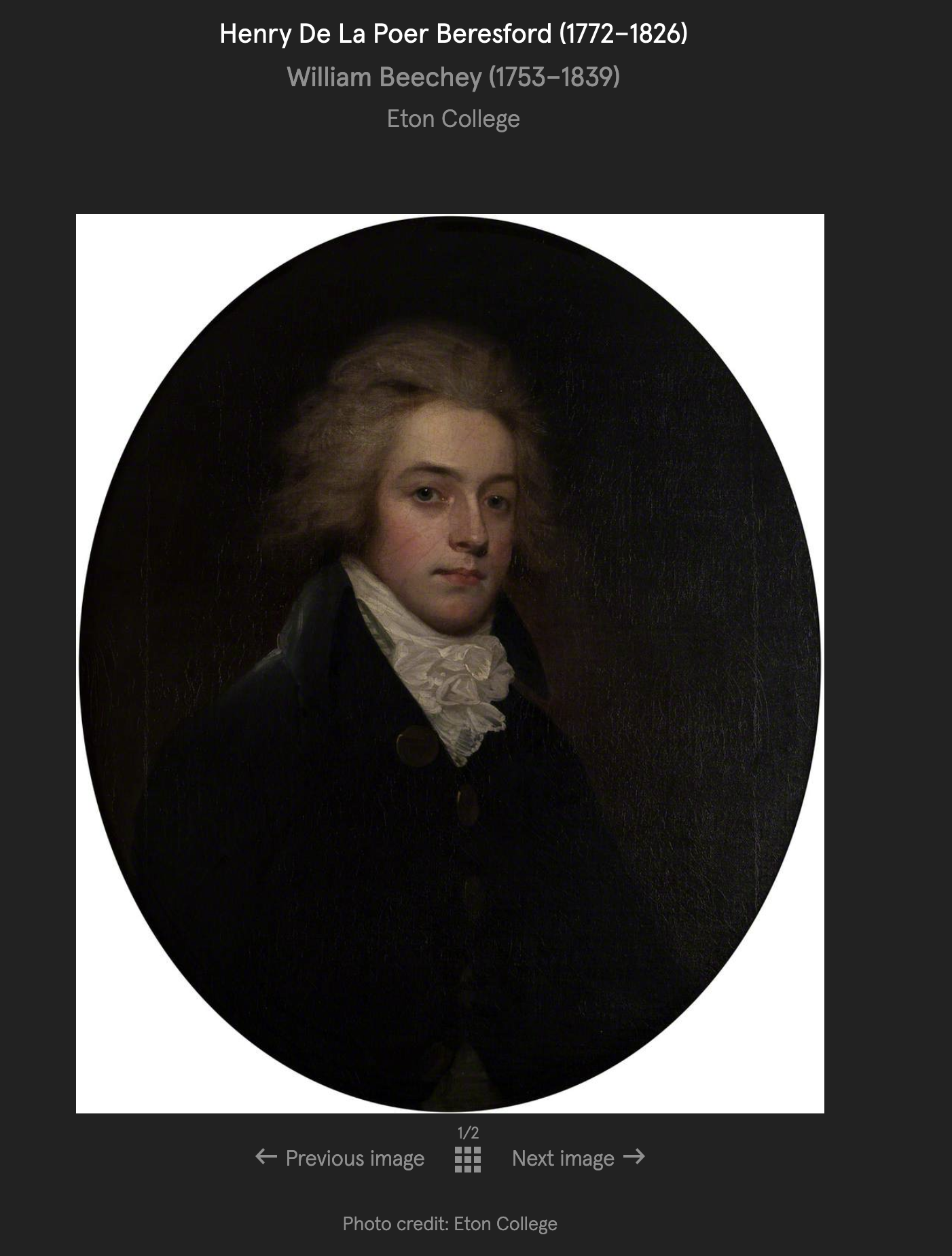


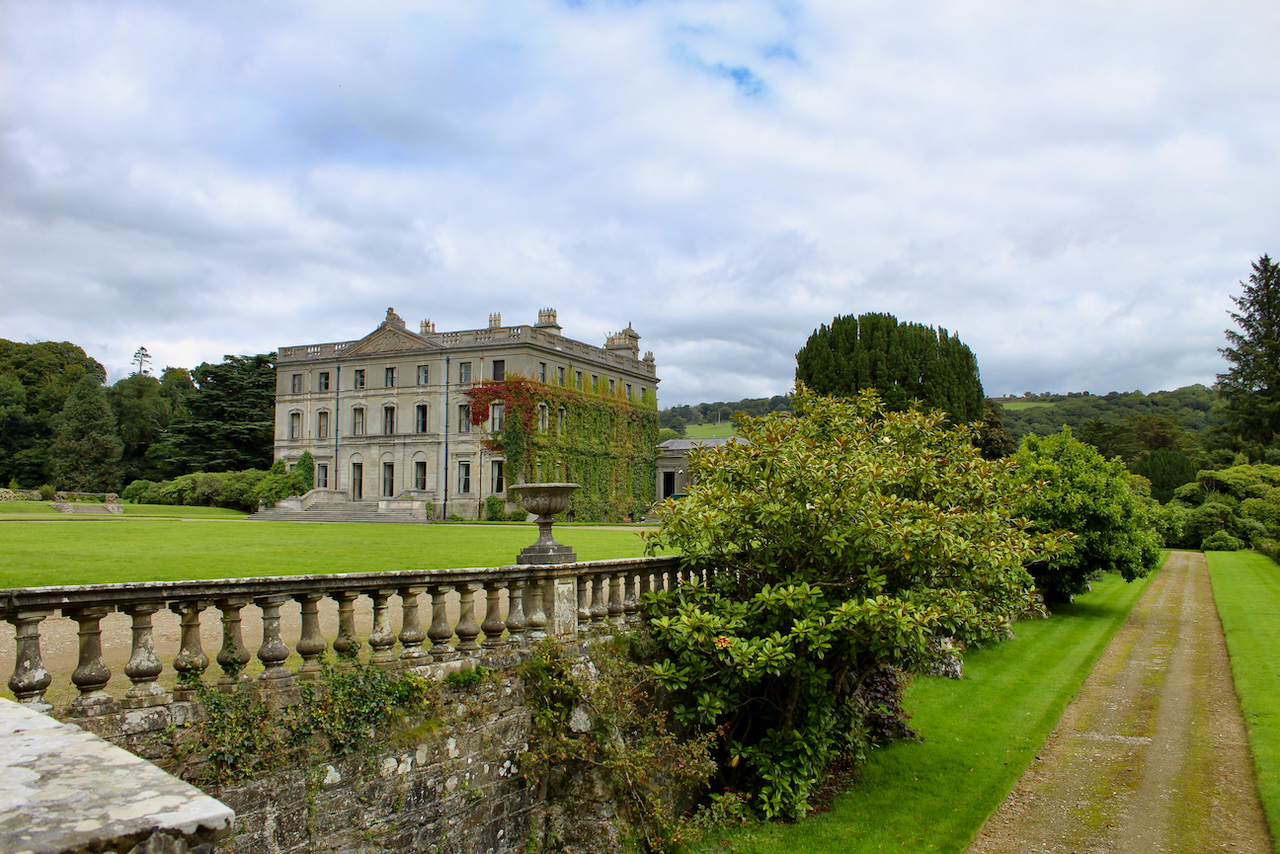
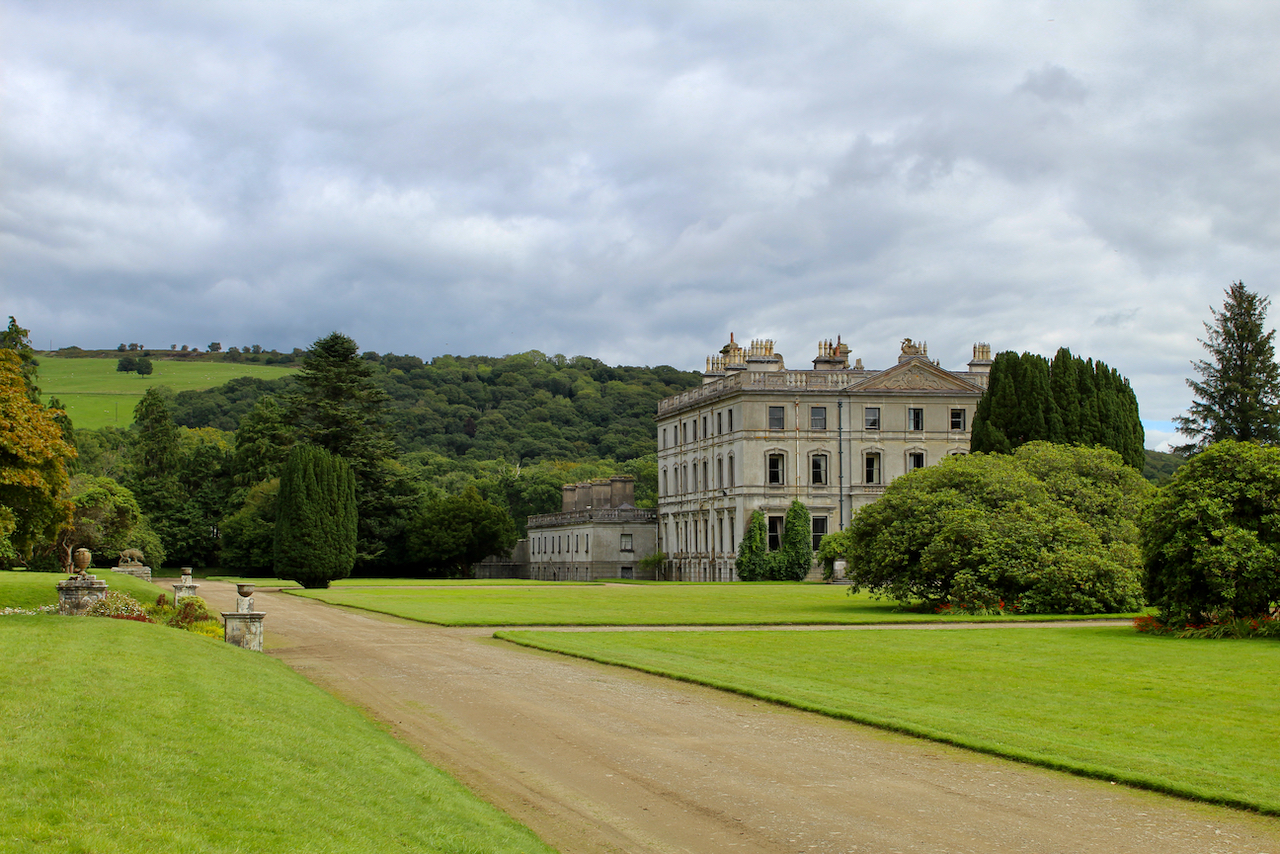

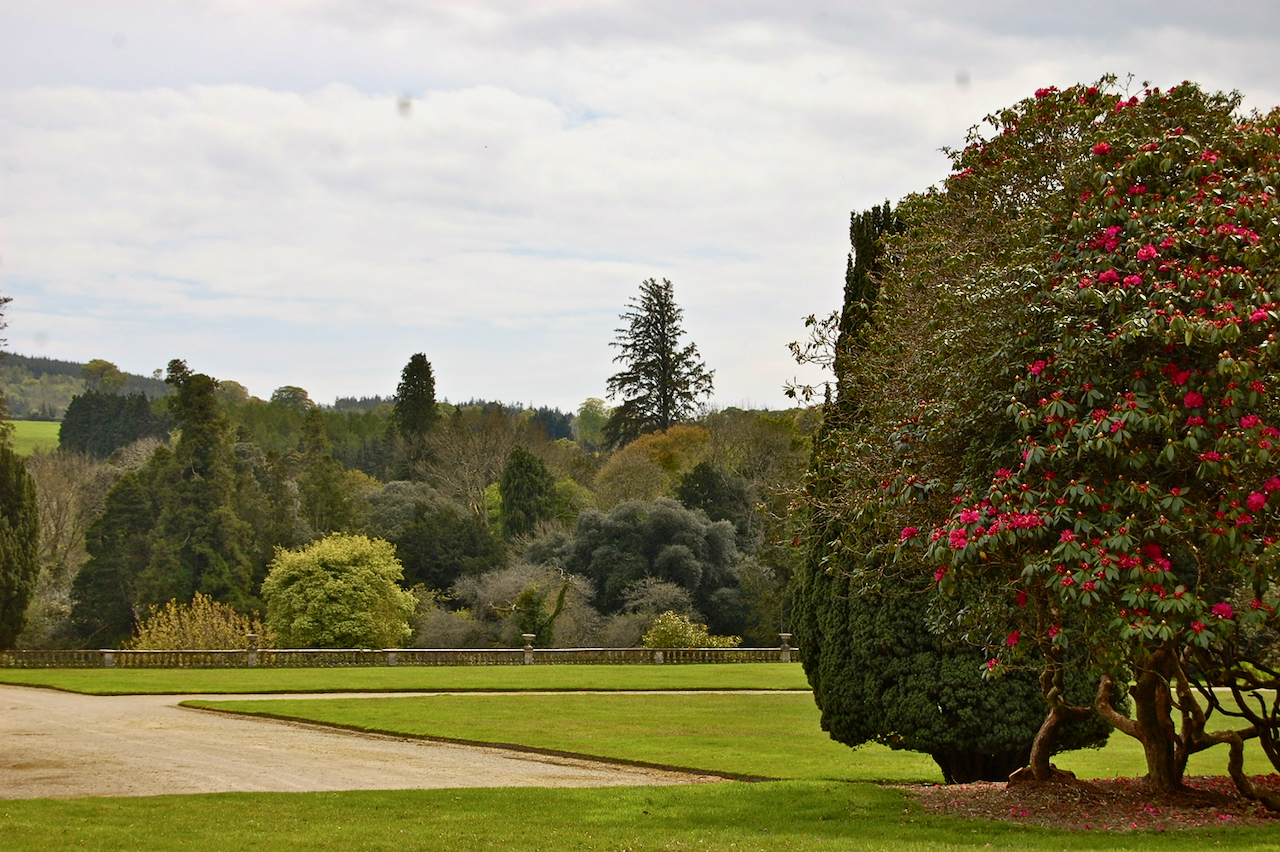

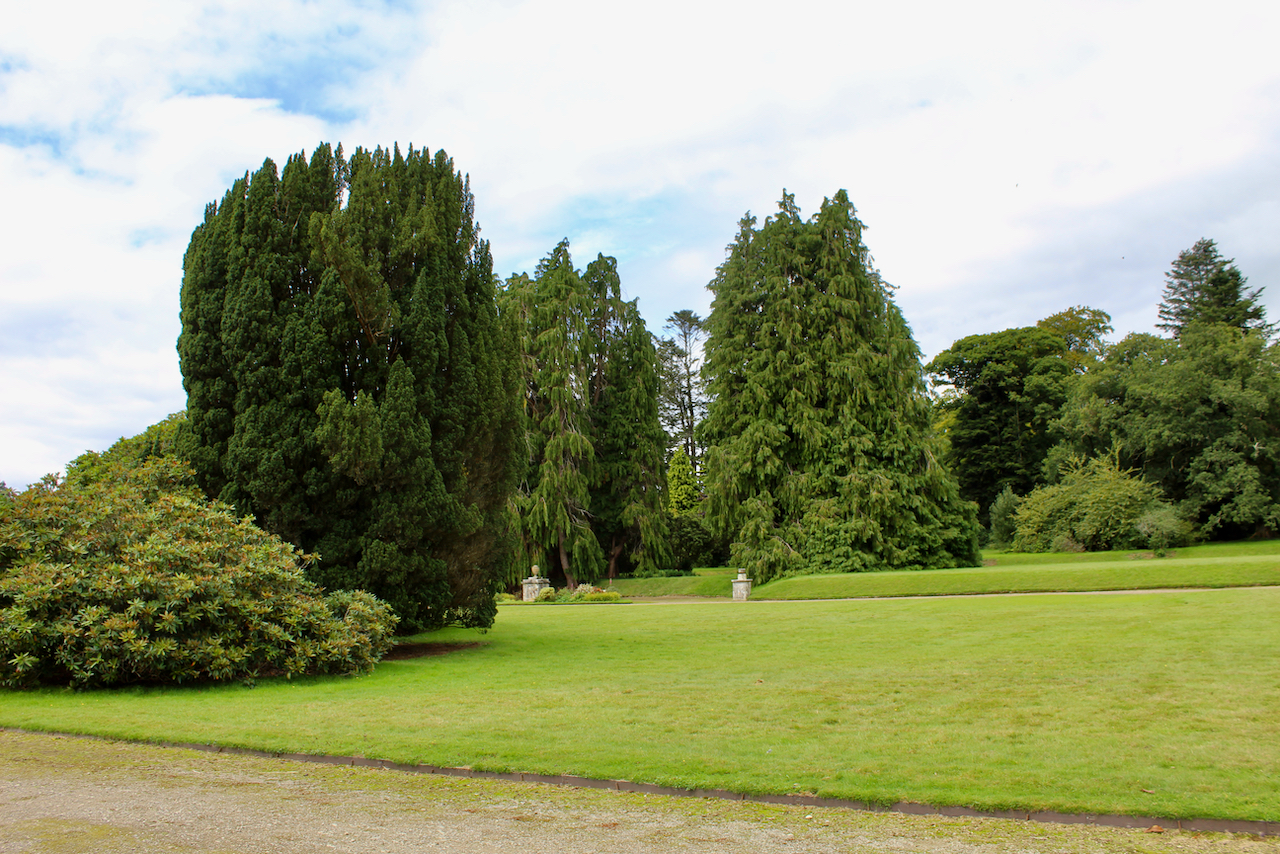
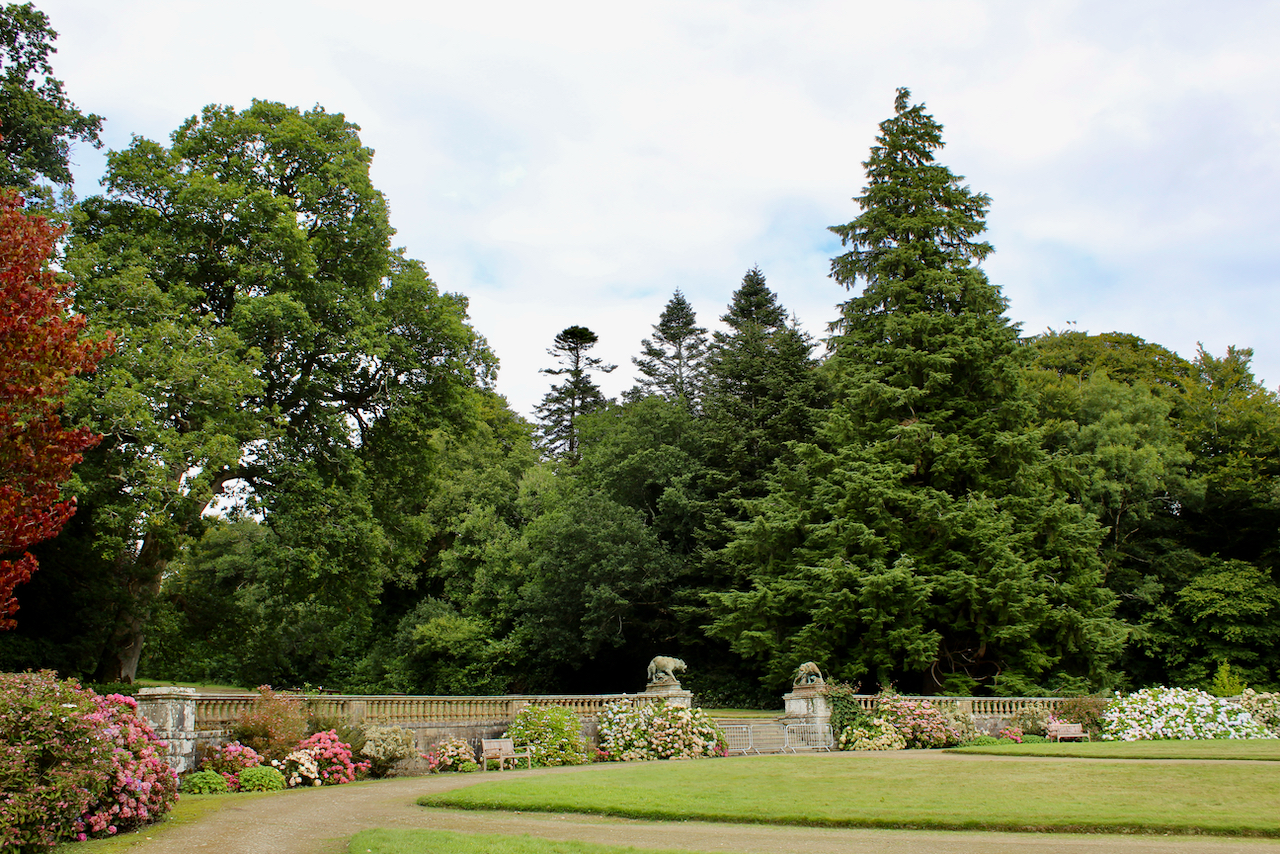
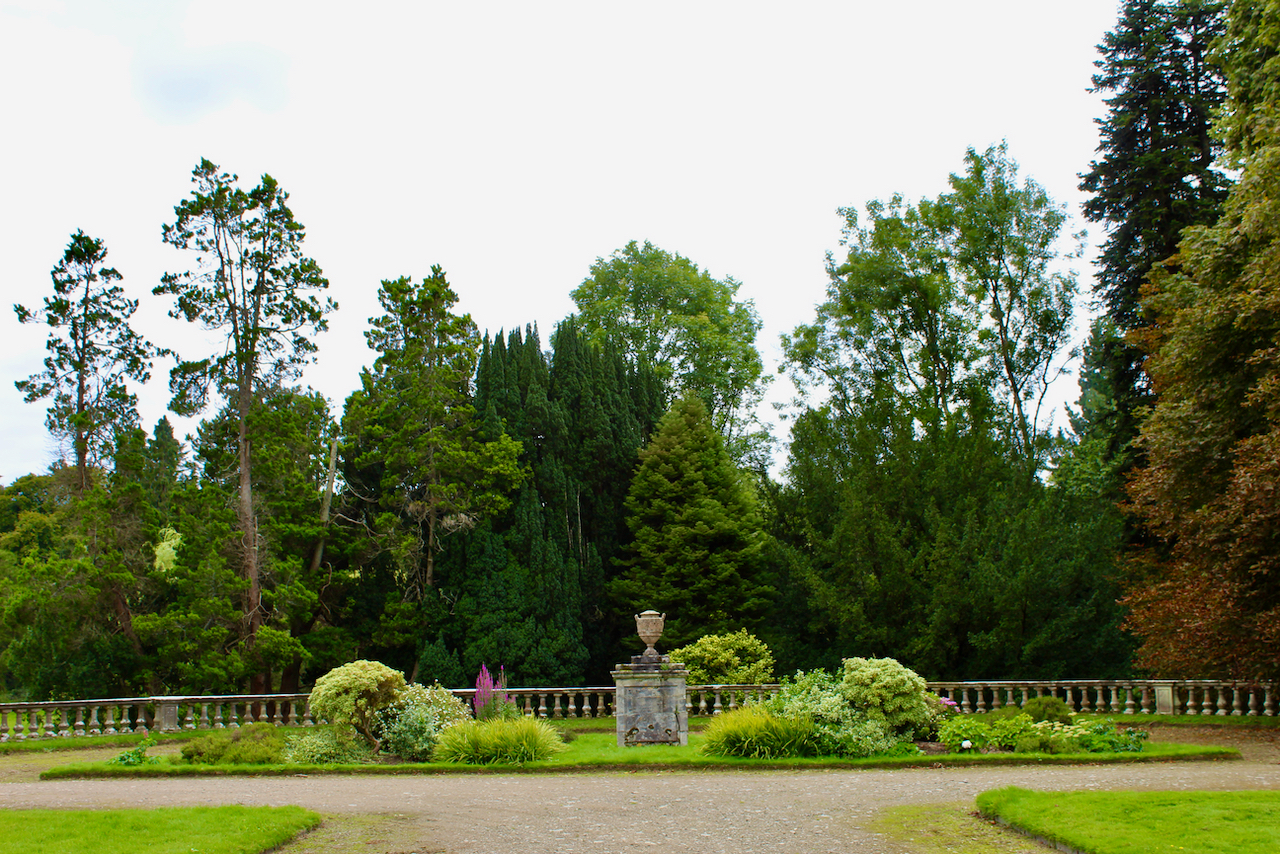


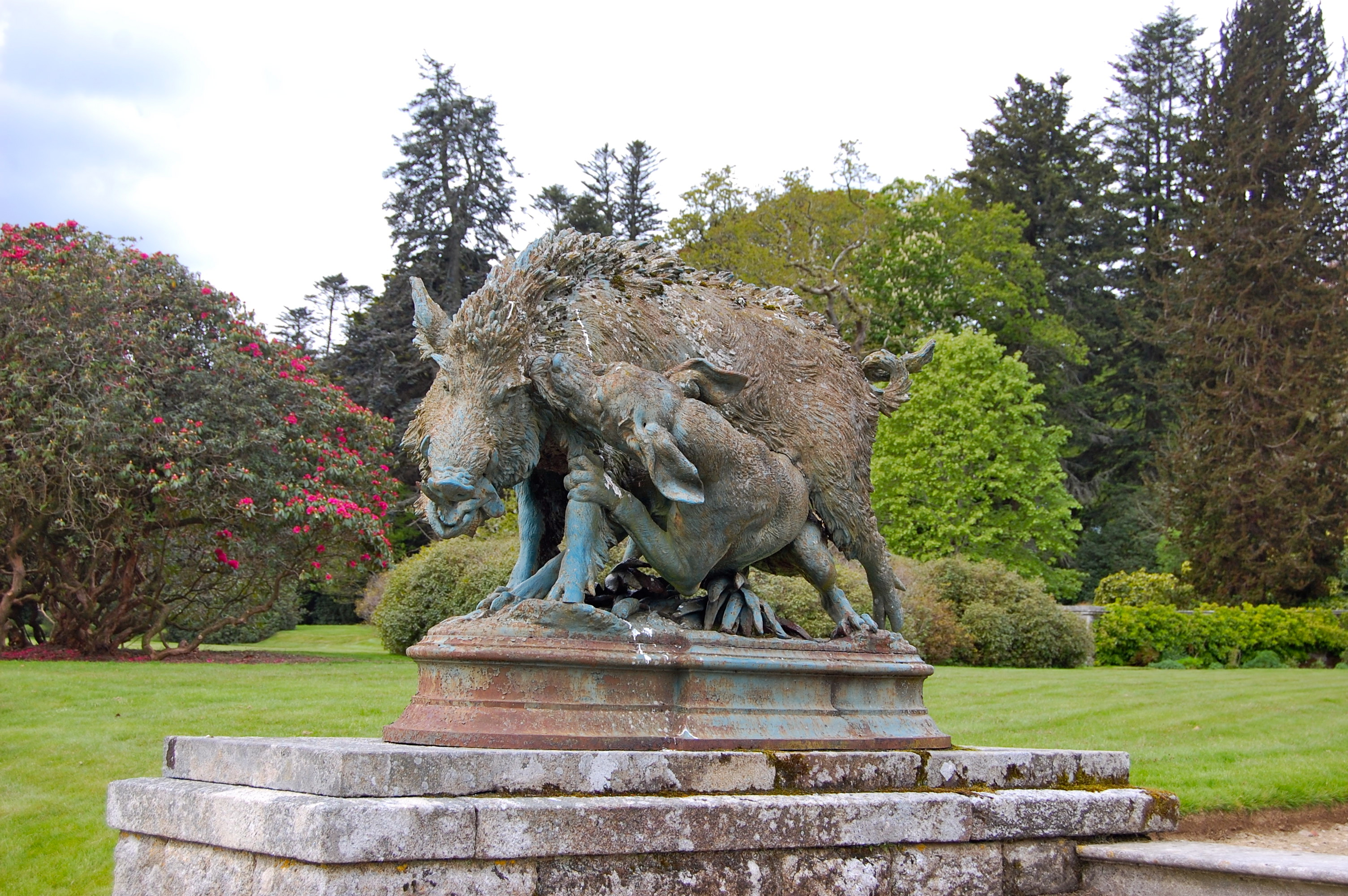
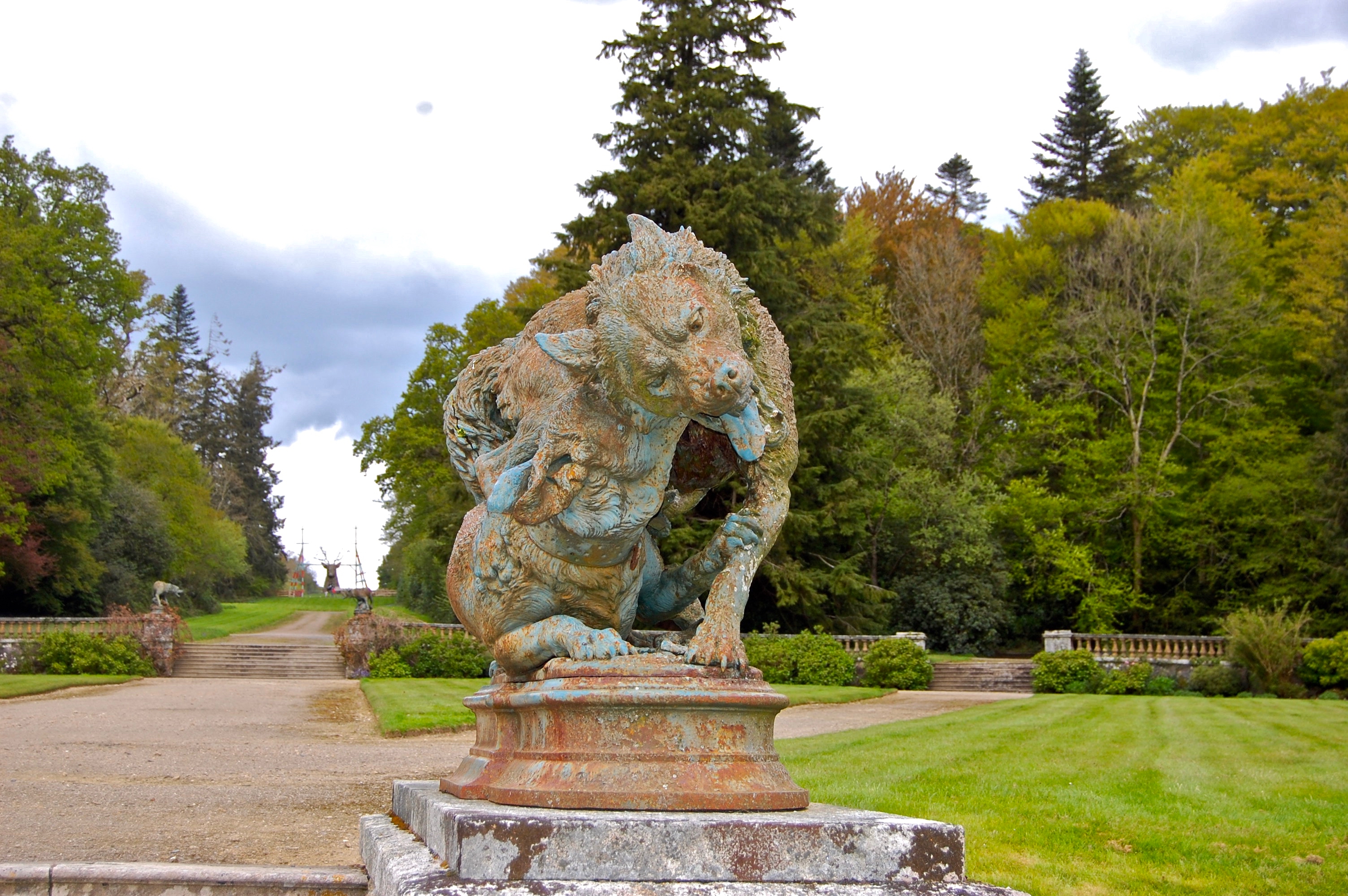
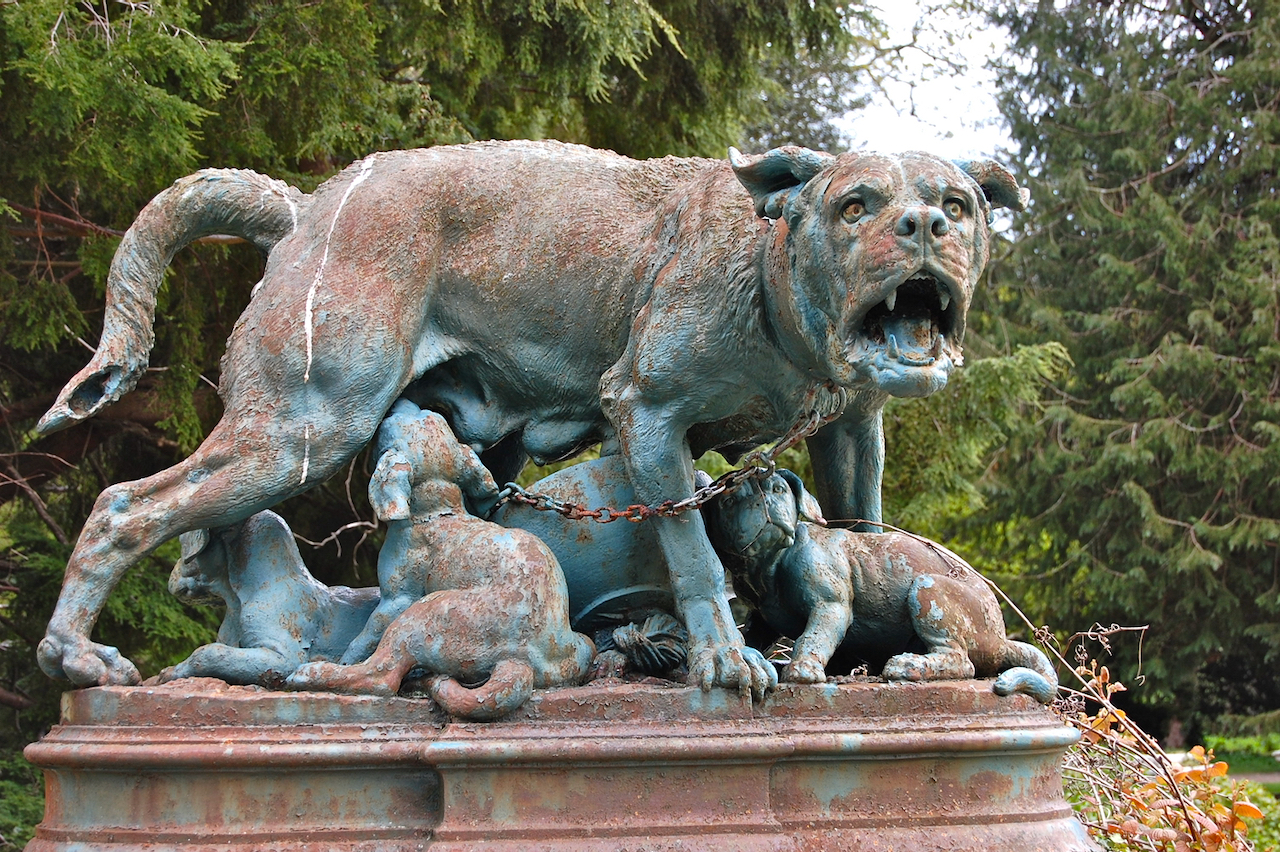
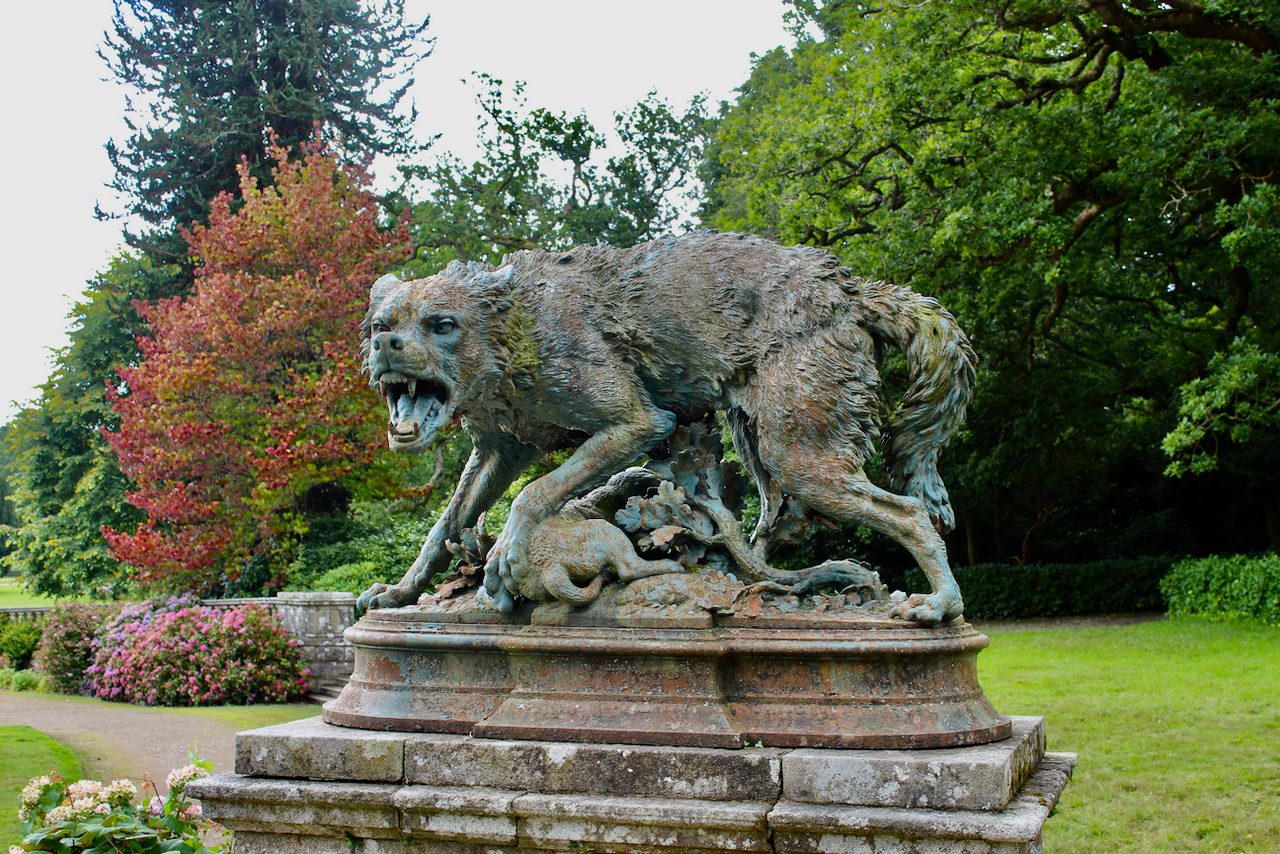
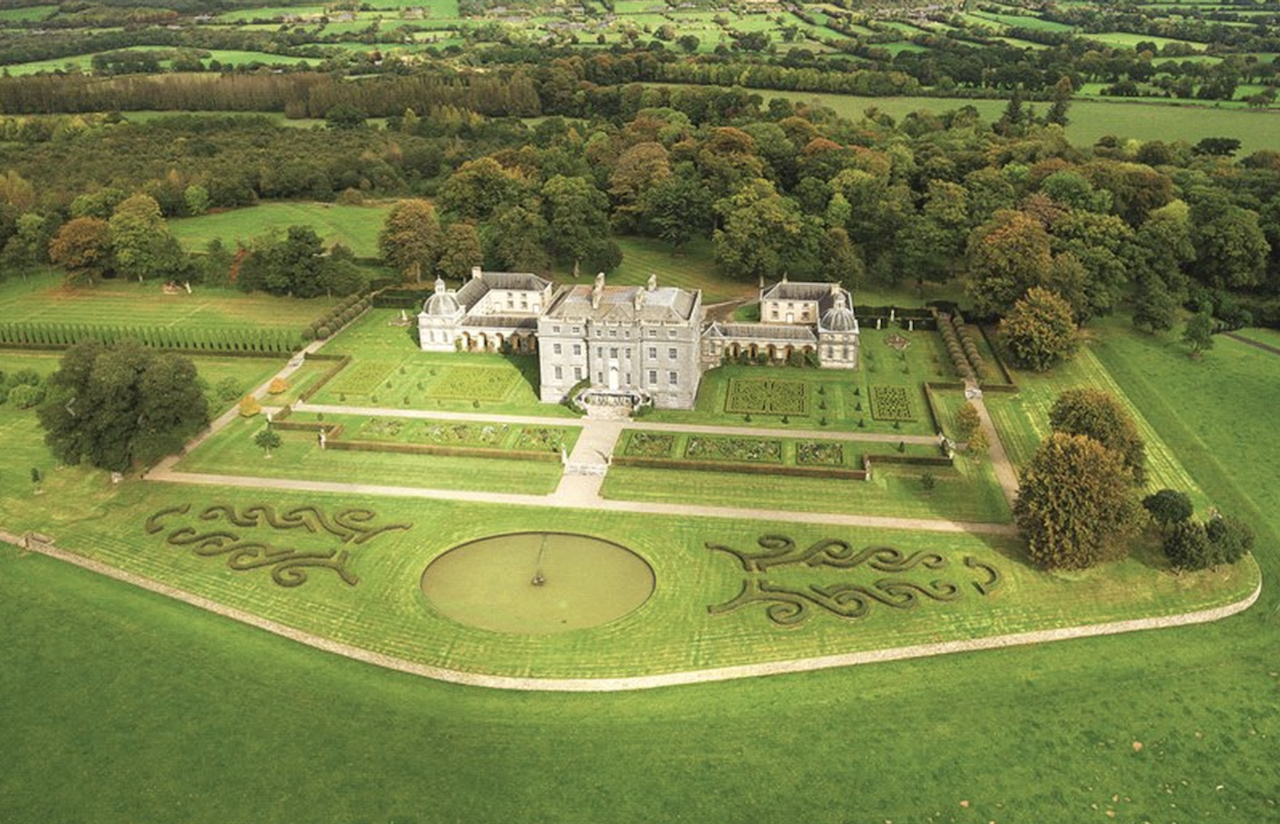
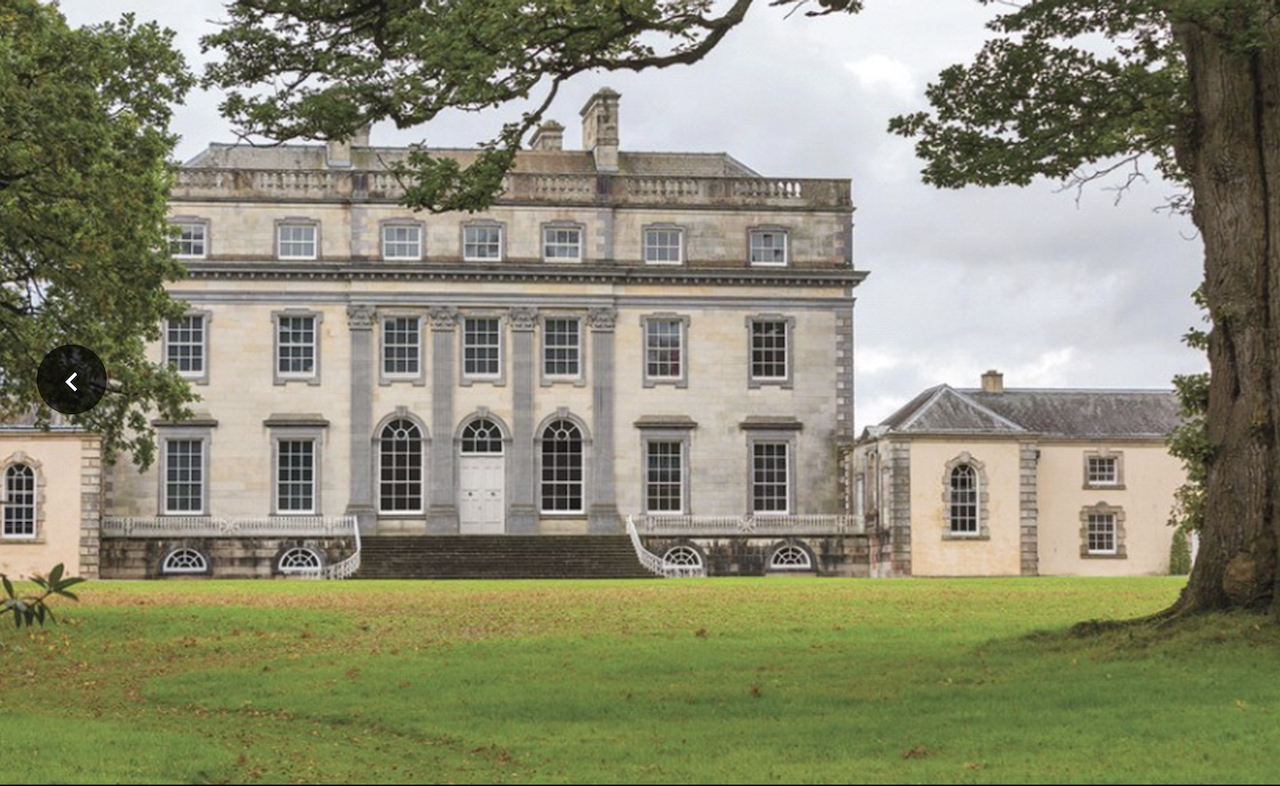
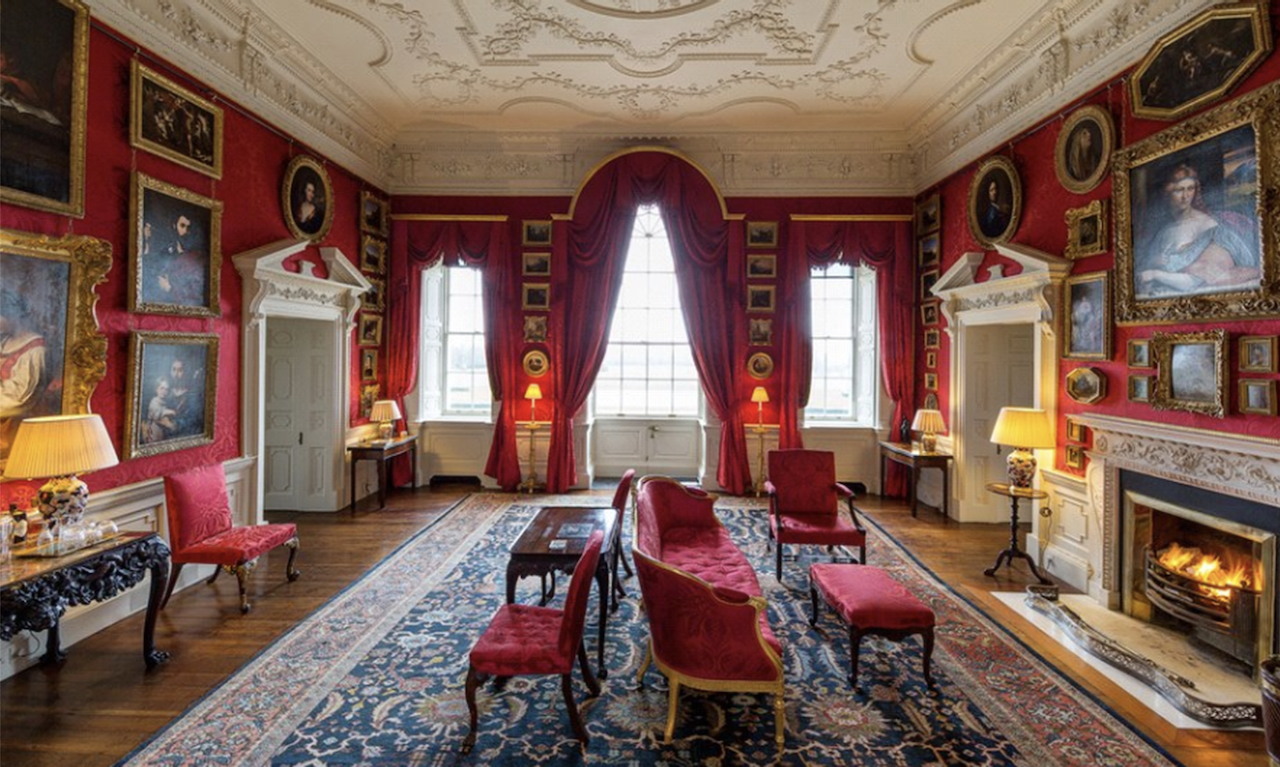

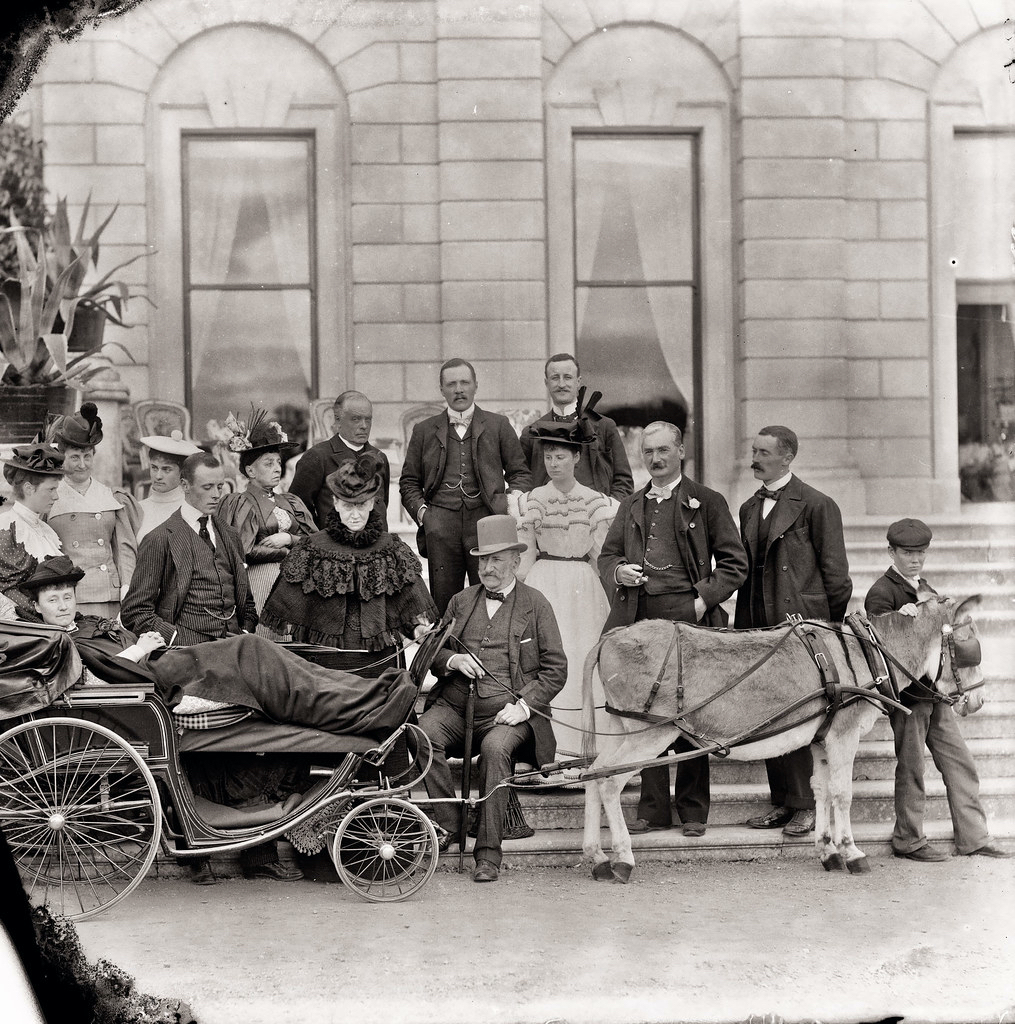
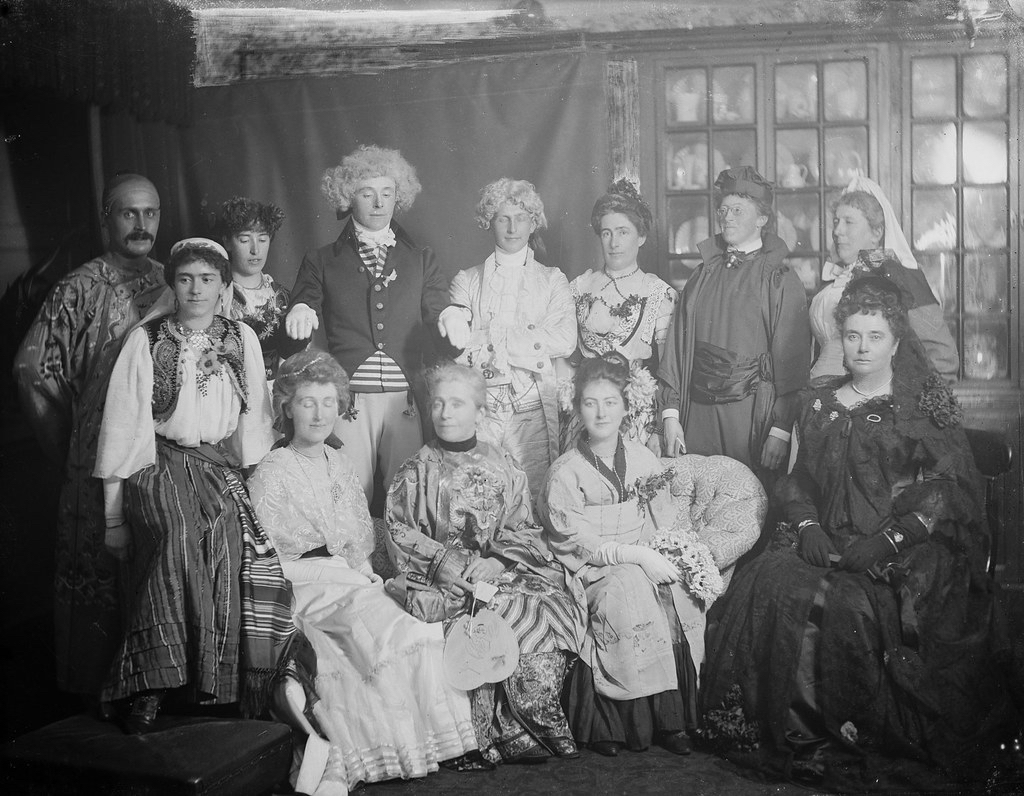
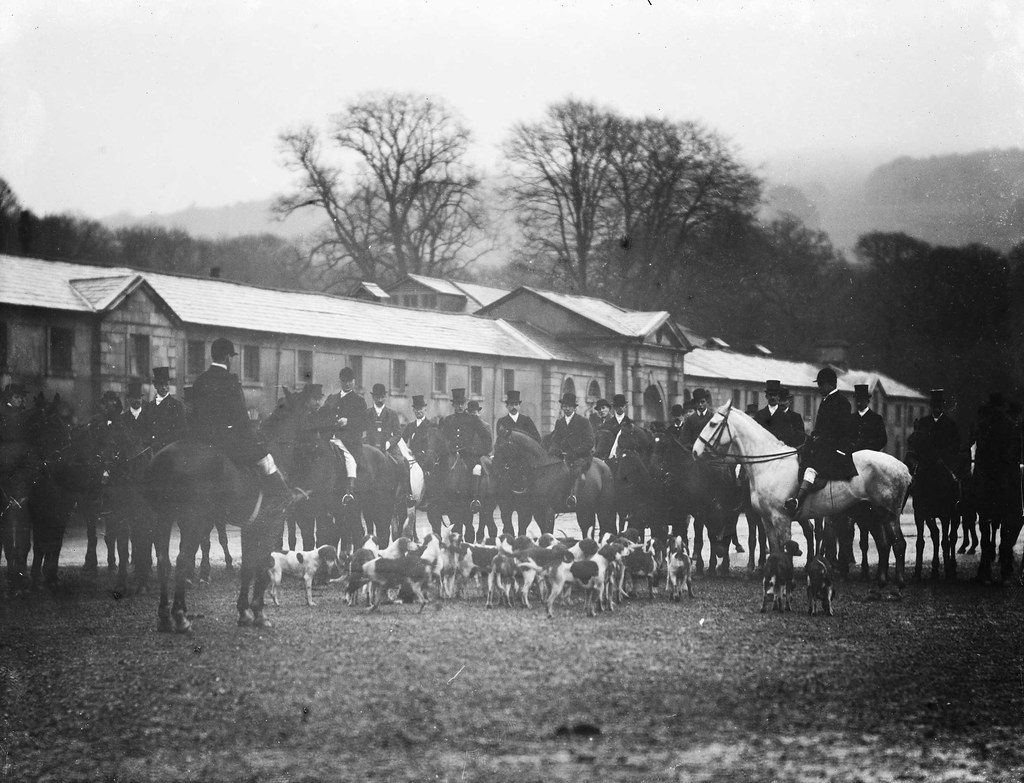

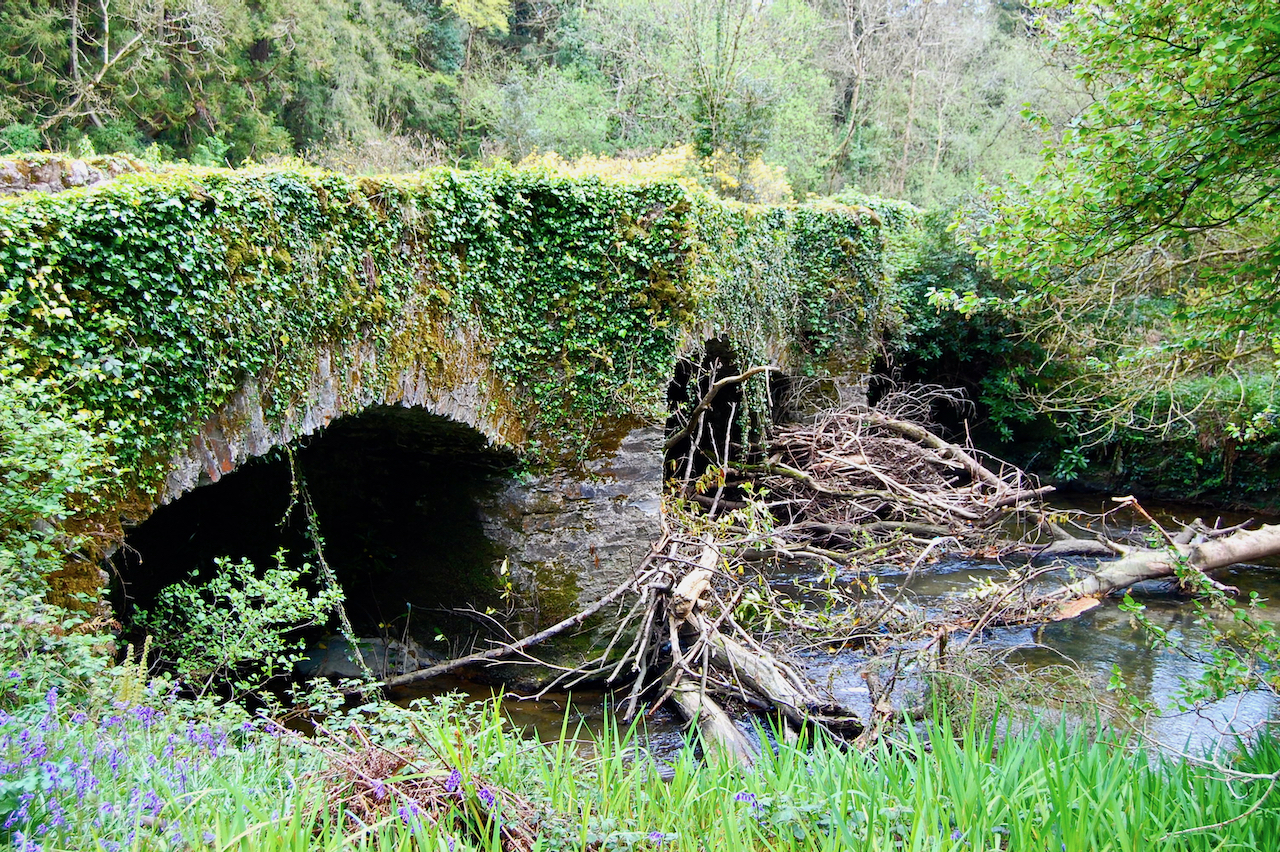

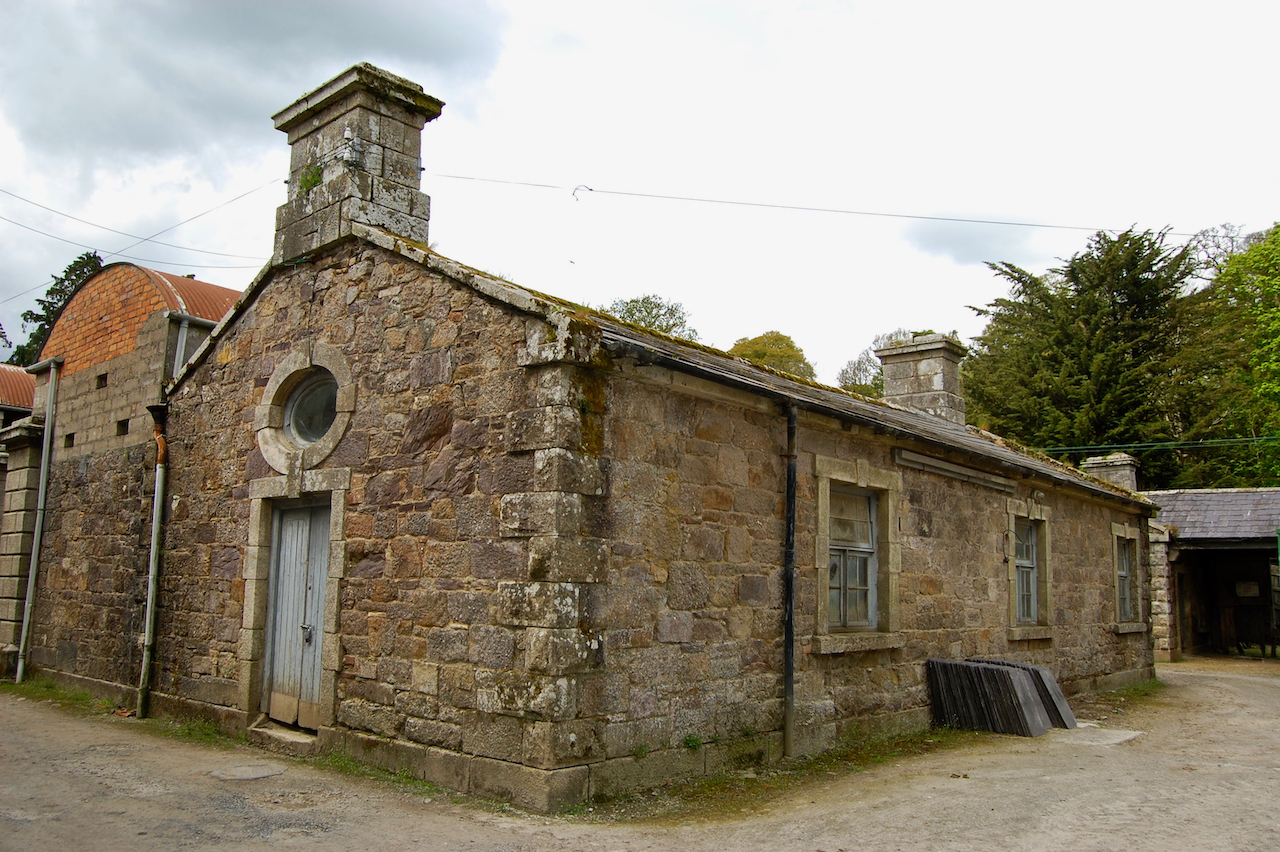
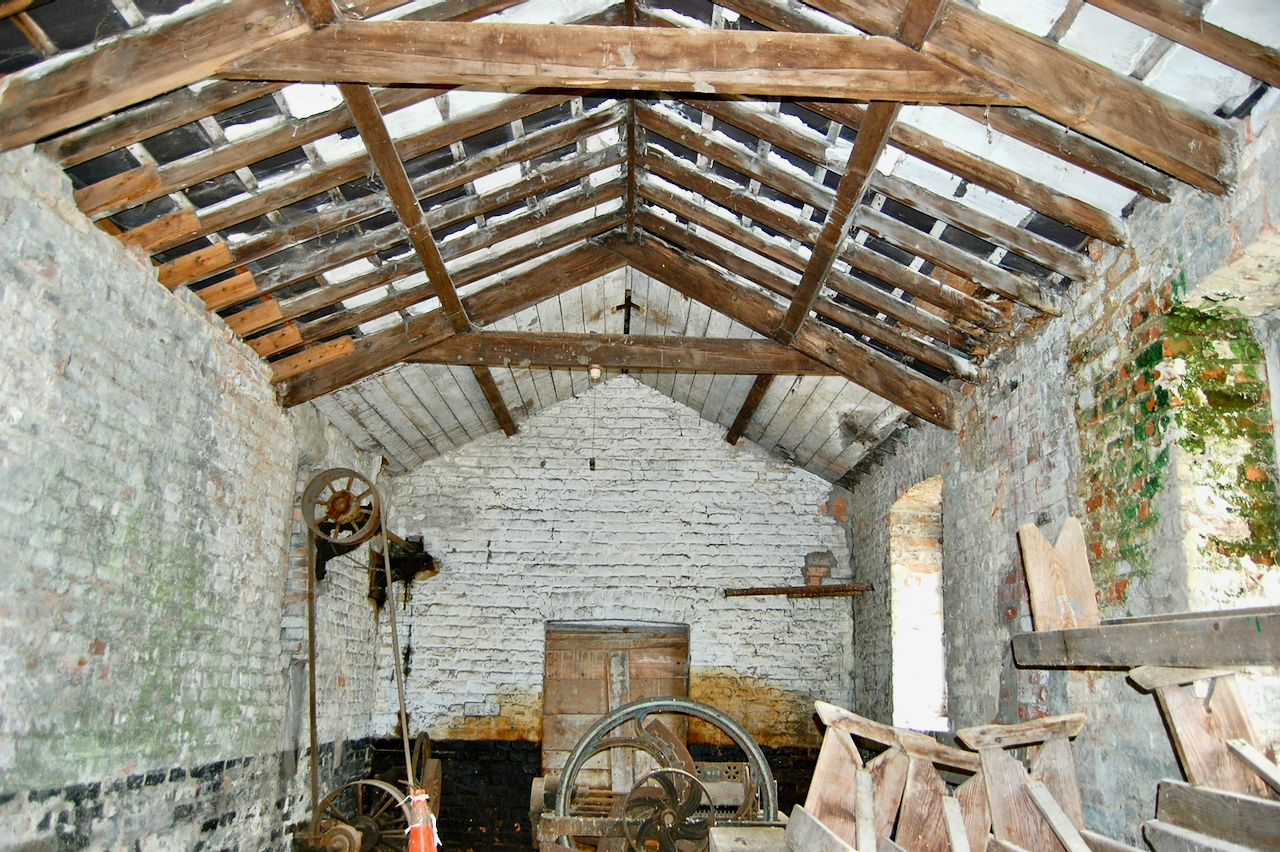

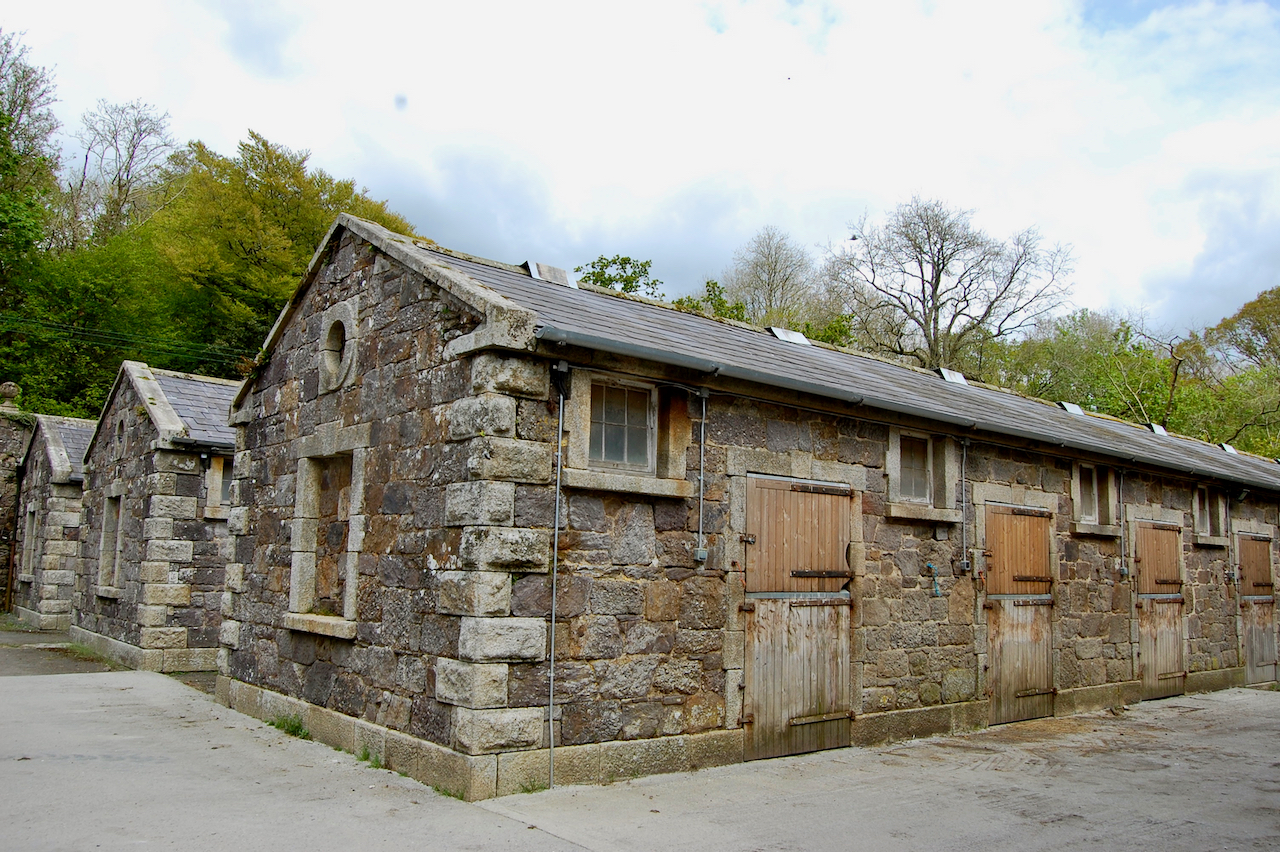
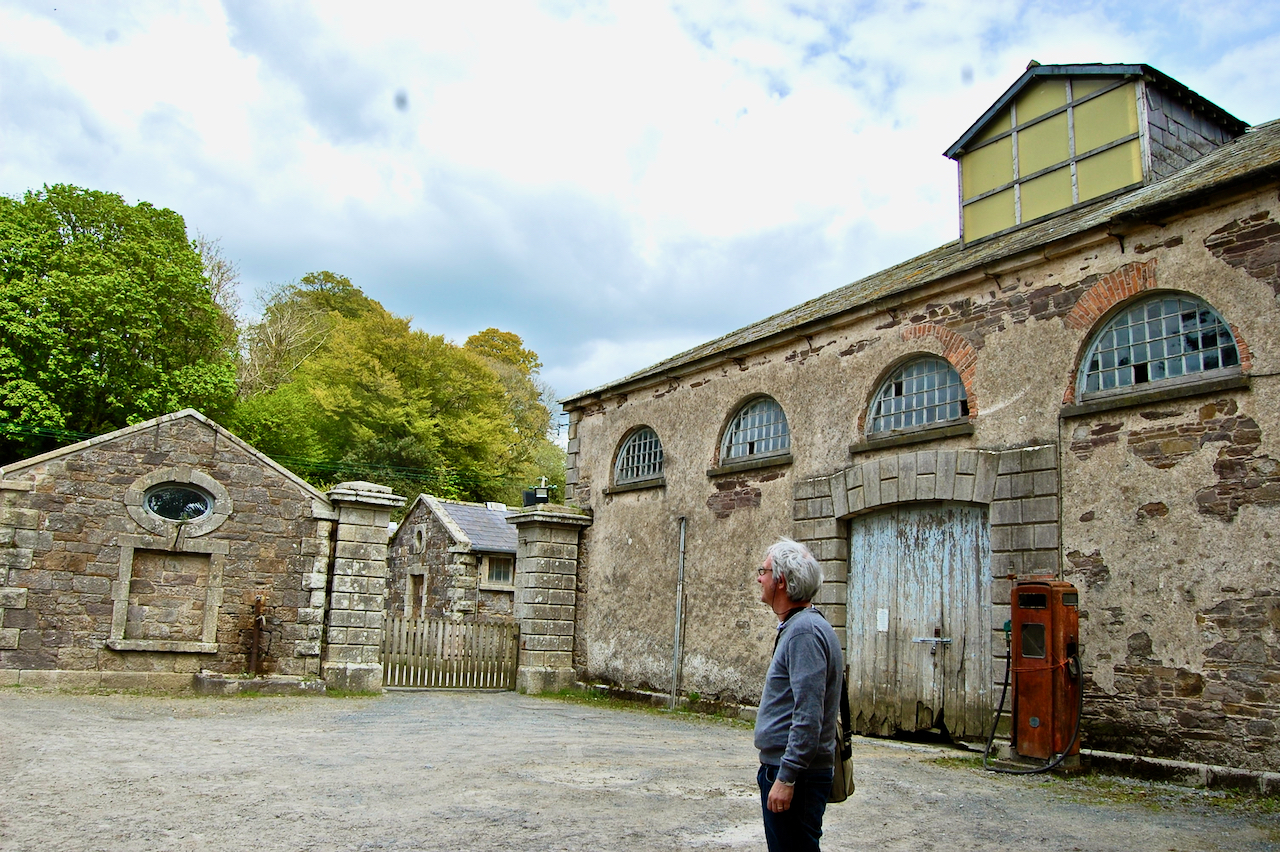
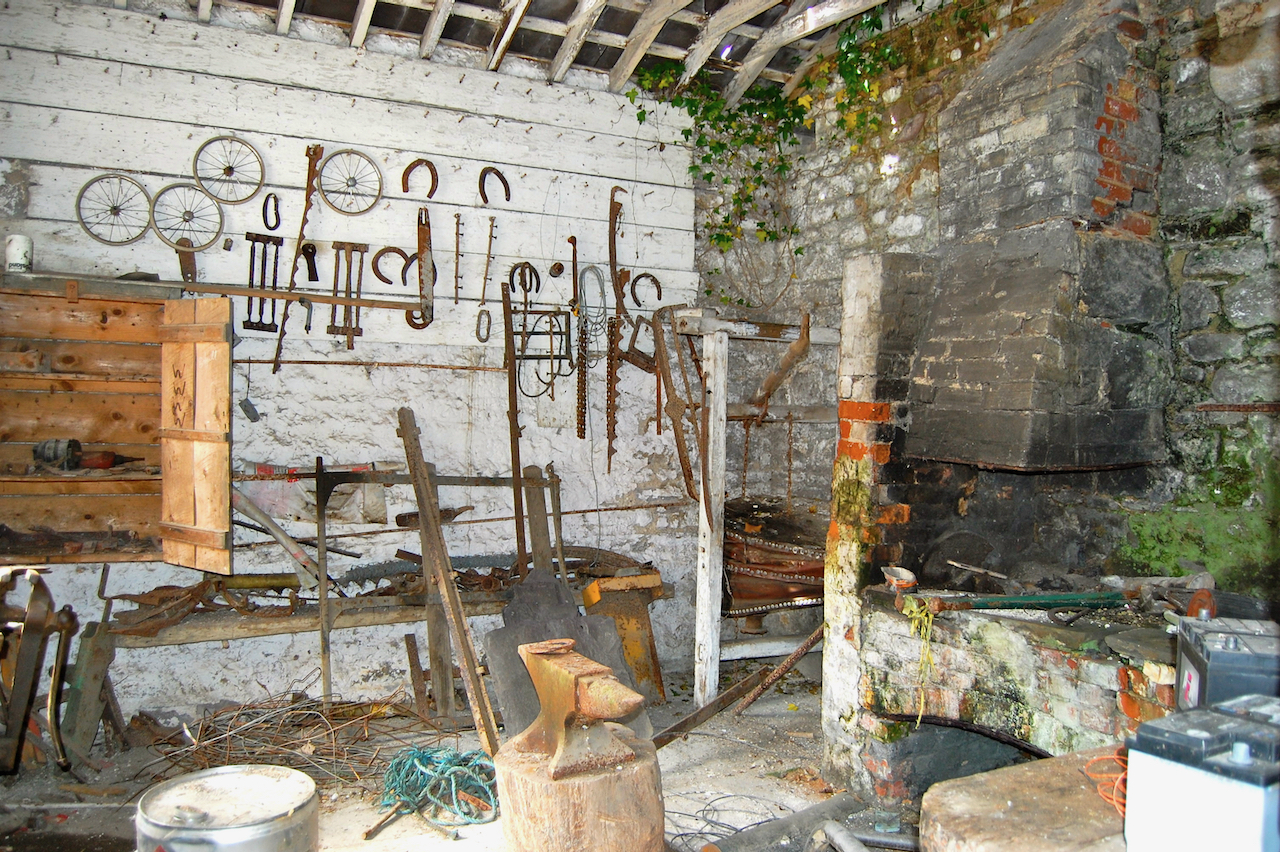
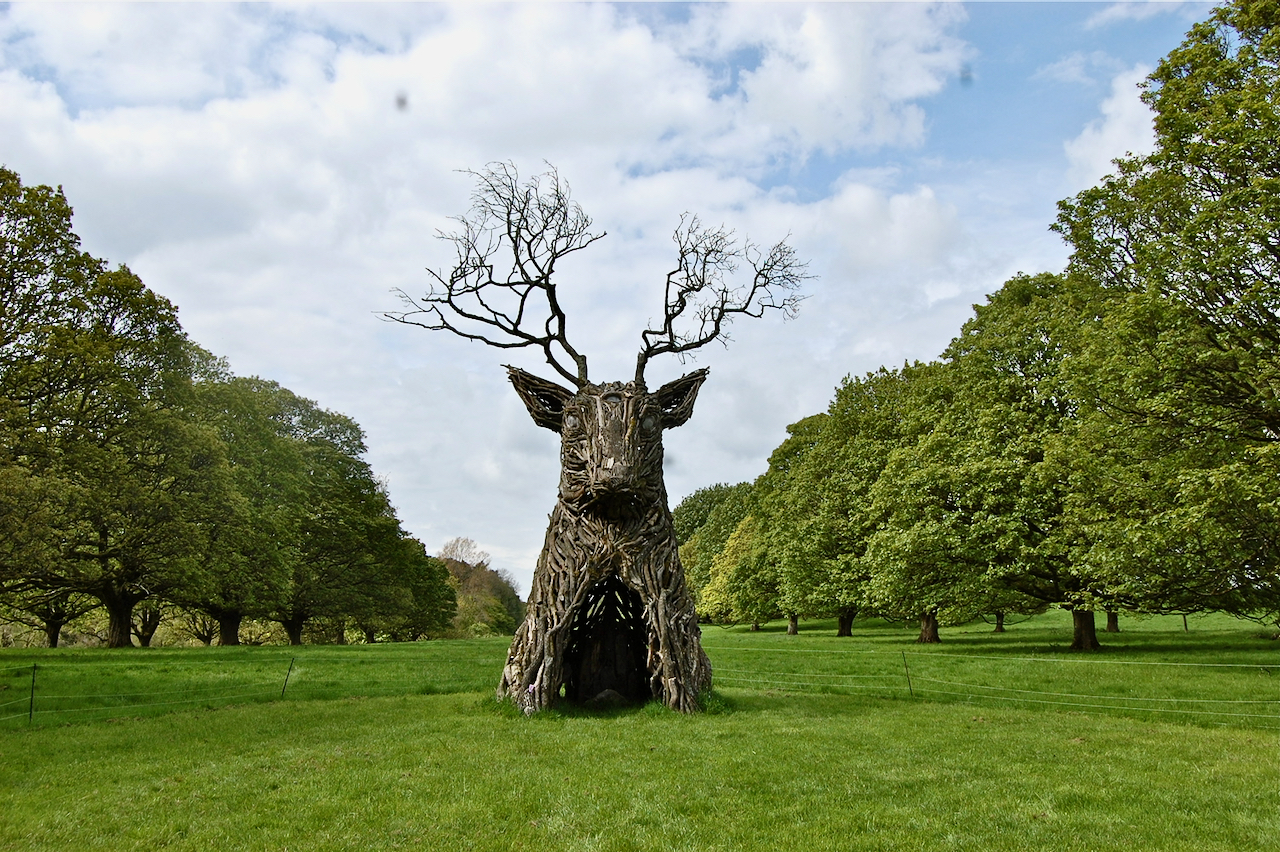
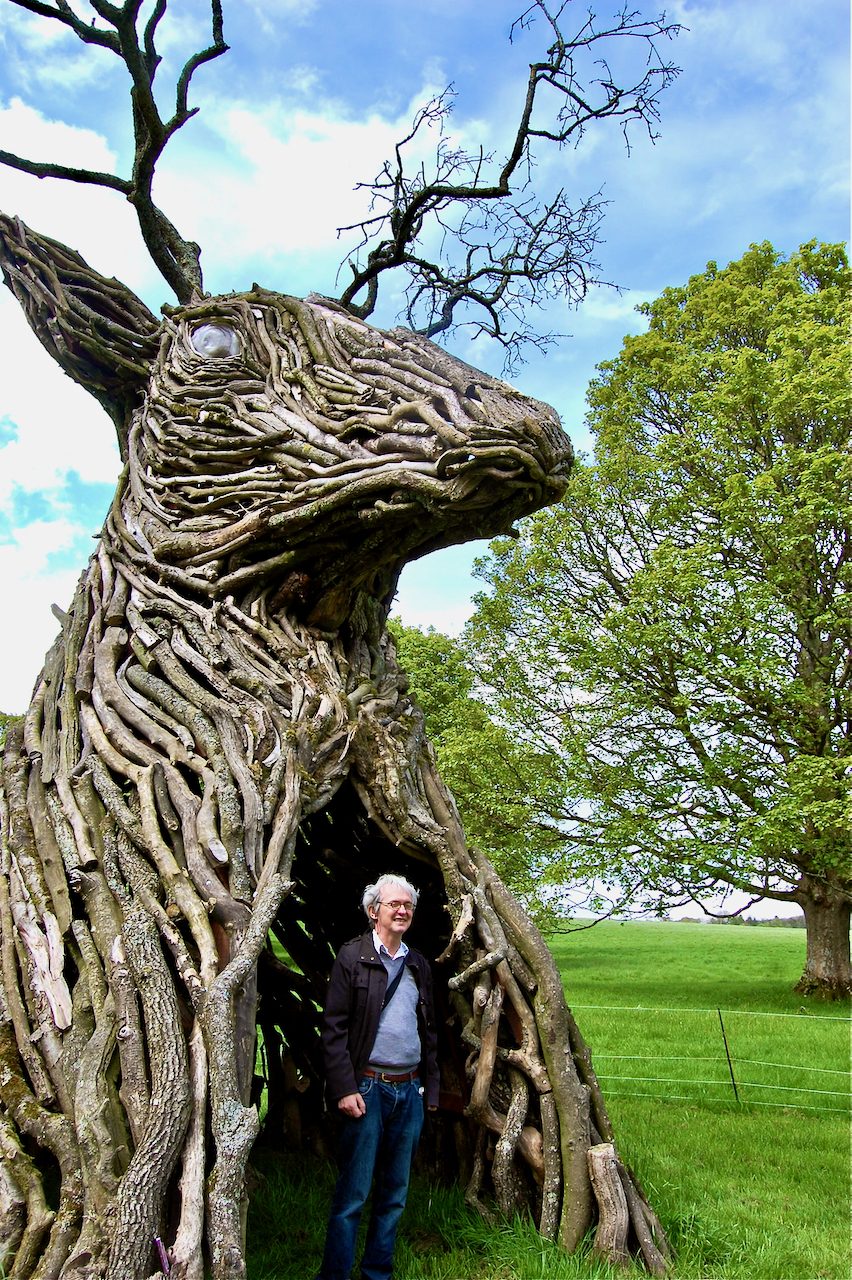
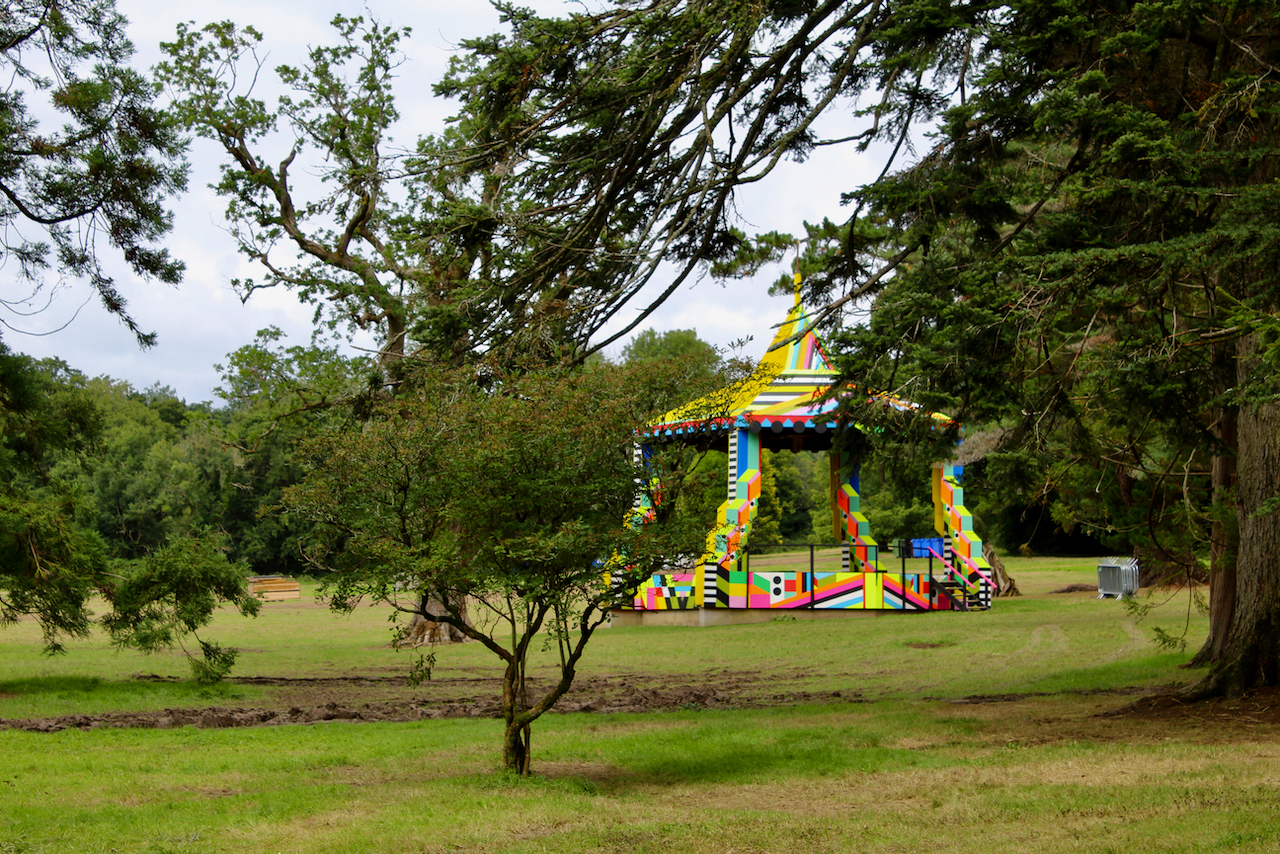
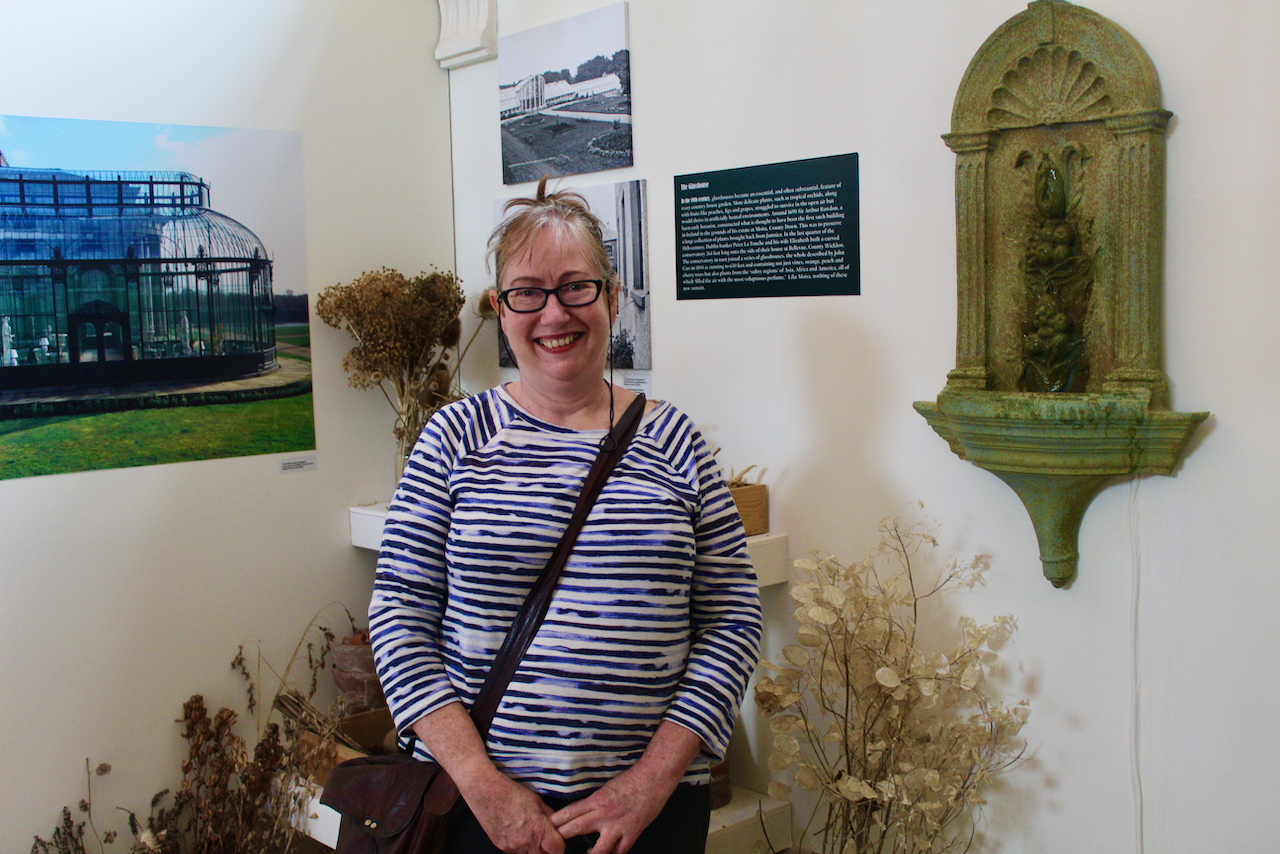
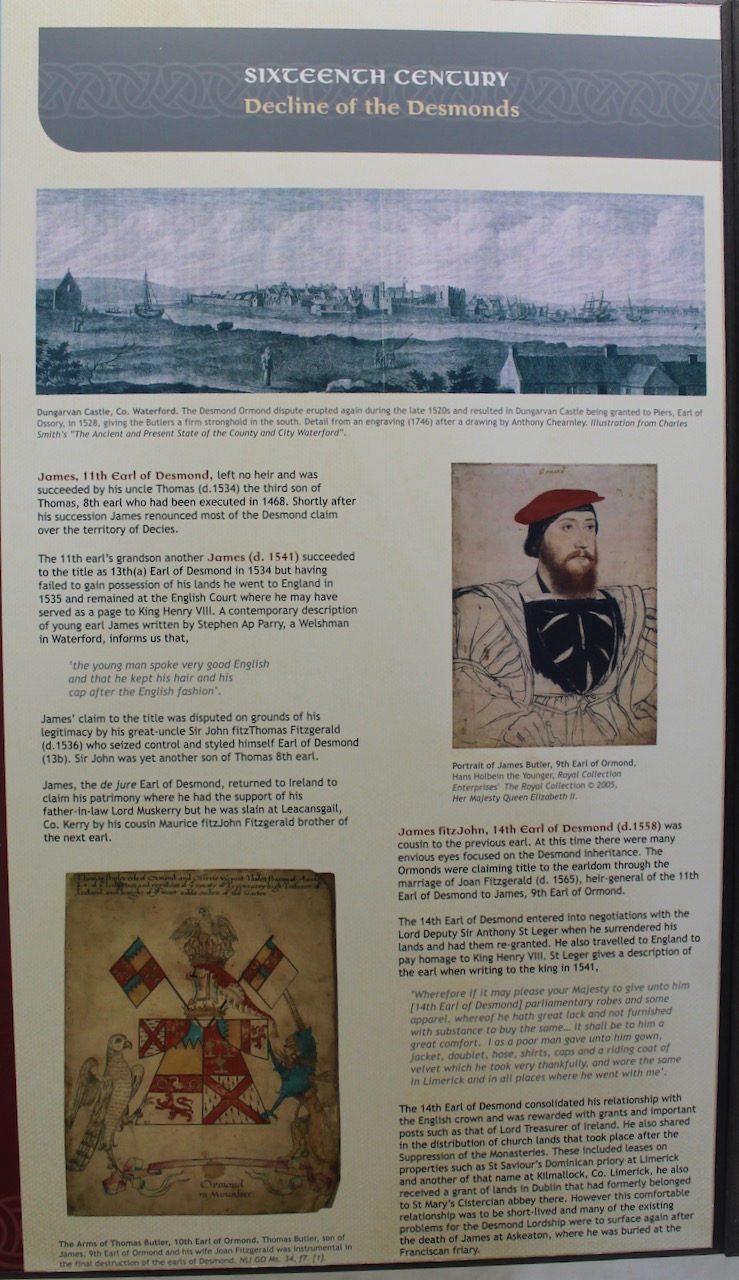
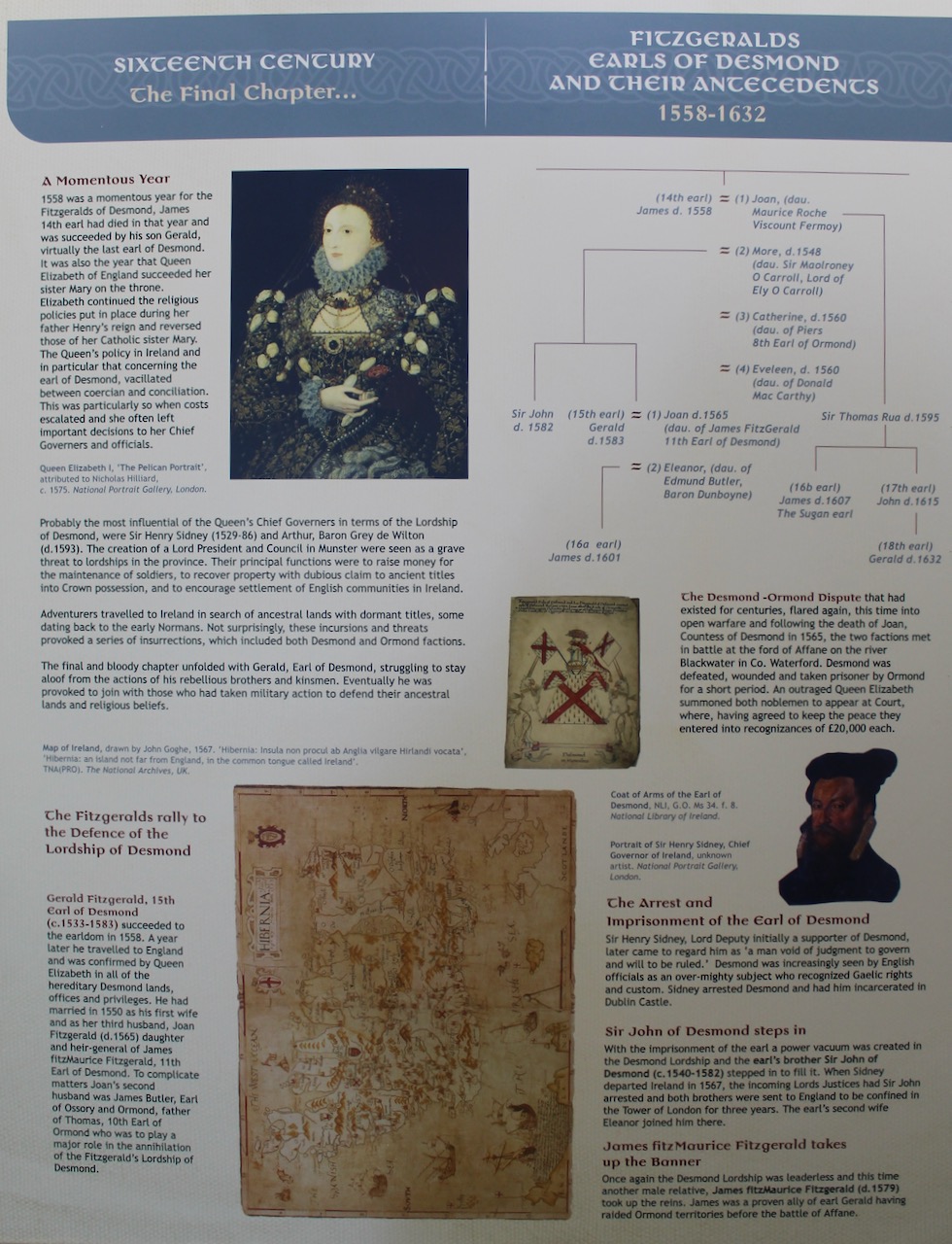


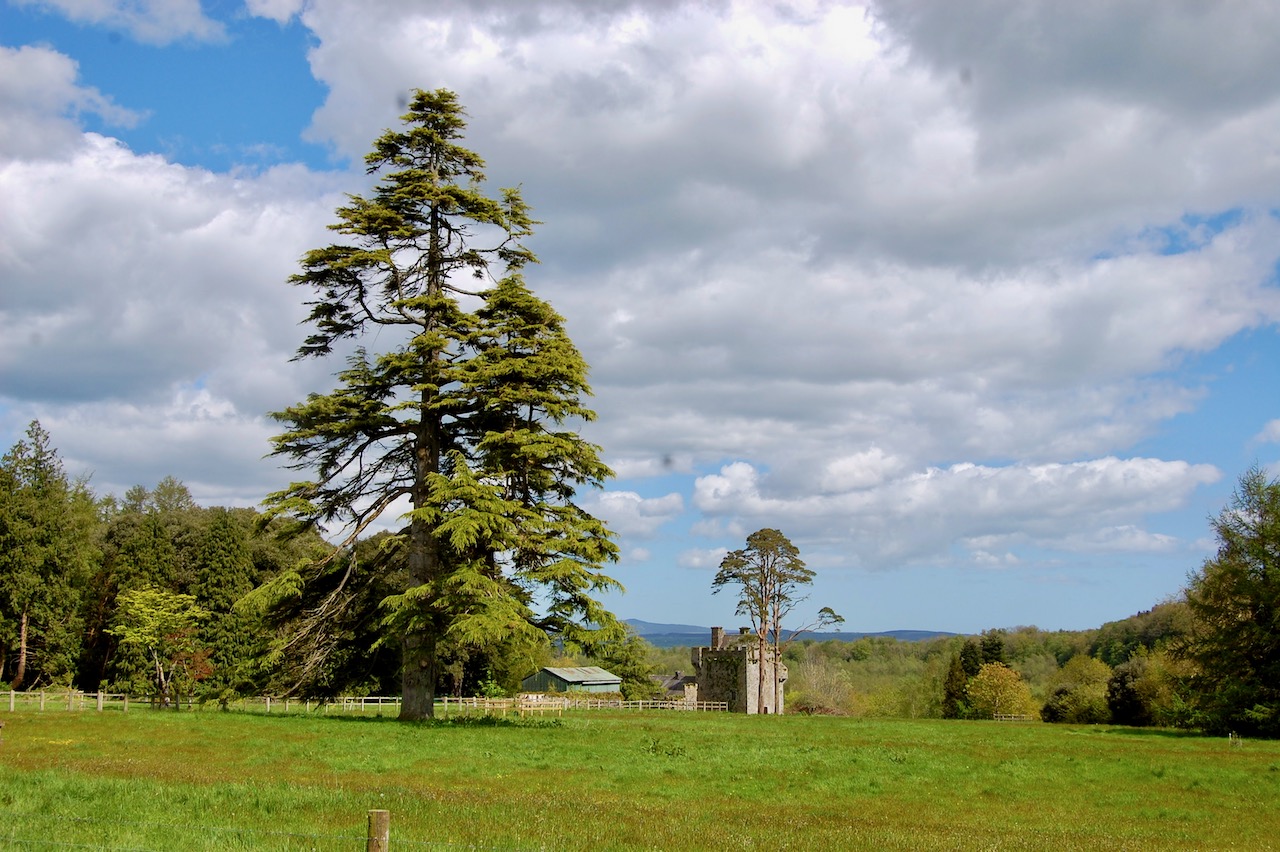

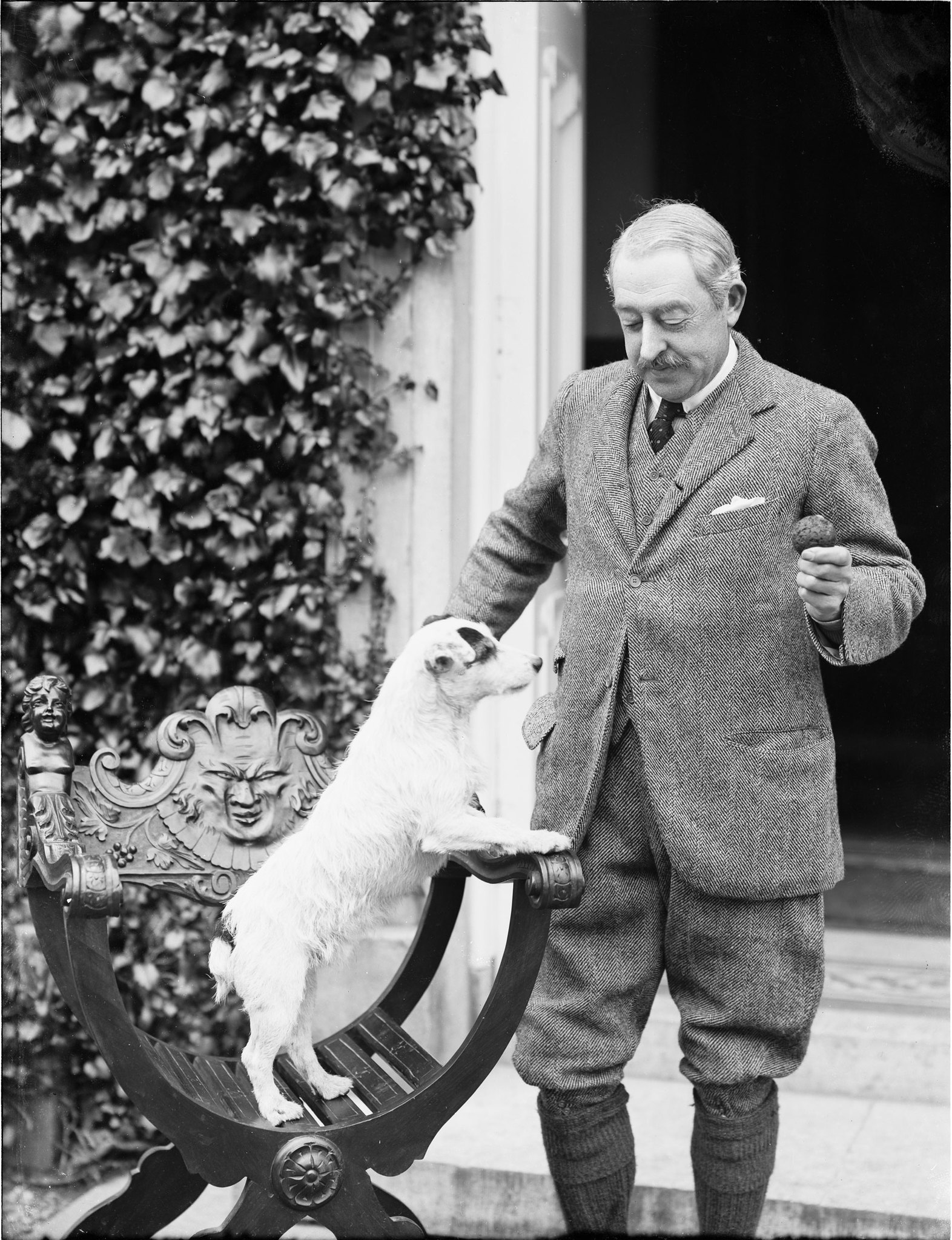
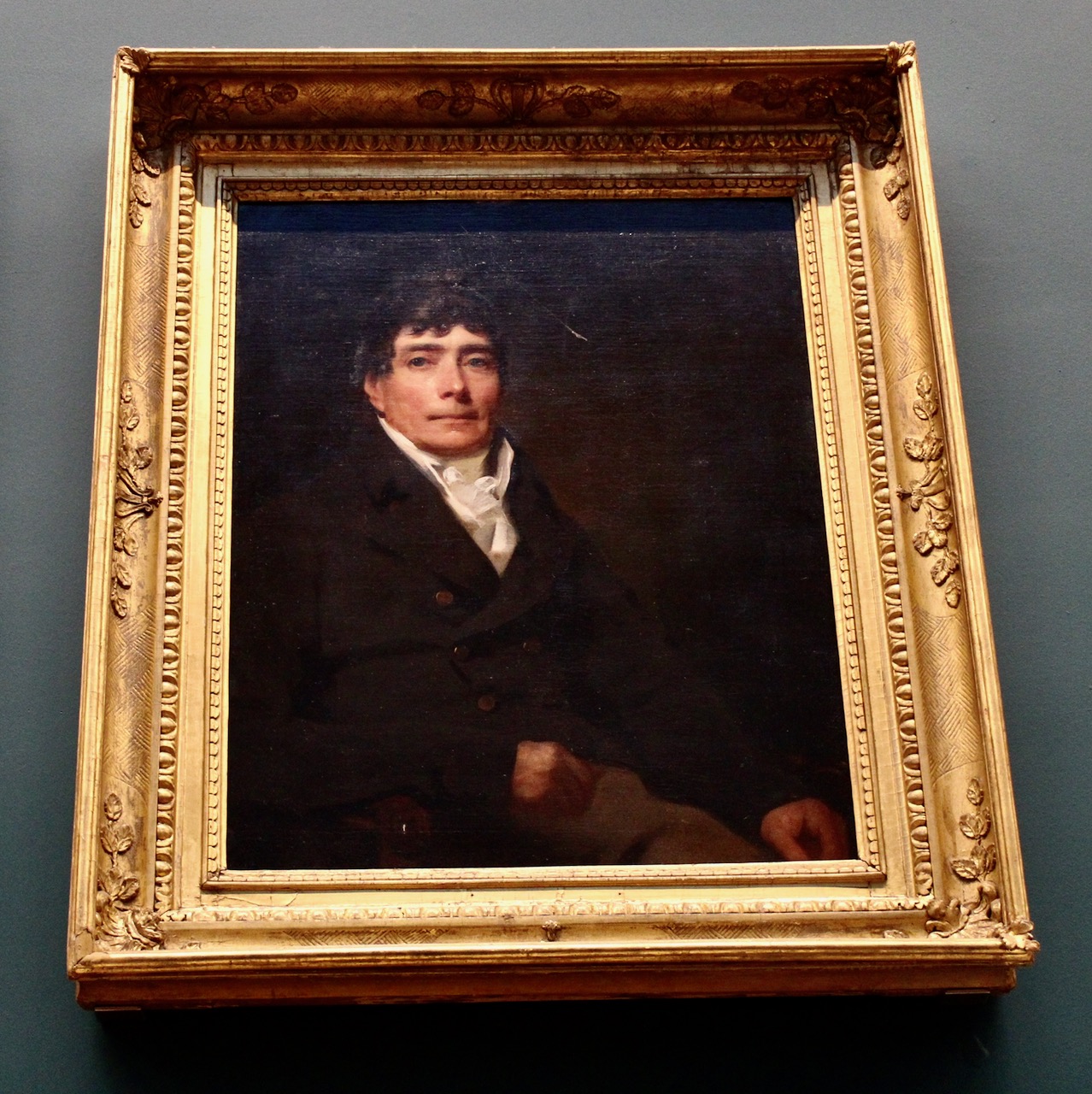
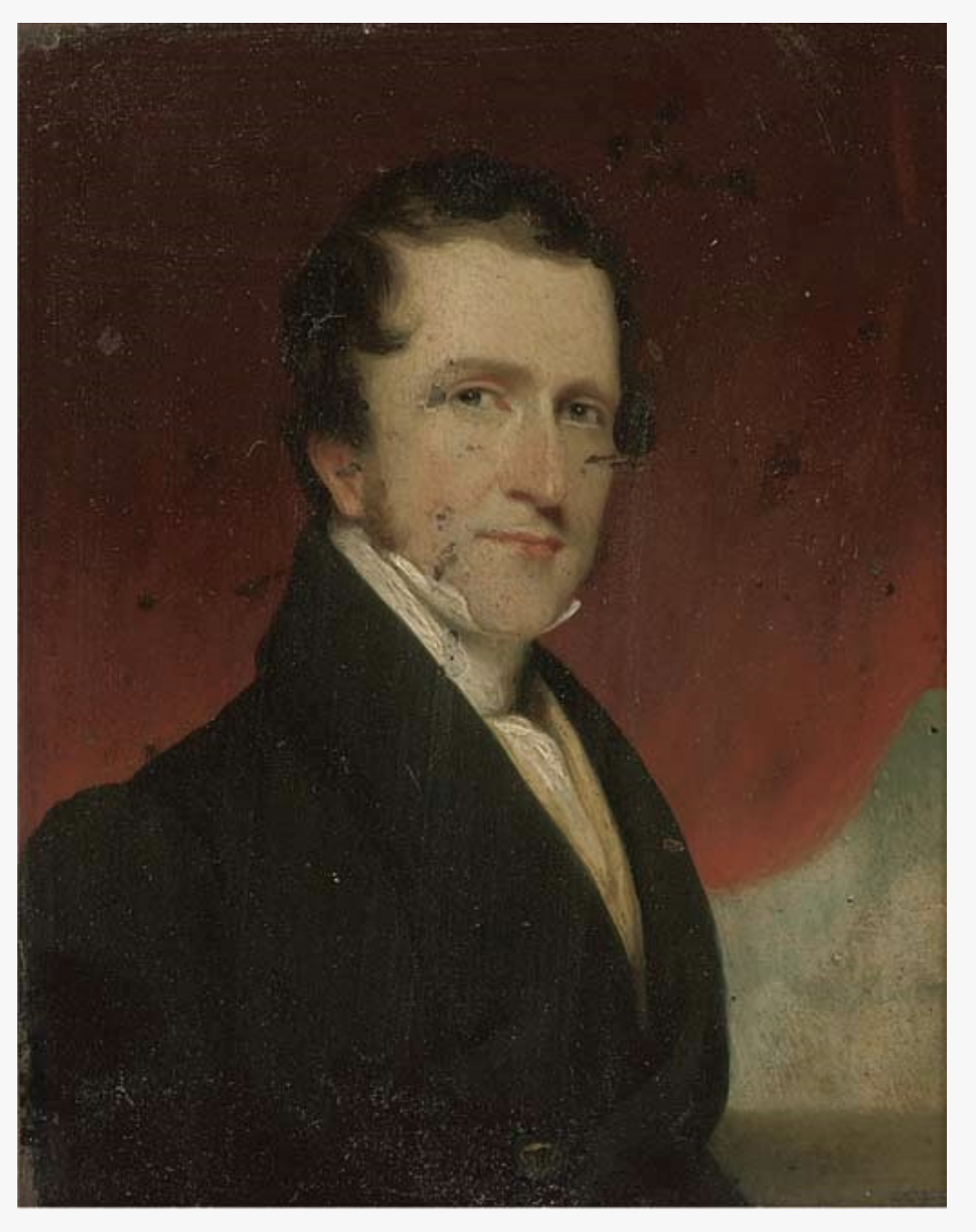
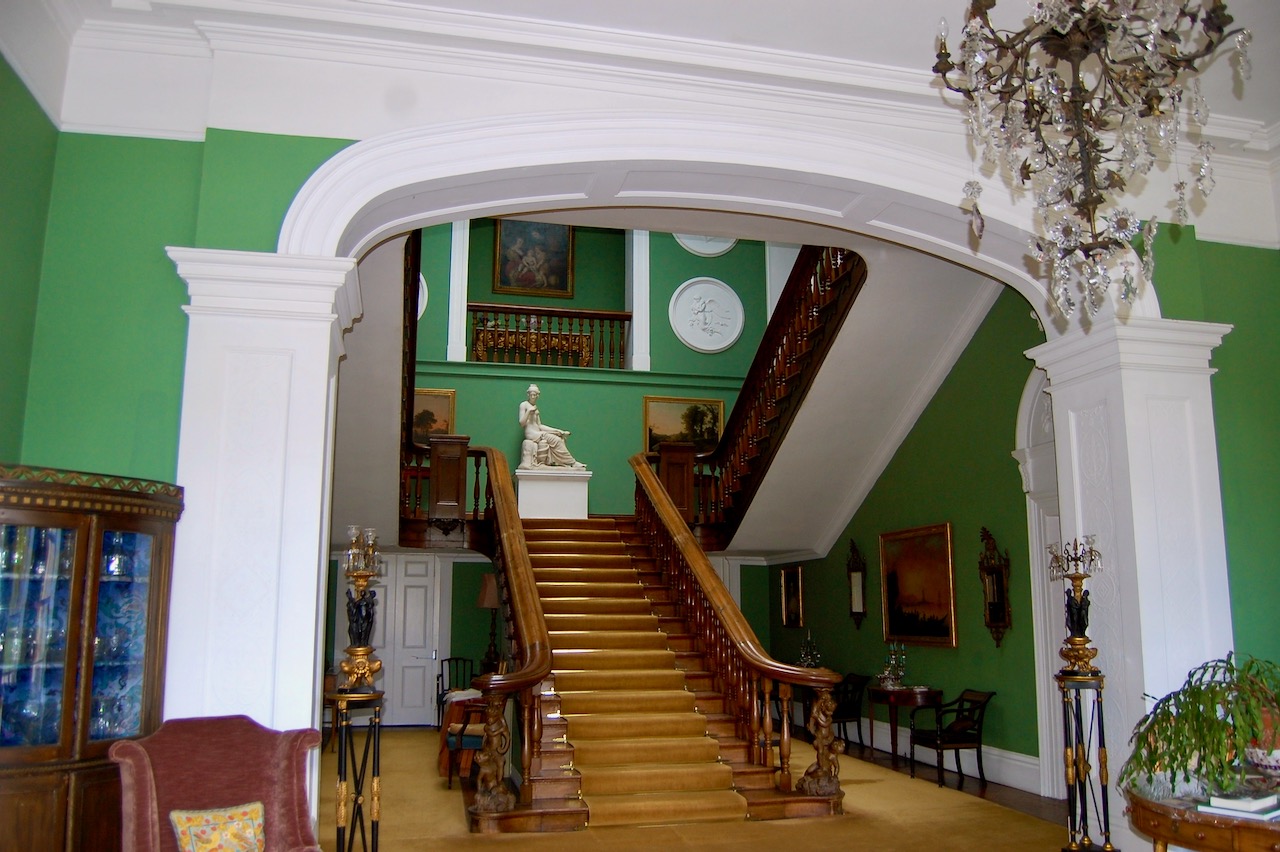


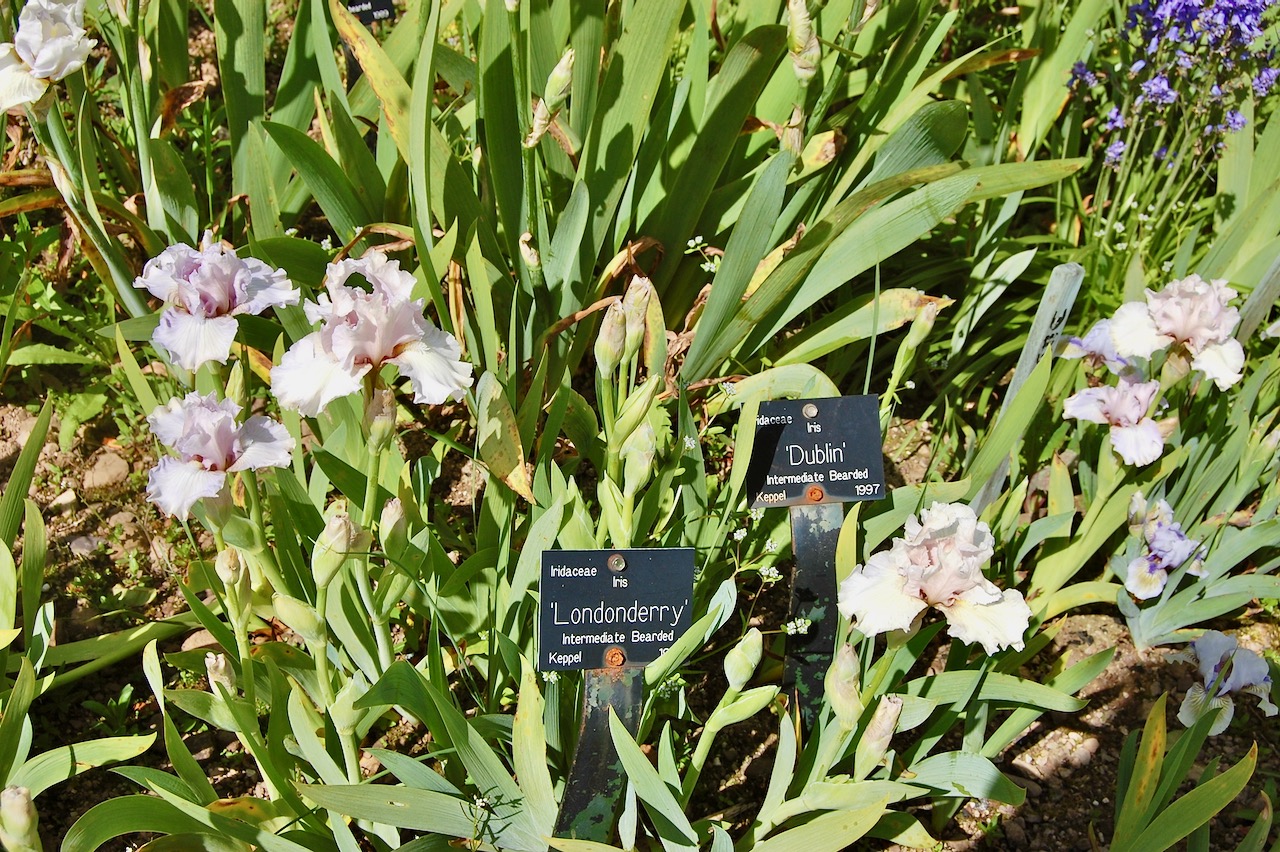


 Irish Historic Houses


