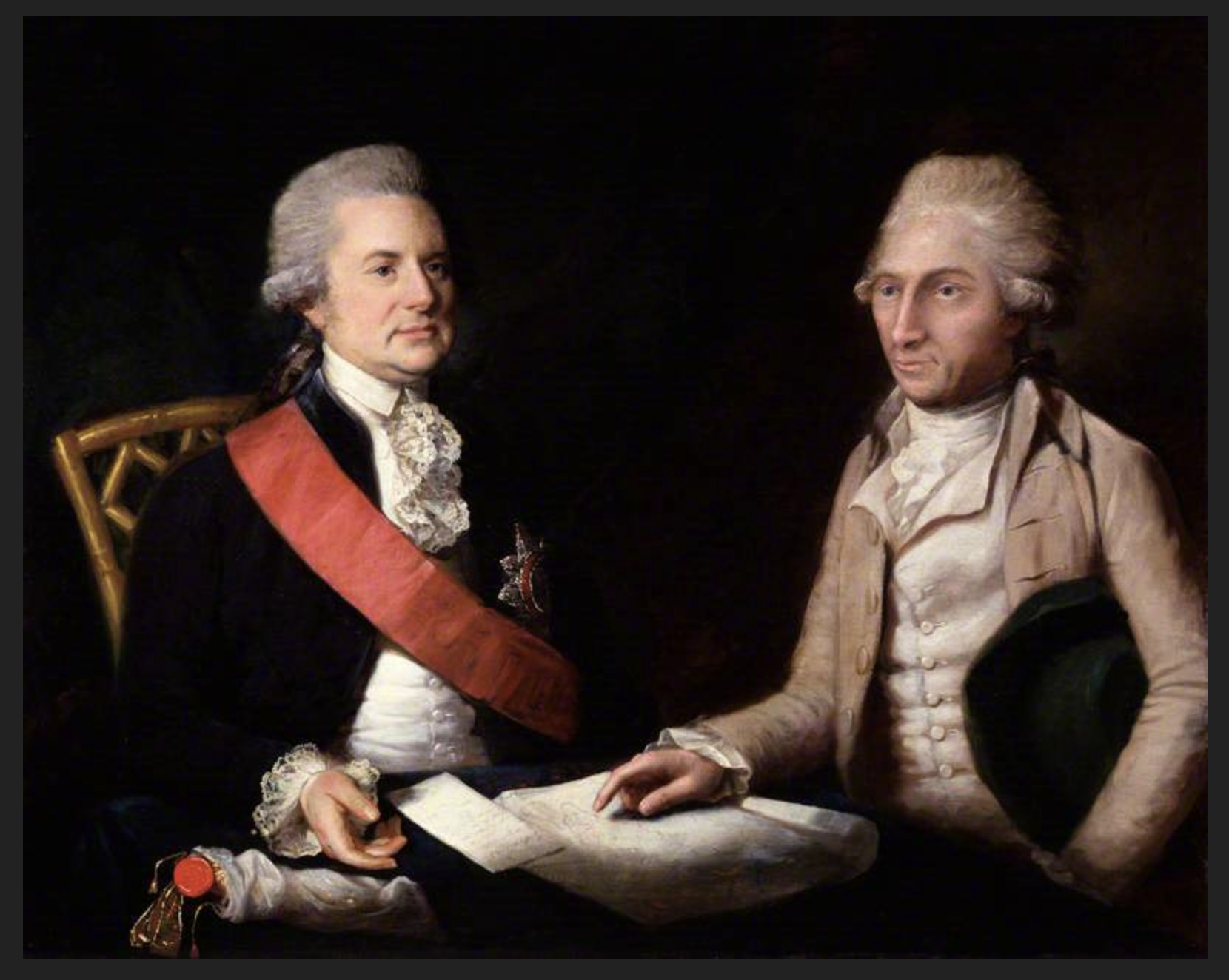
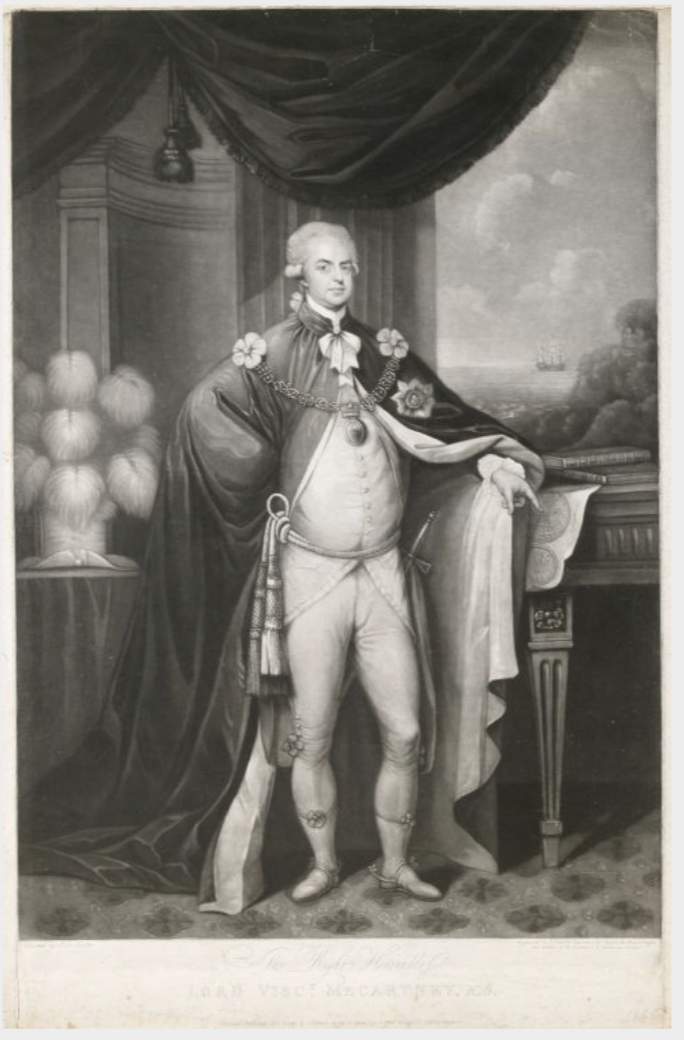
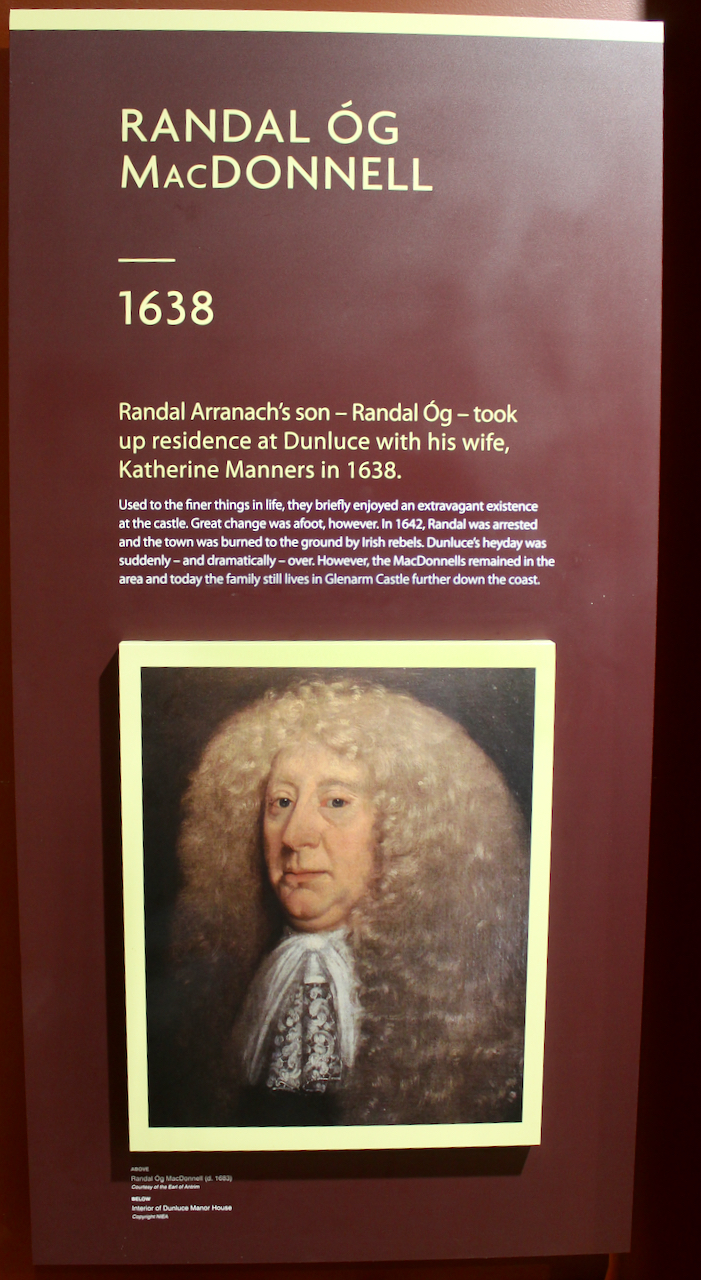
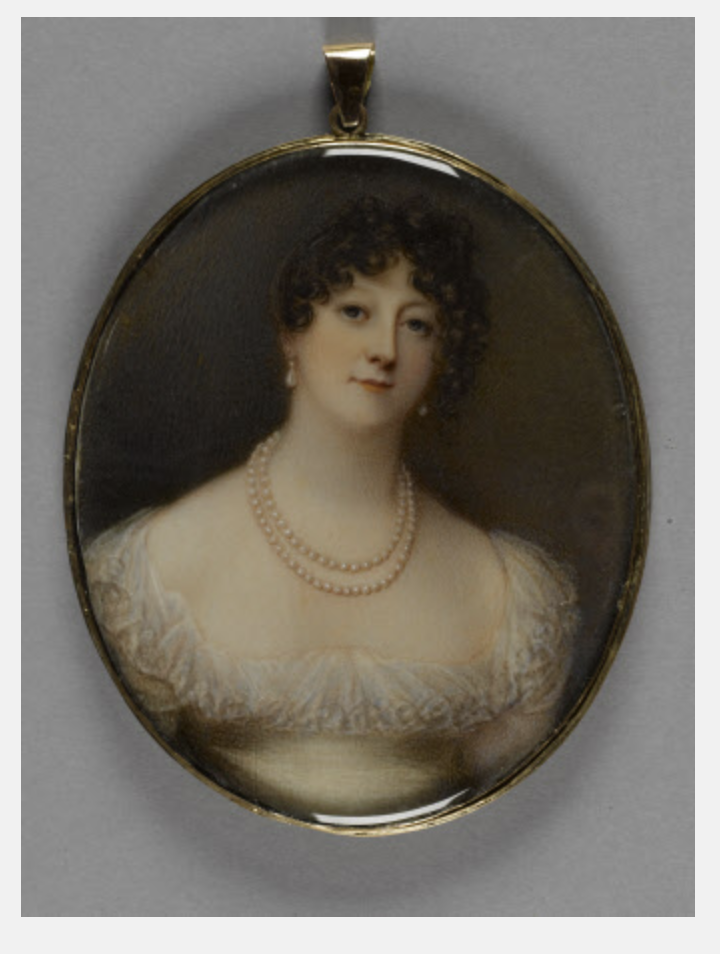
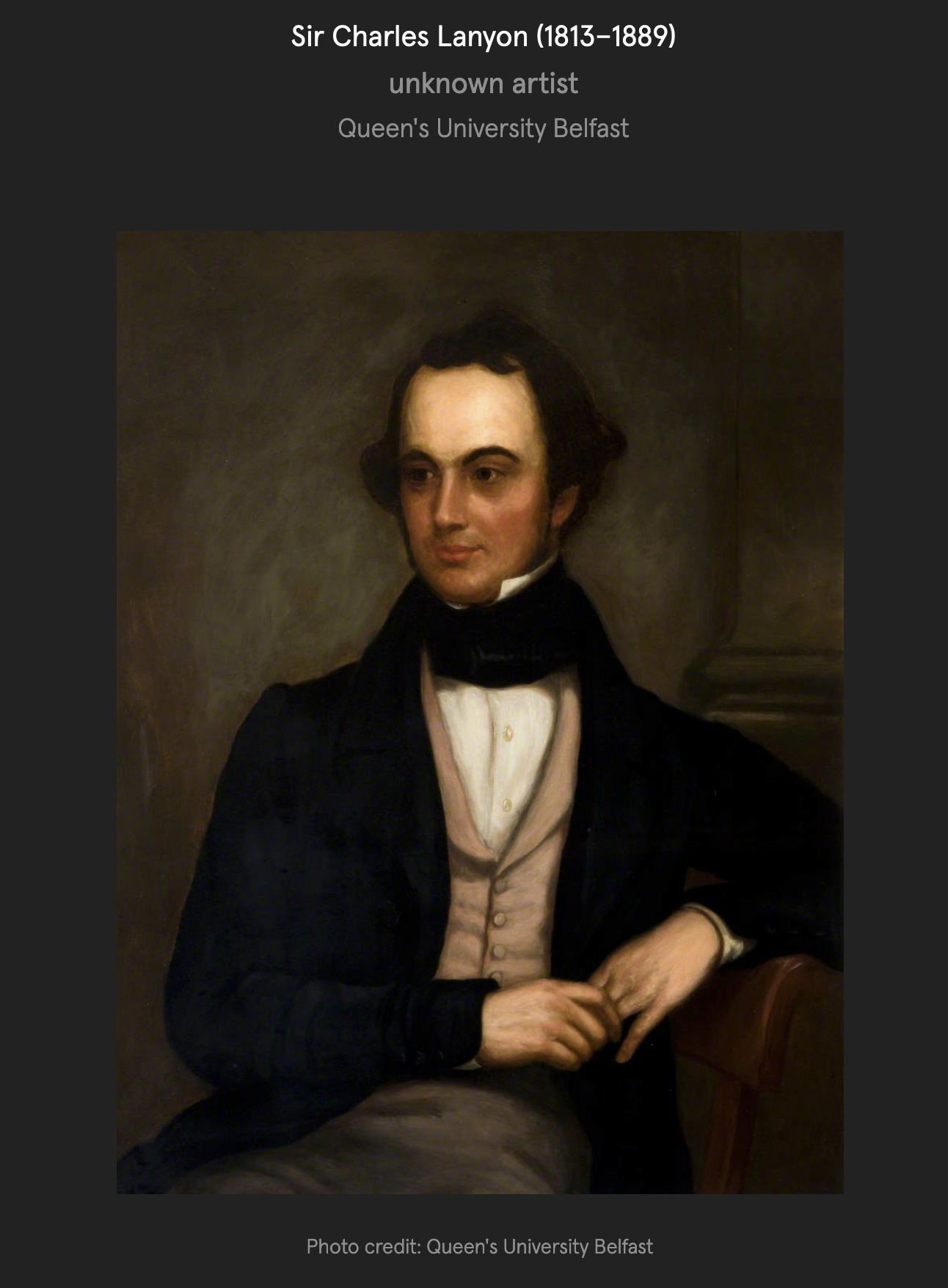
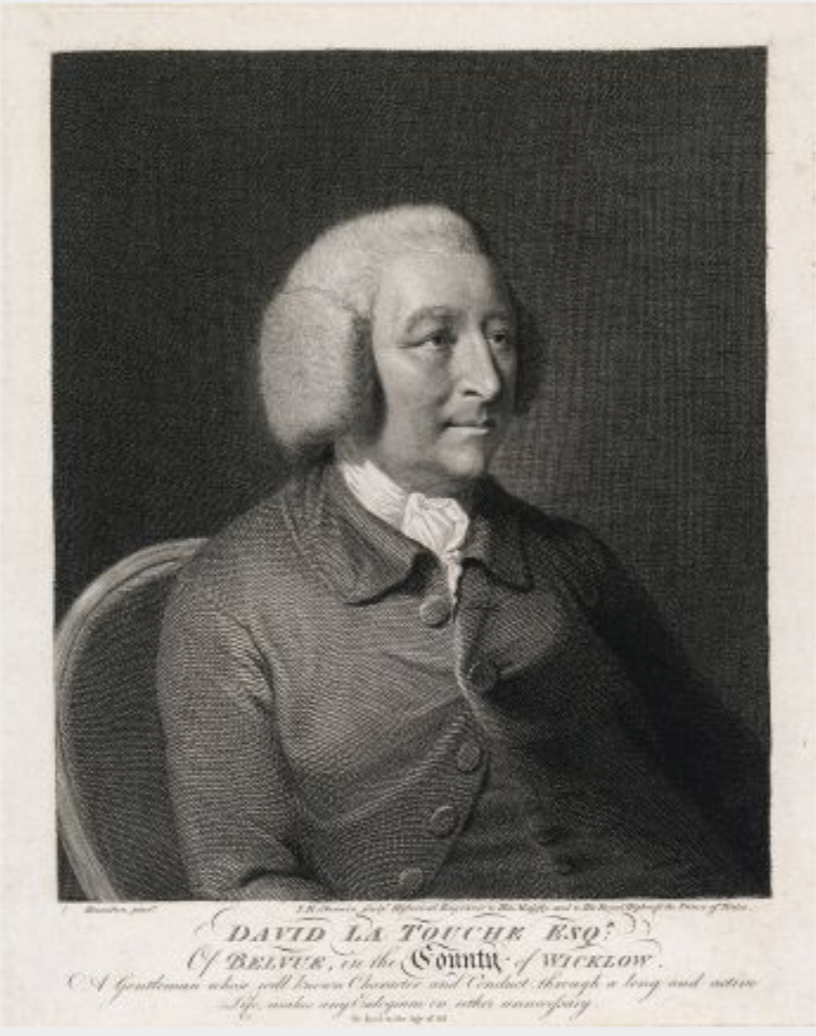
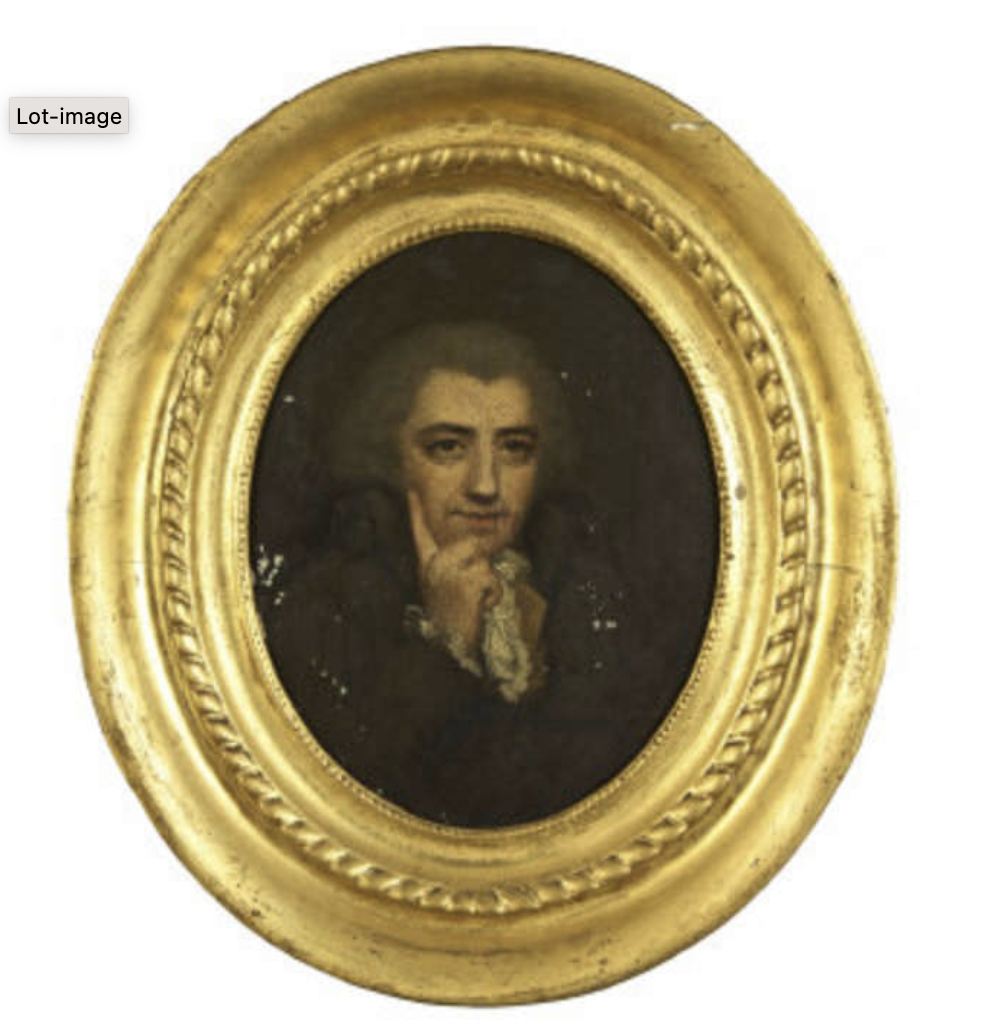
Portraits D

My page of portraits for C and D is too long so I am splitting into two pages.

2025 Diary of Irish Historic Houses (section 482 properties)

To purchase an A5 size 2025 Diary of Historic Houses (opening times and days are not listed so the calendar is for use for recording appointments and not as a reference for opening times) send your postal address to jennifer.baggot@gmail.com along with €20 via this payment button. The calendar of 84 pages includes space for writing your appointments as well as photographs of the historic houses. The price includes postage within Ireland. Postage to U.S. is a further €10 for the A5 size calendar, so I would appreciate a donation toward the postage – you can click on the donation link.

€20.00

donation

Help me to pay the entrance fee to one of the houses on this website. This site is created purely out of love for the subject and I receive no payment so any donation is appreciated!

€10.00

Donation towards accommodation

I receive no funding nor aid to create and maintain this website, it is a labour of love. I travel all over Ireland to visit Section 482 properties and sometimes this entails an overnight stay. A donation would help to fund my accommodation.

€150.00

D

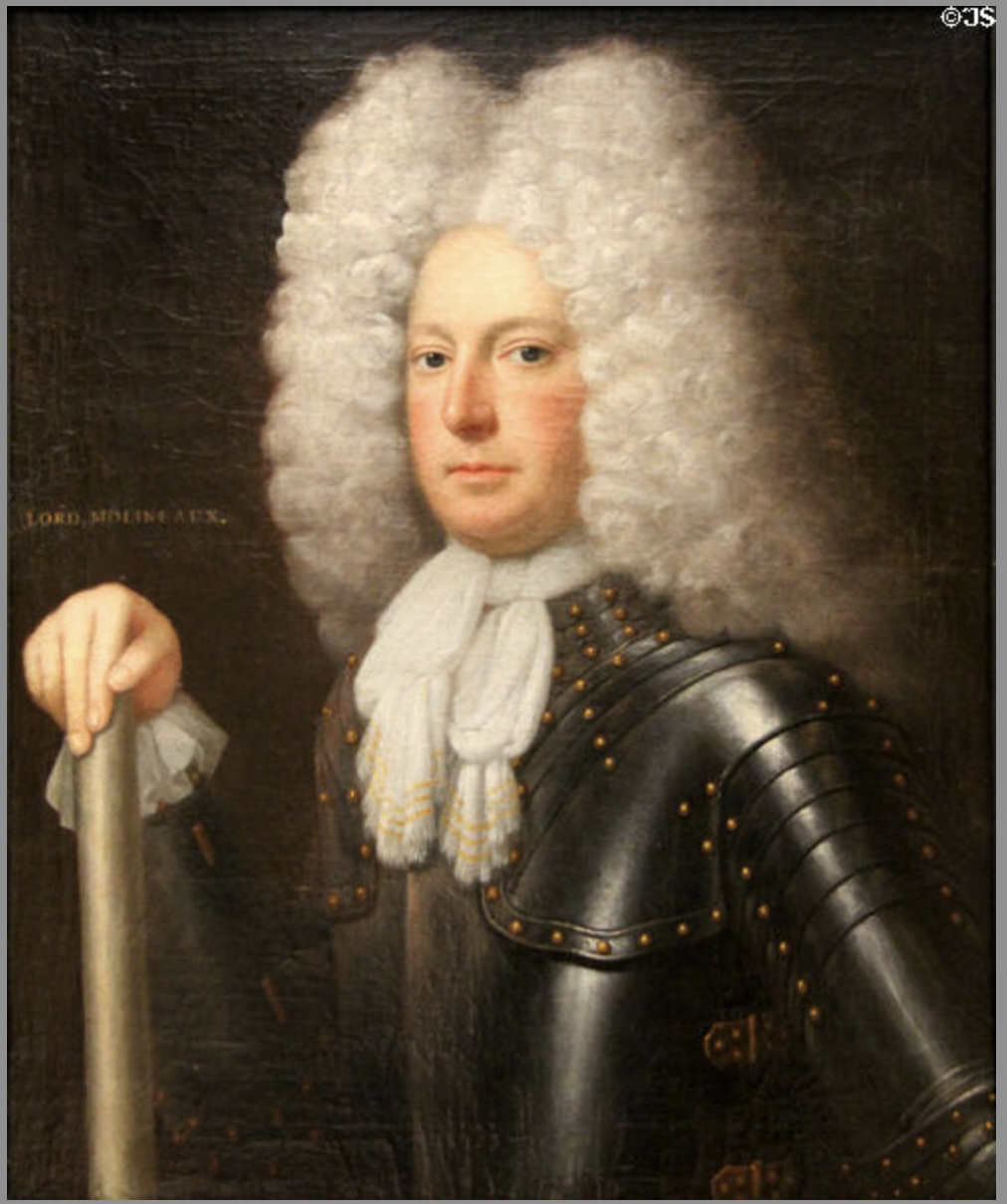
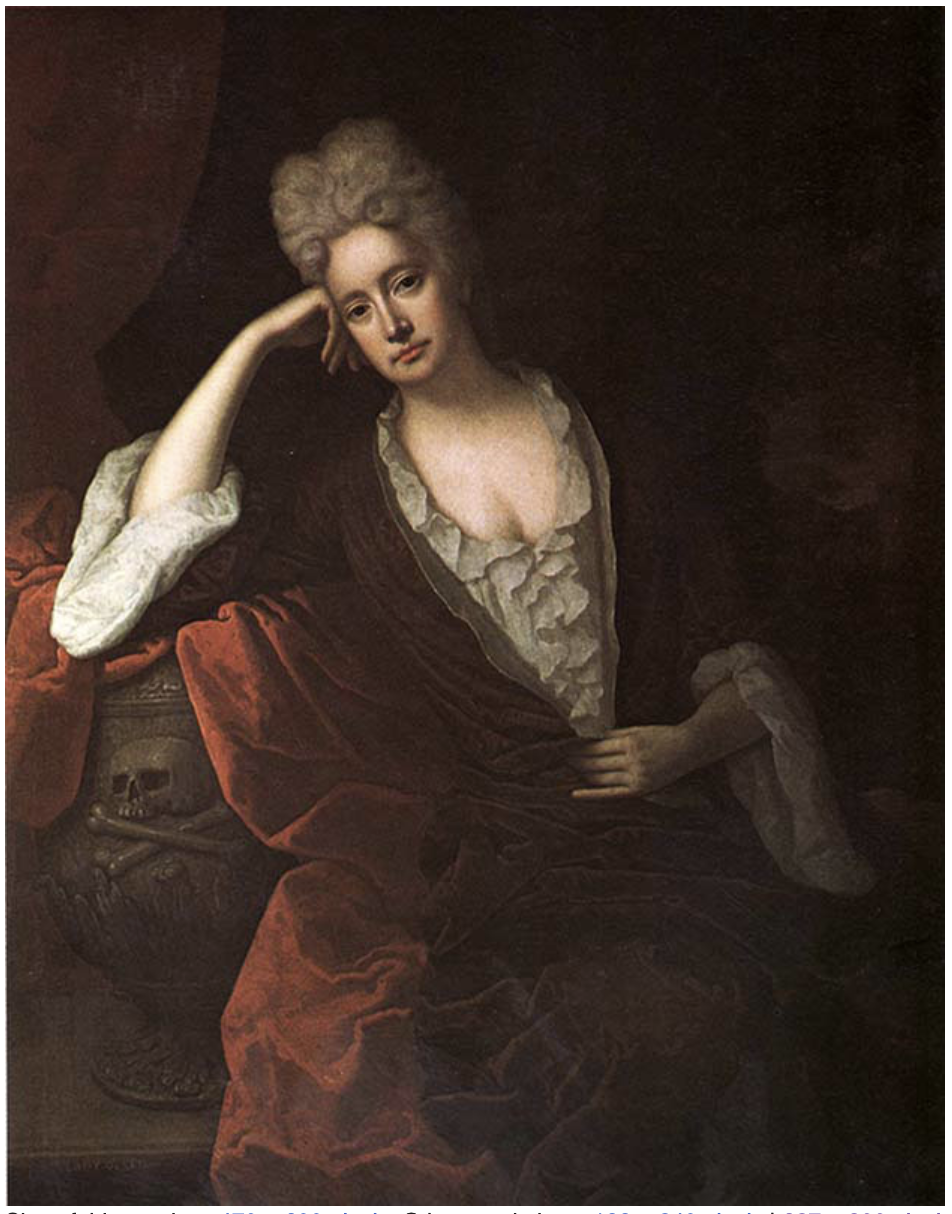
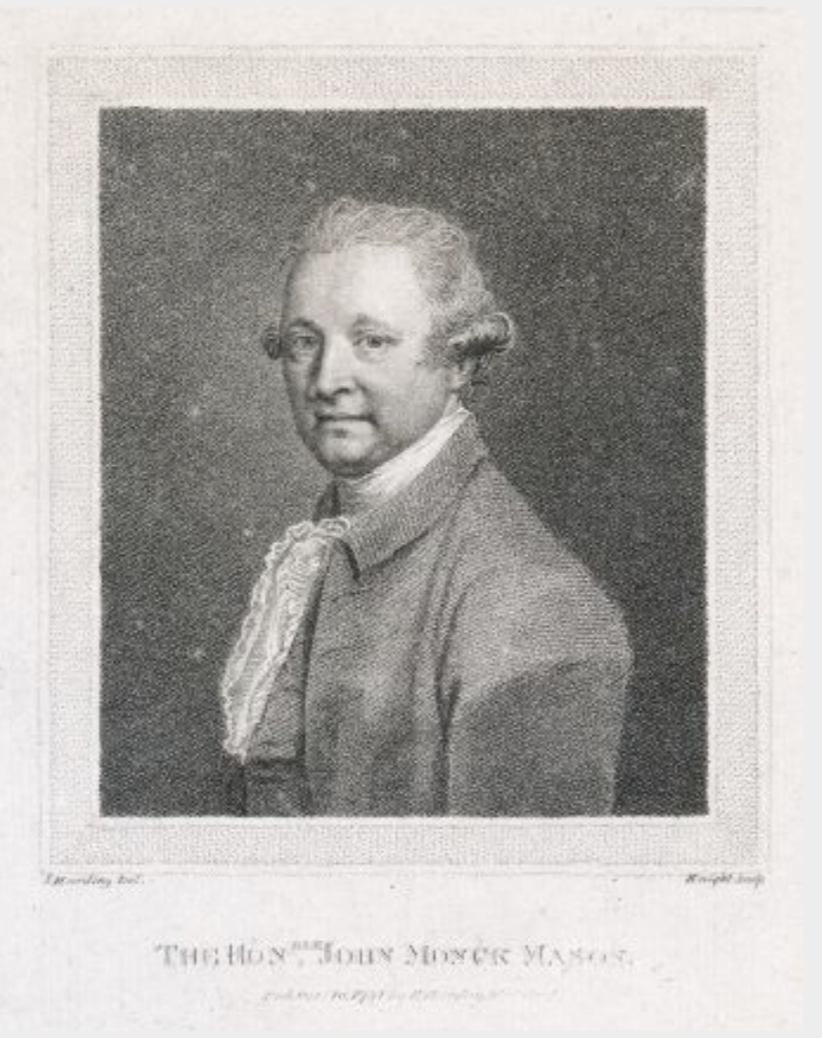
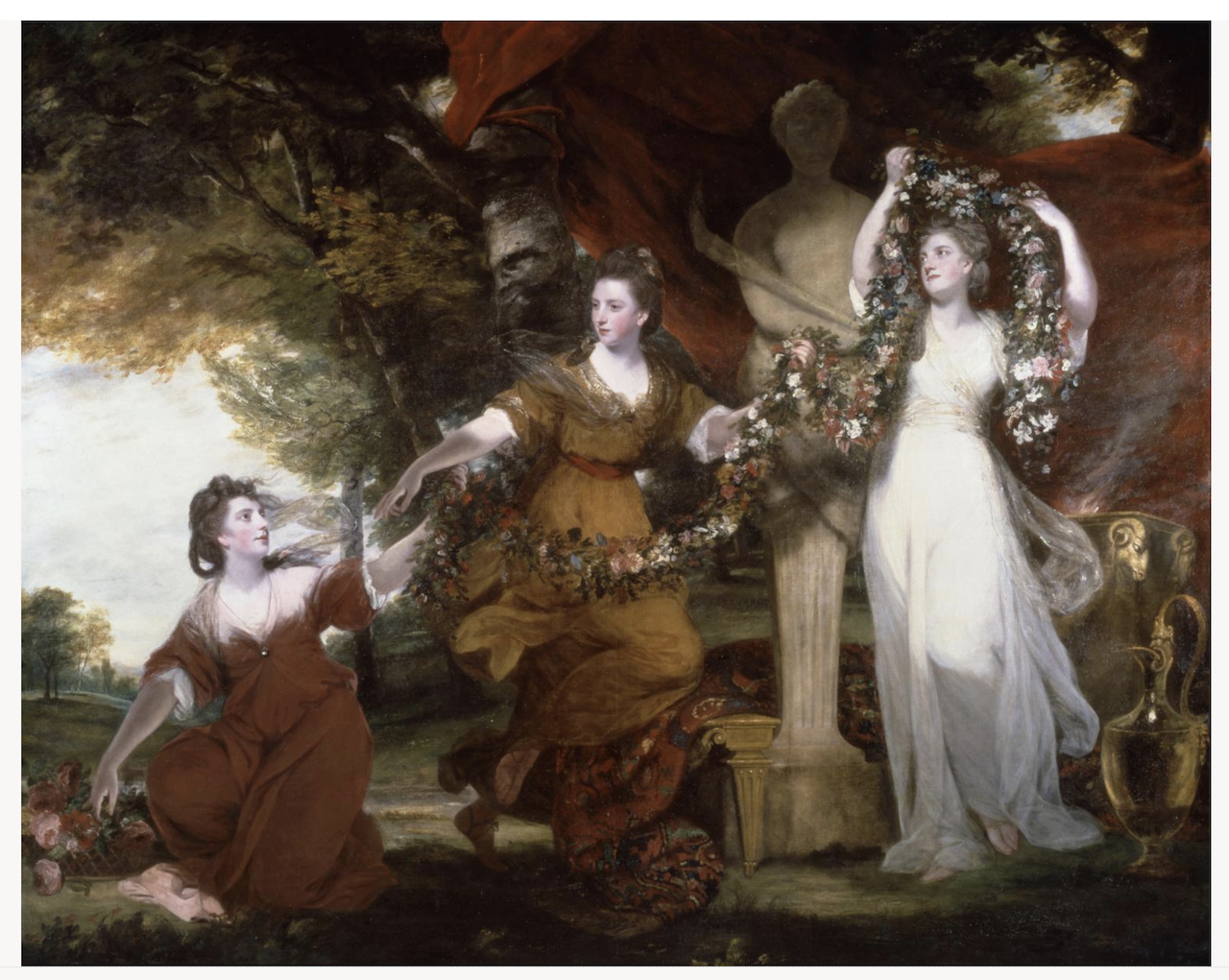
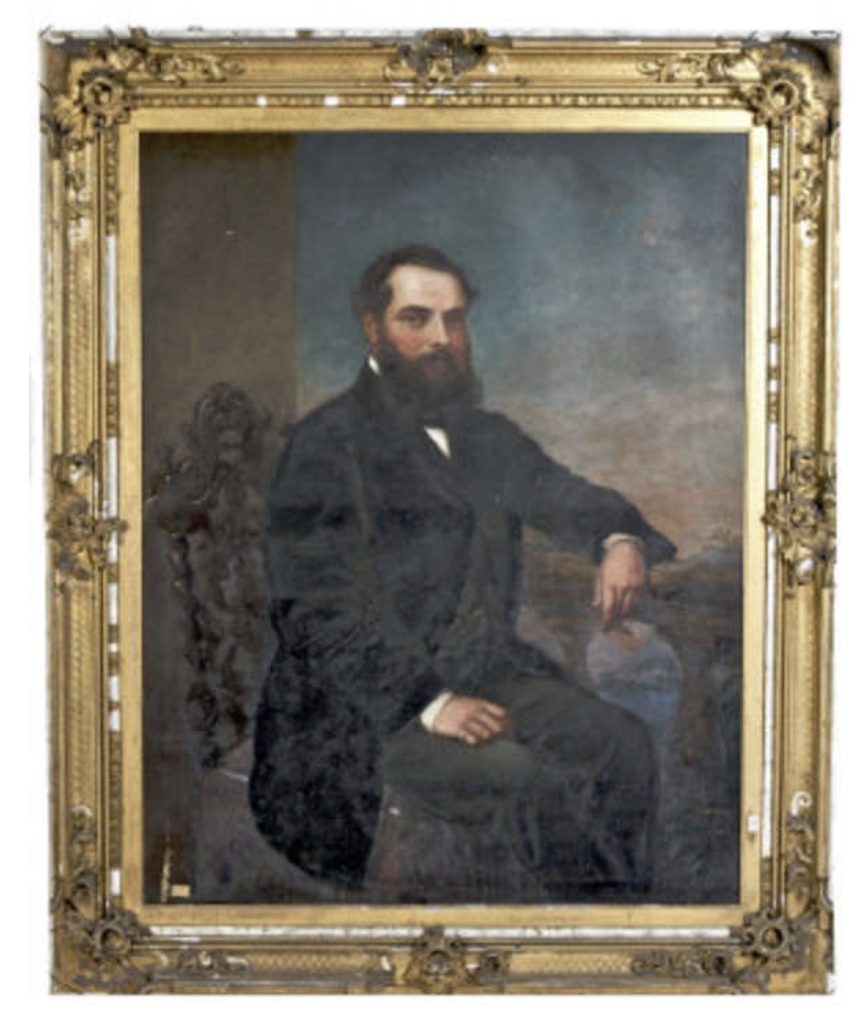
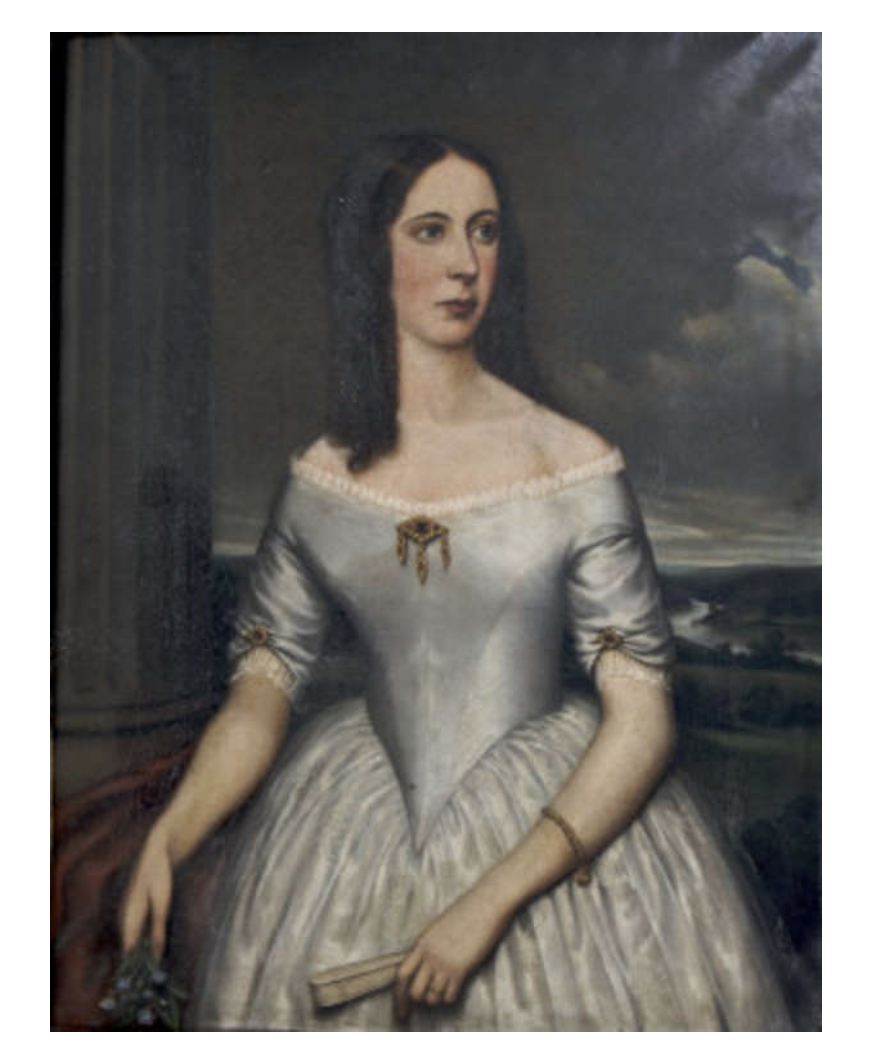
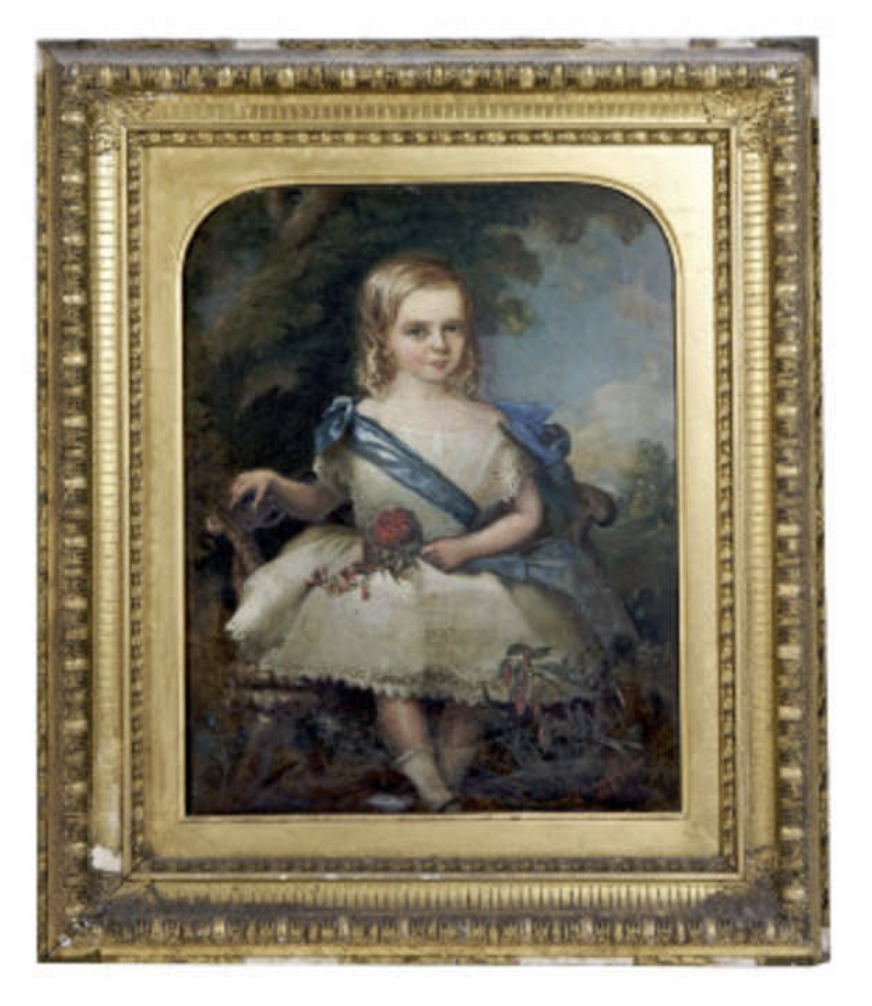
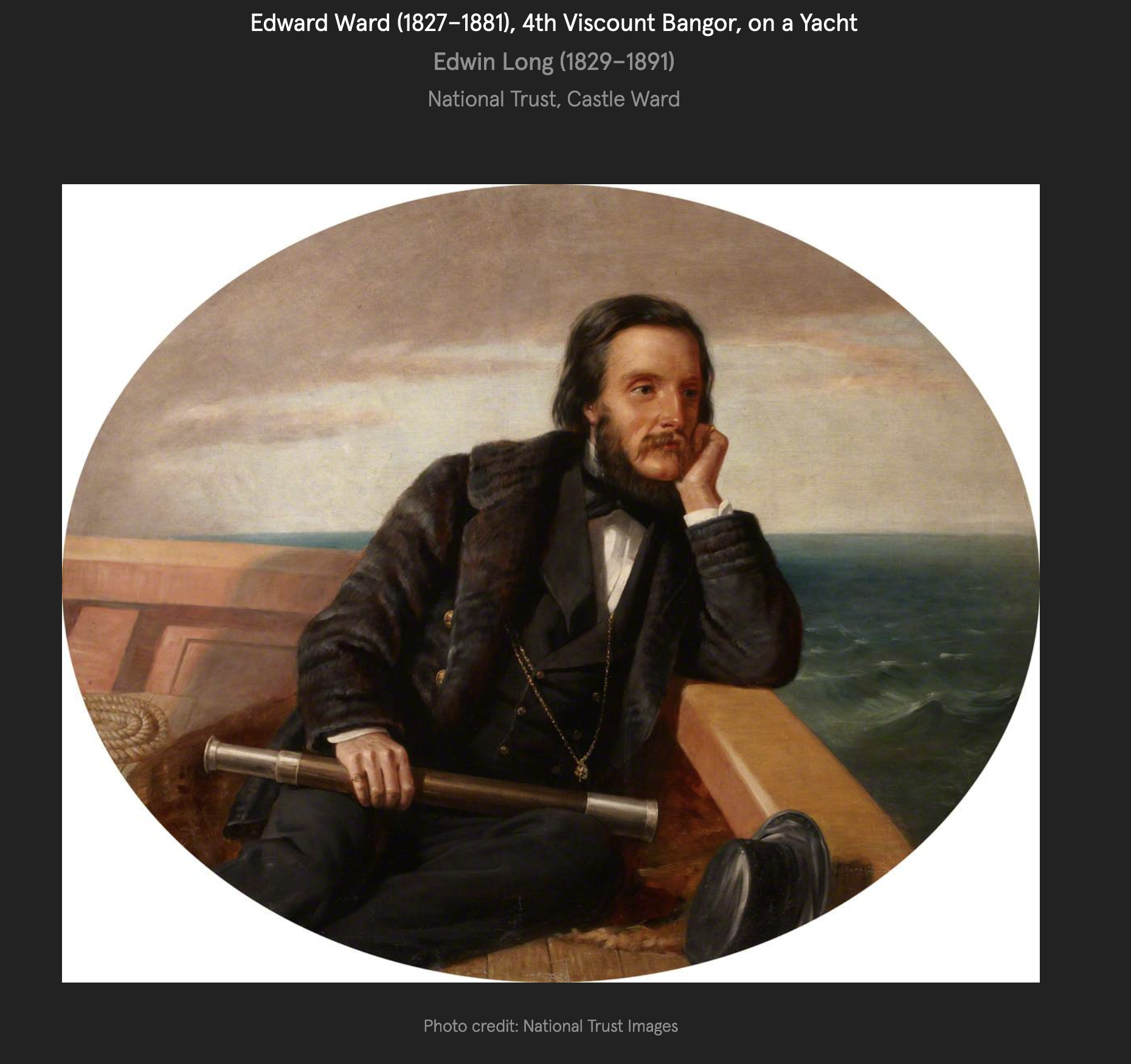
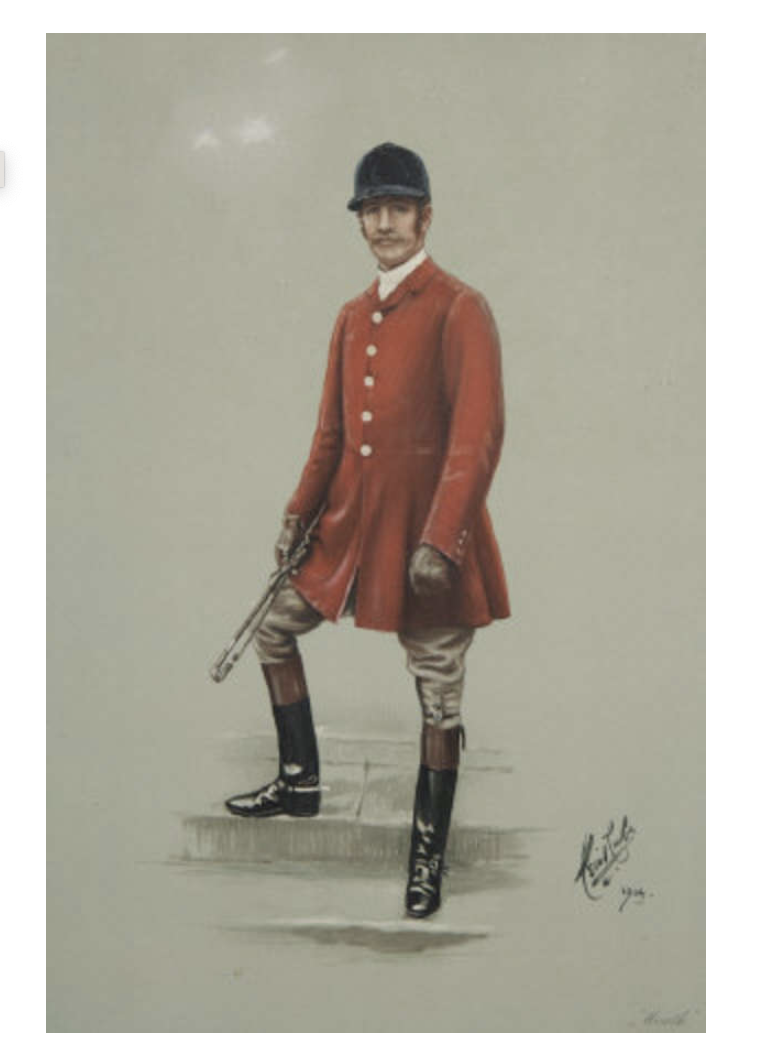
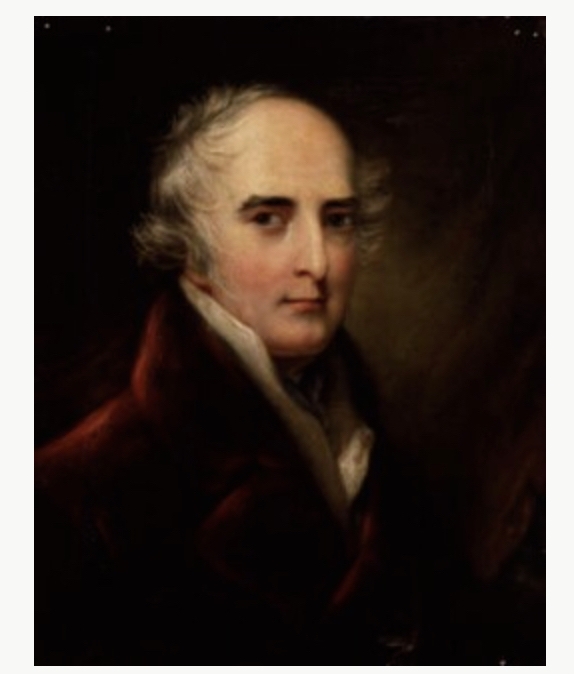
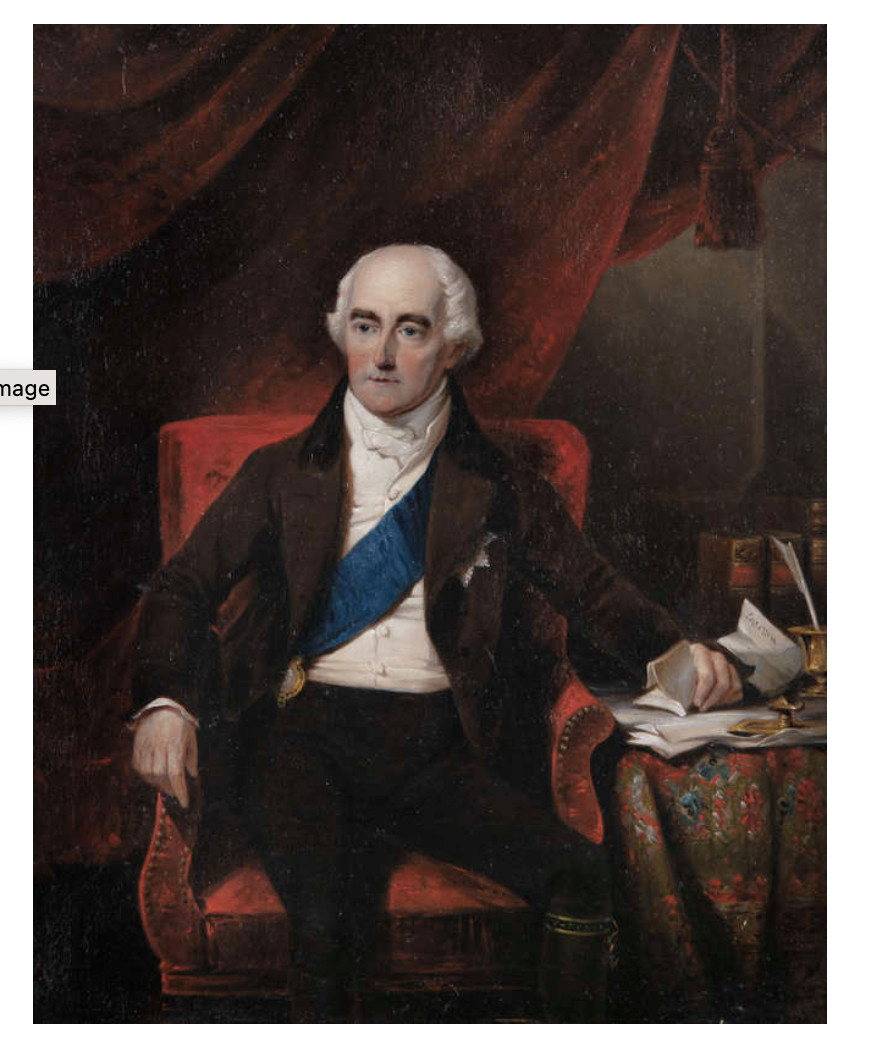
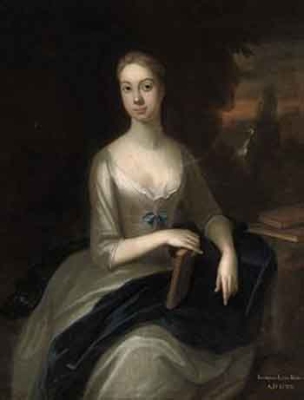
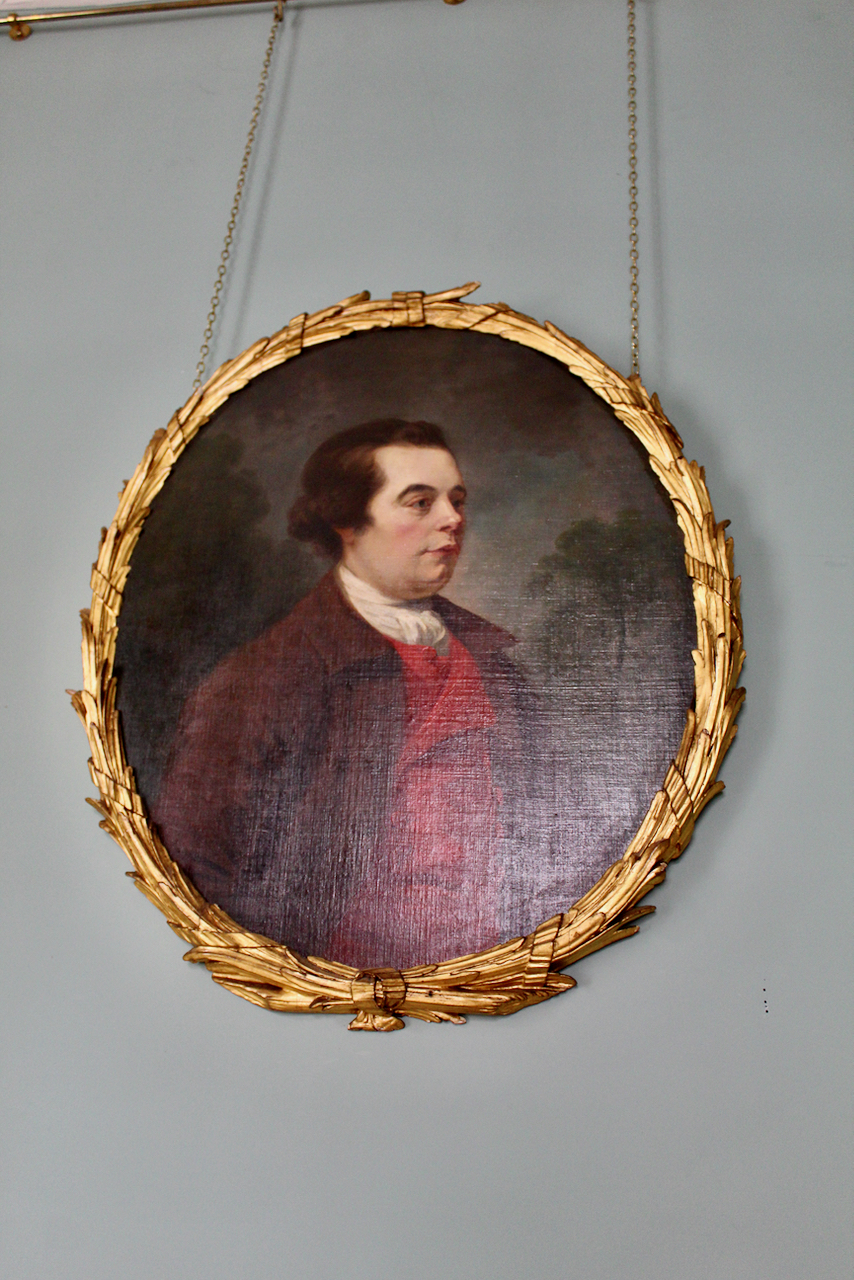
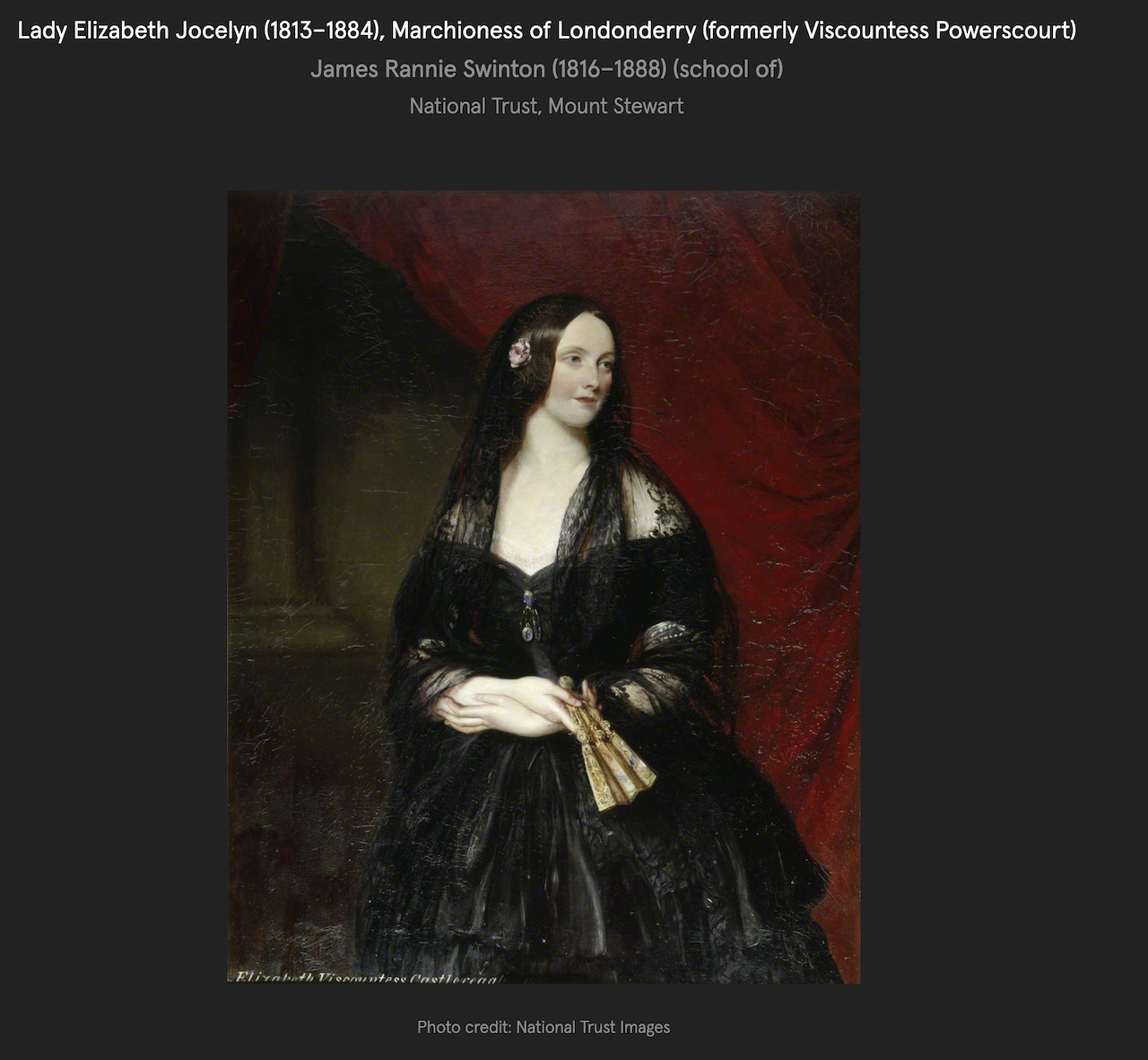
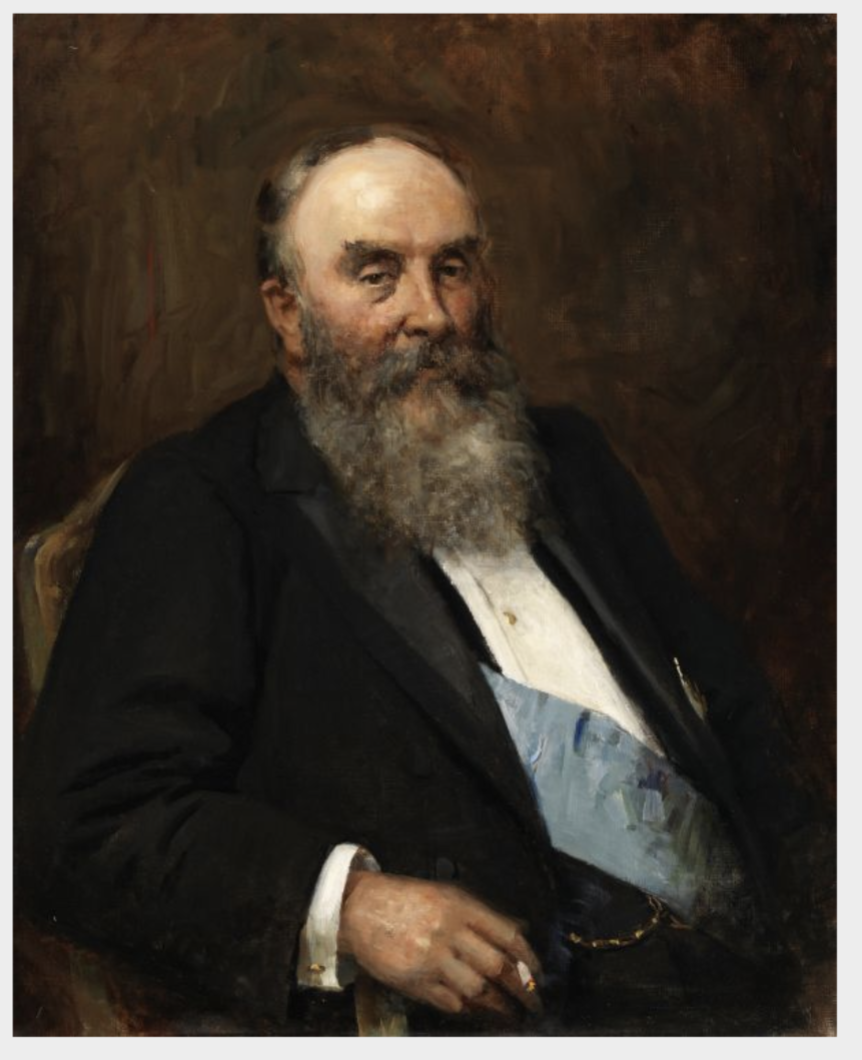
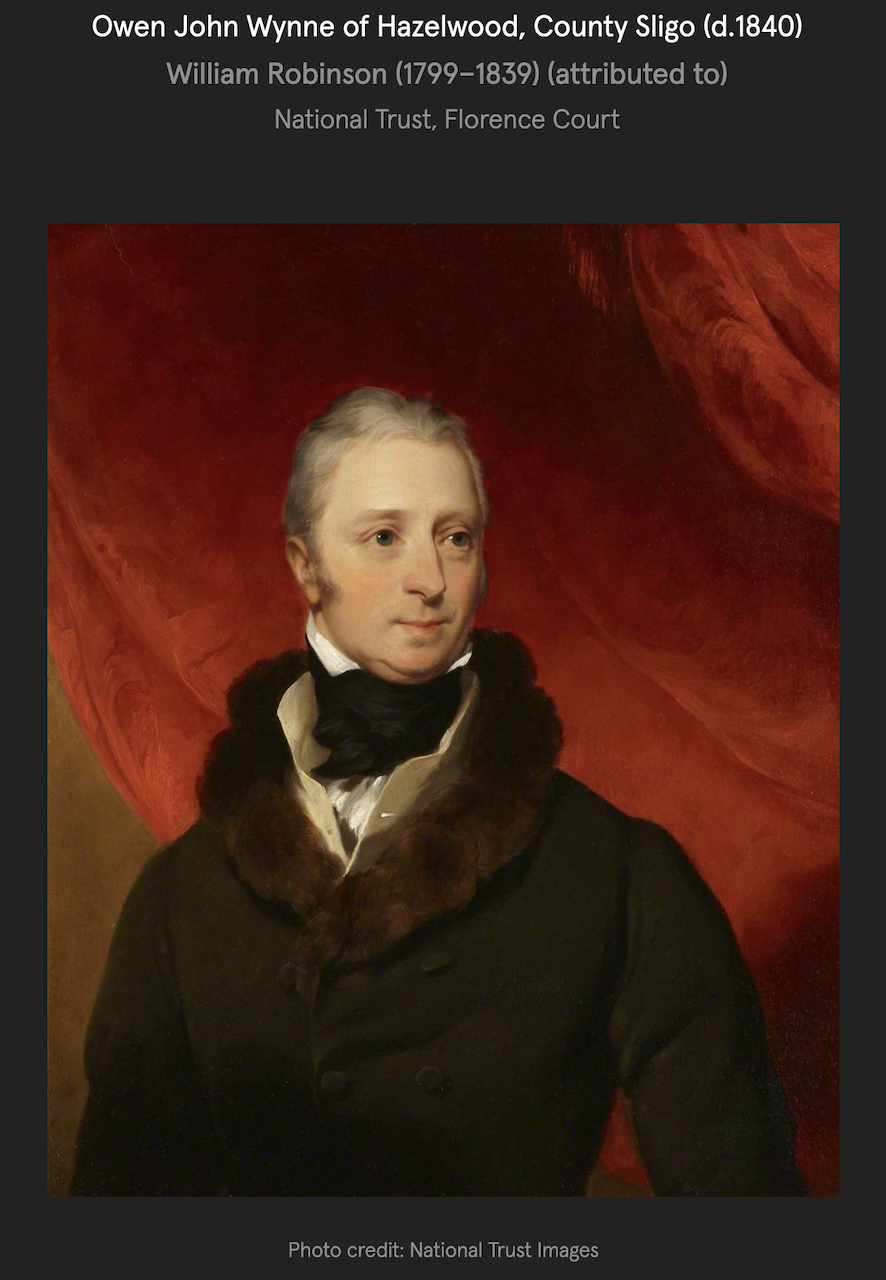
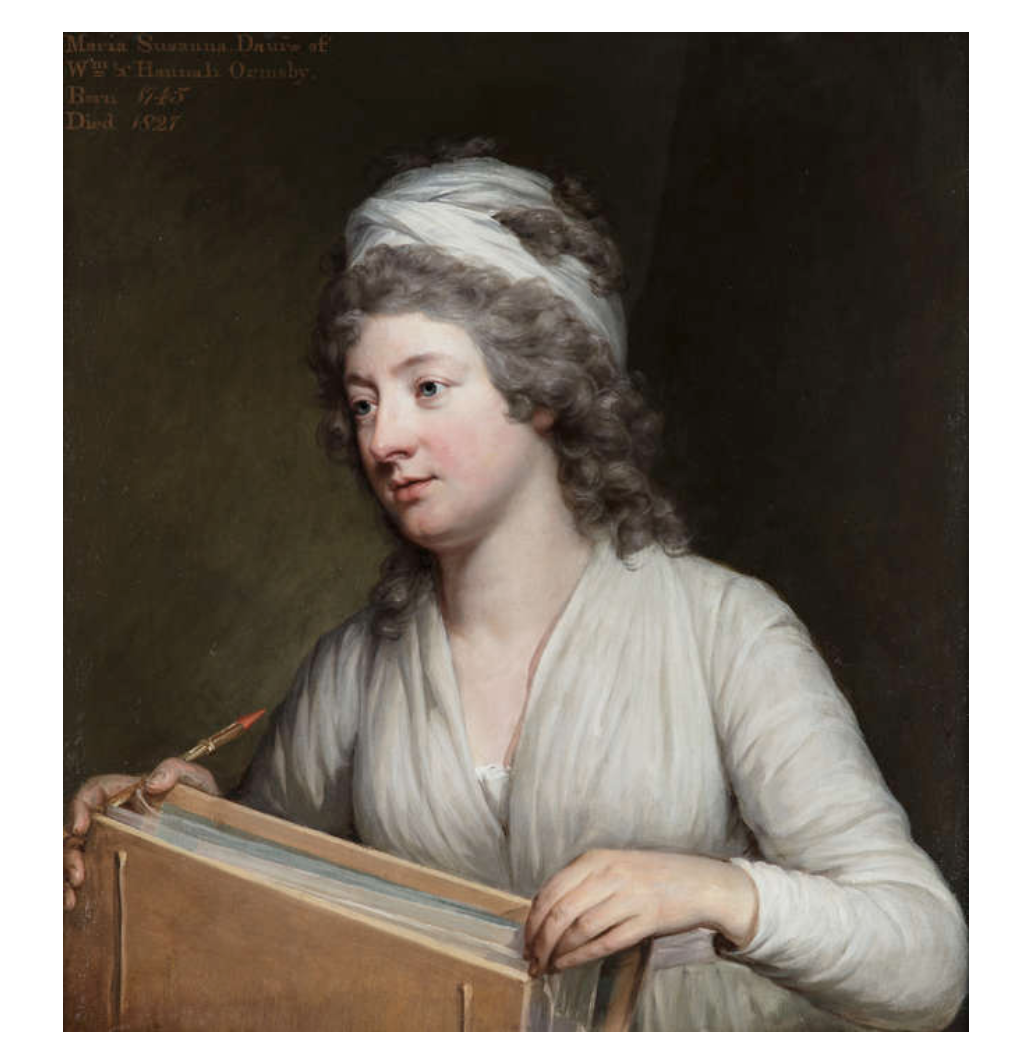
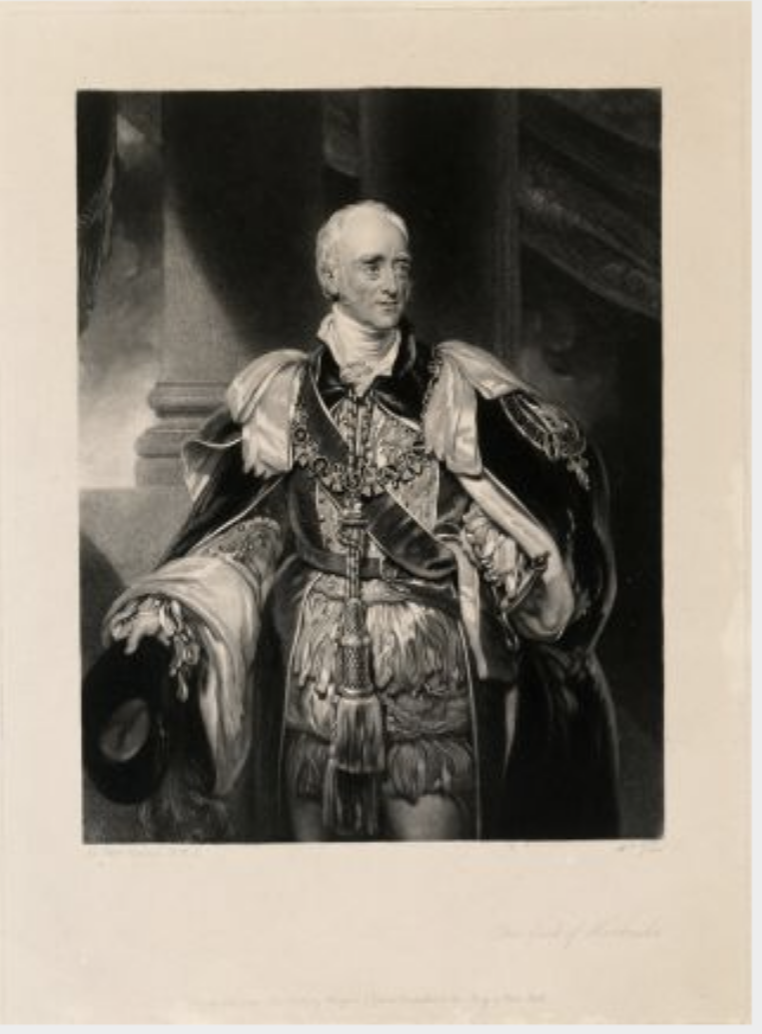
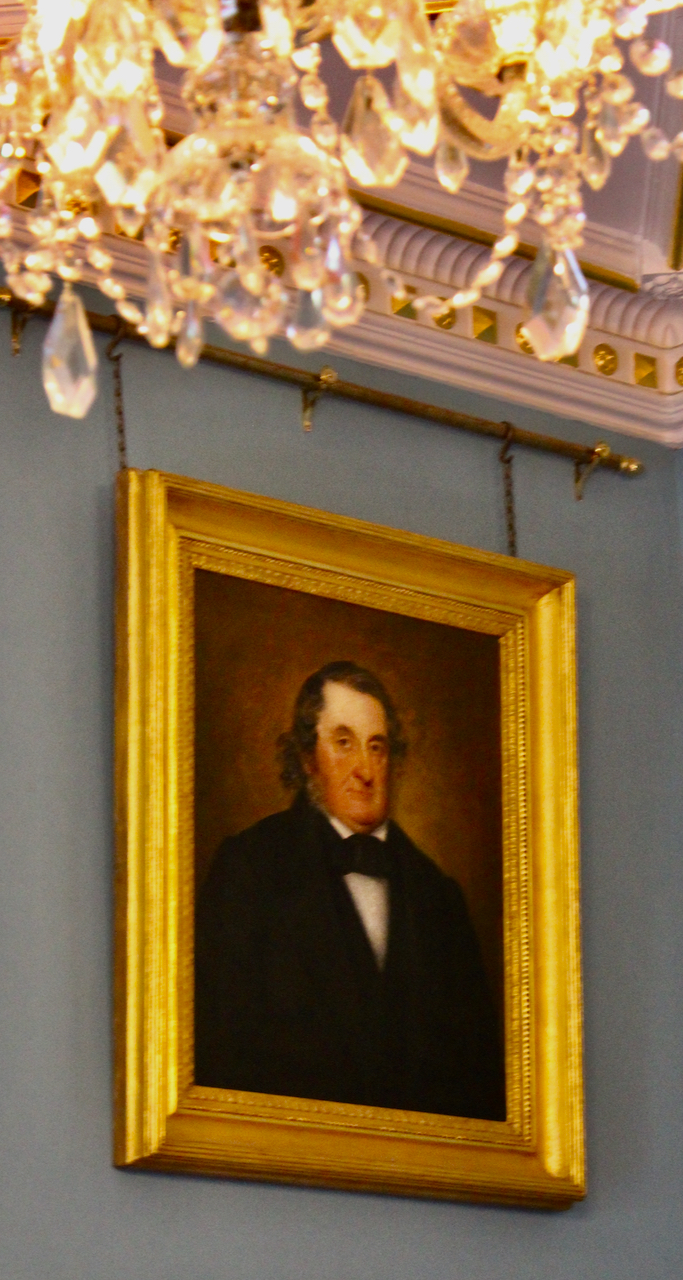
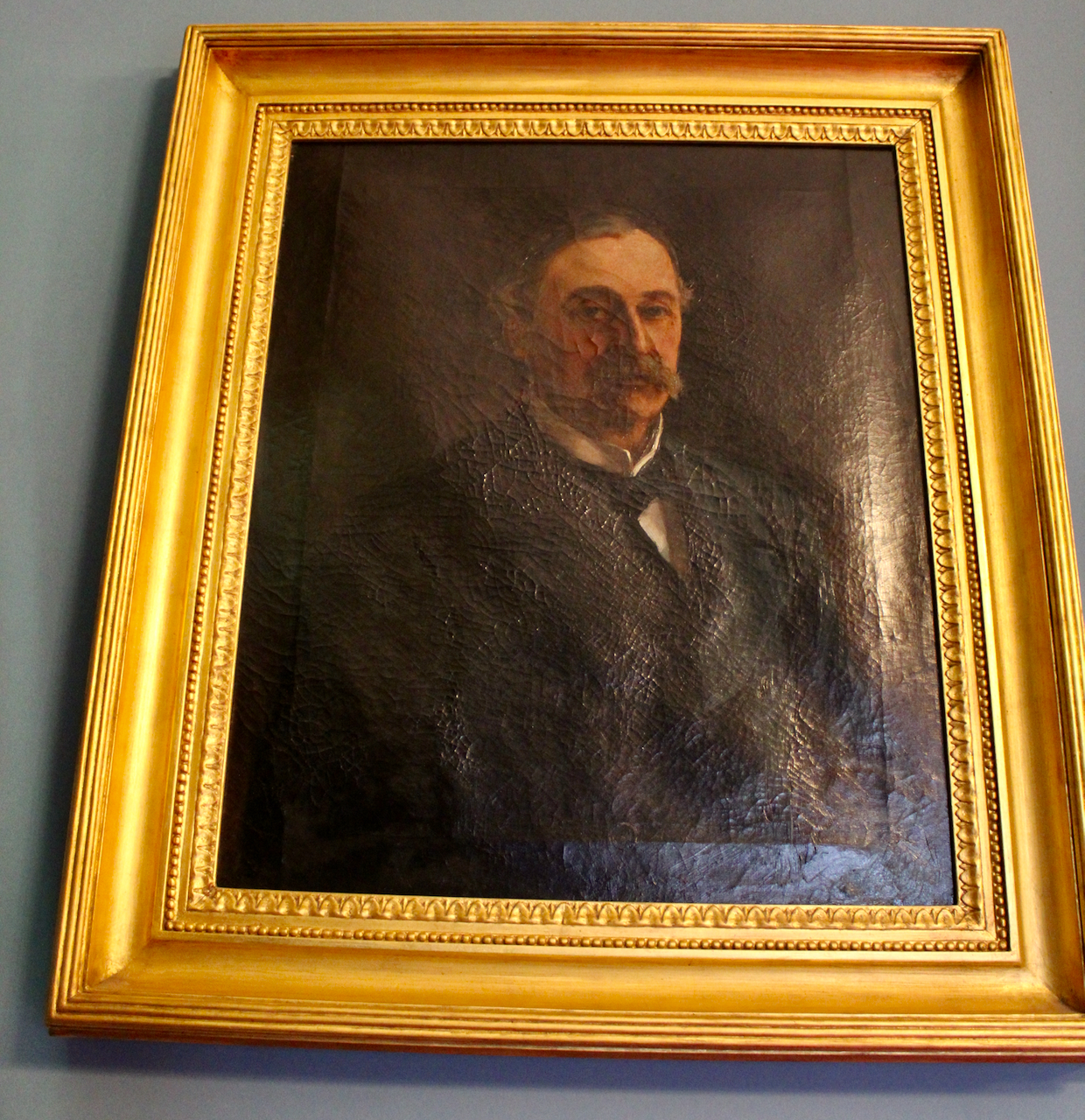
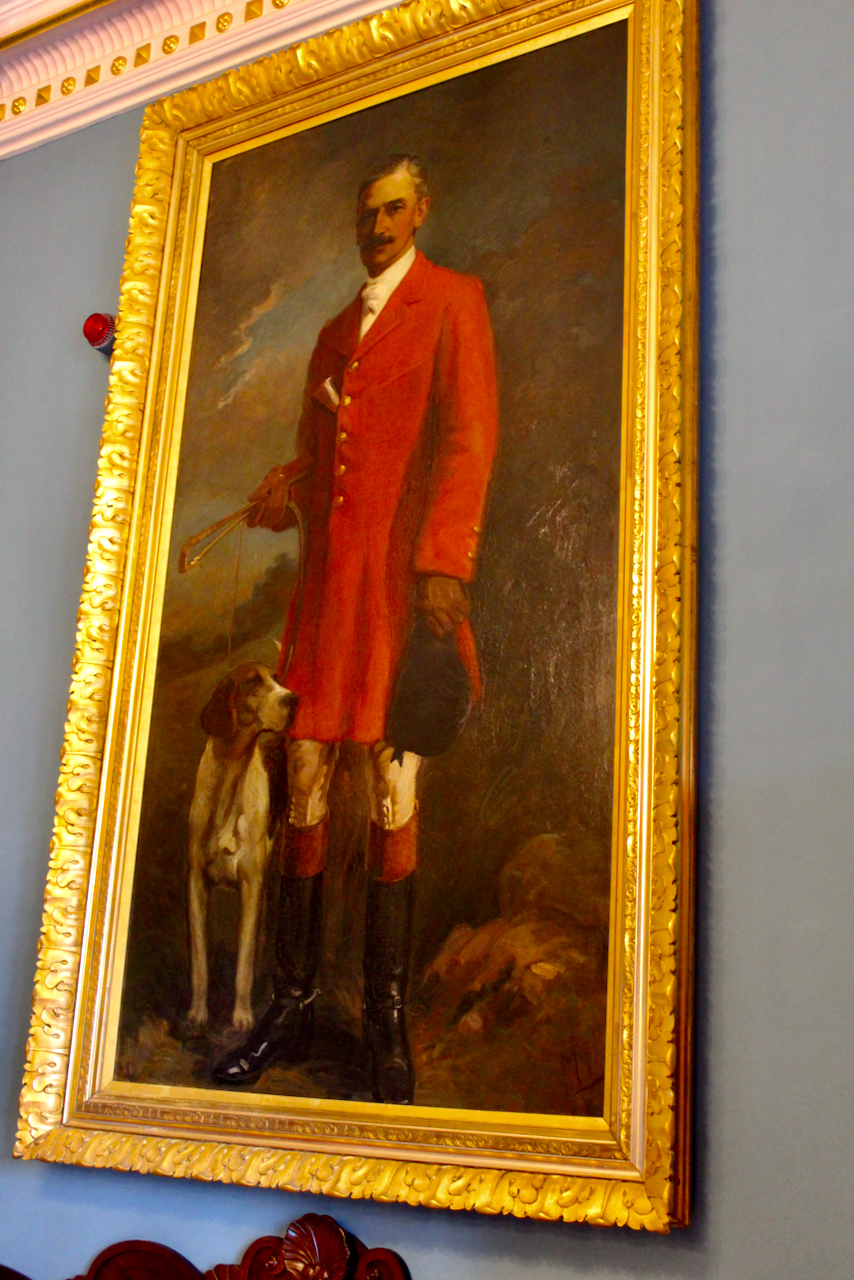
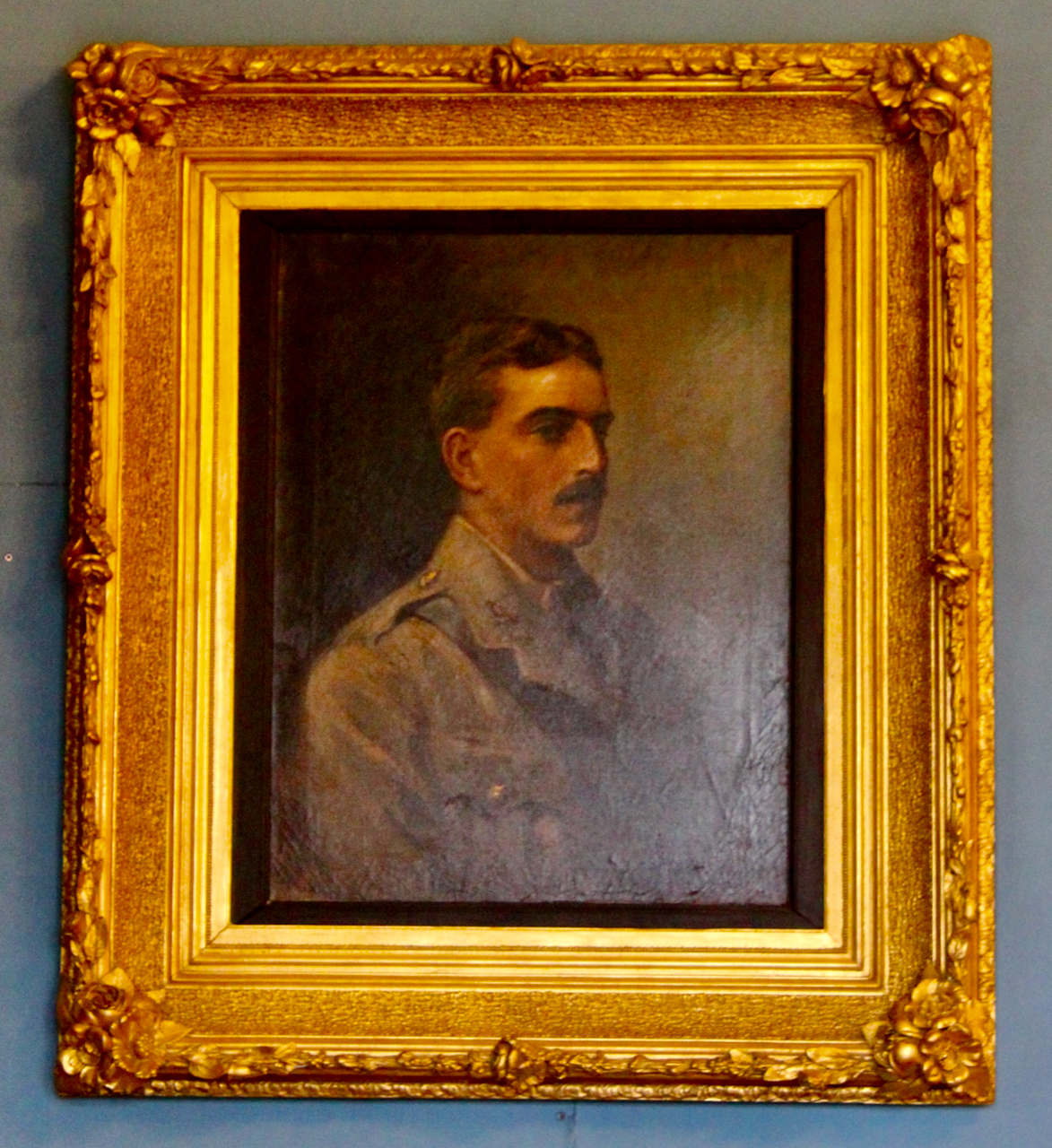
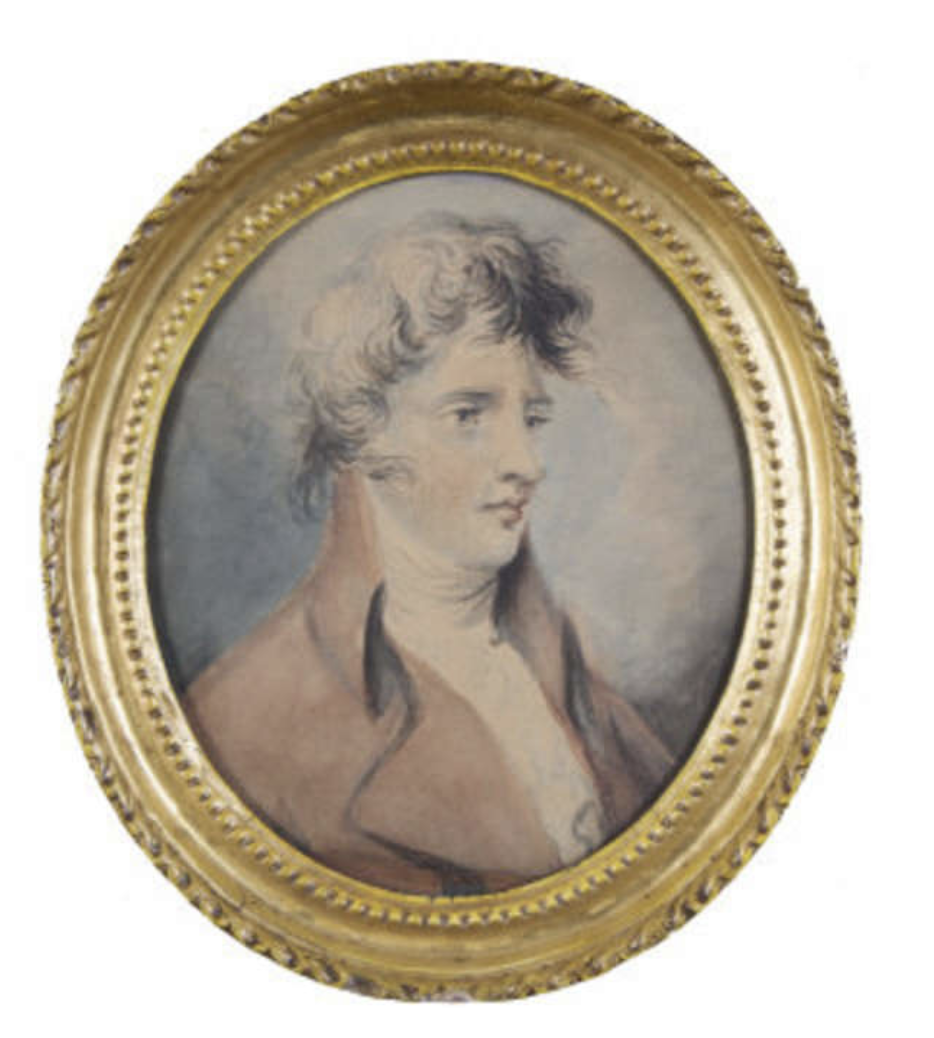
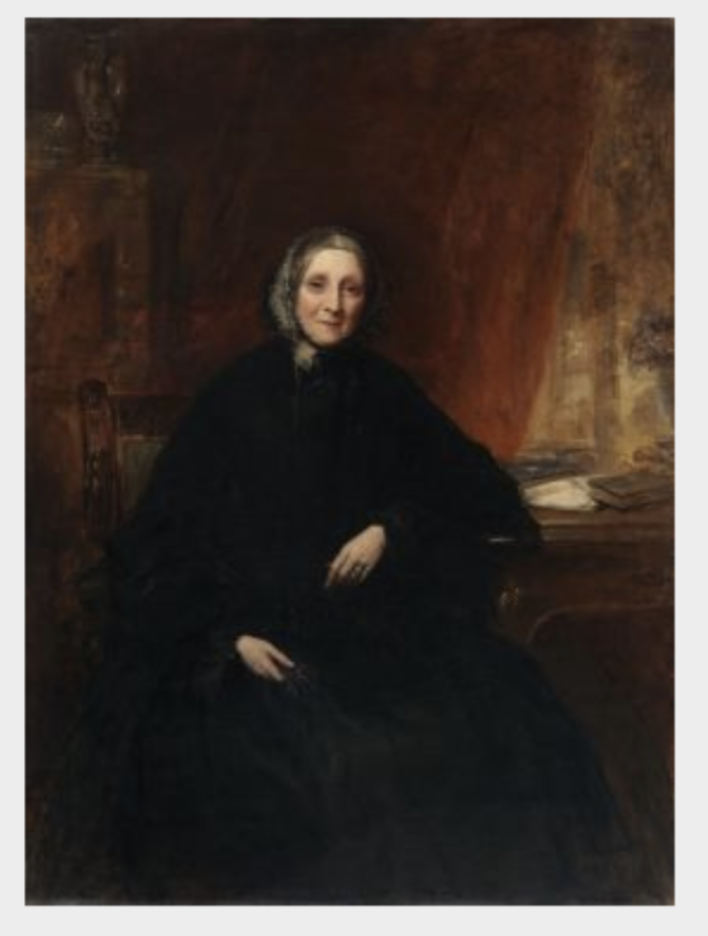
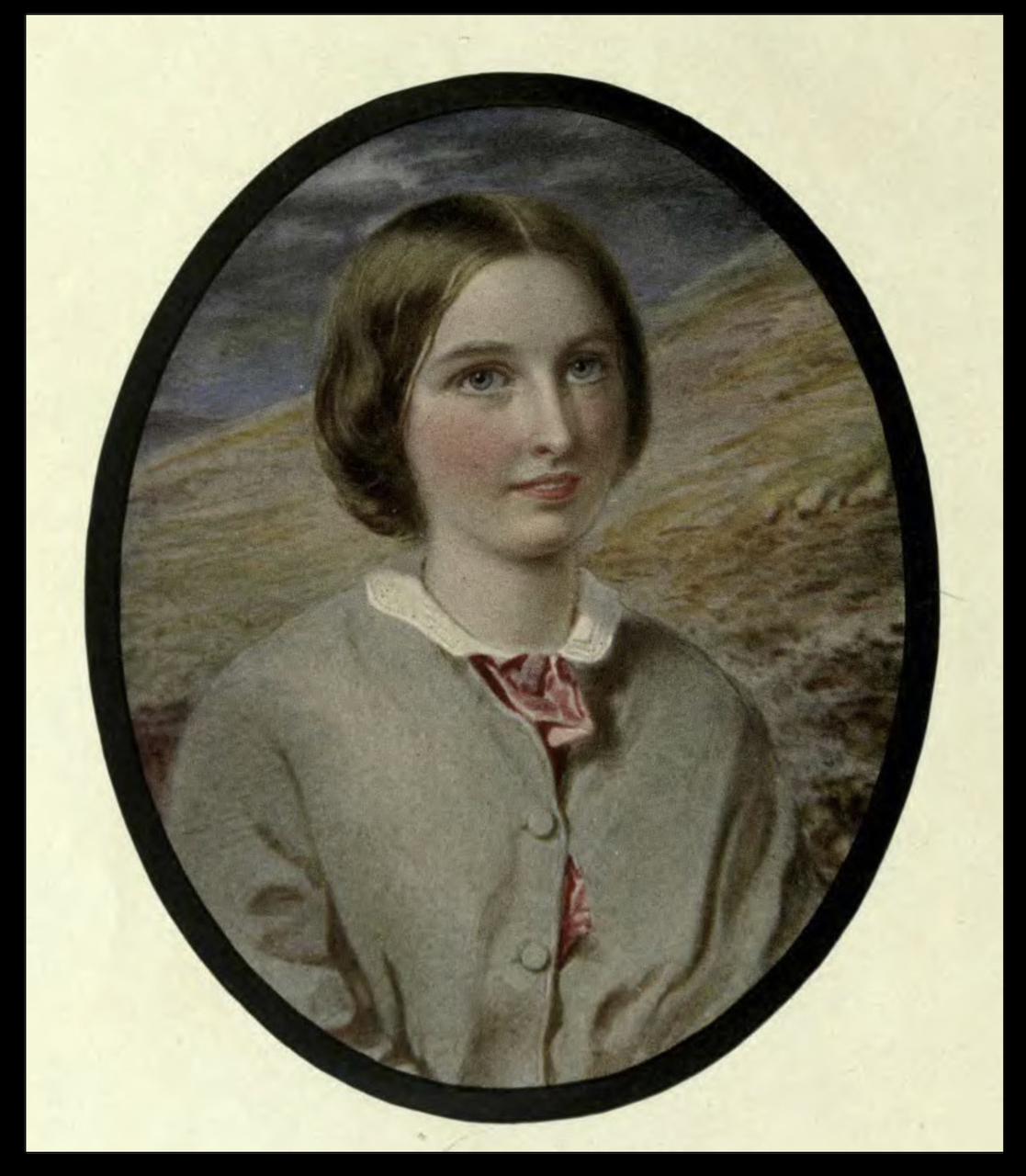
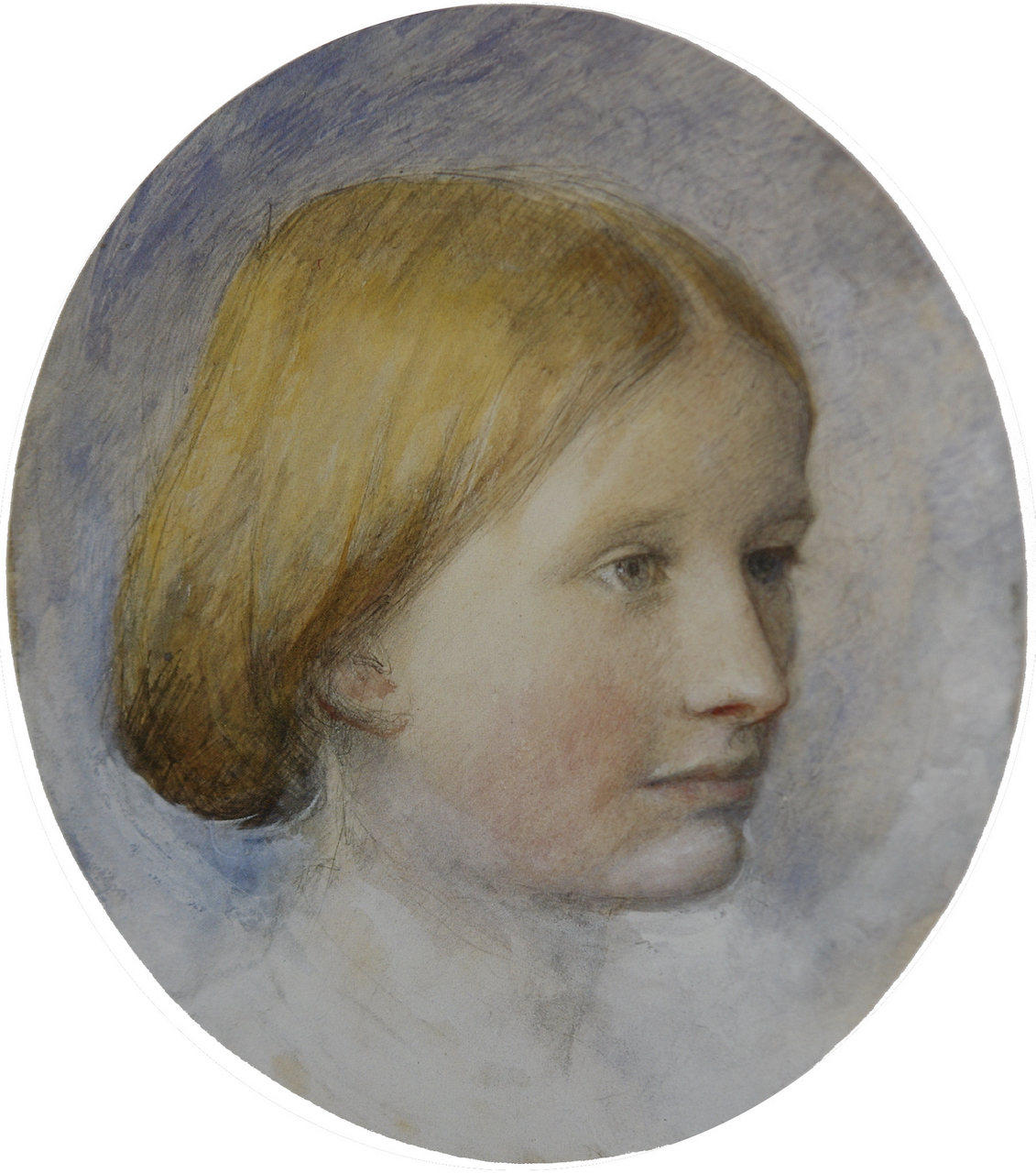
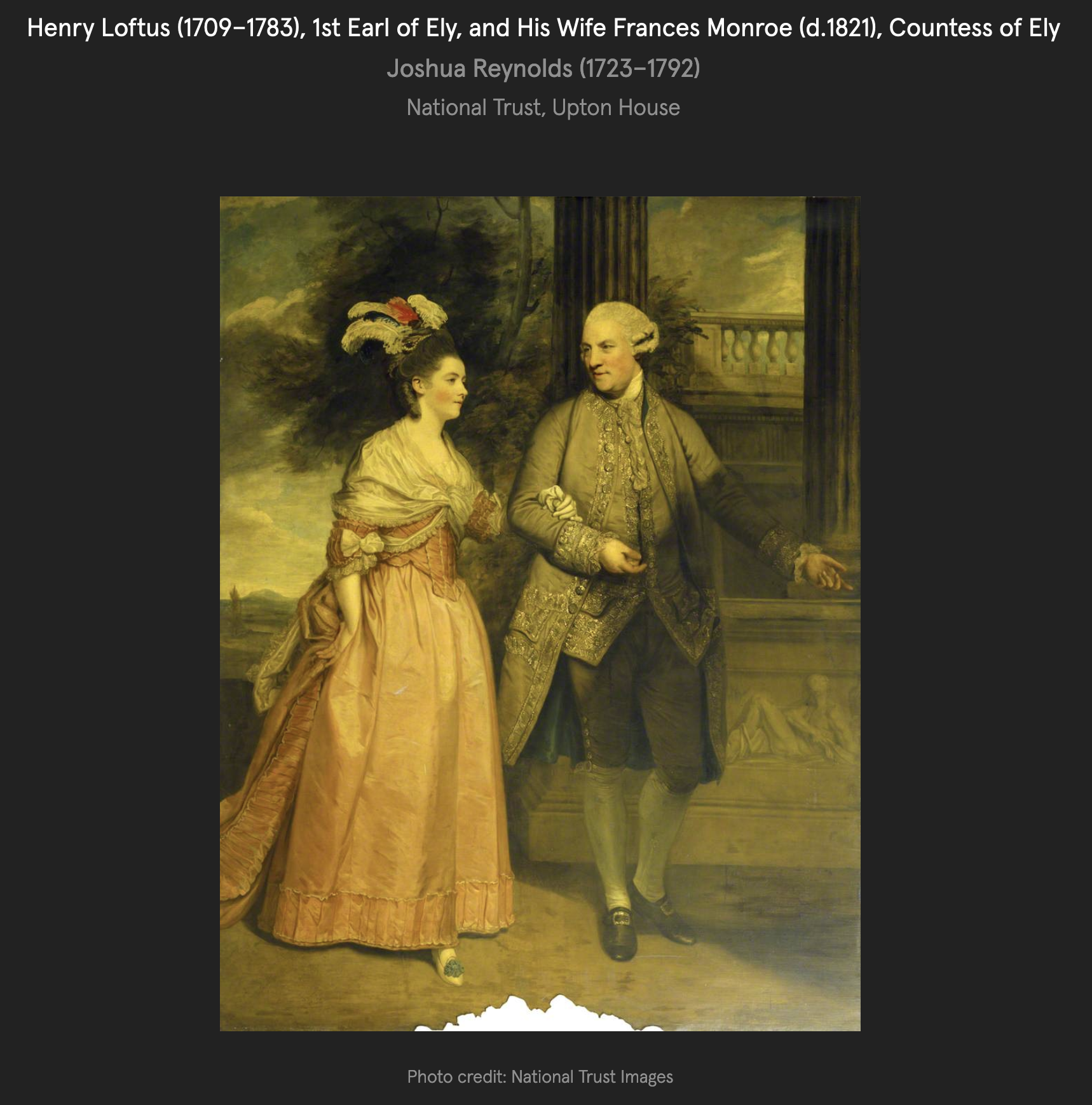
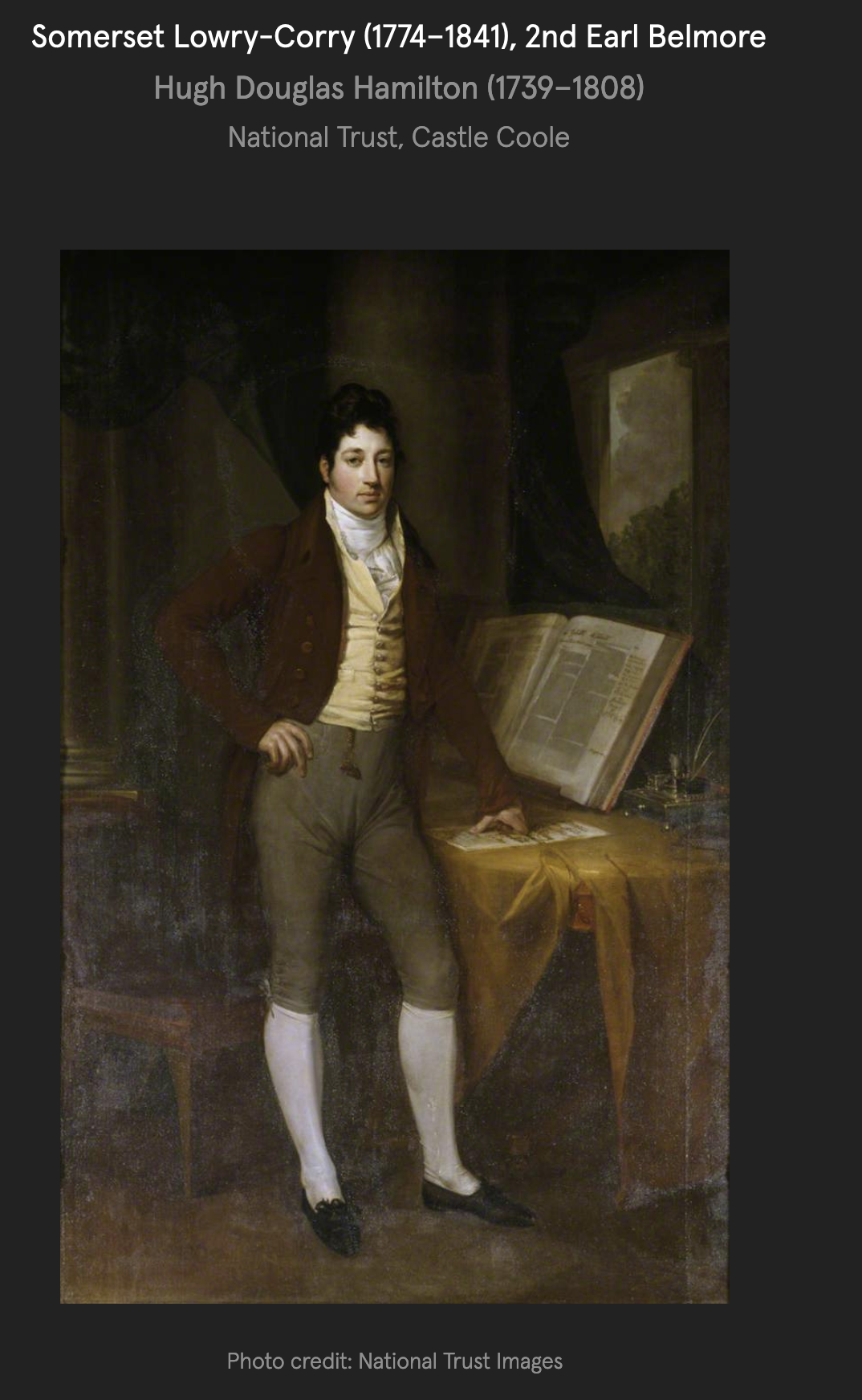
I have some editorial decisions to make here – let me know if you have an opinion on it. There are names such as “De Burgh” and “De la Poer.” Do I put them under the letter “D”? I am doing so. It gets more confusing, however, when someone can be called, interchangeably, “De Burgh” or “Bourke.” In this case, I’m putting them under both names! I’m more confused about the De La Poer Beresfords. Do I put them under “D” or “B” for Beresford? I’m not sure if “De la Poer” is actually part of the surname. Let me know if you know! For now, I am counting it as part of the surname.

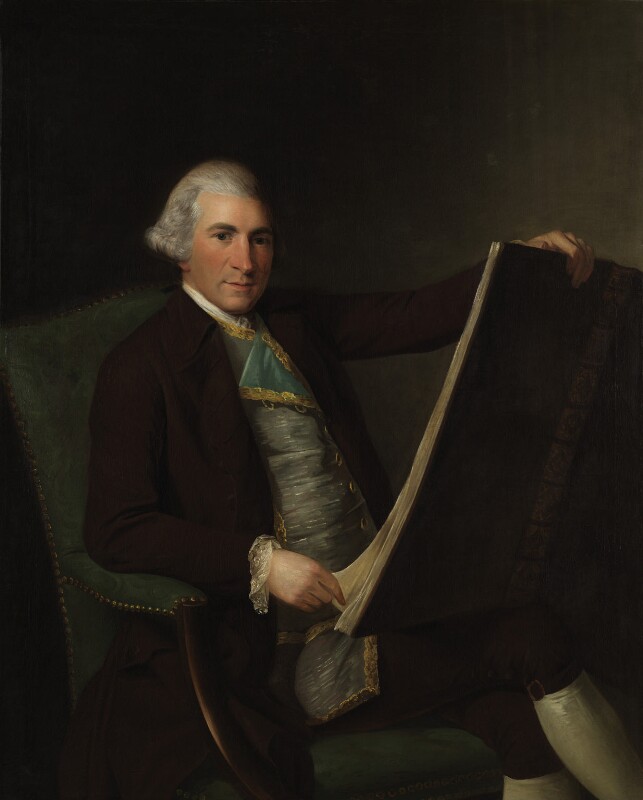
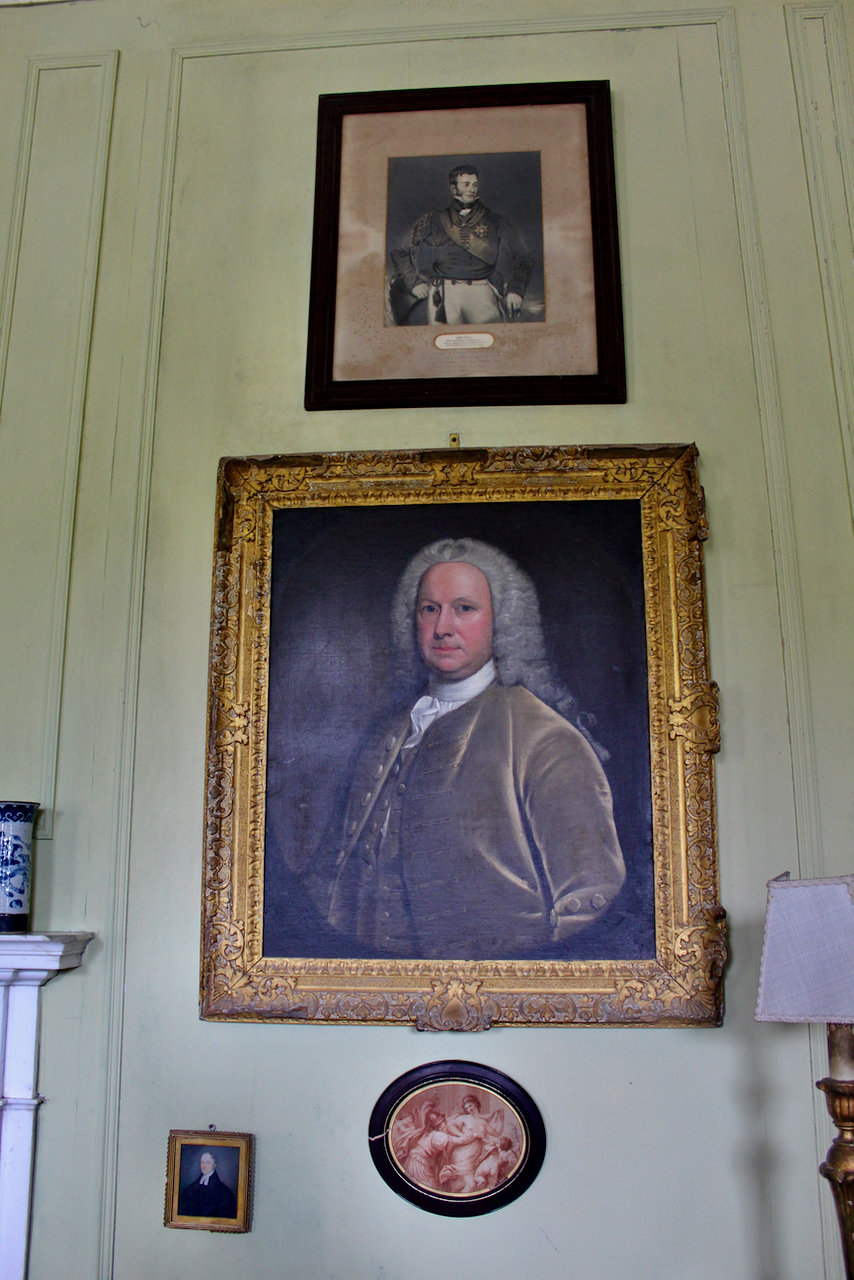
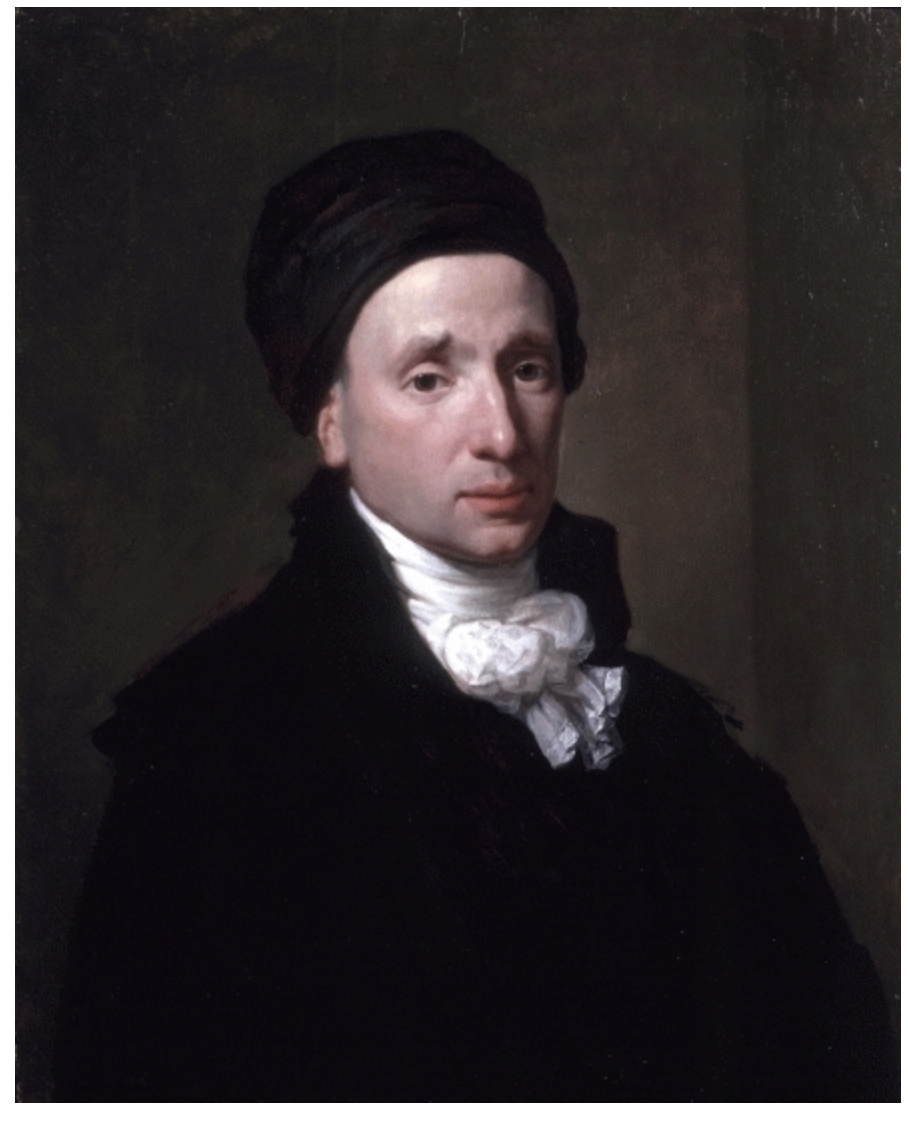
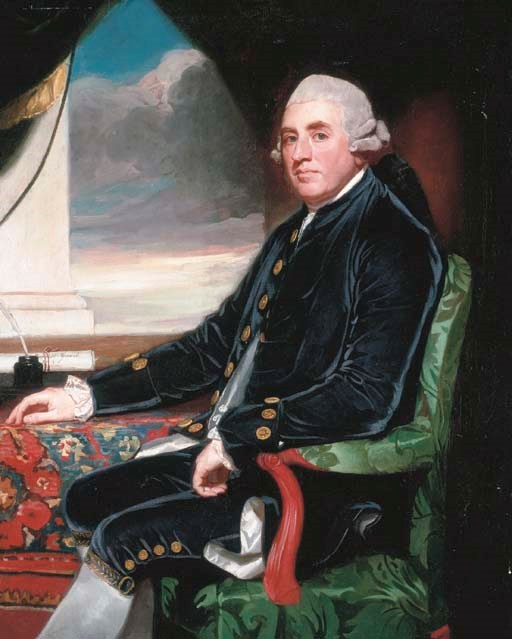
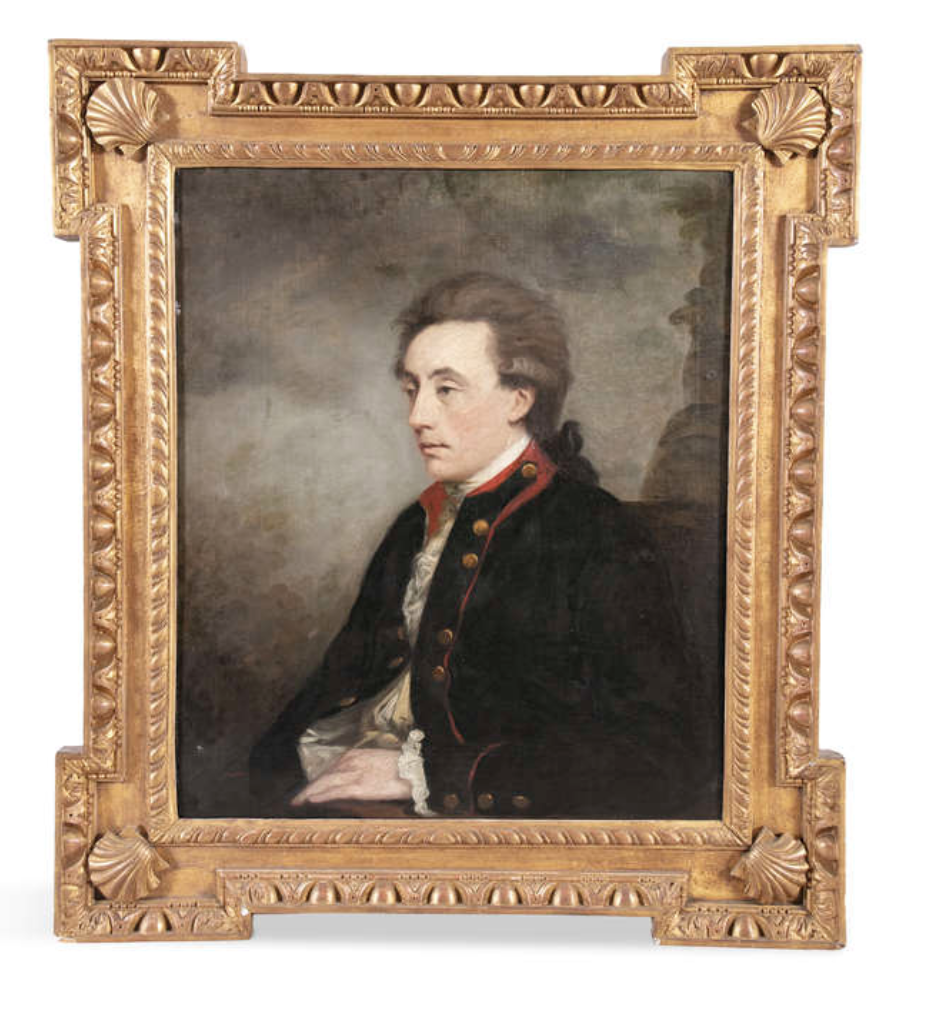
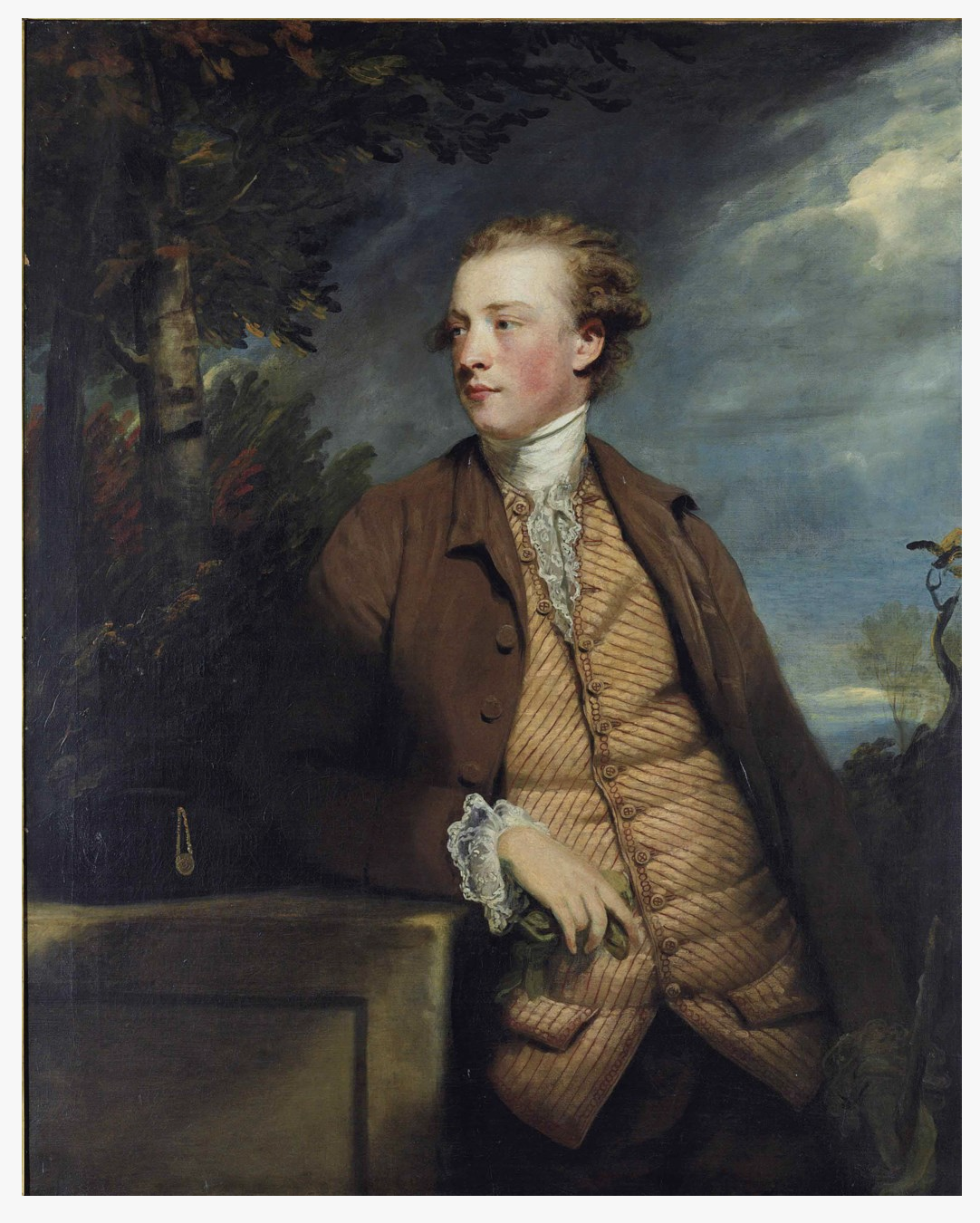
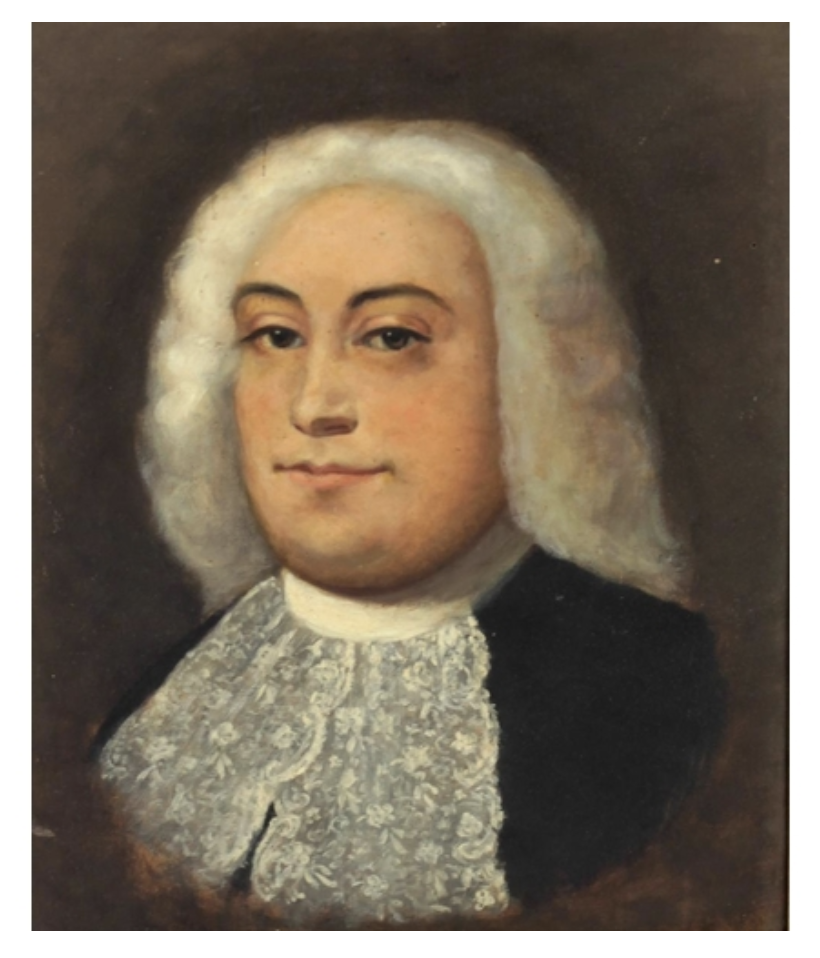
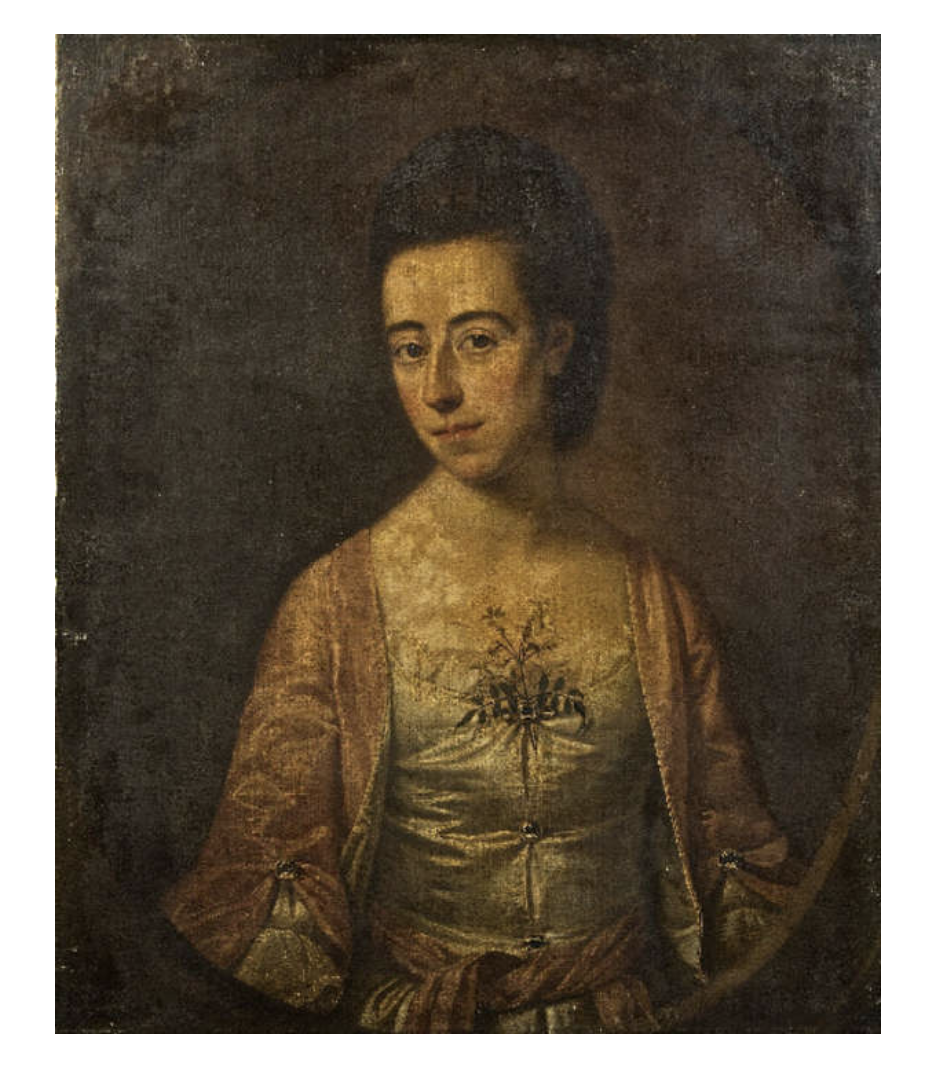
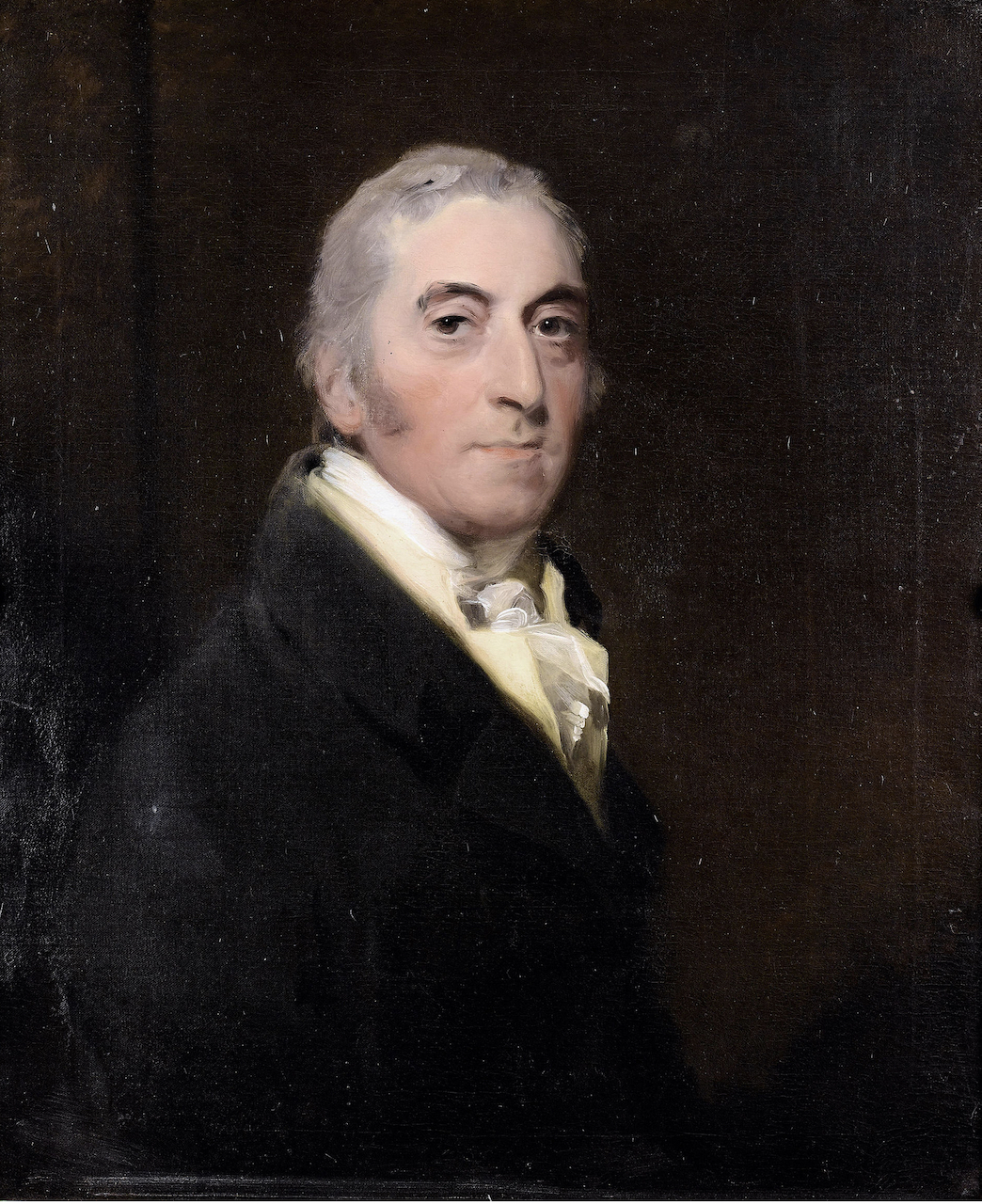
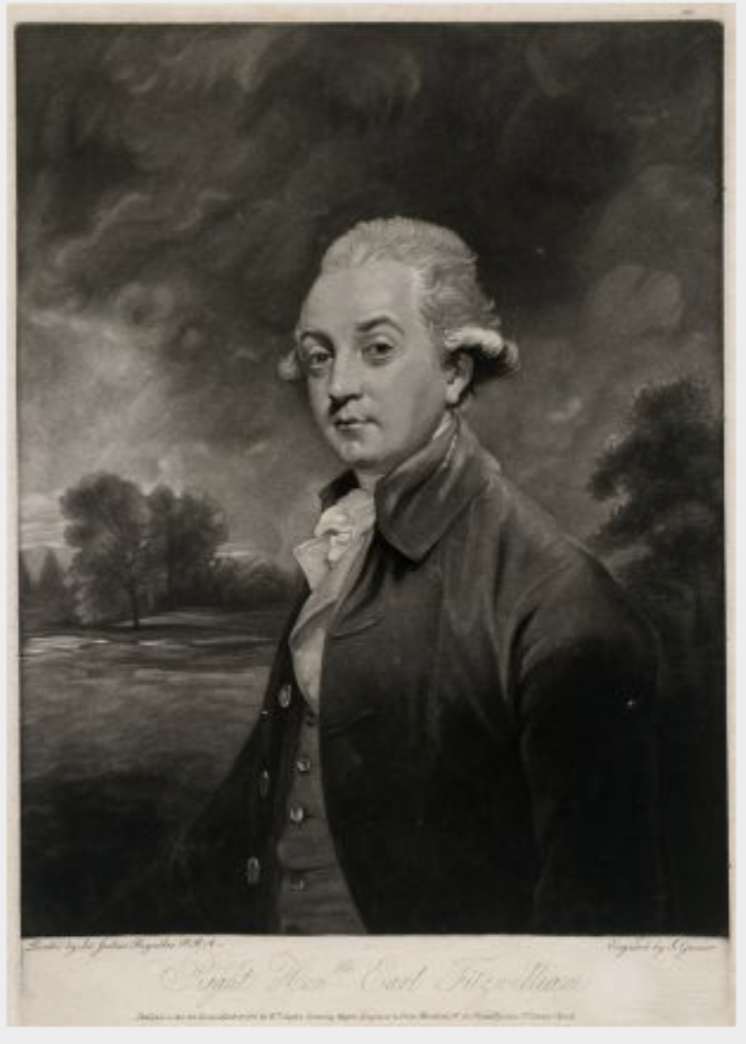
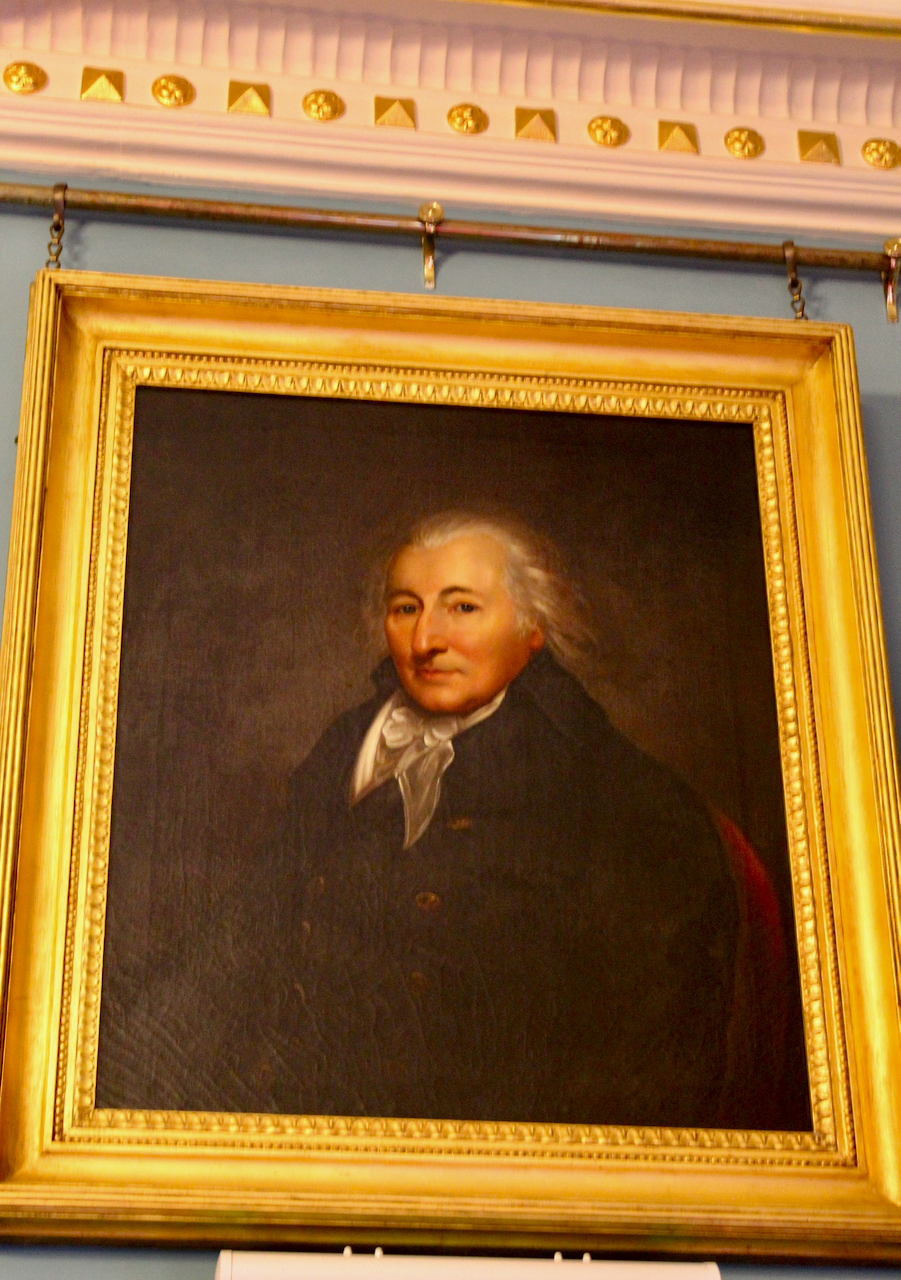
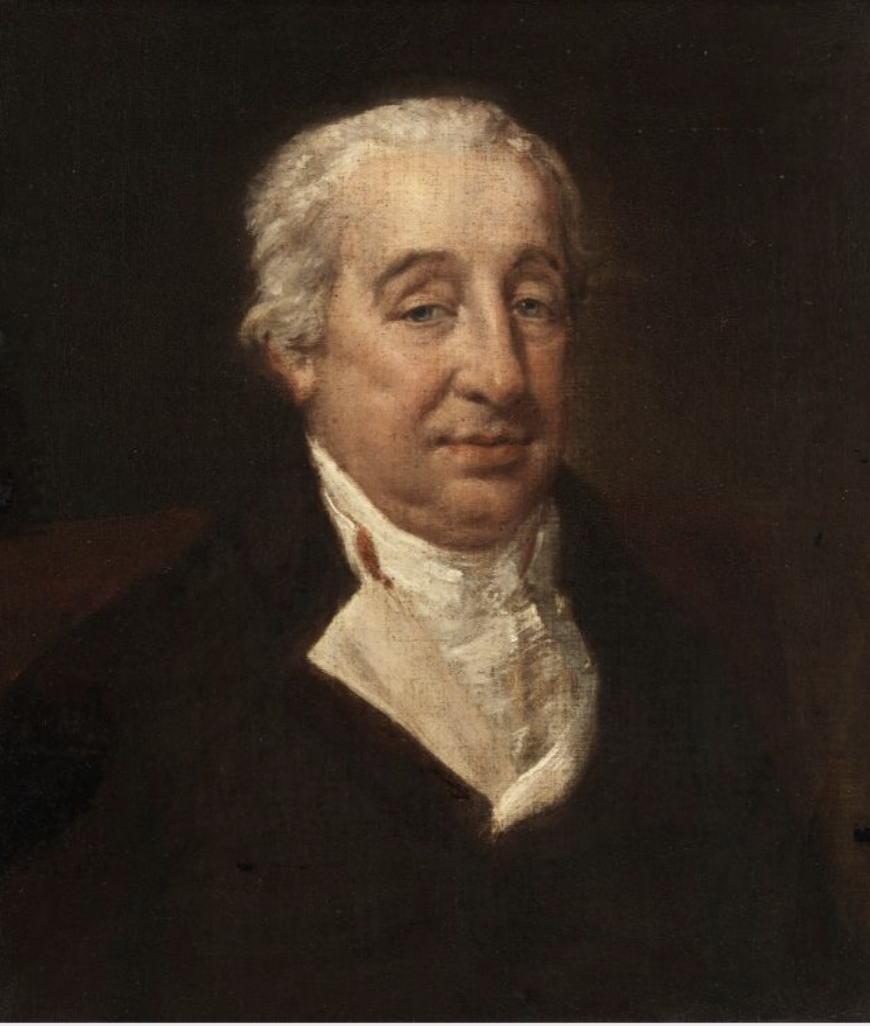
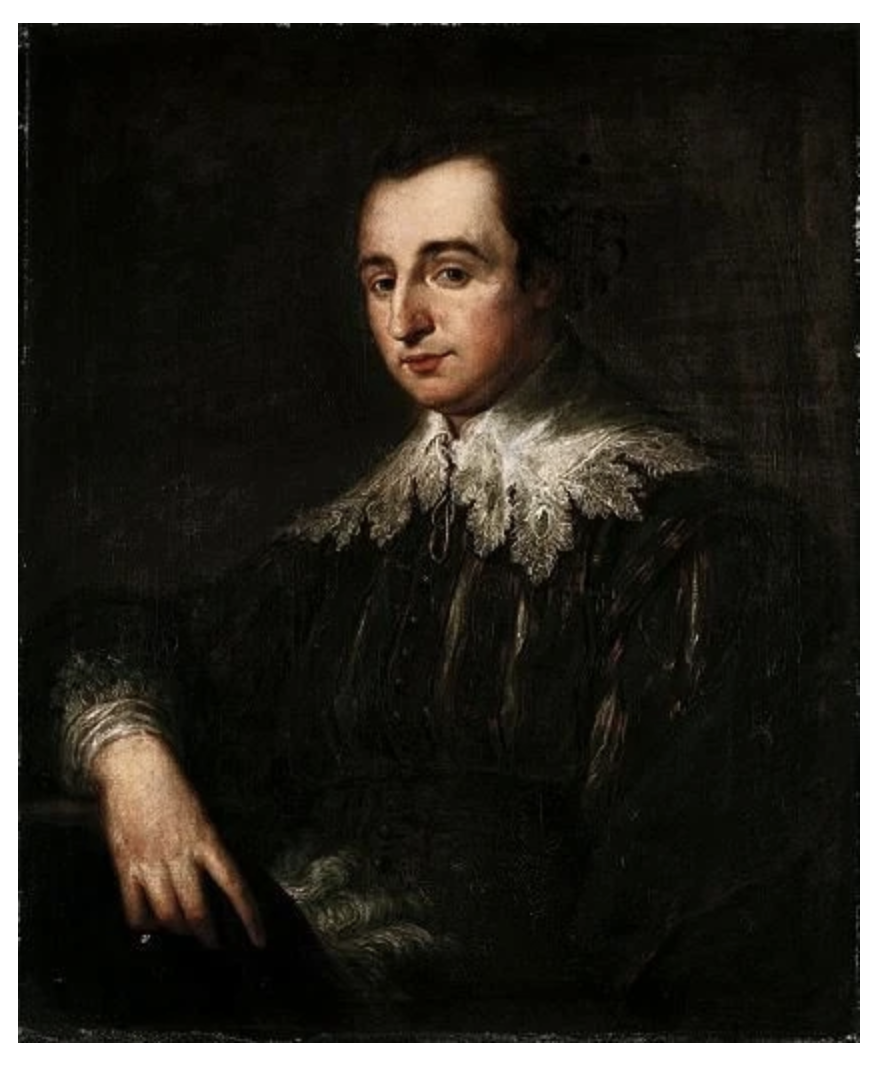
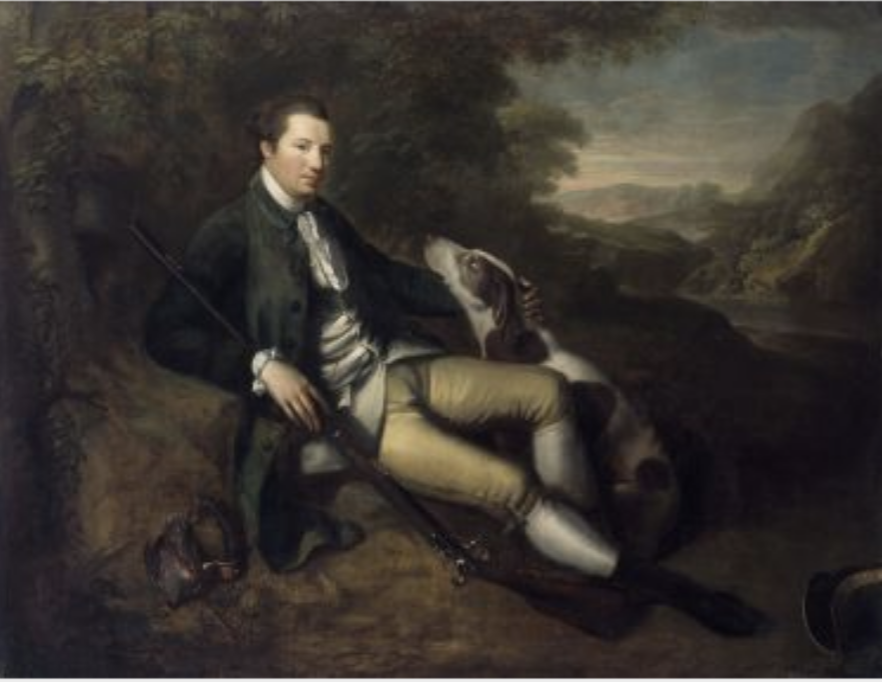
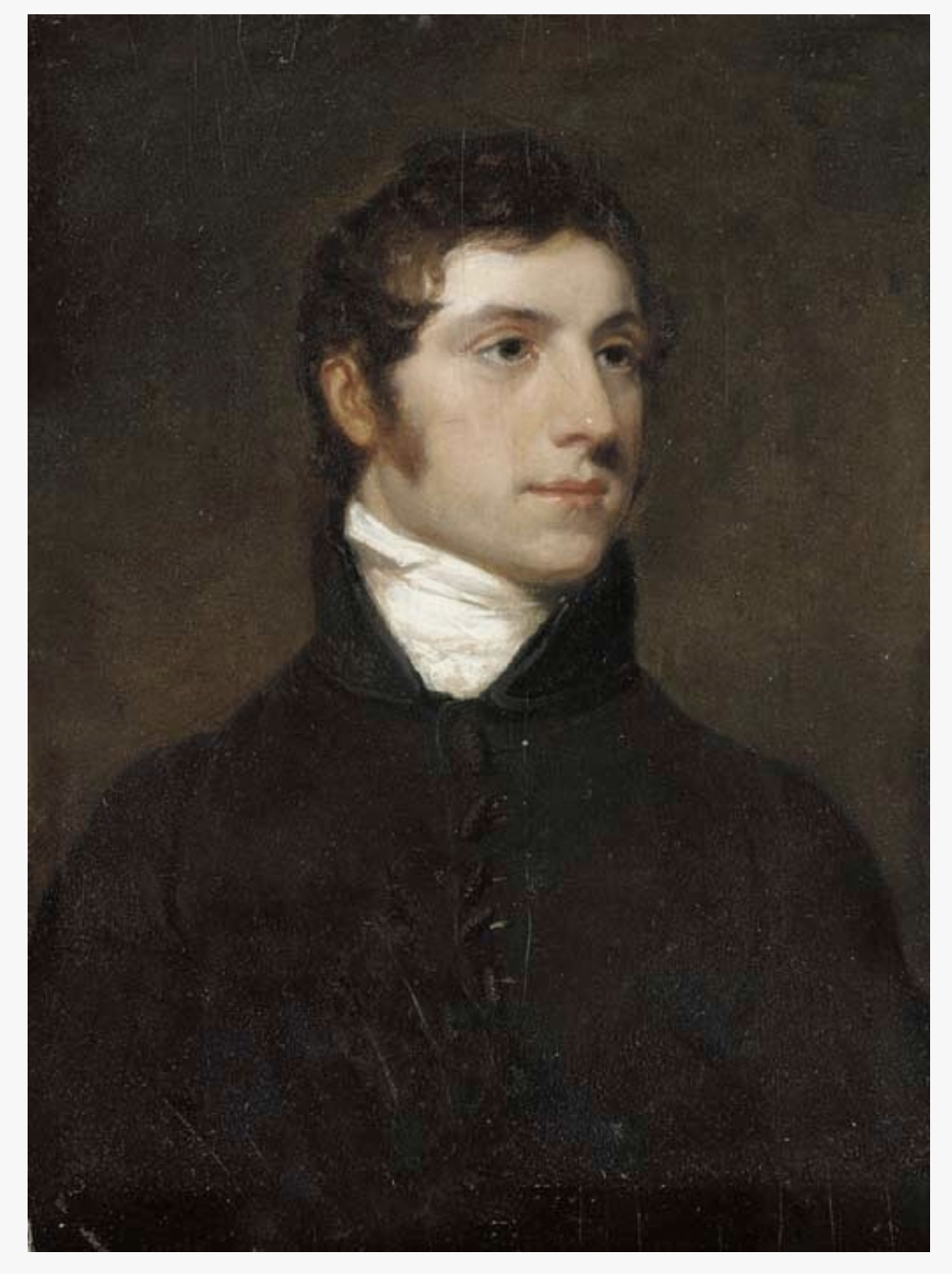
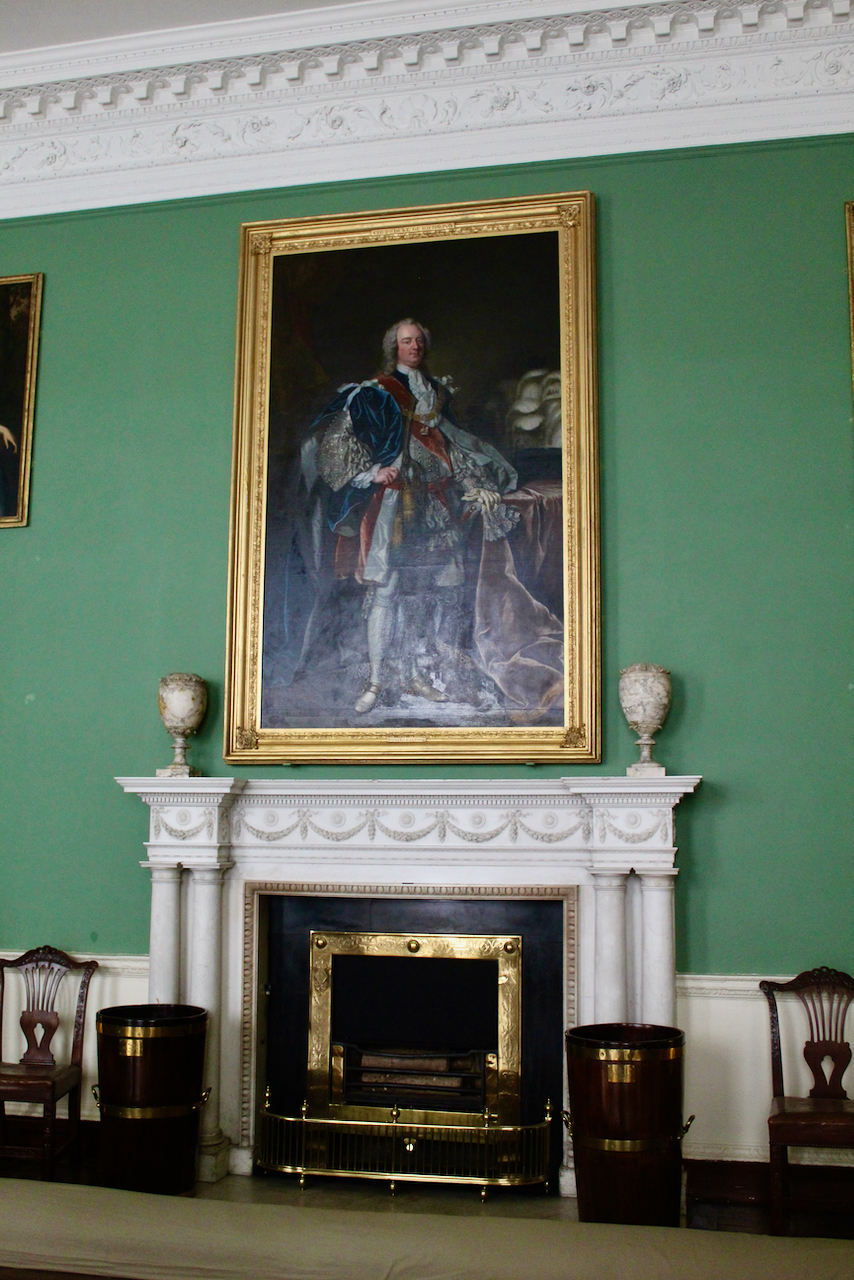
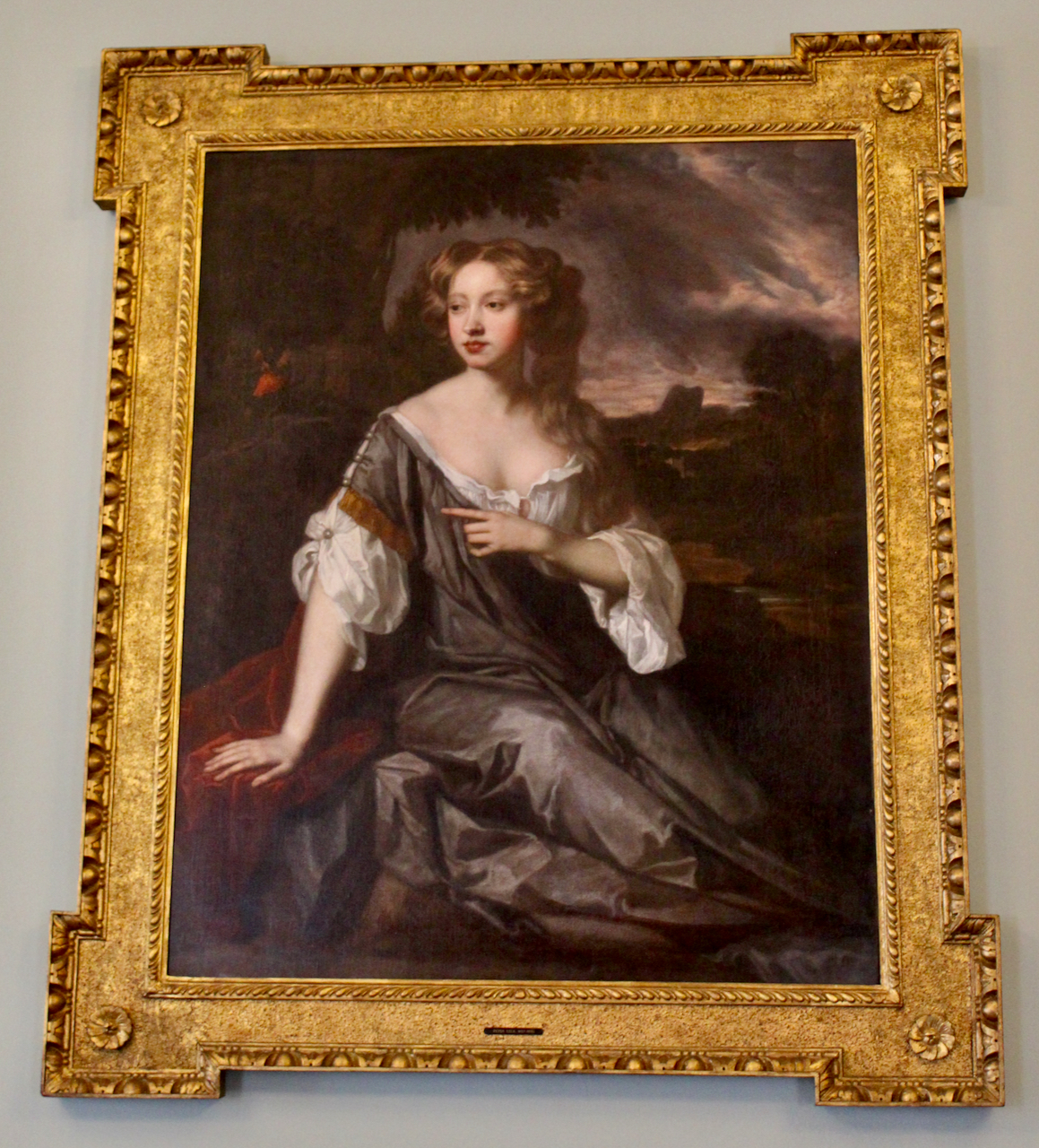
Denis Daly (1747-1791) attributed to Joshua Reynolds, courtesy of Christies 2012 Mount Congreve the London Sale
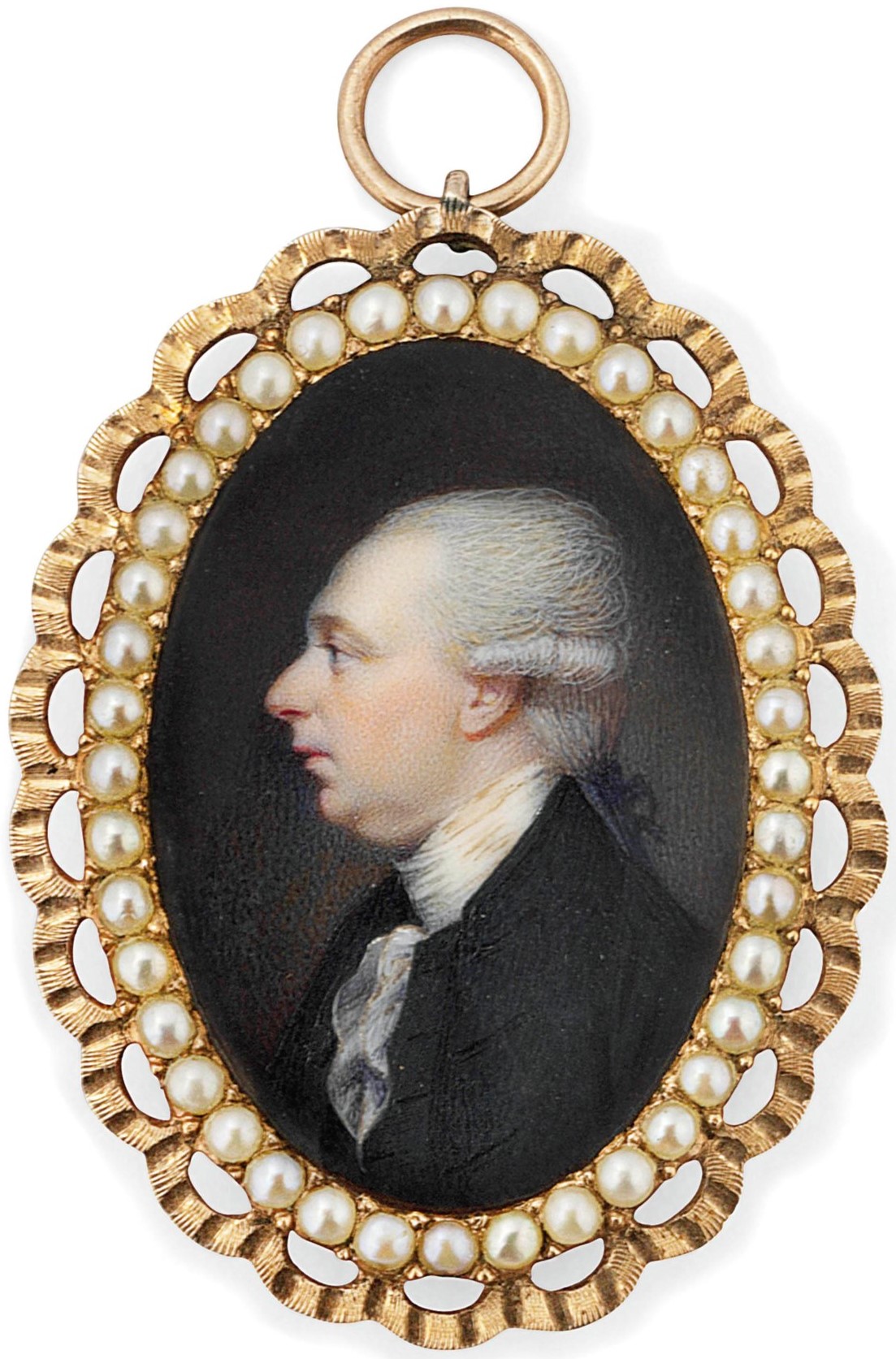
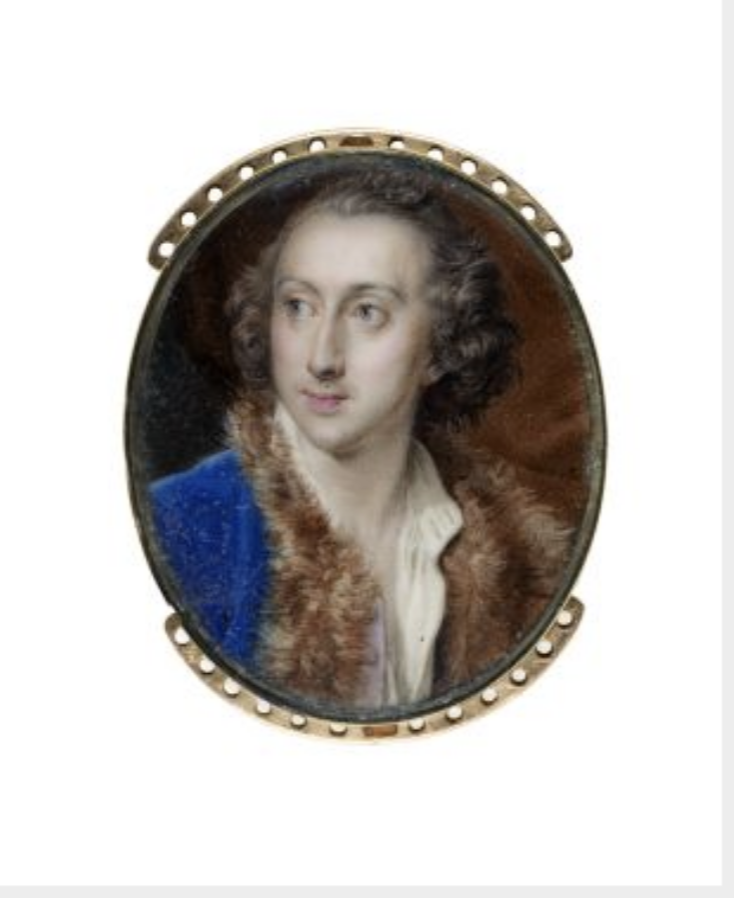
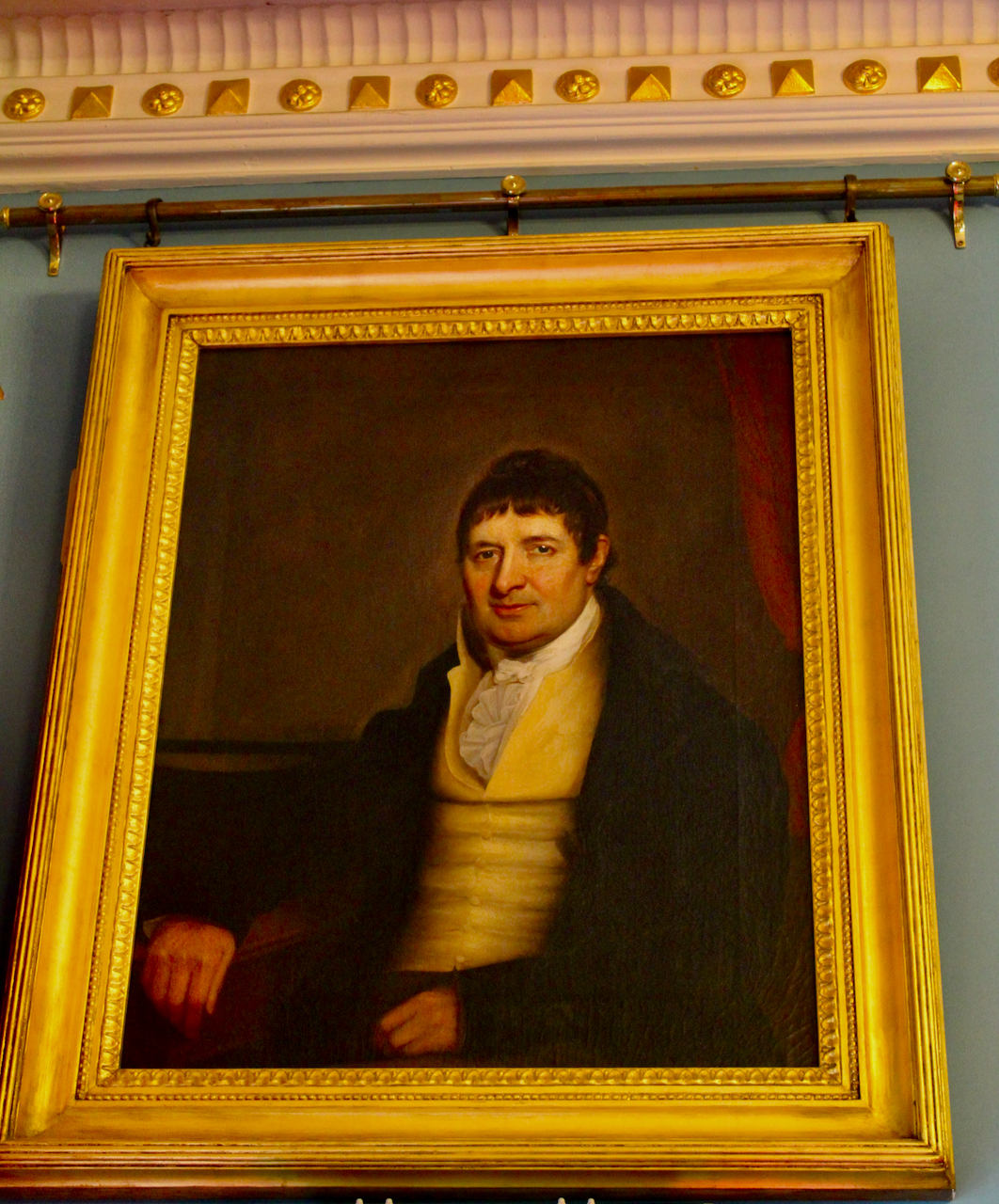
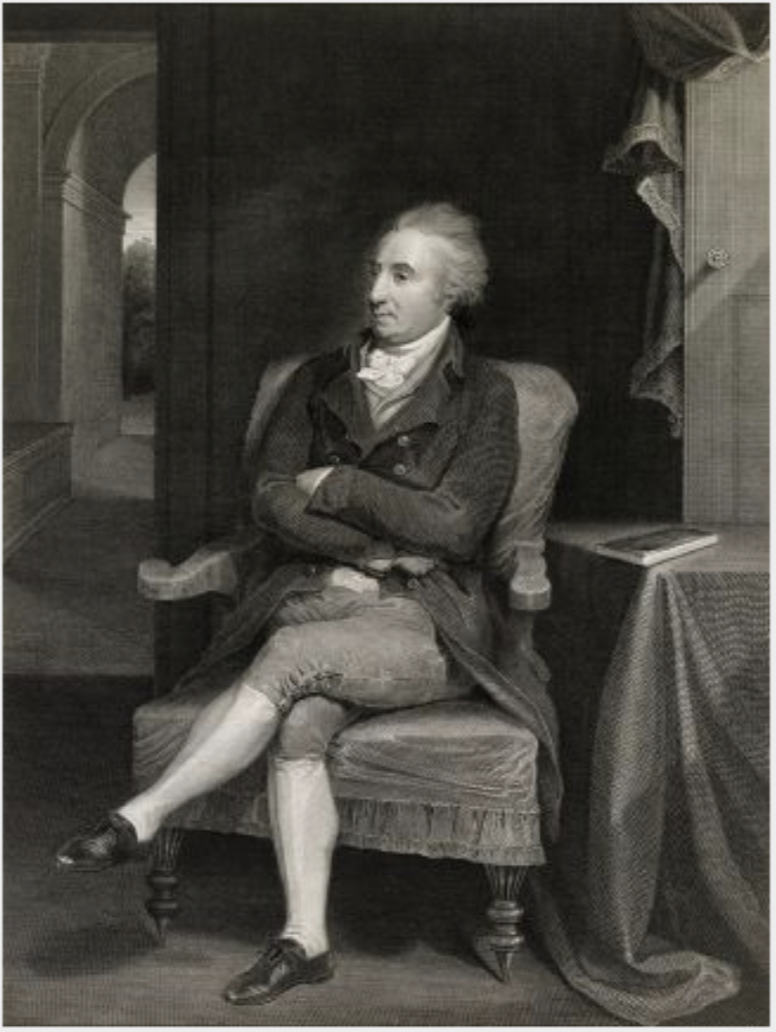
Portrait of Thomas Dawson (1725-1813), Lord Dartrey, 1st Viscount Cremorne, miniature, courtesy of National Gallery of Ireland.
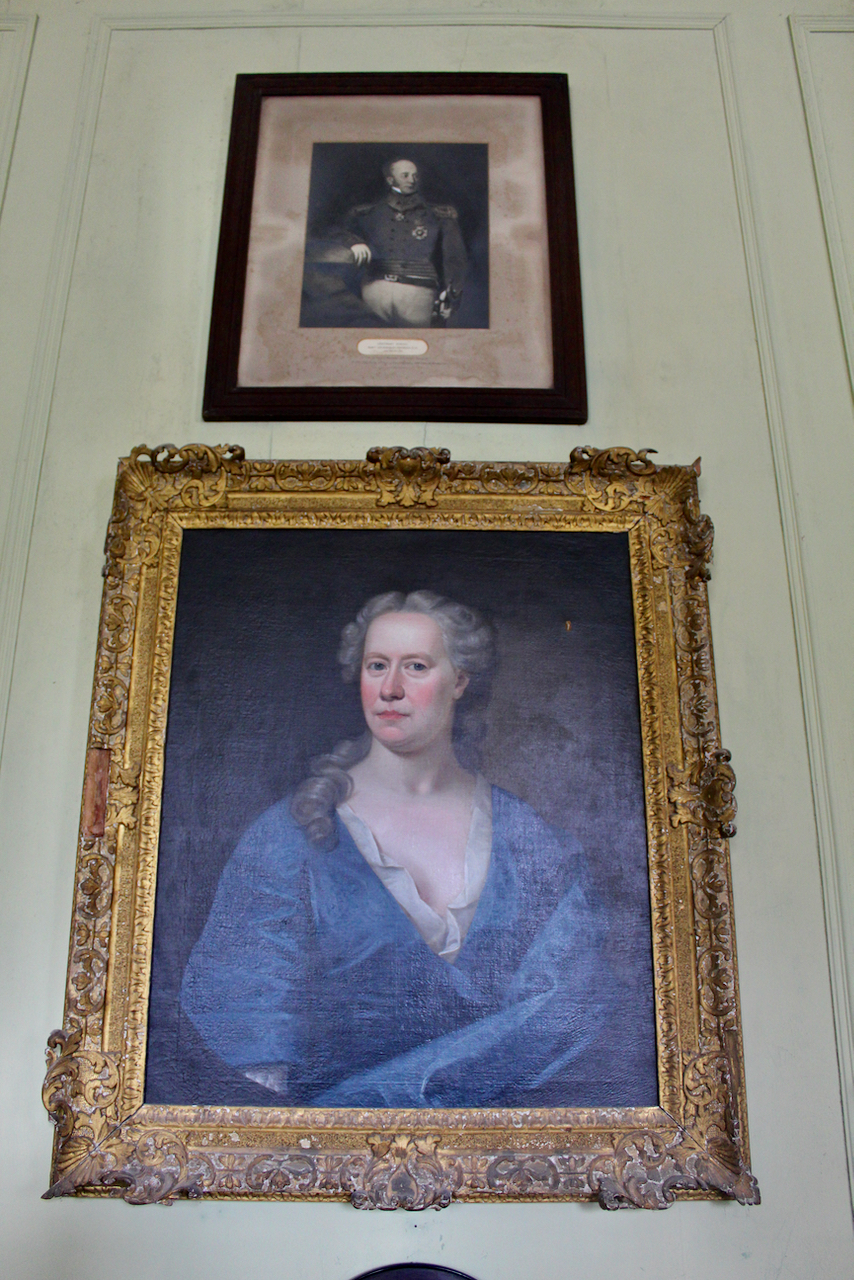
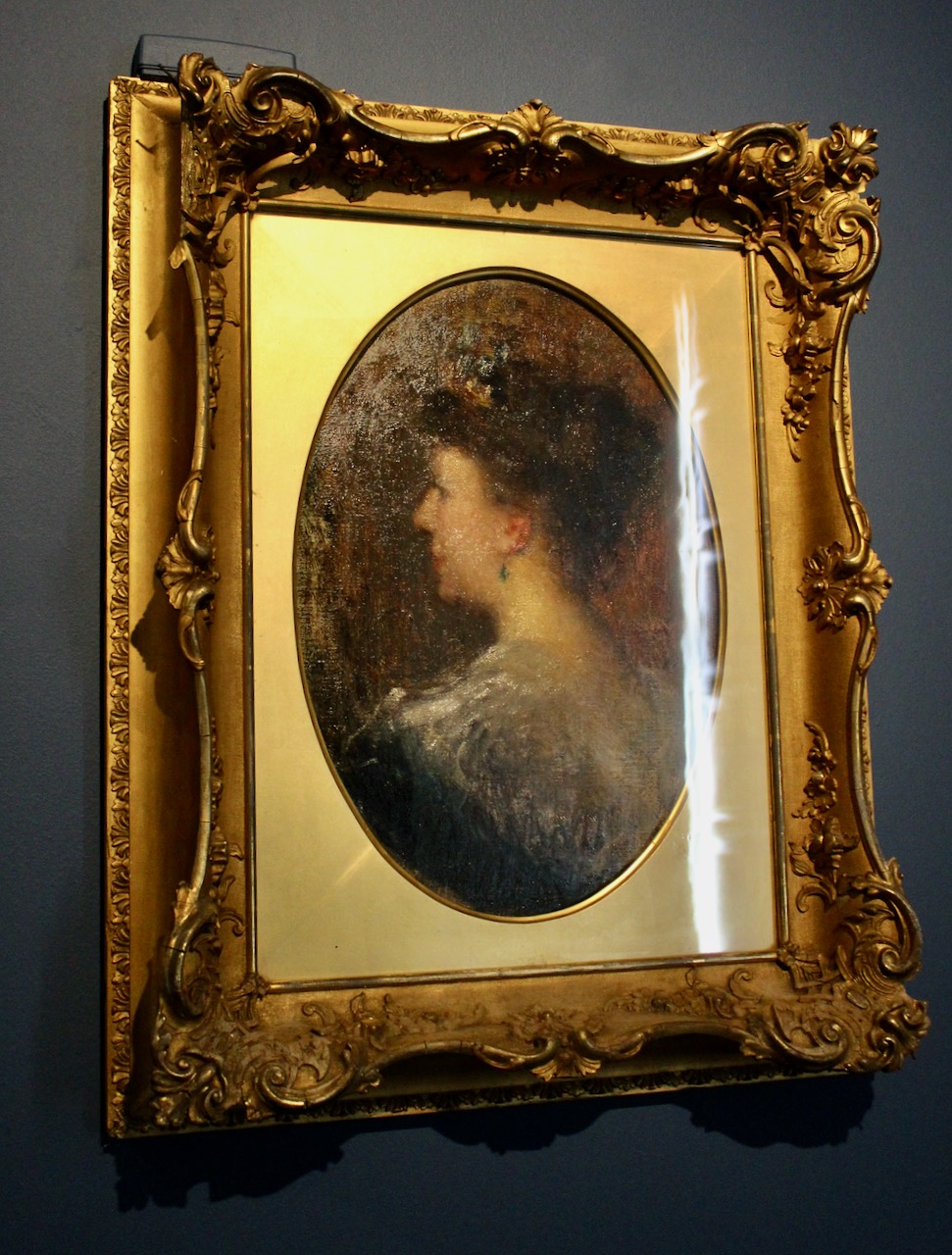
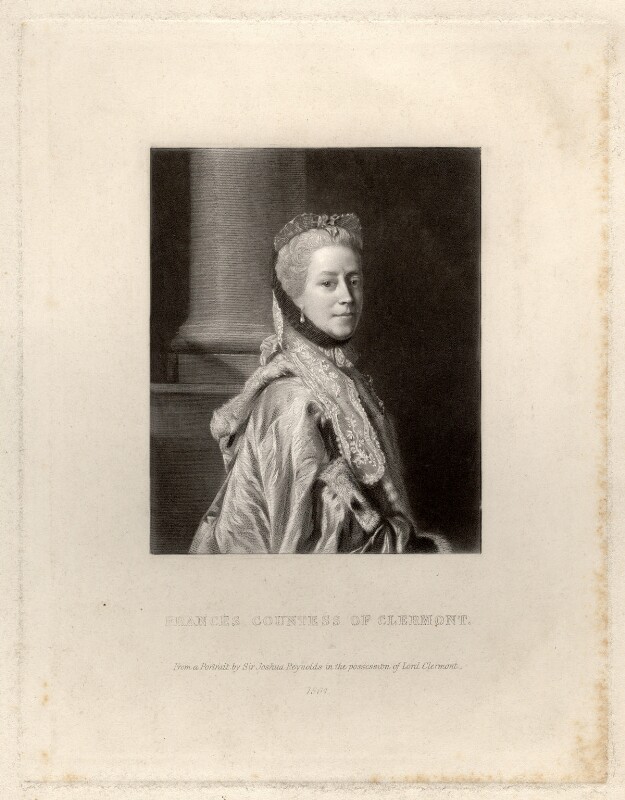
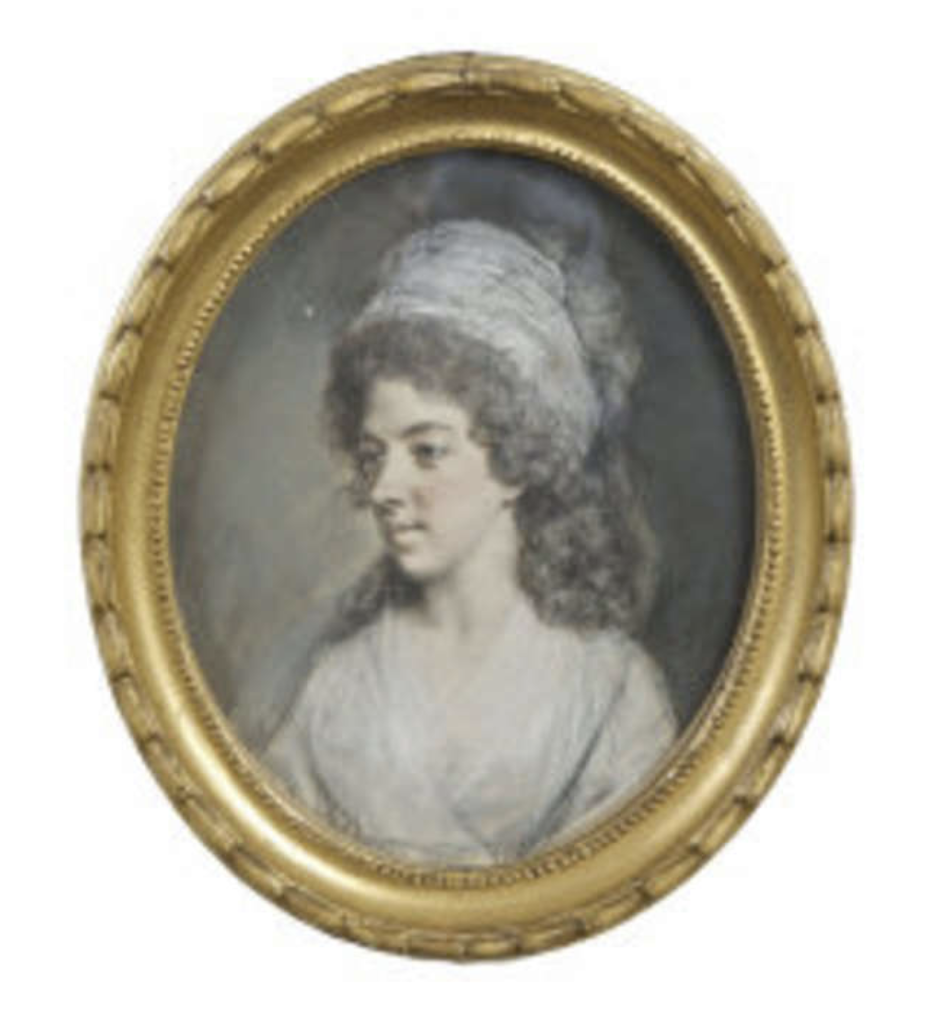
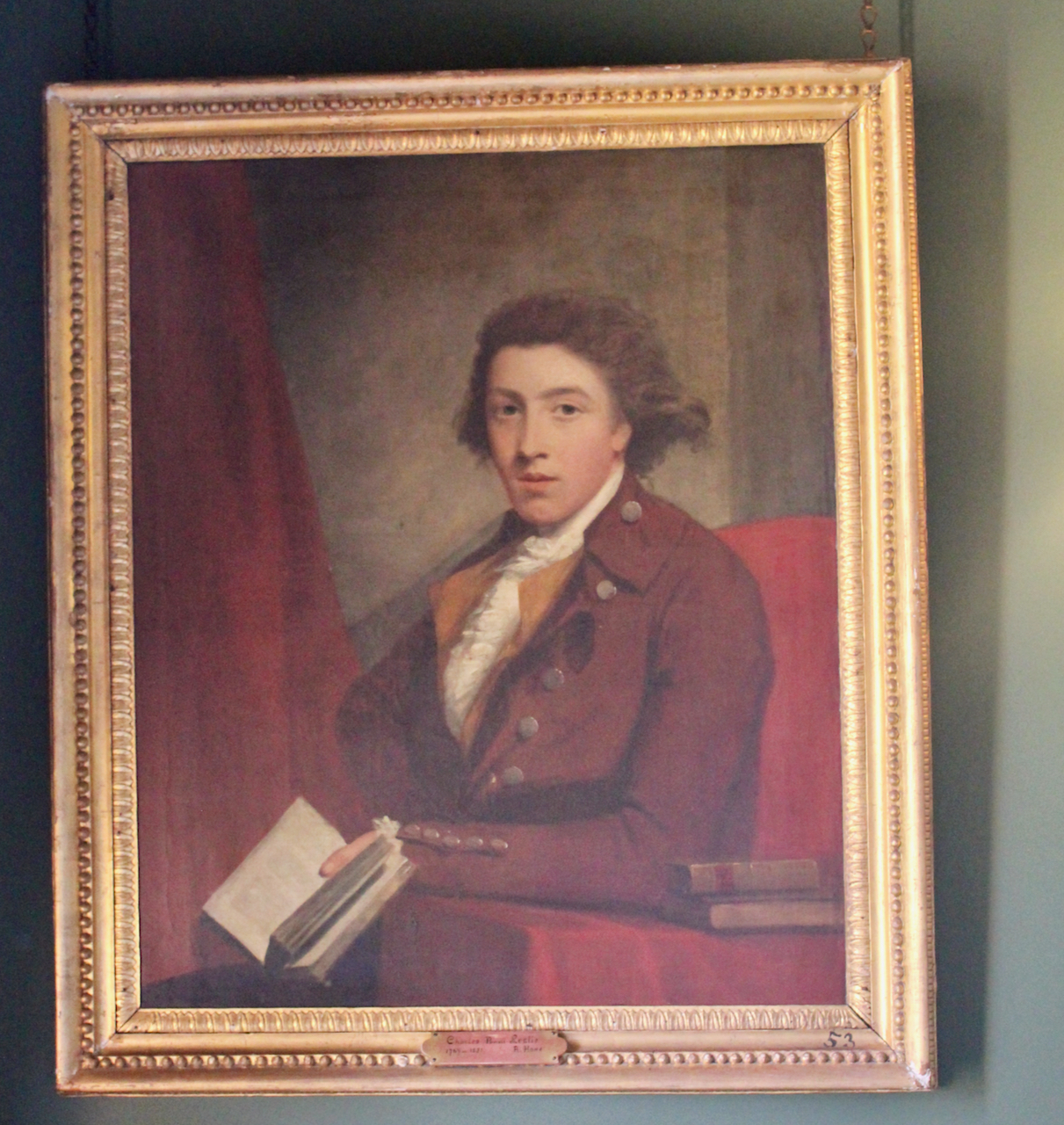
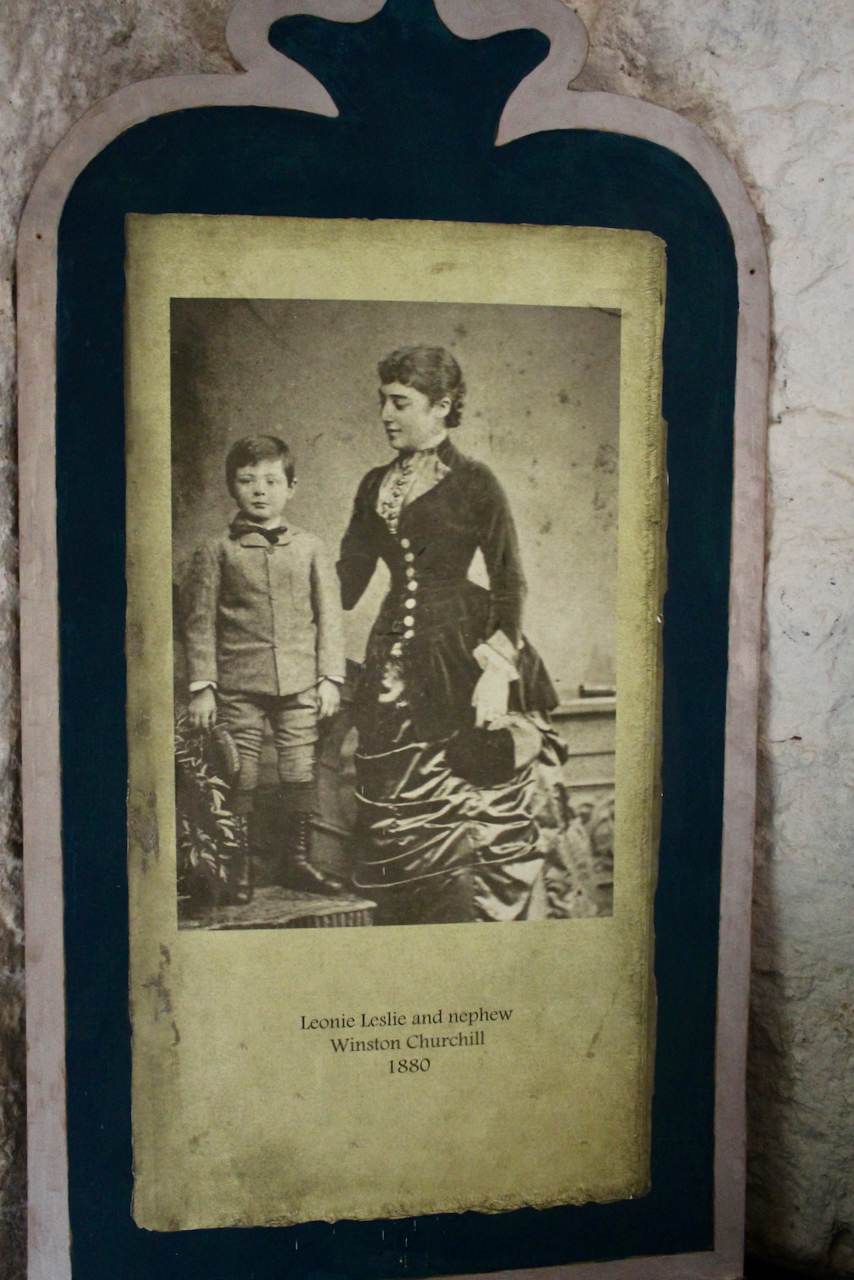
A portrait of Lady Constance Leslie née Dawson Damer (1836-1925) in later life, of Castle Leslie, County Monaghan. She was the daughter of George Lionel Dawson-Damer, who was son of John Dawson 1st Earl of Portarlington. Photograph © Jennifer Winder-Baggot, www.irishhistorichouses.com
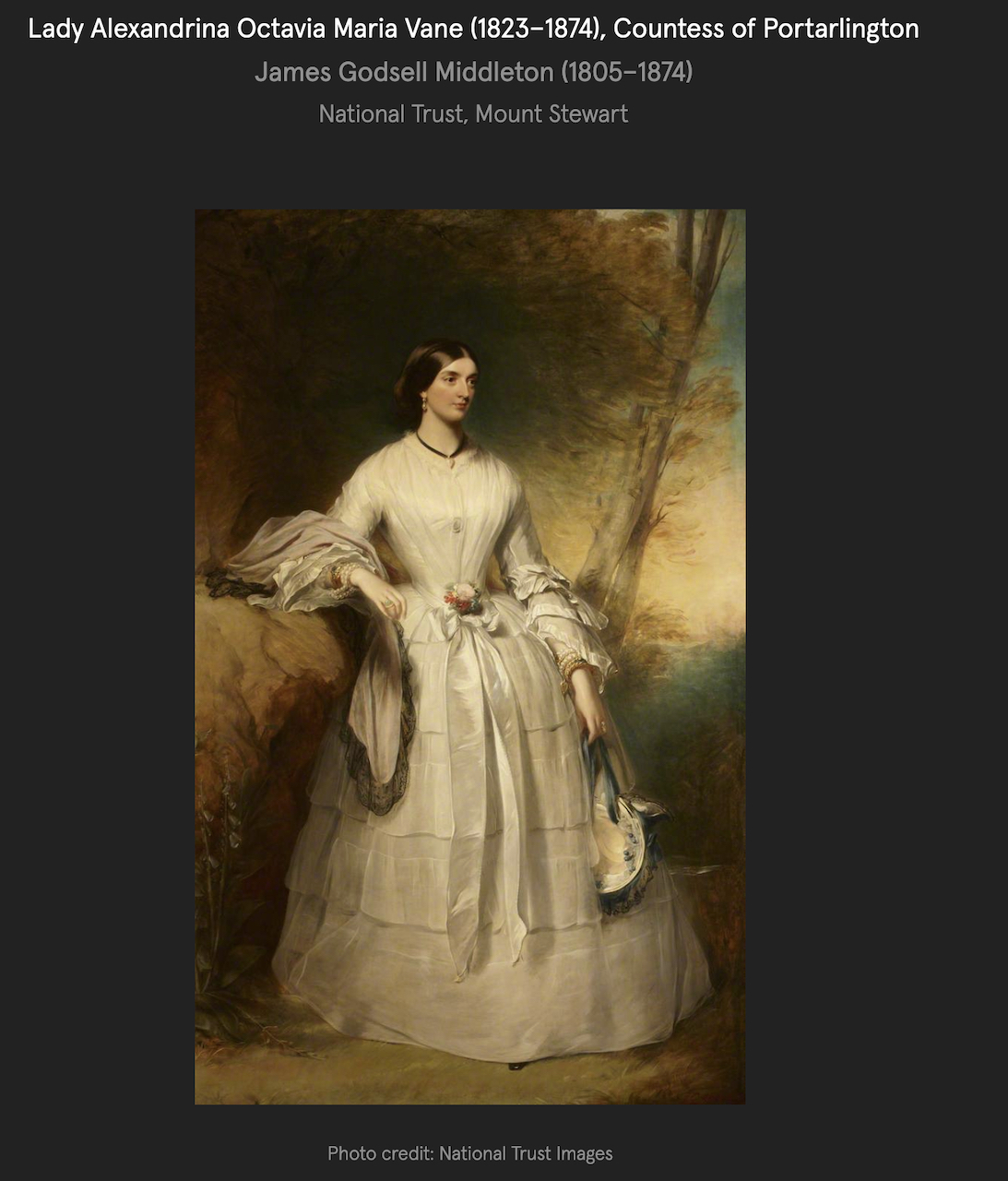
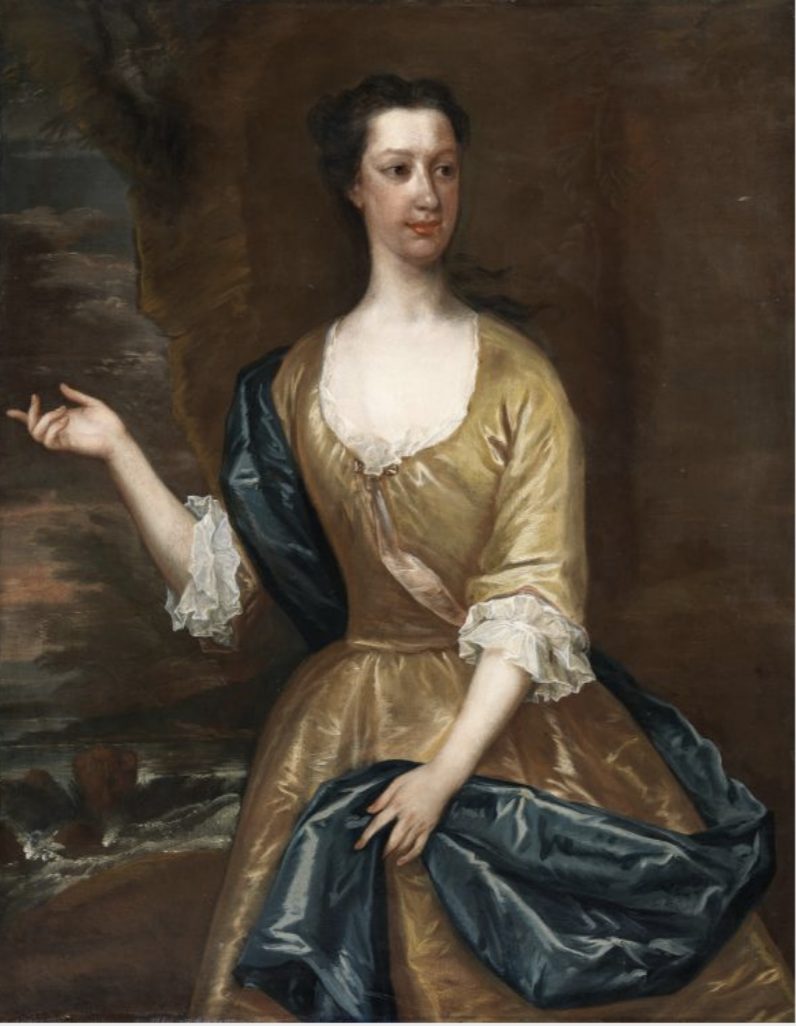
Alexandra Octavia Maria Dawson-Damer née Vane (1823-1874), she married John Henry Reuben Dawson-Damer, 3rd Earl of Portarlington, of Emo in County Laois, and was daughter of Charles William Vane 3rd Marquess of Londonderry.
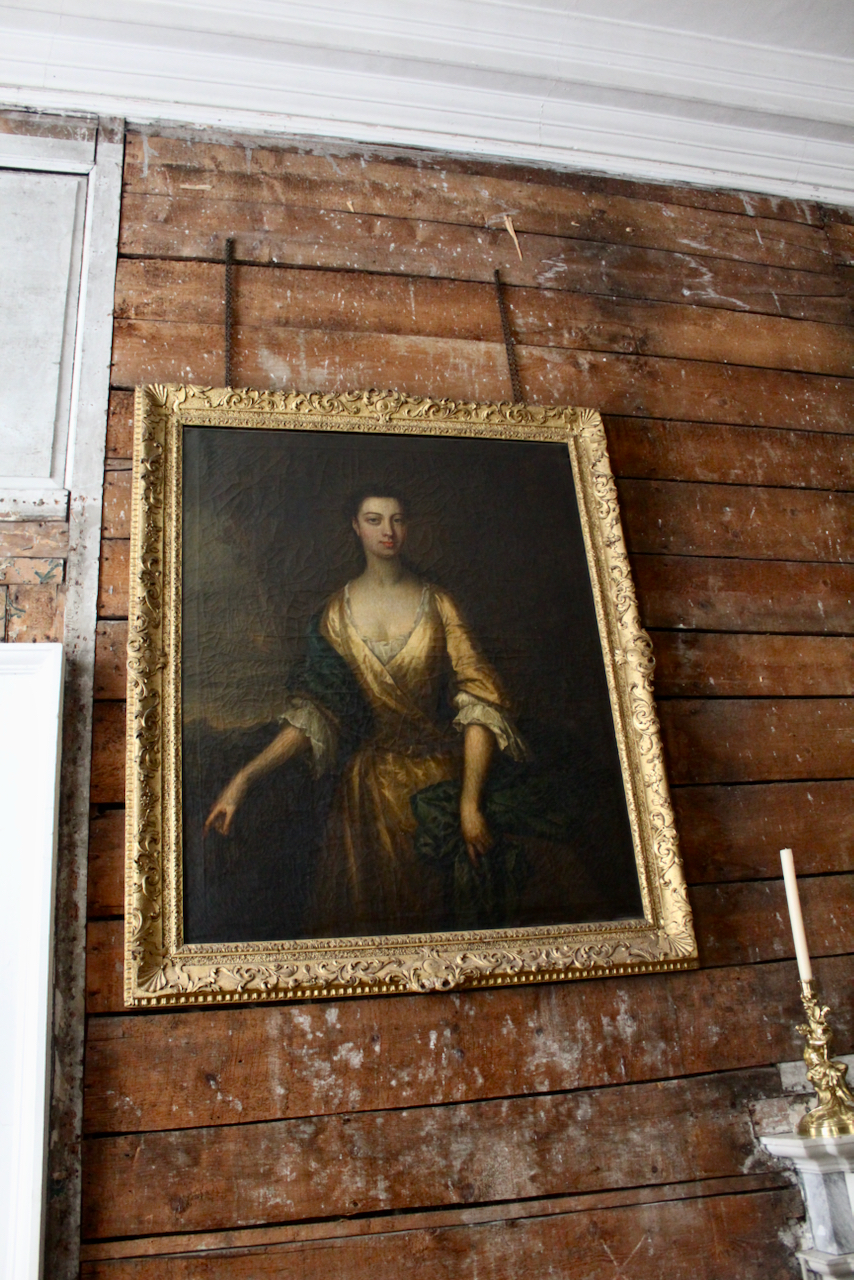
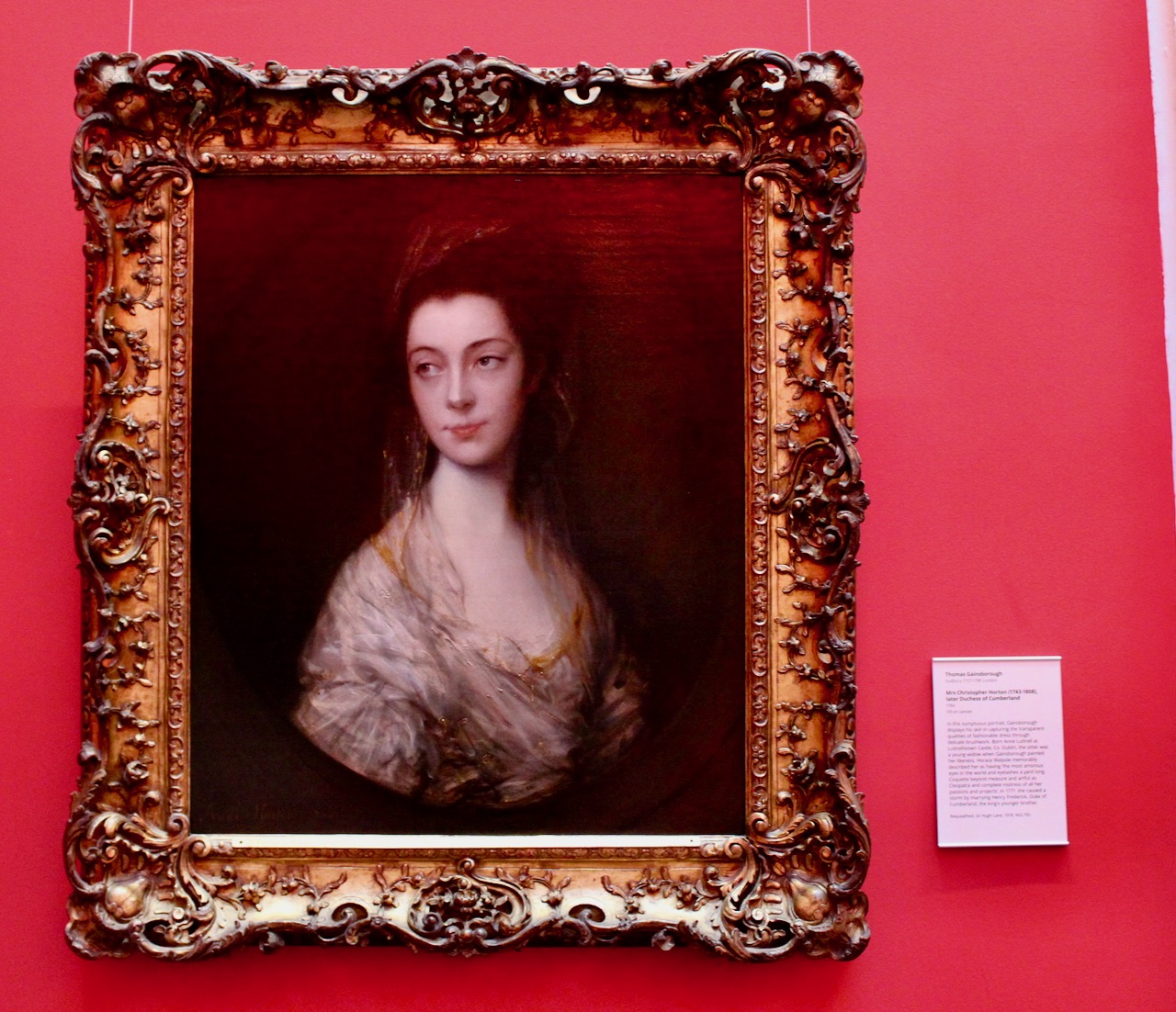
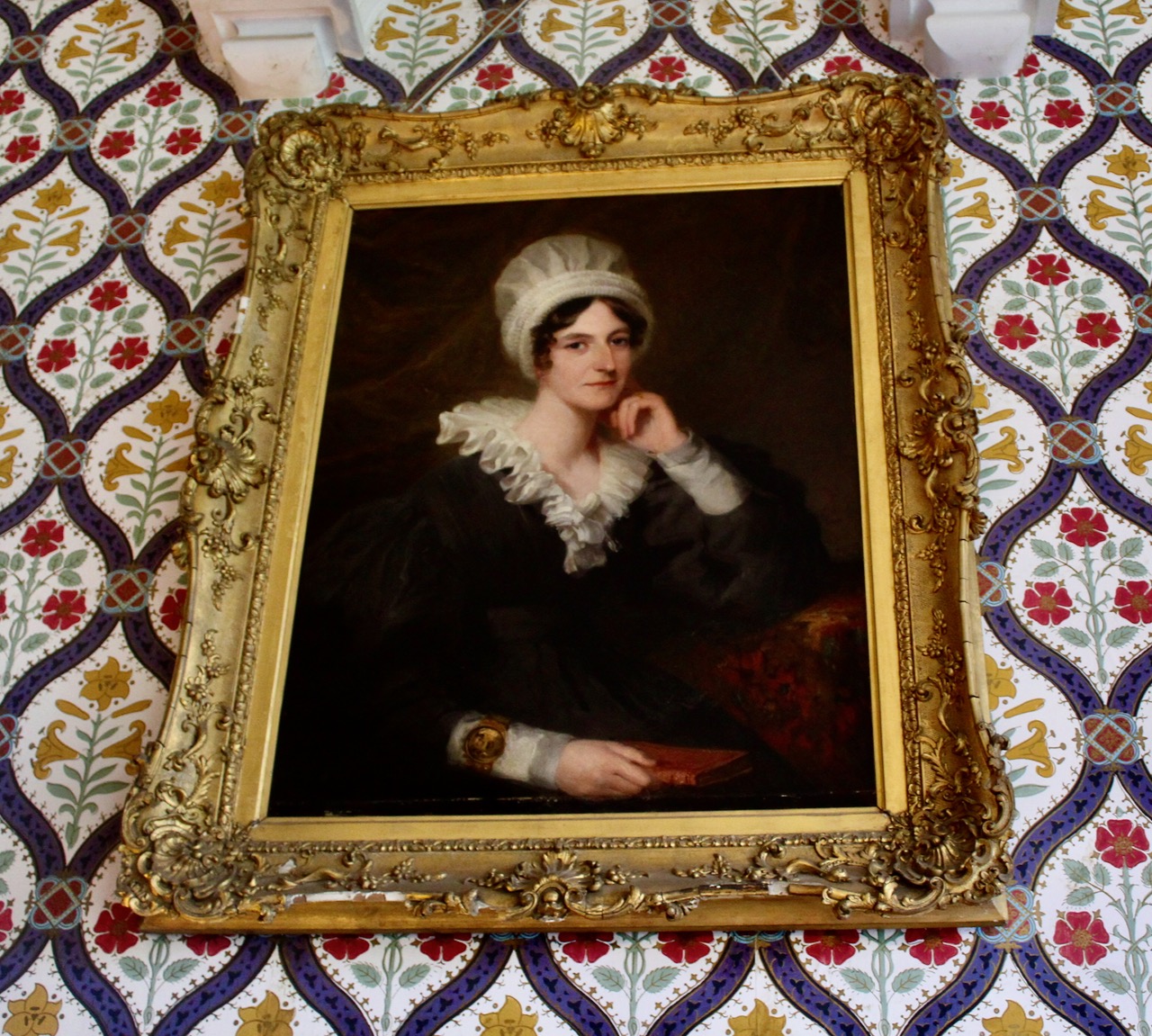
Mary Seymour, who according to Mealy’s sales catalogue married John Dawson 1st Earl of Portarlington of Emo Court, by Thomas Heaphey, courtesy of Fonsie Mealy auction; I think she married George Lionel Dawson-Damer, son of 1st Earl.
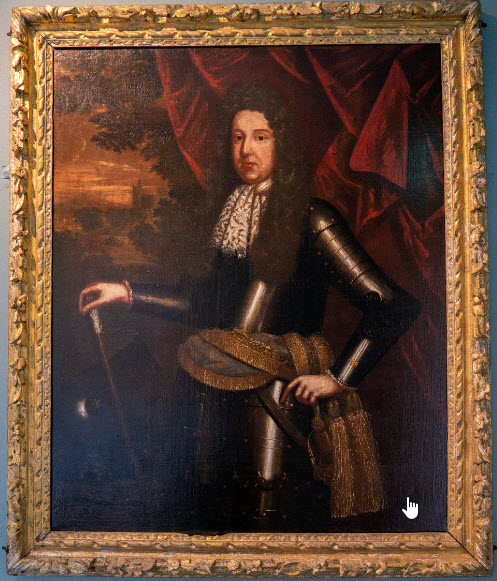
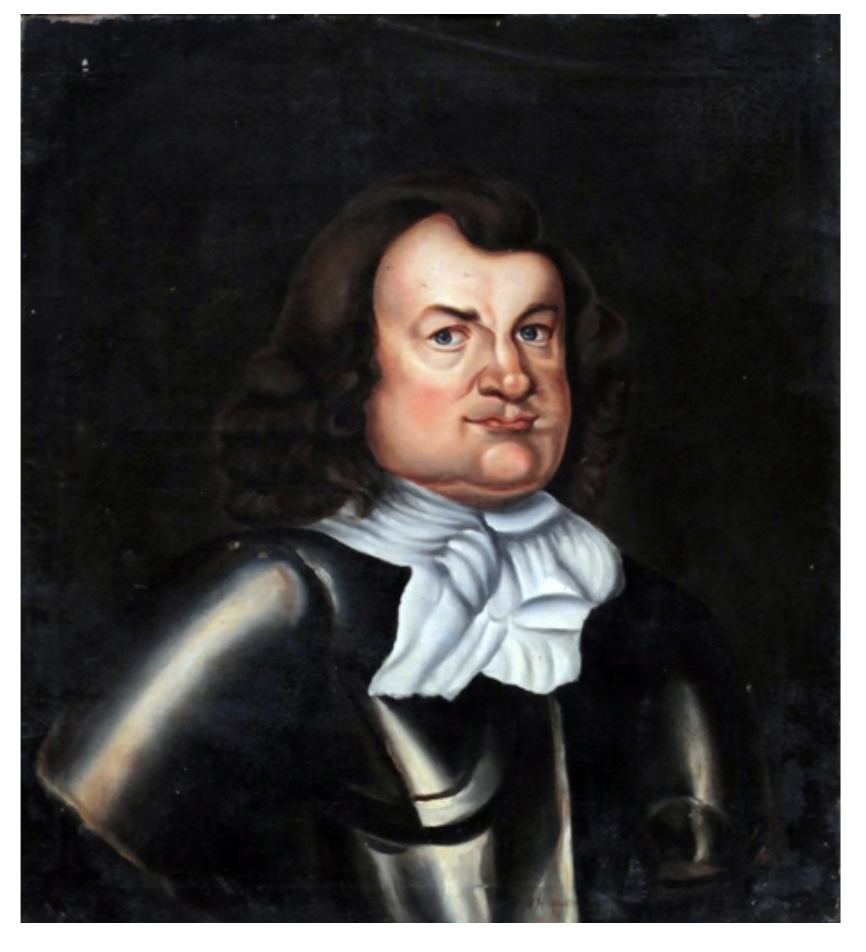
Admiral Richard Deane (Regicide) 17th Century English School courtesy Fonsie Mealy Fortgranite auction. Note:Major Joseph Deane (Inistiogue, 1661-66), of Crumlin, County Dublin, and Ballicocksoust, County Kilkenny (formerly the estate of Richard Strange), was the youngest son of Edward Deane, of Pinnock, Gloucestershire, by his 2nd wife, Anne Wase, and was born at Pinnock, 2nd February, 1624. His elder brother, Colonel Richard Deane, a leading member of the Republican party, was one of the Judges who sat on the trial of Charles I, and signed the death warrant of the King. Colonel Richard Deane was entrusted with the settlement of Scotland, which he speedily effected by his temperance and sagacity. He was next appointed one of the “Generals at Sea”, having for his colleague the famous Robert Blake, but was killed in action against the Dutch on 2nd June, 1653. He was honoured with a public funeral and buried in Henry VII’s Chapel at Westminster, but in 1661 his body (being that of a Regicide) was exhumed and cast out of the Abbey. Joseph Deane was educated at Winchester School, and entered the Parliamentary Army as Cornet in Rainsborough’s Horse. He volunteered for service in Ireland under Oliver Cromwell, in whose army he held the rank of Major. Under the Act of Settlement he had two grants of land (16th January, 1666, and 22nd June, 1669), comprising 9,324 statute acres, situated in the counties of Meath, Down, and Kilkenny, 3,859 acres being in Kilkenny. He purchased from Richard Talbot (afterwards Earl and Duke of Tyrconnell) the Manor of Terenure, in county Dublin, for œ4,000. He was named on some important committees of the House of Commons, but was fined œ10 for absence on 31st January 1665. In 1664 he paid 4s. hearth money for “Ballicagbsust”. In 1677 he served as High Sheriff of county Dublin. He died 21st December, 1699, having been twice married. By his 1st wife Anne —-, he had one son and two daughters – Joseph, of Crumlin, whose son, Joseph, became Lord Chief Baron of the Exchequer, and died without male issue. (1) Anne, married in May, 1673 (as his 3rd wife), Godwin Swift, Attorney-General to the Duke of Ormonde. (2) Elizabeth, married 1st in May, 1672, Captain Henry Grey; 2nd in July, 1677, Donogh O’Brien, of Lemenagh, County Clare. Major Deane married, 2ndly, in 1659, Elizabeth, daughter of Maurice Cuffe, and sister of Captain Joseph Cuffe, of Castle Inch, elected M.P. for Knocktopher in 1665, and by her, who died 3rd April, 1698, had a son and a daughter – Edward whom hereafter M.P. for Inistiogue; and Dorothy, married Maurice Berkeley, of Glasnevin county Dublin.THE MEMBERS OF PARLIAMENT FOR THE COUNTY, CITY AND BOROUGHS OF KILKENNYBY G.D. BURTCHAELL, M.A., LL.B [Written for the KILKENNY MODERATOR]
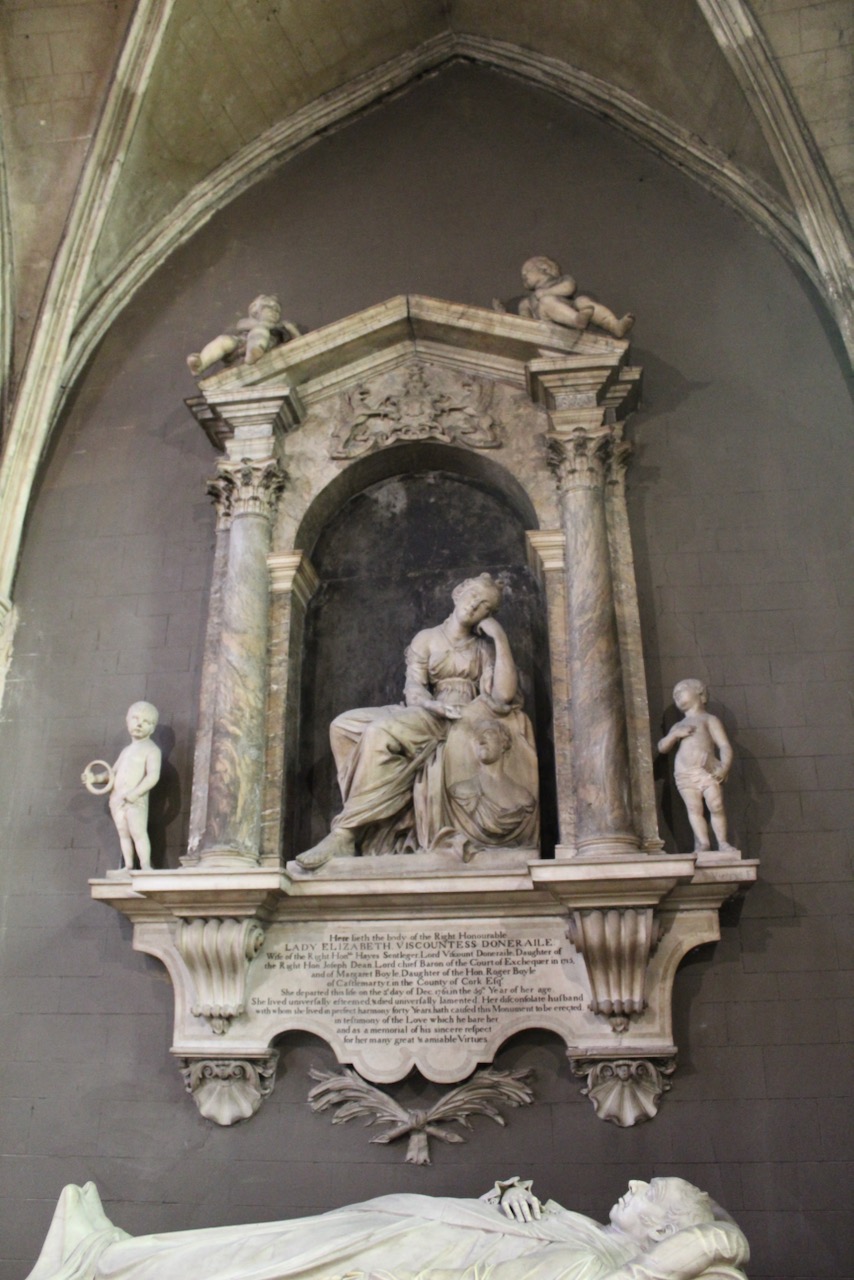
Tomb of Elizabeth née Deane, Countess Doneraile, d. 1761, wife of Hayes St. Leger, Viscount Doneraile. Photograph © Jennifer Winder-Baggot, www.irishhistorichouses.com
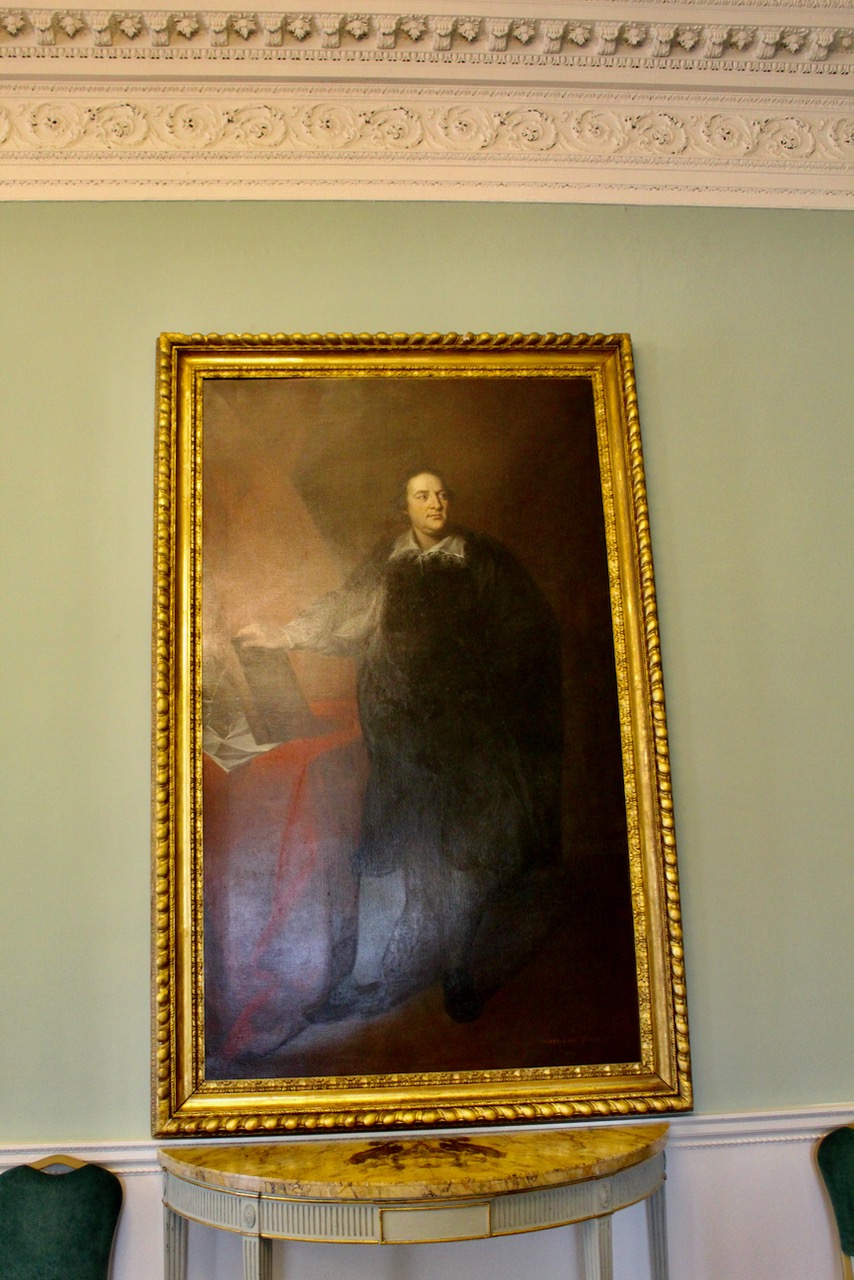
William Dease (c. 1752-1798), Open House, 2011, Royal College of Surgeons. Photograph © Jennifer Winder-Baggot, www.irishhistorichouses.com
Probably Eleanor de Bohun (c. 1304-1363), the wife of James Butler the 1st Earl of Ormond, in St. Mary’s Church, Gowran, County Kilkenny. Photograph © Jennifer Winder-Baggot, www.irishhistorichouses.com
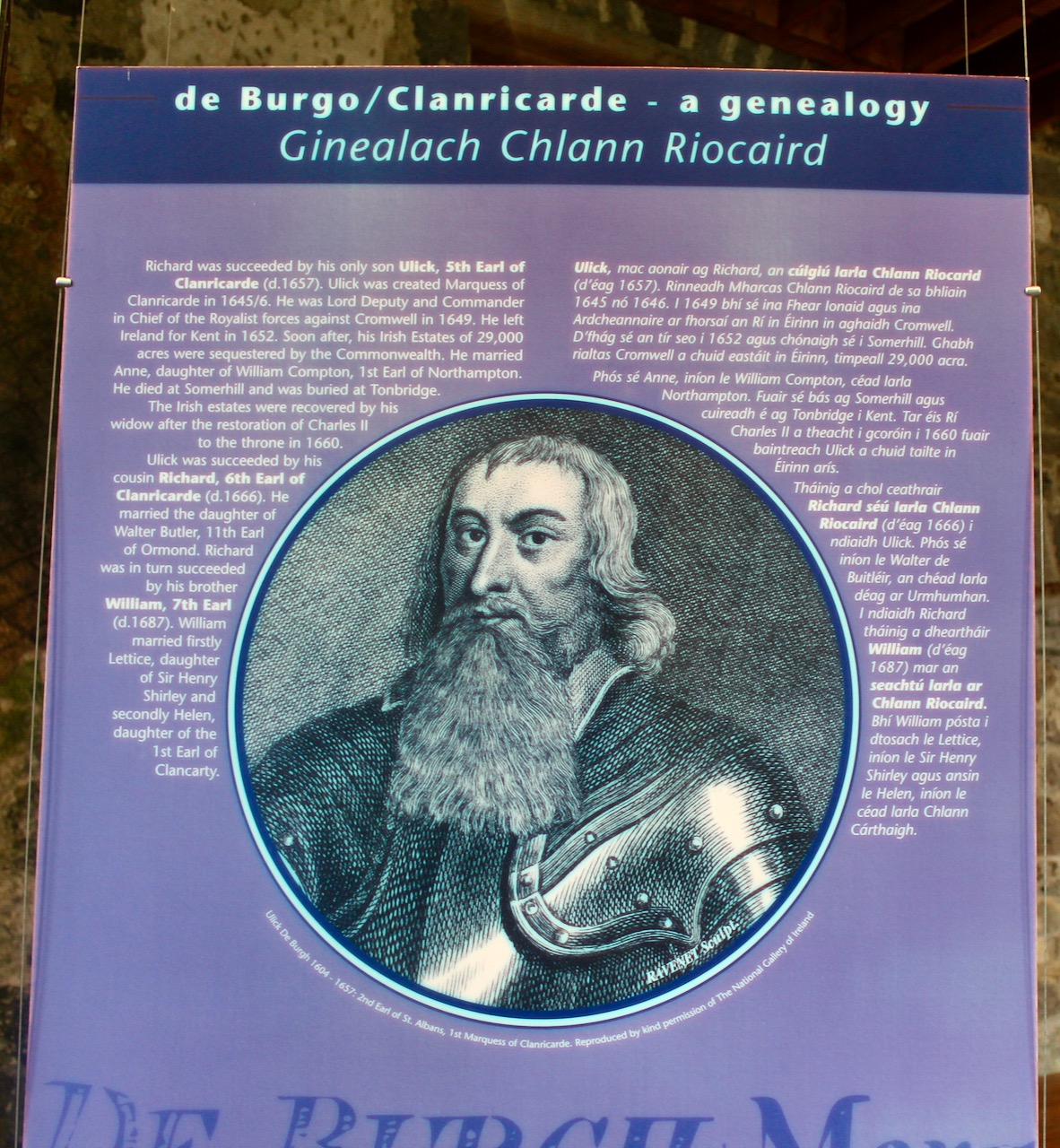
Portrait of Ulick de Burgo or Bourke, 5th Earl of Clanricarde (d. 1657). He was created Marquess of Clanricarde. He was Lord Deputy and Commander in Chief of Royalist forces against Cromwell in 1649. His Irish estates were lost but then recovered by his widow after the restoration of Charles II to the throne.

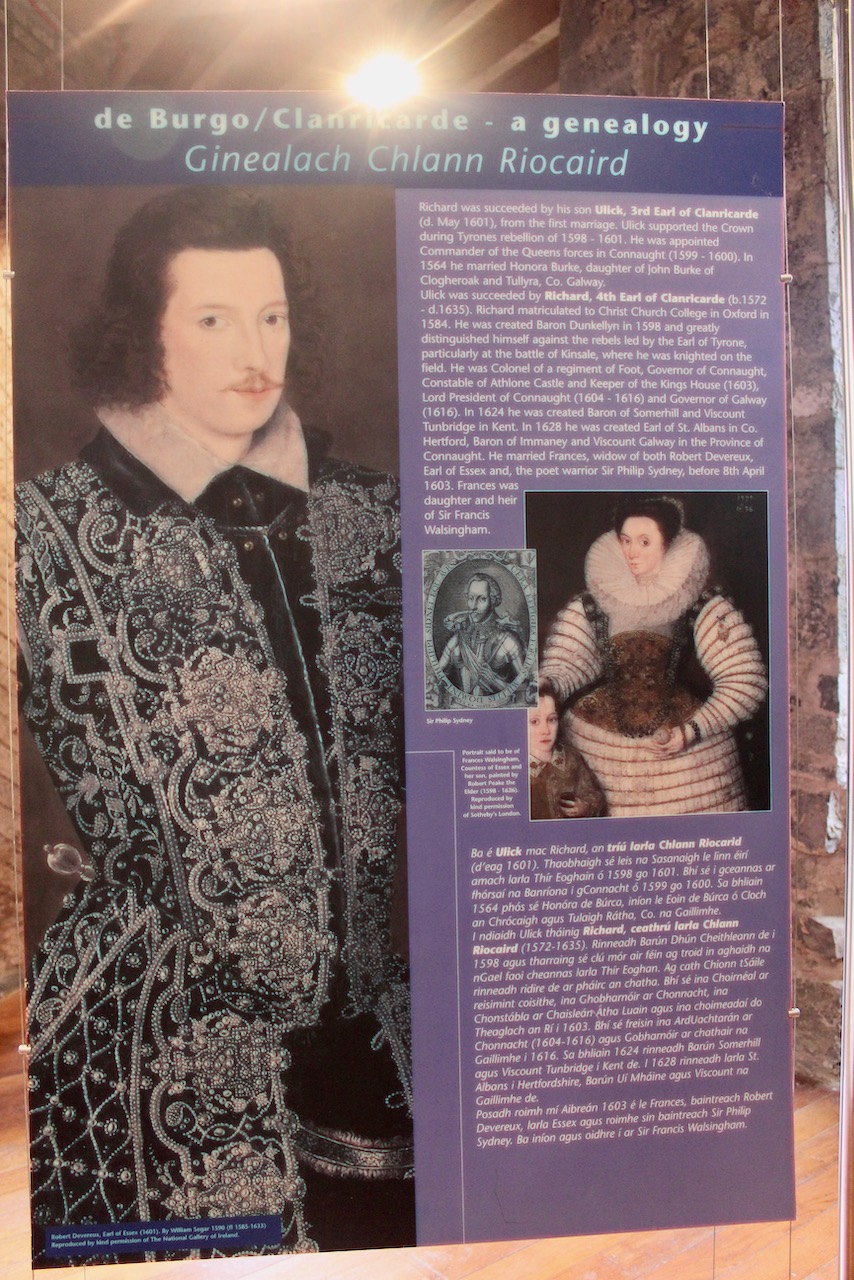
Richard Bourke (d. 1635) was 4th Earl of Clanricarde and he married Frances Walsingham.

They had a son, Ulick de Burgo or Bourke, 5th Earl of Clanricarde (d. 1657) who was created 1st Marquess of Clanricarde. He was succeeded by his cousin, Richard Bourke (d. 1666) 6th Earl of Clanricarde.

Richard Bourke (d. 1666) 6th Earl of Clanricarde married Elizabeth Butler, daughter of Walter Butler, 11th Earl of Ormond. They had daughters so his brother William (d. 1687) succeeded as 7th Earl of Clanricarde.

William the 7th Earl married Lettice Shirley who gave birth to Richard Bourke (d. 1709) 8th Earl of Clanricarde, who had only daughters, and then John Bourke (1642-1722) who became 9th Earl of Clanricarde.

The 7th Earl married a second time, to Helen MacCarty (d. 1732) who was daughter of Donough MacCarty 1st Earl of Clancarty. They had a daughter, Honora Bourke (d. 1697/8) who married James FitzJames, 1st Duke of Berwick-upon-Tweed, illegitimate son of King James II.

The 9th Earl married and had many children, including Michael Bourke (d. 1726) 10th Earl of Clanricarde. He married Anne Smith, daughter of John Smith, Chancellor of the Exchequer, widow of Hugh Parker of Meldford Hall, Sussex, whose income helped to restore the family fortunes, and she gave birth to John Smith de Burgh (1720-1782) who became 11th Earl of Clanricarde. In 1752 his name was legally changed to John Smith de Burgh by Royal License.

John Smith de Burgh (1720-1782) 11th Earl of Clanricarde married Hester Amelia Vincent. He changed his surname from Bourke to De Burgh. They had a son, Henry de Burgh (1742-1797) who was created 1st (and last, as he had no children) Marquess of Clanricarde.

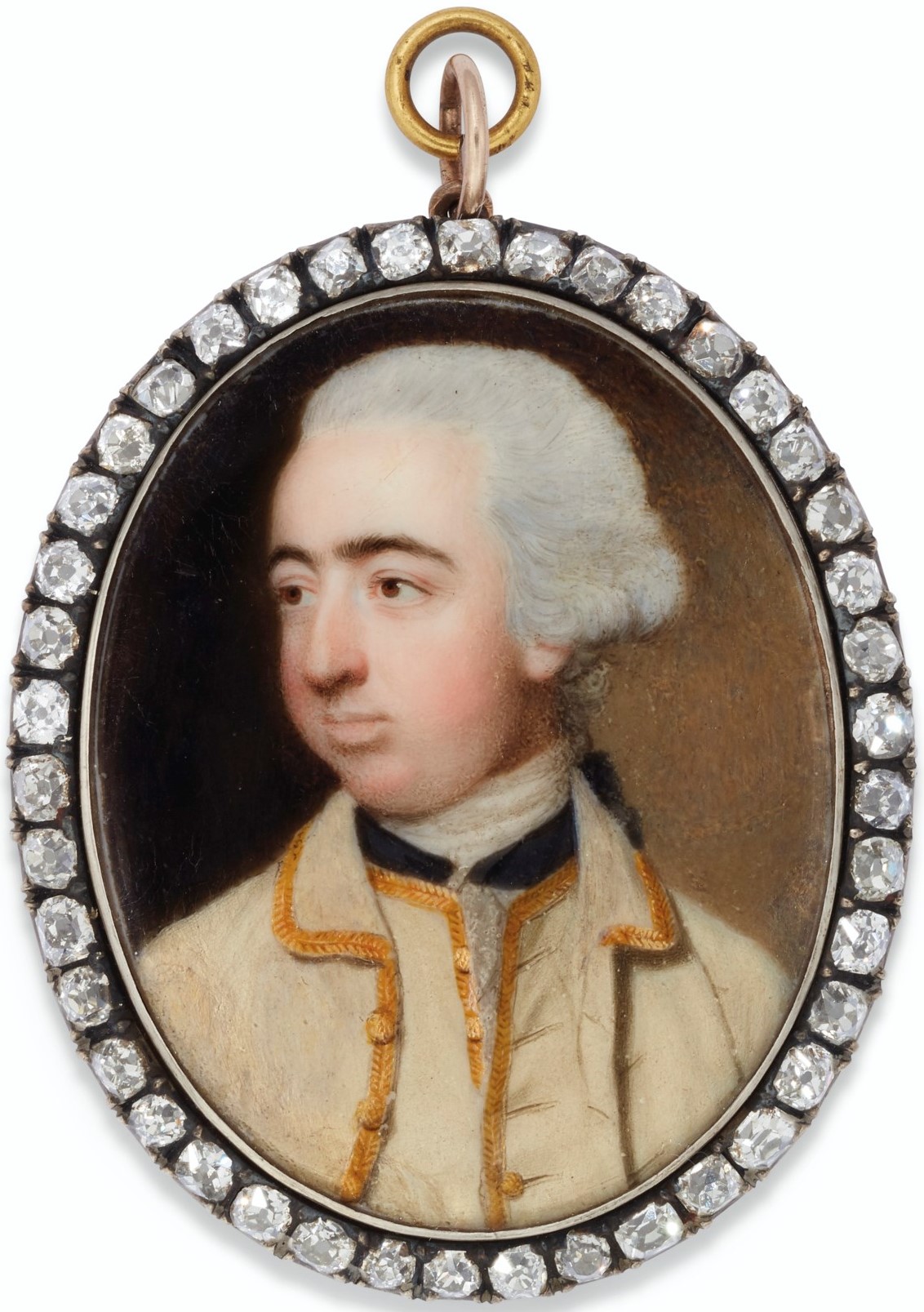
Henry de Burgh, 12th Earl and 1st Marquess of Clanricarde (1742 – 1797), Attributed to John Smart (British, 1741-1811) courtesy of https://www.christies.com/en/lot/lot-6249637
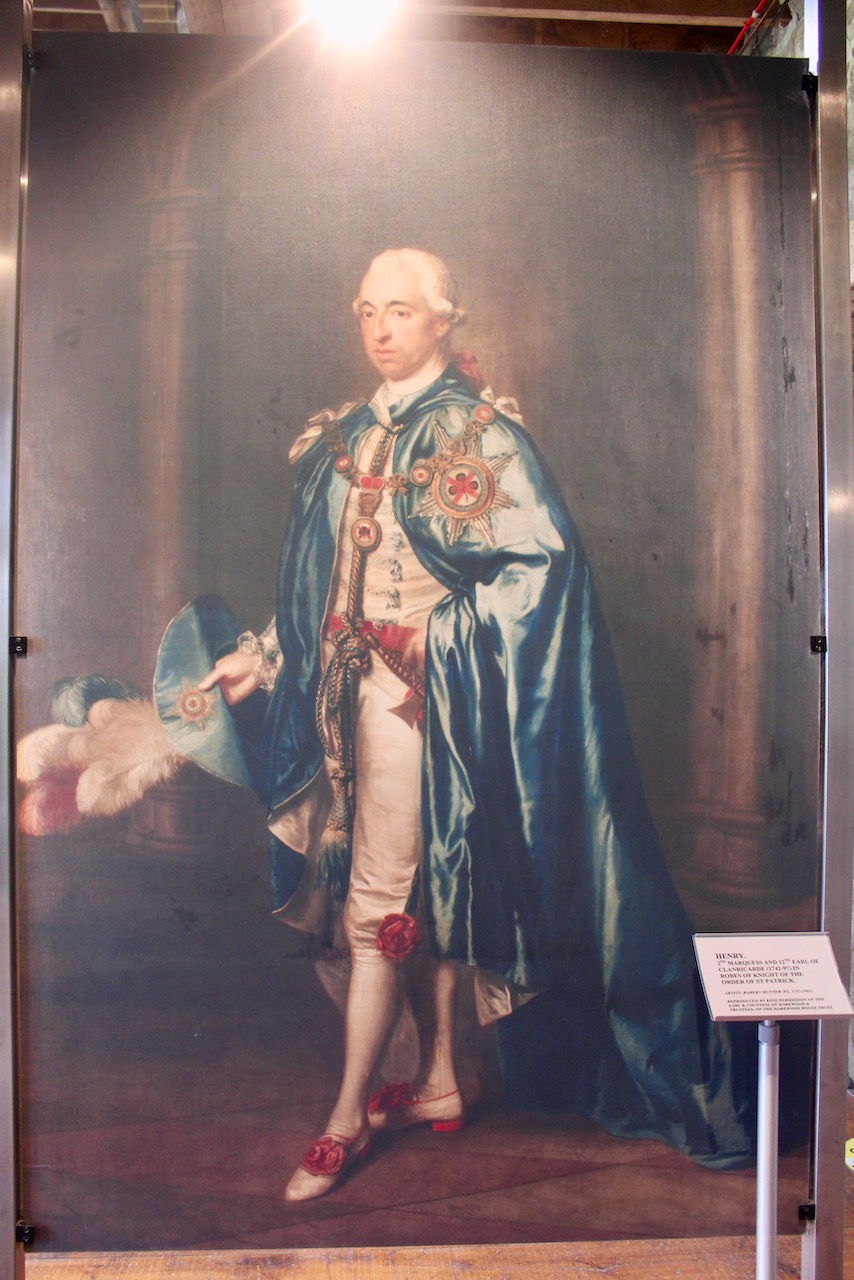
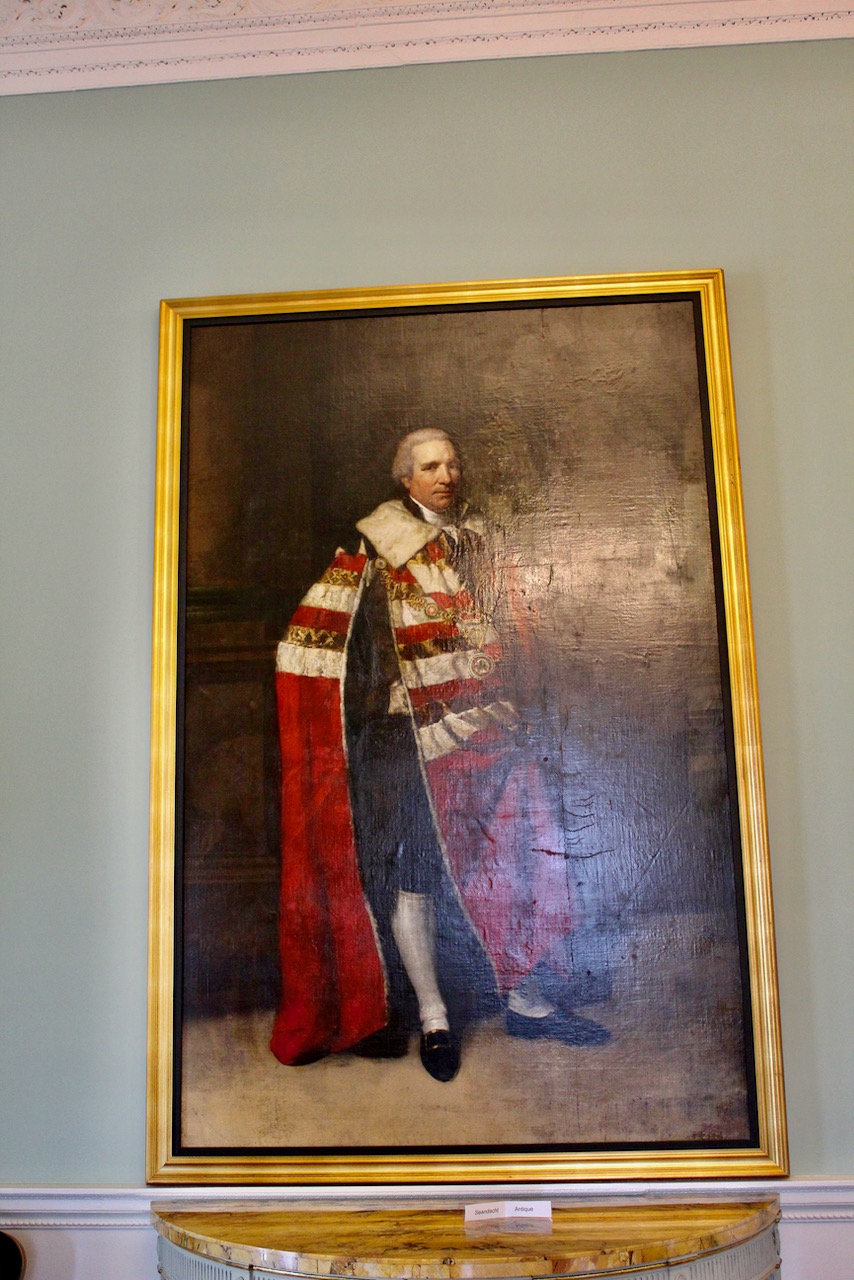
Henry de Burgh, (1743-1797) 1st Marquess of Clanricarde (2nd creation), as Knight of St. Patrick, by Robert Hunter.

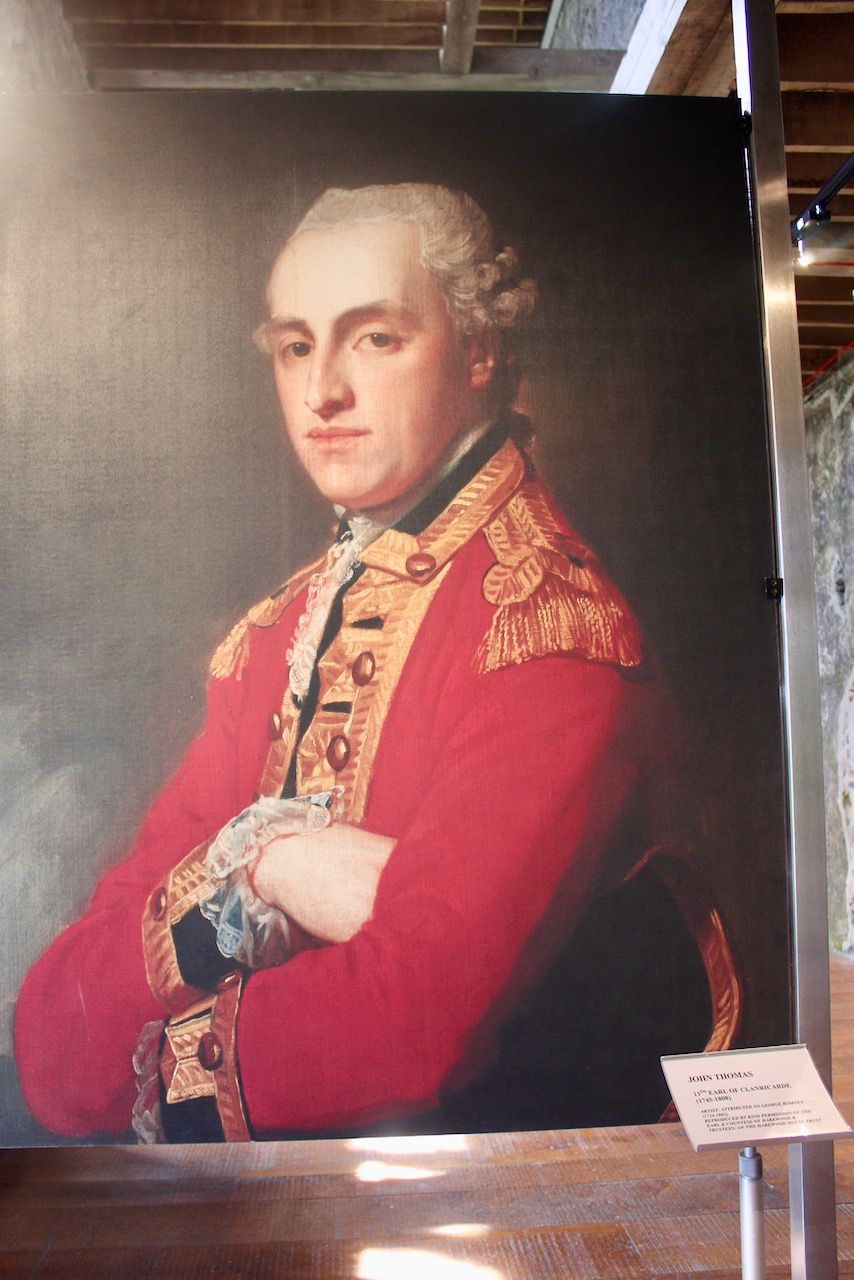
When he died his brother earned the title, as General John Thomas de Burgh (1744-1808) 13th Earl of Clanricarde. He was created 1st Earl of Clanricarde, co. Galway [Ireland] in 1800, with special remainder to his daughters. His daughter Hester Catherine de Burgh married Howe Peter Browne, 2nd Marquess of Sligo. His daughter Emily married Thomas St. Lawrence, 3rd Earl of Howth.

John Thomas De Burgh (1744-1808) 13th Earl of Clanricarde was created 1st Earl of Clanricarde, Co. Galway.

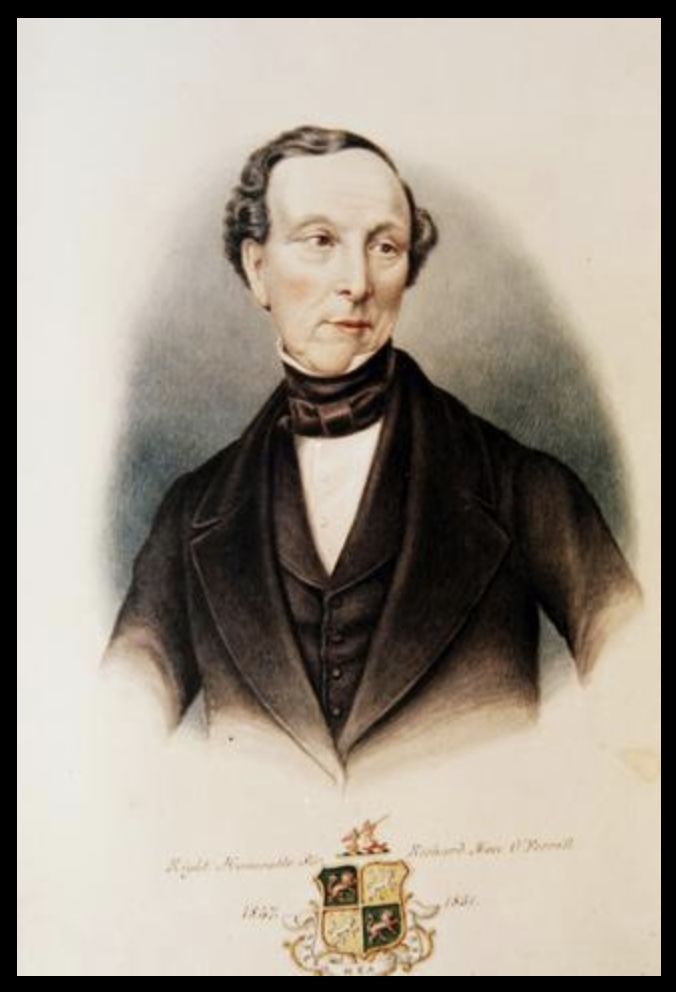
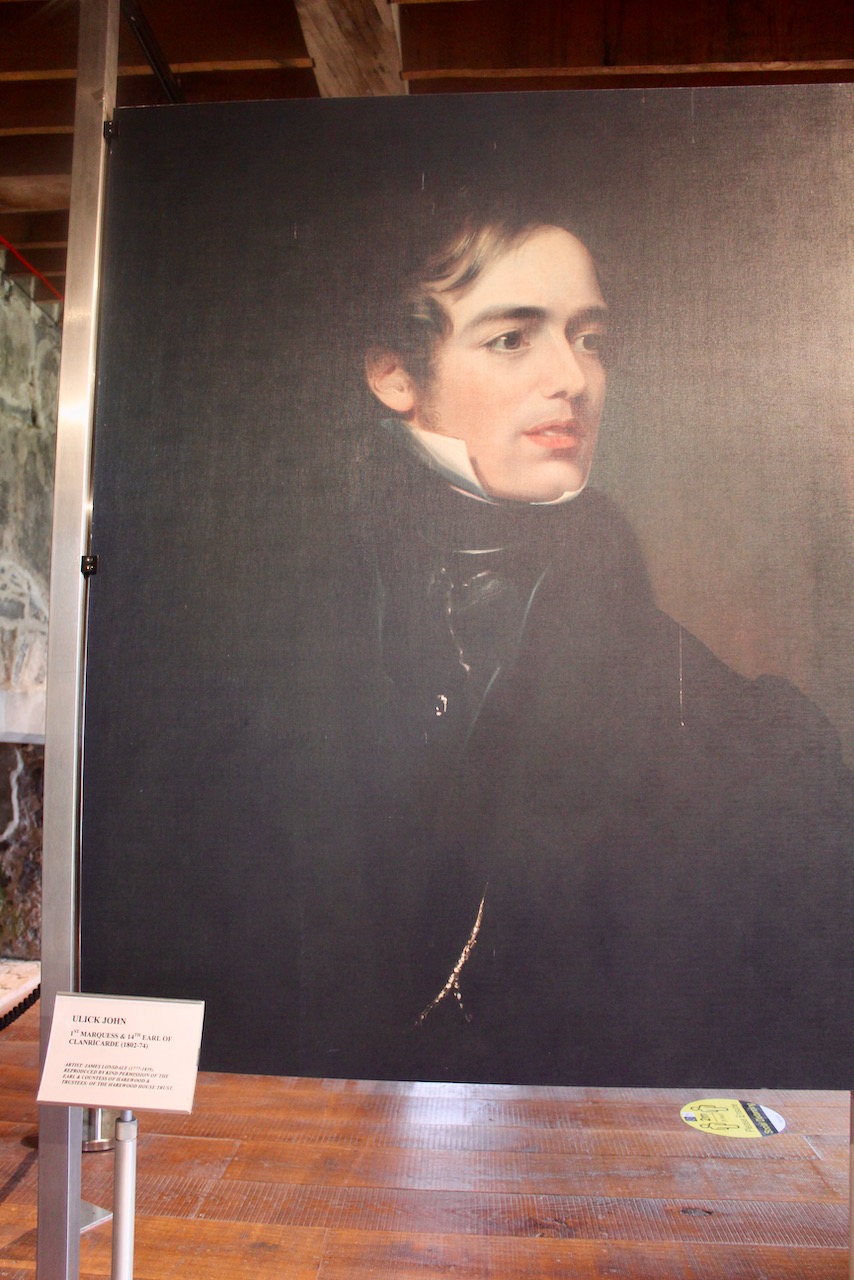
His son Ulick John de Burgh (1802-1874) was created 1st Marquess of Clanricarde. He married Harriet Canning, daughter of Prime Minister George Canning. Ulick was described as being immensely rich.

Ulick John De Burgh (1802-1874), 14th Earl and 1st Marquess of Clanricarde (3rd creation).
The 2nd Marquess, Hubert George De Burgh-Canning (1832-1916), “the notorious miser and eccentric who spent his life in squalid rooms in London and dressed like a tramp.”
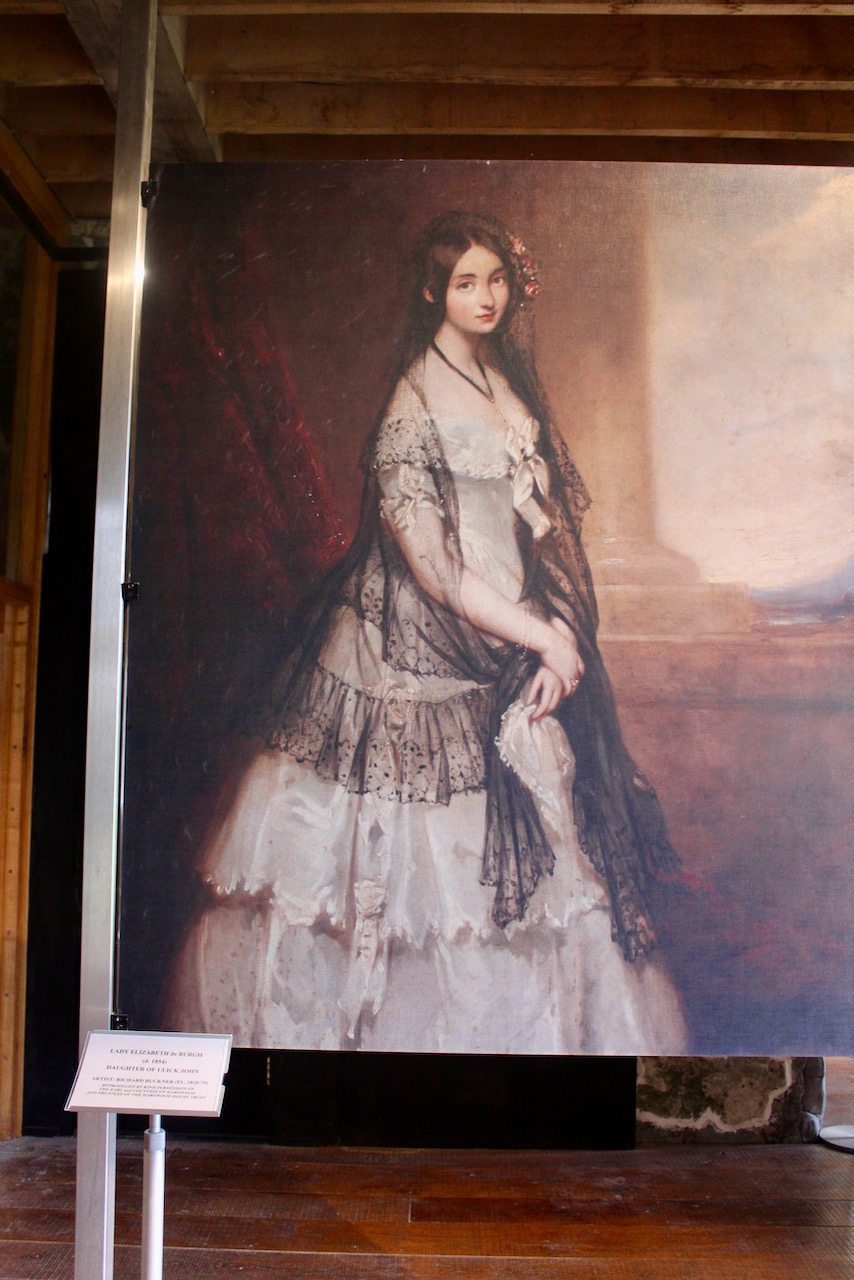
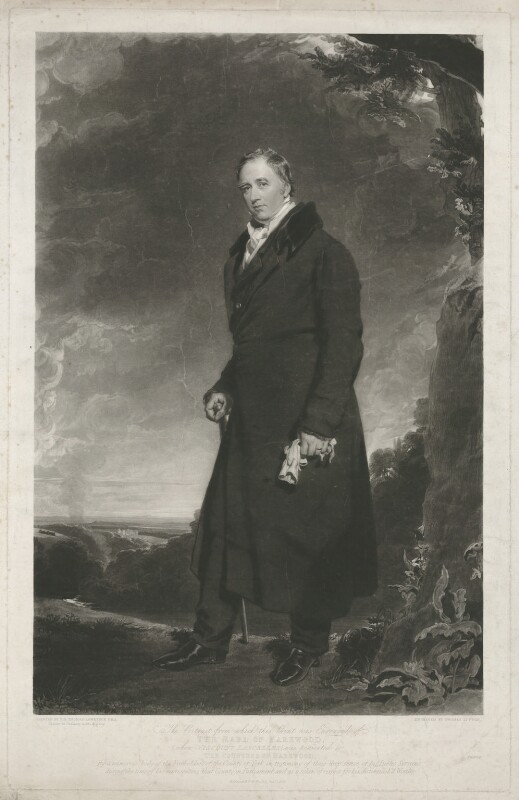
Elizabeth de Burgh, who married Henry Thynne Lascelles, 4th Earl of Harewood. She was the sister of the 2nd Marquess, Hubert George De Burgh-Canning.
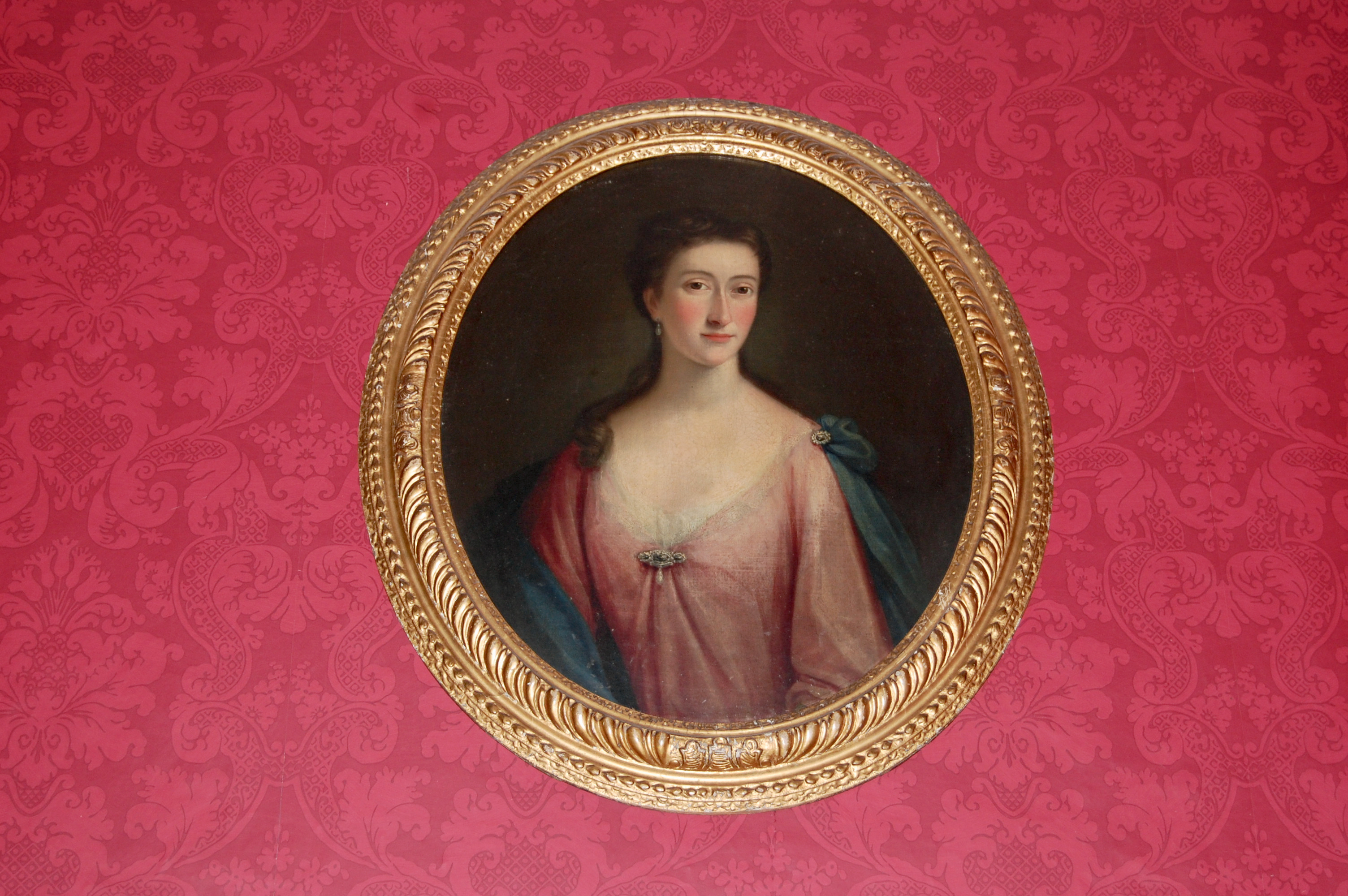
Elizabeth de la Poer Beresford (1736-1806), wife of Thomas Cobbe of Newbridge House, in a costume evocative of Mary Queen of Scots, miniature, Cobbe Collection.
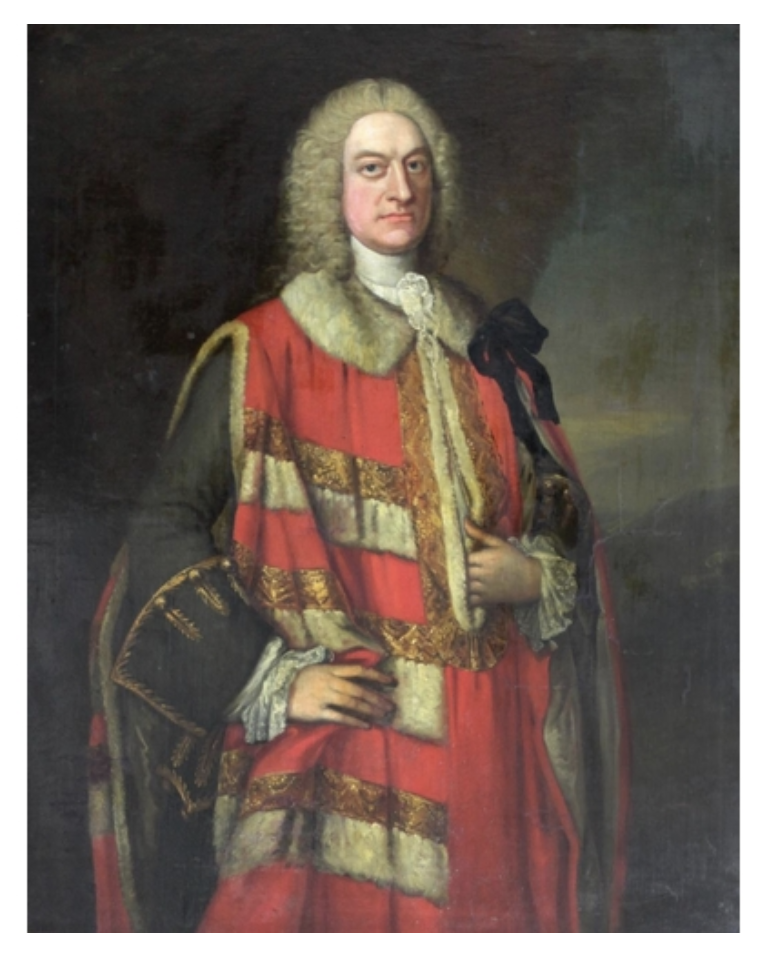
George de la Poer Beresford (1735-1800) 2nd Earl of Tyrone, later 1st Marquess of Waterford, by Johann Zoffany courtesy of National Trust Hatchlands.
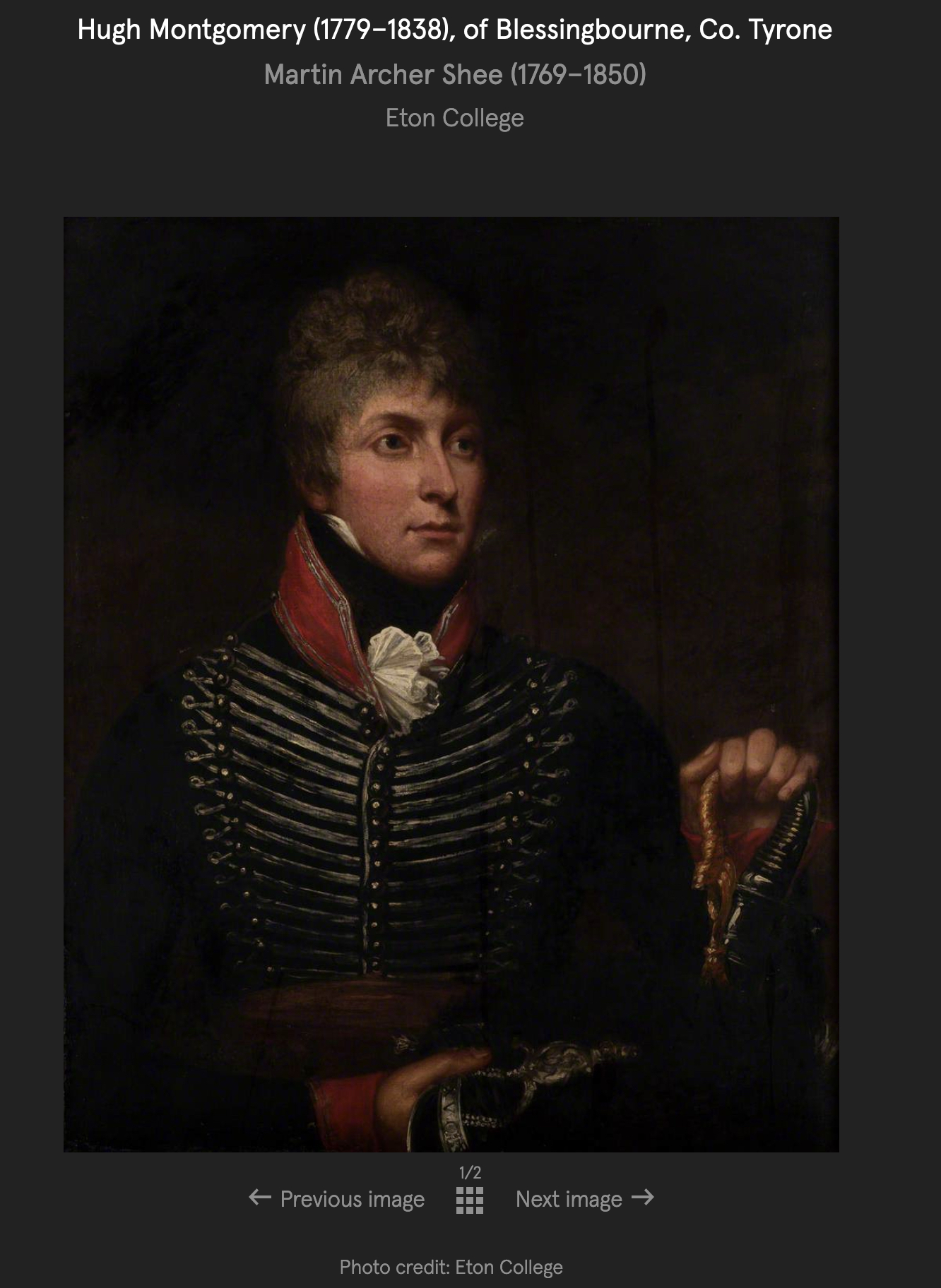
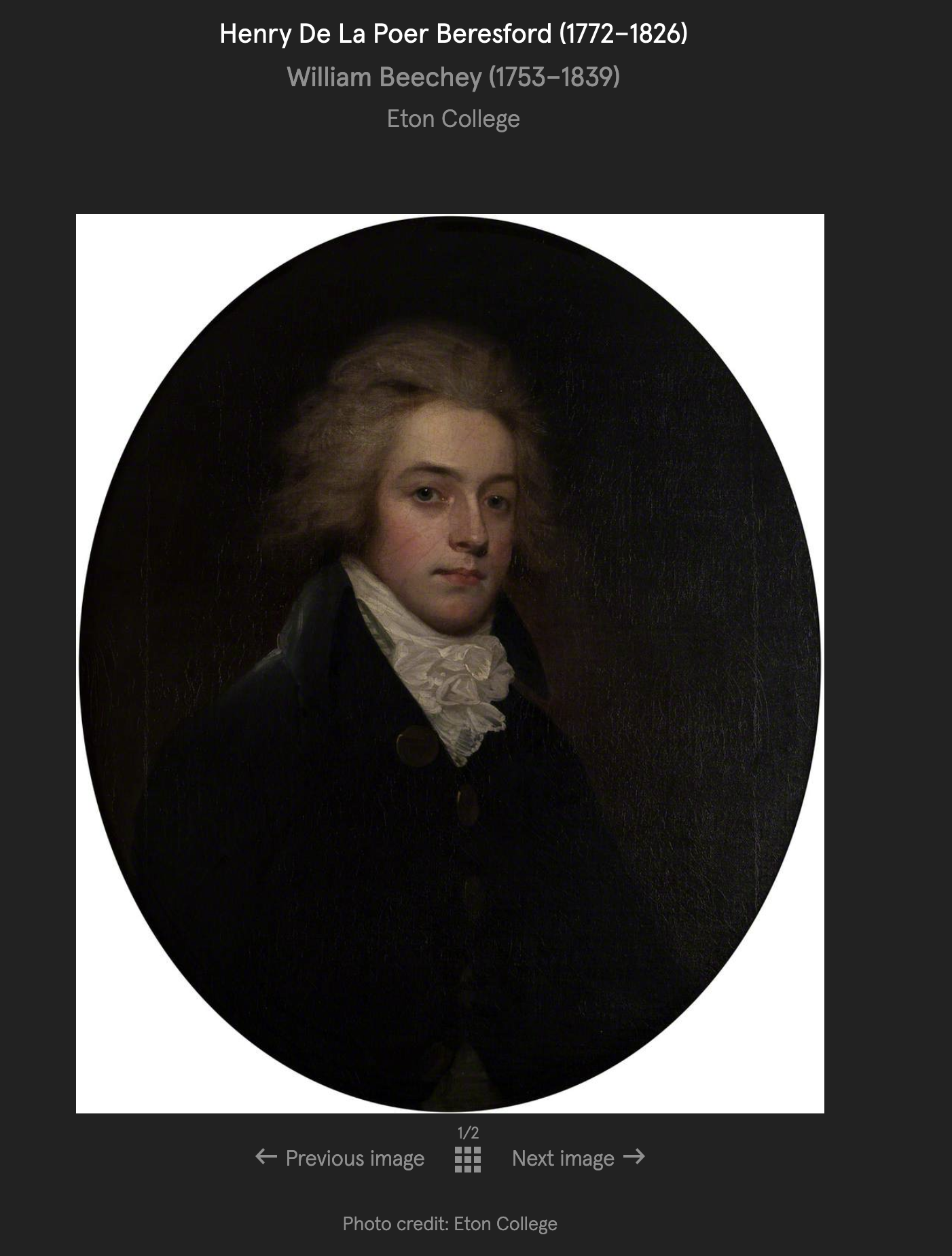
Henry de la Poer Beresford (1772-1826) 2nd Marquess of Waterford by William Beechy courtesy of Eton College.
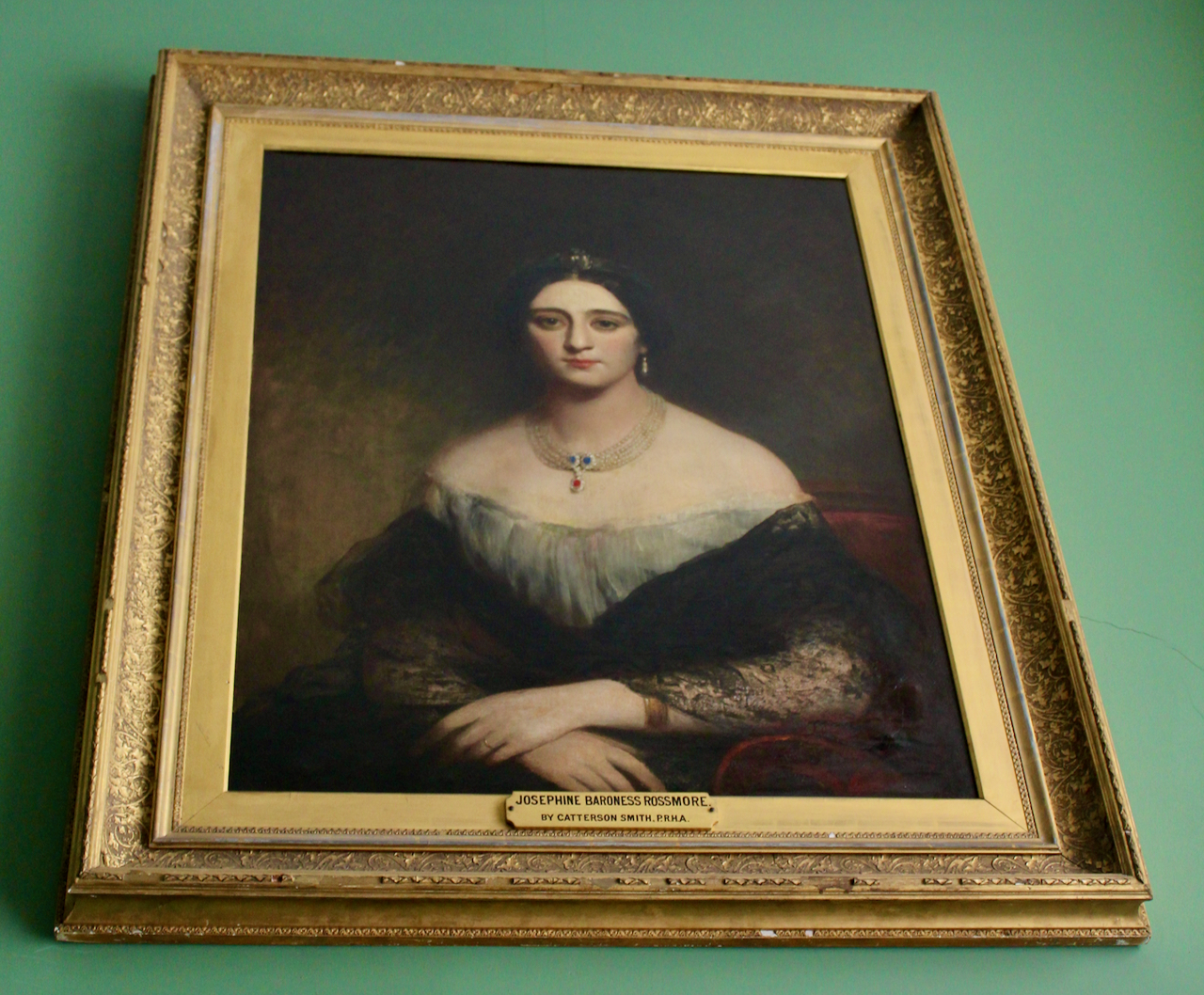
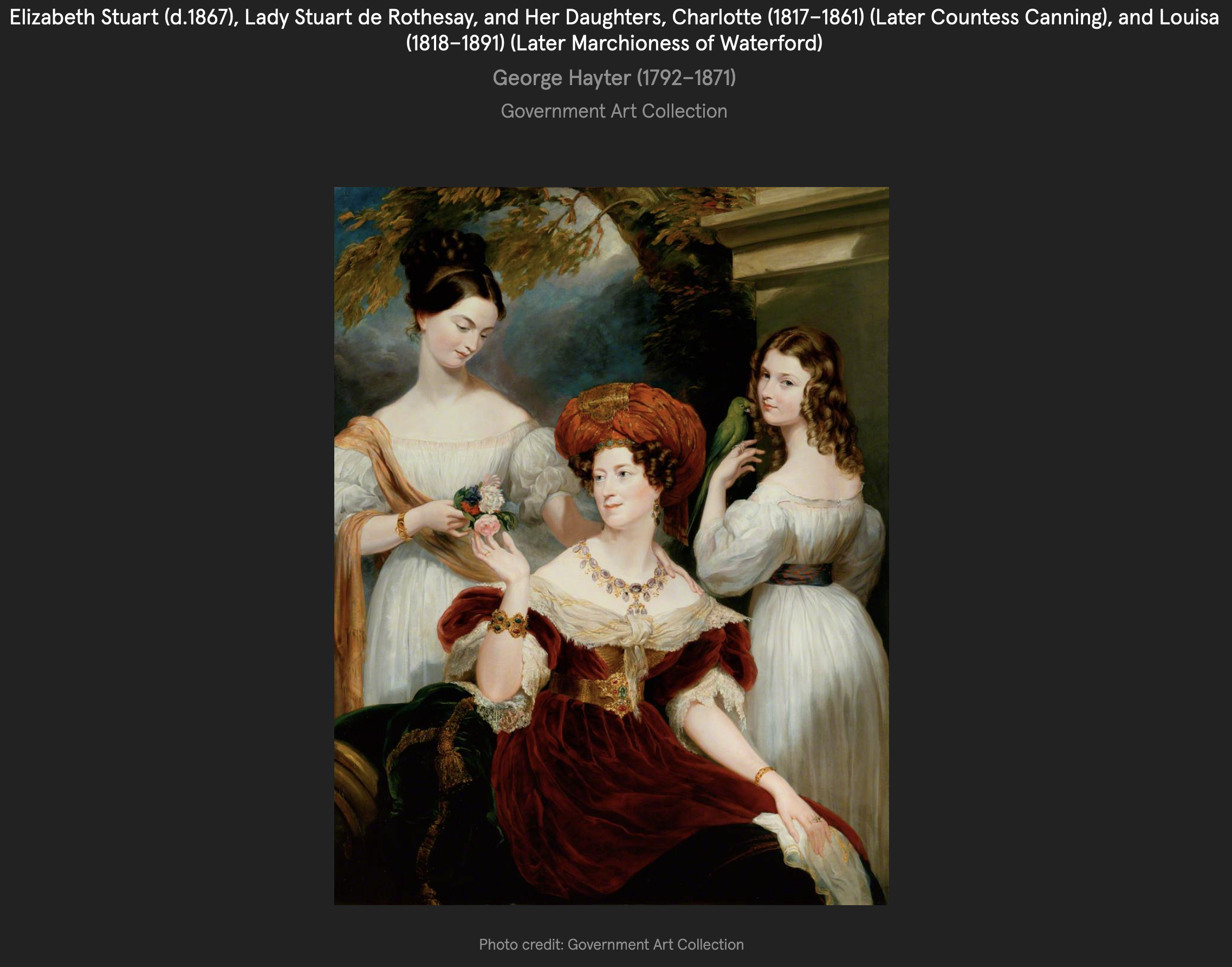
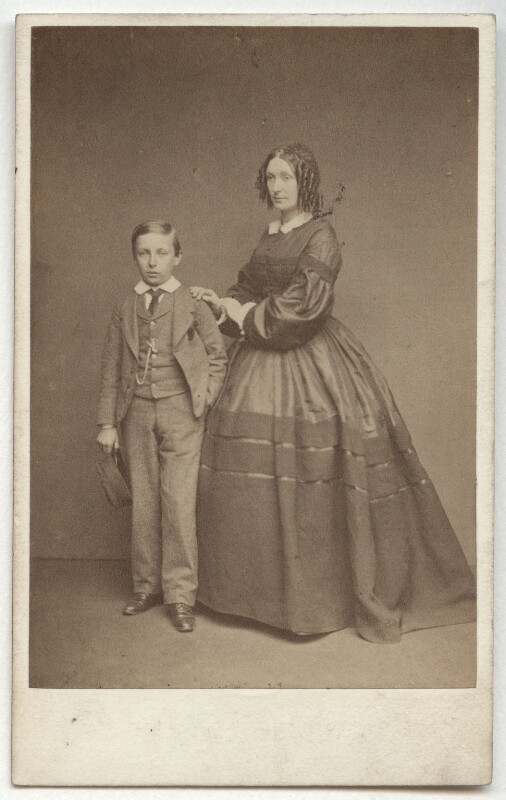
Louisa Anne Beresford née Stuart (1818-1891) by Sir Francis Grant 1859-1860, NPG 3176. The National Portrait Gallery tells us: “Louisa Stuart was brought up mostly in Paris, where her father was British Ambassador to the French court. She was taught to draw from an early age and art, along with religion and philanthropy, was one of her main interests throughout her life. A gifted amateur watercolourist, she did not exhibit at professional galleries until the 1870s. With a strong interest in the welfare of the tenants on her Northumberland estate, she rebuilt the village of Ford. She provided a school and started a temperance society in the village. Her greatest artistic achievement was the decoration of the new school with life sized scenes from the Old and New testaments that used children and adults from the village as models.”
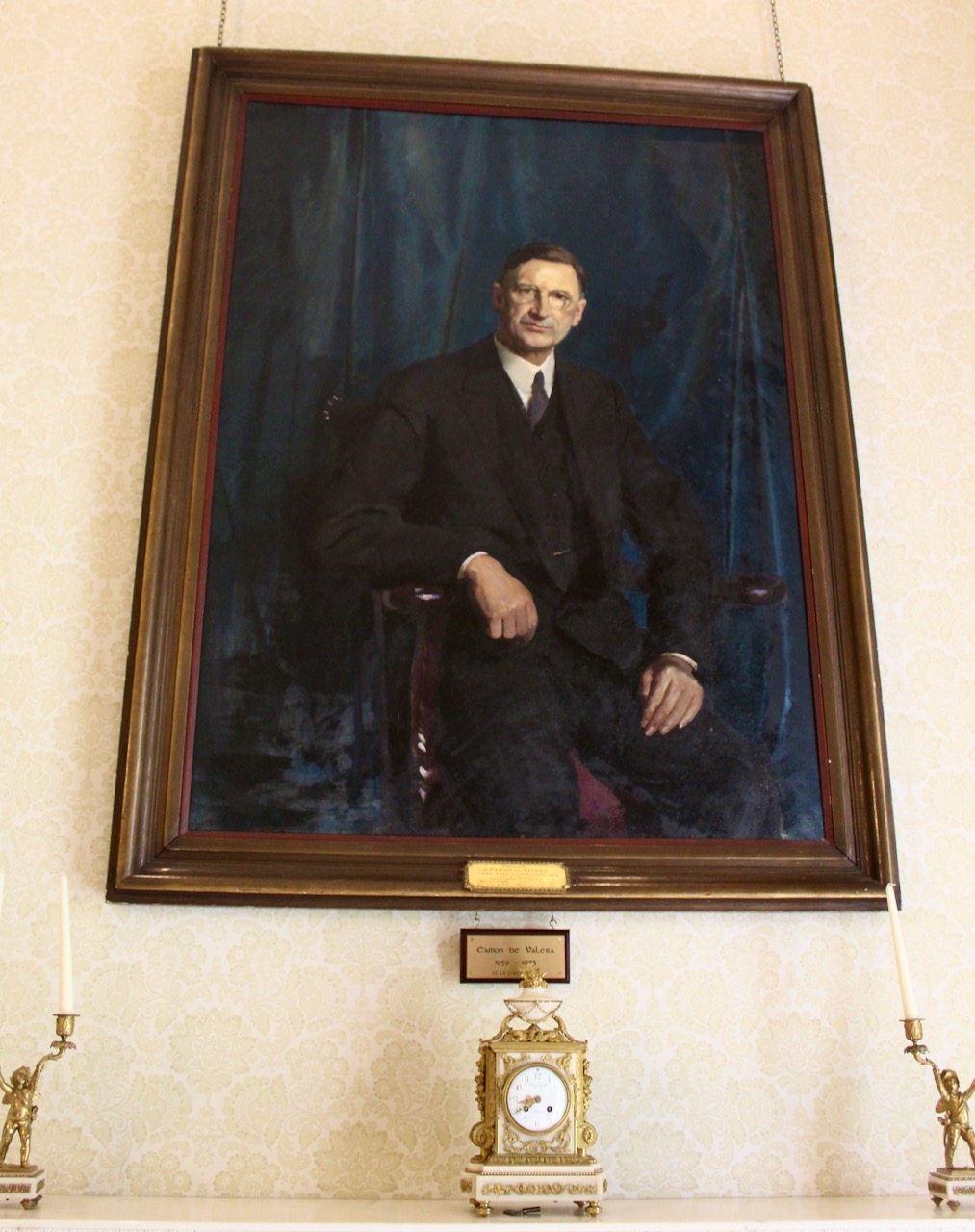
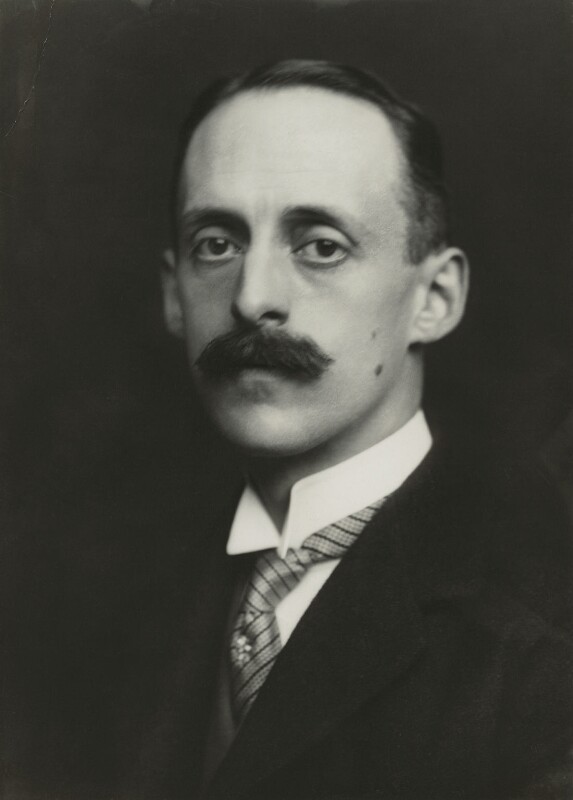
Eamon De Valera. Photograph © Jennifer Winder-Baggot, www.irishhistorichouses.com
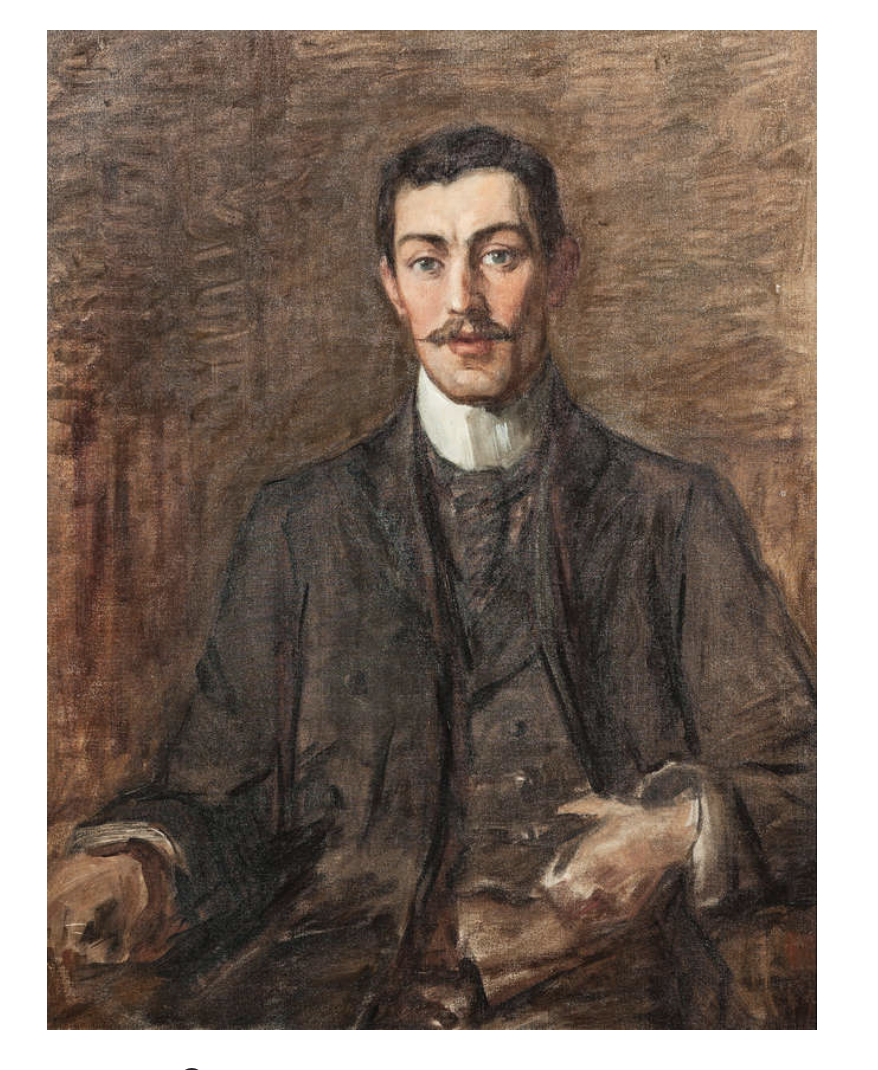
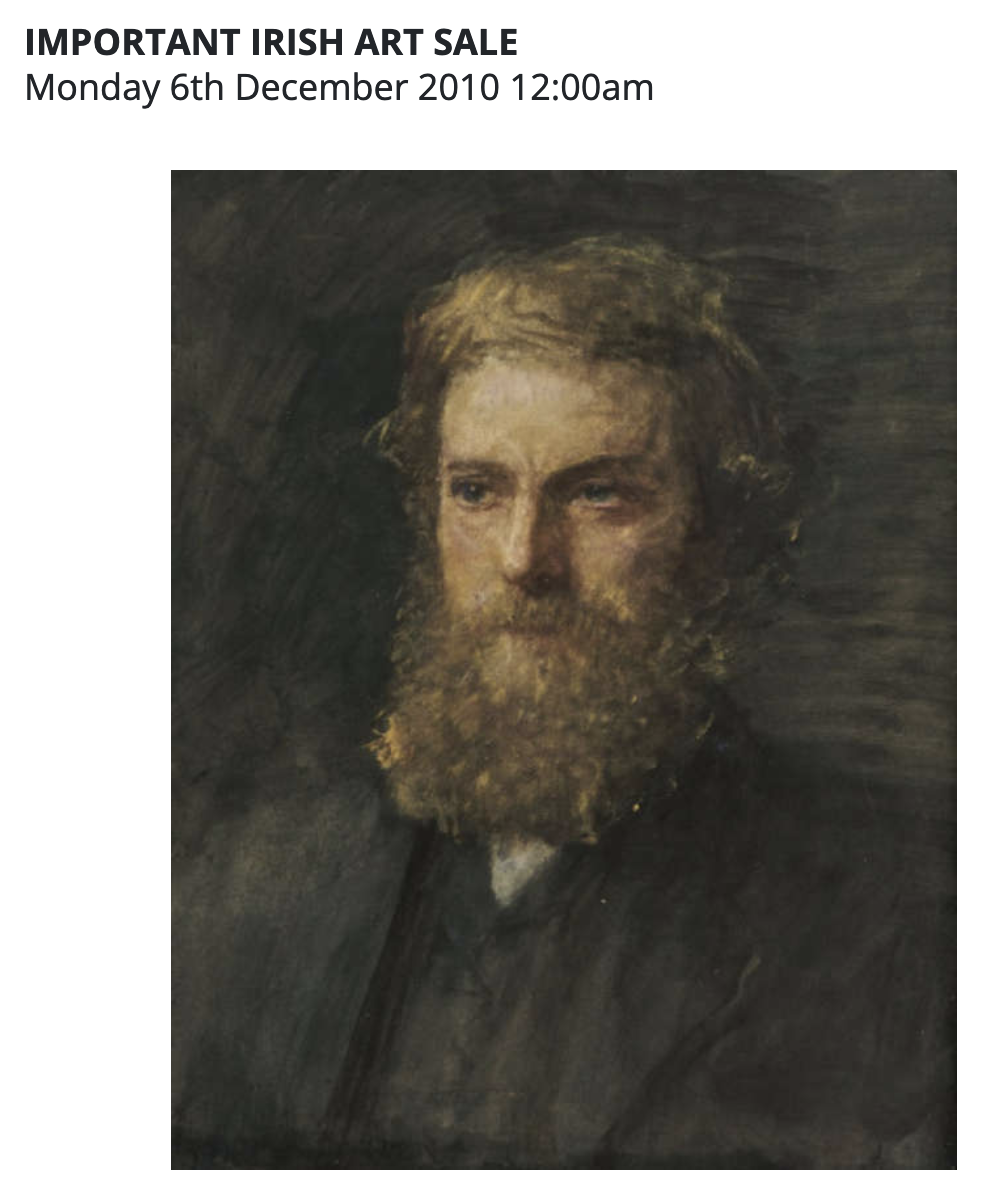
Aubrey de Vere, 2nd Baronet de Vere, Curragh Chase, County Limerick, courtesy Adam’s auction 11 Dec 2012, Irish School (Late 19th Century). Stephen Edward and Catherine Rice had a daughter Mary who married him.
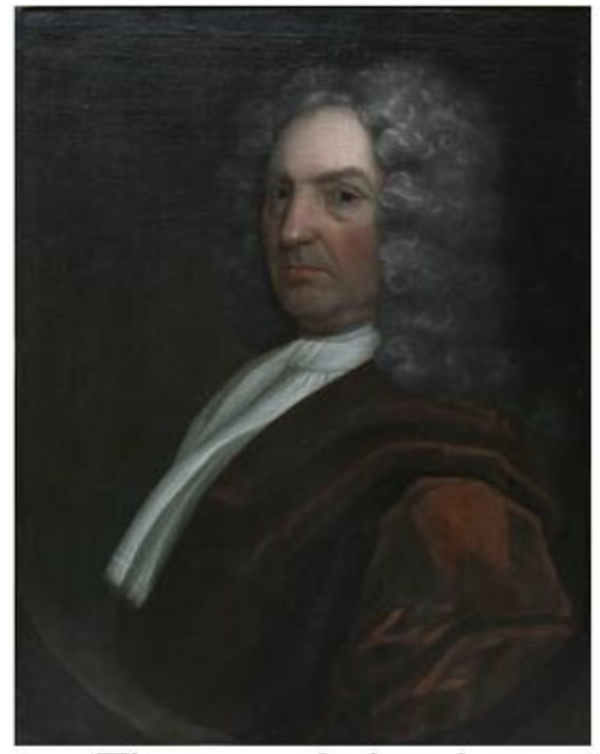
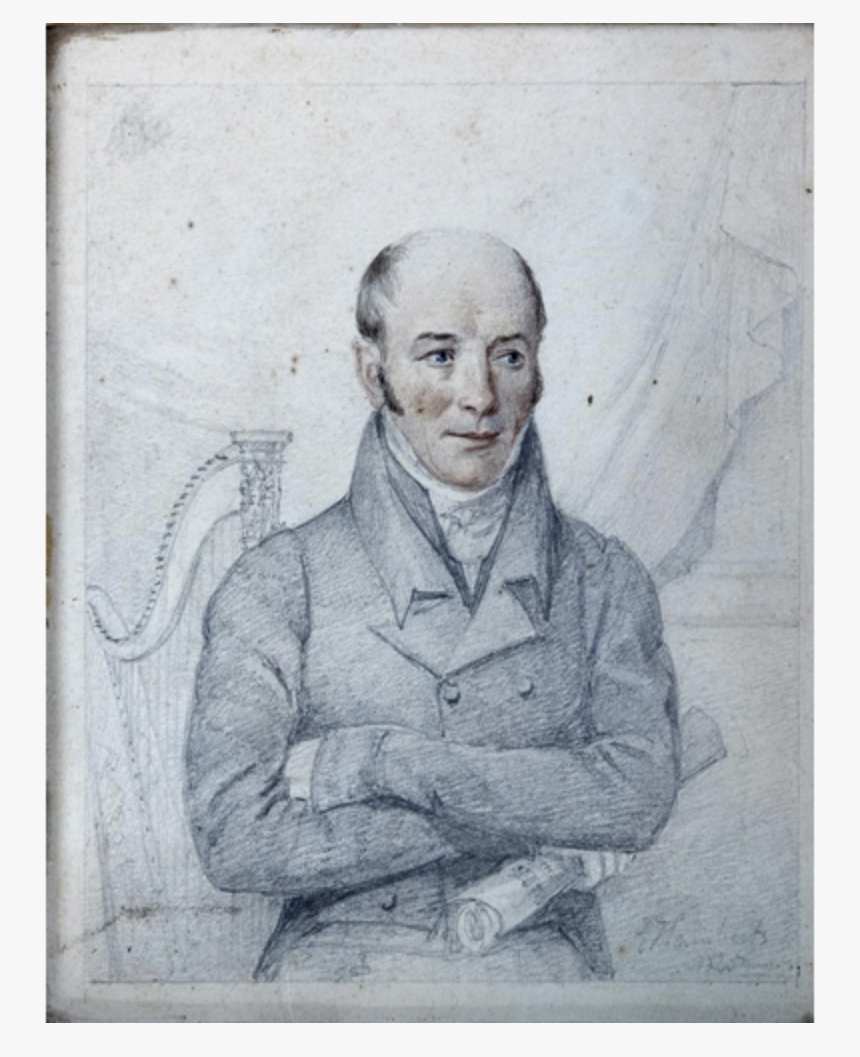
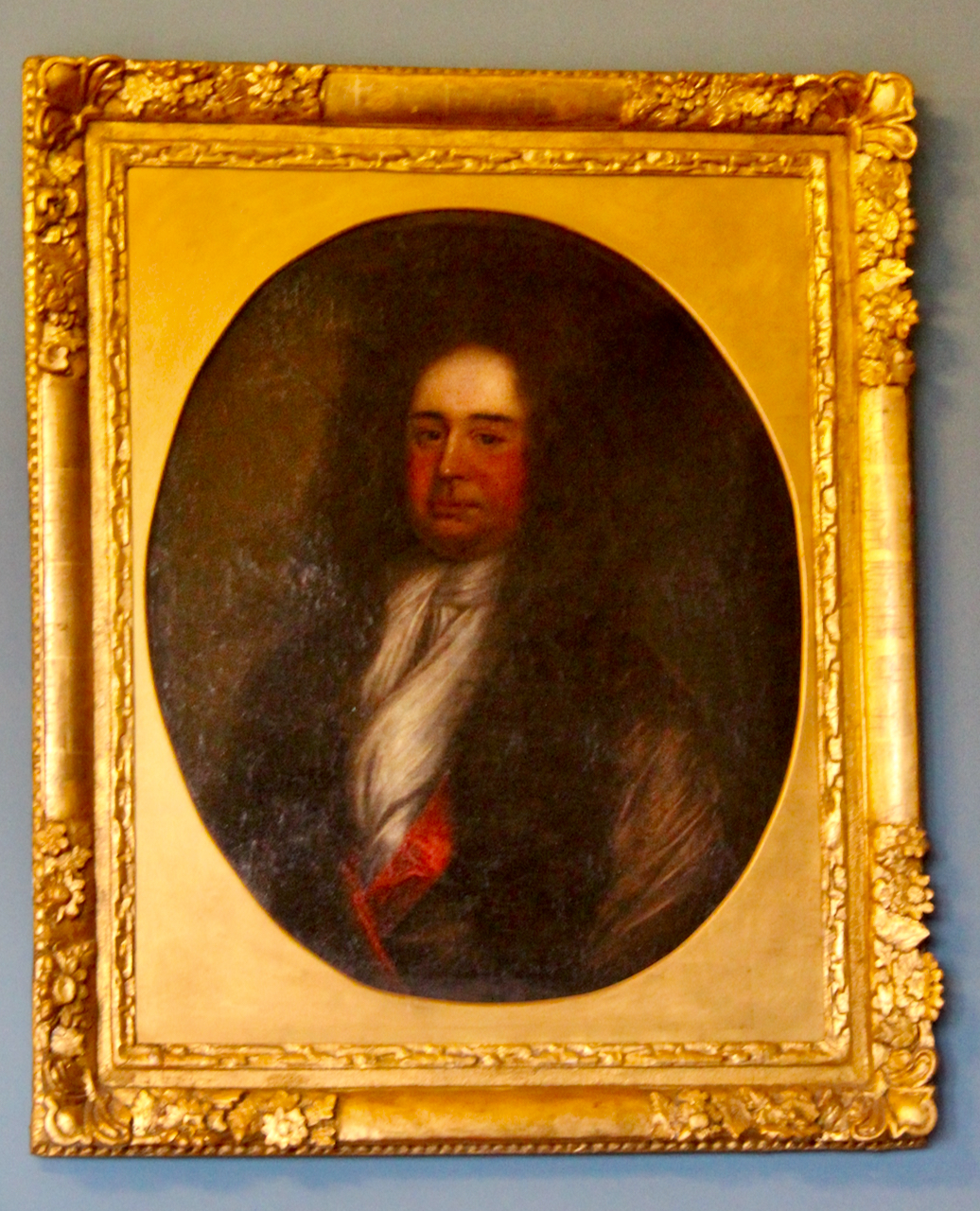
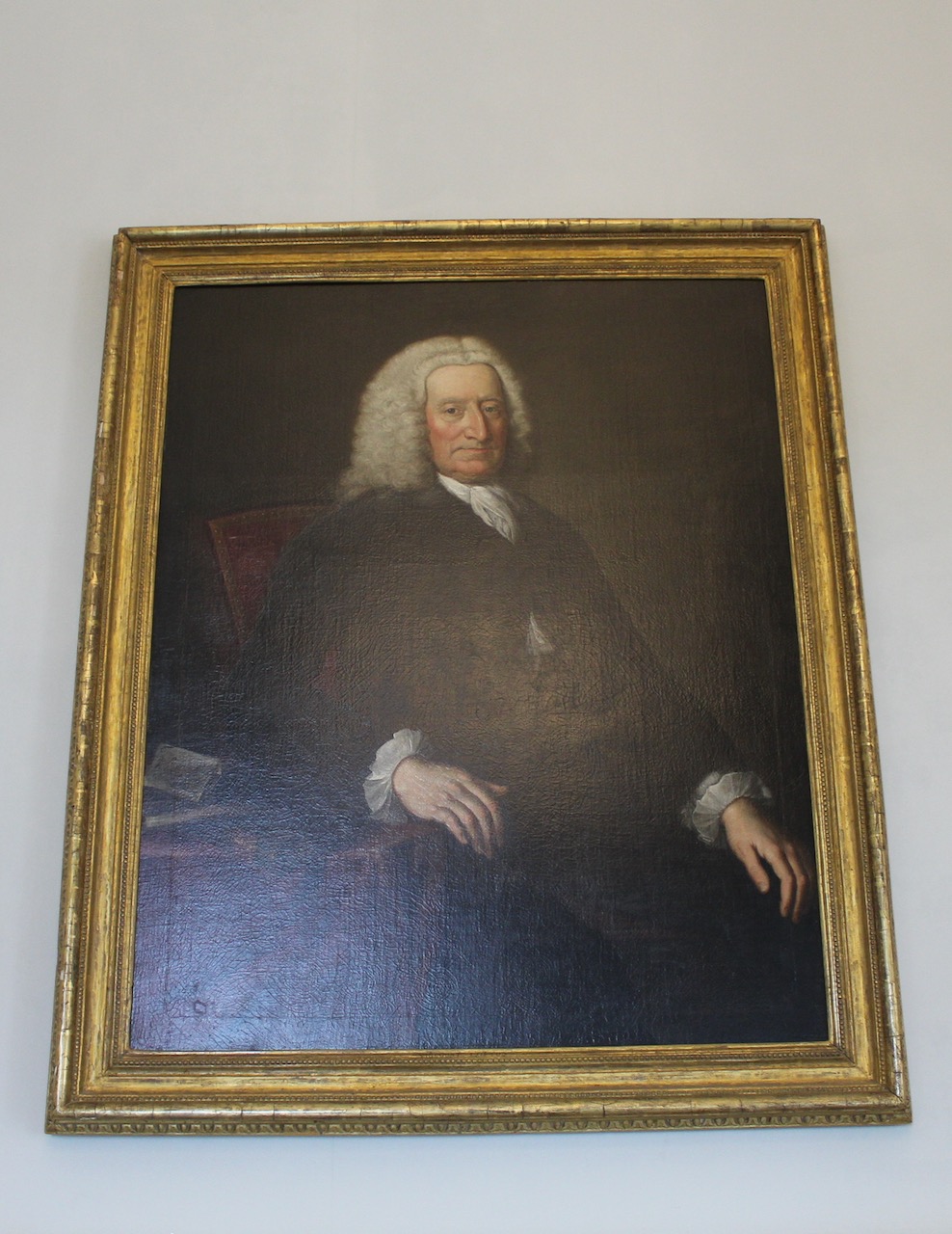
James Dennis (d. 1782) Baron Tracton of Tracton Abbey, Co. Cork, Chief Baron of the Exchequer courtesy Fonsie Mealy Fortgranite auction. He bequeathed his estates in County Kerry to his eldest nephew and heir-at-law, Reverend Meade Swift, and those in counties Cork and Dublin to his other nephew John Swift. They both took the surname “Dennis” then.

Thomas Swift (d. 1803) of Lynn, County Westmeath married Frances Dennis. She was the sister of James Dennis (d. 1782) Baron Tracton of Tracton Abbey, Co. Cork. Lord Tracton bequeathed his estates in County Kerry to his eldest nephew and heir-at-law, Reverend Meade Swift, and those in counties Cork and Dublin to his other nephew John Swift. They both took the surname “Dennis” then.

Reverend Meade Swift, now Dennis (1753-1837) married Delia Sophia Saunders, daughter of Reverend Morley Pendred Saunders and Martha, daughter of John Stratford, 1st Earl of Aldborough and Martha O’Neale.

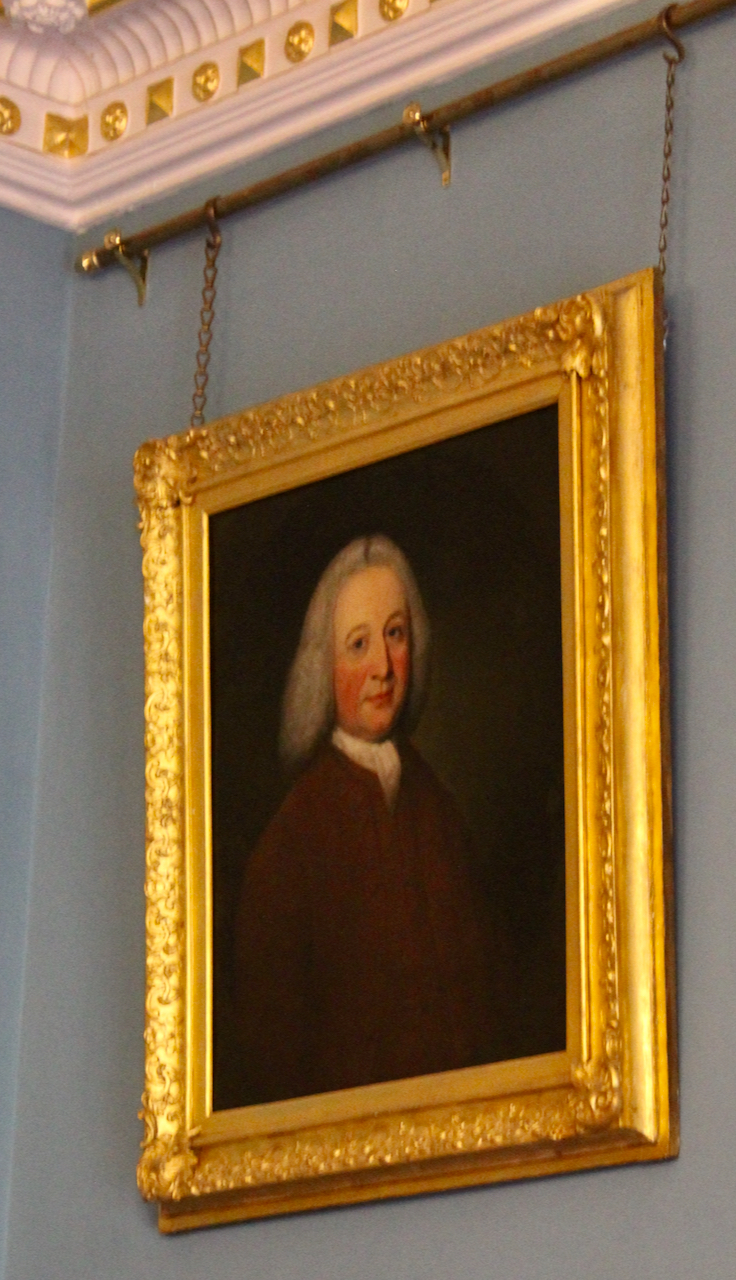
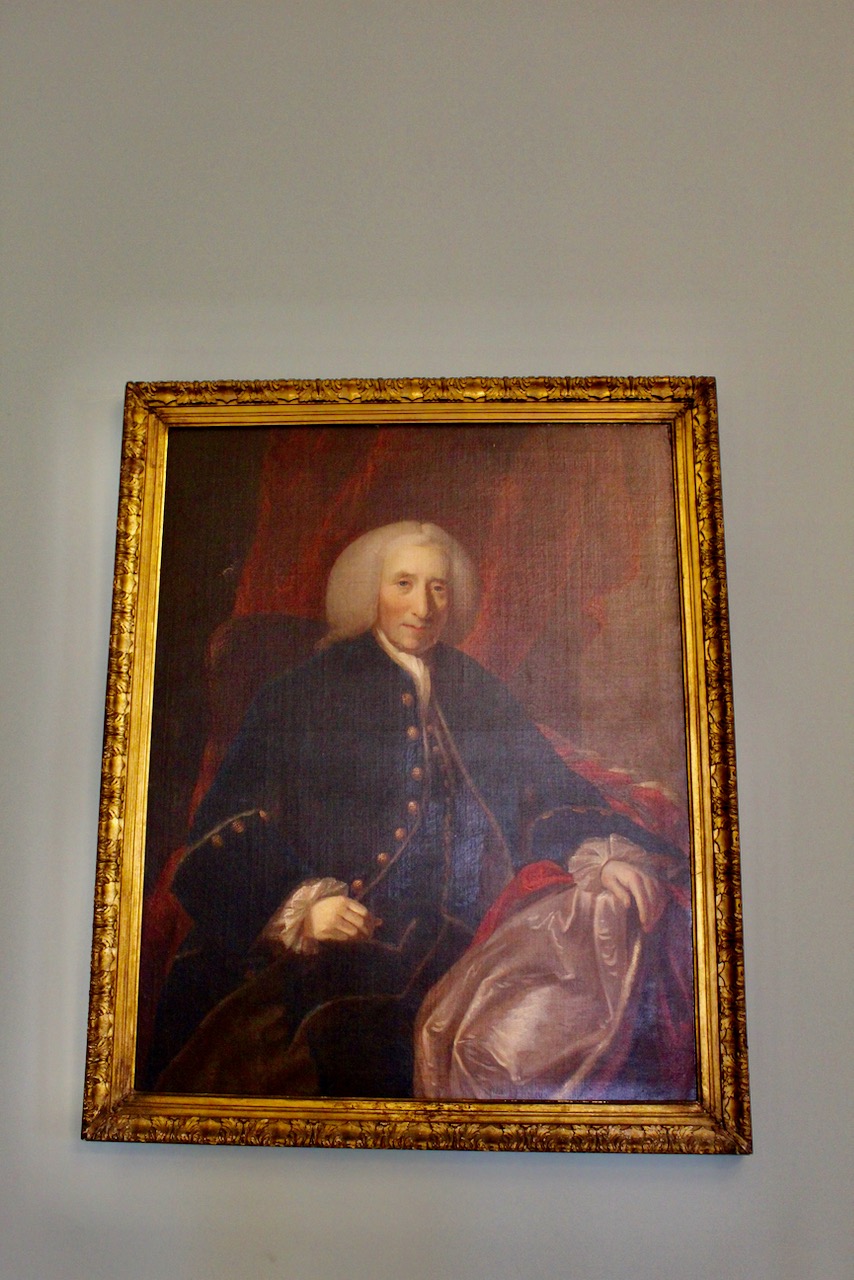
John Stratford (1698-1777) 1st Earl of Aldborough, courtesy of Fonsie Mealy sale, Fortgranite.
Martha Stratford née O’Neale (d. 1796), 1st Countess of Aldborough, courtesy of Fonsie Mealy Fortgranite auction.

Reverend Meade Swift, now Dennis (1753-1837) and Delia Sophia Saunders had a son, Thomas Stratford Dennis (1781-1870).

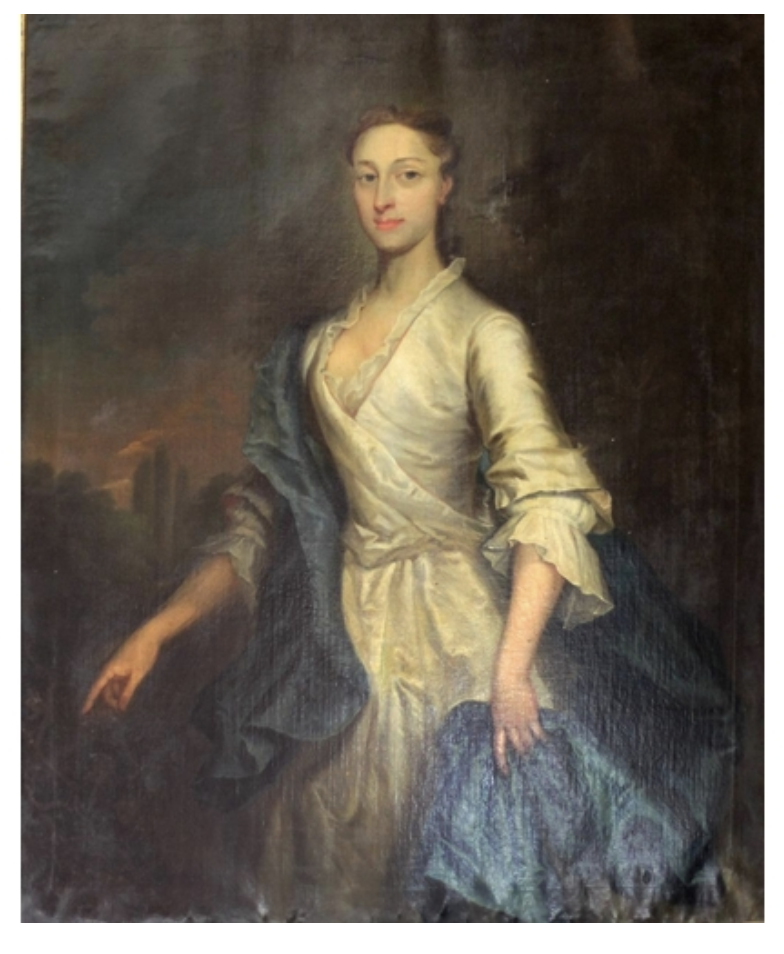
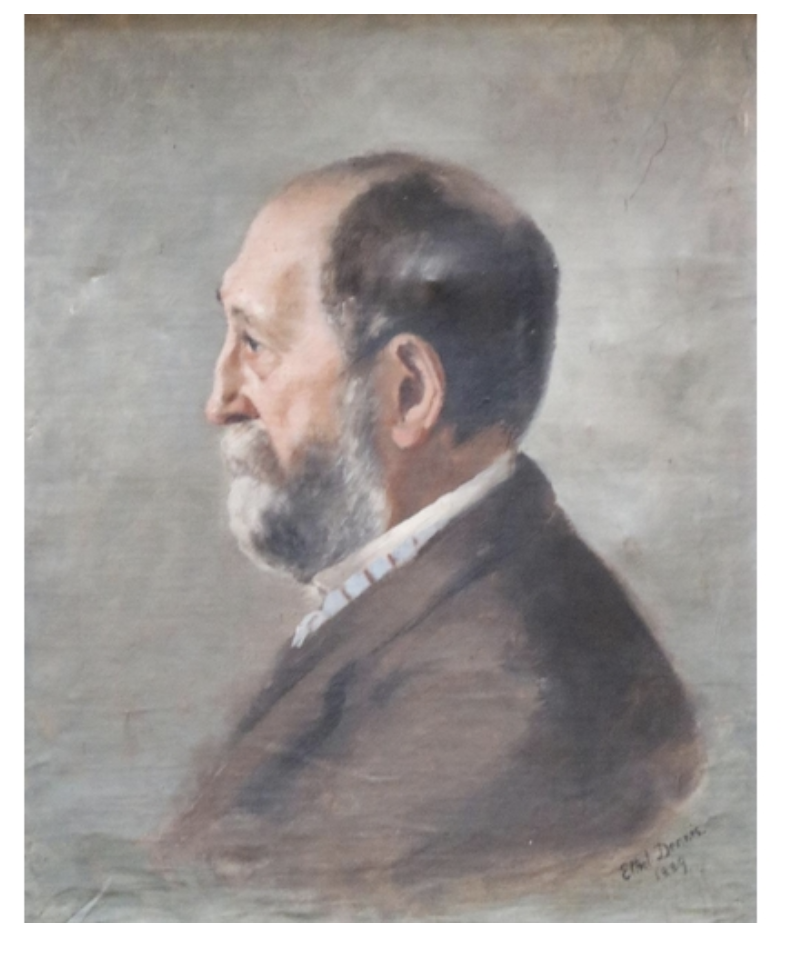
Portrait of Thomas Stratford Dennis Esq. (1781-1870), of Fortgranite, by Ethel Dennis, Irish 19th Century School, courtesy of Fonsie Mealy Fortgranite auction.
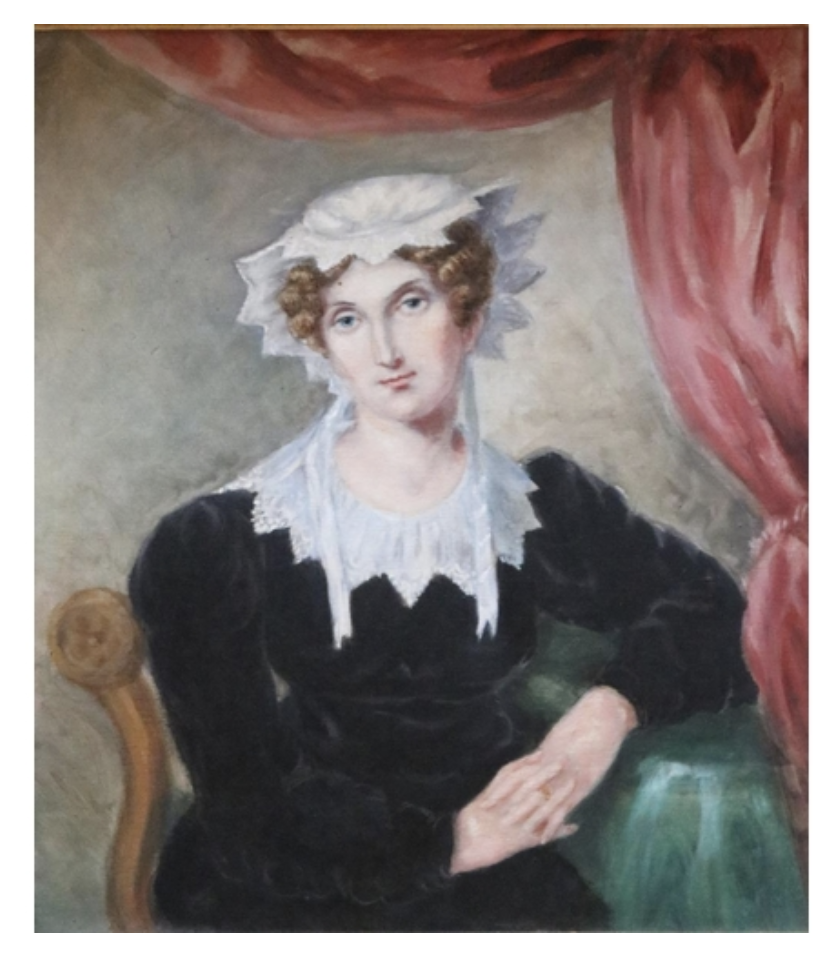
Portrait of Katherine Martha Maria Dennis (1781-1825) daughter of Morley Saunders Esq. of Saundersgrove, Co. Wicklow, and wife of Thomas Stratford Dennis Esq. of Fortgranite, by Ethel Dennis, 19th Century Irish School, courtesy Fonsie Mealy Fortgranite auction. Her father Morley Saunders was the brother of Delia Sophia Saunders who married Reverend Meade Swift Dennis (1753-1837).
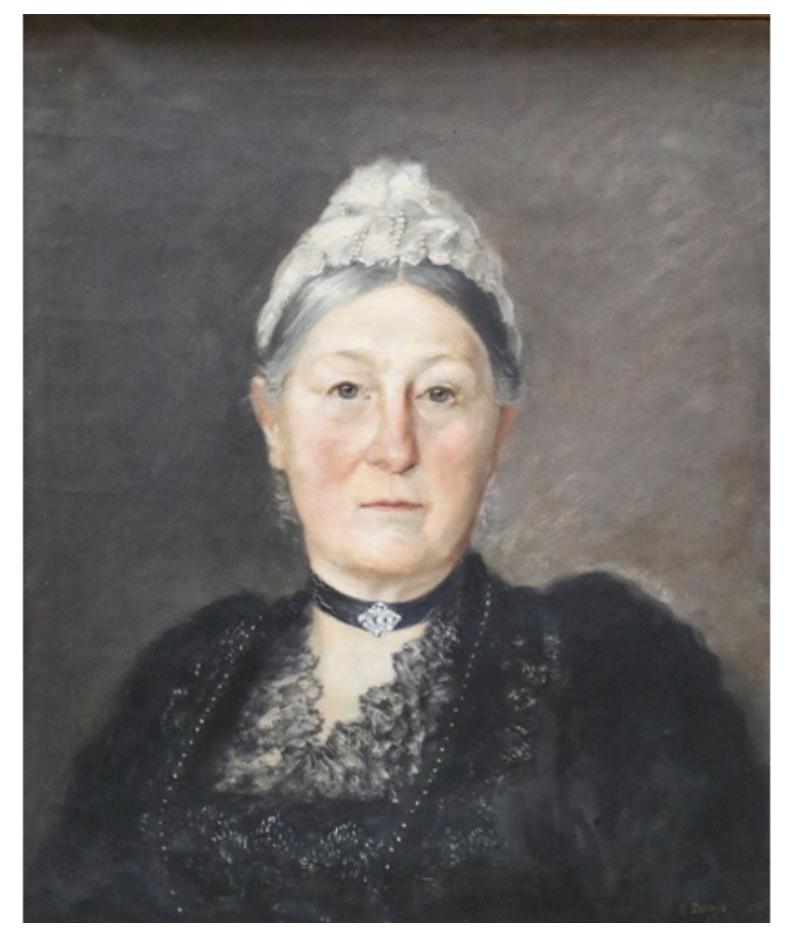
Portrait of Ellen Louisa Sandes née Dennis, daughter of Thomas Stratford Dennis Esq. (1781-1870), of Fortgranite, by Ethel Dennis, 19th Century Irish School, courtesy Fonsie Mealy Fortgranite auction.
Morley Stratford Tynte Dennis, Lieutenant Colonel of the 76th F. Duke of Wellingtons Regiment, he married in 1866 to Anne Baker, daughter of Hugh Baker of Lismacue, courtesy Fonsie Mealy Fortgranite. He was son of of Thomas Stratford Dennis Esq. (1781-1870), of Fortgranite.
“Mrs. M.C. Dennis” courtesy of Fortgranite Fonsie Mealy auction. I think this must be Margaret Catherine Crosbie, daughter of Pierce Crosbie (b. 1792) of Ballyheigue, County Kerry, and his wife Elizabeth Sandes. Margaret Catherine was married to Meade Caulfield Dennis (1810-1891) of Fortgranite, son of Thomas Stratford Dennis (1781-1870).
Edward Denny (1547-1600), who was granted land in Tralee County Kerry after the Desmond Rebellions photograph courtesy of the Roaringwaterjournal website.
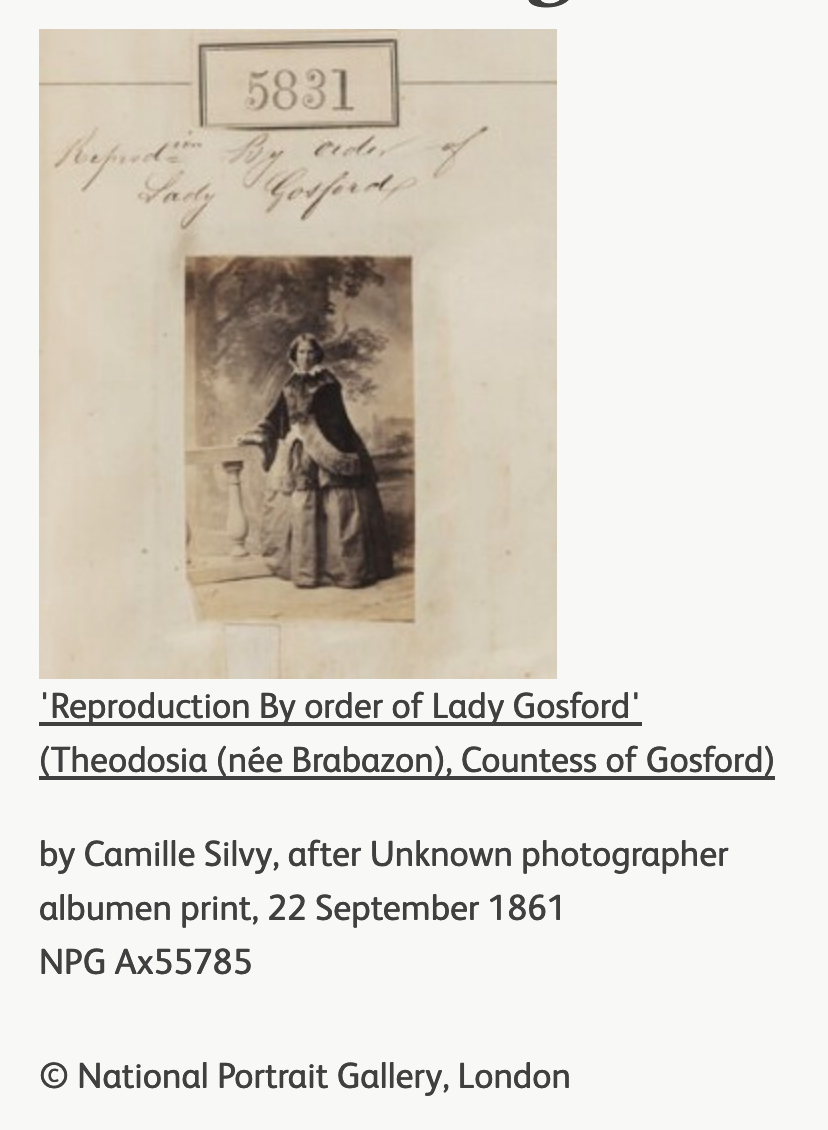
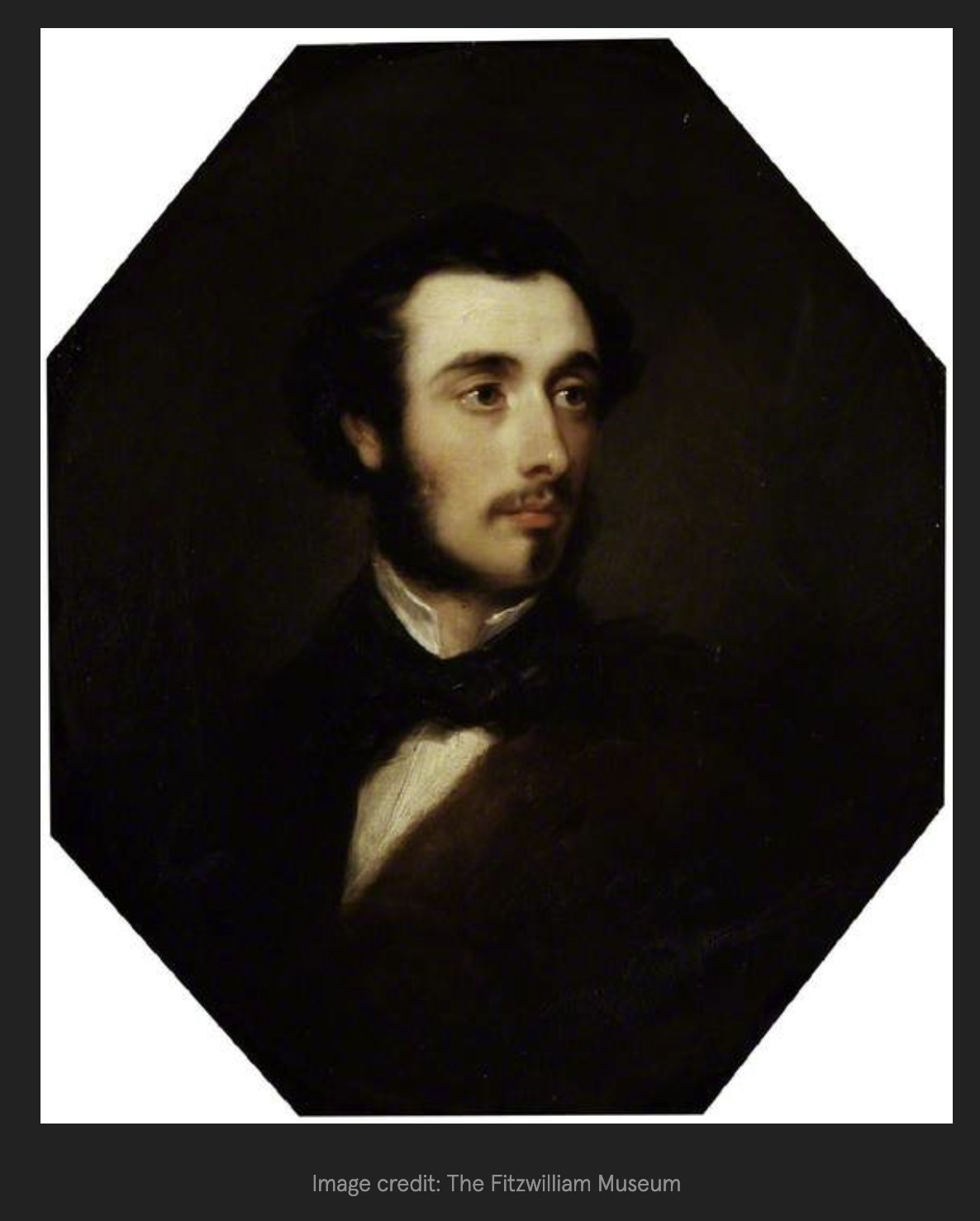
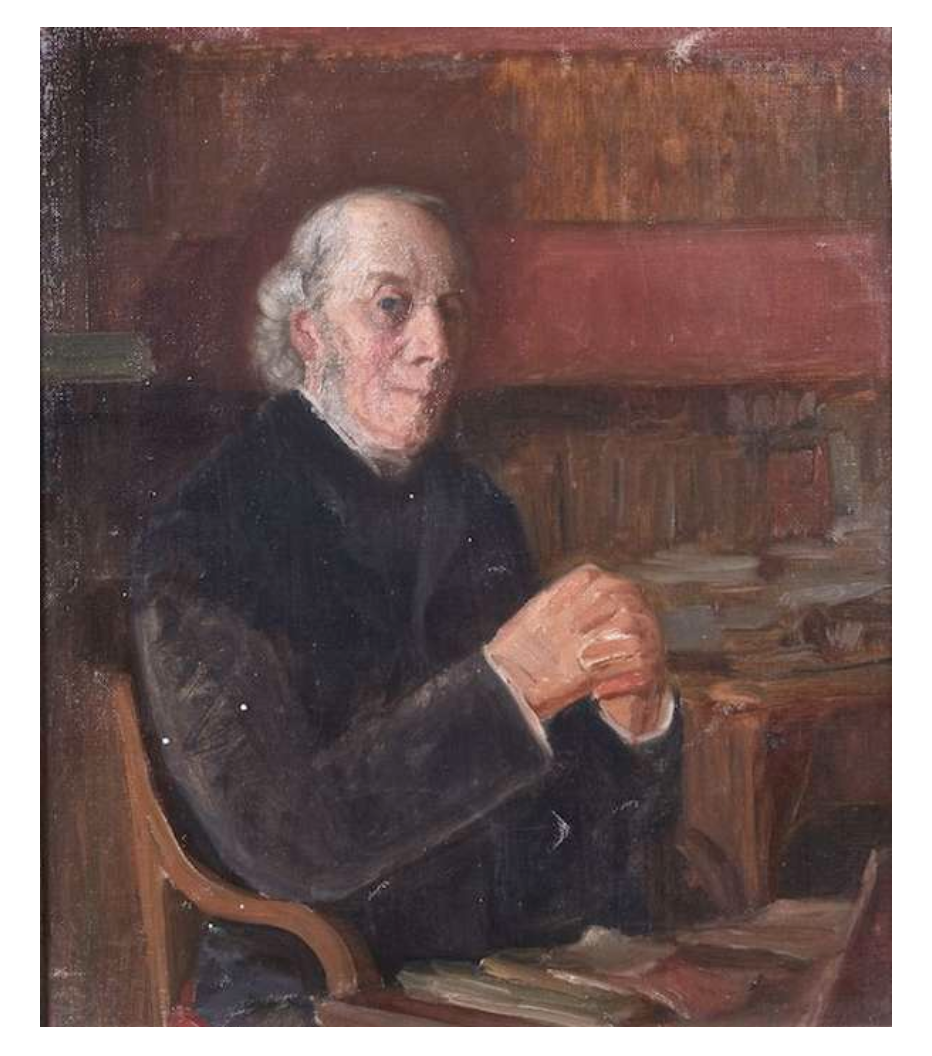
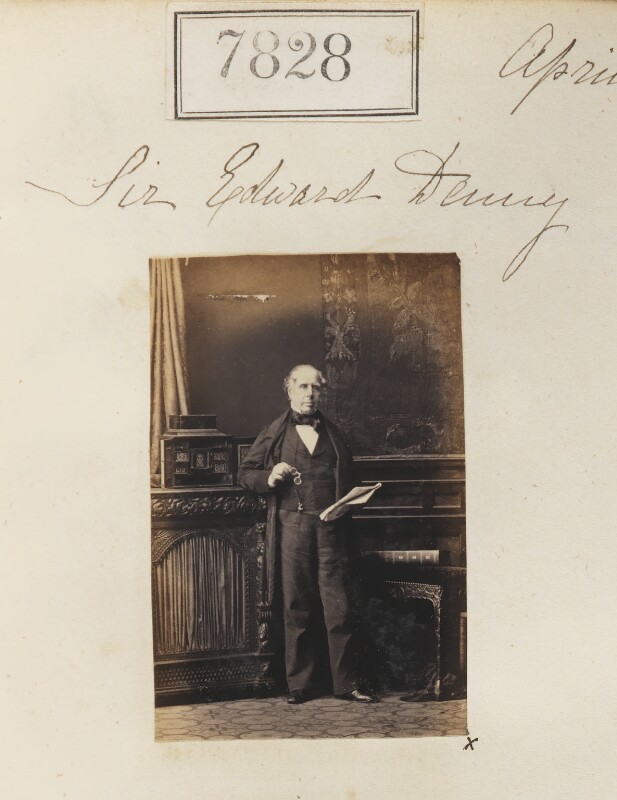
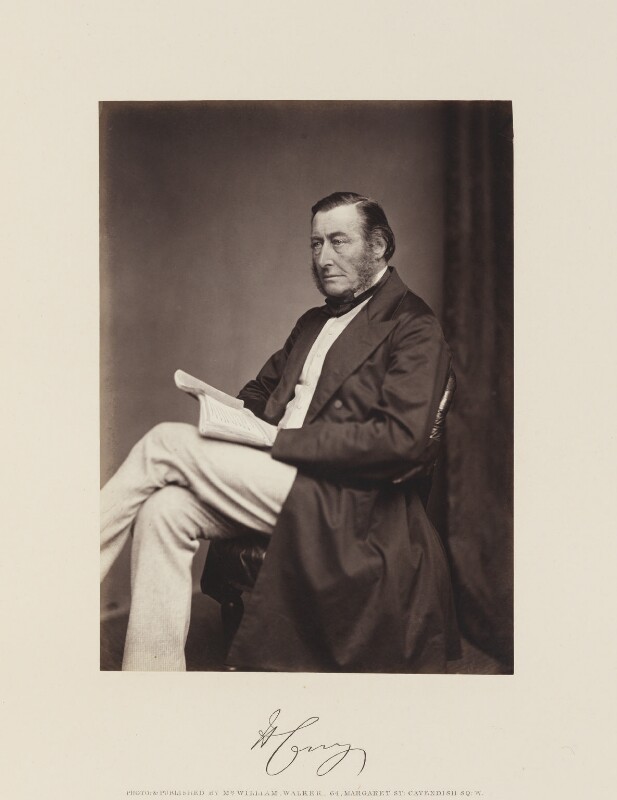
Edward Denny (1796-1889) 4th Bt , Poet and hymn writer, by Camille Silvy, 1862, National Portrait Gallery of London, Ax57667.
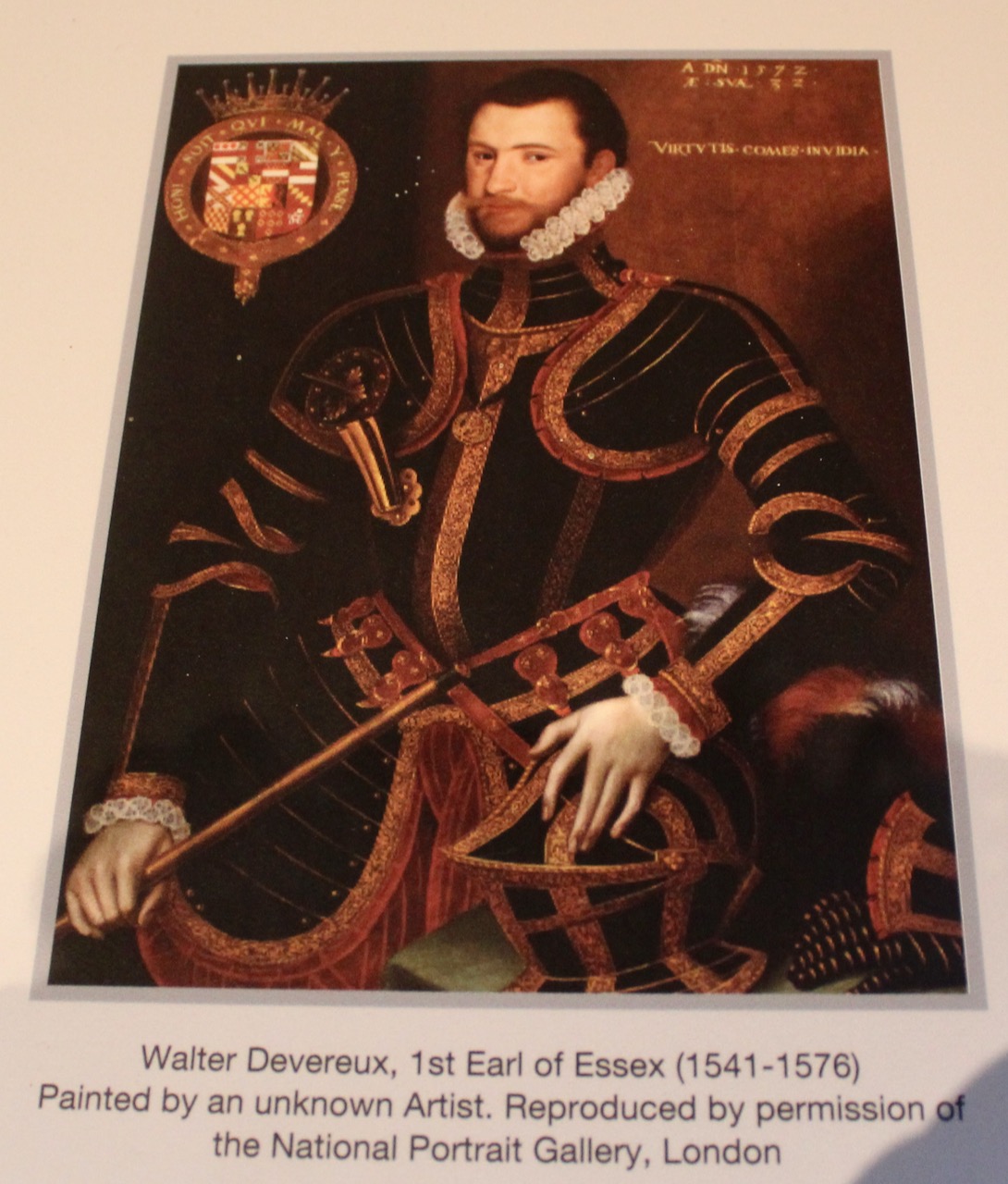
Walter Devereux (1541-1576), 1st Earl of Essex.
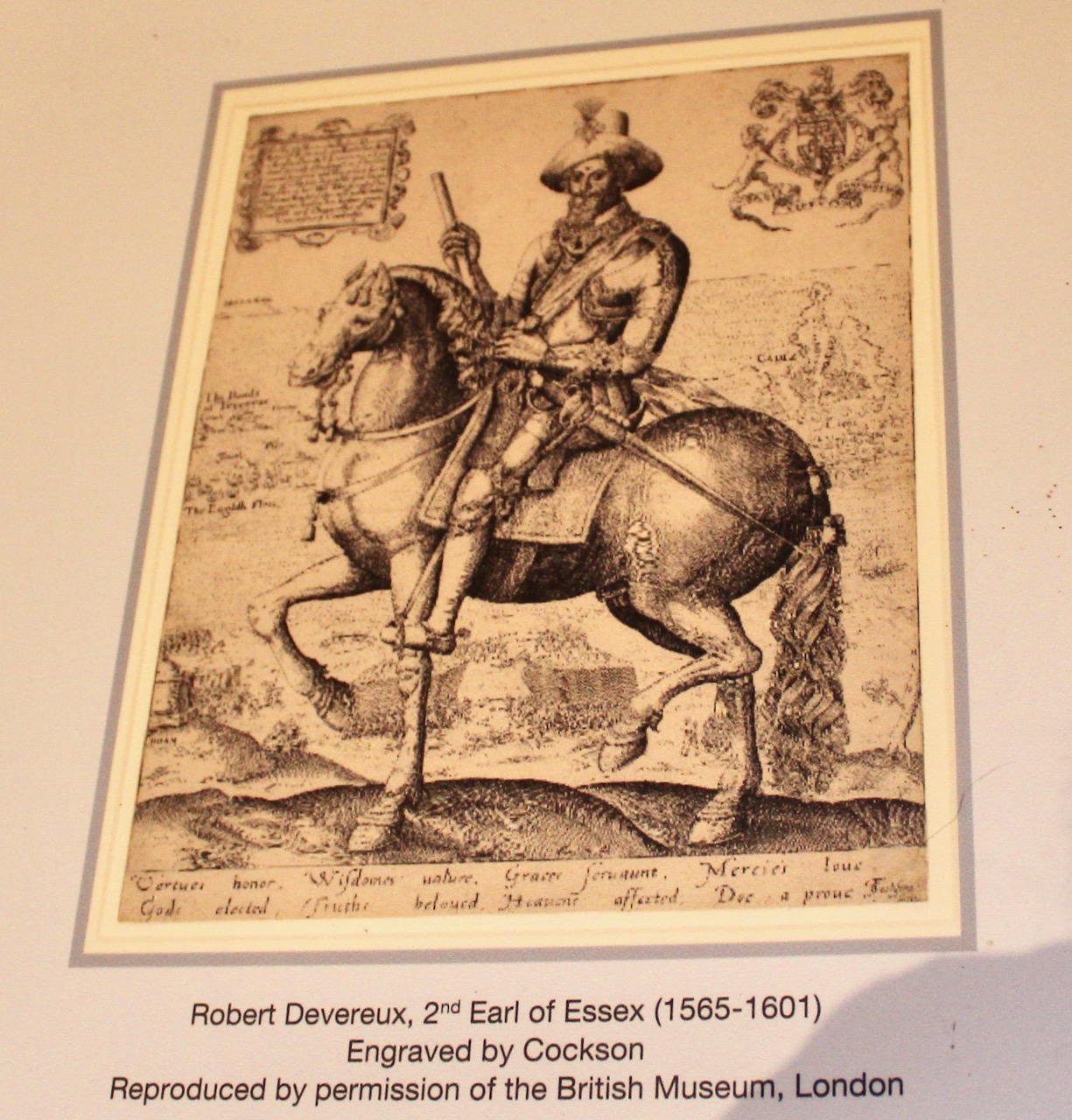
Robert Devereux (1565-1601), 2nd Earl of Essex.
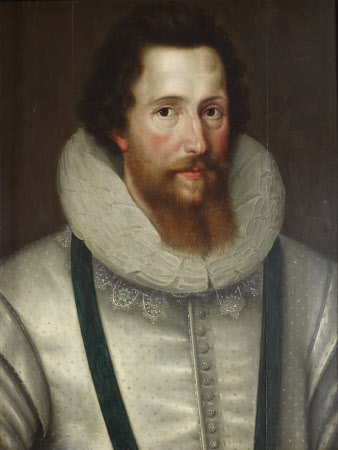
Oil painting on panel, Robert Devereux, 2nd Earl of Essex (1566-1601) by Marcus Geeraerts the younger (Bruges 1561/2 – London 1635/6) and Studio, dated, top left: 1599.. From a full-length portrait at Woburn Abbey (Duke of Bedford), courtesy of National Trust.
Portrait of Frances Walsingham (1567-1633), along with her husband Robert Devereux (1566-1601) 2nd Earl of Essex, and in the small picture, Sir Philip Sydney (1554-1586), her first husband. Her third husband was Richard Bourke (1572-1635) 4th Earl of Clanricarde.
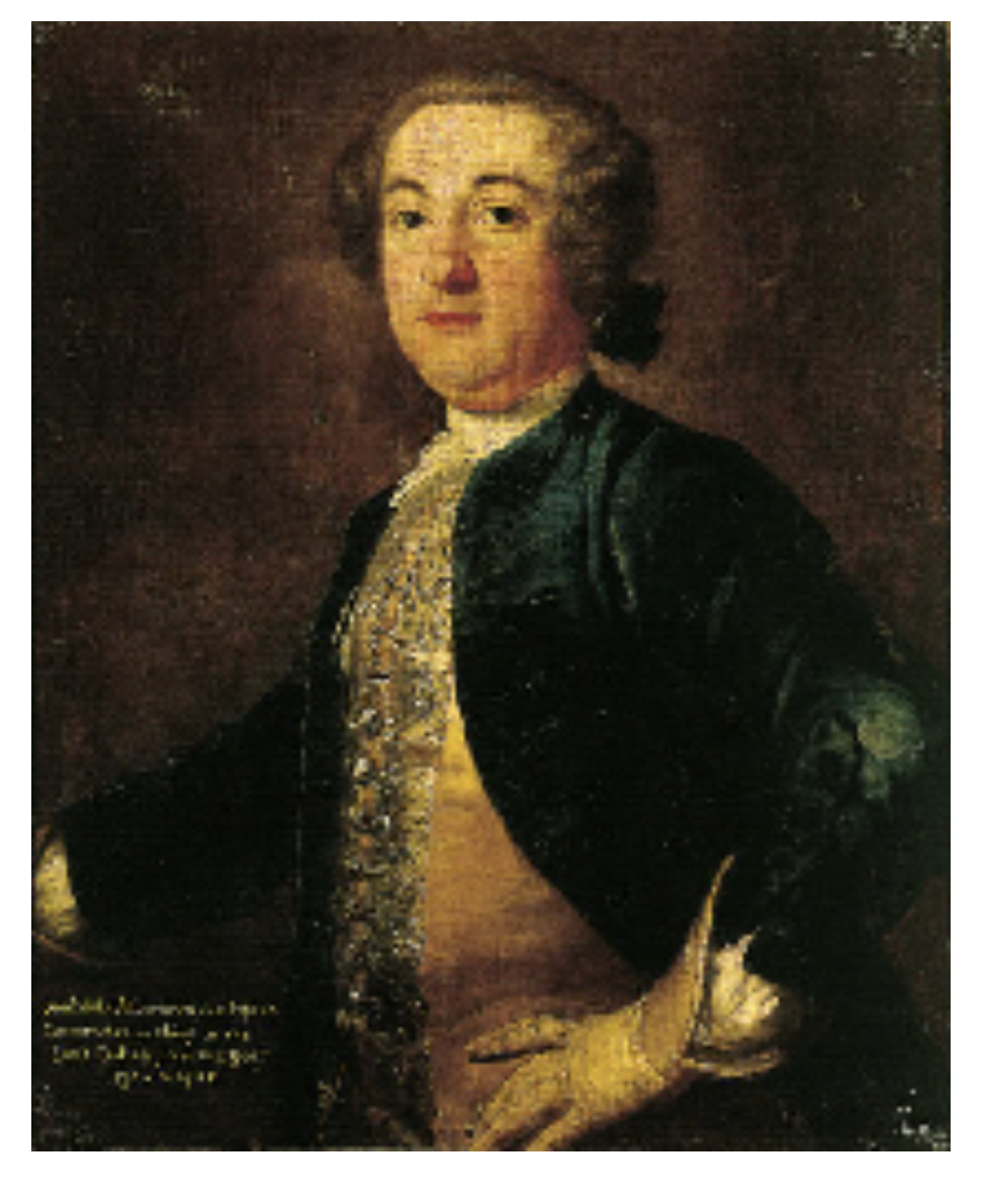
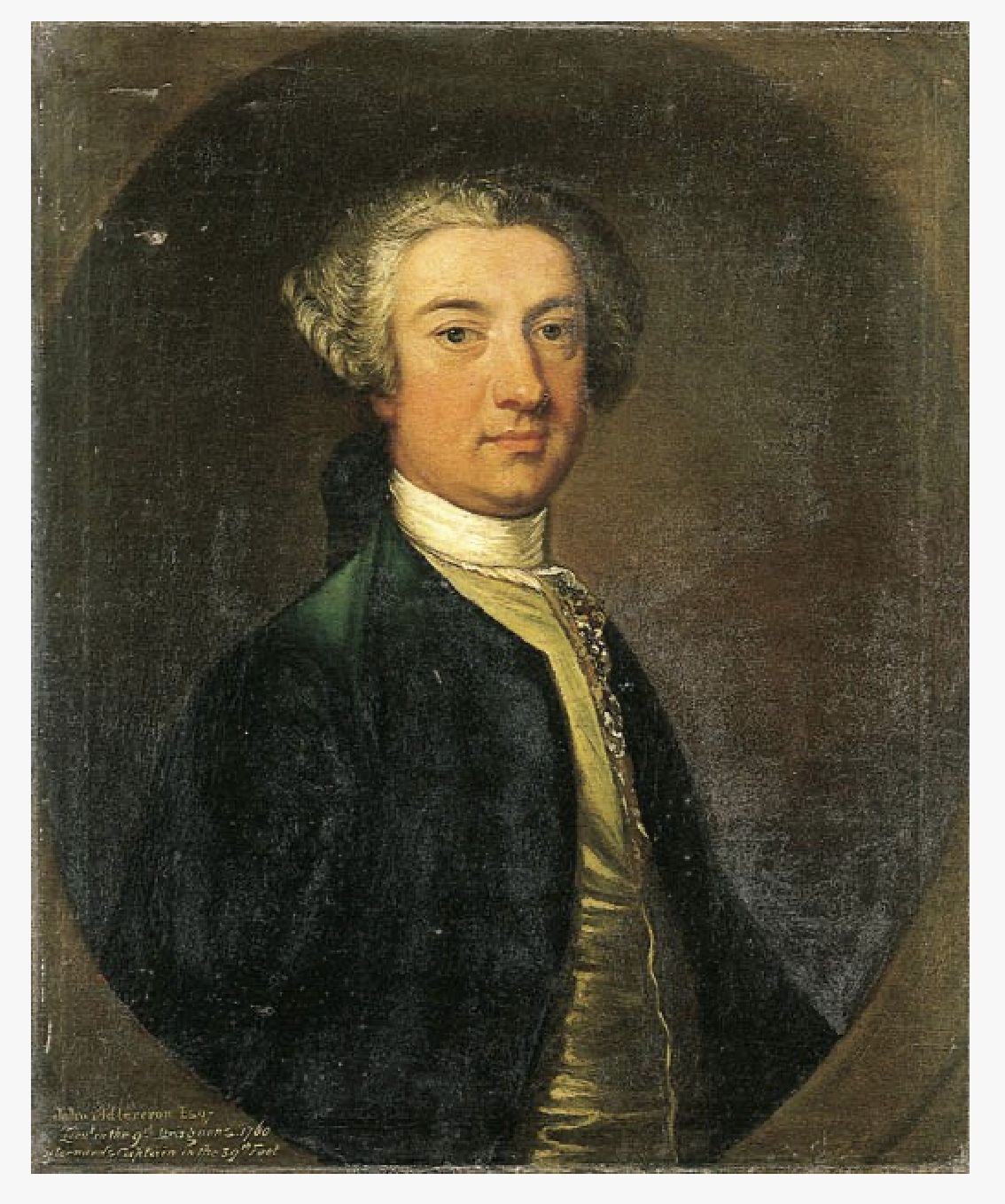
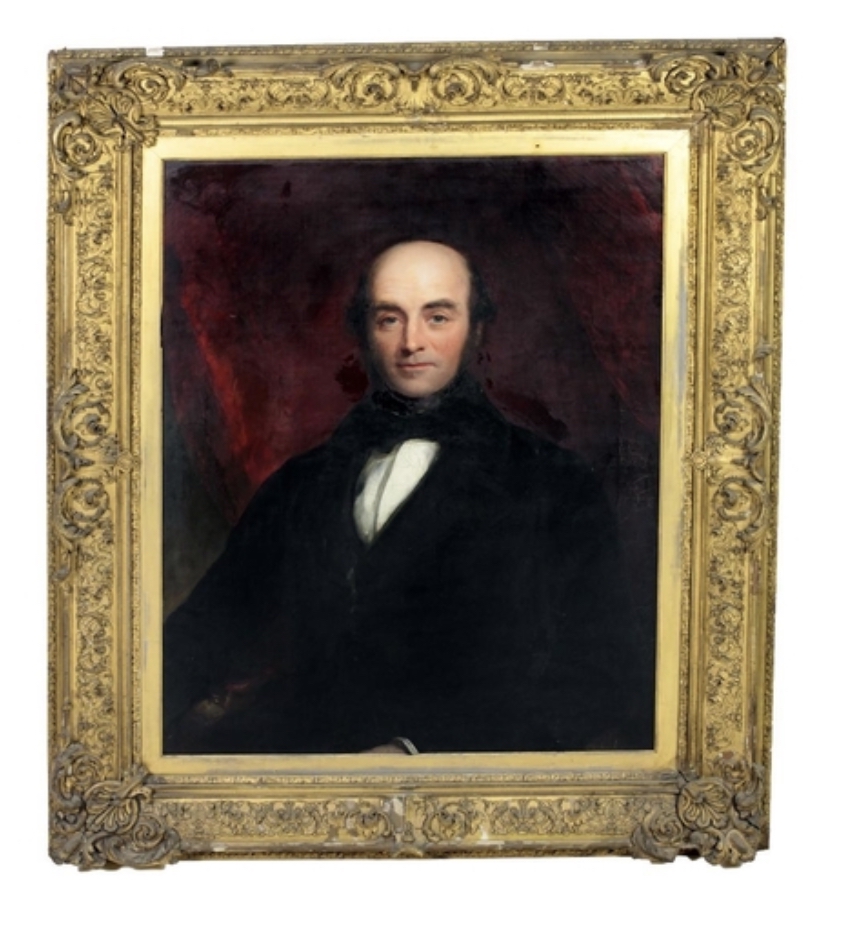
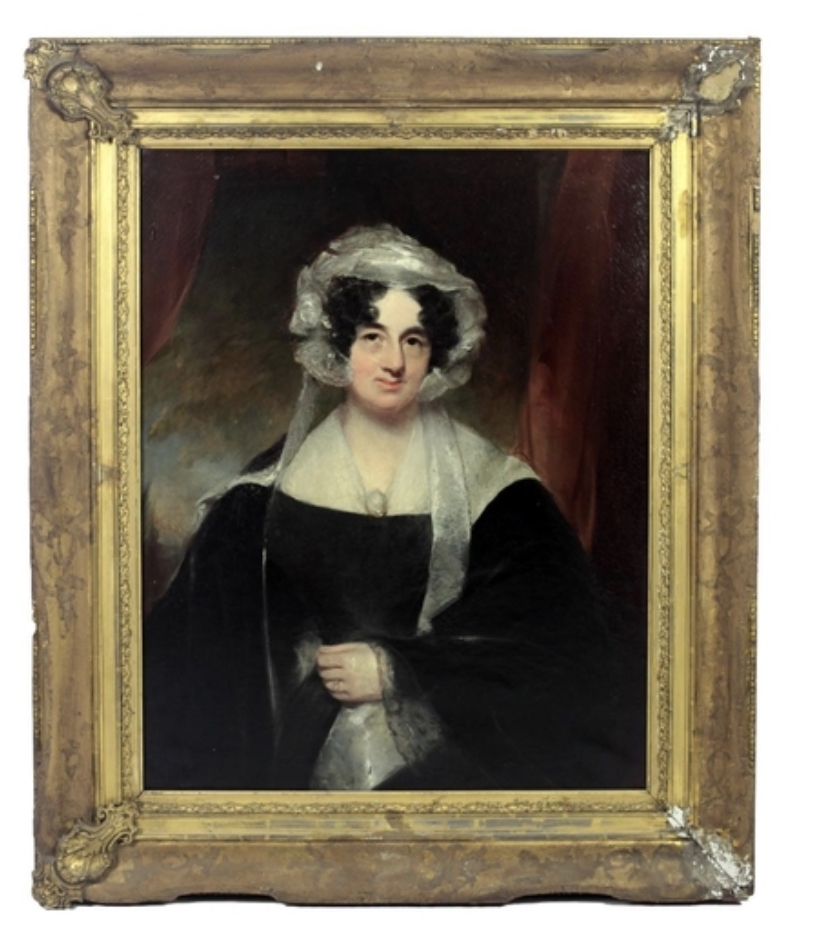
Simon Digby, Bishop of Elphin and Adare, Irish School 18th C courtesy Chrisites Irish Sale.
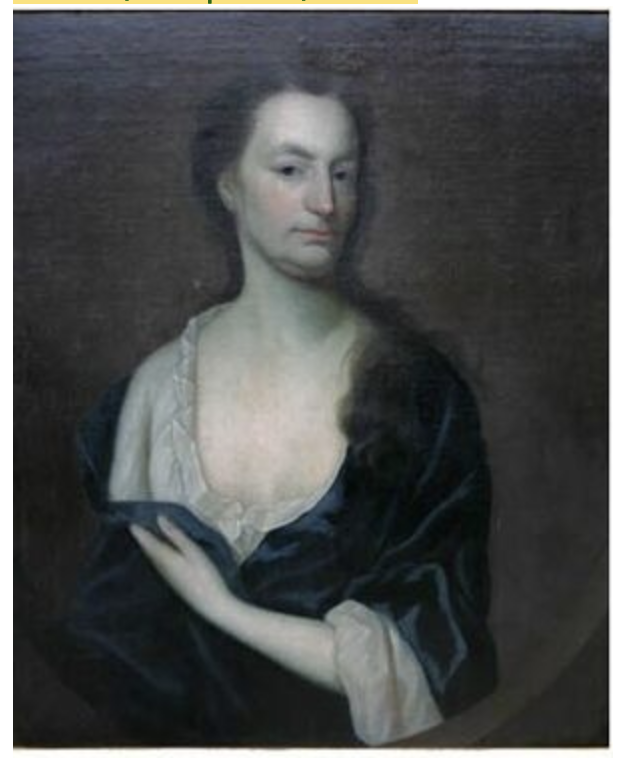
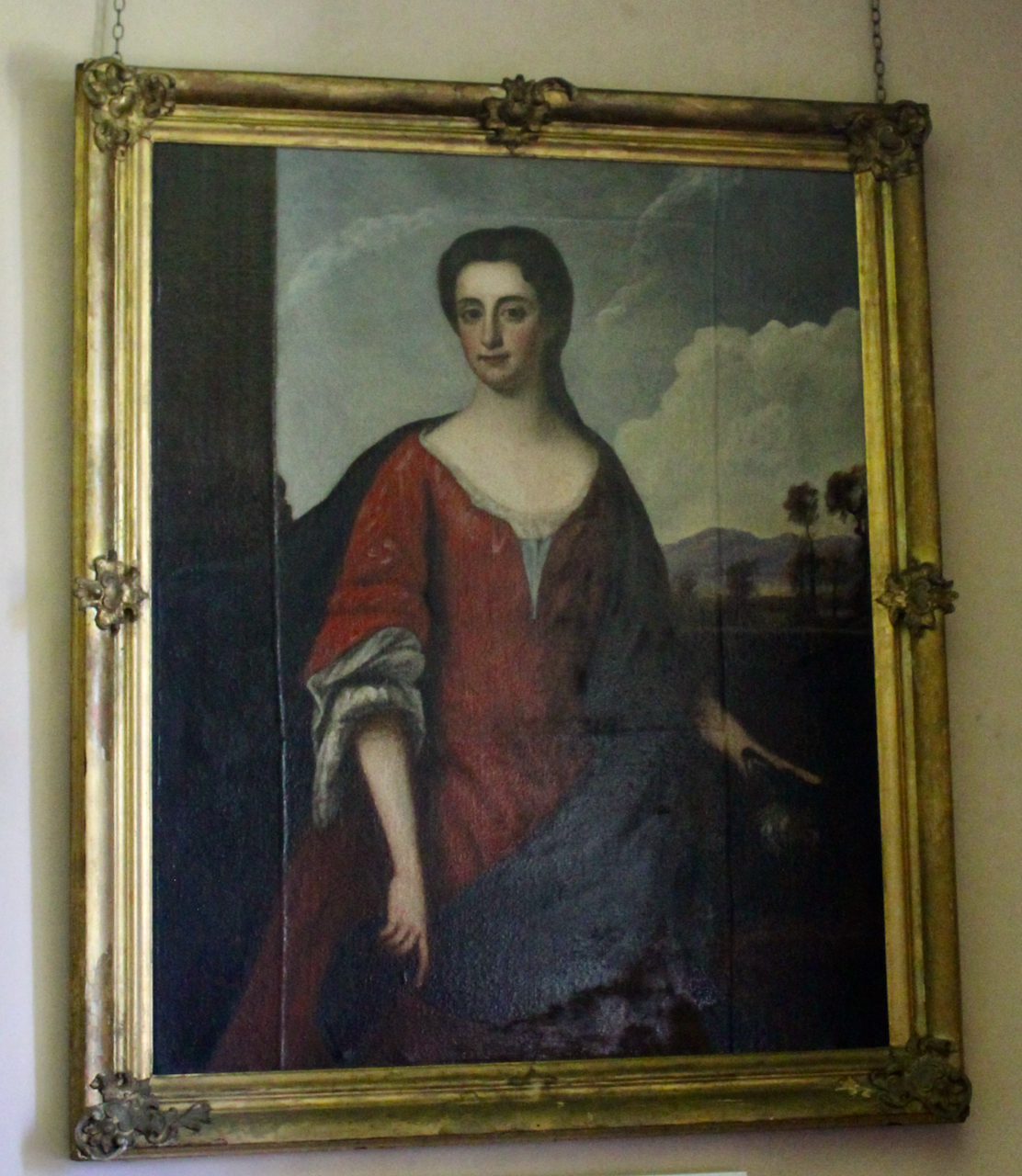
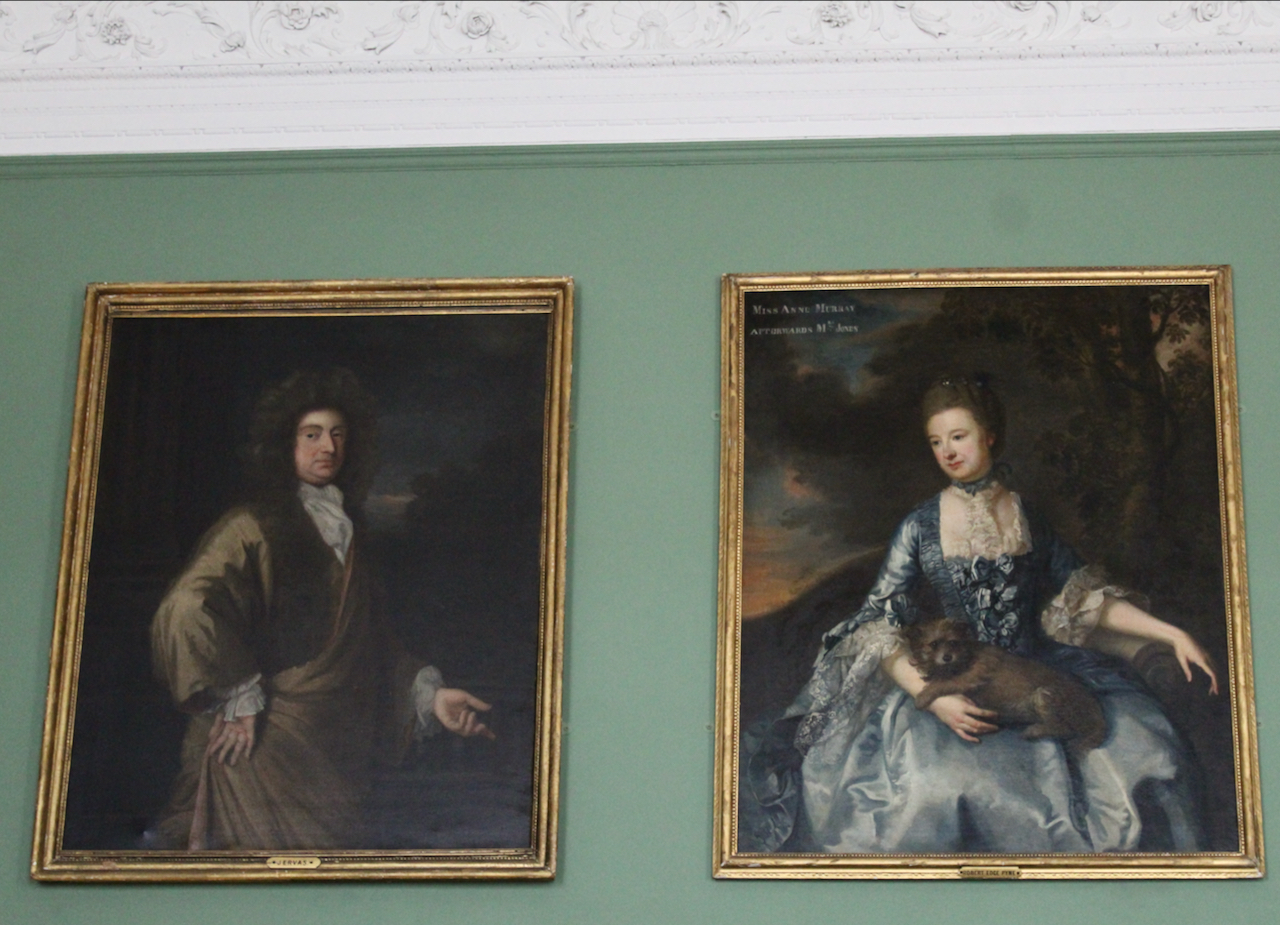
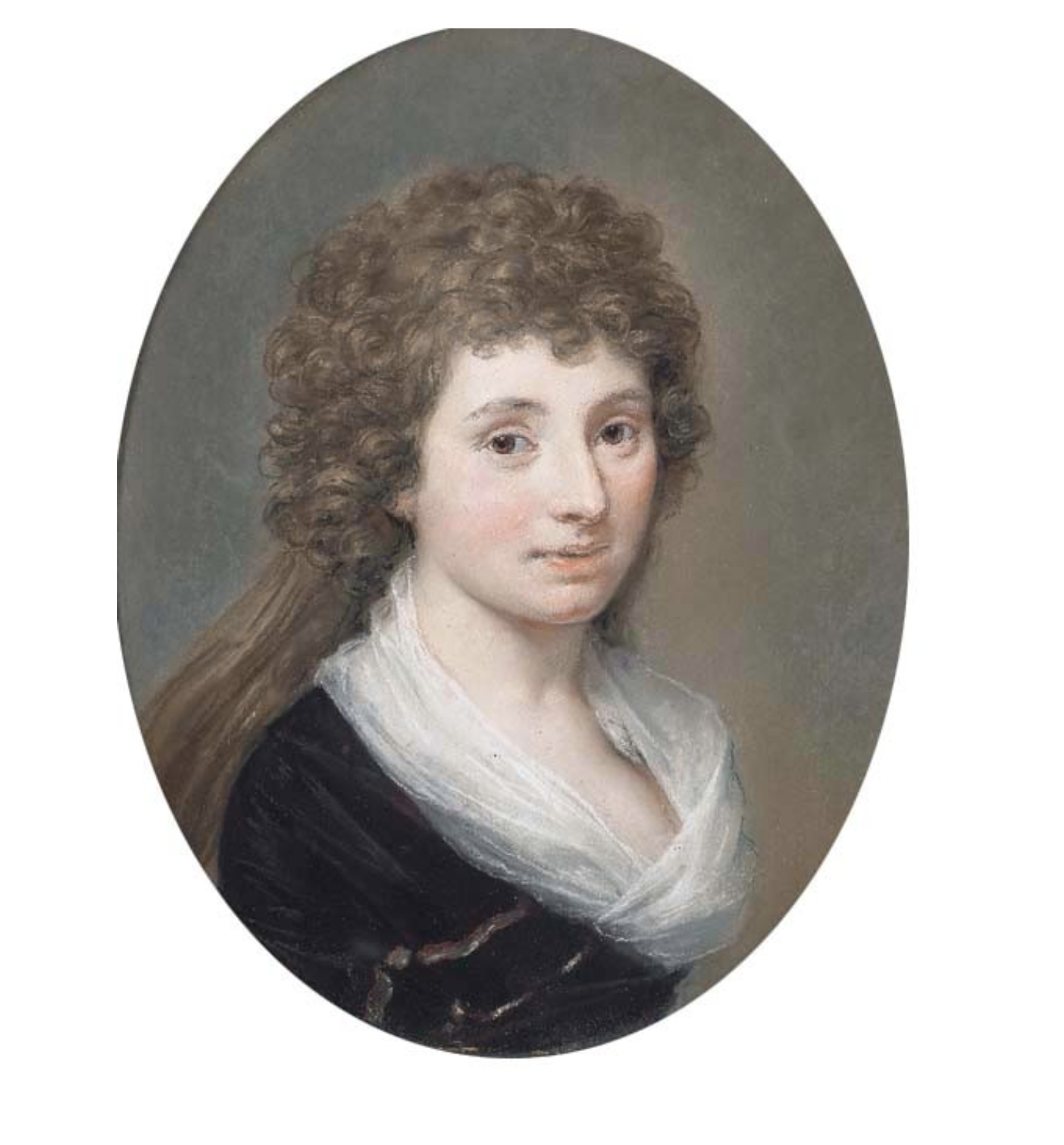
Frances (nee Savage) wife of John Doyle of Ushers Island, Dublin, attributed to Thomas Pope-Stevens c.1780, courtesy of Adam’s auction 11 Oct 2011.

In an ideal world and 2023 recap

2025 Diary of Irish Historic Houses (section 482 properties)

To purchase an A5 size 2025 Diary of Historic Houses (opening times and days are not listed so the calendar is for use for recording appointments and not as a reference for opening times) send your postal address to jennifer.baggot@gmail.com along with €20 via this payment button. The calendar of 84 pages includes space for writing your appointments as well as photographs of the historic houses. The price includes postage within Ireland. Postage to U.S. is a further €10 for the A5 size calendar, so I would appreciate a donation toward the postage – you can click on the donation link.

€20.00

Donation towards accommodation

I receive no funding nor aid to create and maintain this website, it is a labour of love. I travel all over Ireland to visit Section 482 properties and sometimes this entails an overnight stay. A donation would help to fund my accommodation.

€150.00

Happy holiday season to all my readers!

Even before I embarked upon this project, I loved visiting historic houses and kept an eye out for Big Houses open to the public, places to visit during Heritage Week and Open House. See the entry that I wrote at the end of 2022 summarising our travels thus far, https://irishhistorichouses.com/2022/12/09/a-summary-of-2022-and-previous-years/

In 2019 I read an article in the Irish Times about the Section 482 scheme, and with the support of my husband, we began to visit Section 482 properties and I began to write about it.

There are generally about 180 properties on the Revenue Section 482 list every year and the properties stay on the list for at least five years in order to obtain state aid by subtracting a percentage of maintenance costs from income tax.

I have been working out a rough schedule at the beginning of each year in order to maximise efficiency of visiting! I plan our holidays around visits to properties that are open.

In 2019 we visited 27 properties. We stayed in County Waterford in May and in Castle Leslie in November for Stephen’s birthday. [1]

Castle Leslie, County Monaghan. Photograph © Jennifer Winder-Baggot, www.irishhistorichouses.com

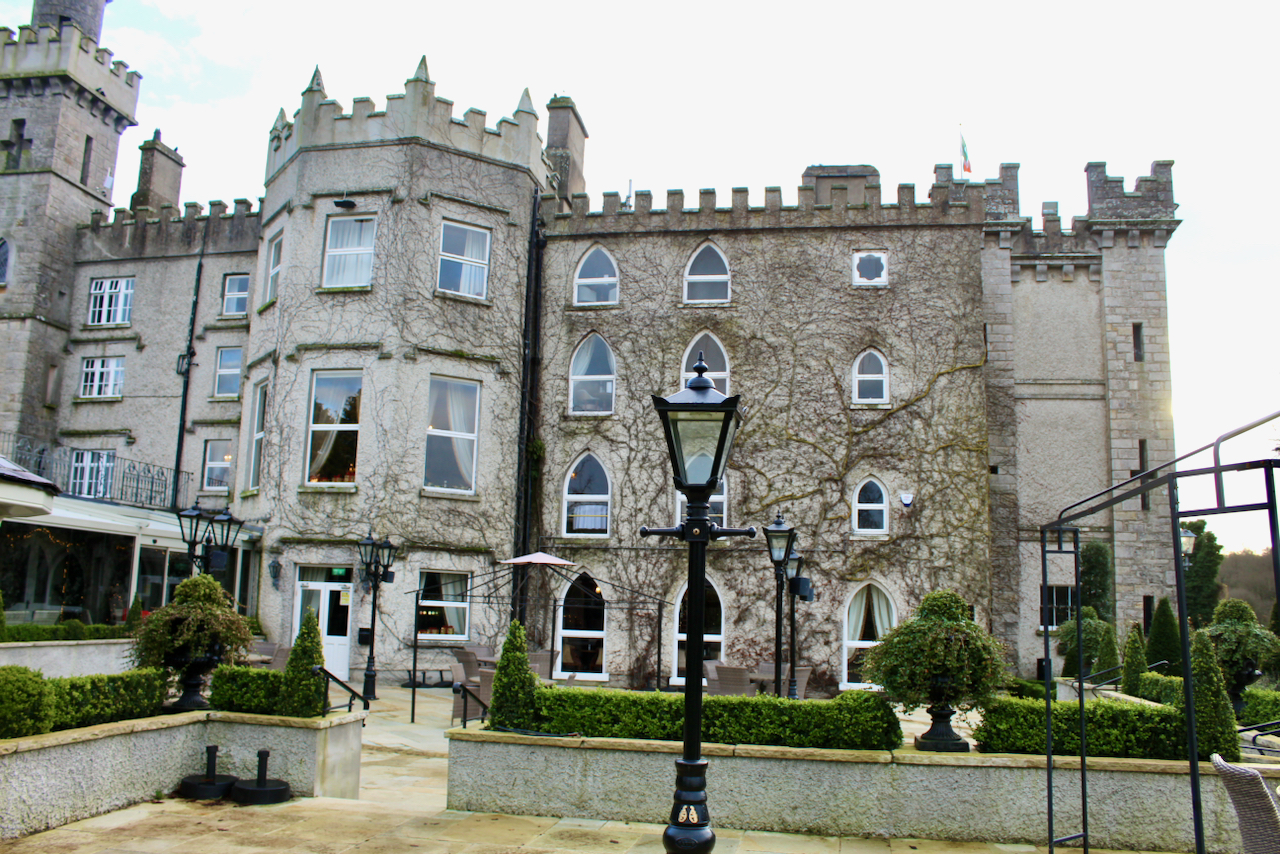
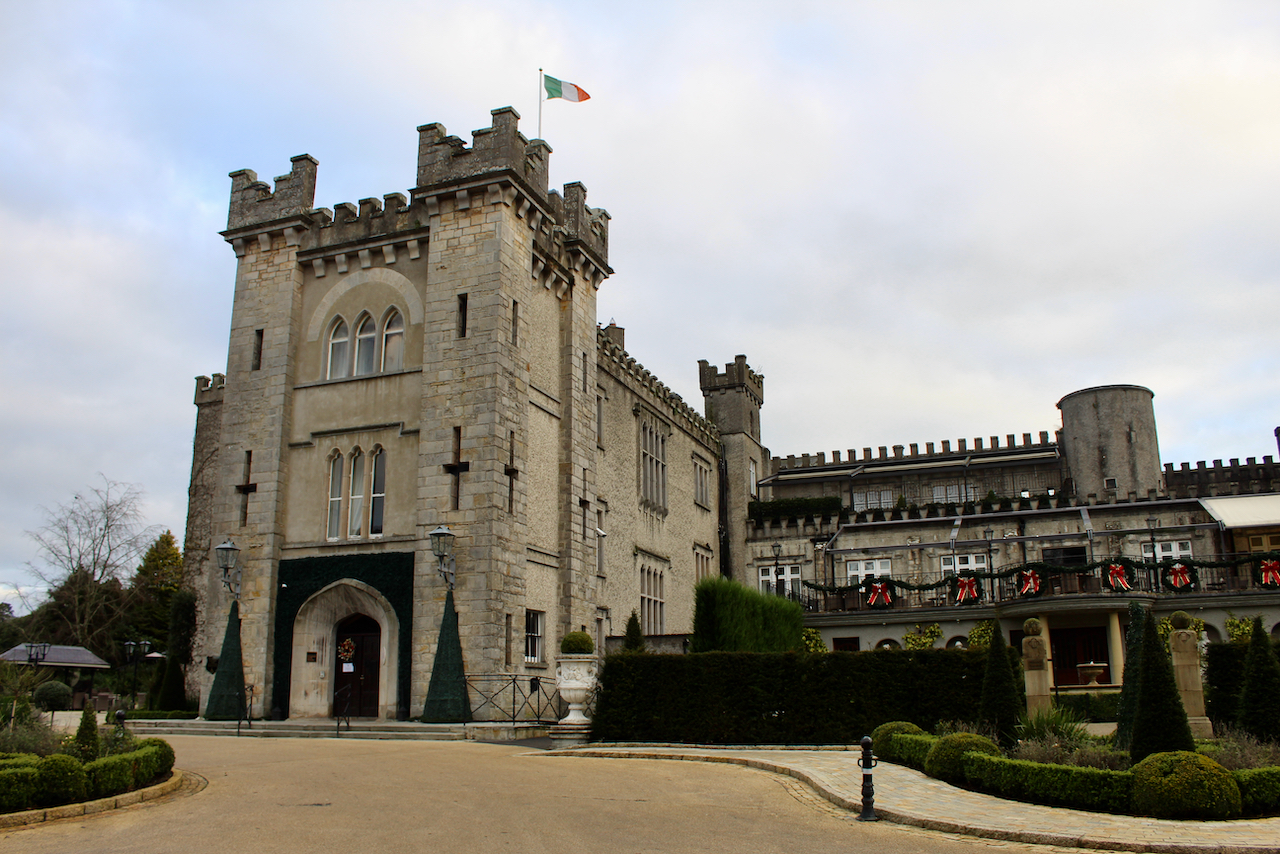
In 2020 we visited 11 properties. During Heritage Week we went to Counties Cork and Waterford, and stayed in Cabra Castle for a night in December. [2]

Cabra Castle, County Cavan. Photograph © Jennifer Winder-Baggot, www.irishhistorichouses.com

In 2021 we visited 14 properties. We visited Stephen’s mum in County Donegal in July and headed to County Sligo and Mayo for Heritage Week then over to Counties Westmeath, Kilkenny and Carlow. In November 2021 we treated ourselves to a stay in Wilton Castle in County Wexford. [3]

Wilton Castle, County Wexford. Photograph © Jennifer Winder-Baggot, www.irishhistorichouses.com

In 2022 we visited an impressive 26 properties, making up for the slowing down during the Covid pandemic. We took a holiday in May to Cork, travelled to County Donegal in July then during Heritage Week travelled to Counties Limerick, Galway and on up to Roscommon, Sligo and Leitrim and home via County Monaghan! [4]

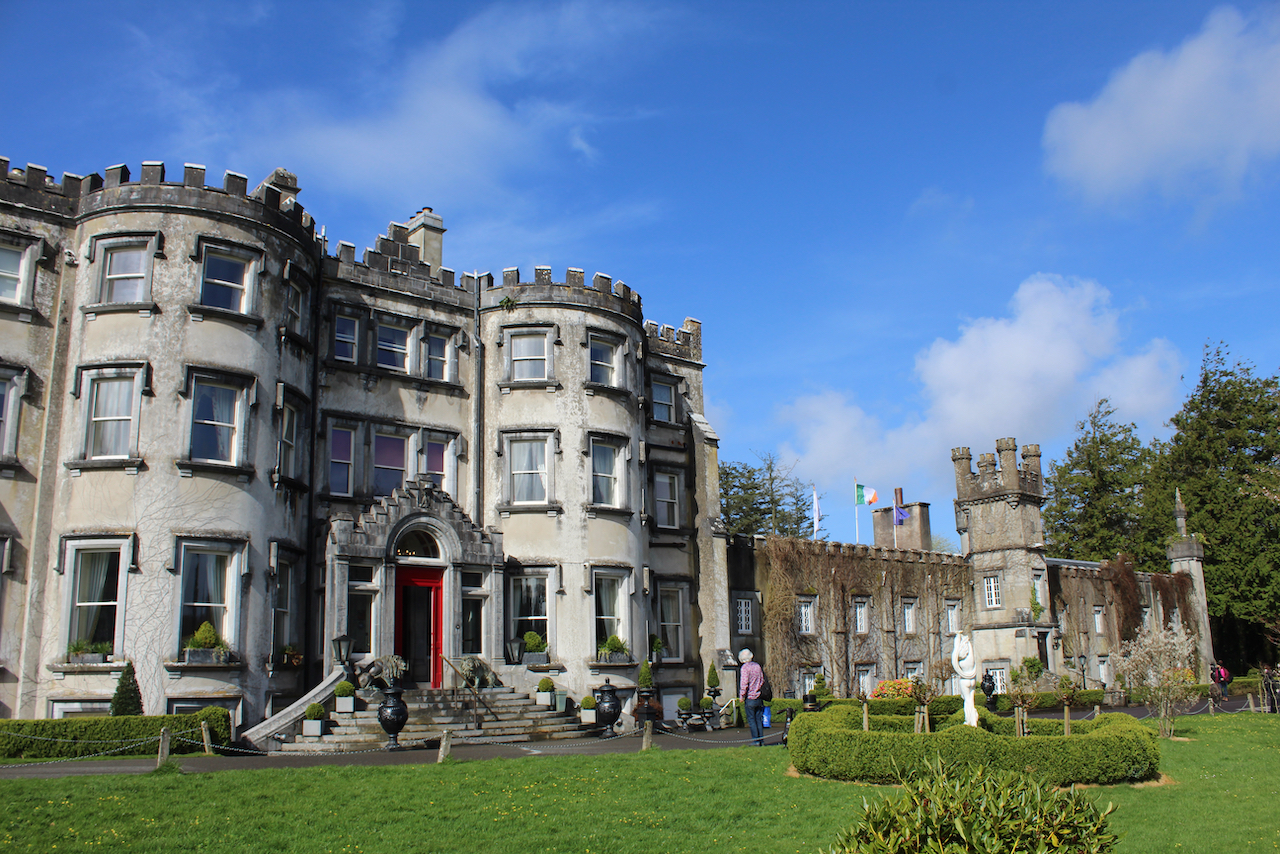
Ashill, County Limerick, where we treated ourselves to a stay. Photograph © Jennifer Winder-Baggot, www.irishhistorichouses.com

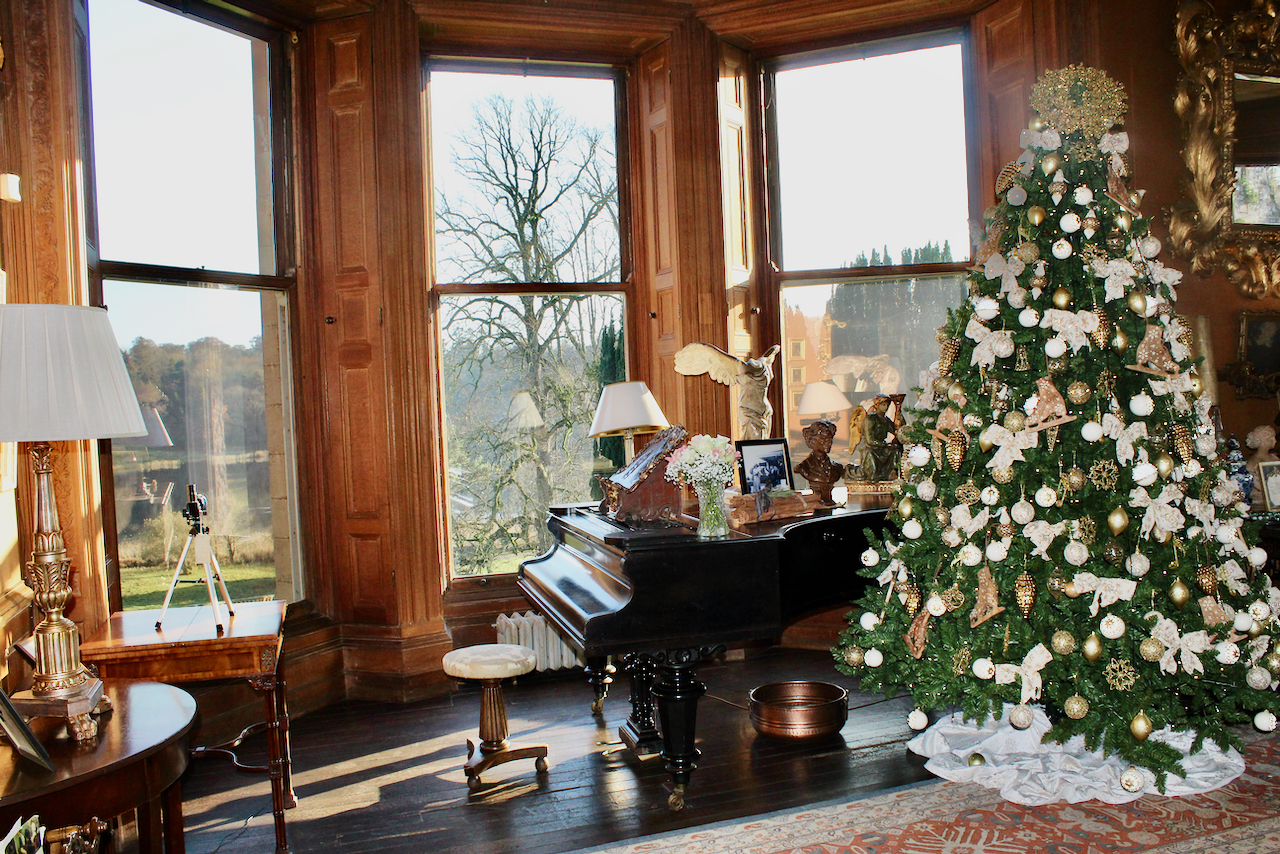
This year, 2023, continuing the pace, we visited 25 more Section 482 properties. In February for my 2022 Christmas present we treated ourselves to a stay in Kinnitty Castle hotel in County Offaly and visited some Section 482 properties from there, and the following month, in March, we drove down to County Kerry to visit Section 482 gardens during a month in which not many Section 482 properties are open. In May we travelled to County Clare and then to County Wexford. Finally in 2023 during Heritage Week we visited Counties Waterford, Tipperary, and Cork.

Kinnitty Castle, County Offaly, 9th February 2023. Photograph © Jennifer Winder-Baggot, www.irishhistorichouses.com

2023
Gloster House, Brosna, Birr, Co. Offaly – 9th Feb 2023
Corolanty House, Shinrone, Birr, Co. Offaly – 10th Feb 2023
Huntington Castle, County Carlow – 9th Aug 2016 and 25th March 2023
Ballyseede Castle, Ballyseede, Tralee, Co. Kerry – 28 to 30 March 2023
Derreen Gardens, Kenmare, Co. Kerry (garden) – 29th March 2023
Kells Bay House & Garden, Caherciveen, Co. Kerry (garden) – 30th March 2023
Loughcrew House, Co. Meath (accommodation) – 21st May 2010 and 15th April 2023
Killruddery House & Gardens, Co. Wicklow – 24th May 2013 and 18th June 2015 and 12th July 2020 and 24th April 2021 and 30th April 2023
Barntick House, Clarecastle Co. Clare – 6 May 2023
Kilmokea Country Manor & Gardens, Co. Wexford (accommodation) – 10th and 11th May 2023
Sigginstown Castle, Co. Wexford – 12th May 2023
Woodville House, New Ross, Co. Wexford – 19th May 2023
Shankill Castle, Paulstown, Co. Kilkenny – 3rd June 2023
Turbotstown, Coole, Co. Westmeath – 29th July 2023

Cappagh House (Old and New), Dungarvan, Co. Waterford – 14th Aug 2023

Ballynatray Estate, Co. Waterford (garden) – 19th Aug 2023

Kilcascan Castle, County Cork – 15th Aug 2023

Bantry House, County Cork – 15 and 16th Aug 2023

Dún Na Séad Castle, Baltimore, Co. Cork – 16th Aug 2023

Drishane Castle & Gardens, Co. Cork – 17th Aug 2023

Burton Park, Churchtown, Mallow, Co. Cork – 17th Aug 2023

Clashleigh House, Clogheen, Co. Tipperary – 19th Aug 2023

Grenane House, Tipperary, Co. Tipperary – 19th Aug 2023

Clonskeagh Castle, Clonskeagh, Dublin 14 – Monday 2nd Dec 2023
Gravelmount House, Navan, Co. Meath – Sat 14th Dec 2023

I am now working out our travel and visiting plans for 2024! We still have 64 properties to visit on the 2023 Revenue Section 482 list, and I assume the 2024 list will be much the same, and that does not include the properties listed as Tourist Accommodation: there are 11 properties we could stay in but some are only available as “whole house” rental so we will probably never get to see them, and most of the others are prohibitively expensive on our budget! [5]

With the properties scattered all over the country open at different times of year, we’d have to take a lot of holidays and drive quite a distance to see as many houses as I would like in 2024! I have worked out that to organise our trips away to see the most houses, assuming that 2024’s list will be similar to 2023, we would need at least six overnight holidays!

In reality, we may take one or two short breaks, which leaves us plenty of years ahead for more Section 482 property holidays. For my birthday this year Stephen has given me a few nights in Kilronan Castle in County Roscommon, so we can visit, or revisit, a few properties near there. For Heritage week I’d like to return to Counties Sligo and Mayo, although there are still several properties within an hour of Dublin so we could stay at home.

In an ideal world of unlimited resources, I have plotted a dream schedule of Tipperary in the beginning of May and Limerick toward the end of May, then Galway and Clare in July. There are still a couple of properties we haven’t visited in County Donegal, so another trip in September could take in a few more places, while the weather is still warm!

Below I am sharing my Ideal World schedule for seeing as many Section 482 properties in 2024, using the 2023 listing assuming that 2024 listings will be similar.


January 2024

Moyglare Glebe, Moyglare, Maynooth, Co. Kildare

Templemills House, Newtown Road, Celbridge, Co. Kildare W23 YK26
Meander, Westminister Road, Foxrock, Dublin 18, D18 E2T9
Ballaghmore Castle, Borris in Ossory, Co. Laois www.castleballaghmore.com

February 2024

10 South Frederick Street – Dublin 2 DO2 YT54
Doheny & Nesbitt –4/5 Lower Baggot Street, Dublin 2 www.dohenyandnesbitts.ie
Ballybrittan Castle –Ballybrittan, Edenderry, Co. Offaly R45 PR27 www.ballybrittancastle.com
Primrose Hill – Very Top of Primrose Lane, Lucan, Co. Dublin

March 2024

Tibradden House – Mutton Lane, Rathfarnham, Dublin 16 D16 XV97

Lough Park House –Castlepollard, Co. Westmeath
Harristown House – Brannockstown, Co. KildareW91 E710 www.harristownhouse.ie

Creamery House –Castlecomer Co. KilkennyR95 A060 www.creameryhouse.com

Russborough – The Albert Beit Foundation, Blessington, Co. Wicklow W91 W284

April 2024

Ballindoolin House – Edenderry, Co. Offaly

Borris House Borris, Co. Carlow www.borrishouse.com

Griesemount House , Ballitore, Co. Kildare www.griesemounthouse.ie

May 2024
Fancroft Mill –Fancroft, Roscrea, Co. Tipperary www.fancroft.ie

Killenure Castle Dundrum, Co Tipperary www.killenure.com

Burtown House and Garden – Athy, Co. Kildare R14 AE67 www.burtownhouse.ie

Millbrook House – Kilkea, Beaconstown, Castledermot, Co. Kildare R14Y319

The Old Rectory – Rathkeale, Co. Limerick

Tarbert House Tarbert, Co. Kerry

Glebe House Holycross, Bruff, Co. Limerick

Odellville House Ballingarry, Co. Limerick www.odellville.simplesite.com

Kilpeacon House –Crecora, Co. Limerick

Farm Complex – Toberburr Road, Killeek, St Margaret’s, Co. Dublin

June 2024
Altidore Castle Kilpeddar, Greystones, Co. Wicklow

Steam Museum Lodge Park Heritage Centre www.steam-museum.com

Knockanree Garden, Avoca, Co Wicklow – www.knockanreegardens.com

Corke Lodge Garden – Shankill, Co. Dublin, Postal address Woodbrook, Bray, Co. Wicklow A98 X264
www.corkelodge.com

Clonalis House Castlerea, Co. Roscommon F45 H265 (Tourist Accommodation Facility)

Strokestown Park House –Strokestown Park House, Strokestown, Co. Roscommon
www.strokestownpark.ie www.irishheritagetrust.ie

Rockfield Ecological Estate – Rathaspic, Rathowen, Mullingar, Co. Westmeath

July 2024

Swainstown House Kilmessan, Co. Meath C15 Y60F

Castle Ellen House Athenry, Co. Galway www.castleellen.ie

Signal Tower & Lighthouse –Eochaill, Inis Mór, Aran Islands, Co. Galway www.aranislands.ie

Woodville House Dovecote & Walls of Walled Garden –Craughwell, Co. Galway
www.woodvillewalledgarden.com

Castlecoote House –Castlecoote, Co. Roscommon F42 H288 www.castlecootehouse.com

Newtown Castle – Newtown, Ballyvaughan, Co. Clare www.newtowncastle.com

Redwood Castle –Redwood, Lorrha, Nenagh, North Tipperary E45 HT38 Redwood is off the Birr/Portumna Rd www.redwoodcastleireland.com

Birr Castle –Birr, Co. Offaly http://www.birrcastle.com

Farmersvale House – Badgerhill, Kill, Co. Kildare W91 PP99

August 2024

Kingston House Kingston, Rathdrum, Co. Wicklow A67 DV25

North King Street Smithfield, Dublin 7

Barmeath Castle Dunleer, Drogheda, Co. Louth A92 P973

Castle Howard Avoca, Co. Wicklow

Shannonbridge Fortifications – Shannonbridge, Athlone, Co. Roscommon www.shannonbridgefortifications.ie

Temple House – Ballymote, Co. Sligo F56 NN50 www.templehouse.ie

Rathcarrick House – Rathcarrick, Strandhill Road, Co. Sligo F91 PK58

Castletown Manor – Cottlestown, Co. Sligo

Old Coastguard Station –Rosmoney, Westport, Co. Mayo

Prison House, Prison North, Balla, Co. Mayo www.prisonehouse.wordpress.com

Brookhill House –Brookhill, Claremorris, Co. Mayo

High Street House High Street, Tullamore, Co. Offaly R35 T189 www.no6highstreet.com

11 North Great George’s Street Dublin 1 www.number11dublin.ie

Charleville Enniskerry, Co. Wicklow A98 V293

St. John’s Church – Loughstown, Drumcree, Collinstown, Co. Westmeath

Sept 2024

Greenan More  Ballintombay, Rathdrum, Co Wicklow www.greenanmore.ie

Aylwardstown House –Glenmore, Co. Kilkenny www.kelvale.com

Kiltimon House  Newcastle, Co. Wicklow

Moorhill House – Castlenugent, Lisryan, Co. Longford

Portnason House – Portnason, Ballyshannon, Co. Donegal

Ballybur Castle, Ballybur Upper, Cuffesgrange, Co. Kilkenny www.ballyburcastle.ie

Oct 2024

Crotty Church, Castle Street, Birr, Co. Offaly

The Presentation Convent Waterford Healthpark, Slievekeel Road, Waterford www.rowecreavin.ie

Kilcarbry Mill Engine House, Sweetfarm, Enniscorthy, Co Wexford

December 2024

Cillghrian Glebe now known as Boyne House Slane – Chapel Street, Slane, Co. Meath C15 P657
www.boynehouseslane.ie

[1] 2019
Slane Castle, Slane, Co. Meath – 27th April 2019
Salterbridge, County Waterford – 3rd May 2019 – no longer 482
Tourin House & Gardens, Co. Waterford – 3rd May 2019
Curraghmore House, Portlaw, Co. Waterford – 5th May 2019
Dromana House, Cappoquin, Co. Waterford – 5th May 2019 and 15th Aug 2020
Charleville, Enniskerry, Co. Wicklow – 18th May 2019
Moone Abbey House & Tower, County Kildare – 18th May 2019
Loughton, Moneygall, Birr, Co. Offaly – 29th May 2019
Altidore Castle, Kilpeddar, Greystones, Co. Wicklow 31 May 2019
Leixlip Castle, Leixlip, Co. Kildare – 14th June 2019
Moyglare House, Moyglare, Co. Meath – 18th June 2019
Dunsany Castle, Dunsany, Co. Meath – 30th June 2019 and 16th July 2022
Dardistown Castle, Co. Meath – 13th July 2019
Borris House, Borris, Co. Carlow – 23 July 2019
Ballymurrin House, Kilbride, Co. Wicklow 27 July 2019
Clonalis House, Castlerea, Co. Roscommon (accommodation) – 3rd Aug 2019
Tullynally Castle & Gardens, Co. Westmeath – 4th Aug 2019 and 21st Aug 2021
Tankardstown House, Rathkenny, Slane, Co. Meath – 9th Aug 2019

Blackhall Castle, Calverstown, Kilcullen, Co.Kildare – 22 Aug 2019
Harristown House, Brannockstown, Co. Kildare – 22nd Aug 2019

Rokeby Hall, Grangebellew, Co. Louth – 7th Sept 2019
Coolcarrigan House & Gardens, Naas, Co. Kildare – 21st Sept 2019
Castle Howard, Avoca, Co. Wicklow – 28th Sept 2019
Barmeath Castle, Dunleer, Drogheda, Co. Louth – 15 Oct 2019
Colganstown House, Newcastle, Co. Dublin – 23rd Nov 2019
Castle Leslie, Co. Monaghan (accommodation) – 27 to 29 Nov 2019
Powerscourt Townhouse Centre, Dublin 2 – 8th Dec 2019 and 21st March 2020 and 3rd Nov 2022 and 24th Nov 2022

[2] 2020
Powerscourt Townhouse Centre, Dublin 2 – 8th Dec 2019 and 21st March 2020 and 3rd Nov 2022 and 24th Nov 2022
The Odeon, Dublin 2 – 13th April 2020
Killruddery House & Gardens, Co. Wicklow – 24th May 2013 and 18th June 2015 and 12th July 2020 and 24th April 2021 and 30th April 2023
The Old Rectory Killedmond, Borris, Co. Carlow – 1st July 2020 and 23rd Aug 2021
Corravahan House & Gardens, Co. Cavan – 24th July 2020

Kilshannig House, Rathcormac, Co. Cork – 14th Aug 2020
Cappoquin House & Gardens, Co. Waterford – 15 Aug 2020
Dromana House, Cappoquin, Co. Waterford – 5th May 2019 and 15th Aug 2020
Swainstown House, Kilmessan, Co. Meath – 19th Aug 2019
Drishane House, Castletownshend, Co. Cork – 20th Aug 2020

Cabra Castle (Hotel), Co. Cavan – 23 Dec 2020

[3] 2021
Killruddery House & Gardens, Co. Wicklow – 24th May 2013 and 18th June 2015 and 12th July 2020 and 24th April 2021 and 30th April 2023
Mount Usher Gardens, Ashford, Co. Wicklow (garden) – 6th June 2021
Stradbally Hall, Stradbally, Co. Laois – 7th June 2021
Birr Castle, Birr, Co. Offaly – 21 June 2021
Burtown House and Garden, Athy, Co. Kildare – 23 June 2021
Salthill Garden, Mountcharles, Co. Donegal – 30th July 2021

Markree Castle, Collooney, Co. Sligo – 16th Aug 2021
Newpark House and Demesne, Co. Sligo – 16th Aug 2021
Enniscoe House & Gardens, Ballina, Co. Mayo (accommodation) – 17th Aug 2021
Coopershill House, Riverstown, Co. Sligo (accommodation) – 18th Aug 2021
Tullynally Castle & Gardens, Co. Westmeath – 4th Aug 2019 and 21st Aug 2021
Kilfane Glen & Waterfall, Co. Kilkenny (garden) – 23rd Aug 2021
The Old Rectory Killedmond, Borris, Co. Carlow – 1st July 2020 and 23rd Aug 2021

Wilton Castle, Bree, Enniscorthy, Co. Wexford (accommodation) – 2nd and 3rd Nov 2021

[4] 2022
Springfield House, Co. Offaly – 8th January 2022
Ballysallagh House, Co. Kilkenny – 12 Feb 2022
Bewley’s, Grafton Street, Dublin 3 – 6 March 2022
Powerscourt House & Gardens, Enniskerry, Co. Wicklow – 11th Dec 2009 and 20th June 2012 and 12th March 2022
Beauparc House, Beau Parc, Navan, Co. Meath 15 March 2022
Martello Tower, Portrane, Co. Dublin – 23rd April 2022
Larchill, Kilcock, Co. Kildare – 8th May 2022
St. Mary’s Abbey, High Street, Trim, Co. Meath – 21st May 2022
Kildrought House, Celbridge Village, Co. Kildare – 28th May 2022
Hibernian/National Irish Bank, Dublin 2 – 25th June 2022
Blarney Castle & Rock Close, Blarney, Co. Cork – 7th June 2022
Blarney House & Gardens, Blarney, Co. Cork – 7th June 2022
Bantry House & Garden, Bantry, Co. Cork – 8th June 2022
Riverstown House, Riverstown, Glanmire, Co. Cork – 10th June 2022
The Church, Mary’s Street/Jervis Street, Dublin 1 – 25th June 2022
Oakfield Park, Oakfield Demesne, Raphoe, Co. Donegal (garden) – 2nd July 2022
Killineer House & Garden, Drogheda, Co. Louth – 16th July 2022
Dunsany Castle, Dunsany, Co. Meath – 30th June 2019 and 16th July 2022
St. George’s, Killiney, Co. Dublin – 6th Aug 2022

Ash Hill, Kilmallock, Co. Limerick (accommodation) – 12-15 Aug 2022
Beechwood House, Co. Tipperary – 13 Aug 2022
The Turret, Rylanes, Ballingarry, Co. Limerick – 13th Aug 2022
Glenville House, Glenville, Ardagh, Co. Limerick – 14th Aug 2022
Mount Trenchard House and Garden, Co. Limerick – 14th Aug 2022
Claregalway Castle, Claregalway, Co. Galway (accommodation) – 15th Aug 2022
Oranmore Castle, Oranmore, Co. Galway – 15th Aug 2022
Strokestown Park House, Co. Roscommon – 16 and 17th Aug 2022
King House, Boyle, Co. Roscommon – 18th Aug 2022
Lissadell House & Gardens, Co. Sligo – 19th Aug 2022
Manorhamilton Castle (Ruin), Co. Leitrim – 20th Aug 2022
Hilton Park House, Co. Monaghan (accommodation) – 21st Aug 2022

Fahanmura, 2 Knocksina, Foxrock, Dublin 18 – 11th Oct 2022
Powerscourt Townhouse Centre, Dublin 2 – 8th Dec 2019 and 21st March 2020 and 3rd Nov 2022 and 24th Nov 2022
39 North Great George’s Street, Dublin 1 – 10 Nov 2022
Hamwood House, Dunboyne, Co. Meath – 14th Nov 2022
Powerscourt Townhouse Centre, Dublin 2 – 8th Dec 2019 and 21st March 2020 and 3rd Nov 2022 and 24th Nov 2022

[5] ACCOMMODATION not yet visited: Unfortunately the accommodation is mostly too expensive for my budget!
The Old Rectory Lorum, Co. Carlow (accommodation)
Ballyvolane House, Castlelyons, Co. Cork (accommodation)
Lambay Castle, Lambay Island, County Dublin (accommodation)
Lisdonagh House, Caherlistrane, Co. Galway (accommodation)
Owenmore, Garranard, Ballina, Co. Mayo (accommodation)
Killeen Mill, Clavinstown, Drumree, Co. Meath (accommodation)
The Maltings, Castle Street, Birr, Co. Offaly (accommodation)
Temple House, Ballymote, Co. Sligo (accommodation)
Lismacue House, Bansha, Co. Tipperary (accommodation)
The Rectory, Cahir, Co. Tipperary (accommodation)
Woodbrook House, Enniscorthy, Co. Wexford (accommodation)

Open dates in December 2023

About

2025 Diary of Irish Historic Houses (section 482 properties)

To purchase an A5 size 2025 Diary of Historic Houses (opening times and days are not listed so the calendar is for use for recording appointments and not as a reference for opening times) send your postal address to jennifer.baggot@gmail.com along with €20 via this payment button. The calendar of 84 pages includes space for writing your appointments as well as photographs of the historic houses. The price includes postage within Ireland. Postage to U.S. is a further €10 for the A5 size calendar, so I would appreciate a donation toward the postage – you can click on the donation link.

€20.00

donation

Help me to pay the entrance fee to one of the houses on this website. This site is created purely out of love for the subject and I receive no payment so any donation is appreciated!

€10.00

County Carlow

1. Huntington Castle, Clonegal, Co Carlow Y21 K237

See my entry: https://irishhistorichouses.com/2019/06/28/huntington-castle-county-carlow/

Postal address: Huntington Castle, Enniscorthy, Co. Wexford
www.huntingtoncastle.com
Open dates in 2023, but check website as closed for special events: Feb 4-5, 11-12, 18-19, 25-26, Mar 4-5, 11-12, 18-19, 25-26, Apr 1-2, 7-10, 15-16, 22-23, May 1-31, June 1-30, July 1-31, Aug 1-31, Sept 1-30, Oct 1, 7-8, 14-15, 21-22, 28-29, 31, Nov 4-5, 11-12, 18-19, 25-26, Dec 2-3, 9-10, 16-17, 11am-5pm

Fee: house/garden, adult €12, garden €6, OAP/student, house/garden €10, garden €5, child, house/garden €6, garden €3, group and family discounts available

Huntington Castle, County Carlow. Photograph © Jennifer Winder-Baggot, www.irishhistorichouses.com

County Cavan

2. Cabra Castle, Kingscourt, County Cavan, A82 EC64 (hotel)

see my entry: https://irishhistorichouses.com/2021/03/28/cabra-castle-kingscourt-county-cavan/

www.cabracastle.com
Open: all year, except Dec 24, 25, 26, 11am-4pm
Fee: Free

Cabra Castle, County Cavan. Photograph © Jennifer Winder-Baggot, www.irishhistorichouses.com

County Clare

3. Newtown Castle, Newtown, Ballyvaughan, Co. Clare
www.newtowncastle.com , 
Open dates in 2023: Jan 9-13, 16-20, 23-27, 30-31, Feb 1-3, 6-10, 13-17, 20-24, 27-28, March 1-3, 6-10, 13-17, 20-24, 27-31, Apr 3-7, 10-14, 17-21, 24-28, May 1-5, 8-12, 15-19, 22-26, 29-31, June 1-3, 5-10, 12-17, 19-24, 26-30, July 1-31, Aug 1-31, Sept 1, 4-8, 11-15, 18-22, 25-29, Oct 2-7, 9-14, 16-21, 23-28, 30-31, Nov 1-3, 6-10, 13-17, 20-24, 27-30, Dec 1, 4-8, 11-15, 10am-5pm
Fee: Free

Newtown Castle, photograph courtesy of National Library of Ireland.

County Cork

4. Ballyvolane House, Castlelyons, County Cork P61 FP70
Tourist Accommodation Facility – not open to the public

www.ballyvolanehouse.ie

Open for accommodation: all year
Althugh listed under Accommodation Facility they have a fee on this listing so if you contact them in advance perhaps they will give you a tour: adult €5, family €15

Ballyvolane, County Cork, photo taken 2014 for Tourism Ireland, Ireland’s Content Pool.

5. Blarney Castle & Rock Close, Blarney, County Cork

See my entry: https://irishhistorichouses.com/2022/09/23/blarney-castle-rock-close-blarney-co-cork/

www.blarneycastle.ie
Open: all year except Christmas Eve & Christmas Day, Jan-Feb, Nov-Dec, 9am-4pm, Mar-Oct, 9am-5pm

Fee: adult €20, OAP/student €16, child €9

Blarney Castle, County Cork. Photograph © Jennifer Winder-Baggot, www.irishhistorichouses.com

6. Brideweir House, Aghern, Conna, County Cork P51 FD36
www.brideweir.ie
Open dates in 2023: Jan 1-Dec 24, 11am-4pm
Fee: adult €10, child/student €5, OAP free

Check before visiting!

7. Woodford Bourne Warehouse, Sheares Street, Cork City
www.woodfordbournewarehouse.com
Open: all year except Christmas Eve, Christmas Day, 1pm-11pm
Fee: Free

County Donegal

8. Oakfield Park Garden, Oakfield Demesne, Raphoe, Co. Donegal – garden only

See my entry: https://irishhistorichouses.com/2022/11/03/oakfield-park-oakfield-demesne-raphoe-co-donegal-garden-only/

www.oakfieldpark.com

Open dates in 2023: Mar 30-31, Apr 1-2, 5-10, 12-16, 19-23, 26-30, May 1, 3-7, 10-14, 17-21, 24-28, 31, June 1-30, July 1-31, Aug 1-31, Sept 1-3, 6-10, 13-17, 20-24, 27-30, Oct 7-8, 14-15, Nov 29-30, Dec 1-23, Mar, Apr, May, Sept, Oct, 12 noon-6pm, June, July, Aug, 11am-6pm, Nov, Dec, 4pm-10pm,

Fee: adult €9, child €6, family and season passes under 3 years free

Oakfield Park, County Donegal. Photograph © Jennifer Winder-Baggot, www.irishhistorichouses.com

9. Portnason House, Portnason, Ballyshannon, Co. Donegal

Open dates in 2023: Aug 6-20, Sept 4-8, 11-30, Nov 13-17, 20-24, Dec 4-8, 11-15, 9am-1pm
Fee: adult €10, OAP/student/child €6

Dublin City

10. Bewley’s, 78-79 Grafton Street/234 Johnson’s Court, Dublin 2
www.bewleys.com
Open: all year except Christmas Day, 9am-5pm

Fee: Free

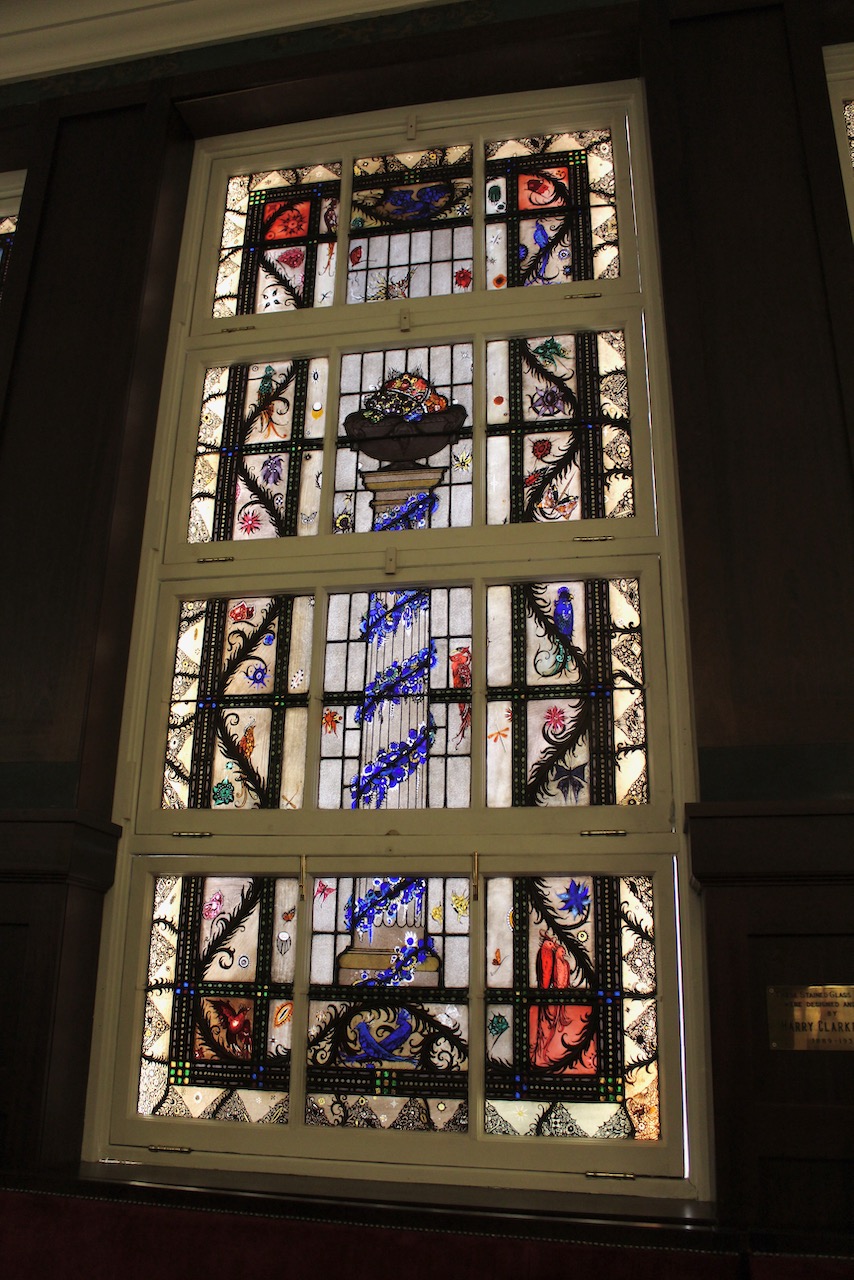
Harry Clarke window, Bewleys, Dublin. Photograph © Jennifer Winder-Baggot, www.irishhistorichouses.com

11. Doheny & Nesbitt, 4/5 Lower Baggot Street, Dublin 2

www.dohenyandnesbitts.ie

Open: all year except Christmas Day, Mon-Thurs, 9am-11.30pm, Fri-Sat, 9am-12.30am, Sun, 10am-12 midnight
Fee: Free

12. Hibernian/National Irish Bank, 23-27 College Green, Dublin 2

See my entry: https://irishhistorichouses.com/2023/01/28/hibernian-national-irish-bank-23-27-college-green-dublin-2/
www.clarendonproperties.ie
Open: all year, except Dec 25, Mon-Fri, 9.30am-8pm, Sun, 10am-7pm
Fee: Free

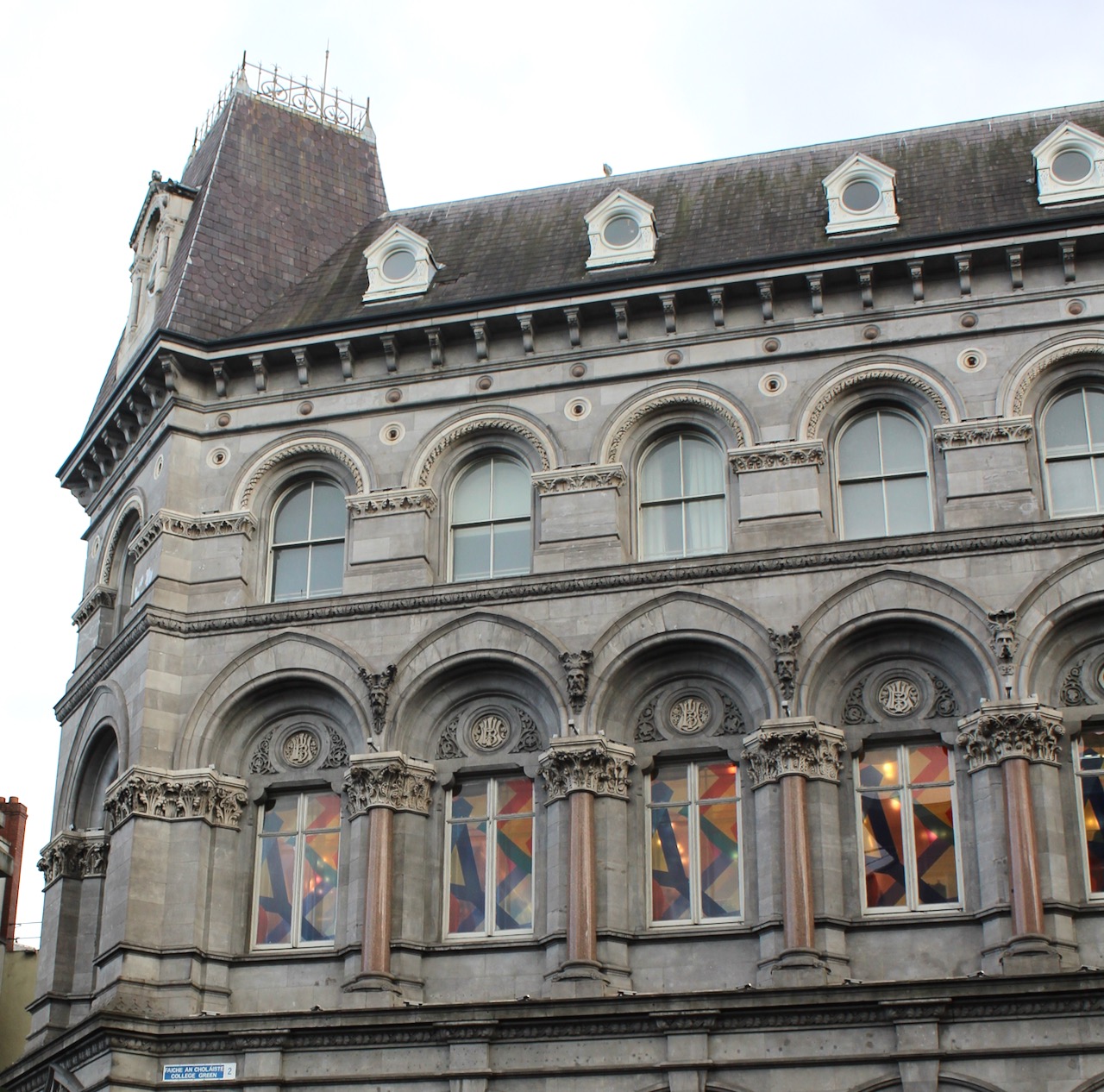
Former Hibernian Bank, College Green, Dublin. Photograph © Jennifer Winder-Baggot, www.irishhistorichouses.com

13. The Odeon (formerly the Old Harcourt Street Railway Station), 57 Harcourt Street, Dublin 2
www.odeon.ie
Open in 2023: all year Tue-Sat, National Heritage Week, Aug 12-20, 12 noon to 12 midnight

Fee: Free

The Odeon, formerly the Harcourt Street tram station. Photograph © Jennifer Winder-Baggot, www.irishhistorichouses.com

14. Powerscourt Townhouse Centre, 59 South William Street, Dublin 2

see my entry: https://irishhistorichouses.com/2020/04/02/powerscourt-townhouse-59-south-william-street-dublin-2/

https://www.powerscourtcentre.ie/
Open in 2023: all year, except New Year’s Day, Christmas Day, Mon-Sat, 10am-6pm, Sunday, 12 noon-6pm
Fee: Free

Powerscourt Townhouse, Dublin. Photograph © Jennifer Winder-Baggot, www.irishhistorichouses.com

15. 10 South Frederick Street, Dublin 2 DO2 YT54
Open: all year, 2pm-6pm
Fee: Free

16. The Church, Junction of Mary’s Street/Jervis Street, Dublin 1

see my entry: https://irishhistorichouses.com/2022/11/09/the-church-junction-of-marys-street-jervis-street-dublin/

www.thechurch.ie
Open: Jan 1-Dec 23, 27-31, 12 noon-10pm

Fee: Free

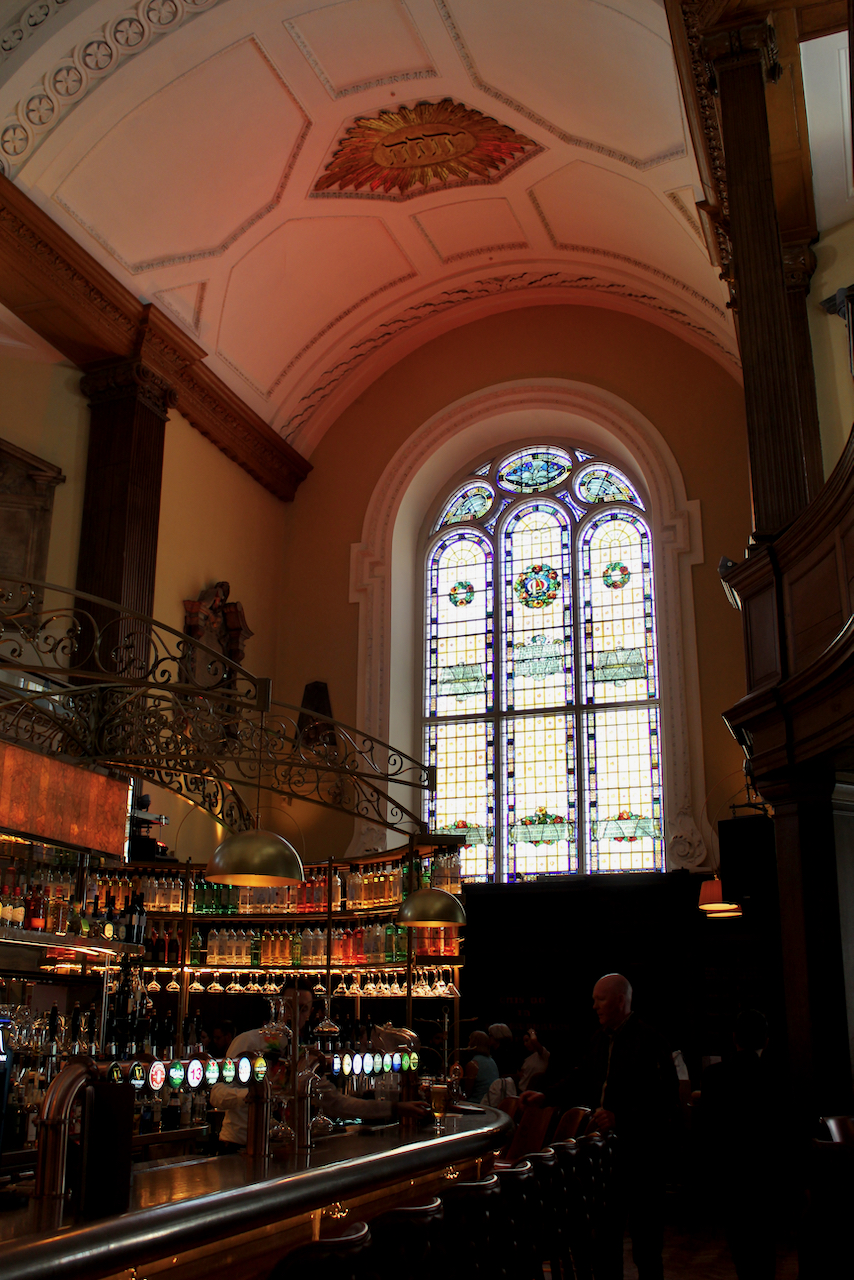
St. Mary’s church, Dublin, now a bar, it was one of the oldest parishes on the north side of Dublin. Photograph © Jennifer Winder-Baggot, www.irishhistorichouses.com

County Dublin

17. Clonskeagh Castle, 80 Whitebeam Road, Clonskeagh, Dublin 14

www.clonskeaghcastle.com

Open dates in 2023: Feb 2-6, Mar 6-10, Apr 6-10, May 1-10, June 1-10, July 1-10 August 12-21, Nov 2-5, Dec 2-6, 2pm-6pm
Fee: adult/OAP €6, child/student €3

Clonskeagh Castle, photograph courtesy of myhome.ie

County Galway

18. Claregalway Castle, Claregalway, Co. Galway H91 E9T3

Tourist Accommodation Facility – not open to the public
www.claregalwaycastle.com
Open for accommodation: January 3-December 24

See my entry https://irishhistorichouses.com/2023/04/20/claregalway-castle-claregalway-co-galway/

At Claregalway Castle, County Galway. Photograph © Jennifer Winder-Baggot, www.irishhistorichouses.com

County Kerry

19. Ballyseede Castle, Tralee, Co. Kerry (hotel)
www.ballyseedecastle.com
Open: Mar 1-Dec 31, closed Christmas Day, 8am-12 midnight

See my entry https://irishhistorichouses.com/2023/09/02/ballyseede-castle-ballyseede-tralee-co-kerry/

Ballyseede Castle, March 2023. Photograph © Jennifer Winder-Baggot, www.irishhistorichouses.com

20. Derreen Gardens, Lauragh, Tuosist, Kenmare, Co. Kerry – garden only
https://www.derreengarden.com/
Open: all year, 10am-6pm
Fee: adult/OAP/student €9, child €4, family ticket (2 adults and 2 children) €25

See my entry https://irishhistorichouses.com/2023/09/07/derreen-gardens-lauragh-tuosist-kenmare-co-kerry/

Derreen, County Kerry, March 2023. Photograph © Jennifer Winder-Baggot, www.irishhistorichouses.com

21. Kells Bay House & Garden, Kells, Caherciveen, Co Kerry V23 EP48 – garden only

www.kellsbay.ie 

Open in 2023: Jan 1-8, 9.30-4.30, Feb 8-Dec 20, 28-31, Feb-Dec 9.30am-5pm
Fee: adult/OAP €8.50, child/student €6, student €6 up to 17 years, group discount €10
for >20 visitors, family ticket €26, 2 adults + up to 3 children

See my entry https://irishhistorichouses.com/2023/09/13/kells-bay-house-garden-kells-caherciveen-county-kerry/

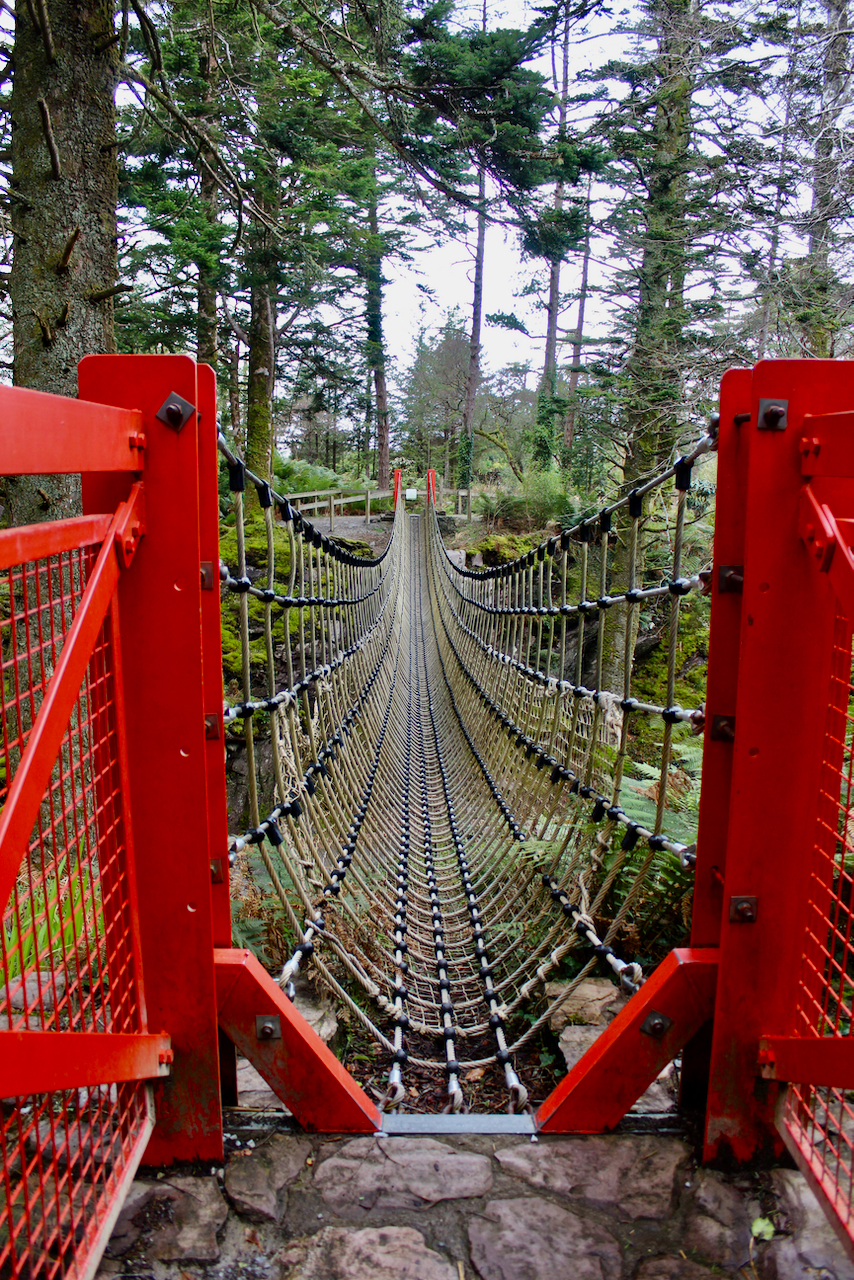
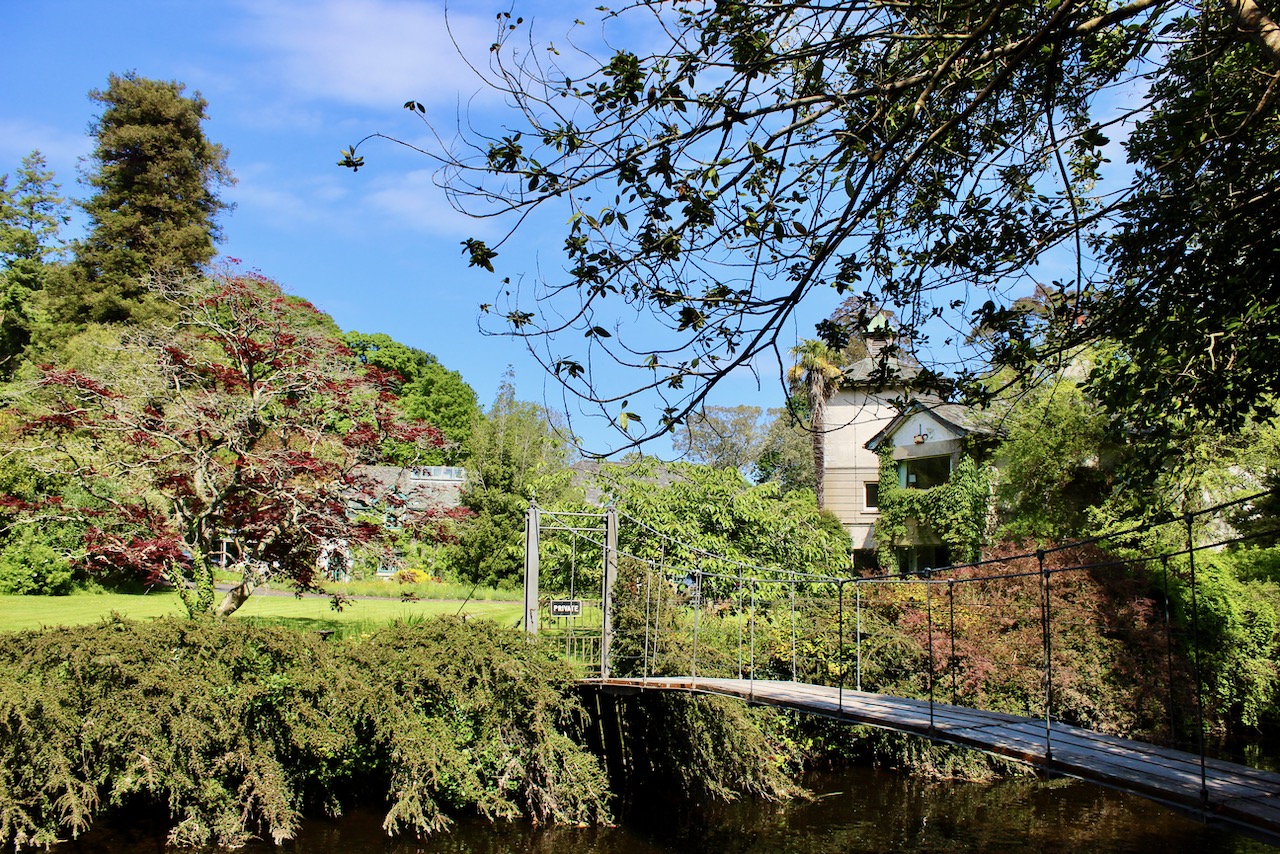
The rope bridge crosses the river. Kells Bay, March 2023. Photograph © Jennifer Winder-Baggot, www.irishhistorichouses.com

County Kildare

22. Blackhall Castle, Calverstown, Kilcullen, Co. Kildare R56 CR68

See my entry: https://irishhistorichouses.com/2020/05/14/blackhall-castle-calverstown-kilcullen-county-kildare/
Open dates in 2023: May 1-31, Aug 12-20, Sept 1-15, Dec 1-20, 2pm-6pm

Fee: Free

Blackhall Castle, County Kildare, a former Eustace home. Photograph © Jennifer Winder-Baggot, www.irishhistorichouses.com

23. Farmersvale House, Badgerhill, Kill, Co. Kildare W91 PP99
Open dates in 2023: Jan 3-16, July 29-31, Aug 1-31, Sept 4-9, Dec 4-9, 9.30am-1.30pm
Fee: adult €5, student/child/OAP €3, (Irish Georgian Society members free)

24. New entry: Millbrook House
Kilkea, Beaconstown, Castledermot, Co. Kildare
R14Y319
Open dates in 2023: May 17- 31, Aug 12-31, Sept 7-16, Dec 17-31, 9am-1pm
Fee: Adult €8, student/OAP/groups €5

County Kilkenny

25. Kilkenny Design Centre, Castle Yard, Kilkenny
www.kilkennydesign.com
Open dates in 2023: Jan 3-Dec 24, 28-31, Jan 10am-7pm, Feb-Mar, Oct- Dec, 9am-8pm, Apr-Sept, 9am-9am
Fee: Free

County Laois

26. Ballaghmore Castle, Borris in Ossory, Co. Laois
www.castleballaghmore.com
Open dates in 2023: all year except Christmas Day, 10am-6pm

Fee: adult €15, child/OAP/student €5, family of 4, €25 with guide

County Leitrim

27. Manorhamilton Castle (Ruin), Castle St, Manorhamilton, Co. Leitrim

www.manorhamilton.ie

Open dates in 2023: May 1-31, June 1-30, July 1-31, Aug 1-31, Sept 1-30, Oct 1-31, Nov 1-5, 8-12, 15-19, 22-26, 29-30, Dec 1-3, 6-10, 13-17, 20-23, 9am-4pm
Fee: adult/OAP €5, child free

Manorhamilton Castle, Leitrim. It was not open on the day we visited despite being listed as an open day during Heritage Week. Photograph © Jennifer Winder-Baggot, www.irishhistorichouses.com

County Mayo

28. Owenmore, Garranard, Ballina, Co. Mayo

Tourist Accommodation Facility – not open to the public

www.owenbeg.ie

Open for accommodation in 2023: March 16- Dec 11

County Meath

29. Cillghrian Glebe now known as Boyne House Slane, Chapel Street, Slane, Co. Meath C15 P657 (hotel)
www.boynehouseslane.ie
Open dates in 2023: all year, National Heritage Week, Aug 12-20, 9am-1pm

Fee: Free

“Boyne House Slane boasts 6 tastefully appointed luxury ensuite Heritage Bedrooms in the Main House along with 4 additional Bedrooms in the Coach House, offering luxurious accommodation and private rental in the heart of Slane village.” Photograph courtesy of website.

30. Loughcrew House, Loughcrew, Old Castle, Co. Meath
Tourist Accommodation Facility – house not open to the public

Open for accommodation: all year

www.loughcrew.com

The house is not open to the public but the gardens are.

Garden: all year, 11am-5pm
Fee: €8, OAP/student €6, child €4, group concessions.

See my entry https://irishhistorichouses.com/2023/09/21/loughcrew-house-loughcrew-old-castle-co-meath/

Loughcrew, County Meath, April 2023. Photograph © Jennifer Winder-Baggot, www.irishhistorichouses.com

31. Slane Castle, Slane, Co. Meath

See my entry: https://irishhistorichouses.com/2019/07/19/slane-castle-county-meath/
www.slanecastle.ie
Open dates in 2023: Mar 18-19, 25-26. April 1-2, 8-9, 15-16, 22-23, May 5-7, June 23-25, July 1-2, 7-9, 14-16, 21-23, 28-30, Aug 4-6, 12-20, 25-27, Sept 2-3, 9-10, 16-17, 23-24, 30, Oct 1, 7-8, 14-15, 21-22, 28-29, Nov 4-5, 11-12, 18-19, 25-26, Dec 2-3, 9-10, 16-17, 23-24, 30-31, tours 11am, 1pm, 3pm

Fee: adult €14, OAP/student €12.50, child €8.40, concession family ticket (2 adults and 2 children €39, additional adults €1, additional children €6, concession group discounts available for over 3 guests, starting from 10%-32% for up to 25 guests

Slane Castle County Meath, photograph by Nomos Productions 2022 courtesy Failte Ireland.

32. Swainstown House, Kilmessan, Co. Meath C15 Y60F

See my entry: https://irishhistorichouses.com/2020/10/10/swainstown-house-kilmessan-county-meath/
Open dates in 2023: Mar 6-10, April 3-4, 6-7, May 1-7, June 5-11, July 3-9, Aug 12-20, Sept 11-15, 18-22, Oct 2-3, 5-6, Nov 6-7, 9-10, Dec 4-5, 7-8, 11am-3pm
Fee: adult €8, OAP/student/child €5

Swainstown, County Meath. Photograph © Jennifer Winder-Baggot, www.irishhistorichouses.com

33. Tankardstown House, Rathkenny, Slane, Co. Meath (hotel)

See my entry: https://irishhistorichouses.com/2020/07/11/tankardstown-estate-demesne-rathkenny-slane-co-meath/
www.tankardstown.ie
Open: all year including National Heritage Week, Aug 12-20, 9am-1pm

Tankardstown, County Meath, 9th August 2019. Photograph © Jennifer Winder-Baggot, www.irishhistorichouses.com

County Monaghan

34. Castle Leslie, Glaslough, Co. Monaghan

See my entry: https://irishhistorichouses.com/2020/08/07/castle-leslie-glaslough-county-monaghan/
www.castleleslie.com
Tourist Accommodation Facility – not open to the public
Open for accommodation: all year.

Castle Leslie, County Monaghan Photograph © Jennifer Winder-Baggot, www.irishhistorichouses.com

County Offaly

35. Crotty Church, Castle Street, Birr, Co. Offaly
Open in 2023: all year, 1pm-5pm

Fee: Free

36. Springfield House, Mount Lucas, Daingean, Tullamore, Co. Offaly R35 NF89

See my entry: www.irishhistorichouses.com/2022/06/01/springfield-house-mount-lucas-daingean-tullamore-co-offaly/

www.springfieldhouse.ie

Open dates in 2023: Jan 1-6, 1pm-5pm, Feb 11-13, April 9-13, May 6-8, 18-21, June 9-11, 16-18, 30, July 1-2, 7-9, Aug 12-31, Sept 1, 2pm-6pm, Dec 26-31, 1pm-5pm
Fee: Free

Springfield House, County Offaly. Photograph © Jennifer Winder-Baggot, www.irishhistorichouses.com

37. The Maltings, Castle Street, Birr, Co. Offaly

www.canbe.ie

Tourist Accommodation Facility – not open to the public

Open for accommodation: all year

The Maltings, Birr, County Offaly. Photograph © Jennifer Winder-Baggot, www.irishhistorichouses.com

County Roscommon

38. Strokestown Park House, Strokestown Park House, Strokestown, Co. Roscommon

See my entry https://irishhistorichouses.com/2023/03/09/strokestown-park-house-strokestown-co-roscommon/
www.strokestownpark.ie www.irishheritagetrust.ie
Open dates in 2023: all year, Jan-Feb, Nov-Dec, 10.30am-4pm, Mar-May, Sept-Oct, 10am-5pm,
June-July, 10am-6pm
Fee: adult house €12, tour of house €16, child €6, tour of house €9, OAP/student €10,
tour of house €12.50, family €27, tour of house €35

Strokestown, County Roscommon, August 2022. Photograph © Jennifer Winder-Baggot, www.irishhistorichouses.com

County Sligo

39. Temple House, Ballymote, Co. Sligo F56 NN50

Tourist Accommodation Facility – not open to the public

www.templehouse.ie

Open for accommodation in 2023: April 1-December 31

County Waterford

40. The Presentation Convent, Waterford Healthpark, Slievekeel Road, Waterford
Open in 2023: Jan 1-Dec 31, excluding Bank Holidays, National Heritage Week, Aug 12-20

8.30am-5.30pm
Fee: Free

County Westmeath

41. Turbotstown, Coole, Co. Westmeath
Open dates in 2023: July 22-31, Aug 1-31, Dec 1-20, 9am-1pm

Fee: adult/student €8, child/OAP €4

See my entry https://irishhistorichouses.com/2023/11/23/turbotstown-coole-co-westmeath/

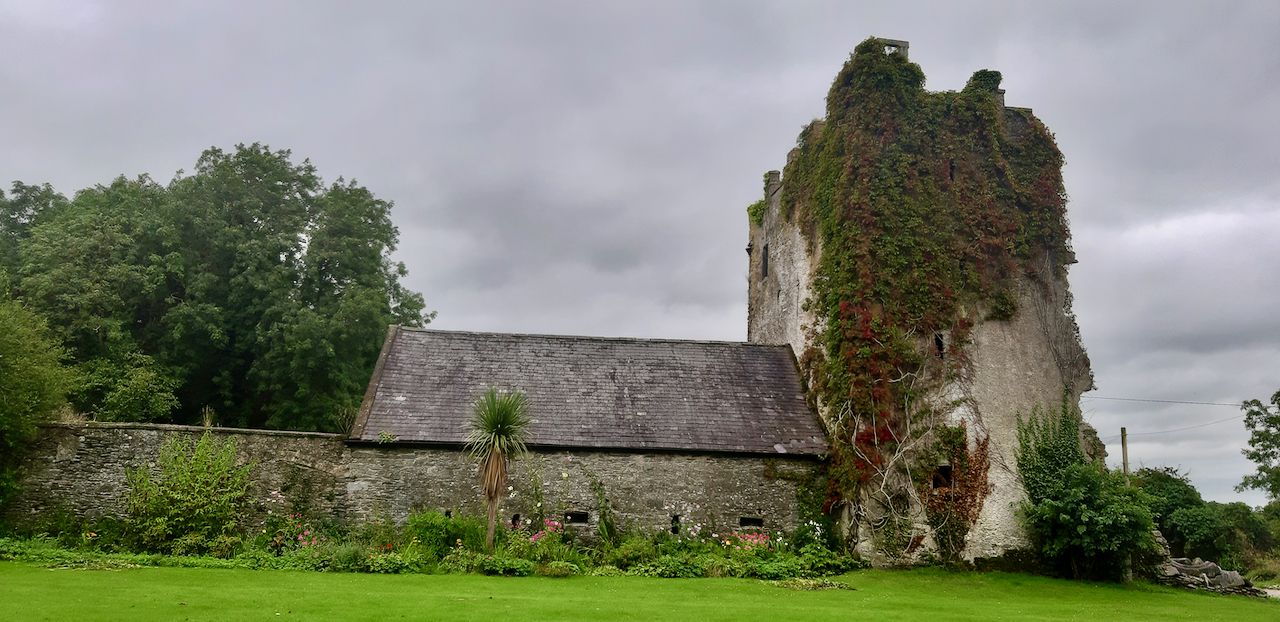
Turbotstown, County Westmeath. Photograph © Jennifer Winder-Baggot, www.irishhistorichouses.com

County Wexford

42. Kilcarbry Mill Engine House, Sweetfarm, Enniscorthy, Co Wexford
Open dates in 2023: Jan 1-2, Feb 10, 12-13, Mar 13-17, Apr 20-21, May 10-13, June 16-18, July14-16, Aug 1-30, Oct 26-28, Nov 30, Dec 1, 20-23, 12 noon-4pm
Fee: adult €10, student/OAP €5

43. Wilton Castle, Bree, Enniscorthy, Co. Wexford Y21 V9P9

Tourist Accommodation Facility – not open to the public
See my entry: https://irishhistorichouses.com/2022/02/04/wilton-castle-bree-enniscorthy-co-wexford-and-a-trip-to-johnstown-castle/
www.wiltoncastleireland.com
Open for accommodation: all year

Wilton Castle, County Wexford – the owners have done a marvellous renovation of what was previously a roofless ruin. Photograph © Jennifer Winder-Baggot, www.irishhistorichouses.com

County Wicklow

44. Back on again: Knockanree Garden
Avoca, Co. Wicklow
https://knockanree-gardens.business.site/?m=true
Open dates in 2023: May 21- July 6, Sun-Thurs, August 12-20 National Heritage Week, Nov 27-
Dec 21 Mon-Thurs, 9.30am-1.30pm
Fee: Free

45. Mount Usher Gardens, Ashford, Co. Wicklow A67 VW22 – garden only

See my entry: https://irishhistorichouses.com/2021/06/30/mount-usher-gardens-ashford-co-wicklow/
www.mountushergardens.ie

www.avoca.com/en
Open dates in 2023: all year, except Christmas Day and St. Stephens Day, Jan-Mar, Nov-Dec,
10am-5pm, Apr-Oct, 10am-6pm
Fee: adult €10, student/OAP €8, child €5, groups €7.50

Mount Usher, County Wicklow. Photograph © Jennifer Winder-Baggot, www.irishhistorichouses.com

46. Powerscourt House & Gardens, Powerscourt Estate, Enniskerry, Co. Wicklow A98 W0D0

See my entry: https://irishhistorichouses.com/2020/04/26/powerscourt-house-gardens-enniskerry-county-wicklow/
www.powerscourt.ie
Open dates in 2023: Jan I-Dec 24, 27-31, house and garden, 9.30am-5.30pm, ballroom and garden rooms, 9.30am-1.30pm
Fee: Mar-Oct, adult €12.50, OAP €9.50, student €9, child €5, family ticket 2 adults and 3 children under 18 years €28, Nov-Dec, adult €9, OAP €8, student €7.50, child €4, family ticket 2 adults and 3 children under 18 years €20

Powerscourt House and Gardens, County Wicklow. Photograph © Jennifer Winder-Baggot, www.irishhistorichouses.com

47. Russborough, The Albert Beit Foundation, Blessington, Co. Wicklow W91 W284

See my entry: https://irishhistorichouses.com/2020/11/08/russborough-house-blessington-county-wicklow/
enc@russborough.ie
Open dates in 2023: Jan 1-Dec 23, 27-31, 10am-5pm,
Fee: adult €12, OAP/student €9 child €6 under 5 years free, group rates €8.50,
Entrance to the Parkland and Children’s Playground is free, all day carpark €4

Russborough House, County Wicklow. Photograph © Jennifer Winder-Baggot, www.irishhistorichouses.com

architectural definitions

2024 Calendars for sale

2024 Calendars for sale.

This calendar is A5 (14.8 x 21 cm) size 84 page date book with space to write your appointments, and 80 photographs of historic houses from this website. They do not have the Revenue Section 482 list for 2024 as that is not published until late February.

2024 Diary of Irish Historic Houses (section 482 properties)

To purchase an A5 size 2024 Diary of Historic Houses (opening times and days are not listed so the calendar is for use for recording appointments and not as a reference for opening times) send your postal address to jennifer.baggot@gmail.com along with €20 via this payment button. The calendar of 84 pages includes space for writing your appointments as well as photographs of the historic houses. The price includes postage within Ireland. Postage to U.S. is a further €10 for the A5 size calendar, so I would appreciate a donation toward the postage – you can click on the donation link.

€20.00

donation

Help me to fund the maintenance and update of this website. It is created purely out of love for the subject and I receive no payment so any donation is appreciated!

€10.00

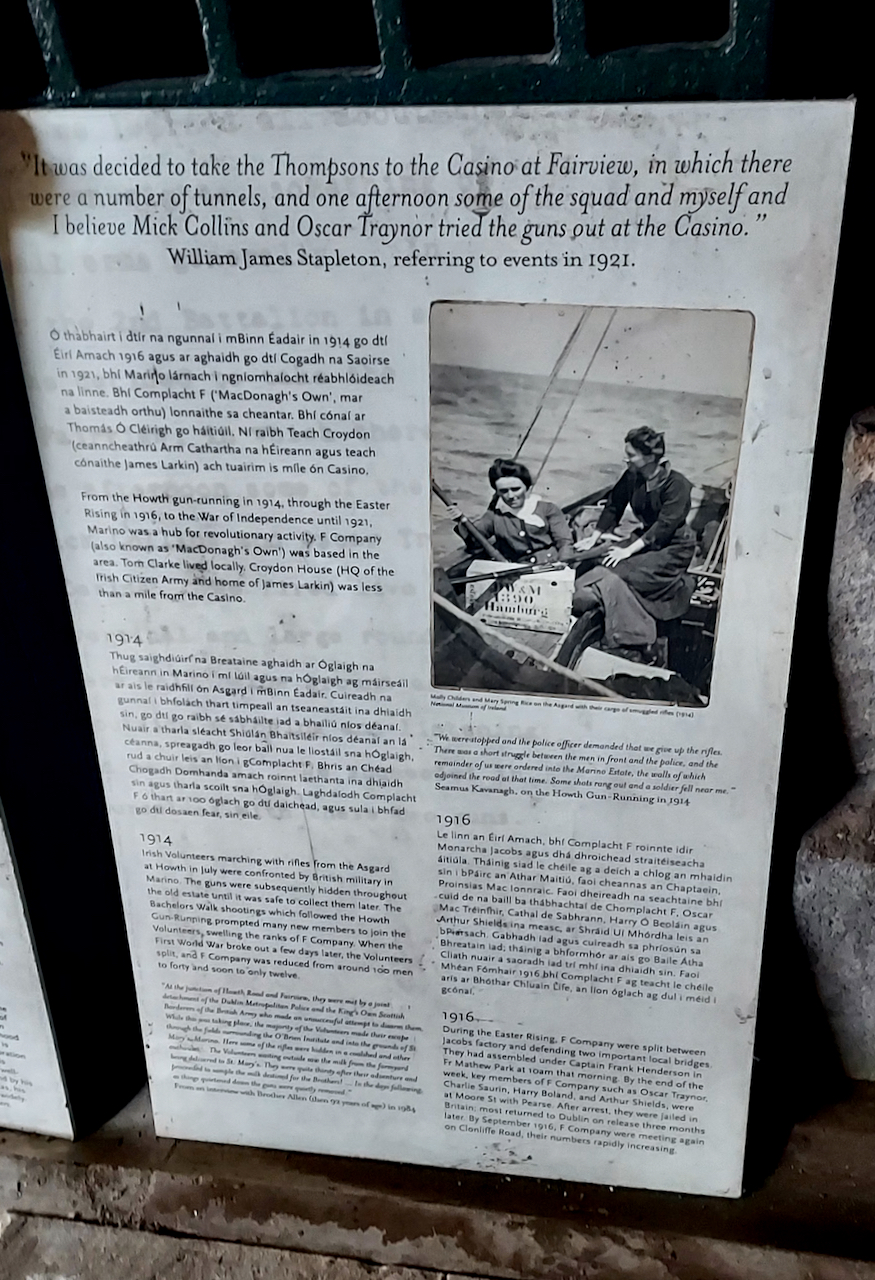
The Casino at Marino, Dublin, an Office of Public Works property

The Casino at Marino, Cherrymount Crescent, Malahide Road, Marino, Dublin 3

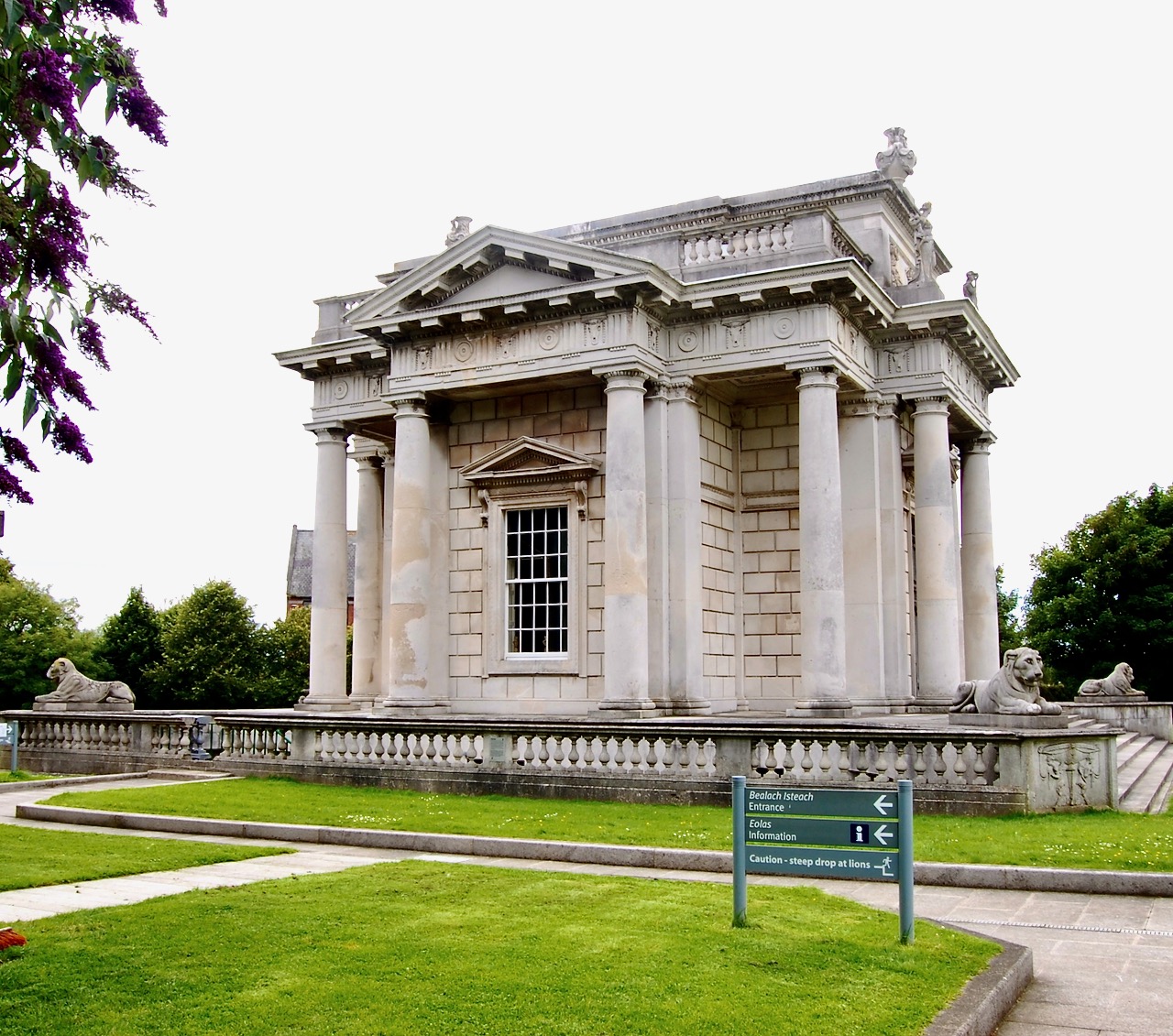
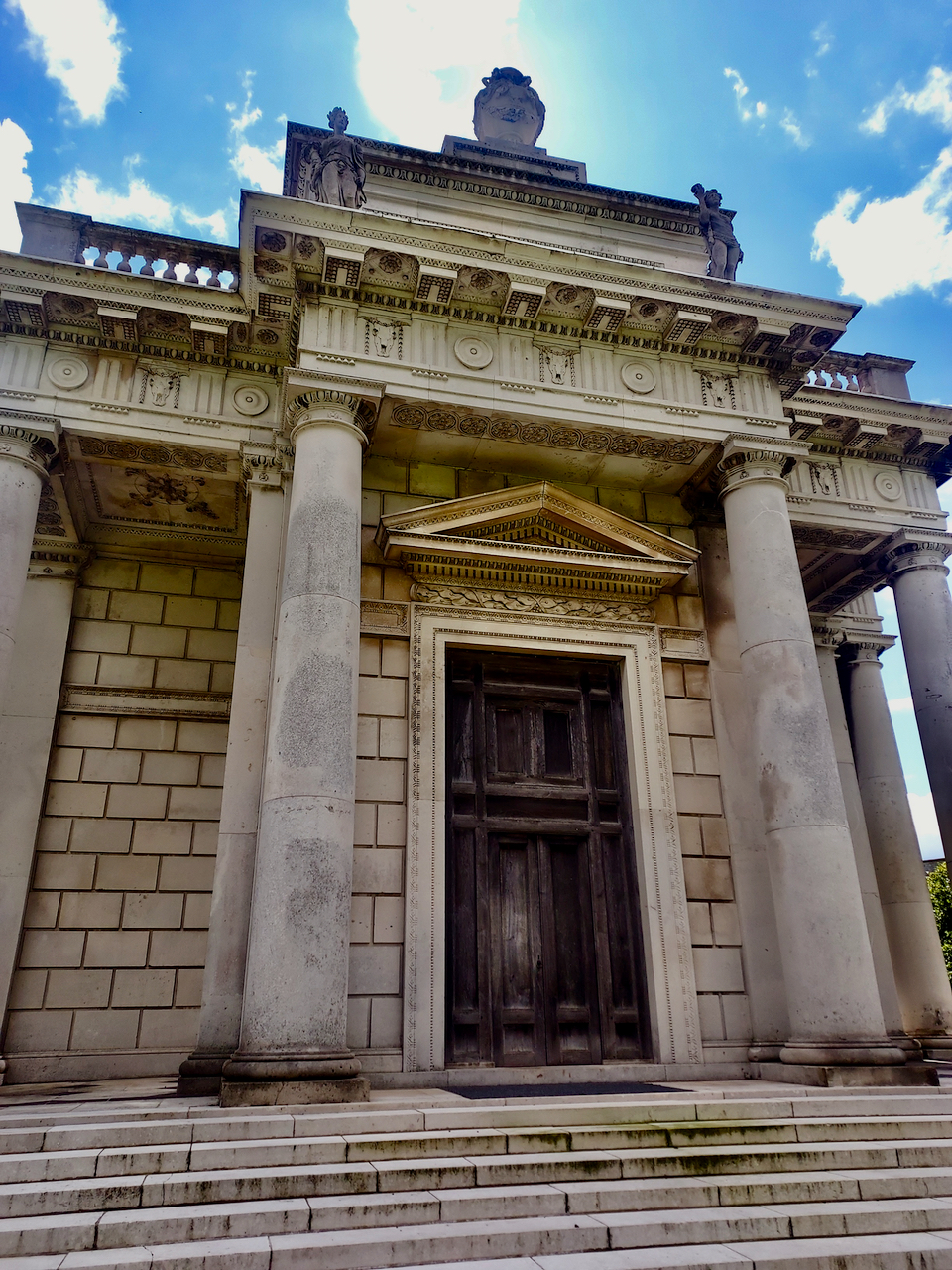
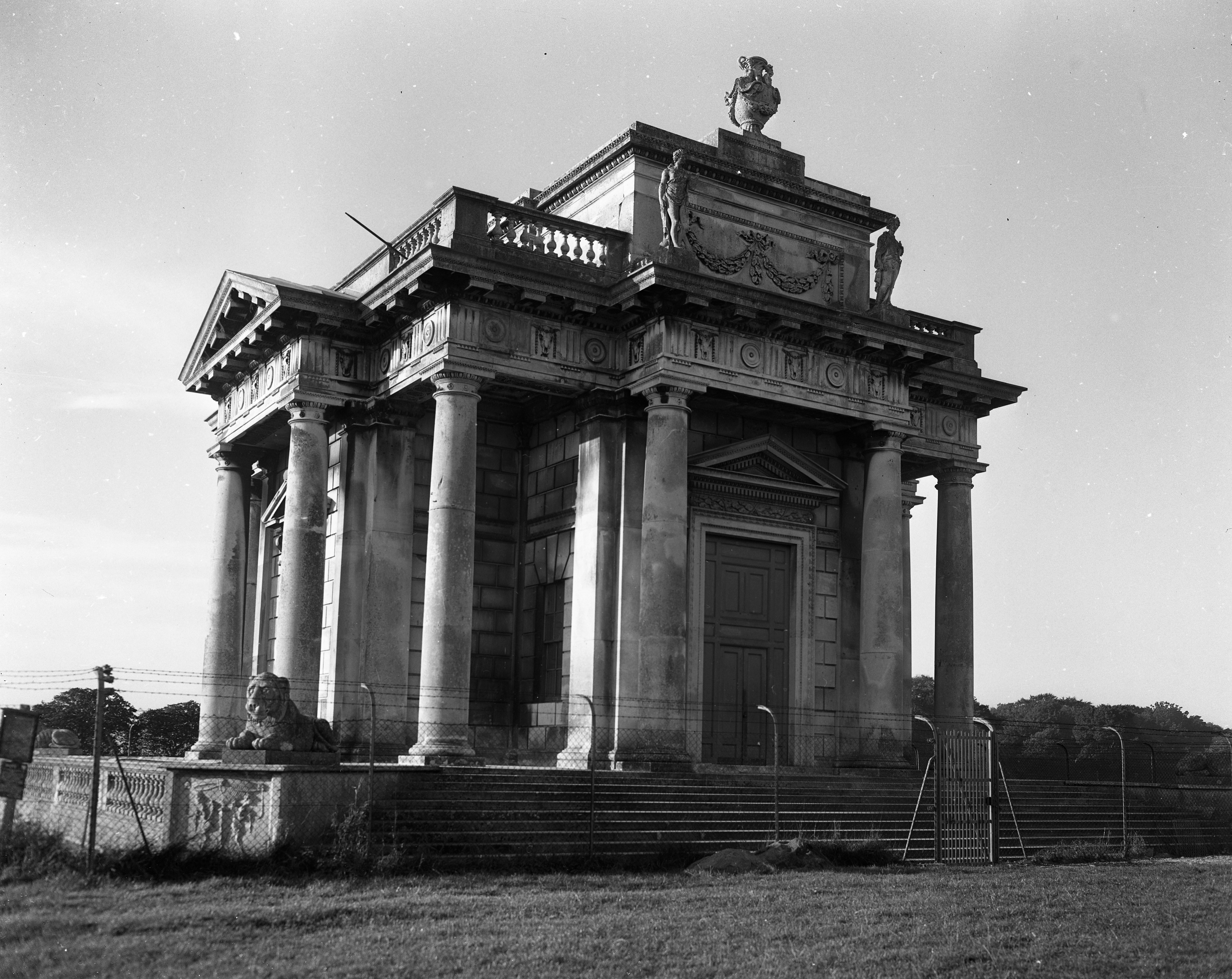
The Casino at Marino, Dublin, August 2009. It looks like it houses one large room, but it actually has sixteen rooms, arranged over three floors. Photograph © Jennifer Winder-Baggot, www.irishhistorichouses.com

2025 Diary of Irish Historic Houses (section 482 properties)

To purchase an A5 size 2025 Diary of Historic Houses (opening times and days are not listed so the calendar is for use for recording appointments and not as a reference for opening times) send your postal address to jennifer.baggot@gmail.com along with €20 via this payment button. The calendar of 84 pages includes space for writing your appointments as well as photographs of the historic houses. The price includes postage within Ireland. Postage to U.S. is a further €10 for the A5 size calendar, so I would appreciate a donation toward the postage – you can click on the donation link.

€20.00

donation

Help me to pay the entrance fee to one of the houses on this website. This site is created purely out of love for the subject and I receive no payment so any donation is appreciated!

€10.00

General enquiries (01) 833 1618, casinomarino@opw.ie

From the website:

“The Casino is a remarkable building, both in terms of structure and history. Sir William Chambers designed it as a pleasure-house for James Caulfeild, first earl of Charlemont, beside his residence in what was then the countryside. It is a gem of eighteenth-century neo-classical architecture. In fact, it is one of the finest buildings of that style in Europe.

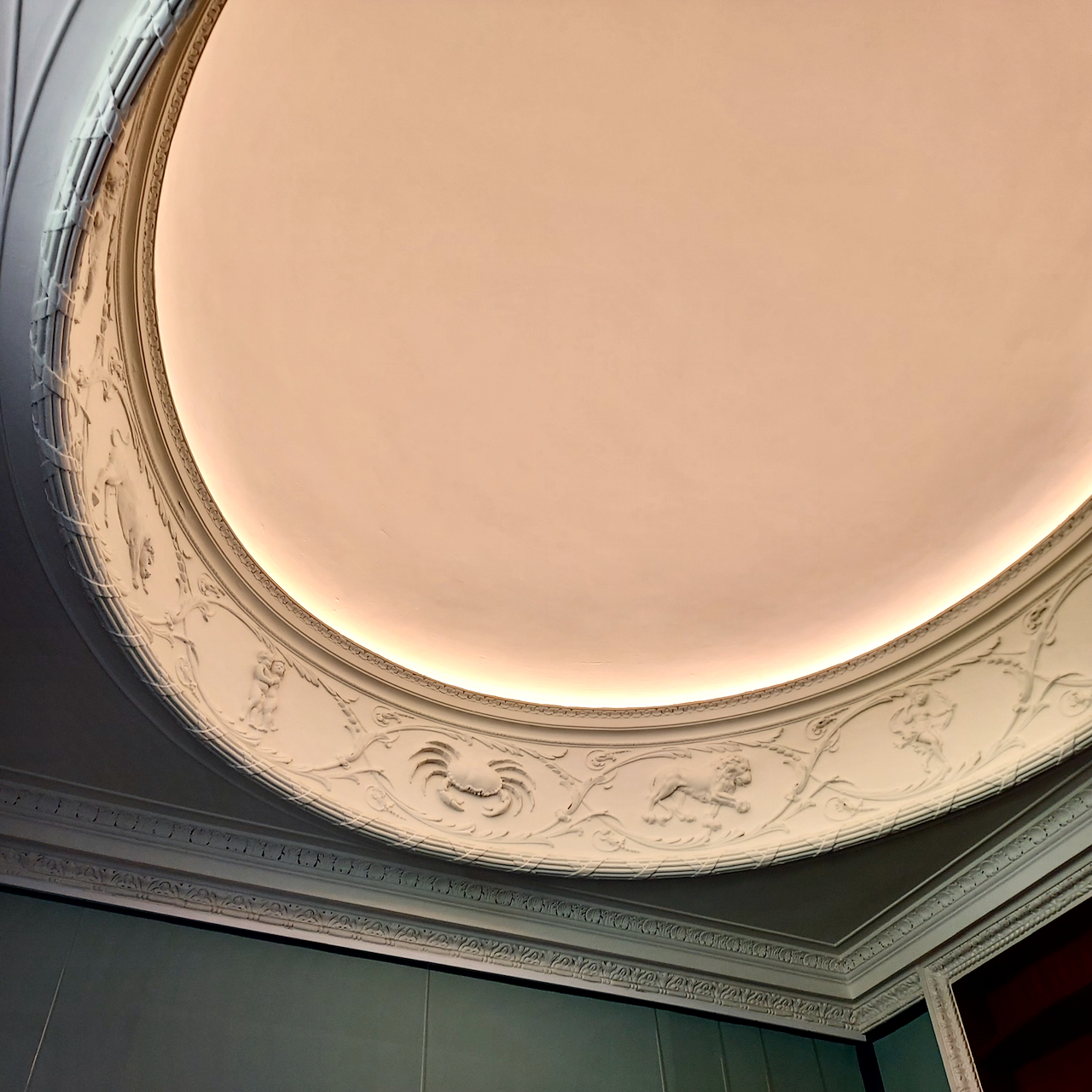
The term ‘casino’ in this case means ‘little house’, and from the outside it gives an impression of compactness. However, it contains 16 rooms, each of which is finely decorated and endlessly rich in subtle and rare design. The Zodiac Room, for example, has a domed ceiling which represents the sky with astrological symbols modelled around its base.

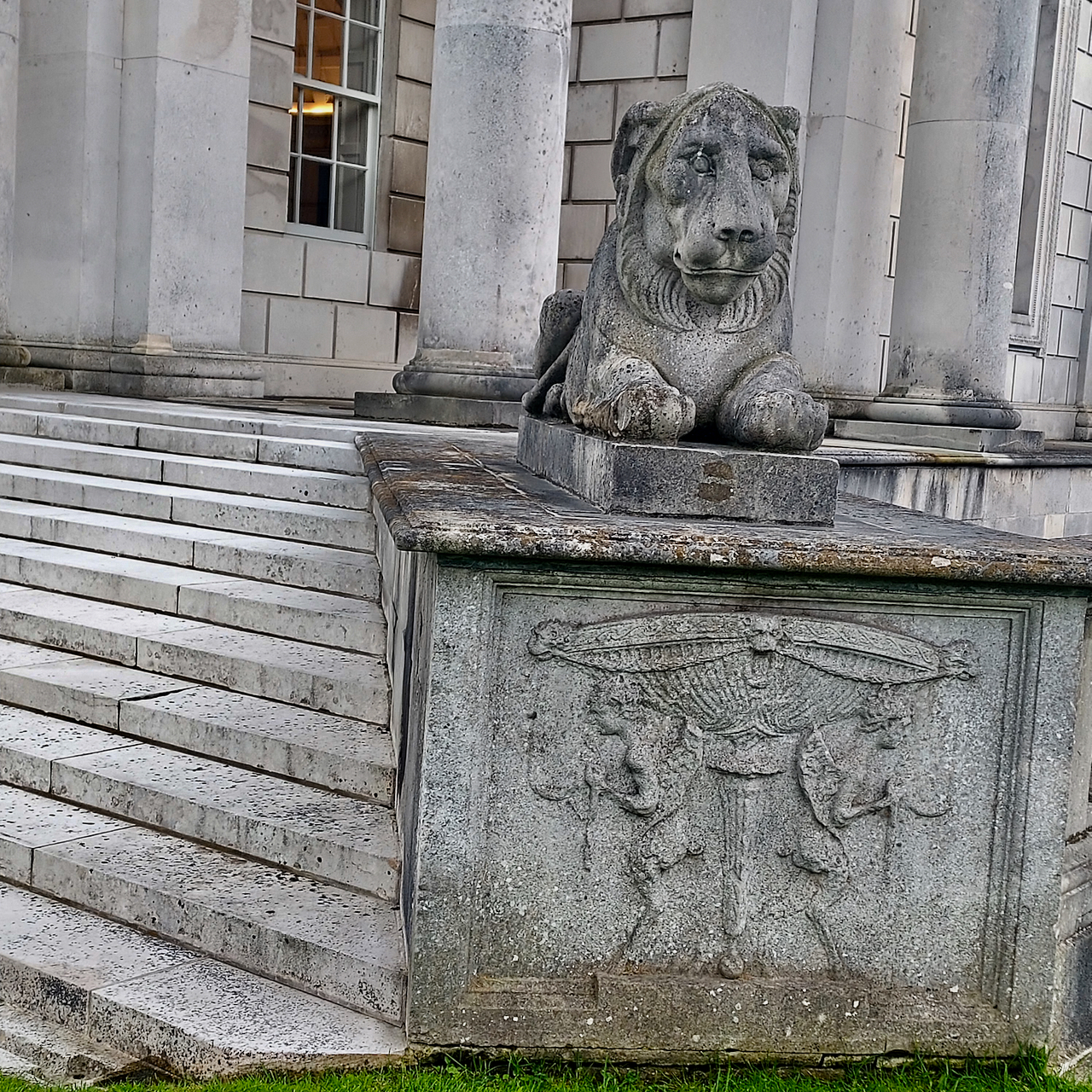
The Casino at Marino, Dublin, August 2009. At the front of the building stand Ceres and Bacchus, and at the back are Apollo and Venus. These represented the enjoyment and abundance that was intended for the Casino. The urns on the roof (disguised chimneys) can also be seen from this angle. The lions that guard each corner are Egyptian in style. Photograph © Jennifer Winder-Baggot, www.irishhistorichouses.com
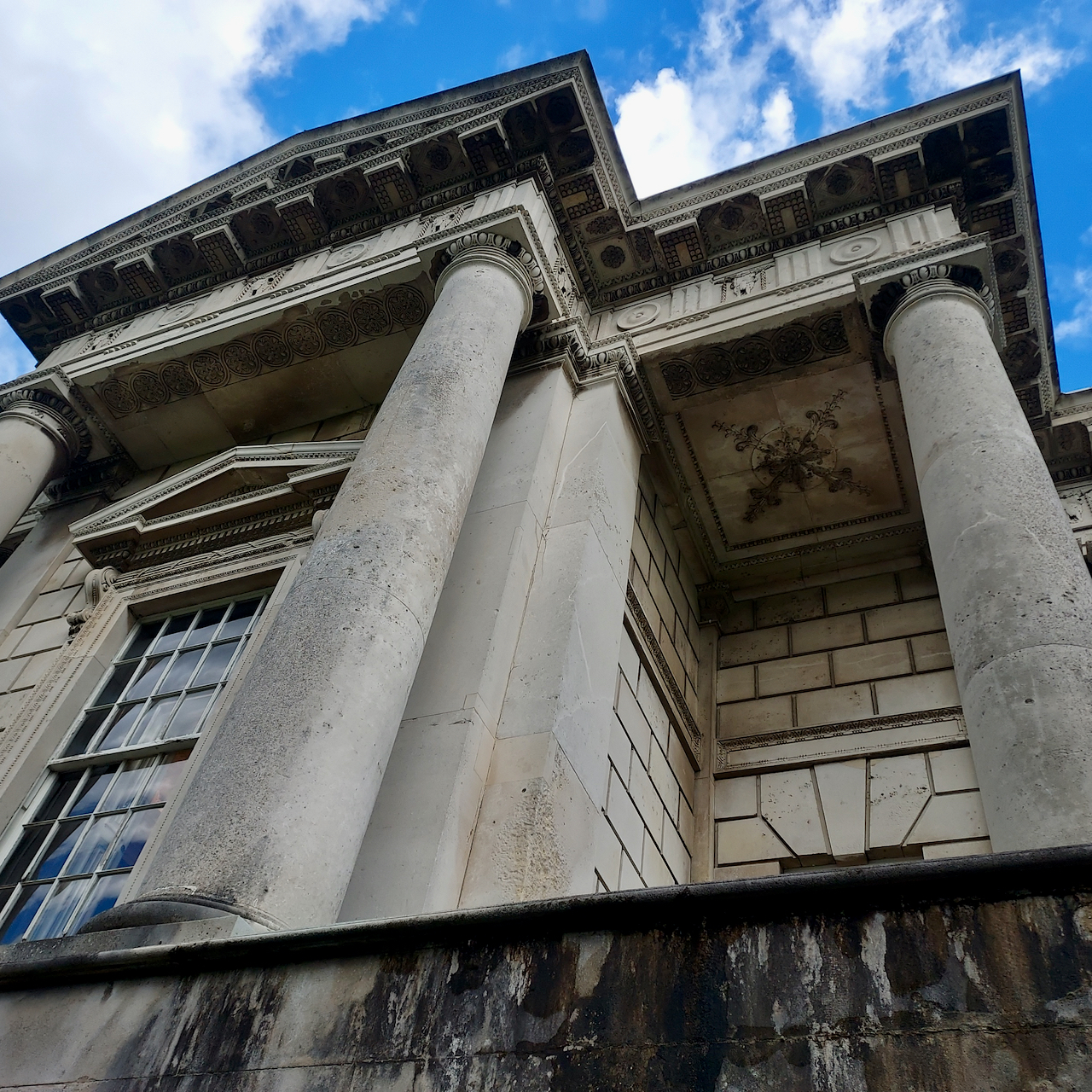
The Casino at Marino, Dublin, August 2009. Photograph © Jennifer Winder-Baggot, www.irishhistorichouses.com
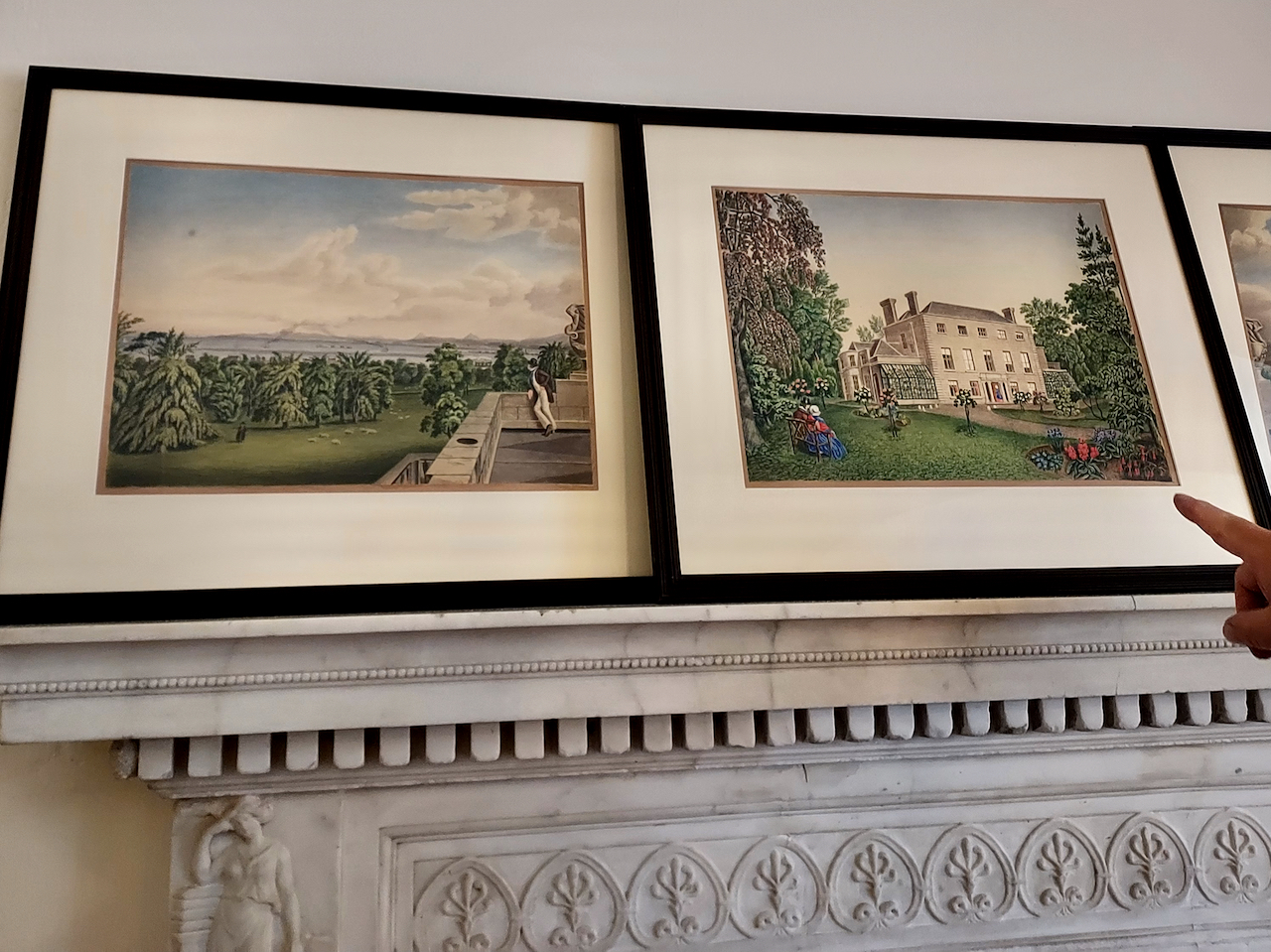
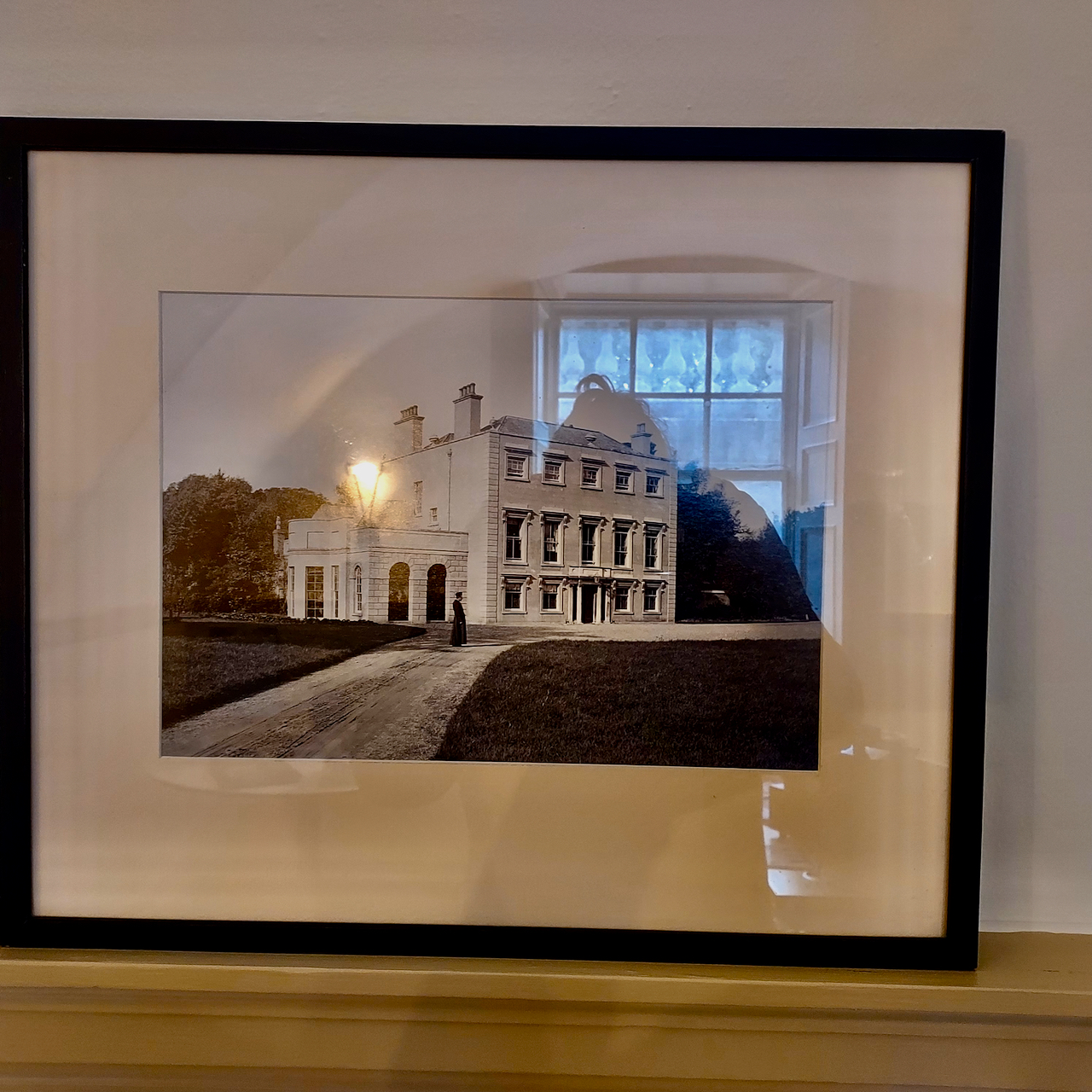
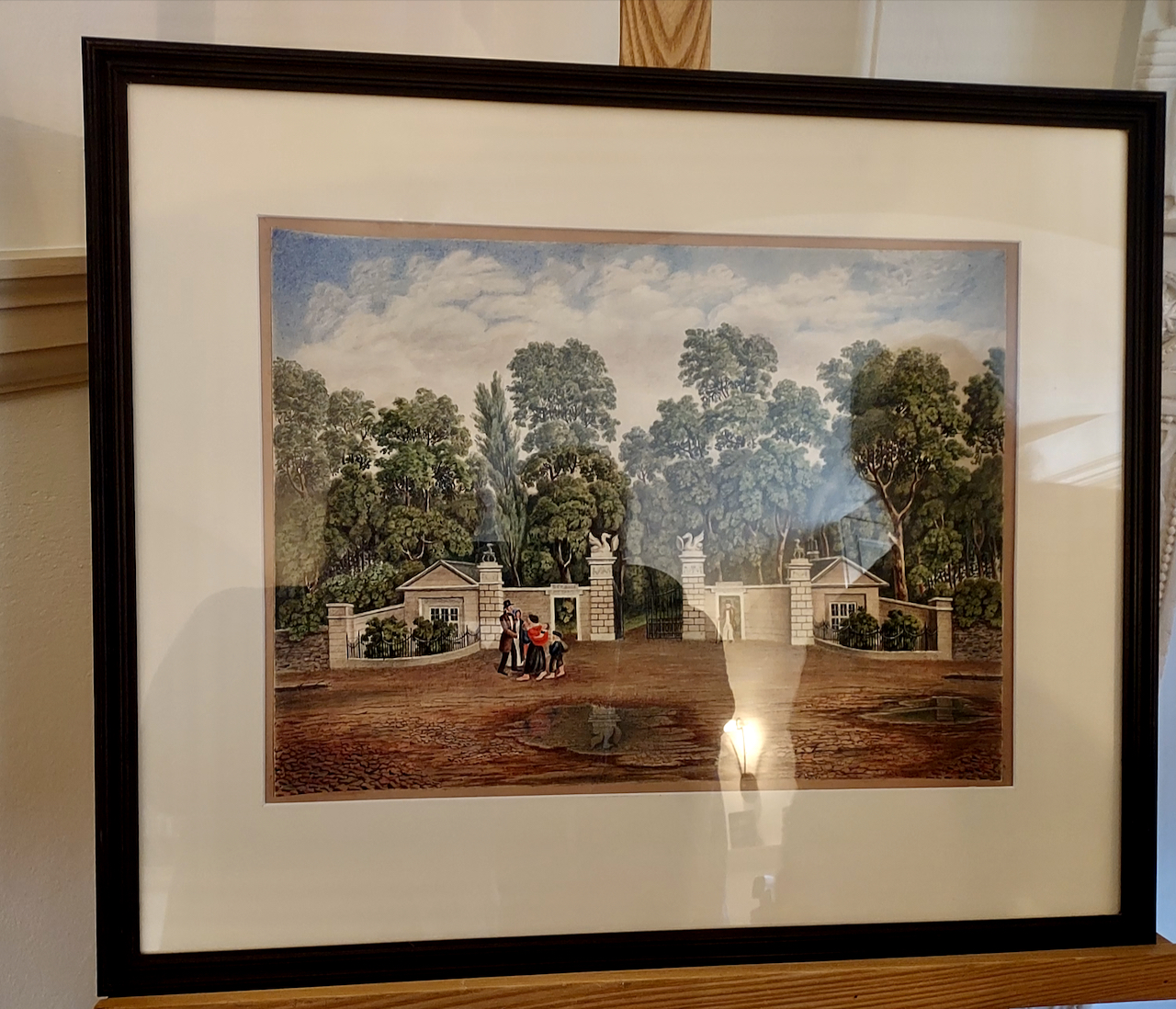
In these pictures we can see the situation of the Casino, and a picture of Lord Charlemont’s nearby residence. Photograph © Jennifer Winder-Baggot, www.irishhistorichouses.com
Lord Charlemont’s residence.
Original gates to Lord Charlemont’s estate.

The Casino website tells us that the plan of the Casino is in the shape of a Greek cross, and it is only fifty feet square. There are three floors containing sixteen rooms. Although small, they are entirely habitable, with service rooms in the basement, reception rooms on the main floor, and sleeping quarters on the upper floor. There is, however, no evidence of any long term occupation of the building. The exterior of the building is that of a one-room Greek temple, so the complexity of the interior was achieved by remarkable architectural design. This includes faux windows, gib doors, hollow columns, and disguised chimneys. Only half of the great front door actually swings open to admit entrance.

The Casino at Marino, Dublin, August 2009. Photograph © Jennifer Winder-Baggot, www.irishhistorichouses.com
The Casino, August 5th 2023. Photograph © Jennifer Winder-Baggot, www.irishhistorichouses.com
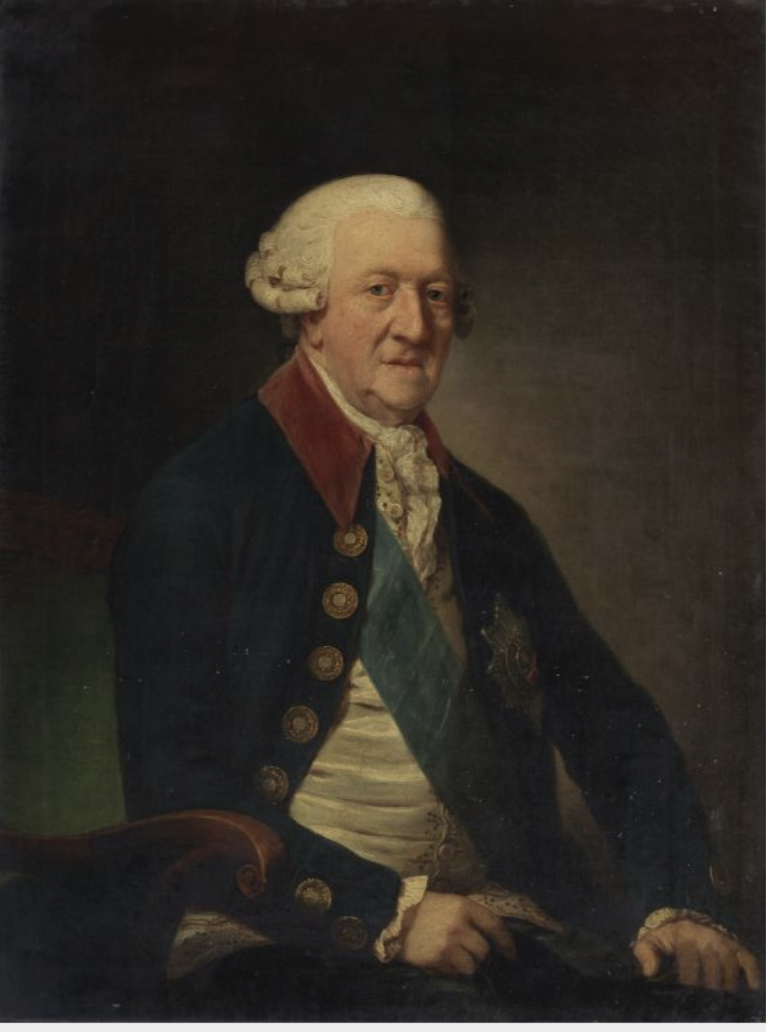
James Caulfeild, 1st Earl of Charlemont Date 1790 by Martin Ferdinand Quadal, Moravian, 1736-1808.

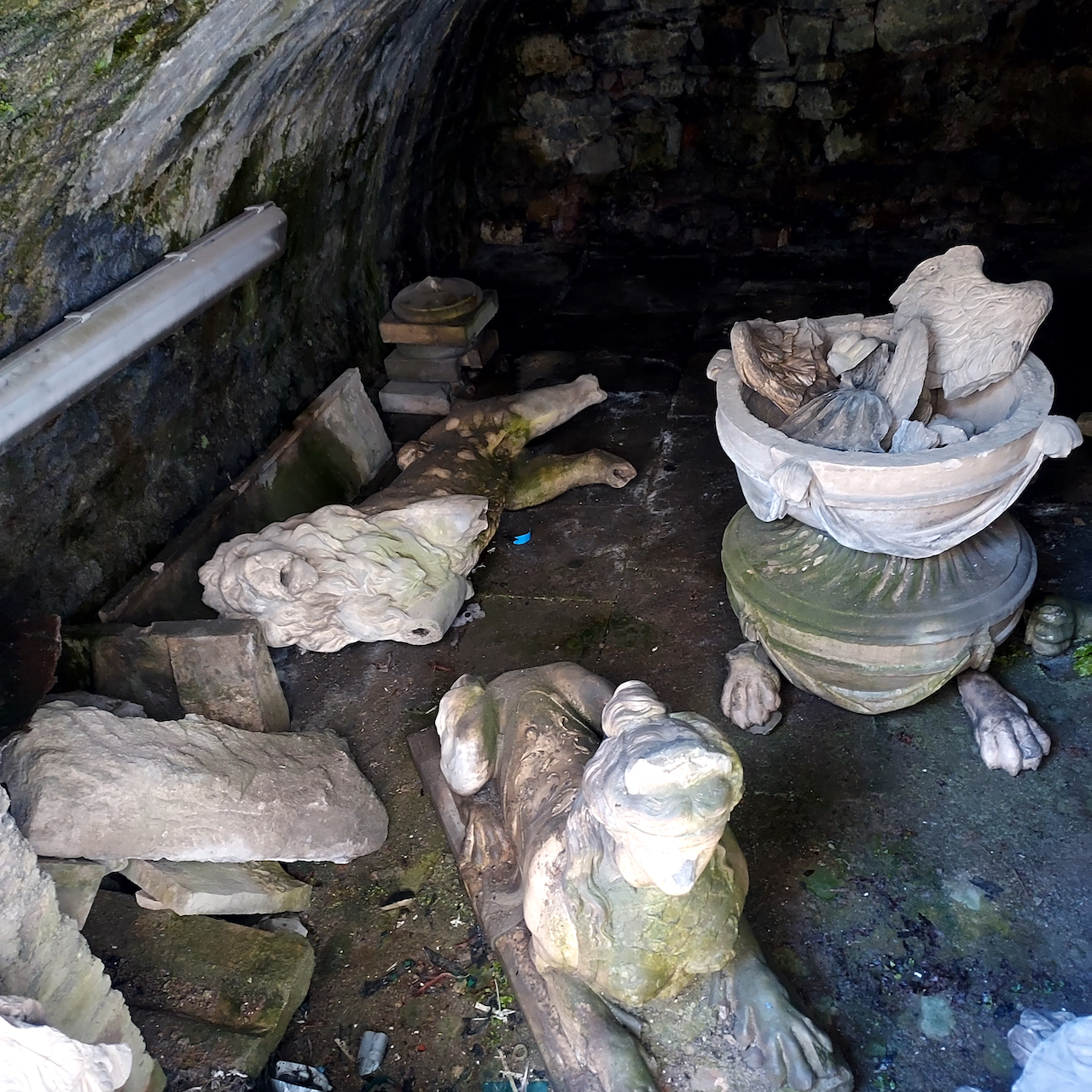
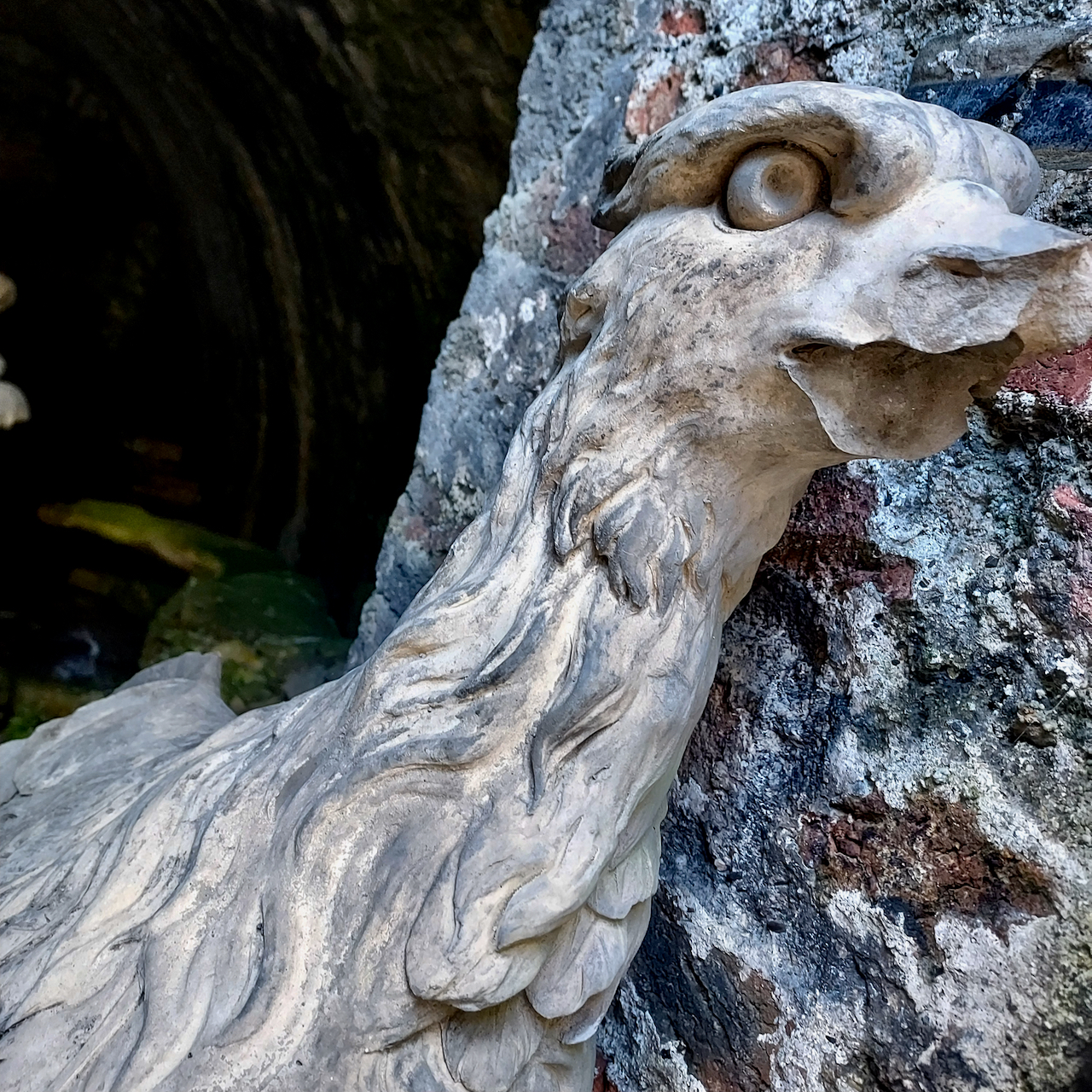
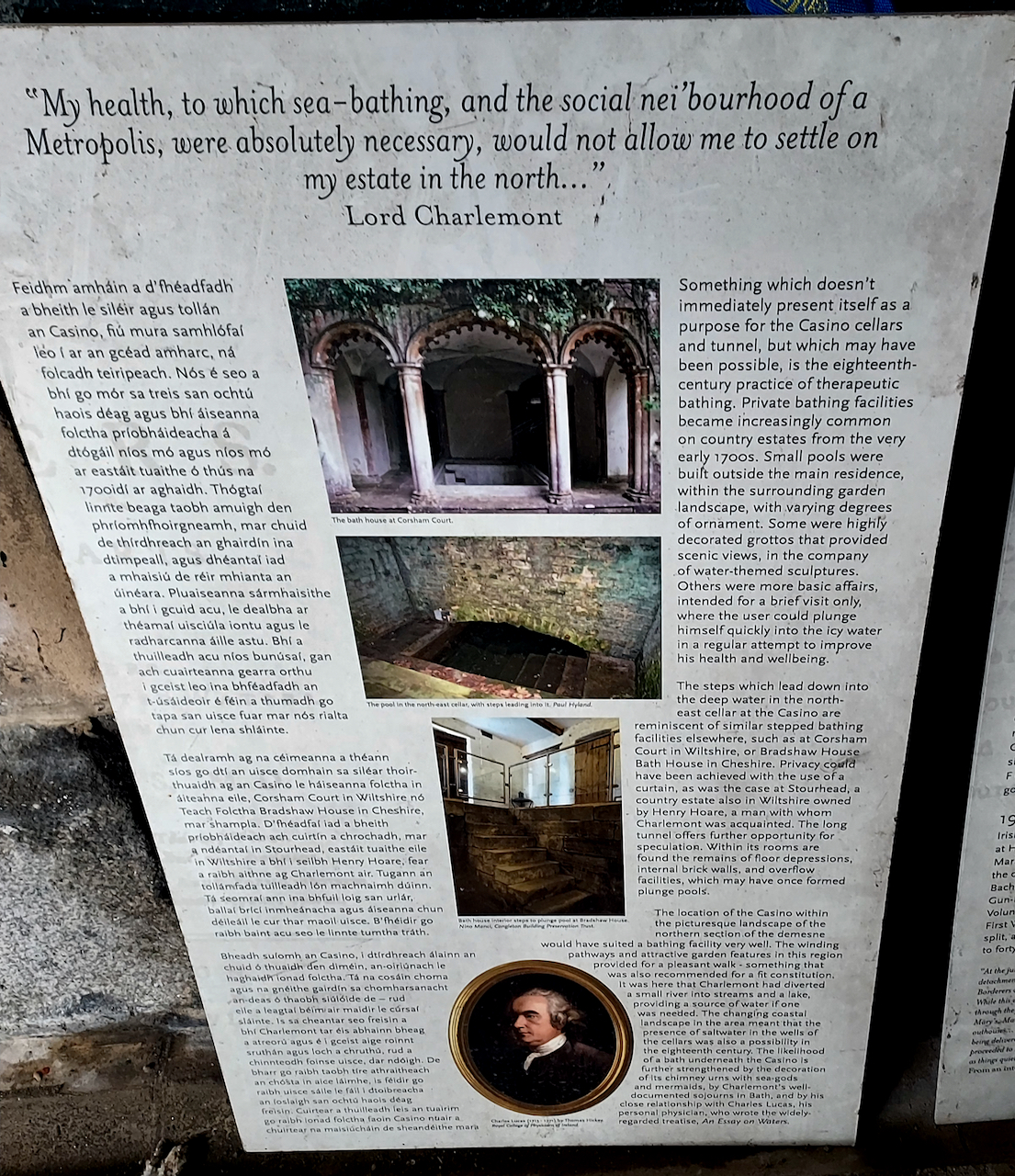
Very little is known about how the inside of the building originally looked. There are brief descriptions surviving in Charlemont’s own correspondence or in that of visitors, or rare mentions in sales catalogues. The exterior of the building is heavily decorated. Four statues adorn the attic storey; Bacchus, Ceres, Venus, and Apollo declare the abundance and love of good living that inspired the creation of the Casino. Around the chimney-urns curve mermaids and mermen. The ‘ceilings’ of the outside porches are densely carved to create a stucco effect. Four large Egyptian-style lions guard the corners. [1] Service tunnels underground surround the building, lit from above by grilles.

The Egyptian style lion, one of which guards each corner of the Casino in Marino, Dublin. Photograph © Jennifer Winder-Baggot, www.irishhistorichouses.com
The Casino, August 5th 2023. Photograph © Jennifer Winder-Baggot, www.irishhistorichouses.com

Mark Bence-Jones writes in his Guide to Irish Country Houses:

“… in the form of a Roman Doric temple, … built over the years 1758-76. It is one of the most exquisite miniature C18 buildings in Europe; within an exterior that appears to be sculptured rather than built are a number of little rooms, each of them perfectly proportioned and finished; with plasterwork ceilings, doorcases and inlaid floors. Sir Sacheverell Sitwell compares them to the little rooms in the Petit Trianon, and indeed the Casino shows considerable French influence, both inside and out. Among those who worked on the Casino was Simon Vierpyl, the sculptor and builder from Rome, and Joseph Wilton, the sculptor. The house [Marino] has long been demolished, but the Casino is maintained as a National Monument and has been restored by Mr Austin Dunphy of O’Neill Flanagan and Partners, in conjunction with the Office of Public Works.” [1]

James Caulfeild, 1st Earl of Charlemont, in the vestibule of the Casino. Photograph © Jennifer Winder-Baggot, www.irishhistorichouses.com

The website of the Casino educates us about the family who owned the Casino. James Caulfeild succeeded to the titles 8th Lord Caulfeild, Baron of Charlemont and 4th Viscount Charlemont on the death of his father in 1734. It was not until 1763 that he was created 1st Earl of Charlemont, as recognition for keeping the peace in the Armagh/ Tyrone area. He was well-known for his love of the arts, and spent a record nine years on Grand Tour through Europe, Turkey, and Egypt. With the help of his stepfather, Thomas Adderley, he established himself at Marino on his return to Ireland in 1755. Here he began the improvements to his Marino estate, one of which was the celebrated Casino.

The painting is a portrait by William Hogarth of the 1st Earl of Charlemont, James Caulfeild (1728-1799) aged 13, with his mother, Elizabeth Bernard (portrait painted in 1741). Photograph © Jennifer Winder-Baggot, www.irishhistorichouses.com

He was a leader in many different areas of eighteenth-century Irish society. Instrumental in setting up the Royal Irish Academy, he was also its first President. He was a member of the Royal Dublin Society, and a supporter of Grattan’s parliament. He was also a founding member of the Irish Volunteers (formed to protect Ireland from invasion while British troops served in the American Revolutionary War). His contribution to Irish culture was significant and lasting. [3]

The website tells us that while James was on his Grand Tour in Rome, he had become acquainted with those he would eventually hire to create his estate at Marino. This included William Chambers, Simon Vierpyl, Johann Heinrich Müntz, and Giovanni Battista Cipriani. Charlemont’s heavy involvement in the composition of the buildings at Marino, as well as his house in Rutland Square, is clear from the correspondence that has survived. In many ways, what he created at Marino was a living testament to the different cultures and styles he had experienced while travelling, and his buildings there were fitting exhibition spaces to the huge number of souvenirs and collectable items he brought home.

William Chambers in the style of Joshua Reynolds, courtesy of Adam’s auction 13 Oct 2015.
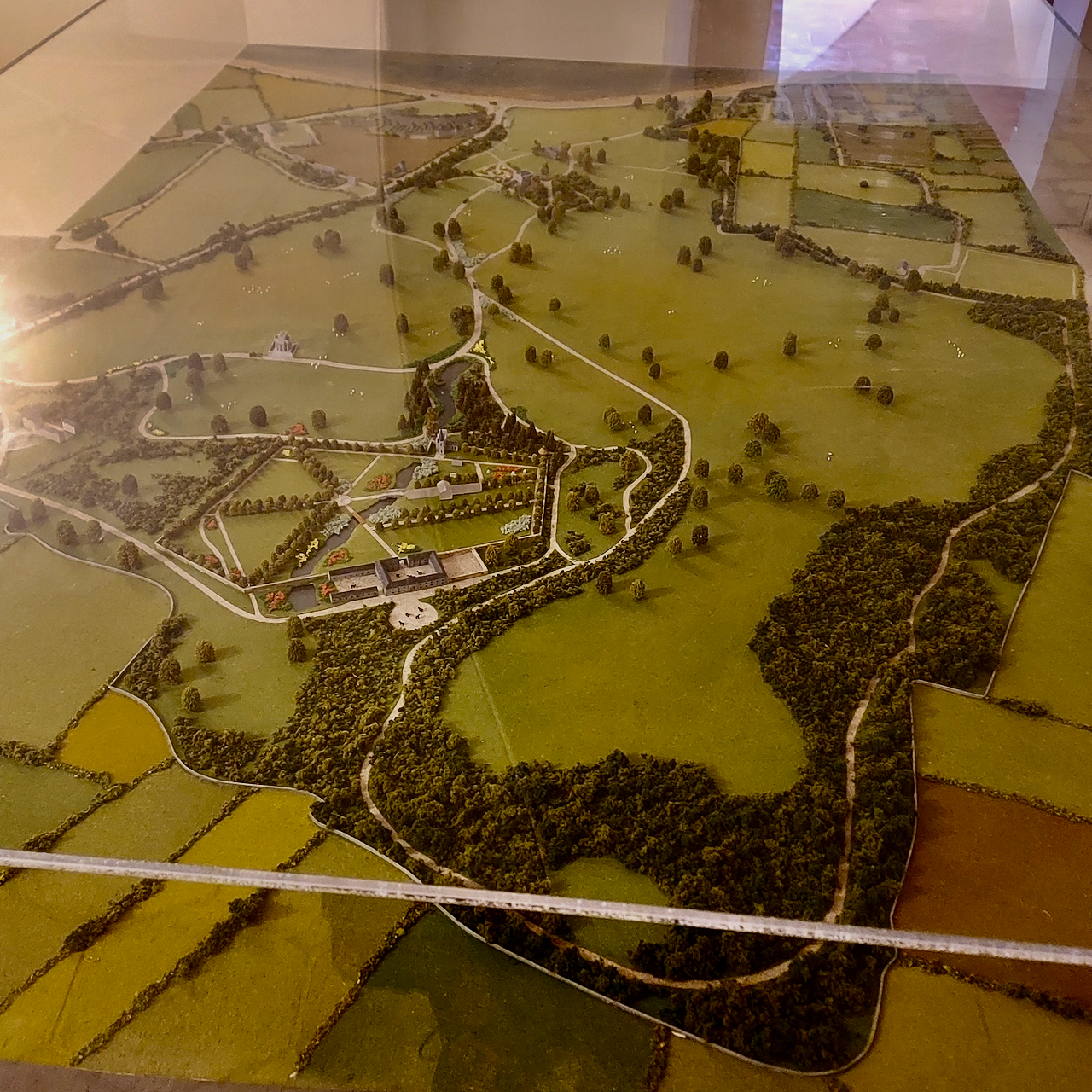
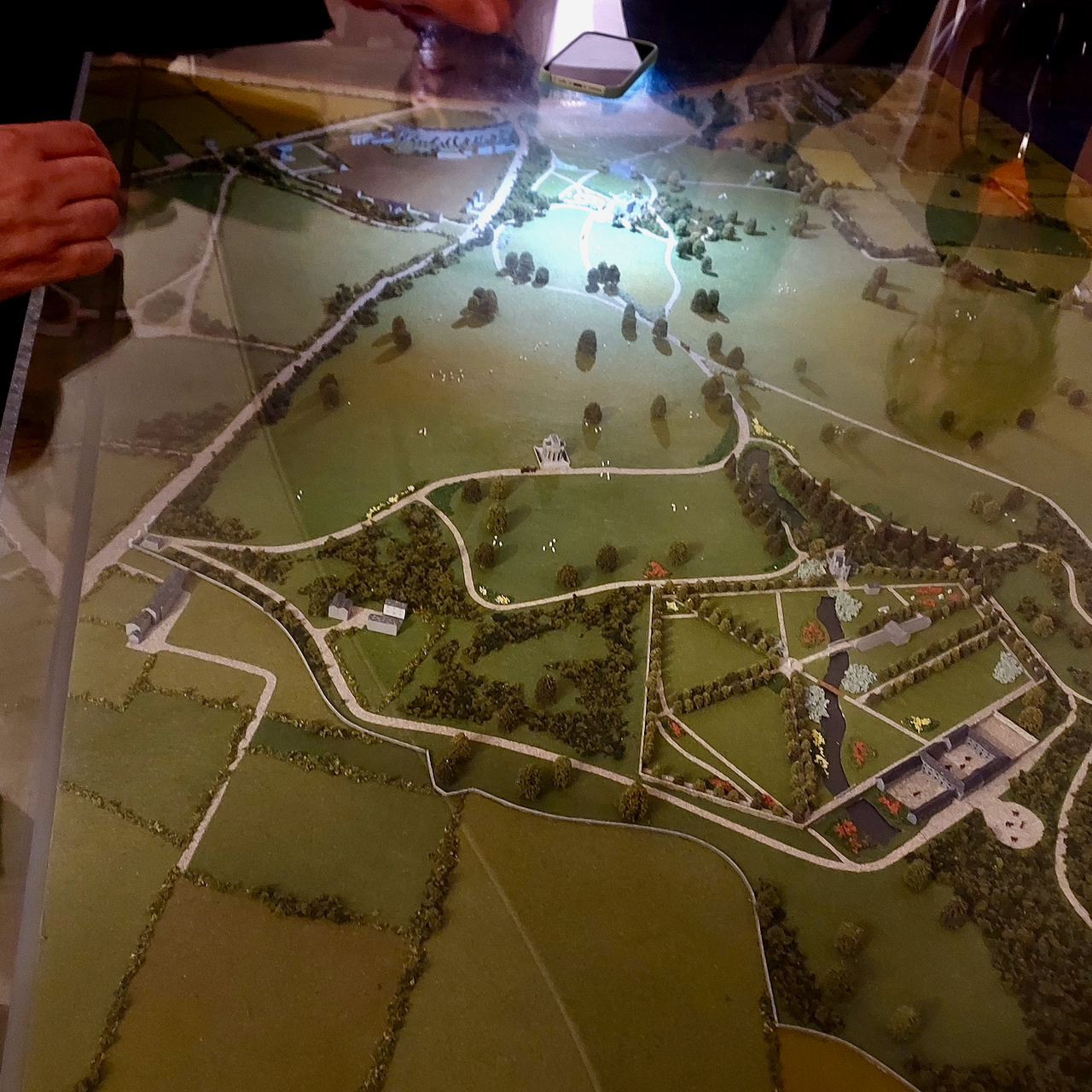
The Casino, August 5th 2023: this diorama shows what the estate looked like when in its glory, with a large pentagon shaped garden.
The Crescent at Clontarf and Lord Charlemount’s house from the North Wall in Dublin 1812.
The light from the mobile phone is shining on the location of Lord Charlemont’s residence.

The website tells us of Lord Charlemont’s ancestor who came to Ireland:

Toby Caulfeild was born in Oxfordshire, England, the son of Alexander Caulfeild (c. 1520 – c. 1581; also known as Alexander Calfhill). A military man, he was sent to Fort Charlemont on the border of Tyrone and Armagh in 1601 by Queen Elizabeth. For his services to the Crown, James I granted him over 25,000 acres of land in Northern Ireland over the next twenty years. This included land from the old O’Neill estates in Tyrone, the confiscation of which he supervised from 1607-10. It was on these lands that he build Castle Caulfeild, now in ruins. He died in Dublin and is buried at Christchurch Cathedral there.

The website also tells us about his mother Elizabeth Bernard:

Elizabeth Caulfeild (née Bernard), Viscountess Charlemont (21 February 1703 – 20 May 1743):

Elizabeth Bernard, from Castle Mahon, Co. Cork, married James Caulfeild, 3rd Viscount Charlemont (1682 – 1734), in 1723 when she was twenty years old. They lived in Jervis St, Dublin, where he attended parliament as MP for Charlemont in Armagh. Elizabeth and James had at least six children together before he died eleven years later; three survived beyond infancy. These were Francis, Alice, and James. On the death of his father, James became 4th Viscount Charlemont.

Six years after the death of her husband, Elizabeth married Thomas Adderley (1713 – 1791) from Innishannon in Cork. They lived in Dublin, and had one child together; Elizabeth Adderley. Thomas Adderley was an active and involved stepfather to James Caulfeild, providing advice and help to him throughout his transition to adulthood and after. He was buried in St Mary’s Church on Mary St in Dublin; today his gravestone can been seen among those leaning against the back wall of what is now Wolfe Tone Park.

The website also tells us more about the architect of the Casino, William Chambers:

Born in Sweden to a Scottish father in 1723, he spent the first few years of his working life travelling to and from China as an agent of the Swedish East India Company. At the age of twenty-six, he began training as an architect in Paris, later living in Rome, where he was a member of Charlemont’s circle. He moved to London to establish his practice in the same year that Charlemont returned to Dublin (1755). He achieved great success in England, with much employment from King George III and his mother, the Dowager Princess Augusta. His Treatise on Civil Architecture, published in 1759, was a huge influence on Palladian neoclassicism in Britain. The Casino appeared in this Treatise as a plate illustration (image below). Chambers would go on to count James Gandon as one of his students.

As well as the Casino at Marino, Chambers completed designs for Charlemont House and Trinity College, and for modifications to Rathfarnham Castle, Castletown House, and Leinster House, among others. He never, however, visited Ireland in person. His projects with Charlemont were discussed at great length, over two decades, in numerous letters; many of these can be read today in the Royal Irish Academy. One of his original drawings for the Casino is on display in the building.”

Photograph of the Casino taken 1951, Dublin City Library archives. [see 3]

It was London-born Simon Vierpyl who oversaw the building work. The website tells us:

He was an accomplished sculptor and builder, who was living in Rome at the same time as Charlemont and Chambers. Impressed with his work on a commission of terracotta copies of statues and busts (now in the Royal Irish Academy), Charlemont invited him to come to Ireland. Vierpyl arrived in 1756, and supervised work on the Casino, something he was complimented for in Chambers’ Treatise. He stayed in Ireland for the rest of his life, working as a builder or developer on many central Dublin sites. He married twice, and died in Athy, Co. Kildare in 1810 at the age of around eighty-five.”

It was hard to take this photograph due to light, but you can just about make out the interior plan of the Casino.

The website also tells us about Giovanni Battista Cipriani, an Italian painter:

He was another member of Charlemont’s circle in the early 1750s in Rome; in 1755, he also left the city, and travelled in England in the company of Joseph Wilton. Wilton was a sculptor whose work is represented at the Casino in the four lions which guard it. Cipriani’s contribution was the design of the four attic statues, and the dragon gates that formed the entrance to the estate. Copies of his original sketches for the four statues, as well as a revised sketch of Venus, can be seen on display in the State Bedroom today. The gods represented (Ceres, Bacchus, Venus, and Apollo) were chosen by Charlemont and Chambers, designed by Cipriani, and then sculpted by either Wilton or Vierpyl on site.

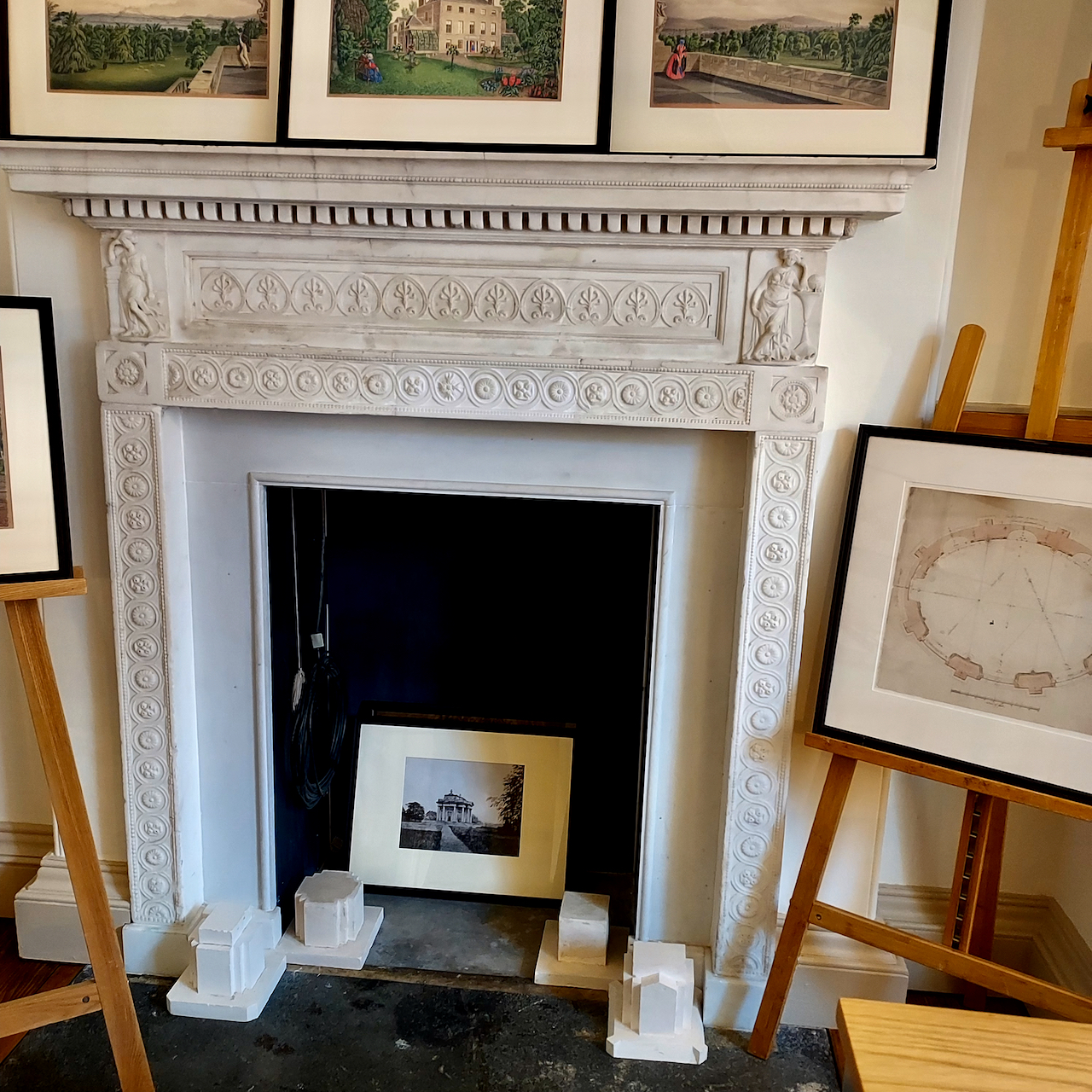
The fireplace in the bookstore inside the Casino. Photograph © Jennifer Winder-Baggot, www.irishhistorichouses.com
James Caulfeild, 1st Earl of Charlemont (1728-1799) by Richard Livesay, British, 1753-1826.

James Caulfeild married Mary Hickman (d. 1807). The website tells us about her:

Mary Hickman was from Brickhill in Co. Clare, and married James Caulfeild in 1768, when James was forty years of age. It was rumoured that James had left bachelorhood reluctantly, and only because he wanted to block his brother from inheriting his estate at Marino (Francis had differing architectural taste). However, James and Mary seem to have had a happy marriage; a letter describes how she read works of scholarship aloud to him after his eyesight had become weak with age.

They had four children: Elizabeth, Francis, James, and Henry. On the death of his father in 1799, Francis became the 2nd Earl of Charlemont. After her husband’s death, Mary continued to live at Marino, until her own death in 1807. She is buried with her husband in Armagh Cathedral.

The website gives us an “online tour.” The first room is the Vestibule. The website tells us:

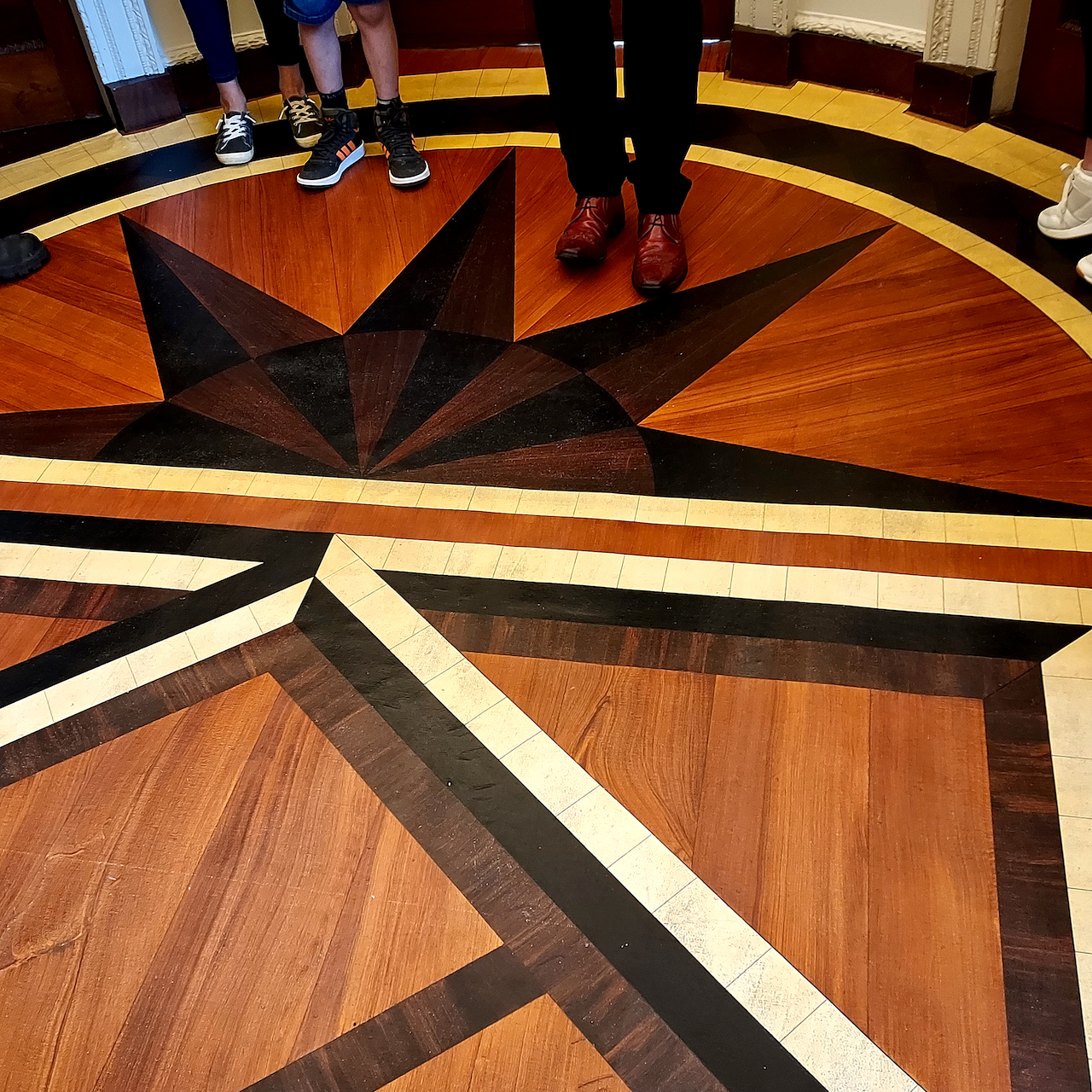
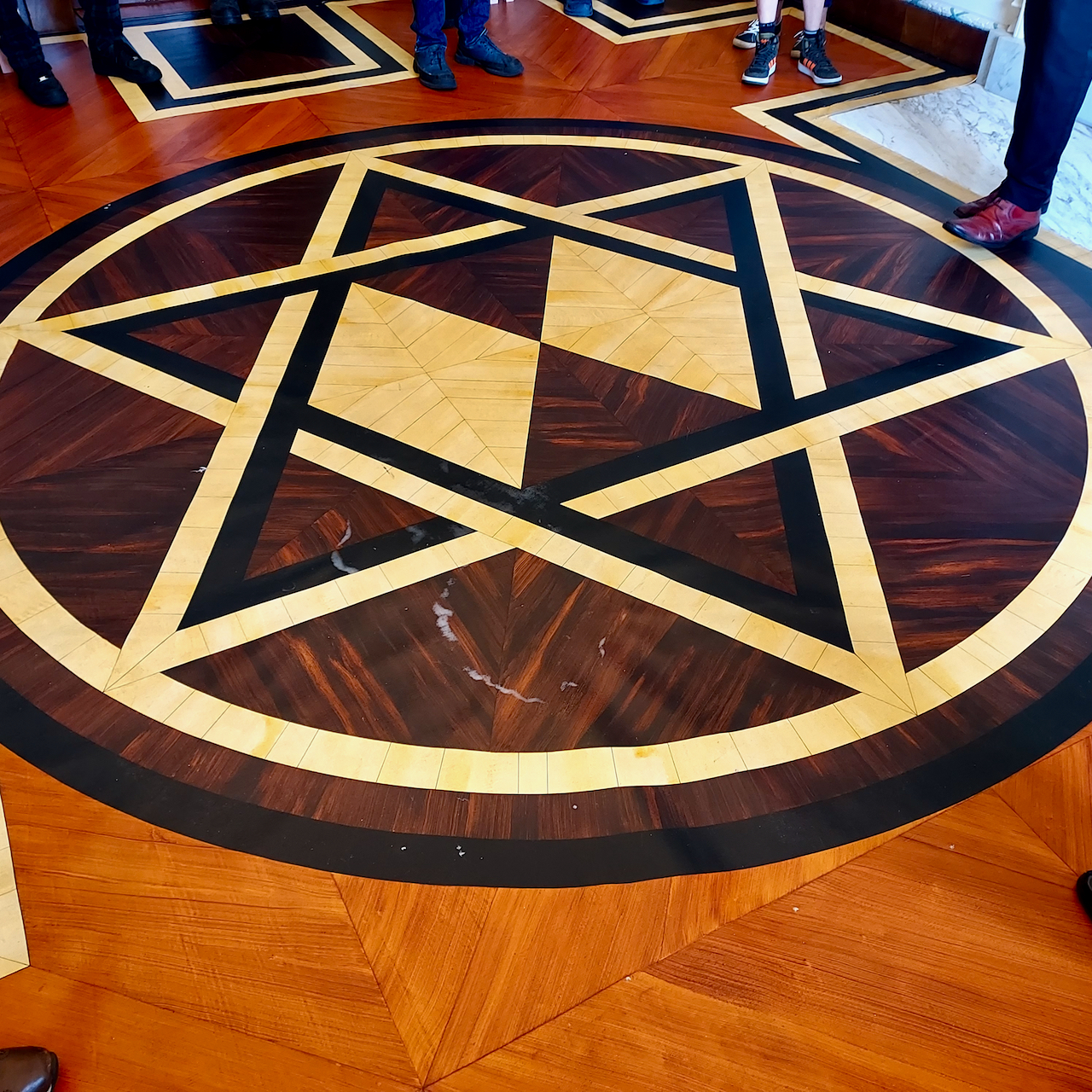
The entrance hall is known as the vestibule. The surprise in this room is the small rosewood mahogany front door. Outside, the front door is made of Irish oak and much larger in scale. Chambers stipulated the oak door should never be treated so it will eventually blend in with the Portland stone of the building. The reason for the deceptively large door outside is to give the impression the building is a one-roomed, one-storey Greek temple. As with all the rooms on the ground floor, below the faux bois (fake wood) floor covering, the parquet floors include many different types of wood (American black walnut, ebony, boxwood, Indian laurel, mahogany and maple) some now in danger (camwood and fustic). Each room features a different geometrical shape in the parquetry.

The floor in the vestibule. Photograph © Jennifer Winder-Baggot, www.irishhistorichouses.com

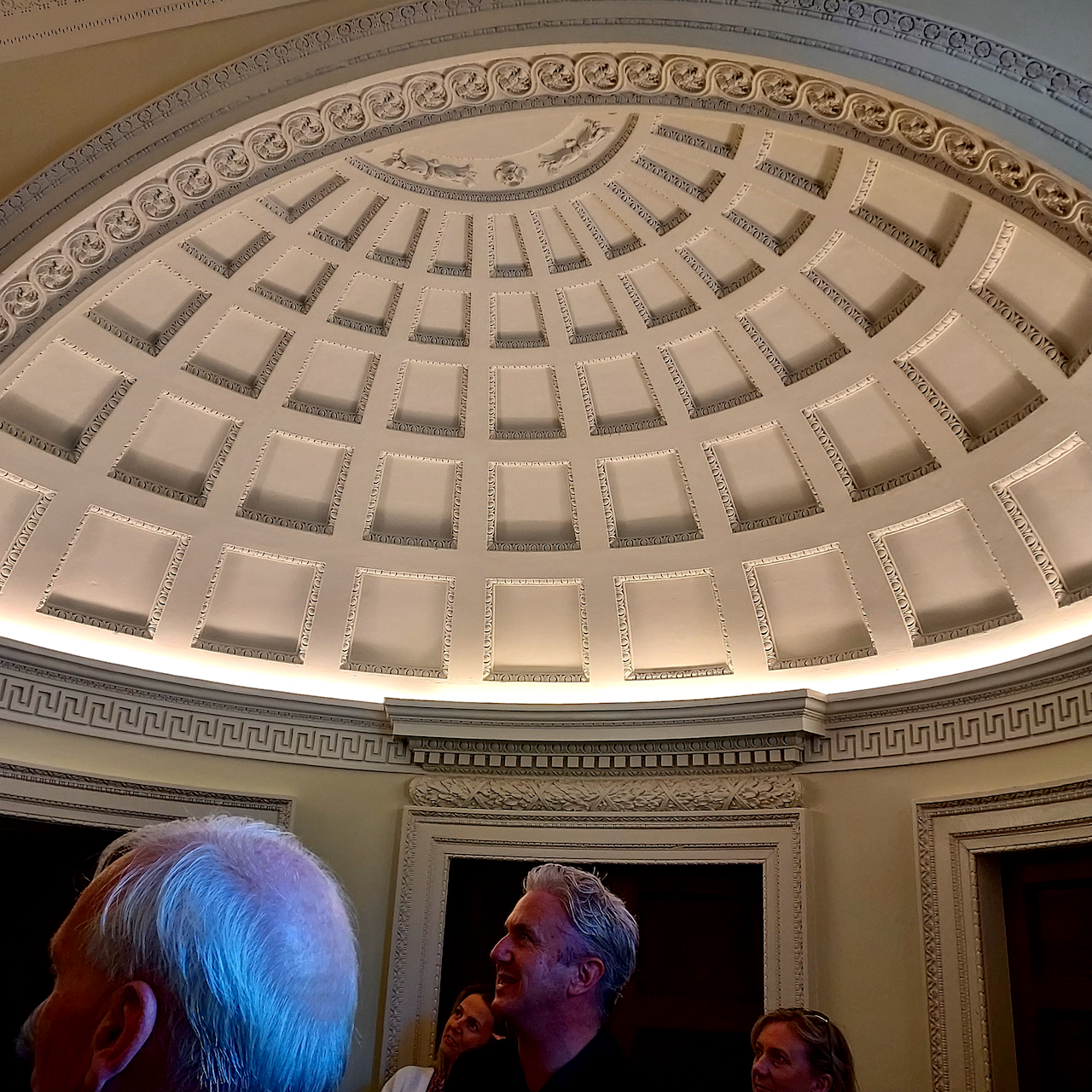
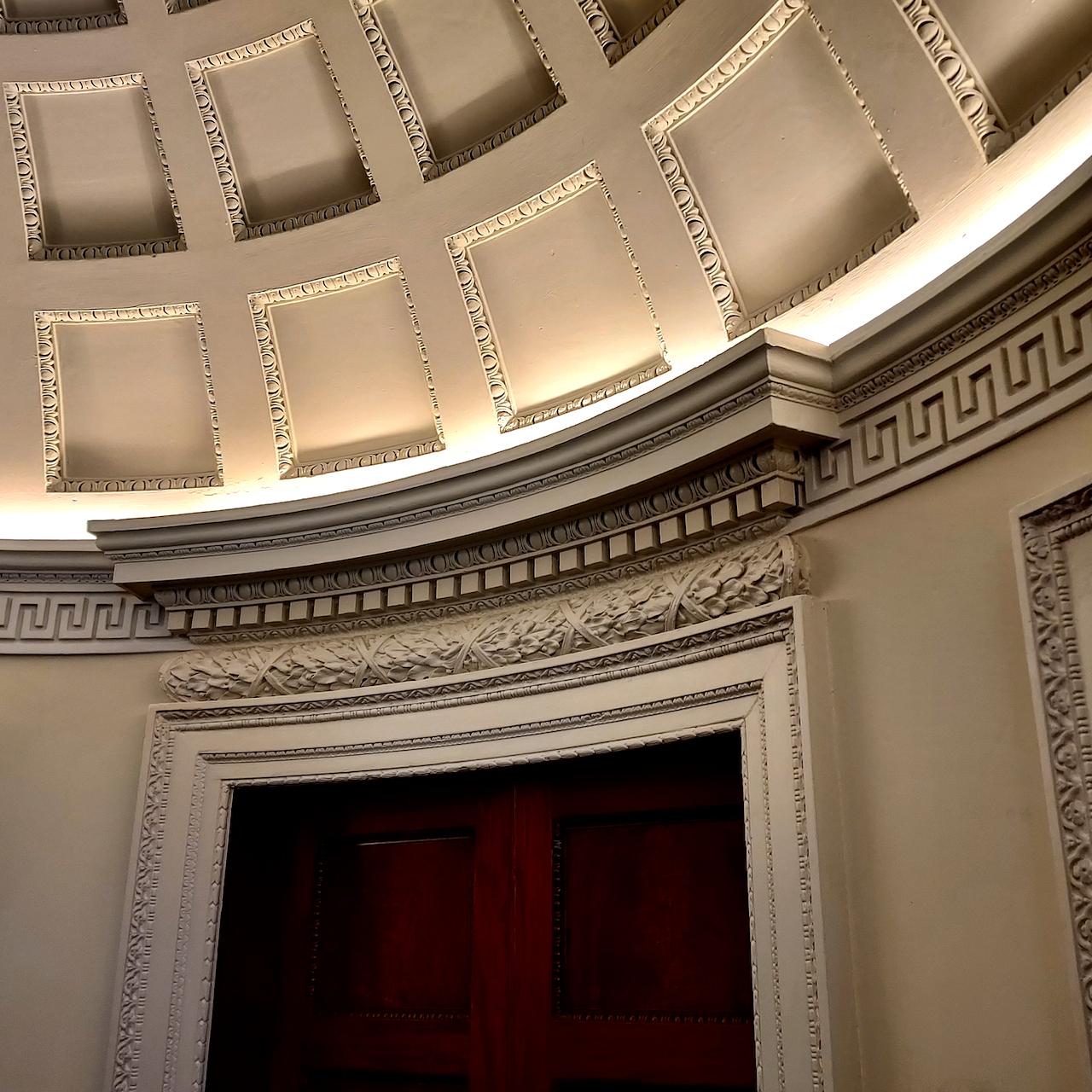
Above the three doors on the curved wall to the south of the vestibule is a semi-circular apse. This recalls the full domed ceiling of the Pantheon in Rome with the same coffers (panels). The coffers give us the illusion of height in a room that is actually quite small, though perfectly proportioned.

The Vestibule, Marino Casino. Photograph © Jennifer Winder-Baggot, www.irishhistorichouses.com
A ceiling in the Casino at Marino: In the Vestibule, above the three doors on the curved wall to the south of the vestibule is a semi-circular apse. This recalls the full domed ceiling of the Pantheon in Rome with the same coffers (panels). The coffers give us the illusion of height in a room that is actually quite small, though perfectly proportioned. Photograph © Jennifer Winder-Baggot, www.irishhistorichouses.com
The Vestibule of the Casino. Photograph © Jennifer Winder-Baggot, www.irishhistorichouses.com

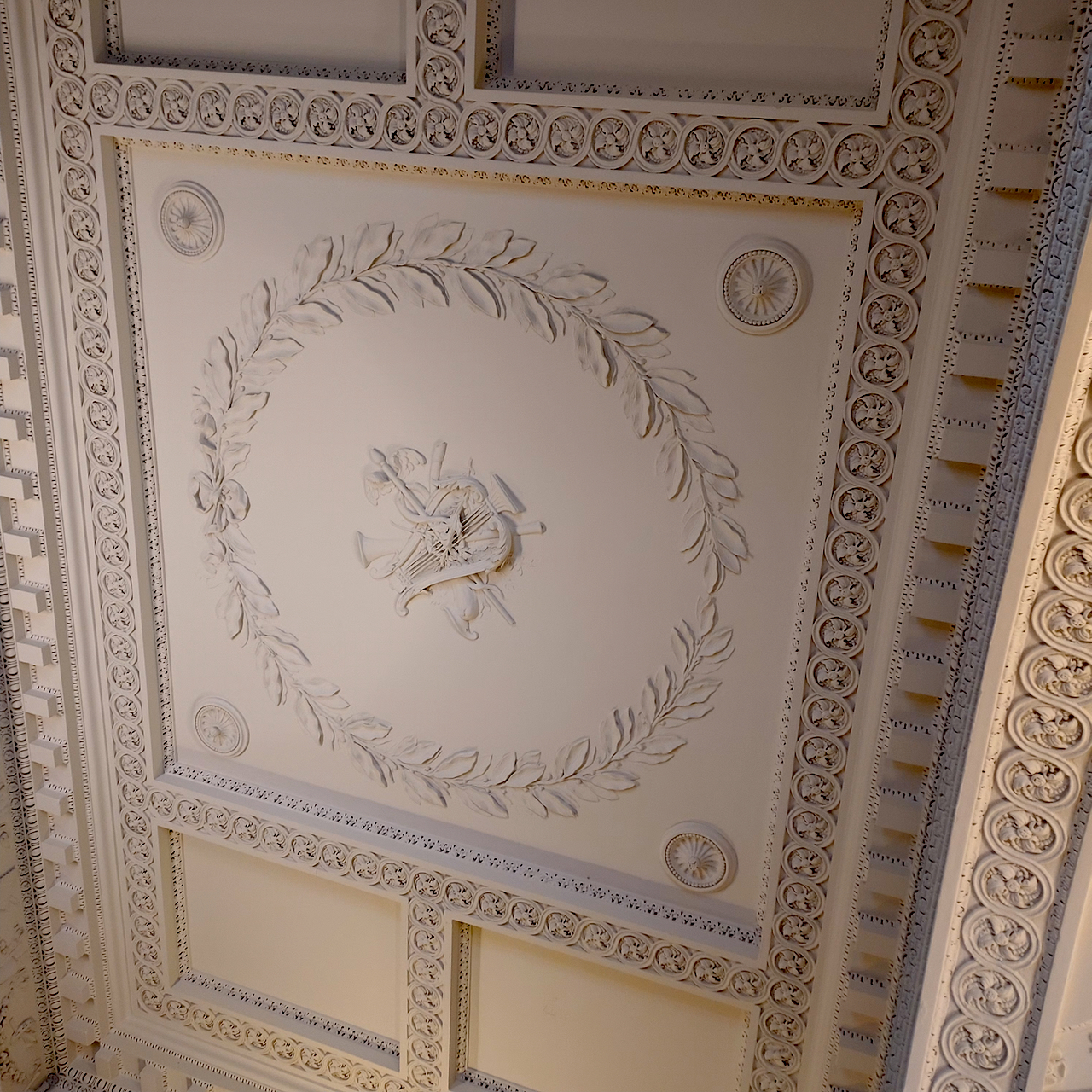
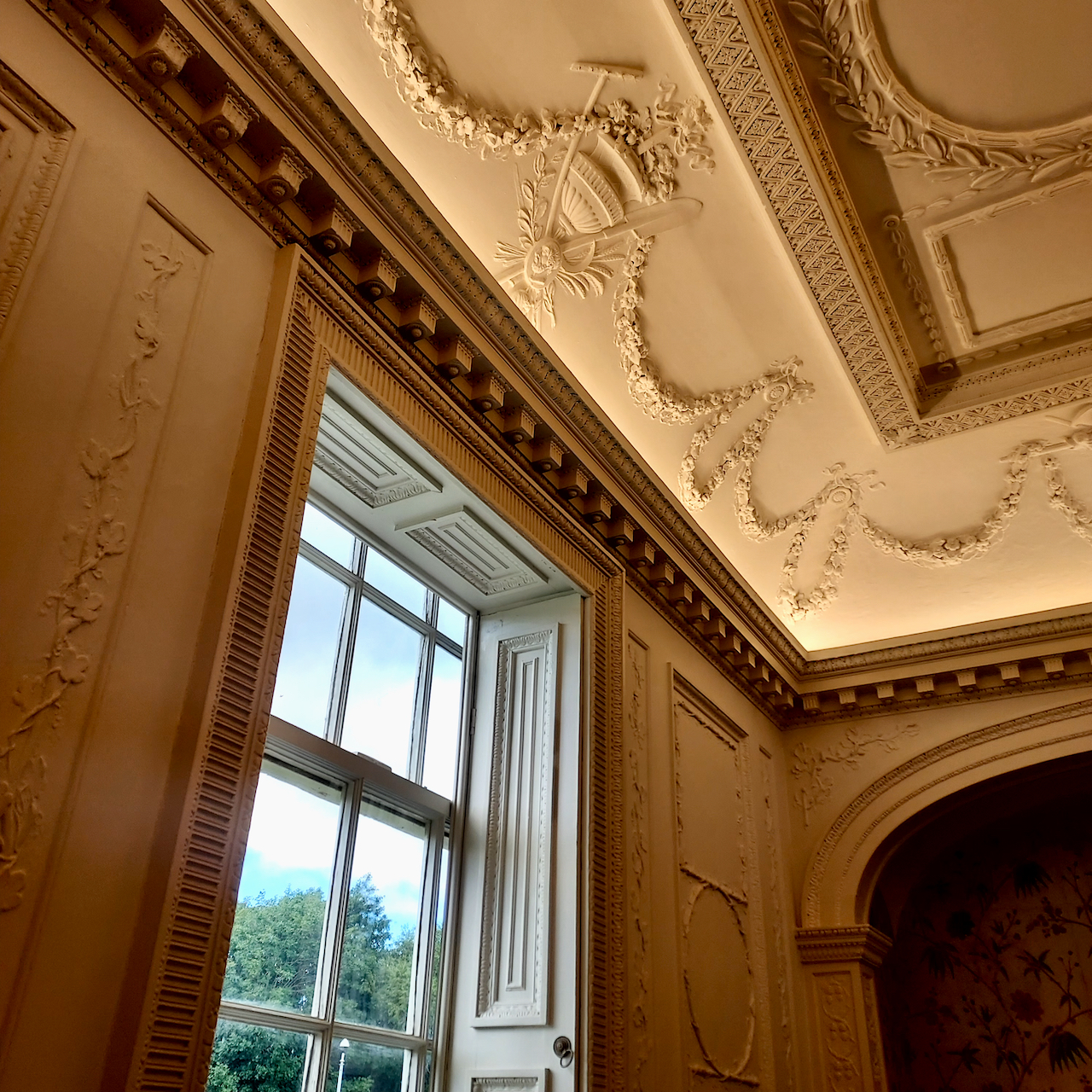
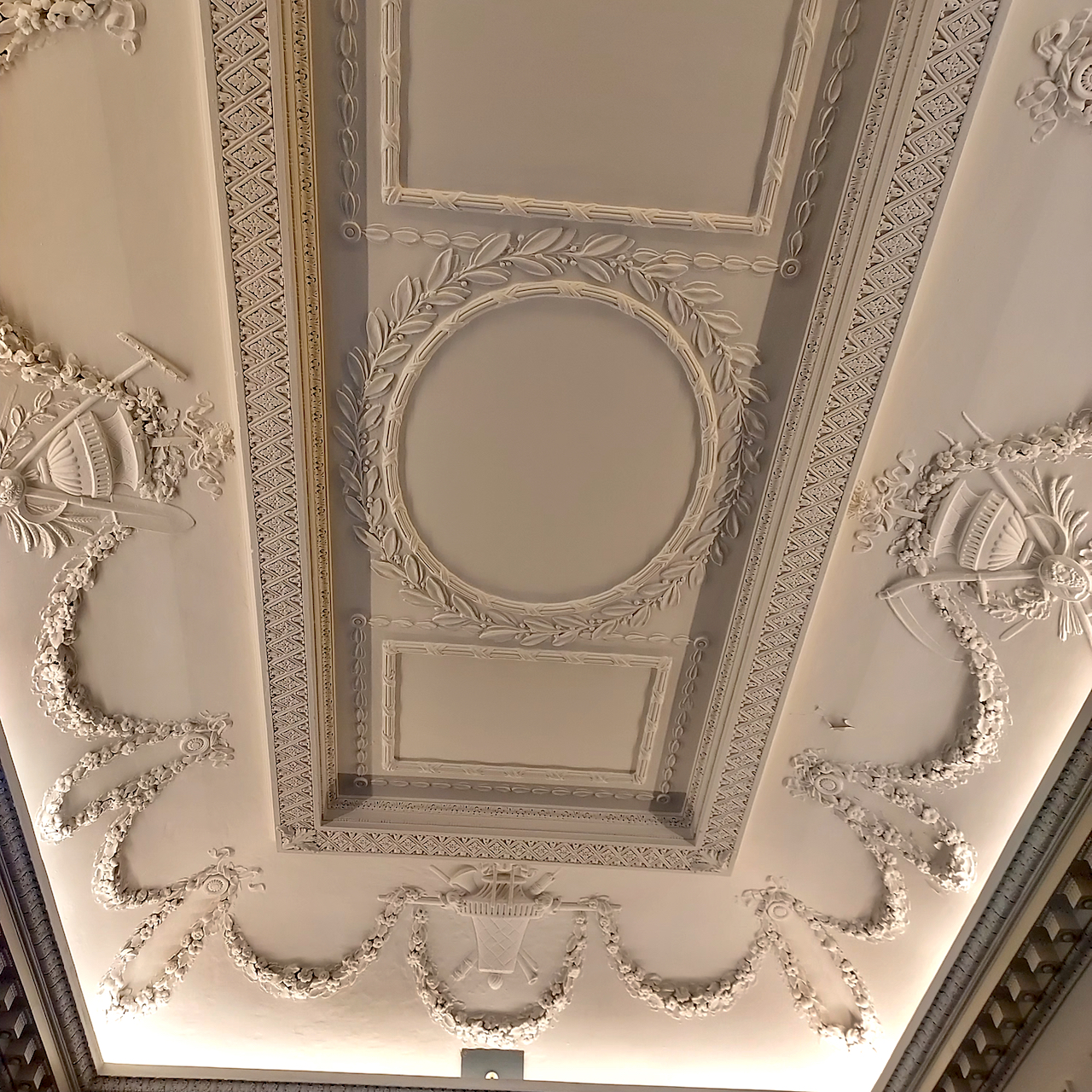
The higher, rectangular section of the ceiling holds a trophy which includes the lyre of Apollo at its centre surrounded by laurel leaves which appear throughout the building. We believe a statue of Apollo may have stood in one of the two niches. Just below the ceiling, in the frieze, you will notice many classical motifs representing Charlemont’s ideals. From north to south you have motifs musical instruments, the east shows agricultural tools and the west has carpentry tools, a a celebration of culture and agriculture. Other decorative details in this room, echoed throughout the building, are the waterleaf, the dentil mouldings (looking like large square teeth) and the egg and dart. The egg is the symbol of fertility and life and the dart is the symbol of death. In this room you also have the Vitruvian scroll in the chair rail and above which you have the Greek key, a symbol of eternity as the pattern is supposed to have no beginning, no middle and no end.

A ceiling in the Casino at Marino. Photograph © Jennifer Winder-Baggot, www.irishhistorichouses.com

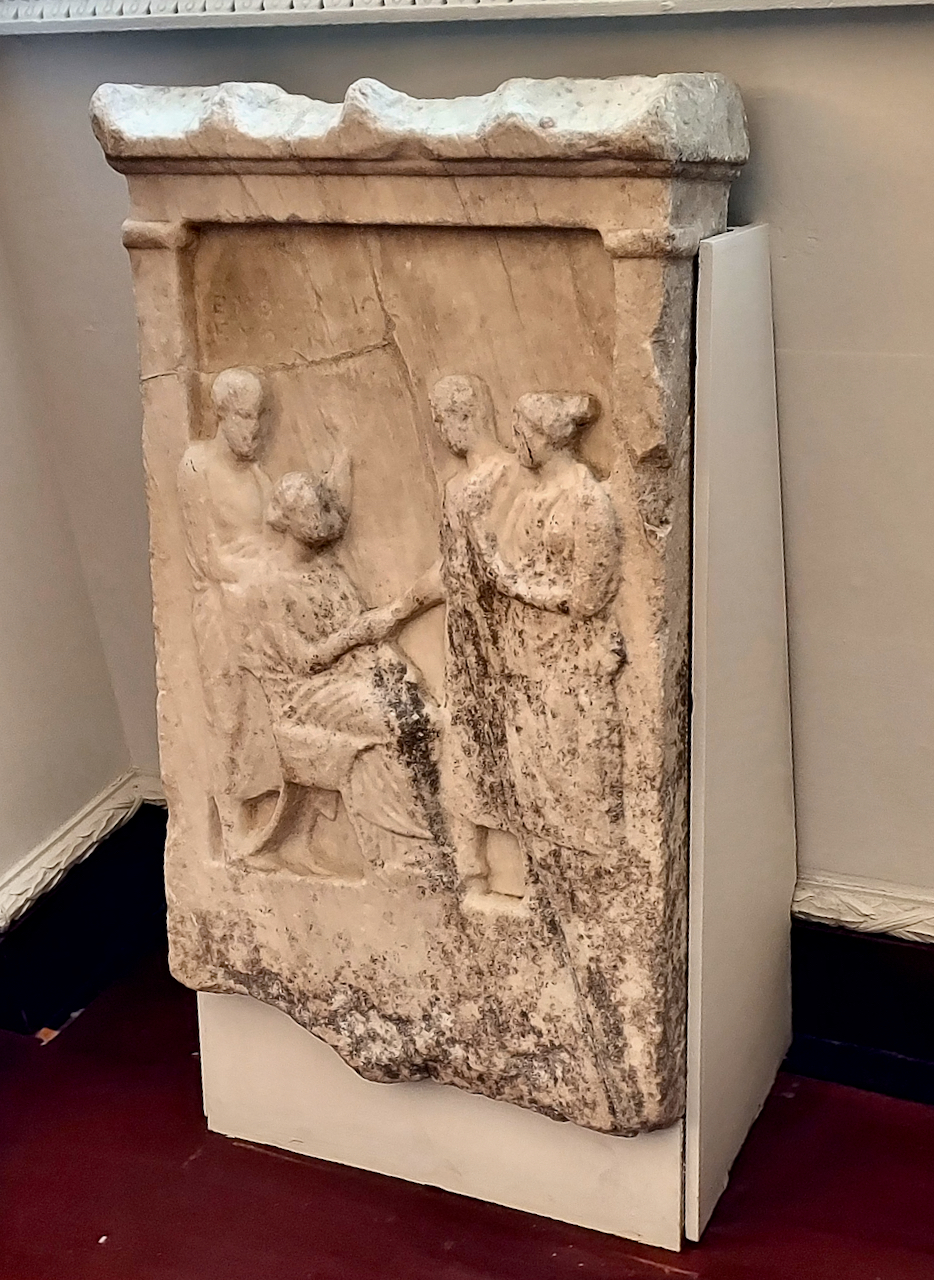
The oldest item in the building can be found in this room. It is under the window and is a Greek Stele, a headstone Lord Charlemont sent back from his Grand Tour which he found in Greece. It is from 350 BC. During his Grand Tour many antiquities were sent back and would have been on show around the estate or perhaps even in the tunnels, off the light-well, surrounding the basement.

The Casino, August 5th 2023: a Greek Stele, a headstone Lord Charlemont sent back from his Grand Tour which he found in Greece. It is from 350 BC. Photograph © Jennifer Winder-Baggot, www.irishhistorichouses.com
Photograph © Jennifer Winder-Baggot, www.irishhistorichouses.com

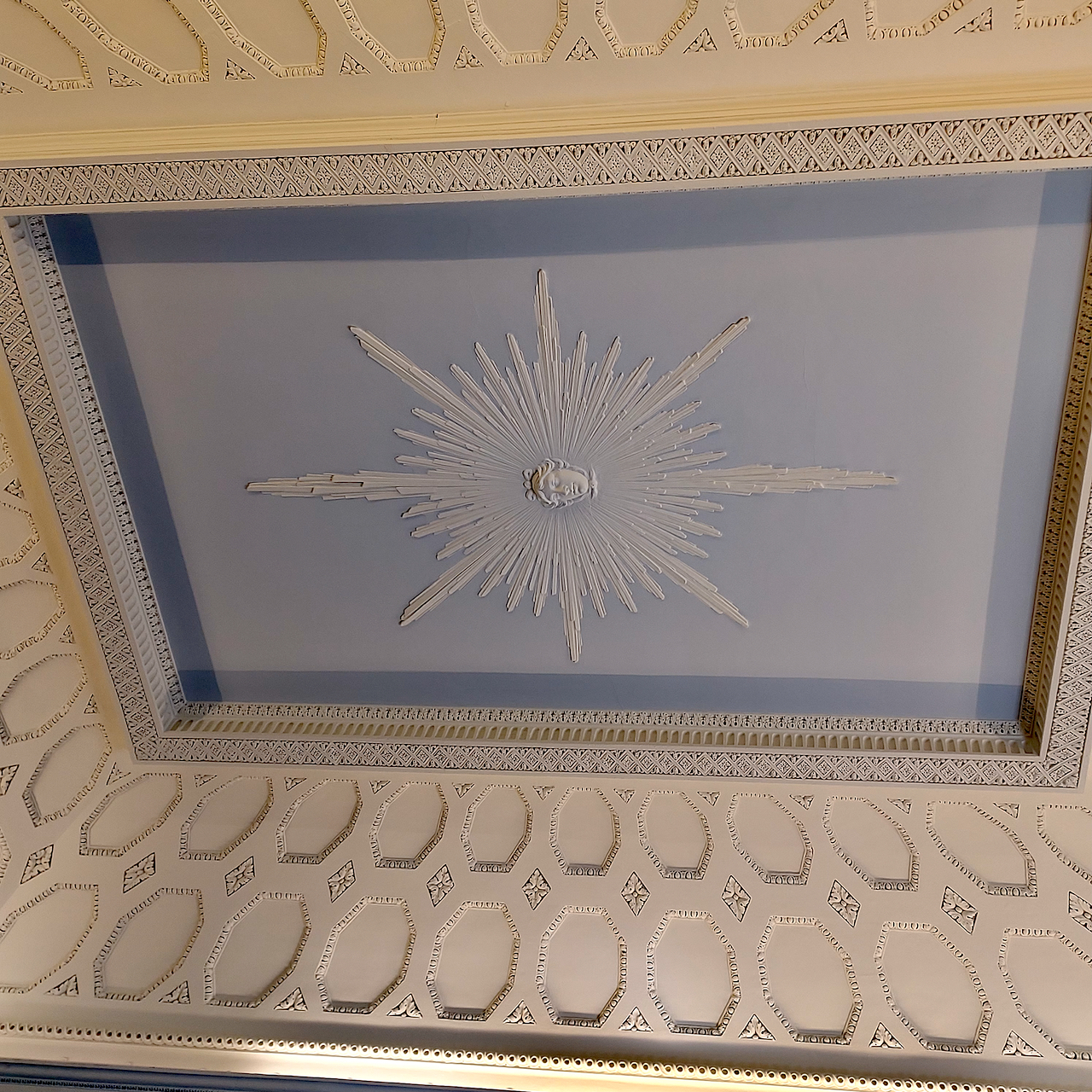
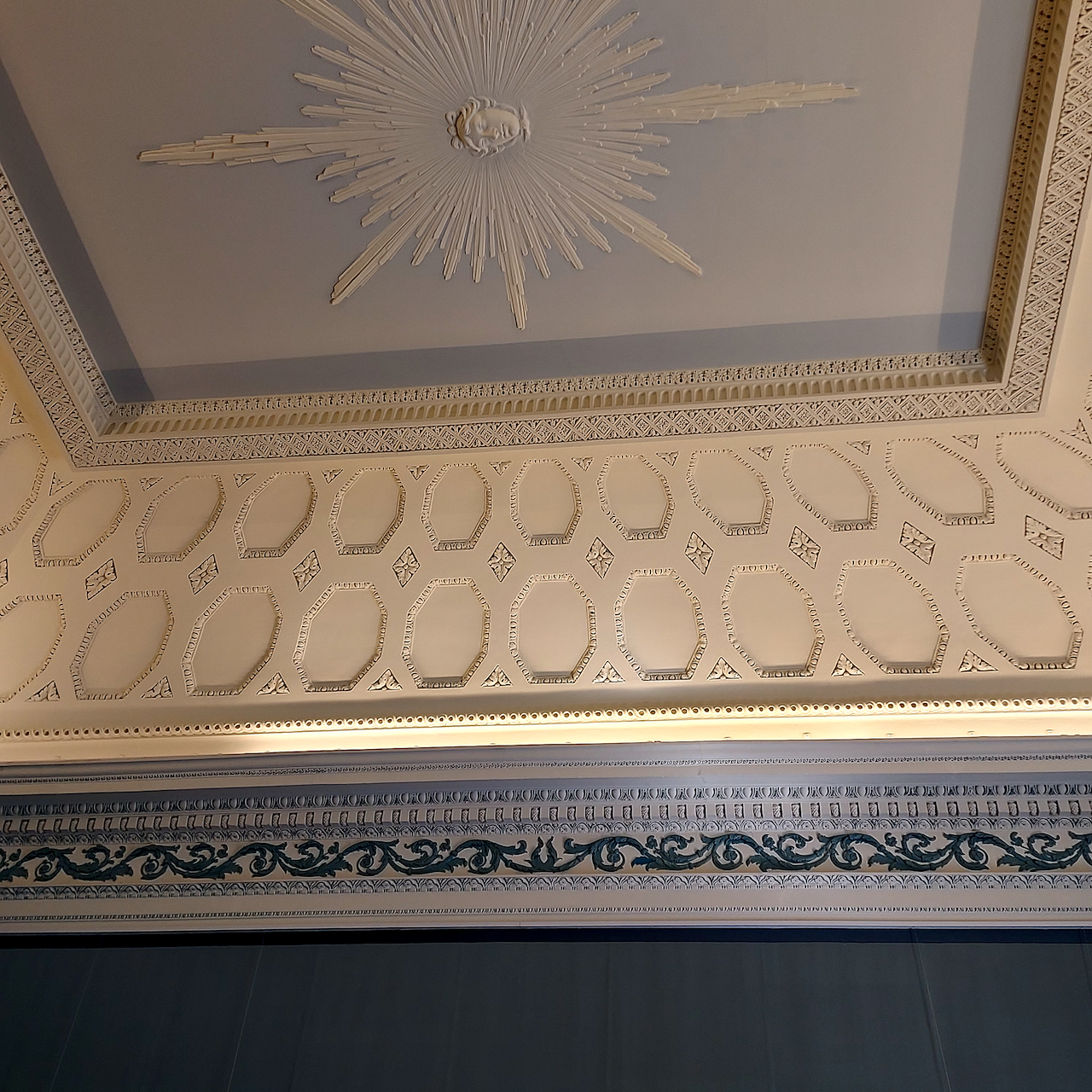
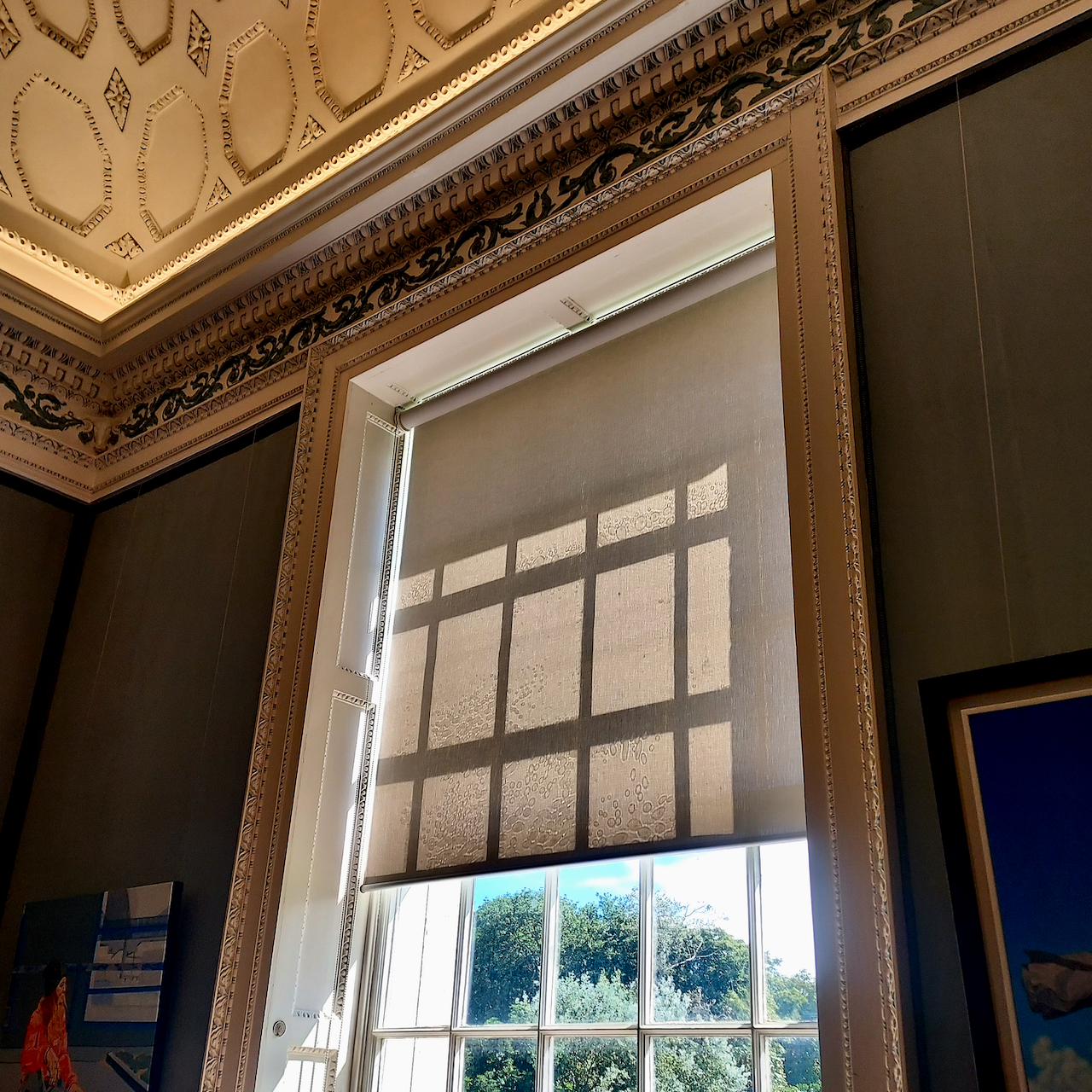
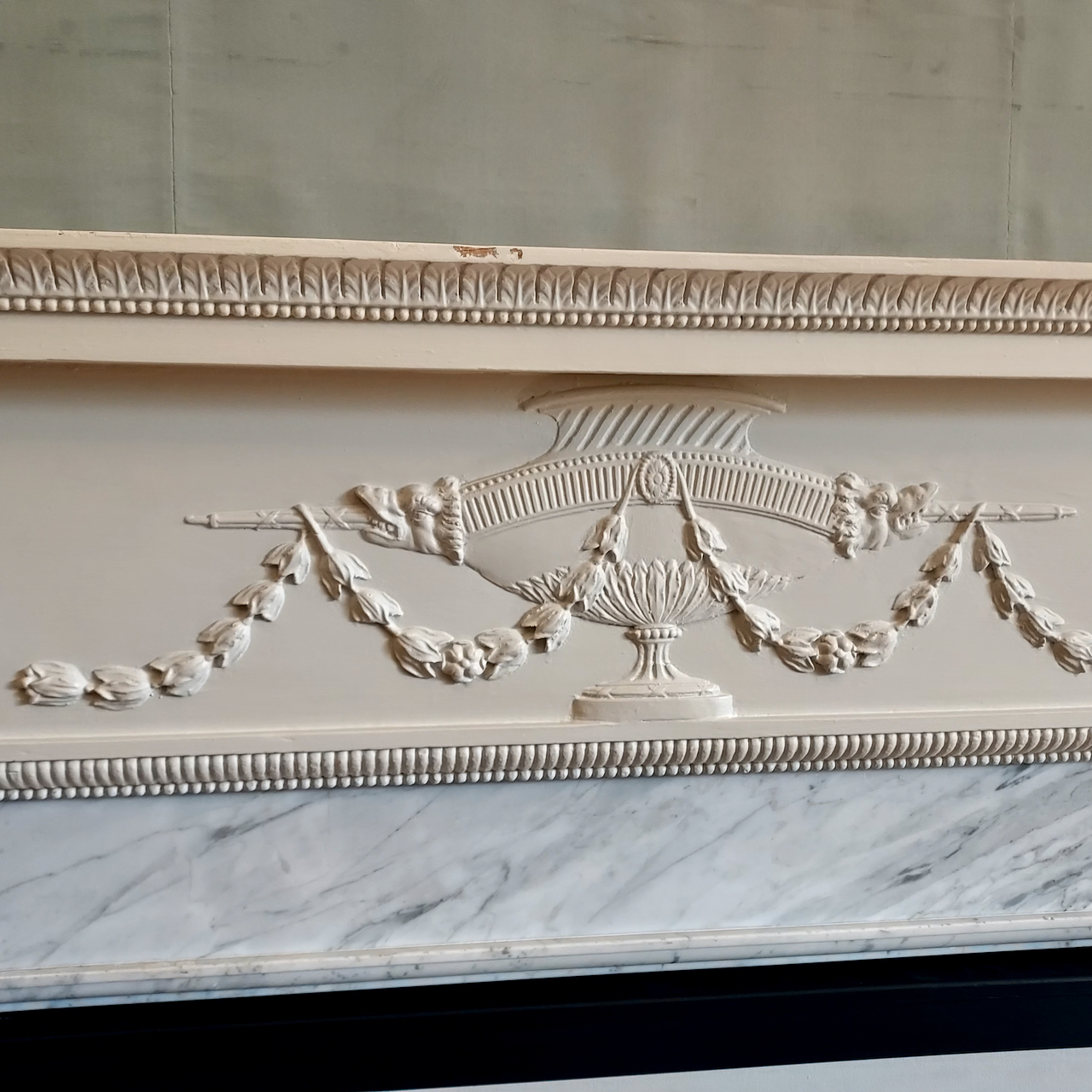
The Blue Saloon, which was the main reception room, was sparsely furnished. Originally, there was a magnificent fireplace designed by Francis Harwood, made of white marble, featuring a life-size ram’s head and lapis lazuli inserts. The fireplace was balanced on the opposite side of the room by an equally elaborate table in marble with lapis lazuli inserts (by Joseph Wilton). Both had since been removed. The current fireplace with its smaller ram’s heads came from Marino House. The ram’s head was a signature trademark of Sir William Chambers and in the each corner of the room there are more 4 rams’ heads. The curved white ceiling set with octagonal coffers surrounds a single compartment representing a blue sky with Apollo’s head emerging from a sunburst. Apollo is the God of the sun. Below the curved ceiling in the carved mouldings are a series of pine cones. The ancient Romans associated pine cones with Venus, the goddess of love. Pine cones symbolise human enlightenment, resurrection, eternal life, regeneration and fertility.

The Blue Saloon. In the background is a painting from the exhibition Person Presence Perception, “Sail Away” by Connor Maguire. Photograph © Jennifer Winder-Baggot, www.irishhistorichouses.com
The Apollo ceiling in the Blue Saloon. Photograph © Jennifer Winder-Baggot, www.irishhistorichouses.com
Photograph © Jennifer Winder-Baggot, www.irishhistorichouses.com

The colour scheme of the room was related to the ornaments it once displayed – primarily the white marble and blue lapis lazuli of the fireplace and table. In 1769, Charlemont wrote to Chambers and recommended that “…the Entablature, doorcase etc of the room should be dead white touched with blue and that the cove parts of the ceiling… be of a more brilliant white.” The blue silk wall hangings were possibly broken up with paintings. In the original design for this room, there were five wooden doors. The main entrance door, two doors giving access to rooms on each side and two more false doors to create symmetry. However, Lord Charlemont made alterations to simplify this space by removing the two fake doors and making the two other doors jib doors (hidden doors).

In the background, “Strong women and the sea: Grace” by Sile Walsh. Photograph © Jennifer Winder-Baggot, www.irishhistorichouses.com
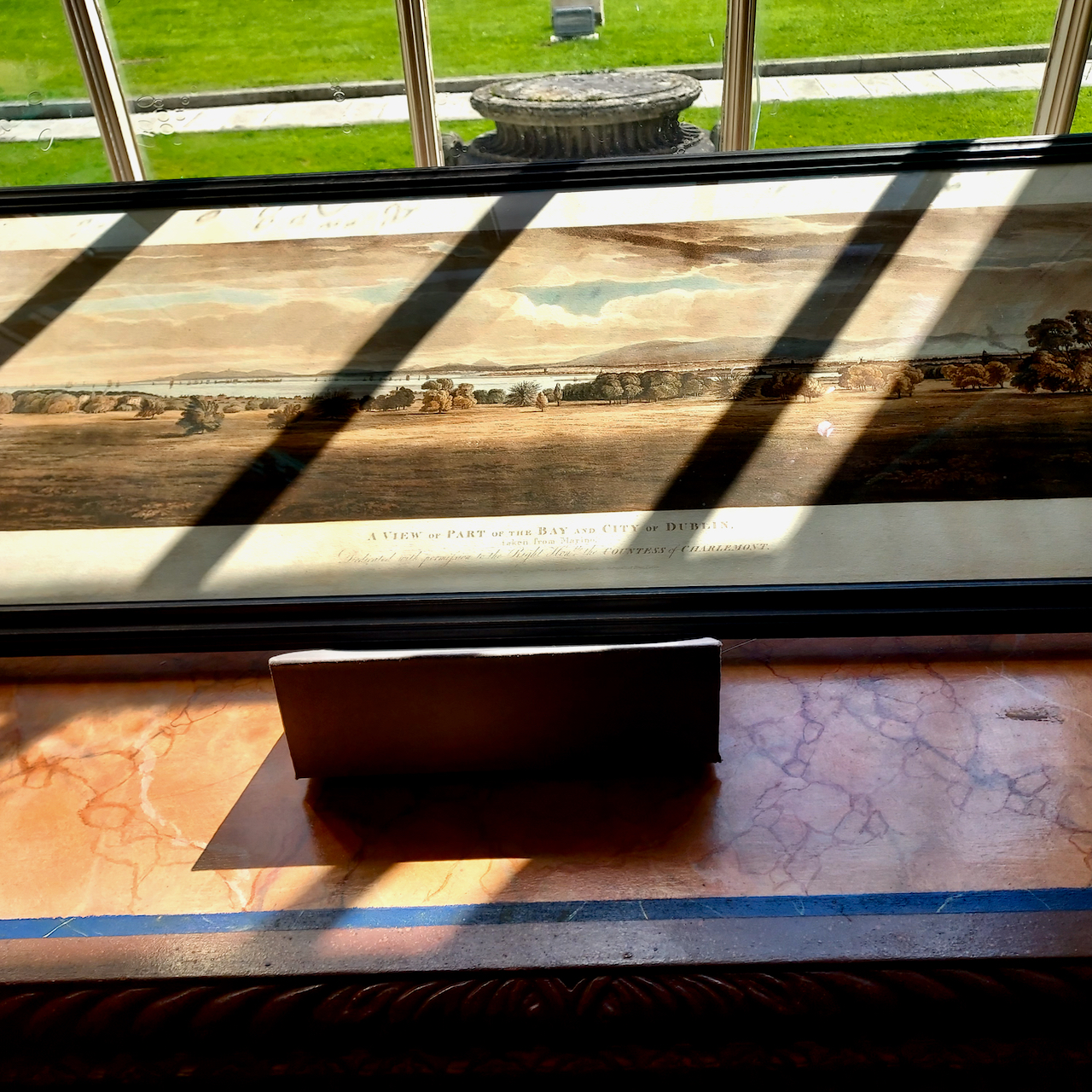
A Daniel Havell print, A view of Part of Dublin Bay and City of Dublin from Marino, 1817. “A Daniel Havell print, A view of Part of Dublin Bay and City of Dublin from Marino, 1817, sits under the window at the southern end of the room. This image depicts the nineteenth-century view of the rolling parkland landscape and sailing ships, with Dublin’s industrial city sprawling eastward and the Dublin and Wicklow mountains on the horizon. Charlemont liked to imagine he was looking across the Bay of Naples with the Sugarloaf standing in for Mount Vesuvius.” Photograph © Jennifer Winder-Baggot, www.irishhistorichouses.com
The fireplace in the Blue Saloon. Photograph © Jennifer Winder-Baggot, www.irishhistorichouses.com
Fireplace detail in the Blue Saloon. Photograph © Jennifer Winder-Baggot, www.irishhistorichouses.com
The corners of the ceiling of the Blue Saloon have rams heads. Photograph © Jennifer Winder-Baggot, www.irishhistorichouses.com
The floor of the Blue Saloon. Photograph © Jennifer Winder-Baggot, www.irishhistorichouses.com
The jib door in the Blue Saloon. In the background is Change of Season by Carol Graham. Photograph © Jennifer Winder-Baggot, www.irishhistorichouses.com
Photograph © Jennifer Winder-Baggot, www.irishhistorichouses.com

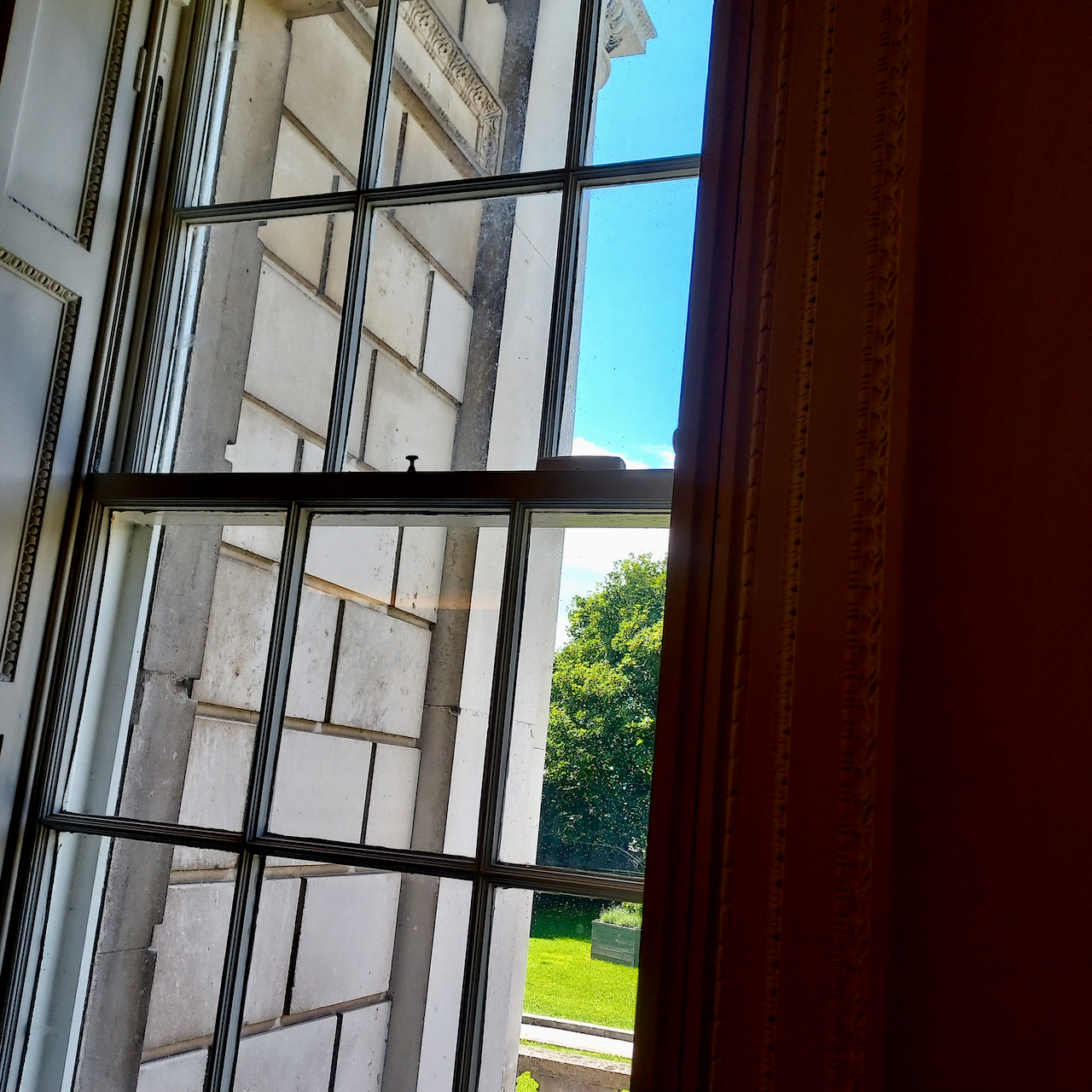
The Zodiac Room is accessed from the Blue Saloon via hidden or jib doors. One of the first things to notice in this room is that the window appears to only have twelve panes of glass. However, on the outside, the same window has thirty panes of glass. This is due to the Zodiac Room sharing its space with the lower and upper stairwell next door, therefore the window is also shared between the three spaces. The trick used to distract the visitor from this deception is the form of the glass itself. Outside, the glass panes are convex in shape, reflecting more of what you see behind you than what is going on inside. In this room, a sense of space and height is created by the domed ceiling that provides an optical illusion, making it almost impossible to tell if the height is one inch, one meter or three metres. Resting perfectly below this dome are the twelve signs of the zodiac which is the reason this room gets its name. Apart from the zodiac mouldings, this room is highly decorated with egg and dart mouldings which you see on the door frame, the panels/coffers in the door and in the sides/jambs of both the door and the windows. The egg is the symbol of fertility and life and the dart symbolises death.

I found it impossible to capture the entire domed ceiling, which is bordered by signs of the zodiac, in a photograph.

The Zodiac Room. Photograph © Jennifer Winder-Baggot, www.irishhistorichouses.com

A letter from George Montagu to Horace Walpole in 1761 said that “I have been to see Lord Charlemont’s collection. He has some charming things that would merit a show even at Strawberry. His medals are very fine, a charming Titian of Borgia, two Carlo Marats, a Claude, two fine vases, a Queen Elizabeth, a lion’s skin of yellow that serves for a veil, a brave collection of books, etc.”

The China Closet, or Boudoir. Photograph © Jennifer Winder-Baggot, www.irishhistorichouses.com

The China Closet, originally called the Boudoir, is situated on the western arm of the ground floor. The ground and upper floors are laid out in the shape of a Greek cross while the basement is square in shape which acts as a plinth for the Casino to sit on, making the Casino one of the first sculptural buildings in Ireland. After a fire in the early 19th century, the walls of this room where redecorated by the 2nd Lady Charlemont, Anne Berminghan, who married Francis, the 2nd Earl, son of James Caufeild, in 1802. She was a wealthy heiress, which allowed Francis to maintain the Marino estate after the great debts he had inherited on the death of his father. Anne hung decorative china plates on the walls giving the room the new name of the China Closet.

The magnificent ceiling of the China Closet. Photograph © Jennifer Winder-Baggot, www.irishhistorichouses.com

The floor and ceiling details, original to the 18th century, highlight the use of symmetry and harmony in the building with their large lattice rectangles enclosing smaller rectangles and a central oval. In addition, on the floor, in the central oval, we have a geometrical sunburst while the ceiling’s oval is made up of fasces surrounded by laurel leaves which are symbols of excellence stemming back to the early Olympic Games in Greece. The appearance of the fasces bring us back to ancient Rome when soldiers used sticks or rods, tied together with bands, to control the crowd and these were called fasces. However, in times of insurgence, there was a sword or knife hidden within the fasces to kill people. Fasces in the Casino demonstrate authority and power. Everything in the Casino is symbolic, like the agricultural tools above the doorway and over the window including a scythe, fork, rake and shovel, representing Lord Charlemont’s ideals of culture and agriculture.

Detail of China Closet ceiling. Photograph © Jennifer Winder-Baggot, www.irishhistorichouses.com
The floor of the China Closet. Photograph © Jennifer Winder-Baggot, www.irishhistorichouses.com

The recess at the northern end of the China Closet has a hand-painted Chinese wallpaper which came from Rathbeale Hall, in Swords, Co Dublin, installed during the OPW restoration between 1974 and 1984.

The China Closet, with painting Lizzie in Interior by Christopher Banahan. Photograph © Jennifer Winder-Baggot, www.irishhistorichouses.com
The decorative plasterwork is full of delightful details like this bow over a doorway. Photograph © Jennifer Winder-Baggot, www.irishhistorichouses.com
Upstairs hallway, with painting “Living” by Ciaran Harper. Photograph © Jennifer Winder-Baggot, www.irishhistorichouses.com

The landing: “All of the upstairs rooms suffered during the Casino’s period of dereliction, as the flat roof had fallen in. Therefore these rooms may have once been more highly decorated than they appear today. However, at the very top of the staircase, is an exuberant Rococo shell design in eighteenth-century plasterwork, which may give an idea of how the rest of the cornices and covings looked during the building’s original period. There are 5 doors on the landing, to the waiting room, the State Room, the pink room, the servant’s room and to a small stairs behind a cleverly-hinged door which once led to the viewing platform on the roof of the Casino. The roof was a very popular place to visit during the eighteenth and nineteenth centuries, due to the extravagant views it afforded down across the peaceful meadows to the seashore. Lord Charlemont likened this view to the Bay of Naples, and the peak of the Sugarloaf in the distance to Mount Vesuvius.

The State Room:

The first floor is also known as the Attic storey of the Casino or Temple as it is referred to on the maps here on this floor.  Up here, our view our the window has been sacrificed so that no outside viewer could see this floor at all. What is visible from the  windows, is how the floor slopes into a cavity which leads into a hollow column and the drainage system. There are four of these (nearest to each lion) neatly disguising a drainage system. Chambers designed this using engineering he had learned when he was in China.  And it still works today. There are four rooms up on this level. Three of them are plain without stucco or plasterwork and very little decorative features.  The grandest and largest upper room is called the State Room. The Casino is a neoclassical house, usually demonstrating restraint and austerity but here we have bling and ostentatiousness. The colour scheme here is consistent with later 18th century and the style more akin to Rococo or even Regency style.

The State Room in the Casino, August 5th 2023, with painting “Cearbhall” by Eva O’Donovan and Giclée print “Evdokia” by Garry Louglin. Photograph © Jennifer Winder-Baggot, www.irishhistorichouses.com
The State Room. Photograph © Jennifer Winder-Baggot, www.irishhistorichouses.com
Photograph © Jennifer Winder-Baggot, www.irishhistorichouses.com

We have gold painted Ionic fluted (grooved) columns separating the room. These are resplendent with pineapples proudly placed in the centre of the Scrolled Capitals (volutes). In the 19th century, lead from the roof was stolen and there was a lot of water damage particularly to this level of the house. While the hollow timber columns are not structural, they helped save the ceiling timbers from falling (so they were structural in the end). The inlaid floors and ceiling mouldings were mostly restored in the 1974-84 refurbishment by the OPW. It has been suggested that Chambers did not have a hand in its design but that Simon Vierpyl took charge here. There are no documented connections between Chambers and the top floor at all, and it is possible that when he ceased his work on the project (due to late payment of bills), it was intended to have just one floor above the basement level. On display in this room is Chambers’ original drawing for the Casino.

The floor of the State Room. Photograph © Jennifer Winder-Baggot, www.irishhistorichouses.com

The Levee Ceremony

On the wall of the small (waiting) room adjacent to the State Room are the remains of a plinth on which a small daybed would have rested (like a chaise lounge). Imagine Lord Charlemont reclining on a bed practicing a Levee Ceremony. Levee, from the French lever – to rise, to get up, had, at the time, become a fashionable trend in aristocratic circles. Noblemen got dressed from their beds while receiving guests to discuss the day’s business. Here, it would have been practiced in a tongue-in-cheek way, much like a performance. Remember, this was a ‘pleasure house’ and a house for fun and entertainment. In any case, the State Room is a ‘show-off’ room and we believe that James Caulfeild, 4th Viscount and 1st Earl of Charlemont, was a bit of a show off.”

Parts of a bed that were in the Casino. Photograph © Jennifer Winder-Baggot, www.irishhistorichouses.com
The Casino, August 5th 2023. Looking out onto the roof. Photograph © Jennifer Winder-Baggot, www.irishhistorichouses.com
We didn’t get to go up the final set of stairs to the roof. Photograph © Jennifer Winder-Baggot, www.irishhistorichouses.com

The webiste continues the history of the family.

Francis William Caulfeild, 2nd Earl of Charlemont (3 January 1775 – 26 December 1863) was the son of James and Mary above, and succeeded to the title of Earl on the death of his father in 1799. Until 1799, he had represented Armagh in the House of Commons. From 1806, he sat in the House of Lords. He had a keen interest in horticulture, and sat on the botany committee of the Royal Dublin Society. His name and that of his head gardener also frequently appeared in newspaper reports, as the winners of prizes for best flowers and fruit in agricultural shows in Dublin.

He maintained and further improved the estate at Marino, as well as the other family residences in Charlemont House on Rutland Square, and Roxborough Castle in Co. Tyrone. It was at the house in Marino that he died in 1863, before being buried in the family crypt in Armagh.

Francis married Anne Caulfeild (née Bermingham), Countess of Charlemont (c. 1780 – 23 November 1876) on the 9th of February, 1802. She was a celebrated beauty in her youth. A bust of her by Joseph Nollekens was exhibited in Windsor Castle; Lord Byron wrote of his intense admiration for the beauty of this work and its muse. He wrote of Lady Charlemont’s beauty in other venues too, leading to speculation about their friendship.

Anne’s sister Mary married Nathaniel Clements, 2nd Earl of Leitrim.

Anne and Francis had four children – James, William, Maria, and Emily – all of whom died before the age of twenty-one. In later life, they seemed to live quite separate lives. On the accession of Queen Victoria, Anne was appointed Lady of the Bedchamber, and lived in London. Her address when she died, at the age of ninety-five, was Grosvenor St. Some watercolours and sketches she made while a young wife in Marino can be viewed in the National Library of Ireland. As Francis died with no living heirs, the title of Earl of Charlemont passed to his nephew, James Molyneux Caulfeild.

In 1876, The 2nd Lady Charlemont (Anne Bermingham) died, after which the 3rd Earl, James Molyneux Caulfeild, son of the second Earl’s brother Henry Caulfeild (1779-1862), MP for County Armagh, and therefore grandson to the 1st Earl, inherited. He inherited the title from his uncle, Francis. He sold the estate lands. James the 3rd Earl married Elizabeth Jane Somerville, daughter of William Meredyth Somerville 1st Baron Athlumney, of Somerville and Dollarstown, Co. Meath

The website tells us: “He was born in Hockley, Armagh, and lived there until he moved to Cambridge for his education as an adult. He was later High Sheriff and MP for Armagh, as well as Lord Lieutenant for Co. Tyrone.

Basing himself wholly in the north of Ireland, James lived at Roxborough Castle which, on the death of the 2nd Earl, he began remodelling and extending with the architect William Barre. Some items from the Dublin residences were transported north and reused in this house. On the death of Anne Caulfeild, he sold the estate (Casino included) at Marino to Cardinal Cullen, who donated most of it to the Christian Brothers. After James Molyneux Caulfeild, the title of Earl of Charlemont did not continue, although the title of Viscount continues down to the present day, the current holder being the 16th Viscount Charlemont.

Cardinal Cullen who kept thirty acres for an orphanage (the O’Brien Institute), and gave the remaining land (over 300 acres) to the Christian Brothers.

The Casino, August 5th 2023. Photograph © Jennifer Winder-Baggot, www.irishhistorichouses.com
The basement level of the Casino. Photograph © Jennifer Winder-Baggot, www.irishhistorichouses.com
The tunnels under the grounds outside the Casino were used for target practice by Michael Collins and his troops. Photograph © Jennifer Winder-Baggot, www.irishhistorichouses.com
Information about the tunnels.
The tunnels under the grounds outside the Casino were used for target practice by Michael Collins and his troops. Photograph © Jennifer Winder-Baggot, www.irishhistorichouses.com
Bits of statuary are stored in the basement niches. Photograph © Jennifer Winder-Baggot, www.irishhistorichouses.com
Photograph © Jennifer Winder-Baggot, www.irishhistorichouses.com

[1] https://casinomarino.ie

[2] p. 201, Bence-Jones, Mark. A Guide to Irish Country Houses (originally published as Burke’s Guide to Country Houses volume 1 Ireland by Burke’s Peerage Ltd. 1978); Revised edition 1988, Constable and Company Ltd, London.

[3] https://casinomarino.ie/the-family/

Text © Jennifer Winder-Baggot, www.irishhistorichouses.com

Portraits W-X-Y-Z

W

James Wallis (ca. 1570-1661). Photograph © Jennifer Winder-Baggot, www.irishhistorichouses.com
Portrait of Frances Walsingham (1567-1633), along with her husband Robert Devereux (1566-1601) 2nd Earl of Essex, and in the small picture, Sir Philip Sydney (1554-1586), her first husband. Her third husband was Richard Bourke (1572-1635) 4th Earl of Clanricarde.
John Wandesford (1725-1784) 1st Earl of Wandesford and Viscount Castlecomer.
Susan Frances Elizabeth Wandesford (1754-1830) Duchess of Ormonde. She was the daughter of John Wandesford 1st and last Earl Wandesford and 5th Viscount Castlecomer, and wife of John Butler 17th Earl of Ormonde. Painting by Hugh Douglas Hamilton.
Michael Ward (1683-1759) by Charles Jervas, courtesy of National Trust, Castle Ward.
Anne Hamilton (1692-1760) who married Michael Ward (1683-1759), by Godrey Kneller, courtesy of National Trust, Castle Ward. She was the daughter of James Hamilton (1640-1707) of Bangor and Sophia née Mordaunt.
Anne Hamilton (1692-1760) who married Michael Ward by Charles Jervas, courtesy of National Trust, Castle Ward. She was the daughter of James Hamilton (1640-1707) of Bangor and Sophia née Mordaunt.
Bernard Ward (1719-1781) 1st Viscount Bangor by Francis Cotes, courtesy of National Trust, Castle Ward. He was the son of Michael Ward (1683-1759) and Anne Hamilton.
Sophia Ward (born 1715) who married Arthur Upton (1715-1768), by Charles Jervas, courtesy of National Trust, Castle Ward. She was the sister of Bernard Ward 1st Viscount Bangor.
Edward Ward (1753-1812) by George Romney, courtesy of National Trust, Castle Ward. He was a son of Bernard Ward (1719-1781) 1st Viscount Bangor
Arabella Crosbie (d. 1813) who married Edward Ward (1753-1812), by Anna Maria Frances Blackwood Price, courtesy of National Trust, Castle Ward, County Down. She was the daughter of William Crosbie 1st Earl of Glandore, County Cork.
Edward Ward (1790-1837) 3rd Viscount Bangor by Frederick Richard Say, courtesy of National Trust, Castle Ward.
Harriet Margaret Maxwell (1805-1880) Viscountess Bangor, wife of Edward Southwell Ward (1790-1837) 3rd Viscount Bangor, daughter of Reverend Henry Maxwell, 6th Baron Farnham of Farnham Estate, County Cavan. Painting by Edwin Long, courtesy of National Trust, Castle Ward.
Edward Ward (1827-1881) 4th Viscount Bangor, by Edwin Long, courtesy of National Trust, Castle Ward.
A portrait of Alice Waterhouse (1700-1782), wife of Bishop Jemmett Browne (1703-1782), Bishop of Cork and Archbishop of Tuam. They lived at Riverstown, County Cork. Photograph © Jennifer Winder-Baggot, www.irishhistorichouses.com
John Watson (Master of the Meaths) Print, by Cecil E. Cutler 49.5 x 33.5cm Signed and dated 1904 John Watson (1858-1908)…courtesy Adam’s 23 Oct 2007.
Richard Colley Wellesley (1760-1842), 2nd Earl of Mornington and 1st Marquess Wellesley by John Philip Davis courtesy of National Portrait Gallery in London NPG 846.
Richard Colley Wellesley, 1st Marquess Wellesley (1760-1842), Irish school 19C, Homan Potterton auction at Adam’s 7th Sept 2021.
Hyacinthe Gabrielle Marchioness Wellesley, wife of Richard Colley Wellesley (1760-1842), 2nd Earl of Mornington and 1st Marquess Wellesley, by Hugh Douglas Hamilton courtesy of Christie’s 2006.
William Wellesley-Pole, later 1st Baron Maryborough and 3rd Earl of Mornington (1763-1845) by Thomas Lawrence courtesy of wikipedia and Bonhams.
Lady Anne Conolly (born Wentworth (1712/1713-1797), daughter of Thomas Wentworth (1672-1739) 1st Earl of Strafford). She was married to William James Conolly (1712-1754), of Castletown, County Kildare. She was the mother of Thomas Conolly (1734-1803). Photograph © Jennifer Winder-Baggot, www.irishhistorichouses.com
Lady Anne Conolly née Wentworth (1713-1797), daughter of Thomas Wentworth (1672-1739) 1st Earl of Strafford). She was married to William James Conolly (1712-1754), of Castletown, County Kildare. Painting attributed to Anthony Lee, courtesy of National Gallery of Ireland. She was the mother of Thomas Conolly (1734-1803).
I have yet to identify this portrait. It looks remarkably similar to Lady Anne Conolly (née Wentworth) (1713-1797) Attributed to Anthony Lee, Irish, fl.1724-1767, and she is even wearing the same dress. Maybe the artist did two portraits. Photograph © Jennifer Winder-Baggot, www.irishhistorichouses.com
Thomas Wentworth, the 1st Earl of Strafford (1593-1641). Photograph © Jennifer Winder-Baggot, www.irishhistorichouses.com
William Wentworth-Fitzwilliam, 4th Earl FitzWilliam (1748-1833), later Lord Lieutenant of Ireland by Engraver Joseph Grozer, British, fl.1784-1797 After Joshua Reynolds, English, 1723-1792courtesy of National Gallery of Ireland.
Garret Wesley 1st Earl of Mornington http://www.tcd.ie/library/manuscripts/blog/2014/02/appointment-of-tcds-first-professor-of-music-1764/©Stratfield Saye Preservation Trust.
Henry Robert Westenra, 3rd Baron Rossmore. Photograph © Jennifer Winder-Baggot, www.irishhistorichouses.com
Harriet Murray (1742-1822) married Henry Westenra (1742-1809) of Rossmore Park, County Monaghan, and Hester Westenra: this could be her daughter, 1775-1858 who married Edward Wingfield (1772-1859), son of 3rd Viscount Powerscourt. Photograph © Jennifer Winder-Baggot, www.irishhistorichouses.com
Josephine Lloyd (1827-1912) who married Henry Robert Westenra, 2nd (UK) and 3rd Baron (Ireland) Rossmore of Monaghan. Rossmore Castle was demolished in 1975. Photograph © Jennifer Winder-Baggot, www.irishhistorichouses.com
Thomas “Buck” Whaley (1766-1800), c. 1780.
The sitter’s maiden name was Maria Courtney but for some seven or eight years before her death in 1798 in Douglas, Isle of Man, she was known as Mrs. Whaley. She was the constant companion of a wealthy and dissolute young Irishman, Thomas, or Buck, Whaley, by whom she had four children: Thomas, Richard, Ann, and Sophia Isabella. They lived in a house Buck Whaley built on the Isle of Man, where this portrait may have hung in the dining room. Portrait is attributed to George Chinnery, c. 1795. Picture courtesy of The Met, New York.
Buck Whaley’s Memoirs, courtesy of Fonsie Mealy auction.
Caroline Elizabeth Coote née Whaley courtesy of wikitree, uploaded by Desmond William Kelly Lynch SD
Lady Olivia-Charlotte White, Lady Elizabeth-Mary White and William, 4th Earl of Bantry, with a dog, Irish school c. 1860 courtesy Christies Irish Sale 2004. William Henry Hare Hedges-White (1801-1884) was the son of William Hedges-White, 3rd Earl of Bantry. His sister Olivia Charlotte Hedges-White married Arthur Edward Guinness (1840-1915), Baron Ardilaun, and they lived in Ashford Castle in County Mayo. Elizabeth Mary Gore Hedges-White, another sister, married Egerton Leigh.
Edward Winder (c.1775-1829). Photograph © Jennifer Winder-Baggot, www.irishhistorichouses.com
Jane Winder (b. 1773), married William Charles Monck Mason (1775-1859).
Caroline Windham of Dunraven Castle, Wales, who married Henry Windham Wyndham-Quin 2nd Earl of Dunraven, courtesy of The National Library of Wales.
Richard Wingfield (1697-1751) 1st Viscount Powerscourt by Anthony Lee courtesy of Christie’s sale catalogue 1984. He was son of Edward Wingfield (died c. 1728) of Powerscourt and Eleanor daughter of Arthur Gore 1st Baronet of Newtown Gore, County Mayo.
Isabella Wingfield (c. 1701-1764) by John Verelst, 1722, daughter of Edward Wingfield (died c. 1728) of Powerscourt and and Eleanor daughter of Arthur Gore 1st Baronet of Newtown Gore, County Mayo. She was wife of Henry King 3rd Baronet of Boyle Abbey, County Roscommon.
Portrait of a gentleman, traditionally identified as Edward Wingfield (1729-1764) 2nd Viscount Powerscourt, in a brown coat by circle of Francis Cotes, Hugh Douglas Hamilton.
Richard Wingfield (1730-1788) 3rd Viscount Powerscourt. Photograph © Jennifer Winder-Baggot, www.irishhistorichouses.com
Richard Wingfield (1815-1844) 6th Viscount Powerscourt. Photograph © Jennifer Winder-Baggot, www.irishhistorichouses.com
Richard Wingfield (1815-1844), 6th Viscount Powerscourt photograph courtesy of National Gallery of Ireland.
Elizabeth Jocelyn (1813-1884), Marchioness of Londonderry, formerly Viscountess Powerscourt, by James Rannie Swinton, courtesy of Mount Stewart National Trust. She was married to the 6th Viscount Powerscourt. She was the daughter of Robert Jocelyn 3rd Earl of Roden. After her husband’s death she married Frederick William Robert Stewart, 4th Marquess of Londonderry, of Mount Stewart, County Down.
Mervyn Wingfield, 7th Viscount Powerscourt (1844-1904) by Sarah Henrietta Purser presented to National Gallery of Ireland by Lord Powerscourt in 1904, NGI 561.
Arthur Wolfe, 1st Viscount Kilwarden and his wife Anne by Thomas Hickey, 1769. Courtesy Sothebys.
Lady Mary Wortley Montagu (1718-1794), Wife of John Patrick Crichton Stuart 3rd Earl of Bute, print after Christian Friedrich Zincke, 1830s, courtesy of National Portrait Gallery of London, NPG D34619.
Henry Windham Wyndham-Quin (1782-1850) 2nd Earl of Dunravan by Thomas Phillips, courtesy of National Library of Wales
Caroline Windham of Dunraven Castle, Wales, who married Henry Windham Wyndham-Quin 2nd Earl of Dunraven, courtesy of The National Library of Wales.
Photograph courtesy of Glin castle website: A portrait of Windham Thomas Wyndham-Quin the 4th Earl of Dunraven hangs above the marble mantelpiece in the library. His daughter Rachel Charlotte married the 27th Knight of Glin.
Anna Maria Charlotte Wyndham-Quinn, née Dunraven (1814-1855), courtesy of the National Library of Wales.
Owen John Wynn (d. 1840) of Hazelwood, County Sligo attributed to William Robinson courtesy of National Trust Florence Court.
Maria Susanna Ormbsy by Hugh Douglas Hamilton, she was daughter of William Ormsby (1718-1781) and Hannah Wynne of Hazelwood, County Sligo courtesy of Adams auction 27 March 2018. This excellent portrait, painted after Hamiltons return to Dublin from Rome is not listed by Fintan Cullen. [Oil Paintings of Hugh Douglas Hamilton, Walpole Society Vol. 50 1984] and is a welcome addition to the inventory of Hamiltons extant portraits (1796). It re-emerged from the recent disposal of the Harlech Collection in Wales. The Ormsby-Gores, in spite of a Welsh title and seat, represent two families from the West of Ireland who flourished in the 18th century. The subject of the present lot, Maria Susannah Ormsby was the daughter of William Ormsby M.P for Sligo and Hannah Wynne of Haselwood, County Sligo, the lovely Palladian villa designed by Richard Castle. Her brother, Owen Ormsby married (1777) Margaret Owen who came into a great Welsh estate that had been swollen by the Godolphin inheritance. Their only child and heiress Mary Jane Ormsby married (1815)William Gore, M.P. for Leitrim from a family long influential in Counties Mayo, Sligo and Leitrim. Thereafter the family became Ormsby-Gore and were subsumed into English high society with a title from the Barony of Harlech. Our subject, Maria Susannah Ormsby, died unmarried so this portrait of a charming and artistic woman remained with the Ormsby-Gores. As an observation of mature character it confirms Hugh Douglas Hamiltons place in the top rank of European portraiture.Maria Susanna Ormbsy by Hugh Douglas Hamilton, she was daughter of William Ormsby (1718-1781) and Hannah Wynne of Hazelwood, County Sligo courtesy of Adams auction 27 March 2018. This excellent portrait, painted after Hamiltons return to Dublin from Rome is not listed by Fintan Cullen. [Oil Paintings of Hugh Douglas Hamilton, Walpole Society Vol. 50 1984] and is a welcome addition to the inventory of Hamiltons extant portraits (1796). It re-emerged from the recent disposal of the Harlech Collection in Wales. The Ormsby-Gores, in spite of a Welsh title and seat, represent two families from the West of Ireland who flourished in the 18th century. The subject of the present lot, Maria Susannah Ormsby was the daughter of William Ormsby M.P for Sligo and Hannah Wynne of Haselwood, County Sligo, the lovely Palladian villa designed by Richard Castle. Her brother, Owen Ormsby married (1777) Margaret Owen who came into a great Welsh estate that had been swollen by the Godolphin inheritance. Their only child and heiress Mary Jane Ormsby married (1815)William Gore, M.P. for Leitrim from a family long influential in Counties Mayo, Sligo and Leitrim. Thereafter the family became Ormsby-Gore and were subsumed into English high society with a title from the Barony of Harlech. Our subject, Maria Susannah Ormsby, died unmarried so this portrait of a charming and artistic woman remained with the Ormsby-Gores. As an observation of mature character it confirms Hugh Douglas Hamiltons place in the top rank of European portraiture.

Y

Elizabeth Stuart née Yorke (1789-1867). Lady Stuart de Rothesay, with her daughters Charlotte (1817-1861) and Louisa (1818-1891) by George Hayter, photograph courtesy of UK Government Art Collection. She was the daughter of Philip Yorke, 3rd Duke of Hardwicke, and wife of Charles Stuart 1st and last Baron Stuart de Rothesay. Charlotte married Charles John Canning 1st Viceroy of India, 2nd Viscount, 1st Earl Canning; Louisa married Henry de la Poer Beresford 3rd Marquis of Waterford.
Philip Yorke (1757-1834), 3rd Duke of Hardwicke, former Lord Lieutenant of Ireland, 1836 by engraver William Giller after Thomas Lawrence, courtesy of National Gallery of Ireland.

Looking for a garden

A new home? Photograph © Jennifer Winder-Baggot, www.irishhistorichouses.com

I’d love to have my own garden – I have an allotment in Dublin city centre and a small garden in our house in Dublin but I would love a larger fruit and vegetable garden. Maybe you have a cottage on your land that we could purchase or maybe rent, with the use of a garden so I could cultivate fruit and veggies? Maybe you have a walled garden that needs developing? If so, send me a message at jennifer.baggot@gmail.com

Back garden, mangetout and garden peas, 2013. Photograph © Jennifer Winder-Baggot, www.irishhistorichouses.com
City centre allotments 2013. Photograph © Jennifer Winder-Baggot, www.irishhistorichouses.com
Harvesting, 2013. Photograph © Jennifer Winder-Baggot, www.irishhistorichouses.com
Photograph © Jennifer Winder-Baggot, www.irishhistorichouses.com

Stephen and I are considering downsizing in Dublin and buying a second home in the countryside. If anyone is considering buying in Dublin, we have a place in Dublin to sell – maybe we could do a swap if you have a house in the country you would like to swap with us?

My allotment 2017. Photograph © Jennifer Winder-Baggot, www.irishhistorichouses.com
The allotment 2018. Photograph © Jennifer Winder-Baggot, www.irishhistorichouses.com
2021 Harvest. Photograph © Jennifer Winder-Baggot, www.irishhistorichouses.com
June 2022. Photograph © Jennifer Winder-Baggot, www.irishhistorichouses.com

Portraits L

L

Hugh de Lacy (d. 1186) 4th Baron Lacy portrait by Gerald of Wales – Expugnatio Hibernica (1189) https///www.isos.dias.ie/NLI/NLI_MS_700
Maurice Victor Lakin (1919-1995), last man to privately own Johnstown Castle, County Wexford, before handing it over to the state in 1945.
Frances Thomasine, Countess Talbot (née Lambart), (1782-1819), Wife of the 3rd Earl Talbot Date 1822 Engraver John Samuel Agar, British, c.1773-1858 After Charles Robertson, Irish, 1759-1821, courtesy of National Gallery of Ireland.
Major-General John Lambert, (1619-1683), Parliamentarian, Deputy Lord Lieutenant of Ireland, courtesy of National Gallery of Ireland.
Hugh Percy Lane (1875-1915) by George Charles Beresford, 1909, NPG x6528.
Charles Lanyon (1813-1889) courtesy of Queen’s University Belfast.
Henry Lascelles (1767-1841) 2nd Earl of Harewood by Thomas Goff Lupton after Sir Thomas Lawrence 1823, NPG D35437.
David Digges La Touche (1703-1785), of Bellevue, County Wicklow, courtesy of National Gallery of Ireland.
William Digges La Touche (d.1803) of no. 4, St Stephen’s Green courtesy of Adam’s 1st April 2009, Irish School, late 18th Century. He was a brother of David Digges La Touche (1703-1785), of Bellevue, County Wicklow.

David Digges La Touche (1703-1785) had sons David (1729-1817) and John (d. 1805)

David La Touche (1729-1817), of Marlay, 1800 by Hugh Douglas Hamilton, courtesy of National Gallery of Ireland.
David Digges La Touche (1729-1817) of Marlay, County Dublin, by James Fittler, photograph courtesy of National Gallery of Ireland.
John La Touche (1732-1805) by Angelica Kauffmann courtesy of MutualArt.com

First, let us look at his son David’s family, and then at John’s. David La Touche (1729-1817) and his wife, née Marlay, had many children:

Harriet married Nicholas Colthurst, 3rd Bt of Ardrum, County Cork;

Anne (d. 1798) married George Charles Jefferyes (d. 1841) of Blarney Castle, County Cork;

Emily married Col. George Vesey of Lucan House, Dublin;

Maria (d. 1829) married Maurice Fitzgerald, 18th Knight of Kerry;

Elizabeth (d. 1788) married Robert Butler, 3rd Earl of Lanesborough;

Elizabeth, Countess of Lanesborough (née La Touche), (1764-1788), wife of Robert Henry Butler 3rd Earl of Lanesborough. Date 1791 Engraver Francesco Bartolozzi, Italian, 1725-1815 After Horace Hone, English, 1756-1825, photograph courtesy of National Gallery of Ireland.

David married Cecilia Leeson, daughter of Joseph Leeson 1st Earl of Milltown;

Cecilia La Touche (d. 1848) née Leeson (about 1769-1848), by Hugh Douglas Hamilton. She married David La Touche (1769-1816). She was the daughter of Joseph Leeson (1701-1783), 1st Earl of Milltown and Elizabeth French. Photograph courtesy of English Heritage, Kenwood.

There was a son John David La Touche born 1772 who had a son: Peter La Touche (1777-1830) married Charlotte daughter of Cornwallis Maude, 1st Viscount Hawarden.

Peter La Touche of Bellevue (1733-1828) Date 1775 by Robert Hunter, Irish, 1715/1720-c.1803, photograph courtesy of National Gallery of Ireland.
Portrait Of A Young Gentleman, Believed To Be Peter Digges La Touche courtesy of Adam’s 1st April 2009, Irish School, late 18th Century.
Mrs La Touche of Bellevue by Stephen Catterson Smith 1806-1872, courtesy of National Gallery of Ireland NGI 628.

Now let’s go back and look at the family of John La Touche (1732-1805). He had a son Robert La Touche (d. 1844). He lived in Harristown in County Kildare. He married Emily Trench (1790-1816), daughter of William Power Keating Trench, 1st Earl of Clancarty.

They had a daughter Gertrude (1812-1864) who married Henry Stanley McClintock. Robert and Emily née Trench had a son John (1814-1904) who married Maria Price (1824-1906).

Maria La Touche née Price (1824-1906) of Harristown, she married John La Touche (1814-1904).

John (1814-1904) and Maria née Price (1824-1906) had a daughter Emily Maria (1846-1868) who married Bernard Matthew Ward, son of Edward Southwell Ward, 3rd Viscount Bangor.

Rose La Touche, 1861, by John Ruskin From “Ruskin, Turner and the pre-Raphaelites”, by Robert Hewison, 2000.
Gentleman believed to be Robert La Touche by Hugh Douglas Hamilton courtesy Christies Irish Sale 2003. Robert died when a stand collapsed at the Curragh Races.
Elizabeth La Touche née Vicars (1756-1842), wife of Peter La Touche, by John Whitaker National Portrait Gallery of London D18415.
Valentine Lawless (1773-1853) 2nd Baron Cloncurry, member of the Society of United Irishmen and President of the Dublin Literary Society, he lived at the Lyons estate in County Kildare. He married first Elizabeth Gergiana Morgan, daughter of General Charles Morgan but divorced her and married secondly Emily Douglas, third daughter of Archibald Douglas and Mary Crosbie, and widow of the Hon. Joseph Leeson. Photograph © Jennifer Winder-Baggot, www.irishhistorichouses.com
Suzannah, Daughter of John Benson, wife of George Digby Leake of Rathkeale Abbey, Son of Sir John Leake and Great-Grandson of Francis Leake, Earl of Scarsdale of Sutton, Derbyshire; His Wife Suzannah, Daughter of John Benson courtesy Adam’s 11 Oct 2011, IRISH SCHOOL 18TH CENTURY
Colonel George Leake of Rathkeale Abbey, Son of Jones Benson Leake courtesy Adam’s 11 Oct 2011, IRISH SCHOOL 18TH CENTURY.
George D’Alton Leake of Rathkeale Abbey, Elder Son of George Leake and of Alice D’Alton Furnell courtesy Adam’s 11 Oct 2011, IRISH SCHOOL 18TH CENTURY.
Portrait of Joseph Leeson (1660-1741) of Saint Stephen’s Green Date c.1772, photograph courtesy of National Gallery of Ireland.

Joseph Leeson (1660-1741) married Margaret Brice.

Margaret Leeson née Brice wife of Joseph Leeson (1660-1741), c. 1772 by unknown artist, courtesy of National Gallery of Ireland NGI 1649.

Their daughter Anne married Hugh Henry (d. 1743). Their daughter Joyce married Robert Blackwood, 1st Bt. of Ballyleidy, Co. Down, and their son Joseph (1701-1783) became 1st Earl of Milltown.

Joseph Leeson (1701-1783), later 1st Earl of Milltown, 1744, by Pompeo Batoni, National Gallery of Ireland 701. Photograph © Jennifer Winder-Baggot, www.irishhistorichouses.com
Joseph Leeson (1701-1783) 1st Earl of Milltown, painted by Anthony Lee. Portrait from the National Gallery of Ireland. Later he was created 1st Earl of Milltown. He had Russborough House built in County Wicklow. Photograph © Jennifer Winder-Baggot, www.irishhistorichouses.com

Joseph Leeson (1701-1783) 1st Earl of Milltown married first Cecelia Leigh (d. 1731?). Their daughter Mary (d. 1794) married John Bourke, 2nd Earl of Mayo. A son Joseph Leeson (1730-1801) succeeded as 2nd Earl of Milltown. He died unmarried and his brother Brice (1735-1807) succeeded as 3rd Earl of Milltown.

Cecilia Leeson née Leigh d. 1737, painted by Anthony Lee, courtesy of National Gallery of Ireland.
Joseph Leeson (1730-1801) later 2nd Earl of Milltown, 1751 by Pompeo Batoni, courtesy of National Gallery of Ireland.

Joseph Leeson (1701-1783) 1st Earl of Milltown then married Anne Preston (d. 1766) daughter of Nathaniel Preston of Swainstown, County Meath. They had a daughter Anne who married her cousin Hugh Henry.

Third, Joseph Leeson (1701-1783) 1st Earl of Milltown married Elizabeth French (d. 1842), daughter of Reverend William French.

Joseph Leeson (1701-1783) 1st Earl of Milltown with his third wife Elizabeth née French and their daughter Cecilia and his grandson Joseph later 3rd Earl of Milltown, 1772, after Pompeo Batoni,courtesy of National Gallery of Ireland, NGI.1697. This is what the Gallery website says, but I think this 3rd Earl of Milltown was Brice Leeson (1735-1807).

Joseph Leeson (1701-1783) 1st Earl of Milltown and Elizabeth née French (d. 1842) had a daughter Cecelia who married David La Touche. A daughter Frances Isabella (d. 1840) married Marcus Beresford (1764-1797). They also had sons William (1770-1819) and Robert (1773-1842).

Cecilia La Touche (d. 1848) née Leeson (about 1769-1848), by Hugh Douglas Hamilton. She married David La Touche (1769-1816). She was the daughter of Joseph Leeson (1701-1783), 1st Earl of Milltown and Elizabeth French. Photograph courtesy of English Heritage, Kenwood.

Brice (1735-1807) 3rd Earl of Milltown married Maria Graydon and she gave birth to Joseph (1766-1800); John (1767-1835) and Robert (d. 1842).

Joseph (1766-1800) married Emily Douglas (d. 1841) and she gave birth to their heir, Joseph (1799-1866) who succeeded as 4th Earl of Milltown.

Emily Douglas (d.1841) by James Dowling Herbert courtesy of National Gallery of Ireland NGI 6271. She was wife of Joseph Leeson (1766-1800) mother of 4th Earl of Milltown.

Joseph (1799-1866) 4th Earl of Milltown married Barbara (d. 1874), daughter of Joshua Colles Meredyth, 8th Bt of Greenhills, Co. Kildare, widow of Eyre Tilson Coote, 3rd Baron Castle Coote. She gave birth to both the 5th and the 6th Earls of Milltown.

Edward Nugent Leeson, 6th Earl of Milltown (1835-1890), 1875 by Francis Grant, Courtesy of National Gallery of Ireland NGI.1036.
Anthony Lefroy (1800-1890), Conservative politician; MP for Longford and Dublin University, by Camille Silvy 1861 courtesy of National Portrait Gallery NPG Ax54615.
Elizabeth née Lennard (1670-1701), Countess of Meath, wife of 3rd Earl, 1701 engraving by Paul Van Somer II after Paul Mignard, photograph courtesy of National Gallery of Ireland.
Charles Lennox (1672-1723) 1st Duke of Richmond and Lennox, Courtier; son of King Charles II, by Sir Godfrey Kneller, Bt c. 1703 courtesy of National Portrait Gallery NPG 3221.

Charles Lennox (1672-1723) 1st Duke of Richmond and Lennox was an illegitimate son of King Charles II, by Louise Renée de Penancoët de Kérouaille, Duchess of Portsmouth. His son Charles Lennox (1701-1750) succeeded as 2nd Duke of Richmond and married Sarah Cadogan (1705-1751).

Sarah Lennox née Cadogan (1705-1751) and Charles Lennox (1701-1750) 2nd Duke of Richmond. Photograph © Jennifer Winder-Baggot, www.irishhistorichouses.com
Charles Lennox 2nd Duke of Richmond (1701-1750). Photograph © Jennifer Winder-Baggot, www.irishhistorichouses.com
The portrait over the fireplace in the dining room is a half-length portrait of Charles Lennox (1701–1750), 2nd Duke of Richmond and 2nd Duke of Lennox, wearing armour with the ribbon of the Order of the Garter. Photograph © Jennifer Winder-Baggot, www.irishhistorichouses.com

Charles Lennox (1701-1750) 2nd Duke of Richmond and Sarah née Cadogan (1705-1751) had several children:

Georgiana Carolina (1723-1774) married Henry Fox, 1st Baron Holland of Foxley;Emilia Mary

Emilia Mary (1731-1814) married James Fitzgerald 1st Duke of Leinster;

Emilia Mary Fitzgerald née Lennox (1731-1814) Duchess of Leinster, courtesy of National Gallery of Ireland. She was married to James FitzGerald 1st Duke of Leinster, 1st Marquess of Kildare, 20th Earl of Kildare.
Emilia née Lennox (1731-1814), Countess of Leinster, engraving after Joshua Reynolds, courtesy of National Gallery of Ireland.

Louisa Augusta (1743-1821) married Thomas Conolly;

Pastel of Lady Louisa Lennox (1743-1817), circle of George Knapton, c.1747. Photograph © Jennifer Winder-Baggot, www.irishhistorichouses.com
The portrait of Lady Louisa Conolly née Lennox (1743-1817) is after Reynolds (the original is in the Fogg Art Museum, Harvard). She was the daughter of Charles 2nd Duke of Richmond and Lennox, and wife of Thomas Conolly (1734-1803). Photograph © Jennifer Winder-Baggot, www.irishhistorichouses.com
Louisa Conolly née Lennox (1743-1817) who married Thomas Conolly (1734-1803). Photograph © Jennifer Winder-Baggot, www.irishhistorichouses.com
Louisa Conolly née Lennox (1743-1817), by Hugh Douglas Hamilton. Photograph © Jennifer Winder-Baggot, www.irishhistorichouses.com
The small medallion in the centre is Lady Louisa by Hugh Douglas Hamilton. The one of the two girls on the right is of Louisa Staples (1770-1833) and her sister, by Hugh Douglas Hamilton. William James Conolly (1712-1754) was the nephew of William Conolly who built Castletown, and he inherited the estate. He was the father of Thomas Conolly (1734-1803). Thomas’s sister Harriet married John Staples (1736-1820), and their daughter was Louisa Staples. Louisa married Thomas Pakenham (1757-1836). It was their son, Edward Michael (1786-1849) who inherited Castletown, and added Conolly to his surname, to become Pakenham Conolly. Photograph © Jennifer Winder-Baggot, www.irishhistorichouses.com

Sarah (1745-1826) married Thomas Charles Bunbuy 6th Baronet then George Napier, and another daughter, Cecily (1750-1769) married Robert XI Arthur Geoffrey Nicholls, Comte de Cherbourg. A son, George Henry Lennox (d. 1805) married Louisa, daughter of General William Henry Kerr, 4th Marquess of Lothian. The elder son, Charles Lennox, (1734/5-1806) succeeded as 3rd Duke of Richmond.

I think this is a portrait of Louisa’s brother Charles Lennox (1734-1806), 3rd Duke of Richmond. Photograph © Jennifer Winder-Baggot, www.irishhistorichouses.com
Charles Lennox (1734-1806) 3rd Duke of Richmond and Lennox, courtesy of National Gallery of Ireland.

Charles Lennox, (1734/5-1806) 3rd Duke of Richmond had a daughter so his nephew General Charles Lennox (1764-1819) succeeded as 4th Duke of Richmond.

Charles Lennox (1764-1819) 4th Duke of Richmond, engraver Henry Hoppner Meyer, after painter John Jackson, courtesy of National Gallery of Ireland.
Charlotte Lennox née Gordon (1768-1842), Duchess of Richmond, Vicereine 1807-1813, wife of Charles Lennox, 4th Duke of Richmond. Photograph © Jennifer Winder-Baggot, www.irishhistorichouses.com
James Lenox (1651/2-1723) courtesy of National Trust, Springhill, County Derry. He was the grandfather of Clotworthy Lenox (d. 1785).
Clotworthy Lenox (d. 1785) courtesy of National Trust, Springhill, County Derry.
Called Anne Conyngham (1724-1777) Mrs Clotworthy Lenox, courtesy of National Trust. Springhill, County Derry. She was the daughter of George Butle Conyngham (1690-1765).
George Lenox-Conyngham (1752-1816) courtesy of National Trust. Springhill, County Derry. He was the son of Clotworthy Lenox (d. 1785) and Anne Conyngham (1724-1777).
William Lenox-Conyngham (1792-1858) courtesy of National Trust, Springhill, County Derry. He was the son of George Lenox-Conyngham (1752-1816).
Charlotte Melosina Staples (1786-1847), wife of William Lenox-Conyngham (1792-1858), courtesy of National Trust. Springhill, County Derry.
Jean Hamilton (d. 1788), Mrs William Conyngham, by Joshua Reynolds, courtesy of National Trust, Springhill, County Derry.

Reverend John Leslie (d. 1671) married Katherine Conyngham. They had a son John Leslie (1645-1721) who married Elizabeth Hamilton, and a son Reverend Charles Leslie (1650-1722).

Rev. Charles Leslie (1650-1722), painting after Alexis Simon Belle, courtesy of National Gallery of Ireland.

Reverend Charles Leslie (1650-1722) married Jane Griffith and they had a son, Robert (d. 1743). He married Frances, daughter of John Rogerson, and they had a son, Charles Powell Leslie (1732-1800).

Portrait of Charles Powell Leslie (c. 1731-1800) of Castle Leslie, County Monaghan. Photograph © Jennifer Winder-Baggot, www.irishhistorichouses.com

Charles Powell Leslie (1732-1800) married first Prudence Penelope Hill-Trevor she gave birth to their heir, Charles Powell Leslie (1769-1831). They had a second son, Reverend John Leslie (1772-1854) who married Isabella St. Lawrence (d. 1830), and who served as Bishop of Dromore and Bishop of Elphin.

Charles Powell Leslie (1769-1831), Castle Leslie, County Monaghan. Photograph © Jennifer Winder-Baggot, www.irishhistorichouses.com
Bishop John Leslie (1772-1854), Corravahan, County Cavan. Photograph © Jennifer Winder-Baggot, www.irishhistorichouses.com
Frances King (d. 1835), daughter of Robert Edward King 1st Viscount Lorton, who married Right Reverend Charles Leslie (1810-1870) of Corravahan, County Cavan, Bishop of Kilmore, who was son of Reverend John Leslie (1772-1854) and Isabella née St. Lawrence (d. 1830).

Charles Powell Leslie (1732-1800) married secondly Mary Anne Tench and they had several children.

Colonel Charles Powell Leslie (d. 1831) married Christiana Fosbery and they had several children, including Charles Powell Leslie (1821-1871) who died unmarried, and John Leslie (1822-1916) who became 1st Baronet of Castle Leslie.

A portrait of Lady Constance Leslie (née Dawson Damer) in later life, of Castle Leslie, County Monaghan, wife of John Leslie (1822-1916) 1st Baronet of Glaslough, Co Monaghan. Photograph © Jennifer Winder-Baggot, www.irishhistorichouses.com
Shane Leslie (1885-1781), 3rd Baronet of Glaslough, County Monaghan. Photograph © Jennifer Winder-Baggot, www.irishhistorichouses.com
Leonie Leslie (1859-1943), Shane Leslie’s mother. Originally Leonie Jerome, her sister Jennie was Winston Churchill’s mother. Photograph © Jennifer Winder-Baggot, www.irishhistorichouses.com
Maria Phipps née Liddell, Marchioness of Normanby (1798-1882) by George Hayter. Photograph © Jennifer Winder-Baggot, www.irishhistorichouses.com
Josephine Lloyd (1827-1912) who married Henry Robert Westenra, 2nd (UK) and 3rd Baron (Ireland) Rossmore of Monaghan. Photograph © Jennifer Winder-Baggot, www.irishhistorichouses.com
Archbishop-Chancellor Adam Loftus (1533-1605). The portrait is in Trinity College Dublin, as he was the first Provost. Photograph © Jennifer Winder-Baggot, www.irishhistorichouses.com

Adam Loftus (1533-1605) married Jane Purdon and they had several children:

Anne married Henry Colley and then Edward Blayney, 1st Lord Blayney, Baron of Monaghan;

Martha (d. 1609) married Thomas Colclough (1564-1624) of Tintern Abbey in County Wexford;

Isabelle (d. 1597) married William Ussher (1561-1659);

Alice (d. 1609) married Henry Warren of Warrenstown, County Offaly;

Katherine married Francis Berkeley; Margaret married George Colley; Dorothy (d. 1633) married John Moore (1570-1633).

Adam Loftus and Jane née Purdon had a son Thomas (d. 1635); Adam (d. 1599); Edward (d. 1601) and Dudley (b. 1561).

Dudley Loftus (b. 1561) married Anne Bagenal and they had a son, Adam, who married Jane daughter of Walter Vaughan of Golden Grove, County Offaly. They had other sons: Samuel, Edward and Nicholas (1592-1666).

Adam Loftus and Jane née Vaughan had several children. Their daughter Lettice married Richard son of William Parsons, 1st Baronet; Margaret married Walter Burrowes 2nd Baronet; Elizabeth married Nicholas Forde; Mary married Thomas Boyd of Dublin. Their son Arthur married Dorothy Boyle (1617-1668), daughter of Richard Boyle 1st Earl of Cork. She married secondly Gilbert Talbot, son of William 1st Baronet Talbot, of Carton, Co. Kildare.

Arthur Loftus and Dorothy Boyle (1617-1668) had a daughter Ellen who married Theobald Bourke 4th Viscount of Mayo. Arthur and Dorothy had a son Arthur (1632-1691), who became 1st (and last) Viscount Lisburne.

Lucy Loftus née Brydges (1654-1681? or 1646-1689?) of Sudeley Manor, Gloucestershire, England, by Peter Lely, wife of Adam Loftus (1632-1691), 1st and last Viscount Lisburne. Photograph © Jennifer Winder-Baggot, www.irishhistorichouses.com

Dudley Loftus (b. 1561) and Anne née Bagenal’s son Nicholas (1592-1666) of Fethard, County Tipperary, married Margaret Chetham and they had a son Nicholas (b. 1635) who had three daughters, and Henry (1636-1716), who lived at Loftus Hall in County Wexford.

Henry Loftus (1636-1716) married first Amy Gorges and they had a daughter Jane (d. 1734) who married Thomas Cosby (d. 1735) of Stradbally Hall in County Laois, and a daughter Margaret who married Highgate Boyd.

Henry Loftus (1636-1716) then married Anne Crewkern and they had a son Henry who died unmarried and a son Nicholas (d. 1763) who became 1st Viscount Loftus of Ely.

Nicholas Loftus, 1st Viscount Ely (1687-1763). Rathfarnham Castle. Photograph © Jennifer Winder-Baggot, www.irishhistorichouses.com

Nicholas Loftus (d. 1763) 1st Viscount Loftus of Ely married Anne, daughter of William Ponsonby, 1st Viscount Duncannon. They had several children:

Mary (d. 1779) married William Alcock (d. 1779) of Wilton Castle in County Wexford;

Anne (d. 1768) married Charles Tottenham (1716-1795).

Elizabeth (d. 1747) married John Tottenham, 1st Bt (d. 1786);

Nicholas (d. 1766) who took the name Hume-Loftus and became 1st Earl of Ely. He married Mary Hume, daughter of Gustavus Hume, 3rd Baronet. Their son Nicholas Loftus Hume (1738-1769) 2nd Earl of Ely and on his death the Earldom expired.

Nicholas Hume Loftus, 1st Earl of Ely (1708-1766) by Jacob Ennis. He added Hume to his name after marrying Mary Hume, daughter of Gustavus Hume 3rd Baronet of Castle Hume, Co Fermanagh. Photograph © Jennifer Winder-Baggot, www.irishhistorichouses.com

Nicholas Loftus (d. 1763) 1st Viscount Loftus of Ely and Anne née Ponsonby had another son Henry Loftus (1709-1783) who became 1st (and last Earl) of Ely of the second creation.

Henry Loftus, 1st Earl of Ely of the 2nd Creation (1709-1783) by Angelica Kauffman. He was the son of Nicholas Loftus, 1st Viscount Ely (1687-1763). Rathfarnham Castle. Photograph © Jennifer Winder-Baggot, www.irishhistorichouses.com
Henry Loftus (1709-1783) and wife Frances Monroe, Countess of Ely (d.1821) by Sir Joshua Reynolds courtesy of National Trust Upton House.

Nicholas Loftus (d. 1763) 1st Viscount Loftus of Ely and Anne née Ponsonby’s daughter Elizabeth (d. 1747) who married John Tottenham, 1st Bt (d. 1786) had a son Charles (1738-1806) who took the surname Loftus in 1784, and was created 1st Marquess of Ely.

Charles Tottenham Loftus (1738-1806) 1st Marquess of Ely by Hugh Douglas Hamilton, at Rathfarnham Castle. He was the son of John Tottenham 1st Baronet Tottenham and Elizabeth Loftus, daughter of Nicholas Loftus 1st Viscount Loftus of Ely, of Loftus Hall in County Wexford. Photograph © Jennifer Winder-Baggot, www.irishhistorichouses.com

Charles Tottenham Loftus (1738-1806) 1st Marquess of Ely married Jane Myhill and they had two sons: John Loftus (1770-1845) who succeeded as 2nd Marquess of Ely, and Rt. Rev. Lord Robert Ponsonby Tottenham (1773-1850) who served as Bishop of Clogher.

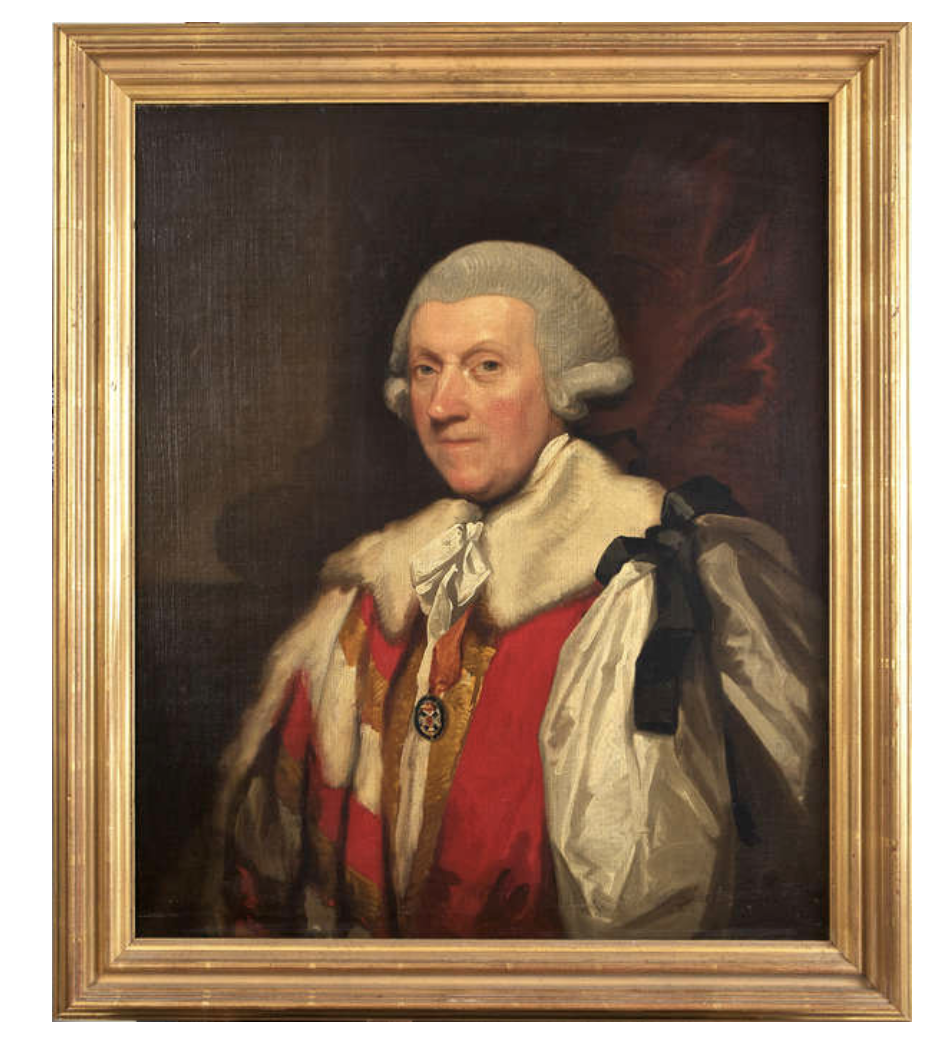
Oil painting on canvas, John Loftus, 2nd Marquess of Ely (1770-1845), attributed to Sir Thomas Lawrence (1769-1830). A three-quarter-length portrait, in a brown coat and blue sash. Peer’s robes to the right, red curtain to the background. A picture of the sitter’s wife by Lawrence is in the Art Institute of Chicago. Sothebys, Public Domain, https://commons.wikimedia.org/w/index.php?curid=15266849
John Henry Wellington Graham Loftus (1849-1889) 4th Marquess of Ely with Jane Loftus née Hope-Vere Marchioness of Ely by John & Charles Watkins c. 1860, NPG x134191.
Inscription verso reads, ‘Harriette / Née McClintock – wife of Richard Longfield of Longueville Co. Cork.’ courtesy of Whyte’s May 2016. Harriet Elizabeth (c. 1814-1834) was the daughter of John McClintock (1770-1855) of County Louth and Elizabeth Trench (1784-1877), and she married Richard Longfield (1802-1889) of Longueville, County Cork.
Lowry, Robert (d. 1729) of Aghenis Irish school courtesy of National Trust Castle Coole. He was the father of Galbraith Lowry-Corry (1706-1769).
Galbraith Lowry-Corry (1706-1769) courtesy of National Trust, Castle Coole, County Fermanagh.
Sarah Corry (1709-1779) later Mrs Galbraith Lowry Corry, by Anthony Lee courtesy of National Trust, Castle Coole, County Fermanagh.
Armar Lowry-Corry (1740-1802) 1st Earl Belmore, by Robert Hunter, courtesy of National Trust, Castle Coole, County Fermanagh. He was the son of Galbraith Lowry-Corry (1706-1769) and Sarah Corry (1709-1779).
Margaret Lowry-Corry née Butler (1748-1775) by Robert Hunter, courtesy of National Trust, Castle Coole, County Fermanagh. She was 1st wife of Armar Lowry-Corry (1740-1802) 1st Earl Belmore.
Anne Lowry-Corry, Countess of Enniskillen (1742-1802) by Horace Hone c.1785, watercolour painting on ivory, courtesy National Trust Florence Court. Sister of Armar Lowry-Corry (1740-1802) 1st Earl Belmore and wife of William Willoughby Cole 1st Earl of Enniskillen.
Mary Anne Lowry-Corry née Caldwell, (d. 1841) Countess Belmore by Hugh Douglas Hamilton courtesy of National Trust Castle Coole. She was the daughter of John Caldwell 4th Baronet of Castle Caldwell in County Fermanagh. She was 3rd wife of Armar Lowry-Corry (1740-1802) 1st Earl Belmore. His second wife was Henrietta Hobart, daughter of John Hobart 2nd Earl of Buckinghamshire.
Somerset Lowry-Corry (1774-1841) 2nd Earl Belmore, by Hugh Douglas Hamilton, courtesy of National Trust, Castle Coole, County Fermanagh. He married Juliana Butler (1783-1861), daughter of Henry Thomas Butler 2nd Earl of Carrick (2nd Creation).
Juliana Butler (1727/8-1804) Countess of Carrick, with her younger daughters Lady Henrietta Butler (1750-1785), later Viscountess Mountgarret, and Lady Margaret Butler/Lowry-Corry (1748-1775), by Richard Cosway, courtesy of National Trust, Castle Coole, County Fermanagh.
Emily Louise Lowry-Corry née Shepherd (1814-1904) Countess Belmore, wife of Armar Lowry-Corry 3rd Earl of Belmore, by Stephen Pearce courtesy of National Trust Castle Coole.
Somerset Richard Lowry-Corry (1835-1913) 4th Earl Belmore, by Stephen Pearce, courtesy of National Trust, Castle Coole, County Fermanagh. He was son of Armar Lowry-Corry 3rd Earl of Belmore.
Henry Thomas Lowry Corry (1803-1873) by and published by William Walker 1867, NPG Ax15852.
Anne Luttrell (1743-1808), who married Christopher Horton and later, Henry Frederick, Duke of Cumberland, painted by Thomas Gainsborough, National Gallery of Ireland, NGI795. Photograph © Jennifer Winder-Baggot, www.irishhistorichouses.com
Georgiana Pakenham née Lygon (1774-1880). She married Thomas Pakenham 2nd Earl of Longford. Photograph © Jennifer Winder-Baggot, www.irishhistorichouses.com

Fahanmura, 2 Knocksinna, Foxrock, Dublin 18, D18 W3F2 – section 482

www.fahanmura.ie

Open dates in 2025: May 6-29, June 3-5, 9-12, 16-19, 23-26, July 7-10, 14-17, 21-24, Aug 16-24,

2pm-6pm

Fee: adult €6, child/OAP/student €3

2025 Diary of Irish Historic Houses (section 482 properties)

To purchase an A5 size 2025 Diary of Historic Houses (opening times and days are not listed so the calendar is for use for recording appointments and not as a reference for opening times) send your postal address to jennifer.baggot@gmail.com along with €20 via this payment button. The calendar of 84 pages includes space for writing your appointments as well as photographs of the historic houses. The price includes postage within Ireland. Postage to U.S. is a further €10 for the A5 size calendar, so I would appreciate a donation toward the postage – you can click on the donation link.

€20.00

donation

Help me to pay the entrance fee to one of the houses on this website. This site is created purely out of love for the subject and I receive no payment so any donation is appreciated!

€15.00

We visited Fahanmura in October 2022, a modernist house in Stillorgan, County Dublin. It was later put on the market for sale. Before that, it sold in 1959 to the grandparents of Paul who welcomed us and showed us around. It’s currently for sale with estate agent Colliers and the asking price is €1,700,000.

Fahanmura, photograph courtesy of Colliers estate agent and myhome.ie in 2023.

Maurice Craig suggests that the named may refer to an ancient slab in County Donegal called “Fahan Mura.” This slab, Craig tells us, is a cross with interlaced ornament and two stylised figures on the stone’s face. “The projecting lugs seem to represent the arms of a cross, and to be an early stage in the evolution of the High Cross form. It has a Greek inscription of the late seventh century.” Its simplified form is reflected in the paired back simplified style of the house. [1]

The National Inventory identifies that it was built for Moore Ffrench Parkhill on a site leased in 1936 from John Fitzpatrick of Knocksinna. [2] In the article about the sale of Fahanmura in the Business Post on May 7th 2023, Tina-Marie O’Neill tells us that Moore Ffrench Parkhill was the managing director of Scottish chemical supplier Charles Tennant Ltd’s Dublin office on Westmoreland Street. Unfortunately he didn’t enjoy his house for long, dying in 1940, just one year after the building was completed. It was purchased by current owner Paul’s grandfather, William Valentine Harvey, a director of William Hogg & Company, wine, tea and coffee importers of Cope Street, Dublin.

There are many modernist houses on this road of the same style, including Corners, Cranleigh, India House, Ribbadene, Gareg Wen, Iona and Glencroe (all listed in the National Inventory). [3]

Its composition is attributed to Frederick Edward Bradshaw MacManus (1903-85). I see that an architectural historian named Vincent Delany is writing a book about this architect, and has written about Fahanmura.

The view of Fanahmura from the road, October 2022. Photograph © Jennifer Winder-Baggot, www.irishhistorichouses.com

The Fahanmura website tells us that features of the Modern movement which exist in the house are: 

  • Asymmetrical 
  • Horizontal orientation 
  • Flat roof 
  • No cornices or eaves 
  • Cube-like shape 
  • Smooth, white walls 
  • Sleek, streamlined appearance 
  • Rounded corners highlighted by wraparound windows 
  • Glass block windows/Steel
  • Little or no ornamentation 
  • Open floor plans 

It is a beautiful representation of Modernism. The website adds:

The sleek, rounded Art Moderne style originated in the Bauhaus movement, which began in Germany. Bauhaus architects wanted to use the principles of classical architecture in their purest form, designing simple, useful structures without ornamentation or excess. Building shapes were based on curves, triangles, and cones. Bauhaus ideas spread worldwide and led to the Moderne or International Style in the United States. Art Moderne art, architecture, and fashion became popular just as Art Deco was losing appeal.

Fahanmura, photograph courtesy of Colliers estate agent and myhome.ie in 2023. There is a rendered stepped boundary wall to perimeter with concrete coping.

It is of four bays, two storey with a flat roof, and is on a staggered L shaped plan. It has a one storey extension at the rear with a ladder going between the one and two storey parts which reminds me of the ladder into a swimming pool, which adds to the California vibe. The flat roof can double as a sun deck!

The smooth rendered walls, horizontal glazing bars and smaller size windows on the upper level are are characteristic of this sort of building, the National Inventory tells us, as well as the canopy over the door.

Fahanmura, October 2022. Photograph © Jennifer Winder-Baggot, www.irishhistorichouses.com
Fahanmura, photograph courtesy of Colliers estate agent and myhome.ie in 2023.

Having been well maintained, the elementary form and massing survive intact together with substantial quantities of the original fabric, both to the exterior and to the interior, thus upholding the character or integrity of a house forming the unofficial centrepiece of a so-called International Style suburb.” [see 2]

Fahanmura October 2022. Photograph © Jennifer Winder-Baggot, www.irishhistorichouses.com

The large wooden double doors are approached by two steps, covered by a canopy. The door is flanked by sidelights with wrought iron cobweb detail with concrete sills, and standard lamps of an art deco design on plinths.

Photograph courtesy of Colliers estate agent and myhome.ie
Fahanmura, October 2022. Photograph © Jennifer Winder-Baggot, www.irishhistorichouses.com

Some of the windows are curved and have thin horizontal bars, and the frames are of steel, which is unusual, Paul told us.

Fahanmura October 2022. Photograph © Jennifer Winder-Baggot, www.irishhistorichouses.com
The back of Fahanmura, photograph courtesy of Colliers estate agent and myhome.ie
The back of Fahanmura October 2022. Photograph © Jennifer Winder-Baggot, www.irishhistorichouses.com
The back of Fahanmura, photograph courtesy of Colliers estate agent and myhome.ie

The back of the house has a wonderful large curved stepped window and more curves.

The wonderful stepped curved window in back, and the single storey extension with the swimming pool style ladder. Photograph © Jennifer Winder-Baggot, www.irishhistorichouses.com
The back of Fahanmura October 2022. Photograph © Jennifer Winder-Baggot, www.irishhistorichouses.com
The curved windows at the back of the house in October 2022 when Paul was renovating. Photograph © Jennifer Winder-Baggot, www.irishhistorichouses.com
The single storey extension, in October 2022 when Paul was renovating. Photograph © Jennifer Winder-Baggot, www.irishhistorichouses.com
The single storey extension. Photograph © Jennifer Winder-Baggot, www.irishhistorichouses.com

Paul was doing up the house inside when we visited. When you enter, there is a lovely curved staircase in the entrance lobby lit by the large curved stepped window.

The spacious entrance lobby and sweeping staircase, photograph courtesy of Colliers estate agent and myhome.ie. The hardwood hall table in the curve of the stairs is built into the wall.
Photograph courtesy of Colliers estate agent and myhome.ie
Fahanmura October 2022, before being put on the market for sale. Photograph © Jennifer Winder-Baggot, www.irishhistorichouses.com
Fahanmura October 2022. Photograph © Jennifer Winder-Baggot, www.irishhistorichouses.com
Fahanmura, October 2022. Photograph © Jennifer Winder-Baggot, www.irishhistorichouses.com
Ground plan of the ground floor of Fahanmura, courtesy of Colliers estate agent and myhome.ie
Paul showed us the advertisement from the Irish Times newspaper on Saturday 18th April 1959, when his grandparents bought Fahanmura.

To the left of the entrance lobby is a generous study, as Colliers Estate Agents describe it, with original Art deco ceramic fireplace and matching bookcases on either side.

The study with original Art Deco fireplace, photograph courtesy of Colliers estate agent and myhome.ie

The advertisement tells us that “a bright passage hall leads to a spacious dual aspect living room with feature curved windows , feature fireplace with recessed storage presses at either side and a wonderful tri aspect sunroom with direct garden access. To the right of the entrance lobby double doors open into the formal dining room, complete with original curved fireplace and access to the kitchen with original AGA stove.

We didn’t get to see these downstairs room as the owners were letting the rooms to a Ukranian family at the time.

The sitting room with curved windows, photograph courtesy of Colliers estate agent and myhome.ie.
I think this is the same room as above, without the furniture, photograph courtesy of Colliers estate agent and myhome.ie.
Curved windows, photograph courtesy of Colliers estate agent and myhome.ie.
This must be the tri aspect sunroom with direct garden access, photograph courtesy of Colliers estate agent and myhome.ie
The dining room, photograph courtesy of Colliers estate agent and myhome.ie
The dining room minus the furniture, photograph courtesy of Colliers estate agent and myhome.ie
The dining room also has an original Art Deco fireplace, photograph courtesy of Colliers estate agent and myhome.ie
The kitchen has a quirky turquoise Aga stove, photograph courtesy of Colliers estate agent and myhome.ie.

Off the kitchen lies a cold larder, utility room with twin Belfast sink and gives access to an inner hall which leads to original maid’s quarters, garage and out to the gardens.

The house has four bedrooms upstairs, and three of them access roof terraces.

First floor ground plan, photograph courtesy of Colliers estate agent and myhome.ie.

On the corridor landing is a quirky original inbuilt table that folds back into the wall, designed for placement of a breakfast or tea tray carried up by kitchen staff! A system of bell-pushes in the nine rooms link down to a panel in the kitchen.

Fahanmura October 2022. Photograph © Jennifer Winder-Baggot, www.irishhistorichouses.com
The landing upstairs in Fahanmura when it was being prepared for sale October 2022. Photograph © Jennifer Winder-Baggot, www.irishhistorichouses.com
Fahanmura, top of the staircase, when the house was being prepared for sale, October 2022. Photograph © Jennifer Winder-Baggot, www.irishhistorichouses.com
The upstairs corridor in Fahanmura when it was being prepared for sale, October 2022. Photograph © Jennifer Winder-Baggot, www.irishhistorichouses.com
The bedroom upstairs which has a door onto the balcony, photograph courtesy of Colliers estate agent and myhome.ie.
The same bedroom as above, sans furniture, photograph courtesy of Colliers estate agent and myhome.ie.
The rather old-fashioned arrangement of having a sink in the bedroom seems to have been altered – see the photograph below, I think this is the same bedroom as in this photograph, modernised and with the sink taken out, photograph courtesy of Colliers estate agent and myhome.ie.
The same bedroom as the empty one in the photograph above, photograph courtesy of Colliers estate agent and myhome.ie.

The bathroom has been modernised also and I am sad to see the Art Deco tiling removed!

The bathroom before renovation, photograph courtesy of Colliers estate agent and myhome.ie.
The crisp new renovated bathroom, the same room as in the photograph above, photograph courtesy of Colliers estate agent and myhome.ie.
The view out into the garden at Fahanmura October 2022, during renovation. Photograph © Jennifer Winder-Baggot, www.irishhistorichouses.com
Fahanmura, October 2022. Photograph © Jennifer Winder-Baggot, www.irishhistorichouses.com
The back garden, photograph courtesy of Colliers estate agent and myhome.ie.
Fahanmura, October 2022. Photograph © Jennifer Winder-Baggot, www.irishhistorichouses.com
The garden to the side of the house, photograph courtesy of Colliers estate agent and myhome.ie.

[1] Maurice Craig and Knight of Glin, Ireland Observed. A handbook to the Buildings and Antiquities. The Mercier Press, Dublin and Cork, 1970.

[2] https://www.buildingsofireland.ie/buildings-search/building/60230072/fahanmura-knocksinna-stillorgan-road-galloping-green-south-co-dun-laoghaire-rathdown

[3] Other examples of houses on Knocksinna:

Glencroe on Knocksinna, built before 1950 for James Cyril McVey. https://www.buildingsofireland.ie/buildings-search/building/60230066/glencroe-knocksinna-stillorgan-road-galloping-green-south-co-dublin
Glencroe on Knocksinna, built before 1950 for James Cyril McVey. Photograph © Jennifer Winder-Baggot, www.irishhistorichouses.com
Ribbadene, built before 1950. Photograph © Jennifer Winder-Baggot, www.irishhistorichouses.com
Cranleigh, built 1939 Arthur J. Thornton. https://www.buildingsofireland.ie/buildings-search/building/60230067/cranleigh-knocksinna-stillorgan-road-galloping-green-south-co-dublin
Modernist house on Knocksinna. Photograph © Jennifer Winder-Baggot, www.irishhistorichouses.com
India House, built before 1950. Photograph © Jennifer Winder-Baggot, www.irishhistorichouses.com
Iona. Photograph © Jennifer Winder-Baggot, www.irishhistorichouses.com
Garag Wen, on Knocksinna, built before 1950. Photograph © Jennifer Winder-Baggot, www.irishhistorichouses.com
Garag Wen, on Knocksinna Photograph © Jennifer Winder-Baggot, www.irishhistorichouses.com
Modernist house on Knocksinna. Photograph © Jennifer Winder-Baggot, www.irishhistorichouses.com

Text © Jennifer Winder-Baggot, www.irishhistorichouses.com

Portraits C

C

Cornelius Callaghan, M.P., (d.1741), Lawyer Date: 1742 Engraver John Brooks, Irish, fl.1730-1756 After Unknown Artist, courtesy of National Gallery of Ireland.
Cecil Calvert, 2nd Baron Baltimore (1605/6-1675), Aged 51 Date c.1657 by Engraver Abraham Blooteling, Dutch, 1640-1690 After Irish 17th century, Irish, courtesy of National Gallery of Ireland.
Harriet de Burgh née Canning, Countess of Clanricarde (1804-1876), married to Ulick John De Burgh, 14th Earl and 1st Marquess of Clanricarde (1802-1874). I think the portrait is by John Lucas.
Elizabeth Stuart née Yorke (1789-1867). Lady Stuart de Rothesay, with her daughters Charlotte (1817-1861) and Louisa (1818-1891) by George Hayter, photograph courtesy of UK Government Art Collection. Elizabeth was the daughter of Philip Yorke 3rd Earl of Hardwicke; Louisa married Henry de la Poer Beresford 3rd Marquis of Waterford; Charlotte married Charles John Canning 1st Viceroy of India, 2nd Viscount Canning, 1st Earl Canning.
Algernon Capell (1670-1710) 2nd Earl of Essex. Photograph © Jennifer Winder-Baggot, www.irishhistorichouses.com
John Craven Carden, 1st Baronet by Robert Hunter courtesy of Adam’s auction 13 Oct 2015. This portrait of John Craven Carden is in the uniform of the Templemore Light Dragoons, a volunteer regiment raised in response to the withdrawal of regular troops required for the American War but which rapidly acquired political leverage. Carden had inherited large estates in Tipperary acquired in the Cromwellian settlement of the 17th Century. Although without parliamentry influence, Carden represented landed interests which the Castle administration were keen to control. Bribes were measured and Carden was made a baronet in 1787. He proved to be a sound man in the 1798 rebellion and by fortifying the Market House in Templemore denied the town to the rebels. He also leased the land for a barracks (now the Garda Training College) and donated the site of the Catholic Church in 1810.
Sarah Cooper née Carleton (born around 1718), wife of Arthur Cooper (b. 1716) of Coopershill, County Sligo. Daughter of Guy Cathcart Carleton of Fermanagh and Mary Brooke of Brookeborough, County Fermanagh. Photograph © Jennifer Winder-Baggot, www.irishhistorichouses.com
The painting is a portrait by William Hogarth of the 1st Earl of Charlemont, James Caulfeild (1728-1799) aged 13, with his mother, Elizabeth Caulfeild née Bernard (1703-1743)(portrait painted in 1741). Photograph © Jennifer Winder-Baggot, www.irishhistorichouses.com
James Caulfeild (1728-1799) 4th Viscount, 1st Earl of Charlemont, 1790 by Martin Ferdinand Quadal, courtesy of National Gallery of Ireland.
James Caulfeild, 1st Earl of Charlemont (1728-1799) by Richard Livesay, British, 1753-1826.
Dorothy Bentinck née Cavendish, Duchess of Portland (1750-1794) by George Romney, c. 1772, daughter of William Cavendish, 4th Duke of Devonshire. She married William Henry Bentinck 3rd Duke of Portland who added Cavendish to his name to become Cavendish-Bentinck. Photograph © Jennifer Winder-Baggot, www.irishhistorichouses.com
William Cavendish, 3rd Duke of Devonshire, (1698-1755), former Lord Lieutenant of Ireland by Engraver John Faber the Younger, Dutch, c.1695-1756 After Joshua Reynolds, English, 1723-1792, courtesy of National Gallery of Ireland.
Catherine Cavendish, Duchess Of Devonshire (1700-1777) née Hoskins or Hoskyn, As Saint Catherine by Charles Jervas (1675-1739), courtesy of Whyte’s auction March 2019. She married William Cavendish 3rd Duke of Devonshire.
William Cavendish (1720-1764) 4th Duke of Devonshire, who brought Lismore Castle, County Waterford, into the Cavendish family by his marriage. Painting by Thomas Hudson.
Charlotte Boyle (1731-1754) daughter of Richard Boyle (1694-1753) 3rd Earl of Burlington 4th Earl of Cork who married William Cavendish (1720-1764) 4th Duke of Devonshire and brought Lismore Castle, County Waterford, into the Cavendish family. Painting after style of George Knapton, courtesy of Chiswick House collection.
William Cavendish (1748-1811) 5th Duke of Devonshire by John Raphael Smith, after Sir Joshua Reynolds publ. 1776, NPG D1752.
Elizabeth Christina Foster née Hervey (1759-1824) later Duchess of Devonshire by Angelica Kauffmann courtesy of National Trust Ickworth. She was the daughter of Frederick Augustus Hervey 4th Earl of Bristol, Bishop of Derry who built Downhill, Co Derry. She married John Thomas Foster MP (1747-1796) and later, William Boyle Cavendish 5th Duke of Devonshire. Last, she married Valentine Richard Quin 1st Earl of Dunraven and Mount Earl.
Lady Elizabeth Foster (1759-1824) née Hervey, as the Tiburtine Sibyl c. 1805 by Thomas Lawrence, National Gallery of Ireland NGI788. She was the daughter of Frederick Augustus Hervey 4th Earl of Bristol, Bishop of Derry who built Downhill, Co Derry. She married John Thomas Foster MP (1747-1796) and later, William Boyle Cavendish 5th Duke of Devonshire. Last, she married Valentine Richard Quin 1st Earl of Dunraven and Mount Earl. Photograph © Jennifer Winder-Baggot, www.irishhistorichouses.com
William George Spencer Cavendish (1790-1858) 6th Duke of Devonshire by George Edward Madeley, NPG D15276.
Margaret Jones née Cecil (1673-1727) Countess of Ranelagh, 2nd wife of Richard Jones 1st Earl of Ranelagh Engraver: John Smith, English, 1652-1743 After Godfrey Kneller, German, 1646-1723, courtesy of National Gallery of Ireland.
William Chambers in the style of Joshua Reynolds, courtesy of Adam’s auction 13 Oct 2015
Major Henry Chavasse (1863-1943). 4th Battalion Scottish Rifles. Photograph © Jennifer Winder-Baggot, www.irishhistorichouses.com
Anna Georgina Chavasse, née Coghill (d. 1899). She married Reverend William Izon Chavasse (1835-1864). Photograph © Jennifer Winder-Baggot, www.irishhistorichouses.com
Theresa Susey Helen Vane-Tempest-Stewart née Chetwynd-Talbot, Marchioness of Londonderry (1856-1919) by John Singer Sargent, Vicereine 1886-89, wife of Charles Stewart Vane-Tempest-Stewart , 6th Marquess of Londonderry. Photograph © Jennifer Winder-Baggot, www.irishhistorichouses.com

Baron Chichester (1613)

  • Arthur Chichester, 1st Baron Chichester (1563–1625)
Arthur Chichester (1563-1625) Baron Chichester Of Belfast (c) Belfast Harbour Commissioners; Supplied by The Public Catalogue Foundation.

Baron Chichester and Viscount Chichester (1625)

  • Edward Chichester, 1st Viscount Chichester (1568–1648)
  • Arthur Chichester, 2nd Viscount Chichester (1606–1675; created Earl of Donegall in 1647)

Earl of Donegall (1647)

  • Arthur Chichester, 1st Earl of Donegall (1606–1675)
  • Arthur Chichester, 2nd Earl of Donegall (died 1678)
  • Arthur Chichester, 3rd Earl of Donegall (1666–1706)
Anne Barry née Chichester (1697-1753) Countess of Barrymore, 3rd wife of James Barry 4th Earl of Barrymore. She was the daughter of Arthur, 3rd Earl of Donegall. Photograph © Jennifer Winder-Baggot, www.irishhistorichouses.com
Lady Anne Chichester, Countess of Barrymore (d. 1753) Attributed to Philip Hussey, she was daughter of Major-General Arthur Chichester, 3rd Earl of Donegall (1666-1706) and his wife Lady Catherine Forbes (d. 1743), and she married James Barry 4th Earl of Barrymore, and was the mother of James Smith-Barry.
  • Arthur Chichester, 4th Earl of Donegall (1695–1757)
Lady Lucy Ridgeway was the eldest daughter and co-heir of Robert Ridgeway, 4th Earl of Londonderry (d. 1713/14), she married Arthur Chichester, 4th Earl of Donegal (1695-1757), by Jonathan Richardson courtesy of Sothebys L11304.
  • Arthur Chichester, 5th Earl of Donegall (1739–1799; created Baron Fisherwick in 1790 and Earl of Belfast and Marquess of Donegall in 1791). He married Anne née Hamilton (1731-1780) who was the daughter of James Brandon Douglas Hamilton 5th Duke of Hamilton, Scotland. Arthur the 5th Earl of Donegall was the son of John Chichester (1700-1746), who was the son of Arthur 3rd Earl of Donegall.
Anne Chichester née Hamilton, Countess of Donegall (1731-1780), who married Arthur Chichester 5th Earl of Donegall. She was the daughter of James Brandon Douglas Hamilton 5th Duke of Hamilton, Scotland. Photograph © Jennifer Winder-Baggot, www.irishhistorichouses.com

Marquess of Donegall (1791)

  • Arthur Chichester, 1st Marquess of Donegall (1739–1799)
Arthur Chichester (1739-1799) 1st Marquess of Donegall, by Thomas Gainsborough, courtesy of Ulster Museum. He was the grandson of the 3rd Earl of Donegall.
  • George Augustus Chichester, 2nd Marquess of Donegall (1769–1844)
George Augustus Chichester (1769-1844) 2nd Marquess of Donegall, courtesy of Belfast Castle.

George Hamilton Chichester, 3rd Marquess of Donegall, Baron Ennishowen and Carrickfergus (1797–1883). He married Harriet Anne née Butler (1799-1860), daughter of Richard Butler, 1st Earl of Glengall.

Harriet Anne née Butler (1799-1860) Countess of Belfast, wife of George Hamilton Chichester 3rd Marquess of Donegal and daughter of Richard Butler, 1st Earl of Glengall.
Frederick Richard Chichester (1827-1853), Earl of Belfast, Courtesy of Ulster Museum. He was the son of the 3rd Marquess of Donegall.
Frederick Richard Chichester (1827-1853) Earl of Belfast courtesy of Ulster Museum.
  • Edward Chichester, 4th Marquess of Donegall (1799–1889)
  • George Augustus Hamilton Chichester, 5th Marquess of Donegall (1822–1904)
  • Edward Arthur Donald St George Hamilton Chichester, 6th Marquess of Donegall (1903–1975)
  • Dermot Richard Claud Chichester, 7th Marquess of Donegall (5th Baron Templemore) (1916–2007)
  • Arthur Patrick Chichester, 8th Marquess of Donegall (b. 1952) [1]
Portrait c. 1740 of Archbishop Robert Clayton (1695–1758) and Katherine née Donellan by James Latham, courtesy of National Gallery of Ireland. Known for his unorthodox views, at the time of his death Robert Clayton was facing charges of heresy.
Robert Clayton (1695–1758) Bishop of Cork and Ross, in Iveagh House on St. Stephen’s Green. Photograph © Jennifer Winder-Baggot, www.irishhistorichouses.com
Robert Clements, later First Earl of Leitrim, by Pompeo Batoni, about 1753–1754, Hood Museum of Art.
Robert Clements (1732-1804) 1st Earl of Leitrim by Gilbert Stuart courtesy of Christie’s Irish Sale 2001.
Colonel Henry John Clements (1781-1843) of Ashfield, Co. Cavan by Martin Cregan, courtesy of Christie’s Irish Sale 2001. He was the son of Henry Theophilus Clements (1750-1795), a brother of the 1st Earl of Leitrim, and Catherine Beresford (1761-1836). He married Louisa Stewart (1778-1850) of Killymoon, Country Tyrone, daughter of James Stewart (1741-1821).
Charlotte Florentia Percy née Clive (1787-1866), Duchess of Northumberland (1787-1866), by Martin Cregan. She was the daughter of Edward Clive, 1st Earl of Powys, and she married Hugh Percy, Earl Percy. Photograph © Jennifer Winder-Baggot, www.irishhistorichouses.com
John Clotworthy (d. 1665), 1st Viscount of Massereene, courtesy of Clotworthy House.
Archbishop Charles Cobbe (1687-1765) of Newbridge House, Dublin Photograph © Jennifer Winder-Baggot, www.irishhistorichouses.com
Charles Cobbe (1687-1765), Protestant Archbishop of Dublin Date 1746 by Engraver Andrew Miller, English, fl.1737-1763 After Francis Bindon, Irish, 1690-1765, courtesy of National Gallery of Ireland.
Charles Cobbe, P. Archbishop of Dublin, (1687-1765) by Engraver Andrew Miller, English, fl.1737-1763 After Francis Bindon, Irish, 1690-1765, courtesy of National Gallery of Ireland.
Elizabeth Cobbe née de la Poer Beresford (1736-1806), wife of Thomas Cobbe (1733-1814) of Newbridge House, Dublin, in a costume evocative of Mary Queen of Scots, miniature, Cobbe Collection.
This portrait was painted the year that Marmaduke Coghill (1673-1739) was appointed Chancellor of the Exchequer, attributed to Francis Bindon, courtesy of Adam’s auction 15 Dec 2019. A firm adherent to the ‘castle’ administration he had ‘inherited’ from his father the position of Judge of the Prerogative Court and had enriched himself sufficiently to re-build Drumcondra House, probably using Edward Lovett Pearce. He had a penchant for commissioning outstanding pieces of silver from the Dublin silversmiths such as the extraordinary cistern in the Ulster Museum and the Monteith in Waterford. There is a monument to him by Peter Scheemakers in Drumcondra Church. Francis Bindon (1690 – 1765) is the most likely artist to have painted this portrait.
Marmaduke Coghill (1673-1738). Never married, he lived in Belvedere House, Drumcondra before building a house at Clonturk, afterwards known as Drumcondra House, he lived there with his sister Mary until his death. Adam’s auction 9 Mar 2014.
Admiral Josiah Coghill (1773-1850), 3rd Baronet Coghill, of Coghill, Co. York, UK. Photograph © Jennifer Winder-Baggot, www.irishhistorichouses.com
Anna Georgina Chavasse, née Coghill (d. 1899). She married Reverend William Izon Chavasse (1835-1864). Photograph © Jennifer Winder-Baggot, www.irishhistorichouses.com

I refer to Timothy William Ferres’s terrific blog to look at the Cole family of Florence Court in County Fermanagh, a National Trust property.

William Cole married Susannah, daughter and heir of John Croft, of Lancashire, and widow of Stephen Segar, Lieutenant of Dublin Castle, by whom he left at his decease in 1653,

MICHAEL, his heir;
John, of Newland, father of Arthur, 1st BARON RANELAGH;
Mary; Margaret.

Called Elizabeth Cole Lady Ranelagh, probably really Catherine Cole née Byron (1667-1746) Lady Ranelagh attributed to John Closterman courtesy of National Trust Florence Court. She married Arthur Cole, 1st Baron Ranelagh.

The elder son,

MICHAEL COLE, wedded, in 1640, Catherine, daughter of Sir Laurence Parsons, of Birr, 2nd Baron of the Irish Exchequer, and dvp, administration being granted 1663 to his only surviving child,

SIR MICHAEL COLE, Knight (1644-1710), of Enniskillen Castle, MP for Enniskillen, 1692-3, 95-9, 1703-11, who espoused firstly, Alice (dsp 1671), daughter of Chidley Coote, of Killester; and secondly, 1672, his cousin, Elizabeth (d 1733), daughter of Sir J Cole Bt.

Sir Michael was succeeded by his only surviving child,

JOHN COLE (1680-1726), of Florence Court, MP for Enniskillen, 1703-26, who espoused, in 1707, Florence, only daughter of Sir Bourchier Wrey Bt, of Trebitch, in Cornwall.

Florence Bourchier Wrey (d. 1718), courtesy of National Trust, Florence Court, County Fermanagh. She married John Cole (1680-1726) who built Florence Court, and named it after her.
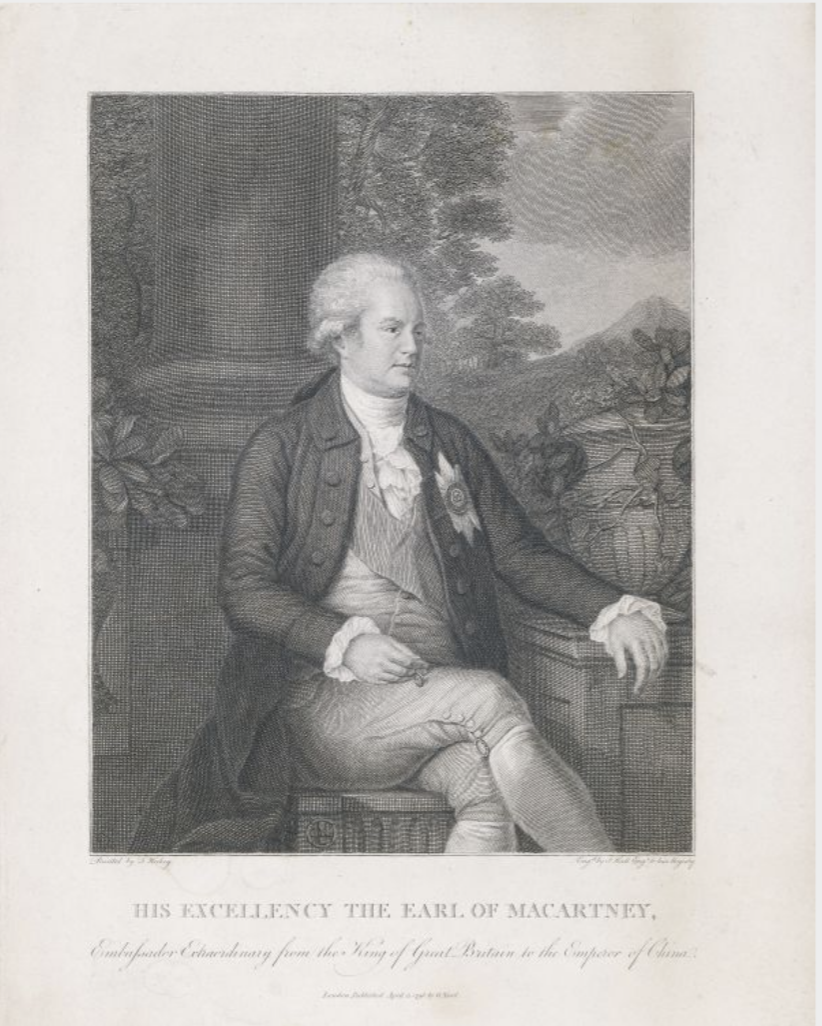
John and Florence had the following children:

Henry (Rev);
JOHN (1709-67) his heir;
Letitia; Florence.

Mr Cole was succeeded by his younger son, John Cole (1709-67) MP for Enniskillen, 1730-60. John married in 1728 Elizabeth, daughter of Hugh Willoughby Montgomery, of Carrow, County Fermanagh. Mr Cole was elevated to the peerage, in 1760, in the dignity of Baron Mountflorence, of Florence Court, County Fermanagh.

John Cole (1709-1767) 1st Baron Mountflorence of Florence Court, County Fermanagh, courtesy of National Trust, Florence Court, County Fermanagh.

John and Elizabeth had the following children:

WILLIAM WILLOUGHBY (1736-1803) his heir;
Arthur, m in 1780 Caroline Hamilton;
Flora Caroline; Catherine.

His lordship was succeeded by his elder son, WILLIAM WILLOUGHBY, 2nd Baron (1736-1803), MP for Enniskillen, 1761-7, who was created Viscount Enniskillen in 1776; and advanced to the dignity of an earldom, in 1789, as EARL OF ENNISKILLEN.

William Willoughby Cole (1736-1803) 1st Earl of Enniskillen, by Nathaniel Hone, courtesy of National Trust, Florence Court, County Fermanagh. He was the son of John Cole 1st Baron Mountflorence.
Anne Lowry-Corry, Countess of Enniskillen (1742-1802) by Horace Hone c.1785, watercolour painting on ivory, courtesy National Trust Florence Court. Sister of Armar Lowry-Corry (1740-1802) 1st Earl Belmore and wife of William Willoughby Cole 1st Earl of Enniskillen.

William Willoughby Cole married, in 1763, Anne, daughter of Galbraith Lowry Corry, of Ahenis, County Tyrone, and sister of Armar Corry, Earl of Belmore, and had issue,

JOHN WILLOUGHBY (1768-1840) his successor, who became 2nd Earl;
Galbraith Lowry (Sir), GCB, a general in the army;
William Montgomery (Very Rev), Dean of Waterford;
Arthur Henry, MP for Enniskillen;
Henry, died young;
Sarah; Elizabeth Anne; Anne; Florence; Henrietta Frances.

John Willoughby Cole (1768-1840) 2nd Earl of Enniskillen, later 1st Baron Grinstead, by Thomas Robinson, courtesy of National Trust, Florence Court, County Fermanagh.
John Willoughby Cole (1768-1840) 2nd Earl of Enniskillen and 1st Baron Grinstead (1768-1840). Photograph © Jennifer Winder-Baggot, www.irishhistorichouses.com
Lady Henrietta Cole, Lady Grantham, later Countess de Grey (1784-1848), Vicereine 1841-44, from Florence Court, Fermanagh. She was the daughter of William Willoughby Cole the 1st Earl of Enniskillen. Photograph © Jennifer Winder-Baggot, www.irishhistorichouses.com
Florence Townley-Balfour née Cole (1779-1862) daughter of William Willoughby Cole 1st Earl of Enniskillen, she married Blayney Townley-Balfour. Painting by Richard Rothwell, courtesy of National Trust Florence Court.

JOHN WILLOUGHBY Cole 2nd Earl (1768-1840) married, in 1805, the Lady Charlotte Paget, daughter of Henry, 1st Earl of Uxbridge. The 2nd Earl of Charlotte had the following children:

WILLIAM WILLOUGHBY (1807-86) his successor, who became the 3rd Earl of Enniskillen.

Henry Arthur; John Lowry; Lowry Balfour; Jane Anne Louisa Florence.

William Willoughby Cole (1807-1886) 3rd Earl of Enniskillen, by William Robinson, courtesy of National Trust, Florence Court, County Fermanagh.

WILLIAM WILLOUGHBY, 3rd Earl (1807-86), Honorary Colonel, 3rd Battalion, Royal Inniskilling Fusiliers, married firstly, in 1844, Jane, daughter of James Casamaijor, and had issue,

John Willoughby Michael, styled Viscount Cole (1844-50);

LOWRY EGERTON, 4th Earl;

Arthur Edward Casamaijor;

Florence Mary; Alice Elizabeth; Charlotte June; Jane Evelyn.

He wedded secondly, in 1865, Mary Emma, daughter of Charles, 6th Viscount Midleton.

His lordship was succeeded by his eldest surviving son,

LOWRY EGERTON, 4th Earl (1845-1924), KP JP DL MP, who wedded, in 1869, Charlotte Marion, daughter of Douglas Baird.

Charlotte Marion Baird (1851/2-1937) Countess of Enniskillen, by Henry Richard Graves, courtesy of National Trust, Florence Court, County Fermanagh. She married Lowry Egerton Cole, 4th Earl of Enniskillen.

Courtesy of http://lordbelmontinnorthernireland.blogspot.com/2017/08/florence-court-house.html

Nicholas Conway Colthurst (1789-1829) 4th Baronet of Ardrum, County Cork, by Martin Arthur Shee, courtesy of Eton College. He was Member of Parliament (M.P.) for the City of Cork between 1812 and 1829. His son the 5th Earl married Louisa Jane Jefferyes, through whom he acquired Blarney Castle.
Ambrose Congreve reading a newspaper at Clonbrock House, Ahascragh, Co. Galway, National Library of Ireland Ref. CLON422.

Timothy William Ferres tells us of the line of the Conolly family who owned Castletown House in County Kildare. [2] It was built by William Conolly (1662-1729), Speaker of the House of Commons in Ireland during the reign of Queen Anne, First Lord of the Treasury until his decease during the reign of GEORGE II, and ten times sworn one of the Lords Justices of Ireland.

William Conolly (1662-1729) of Castletown, County Kildare. Photograph © Jennifer Winder-Baggot, www.irishhistorichouses.com

William Conolly married, in 1694, Katherine Conyngham, sister of Henry 1st Earl.

Katherine Conolly née Conyngham (c. 1662-1752) who married William Conolly, pictured with her great-niece Molly Burton. Portrait by Charles Jervas. Photograph © Jennifer Winder-Baggot, www.irishhistorichouses.com

Speaker Conolly, MP for Donegal, 1692-9, Londonderry, 1703-29, was succeeded by his nephew, William James Conolly (1706-54).

I’m not sure but the top portrait looks like Katherine Conyngham to me, who marries William Conolly. Photograph © Jennifer Winder-Baggot, www.irishhistorichouses.com
William Conolly, M.P. (d.1754) by Anthony Lee c. 1727 courtesy of National Gallery of Ireland NGI 421

William James Conolly (1706-54) married Anne Wentworth, eldest daughter of Thomas, 1st Earl of Strafford.

Lady Anne Conolly née Wentworth (1713-1797), daughter of Thomas Wentworth (1672-1739) 1st Earl of Strafford). She was married to William James Conolly (1712-1754), of Castletown, County Kildare. Painting attributed to Anthony Lee, courtesy of National Gallery of Ireland. She was the mother of Thomas Conolly (1734-1803).
Lady Anne Conolly (born Wentworth (1712/1713-1797), daughter of Thomas Wentworth (1672-1739) 1st Earl of Strafford). She was married to William James Conolly (1712-1754), of Castletown, County Kildare. She was the mother of Thomas Conolly (1734-1803). Photograph © Jennifer Winder-Baggot, www.irishhistorichouses.com

They had issue,

THOMAS (1734-1803) his heir;
Katherine, m. Ralph, Earl of Ross;
Anne, m. G. Byng; mother of Earl of Strafford;
Harriet, m. Rt Hon John Staples, of Lissan;
Frances, m. 5th Viscount Howe;
Caroline, m. 2nd Earl of Buckinghamshire;

[2]

Thomas Conolly (1734-1803). He was the son and heir of William James Conolly (d.1754) of Castletown House, by his wife Lady Anne Wentworth. Thomas Conolly married Lady Louisa Lennox, a daughter of Charles Lennox, the 2nd Duke of Richmond. Photograph © Jennifer Winder-Baggot, www.irishhistorichouses.com
Thomas Conolly (1738-1803), 1758 by Anton Raphael Mengs, National Gallery of Ireland PGI 4458 Photograph © Jennifer Winder-Baggot, www.irishhistorichouses.com
Portrait called The Honourable Harriet Molesworth (1745-1812), wife of John Staples (1736-1820) (probably Harriet Conolly, d. 1771), by Francis Cotes, courtesy of National Trust. Springhill, County Derry.

Ferres continues, telling us that Thomas Conolly, MP for County Londonderry, 1761-1800, wedded, in 1758, Louisa Augusta Lennox, daughter of Charles, 2nd Duke of Richmond and Lennox.

The pastel on the top left is Thomas Conolly (1734-1803), Louisa’s husband.
Thomas Connolly of Castletown by Hugh Douglas Hamilton (1739-1808), courtesy Adam’s auction 28 March 2012.
Lady Louisa Connolly née Lennox (1743-1817) by Hugh Douglas Hamilton, (1739-1808), courtesy Adam’s 28 Sept 2005. She was the daughter of Charles, 2nd Duke of Richmond and Lennox.
Louisa Conolly née Lennox (1743-1817) who married Thomas Conolly (1734-1803). Photograph © Jennifer Winder-Baggot, www.irishhistorichouses.com

Thomas and Louisa had no children so the estate passed to a grand-nephew, Edward Michael Pakenham (1786-1849) who assumed the surname Conolly in 1821. Now Edward Michael Conolly of Castletown, County Kildare, and Cliff, County Donegal, Lieutenant-Colonel, Donegal Militia, MP for County Donegal, 1831-49, he married in 1819, Catherine Jane, daughter of Chambré Brabazon Ponsonby-Barker, by the Lady Henrietta Taylour his wife, daughter of Thomas, Earl of Bective. They had issue,

THOMAS (1823-1876) his heir;
Chambré Brabazon, d 1835;
Frederick William Edward, d 1826;
Arthur Wellesley, 1828-54;
John Augustus, VC;
Richard, d 1870;
Louisa Augusta; Henrietta; Mary Margaret; Frances Catherine.

Thomas Conolly (1823-1876), painting by William Osbourne. Photograph © Jennifer Winder-Baggot, www.irishhistorichouses.com

Thomas married, in 1868, Sarah Elizabeth, daughter of Joseph Shaw, of Temple House, Celbridge, County Kildare.

Sarah Eliza Conolly née Shaw, wife of Thomas. Photograph © Jennifer Winder-Baggot, www.irishhistorichouses.com
Thomas Conolly (1823-1876) and his wife Sarah Eliza. Sarah Eliza was the daughter of a prosperous Celbridge paper mill owner, Joseph Shaw. Her substantial dowry helped to fund her husband’s adventurous lifestyle! A photograph album which belonged to her brother Henry Shaw, of a visit to Castletown, was rescued from the rubble of his home in London when it was destroyed by a German bomb in 1944. Sadly, he died in the bombing. The photograph album is on display in Castletown. Photograph © Jennifer Winder-Baggot, www.irishhistorichouses.com

Thomas and Sarah Elizabeth had several children:

Thomas (1870-1900), killed in action at S Africa;
William, 1872-95;
EDWARD MICHAEL, of whom hereafter;
CATHERINE, Baroness Carew, mother of 6th BARON CAREW.

Mr Conolly was succeeded by his eldest surviving son,

EDWARD MICHAEL CONOLLY CMG (1874-1956), of Castletown, Major, Royal Artillery, who died unmarried, when Castletown passed to his nephew,

William Francis (Conolly-Carew), 6th Baron Carew. [2]

Albert Cunningham (d. 1691) first colonel of the 6th (Inniskilling) Dragoons, by Willem Wissing c. 1690, courtesy of British Cavalry Regiments website and wikipedia.
Albert Conyngham (d. 1691), courtesy of National Trust Springhill.
William Burton Conyngham (1733-1796), teller of the Irish Exchequer and treasurer of the Royal Irish Academy, 1780 engraver Valentine Green, after Hugh Douglas Hamilton, courtesy of National Gallery of Ireland.
Katherine Conolly née Conyngham (c. 1662-1752) who married William Conolly, with her great-niece Molly Burton. Portrait by Charles Jervas. Photograph © Jennifer Winder-Baggot, www.irishhistorichouses.com

On his terrific website, Timothy William Ferres tells us about the Conyngham family of Springhill, County Derry in Northern Ireland: [3]

Colonel William Cunningham, of Ayrshire settled in the townland of Ballydrum, in which Springhill is situated, in 1609.

Colonel Cunningham’s son, William Conyngham, known as “Good Will” (d. 1721) married Ann, daughter of Arthur Upton, of Castle Norton (later Castle Upton), County Antrim, by his wife Dorothy, daughter of Colonel Michael Beresford, of Coleraine. William “Good Will” Conyngham died in 1721, and was succeeded by his nephew,

William Conyngham (d. 1721), “Good Will”, courtesy of National Trust. Springhill, County Derry.
Ann Upton (1664-1753) wife of William “Goodwill” Conyngham (1660-1721), daughter of Arthur Upton (1623-1706) of Castle Upton, County Antrim, courtesy of National Trust. Springhill, County Derry.

William “Goodwill” Conyngham was succeeded by his nephew George Butle Conyngham (d. 1765). He married , in 1721, Anne, daughter of Dr Upton Peacocke, of Cultra.

George Butle Conyngham (d. 1765), courtesy of National Trust, Springhill, County Derry.
Anne Peacocke (d. 1754), Mrs George Butle Conyngham, courtesy of National Trust, Springhill, County Derry.

George Butle Conyngham and Anne née Peacocke had children William (1723-84), the heir to Springhill, and David, successor to his brother, John who died unmarried in 1775 and a daughter Anne (1724-1777) who married in 1745 Clotworthy Lenox.

Called Anne Conyngham (1724-1777) Mrs Clotworthy Lenox, courtesy of National Trust. Springhill, County Derry. She was the daughter of George Butle Conyngham.

David who succeeded his brother William died without issue so Springhill passed to his nephew George Lenox (1752-1816), son of his sister Anne, and George adopted the surname of Conyngham. George married, first, Jean née Hamilton (d. 1788), daughter of John Hamilton of Castlefin. They had a son, William Lenox-Conyngham (1792-1858).

Jean Hamilton (d. 1788), wife of William Conyngham (1723-1774) by Joshua Reynolds, courtesy of National Trust. Springhill, County Derry.

George married, second, in 1794, Olivia, fourth daughter of William Irvine, of Castle Irvine, County Fermanagh.

William Burton Conyngham (1733-1796), teller of the Irish Exchequer and treasurer of the Royal Irish Academy, 1780 engraver Valentine Green, after Hugh Douglas Hamilton, courtesy of National Gallery of Ireland.
William Burton Conyngham (1733–1796) by Anton Raphael Mengs c. 1754-58, courtesy of wikipedia. He was the son of Francis Burton and Mary Conyngham, and he inherited Slane Castle as well as Donegal estates from his uncle William Conyngham who died in 1781.
William Burton Conyngham, engraving After GILBERT STUART courtesy of Adams Country House Collections auction Oct 2023.

Slane Castle passed to William Burton Conyngham’s nephew Henry Conyngham (1766-1832) 1st Marquess Conyngham. Henry married Elizabeth Denison.

Elizabeth née Denison, Marchioness Conyngham (1769-1861), wife of Henry 1st Marquess.
Elizabeth Conyngham née Denison, wife of Henry 1st Marquess by Thomas Lawrence 1821 courtesy of Calouste Gulbenkian Museum.
Elizabeth Conyngham (née Denison), Marchioness Conyngham (1769–1861) by George Chinnery, English, 1774-1852.
Maria Conyngham (died 1843), daughter of 1st Marquess of Slane by Sir Thomas Lawrence courtesy of Metropolitan museum.
Francis Nathaniel Conyngham (1797-1876) 2nd Marquess of Slane, County Meath, courtesy of National Gallery of Ireland.
Edward Cooke, (1755-1820), Under-Secretary of State for Ireland Date: 1799 Engraver William Ward the Elder, English, 1766-1826 After William Cuming, Irish, 1769-1852.
Arthur Cooper, b. 1716, of Coopershill, County Sligo. Photograph © Jennifer Winder-Baggot, www.irishhistorichouses.com
Sarah Cooper née Carleton (born around 1718), wife of Arthur Cooper (b. 1716) of Coopershill, County Sligo. Daughter of Guy Cathcart Carleton of Fermanagh and Mary Brooke of Brookeborough, County Fermanagh. Photograph © Jennifer Winder-Baggot, www.irishhistorichouses.com
Arthur Brooke Cooper (c. 1775-1854) of Coopershill, County Sligo. Photograph © Jennifer Winder-Baggot, www.irishhistorichouses.com

Timothy William Ferres also tells us of the Coote family. Charles Coote (1581-1642), 1st Baronet of Castle Cuffe, Queen’s County (Laois): “The Peerage” website tells us that in 1600 he went to Ireland as Captain of 100 Foot under 8th Lord Mountjoy, Queen Elizabeth I’s Lord Deputy of Ireland. He fought in the siege of Kingsale in 1602. He held the office of Provost Marshal of Connaught between 1605 and 1642, for life. He held the office of General Collector and Receiver of the King’s Composition Money for Connaught in 1613, for life. He held the office of Vice-President of Connaught in 1620. He was appointed Privy Counsellor (P.C.) in 1620. He was created 1st Baronet Coote, of Castle Cuffe, Queen’s Co. [Ireland] on 2 April 1621. He held the office of Custos Rotulorum of Queen’s County in 1634. He held the office of Member of Parliament (M.P.) for Queen’s County [Ireland] in 1639. Before 1641 he held Irish lands, mostly in Conaught, worth £4,000 a year. He held the office of Governor of Dublin in 1641. In 1642 he helped relieve Birr, King’s County (now County Offaly), during the Uprising by the Confederation of Kilkenny, his successful operations there and elsewhere in the area, which was called Mountrath, suggesting the title by which his son was ennobled.

Sir Charles Coote (1581-1642) 1st Baronet of Castle Cuffe, Queens County By David Keddie – Own work, Public Domain, https//:commons.wikimedia.org/w/index.php?curid=42005305.jpg

He married Dorothea, youngest daughter and co-heir of Hugh Cuffe, of Cuffe’s Wood, County Cork, and had issue, Charles (c.1610 –1661) 1st Earl of Mountrath;
Chidley (d. 1688) of Killester, Co Dublin and Mount Coote, County Limerick;
RICHARD (1620-83) 1st Baron Coote of Colloony, County Sligo, ancestor of the EARL OF BELLAMONT (1st Creation);
Thomas, of Coote Hill;
Letitia (married Francis Hamilton, 1st Bt of Killaugh, co. Cavan).

Charles Coote 1st Earl of Mountrath (c.1610 –1661), 2nd Baronet, ca. 1642, before he was ennobled, Circle of William Dobson. By Christina Keddie – Own work, Public Domain, https://commons.wikimedia.org/w/index.php?curid=42002789

Charles Coote (c.1610 –1661), 1st Earl of Mountrath married first, Mary Ruish, who gave birth to his heir, Charles Coote (d. 1672) 2nd Earl of Mountrath, Queen’s County. The 1st Earl of Mountrath, Queen’s County, also had the titles 1st Baron Coote of Castle Cuffe, in Queen’s Co. [Ireland] and 1st Viscount Coote of Castle Coote, Co. Roscommon [Ireland].

Charles Coote (c.1610 –1661), 1st Earl of Mountrath married secondly Jane Hannay, and she had a son Richard (1643-1700), who married Penelope, daughter of Arthur Hill of Hillsborough, County Down. Their daughter Penelope Rose married Charles Boyle (d. 1732) 2nd Viscount Blesington. Another daughter, Jane (d. 1729) married William Evans, 1st and last Baronet of Kilcreene, County Kilkenny.

Charles Coote, 2nd Earl of Mountrath married Alice, daughter of Robert Meredyth of Greenhills, County Kildare. His daughter Anne (d. 1725) married Murrough Boyle, 1st Viscount Blesington (d. 1718). His son Charles (1656-1709) succeeded as 3rd Earl of Mountrath, and he was father to the 4th, 5th and 6th Earls.

Charles Coote (d. 1715) 4th Earl of Mountrath, c. 1710 by Charles Jervas. He died unmarried.
Diana Coote (1696-1766), Countess of Mountrath, wife of 6th Earl, 1746 by Thomas Hudson, National Gallery of Ireland NGI293. Photograph © Jennifer Winder-Baggot, www.irishhistorichouses.com

The son of Algernon Coote (1689-1744) 6th Earl of Mountrath, Charles Henry Coote (d. 1802) 7th Earl of Mountrath had no legitimate male issue and the earldom and its associated titles created in 1660 died with him. The barony of Castle Coote passed according to the special remainder to his kinsman, Charles Coote. The baronetcy of Castle Cuffe also held by the Earl passed to another kinsman, Sir Charles Coote, 9th Baronet.

Charles Henry Coote (1794-1864) 9th Baronet of Castle Cuffe, Queens County, By John Hoppner, Public Domain, https://commons.wikimedia.org/w/index.php?curid=42004929

Let us return now to Charles Coote (1581-1642), 1st Baronet of Castle Cuffe, Queen’s County (Laois) and trace the line of his younger son, RICHARD COOTE (1620-83), for his hearty concurrence with his brother, SIR CHARLES, 2nd Baronet, in promoting the restoration of CHARLES II, was rewarded with the dignity of a peerage of the realm; the same day that his brother was created Earl of Mountrath, Richard Coote was created, in 1660, Baron Coote, of Colloony.

In 1660, Richard was appointed Major to the Duke of Albemarle’s Regiment of Horse; and the same year he was appointed one of the commissioners for executing His Majesty’s declaration for the settlement of Ireland. He was, in 1675, appointed one of the commissioners entrusted for the 49 Officers. In 1676, the 1st Baron resided at Moore Park, County Meath, and Piercetown, County Westmeath. He married Mary, second daughter of George, Lord St. George, and had issue: RICHARD (1636-1701) his successor;
Thomas (d. 1741)
Lætitia (married Robert Molesworth, 1st Viscount Molesworth of Swords); Mary (married William Stewart, 1st Viscount Mountjoy); Catherine (married Ferdinando Hastings); Elizabeth (married Lt.-Gen. Richard St. George).

Following his decease, in 1683, he was interred at Christ Church Cathedral, Dublin. He was succeeded by his eldest son,

RICHARD, 2nd Baron (1636-1701), Governor of County Leitrim, 1689, Treasurer to the Queen, 1689-93, MP for Droitwich, 1689-95, who was, in 1688, one of the first to join the Prince of Orange. In 1689, he was attainted in his absence by the Irish Parliament of JAMES II. His lordship was created, in 1689, EARL OF BELLAMONT, along with a grant of 77,000 acres of forfeited lands.

Richard Coote (1636-1700/01) 1st Earl Bellomont By Samuel Smith Kilburn (d. 1903) – New York Public Library digital library http//:digitalgallery.nypl.org/nypldigital/id?423861, Public Domain, https//:commons.wikimedia.org/w/index.php?curid=13014278

Richard 1st Earl of Bellomont was Governor of Massachusetts, 1695, and Governor of New York, 1697-1701. The King had sent Lord Bellomont to New York to suppress the “freebooting.” Unfortunately he was responsible for outfitting the veteran mariner William Kidd, who turned into “Captain Kidd,” who terrorised the merchants until his capture in 1698.

According to Cokayne “he was a man of eminently fair character, upright, courageous and independent. Though a decided Whig he had distinguished himself by bringing before the Parliament at Westminster some tyrannical acts done by Whigs at Dublin.”

The 1st Earl of Bellomont wedded, in 1680, Catharine, daughter and heir of Bridges Nanfan, of Worcestershire, and had issue, NANFAN (1681-1708) his successor as 2nd Earl of Bellomont, and RICHARD (1682-1766), who succeeded his brother.

NANFAN, 2nd Earl (1681-1708) married Lucia Anna van Nassau (1684-1744), daughter of Henry de Nassau, Lord Overkirk, in 1705/6 at St Martin-in-the-Fields Church, London. Nanfan died at Bath, Somerset, from palsy, without male issue, when the family honours devolved upon his brother, RICHARD, 3rd Earl (1682-1766), who, in 1729, sold the family estate of Colloony, County Sligo, for nearly £17,000.
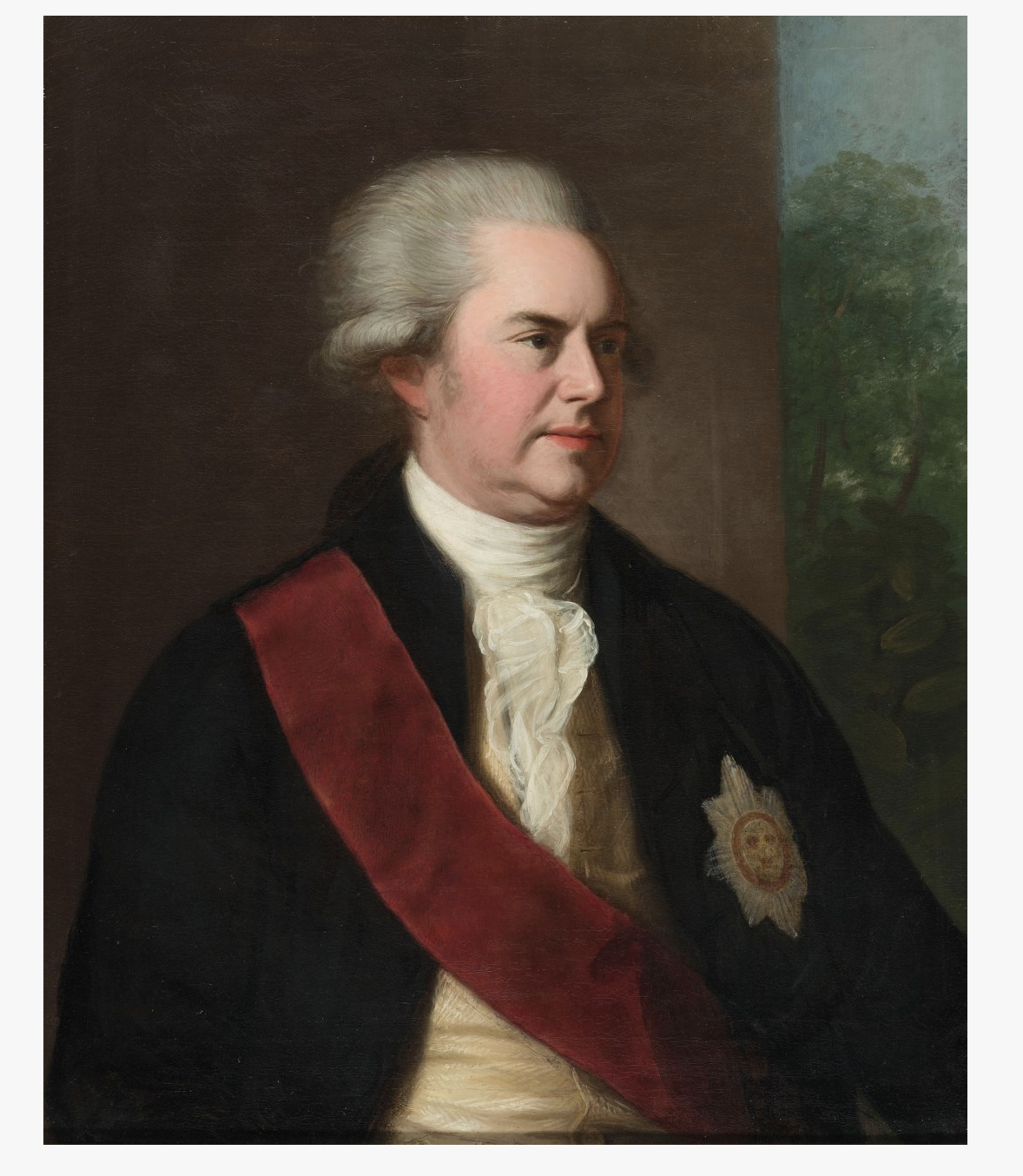
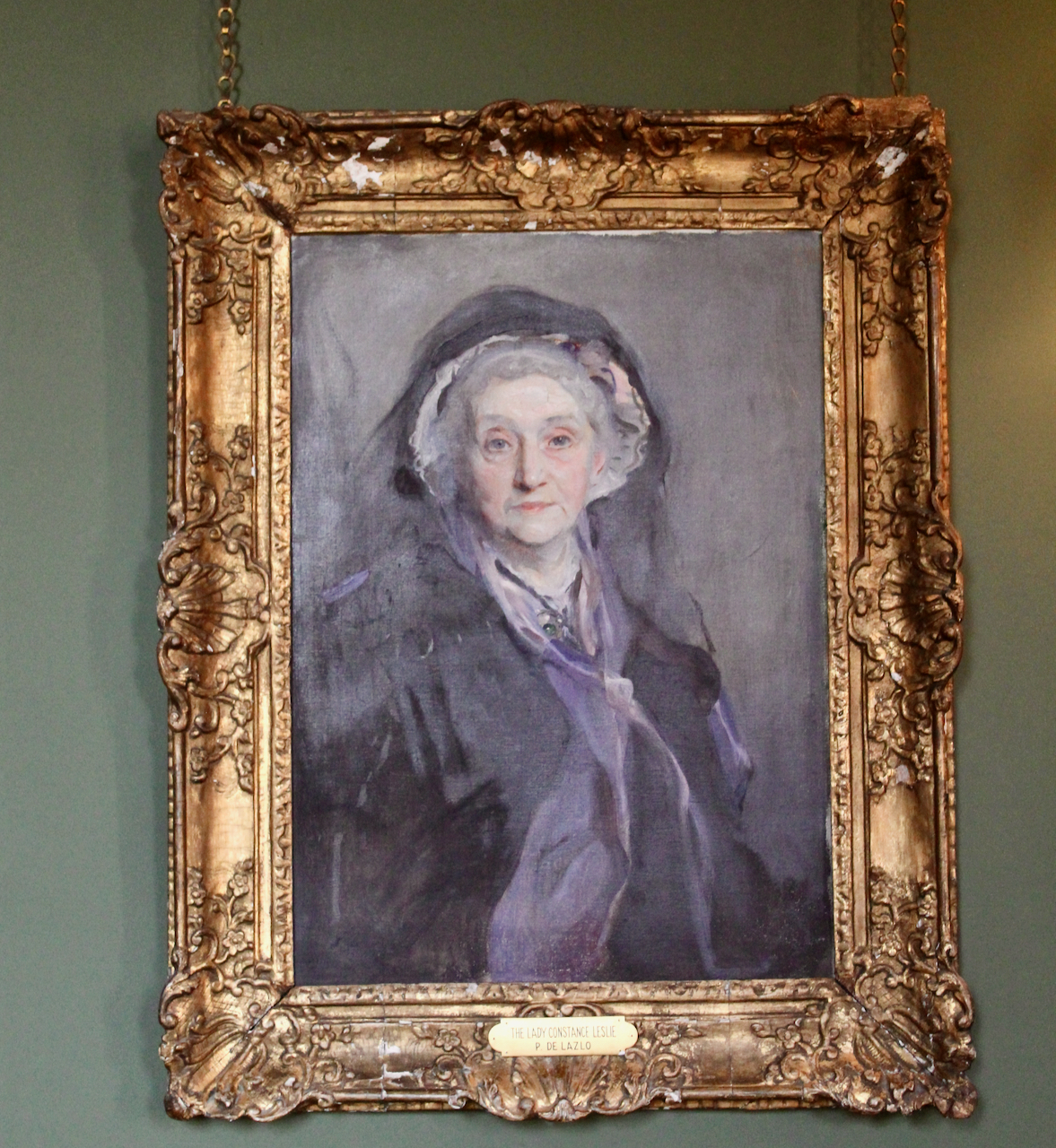
In 1737, he succeeded his mother to the estates of Birtsmorton, Worcestershire. Macaulay described him as “of eminently fair character, upright, courageous and independent.” On his death the earldom expired. 

The last Earl was succeeded in the barony of Coote by his first cousin once removed, CHARLES, 5th Baron (1736-1800), KB PC, son of Charles Coote [1695-1750] High Sheriff of County Cavan, 1719, MP for Granard, 1723-27, Cavan County, 1727-50MP for County Cavan, 1761-6, who was son of the HON THOMAS COOTE (c. 1655-1741) a Justice of the Court of the King’s Bench of Ireland, younger son of the 1st Baron. This Thomas’s daughter Elizabeth married Mervyn Pratt (1687-1751) of Cabra Castle.

Charles Coote (1736-1800) 1st Earl of Bellamont (3rd creation) By Joshua Reynolds – Public Domain, https//:commons.wikimedia.org/w/index.php?curid=4796126.jpg, National Gallery of Ireland NGI 216

Sir Charles succeeded his cousin, Richard, in 1766, as 5th Baron Coote; and was created, in 1767, EARL OF BELLAMONT (3rd creation). His lordship was created a baronet, in 1774, designated of Donnybrooke, County Dublin, with remainder to his natural son, Charles Coote, of Dublin.

SIR CHARLES COOTE (1736-1800), KB PC, of Coote Hill (afterwards renamed Bellamont Forest) had an illegitimate son, Charles Coote (1765-1857) who despite his illegitimacy became 2nd Baronet of Bellamont). Charles 1st Earl married, in 1774, the Lady Emily Maria Margaret FitzGerald, daughter of James, 1st Duke of Leinster, and had issue, Charles, Viscount Coote (died age seven, 1778-86); Mary; Prudentia; Emily; Louisa. Following his death in 1800, the titles became extinct as he left no legitimate male issue, though he was succeeded in the baronetcy according to the special remainder by his illegitimate son Charles, 2nd Baronet.

Finally, let us return now to Charles Coote (1581-1642), 1st Baronet of Castle Cuffe, Queen’s County (Laois) and trace the line of his son Chidley Coote (d. 1668). Chidley lived in Mount Coote, County Limerick (later called Ash Hill, a section 482 property, see my entry). He had a son, Chidley (d. 1702) who married Catherine Sandys. They had a daughter Catherine (d. 1725) who married Henry Boyle 1st Earl of Shannon. Another daughter, Anne, married Bartholomew Purdon, MP for Doneraile and later Castlemartyr of County Cork. They had a son Reverend Chidley Coote (1678-1730) who inherited Ash Hill in County Limerick. He married Jane Evans (d. 1763) and it was their grandson Charles Henry Coote (1754-1823) who succeeded as 2nd Baron Castle Coote in 1802. He was the son of Reverend Charles Coote (1713-1796) and Grace Tilson (d. 1766). Another son was Lt.-Gen. Sir Eyre Coote (1762-1823).

Major General Eyre Coote (1762-1823), Governor of Jamaica, 1805 by engraver Antoine Cordon after J.P.J. Lodder, courtesy of National Gallery of Ireland. He was son of Reverend Charles Coote (1713-1796) and Grace Tilson (d. 1766).
Eyre Coote (1726-1783) attributed to Henry Robert Morland, c. 1763, National Portrait Gallery of London NPG124. He was the son of Reverend Chidley Coote (1678-1730) who inherited Ash Hill in County Limerick and Jane Evans (d. 1763).
Lieutenant General Sir Eyre Coote (1726-1783) Commander-in-Chief in the East Indies (1777-1783) by John Thomas Seton, courtesy of the British Library. He was the son of Reverend Chidley Coote (1678-1730) who inherited Ash Hill in County Limerick and Jane Evans (d. 1763).

Reverend Chidley Coote (1678-1730) who inherited Ash Hill and Jane Evans (d. 1763) had a daughter Elizabeth who married John Bowen. Reverend Childley Coote and Jane Evans’s son Robert (d. 1745) inherited Ash Hill and married his cousin Anne Purdon, daughter of Bartholomew Purdon and Anne Coote. Robert Coote and Anne Purdon’s grandson was Charles Henry Coote (1792-1864) who succeeded as 9th Baronet of Castle Cuffe, Queen’s County, who married Caroline Elizabeth Whaley (d. 1871), daughter of John Whaley (d. 1847) of Dublin.

Caroline Elizabeth Coote née Whaley (d. 1871), daughter of John Whaley (d. 1847) of Dublin courtesy of wikitree, uploaded by Desmond William Kelly Lynch SD. She married Charles Henry Coote (1792-1864) who succeeded as 9th Baronet of Castle Cuffe, Queen’s County.
Charles Eyre Coote (1801-1858), third son of Chidley Coote (1776-1843) and Anne Hewitt, by James Butler Brenan RHA (1825-1889) courtesy Whyte’s Sept 2003.
James Corry (c. 1643-1718), MP, Colonel by Thomas Pooley courtesy of National Trust Castle Coole. He was the father of John Corry, MP (d. 1726).
Colonel John Corry, MP (1666–1726), attributed to Thomas Pooley, courtesy of National Trust Castle Coole, County Fermanagh.
Elizabeth Corry (1715-1791) (?) later Mrs Archibald Hamilton (d. 1752) and finally Mrs James Leslie of Leslie Hill, County Antrim, possibly by Anthony Lee courtesy of National Trust Castle Coole. She was the daughter of Colonel John Corry, MP (1666–1726).
Sarah Corry (1709-1779) later Mrs Galbraith Lowry Corry, by Anthony Lee courtesy of National Trust, Castle Coole, County Fermanagh. She was the daughter of Colonel John Corry, MP (1666–1726).
Martha Leslie née Corry (1704/5-1759) possibly by Anthony Lee courtesy of National Trust Castle Coole. She married Edmund Leslie, MP, of Leslie House, County Antrim. She was the daughter of Colonel John Corry, MP (1666–1726).
Probably Edmund Corry né Leslie (d. after 1764), MP by Irish school; or else Leslie Corry (1712-1740/41), MP, courtesy of National Trust Castle Coole. Edmund Leslie married Martha Corry, and added Corry to his surname to become Edmund Leslie-Corry.
Mary Armar née Corry (1710-1774) Mrs Margetson Armar by Anthony Lee courtesy of National Trust Castle Coole. She was the daughter of Colonel John Corry, MP (1666–1726).
Pole Cosby and his Daughter Sarah, by James Latham, portrait courtesy of Gallery of the Masters website. Sarah (b. 1730) married, first, Arthur Upton (1715-1768) of Castle Upton in County Antrim, after his first wife Sophia Ward had died, and secondly, Robert Maxwell (d. 1779) 1st and last Earl of Farnham. https://www.galleryofthemasters.com/l-folder/latham-james-pole-cosby.html
The Archers, John Dyke Acland and Dudley Alexander Sydney Cosby (1732-1774), 1st Baron Sydney and Stradbally, courtesy of National Gallery of Ireland.
Mrs. Sydney Cosby, courtesy of National Gallery of Ireland. Could it be Emily Ashworth (d. 1863), wife of Sydney Cosby (1807-1840)?
General William Cosby (c. 1690-1736) by Charles Jervas 1710, Governor of New York, courtesy of National Gallery of Ireland.
Anne Boyle née Courteney, Countess of Cork and Orrery (1742-1785) Engraver James Watson, Irish, c.1740-1790 After Hugh Douglas Hamilton, Irish, 1740-1808, courtesy of National Gallery of Ireland. She married Edmund Boyle 7th Earl of Cork, 7th Earl of Orrery.
Portrait Of A Lady traditionally identified as Caroline Courtenay Née Smith-Barry, courtesy of Whyte’s Sept 2007, daughter of James Smith-Barry (1746-1801) of Fota House, County Cork, she married George Courtenay of Ballyedmond House, County Cork (no longer exists).
Mary Creighton (or Crichton) née Hervey, Countess of Erne, with her daughter Lady Caroline Creighton (or Crichton), later Lady Wharncliffe by Hugh D Hamilton courtesy of Christie’s 2004. Mary was daughter of Frederick Augustus Hervey 4th Earl of Bristol, Bishop of Derry, who built Downhill in Derry, and she married John Creighton (or Crichton) 1st Earl Erne of Crom Castle.
Henrietta Paulet née Crofts, Duchess of Bolton (1682-1730) daughter of James Crofts (Scott), 1st and last Duke of Monmouth, illegitimate son of King Charles II. She married Charles Paulet, 2nd Duke of Bolton. Photograph © Jennifer Winder-Baggot, www.irishhistorichouses.com
I think this is Jane Crosbie (c. 1713-1753), who married Thomas Mahon (1701-1782) of Strokestown, County Roscommon. She’s the daughter of Maurice Crosbie, 1st Baron Brandon. Photograph © Jennifer Winder-Baggot, www.irishhistorichouses.com
Arabella Crosbie (d. 1813) who married Edward Ward (1753-1812) of Castle Ward, County Down, by Anna Maria Frances Blackwood Price, courtesy of National Trust, Castle Ward. William Crosbie 1st Earl of Glandore, County Cork, son of 1st Baron Brandon.
James Cuffe, 1st Baron Tyrawley, (1748-1821), Barrack-Master General and First Commissioner of the Board of Works in Ireland Date 1802 by Engraver John Raphael Smith, English, 1752-1812 After William Cuming, Irish, 1769-1852, courtesy of National Gallery of Ireland.
A portrait of Jane Cuffe (1719-1806), daughter of James Cuffe of Ballinrobe, County Mayo, wife of George Jackson (1717-1789) of Enniscoe, County Mayo. Photograph © Jennifer Winder-Baggot, www.irishhistorichouses.com
Elizabeth Cuffe (1719-1794) who married Thomas Pakenham, 1st Baron Longford. She became Countess of Longford in her own right, through her father Michael Cuffe (1694-1744), who was heir to Ambrose Aungier, 2nd and last Earl of Longford (1st creation).  Photograph © Jennifer Winder-Baggot, www.irishhistorichouses.com

[1] https://en.wikipedia.org/wiki/Marquess_of_Donegall

[2] http://lordbelmontinnorthernireland.blogspot.com/2016/03/castletown-house.html

[3] http://lordbelmontinnorthernireland.blogspot.com/search/label/County%20Londonderry%20Landowners