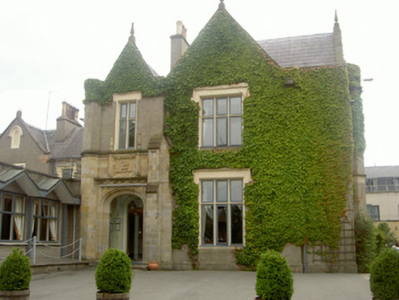
Stephen and I visited Lucan House during Open House Dublin in 2025. I am delighted that the house and thirty acres of parkland and woodland on the River Liffey have been purchased by South Dublin City Council in 2024, and they are being prepared for use as a public amenity.
Volunteer guide Colin took us around the outside of the house first, and to the stables, then back to the house where we were allowed to wander around on the ground floor, marvelling at the plasterwork by Michael Stapleton and the joinery detail.
The house we see today replaced an earlier medieval house. A painting by Thomas Roberts produced shortly before its demolition shows what appears to be a late-medieval tower house with a manor house with castellated roofline to one side. [1] It was demolished by Agmondisham Vesey (1708–85) to make way for the current house.
A painting by Thomas Roberts produced shortly before its demolition shows what appears to be a late-medieval tower house with a fortified manor house with castellated roofline to one side.
We passed the ruin of a medieval period church, the Church of the Blessed Virgin Mary, on the way along the driveway to the house – I am not sure if the original house was attached to this ruin.
Robert O’Byrne tells us that Vesey’s wife Elizabeth lamented the destruction of the older building, ‘with its niches and thousand other Gothic beauties,’ but her husband was determined to build the new house.
Our guide told us that William Sarsfield acquired the site in 1566. A later William Sarsfield (d. 1675) who lived at the Lucan House property married a woman said to be an illegitimate daughter of King Charles II, Mary Crofts (c. 1651-1693) (also called Mary Walters). Mary Crofts’ mother Lucy née Walter (d. 1658) was also mother of James Scott (1649-1685) Duke of Monmouth, who was recognised by Charles II as his offspring. Both Mary and James took the name Crofts as she and her brother were placed with with William Crofts, 1st Baron Crofts, a close friend of the King, to be raised. James changed his name to Scott, taking his wife’s name when he married. Lucy Walters was also a lover of Theobald Taaffe, 1st Earl of Carlingford (c. 1603 – 1677), who may have been Mary Crofts’s father.
Portrait by Godfrey Kneller. This could be Mary Crofts, who married William Sarsfield. She was the daughter of Lucy Walter, mistress of Charles II and mother of James, Duke of Monmouth. The Duke was placed at an early age with Lord Crofts, a close friend of the King, and took the name Crofts. It appears that his half sister Mary also took the name Crofts though her father was not Charles II but probably Theobald, Earl of Carlingford. Follwing Sarfield’s death in 1675 she married William Fenshaw, a Master of Requests. [ https://picryl.com/media/portrait-of-a-lady-possibly-mary-crofts-c-1651-1693-by-sir-godfrey-kneller-34c8af ]Lucy Walter (1630-1658), as a Shepherdess by Peter Lely; Abbotsford, The Home of Sir Walter Scott; http://www.artuk.org/artworks/lucy-walter-16301658-as-a-shepherdess-208642
William Sarsfield (d. 1675) and Mary Crofts had a daughter, Charlotte (d. 1699), who married Agmondisham Vesey (d. 1738). It was his son, Agmondisham Vesey (1708–85), who built the current Lucan House, with the help of William Chambers.
William’s brother was Patrick Sarsfield (d. 1693) 1st Earl of Lucan. They grew up at another property, Tully in County Kildare, but they moved to Lucan when their father inherited the property in the early 1650s. Their mother Anne was the daughter of Rory O’More, a leader of the 1641 rebellion.
Patrick Sarsfield Earl of Lucan d.1693 attributed to Hyacinthe Rigaud, French, 1659-1743.Honora Bourke (1675-1698), Countess of Lucan and Duchess of Berwick, French School 17th century. This portrait hangs in Kilkenny Castle. She married, firstly, General Patrick Sarsfield, 1st Earl of Lucan, son of Patrick Sarsfield, circa 9 January 1689/90 and secondly, James FitzJames, 1st Duke of Berwick-Upon-Tweed, son of James II Stuart, King of Great Britain and Arabella Churchill, on 26 March 1695 at Saint-Germain-en-Laye, Île-de-France, France. She was the daughter of William Bourke, 7th Earl of Clanricarde and Lady Helen MacCarty. Honora’s sister was Margaret, Lady Iveagh, wife of Thomas Butler of Kilcash. Honora died aged 22 at Pesenas in France. Both her sons inherited their father’s titles. Oval, 1/2 length portrait. Sitter wears a yellow dress with a blue ermine-trimmed, blue wrap. It was possibly taken from a portrait painted on the occasion of her marriage to the Duke of Berwick at St-Germain-en-Laye.
Both Sarsfield estates were confiscated by the Cromwellian regime and the family was transplanted to Connacht in 1657. Their father was restored to the Tully lands in 1661 by order of Charles II. In 1654 Lucan house was given to Cromwellian soldier Theophilus Jones (d. 1685) who later turned against the Cromwellians and helped to restore King Charles II to the throne.
The Sarsfields were Catholic. Patrick Sarsfield joined the military – the Dictionary of Irish Biography tells us that he served in one of the English regiments in the French army. These had been formed as a result of the secret treaty of Dover and allowed Catholics to avoid the test act and serve as officers. However, Sarsfield was implicated in the Popish Plot, and was dismissed from the army.
During a brief visit to Ireland he tried unsuccessfully to regain the family estate at Lucan to which he was then the heir presumptive. [2]
His military reputation soared as a consequence of his significant role in the defeat of Monmouth’s rebellion (1685) – who was his brother-in-law! James II promoted Patrick Sarsfield to the rank of lieutenant-colonel. He fought in Ireland with the Jacobites against William III, and James created him earl of Lucan in January 1691. He was involved in negotiations for the Treaty of Limerick. He went on to fight in the French army and died of battle wounds in 1693. The Dictionary of Irish Biography continues:
“He married Lady Honora Burke, the 15-year-old youngest daughter of the 7th earl of Clanricarde, sometime during the winter of 1689–90. Their only child was born (April 1693) at the court in exile of James II in Saint-Germain-en-Laye and was named (in honour of the prince of Wales) James Francis Edward. He served in both the French and Spanish armies and died without issue in St Omer in 1719.“
Patrick Sarsfield is memorialised by a memorial in the garden designed by James Wyatt.
Agmondisham Vesey was the son of John Vesey (1638-1716) Archbishop of Tuam, who also served as Lord Justice of Ireland and Privy Counsellor. He claimed the Lucan estate on behalf of his wife and by 1674 and was able to purchase the estate at a low price. [3] Theophilus Jones was compensated by lands elsewhere.
Charlotte Sarsfield died only three years after her marriage to Agmondisham Vesey. They had two daughters: Henrietta, who married Caesar Colclough (1696-1766) of Tintern Abbey in County Wexford; and Anne Vesey, who married John Bingham (d. 1749), 5th Baronet of Castlebar, County Mayo. Their son Charles Bingham (1735-1799) 7th Baronet was created 1st Earl of Lucan in 1795, but these Earls of Lucan did not inherit Lucan House.
John Bingham, 5th Bt., of Castlebar Attributed to Robert Hunter courtesy Christie’s Irish Sale 2001.Charles Bingham, 1st Baron of Lucan (1735-1799), later 1st Earl of Lucan, Engraver John Jones, After Joshua Reynolds, courtesy of National Gallery of Ireland.
Instead, Lucan House passed down to a son of Agmondisham Vesey’s second wife, Jane Pottinger. She was the widow of Thomas Butler (d. 1703) 3rd Baronet of Cloughgrenan, County Carlow, with whom she had no children. She and Agmondisham went on to have several children, the eldest of whom was Agmondisham Vesey (1708–85).
Agmondisham Vesey (1708–85) was a politician: a member of the house of commons for Harristown, Co. Kildare, 1740–60, and Kinsale, 1765–83. He was accountant and controller general from 1734 to his death, and a member of the privy council from 1776 to his death. He was also an amateur architect, and he designed his residence, Lucan House, built in 1772, with the help of William Chambers, who also designed the Casino in Marino in Dublin, built over the years 1758-76 (see my entry https://irishhistorichouses.com/2023/11/09/office-of-public-works-dublin-the-casino-at-marino/ ).
The fine stable block was designed earlier, in 1750s. Chambers may have been involved in the design of the stable block.
Bence-Jones describes the house as two storey over basement with a central feature of a pediment raised on a three bay attic, carried on four engaged Ionic columns. The ground floor is rusticated on the projecting three bays. The outer bays on the ground floor were also rusticated but the rustication was removed.
The house has five bay side elevation and a garden front with central curved bow containing an oval room which may have influenced James Hoban, designer of the White House in Washington DC (also said to be inspired by Leinster House).
Mark Bence-Jones tells us that Agmondisham Vesey consulted with James Wyatt (1746-1813) of London and Michael Stapleton for the interiors of the house. Robert O’Byrne adds he was aided by Wyatt’s Irish representative Thomas Penrose. James Wyatt had a flourishing country house practice in Ireland from the early 1770s until his appointment as Surveyor General of the King’s Works in England in 1796. [4]
The front hall has a screen of columns marbled to resemble yellow Siena, with squared pilasters to match on the back wall of the hall.
All the rooms on the ground floor at Lucan House are as they were when the house was completed in 1780, with the exception of a new floor in the library and bathrooms, which the Italian embassy added in the 1950s. [5] There is a large kitchen in the basement which we did not see.
In the Wedgwood Room, to the left of the hall, has a splendid ceiling. After much research an exact match for the original paint in the Wedgwood Room was found when the house was restored. The powder blue emphasises the marvellous stucco work by Michael Stapleton, and trompe l’oeil rondels said to be by Peter de Gree. However, Robert O’Byrne tells us that these are in fact prints that have been painted over. The ceiling curves downwards at the corners giving the effect of a shallow dome. At the centre of the gently domed ceiling is a medallion depicting a warrior kneeling before Minerva and by her maidens.
The room off the front hall to the back of the house is the Oval Room. The curve of the bow window is reflected in a facing curved wall, creating the oval shape. The bow has three windows placed in arches with decorative semicircles over the windows, which reflect the round decoration in the centre of the ceilng.
Robert O’Byrne points out that the arrangement of the front hall with the screen of columns to the rear with a central door opening into an oval room is also found in Castle Coole, County Fermanagh, which was designed in the early 1790s by James Wyatt – which is probably than the arrangement laid out in Lucan House (see my entry about Castle Coole https://irishhistorichouses.com/2024/03/21/castle-coole-county-fermanagh-a-national-trust-property/ ).
The large arch over the door entering from the front hall is repeated in the walls, which hold mirrors that look like doors. This room, Robert O’Byrne tells us, was designed as the Drawing Room but in later years served as a dining room. On the walls plaster “girandoles”, ornamental candle holders that are normally mounted on walls. O’Byrne tells us that Michael Stapleton created the design of these plaster girandoles. [see 1].
The room held an exhibition by Foley Architects, who prepared plans for South Dublin City Council for their transformation of Lucan House and its demesne for public use, including delicate watercolour paintings by Jérémy Cheval (his name is apt due to the prominent presence of the horse in the front hall!). Foley architects examine the entire site, with its Church Tower House ruin, main residence, boathouse, bathhouse (which we did not see as it is further from the house) and stables, its watercourse and vegetation.
The other room on the ground floor is a library with shelving units. I don’t know whether these units were in the house originally, or whether they are a later addition.
Robert O’Byrne tells us that the ceiling has been covered in plasterwork centred on another medallion, featuring, unusually, he points out, the Christ child and infant John the Baptist together with a lamb.
Vesey married his cousin Elizabeth, daughter of Right Reverend Sir Thomas Vesey, 1st Baronet, Bishop of Killaloe and of Ossory. Elizabeth Vesey was one of the founders of the Blue Stockings Society! This was an informal women’s social and educational movement in England in the mid-18th century that emphasised education and mutual cooperation. They liked to discuss literature, and invited men also to their gatherings. Elizabeth and Agmondesham did not have children, and they lived much of their time in London, where Elizabeth held her intellectual literary salons.
Robert O’Byrne tells us that like his wife Elizabeth, Vesey also took part in a conversational club. In 1773, during the period that work was underway on the new house, he was elected to the ‘Club’, the informal dining and conversational group established ten years earlier by Samuel Johnson and Joshua Reynolds. Johnson and James Boswell granted him the notional title of ‘Professor of Architecture,’ and the latter wrote that Vesey had ‘left a good specimen of his knowledge and taste in that art by an elegant house built on a plan of his own at Lucan.’ [see 1]
Behind the house is a boat house, on the River Liffey.
A sulphur spring was discovered in 1758, and a health spa opened that year in the area.
Watercolour painting by Jérémy Cheval of the spring, which must be located within the grounds of Lucan House.
The house passed to the son of a younger brother of Agmondisham. The younger brother, George, married a second cousin, Letitia Vesey. Their son George (1761-1836) inherited Lucan House. He married Emily La Touche (1767-1854), daughter of David La Touche (1729-1817) of Marley House in Dublin.
George and Emily’s daughter Elizabeth married Nicholas Conway Colthurst (1789-1829) 4th Baronet of Ardrum, County Cork. We came across the Colthurst family when we visited Blarney Castle in Cork. Their second son, Charles Vesey Colthurst, changed his name to Charles Vesey Colthurst-Vesey in 1860. He served as Justice of the Peace for Kildare and for Dublin, and High Sheriff of Dublin, and he lived at Lucan House. The house passed through their family until 1921, when it was sold.
Portrait of Mrs. George Vesey and Her Daughter Elizabeth Vesey, later Lady Colthurst, 1816 by Jean Auguste Dominique Ingres (1780-1867). Location: Fogg Art Museum at Harvard University Massachusetts USA.
Capt Richard Colthurst (afterwards 8th Bt) sold it 1932 to Charles Hugh O’Conor, President of Irish Association of the Order of Malta and brother of the O’Conor Don of Clonalis House in County Roscommon. Charles Hugh O’Conor and his wife Ellen Letitia More O’Ferrall were parents of the next O’Conor Don, Father Charles O’Conor (see my entry about Clonalis https://irishhistorichouses.com/2020/10/16/clonalis-castlerea-county-roscommon/ ).
A daughter, Mary Ellen O’Conor, married Luke William Teeling, Conservative MP for Brighton in the UK, who sold Lucan House after WWII to the Italian government, for use as their embassy. First it was leased by the Italian ambassador as a residence in 1942, and then bought by the the Italian government in 1954.
2026 Diary of Irish Historic Houses (section 482 properties)
To purchase an A5 size 2026 Diary of Historic Houses (opening times and days are not listed so the calendar is for use for recording appointments and not as a reference for opening times) send your postal address to jennifer.baggot@gmail.com along with €20 via this payment button. The calendar of 84 pages includes space for writing your appointments as well as photographs of the historic houses. The price includes postage within Ireland. Postage to U.S. is a further €10 for the A5 size calendar, so I would appreciate a donation toward the postage – you can click on the donation link.
€20.00
donation
Help me to pay the entrance fee to one of the houses on this website. This site is created purely out of love for the subject and I receive no payment so any donation is appreciated!
€15.00
Donation towards website.
I receive no funding nor aid to create and maintain this website, it is a labour of love. The website costs €300 annually on wordpress. Help to fund the website.
The Battle of the Boyne museum is housed in Oldbridge Hall, which is built on the site where the battle of the took place. The house is maintained by the Office of Public Works.
Stephen and I have a personal connection, as Oldbridge was built by the Coddington family, and a daughter from the house, Elizabeth Coddington (1774-1857), married Stephen’s great great grandfather Edward Winder (1775-1829).
Battle of the Boyne painted by Jan Wyck, in the National Gallery of Ireland. The point of view is that of the Williamites who were based on high ground north of the River Boyne, looking southwards towards Donore Hill where James II and his troops were based.
The Battle of the Boyne, 1st July 1690, was just one of several battles that took place in Ireland when the rule of King James II was challenged by his son-in-law, a Dutch Protestant Prince, William of Orange. James II was Catholic, and he attempted to introduce freedom of religion, but this threatened families who had made gains under the reformed Protestant church. When James’s wife gave birth to a male heir in 1688, many feared a permanent return to Catholic monarchy and government. In November 1688, seven English lords invited William of Orange to challenge the monarchy of James II. William landed in England at the head of an army and King James feld to France and then to Ireland. William followed him over to Ireland in June 1690.
There were 36,000 men on the Williamite side and 25,000 on the side of King James, the Jacobites. William’s army included English, Scottish, Dutch, Danes and Huguenots (French Protestants). Jacobites were mainly Irish Catholics, reinforced by 6,500 French troops sent by King Louis XIV. Approximately 1,500 soldiers were killed at the battle.
After winning the battle, William gained control of Dublin and the east of Ireland. However, the war continued until the Battle of Aughrim in July 1691, which led to the surrender at Limerick the following autumn. The surrender terms promised limited guarantees to Irish Catholics and allowed the soldiers to return home or to go to France. The Irish Parliament however then enacted the Penal Laws, which ran contrary to the treaty of Limerick and which William first resisted, as he had no wish to offend his European Catholic allies.
John Coddington (1691-1740) purchased the land in 1729 from Henry Moore the 4th Earl of Drogheda. John’s father Dixie (1665-1728) fought in the Battle of the Boyne in 1690 on the side of King William III. The unusual name “Dixie” comes from the maternal side, as Dixie’s father Captain Nicholas Coddington of Holm Patrick (now Skerries) in Dublin married as his second wife Anne Dixie, possibly a daughter of Sir Wolstan Dixie, 1st Baronet (1602-1682).
John married Frances Osbourne in 1710, and with the marriage came property in County Meath including Tankardstown. Tankardstown House is a boutique hotel and a section 482 property (see my entry https://irishhistorichouses.com/2020/07/11/tankardstown-estate-demesne-rathkenny-slane-co-meath/ ). John Coddington served as High Sheriff of County Meath in 1725, before he acquired the property at Oldbridge.
John’s son, also named John, predeceased him, tragically drowning in the Boyne. In the Meath History Hub Noel French recounts a story about how a young woman refused to marry John because she dreamed that he would die, as he did, before the age of twentyone. [1] I have obtained most of my information in today’s entry from the wonderfully informative Meath History Hub website.
Noel French tells us that the office of High Sheriff had judicial, electoral, ceremonial and administrative functions and executed high court writs. The usual procedure for appointing the sheriff from 1660 onwards was that three persons were nominated at the beginning of each year from the county and the Lord Lieutenant then appointed his choice as High Sheriff for the remainder of the year. Often the other nominees were appointed as under-sheriffs. Members of the Coddington family held the position in 1725, 1754, 1785, 1798, 1843, 1848 and 1922. [see 1]
After John’s death in 1740 the house at Oldbridge was advertised for lease, described as the house, gardens and demesne, so the house must have been built by this time. [see 1] The property passed to John’s brother Nicholas’s son, Dixie Coddington (1725-1794).
I am confused about the date of construction. According to the notice for lease, a house stood at the site in 1740. Evidence that the current house was built around 1750 however was found in an inscription on piece of baseboard of a stair removed during repairs carried out in 1960s that reads: ‘ December 1836 Patrick Kelly of the City of Dublin / Put up these Staircases. / I worked at this building from April / till now. / 86 years from the first / Building of this house/ till now as we see by a stick like this found.’
In The Buildings of Ireland: North Leinster, The Counties of Longford, Louth, Meath and Westmeath (published in 1993), Casey and Rowan accept that the house was built around 1750. They suggest that it may have been designed by George Darley (1730-1817), due to affinities with Dowth Hall nearby and to Dunboyne Castle.
Dowth Hall, County Meath, photograph courtesy Sherry Fitzgerald.Dowth Hall, County Meath, photograph courtesy Sherry Fitzgerald.Dunboyne Castle, County Meath, now a hotel, photograph courtesy of hotel website.Signage at Oldbridge House, County Meath, including an old photograph of the house.
The house is three storey with a plain ashlar frontage of seven bays, with the centre three slightly advanced. Christine Casey and Alistair Rowan tell us in The Buildings of Ireland: North Leinster, The Counties of Longford, Louth, Meath and Westmeath (published in 1993) that the house was originally designed as a three bay three storey block with low single-storey wings, and the upper stories of the wings were added later. [2]
In the early nineteenth century two floors were added to each wing. Casey and Rowan tell us that this was apparently carried out by Frederick Darley (1798-1872).
Quadrant walls link the house to its park, with rusticated doors.
It has a centrally located tripartite doorcase with pilasters surmounted by a closed pediment, which holds a canonball from the fields of the Battle of the Boyne. It has a string course between ground and first floors and sill course to first floor, and three central windows on first floor with stone architraves. [3]
Dixie Coddington (1725-1794) married Catherine Burgh, daughter of Thomas Burgh (1696-1754) of Burgh (or Bert) house in County Kildare. Burgh Quay in Dublin is named after a sister of Thomas Burgh’s, Elizabeth, who was the wife of the Speaker of the House in Ireland, Anthony Foster. Thomas Burgh’s uncle, another Thomas Burgh (1670-1730), was Surveyor General and architect.
On 13 April 1757 Dixie Coddington of Oldbridge sold Tankardstown. [see 1]
Dixie Coddington served as MP for Dunleer, County Louth. He and his wife had several daughters who all died in infancy, and no son, so Oldbridge passed to his brother, Henry Coddington (1728-1816). Dixie had previously leased Oldbridge to his brother, and has spent most of his life living in Dublin on Raglan Road. [see 1]
Henry Coddington (1728-1816) was father to Stephen’s ancestor Elizabeth. Henry was a barrister, and served as MP for Dunleer, County Louth, and he married Elizabeth Blacker from Ratheskar, County Louth. He served as High Sheriff for County Louth, then for County Meath, and was Deputy Serjeant-at-Arms between 1791 and 1800. He served as Justice of the Peace also for Counties Louth and Meath.
Henry and Elizabeth’s son Nicholas (1765-1837) followed in his father’s footsteps, and served as MP for Dunleer before the Act of Union in 1800, and also served as high sheriff for counties Louth and Meath. Nicholas and his son, Henry Barry, carried out a number of improvements on the estate. The house was re-modelled in the 1830s to the drawing of Frederick Darley. [see 1]
The Oldbridge Estate then passed to Henry-Barry Coddington, son of Nicholas. Henry-Barry Coddington was born on May 22nd in the year 1802; he was the eldest surviving son of Nicholas Coddington and Laetitia Barry. Henry Barry took a Grand Tour of Europe and kept a diary. He married Maria Crawford, eldest daughter of William Crawford of Bangor Co. Down in 1827.
Noel French tells us of Maria Crawford’s father and his role in tenant land rights:
“William Sharman Crawford, was the owner of 5,748 acres in County Down … as well as 754 acres at Stalleen in County Meath. William Sharman Crawford took an active interest in politics. He is best known for his advocacy of Tenant Right – the Ulster Custom which gave a tenant greater security through the three “f”s: fair rent, fixity of tenure and free sale of goodwill. Crawford called this “The darling object of my heart”. This idea was not popular with other landlords, but Crawford remained a strong advocate of it for the rest of his life. In 1843 Crawford managed to persuade Sir Robert Peel, the Conservative prime minister, to establish the Devon Commission to investigate the Irish land question. Tenant right, the subject of eight successive bills drafted by Sharman Crawford, was eventually conceded in the Land Acts of 1870 and 1881.”
Despite the admirable work of his father-in-law, Henry-Barry Coddington was a slave owner. He inherited an estate in Jamaica from his great uncle, Fitzherbert Richards. The estate, Creighton Hall in the parish of St. Davids in Jamaica, had previously belonged to Fitzherbert’s brother Robert Richards. The estate was 1165 acres. 399 acres was planted with sugar cane in 1790. The plantation produced sugar, rum, molasses, cotton, ginger, coffee, cocoa and pimento. [see 1]
In A Parliamentary Return of 1837-38, which listed names of those who claimed a loss of “property” after slavery was abolished in 1834, Henry-Barry Coddington was recorded as the `Master` to 235 enslaved individuals. It seems, however, that Coddington was unsuccessful in his claim for compensation.
Oldbridge House was occupied by the National Army in July 1922. In 1923 Arthur F. Coddington of Oldbridge brought a claim against the government for damages done by the National Army forces when they occupied Oldbridge House. The repairs included slates, plumbing, painting and six trees felled.[see 1]
Captain Arthur Coddington, his daughter Diana with the dog, Arthur’s wife Dorothea née Osborne from Smithstown, Julianstown in County Meath, and possibly Denise another daughter.
Arthur’s son Dixie fought in World War II then returned to live in Oldbridge, where he began a commercial market gardening business, and where he trained young people in horticulture.
The Meath History hub tells us that in 1982 a gang broke into Oldbridge House and stole £600,00 in antiques. Two years later, Dixie’s son Nicholas and his wife were held at gunpoint for eleven terrifying hours in their house. Among the items stolen was an eight-foot picture of King William III, dating back to 1700, a number of landscape paintings and a number of family portraits. The haul included items that had been recovered from the robbery two years previously. In 1984 Nicholas Coddington put the house and contents up for sale.
Oldbridge House was purchased by the state in 2000 as part of the Good Friday Peace Agreement, and renovation began.
Oldbridge House, County Meath.Coddington photographs of a tennis match at the house.
To the left of the house there is a cobble stone stable yard with fine cut stable block. This originally contained coach houses, stables, tack and feed rooms.
To the right of the house is a small enclosed courtyard which contains the former butler’s house.
The gardens of Oldbridge House have been restored, with an unusual sunken octagonal garden, peach house, orchard and herbaceous borders, with a tearoom in the old stable block. Throughout the year outdoor theatre, workshops and events such a cavalry displays and musket demonstrations help to recreate a sense of what it might have been like on that day in July 1690.
[2] p. 446. Casey, Christine and Alistair Rowan, The Buildings of Ireland: North Leinster, The Counties of Longford, Louth, Meath and Westmeath. Penguin Books, UK, 1993.
Malahide Castle by Brian Morrison, 2015, for Tourism Ireland [1]
The castle is described in the National Inventory of Architectural Heritage as a five bay three storey over basement medieval mansion from 1450, renovated and extended around 1650, and again partly rebuilt and extended in 1770 with single-bay three-storey Georgian Gothic style circular towers added at each end of the front elevation. It was further extensively renovated in 1990. It is open to the public.
In 1185, Richard Talbot, who had accompanied King Henry II of England to Ireland in 1174, was granted the land and harbour of Malahide. [2] Talbots remained living at the site of Malahide Castle for the next nearly 800 years, from 1185 until 1976, with the exception of a few years during Oliver Cromwell’s time as Lord Protectorate.
I visited again recently so though I have published about the castle before, I am adding to it today. Unfortunately I seem to have lost the first two pages of the notes I took, so apologies to our very informative tour guide!
“The original stronghold built on the lands was a wooden fortress but this was eventually superseded by a stone structure on the site of the current Malahide Castle. Over the centuries, rooms and fortifications were added, modified and strengthened until the castle took on its current form.” [3]
The first stone castle was probably built around the end of the fifteenth century. It was a simple rectangular building of two storeys. The ground floor contained the kitchen and servants quarters and the first floor the family quarters and a great hall.
Mark Bence-Jones describes it in his Guide to Irish Country Houses:
p. 198. “(Talbot de Malahide, b/PB) The most distinguished of all Irish castles, probably in continuous occupation by the same family for longer than any other house in Ireland. It also contains the only surviving medieval great hall in Ireland to keep its original form and remain in domestic use – at any case, until recently.” [4]
Another castle that has been in nearly continuous occupation by the same family since the time of the Norman invasion and of King Henry II of England is Dunsany in County Meath – which was also occupied by a Cromwellian during the time of the Protectorate. Dunsany is a Revenue Section 482 property and it can be visited on certain dates during the year, and it is still occupied by the Plunkett family. (I haven’t published an entry about it as the family asked me not to.) Another, whose entry I will be adding to soon after my Heritage Week visit, is Howth Castle in Dublin, built by the St. Lawrence’s, or an earlier version of it, after the Battle of Clontarf in 1014, and which was only sold by the family a few years ago.
The Dunsany Plunkett and the Talbot families intermarried. Matilda Plunket (d. 1482), daughter of Christopher Plunket of both Dunsany and Killeen, sister of Christopher Plunket 1st Baron of Dunsany (d. 1467), married Richard Talbot of Malahide (b. 1418).
Matilda Plunket’s first husband, Walter Hussey, Baron of Galtrim, was killed in a battle on their wedding day! The couple were married on Whit Monday 1429, but within a few hours the bridegroom was murdered in a skirmish at Balbriggan, County Dublin. In the Meath History Hub, Noel French tells us that Lord Galtrim supposely wanders through Malahide Castle at night pointing to the spear wound in his side and uttering dreadful groans. It is said he haunts the Castle to show his resentment towards his young bride, who married his rival immediately after he had given up his life in defence of her honour and happiness.
Matilda married Richard Talbot in 1430. When Richard died she married a third time, to John Cornwallis, who held the office of Chief Baron of the Exchequer of Ireland. She moved back to Malahide Castle when widowed, running the household and overseeing major extensions to the castle. The Archiseek website tells us thatthe castle was notably enlarged in the reign of Edward IV (28 April 1442 – 9 April 1483). Matilda is buried in the old abbey next to Malahide Castle.
Richard and Matilda’s son Thomas Talbot (d. 1487) held an office created for him by King Edward IV in 1475, called Hereditary Lord High Admiral of Malahide and the Adjacent Seas. With this title he was awarded dues from customs, which would have been lucrative.
The Gothic windows over the entrance door are the windows of the oldest remaining part of the castle, the Oak Room. The windows themselves were only added in the 1820s, when the Oak Room was enlarged to the south by Colonel Richard Wogan Talbot, 2nd Baron, when he added on the Entrance Porch and the two small squared towers. Originally, there was no entrance on the south side, but a shell-lined grotto.
The Oak Room would have been the main room in the early stone castle.
The Oak Room, Malahide Castle 1976, Dublin City Library and Archives. [5]
The oak room is lined with oak panelling, elaborately carved. The carvings would have originally been part of older furniture. The panelling would have made the room warmer than having bare stone walls or limewash. The panels were painted white to make the room brighter as the windows would have been small to keep out the cold and to protect against invaders.
The Talbot crest features a lion and a dog, symbolising strength and loyalty. In the entrance courtyard to the castle, Talbot dogs sit on the pillars.
John Talbot (c. 1384-1453), 1st Earl of Shrewsbury, Detail of illuminated miniature from the Talbot Shrewsbury. He is in a habit as a knight of the Garter. Behind him a Talbot hound, his heraldic badge. presenting the book to Margaret of Anjou, Queen of England, 1445. His robe displays several encircled Garters. See Poems and Romances (Shrewsbury book), illuminated by the MASTER OF JOHN TALBOT – http://www.bl.uk/catalogues/illuminatedmanuscripts/ILLUMIN.ASP?Size=mid&IllID=47542
The website of the Malahide Historical Society tells us that in 1641 John Talbot (d. 1671) succeeded his father Richard to the lordship of the Talbot estates in Malahide, Garristown and Castlering (Co. Louth).
During the uprising of 1641, Talbot tried to remain neutral, although as Catholics, many of his relatives rebelled. The Malahide Heritage website tells us:
“The Duke of Ormonde, on behalf of the Lords Chief Justices, garrisoned Malahide Castle but desisted from laying waste the farmland and village. The 500 acres about the castle were very productive and Talbot was supplying the garrison and Dublin with grain and vegetables at a time when the authorities were concerned with a very severe food shortage. Nevertheless, John was indicted for treason in February 1642, outlawed and his estates at Malahide, Garristown and Castlering declared forfeited. However, he managed to rent back his own castle and estate for a further decade.“
James Butler, 1st Duke of Ormond, who was also a supporter of the Stuart monarchy, in a portrait in Malahide Castle.
In 1653 Myles Corbett, Commissioner of Affairs in for Oliver Cromwell in Ireland, fleeing from an outbreak of plague in Dublin, ousted the family and obtained a seven-year lease on the castle.
When Charles II was restored to the throne, Myles Corbett was executed for his role in signing the death warrant of King Charles I.
The castle was restored to the Talbots after Corbet’s death.
John Talbot married Catherine Plunkett, daughter of Lucas 1st Earl of Fingall, of Killeen Castle, and Susannah Brabazon daughter of Edward Brabazon, 1st Lord Brabazon and Baron of Ardee (the Brabazons still live in Killruddery in County Wicklow).
According to tradition, Mark Bence-Jones tells us, the carving of the Coronation of the Virgin above the fireplace of the Oak Room miraculously disappeared when the castle was occupied Myles Corbett and reappeared when the Talbots returned after the Restoration. This would have been a Catholic tale, as Protestants do not believe in the virgin birth and would not venerate Mary the mother of Jesus in the way that Catholics do. The carving is seventeenth century Flemish.
Behind the carved panels on the wall to the right hand side of the fireplace is a door that acted as an escape route for Catholic priests when Catholic mass was held in this room.
When he returned to Ireland after Corbet left Malahide, Talbot acted as agent for Irish Catholics attempting to recover confiscated estates. He regained title to Malahide but he lost the customs of the port of Malahide, all his land in Castlering and most of the Garristown land, amounting to 2,716 acres in all or two-thirds of what he inherited in 1640.
The other ancient room in the castle is the Great Hall, which dates to 1475. The room has carved wooden corbel heads of King Edward IV (28 April 1442 – 9 April 1483), which are original. Here, Talbots would have presided over a medieval court, a place of banquets, feasting and music, with its minstrals gallery. The minstrels would have been kept away from the family for health reasons, as they might have carried disease and infection.
The Great Hall has an important collection of Jacobite portraits. Jacobites were supporters of King James II, as opposed to William of Orange. The portraits belonged to the Talbots and were acquired by the National Gallery and are now on loan to the castle.
You can see the carved heads of King Edward IV (1442 – 1483) in this photograph of Malahide Castle 1976, Dublin City Library and Archives.Richard Talbot (1630-1690) Duke of Tyrconnell sits to the left of the chimneypiece. (see [5])The Great Hall, a photograph that is displayed in the entrance hall of the castle.
Richard Wogan Talbot (1766-1849) 2nd Baron Talbot extensively remodelled the Great Hall in 1825 in a neo-gothic revival style. Also, as you can see in my photographs, the ceiling has more wooden beams than in the 1976 photographs: the room was conserved in 2022 to honour its history.
Work on the Great Hall was carried out under the direction of conservation architects Blackwood Associates Architects. Over €500,000 was invested by Fingal County Council. Work was done to the external fabric of the building, including upgrading the roof and rainwater goods. Internally, the rafters of the great hall were restored as well as the minstrels’ gallery.
Conservation of the 19th century windows and fireplaces also took place. Studying the photographs, the windows appear to have been moved from the right hand side when facing the minstrals gallery, to the left hand wall! In fact a room seems to have disappeared from the Dublin City Library and Archives 1976 photograph above.
I was greatly interested in the portraits and would love to return to learn more about them and their sitters.
I have not yet identified the man who currently takes pride of place over the chimneypiece between the two windows.
I haven’t identified this man in his fine suit of armour and frilly lace collar and cuffs, who currently sits over the chimneypiece between the windows. I’d love help with identifications!He is rather like Thomas Butler, Earl of Ossory, Eldest son of James, Duke of Ormond.Thomas Butler, 6th Earl of Ossory, (1634-1680), Eldest son of James, Duke of Ormond, in armour standing near his charge, attributed to Van Dyck, courtesy of Adam’s auction 11 Oct 2016. Provenance: Formerly in the collection of the Earl of Fitzwilliam, 1948. Thomas Butler (1634-1680) 6th Earl of Ossory, studio of Sir Peter Lely, circa 1678, courtesy of National Portrait Gallery NPG 371. Second son of the Duke and Duchess of Ormond and father of 2nd Duke of Ormonde. Malahide Castle 1976, Dublin City Library and Archives. (see [5])
An exerpt from J. Stirling Coyne and N.P. Willis’s The Scenery and Antiquities of Ireland, 1841, describes the portrait collection at Malahide Castle, writing that there were portraits of Charles I and his wife by Van Dyke and of James II and his queen by Peter Lely.
John Talbot (d. 1671) and Catherine Plunkett’s son Richard (1638-1703) married Frances Talbot (d. 1718) daughter of Robert Talbot (d. 1670) 2nd Baronet Talbot, of Carton, Co. Kildare. Frances’s father played a leading role in the Catholic Confederacy of the 1640s.
Richard Talbot of Malahide (1638-1703), Attributed to Peter Lely, Dutch, 1618-1680. Photograph courtesy of National Gallery of Ireland.Frances Talbot (c.1670-1718) by Garret Morphy courtesy National Gallery of Ireland NGI 4150. She was the daughter of Robert Talbot, 2nd Baronet of Carton, County Kildare, and wife of Richard Talbot (1638-1703) of Malahide.Malahide Castle 1976, Dublin City Library and Archives. (see [5]). Portrait of Frances Talbot (c.1670-1718) by Garret Morphy.
The Talbot family played a leading role at the Battle of the Boyne in 1690: it is said 14 members of the Talbot family had breakfast together in the great hall on the morning of the battle, but only one of the 14 cousins returned to Malahide when the battle was over. They fought on the side of James II.
Displayed in the castle, this family tree includes the Talbots of Carton.
Richard’s wife Frances was a niece of Richard Talbot, 1st Duke of Tyrconnell (1630-1691). The Duke of Tyrconnell was a close companion of James, Duke of York, who later became King James II. The Dictionary of Irish Biography tell us:
“At the battle of the Boyne on 1 July the greater part of the Jacobite army was diverted upstream as a result of a Williamite ruse, leaving Tyrconnell in command of 8,000 men at Oldbridge, where the battle was fought and lost, despite fierce resistance, especially from Tyrconnell’s cavalry. Immediately after the battle both Lauzun and Tyrconnell advised James to leave for France.“
Richard Talbot (1630-1691), Duke of Tyrconnell, courtesy of National Gallery of Ireland.Richard Talbot (1630-1690) Duke of Tyrconnell.
Richard Talbot (1630-1691), Duke of Tyrconnell’s portrait takes centre stage on the back wall of the Great Hall.
Centre, Richard Talbot, Earl of Tyrconnell. Portrait by Francois de Troy, court painter for King James II in his exile.Above him in the centre is John Talbot 1st Earl of Shrewsbury c. 1670.In the top right corner is Catherine Nugent (d.1756) by James Latham c. 1725.Richard, 5th Viscount Molyneux of Maryborough (1679-1738) and Mary, 5th Viscountess Molyneux (1680-1766) by Garret Morphy, c. 1705, above Morris Hayes (2025).
I’m not sure what role Richard of Malahide played in battles in Ireland, but he was Auditor-General of Ireland in 1688, when the Duke of Tyrconnell was Lord Deputy of Ireland.
Richard of Malahide and his sons survived the change in monarchy and although the Earl of Tyrconnell and his brother, Frances Talbot’s father the 2nd Baronet of Carton, were attainted, Richard managed to keep his estate of Malahide.
The library wing dates to the seventeenth century and is hung with eighteenth century leather wall hangings.
Malahide Castle 1976, Dublin City Library and Archives. (see [5])The library, Malahide Castle, Dublin, photograph byPocket Squares . The wallpaper is of calfskin with gold and silver leaf and is three hundred years old. The room was used as a dining room in the 1970s by the Talbots.
Richard’s son John (1668-1739) married Frances Wogan, daughter of Colonel Nicholas Wogan of Rathcoffey, County Kildare. The Wogans had also been a Jacobite family.
The family continued to intermarry with prominent Irish Catholic families: John and Frances née Wogan’s son Richard (d. 1788) married Margaret O’Reilly, daughter of James O’Reilly of Ballinlough Castle and of Barbara Nugent, another Catholic family. Archiseek tells us that the family remained Roman Catholic until 1774. At this time Richard officially converted to Protestantism, but our tour guide pondered rhetorically “but did he really?” His wife Margaret did not convert.
Richard raised a company of military volunteers. The Malahide heritage site tells us:
“Early in November 1779, the anniversary of the birth of William III and of his landing in England, one hundred and fifty of Captain Talbot’s men joined up with other north side Volunteers and all nine hundred marched through the city to College Green led by the Duke of Leinster. There, in company with south side Volunteers, they called for Free Trade between Ireland and England, firing off their muskets and discharging small cannon. The scene was recorded by the English painter Francis Wheatley in his well known canvas. Talbot’s Volunteers later formed the nucleus of an officially recognised regiment of Fencibles, renamed the 106th Regiment of Foot with Richard as their colonel. They proved unruly and mutinous and were disbanded in 1783 but not before they had cost Talbot a great deal of expense.“
Painting by Francis Wheatley depicting the Dublin Volunteers on College Green, 1779.
A fire in the castle in 1760 destroyed a great hall that dated from the early 16th or 17th century. The room had been divided into four smaller rooms by hanging tapestries from the ceiling to form walls. Richard and Margaret had a new Georgian Gothic wing built, which added two slender round towers. Part of the castle was reconfigured with the new wing, to create two magnificent drawing rooms with rococo plasterwork which may be by or is certainly in the style of Robert West.
The Castle from the Pleasure Garden, photograph by George Munday, 2014, Tourism Ireland. The towers were added in 1765.(see [1])Malahide Castle, engraving of picture by Francis Wheatley, photograph courtesy of National Gallery of Ireland.
Mark Bence-Jones suggest that the work at Malahide Castle was probably done by amateur architect Thomas Wogan Browne, who may also have carried out work for Hugh O’Reilly (1741-1821) of Ballinlough Castle in County Westmeath, Margaret’s brother.
Ballinlough Castle, County Westmeath, photograph courtesy of Ballinlough Castle’s website.
Thomas Wogan Browne (d. 1812) of Castle Brown in County Kildare, which is now the home of the school Clongowes Woods College, was a cousin of Richard. Richard Talbot’s mother was Frances Wogan, daughter of Nicholas Wogan of Castle Browne and his wife Rose O’Neill, and her sister Catherine married Michael Browne, and was the mother of Thomas Wogan Browne. [6]
Clongowes Wood College, County Kildare, home of amateur architect Thomas Wogan Browne who may have designed the new wing at Malahide Castle.Rose O’Neill, later Mrs Nicholas Wogan, by Garret Morphy c. 1695. She was Richard Talbot’s grandmother. Thomas Wogan Browne the amateur architect was her nephew. Portrait courtesy of National Gallery of Ireland NGI 4149.
The Dictionary of Irish Biograph tells us that, like Richard Talbot, Wogan Browne was brought up a Catholic but at about the time of his marriage conformed to the Protestant church (October 1785), which enabled him to play a part in local life and politics closed to him as a Catholic.
The pair of “Malahide Orange” painted drawing rooms which contain rococo plasterwork in the manner of Robert West and the Dublin school also have decorative doorcases and marble fireplaces and are now filled with portraits and paintings.
West, Robert (d. 1790), stuccodore and Dublin property developer, was probably born in Dublin c. 1720-1730. The Dictionary of Irish Biography tells us that he was established in his trade by c.1750. His brother John was also a plasterer and builder. The Dictionary of Irish Biography entry states:
“West is often confused with Robert West (d. 1770), artist and draughtsman, who lived in Dublin at the same time and was a teacher of applied arts such as stucco design as well as life drawing. Though there is no evidence that the two men were blood relatives, they would almost certainly have known of each other’s work. Continental prints, showing ceiling designs by artists such as Bérain, Pineau, and Boucher, were commonly circulated among craftsmen and students in Dublin during the 1750s and 60s. Robert West the artist may have provided inspiration for some of the motifs (such as birds, swags, and musical instruments) used by West the stuccodore. The design and fixing of plasterwork was a complex collaborative venture involving many hands, and it is rarely possible to attribute plasterwork designs to a single artist. It is known that Robert worked alongside his brother John West and he would have required a team of assistants.“
“Robert was a property developer as well as a stuccodore, which provided a ready-made market for his team of plaster workers. In 1757 he leased two adjacent plots on what is now Lower Dominick St. The surviving plaster work in number 20, which is attributed to West and his circle, is among the most daring rococo plasterwork to be found anywhere in Ireland. Menacing birds perch on pedestals, and naturalistic busts of girls, sea-pieces, and bowls of flowers are sculpted with great sensitivity. West is associated with the plasterwork in about ten town houses in Dublin such as 4 and 5 Rutland (latterly Parnell) Square and 86 St Stephen’s Green. All of these interiors date from c.1756 to 1765. West is not connected to any plasterwork between 1765 and his death in 1790.“
Robert West plasterwork in 20 Lower Dominic Street, photograph courtesy of Dublin City Library Archive.Dominick Street Lower, No. 20 ceiling of stairhall, Robert West’s house 1758.
“The West circle of stuccodores was instrumental in encouraging imaginative rococo plasterwork in Ireland during the 1750s and 1760s. West was a magpie in terms of style and deployed elements of the chinoiserie (winged dragons and ho-ho birds) alongside the more conventional swirling acanthus leaves commonly found on contemporary continental prints. Indeed, this eclectic mix can be seen in many Dublin town houses and in country houses as far afield as Florence Court, Co. Fermanagh.“
Mark Bence-Jones continues: “The doorway between the two rooms has on one side a doorcase with a broken pediment on Ionic columns. The walls of the two drawing rooms are painted a subtle shade of orange, which makes a perfect background to the pictures in their gilt frames.
“Opening off each of the two drawing rooms is a charming little turret room. A third round tower was subsequently added at the corner of the hall range, balancing one of C18 towers at the opposite side of the entrance front; and in early C19, an addition was built in the centre of this front, with two wide mullioned windows windows above an entrance door; forming an extension to the Oak Room and providing an entrance hall below it.”
Malahide Castle drawing room 1976, Dublin City Library and Archives. (see [5])Malahide Castle 1980, Dublin City Library and Archives. (see [5])Malahide Castle 1976, Dublin City Library and Archives. (see [5])Malahide Castle 1976, Dublin City Library and Archives. (see [5])Malahide Castle 1984, Dublin City Library and Archives. (see [5])
The Malahide history website tells us that to generate employment for his tenants, beginning in 1782 Richard Talbot built a five-storey cotton mill, generating energy from a large water wheel. He wanted to construct a canal from Malahide into county Meath, from which he could obtain a toll, and obtained parliamentary approval, but died just as work commenced in 1788, so it wasn’t built. [6]
Richard’s widow Margaret was created Baroness Talbot in 1931 at the age of 86. This could be due to her husband’s work, and also her family connections. She was related by marriage to the influential George Temple Grenville, later to become the Marquess of Buckingham, who was twice Lord Lieutenant of Ireland. He married Mary Nugent, daughter of Robert Craggs-Nugent (né Nugent), 1st Earl Nugent. His patronage would be of considerable benefit to Margaret and her offspring. Due to this creation, her sons then became Barons.
Her son Richard Wogan Talbot (1766-1849) became 2nd Baron Talbot of Malahide in 1834 when his mother died. He held the office of Member of Parliament (Whig) for County Dublin between 1807 and 1830. The Malahide Heritage Site tells us that he carried out extensive repairs and improvements to Malahide Castle and let it for the summer of 1825 to the Lord Lieutenant, the Marquesss of Wellesley (the Duke of Wellington’s eldest brother Richard).
Colonel Richard Wogan Talbot, 2nd Baron Talbot of Malahide (c.1766-1849) Date 1840, by Giovanni Battista Canevari, Italian, 1789-1876. Photograph courtesy of National Gallery of Ireland.
When there was a dire shortage of coinage in 1803, Richard Wogan Talbot set up a bank in Malahide with authority to issue small denomination notes. He became an early director of the Provincial Bank of Ireland which many years later amalgamated with the Munster & Leinster Bank and the Royal Bank of Ireland to form the now existing Allied Irish Bank.
Richard Wogan Talbot was elected to Westminster in 1806 and continued there until he retired in 1830. He was a supporter of Catholic Emancipation.
He was created Baron Furnival of Malahide in 1839 in the Peerage of the United Kingdom. He married firstly Catherine Malpas (d. c.1800) of Chapelizod and Rochestown, Co. Dublin, by whom he had two children. In 1806 he married Margaret Sayers, daughter of Andrew Sayers of Drogheda. He lived beyond his limited means throughout most of his life and was supported by his mother, Margaret. [7]
His son predeceased him, so the baronetcy passed to his brother, James Talbot (1767-1850).
Here is the portrait of Colonel Richard Wogan Talbot, 2nd Baron Talbot of Malahide (c.1766-1849) in situ, below Frances Talbot (c.1670-1718) by Garret Morphy.
The Dictionary of Irish Biography has an extensive entry for James Talbot (1767-1850) 3rd Baron of Malahide, who was a diplomat and spy! From 1796 until he retired in 1803 he engaged in highly sensitive and covert activities mainly in France and Switzerland. In 1804 he married Anne Sarah Rodbard of Somerset with whom he had seven sons and five daughters. The family lived in France and Italy for about thirteen years before returning to his wife’s family home in Somerset. On the death of his brother Richard in October 1849 he became 3rd Baron Talbot. However, he was too infirm to travel to Malahide and he died in December 1850, aged 83. [see 7]
The Baronetcy then passed to his son James Talbot (1805-1883) 4th Baron of Malahide. He was an antiquarian and archaeologist.
James Talbot, 4th Baron Talbot de Malahide (1805-1883) by John Collier courtesy National Gallery of Ireland NGI 4654.
The Malahide History Site describes the 4th Baron’s achievements:
“In 1838 he set off with his aunt Eliza from Ballinclea House in Killiney on an extended tour of Europe and the near east. They spent over two years abroad during which he conducted much research while in Egypt and developed a keen interest in Roman antiquities. He succeeded his father as fourth Baron Talbot of Malahide in 1850 having already been in residence in Malahide and in 1856 he was created a peer of the United Kingdom as Baron Talbot de Malahide, in the County of Dublin. This gave him a seat in the House of Lords where he contributed regularly and from 1863 to 1866 he served as a Lord-in-Waiting (government whip) in the Liberal administrations of Lord Palmerston and Lord Russell. He was also a magistrate for Co. Dublin. James Talbot was also a noted amateur archaeologist and an active member of the Royal Archaeological Institute, serving as president for 30 years. Moreover, he was a Fellow of the Royal Society and of the Society of Antiquaries of London and served as president of the Royal Irish Academy. He was president also of the Geological and Zoological Societies of Ireland and vice-president of the Royal Dublin Society where he was a regular exhibitor of cattle at its shows. In that society’s autumn show he won a prize for seventeen varieties of farm produce from Lambay. He was instrumental in the revival of the Fingal Farming Society. Lord Talbot of Malahide married a well-to-do Scottish heiress, Maria Margaretta, daughter of Patrick Murray, of Simprim, Forfarshire, in 1842 but was left a widower in August, 1873. She was the last to be buried in the crypt in Malahide Abbey under the altar tomb associated with Maud Plunkett. He had a family of seven children. He died in Madeira in April 1883, aged 77, and was succeeded in his titles and estates by his eldest son.“
Maria Margaretta Murray, Lady Talbot, married to James 4th Baron Talbot of Malahide, by Thomas Lawrence.
The Malahide History Site tells us that a gas-making plant was purchased from Messrs Edmundson of Capel Street in Dublin in 1856 and erected on The Green in the village. Apart from providing street lighting, the gas appears to have been piped to the castle thus making it one of the earlier houses to have gas lighting installed.
James’s son Richard Wogan Talbot (1846-1921) was next in line as 5th Baron. He also sounds like a fascinating character. He joined an exploration party making researches into the interior of Africa, and later published an account of his adventures. He found the estate in poor condition when he inherited, so he saved all that he could to put the castle and estate in order. [see 7]
Richard married Emily Harriette Boswell, and after his death their son James Boswell Talbot became the 6th Baron. Emily Harriette was the granddaughter of James Boswell the biographer of Samuel Johnson, author of the Dictionary of the English Language in 1775. When Emily died in 1898, Richard Talbot inherited the Boswell estate in Auchinleck, Scotland. This included an ebony cabinet full of the writer’s papers! In 1986 the remains of the buildings at Auchinleck were turned over to the Scottish Historic Buildings Trust by James Boswell, a descendant of the 18th-century Boswells. Now restored, Auchinleck House is used for holiday lets through the Landmark Trust, and is occasionally open to the public.
Richard the 5th Baron and his son spent much time travelling and the castle was left empty for long periods. He married for a second time in 1901 and he and his wife returned to live in Malahide. Several of his wife Isabelle’s paintings hang in the castle. She filled the house with children from her first marriage to John Gurney of Ham House and Sprowston Hall in England. She became head of the Dublin branch of the Red Cross during World War I and was awarded an O.B.E. in 1920.
James Boswell Talbot the 6th Baron’s main interests were horse racing, Irish wolfhounds and fishing. He married at aged 50 Joyce Gunning Kerr, the eighteen year old daughter of an actor and London theatre manager. He fished at Mountshannon where he and his wife maintained a lodge and boat. Having inherited about 3,000 acres he had, by 1946, sold all but the 300 acres around the castle. He was of a retiring disposition but popular locally. His new wife assumed much of the day-to-day management of the castle. Lady Joyce took a keen interest in the Boswell Papers and was closely involved in their sale but not before she attempted to censor some of Boswell’s more explicit descriptions of his sexual encounters. They had no children so when he died in 1948 the title went to a grandson of the 4th Baron, Milo, who became 7th Baron, and who inherited Malahide Castle and estate.
James Boswell Talbot (1874-1948) 6th Baron Talbot and his wife.
Milo would not have grown up expecting the title, as his father had an elder brother who predeceased him by just one year, but this brother did not have children.
Colonel The Hon. Milo George Milo Talbot (1854-1931) by William Carter. He was the father of Milo the 7th Baron.
Milo the 7th Baron was a diplomat in Laos when he inherited Malahide Castle and was later Ambassador to Laos. He never married. He returned to live in the castle and died in 1973.
Milo Talbot, one of the last owners of Malahide, at Queen Elizabeth II’s coronationin 1952.
He is yet another fascinating character and is described on the Malahide Historical Society website:
“Much of Milo’s career during the 1940s and early 50s is shrouded in mystery and rumour. At Cambridge, Guy Burgess had been his history tutor and Anthony Blount had also tutored him. Kim Philby and Donald Maclean were also at Cambridge around this time. Milo is thought to have worked in the Secret Service for some years during World War II and to have encountered some of these men in the Foreign Office and in diplomatic postings abroad especially at Ankara in Turkey. In the course of Milo’s time at the Foreign Office during the Cold War Burgess and Maclean defected to the Russians after Philby alerted them to the fact that they were under suspicion. Milo retired in 1956 aged 45. Philby subsequently defected to be followed by Blount who was exposed as a double agent and who had been a regular guest of Milo at Malahide Castle. When Milo died suddenly in Greece when apparently in good health rumours and innuendos again circulated. No post mortem was carried out. Milo’s sister Rose burned his papers immediately on his death and many of the Foreign Office papers relating to him have disappeared.” [see 7]
When Milo the 7th Baron died the barony expired, and Malahide Castle and demesne was inherited by his sister Rose. Two years later, in 1975, she sold the castle to the Irish state, partly due to inheritance taxes. She moved to family property in Tasmania.
[4] Mark Bence-Jones A Guide to Irish Country Houses (originally published as Burke’s Guide to Country Houses volume 1 Ireland by Burke’s Peerage Ltd. 1978); Revised edition 1988 Constable and Company Ltd, London.
Open dates in 2026: Apr 1-Oct 10, Sat-Sun, National Heritage Week, Aug 15-23, 2pm-6pm
Fee: adult €9
2026 Diary of Irish Historic Houses (section 482 properties)
To purchase an A5 size 2026 Diary of Historic Houses (opening times and days are not listed so the calendar is for use for recording appointments and not as a reference for opening times) send your postal address to jennifer.baggot@gmail.com along with €20 via this payment button. The calendar of 84 pages includes space for writing your appointments as well as photographs of the historic houses. The price includes postage within Ireland. Postage to U.S. is a further €10 for the A5 size calendar, so I would appreciate a donation toward the postage – you can click on the donation link.
€20.00
donation
Help me to pay the entrance fee to one of the houses on this website. This site is created purely out of love for the subject and I receive no payment so any donation is appreciated!
A house was first built at Burton Park around 1665 for John Perceval (1629–1665), 1st Baronet. However, this was destroyed and a later house built on its footprint. The house, which was not completed until 1709, was three times the size of the present building, which was remodelled in the late 1800s.
John Perceval, 1st Baronet (1629–1665) engraved by J. Faber (1743).From Anderson, James (1742), Whiston, William, ed., A genealogical history of the house of Yvery, in its different branches of Yvery, Luvel, Perceval and GournayGournay volume 2, London: H. Woodfall.
The house has been in the ownership of only two families: the Percevals and the Purcells. It now houses Slí Eile, and the website tells us:
“In the Irish language, slí eile means ‘another way’ and Slí Eile was set up to provide an alternative recovery option for those who might otherwise have to spend time in psychiatric hospital…People who come to Slí Eile spend a period of 6-18 months in a residential community in which support is available from both professional staff and from peers. Participating in the Slí Eile community provides an opportunity for a fresh start in a safe, nurturing environment. It also serves to restore a structured pattern to life. It helps in the development of both interpersonal skills and the practical skills that are required for daily living.” [1]
You can read more about Slí Eile on their website.
The website tells us that the original dwelling was fortified with high walls around the house, with four turrets, one at each corner. There are a number of underground passages, recently discovered, which correspond with the sites of the turrets as they would have appeared in the original design.
Philip Perceval (1605-1647), father of John, came to Ireland where he served as registrar of the Irish court of wards, along with his brother Walter. When Walter died in 1624, Philip inherited the family estates in England and Ireland. The land at Burton Park was named after his estate in Somerset, Burton. He settled in Ireland, and by means of his interest at court he gradually obtained a large number of additional offices. In 1625 he was made keeper of the records in the Birmingham Tower at Dublin Castle.
Perceval was close to the Lord Deputy of Ireland, Thomas Wentworth, 1st Earl of Strafford. With the fall and execution of Wentworth in May 1641, Perceval lost his major patron and protector. In September 1641 Perceval narrowly avoided prosecution in England when his part in a shady land transaction was revealed. By that time, Perceval owned over 100,000 acres in Ireland, which he obtained partly through forfeited lands.
Philip Perceval married Catherine Ussher, daughter of Arthur Ussher and Judith Newcomen. She gave birth to their heir, John (1629–1665), who was created 1st Baronet in 1661. A younger son, George (1635-1675) lived at Temple House in County Sligo, another Section 482 property which we have yet to visit.
In 1665 the officer-architect Captain William Kenn, then engaged on Charleville Manor for Roger Boyle, 1st Earl of Orrery, proposed a design, and building work on Burton Park started for the 1st Baronet Perceval. [2]
John Perceval served in Oliver Cromwell’s Commonwealth. He was involved in sending the opponents of Cromwell from their sequestered lands to Connaught. However, he began to distance himself from the Parliament and declined Cromwell’s invitation to sit in Cromwell’s Parliament.
After the Restoration of King Charles II, John Perceval was pardoned for his part in Cromwell’s government, and was granted a Baronetcy (of Kanturk) and made a Privy Councillor to Charles II. He married Catherine Southwell of Kinsale, County Cork.
Catherine (1637 – 1679) the only daughter of Sir Robert Southwell of Kinsale, wife of Sir John Perceval, 1st Baronet. Engraved by J. Faber (1743).From Anderson, James (1742), Whiston, William, ed., A genealogical history of the house of Yvery, in its different branches of Yvery, Luvel, Perceval and GournayGournay volume 2, London: H. Woodfall, p. 360
Catherine and John’s son eldest son and heir died at the age of 24 and he was succeeded by his brother, John (c. 1660-1686), who became 3rd Baronet of Kanturk.
Sir Philip Perceval, 2nd Bt (1656-1680) by Thomas Pooley c. 1670-74, courtesy of National Gallery of Ireland NGI 4626.John Perceval, 3rd Bt (1660-1686) by Thomas Pooley, c. 1670-74, courtesy of National Gallery of Ireland NGI 4627.John Perceval 3rd Bt, by John Faber Jr, National Portrait Gallery of London D29835.
John the 3rd Baronet married Catherine Dering, daughter of Edward 2nd Baronet Dering, of Surrenden Dering, Co. Kent. Their son Edward became 4th Baronet at the age of just four years old but he died aged 9. The next son, John, succeeded as 5th Baronet in 1691 on the death of his brother, and in 1733 was created 1st Earl of Egmont.
John Perceval (1683-1748) 1st Earl of Egmont by and published by John Smith, after Sir Godfrey Kneller 1704, National Portrait Gallery of London, D11553.
In 1690 Burton Park house was burnt by Duke of Berwick’s Jacobite forces as they retreated south after the Battle of the Boyne. The Duke of Berwick, James Fitzjames, was the illegitimate son of King James II. The village of Churchtown and fifty other big houses were destroyed.
James Fitzjames, 1st Duke of Berwick (1670–1734), three-quarter-length, wearing a suit of armour, a white jabot and holding a baton, by the circle of Godfrey Kneller, courtesy of Sothebys auction Old Master Paintings 6 April 2022.
The 1st Earl of Egmont rebuilt the house. Frank Keohane writes:
“After being burnt, the house’s rebuilding was delayed by a second long minority until the first decade of C18. The stables were commenced first, and unknown Italian architect was recorded at work in 1707 by the steward. [fn. A proto-Palladian plan dated 1709 shows a colonnaded hall and a portico before the door. Its designer was perhaps James Gibbs, whom Perceval had befriended in Italy when Gibbs was a student of Carlo Fontana.] In 1710 Rudolph Corneille, a Huguenot military engineer, proposed to rebuild the house for £2000. William Kidwell was paid for a chimneypiece in 1712. The house does not appear to have been completed, however, and the demesne was leased in 1716. A drawing of 1737 records the house standing as a shell, while in 1750 Smith described the ruin as ‘a large elegant building, mostly of hewn stone.’ ” [3]
Burton Park, County Cork, August 17th 2023: an artist’s impression of how the original house may have looked.
Jane O’Hea O’Keeffe writes in Voices from the Great Houses: Cork and Kerry that Perceval is believed to have commissioned Italian architects to submit designs for a new house in 1703, incorporating many Palladian features, to be built on the foundations of the original house. She writes that the mansion was completed in 1709 and was remodelled in the late nineteenth century. [4]
The Percevals didn’t live in Ireland, however, as they served as politicians in the British government.
John Perceval the 1st Earl was elected for the British parliament to represent Harwich in England from 1728 to 1734. The Dictionary of Irish Biography tells us “He was a regular attender at court, and sat (1727–34) for Harwich in the British house of commons, where he had some success in promoting trade concessions for Ireland. Other interests included prison conditions and the Georgia colony [in the United States], of which he was a co-founder in 1732.“
John Perceval, 1st Earl of Egmont (1683-1748) by Hans Hysing.
It’s fascinating that he was a founder of Georgia in the United States! He supported James Oglethorpe’s scheme to establish a new colony. He was acquainted with Oglethorpe from their work on the Gaols Committee of the House of Commons, which was painted by William Hogarth. The National Portrait Gallery of London tells us he played a crucial role in securing the funding that was essential for the support and defence of Georgia.
The Gaols Committee of the House of Commons by William Hogarth circa 1729 courtesy of National Portrait Gallery of London NPG 926.
Oglethorpe gained a reputation as the champion of the oppressed. He pressed for the elimination of English prison abuses and, in 1732, defended the North American colonies’ right to trade freely with Britain and the other colonies. [5] The prison reforms Oglethorpe had championed inspired him to propose a charity colony in America. On June 9, 1732, the crown granted a charter to the Trustees for Establishing the Colony of Georgia. Oglethorpe himself led the first group of 114 colonists on the frigate Anne, landing at the site of today’s Savannah on February 1, 1733. The original charter banned slavery and granted religious freedom, leading to the foundation of a Jewish community in Savannah.
In 1742, Oglethorpe called upon his military experience and Georgia’s fledgling militia to defend the colony from a Spanish invasion on St. Simons Island. Oglethorpe and his militia defeated the invaders in the Battle of Bloody Marsh, which is credited as the turning point between England and Spain’s fight for control of southeastern North America. [5]
John Perceval was a friend of Bishop George Berkeley, Church of Ireland Bishop of Cloyne. The philosopher-bishop was chaplain to John Perceval and tutor to his son. Papers relating to Burton House tell us that during his stay at Burton, Berkeley enjoyed long walks through its wooded demesne and may have slept on a hammock strung in the barn!
George Berkeley (1685-1753), Philosopher and Bishop of Cloyne, by John Smibert 1730 courtesy of National Portrait Gallery NPG 653.
Extracts from the correspondence between Berkeley and Perceval (Ryan-Purcell papers) reveal the special affection the bishop reserved for Burton:
“Trinity College, 17th May 1712: … Burton I find pleases beyond expectation; and I imagine it myself at this time one of the finest places in the world …
“Trinity College, 5th June 1712: Dan Dering (Perceval’s cousin) and I deign to visit your Paradise, and are sure of finding angels there, notwithstanding what you say of their vanity. In plain English, we are agreed to go down to Burton together and rejoice with the good company there. I give you timely warning that you may hang up two hammocks in the barn against our coming. I never lie in a feather bed in the college and before now have made a very comfortable shift with a hammock.
“London, 27th August 1713: Last night I came hither from Oxford. I could not without some regret leave a place which I had found so entertaining, on account of the pleasant situation, healthy air, magnificent buildings, and goodcompany, all which I enjoyed the last fortnight of my being there with much better relish than I had done before, the weather having been during that time very fair, without which I find nothing can be agreeable to me. But the far greater affliction that I sustained about this time twelvemonth in leaving Burton made this seem a small misfortune …” [6]
John Perceval’s son John Perceval (1711–70), sat for Dingle in the Irish commons from 1731 to 1748, when he succeeded to his father’s peerage after his father’s death and became 2nd Earl of Egmont. He was a member of the British Commons, 1741–62, and was a close adviser to Frederick, Prince of Wales. [6]
John Perceval (1711-1770) 2nd Earl of Egmont by Thomas Hudson.John Percival, later 2nd Earl of Egmont (1711-1770) by Francis Hayman c. 1740, courtesy of National Gallery of Ireland NGI 4489.
John 2nd Earl’s sister Helena married John Rawdon, 1st Earl of Moira.
John 2nd Earl married Catherine, daughter of James Cecil 5th Earl of Salisbury. She gave birth to the next in line, John James Perceval (1738-1822) 3rd Earl of Egmont, along with several other children.
John Perceval, 2nd Earl of Egmont with Catherine Perceval (née Cecil), Countess of Egmont by Richard Josey, after Sir Joshua Reynolds mezzotint, 1876 (1756) National Portrait Gallery of London D1855.
When she died, John the 2nd Earl remarried, this time to Catherine Compton, granddaughter of the 4th Earl of Northampton in England. They had several more children.
Catherine Perceval (née Compton), Countess of Egmont; Charles George Perceval, 2nd Baron Arden by James Macardell, after Thomas Hudson mezzotint, published 1765, National Portrait Gallery of London D1829.
From 1751-1759 the 2nd Earl created a house in England, Enmore Castle. He served as First Lord of the Admiralty from 1763-1766 and a port in the Falkland Islands, Port Egmont, was named after him, as well as Mount Egmont in New Zealand.
The 2nd Earl of Egmont was created Baron Lovel and Holland of Enmore, Co. Somerset in 1762, which gave him an automatic seat in the House of Lords.
Following his death, his widow was created Baroness Arden of Lohort Castle, County Cork in the peerage of Ireland, with remainder to her heirs male. This gave the oldest son of his second wife a title.
His third son, Spencer Perceval (1762–1812), became Prime Minister of the United Kingdom and is the only British prime minister to have been assassinated, and the only solicitor-general or attorney-general to have become prime minister.
Spencer Perceval, by George Francis Joseph (died 1846), given to the National Portrait Gallery, London in 1857.
A son of the first marriage, John James Perceval (1737-1822) became 3rd Earl of Egmont when his father died in 1770, as well as 2nd Baron Lovel and Holland of Enmore, Co. Somerset. He also entered politics in England and served in the British House of Lords.
He did not live at Burton Park and in 1800 he rented it to John Purcell, a member of the family of the Barons of Loughmoe (see my entry on Ballysallagh, County Kilkenny, for more of this branch of the family). He rented the property for his newly married eldest son, Matthew (1773-1845), Rector of Churchtown (1795-1845) and of Dungourney (1808-45).
John James Perceval the 3rd Earl Egmont married Isabella Powlett, granddaughter of the 2nd Duke of Bolton, and they had a son, John (1767-1835) who became 3rd Baron Lovel and Holland, of Enmore, County Somerset and 4th Earl of Egmont. The 4th Earl of Egmont followed in his father’s footsteps and served in the House of Lords. He married Bridget Wynn, daughter of an MP for Caernarvon in Wales and they had a son, Henry Frederick John James Perceval (1796-1841) who became 5th Earl of Egmont after his father’s death, as well as 4th Baron Lovel and Holland of Enmore, Co. Somerset.
The 5th Earl of Egmont inherited large debts. The History of Parliament website tells us:
“Debts of some £300,000 had accumulated on the estate at Churchtown, county Cork, and the property at Enmore, Somerset, was also heavily encumbered. The barrister engaged to defend Perceval’s will claimed that he was ‘a man of education and refinement’ whose ‘feeling of disappointment … on account of the enormous embarrassments on his property, led him to drink, and at an early period of his life he acquired habits of dissipation’; the opposing counsel blamed this fall from grace on neglect by his mother, who was portrayed as a scheming courtesan.” [7]
The Parliament website continues the sorry tale:
“Having thus compounded his financial difficulties, Perceval was declared an outlaw at some point in 1828 and fled abroad. Later that year he married the daughter of a French count in Paris, but evidently not under the auspices of the British consulate. The son born to them about four months after the marriage was apparently living in 1835, but predeceased his father; the fate of the mother has not been discovered. On his father’s death in 1835 Perceval inherited all his property, but the will was not proved until 1857, when the personalty was sworn under £16,000. Enmore had been sold in 1834 for £134,000 to pay off creditors, but no takers had been found for the Cork estates, which comprised 11,250 acres, because of the burden of debt on them. Egmont took his seat in the Lords in February 1836, but afterwards lived under the alias of ‘Mr. Lovell’ at Burderop Park, Wiltshire. This property was purchased in the name of his companion, a Mrs. Cleese, with whom it seems he had previously resided at Hythe, Kent and whom he passed off as his sister.” [7]
The website tells us the nature of his regular pursuits can be inferred from a letter supposedly sent to him on 28 April 1826 by Edward Tierney, the family’s Dublin solicitor and land agent, entreating him to ‘abandon his evil courses and his associates’.
“He decamped to Portugal in 1840, but after Mrs. Cleese’s death he returned to England, where he died in December 1841. Tierney was made sole executor and residuary legatee of the estate, exciting some comment, but it was not until 1857 that the will was finally proved (under £20,000) by Tierney’s son-in-law and heir, the Rev. Sir William Lionel Darell. In 1863 the will was belatedly contested by George James Perceval (1794-1874), Egmont’s cousin and successor in the peerage. It was alleged that alcoholism had rendered Egmont completely dependent on Tierney, whose misleading valuation of the estates had induced him to draw up his will as he did. The evidence was inconclusive and an out of court settlement was reached, by which the Irish property was returned to the Egmont family on payment of £125,000 to Darell. It was estimated that Tierney and his heirs had realized at least £300,000 from their stewardship of the estates, which were eventually sold by the 7th earl in 1889. The 8th earl (1856-1910), a former sailor turned London fireman, upheld family tradition by being arrested for drunkenness in Piccadilly, 16 May 1902.“
In 1814 Rev. Matthew Purcell (1773-1845) was resident. He lived there with his wife Elizabeth Leader. His father John passed his Highfort home in County Cork to his youngest son, Dr. Richard Purcell, and spent his latter years with his eldest son Matthew at Burton House, where he died in 1830.
The Annals of Churchtown (see [6]) tell us:
“John Purcell earned the sobriquet ‘the Knight of the Knife’ (occasionally the ‘Blood-red Knight’) for the spirited manner in which he, at some 80 years of age and, armed only with a knife, had repulsed a number of armed intruders at his Highfort home in Liscarroll [County Cork] on the 18th March 1811, killing three of their number and wounding others before the attackers fled. The attack not only earned a knighthood for Purcell. It also heralded a change in English law: it was determined henceforth that an octogenarian could kill in self-defence.“
The Landed Estates database tells us that the invaders were “Whiteboys.” Whiteboys were members of a secret agrarian organisation who defended tenant farmer land rights. Their members were called “whiteboys” after the white smocks they wore on their night time raids. Their activity began around 1760 when land which had previously been commonage was enclosed by landlords to farm cattle. [9]
The house bears the Purcell coat of arms on the central gable. The crest represents the encounter between Sir John Purcell the Octagenarian and the intruders he fought off.
Reverend Matthew Purcell was succeeded by his son John Purcell in 1845, at a time when the house was valued at £34. Reverend Matthew also had eight daughters.
The Sli Eile website tells us:
“Proceeding up the avenue, we can see the very fine parkland. On the right hand side is the new forestry plantation, started in 1997, which now covers a large part of the estate, and contains a very fine forest walk with much to interest both the arboriculturist and the casual walker. Further up, also on the right-hand side, may be seen a group of five mature oak trees, (one of which is unfortunately dead). These trees, of which there were once eight, were planted in the 1800’s to commemorate the birth of eight daughters of the Rev. Matthew Purcell, owner of Burton Park, and Rector of Churchtown. These trees are known as the eight sisters.“
John married Anna More Dempsey and they had two children: Matthew John (1852-1904) and Elizabeth Mary (believed to have been a nun, died unmarried, 1867). Matthew John, who inherited the property as a juvenile, was made a Ward of Court until he came of age.
Matthew Purcell bought Burton Park from the 7th Earl of Egmont in 1889. The 6th Earl of Egmont (John, 1794-1874) was the grandson of the 2nd Earl of Egmont and his second wife, Catherine Compton. His father was Charles George Perceval, who became 2nd Baron Arden after his mother’s death. The 6th Earl did not have any children, and it was a son of his brother Reverend Charles George Perceval who became the 7th Earl of Egmont (Charles George Perceval 1845-1897) and sold Burton Park.
In 1889 the Purcells undertook major renovations and alterations. [see 4]. Mark Bence Jones tells us that the Purcells refaced it in Victorian cement and gave it a high roof with curvilinear dormer-gables. [8] Frank Keohane tells us:
“Today the façade is rather more ornate, owing to a remodelling by William H. Hill c. 1899. Hill faced the house in rough plaster with smooth banded quoins, string courses and a cornice topped with a balustrade. The style is loosely Renaissance, with curvilinear gables and grotesque panels to the pedimented ground floor windows.“
William Henry Hill (1837-1911) was an architect from Cork. He was architect for the Dioceses of Down, Connor & Dromore under the Ecclesiastical Commissioners in 1860 until the disestablishment of the Church of Ireland in 1870, when he set up in private practice in Cork. [10] The Dictionary of Irish Architects tells us that in addition to his privately commissioned work, he was diocesan architect for the Dioceses of Cork, Cloyne and Ross from 1872 until circa 1878.
On a website about Churchtown, Jim McCarthy writes about Burton Park and tells us more about the 1889 update:
“In the 1890s, through his agent Robert Sanders and in conjunction with the Board of Works, the Purcells embarked on imaginative (and expensive) alterations and improvements to the house and estate: bedroom floors were renewed, ceilings remoulded, chimney shafts rebuilt, a kitchen was added, pantries were provided, a porch built, slating and skylights were repaired and renewed, staircases removed or altered, and windows and shuttering replaced. Extensive work on the coach house, gate lodge, sheds and stables was also undertaken.” [11]
The website tells us that the roof was raised to accommodate the dormer windows, and the ornate architraves over the windows were also added at that time.
The gate lodge, built around 1890, was inhabited until fairly recently, and has one room on each side. It has a central section with Tudor arched carriageway straddling entrance road, and flanking lower single-bay screen walls.
There was nobody to greet us when we arrived to the house, despite my contacting the contact person listed for the property, the Manager for Slí Eile. However, the front door was open, so we entered and had a little wander around. We did not venture far, as we felt like intruders.
The porch has lovely tiling, and the front hall has good plasterwork ceiling and cornice.
The entrance leads into a large hall with beautiful plasterwork ceiling and sweeping staircase with thin balusters. Mark Bence-Jones tells us that the pedimented doorcases were added later.
The Slí Eile website tells us that about the Hall:
“The heavy oak carving of the fireplace and over mantel are of typical Edwardian style, as is the glass panelled door from the porch. In a glass-fronted bookcase at the back of the hall is an artefact with a very strange history. It is a carving knife carefully stored in a glass topped box. This knife has a curse on it, in that anyone who opens the box will die within the year. Needless to say, no-one has attempted this to date! The knife was the property of one John Purcell, of Highfort, Liscarroll, who received a knighthood in 1811 for defending himself, single-handedly, as a very old man against a number of burglars. He killed three of them with this knife, the rest fled. He is known as “The Knight of the Knife” as a result of this feat. At the time, it was made a rule in law that an octogenarian could kill in self defence.“
Matthew John Purcell married Anne Daly, daughter of Peter Paul Daly of Daly’s Grove, County Galway. He converted to Catholicism upon his marriage.
They had nine children. It was the son, John, of their daughter Anita, who in 1919 married John Ryan of Scarteen, Knocklong, County Limerick, who inherited Burton Park, and took the name Ryan-Purcell.
Scarteen House, County Limerick, courtesy of National Inventory of Architectural Heritage.
Jane O’Hea O’Keeffe interviewed Rosemary Ryan-Purcell, eldest daughter of John Ronan, The Grove, Rushbrooke, County Cork, who along with her husband John came to live at Burton Park with their two eldest children in the early 1960s. Rosemary explains the Ryan-Purcell connection to the old house. “This was the home of my husband John’s mother, whose name was Anita Purcell. He was the younger son, and his elder brother inherited the Ryan family home at Scarteen in Knocklong, County Limerick. When we were first married, we lived at Scarteen, which was John’s childhood home. Later, he inherited Rich Hill near Annacotty, County Limerick, from his godfather, Dicky Howley, and we lived there for a short while. When John’s aunt, Louisa Purcell, died in the early 1960s, she left Burton Park to John, so we then came to live here and have been here ever since.“
They now lease the property to Slí Eile. The Slí Eile website tells us of the drawing room:
“Decorated and furnished in the Louis Quinze style, in 1906, the furniture, carpet and wallpaper are all French. Note the very fine plasterwork on the ceiling and cornice. The architraves around the windows are all mid 18th century, as is most of the woodwork in this room. Over the small bureau by the far window is an artist’s impression of how the original house may have looked. It was originally thought that the house had never been built to this plan, but recent research shows that it is much more accurate than formerly imagined. This room also has a sprung floor, and in earlier days would have been used as a ballroom as well as a drawing room.“
“The three-bay drawing room has an Edwardian Louis XVI overlay of wallpaper framed in panels. The room and the hall have decent Neoclassical ceilings with especially wispy acanthus S-scrolls. The joinery in contrast is heavy and mid-Georgian in character, with cambered and lugged architraves, fielded panels and waterleaf carving, all no doubt the product of a provincial joiner not conversant with Neoclassical trends.”
John Ryan’s family also owned Edermine House in County Wexford.
Rosemary continues: “John’s Auntie Louise, “Lulu,” was the youngest of the Purcell daughters. She was unmarried and she lived here at Burton Park. She suffered from arthritis, and was confined to a wheelchair. She was a very brave woman indeed and she ran the place here on her own for years. When she died, John and I took over, we were asked to take on the Purcell name, and that’s why we are now the Ryan-Purcell family.”
O’Hea O’Keeffe tells us that before they moved to Burton Park, Rosemary was already quite familiar with the house from her many earlier visits there, as John had been farming there before their marriage. “He had to come here to Burton Park straight after school. They used to say in the family that before he opened his eyes as an infant, he had been told by his mother than he would be coming here. This was her home, which she had visited with John almost every week during his childhood. John had two Purcell uncles who were born at Burton Park, both of whom were to lose their lives as a result of the First World War. Raymond, the older brother, tragically took his own life after his return from the war. His brother died at the Battle of the Somme.”
The Oratory is dedicated to the memory of the two Purcell sons who lost their lives as a result of the First World War.
When the Raymond Purcell was a young man, his mother purchased Curraghmount, near Buttevant, for use as a Dower House. His sisters Maisie and Louise moved there with their mother and stayed there for the remainder of Raymond’s lifetime. Following his tragic death after WWI, they returned to live in Burton Park.
Curraghmount, County Cork, courtesy of National Inventory of Architectural Heritage.
While living at Burton Park, Raymond carried out large-scale improvements to the house, including the installation of a generator and electric light in 1912. Thus, the manor became one of the earliest properties in the parish to use electricity.
Residents of Burton House were quite self-sufficient: in addition to the game, meats, vegetables and fruits supplied by its farm, it had a cider press and two limekilns. They manufactured their own bricks, examples of which can be seen in the orchard walls. Thirty-five gardeners once laboured to maintain the bowling green, croquet lawn, tennis courts and parkland. [see 6]
John Ryan-Purcell was ‘a bit of a genius’ says his widow. He was able to keep the house in good repair, including electricity and plumbing, and he also milked his cattle. He had a Jersey herd at Burton Park.
Rosemary continues: “When John and I first came, there were thirty acres of woodland here, mostly scrub, and my husband cleared it and reclaimed the land. We also planted a great amount of woodland, to make ends meet really. Over four or five phases, we planted ninety acres. We also have fifty acres of pasture, and we are now involved in Rural Environmental Protection Scheme, and in organic farming.”
Jane O’Hea O’Keeffe writes: “The pleasure grounds at Burton Park were designed by Decimus Burton, who also designed Kew Gardens in London and Dublin’s Phoenix Park. Indigenous trees, such as beech and oak, grow very well here, and seed has been collected over the years.“
O’Hea O’Keeffe tells us that the copper beech tree on the front lawn was planted by John Ryan-Purcell’s grandmother. The original entrance consisted of a straight avenue down from the front door to the little church and graveyard where the Purcell family vault stands. Matthew Purcell, who bought Burton Park from the Earl of Egmont in 1889, was Church of Ireland rector here.
Unfortunately since there was nobody to show us around, we did not get to see the organic farm or the outbuildings, nor the swimming pool. We also didn’t see the stable range, of which Keohane writes: “The long stable range in the adjoining yard may contain the shell of the C18 stables, which were fitted up as a house for the rector by 1739.”
[8] Bence-Jones, Mark. A Guide to Irish Country Houses, originally published as Burke’s Guide to Country Houses volume 1 Ireland by Burke’s Peerage Ltd. 1978; Revised edition 1988 Constable and Company Ltd, London.
[12] https://www.purcellfamily.org/photographs Note that The castle at the Little Island, Co. Waterford was the seat of the Purcell-FitzGerald family (descendants of Lieutenant-Colonel John Purcell and his wife Mary FitzGerald) from circa 1818 to 1966. It is now the Waterford Castle Hotel. The Purcell-FitzGeralds were descendants of the Purcells of Ballyfoyle, Co. Kilkenny, an offshoot of the Purcells of Loughmoe.
orange: “whole house rental” i.e. those properties that are only for large group accommodations or weddings, e.g. 10 or more people.
green: gardens to visit
grey: ruins
I’m working on write-ups at the moment so am updating this entry for County Limerick, after we visited during Heritage Week last year. We’ll be visiting Limerick again later in the year to see the Old Rectory in Rathkeale, and hopefully Odellville and Kilpeacon. Last year we stayed in Ash Hill and I highly recommend it!
Limerick:
1. Askeaton Castle, County Limerick – OPW
2. Desmond Castle, Adare, County Limerick– OPW
3. Desmond Castle, Newcastlewest, County Limerick– OPW
11. Mount Trenchard House and Garden, Foynes, Co. Limerick– section 482
12. The Old Rectory, Rathkeale, Co. Limerick– section 482
Places to stay, County Limerick:
1. Adare Manor, Limerick– hotel
2. Ash Hill Towers, Kilmallock, Co Limerick – Hidden Ireland accommodation
3. Ballyteigue House, County Limerick – self-catering whole house accommodation, rental per week
4. Deebert House, Kilmallock, County Limerick– B&B and self-catering
5. The Dunraven, Adare, Co Limerick – hotel
Whole house rental County Limerick
1. Ballyteigue House, Bruree, County Limerick– self-catering whole house accommodation, rental per week
2. Fanningstown Castle, Adare, County Limerick – sleeps 10
3. Flemingstown House, Kilmallock, Co. Limerick – whole house accommodation, up to 11 guests
4. Glin Castle, County Limerick – castle rental.
5. Springfield Castle, Drumcollogher, Co. Limerick – castle rental
2026 Diary of Irish Historic Houses (section 482 properties)
To purchase an A5 size 2026 Diary of Historic Houses (opening times and days are not listed so the calendar is for use for recording appointments and not as a reference for opening times) send your postal address to jennifer.baggot@gmail.com along with €20 via this payment button. The calendar of 84 pages includes space for writing your appointments as well as photographs of the historic houses. The price includes postage within Ireland. Postage to U.S. is a further €10 for the A5 size calendar, so I would appreciate a donation toward the postage – you can click on the donation link.
€20.00
donation
Help me to pay the entrance fee to one of the houses on this website. This site is created purely out of love for the subject and I receive no payment so any donation is appreciated!
Open dates in 2026: Jan 5-30 Mon-Fri 2.30pm-6.30pm, June 8-22 Mon-Fri 2.30-6.30pm, Aug 15-23 Mon-Sun 9am-1pm, Sept 7-22, Mon-Fri, 2.30pm-6.30pm, Sat-Sun, 9am-1pm
6. Glenquin Castle, Newcastle West, Co Limerick– open to visitors
One of the finest tower houses to survive from the 16th century, Gleann an Choim (Glen of the Shelter) is situated a few miles from Ashford at the edge of the road (open to the public during summer).
This castle was a fortified dwelling, for the protection against raids and invaders, more correctly described as a Tower House. [5]
Robert O’Byrne tells us: “Thought to stand on the site of an older building dating from the 10th century, Glenquin Castle in Killeedy was built by the O’Hallinan family (their name deriving from the Irish Ó hAilgheanáin, meaning mild or noble). When the castle was built seems unclear; both the mid-15th and mid-16th centuries are proposed. Regardless, it is typical of tower houses being constructed at the time right around the country.” [6]
7. Glenstal Abbey, County Limerick
Glenstal Abbey, Courtesy Michelle Crowley 2020 for Tourism Ireland, Ireland’s Content Pool. [7]Glenstal Abbey entrance, photograph courtesy of Glenstal facebook page.
The website tells us: “Glenstal Abbey is home to a community of Benedictine monks in County Limerick, Ireland, and is a place of prayer, work, education and hospitality. The monastery sits alongside a popular guesthouse and a boarding school for boys, housed within a 19th century Normanesque castle amidst five hundred magnificent acres of farmland, forest, lakes and streams.
“We are happy to welcome groups who wish to visit the monastery and spend some time getting to know our place, our tradition and our life.”
Glenstal Abbey, photograph courtesy of Glenstal website.
The castle was built as a home for Joseph Barrington (1764-1846), 1st Baronet of Limerick. Joseph married Mary Baggott – I wonder are we distantly related? She was the daughter of Daniel Baggot (the landed families website tells us that he was a bootseller in Limerick!). Joseph’s son Matthew (1788-1861), 2nd Baronet was also involved with having the home built.
View of a copy of the romansque cathedral door in Glenstall. Country Life 03/10/1974 [8]
The front door is flanked by figures of Henry II and Queen Eleanor, who were such a warring couple that one wonders if they were chosen in ignorance: the Queen holds a scroll on which is inscribed the Irish welcome, Cead mile failte. [9]
The Dictionary of Irish Biography tells us that in 1830 Joseph Barrington 1st Baronet built Barrington’s Quay on the north bank of the Shannon, and (with others) initiated land reclamation and the construction of embankments to allow the city of Limerick to expand along the river.
Glenstal Abbey, photograph courtesy of Glenstal facebook page.
Mark Bence-Jones writes (1988):
p. 139. “(Barrington, BT/Pb) A massive Norman-Revival castle by William Bardwell, of London, begun in 1837, though not finished till about 1880.
“The main building comprises a square, three-storey keep joined to a broad round tower by a lower range.
“The entrance front is approached through a gatehouse copied from that of Rockingham Castle, Northamptonshire. The stonework is of excellent quality and there is wealth of carving; the entrance door is flanked by the figures of Edward I and Eleanor of Castille; while the look-out tower is manned by a stone soldier. Groined entrance hall; staircase of dark oak carved with animals, foliage and Celtic motifs, hemmed in by Romanesque columns; drawing room with mirror in Norman frame. Octagonal library at the base of the round tower, lit by small windows in very deep recesses; the vaulted ceiling painted with blue and gold stars; central pier panelled in looking-glass with fireplace. Elaborately carved stone Celtic-Romanesque doorway copied from Killaloe Cathedral between two of the reception rooms. Glen with fine trees and shrubs; river and lake, many-arched bridge. Now a Benedictine Abbey and a well-known boys’ public school.”
Glenstal Abbey, photograph from National Inventory of Architectural Heritage.Glenstal Abbey, photograph from National Inventory of Architectural Heritage.
Sean O’Reilly writes: “the castle remains one of the most magnificent attempts at creating an Irish version of the medieval Anglo-Norman castle. Yet Glenstal’s castle-like form is not due to the need for defence. In a tradition going back to Georgian castles such as Glin, Co Limerick and Charleville forest, Co Offaly, the intention is to evoke some ancient time, but combined with the needs of a modern country house.” [10]
Glenstal Abbey, photograph from National Inventory of Architectural Heritage.
“(p. 172)The appearance of antiquity might also give to its patron at least the suggestion of an ancient lineage, and that in itself, in an increasingly disjointed Irish society, was not without significance. The Barringtons settled in Limerick relatively late, at the end of the seventeenth century, and furthered their fame less though marriage than through hard work, innovative industry and successful trading. Pofessional advancement was not accompanied by significant social advance, and though Joseph Barrington was a baronet, the family were in essence business people rather than aristocracy. Although there was no speedier way of securing the impression of title and history than by having one’s own castle, his son Matthew, Crown solicitor for Munster, must have recognized the discomfort of real castles, and so decided to build a more comfortable, modern version.
Glenstal Abbey, photograph from National Inventory of Architectural Heritage.
“The design passed through numerous phases even before building began. Even after construction commenced in 1838, from designs provided by the successful English architect William Bardwell, changes, indecision and economic variables all added further complications. Initially, before the selection of the design, the problem was the choice of site. Not having inherited lands on which to build, Barrington might use any site, and he decided first on property he had leased in 1818 from the increasingly encumbered Limerick estates of the Lord Carberry. Part of these included the district of Glenstal, at one time intended as a site for the house, and although Barrington later turned to various other sites, he took with him the name. Consequently, in a very characteristic Georgian incongruity, the title of this apparently ancient castle bears no relation to the land on which it sits.“
Glenstal Abbey, photograph from National Inventory of Architectural Heritage.
O’Reilly tells us “[William] Bardwell [1795-1890], little known today despite his long life – he died in 1890 aged 95 – was still less familiar when first employed by Barrington, and Glenstal remains his most important work. After training in England he advanced his studies, rather unusually for the date, in France. He gained some celebrity through competing both for the London Houses of Parliament, and for the Fitzwilliam Museum at Cambridge. It may well have been the Norman tower proposed by Bardwell as his entrance to Parliament that suggested him to his Limerick patron, though as all periods of architecture were intended to be represented in that building, any prospective client may have found something of interest.“
Glenstal Abbey, photograph from National Inventory of Architectural Heritage.
“The ultimate inspiration for Bardwell’s Glenstal lay less with the designs of the Paines or O’Hara than with the work of Thomas Hopper, notably his Gosford Castle in Armagh, of 1819. This was the first Normal revival castle in these islands, and the first in a style that Hopper would make his own. Neither Barrington nor Bardwell need have been with Gosford itself, for by the late 1830s the type was not uncommon.
“…Bardwell was in Ireland in 1840, reviewing the completed work. It then extended from the largest, southern, tower to the gatehouse in the south-east wall. However, work stopped in the following year, and began again only in 1846 or 1847. Construction paused again in 1849, to recommence in about 1853, with Bardwell finally paid off, and a Cork architect, Joshua Hargrave, appointed to complete the work with restricted funds, and to create something approaching a functioning building…“
Glenstal Abbey, photograph from National Inventory of Architectural Heritage.
“Most carving was executed by an English firm, W.T. Kelsey of Brompton, which provided fifteen cases of columns, capitals and corbels in 1844. However, the detailing of much of the carved work suggests some familiarity with Irish early Christian sources, and echoes abound of recent work at Adare Manor, itself being slowly built over many years, although using native craftsmen.“
View of the Central peri of one of the fire places in the library at Glenstall. Country Life 03/10/1974 [8]
“If much of the carved detail is evocative rather than accurate, there are also striking and significant copies of Irish early Christian design. The style was then only beginning to receive proper attention as part of Ireland’s heritage. The idea may have been inspired again by Dunraven’s Adare – Barrington is known to have had business dealings with the family – for they used such Hiberno-Romanesque designs in the doorcase of their entrance hall. At Glenstal we find superb copies, notably the doorcase connecting the dining room and drawing room. This is a magnificently carved and surprisingly accurate reconstruction of the doorway in Killaloe Cathedral, Co Clare, today recognized as one of the masterpieces of the Irish Romanesque. A lack of understanding of the importance of such work was prevalent in mid-nineteenth-century Ireland – it might be compared to the recent lack of interest in the heritage of the country house – and its introduction here was an important moment in the history of the revival of interest in Ireland’s Christian and Celtic legacy.“
“…It was part of a wider interest in Ireland’s national character that the future of this important house was put in jeopardy. The tragic accidental shooting of the daughter of the 5th Baronet, Charles Barrington, by the IRA in an ambush on the Black and Tans in May 1921, led to the family’s departure and, eventually, the sale of the estate in 1925.“
Glenstal Abbey entrance, photograph courtesy of Glenstal facebook page.
Timothy William Ferres quotes “The Origins and Early Days of Glenstal” by Mark Tierney OSB, in Martin Browne OSB and Colmán O Clabaigh (eds), The Irish Benedictines: a history (Dublin, 2005):
“When eventually, in 1925, the time came to leave, Sir Charles made a magnificent gesture. He wrote to the Irish Free State government, offering Glenstal as a gift to the Irish nation, specifically suggesting that it might be a suitable residence for the Governor-General.
“Mr W T. Cosgrave, the President of the Executive Council of the Irish Free State, and Mr Tim Healy, the Governor-General, visited Glenstal in July 1925, and ‘were astonished at its magnificence, which far exceeded our expectations’. However, financial restraints forced them to turn down the offer. Mr Cosgrave wrote to Sir Charles, stating that ‘our present economic position would not warrant the Ministry in applying to the Dail to vote the necessary funds for the upkeep of Glenstal’. “
Glenstal Abbey, photograph courtesy of Glenstal website.Glenstal Abbey, photograph courtesy of Glenstal website.Glenstal Abbey, photograph courtesy of Glenstal website.
Open dates in 2026: May 2-30, June 1-30, Mon-Sat, Aug 15-23, 10am-2pm
Fee: adult/child/OAP/student €8
Kilpeacon, County Limerick, photograph from National Inventory of Architectural Heritage.
Mark Bence-Jones writes in his A Guide to Irish Country Houses (1988):
“[Gavin, sub Westropp/IFR] An early C19 villa undoubtedly by Sir Richard Morrison, though it is undocumented; having a strong likeness to Morrison’s “show” villa, Bearforest, Co Cork; while its plan is, in Mr. McPartland’s words, “an ingenious contraction of that of Castlegar,” one of his larger houses in the villa manner, 2 storey; 3 bay front; central breakfront; curved balustraded porch with Ionic columns; Wyatt windows under semi-circular relieving arches on either side in lower storey. Eaved roof. 5 bay side elevation. Oval entrance hall. Small but impressively high central staircase hall lit by lantern and surrounded by arches lighting a barrel-vaulted bedroom corridor. The seat of the Gavin family.“
The landed estates database tells us:
“Lewis writes that the manor was granted to William King in the reign of James I and that “the late proprietor” had erected a handsome mansion which was now the “property and residence of Cripps Villiers”. In his will dated 1704 William King refers to his niece Mary Villiers. The Ordnance Survey Field Name Book states that Kilpeacon House was the property of Edward Villiers, Dublin, and was occupied by Miss Deborah Cripps. Built in 1820 it was a large, commodious building of 2 stories. It was the residence of Edward C. Villiers at the time of Griffith’s Valuation, held in fee and valued at £60. Bought by Major George Gavin in the early 1850s from the Villiers and the residence of his son Montiford W. Gavin in the early 20th century. The Irish Tourist Association surveyor writes in 1942 that this house was completed in 1799. The owner was Mrs O’Kelly, her husband having purchased the house in 1927 from the Gavins. This house is still extant and occupied.” [11]
Maintained by Shannon Heritage. Archiseek tells us: “King John’s Castle, on the south side of Thomond Bridge head, built in 1210 “to dominate the bridge and watch towards Thomond”, is one of the finest specimens of fortified Norman architecture in Ireland.
“The castle is roughly square on plan and its 60 meter frontage along the river is flanked by two massive round towers, each over 15m. in diameter with walls 3 metres thick. The castle gate entrance – a tall, narrow gateway between two tall, round towers is quite imposing. There is another massive round tower at the north east corner of the fortification, but the east wall and the square tower defending the south-east corner of the castle, and on which cannons were mounted, is long demolished.
“There was a military barracks erected within the walls in 1751, some of which still remains. Houses were also erected in the castle yard at a very much later date. These have now been removed and a modern visitor centre built on the walls.
The walls and towers still remaining of the castle are in reasonably good state of preservation. The domestic buildings of the courtyard do not survive, except for remnants of a 13th century hall and the site of what could be the castle chapel.” [12]
“The castle was built around 1197 under the orders of King John following the invasion of the Anglo-Normans. It was built on the site of an original Viking settlement believed to date back to 922 AD.” [13]
The information board tells us that built between 1210-1212 along part of the line of the 12th century ringwork, the gatehouse was the first of its kind to be constructed in Ireland, with boldly projecting towers placed on either side of the gate. It followed the latest trend in European castle building, moving from rectangular to round towers, as curved walls offered better protection from attack, particularly from mining. Mining is when one digs a series of holes or “mines” under the walls in order to weaken the walls – hence comes our term “to undermine.” The two towers of the gatehouse are “D” shaped in plan, with three floors of circular chambers within and a parapet on top.
By flanking the gate, the two towers allowed the castle’s entrance to be defended in depth, from a number of well-positioned arrow loops in the chambers. The defenses also included a portcullis and a murder hole. The castle was also supplied via the river, where there is a more modest watergate in the west curtain wall.
“In 1642 the castle was occupied by people escaping the confederate wars and was badly damaged in the Siege of Limerick. The confederate leader Garret Barry had no artillery so dug under the foundations of the castle’s walls, causing them to collapse. There was also considerable damage caused during the Williamite sieges in the 1690s and so the castle has been repaired and restored on a number of occasions.” [13]
It is a good place here to review the Siege of Limerick. Near the castle is the Treaty Stone: apparently the Treaty of Limerick, which was signed by, amongst others, John Baggot, was signed on this stone, which was later memorialised on a plinth. A series of plaques on the ground around the stone tells us the story of the Siege of Limerick:
“The War of Two Kings. James II, a Catholic, was king of England. Parliament, unhappy with the power that James II had given to the Catholics, invite William and Mary to take over the throne. William of Orange was married to Mary the Protestant daughter of James. William arrives in England. James, fearing for his life, flees to France and gets support from his cousin Louis XIV, William’s enemy. James lands at Kinsale.“
“William and Mary are crowned King and Queen of England. A French army of 7000 men arrive in Ireland to help James regain his crown.
“King William arrives in Carrickfergus with a large army, aiming to take Dublin. Battle of the Boyne. James’ army had 25,000 poorly equipped Irish and French soldiers. William had 36,000 experienced soldiers from all over Europe. King William is victorious.”
Names of Williamite regiments.Names of Williamite foot batallions, which included French Huguenotes fleeing France.There was even a Danish battalion on William’s side.Information board in King John’s Castle.
King William sent General Schomberg first, who landed in Carrickfergus on 14th June 1690 with 300 troops.
The plaques continue the story: “July 2nd 1690 James flees to France. By the 2nd July, most of the army had gathered in Limerick with Tyrconnell [Richard Talbot (1630-1691), 1st Duke of Tyrconnell] in charge.Limerick, an important port, was the second largest city in the country, with 1000 inhabitants. The Irish military in Limerick had few weapons. A small force of French cavalry were with the Irish cavalry on the Clare side of the Shannon. Their leader was Patrick Sarsfield, Earl of Lucan [1620-1693].”
Patrick Sarsfield Earl of Lucan d.1693 attributed to Hyacinthe Rigaud, French, 1659-1743.The Jacobite Batallions. Dragoons travelled on horseback but dismounted in battle to use firearms wheras Cavalry fought on horseback.Information board in King John’s Castle.
“First Siege of Limerick. King William’s army began to set up camp while they waited for their heavy guns and ammunition to arrive from Dublin. Aug 10th 1690, In a daring overnight raid Sarsfield attacked the siege train at Ballyneely.King William continued his siege but massive resistance from the Jacobite army and the people of Limerick, plus bad weather, forced him to call off the siege.“
Godert de Ginkel (1630-1703), 1st Earl of Athlone, with the Taking of Athlone, County Westmeath by Godfrey Kneller, German, 1646-1723.
“King William returned to England leaving Baron de Ginkel in charge. Cork and Kinsale surrendered to William’s army. Sarsfield rejects Ginkel’s offer of peace. More French help arrives in Limerick as well as a new French leader, the Marquis St. Ruth. Avoiding Limerick, Ginkel attacked Athlone, which guarded the main route into Connaght. 30th June 1691, Athlone surrendered. St. Ruth withdrew to Aughrim. 12th July 1691 The Battle of Aughrim. The bloodiest battle ever fought on Irish soil. The Jacobites were heading for victory when St. Ruth was killed by a cannonball. Without leadership the resistance collapsed and by nightfall, the Williamites had won, with heavy losses on both sides. Most of the Jacobites withdrew to Limerick.“
There is a John Baggot who fought in the Battle of Aughrim, and lost an eye. He later went to France with the Wild Geese, and served in the court of James II and “James III” (his followers called him James III although he was not the recognised king).
“The city walls had been strengthened since the previous year. Tyrconnell died in mid-August and the promised help from Louis XIV had not yet arrived. The Second Siege of Limerick. Ginkel and the Williamites reached Limerick and took up positions on the Irishtown side. They bombarded the city daily with cannon. They managed to break down a large section of the walls at English town, but could not get into the city. With a large English fleet on the Shannon, the city was cut off and almost completely surrounded. Sept 22nd 1691 Ginkel’s army attacked the Jacobites who were defending Thomond Bridge. The drawbridge was ordered to be raised too soon and about 600 Irish were killed or drowned. This had a profound effect on the morale of the garrison. A council of war was held and the Jacobites decided to call a truce. Leaders from both sides saw that they could gain more by ending the fighting and the discussions were conducted with great courtesy. The Treaty was finally signed on October 3rd 1691, reputedly on the Treaty Stone.“
“Article Civil and Military, agreed on the 3rd day of October 1691, between the Right Honourable Sir Charles Porter, Knight, and Thomas Coningsby, Esq, Lords Justices of Ireland, and his Excellency the Baron de Ginkel, Lieutenant General, and the Commander in Chief of the English army, of the one part and Sarsfield and his followers on the other.The treaty had civil and military sections. The Civil articles promised freedom to practice their religion to Catholics, but in the years after 1691, harsh laws were passed against Catholics known as the Penal Laws.
“The broken treaty embittered relations between the English and Irish for two centuries.
“The military parts of the Treaty allowed the Irish Jacobites to join the French army. Most of the Irish (about 14,000 approx.) went to France with Sarsfield. Some of their wives and children also travelled to France. These exiles were known as the Wild Geese. The Wild Geese became part of the French army, which included Irish regimens until the French Revolution. Wine Geese: some of the Wild Geese got into the wine trade, where their names live on today, names such as Michael Lynch, who fought in the battle of the Boyne, Phelan, Barton, and Richard Hennessy of Hennessy cognac.“
John Baggot’s sons (sons of Eleanor Gould), John and Ignatius, became soldiers and one fought for France and one fought for Spain.
“In 1791 the British Army built military barracks suitable for up to 400 soldiers at the castle and remained there until 1922. In 1935 the Limerick Corporation removed some of the castle walls in order to erect 22 houses in the courtyard. These houses were subsequently demolished in 1989 when the castle was restored and opened to the public.” [13]
Open dates in 2026: May 1-31, June 1-30, Aug 15-23, 10am-2pm
Fee: adult €8, student/OAP/child €4
The National Inventory tells us it is a detached five-bay two-storey over basement house, built c. 1780, with later two-storey extension to rear (south). It continues: “Odell Ville is typical of the small country houses of rural Ireland, often associated with the gentleman farmers of the eighteenth century. The retention of historic fabric such as sliding sash windows, fine tooled limestone details and modest door with its stepped approach all contribute positively to the building’s character. It was once the house of T. A. O’Dell, Esq. Athough of a modest design, the overall massing of the house makes a strong and positive impact on the surrounding countryside. The associated gate lodge adds further context and character to the site.” [14]
11. Mount Trenchard House and Garden, Foynes, Co. Limerick – section 482
Open in 2026: Mar 2-6, 9-13, 16-20, 23-27, 9am – 2pm, May 3, 10, 17, 24, 10am – 5pm, Aug 15-24, 1pm – 5pm, Sept 1 – 30, excluding Saturdays, 1 pm-5pm,
Fee: adult €10, OAP/student/child €5, family €30 Concession: groups of 10 €70
“Originally a two storey 7 bay early C18 house with a 3 bay pedimented breakfront and a high-pitched roof on a bracket cornice; probably built ca 1720-1730 by Valentine Quin [1691-1744], grandfather of the first Earl of Dunraven [Valentine Richard Quin (1752-1824)].”
17th Century School Portrait of Lord Dunraven, Adams auction 19 Oct 2021. I’m wondering how it could be 17th century if the first Lord Dunraven was Valentine Quin (1752-1824).
David Hicks tells us in his Irish Country Houses, A Chronicle of Change that Valentine Quin converted to Protestantism to retain the Quinn lands. In the 1780s his son Windham remodelled the Georgian house in a neoclassical manner and made many improvements including the addition of another storey.
Windham Quinn of Adare, County Limerick by Stephen Slaughter, courtesy of Yale Centre for British Art.
His son Valentine Richard Quin inherited but due to debt, moved to England to live a more frugal lifestyle. He was created 1st Baronet Quin, of Adare, Co. Limerick in 1781, and 1st Baron Adare, of Adare in 1800 for voting for the Act of Union, and finally 1st Earl of Dunraven and Mount-Earl in 1822, Dunravan being chosen in honour of his daughter-in-law Caroline Wyndham and her home Dunraven Castle in Wales. His son Windham Henry (1782-1850), 2nd Earl, returned to the heavily indebted Irish estate in 1801 and managed to reduce debts by leasing land. He was elected MP for Limerick in 1806. He was a supporter of the Union but also an advocate of Catholic emancipation. In 1810 he married Caroline Wyndham, heiress to large estates in Wales, and as a result of her large inheritance, the Quin family name was changed to Wyndham-Quin. The Quin and Wyndham heraldic shields decorate the entrance to the manor. An inscription in Gothic lettering on the south front of the manor reads “This goodly house was erected by Windham Henry Earl of Dunraven and Caroline his Countess without borrowing, selling or leaving a debt.”
Bence-Jones continues: “From 1832 onwards the 2nd Earl, whose wife was the wealthy heiress of the Wyndhams of Dunraven, Glamorganshire, and who was prevented by gout from shooting and fishing, began rebuilding the house in the Tudor Revival style as a way of occupying himself; continued to live in the old house while the new buildings went up gradually behind it only moving out of it about ten years later when it was engulfed by the new work and demolished.
“To a certain extent Lord and Lady Dunraven acted as their own architects, helped by a master mason named James Conolly; and making as much use as they could of local craftsmen, notably a talented carver. At the same time, however, they employed a professional architect, James Pain; and in 1846, when the house was 3/4 built, they commissioned A.W. Pugin to design some of the interior features of the great hall. Finally, between 1850 and 1862, after the death of the second Earl, his son, the 3rd Earl [Edwin Richard Wyndham-Quin (1812-1871)], a distinguished Irish archaeologist, completed the house by building the principal garden front, to the design of P.C. [Philip Charles] Hardwick. The house, as completed, is a picturesque and impressive grey stone pile, composed of various elements that are rather loosely tied together; some of them close copies of Tudor originals in England, thus the turreted entrance tower, which stands rather incongruously at one corner of the front instead of in the middle, is a copy of the entrance to the Cloister Court at Eton.“
Bence-Jones continues: “The detail, however, is of excellent quality; and the whole great building is full of interest, and abounds in those historical allusions which so appealed to early-Victorians of the stamp of the second Earl, his wife and son. As might be expected, Hardwick’s front is more architecturally correct than the earlier parts of the house, but less inspired; a rather heavy three storey asymmetrical composition of oriels and mullioned windows, relieved by a Gothic cloister at one end and dominated by an Irish-battlemented tower with a truncated pyramidal roof, surmounted by High-Victorian decorative iron cresting.“
“The structure is a series of visual allusions to famous Irish and English homes that the Dunravens admired. It is replete with curious eccentricities such as the turreted entrance tower at one corner rather than in the centre, 52 chimneys to commemorate each week of the year, 75 fireplaces and 365 leaded glass windows. The lettered text carved into the front of the south parapet reads: “Except the Lord build the house, the labour is but lost that built it.” The elaborate decoration is a miracle of stonework – arches, gargoyles, chimneys and bay windows. The interior spaces are designed on a grand scale. One of the most renowned interior spaces is the Minstrel’s Gallery: 132 foot long, 26-1/2 foot high expanse inspired by the Hall of Mirrors in Versailles and lined on either side with 17th Century Flemish Choir Stalls.
“Other architects to have collaborated with the Earl include Lewis [Nockalls] Cottingham, Philip Charles Hardwick, and possibly A.W.N Pugin who designed a staircase and ceiling.” [17]
Mark Bence-Jones continues: “The entrance hall has doorways of grey marble carved in the Irish Romanesque style; the ceiling is timbered, the doors are covered in golden Spanish leather. The great hall beyond, for which Pugin provided designs, is a room of vast size and height, divided down the middle by a screen of giant Gothic arches of stone, and with similar arches in front of the staircase, so that there are Gothic vistas in all directions. A carved oak minstrels’ gallery runs along one side; originally there was also an organ-loft. From the landing of the stairs, a vaulted passage constitutes the next stage in the romantic and devious approach to the grandest room in the house, the long gallery, which was built before the great hall, in 1830s; it is 132 feet long and 26 feet high with a timbered roof; along the walls are carved C17 Flemish choir stalls and there is a great deal of other woodcarving, including C15 carved panelling in the door.
“The other principal reception rooms are in Hardwick’s garden front; they have ceilings of Tudor Revival plasterwork and elaborately carved marble chimneypieces; that in the drawingroom having been designed by Pugin.“
Sean O’Reilly writes in his book Irish Houses and Gardens. From the Archives of Country Life.
“Nowhere is the creativity of Adare more apparent than in the Great Hall and its associated spaces. Enclosed by screens of giant and more modest arches, round and pointed, surrounded by corridors, staircases and steps flying in an apparently conflicting succession of directions, and with galleries breaking through walls, not to mention the ubiquitous antlers of the Irish elk, the great hall was one of the most picturesque interiors of its day. Lady Dunraven described the room as being ‘peculiarly adapted to every purpose for which it may be required,’ observing that ‘it has been frequently used with equal appropriateness as a dining room, concert-room, ballroom, for private theatricals, tableaux vivants and other amusements.’ ” [18]
In 1834 the Dunravens visited Antwerp and purchased the woodcarvings to adorn the gallery. In 1835 they purchased a highly carved and decorative choir stall from St. Paul’s church in Antwerp. Local woodcarvers in Limerick then made an exact copy of the seventeenth century original in order to form a pair.
O’Reilly writes: “If the hall is the most complex space, the most dramatic is the gallery, a huge timber-roofed space rising through two storeys and stretching nearly forty-five metres. With its architectural details, pictures and furnishings, the idea, as Cornforth so well expressed it, was to ‘create 250 years of history overnight.’ The family history from the twelfth century is traced in Willement’s stained glass and portraits – both family heirlooms and acquisitions – which carry the story through in more intimate, if also more vague terms. Seventeenth century Flemish stalls, purchased by the Dunravens during their Continental tour of 1834-36, add to the ambiguous combination of old and new.” [18]
O’Reilly adds: “It was Pugin’s successor, the English architect P.C. Hardwick, who developed the next and final major phase of work at Adare. This involved the laying out of the surrounding terraces, and the completion of the southern range, that which looks across to the river and occupies the site of the original classical house. Although Hardwick’s work embodies the professional finish of the later nineteenth century, it possesses none of the amateur exuberance of the earlier work. Yet his patron, the 3rd Earl, was to establish himself as one of the foremost authorities of Irish antiquities. He was a friend of the celebrated Irish antiquary George Petrie, and collated the material for the posthumously published Notes on Irish Antiquities, one of the most significant antiquarian publications of the century.” [18]
The principal reception rooms in Hardwick’s garden front have ceilings of Tudor Revival plasterwork and elaborately carved marble chimneypieces, that in the drawing room was designed by Pugin. The drawing room, library and other reception rooms in the garden front only came into use for the coming of age of the future fourth Earl of Dunraven in 1862. The third Earl married Augusta Charlotte Gould, whose grandmother was Mary Quin, daughter of Valentine Quinn who built the first house at Adare. Augusta’s sister Caroline married Robert Gore-Booth, 4th Baronet of Lissadell, County Sligo, a section 482 property.
Photograph courtesy of Glin castle website: A portrait of Windham Thomas Wyndham-Quinthe 4th Earl of Dunraven hangs above the marble mantelpiece in the library. His daughter Rachel Charlotte married the 27th Knight of Glin.
The 4th Earl had no sons and he was succeeded by his cousin, Windham Henry Wyndham-Quin (1857-1952), grandson of the 2nd Earl of Dunraven. He lived at Adare for twenty-six years, until his death in 1952. He was married to Eva Constance Aline Bourke, daughter of the 6th Earl of Mayo. It was their son, Richard Southwell Windham Robert Wyndham-Quin, 6th Earl of Dunraven and Mount-Earl, who made the difficult decision to sell Adare Manor due to difficult economic climate of the 1980s in Ireland. It took a while to find a suitable buyer. Unable to bear the expense of maintaining Adare Manor, the 7th Earl sold it and its contents in 1984.
Mark Bence-Jones adds: “The house stands close to the River Maigue surrounded by a splendid desmesne in which there is a Desmond castle, and a ruined medieval Franciscan friary; one of three monastic buildings at Adare, the other two having been restored as the Catholic and Protestant churches.”
Among the trees southwest of the Manor House are Ogham Stones, which were brought to Adare Manor from Kerry by Edwin, the 3rd Earl of Dunraven. Ogham Stones date from the early 5th Century to the middle of the 7th Century. They are mainly Christian in context and are usually associated with old churches or early Christian burial sites. Ogham inscriptions are in an early form of Irish, frequently followed by Latin inscriptions and often read from the bottom upwards.
The website tells us: “Ash Hill is a large, comfortable Georgian estate, boasting many fine stucco ceilings and cornices throughout the house. For guests wishing to stay at Ash Hill, we have three beautifully appointed en-suite bedrooms, all of which can accommodate one or more cots…Open to the public from January 15th through December 15th. Historical tours with afternoon tea are easily arranged and make for an enjoyable afternoon. We also host small workshops of all kinds, upon request…For discerning guests, Ash Hill can be rented, fully staffed, in its entirety [comfortably sleeps 10 people]. Minimum rental 7 days.”
“Ballyteigue House accommodation Limerick can accommodate nine people comfortably and there is a Courtyard Cottage which can accommodate an extra 6 people.
“The House available for holiday lettings consists of 5 Bedrooms, 4 double or twin, and a single room. All rooms have their own bathroom.
“Bruree is where President De Valera spent the early part of his life and went to school.“
4. Deebert House, Kilmallock, County Limerick– B&B and self-catering
The website tells us: “The Dunraven is a stylish, luxury, family-run hotel situated in the heart of Adare, a picturesque and world renowned village in Co. Limerick. This Four Star Luxury Hotel is one of the oldest establishments in Ireland and dates back to the Eighteenth Century.”
Fanningstown Castle, County Limerick, photograph courtesy of Fanningstown Castle website.
The website tells us about the history of the castle:
“Fanningstown Castle is situated in the fertile valley of the river Maigue, in Co. Limerick. It lies in the barony of Coshma (Coshmagh) which, meaning ‘Foot of the Plain’ or ‘Bank of the Maigue,’ describes this location. The area of the barony coincides with the territory of the Celtic people, the Ui Cairbre Aobhdha.
“In the late twelfth and early thirteenth century the invading Anglo-Normans identified the strategic importance of the Maigue, and gradually established a series of fortresses along its western shore, some a rebuilding of existing forts. An early castle was built at Newtown near the mouth of the river, another near the ford at Croom by 1215 when it was granted to Maurice Fitzgerald, an old fort at Adare was walled, and by 1280 there was a castle on raised ground near a bridging point on the river at Castleroberts.“
Photograph courtesy of Fanningstown Castle website.
“There was a castle at Fanningstown by 1285. Situated a few miles from the bank of the river behind Castleroberts Fanningstown seems to have been part of a second line of defence. It is difficult to date the remaining castle ruins which consist of a small, almost square chamber without upper floors or roof, and a round staircase tower which, pierced with arrow-slit windows, rises about three floors, but from which the staircase and roof have been removed.
“There is the remains of a bartizan (a turret corbelled out from the wall on cut stone corbels, used for defence) on the west corner. This castle was incorporated into one corner of a battlemented bawn wall which enclosed a large courtyard.
“It is possible that the other three corners were given towers or the external appearance of towers. There is one of the latter on the NE corner, surmounted by double battlements which are typical of Irish medieval castellated architecture. It could be a nineteenth-century addition, like the one on the NE corner which was incorporated into the new house, of which more later.“
Photograph courtesy of Fanningstown Castle website.
“The difficulty in dating Irish castles for which there is little documentary record derives from the fact that architectural features are unreliable as a source. Medieval castellated styles tended to be simple and conservative, stone work varied little over the centuries, attacks often left the structures badly damaged or ruined. However, the small size of Fanningstown Castle suggests that this is the ground plan of an unimportant, probably primarily defensive structure. In possession of the Norman Maurice family by 1285, along with the castle at Adare, Fanningstown castle and the cantred of which it was a part, and into which English and Welsh settlers may well have been introduced, were an integral part of the Norman feudal system.
“A seventeenth-century description of Fanningstown draws attention to a single plowland, a thatched house, and an orchard. These could have sustained a steward charged with the upkeep of the castle. They might well have lain safely within the bawn walls, though it is not impossible that the present extensive walled orchard adjacent to the bawn could have had a seventeenth-century or earlier origin.
Photograph courtesy of Fanningstown Castle website.
“While Fanningstown lingered as a defensive outpost Adare Castle expanded, acquiring a massive stone keep, separate hall, stables, kitchen, dungeon, portcullis, all of which are being currently restored. Croom Castle too grew, becoming the principal seat of the Earl of Kildare. The castle, renovated in the nineteenth century is still inhabited.
“Unfortunately Fanningstown does not surface in the historical record until the late sixteenth century. By this time the English, conscious that their power was slipping from them in Ireland, were determined to reassert themselves. One strategy was the appointing of a new breed of ambitious administrator such as Sir Warham St. Leger, who became Lord Justice in 1569.
“With the granting of the tithes of Ballyfenninge to him in 1567 Fanningstown had fallen into the English orbit. This was important for the Fitzgerald earldom of Desmond, which controlled large swathes of Munster, including many of the old Norman fortresses, were opposing English efforts at centralisation.
“In 1569 this resolved itself into rebellion, which lasted until James Fitzmaurice Fitzgerald submitted in 1573 before going into exile. When he returned with fresh soldiers in 1579 a new phase in the rebellion started. It was to Fanningstown that Sir William Pelham, now Lord Justice, camped with a large force, summoned the Earl of Desmond to meet him.“
Photograph courtesy of Fanningstown Castle website.
“When Desmond failed to make the rendezvous Pelham charged him with treason and instituted a scorched earth policy which reduced Munster to a famine that lived long in the folk memory. Gradually Pelham captured the castles that had supported Desmond; Limerick, Croom, Kilmallock, Lough Gur, and finally Askeaton.
“The Rebellion was finally crushed in 1583 with the killing of the Earl of Desmond. Fanningstown was granted to the succeeding Lord Justice, Sir H. Wallop, in 1592.
“In the mid-seventeenth century English efforts to bring Ireland to heel were spear-headed by Oliver Cromwell’s ferocious and successful military campaign. Planning to reward his soldiers with Irish land Cromwell ordered that a survey of who held what was made. It was completed in 1656 and called the Civil Survey. This reveals that Fanningstown had slipped from English control and was now in the possession of Edmund Fanning, a member of an old Anglo-Norman family that had remained Catholic and was vehemently opposed to Cromwell.“
Photograph courtesy of Fanningstown Castle website.
“In Limerick City where Cromwell’s general, Henry Ireton, had led a six-month siege, another member of the family, Dominick Fanning, an alderman, had led the resistance. By October 1651 Ireton had prevailed and Dominick Fanning was one of the twenty who were to loose ‘lives and property.’ He had escaped but returned to the city to retrieve some money. As his wife refused to receive him he hid in his ancestor’s tomb in St Francis Abbey for three days and nights. Emerging to warm himself at a guard’s fire he was identified by a former servant who denounced him to Ireton’s soldiers.“In Limerick City where Cromwell’s general, Henry Ireton, had led a six-month siege, another member of the family, Dominick Fanning, an alderman, had led the resistance. By October 1651 Ireton had prevailed and Dominick Fanning was one of the twenty who were to lose ‘lives and property.’ He had escaped but returned to the city to retrieve some money. As his wife refused to receive him he hid in his ancestor’s tomb in St. Francis Abbey for three days and nights. Emerging to warm himself at a guard’s fire he was identified by a former servant who denounced him to Ireton’s soldiers.
“One of the few remaining medieval houses in Limerick is Fanning’s Castle, on Mary Street, a late medieval stone tower house, once five storeys high, with a turret staircase, ogee windows and battlements. This former residence of Dominick Fanning was one of the houses that lined the main street of English Town and so impressed foreign visitors. It is eloquent of the prominent position of a family that was supplying bailiffs and mayors for the city from the mid-fifteenth century until Cromwell’s victory, when a new group of English Protestant families became dominant.
“Anna Fanning, who died in 1634, is the only Fanning remembered in St. Mary’s Cathedral in the city; a stone slab on the floor of the chapel of St. Nicholas and St. Catherine bears her name.“
Photograph courtesy of Fanningstown Castle website.
“The eighteenth century was a period of relative peace in Ireland. This was reflected in the architecture. Defence, finally, was no longer an issue. The old defensive structures could be demolished or skilfully amalgamated into the new classical style where light and space were a priority.
“At Fanningstown part of the bawn wall was taken down and a new house erected. The castle was left to one side as a ruin. Nothing of this new house now remains. It was, however, still in existence when the Ordnance Survey cartographers visited in 1840, and from their map it is possible to see that the new house faced the old courtyard with a long impressive façade and a bow-fronted entrance. The orchard was to the rear. An eighteenth-century cut stone opening can be seen in the eastern wall. Fanningstown was now entered by a road from the east which ran off the Patrickswell-Croom Road, marked by a gate lodge which still stands.
“This house seems to have been uninhabited by 1850. By then the townland of Fanningstown was largely owned by Hamilton Jackson. Most of this was rented to tenants, but he held over 280 acres in fee which included a number of ‘offices’ but no house, suggesting that the house was in ruins.“
Photograph courtesy of Fanningstown Castle website.
“Other landowners in the neighbourhood were investing in their properties. Two Limerick historians, Fitzgerald and McGregor, present a picture of neat, well-kept houses and demesnes in 1826. Croom Castle stands out. John Croker had ‘fitted it up and furnished [it] in the castellated style, with great taste and judgement. The gardens, shrubberies, and gravel walks are kept in the neatest order, and from the house is a very fine view up the River Maigue which winds along in a majestic stream, and of a handsome Chinese bridge …’
“Adare too, where a classical mansion had been built in the eighteenth century, was acquiring a Gothic character. This project, started in 1832, was the preoccupation of successive Earls of Dunraven who employed a talented local stone mason, James Connolly, and various well-known architects who specialised in the Gothic Revival. James Pain, A.W. Pugin, P.C. Hardwick. The result was a splendid mix of historicism and fantasy in which Irish double-stepped battlements rubbed shoulders with English towers and Romanesque doorways.“
Photograph courtesy of Fanningstown Castle website.
“Elsewhere in Co. Limerick the Gothic style was also being vigorously pursued. At Castle Matrix near Rathkeale the Southwell family modernised a fifteenth-century keep in 1837, while at Castle Oliver the Misses Oliver-Gascoigne built a Gothic fantasy to give employment after the Famine in c 1850. At nearby Dromore in Pallaskenry, Lord Limerick commissioned E.W. Godwin in 1867 to design a castle based on a survey of old Irish castles.
“So it is perhaps not surprising that (sometime between 1850 and 1865) Hamilton Jackson or his successor, David Vandeleur Roche [1833-1908, 2nd Baronet Roche, of Carass, Co. Limerick], who acquired the property in 1860, should consider unearthing the Gothic potential at Fanningstown. He employed a Cork architect, P. Nagle, and together they decided to demolish the eighteenth-century house, reconstruct the bawn walls, build a house along the entire east wall of the courtyard facing outwards and make a new entrance from Adare Road to the west.“
Photograph courtesy of Fanningstown Castle website.
“At the corner opposite the old castle Nagle designed a three-storey tower serviced by a staircase (which may have been taken from the old tower) in a round tower which was a direct echo of the thirteenth-century building.
“Between these two towers he erected a gateway with monumental double battlements and the battered (outward sloping) walls of the towers.
“He reproduced a bartizan on the square tower (it forms a delightful cupboard in one of the bedrooms), introduced battlements to all the walls giving them the appearance of machicolations by projecting them on cut stone corbels (in medieval castles this would have formed a parapet through which missiles could be dropped on the enemy), and gave the ground floor windows and door on the entrance facade ogee windows.“He reproduced a bartizan on the square tower (it forms a delightful cupboard in one of the bedrooms), introduced battlements to all the walls giving them the appearance of machicolations by projecting them on cut stone corbels (in medieval castles this would have formed a parapet through which missiles could be dropped on the enemy), and gave the ground floor windows and door on the entrance facade ogee windows.“
Photograph courtesy of Fanningstown Castle website.
“The other windows were rectangular casements which, a nineteenth-century watercolour indicates, once had window frames of pointed arches. The old tower was made into a dove cot; the pigeon holes can still be seen. The result is a restrained nineteenth-century version of the medieval castle in which the integrity of the bawn and castle has been retained. This was an unusual solution, and gives this modest-sized castle a pleasing integrity.
“Inside Nagle designed ogee arches above the window recesses in the thick walls, vaulted ceilings on the ground floor and Gothic fireplaces were acquired for the rooms. Despite some additions Fanningstown Castle retains much of the character of this nineteenth-century building in which the medieval past so easily seems to break through.“
Photograph courtesy of Fanningstown Castle website.
“In 1890 the castle came into the possession of J.F. Bannatyne, whose family owned a successful milling business in Limerick. They had built a state-the-art mill at Limerick docks in 1874 which still stands and is known as Bannatyne Mills. The 1901 census indicates that Bannatyne did not live in Fanningstown. Instead, the castle and adjoining buildings were inhabited by five different families who mainly serviced the dogs and horses kept for hunting.
“In 1936 the estate was acquired by the Normoyle family, who are still in residence. They are currently working on the restoration of the nineteenth-century castle.”
3. Flemingstown House, Kilmallock, Co. Limerick, Ireland – whole house accommodation, up to 11 guests
You can see lovely photographs of the castle, inside and out, on the website.
Glin Castle, photograph courtesy of Glin Castle website.The picture of Colonel John FitzGerald (1765-1803) the 23rd Knight of Glin, the builder of the house, wearing the uniform of his volunteer regiment the Royal Glin Artillery. In his portrait, which hangs over the Portland stone chimneypiece, he is proudly pointing at his cannon.
The website tells us: “The castle comprises 5 exquisite reception rooms filled with a unique collection of Irish 18th century furniture. The entrance hall with a screen of Corinthian pillars has a superb Neo-classical plaster ceiling and the enfilade of reception rooms are filled with a unique collection of Irish 18th century mahogany furniture. Family portraits and Irish pictures line the walls, and the library bookcase has a secret door leading to the hall and the very rare flying staircase.“
Glin Castle, photograph courtesy of Glin Castle website.The ceiling in the entrance hall is by the same stuccadore as the ceiling in Ash Hill.A portrait of John FitzGerald, 20th Knight of Glin, by Heroman van der Mijn, photograph courtesy of Glin castle website.Photograph courtesy of Glin castle website.The portrait is Margaretta Maria Gwyn, wife of the 23rd Knight, I believe.
“Upstairs there are 15+ individually decorated bedrooms, each with its own private bathroom. Colourful rugs and chaise longues stand at the end of comforting plump beds. Pictures and blue and white porcelain adorn the walls. The bedrooms at the back of the castle overlook the garden, while those at the front have a view of the river.“
Photograph courtesy of Glin castle website.
The website tells us of the history:
“The FitzGeralds first settled here in the 1200’s at nearby Shanid Castle following the Norman invasion of Ireland. Their war cry was Shanid Abu! (Shanid forever in Gaelic). In the early 14th century the Earl of Desmond, head of the Geraldines, made hereditary Knights of 3 illegitimate sons he had sired with the wives of various Irish chieftains, creating them the White Knight, the Green Knight of Kerry and the Black Knight of Glin. For seven centuries they defended their lands against the troops of Elizabeth I, and during the Cromwellian plantation and Penal laws.
“Coming into the hall with its Corinthian columns and elaborate plaster ceiling in the neo classical style, one can see straight ahead among a series of family portraits, some already mentioned, the picture of Colonel John FitzGerald [(1765-1803)the 23rd Knight of Glin], the builder of the house, wearing the uniform of his volunteer regiment the Royal Glin Artillery. In his portrait, which hangs over the Portland stone chimneypiece, he is proudly pointing at his cannon. In May 1779 Colonel John’s father, Thomas FitzGerald, whose portrait in a blue coat is on the left of the dining room door, wrote to Edmund Sexton Pery the Speaker of the Irish House of Commons to warn him that a French naval invasion was expected off the coast. There were rumours that the American privateer Paul Jones had sailed up the Shannon to Tarbert after he had defeated an English ship in Belfast Lough in the summer of 1779. France and Spain had declared war on England and were supporting the American colonists in the War of Independence. Panic spread among the gentry and nobility of Ireland in case the country should be left unprotected in the face of an invasion, and the Irish Volunteer Regiments were raised between 1778 and 1783-40,000 men having been enrolled by 1779 and 100,000 by 1782. Inspired by the success of the Americans and with the strength of the Volunteers behind them, Henry Grattan and his Patriot Party demanded legislative independence for Ireland from Britain following their achievement of the abolition of trade restrictions in 1778. These stirring optimistic times were the background to the building of Glin.”
Photograph courtesy of Glin castle website.
The website continues: “The new prosperity of the country was reflected in a great deal of public and private building and the accompanying extensive landscaping and tree planting showed the pride of Ireland’s ruling classes in their newly won but brief national independence-an independence which was shaken by the French Revolution and finally shattered by the Rebellion of 1798 and the ensuing Union with England in 1800. Colonel John supported this Union, though his faith in King and Country had faltered under the influence of his United Irishman brother, Gerald during the 1798 Rebellion, when his kinsman Lord Edward FitzGerald is said to have stayed at Glin. Colonel John had no political influence as all the local boroughs were in the hands of the new English settler families. This meant that unlike so many of them he did not spend money on a large Dublin house and thereby concentrated on cutting a greater dash at home.“
Photograph courtesy of Glin castle website.
“Unfortunately, we have no direct information about who designed the house or the identity of the craftsmen who styled the superb woodwork such as the mahogany library bookcase with its concealed secret door, the inlaid stair-rail, the flying staircase, or the intricate plaster ceilings. This is because many of the family papers were burned by the so-called ‘Cracked Knight’ in the 1860s. Tradition tells us that the stone for the house was brought across the hills from a quarry in nearby Athea on horse-drawn sleds by a ‘strongman’ contractor called Sheehy. This is the only name connected with the building of the house that has come down to us.“
Photograph courtesy of Glin castle website.Photograph courtesy of Glin castle website.Photograph courtesy of Glin castle website.
“It seems likely that Colonel John started his house sometime in the 1780s as he obviously used the same masons and carpenters as were used for two houses adjoining each other in Henry Street, Limerick, one built for the Bishop of Limerick, later Lord Glentworth, and the other for his elder brother the Speaker of the Irish House of Commons, Viscount Pery. These Limerick houses were finished by 1784 and it would seem not unlikely that they are the work of a good local carpenter/builder. Colonel John may well have been his own architect working with the excellent craftsmen that Limerick could obviously produce. The neo-classical plasterwork of the hall is possibly an exception as it is close to the work of two Dublin stuccadores, Charles Thorpe or Michael Stapleton. The motifs on the frieze reminds us of the Volunteer enthusiasm of the house for the military trophies, shields sprouting shamrocks and the full bosomed Irish harp which are to be seen on the hall ceiling all underline Colonel John’s patriotism. The French horn and the music book also reminds us that this hall doubled up as a ballroom; the music undoubtedly being played by the musicians from the artillery band. Colonel John loved music and had been taught the flute by a Gaelic music and dancing master, Seań Bán Aerach Ó Flanagán. The house stands on the banks of the widest part of the river Shannon and the snub nosed dolphins and tridents in· the corners of the main hall ceiling symbolise water, while flower-laden cornucopiae and ears of wheat represent the fruitful grasslands that surround the newly built mansion. Oval plaques with their Pompeian red background portray Roman soldiers depicting war and other figures characterise peace and justice. All this symbolism reminds us of contemporary events in the sea girt island of Ireland. This magnificent ceiling retains much of its original 18th century colouring.“
Photograph courtesy of Glin castle website.
“In 1789 Colonel John married his beautiful English wife, the daughter of a rich west country squire, and her coat-of-arms are impaled with his on the hall ceiling. Her portrait hangs above her husbands to the right of the drawing room door in the hall. Her coat-of-arms on the ceiling suggests that the house was still being decorated in 1789 although the money must have been beginning to run out, because work was stopped short on the third floor, and walls remained scored for plaster and pine doors are unpainted to this day. Financial problems must have marred their brief decade together at Glin as in 1791 the Dublin La Touche Bank called in their debts going back as far as 1736 and took a case to Parliament. In June 1801 a private Act of Parliament in Westminster was passed to force part of the Glin estate to be sold in order to pay off the many ‘incumbrances’ which had accrued through the 18th century. This document mentions that Colonel John had expended ‘Six thousand pounds and upward in building a mansion house and offices and making plantations and other valuable and lasting improvements…’. Comparing costs with other roughly contemporary buildings shows us that the cut stone Custom House in Limerick cost £8,000 in 1779 and Mornington House, one of Dublin’s largest houses, was sold for the same sum in 1791, so £6,000 ‘and upwards’ was a substantial sum in those days. Colonel John’s wife Margaretta Maria Fraunceis died at one of her father’s properties, Combe Florey in Somerset a few months after the Act was passed. In 1802, 5,000 acres of Glin were sold, and Colonel John himself died in 1803 leaving an only son, and heir aged 12. In June 1803 the local newspaper the Limerick Chronicle advertised sales of the household furniture, the library, ‘a superb service of India china’, but no pictures or silver. The hall chairs and amorial sideboard in the hall survived because of their family associations but carriages, farm stock, and ‘the fast-sailing sloop The Farmer, her cabin neatly fitted up’ followed. The FitzGeralds of Glin were almost bankrupt.“
Photograph courtesy of Glin castle website.
“It was only because of the long minority of John Fraunceis FitzGerald [(1791-1854), the 24th Knight] the son and heir, and the fact that there were no younger children to provide for, which saw the estate on to 1812 when he attained his majority. Educated at Winchester and Cambridge he regained the family fortunes by successful gambling and though he married an English clergyman’s daughter with no great dowry, he built the various Gothic lodges and added the battlements and sugar icing detail to the old Glin House making it into the ‘cardboard castle’ that it is today. This would have been typical of the romantic notions of the 1820s and he obviously thought that the holder of such an ancient title should be living in a castle like his medieval ancestors.“
Photograph courtesy of Glin castle website.Glin Castle, County Limerick, photograph from National Inventory of Architectural Heritage.
“The top floor was never completed and other than further planting, little else was done to Glin for over a hundred years as money was scarce during the Victorian period. Over 5,000 acres were sold by 1837 and for the rest of the century the estate consisted of 5,836 acres and the town of Glin. The rent roll came to between £3,000 and £3,800 a year but with mortgages, windows jointures, and other family charges there was in 1858 a surplus of only £777 16s. 5d. brought in from the estate. Not included in this would have been the income from the salmon weirs on the Shannon. Lack of money may have been a blessing in disguise for there were few Victorian improvements at Glin though the Dublin firm of Sibthorpe redecorated the staircase ceiling and added Celtic revival monograms in two roundels and carried out some stencil work in the library and smoking room. This work would have been done in the 1860s probably at the same time that the Protestant church at the gate was being rebuilt.“
From “In Harmony with Nature, The Irish Country House Garden 1600-1900” in the Irish Georgian Society, July 2022, curated by Robert O’Byrne.John Fraunceis Fitzgerald (1803-1854), “Knight of the Women,” the 24th Knight, photograph courtesy of the castle website.Photograph courtesy of the Glin castle website.Photograph courtesy of the Glin castle website.Photograph courtesy of the Glin castle website.Photograph courtesy of the Glin castle website.Photograph courtesy of the Glin castle website.Photograph courtesy of the Glin castle website.Photograph courtesy of the Glin castle website.
5. Springfield Castle, Drumcollogher, Co. Limerick – castle rental
Springfield Castle, photograph courtesy of the castle’s website.
The website tells us: “Springfield Castle is situated in the heart of County Limerick on a magical 200 acre wooded estate and is approached along a magnificent three quarter mile long avenue, lined with ancient lime trees. Enjoy an exclusive relaxing stay in a one of a kind castle.“
Springfield Castle, photograph courtesy of the castle’s website.
“Accommodation for up to 25 people in a unique Irish castle we are the perfect place for your vacation, family gathering or boutique wedding in Ireland. It is the ideal place to stay in an Irish castle, Springfield is centrally located allowing you to explore many of Ireland’s fantastic gems including the Wild Atlantic Way. It is a one of a kind place where you can unwind and relax.
“Springfield castle is owned By Robert Fitzmaurice Deane the 9th Baron of Muskerry. Robert and his wife Rita are regular visitors. Robert has funded the ongoing restoration in Springfield since 2006, most recently of the garden cottage where he and Rita stay when visiting Ireland.“
Springfield Castle, photograph courtesy of the castle’s website.
Mark Bence-Jones writes (1988):
p. 263. “(Petty-Fitzmaurice, sub Lansdowne, M/PB; Deane, Muskerry, B/PB) A three storey C18 house adjoining a large C16 tower house of the FitzGeralds, later bought by the Fitzmaurices, whose heiress married Sir Robert Deane, 6th Bt, afterwards 1st Lord Muskerry, 1775. …A two storey C19 Gothic wing with pinnacle buttresses was added at one end of C18 block, extending along one side of the old castle bawn, a smaller tower at another and outbuildings along two of the remaining sides to form a courtyard. 20C entrance gates and lodge in the New Zealand Maori style. C18 house was burnt 1923 and new house was afterwards made out of C19 Gothic wing, which was extended in the same style.”
Springfield Castle, photograph courtesy of the castle’s website.
The National Inventory tells us it is a “Gothic Revival style country house with courtyard complex, commenced c. 1740, comprising attached eight-bay two-storey country house, rebuilt c. 1925, having single-bay three-stage entrance tower. Earlier two-bay three-storey wing to side (east) having single-bay three-stage gate tower with integral camber-headed carriage arch. Tooled limestone octagonal corner turrets with pinnacles to front (south) elevation of wing gate tower, rendered octagonal turrets and pinnacles to side (west) elevation of main block. Two-bay two-storey double-pile over basement block to rear (north) incorporating possibly earlier three-stage tower to north-west. Additional lean-to stairwell block to side (west) elevation of extension block.“
“This impressive country house is situated in a picturesque location with extensive panoramic views of the surrounding countryside. The house and courtyard complex are the ancestral home of Lord and Lady Muskerry and occupies the site of an old bawn associated with the sixteenth-century tower house. The first record of a castle at Springfield is dated to 1280, when the Norman Fitzgeralds arrived. A visible mark to the tower house represents part of the roof line of an earlier eighteenth-century mansion that was built by John Fitzmaurice, a grandson of the 20th Lord of Kerry. Sir Robert Deane [1745-1818] married Ann Fitzmaurice in 1780, the sole heiress of Springfield and was a year later awarded the title Baron Muskerry. This mansion was burnt in 1921 by the IRA who were afraid that the occupying Black and Tans were going to convert the buildings into a garrison.“
Filling in the family tree, Robert Deane, 1st Baron Muskerry was the son of Robert Deane, 5th Baronet of Muskerry. He and Ann Fitzmaurice had a son who 2nd Baron but he died childless so his brother Mathew Fitzmaurice Deane (1795-1868) became 3rd Baron. His son Robert Tilson FitzMaurice Deane predeceased his father, so the title passed to his son, Hamilton Matthew Tilson FitzMaurice Deane-Morgan (1854-1929), who became the 4th Baron Muskerry. His mother was Elizabeth Geraldine Grogan-Morgan, from Johnstown Castle in County Wexford (see my entry in Places to visit and stay in County Wexford), and his father added Morgan to the Deane surname.
The 4th Baron married Flora Georgian Skeffington, daughter of Chichester Thomas Skeffington whose father was Thomas Henry Skeffington (d. 1843), 2nd Viscount Ferrard. He was born Thomas Henry Foster, son of John Foster, 1st Baron Oriel of Ferrard. He married Harriet Skeffington (d. 1831), who succeeded as 9th Viscountess Massereene, Co. Antrim, and Thomas Henry Foster changed his surname to Skeffington.
Hamiilton and Flora’s eldest son predeceased his father, and the title passed to their second son, who rebuilt the house.
“The current house was rebuilt by ‘Bob’ Muskerry, the 5th Baron [1854-1952] and follows the Gothic Revival style of the nineteenth century, with characteristic pinnacled turrets to the house and main entrance. The castellated entrance towers with tooled stone forming the main fabric of the turrets and a grand entrance door greatly enliven the façade of the building. The fine Gothic Revival style gate tower provides a glorious entrance to the substantial courtyard. A large variety of outbuildings display great skill and craftsmanship with well executed rubble stone walls and numerous carriage arches helping to maintain the historic character of the site. A curious mechanised clock controlling a mechanical calendar, lunar calendar and a bell constructed by the current owner’s great grand uncle is a mechanical masterpiece of great technical interest. Coupled with the archaeological monuments, this complex has a significant architectural value at a national level.“
The website tells us about the history:
“Steeped in history, it is the ancestral home of Lord and Lady Muskerry, whose motto Forti et fideli nihil dificile which means “nothing is difficult to the strong and faithful” underlies over 700 years of family history.
“The earliest castle at Gort na Tiobrad, the Irish name for Springfield Castle, is reputed to date from 1280 when one of the Fitzgeralds, a junior member of the Earl of Desmond’s family, married a lady of the O Coilleains, who were the Gaelic Lords of Claonghlais. He took the title Lord of Claonghlais and subsequently built a castle at Springfield. The Tower house and build circa 1480. This was the beginning of a long association of the Fitzgeralds with the area. They were patrons to Irish poets and musicians.As you enter the impressive gateway to Springfield Castle a plaque on the wall commemorates Daithi O’Bruadair, a classical Irish poet of the seventeenth century who lived at the castle with his patrons, the Fitzgerald family, recording their lives (and general events). He described Springfield Castle as “a mansion abounding in poetry, prizes and people”
“The Fitzgeralds soon became, as the saying goes “more Irish than the Irish themselves” and had an oft-times difficult relationship with the British monarchy. In 1691 they had their lands confiscated for the third and last time and Sir John Fitzgerald went to France with Sir Patrick Sarsfield to continue fighting the English there, never to return to Ireland. A younger son of the 20th Lord of Kerry, William Fitzmaurice [1670-1710], (cousins to the Fitzgeralds) then bought Springfield castle. His son, John, built a very large 3 story early Georgian mansion attached to the existing buildings. The Fitzmaurices occupied Springfield Castle until Sir Robert Deane married Ann Fitzmaurice, the sole heiress, in 1780… The 9th Baron, Robert Fitzmaurice Deane, lives and works in South Africa at present, and started restoring the castle in 2006. Robert’s sister Betty, her husband Jonathan and their children Karen and Daniel run Springfield Castle and look forward to meeting you.“
[2] Bence-Jones, Mark. A Guide to Irish Country Houses (originally published as Burke’s Guide to Country Houses volume 1 Ireland by Burke’s Peerage Ltd. 1978); Revised edition 1988 Constable and Company Ltd, London.
orange: “whole house rental” i.e. those properties that are only for large group accommodations or weddings, e.g. 10 or more people.
green: gardens to visit
grey: ruins
donation
Help me to pay the entrance fee to one of the houses on this website. This site is created purely out of love for the subject and I receive no payment so any donation is appreciated!
King John’s Castle, Carlingford, Co Louth, photograph by Nomos Production for Failte Ireland 2022.Carlingford Castle, Carlingford Lough, County Louth, photograph courtesy of National Gallery of Ireland.
3. Castle Bellingham, Co. Louth – for weddings, and open to public for visits:
We visited Castle Bellingham in November 2022, and Mr. Corscadden gave us a tour. It’s a beautiful castle venue, for weddings or events, and is sometimes available for accommodation.
It was a rainy November day and the castle is long so I didn’t capture the whole front facade in one shot, so I include to older photograph from the National Inventory of Architectural Heritage.
The Castle is owned by the Corscadden family, who also own Cabra Castle in County Cavan, Markree in County Sligo, and the other we have yet to visit, Ballyseede in County Kerry.
The website tells us:
“At Bellingham Castle, the welcome is warm, the facilities luxurious and the memories, eternal. Nestled in the medieval village of Castlebellingham in County Louth along Ireland’s Ancient East, Bellingham Castle is an elegant and spacious 17th Century authentic Irish Castle available for exclusive hire, to allow you become King or Queen of your very own castle for a truly memorable experience. The Castle opens for overnight stays on select dates throughout the year, but is predominantly a venue for spectacular Weddings, conferences or events.“
“Set at the gateway to the Cooley mountains and on the banks of the glistening River Glyde, Bellingham Castle is the centrepiece of a 17-acre estate that includes a weir and man-made river island where you can create memories that last a lifetime. The opulent 17th Century Irish castle is bursting with rich history, splendour and old-world luxury.
“Fully refurbished, yet retaining all of its character and charm, Bellingham Castle prides itself on elegance and sophistication, intimacy and cosiness, luxury and exclusivity – all just 50 minutes from both Dublin and Belfast.“
“We wanted to create something different at Bellingham Castle, an exquisite combination of a welcoming atmosphere and luxury castle experience. From dreamy and palatial bedrooms, to magnificent reception rooms and meticulously manicured gardens, we ensure each guest enjoys high-quality, bespoke service in an idyllic and inspirational location.“
Castle Bellingham, County Louth, photograph from National Inventory of Architectural Heritage [1]
Mark Bence-Jones writes of Castle Bellingham (1988):
p. 62. “The original castle here, called Gernonstown, which was acquired by Henry Bellingham [1622-1676] mid C17, was burnt by King James’s soldiers before the Battle of the Boyne, when its then owner, Colonel Thomas Bellingham [1645-1721], was fighting for King William. Col Bellingham built a new house 1690/1700 [the National Inventory says 1712] and named it Castle Bellingham; it had a high-pitched roof and is said to have resembled Beaulieu, in the same county. Mrs Delany described it (1745) as “one of the prettiest places I have seen in Ireland.”
“The house was remodelled in later C18, when a third storey was added, and again in early C19, when it was given a battlemented parapet, some turrets and a few other mildly medieval touches. The final result was not so much a castle as a castellated house, with plain Georgian sash windows. The nine bay entrance front, which appears to be only of two storeys owing to the higher ground on this side; the entrance, through a Gothic porch not centrally placed, is, in fact, on the first floor, where the principal rooms are situated. The opposite front, which also just misses being symmetrical – with three bays on one side of a shallow, curving bow and two bays and a turret on the other – also has a curved bow. Simple, pleasant rooms; a small staircase in a narrow hall at right angles to the entrance. Garden with terraces overlooking the river Glyde, formerly adorned with statues brought from Dubber Castle, the seat of another branch of the Bellinghams; vista to shrine of the Virgin Mary, erected by Henry Bellingham, a convert to Catholicism during the later years of the Oxford Movement. Straight avenue aligned on the entrance front of the house, terminated at the opposite end by a castellated gatehouse facing the village green. Having been sold by the Bellinghams ca 1956, Castle Bellingham is now an hotel.” [2]
The website gives a further history of the castle:
“Bellingham Castle served as one of the ancestral homes for the Bellingham family from the 17th Century until the 1950s. The original castle was built around 1660 by Sir Henry Bellingham [1622-1676], who was a cornet in the Army during the Civil War.
“He purchased the lands of Gernonstowne, Co. Louth, from a fellow soldier who had been granted them in lieu of arrears of pay. The purchase was confirmed by King Charles II.
“There is some variation on the spelling of Gernonstowne. On various maps and other documents, it is spelled Gernonstowne, Gernonstown, Gernon’s-Town, Gormanstown, Germanstown, Garlandstown and Garland.
“Irish road signs show the English as Castlebellingham, while the Irish translation still refers to Baile an Ghearlanaigh – or Gernonstown. It was not called Castlebellingham for at least 40 years after the purchase. The name does not appear on any document before the year 1700. Around 1710, it began to appear in journals and other sources as Castlebellingham.
“The castle was occupied by troops and burned down in the autumn of 1689 by King James II, in revenge for Colonel Thomas Bellingham [1645-1721] being a guide for William III, prior to the Battle of the Boyne. It is said that King William’s armies camped the night before the Battle of the Boyne in the grounds of the castle.“
Thomas Bellingham had a son, Henry. The estate passed Henry’s son Henry, but he had no children so when he died in 1755 it passed to his brother Alan Bellingham (1709-1796).
Alan’s son O’Bryen Bellingham (d. 1798) set up a brewery on site around 1770. The website tells us:
The website continues: “Over time, Castlebellingham became an important gathering point in the county. Fairs were held there every year and a church was constructed next door to the castle, along with a graveyard that houses the Bellingham family vault. The Bellinghams became one of the most powerful and influential families in the county; for over 100 years, a Bellingham held the seat in Parliament for County Louth.
“Records also note Castlebellingham for having ‘the best malt liquor’ in Ireland. A brewery was built on site about 1770 and belonged to an O’Bryen Bellingham [d. 1798, a son of Alan Bellingham]. For a number of years, a brewery partnership ran their liquor business. The brewery is still there but now houses the ‘button factory’ or Smallwares Ltd. The brewery was the main supplier of drink to the Boer War troops.“
Alan’s son William married Hester Frances Cholmondeley, daughter of Reverend Robert Cholmondeley and was created 1st Baronet Bellingham, of Castle Bellingham, Co. Louth. He did not have any children and the title passed to his brother Alan’s son, another Alan (1740-1800), who became 2nd Baronet Bellingham of Castle Bellingham, County Louth.
The website continues: “A history of the parish, dated 1908, states that the impressive Calvary standing at the entrance to Bellingham Castle was erected by Sir [Alan] Henry Bellingham [4th Baronet]as a monument to the memory of his first wife, Lady Constance.
“A collection of inset religious panels can be seen on the upper facades of many of the village buildings. These are also a reflection of Sir Henry’s religious sentiments, and they are unique in Ireland. In addition to the many panels, there are biblical quotations cut into the stone window sills of some buildings. North of the castle is a carefully preserved group of ‘widows’ dwellings’, built from charitable motives by Sir Henry.
“In 1905, Bellingham Castle was the venue for the romantic wedding celebrations of Augusta Mary Monica Bellingham, daughter of Sir Alan Bellingham [1846-1921], 4th Baronet to the 4th Marquis of Bute, John Crichton-Stuart.
“The Marquis, who was one of the wealthiest men in the British Isles at the time, spared no expense and treated his bride and guests to a lavish celebration, including chartering the Princess Maud steamer to take their guests and the Isle of Bute pipe band across the Irish Sea to Bellingham Castle for the wedding. As the society event of the year, the wedding attracted worldwide media attention, from California to New Zealand.
“Footage from the wedding celebrations still exists. This remarkable film is believed to be the one of the earliest wedding films in the world. Bellingham Castle is clearly depicted in the footage, together with scenes at nearby Kilsaran Church and the village of Annagassan, from where the wedding party and their guests arrived and departed by steamer.
“Castlebellingham was the ancestral home of the Baronetcy until the late 1950s. The last Bellingham to live there was Brigadier General Sir Edward Bellingham [5th Baronet], born in 1879, who was the last Lord Lieutenant and Guardian of the Rolls (Custos Rotulorum).
“It was purchased by Dermot Meehan in 1958 from the Irish Land Commission for £3,065.00. Mr Meehan spent several years converting the house into a hotel. The Meehan family sold the hotel and 17 acres in 1967 for £30,636.61 to Mr John Keenan and under the Keenan family stewardship, the castle prospered over the following four decades.
“In December 2012, the castle – including the 17 acres – was acquired by the Corscadden family. The family also own Ballyseede Castle in Tralee, Co. Kerry; Cabra Castle, Kingscourt, Co. Cavan, and Markree Castle, Co. Sligo.
“The next chapter in the history of Bellingham Castle has begun, as an exclusive venue for private weddings, civil ceremonies, conferences, meetings and corporate events.
“Bellingham Castle is a building of intrinsic historical and architectural interest and is open to the public between the hours of 1pm and 3pm, Monday to Friday for viewing year-round. Please call in advance to ensure there is somebody at the castle to show you around! (Closed December 24, 25 and 26).“
4. Collon House, County Louth
Collon House, County Louth, photograph from National Inventory of Architectural Heritage [3]
“Collon House, steeped in history, is full of character and charm; its gracious rooms are exquisitely furnished with period antiques and paintings, retaining the atmosphere of early Georgian living, making this a rare opportunity to experience less than one hour from Dublin City Centre, thirty minutes from Dublin Airport and just five miles from historic Slane.
“Collon House is a perfect location from which to enjoy the wonderful treasures of the Boyne Valley. Bru na Boinne (Newgrange) prehistoric megalithic sites, The Battle of the Boyne visitors centre at Oldbridge, Slane Castle, Old Mellifont Abbey and Monasterboice High Crosses are all less than twenty minutes drive from Collon House.“
The Historic Houses of Ireland (HHI) website tells us:
“Anthony Foster [1705-1778], Lord Chief Baron of the Exchequer, purchased the Collon estate in 1740 and chose to build in the centre of the County Louth village, now a market town on the road from Dublin to Derry. His early Georgian house was extended in the 1770s to form a substantial L-shaped dwelling, set back from the street at the central crossroads. The original dwelling is long and low but the later building is taller and more generous in scale with more elaborate interiors and a “handsome half-turn stair” that gives access to the upper floors.” [4]
“Anthony’s son John [1740-1828] was elected to the family borough of Dunleer and became the member for Louth in 1768 at the age of twenty-one. Considered ‘the best informed man in the house’ he was briefly Chancellor of the Irish Exchequer before his election as Speaker of the Irish Commons. He held office from 1785 until 1800, when Parliament was dissolved for ever under the Act of Union, a measure which Foster had strenuously opposed. As Speaker he pronounced the final words at the closing session, choosing to retain his official mace ‘for future contingencies’. Mr. Speaker Foster was returned to Westminster after the Union and was finally rewarded with a UK peerage in 1821 (his wife had previously been granted two Irish titles) after an illustrious political career that spanned more than sixty years.
“In ‘A Tour of Ireland‘published in 1780, the agronomist Arthur Young mentions Foster whose improvements on the Collon estate “were of a magnitude that I have never heard of before.” These included Oriel Temple, an elaborate and chastely classical lakeside folly, which was subsequently enlarged to form the principal family seat. Foster’s son Thomas married an heiress, Harriet Skeffington, and the family moved to Antrim Castle when she succeeded as Viscountess Massereene.”
John Foster, (1740-1828), Last Speaker of the Irish House of Commons, later 1st Baron Oriel Date 1799 Engraver Patrick Maguire, Irish, fl.1783-1820 After Gilbert Stuart, American, 1755-1828. Photograph courtesy of the National Gallery of Ireland.
The HHI website continues: “Collon House has been altered over the intervening years but the building retains many fine Georgian interiors, now greatly enhanced by sympathetic restoration, fine furniture, glass, porcelain, pictures and objects. Their rich decoration makes a striking contrast with the plain exterior.
“The gardens have also been restored with inspired and authentic planting. The entrance overlooks a sunken garden with an intricate box parterre, while the herbaceous border in the ornamental garden leads to a classical summer house in the Grecian style.” [4]
Collon House, County Louth, photograph from National Inventory of Architectural Heritage [3]
The National Inventory tells us it is a: “Corner-sited attached five-bay three-storey house, built c. 1770. Rectangular-plan, extended by two-bays into two-storey terrace to east, three-bay two-storey wing to north, extended former mews buildings surrounding courtyard to north, single-storey flat-roofed entrance porch to west elevation…This imposing house, the principal home of the Foster family, at the heart of Collon, has historical associations with John Foster, the last man to speak in the Irish House of Commons. It contains many details of interest, such as stone window dressings. Its prominence at the heart of the village is of intrinsic importance to the architectural heritage of Collon.” (see [3])
We treated ourselves to a stay in Ballymascanlon House hotel in November 2022.
The website tells us: “The Ballymascanlon House is set on 130 acres of beautiful parkland, this impressive Victorian House forms the heart of this Hotel. It is one of the most remarkable historical estates in Ireland dating back to 833 A.D. Steeped in history, Ballymascanlon estate is located in Ireland’s North East on the Cooley Peninsula in close proximity to the Irish Sea and Mourne Mountains. Less than 1 hour from Dublin and Belfast, and 20 minutes from the medieval town of Carlingford. We are delighted to welcome you to our beautiful luxurious venue, ideal for both Business and Leisure.”
Ballymascanlon means the town of the son of Scanlan, and was part of the ancient Sept of Scanlan. I noticed that locals call it “Ballymac” and it would seem the “mac” would be correct if it’s “son of” though the name now skips that “c” – it’s not named “Ballymac scanlan” any longer. A document in the front hall tells us of its history. The area is full of ancient archaeological features including the Proleek Dolmen which dates to approximately 4000 BC. The information tells us that a chieftain, MacScanlan, expelled a Danish incursion into the area, before the Anglo-Normans came to Ireland.
When the Anglo-Normans came, Hugh de Lacy gave this area to the Cistercian Mellifont Abbey. After the dissolution of the monastery by King Henry VIII the land was given to Edward Moore (1540-1601), ancestor of the Marquess of Drogheda.
The document also tells us that the Duke of Schomberg camped here before the Battle of the Boyne, and that a field hospital was set up. Later the Irish Volunteer branch, the Ballymascanlon Rangers, were led by Robert MacNeale of Ballymascanlon, father of James Wolf MacNeil, who built the building we see today.
Ballymascanlon House is a multiple-bay two-storey over basement with attic Tudor-Revival house, built in 1863 for James Wolfe MacNeil, incorporating fabric of earlier building which had been built for Frederick Foster, with gables, mullioned windows, hood-mouldings and a recessed doorway. [5] MacNeil owned the nearby corn mills. There may be been a house previously located on the site, David Hicks tells us in Irish County Houses, A Chronicle of Change. [6]
Hicks tells us that the house was sold and further improved by architect P.J. Byrne for Frederick Foster. The red brick gate lodge was added at this time. Frederick Foster (1799-1888) married Isabella Vere. He was the son of John William Foster (1745-1809). Frederick had no children. His sister Louisa Jane married Thomas Span Plunkett, 2nd Baron Plunket of Newton.
Further building works were carried out in 1904 and 1919 for Katherine Plunkett, daughter of Louisa Jane and Thomas Span Plunkett, who then owned the house. The house has high pitched gables and projecting bays. The Plunkett coat of arms over the front door depicts and horse and the Plunkett motto, Festina Lente, or Make Haste Slowly.
“Inside, a spine corridor leads past the various reception rooms that overlook the gardens through mullioned windows. This corridor provided ample space for family portraits and landscapes that once decorated the walls. One of the most interesting features of the interior is the glazed dome that provides light to the inner hall at the centre of the house where the hotel reception is. The various reception rooms of the house are tastefully decorated and have retained much of their old world charm.“
The house was offered for sale in 1943 and purchased by George Noble Plunkett, a Papal court who received his title from Pope Leo XIII for donating money to Catholic charities. He was the father of Joseph Mary Plunkett, one of the signatories of the Proclamation of the Irish Republic, who was executed for his part in the 1916 Rising.
Dáil Eireann 1919.
George Noble Plunkett and his wife Josephine Cranny were children of Pat Plunkett and Pat Cranny, two successful property developers who built many of the red brick Victorian houses in Dublin. Count Plunkett began his professional life as the director of the National Museum. After his son was killed he entered politics. After his wife died, he sold the house to the Quinn family, who turned it into a hotel.
“Collon House, steeped in history, is full of character and charm; its gracious rooms are exquisitely furnished with period antiques and paintings, retaining the atmosphere of early Georgian living, making this a rare opportunity to experience less than one hour from Dublin City Centre, thirty minutes from Dublin Airport and just five miles from historic Slane.
“Collon House is a perfect location from which to enjoy the wonderful treasures of the Boyne Valley. Bru na Boinne (Newgrange) prehistoric megalithic sites, The Battle of the Boyne visitors centre at Oldbridge, Slane Castle, Old Mellifont Abbey and Monasterboice High Crosses are all less than twenty minutes drive from Collon House.“
The National Inventory tells us: “Built in 1727 by William Stannus, this building, with its unadorned façade and finely-balanced elegant classical proportions, is a handsome representative of architectural developments during the Georgian era. It retains a large amount of original and early fabric, including handsome boundary walls, corner tower and carriage arch.”
“The Castle, dating from the 15th century is situated in a fine parkland setting and surrounded by mature trees. The courtyard, approached through a medieval arched gateway has lofted stone faced buildings while the outer yard has very impressive stone faced buildings with stabling for 20 horses. Also included is an outdoor manège, partly walled garden and orchard. The lands, all in old pasture, have excellent road frontage and are renowned for their fattening qualities. In the early 12th Century a man named Patrick Babe was given 500 acres of land in the parish of Derver by King James II. He built a castle for himself and his family to live in on the grounds formerly owned by the church. The castle was built on the north side of the hill north of the cave and on the edge of the deep slope that led to the banks of two rivers, which provided fish and eels for the family food.The rivers acted as security from the enemy advancing from the north. With a large yard wall to the east 12 feet high and 20 acres of woodland to the west helped keep the enemy out. But a problem arose on the southside of the hill as it sloped to a deep valley and joined the high hill of newtown Darver. As the top of this hill is just 4 feet higher than the level of the top of the castle. So the soldiers were unable to see the enemy approaching from the south. Patrick Babe had a round tower built on the very top of the hill and placed soldiers into this garrison which gave them a clear view for 40 miles away so no enemy ever got near Darver Castle Estate during all the wars.
“The church was never reached by Cromwell because of the protection from the hilltower. When the wars were over, Patrick Babe had wings put on the front of the tower and converted it into a windmill, and used it to ground corn for himself and his tenants. This continued for 150 years until large mills were built on the edge of the rivers, powered by the water, so that the use of the towermill ended and it was later demolished and the land around made arable. The hill is still known as windmill hill. 12thC Patrick Babe built the castle. Later he built 14 tenant houses. 1385 John Babe was given the advocasy of the church 1655 The Babes rented the castle to Abraham Ball. He died in 1742. 1740 James Babe sold the castle and 500 acres of land to Richard Fiscall Dublin for $4,000 1777 According to a survey done by Taylor and Skinner. The castle was idle. 1789 John Booth bought the castle. He died in 1840. 1840 Joseph Booth appears. He added the new wing and porch. 1857 John Filgate Booth died there. 1890 Frances Rutherford died there. 1894 Elizabeth Booth died there. 1906 Charles Rutherford died there. 1921 Zane Booth died there. 1980 John Booth died there. 1993 McCormack family took over and shortly afterwards Aidan and his wife Mary took ownership. Through a lot of hard-work and love for the castle, they have transformed it into the castle wedding venue it is today. The Carville family still continue to care for the castle, with improvements happening endlessly.“
[2] Bence-Jones, Mark. A Guide to Irish Country Houses (originally published as Burke’s Guide to Country Houses volume 1 Ireland by Burke’s Peerage Ltd. 1978); Revised edition 1988 Constable and Company Ltd, London.
Open dates in 2026: Feb 2-6, 9-13, 16-20, 23, 27, June 1-30, July 1, Aug 15-23, 9am-1pm
Fee: adult/OAP €12, child/student €6
donation
Help me to pay the entrance fee to one of the houses on this website. This site is created purely out of love for the subject and I receive no payment so any donation is appreciated!
Moyglare House is listed as being in County Meath under section 482 but the postal address is County Kildare – it lies on the border, just outside the town of Maynooth. The house has a long avenue approach, between trees and fields.
Having been a hotel called Moyglare Manor in the 1970s-90s which boasted high profile guests such as Hilary Clinton and Robert Redford, the house is once again a home, restored by Dr. Angela Alexander, the foremost academic on Dublin cabinet makers from the Irish Regency period, and her husband Malcolm. [1] The construction of the house may have begun as early as the 1750s but was not completed until twenty years or so later.
It is three storeys over a basement and two rooms deep. The entrance front has five bays, with two flanking curtain walls, and the garden front has six bays. It has wings which were added at a later date. The front central three bays form a bow rising the full height of the house. The one-story balustraded portico containing the front door was added in 1990. The doorcase has Ionic columns, which Christine Casey and Alastair Rowan tell us in their book on North Leinster, are “taken exactly from William Pain’s Builder’s Companion (first published in 1758).” [2] The original doorcase with its fanlight, mirrored in the outer doorcase, is inside the portico. The finishing of the new door and windows matches the original limestone doorframe and protects it from the elements. There is a window on either side of the front door in the porch.
The sloped roof is partly concealed by the parapet. The corners have raised limestone quoins. When it was converted into a hotel it was enlarged on the west side.
Construction began sometime after 1737 when the land was acquired by John Arabin (1703-1757), son of a French Huguenot who fled France when his land was seized after King Louis XIV revoked the Edict of Nantes in 1685. [3] The Edict of Nantes, of 1598, signed by King Henry IV of France, granted rights to the French Protestants to practise their religion without persecution from the state. When revoked by the Edict of Fontainebleau, Louis XIV’s dragoons destroyed Protestant schools and churches and the Huguenots were forced to convert or flee. John’s father, Bartelemy, or Bartholomew, joined the army of William III and fought in Ireland in the Battle of the Boyne in 1690, as did another Huguenot, Jean Trapaud, whose property in France was also seized. Bartholomew and Jean both settled in Ireland, and Bartholomew was closely connected to the Huguenot community in Portarlington. He died in 1713. [4]
The area in Dublin where I live was also a Huguenot area. In Dublin they brought their skills in weaving and cloth-making, which brought prosperity and recognition to the Liberties of Dublin. They brought their business acumen also.
Bartholomew’s son John Arabin also served in the military. He married Jeanne Marie Bertin, also of French background: her father was a wealthy merchant from Aquitaine who settled in County Meath. John was made Captain-Lieutenant of the 1st Carabiniers in Ireland in 1733, and became a Freemason, serving as Treasurer. Soon after becoming Treasurer of the Irish Grand Lodge he purchased land at Moyglare.
John’s sister Elizabeth married a cousin, John Adlercron Trapaud (c. 1691-1766), son of Jean Trapaud. John Adlercron purchased some of the Moyglare land from John Arabin in 1737. [5]
John Adlercron by James Latham.General John Adlercron (Trapaud) (d. 1766) courtesy of Armagh County Museum.‘John Adlercron Esq., Lieut in the 9th Dragoons. 1760 afterwards Captain in the 39th foot’ by circle of Joseph Highmore, courtesy Christies.
In 1745 John Arabin was appointed Lieutenant-Colonel of the 8th Dragoons. They were deployed to Scotland as part of the response to the Jacobite rising in 1745 when James II’s grandson tried to regain the British throne.
The Historic Houses of Ireland website tells us that:
“The colonel also had a successful army career with the 8th Dragoons. He took part in the capture of Carlisle and the relief of Blair Castle during the Jacobite rebellion, and subsequently commanded his regiment in Gibraltar, after England declared war on France in 1756. He died there the following year when his fellow officers erected a monument in the King’s Chapel.” [see 3]
The King’s Chapel is in Gibraltar.
Colonel Arabin’s son John (1727-1757) followed him into the army. He died before his father, so it was the Colonel’s grandson Henry (1752-1841) who was Colonel Arabin’s heir.
Both the Arabins and the Adlercron Trapauds owned land at Moyglare.
Turtle Bunbury writes that “Henry [Arabin (1752-1841)] was living at Moyglare, the Adlercron home, at the time of his marriage.” [my italics] In 1781 he married Anne Faviere Grant, who was from a Scottish based Huguenot family, but was brought up in Dublin.
In 1756 Colonel John Arabin’s daughter Elizabeth, Henry’s aunt, married Lt-Col Daniel Chenevix (1731-1776), of the family who owned the Corkagh Gunpowder Mills near Clondalkin in Dublin. The Chenevix family was also of French Huguenot extraction, and Daniel’s grandfather Colonel Philip Chenevix also fought in the Battle of the Boyne on William III’s side. Colonel Philip Chenevix married the French Susannah Grueber whose brother Nicholas Grueber (also the son of a French Huguenot) constructed the Corkagh Gunpowder Mills in 1719.
Henry Arabin became a lawyer, studying in Trinity College Dublin and Lincoln’s Inn. However, instead of pursuing law, he assumed responsibility for the running of the Corkagh Gunpower Mills. Turtle Bunbury writes that after their marriage in 1781, Henry and Ann Arabin moved to Corkagh, taking over management of the business which had passed through the Huguenot families by marriage. Unfortunately the house at Corkagh no longer exists. We can see how the Huguenots who escaped France to Protestant Holland or England served in the military under William III of Holland, fought in the Battle of the Boyne and then settled in Ireland, and established business and intermarried. In Ireland we tend to regard the fighting between William III and James II at the Battle of the Boyne as a battle over who would sit on the throne in England. For William III, however, it was part of a larger struggle for the domination of Europe and of Holland’s wars against France. The Corkagh Mills supplied gunpowder to the military in which the Huguenot Arabins, Trapauds and Chenevixes had fought. By joining the Dutch army fighting against the Catholic French, the Huguenots supported Holland’s William III in his ousting of James II of Britain, who was supported by Louis XIV and the French. Continuing in the military, John Arabin fought to prevent James II’s grandson “Bonnie Prince Charlie” from taking the British throne. By this time, 1745, George I (son of the British King James I’s granddaughter Sophie) had already reigned as monarch of Britain and died, and his son George II was on the throne.
I learned about the Corkagh Gunpower Mills first when Stephen and I went on a walk with the “Friends of the Camac” last year – we were eager to see more of the Camac River as we are familiar with the part of it which runs through Inchicore and Kilmainham. The River Camac provided the energy for the mills. We learned about the accidental gunpowder explosion which occurred in 1733, which would have been before Henry Arabin’s time. There was another explosion in Arabin’s time, in 1787. [6]
In the meantime, the Adlercron family lived at Moyglare. The Landed Families website tells us that John Adlercron Trapaud and Elizabeth Arabin’s son John (b. 1782) added Ladaveze to his surname after inheriting property in Europe, and dropped the name ‘Trapaud.’ This John Ladaveze Adlercron (1738-1782) married and had a son, John Ladaveze Adlercron (1782-1852). This son married Dorothea Rothe, daughter of Abraham George Rothe of Kilkenny. They had a son George Rothe Ladaveze Adlercron (1834-1884), who was born at Moyglare. [7] The Rothe House in the city of Kilkenny is well worth a visit, a house built from 1594-1610, open to the public as a museum. It is unique and there is nothing like it open to the public in Dublin.
John Ladaveze Adlercron and his wife Dorothea travelled extensively. Dorothea kept diaries about their travels, and was interested in art and architecture. They lived in Moyglare and also had a house in Fitzwilliam Square in Dublin. [8]
Moyglare House was sold around 1840. [9] It passed through a few owners before Colonel William Tuthill bought it in the 1850s. [see 3]
According to the Landed Estates Database:
The Tuthills of Moyglare, county Kildare, descend from the Reverend Christopher Devonsher Tuthill [1781-1846], fourth son of John Tuthill of Kilmore, county Limerick. Captain William Tuthill [1815-1885] of Moyglare owned 286 acres in county Limerick in the 1870s and a further 821 acres in the same county in association with William Bredin.” [10]
Several generations of Tuthills seem to have lived at Moyglare. William Tuthill married Alicia Gabbett, daughter of John FitzGerald Gabbett of Strand House, County Limerick. They had a son, John Fitzgerald Tuthill (1856-1932), who continued to live at Moyglare, as did his son, William Fitzgerald Tuthill (d. 1880).
By the 1960s, Dr. and Mrs. William George Fegan lived in the house. Dr. Fegan, known as George, was a surgeon, academic and art collector. When he sold Moyglare in the 1970s it was separated from the bulk of the estate, which now houses Moyglare Stud.
The west wing was added and it became a boutique country house hotel. The hotel closed in 2009 and the house stood empty for several years before the Alexanders purchased it. It was full of dry rot, and the beautiful original staircase had to be rescued by insertion of a steel beam.
Angela is an expert in antiques and Malcolm in paintings, and they have an obvious passion for their project. Before they purchased the house they had already collected some paintings, furniture and even a chimneypiece that fit perfectly.
The front hall is high ceilinged and corniced, with a fine plaster frieze with a combination of musical instruments and military trophies, which reflect the military background of its originators. There is a decorative niche between two doors. [10] Leading off the hall are the library, dining room and drawing room, all tastefully and sensitively renovated and furnished. You can see more photographs on the facebook page for the house, which charts the progress of work in the house and garden.
The Alexanders have renovated the west annex and outbuildings for further B&B accommodation.
We had a great chat about an unusually shaped picture of the Great Exhibition in London, and the Alexanders also have pictures from the Great Exhibitions in Ireland. Angela gave us recommendations for an upholsterer, and she brought us into the private part of their house, the kitchen, which we loved – it’s in the newer part of the house which was built on when it was a hotel. The good taste continues into their private area with more fascinating collectable pieces, including a door I admired with lovely stained glass panels. Chatting with them, we participated in their excitement about the house, a work in progress. I envy them – I would love to have such a project! Visiting and staying in such houses is the next best thing!
[1] Yvonne Hogan, Irish Independent, June 11, 2009.
[2] p. 408. Casey, Christine and Alistair Rowan. The Buildings of Ireland: North Leinster. Penguin Books, London, 1993.
[4] Bunbury, Turtle. ‘CORKAGH – The Life & Times of a South Dublin Demesne 1650-1960’ by Turtle Bunbury, published by South Dublin County Council in May 2018.
The Peerage website claims that George Rothe Ladaveze Adlercron was born in 1834 at Moyglare. www.thepeerage.com
[8] Byrne, Angela. The European Travels of Dorothea Ladeveze Adlercron (nee Rothe) c. 1827-54. Old Kilkenny Review: Journal of Kilkenny Archaeological Society, vol. 65, 2013.
[9] According to the Historic Houses of Ireland website, Henry’s son, another Henry Arabin, sold Moyglare in 1842.
Turtle Bunbury writes that it was Henry’s youngest son, John Ladaveze Arabin, who consented to the sale of the estate in 1839, and sold it to his cousin, Henry Morgan Tuite. [Elizabeth Arabin who married Daniel Chenevix had a daughter, Sarah Chenevix, who married Hugh Tuite].
The Landed Families website claims that it was John Ladaveze Adlercron (1872-1947) who sold Moyglare. This places the sale quite a bit later than Bunbury’s date. According to Angela Byrne (see [7]) the Adlercrons were referred to as “of Moyglare” until the 1880s. This discrepancy can be explained by the fact that there were two houses at Moyglare.
Open dates in 2026: Apr 17-20, May 1-4, 15-18, 29-31, June 1, 5-8, 15, 19-22, July 17-20, 24-25, Aug 14-24, 28-29, Oct 23-26, Nov 6-9, 20-23, 27-30 Sat -Thurs 9am-1pm, Fridays 3pm -7pm
Fee: adult €10
I contacted Mr. Savage Jones beforehand and we went to visit Colganstown on the last day that it as open in 2019! It was a rainy day, unfortunately, but I cannot complain as we have been so lucky with the weather on our visits.
The entrance gates have the visiting times displayed.
In his A Guide to Irish Country Houses, Mark Bence-Jones describes Colganstown as Palladian. [1] It is not immediately apparent, but the house, the centre block, is attached to two “wings,” which appear to be separate but are connected by flanking walls. The walls are unusual as they come from the back rather than from the front of the house, and are just the height of one storey. The house is attributed to the amateur architect Nathaniel Clements, who also built the Aras an Uachtarain (the House of the President [of Ireland], previously the Viceregal Lodge – although Nathaniel Clements built it for himself, as he was the Chief Ranger of Phoenix Park at the time). The Aras has been much added to, however, since the time when it was Clements’s residence.
The centre block is of two storeys over a basement, and the wings are of two storeys with three bays. The Palladian-style sweep is further prolonged, Bence-Jones describes, by gated walls joining the pavilions [wings] to the gable-ends of farm buildings, which run from the back to form the sides of yards on either side of the back of the house.
Colganstown was built in the 1760s for the Yates, or Yeates, family, who also owned Moone Abbey in County Kildare, another section 482 property, which you can also read about on this blog [2]. The centre of the main block breaks forward slightly,and has a Diocletian window above a tripartite fanlighted and pedimented doorway [3]. Bence-Jones writes that the glazing of the fanlight is delightfully original! The Diocletian window, the semi-circular one above the doorway, divided by vertical mullions, is derived from Roman baths, according to Maurice Craig and the Knight of Glin, Desmond Fitzgerald in their Ireland Observed, A Handbook to the Buildings and Antiquities (Mercier Press, Dublin and Cork, 1970) .
The house was in poor condition when Howard and his wife Lynn purchased it in 1992. They moved into the basement of the house while they refurbished. The wings were not habitable. Slates were gone from the rooves of the wings, so the buildings had to be re-roofed. Since the roof had gone, the walls were in extremely bad condition, and so far the current owners have renovated just one of the two wings.
Howard took us through the house to the airy new kitchen, which he had added to the house. The original kitchen would have been in the basement. He added a “bridge” from the bow at the back of the house, a glass-topped walkway which forms a sort of orangerie, across the courtyard from the basement below, to a lovely conservatory style room, with large windows. You can just see the roof of this addition in one of my photographs. The owners chose the materials and style of the addition carefully to complement the house. In the photograph below one can see the way the basements have windows and let in the light. You can also see how at the front and back there is a wall about a metre from the basement, so the earth doesn’t cover the walls of the basement.
Sitting in this comfortable room, I didn’t recognise it to be a kitchen until Howard mentioned it, because everything is hidden in cupboards and panelling. There are comfortable seats beyond the island, where we sat to discuss the history of the house.
I had printed out my notes about the house, for Stephen to read aloud in the car while I drove, and I showed my notes to Howard so he could see the information that I’d gathered so far.
The basement of the house is at water level, and when they moved in, water had to be pumped out of the basement. Originally there had been drains coming out from the basement but the conduits had collapsed, so the current owners installed electric pumps. There’s a wonderful tunnel from the basement level near the back of the house, which goes to one of the wings from the basement kitchen, and would have been for the servants. I didn’t get a great picture of it, but you can see it from the “bridge” orangerie in this photograph (excuse the reflections on the glass window):
In Classic Irish Houses of the Middle Size, Maurice Craig notes that not a lot is known about the date of building, or original ownership, of Colganstown. He writes that: “It appears to have been built by a family variously spelt as Yates or Yeats, who had a house in Sackville Street (now O’Connell St) in the 1760s and also Moone House in Co. Kildare.” It was great to be able to tell Howard that we had visited Moone Abbey House earlier this year.
It seems that Samuel Yates (1681-1765) built the house at Moone Abbey. [4] If Colganstown was built in the 1760s it may have been built for Samuel’s son, Thomas Yates (1726-1815). He is believed to be buried with his parents in a church in Newcastle. He sold Colganstown in 1780.
Howard told us that Yates had business interests in Dominic Street in Dublin, and this could explain how the Yates came to have a beautiful ceiling by Robert West in their drawing room in Colganstown, as West would have been a neighbour in Dominic Street. According to the Dictionary of Irish Architects, Robert West was admitted as a member of the Plasterers’ Guild in 1752, and died in 1790. He is associated with one of the most spectacular pieces of stuccowork in Ireland, the hall of the house which he built as a speculation at No. 20 Lower Dominick Street. [5]
The stuccowork of birds in the drawing room is famed as a story is told about a raucous party where dinner guest shot at the birds. Bence-Jones writes: “The interior contains some excellent rococo plasterwork in the manner of Robert West; there is a Chinese dragon over the staircase window and many birds in high relief, some of which have unfortunately had their heads shot off at one time or another as after-dinner sport.” Howard showed us the mark in the ceiling but pointed out that the story is probably a fable – there is not much damage to the birds but the corner does get damp, and the dampness might have caused the damage!
In Classic Irish Houses of the Middle Size, Maurice Craig writes about who might have been the architect of the house:
The Knight of Glin has made a good case for regarding it as part of the oeuvre of Nathaniel Clements, a politician and banker turned architect, who was born in 1705. He was a political associate of the great Luke Gardiner of Henrietta Street, who speaks of him as an “architect” as early at 1744. One thing is certain: that Colganstown belongs with Clements’s own house Woodville, with his other house (later transformed as the Viceregal Lodge), with Williamstown, Co. Kildare, with Newberry Hall, with Belview, and probably also with Lodge Park, Straffan. It is impossible yet to say where it belongs in the series, but the character of its internal decoration, admirable stucco decoration in the style of Robert West, suggests a date in the 1760’s. [6]
Craig calls Colganstown a “hobby” farm, as it is small and near the city in Dublin. A gentleman, however, he points out, can look out his windows without seeing the farmyards, since the farm building are built to the sides. The acreage has been reduced, however, to just 25, and the surrounds are farmed by a neighbour, which means the beauty of the driveway through the fields has been retained (although the driveway had to be reworked and a separate drive made for the farmer and his heavy equipment, which had taken its toll on the original driveway). The original farm reached all the way to the canal. A previous owner of the house, Andrews, was involved with the canals.
The area has long been inhabited, as one can see from the building behind the house – see the photograph below.
This house, now a ruin, was owned by Thomas Arthur, a politician from the “Patriot Parliament,” who was killed in the Battle of the Boyne. The Patriot Parliament was one in Ireland called by James II during the 1689-1691 war in Ireland, and held only one session, from 7 May 1689 to 20 July 1689. Arthur, therefore, would have been loyal to James II, and therefore fought against William III, who had been invited to be king of England (and Scotland and Ireland).
Colganstown was also previously occupied in the early to mid 1900’s by the Blackrock Christian Brothers, Howard told us, and by a Scottish family named Harrison.
He then took us on a tour of the house. I was eager to see the stuccowork, especially the dragon mentioned by Bence-Jones! I didn’t take photographs of the drawing room birds, but took out the camera to photograph the rococo work in the stairwell.
The library has wood panelling and shelves taken in the 1960s from a building in Mountjoy Square. There is more stuccowork on the ceiling, a frieze with birds, and even a nest with chicks.
In 2010 a pipe burst, which was very destructive but fortunately the stuccowork was unharmed. The owners had to get new flooring – they managed to salvage parts and to buy salvaged wood from other houses. In rebuilding, Howard told us, he discovered that the walls are packed, in between the lathe and plaster, with dry moss and bracken, acting as insulation!
Craig writes of the interior of the house:
The small square hall is groin-vaulted with delicate plaster enrichment: the doors are of beautiful pale mahogany. The staircase-hall ceiling has, in its wandering Rococo design, elongated versions of the cornucopia so frequently seen in Dublin bookbindings of the 1760s… Elsewhere the birds of the West school are ubiquitous in high relief, with baskets of fruit and flowers.
The bow continues upstairs with lovely curved walls and the bedrooms are a nice size. The main block forms a perfectly sized house on its own. The front room upstairs was once a chapel when the Brothers lived in the house, and that room is unusual with the Diocletian window. It is a lovely comfortable house, and with its proximity to Dublin, I envy its owners! They have made a lovely home.
Donation
Help me to fund my creation and update of this website. It is created purely out of love for the subject and I receive no payment so any donation is appreciated! For this entry I paid for petrol and for the entrance fee for myself and Stephen.
€10.00
[1] Mark Bence-Jones. A Guide to Irish Country Houses (originally published as Burke’s Guide to Country Houses volume 1 Ireland by Burke’s Peerage Ltd. 1978); Revised edition 1988 Constable and Company Ltd, London.
[6] A footnote in Craig’s book follows: see Knight of Glin in Apollo, October 1966 p. 314-321. – Fitzgerald thinks Newberry (Carbury, Co. Kildare) and Colganstown are by Clements, which Maurice Craig has begun to doubt. Craig also references the Knight of Glin’s “less sober” article in the Irish Georgian Society Bulletin V, 1962.
Today (Saturday 27th April 2019) my husband Stephen and I made our first official blog trip. We started in the “ancient east,” going to Slane Castle in County Meath. The land around the Boyne River is beautiful, rolling and fertile. It took almost exactly one hour to drive from our home in Dublin, taking the M1 which I find easier than the M2 through the city’s north side, with which I’m less familiar. Our timing was perfect, we arrived at 2:10pm, in time for the 2:15 tour – there are tours every hour on the quarter hour. [1]
The castle is three storeys over basement, in the Gothic Revival style. There is a bow on the back side of the castle, facing the river, and the basement serves as the ground floor on this side due to the steep slope down to the River Boyne. The bow forms a round tower, but you cannot see it as you approach the castle as the river is behind.
Our guide Matthew told us that the castle was reconstructed and enlarged by William Burton Conyngham (1733-1796). It was built on the foundations of a medieval castle of the Fleming family, replacing an earlier house.
William Burton Conyngham was a classicist and the front hall features Greek columns and key patterns on the walls and many marble Greek sculptures, including a sculpture of King George IV of England, donated by the king himself.
William Burton Conyngham (1733–1796) by Anton Raphael Mengs c. 1754-58, courtesy of wikipedia.
William Burton Conyngham argued with his architects, Matthew told us, so ended up having three architects for his castle: James Gandon, James Wyatt and Francis Johnston. According to Mark Bence-Jones in A Guide to Irish Country Houses, Francis Johnston completed the house for the the second Lord Conyngham’s son, nephew of William Burton Conyngham, Henry (1766-1832), who later became the 1st Marquess Conyngham.
Other architects were consulted at various times, including James Gandon, who most famously designed the Custom House and the Four Courts in Dublin, and Emo in County Laois. Francis Johnston designed the General Post Office in Dublin, and Townley Hall, County Louth. Another architect consulted was a favourite of King George IV, the English Thomas Hopper.
William Burton Conyngham, (1733-1796), Teller of the Irish Exchequer and Treasurer of the Royal Irish Academy Date 1780 Engraver Valentine Green, English, 1739 – 1813 After Hugh Douglas Hamilton, Irish, 1740-1808.
In 1785 the castle was remodelled to the design of James Wyatt (1746 – 1813). Wyatt also designed another house on the section 482 list this year, Curraghmore in County Waterford, and a house not on the list, unfortunately, as I would love to see inside, Abbeyleix House (incidentally, my father grew up in Abbeyleix and we used to enjoy the gardens which used to be open and which were reknowned for the bluebells. Also, coincidentally, according to wikipedia, Wyatt spent six years in Italy, 1762–68, in company with Richard Bagot of Staffordshire, who was Secretary to the Earl of Northampton’s embassy to the Venetian Republic. My family is rumoured to be descended from the Staffordshire Bagots, although I have not found the connection!).
The Conyngham family have owned the castle since 1703.
Slane Castle, County Meath, photograph by Robert French, (between ca. 1865-1914), Lawrence Photograph Collection, National Library of Ireland.
The Flemings of Slane
The Conynghams bought the land in Slane after it was confiscated from the Flemings. In 1175, Richard Le Fleming built a castle at the western end of Slane hill and, three generations later, Simon Fleming was created Baron of Slane. [4]
The Conynghams did not acquire Slane directly after it was confiscated from the Flemings – Terry Trench of the Slane History and Archaeology Society writes that the estate changed hands, at least on paper, seven times between 1641 and 1703. The estate was taken from the Flemings in 1641, when William Fleming, the 14th Baron Slane, joined the Catholic Irish forces in rebellion against the British. He remained loyal to the king, but objected to the laws that the British parliament passed to make the Irish parliament subservient to the British parliament. The estate was restored to William’s son Randall under the Act of Settlement and Distribution of Charles II’s reign, by decree dated 27th March 1663. [5] Many estates that had been confiscated by Cromwell’s parliament were restored when Charles II was restored to the throne in 1660.
The Flemings had their land confiscated again as Christopher, 17th Baron Slane (1669-1726), backed James II in his battles against William of Orange. He served in the Irish Parliament of King James II in 1689, and as colonel in James’s army in Ireland 1689-91, fighting in both the Battle of the Boyne and in Aughrim, where he was taken prisoner by William’s forces. Released, he emigrated and fought in the French and Portuguese armies, as did many of James II’s followers who were attainted and lost their estates, as they needed to be able to earn a living. He was later reconciled with Queen Anne of England (daughter of James II) and returned to Ireland, to live in Anticur, County Antrim. In 1703, Henry Conyngham purchased the estate of Slane.
The Conynghams of Slane
The Conyngham motto, Over Fork Over, recounts the way Duncan hid from Macbeth (familiar to us from Shakespeare). Matthew told us that Duncan hid in straw in a barn, having it forked over him. After that, he managed to defeat Macbeth and to become king. So the Conynghams are descendants of a Scottish king!
Alexander Conyngham moved from Scotland to Ireland when he was appointed in 1611 to be the first Protestant minister to Enver and Killymardin the diocese of Raphoe, County Donegal. [3] He was appointed dean of Raphoe in 1631.
He settled at Mount Charles, County Donegal, on an estate he leased from John Murray, earl of Annandale, the owner of ‘a vast estate’ in Scotland. Conyngham subsequently acquired the Mount Charles property through his marriage to the earl’s grand-neice, Marian, daughter of John Murray of Broughton, in Scotland (see [3]).
Alexander’s son Albert lived at Mountcharles. [2] Albert had fought with William III’s troops in the Battle of the Boyne, against Fleming and James II’s troops.
Albert Cunningham (d. 1691) first colonel of the 6th (Inniskilling) Dragoons, by Willem Wissing c. 1690, courtesy of British Cavalry Regiments website and wikipedia.
Albert married Mary, daughter of the Right Reverend Robert Leslie, Bishop of Raphoe – this Bishop is the ancestor of the Leslie family of Castle Leslie in County Monaghan, another property on the Section 482 list that I will be visiting. Albert was killed by Irish Royalist rebels, and succeeded by his only surviving son, Henry (1664-1705).
Henry, a military man who also served as MP for County Donegal, purchased the land in Slane in 1703.
He built himself a residence, which he called Conyngham Hall, on the foundations of an older castle formerly belonging to the Flemings.
Henry Conyngham (d. 1705) fought first in James II’s army, but then persuaded his regiment to transfer their loyalty to William III.
Henry’s son Henry (1705-1781) inherited the Slane estate. Henry became an Member of the Irish Parliament and was raised to the peerage in 1753 to the title of Baron Conyngham of Mount Charles, and later became Viscount and eventually, Earl. He died without a son so the Barony passed to his nephew, William Burton (his sister Mary had married Francis Burton).
William Burton (1733-1796) took the name of Conyngham upon inheriting the estate in 1781. It was he who rebuilt Slane Castle.
William Burton Conyngham, engraving After GILBERT STUART courtesy of Adams Country House Collections auction Oct 2023.
His brother Francis Pierpoint Burton also who then took the name of Conyngham in 1781 as he inherited the title to become 2nd Baron Conyngham of Mount Charles, Co. Donegal. He died six years later, in 1787. [see 3]. In 1750 he had married Elizabeth, the daughter of amateur architect Nathaniel Clements, whose work we will see later in other houses on the section 482 list of heritage properties. For himself, Nathaniel Clements built what is now the Áras an Uachtaráin, the residence of our President, Michael D. Higgins, in Phoenix Park in Dublin.
The castle and estate passed to Francis 2nd Baron Conyngham’s son Henry (1766-1832). Henry succeeded as the 3rd Baron Conyngham of Mount Charles, Co. Donegal in 1787. He served as a politician and moved quickly up the ranks of the peerage and was Lord Steward of the Royal household between 1821-30. He married Elizabeth Denison in 1794.
Elizabeth née Denison, Marchioness Conyngham (1769-1861), wife of Henry 1st Marquess.
In 1821 King George IV visited Ireland, and he spent time in the Castle with his lover, Elizabeth, wife of Frances Pierpoint Burton Conyngham. “In return,” as our guide told us, the king made Conyngham a Marquess, although this isn’t quite true as he became Marquess in 1816. [6].
Elizabeth Conyngham (née Denison), Marchioness Conyngham (1769–1861) by George Chinnery, English, 1774-1852.Elizabeth Conyngham née Denison, wife of Henry 1st Marquess by Thomas Lawrence 1821 courtesy of Calouste Gulbenkian Museum.Maria Conyngham (died 1843), daughter of 1st Marquess of Slane by Sir Thomas Lawrence courtesy of Metropolitan museum.
One of the rooms of the castle, the Smoking Room, has two cartoons from the period mocking the King and his consort Elizabeth, drawing them as overweight. In one, she aids her son when he has to move from the Castle of Windsor where he was Royal Chamberlain. It was he who announced to Victoria that she was Queen, upon death of the previous monarch. He was let go from his position when he tried to move his lover into his rooms in Windsor. His mother came to fetch him, with several wheelbarrows, the story goes, and she took all the furniture from his rooms. Somehow she brought a grand piano back from Windsor to Slane Castle where it sat in a specially made arbor for music in the Smoking room, until it was destroyed by a fire in Slane Castle in the 1990’s. One of the Punch style cartoons is of Elizabeth with a wheelbarrow fetching her son from Windsor. I can’t quite remember the other – it had King George IV and herself in a carriage. The Irish were very annoyed that when he came to Ireland he spent his entire time at Slane Castle!
“Neither the king nor his inamorata were in the first flush of youth, and both were equally corpulent. These circumstances however did nothing to dampen their ardour. As was written of them at the time, ‘Tis pleasant at seasons to see how they sit/ First cracking their nuts, and then cracking their wit/ Then quaffing their claret – then mingling their lips/ Or tickling the fat about each other’s hips.’ And according to one contemporary observer, Lady Conyngham ‘lived exclusively with him during the whole time he was in Ireland at the Phoenix Park. When he went to Slane, she received him dressed out as for a drawing-room; he saluted her, and they then retired alone to her apartments.’” [7]
Our tour started with a video of Charles Conyngham, now known as Lord Mount Charles, telling of his childhood in the Castle, growing up in a very old-world upper class manner. He did not join his parents at the dining table until he was twelve years old, dining until then in the Nursery. His nurse, Margaret Browne, came to the Castle at 16 years old, and he held her in such regard that he named his bar after her.
The menu in Browne’s Bar, which gives an explanation of the name, telling of the housekeeper.
Lord Mount Charles described how he started out, when he had to take over the Castle, with a restaurant, which is now the Gandon Restaurant. To further fund the Castle maintenance, Lord Mount Charles started concerts at the venue, beginning with Thin Lizzy in 1981. To seal the deal, the next show was the Rolling Stones! With such august imprimateur, the Castle’s concerts became world-famous and featured many top performers including David Bowie, Bob Dylan, Neil Young and Queen.
Lovely picture of Phil Lynnott of Thin Lizzy carrying a child at Slane.
Henry 1st Marquess Conyngham’s son, Francis Nathaniel Burton Conyngham (1797-1876) inherited the property and the title, to become 2nd Marquess Conyngham. His daughter Frances Caroline Maria married Gustavus William Lambart (1814-1886), who we will come across later as the owner of Beauparc in County Meath, another Section 482 property https://irishhistorichouses.com/2022/07/22/beauparc-house-beau-parc-navan-co-meath/ . The current owner of Slane inherited Beauparc from the Lambarts.
A son, George Henry (1825-1882) became 3rd Marquess Conyngham, and his son, Henry Francis the 4th Marquess. He married the daughter of the 4th Baron Mollens of Ventry, County Kerry. Their son the 5th Marquess died unmarried, so the title passed to his brother, Frederick William Burton, 6th Marquess. The current Marquess is the 8th, who is known as Lord Henry Mount Charles, but is officially 8th Marquess Conyngham since 2009.
A disasterous fire in the castle in 1991 destroyed the roof and one third of the castle.
Newspaper clippings about the fire, in the entry to pub and restaurant.At Slane, April 2019.
The magnificent library with its intricate ceiling and impressive wooden chandelier was saved by two firemen fighting the fire from within the room, battling for nine hours. The smoke was so thick that one couldn’t see the ceiling. I think they deserve a plaque in the room to recognise their effort! Meanwhile the family saved as many priceless historic paintings and antiques as they could, including a huge portrait of King George IV that is now hanging again in the library, by cutting it from its giant gilt frame then taking the frame apart into four pieces in order to get it out through the doors. Lord Mount Charles now suffers with his lungs, probably partially as a result of long exposure to the flames and smoke. It took ten years to reconstruct the castle, but it has been done excellently so traces of the fire barely remain.
Portrait of George IV which was saved from the fire, Slane Castle Tour, Slane, Co Meath, photograph by Nomos Productions, 2022, Courtesy Failte Ireland.
We weren’t allowed to take pictures inside, as usual with these properties. There is a picture of the ornate roof in the library on the wonderful blog of the Irish Aesthete [8].
Mark Bence-Jones describes the room in his 1988 book (published before the fire, but this room remained intact!), A Guide to Irish Country Houses:
“…the great circular ballroom or library which rises through two storeys of the round tower and is undoubtedly the finest Gothic Revival room in Ireland; with a ceiling of Gothic plasterwork so delicate and elaborate that it looks like filigree. Yet this, too, is basically a Classical room; the Gothic ceiling is, in fact, a dome; the deep apses on either side of the fireplace are such as one finds in many of Wyatt’s Classical interiors, except that the arches leading into them are pointed; they are decorated with plasterwork that can be recognised as a very slightly Gothicized version of the familiar Adam and Wyatt fan pattern.“
Slane Castle Tour, Slane, Co Meath, photograph by Nomos Productions, 2022, Courtesy Failte Ireland.Slane Castle Tour, Slane, Co Meath, photograph by Nomos Productions, 2022, Courtesy Failte Ireland.Slane Castle, Slane, Co Meath, photograph by Nomos Productions, 2022, Courtesy Failte Ireland
Of the tales on the tour, I especially enjoyed the story of the funeral of a soldier’s leg. Apparently it was quite the custom to have funerals for body parts – his leg had to be amputated on the field of battle and the soldier brought it back to be buried with a full-scale military funeral. It must have been to do with the fact that a person’s body is to be resurrected on the Last Day, so it’s good to know where all the parts are! Cremation used to be forbidden in the Catholic church, as somehow it would be too difficult for God to put the ashes back together – never mind a disintegrated body!
There is an adjoining distillery in what used to be the stables, and a tour of that can be purchased in combination if desired. Lord Charles’s mother bred horses before the stables were converted. The stables were designed by Capability Brown.
“Henry Conyngham, grandson of General Henry Conyngham who purchased the property, around 1770 invited Capability Brown around 1770 to produce a design both for the landscaping of the parkland at Slane, and also for a new stable block. In the collection of the Irish Architectural Archive in Dublin a drawing survives of Brown’s proposal for the latter. It is not unlike the finished building, but more elaborate than what we see today.” [9]
I found a blog by the Irish Aesthete on a portrait now in Slane, of Lady Elizabeth wife of the first Marqess’s daughter, Lady Maria Conyngham. Reportedly Lady Elizabeth looked very like her daughter – which one would not guess from the unflattering cartoons of her! [10]
Donation
Help me to fund my creation and update of this website. It is created purely out of love for the subject and I receive no payment so any donation is appreciated! For this entry I paid for petrol and entrance fee for myself and Stephen.
“She probably became his [George IV’s] lover in 1819, when he was Prince Regent, but finally supplanted her predecessor, Isabella Seymour-Conway, Marchioness of Hertford, after he became king in 1820. He became besotted with her, constantly “kissing her hand with a look of most devoted submission.” While his wife Caroline of Brunswick was on trial in 1820 as part of efforts to divorce her, the king could not be seen with Lady Conyngham and was consequently “bored and lonely.” During his coronation, George was constantly seen “nodding and winking” at her. “Lady Conyngham’s liaison with the king benefited her family. Her husband was raised to the rank of a marquess in the Peerage of the United Kingdom and sworn to the Privy Council, in the coronation honours of 1821. He was also given several other offices, including Lord Steward of the Household and the lieutenancy of Windsor Castle. Her second son was made Master of the Robes and First Groom of the Chamber.”


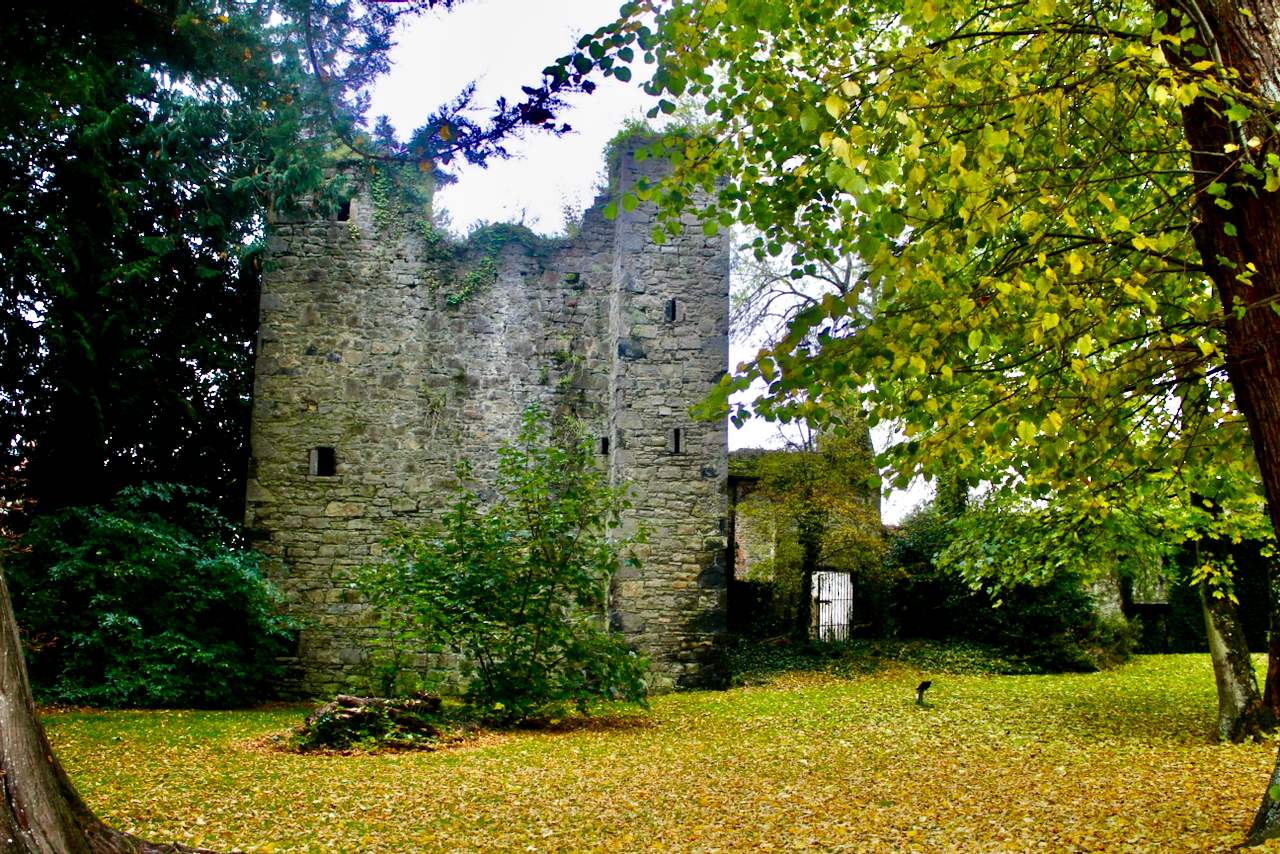

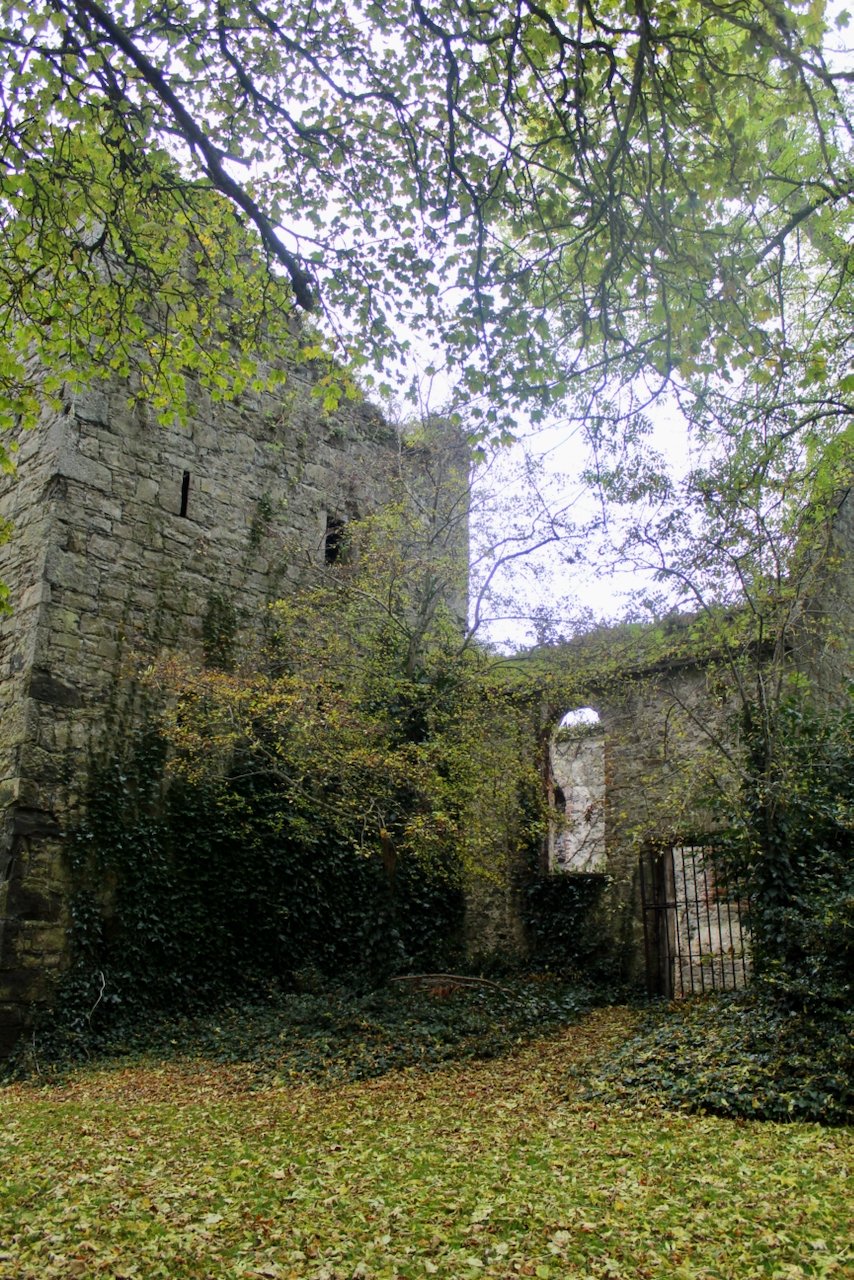


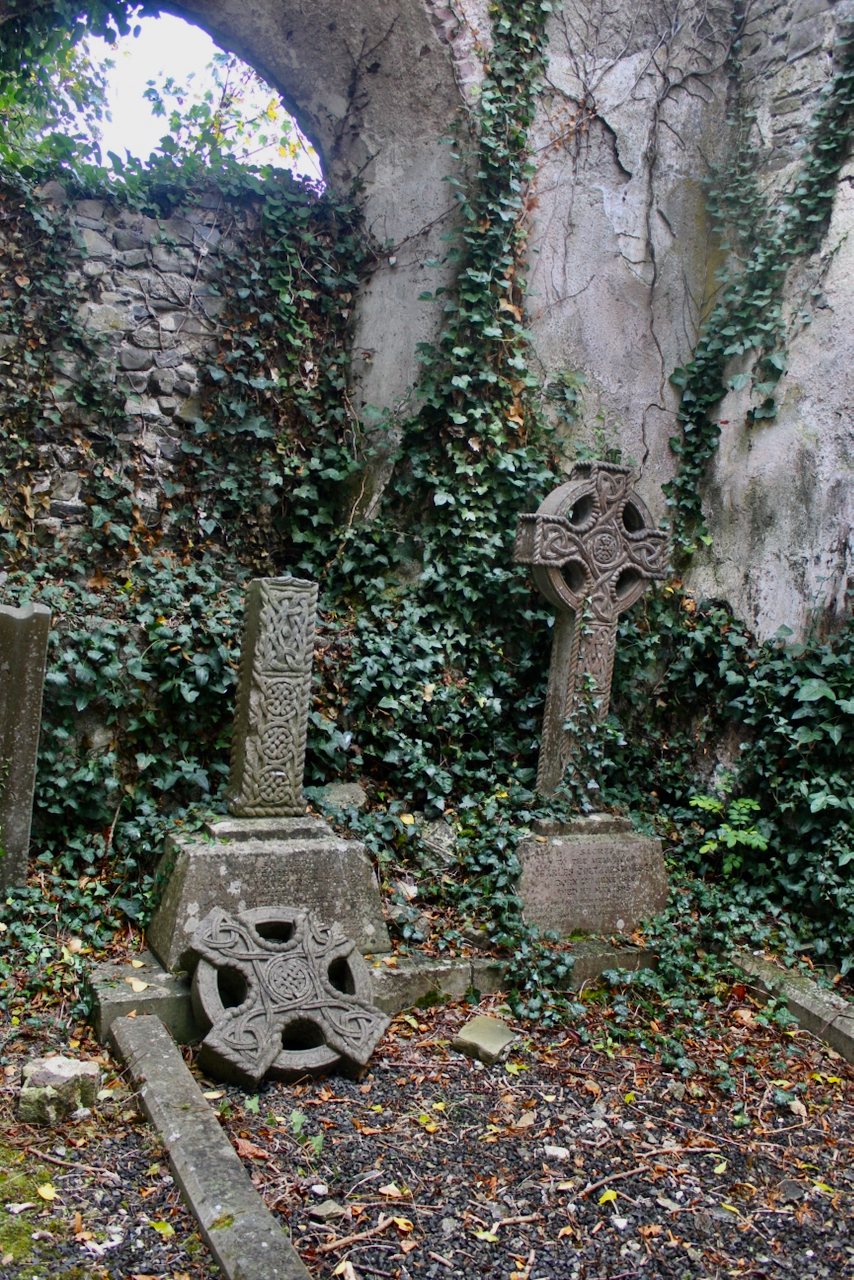
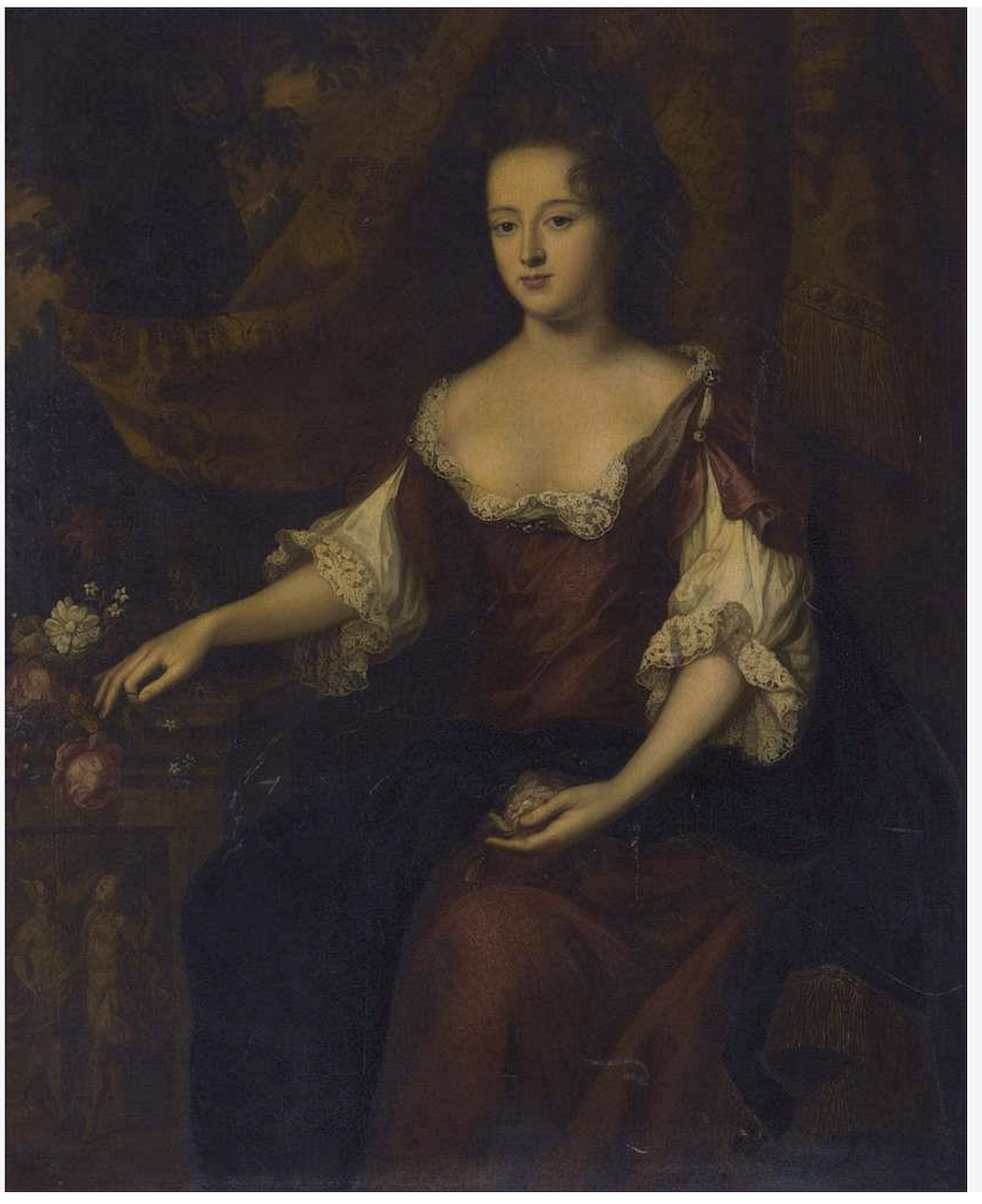
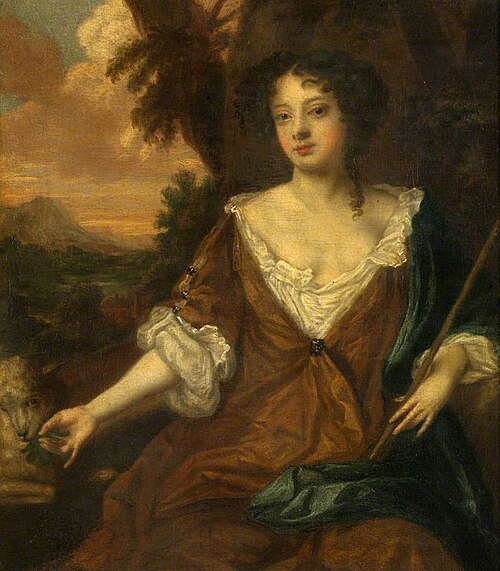
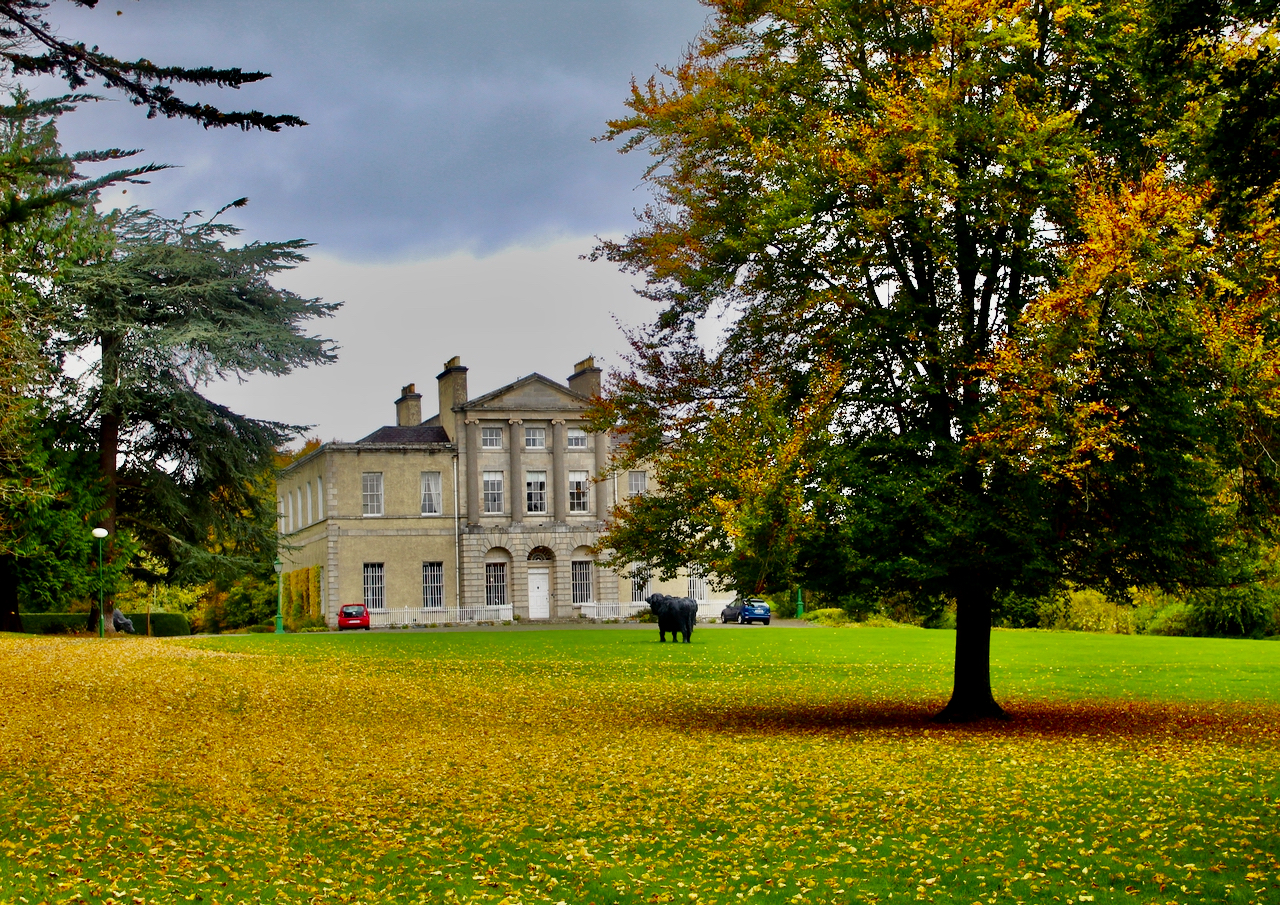

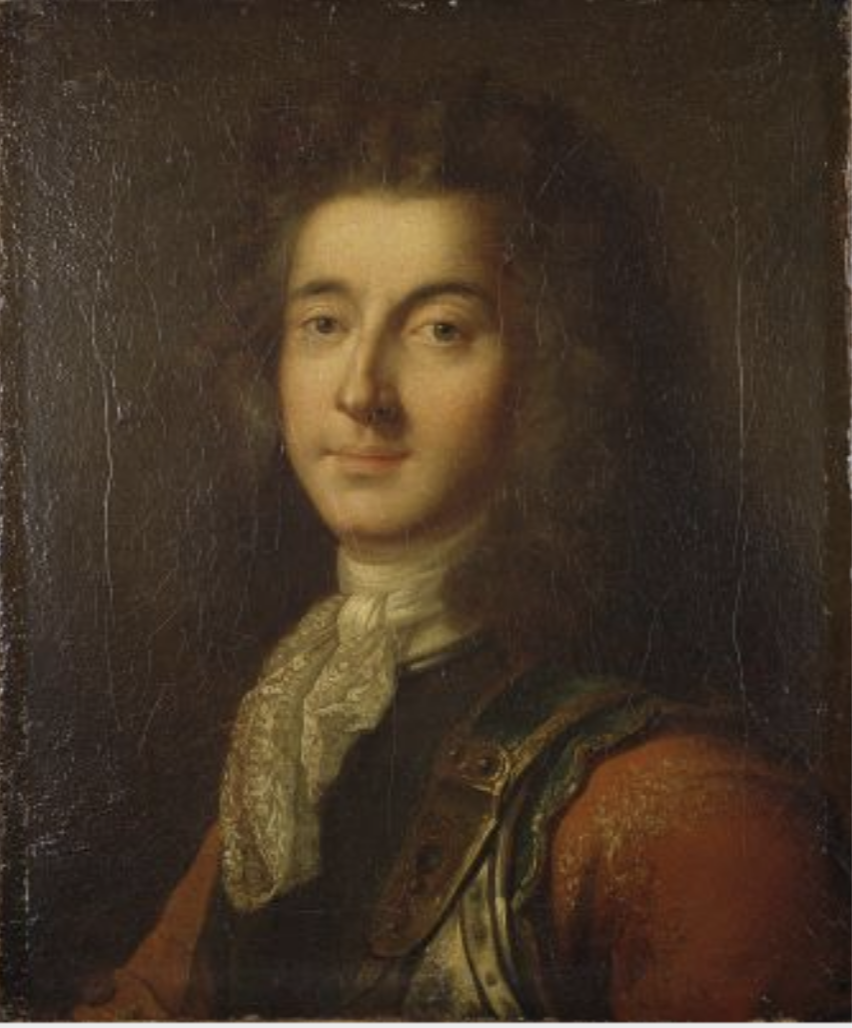
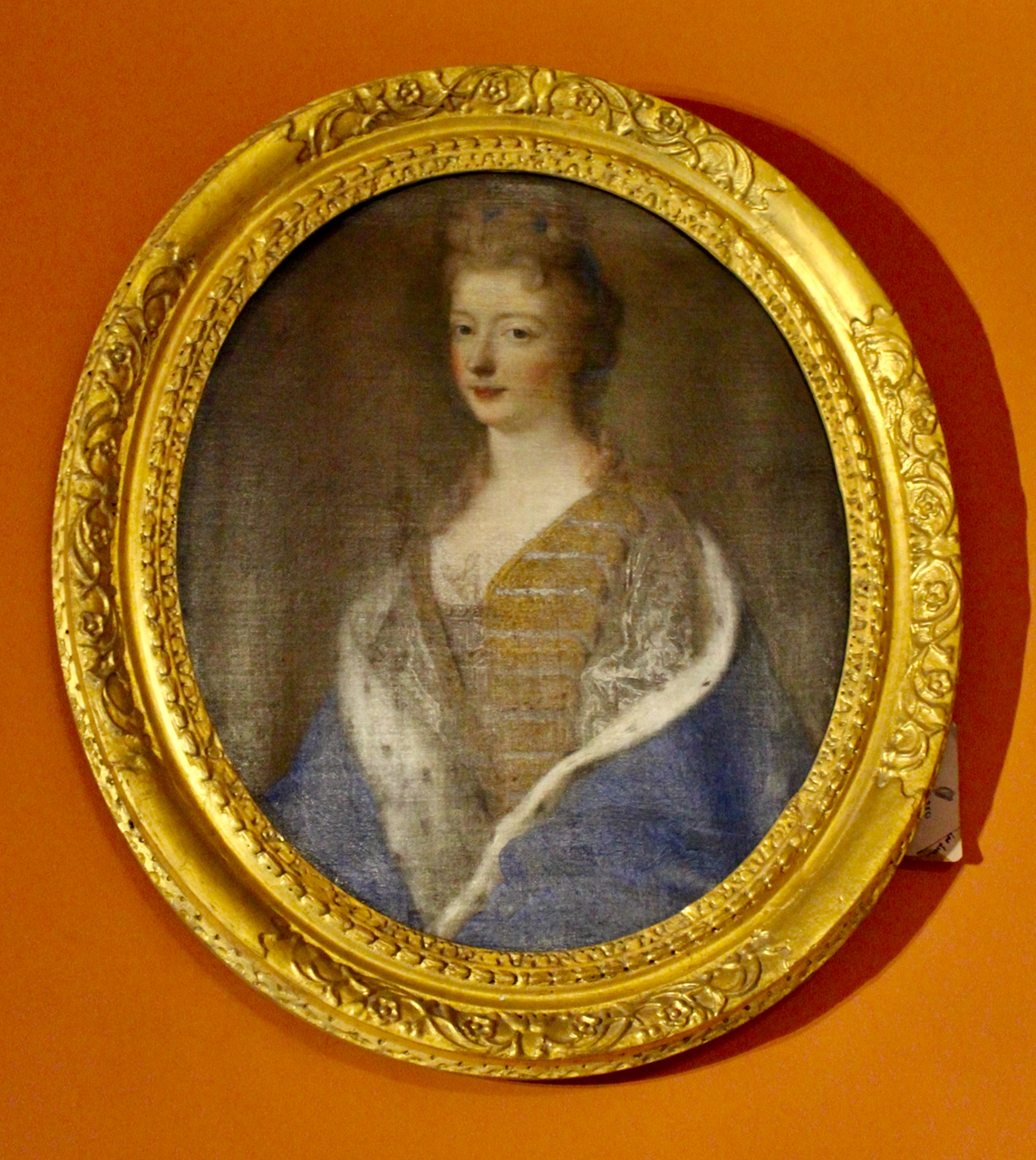
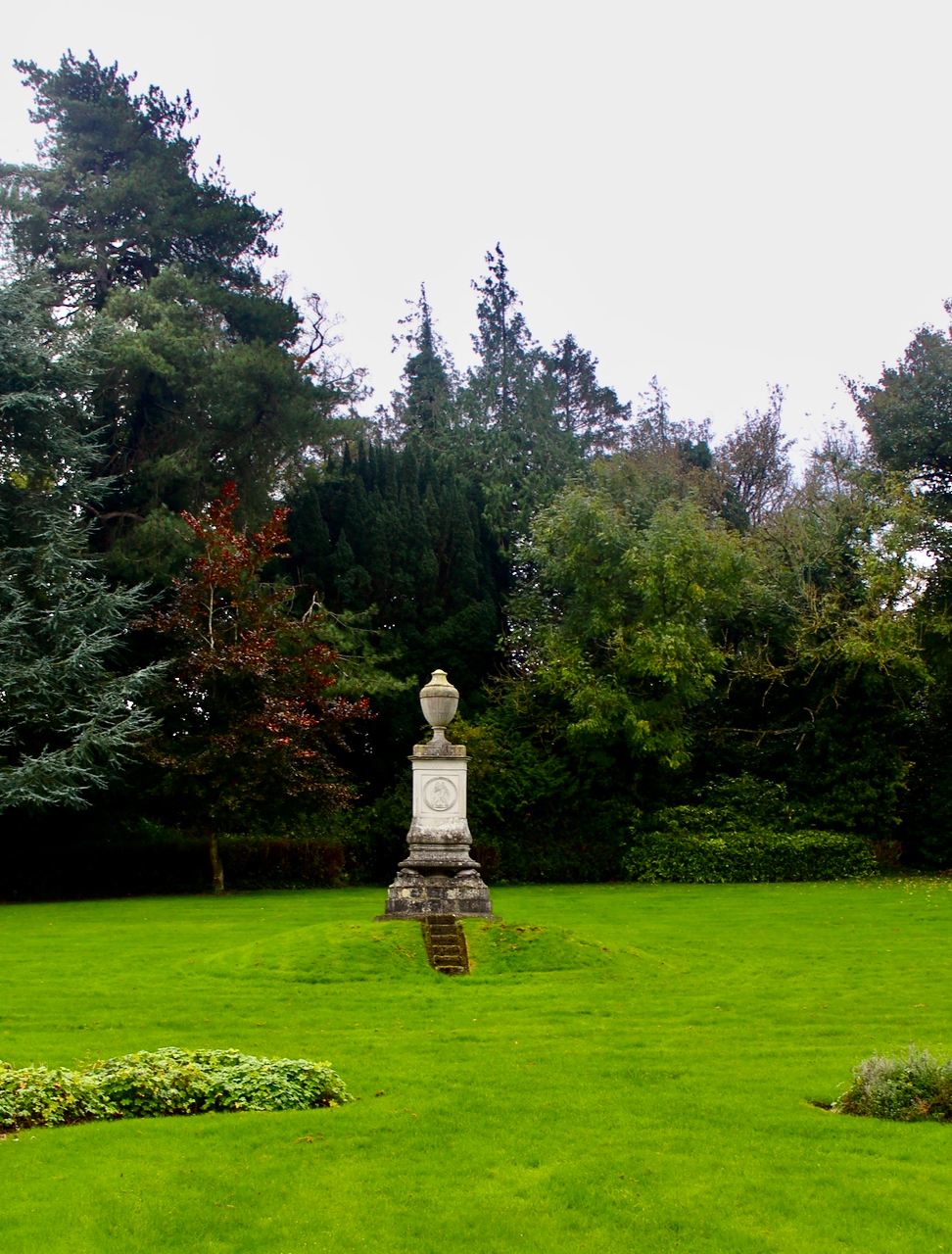
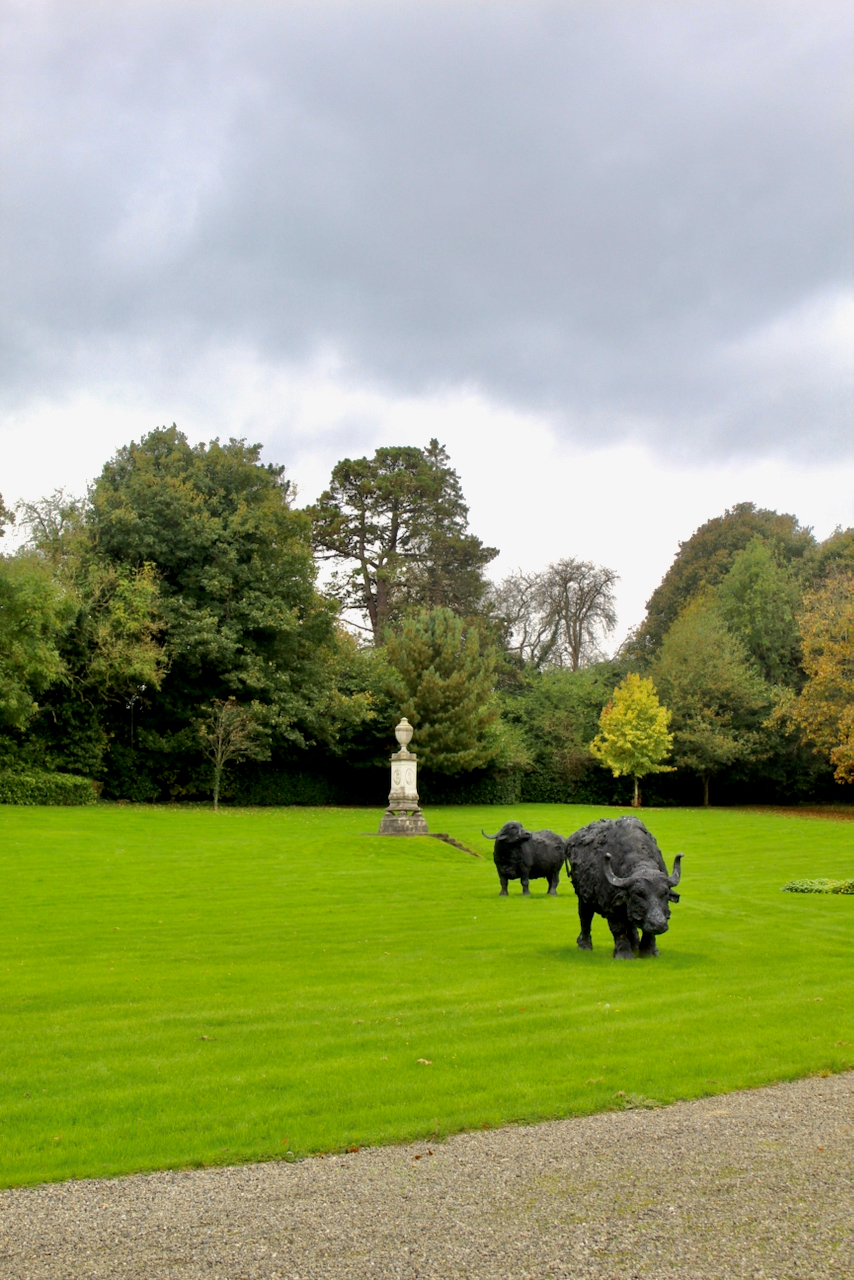
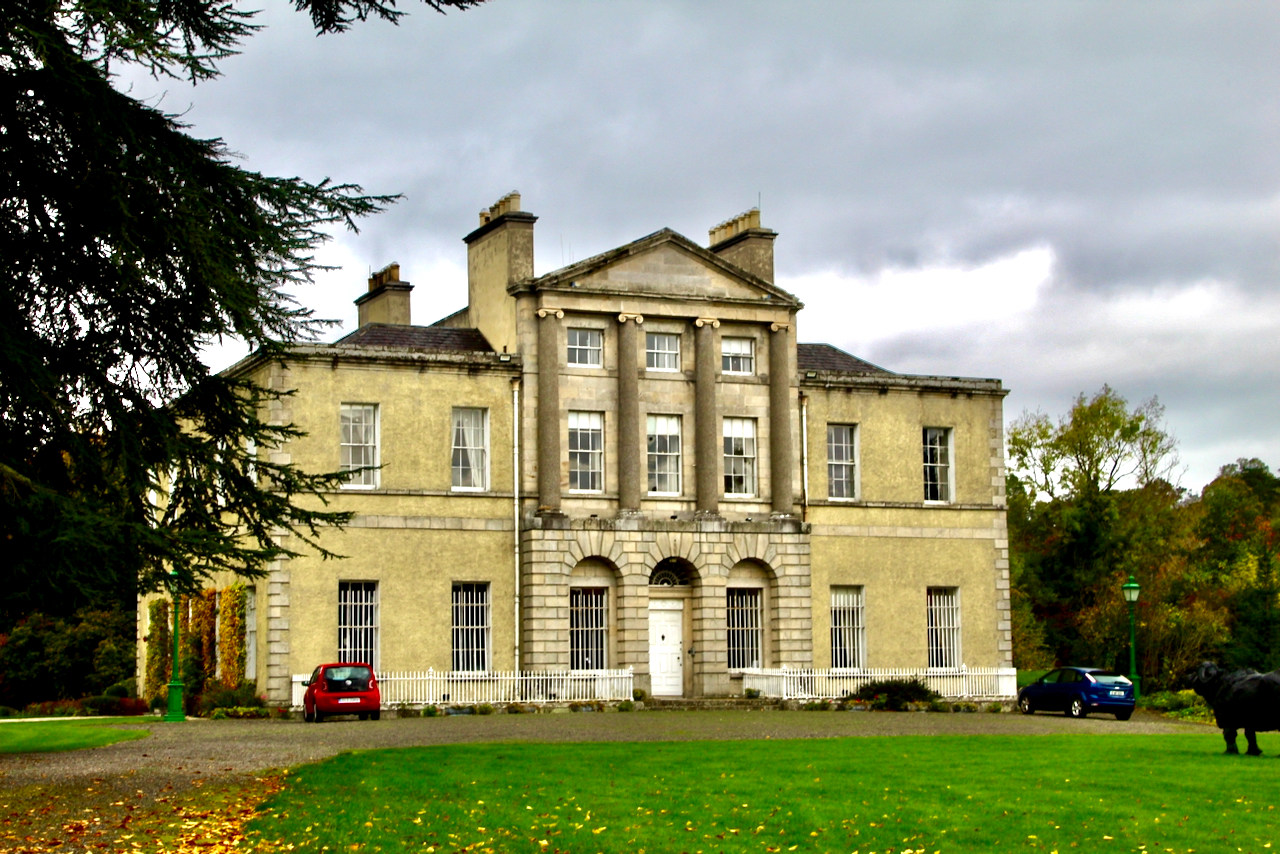
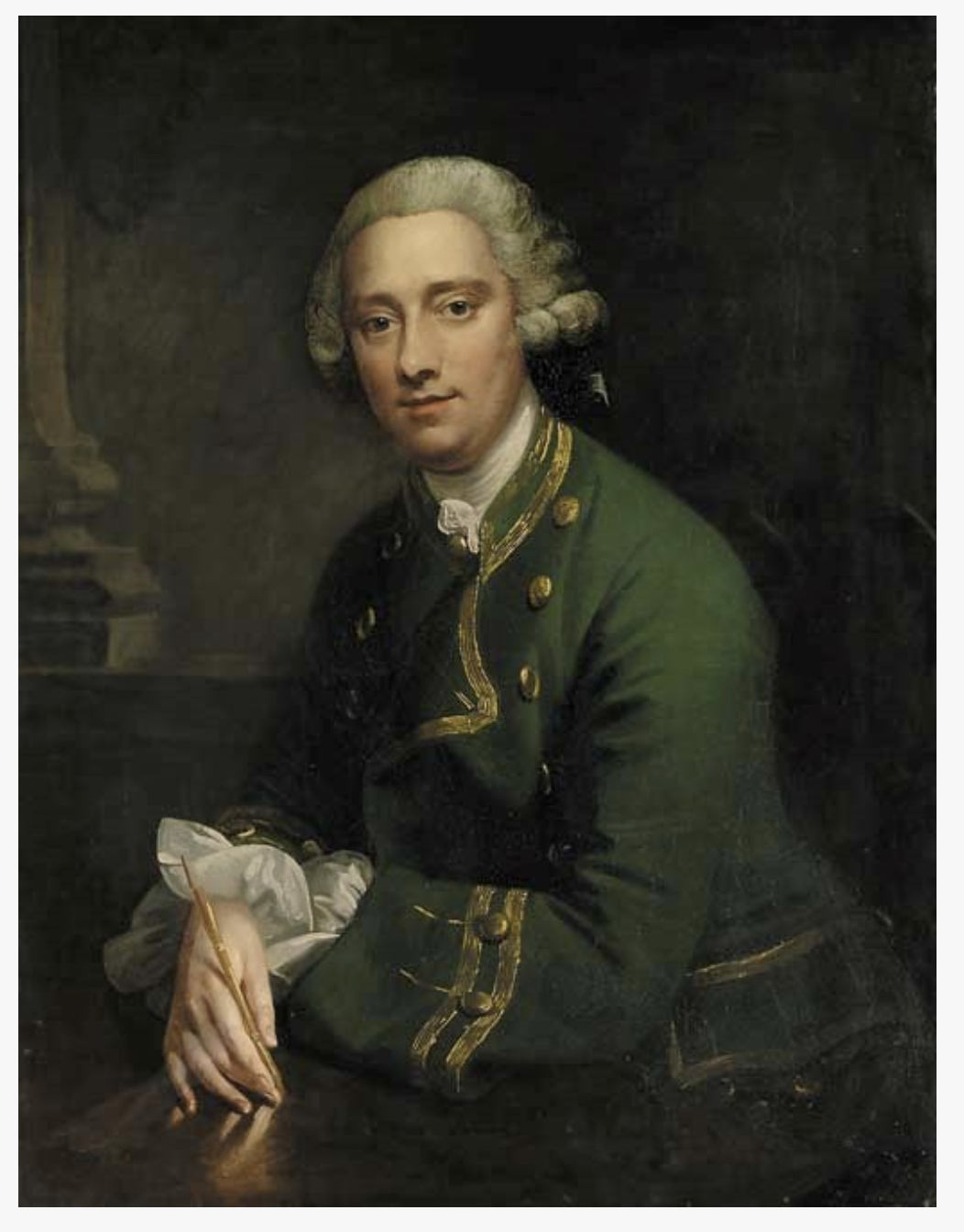
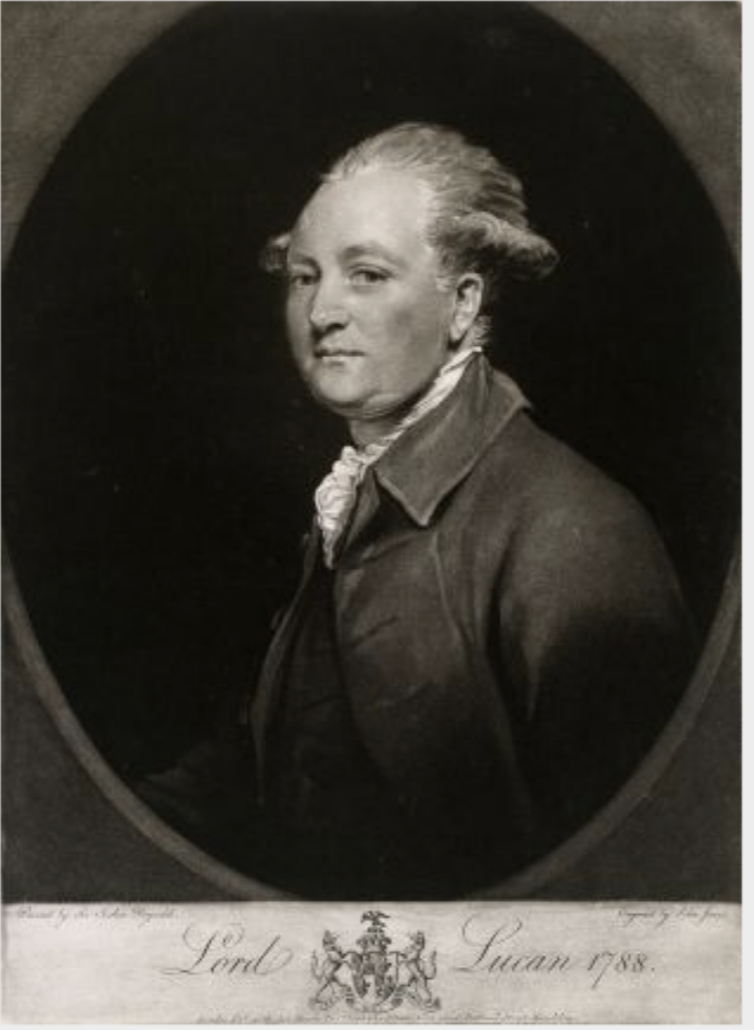

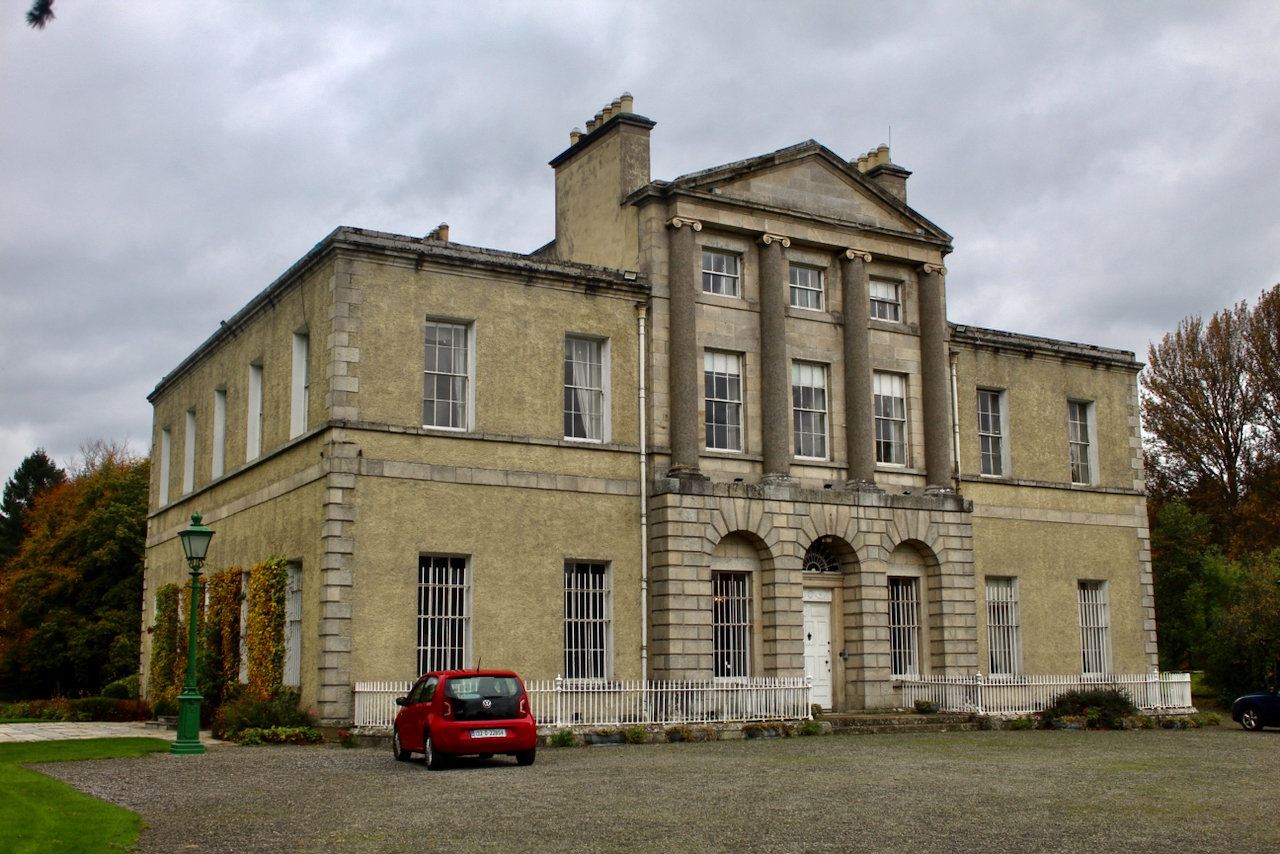

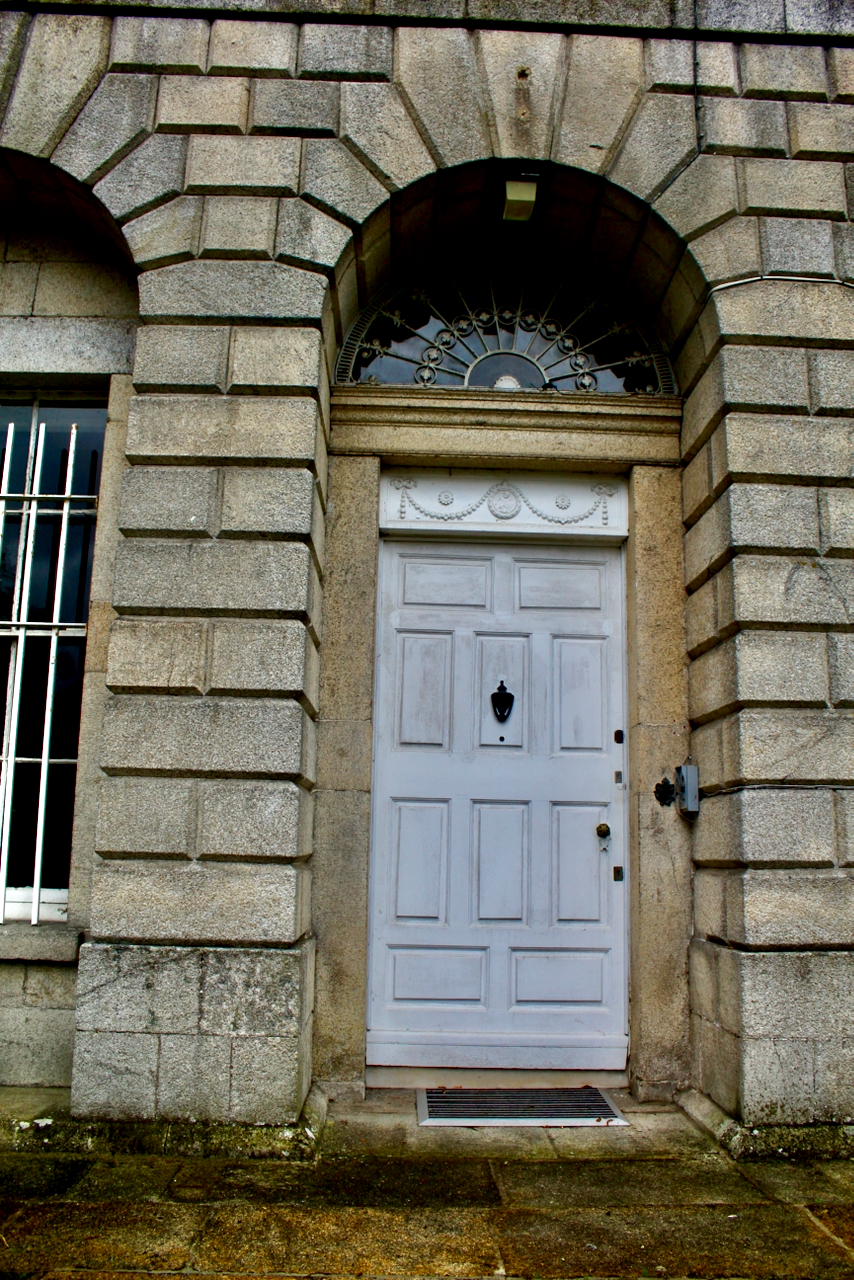

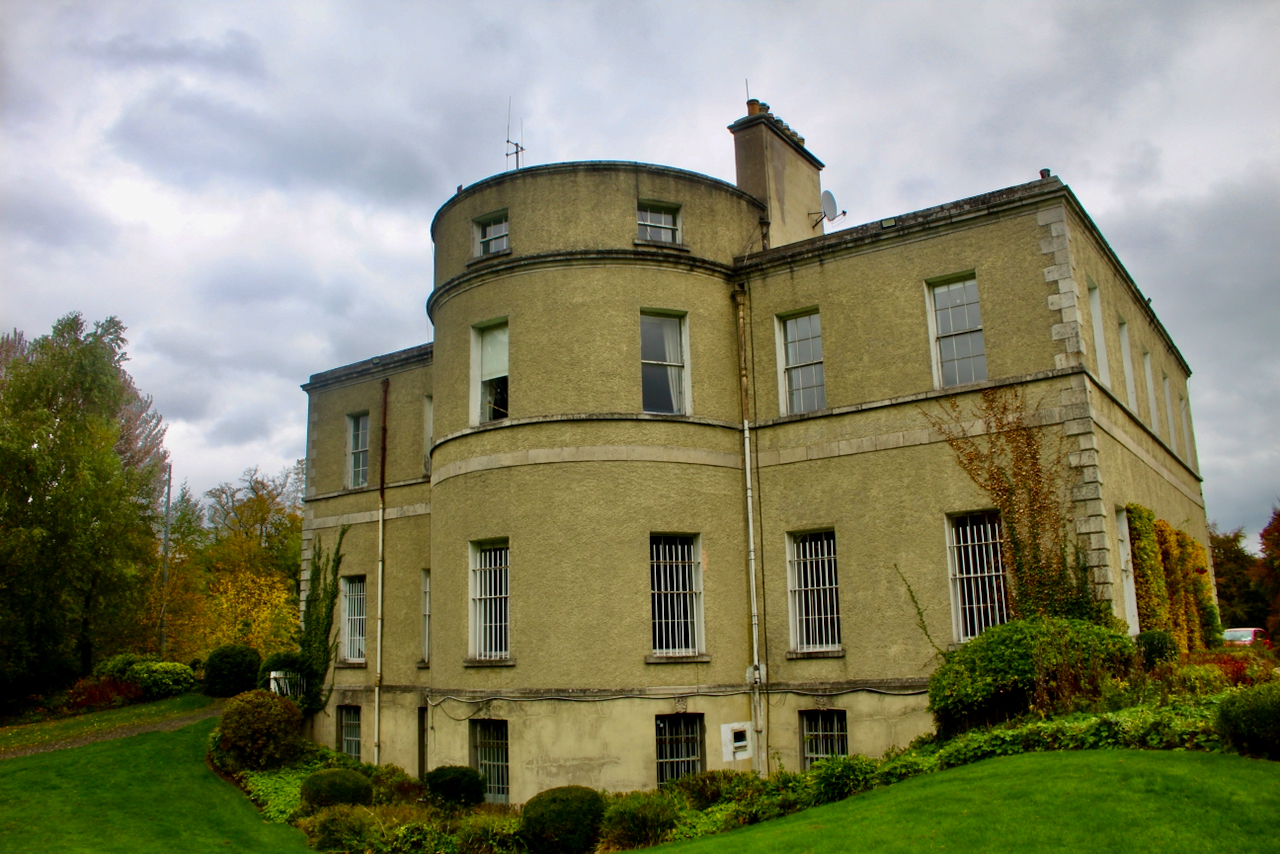


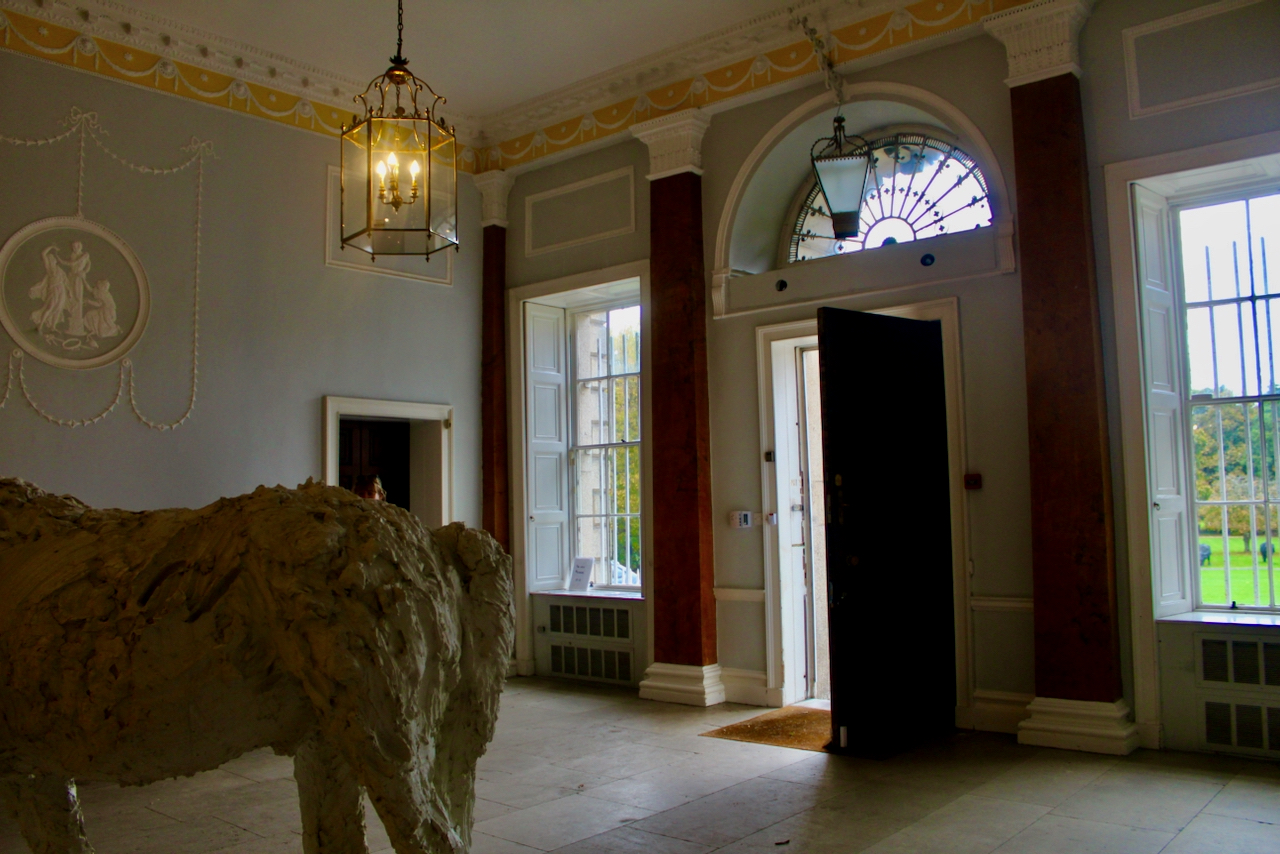
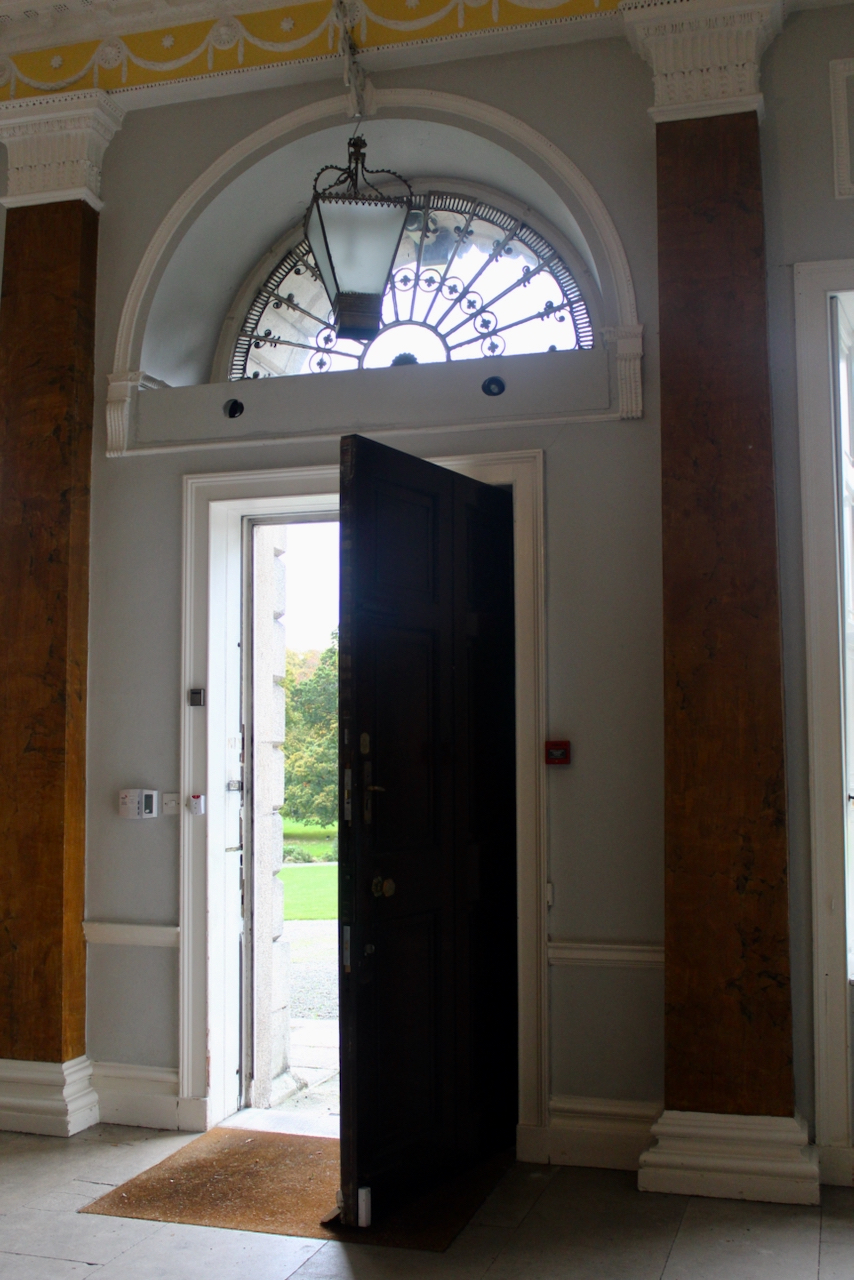
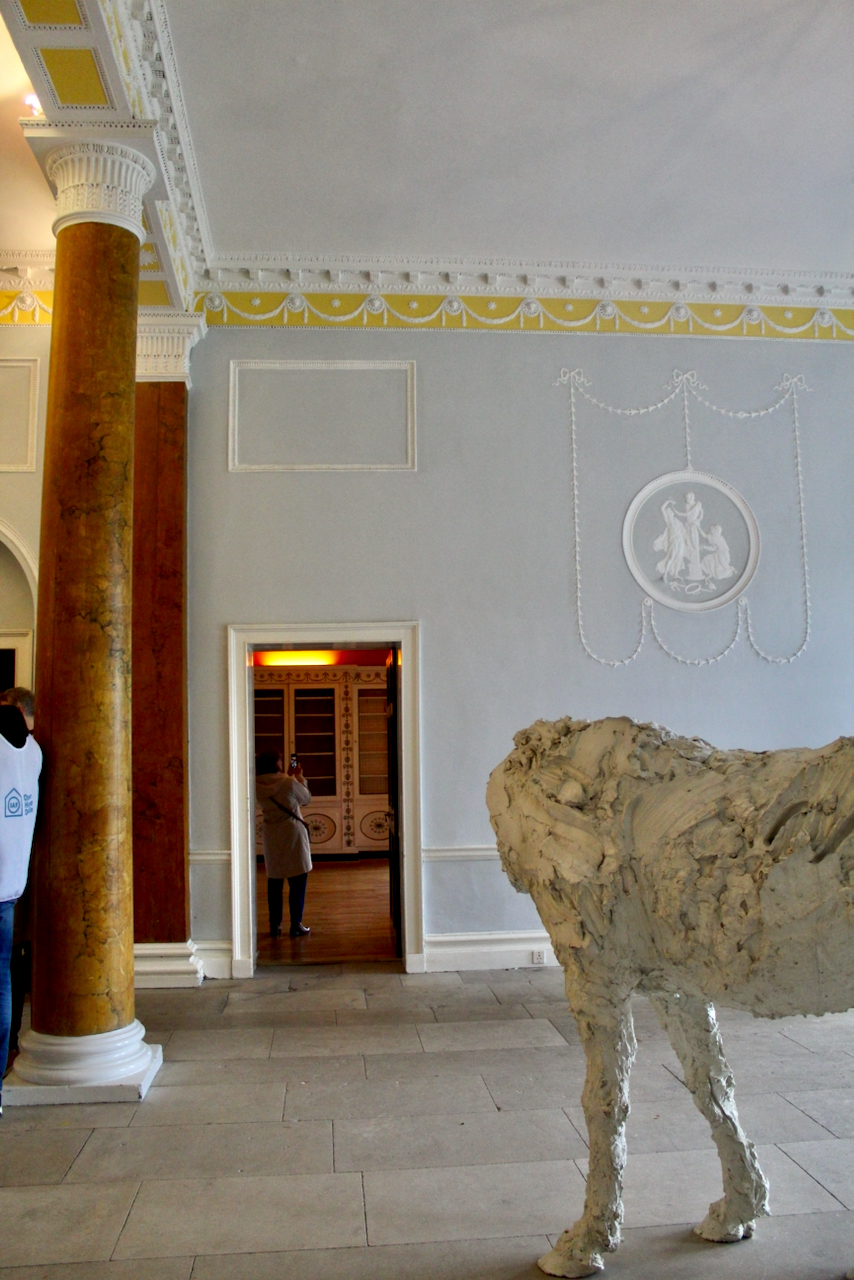
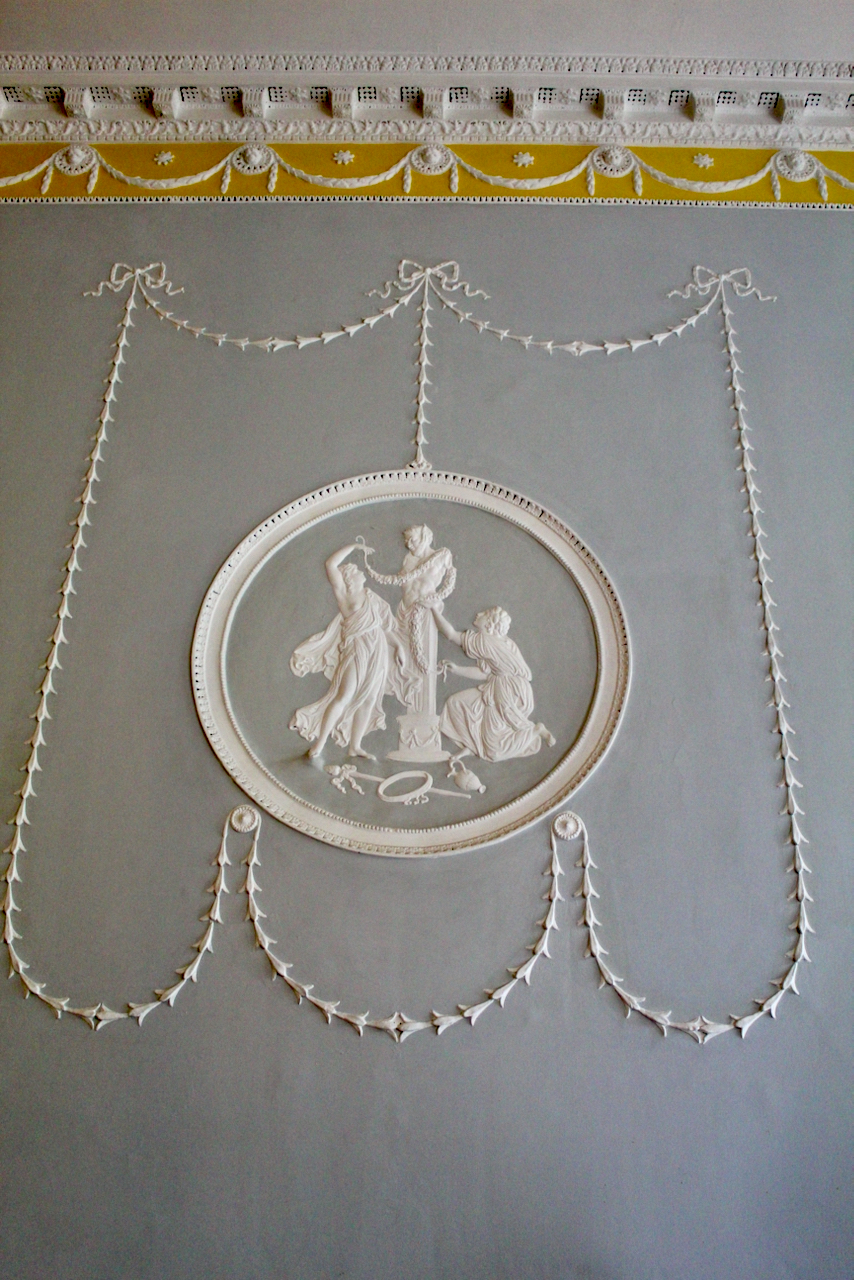

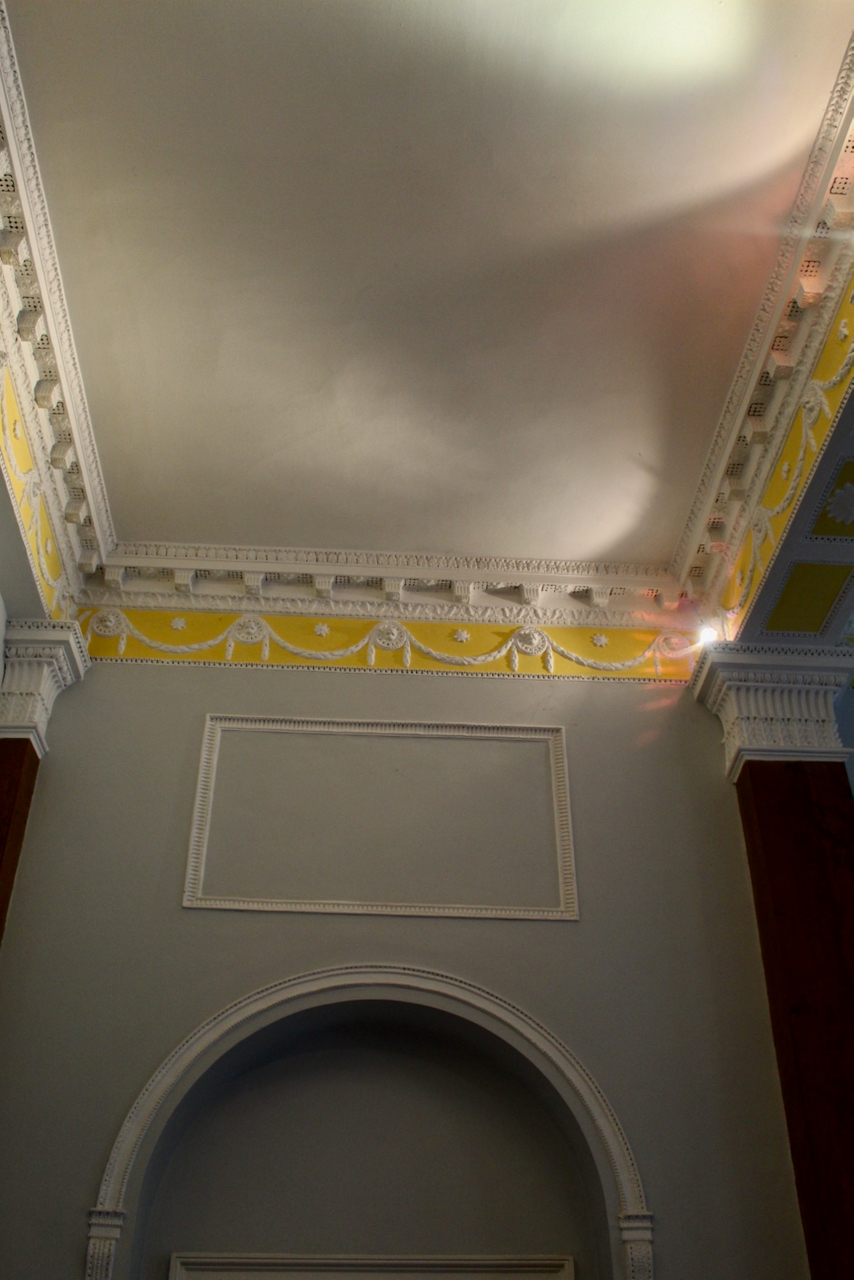
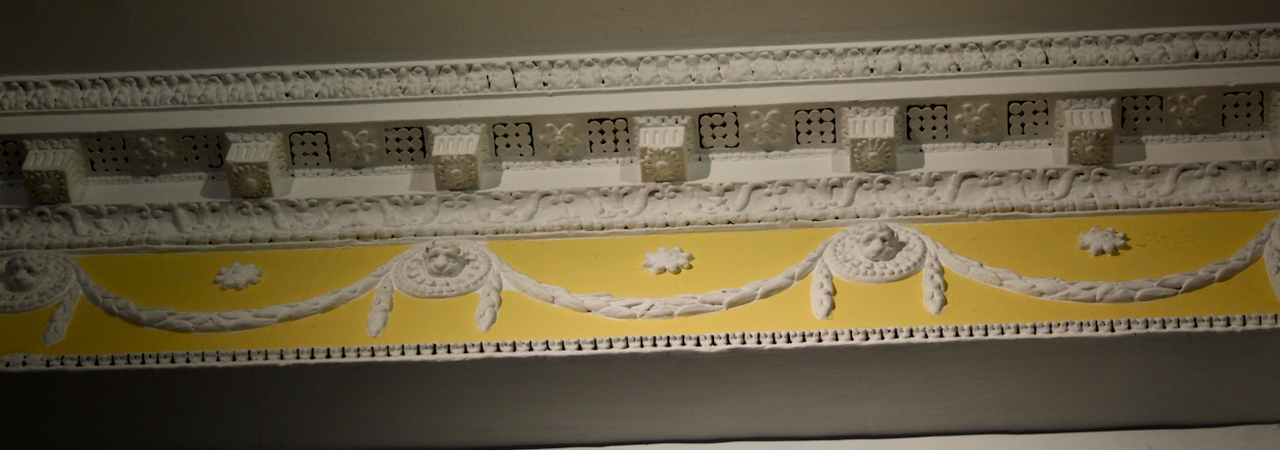
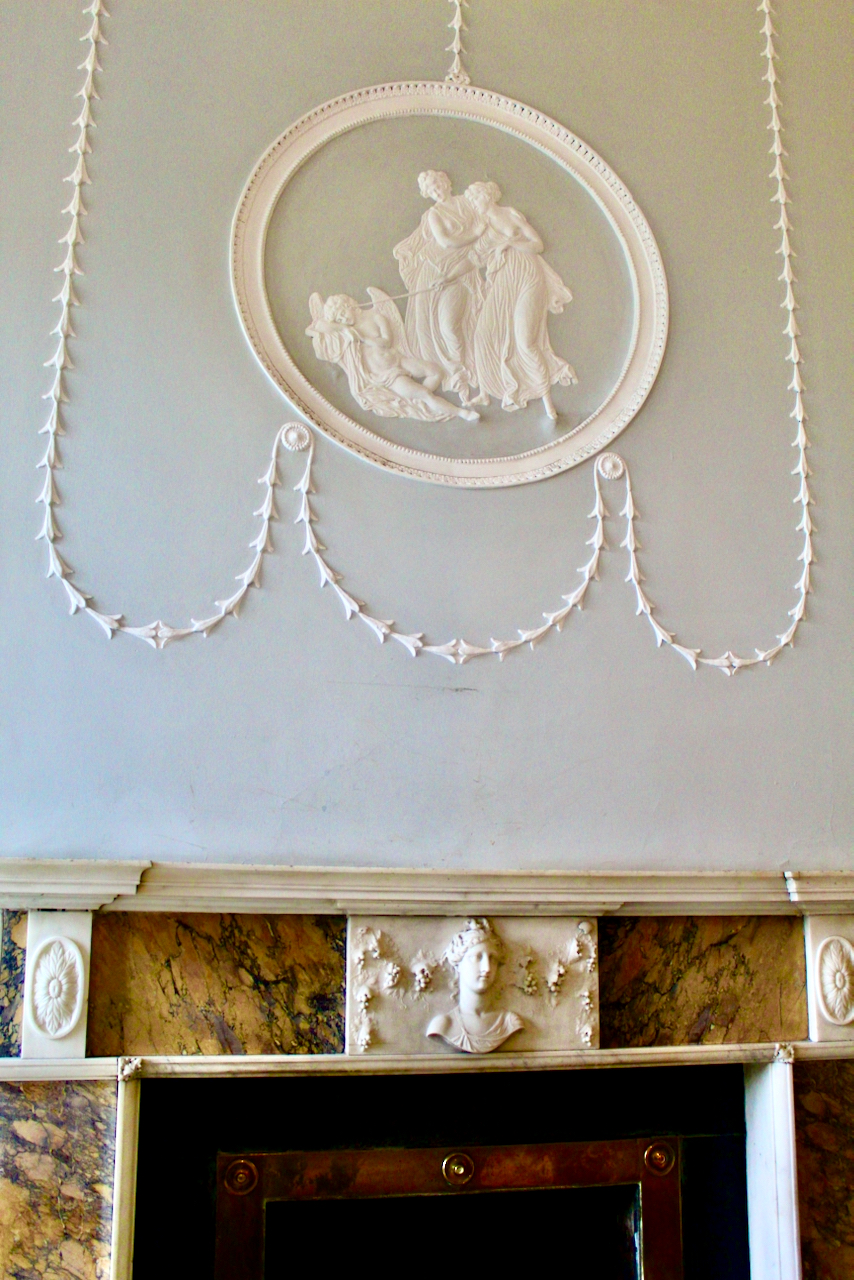
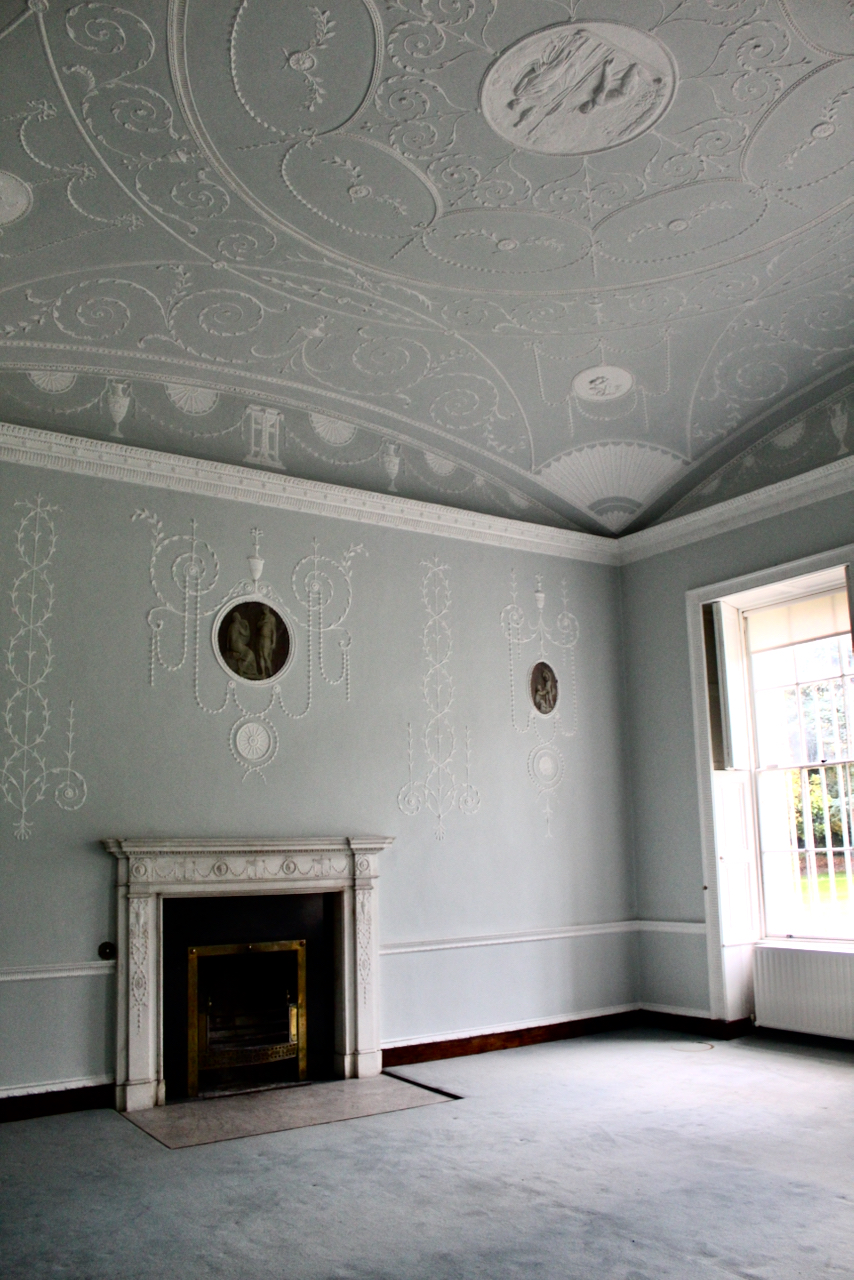
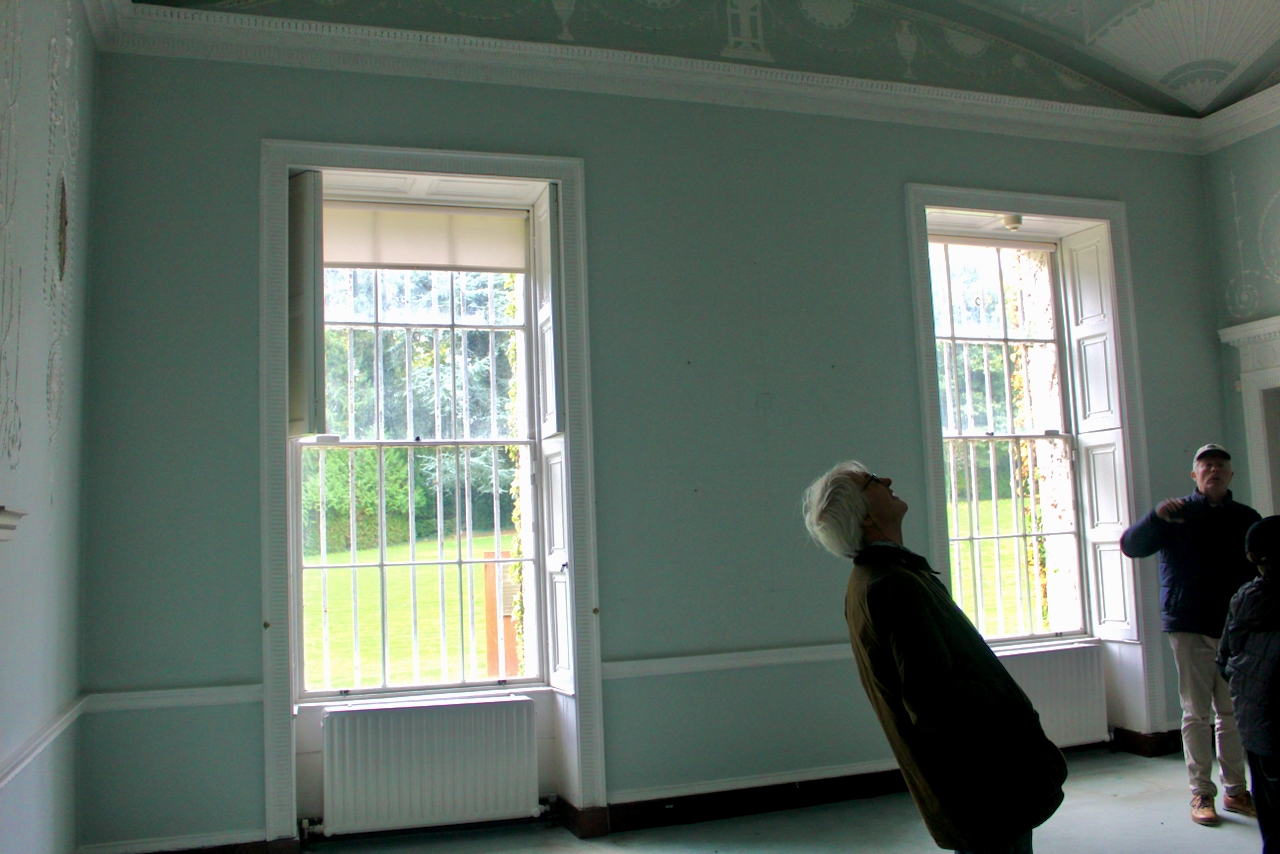
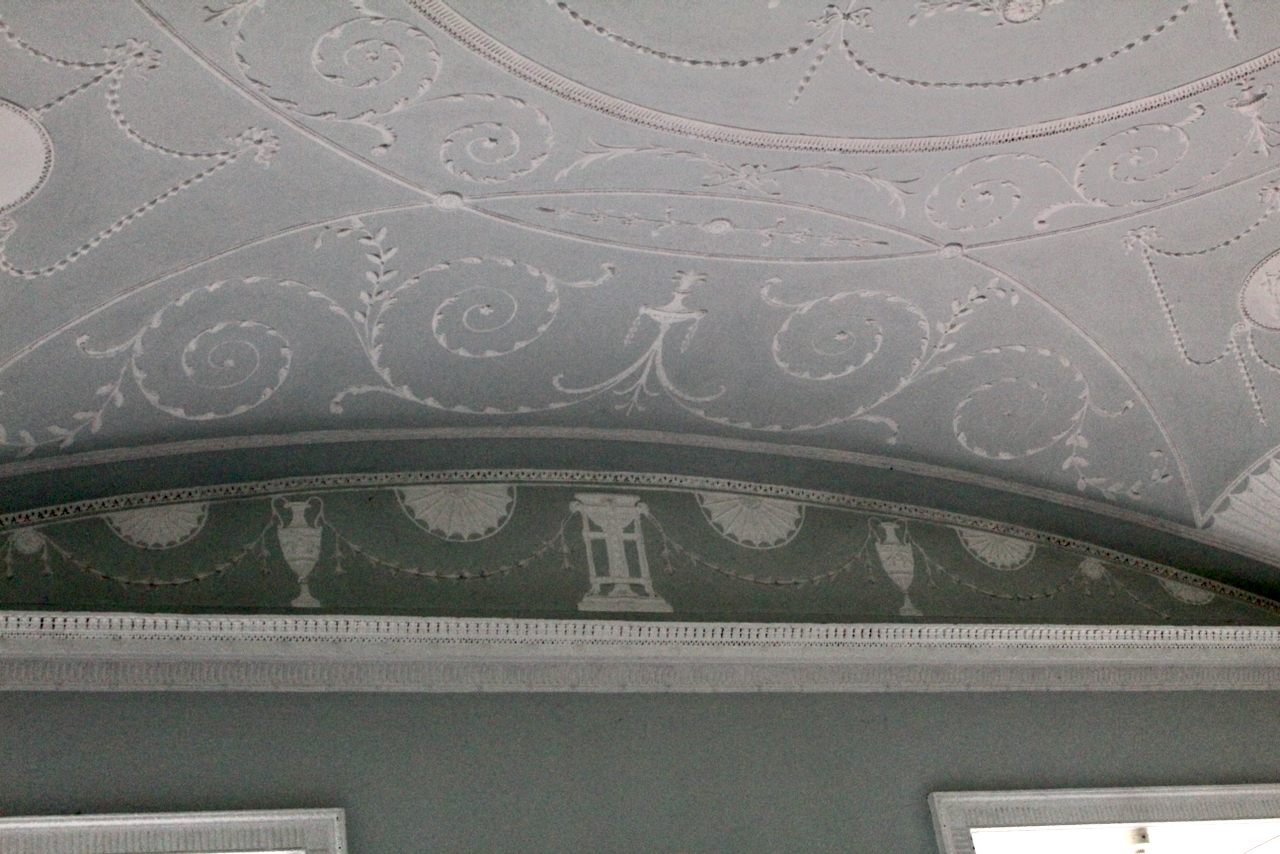

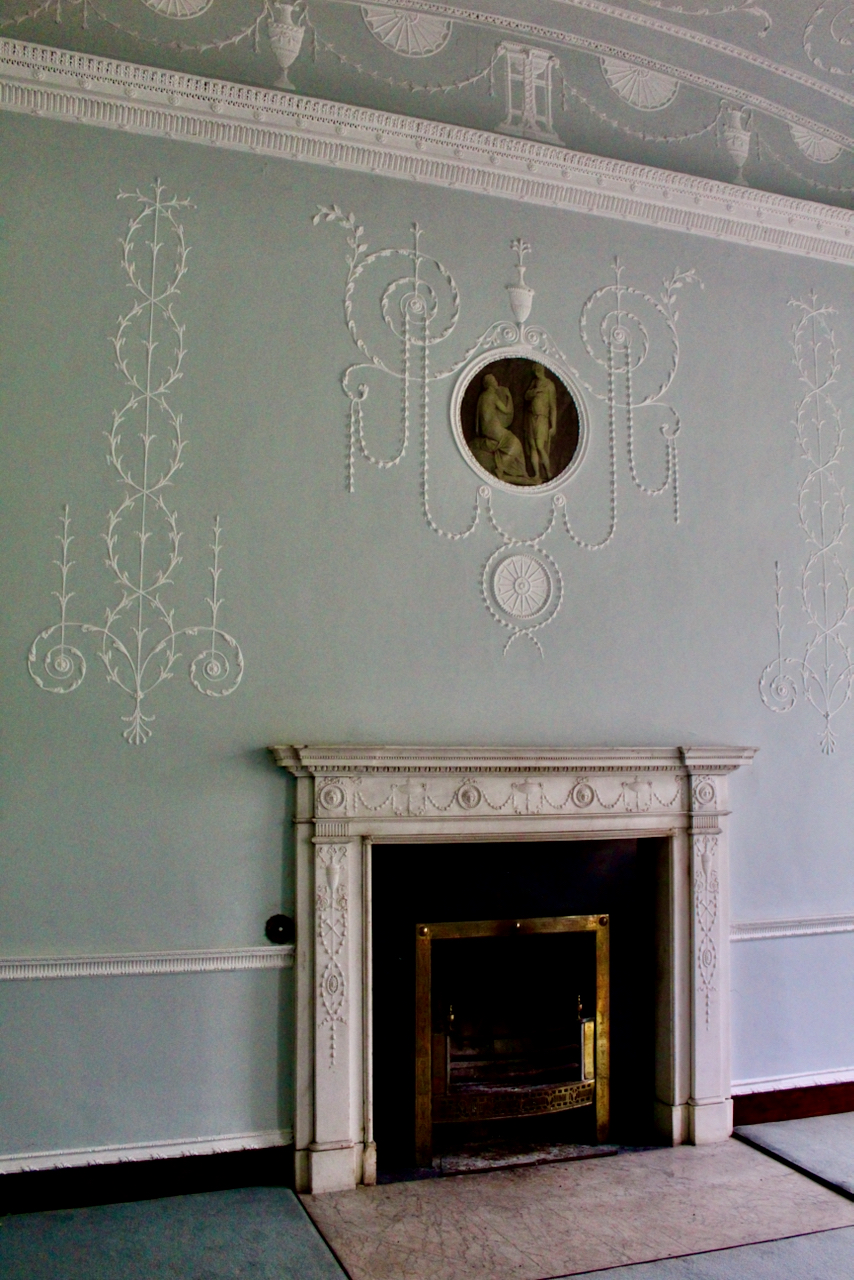

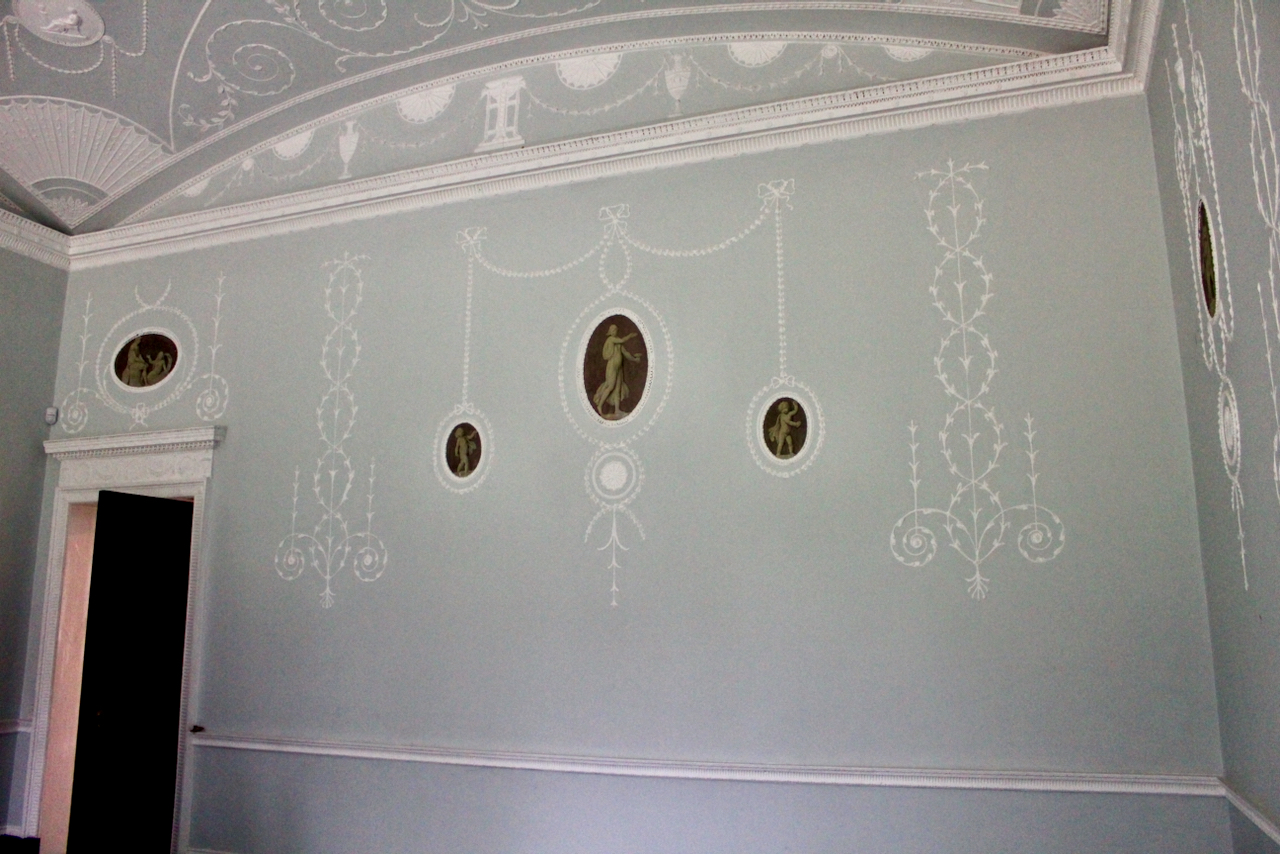

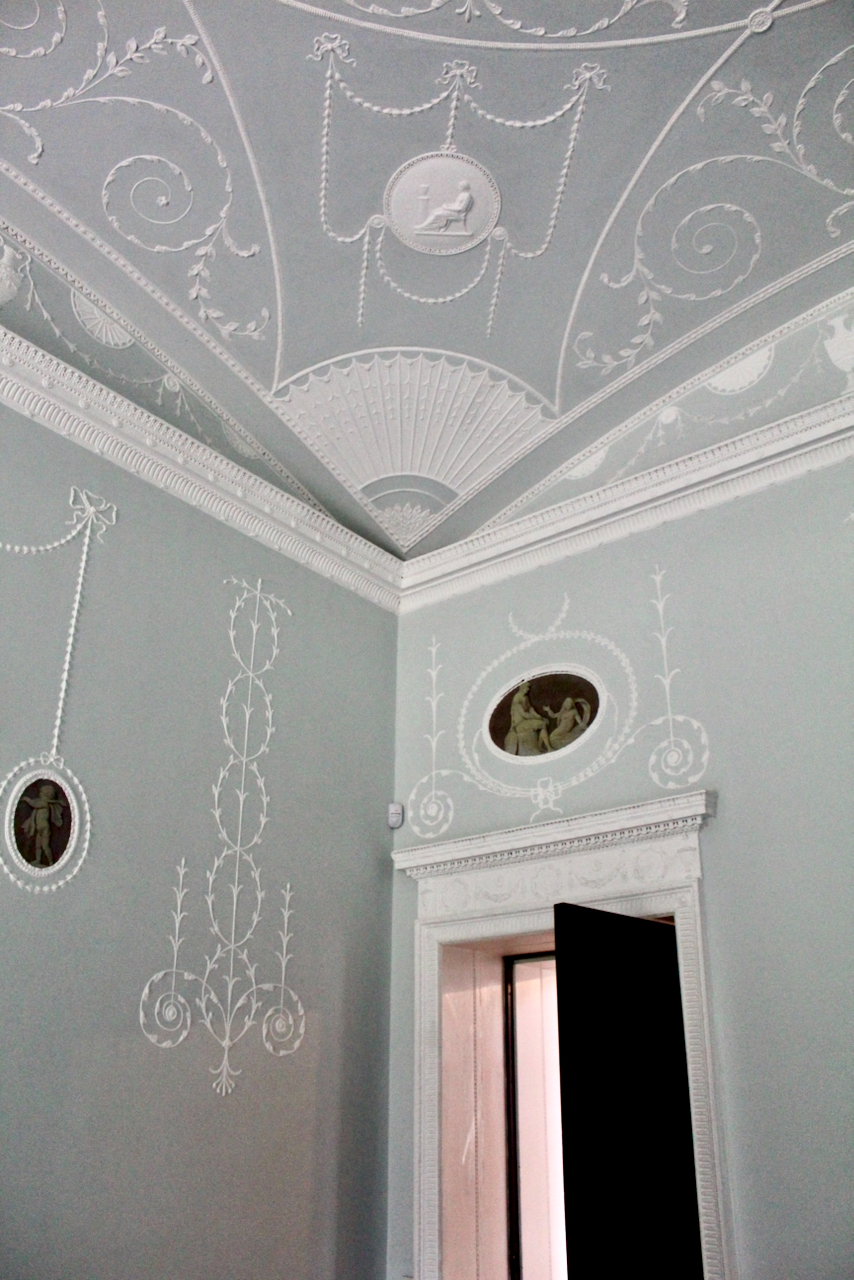
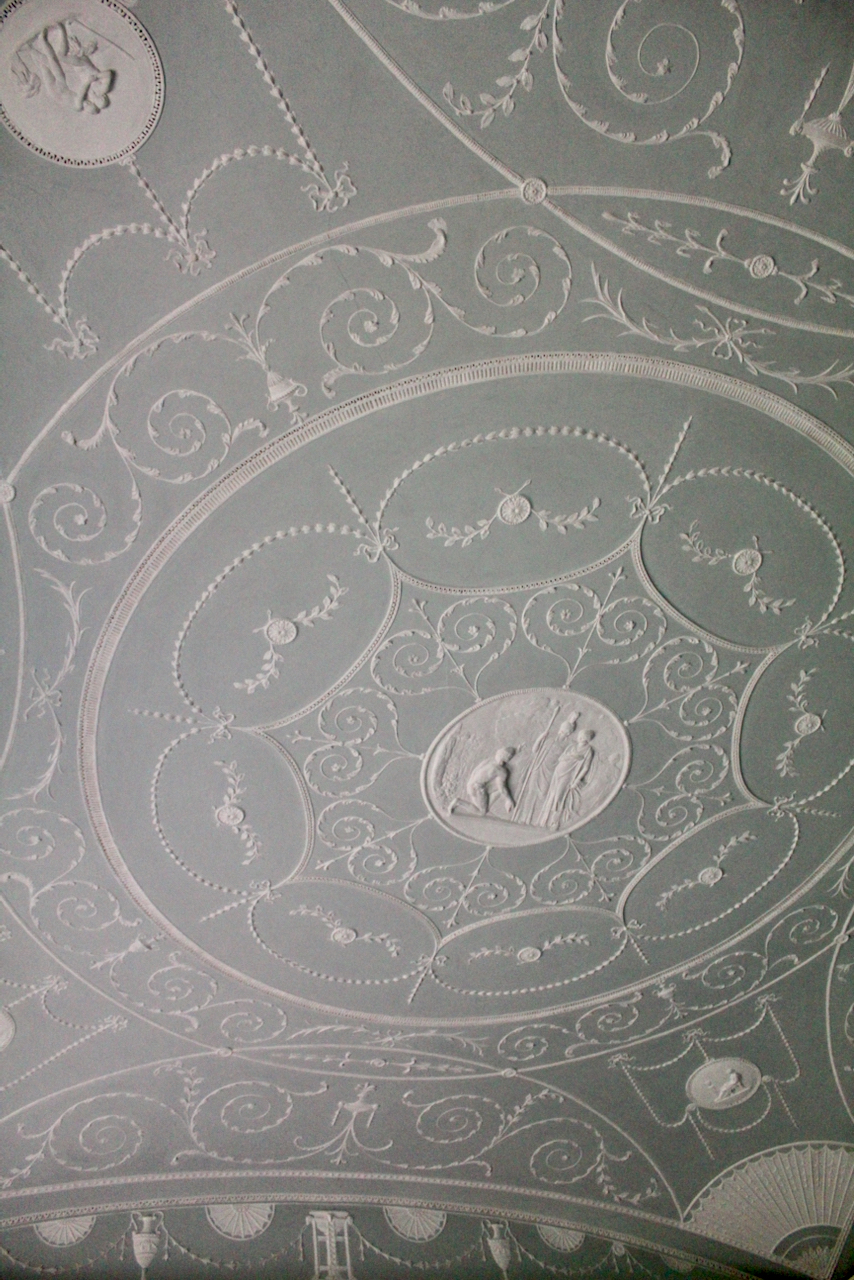

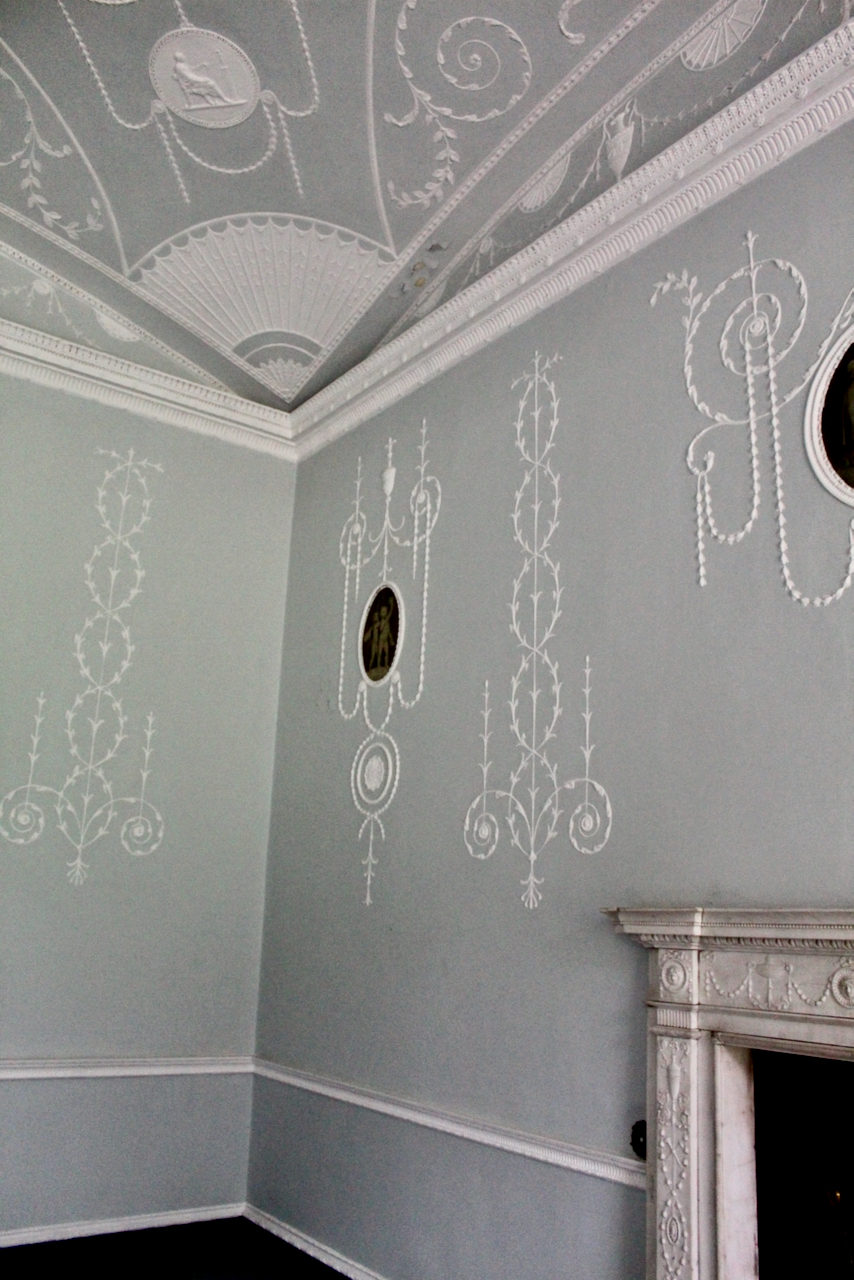


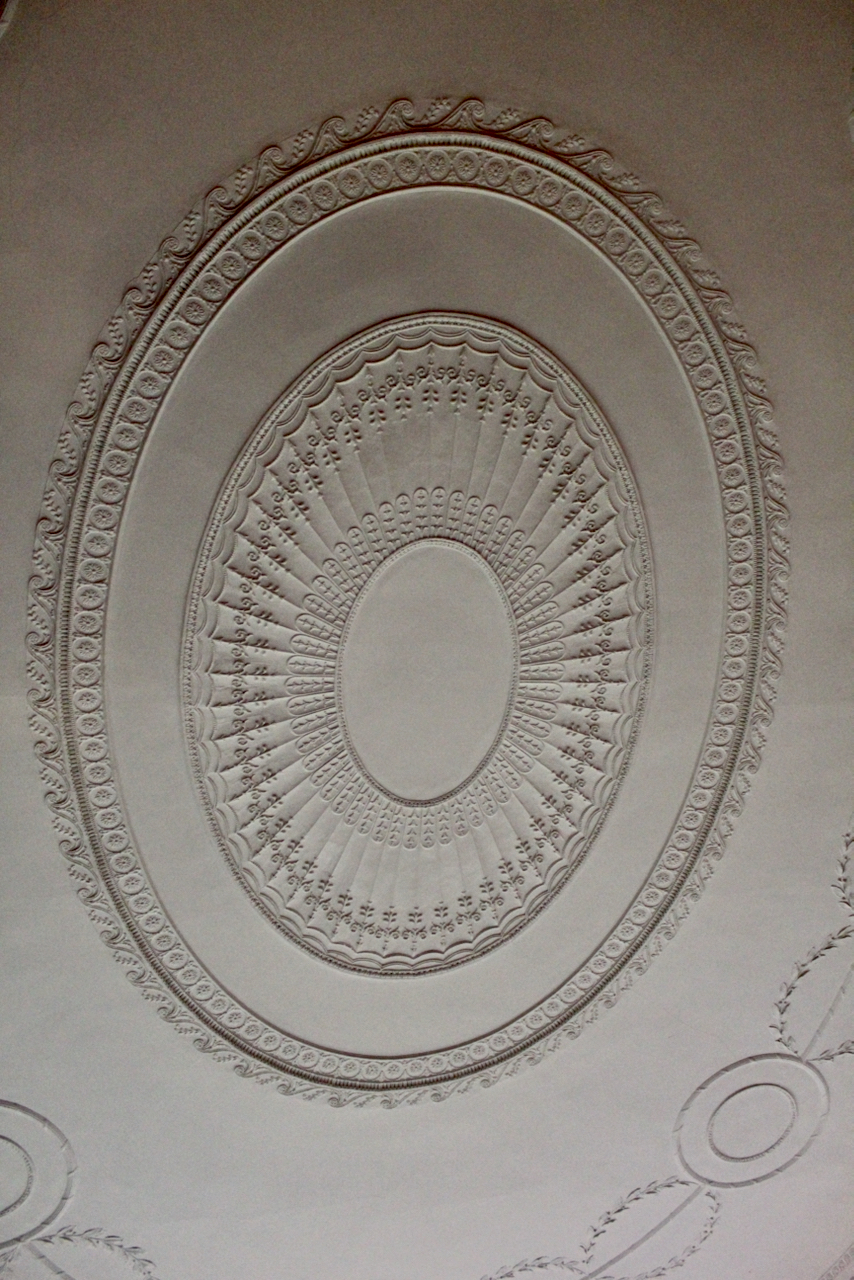
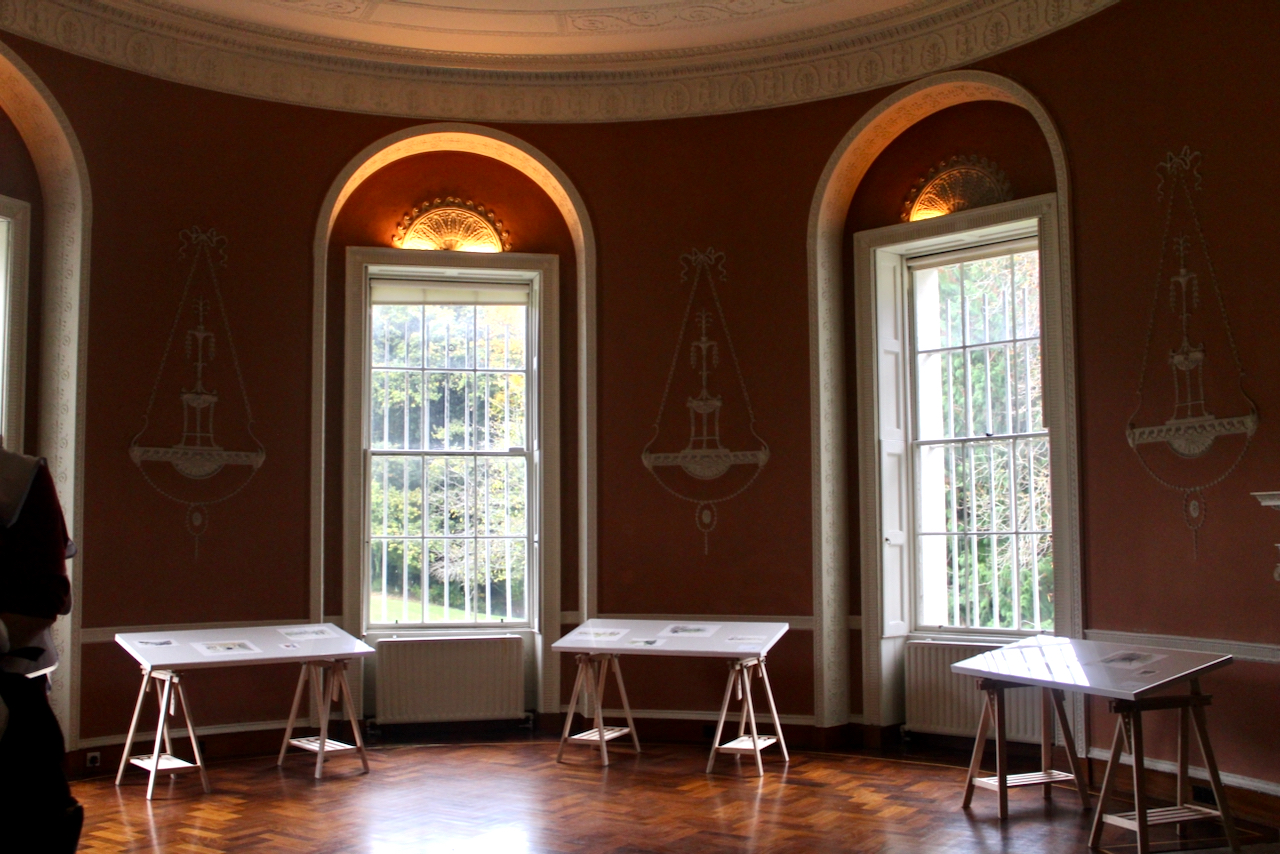

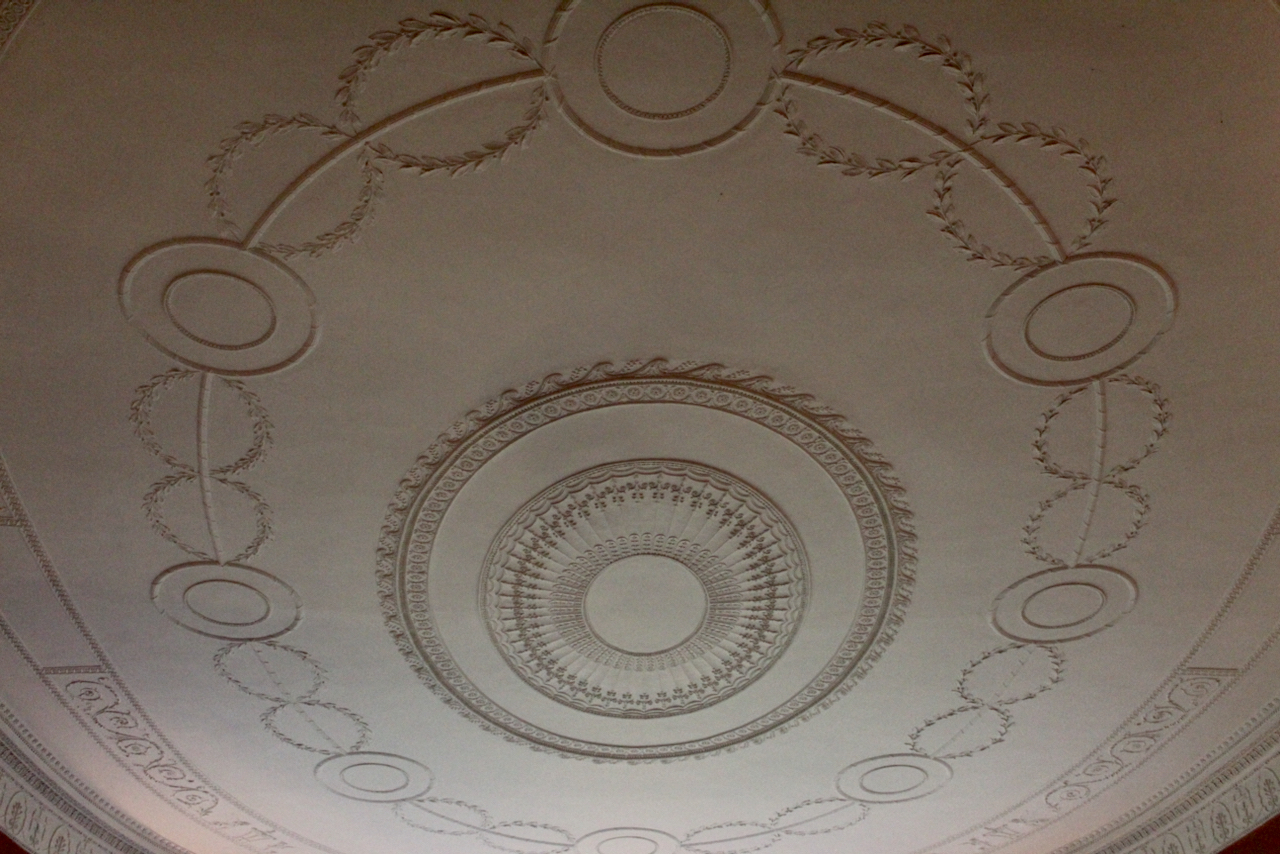
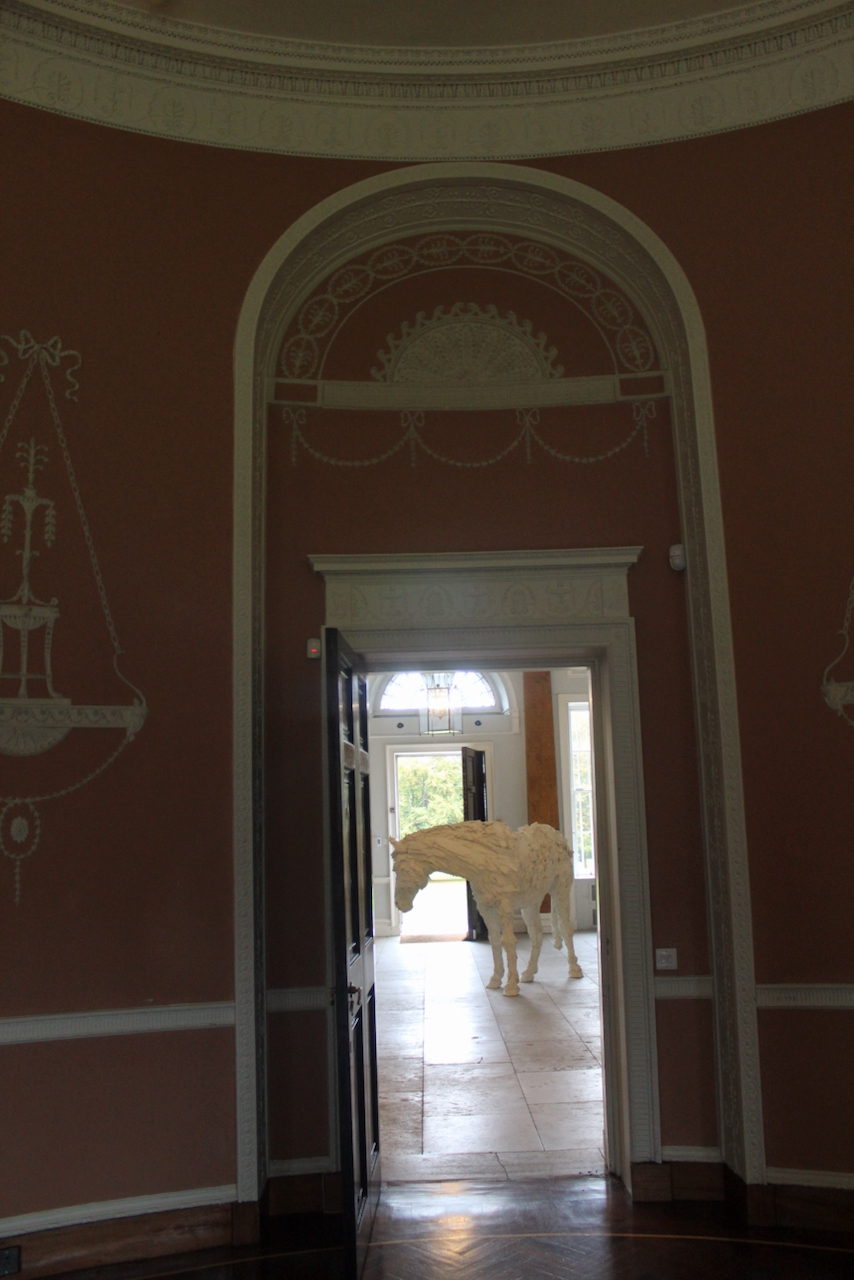
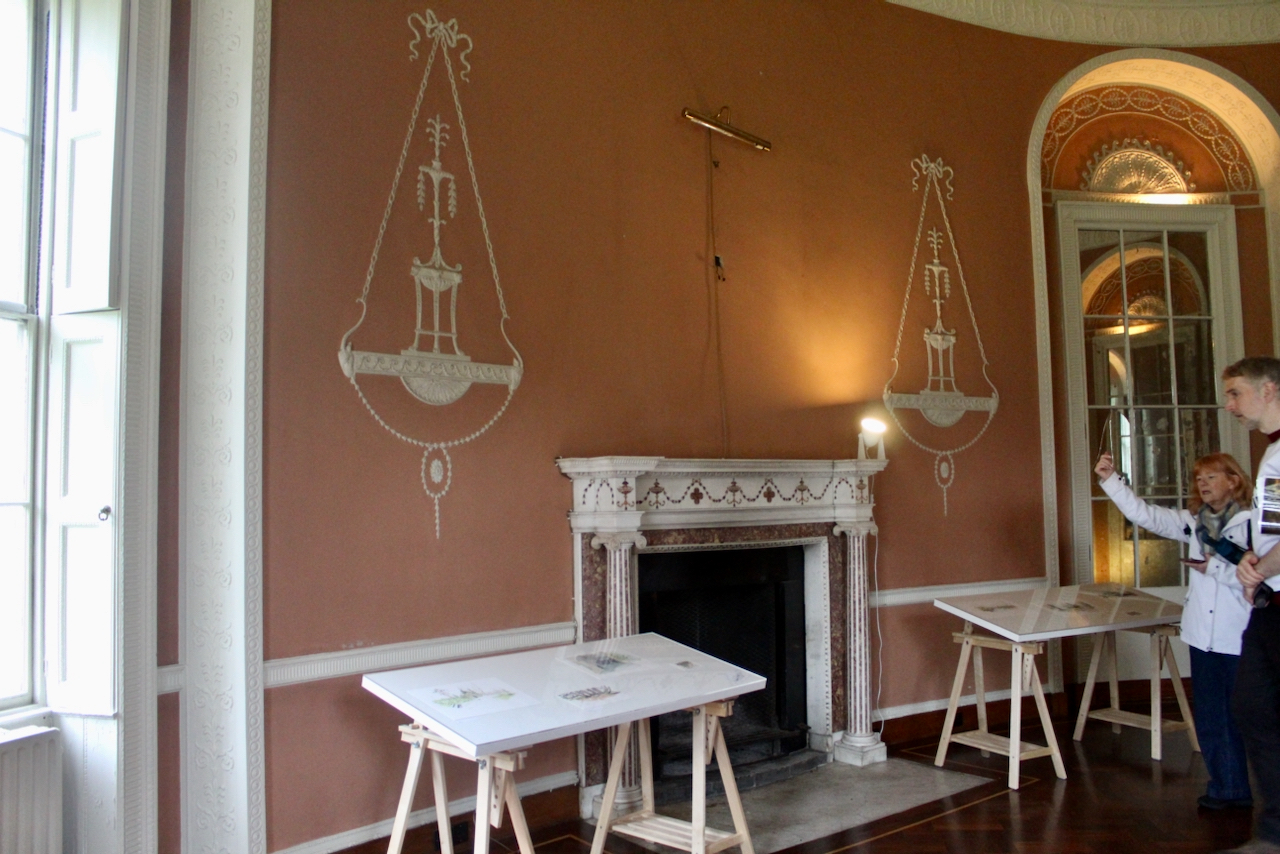

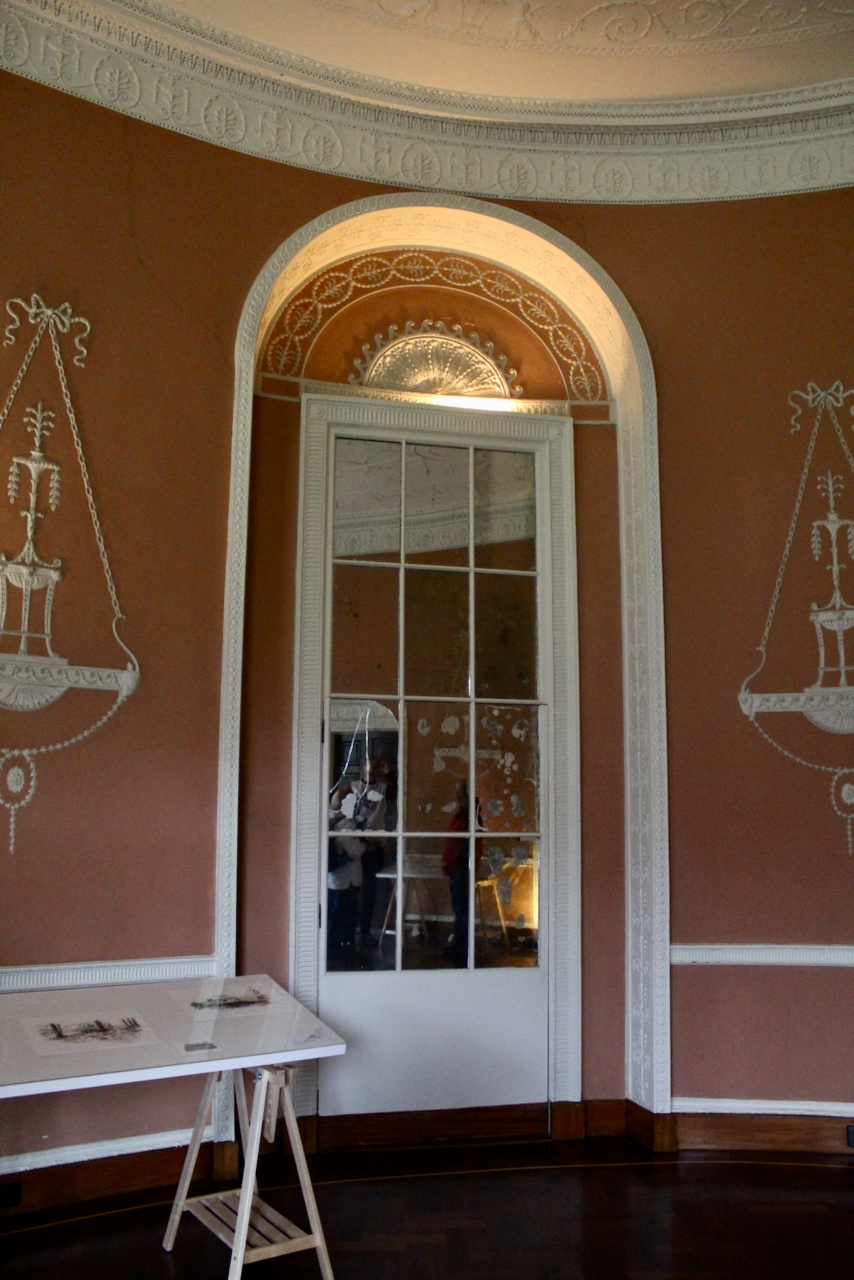

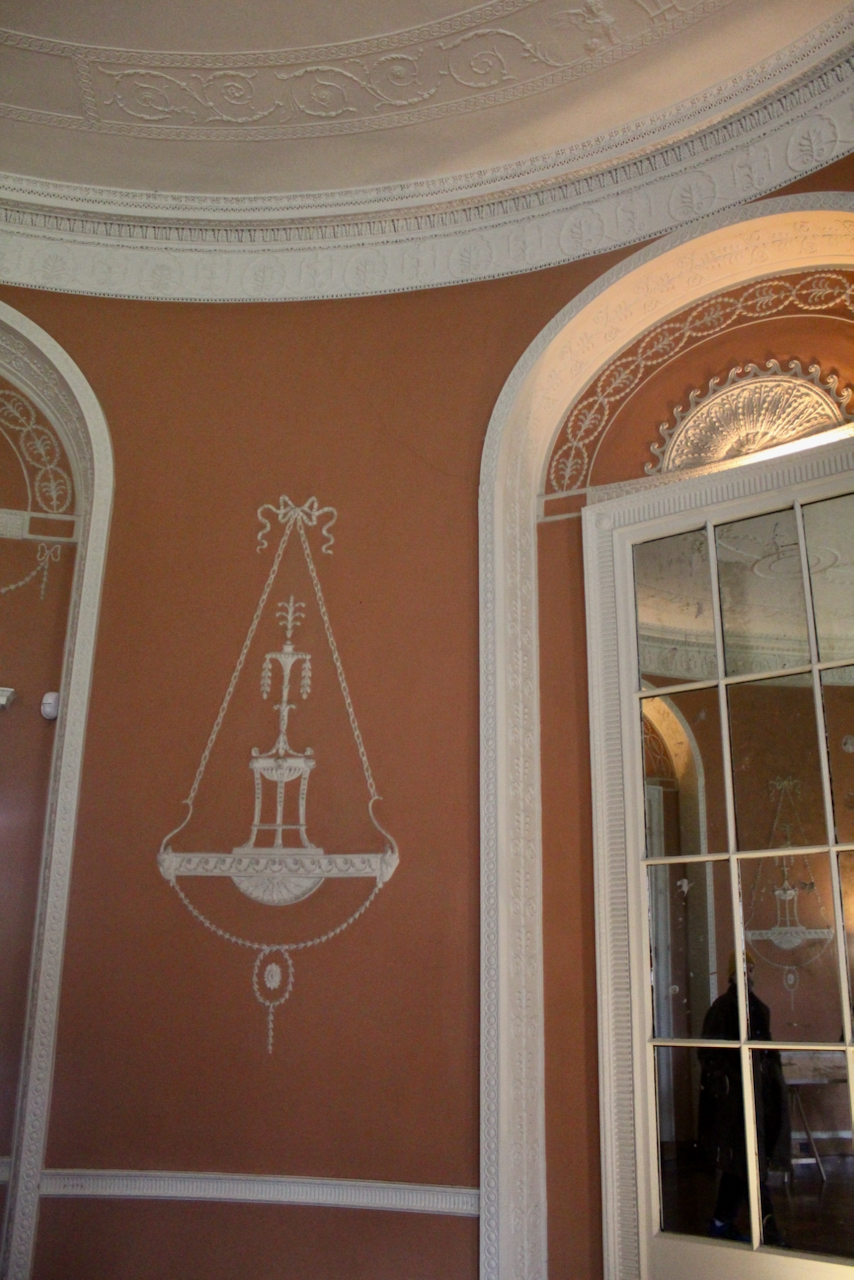

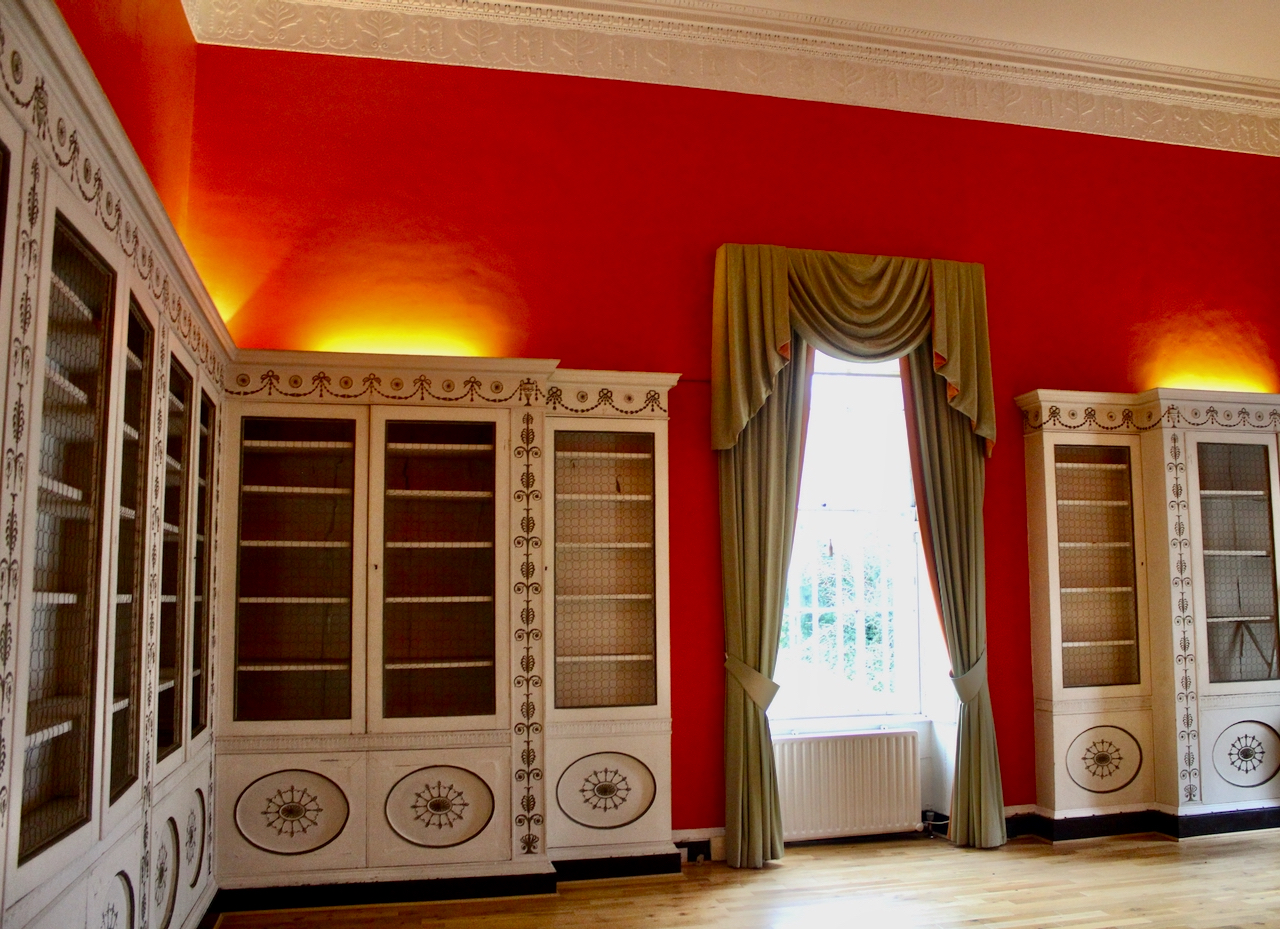
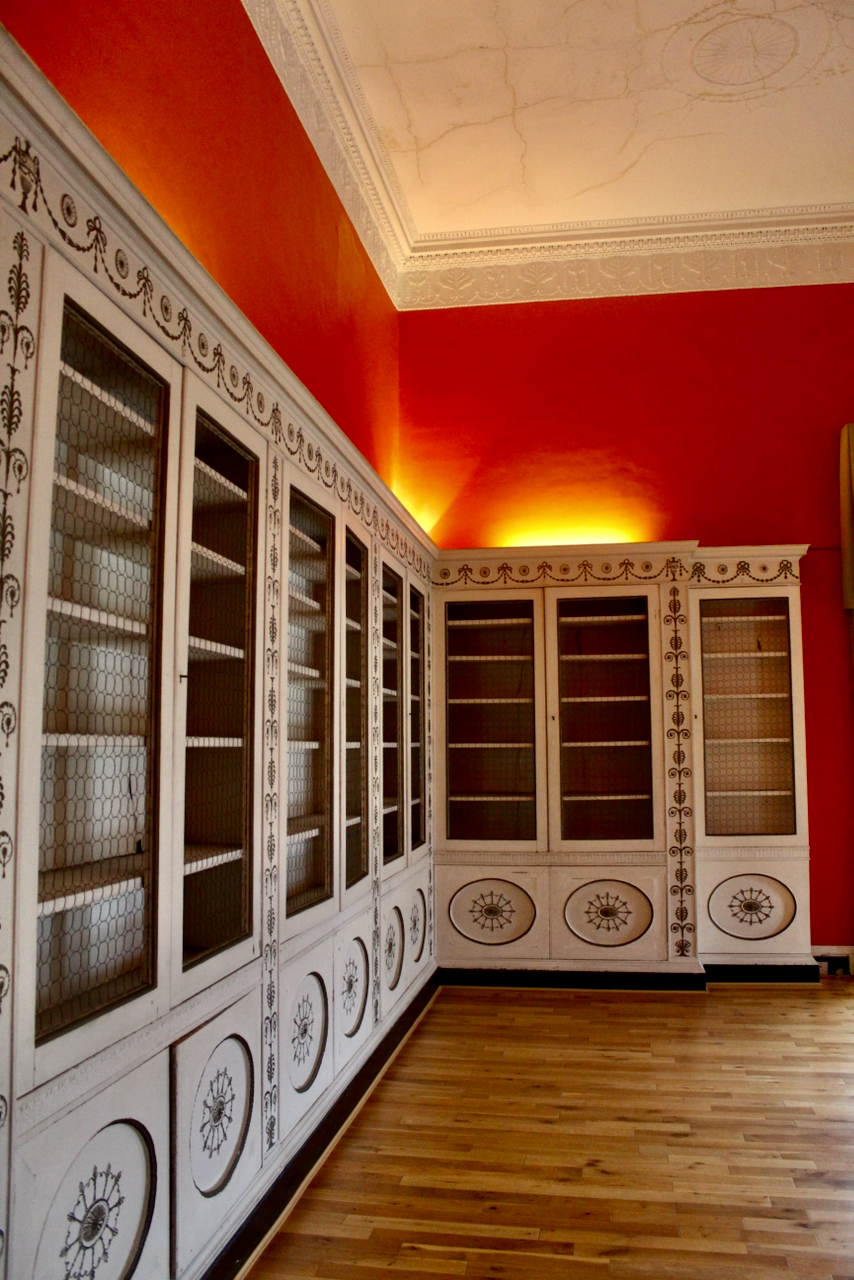
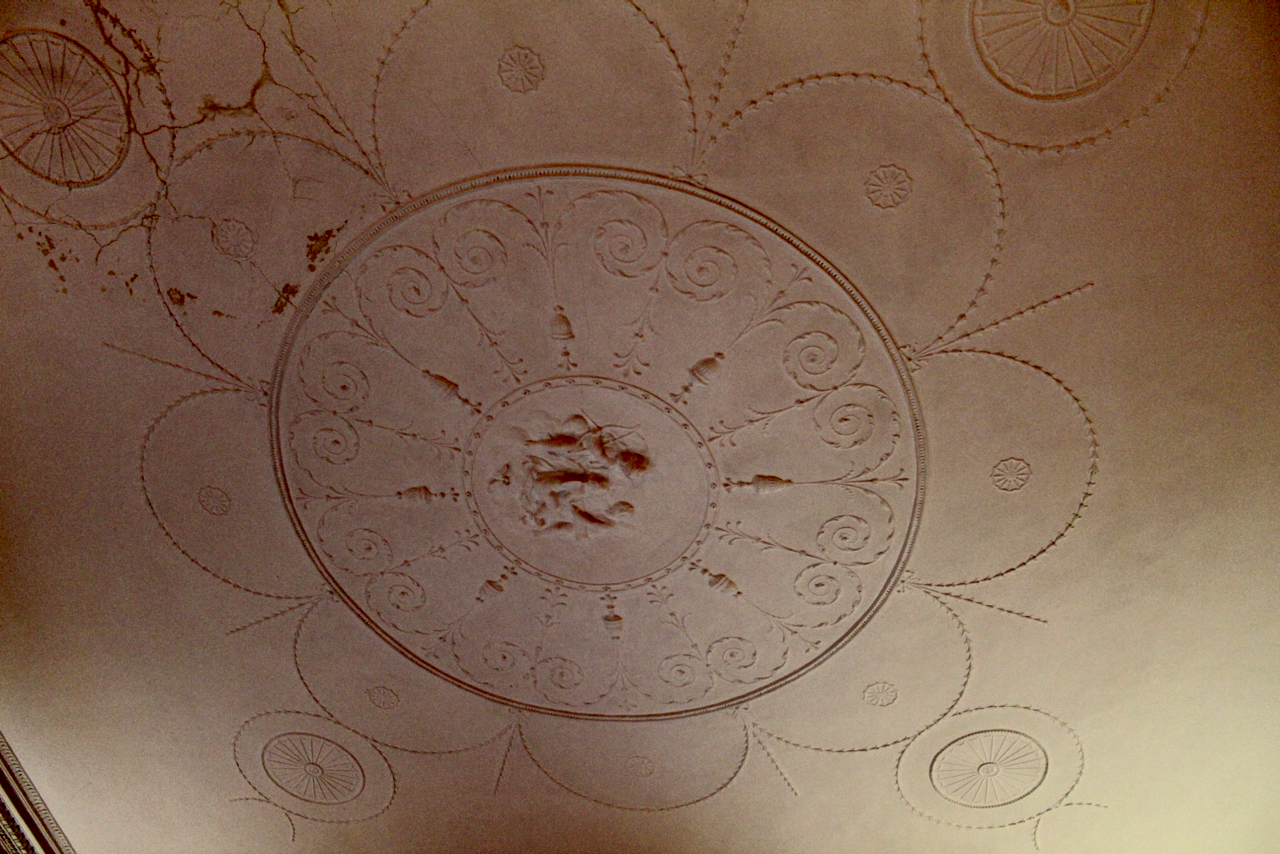


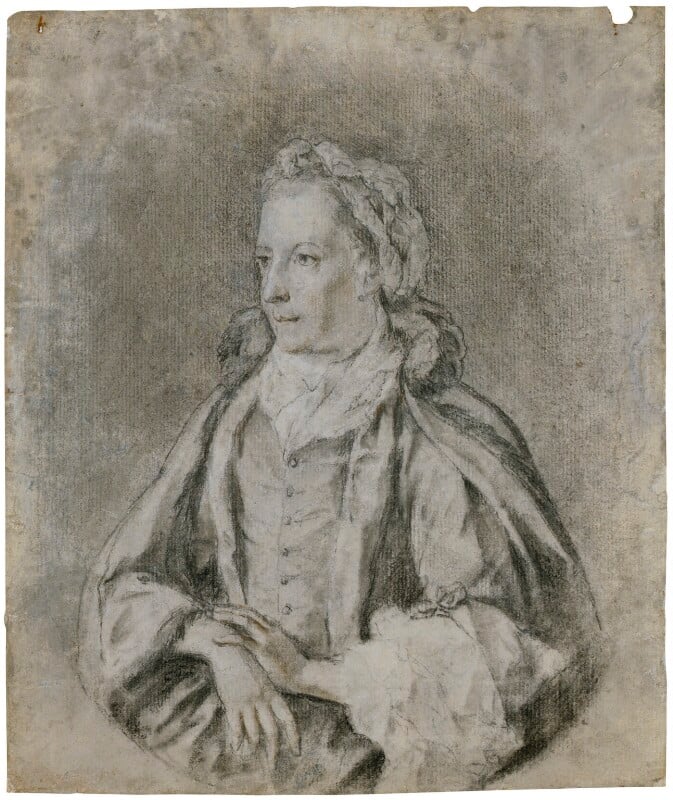
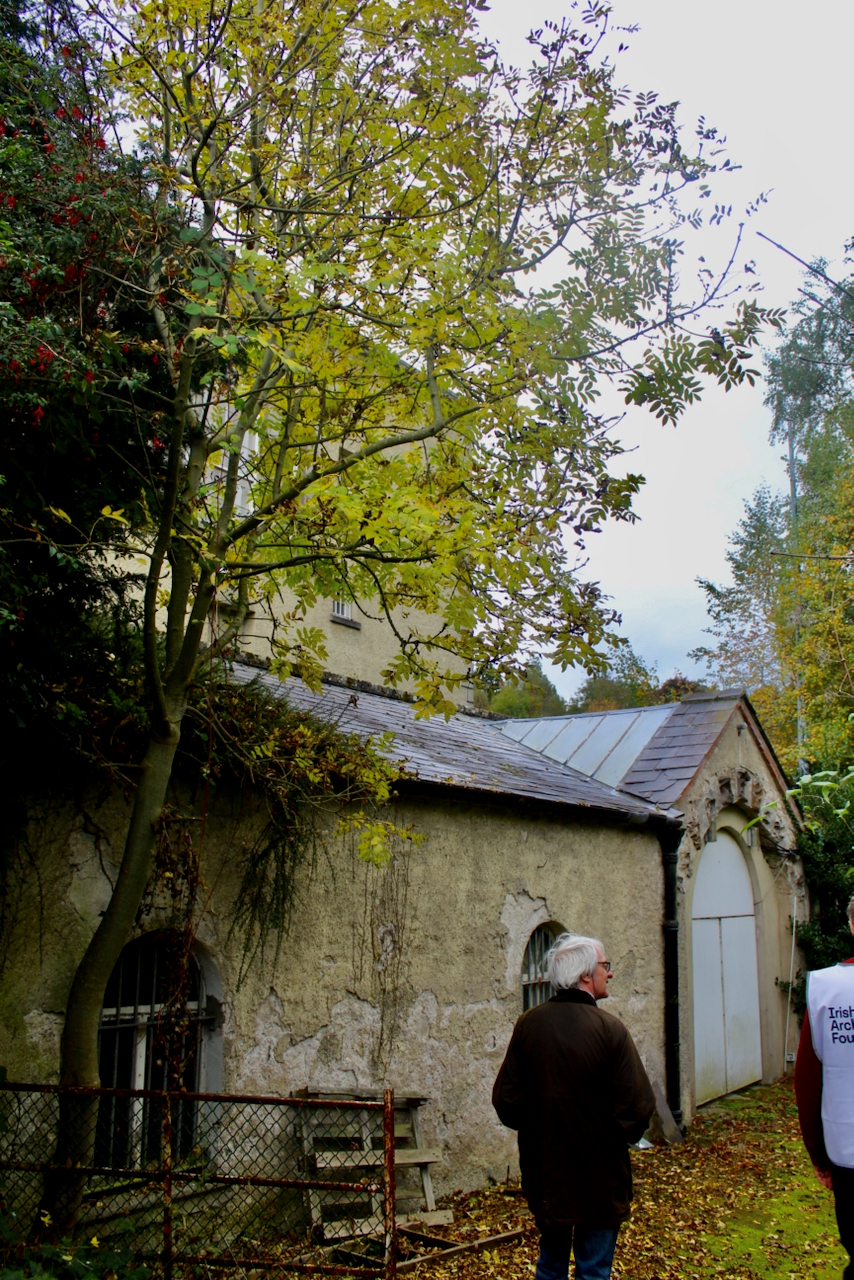
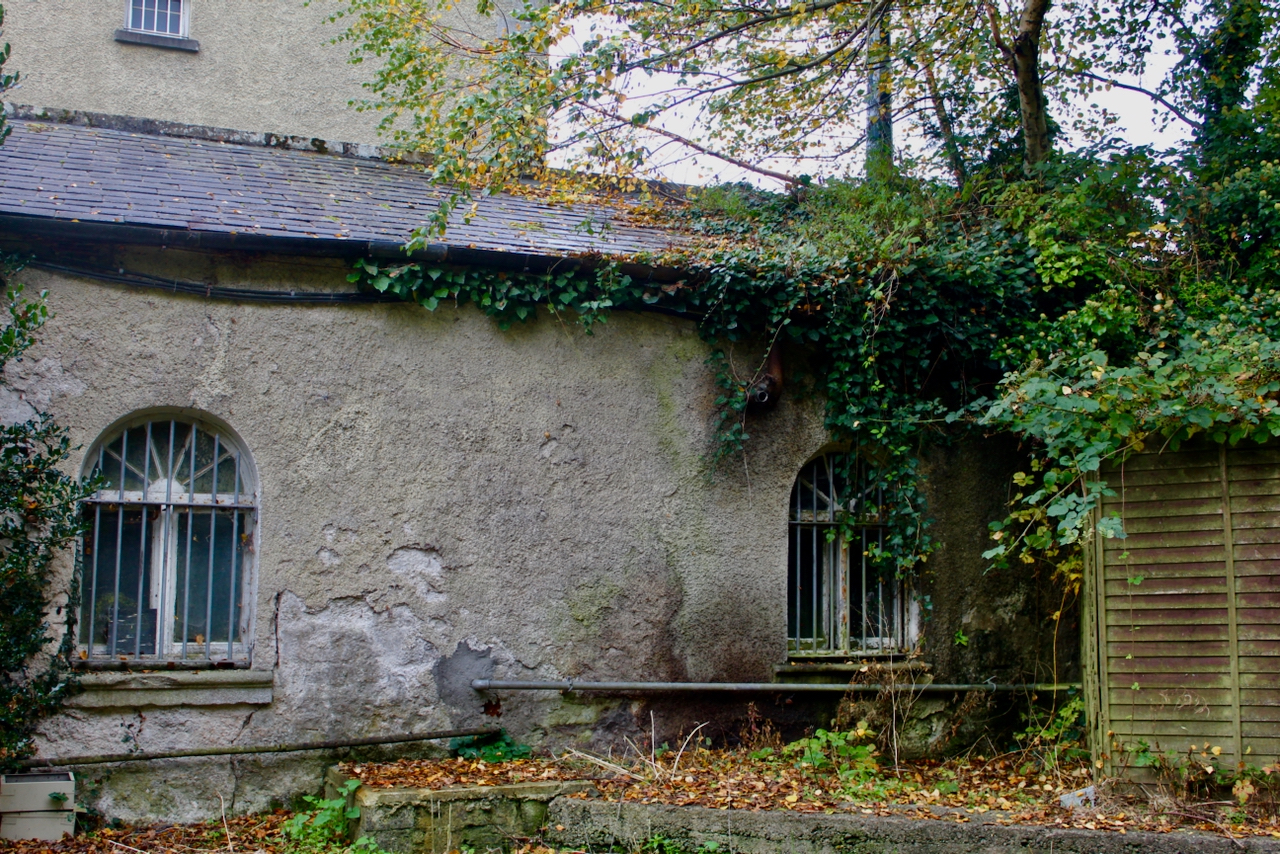
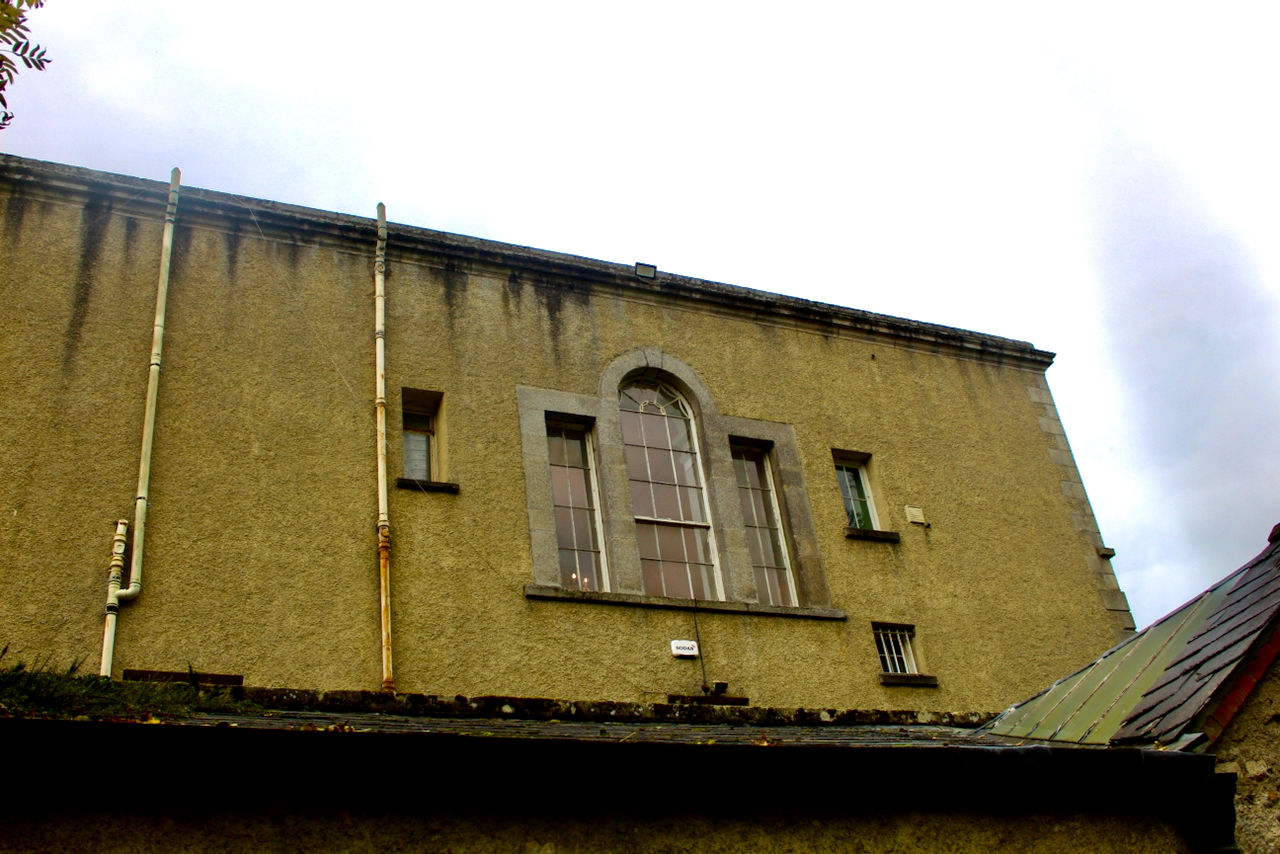
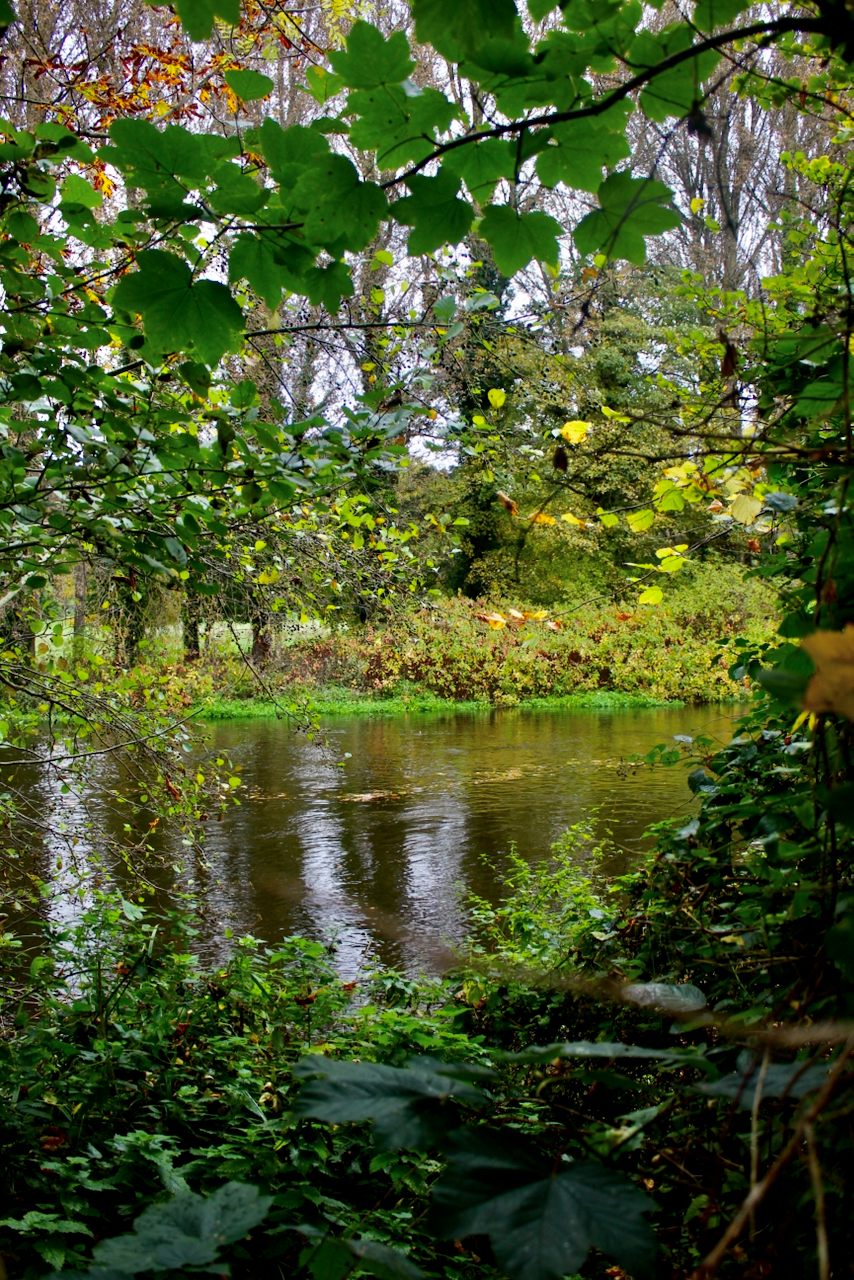

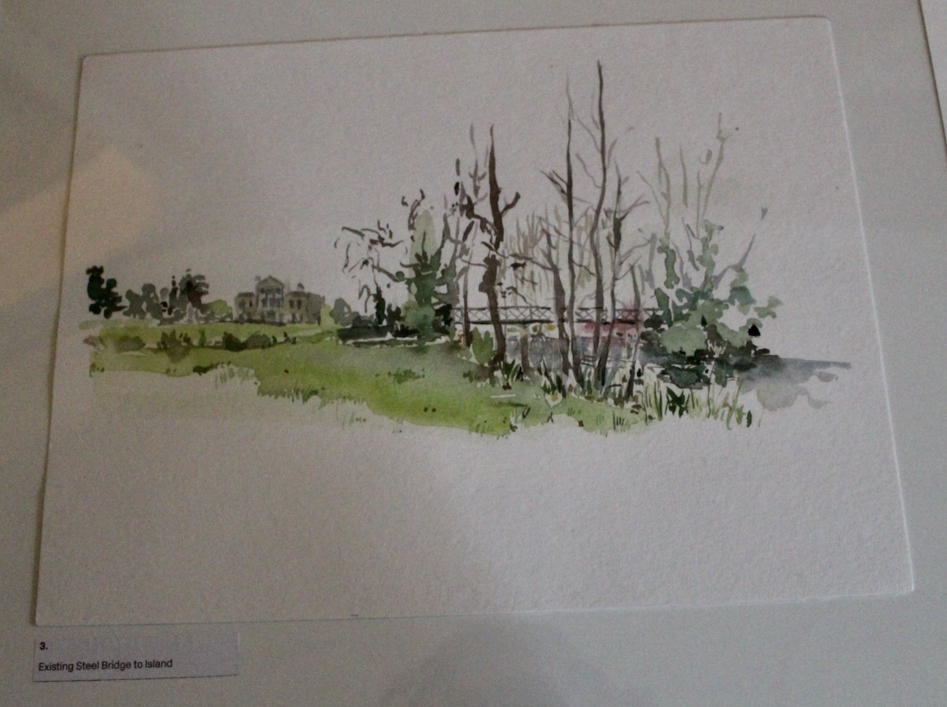


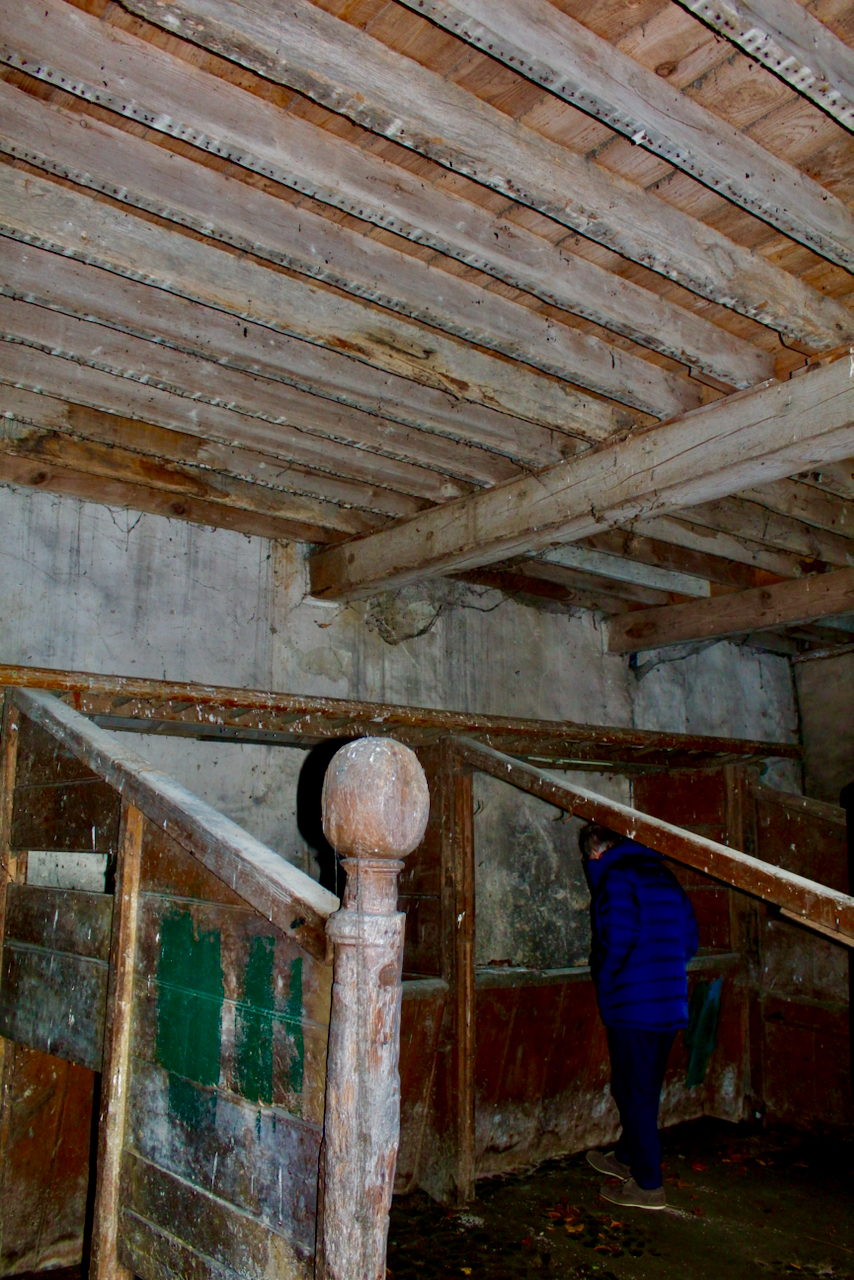


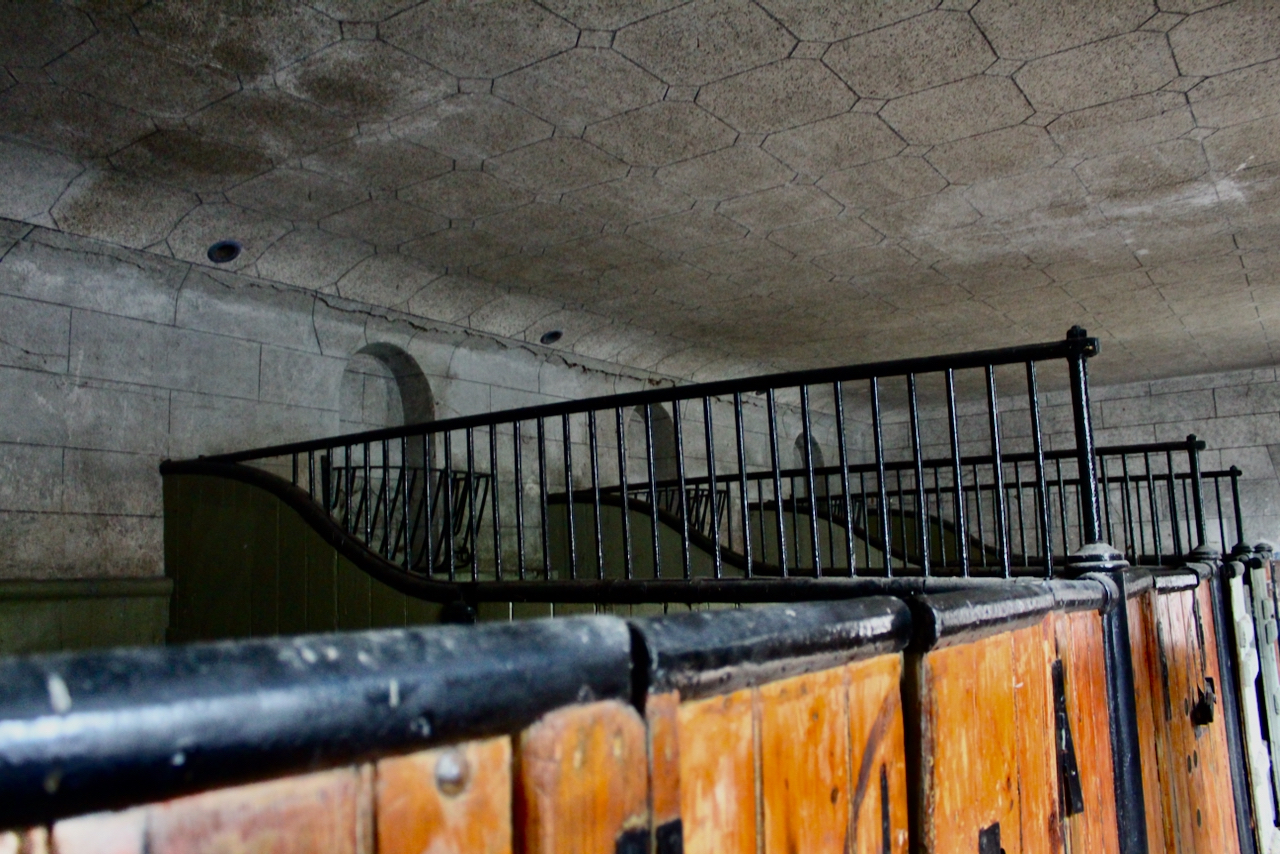


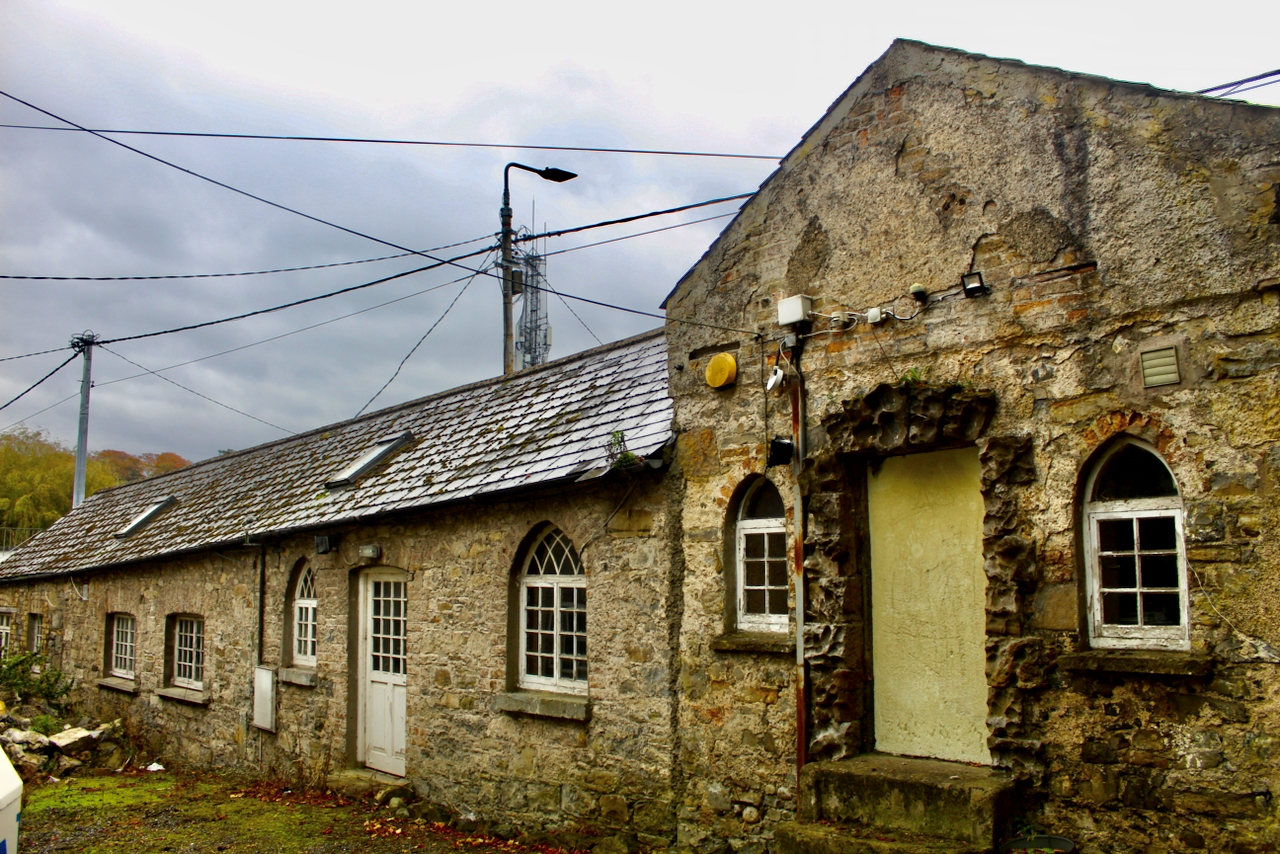

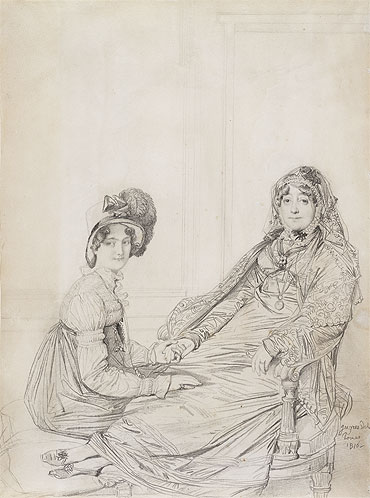

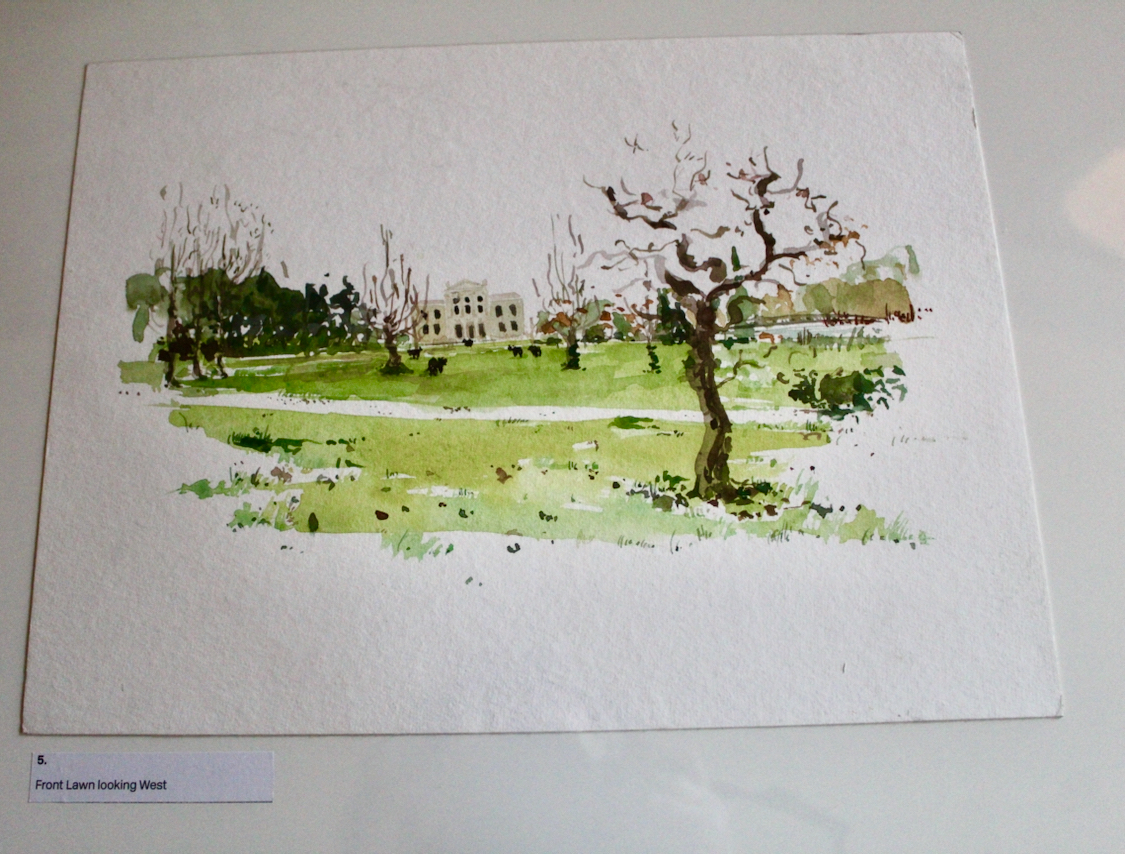
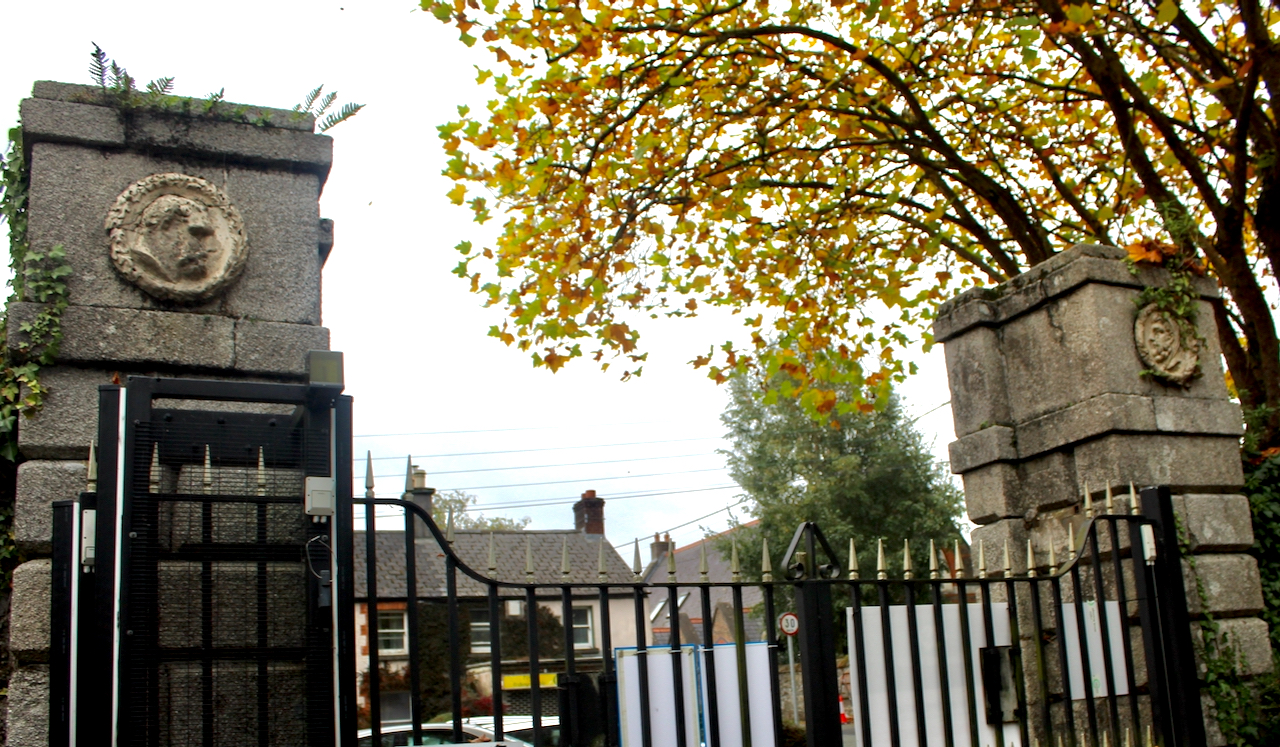
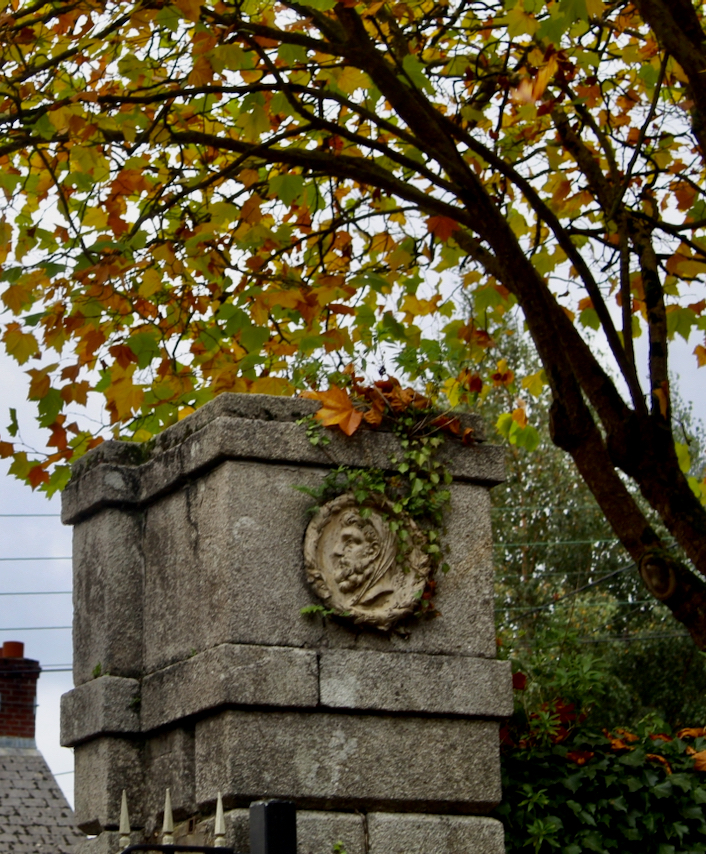


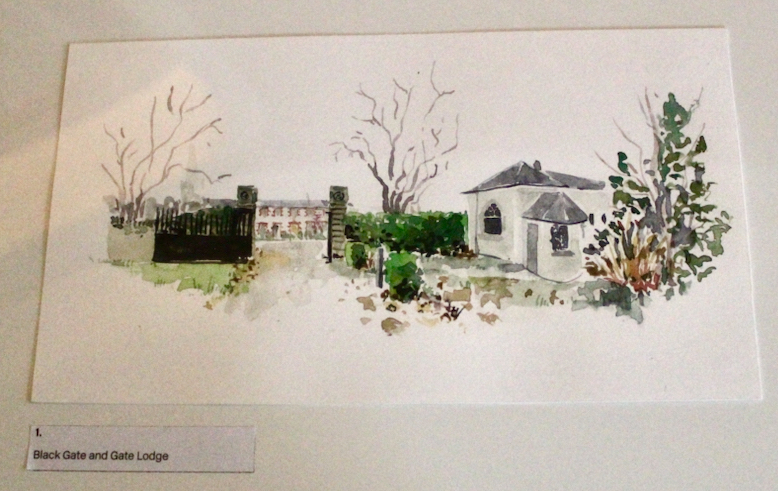


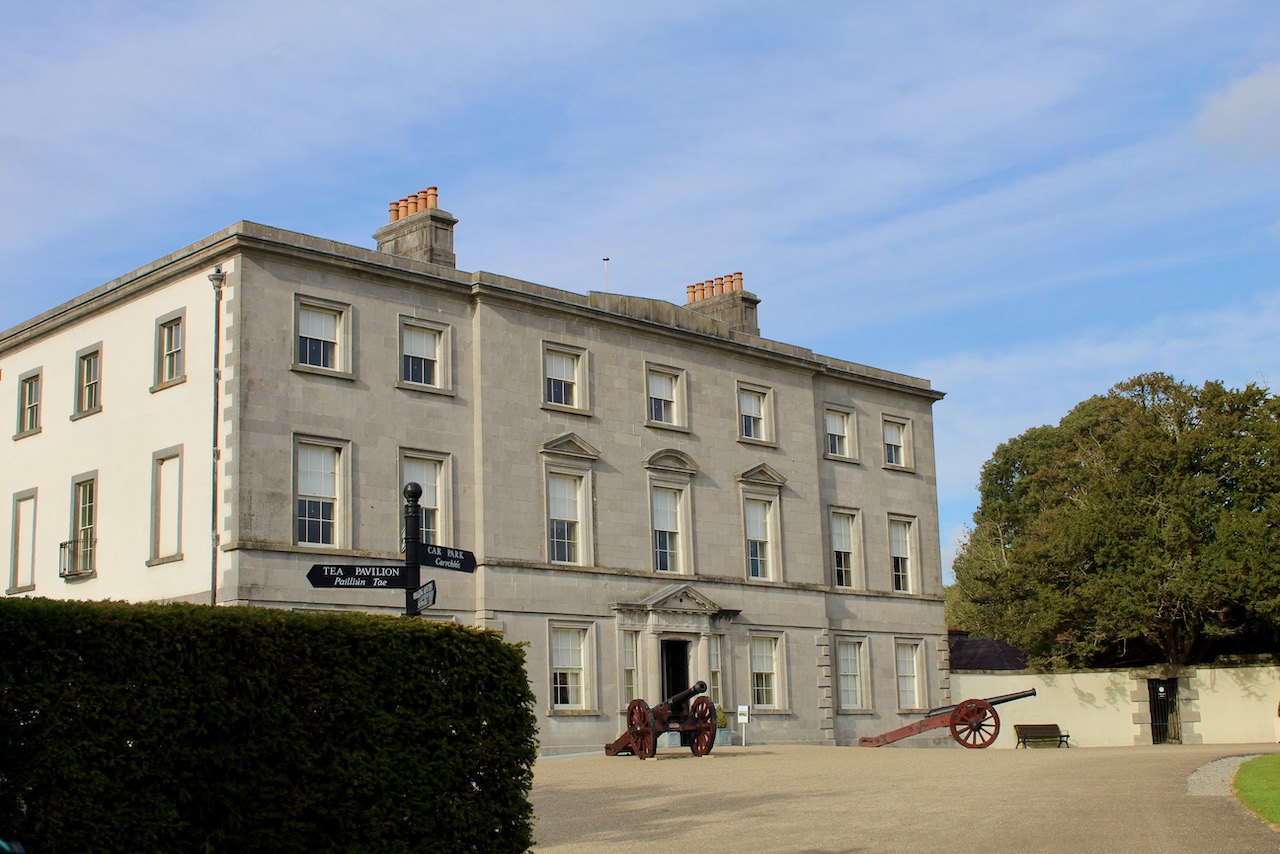

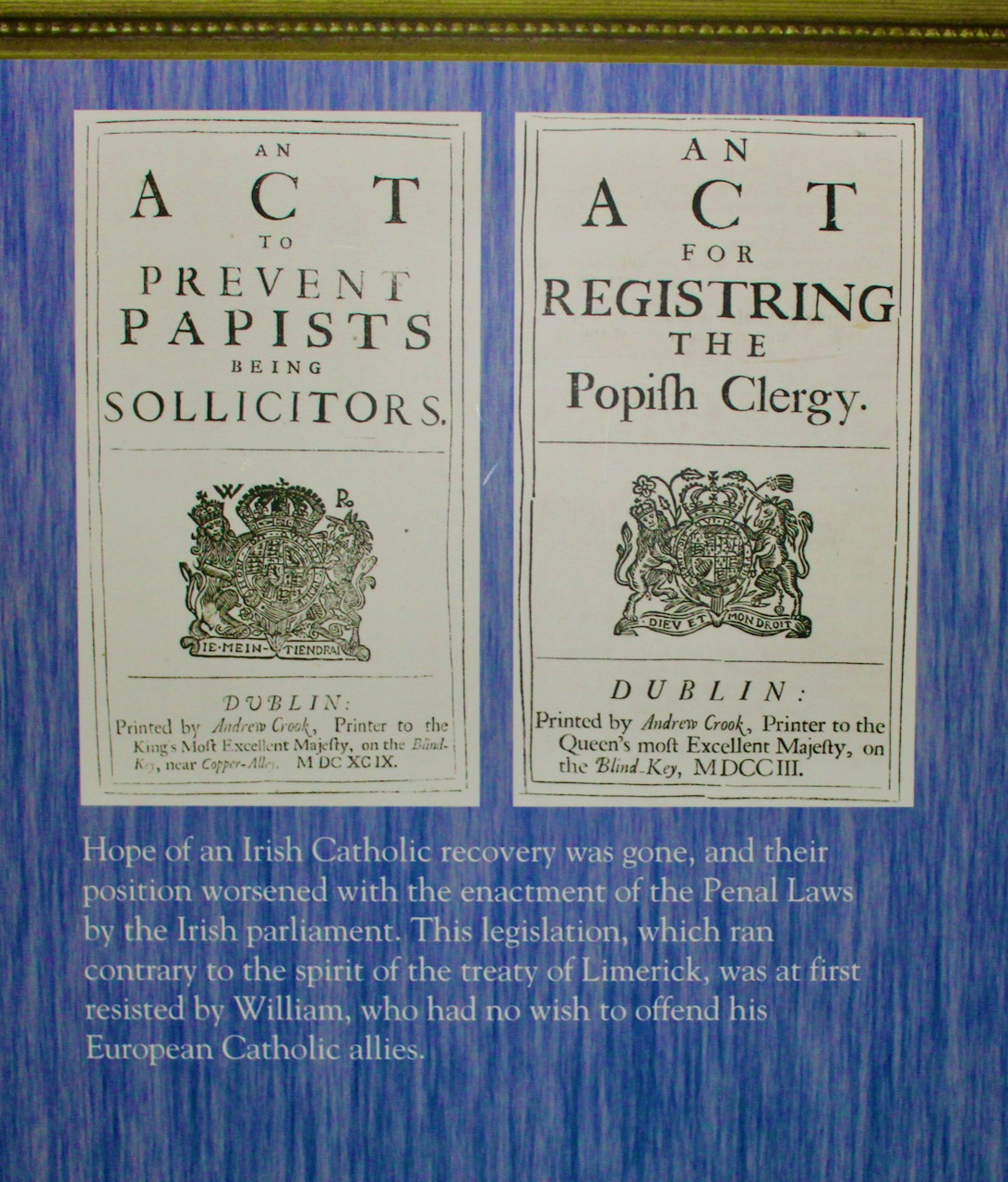
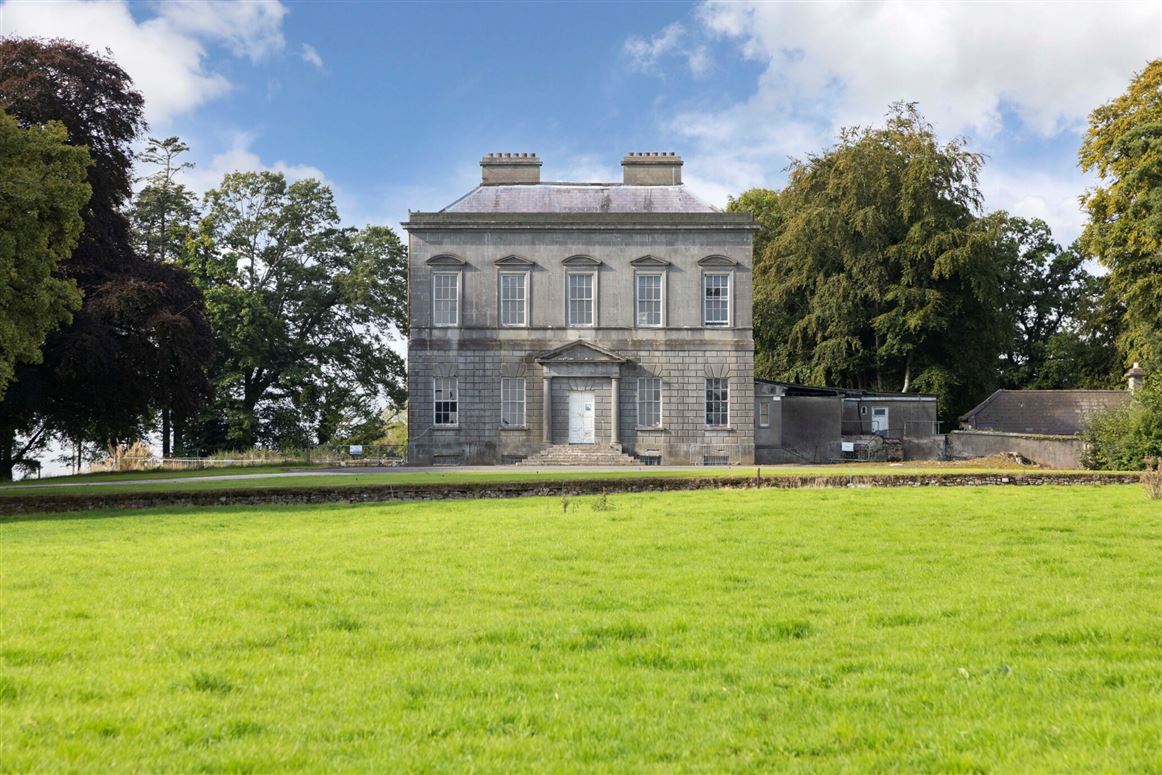
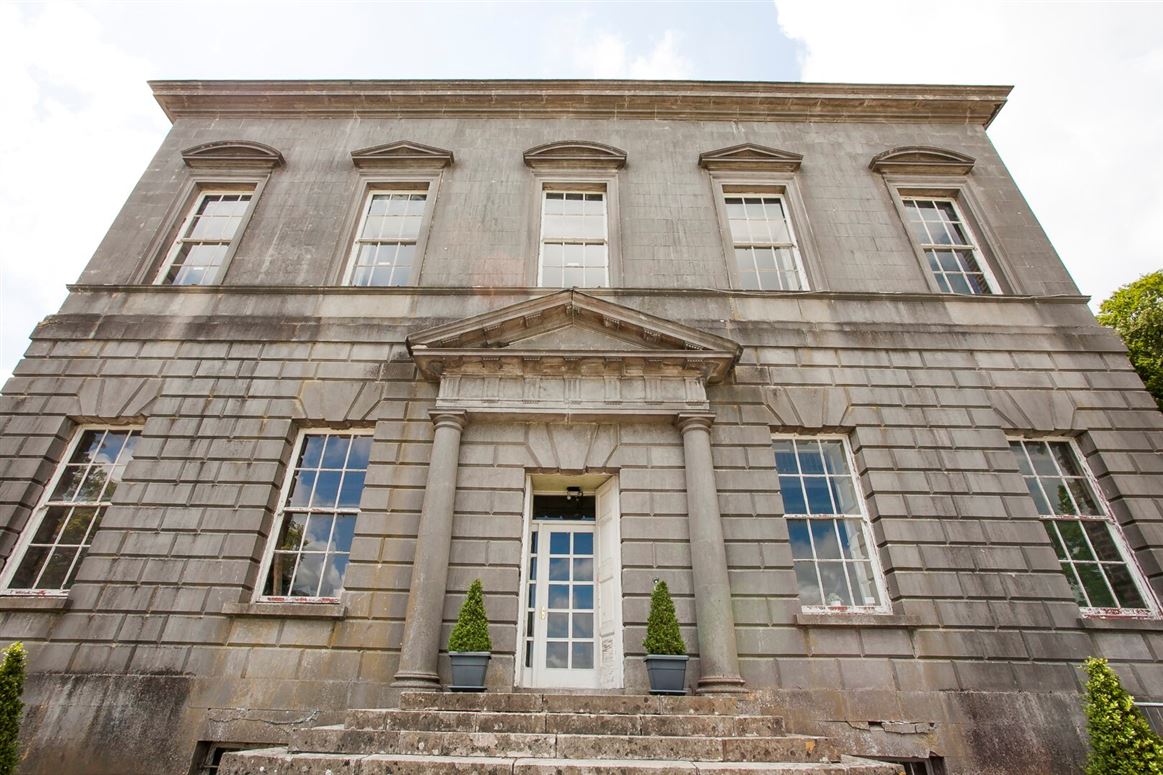
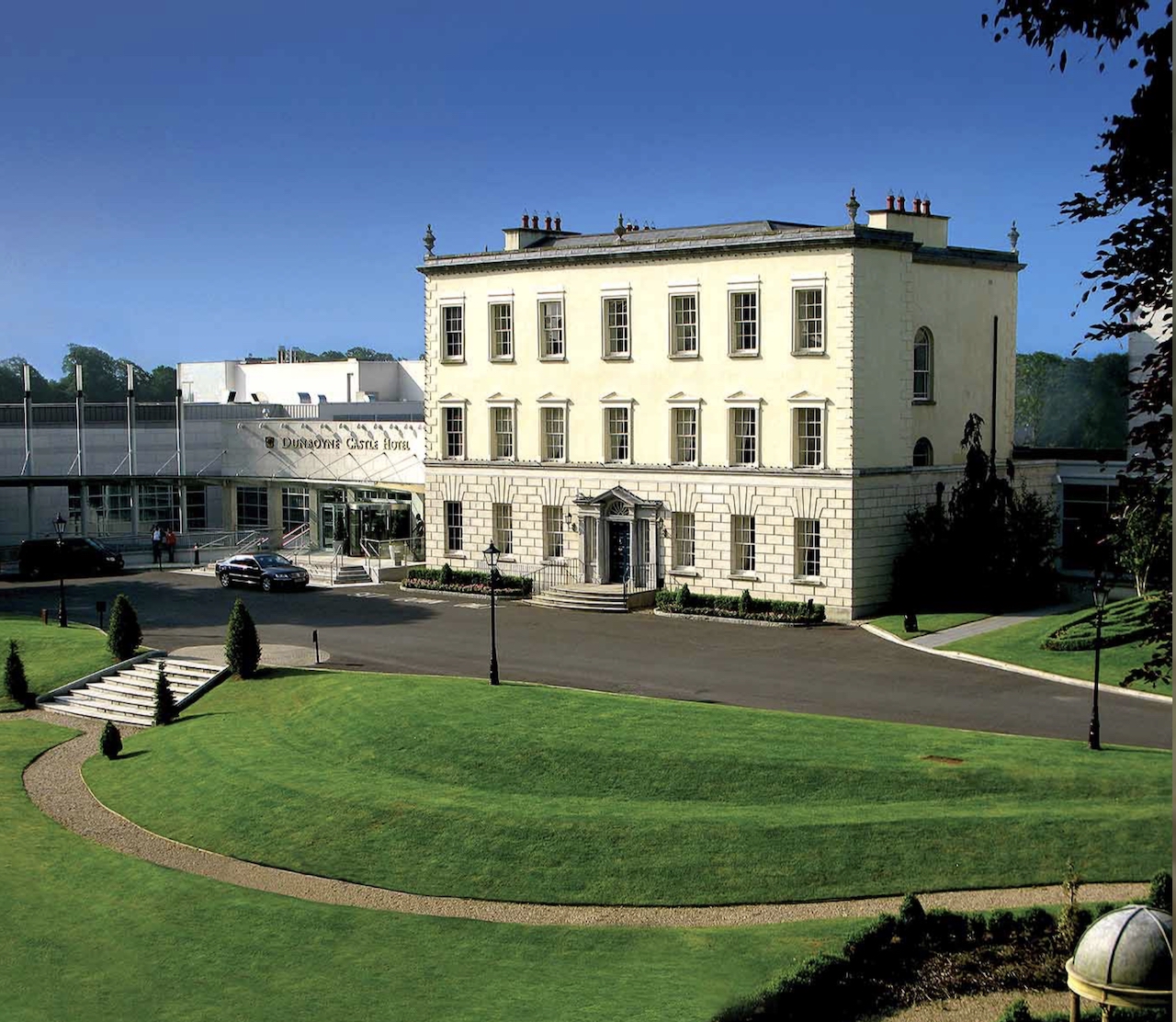
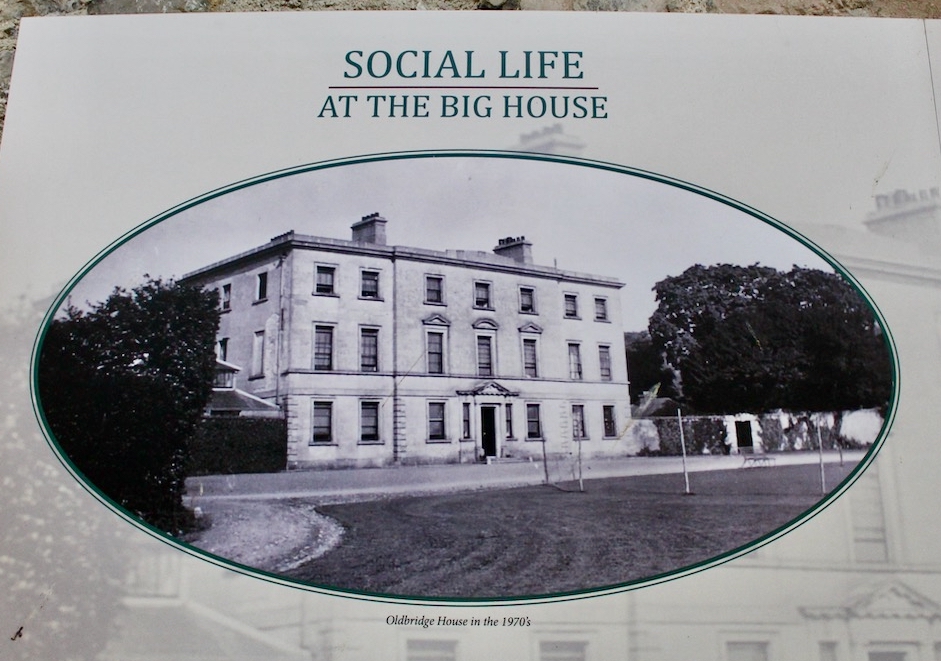
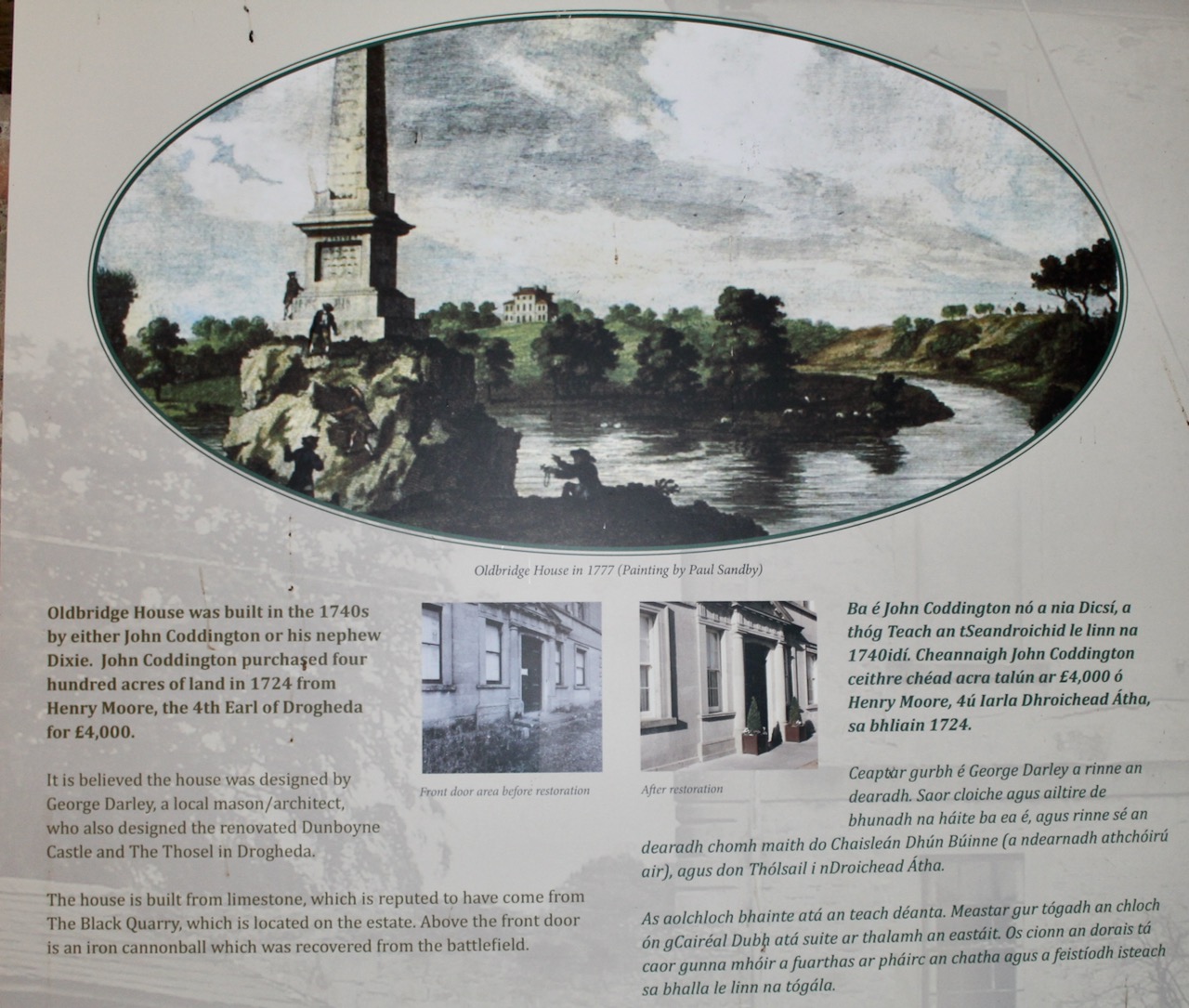
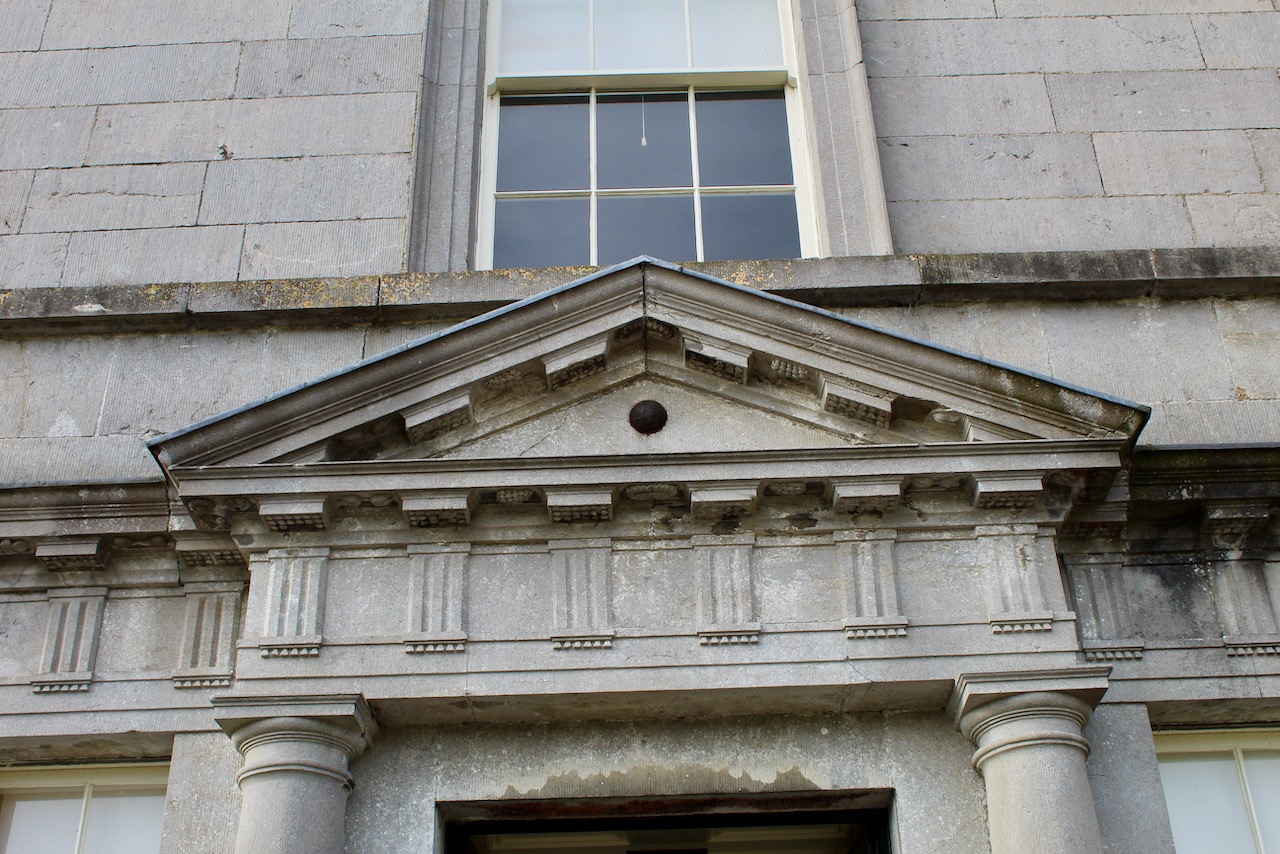
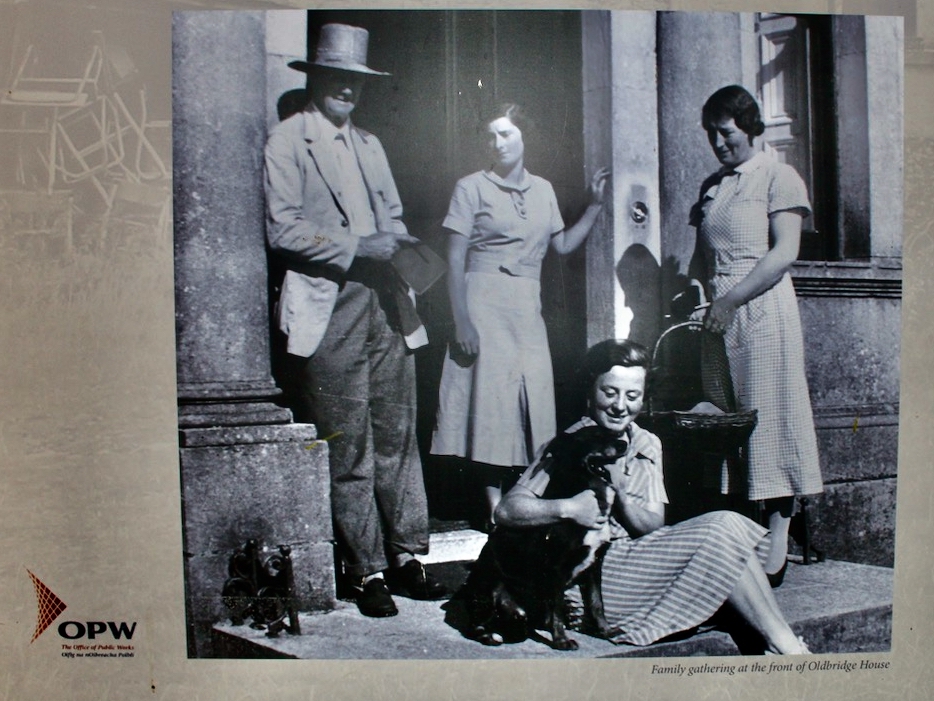
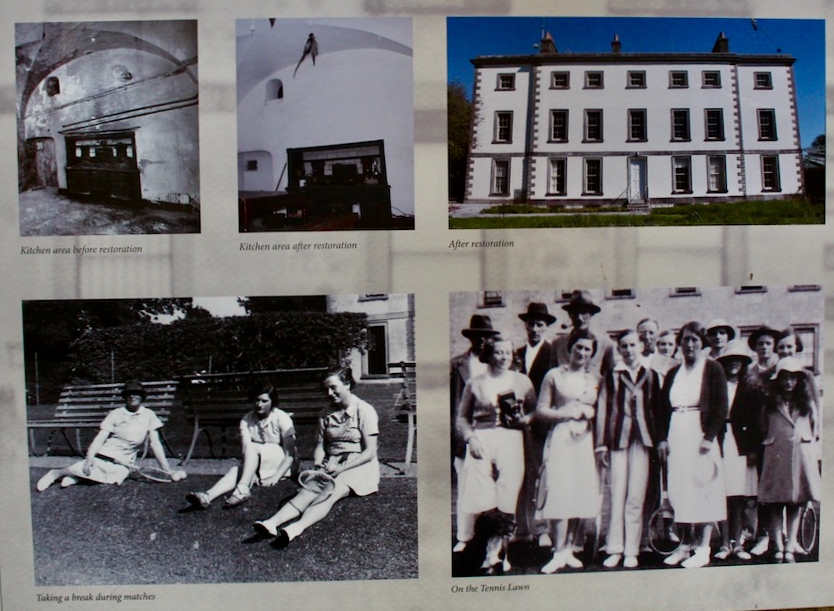
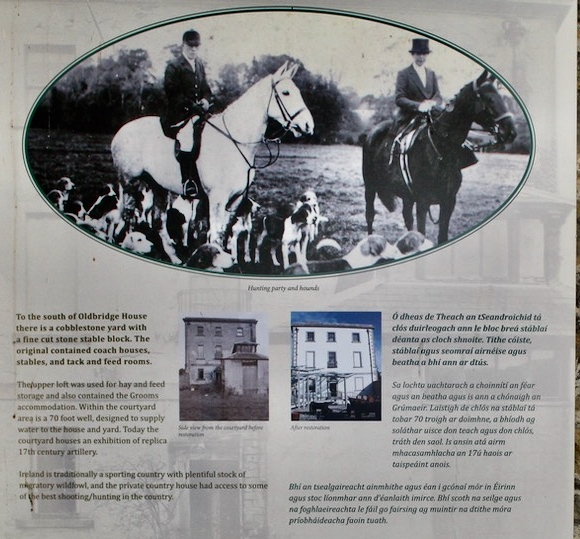


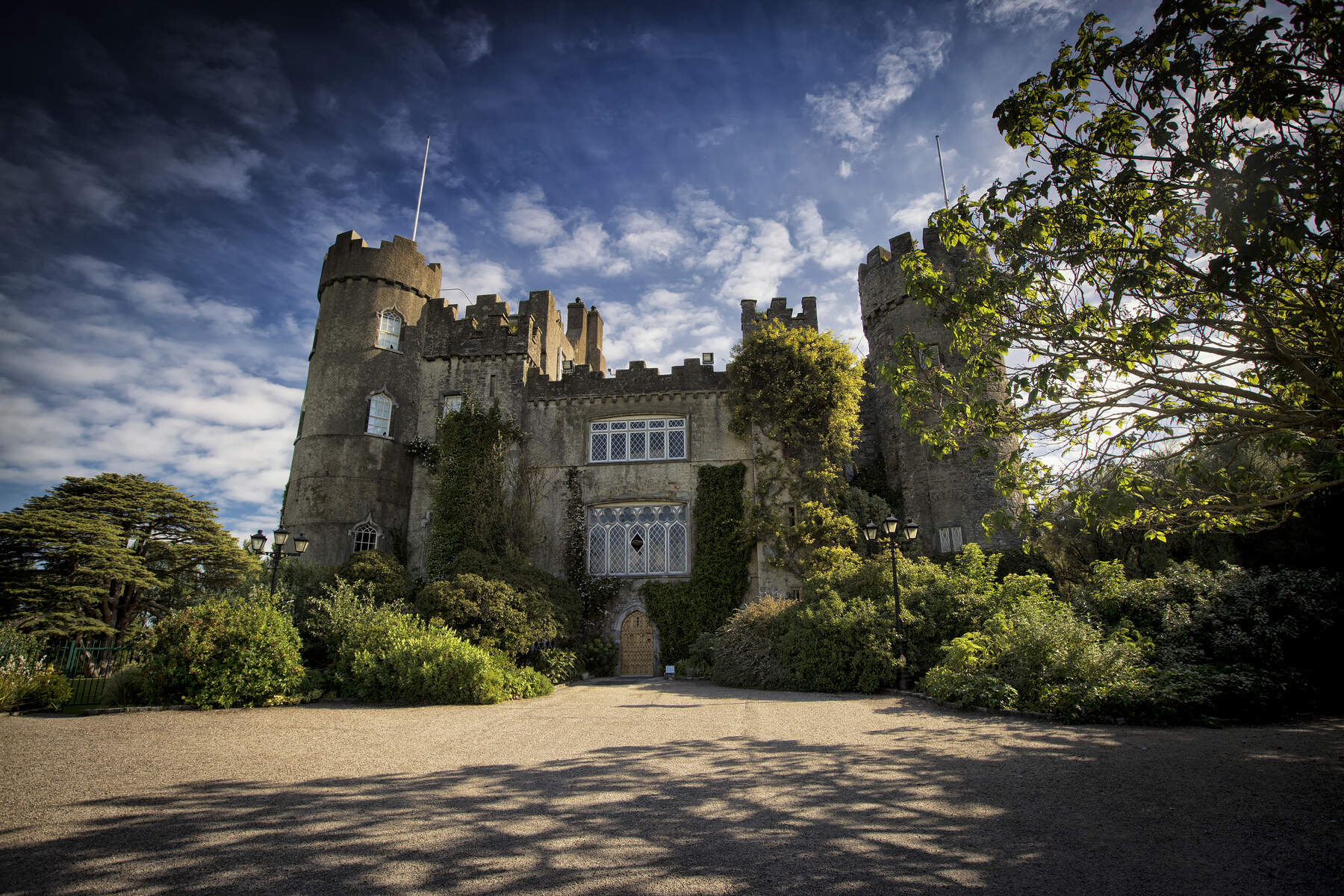
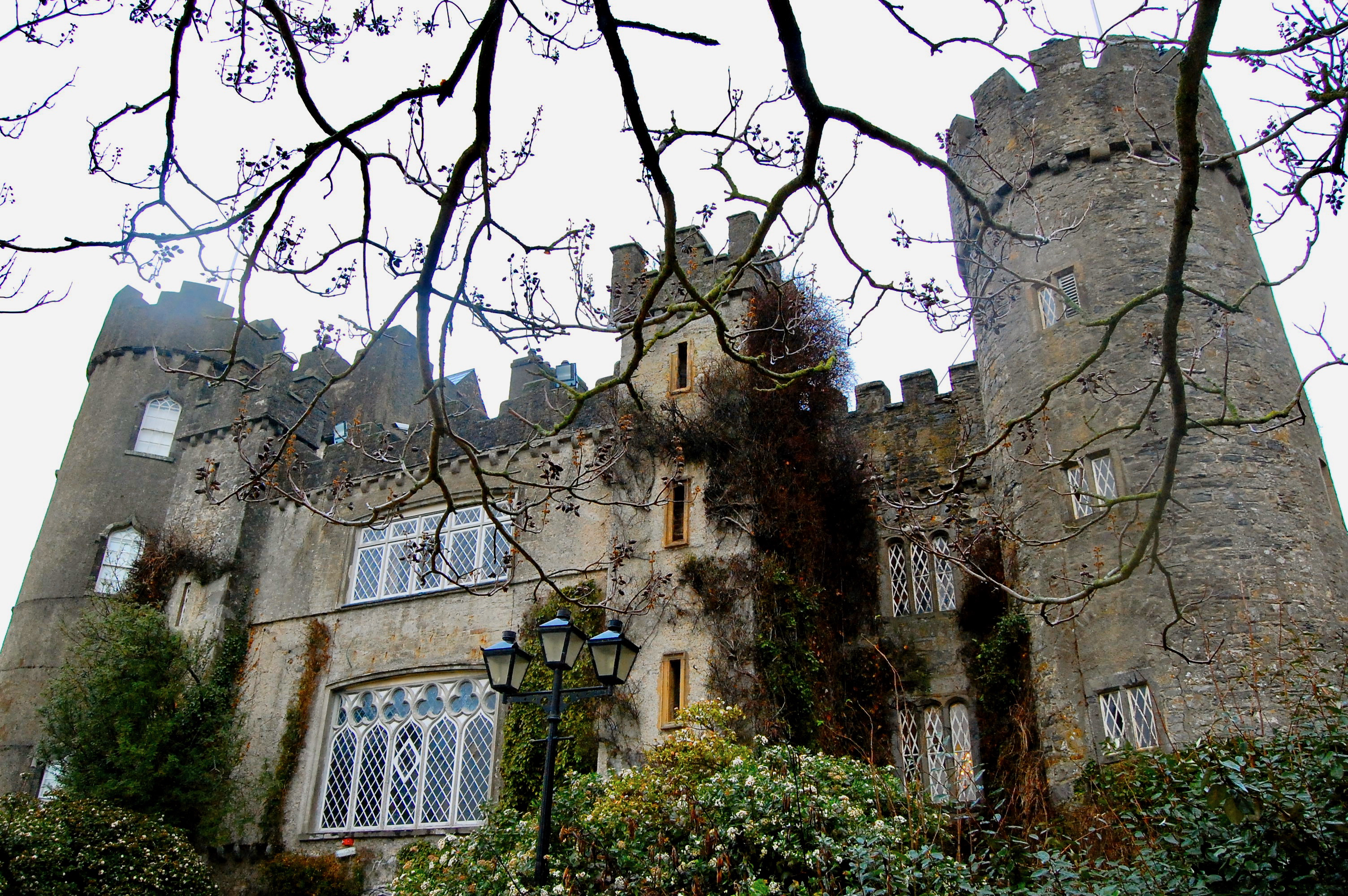
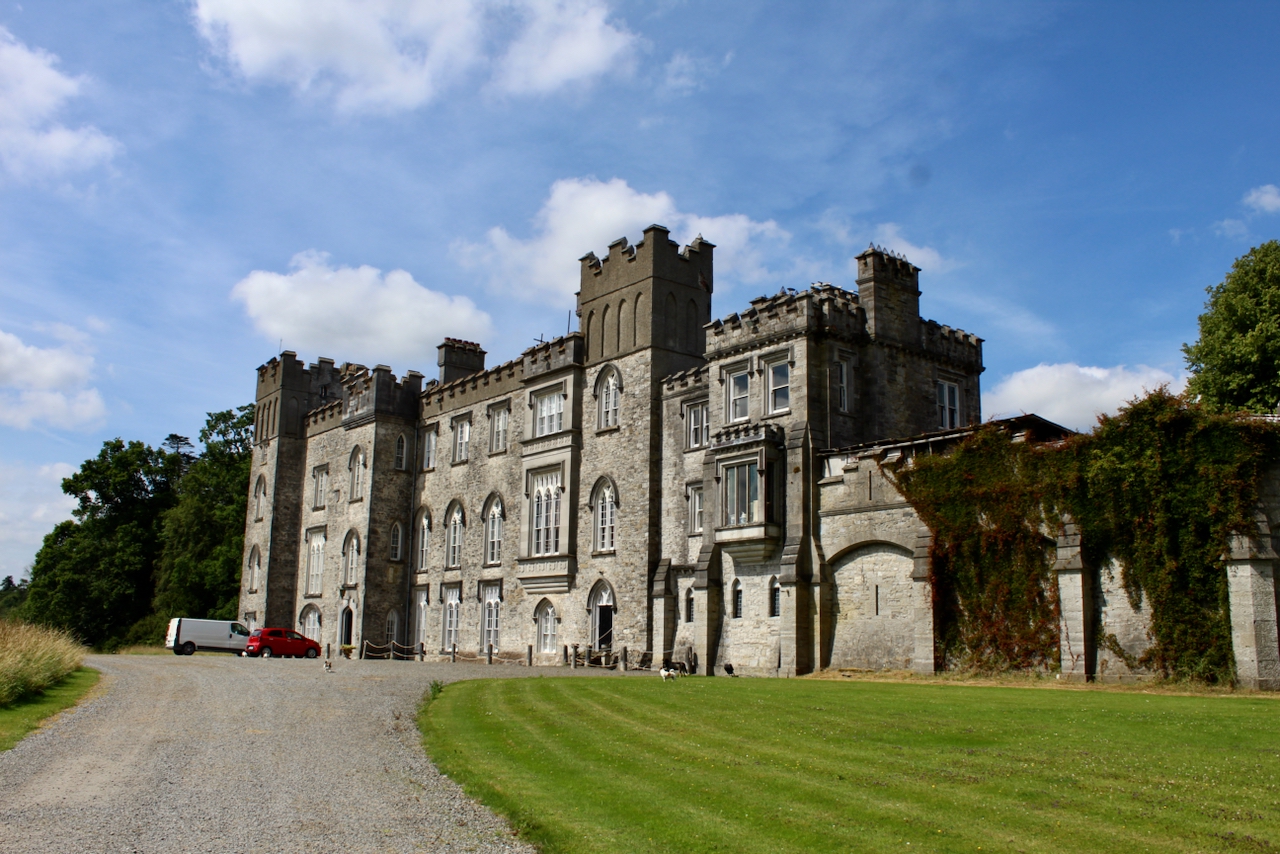
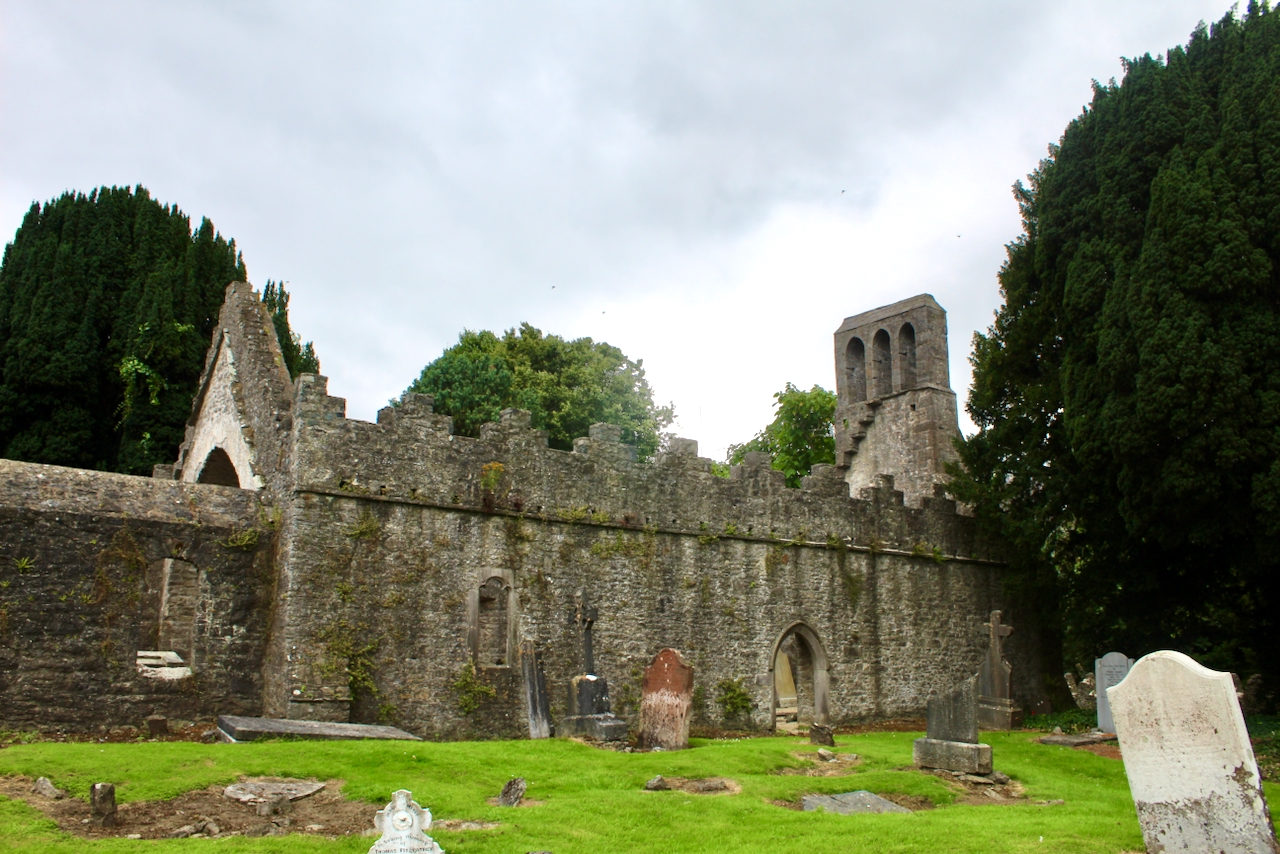
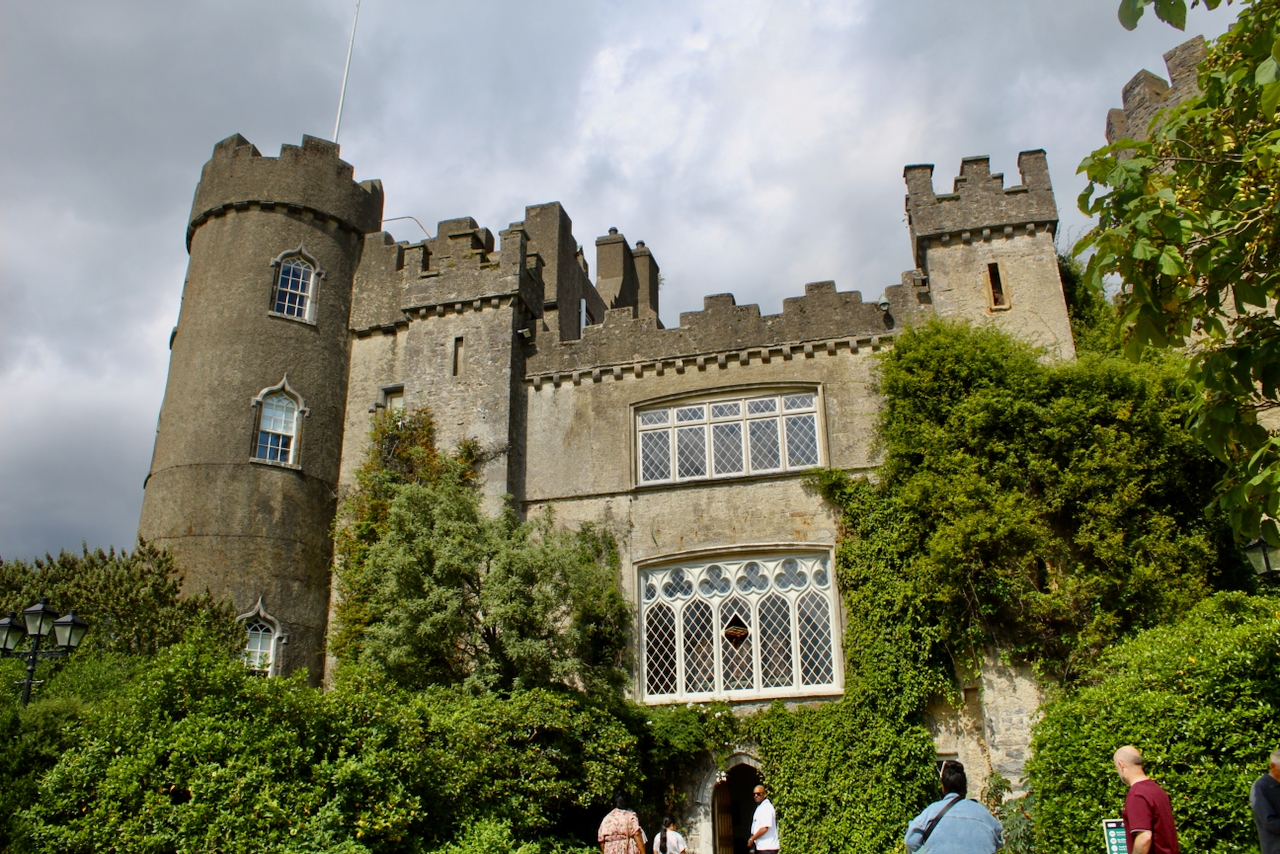
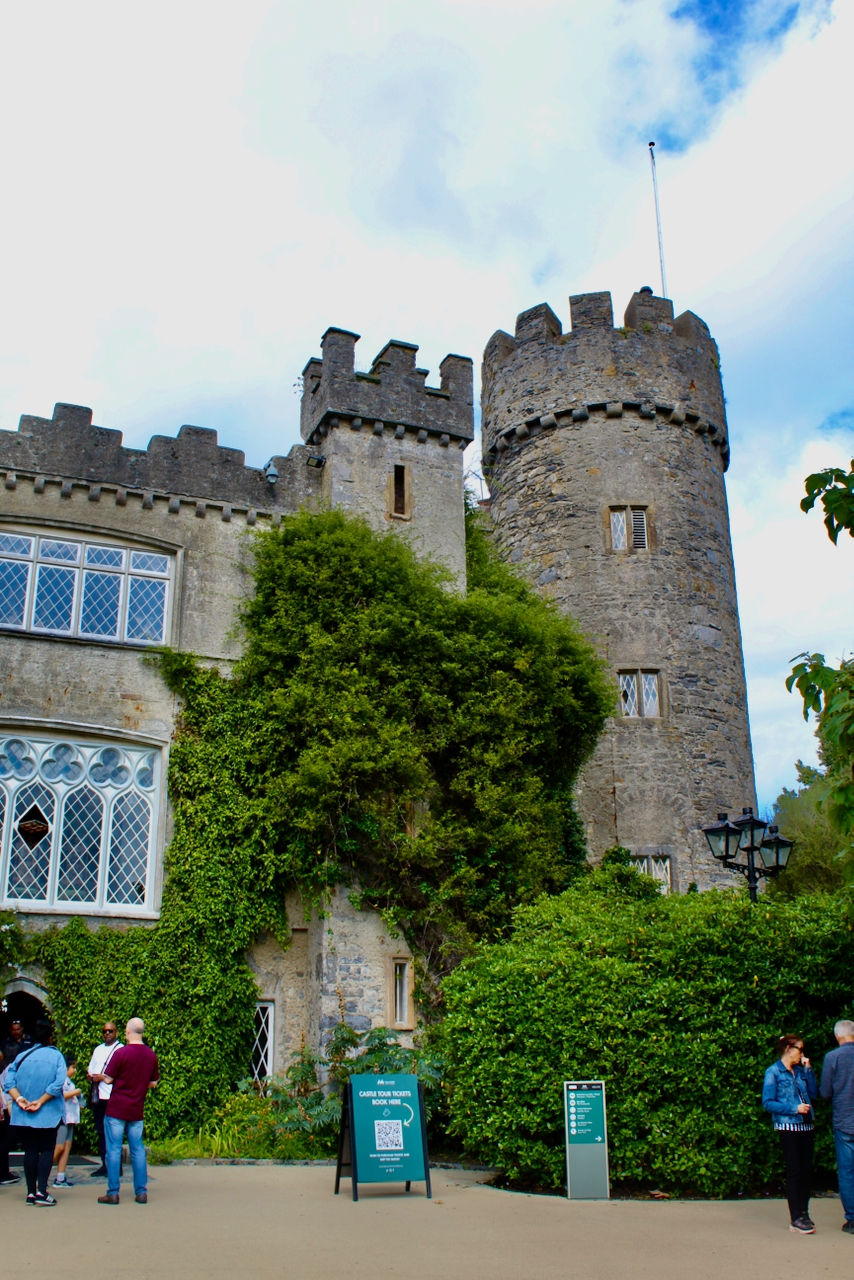

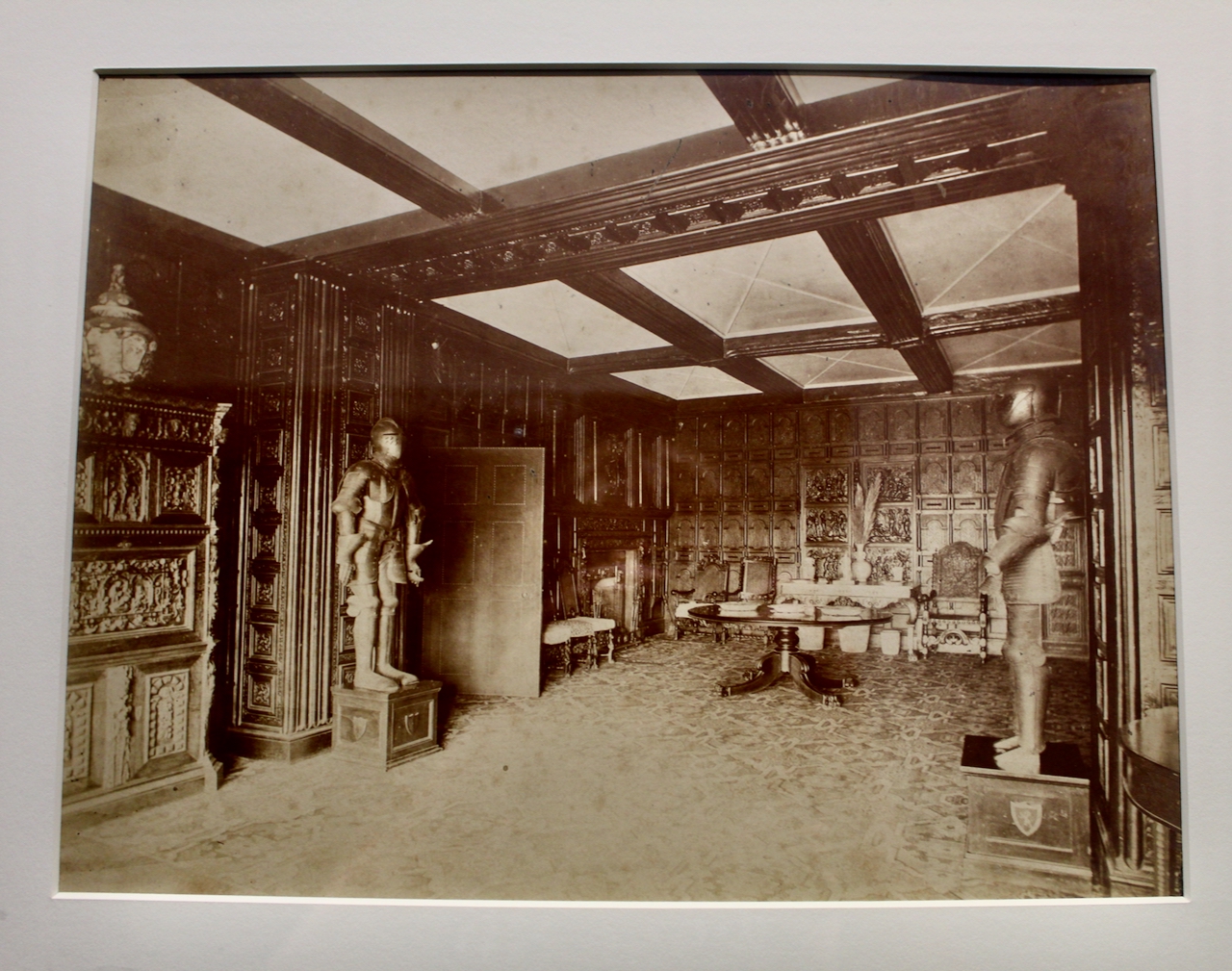
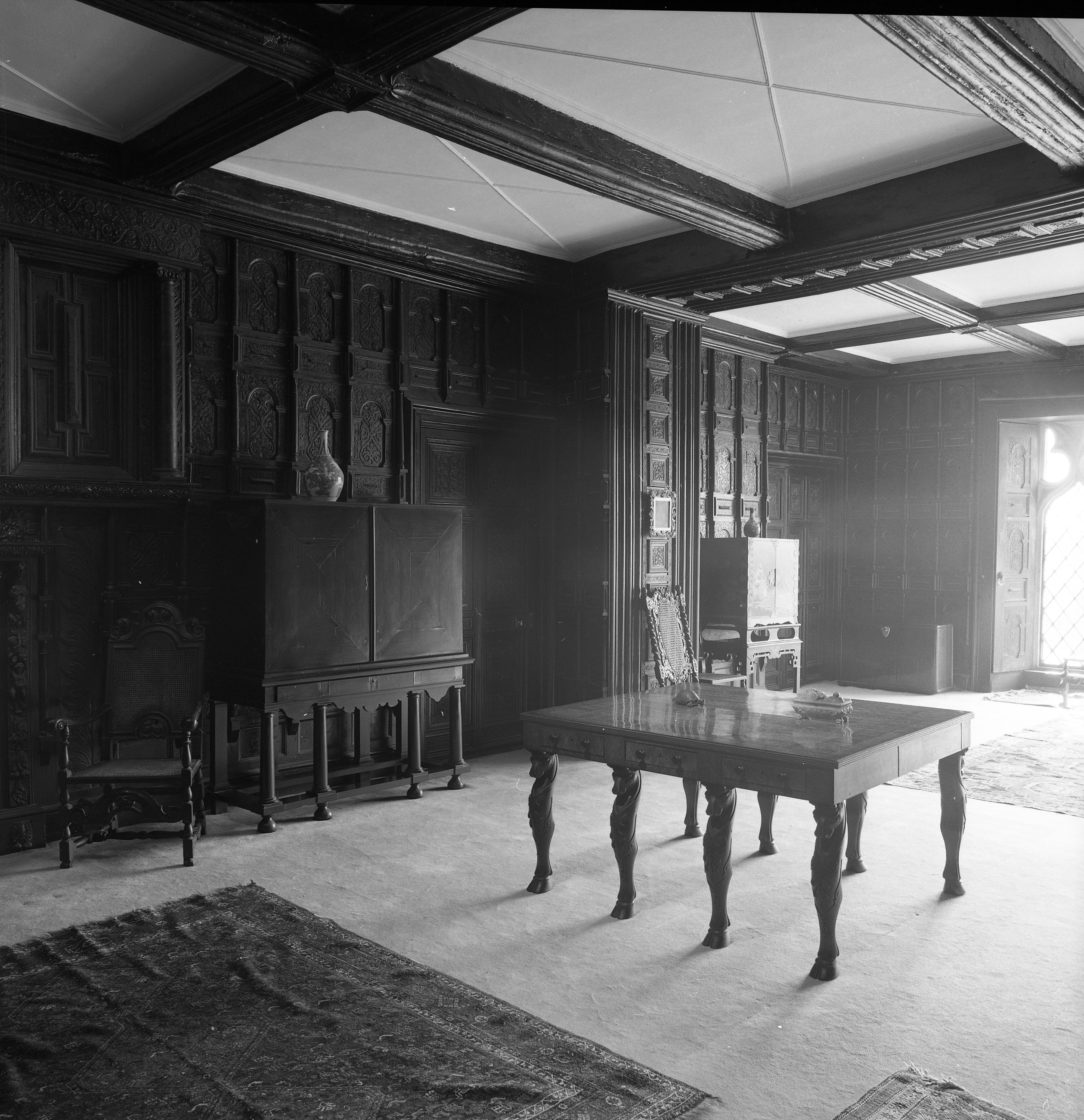
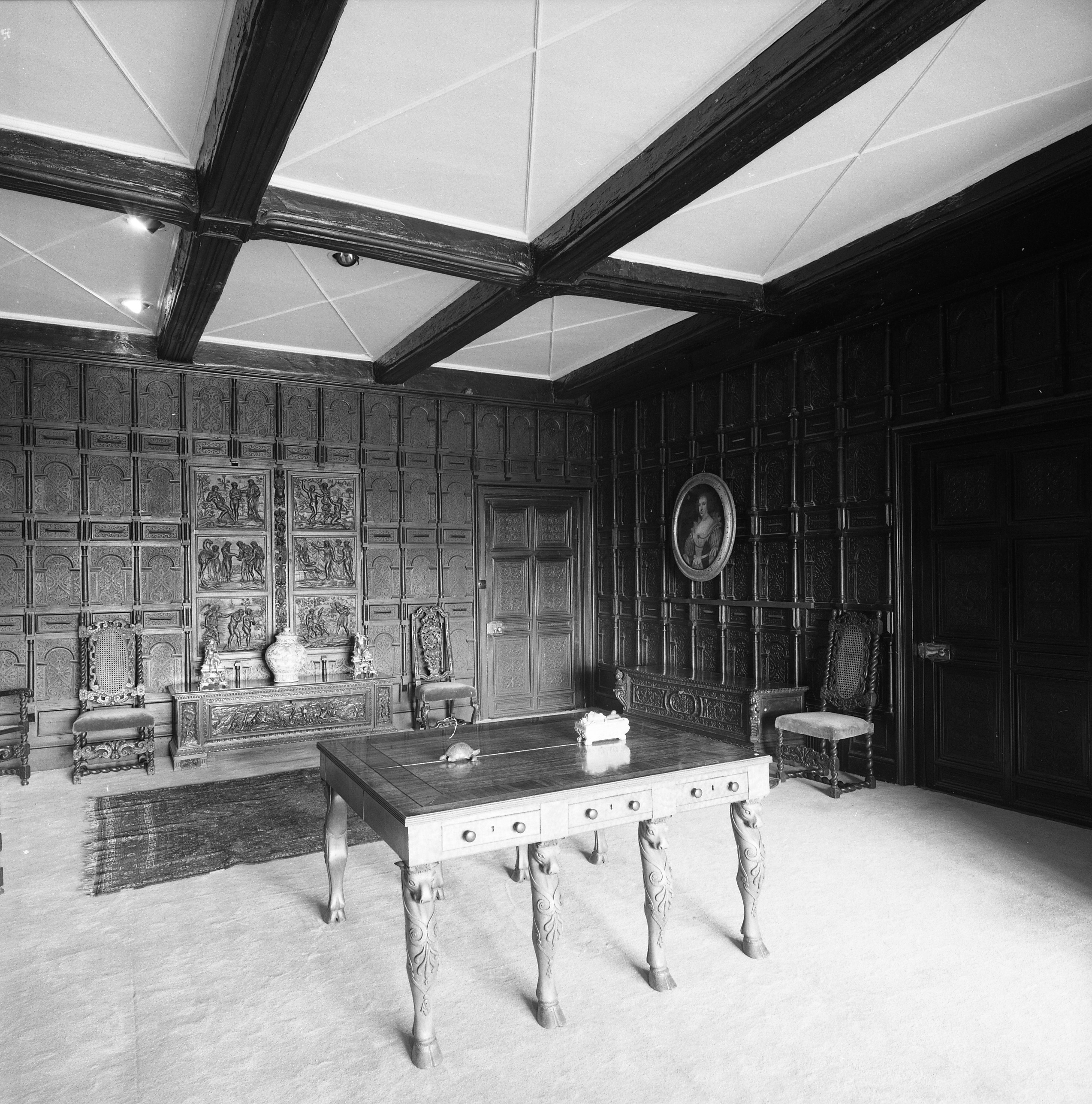

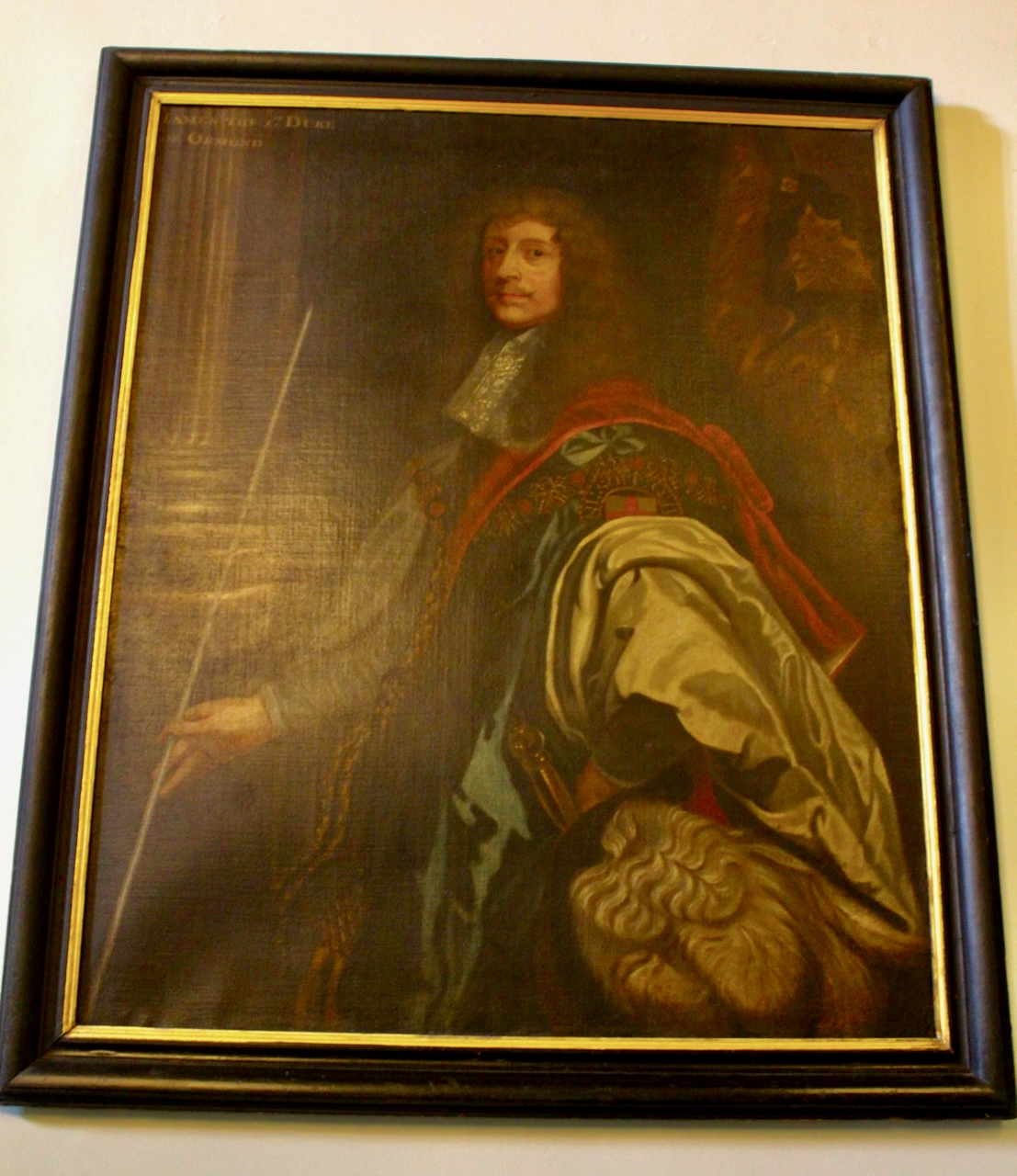
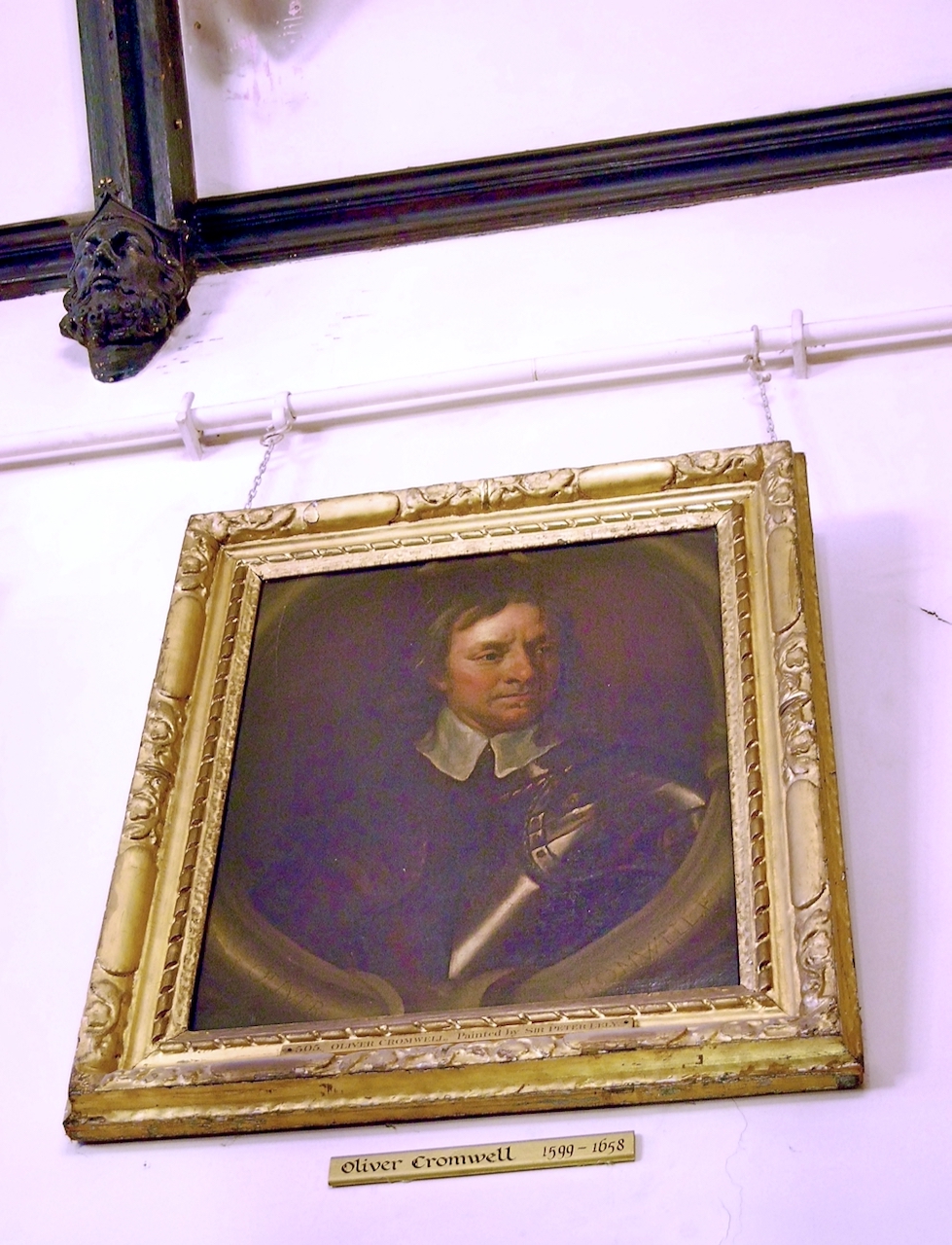
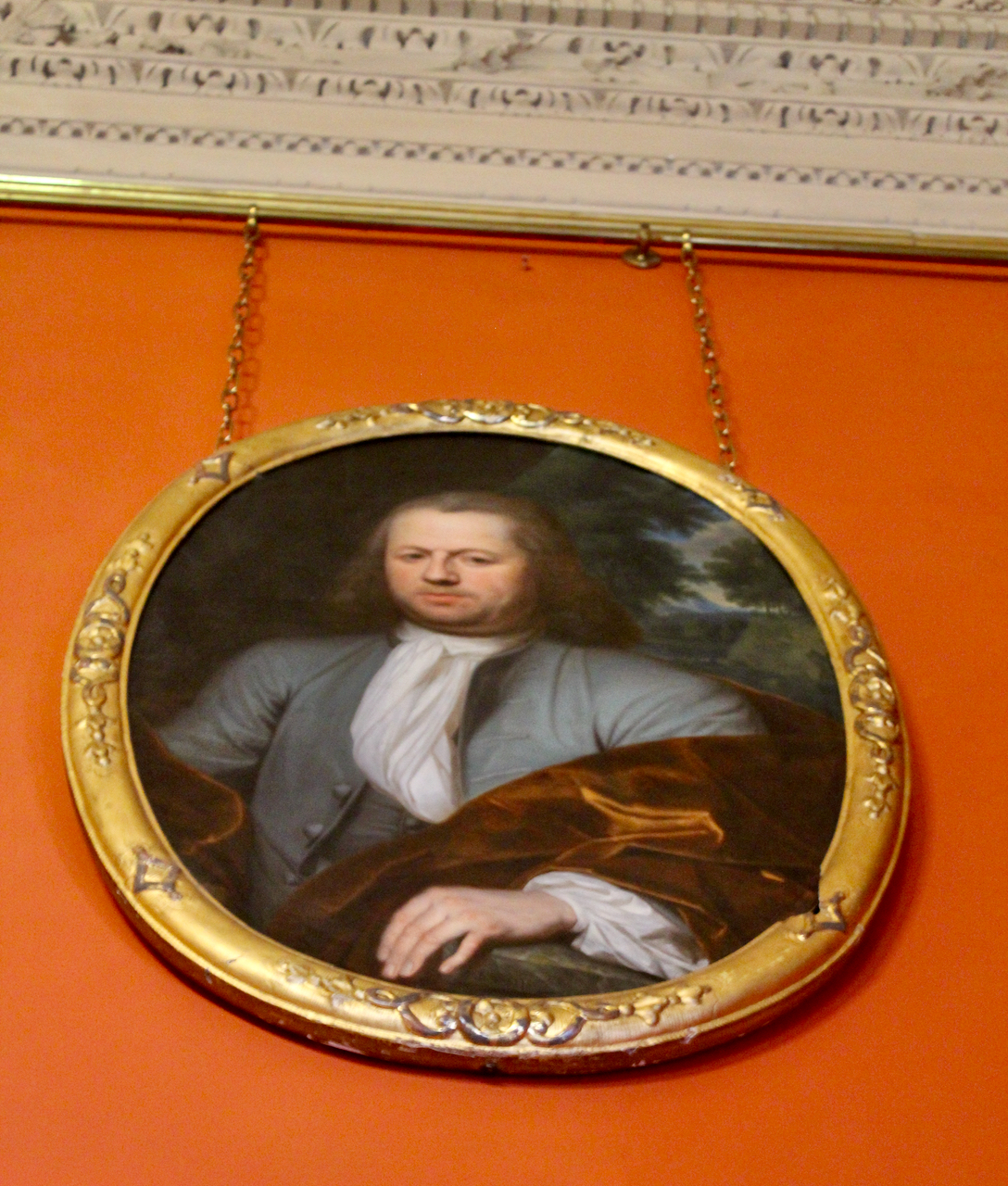
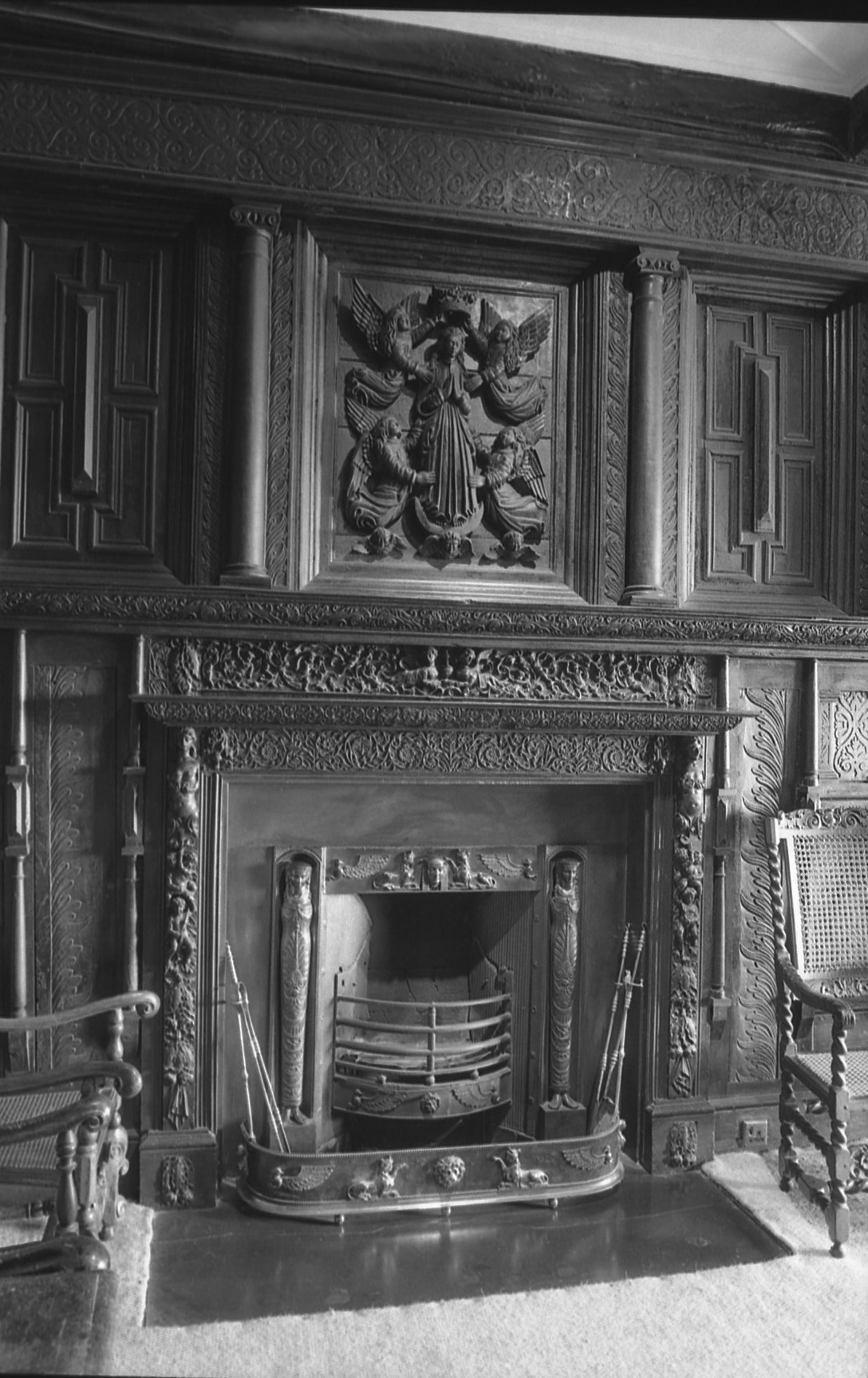
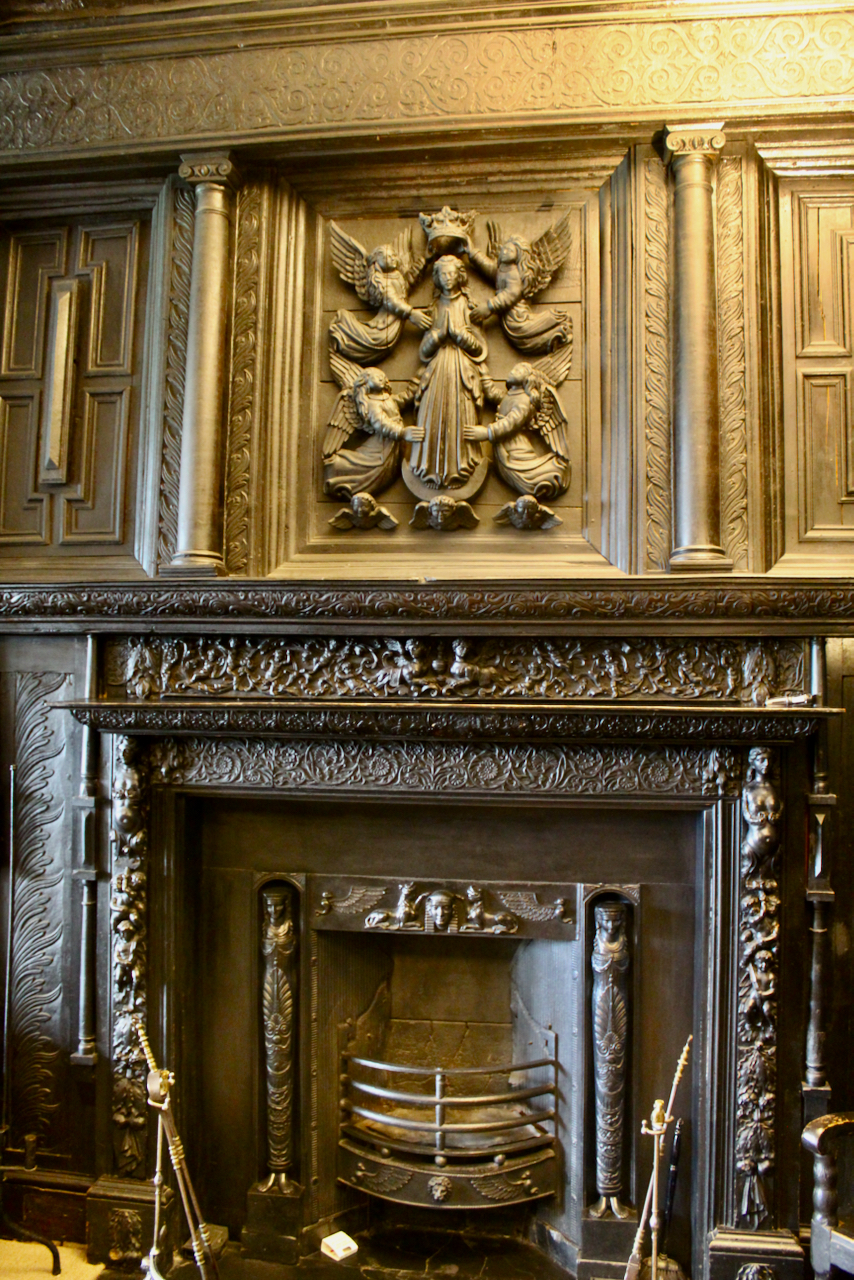
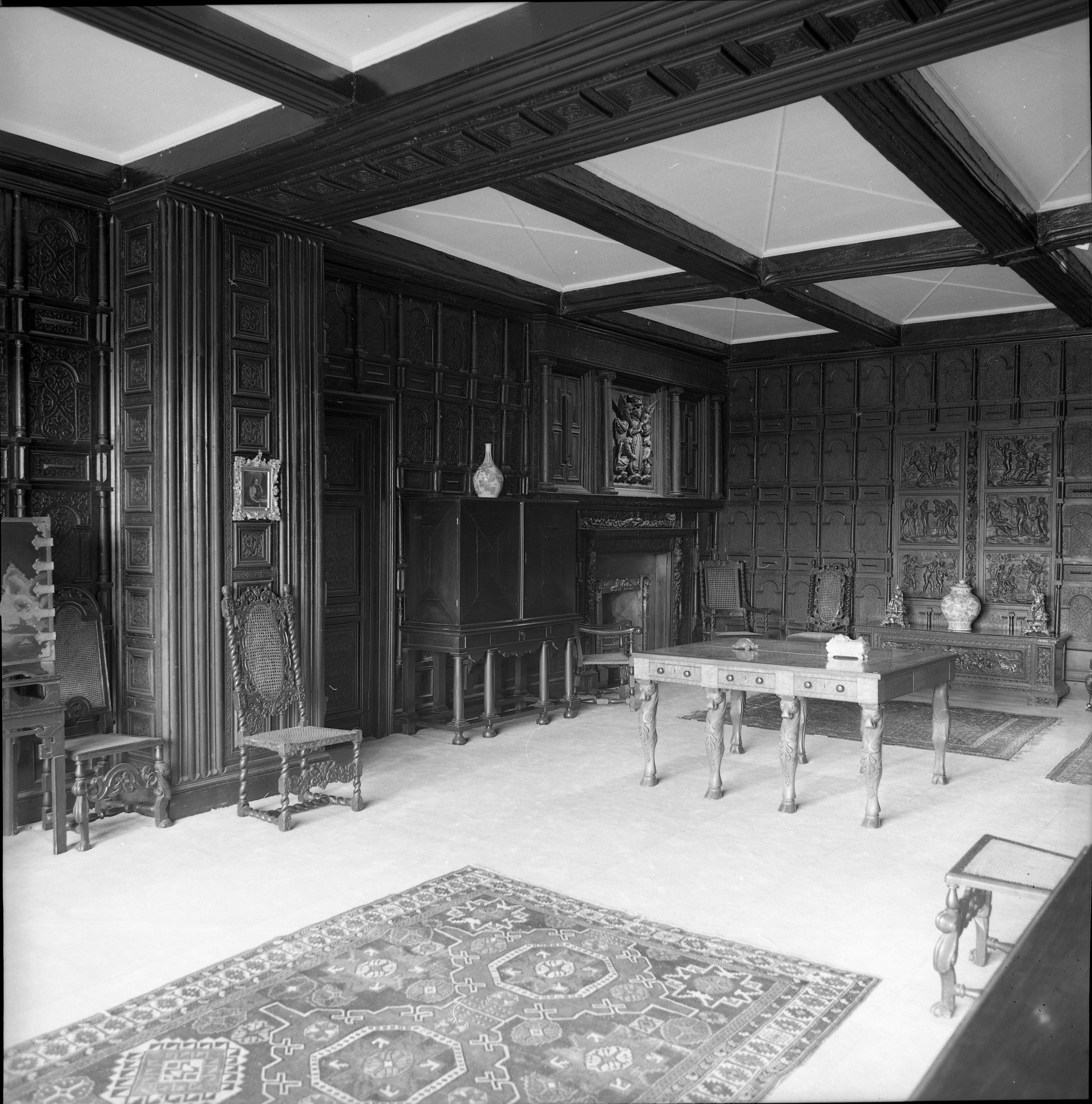
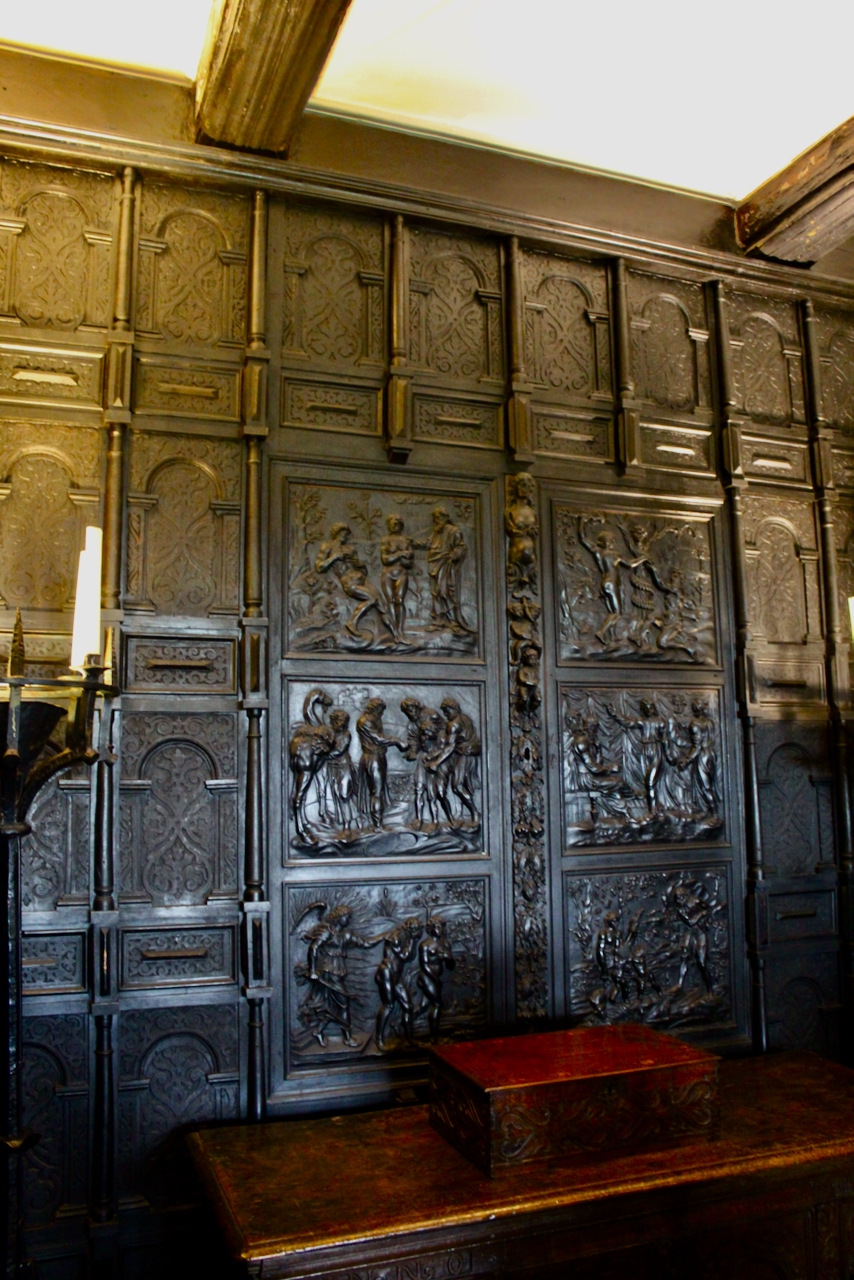
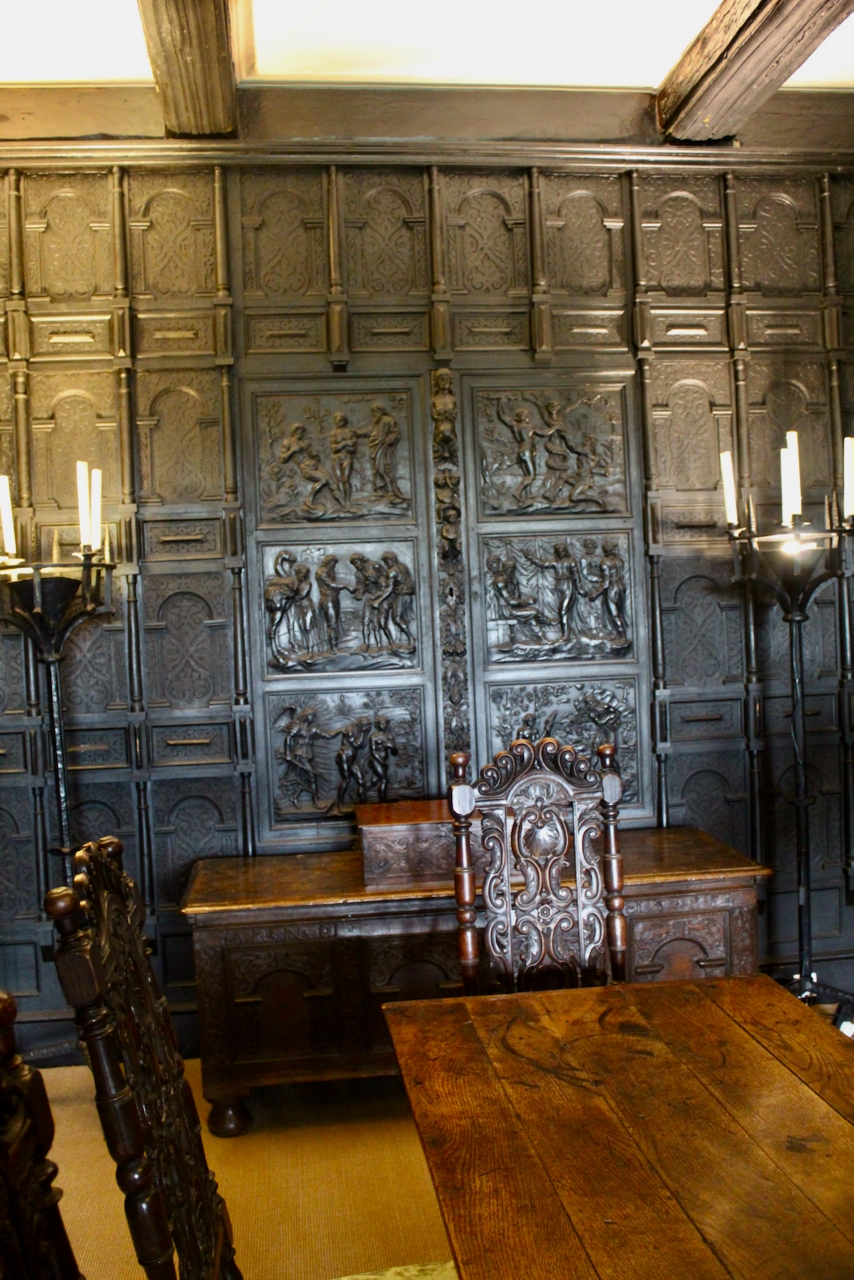

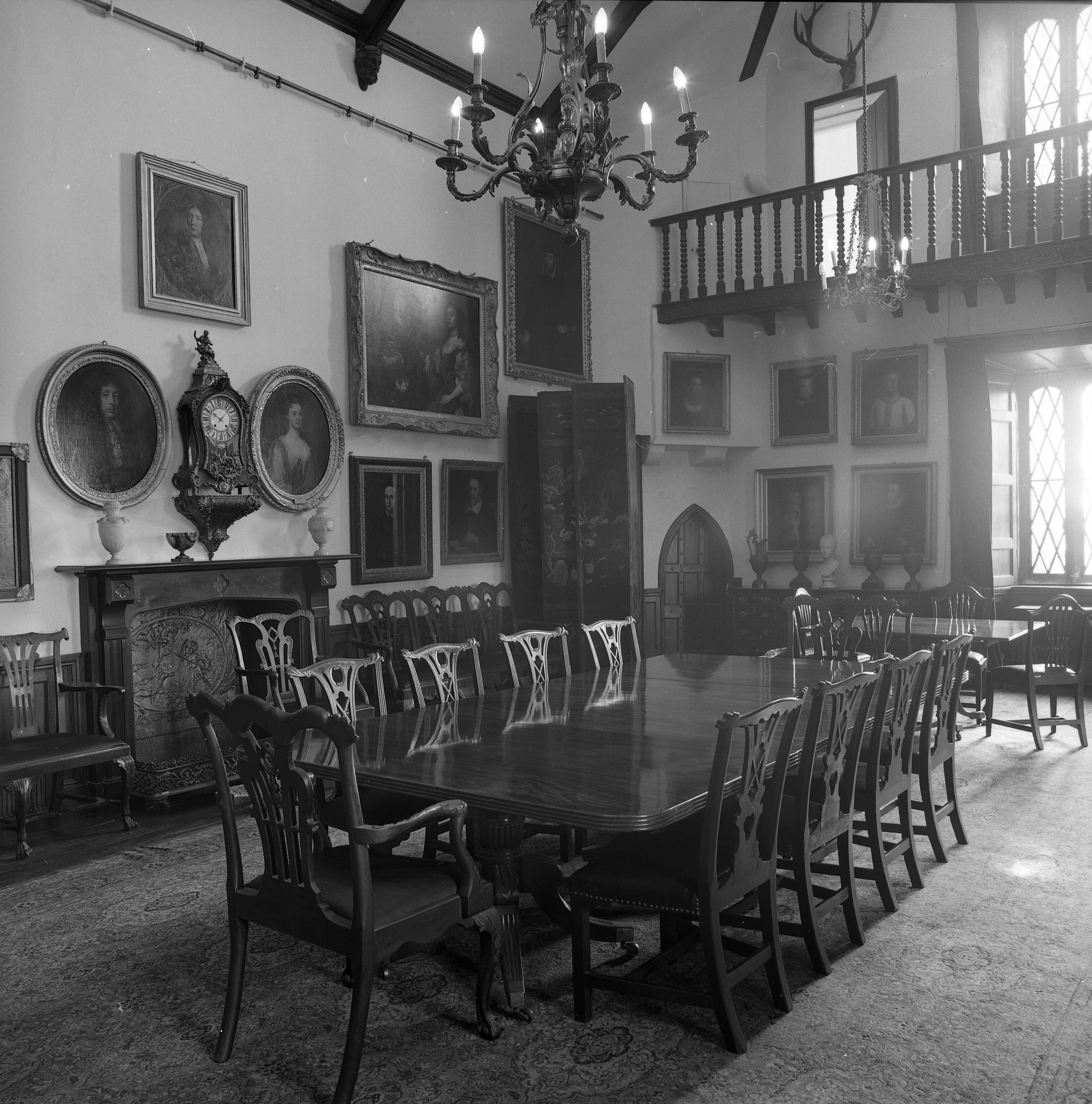
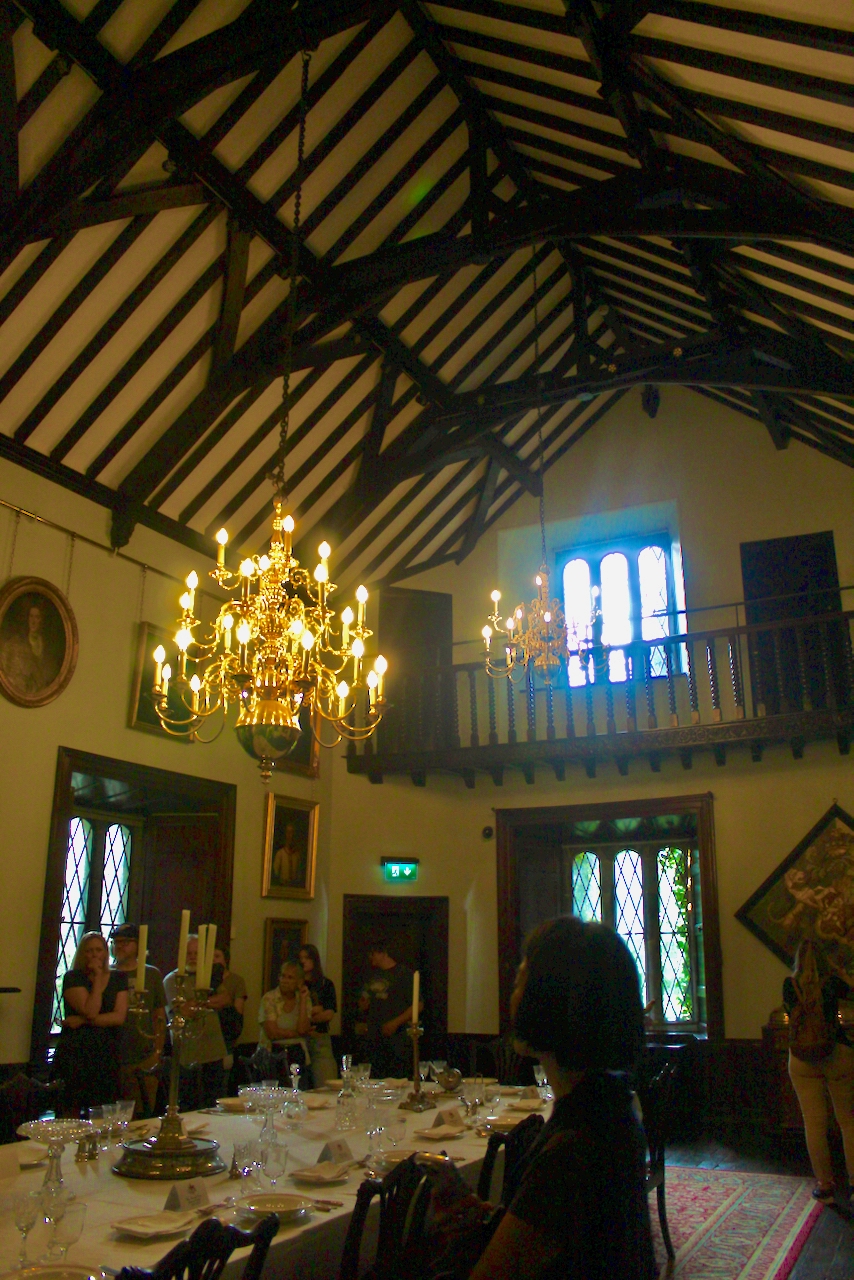
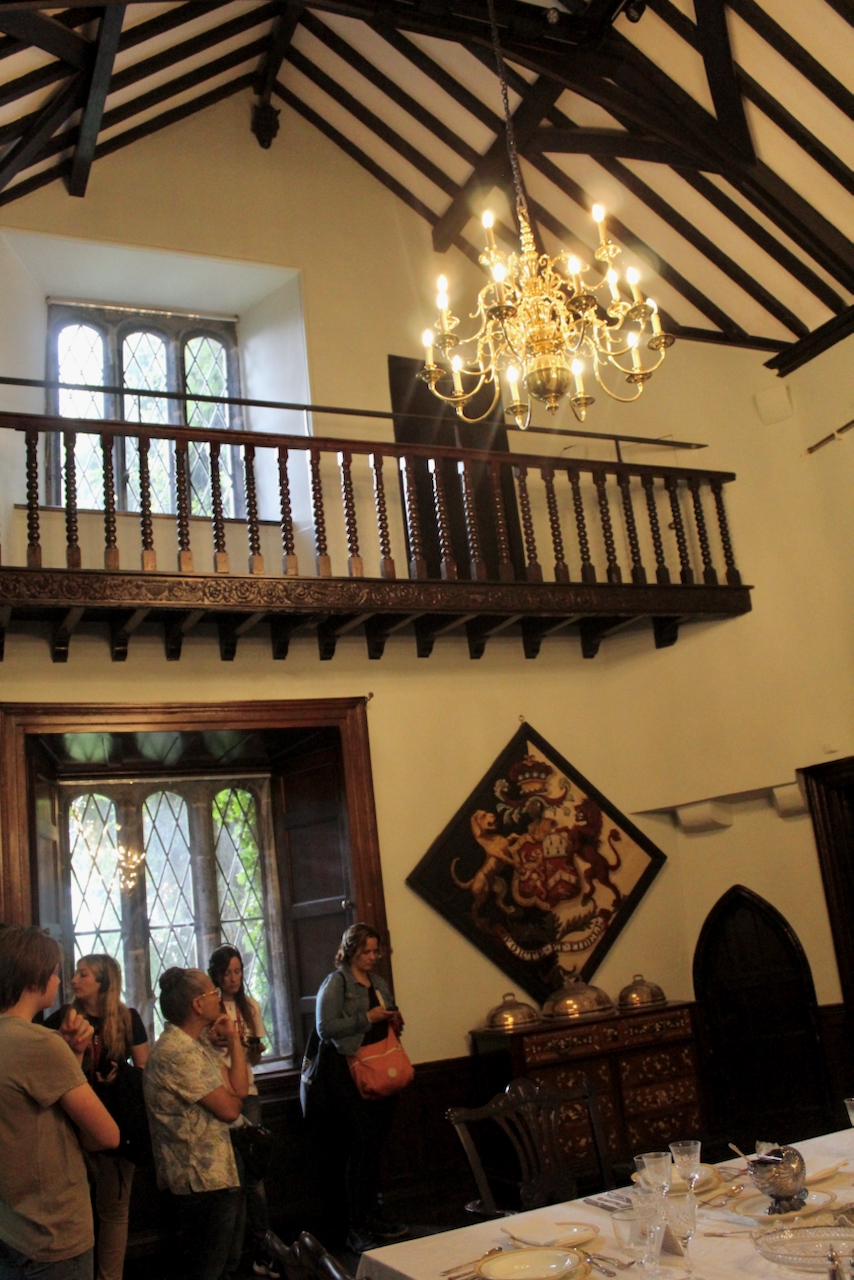
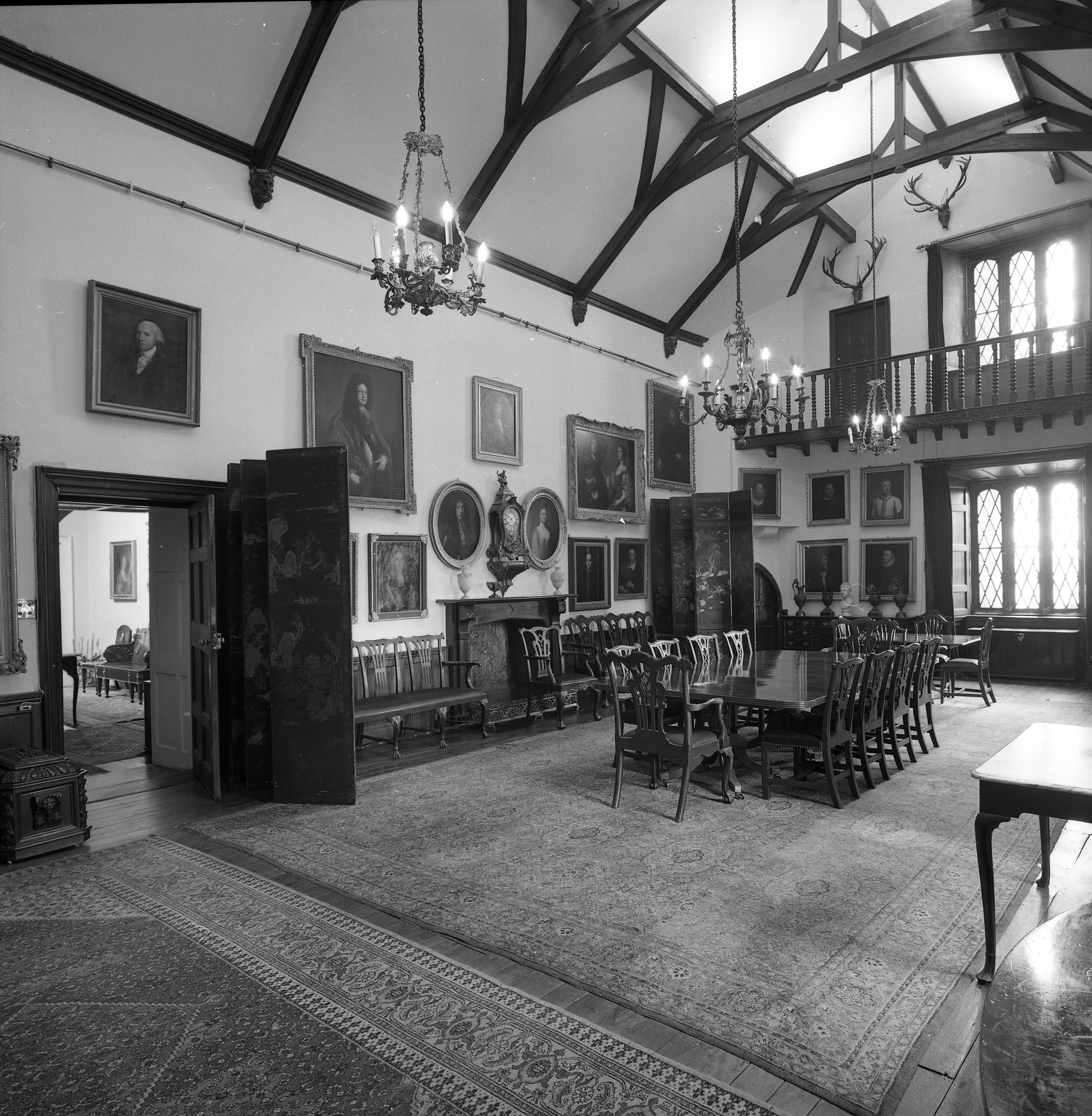
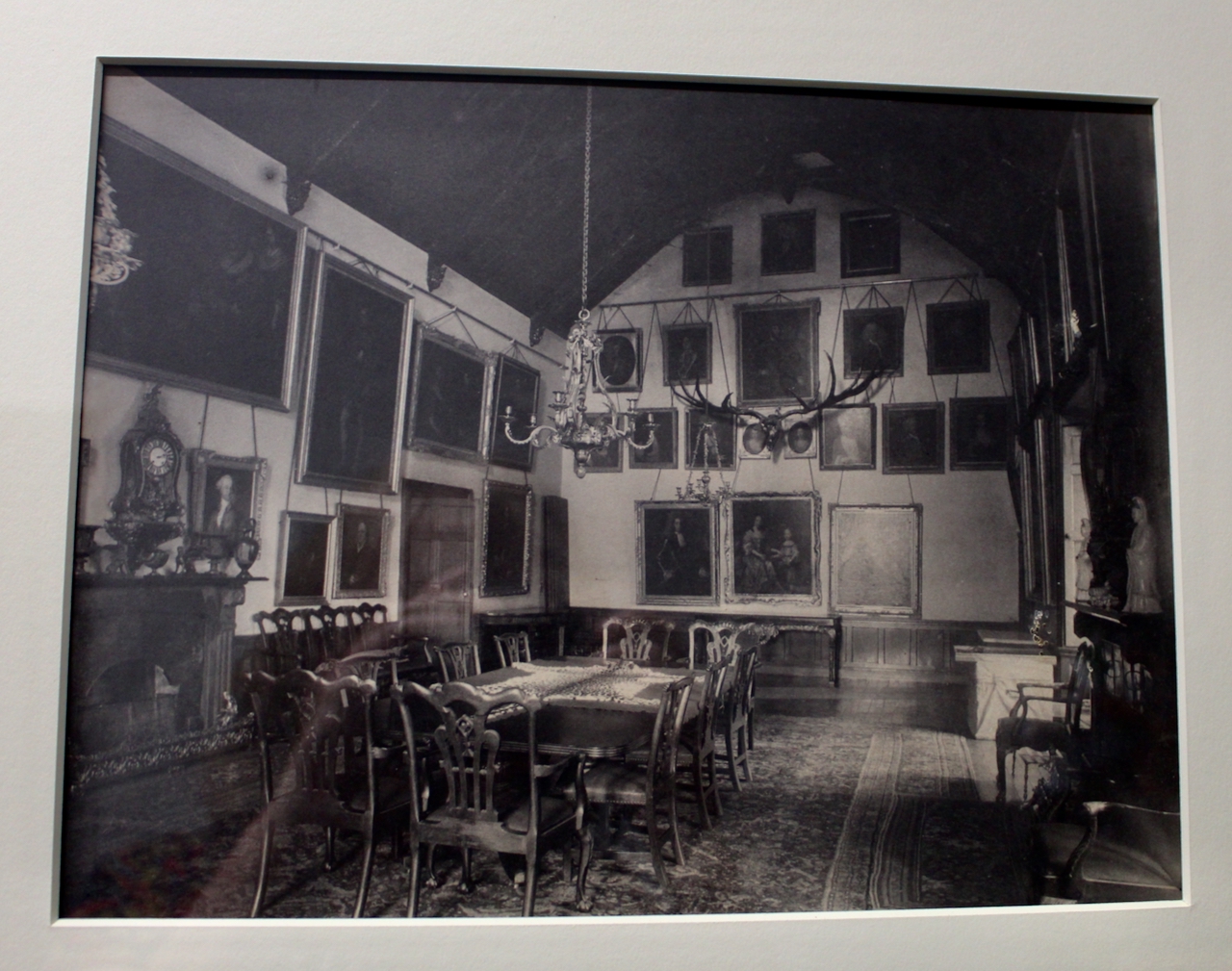
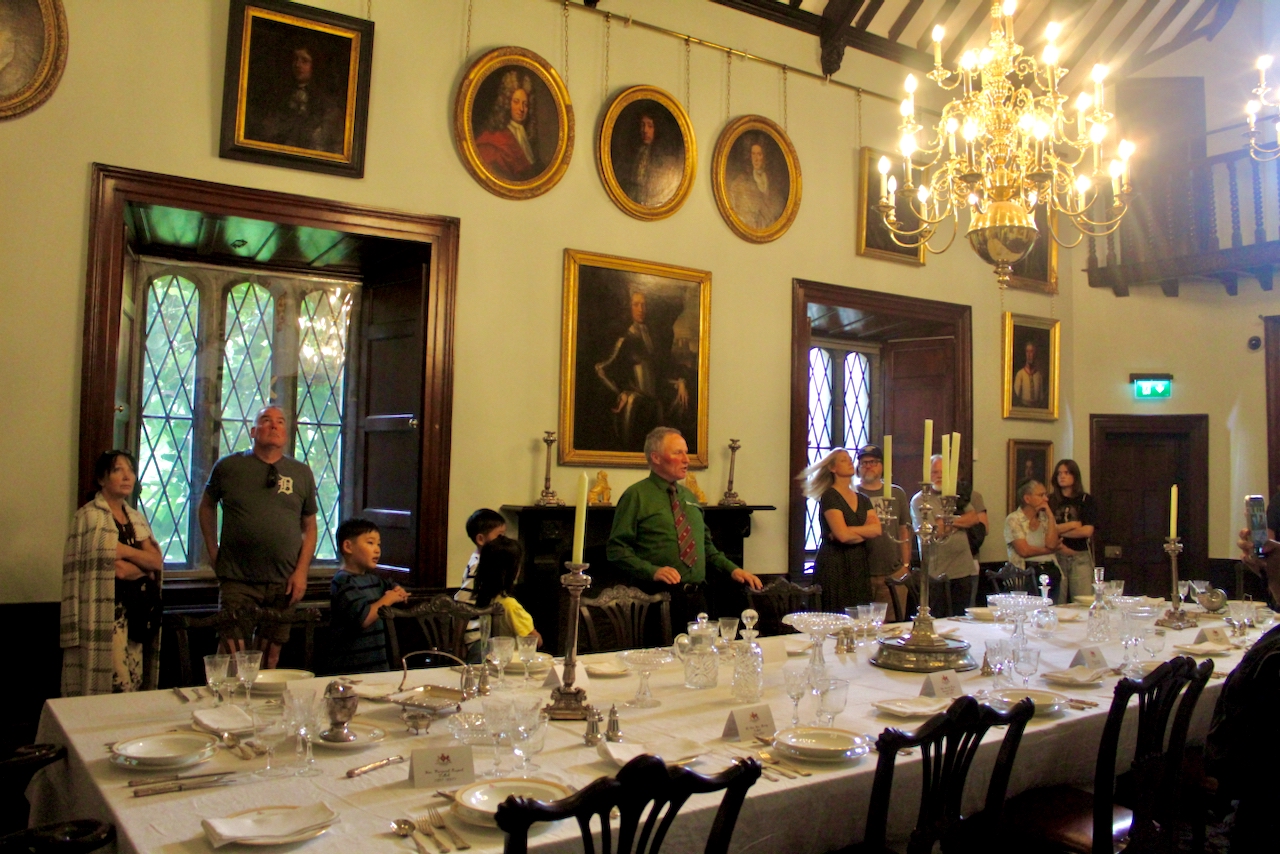
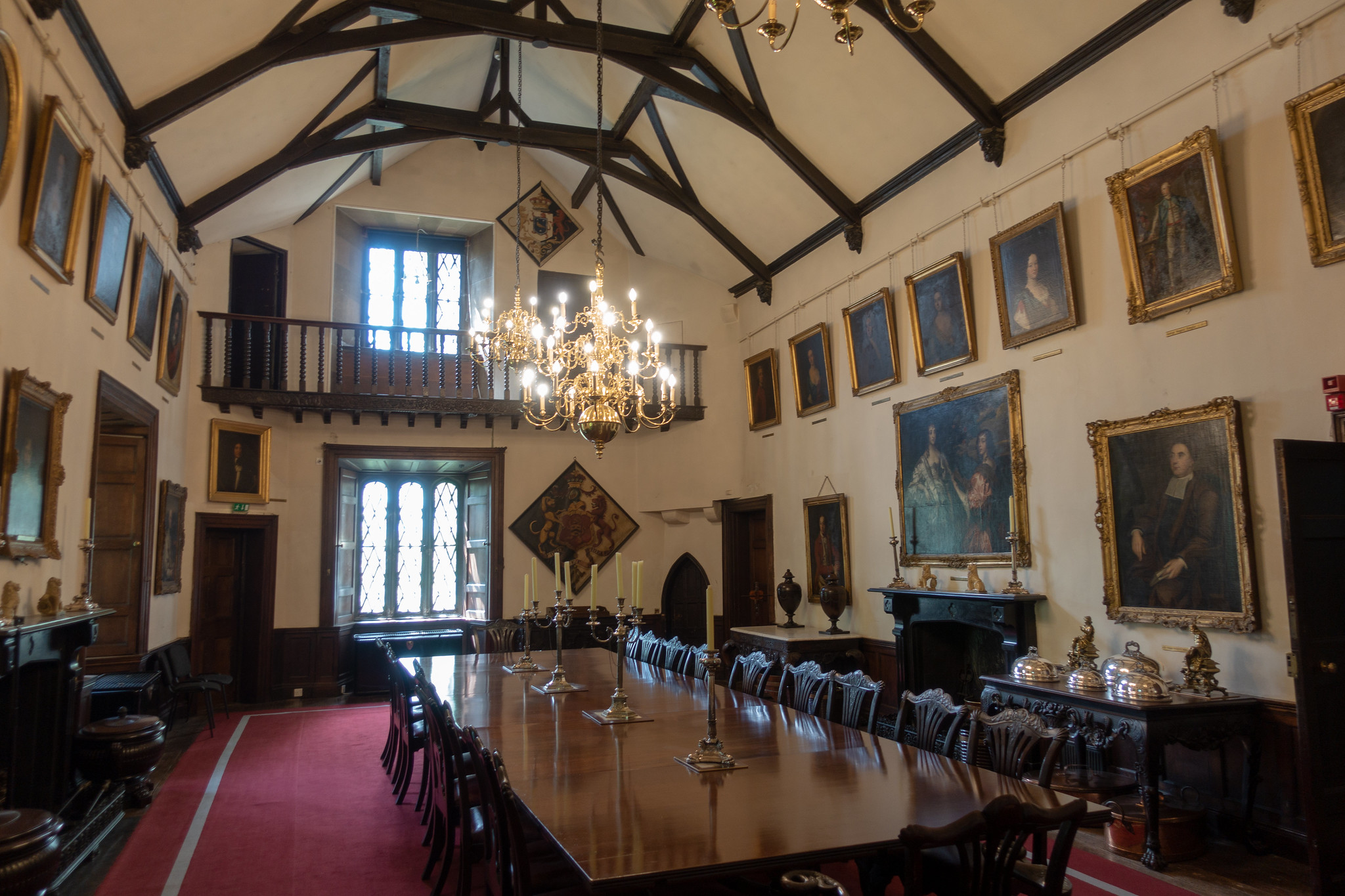

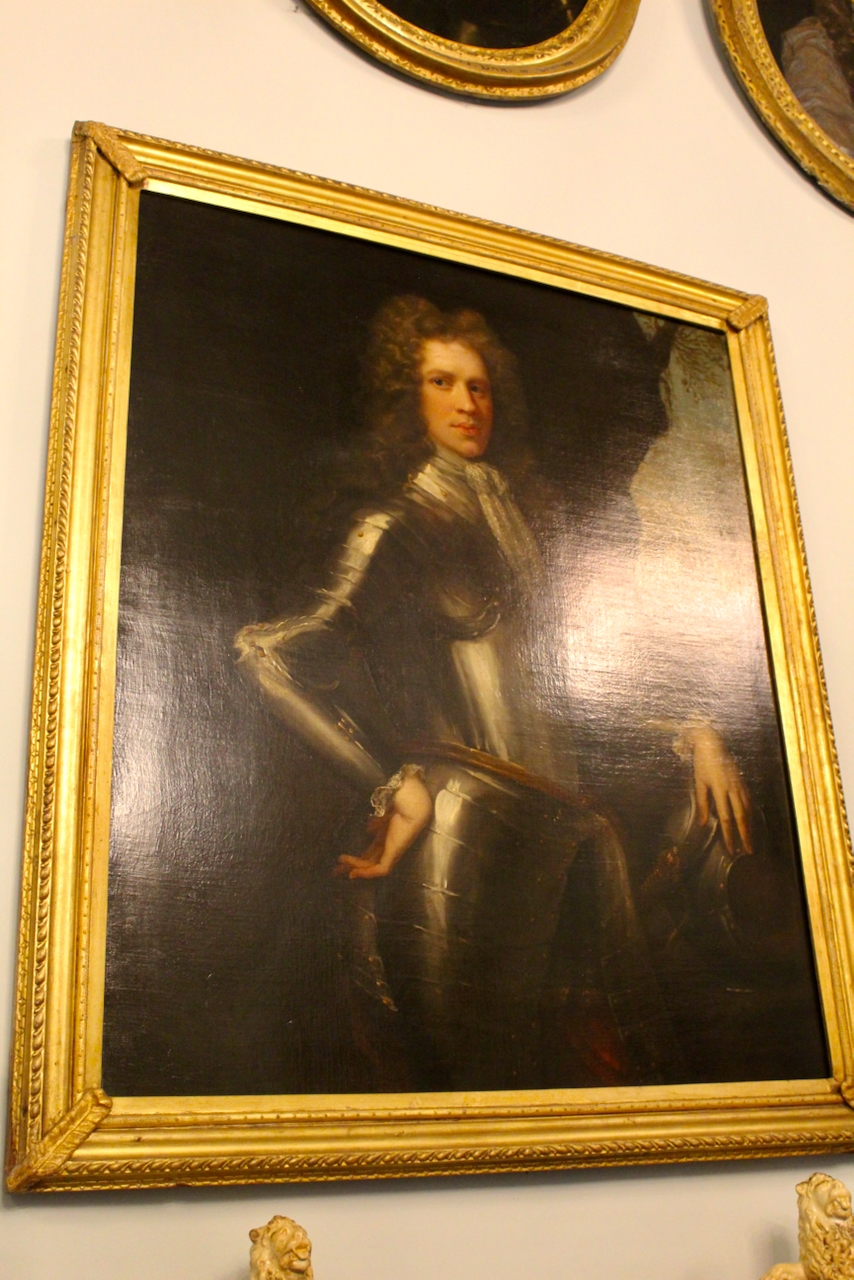
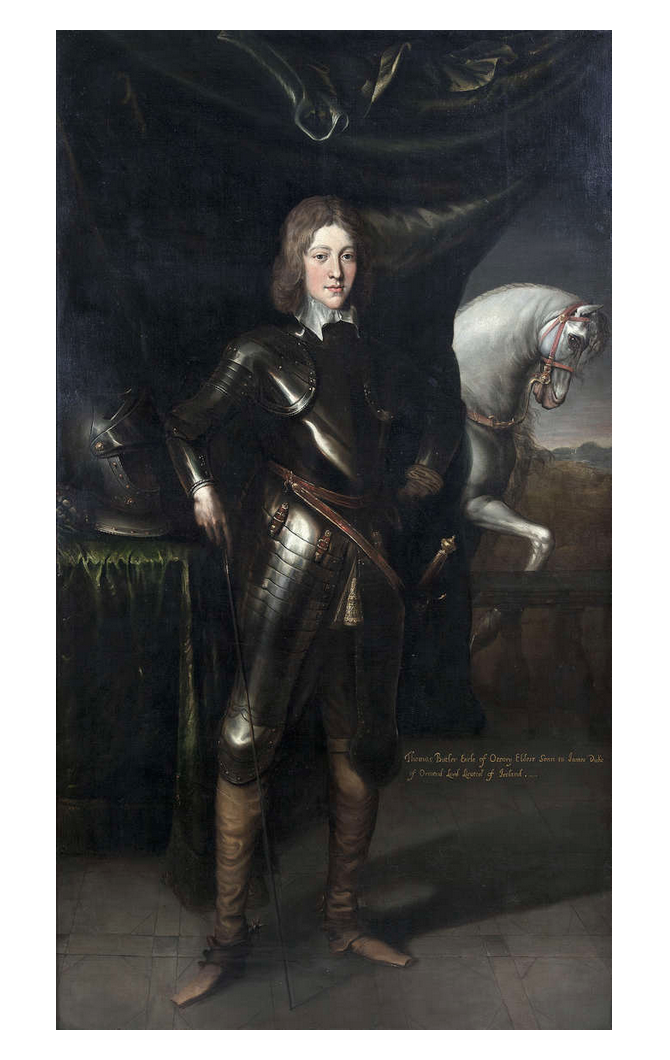
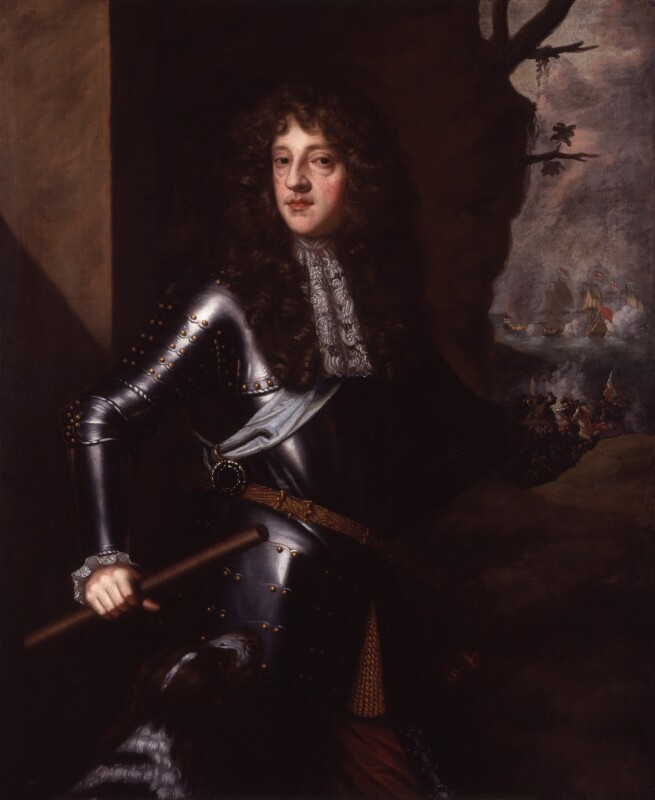
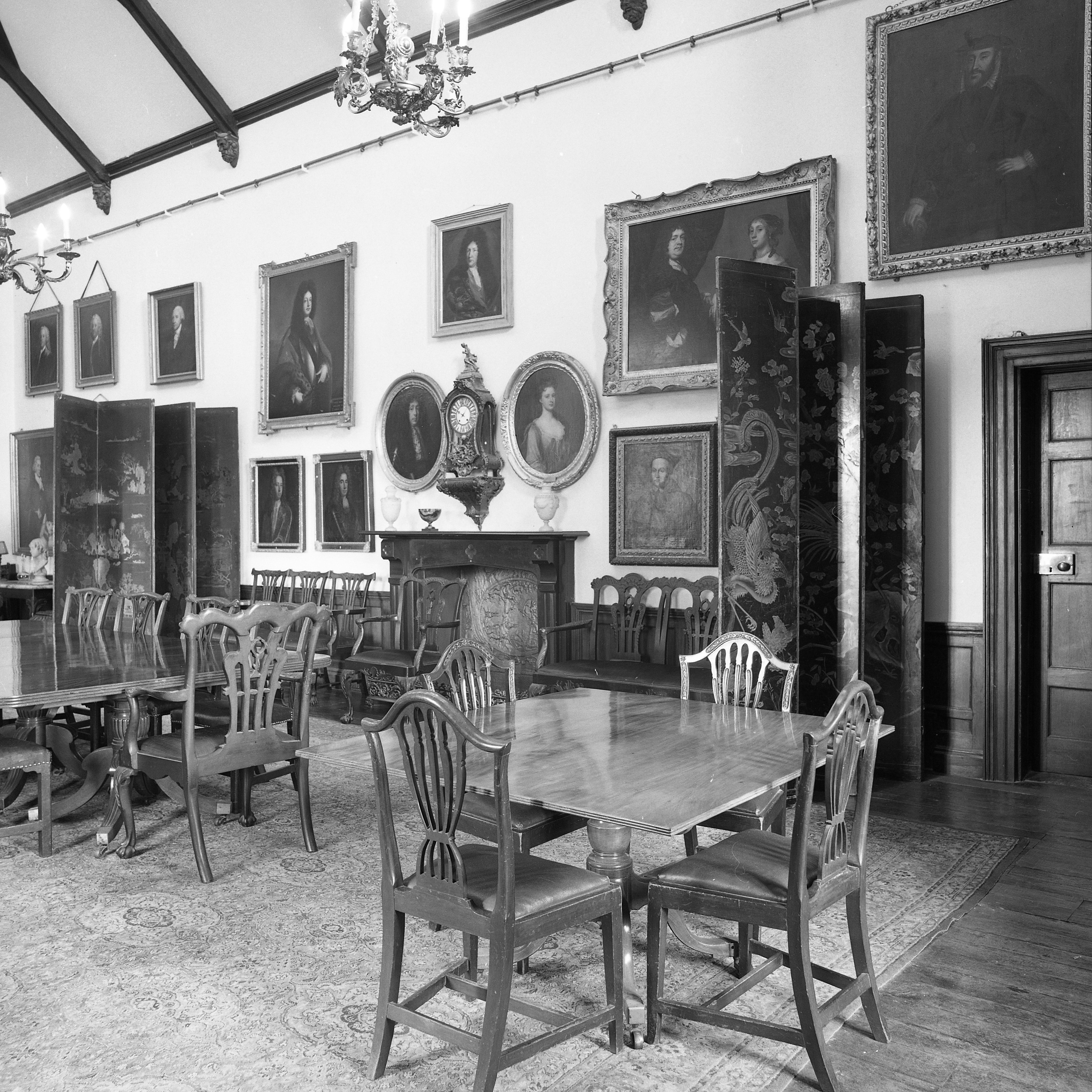

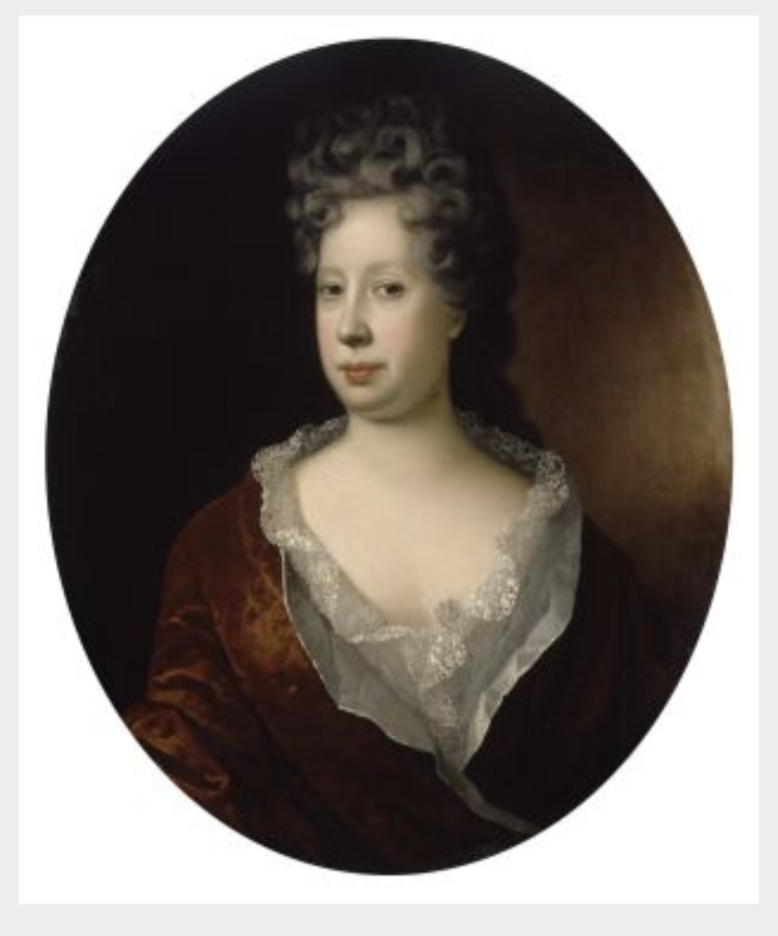
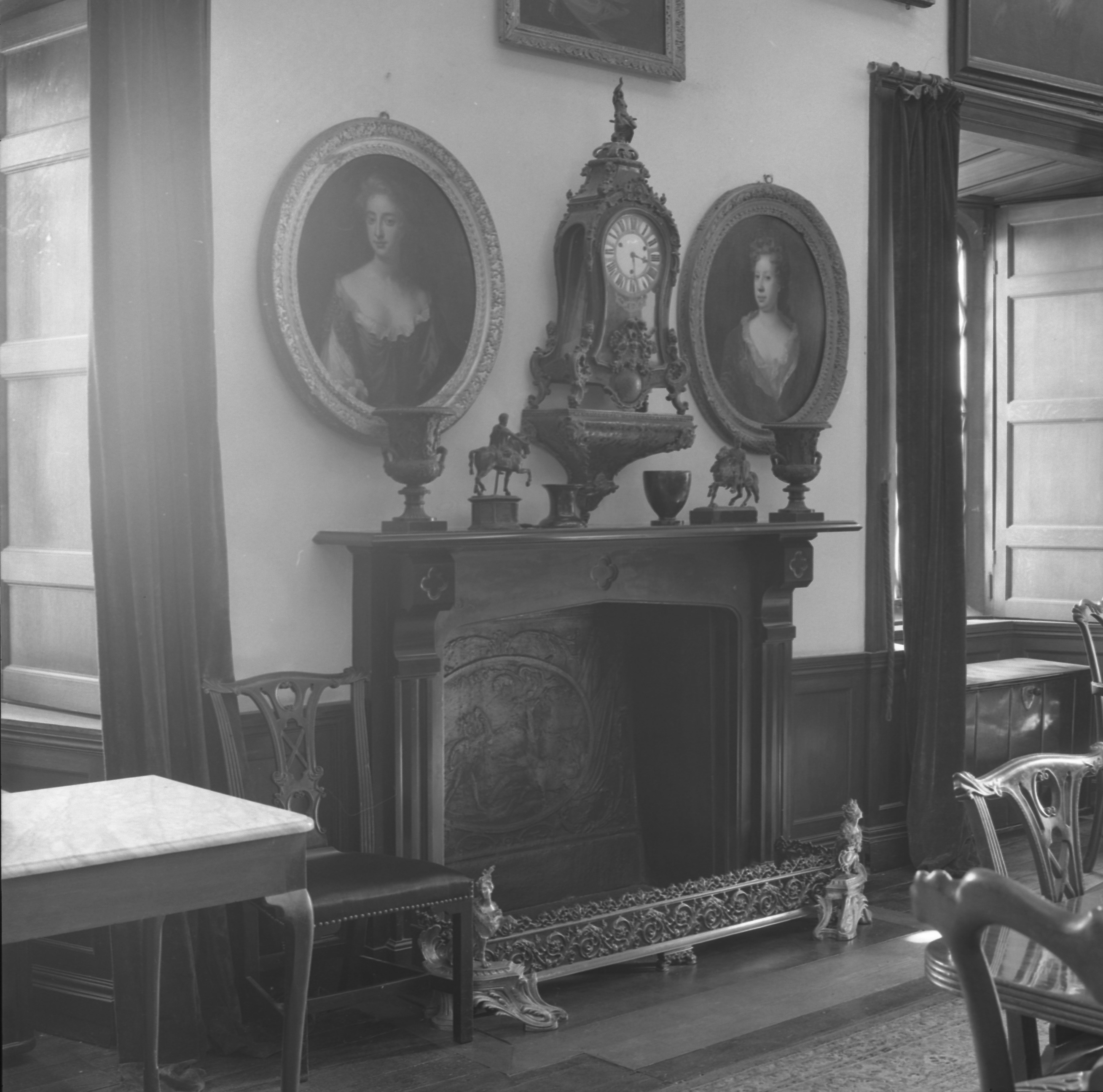
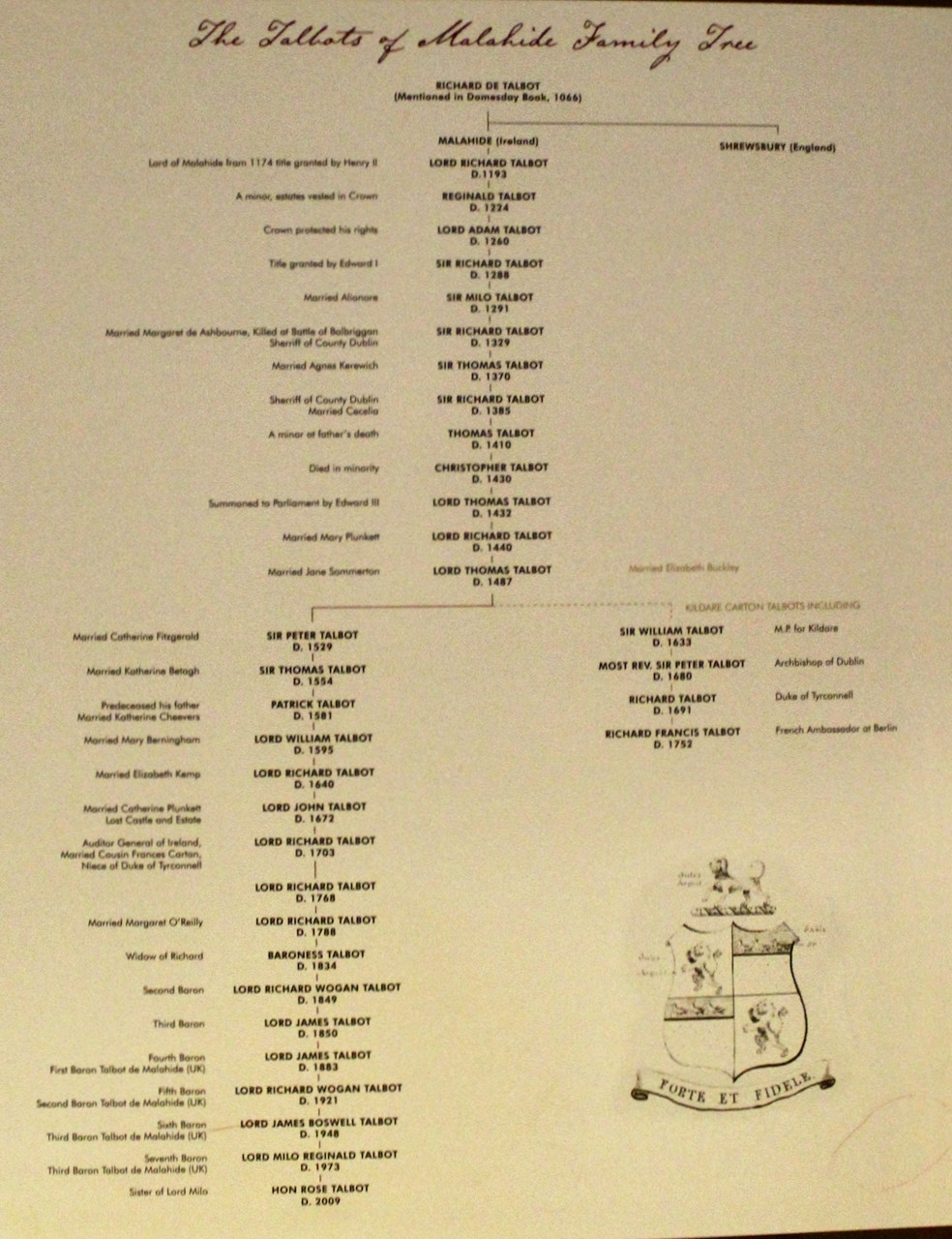
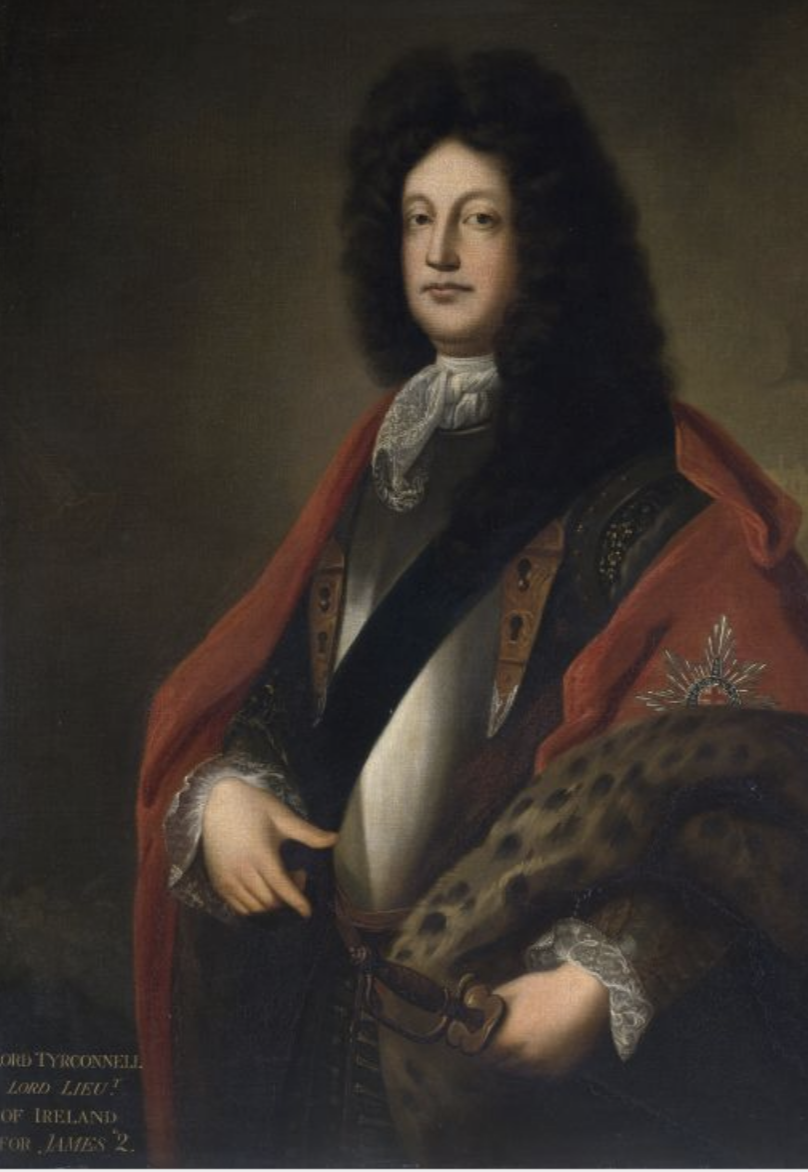
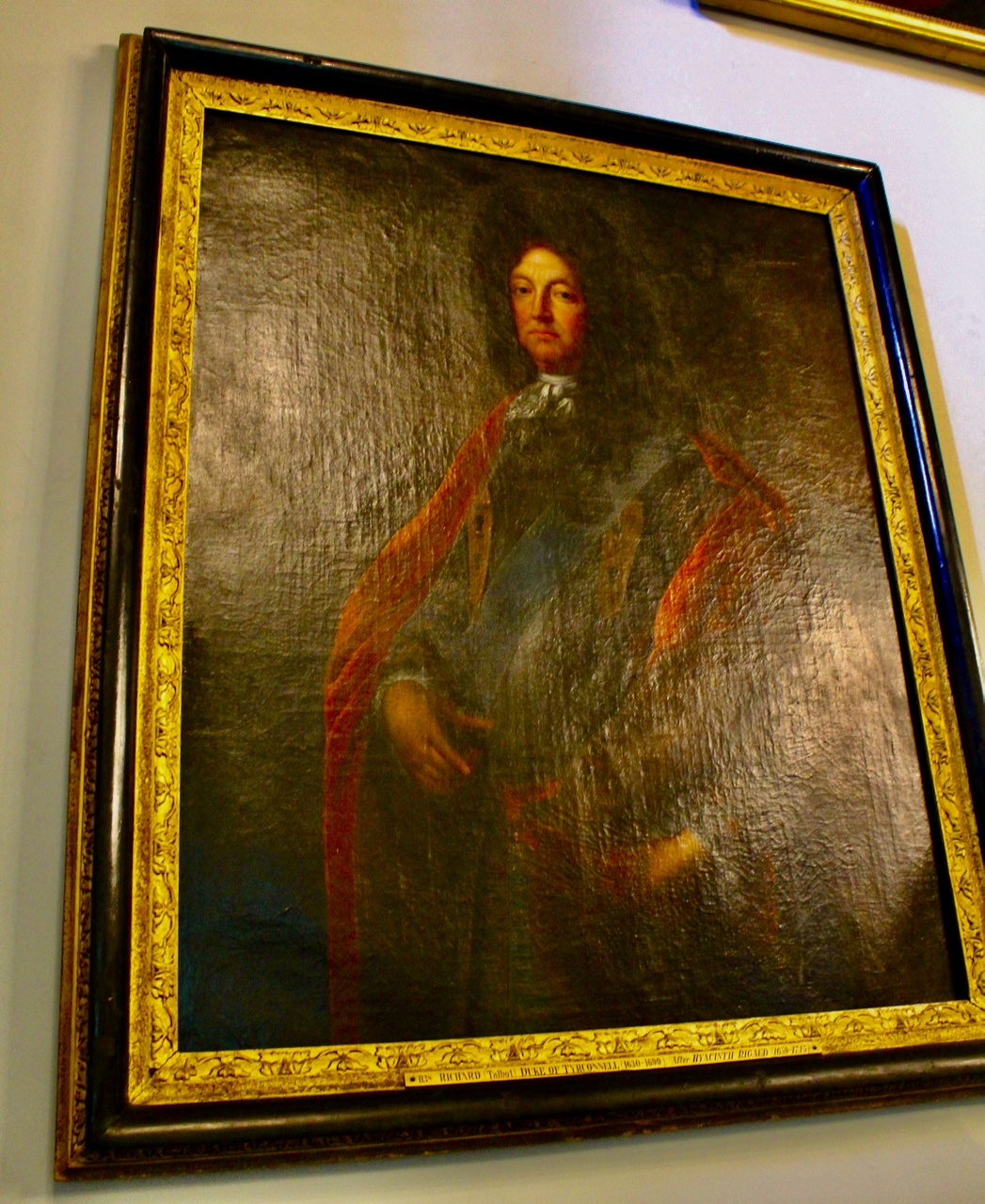
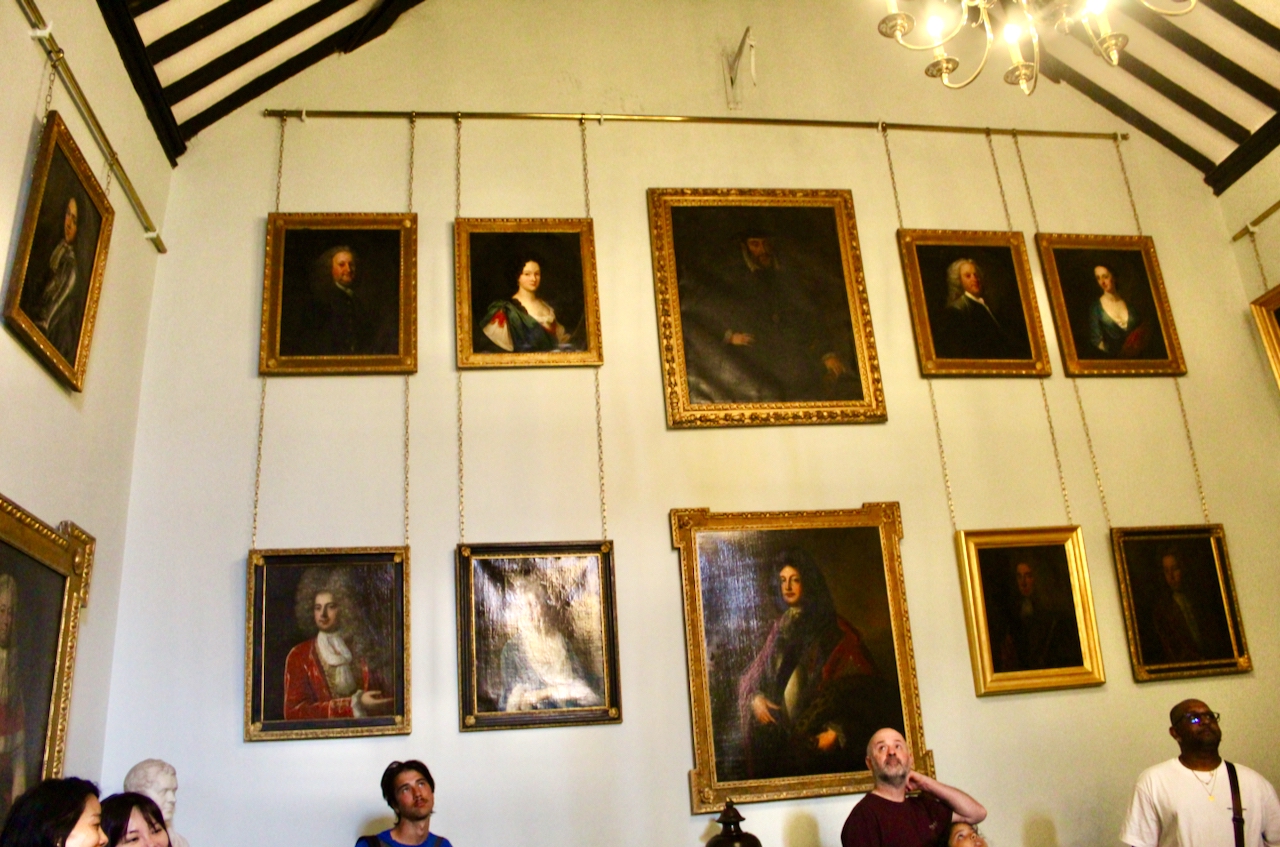
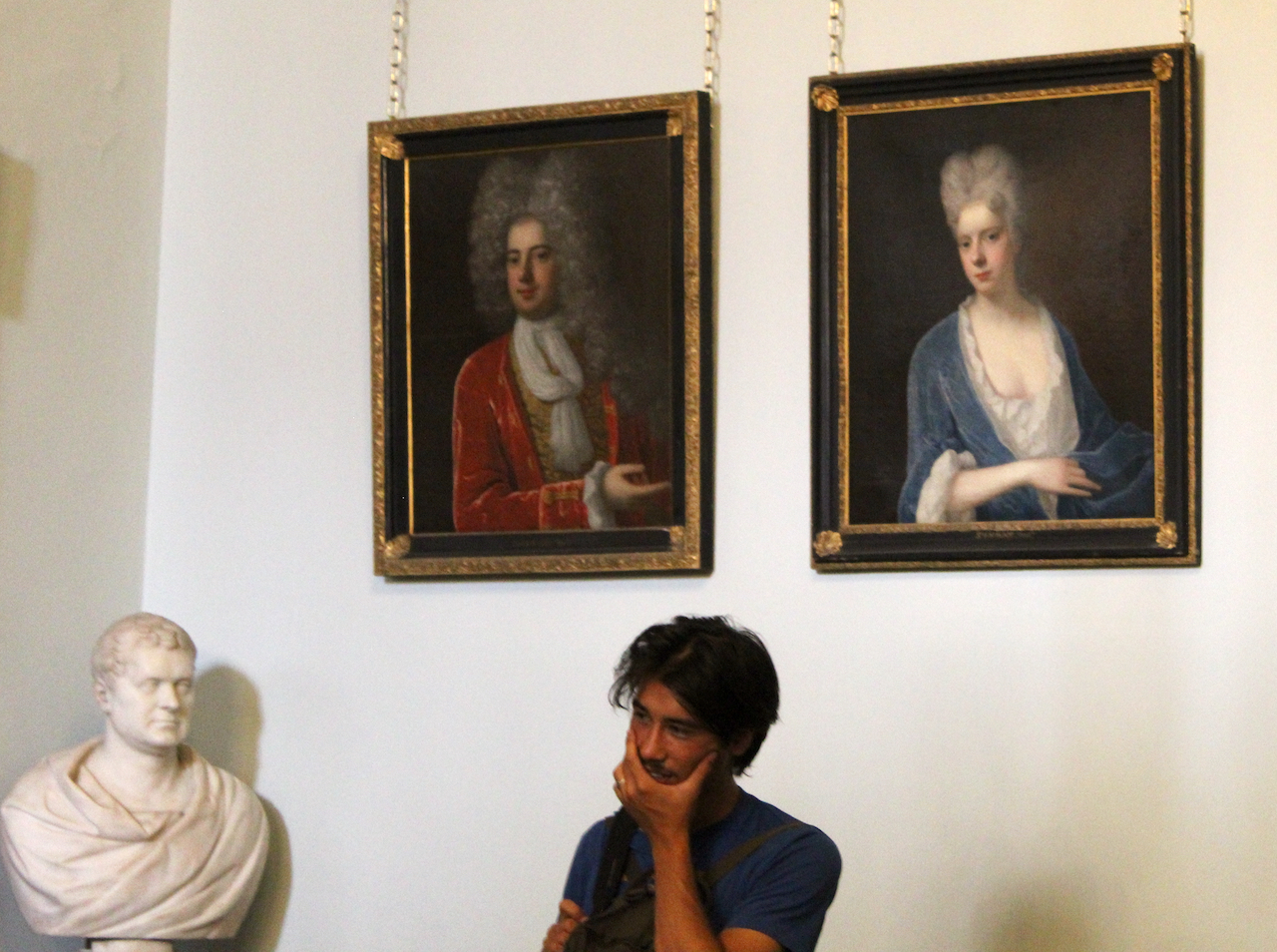
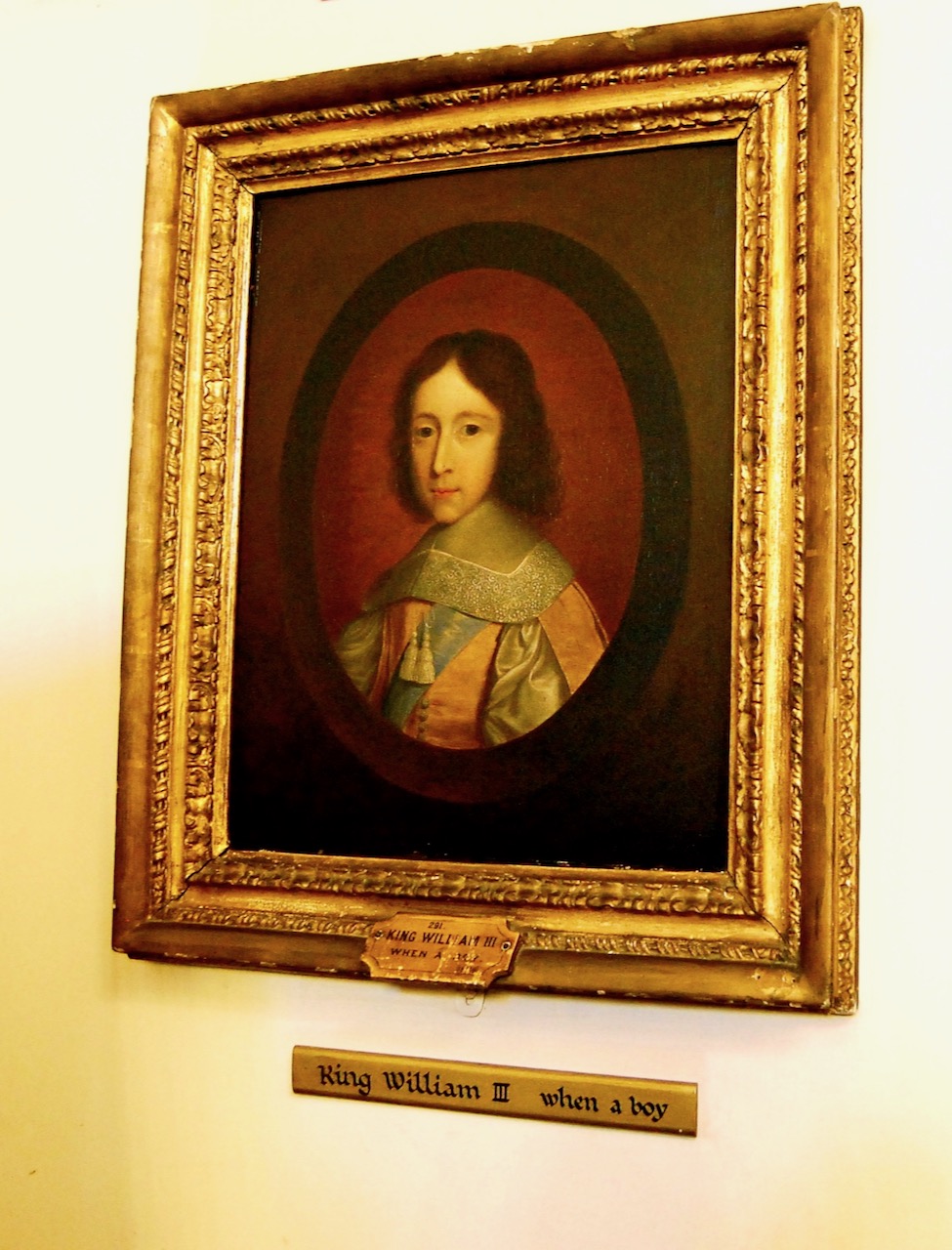
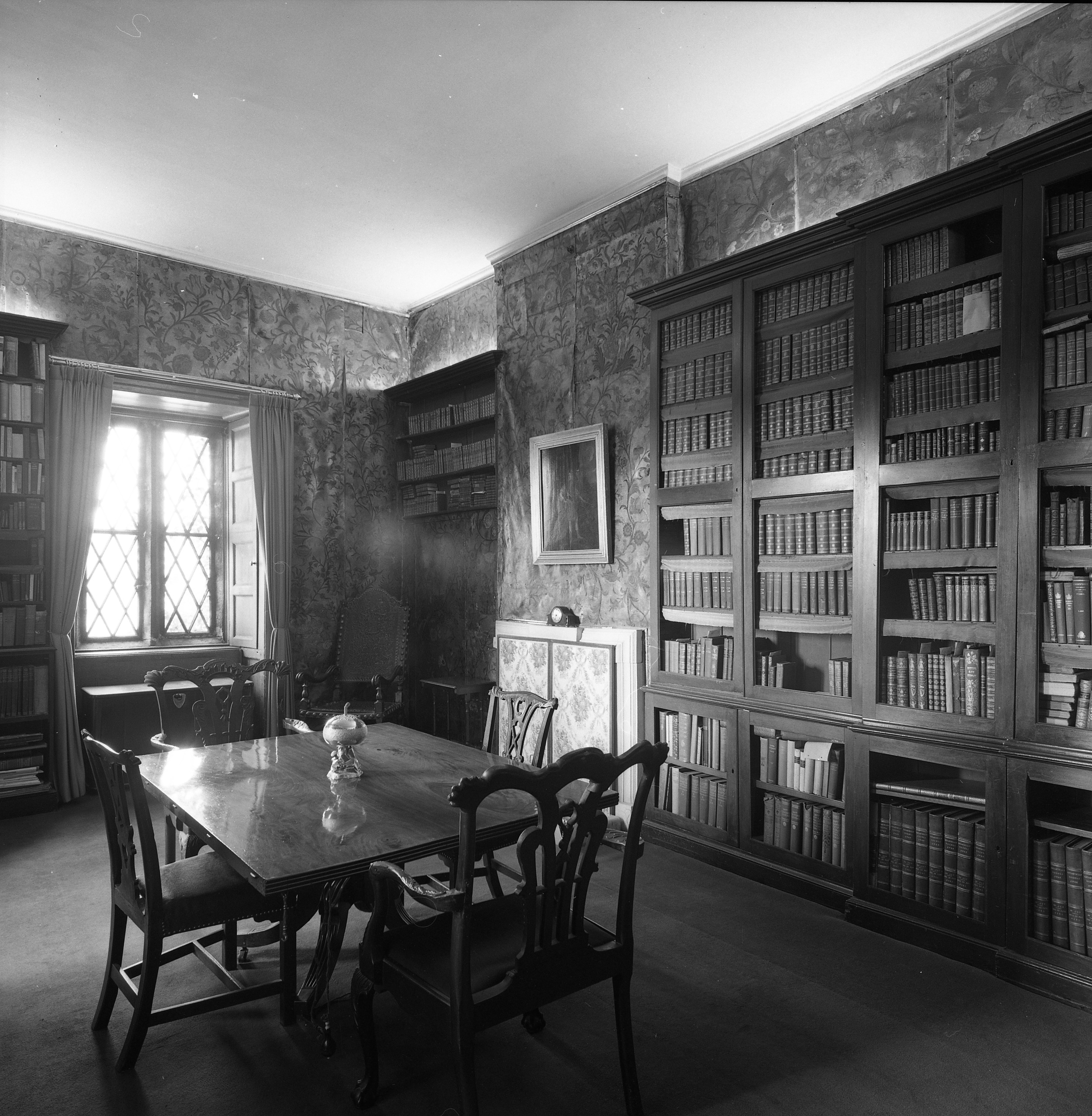
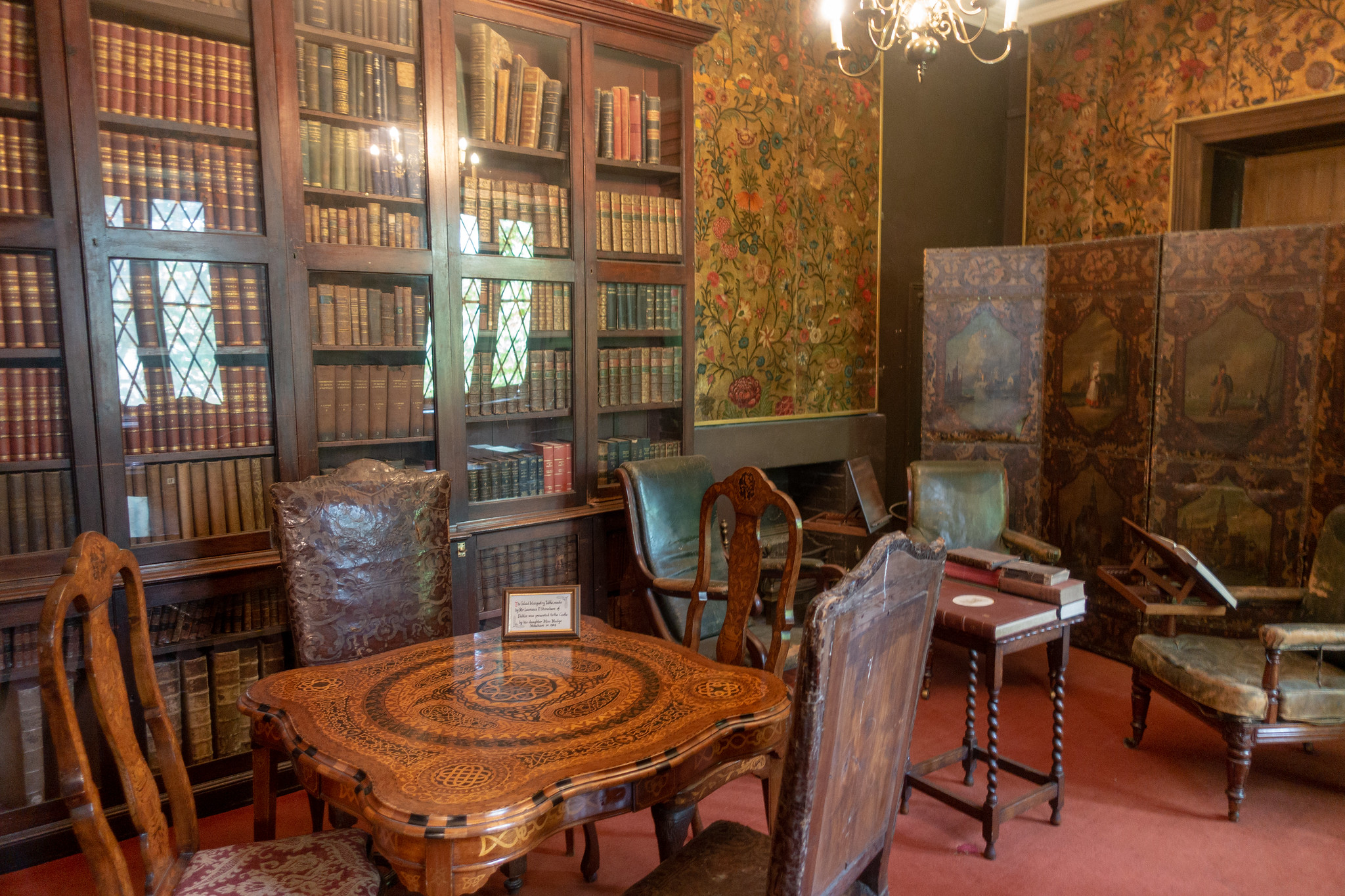
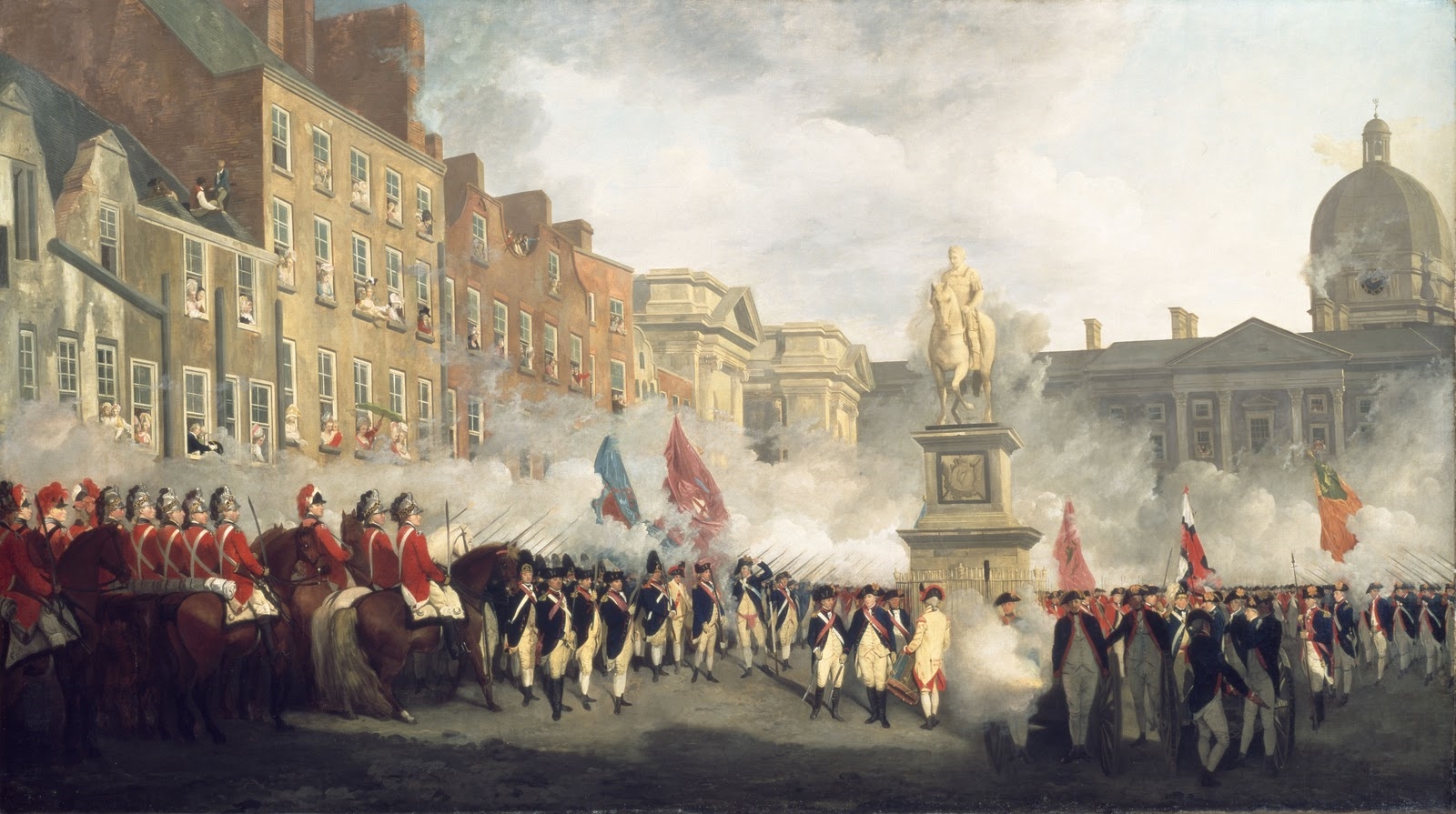
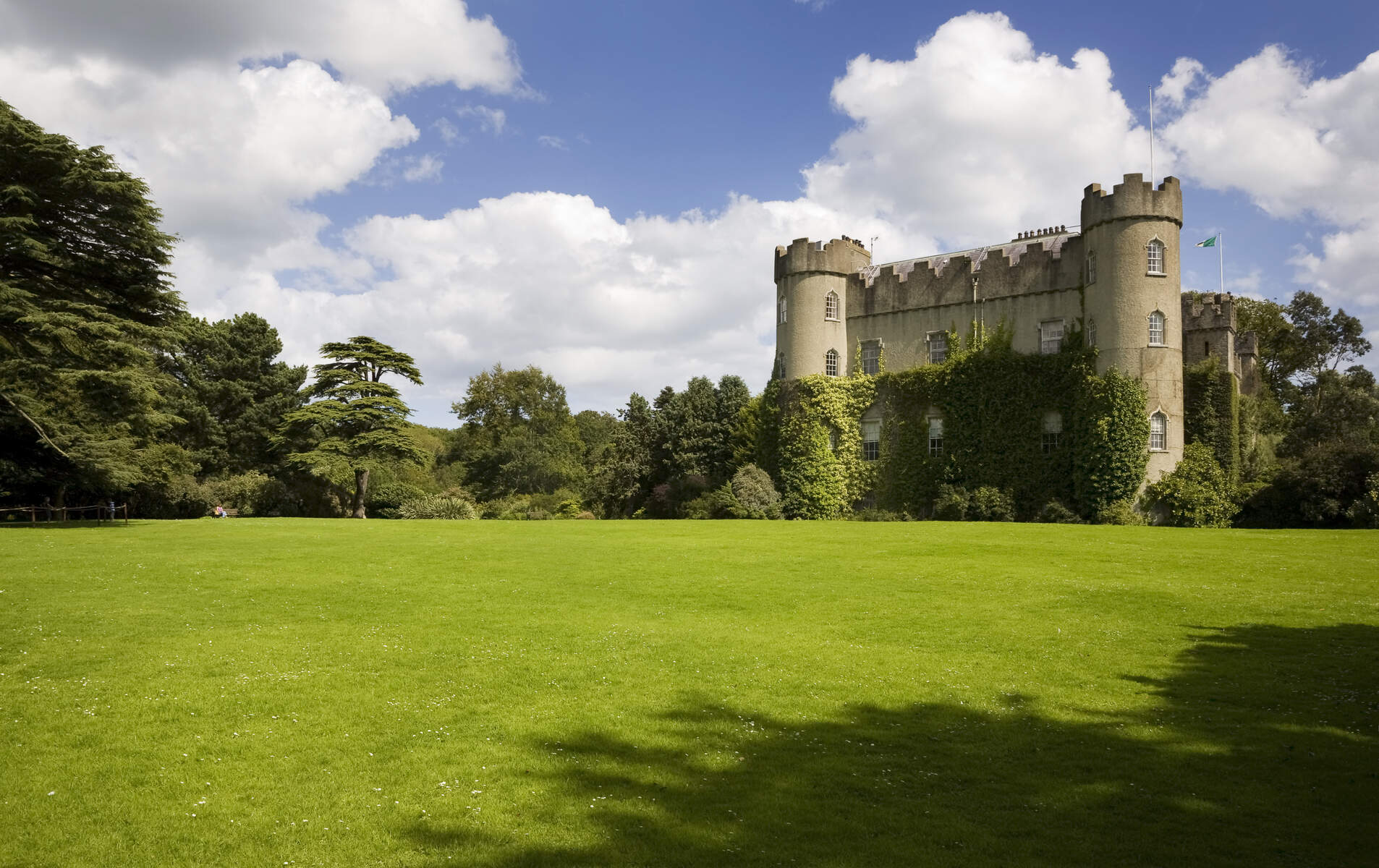
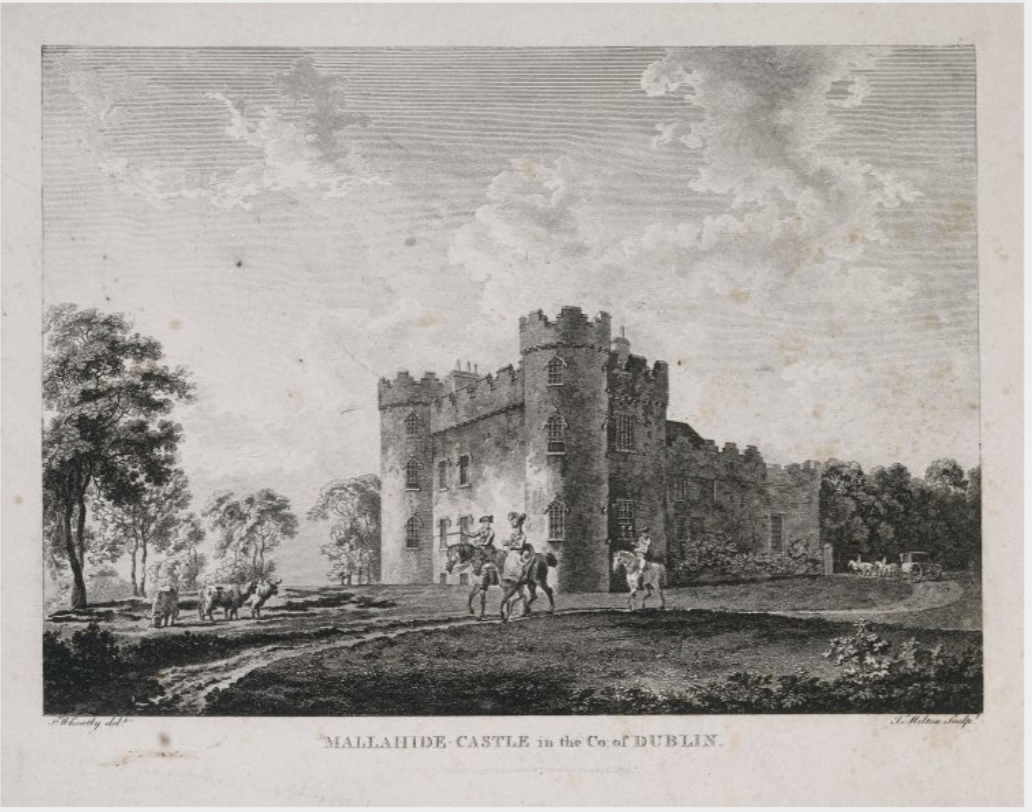
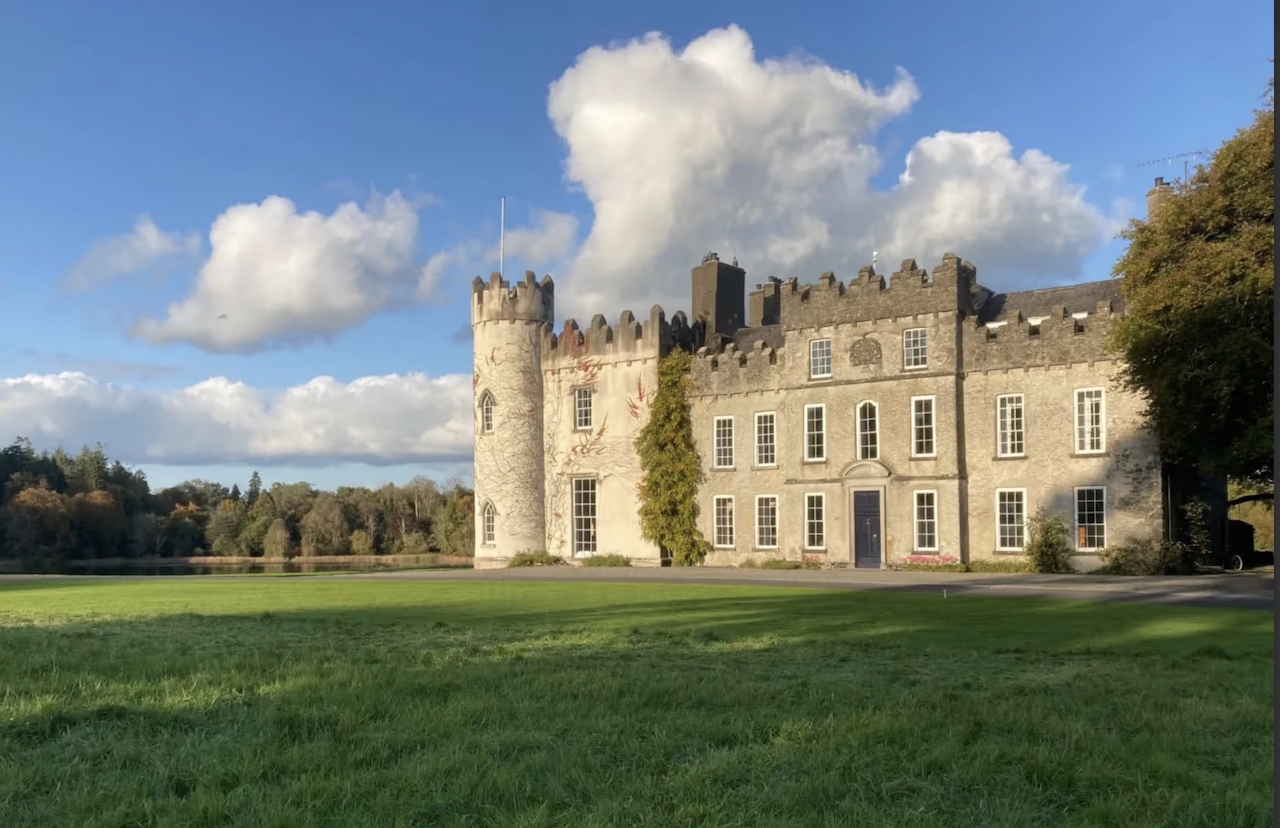
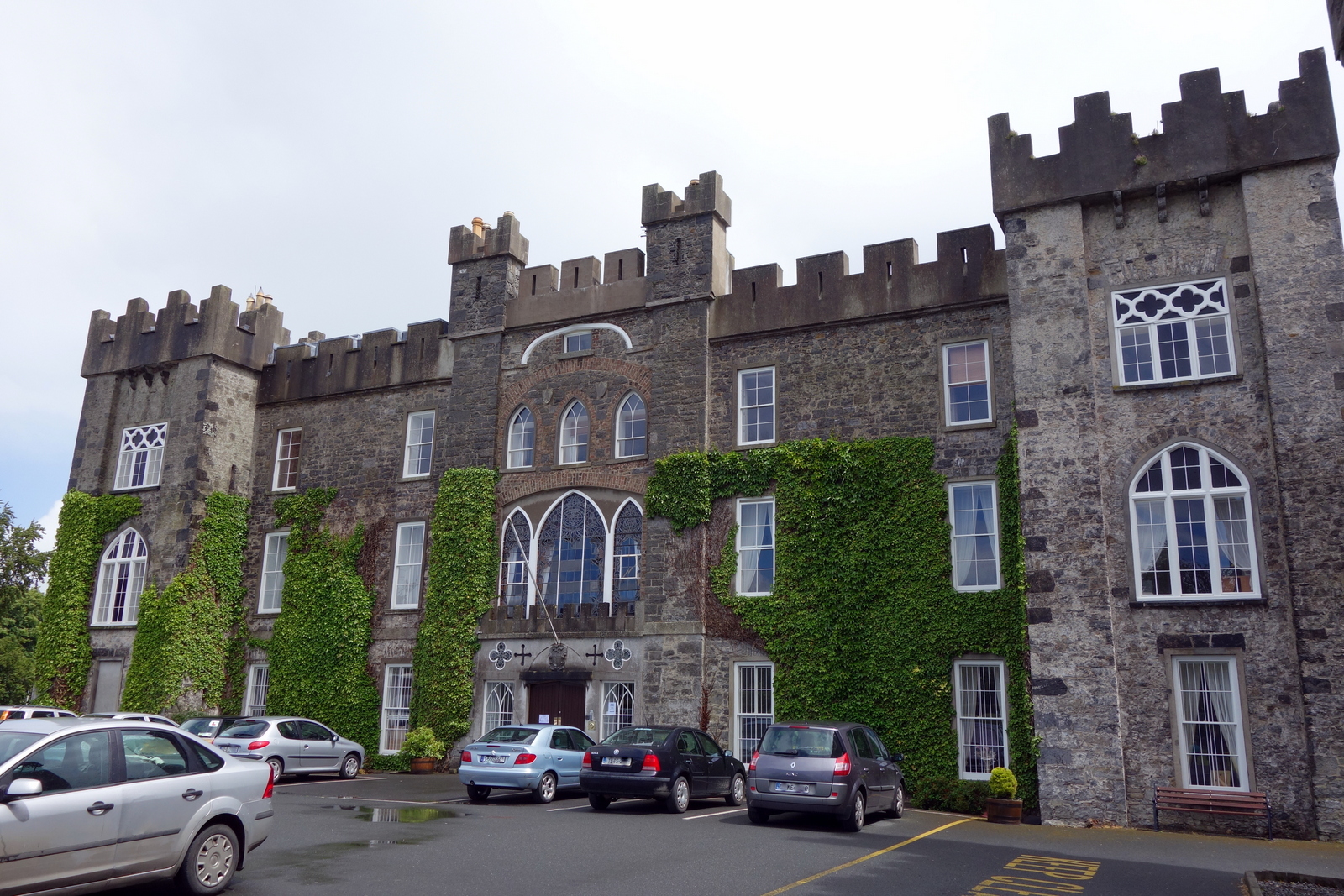
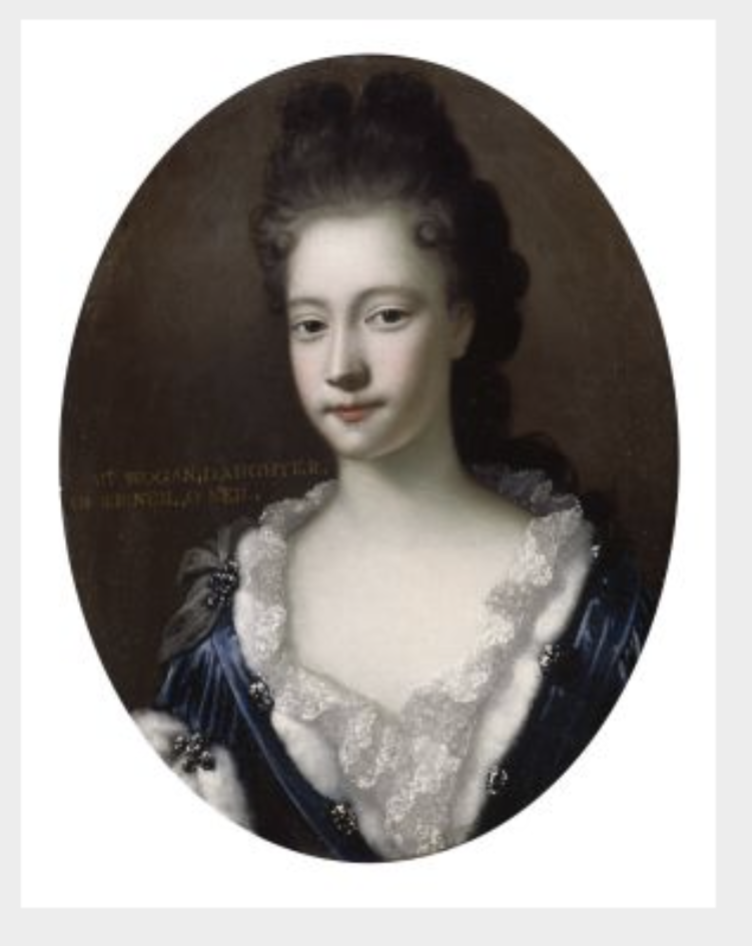
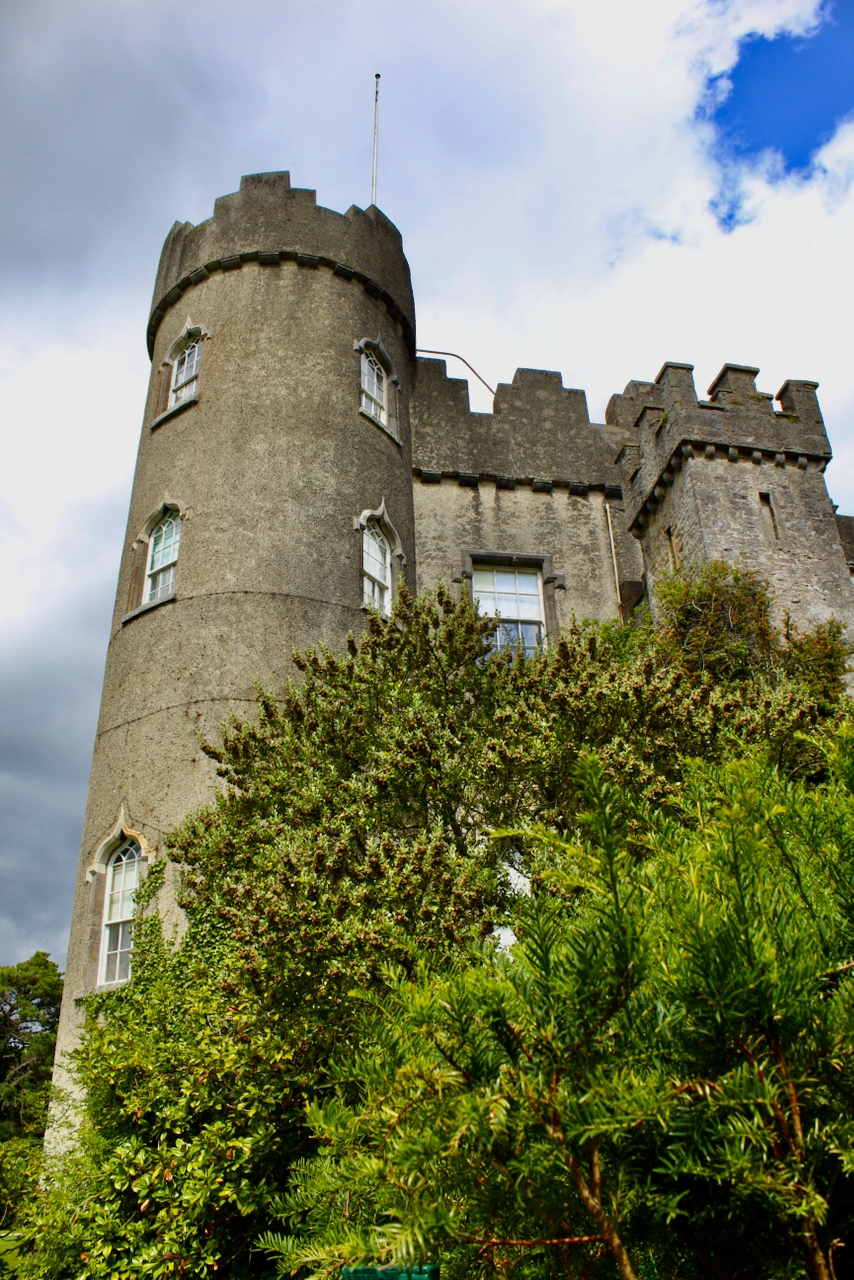
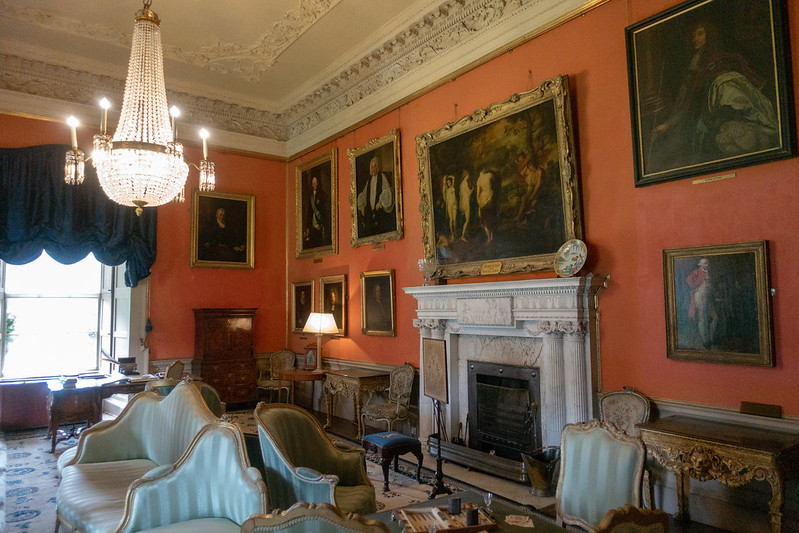
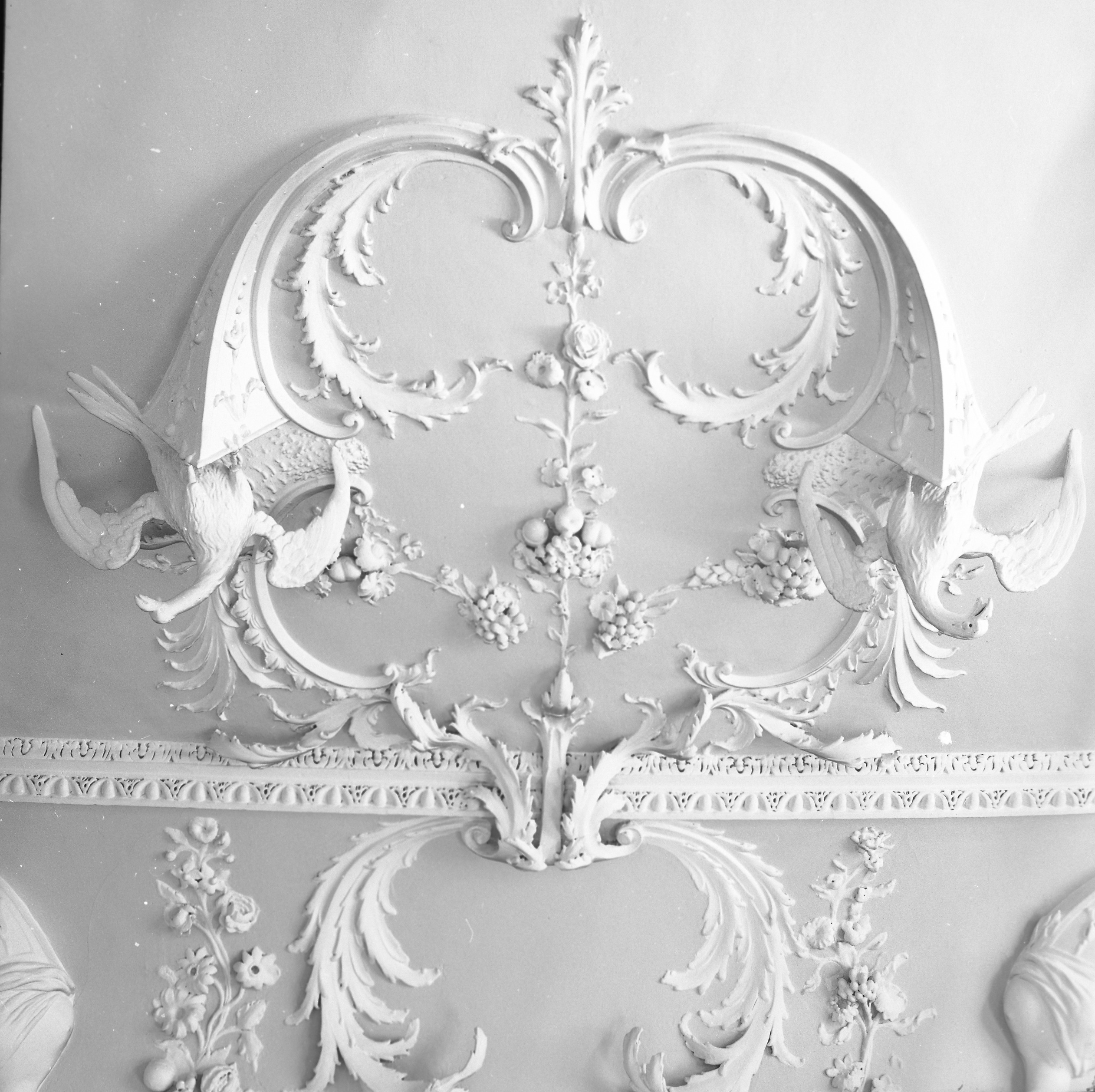
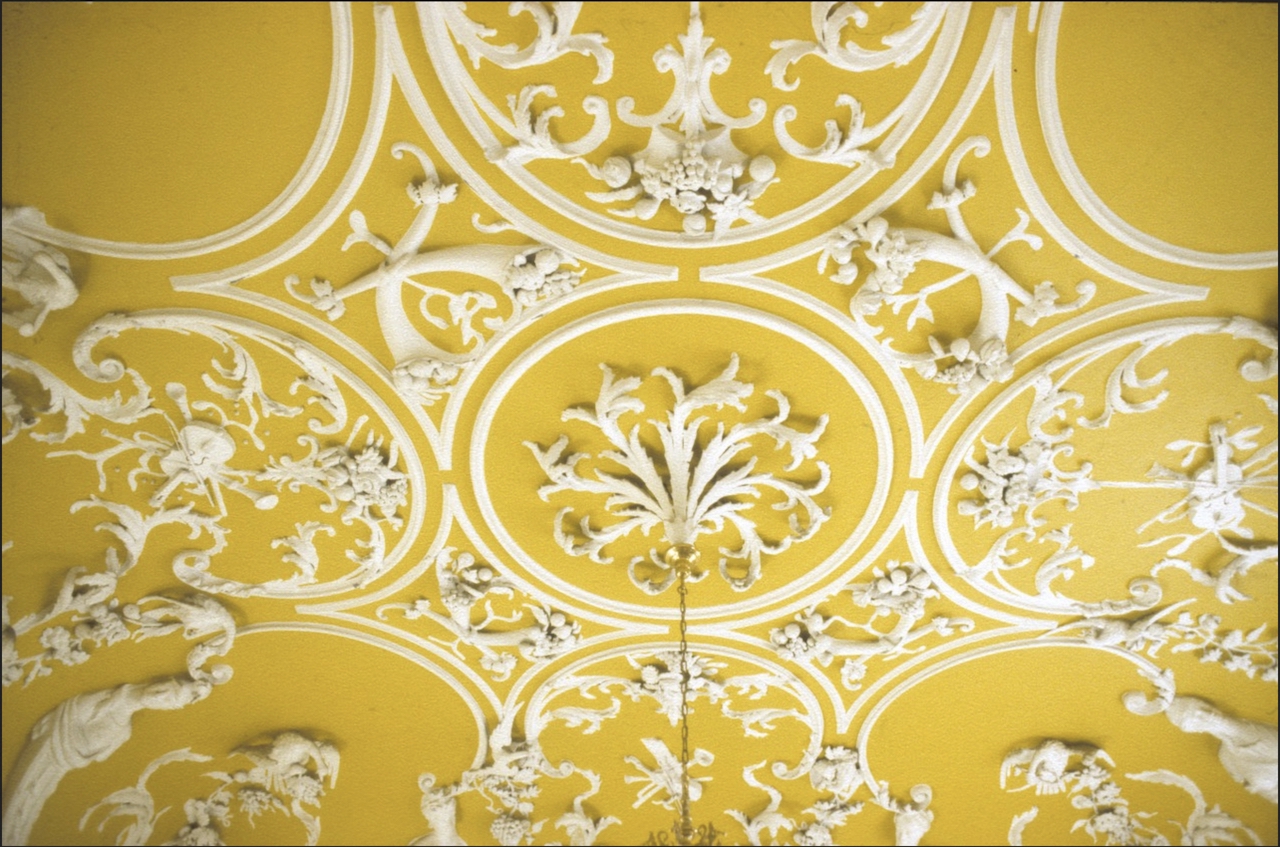
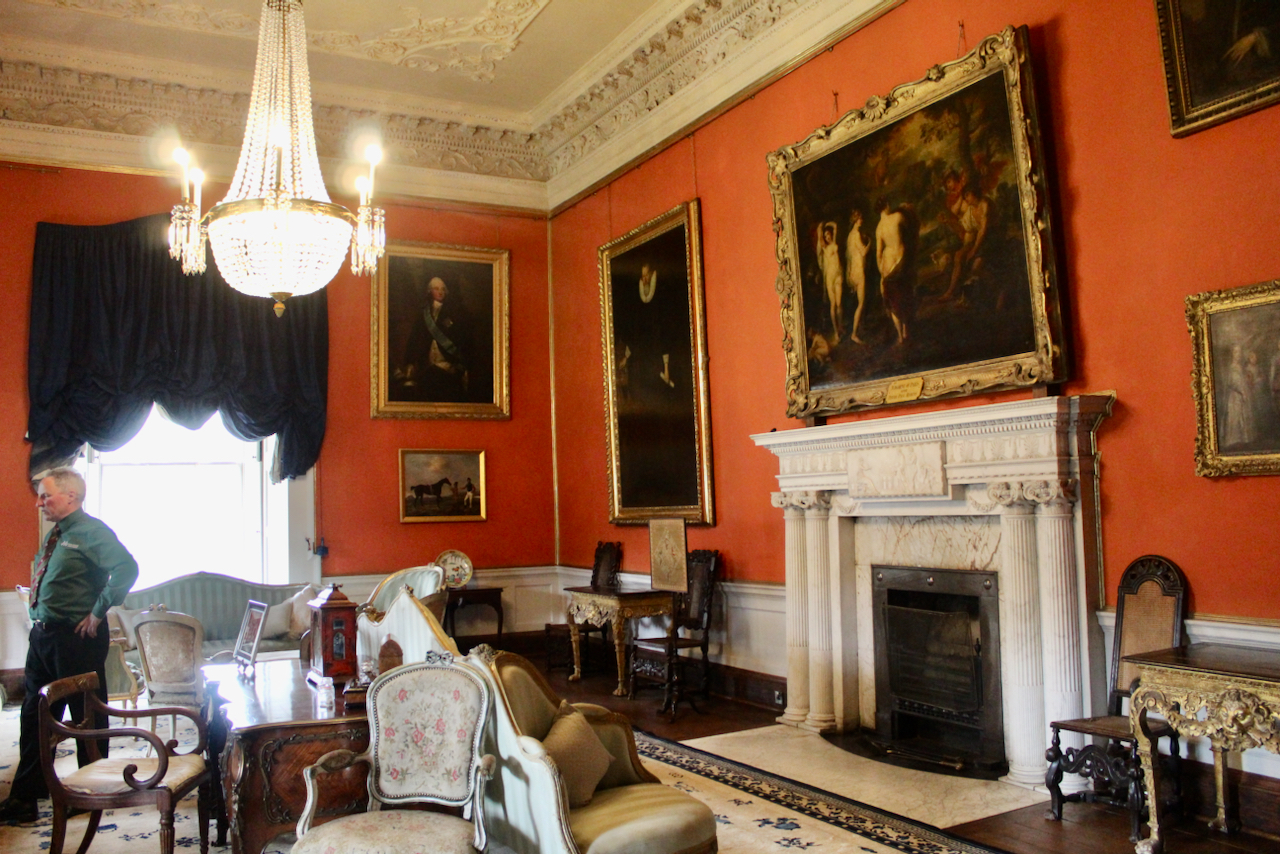
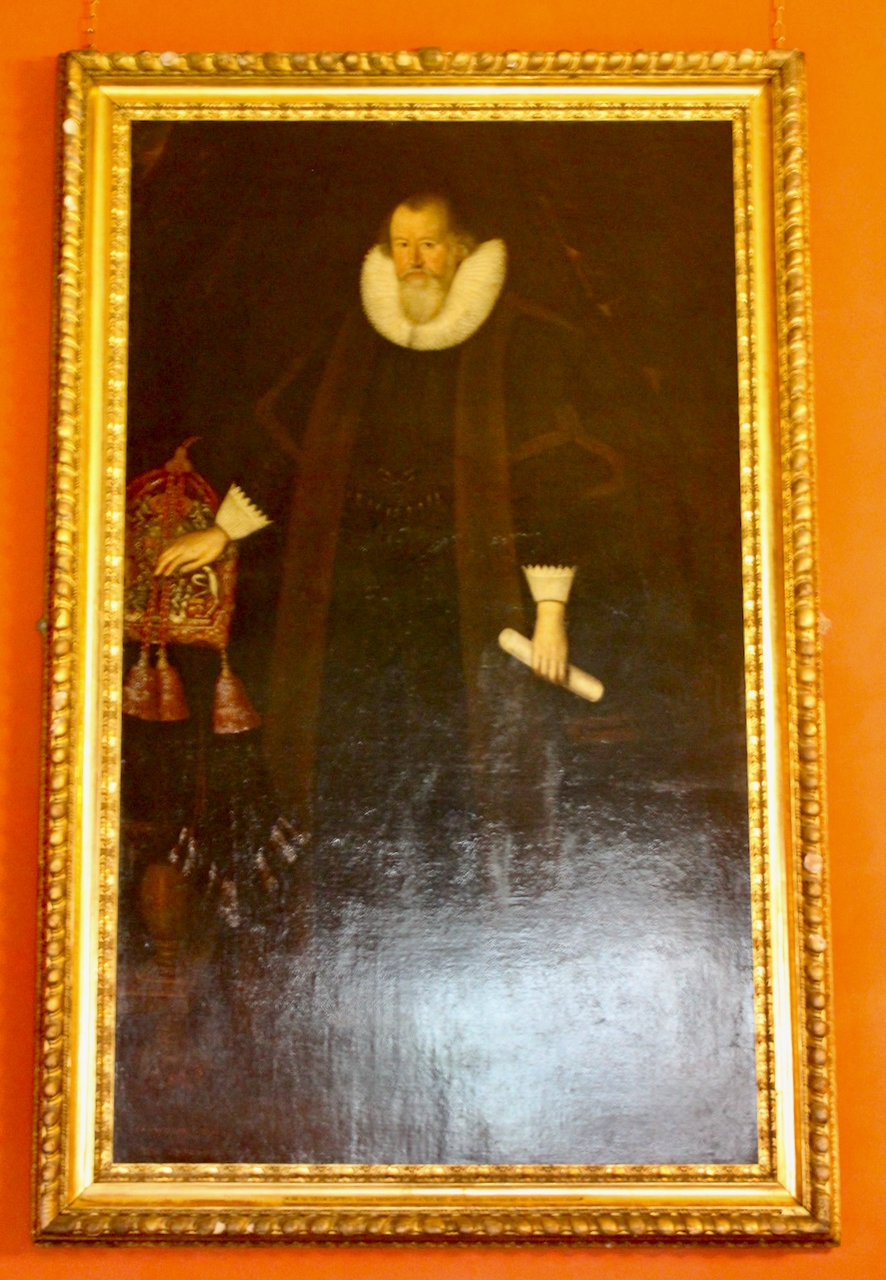
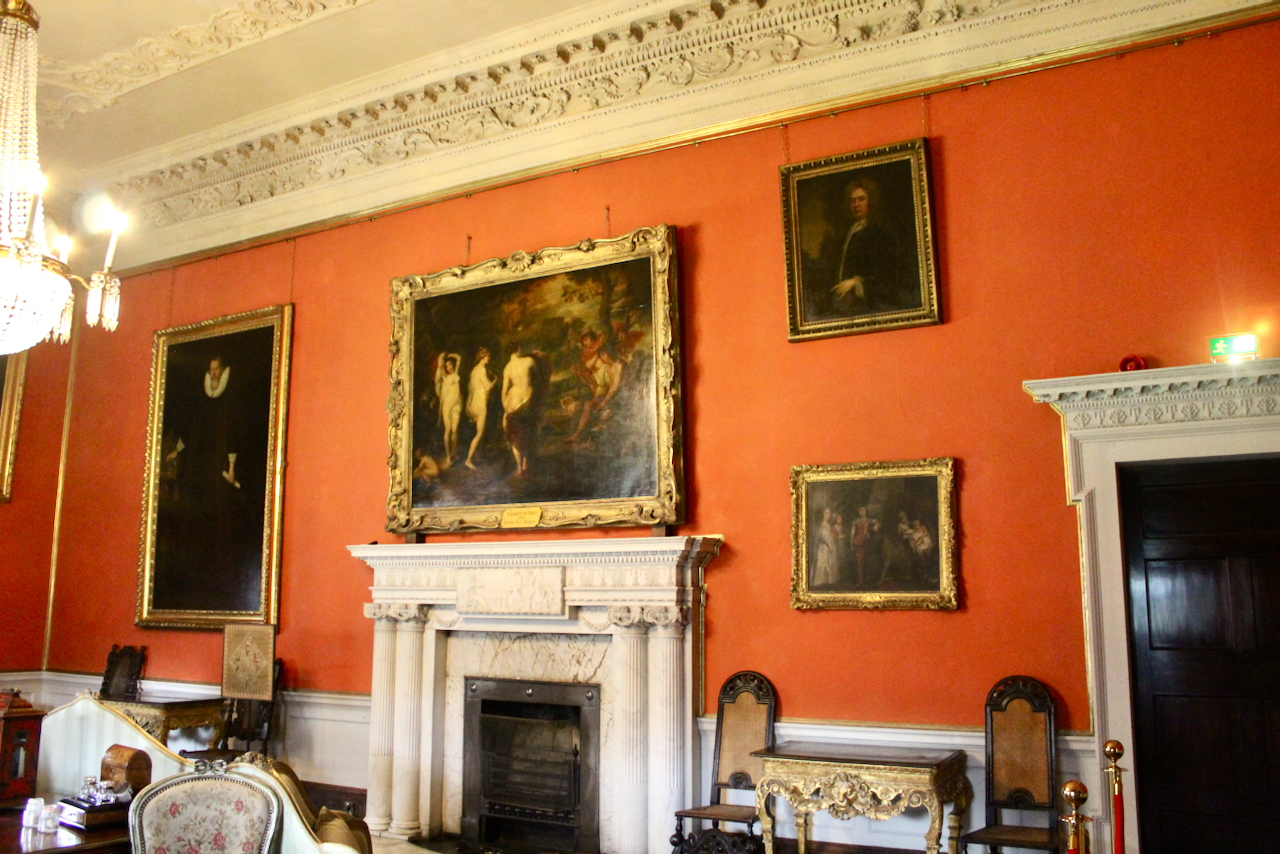
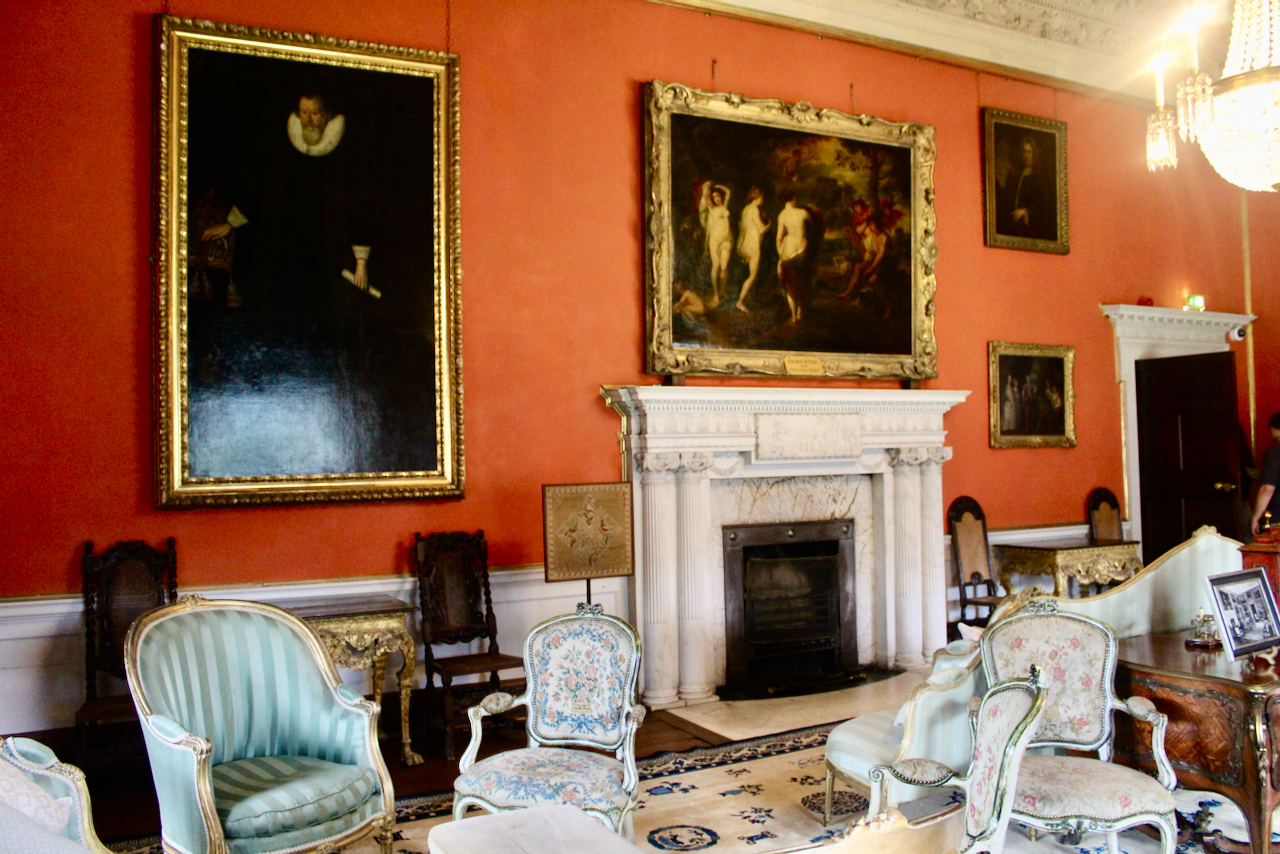
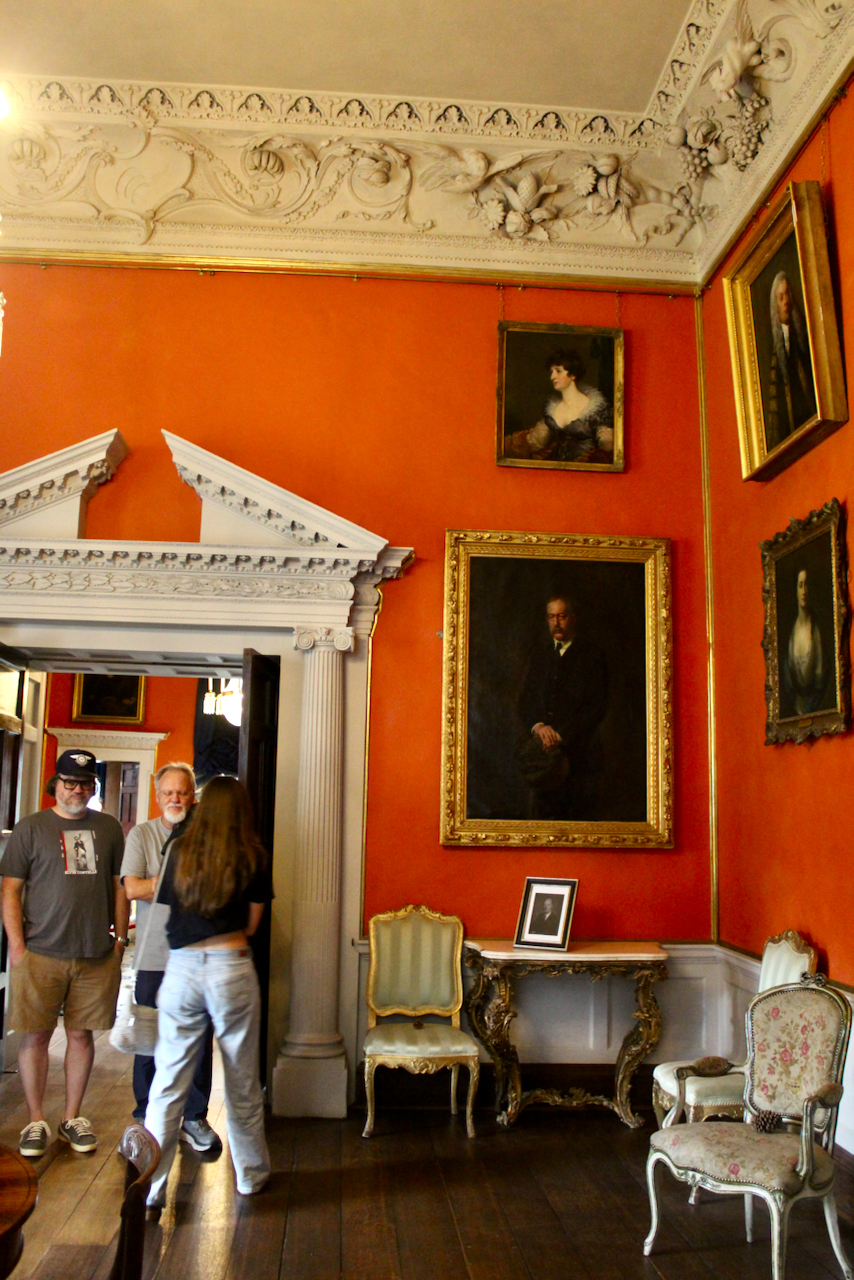

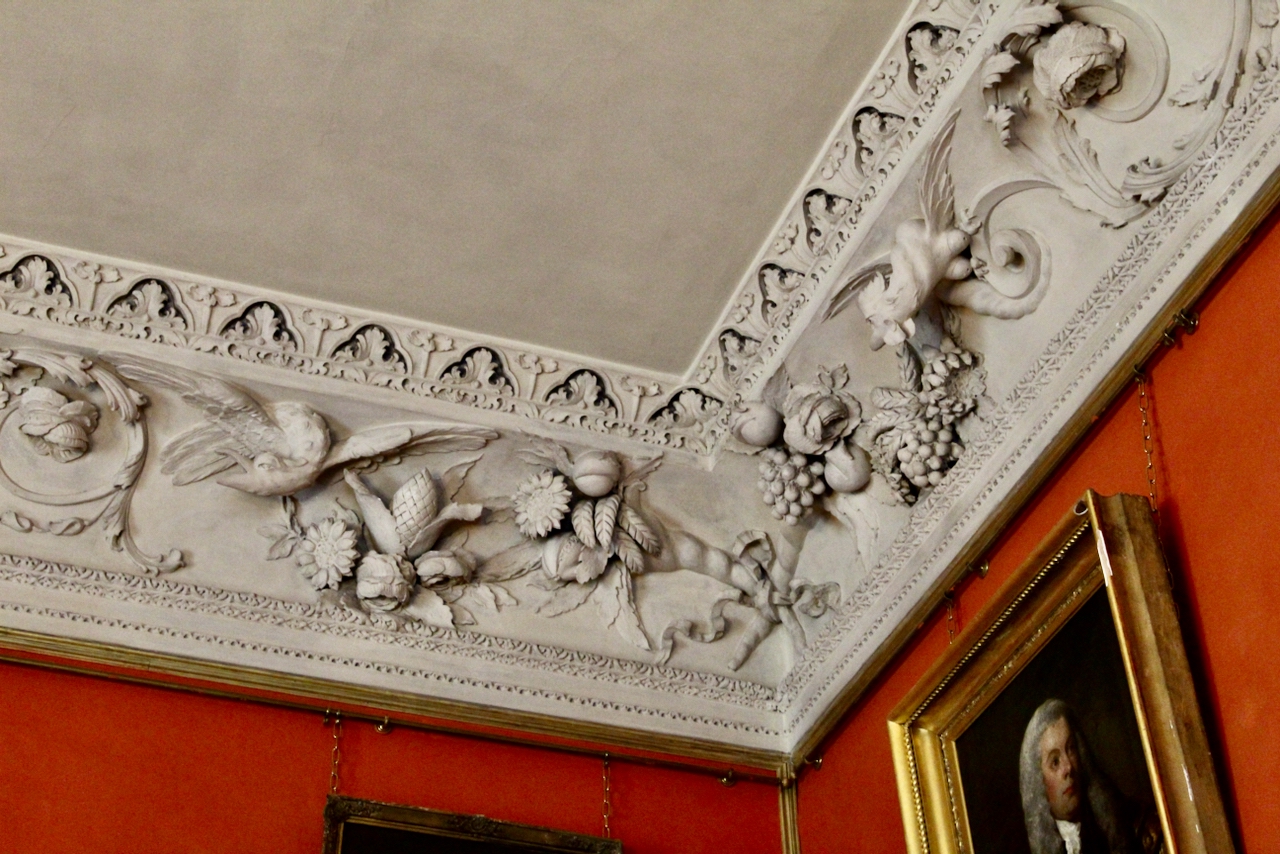
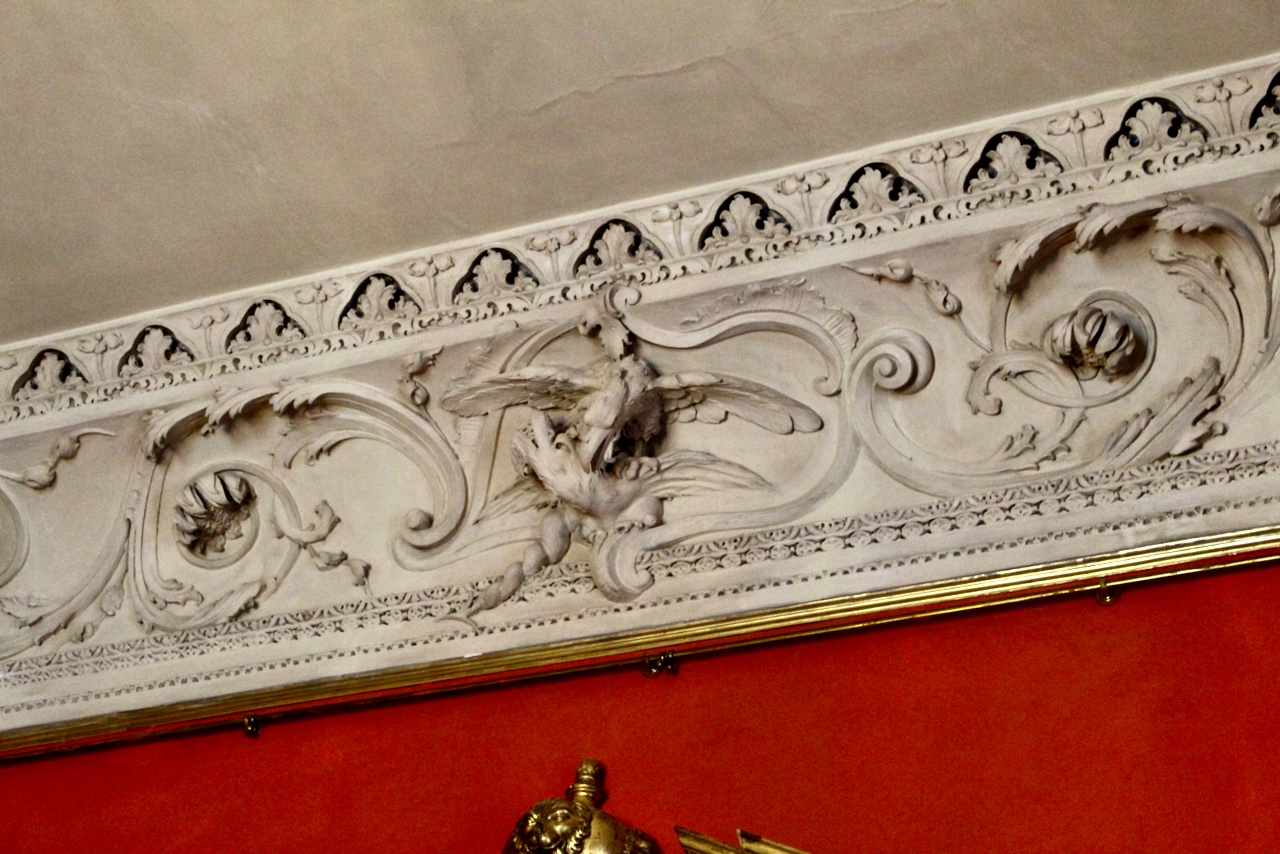
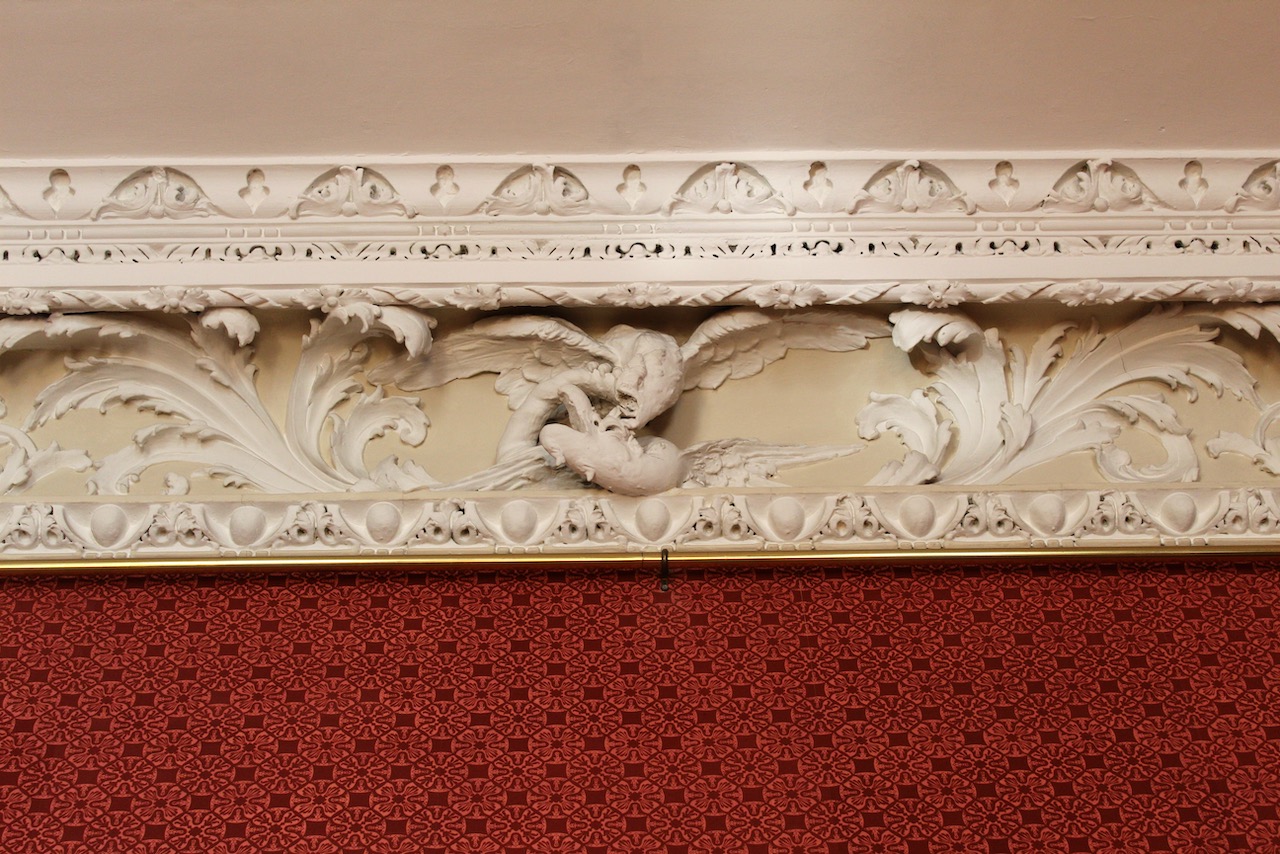
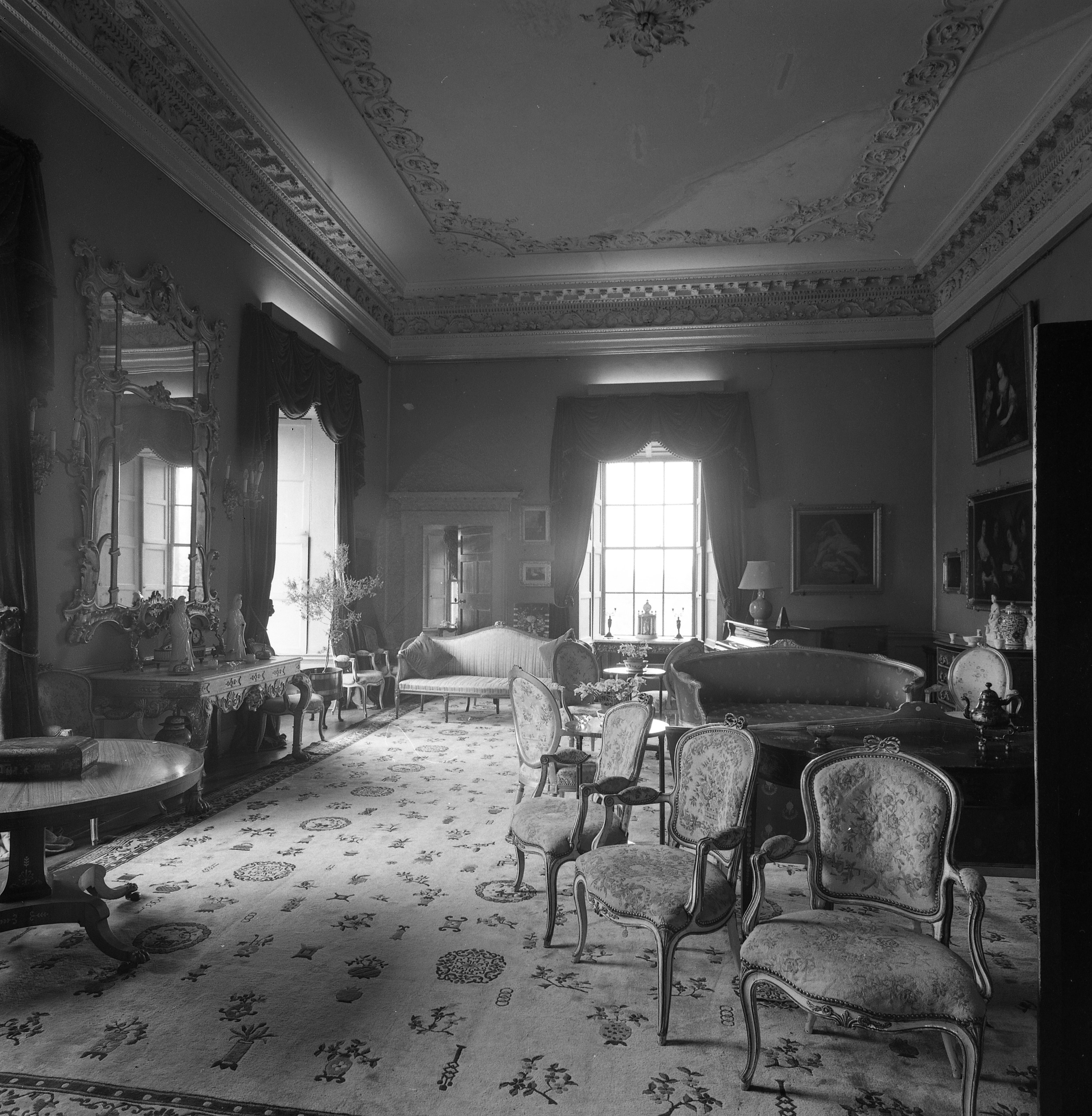
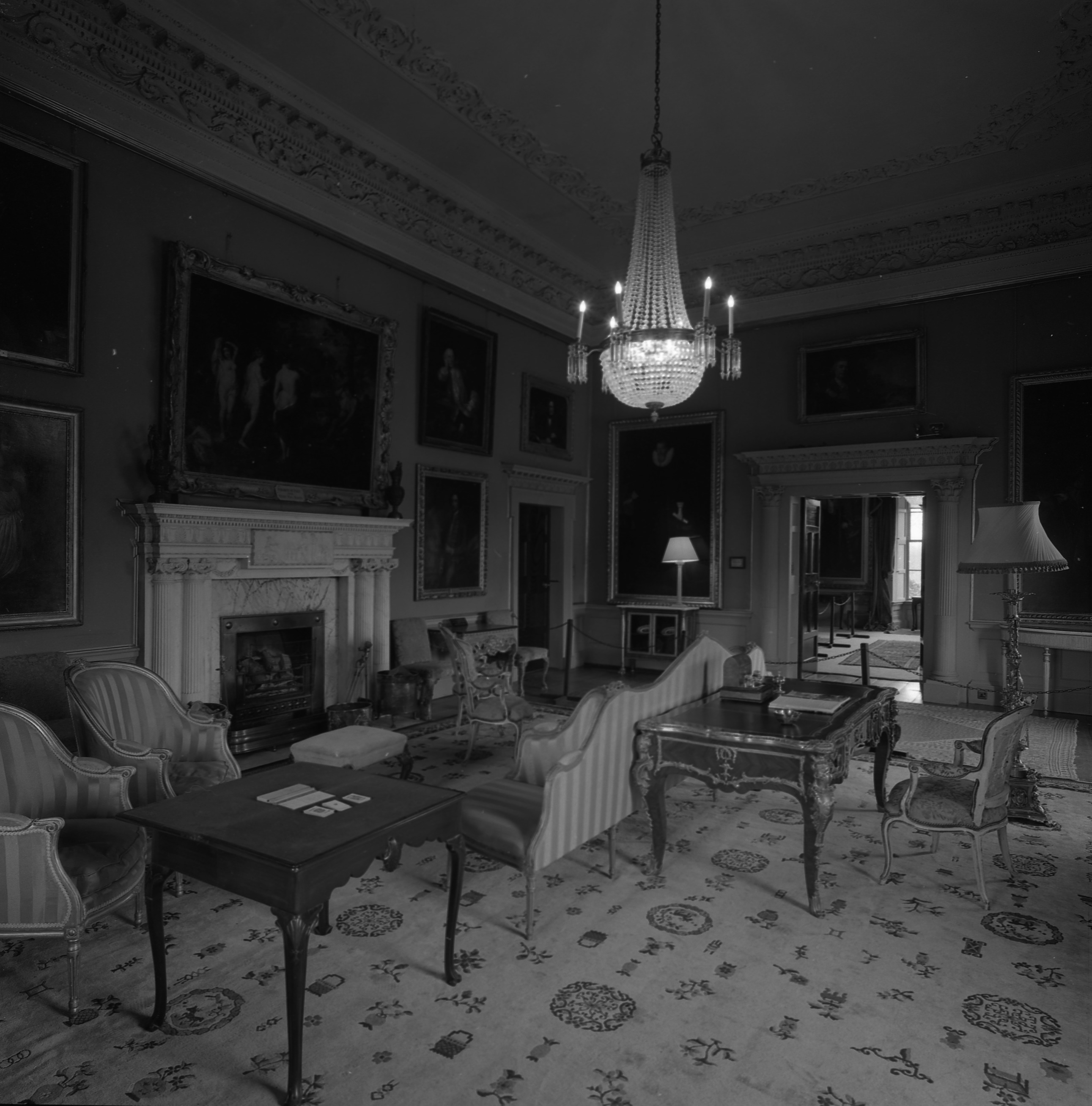

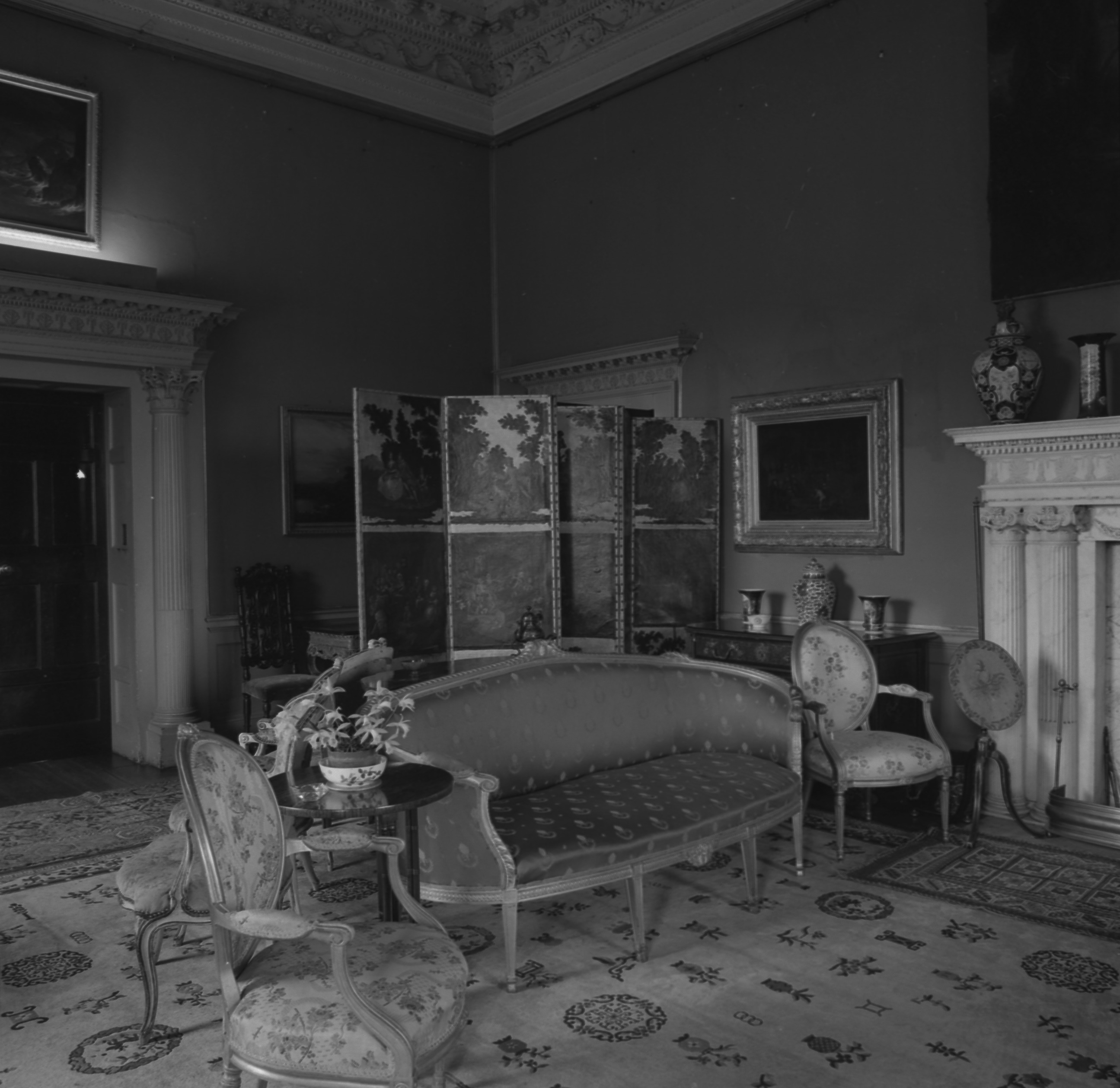

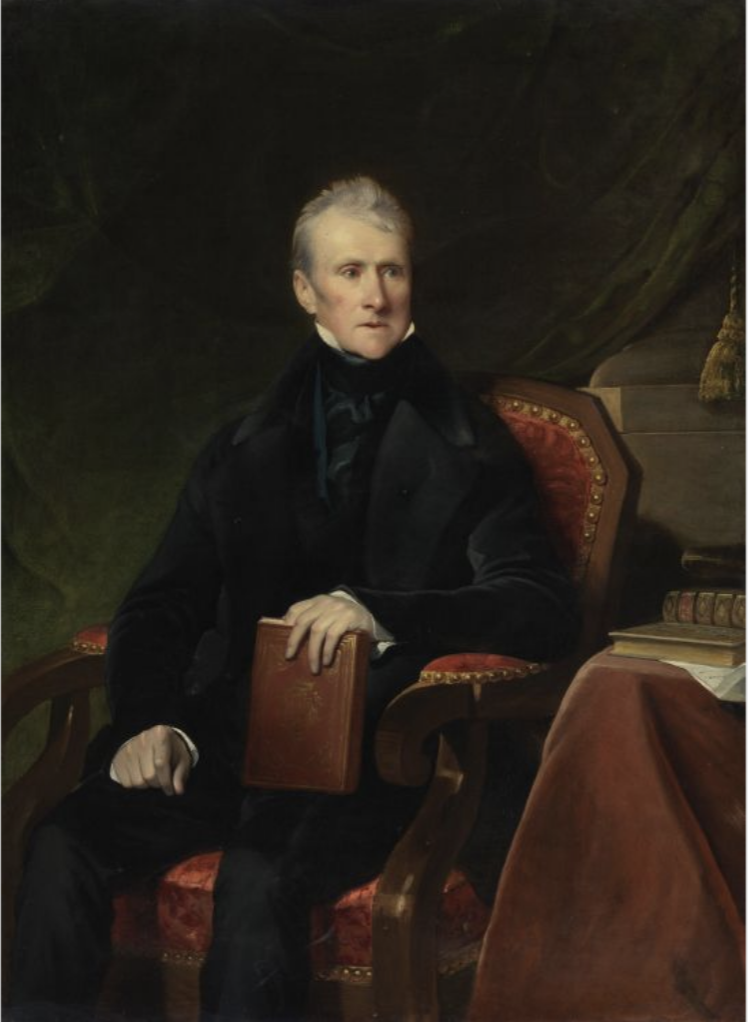
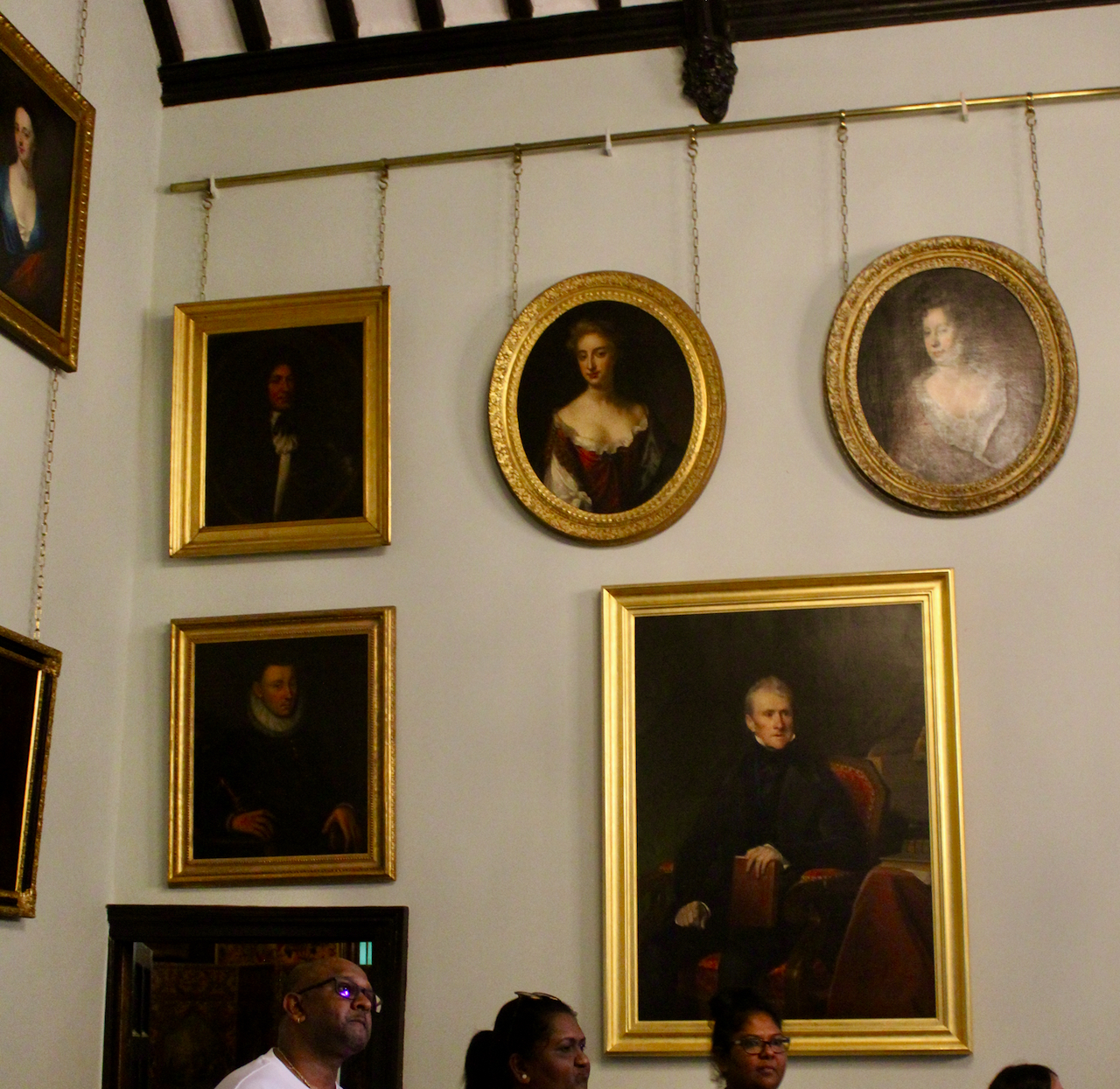
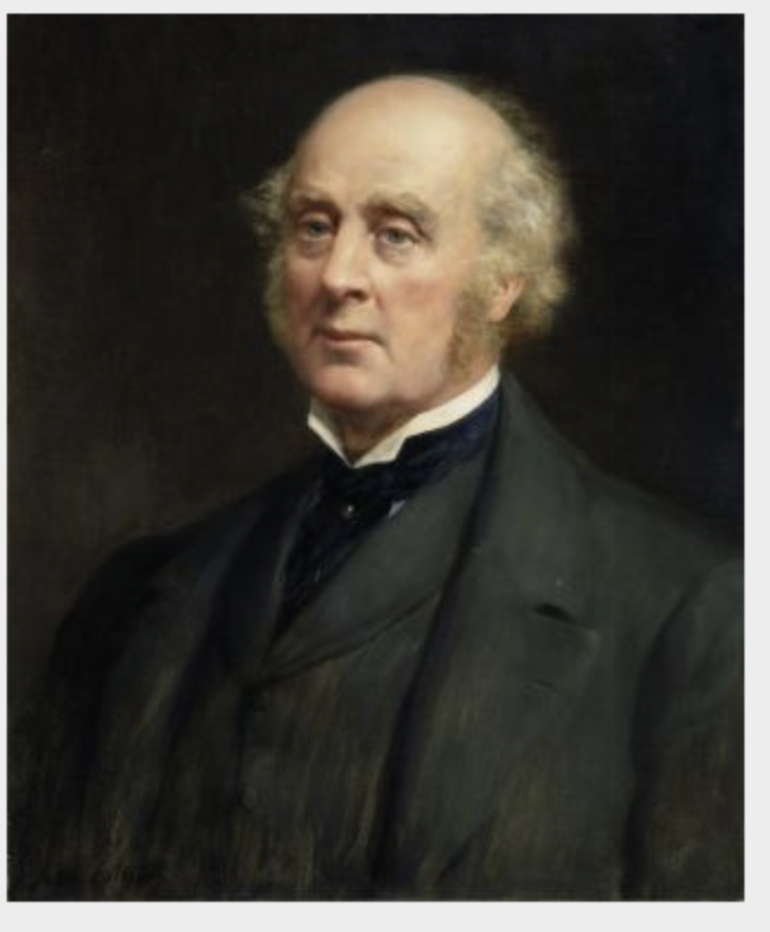
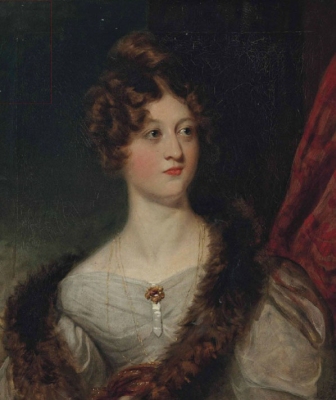
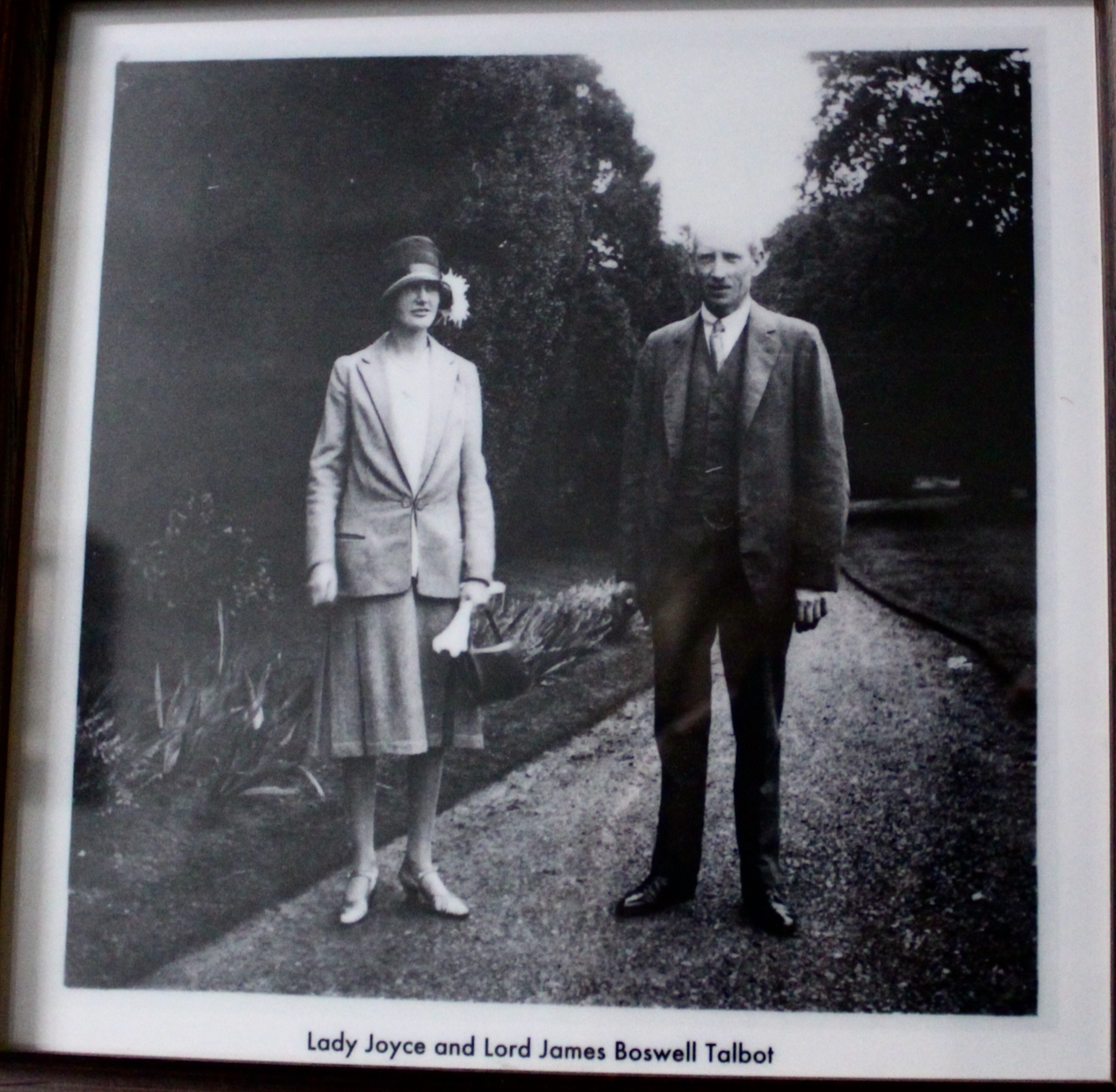
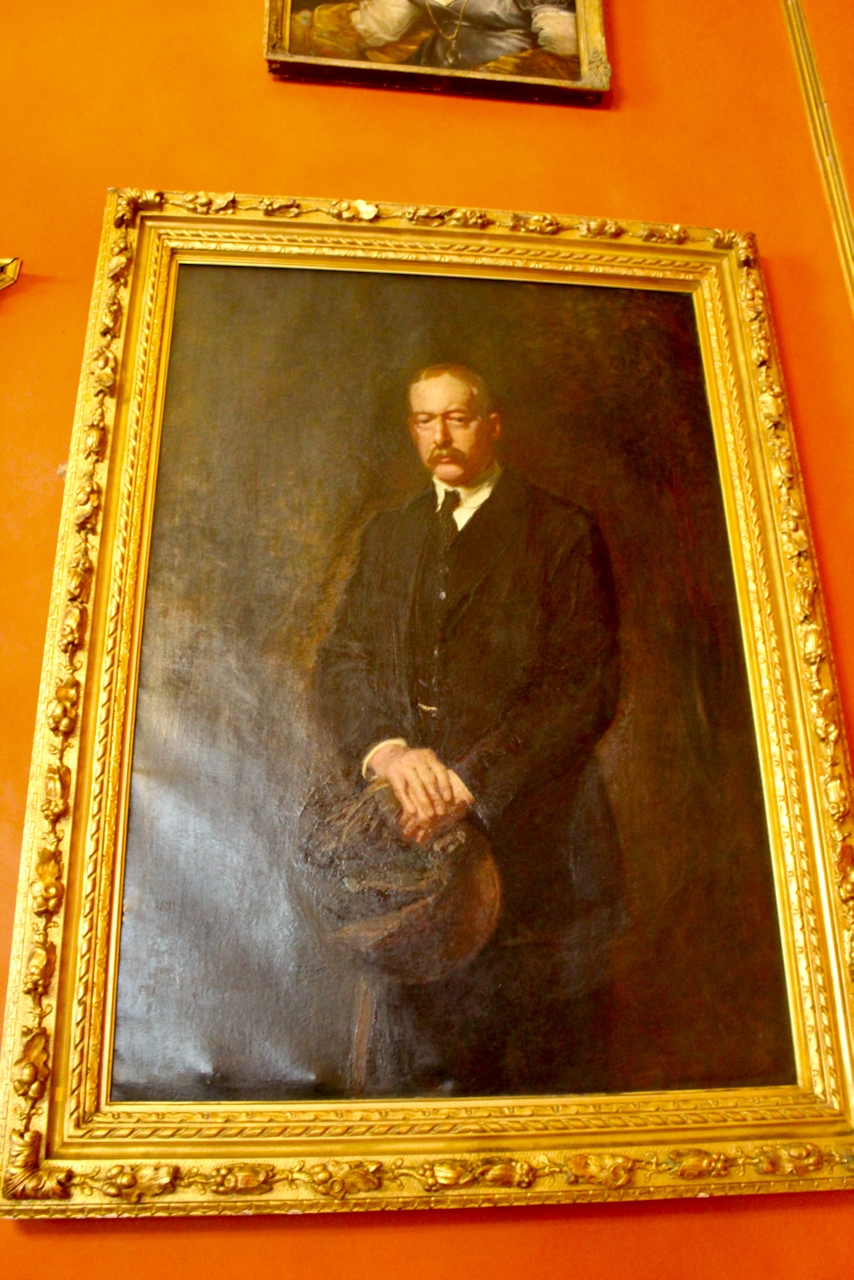
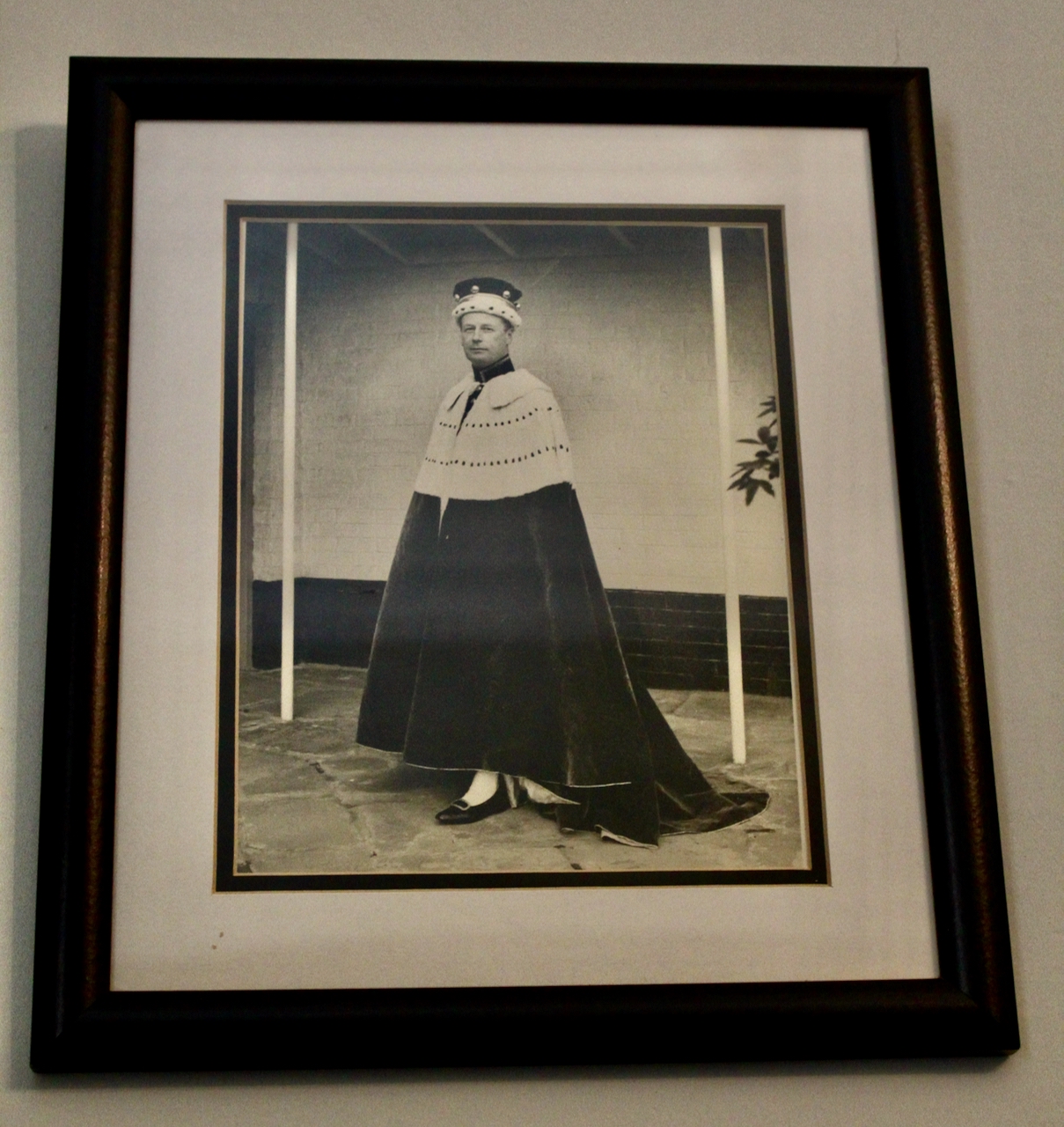
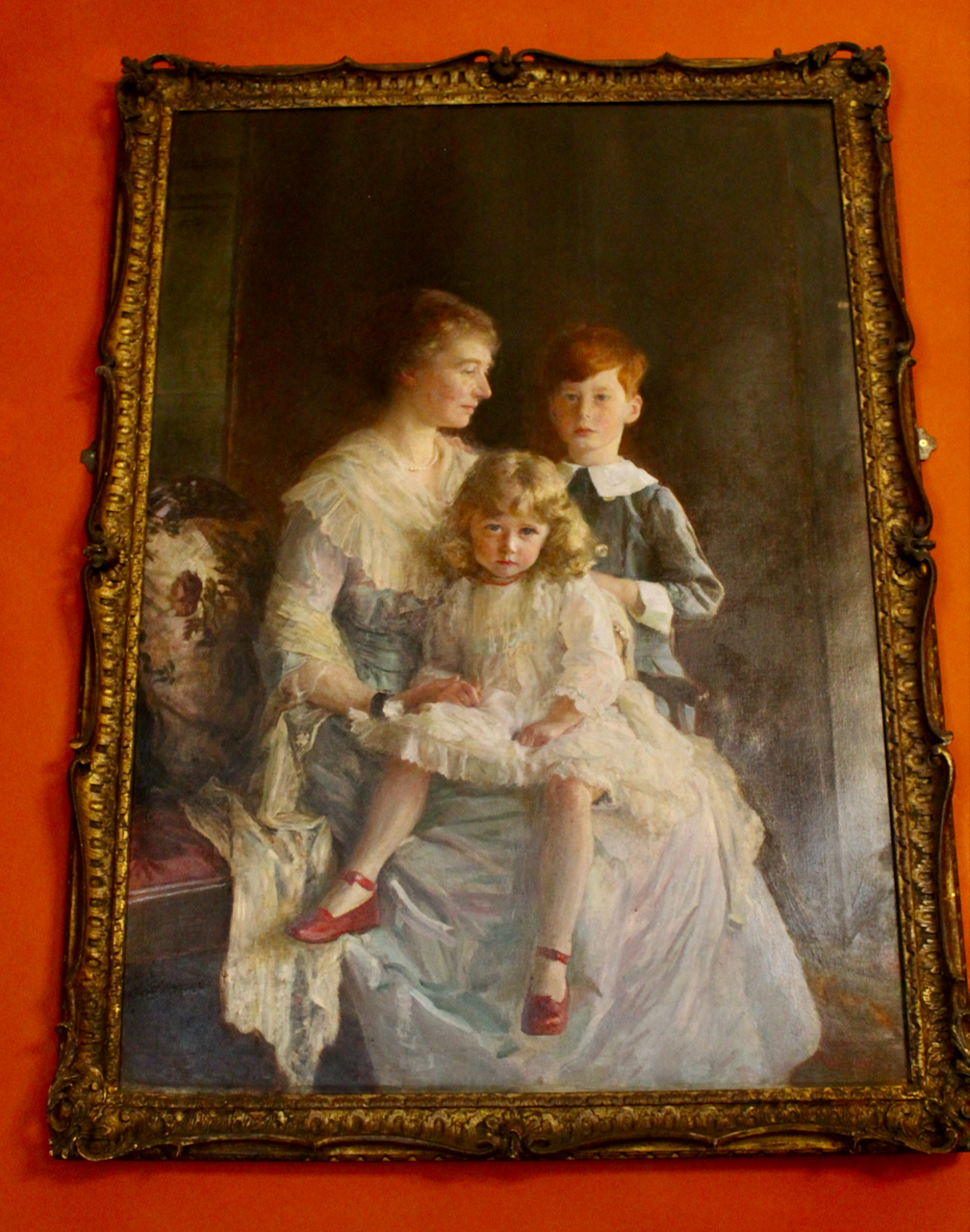
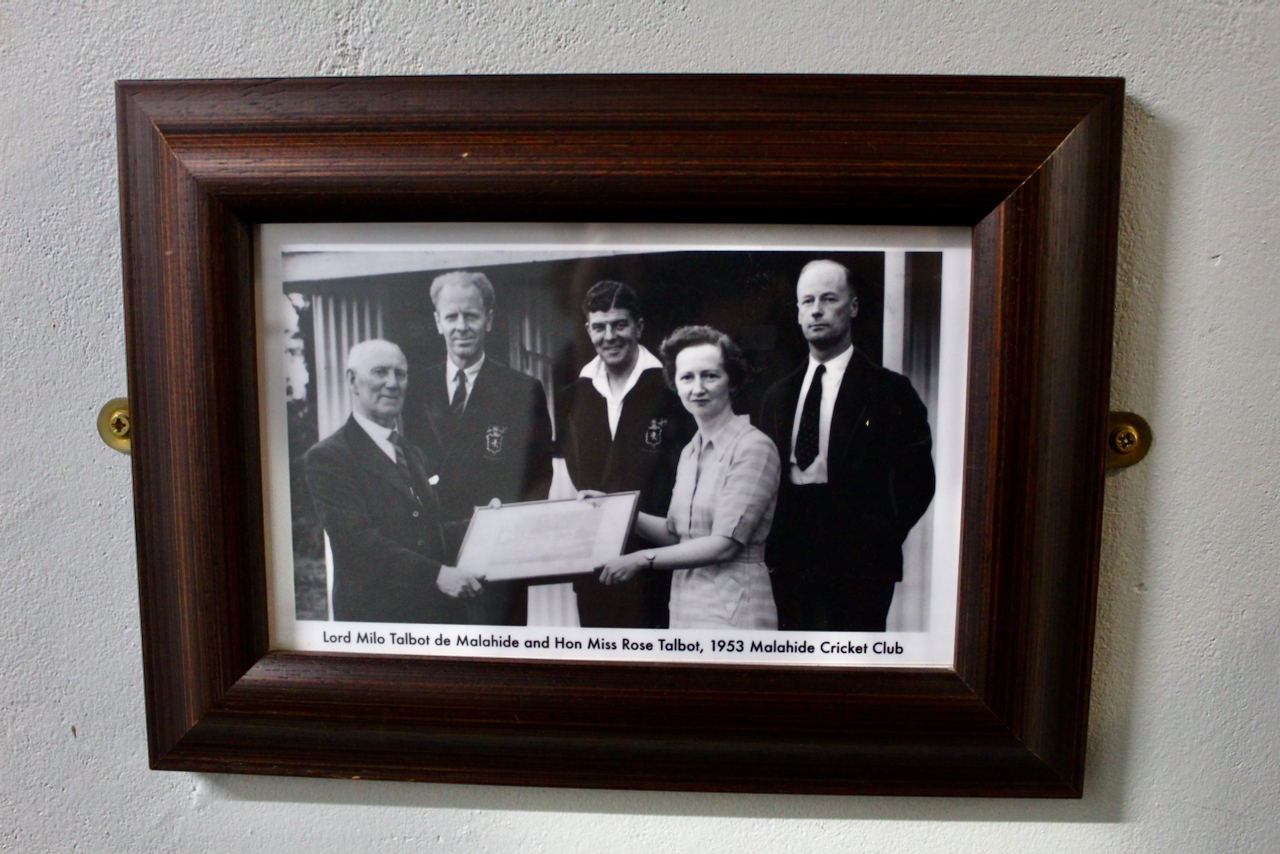

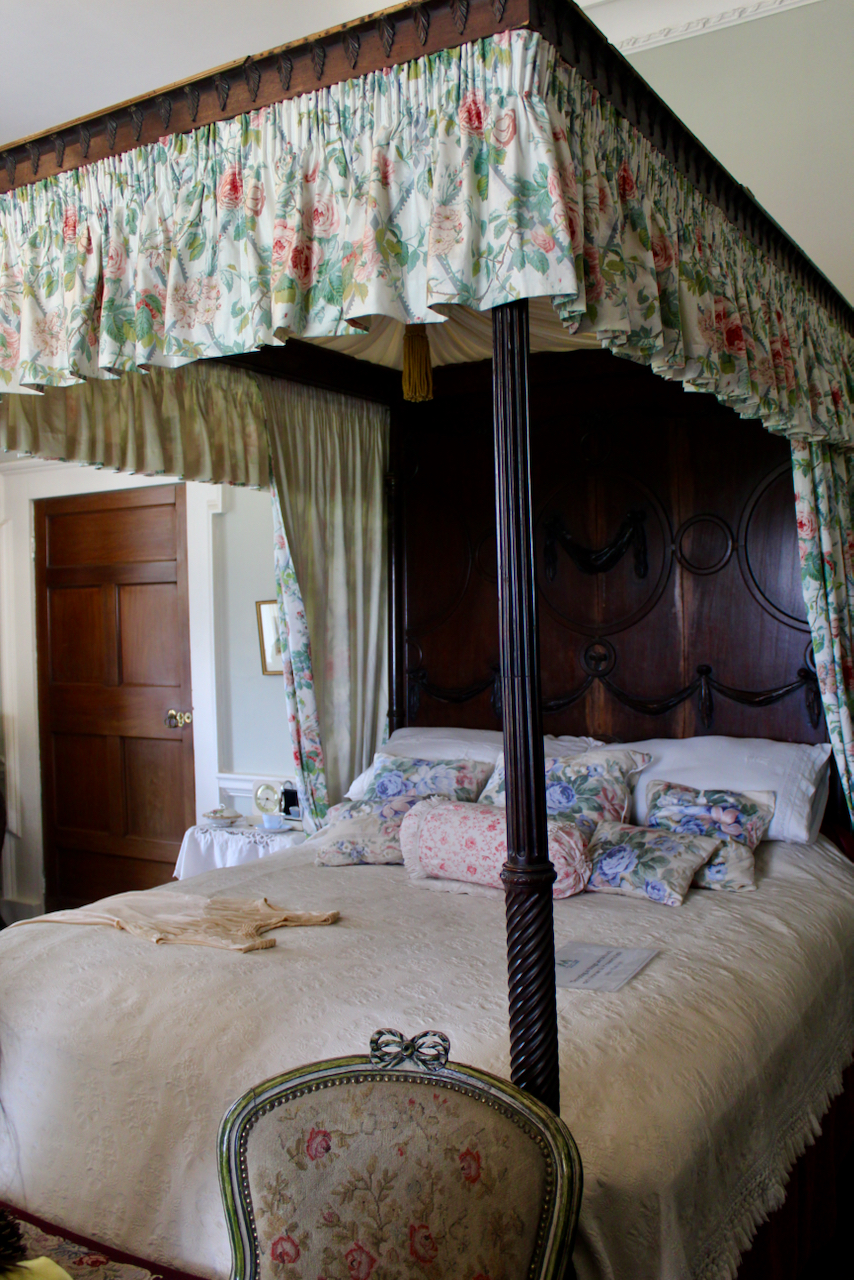
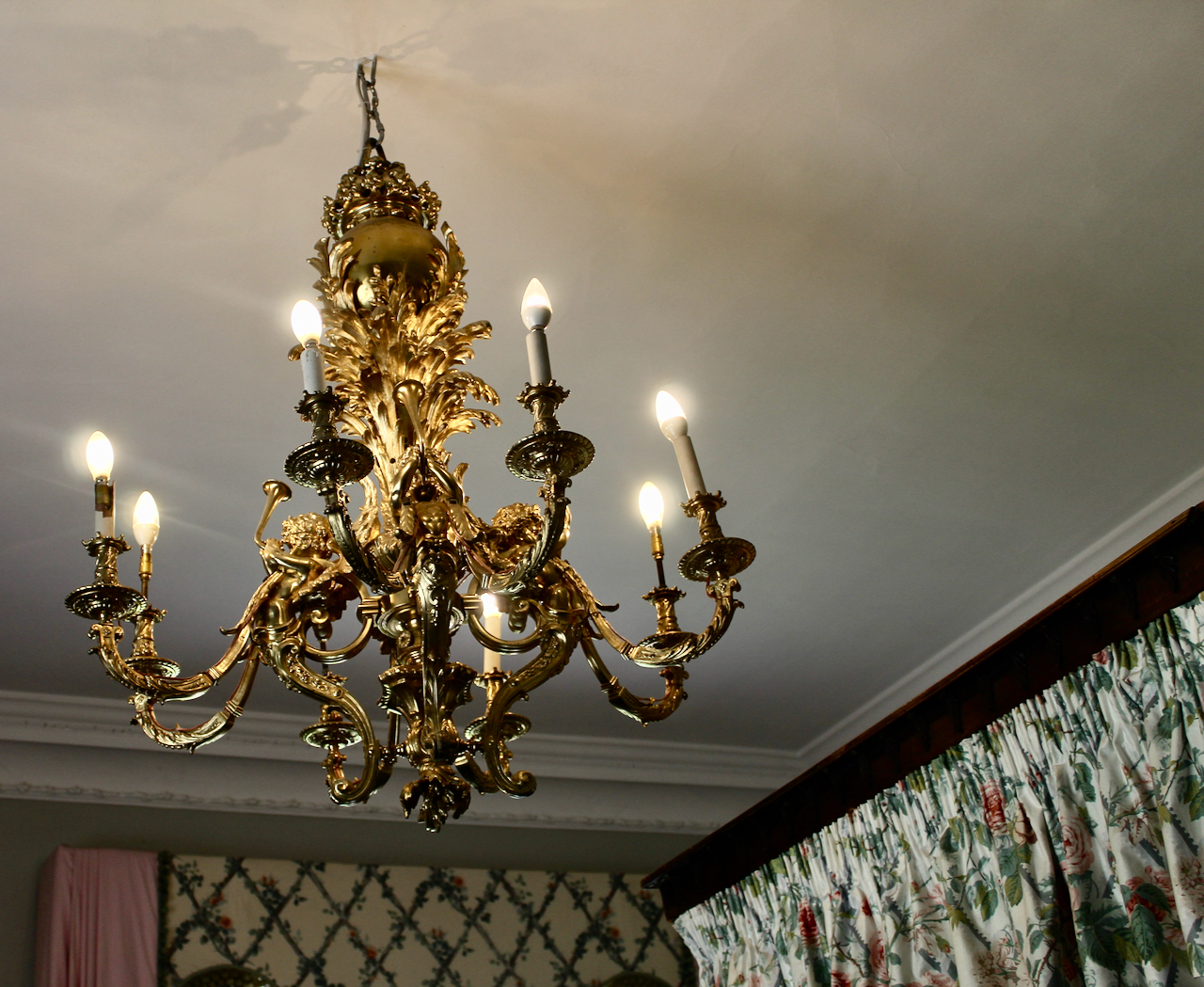
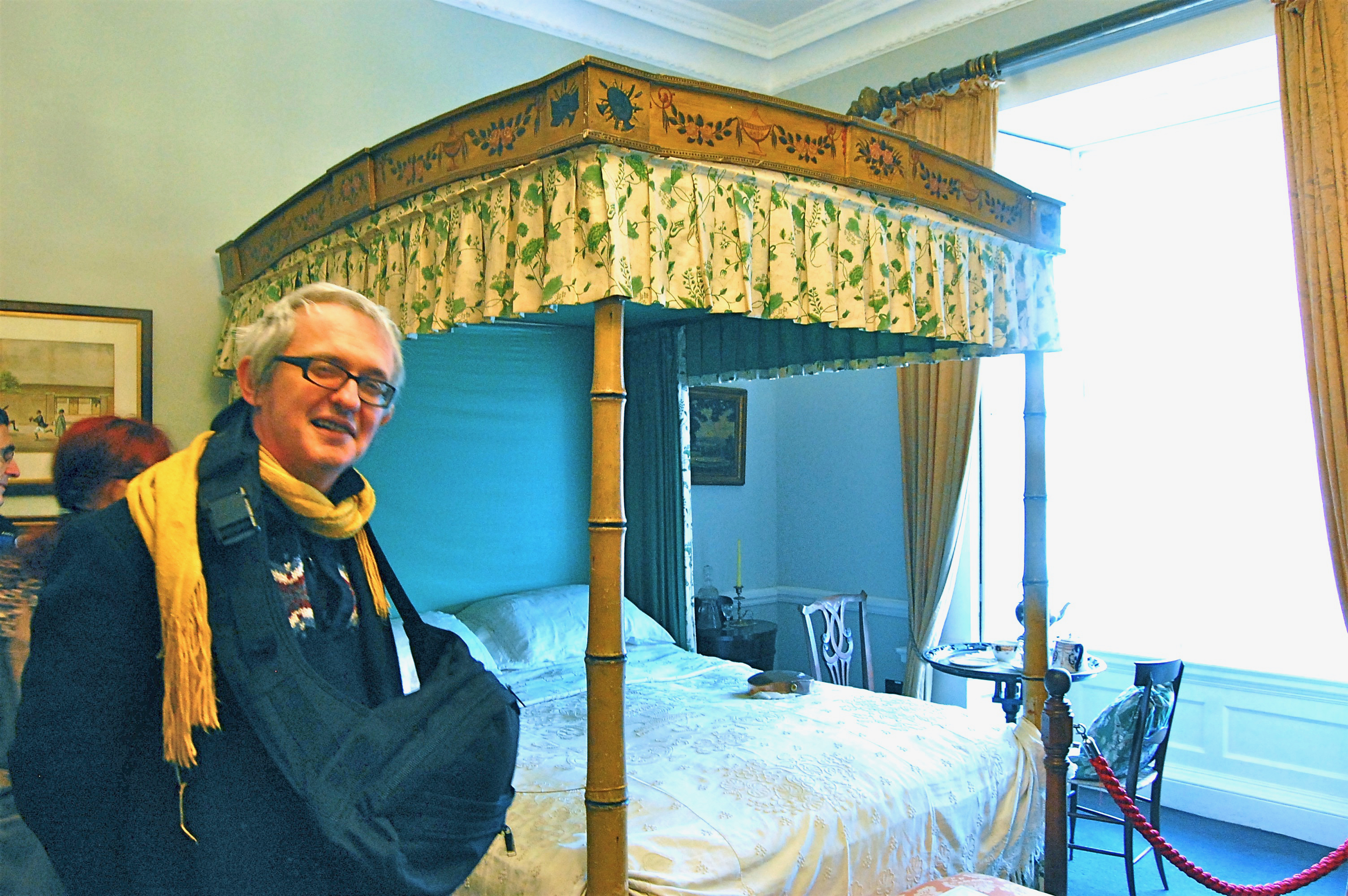
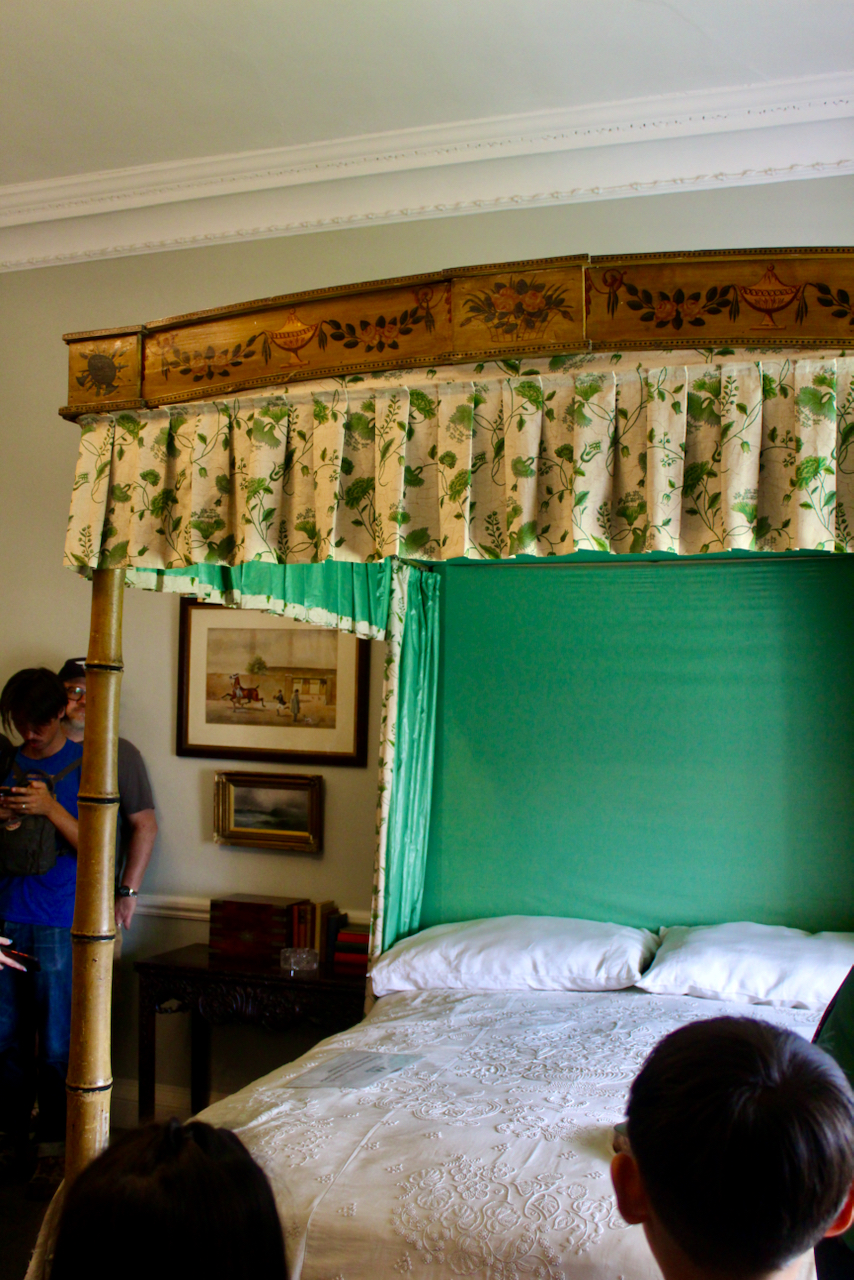
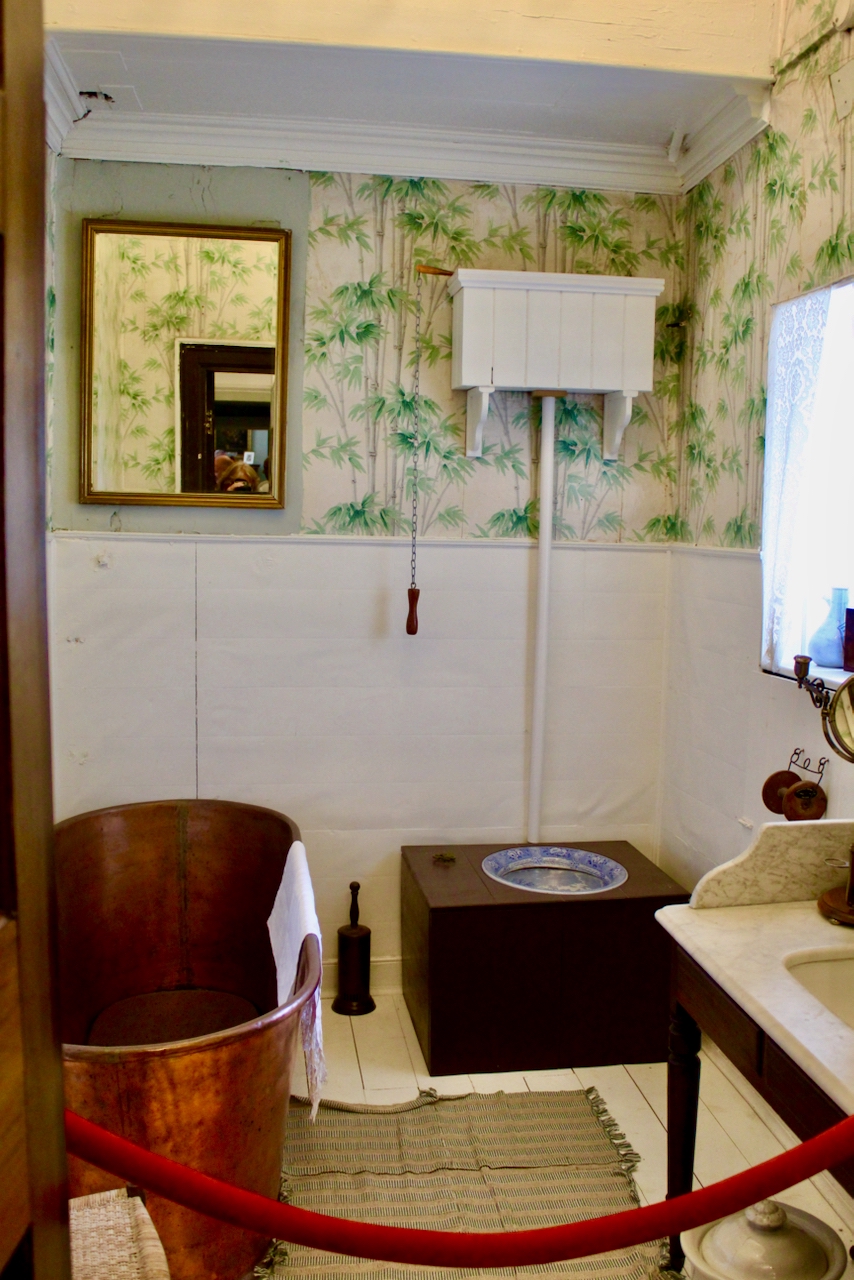
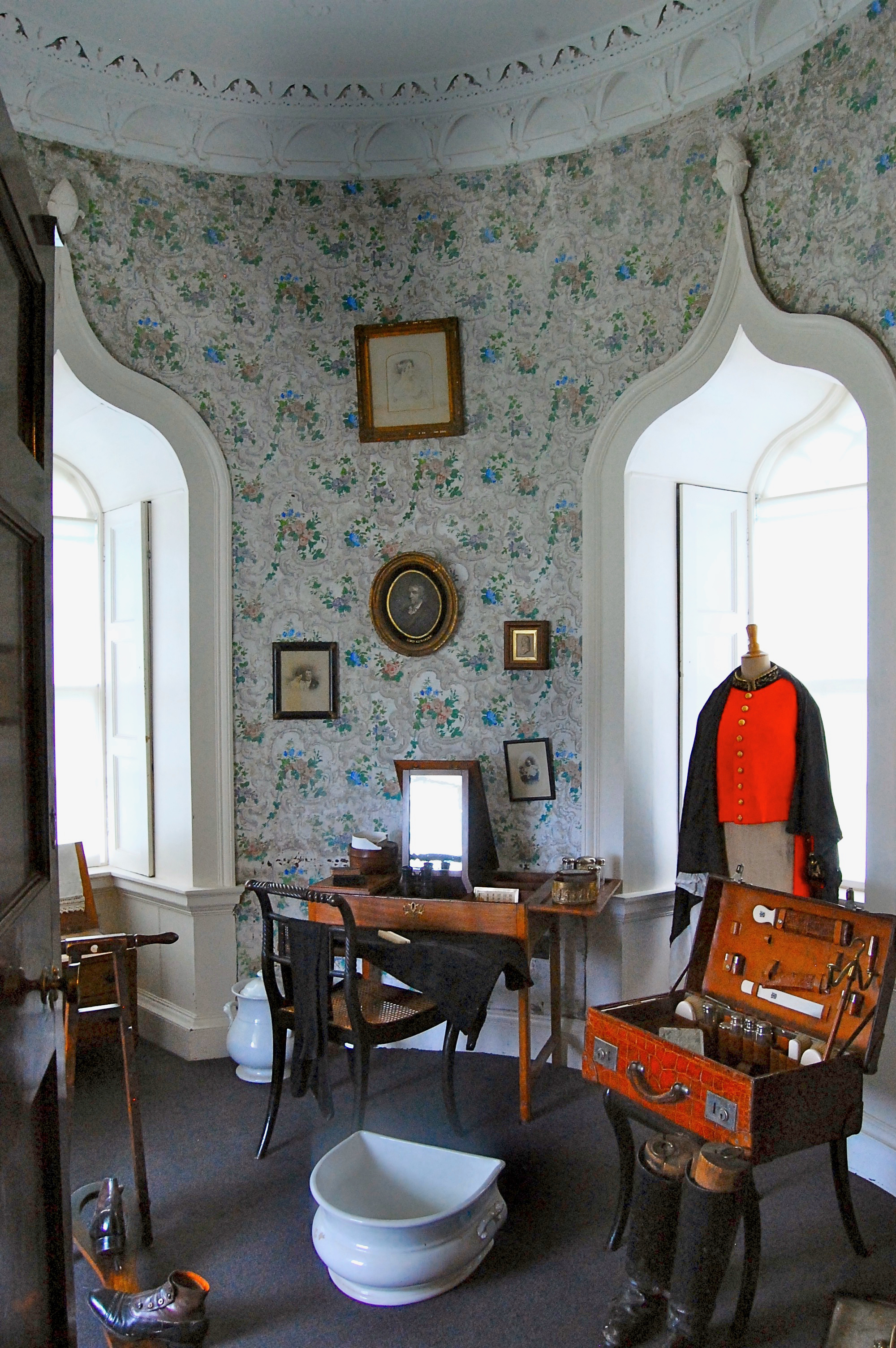
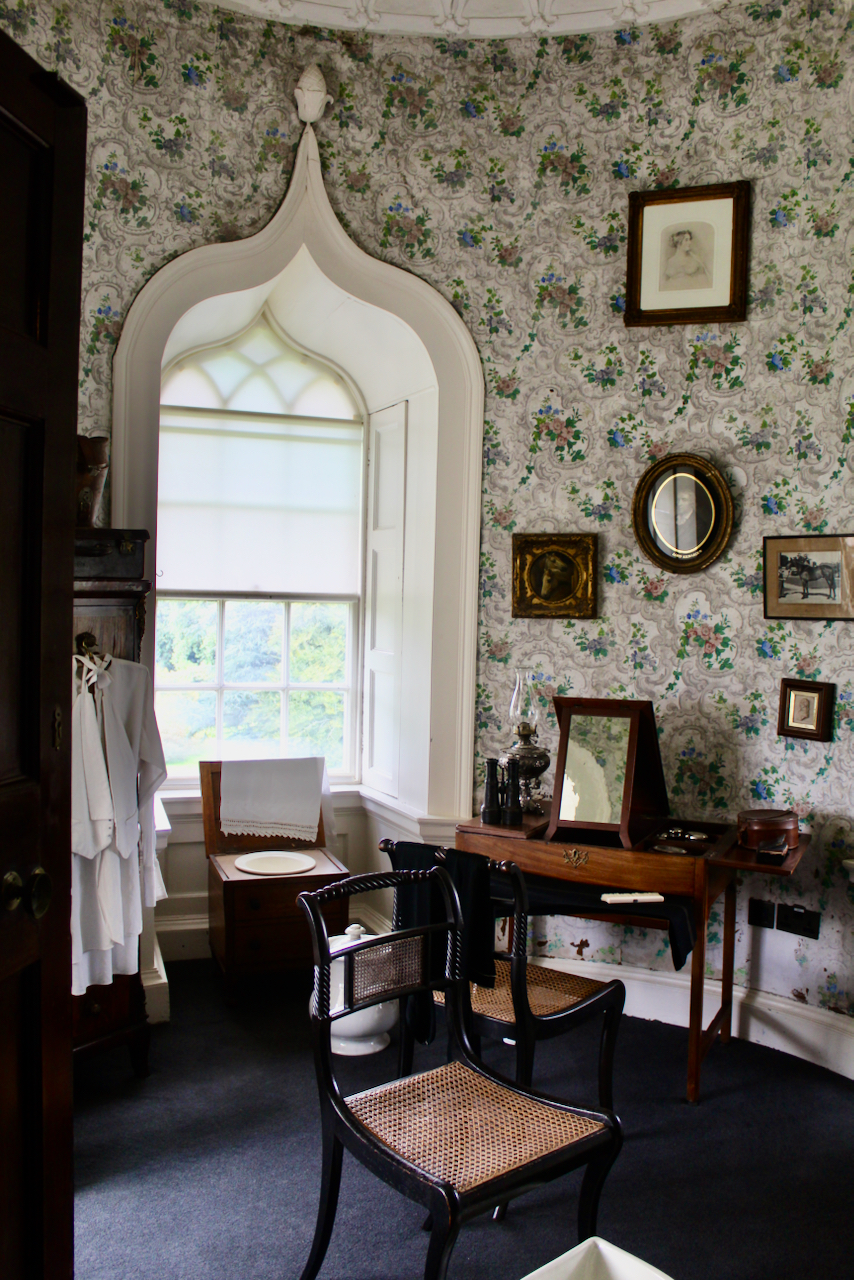
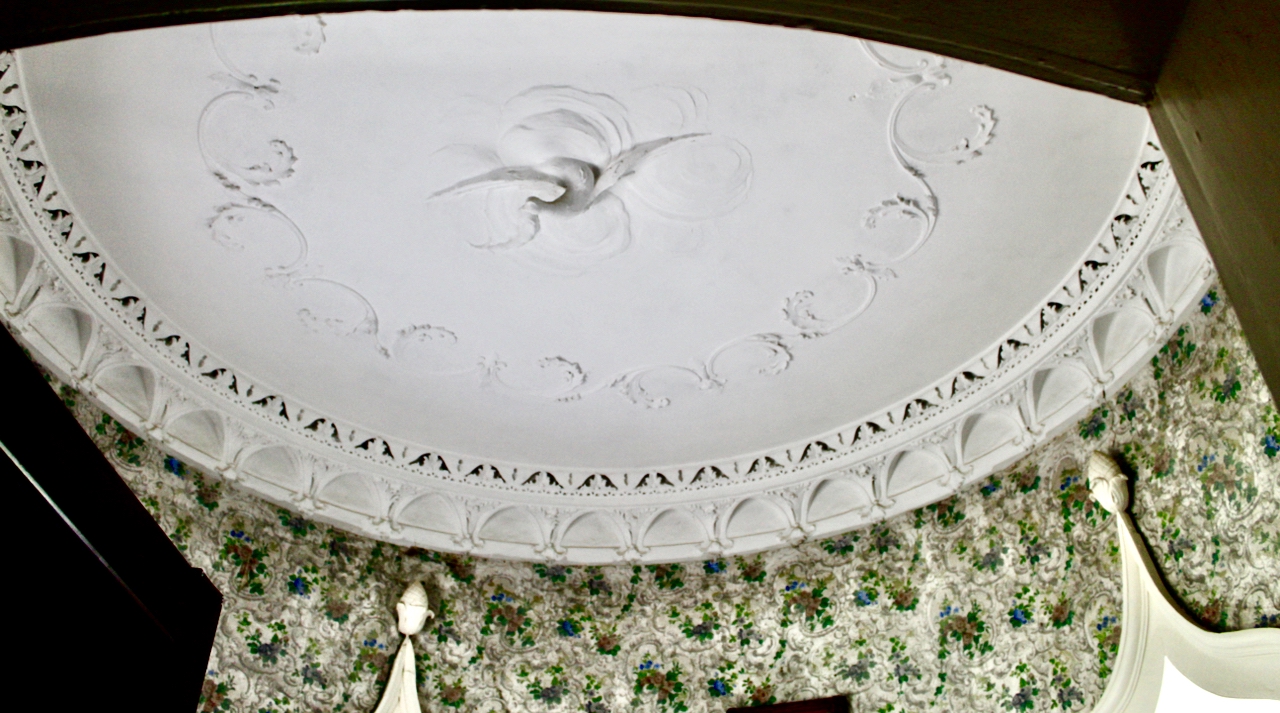
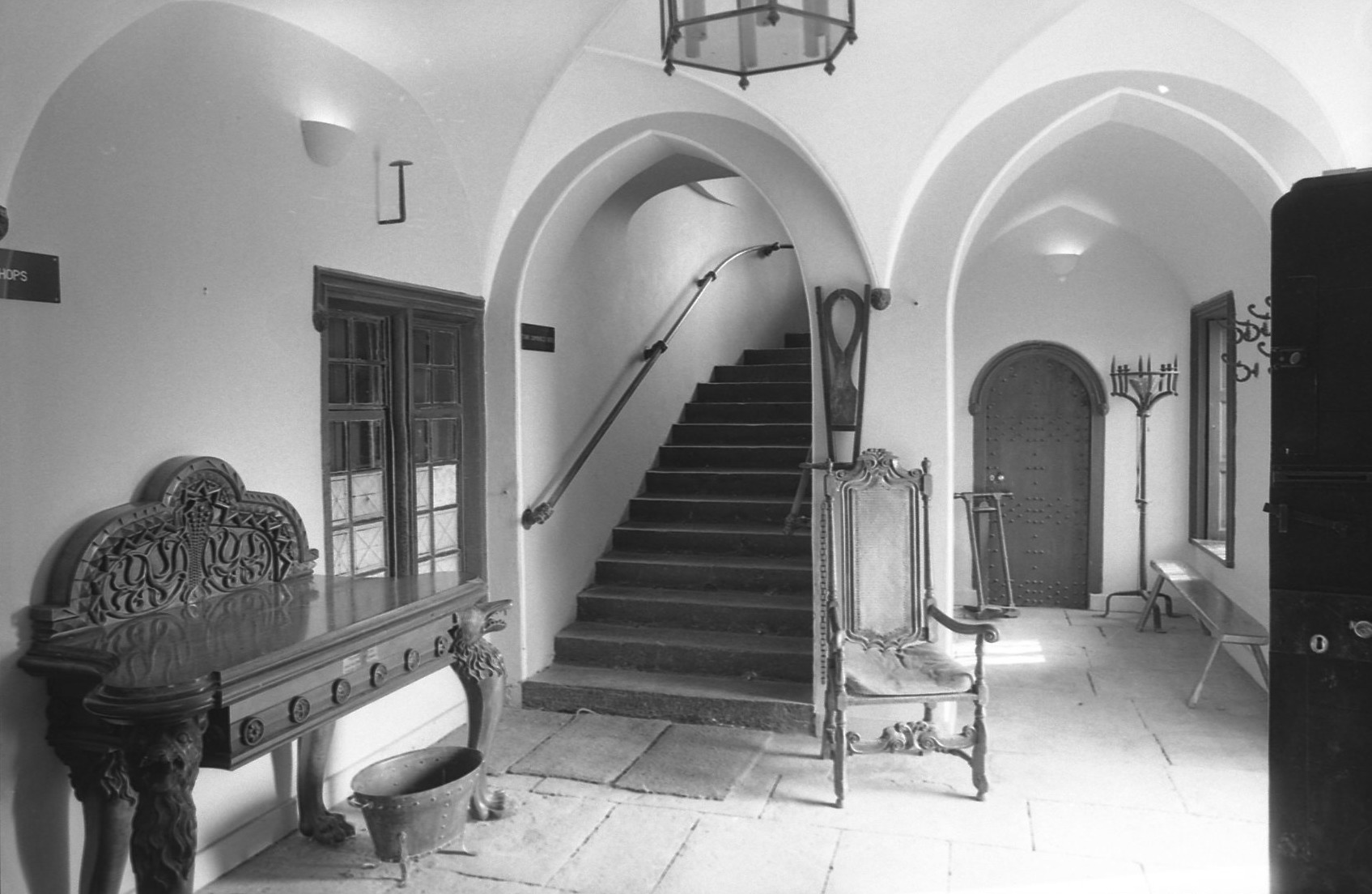

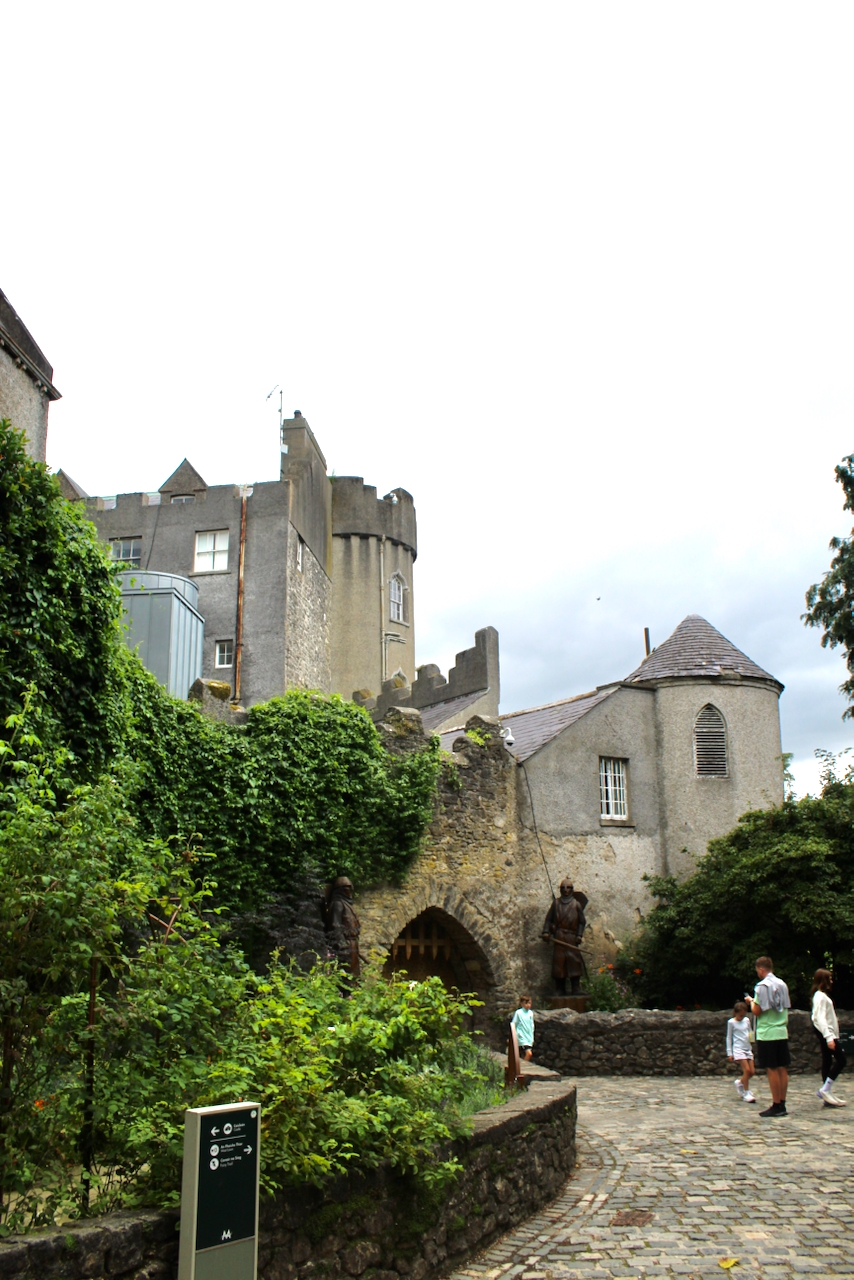
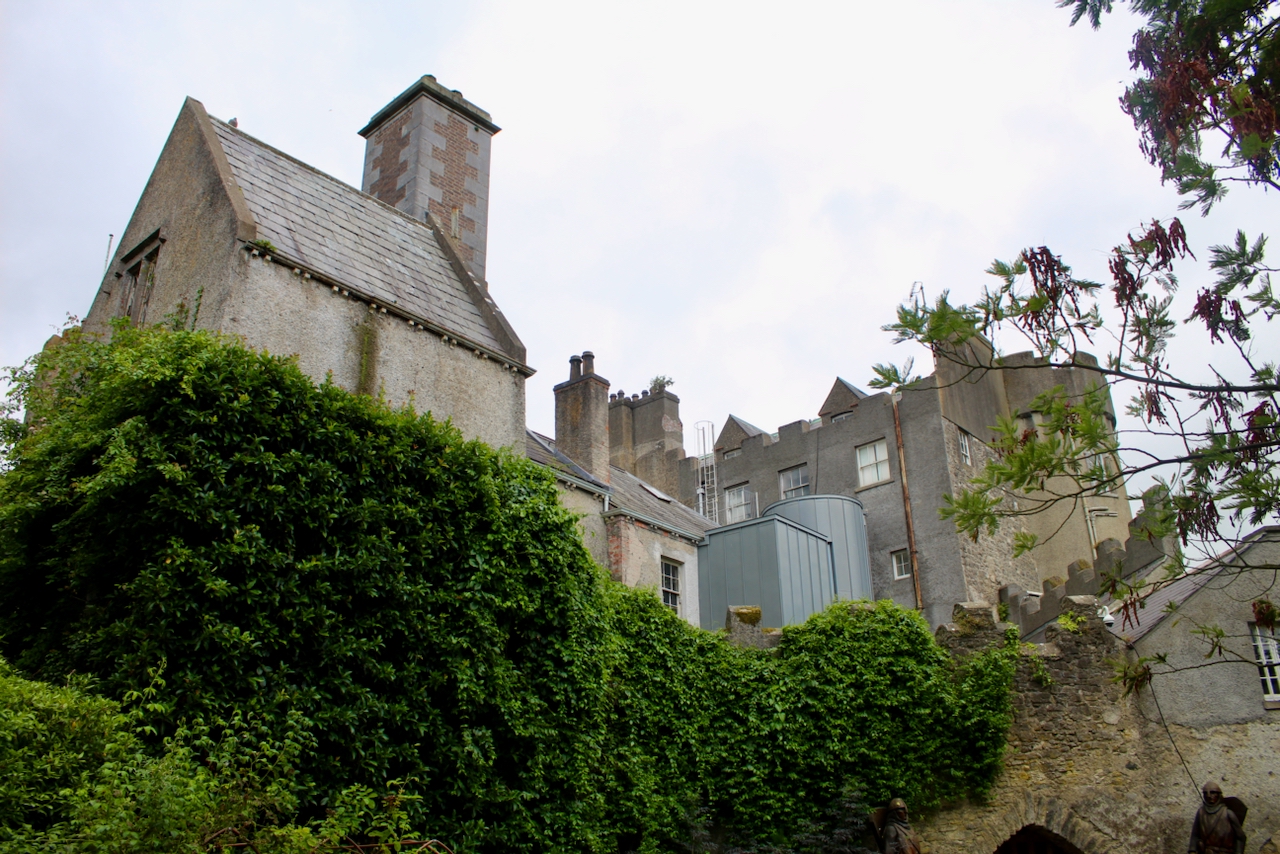
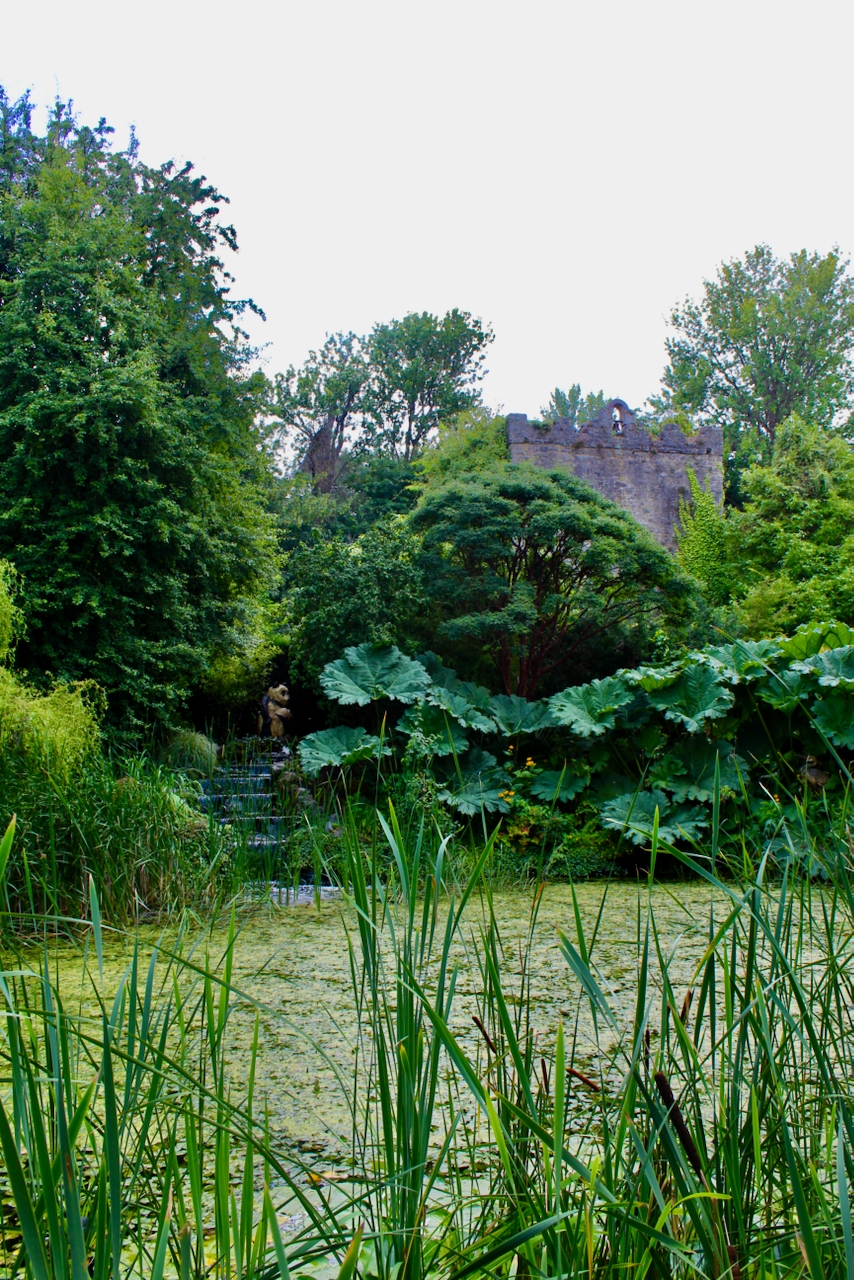


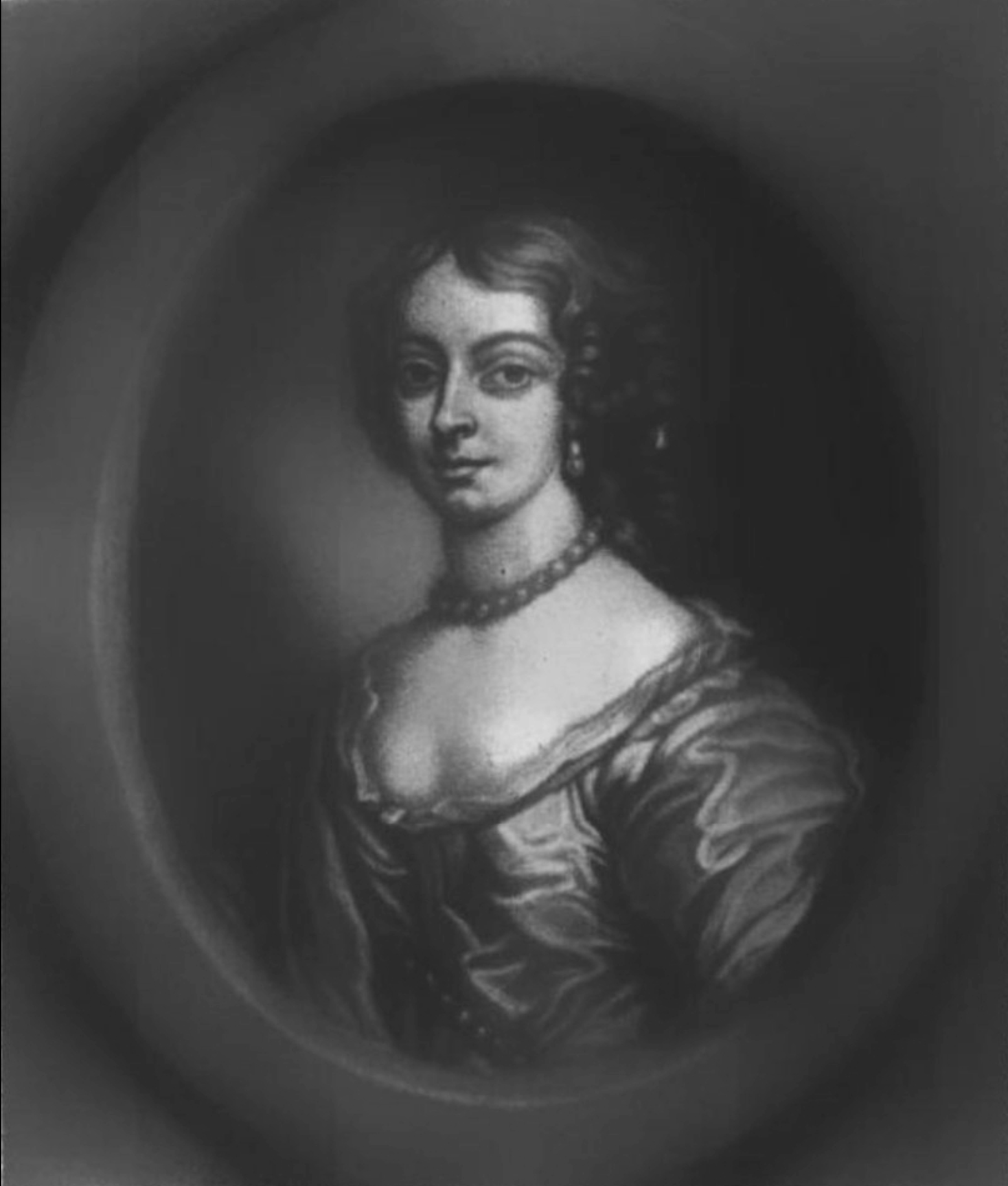
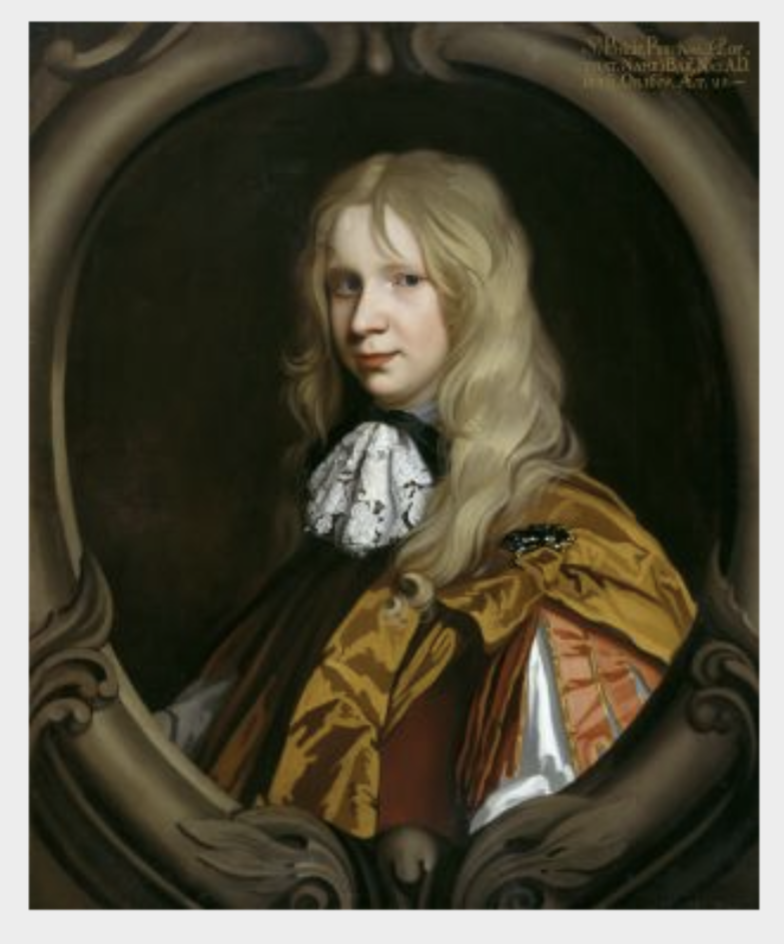
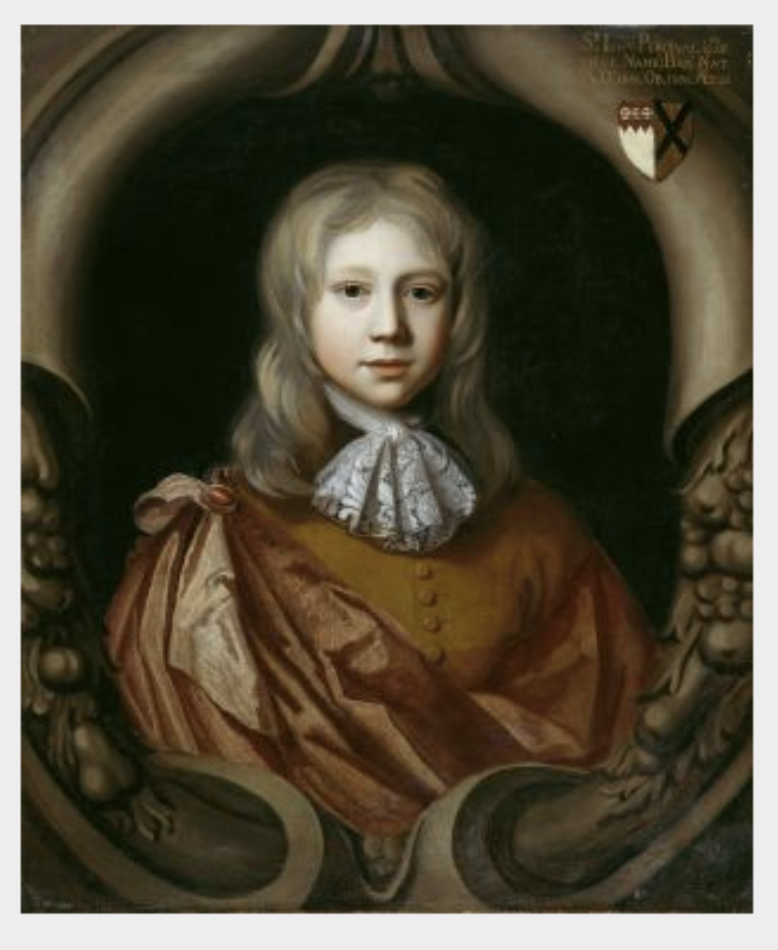

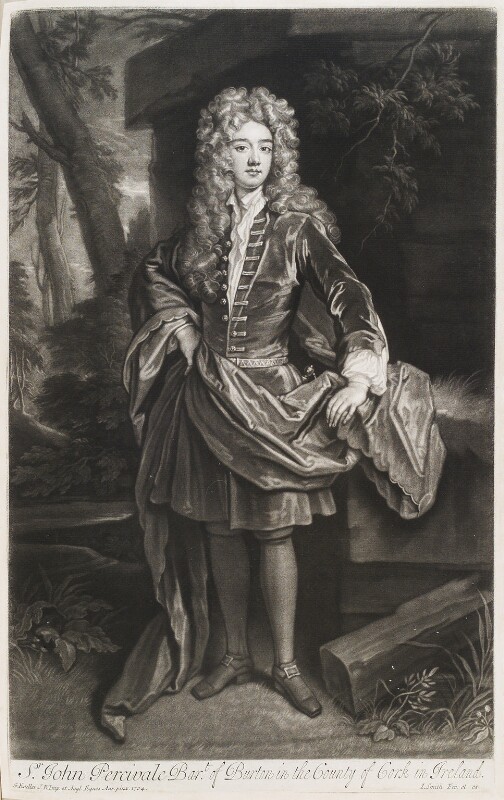


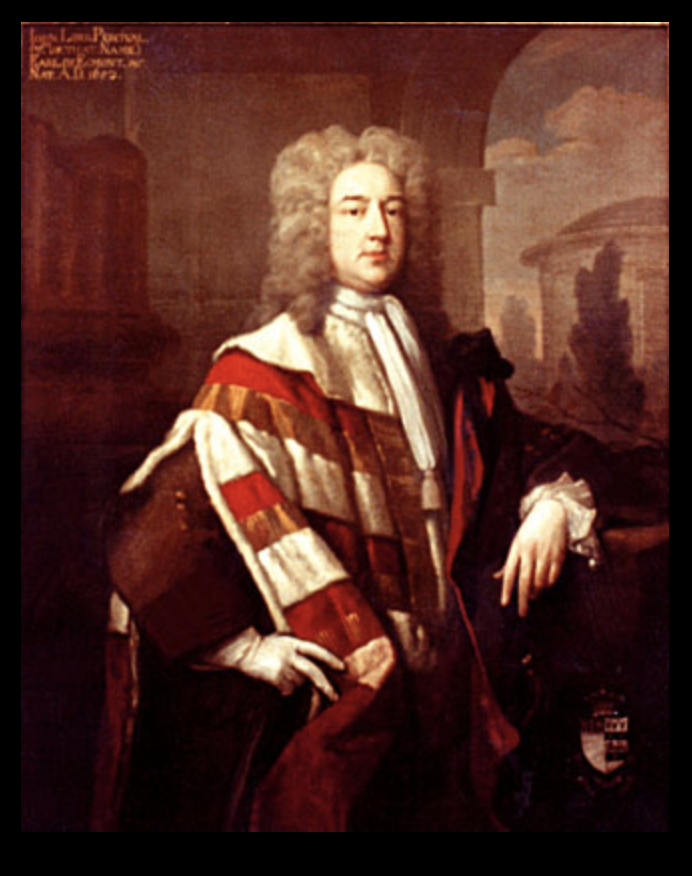

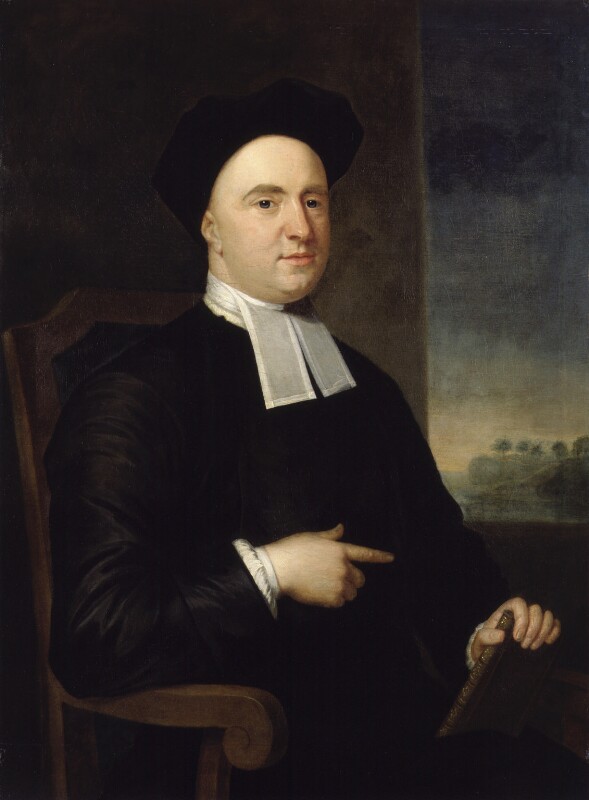
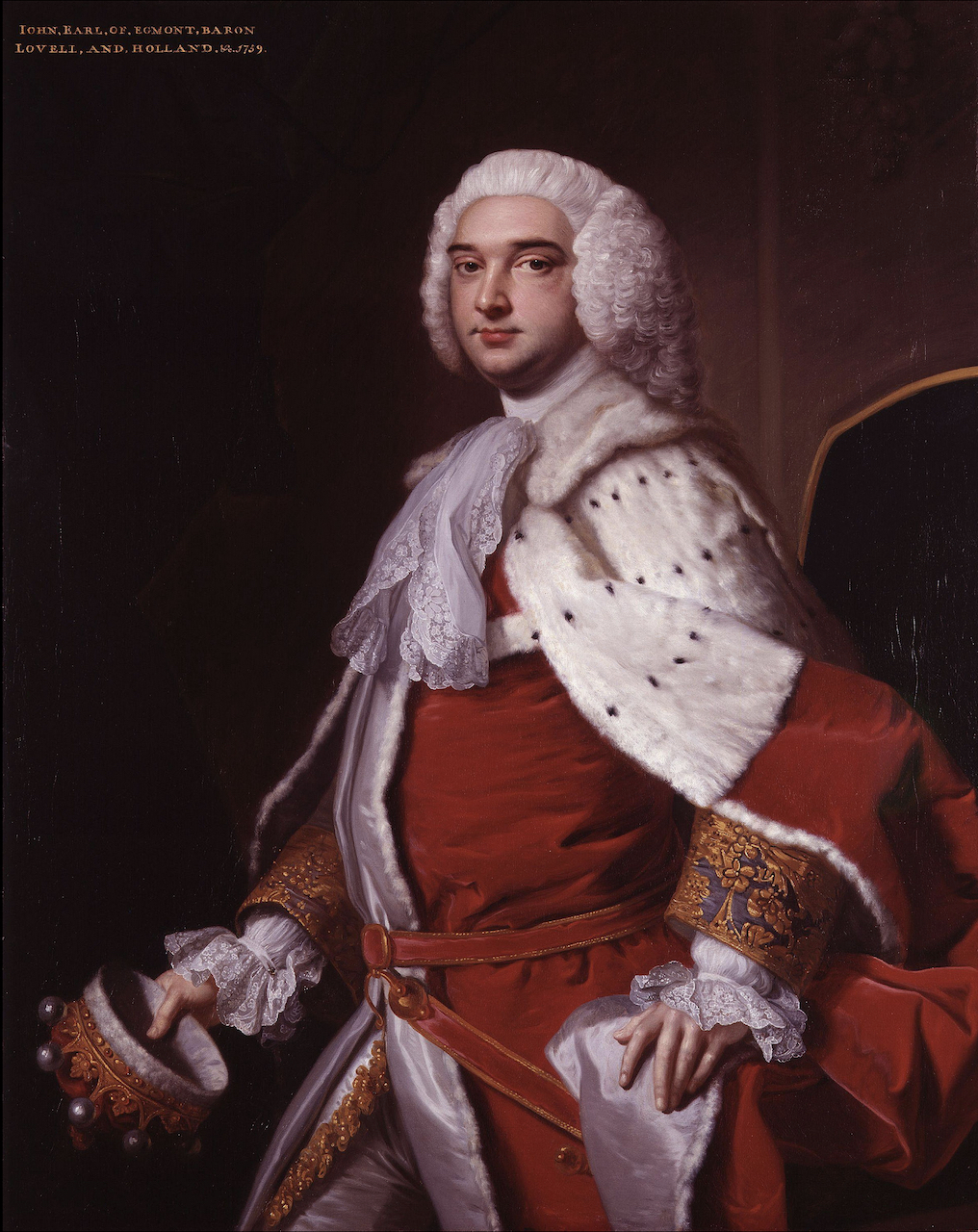
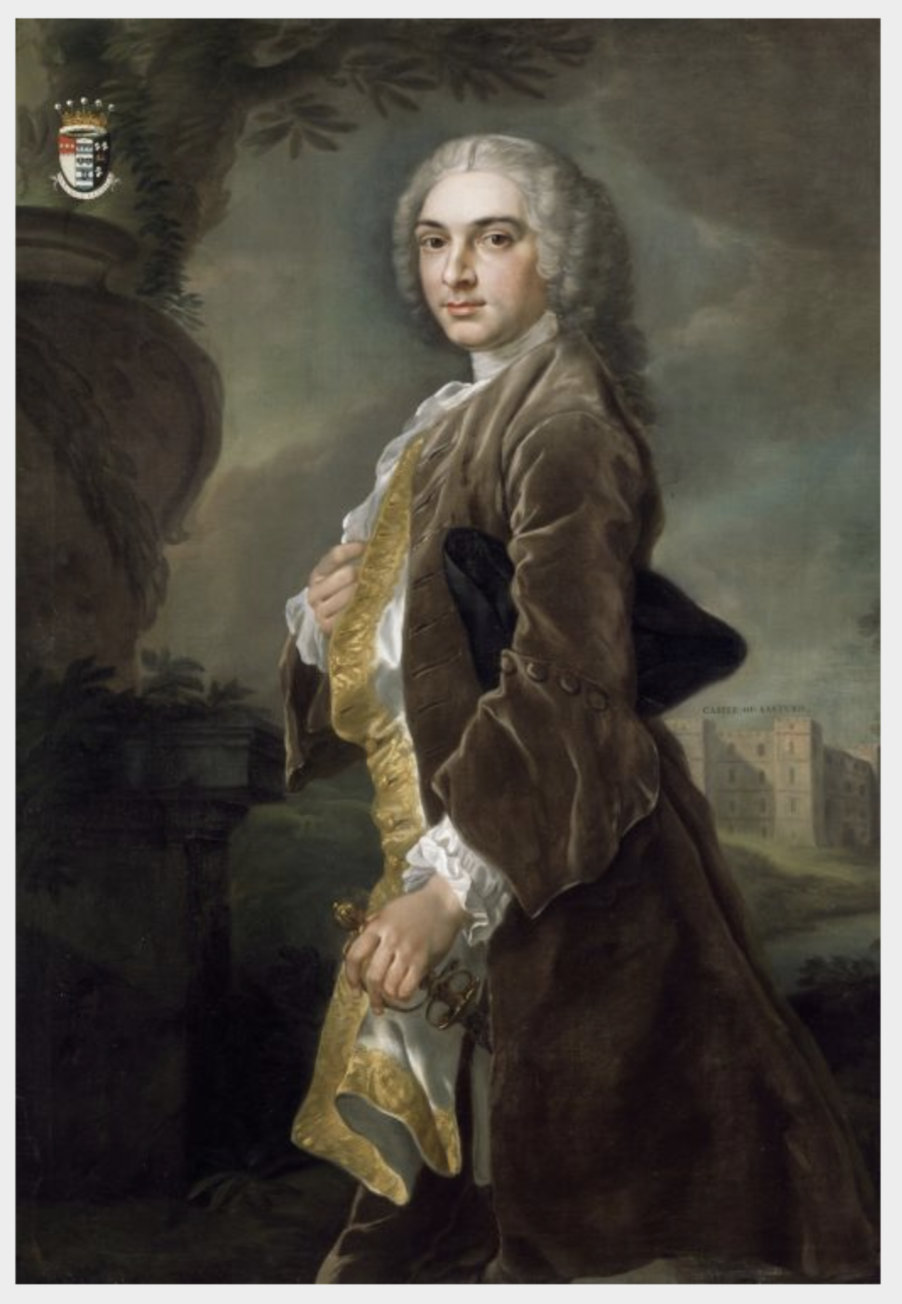
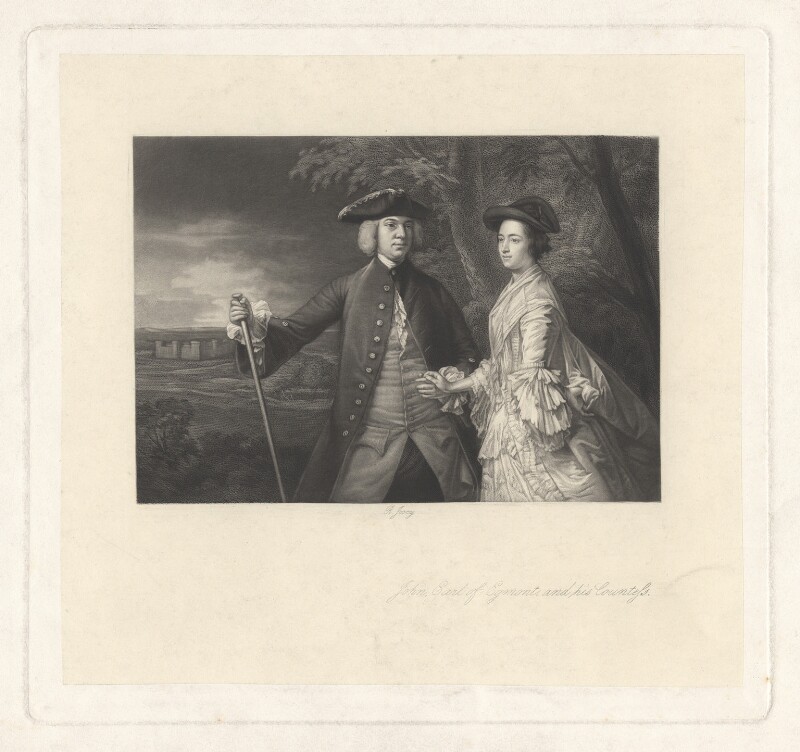

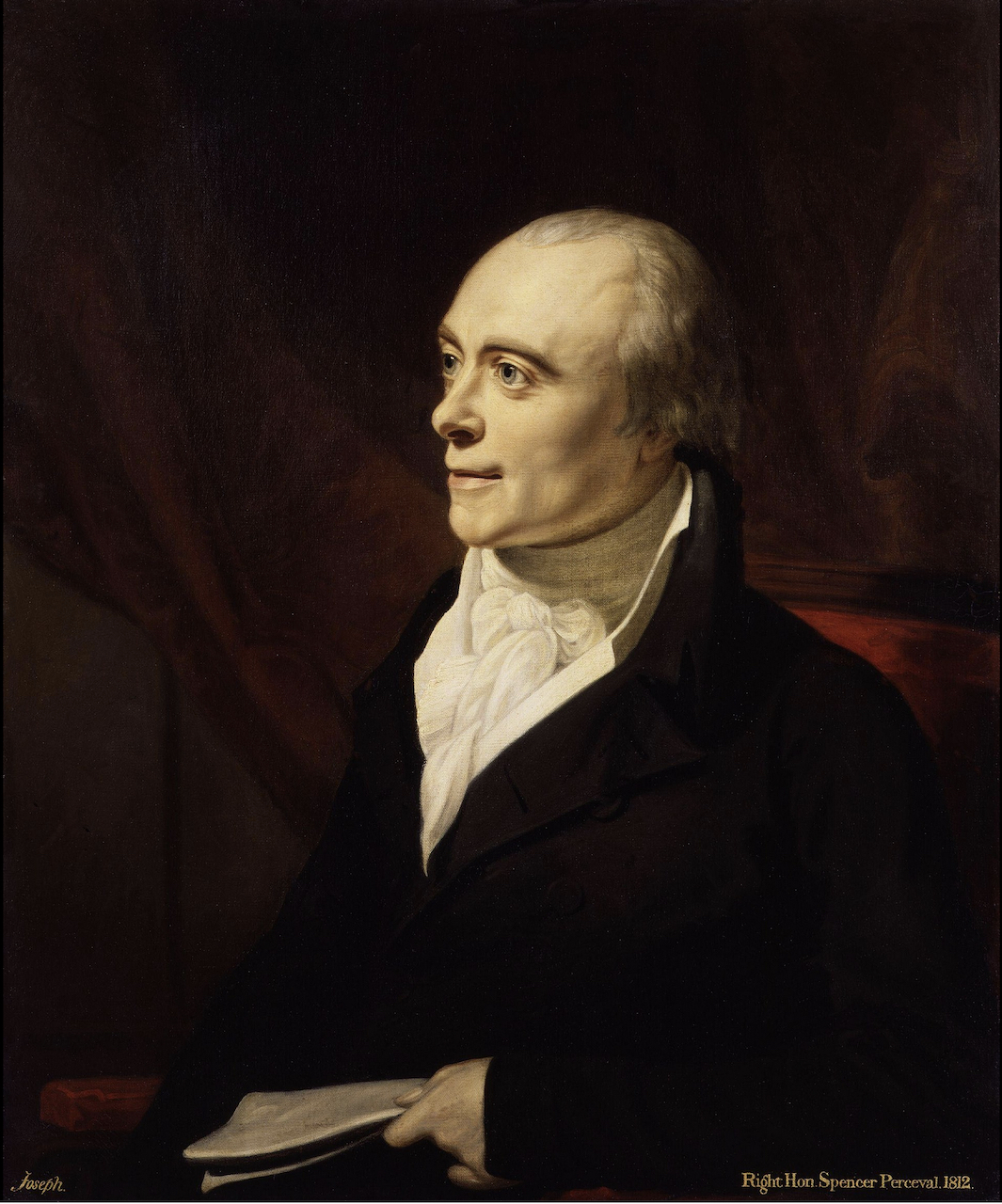

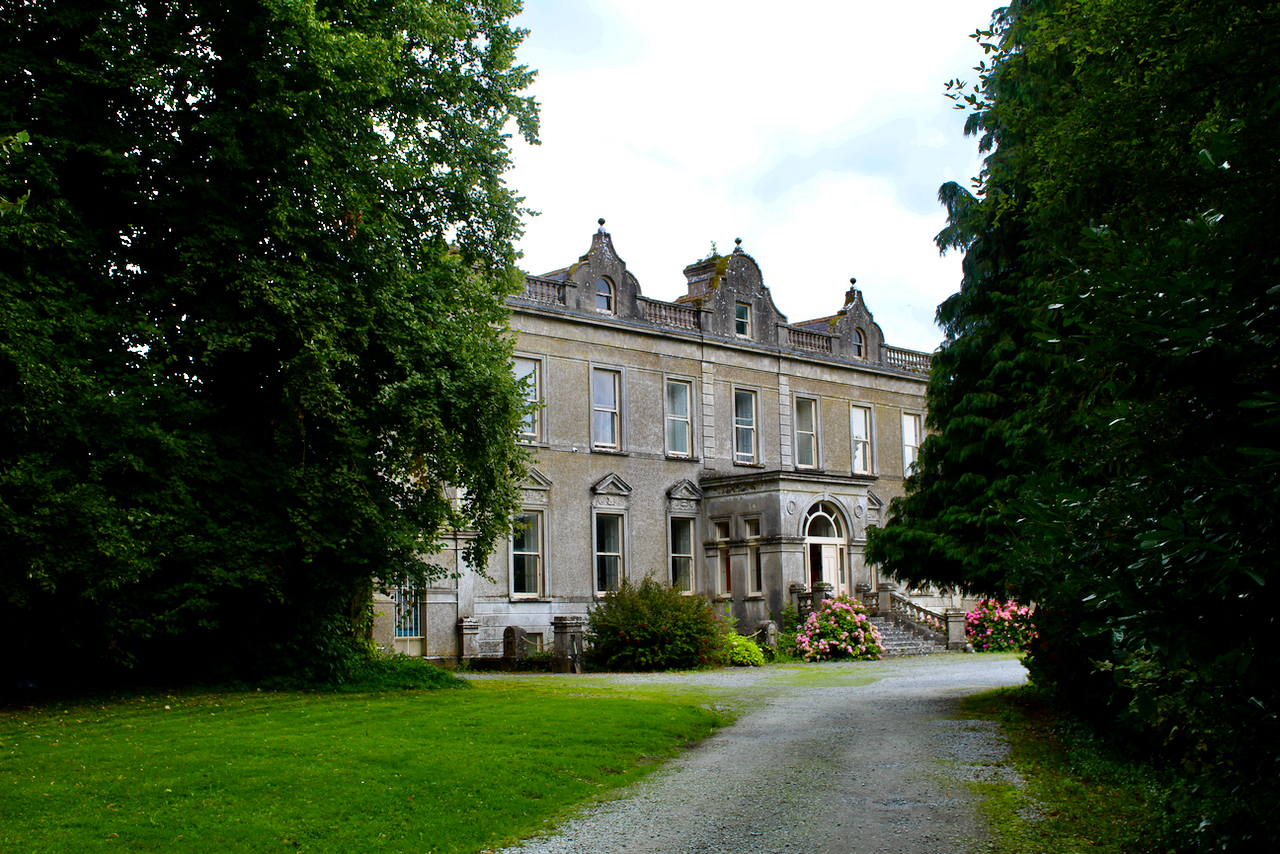

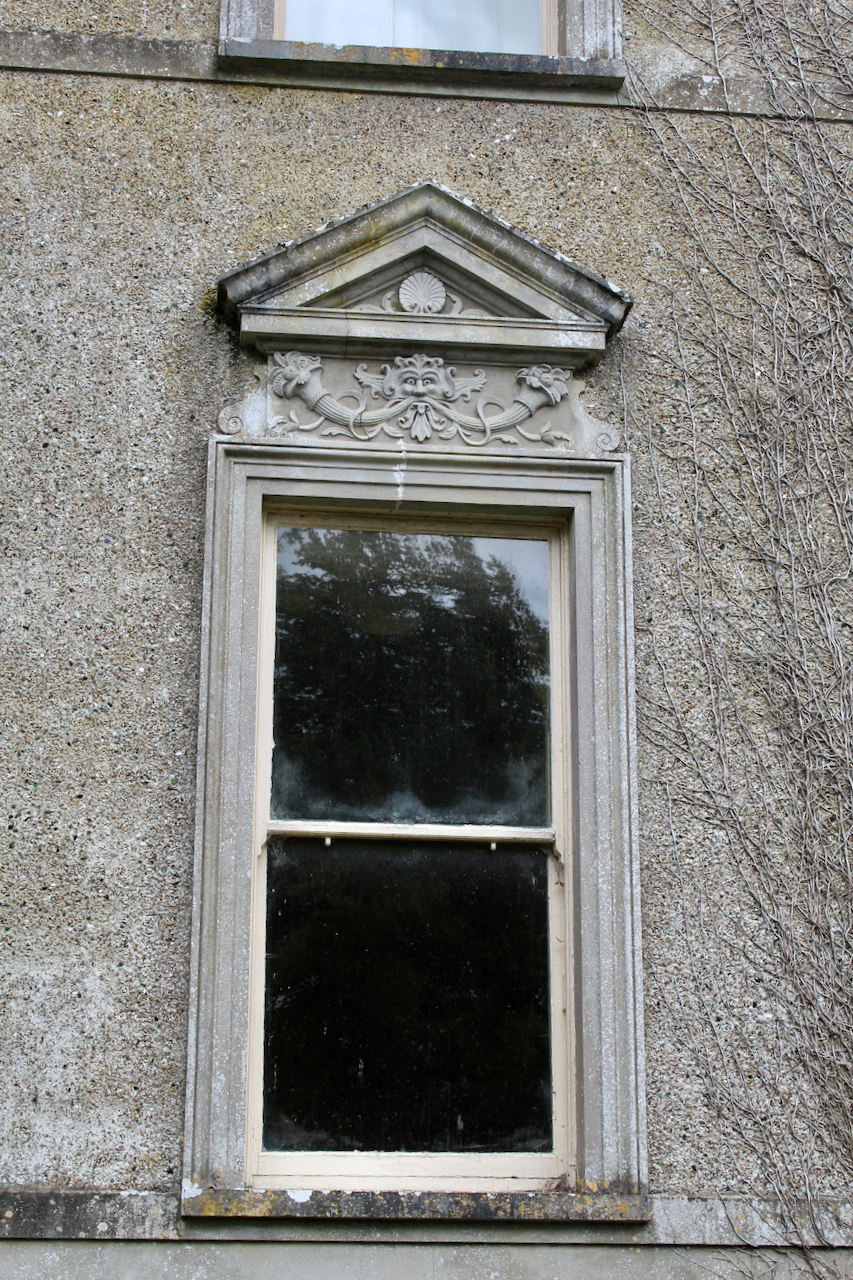
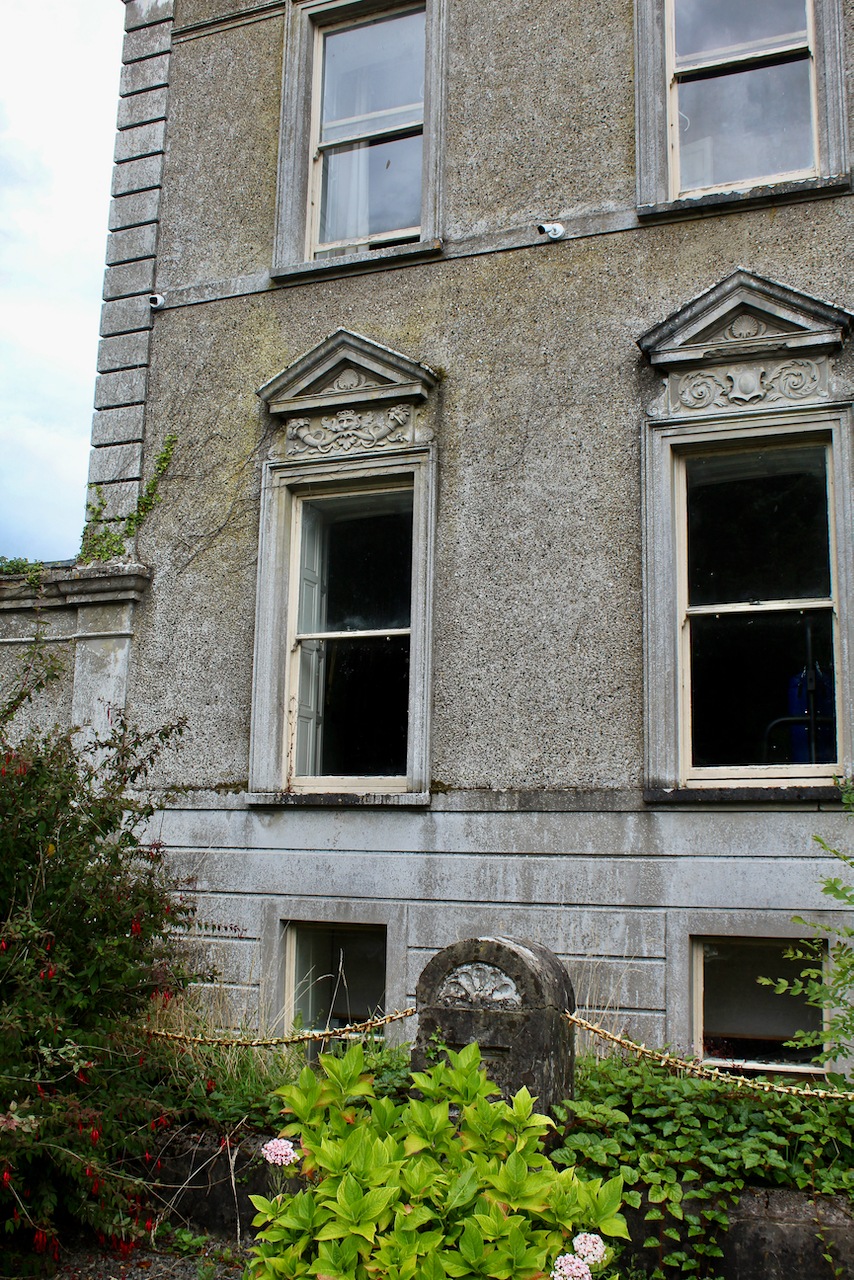


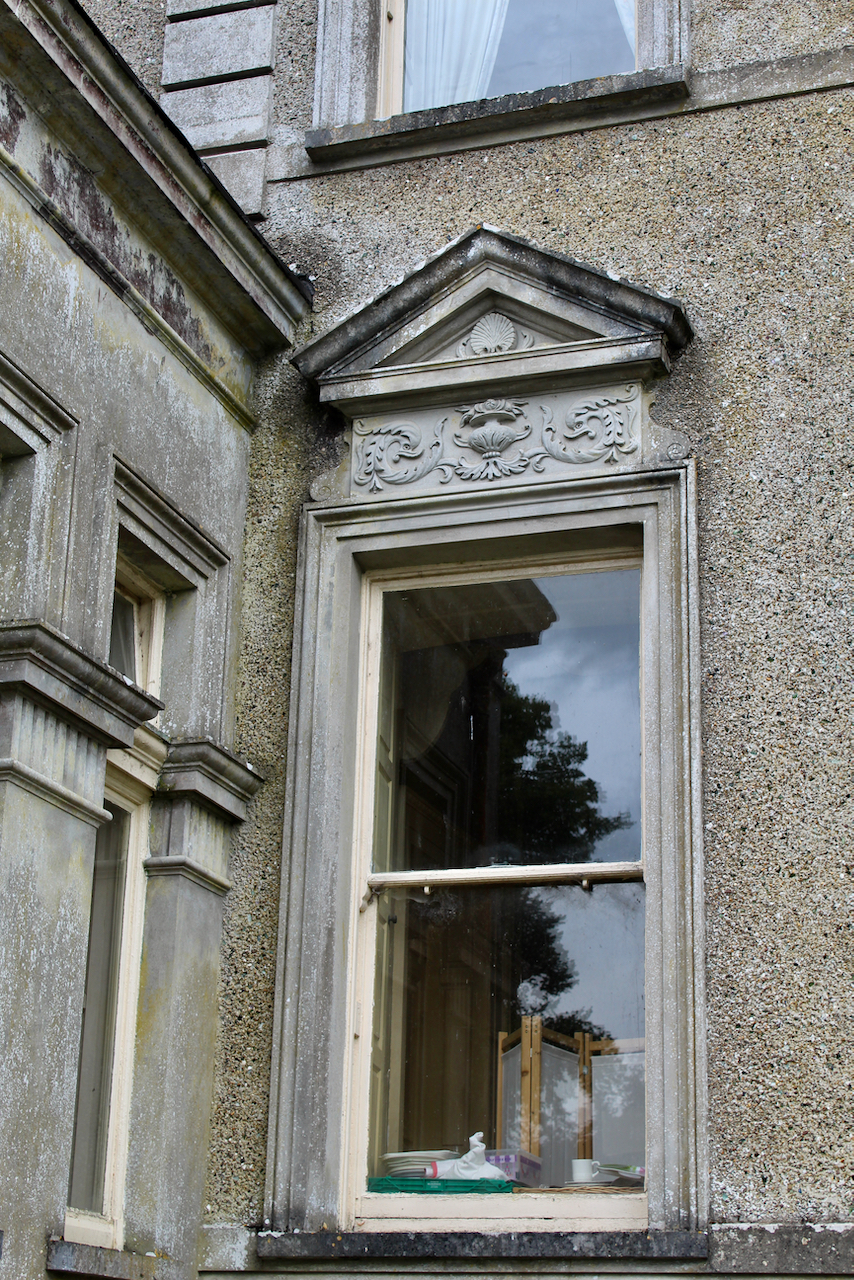
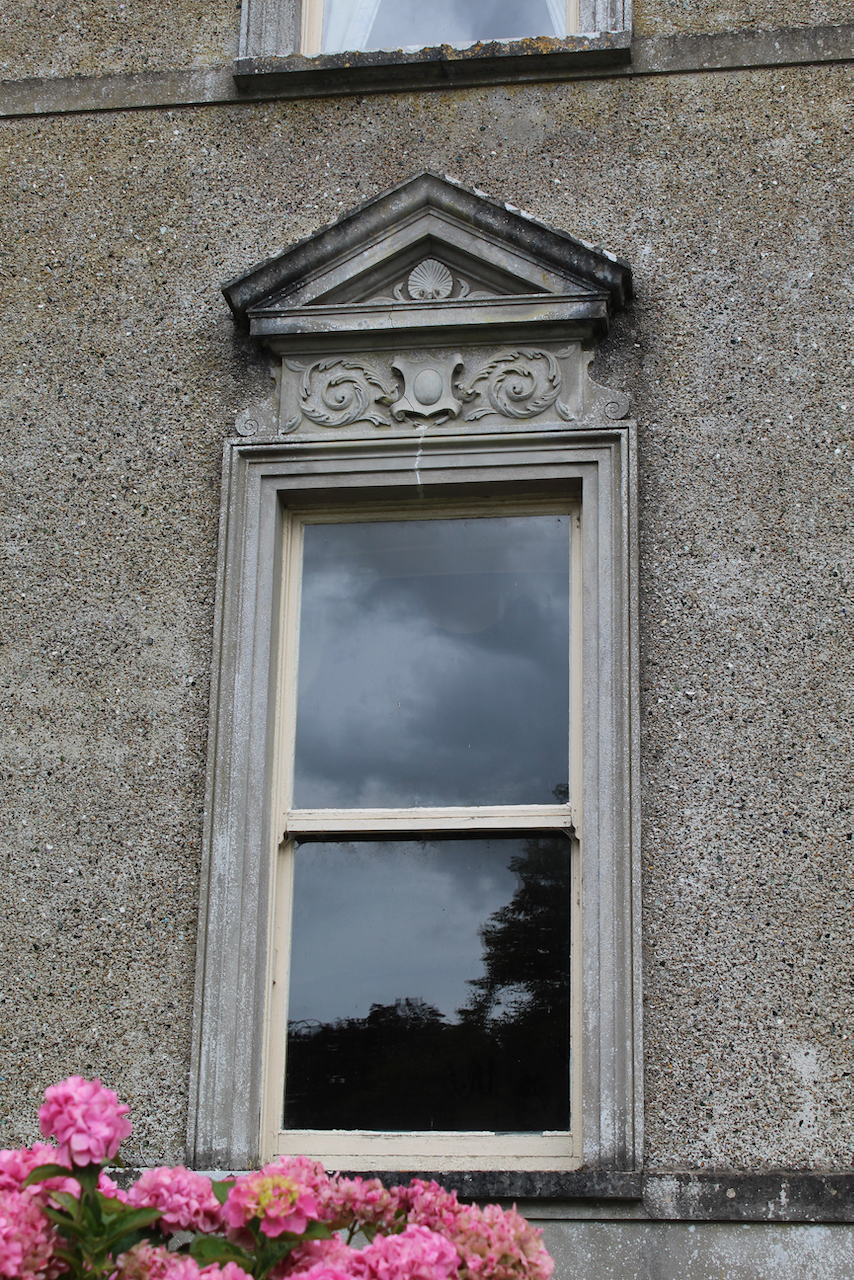
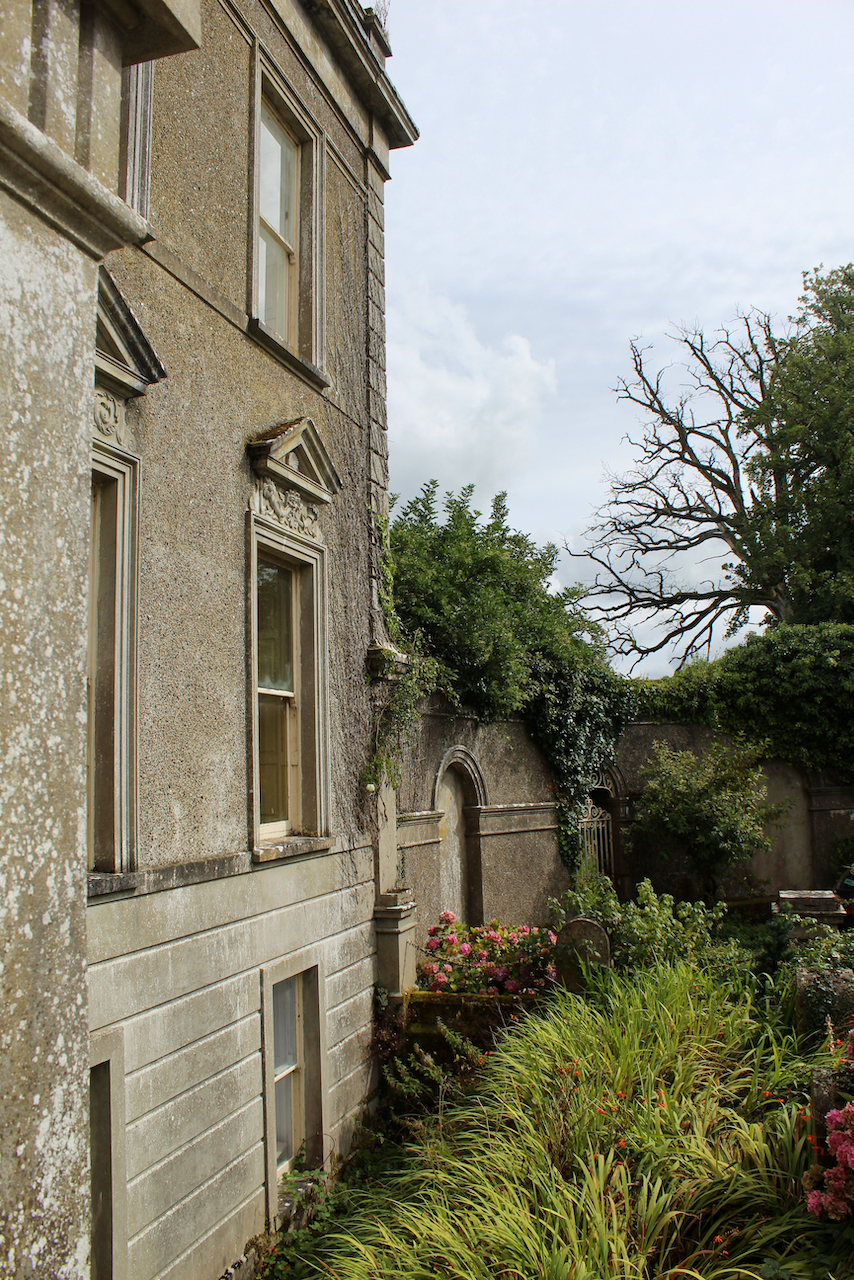

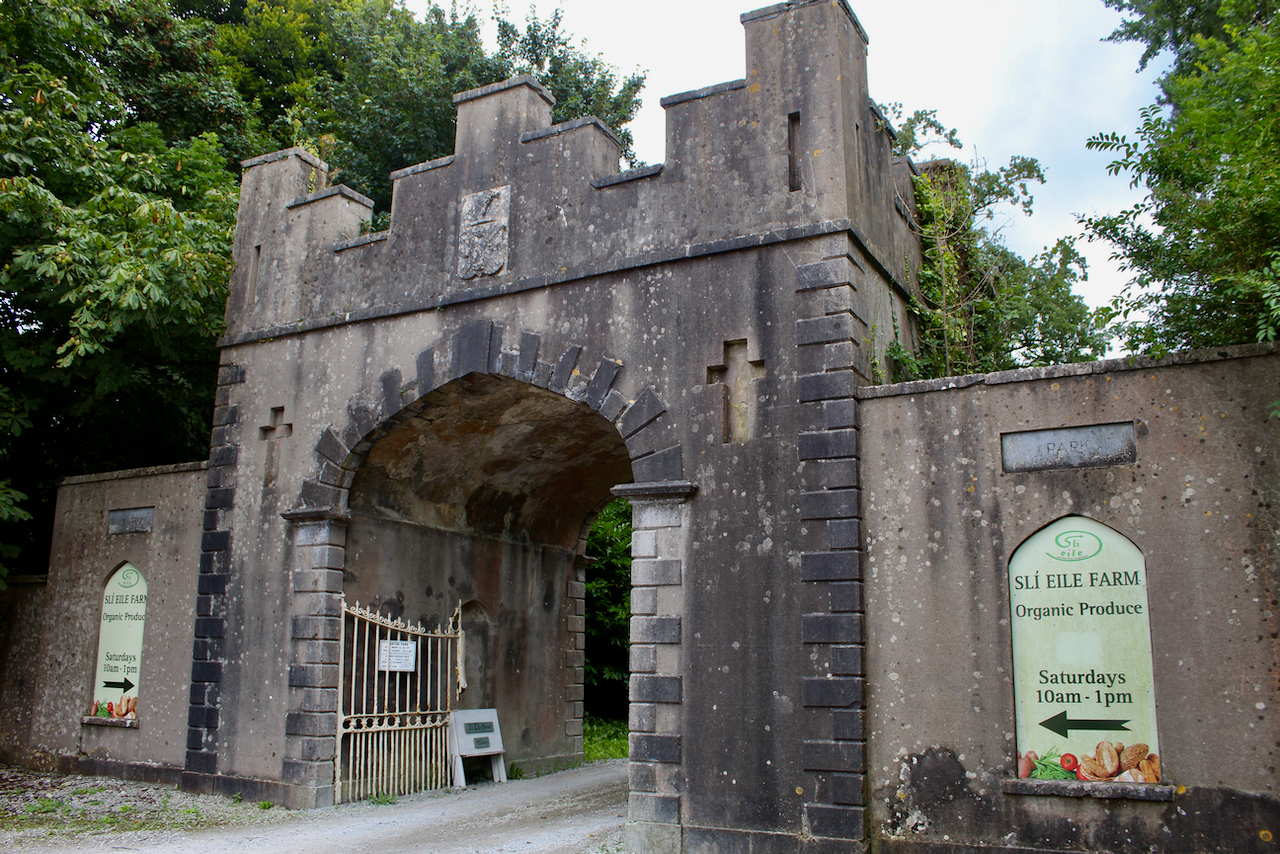
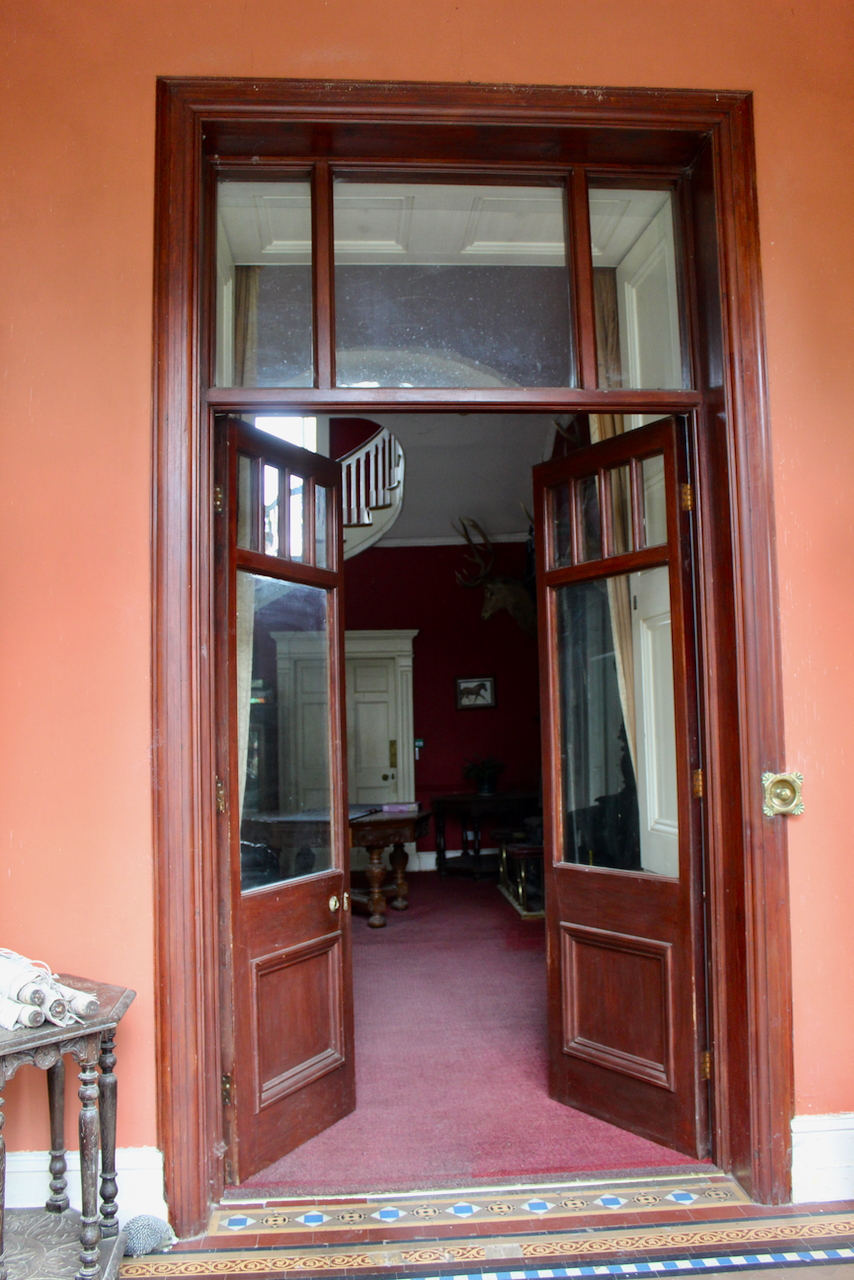


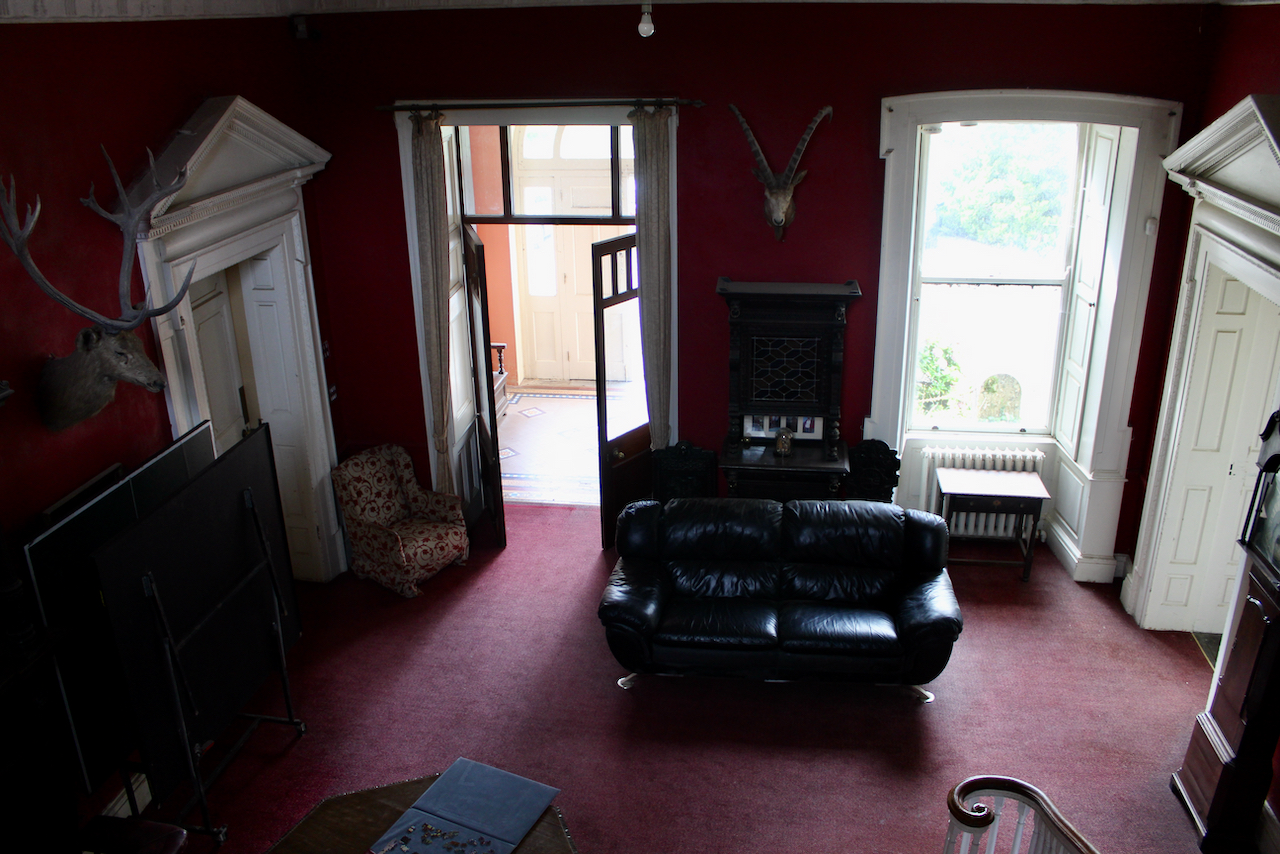
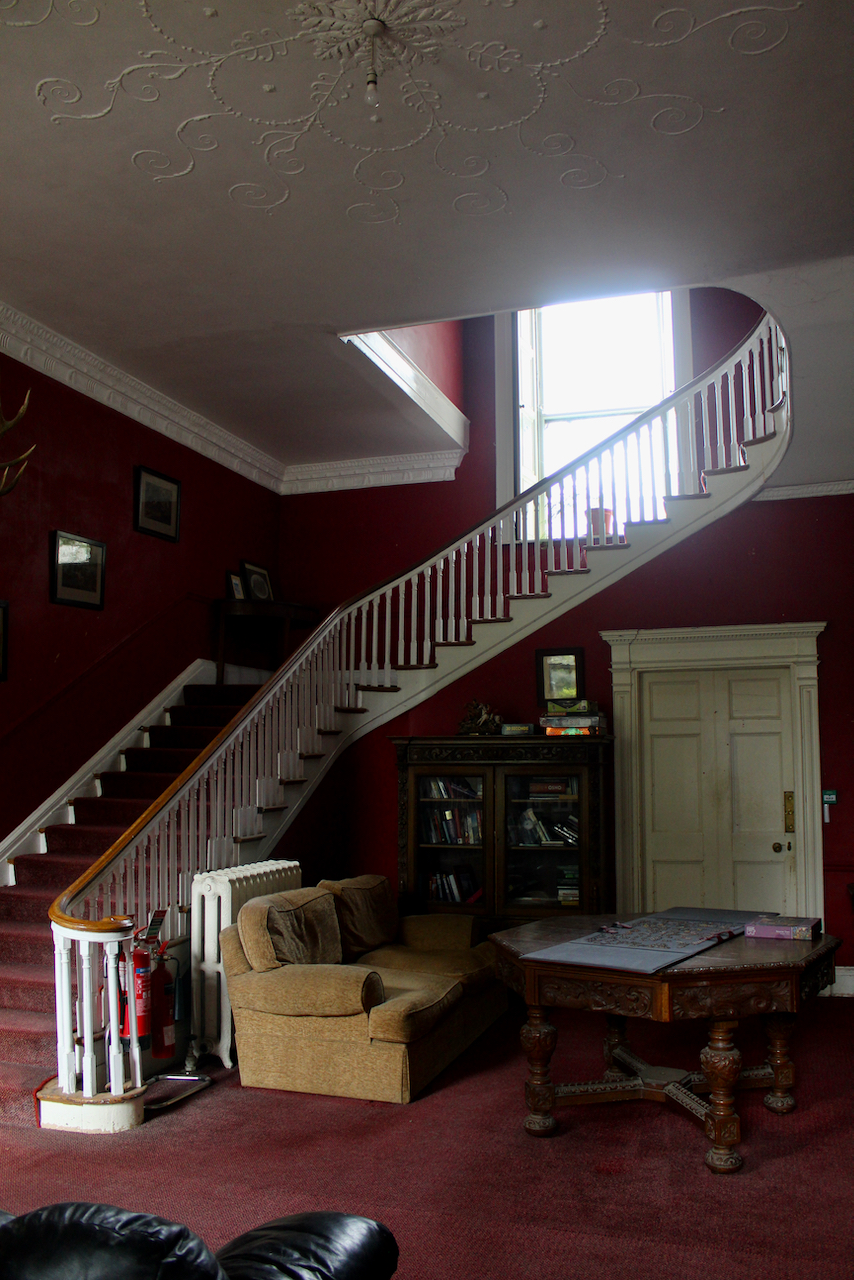
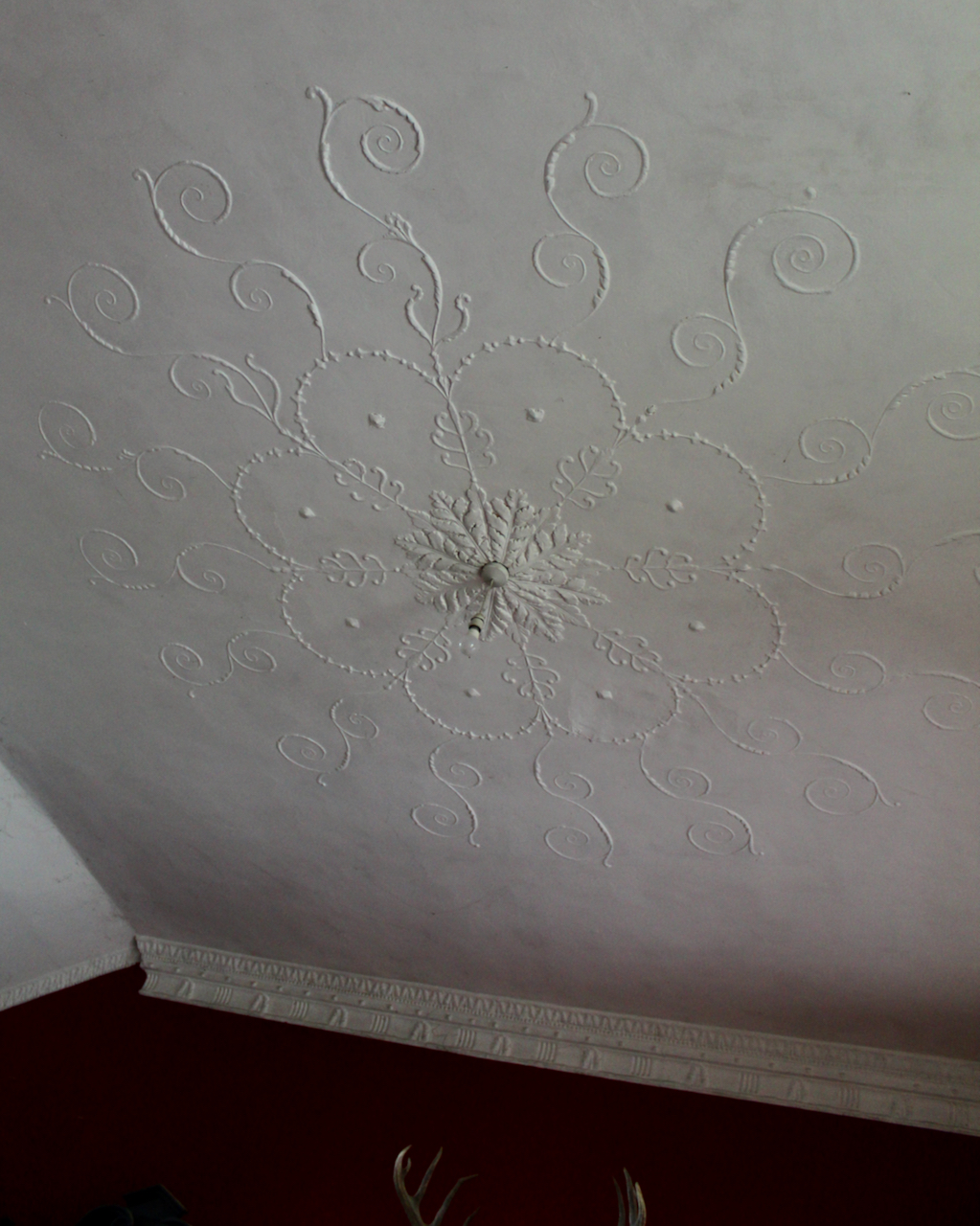
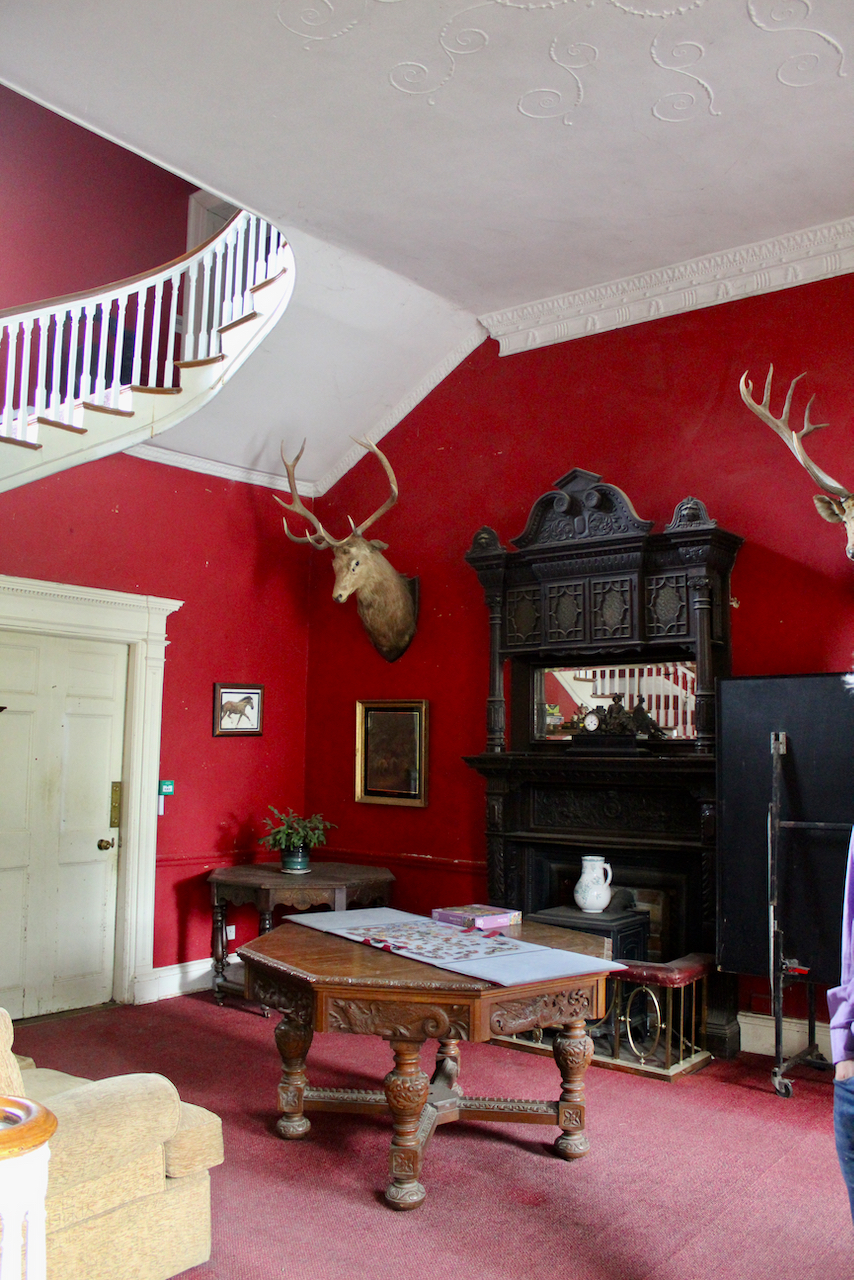

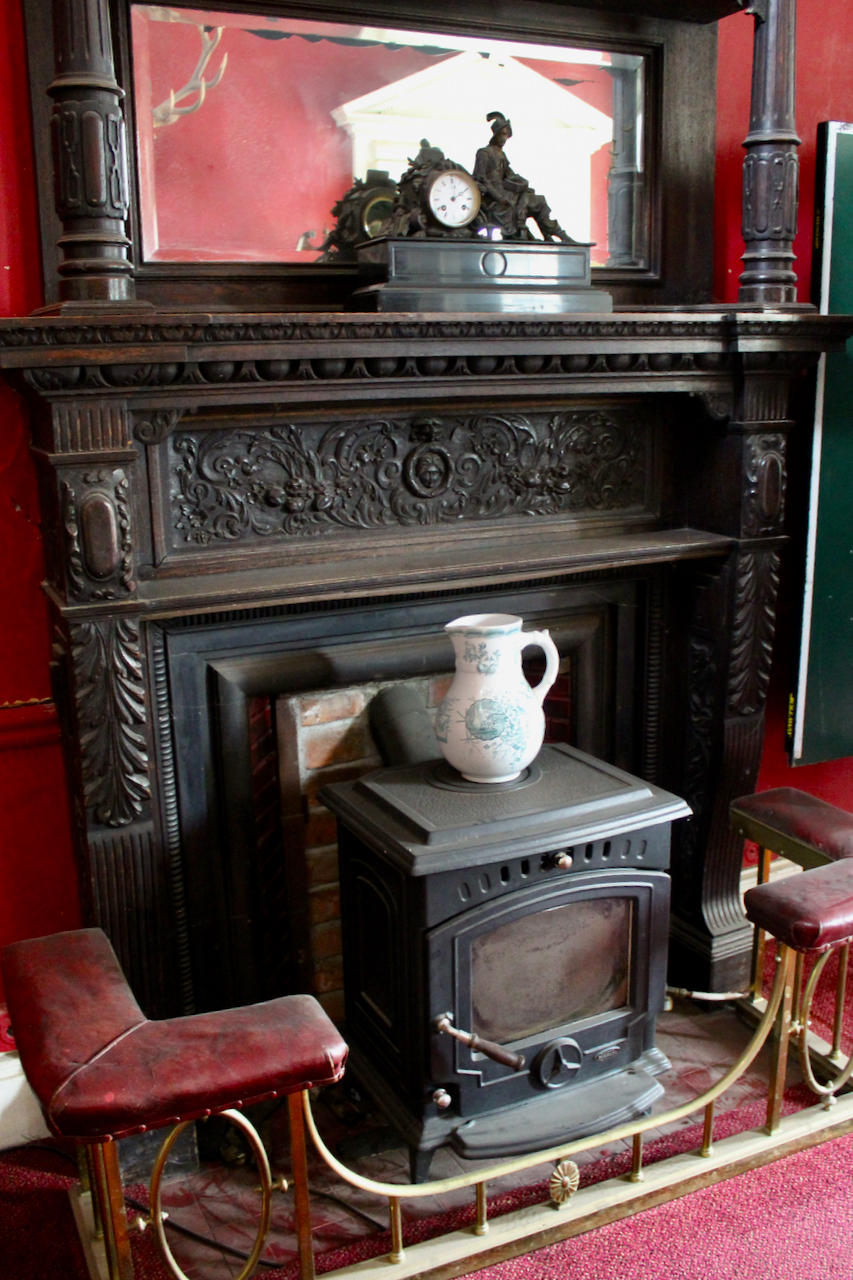
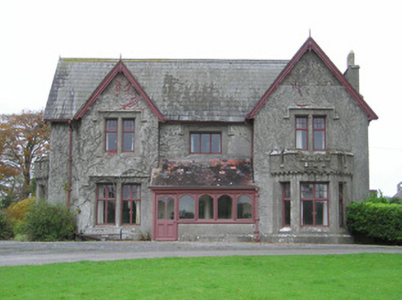

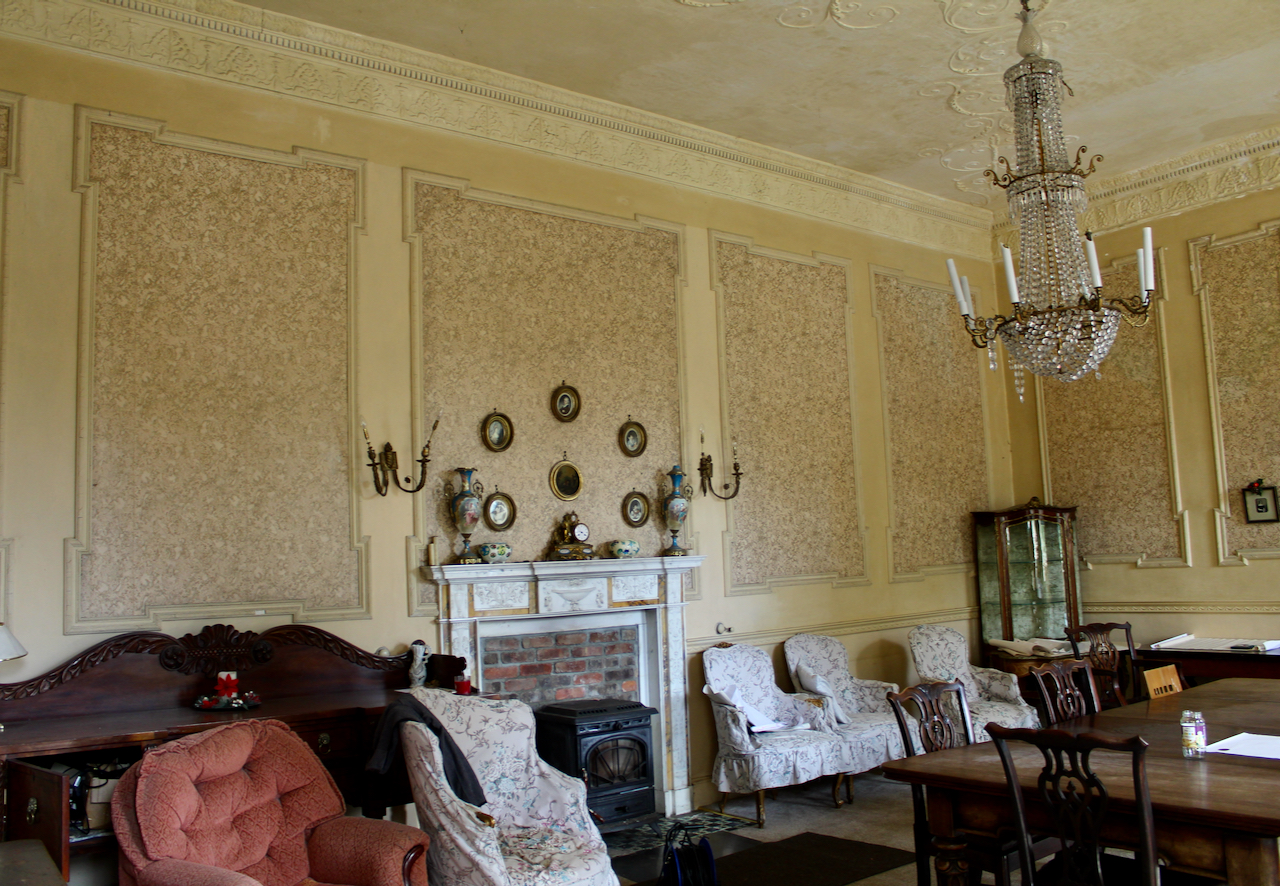
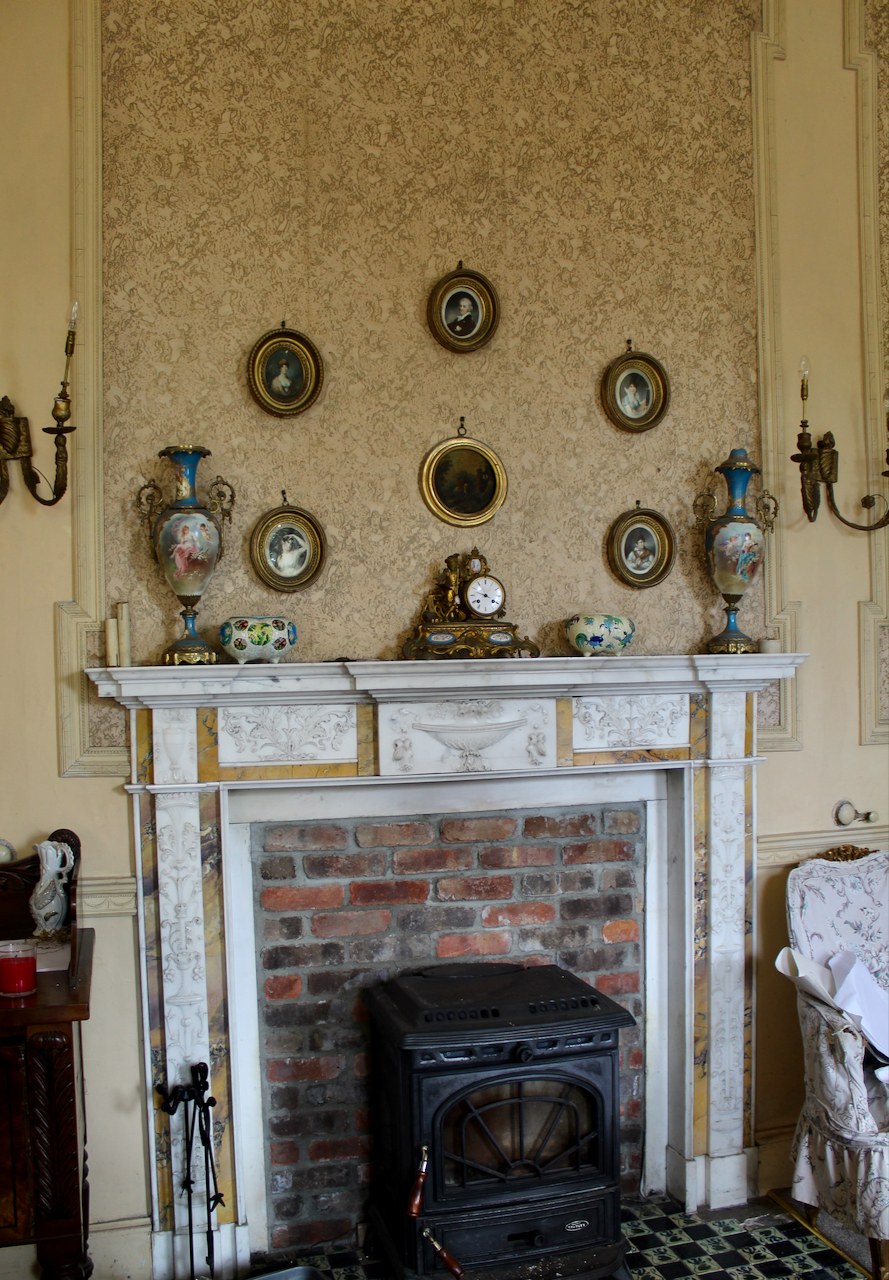
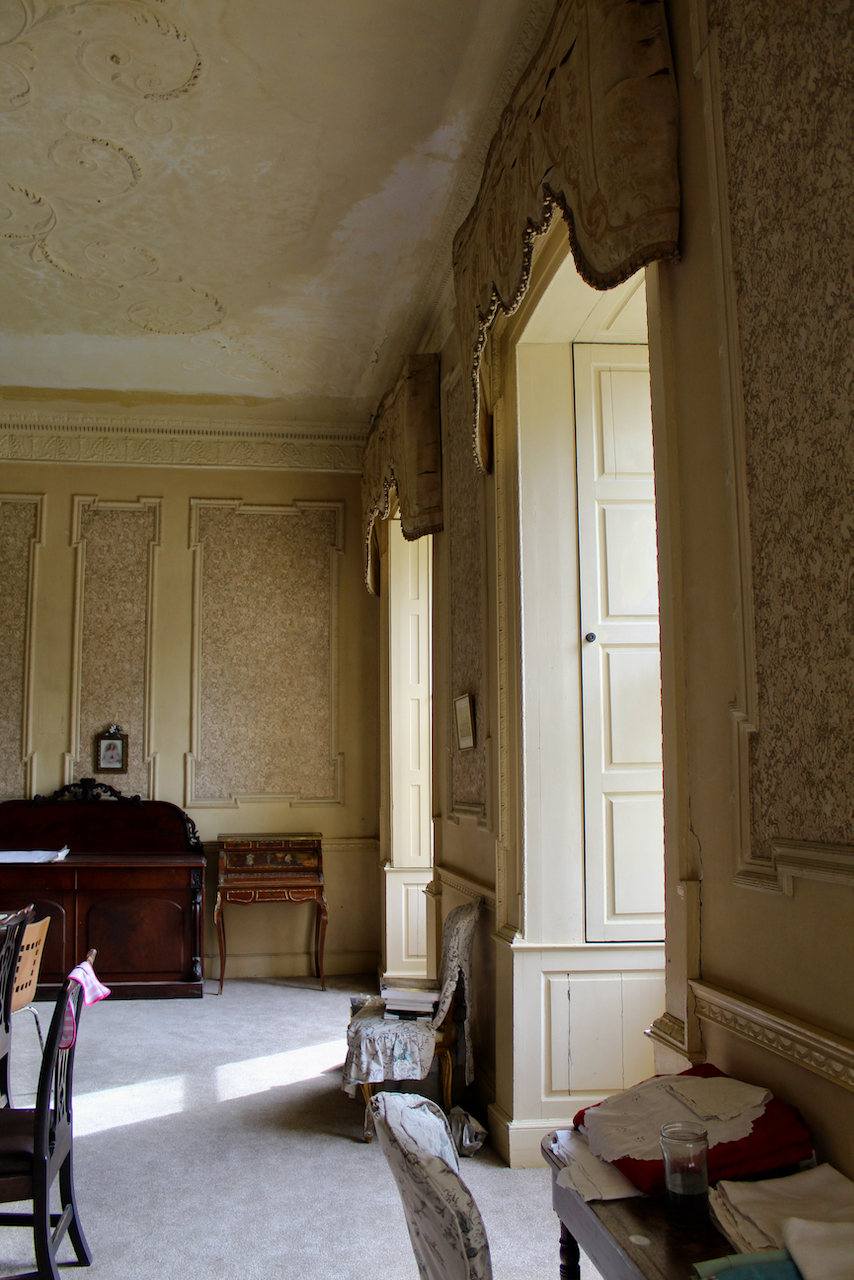
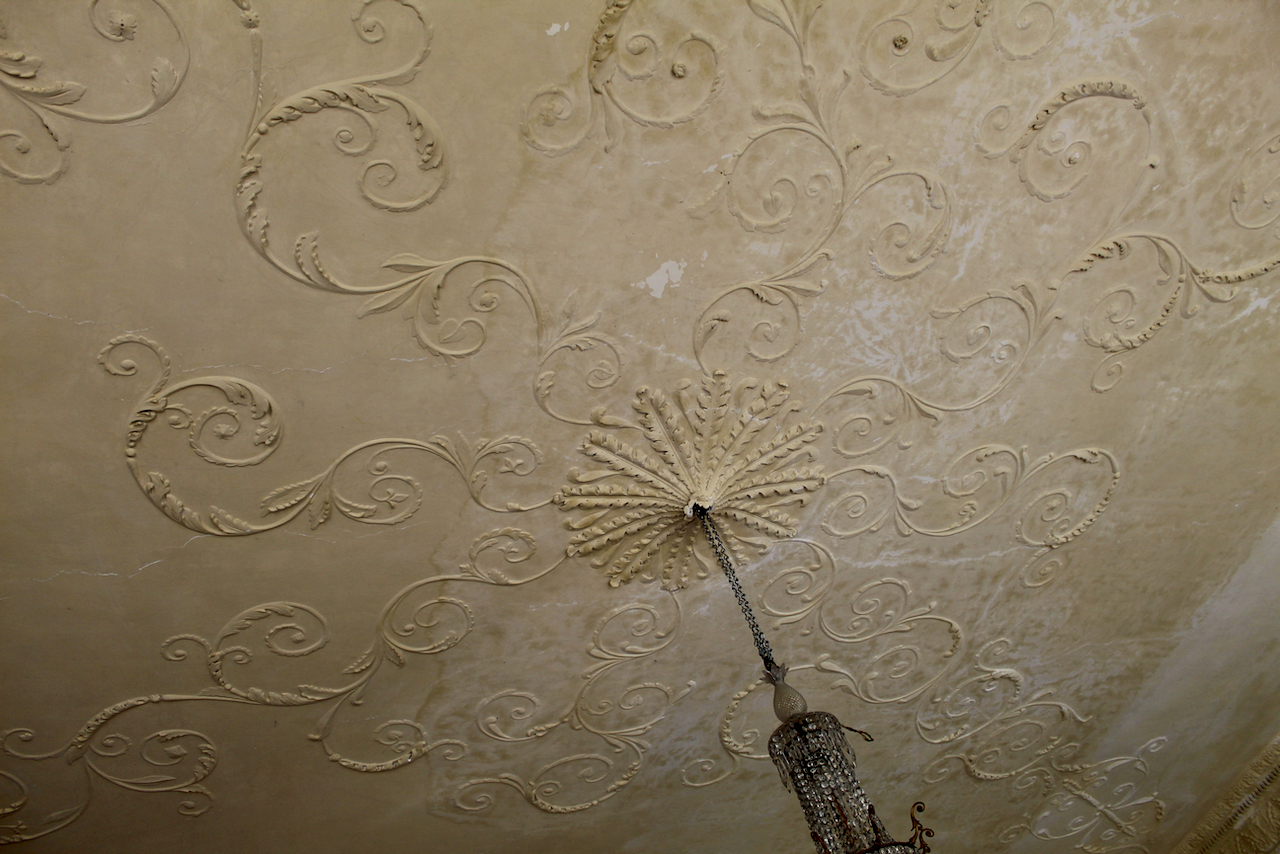
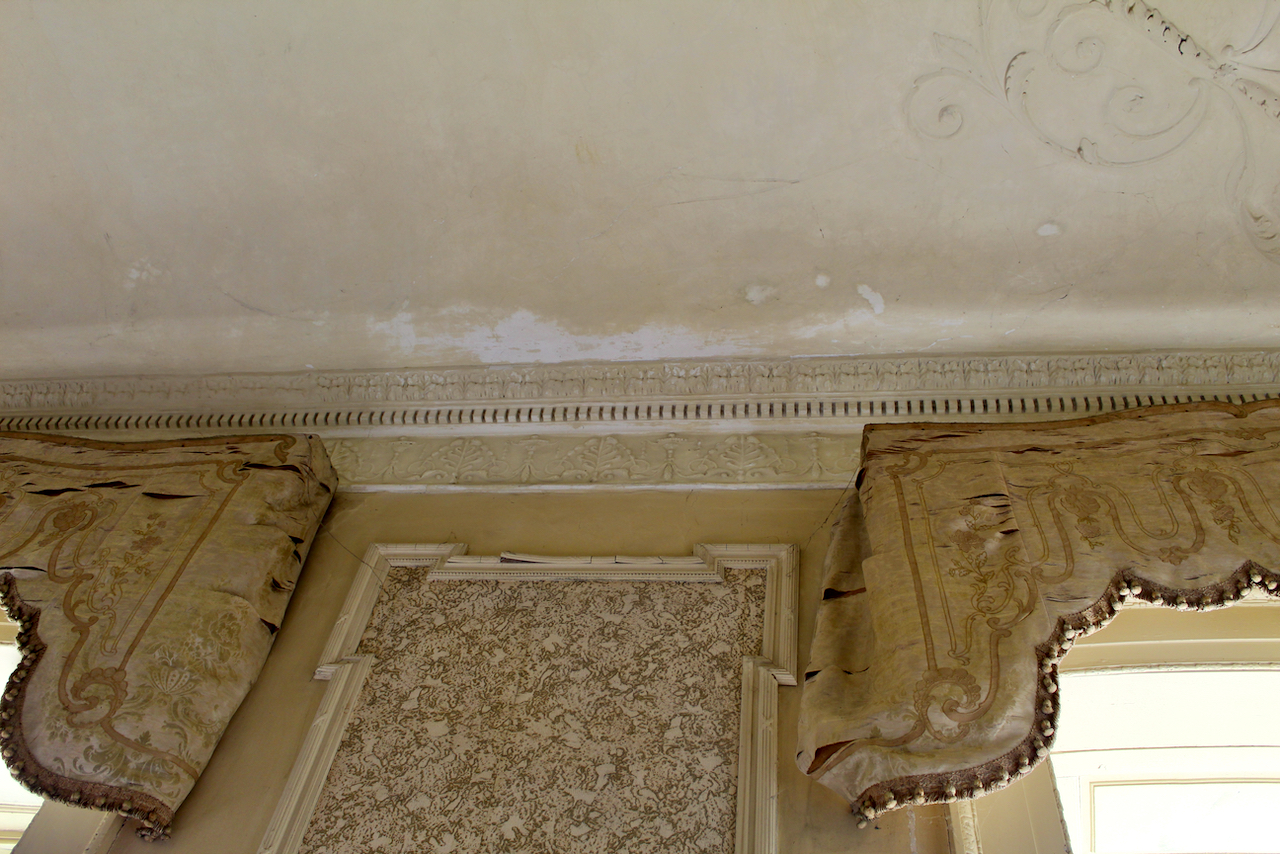
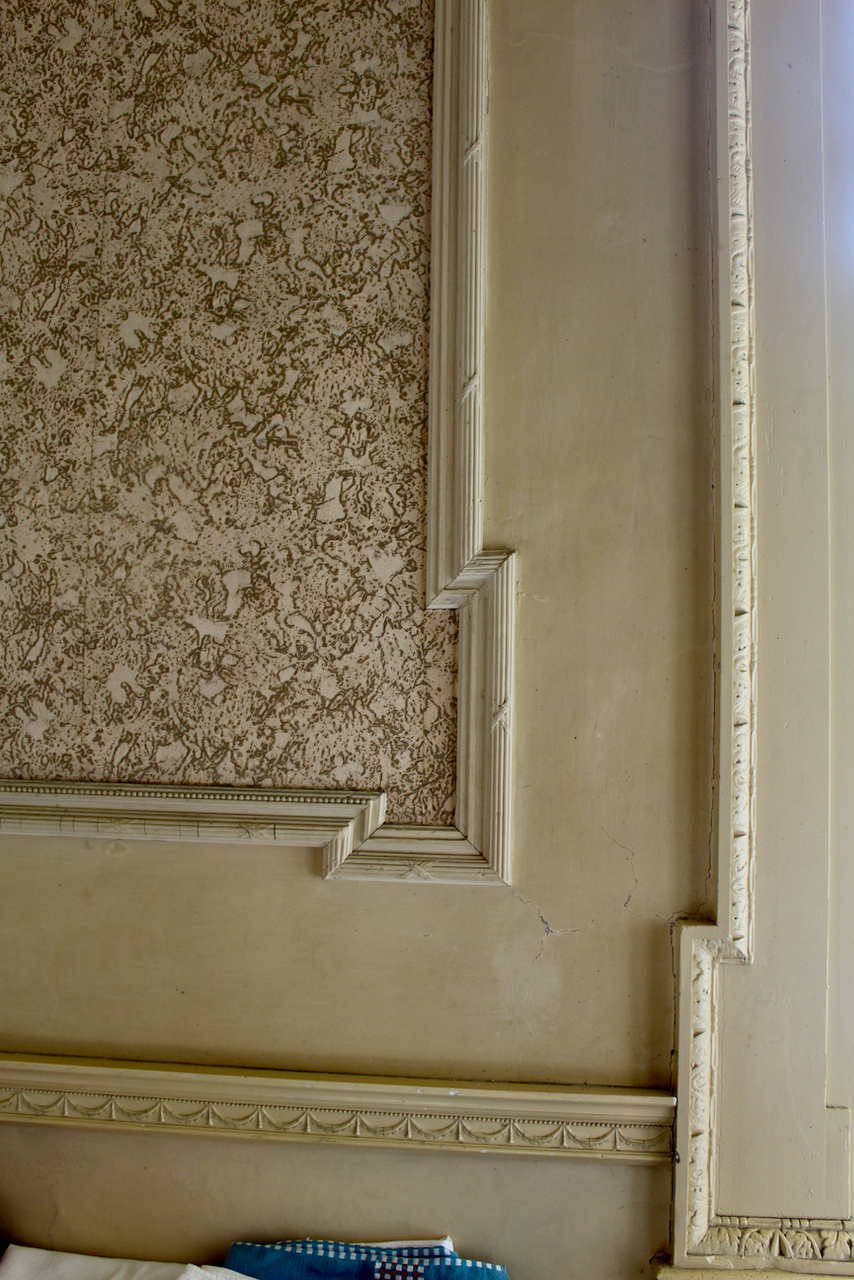
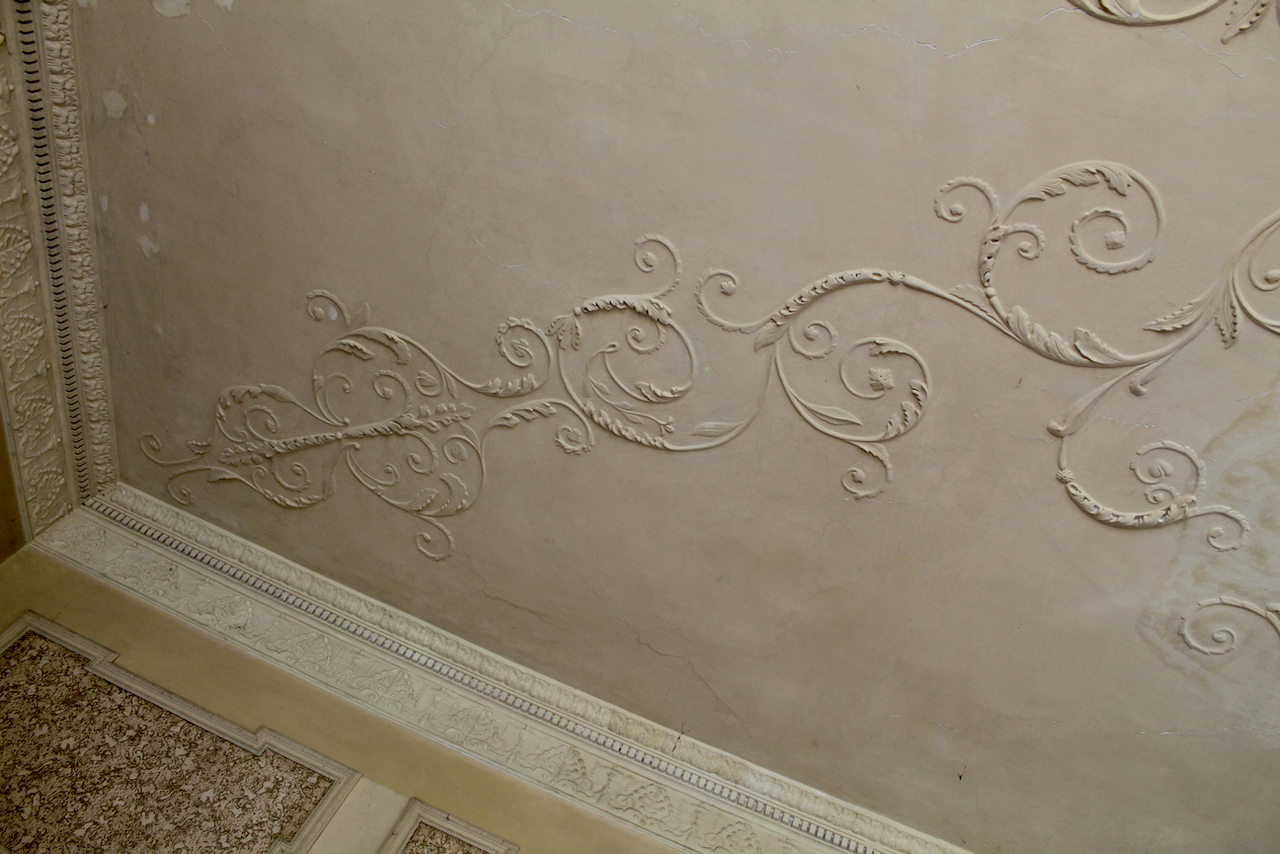
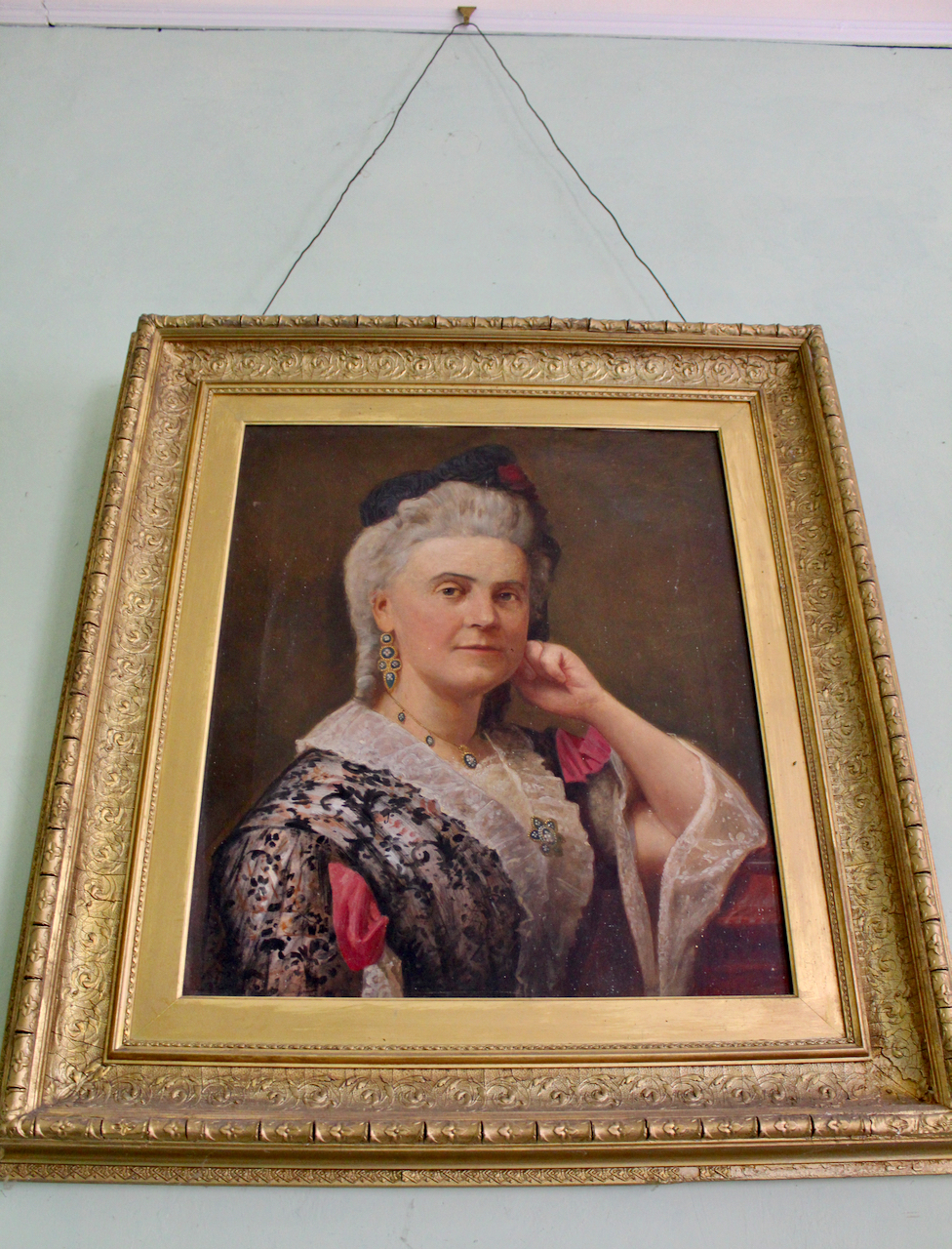
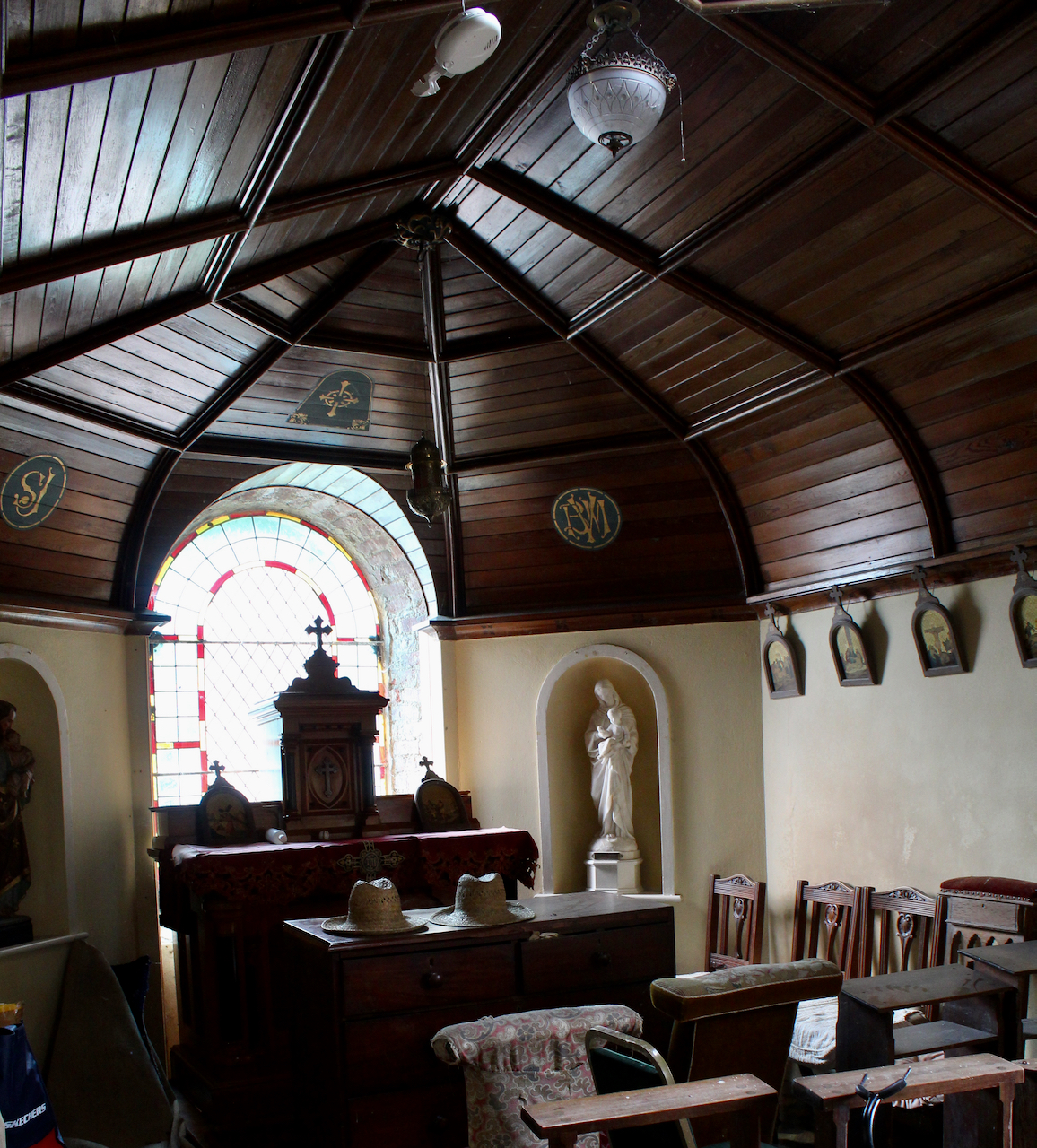


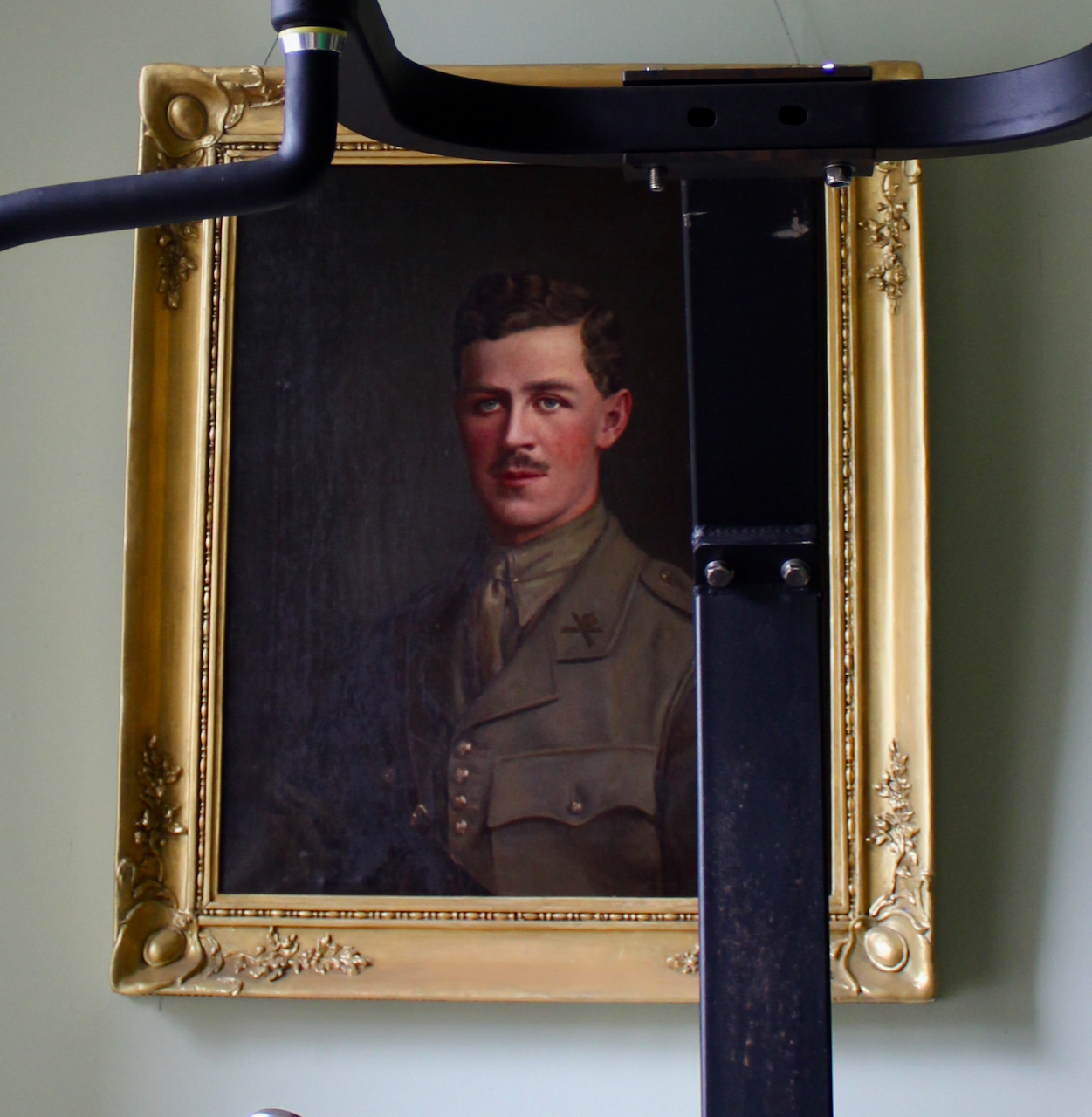

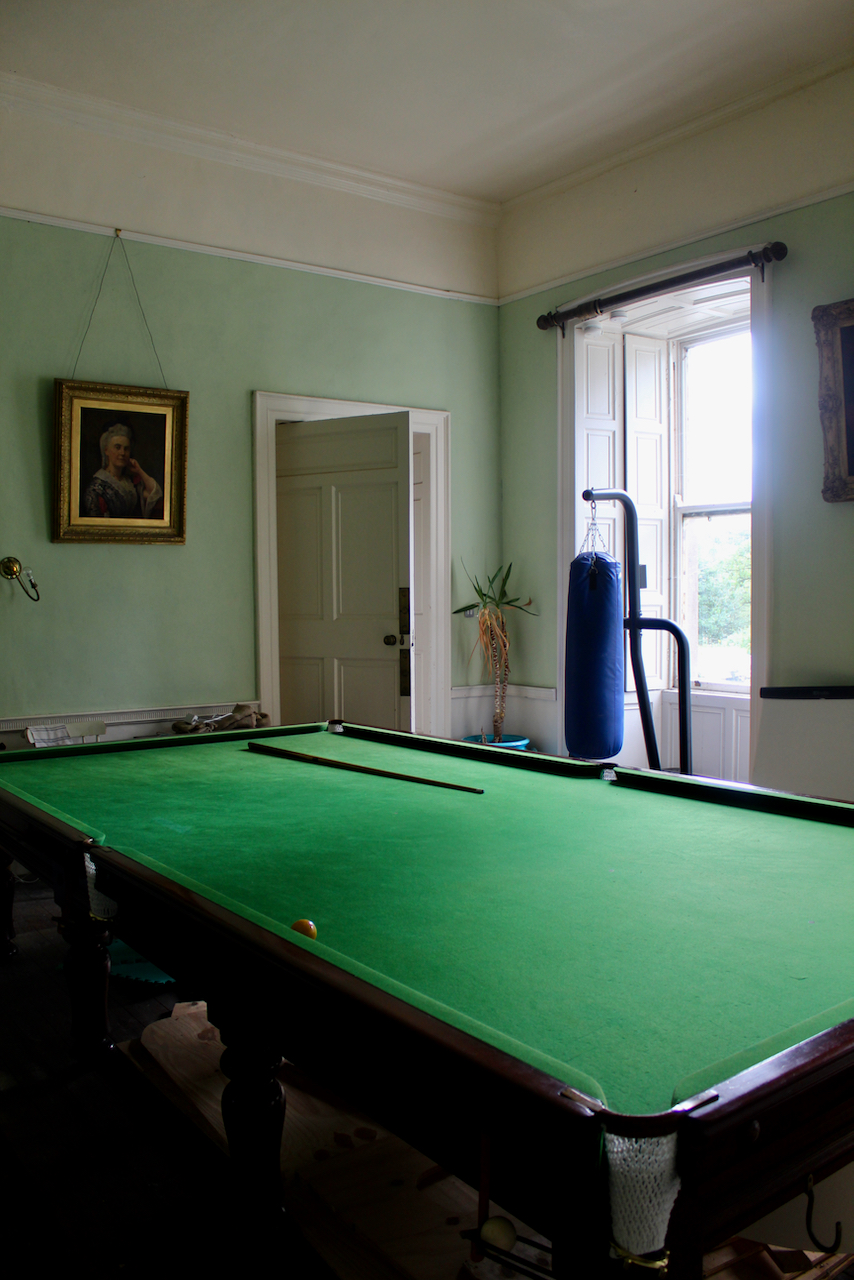



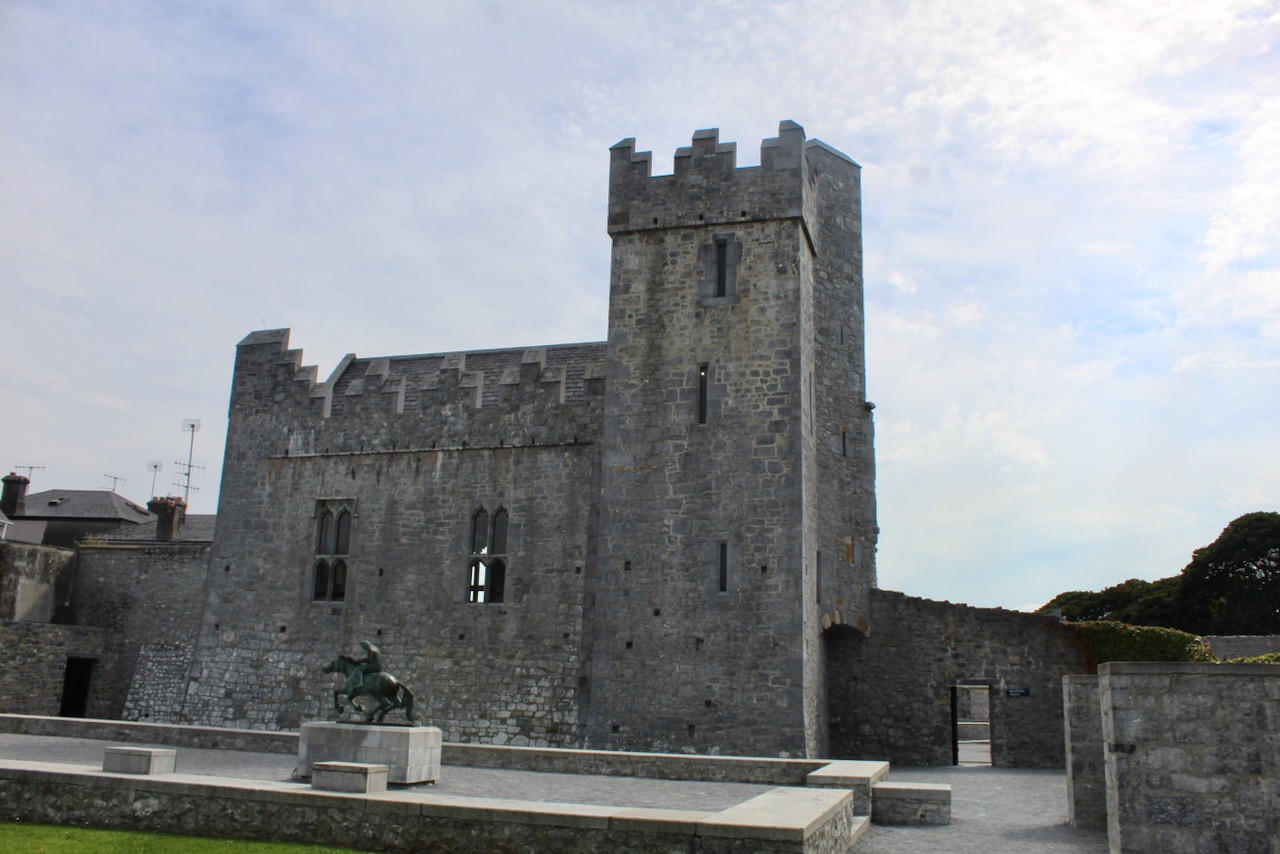
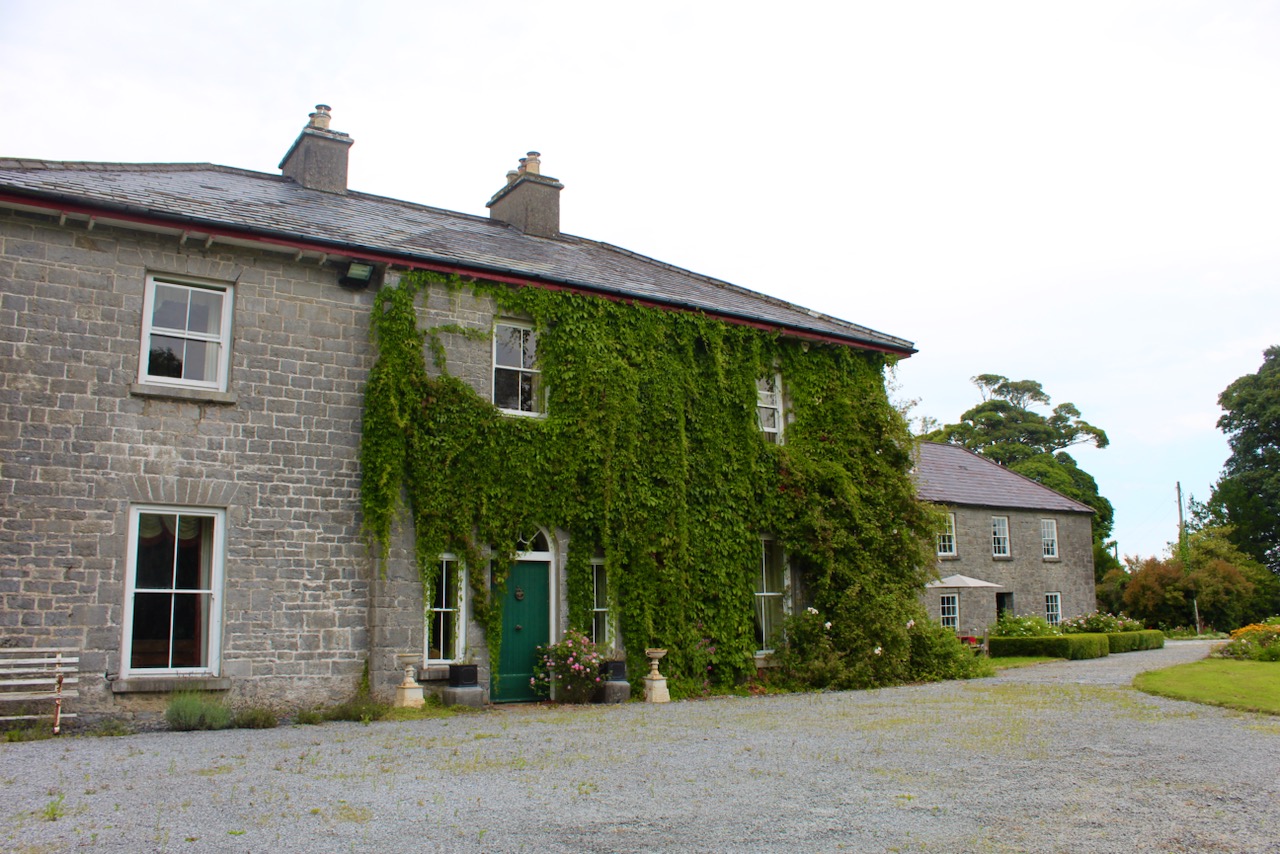
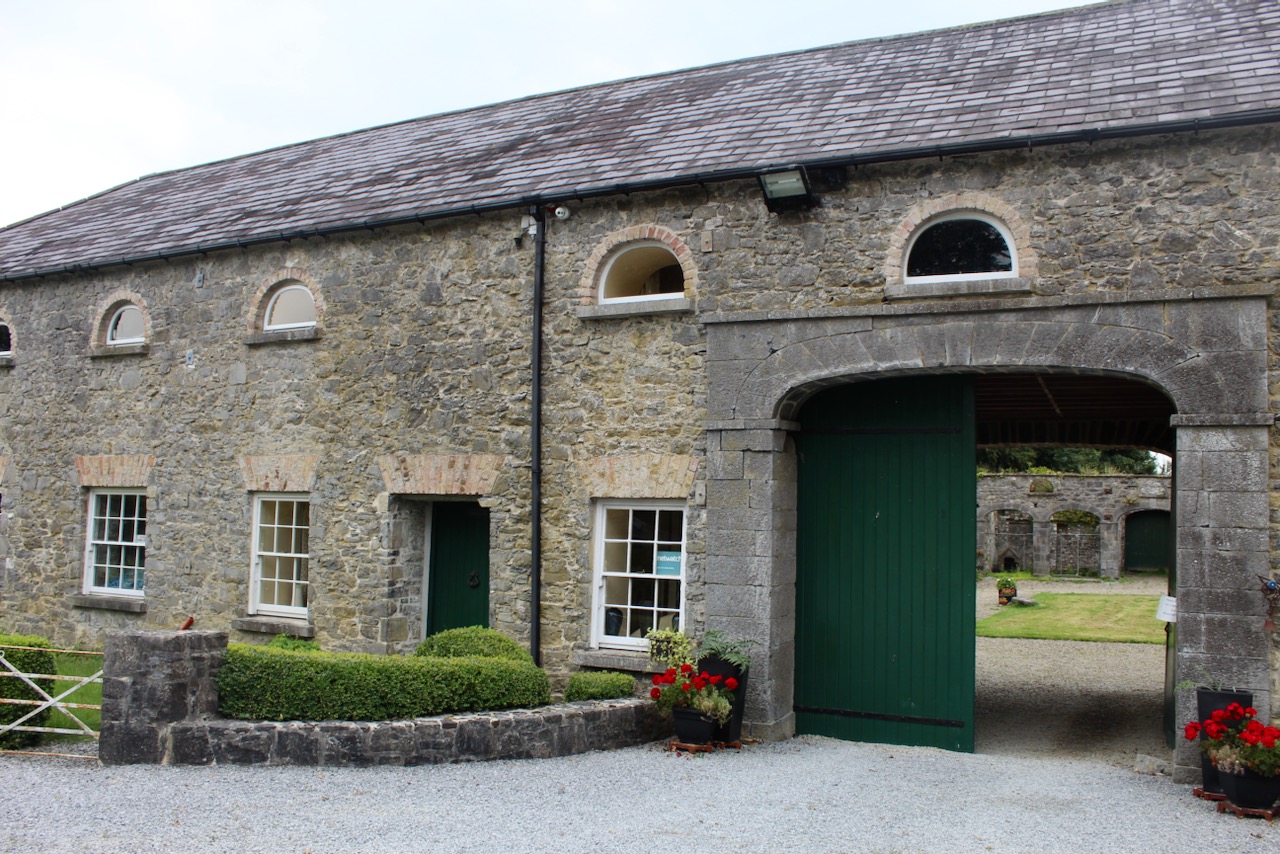
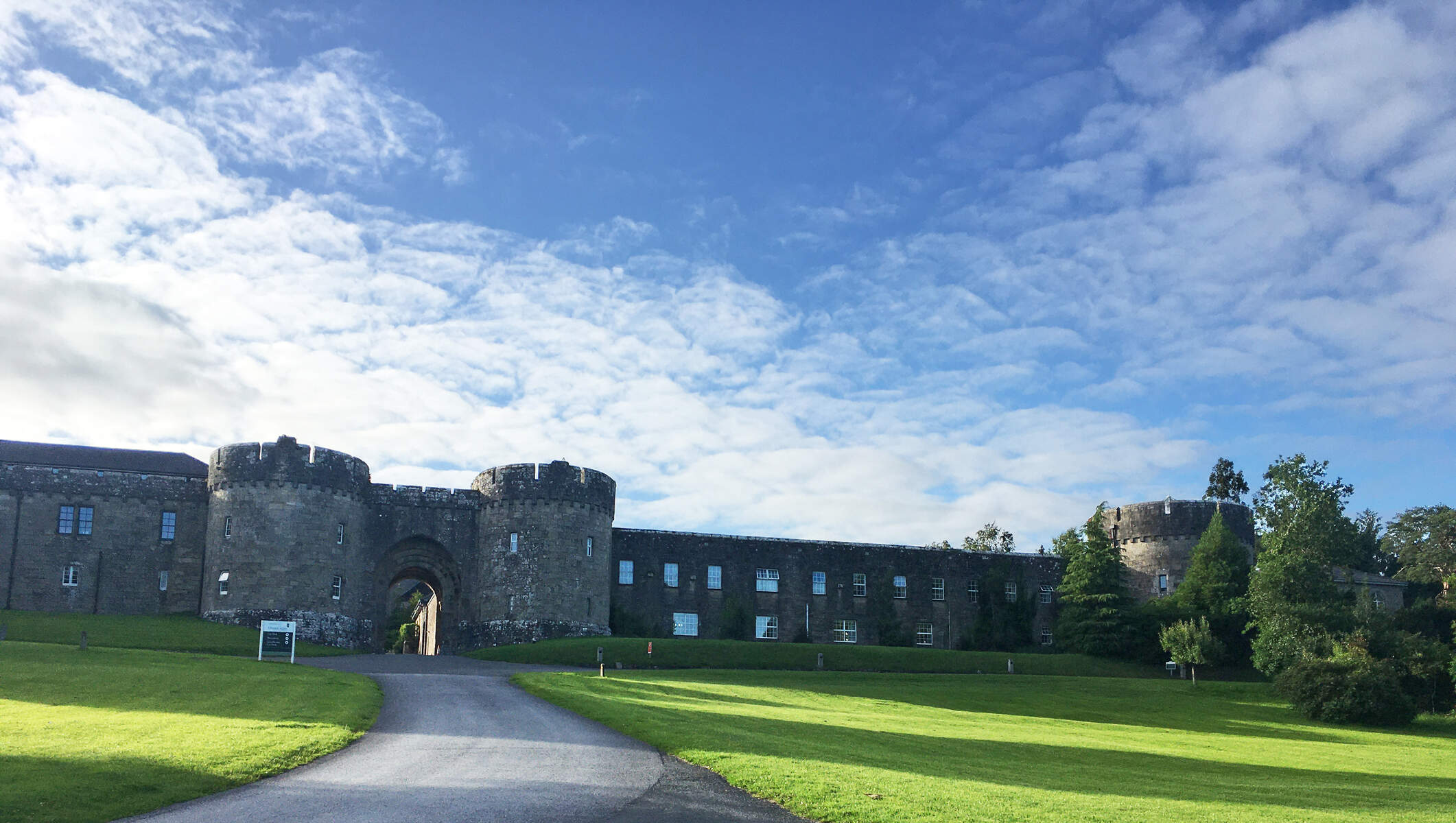

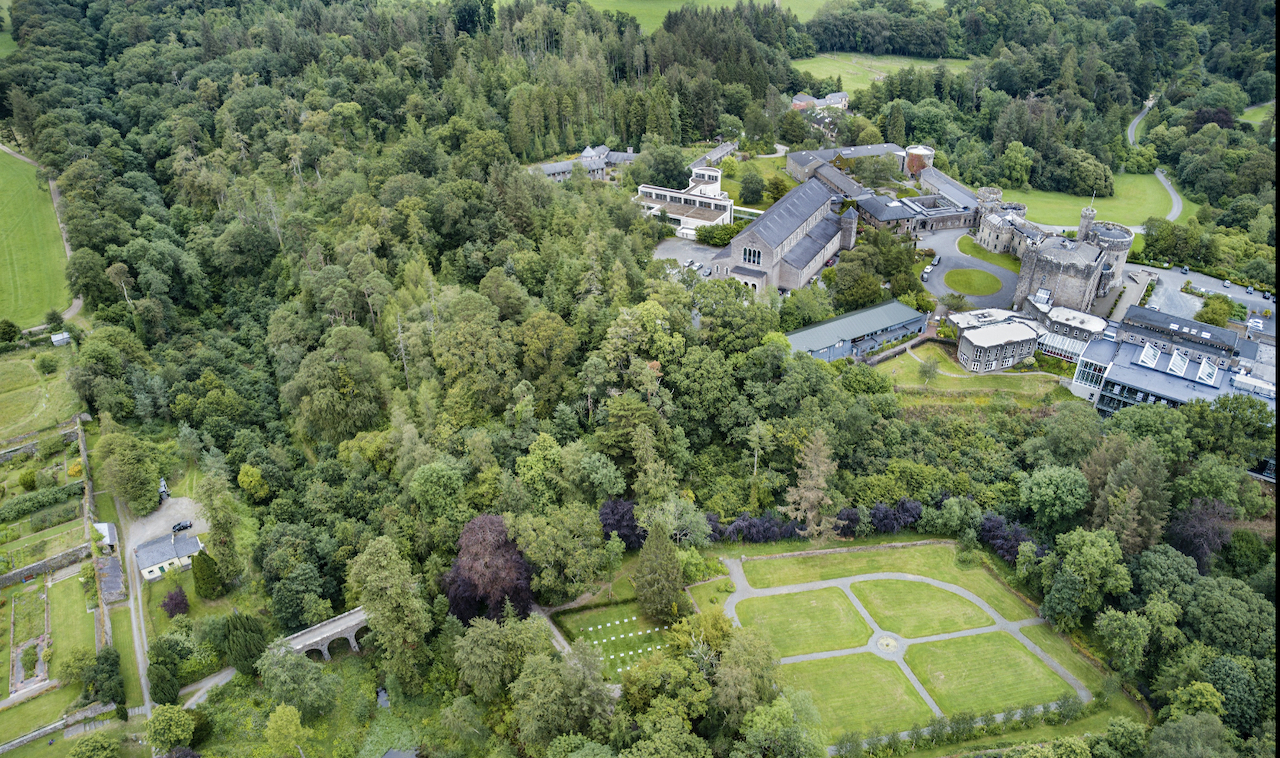

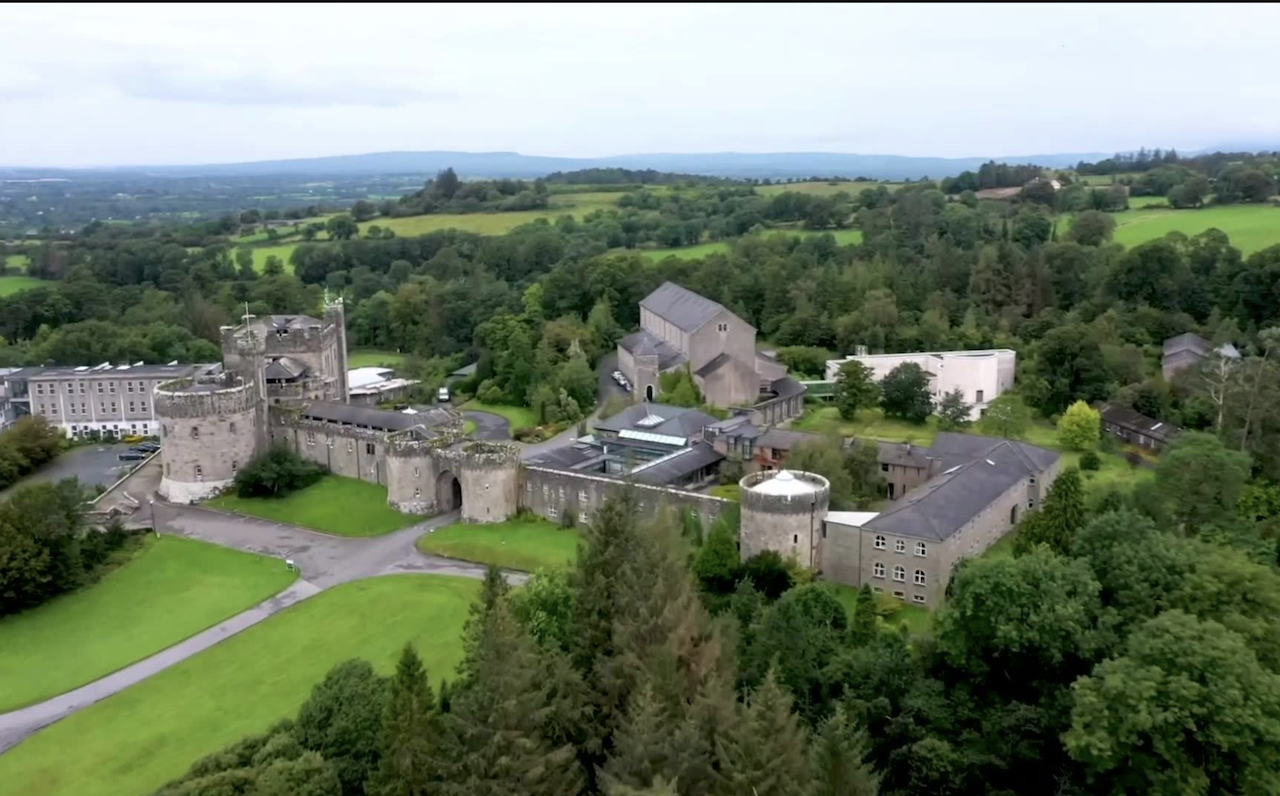

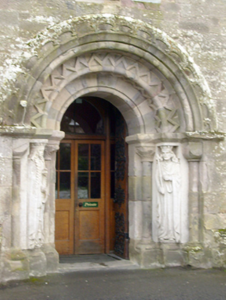

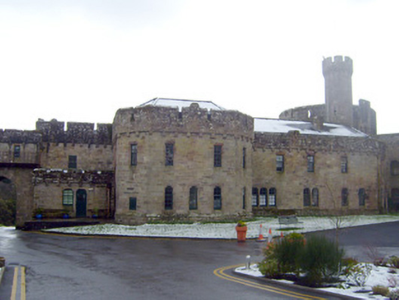
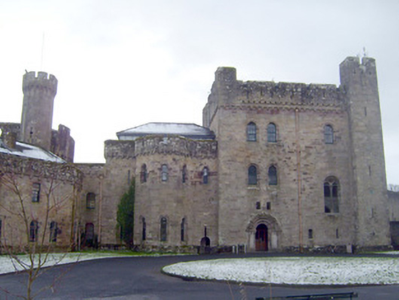

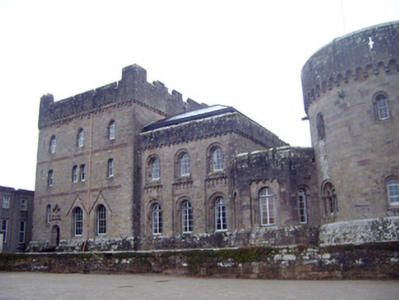
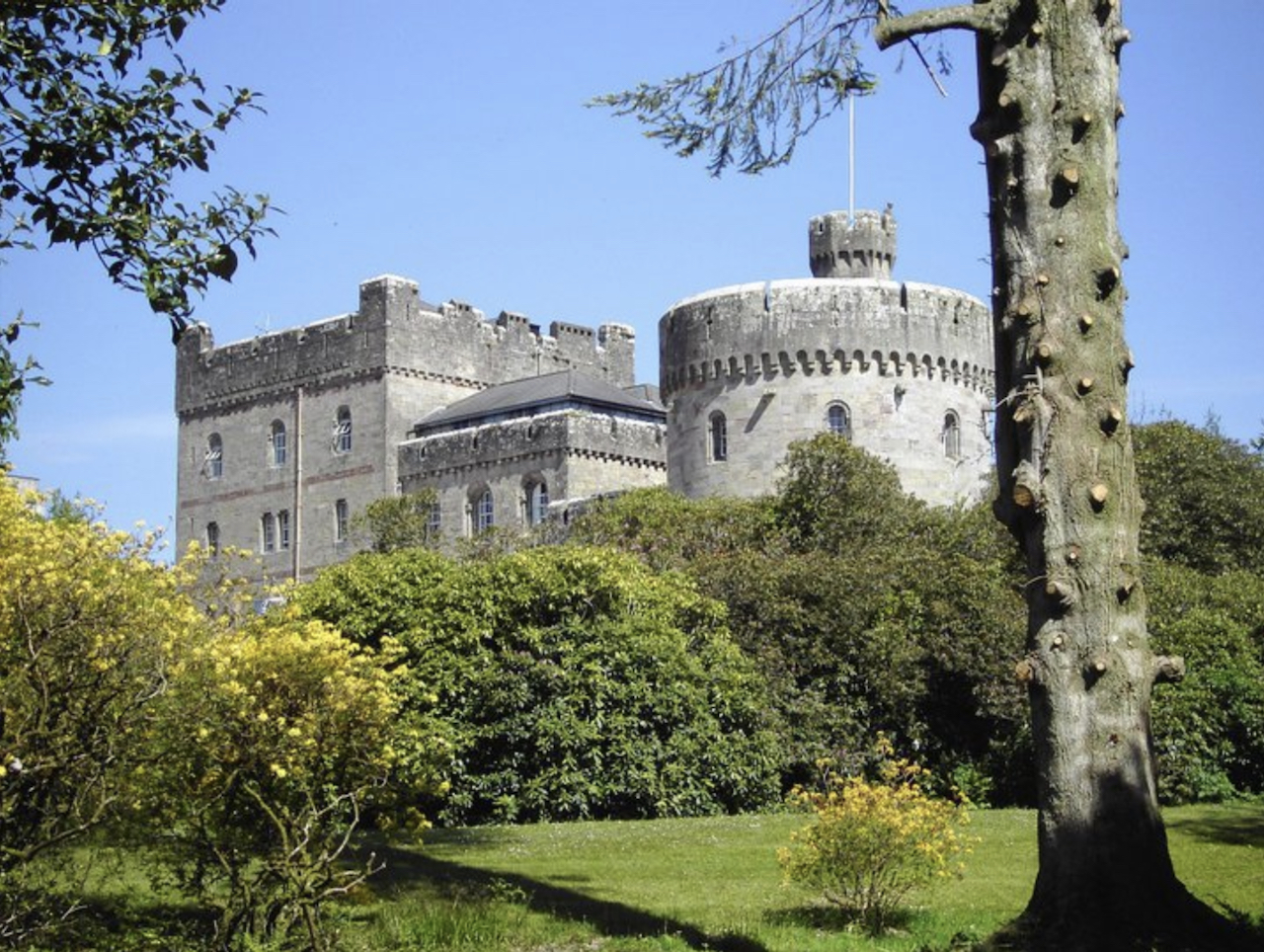
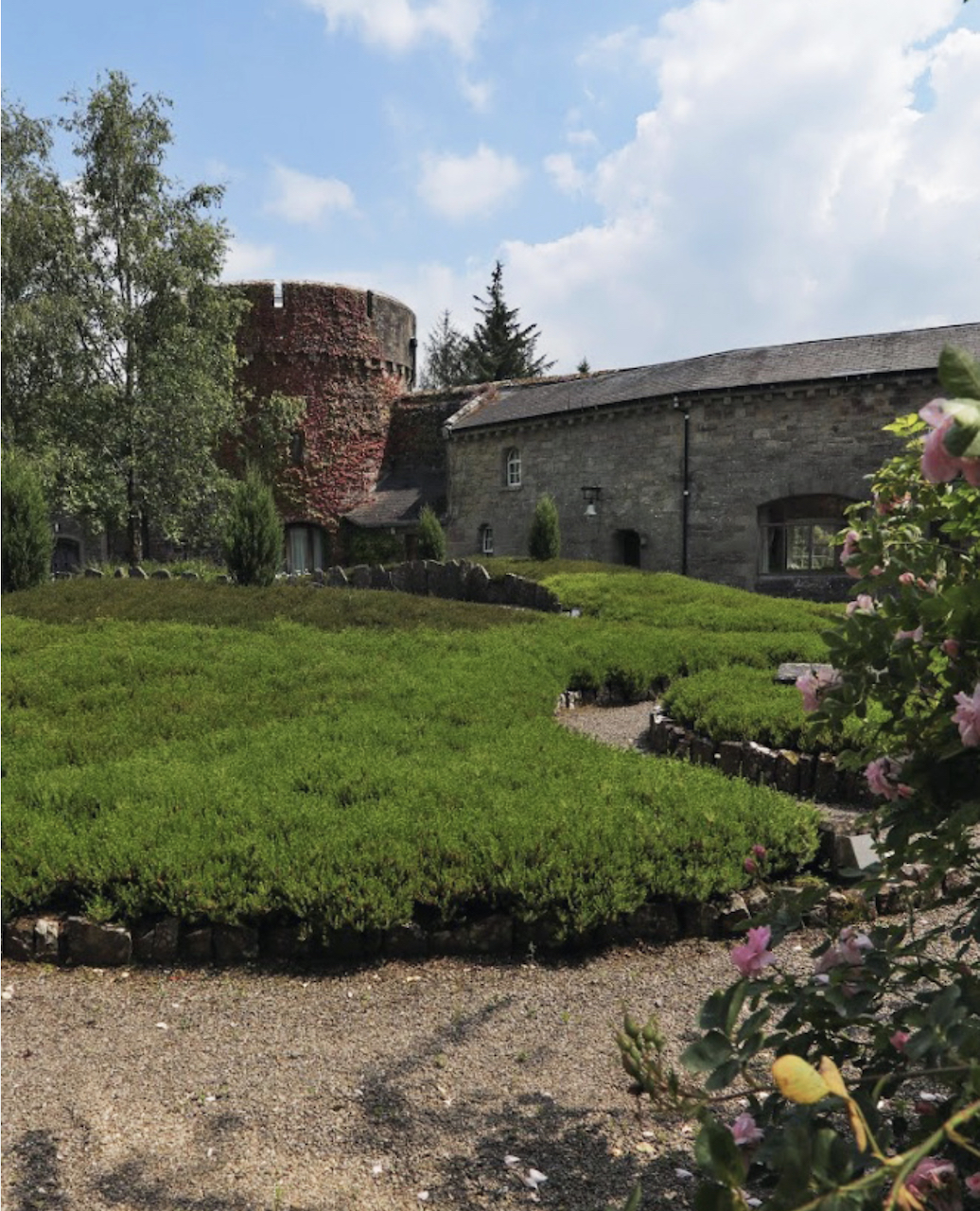


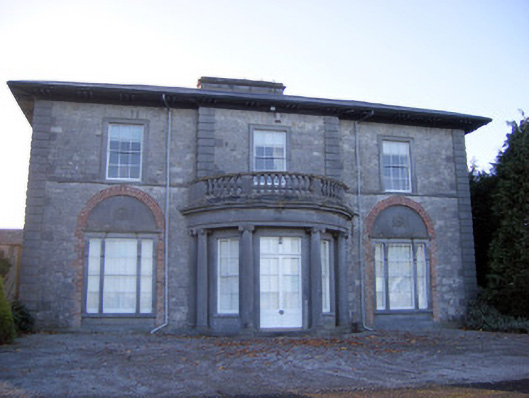



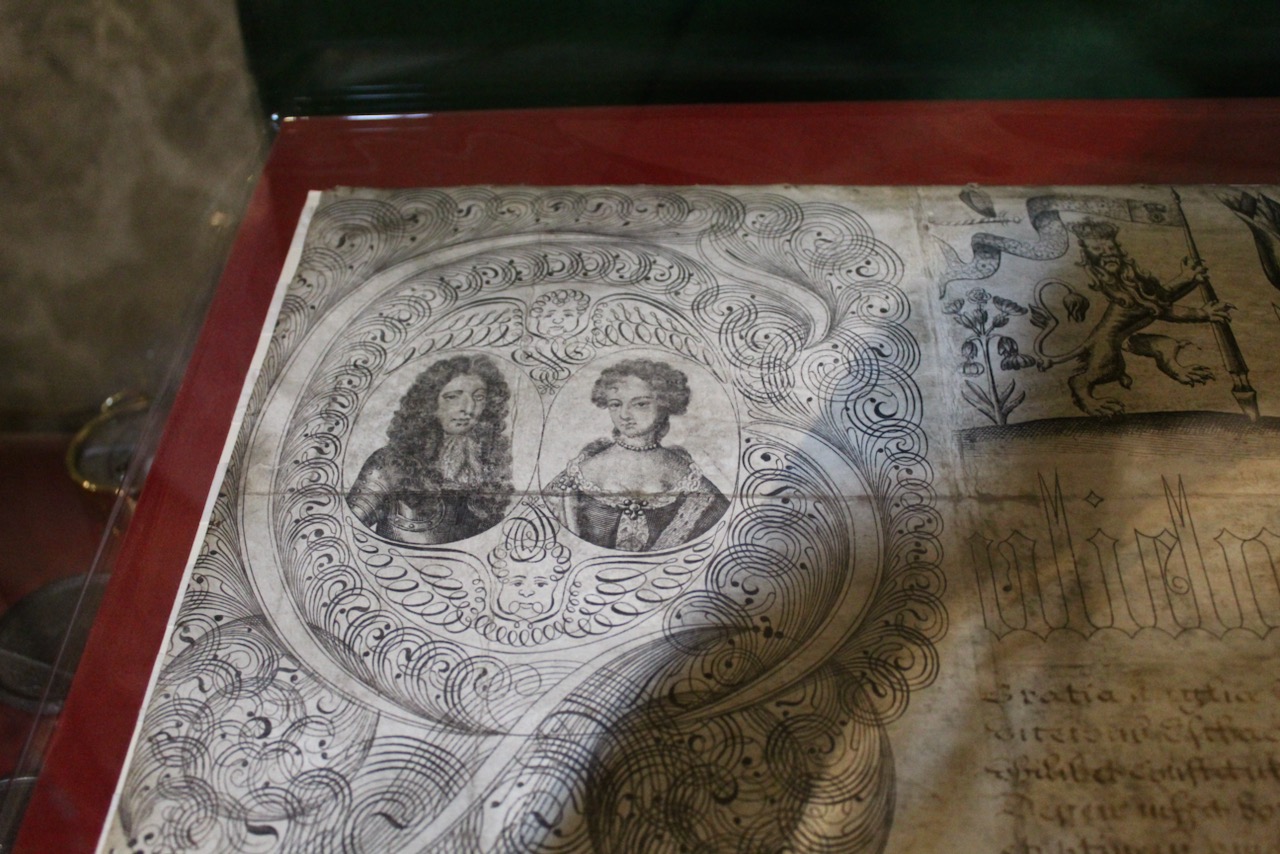

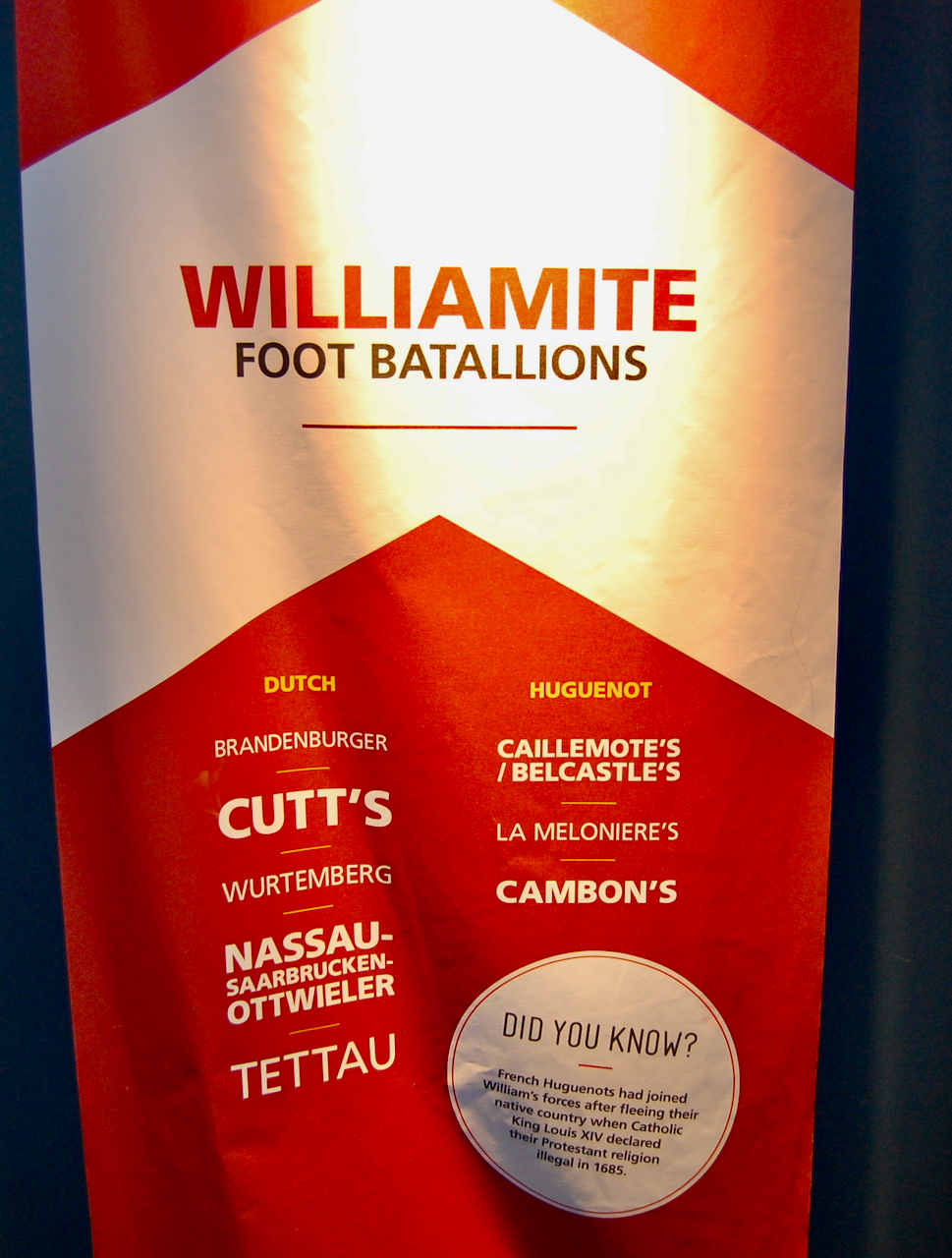

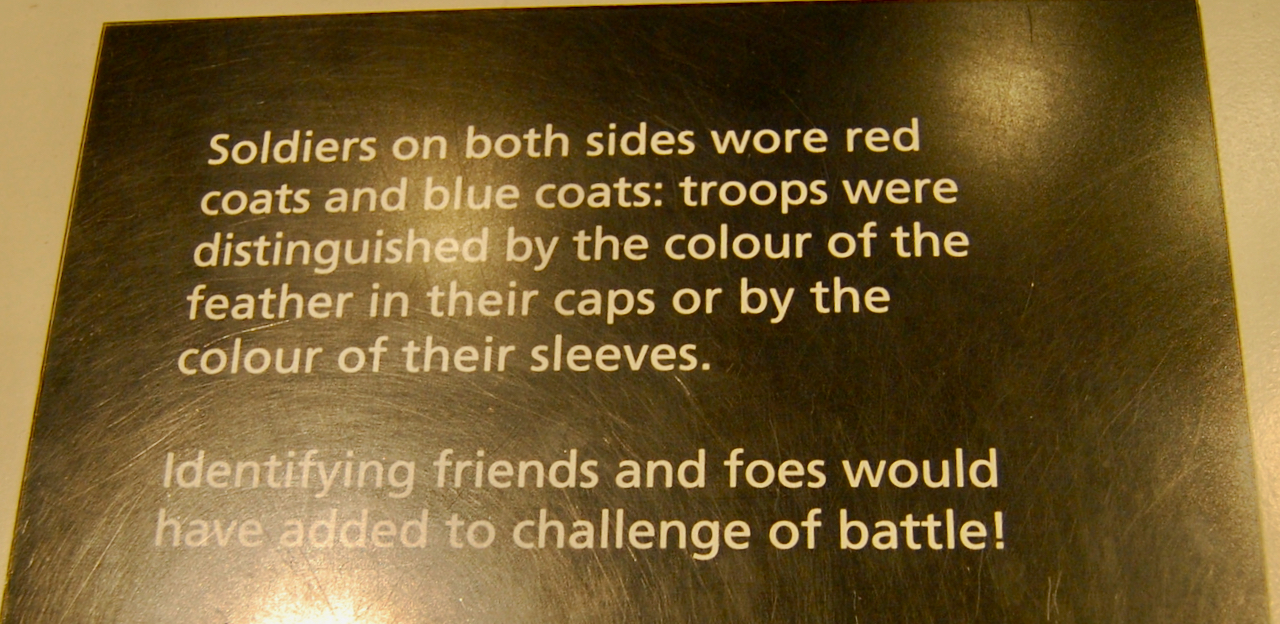

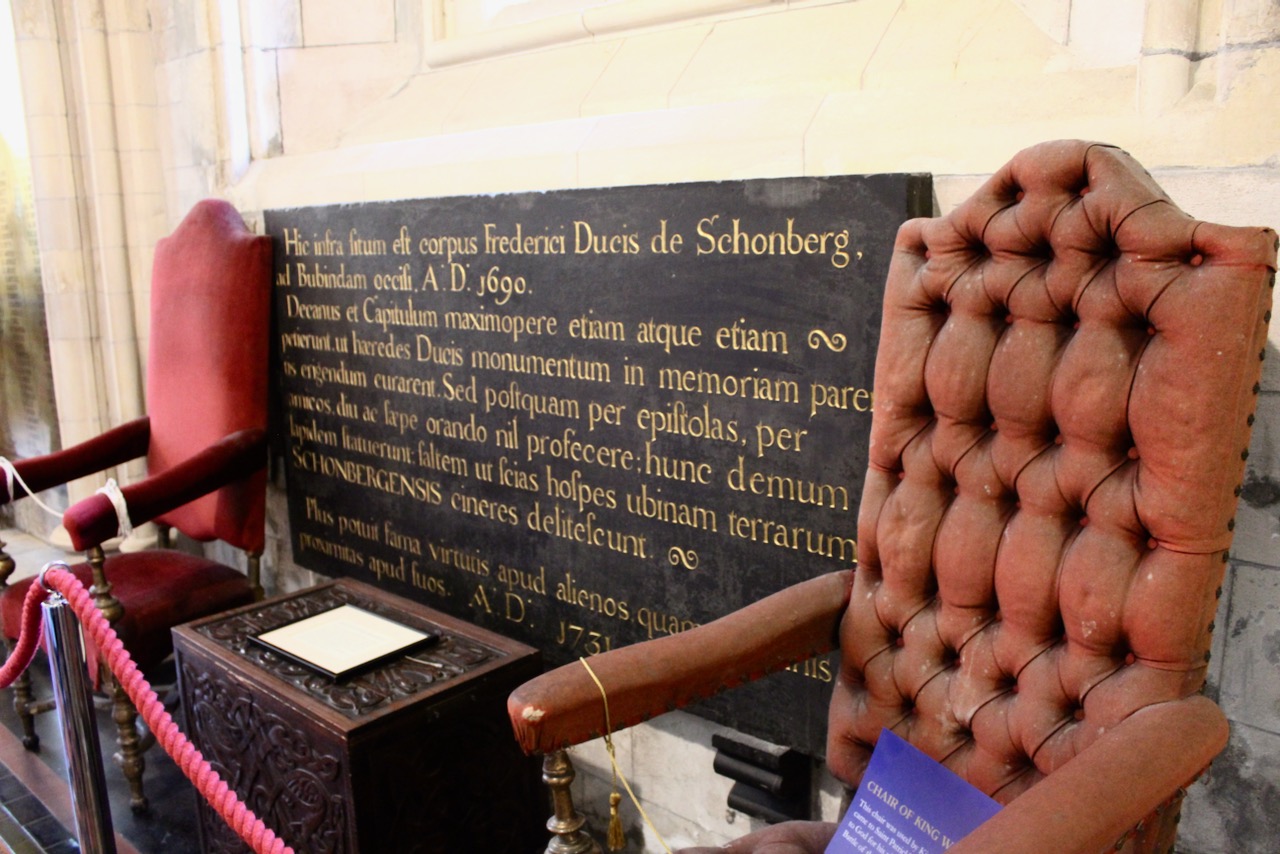
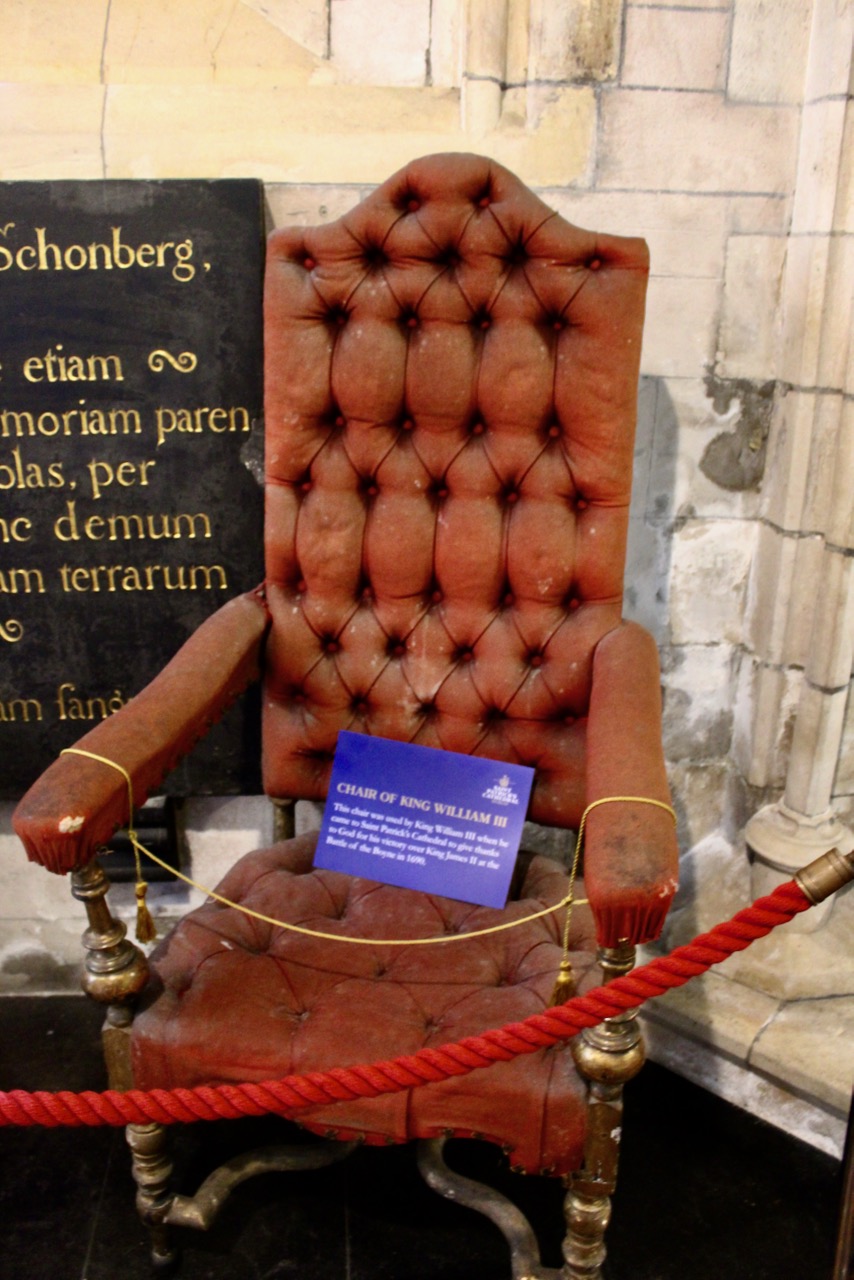
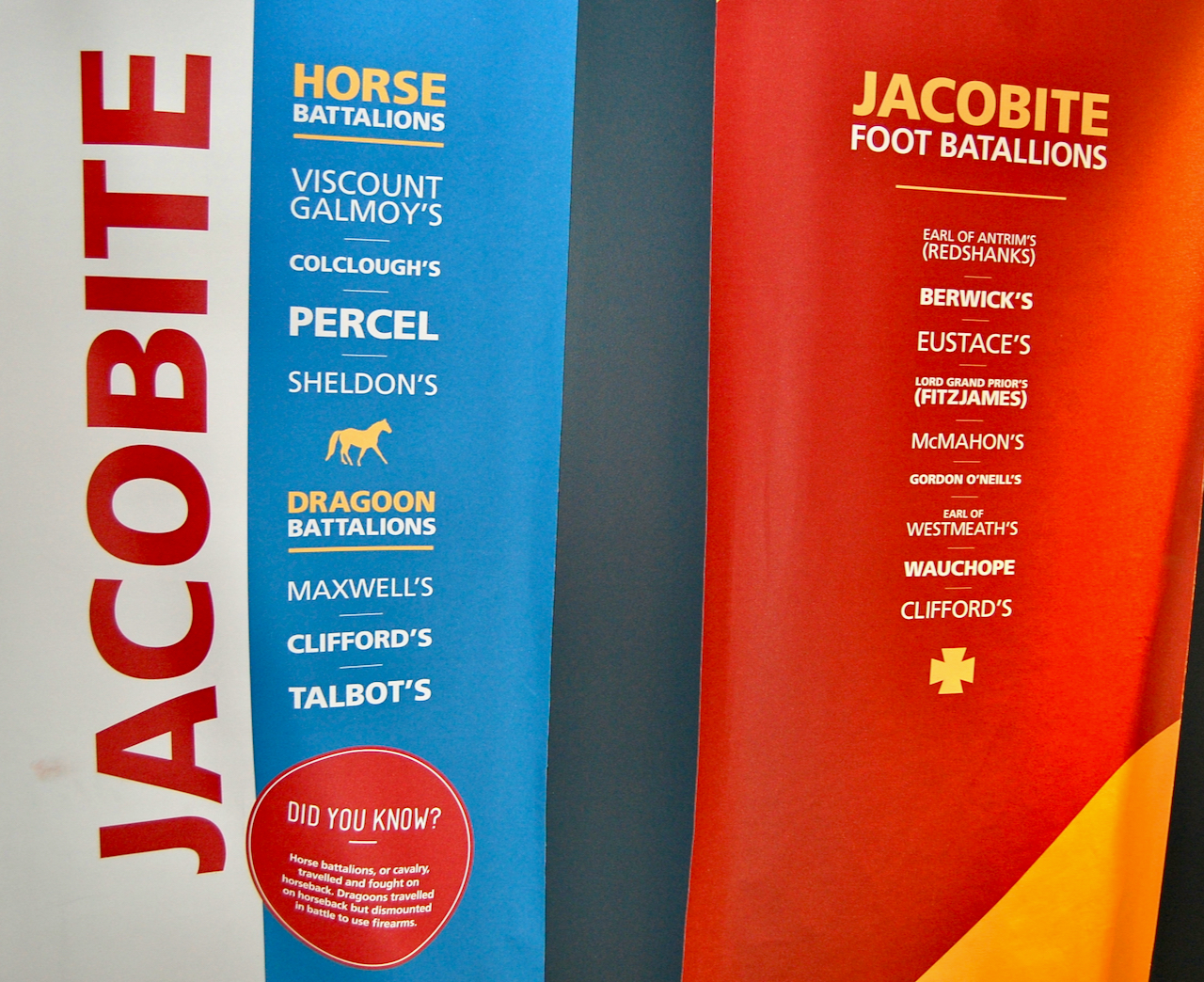

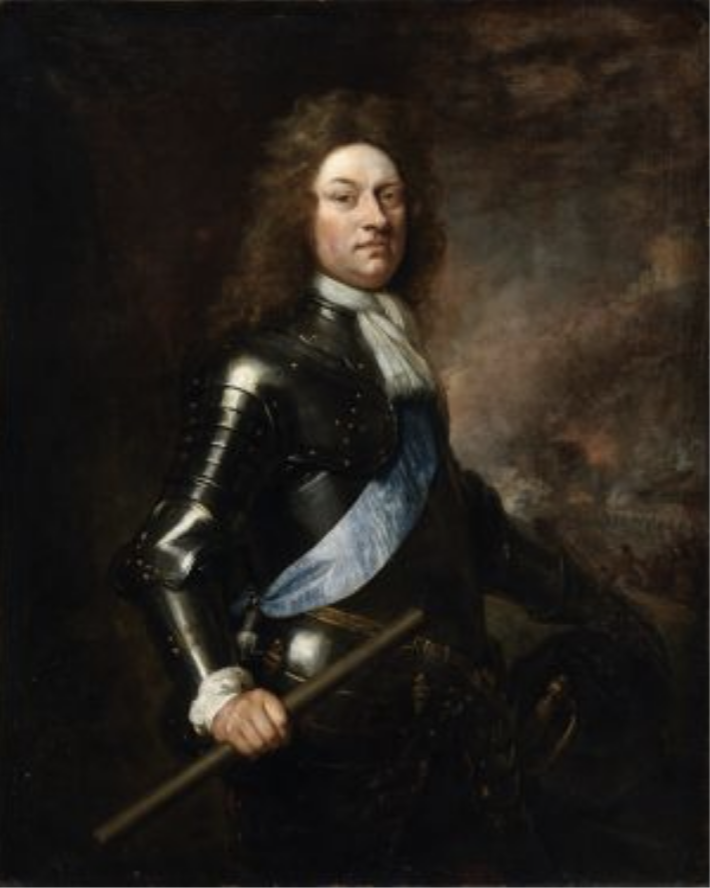
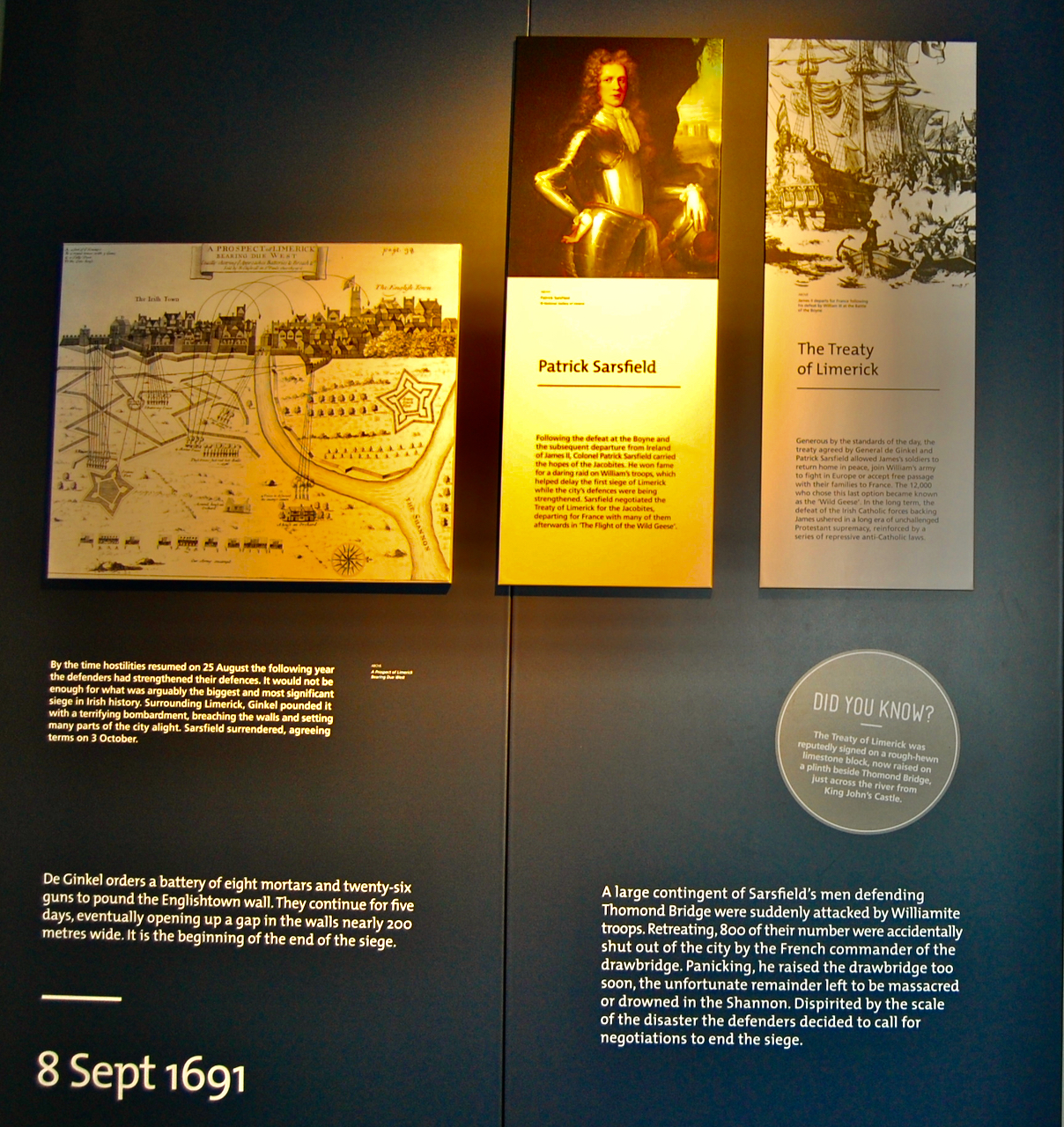

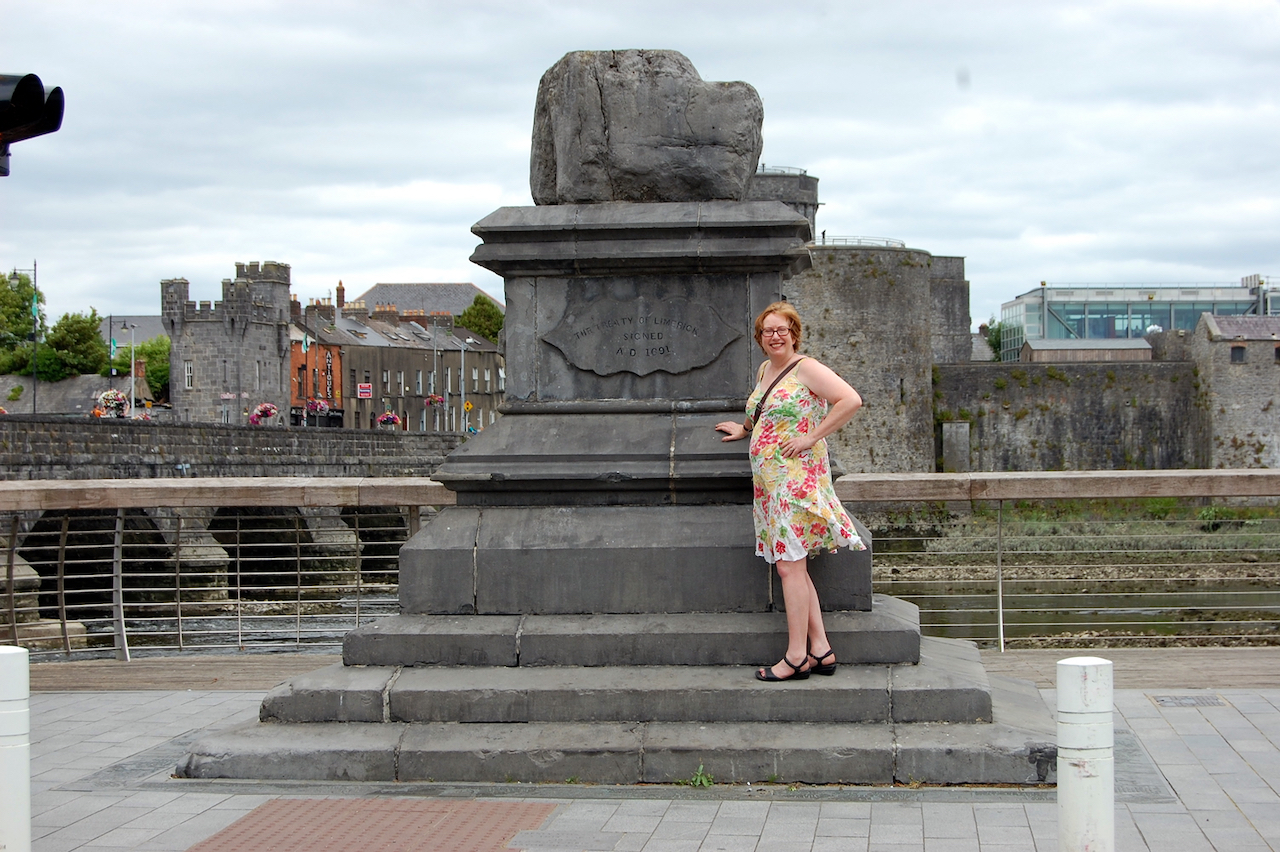
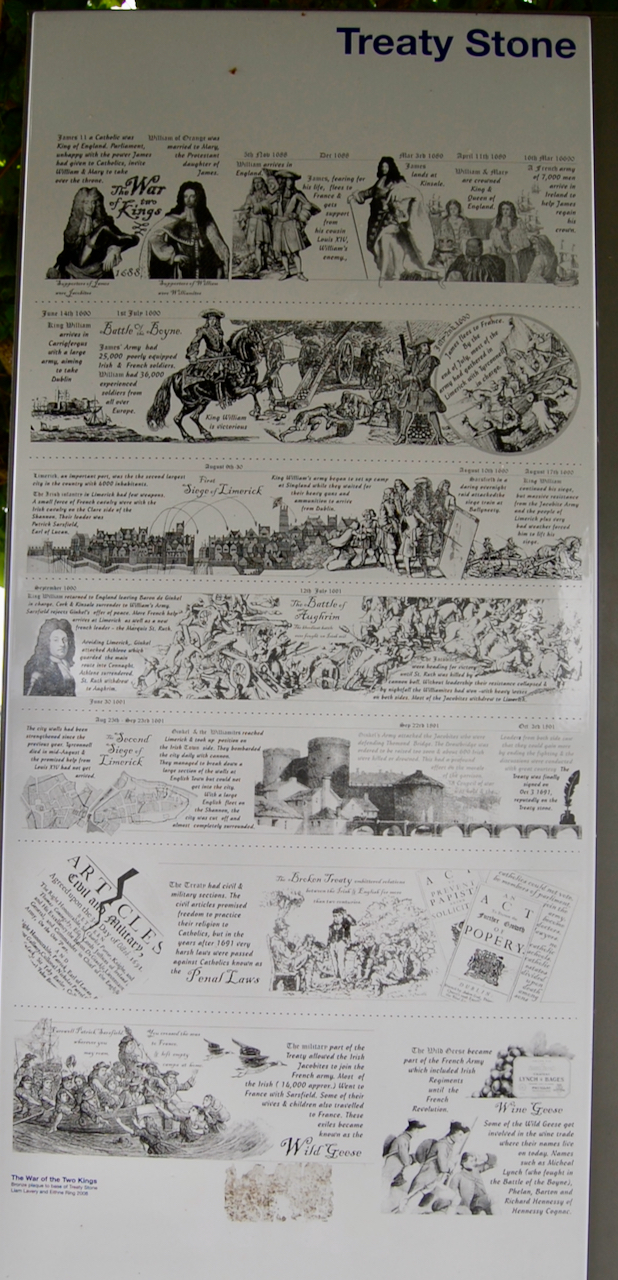
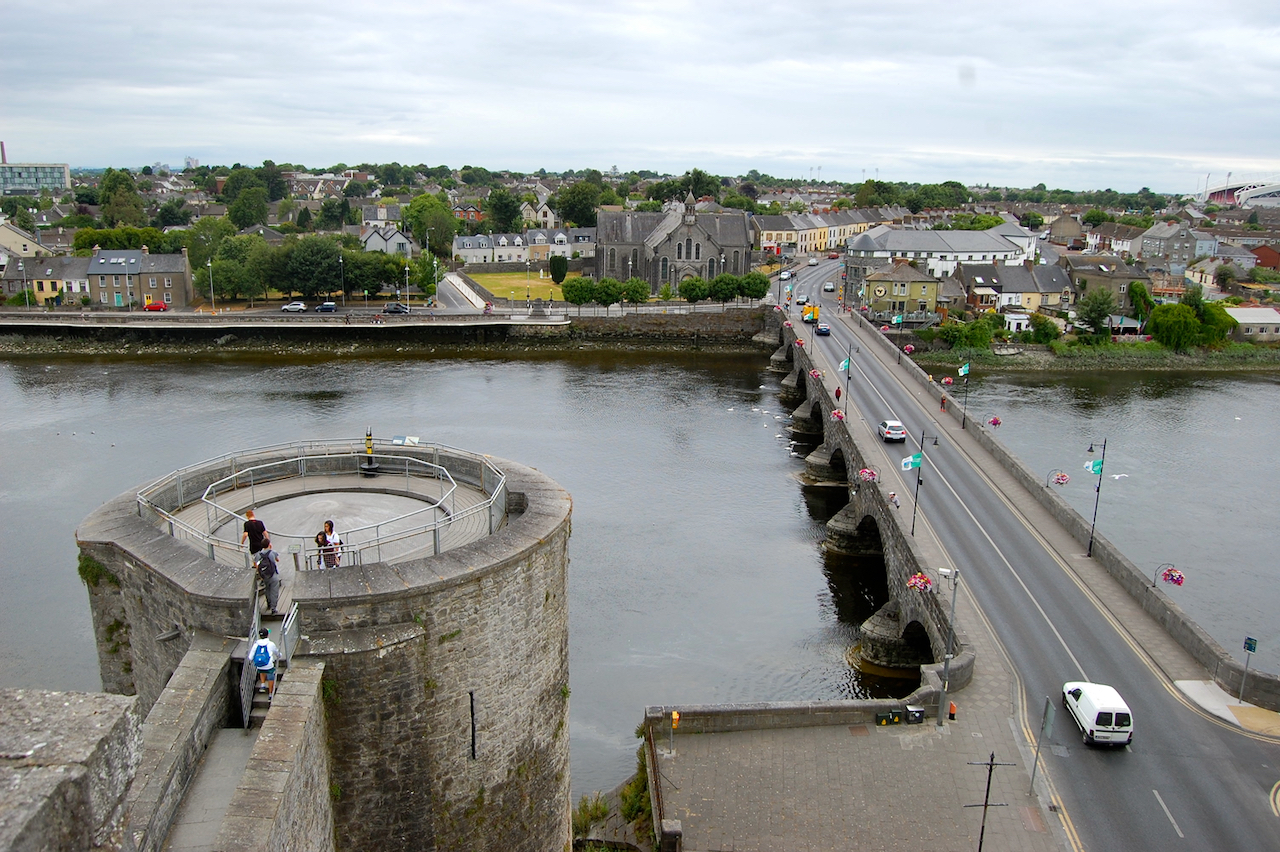



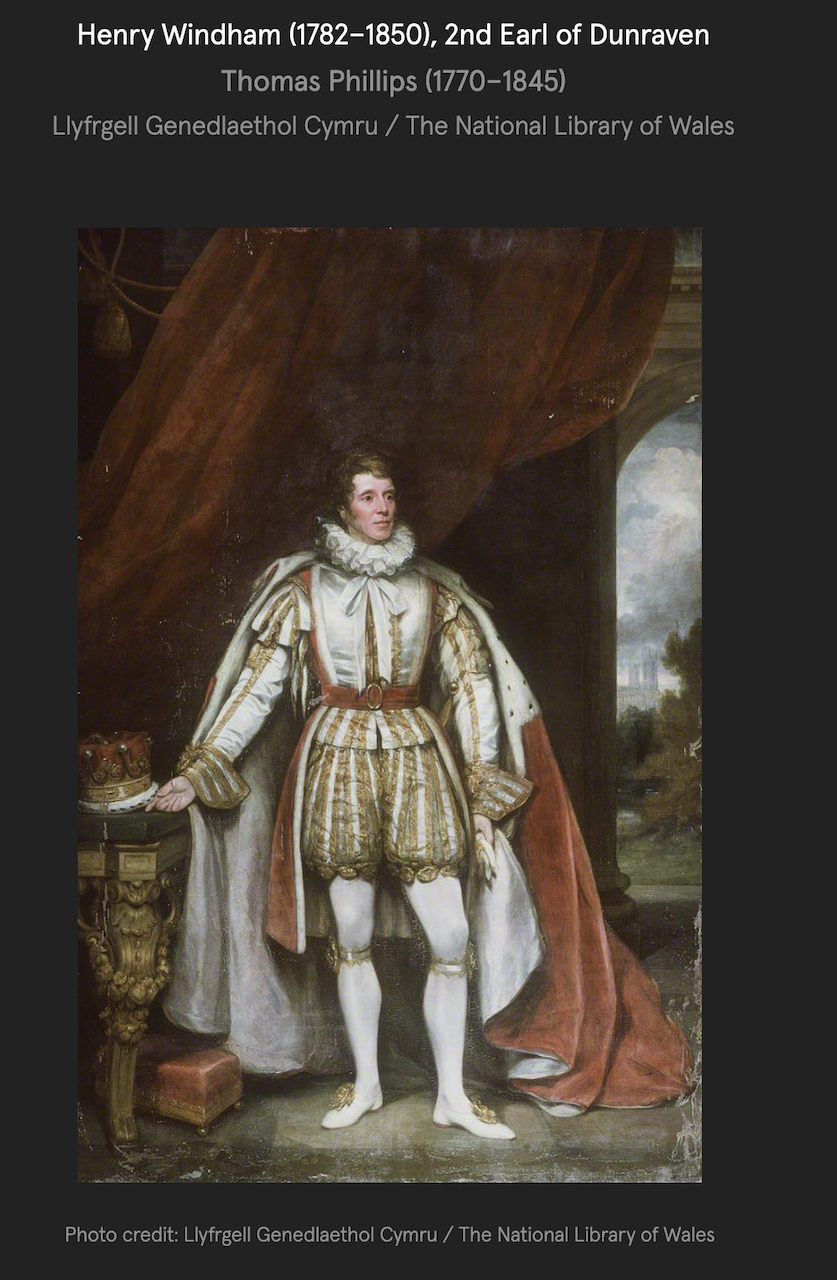

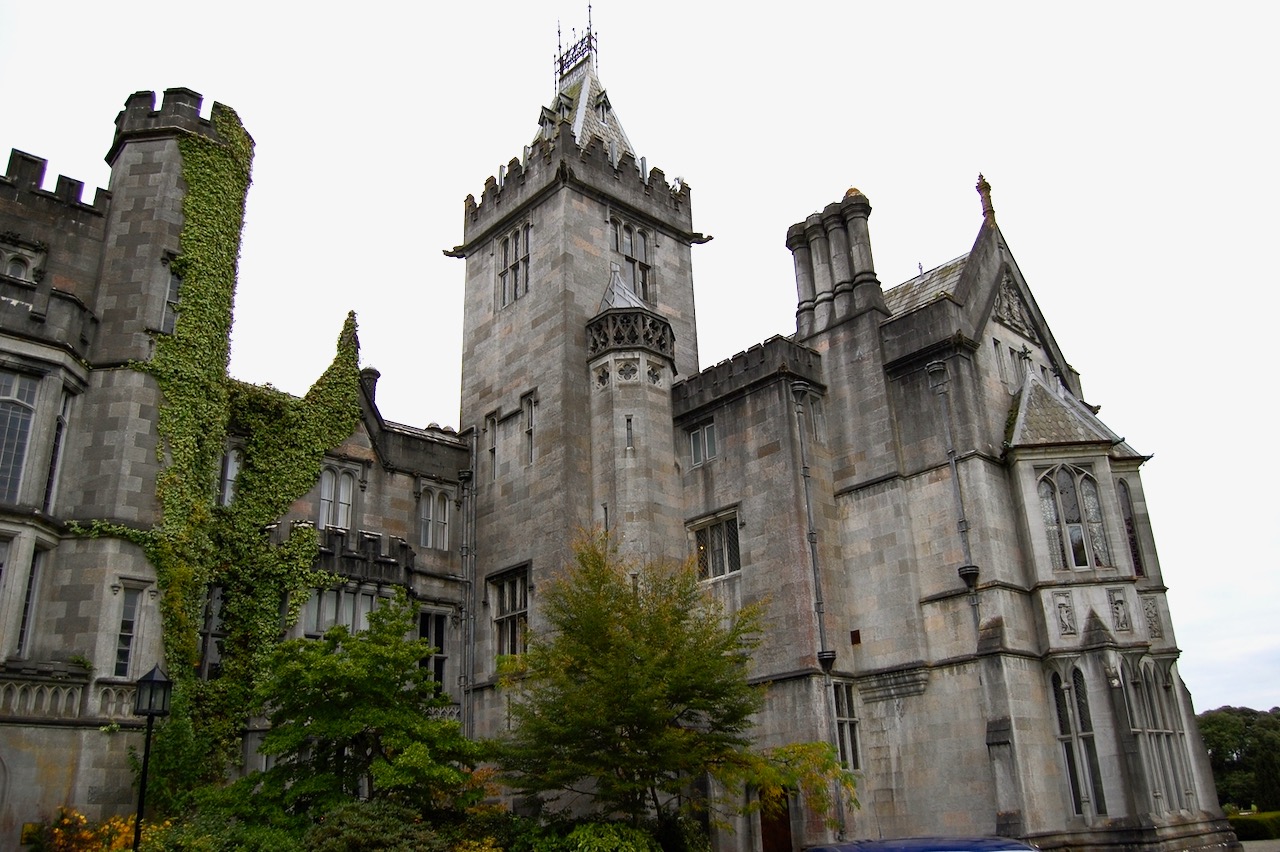
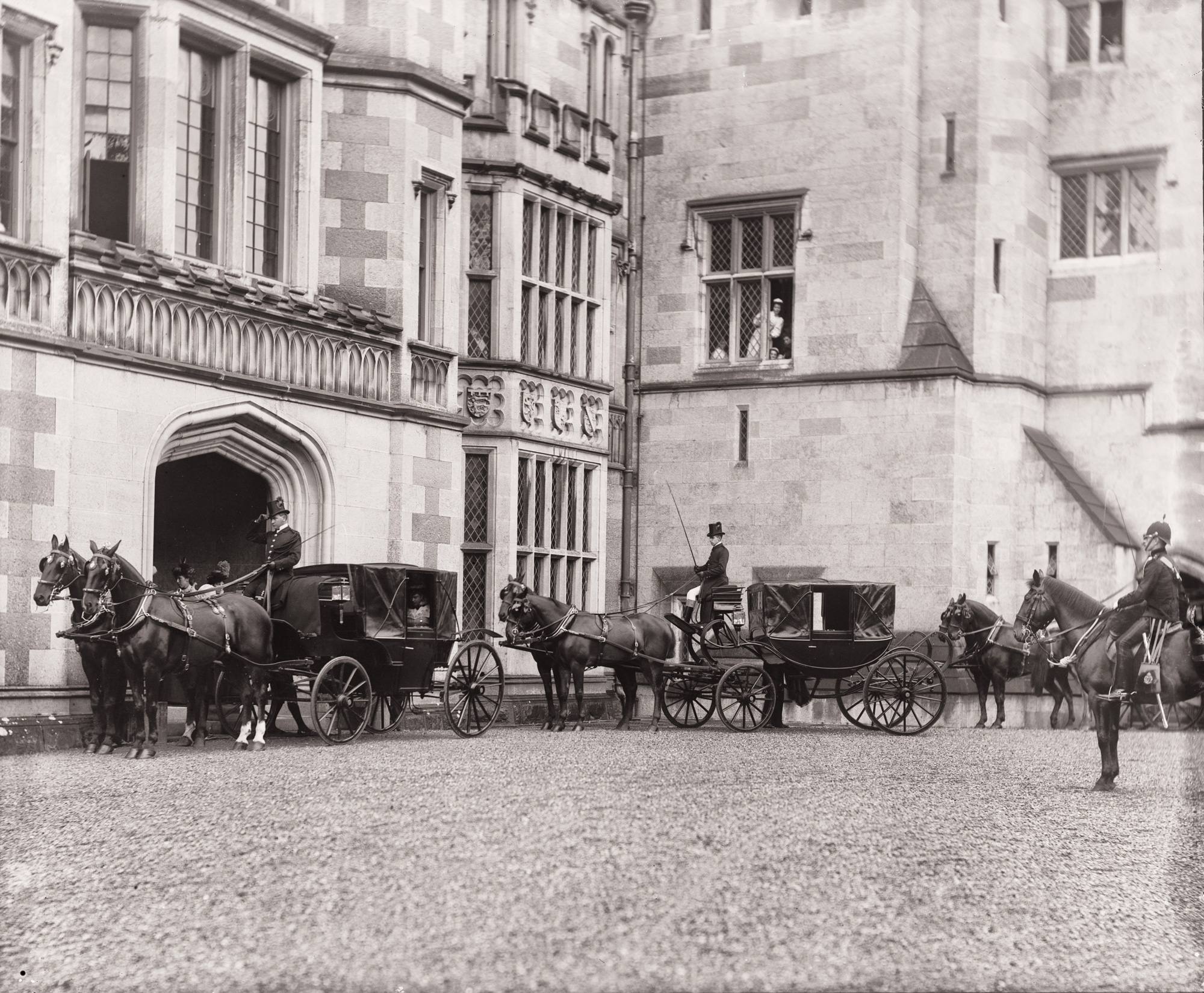
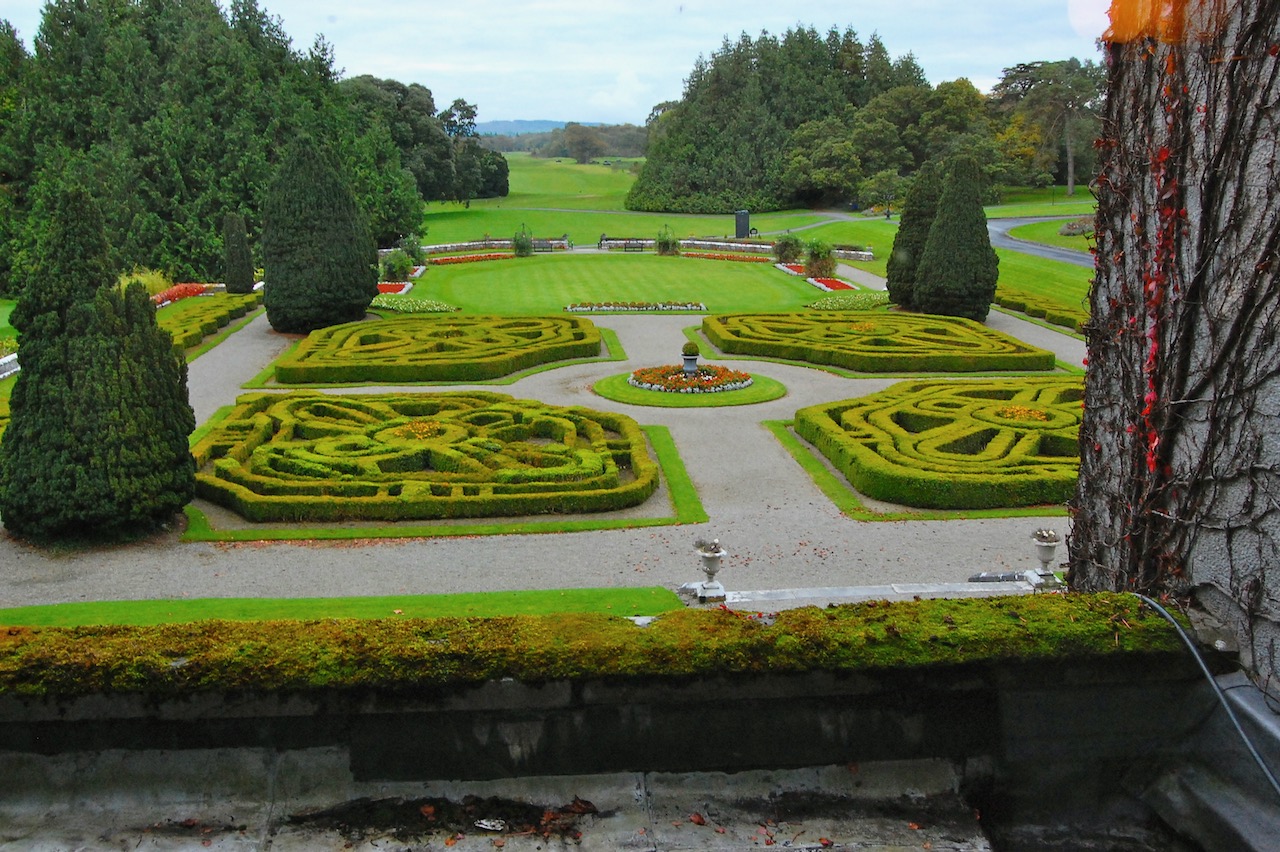

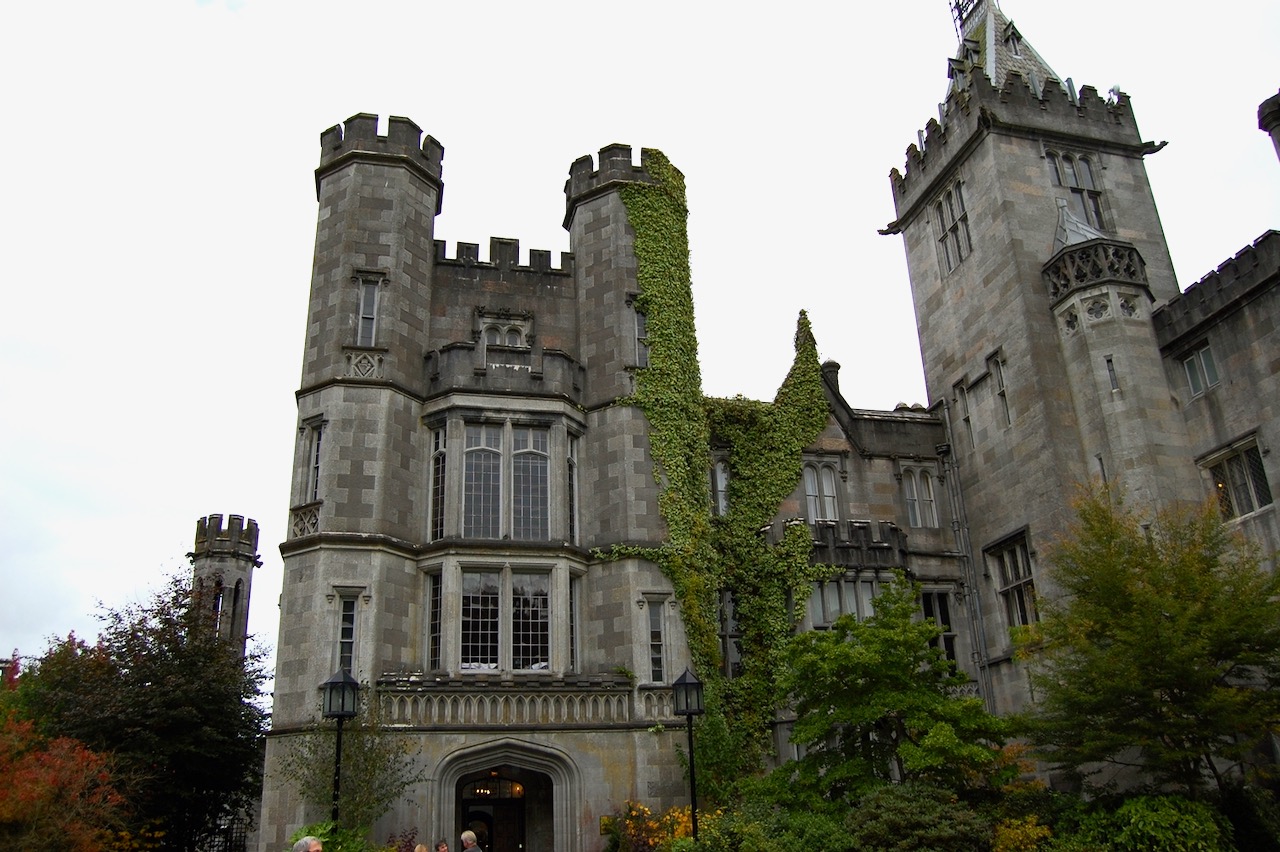
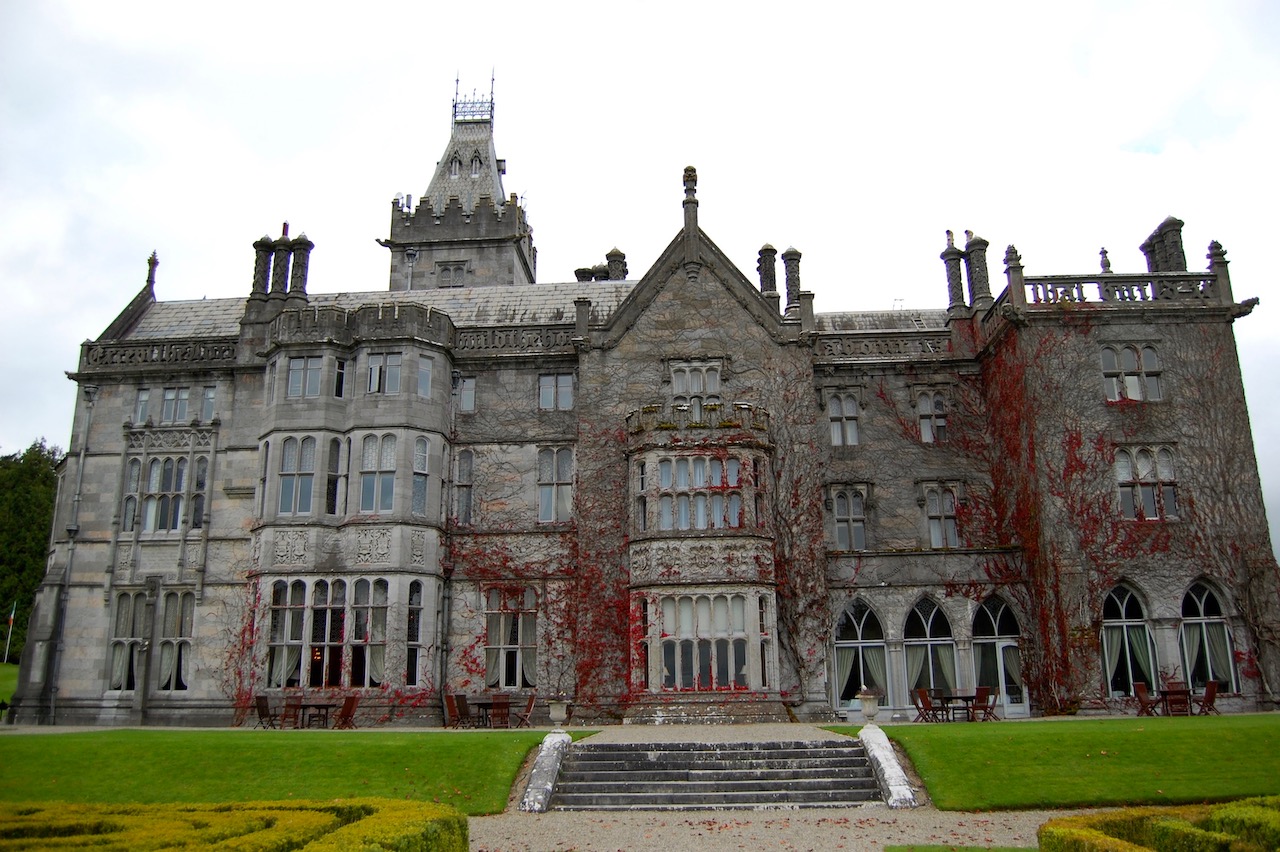
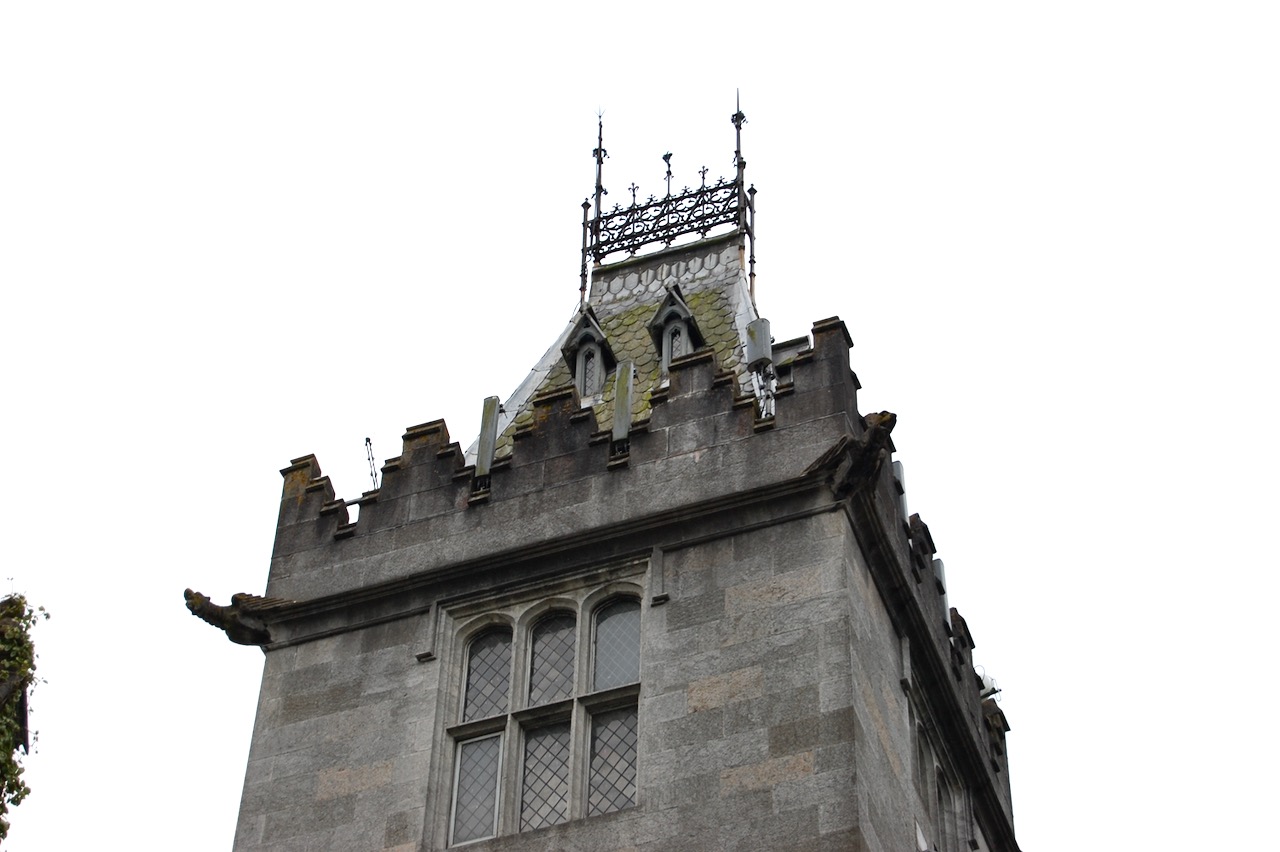
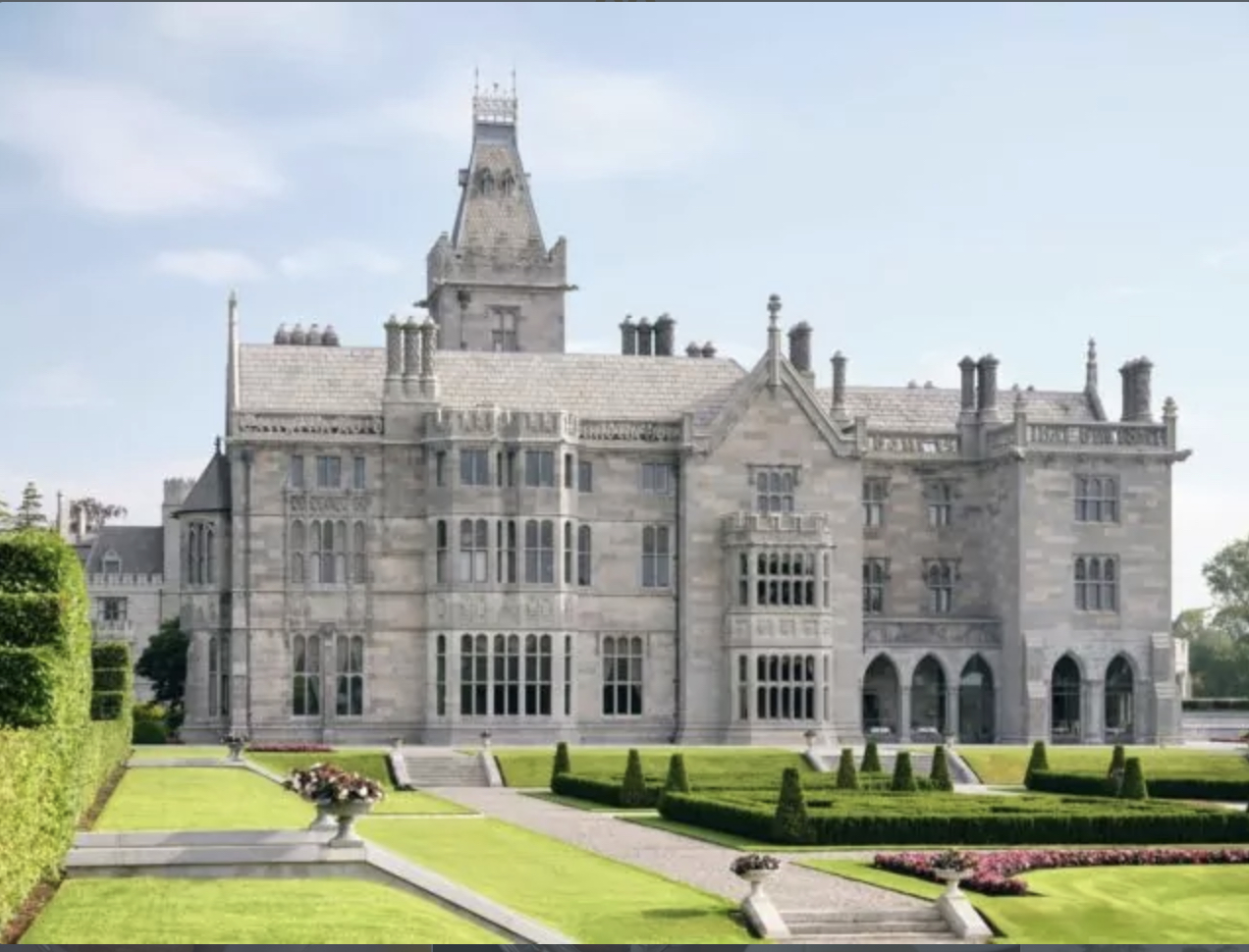


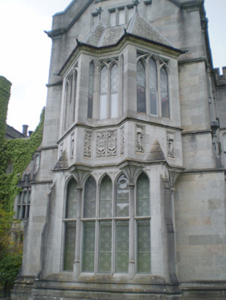
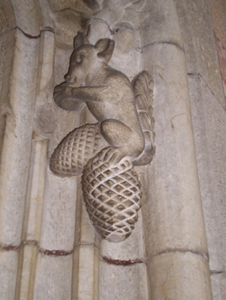

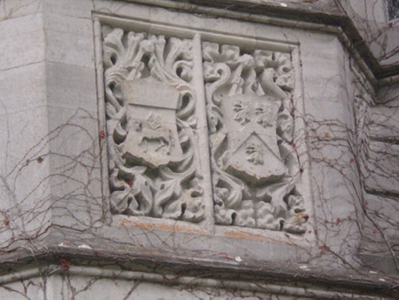
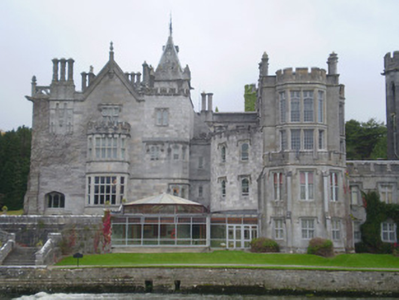
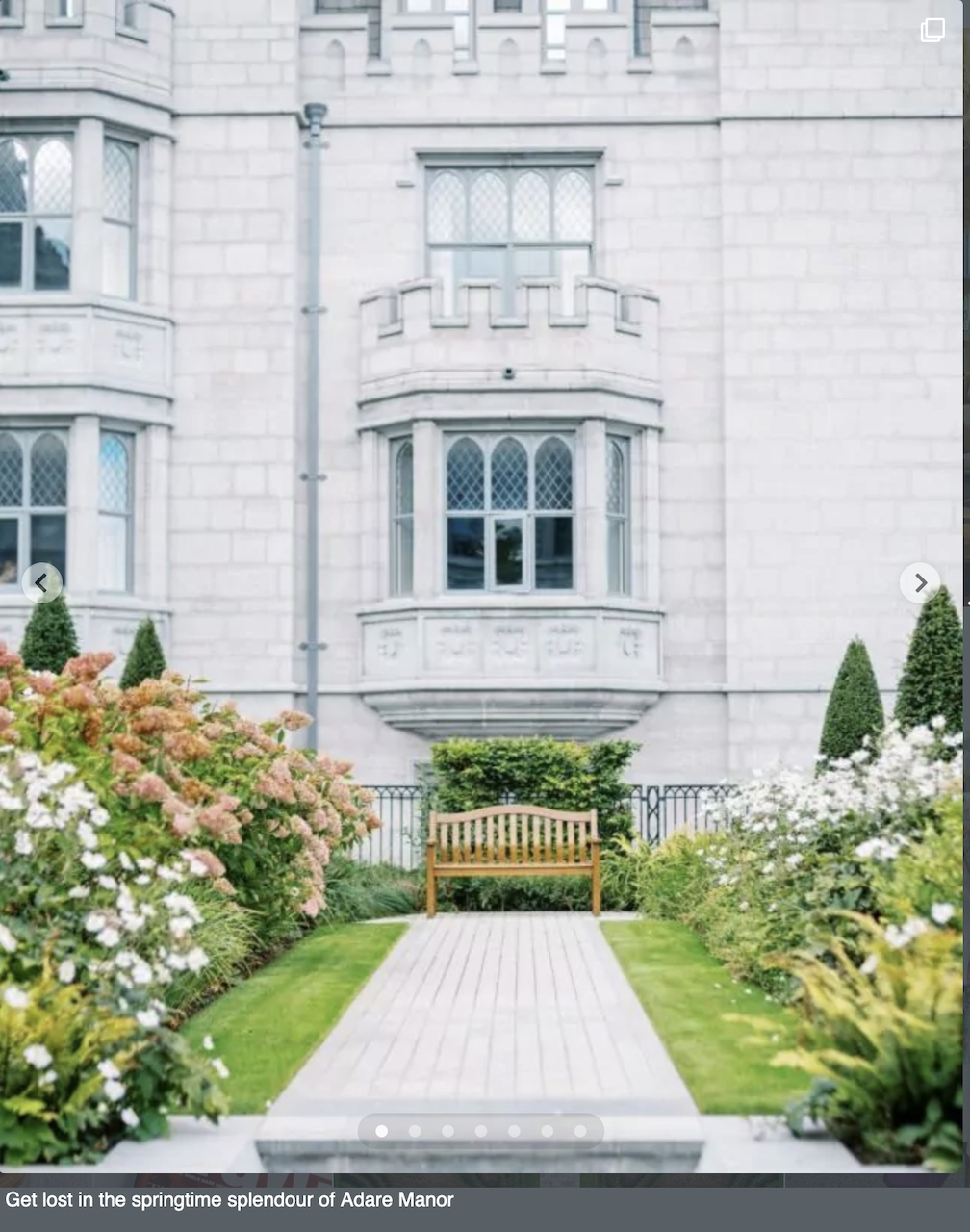


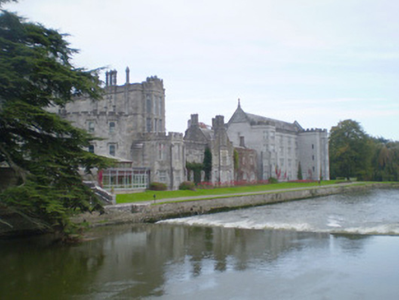


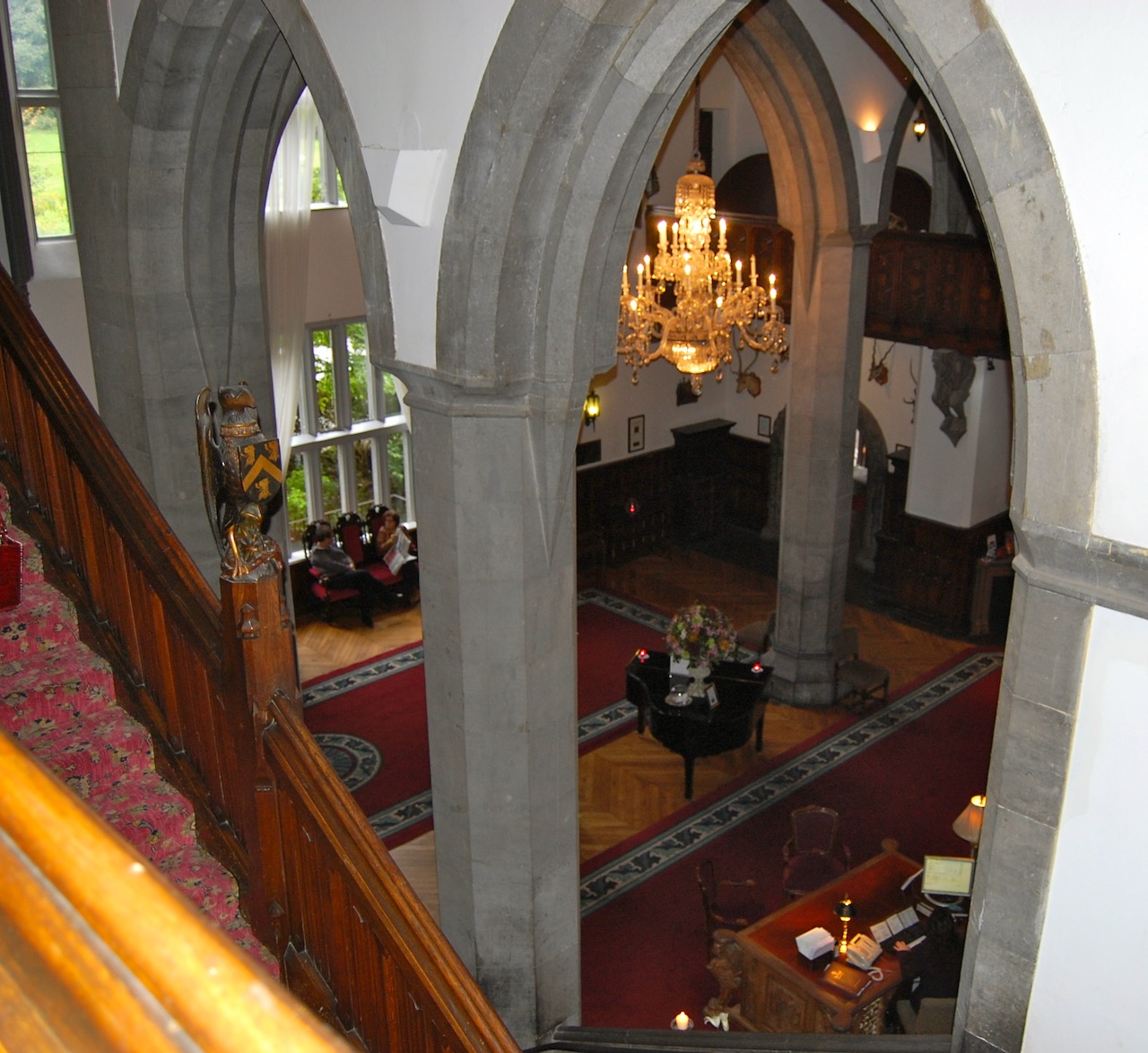


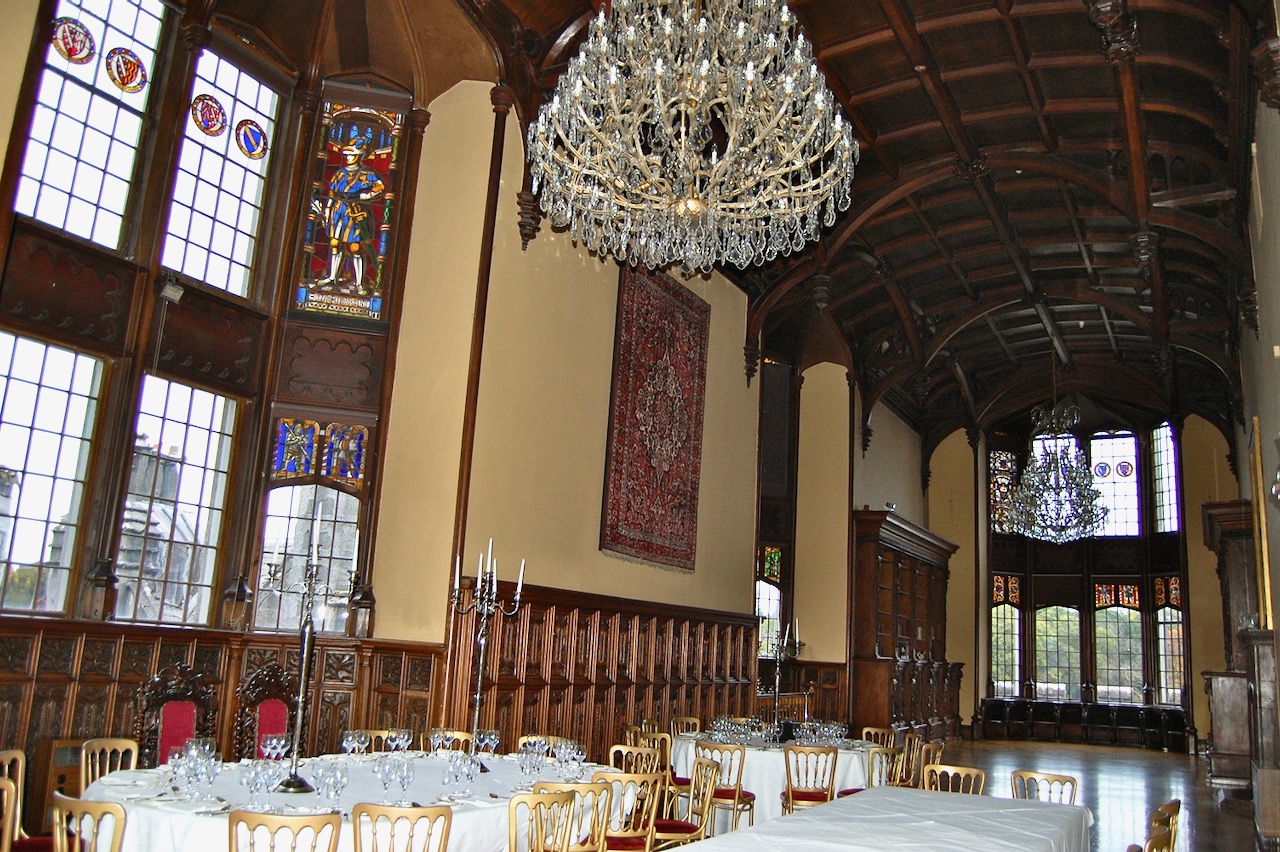
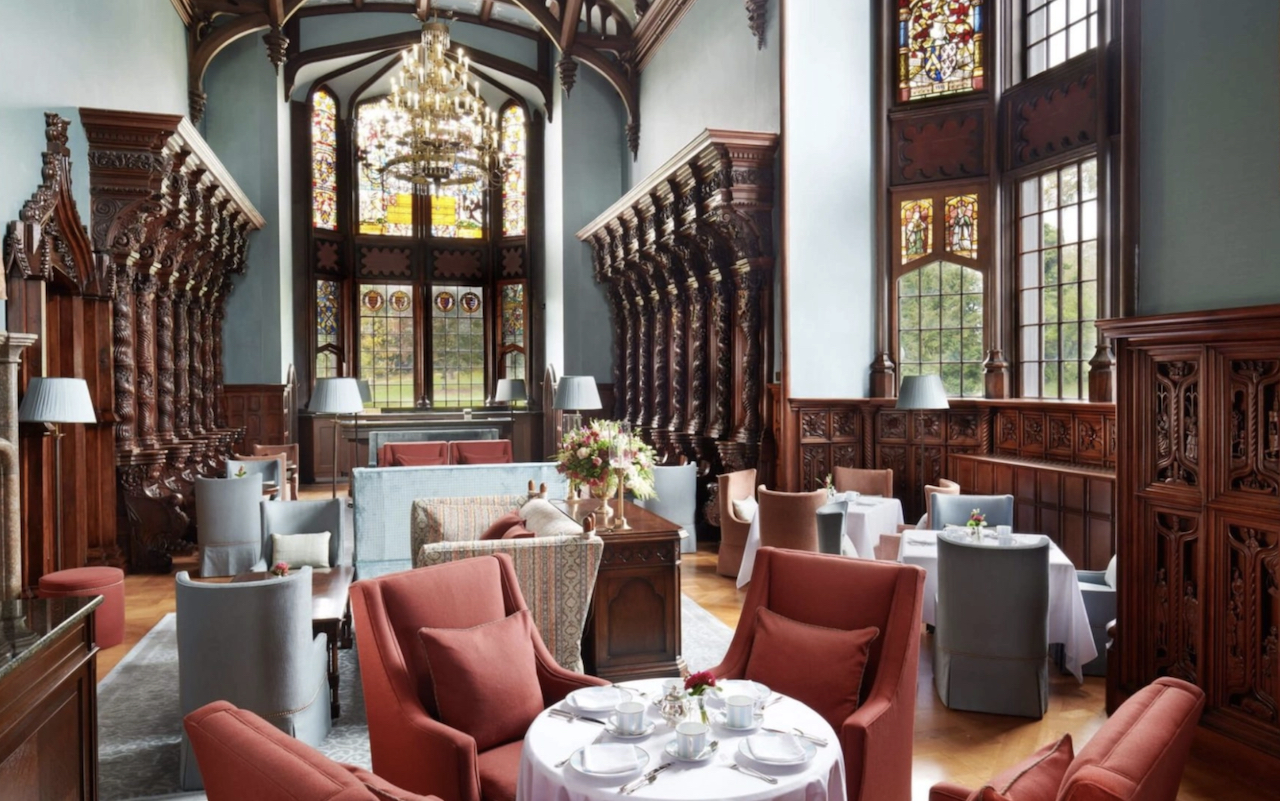

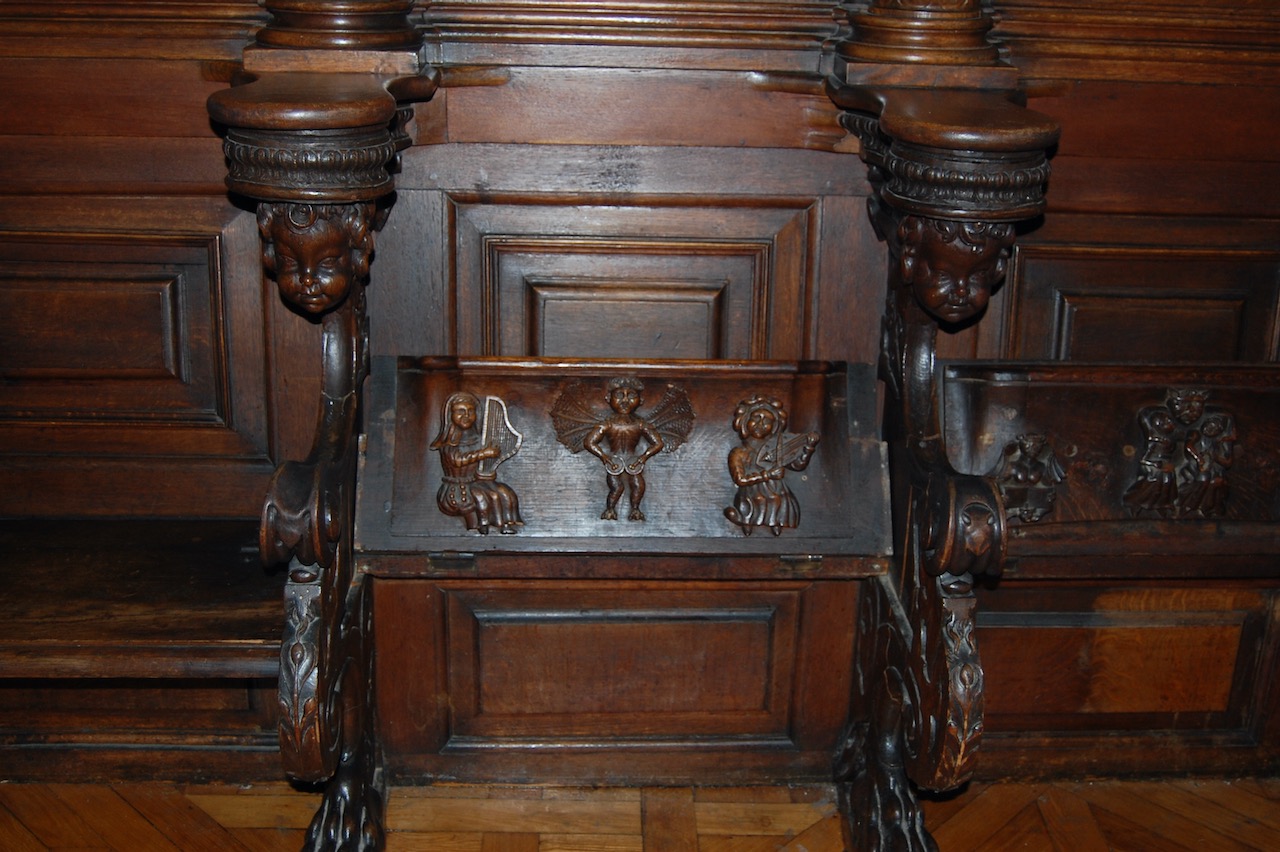
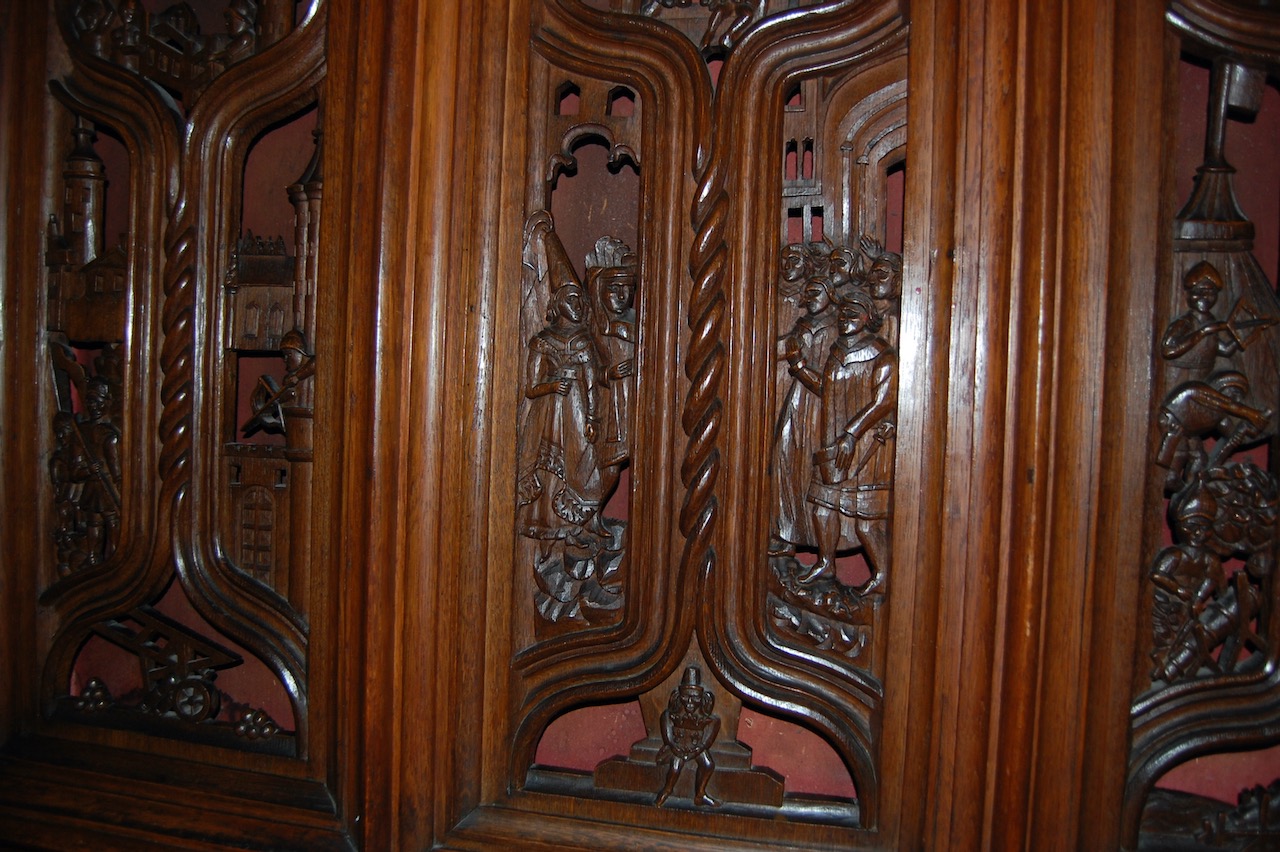
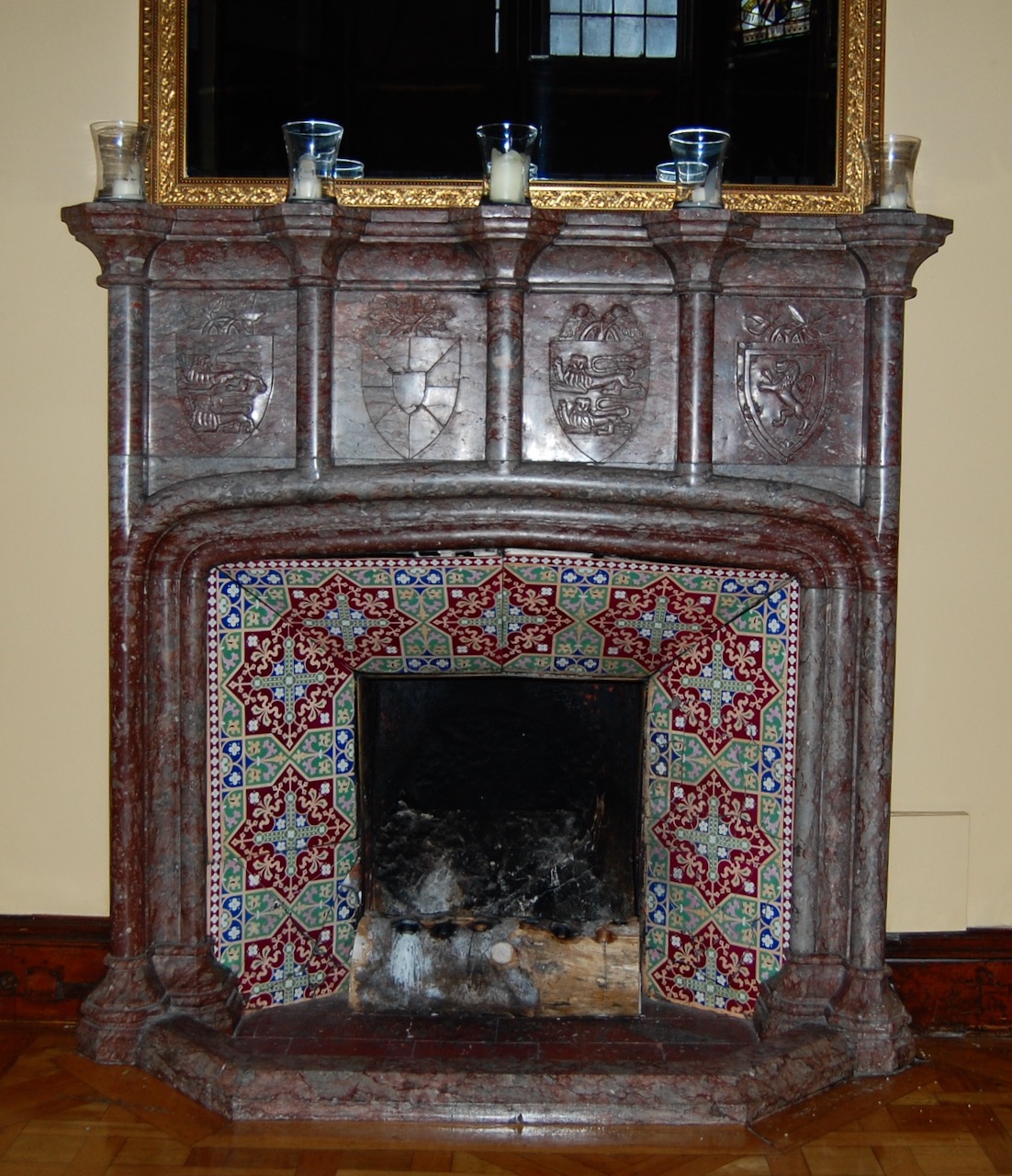

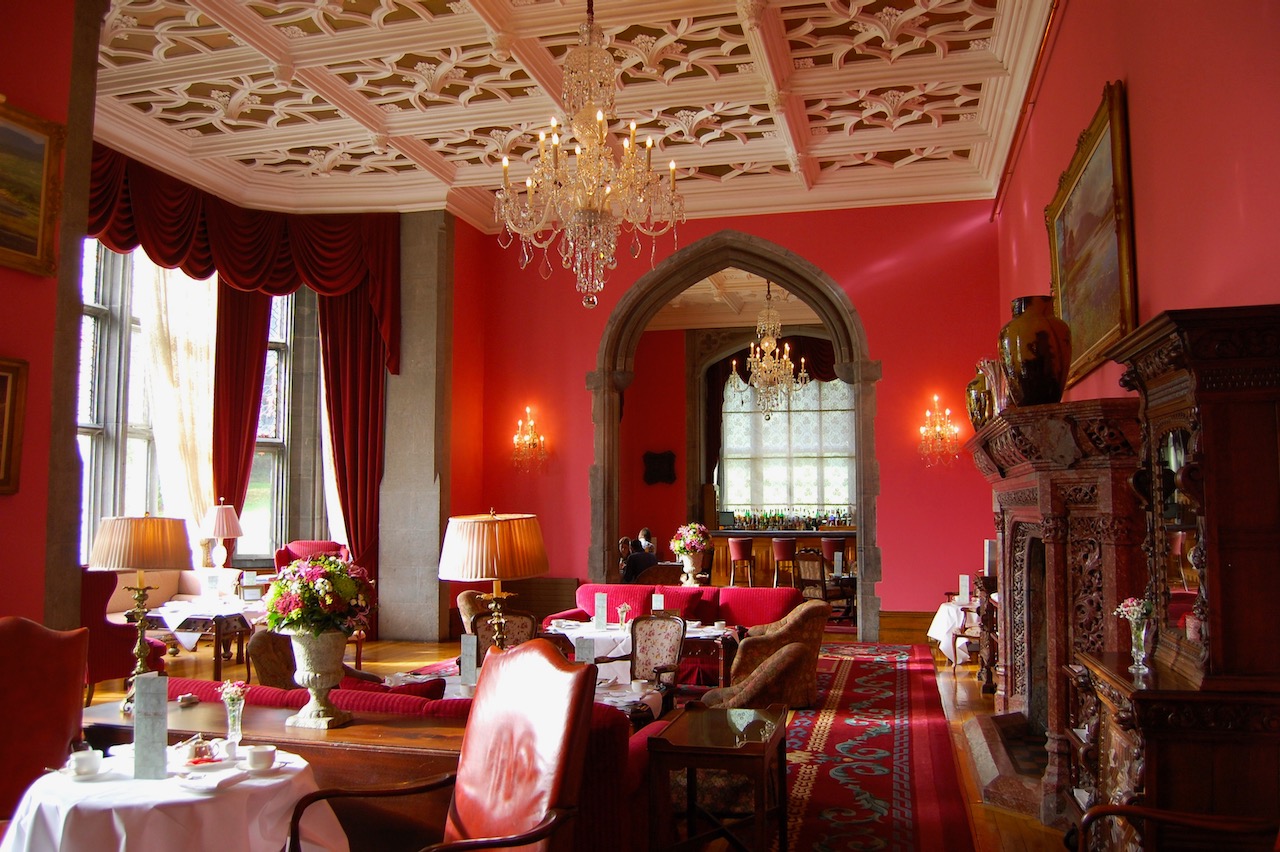
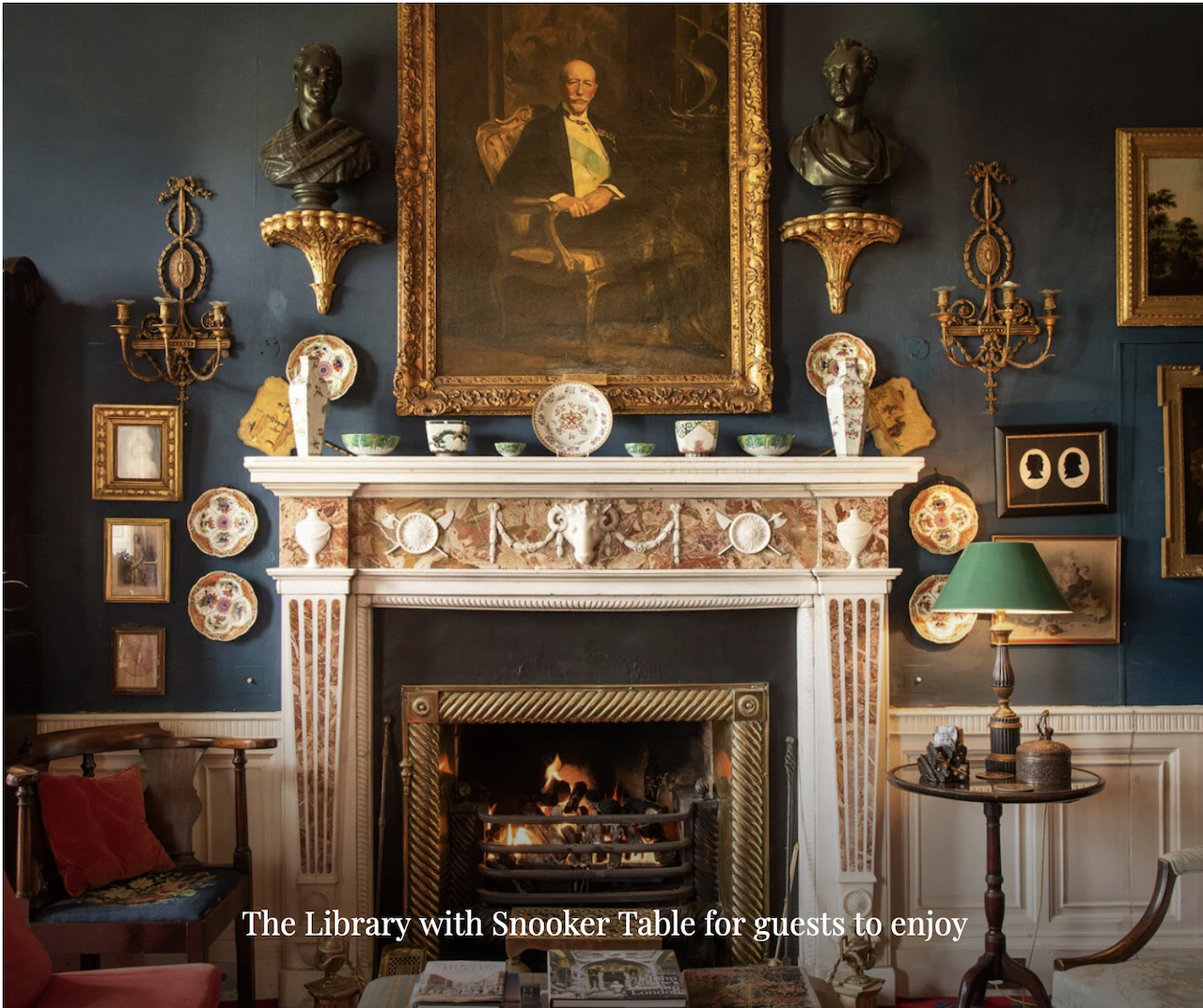
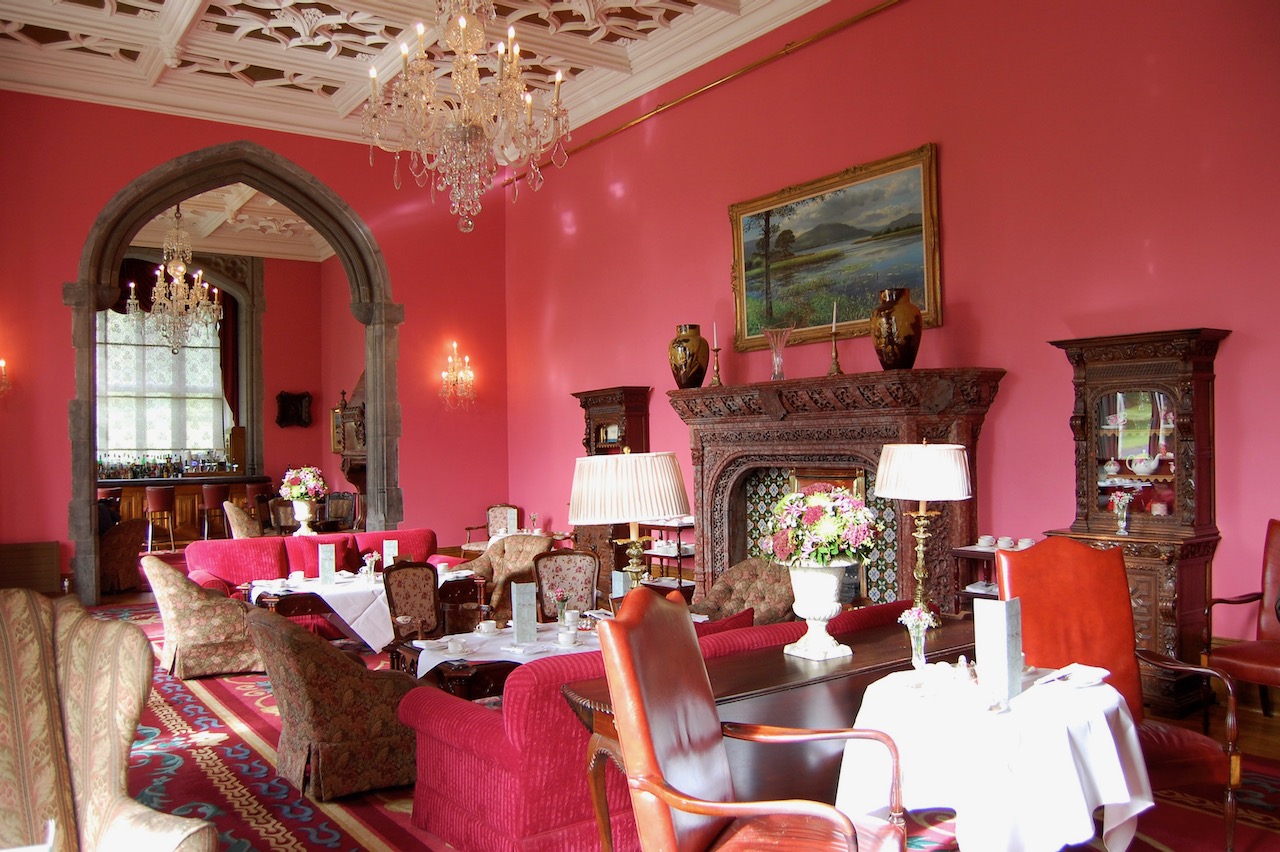


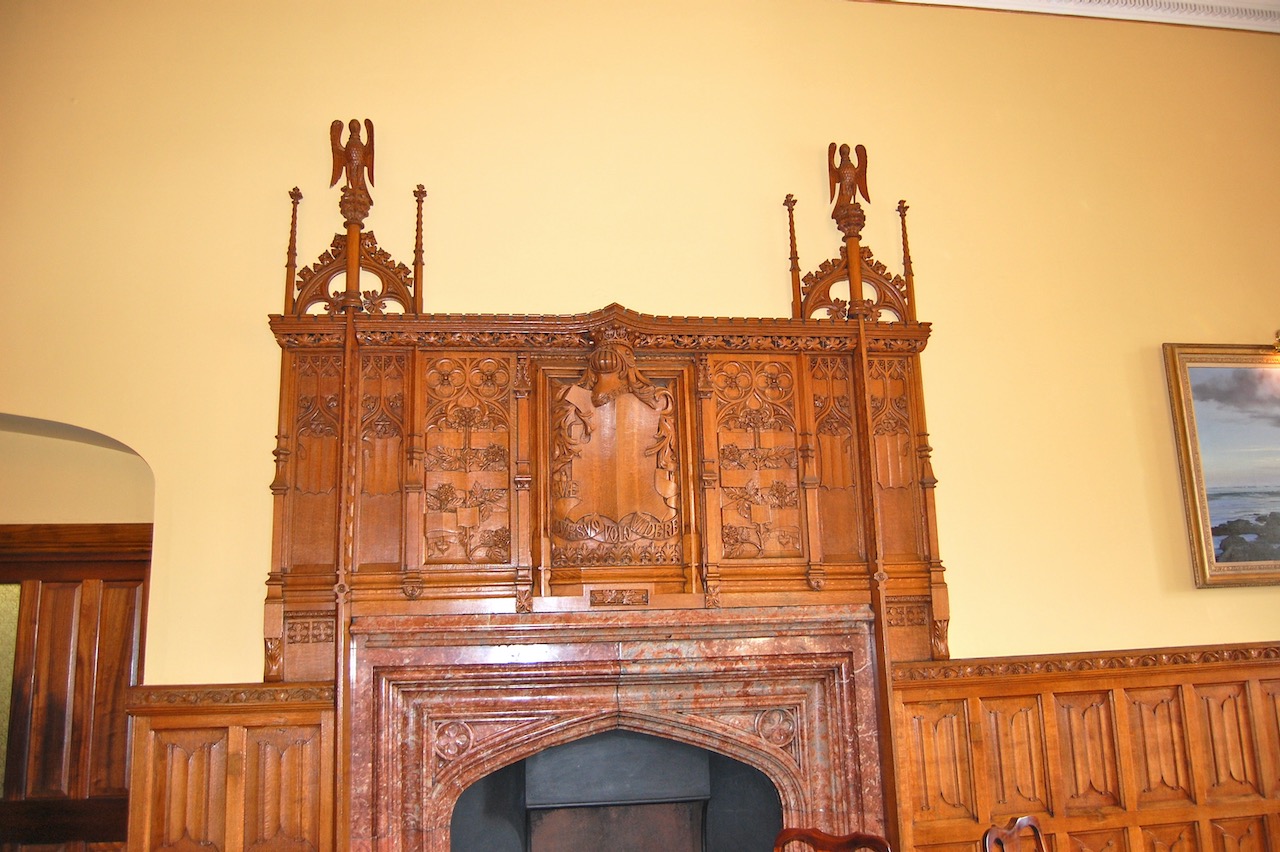



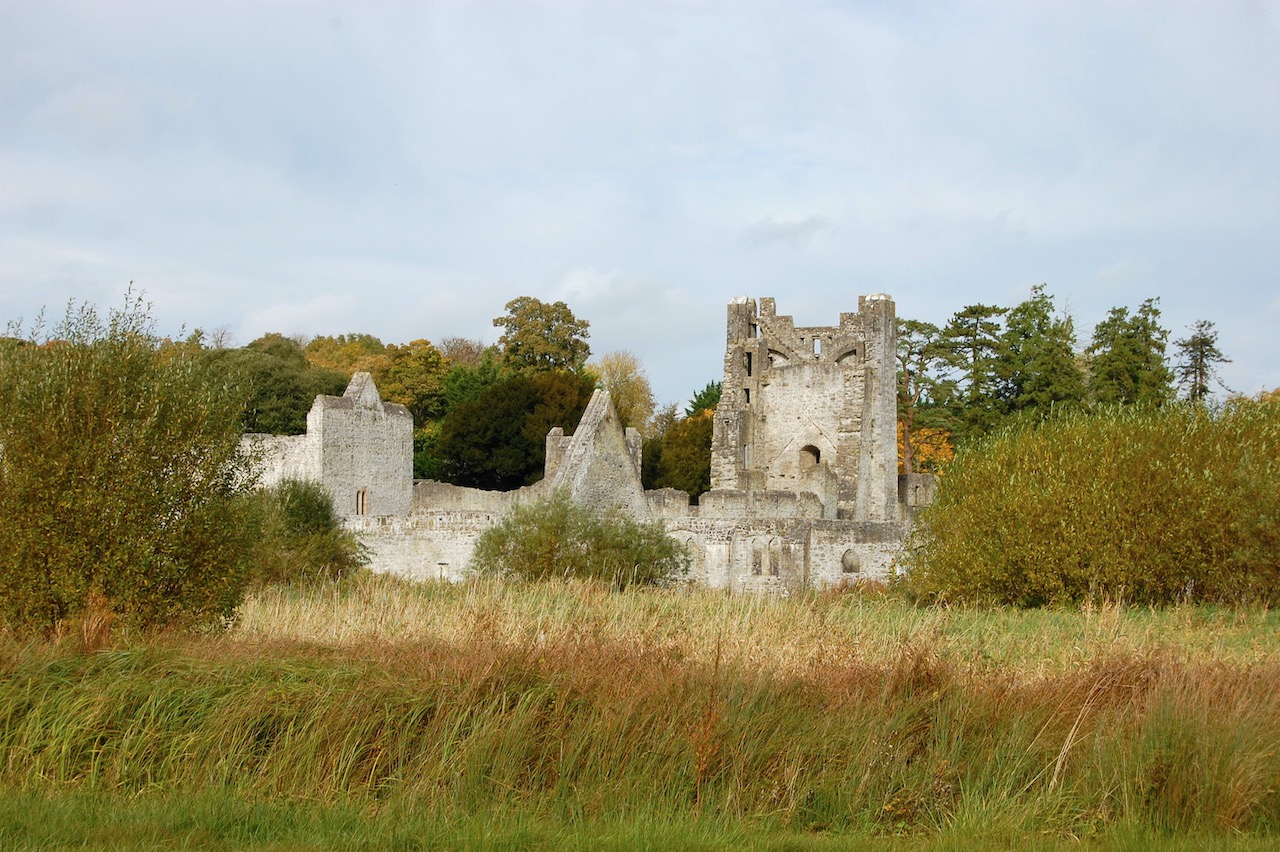

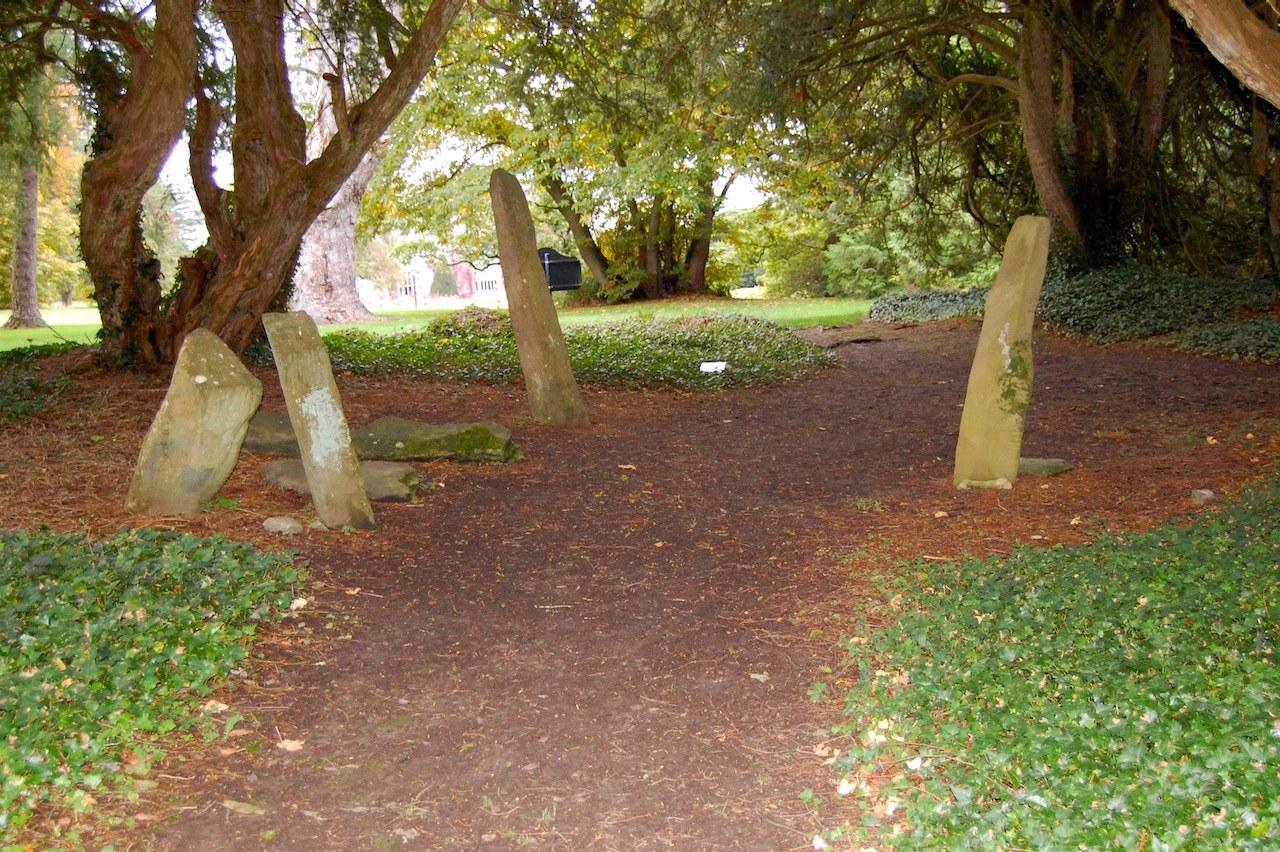
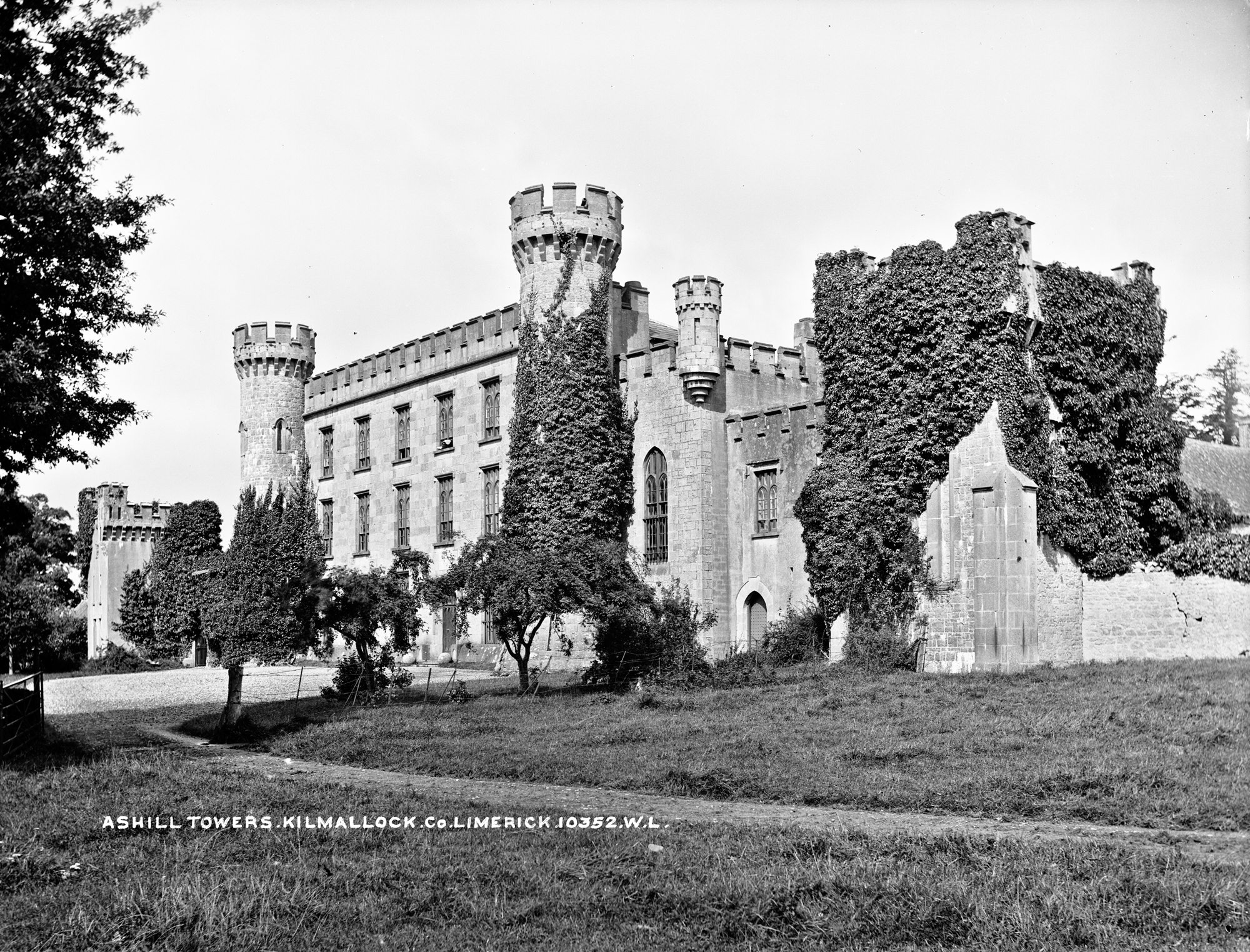
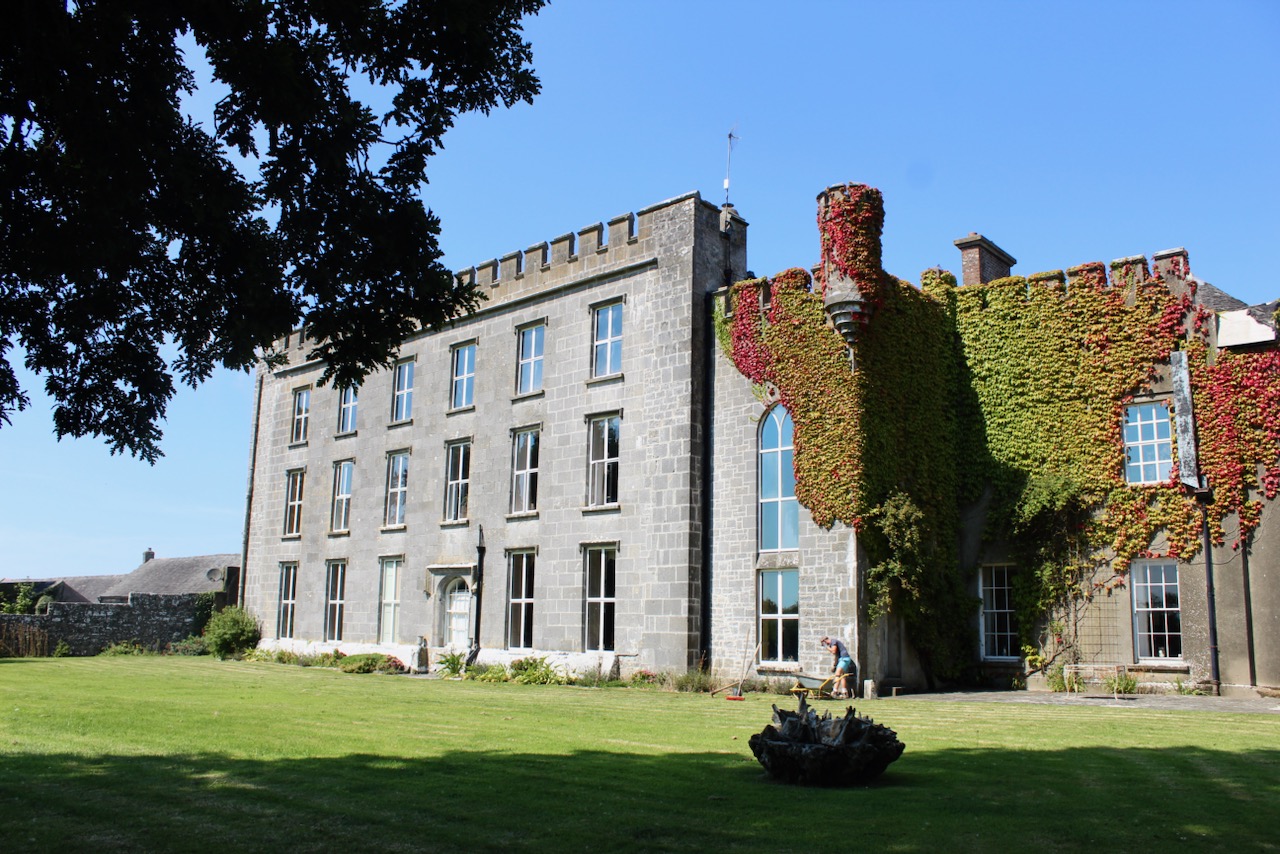
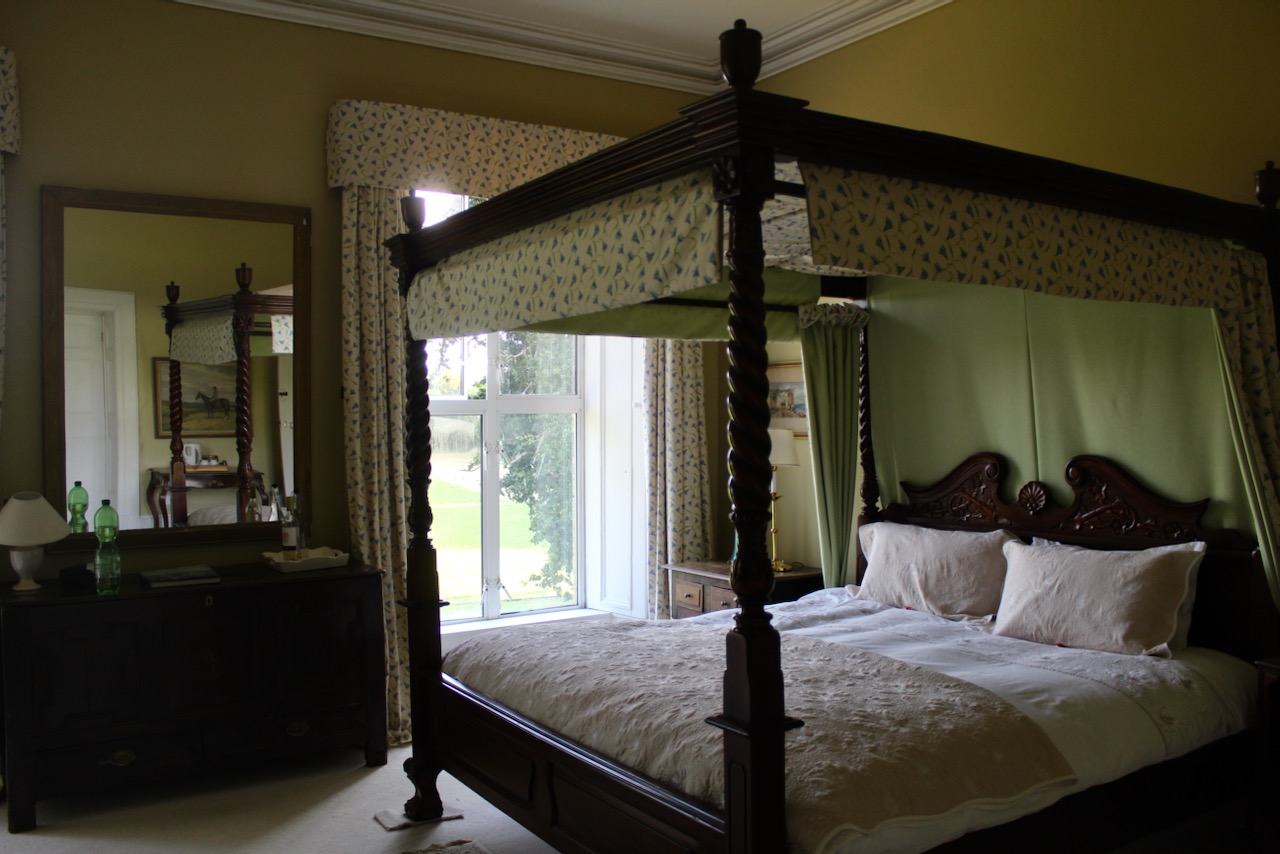
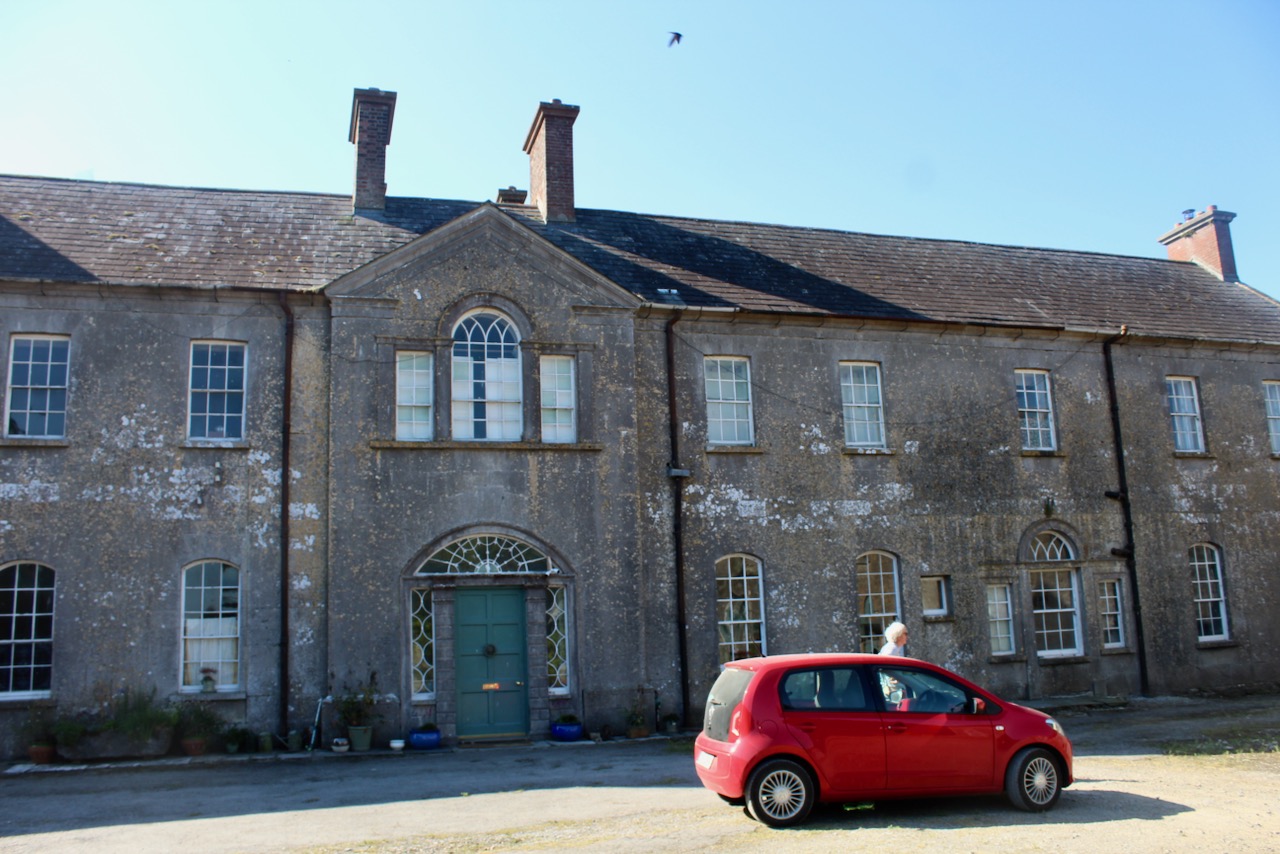
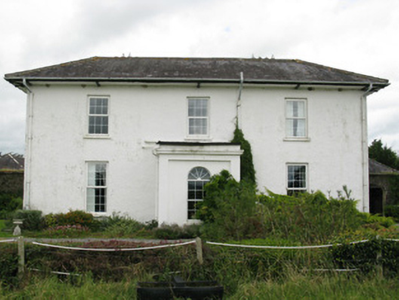
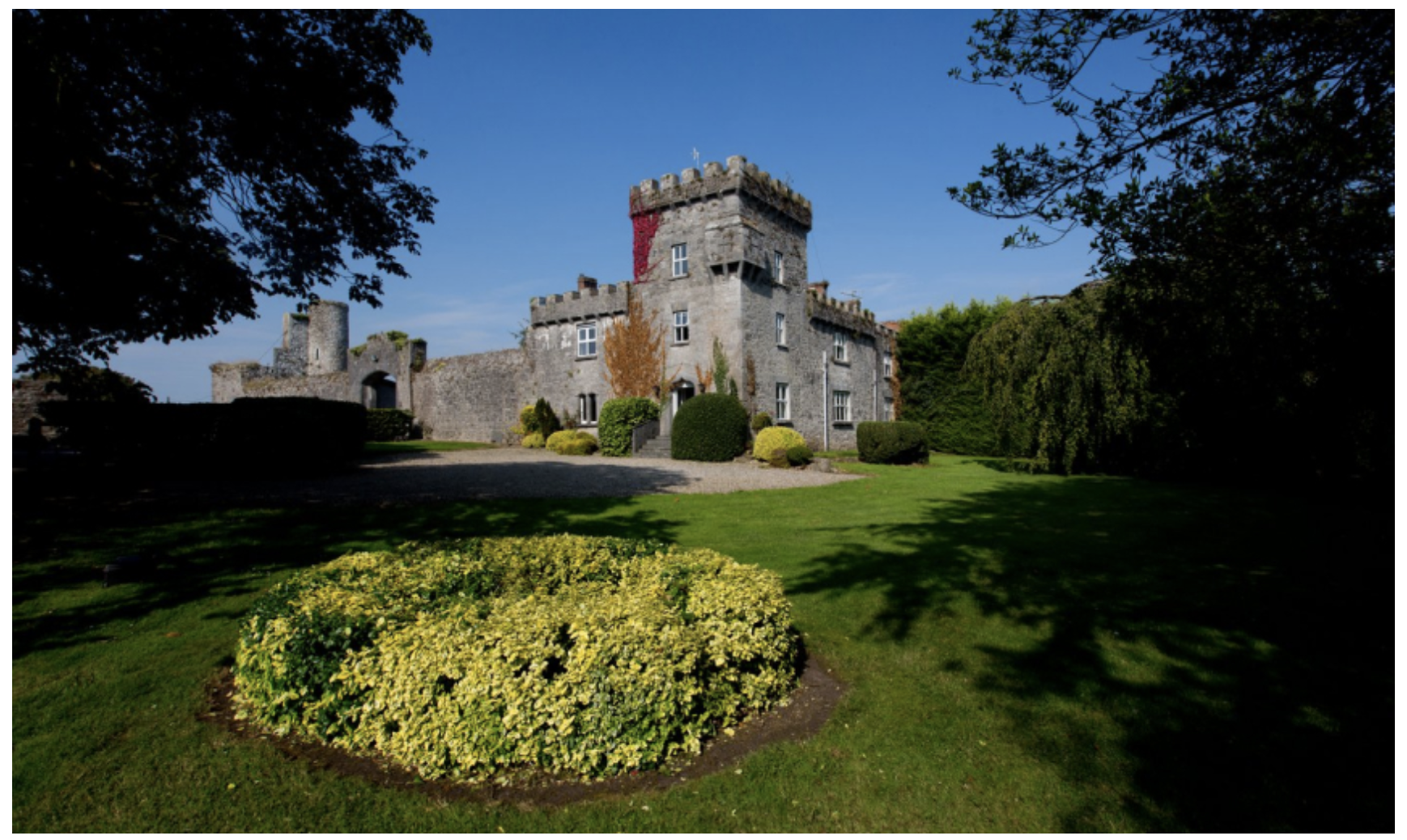
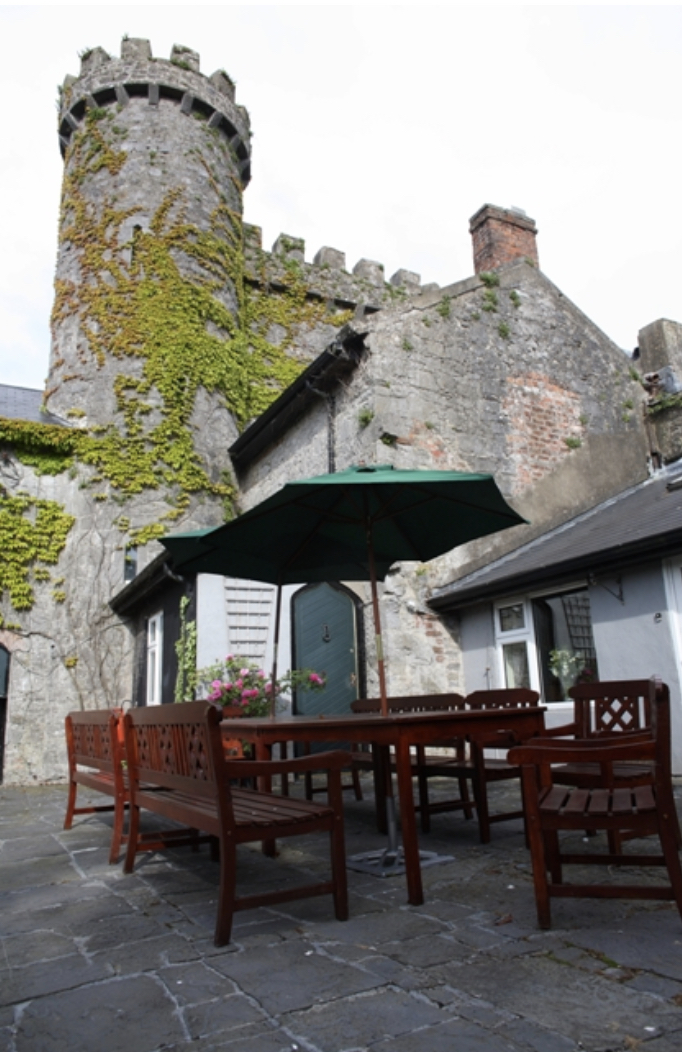
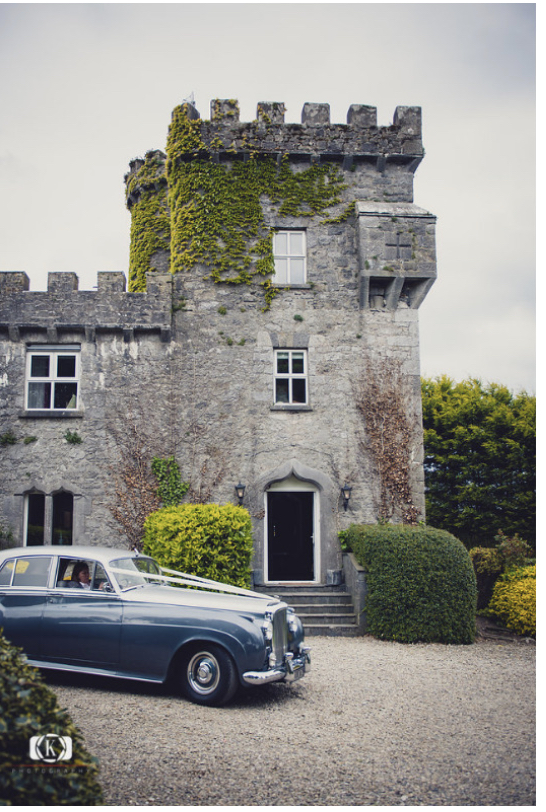
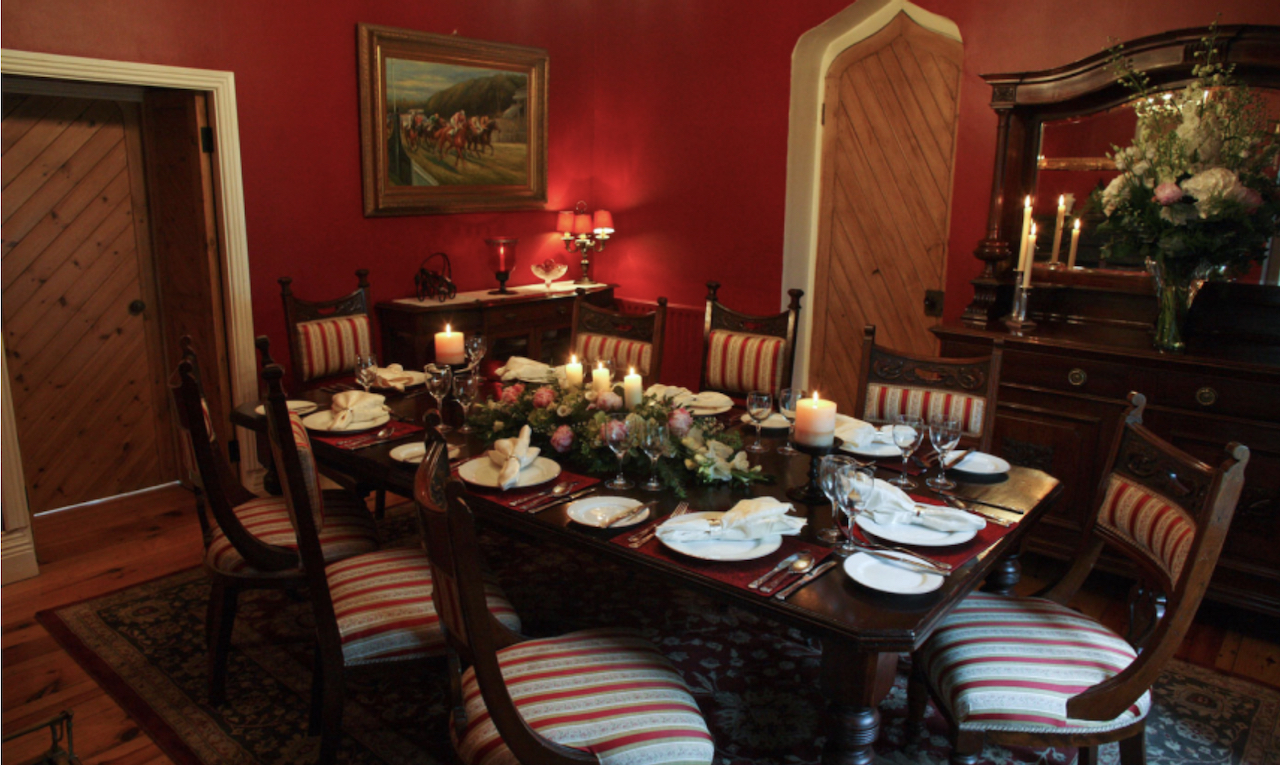
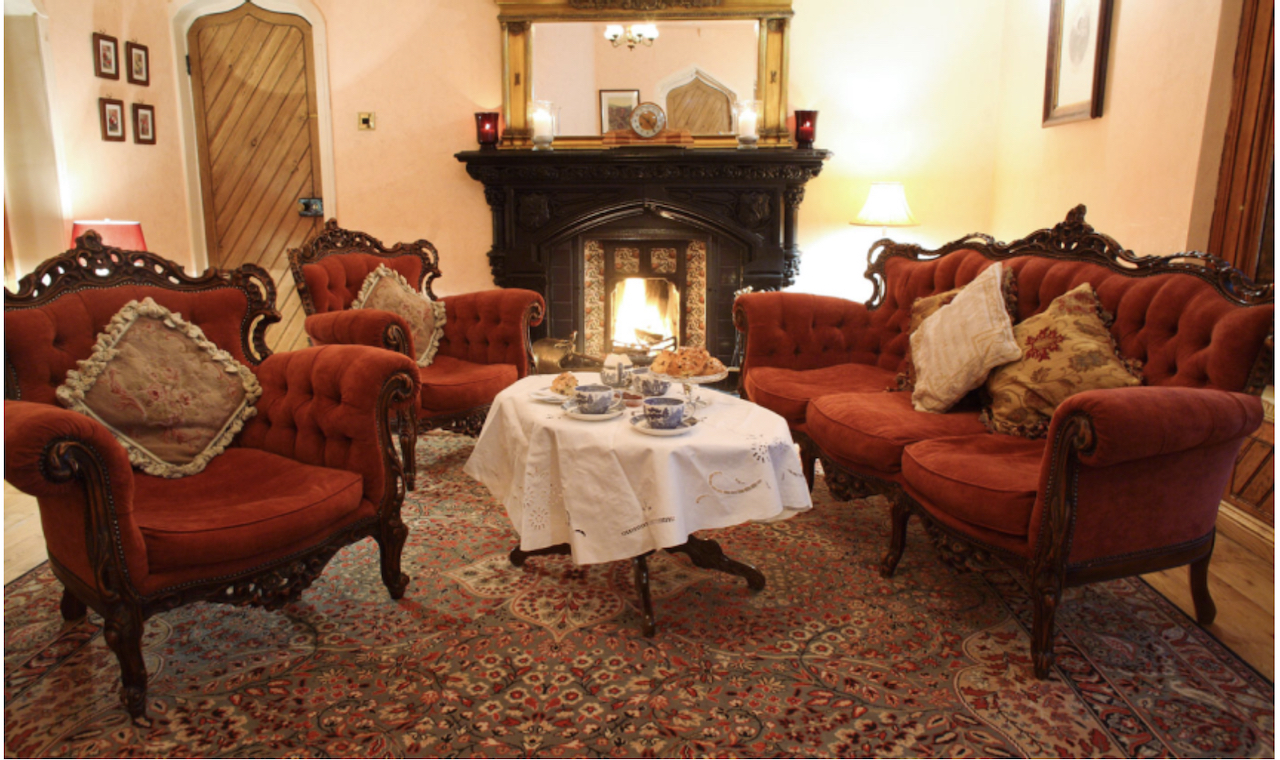

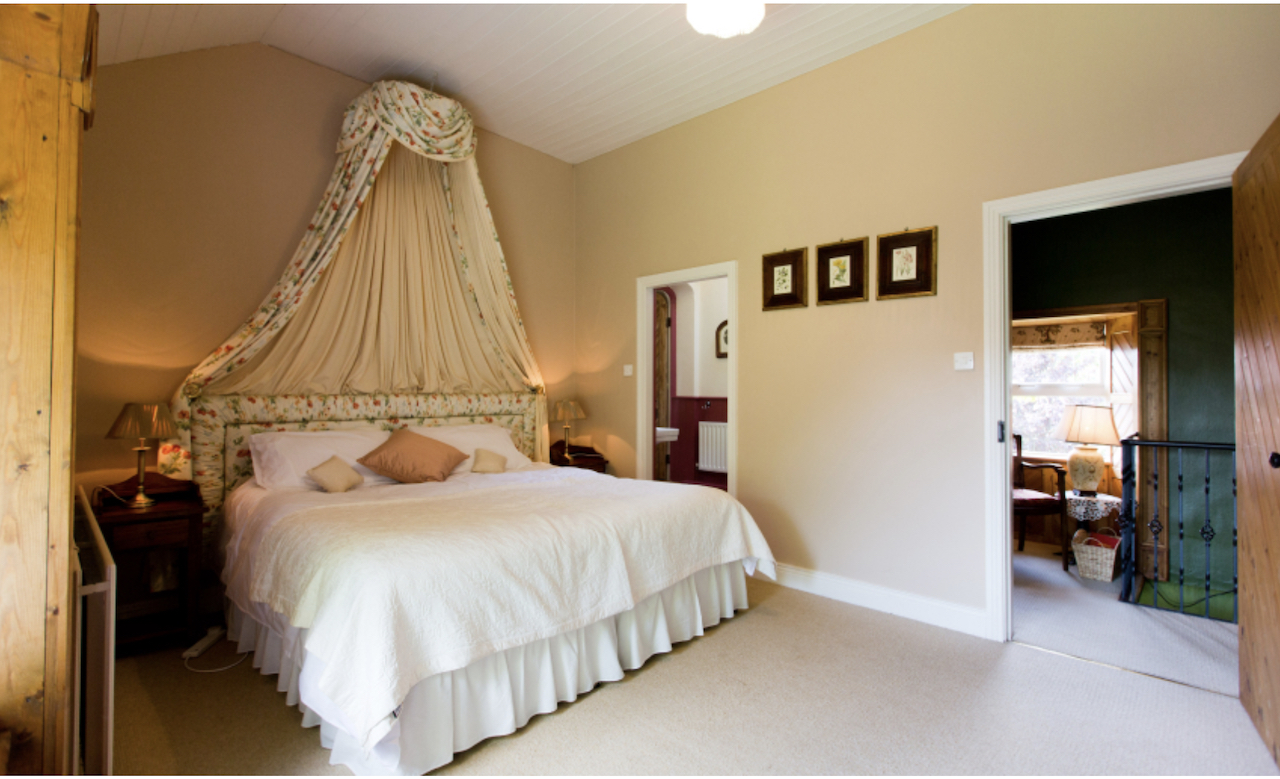
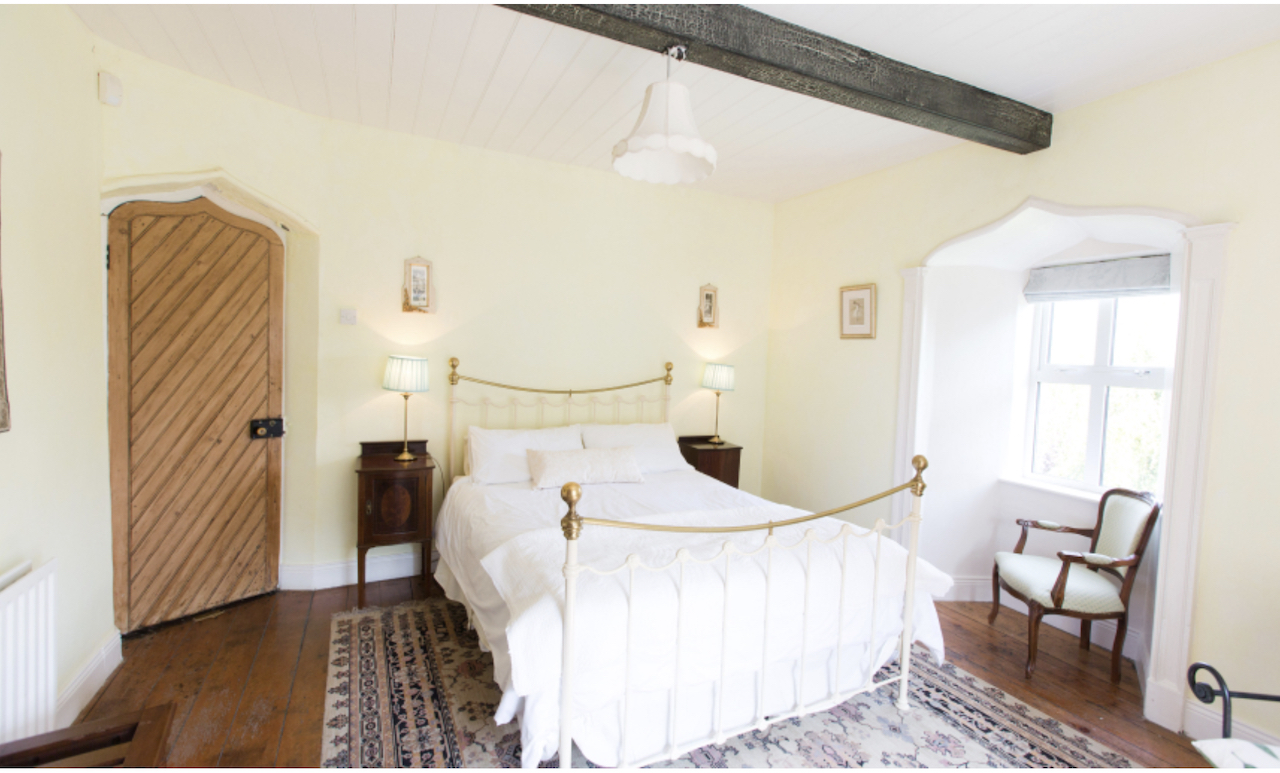

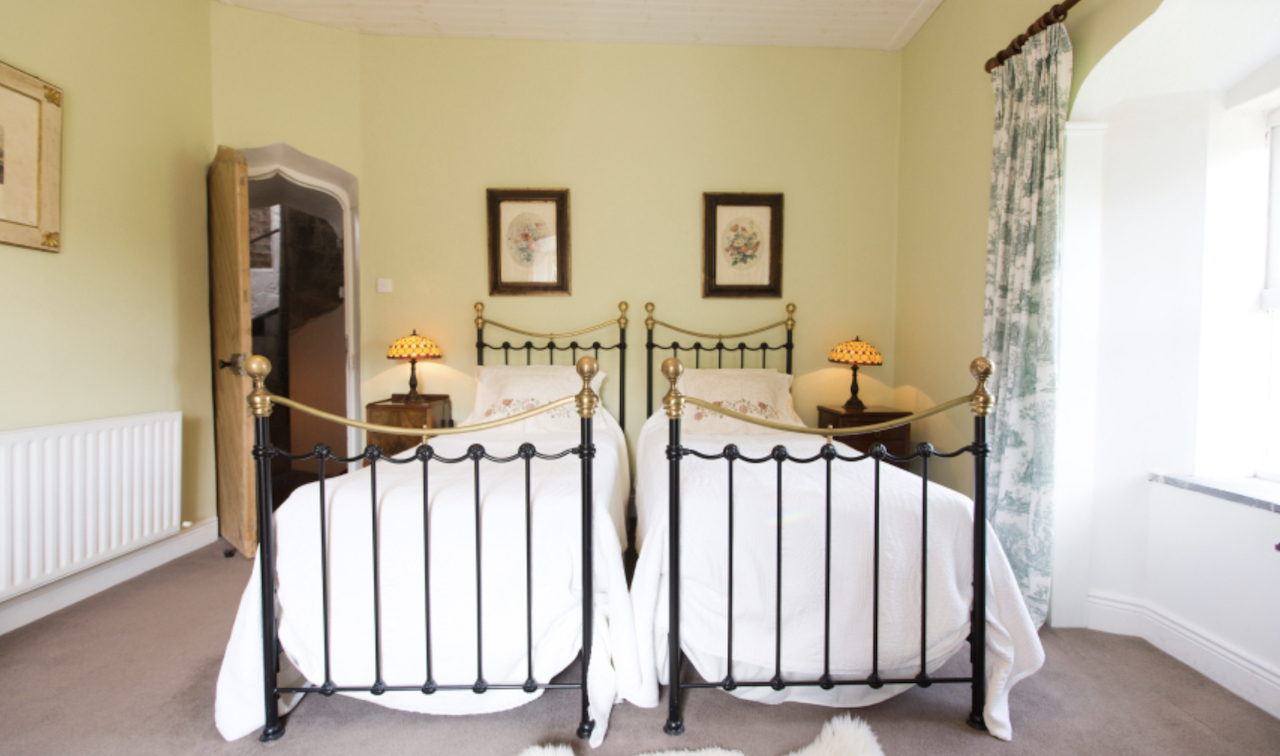
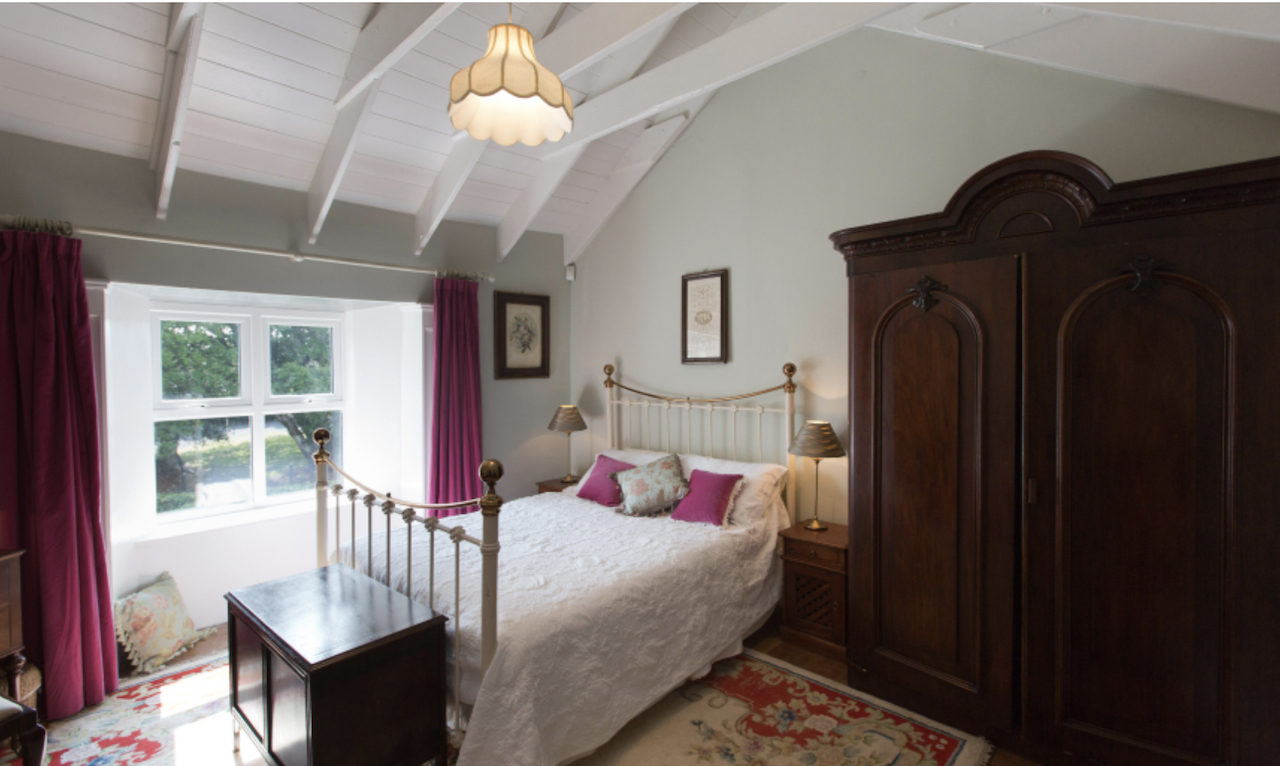
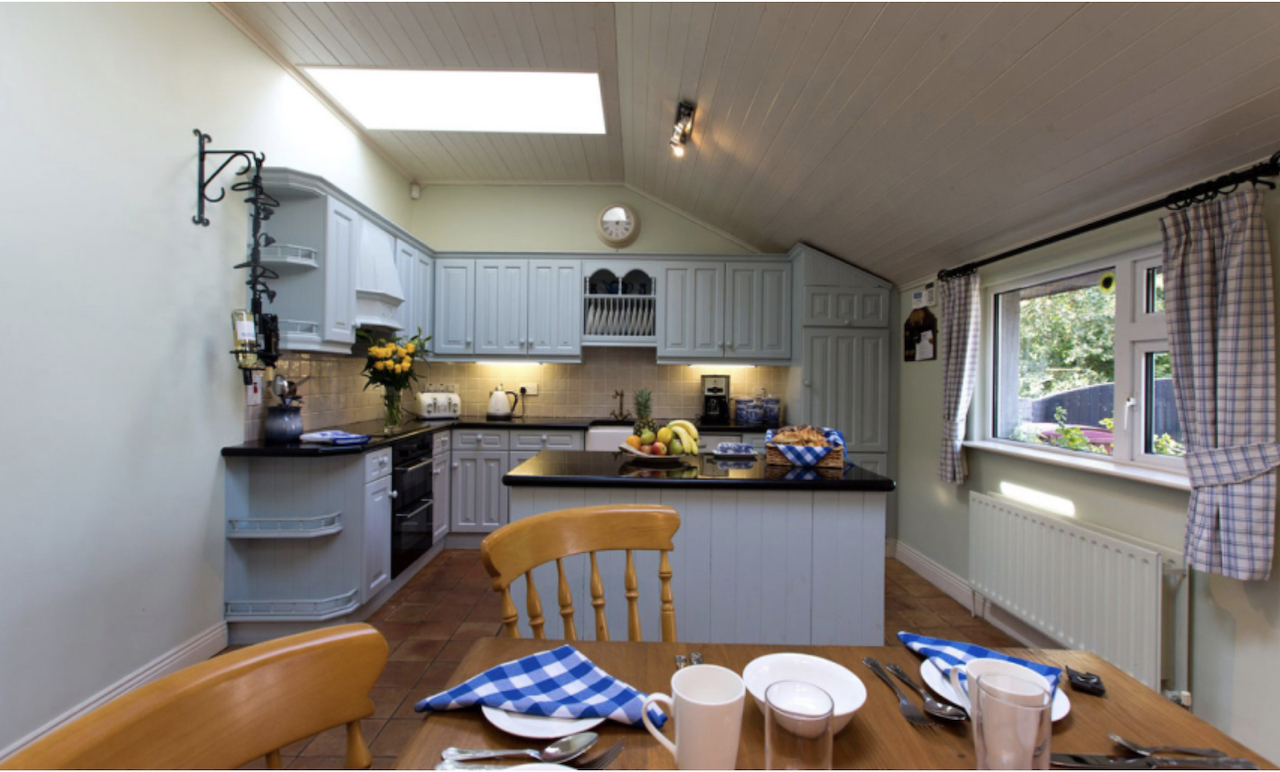

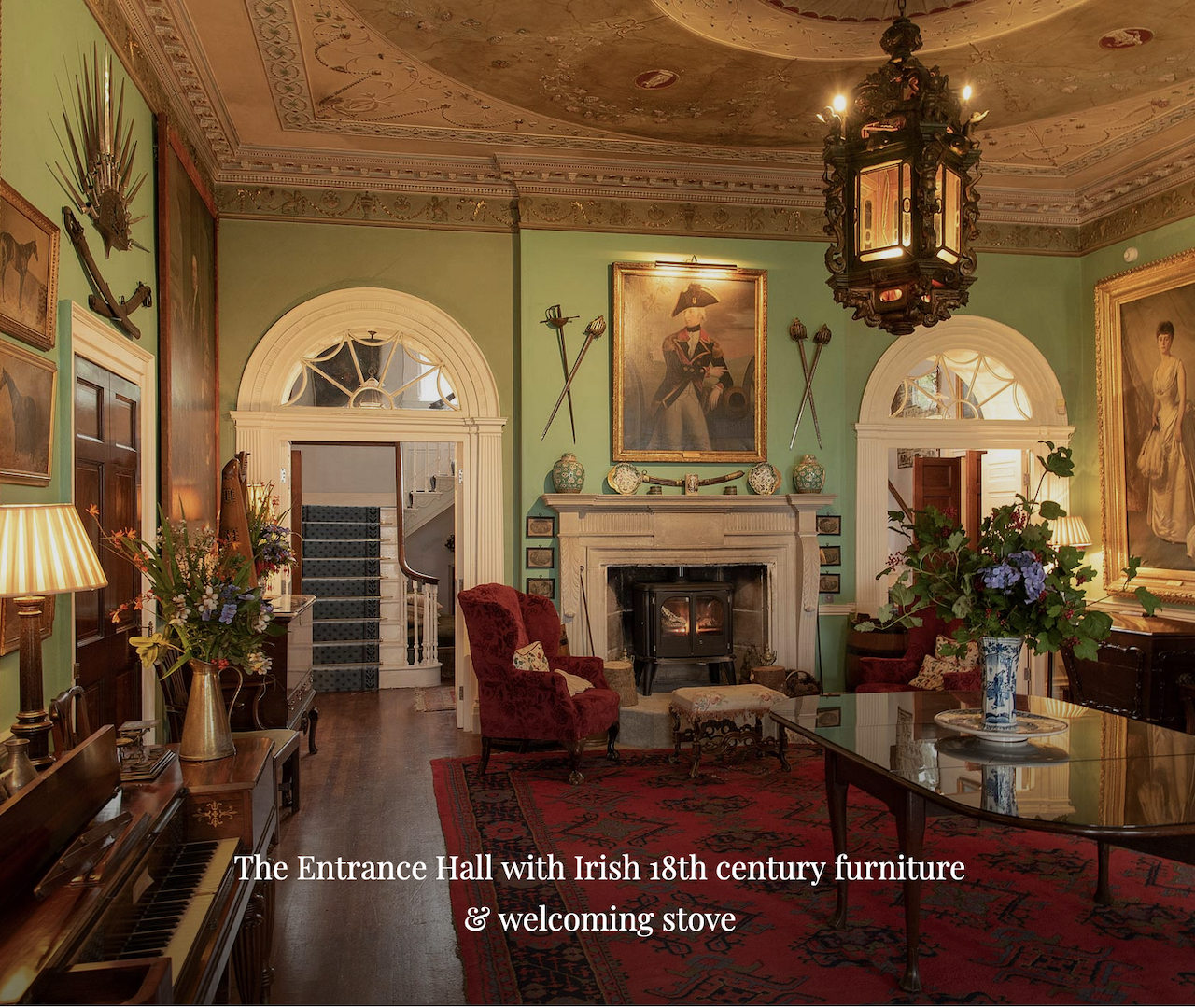


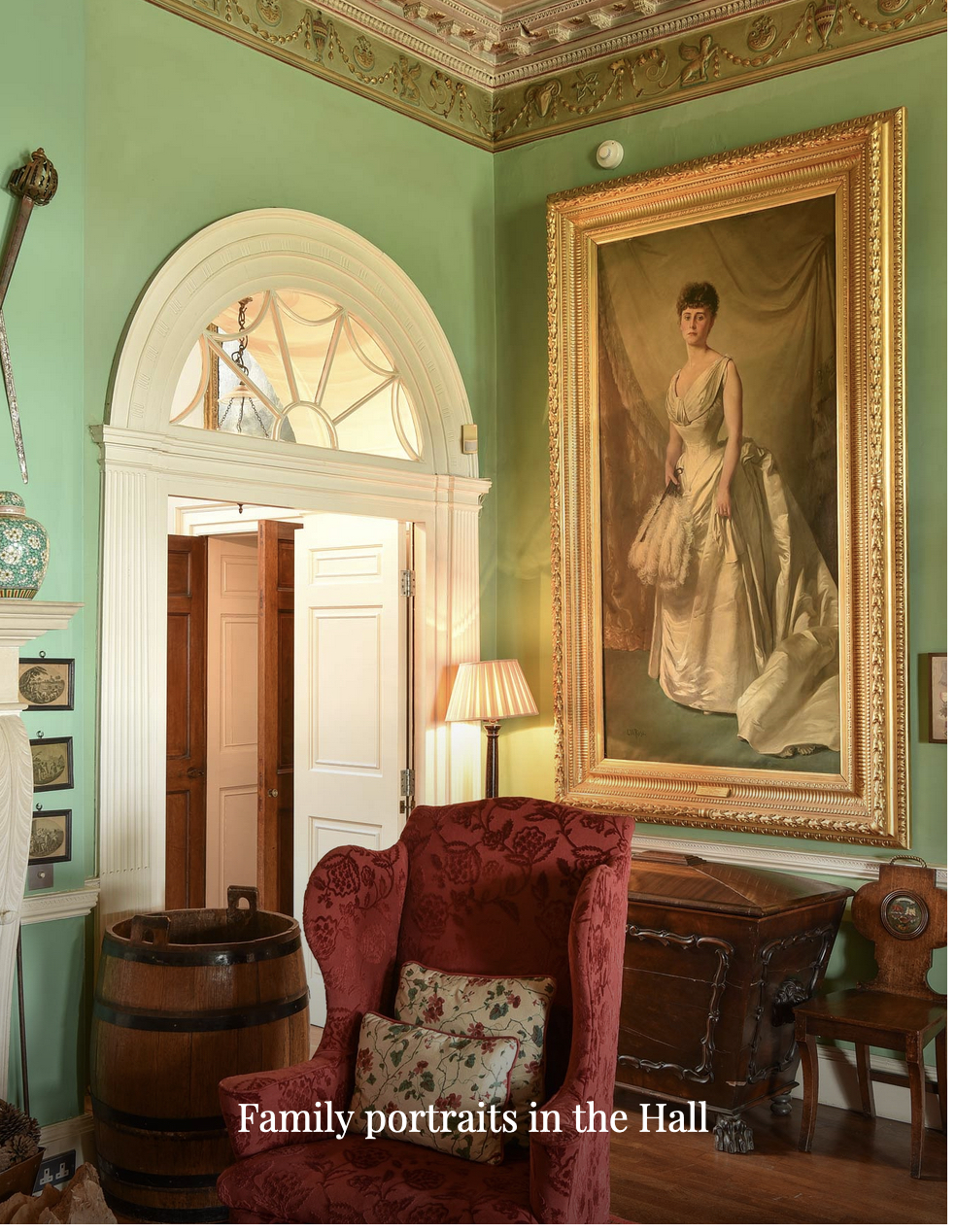
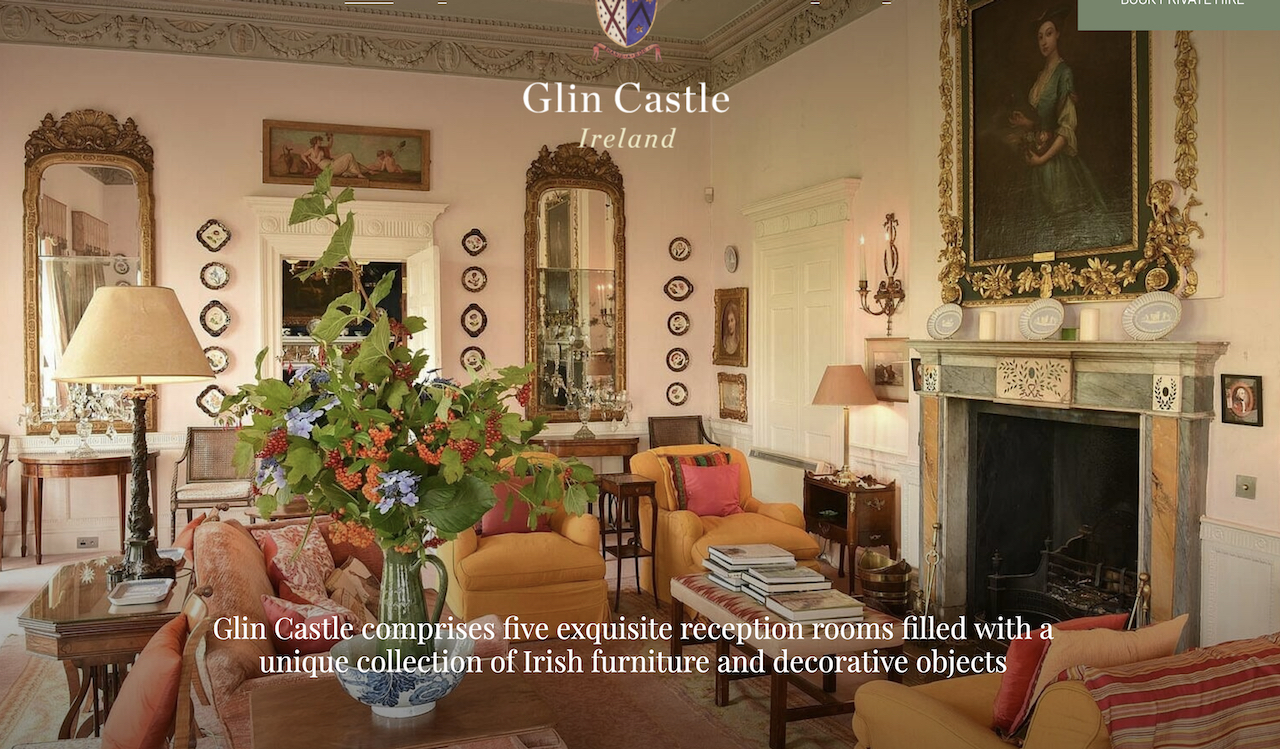
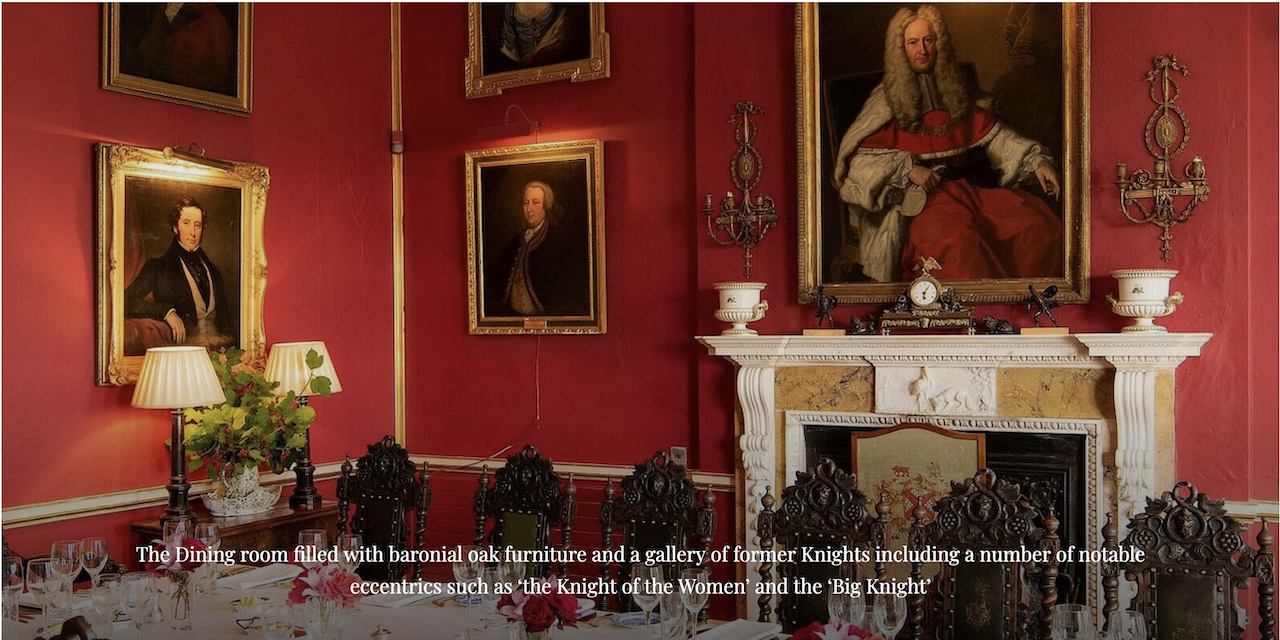

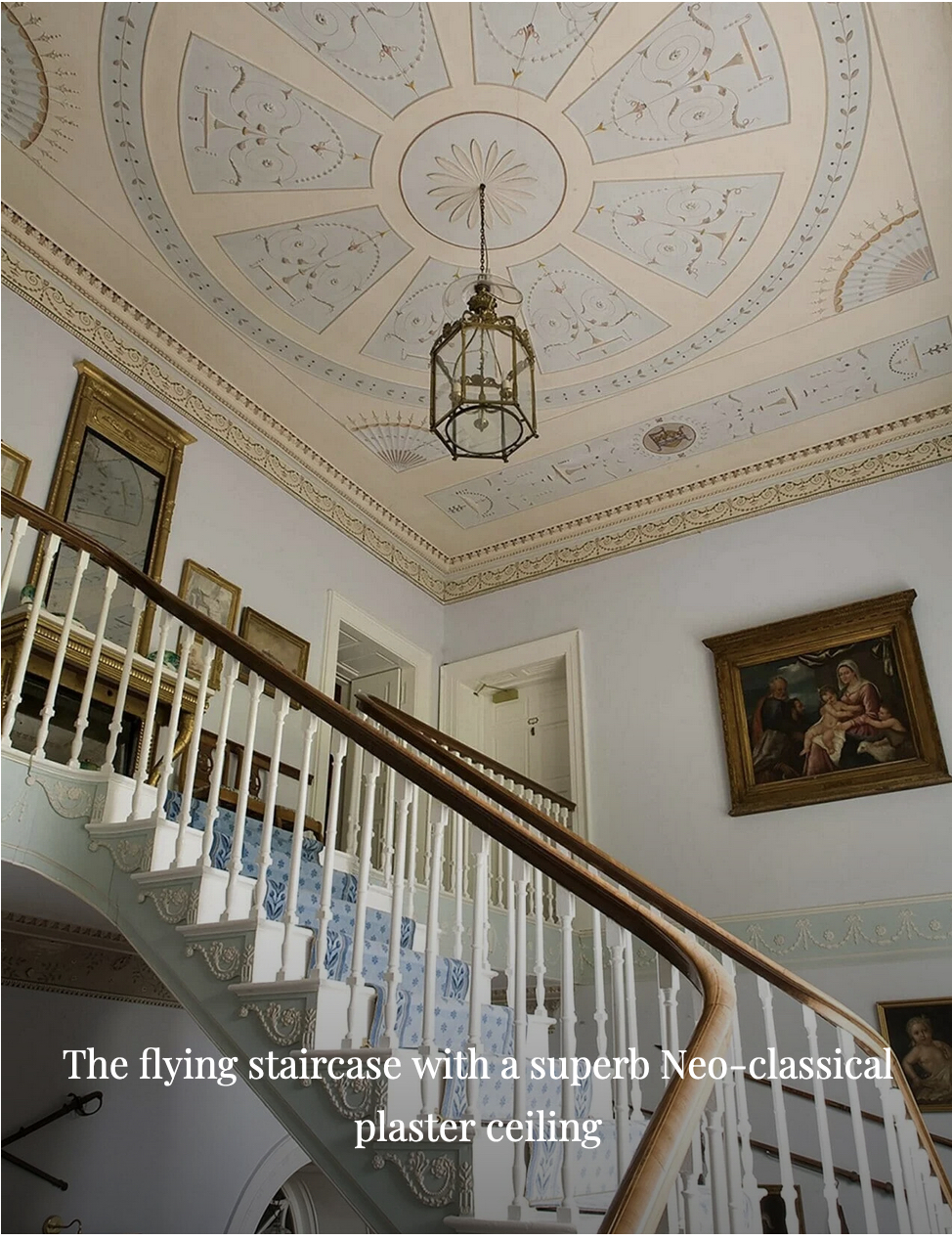

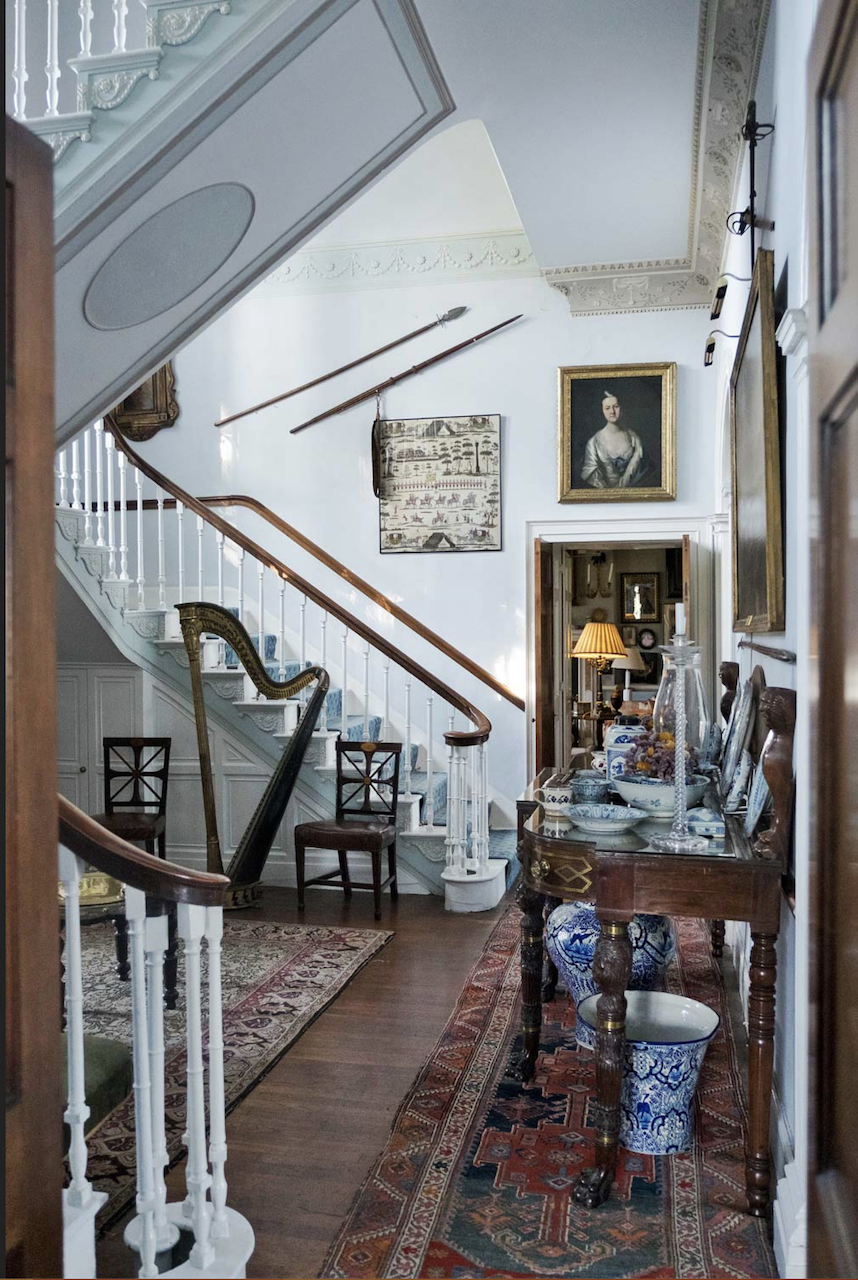
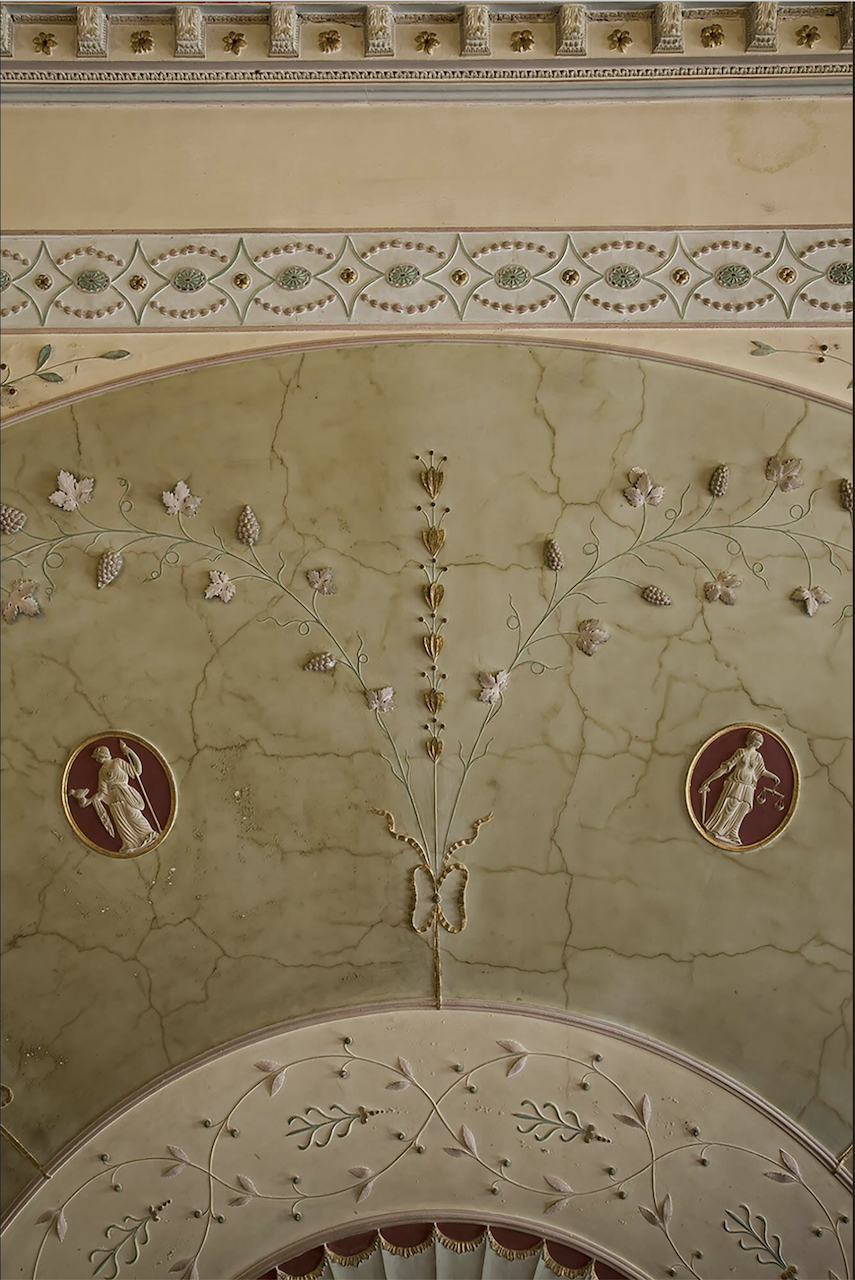

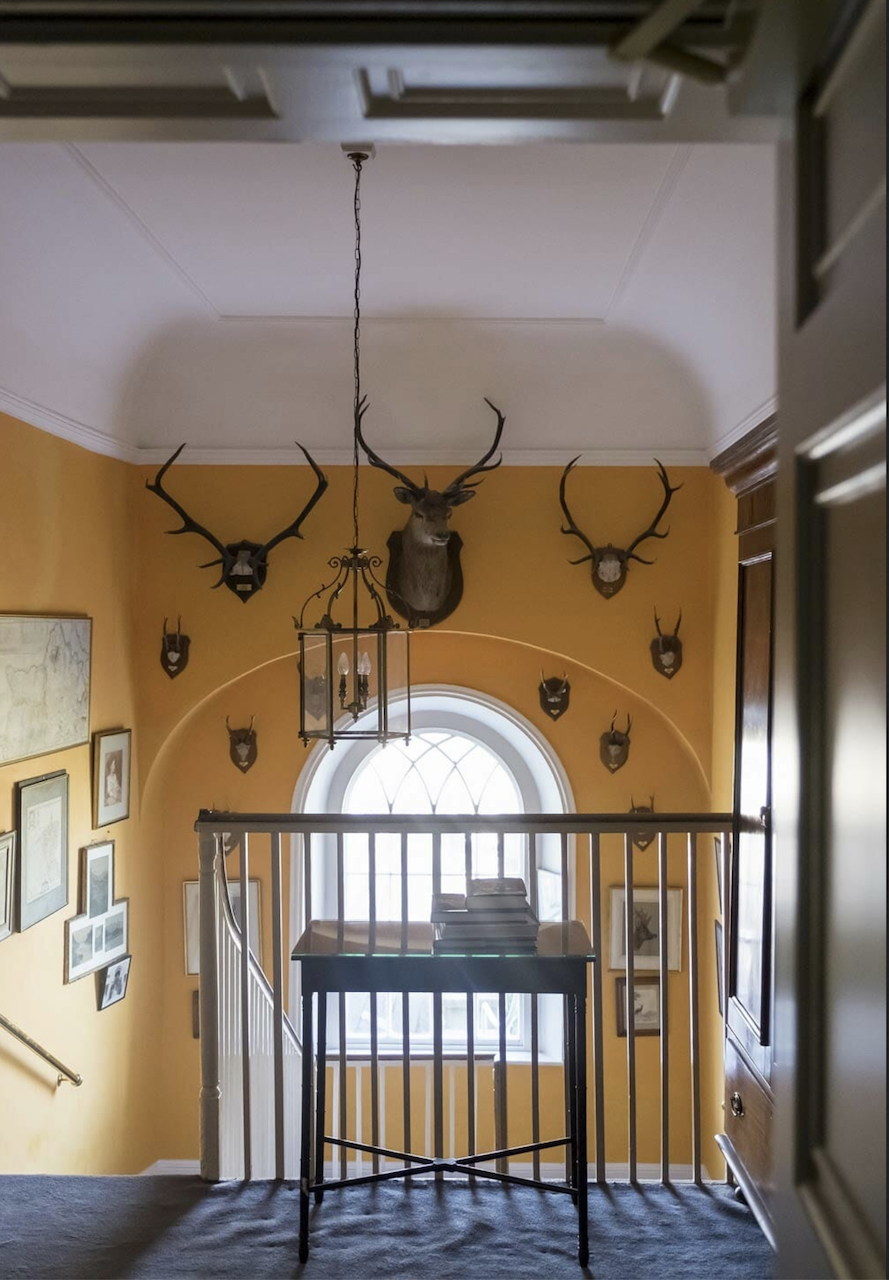
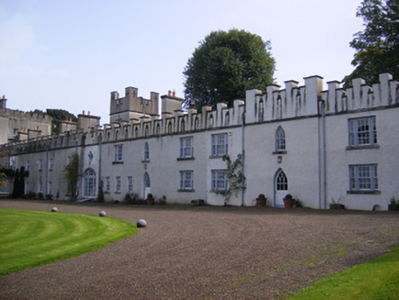
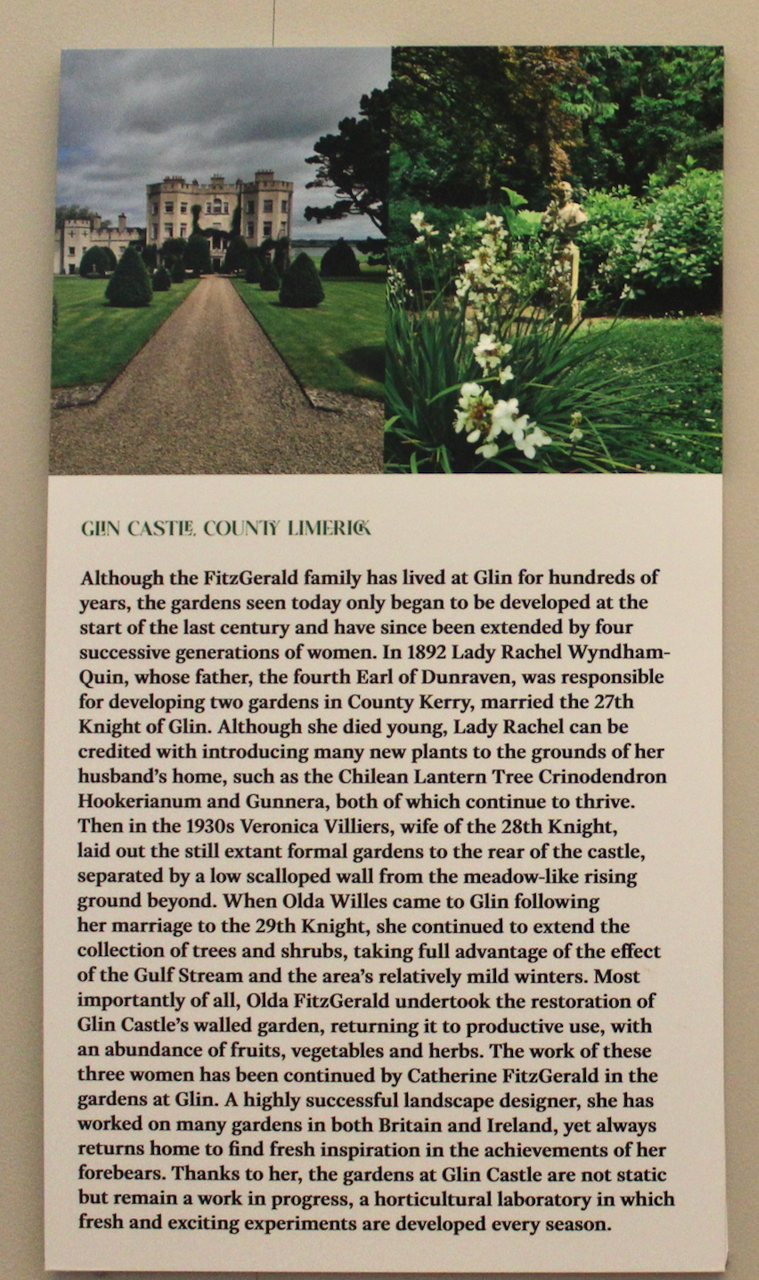

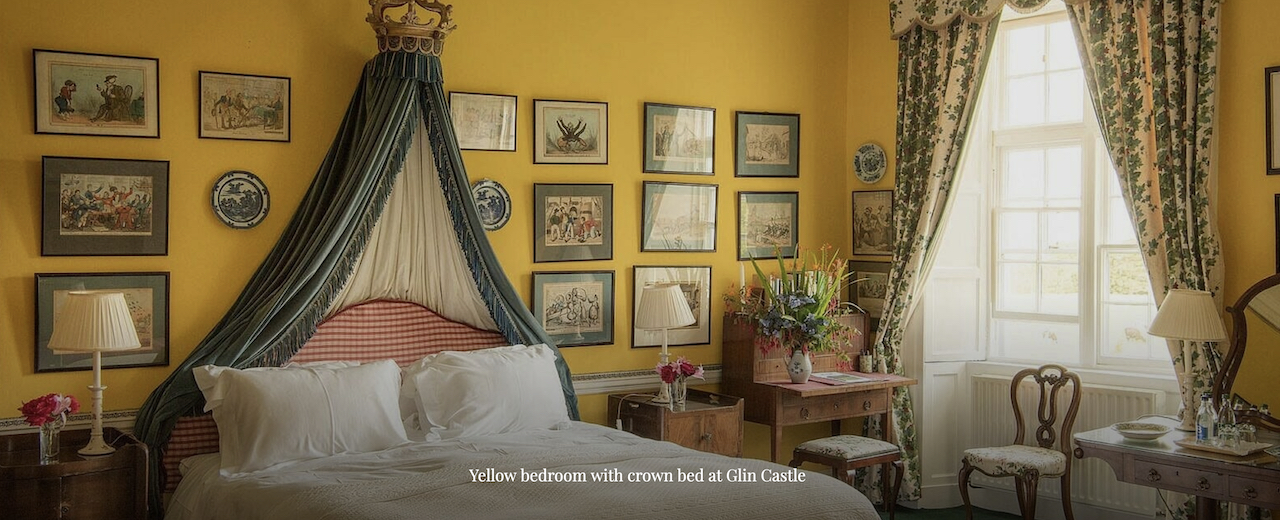

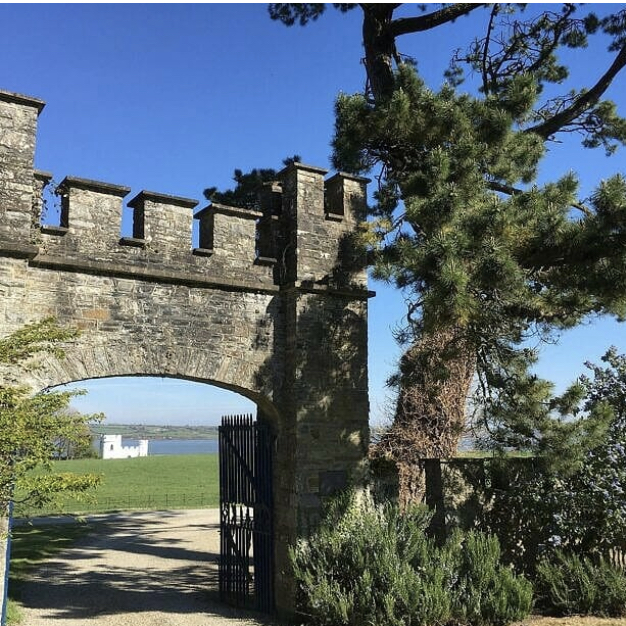
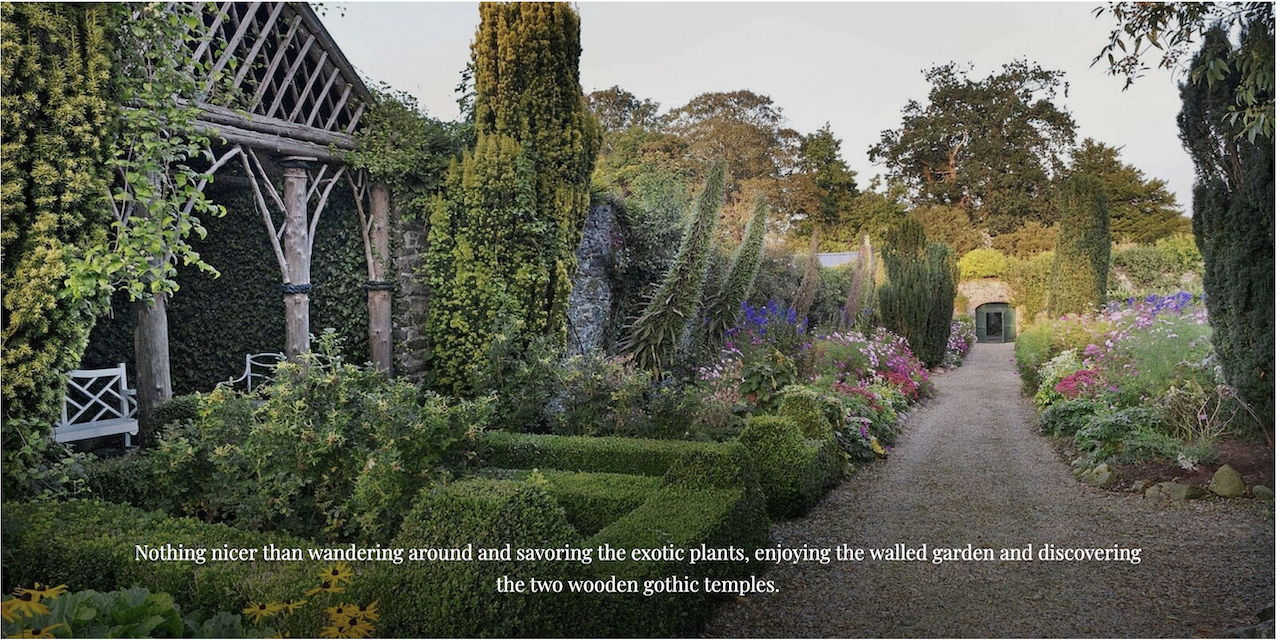

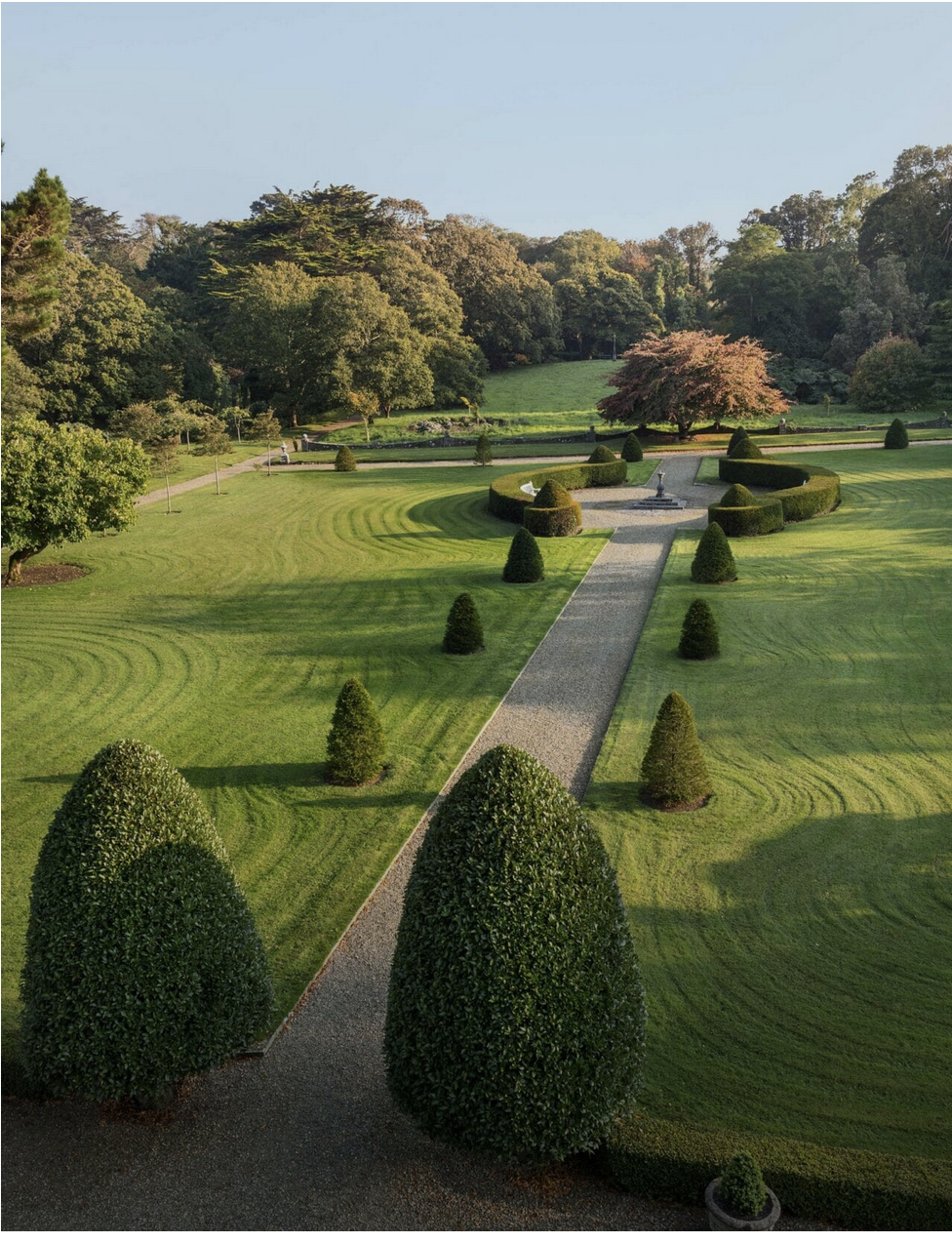


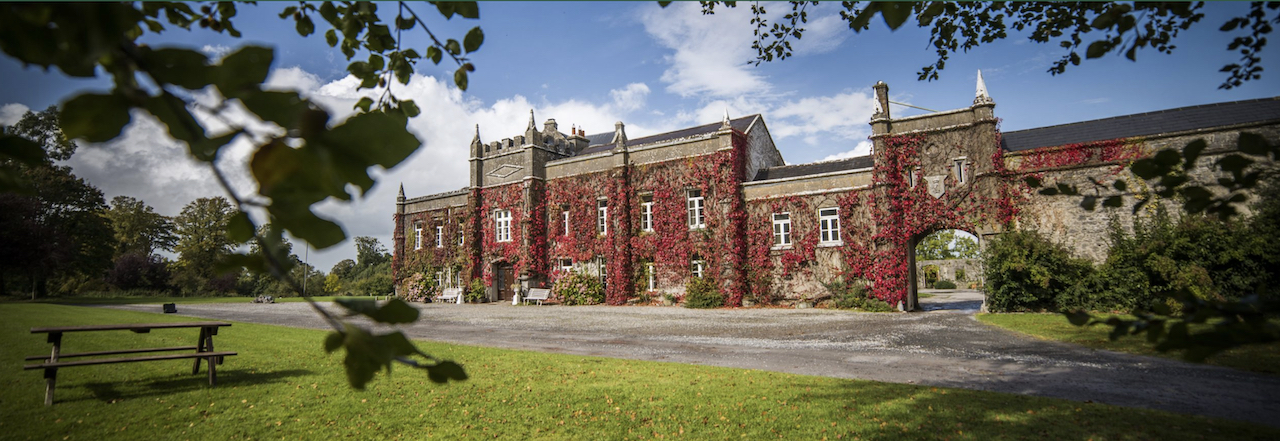

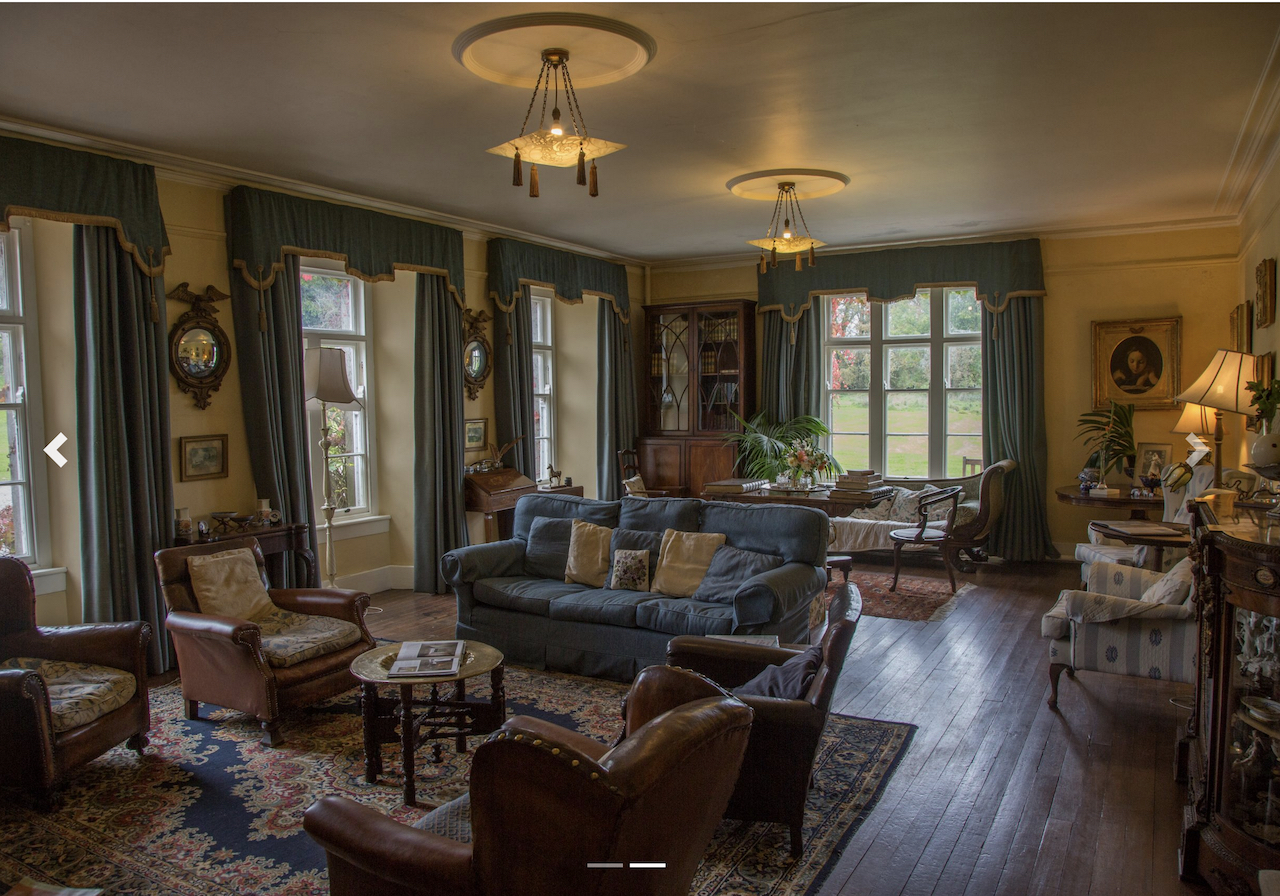
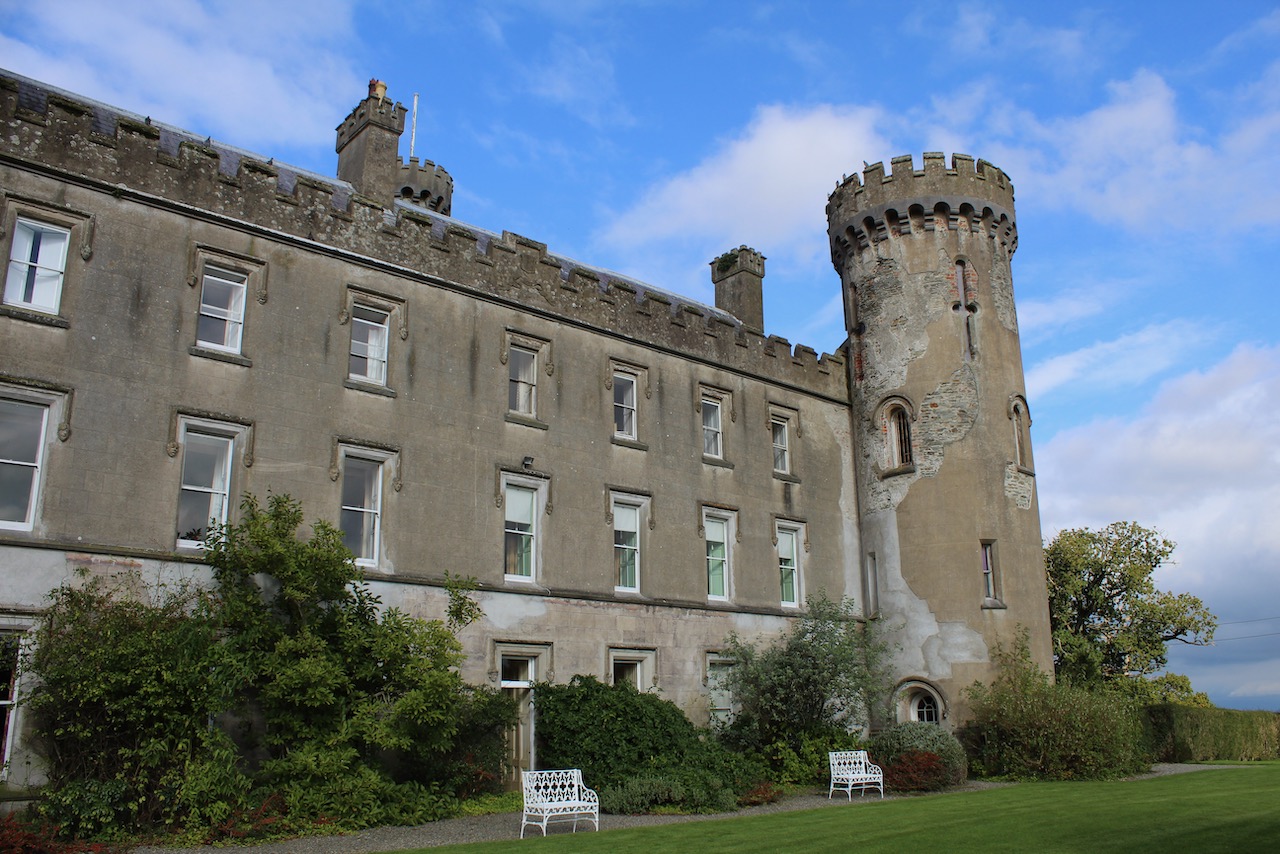
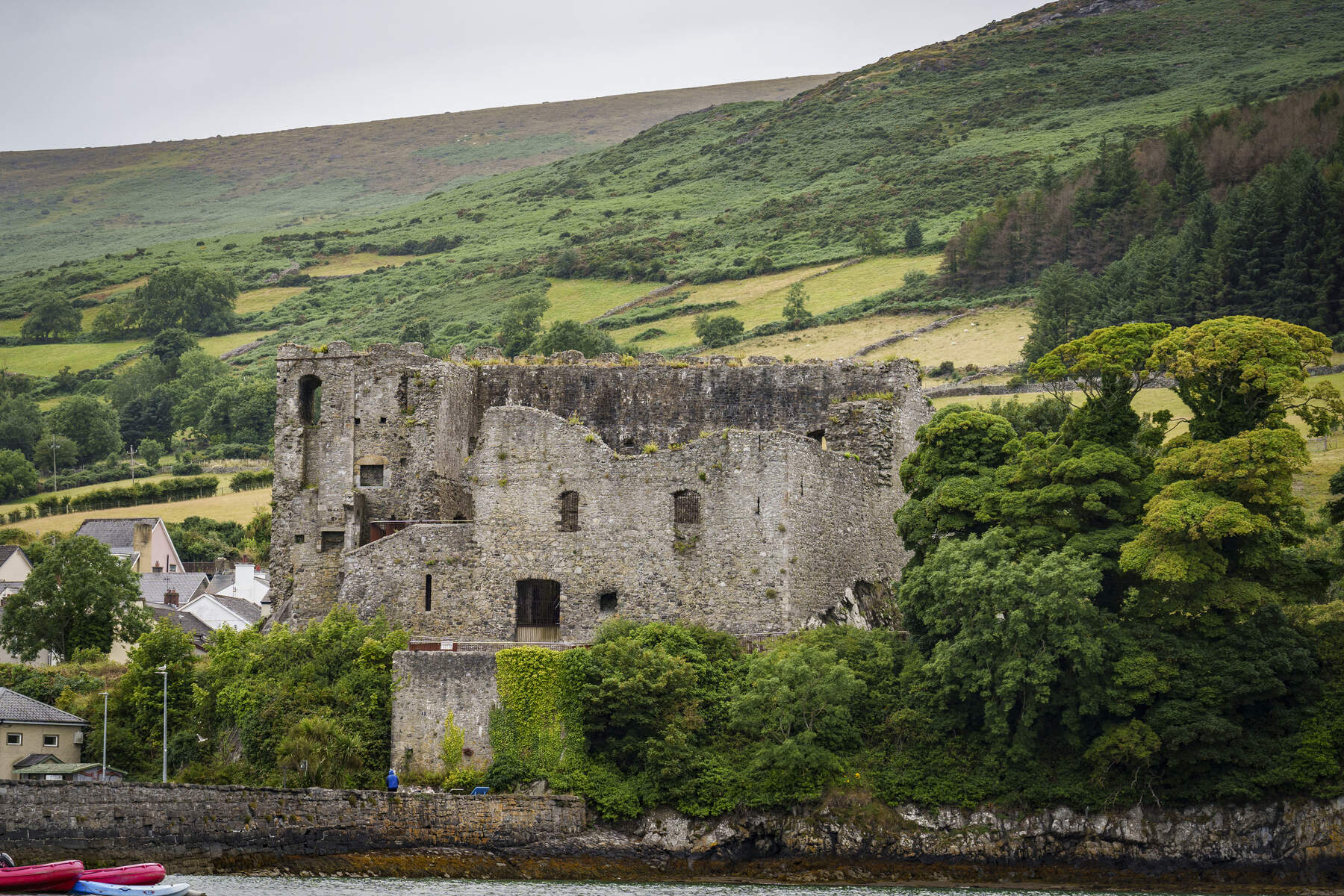
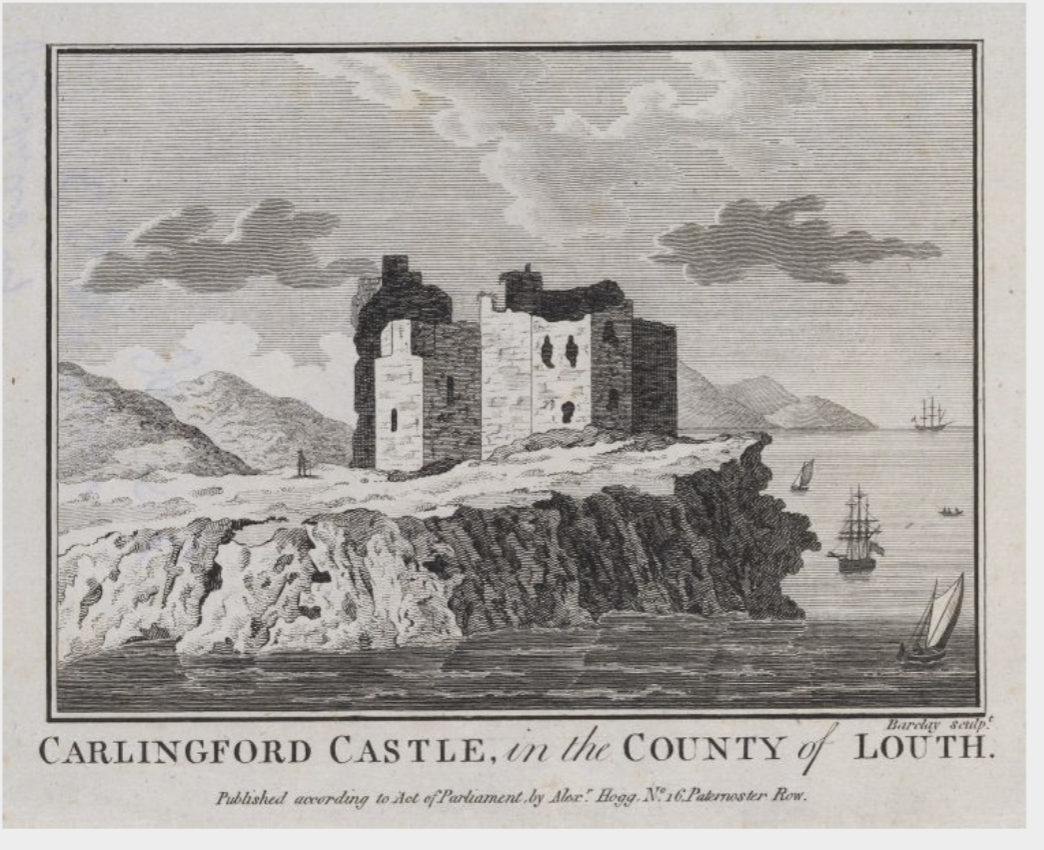
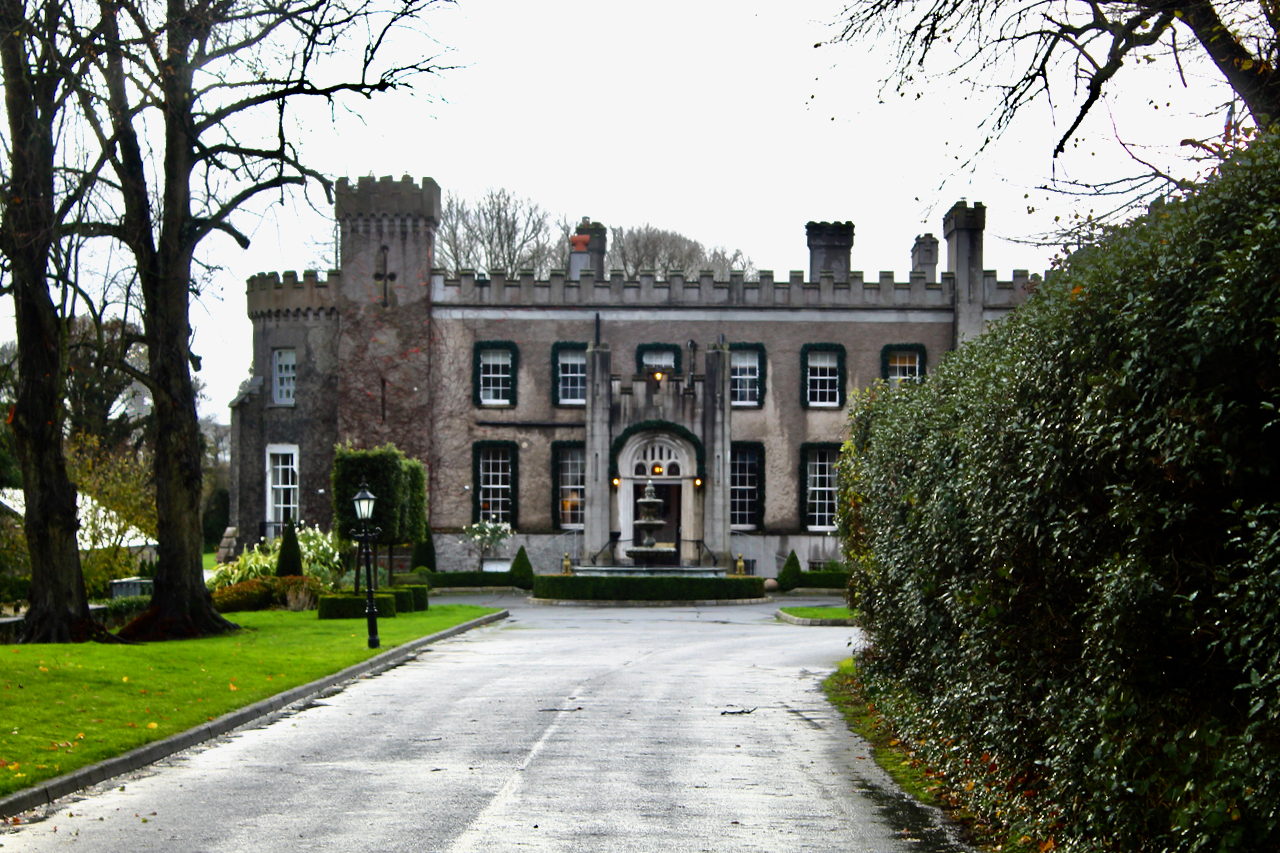

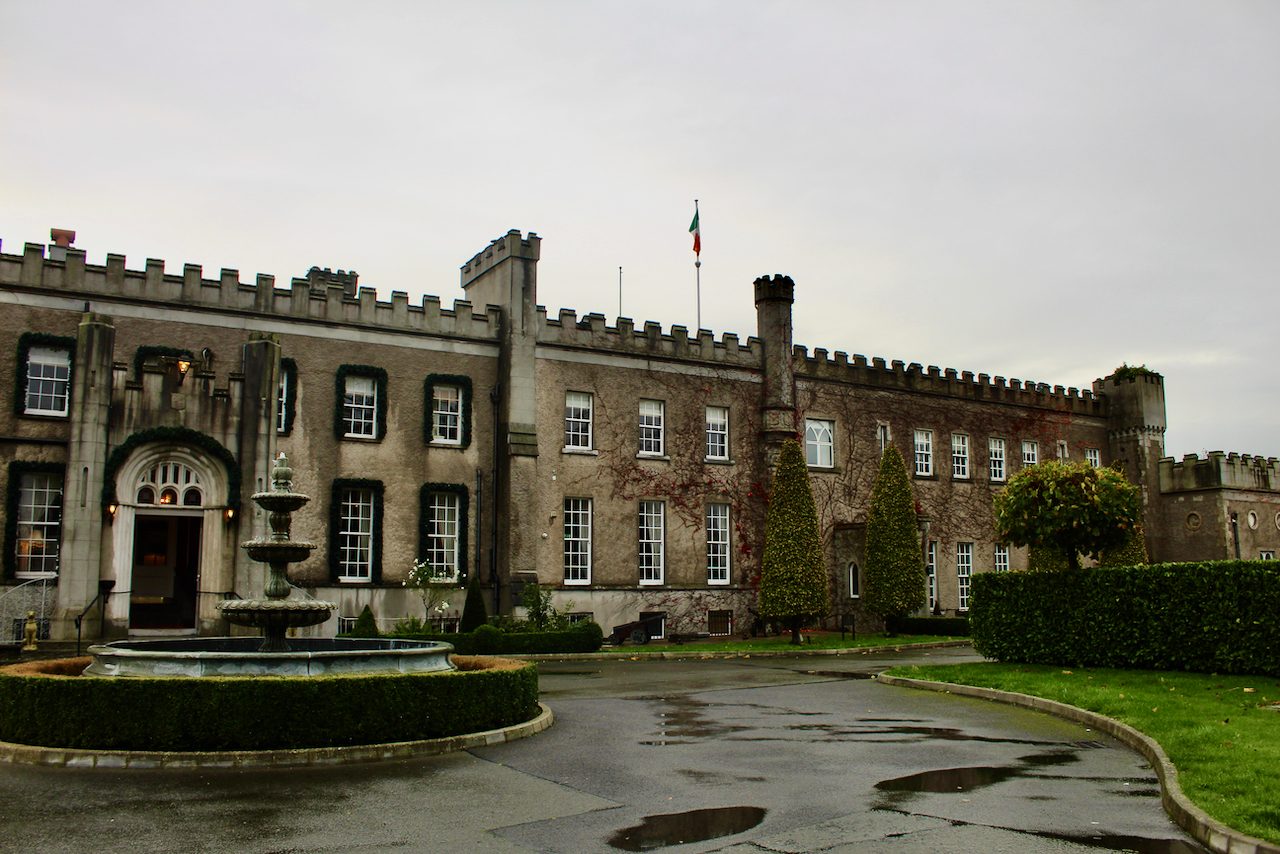
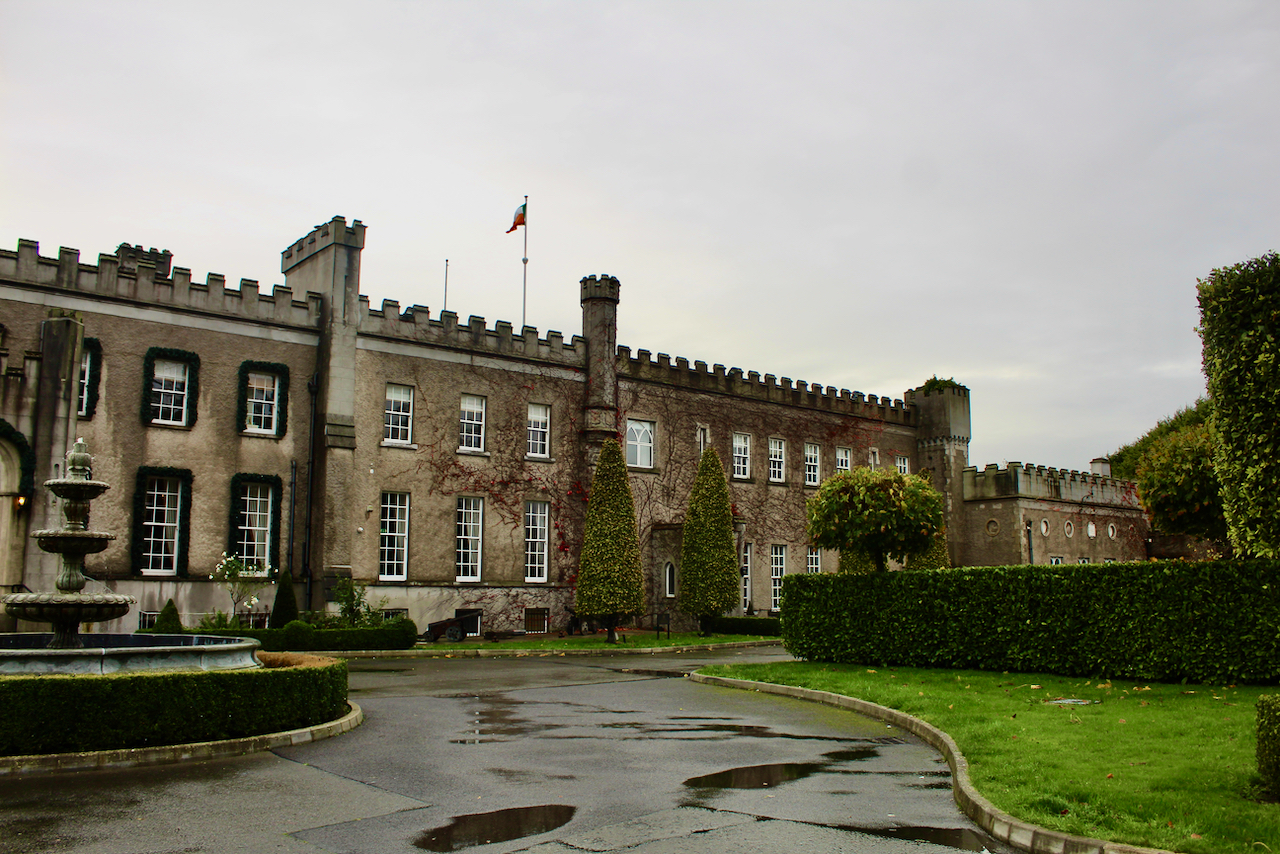
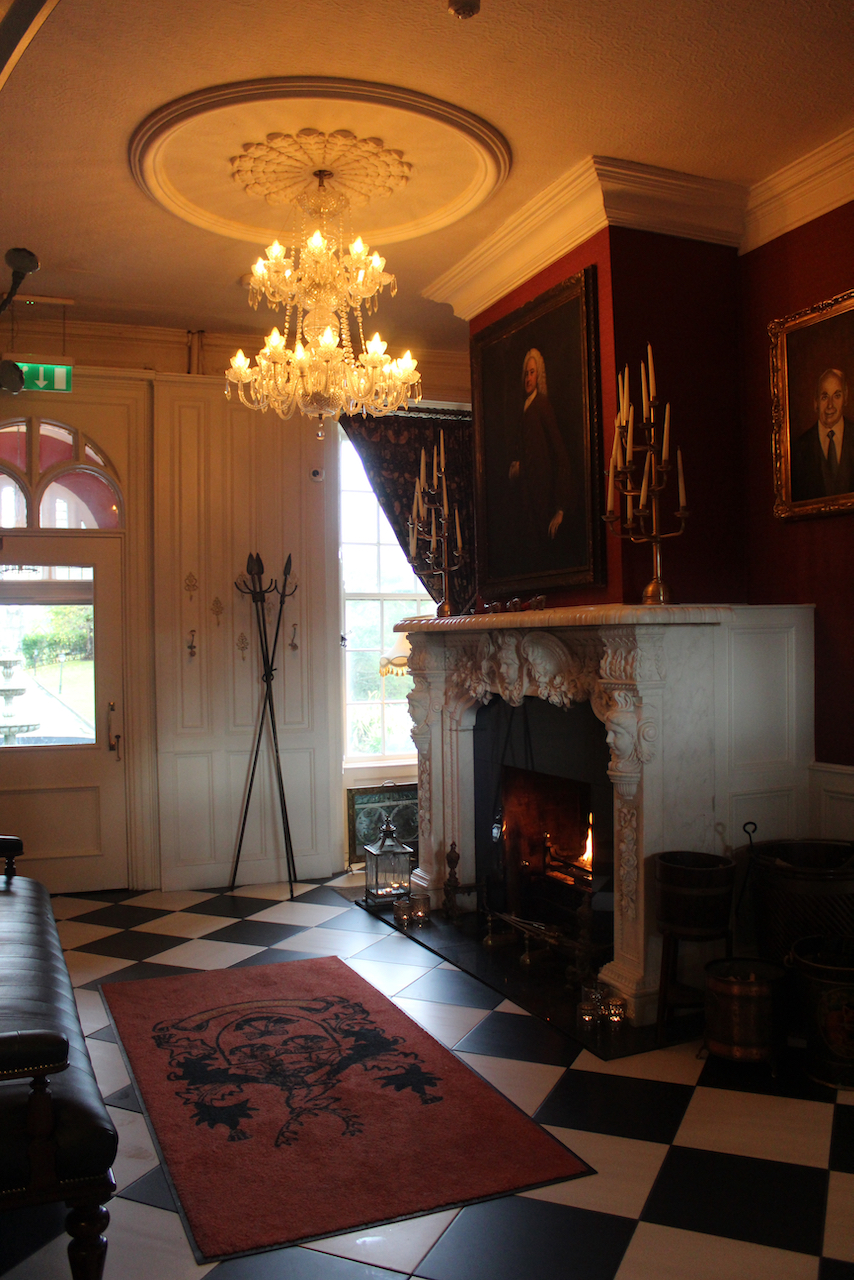

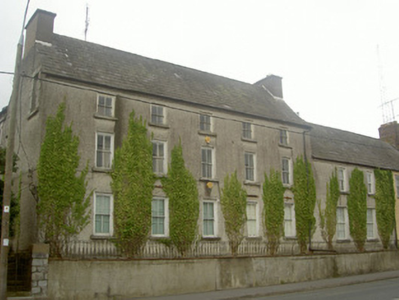
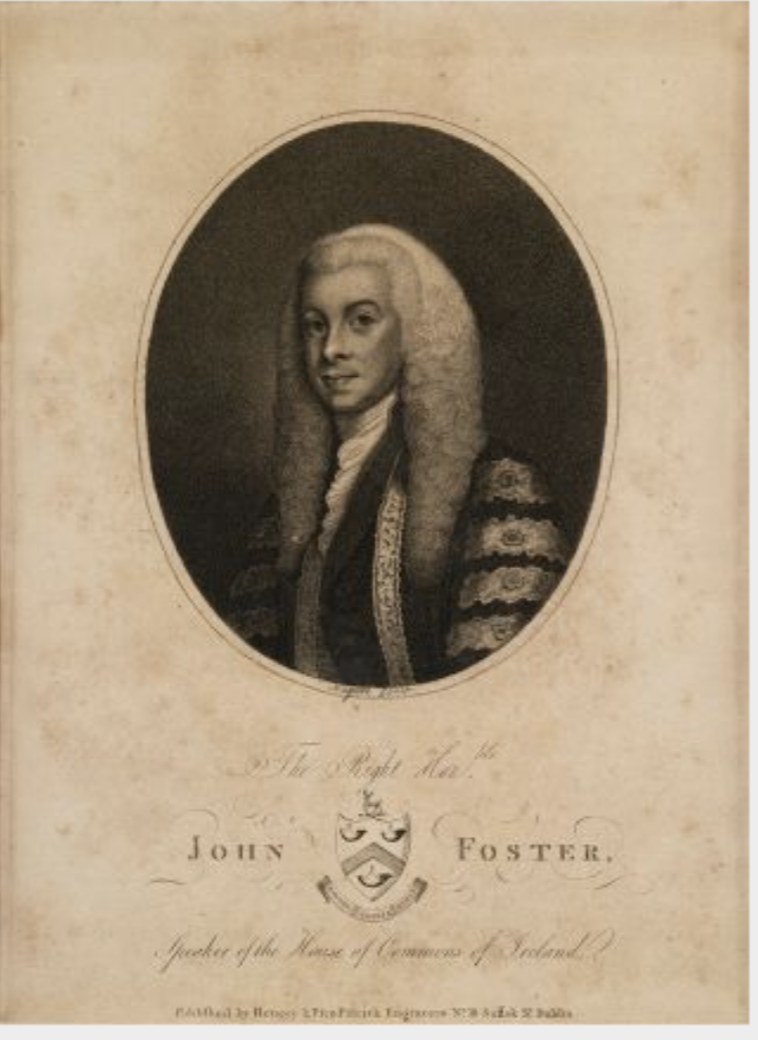
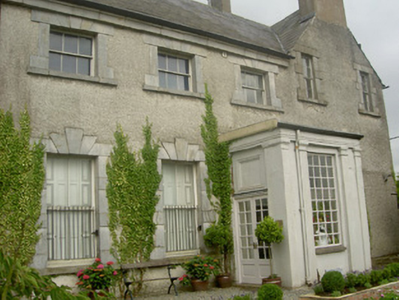
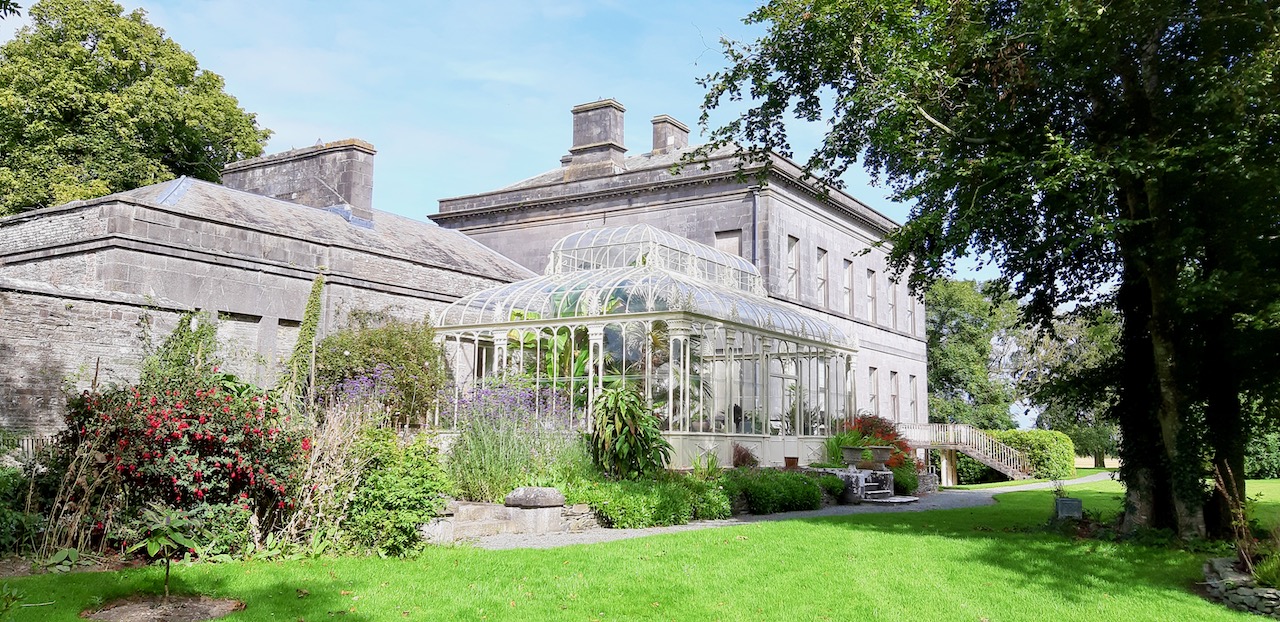
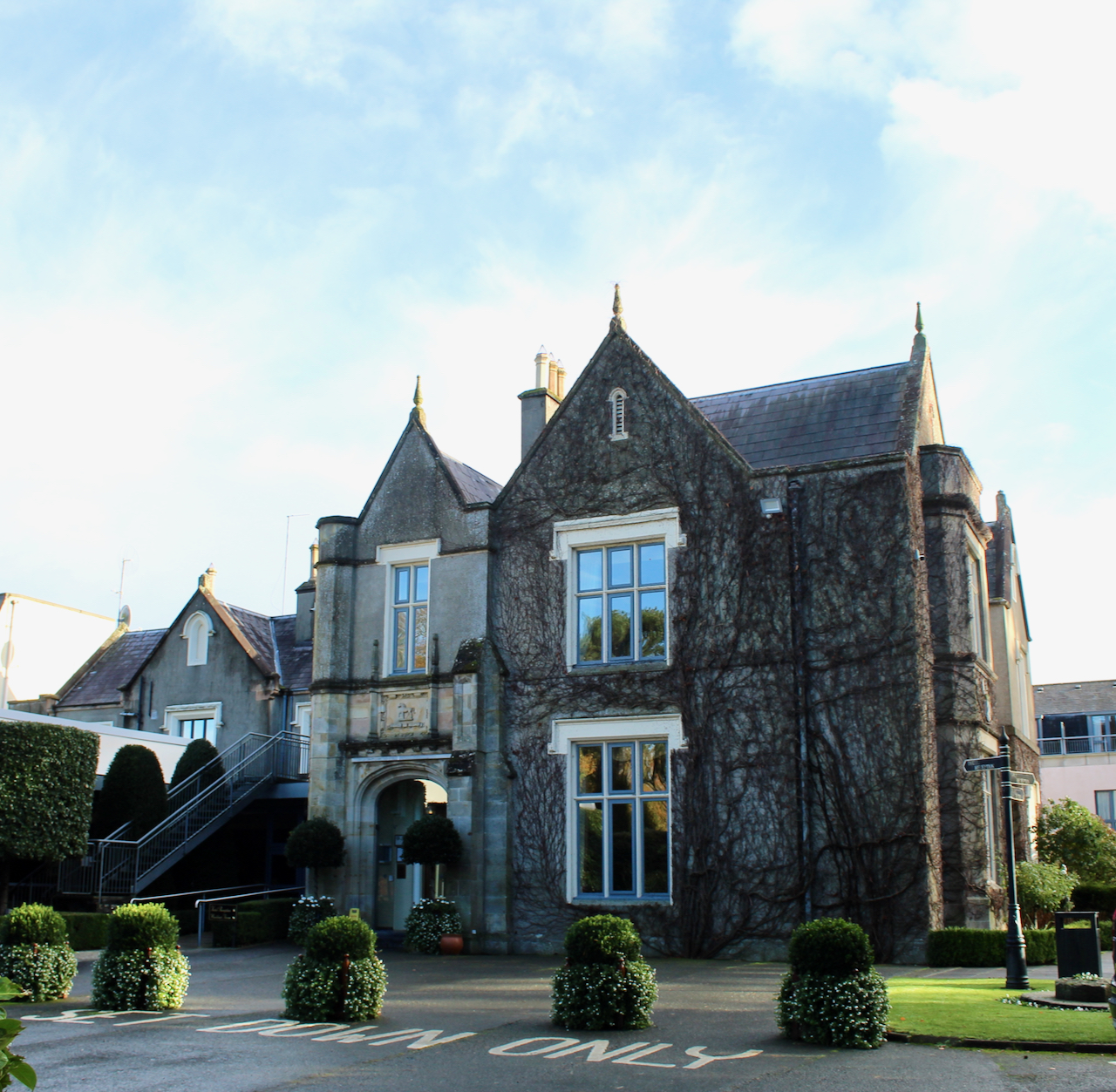
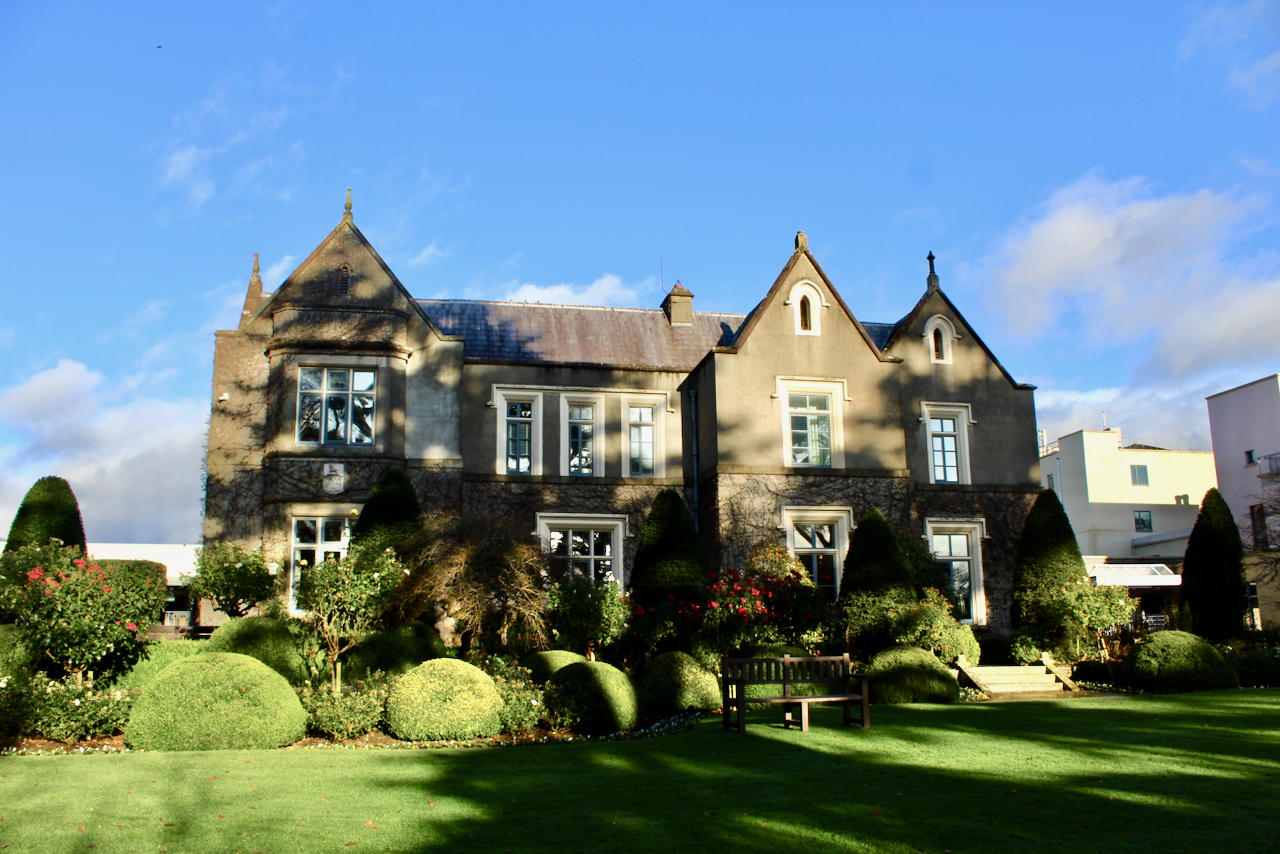
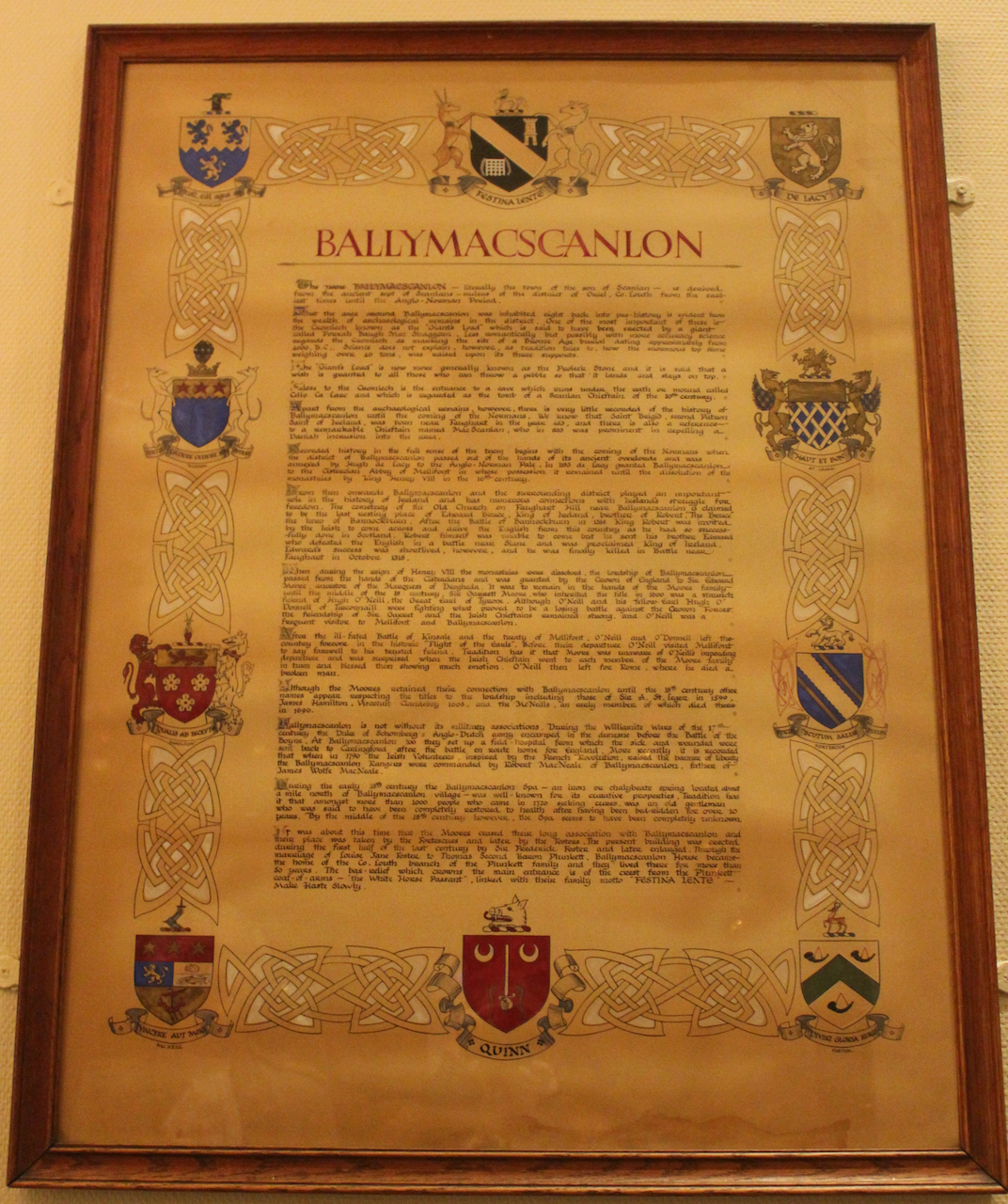
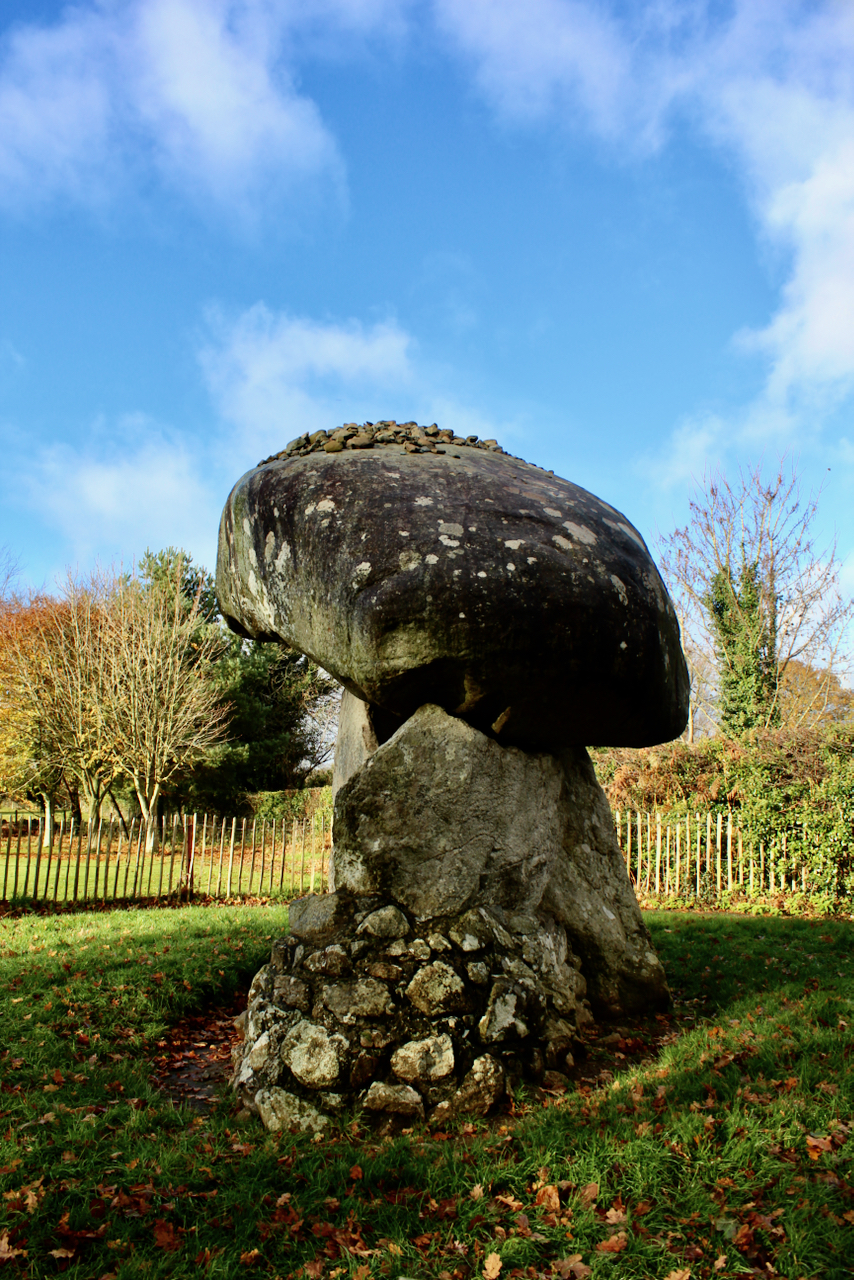
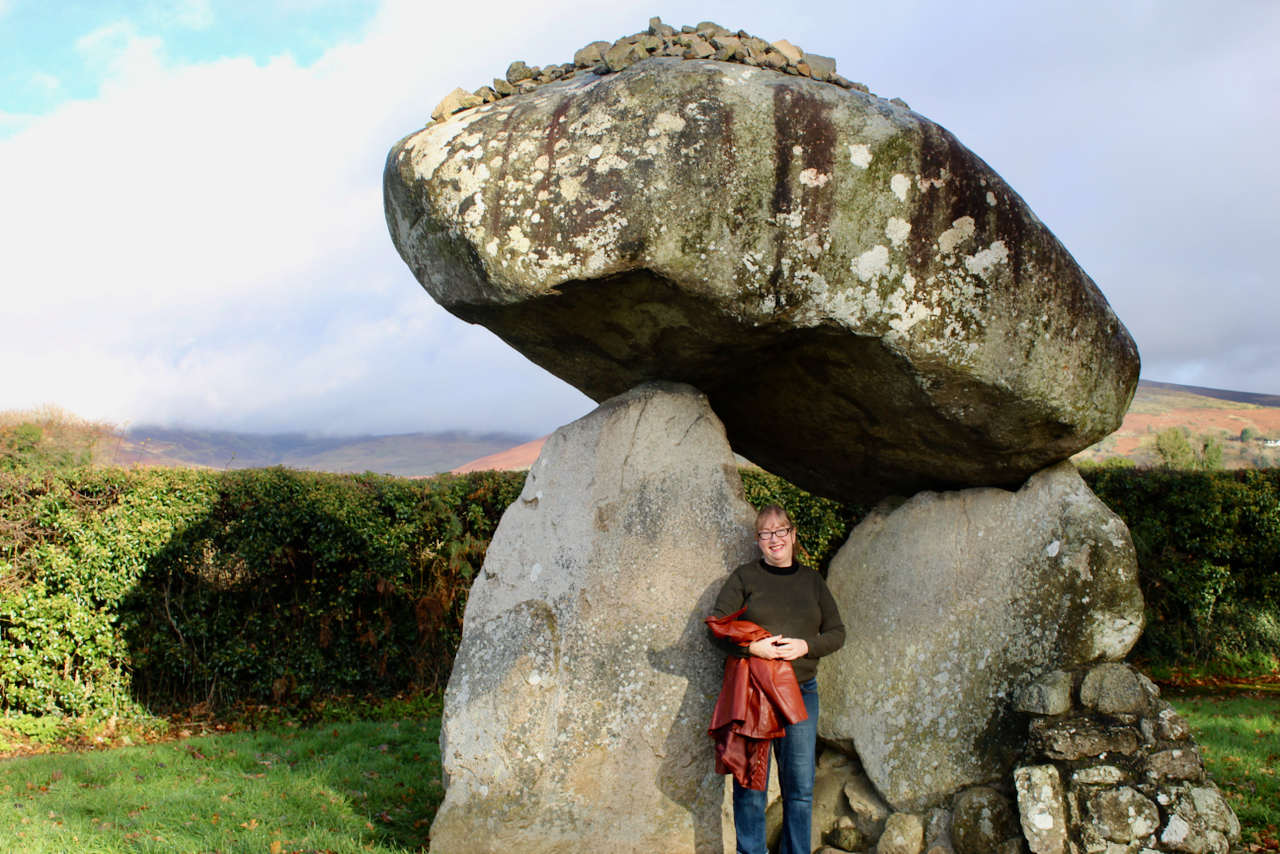
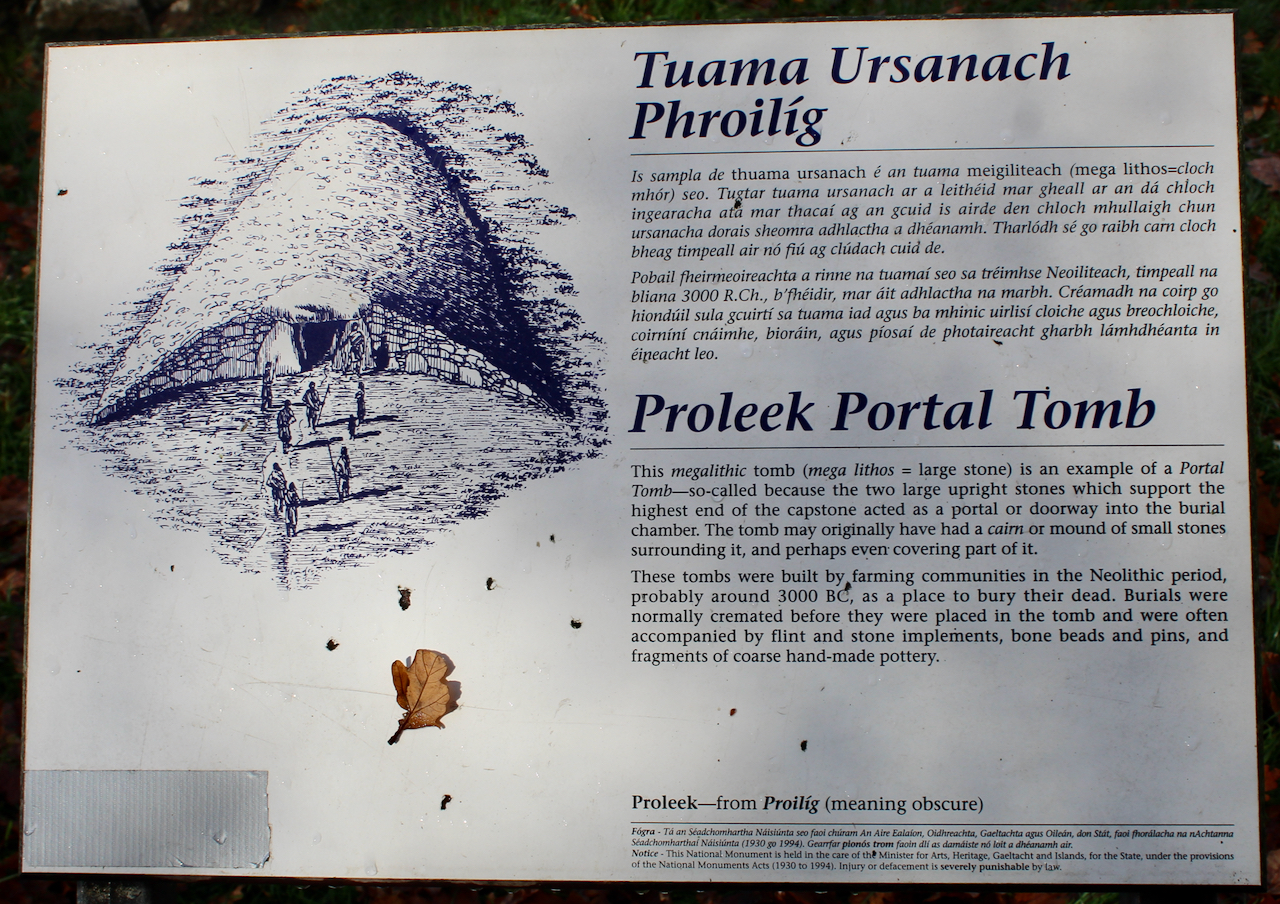
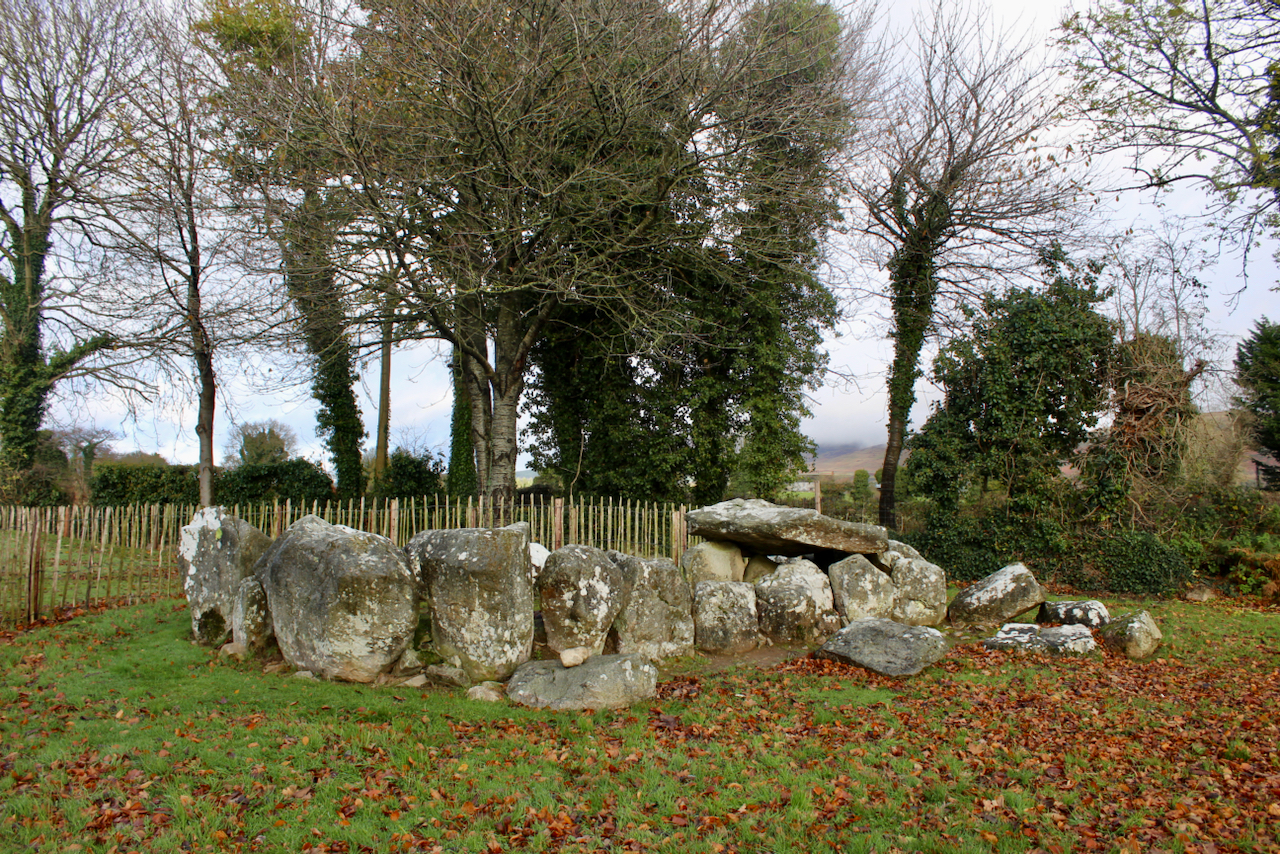
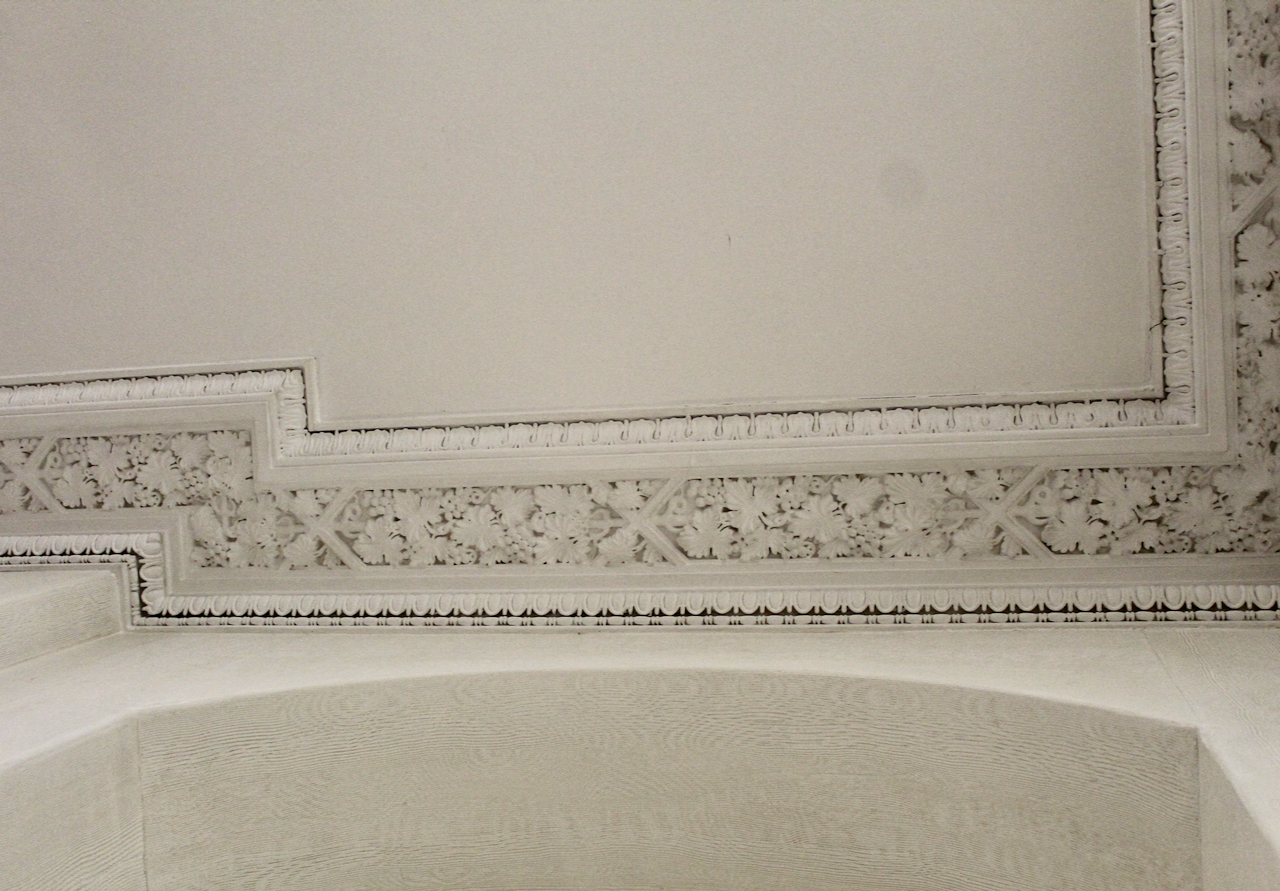
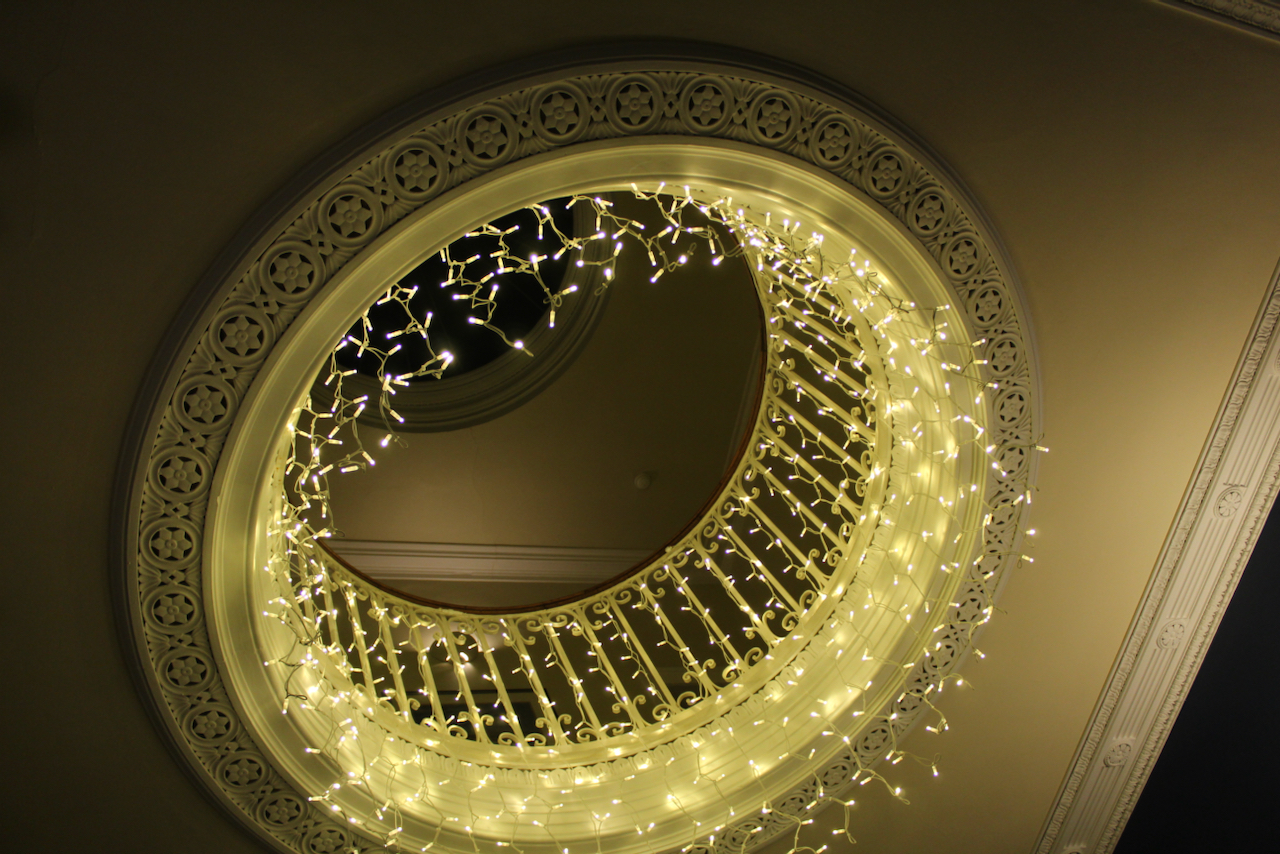
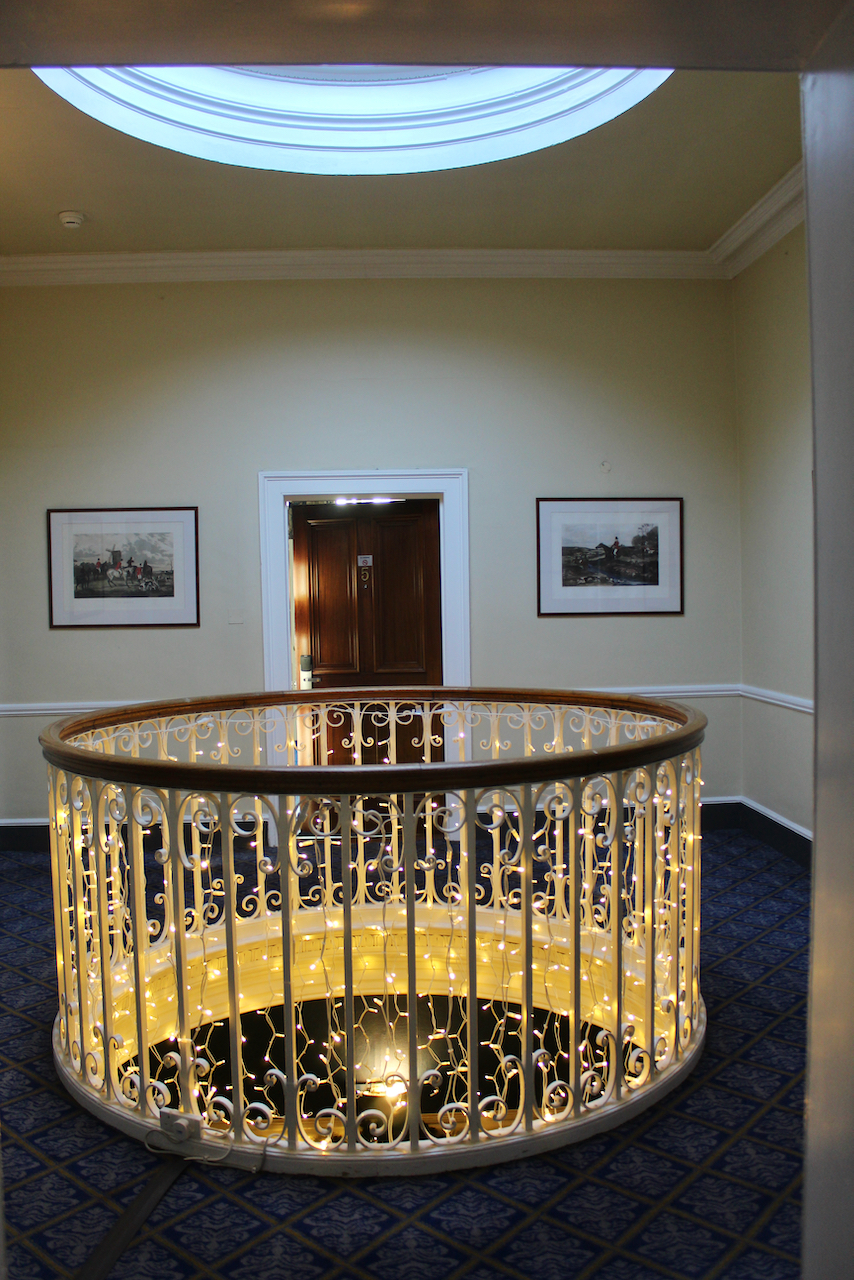
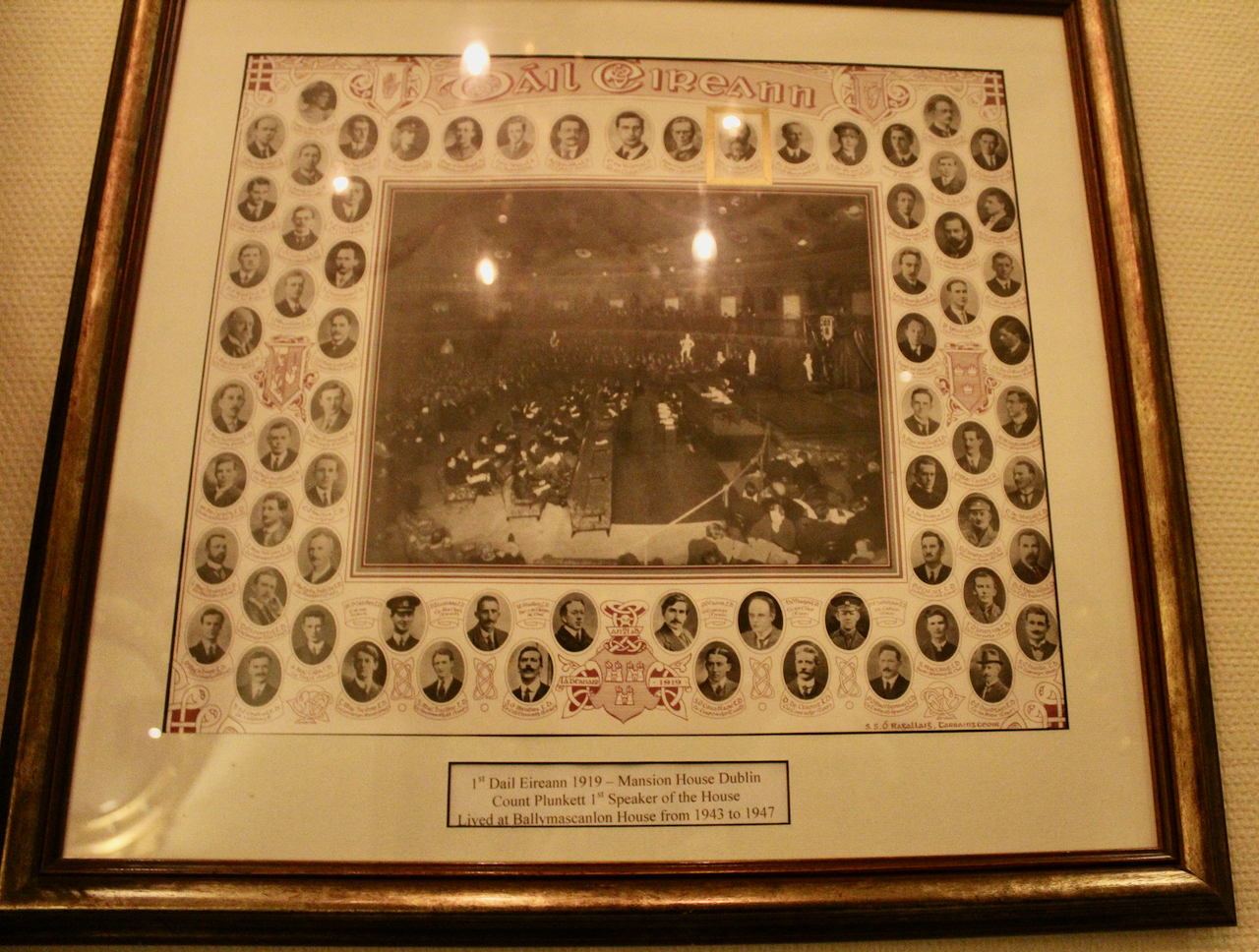
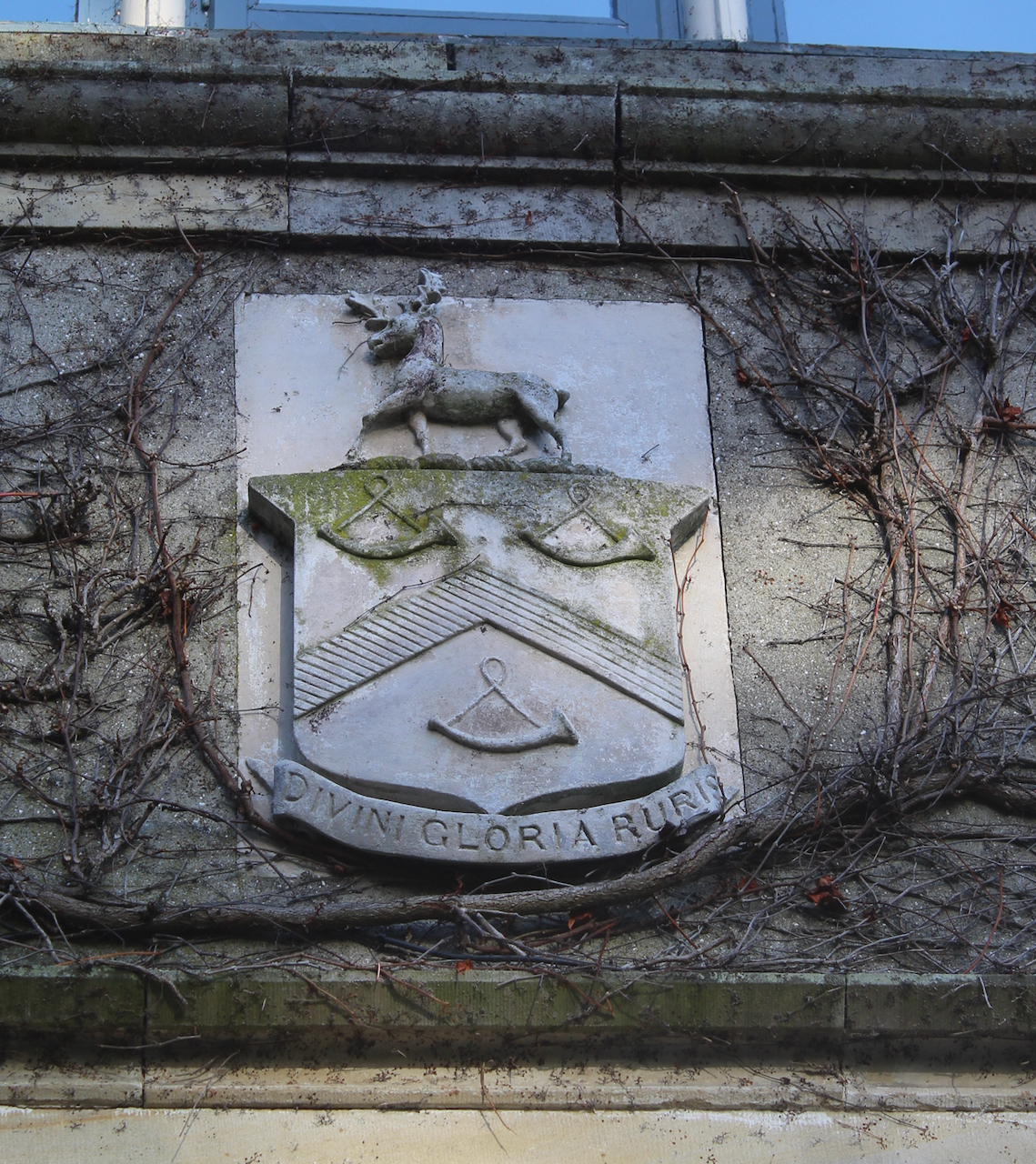
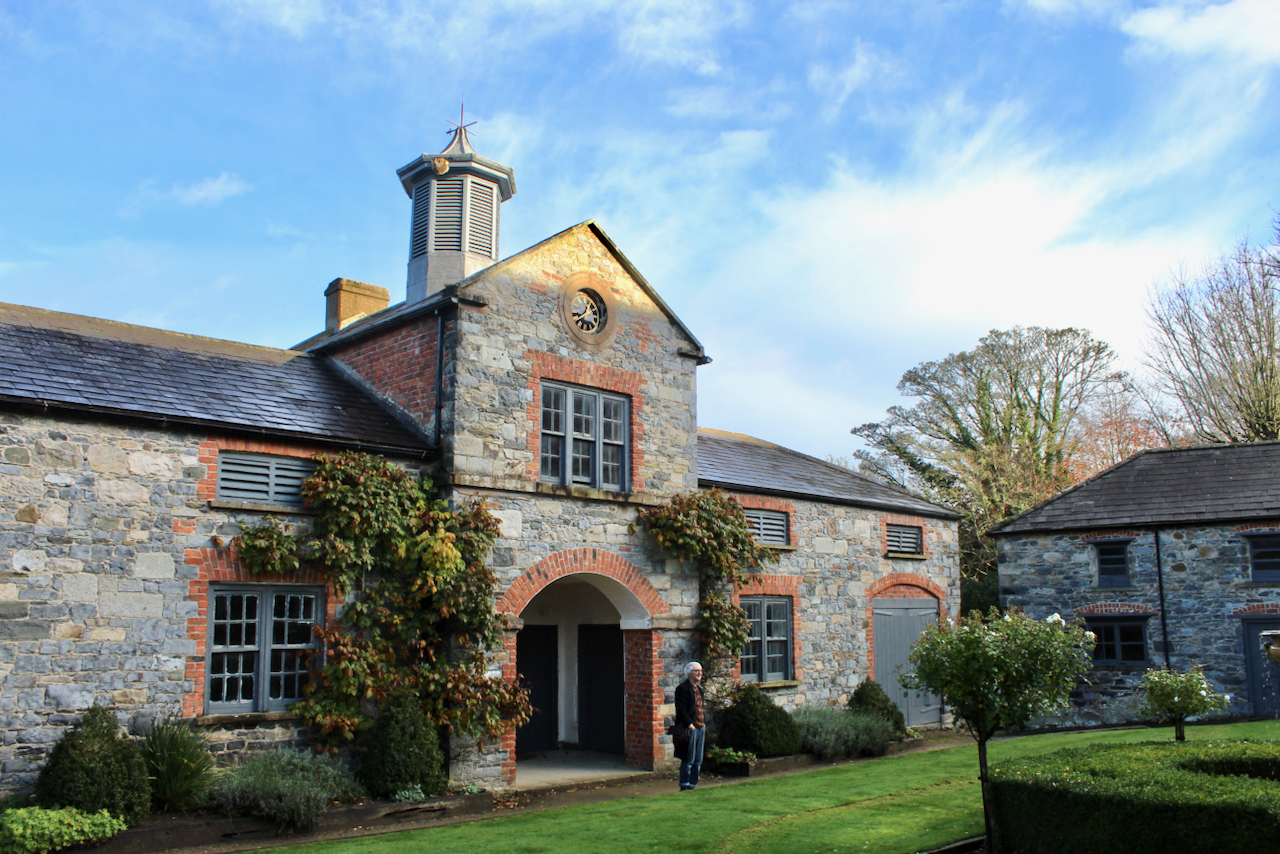
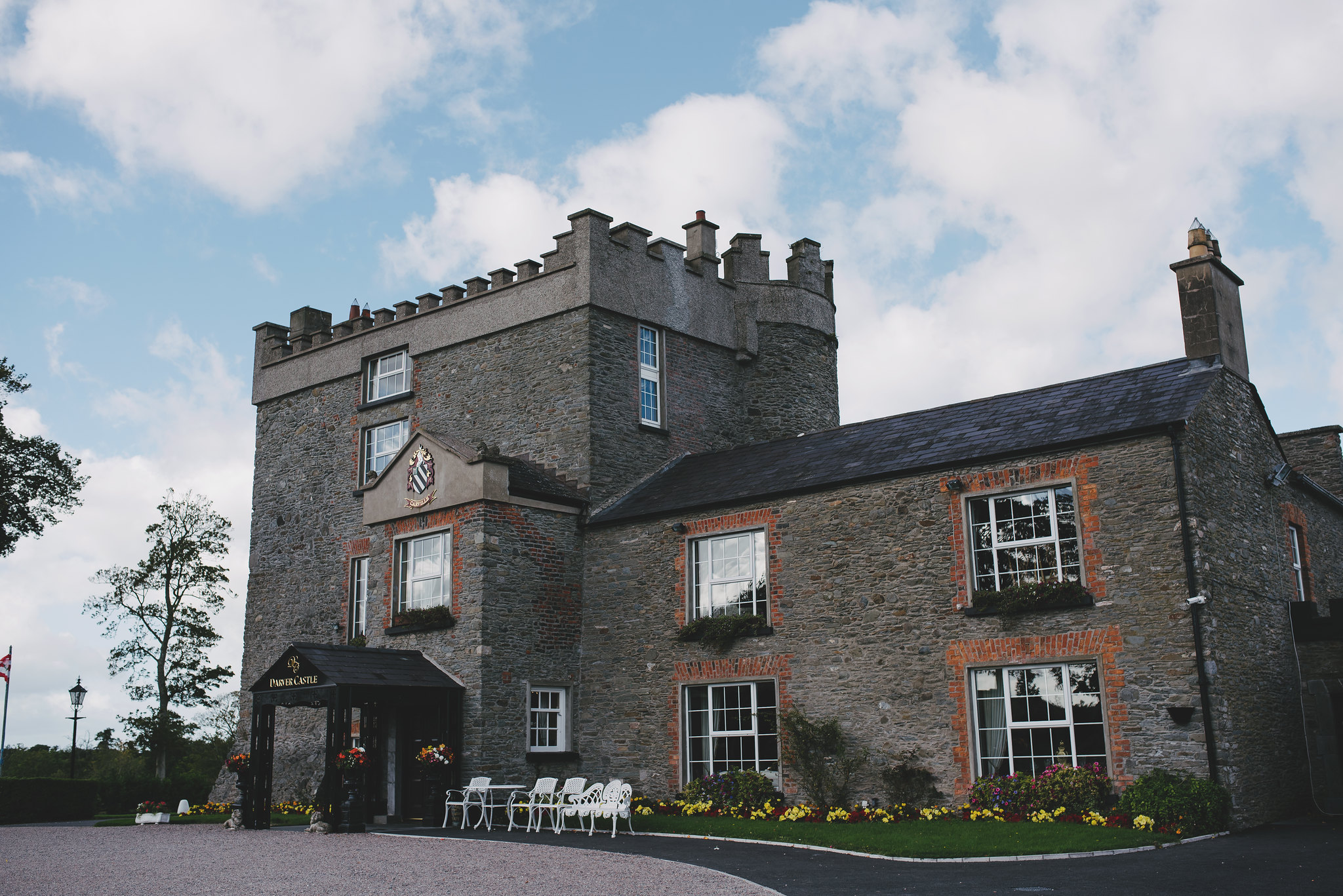

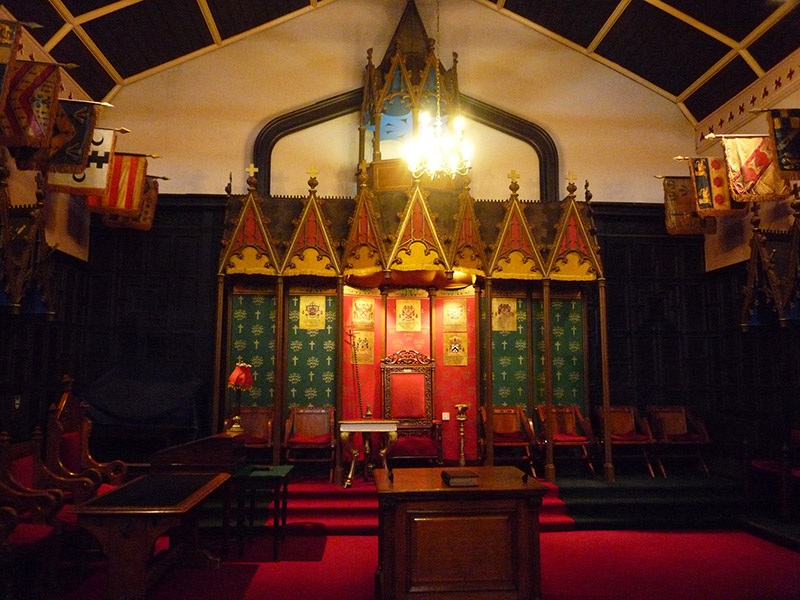

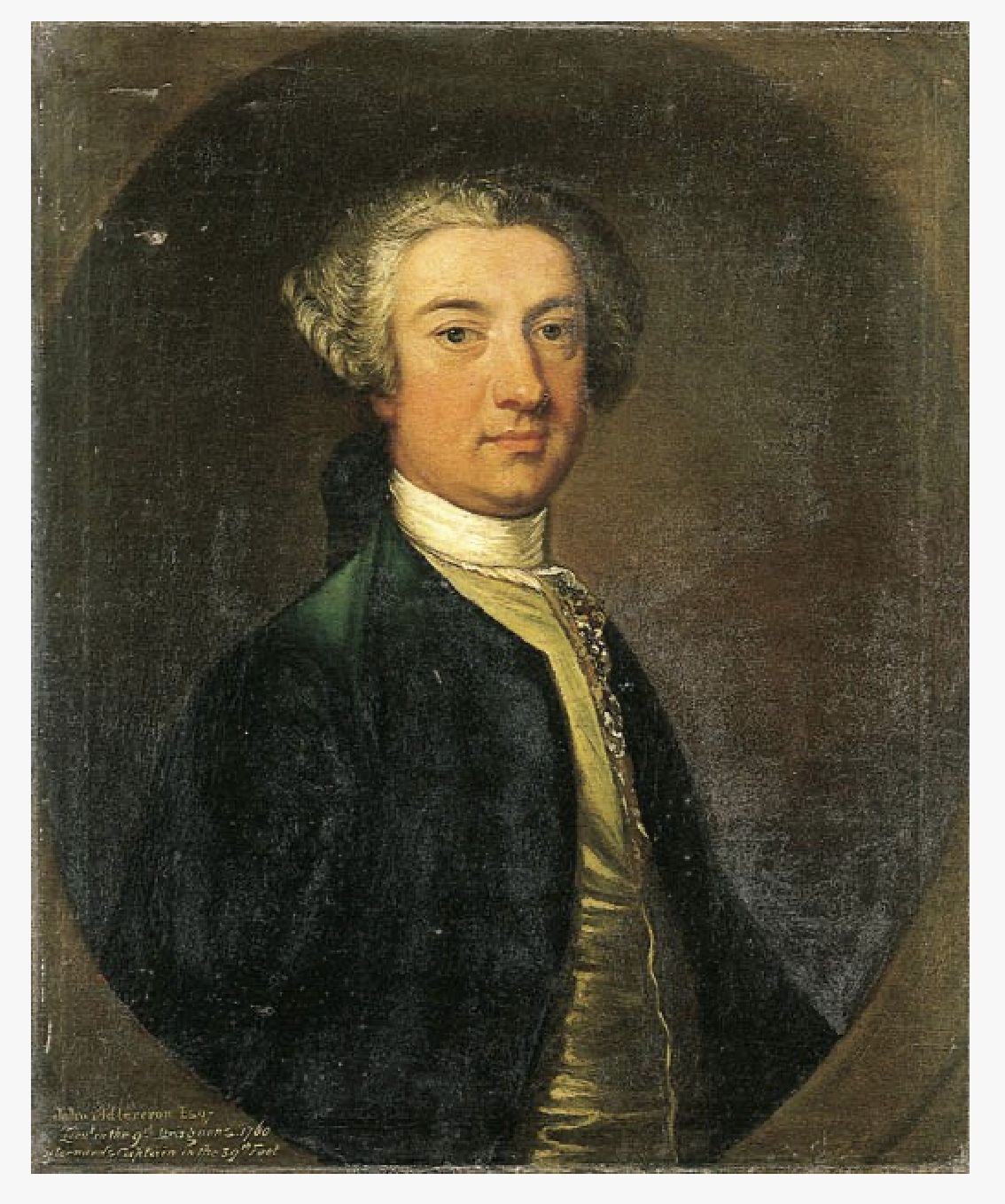
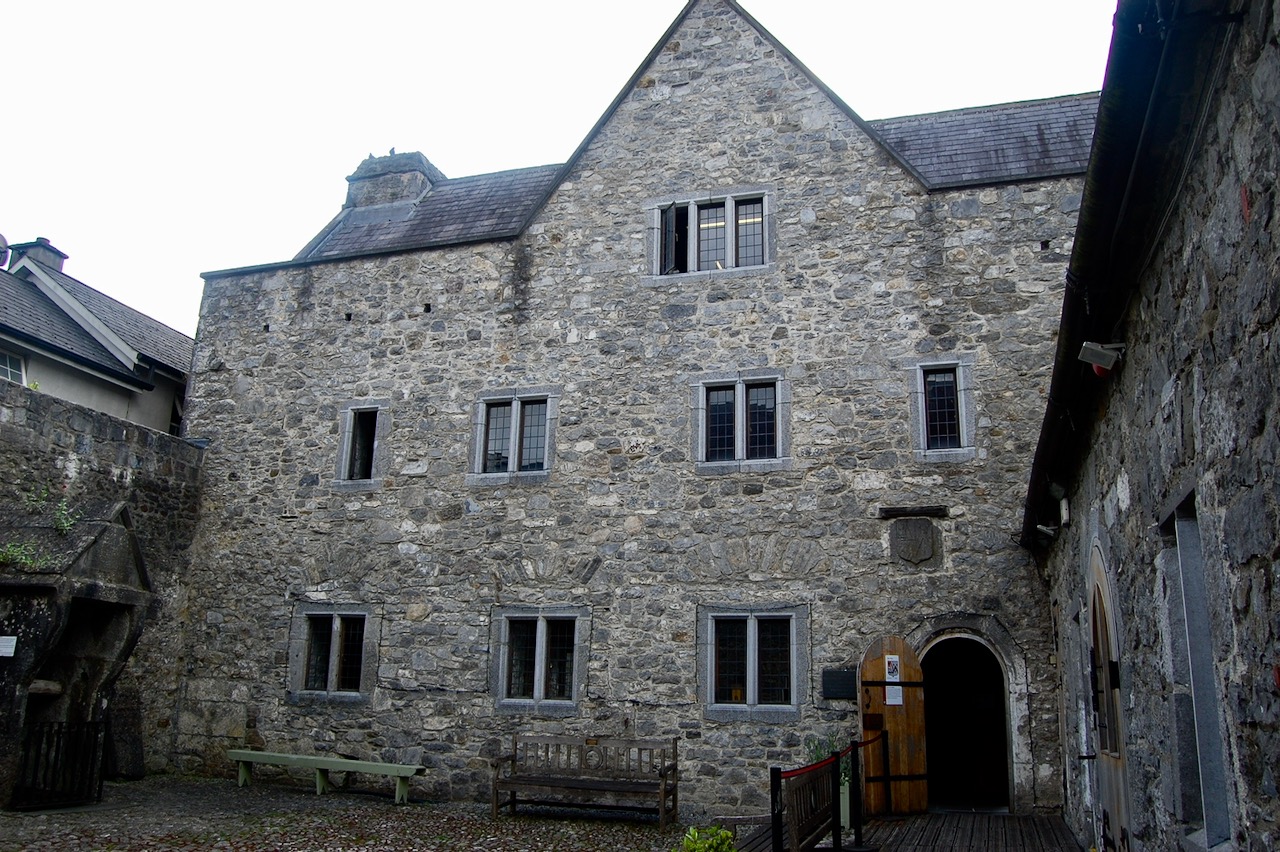
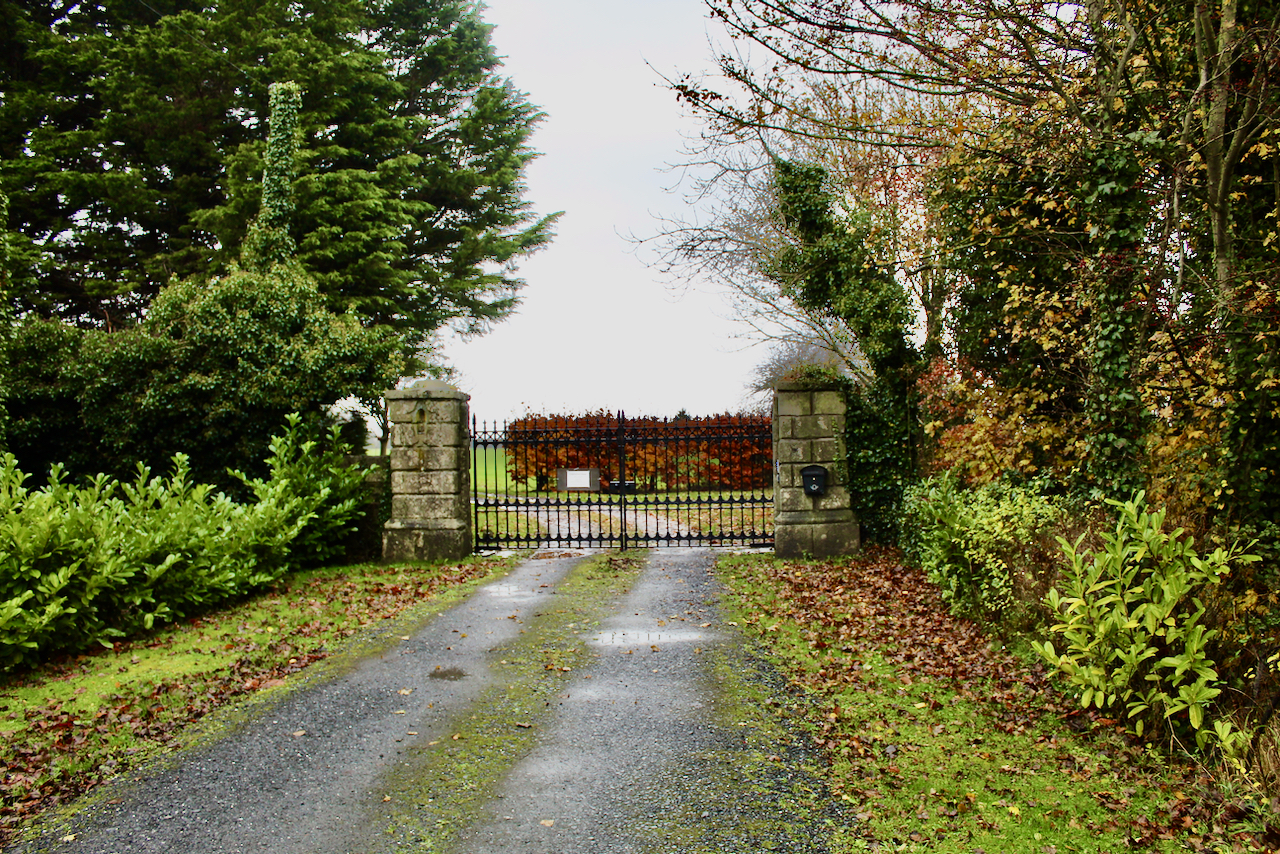
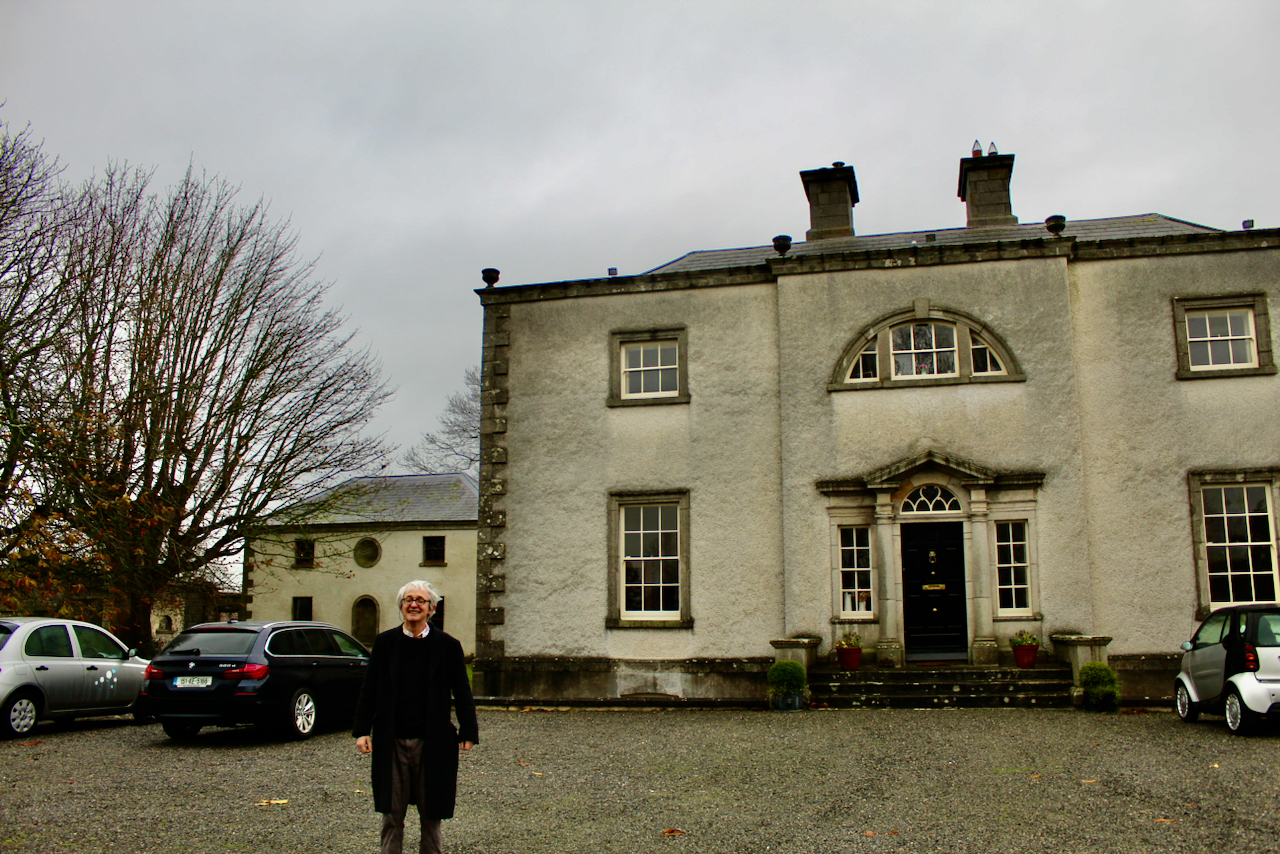

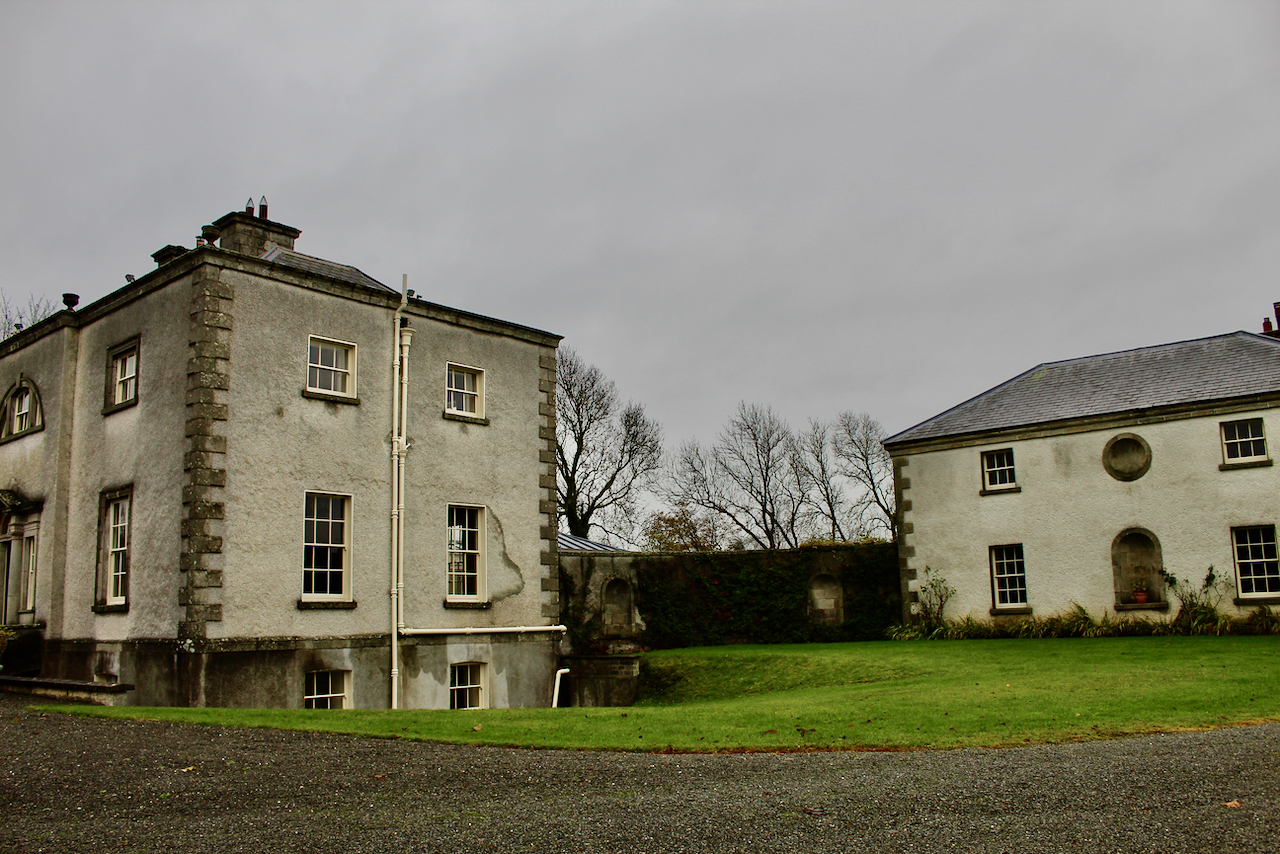

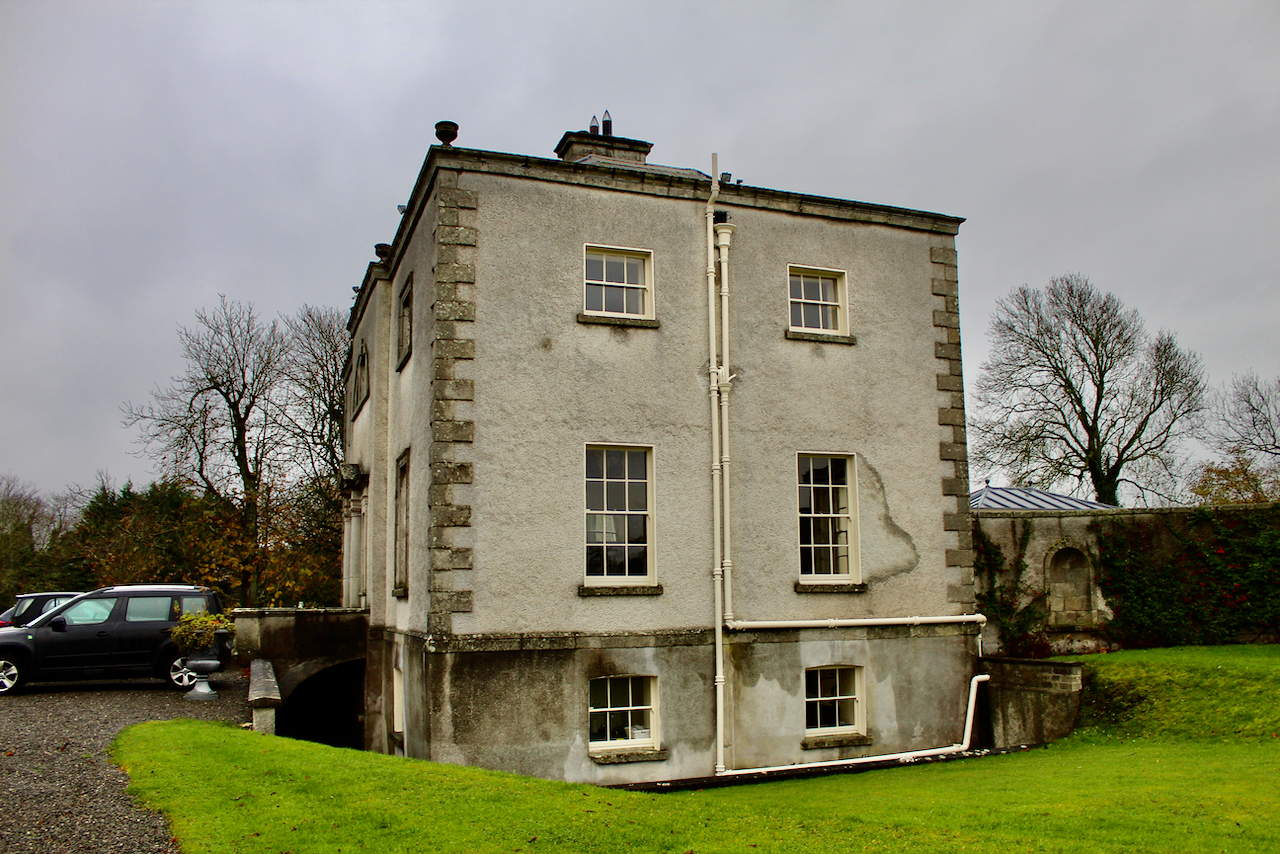

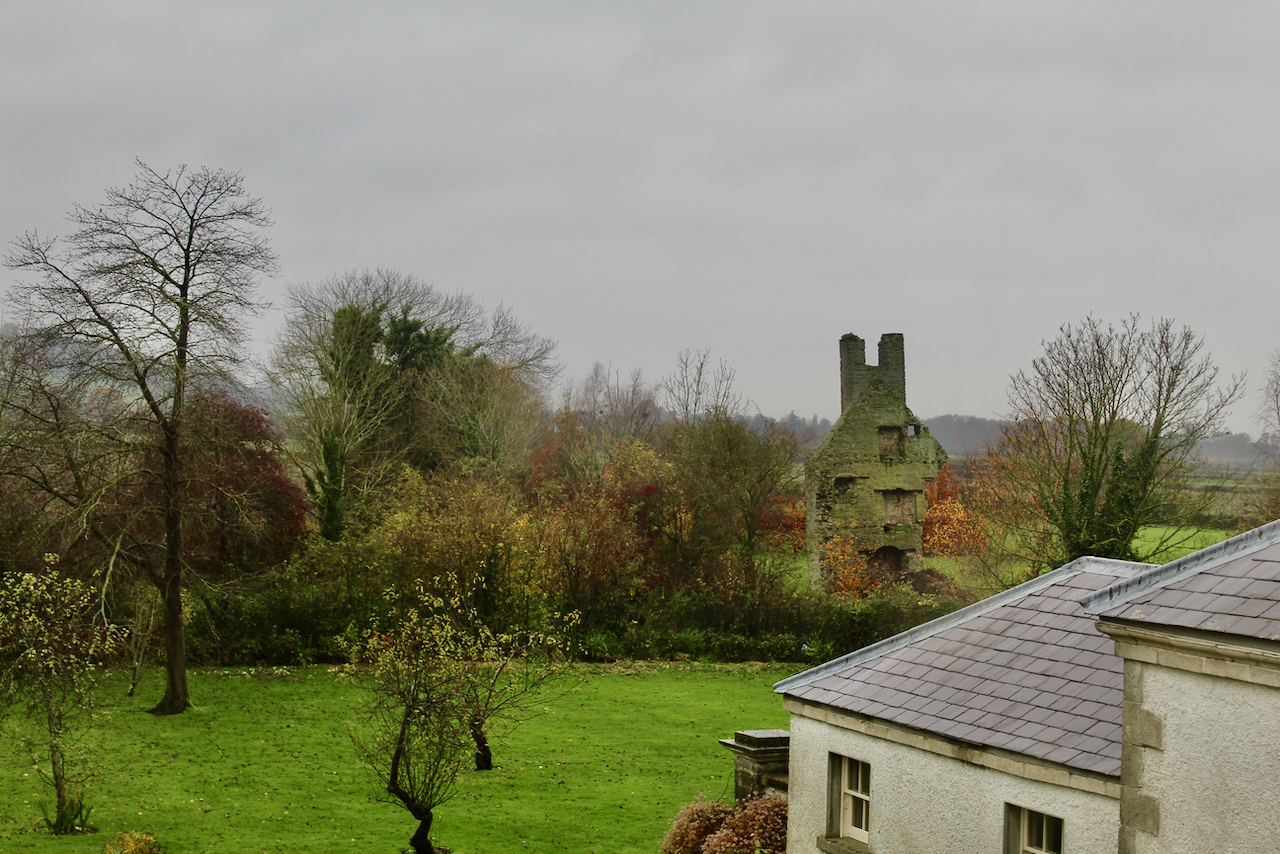
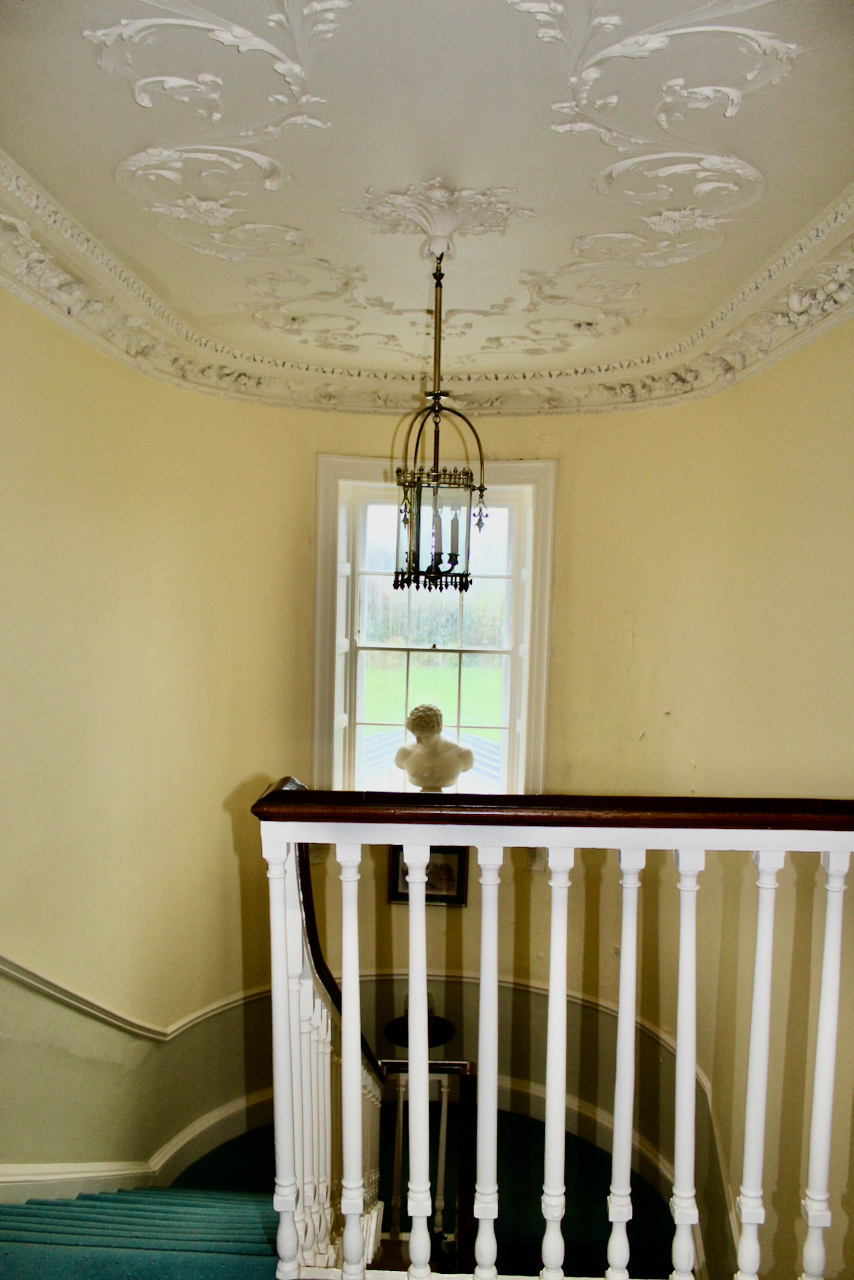
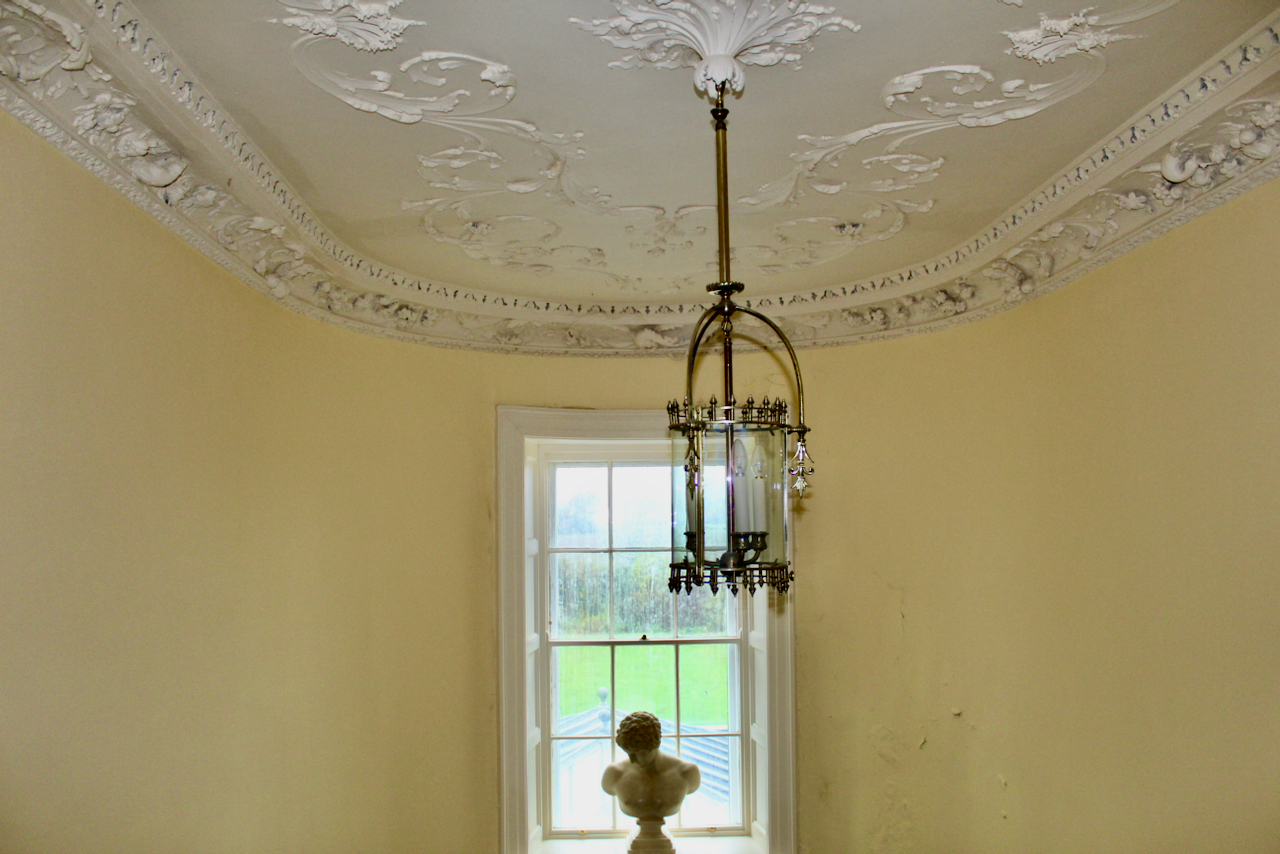


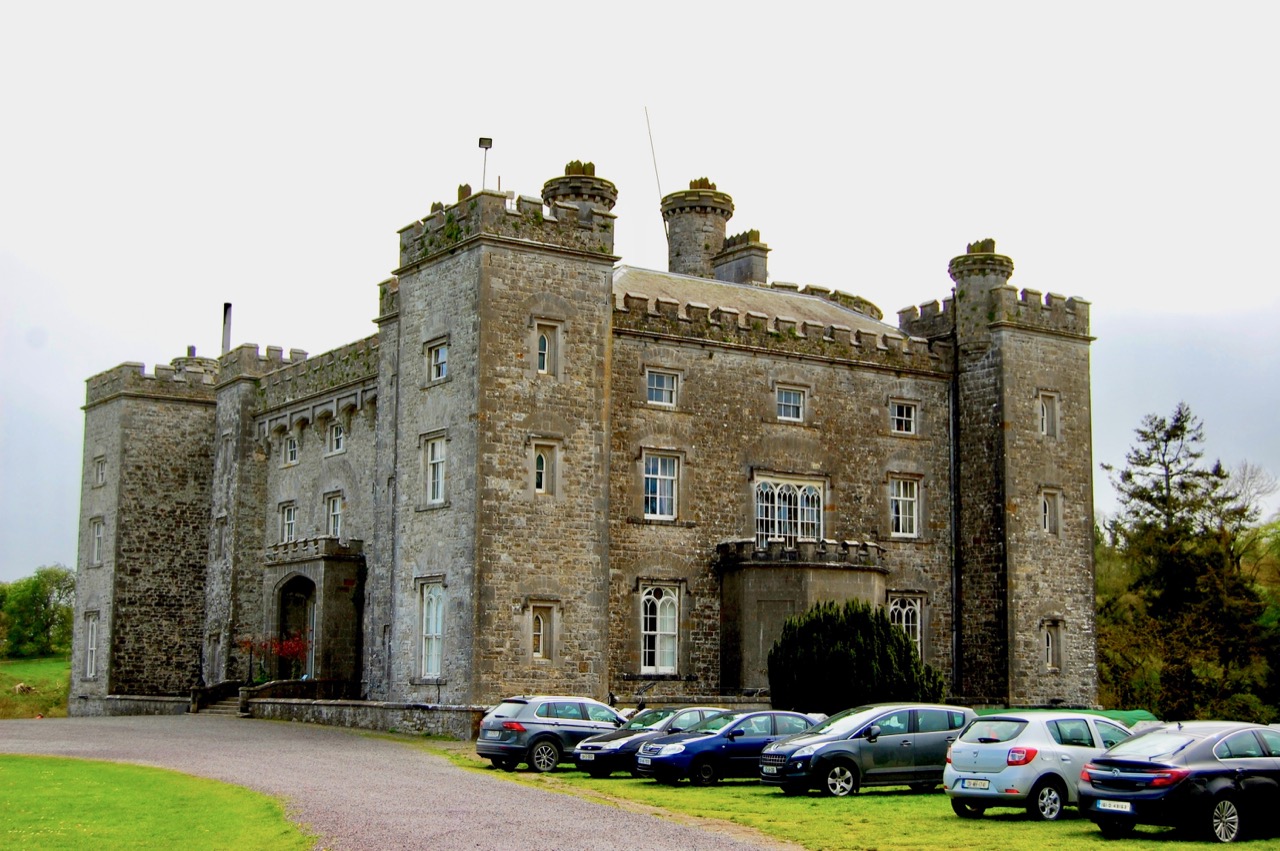
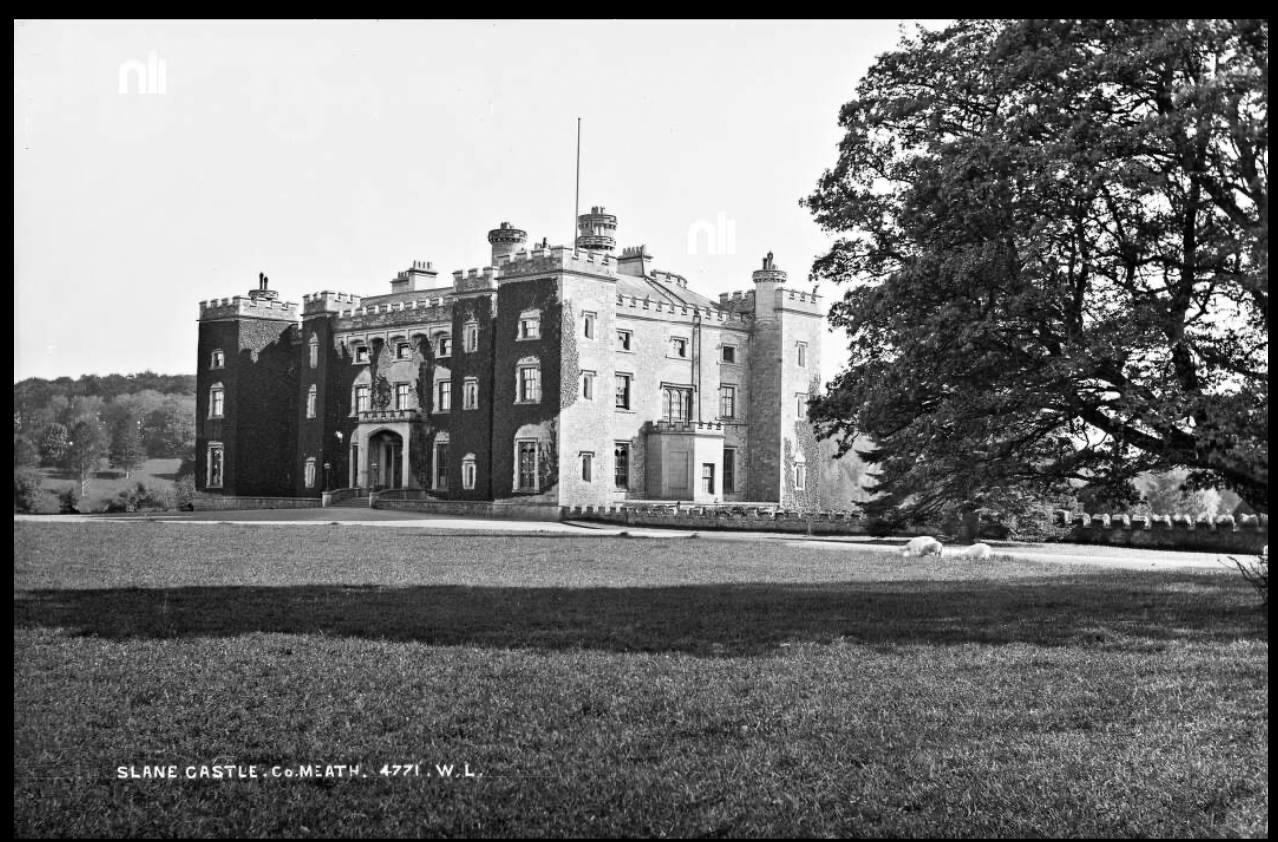
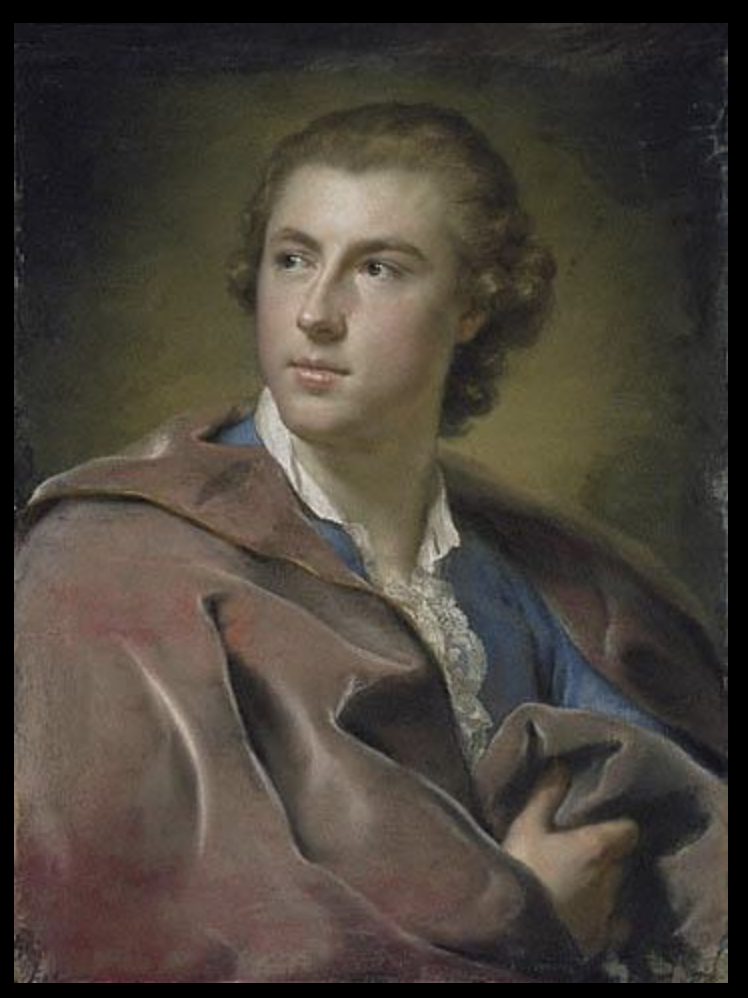
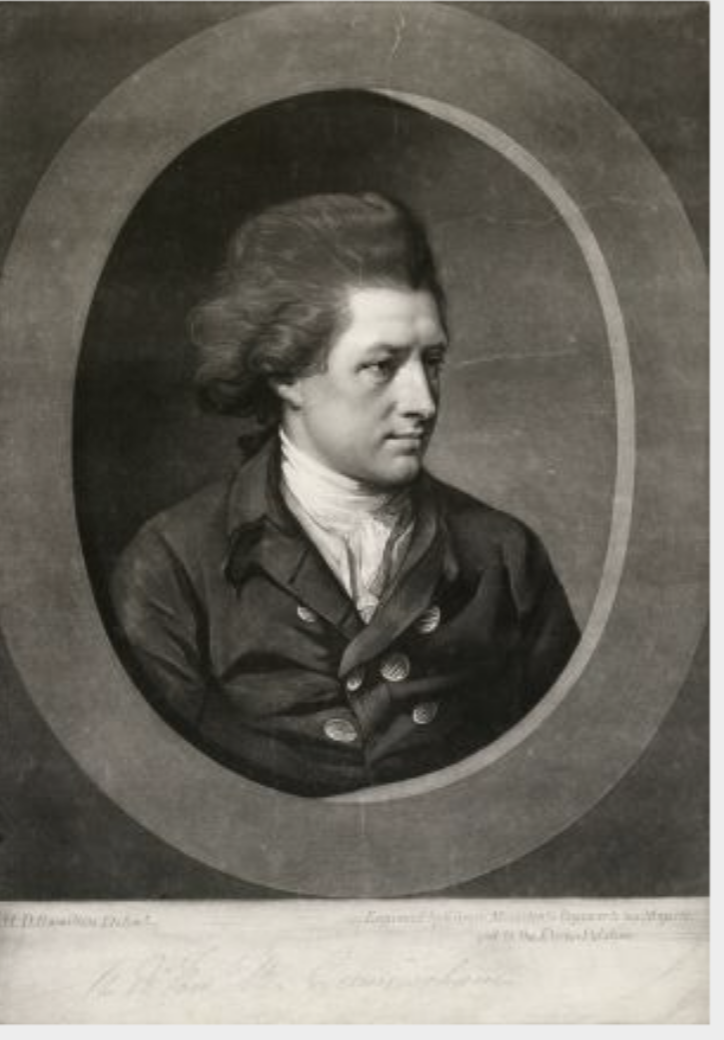
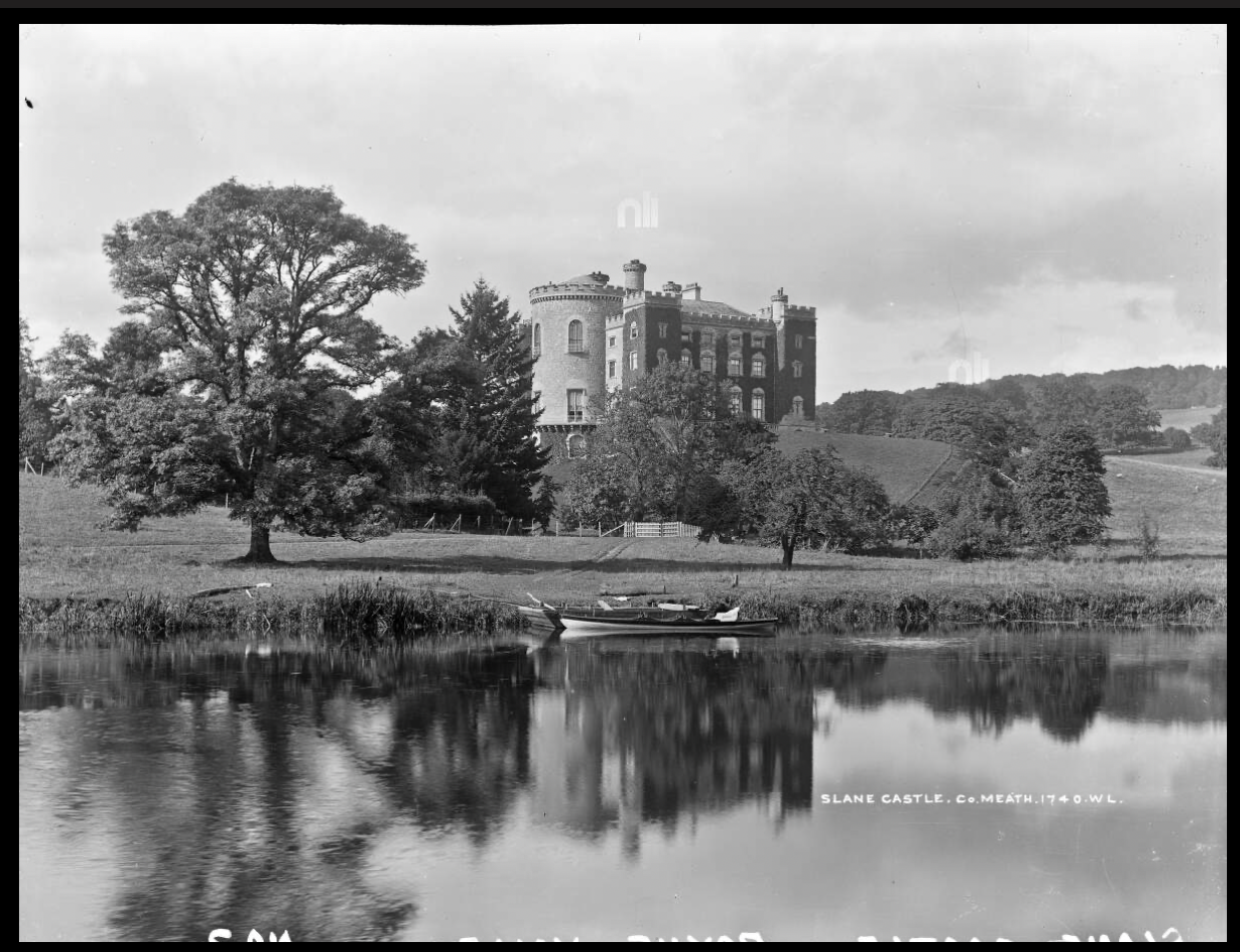
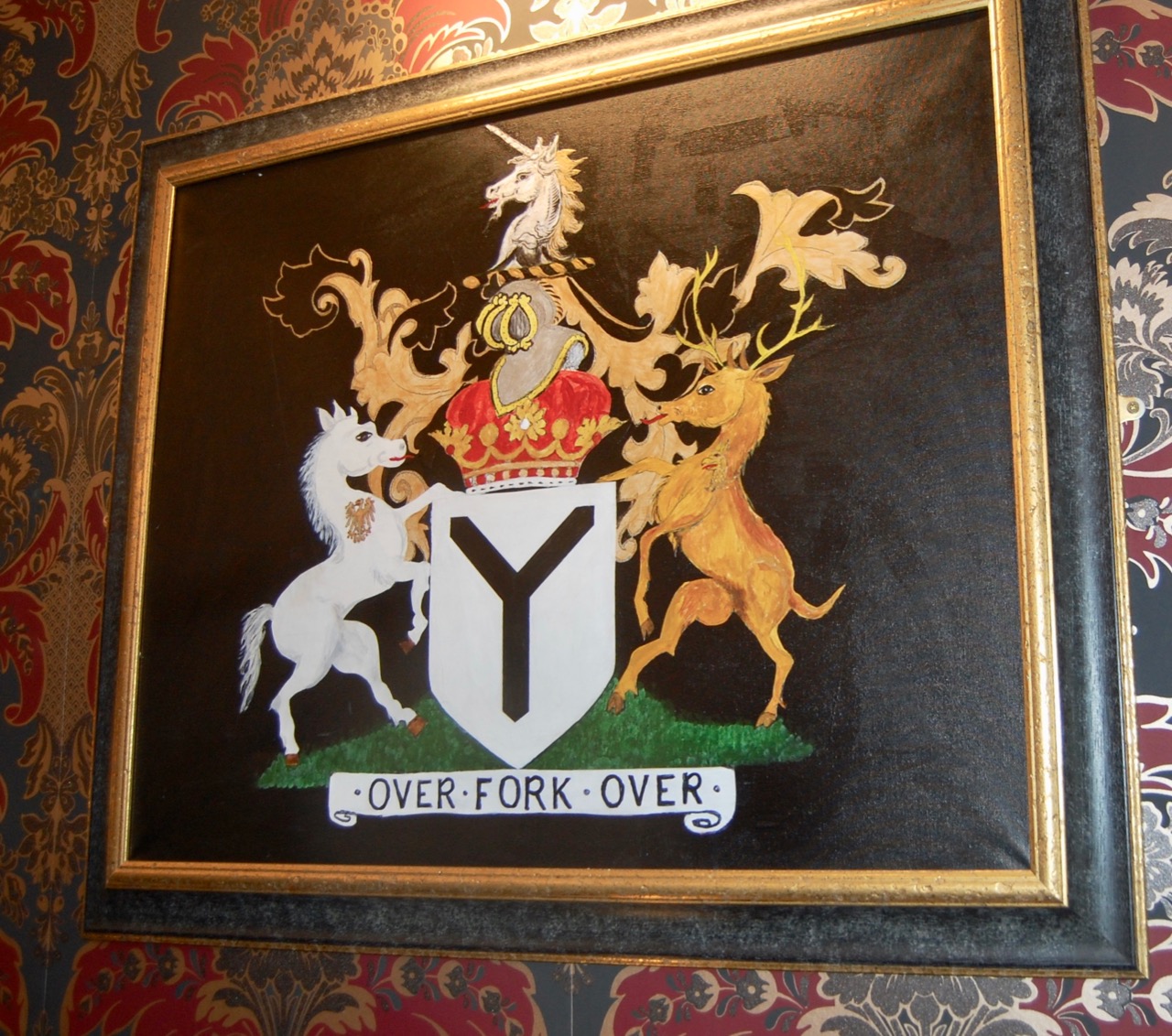
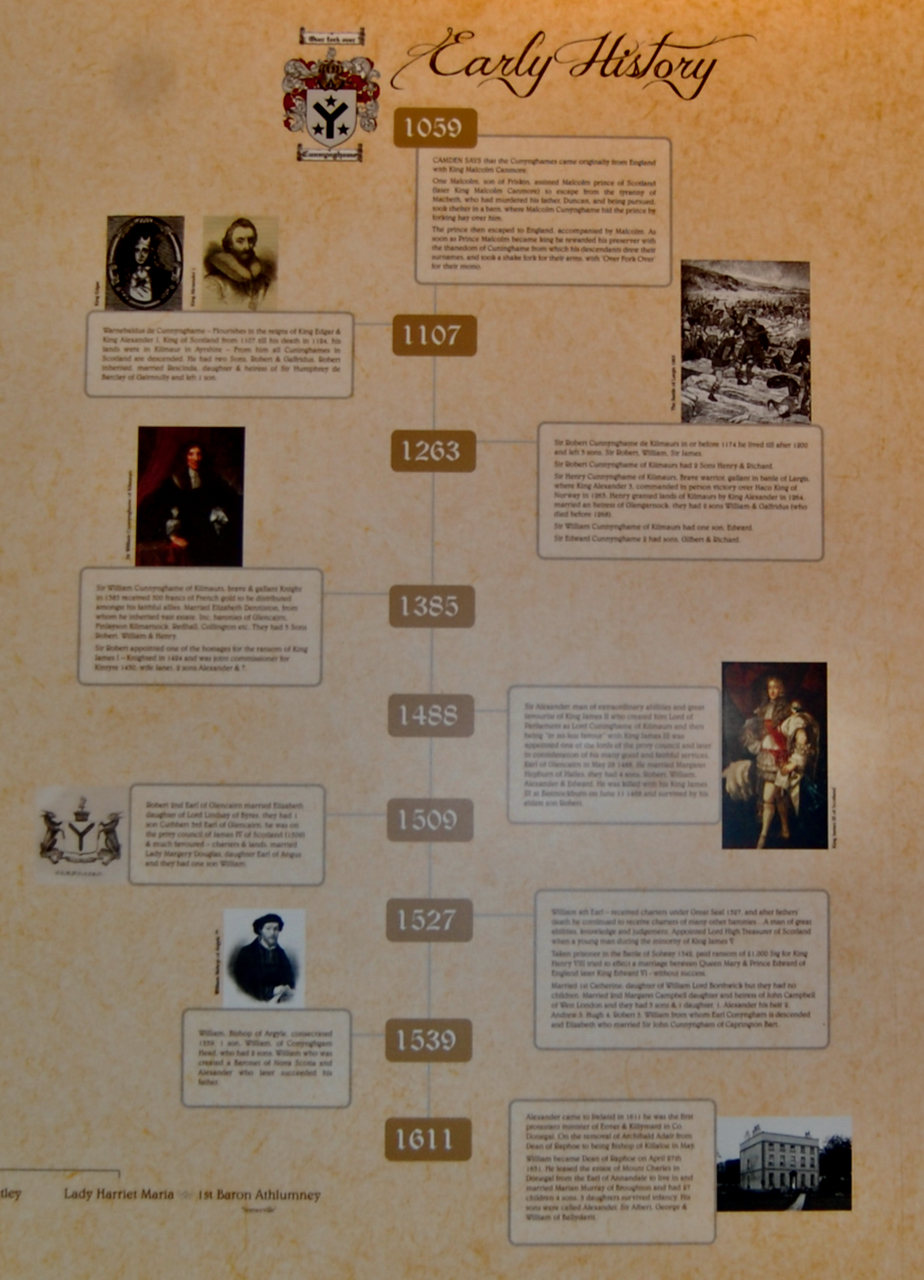
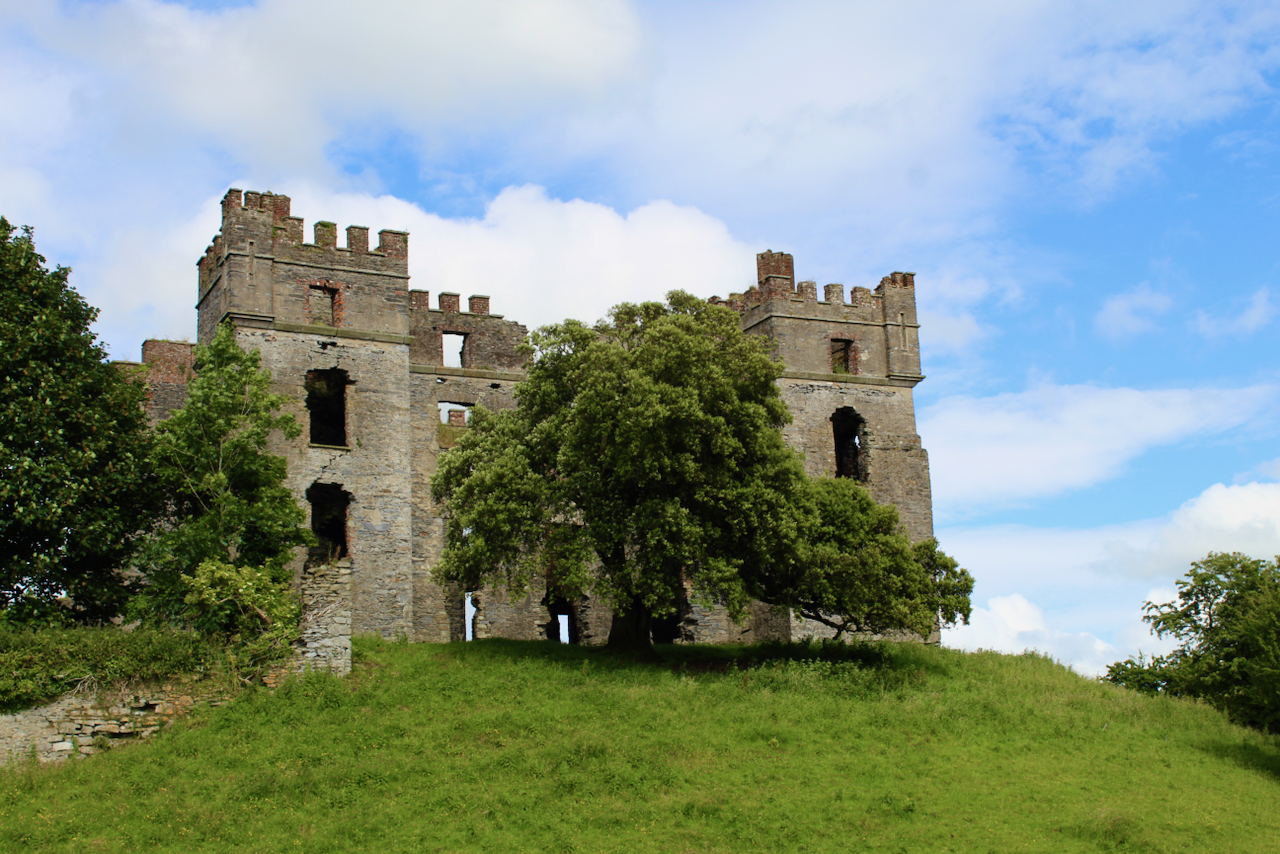
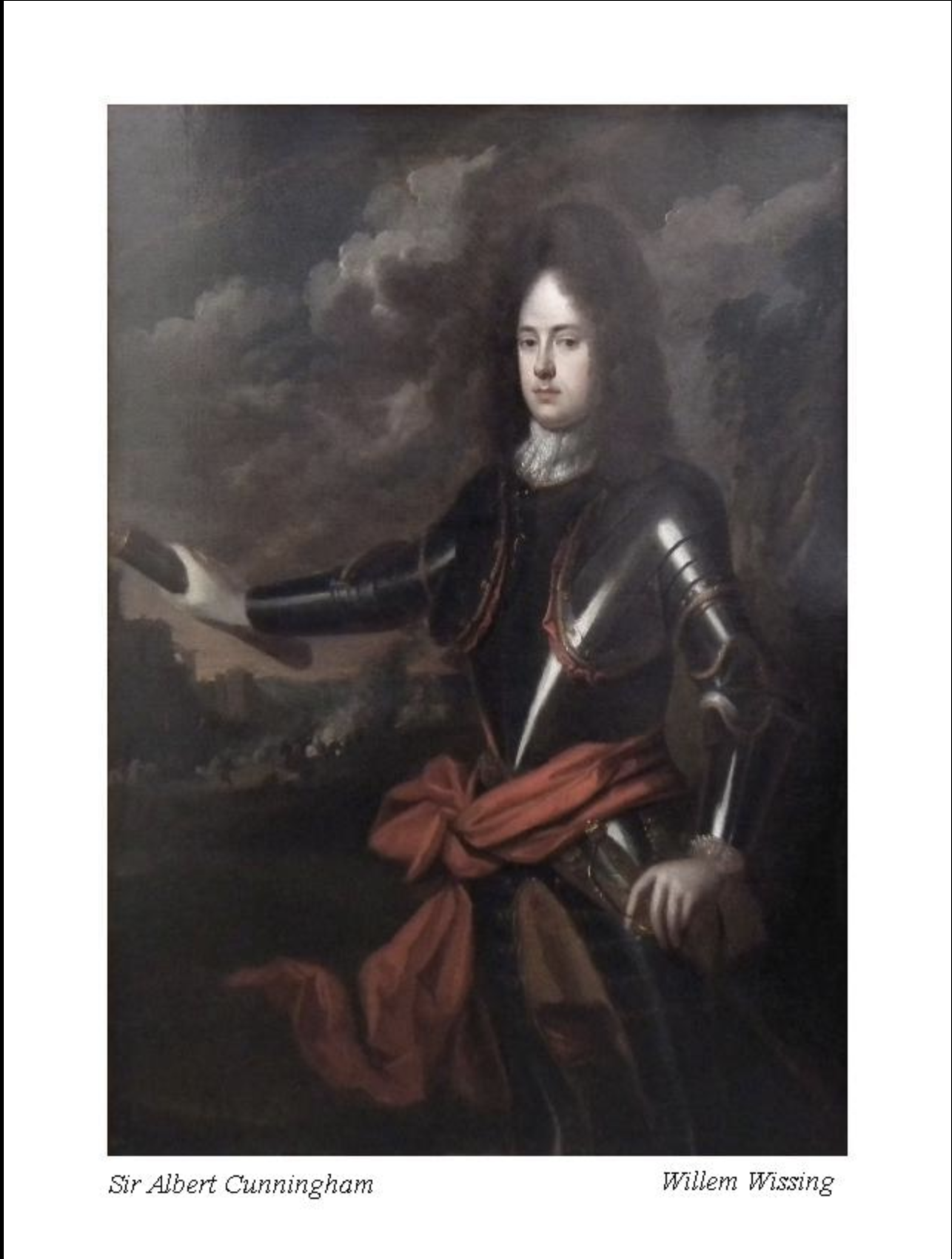
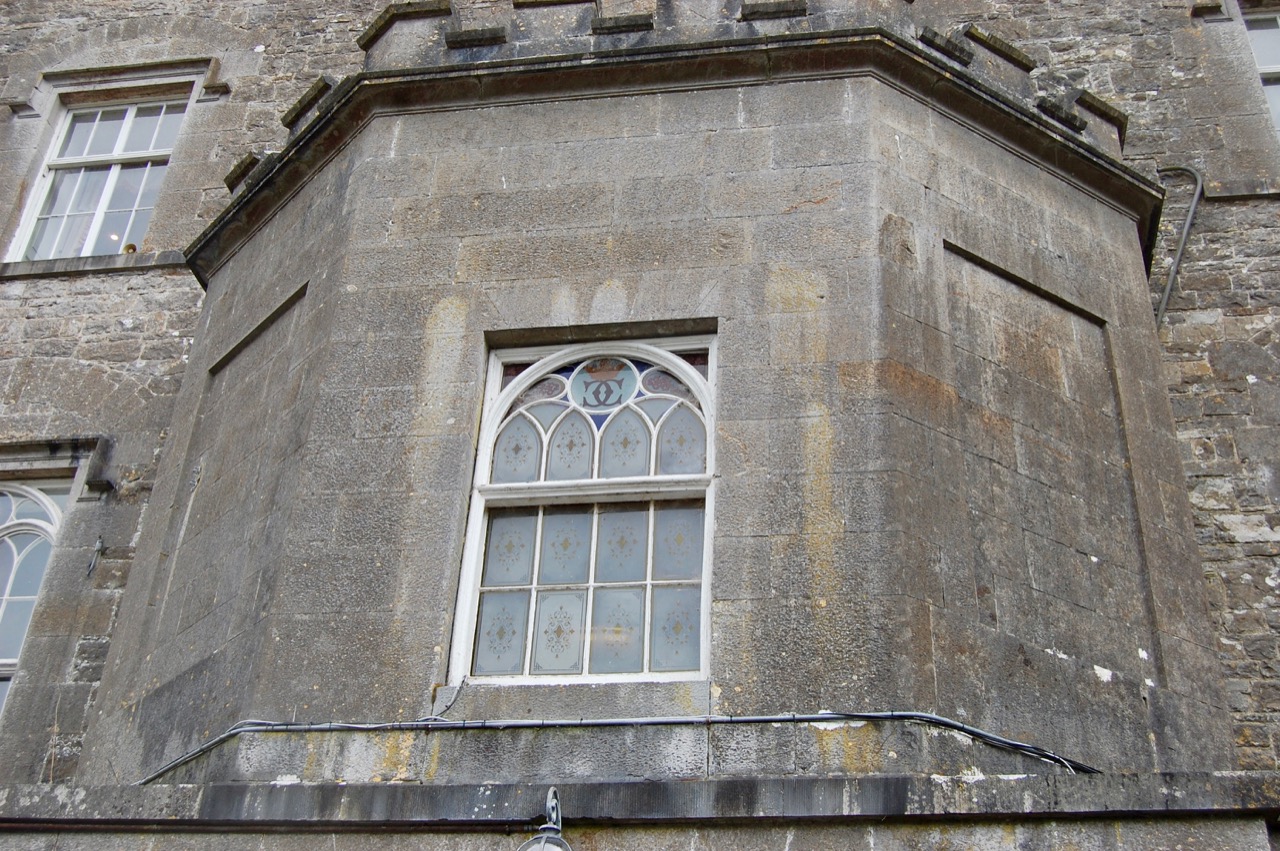
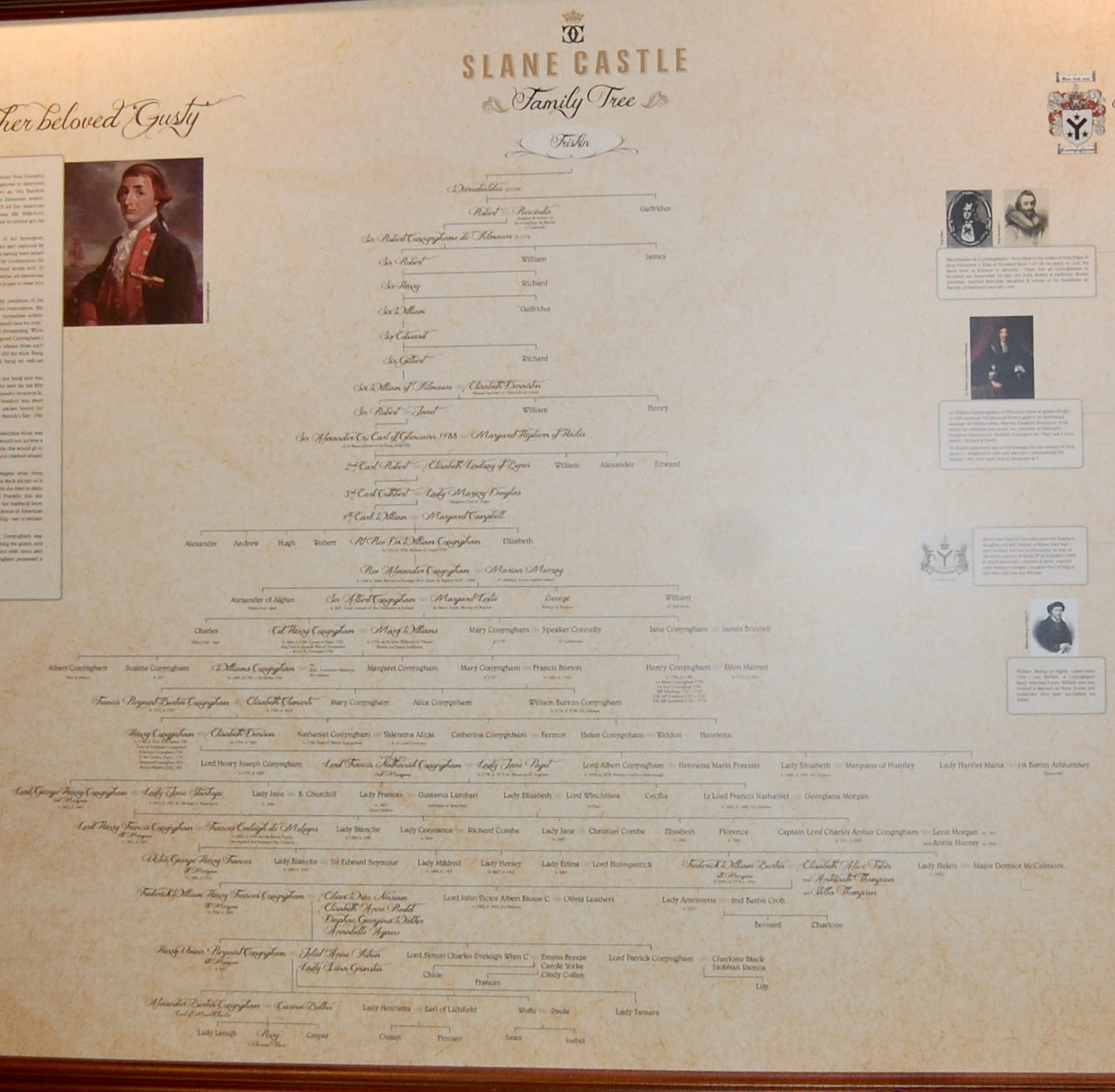
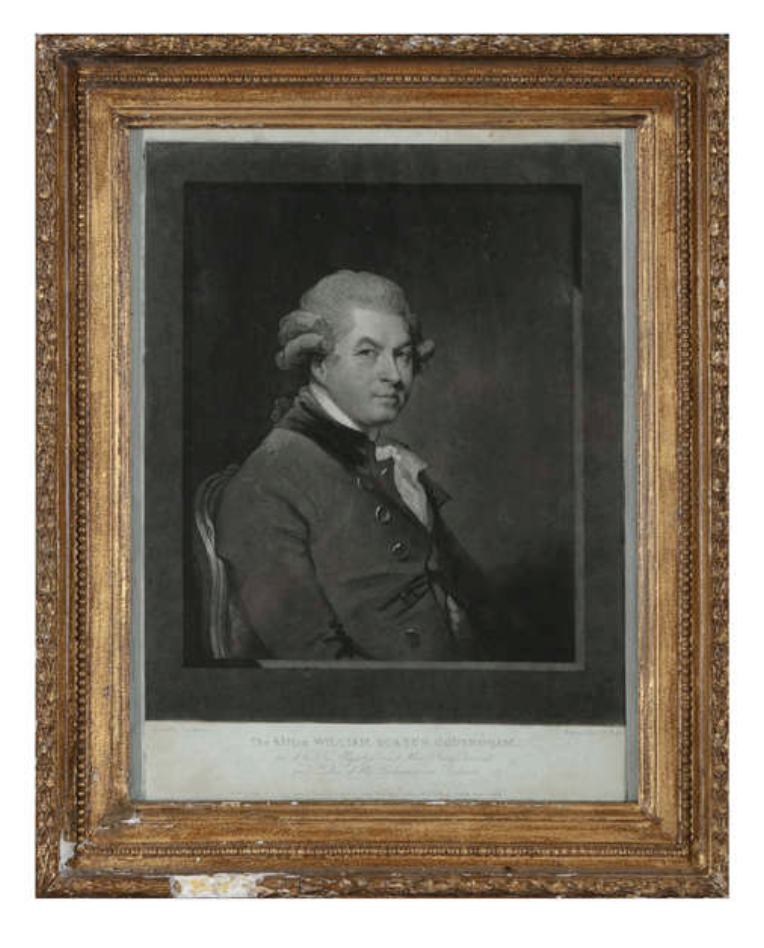


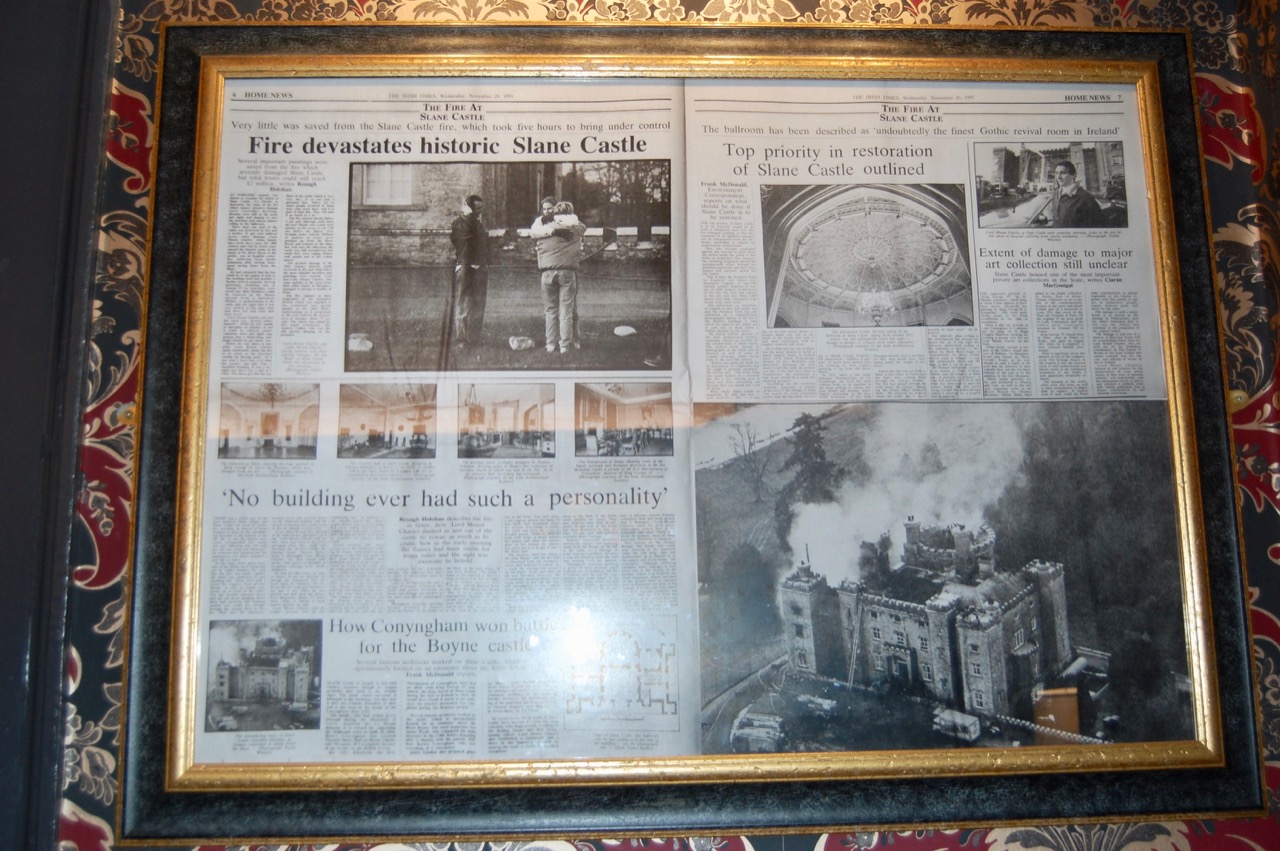


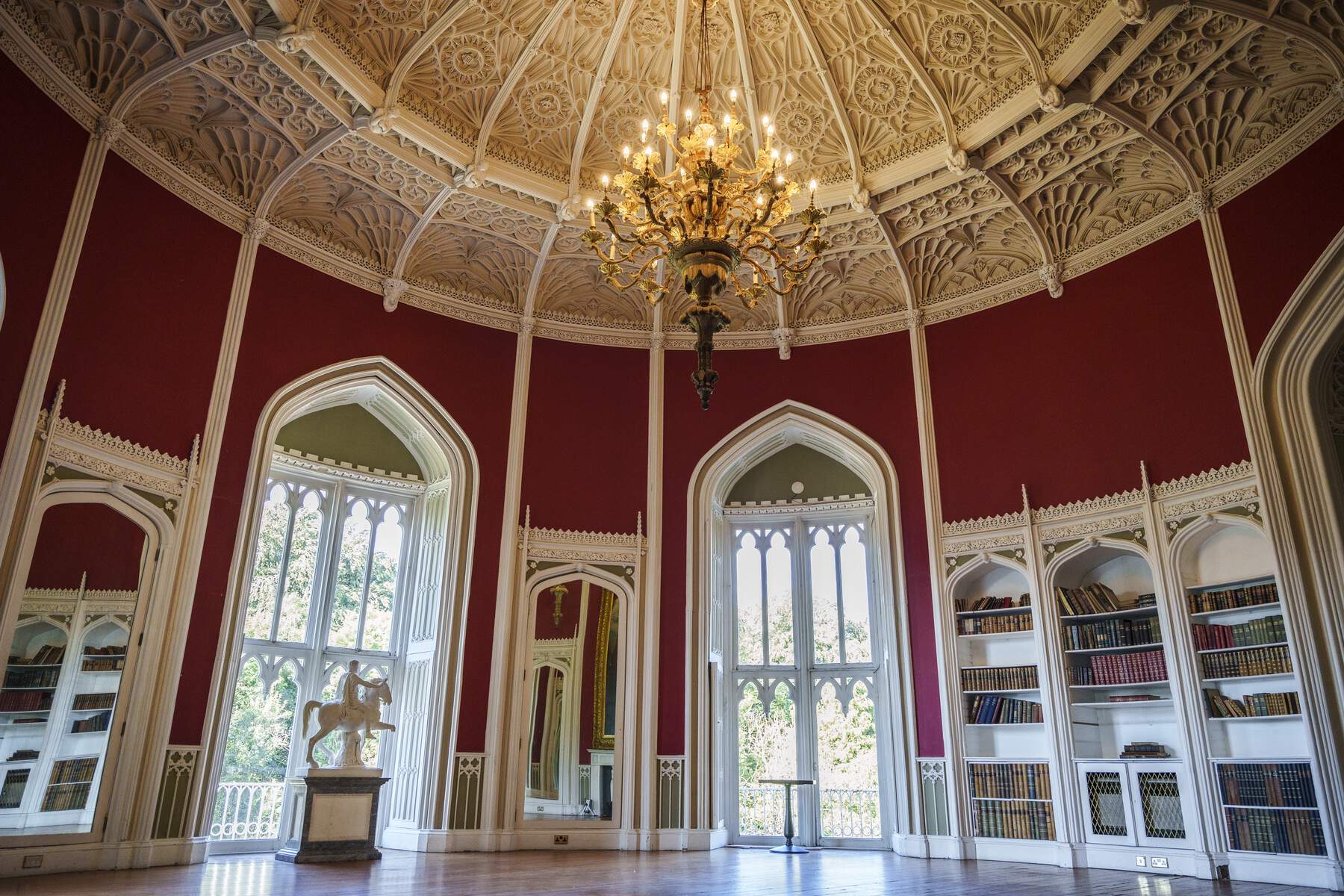
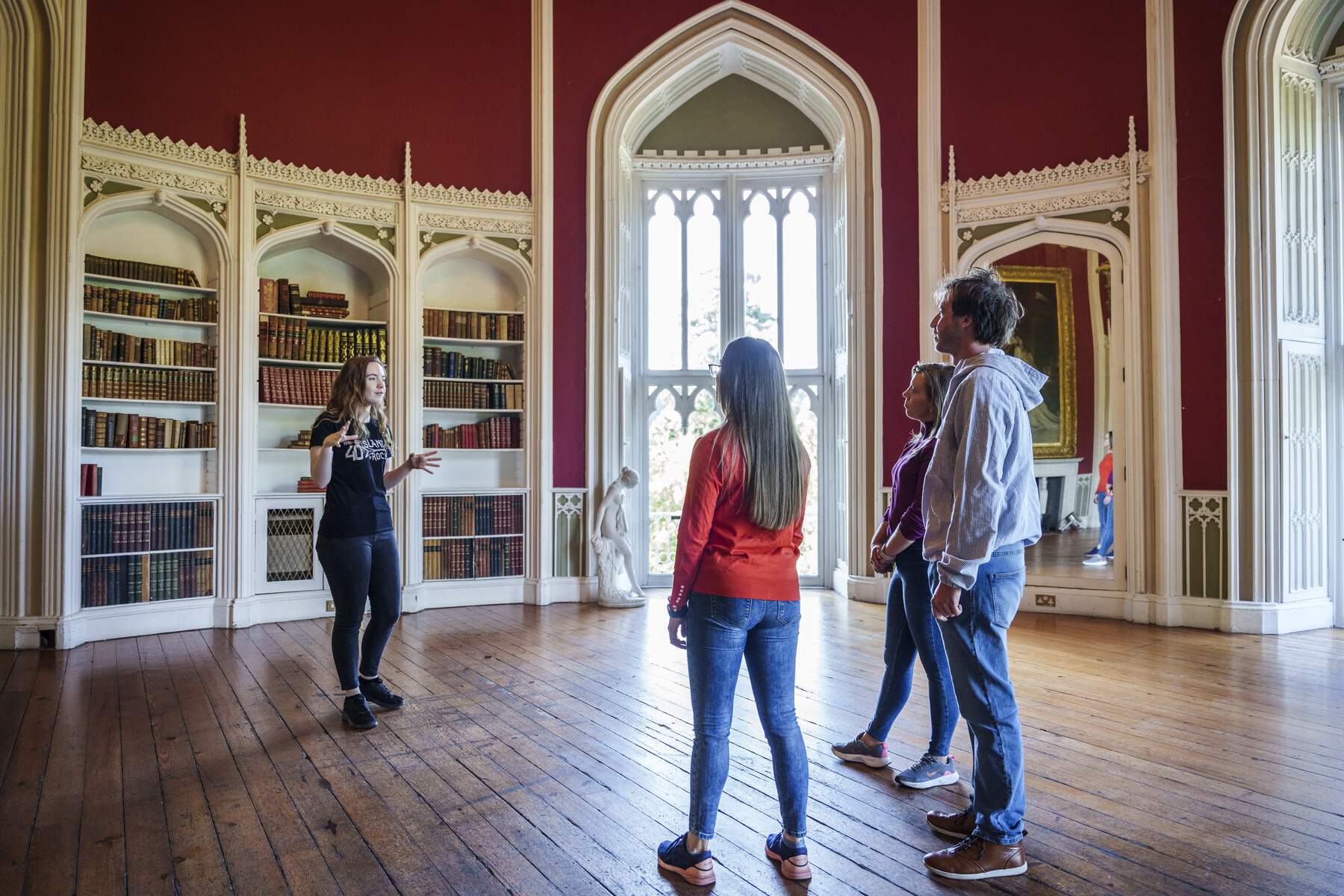
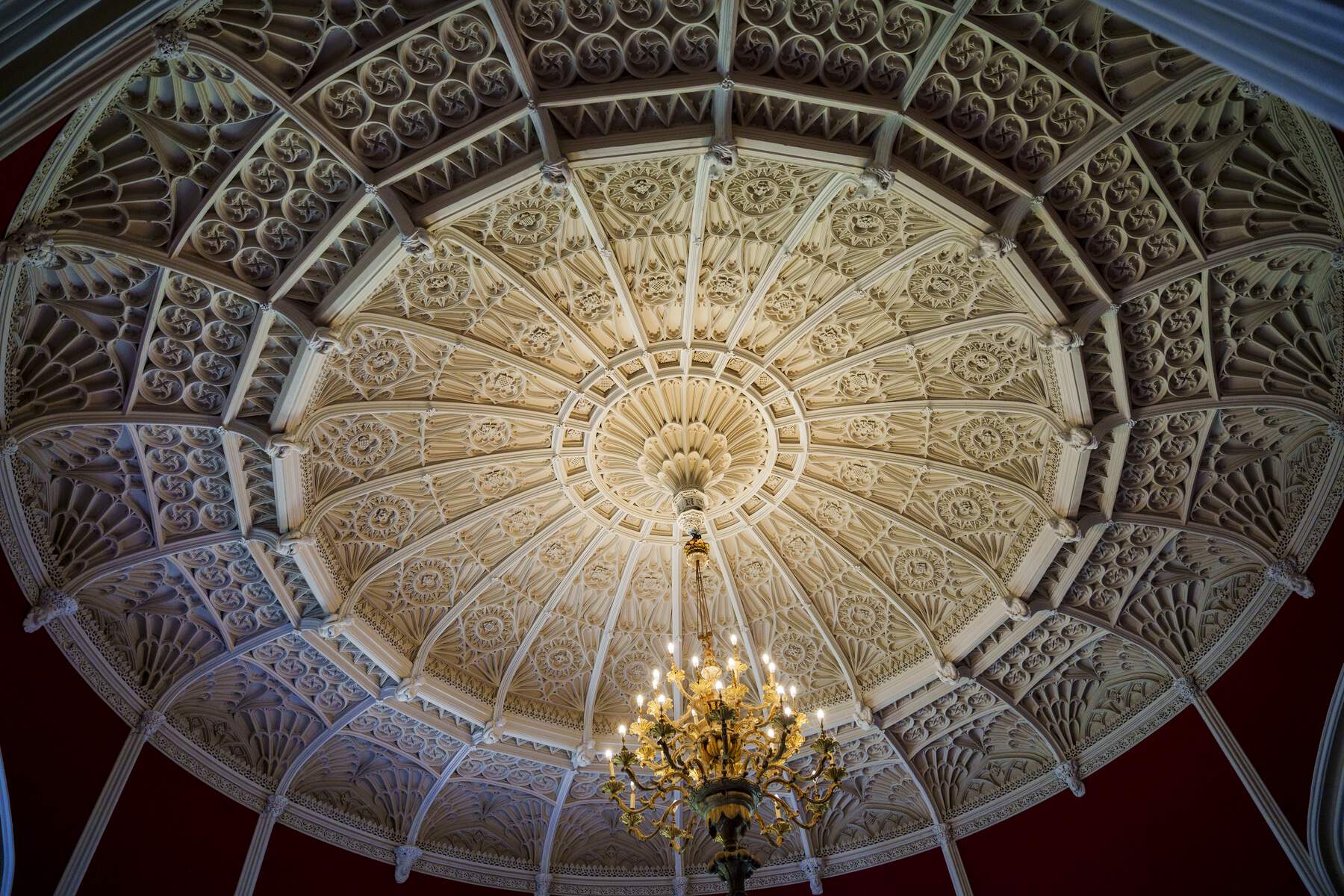
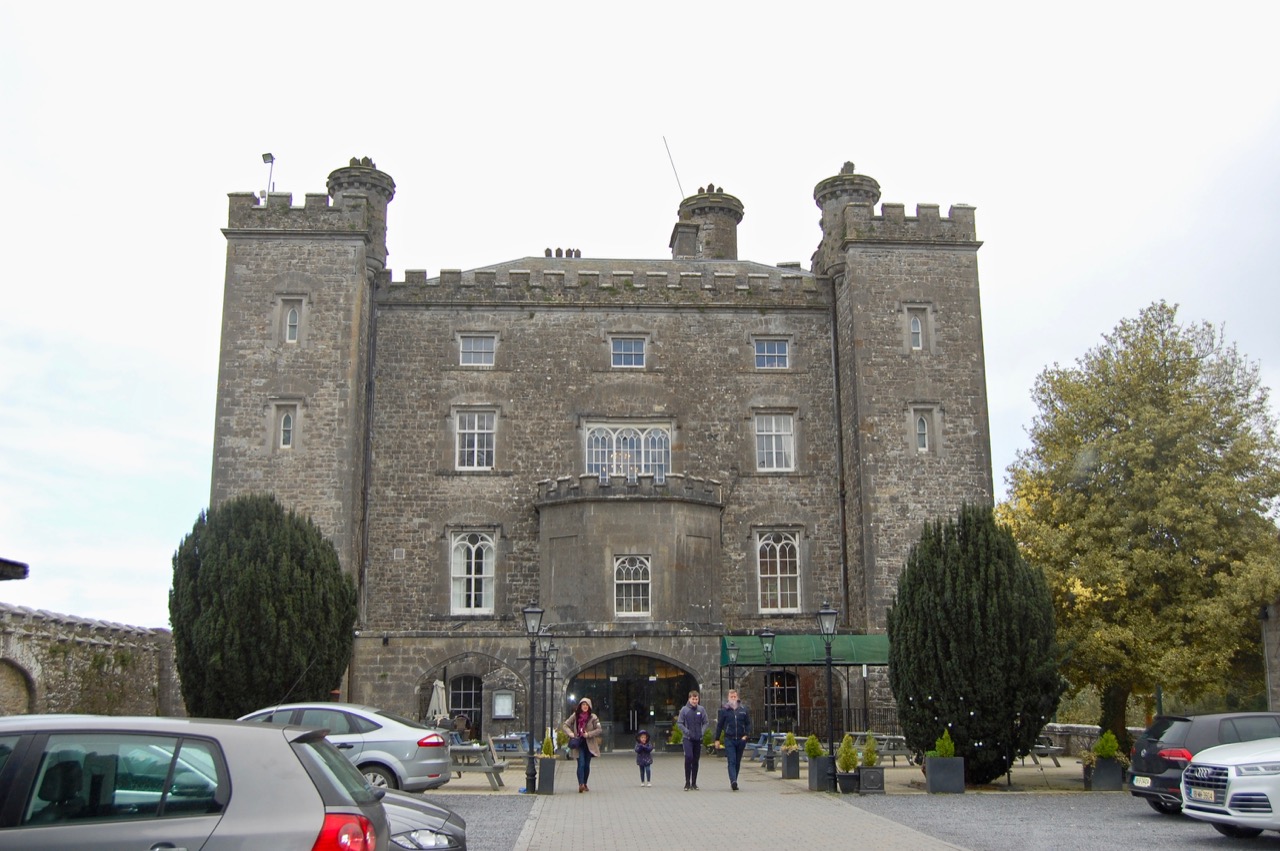


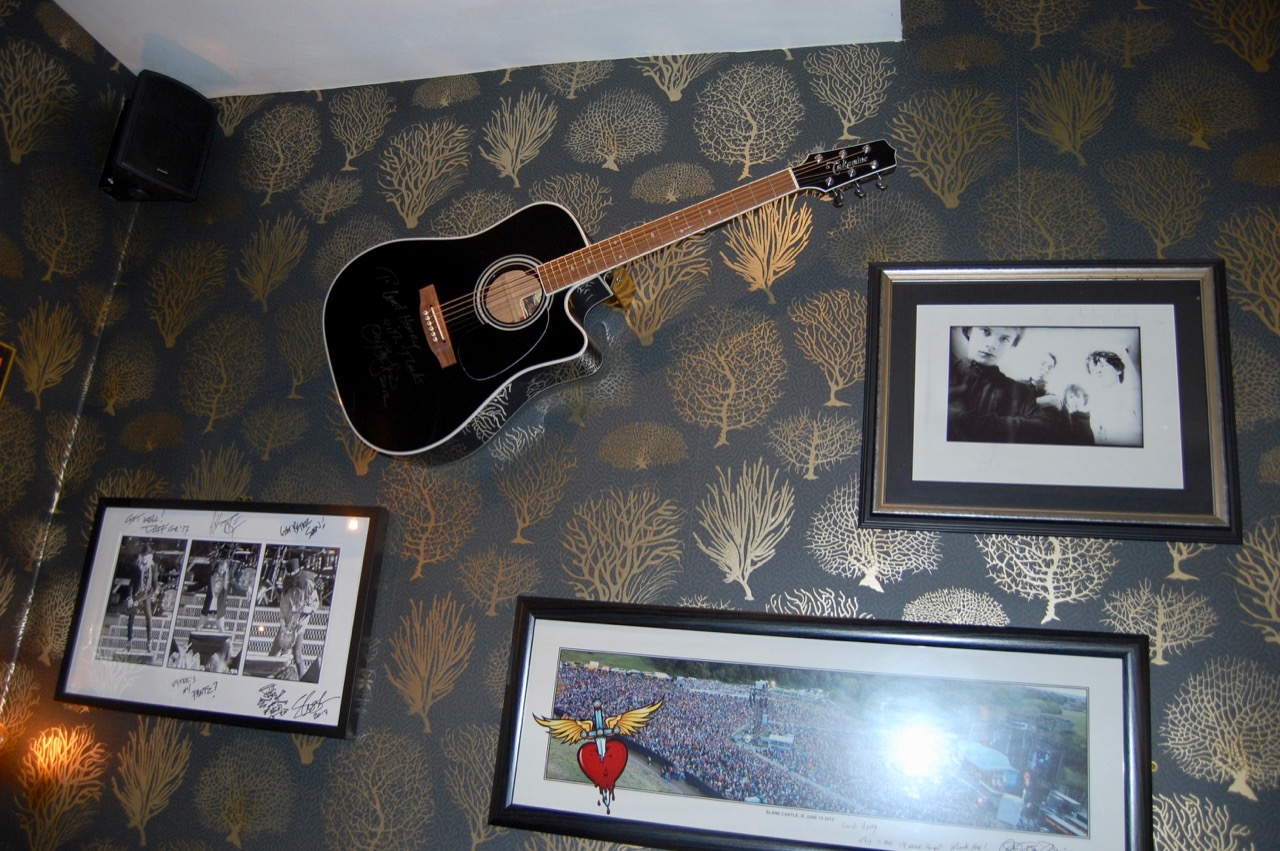


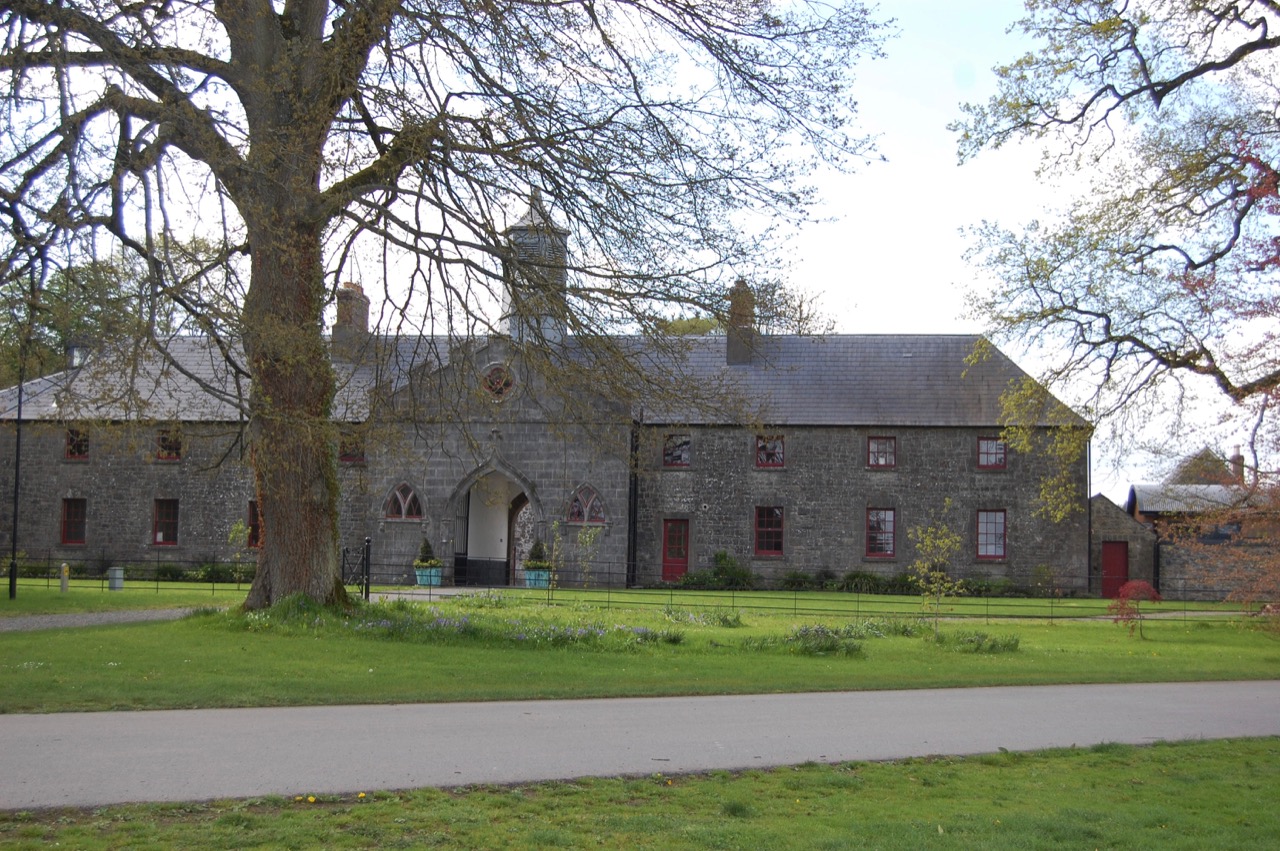
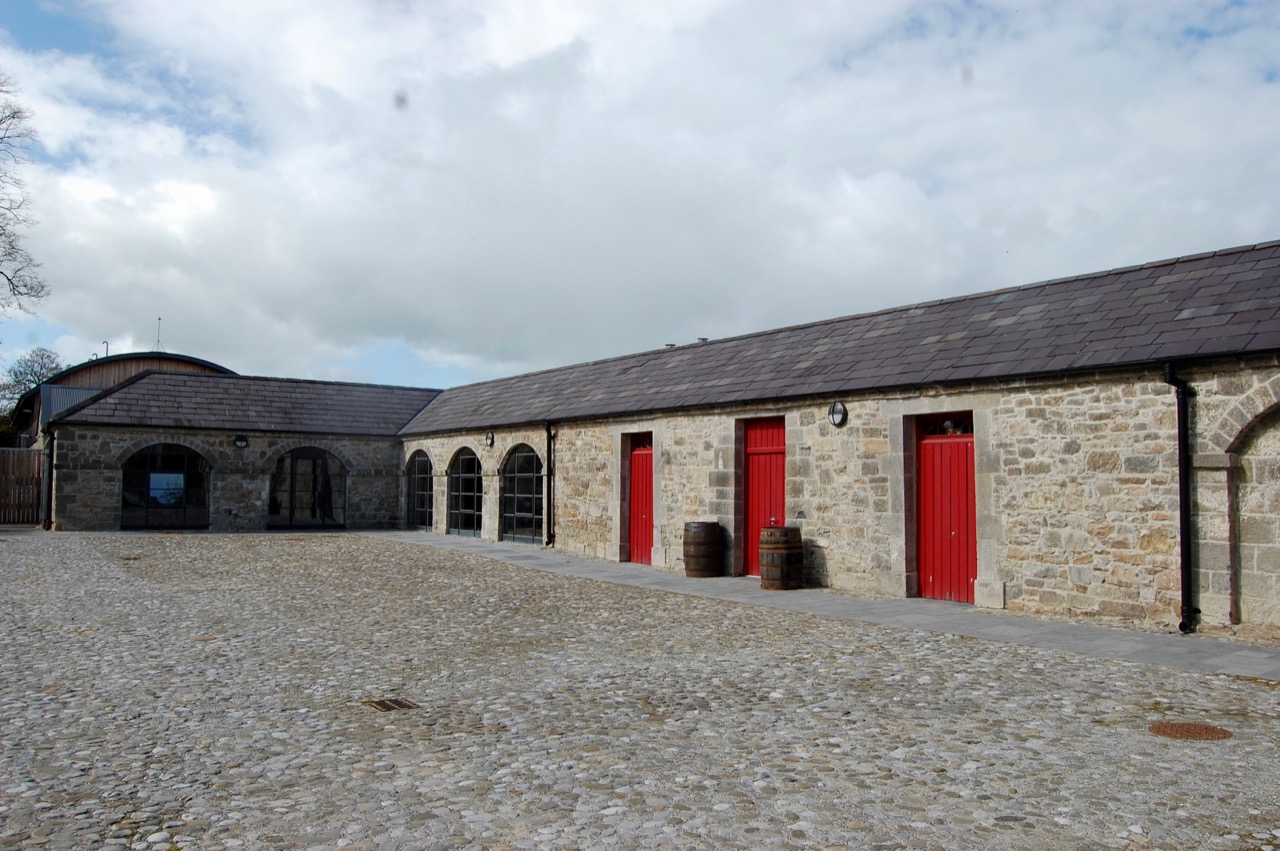


 Irish Historic Houses