Shankill Castle, Paulstown, County Kilkenny R95 T8X7 – section 482

www.shankillcastle.com

The website tells us:

OPENING TIMES: Check website for booking details of annual events programme. Group booking available at other times of the year.

Open dates in 2025: Feb 1-2, 8-9, 15-16, 22-23, Apr 5-6, 12-13, 19-20, 26-27, May 3-4, 10-11,17-18, 24-25, 31, June 1, 5-8, 12-15, 19-22, 26-29, July 3-6, 10-13, 17-20, 24-27, 31, Aug 1-3, 7-10, 14-24, 28-31, Sept 6-7, 13-14, 20-21, 27-28, Oct 4-5, 11-12, 18-19, 25-26, 11am-5pm

Fee: house & garden, adult €12 garden €6, OAP/student €10, garden €5, child €6, garden €3

2025 Diary of Irish Historic Houses (section 482 properties)

To purchase an A5 size 2025 Diary of Historic Houses (opening times and days are not listed so the calendar is for use for recording appointments and not as a reference for opening times) send your postal address to jennifer.baggot@gmail.com along with €20 via this payment button. The calendar of 84 pages includes space for writing your appointments as well as photographs of the historic houses. The price includes postage within Ireland. Postage to U.S. is a further €10 for the A5 size calendar, so I would appreciate a donation toward the postage – you can click on the donation link.

€20.00

donation

Help me to pay the entrance fee to one of the houses on this website. This site is created purely out of love for the subject and I receive no payment so any donation is appreciated!

€15.00

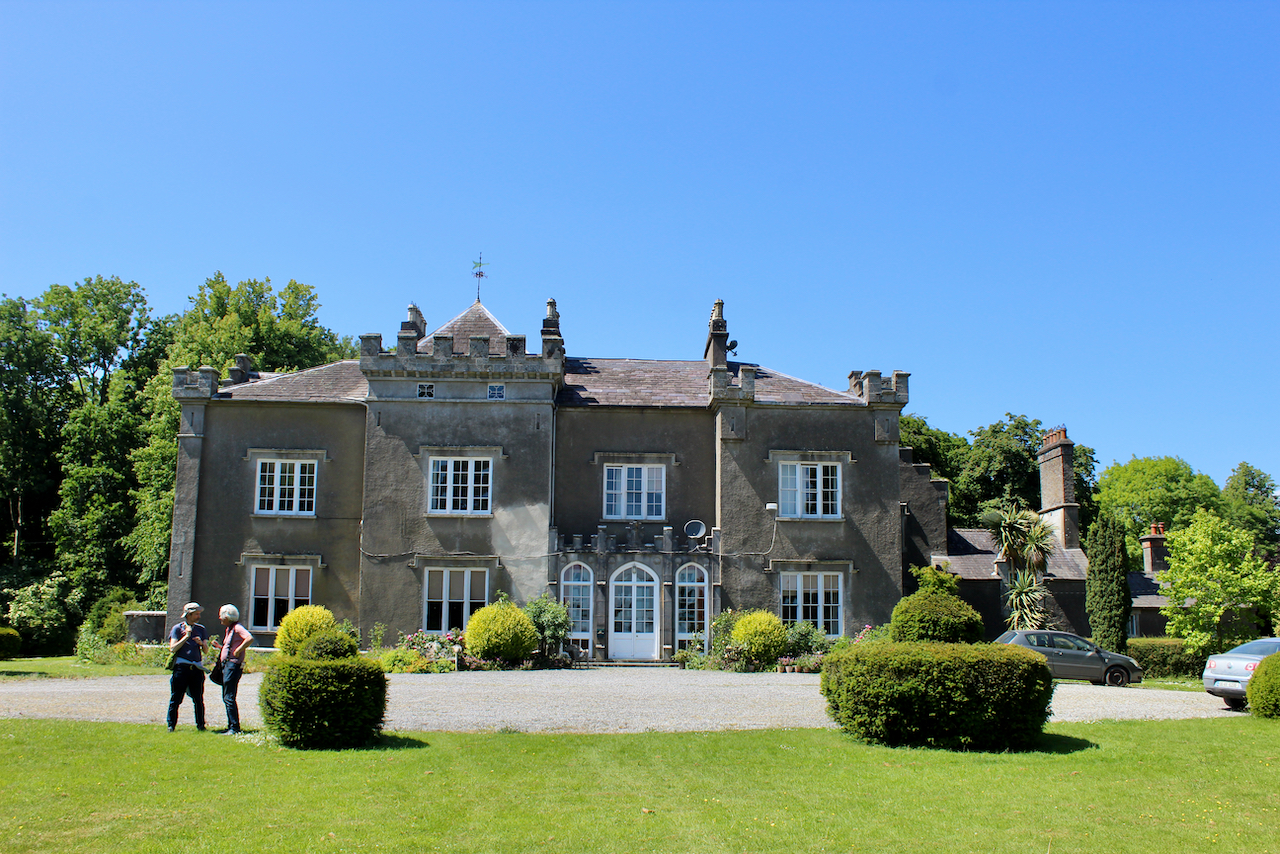
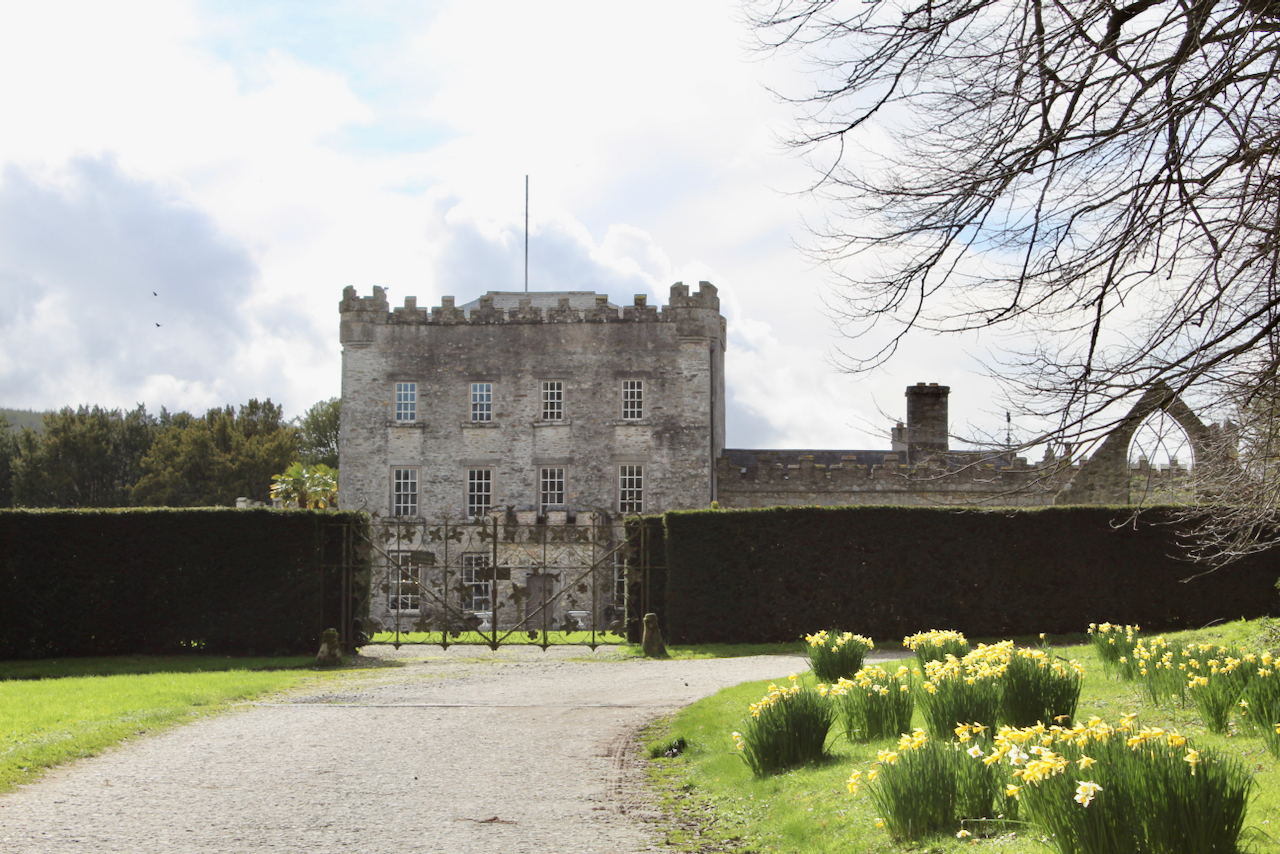
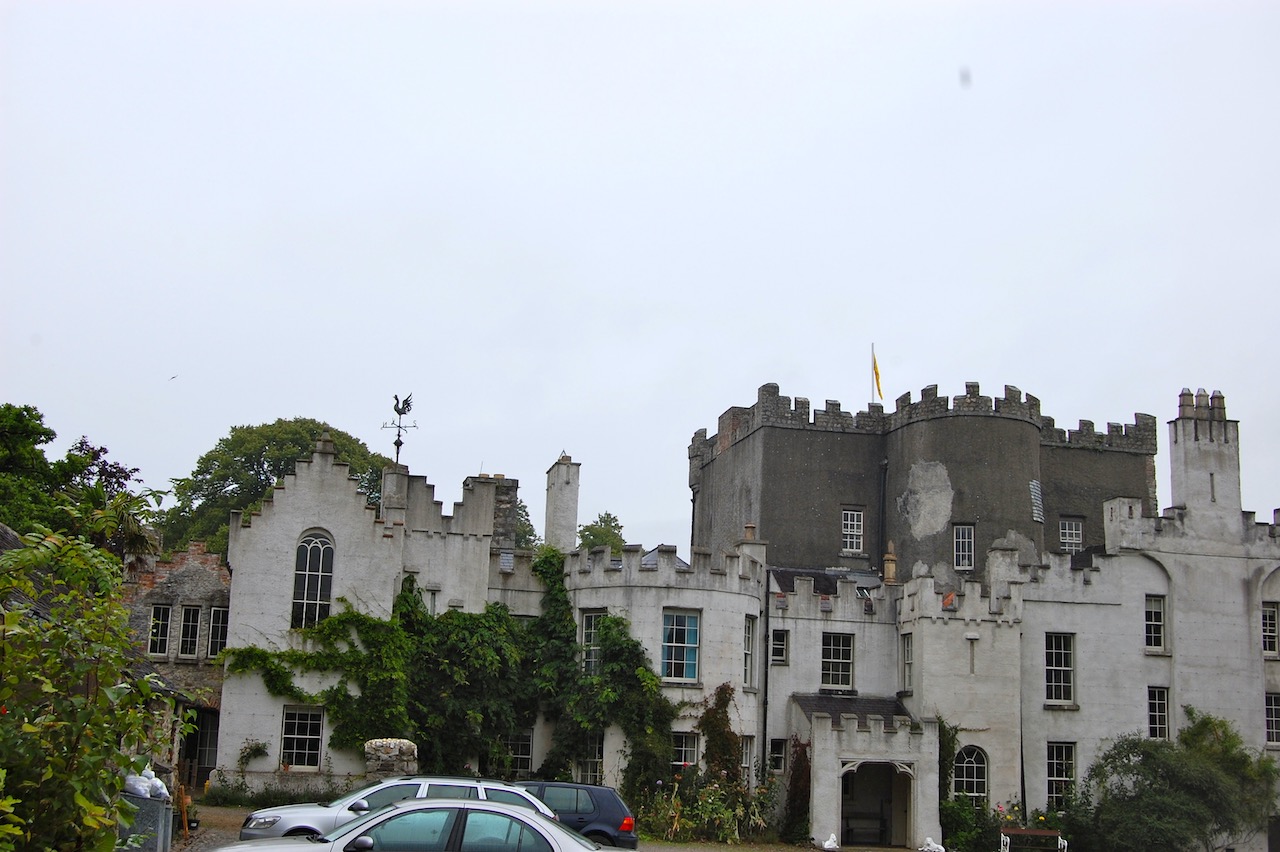
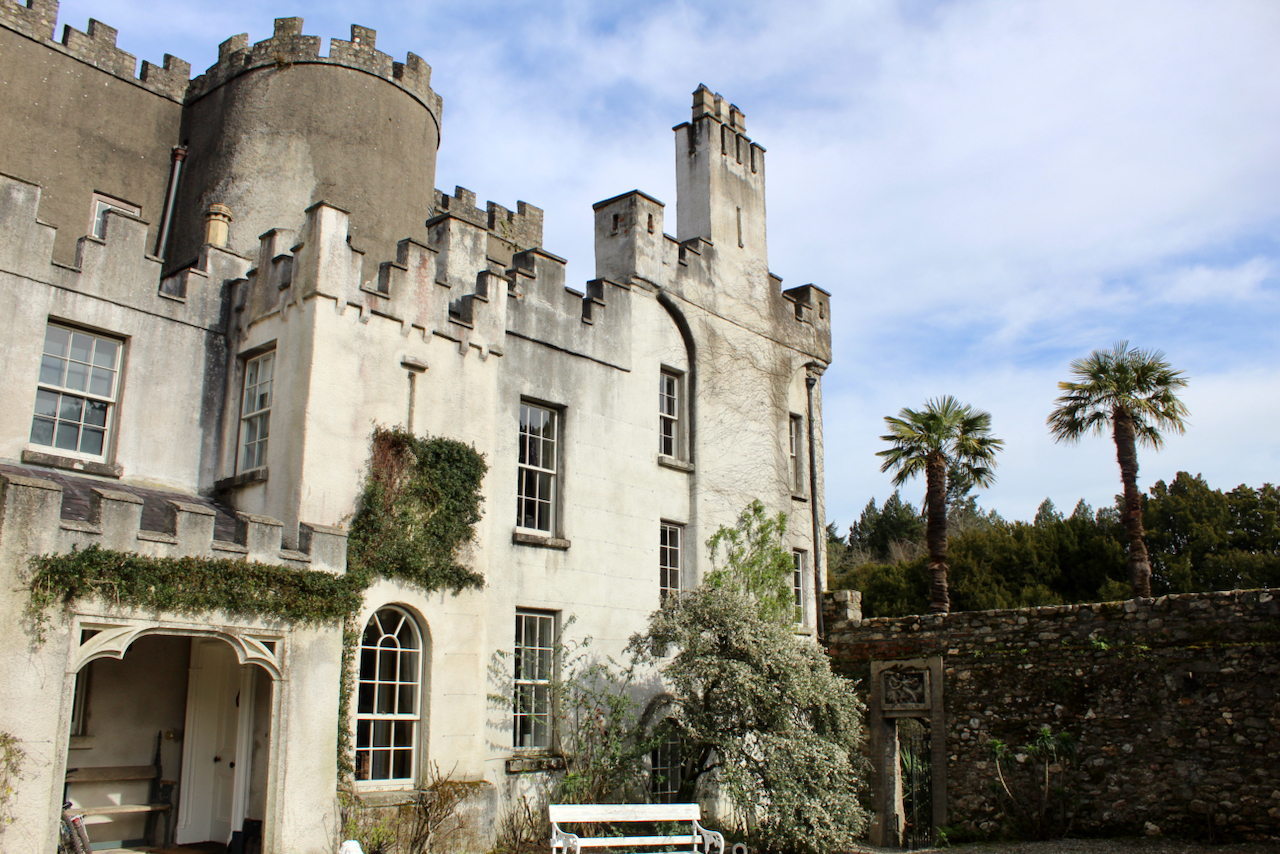
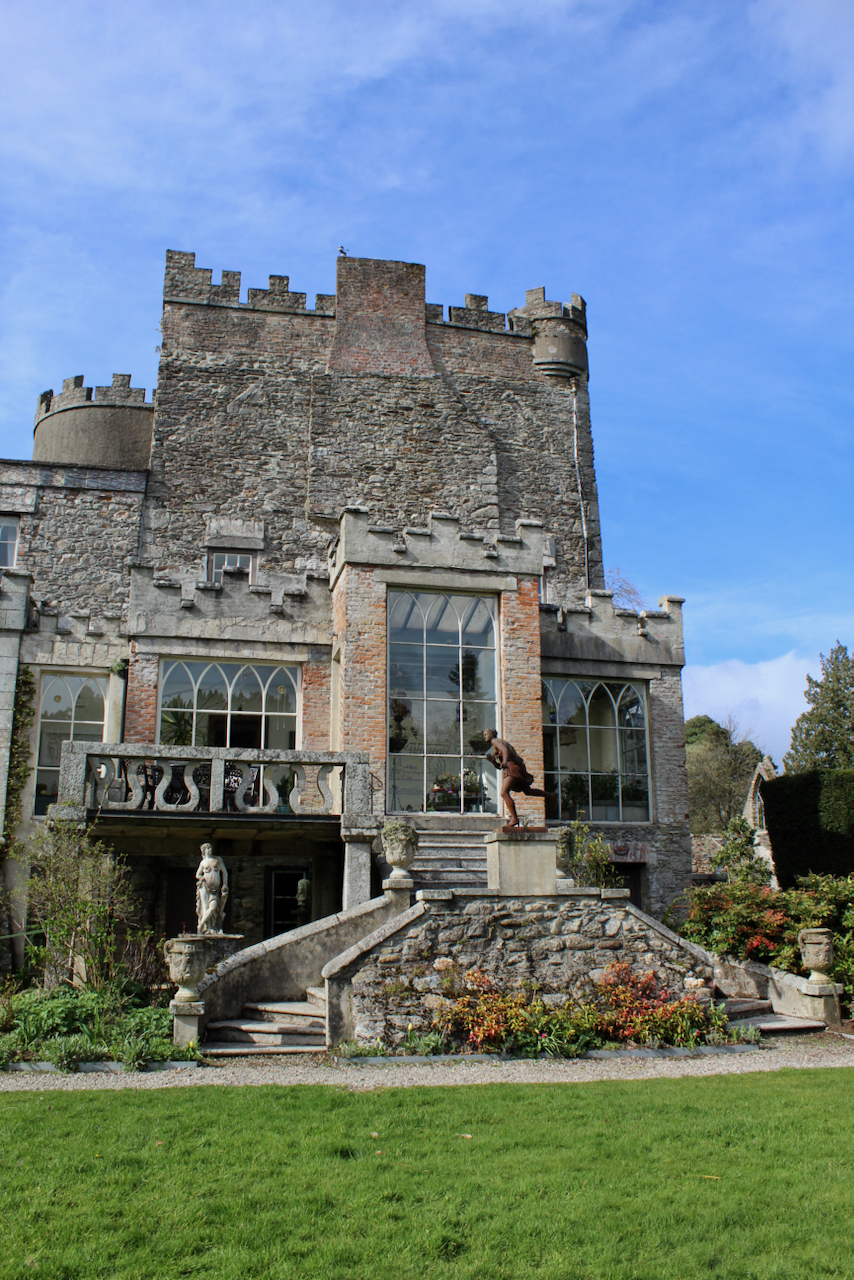
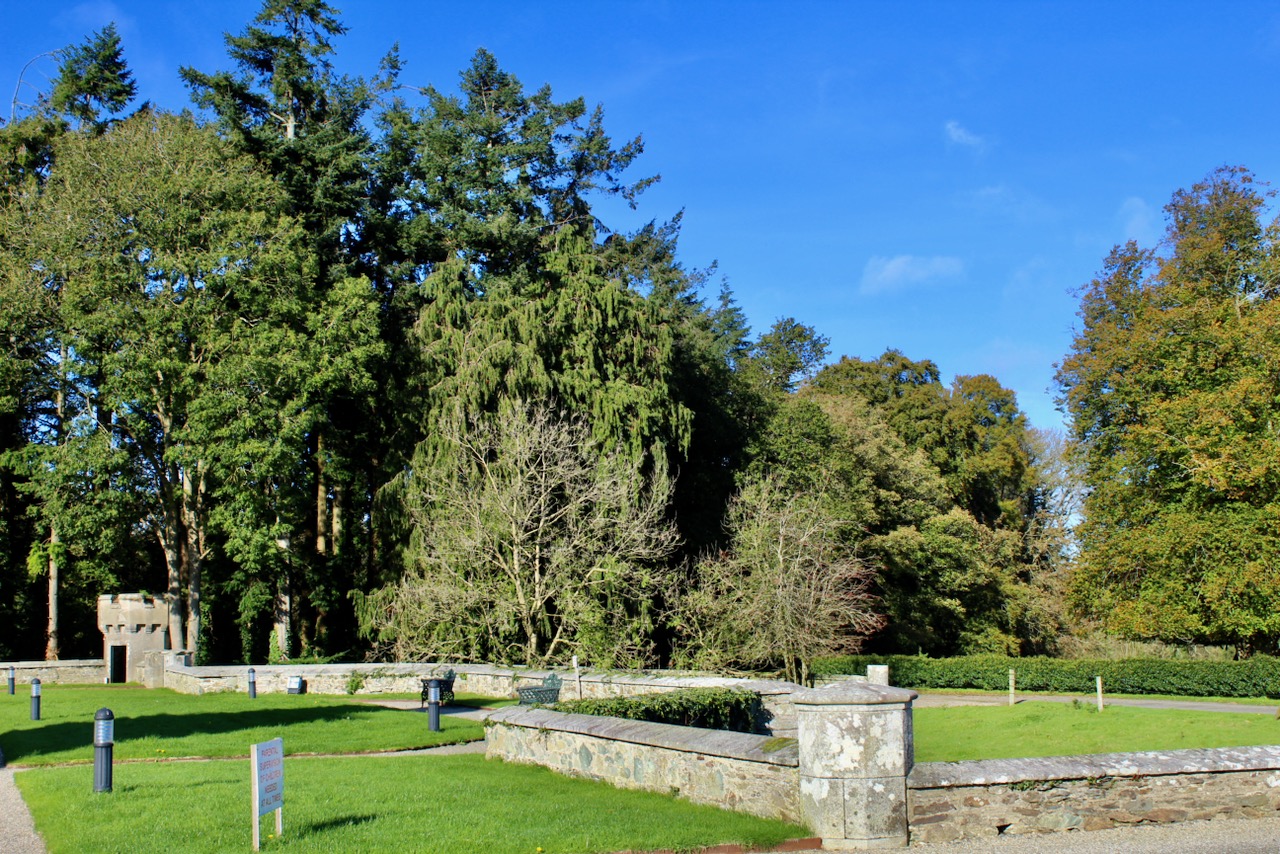
Shankill Castle County Kilkenny 3rd June 2023. Photograph © Jennifer Winder-Baggot, www.irishhistorichouses.com

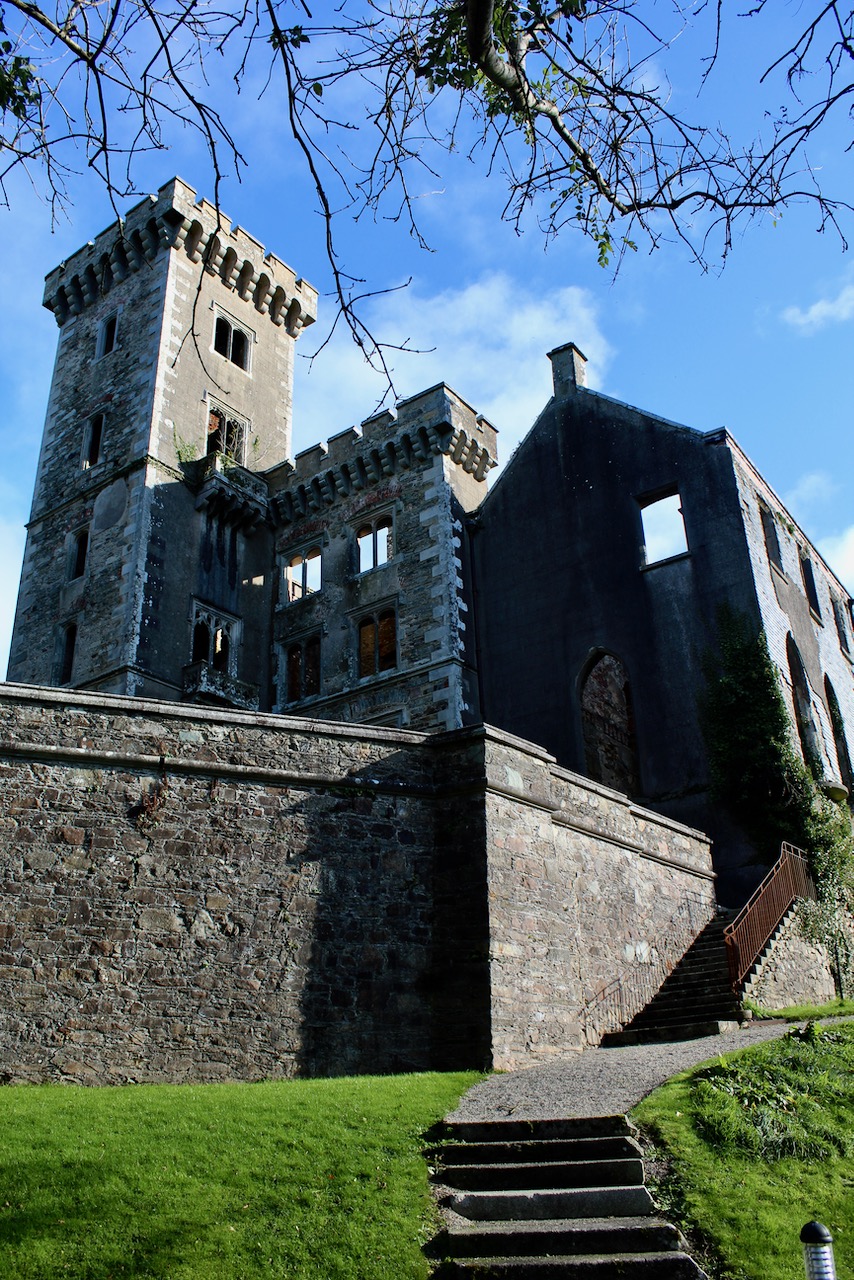
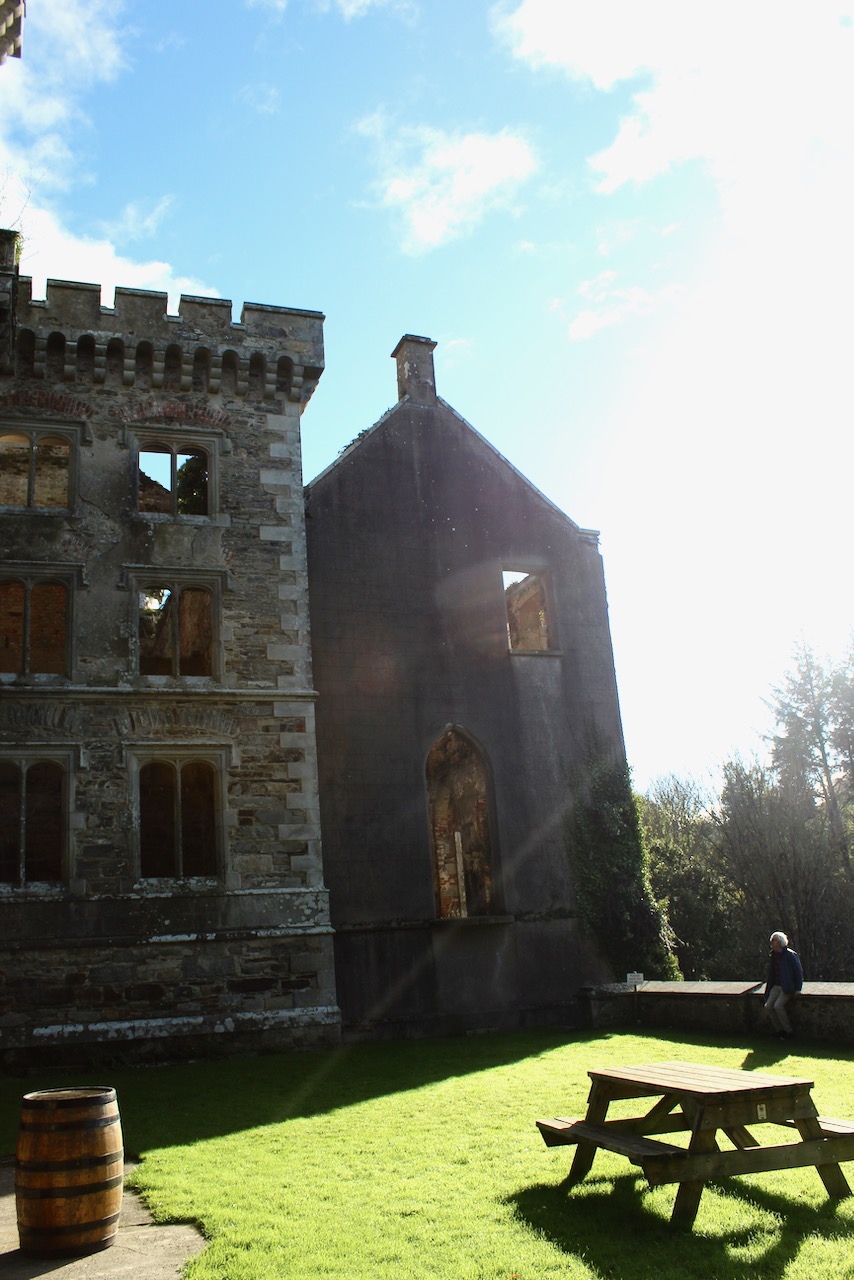
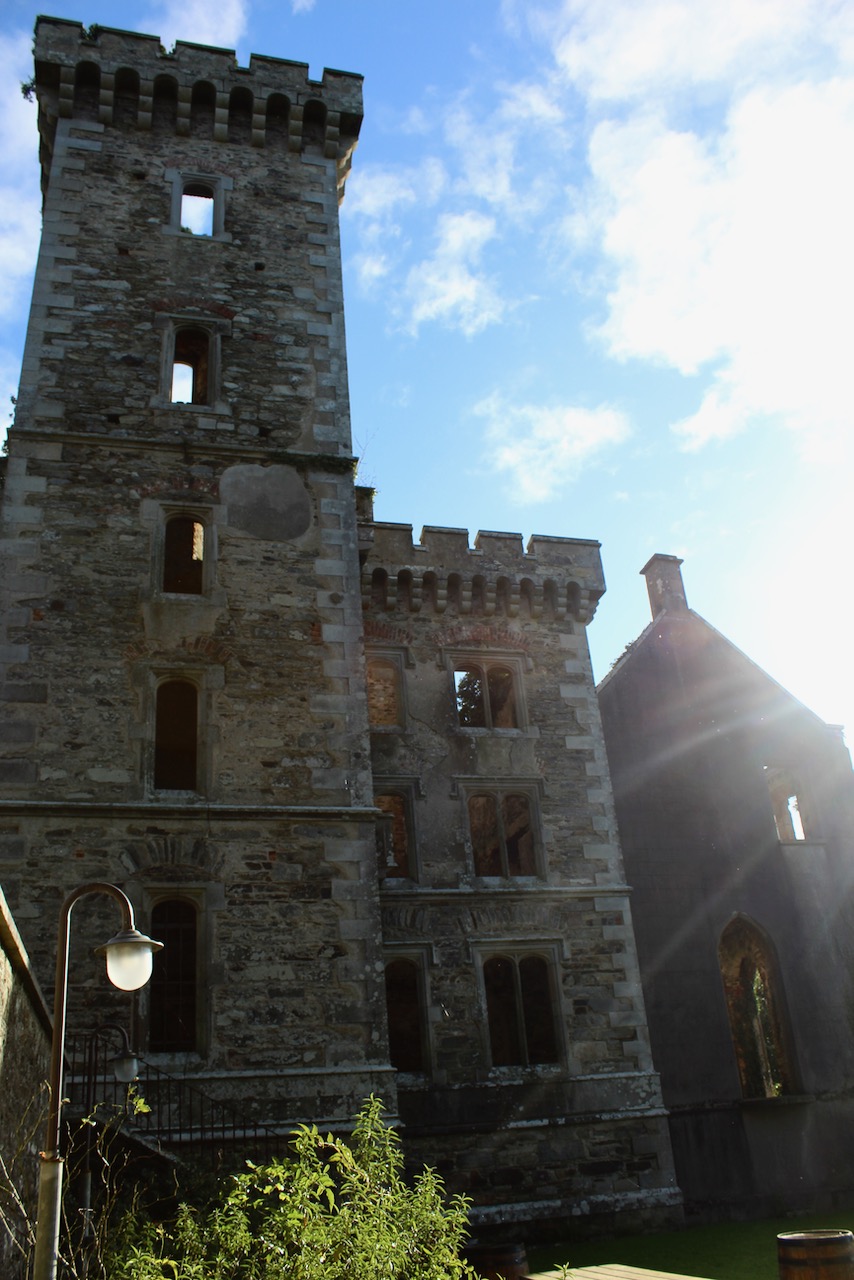
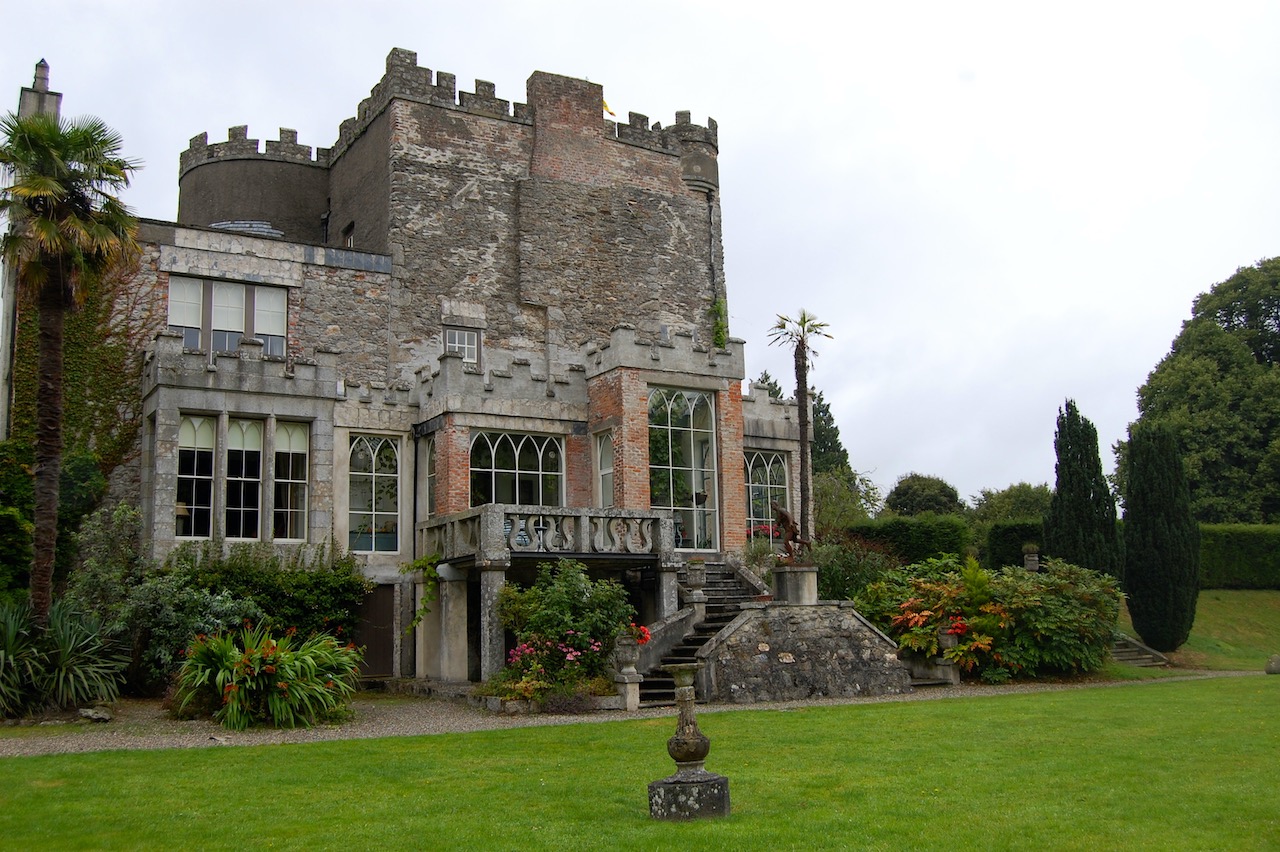
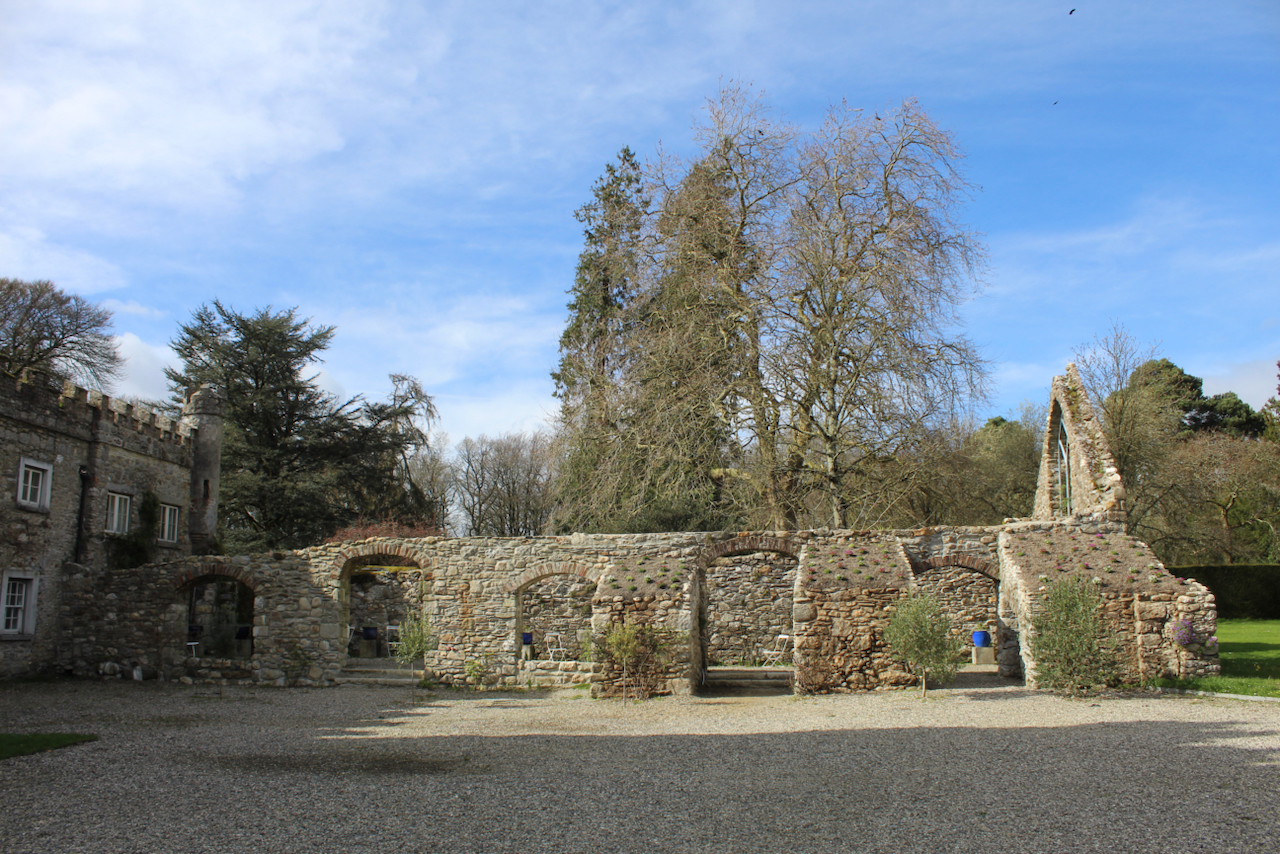
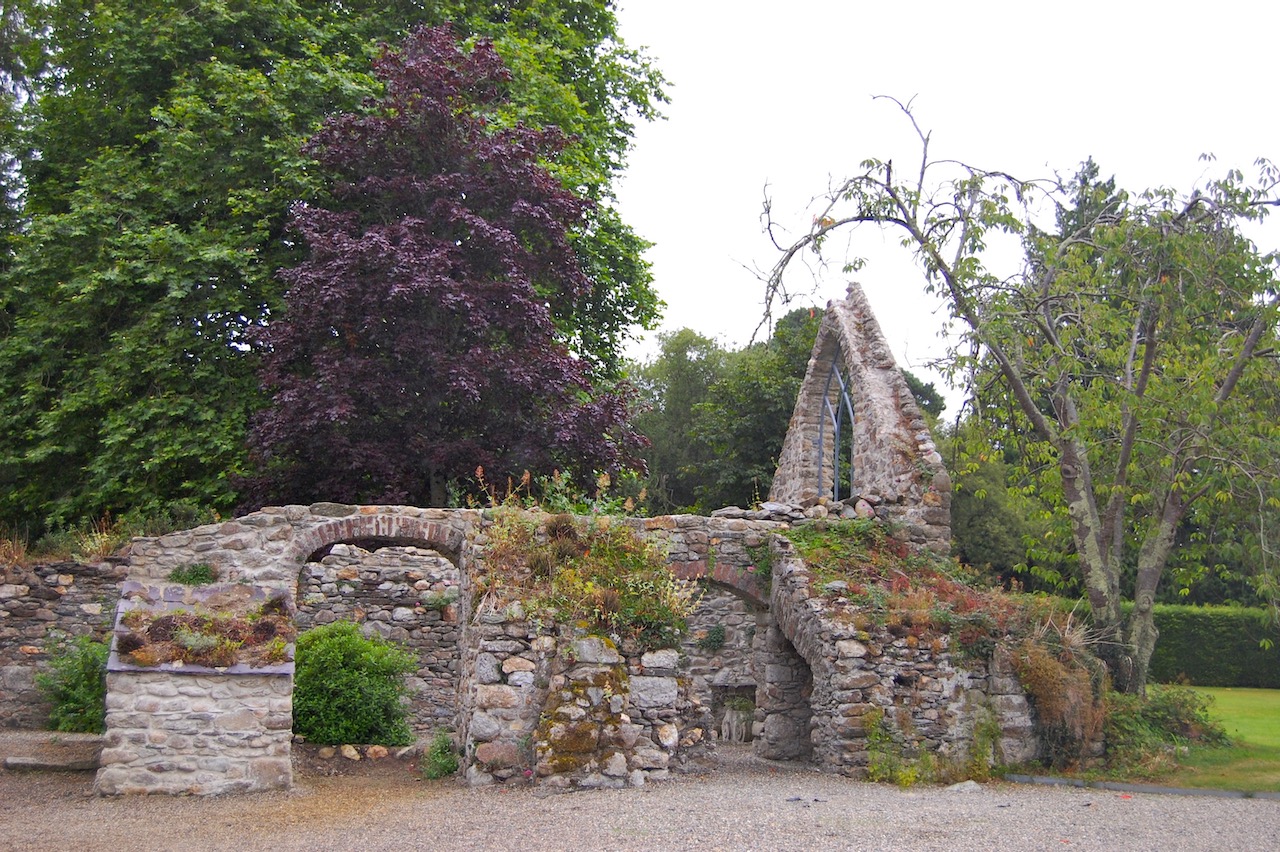
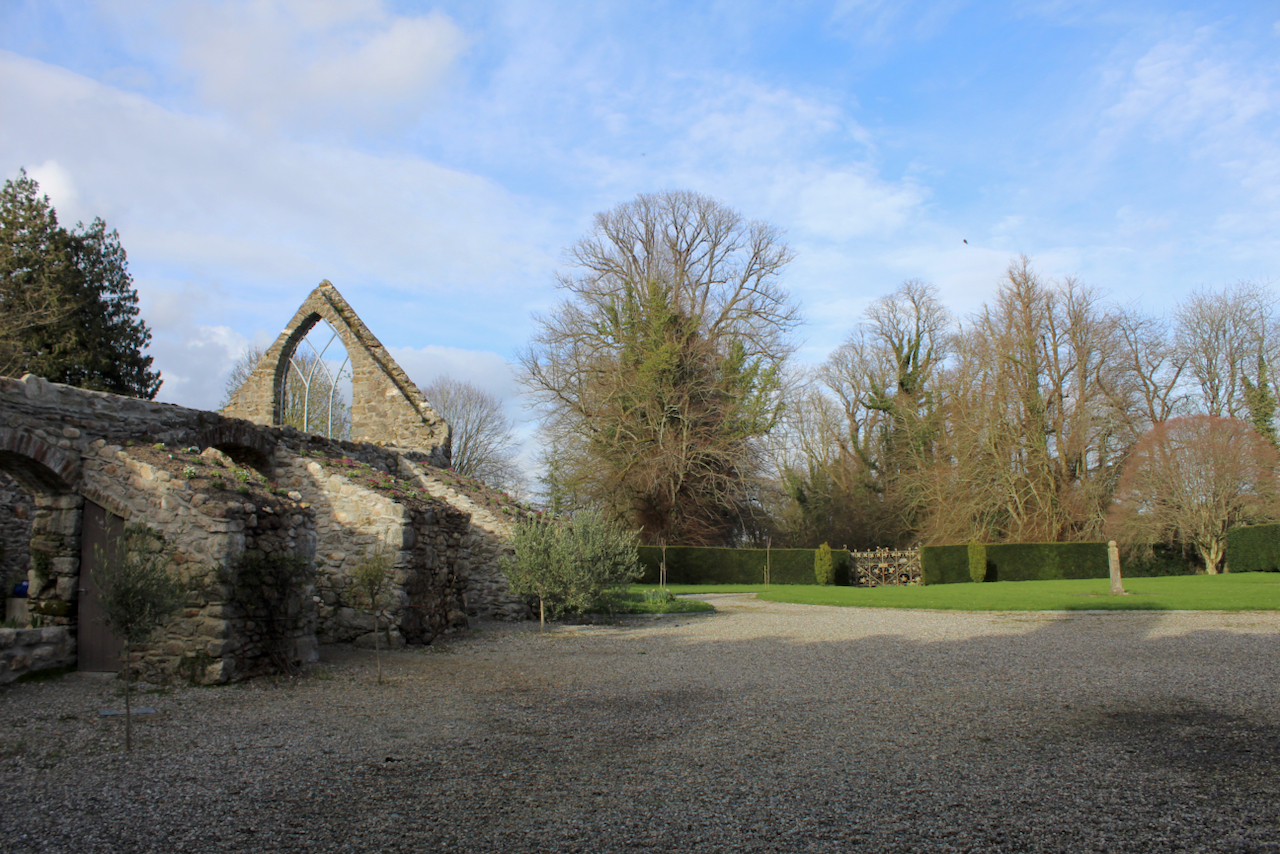
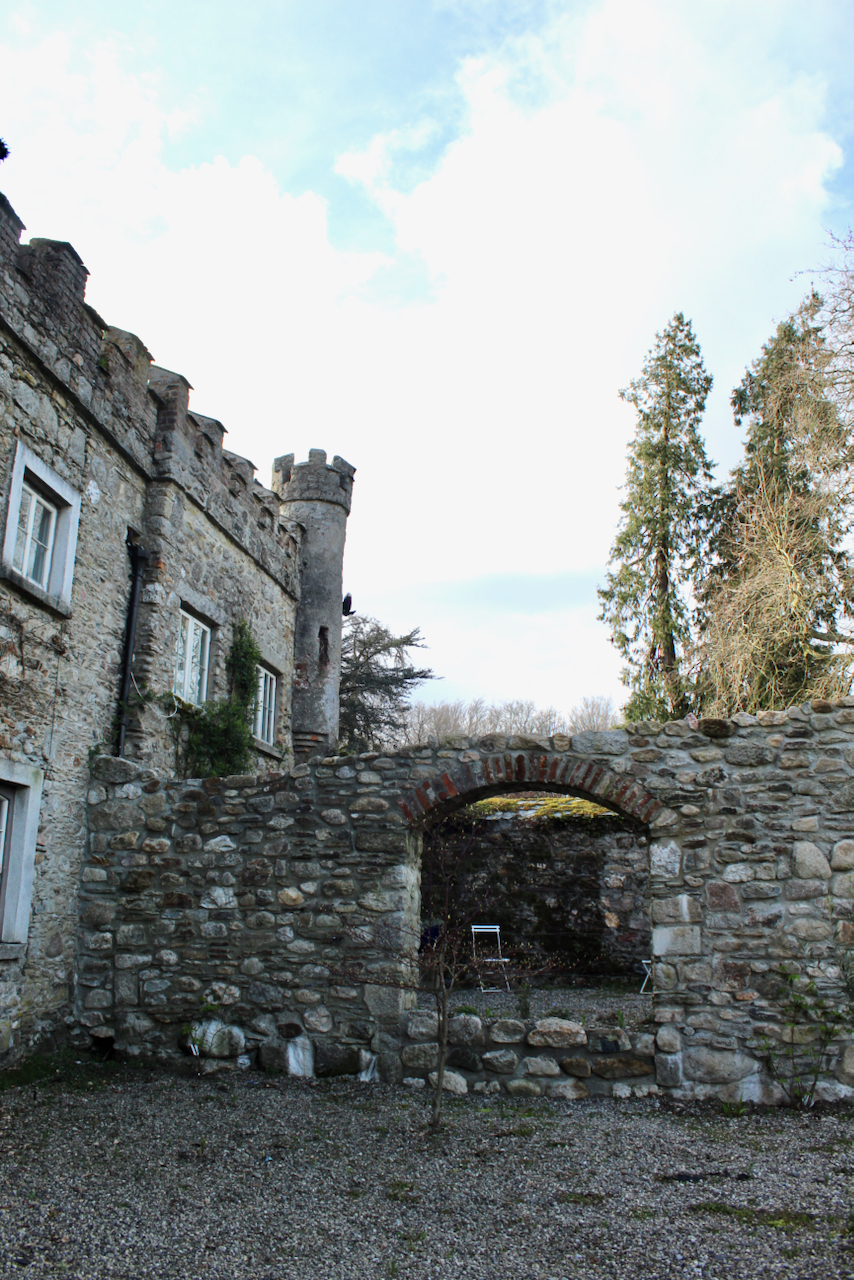
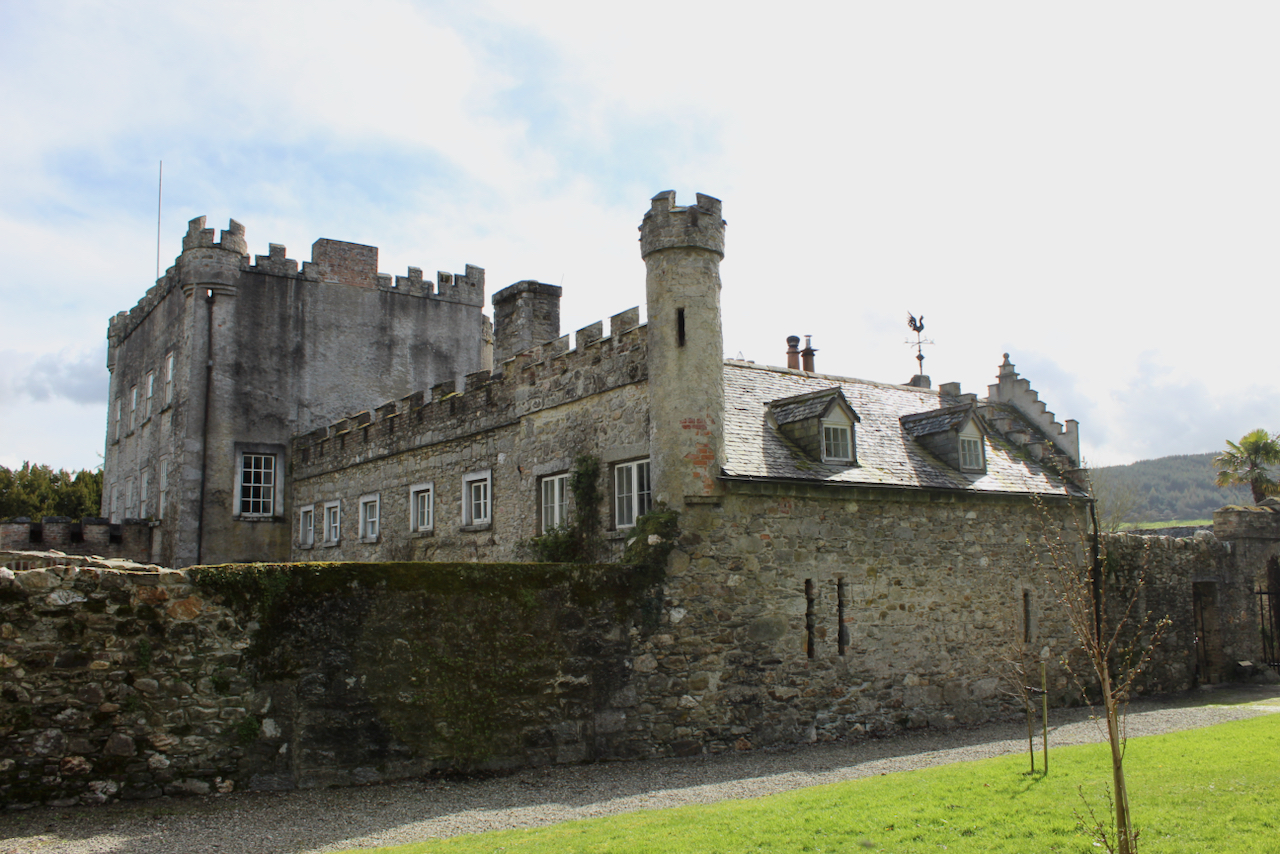
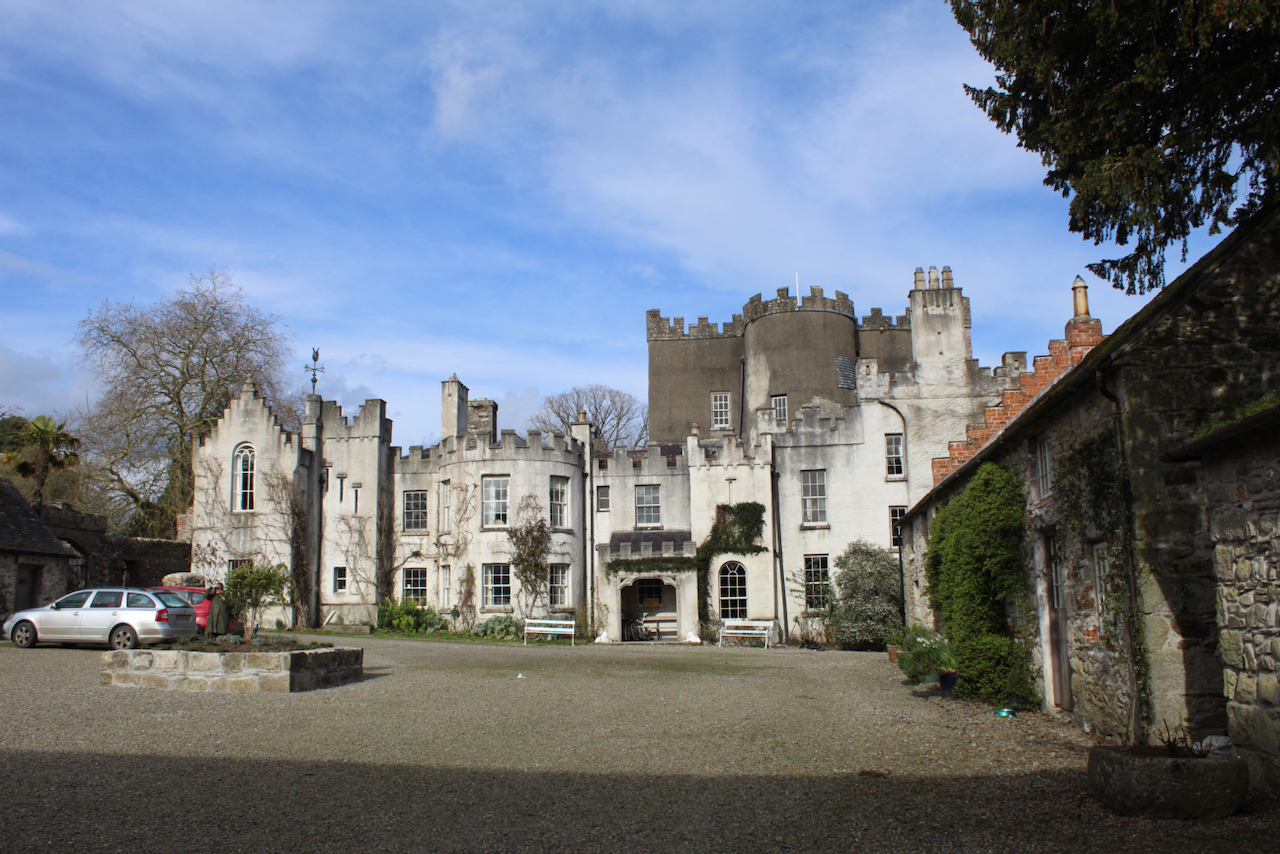
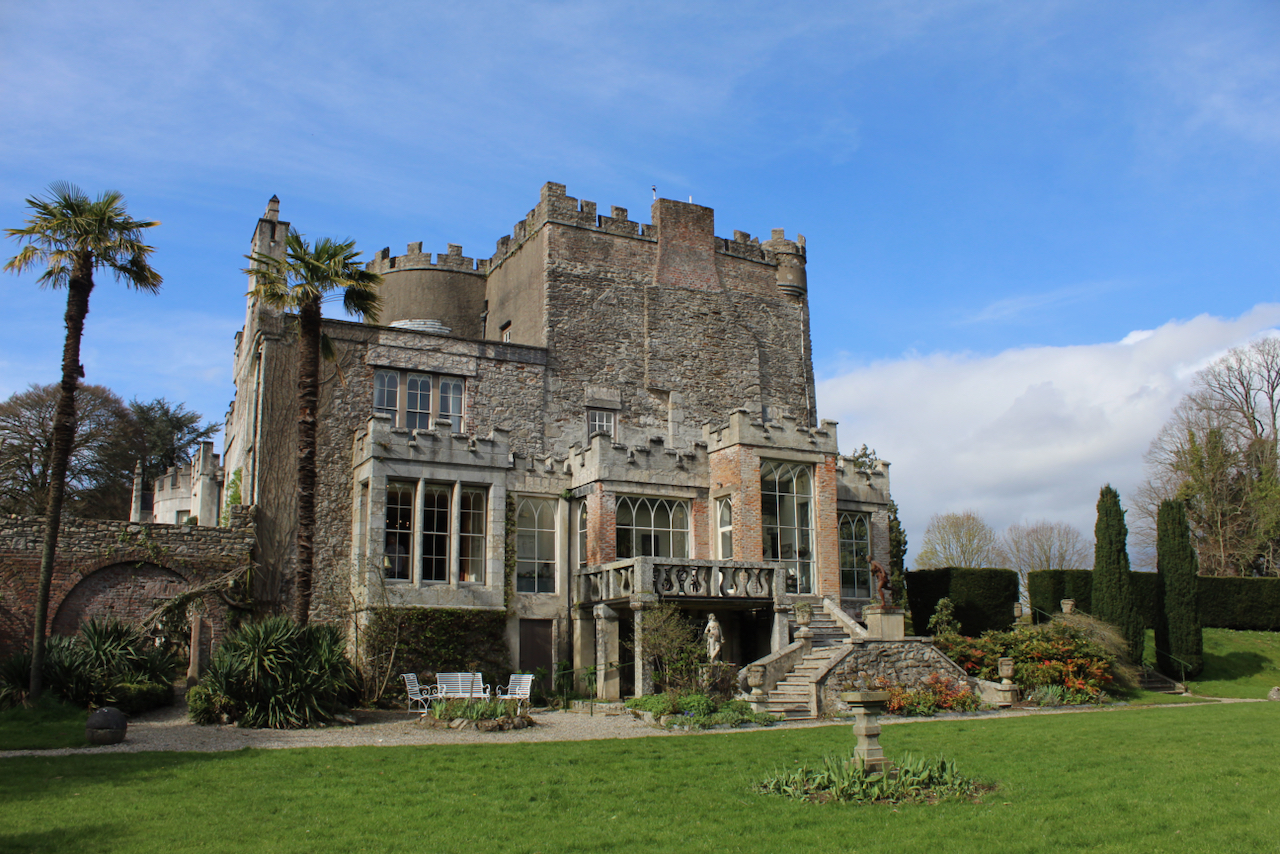
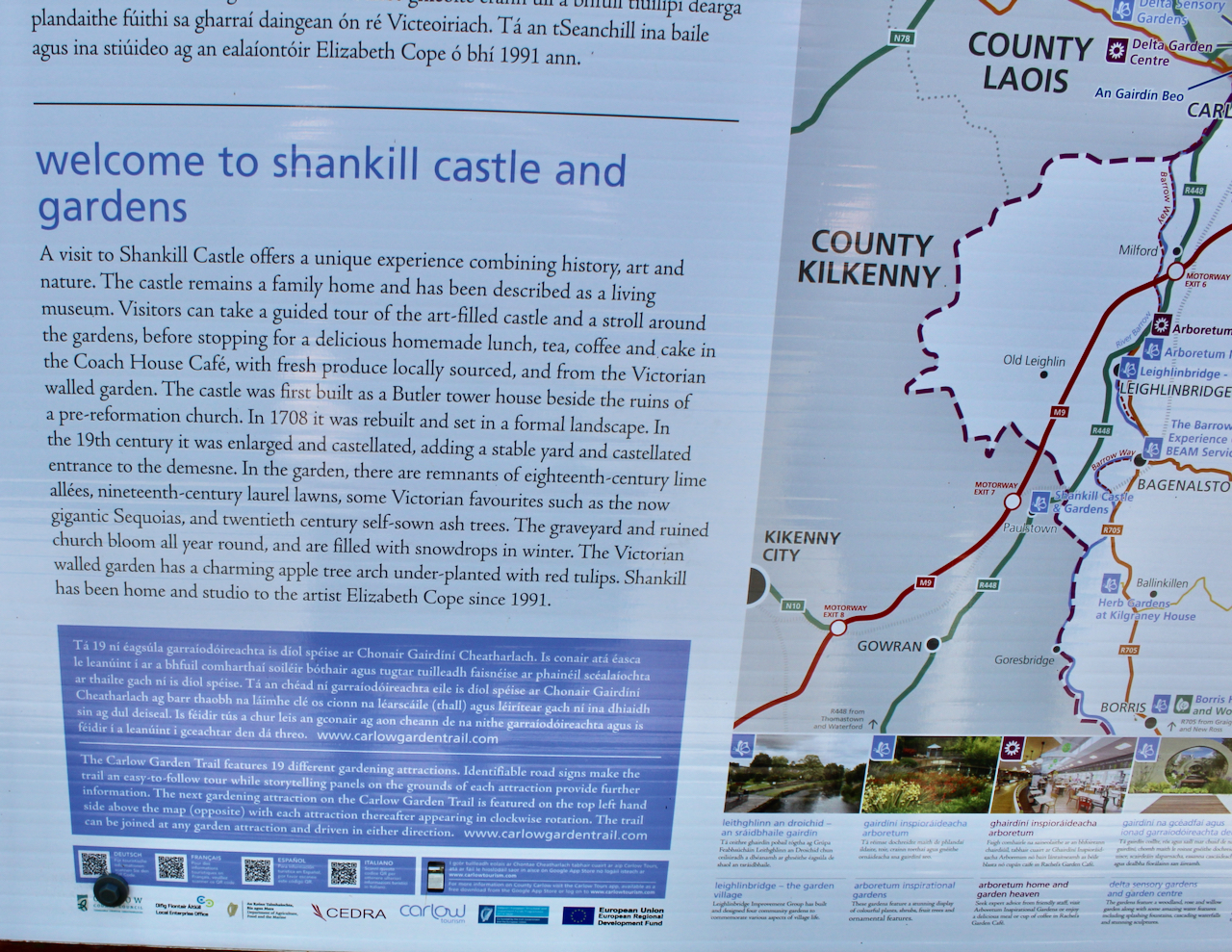
Shankill Castle is now a family home for the Cope family, since 1991. It was first built as a Butler tower house beside the ruins of a pre-reformation church – you can still see the ruins of the church in the grounds. The Copes give tours of their home and there are lovely gardens to wander and a café
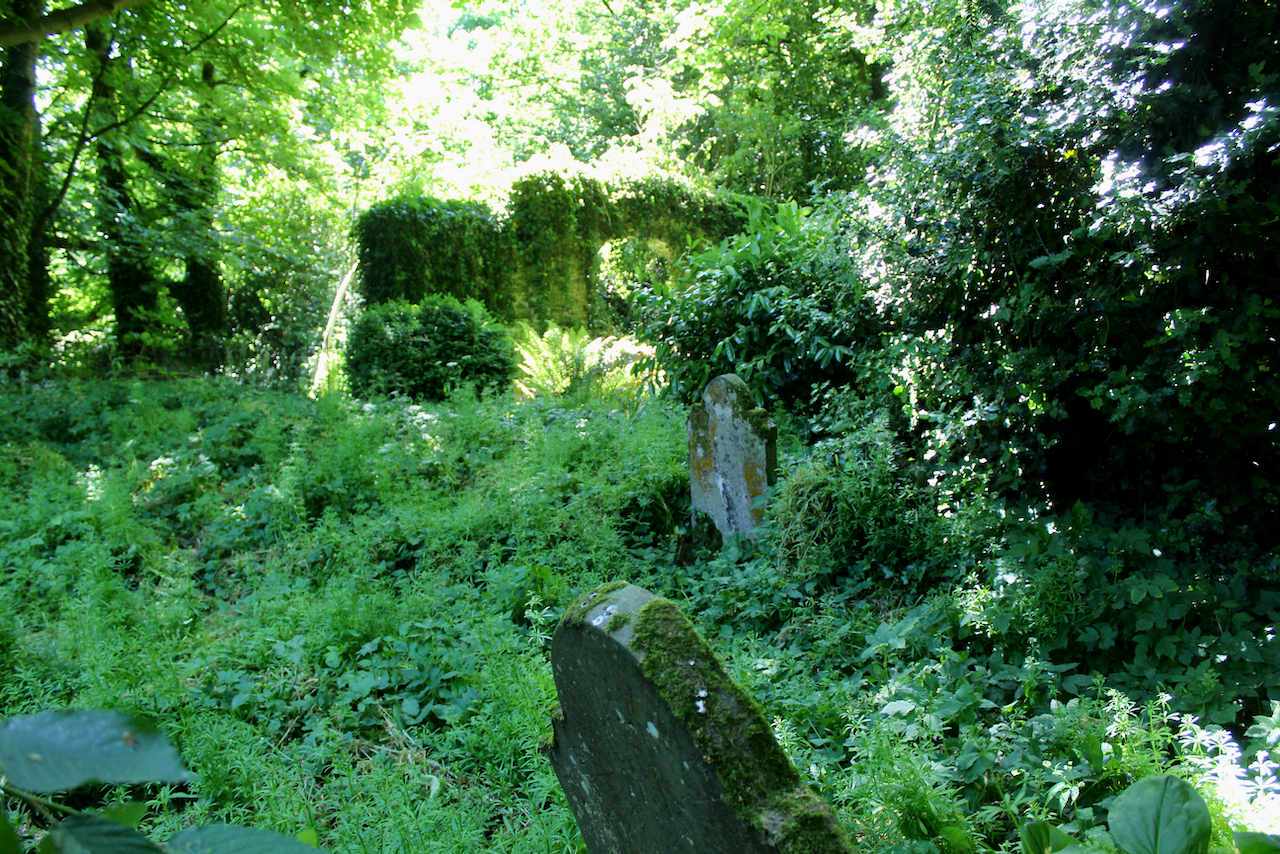
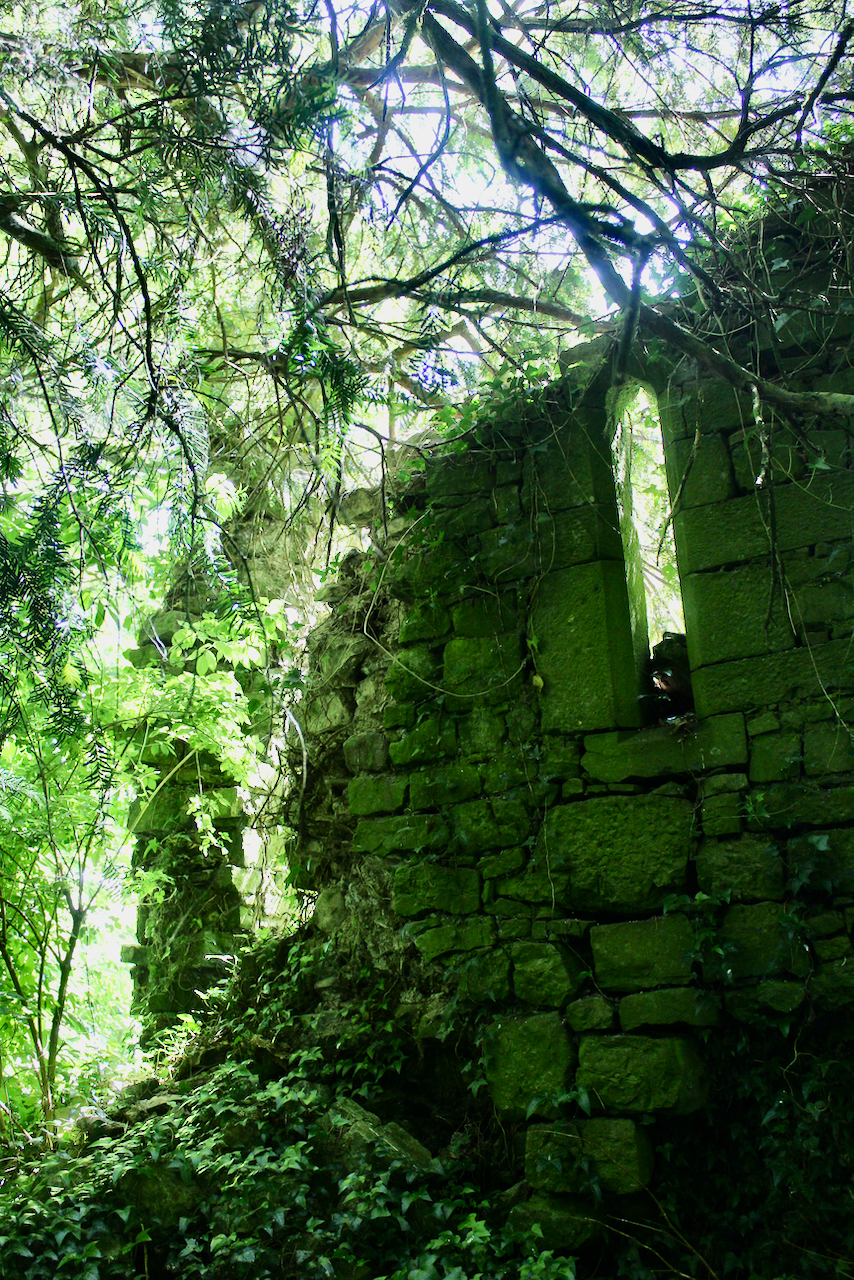
The ruins of a pre-reformation church. Photograph © Jennifer Winder-Baggot, www.irishhistorichouses.com

The website tells us that “Elizabeth, a painter, and Geoffrey, a historian, have hosted many creative people in their home over the last twenty-five years. They have shared with them their unique and beautiful setting in Ireland’s Ancient East and have dedicated Shankill Castle to the arts and culture.

see: www.elizabethcope.com

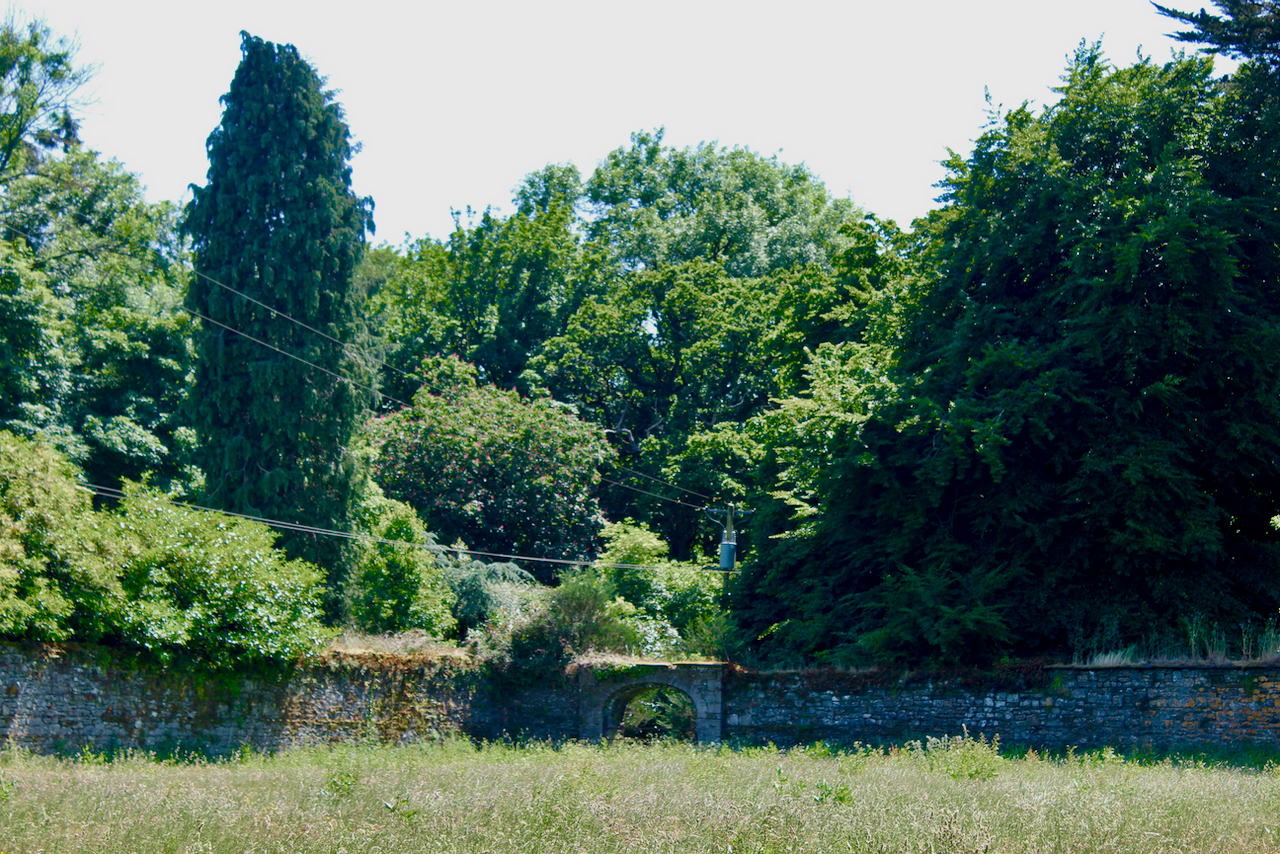
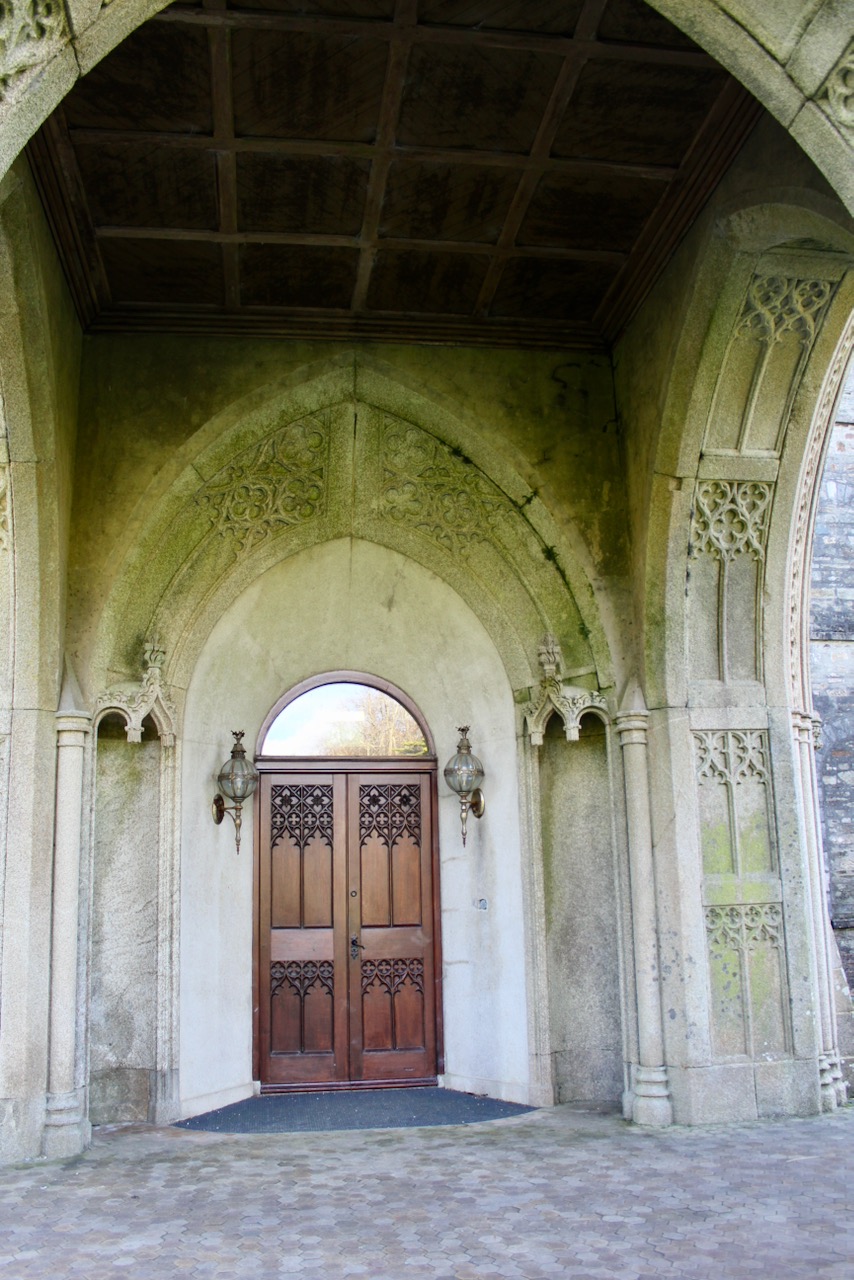
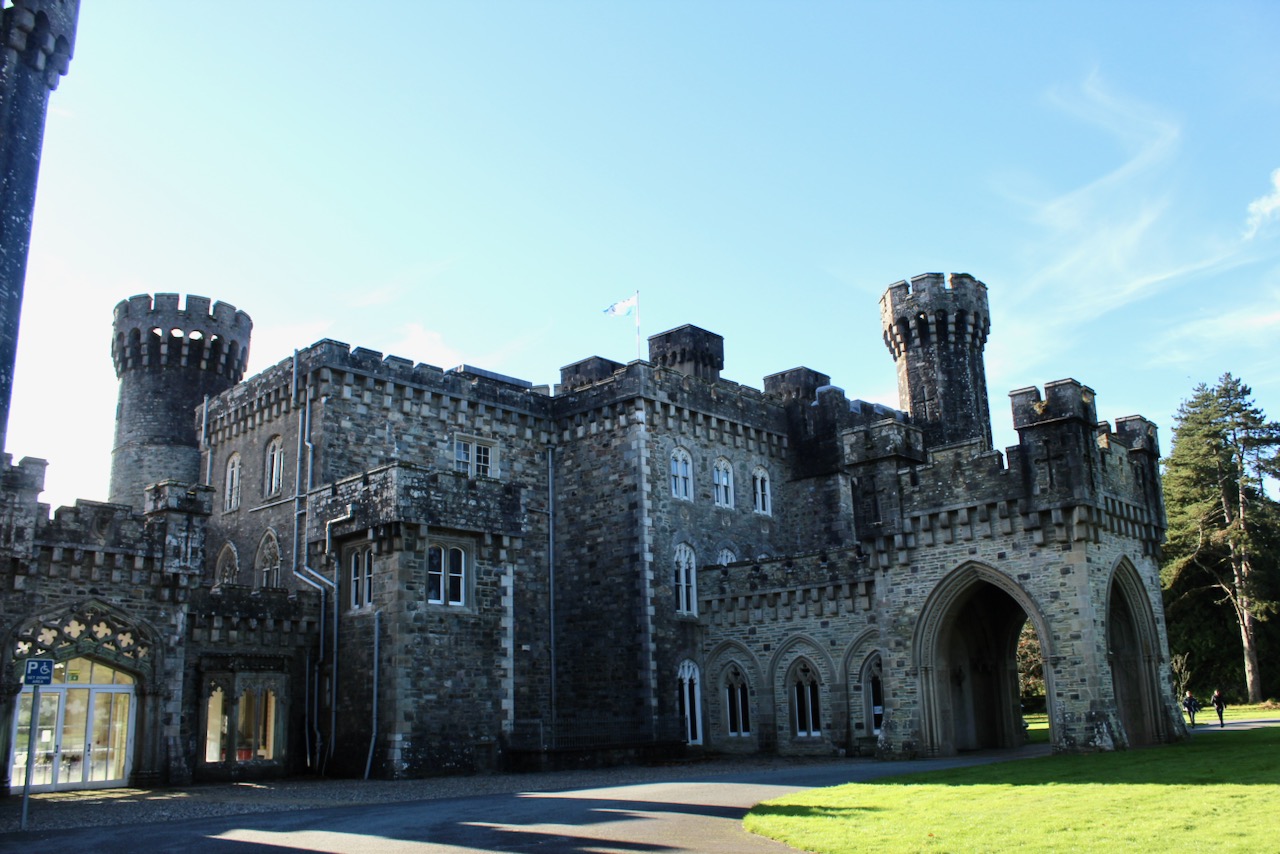
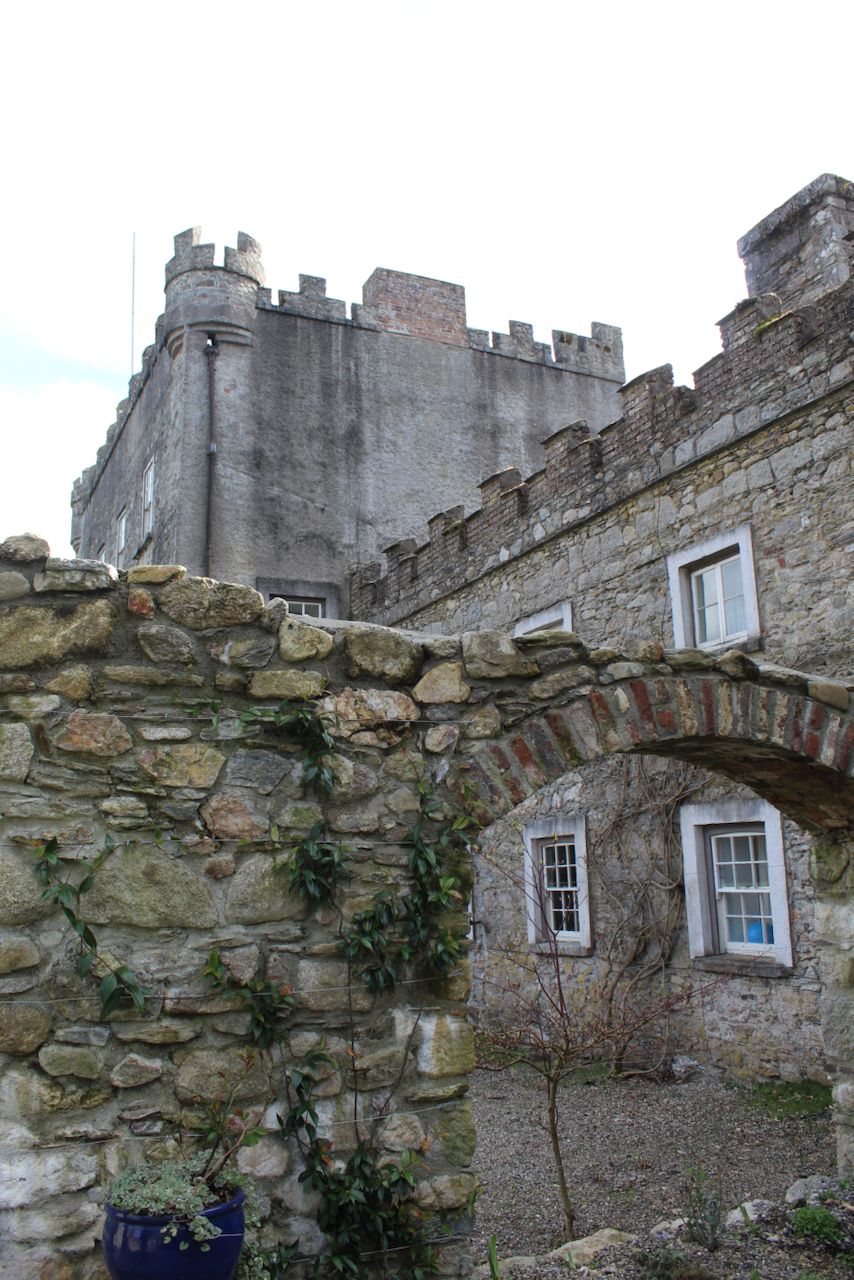
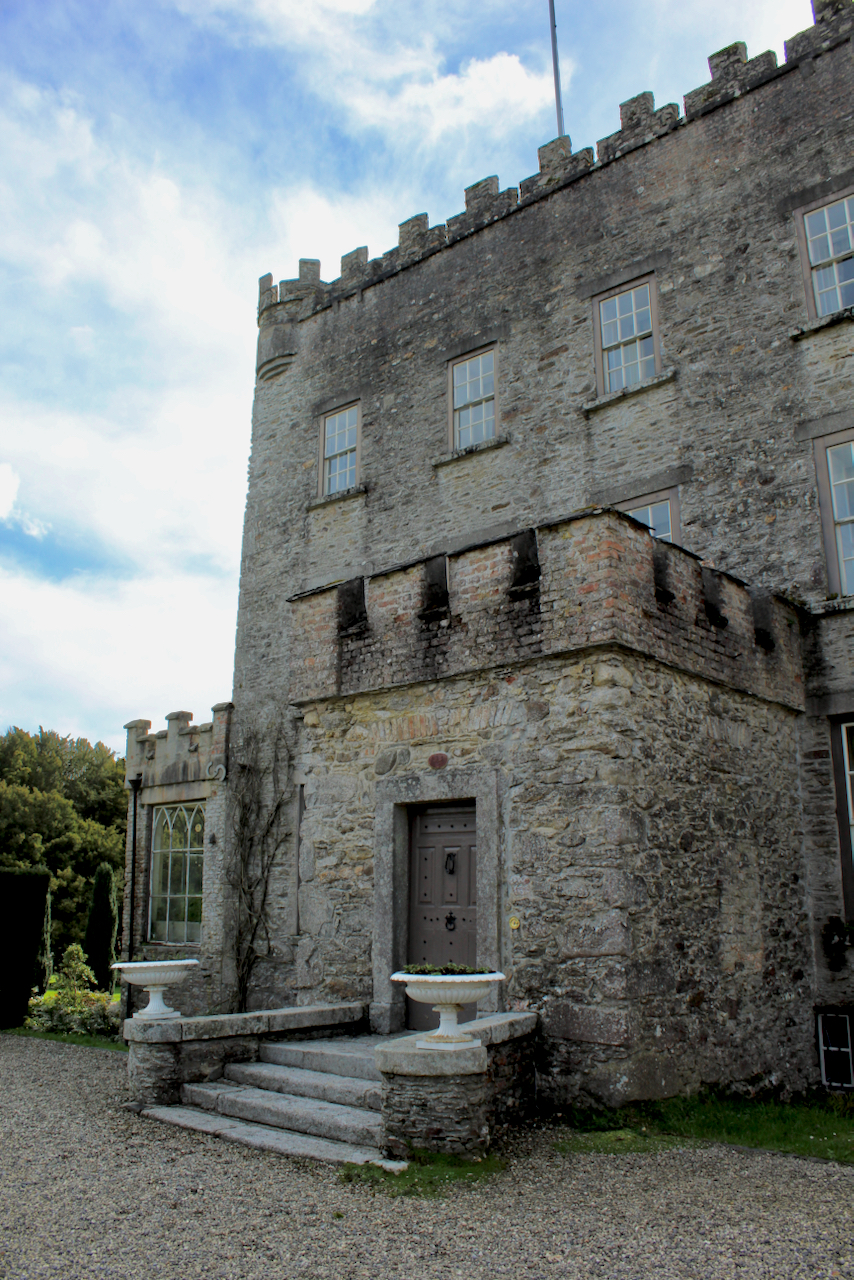
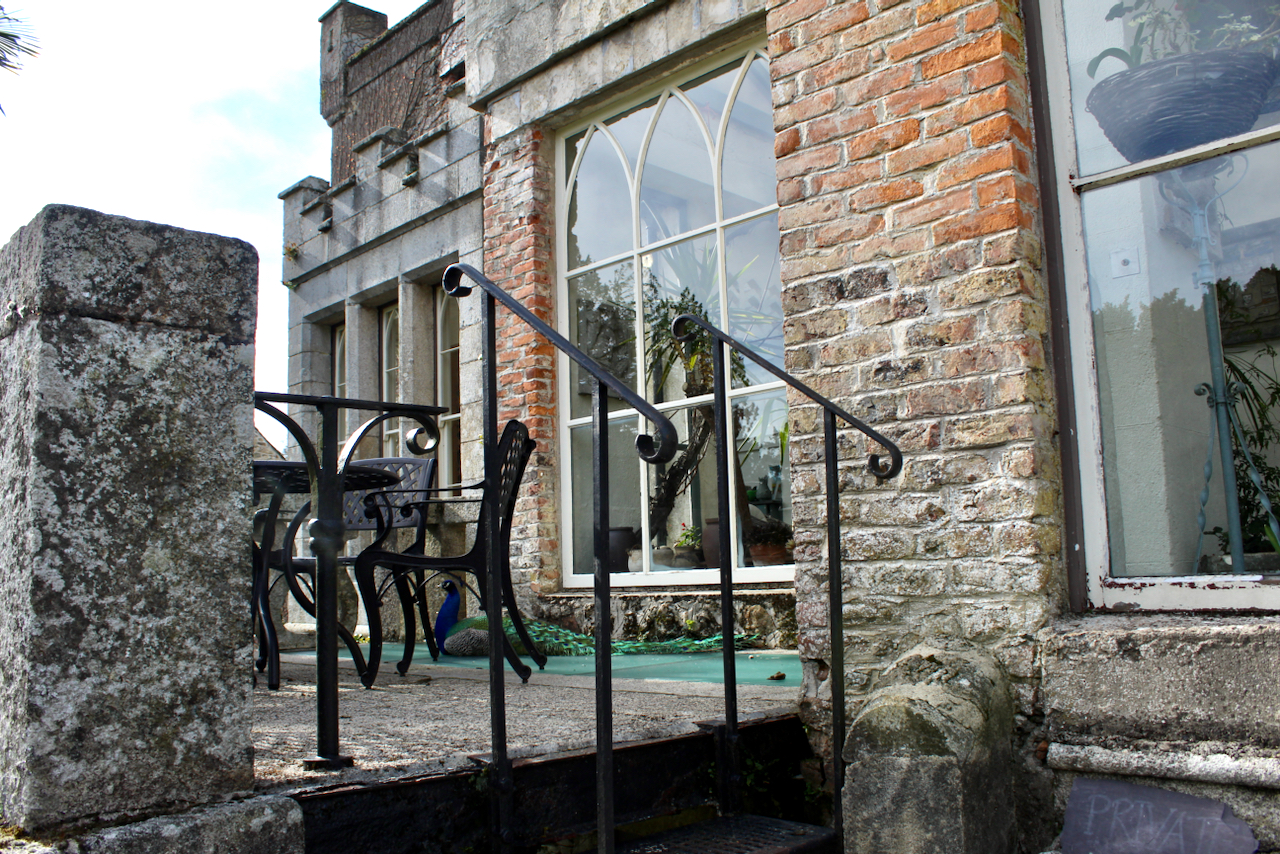
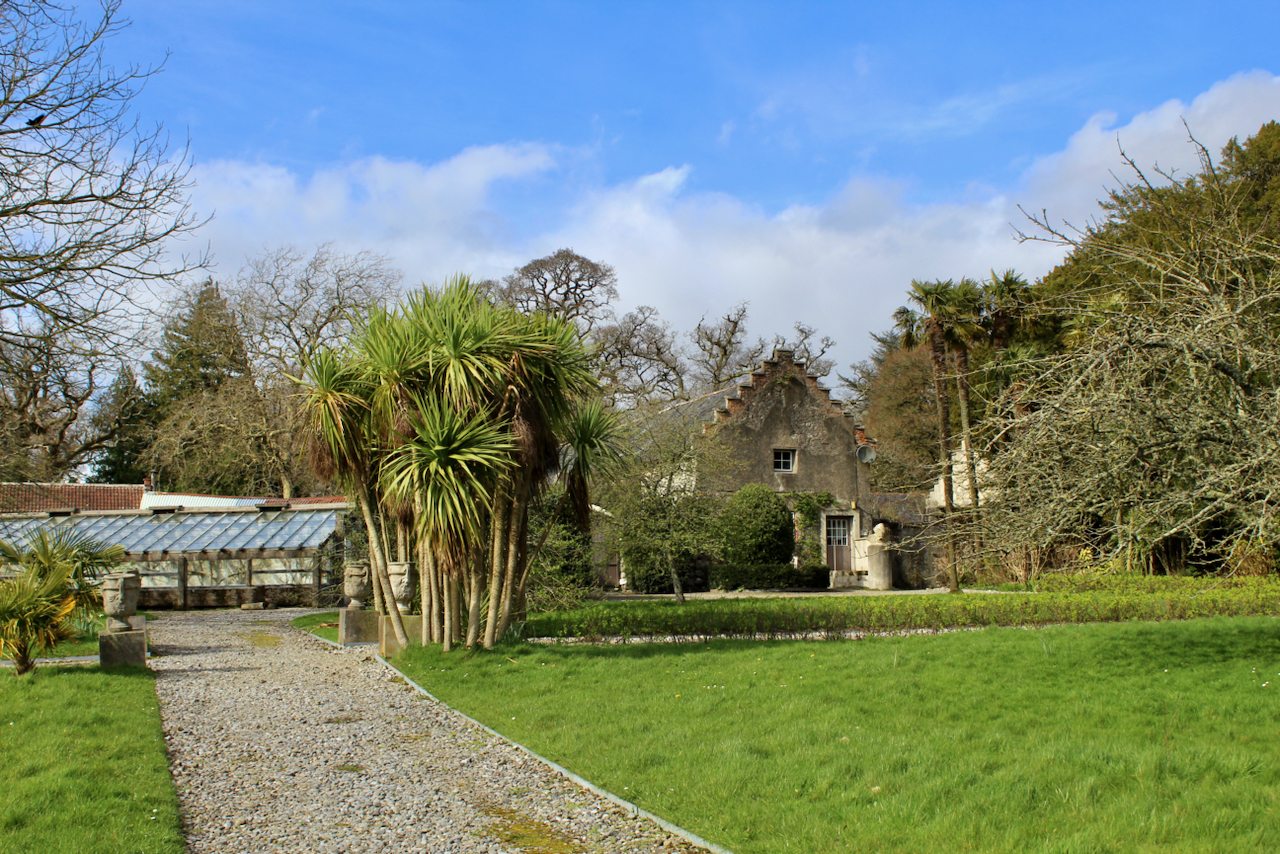
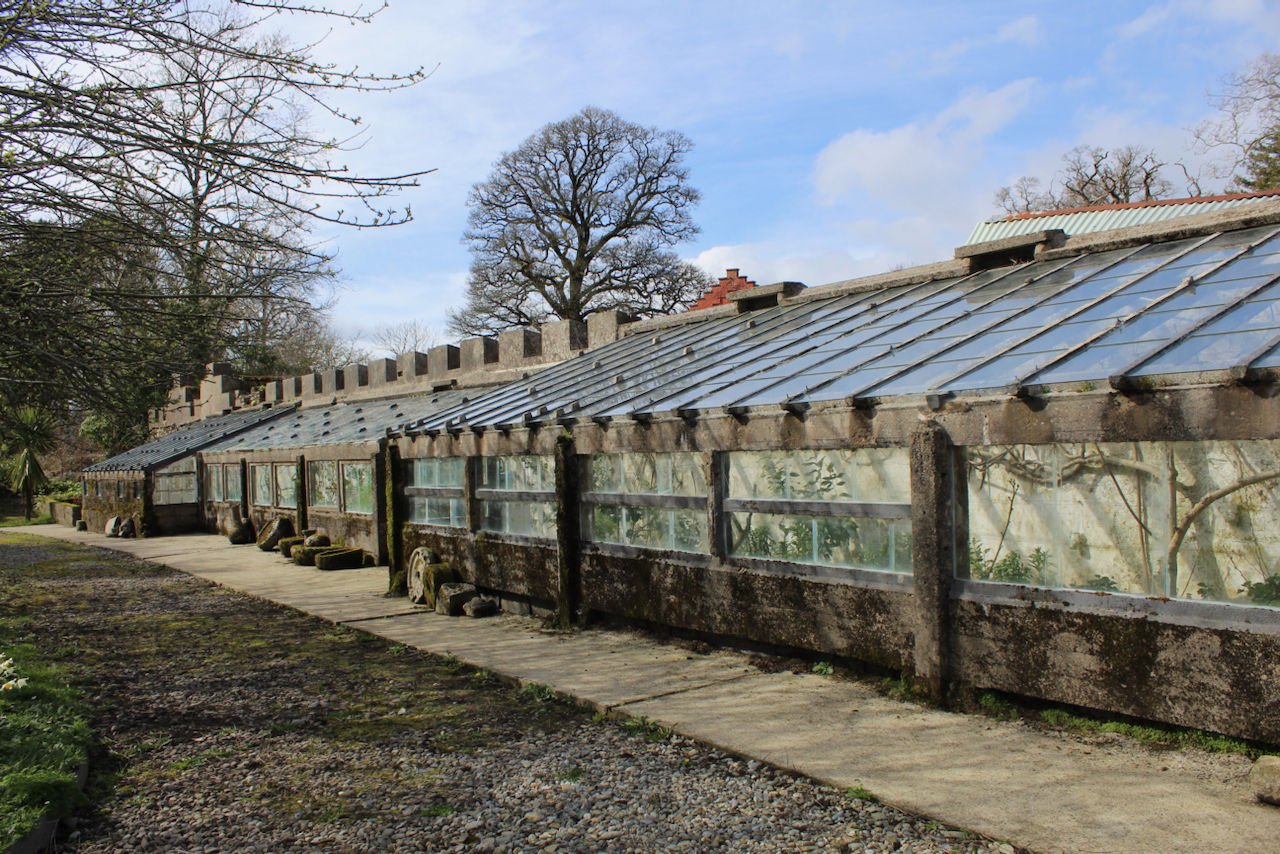
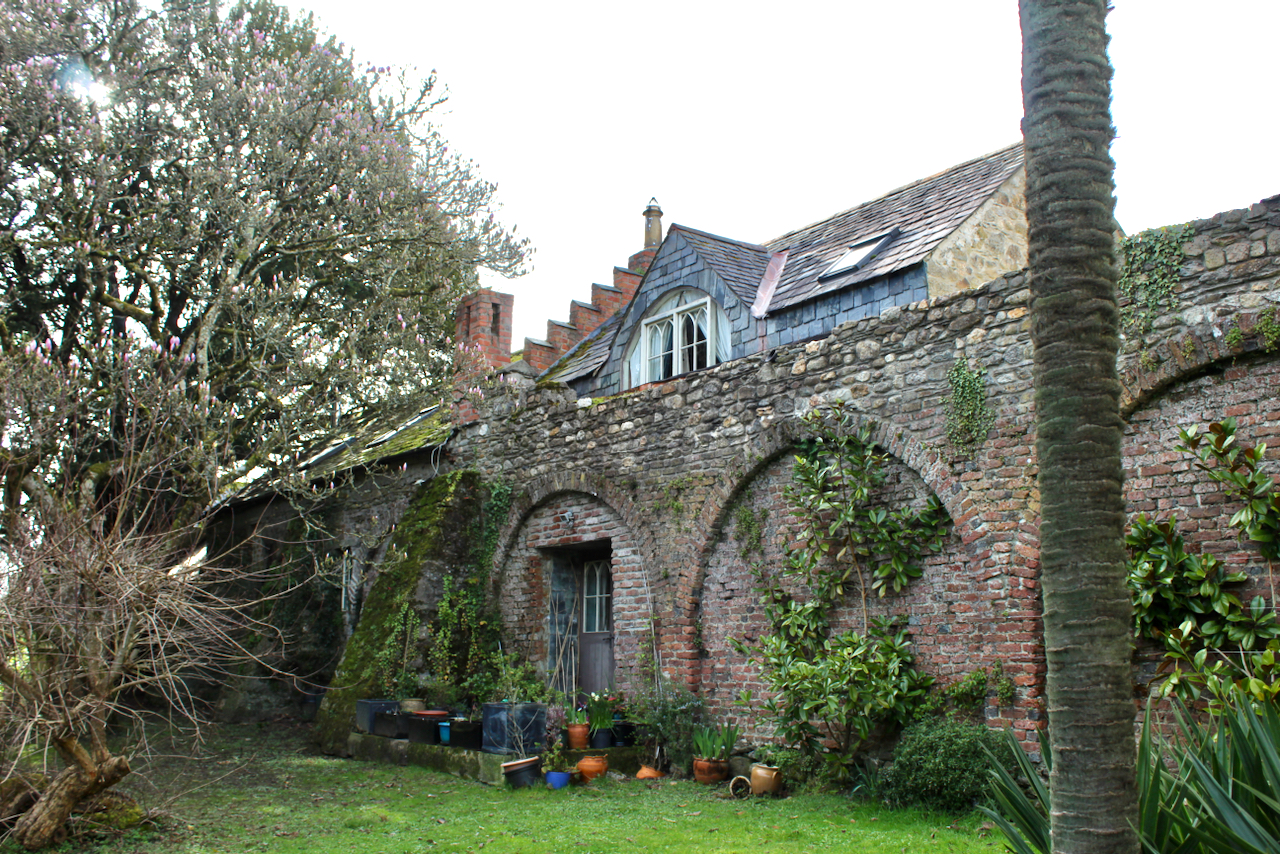
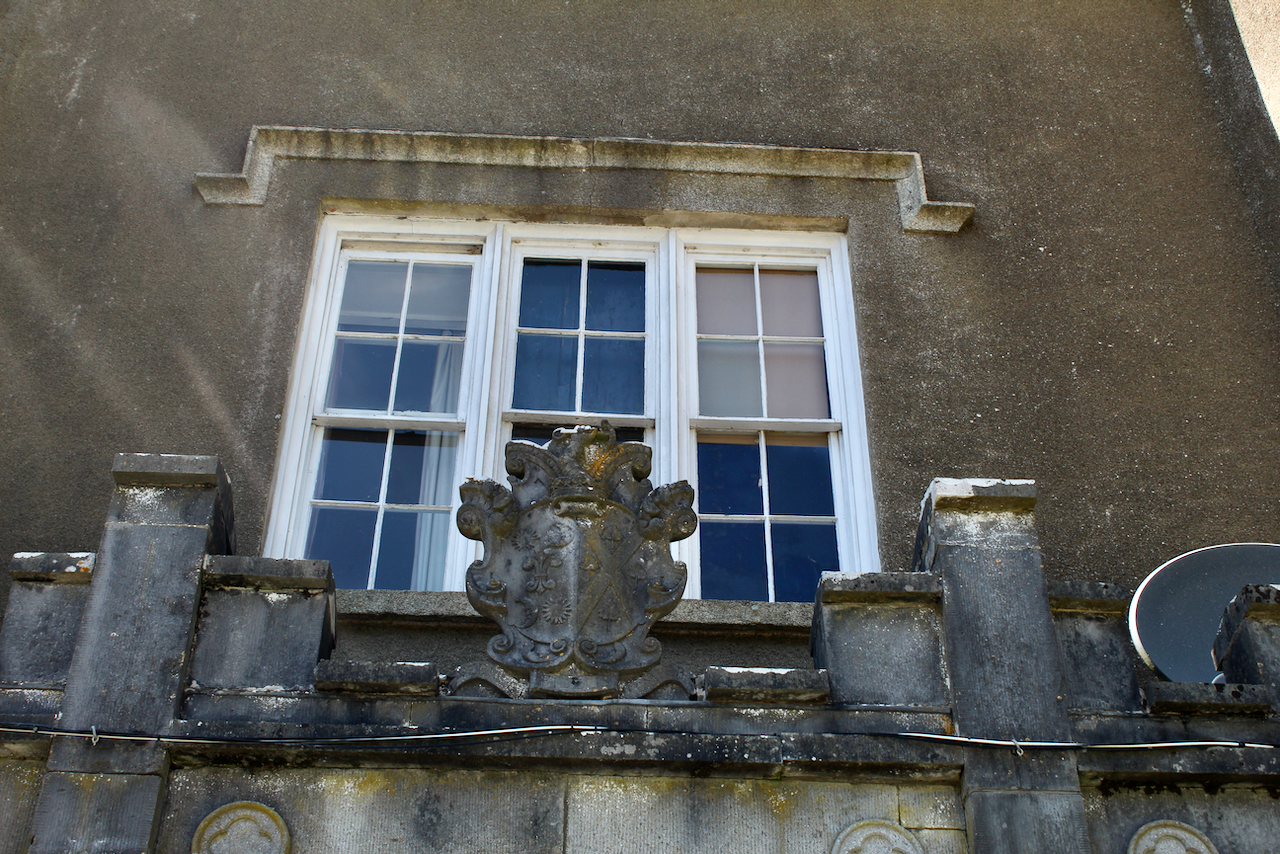
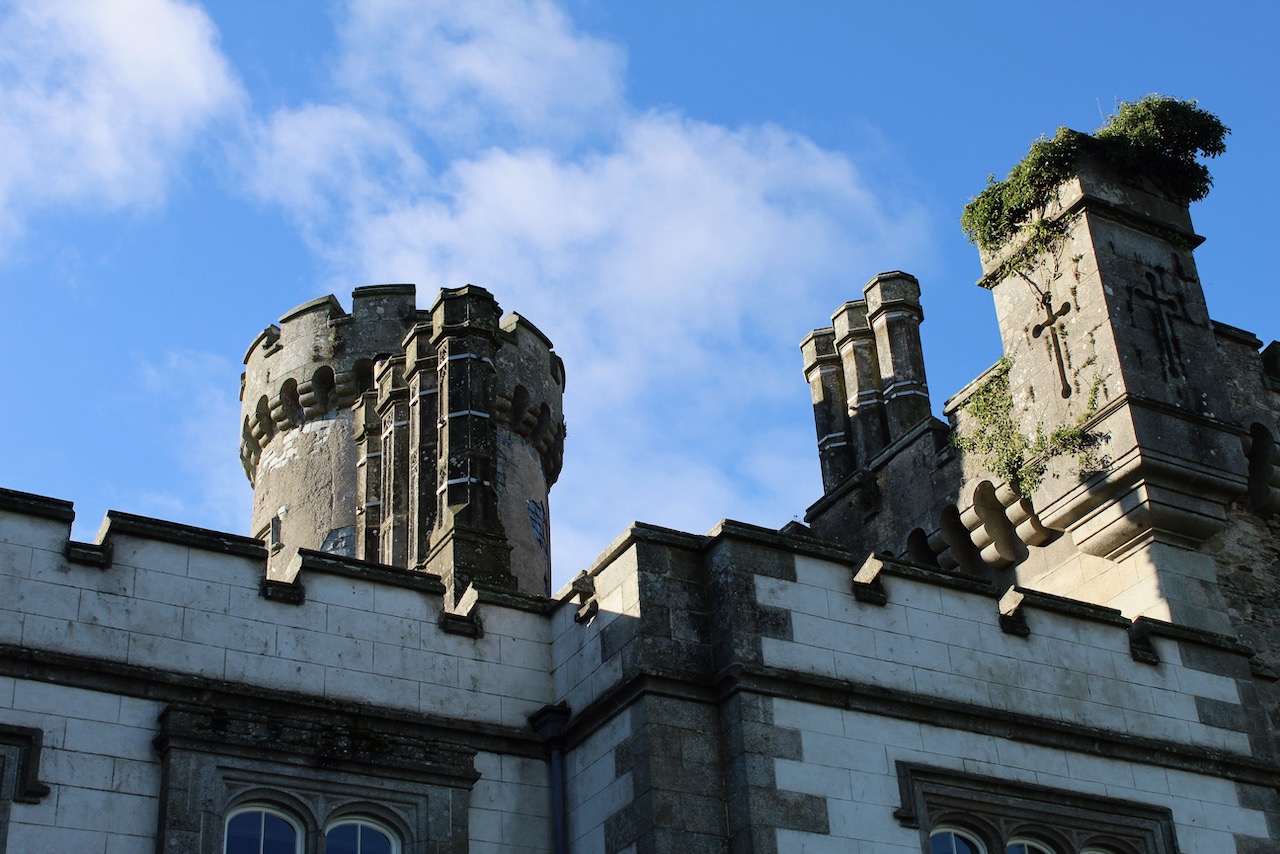
In 1708 the Castle was rebuilt and in the nineteenth century it was enlarged and castellated, adding a stable yard and the castellated entrance to the demesne. The stableyard and the castellated entrance to the demesne are attributed to Daniel Robertson. Other additions to the house include a Gothic porch bearing the Aylward crest and a conservatory.

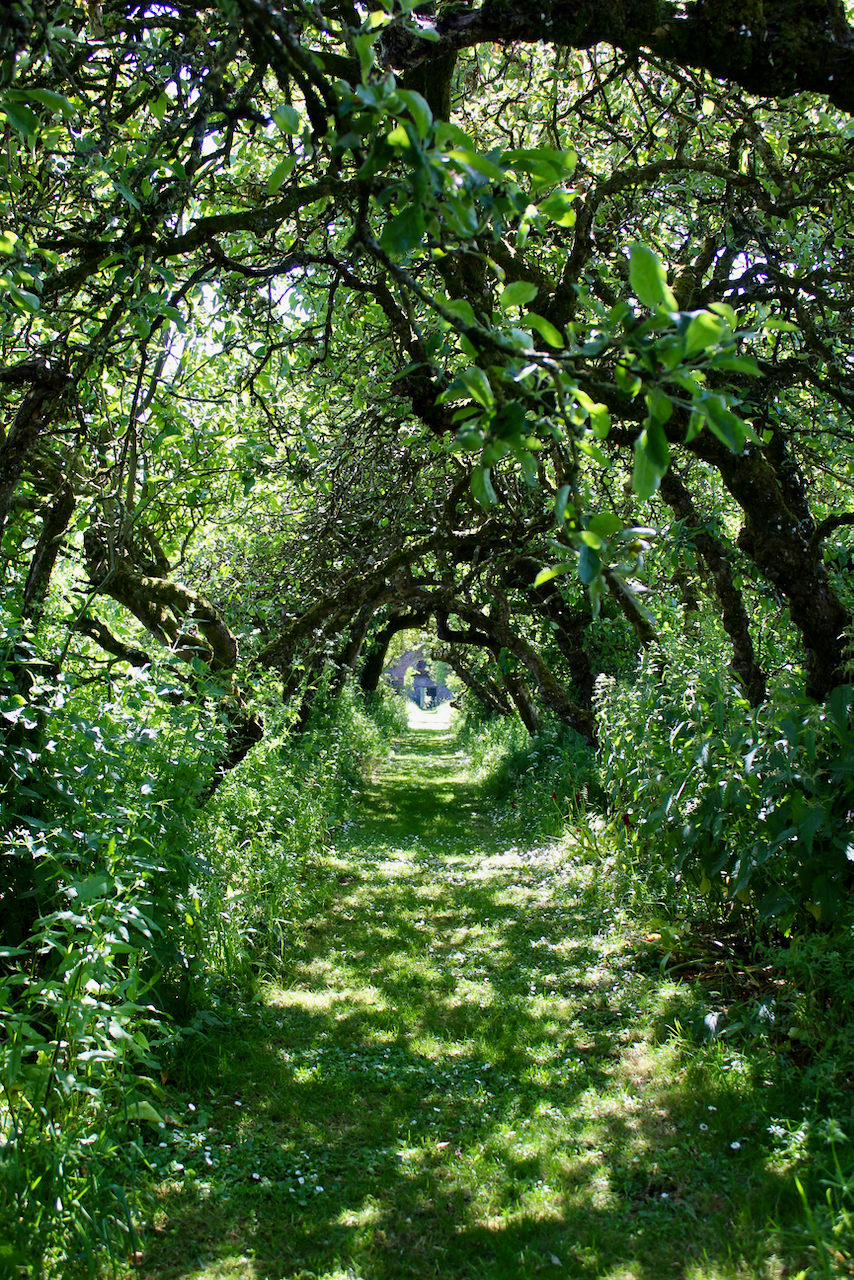
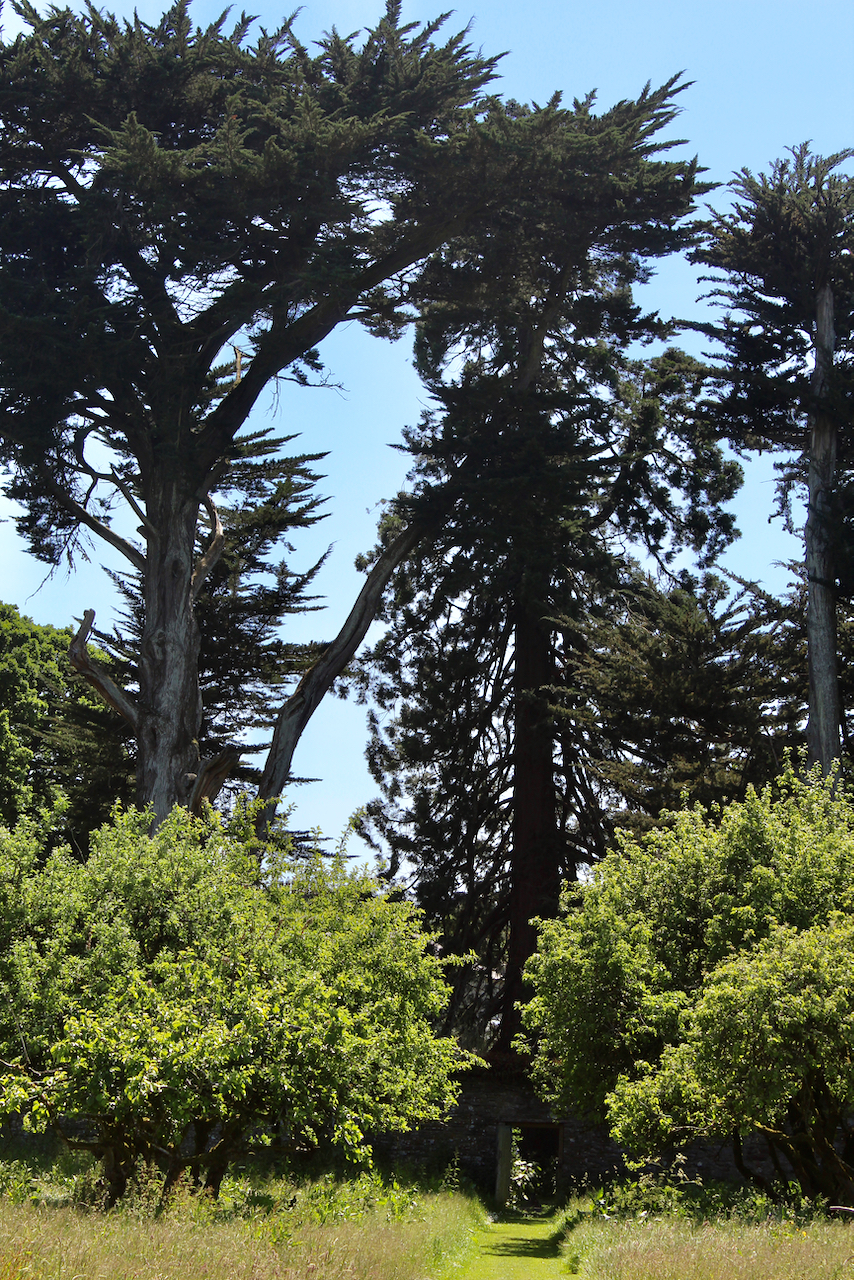
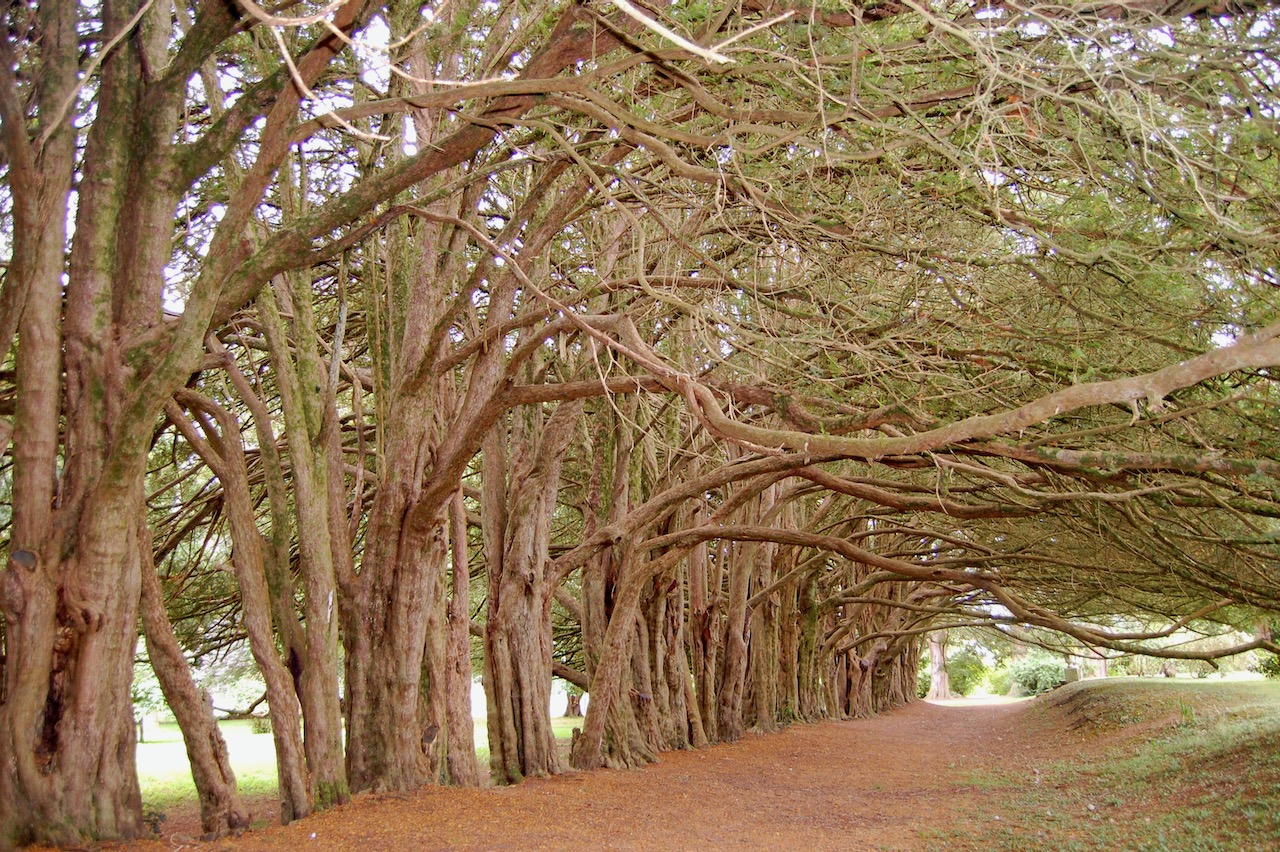
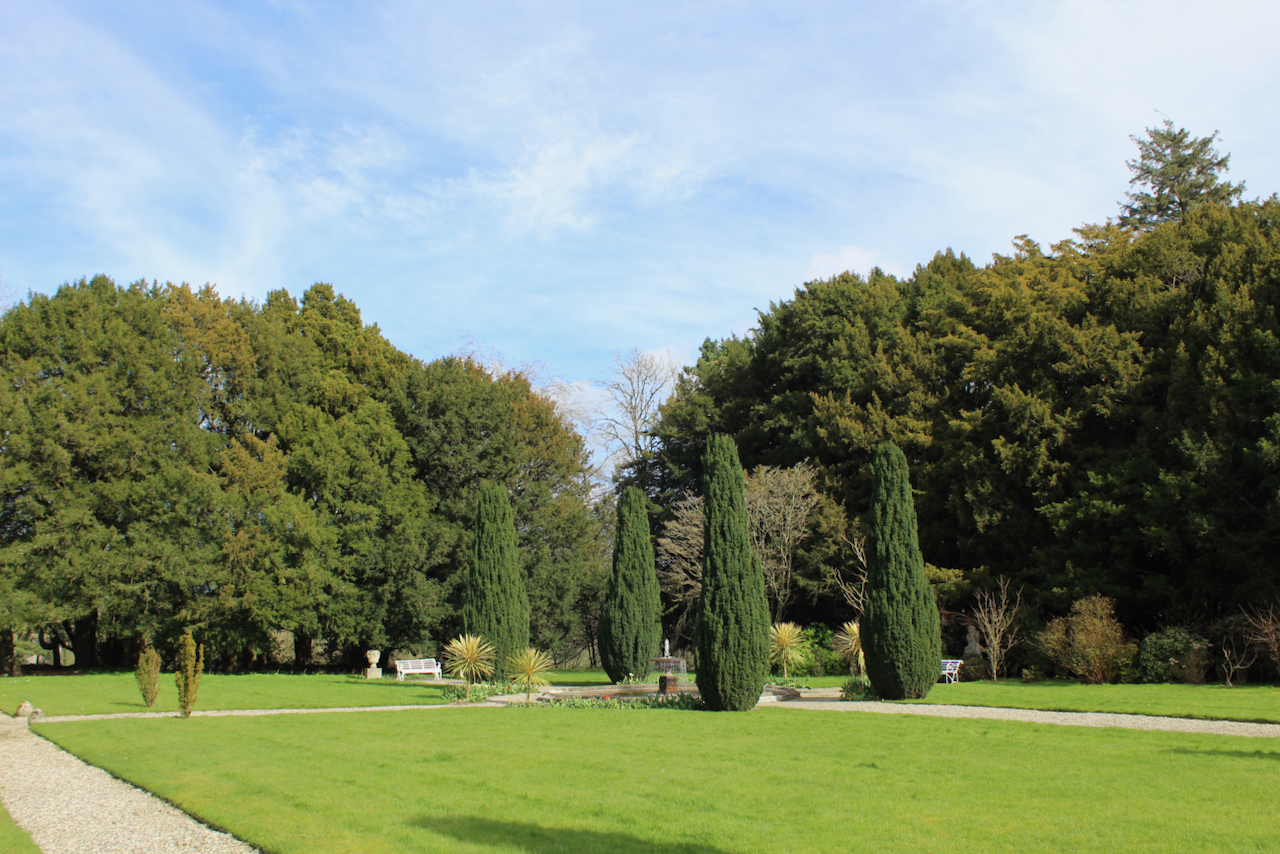
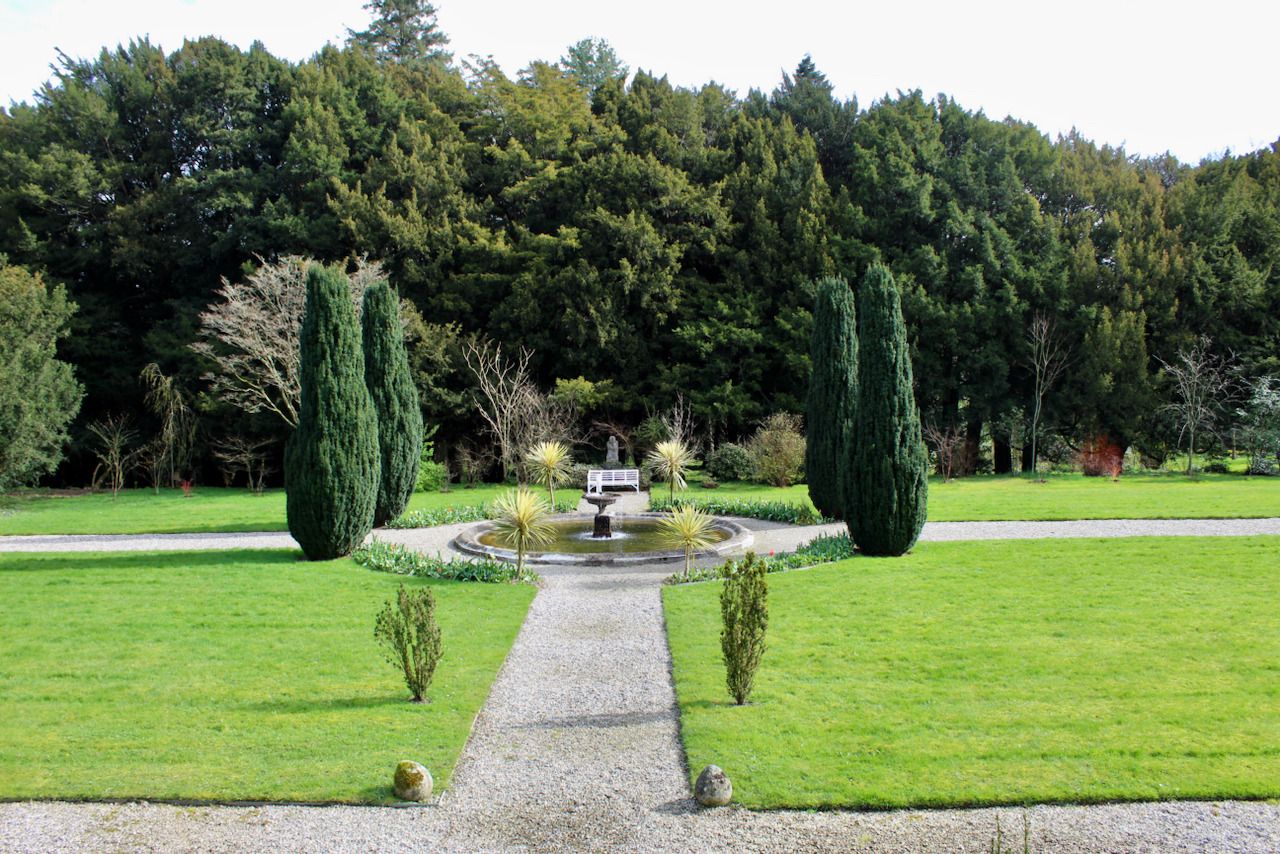
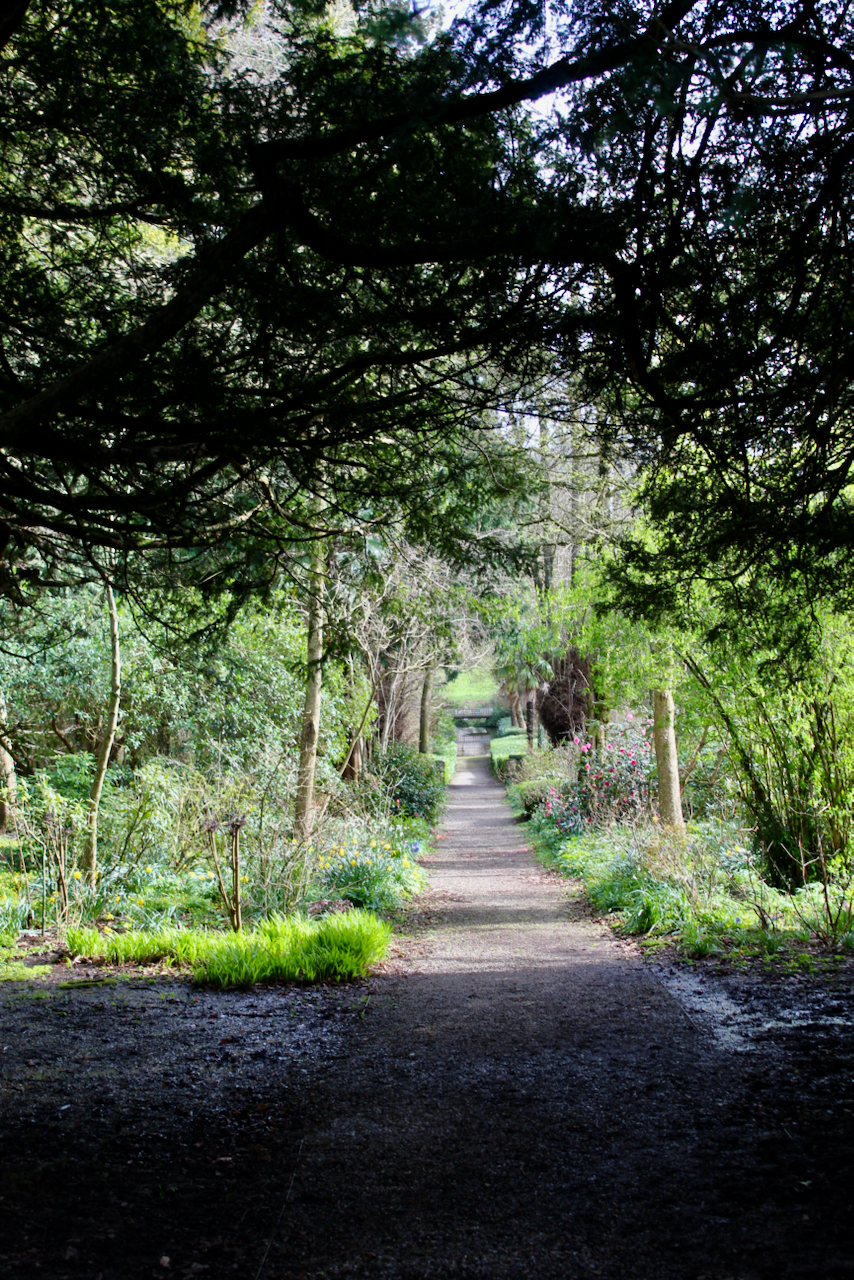
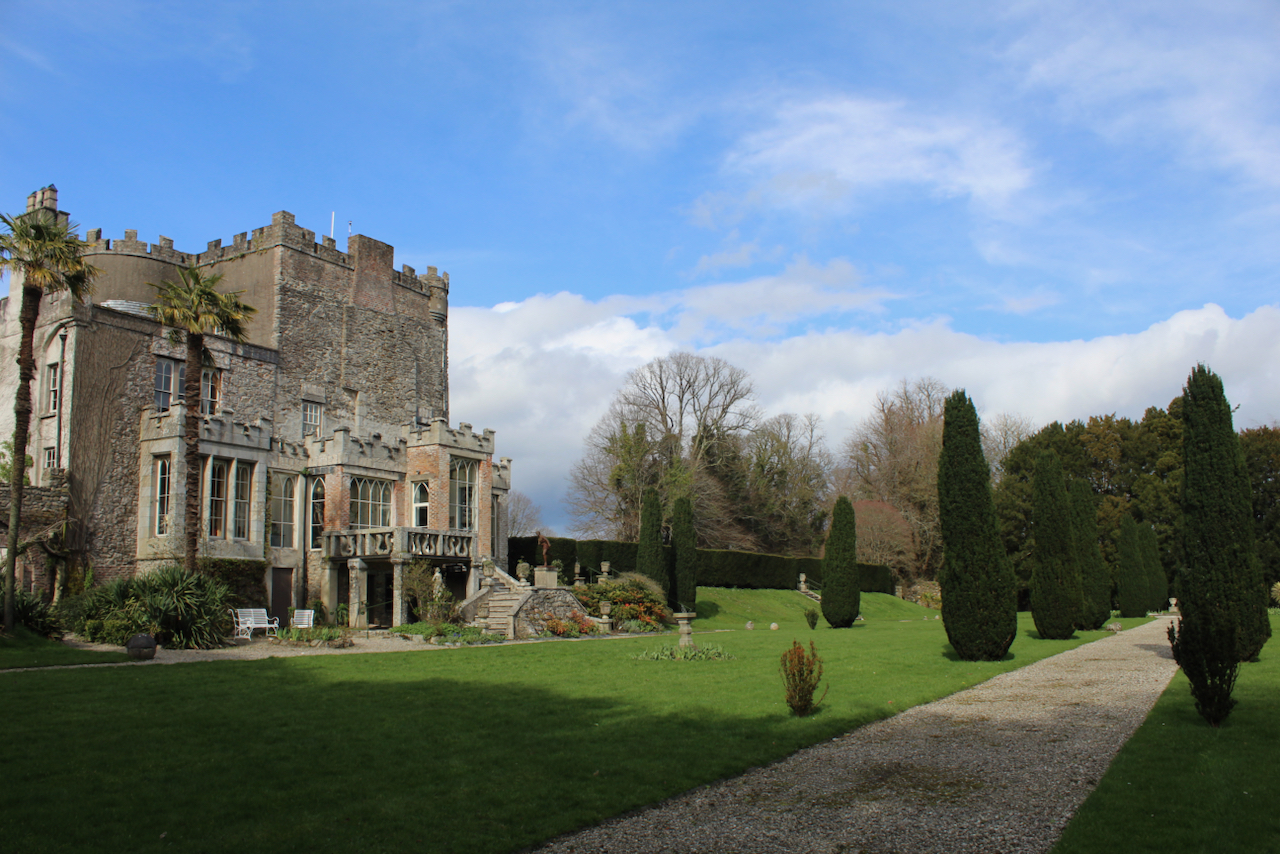
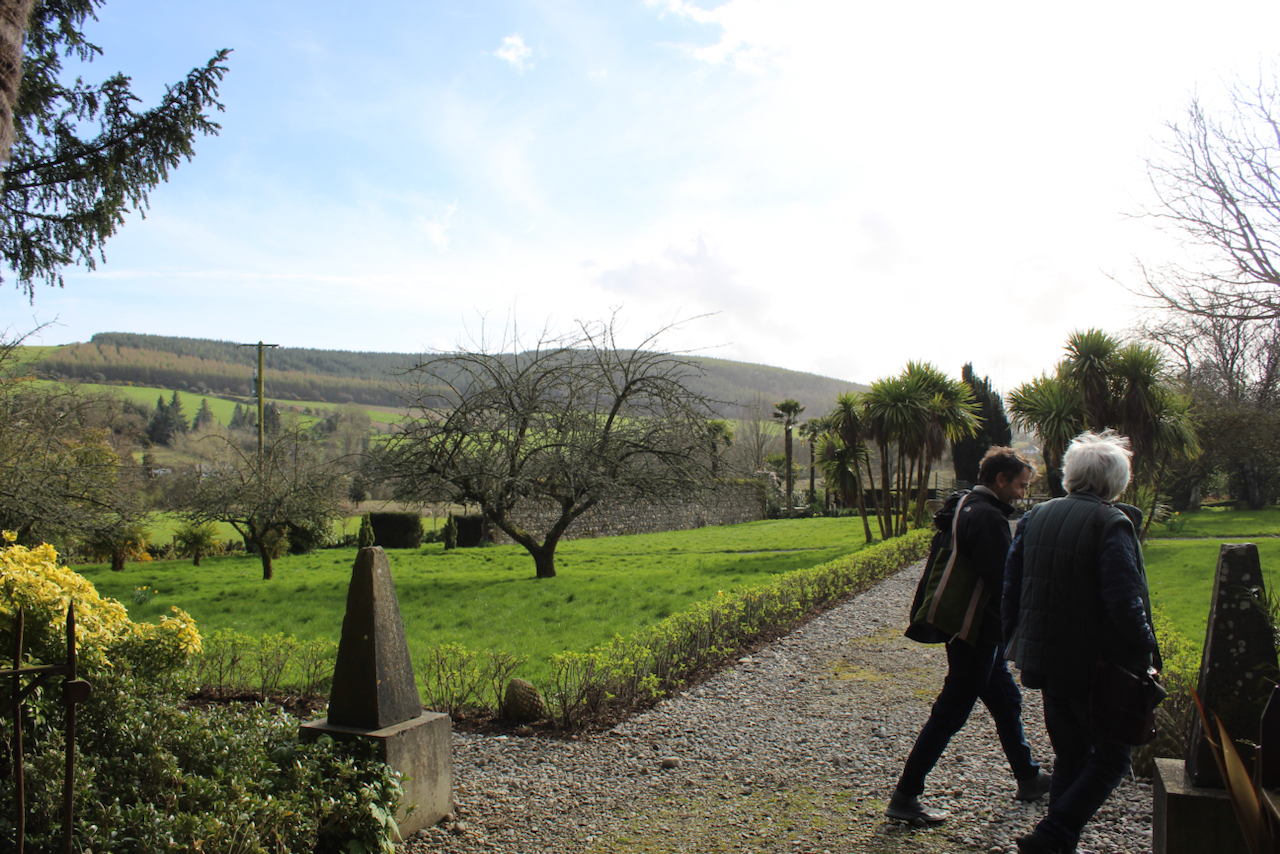
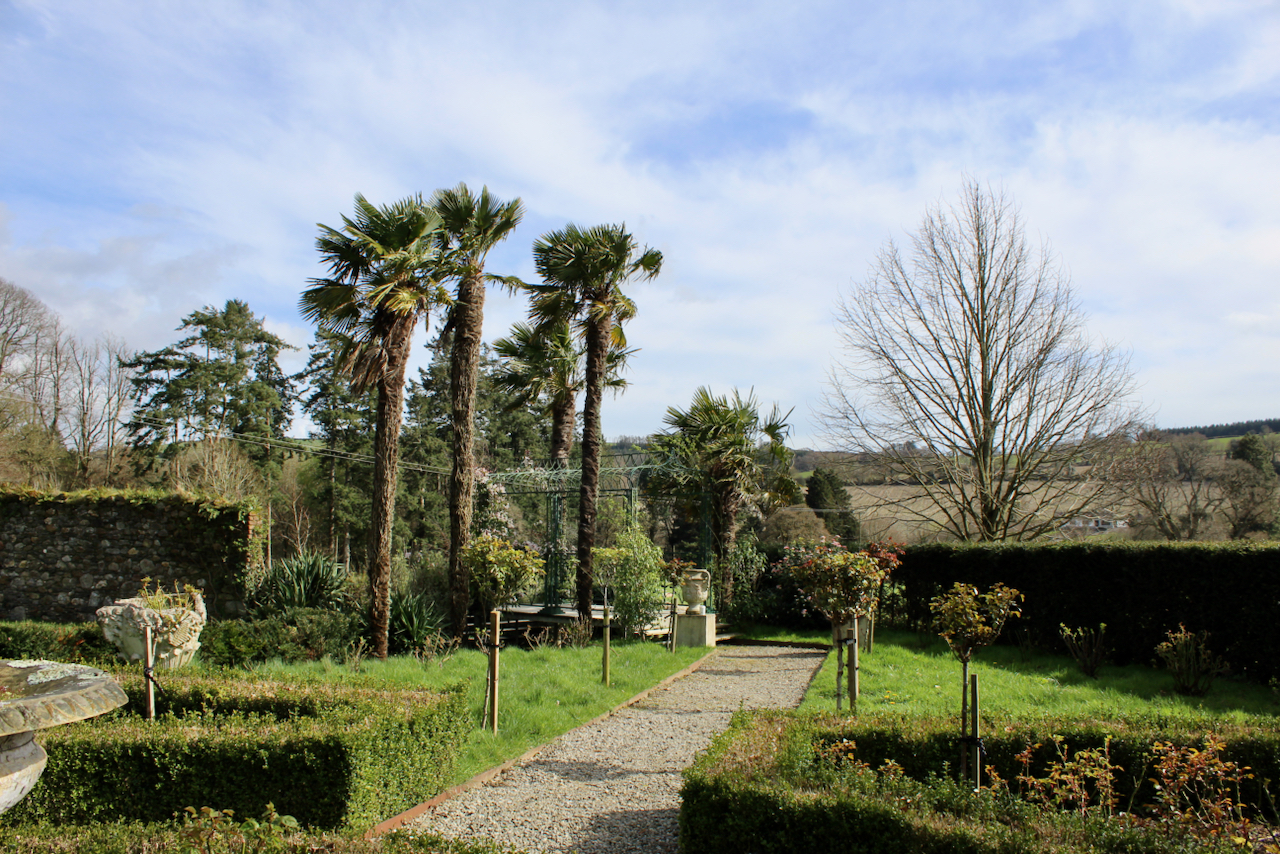
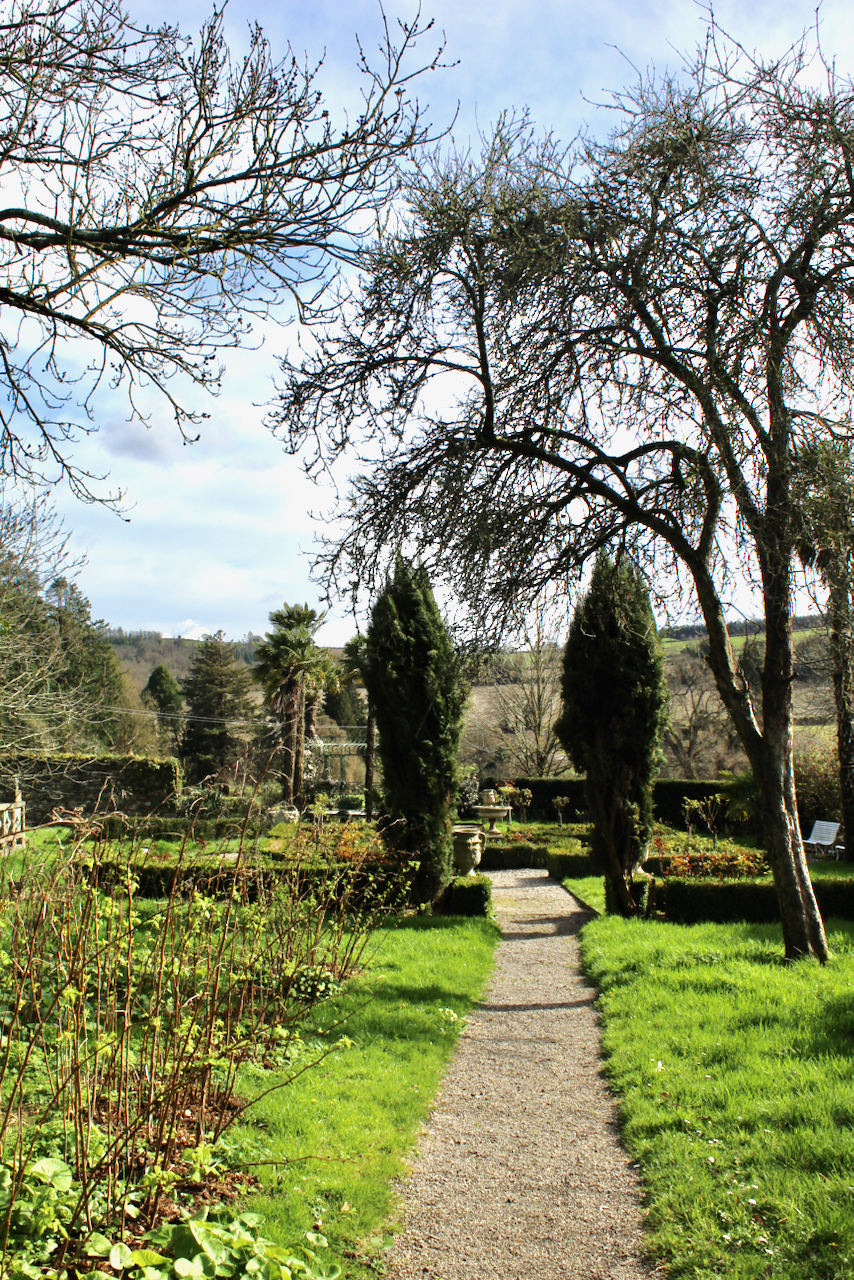
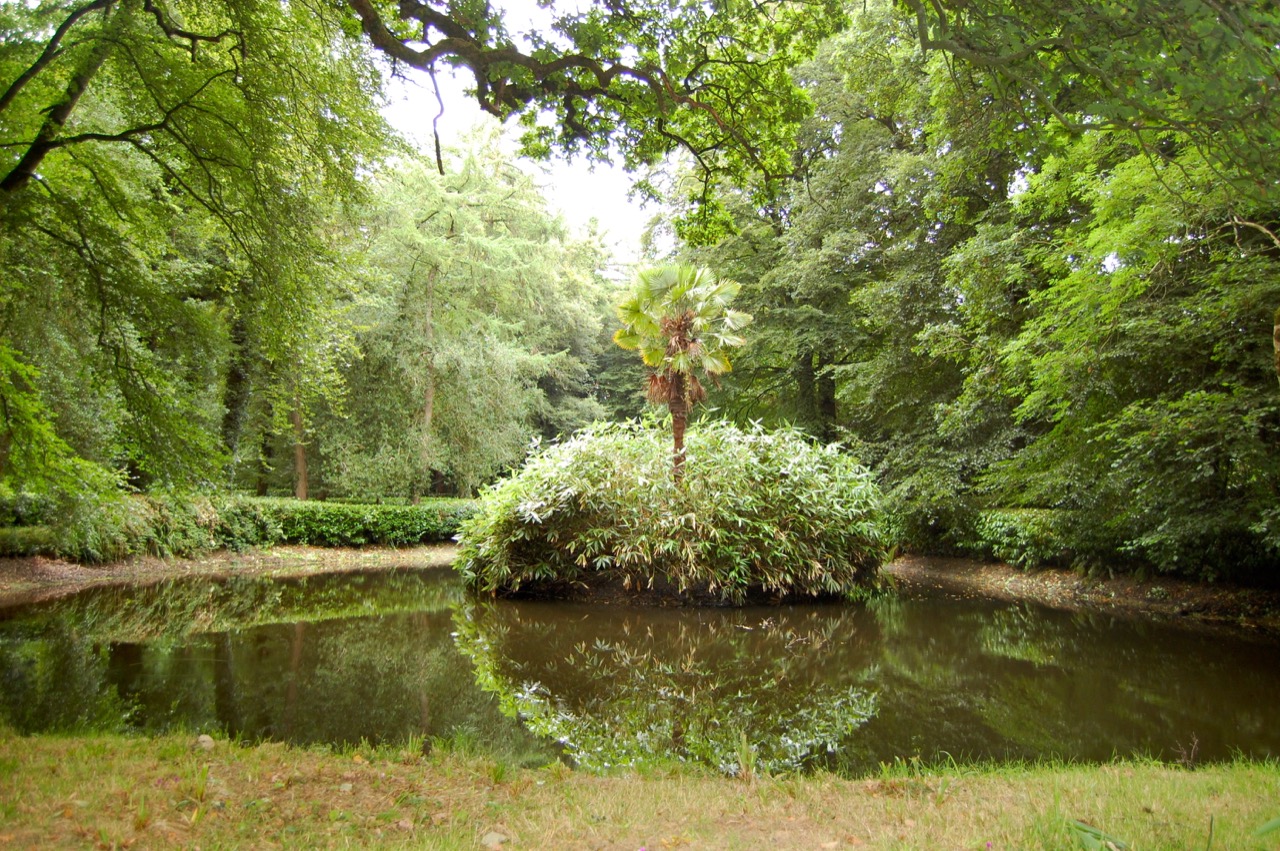
In the garden there are remnants of an eighteenth century lime walk, nineteenth century laurel lawns and some trees that were favourites in the Victorian age such as giant Sequoias.
Shankill Castle County Kilkenny 3rd June 2023.

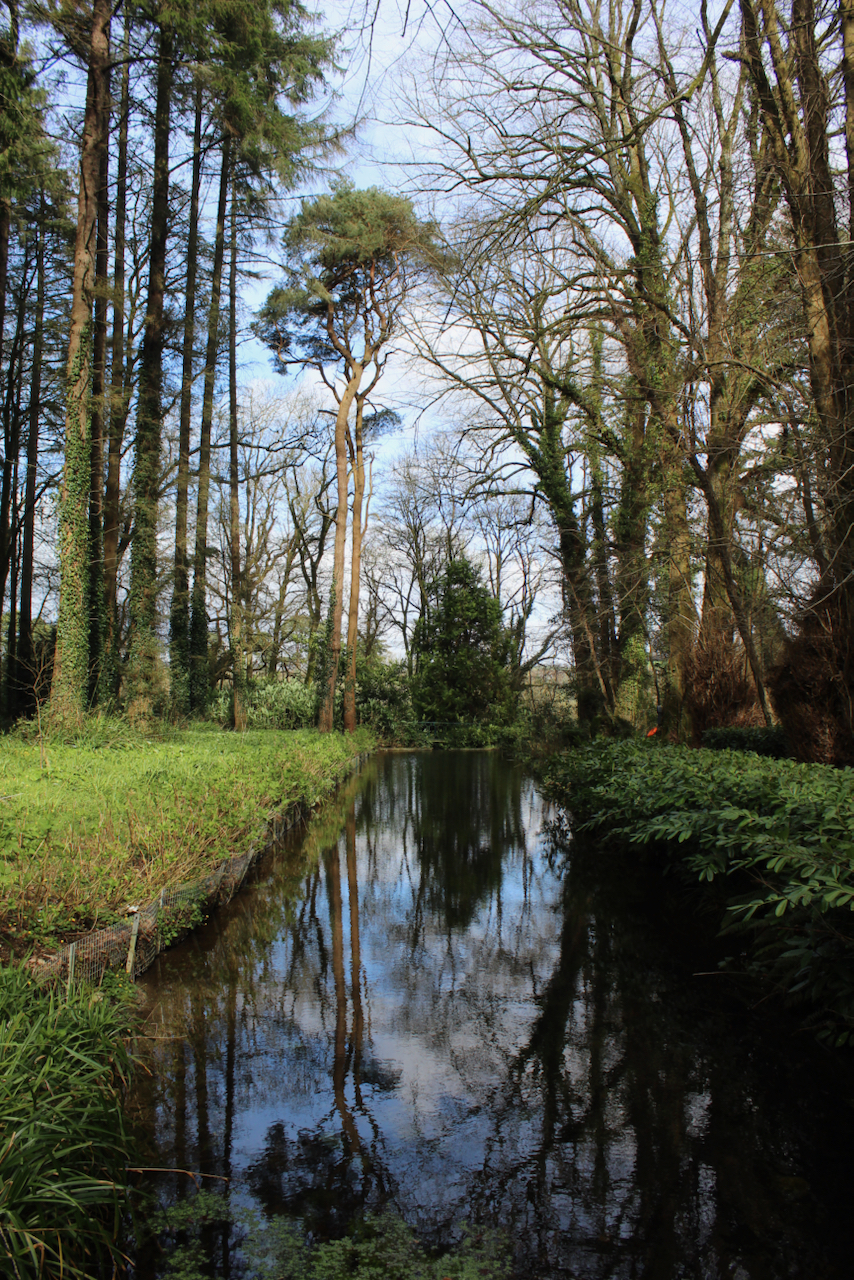
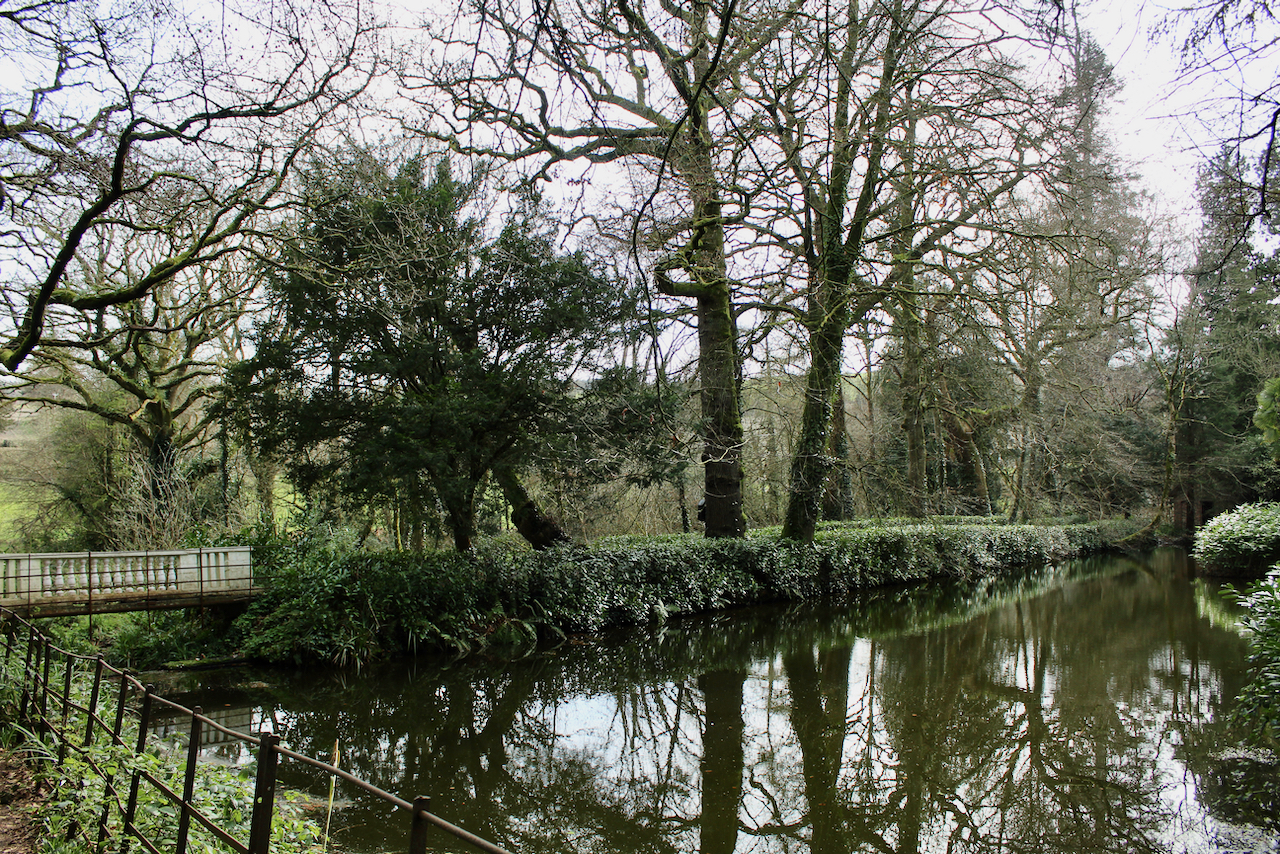
The website tells us that “In 1708, it was rebuilt by Peter Aylward who bought the land from his wife’s family. The new Shankill Castle was constructed as a Queen Anne house, set in a formal landscape, vista to the front and canal to the rear.

Peter Aylward was a Roman Catholic who fought in the Jacobite army in 1688-90. For this he was was outlawed, but he later conformed to the established Protestant church. [1]
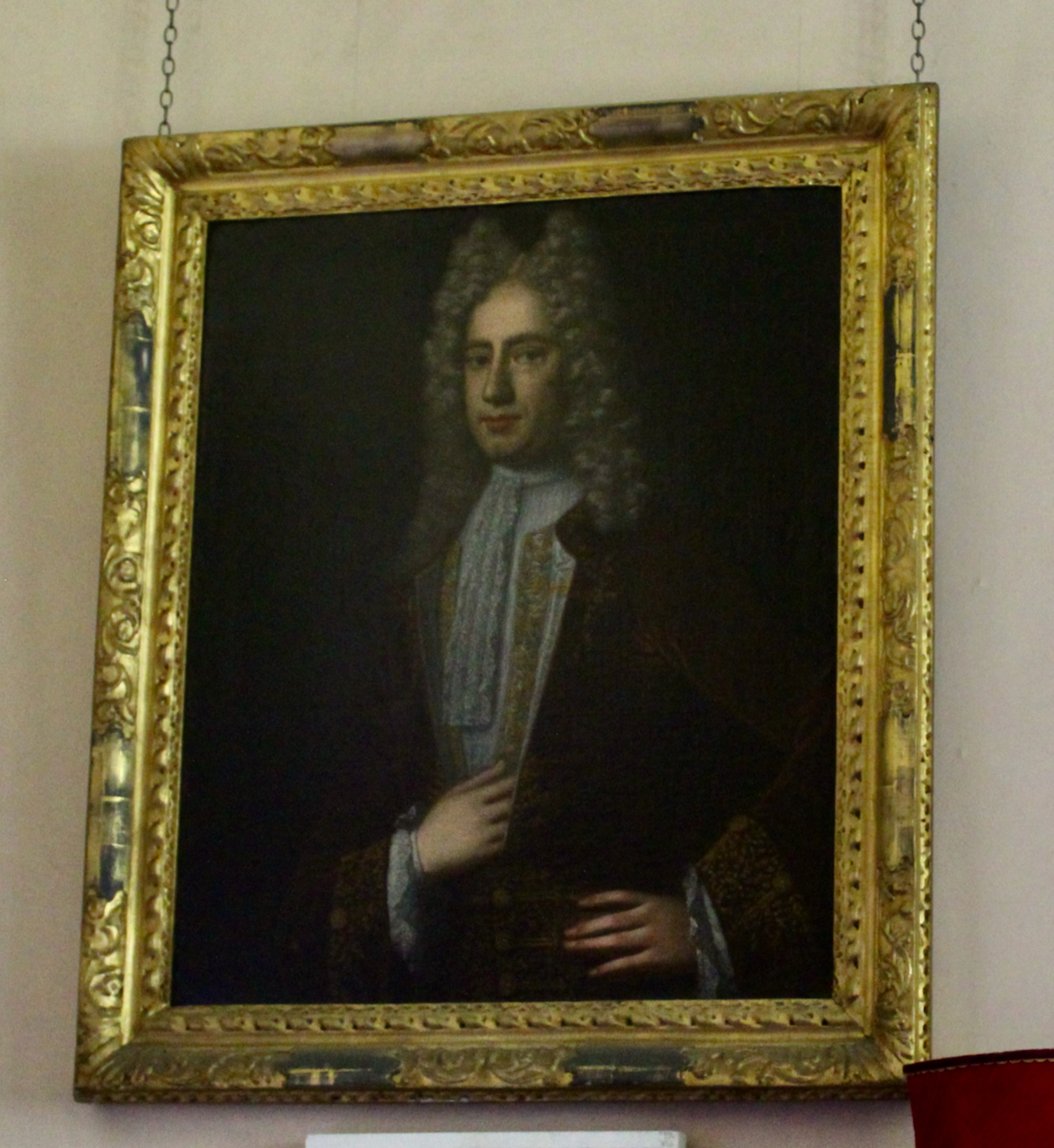
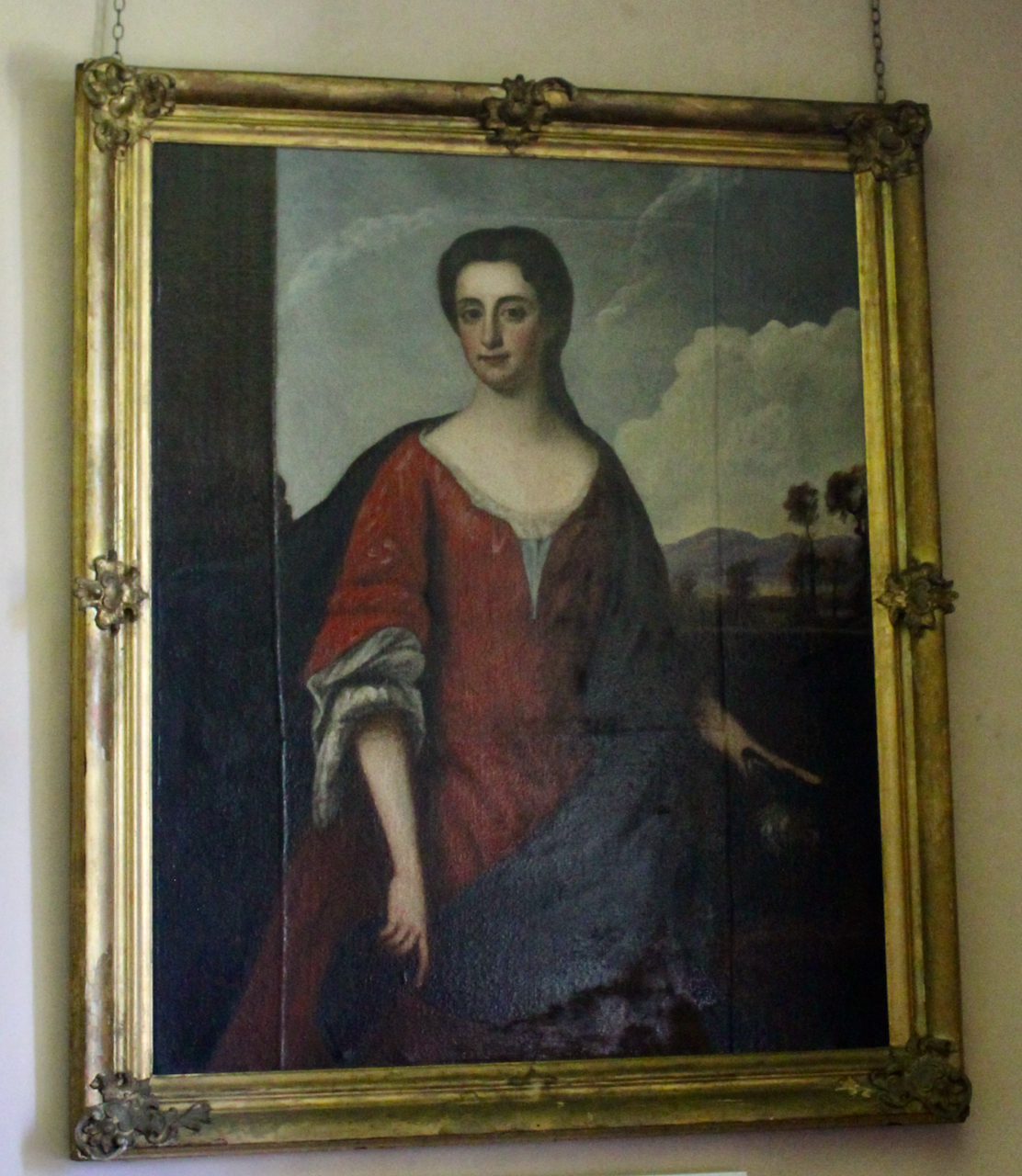
Peter Aylward who bought Shankill Castle from his wife’s family, portrait by Garret Morphy. Photograph © Jennifer Winder-Baggot, www.irishhistorichouses.com
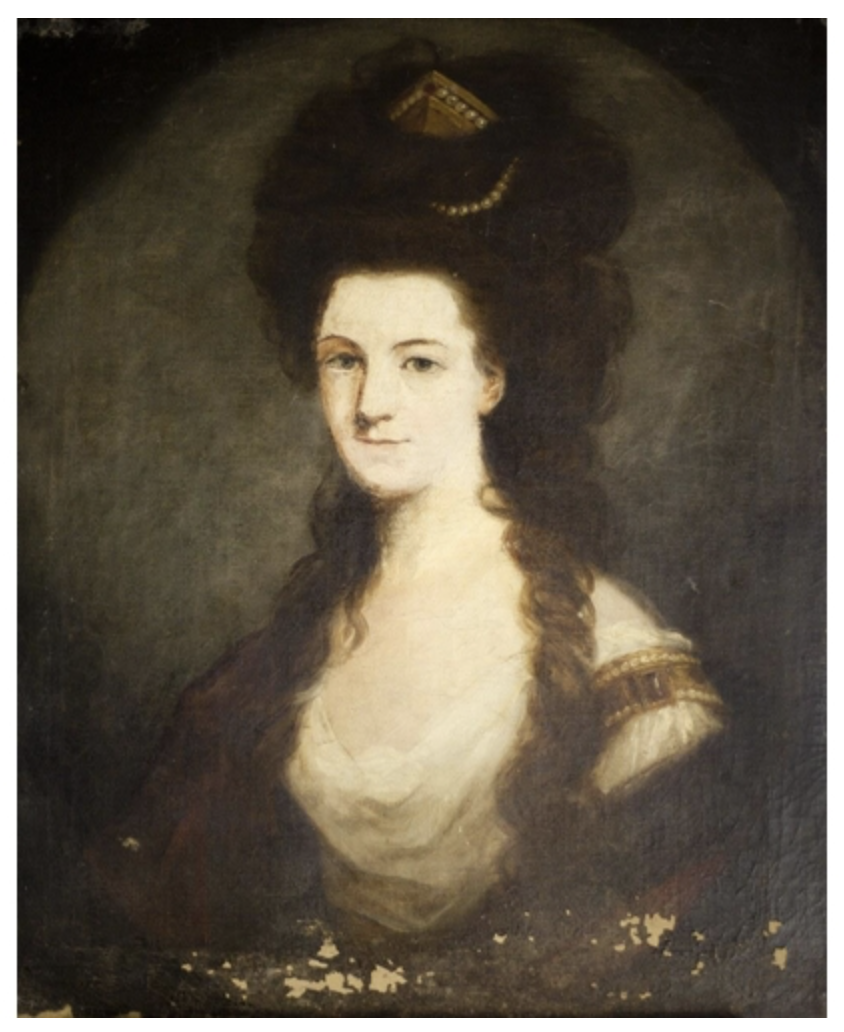
Elizabeth Butler (1674-1708), wife of Peter Aylward, daughter of Richard Butler, 2nd Baronet of Paulstown (or Poulstown), County Kilkenny. Photograph © Jennifer Winder-Baggot, www.irishhistorichouses.com
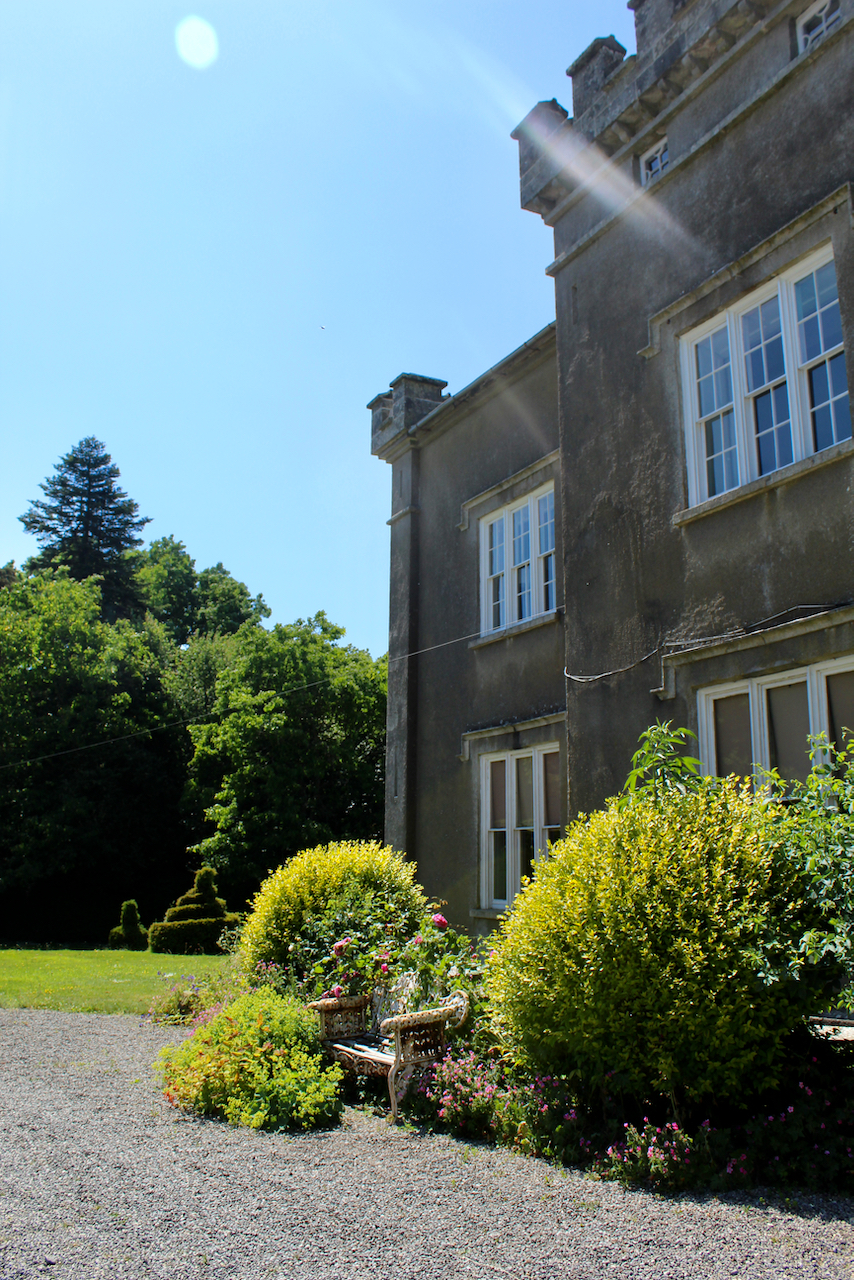
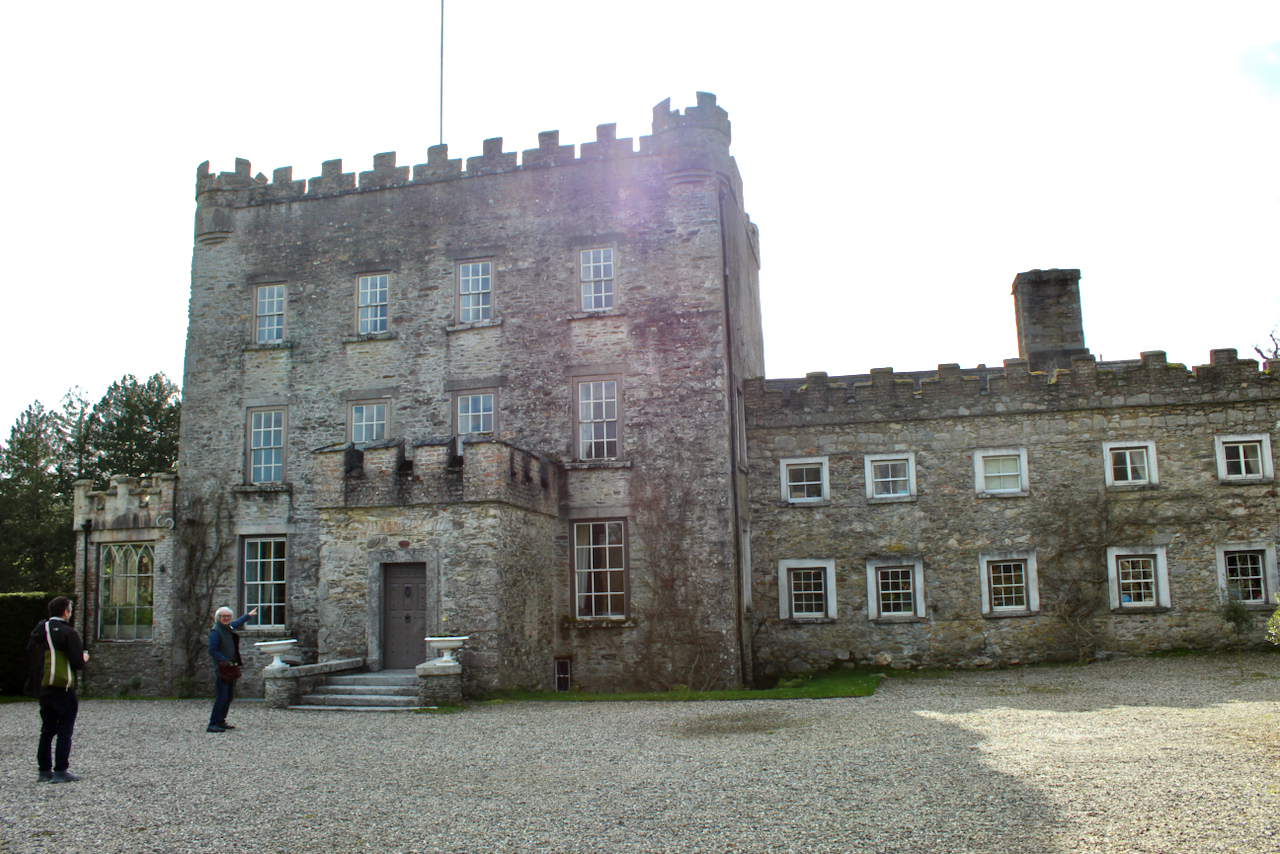
Shankill Castle County Kilkenny 3rd June 2023. To the left of the entrance porch is an advanced single bay two storey bay incorporating the 1600s tower house. Photograph © Jennifer Winder-Baggot, www.irishhistorichouses.com
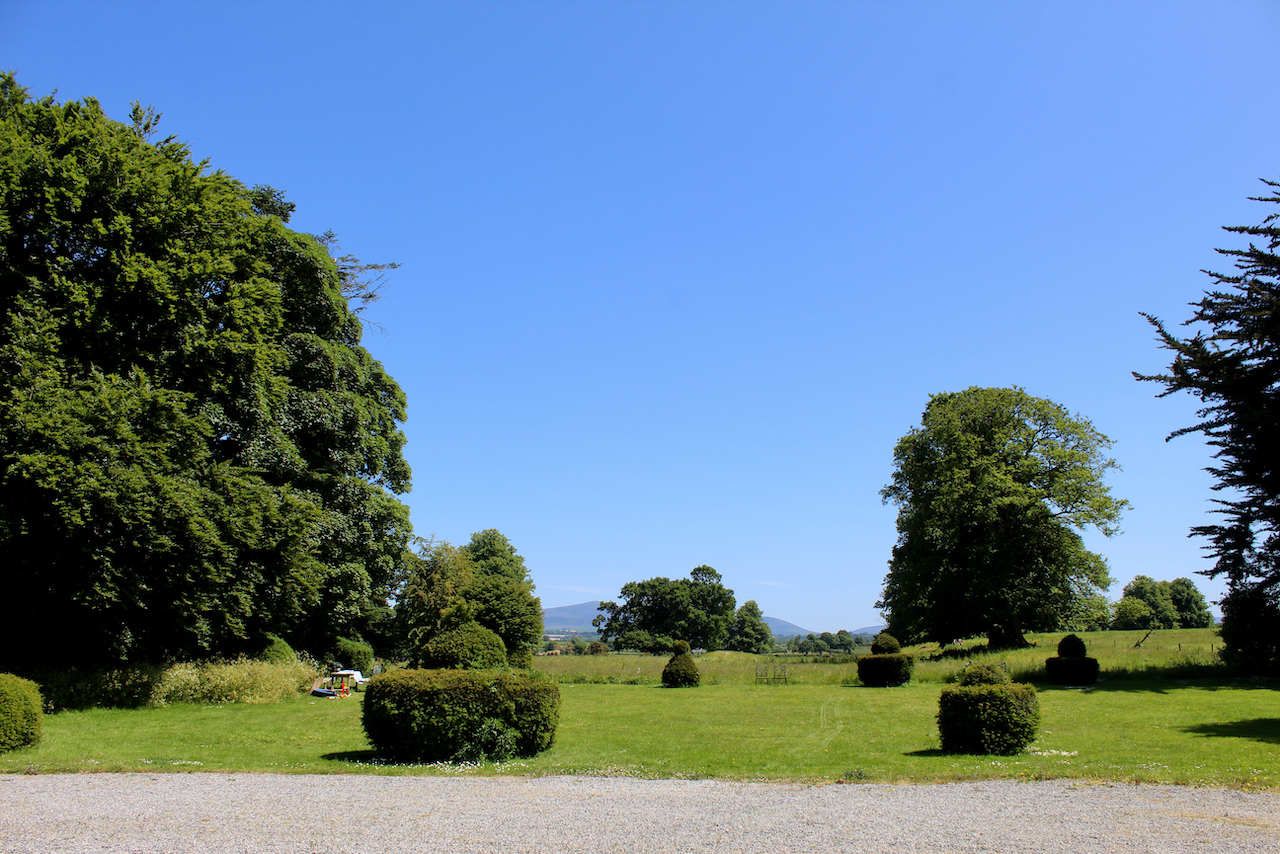
The view from the front of Shankill Castle County Kilkenny 3rd June 2023. Photograph © Jennifer Winder-Baggot, www.irishhistorichouses.com

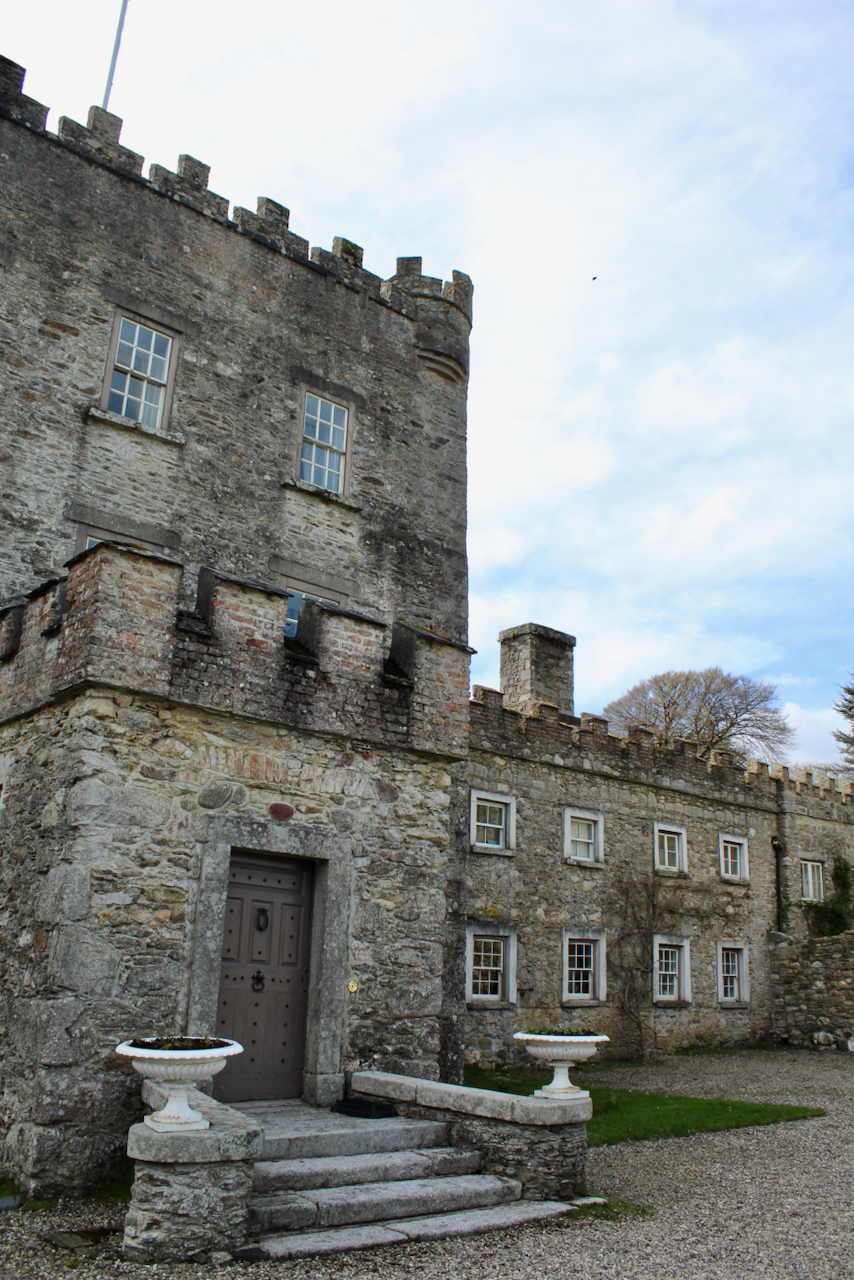
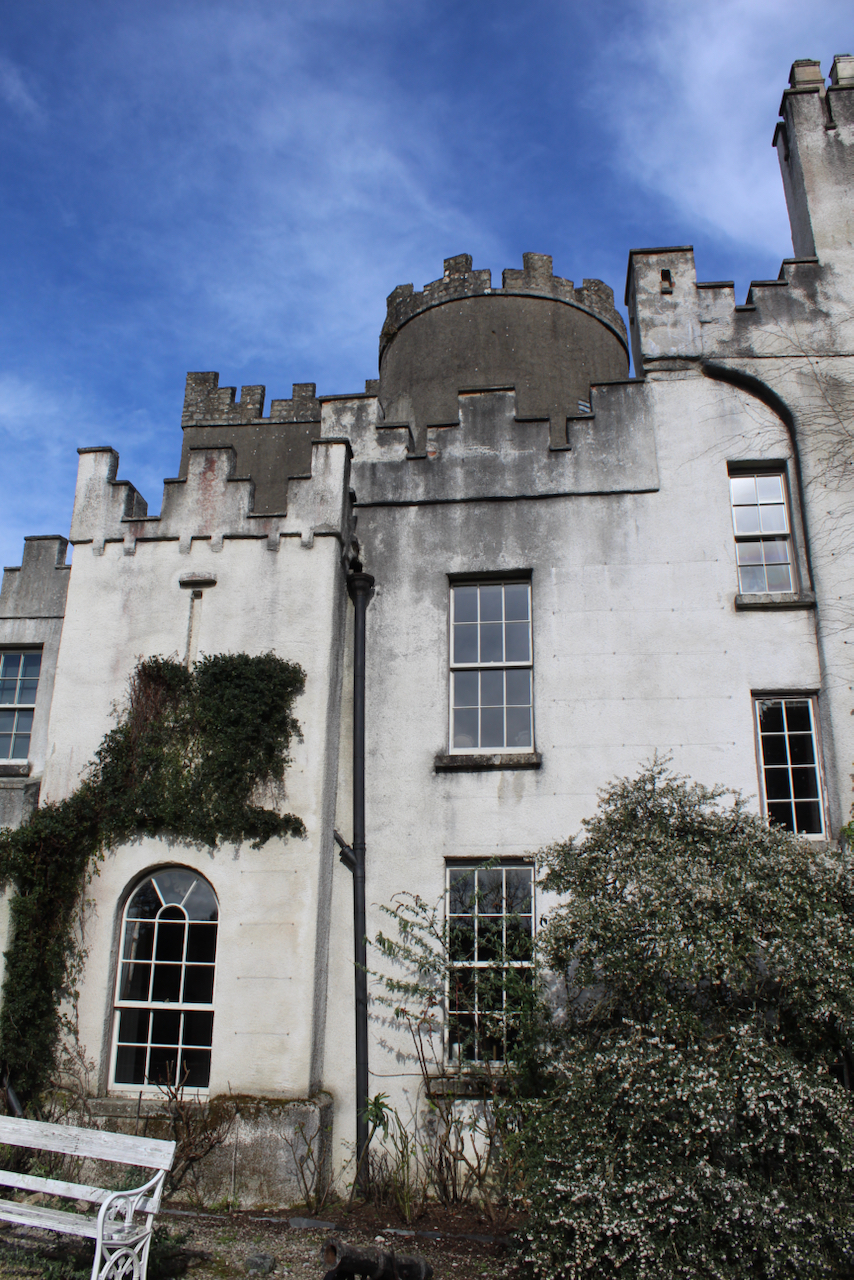
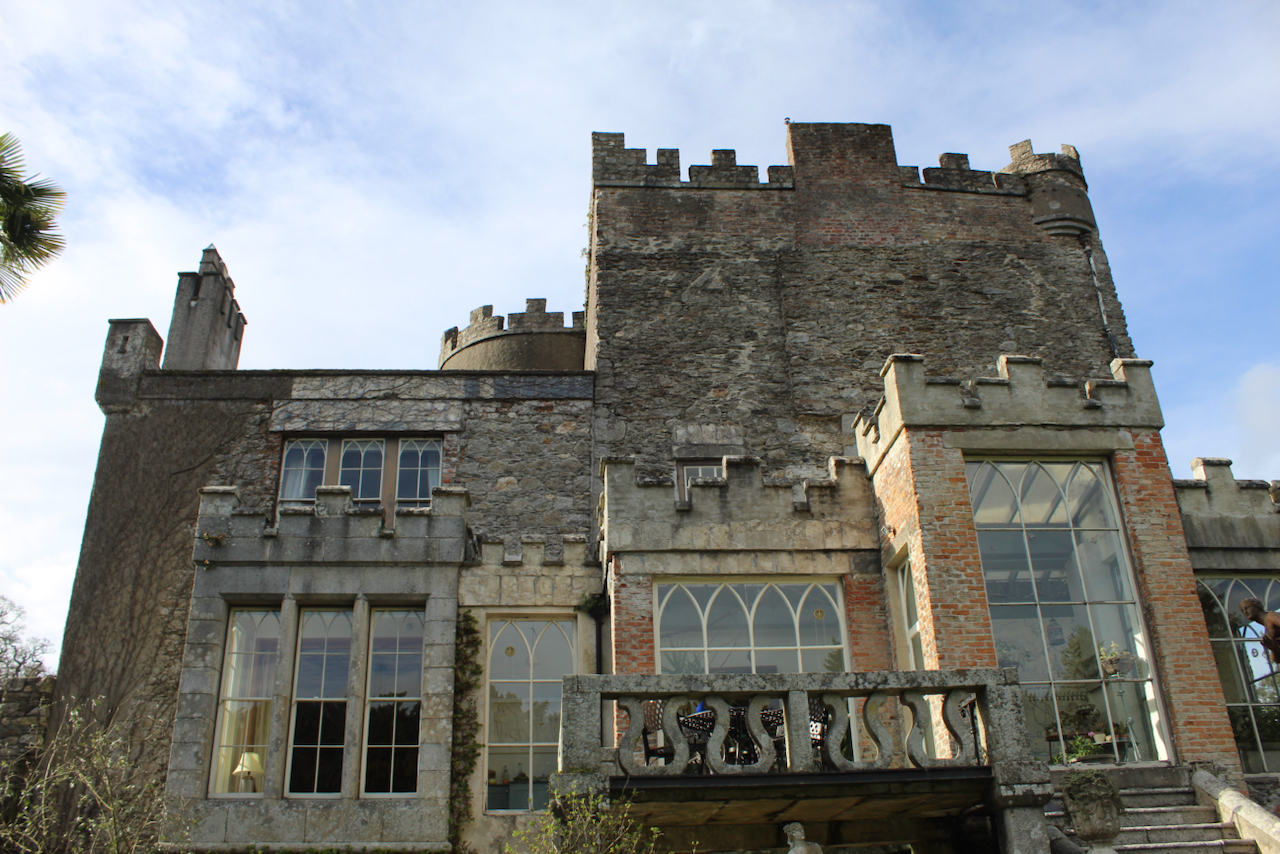
The house has battlemented full-height corner piers having slit-style blind apertures. The windows have hood mouldings. The house is delightfully higgeldy piggeldy with its enlargements and additions.
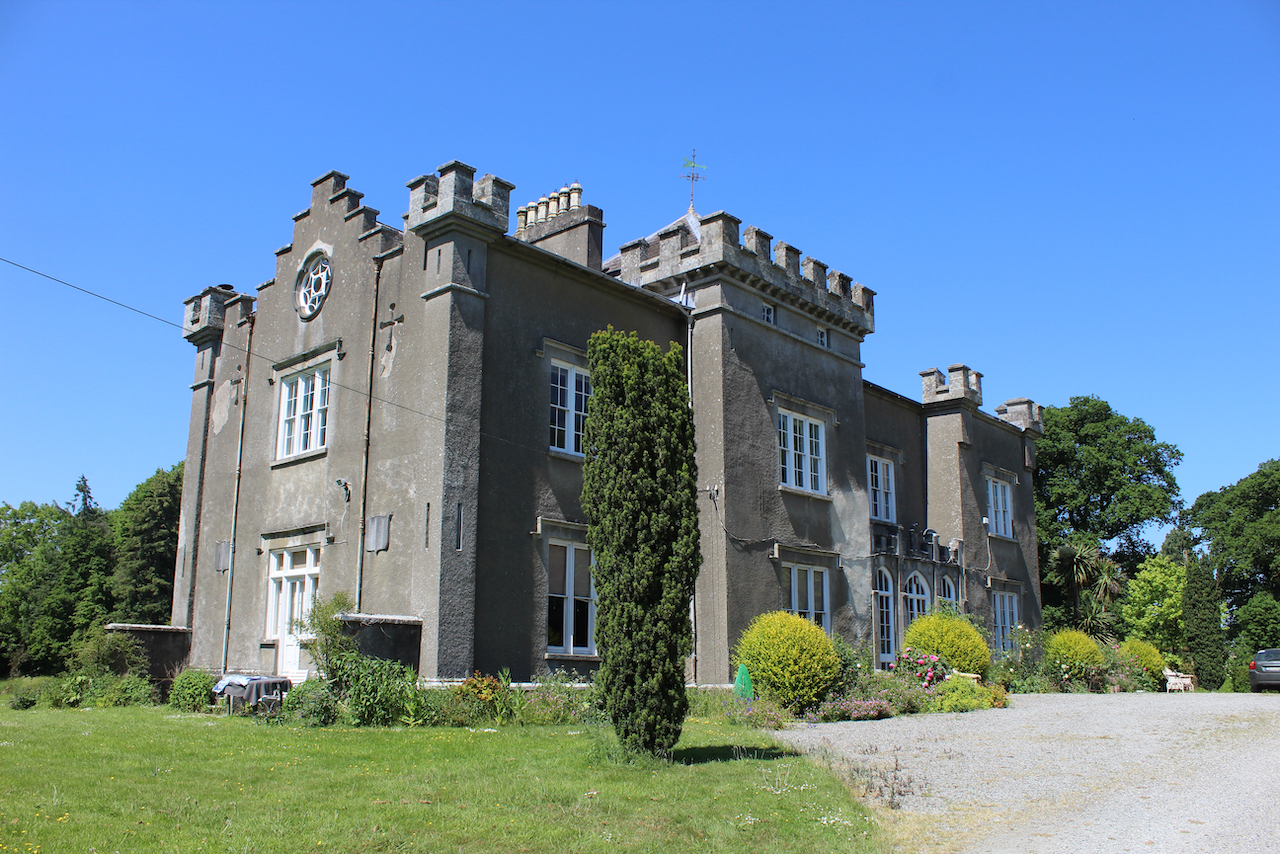
Shankill Castle County Kilkenny 3rd June 2023. Photograph © Jennifer Winder-Baggot, www.irishhistorichouses.com

Elizabeth Butler’s family owned Paulstown Castle, which was rebuilt in 1828 but is now a ruin.

Paulstown Castle, County Kilkenny, courtesy of National Inventory.

Peter Aylward and Elizabeth Butler had a son, Nicholas (d. 1756). He held the office of Member of Parliament (M.P.) for Thomastown and Sheriff of County Kilkenny in 1742. A website about landed families tells us that he was brought up Catholic but conformed to the established church in 1711. [see 1]. In August 1719 he married Catherine, second daughter of Maurice Keating of Narraghmore, Co. Kildare.

Their son, also named Nicholas (d. 1772), inherited Shankill Castle in 1756. That year, he married Mary Kearney, daughter of Benjamin Kearney of Blanchville (Co. Kilkenny). He held the office of High Sheriff in 1757. He died while his children were still young, and their mother had died in 1767, so the children were made wards of the Irish Court of Chancery, which in 1772 appointed their grandfather, Benjamin Kearney (d. 1784), as their guardian.

Shankill Castle County Kilkenny 3rd June 2023. Photograph © Jennifer Winder-Baggot, www.irishhistorichouses.com

After Mary née Kearney died, Nicholas married Susanna (d. 1775), widow of Edmund Waring. Susanna married a third time after Nicholas’s death, in October 1772, Rev. Henry Candler, and she died 4 August 1775.
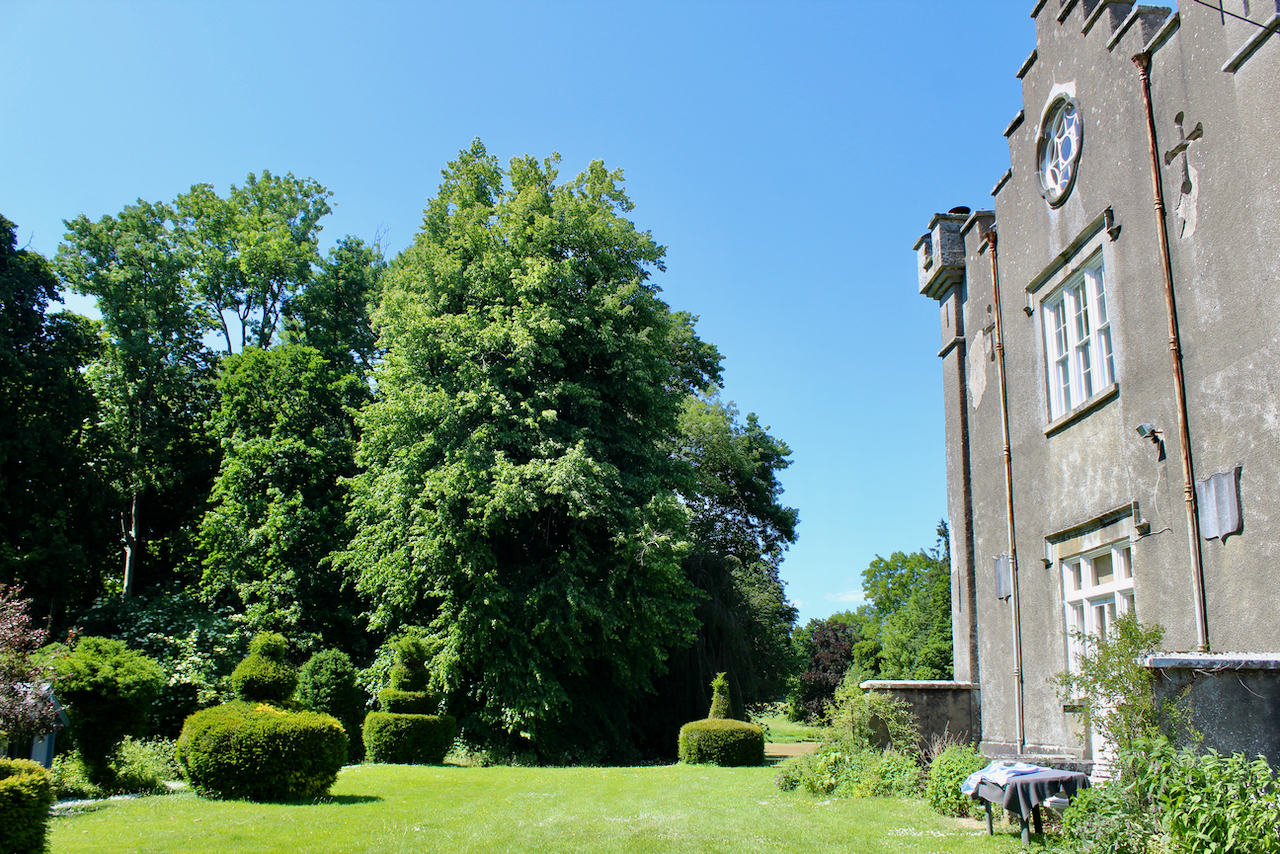
Shankill Castle County Kilkenny 3rd June 2023. Photograph © Jennifer Winder-Baggot, www.irishhistorichouses.com

Nicholas and Mary née Kearney’s eldest son, Peter (1758-92), came of age in 1779. It is said that he was “of weak mind” and that his Guardian exercised a large influence over him. In 1780 he married Anne Kearney of New Ross (Co. Waterford). They had a son, Nicholas John Patrick Aylward (1787-1832).

This son was only five years old when his father died and he inherited Shankill Castle. He was educated at Kilkenny and Trinity College, Dublin (admitted 1804). [see 1] In 1805 at the age of just 18 he married Elizabeth (d. 1851), eldest daughter of James Kearney of Blanchville (Co. Kilkenny). This James was son of Benjamin Kearney (d. 1784), the guardian of Nicholas John Patrick’s father, so this was probably an influencing factor. He came of age three years later in 1808. He was High Sheriff of Co. Kilkenny, 1816-17. In the 1820s, he remodelled Shankill Castle, hiring William Robertson.
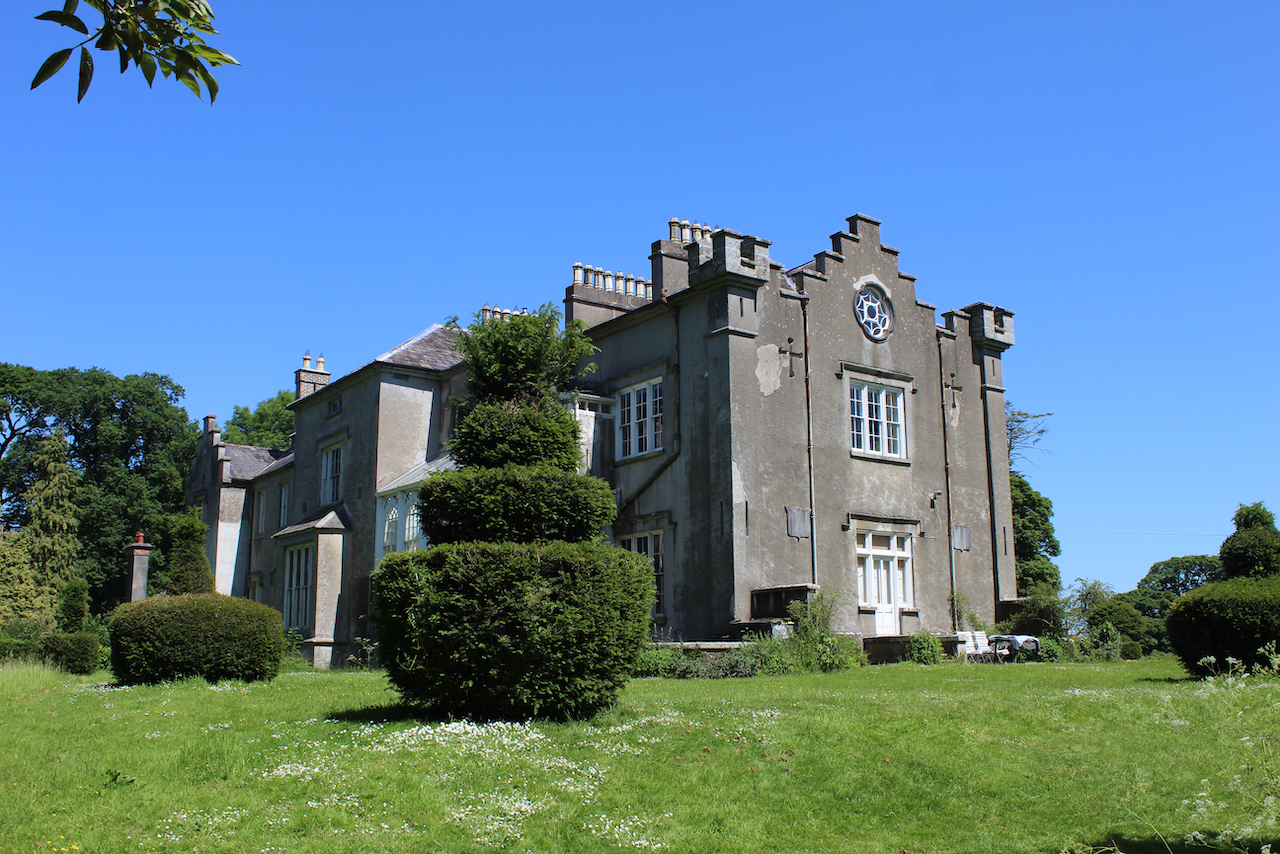
Shankill Castle County Kilkenny 3rd June 2023. Photograph © Jennifer Winder-Baggot, www.irishhistorichouses.com

A watercolour probably dating from the 1820s attributed to William Robertson shows a design proposal for alterations. For this reason, the changes to the house which were made for Nicholas Aylward (d. 1832) in the 1820s are attributed to William Robertson, although the proposal in the watercolour were not executed exactly as pictured. The end bays were crenellated and  linked by a Gothic porch, and one was raised to look like a tower. A new dining room running from the front of the house to the back was added on the left, and a castellated office wing on the right, effectively breaking up the symmetry of the original design. The back of the house, which is more irregular, is treated in much the same way, and adorned with a Gothic conservatory on the level of the half-landing of the stairs, carried on a stone arcade. [1]

The National Inventory describes it:

An impressive large-scale house built c. 1825 to designs prepared by William Robertson (1770-1850) for the Aylward family forming a picturesque landmark of Romantic quality in the landscape. The complex form and massing of the composition attests to the evolution of the site over a number of centuries with the present house incorporating the fabric of an early eighteenth-century range together with a medieval tower house, thereby representing the continuation of a long-standing presence on site.” [2]

The architect William Robertson was born in Kilkenny in 1770. The Dictionary of Irish Architects tells us he was probably a son or close connection of the nurseryman, William Robertson, who traded as ‘William Robertson and Son’ in Kilkenny. [3] The Dictionary adds that identifying his works is complicated by the fact that the names ‘Robertson’ and ‘Robinson’ are often confused, but it is possible that he may already have received at least one architectural commission as early as 1794, for stables at Woodstock, Co. Kilkenny. He seems to have worked in London for a time then moved back to Kilkenny.

The Dictionary of Irish Architects tells us of William Robertson:

Robertson was back in Kilkenny by 1801, when he was entrusted with the design of the new county gaol. In Kilkenny he developed a busy architectural practice. It appears that he may have had the Earl of Ormonde as a client as early as 1802 and that he was working with a partner named Wylie for a time circa 1804. Joseph Bourke, Dean of Ossory, suggesting to William Gregory in 1813 that Robertson might be employed to enlarge the barracks at Kilkenny, describes him, perhaps with some exaggeration, as ‘a very eminent architect in this part of the world, who has had the building of most of the public Edifices in the South, &c.’. In the same year Robertson reported to the Dean and Chapter of St Canice’s Cathedral on the fabric of the cathedral.

William Robertson died at Rosehill, the house which he had built for himself on the Callan road, in May 1850.” [4]
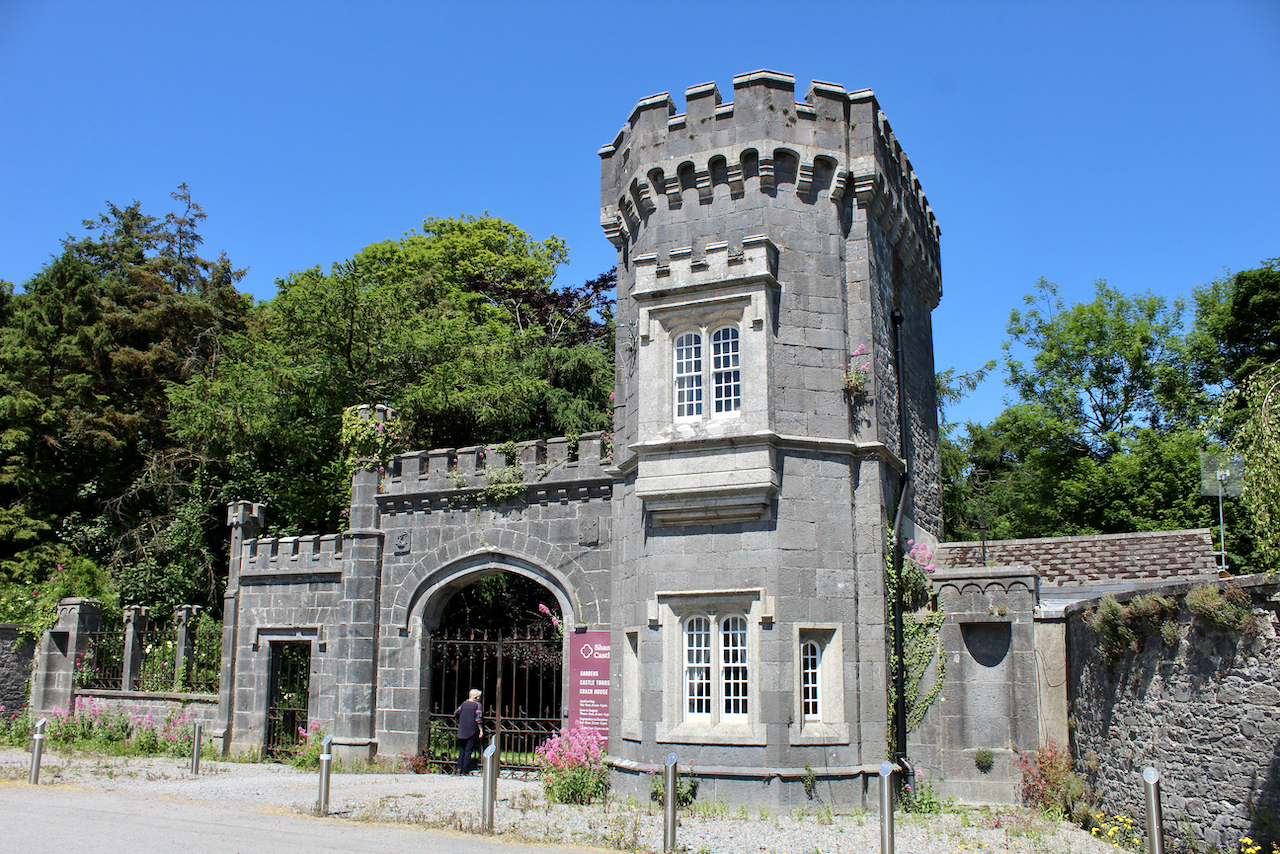
Gateway and lodge, c. 1825, probably originally conceived by William Robertson (1770-1850) according to the National Inventory, Shankill Castle, County Kilkenny, 3rd June 2023. Other sources seem to point to Daniel Robertson (d. 1849) as the designer. Photograph © Jennifer Winder-Baggot, www.irishhistorichouses.com

The history of Shankill Castle and Blanchville were further linked in the next generation. Nicholas John Patrick Aylward and Elizabeth née Kearney had a son, James Kearney Aylward (later Kearney-Aylward) (1811-84). He assumed the additional name of Kearney in 1876, on succeeding to a part of the estates of his cousin James Charles Kearney of Blanchville.

Blanchville, County Kilkenny, courtesy National Inventory.

Blanchville still stands and it has notable Tudor Revival stable building, built 1834, in the style of Daniel Robertson, which are now available for accommodation (see https://blanchville.ie/ ). Daniel Robertson built a memorial for Captain James Kearney, sometime between 1834-47, according to the National Inventory.

Single-bay four-stage Tudor Gothic-style bell and clock tower, built 1834/47, on a square plan, set back from road in grounds shared with Blanchville House, County Kilkenny. Built for Captain James Kearney, to designs prepared by Daniel Robertson, reputedly citing Sir Christopher Wren’s (1632-1723) Saint Mary’s Church (1670), Aldermanbury. Courtesy National Inventory.

The Heritage Council provided a grant to restore the tower in 2004.

Tudor Gothic-style bell and clock tower, built 1834/47, on a square plan, set back from road in grounds shared with Blanchville House, County Kilkenny. Built for Captain James Kearney, to designs prepared by Daniel Robertson. Photograph courtesy National Inventory.

James Kearney Aylward held roles as Sheriff, Deputy Lieutenant and Justice of the Peace. In 1853 he married Isabella Forbes. She was the widow of Beauchamp Bartholomew Newton (1798-1850) of Rathwade, County Carlow (a house attributed to Daniel Robertson). However, she did not have children by either of her marriages.

Rathwade, County Carlow, attributed to Daniel Robertson, courtesy of Colliers estate agents and myhome.ie

Therefore when James Kearney-Aylward died in 1884, Shankill Castle passed to his nephew, Hector James Charles Toler (1839-1918, later Toler-Aylward). [see 1] Hector was the son of James Kearney-Aylward’s sister Mary (d. 1880) who had married Reverend Peter Toler (d. 1883) of Bloomfield, County Roscommon.

Before James Kearney-Aylward died, he undertook further renovations of Shankill Castle, under the direction of William Deane Butler. The Archiseek website tells us that William Deane Butler (1793-1857) studied at the Dublin Society Schools and was a founding member of the Royal Institute of Architects in Ireland as well as the Society of Irish Artists, and he was also an engineer. Among his most important works are Amiens Street Station (now called Conolly Station) in Dublin, Kilkenny’s Catholic Cathedral, and Sligo Asylum. [5]

A conservatory attributed to Richard Turner or Joseph Paxton was added, but this has been removed.
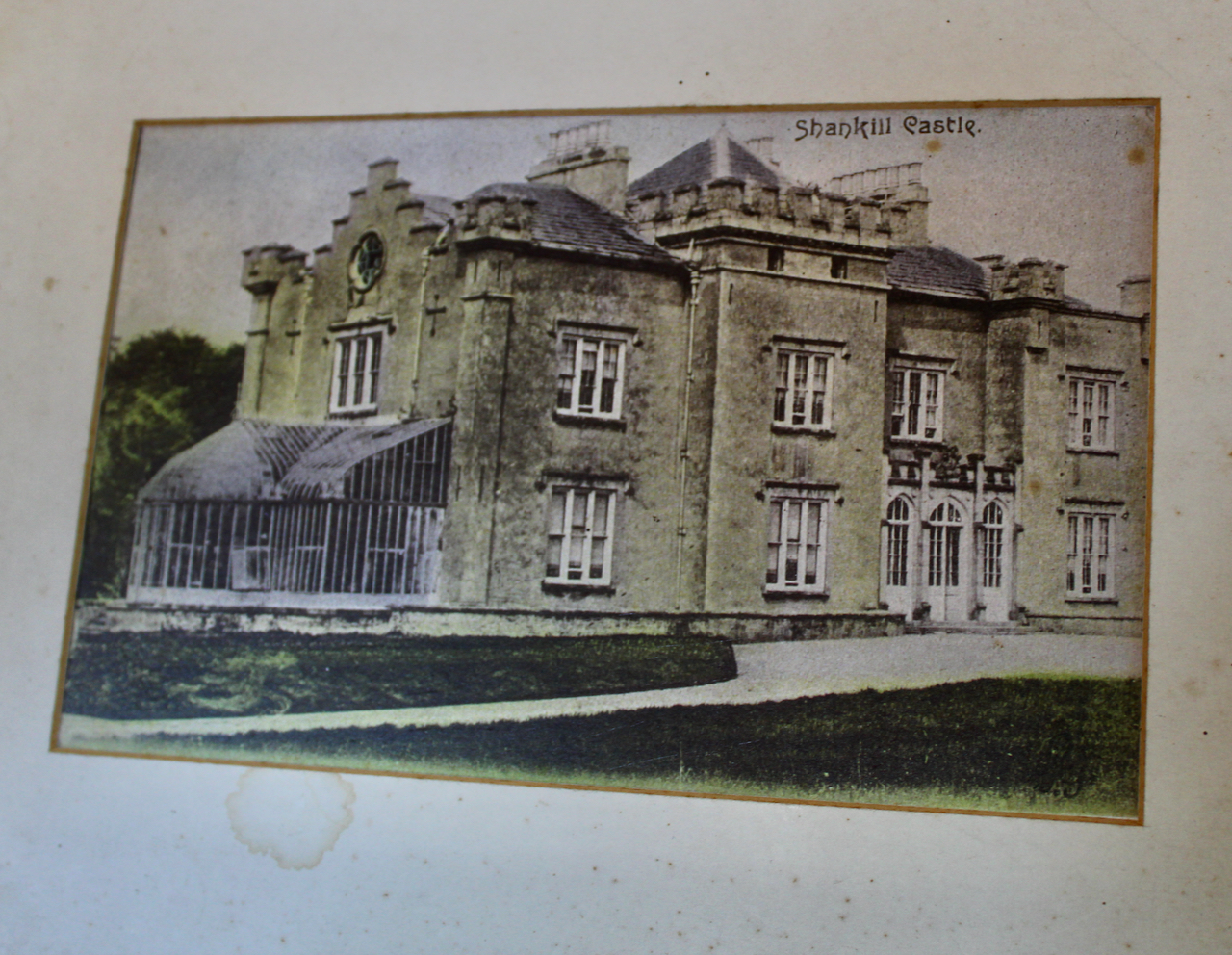
An old postcard of Shankill Castle, with the original conservatory, which was removed.

The National Inventory continues: “Meanwhile the traces of renovation works carried out under the direction of William Deane Butler (c.1794-1857) together with accounts of a conservatory (post-1859; dismantled, post-1902) attributable to Richard Turner (1798-1881) indicate the continued development of the house well into the latter half of the nineteenth century. A riot of advanced and recessed bays, battlements, crow-stepped gables, and so on are carefully orchestrated to disguise the earlier disparate ranges in a cohesive architectural skin while supplementary fine details further embellish the architectural design value of the composition. Having been well maintained the house presents an early aspect with most of the historic fabric surviving in place both to the exterior and to the interior where it is believed that an original decorative scheme of artistic significance survives largely intact.” [2]

The front porch was in place when the original conservatory was still at the side of the house, as in the old postcard.
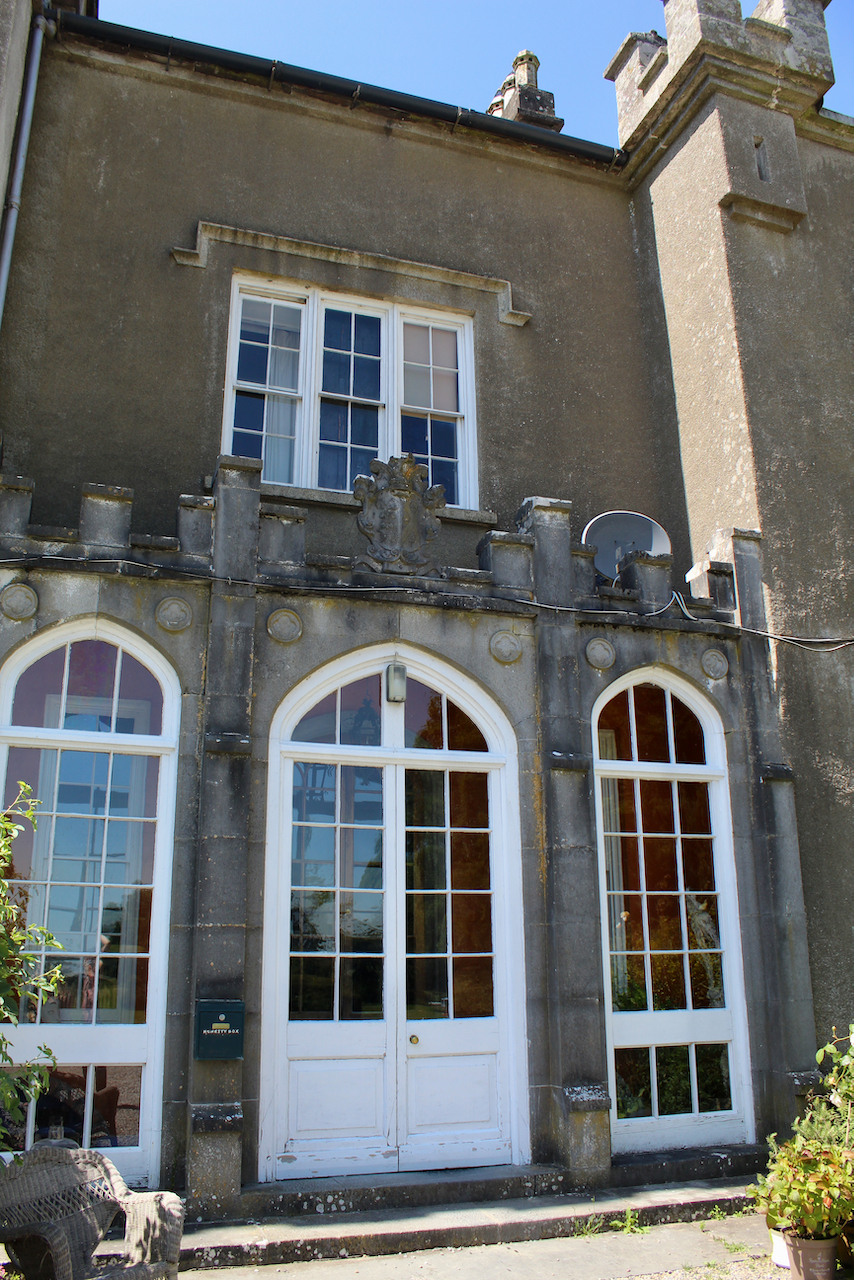
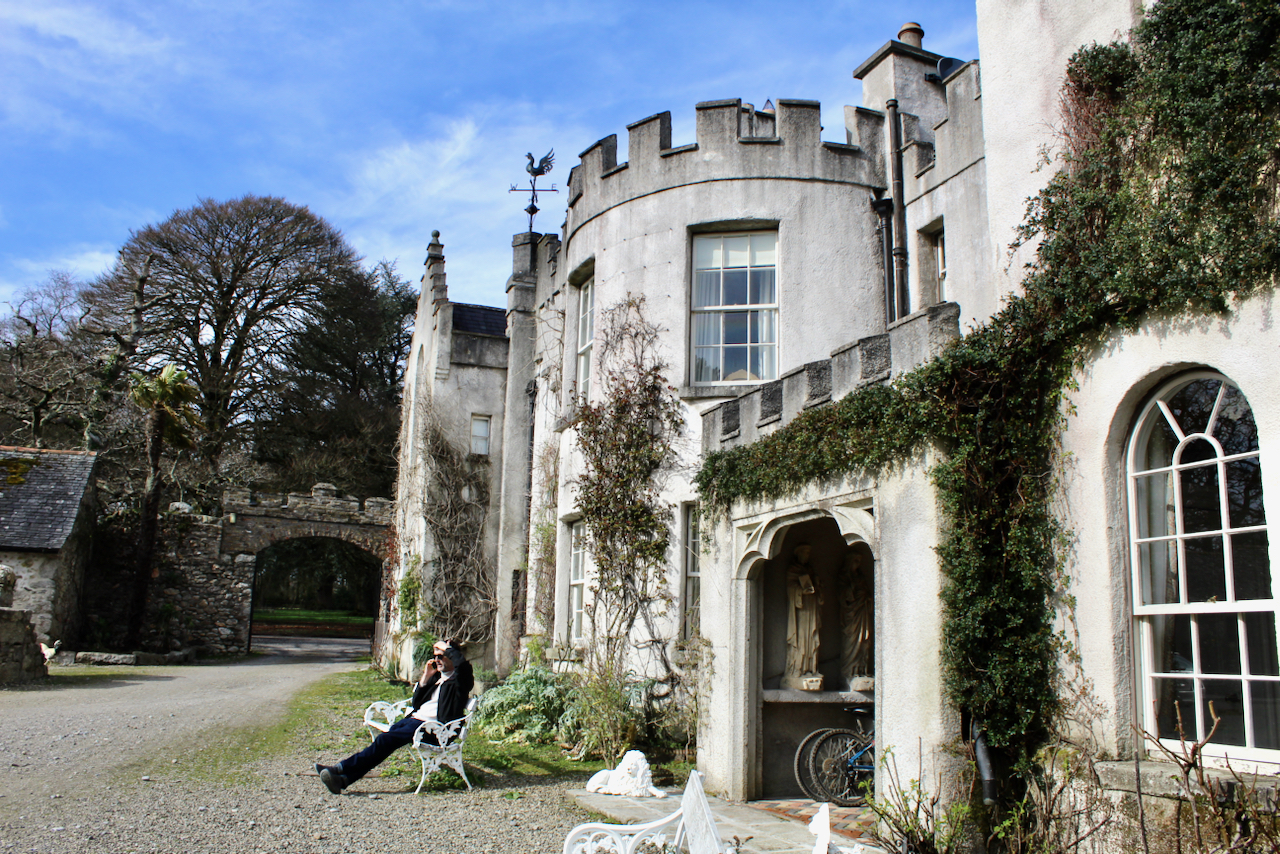
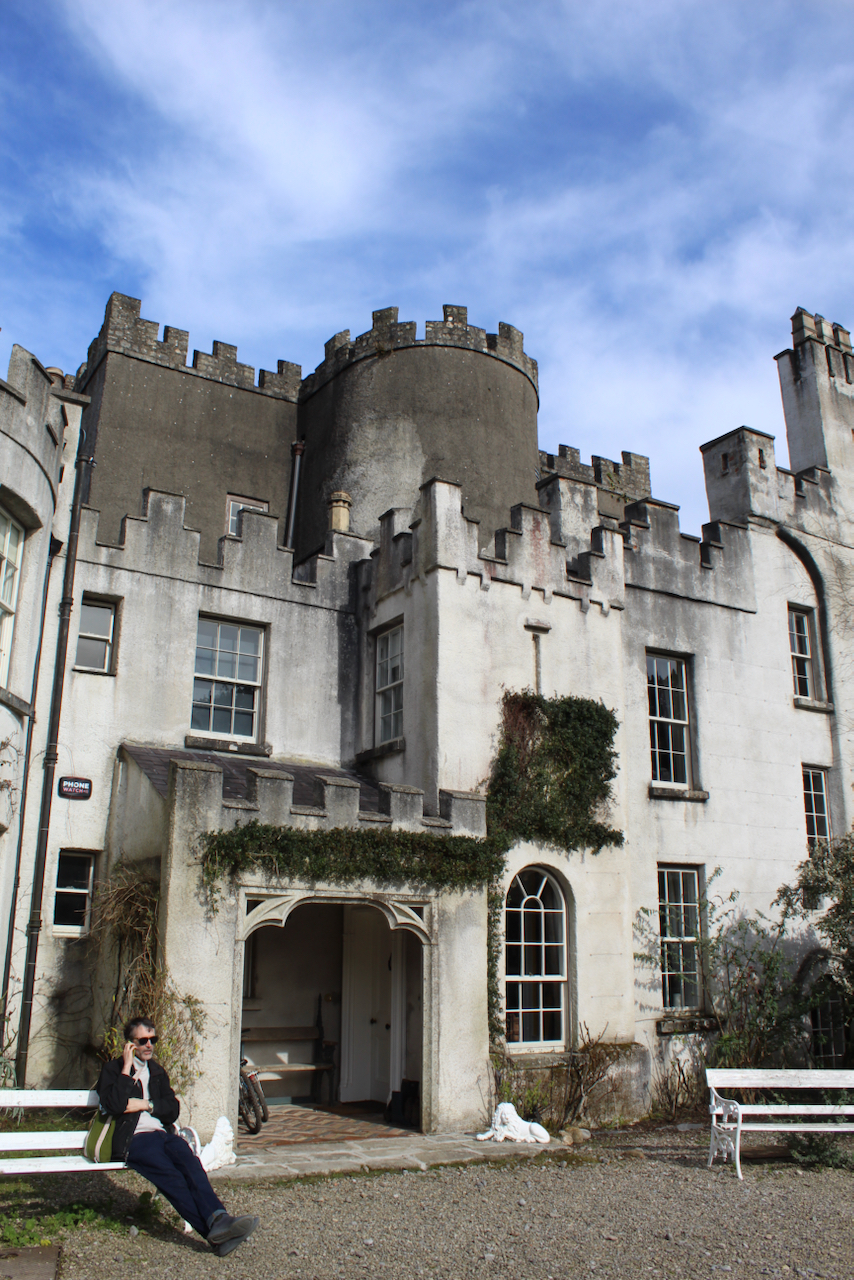
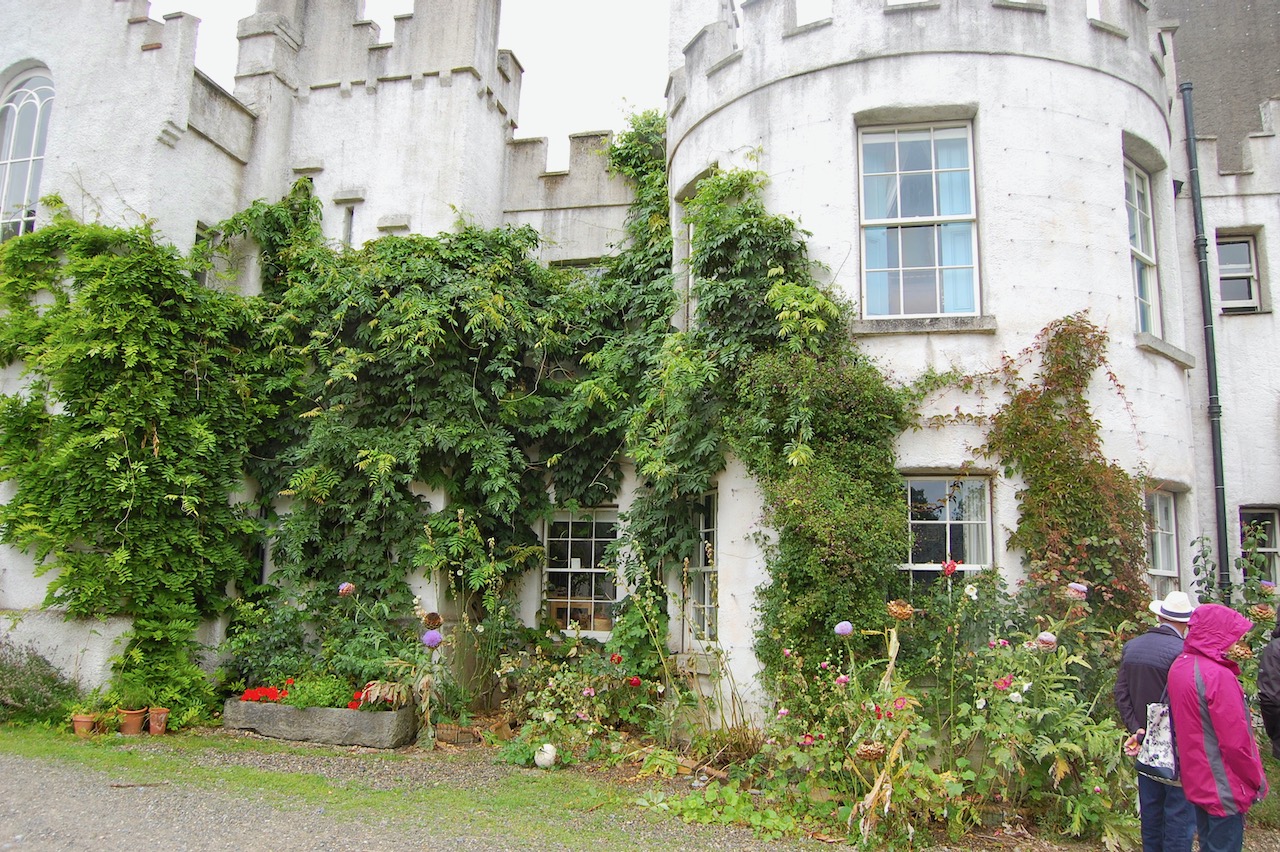
The Gothic porch, a later addition, Shankill Castle County Kilkenny 3rd June 2023. Photograph © Jennifer Winder-Baggot, www.irishhistorichouses.com
Shankill Castle County Kilkenny 3rd June 2023, the Aylward crest on the porch. Photograph © Jennifer Winder-Baggot, www.irishhistorichouses.com

Mark Bence-Jones writes in his  A Guide to Irish Country Houses (1988):

“(Toler-Aylward/IFR) ….This early C18 house appears to have had a recessed centre and projecting end bays. Some time ante 1828, the end bays were crenelated, one of them being raised to look like a tower; and they were joined by a Gothic porch. The front was extended by one bay to the left, so as to provide a new drawing room running from the front of the house to the back; and by a castellated office wing to the right. The back of the house, which is more irregular, is treated in much the same way, and adorned with a delightful Gothic conservatory on the level of the half-landing of the stairs, carried on a stone arcade.” [6]

The early conservatory was removed but one was later added to the back of the house.
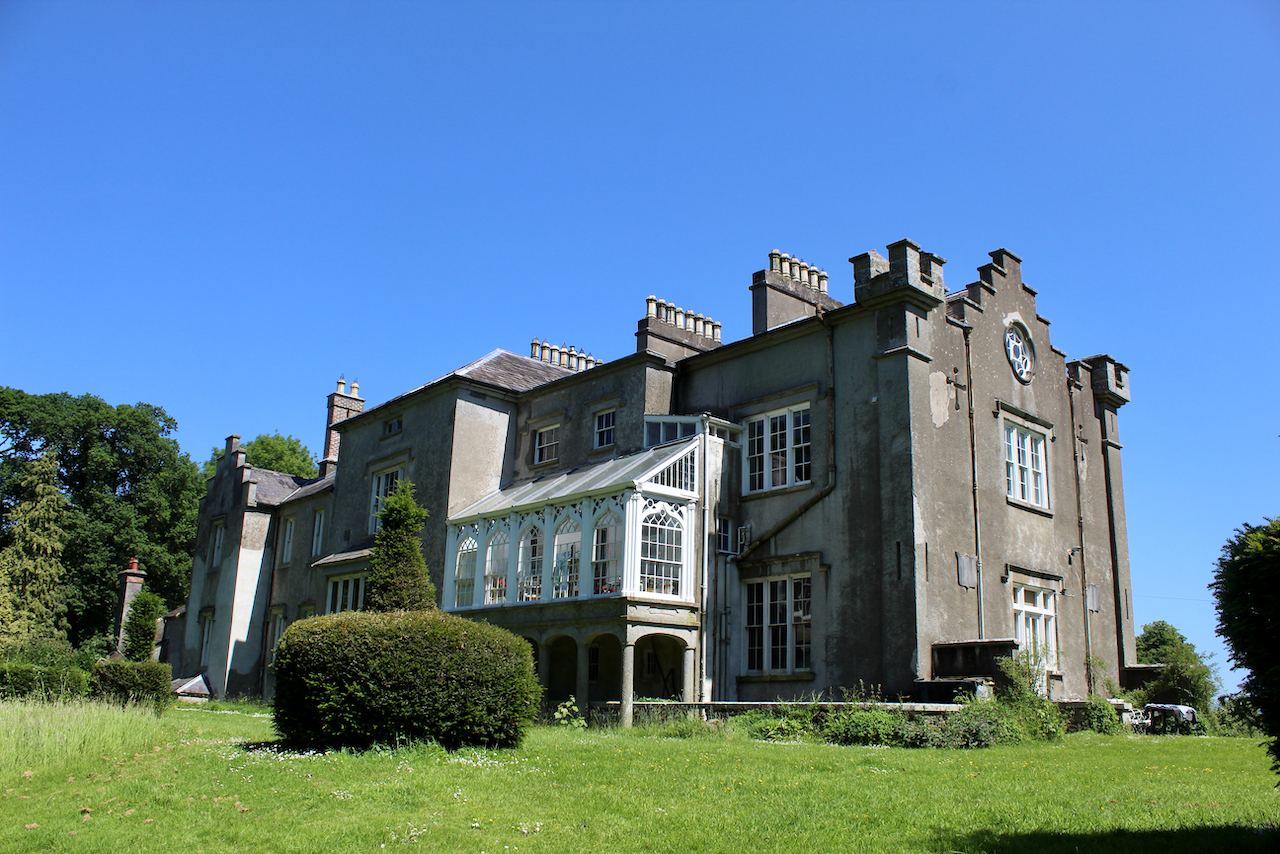
The Gothic conservatory is a later addition to Shankill Castle County Kilkenny, photograph taken 3rd June 2023. Photograph © Jennifer Winder-Baggot, www.irishhistorichouses.com
Shankill Castle County Kilkenny 3rd June 2023. Photograph © Jennifer Winder-Baggot, www.irishhistorichouses.com

Hector James Charles Toler (1839-1918) who inherited Shankill Castle in 1884 from his uncle, then assumed the additional surname of Aylward to become Toler-Aylward. He served as High Sheriff, Deputy Lieutenant and Justice of the Peace of County Kilkenny. He married Emily Mary Eliza Butler (1853-1934), daughter of James Butler of Verona, Monkstown, County Dublin. Hector undertook further redecoration at Shankill in 1894.

They had a son, Hector James Toler-Aylward (1895-1974). He inherited the Shankill Castle estate from his father in 1918. He married Zinna Ethel Knox from Greenwood Park, Crossmolina, County Mayo (now a ruin). They had three daughters. At his death Shankill Castle passed to his widow, and on her death in 1980 to his elder daughter, who sold it in 1991.

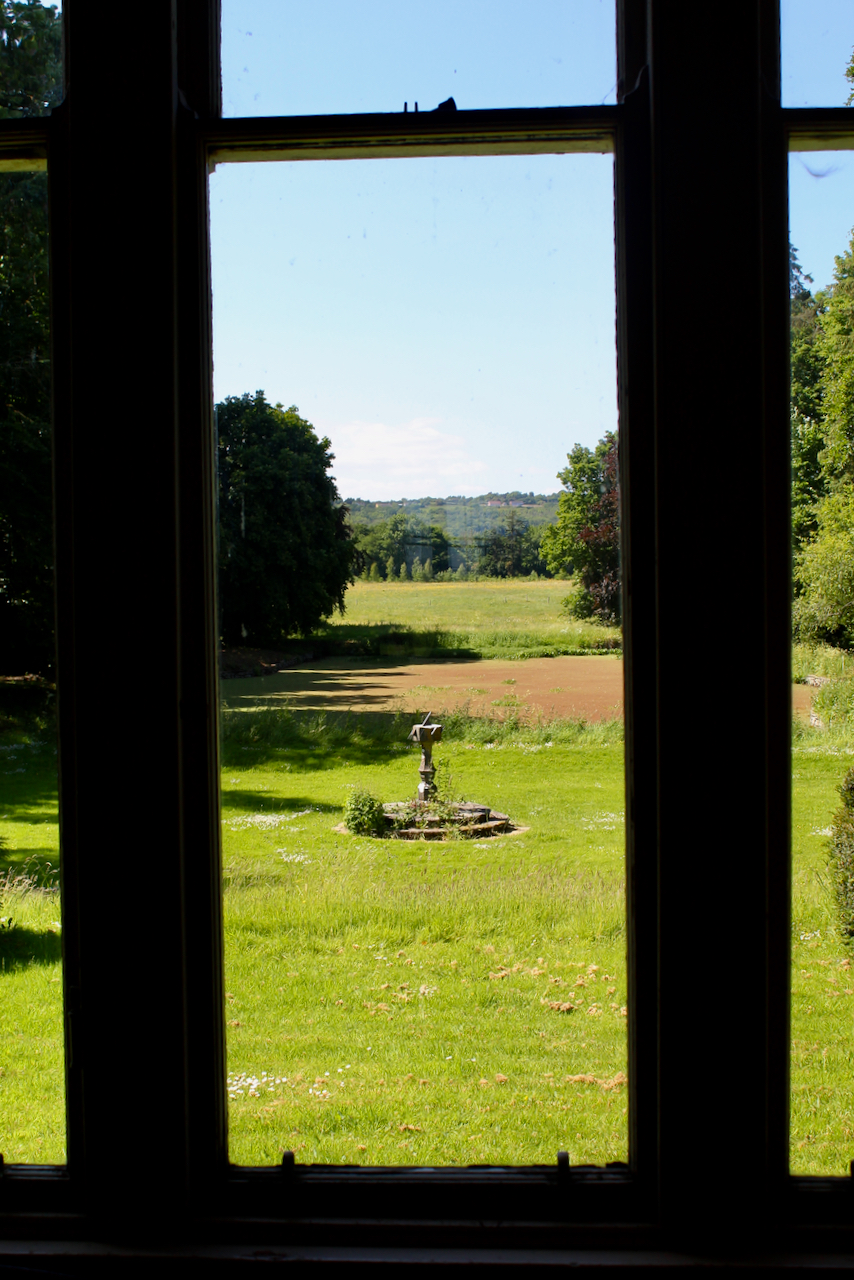
Shankill Castle County Kilkenny 3rd June 2023. Photograph © Jennifer Winder-Baggot, www.irishhistorichouses.com
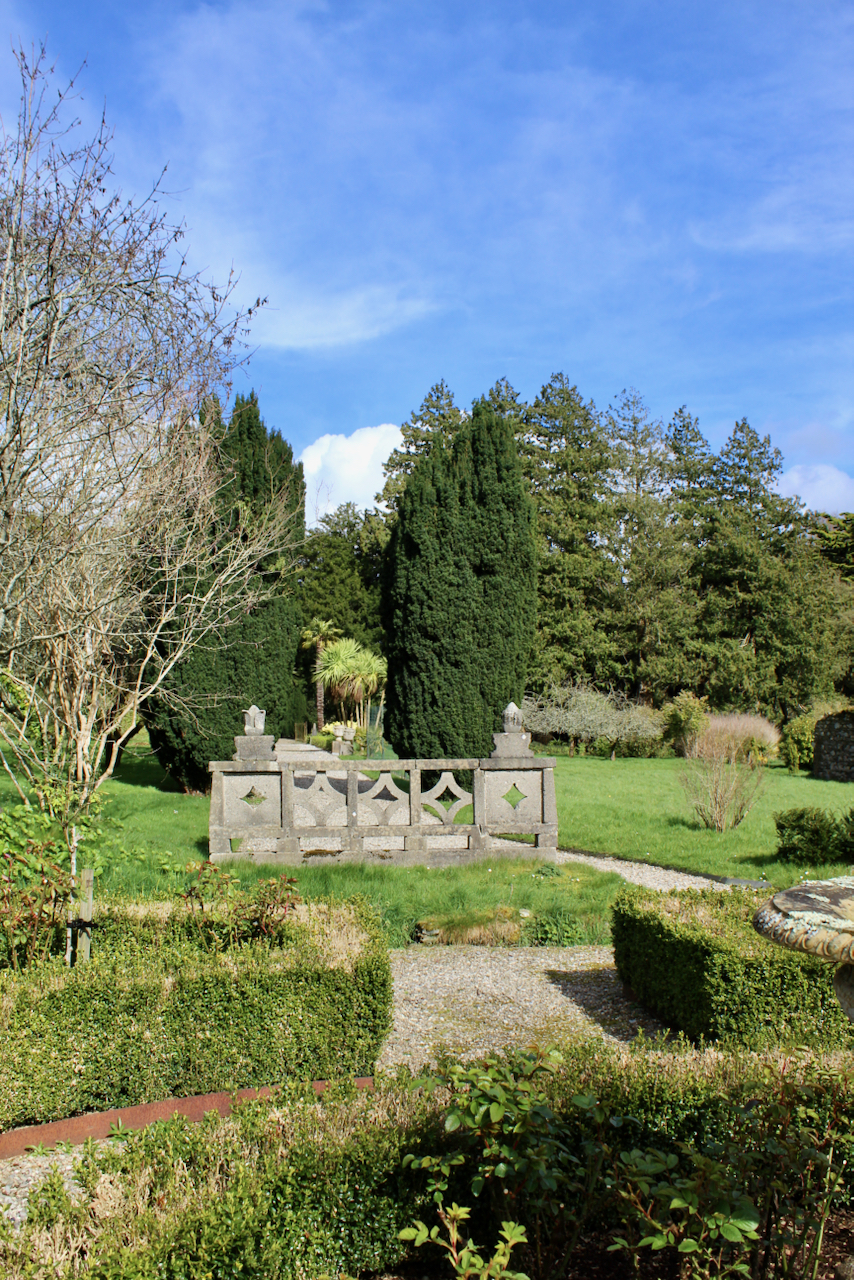
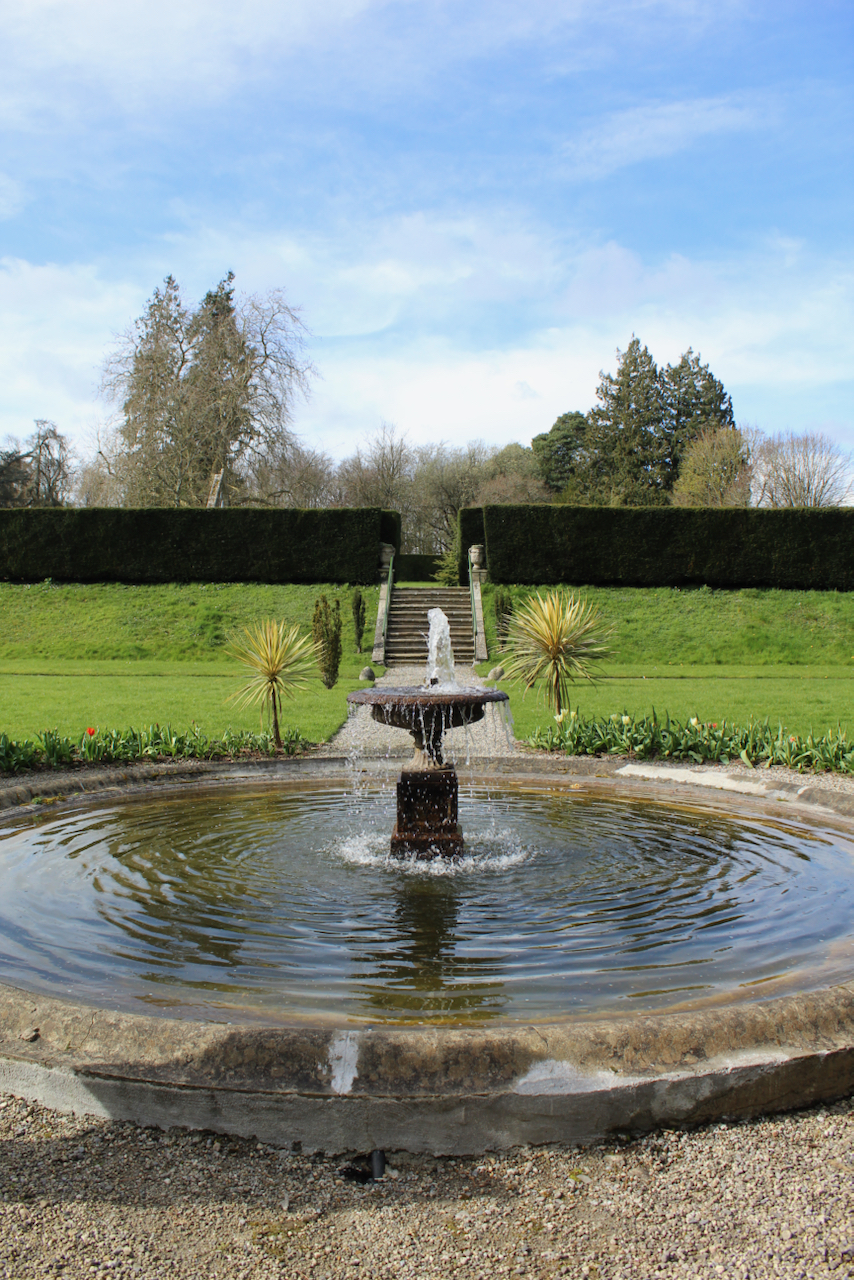
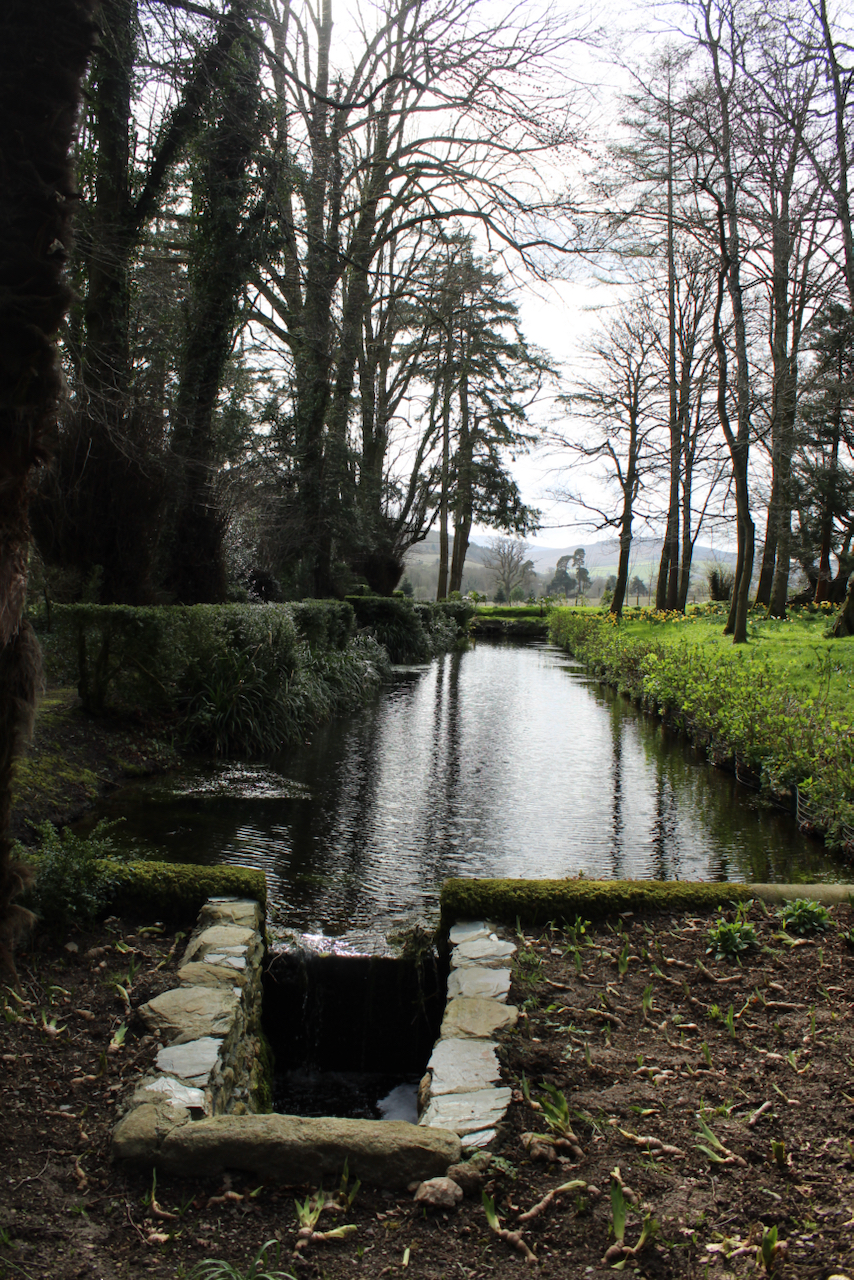
Shankill Castle County Kilkenny 3rd June 2023. The website tells us that “In the 19th century, the house was enlarged and castellated. Serpentine bays were added to the canal and an unusual polyhedral sundial given pride of place on a sunken lawn.” Photograph © Jennifer Winder-Baggot, www.irishhistorichouses.com
Shankill Castle County Kilkenny 3rd June 2023. Photograph © Jennifer Winder-Baggot, www.irishhistorichouses.com

The interior of the house retains much of its early 18th century character. The central hall on the entrance front has wood panelling and a handsome black Kilkenny marble chimneypiece. The house is full of the art work of Elizabeth Cope.

Shankill Castle County Kilkenny 3rd June 2023. Photograph © Jennifer Winder-Baggot, www.irishhistorichouses.com

The hall is flanked by smaller rooms with corner fireplaces, which were the original dining and drawing rooms and are part of the old towerhouse.

William Deane Butler refitted the hall with floor-to-ceiling timber panelling while the room beyond, previously a saloon, became the new dining room and was given a large Tudor-headed buffet niche and a new Gothic bay window. Surviving plans show that the room to the north of the hall was intended as a billiard room while a study was provided in the new wing. [see 1]

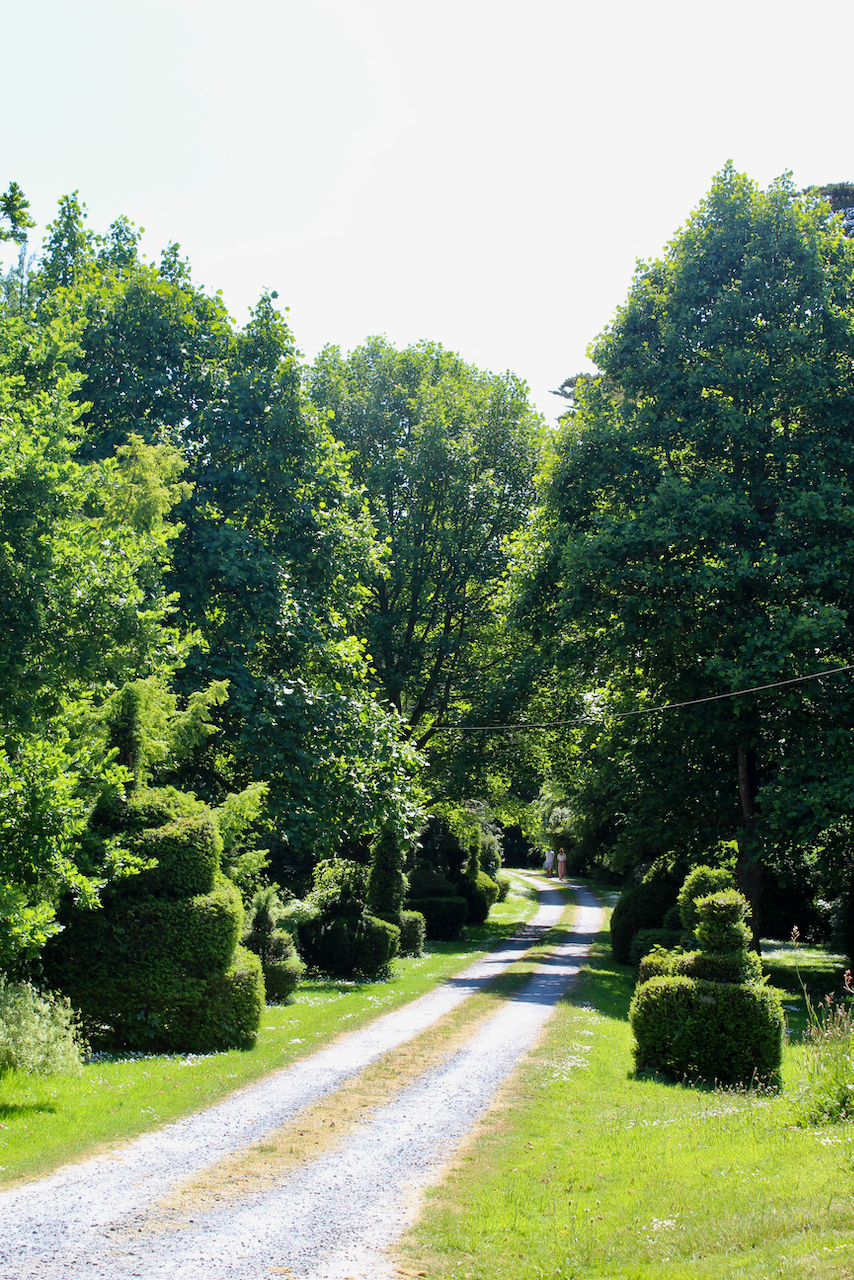
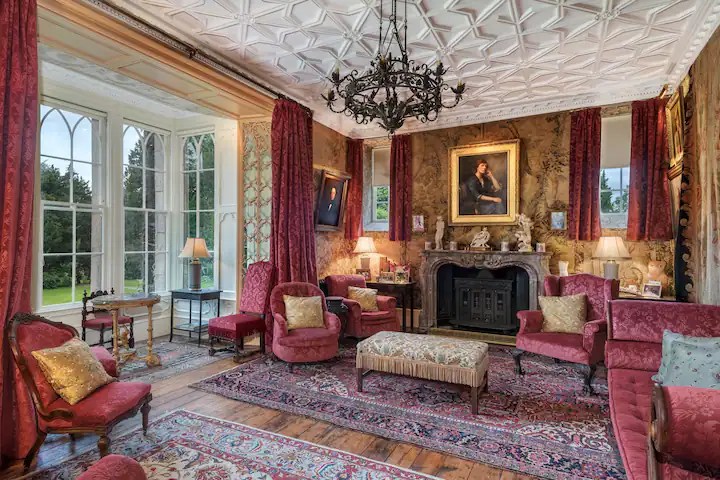
Mark Bence-Jones describes the interior in his Guide to Irish County Houses (1988): “Late-Georgian staircase hall with graceful wooden stairs and walls marbled Siena 1894. Dining room with Gothic plasterwork in ceiling and Gothic pelmet. The drawing room is charmingly Victorian, with flowered paper and curtains of faded gold dating from 1894 and an Italian white marble chimneypiece brought back from Milan ca. 1860 by James Aylward. It formerly opened into a conservatory built 1861 to the design of Sir Joseph Paxton, but this was removed 1961. The entrance front faces along an avenue of trees to a Claire-voie [“clear view”] with rusticated stone piers which was part of C18 layout.”

William Deane Butler transformed the dining room into a Victorian drawing room featuring an impressively-carved white marble chimneypiece which James Kearney-Aylward purchased in Milan in 1860.

The Drawing Room with chimneypiece purchased in Milan in 1860 by James Kearney Aylward (1811-84), Shankill Castle County Kilkenny 3rd June 2023. Photograph © Jennifer Winder-Baggot, www.irishhistorichouses.com
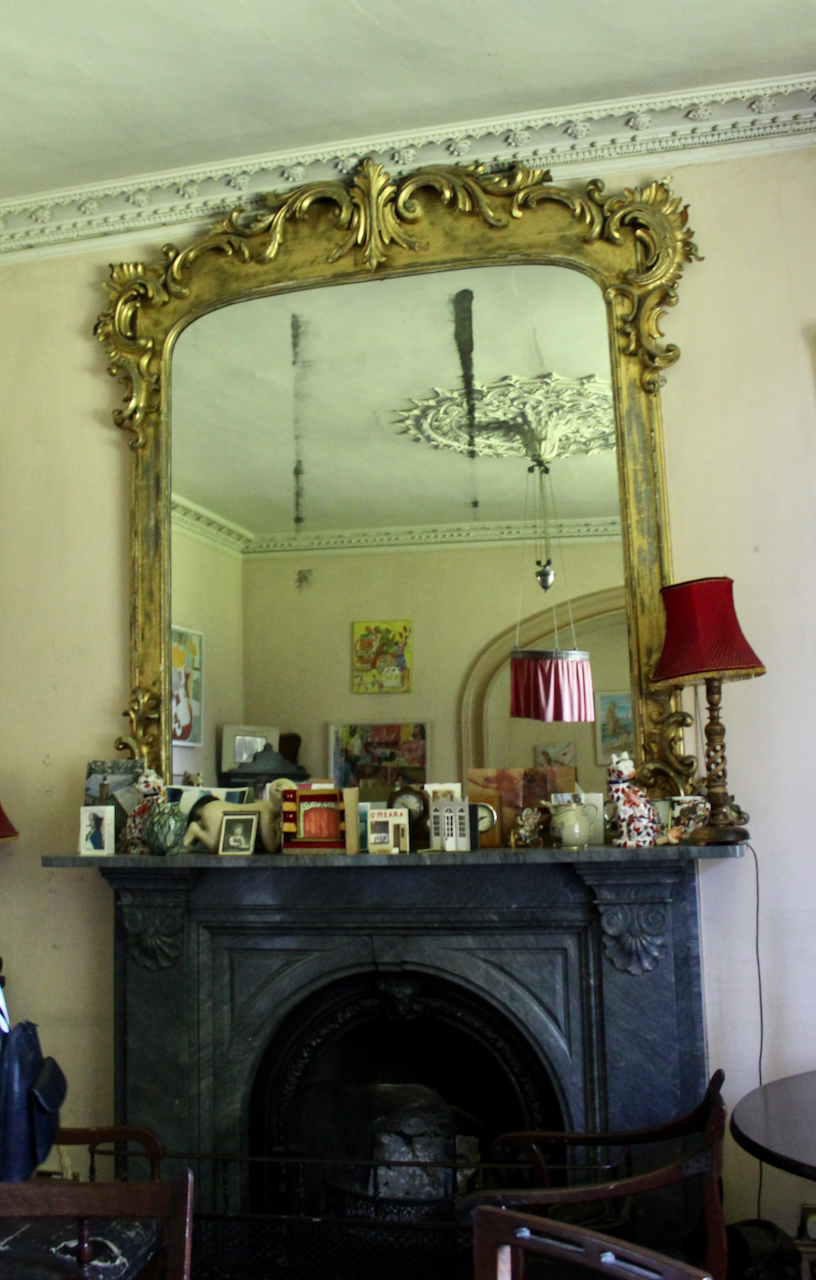
Elizabeth gave us the tour of her home, Shankill Castle County Kilkenny 3rd June 2023. She told us that the huge mirrors were transported from Waterford port by horse and cart – it is amazing they are intact! Photograph © Jennifer Winder-Baggot, www.irishhistorichouses.com
Shankill Castle County Kilkenny 3rd June 2023. Photograph © Jennifer Winder-Baggot, www.irishhistorichouses.com
The Dining Room. Photograph © Jennifer Winder-Baggot, www.irishhistorichouses.com

The Landed family website further describes the interior:

The principal and secondary staircases occupy the space behind the original tower, and while the main staircase was renewed in the late 18th century, the secondary stair remains largely in its original form. Beyond the hall a saloon overlooked the grounds to the rear of the house. On the first floor, a transverse corridor down the middle of the house gives access to the principal bedrooms.” [see 1]

Looking into the Gothic conservatory full of Elizabeth’s paintings, Shankill Castle County Kilkenny 3rd June 2023. Photograph © Jennifer Winder-Baggot, www.irishhistorichouses.com
The precious walls of marbled Siena from 1894, Shankill Castle County Kilkenny, with its unusual marbled Siena wallpaper, photograph taken 3rd June 2023. Photograph © Jennifer Winder-Baggot, www.irishhistorichouses.com
Shankill Castle County Kilkenny 3rd June 2023. The portrait is of Theobald Wolf, after whom Theobald Wolf Tone was named. Photograph © Jennifer Winder-Baggot, www.irishhistorichouses.com

Elizabeth then took us down to the basement.
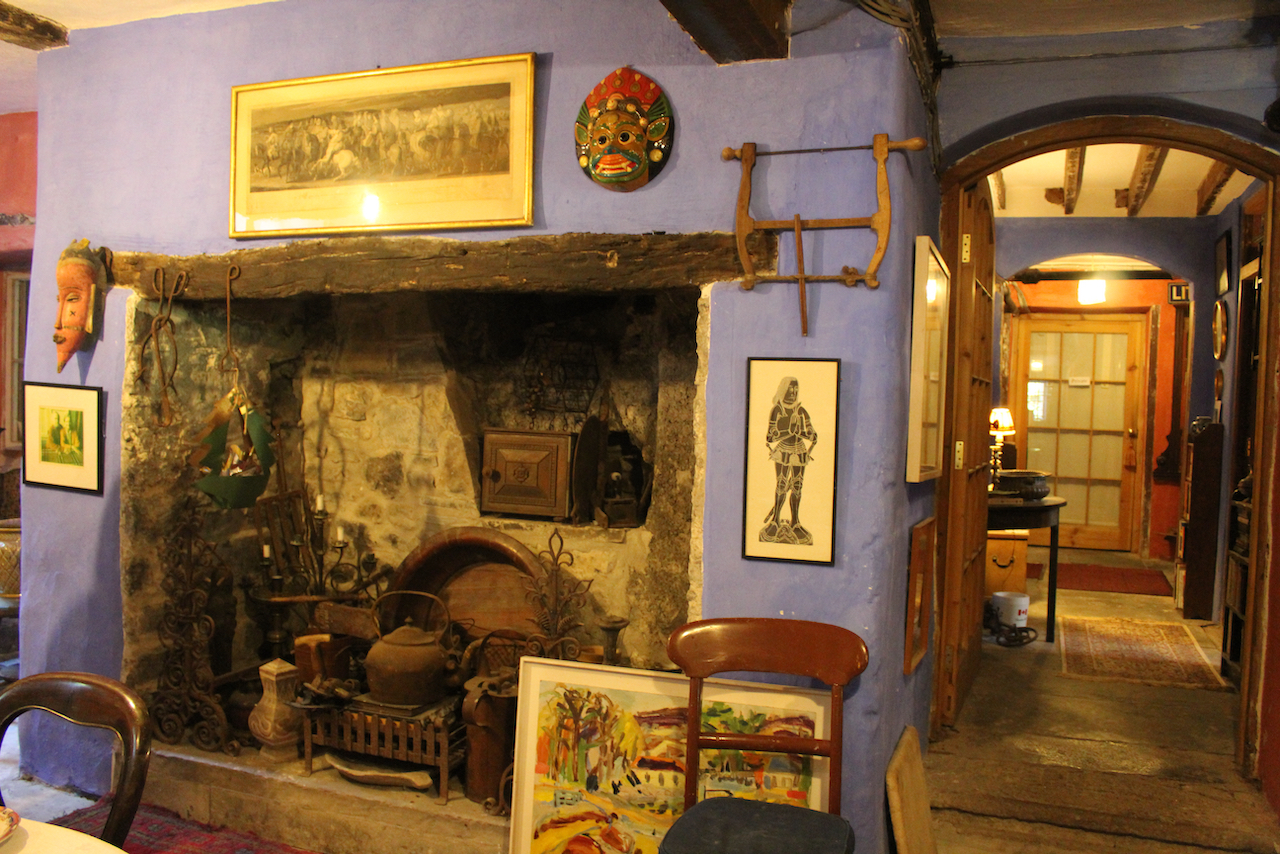
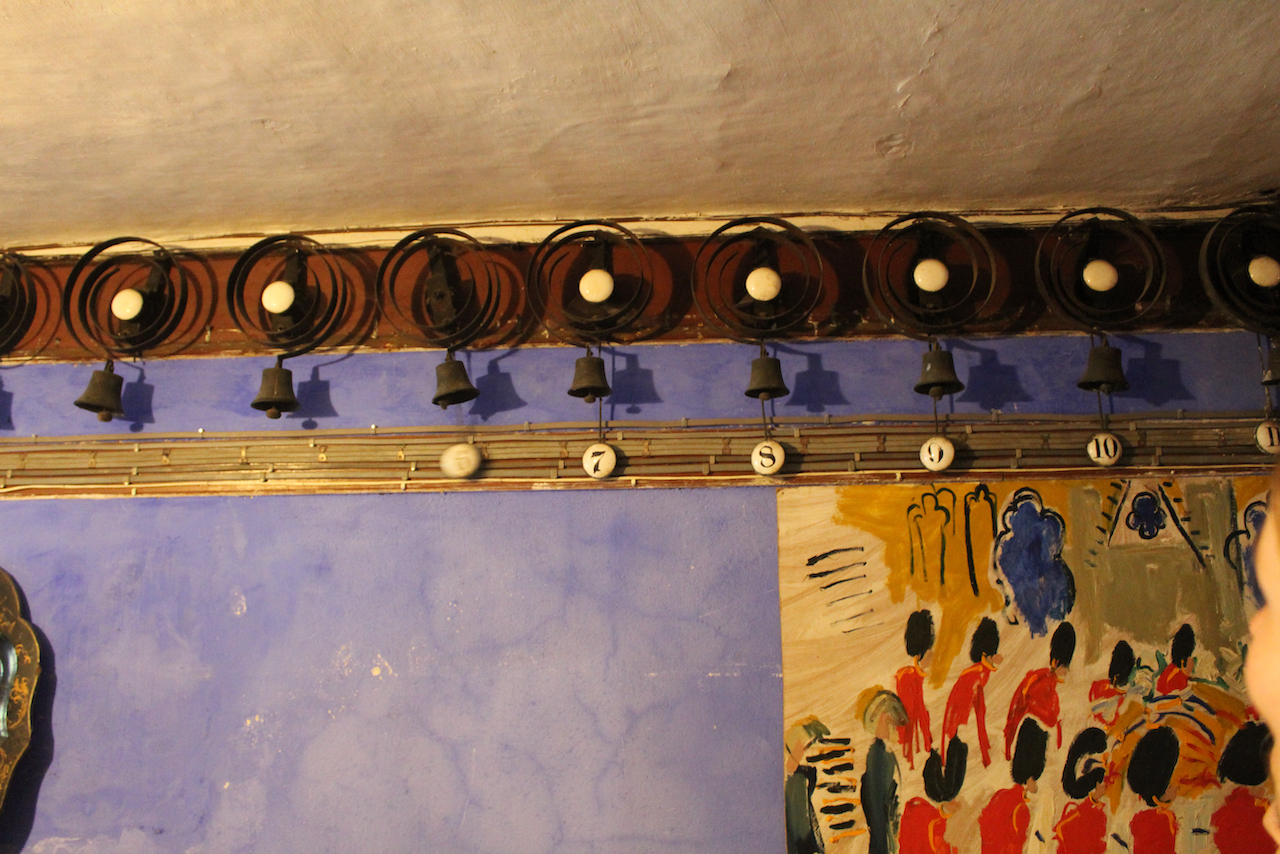
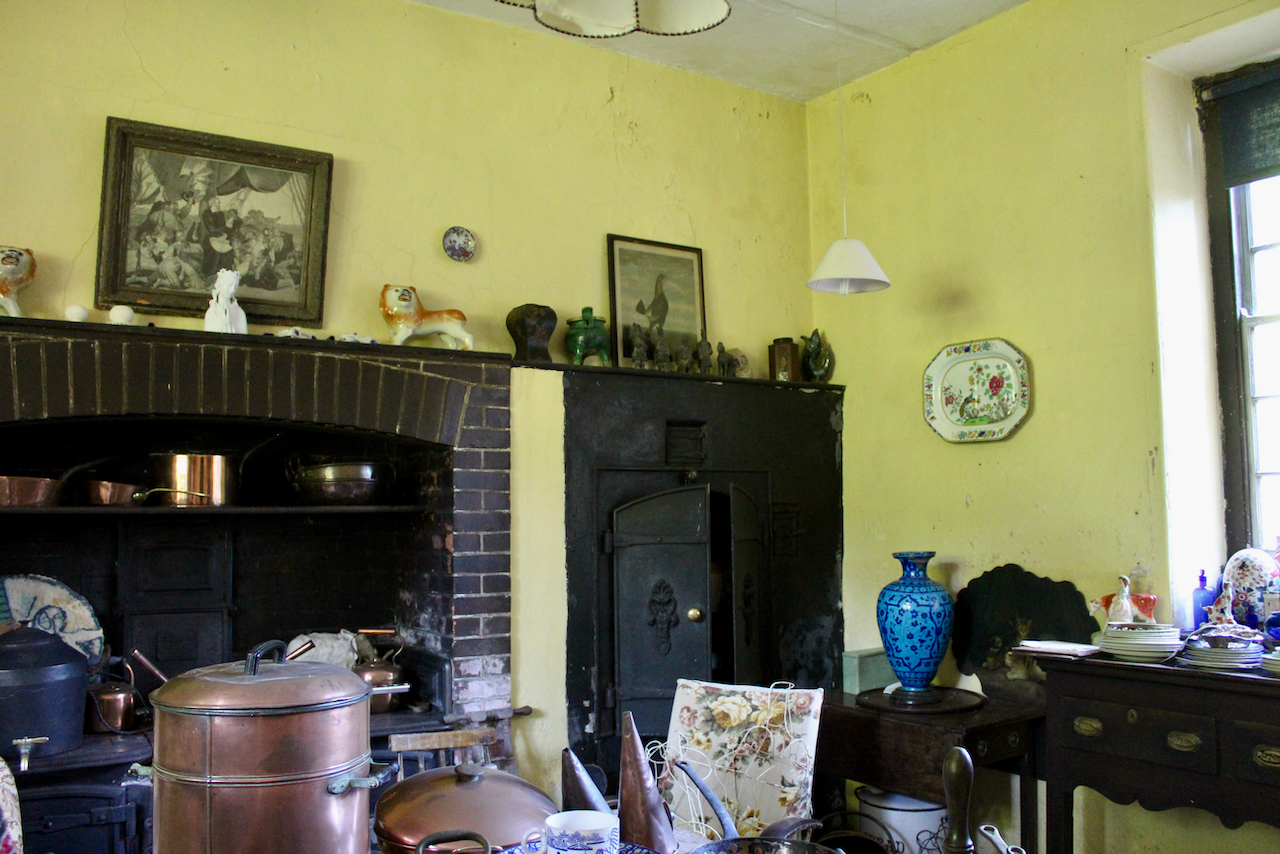
The basement of Shankill Castle County Kilkenny 3rd June 2023. Photograph © Jennifer Winder-Baggot, www.irishhistorichouses.com
Shankill Castle County Kilkenny 3rd June 2023 – the service bells still work! Photograph © Jennifer Winder-Baggot, www.irishhistorichouses.com
Shankill Castle County Kilkenny 3rd June 2023. Photograph © Jennifer Winder-Baggot, www.irishhistorichouses.com

The website adds: “Steeped in such culture and heritage, Shankill Castle and Gardens has been a place of inspiration for artists for the past twenty-five years. The Cope family have dedicated themselves to the preservation and restoration of this historic house while celebrating the unique and eclectic character of the building. Consisting of three artists, one historian, and one archaeologist, the combined talents and passions of the Cope family are reflected in the inventive and lively activities offered at the castle. Exhibitions are frequently hosted in the castle and farmyard, which are also used as artists’ studios, attracting visitors not just locally, but from the whole of Ireland and internationally.

Shankill Castle County Kilkenny 3rd June 2023. Photograph © Jennifer Winder-Baggot, www.irishhistorichouses.com
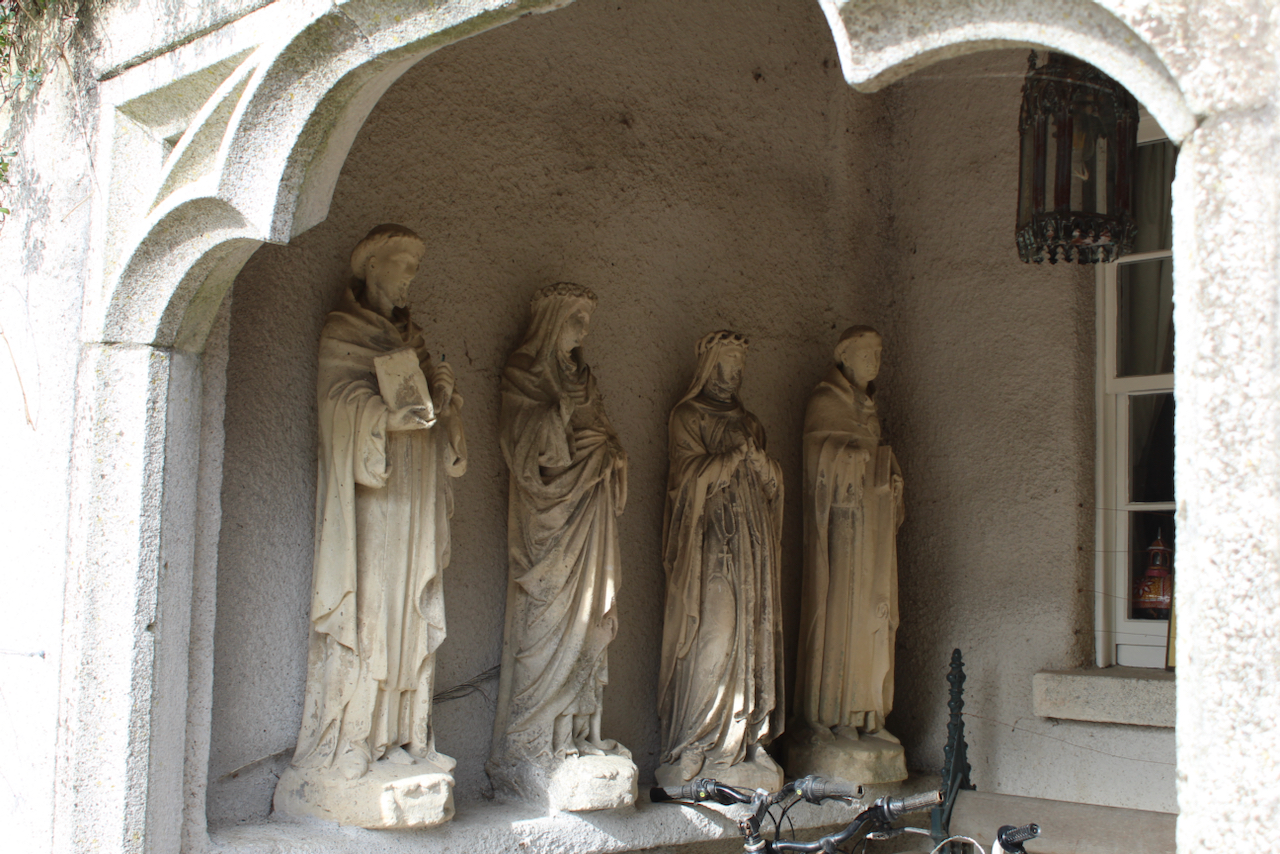
We loved this statue at the back of the house. Photograph © Jennifer Winder-Baggot, www.irishhistorichouses.com

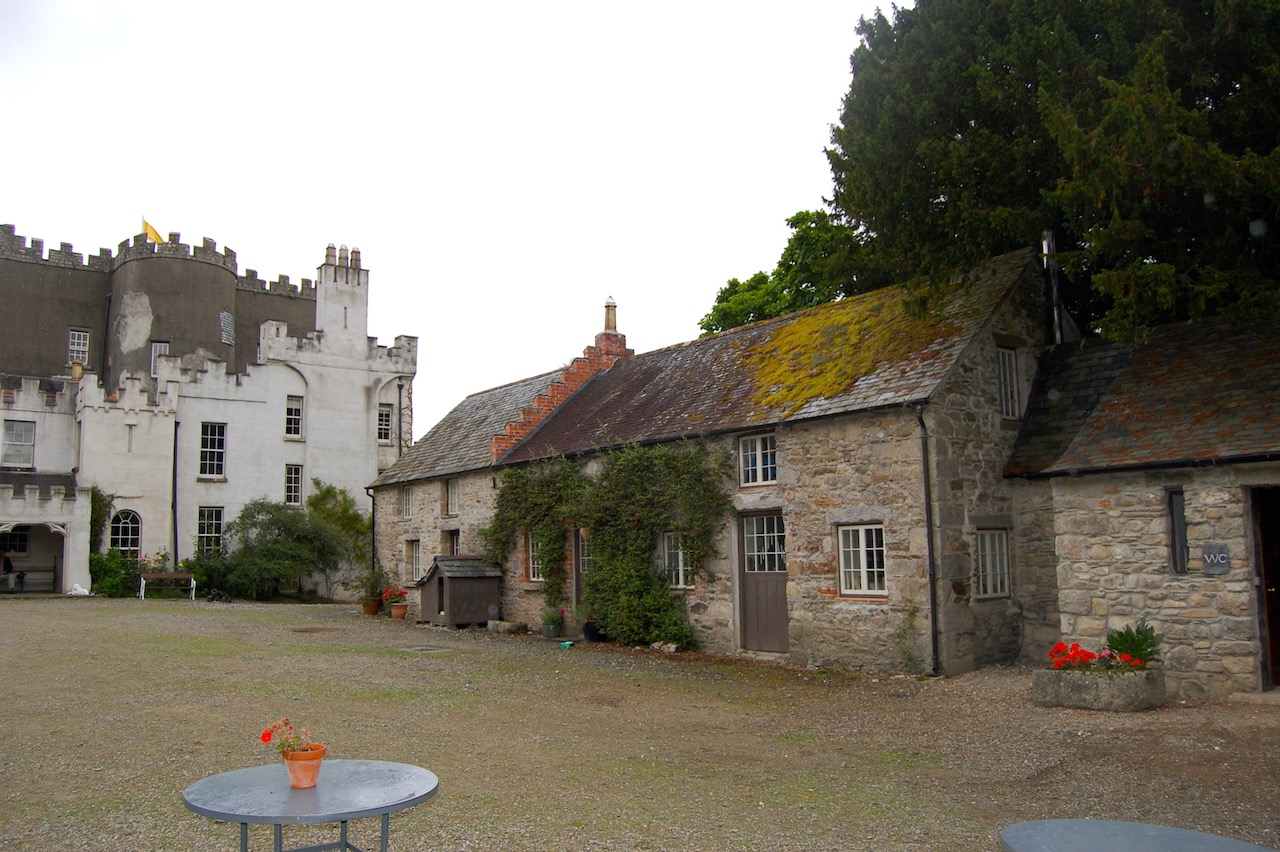
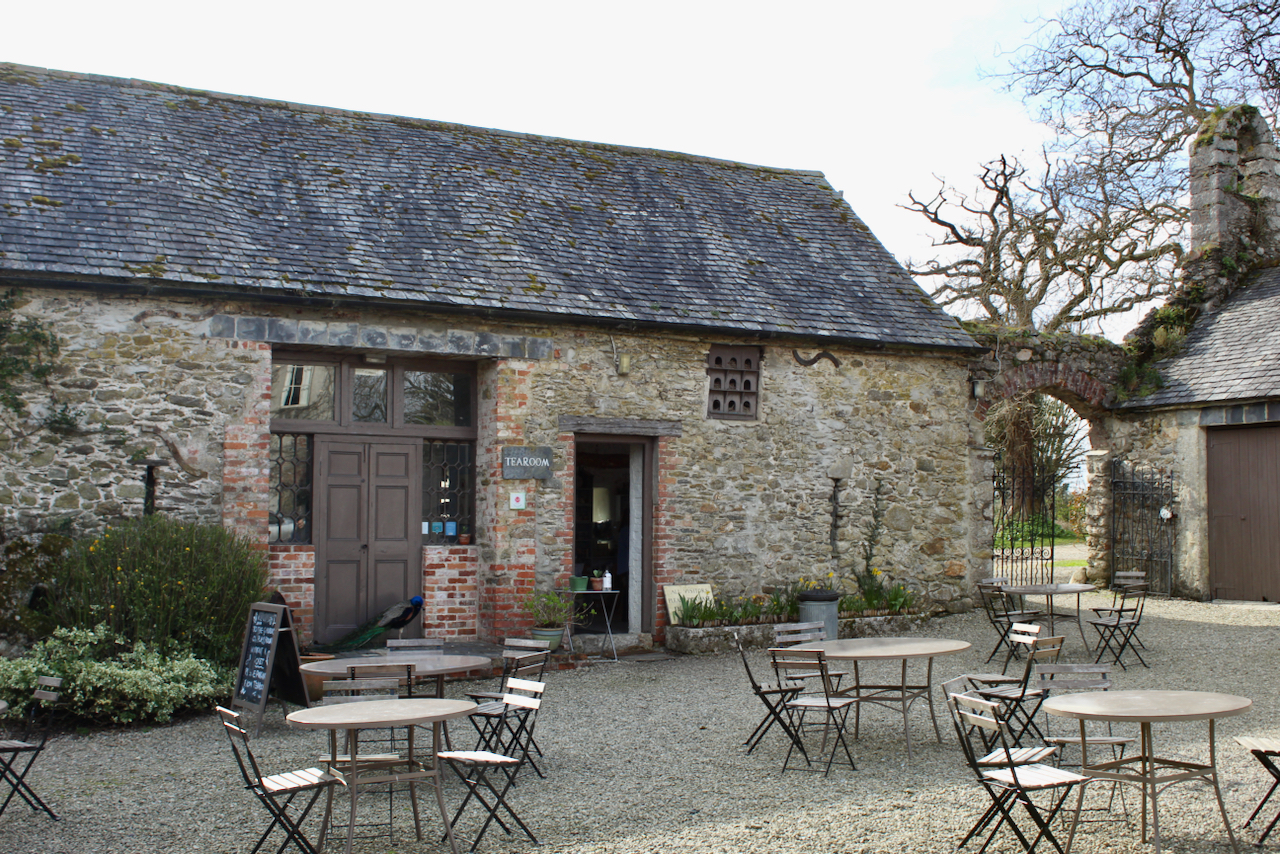
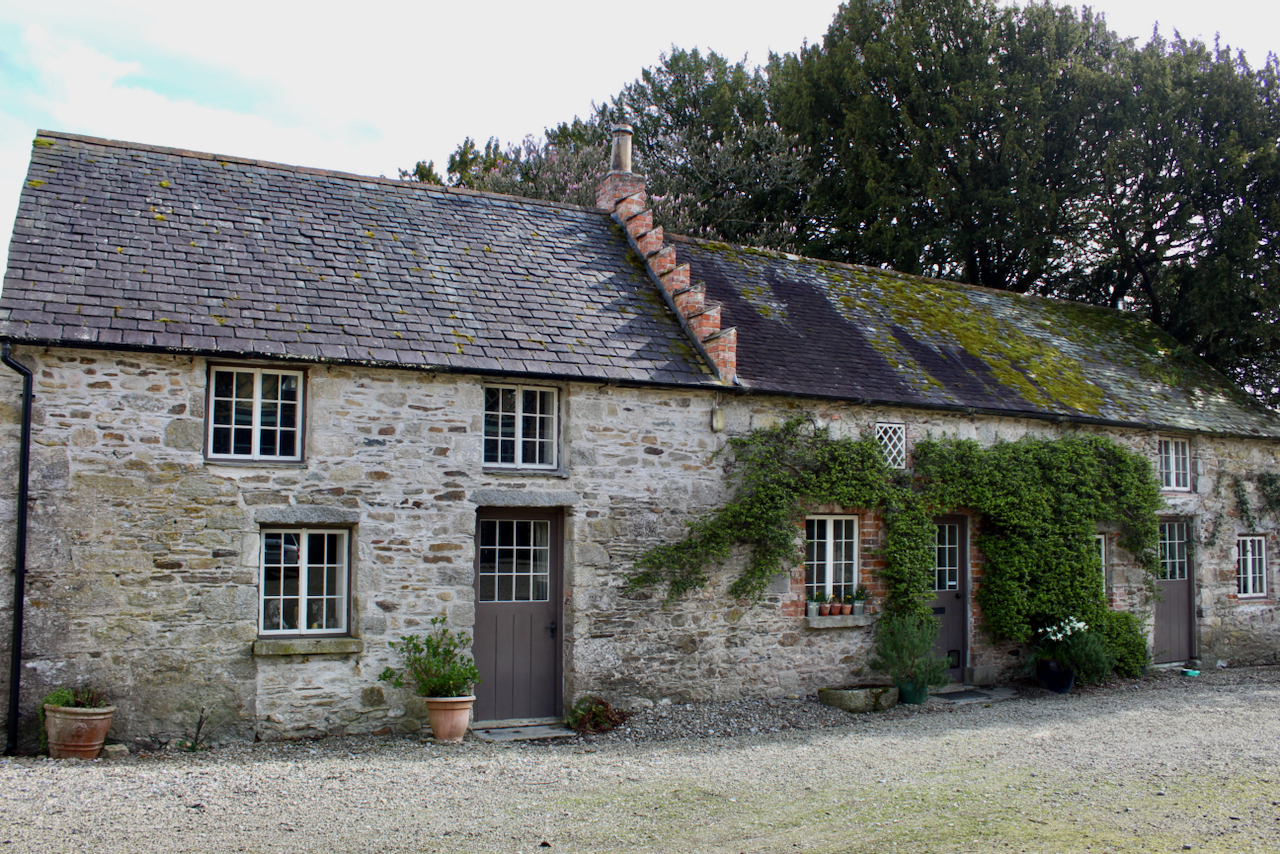
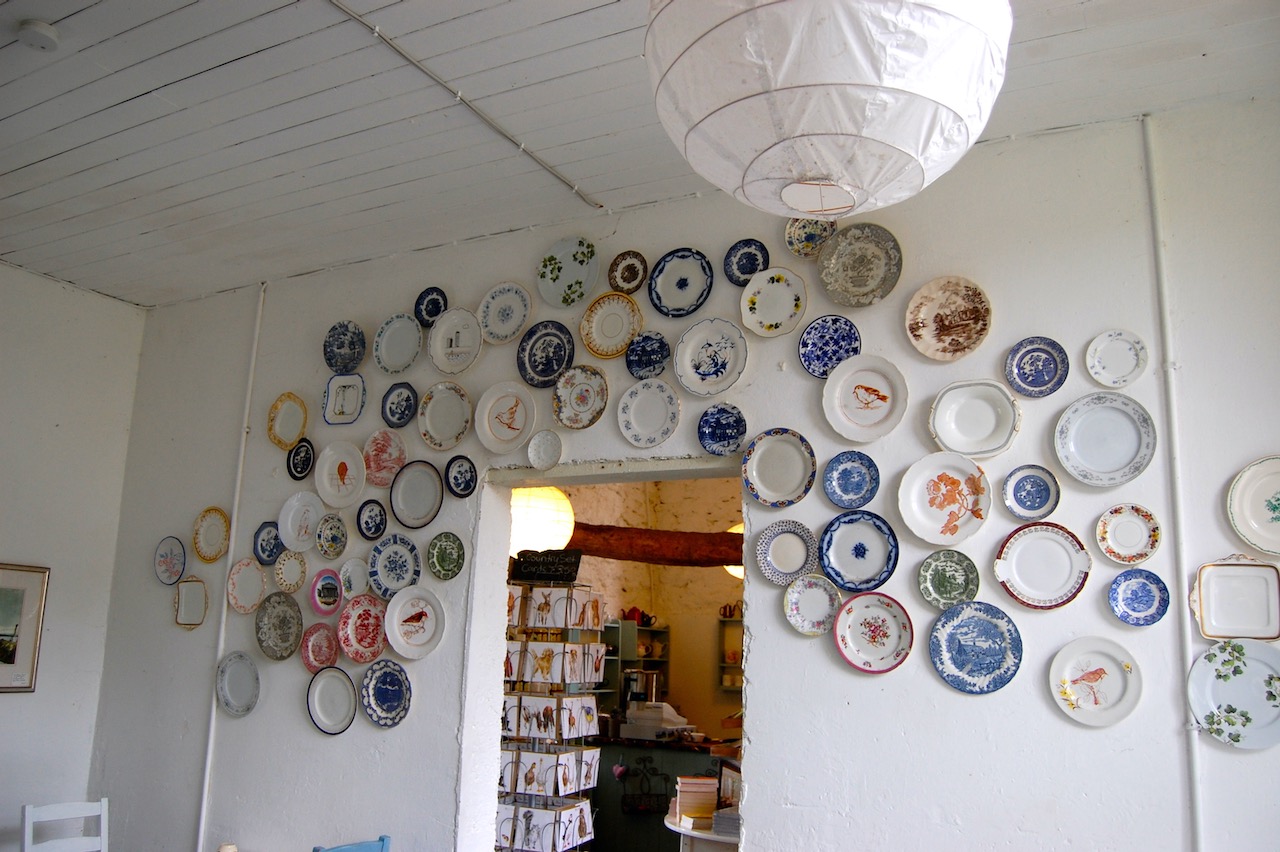
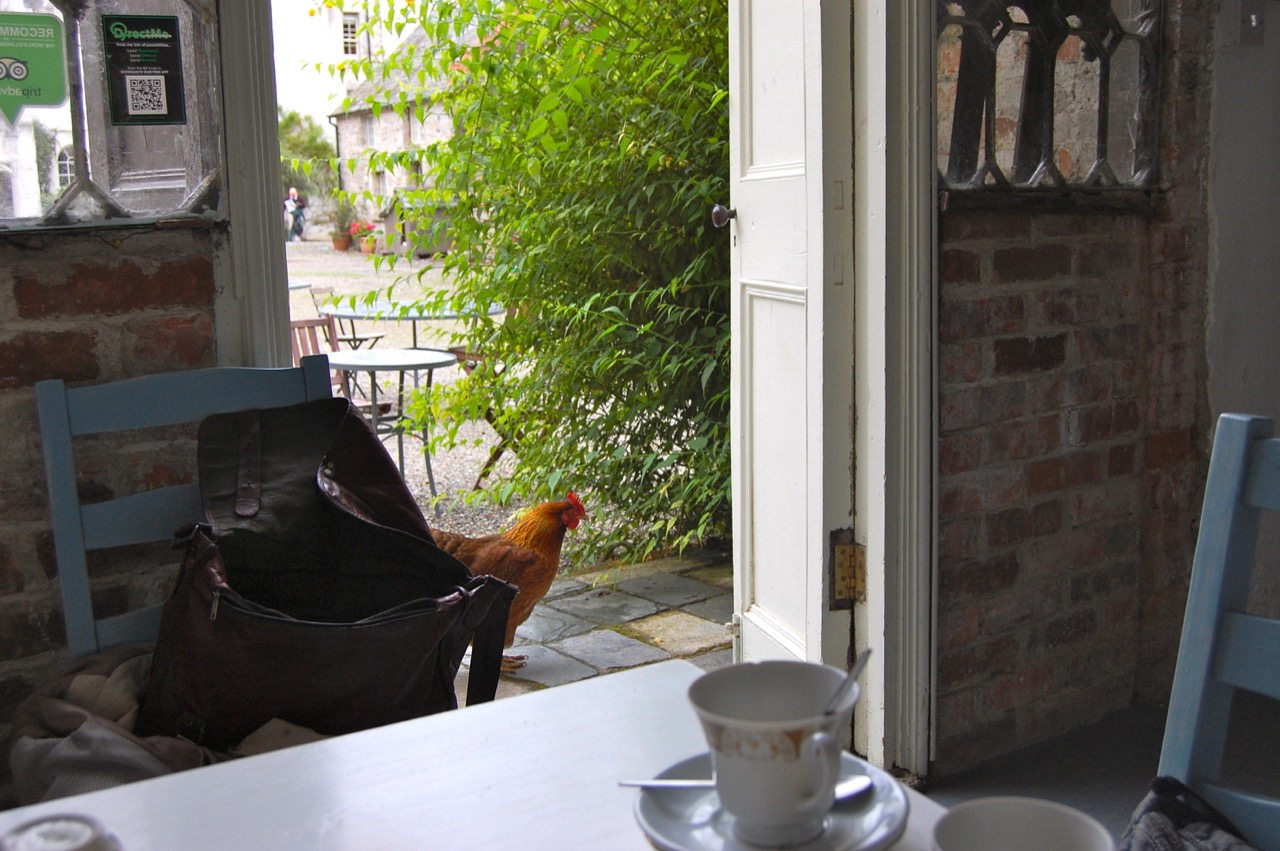
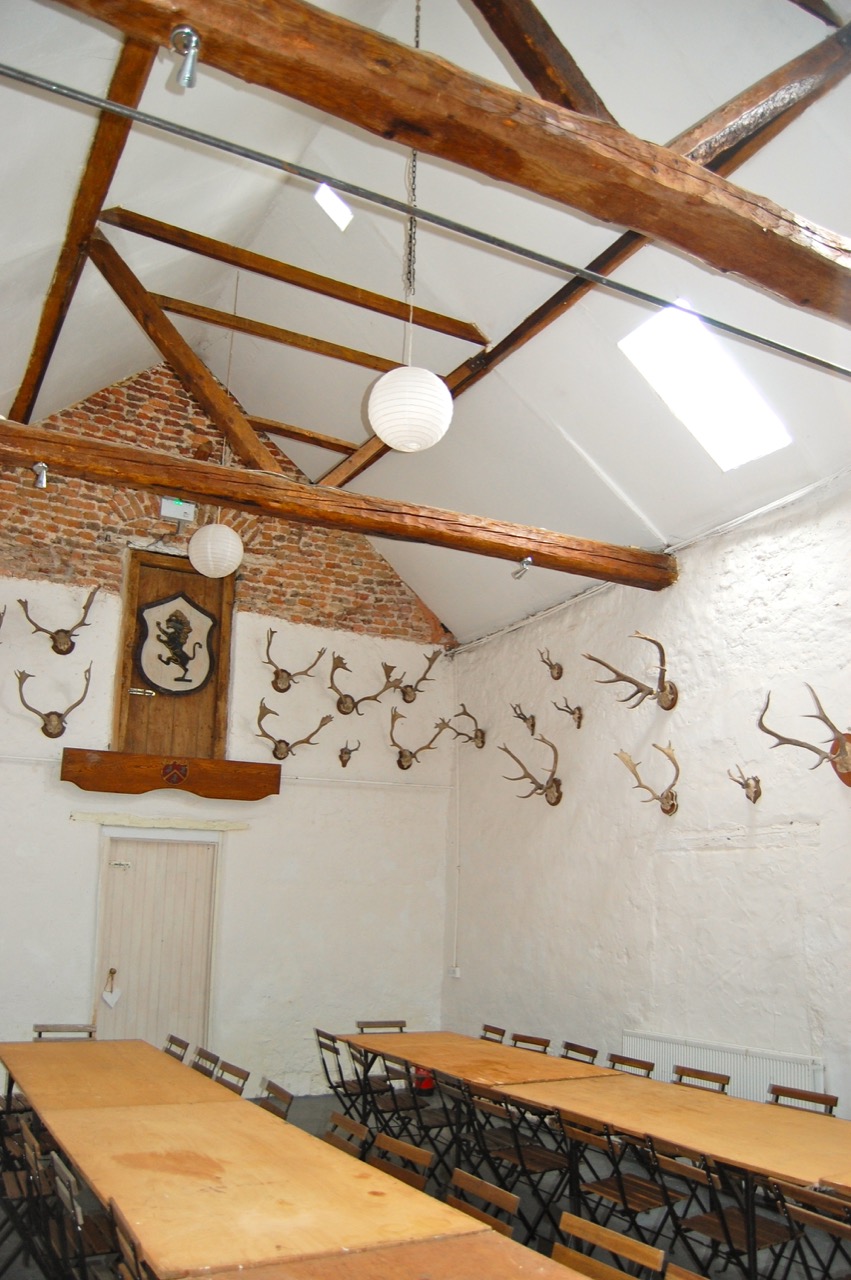
After our tour of the house we wandered back to the Café and the beautiful stableyard attributed to Daniel Robertson.

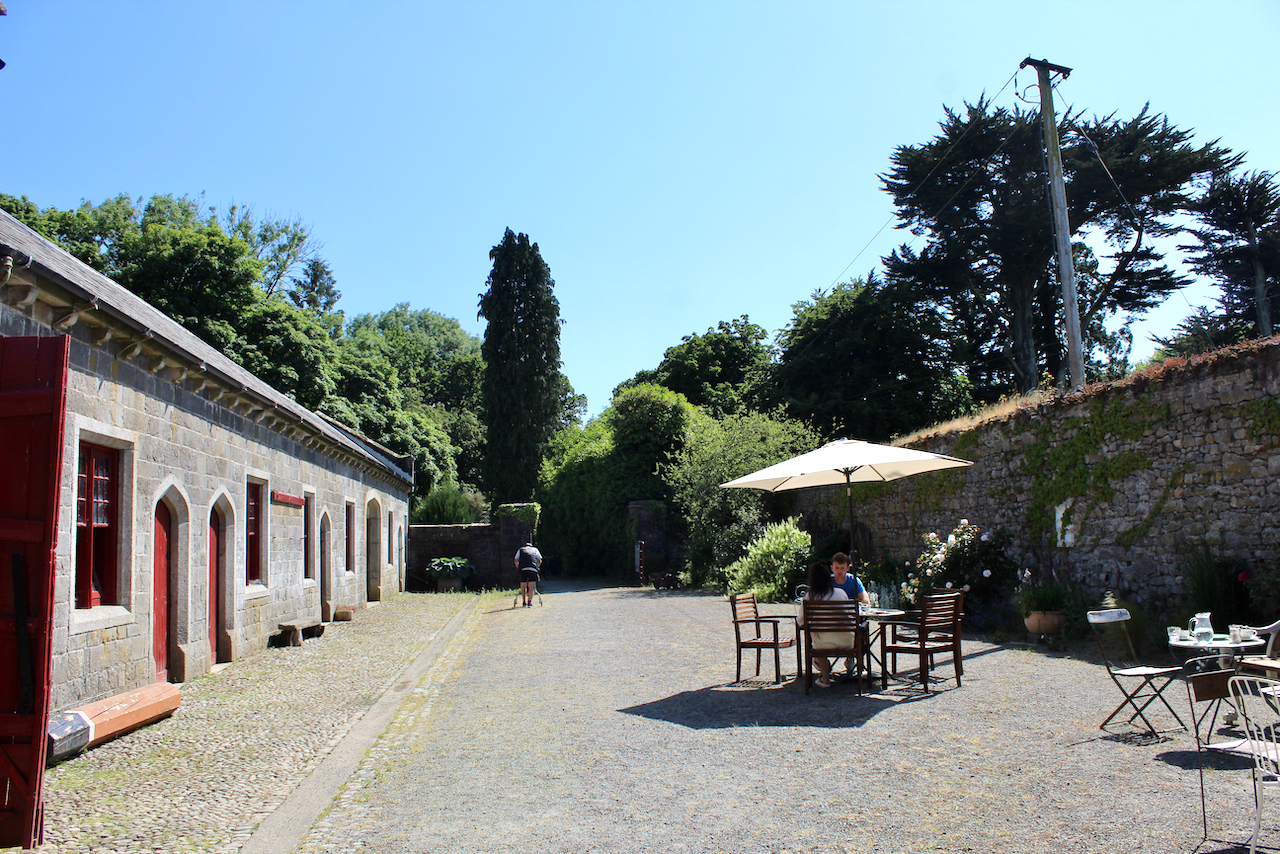
Shankill Castle County Kilkenny 3rd June 2023. The stableyard is attributed to Daniel Robertson. Photograph © Jennifer Winder-Baggot, www.irishhistorichouses.com
Shankill Castle County Kilkenny 3rd June 2023. Photograph © Jennifer Winder-Baggot, www.irishhistorichouses.com

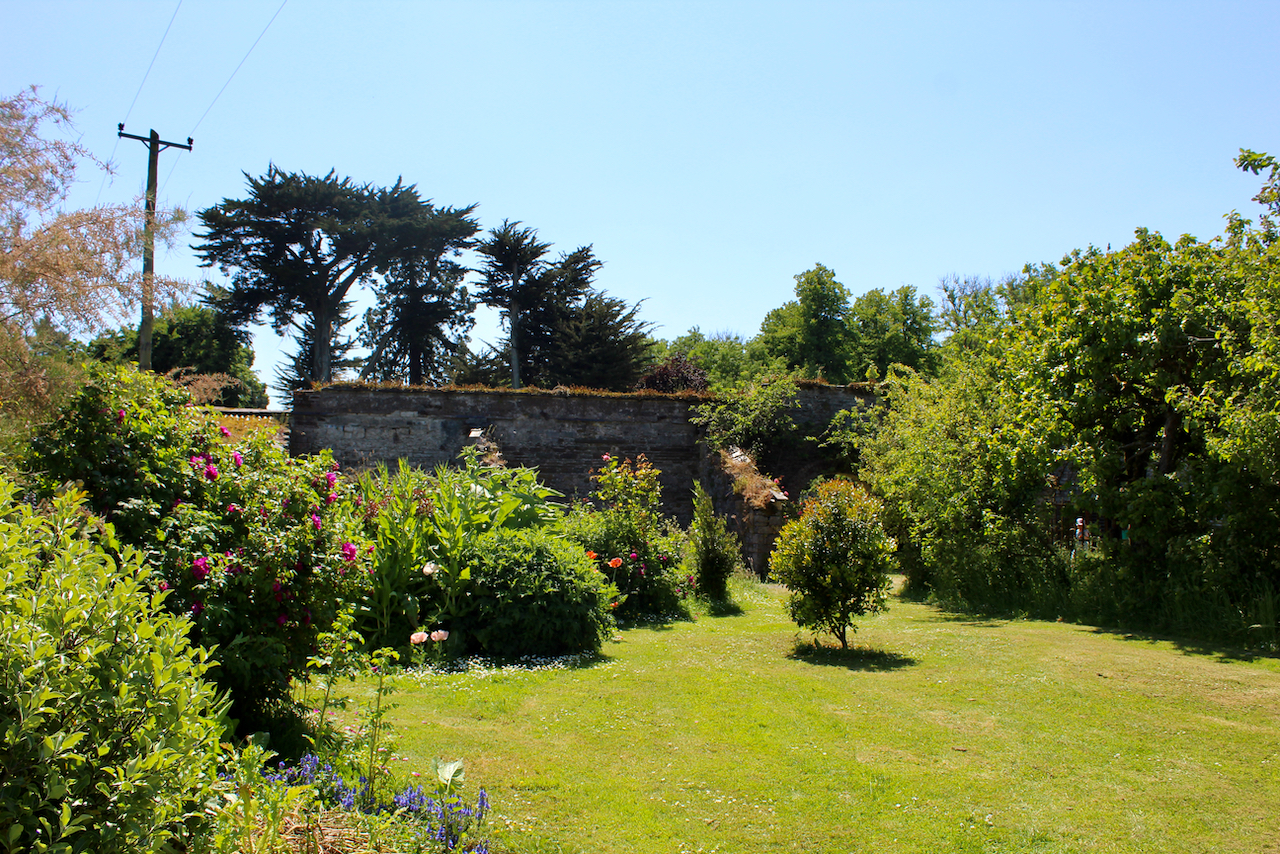
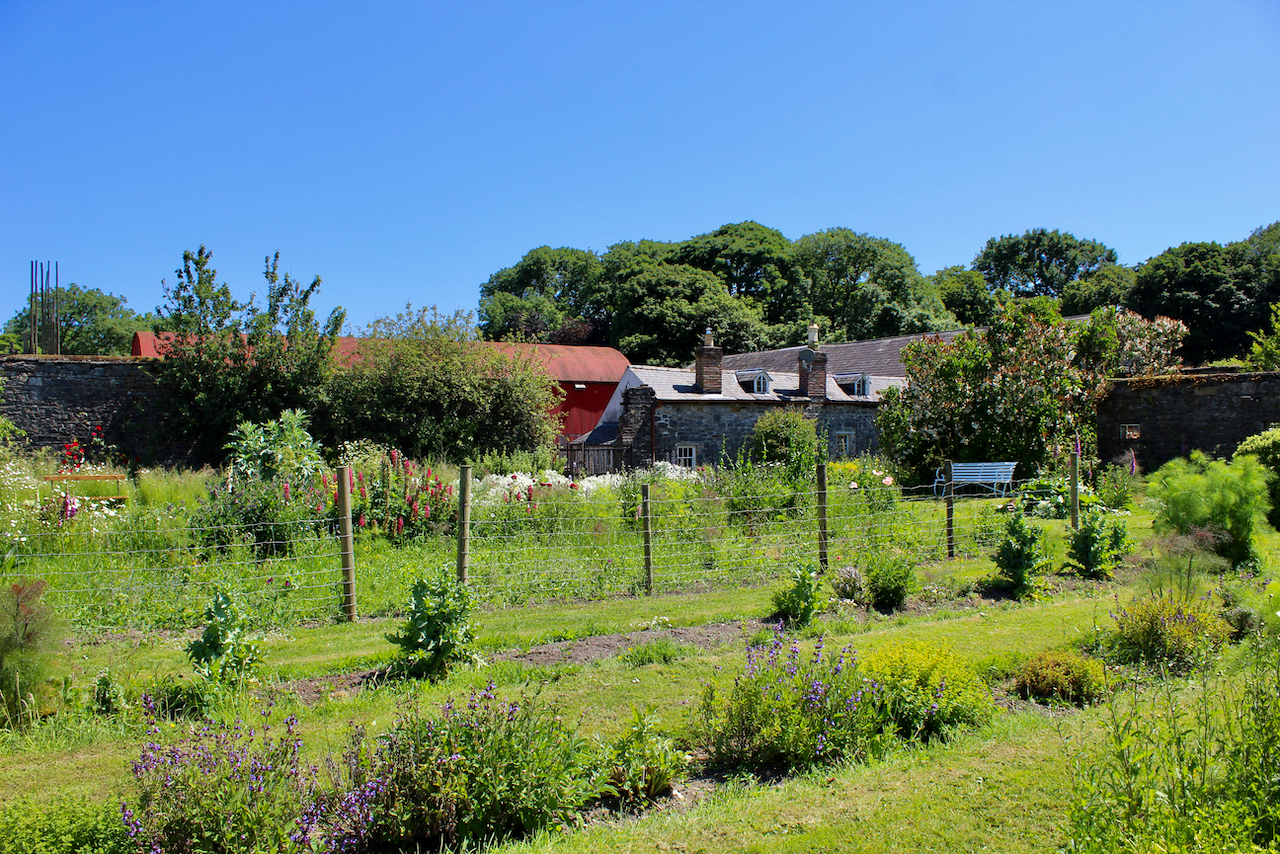
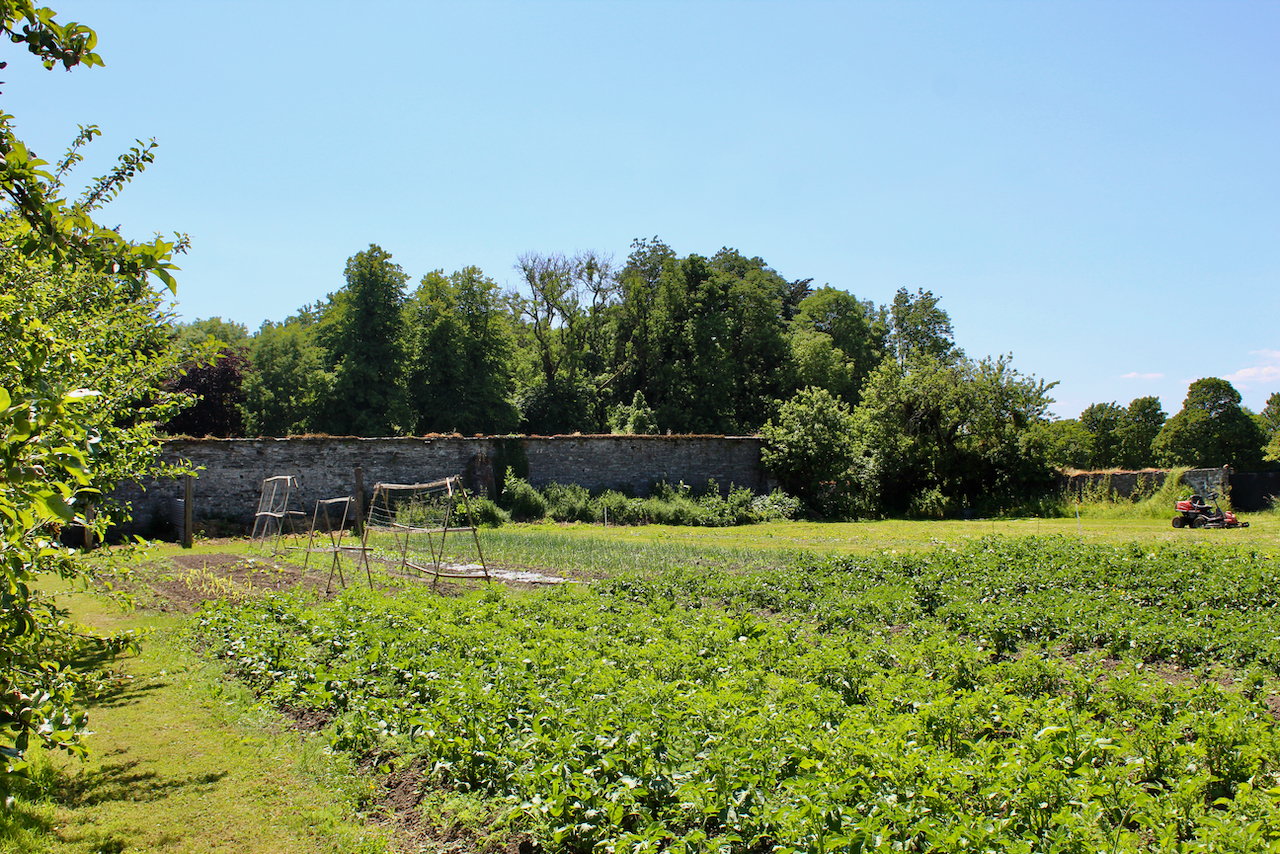
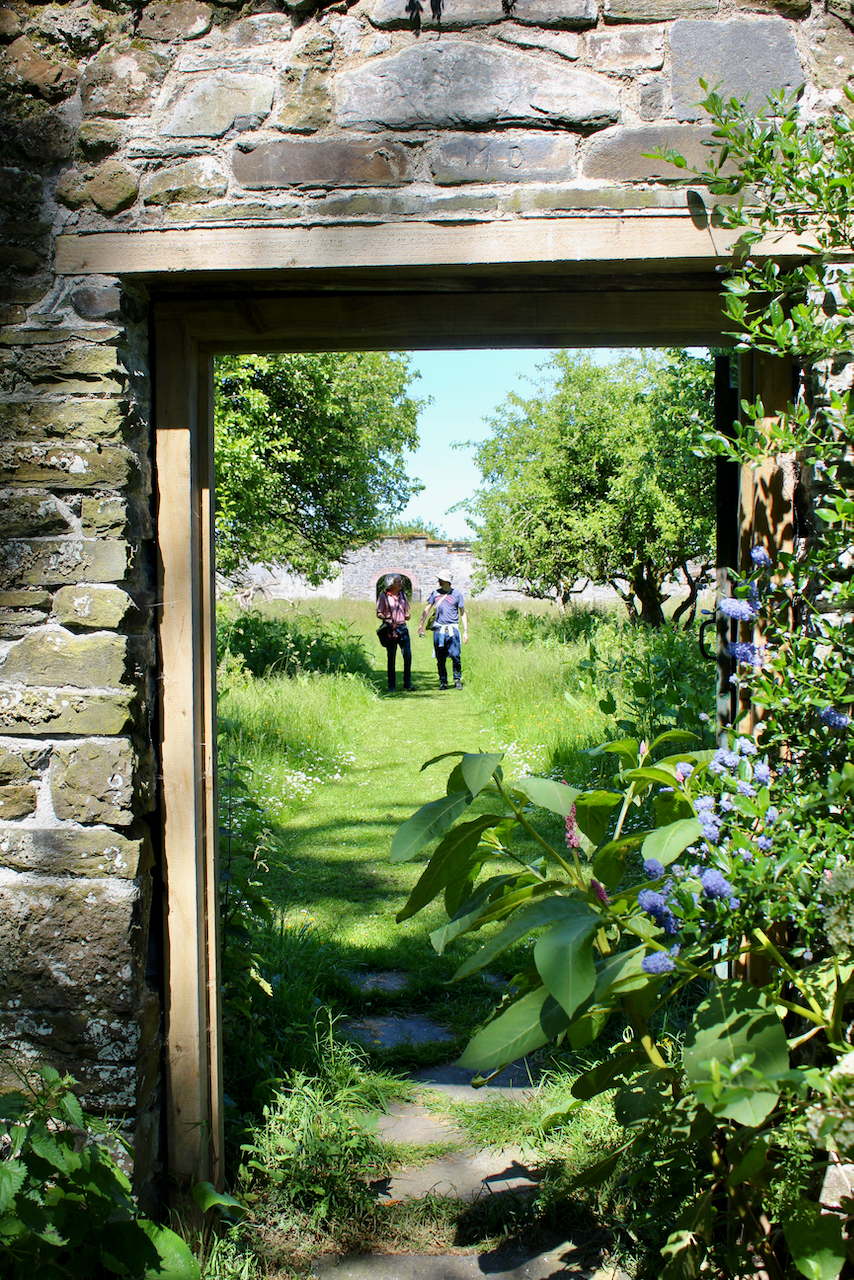
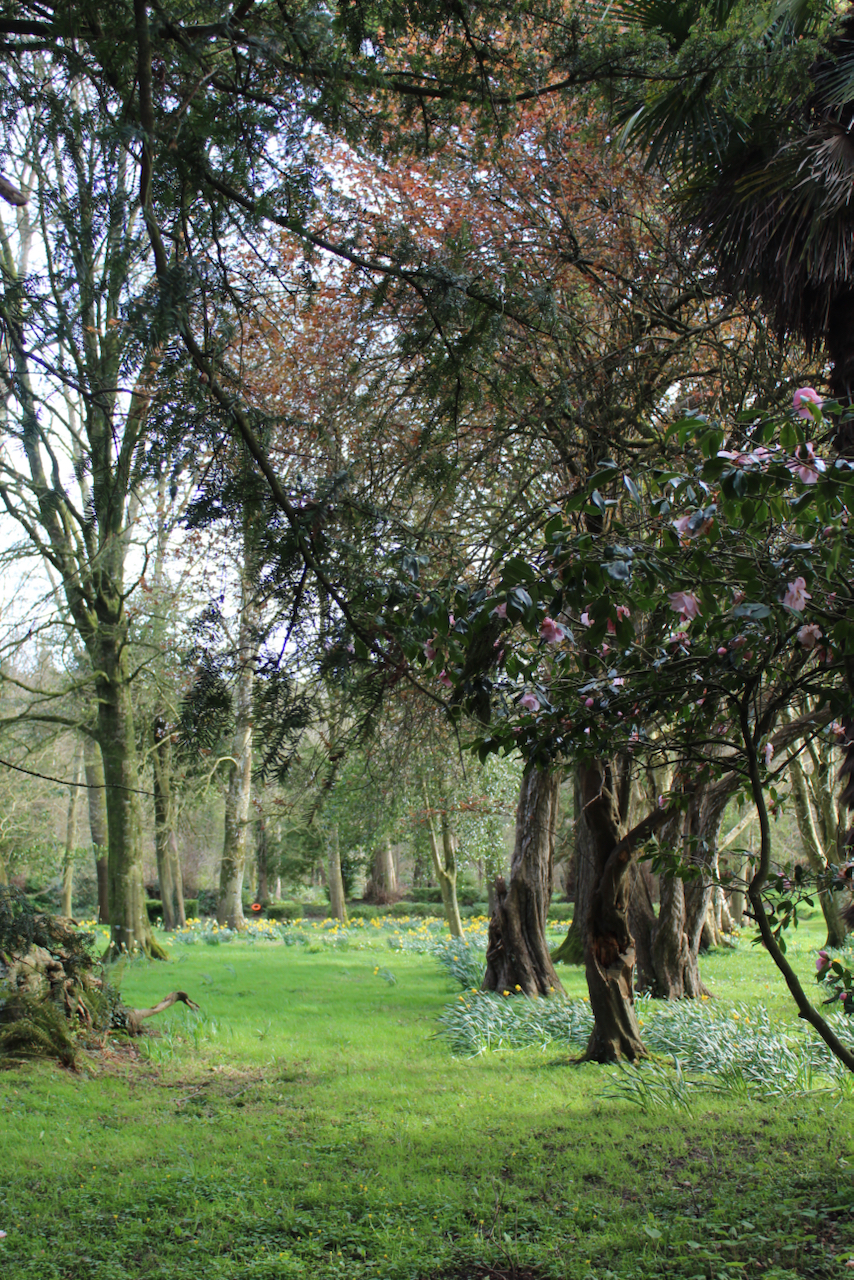
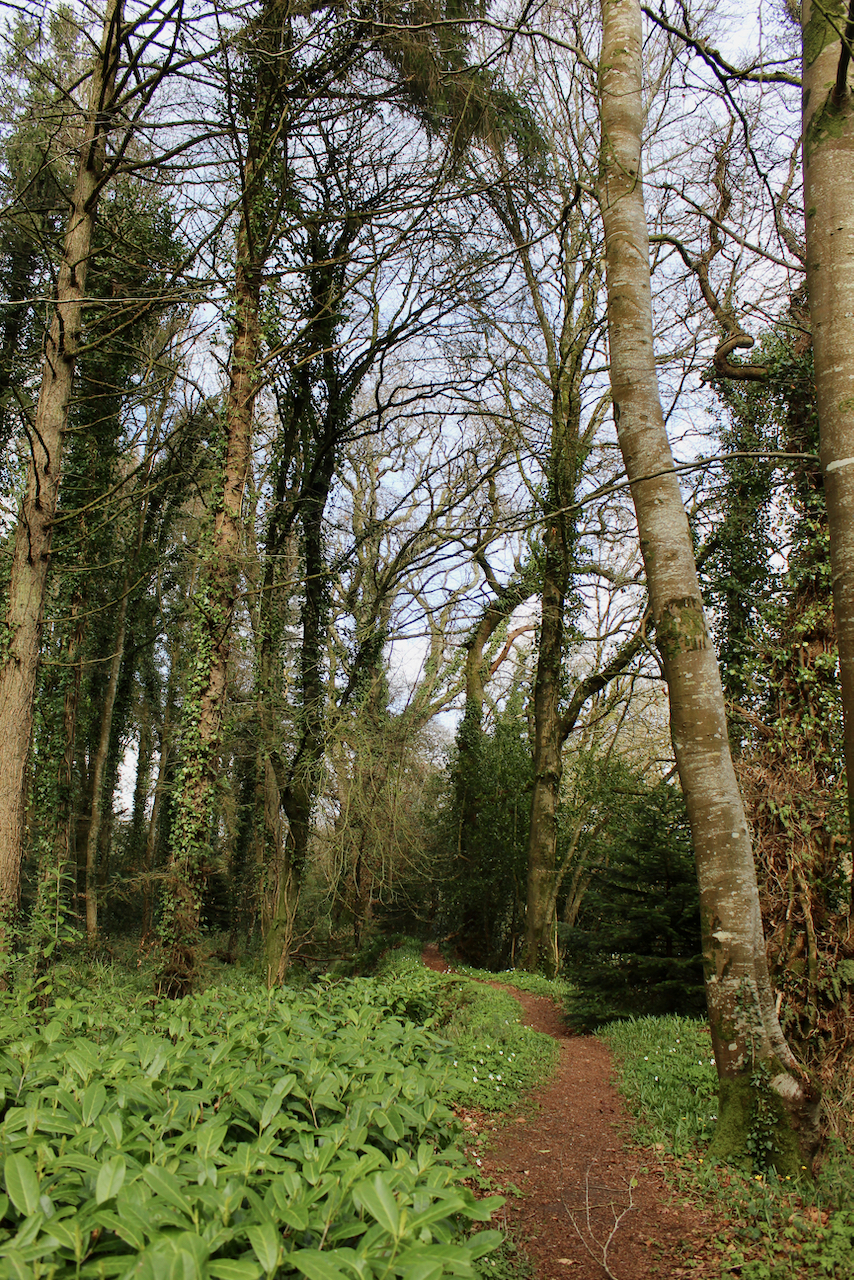
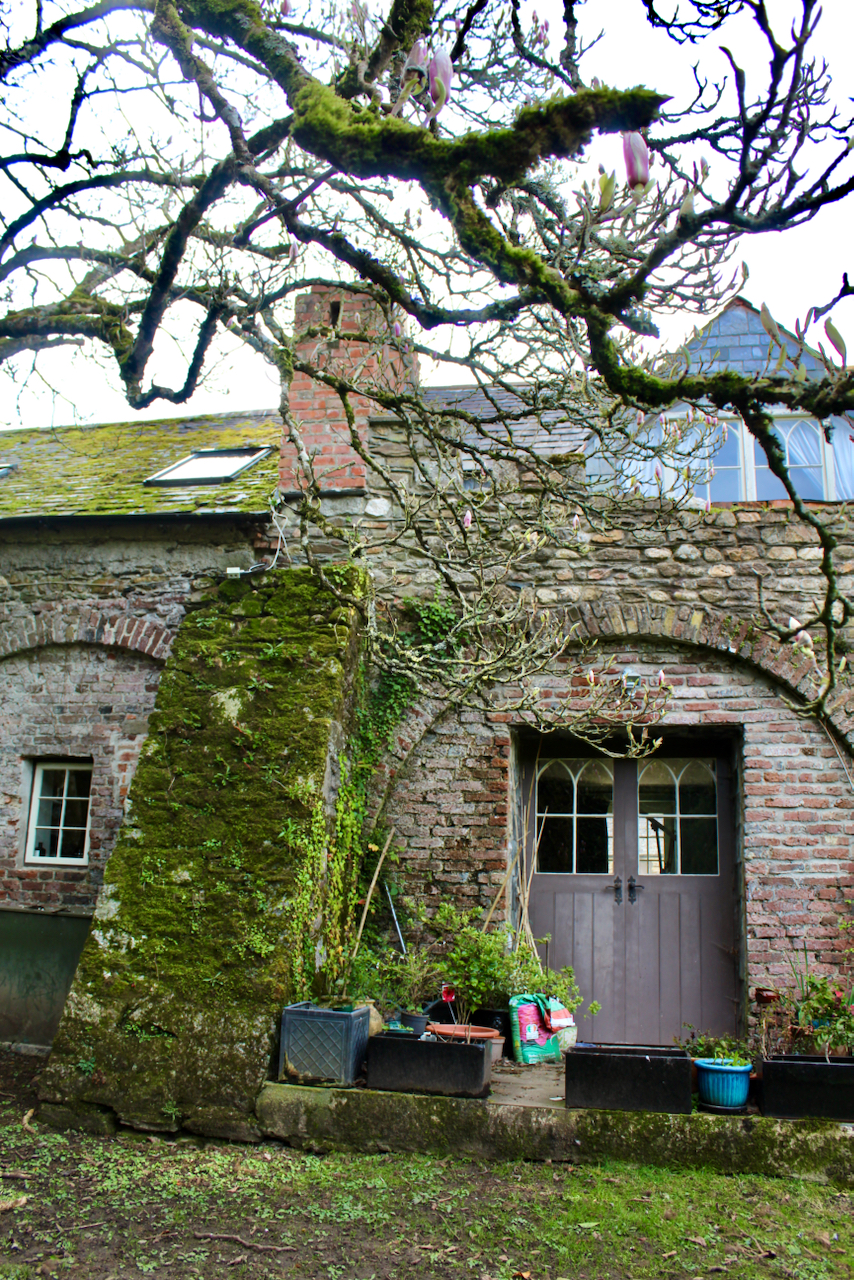
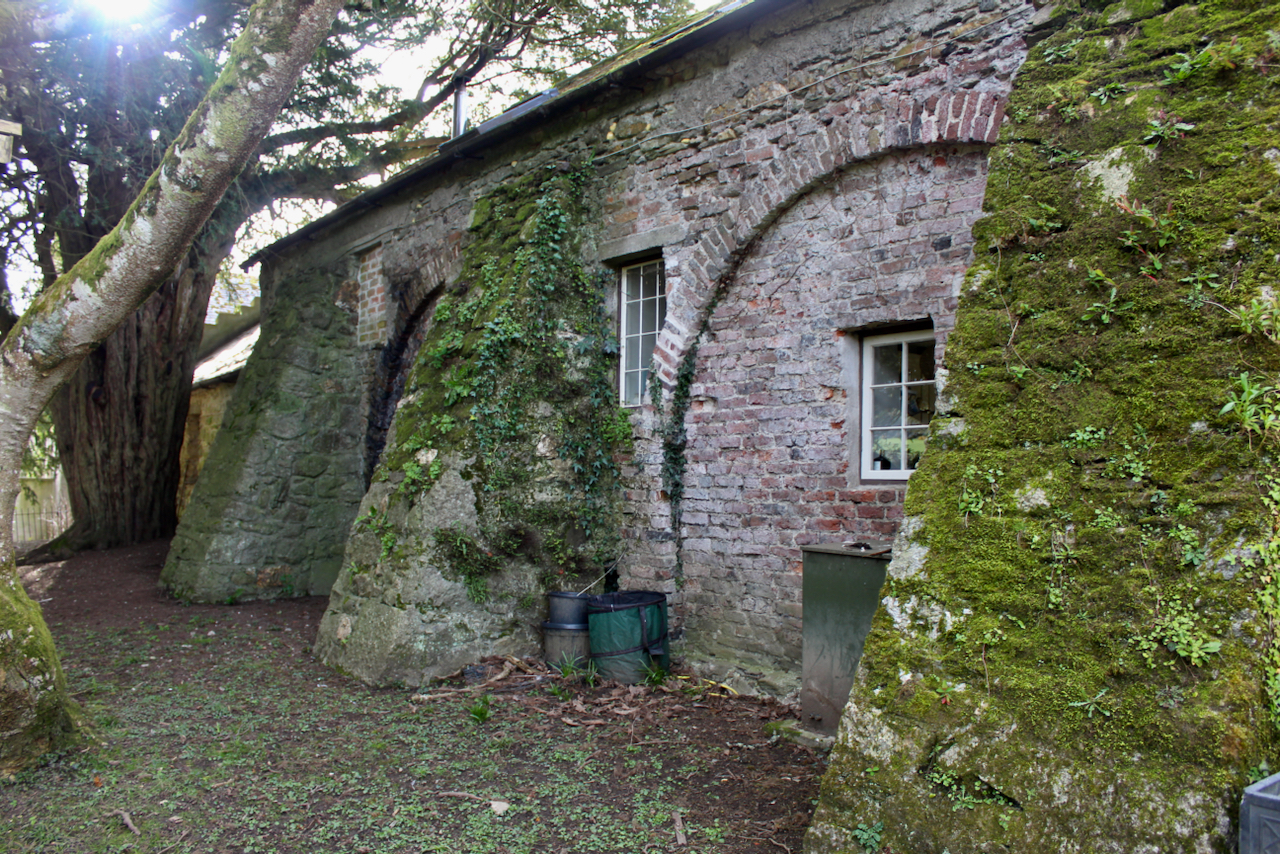
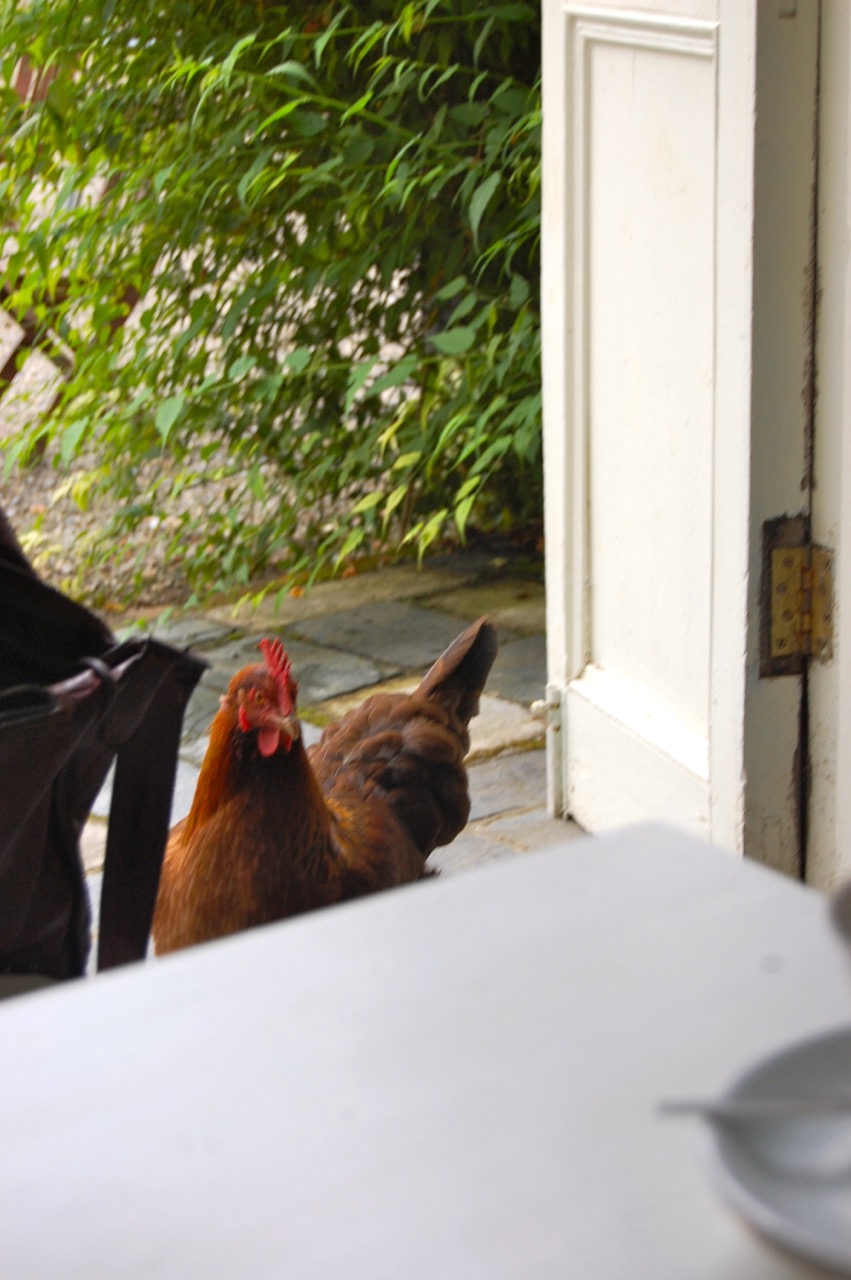
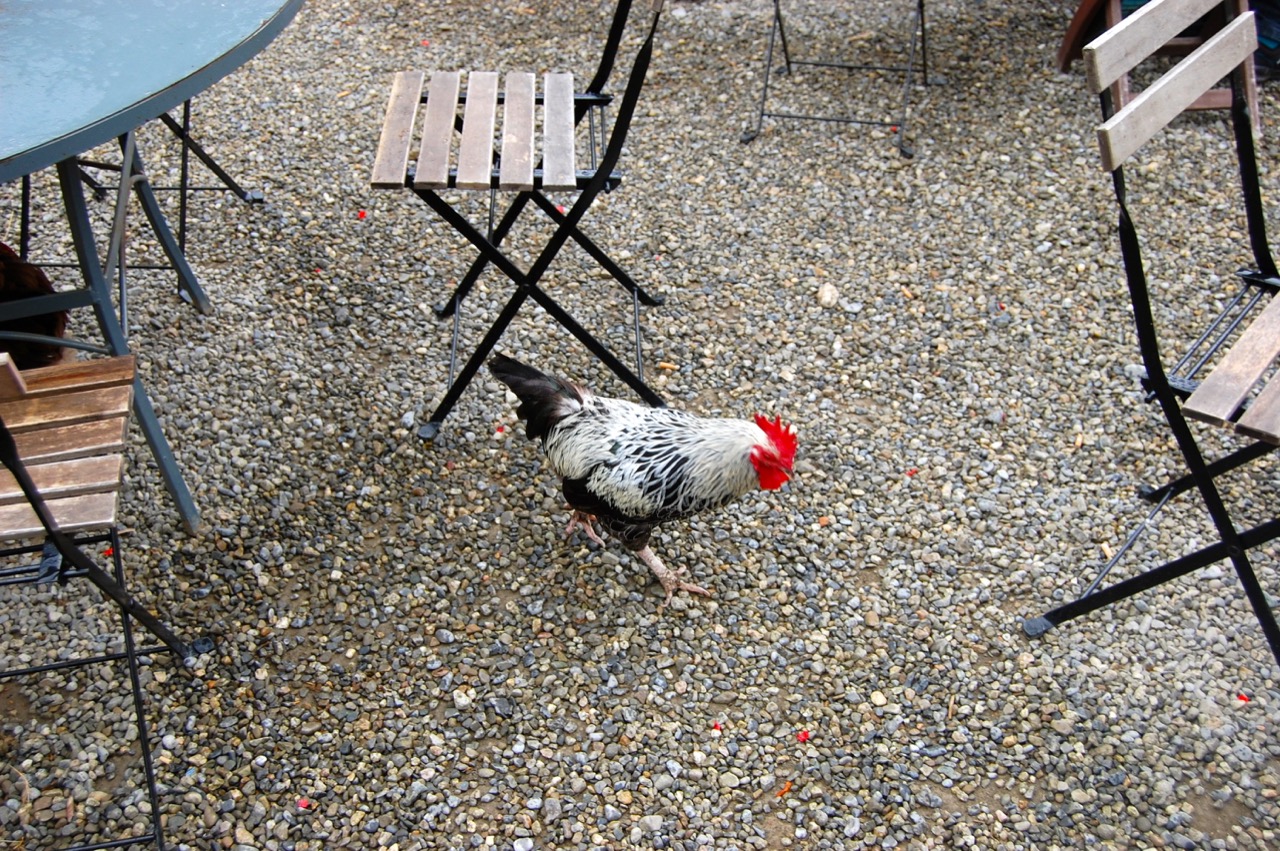
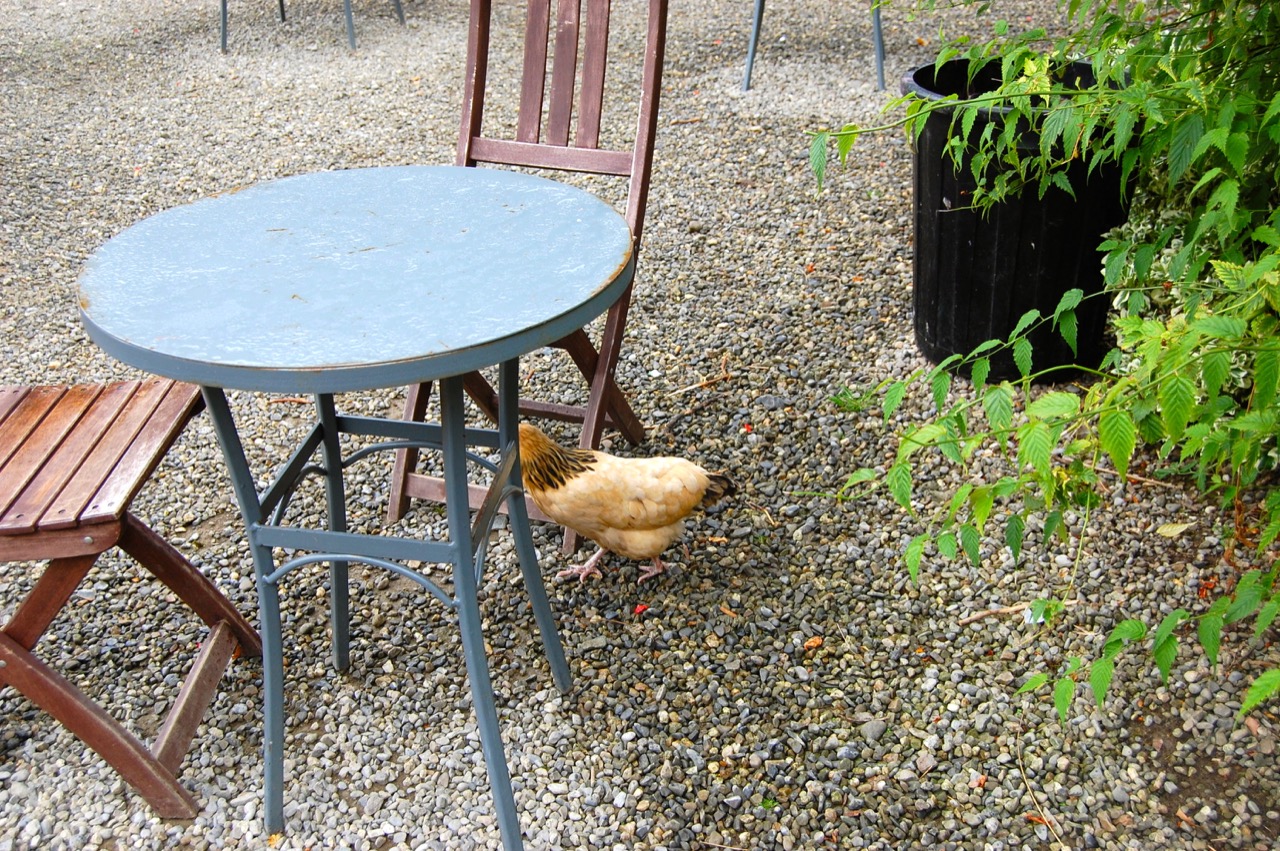
The gardens are beautiful and the Copes are so generous to share them with visitors. They run an organic farm. Our visit from Dublin was a lovely day outing.

At Shankill Castle County Kilkenny 3rd June 2023. Photograph © Jennifer Winder-Baggot, www.irishhistorichouses.com
Shankill Castle County Kilkenny 3rd June 2023. Photograph © Jennifer Winder-Baggot, www.irishhistorichouses.com
Shankill Castle County Kilkenny 3rd June 2023. Organic vegetables growing, which are served in the café. Photograph © Jennifer Winder-Baggot, www.irishhistorichouses.com
Shankill Castle County Kilkenny 3rd June 2023. Photograph © Jennifer Winder-Baggot, www.irishhistorichouses.com

[1] https://landedfamilies.blogspot.com/2017/05/262-aylward-of-ballynagar-and-shankill.html

[2] https://www.buildingsofireland.ie/buildings-search/building/12306002/shankill-castle-shankill-paulstown-or-whitehall-shankill-co-kilkenny

[3] https://www.dia.ie/architects/view/4567/ROBERTSON,+WILLIAM#tab_biography

[4] William Robertson https://www.dia.ie/architects/view/4567/ROBERTSON,+WILLIAM#tab_biography

In 1796, 1797 and 1798 he was in England, possibly working in the office of a London architect. His diary-cum-notebook in the National Library of Ireland records excursions from London in August 1796 and April and September 1797. Places which he visited included Painshill, Woburn Park (Surrey), Oatlands, Wanstead, Wotton House, Blenheim and Tintern. The notebook shows clearly that his main interests were architecture and gardening. He had a London address when he exhibited two views of Kilkenny and a design for the garden front of a villa at the Royal Academy in 1797 and 1798 respectively. He is almost certainly the ‘W. Robertson’ who was the author of two works published by Ackermann in London at about this time: A Collection of Various Forms of Stoves, Used for forcing Pine Plants, Fruit Trees, And Preserving Tender Exotics (1798)and Designs in Architecture, For Garden Chairs, Small Gates for Villas, Park Entrances, Aviarys, Temples, Boat Houses, Mausoleums, and Bridges (1800).

“…His large library – ‘the result of Fifty Years’ collecting’ – was sold at auction in Dublin over a number of days the following April. For many years he had been keenly interested in local history and topography. In about 1808 he had ‘employed two talented Artists to make drawings of every object remarkable for its antiquity or picturesque beauty, then to be found in the County of Kilkenny, with the intention of publishing a Topographical Work‘. Some of these he had had engraved. After building up a large collection of material, he had never found time to produce the proposed book. This task fell to James George Robertson, a Scottish-born relative, who, in about 1828, when he was a boy of about twelve, had joined William Robertson and had presumably become his pupil and assistant. James George Robertson published a selection of the material with some additional notes of his own in a rather haphazard series of parts from 1851-53 under the title The Antiquities and Scenery of the County of Kilkenny. In 1853 James George Robertson presented the Kilkenny Archaeological Society with the manuscript report on the fabric of St Canice’s Cathedral, Kilkenny, which William Robertson had prepared in 1813.

“…The Irish Architectural Archive holds presentation elevations by Robertson for the enlargement and Gothicization of Kilkenny Castle, 1826 (Acc. 80/35) and sketch designs for Powerstown glebe house, Co. Kilkenny, with a related letter from Robertson to the Rev. Thomas Mercer Vigors, dated William Street, 5 April 1818 (Acc.78/36.B4,4a). It also holds a letter from Robertson, written from Kilkenny on 7 November 1813 to the London bookseller Joseph Taylor (Acc. 2006/112) in which he discusses Sir James Hall’s Essay on the Origin, History and Principles of Gothic Architecture (1813).

[5] https://www.archiseek.com/tag/william-deane-butler/

[6] Mark Bence-Jones  A Guide to Irish Country Houses (originally published as Burke’s Guide to Country Houses volume 1 Ireland by Burke’s Peerage Ltd. 1978); Revised edition 1988, Constable and Company Ltd, London.

Text © Jennifer Winder-Baggot, www.irishhistorichouses.com

Wilton Castle, Bree, Enniscorthy, Co. Wexford Y21 V9P9 – section 482

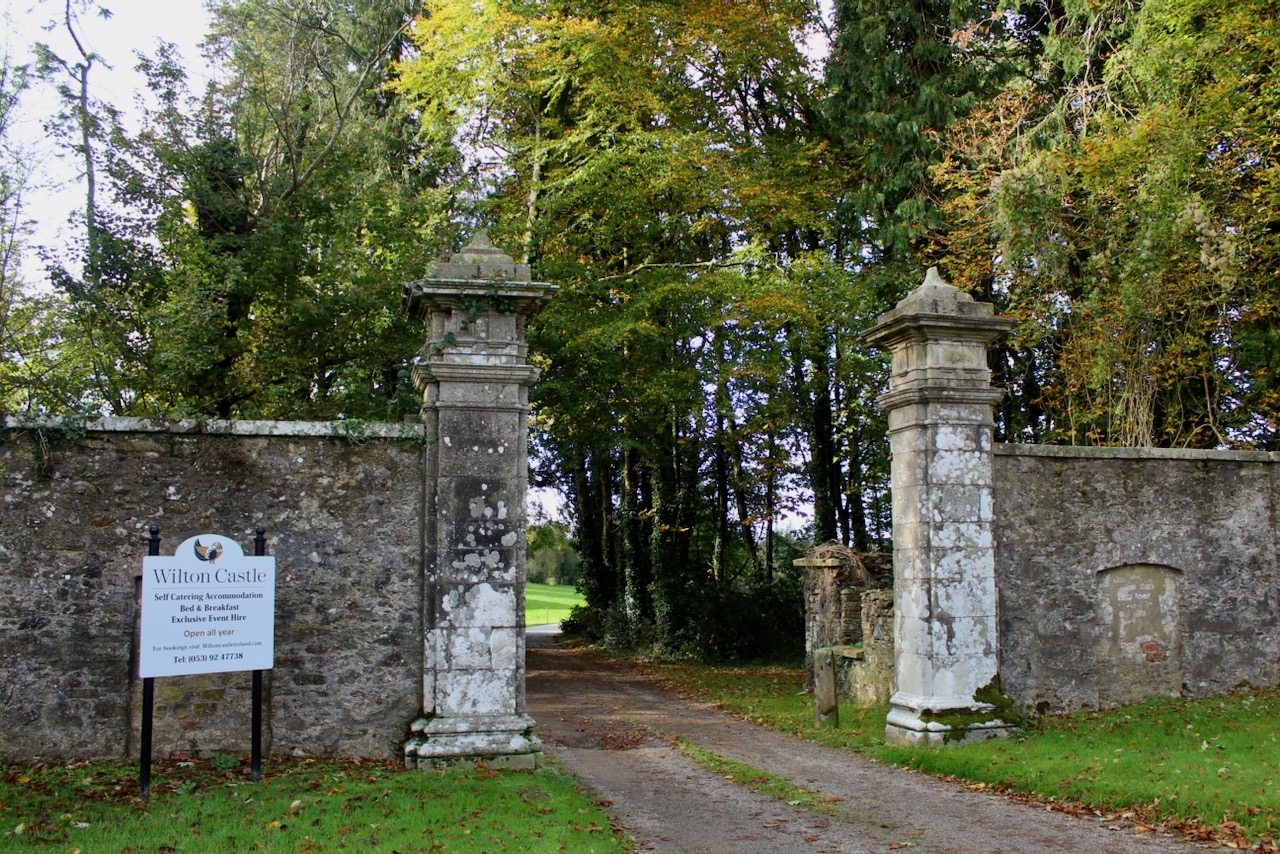
Tourist Accommodation Facility – not open to visitors, overnight guests only

www.wiltoncastleireland.com
Open for accommodation: all year

Wilton Castle. Photograph © Jennifer Winder-Baggot, www.irishhistorichouses.com
Wilton Castle, November 2021. Photograph © Jennifer Winder-Baggot, www.irishhistorichouses.com

We treated ourselves to a stay in Wilton Castle in November in 2021. Having been gutted in a fire in 1923, it stood as a dramatic ruin until the Windsors purchased and began to refurbish it into luxurious accommodation. The current restoration was completed in 2014. So far just half of it has been rebuilt, the rest has been stabilised but remains empty and without a roof. The work which has been done by the Windsors is incredible – it seems to have been rebuilt to a very high standard. I’m not sure if they intend to continue to rebuild the rest of the castle.

Wilton Castle was designed for Harry Alcock (1792-1840) by Daniel Robertson (d. 1849) in 1836-38, subsuming parts of an earlier castle and house.

The area was previously known as Clogh na Kayer (The Castle of the Sheep). Herbert Hore writes in History of the Town and County of Wexford that an ancient Castle of Cloghnakayer was built in the fourteenth century. The De Dene family owned the land until 1354, when an only daughter married Philip Furlong whose descendant, Sir Fulke Furlong, knight, of Horetown, built a castle around 1410. 

The land then passed to the Butlers of Mountgarret. Edward Butler, Baron of Kayer (eldest son of Pierce, second son of Richard 1st Viscount Mountgarret) rebuilt and restored the ancient Castle, and added a mansion house to it in 1599. [1]

The view from our suite. Photograph © Jennifer Winder-Baggot, www.irishhistorichouses.com
Edward Butler’s son, Pierce, inherited. Pierce Butler was a Catholic and a supporter of the monarchy and his land was confiscated by the Cromwellian parliament in 1655 and granted to a Cromwellian soldier, Captain Robert Thornhill. Captain Robert’s son sold the estate in 1695 to William Alcock (d. 1705) of Downpatrick, County Down. [2]

Herbert Hore tells us that William Alcock rebuilt the castle, and called it Wilton. It was this castle that was subsumed in Daniel Robertson’s design for Harry Alcock. Herbert Hore writes that “the late Colonel Alcock [Harry, (1821-93)] told me that some of the walls of the ancient Castle of the Butlers are incorporated in the present building.”

Robert O’Byrne writes: “William Alcock built a new residence for himself on the site of an old castle, and this was occupied by his descendants for several generations. A handsome classical doorcase of granite with segmental pediment above fluted pilasters survives on the façade of the former steward’s house at Wilton to indicate the appearance of the original Alcock house, dismissed by Martin Doyle in his 1868 book on the county as being ‘in the dull style of William and Mary.’ ” [3]

A handsome classical doorcase of granite with segmental pediment above fluted pilasters survives on the façade of the former steward’s house at Wilton to indicate the appearance of the original Alcock house.” Photograph © Jennifer Winder-Baggot, www.irishhistorichouses.com
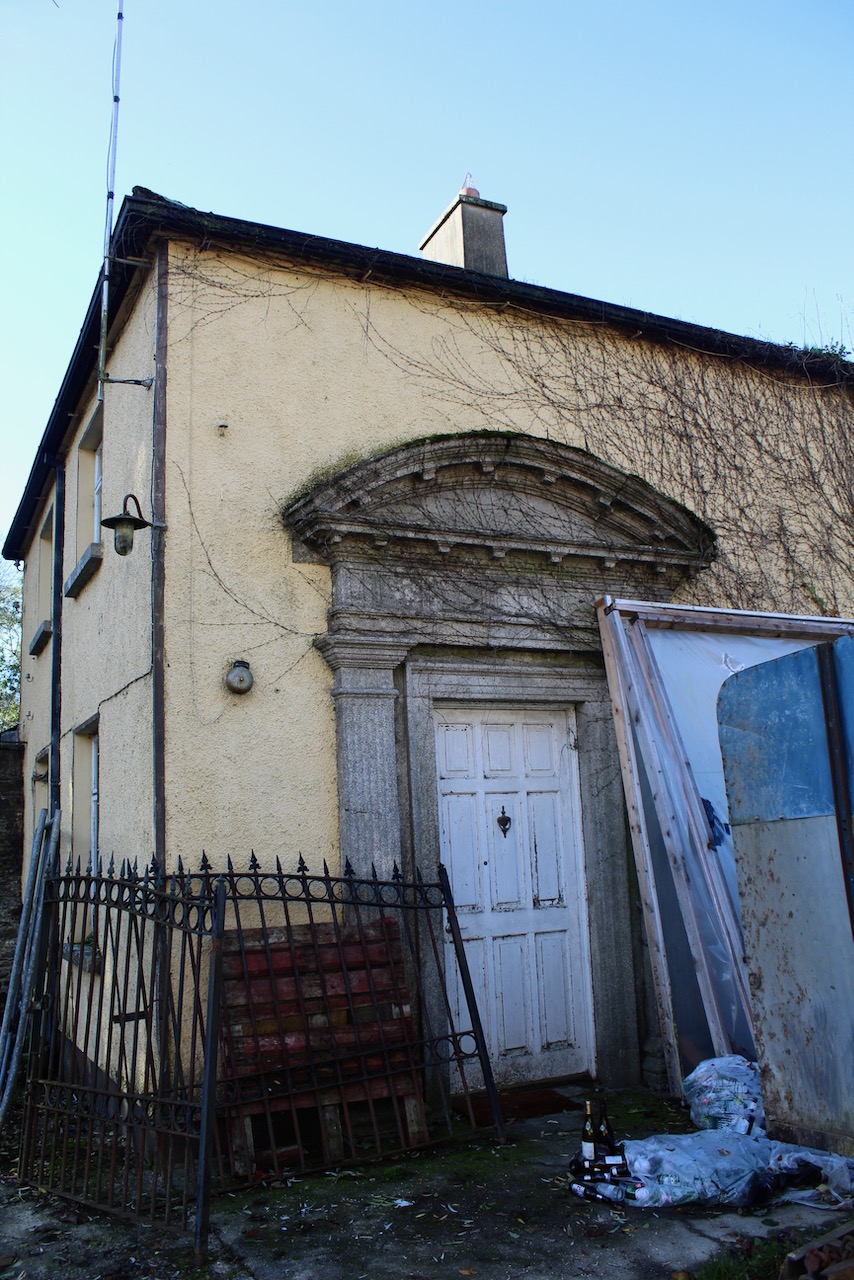
The former steward’s house, in the stable yard below Wilton Castle. Photograph © Jennifer Winder-Baggot, www.irishhistorichouses.com

A daughter of William and his wife Jane nee Bamber of Bamber Hall of Lancaster, England, married Patrick Lattin and was the mother of the famous Jack Lattin of Morristown Lattin, County Kildare, who danced himself to death!

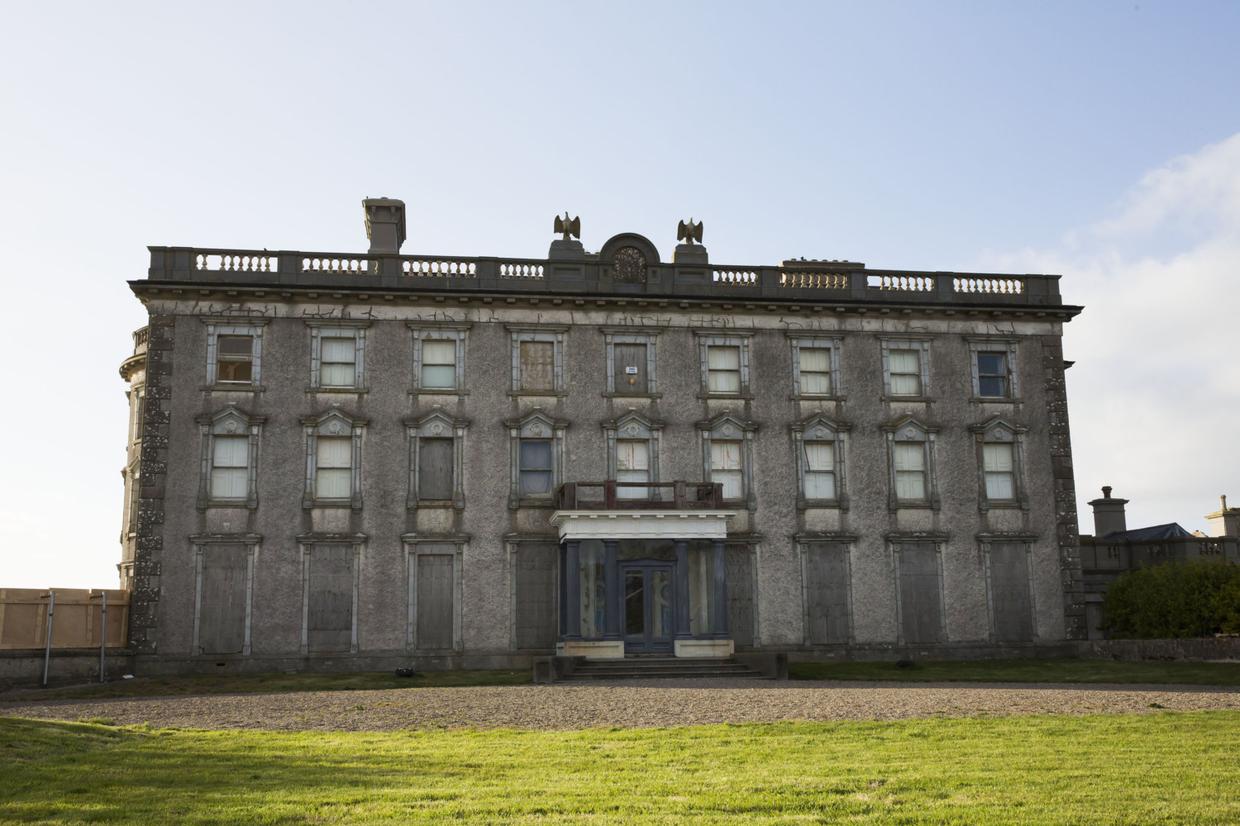
The estate passed to William Alcock’s son, another William Alcock (1681-1739), then to his son, Col. William Alcock (d. 1779) (Colonel in the Waterford Militia). He married Mary Loftus of Loftus Hall, County Wexford, daughter of Nicholas Loftus, 1st Viscount Loftus of Ely and his wife Anne Ponsonby, daughter of William Ponsonby, 1st Viscount Duncannon.

Loftus Hall, the home of Mary Loftus, wife of William Alcock (d. 1779). Photograph from the National Inventory of Architectural Heritage.

Wilton then passed to his son, Henry Alcock (d. 1811). Henry Alcock married Elizabeth Katherine Ussher, daughter of Beverly Ussher of Kilmeadon, County Waterford, who was a long term MP for County Waterford. Henry Alcock also served as an MP for Waterford. Elizabeth Katherine’s sister Mary also married an MP, John Congreve of Mount Congreve in Waterford (which has beautiful gardens open to the public, although temporarily closed – I wonder if the house is to be opened also?).

The estate then passed to his son, William Congreve Alcock (1771-1812). William competed in the general election of 1807 against John Colclough of Tintern Abbey (son of Vesey Colclough, MP for County Wexford). Unfortunately they decided to settle a dispute by a duel, and William shot and killed John. John had been engaged to a sister of William’s. William was tried for murder but acquitted. He never got over the incident however and it affected his mental health and he died five years later. [4] Thus Wilton Castle passed to his brother, Harry Alcock (1792-1840).

In 1818 Harry Alcock married Margaret Elinor Savage, daughter of James Savage of Kilgibbon, County Wexford (this house is now a ruin). He then engaged Daniel Robertson in 1837 to renovate Wilton House, which became Wilton Castle. The newer house was built in front of the older Wilton House.

The older Wilton House, covered in weather-slating, is visible at the back of Wilton Castle. Photograph © Jennifer Winder-Baggot, www.irishhistorichouses.com
The details of Daniel Robertson’s training are not known. He struggled with bankruptcy for a large part of his life and moved from working in Oxford in England to Ireland, at the urging of his father-in-law. The Dictionary of Irish Architects tells us:

From the early 1830s he did no further work in Britain but received a series of commissions in Ireland, mainly for country house work in the south eastern counties. Most of these houses or additions were in the Tudor style, which, he asserted in a letter to a client, Henry Faulkner, of Castletown, Co. Carlow, was ‘still so new and so little understood in Ireland’. For some of them he used Martin Day as his executant architect. In spite of his success in attracting commissions, when he was working at Powerscourt in the early 1840s he was, in the words of Lord Powerscourt, ‘always in debt and…used to hide in the domes of the roof of the house’ to escape the Sheriff’s officers who pursued him. By then he was crippled with gout and in an advanced state of alcoholism; at Powerscourt he ‘used to be wheeled out on the terrace in a wheelbarrow with a bottle of sherry, and as long as that lasted he was able to design and direct the workmen, but when the sherry was finished he collapsed and was incapable of working till the drunken fit had evaporated.’ In at least two instances – at Powerscourt and at Lisnavagh – he lived on the premises while work was in progress, and it seems that from the 1830s until the year of his death his wife and family never settled for any time in Ireland… Robertson was overseeing the completion of Lisnavagh, Co. Carlow, where he had been living intermittently since the start of building in 1846, when he fell seriously ill in the spring of 1849” and died in September of that year. [5]

Ballydarton House, County Carlow, also designed by Daniel Robertson, in 1830. Photograph from the National Inventory of Architectural Heritage.
Dunleckney Manor, County Carlow, by Daniel Robertson, 1835. Photograph from the National Inventory of Architectural Heritage.

Daniel Robertson also designed the nearby Johnstown Castle in County Wexford. We visited Johnstown Castle also but unfortunately it was closed the only day we were in Wexford, as they were taking down Hallowe’en decorations from a special event! Such a pity we weren’t able to see the inside of the castle yet, but we shall certainly visit again.

Johnstown Castle is described in the National Inventory of Architectural Heritage: “the construction in a blue-green rubble stone offset by glimmering Mount Leinster granite dressings not only demonstrating good quality workmanship, but also producing a sober two-tone palette.” [6] Wilton Castle also has Mount Leinster granite dressings. It was covered however in white lime plaster – which has been reinstated on the renovated part of the castle.

The lakeside facade of Johnstown Castle, County Wexford, built 1836-72 for Hamilton Knox Grogan Morgan (1808-54), MP, also by Daniel Robertson – it has remarkable similarities to Wilton Castle. It envelops a seventeenth-century house (perhaps by Thomas Hopper) [7] remodelled (1810-4) by James Pain (1779-1877) of Limerick. Photograph © Jennifer Winder-Baggot, www.irishhistorichouses.com
Johnstown Castle overlooks a beautiful lake. Photograph © Jennifer Winder-Baggot, www.irishhistorichouses.com

Harry’s daughter Henrietta married William Russell Farmar who also had a house built by Daniel Robertson: Bloomfield in County Wexford.

Bloomfield, a country house erected for William Russell Farmar JP (1802-71) to a design by Daniel Robertson. Photograph from National Inventory of Architectural Heritage.

Another daughter, Sarah, married Thomas John Fetherston, 5th Baronet, of Ardagh, County Longford (the house is now in use as training college, St. Brigid’s Training College, by the Sisters of Mercy).

Harry’s son, another Harry Alcock (1821-93), inherited Wilton Castle and the estate. He served as High Sheriff of Wexford in 1846 and was Lt-Col. of the Wexford Militia.  He continued the building work, which finished in 1844, adding the large square four storey tower with its elaborate balconies. He also improved the surrounding estate. He increased the plantation of trees and implemented a programme of road construction, fence building and draining of land which was carried out as Famine relief work. [8]

Wilton Castle, November 2021. Photograph © Jennifer Winder-Baggot, www.irishhistorichouses.com
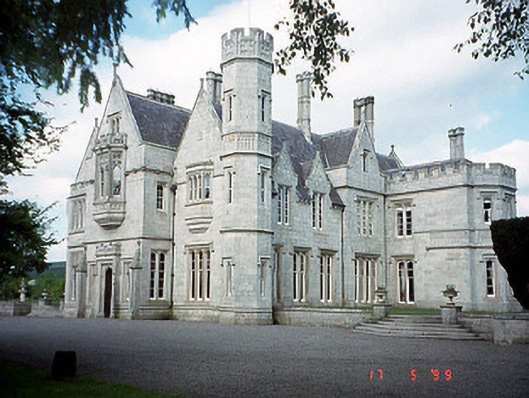
Wilton Castle, when designed by Daniel Robertson, consisted of a three-storey main block and two-storey wing, all dominated by a tall square tower at one end and a tall polygonal tower and turret at the other, and it is heavily machicolated and battlemented. It is the two storey wing which has been renovated for accommodation.

The tall square tower is at one end of Wilton Castle, on the three storey section. Photograph © Jennifer Winder-Baggot, www.irishhistorichouses.com

Harry Alcock died unmarried in 1893 and the estate (some 7,000 acres in the 1870s) passed to his nephew, Philip Clayton Alcock (1861-1949), son of Harry’s brother Philip Savage Alcock (1828-86) of Park House on the Wilton estate and his wife Katherine Annette Browne-Clayton of Carrickbyrne Lodge in County Wexford. Philip Clayton Alcock was a Captain in the Gloucestershire Regiment, and in 1900 High Sheriff of Wexford, but by 1922 he felt it was too dangerous to remain at Wilton and moved to England. In 1923 his fears about his Irish property were justified when Wilton Castle was burned by arsonists. [9]

A contemporary account in the Irish Times, 7 March 1923 tells us about the burning: “Wilton Castle, the residence of Captain P.C. Alcock, about three miles from Enniscorthy, was burned by armed men on Monday night. Nothing remains of the beautiful building but smoke-begrimed, roofless walls, broken windows, and a heap of smouldering debris. The Castle was occupied by a caretaker – Mr. James Stynes – the owner, with his wife and family, having gone to England about a year ago. Shortly after 9 o’clock on Monday night the caretaker was at the Steward’s residence…when he was approached by armed men, who demanded the keys to the Castle. When he asked why they wanted the keys, one of the armed men said: “We have come to burn the place. We are sorry”. The raiders told the caretaker that he could remove his personal belongings from the part of the Castle that he occupied, but they would not allow him to remove the furniture. Fearing that the Castle might be burned, however, Captain Alcock had removed the most valuable portion of his furniture some weeks ago, but a good many rooms were left furnished. When the caretaker had removed his property he was ordered back to the Steward’s house. Soon the noise of breaking glass was heard. It appears that the armed men broke all the windows on the ground floor, and having sprinkled the floors with petrol, set them alight. They did not hurry over their work of destruction, and they did not leave the Castle until near 12 o’clock, when the building was enveloped in flames. About thirty men took part in the raid. After the raiders left, the caretaker and Steward, with what help they could procure, tried to extinguish the flames, but their effort was hopeless”. [10]

Photograph from the National Inventory of Architectural Heritage of Wilton Castle before renovation.
The tall polygonal tower and telescoping turret at the other end of Wilton Castle, on the two storey section of the castle, which has been renovated and faced in a creamy white lime plaster to distinguish it from the section which remains a ruin. Photograph © Jennifer Winder-Baggot, www.irishhistorichouses.com

Wilton Castle was built on a moated platform surrounded by parapet walls and sham fortifications.

The moated area, in front of the castle. Photograph © Jennifer Winder-Baggot, www.irishhistorichouses.com
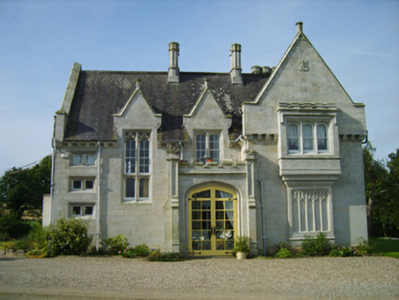
One of the little fortification towers along the moat in front of the castle. Photograph © Jennifer Winder-Baggot, www.irishhistorichouses.com
Area in front of the castle, with another of the fortification towers and the moated area (not filled with water) lies on the far side of the low wall. Photograph © Jennifer Winder-Baggot, www.irishhistorichouses.com
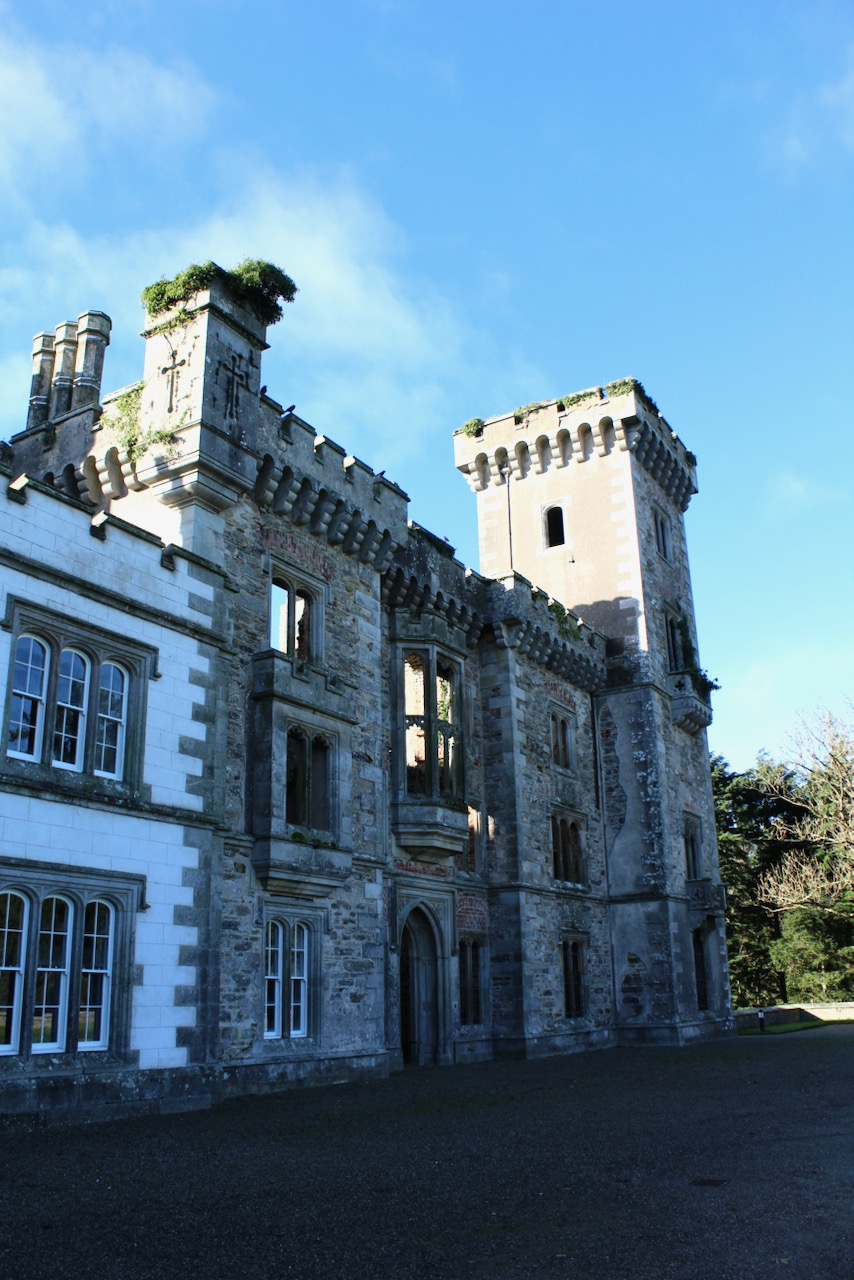
The windows of Wilton Castle are arched and paired and have hood mouldings; the roof has crenellations. Photograph © Jennifer Winder-Baggot, www.irishhistorichouses.com
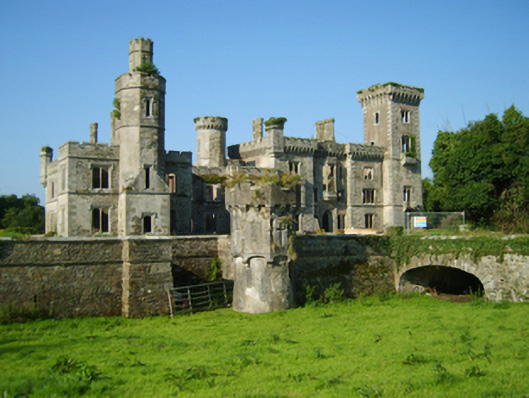
The side of Wilton Castle. Note the fine stone chimneys. The octagonal turret on the south west corner of Wilton Castle is built entirely of Mount Leinster granite and contains 182 cubic ft of stone or approx 13.5 ton in weight. [11] Photograph © Jennifer Winder-Baggot, www.irishhistorichouses.com
Wilton Castle, November 2021. Photograph © Jennifer Winder-Baggot, www.irishhistorichouses.com

In the three storey section of the castle, there is a beautiful carved doorcase, and an oriel window over it with delicate stone tracery and crenellations on top of the windowframe. Mark Bence-Jones defines an oriel window as “a large projecting window in Gothic, Tudor, Gothic-Revival and Tudor-Revival architecture; sometimes rising through two or more storeys, sometimes in an upper storey only and carried on corbelling.” [12] There is a similar oriel window at Johnstown Castle, which is only one storey high.

The beautifully carved Tudor-style doorcase at Wilton Castle. Photograph © Jennifer Winder-Baggot, www.irishhistorichouses.com
The carved doorcase and oriel window of Wilton Castle. Photograph © Jennifer Winder-Baggot, www.irishhistorichouses.com
At Wilton Castle there are double sets of sidelight windows either side of the doorcase, with arched carved window frames.

The Oriel window at Johnstown Castle, similar to that at Wilton Castle though the one at Wilton Castle is double-height. Photograph © Jennifer Winder-Baggot, www.irishhistorichouses.com

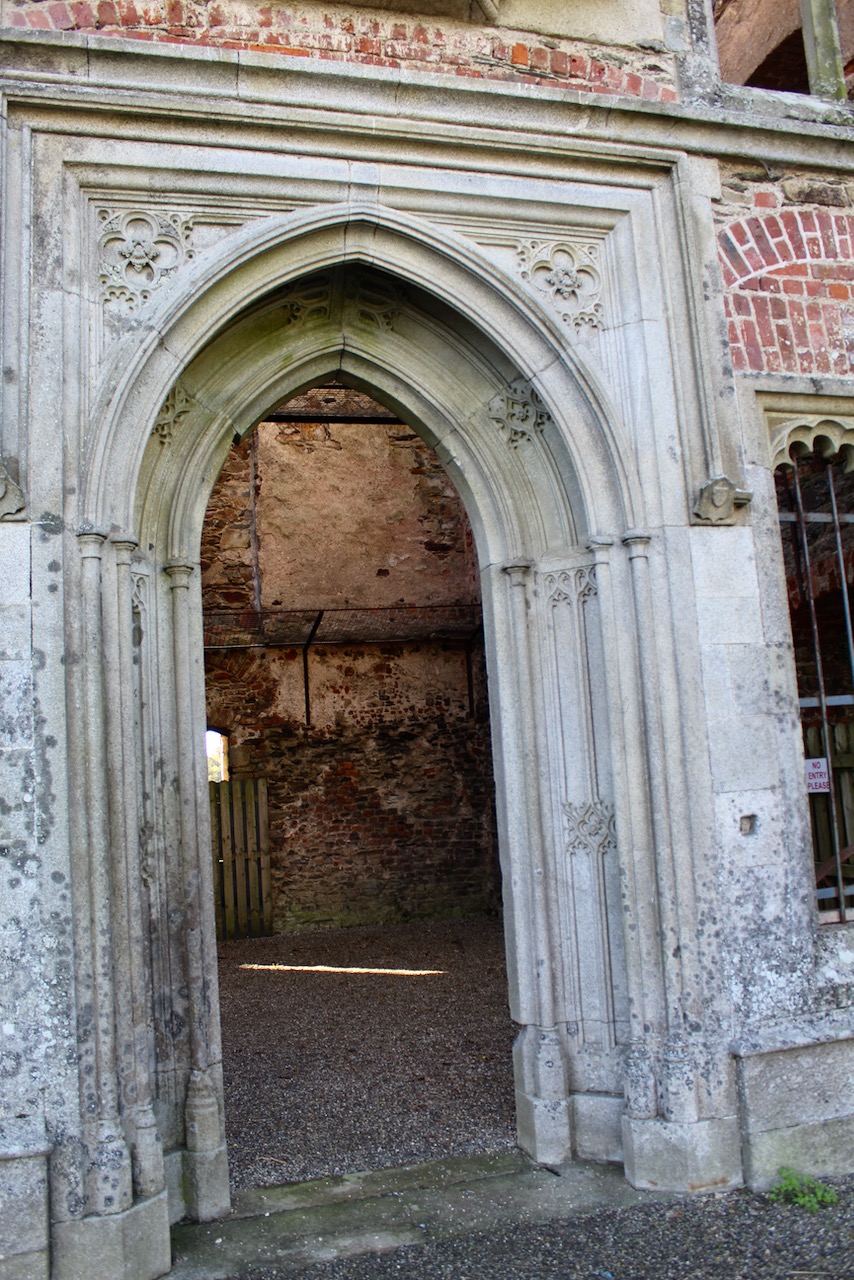
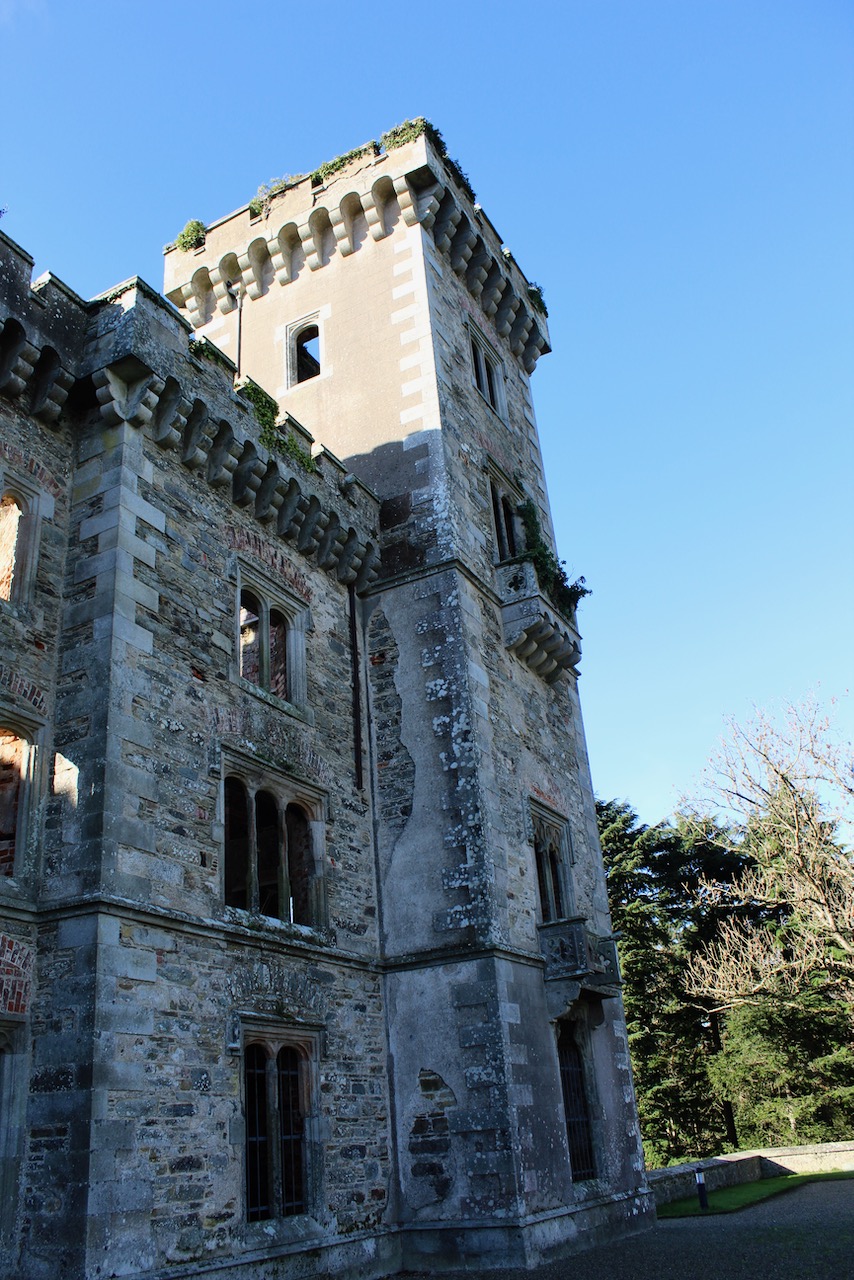
I was most excited to discover that we could explore the ruined part of the castle as it has been stabilised securely. It was wonderful to explore the detail.

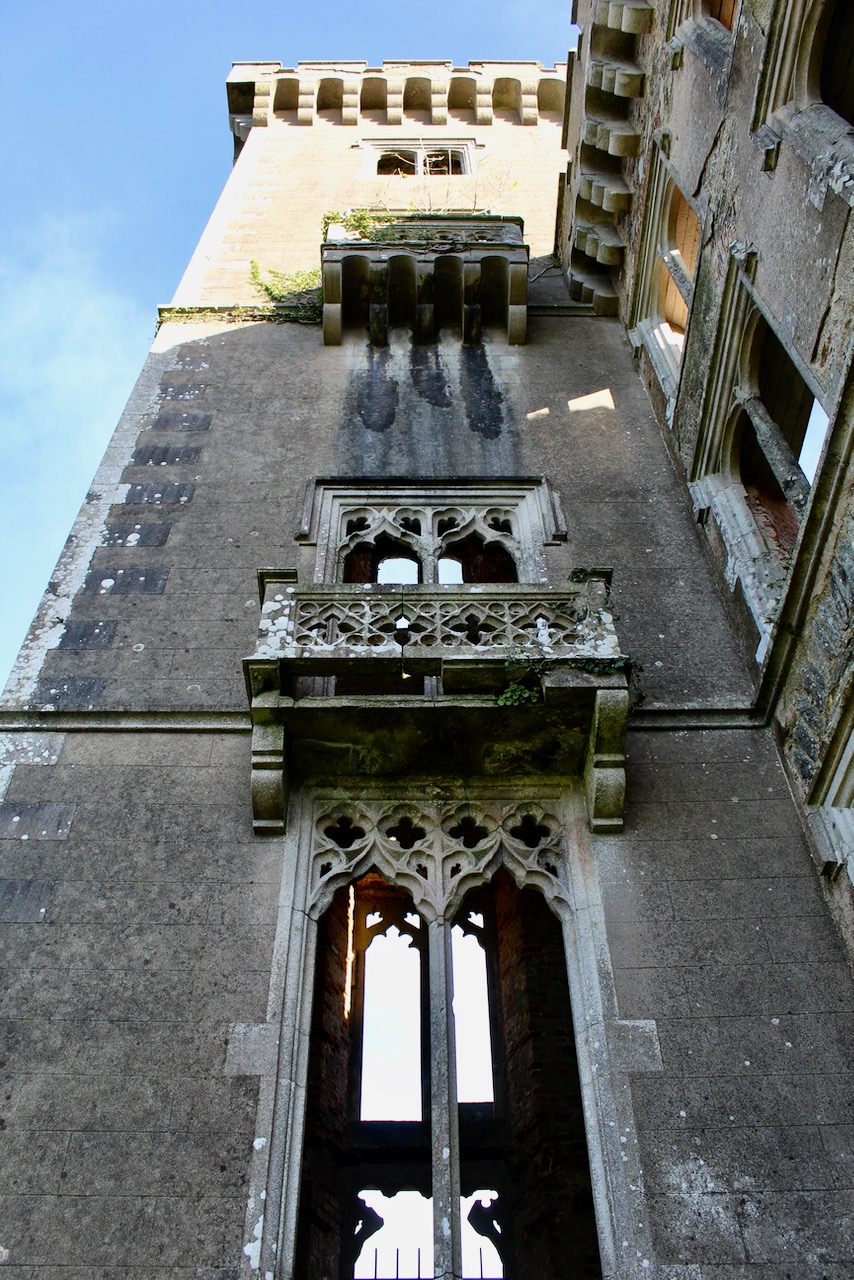
The tower of the ruined part of Wilton Castle. It has wonderful balconies on heavy stone corbels with Gothic tracery windows. Photograph © Jennifer Winder-Baggot, www.irishhistorichouses.com
The oriel window and doorcase as seen from inside Wilton Castle. Photograph © Jennifer Winder-Baggot, www.irishhistorichouses.com
Wilton Castle. Photograph © Jennifer Winder-Baggot, www.irishhistorichouses.com
Wilton castle. Photograph © Jennifer Winder-Baggot, www.irishhistorichouses.com
Wilton Castle, November 2021. Photograph © Jennifer Winder-Baggot, www.irishhistorichouses.com

We kept discovering more. Pictures from the front of the castle do not do it justice. The land drops down behind the castle to the River Boro, to reveal beautiful pastoral views from the back windows of the castle.

The view over the river from inside the ruin of Wilton Castle. Photograph © Jennifer Winder-Baggot, www.irishhistorichouses.com
Wilton Castle. Photograph © Jennifer Winder-Baggot, www.irishhistorichouses.com
The River Boro running along the back of Wilton Castle. Photograph © Jennifer Winder-Baggot, www.irishhistorichouses.com
There are lots of stone corbels. Photograph © Jennifer Winder-Baggot, www.irishhistorichouses.com
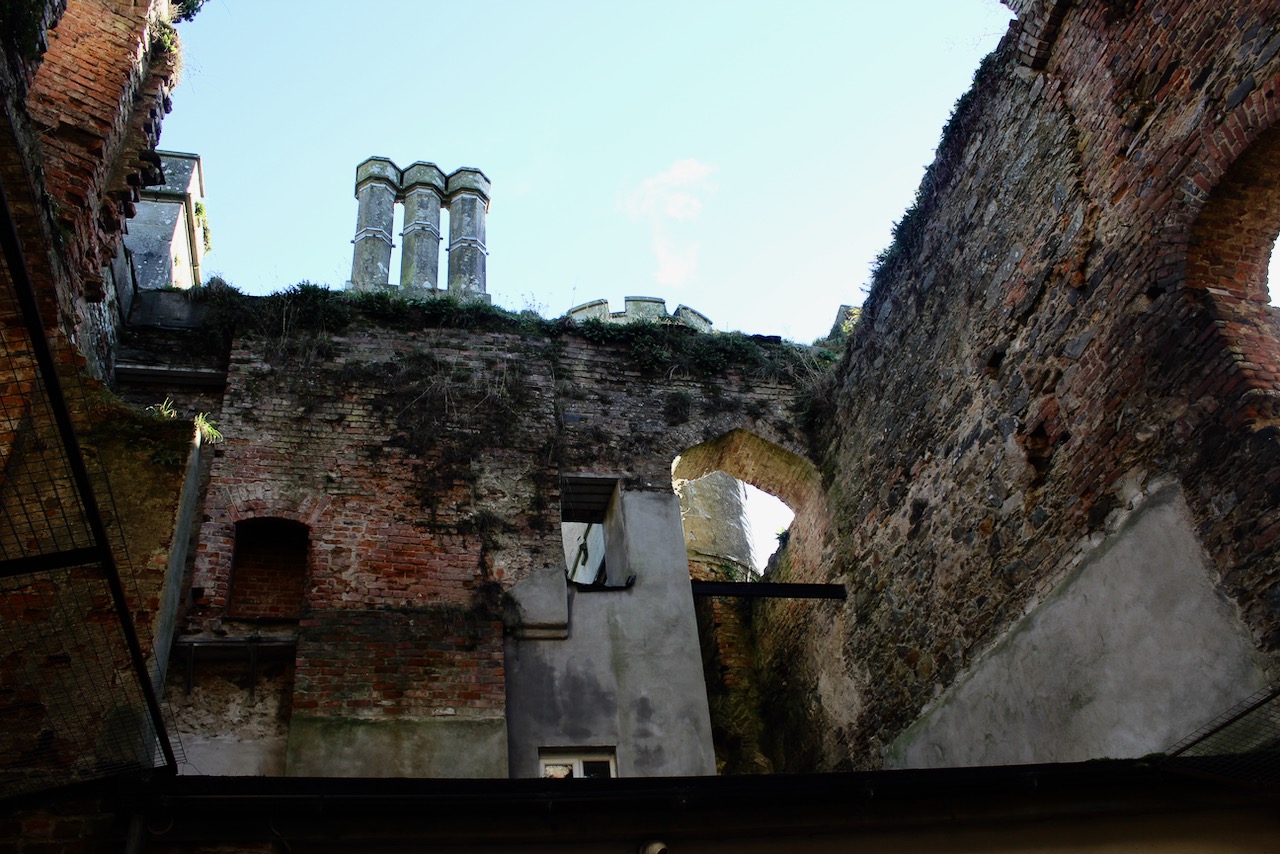
The spiral staircase inside the round tower at the back of the castle which joins the older Wilton House to the rest of the Castle. Photograph © Jennifer Winder-Baggot, www.irishhistorichouses.com
The view from the interior spiral staircase inside the ruin, of the river side of the castle and down toward the steward’s house. Photograph © Jennifer Winder-Baggot, www.irishhistorichouses.com

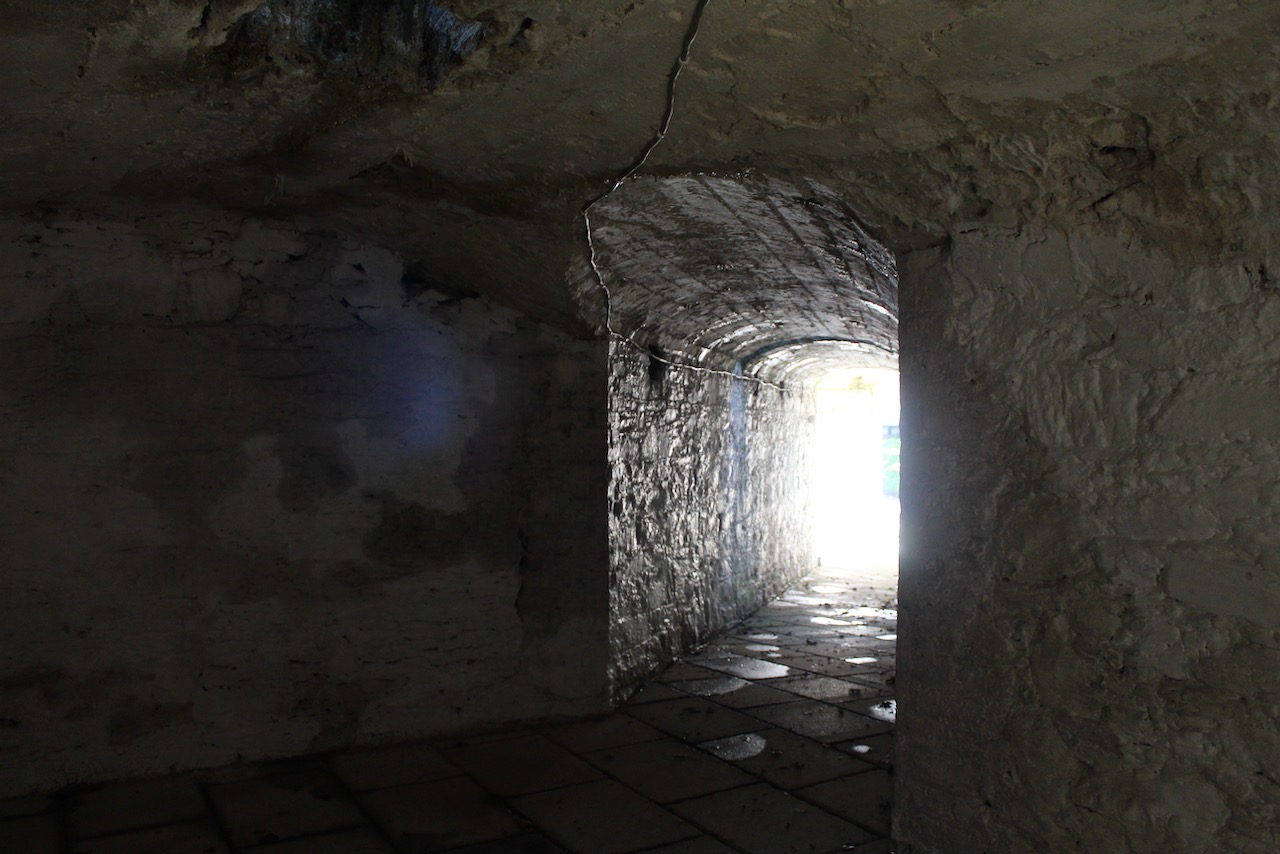
One can walk down to the river and more of the detail of the castle is revealed from behind. We found a warren of tunnels to one side on a level below the castle.

The tunnel from the castle level down to the farmyard. Photograph © Jennifer Winder-Baggot, www.irishhistorichouses.com
In this photograph you can see the side of the castle, and the path below. The river lies below that. Photograph © Jennifer Winder-Baggot, www.irishhistorichouses.com
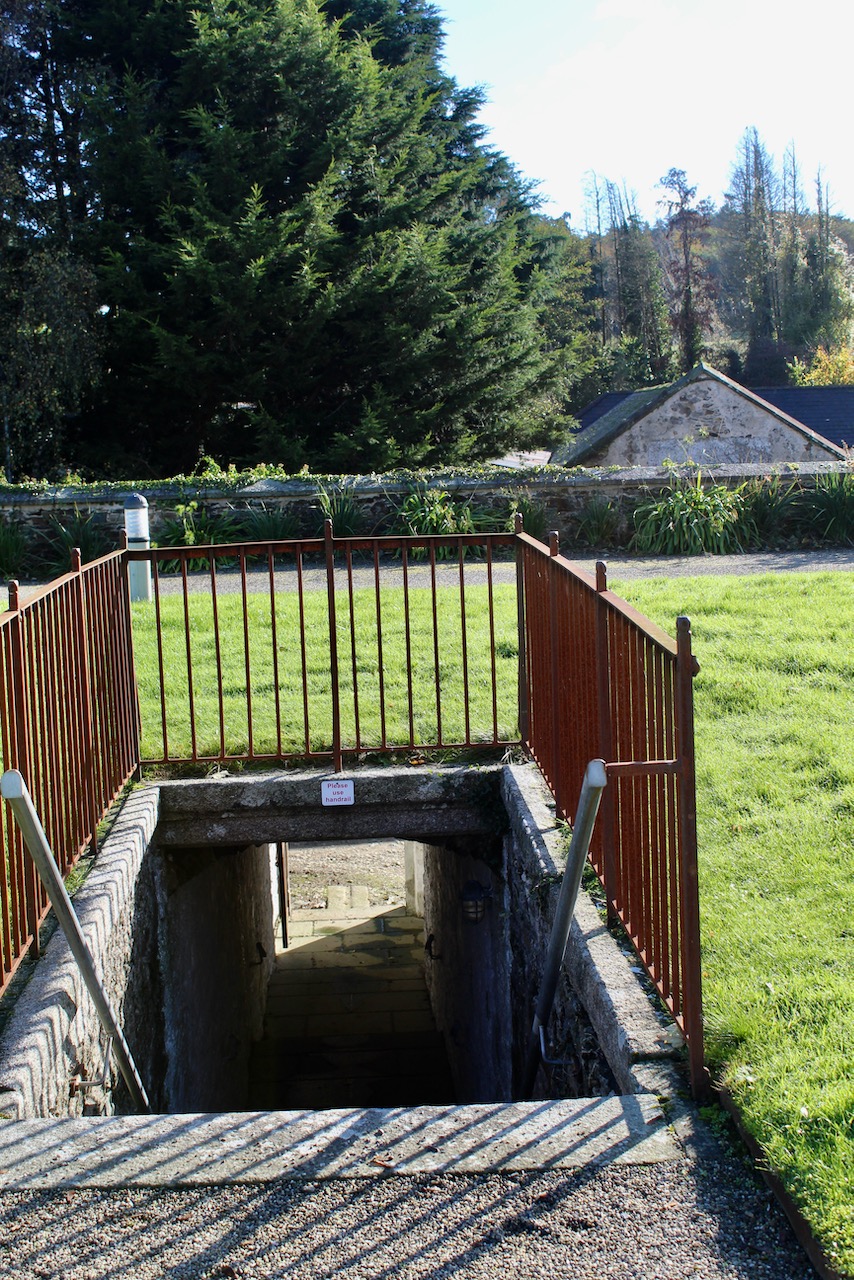
The tunnels to the side of Wilton Castle, at the lower level. Photograph © Jennifer Winder-Baggot, www.irishhistorichouses.com

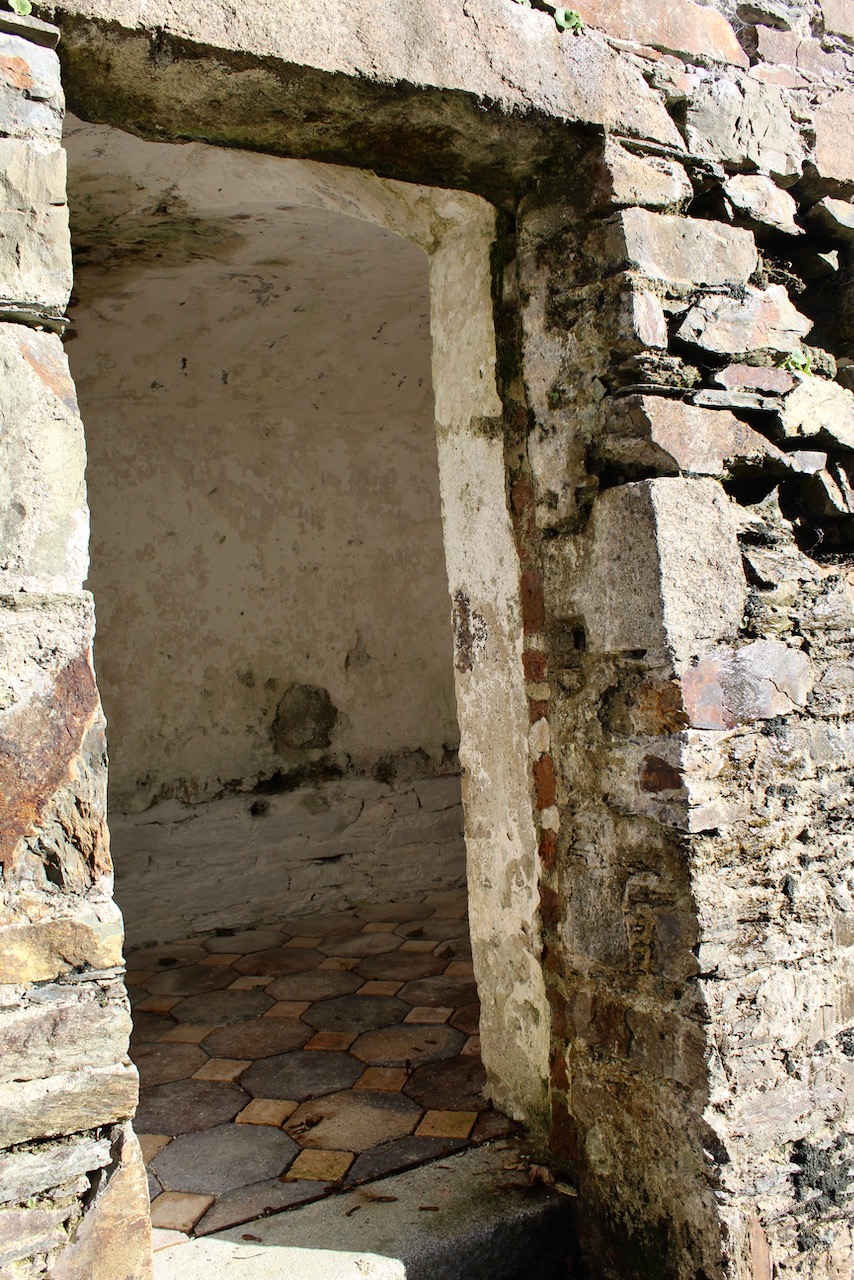
The tunnels provided quick access for servants to different parts of the castle, stable yard and grounds. There were cellars for wine and storage areas for food. Cast iron grilles let natural light and air into the tunnels. [13]

The entrances to the tunnels are in this stone wall. Photograph © Jennifer Winder-Baggot, www.irishhistorichouses.com
Entrances to the tunnels, in the stone wall. Photograph © Jennifer Winder-Baggot, www.irishhistorichouses.com
Wilton Castle. Photograph © Jennifer Winder-Baggot, www.irishhistorichouses.com
The riverside facade of Wilton Castle. The three storey section in the back – which is part of the older Alcock house – is covered in weather-slating tiles. The round tower contains the spiral staircase which I climbed inside the ruin. Photograph © Jennifer Winder-Baggot, www.irishhistorichouses.com
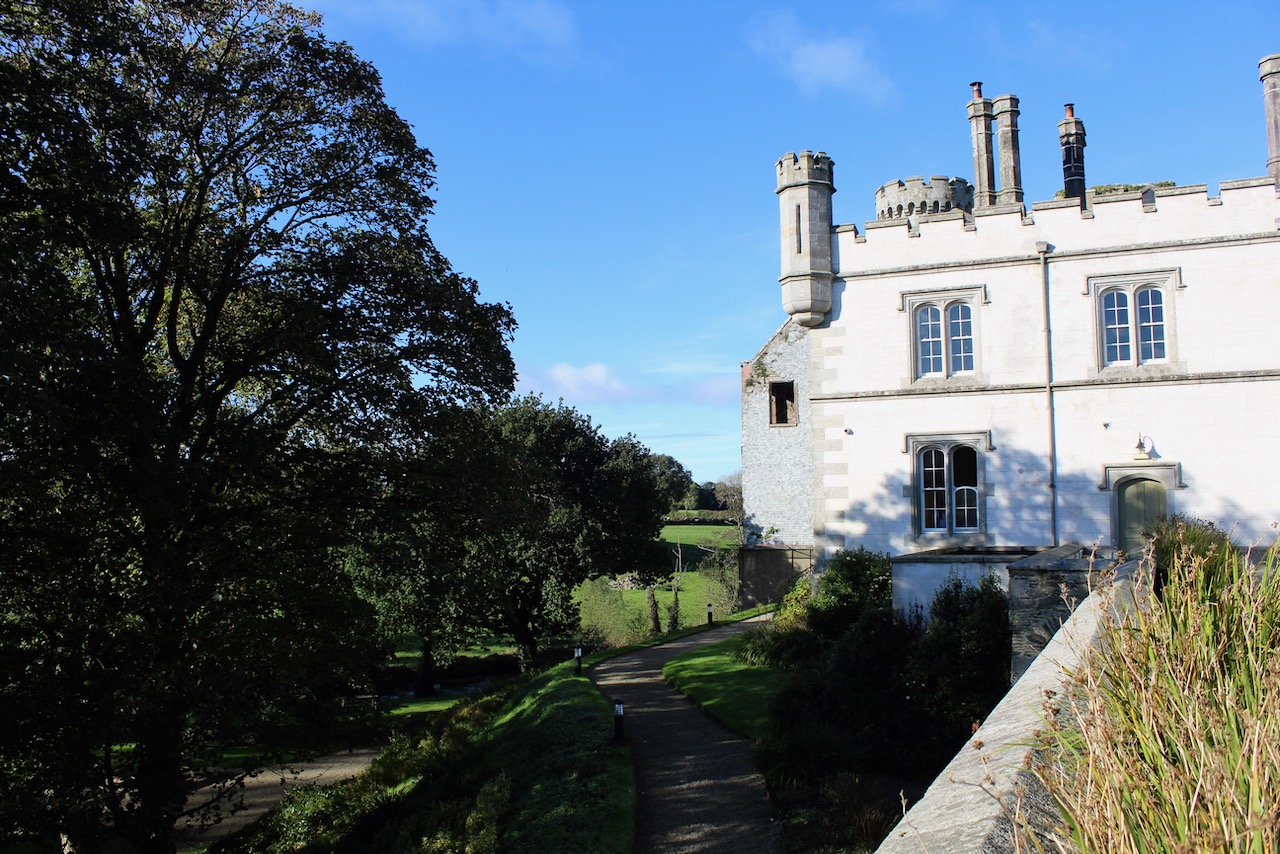
It was only when we explored around the river side of Wilton Castle that we realised the extent of its size and the beauty of its surroundings. Photograph © Jennifer Winder-Baggot, www.irishhistorichouses.com
Wilton Castle. Photograph © Jennifer Winder-Baggot, www.irishhistorichouses.com
The older section of Wilton Castle, formerly Wilton House. Photograph © Jennifer Winder-Baggot, www.irishhistorichouses.com
From the path along the river side of the castle, one can climb back up these stairs, to discover a picnic area! Photograph © Jennifer Winder-Baggot, www.irishhistorichouses.com
The picnic area. Photograph © Jennifer Winder-Baggot, www.irishhistorichouses.com
Wilton Castle. Photograph © Jennifer Winder-Baggot, www.irishhistorichouses.com
From the picnic area, you can see the full height of the square tower. Photograph © Jennifer Winder-Baggot, www.irishhistorichouses.com
More wonderful balconies and tracery windows in the square tower, seen from the river side. Photograph © Jennifer Winder-Baggot, www.irishhistorichouses.com

After the fire, the Alcocks were unable to rebuild as the house had not been insured. The lands were redistributed by the Irish Lands Commission, and the castle and land was purchased by local farmer, Sean Windsor.

When we arrived we were welcomed and brought inside the renovated section of the castle. It opens into a nicely tiled hallway.

Wilton Castle, November 2021. Photograph © Jennifer Winder-Baggot, www.irishhistorichouses.com

The accommodation consists of four suites, one of which has a large entertaining space. Two suites are upstairs and two downstairs, with the large one being downstairs. Our accommodation was upstairs.

Wilton castle. Photograph © Jennifer Winder-Baggot, www.irishhistorichouses.com
The upstairs hallway. Photograph © Jennifer Winder-Baggot, www.irishhistorichouses.com

Our accommodation was a suite, with sitting room, fully stocked kitchen, bathroom with walk-in shower, and bedroom. The sitting room and bedroom have beautiful wallpaper.

Wilton castle. Photograph © Jennifer Winder-Baggot, www.irishhistorichouses.com
Wilton Castle. Photograph © Jennifer Winder-Baggot, www.irishhistorichouses.com
Our bedroom had a lovely Chinese style wallpaper. Photograph © Jennifer Winder-Baggot, www.irishhistorichouses.com
Wilton Castle. Photograph © Jennifer Winder-Baggot, www.irishhistorichouses.com
Wilton Castle, November 2021. Photograph © Jennifer Winder-Baggot, www.irishhistorichouses.com

Our bathroom was in the round tower of the castle!

Wilton Castle. Photograph © Jennifer Winder-Baggot, www.irishhistorichouses.com
While our suite had a walk-in shower, the suite in the floor below has a bath. Photograph © Jennifer Winder-Baggot, www.irishhistorichouses.com

Our host showed us the larger suite downstairs that has room for a party. The double doors in the room open up to the view of the river below, onto a fine sweep of steps.

Wilton Castle. Photograph © Jennifer Winder-Baggot, www.irishhistorichouses.com
The double doors from the entertainment suite. Photograph © Jennifer Winder-Baggot, www.irishhistorichouses.com
The larger entertainment suite. Photograph © Jennifer Winder-Baggot, www.irishhistorichouses.com
Wilton Castle, November 2021. Photograph © Jennifer Winder-Baggot, www.irishhistorichouses.com

The accommodation is more pricey than we can usually afford but for a romantic getaway it is hard to beat! It’s very quiet. There seemed to be one other suite occupied when we were there, but we never saw or heard the inhabitants. The Windsors live in a house next door. We chose to have breakfast provided, which was brought to us on a tray in the morning. We used the kitchen facilities one evening to make our dinner, and the next night, ordered a delivery from nearby Enniscorthy, which was delivered to the castle!

donation

Help me to pay the entrance fee to one of the houses on this website. This site is created purely out of love for the subject and I receive no payment so any donation is appreciated!

€15.00

[1] p.560-561, Hore, Herbert. History of the Town and County of Wexford, Volume 6, ed. Philip Hore, pub. 1901-1911. Reference from http://butlerancestryireland.blogspot.com/2012/11/butlers-co-wexford-ch1-richard-1stviscount-mountgarrett.html

There is also an excellent history of the early days of the area on the Bree Heritage website, https://breeheritage.com/2015/02/27/the-early-history-of-wilton-castle-bree-co-wexford/

[2] https://landedfamilies.blogspot.com/search/label/Wexford

[3] https://theirishaesthete.com/2018/05/21/wilton-castle/

[4] For more on this, see the chapter in The Wexford Gentry by Art Kavanagh and Rory Murphy. Published by Irish Family Names, Bunclody, Co Wexford, Ireland, 1994.

[5] https://www.dia.ie/architects/view/4570/ROBERTSON%2C+DANIEL#tab_biography

[6] https://www.buildingsofireland.ie/buildings-search/building/15704226/johnstown-castle-johnstown-fo-by-co-wexford

[7] https://www.archiseek.com/2014/johnstown-castle-county-wexford/

[8] p. 130, Hicks, David. Irish Country Houses: A Chronicle of Change. The Collins Press, Cork, 2012.

[9] https://landedfamilies.blogspot.com/search/label/Wexford

[10] https://www.archiseek.com/2015/1838-wilton-castle-co-wexford/

[11] Note taken from the Wilton Castle facebook page, where you can see the progress of restoration that took place. https://www.facebook.com/WiltonCastleIreland

[12] Bence-Jones, Mark. A Guide to Irish Country Houses (originally published as Burke’s Guide to Country Houses volume 1 Ireland by Burke’s Peerage Ltd. 1978); Revised edition 1988, Constable and Company Ltd, London.

[13] p. 130, Hicks, David. Irish Country Houses: A Chronicle of Change. The Collins Press, Cork, 2012.

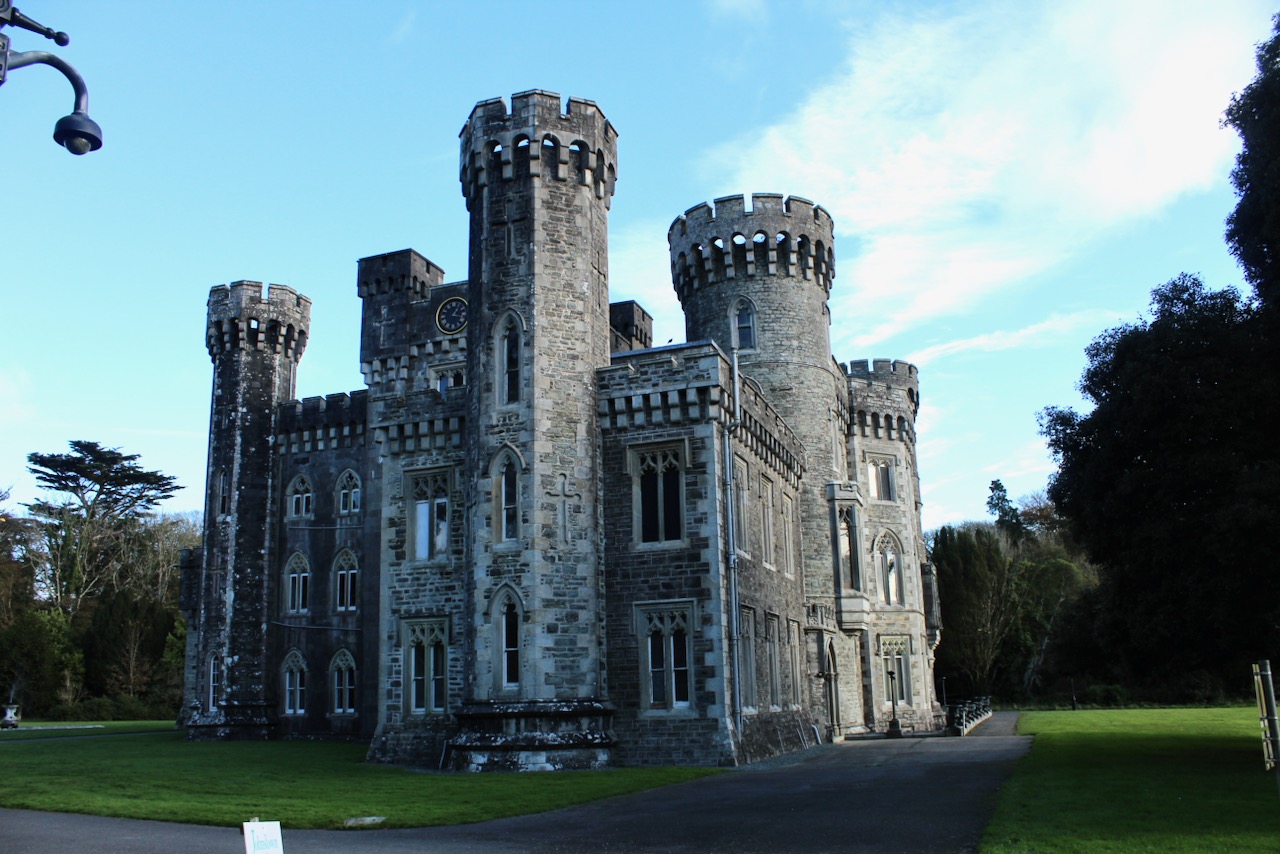
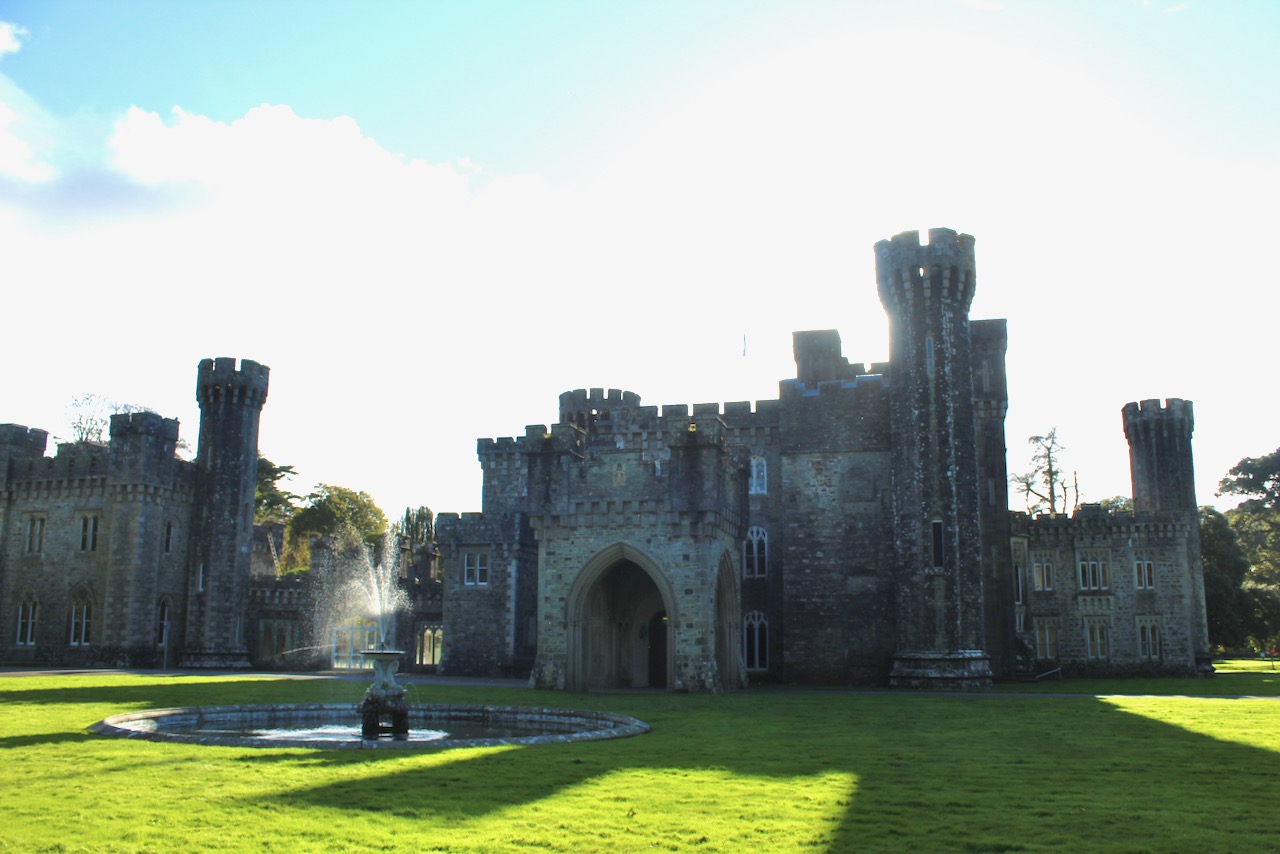
Here are more photographs from our visit to Johnstown Castle, also designed by Daniel Robertson.

The clock tower side of Johnstown Castle. Photograph © Jennifer Winder-Baggot, www.irishhistorichouses.com
The front entrance of Johnstown Castle – clock tower side on the right. Photograph © Jennifer Winder-Baggot, www.irishhistorichouses.com
Inside the front arch of Johnstown Castle. Photograph © Jennifer Winder-Baggot, www.irishhistorichouses.com
The front entrance of Johnstown Castle. Photograph © Jennifer Winder-Baggot, www.irishhistorichouses.com
Spectacular doorway arch to one side of Johnstown Castle. Photograph © Jennifer Winder-Baggot, www.irishhistorichouses.com
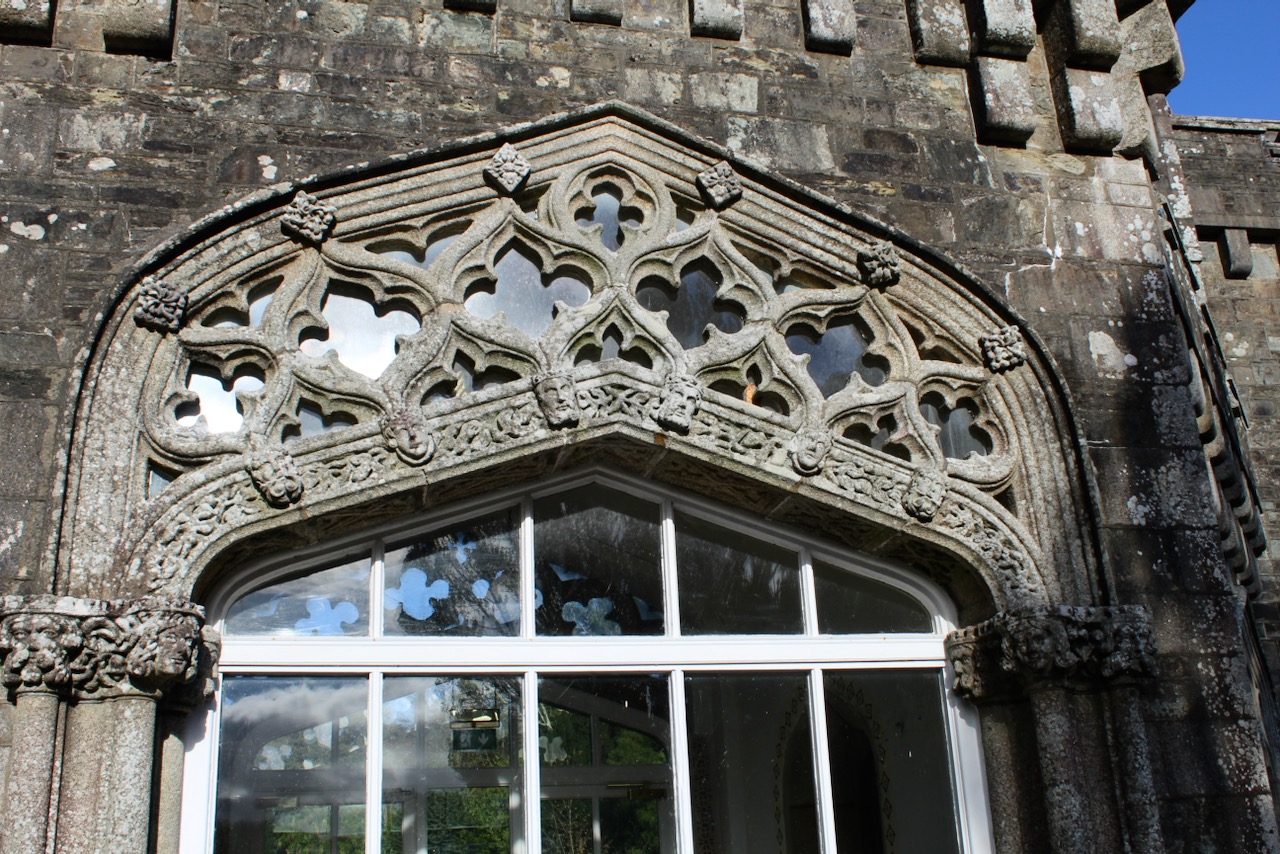
The doorway arch at Johnstown Castle features a border of carved stone heads. Photograph © Jennifer Winder-Baggot, www.irishhistorichouses.com
Carved stone heads at Johnstown Castle. Photograph © Jennifer Winder-Baggot, www.irishhistorichouses.com
Window surround detail and tracery at Johnstown Castle. Photograph © Jennifer Winder-Baggot, www.irishhistorichouses.com
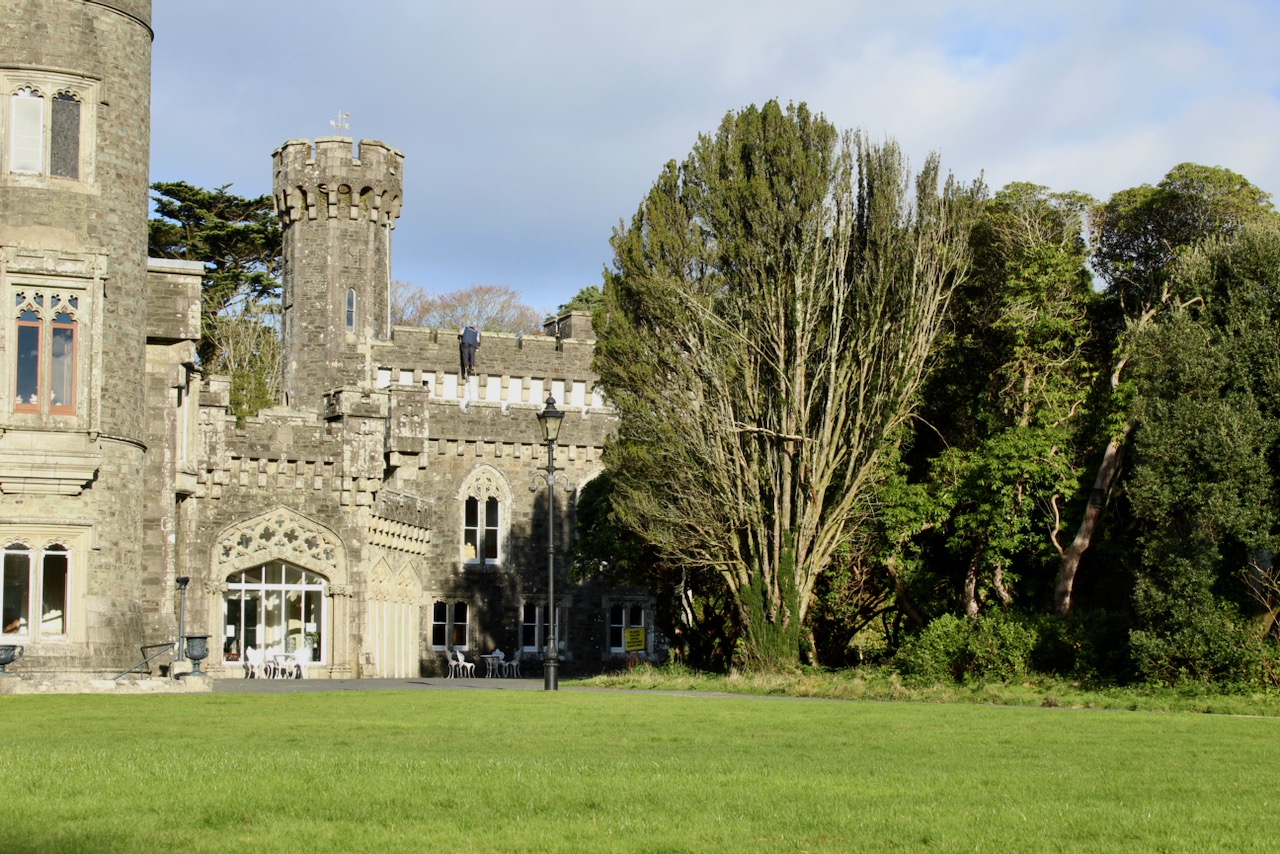
A workman at Johnstown Castle. Photograph © Jennifer Winder-Baggot, www.irishhistorichouses.com

Text © Jennifer Winder-Baggot, www.irishhistorichouses.com

Huntington Castle, County Carlow Y21 K237 – section 482

In the past, in August 2016, I visited Huntington Castle in Clonegal, County Carlow.
www.huntingtoncastle.com
Open dates in 2025, but check website as sometimes closed for special events:

Feb 1-2, 8-9, 15-16, 22-23, Mar 1-2, 8-9, 15-16, 22-23, 29-30, Apr 5-6, 12-30, May 1-31, June 1-30, July 1-31, Aug 1-31, Sept 1-30, Oct 4-5, 11-12, 18-19, 25-31, Nov 1-2, 8-9, 15-16, 22-23, 29-30, Dec 6-7, 13-14, 20-21, 11am-5pm

Fee: house/garden, adult €13.95, garden €6.95, OAP/student, house/garden €12.50, garden €6, child, house/garden €6.50, garden €3.50, group and family discounts available

2025 Diary of Irish Historic Houses (section 482 properties)

To purchase an A5 size 2025 Diary of Historic Houses (opening times and days are not listed so the calendar is for use for recording appointments and not as a reference for opening times) send your postal address to jennifer.baggot@gmail.com along with €20 via this payment button. The calendar of 84 pages includes space for writing your appointments as well as photographs of the historic houses. The price includes postage within Ireland. Postage to U.S. is a further €10 for the A5 size calendar, so I would appreciate a donation toward the postage – you can click on the donation link.

€20.00

Donation

Help me to fund my creation and update of this website. It is created purely out of love for the subject and I receive no payment so any donation is appreciated!

€15.00

Huntington Castle, County Carlow, 2016. Photograph © Jennifer Winder-Baggot, www.irishhistorichouses.com

It’s magical! And note that you can stay at this castle – see their website! [1]

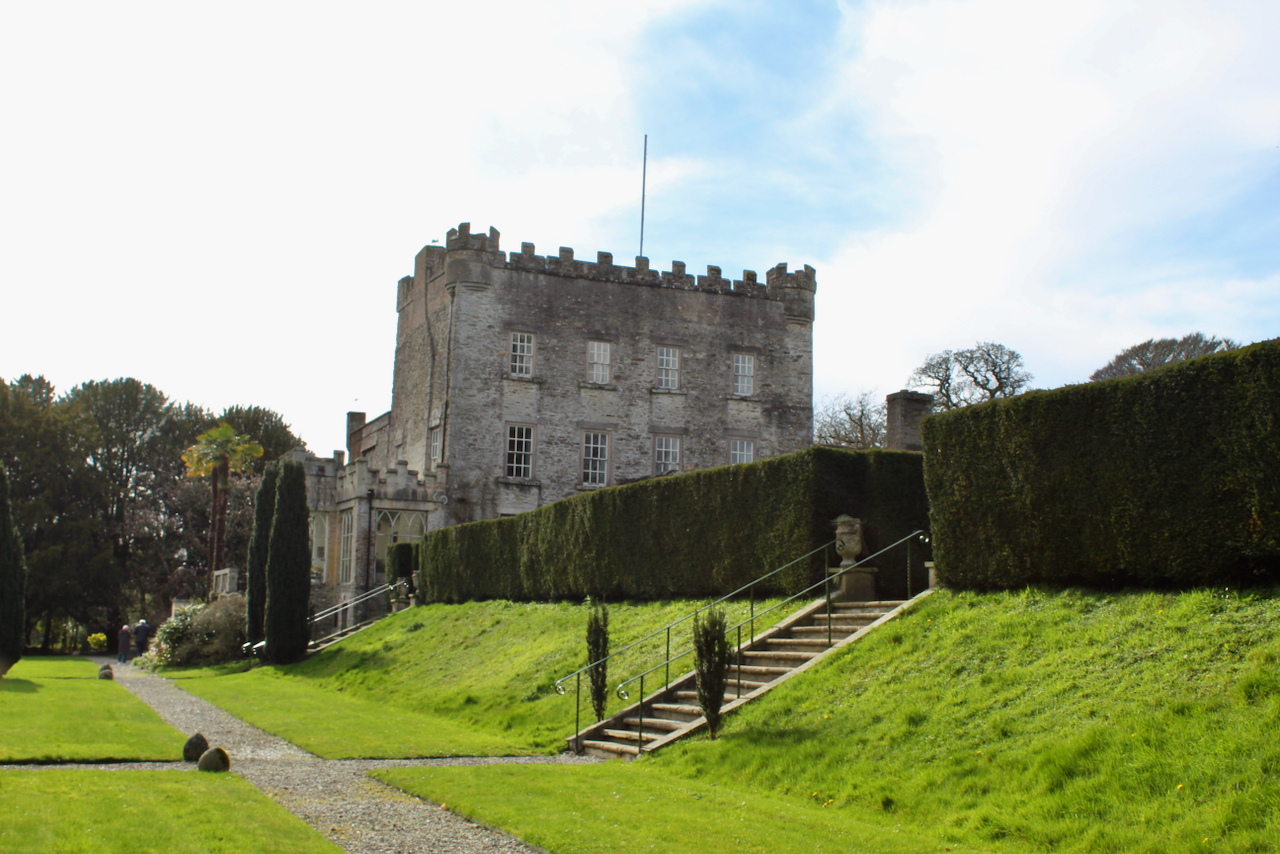
Huntington Castle stands in the valley of the River Derry, a tributary of the River Slaney, on the borders of Counties Carlow and Wexford, near the village of Clonegal. Built in 1625, it is the ancient seat of the Esmonde family, and is presently lived in by the Durdin-Robertsons. It passed into the Durdin family from the Esmonde family by marriage in the nineteenth century, so actually still belongs to the original family. It was built as a garrison on the strategically important Dublin-Wexford route, on the site of a 14th century stronghold and abbey, to protect a pass in the Blackstairs Mountains. It was also a coach stop on the Dublin travel route to Wexford. There was a brewery and a distillery in the area at the time. After fifty years, the soldiers moved out and the family began to convert it into a family home. [2]

The fourteenth century abbey at Huntington Castle. Photograph © Jennifer Winder-Baggot, www.irishhistorichouses.com
The Abbey, 2023. Photograph © Jennifer Winder-Baggot, www.irishhistorichouses.com

A History of the house and its residents

The castle website tells us that the Esmondes (note that I have found the name spelled as both ‘Esmond’ and ‘Edmonde’) moved to Ireland in 1192 and were involved in building other castles such as Duncannon Fort in Wexford and Johnstown Castle in Wexford (see my entry for places to visit in County Wexford). There is a chapter on the Esmonds of Ballynastragh in The Wexford Gentry by Art Kavanagh and Rory Murphy. They tell us that it is believed that Geoffrey de Estmont was one of the thirty knights who accompanied Robert FitzStephen to Ireland in 1169 when the latter lead the advance force that landed at Bannow that year. Sir Geoffrey built a motte and baily at Lymbrick in the Barony of Forth in Wexford, and his son Sir Maurice built a castle on the same site. After Maurice’s death in 1225 the castle was abandoned and his son John built a castle on a new site which was called Johnstown Castle. John died in 1261. [3] After the Cromwellian Confiscations, since the Johnstown Esmondes were Catholic, their lands were granted to Colonel Overstreet, and later came into the possession of the Grogan family. The Ballynastragh/Lymbrick lands were also confiscated and the Ballytramont property was granted to the Duke of Ablemarle (General Monck). [see my entry about Johnstown Castle in Places to visit and stay in County Wexford]. They later regained Ballynastragh.

The 12-14th century abbey at Huntington Castle, 2016. Photograph © Jennifer Winder-Baggot, www.irishhistorichouses.com
Inside the Abbey, on our visit in 2023. Photograph © Jennifer Winder-Baggot, www.irishhistorichouses.com

A descendant, Laurence Esmonde (about 1570-1645) converted to Anglicanism and served in the armies of British Queen Elizabeth I and then James I.

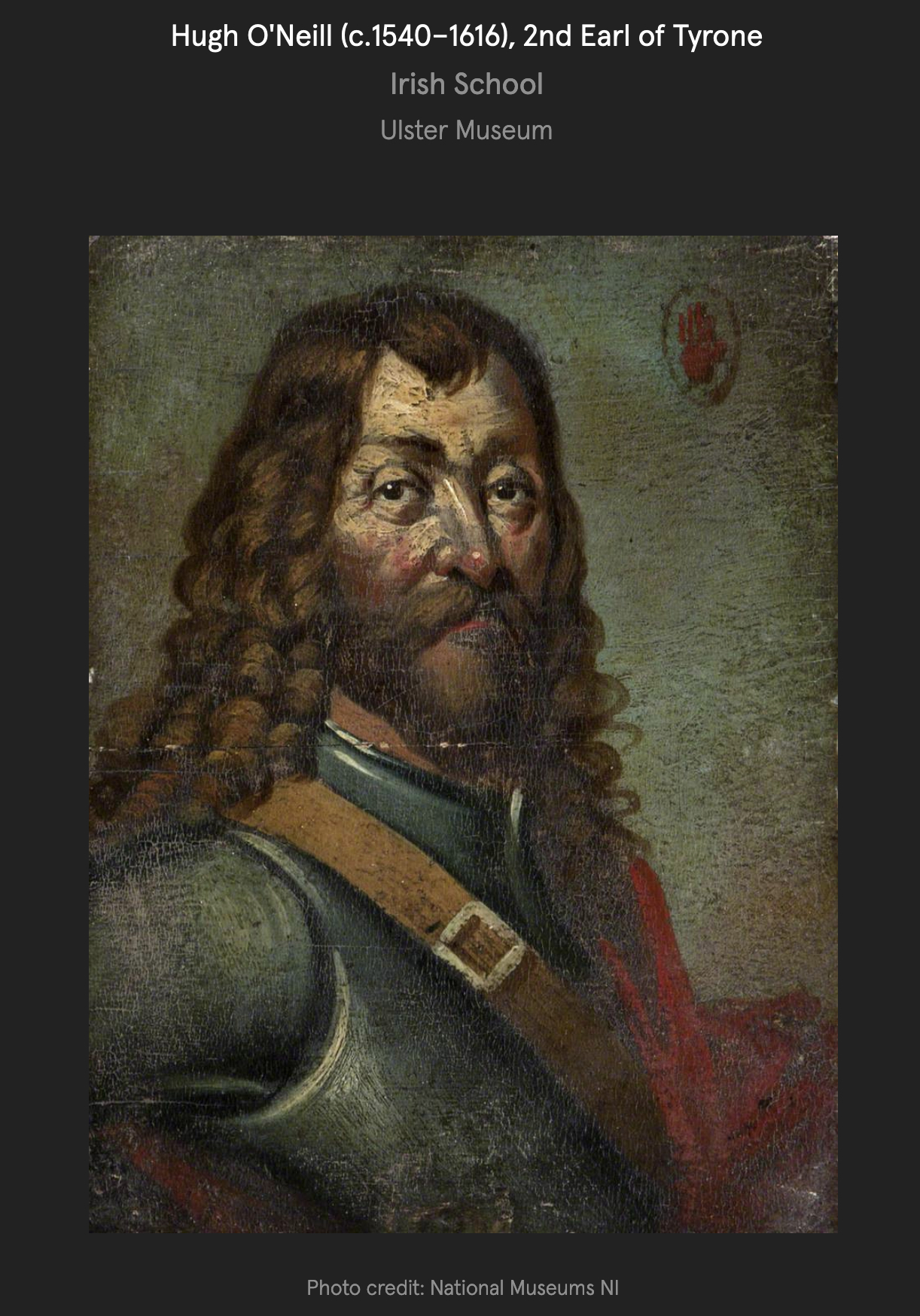
He fought in the Dutch Wars against Spain, and later, in 1599, he commanded 150 foot soldiers in the Nine Years War, the battle led by an Irish alliance led mainly by Hugh O’Neill 2nd Earl of Tyrone and Hugh Roe O’Donnell against the British rule in Ireland.

Hugh O’Neill (c. 1540-1616) 2nd Earl of Tyrone, courtesy of the Ulster Museum. He was one of the rebels in the Nine Years War, who fought against Laurence Esmonde (b. about 1570, d. 1645).

In 1602 he built a castle and a church at Luimneach near the modern village of Killinerin and near Ballynastragh, which he named Lymbrick after the original Norman motte and bailey in the Barony of Forth. [see 3]

View of the castle from the Abbey, 2023. Photograph © Jennifer Winder-Baggot, www.irishhistorichouses.com
Abbey ruins at Huntington Castle. Photograph © Jennifer Winder-Baggot, www.irishhistorichouses.com

He governed the fort of Duncannon from 1606-1646. In reward for his services, he was raised to the peerage in 1622 as Baron of Lymbrick in County Wexford and it seems that a few years after receiving this honour he built the core of the present Huntington Castle on the site of an earlier military keep. He built a three-storey fortified tower house, which forms the front facing down the avenue, according to Mark Bence-Jones in A Guide to Irish Country Houses. [4]

1622 core of Huntington Castle. Photograph © Jennifer Winder-Baggot, www.irishhistorichouses.com
Huntington Castle, 2023. Photograph © Jennifer Winder-Baggot, www.irishhistorichouses.com
Note the Egyptian style decorative motif over the entrance door – it makes more sense once one discovers what is inside the basement of the castle. Photograph © Jennifer Winder-Baggot, www.irishhistorichouses.com

This original tower-house is made of rough-hewn granite. In her discussion of marriage in Making Ireland English, Jane Ohlmeyer writes that for the Irish, legitimacy of children didn’t determine inheritance, and so attitudes toward marriage, including cohabitation and desertion, were very different than in England. She writes that the first Baron Esmonde behaved in a way reminiscent of medieval Gaelic practices when he repudiated his first wife and remarried without a formal divorce. Laurence met Ailish, the sister of Morrough O’Flaherty (note that Turtle Bunbury tells us that she was a granddaughter of the pirate queen Grace O’Malley!) on one of his expeditions to Ulster, and married her. However, after the birth of their son, Thomas, she returned to her family, fearing that her son would be raised as a Protestant. [5]

Esmonde went on to marry Elizabeth Butler, a granddaughter of the ninth earl of Ormond (daughter of Walter Butler, and she was already twice widowed). He had no children by his second marriage and despite acknowledging Thomas to be his son, he did not admit that his first marriage was lawful and consequently had no official heir and his title Baron of Lymbrick became extinct after his death.

Baron Esmonde died after a siege of Duncannon fort by General Thomas Preston, 1st Viscount Tara, of the Confederates, who considered Esmonde a defender of the Parliamentarians (i.e. Oliver Cromwell’s men, the “roundheads”). Although his son did not inherit his title, he did inherit his property. [6]

After Lawrence’s death the Huntington estate and castle was occupied as a military station by Dudley Colclough from 1649-1674. [see 3]

Lawrence’s son Thomas Esmonde started his military career as an officer in the continental army of King Charles I. For his service at the siege of La Rochelle he was made a baronet of Ireland while his father still lived, and became 1st Baronet Esmonde of Ballynastragh, County Wexford, in 1629. He did not return to Ireland, however, until 1646 after his father’s death. He joined the rebels, the Confederate forces, who were fighting against the British forts which his father held. Taking after his mother, he was a resolute Catholic.

He married well, into other prominent Catholic families: first to a daughter of the Lord of Decies, Ellice Fitzgerald. She was the widow of another Catholic, Thomas Butler, 2nd Baron Caher, and with him had one daughter, Margaret, who had married Edmond Butler, 3rd/13th Baron Dunboyne a couple of years before her mother remarried in around 1629. Thomas and Ellice had two sons. Ellice died in 1644/45 and Thomas married secondly Joanne, a daughter of Walter Butler 11th Earl of Ormond. She too had been married before, to George Bagenal who built Dunleckney Manor in County Carlow. Her sons by Bagenal were also prominent Confederate Colonels. She was also the widow of Theobald Purcell of Loughmoe, County Tipperary. We came across the Purcells of Loughmoe on our visit to Ballysallagh in County Kilkenny (see my entry).

Thomas served as Member of Parliament for Enniscorthy, County Wexford from 1641 to 1642, during the reign of King James II.

His son Laurence succeeded as 2nd Baronet, and reoccupied Huntington Castle in 1682. [see 3]

Laurence made additions to Huntington Castle around 1680, and named it “Huntington” after the Esmonde’s “ancestral pile” in Lincolnshire, England [7]. He is probably responsible for some of the formal garden planting. The Irish Aesthete Robert O’Byrne discusses this garden in another blog entry [8]. He tells us that the yew walk, which stretches 130 yards, dates from the time of the Franciscan friary in the Middle Ages!

Huntington Castle, photograph by Daniel O’Connor, 2021 for Tourism Ireland, Ireland’s Content Pool. [9]
Huntington Castle, 2023. Photograph © Jennifer Winder-Baggot, www.irishhistorichouses.com
The over 500 year old yew walk. Photograph © Jennifer Winder-Baggot, www.irishhistorichouses.com
The formal gardens, 2023. Photograph © Jennifer Winder-Baggot, www.irishhistorichouses.com
The grounds of Huntington Castle. Photograph © Jennifer Winder-Baggot, www.irishhistorichouses.com

Laurence 2nd Baronet married Lucia Butler, daughter of another Colonel who fought in the 1641 uprising, Richard Butler (d. 1701) of Garryricken. Their daughter Frances married Morgan Kavanagh, “The MacMorrough” of the powerful Irish Kavanagh family.

The 3rd Baronet, another Laurence, served for a while in the French army.

A wing was constructed by yet another Sir Laurence, 4th Baronet, in 1720. The castle, as you can see, is very higgeldy piggedly, reflecting the history of its additions. The 4th Baronet had no heir so his brother John became the 5th Baronet. He had a daughter, Helen, who married Richard Durdin of Shanagarry, County Cork. The went out to the United States and founded Huntington, Pennsylvania. He had no sons, and died before his brother, Walter, who became the 6th Baronet. Walter married Joan Butler, daughter of Theobald, 4th Baron Caher. Walter and Joan also had no sons, only daughters.

Huntington Castle. Photograph © Jennifer Winder-Baggot, www.irishhistorichouses.com

In The Wexford Gentry we are told that the widow of the 6th Baronet was left in “straitened circumstances” after her husband Walter died in 1767, and sold the estate of Huntington to Sir James Leslie (1704-1770), the Church of Ireland Bishop of Limerick, in 1751. He was from the Tarbert House branch of the Leslie family in County Kerry. Huntington remained in his family until 1825 when it was leased to Alexander Durdin (1821-1892) and later bought by his descendants. [see 3, p. 106].

The line of inheritance looks very convoluted. I have consulted Burke’s Peerage. John Durdin migrated from England to Cork in around 1639. His descendant Alexander Durdin, born in 1712, of Shanagarry, County Cork, married four times! His second wife, Mary Duncan of Kilmoon House, County Meath, died shortly after giving birth to her son Richard, born in 1747. Alexander then married Anne née Vaux, widow of the grandson of William Penn the founder of Pennsylvania. Finally, he married Barbara St. Leger, with whom he had seven more sons and several daughters.

It was Alexander’s son Richard who married Helen Esmonde, daughter of the 4th Baronet, according to Burke’s Peerage. Richard then married Frances Esmonde, daughter of the 7th Baronet.

The 6th Baronet had only daughter so the title went to a cousin. This cousin was a descendant of Thomas Esmonde 1st Baronet of Ballynastragh, Thomas’s son James. James had a son Laurence (1670-1760), and it was his son, James (1701-1767) who became the 7th Baronet of Ballynastragh. It was his daughter Frances who married Richard Durdin of Huntington Pennsylvania, who had been previously married to Helen Esmonde.

Despite his two marriages, Richard had no son. His brother William Leader Durdin (1778-1849) married Mary Anne Drury of Ballinderry, County Wicklow and it was their son Alexander (1821-1892) who either inherited Huntington, or at least, according to The Wexford Gentry, leased and later purchased Huntington, the home of his ancestors.

Alexander also had only daughters. In 1880, his daughter Helen married Herbert Robertson, Baron Strathloch (a Scots feudal barony) and MP for a London borough. She inherited Huntington Castle when her father died. Together they made a number of late Victorian additions at the rear of the castle while their professional architect son, Manning Durdin-Robertson, an early devotee of concrete, carried out yet further alterations in the 1920s. Manning also created W. B. Yeats’s grave, and social housing in Dublin.

Huntington Castle, Clonegal, County Carlow, the view when one enters the courtyard from the avenue. Photograph © Jennifer Winder-Baggot, www.irishhistorichouses.com

There is an irregular two storey range with castellated battlements and a curved bow and battlemented gable in front of the earlier building, which rises above them. The front battlemented range was added in the mid 1890s.

The older part of the castle includes a full height semicircular tower. Inside, when one enters through the portico facing onto the stable yard, one can see the outside of this full height semicircular tower, curving into the room to one’s right hand side, where there is even a little stone window set in the curved wall, and the round tower bulges into the stairway hall, clad with timber and covered in armour.

Huntington Castle, 2023, facing into stable yard. Photograph © Jennifer Winder-Baggot, www.irishhistorichouses.com
Detail of Huntington Castle, 2023. Photograph © Jennifer Winder-Baggot, www.irishhistorichouses.com
The stable yard, 2023. Photograph © Jennifer Winder-Baggot, www.irishhistorichouses.com
Huntington Castle, 2023. Photograph © Jennifer Winder-Baggot, www.irishhistorichouses.com

We entered the castle through a door in the battlemented porticon next to the double height bow facing onto the stableyard and courtyard. Inside the portico are statues which may have been from the Abbey – I forgot to ask our tour guide, as there was just so much to see and learn about.

Huntington Castle, 2023. Photograph © Jennifer Winder-Baggot, www.irishhistorichouses.com

We were not allowed to take photos inside, except for in the basement, but you can see some pictures on the official website [1] and also on the wonderful blog of the Irish Aesthete [10].

Gary waits for the tour, at the entrance. Photograph © Jennifer Winder-Baggot, www.irishhistorichouses.com
The entrance to the tour is through the door under the battlemented portico. Photograph © Jennifer Winder-Baggot, www.irishhistorichouses.com
Huntington Castle, 2023. Photograph © Jennifer Winder-Baggot, www.irishhistorichouses.com
Huntington Castle, 2016. Photograph © Jennifer Winder-Baggot, www.irishhistorichouses.com
Huntington Castle, 2023. Photograph © Jennifer Winder-Baggot, www.irishhistorichouses.com

There were wonderful old treasures in the house including armour chest protections in the hallway along the stairs, which was one of the first things to catch my attention as we entered. Our guide let us hold it – it was terribly heavy, and so a soldier must have been weighed down by his armour – wearing chain mail underneath his shielding armour. The chest protection piece we held was made of cast iron! She showed us the “proof mark” on the inside. Cast iron could shatter, our guide told us, so a piece of armour would be tested, leaving a little hole, which proved that it would not shatter when worn and hit by a projectile or sword. This piece dates all the way back to Oliver Cromwell’s time!

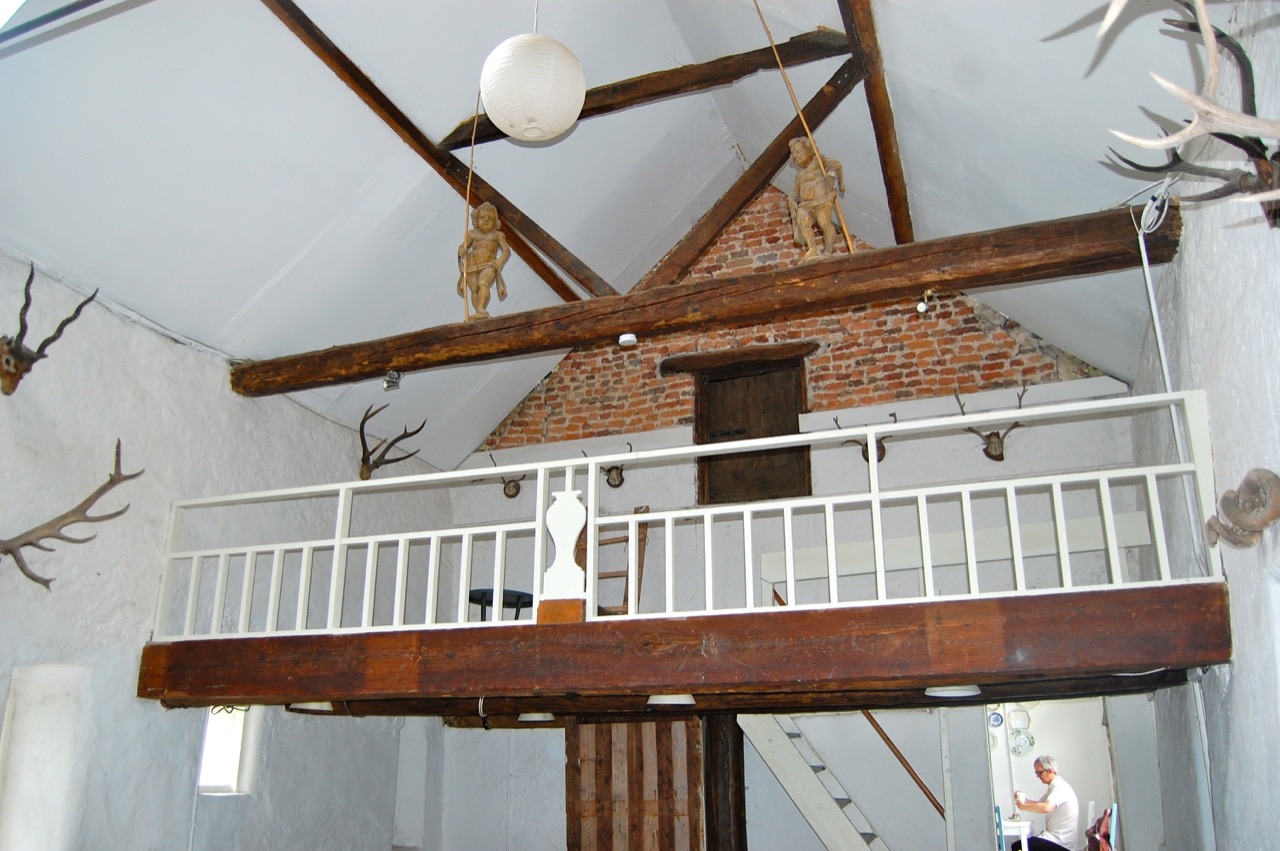
To the right when one enters is a room full of animal heads and weapons. There is a huge bison head from India and a black buck, and a sawfish from the Caribbean. A gharial crocodile hanging on the wall was killed by Nora Parsons at the age of seventeen in India! There is also the shell of an armadillo. The room also has a lovely wooden chimneypiece and there is another in the hallway, which has a Tudor style stucco ceiling. We went up a narrow stairway lined as Bence-Jones describes “with wainscot or half-timbered studding.”

Manning Durdin-Robertson married Nora Kathleen Parsons, from Birr Castle. She wrote The Crowned Harp. Memories of the Last Years of the Crown in Ireland, an important memorial of the last years of English rule in Ireland [11]. I ordered a copy of the book from my local library! It’s a lovely book and an enjoyable rather “chatty” read. She writes a bit about her heritage, which you can see in my entry on another section 482 castle, Birr Castle. She tells us about life at the time, which seems to have been very sociable! She writes a great description of social rank:

The hierarchy of Irish social order was not defined, it did not need to be, it was deeply implicit. In England the nobility were fewer and markedly more important than over here and they were seated in the mansions considered appropriate….
The top social rows were then too well-known and accepted to be written down but, because a new generation may be interested and amused, I will have a shot at defining an order so unreal and preposterous as to be like theatricals in fancy dress. Although breeding was essential it still had to be buttressed by money.

Row A: peers who were Lord or Deputy Lieutenants, High Sheriffs and Knights of St. Patrick. If married adequately their entrenchment was secure and their sons joined the Guards, the 10th Hussars or the R.N. [Royal Navy, I assume]
Row B: Other peers with smaller seats, ditto baronets, solvent country gentry and young sons of Row A, (sons Green Jackets, Highland regiments, certain cavalry, gunners and R.N.).
Row A used them for marrying their younger children.
Row C: Less solvent country gentry, who could only allow their sons about £100 a year. These joined the Irish Regiments which were cheap; or transferred to the Indian army. They were recognised and respected by A and B and belonged to the Kildare Street Club.
Row D: Loyal professional people, gentlemen professional farmers, trade, large retail or small wholesale, they could often afford more expensive Regiments than Row C managed. Such rarely cohabited with Rows A and B but formed useful cannon fodder at Protestant Bazaars and could, if they were really liked, achieve Kildare Street.

Absurd and irritating as it may seem today, this social hierarchy dominated our acceptances.

I had the benefit of always meeting a social cross section by playing a good deal of match tennis…. The top Rows rarely joined clubs and their play suffered….There were perhaps a dozen (also very loyal) Roman Catholic families who qualified for the first two Rows; many more, equally loyal but less distinguished, moved freely with the last two.

Amongst these “Row A” Roman Catholics were the Kenmares, living in a long gracious house at Killarney. Like Bantry House, in an equally lovely situation.…”

There are some notable structures inside the building, as Robert O’Byrne notes. “The drawing room has 18th century classical plaster panelled walls beneath a 19th century Perpendicular-Gothic ceiling. Some passages on the ground floor retain their original oak panelling, a number of bedrooms above being panelled in painted pine. The dining room has an immense granite chimneypiece bearing the date 1625, while those in other rooms are clearly from a century later.” [10]

The dining room, the original hall of the castle, is hung with Bedouin tents, brought back from Tunisia in the 1870s by Herbert Robertson, Helen Durdin’s husband. The large stone fireplace has the date stone 1625, and a stained glass window traces out the Esmonde and Durdin genealogy. We know that the room is very old by the thickness of the walls. The room has an Elizabethan ceiling, and portraits of family members hang on the walls. You can see a photograph of the room on the Castle Tours page of the website. There is a portrait of Barbara St. Leger, from Doneraile in Cork, who married Alexander Durdin (1712-1807), the one who also married the two Esmonde daughters. It is said that Barbara wore a set of keys at her waist, and that sometimes ghostly jingling can be heard in the castle.

Next to the dining room is a ladies drawing room with white panelled walls and a stucco ceiling with Gothic drop decoration and compartments. I think it was in this room the guide told us that the panelling is made of plaster, created to look like wood panelling. You can see some photographs of these rooms on the castle’s facebook page. The ceiling may seem low for an elegant room but we must remember that it originally housed a barracks! This room also is part of the original structure – the doorway into the next room shows how thick the wall is – about the length of two arms.

Another drawing room is hung with tapestry, which would have kept the residents a bit warmer in winter. There are beautiful stuccoed ceilings, which you can see on the website, and a deep bay window with Gothic arches in the bars of the window.

The Tapestry Room, Huntington Castle, photograph courtesy of Huntington Castle website. The portrait over the fireplace is, I believe, Helen Durdin who married Herbert Robertson. I think this room was added to the castle in 1760.

Huntington was one of the first country houses in Ireland to have electricity, and in order to satisfy local interest a light was kept burning on the front lawn so that the curious could come up and inspect it.

The turbine house is at the end of this row of trees. Photograph © Jennifer Winder-Baggot, www.irishhistorichouses.com

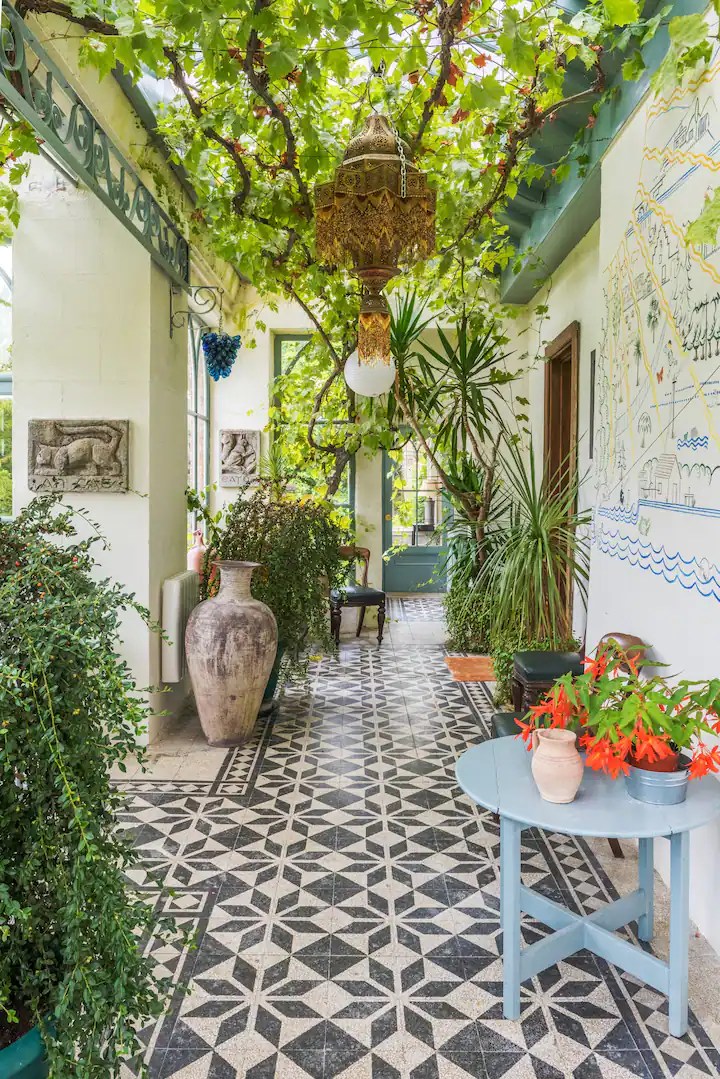
I loved the light and plant filled conservatory area, with a childlike drawing on one wall. The glass ceiling is draped in grape vines. The picture is of the estate, drawn by the four children of the house in 1928, Olivia Durdin-Robertson and her brother Derry and sister Barbara, children of Manning and Nora. I loved the pictures of the children themselves swimming in the river, wearing little swimming hats! The picture even has the telephone wires in it. The conservatory area is part of an addition on the back of the castle, added around 1860.

Huntington Castle, photograph courtesy of Huntington Castle website, with the vine that was taken in 1860 from Hampton Court in London.
Huntington Castle, 2023. Photograph © Jennifer Winder-Baggot, www.irishhistorichouses.com

The conservatory is in the brick and battlemented addition to one side of the castle. From the formal gardens to the side of the castle a different vantage shows more of the castle and one can see the original tower house, and the additions.

1960s addition to the castle. Photograph © Jennifer Winder-Baggot, www.irishhistorichouses.com
The Conservatory. Photograph © Jennifer Winder-Baggot, www.irishhistorichouses.com
The formal garden was probably laid out by Laurence Esmonde, 2nd Baronet of Ballynastragh, County Wexford, from the 1680s. Photograph © Jennifer Winder-Baggot, www.irishhistorichouses.com
This shows the addition which houses the light filled conservatory. Photograph © Jennifer Winder-Baggot, www.irishhistorichouses.com
Huntington Castle, 2023. Photograph © Jennifer Winder-Baggot, www.irishhistorichouses.com

The conservatory contains a vine that is a cutting taken in the 1860s of a great vine in Hampton Court.

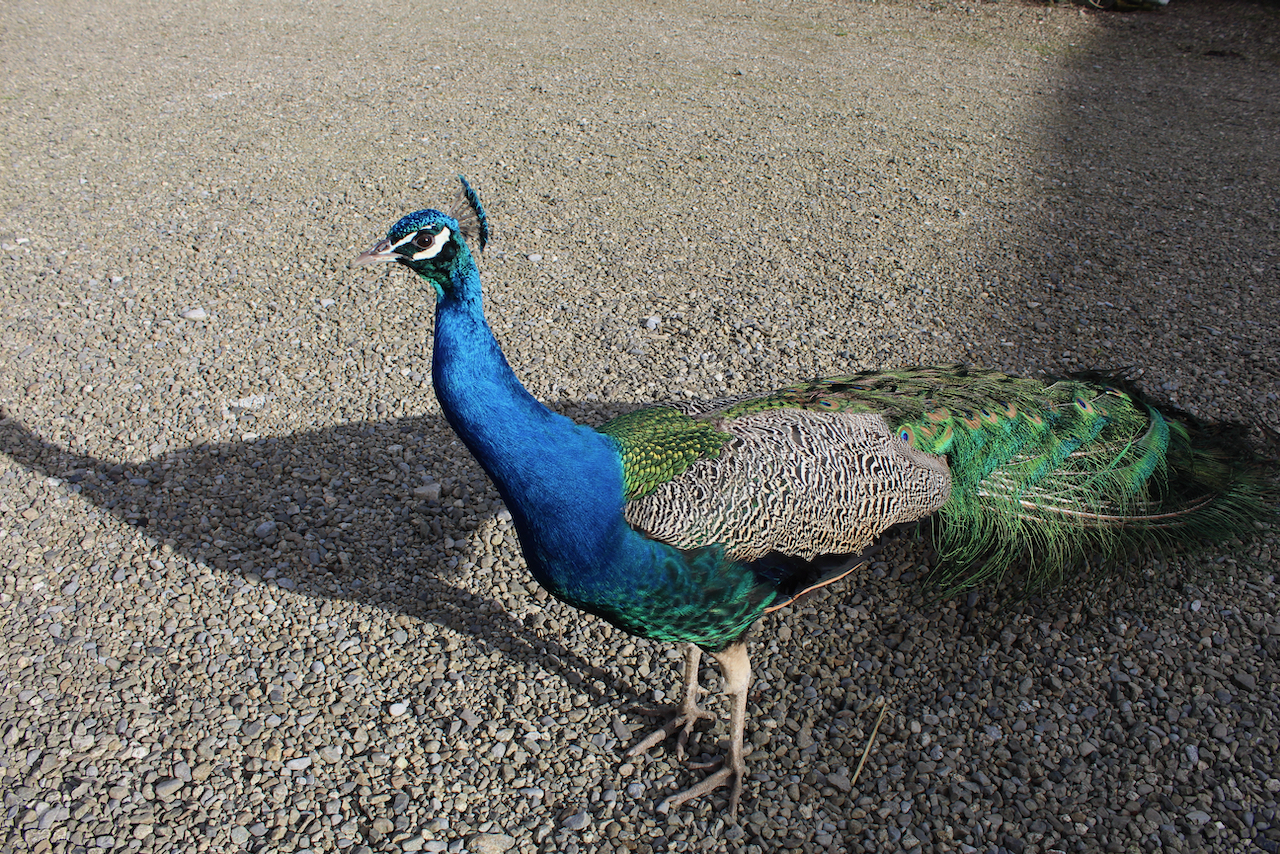
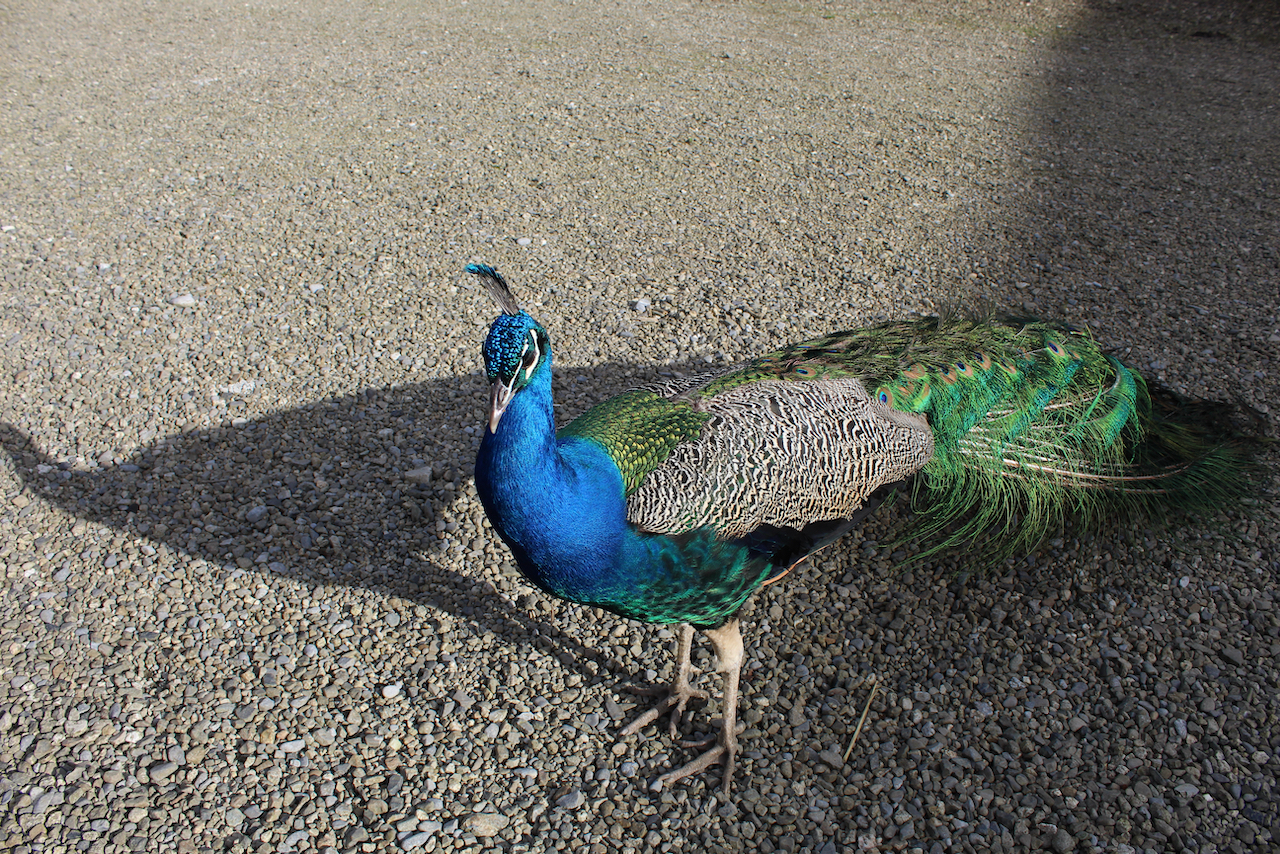
Percy the Peacock had a seat on the balcony off the conservatory. Photograph © Jennifer Winder-Baggot, www.irishhistorichouses.com
Huntington Castle, 2023. Photograph © Jennifer Winder-Baggot, www.irishhistorichouses.com
A door under the conservatory which leads into the basement has another Egyptian plaque over the door. Photograph © Jennifer Winder-Baggot, www.irishhistorichouses.com

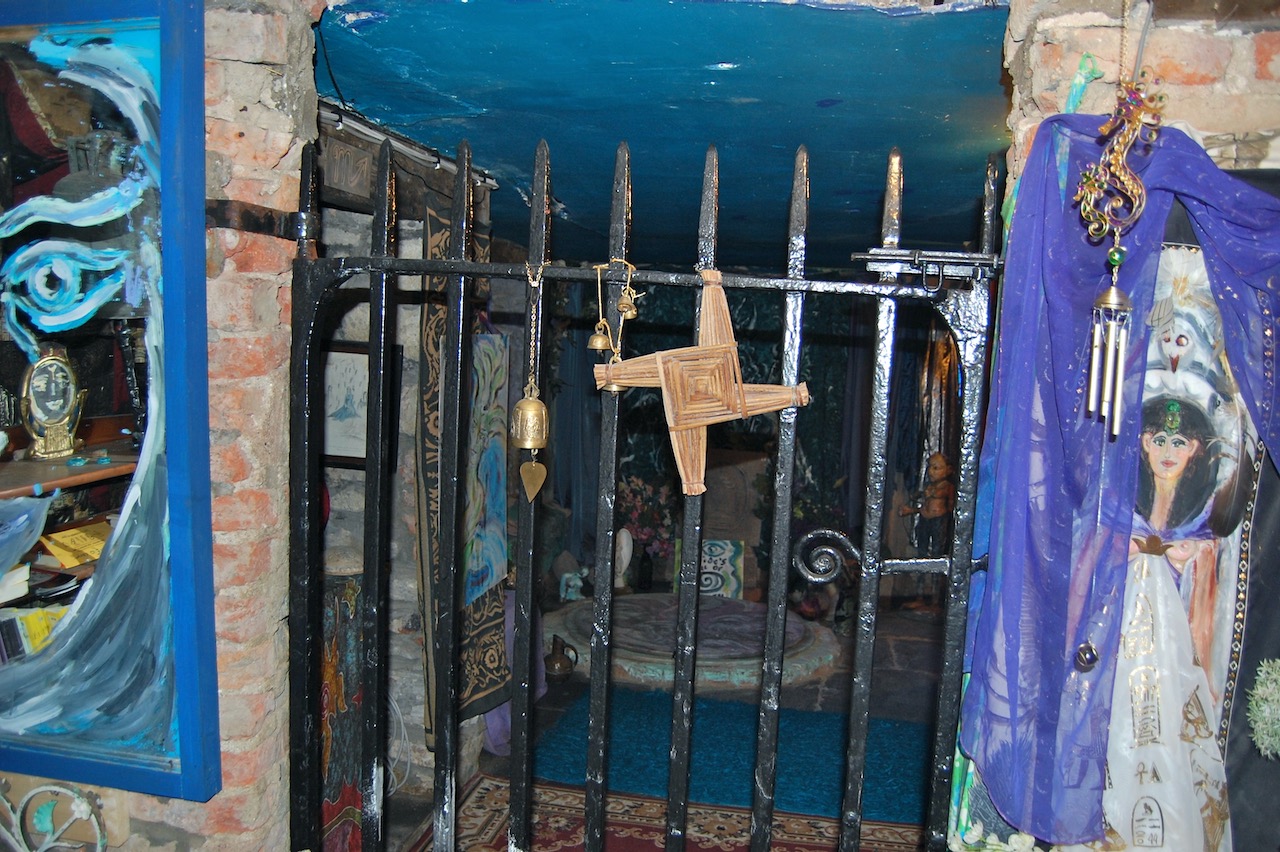
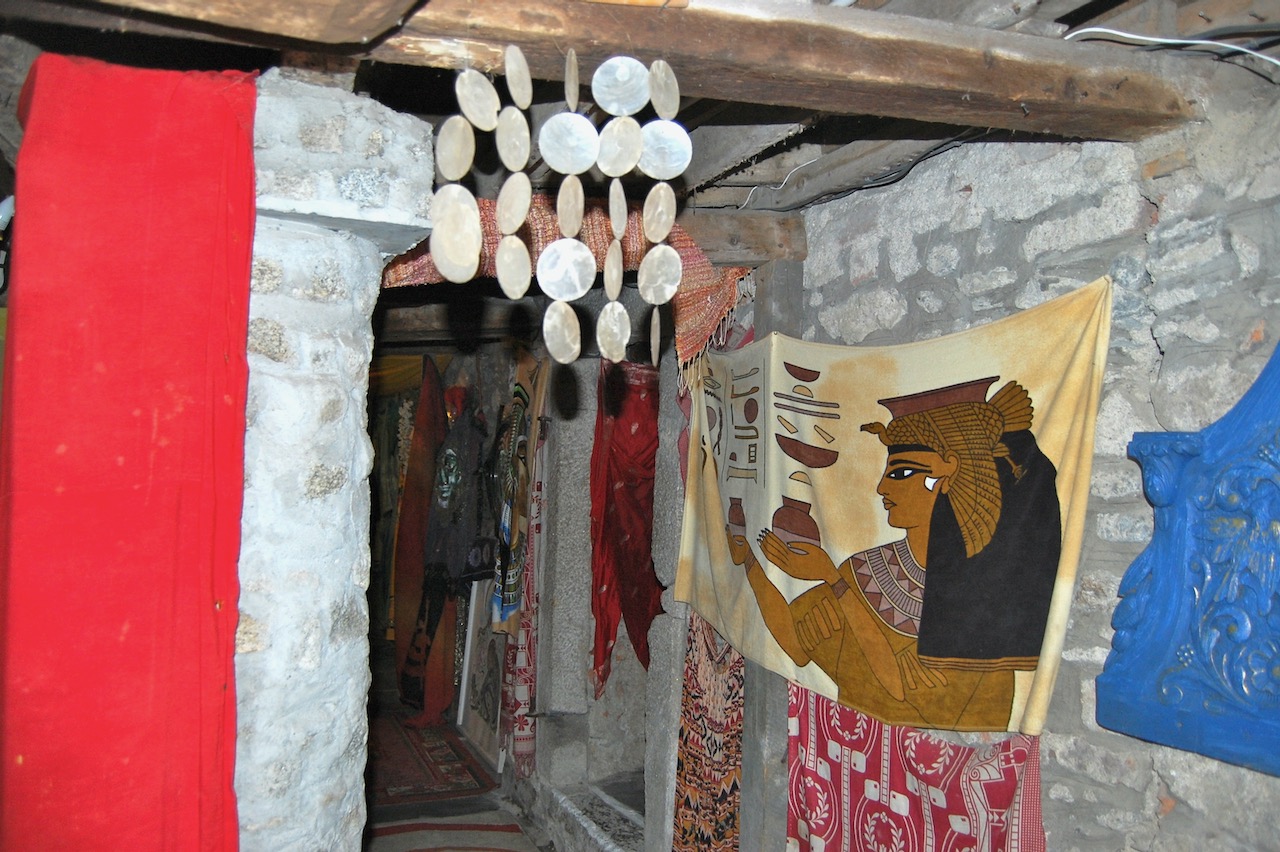
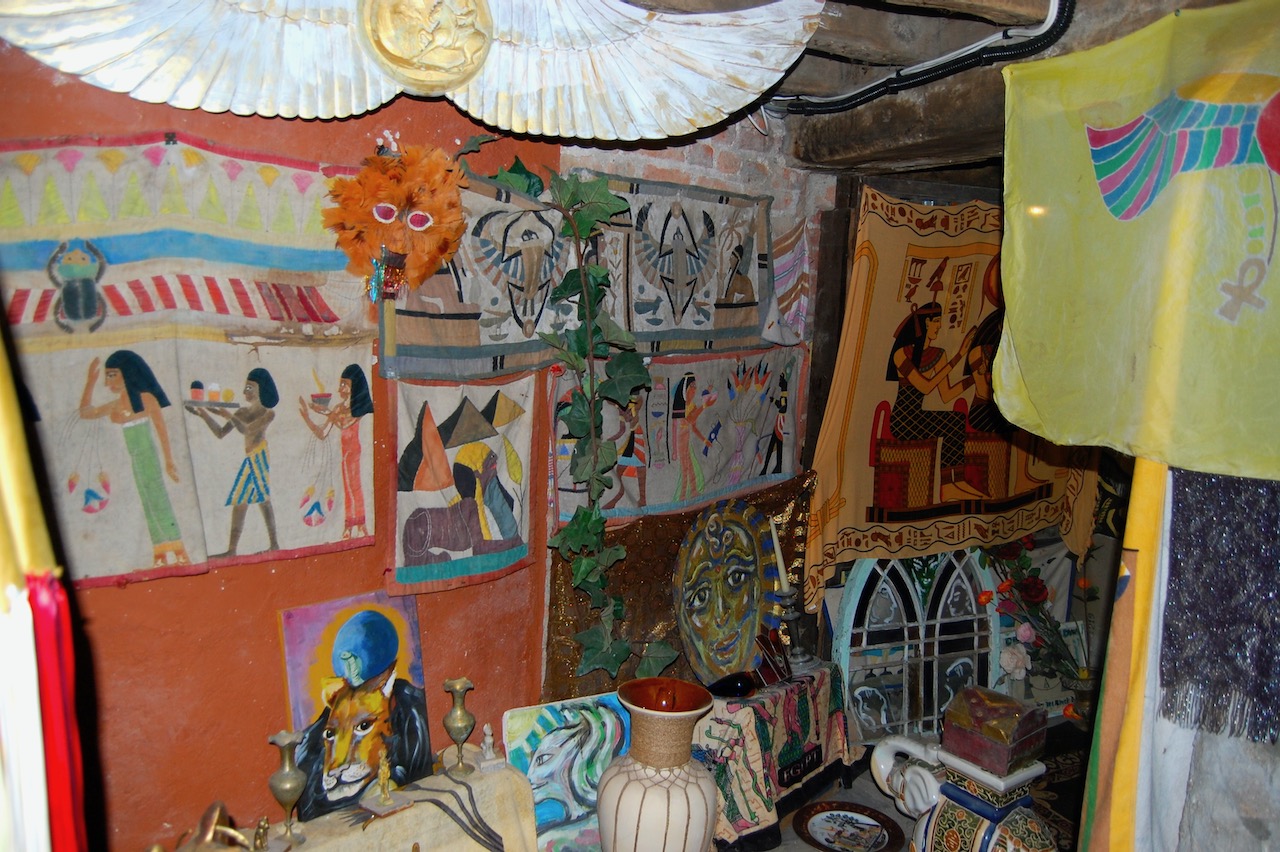
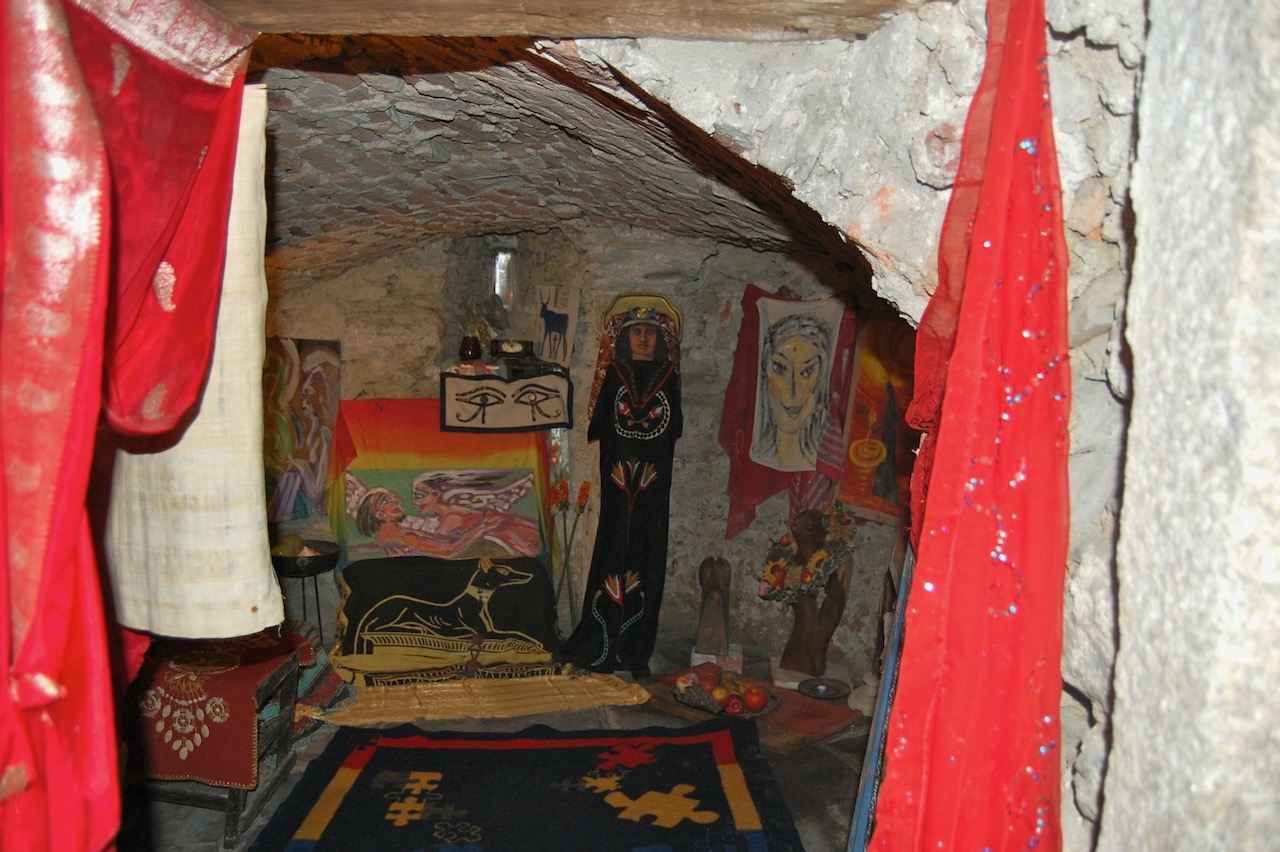
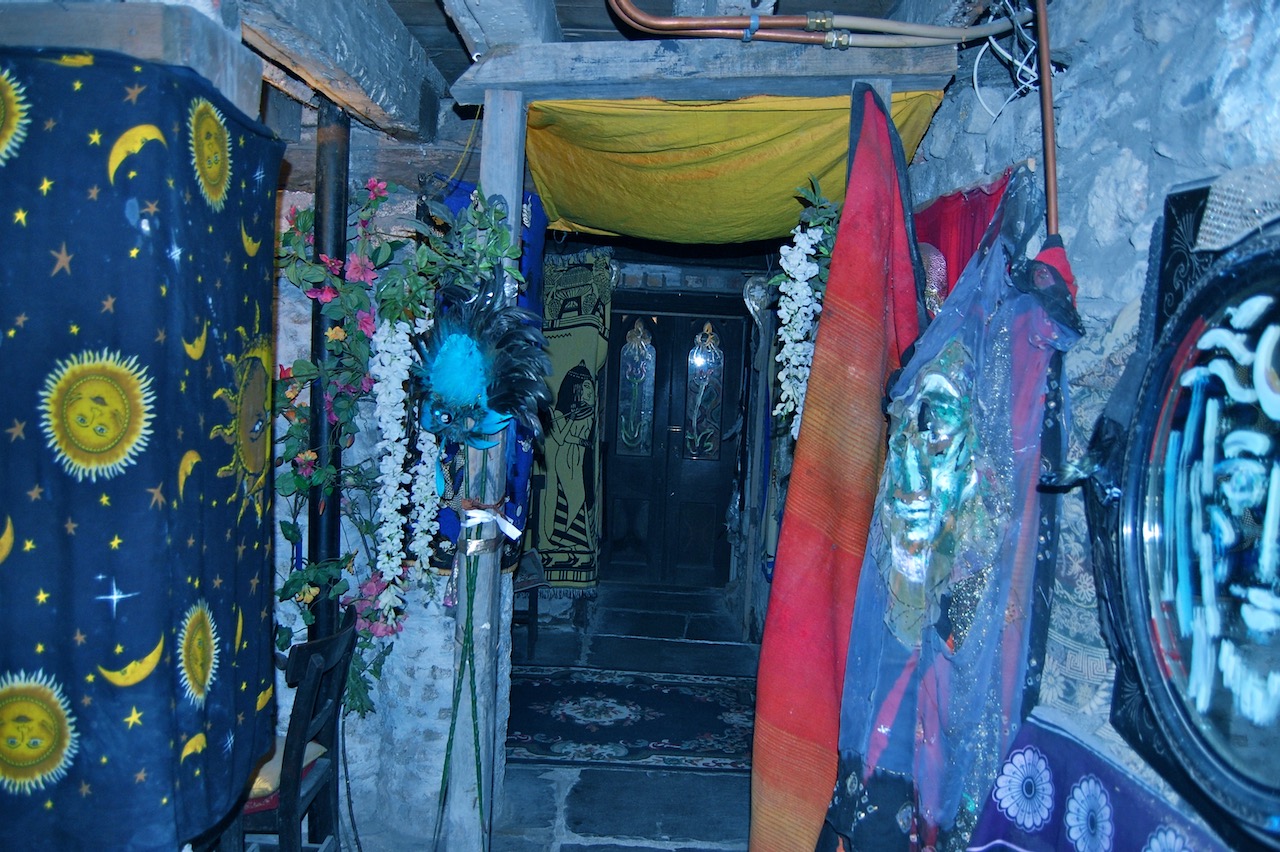
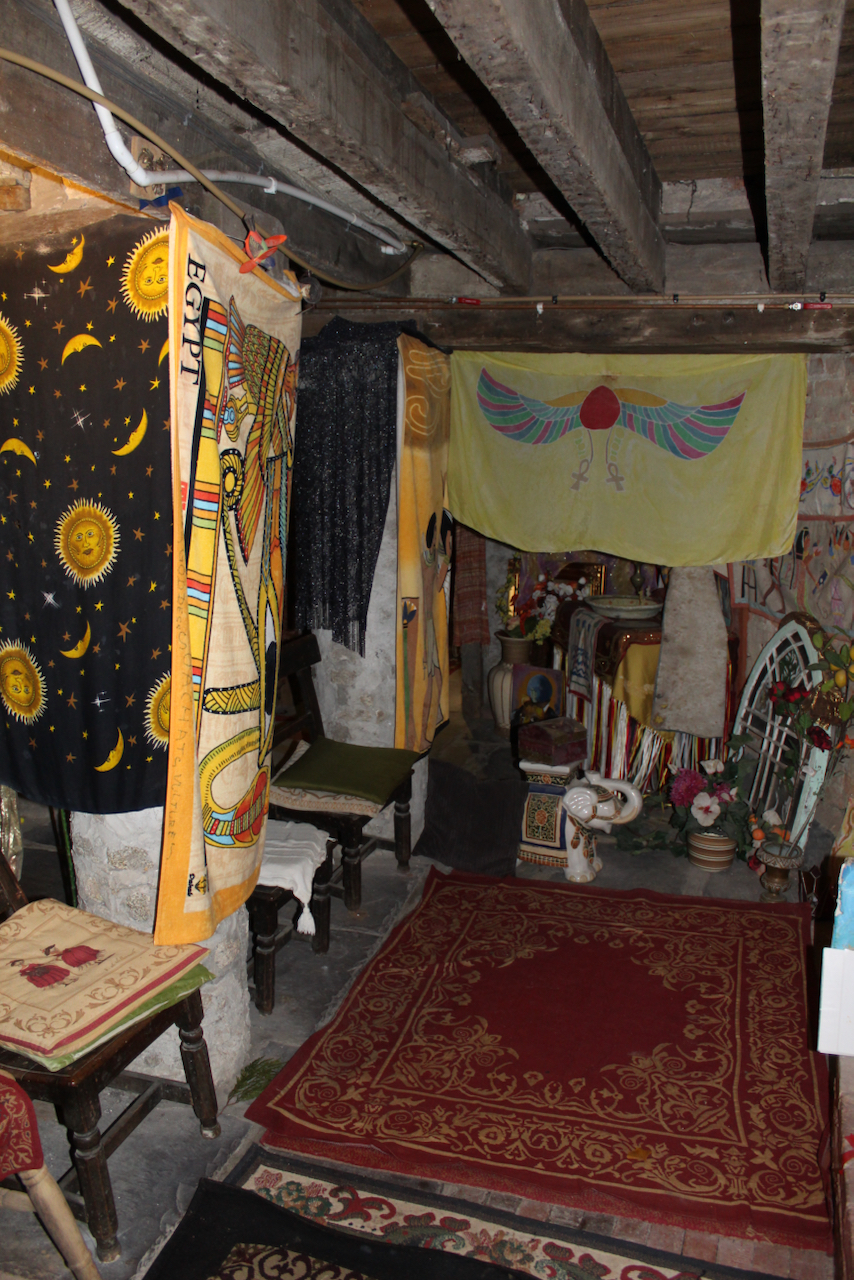
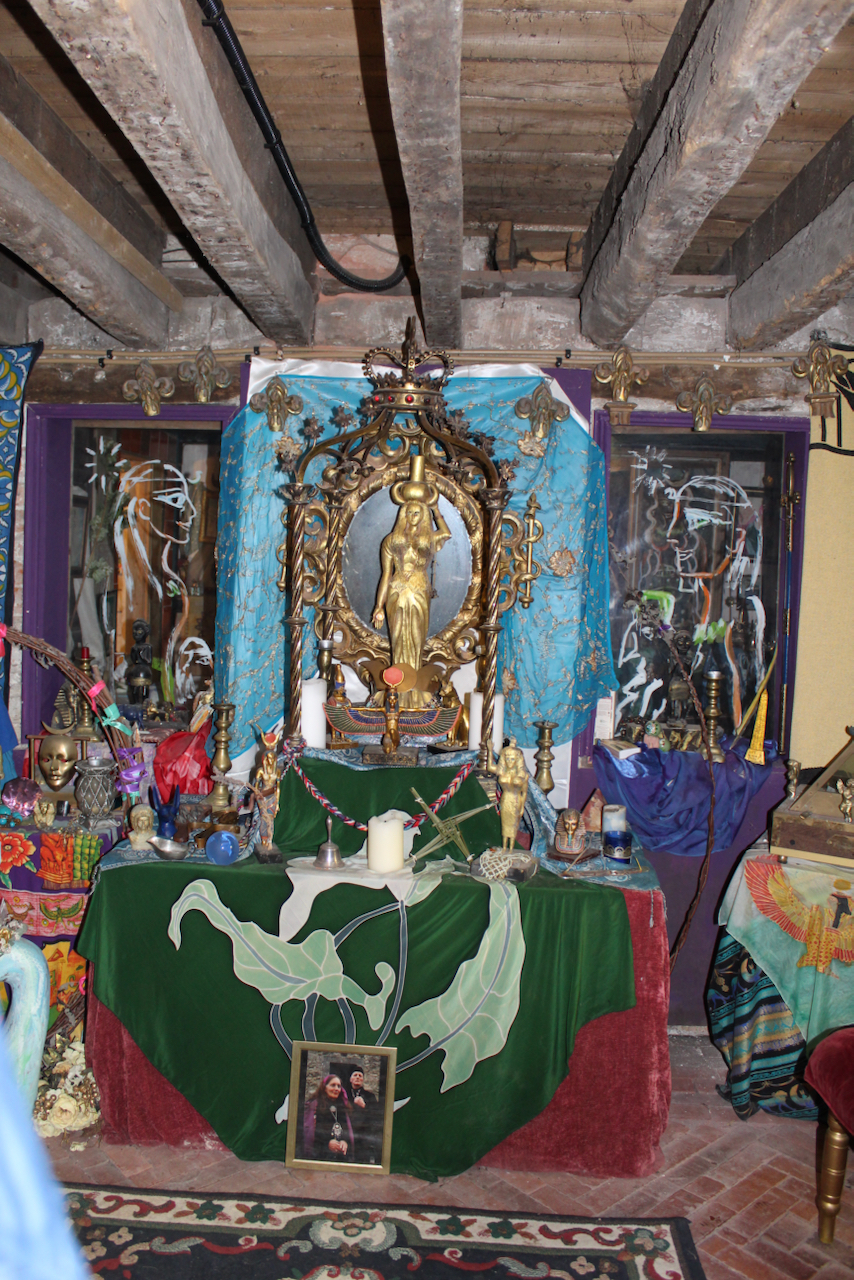
We were allowed to take photos in the basement, which used to house dungeons, and now holds the “Temple of Isis.” It also contains a well, which was the reason the castle was situated on this spot.

In the 1970s two of the four children of Manning Durdin-Robertson, the writer and mystic Olivia Durdin-Robertson, who was a friend of W.B. Yeats and A.E. Moore, and her brother Laurence (nicknamed Derry), and his wife Bobby, converted the undercroft into a temple to the Egyptian Goddess Isis, founding a new religion. In 1976 the temple became the foundation centre for the Fellowship of Isis [11]. I love the notion of a religion that celebrates the earthy aspects of womanhood, and I purchased a copy of Olivia Durdin-Robertson’s book in the coffee shop. The religion takes symbols from Egyptian religion, as you can see in my photos of this marvellous space:

Entrance to the basement. Photograph © Jennifer Winder-Baggot, www.irishhistorichouses.com
Temple of Isis in Huntington Castle. This room houses the well. Photograph © Jennifer Winder-Baggot, www.irishhistorichouses.com
Temple of Isis in Huntington Castle. Photograph © Jennifer Winder-Baggot, www.irishhistorichouses.com
You can see the old vaulted brick ceilings of the basement. Photograph © Jennifer Winder-Baggot, www.irishhistorichouses.com
Temple of Isis in Huntington Castle. Photograph © Jennifer Winder-Baggot, www.irishhistorichouses.com
The basement still has its wooden beam ceilings. Photograph © Jennifer Winder-Baggot, www.irishhistorichouses.com
Huntington Castle, Temple of Isis. Photograph © Jennifer Winder-Baggot, www.irishhistorichouses.com

Turtle Bunbury has a video of the Fellowship of Isis on his website [12]! You can get a flavour of what their rituals were like initially. Perhaps they are similar today. The religion celebrates the Divine Feminine.

Huntington Castle, 2023. Photograph © Jennifer Winder-Baggot, www.irishhistorichouses.com

After a tour of the castle, we then went to the back garden, coming out from the basement by a door under the stone balcony. According to its website:

The Gardens were mainly laid out in the 1680s by the Esmondes. They feature impressive formal plantings and layouts including the Italian style ‘Parterre’ or formal gardens, as well the French lime Avenue (planted in 1680). The world famous yew walk is a significant feature which is thought to date to over 500 years old and should not be missed.

Later plantings resulted in Huntington gaining a number of Champion trees including more than ten National Champions. The gardens also feature early water features such as stew ponds and an ornamental lake as well as plenty to see in the greenhouse and lots of unusual and exotic plants and shrubs.“”Later plantings resulted in Huntington gaining a number of Champion trees including more than ten National Champions. The gardens also feature early water features such as stew ponds and an ornamental lake as well as plenty to see in the greenhouse and lots of unusual and exotic plants and shrubs.

Huntington Castle, 2023. Photograph © Jennifer Winder-Baggot, www.irishhistorichouses.com
Huntington Castle, 2023.
One exits the stable yard through a small gate in the wall, to the garden, and the orchard and greenhouses are to the right. Photograph © Jennifer Winder-Baggot, www.irishhistorichouses.com
The orchard. Photograph © Jennifer Winder-Baggot, www.irishhistorichouses.com
Even the auxiliary buildings have stepped gables. Photograph © Jennifer Winder-Baggot, www.irishhistorichouses.com
The greenhouses were built by Manning Durdin-Robertson and are made of concrete. Photograph © Jennifer Winder-Baggot, www.irishhistorichouses.com
Huntington Castle, 2023. Photograph © Jennifer Winder-Baggot, www.irishhistorichouses.com
The Rose Walk and stream. Photograph © Jennifer Winder-Baggot, www.irishhistorichouses.com
The Bluebell woods. Photograph © Jennifer Winder-Baggot, www.irishhistorichouses.com
Our 2023 visit, Stephen and Gary. Photograph © Jennifer Winder-Baggot, www.irishhistorichouses.com
Huntington Castle, 2023. Photograph © Jennifer Winder-Baggot, www.irishhistorichouses.com

The “stew ponds” would have held fish that could be caught for dinner.

The Stew Ponds, 2023. Photograph © Jennifer Winder-Baggot, www.irishhistorichouses.com
The lake, 2023. Photograph © Jennifer Winder-Baggot, www.irishhistorichouses.com
DSC_1369
The lake, in 2016. Photograph © Jennifer Winder-Baggot, www.irishhistorichouses.com
The wilderness near the River. Photograph © Jennifer Winder-Baggot, www.irishhistorichouses.com
The river Derry, at the end of the property, and an old mill building beyond. Photograph © Jennifer Winder-Baggot, www.irishhistorichouses.com

After the garden, we needed a rest in the Cafe.

The tearoom has some built-in pigeon boxes. Photograph © Jennifer Winder-Baggot, www.irishhistorichouses.com
One of the auxiliary buildings in the stable yard has been renovated into a “Granny flat.” Photograph © Jennifer Winder-Baggot, www.irishhistorichouses.com
The garden side of the granny flat. Photograph © Jennifer Winder-Baggot, www.irishhistorichouses.com
The wall must be very old, with this enormously thick supporting buttress. Photograph © Jennifer Winder-Baggot, www.irishhistorichouses.com
Back of the “granny flat.” Photograph © Jennifer Winder-Baggot, www.irishhistorichouses.com
I loved the arrangement of plates on the walls of the cafe! Photograph © Jennifer Winder-Baggot, www.irishhistorichouses.com

I was also thrilled by the hens who roamed the yard and even tried to enter the cafe:

There is space next to the cafe that can be rented out for events:

A few plants were for sale in the yard. A shop off the cafe sells local made craft, pottery, and books. The stables and farmyard buildings are kept in good condition and buzzed with with the business of upkeep of the house and gardens.

Ancilliary building in the stable yard. Photograph © Jennifer Winder-Baggot, www.irishhistorichouses.com
The stable yard has a very handy mounting block, to get on to your horse. Photograph © Jennifer Winder-Baggot, www.irishhistorichouses.com
Last time we visited, I was amused by the hens wandering around the yard. This time, we were accompanied in our coffee and delicious coffee cake by an inquisitive peacock, and there were some more retiring peahens. Photograph © Jennifer Winder-Baggot, www.irishhistorichouses.com
The inquisitive – and acquisitive! – peacock. Photograph © Jennifer Winder-Baggot, www.irishhistorichouses.com
I’ll never tire of admiring the vibrant “art nouveau” colours of the peacock. Photograph © Jennifer Winder-Baggot, www.irishhistorichouses.com
The stables house art studios, I believe. Photograph © Jennifer Winder-Baggot, www.irishhistorichouses.com
what is this tall flower? Photograph © Jennifer Winder-Baggot, www.irishhistorichouses.com

[1] https://www.huntingtoncastle.com/

[2] The website http://www.ihh.ie/index.cfm/houses/house/name/Huntington%20Castle says it was built on the site of a 14th century stronghold and abbey, whereas the Irish Aesthete says it was built on the site of a 13th century Franciscan monastery.

[3] Kavanagh, Art and Rory Murphy, The Wexford Gentry. Published by Irish Family Names, Bunclody, Co Wexford, Ireland, 1994. 

[4]  Bence-Jones, Mark. A Guide to Irish Country Houses (originally published as Burke’s Guide to Country Houses volume 1 Ireland by Burke’s Peerage Ltd. 1978); Revised edition 1988 Constable and Company Ltd, London.

[5] p. 171, Ohlmeyer, Jane. Making Ireland English. The Irish Aristocracy in the Seventeenth Century. Yale University Press, New Haven and London, 2012. See also pages 43, 273, 444 and 451.

[6] Dunlop, Robert. ‘Edmonde, Laurence.’ Oxford Dictionary of National Biography, online edition volume 18, accessed February 2020. https://en.wikisource.org/wiki/Esmonde,_Laurence_(DNB00)

[7] http://www.turtlebunbury.com/history/history_houses/hist_hse_huntington.html

[8] https://theirishaesthete.com/2016/11/14/light-and-shade/

[9] https://www.irelandscontentpool.com/en

[10] https://theirishaesthete.com/2017/01/23/huntington/

[11] Robertson, Nora. The Crowned Harp. Memories of the Last Years of the Crown in Ireland. published by Allen Figgis & Co. Ltd., Dublin, 1960.

[12] http://www.turtlebunbury.com/history/history_houses/hist_hse_huntington.html

http://www.fellowshipofisis.com/

Irish Historic Homes

Text © Jennifer Winder-Baggot, www.irishhistorichouses.com
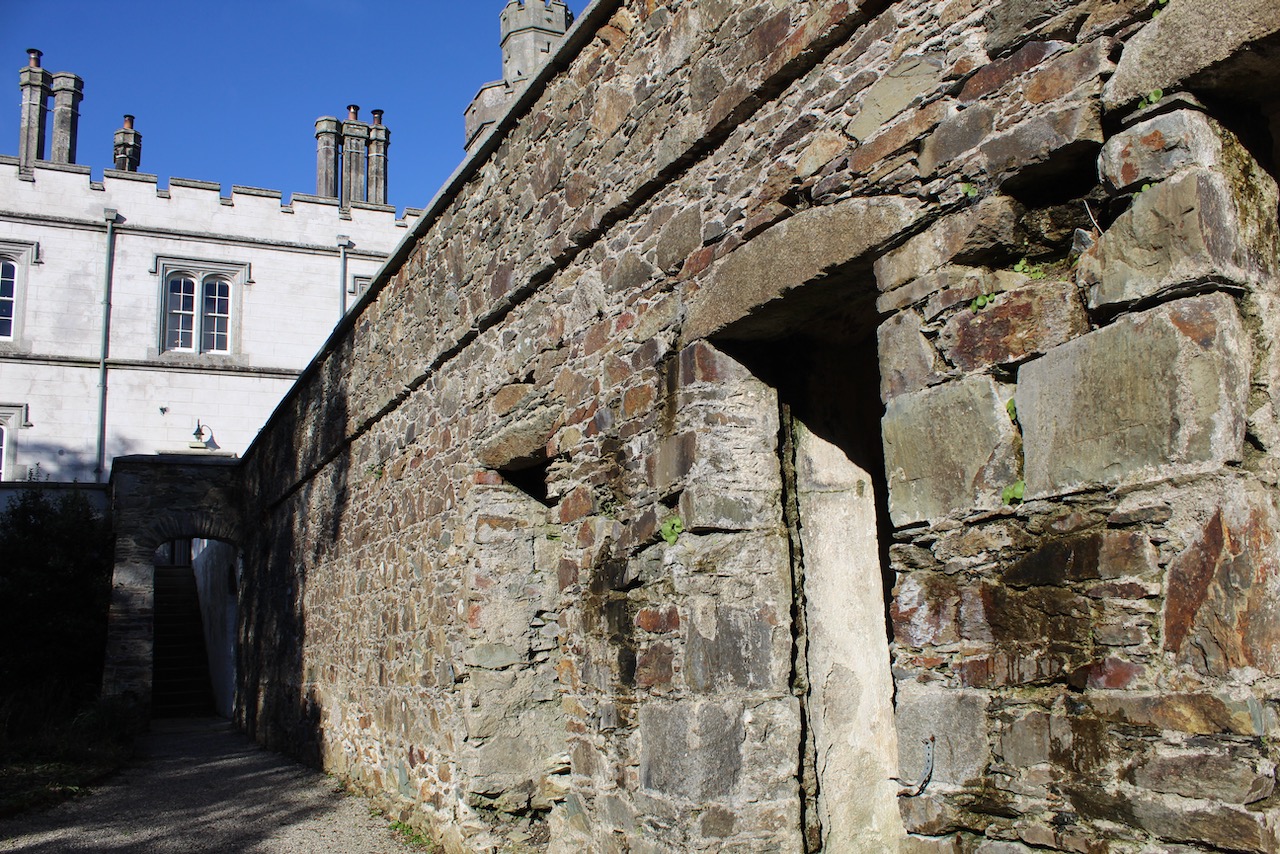
Donation

Help me to fund my creation and update of this website. It is created purely out of love for the subject and I receive no payment so any donation is appreciated!

€10.00