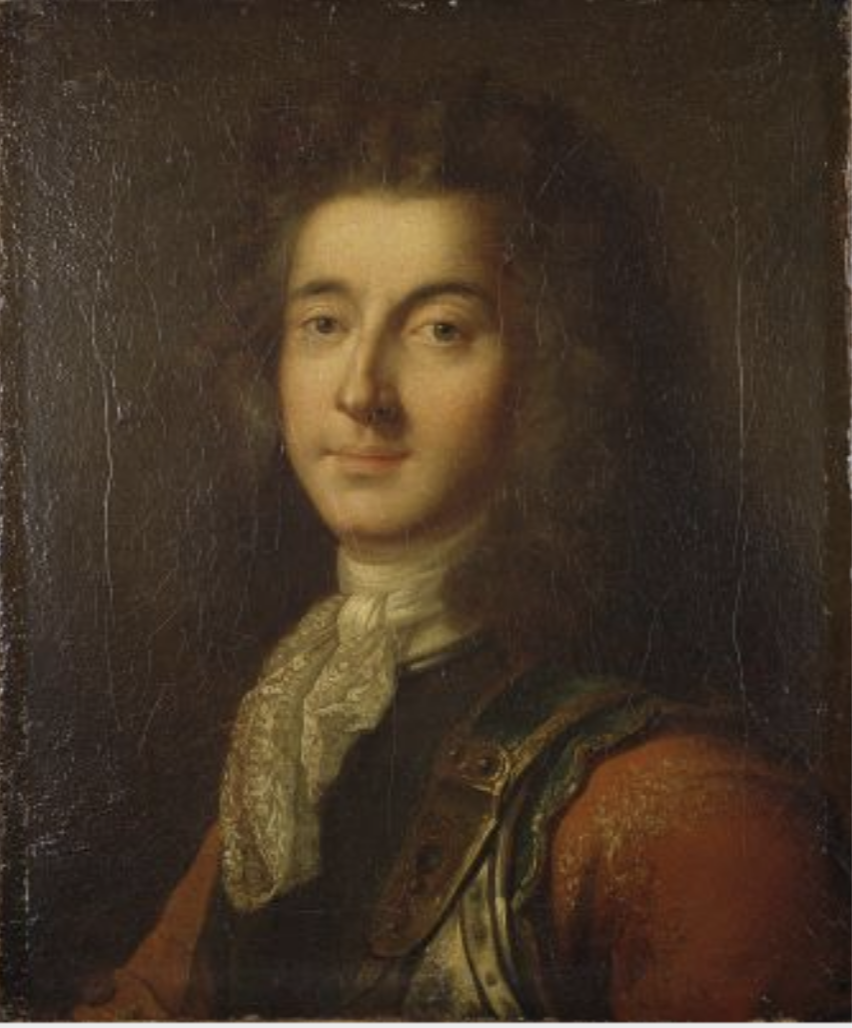
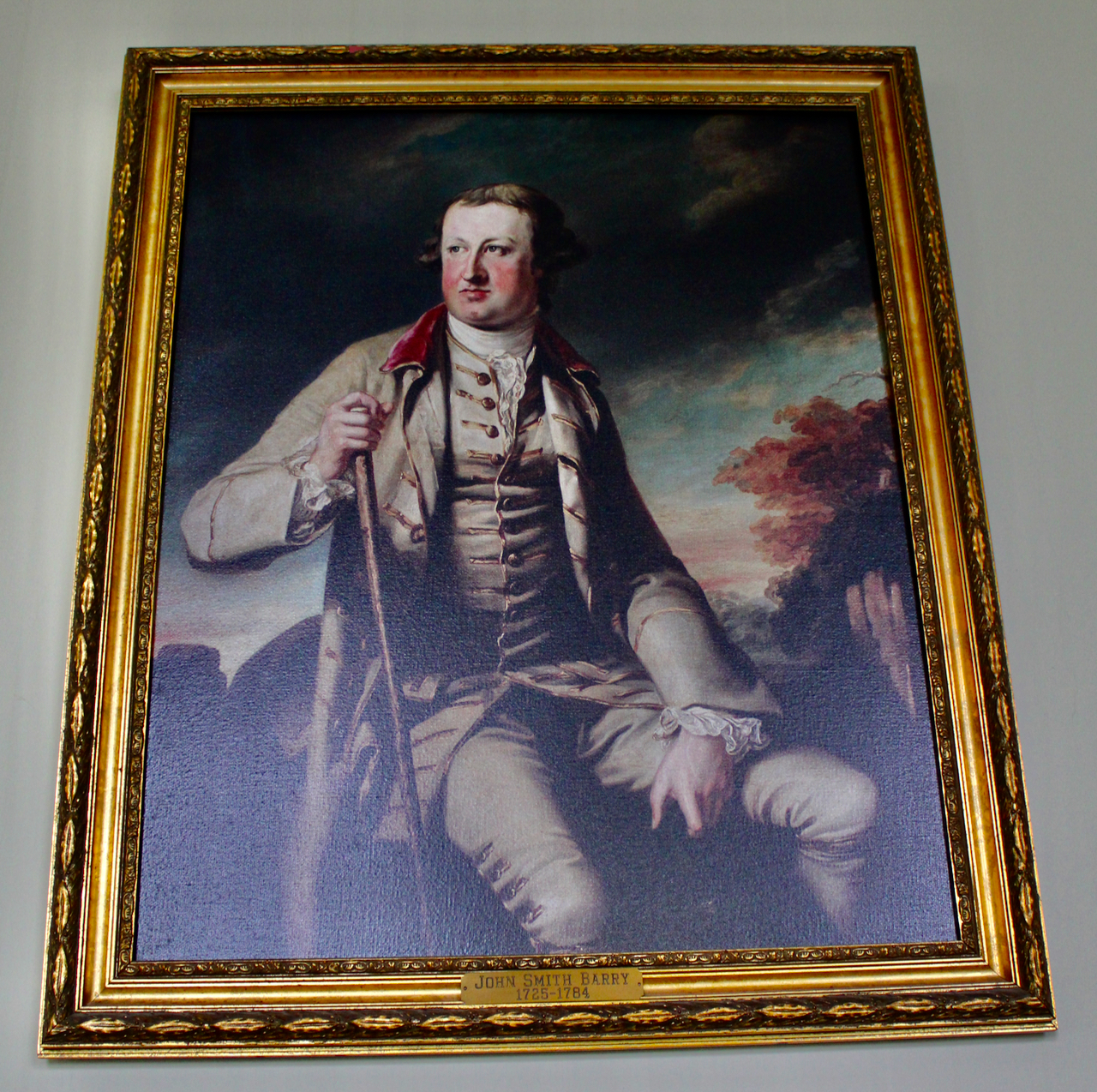
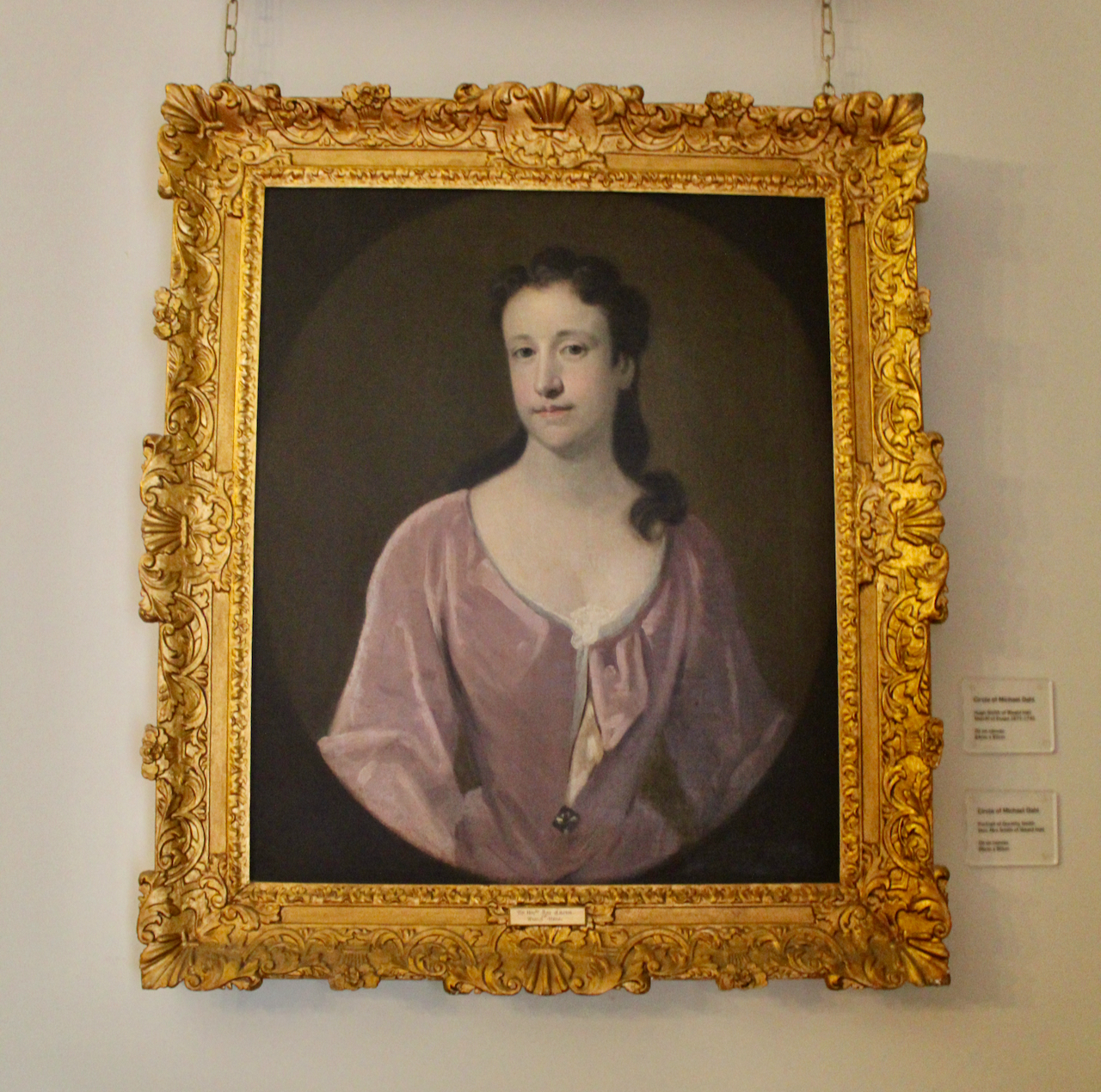
John Barry (1725-1784), who added the name Smith to his surname after his marriage to a wealthy heiress, was the son of James Barry, 4th Earl of Barrymore, of Castlelyons, County Cork, and Barry’s third wife, Anne Chichester, daughter of Arthur Chichester, 3rd Earl of Donegall (it was spelled with two ‘l’s in the title, unlike the county). He married Dorothy Smith, daughter of Hugh Smith of Weald Hall, Essex, and John added Smith to his surname.
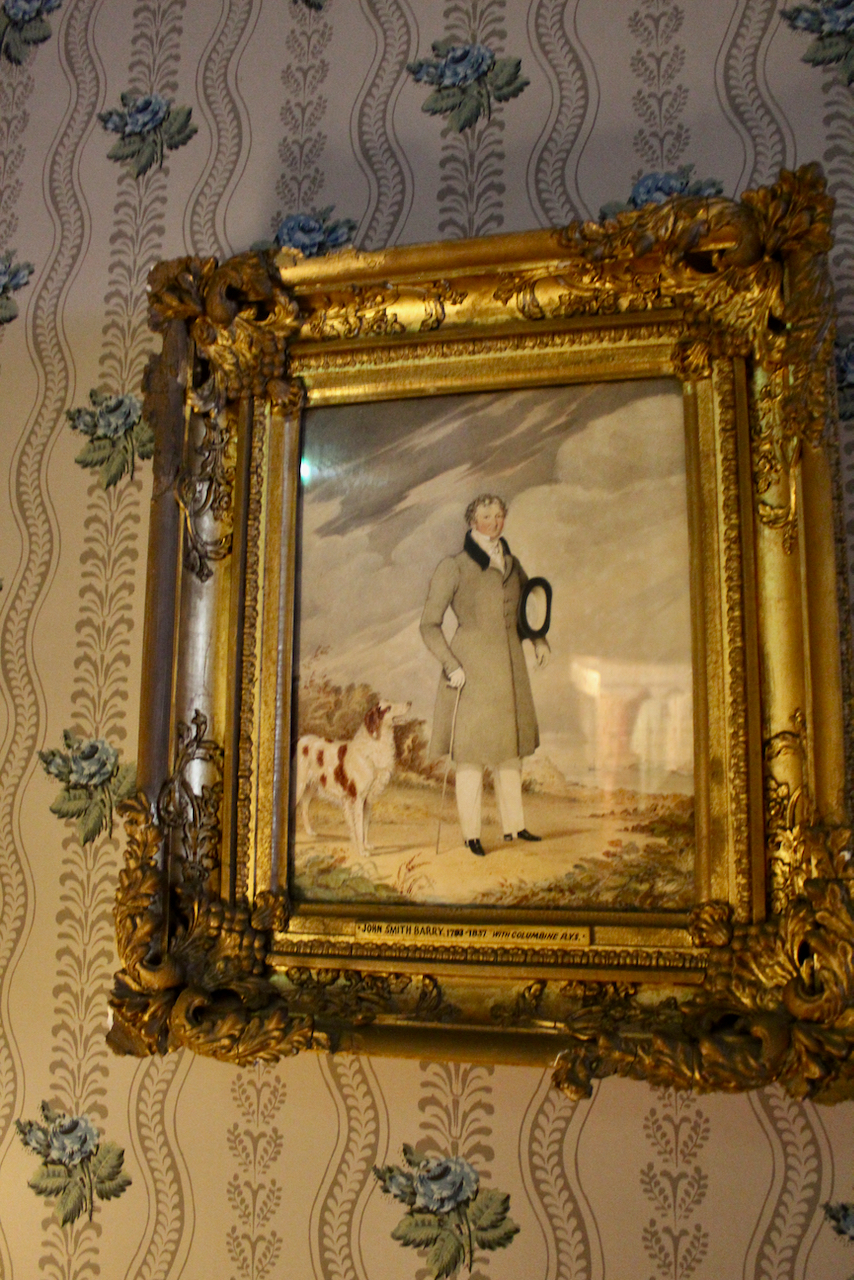
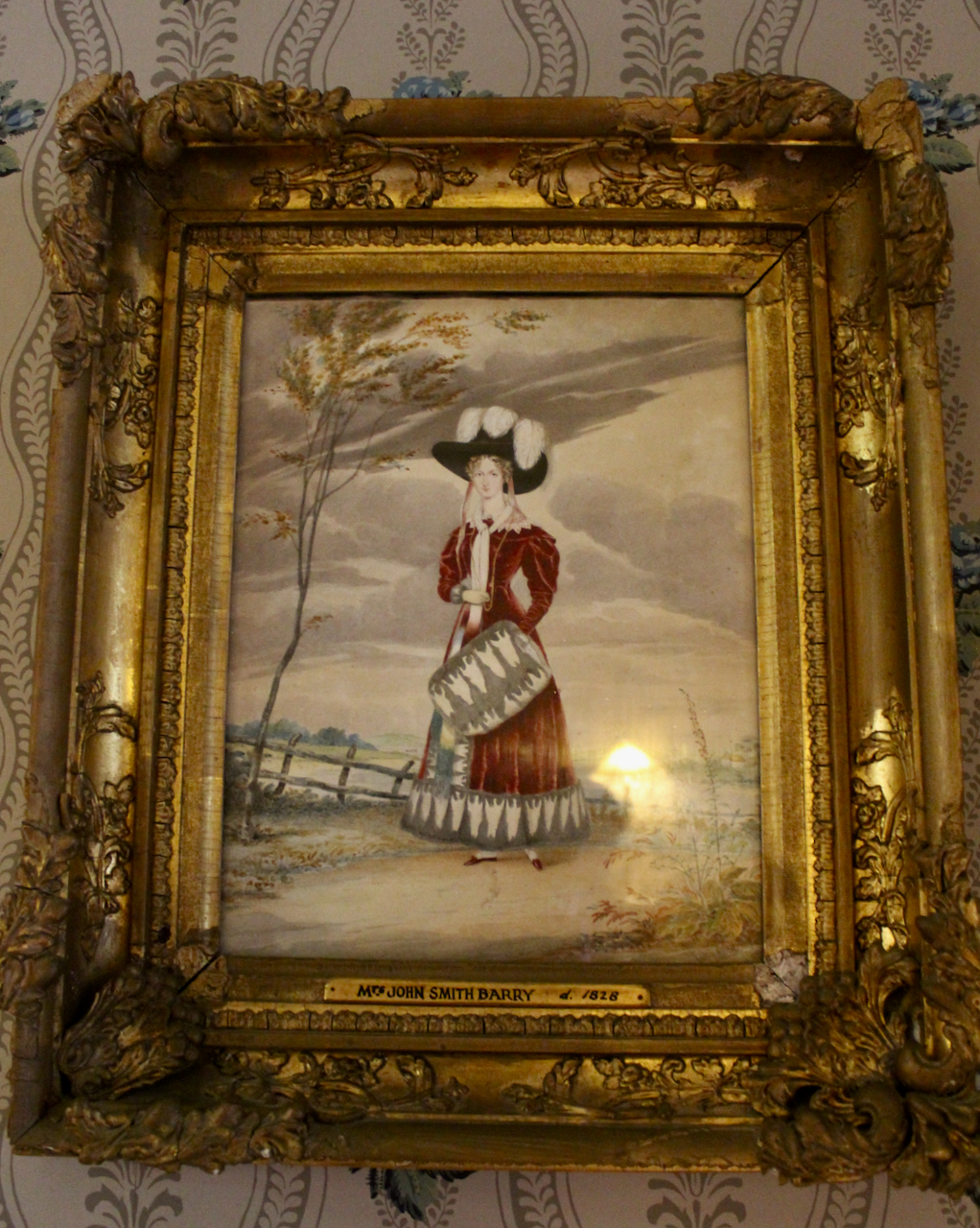
John Smith-Barry (1783-1837), son of James Hugh Smith-Barry (1746-1801) settled in Fota, County Cork, after his marriage to Eliza Courtenay of Ballyedmond, Midleton, County Cork.
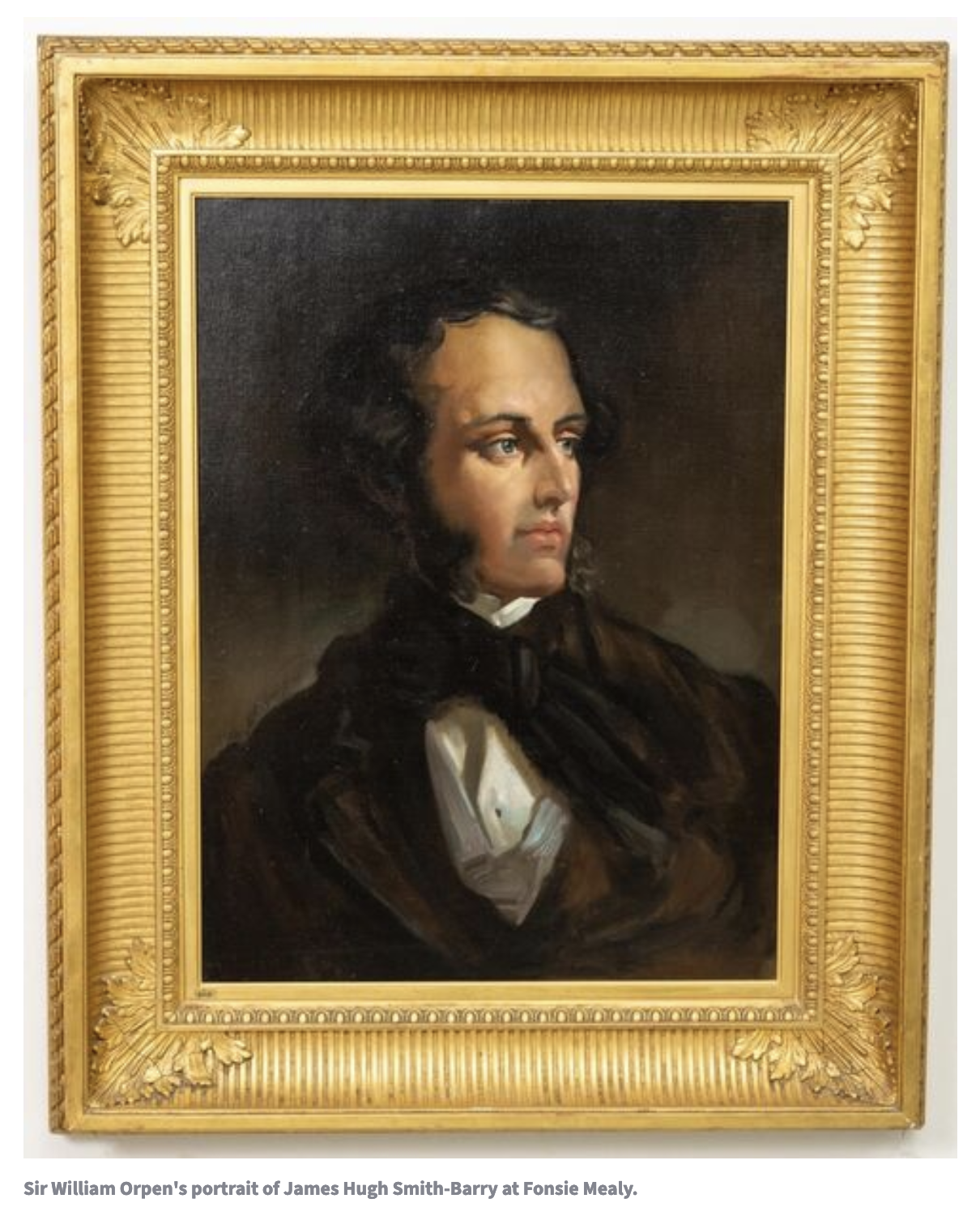
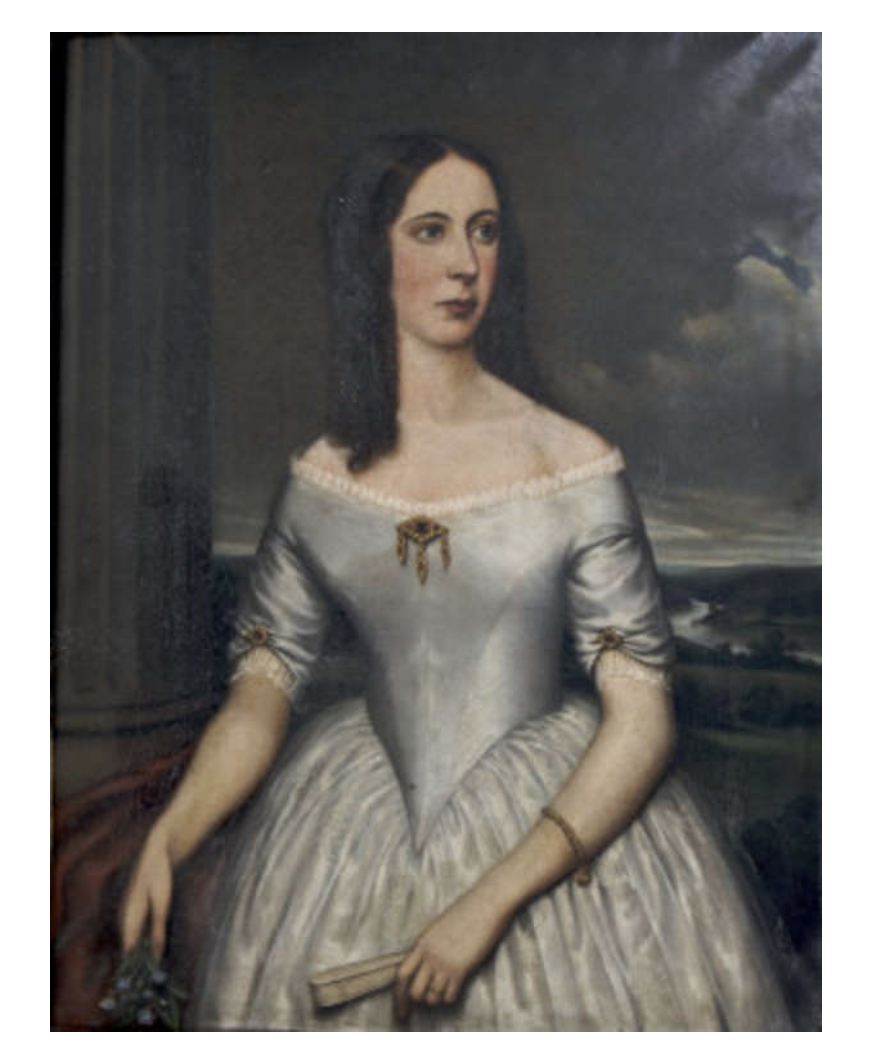
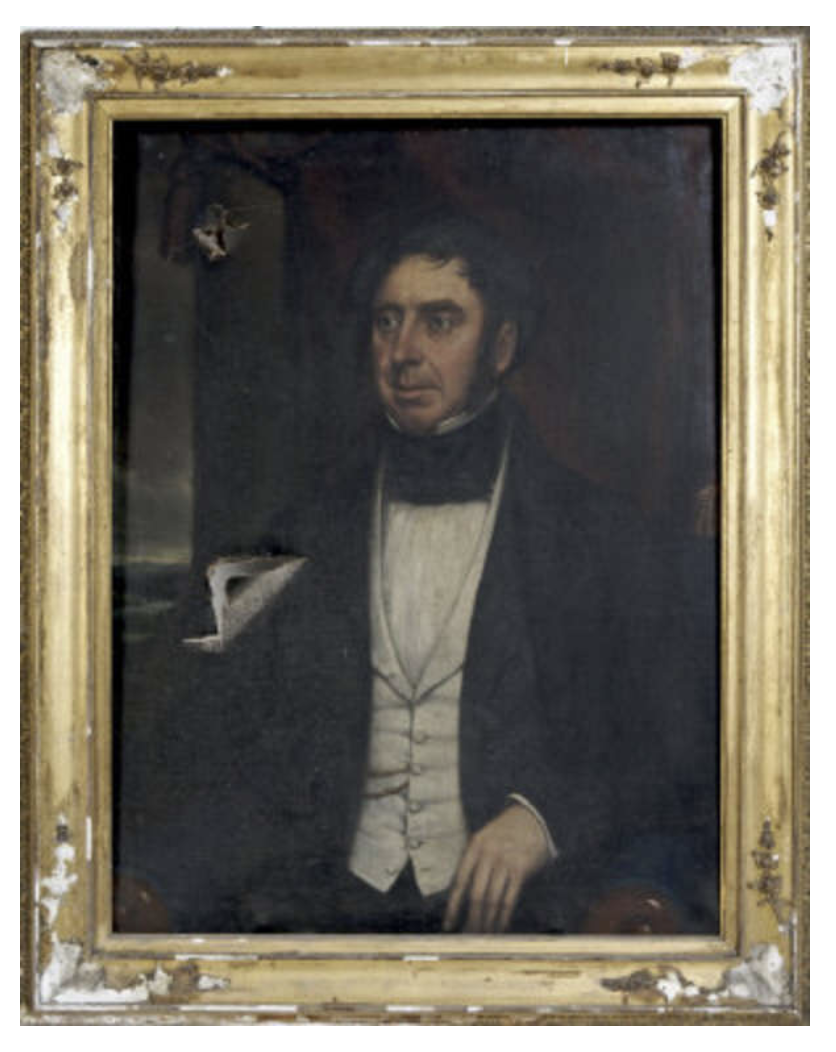
James Hugh Smith-Barry (1816-1856) inherited Fota and also Marbury Hall in Cheshire. He served as Deputy Lieutenant, Justice of the Peace and High Sheriff of County Cork. He married Elizabeth Jacson of Cheshire. After her husband died, she married George Fleming Warren, 2nd Baron de Tabley of Tabley House, County Chester.
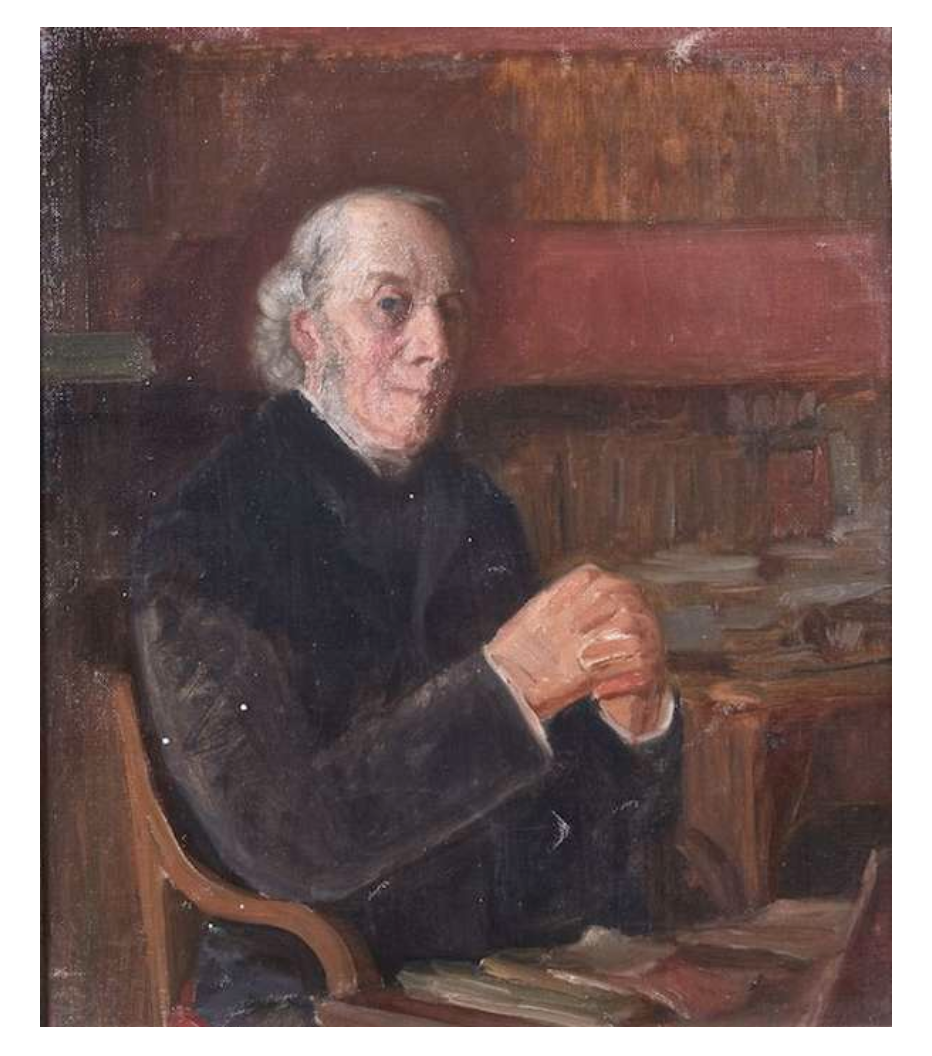
James Hugh Smith-Barry by William Orpen 1904, courtesy of Fonsie Mealy auction 2022.
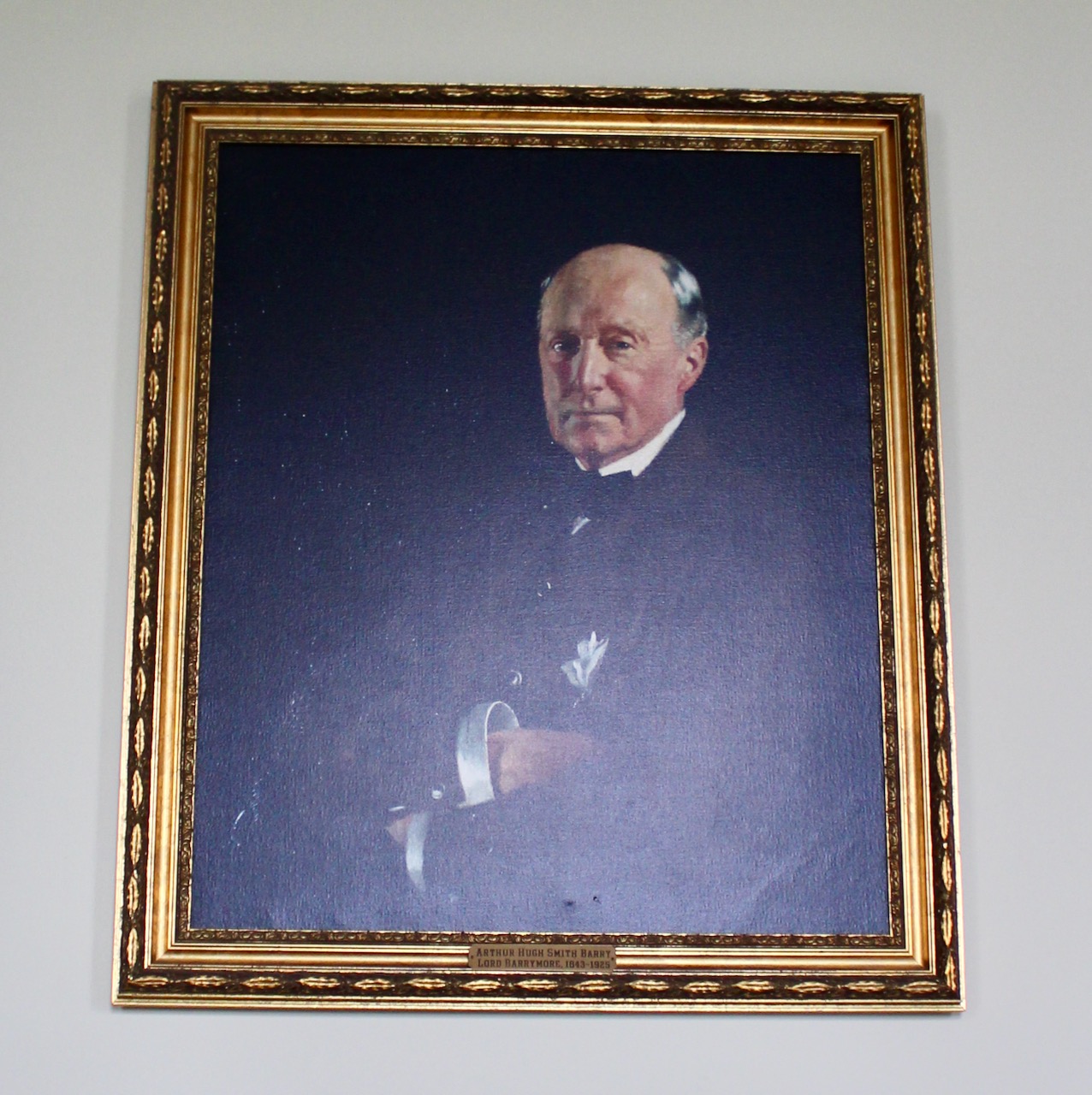
Arthur Hugh Smith-Barry (1843-1925), the oldest son of James and Elizabeth, inherited Fota and also Marbury Hall. He too served as Deputy Lieutenant, Justice of the Peace and High Sheriff of County Cork as well as Member of Parliament (M.P.) (Conservative) for County Cork between 1867 and 1874. He held the office of Member of Parliament (M.P.) (Conservative) for South Huntingdonshire in England between 1886 and 1900. In 1902 he was created 1st (and last) Baron Barrymore of County Cork.
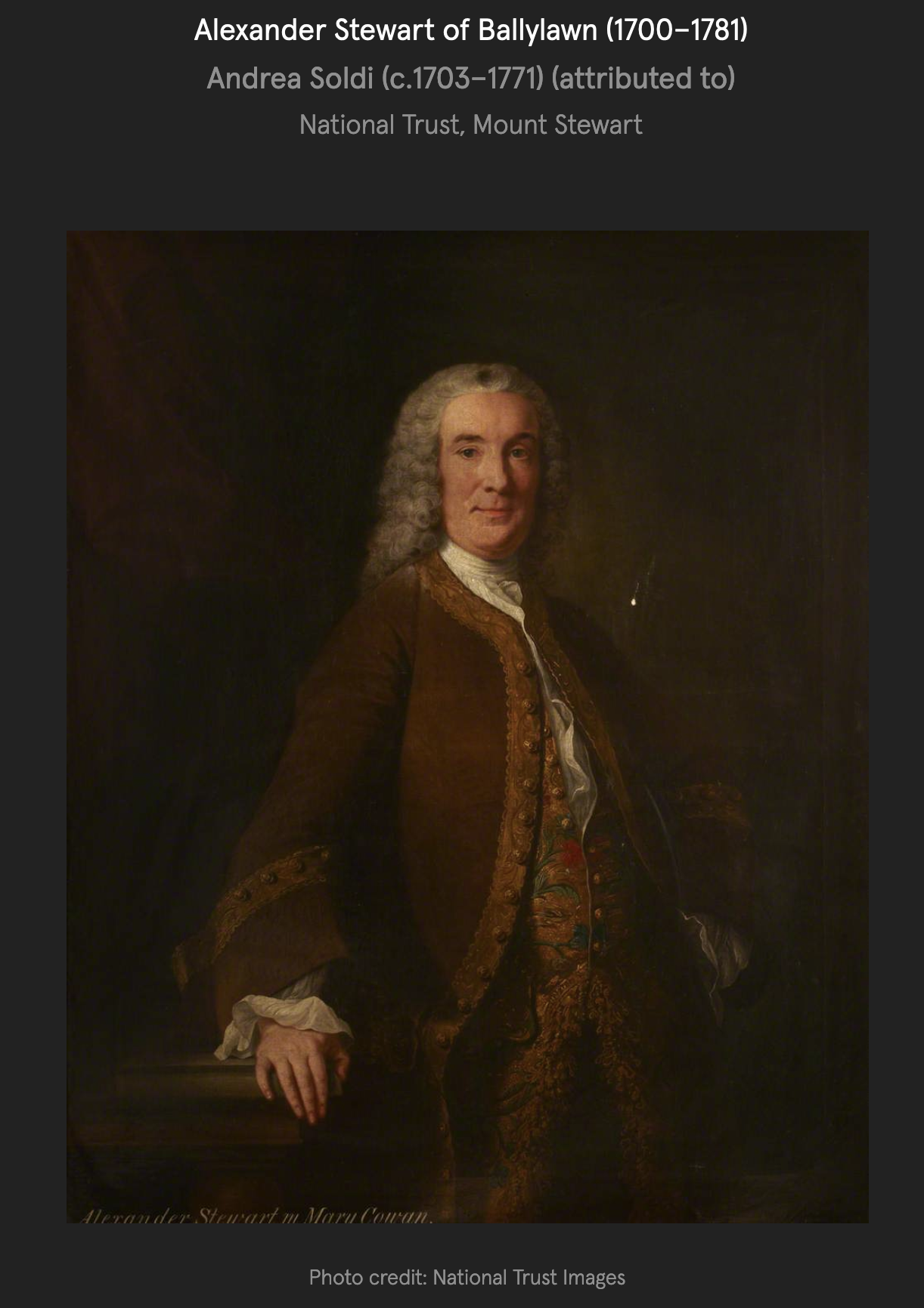
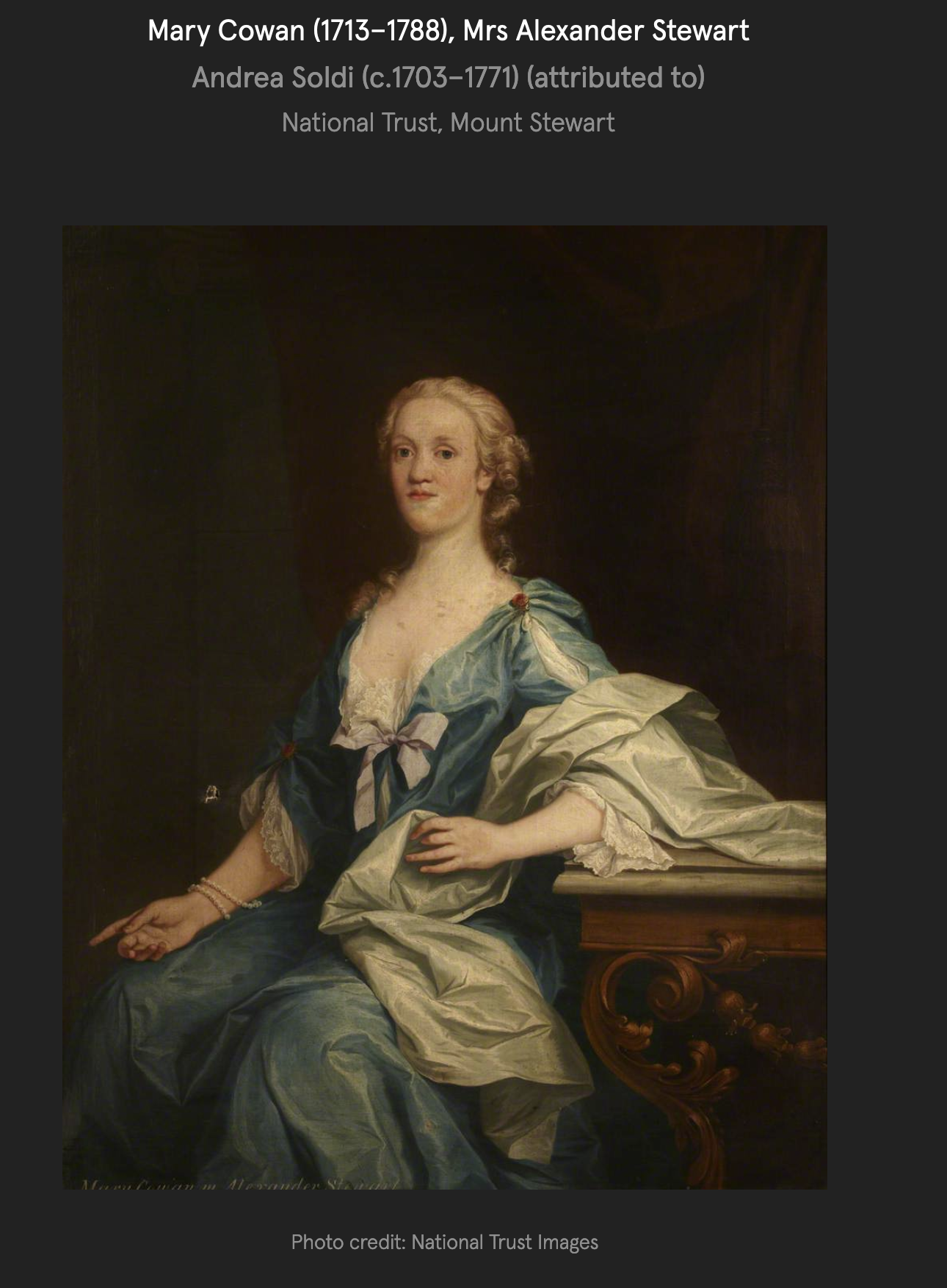
Alexander Stewart (1699/1700-1781) and his wife, Mary Cowan, bought a large area of land in County Down in 1744, part of which became Mount Stewart demesne.
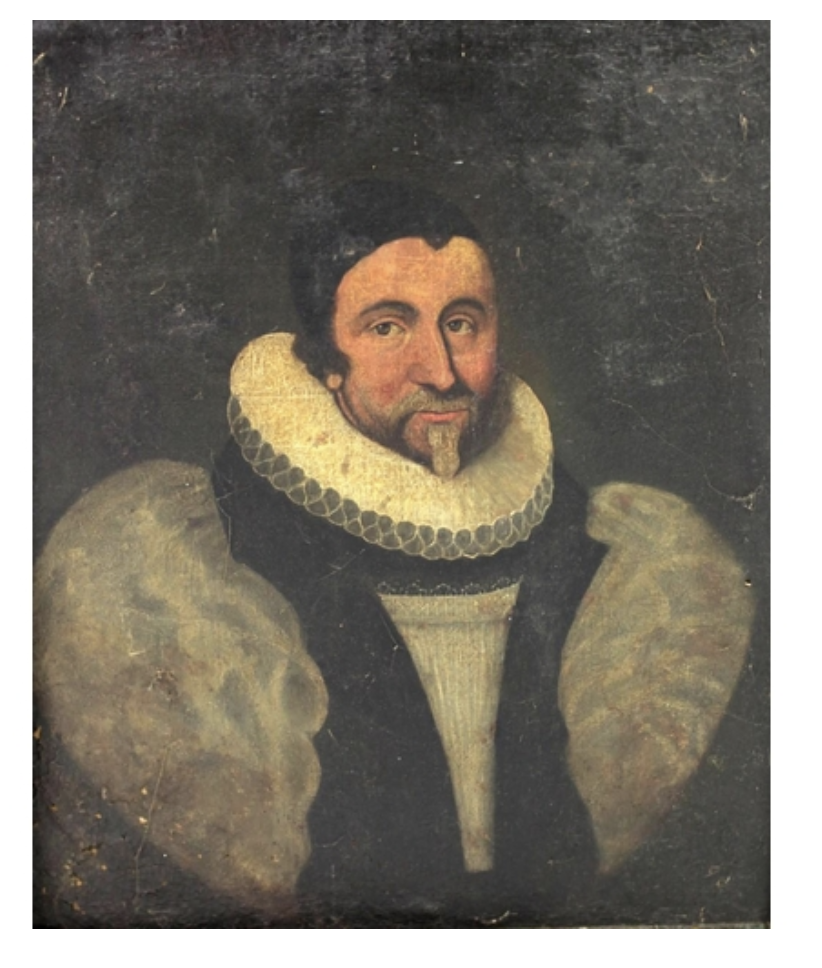
Burke’s Landed Gentry of Ireland tells us that Francis Swifte, son of Henry of Sheffield, County York, was knighted in 1616 and died in 1642. Henry of Sheffield’s other son was Thomas, who was buried in Canterbury Cathedral, who married Margaret, daughter and heir of the Right Rev. Thomas Godwin, Bishop of Bath & Wells. Many generations of Swift after him had the forename “Godwin.” Thomas and Margaret had a son William, born in 1566, who was Rector of Herbaldown and who married Mary Philpott.
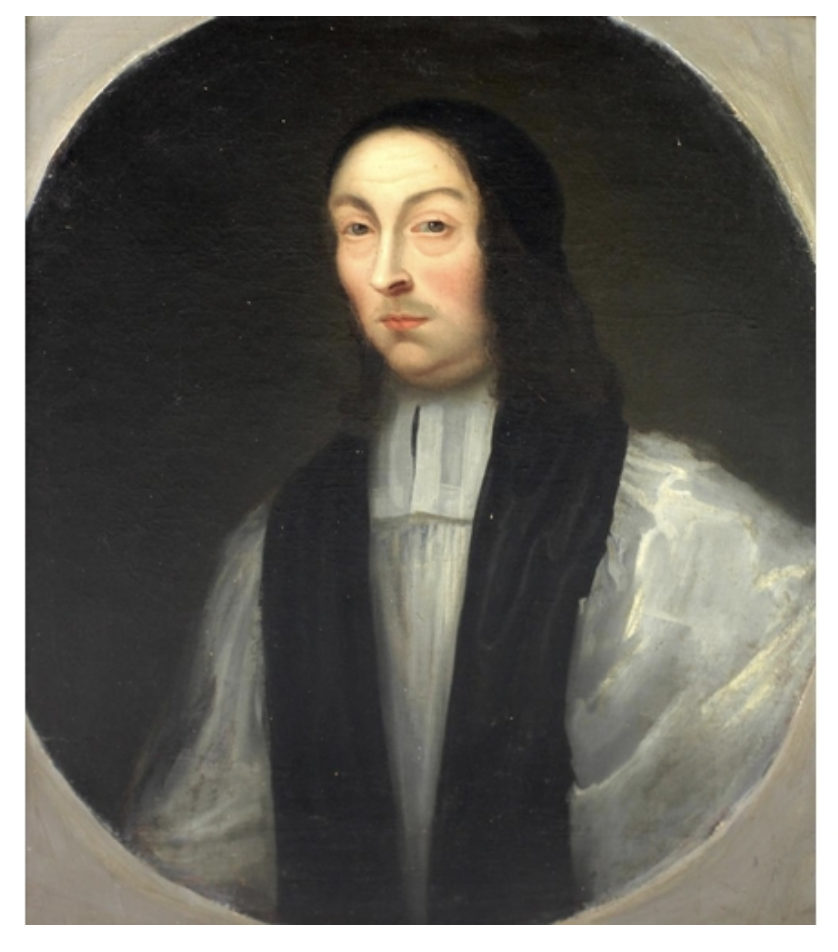
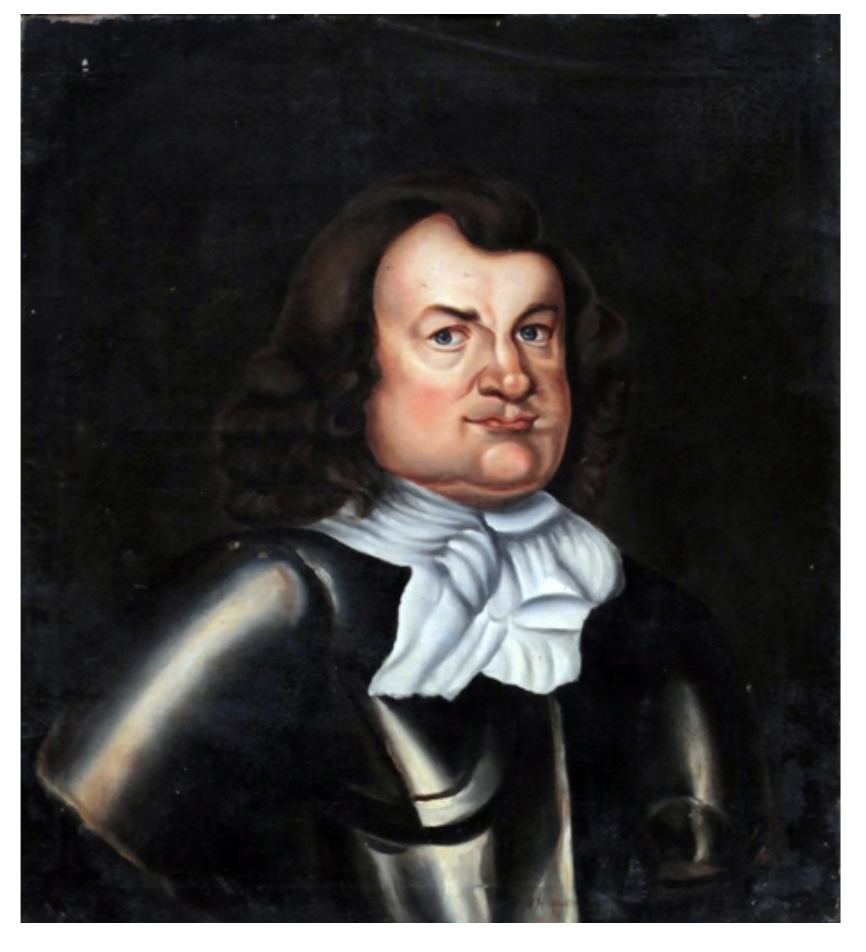
17th Century English School “Portrait of a Gentleman in Armour, Sir Francis Swifte,” courtesy Fonsie Mealy Fortgranite auction.Probably Francis Swifte, son of Henry of Sheffield, County York, was knighted in 1616 and died in 1642.Reverend Thomas Swifte, 17th Century Irish School. He was born in Canterbury in 1561, and married Margaret, daughter and heir of the Right Rev. Thomas Godwin, Bishop of Bath & Wells. He was the son of Henry Swifte; courtesy of Fonsie Mealy’s Fortgranite auction.Many generations of Swift after him had the forename “Godwin.”Late 16th / early 17th Century English School, “Right Reverend Thomas Godwin, courtesy Fonsie Mealy Fortgranite auction.
Thomas and Mary’s son Reverend Thomas (1595-1658) of Goodrich, Herefordshire, England, and Bristow, was ancestor of the Irish Swift family of Swiftsheath and Lionsden. He was devoted to King Charles I and the son of Charles I who was to become King Charles II.
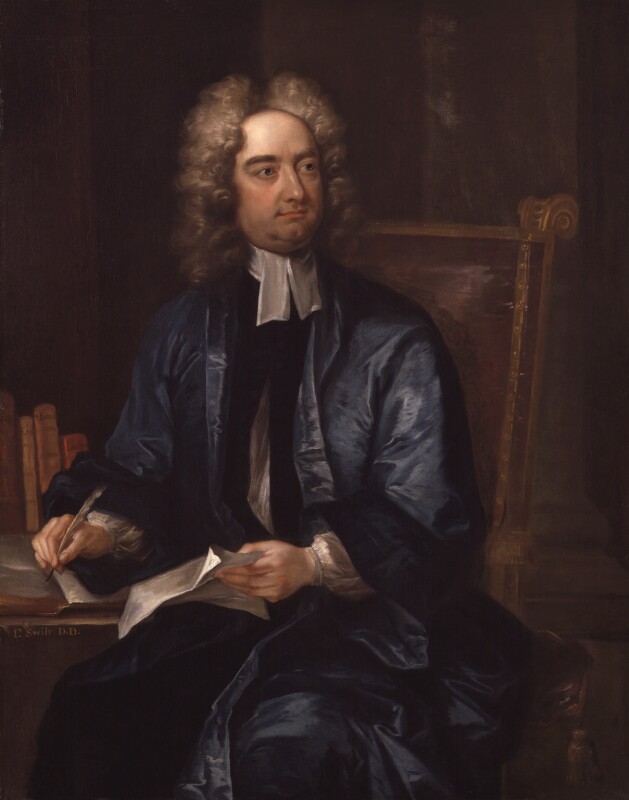
Thomas married Elizabeth Dryden (c. 1605-1658). They had many children, many of whom lived in Ireland. His son Jonathan (d. 1667) was a solicitor in Dublin, who married Abigail Erick of County Leicester, and they had a son, born after his death in Hoey’s Court, Dublin, right next to Dublin Castle, in 1667, also named Jonathan, the famed writer, Dean of St Patrick’s Cathedral in Dublin. He wrote many anecdotes about his grandfather in his manuscript The Family of Swift which is preserved in the library at Trinity College, Dublin (I must go to see it!). He died in 1745.
Jonathan Swift (1667-1745) by Charles Jervas circa 1718, National Portrait Gallery in London, 278.Portrait of Dean Swift attributed to Rupert Barber (1719-1772), courtesy of Adam’s auction 12 May 2013.This must be Jonathan Swift who died in 1745, Dean of St. Patrick’s Cathedral.Portrait of Stella courtesy of Adam’s auction 12 May 2013, attributed to Rupert Barber (1719-1772).“Portrait of Esther Johnson (Stella),” Late 18th / Early 19th Century after James Latham (1696 – 1747) courtesy of Fonsie Mealy Fortgranite sale.
Reverend Thomas Swift (1595-1658) had another son, Godwin Swift (d. 1695), who was Attorney-General to the Duke of Ormonde, and married four times. Geoffrey Marescaux tells us that Godwin Swift paid the famous Jonathan Swift’s school fees. His heir was child of his second wife, Katherine Webster, Godwin Swift (1672-1739), later of Dunbrow, County Dublin and Swiftsheath, County Kilkenny. For information on Swiftsheath, see https://kilkennyarchaeologicalsociety.ie/wp-content/uploads/2021/03/OKR1978-356-Geoffrey-Marescaux-Swiftes-Heath.pdf
Godwin Swift (1672-1739) married his cousin, Elizabeth, who was daughter of another son of Reverend Thomas Swift Vicar at Goodrich and Elizabeth née Dryden, William, who had land in Carlow, Kilkenny, Leitrim and Roscommon.
Godwin Swift (1672-1739) and Elizabeth had a son Godwin who inherited Swiftsheath and also owned Tidenton, County Kilkenny. He married a cousin, Elizabeth Swift, who was daughter of Deane Swift (c. 1674-1714) of Castle Rickard, County Westmeath. Deane Swift (c. 1674-1714) was another son of Godwin Swift Attorney-General to the Duke of Ormonde, by his 3rd wife, Hannah Deane.
Their son Godwin Swift (c. 1734-1815) lived in Swiftsheath and Lionsden, County Meath. He also married a cousin, Maria Swift, daughter of Deane Swift (c. 1707-1783) and Mary née Harrison, daughter of Theophilus Harrison. To add confusion to the family tree, Theophilus Harrison, Reverend of Clonmacnois, married twice, and one of his wives, Eleanor Meade, daughter of William Meade Lt Col of Ballintober, County Cork, had been previously married to Godwin Swift Attorney-General to the Duke of Ormonde as his fourth wife! Mary Harrison’s mother was Theophilus Harrison’s second wife, Martha Swift – yes, another Swift! She was the daughter of Adam Swift of Greencastle, County Down, who was another son of Thomas Swift Vicar at Goodrich and Elizabeth née Dryden.
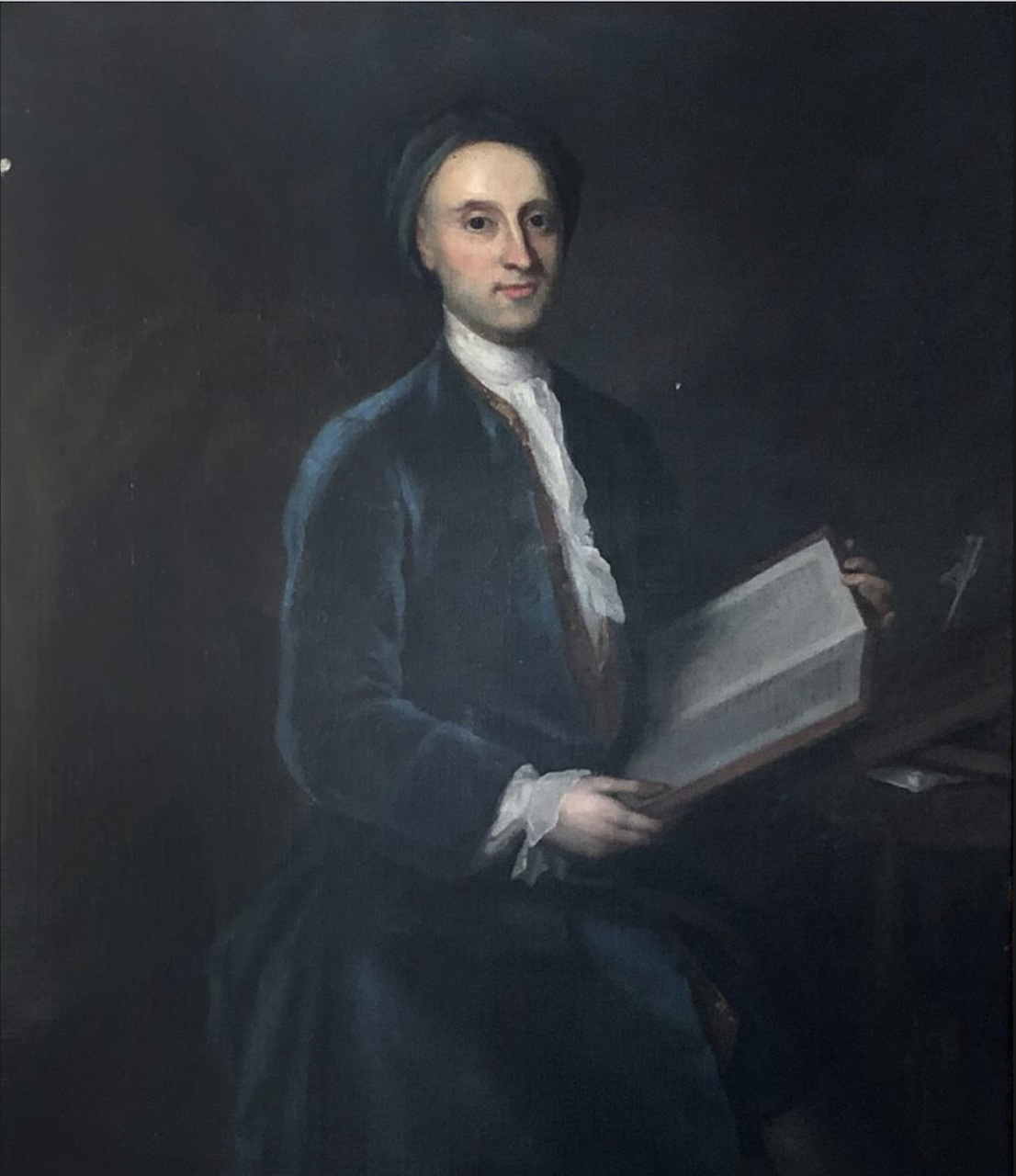
Reverend Deane Swifte, 17th Century Irish School, cousin and biographer of Dean Jonathan Swift. This is be Deane Swift (1703-1783), son of Deane Swift of Castle Rickard, County Westmeath. His great grandfather was a Regicide, ie. signed the death warrant of King Charles I, but fortunately died before Charles II was restored to the throne, according to Jonathan Swift!Admiral Richard Deane (Regicide) 17th Century English School courtesy Fonsie Mealy Fortgranite auction.The Fonsie Mealy site adds: “Note: Major Joseph Deane (Inistiogue, 1661-66), of Crumlin, County Dublin, and Ballicocksoust, County Kilkenny (formerly the estate of Richard Strange), was the youngest son of Edward Deane, of Pinnock, Gloucestershire, by his 2nd wife, Anne Wase, and was born at Pinnock, 2nd February, 1624. His elder brother, Colonel Richard Deane, a leading member of the Republican party, was one of the Judges who sat on the trial of Charles I, and signed the death warrant of the King. Colonel Richard Deane was entrusted with the settlement of Scotland, which he speedily effected by his temperance and sagacity. He was next appointed one of the “Generals at Sea”, having for his colleague the famous Robert Blake, but was killed in action against the Dutch on 2nd June, 1653. He was honoured with a public funeral and buried in Henry VII’s Chapel at Westminster, but in 1661 his body (being that of a Regicide) was exhumed and cast out of the Abbey. Joseph Deane was educated at Winchester School, and entered the Parliamentary Army as Cornet in Rainsborough’s Horse. He volunteered for service in Ireland under Oliver Cromwell, in whose army he held the rank of Major. Under the Act of Settlement he had two grants of land (16th January, 1666, and 22nd June, 1669), comprising 9,324 statute acres, situated in the counties of Meath, Down, and Kilkenny, 3,859 acres being in Kilkenny. He purchased from Richard Talbot (afterwards Earl and Duke of Tyrconnell) the Manor of Terenure, in county Dublin, for 4,000. He was named on some important committees of the House of Commons, but was fined 10 for absence on 31st January 1665. In 1664 he paid 4s. hearth money for “Ballicagbsust”. In 1677 he served as High Sheriff of county Dublin. He died 21st December, 1699, having been twice married. By his 1st wife Anne —-, he had one son and two daughters – Joseph, of Crumlin, whose son, Joseph, became Lord Chief Baron of the Exchequer, and died without male issue. (1) Anne, married in May, 1673 (as his 3rd wife), Godwin Swift, Attorney-General to the Duke of Ormonde. (2) Elizabeth, married 1st in May, 1672, Captain Henry Grey; 2nd in July, 1677, Donogh O’Brien, of Lemenagh, County Clare. Major Deane married, 2ndly, in 1659, Elizabeth, daughter of Maurice Cuffe, and sister of Captain Joseph Cuffe, of Castle Inch, elected M.P. for Knocktopher in 1665, and by her, who died 3rd April, 1698, had a son and a daughter – Edward whom hereafter M.P. for Inistiogue; and Dorothy, married Maurice Berkeley, of Glasnevin county Dublin.THE MEMBERS OF PARLIAMENT FOR THE COUNTY, CITY AND BOROUGHS OF KILKENNYBY G.D. BURTCHAELL, M.A., LL.B [Written for the KILKENNY MODERATOR]Mrs Godwin Swifte of Swifte’s Heath, courtesy of Fonsie Mealy’s Fortgranite sale.
Godwin Swift (c. 1734-1815) of Swiftsheath and Lionsden and his cousin, Maria Swift had another son called Godwin Swift (c. 1779-1814), of Lionsden. This Godwin Swift married yet another cousin, Jane Sophia Swift (1785-1851), in 1803. She was the daughter of Richard Swift (1750-1796) who was the son of John L’Estrange Swift (1709-1793) of Lynn, County Westmeath, who was the son of Meade Swift (1682-1739) of Lynn, County Westmeath, who was the son of Godwin Swift Attorney-General to the Duke of Ormonde and Eleanor née Meade!
Jane Sophia Swift (1785-1851) married secondly, in 1818, Louis Auguste Alexander, Comte Lepelletier de Molende.
Countess Molende née Swift and her granddaughter Luigina de Sadre, Gifted by the artist to W.R. Swifte as a token, as his predecessor Jonathan Swifte served as Rector at Agher Church from 1699 – 1745, courtesy Fonsie Mealy Fortgranite auction.
Godwin Swift (c. 1779-1814), of Lionsden and Jane Sophia Swift (1785-1851) had a son Godwin Meade Pratt Swift (1805-1864) of Swiftsheath and Lionsden.
Identified as “Godwin Pratt Meade Swifte Lord Carlingford (m. MJ Clarke), Leahy, Dixon & Mulvanney, 19th Century Irish School, standing in a landscape by a grey horse with Foulksrath Castle, Co. Kilkenny in the distance”, courtesy of Fonsie Mealy Fortgranite. Godwin Meade Pratt Swift (1805-1864) of Swiftsheath and Lionsdenmarried Mary Jane Clarke of Bansha Castle, County Tipperary.He took the title Viscount Carlingford.Jane Christina Swifte (1810-1854), the wife of “Chevalier Sergio Demacdo, Minister Plenipotentiary of HM Emperor of Brazil,” Early 19th Century Irish School, courtesy Fonsie Mealy Fortgranite. She was the daughter of Godwin Swift of Lionsden and Jane Sophia.
Godwin called himself Viscount Carlingford, reviving a title created in 1627 for another branch of the Swift family. Godwin also added the “e” back to the end of the name Swift. He married first, Maria Theresa Plankenstern, Baroness de Wetzlar of Austria at Paris in 1830 after the birth of their son Ferdinando. [see https://www.youwho.ie/swifte.html ].
Godwin secondly married Jane Anne Hopkins on 18 Mar 1845 at Liverpool after an non legal ceremony some years earlier. Godwin returned with his family from the continent in 1845 to take up residence at Swiftesheath. Jane died at Lionsden, Castle Rickard in 1848 and was buried in the family vault. Godwin thirdly married Mary Jane Clarke on 4 Feb 1863 at Kilkenny and declared himself a widower. Mary was the daughter of Robert Hare Clarke. Godwin died 4 Jul 1864.
He created a flying machine which he hoisted to the top of Foulkesrathe Castle, which stood on the property of Swiftesheath, but it failed to fly and a butler who was piloting the plane broke a leg in his fall.
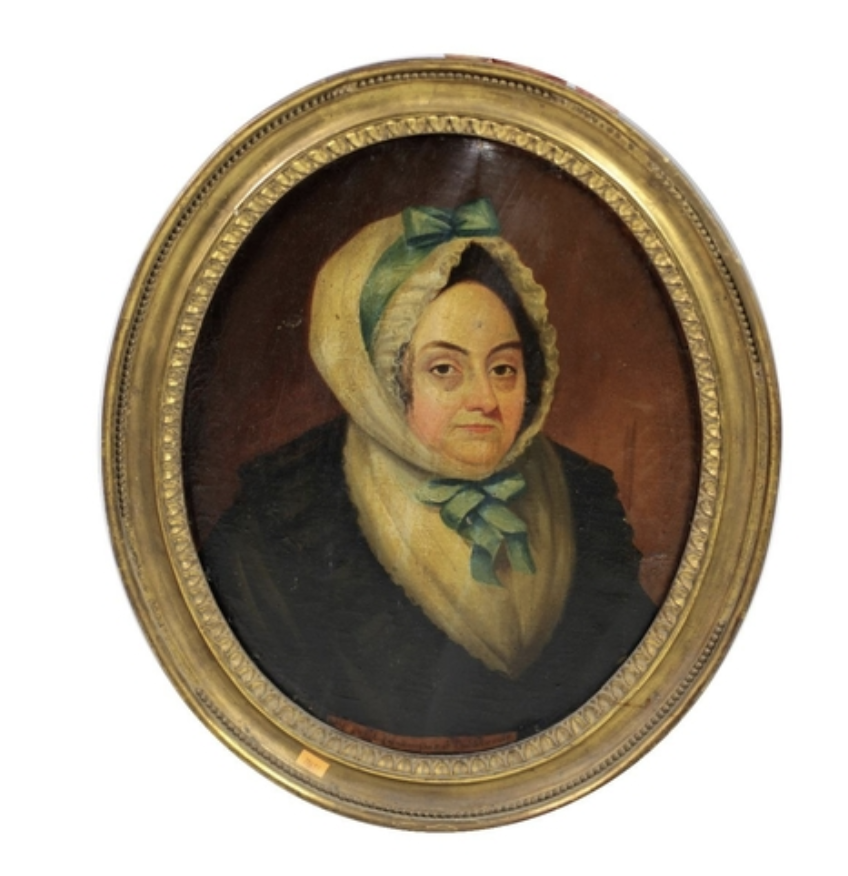
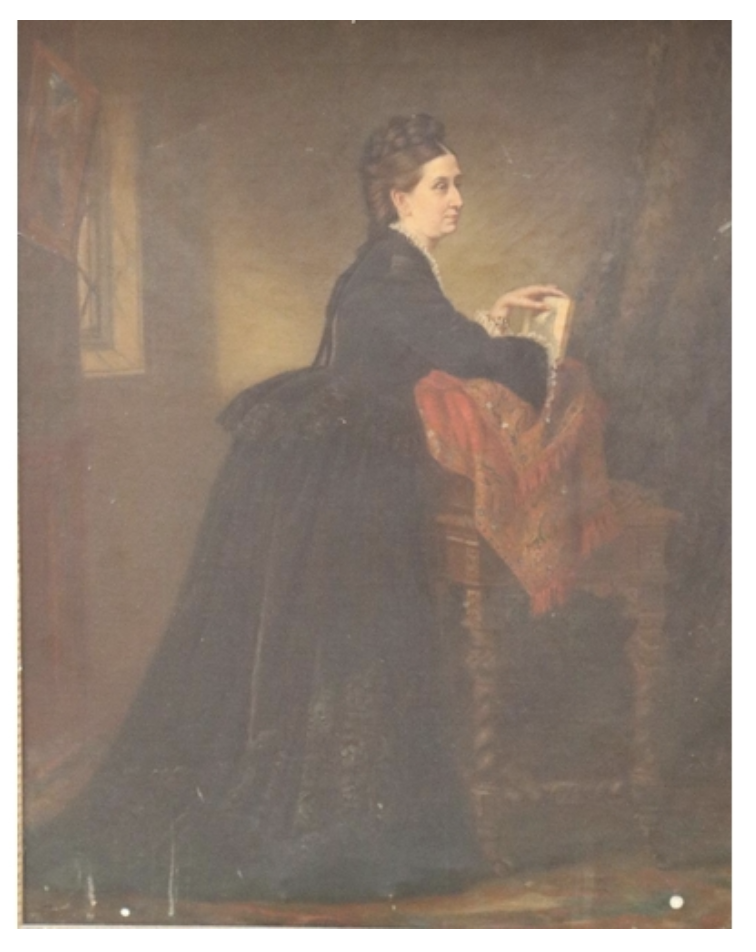
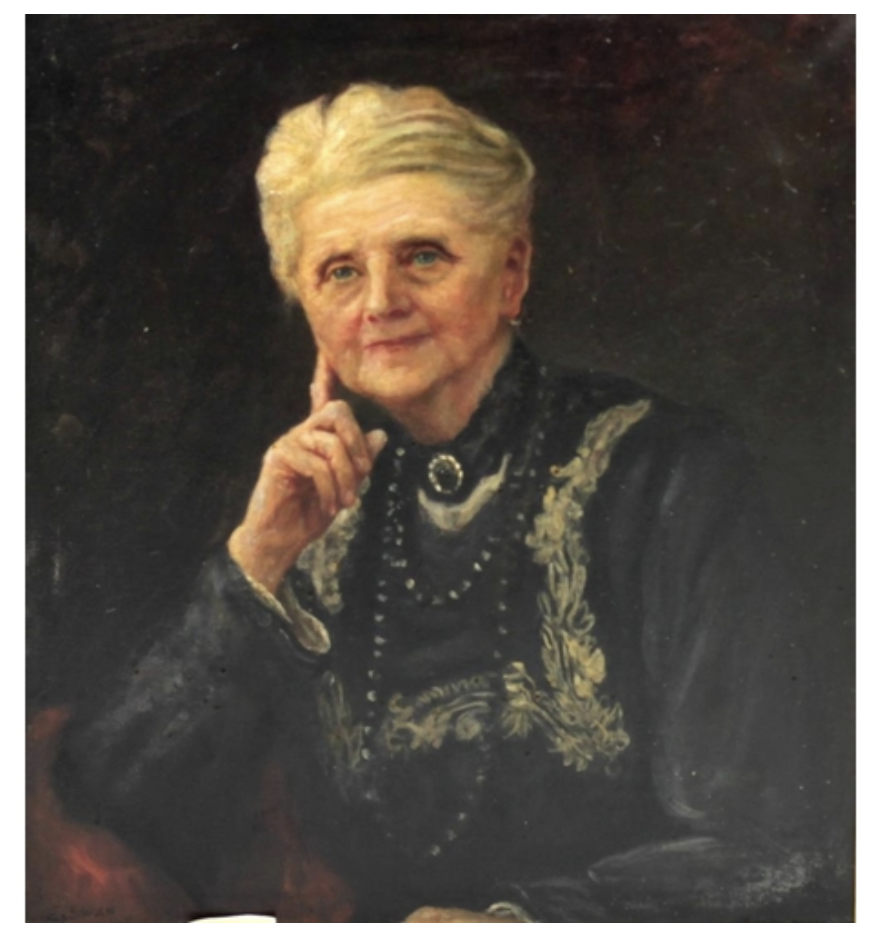
Identified as Pratt Swifte, Early 19th Century Irish School, courtesy of Fonsie Mealy Fortgranite sale.Mrs. Swifte, grandmother of Thomas Dennis courtesy Fonsie Mealy Fortgranite Auction.19th Century Irish School, Portrait of Mrs. Godwin Swifte courtesy Fonsie Mealy Fortgranite auction.There were so many Godwin Swifts it is hard to identify the sitter.Godwin Butler Meade Swifte (1864-1923) son of “Viscount Carlingford,” wearing uniform of the High Sheriff of Kilkenny, seated holding a sword, D.L. was the High Sheriff of Kilkenny and later Carlow, and resided at Swifte’s Heath, Co. Kilkenny, courtesy of Fonsie Mealy Fortgranite.Ernest Godwin Swifte K.C., with a companion painting of Lady Francis Swifte courtesy of Fonsie Mealy Fortgranite sale.He was the son of William Richard Swift (1807-1890), son of Godwin Swift of Lionsden and Jane Sophia.“Lady Francis Swifte,” with a companion painting of Ernest Godwin Swifte K.C., courtesy of Fonsie Mealy Fortgranite sale.Perhaps it is Ernest Godwin’s sister Julia Frances Swift, who did not marry.
Open in 2026: Mar 2-6, 9-13, 16-20, 23-27, 9am – 2pm, May 3, 10, 17, 24, 10am – 5pm, Aug 15-24, 1pm – 5pm, Sept 1 – 30, excluding Saturdays, 1 pm-5pm,
Fee: adult €10, OAP/student/child €5, family €30 Concession: groups of 10 €70
donation
Help me to pay the entrance fee to one of the houses on this website. This site is created purely out of love for the subject and I receive no payment so any donation is appreciated!
We visited Mount Trenchard during Heritage Week 2022. The owner is in touch with the original occupants of the house, the Spring Rice family, and they visited several times.
The Landed estates database tells us:
“Lewis described this mansion formerly called Cappa as “beautifully situated on the banks of the Shannon”. Marked as “Cappo” on the Taylor and Skinner map of the 1770s. Home of the Rice/Spring Rice family in the 19th century, valued at £40 in the 1850s and at £54 in 1906. Occupied by the Military in 1944, sold to Lady Holland in 1947 and to the Sisters of Mercy in 1953 who opened a school.” [1]
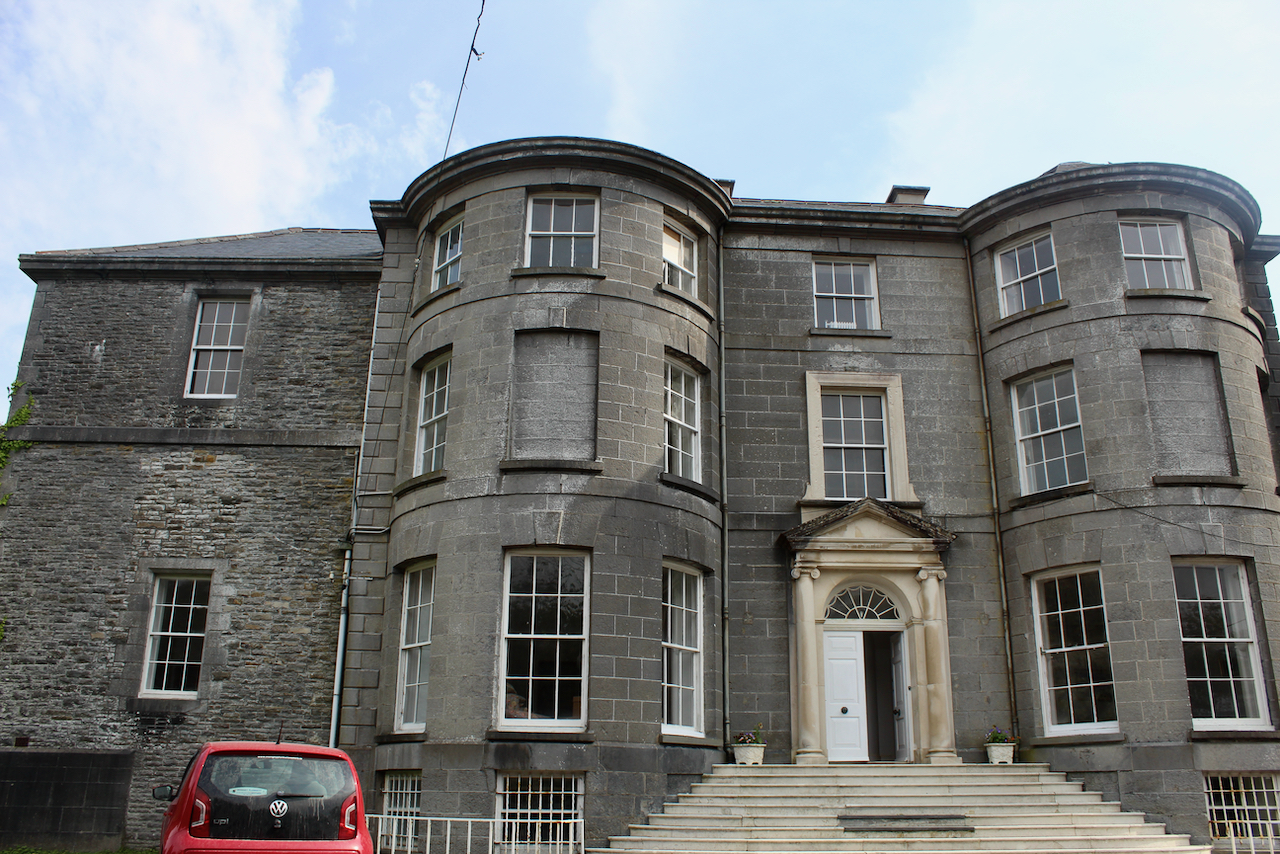
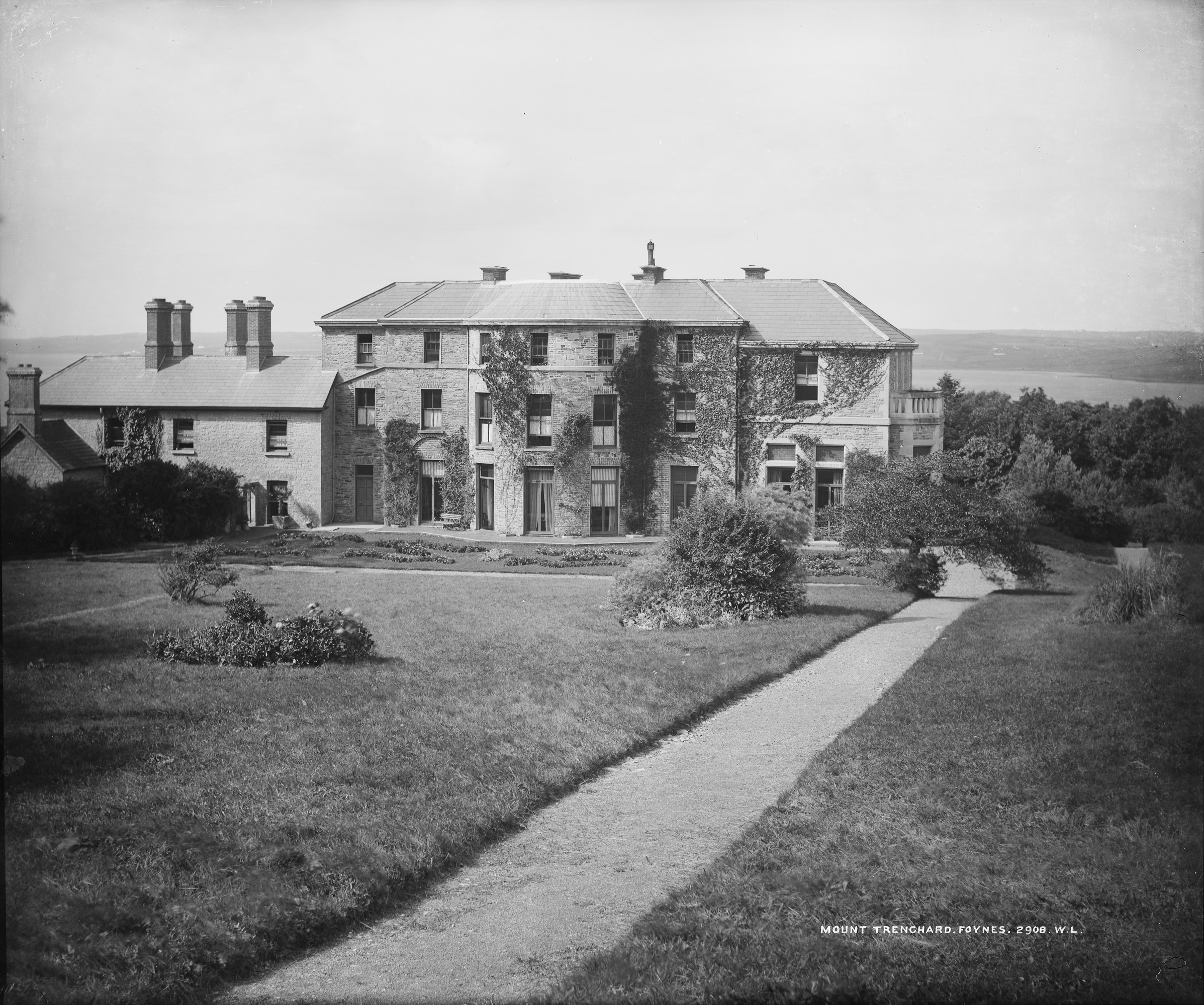
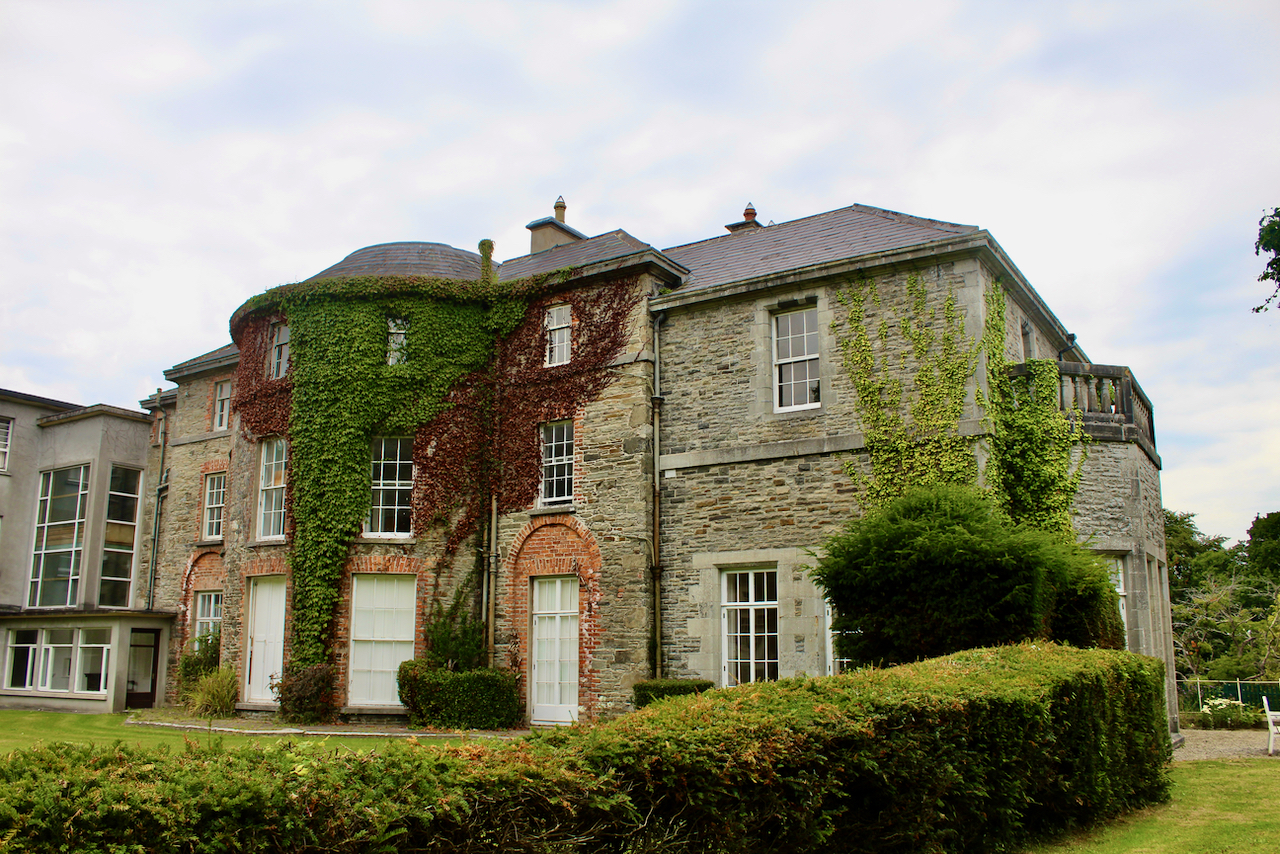
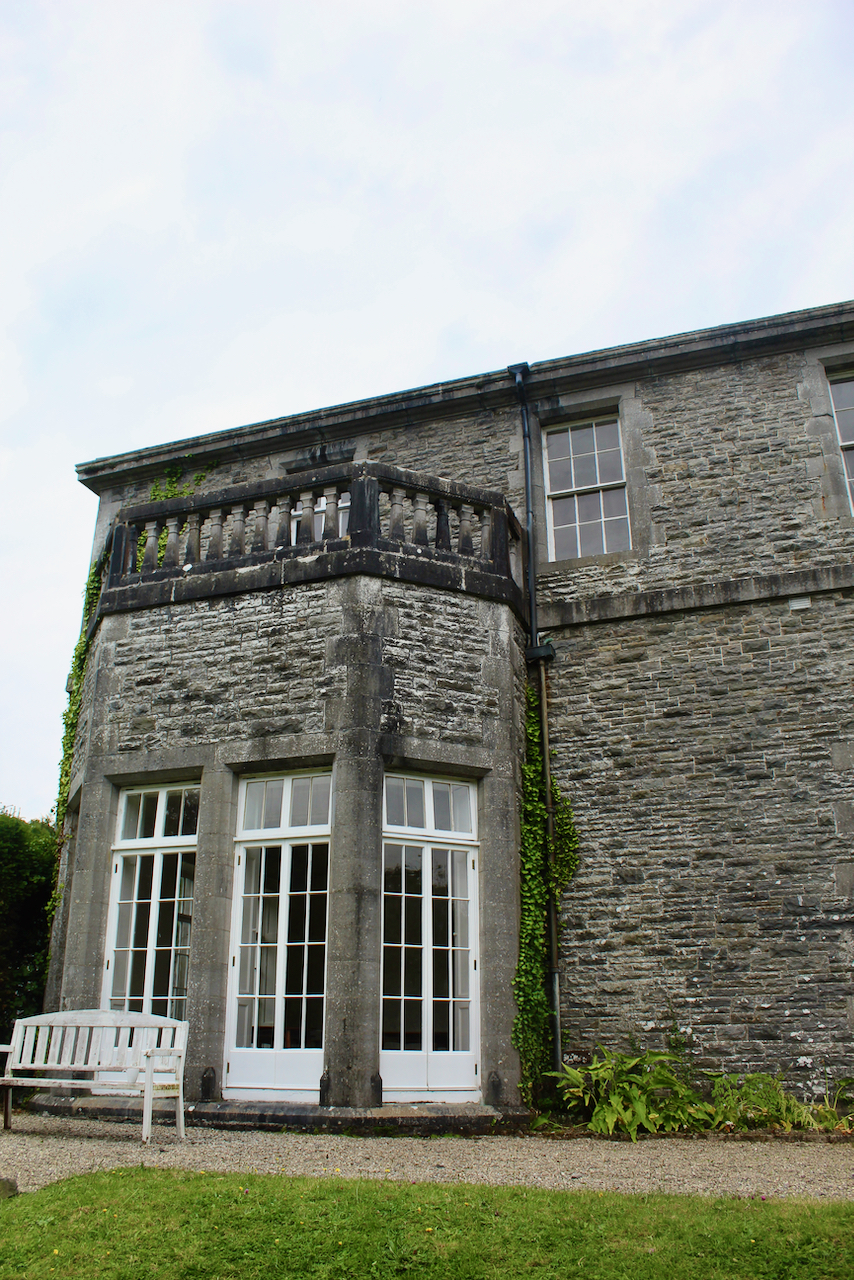
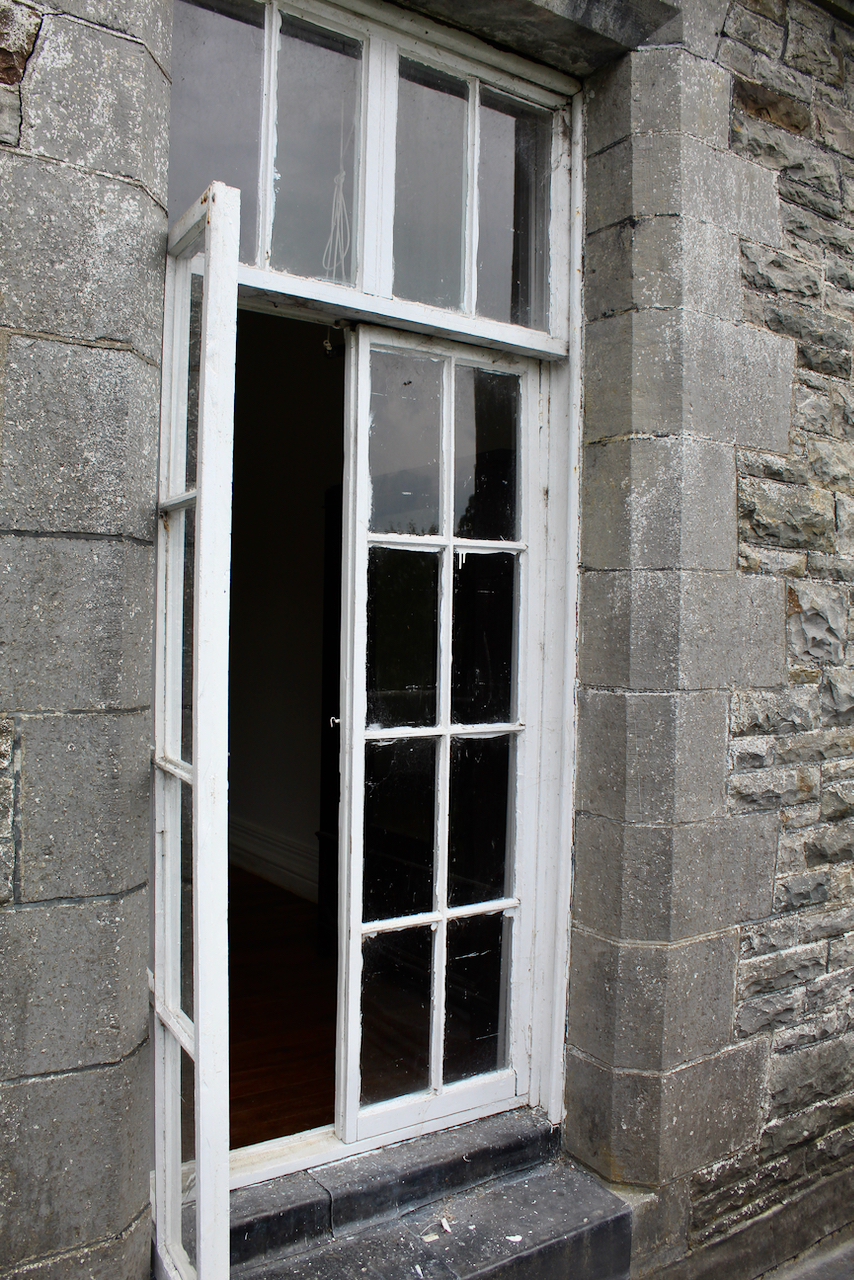
The National Inventory tells us that the house was built in 1777, and it was originally a three bay three storey over basement house. [2] It has two bays in front, with an entrance door in a later added doorcase of Ionic pillars and a pediment, and a similar window case above. The door is surmounted by a fanlight. The centre window of each bow on the second storey is blocked up. The facade is of limestone, with cut cut limestone platbands to dividing storeys.
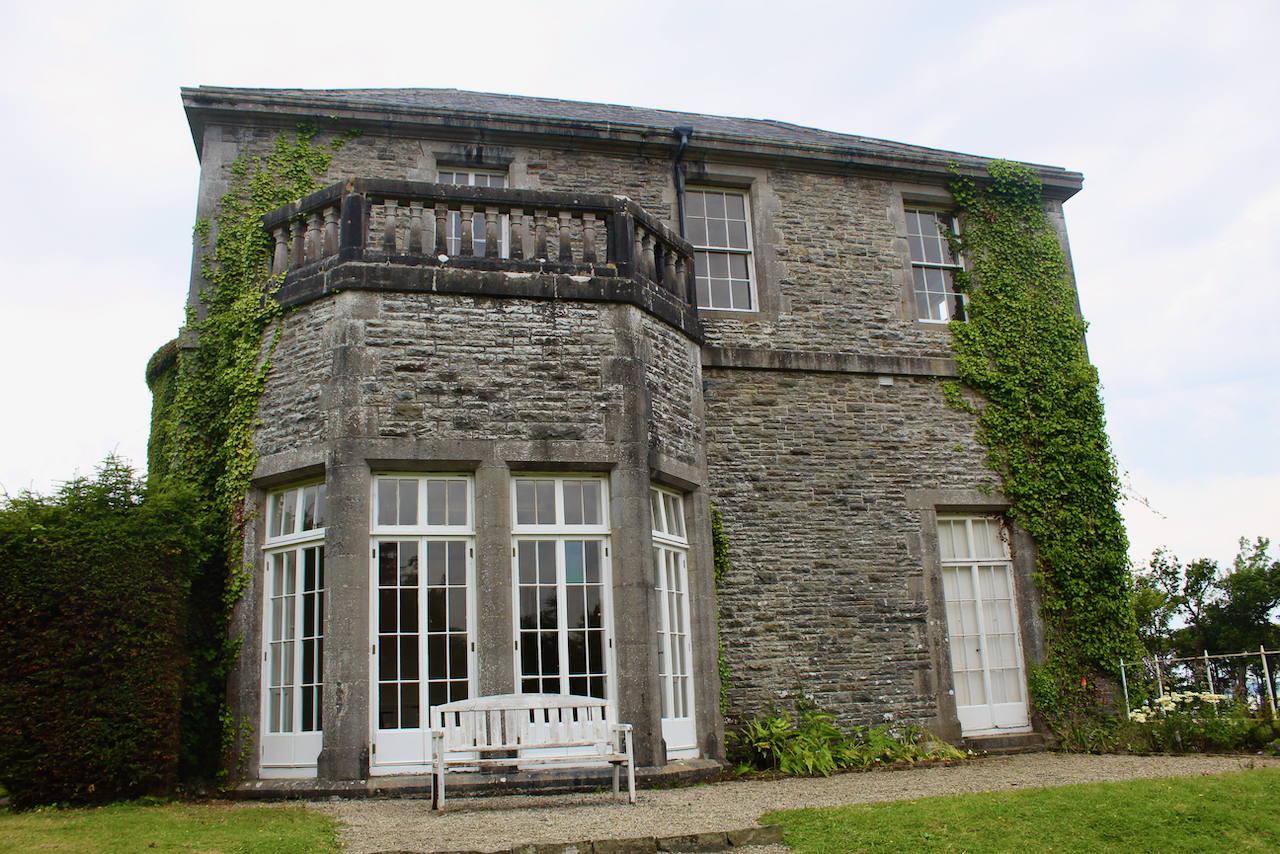
Mark Bence-Jones tells us in his A Guide to Irish Country Houses (1988) that there are Victorian additions either side of the main block and that the front entrance doorcase was a later addition. [3]
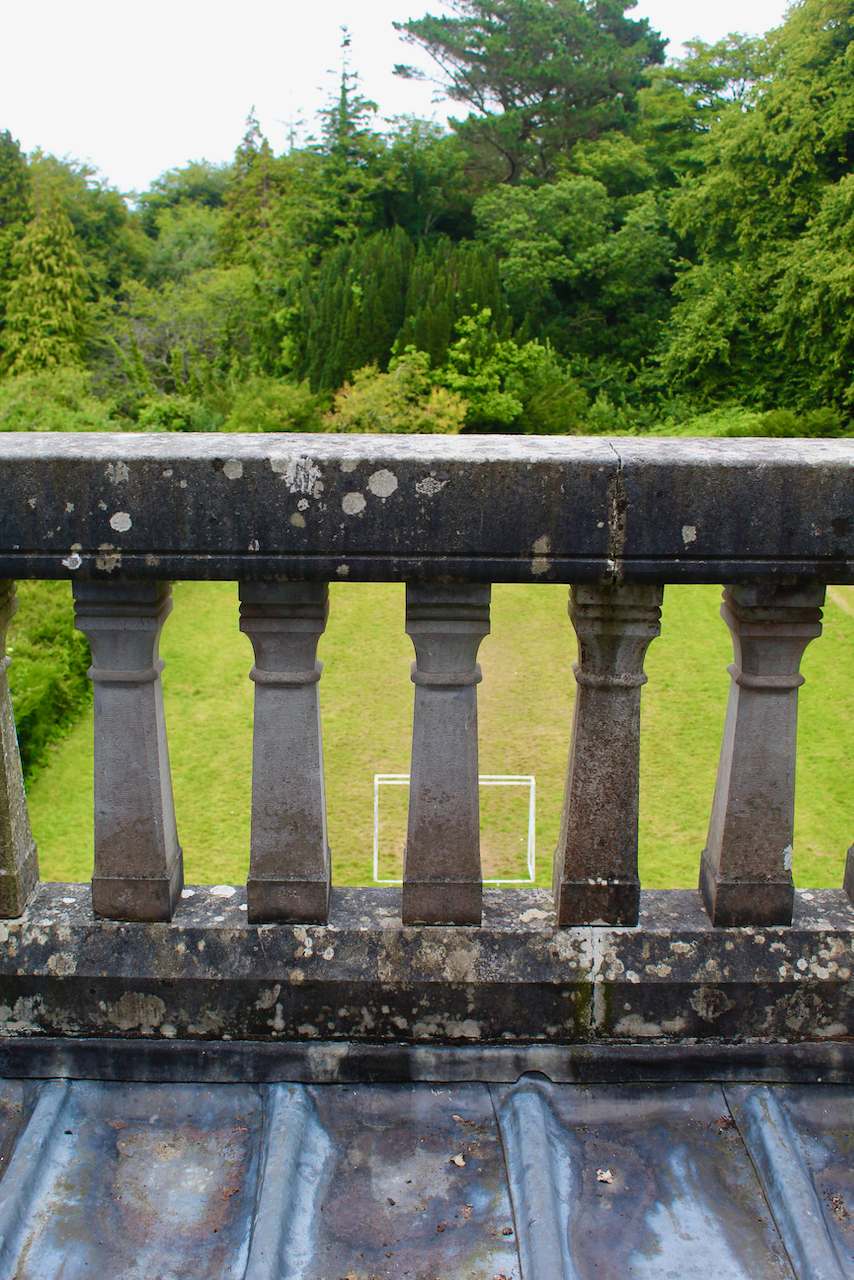
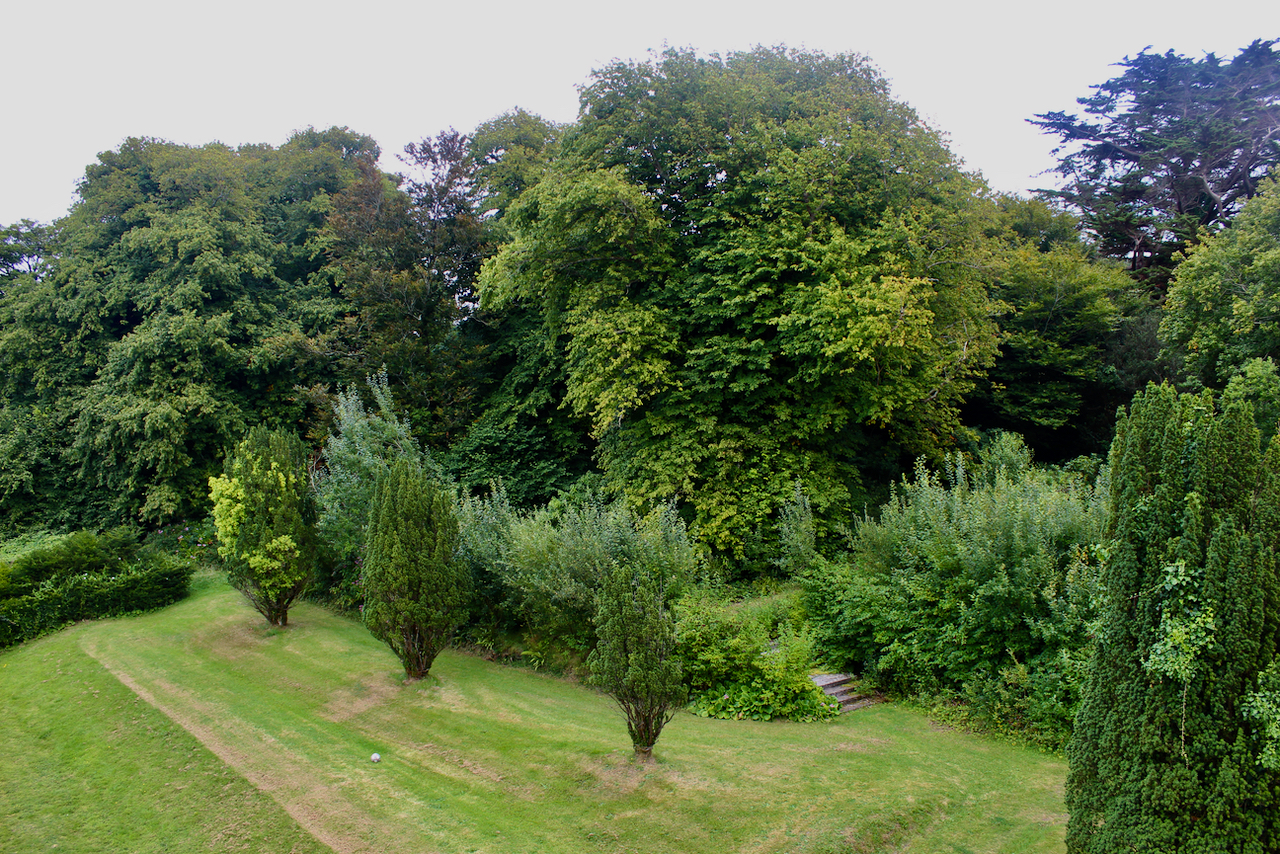
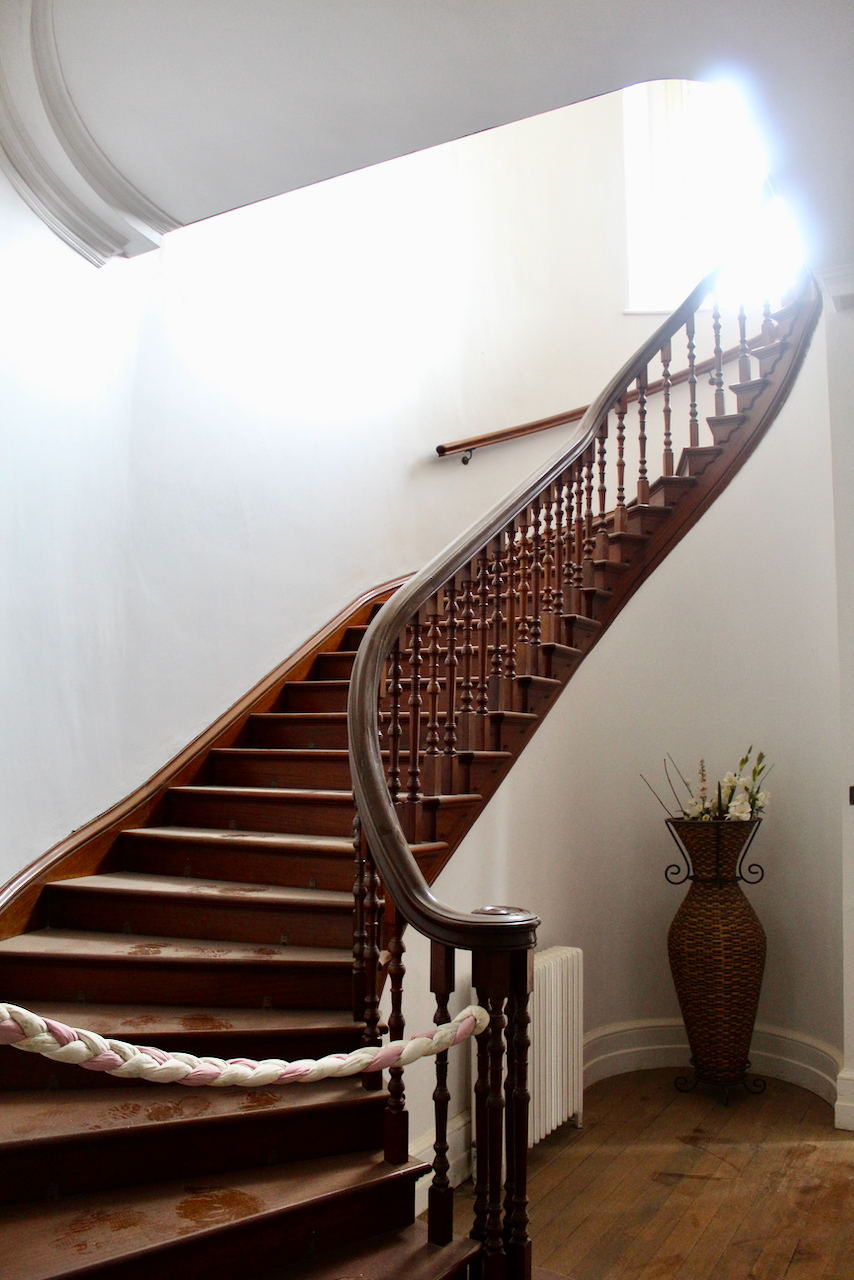
When we were inside the house we were able to go out onto the stone balustraded balcony that is on top of this addition. It gives a lovely view over the gardens.
The estate was initially granted to Frances Trenchard on 20 June 1612 by a charter of King James I. He built a house there. The property was later owned by the Rice family.
Stephen Rice (1637-1715), Chief Baron of the Irish Exchequer, and a supporter of James II, wedded Mary, daughter of Thomas FitzGerald, of County Limerick. Stephen Rice came from Dingle, County Kerry and was Catholic. He was a lawyer and had many landholders as his clients, including several from County Limerick. After the battle of the Boyne (1 July 1690), Rice accompanied King James II to France, although he was soon back in Ireland, in January 1691. [4] I am not sure when the property passed from Trenchard to Rice hands.
The Dictionary of Irish Biography tells us that an incomplete patent conferring the title of Baron Monteagle on Rice was allegedly found among the papers of James II after the battle of the Boyne. The title was revived in September 1839 and granted to Thomas Spring Rice (1790–1866) of Mount Trenchard, Co. Limerick, who became Baron Monteagle of Brandon.
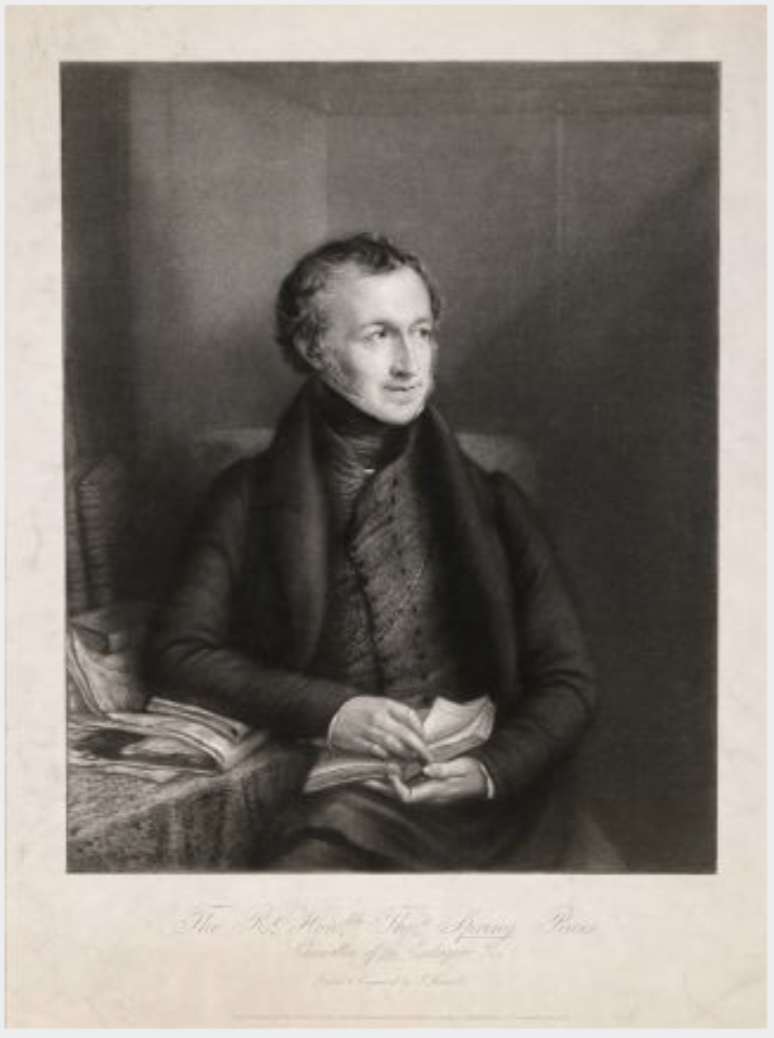
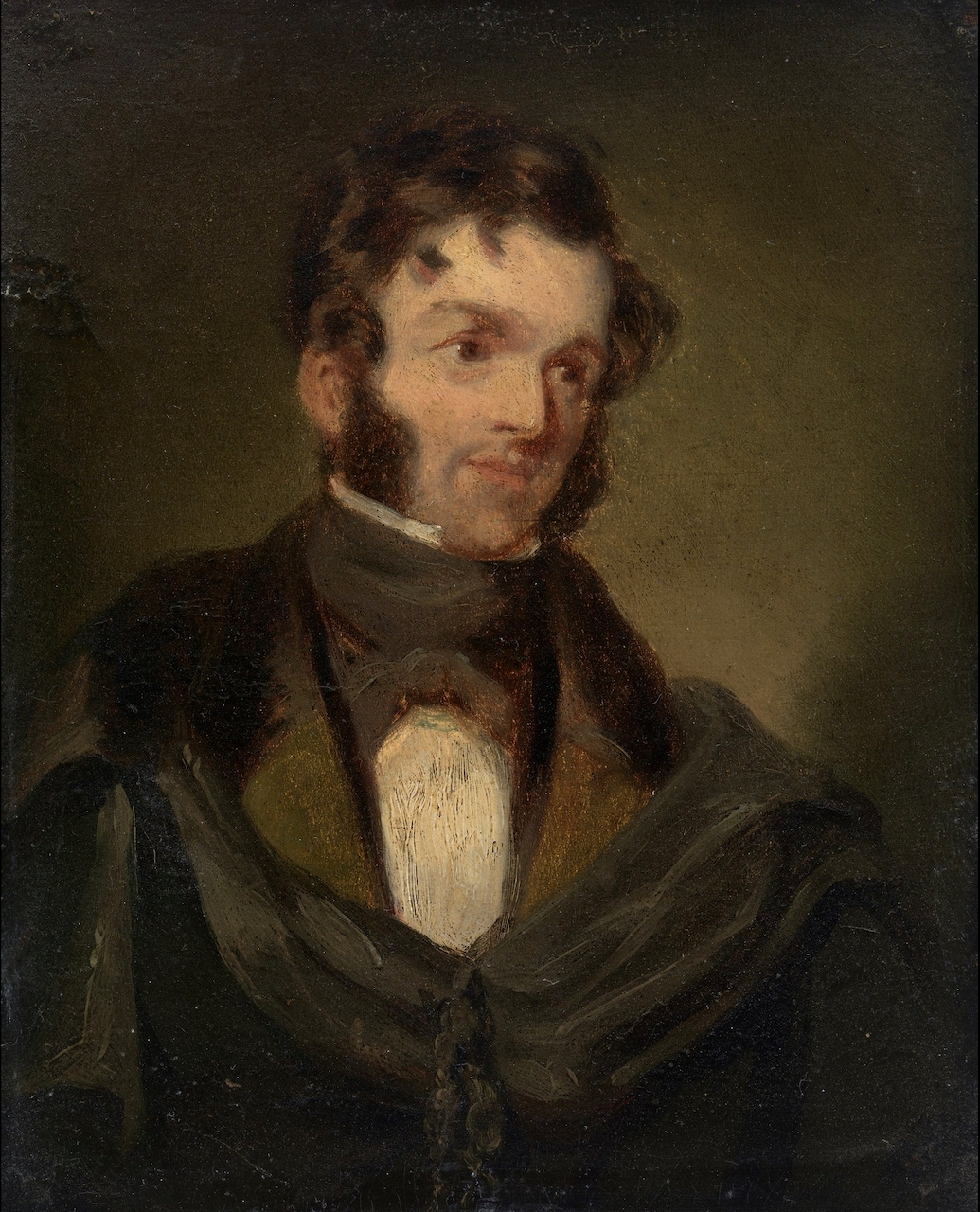
Portrait of Thomas Spring Rice, MP (1790-1866), Chancellor of the Exchequer, later 1st Baron Monteagle, courtesy of National Gallery of Ireland.
It was Stephen’s son, Thomas, who had Mount Trenchard built much as we see it today, in 1777. Thomas married another Mary Fitzgerald, this one was daughter of Maurice the 14th Knight of Kerry. Thomas was also a lawyer. They had a son, Stephen Edward Rice (d. 1831). He married, in 1785, Catherine, only child and heiress of Thomas Spring, of Castlemaine, County Kerry.
Stephen Edward and Catherine Rice had a daughter Mary who married Aubrey De Vere, 2nd Baronet of Curragh Chase, Co. Limerick. [5]
Their son was Thomas Spring-Rice (1790-1866). He married in 1811 the Lady Theodosia Pery, second daughter of Edmund, 1st Earl of Limerick. She brought with her a large dowry. Thomas Spring-Rice was Member of Parliament (M.P.) (Whig) for Limerick between 1820 and 1832, and served in many positions in government, including Chancellor of the Exchequer between 1835 and 1839.
As well as his property in County Limerick, he had property in London, Dublin and Kildare.
Thomas Spring-Rice actively sought to improve the welfare of tenants and of the underprivileged. He led an inquiry into the alleged ill-treatment of inmates in Limerick Lunatic Asylum. He also advocated the end of slavery. He also brought improvements to Limerick, such as having a new bridge built over the River Shannon. He was a supporter of Catholic Emancipation. There is a statue of him Pery Square in Limerick, which looks down on the People’s Park, which was erected due to gratitude for his work toward Catholic Emancipation.
He lost his seat in 1832 but was returned for a seat in Cambridge, so he sat in Parliament in England. Although he supported Catholic emancipation didn’t support repeal of the Act of Union, which disappointed many of his supporters. The Dictionary of Irish Biography tells us that he referred to himself as a West Briton, and may have coined this phrase.
Thomas was elevated to the peerage in 1839 to become 1st Baron Monteagle of Brandon, County Kerry. The Dictionary of Irish Biography gives us a good summary of his subsequent views:
“With his removal to the lords, Monteagle took little part in public life till roused by the famine. An improving, paternalistic landlord, during the crisis years he was characterised by his concern for his tenants, energetic attempts to influence policy, and a mounting bitterness towards the government. His correspondence with the treasury and board of works is of considerable value in helping to elucidate the official government position. His letters and speeches in the lords were studded with rhetorical invective against Britain’s long mistreatment of Ireland. Holding landlords to be as much victims of British mismanagement as tenants, he rejected forcibly any claim that they should be held responsible and continually advocated state intervention, though he felt it should not be limited to road works, but extended to agricultural improvements. He did not accept fixity of tenure, since he felt Irish peasants too prone to subletting. His own experience as a landlord bore this out and he considered overcrowding as the principal evil of Irish agriculture. A strong advocate of state-assisted emigration, he was successful in bringing the lord lieutenant, Lord Clarendon, over to his viewpoint, but not the government as a whole. He personally assisted numerous tenants to emigrate and then acted as mediator between them and their families still on his estate.” [6]
Mount Trenchard, 2022.Mount Trenchard, County Limerick, August 2022.
Thomas Rice Spring’s son Stephen died tragically at sea in 1865, and thus a grandson, Thomas (1849-1926) inherited the family property and the title to become 2nd Baron Monteagle in 1866.
Portrait of Thomas Spring Rice (1849-1926), 2nd Baron Monteagle, by Charles Wellington Fursecourtesy of National Gallery of Ireland.
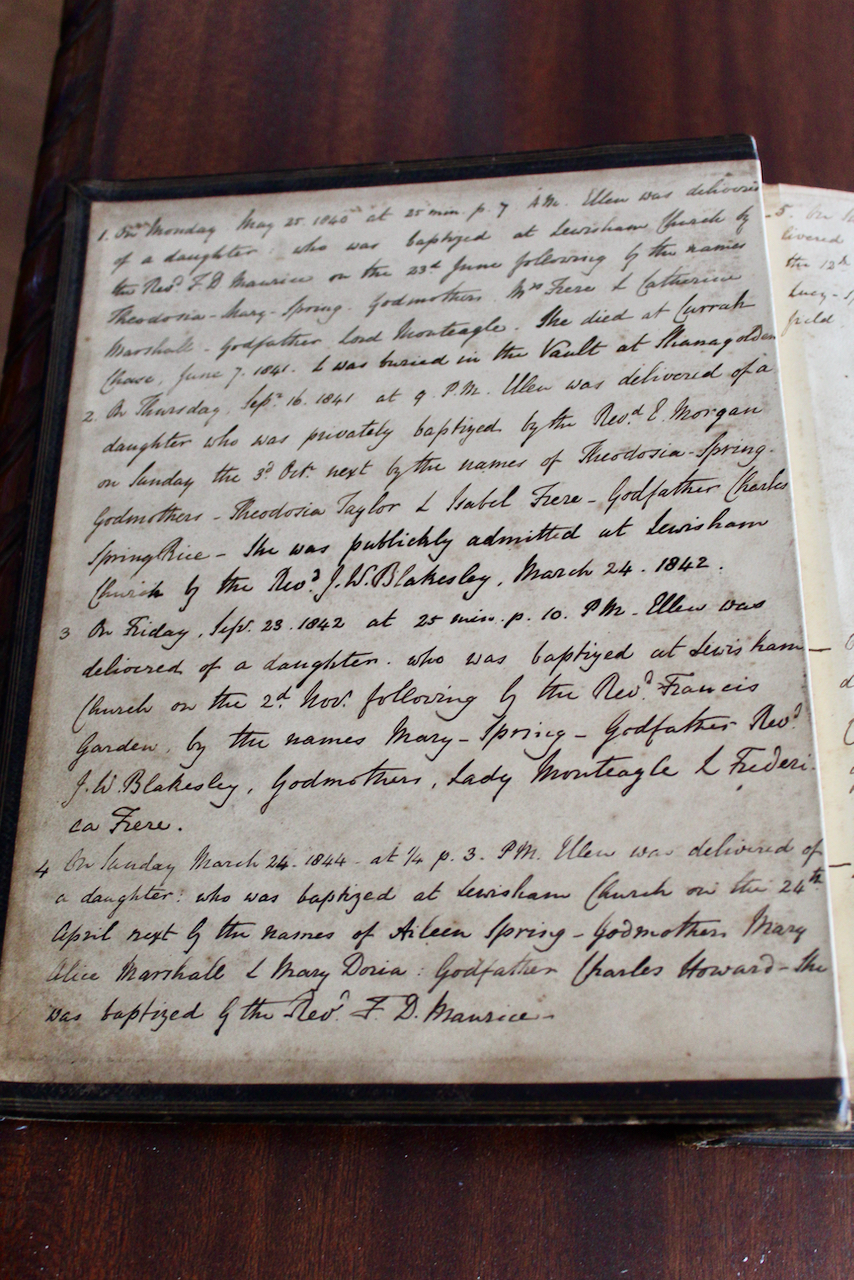
The caretaker Tommy showed us the family bible, which follows the tradition of writing births and deaths in the family inside the covers. Here we can see the births recorded of Stephen and his wife, Ellen Mary Frere. They had many children. A daughter Mary married Edward William O’Brien of Cahermoyle House in County Limerick, whose father was the politician, Nationalist and leader of the Young Irelander movement William Smith O’Brien (1803–64).
Thomas (1849-1926) was popular with the locals and helped to promote the Co-operative Creamery Movement in Limerick, and was a friend of Horace Plunkett. He held the office of Deputy Lieutenant (D.L.) of County Limerick.
Thomas the 2nd Baron married Elizabeth Butcher in 1875, daughter of the Bishop of Meath. Their daughter Mary (1880-1924) became a passionate advocate of Irish independence. She was influenced by her cousin Nelly O’Brien, from Cahermoyle House in County Limerick. She learned Irish and hired a native speaker from Kerry to teach classes in the local national school. [7] The Dictionary of Irish Biography tells us that she was an early member of the United Irishwomen, founded in 1910 as a sister organisation to the Irish Agricultural Organisation Society (IAOS) of Horace Plunkett, to encourage countrywomen’s industries and handicrafts. In 1911 she was on the executive of the Limerick branch of the Irish Countrywomen’s Association.
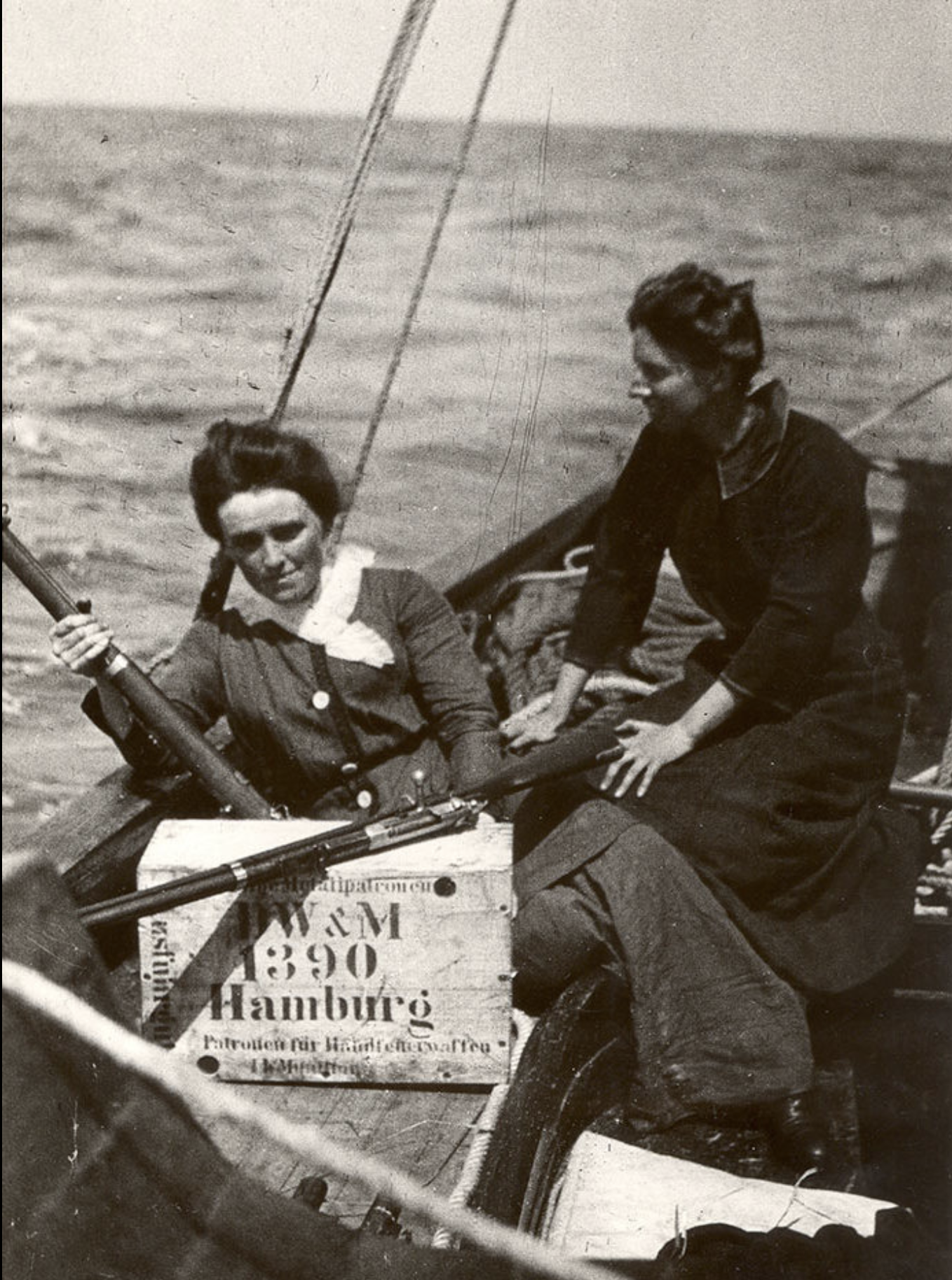
Most famously, she was involved with bringing guns from Germany into Ireland with Erskine Childers in his boat the Asgard. Her Asgard diary was published in Martin, Howth gun running (1964). Mount Trenchard was used as a safe house for member of the IRA during the War of Independence. There are tunnels underground which could lead down to the Shannon estuary.
In 1940 the house was let and occupied by a unit of the Irish Army, and they remained there for the duration of WWII.
The 3rd Baron Monteagle did not marry, and his uncle, Francis Spring Rice (1852-1937) became 4th Baron Monteagle of Brandon, of Brandon, Co. Kerry in 1934. He gained the rank of Commander in the Royal Navy. In 1882 he married Elizabeth Ann Fitzgerald, daughter of Peter George, 1st Baronet FitzGerald, of Valencia, Co. Kerry (son of the 18th Knight of Kerry). It was their son Charles who became 5th Baron Monteagle. The 4th Baron later married his wife’s sister, after his wife died. She was the widow of Stephen Edward Spring Rice (1856-1902), grandson of 1st Baron Monteagle.
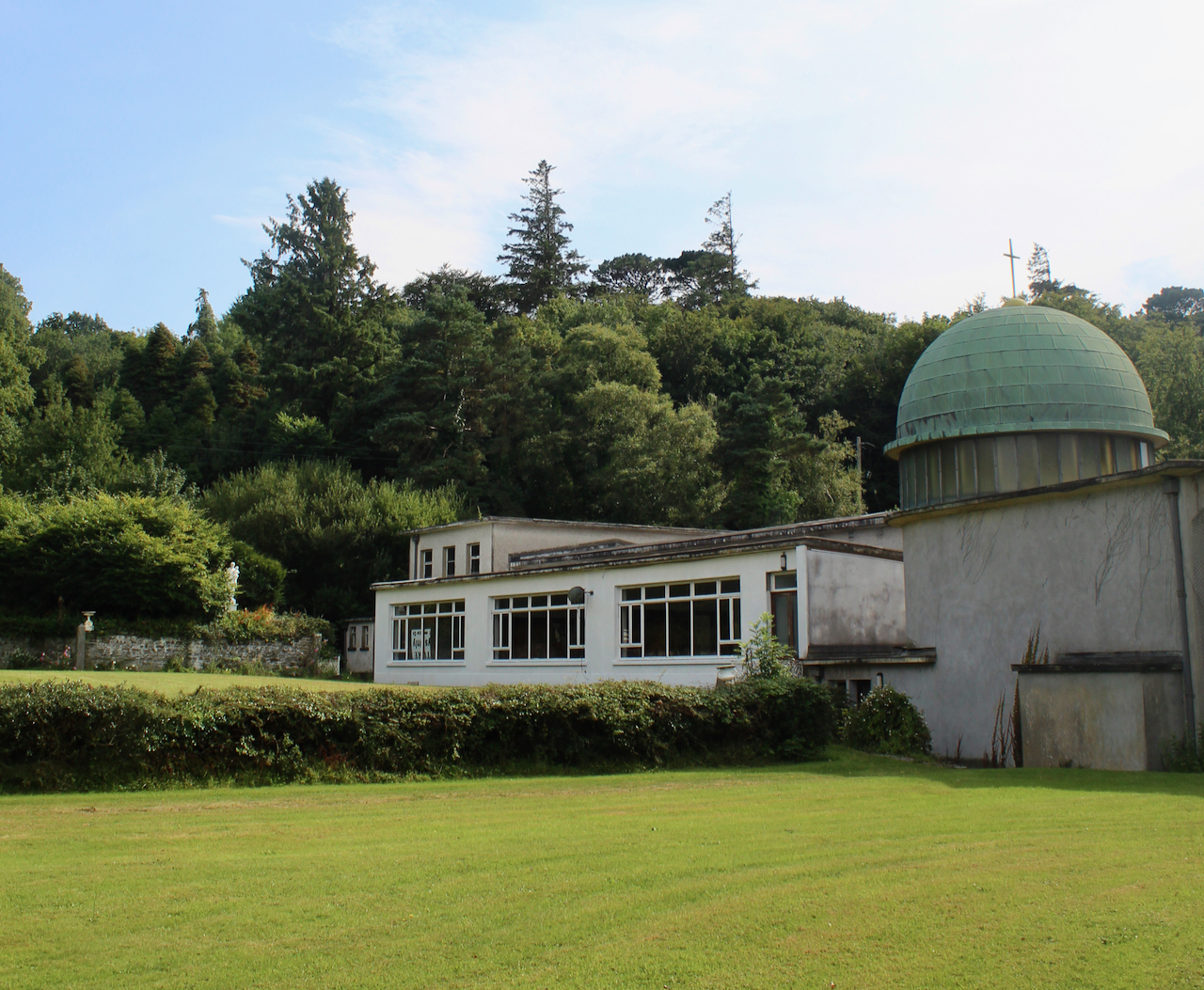
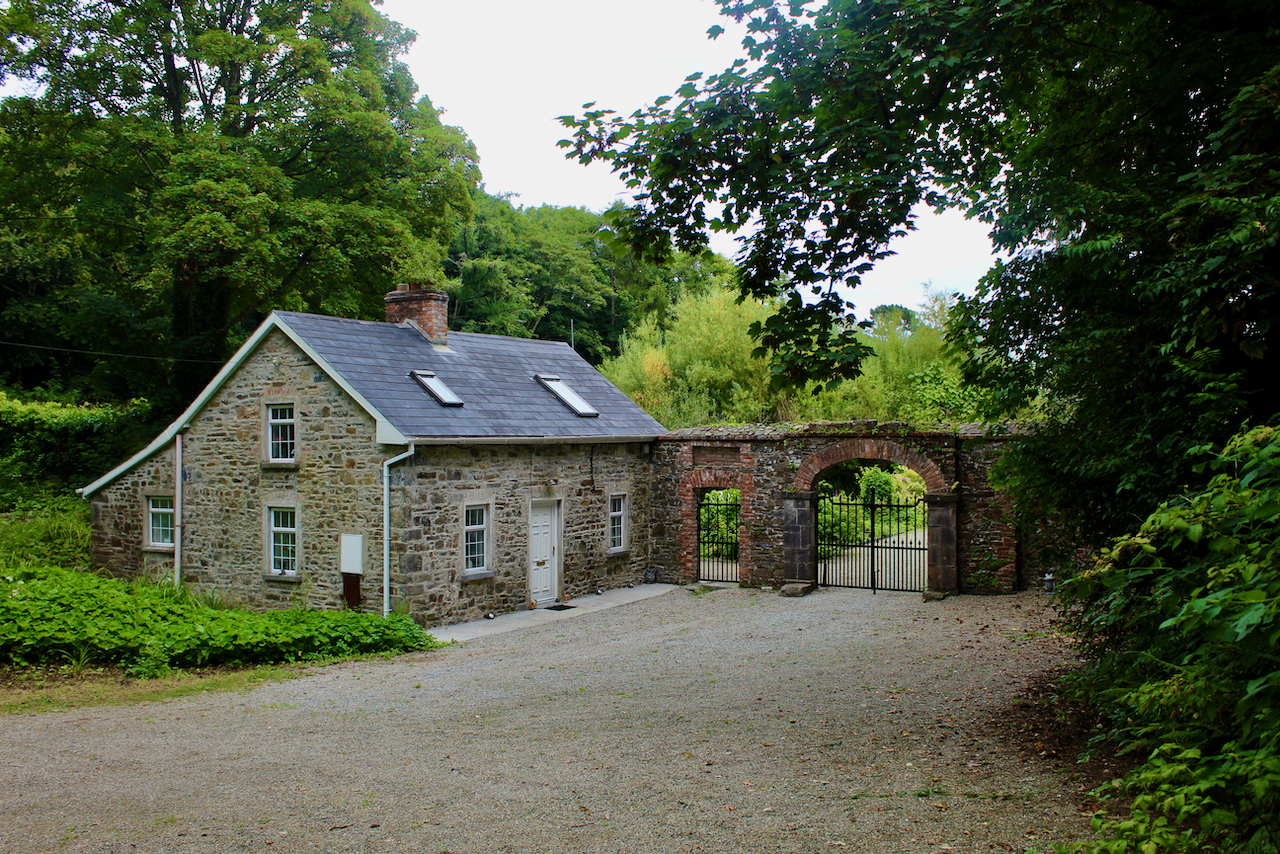
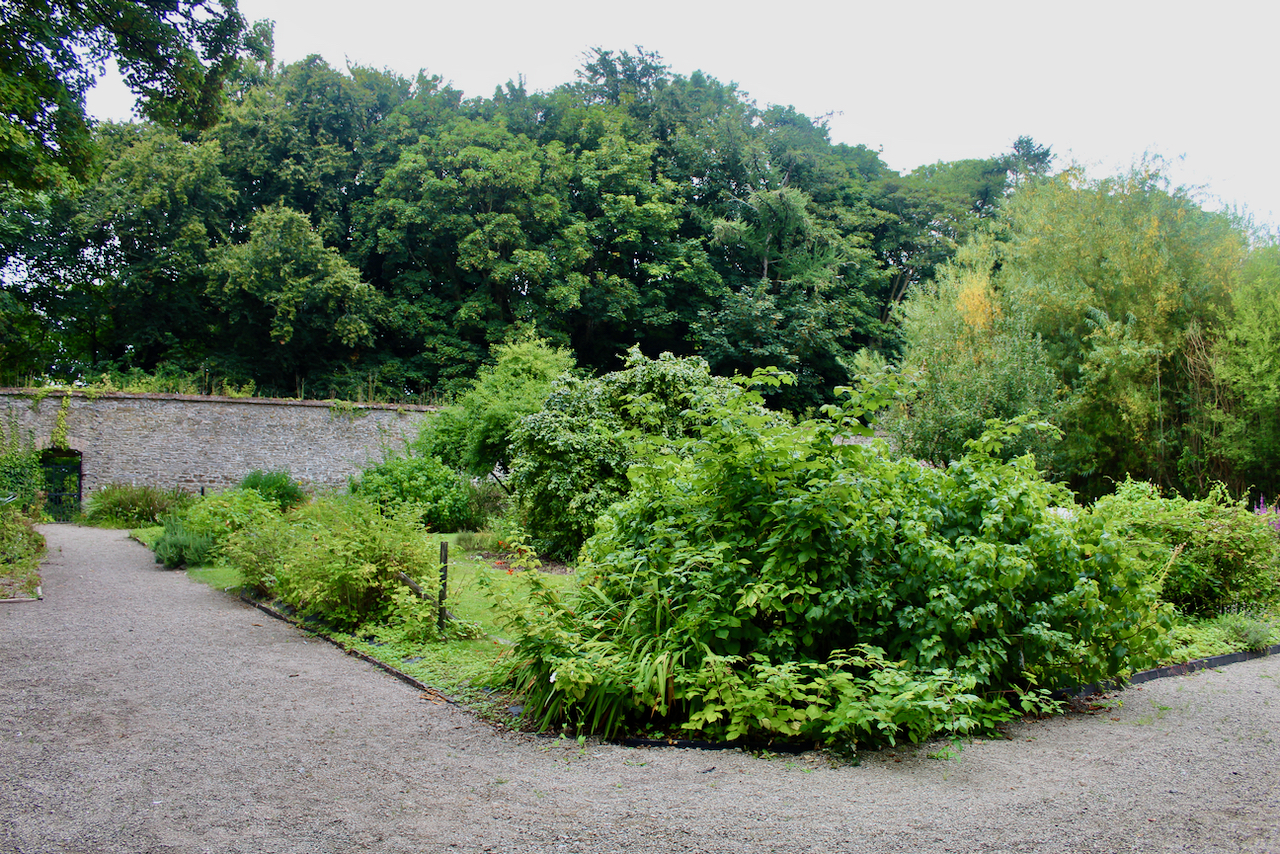
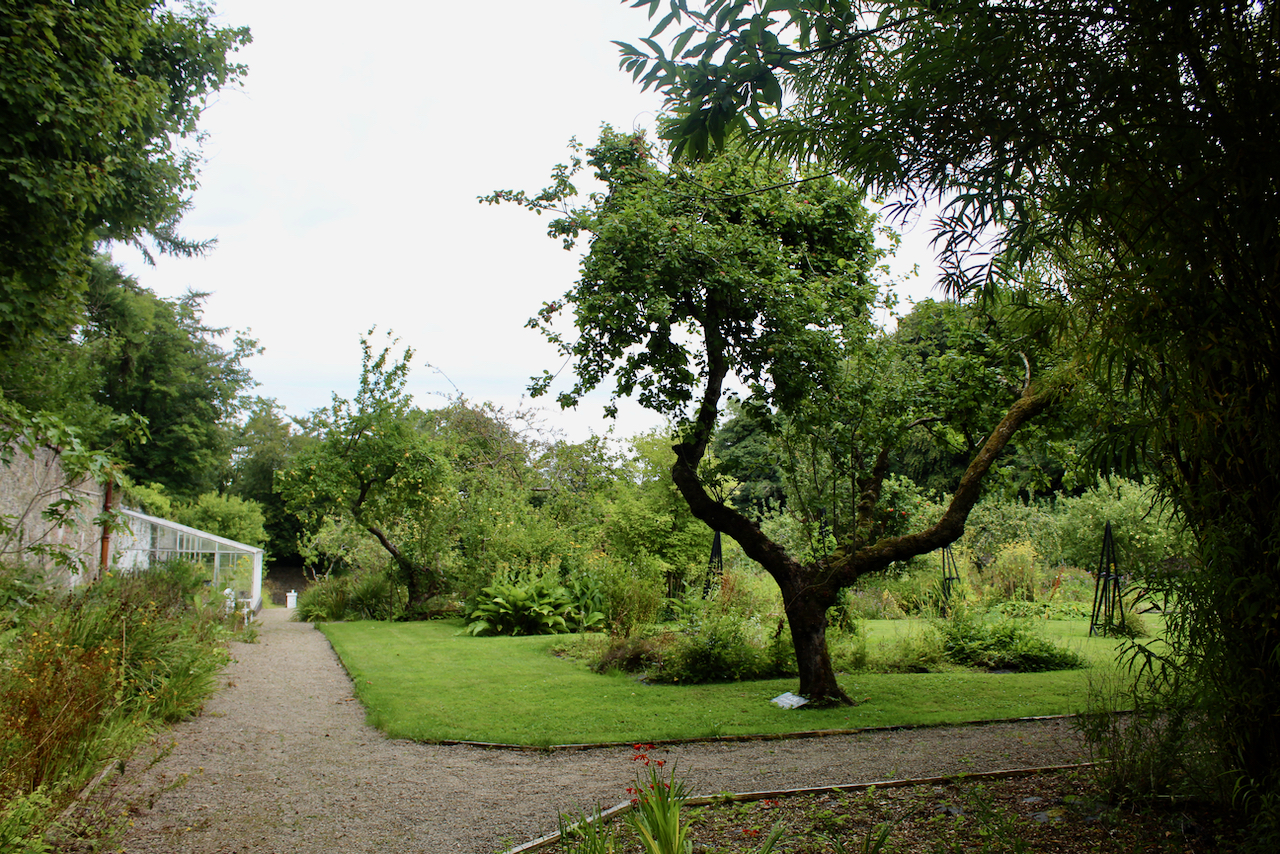
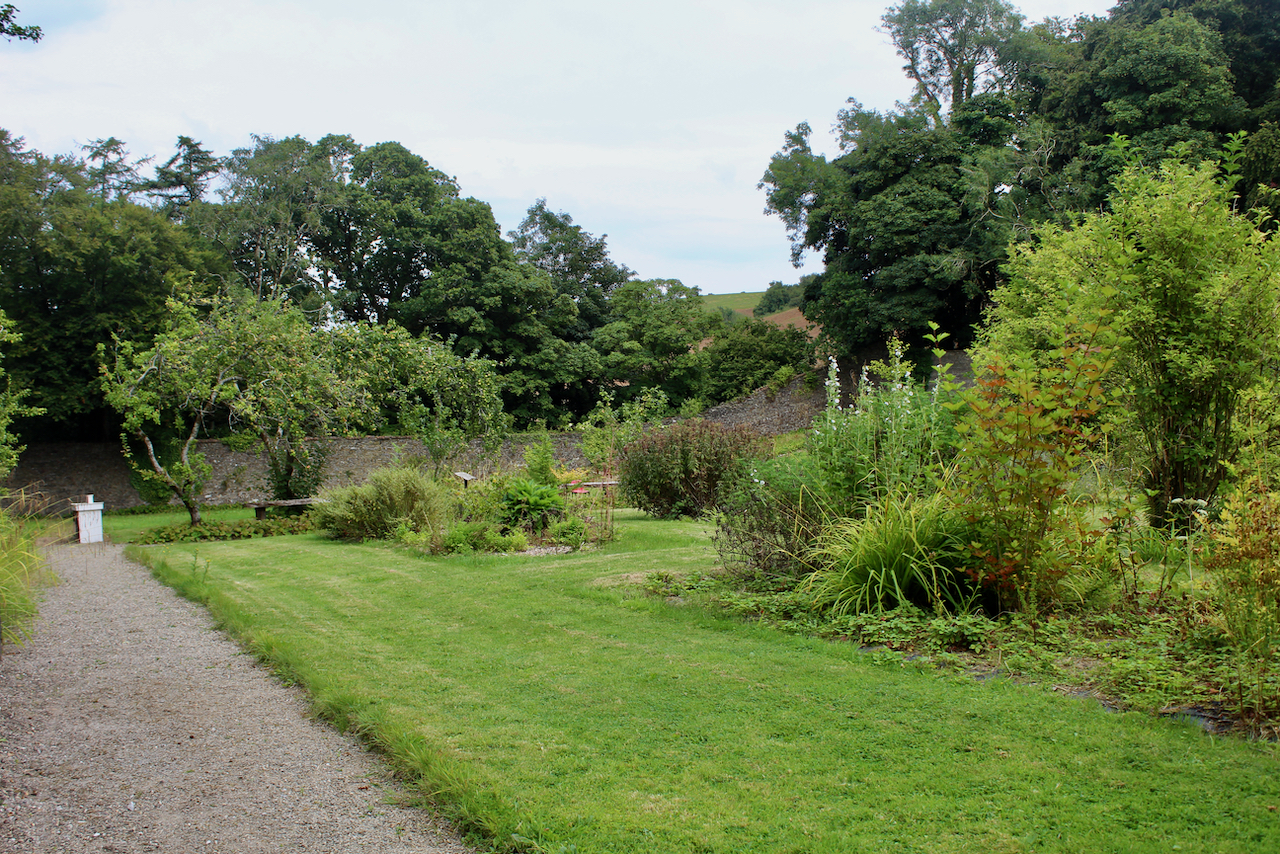
Charles Spring Rice (1887-1946) joined the military and fought in WWI. When the 5th Baron Monteagle of Brandon died in 1946, the estate was sold. In 1954, the Sisters of Mercy acquired the estate and ran it as a private boarding school for girls, called Stella Maris. [8] It was later sold again, and is now being renovated. The caretaker gave us a wonderful tour of the house and showed us details of renovation, as well as bringing us out to the walled garden, where he has done great work.
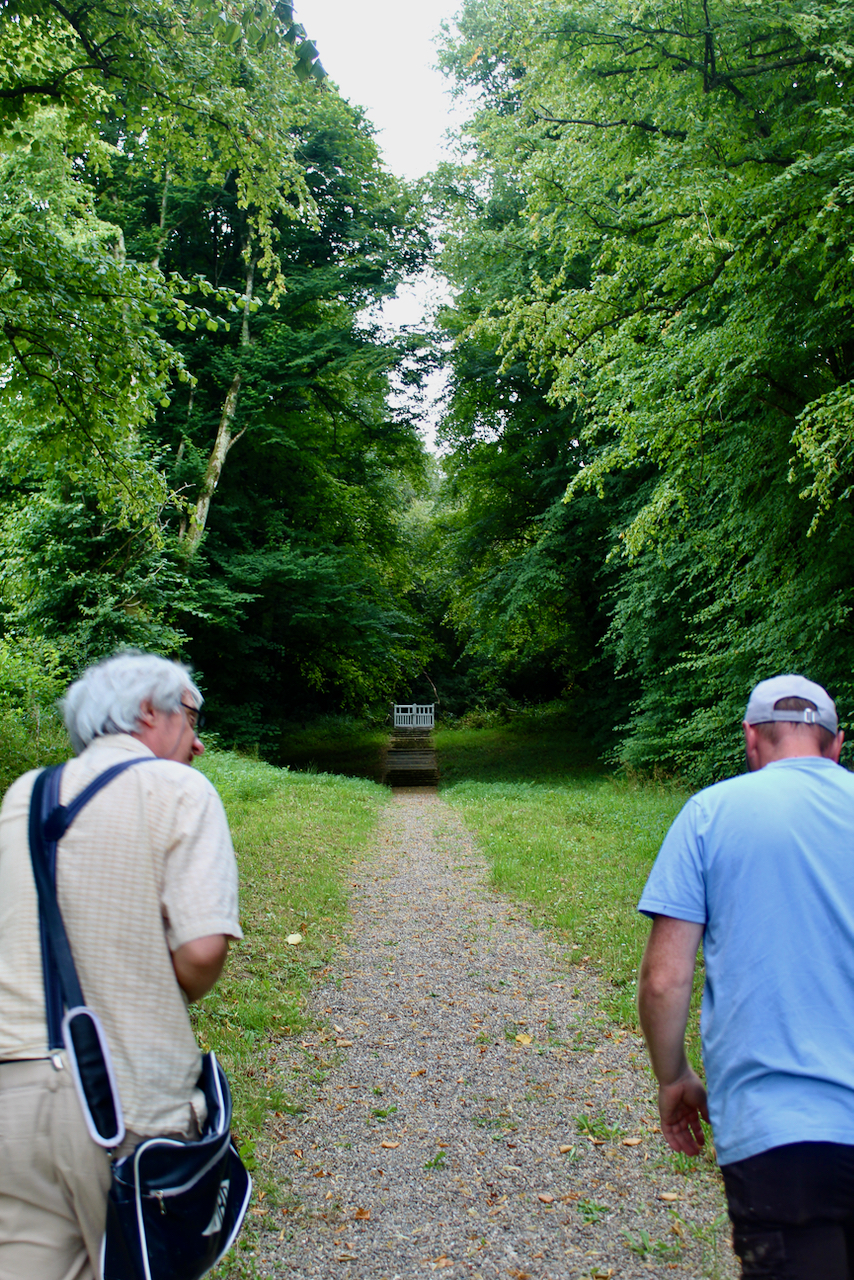
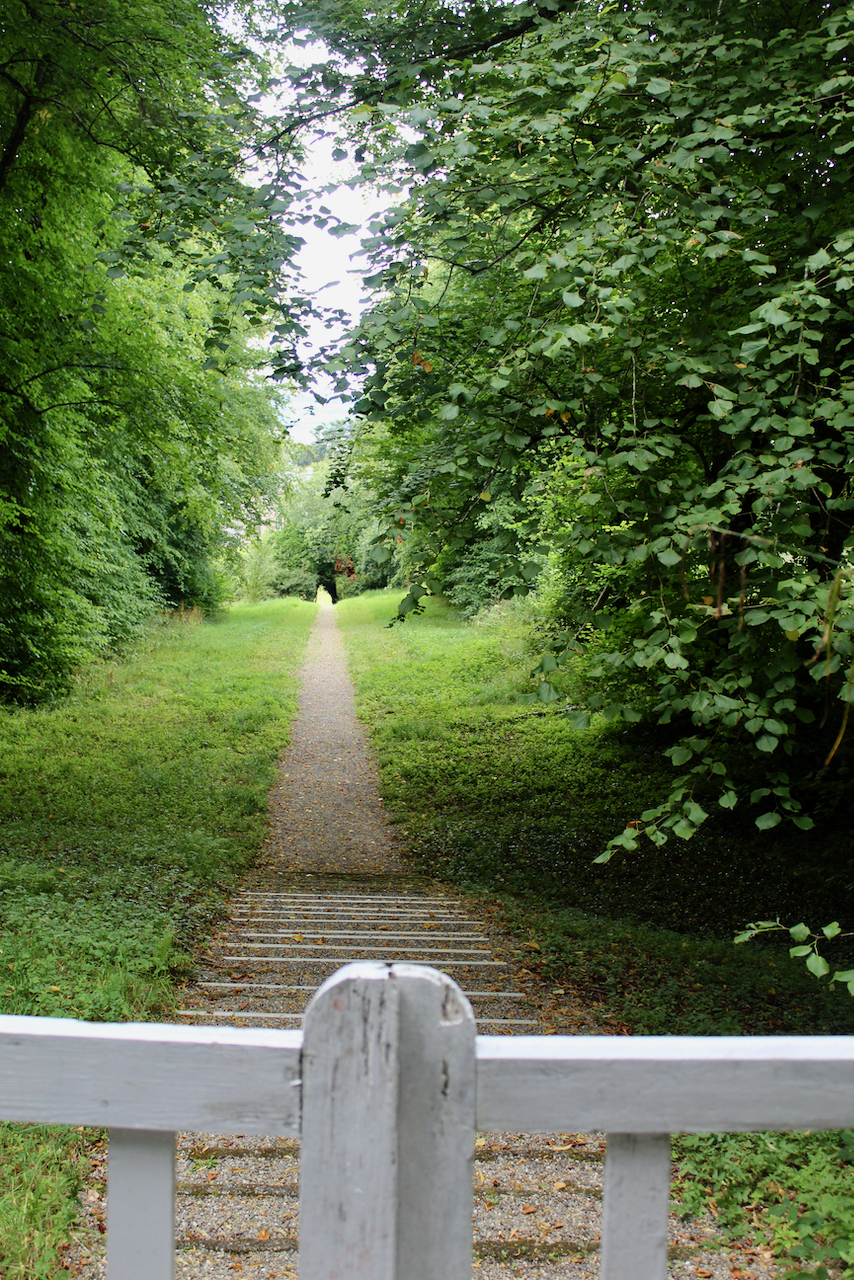
It’s a lovely walk from the back garden up to the walled garden. Our tour guide also does the gardening and the walled garden is productive as well as beautiful.
[3] Bence-Jones, Mark. A Guide to Irish Country Houses (originally published as Burke’s Guide to Country Houses volume 1 Ireland by Burke’s Peerage Ltd. 1978); Revised edition 1988, Constable and Company Ltd, London.














































 Irish Historic Houses
