Farmleigh,photograph courtesy of Farmleigh facebook page.Farmleigh,photograph courtesy of Farmleigh facebook page.
Farmleigh House is part of a 78-acre estate inside Dublin’s Phoenix Park. The government bought it in June 1999 to provide accommodation for high-level meetings and visiting guests of the nation. The rest of the time it is maintained by the Office of Public Works and is open to the public for tours.
Farmleigh was originally a two storey Georgian house, belonging to the Coote family and the Trenches, then bought by Edward Cecil Guinness (1847-1927) in 1873, a great grandson of brewery owner Arthur Guinness, at the time of his marriage to his cousin Adelaide Guinness.
Farmleigh was built for the Trench family in 1752, according to a Dublin City Council website, Bridges of Dublin. Charles Trench built the walled garden. I am afraid I am unable to find more information about the Trenches of Farmleigh so I would appreciate any feedback about them.
The Landed Estates database identifies John Chidley Coote (1816-1879) as a previous owner, the son of Charles Henry Carr Coote (1794-1864) 9th Baronet. John Chidley was from Ballyfin in County Laois, later and school and now a beautiful hotel. He married his neighbour Margaret Mary Pole Cosby from Stradbally Hall in County Laois (see my entry https://irishhistorichouses.com/2021/10/14/stradbally-hall-stradbally-co-laois/ ), daughter of Sydney Cosby (1807-1840). They had no children, and she went on to marry Charles Robert Piggott 3rd Baronet of Knapton, County Laois, after John Chidley’s death.
Edward Cecil Guinness enlarged the house, using designs first by James Franklin Fuller (1832-1925), who extended the house to the west, refurbished the existing house and added a third storey. Edward Cecil later engaged William Young (1843-1900), a young Scottish architect, who added the ballroom wing in 1896. Young also worked on the Guinness’s English country seat Elveden in Surrey and Edward Cecil’s house on St. Stephen’s Green. A conservatory was added adjoining the ballroom in 1901. Edward Cecil Guinness was created the 1st Earl of Iveagh in 1919.
Edward Cecil Guinness (1847-1927) 1st Earl of Iveagh, by William Orpen, photograph courtesy of Farmleigh website.Adelaide Maria Guinness by George Elgar Hicks, photograph courtesy of Farmleigh website.
From the website:
“Farmleigh is a unique representation of its heyday, the Edwardian period. Edward Cecil Guinness [(1847-1927) 1st Earl of Iveagh], great-grandson of Arthur Guinness (founder of the brewery), constructed Farmleigh around a smaller Georgian house in the 1880s. According to his tastes, the new building merged a variety of architectural styles.
“Many of the artworks and furnishings that Guinness collected remain in the house. There is a stunning collection of rare books and manuscripts in the library. The extensive pleasure-grounds contain wonderful Victorian and Edwardian ornamental features, with walled and sunken gardens and scenic lakeside walks. The estate also boasts a working farm with a herd of Kerry cows.” [1]
In the Dublin between the canals book by Christine Casey, part of the Buildings of Ireland series, she describes Farmleigh as a mediocre building. It is of three storeys with an extensive south facing front, rendered with a pediment and Corinthian Portland stone portico to the two advanced central bays and central canted bows to the flanking five-bay ranges. The five bays on the right of the porch correspond to the eighteenth century house, of which one interior survives, she tells us.
One is not allowed to take photographs inside the house but you can see pictures of the house and take an online tour on the website. It operates as the official residence for guests of the Irish state, which is why photography is not allowed inside.
The website tells us:
“With the addition of a new Conservatory adjoining the Ballroom in 1901, and increased planting of broadleaves and exotics in the gardens, Farmleigh had, by the early years of the twentieth century, all the requisites for gracious living and stylish entertainment. Its great charm lies in the eclecticism of its interior decoration ranging from the classical style to Jacobean, Louis XV, Louis XVI and Georgian.
“Farmleigh was purchased from the Guinness family by the Irish Government in 1999 for €29.2m. The house has been carefully refurbished by the Office of Public Works as the premier accommodation for visiting dignitaries and guests of the nation, for high level Government meetings, and for public enjoyment.” [2]
Edward Cecil Guinness was the son of Benjamin Lee Guinness (1798-1868), who purchased Ashford Castle, County Galway, in 1855. The castle had been a shooting lodge belonging to Lord Oranmore and Browne. In 1867 Benjamin Lee Guinness was created 1st Baronet of Ashford Castle in thanks for his restoration of St. Patrick’s Cathedral in Dublin at his own expense. His father had lived in St. Anne’s Park in Clontarf, a house unfortunately no longer in existence.
St. Anne’s, Dublin entrance front with garden party 1912, Gillman Collection Vanishing Country Houses of Ireland by The Knight of Glin, David J. Griffin and Nicholas K. Robinson, published by The Irish Architectural Archive and The Irish Georgian Society, 1988.Ashford Castle,photograph courtesy of Ashford Castle facebook page.
Edward Cecil’s older brother Arthur Edward (1840-1915), like his father, held the office of Member of Parliament (M.P.) (Conservative) for the City of Dublin. He succeeded as 2nd Baronet of Ashford Castle. He added to the residence at Ashford Castle and developed its grounds. He was created Baron Ardilaun of Ashford Castle in 1880. In 1871 he married Lady Olivia Charlotte White, daughter of the 3rd earl of Bantry. They had no children, and the Ardilaun barony became extinct after his death in Dublin on 20 January 1915.
The Dictionary of Irish Biography tells us about Arthur Edward:
“As well as providing funding for the completion of the restoration of Marsh’s library, begun by his father, he also contributed to the rebuilding of the Coombe Hospital. As president of the Artisans’ Dwellings Company (in which he was a large shareholder), he took particular interest in improving working-class housing conditions, most notably in the areas around St Patrick’s cathedral. Perhaps his most notable legacy was financing the transformation of the twenty-two-acre St Stephen’s Green into a landscaped garden, which, through an act of parliament sponsored by Guinness, was presented to the Board of Works for the use of Dublin citizens. This generosity was marked by the erection of a bronze statue of him in the park, financed by public subscription in 1891. Another significant purchase of his was the 17,000-acre Muckross estate in Co. Kerry, adjoining the lakes of Killarney, which he bought for £60,000 to prevent the land being exploited by a commercial syndicate, thus enabling it to continue as an important tourist attraction.“
Muckross House Killarney Co. Kerry, photograph by Chris Hill 2014 for Tourism Ireland, Ireland’s Content Pool.
Another brother, Benjamin Lee (1842-1900) who went by his middle name Lee, married Henrietta Eliza St. Lawrence of Howth Castle. It was their son who became the 3rd Baronet of Ashford Castle.
Edward Cecil Guinness, the Dictionary of Biography tells us, was: “Socially innovative, with a concern for the welfare of employees, from as early as 1870 he had established a free dispensary for his workforce and made provisions for pension and other allowances – acts of social reform that were remarkable for the time. To mark his retirement in 1890 he placed in trust £250,000 to be expended in the erection of working-class housing in London and Dublin.“
Before the Iveagh Market was built in 1906, hundreds of traders sold their goods outdoors, especially around St. Patrick’s Cathedral, and the area was a maze of poor and dirty streets and alleys with homes, as the city council said, “unfit for human habitation.” Children were sent out by their parents to work selling goods in the streets, and women tried to make money as dealers selling fish, flowers, old clothes and fruit.
Edward Cecil Guinness cleared the markets in the area to build a park and housing for the labouring poor – you can see the beautiful Victorian style brick buildings still run by the “Iveagh Trust” around St. Patrick’s Cathedral. He donated what in today’s money would be almost 20 million euro for the new housing. As the traders had long established market rights, he built a new market building, moving trading indoors, in the tradition of Victorian covered markets.
Edward’s main residence at the time he purchased Farmleigh was 80 St. Stephen’s Green, now Iveagh House, the headquarters of the Department of Foreign Affairs. He viewed Farmleigh as ‘a rustic retreat’.
Let’s take a quick diversion to Iveagh House (80 and 81 St. Stephen’s Green), which I was lucky enough to visit during Open House Dublin in 2014. 80 St. Stephen’s Green was built for Bishop Robert Clayton (1695-1758), Bishop of Cork and Ross, by Richard Castle in 1736. After both number 80 and 81 were bought by Benjamin Guinness in 1862, he acted as his own architect and produced the current house, combining the two houses. [see Archiseek] In 1866 a Portland stone facade by James Franklin Fuller was added.
The Dictionary of Irish Biography entry by C. J. Woods tells us that Archbishop Robert Clayton was born in England to John Clayton (1657–1725) and his wife, Eleanor (née Atherton). John Clayton moved to Ireland as prebendary of St Michan’s, Dublin (1698–1725), and was later dean of Kildare (1708–25). On his father’s death Robert inherited his estate and so could afford to resign his fellowship and marry, which he did on the same day (17 June 1728), marrying Catherine Donnellan (1703?–1766), a daughter of Nehemiah Donnellan, chief baron of the Irish exchequer. Robert inherited estates in England, and had a fine house built on the south side of St Stephen’s Green, designed in Italian style by Richard Castle in the mid 1730s. He also acquired a country house in Co. Kildare, St Wolstan’s near Celbridge (1752), and spent freely. He and his wife had no children.
St. Wolstan’s, Celbridge, County Kildare, photograph by Robert French, (between ca. 1865-1914), Lawrence Photograph Collection, National Library of Ireland.
The Archiseek website tells us about Iveagh House:
“The Dublin Builder, February 1 1866: ‘In this number we give a sketch of the town mansion of Mr. Benjamin Lee Guinness, M.P, now in course of erection in Stephen’s Green, South, the grounds of which run down to those of the Winter Garden. As an illustration so very quiet and unpretending a front is less remarkable as a work of architectural importance than from the interest which the name of that well-known and respected owner gives it, and from whose own designs it is said to have been built. The interior of the mansion promises to be of a very important and costly character, and to this we hope to have the pleasure of returning on a future occasion when it is more fully advanced. The works, we believe, have been carried out by the Messrs. Murphy of St. Patrick’s Cathedral notoriety, under Mr. Guinness’s own immediate directions, without the intervention of any professional architect.’ “
Benjamin Lee Guinness by Stephen Catterson Smith Jr courtesy of Adam’s auction 13 Oct 2015, Provenance: St. Annes, Clontarf, and by descent in the family.
The Farmleigh website tells us of the Guinness family’s source of wealth: “In 1886 Edward Cecil Guinness floated the brewery on the Stock Exchange increasing his wealth and social standing and this reflected in an extensive rebuild of Farmleigh. Despite this work, Edward and his wife Adelaide spent relatively little time there. Their primary residence was in London, but when in Dublin, they stayed mostly at 80 St. Stephen’s Green. The family only stayed in Farmleigh for short periods of a couple of weeks, mainly in the spring and summer months.“
80/81 St. Stephen’s Green was donated to the Irish government by Benjamin Guinness’s grandson Rupert, the 2nd Earl of Iveagh, in 1939 and was renamed Iveagh House.
One enters Iveagh House through a large nineteenth century entrance hall with two screens of Ionic columns, which incorporates the front parlour of the Clayton house. The hall is adorned with sculptures bought by the Guinnesses at the Dublin Exhibition of 1865. Through a door at the west end is a Victorian domed vestibule and beyond it a service stair. East of the hall is an Inner Hall that was the entrance hall of Bishop Clayton’s house. This has niches flanking the chimney breast, fielded panelling and a modillion cornice.
The two stair compartments of the eighteenth century house on St. Stephen’s Green were combined to create the space for the grand imperial staircase inserted by James Franklin Fuller in 1881.
The drawing room’s ceiling is modelled on the Provost of Trinity House dining room ceiling. There is also a room downstairs in Iveagh House with a room which was added in 1866 with Georgian Revival ornament derived from the Provost’s House.
Christine Casey describes the ballroom of Iveagh House, which was designed, as was that in Farmleigh, by William Young. Casey writes in her Buildings of Ireland: Dublin book (p. 498): “This is an impressive if vulgar room. Tripartite, with a big shallow central dome and lower vaulted end bays with canted bay windows overlooking the garden. Elaborate, almost Mannerist stucco decoration by D’Arcy’s of Dublin.”
The ballroom, our guide to Iveagh House told us, was created to host a Royal visit. The room was built specially to have room for the guests, for £30,000.
Now that we have placed Edward Cecil Guinness in the context of the house he lived in at the time of purchasing Farmleigh, let’s return to Farmleigh.
Casey writes that inside Farmleigh, two ranges of rooms open off an east-west spinal corridor, with a “showy” central entrance hall opening through a columnar screen to a large top-lip double-height stair hall.
The entrance hall at Farmleigh, photograph courtesy of Office of Public Works Farmleigh website.
The immediate front hallway is also toplit by roundels set in the ceiling of the hallway/porte cochere. The porte cochere is upheld by Portland stone pilasters and there is a screen of six columns of Connemara marble on pedestals with Ionic capitals on pedestals. The columns support the coffered ceiling of the Entrance Hall.
The chimneypiece is of carved and inlaid marble, and the website tells us it is probably a nineteenth-century copy of an original, though the plaque may date from the eighteenth century.
The entrance hall at Farmleigh, photograph courtesy of Office of Public Works Farmleigh website.Fireplace plaque in the entrance hall at Farmleigh, photograph courtesy of Office of Public Works Farmleigh website.
The doors leading off the hall have carved mouldings and pediments, and the doors are of veneered mahogany on the hall side and of oak on the other.
The website continues: “The classical motif continues at the Staircase to the rear of the hall. Corinthian pilasters rise from first-floor level to a strongly projecting cornice. San Domingo mahogany is used for the Staircase on which the wrought iron balusters were made to correspond exactly with those on the staircase of Iveagh House, formerly the Earls of Iveaghs’ city mansion.“
After Edward Cecil’s death in 1927 his eldest son Rupert became the second Earl of Iveagh and inherited Farmleigh and 80 St Stephen’s Green. He was aBritish MP for Southend at the time, and ceased to be an MP when he succeeded to his father’s earldom. His wife Gwendolen the Countess of Iveagh won the Southend by-election in November 1927 to replace her husband as MP. She served until her retirement in 1935.
He presented the house on St. Stephen’s Green to the Irish State in 1939.
The website tells us about the family in Farmleigh: “Rupert gave Farmleigh to his grandson and heir, Benjamin (Rupert’s eldest son and Benjamin’s father, Arthur, was killed in WWII). Farmleigh became a family home for Benjamin (3rd Earl of Iveagh) and Miranda Guinness, and their children. Benjamin became a keen bibliophile and collector of rare books, parliamentary and early bindings, as well as first editions of the modern poets and playwrights. The library in Farmleigh in now dedicated to Benjamin Iveagh and his wonderful collection of books.
“Benjamin died in 1993 in London and in 1999, his son Arthur Guinness (4th Earl of Iveagh), sold Farmleigh to the Irish State.” [2]
The website continues:
“The door to the left of the hall leads to the Dining Room, which is lined with boiseries in the style of Louis XV. There is some spectacular woodcarving in this room, of particular note is the chimney piece, supported by a pair of female herms, with a clock at its centre surmounted by a grotesque face. Bronze figures of Bacchantes are placed in the shell-topped niches on either side of the fireplace, while beneath them are late Victorian oak buffets. The London firm of Charles Mellier & Co., supplied the interior here (apart from the ceiling which was designed by the architect J.F. Fuller).”
The Dining Room panelling was designed by decorators Charles Mellier & Co to incorporate four late seventeenth century Italian tapestries which once belonged to Queen Maria Christina of Spain. Three of the embroidered panels have been identified as the planetary gods, Jupiter, Venus, and Saturn. These panels are likely to be part of a larger set of seven panels relating to the Roman deities. One such panel, apparently from the same set and depicting Mercury, is in the Hermitage Museum in St Petersburg. The fourth panel above the fireplace is thought to depict a personification of Africa and to be part of a further set, depicting the continents.
The Dining Room in Farmleigh, photograph courtesy of Office of Public Works Farmleigh website.
Beyond the dining room is Guinness’s Study, a wainscoted room with a sky painted ceiling. A concealed door next to the window at the southwest corner led to a basement stronghold, a secret chamber for Guinness to escape in case of attack.
The Study in Farmleigh, photograph courtesy of Farmleigh facebook page.
The website tells us:
“The main entrance to Farmleigh was originally on the north side of the house (in part of what is now the Library) and this was probably a reception room where guests either dined or withdrew after dinner. By 1873, when Edward Cecil Guinness bought the house, the entrance had been changed to the south of the building and this room was the entrance hall. It subsequently became a boudoir and reverted in later years with the Guinness family to a reception room while keeping its appellation as ‘boudoir’. (Generally the boudoir was a ‘private’ room for the lady of the house, decorated in a light and elegant style. Her ‘public’ room was the drawing room, just as the gentleman’s study was his ‘private’ room and the library his ‘public’ room.).
“The Boudoir is oval in shape with two niches, one each side of the door into the Corridor. The niche to the right of the door as one enters contained a jib door into the Oak Room but the space between the rooms now holds a safe accessed from the Oak Room.“
Christine Casey describes the Oak Room in her Buildings of Ireland: Dublin (p. 298). She writes: “On the right of the hall is the studiolo-like Oak Room, which has a coffered oak ceiling and tall panelling with pilasters, scalloped tympana and grotesque terms. …Beefier and more textured than most of the carving at Farmleigh. It has been suggested that Fuller used salvaged panelling, although the regularity of execution seems at odds with the seventeenth century style.”
The Boudoir,Farmleigh, photograph courtesy of Office of Public Works Farmleigh website.
The website describes the Boudoir: “The ceiling plasterwork dates from about 1790 and is in the Adam style, with husk chains and classical motifs in medallions surrounding the central decoration of a fan-like or bat’s-wing motif, which is itself echoed in the heads of the niches. The unusual medallion motifs here are similar to those in a ceiling in 35 North Great George’s Street, Dublin which has been attributed to Francis Ryan or Michael Stapleton and dated to 1783. It is in particularly fine condition and clearly articulated without excessive applications of paint.
“During the OPW restoration work, it was possible to examine the original decorations and colour scheme of the Georgian house here because the ceiling heights had been changed in the Guinness alterations. Particular attention has been paid in the selection of fabrics for this room to reflect its character.
“An item of particular interest is the pair of engraved brass lock-plates on the door into the corridor which are similar to some in Iveagh House where they are original to that 1736 house! They are the only examples of these at Farmleigh and it is presumed that they got here through Fuller who also worked at Iveagh House.“
One of the former drawing rooms is now called the “Nobel Room” and honours the memory of Ireland’s four Nobel Laureates for literature: George Bernard Shaw, William Butler Yeats, Samuel Beckett and Seamus Heaney. It interconnects with the “Blue Drawing Room.” These rooms were significantly re-modelled by Fuller in the 1880s, and again in the 1890s by William Young. The saucer-domed ceiling in the Nobel Room is in the style of the 1820s and its plasterwork of vine-leaves, grapes and vases filled with fruit and flowers indicates that it may have been a dining room. A clever touch is the window over the fireplace, an unusual feature. Christine Casey writes: “Taking a leaf from Charles Barry’s book, Fuller went to pains to move the fireplace to the centre of the rear wall to create an arresting overmantel window.”
The Nobel Room and Blue Room, with the window over the fireplace, Farmleigh, photograph courtesy of Office of Public Works Farmleigh website.
The Blue Room is an ante room to the Ballroom. The ceiling was copied from that in the Oval Room, though it is not at all as finely executed as the original. The three arched doorways in these rooms were created out of windows in the old house when Young added the Ballroom in 1896.
The Blue Drawing Room, photograph courtesy of Farmleigh facebook page.Blue Room, Farmleigh, with a “portiere” over the arched door on the right, photograph courtesy of Office of Public Works Farmleigh website.The spandrels in the Nobel Room support a circular ceiling. The spandrels have overscaled Rococo-revival flower baskets, Farmleigh, photograph courtesy of Office of Public Works Farmleigh website.
The suite for state guests, which is not included in the house tour, is inspired by designs of Irish modernist Eileen Gray (you can see examples of her work in the Museum at Collins Barracks in Dublin).
The house also contains the Benjamin Iveagh Library, donated by the Guinness family to Dublin’s Marsh’s Library and on permanent display in Farmleigh. The Library, which is panelled in Austrian Oak with exquisitely rendered carvings in the neo – Jacobean style, was part of the renovation undertaken by Edward Cecil in the 1880s. Scholars can access material from the collection by arrangement. The Benjamin Iveagh Library is open for use by suitably qualified scholars, third-level students, and independent researchers. A full electronic catalogue of the collection may be viewed online via Marsh’s Library.
The Library, Farmleigh, photograph courtesy of Office of Public Works Farmleigh website.
Applications to carry out research in the Benjamin Iveagh Library may be made to the Keeper of Marsh’s Library. Email: reading.room@marshlibrary.ie
The librarian Nuala Canny writes:
“While the printed works which include many rare imprints and early periodicals represent the majority of the holdings, there is some exceptional manuscript material, including a copy of the Topography of Ireland by Gerald of Wales c.1280, and the trilingual language primer used by Queen Elizabeth I c. 1564 to learn Irish, together with letters from Sean O’Casey, W.B. Yeats, Lennox Robinson, Daniel O’Connell and Roger Casement.
“The items that adorn these shelves represent important moments in the areas of Irish Politics, Literature, and Science: we have a triumphant letter from Daniel O’Connell to his wife in 1829 telling her of the passing of the Roman Catholic Relief Act, which led to Catholic Emancipation, a first edition of James Joyce’s seminal work Ulysses published in 1922 and the first appearance in print in 1662 of Boyle’s Law.”
The Ballroom with adjoining conservatory is the piéce de resistance of the house. The ballroom was designed by William Young in 1892. It is a large rectangular room with bows in the centre of the north, east and south walls. Casey writes that “it is a much more reticent affair than the showy marble ballroom that Young designed the Guinness townhouse at St. Stephen’s Green [as pictured above].”
The Ballroom, Farmleigh, photograph courtesy of Office of Public Works Farmleigh website.Ballroom at Farmleigh, photograph courtesy of Farmleigh facebook page.
The website tells us:
“The Guinness’ guests could not fail to be impressed with the superb decoration in the style of Louis XVI with swags, wreaths, musical trophies, urns, sphinxes, and Corinthian pilasters. The rich decoration is executed in plaster that is applied to wood panelling, and the whole room, including the ceiling, is painted off-white to resemble plaster. The chimney piece is also made of wood and this, together with the overmantel, the ceiling, and the elegant portieres, were all part of an integrated scheme designed by Young. The Edinburgh-based interior design company Morrisons probably supplied the portieres as they had done so for the Young-designed ballroom at Iveagh House.“
“Hanging from the centre of the ceiling is a magnificent late nineteenth-century cut-glass and gilt metal chandelier complete with coronet. Purchased specifically for the Ballroom, it is on loan from the Guinness family. There is a story that the oak floor was made from disused barrels at the brewery but that has never been confirmed!“
The Ballroom, Farmleigh, photograph courtesy of Office of Public Works Farmleigh website.
The Conservatory: “Erected in 1901-2, it was supplied by Mackenzie and Moncur of Edinburgh, on the recommendation of Young. Exotic plants and flowers were grown here, and have been re-introduced by the Office of Public Works. Hot water pipes that ran around the perimeter were covered up by cast iron grilles, which have been restored. The marble floor, which is original, is tiled in the traditional eighteenth-century pattern of carreaux octagons.
“This room posed one of the most difficult conservation problems for the OPW at Farmleigh, as it was in a dangerous condition when the State took over the house. It was completely re-glazed and new structural supports for high-level metal work were introduced. As a result the character of the Conservatory has been retained and its life span increased for at least another 100 years.“
A room we don’t see on the tour is discussed on the blog on the Farmleigh website: the Billiard Room:
“Located at mezzanine level between the ground and first floors, typical of nineteenth century billiard rooms to keep offending cigar odours away from the rest of the house and male visitors appropriately distanced from visiting ladies, it is very much a masculine enclave. Beneath a top-lit roof – reconstructed and reglazed with ultraviolet screens by the OPW – the plaster cornice, deep ceiling cove and decorative ribs are painted in imitation of timber. The oak chimneypiece with Corinthian columns and carved frieze to the south of the room is dark in colour, lending to the heaviness about the overall decor when combined with the distinctive red cotton wall fabric which is printed with an arabesque motif.“
The Billiard Room at Farmleigh, photograph courtesy of Office of Public Works Farmleigh website.
The grounds contain a clock tower, a large classical fountain in the Pleasure Grounds, an ornamental dairy, garden temple and four acre walled garden and sunken garden. The outbuildings have been adapted to house an art gallery and a theatre and a courtyard for additional state accommodation. The Boathouse now houses a cafe overlooking the lake.
“Sunken gardens in various formal styles were popular in the early twentieth century… This one is in the Dutch of Early English style and was created some time after 1907, probably by Edward Cecil Guinness. The design has some similarities with the sunken pond garden at Hampton Court, which dates from the original Early English period, and may relate to his connections with the British Royal family.
“An ornamental gate leads into the rectangular garden, which was designed with three descending brick terraces leading to an oval pool in the centre, with a marble fountain of carved putti figures. The fountain has been restored under the direction of OPW and the Carrara marble exposed. Fine topiary peacocks and spirals surround this fountain on two levels. A brick wall enclosing the garden is paralleled by a high yew hedge, which leads the eye to the two conifers framing the view to the small apple orchard beyond.” [3]
“The Walled Garden covers about four acres and is sloped ideally towards the south. A fine pair of highly decorative wrought iron gates lead into a diagonal walk with double herbaceous borders backed by high yew hedges. South of the main crosswalk is a small orchard and potager, while north of it there is a small rose and lavender garden. The Walled Garden dates from the early nineteenth century, when Charles Trench owned Farmleigh; it is shown on the 1837 Ordnance Survey map as having a diagonal layout with seven squares and glasshouse. Later that century it had an extensive range of glasshouses on the south wall for many plants grown in typical Victorian fashion to support large-scale bedding schemes as well as producing exotic fruit and flowers and foliage, particularly orchids and ferns, for year round display in the house.
“Among the additions made by Edward Cecil Guinness were the small Victorian fernery under glass and grotto nearby with two old ogee windows from St Patrick’s Cathedral in the end wall of the garden. He also erected a number of glasshouses, including a fine three quarter span cast-iron vinery behind the high yew hedge, the potting shed, and the gardener’s house and pump house which were built in the Arts and Crafts style. His daughter in-law, Gwendolen, Lady Iveagh, subsequently created a compartmentalised layout, which was fashionable in the early twentieth century along with renewed interest in old style garden plants and herbaceous borders. A new traditional path led from the wrought iron gateway connecting the Walled Garden to the broad walk at the back of the house. This new axis of the garden was reinforced by tall yew hedges backing the long double herbaceous borders which she also planted.
“A stone temple was created as a focal point of the garden by Benjamin and Miranda Guinness in 1971: it has six antique columns of Portland with a copper roof and ornamental weather vane. The main cross path either side of the temple has metal structures designed by Lanning Roper for climbing roses and wisteria similar to those in the famous Bagatelle Garden in Paris. A paved rose garden was laid out to the north east of the temple backed by a yew hedge and looking across a lawn to the small orchard and potage. Lanning Roper suggested planting a quince, a mulberry, a catalpa, and a magnolia, to complete what he described as a Carolingian Quartet on this lawn. Lady Iveagh subsequently planted the double herbaceous borders, which include yuccas, phormiums, paeonies, astilbe and euphorbias.” [4]
We continued our outings for Heritage Week this week. We didn’t do our usual travel around to Section 482 properties as we were both too tired this year. As I mentioned in my last post, we went to Charleville Castle in Tullamore on Saturday, which is wonderful. Unfortunately we didn’t linger to wander in the woods as rain threatened and I wanted to visit my aunt who lives in the town.
On Monday we missed our booked visit to Number 6 High Street in Tullamore, unfortunately, but went to see Tullynisk house that afternoon. We were given a wonderful tour by its resident Alicia Clements, daughter of the Earl of Rosse, who married a descendant of Nathaniel Clements who built the Áras an Uachtaráin in the Phoenix Park.
On Wednesday we went to Emo Court in Laois, an Office of Public Works property, because the OPW opened a few rooms for tours during the week and it is closing again afterwards for more repairs. It is so disappointing it has been closed since 2019. We were not allowed to take photographs inside since the work is unfinished!
We found ourselves with spare time after Emo Park as it was too rainy to wander the lush grounds, so we headed to Roscrea for more OPW properties: Damer House and Roscrea Castle. Unfortunately we weren’t allowed to take photographs inside Damer House except in the exhibition rooms. After a tour of Damer House we went across the bawn to tour Roscrea Castle. It is a treasure for the beautiful ancient town of Roscrea. I’ll be writing more about all of these places.
We didn’t get to visit the castle this time. Instead we were in the town to attend a talk about the Crotty Schism which took place in the Catholic church in the mid 1800s. I’ll be writing more about that soon, as the Crotty Church is a Section 482 property, although it is not open to the public! It is certainly meant to be open, and The Maltings across the road is meant to have tourist accommodation to earn its Section 482 status, but is also not open and never seems to have been since I started my blog in 2018, as I have often checked it out as a place to stay. For the talk on the Crotty Schism, we had to sit outside, despite rain threatening.
On Saturday we visited Ballybrittan Castle, which we were lucky to see before it changes hands to a new owner. Rosemarie warmly welcomed her visitors, sharing the home she lived in and loved for 27 years along with her late husband Jerry Healy, who served on the boards of the Irish Georgian Society and the Alfred Beit Foundation, which manages Russborough House, Co Wicklow.
Ballybrittan, courtesy of Sherry Fitzgerald Rose de Vere Hunt and myhome.ieBallybrittan, courtesy of Sherry Fitzgerald Rose de Vere Hunt and myhome.ie
orange: “whole house rental” i.e. those properties that are only for large group accommodations or weddings, e.g. 10 or more people.
green: gardens to visit
grey: ruins
2026 Diary of Irish Historic Houses (section 482 properties)
To purchase an A5 size 2026 Diary of Historic Houses (opening times and days are not listed so the calendar is for use for recording appointments and not as a reference for opening times) send your postal address to jennifer.baggot@gmail.com along with €20 via this payment button. The calendar of 84 pages includes space for writing your appointments as well as photographs of the historic houses. The price includes postage within Ireland. Postage to U.S. is a further €10 for the A5 size calendar, so I would appreciate a donation toward the postage – you can click on the donation link.
€20.00
donation
Help me to pay the entrance fee to one of the houses on this website. This site is created purely out of love for the subject and I receive no payment so any donation is appreciated!
€15.00
Wexford:
1. Ballyhack Castle, Co. Wexford – open to publicOPW
“Ballymore is an old family property located away from main routes in a particularly scenic part of North Wexford. It retains many features which have survived from past periods of occupation in an attractive setting of mature trees, ordered landscape and views of the surrounding countryside.“
It is a country house erected by Richard Donovan (1697-1763). The National Inventory tells us it is:
“an estate having long-standing connections with the Donovan family including Richard Donovan (1752-1816); Richard Donovan (1781-1849) ‘of Ballymore’ (cf. 15612001); Richard Donovan (1819-84) ‘late of Ballymore Camolin County Wexford’ (Calendars of Wills and Administrations 1885, 217); Richard Donovan JP DL (1858-1916), ‘Gentleman late of Ballymore County Wexford’ (Calendars of Wills and Administrations 1916, 172); Richard Charlie Donovan (1898-1952); and Richard Alexander Donovan (1927-2005).“
Ballymore, photograph courtesy of National Inventory of Architectural Heritage.The house itself is not open to the public.The house was built in 1721.
“A large scale map indicates the route visitors are requested to follow. This route allows a leisurely ramble around several interesting features including the tea room, the museum, art gallery and display of old farming equipment in part of the farmyard. The residence itself is private and not open to the public.
“In the surrounding grounds you will find the church and ancient graveyard, holy well, former site of a 1798 rebel camp and the 14th century Norman castle ruins, which now is a simple labyrinth.
“The present church was built in 1869 on the site of a medieval building, of which nothing now survives except a carved wooden door lintel which can be seen at the museum.
“The holy well is covered completely by a large boulder. This was done some centuries ago to discourage its continued use for prayer and devotion.“
Ballymore, photograph courtesy of National Inventory of Architectural Heritage.
“The castle mound is all that remains of the 14th century motte built by Norman settlers. The ruins of the stone-built tower were pulled down in the 19th century.
“The large reconstructed greenhouse is the setting for the tea room. Its design copies the original greenhouse built around 1820, along with the walled garden behind it.
“The museum and display area open out from the small courtyard. The museum itself is in a large converted hayloft in a period farmyard building. The contents of the museum are from the family home and farmyard. They illustrate many different aspects of earlier occupation and activity. Another feature is the old water wheel now on display in the same farm building.
“The old dairy room will take you back in time. It adjoins the 1798 Room, containing a display of items from this period and from the house and family records. The further display area includes pieces of older farm equipment and hand tools used when the horse was the only source of motive power.“
Ballymore, photograph courtesy of National Inventory of Architectural Heritage – the house is not open to the public.
“The art gallery is located below the museum in what was the farm stables. It displays a selection of paintings and drawings of local scenes and activities by the much admired artist Phoebe Donovan.
“Take one of our exclusive tours, which encompasses many features including the museum of local and family history spanning over 300 years, dairy and farming display, 1798 memorabilia room and the Phoebe Donovan art gallery.
“Venture out into the surrounding grounds and you will find the ruins of a Norman castle dating back to the 14th century, Ballymore Church and graveyard (1869), and a former 1798 rebel camp site. You may even spot a buzzard or some of the other varied wildlife in the area.
“Finally, relax and enjoy a beverage in our greenhouse tea room.Ballymore Historic Features is also part of the Wexford Heritage Trail.”
Berkeley Forest House, photograph courtesy of the house’s website.
This website tells us:
“Berkeley Forest is unusual as a period house as it has a bright and uncluttered look with a strong Scandinavian flavour -painted floors, hand stencilled wallpaper and bedcoverings designed by artist Ann Griffin-Bernstorff who lives and works here during part of the year.
“The house offers a beguiling experience. With a beautiful faded brick walled garden with a terrace, summer house and an outdoor fireplace, it is a delight throughout the day.
“In easy reach of the Wexford beaches to the South and East and the picturesque villages of Inistioge, Thomastown and Graiguenamanagh, the cities of Kilkenny (Medieval) and Waterford (Viking) are also nearby. Just off the N30, less than 2 hours from Dublin Airport, 45 mins from Kilkenny, 20 mins from Wexford or Waterford, the house is perfectly situated to visit a host of interesting historical, cultural or sporting amenities, or to hide away in complete peace and quiet.
“The house was once the home of the family of 18th century philosopher George Berkeley. It also houses a 19th Costume museum which was created by Ann Griffin-Bernstorff and is available to costume and fashion students on request (her original 18th century Costume Collection is now to be seen at Rathfarnham Castle in Dublin) She is also the designer of the internationally acclaimed Ros Tapestry.“
Berkeley Forest House, photograph courtesy of the house’s website.Berkeley Forest House, photograph courtesy of the house’s website.
“The property consists of the main house, lawns and gardens; beyond that are pasture and woodland, some mature, some more recently planted; as well as original farm buildings. All of which ideal for exploring and wandering. There is a beautifully proportioned upper drawing room (28ftx18ft) which is suitable for music rehearsal, fine dining and specialist conferences.”
Berkeley Forest House, photograph courtesy of the house’s website.George Berkeley (1685-1753), Philosopher; Bishop of Cloyne, by John Smibert 1730 courtesy of National Portrait Gallery NPG 653.
Enniscorthy castle, Co Wexford_Courtesy Patrick Brown 2014, for Tourism Ireland, Ireland’s Content Pool. [1]
The website tells us:
“Enniscorthy Castle, in the heart of Enniscorthy town, was originally built in the 13th century, and has been ‘home’ to Norman knights, English armies, Irish rebels and prisoners, and local merchant families. Why not visit our dungeon to see the rare medieval wall art –The Swordsman, or our battlements at the top of the castle to marvel at the amazing views of Vinegar Hill Battlefield, Enniscorthy town, and the sights, flora and fauna of the surrounding countryside. Enniscorthy Castle explores the development of the Castle and town from its earliest Anglo-Norman origins, with a special focus on the Castle as a family home. Visitors can also view the ‘Enniscorthy Industries ‘exhibition on the ground floor from the early 1600’s onwards when Enniscorthy began to grow and prosper as a market town. Visitors can explore the work of the renowned Irish furniture designer and architect Eileen Gray (born in 1878 just outside the town). The roof of the castle is also accessible, with spectacular views of the surrounding buildings, Vinegar Hill, and countryside. Note that access to the roof is only possible when accompanied by a staff member. Tours of the Castle are self guided. Last admission is 30 minutes before closing. Our facilities include: craft and gift shop, toilets and baby changing area, wheelchair access to all floors (including roof) , and visitor information point (tourist office for town). We look forward to welcoming you to our town’s most public ‘home’.“
Enniscorthy castle, Co Wexford_Courtesy Patrick Brown 2014, for Tourism Ireland, Ireland’s Content Pool. [1]
Mark Bence-Jones writes in his A Guide to Irish Country Houses (1988):
p. 121. “(Wallop, Portsmouth, E/IFR) A C13 four-towered keep, like the ruined castles at Carlow and Ferns, restored at various dates and rising above the surrounding rooftops of the town of Enniscorthy like a French chateau-fort, with its near row of tourelles. Once the home of Edmund Spenser, the poet. Now a museum.” [2]
The National Inventory of Architectural Heritage tells us that it is a two-bay three-stage over basement castle, built 1588, on a rectangular plan with single-bay full-height engaged drum towers to corners on circular plans. [3]
Enniscorthy, Co Wexford_Courtesy Celtic Routes 2019, for Tourism Ireland, Ireland’s Content Pool. (see [1])Enniscorthy, Co Wexford_Courtesy Celtic Routes 2020, for Tourism Ireland, Ireland’s Content Pool. (see [1])
The website tells us more about the history of the castle:
“Maud de Quency (granddaughter of the famous Strongbow) marries Philip de Prendergast (son of Anglo-Norman Knight Maurice de Prendergast) and they reside at Enniscorthy Castle from 1190 to his death in 1229. From then until the 1370’s, their descendants, and other Anglo-Norman families rule the Duffry and reside in Enniscorthy Castle.
“In 1375: The fief (a defined area of land or territory) of the Duffry and Enniscorthy Castle are forcefully retaken by Art MacMurrough Kavanagh who regains his ancestral lands. This marks a time of Gaelic Irish revival. The MacMurrough Kavanagh dynasty rule until they eventually surrender the Castle and lands to Lord Leonard Grey in 1536. At this time Enniscorthy Castle is reported be in a ruined condition.
Enniscorthy, Co Wexford_Courtesy Celtic Routes 2020, for Tourism Ireland, Ireland’s Content Pool. (see [1])
“In 1569, The Butlers of Kilkenny and the Earl of Kildare lead a raid on Enniscorthy town on a fair day, killing numerous civilians and burning the castle.In 1581, The poet Edmund Spenser leases the Castle but never lives in it. Historians speculate that this was because Spenser feared the MacMurrough Kavanaghs.
“In 1585, Henry Wallop receives ownership of the Duffry by Royal Appointment. He exploits the dense forests (the Duffry, An Dubh Tír in Irish, meaning “The Black Country”) surrounding Enniscorthy which brings considerable wealth to the town, and funds the rebuilding of Enniscorthy Castle which we see standing today. Enniscorthy begins to rapidly develop as a plantation town.
“1649: Oliver Cromwell arrives in Co. Wexford. Enniscorthy Castle is beseiged by his forces; its defenders surrender, leaving it intact. In December of the same year the Castle once again fell to the Irish (under Captain Daniel Farrell), but two months later Colonel Cooke, the Governor of Wexford, reoccupied the castle.
“1898: The Castle is leased by Patrick J. Roche from the Earl of Portsmouth. P.J. Roche restores and extends the Castle making it into a residence for his son Henry J. Roche.
“1951: Roche family leaves.
“1962: Castle opens as Wexford County Museum.“
Enniscorthy, Co Wexford_Courtesy Celtic Routes 2020, for Tourism Ireland, Ireland’s Content Pool. (see [1])
Open dates in 2026: Feb 4-5, 8-11, Mar 11-12, 16-19, May 10-11, 22-31, July 4-5, 13-14, Aug 3-30, Dec 19-22 12 noon-4pm
Fee: adult €10, student/OAP €5, child free
9. Kilmokea Country Manor & Gardens, Great Island, Campile, New Ross, Co. WexfordY34 TH58– section 482, gardens open to public
The main lawn at the rear of the house at Kilmokea – surrounded by perenniel borders – and some fine topiary, photograph 2014 by George Munday/Tourism Ireland. (see [1])
Newtownbarry House, County Wexford, photograph from National Inventory of Architectural Heritage.Newtownbarry House, County Wexford, photograph from National Inventory of Architectural Heritage.
Contact: Clody and Alice Norton
Tel: +353 (0) 53 937 6383
Email: clodynorton@gmail.com
Mark Bence-Jones writes (1988): p. 225. “(Barry/IFR; Maxwell, Farnham, B/PB; Hall-Dare;IFR) The estate of Newtownbarry originally belonged to a branch of the Barrys; passed to the Farnhams with the marriage of Judith Barry to John Maxwell, afterwards 1st Lord Farnham, 1719. Subsequently acquired by the Hall-Dare family, who built the present house 1860s, to the design of Sir Charles Lanyon. It is in a rather restrained Classical style, of rough ashlar; the windows have surrounds of smooth ashlar, with blocking. Two storey; asymmetrical entrance front, with two bays projecting at one end; against this projection is set a balustraded open porch. Lower two storey service wing. Eaved roof on plain cornice. Impressive staircase.”
Newtownbarry House, County Wexford, photograph from National Inventory of Architectural Heritage.
The National Inventory tells us that it is a five-bay (five-bay deep) two-storey country house, built 1863-9, on an L-shaped plan off-centred on single-bay single-storey flat-roofed projecting porch to ground floor abutting two-bay two-storey projecting end bay; eight-bay two-storey rear (south) elevation. It continues:
Newtownbarry House, County Wexford, photograph from National Inventory of Architectural Heritage.Newtownbarry House, County Wexford, photograph from National Inventory of Architectural Heritage.
“A country house erected for Robert Westley Hall-Dare JP DL (1840-76) to a design by Lanyon, Lynn and Lanyon (formed 1860) of Belfast and Dublin (Dublin Builder 1864, 66) representing an important component of the mid nineteenth-century domestic built heritage of County Wexford with the architectural value of the composition, one succeeding the eighteenth-century ‘Woodfield…[a] mansion of long standing and of cottage-like character in the Grecian style of architecture’ (Lacy 1863, 485), confirmed by such attributes as the deliberate alignment maximising on panoramic vistas overlooking the meandering River Slaney with its mountainous backdrop in the near distance; the asymmetrical footprint off-centred on an Italianate porch; the construction in a rough cut granite offset by silver-grey dressings not only demonstrating good quality workmanship, but also providing an interplay of light and shade in an otherwise monochrome palette; and the slight diminishing in scale of the openings on each floor producing a feint graduated visual impression. Having been well maintained, the elementary form and massing survive intact together with substantial quantities of the original fabric, both to the exterior and to the interior arranged around a top-lit staircase hall recalling the Lanyon, Lynn and Lanyon-designed Stradbally Hall (1866-7), County Laois, where contemporary joinery; Classical-style chimneypieces; and plasterwork enrichments, all highlight the considerable artistic potential of the composition. Furthermore, adjacent outbuildings; walled gardens; all continue to contribute positively to the group and setting values of an estate having historic connections with the Hall-Dare family including Captain Robert Westley Hall-Dare JP DL (1866-1939), one-time High Sheriff of County Wexford (fl. 1891); and Robert Westley Hall-Dare (1899-1972).”
Open dates in 2026: Mar 13-15, 20-22, 27-29, April 3-6, 10-12, 24-26, May 1-4, 8-10, 15-17, 22-24, June 4-7, 11-14, 25-28, July 2-5, 9-12, 16-19, 23-28, Aug 1-3, 6-9, 13-23, 27-30, Sept 4-6, 11-13, 18-20, 25-27, 12noon-5pm
Fee: adult €12, child/OAP/student €10, groups of 6 or more €10 per person
“Wells House has a stunning Victorian Terrace garden, parterre garden and arboretum designed by the renowned architect and landscape designer, Daniel Robertson.
“The terraced gardens which have been restored to their former glory sit beautifully into the large setting of his vast parkland design which spans for acres in the stunning Co. Wexford landscape.
“With two woodland walks, a craft courtyard, adventure playground, restaurant and a busy calendar of events this is a perfect day out for all the family. “
and “Discover the 400-year-old history of Wells House & Gardens by taking a guided exploration of the house. Our living house tour and expert guide in Victorian dress will bring you back to a time. To a time when the magnificent ground floor and bedrooms witnessed the stories of Cromwell, Rebellions and the Famine. Uncover the everyday lives of the wealthy, powerful families who lived in the estate and their famed architect Daniel Robertson. All giving you a unique insight into the life of previous generations all the way up until the current owners of Wells House.“
Places to Stay, County Wexford
1. Artramon House, Castlebridge, Co Wexford – B&B
Artramon House, County Wexford, photograph from National Inventory of Architectural Heritage.Artramon House, County Wexford, photograph from Artramon website.
Mark Bence-Jones writes: p. 12. “(Le Hunte/LGI 1912; Neave, Bt/Pb) A late C18 house, remodelled after being burnt 1923. 2 storey; entrance front with pediment of which the peak is level with the coping of the parapet, and the base is well below the level of the main cornice. In the breakfront central feature below the pediment are two windows and a tripartite Venetian doorway; two bays on either side of the central feature.”
Artramon – by Ulrike von Walderdorff in Wexford / Ireland
The National Inventory tells us it is a five-bay two-storey country house, rebuilt 1928-32, on an L-shaped plan centred on single-bay two-storey pedimented breakfront; seven-bay two-storey side (west) elevation… “A country house erected for Richard “Dick” Richards (Wexford County Council 17th June 1927) to a design by Patrick Joseph Brady (d. 1936) of Ballyhaise, County Cavan (Irish Builder 1928, 602), representing an important component of the domestic built heritage of County Wexford with the architectural value of the composition, one retaining at least the footings of an eighteenth-century house destroyed (1923) during “The Troubles” (1919-23), confirmed by such attributes as the deliberate alignment maximising on scenic vistas overlooking gently rolling grounds with ‘fine views of the estuary, harbour and town of Wexford’ as a backdrop (Fraser 1844, 118); the symmetrical frontage centred on a curiously compressed breakfront; the diminishing in scale of the openings on each floor producing a graduated visual impression; and the monolithic parapeted roofline. Having been well maintained, the elementary form and massing survive intact together with substantial quantities of the original fabric, both to the exterior and to the interior where contemporary joinery; reclaimed Classical-style chimneypieces; and sleek plasterwork refinements, all highlight the artistic potential of the composition. Furthermore, adjacent outbuildings (extant 1840); and a substantial walled garden (extant 1840), all continue to contribute positively to the group and setting values of an estate having historic connections with the Le Hunte family including Captain George Le Hunte (d. 1799); William Augustus Le Hunte (1774-1820), one-time High Sheriff of County Wexford (fl. 1817); George Le Hunte (1814-91), ‘late of Artramont [sic] County Waterford [sic]’ (Calendars of Wills and Administrations (1892, 481); and the largely absentee Sir George Ruthven Le Hunte KCMG (1852-1925), one-time Governor and Commander-in-Chief of Trinidad and Tobago (fl. 1908-15); and Major Sir Arundell Thomas Clifton Neave (1916-92), sixth Baronet.“
2. Ballytrent House, Broadway, Co Wexford– one wing rental.
p. 28. “Redmond/Hughes. A two storey Georgian house, 5 bays, projecting ends, each with a Wyatt window in both storeys. Adamesque plasterwork. Home of John Redmond MP, leader of Irish Parliamentary Party.”
The website tells us:
“Welcome to the Ballytrent website. Visitors to Wexford seeking a quiet, secluded location,could not choose a better location than Ballytrent. Ballytrent is a magnificent 18th century heritage house set in extensive grounds overlooking the sea towards Tuskar Rock Lighthouse.
“In the grounds of the house is located a Ráth or earthen mound dating back to prechristian times and, measuring 650 yards in circumference, is reputed to be the largest in Europe. The grounds also contain a large flag pole that was once the tallest mast in the British Isles. The Rath garden is a haven for songbirds & a visit, either early morning or late evening, is pure magic!
“Ballytrent is tranquil and secluded. The garden & lawns cover three acres and include some rare plants. Our farm is a mix of cattle, cereals and root crops. We extend a warm welcome to those interested in visiting the farm. We are fortunate in having the best weather in Ireland – the annual rainfall is approximately 35 inches and each year the Weather Station at Rosslare records the highest mean sunshine hours. We are indeed the Sunny South East!
“Situated in St Helen’s E.D., Ballytrent, with its double ringed ráth, is an 18th century home set in extensive ground. The history of Ballytrent is a collection of works and illustrations put together after several years of research by Mary Stratton Ryan, wife of the present owner, James Power Ryan.
“A brief look at this work could keep the most avid historian content for quite a while. It is from this book that the following list of names and facts are taken, all having connections to Ballytrent.
Aymer De Valance; Earl of Pembroke, buried in Westminster Abbey, London.
Robert Fitzstephens; Ballytrent bestowed on him by Strongbow.
John le Boteller (Butler); Constable of the Kings Castle at Ballytrent.
John Sinnot; Listed as a Juror of the Inquisition at Wexford (c1420).
Patrick Synnot; In a 1656 Curl Survey of Ireland shown as owner of 96 acres 24 perches at Ballytrent.
Abraham Deane; Given Ballytrent by Cromwell.
Sarah Hughes; Daughter of Abraham Deane.
Walter Redmond; Purchased Ballytrent from Henry Hughes.
William Archer Redmond MP; Father of John and William – both also MP’s.
John Redmond (1856-1918) by Harry Jones Thaddeus, 1901, National Gallery of Ireland NGI889.
John Edward Redmond MP; Represented North Wexford, succeeded Parnell as leader of the Nationalist Party.
William Hoey Kearney Redmond MP; MP for Wexford and Fermanagh.
John H. Talbot (the younger); Inherited Ballytrent from his sister Matilda Seagrave.
William Ryan; Grandson of Sir James Power. Purchased Ballytrent from Emily Talbot (nee Considine).
James Edward Power Ryan; Present owner and grandson of William Ryan.
“This clearly illustrates the influence and power that is part of the documented history of Ballytrent, without even considering the possibilities of the time when the ráth was in its prime.”
3. Bellfry at Old Boley, County Wexford – self catering
The website tells us: “Clonganny House is a fine country Georgian residence originally erected for Hawtry White (1758-1837) and sympathetically restored in the late twentieth century. Retaining many original features, Clonganny is a fine example of late Georgian architecture. Set in eight acres embracing gently rolling lawns, serene woodland, and a stunning walled garden, Clonganny House is only a short drive to a beautiful, award winning coastline and miles of golden sandy beaches.“
6. Dunbrody Park, Arthurstown, County Wexford – accommodation
Mark Bence-Jones writes (1988): p. 114. “(Chichester, Templemore, B/PB; and Donegall, M/PB) A pleasant, comfortable unassuming house of ca 1860 which from its appearance might be a C20 house of vaguely Queen Anne flavour. Two storey, five bay centre, with middle bay breaking forward and three-sided single-storey central bow; two bay projecting ends. Moderately high roof on bracket cornice; windows with cambered heads and astragals. Wyatt windows in side elevation.”
Dunbrody House, courtesy of their website.Dunbrody House, courtesy of their website.
The National Inventory tells us:
“nine-bay two-storey country house with dormer attic, extant 1819, on an E-shaped plan with two-bay two-storey advanced end bays centred on single-bay two-storey breakfront originally single-bay three-storey on a rectangular plan. “Improved”, 1909-10, producing present composition…A country house erected by Lord Spencer Stanley Chichester (1775-1819) representing an integral component of the domestic built heritage of south County Wexford with the architectural value of the composition, one sometimes known as “Dunbrody Park” (Lacy 1863, 516) or “Harriet’s Lodge” after Lady Anne Harriet Chichester (née Stewart) (c.1770-1850), suggested by such attributes as the deliberate alignment maximising on scenic vistas overlooking gently rolling grounds with Waterford Harbour as a backdrop; the near-symmetrical frontage centred on a truncated breakfront; the diminishing in scale of the openings on each floor producing a graduated visual impression; and the decorative timber work embellishing the roofline: meanwhile, a photograph (30th August 1910) by A.H. Poole of Waterford captures recent “improvements” to the country house with those works ‘[presenting the] appearance [of] a twentieth-century house of vaguely “Queen Anne” flavour’ (Bence-Jones 1978, 114). Having been well maintained, the elementary form and massing survive intact together with substantial quantities of the original or sympathetically replicated fabric, both to the exterior and to the interior where contemporary joinery; Classical-style chimneypieces; and sleek plasterwork refinements, all highlight the artistic potential of the composition. Furthermore, adjacent outbuildings (extant 1840); a private burial ground; and distant gate lodges, all continue to contribute positively to the group and setting values of an estate having historic connections with the Barons Templemore including Henry “Harry” Spencer Chichester (1821-1906), second Baron Templemore ‘late of Great Cumberland-place Middlesex’ (Calendars of Wills and Administrations 1907, 508); Arthur Henry Chichester (1854-1924), third Baron Templemore; Arthur Claud Spencer Chichester (1880-1953), fourth Baron Templemore; and Dermot Richard Claud Chichester (1916-2007), fifth Baron Templemore.“
7. Fruit Hill Cottages, Fruit Hill House, Campile, New Ross, County Wexford
“Set in the landscaped grounds of 18th Century Fruit Hill House, these traditional self-catering farm cottages make an ideal base for touring South-East Ireland.“
“The Crosbies take special care of people and justifiably garnered much praise in various publications and tour guides for the splendour and comfort of its rooms, and the hospitality of its proprietors, Tom and Ann. Glendine House was presented with Georgina Campbell’s Irish Farmhouse/Guesthouse of The Year award for 2006. This much-coveted accolade confirms Glendine’s status as the establishment par excellence. Glendine Country House has also been featured in the Irish Times, Sunday Independent, Food and Wine Magazine and several other publications.
Glendine Country House is a family run period house set on its own grounds and overlooking the Barrow Estuary on the Hook Peninsula. The 18th Century former Dower House of the Marquis of Donegal was built in 1830. It was first occupied by the Chichester family and later by land agents. Home to the Crosbie family for over 70 years, Glendine retains many of its original 1830 features and is full of old world charm. The House is set high up over the village of Arthurstown and all of the rooms are stylishly beautiful and have magnificent sea views.“
9. Killiane Castle, County Wexford– B&B and self-catering
The website tells us: “The castle history is a remarkable tale of survival. Killiane Castle, a landmark in this cornerstone of Ireland’s Ancient East, has been in the Mernagh family for over one hundred years. However, its origins date back to medieval times to the Norman conquests and possibly even further to the early Irish settlers 500 years ago.
“The name ‘Killiane’ derives from ‘Cill Liadhaine’ in Gaelic, meaning the church of St Leonard which lies within the grounds of the Castle. “
Killiane Castle, courtesy of their website.
Medieval Times
“Pre-dating the castle history, it is likely that there was some form of native Irish settlement here before the Normans. However, the first recorded owner of the lands wasRichard de Hayin the 13th century. Richard de Hay came over with Fitzstephen in the first Norman invasion.
“The Norman tower house is approximately 50ft high and measures 39ft x 27ft externally. The walls are between 4ft and 9ft in thick. The Normans built the tower around 1470. It is most likely one of the “£10 castles”. King Henry VIII awarded a grant of £10 for the building of fortresses in his kingdom that became known as the “£10 castles”. In recent years, an Australian visitor brought us a photo of the original deeds for Killiane Castle signed by King Henry VIII no less!
“Thomas Hay, a descendant of Richard, probably built the tower in the late 15th century c.1470. The present castle and surrounding walls bear testimony to the building genius of the Normans, over 500 years old and quite sound! Built in a prominent position, the tower most likely overlooked a harbour. However, in the intervening years, reclaimed land replaced the harbour. The surrounding lands feature a canal, slob lands and slightly further down the coast, Rosslare strand.
Local Legend…
“Legend has it that below the ground floor underneath the stair way is a dungeon leading to a passageway to a doorway that no longer exists.
“In the early 16th century c.1520, Killiane passed to the Cheevers family by marriage. They continued to fortify the site. By 1543 one Howard Cheevers held Killiane, 2000 acres of land and the office of Mayor of Wexford. The ‘Laughing Cheevers’, as they were then known, held prominence in Wexford for another 100 years until the great rebellion. They built the house sometime in the early 17th century.
“The 17th century was a tumultuous part of the castle history. George Cheevers took part in the Irish Rebellion of 1641. He played a role in both the Siege of Duncannon, and the Confederation of Kilkenny. Following the Sacking of Wexford, Cromwell dispossessed him for his part in these rebellions. Georges son, Didicus, was a blind Franciscan monk. Infamously, several clergy were murdered in Wexford town’s Bullring at this time. Didicus was one of them. Sent to Connaught by Cromwell, the Cheevers family left Killiane. Just a few remained as tenants. The last of the them, an old man, who died in 1849.
“Nearby stands the ruins of the small medieval church of Saint Helen which was in ruins by 1835. Enclosed by a wall is the adjoining cemetery. It is reputed to be the burial place of the Cheevers family.”
Killiane Castle, courtesy of their website.Killiane Castle, courtesy of their website.
Cromwell’s Rule
“In 1656 the property, along with 1500 acres, was granted to one of Cromwell’s soldiers, a Colonel Bunbury. He sold it on to his friends, the Harveys of Lyme Regis. The first of these, Francis Harvey, became MP for Clonmines and Mayor of Wexford, positions his son John also held. A famous beauty known as the Rose of Killiane, a daughter of the Harveys, married the Dean of Dublin in 1809.
Victorian Times
“As time went by, the Harveys increasingly became absentee landlords. They leased the land to their tenants. Both the condition of the castle and the size of the estate materially diminished during this dark time in the castle hsitory.
“Throughout the 19th century there are references to tenants ‘Aylward’, ‘Elard’ and ‘Ellard’, possibly all the one family. By this time, the Harveys overwintered in their townhouse in Wexford at 38 Selskar Street. The family considered Killiane Castle too damp to stay at in winter.
“In 1908 Crown Solicitor, Kennan Cooper, bought the property for £1515. Cooper, a renowned character, kept racehorses and the 1911 census shows Killiane occupied by his tenant, George Grant and family. The census records Grant’s occupation as a ‘Horse trainer/jockey’.
“In 1920John Mernagh, father of Jack the present owner, bought Killiane with 230 acres for £2000. At that time there was no roof on the tower-house. Ivy covered it. John re-roofed it and used it to store grain and potatoes. Today the castle is home to Jack & Kathleen Mernagh who run the property along with their son Paul & his wife Patrycja and their family.
The Structure of the Building
Original Norman Features
“The castle still contains one original window that dates from the 15th century. The original window is an ogee style window featuring two lights. Over the years, incumbents replaced the other windows. The main entrance to the castle was originally on the east side. It provided an adjoining door to the house at one time. The original door is bricked-up. On the south side of the tower a new door has been opened.
Murder Holes!
“Looking at the front of the castle. There are murder holes over each of the doors on the ground floor. Perfectly located to pour hot tar over any unwelcome visitors! This practice, we assure you, is not in place today!
“The third floor contains a fine granite fireplace. Small smooth stones from the beach line the chimney rising on the outer wall. Also in evidence on this floor, is a cupboard recess.
“Corrugated iron replaced the original slate roof. The parapet consists of large sloping slabs. The battlements are of the steeply stepped type. There is a square turret on each corner. On the outside of the southern turret is a carved head.
“The large bawn has a round tower on the south east corner and a square tower on the south west corner, castle occupying the north west corner. The north east tower has been removed. In order to accommodate the facade of the house, the northern apron wall was taken down.
Original 17th Century House
“The original 17th century house consisted of two storeys with a garret on top. The incumbents raised the roof at a date unknown to us. This action incorporated the original dormer windows of the garrets,converting it into a third storey. Furthermore, they also reduced the great slant on the original 17th-century roof. The staircase of the house is of a simple very wide design, typical of the 17th century. “
9. Kilmokea Country Manor & Gardens, Kilmokea, Great Island, Campile, New Ross, Co. Wexford – accommodation
The main lawn at the rear of the house at Kilmokea – surrounded by perenniel borders – and some fine topiary, photograph 2014 by George Munday/Tourism Ireland. (see [1])
Marlfield House, photograph courtesy of the website.
The website tells us:
“Marlfield House is renowned for its hospitality and service, welcoming guests for over 40 years, and is recognised as one of the most luxurious boutique hotels in Wexford, Ireland with the focus on environmentally sustainable practices. All rooms and suites at Marlfield House luxury hotel in County Wexford, Ireland are styled to provide you with elegant, comfortable interiors, furnished with antiques and paintings. Set in 36 acres of woodland, ornamental lake, rose, vegetable and herb gardens, it is a haven of tranquillity, with peacocks, hens, dogs and ponies waiting to greet you on your garden walk.“
Marlfield House, photograph courtesy of the website.Marlfield House, photograph courtesy of the website.Marlfield House, photograph courtesy of the website.
“The house is set in 40 acres of manicured gardens, encompassing a large kitchen garden, woodland walks, lake and fowl reserve, lawns and herbaceous borders. The interior bears all the signs of a much loved house filled with fresh flowers, gleaming antiques and mirrors, blazing fires and period paintings.“
Marlfield House, photograph courtesy of the website.
Mark Bence-Jones writes of Marlfield (1988):
Supplement
P. 299. (Stopford, Courtown, E/PB) “A three storey Regency house of random stone with brick facings; four bay front with two bay breakfront centre, eaved roof on bracket cornice, massive chimneystacks. Originally the dower house of the [Stopford] Earls of Courtown, it eventually replaced Courtown House as their Irish seat. Sold in 1979 to Mary Bowe, who has opened it as an hotel. As an extension to the dining room, a veranda and an elegant curvilinear conservatory were added to the front of the house 1983; the architects of this addition being Messrs Cochrane, Flynn-Rogers and Williams.”
Marlfield House, photograph courtesy of the website.Marlfield House, photograph courtesy of the website.
The National Inventory tells us it is a four-bay (two-bay deep) three-storey land agent’s house, built 1852, on a T-shaped plan; four-bay three-storey rear (south) elevation centred on two-bay full-height breakfront. Occupied, 1901; 1911. In occasional use, 1916-75. Vacated, 1975. Sold, 1977. Modified, 1989, producing present composition to accommodate continued alternative use… “A land agent’s house erected by James Thomas Stopford (1794-1858), fourth Earl of Courtown (Walsh 1996, 68), representing an important component of the mid nineteenth-century domestic built heritage of the outskirts of Gorey with the architectural value of the composition, one succeeding an adjacent house occupied by Reverend James Bentley Gordon (1750-1819), author of “History of the Rebellion in Ireland in the Year 1798” (1803), confirmed by such attributes as the compact plan form centred on a much-modified doorcase; the construction in an ochre-coloured fieldstone offset by vibrant red brick dressings producing a mild polychromatic palette; the diminishing in scale of the openings on each floor producing a graduated visual impression; and the monolithic timber work embellishing the roofline. Having been well maintained, the elementary form and massing survive intact together with substantial quantities of the original fabric, both to the exterior and to the interior, including some crown or cylinder glazing panels in hornless sash frames: meanwhile, contemporary joinery; Classical-style chimneypieces; and the decorative plasterwork enrichments, all highlight the artistic potential of the composition. Furthermore, adjacent outbuildings (extant 1904); a walled garden (extant 1904); and a nearby gate lodge (see 15700718), all continue to contribute positively to the group and setting values of a self-contained estate having historic connections with Colonel Robert Owen (1784-1867) and Charlotte Owen (1796-1853) ‘late of Marlfield County Wexford’ (Calendars of Wills and Administrations 1870, 447); and the Stopford family following the sale (1947) and demolition (1948-9) of Courtown House (see 15701216) including James Walter Milles Stopford (1853-1933), sixth Earl of Courtown; Major James Richard Neville Stopford DL OBE (1877-1957), seventh Earl of Courtown; and Brevet Colonel James Montagu Burgoyne Stopford OBE (1908-75), eighth Earl of Courtown.“
Marlfield House, photograph courtesy of the website.Marlfield House, photograph courtesy of the website.Marlfield House, photograph courtesy of the website.Marlfield House, photograph courtesy of the website.Marlfield House, photograph courtesy of the website.
Monart Spa Wexford Annica Jansson 2016, for Tourism Ireland, Ireland’s Content Pool.
Nestled in over 100 acres of lush countryside in County Wexford, Monart offers two types of accommodation, 68 deluxe bedrooms with lake or woodland views and two luxurious suites located in the 18th century Monart House.
Mark Bence-Jones writes (1988): p. 208. “Cookman/IFR) A three storey mid-C18 house of sandstone and limestone dressings Five bay front with breakfront centre; Venetian windows in centre of middle storey, with Diocletian windows over it; modified Gibbsian doorcase. Later additions.”
The National Inventory tells us:
“A country house erected by Edward Cookman JP (d. 1774), one-time High Sheriff of County Wexford (fl. 1763), representing an important component of the eighteenth-century domestic built heritage of County Wexford with the architectural value of the composition, ‘a handsome mansion pleasantly situated on a gentle eminence above the Urrin [River] in a highly improved and richly wooded demesne’ (Lewis 1837 II, 385), confirmed by such attributes as the neo-Palladian plan form centred on a Classically-detailed breakfront; the construction in an ochre-coloured fieldstone offset by silver-grey granite dressings not only demonstrating good quality workmanship, but also producing a mild polychromatic palette; the diminishing in scale of the openings on each floor producing a graduated visual impression; and the parapeted roofline. Having been sympathetically restored following a prolonged period of unoccupancy in the later twentieth century, the elementary form and massing survive intact together with substantial quantities of the original fabric, both to the exterior and to the interior, including crown or cylinder glazing panels in hornless sash frames: meanwhile, contemporary joinery; Classical-style chimneypieces; and “bas-relief” plasterwork enrichments, all highlight the artistic potential of a country house having historic connections with the Cookman family including Nathaniel Cookman (—-); Edward Rogers Cookman JP (1788-1865) ‘late of Monart House in the County of Wexford’ (Calendars of Wills and Administrations 1865, 70); Nathaniel Narcissus Cookman JP DL (1827-1908), ‘Country Gentleman late of Monart House Enniscorthy County Wexford’ (Calendars of Wills and Administrations 1908, 96; cf. 15701922); and Captain Nathaniel Edward Rogers Cookman JP DL (1894-1983); and a succession of tenants including Lowry Cliffe Tottenham (1858-1937), ‘Gentleman [and] District Inspector of Royal Irish Constabulary’ (NA 1911).”
“Located in the heart of the lush Waterford countryside, on the grounds of the historic 18th-century Mount Congreve estate, this tastefully restored gate lodge is the perfect choice if you’re looking for a luxury self-catering stay in Ireland.
“Originally built in 1775, the newly renovated Gate Lodge at Mount Congreve is home to a fully fitted galley kitchen with marble countertops, a living room with a 19th-century French walnut fold-out day bed, two mustard wingback armchairs, Smart TV, an antique bio-ethanol stove, and a bathroom complete with a walk-in shower.”Originally built in 1775, the newly renovated Gate Lodge at Mount Congreve is home to a fully fitted galley kitchen with marble countertops, a living room with a 19th-century French walnut fold-out day bed, two mustard wingback armchairs, Smart TV, an antique bio-ethanol stove, and a bathroom complete with a walk-in shower.
“With two cosy double bedrooms (sleeping up to four adults*), the Gate Lodge is the perfect choice if you’re looking for a luxury self-catering stay in Ireland.“
13. Rathaspeck Manor “doll’s house” gate lodge, County Wexfordand the Manor B&B
“Rathaspeck Manor Georgian House Wexford was built between 1680-1720 by the Codd Family who came to Ireland circa 1169. William Codd’s son Sir Osborne Codd settled at Rathaspeck and erected a castle there in 1351.
“A descendant Loftus Codd was succeeded by daughters, one of whom, Jane Codd, married Thomas Richards. The Richards Family came to Ireland in 1570 approx. It was this marriage which placed Rathaspeck in the Richards Family.
“Jane and Thomas had 6 sons and 2 daughters. The eldest son Thomas, born 1722 had a Family of two daughters, the oldest Martha married Count Willimsdorf from the Kingdom of Hannover in 1802. This couple had one son, Thomas William Fredrick Von Preberton Willimsdorf who died in 1834 unmarried. There were also three daughters, one of whom Elizabeth, born in 1778, died in 1863 in Holland.
“Elizabeth married Count Von Leinburg Slirrin on April 15th 1802 and they proceeded to have a Family of ten children born between 1803 and 1820 . It is believed that sometime after this the family moved to Holland. Rathaspeck was in the hands of an English Family called Moody after this until the early 1900’s. The Moody built the present gate lodge – or “Doll’s House” in 1900.
“The Meyler Family came to Rathaspeck in 1911 when it was offered for sale and it was from the Meyler Family that the Manor passed to the Cuddihy Family.
“The site of the original Castle is unknown, but it is considered that the present Rathaspeck Manor Georgian Country Home, Ireland is built on the site.
“Rath” means Fort , so the name of Rathaspeck stems from the Gaelic Ratheasbuig , meaning “Fort of the Bishop”. “
14. Riverbank House Hotel, The Bridge, Wexford, Ireland Y35 AH33
“Rosegarland Estate offers visitors a unique opportunity to stay on an extremely old and unspoilt country estate. It allows you to step back in time when you walk along the avenues, woodland paths and old bridle paths which pass through the ancient woodlands and beside the River Corach.
“Relax and unwind in one of our luxury self-catering cottages in Rosegarland Estate. Our four cottages are registered with Failte Ireland (the Irish Tourist Board) and have been awarded a 4 star rating. Old world charm has been combined with modern day luxury in the cottages which are set in a picturesque courtyard. A welcome basket of home baked goodies will greet you when you arrive.
“All the cottages have complimentary WiFi and satellite television channels which can be enjoyed in front of a Waterford Stanley wood burning stove.“
Rosegarland Estate, courtesy of website.Rosegarland Estate, courtesy of website.
Mark Bence-Jones writes (1988):
p. 245. “(Synnott/IFR; Leigh/IFR) An early C18 house of two storeys over a high basement was built by Leigh family, close to an old tower house of the Synnotts, the original owners of the estate. Later in C18, a larger two storey gable-ended range was added at right angles to the earlier building, giving the house a new seven bay front, with a very elegant columned and fanlighted doorway, in which the delicately leaded fanlight extends over the door and the sidelights. There is resemblance between this doorway and that of William Morris’s town house in Waterford (now the Chamber of Commerce) which is attributed to the Waterford architect, John Roberts; the fact is that it is also possible to see a resemblance between the gracefully curving and cantilevered top-lit staircase at Rosegarland – which is separated from the entrance hall by a doorway with an internal fanlight – and the staircase of the Morris house, would suggest that the newer range at Rosegarland and the Morris house are by the same architect. At the back of the house, the two ranges form a corner of a large and impressive office courtyard, one side of which has a pediment and a Venetian window. In another corner of the courtyard stands the old Synnott tower house, which, in C19, was decorated with little battlemented turrets and a tall and slender turret like a folly tower, with battlements and rectangular and pointed openings; this fantasy rises above the front of the house. The early C18 range contains a contemporary stair of good joinery, with panelling curved to reflect the curve of the handrail. The drawing room, in the later range, has a cornice of early C19 plasterowrk and an elaborately carved chimneypiece of white marble. The dining room, also in this range, was redecorated ca 1874, and given a timber ceiling and a carved oak chimneypiece.”
Rosegarland House, courtesy of National Inventory of Architectural Heritage.
The National Inventory tells us:
“A country house erected by Robert Leigh MP (1729-1803) representing an important component of the eighteenth-century domestic built heritage of south County Wexford with the architectural value of the composition, one attributable with near certainty to John Roberts (1712-96) of Waterford, confirmed by such attributes as the deliberate alignment maximising on scenic vistas overlooking gently rolling grounds and the meandering Corock River; the symmetrical footprint centred on a Classically-detailed doorcase not only demonstrating good quality workmanship, but also showing a pretty fanlight; and the diminishing in scale of the openings on each floor producing a graduated visual impression. A prolonged period of unoccupancy notwithstanding, the elementary form and massing survive intact together with substantial quantities of the original fabric, both to the exterior and to the interior including not only crown or cylinder glazing panels in hornless sash frames, but also a partial slate hung surface finish widely regarded as an increasingly endangered hallmark of the architectural heritage of County Wexford: meanwhile, contemporary joinery; ‘elaborately carved chimneypieces of white marble’ (Bence-Jones 1978, 246); plasterwork enrichments; and a top-lit staircase recalling the Roberts-designed Morris House [Chamber of Commerce] in neighbouring Waterford (Craig and Garner 1975, 68), all highlight the considerable artistic potential of the composition. Furthermore, an adjacent stable complex (see 15704041); a walled garden (see 15704042); a nearby farmyard complex (extant 1902; coordinates 685132,615236); and a distant gate lodge (extant 1840; coordinates 685381,616928), all continue to contribute positively to the group and setting values of an estate having long-standing connections with the Leigh family including Francis Robert Leigh MP (1758-1839); Francis Augustine Leigh (1822-1900), ‘late of Rosegarland County Wexford’ (Calendars of Wills and Administrations 1900, 277); Francis Robert Leigh DL (1853-1916), ‘late of Rosegarland Wellington Bridge County Wexford’ (Calendars of Wills and Administrations 1916, 371); Francis Edward Leigh (1907-2003); and Robert Edward Francis Leigh (1937-2005).“
16. Wells House, County Wexford – self-catering cottage accommodation, see above
Woodbrook, County Wexford, courtesy Hidden Ireland.
The Historic Houses of Ireland website tells us:
“Nestling beneath the Backstairs Mountains near Enniscorthy in County Wexford, Woodbrook, which was first built in the 1770s, was occupied by a group of local rebels during the 1798 rebellion. Allegedly the leader was John Kelly, the ‘giant with the gold curling hair’ in the well known song ‘The Boy from Killanne’. It is said that Kelly made a will leaving Woodbrook to his sons but he was hanged on Wexford bridge, along with many others after the rebels defeat at Vinegar Hill. He was later given an imposing monument in nearby Killanne cemetery.
“Arthur Jacob, who originally came from Enniscorthy and became Archdeacon of Armagh, built Woodbrook for his daughter Susan, who had married Captain William Blacker, a younger son of the family at Carrigblacker near Portadown. The house was badly knocked about by the rebels and substantially rebuilt in about 1820 as a regular three storey Regency pile with overhanging eaves, a correct Ionic porch surmounted by a balcony and three bays of unusually large Wyatt windows on each floor of the facade.“
Woodbrook House, photograph courtesy of Woodbrook website.Woodbrook House, photograph courtesy of Woodbrook website.
“Woodbrook lay empty for some years after E. C. Blacker’s death in 1932. The house was occupied by the Irish army during the Second World War and was then extensively modernised when his nephew Robert moved back to County Wexford with his wife and family after the sale of Carrickblacker in the 1950s. Eventually sold in the mid 1990s, Woodbrook and the remains of a once substantial estate was bought by Giles and Alexandra FitzHerbert in 1998. They continue to live in the house with their family today.” https://www.ihh.ie/index.cfm/houses/house/name/Woodbrook
19. Woodlands Country House, Killinierin, County WexfordB&B
“Relax in comfortable old world charm in the heart of the Wexford Countryside at Woodlands Country House, a magnificently well preserved Georgian House with beautiful antiques. It is a charming and intimate place to relax, where fine food and furnishings are matched by warm and impeccable service that says you are special.
“Woodlands Country House Bed & Breakfast is ideally situated near the market town of Gorey and the picturesque seaside resort of Courtown Harbour on the Wexford/Wicklow border in South East Ireland. The Country House B&B is only 1 hour from Dublin off the M11 making it an ideal location for touring the South East of Ireland.“
Whole House rental County Wexford:
1. Ballinkeele, whole house rental(sleeps up to 19 people)
Ballinkeele House, photograph courtesy of website.Ballinkeele House, photograph courtesy of website.
The website says:
“Make yourselves comfortable in your grand home from home. This Irish country house was built to entertain and is perfect for gathering family & friends together for a holiday, a special birthday or anniversary. With 7 bedrooms and dining table for 19 guests – there’s space for everyone. You’ll be the hero for booking Ballinkeele!
“Built in the 1840s by your host’s family, it’s a the perfect blend of modern and antique with a bespoke modern kitchen, WiFi and (Joy of Joys!) a modern heating system!”
Ballinkeele House, photograph courtesy of website.
The Historic Houses of Ireland website tells us:
“In the first quarter of the 19th century the Maher family, who were famous for their hunting and racing exploits in County Tipperary, moved to County Wexford. They purchased Ballinkeele, near Enniscorthy, from the Hay family, one of whose members had been hanged for rebellion on Wexford bridge in 1798. John Maher, MP for County Wexford, began work on a new house in 1840 and Ballinkeele is one of Daniel Robertson’s few houses in the classical taste. The other was Lord Carew’s magnificent Castleboro, on the opposite side of the River Slaney, sadly burnt by the IRA in 1922 and now a spectacular ruin.
“The house is comprised of a ground floor and a single upper storey, with a long, slightly lower, service wing to one side in lieu of a basement. The facades are rendered with cut-granite decoration, including a grandiose central porch, supported by six Tuscan columns and surmounted by an elaborate balustrade, which projects to form a porte cochère.”
Ballinkeele House, photograph courtesy of website.
“The garden front has a central breakfront with a shallow bow, flanked by wide piers of rusticated granite. These are repeated at each corner as coigns.
“The interior is classical, with baroque overtones, and is largely unaltered with most of its original contents. The hall runs from left to right and is consequently lit from one side, with a screen of scagliola Corinthian columns at one end and an elaborate cast-iron stove at the other.
“The library and drawing room both have splendid chimneypieces of inlaid marble in the manner of Pietro Bossi, while the fine suite of interconnecting rooms on the garden front open onto a raised terrace.”
Ballinkeele House, photograph courtesy of website.
“The staircase hall has a spectacularly cantilevered stone staircase, with decorative metal balusters. As it approaches the ground floor the swooping mahogany handrail wraps itself around a Tuscan column supporting a bronze statue of Mercury, in a style that anticipates Art Nouveau by more than forty years.
“Outside, two avenues approach the house, one which provides a glimpse of a ruined keep reflected in an artificial lake, while both entrances were built to Robertson’s designs.
The present owners are Valentine and Laura Maher who live at Ballinkeele with their children.”
“Horetown House is a private country house wedding venue in County Wexford in the South-East corner of Ireland. Situated among rolling hills in the heart of rural Wexford, Horetown House is the perfect venue for a stylish, laid back wedding. Our charming country house is yours exclusively for the duration of your stay with us.
“Family owned and run, we can take care of everything from delicious food, bedrooms and Shepherds huts, to a fully licensed pub in the cellar. Horetown House is perfect for couples looking for something a little bit different, your very own country house to create your dream wedding.“
Mark Bence-Jones writes (1988): p. 155. “(Davis-Goff, Bt/PB) A three storey Georgian house. Front with two bays on either side of a recessed centre. Triple windows in centre and pillared portico joining the two projections.”
The National Inventory tells us it is:
“A country house erected to designs signed (1843) by Martin Day (d. 1861) of Gallagh (DIA; NLI) representing an important component of the mid nineteenth-century domestic built heritage of County Wexford with the architectural value of the composition, one succeeding a seventeenth-century house (1693) annotated as “Hoarstown [of] Goff Esquire” by Taylor and Skinner (1778 pl. 149), confirmed by such attributes as the deliberate alignment maximising on panoramic vistas overlooking gently rolling grounds; the symmetrical frontage centred on a pillared portico demonstrating good quality workmanship in a silver-grey granite; the diminishing in scale of the openings on each floor producing a graduated visual impression; and the parapeted roofline. Having been well maintained, the elementary form and massing survive intact together with substantial quantities of the original fabric, both to the exterior and to the interior where contemporary joinery; restrained chimneypieces; and decorative plasterwork enrichments, all highlight the artistic potential of the composition. Furthermore, a nearby quadrangle erected (1846) by ‘S.D. Goff Esq Architect [and] Johnson Builder’ continues to contribute positively to the group and setting values of an estate having historic connections with the Goff family including Strangman Davis Goff (né Davis) (1810-83) ‘late of Horetown House County Wexford’ (Calendars of Wills and Administration 1883, 318); and Sir William Goff Davis Goff (1838-1918) of Glenville, County Waterford; a succession of tenants including Joseph Russell Morris (NA 1901) and Edward Naim Townsend (NA 1911); and Major Michael Lawrence Lakin DSO (1881-1960) and Kathleen Lakin (née FitzGerald) (1892-30) of Johnstown Castle.”
“A stunning period house set on its own 16 acres of gardens and woodland on the outskirts of Wexford Town and within 2 hours from Dublin.
“Newbay House has been lovingly restored to blend its historic past with a dash of contemporary elegance. Once through the doors, it shares its elegant character and friendly hospitable atmosphere that combines informality with quality.
“In addition to boasting the most intimate of atmospheres and dedication to traditional hospitality and service, this cherished period house is sure to capture your heart.“
History:
“According to Hore’s History of Wexford there was a township called ‘Newbane’ consisting of a castle and 60 acres of land in the tenure of Patrick Roche and belonging to the Prioy of Selskar situated at what we now call Newbay. Around 1641 198 acreas of land at Newbane was owned by John Roche but ended up forfeited to Cromwell and was given to one of his officers Colonel Thomas Scott who still had possession up to 1674. In 1715 Henry Hatton, a former Mayor of Wexford, owned Newbay and it remained in the Hatton family for the next century.
“Newbay House as it is now was the product of Architect John Meason whom worked on the house for Henry Hatton between June 29th 1822 and November 13th 1824. Notable additions during this time were the present front avenue and gatelodge. However by 1853 it was now owned by the Dowager Countess of Donoghmore and consisted of 138 acres leased to four tenants with Henry Lyster residing in the big house. The Countess herself lived at Belmont.
“Thomas Jefferies of Carne House purchased the house, offices and land at Newbay on Friday 16th July 1869 when he paid £1030 for it at a public auction in the Landed Estates Court in Dublin. He officially gained ownership on November 1st 1869. Jeffries added a wing to the house circa 1886. Jefferies daughter Annie Elizabeth married George Arthur French in 1899 and it was via this matrimony that the house and lands now passed to the French family.
“Circa 1952 the porch was taken down and the door was replaced by the existing front facing window. The present porch was built from the doors and windows of the old one and the same granite steps.
“Also around this time mains electricity was brought to the house and it was in 1955 that drinking water was provided from a well dug in the garden. (Prior to this it had been brought by pony and cart to Newbay from Clonard Hill).
“In 1959 a flat was made for Mrs French who was the first member of the French family to be born in Newbay – on March 11th 1870. She died September 3rd 1963.
“Mrs French was the last surviving member of the family of seven. Mrs French was described as “one of the most beautiful women in County Wexford in the last century and she retained her lovely looks right up to the end of her long and very Christian life” in her obituary in The Free Press (September 6th 1963). Mrs French’s last surviving son, Lieutenant-Colonel George French died at Newbay in 1979. Four years later his two son’s Dominic and Arthur sold the house to Paul Drumm from Dublin. Drumm opened the house and began accommodating guests and tourists.
“In 1996 Jane Coyle purchased and refurbished Newbay House, reopening its doors as a country house hotel in 1999.“
donation
Help me to pay the entrance fee to one of the houses on this website. This site is created purely out of love for the subject and I receive no payment so any donation is appreciated!
[2] Bence-Jones, Mark. A Guide to Irish Country Houses (originally published as Burke’s Guide to Country Houses volume 1 Ireland by Burke’s Peerage Ltd. 1978); Revised edition 1988 Constable and Company Ltd, London.
Fee: adult €12, child €6, family ticket €45 (2 adults & all accompanying children under18) season tickets from €40 Concession discounts available for large groups
2026 Diary of Irish Historic Houses (section 482 properties)
To purchase an A5 size 2026 Diary of Historic Houses (opening times and days are not listed so the calendar is for use for recording appointments and not as a reference for opening times) send your postal address to jennifer.baggot@gmail.com along with €20 via this payment button. The calendar of 84 pages includes space for writing your appointments as well as photographs of the historic houses. The price includes postage within Ireland. Postage to U.S. is a further €10 for the A5 size calendar, so I would appreciate a donation toward the postage – you can click on the donation link.
€20.00
Donation
Help me to fund my creation and update of this website. It is created purely out of love for the subject and I receive no payment so any donation is appreciated! For this entry, I paid for petrol and the entrance fee for myself and Stephen.
We visited County Kerry at the end of March 2023, when few other Revenue Section 482 properties are open. I didn’t stop to think, however, that it might not be the best time to see the gardens of Kerry in their best state! However, some trees were in bloom, while others had dropped their blossoms.
Derreen is famous for its collection of rhododendrons and some of the Arboretum rhododendrons planted in the 1870s by the 5th Marquess of Lansdowne have grown to a size rarely seen elsewhere.
The house at Derreen is not on the Section 482 scheme, just the surrounding gardens. Derreen takes its name from the woods around it, as it means “little oak wood” in Gaelic. The gardens cover an area of 60 acres and include nearly eight miles of paths, which wind through mature and varied woodland, a garden laid out 150 years ago with subtropical plants from around the world and views of the sea and mountains.
In 1657 the area was granted to William Petty (1623-1687), physician of Oliver Cromwell. In 1664, Petty undertook the survey of Ireland and by 1666 he had completed the measurement of 2,008,000 acres of forfeited land, for which, by contract, he was to receive one penny per acre. He also acquired an estate of £6,000 a year. [1] He received the baronies of Iveragh, Glanarought and Dunkerron in County Kerry as well as land in Counties Meath, Cork, Limerick and Offaly. These Kerry lands contained resources such as pearls in the river, silver in the mountains, and forest. He experimented, unsuccessfully, with iron making. There was already an iron-work in nearby Kenmare.
William Petty (1623-1687) by Isaac Fuller circa 1651, National Portrait Gallery of London ref. 2924.Down Survey of Ireland information board in Ardgillan Castle, Dublin.Down Survey of Ireland information board in Ardgillan Castle, Dublin.
He married Elizabeth Waller (1636-1708), who had been previously married to Michael Fenton of Mitchellstown in County Cork.
The Dictionary of Irish Biography tells us that from 1659 Petty divided his time between London and Dublin and that, despite some London properties, Ireland supplied the bulk of his wealth.
In 1684 the Dublin Philosophical Society was founded and Petty was elected as its first president.
William Petty died of gangrene in his foot in 1687. He had refused a peerage, but after he died, Elizabeth née Waller was created Baroness Shelburne in her own right by King James II, in 1688. On the same day her eldest son by William Petty, Charles Petty (1672-1696), became Baron Shelburne.
Charles Baron Shelburne married Mary Williams (d.1710) but they had no children. After he died, she married Lt.-Gen. Henry Conyngham (d. 1705/6) of Mountcharles County Donegal and of Slane Castle in County Meath (another Section 482 property and the first one we visited when I undertook this project! See my entry).
William Petty and Elizabeth née Waller’s second son, Henry (1675-1751) was created Viscount Dunkerrin and Earl of Shelburne in the Irish Peerage. He married Arabella Boyle (d. 1740) daughter of Charles Boyle, 2nd Baron Clifford of Lanesborough, County York in England and 3rd Viscount Dungarvan, County Waterford. They had no sons but a daughter, Anne Fitzmaurice Petty. She married Francis Bernard (1698-1793) of Castle Bernard, County Cork (now an impressive ruin).
Castle Bernard ruins in County Cork, photograph courtesy of National Inventory of Architectural Heritage.
Since Henry Petty 1st Earl of Shelburne had a daughter but no sons his estates passed to his nephew John Fitzmaurice who changed his surname to Petty. The earldom of Shelburne was revived for John in 1753.
A sketch of Henry Petty (1675-1751) Earl of Shelburne by George Townshend, 4th Viscount and 1st Marquess Townshend National Portrait Gallery of London ref. 4855(15)
William Petty and Elizabeth née Waller’s daughter Anne (1671-1737) married Thomas Fitzmaurice (1668-1741), 21st Baron of Kerry, who became 1st Earl of Kerry. He was MP for County Kerry and a Privy Counsellor in Ireland. At the same time as being created Earl of Kerry in January 1722/23, he was created 1st Viscount Clanmaurice.
His grandson, the Marquess of Lansdowne, wrote of him, “my grandfather did not want the manners of the country nor the habits of his family to make him a tyrant. He was so by nature. He was the most severe character which can be imagined, obstinate and inflexible; he had not much understanding, but strong nerves and great perseverance, and no education, except what he had in the army, where he served in his youth, with a good degree of reputation for personal bravery and activity. He was a handsome man and, luckily for me and mine, married a very ugly woman, who brought into his family whatever degree of sense may have appeared in it, or whatever wealth is likely to remain in it, the daughter of Sir William Petty… With all this he had high principles of honour and a strict love of justice, which made him govern the country better than he did his own family… His children did not love him, but dreaded him; his servants the same.” [2]
The Landed Estates Database tells us the 1st Earl of Kerry had two younger brothers, William of Gallane, County Kerry, ancestor of the Fitzmaurices of Springfield Castle, County Limerick and John who had an only child Anne who married her cousin of Springfield Castle (you can rent the castle, see my Places to Visit and Stay in County Limerick entry. [3]
The property passed through the family of the Marquesses of Lansdowne. Timothy William Ferres tells us that the Marquesses of Lansdowne owned the greatest amount of land in Kerry, more than any other landowners in Kerry, with 94,983 acres. [see 1]
The 1st Earl’s daughter Elizabeth Anne (d. 1757) married Maurice Crosbie, 1st Baron Branden (circa 1689-1762). His daughter Arabella married Colonel Arthur Denny (d. 1742), MP and High Sheriff of County Kerry. Another daughter, Charlotte (d. 1774), married John Conway Colthurst (1722-1775) 1st Bt. of Ardrum, County Cork.
The 1st Earl’s eldest son, William Fitzmaurice (1694-1747) held the offices of Lord-Lieutenant of County Kerry and Custos Rotulorum of County Kerry, Governor for the county and Privy Counsellor. He married Elizabeth Moss but they had no children and she died and he subsequently married Gertrude Lambart in 1738, daughter of Richard Lambart (d. 1741) 4th Earl of County Cavan and 4th Viscount Kilcoursie, in the King’s County.
Their daughter Anna Maria FitzMaurice (d. 1808) married Maurice Fitzgerald (d. 1780) 16th Knight of Kerry.
William and Gertrude’s son Francis Thomas FitzMaurice became 3rd Earl of Kerry after his father died in 1747. Horace Walpole described him as “a simple young Irish Peer, who had married an elderly Irishwoman that had been divorced on his account, and had wasted a vast estate in the idlest ostentation.” [see 2] This elderly Irishwoman was Anastasia Daly (d. 1799 and buried in Westminster Abbey!), she was daughter of Peter Daly and had been married to Charles Daly of County Galway and she obtained a divorce from him in 1768 by an Act of Parliament.
The Marquess of Lansdowne wrote that “the present Lord Kerry, after being educated under the direction of the Chancellor of Ireland, and being left a good deal to himself, fell in love with a married lady twenty years older than himself, the daughter of an eminent Roman Catholic lawyer, and, obtaining a divorce, married her—an extraordinary vain woman. Having their way to fight up to get into good company, and having no posterity, they sold every acre of land which had been in our family since Henry the Second’s time.” [see 1]
The Landed Estates Database tells us:
“Francis, the 3rd Earl of Kerry was mostly an absentee landlord, his estates being administered by agents including Christopher Julian. Dickson writes that he sold much of his Kerry estates to Richard Hare in the 1780s. With his death in 1818 the connection between the Earls of Kerry and Lixnaw came to an end. The title was inherited by the Marquis of Lansdowne of Derreen, county Kerry who owned 1,526 acres in county Limerick in the 1870s.”
The 3rd Earl of Kerry and his wife had no son. The 1st Earl of Kerry and his wife Anne née Petty had a second son, John (1706-1761). It was this son who is mentioned above, who became the heir of his uncle Henry Petty 1st Earl of Shelburne, and he changed his surname to Petty in 1751. That year, he was created 1st Baron Dunkeron and 1st Viscount FitzMaurice.He held the office of Sheriff of County Kerry in 1732 and was a Whig MP for County Kerry from 1743-1751. He was created 1st Earl of Shelburne, County Wexford in 1753. He was Governor of County Kerry and a Privy Counsellor. Between 1754 and 1760 he was MP in England for Chipping Wycombe, County Buckinghamshire and in 1760 he was created was created 1st Lord Wycombe, Baron of Chipping Wycombe [Great Britain].
In 1734 he married his first cousin Mary Fitzmaurice, granddaughter of William Fitzmaurice, 18th Baron of Kerry and Lixnaw, daughter of William of Gullane, a brother of the 1st Earl of Kerry.
John Petty and his wife Mary née Fitzmaurice had two sons. The eldest, William (1737-1805), was born under his father’s original surname of Fitzmaurice but changed his name to Petty when his father changed his name. He rose to the position of Prime Minister of England.
William Petty (1737-1805) 1st Marquess of Lansdowne, Lord Shelburne, Prime Minister, after Sir Joshua Reynolds based on a work of 1766, National Portrait Gallery of London ref. 43.
William was called Viscount FitzMaurice between 1753 and 1761. He served in the British army and then had an illustrious political career. He held the office of First Lord of Trade April-December 1763 and like his forebears, served as a Privy Counsellor. He held the office of “Secretary of State for the South” between July 1766 and October 1768, and was Foreign Secretary March-July 1782 and was made Knight, Order of the Garter.
He held the office of Prime Minister and First Lord of the Treasury between 13 July 1782 and 5 April 1783. He was nominated Prime Minister in 1782 after the death of the Marquess of Rockingham, under whom he had been Secretary of State for Foreign Affairs. He was created 1st Marquess of Lansdowne, County Somerset [Great Britain] on 6 December 1784.
The Shelbourne hotel in Dubiln is named after him.
First William Petty married Sophia Carteret, daughter of John Carteret, 2nd Earl Granville of England. Their son John Henry Petty (1765-1809), succeeded as 2nd Marquess of Lansdowne. He married but had no children.
John Henry Petty (1765-1809) 2nd Marquess of Lansdowne National Portrait Gallery of London ref. D37171.
After his wife Sophia died in 1771, William married Louisa Fitzpatrick (1755-1789) in 1779, daughter of John Fitzpatrick, 1st Earl of Upper Ossory. Their son Henry (1778-1863) succeeded his brother as 3rd Marquess of Lansdowne in 1809.
Henry Petty-Fitzmaurice (1780-1863) 3rd Marquess of Lansdowne, Trustee of the National Portrait Gallery, by Henry Walton circa 1805 courtesy of National Portrait Gallery of London, NPG 178
In 1808 Henry (afterwards 3rd Marquess Lansdowne) married Louisa Emma Fox-Strangways (1785-1851), daughter of Henry Thomas Fox-Strangways, 2nd Earl of Ilchester. She held the office of Lady of the Bedchamber for Queen Victoria between August 1837 and September 1838.
In 1818 Henry changed his surname from Petty to Petty-Fitzmaurice, when he succeeded as 4th Earl of Kerry, after the death of Francis Thomas Fitzmaurice, 3rd Earl of Kerry (the one who had married “elderly” Anastasia). Henry followed in the footsteps of his forebears as MP and Privy Counsellor, and he also served as a Cabinet Minister and was appointed Knight, Order of the Garter in 1836.
Henry and Louisa had several children. Their daughter Louisa (d. 1906) married James Kenneth Howard, son of the 16th Earl of Suffolk. Henry 3rd Marquess’s oldest son, William Thomas Petty-FitzMaurice, who was called Earl of Kerry from 1818, predeceased him. William Thomas had married Augusta Lavinia Priscilla Ponsonby, daughter of John William Ponsonby, 4th Earl of Bessborough, and they had a daughter Mary Caroline Louisa Thomas Petty-FitzMaurice who married the son of the 2nd Earl of Powis. After the young Earl of Kerry died in 1836 at the age of just 25, his widow remarried, this time to Charles Alexander Gore (1811-1897).
It was therefore the next son of Henry and Louisa, Henry (1816-1866) who became the 4th Marquess of Lansdowne. The youngest son, Bentinck Yelverton Petty-FitzMaurice, died in 1892.
Henry (1816-1866) was styled as Earl of Shelburne from August 1836 until January 1863 when his father died. He was a Liberal MP for Calne in England between 1837 and 1856, and held the office of Under-Secretary for Foreign Affairs between 1856 and 1858. He was appointed Knight, Order of the Garter in 1864.
The Landed Estates database tells us that before the Petty-Fitzmaurices built the house, at the time of Griffith’s Valuation the property was leased from the Lansdowne estate by Peter McSweeney. Griffith’s Valuation was the first full-scale valuation of property in Ireland and details of property with valuations were published between 1847 and 1864.
The Landed Estates database adds that Derreen House was originally built by a branch of the O’Sullivans, from whom the lease passed to Peter McSweeney, who was married to a member of the O’Sullivan family.
Mark Bence-Jones tells us in his A Guide to Irish Country Houses (1988) that Henry Thomas Petty-Fitzmaurice 4th Marquess enlarged the house at Derreen between 1863 and 1866. [4] The National Inventory tells us that the version of the house built c. 1865 was designed by James Franklin Fuller. [5]
Henry the 4th Marquess married Georgina Herbert (1817-1841), daughter of General George Augustus Herbert, 11th Earl of Pembroke in 1840, but she died the following year. He then married the grandly named Emily Jane Mercer-Elphinstone-de Flahault (1819-1895), daughter of French army genearl Auguste Charles Joseph de Flahault, Comte de Flahault de la Billardrie and of Margaret Mercer Elphinstone, 2nd Baroness Keith and 7th Lady Nairne (a Scottish barony). They married in 1843 at the British Embassy in Vienna. Emily Jane succeeded her mother as 8th Lady Nairne in 1874.
Henry and Emily Jane had several children. Their daughter Emily Louisa Anne married Everard Charles Digby (1852-1915), son of 9th Baron Digby of Dorset.
Henry’s son Henry Charles Keith Petty-Fitzmaurice (1845-1927) succeeded as the 5th Marquess when his father died in 1866. A younger son, Edmond George Petty Petty-FitzMaurice, was created 1st (and last) Baron FitzMaurice ofLeigh, Co. Wiltshire, England in 1906 and also played a role in Foreign Affairs of state.
Henry Charles Keith Petty-Fitzmaurice (1845-1927) married Maud Evelyn Hamilton (1850-1932), daughter of James Hamilton (1811-1885), 1st Duke of Abercorn and Louisa Jane née Russell. Henry Charles Keither was styled as Earl Clanmaurice between 1845 and 1863 and Earl of Kerry between 1863 and 1866, and in 1866 he succeeded to the many other titles passed down through his family.
Henry Charles Keith Petty-Fitzmaurice.
The 5th Marquess held the office of Lord of the Treasury between 1868 and 1872 and Under-Secretary for War between 1872 and 1874. He was Under-Secretary for India between April and July 1880, Governor-General of Canada between 1883 and 1888, and Viceroy of India between 1888 and 1893. He held the office of Secretary of State for War between 1895 and 1900. He succeeded as the 9th Lord Nairne in 1895 when his mother died. He held the office of Lord-Lieutenant of Wiltshire between 1896 and 1920, and Secretary of State for Foreign Affairs between 1900 and 1905.
The 5th Marquess’s wife held the office of Lady of the Bedchamber to Queen Alexandria between 1905 and 1909 and “Extra” Lady of the Bedchamber between 1910 and 1925.
The Marquesses of Lansdowne made Derreen their summer residence. The garden was originally planted by the 5th Marquess. The website tells us that in 1870 Lord Lansdowne began an ambitious project to transform the countryside around the house from bare rock and scrub oak into a luxurious woodland garden. He planted 400 acres of woodland to shelter a collection of shrubs and specimen trees which were then being brought back from plant hunting expeditions in the Himalayas and elsewhere.
Robert O’Byrne quotes from Extracts from Glanerought and the Petty-FitzMaurices by the sixth Marquis of Lansdowne (1937):
‘The year 1903 was made memorable at Derreen by a visit from King Edward VII and Queen Alexandra. Their Majesties made in that summer a tour of Ireland, partly in the Royal Yacht and partly overland. The original intention had been that they should come to Derreen by water from County Clare, but weather conditions made this inadvisable, and the journey was eventually made by motor-car. They arrived on the afternoon of July 31. A Union Jack had been floated on the top of Knockatee and a triumphal arch was erected outside the Derryconnery Gate, where an address of welcome was presented by the assembled tenantry. On the lawn in front of the house the children of Lauragh school had been marshalled and they presented a bouquet to the Queen. Then there was a walk around the gardens where two commemorative bamboos were duly planted in the glade now called “the King’s Oozy”. After tea in the new dining room, which had been added to the house that year, the party went down to the pier, where Queen Alexandra was initiated into the mysteries of prawn fishing. The ground had been lavishly baited in advance and the fishing was such a success, that in spite of the obvious impatience of His Majesty, she could scarcely be persuaded to relinquish her net when the hour came for departure.’
Robert O’Byrne tells us that during the 5th Marquess’s absence in India (1888-1893), Derreen was let to the Duke of Leeds. [6]
The house at Derreen was burnt and plundered in 1922 and rebuilt by 5th Marquess in a similar style 1924; it underwent further reconstruction, having been attacked by dry-rot, 1925-26.
The 5th Marquess and his wife Maud Evelyn had several children. Their daughter Evelyn Emily Mary Petty-FitzMaurice (1870-1960) married Victor Christian William Cavendish (1868-1938) 9th Duke of Devonshire.
Their younger daughter Beatrix Frances Petty-FitzMaurice (1877-1953) married first Henry de la Poer Beresford (1875-1911) 6th Marquess of Waterford of Curraghmore (see my entry about Curraghmore). He died at the young age of 36, and after having six children with her first husband, Beatrix married Osbourne de Vere Beauclerk, 12th Duke of Saint Albans.
Beatrix Frances Duchess of St Albans [(1877-1953), Daughter of 5th Marquess of Lansdowne; former wife of 6th Marquess of Waterford, and later wife of 12th Duke of St Albans], Maud Evelyn Petty-Fitzmaurice, Marchioness of Lansdowne [mother of Beatrix, née Hamilton], Theresa Susey Helen Vane-Tempest-Stewart, Marchioness of Londonderry and Evelyn Emily Mary Cavendish, Duchess of Devonshire [(1870-1960), sister of Beatrix] by Frederick & Richard Speaight, National Portrait Gallery of London ref. x76669
Their younger son, Charles George Francis (1874-1914) added Mercer Nairne to his surname in 1914 to become the mouthful “Mercer Nairne Petty-FitzMaurice.” His wife’s surname was equally impressive, as he married Violet Mary Elliot-Murray-Kynynmound, daughter of the Earl of Minto, County Roxborough in England.
The elder son, Henry William Edmund Petty-Fitzmaurice (1872-1936), became 6th Marquess of Lansdowne. He married Elizabeth Caroline Hope, whose mother was Constance Christina Leslie, daughter of John Leslie, 1st Baronet of Glaslough, County Monaghan, of Castle Leslie, another Section 482 property (see my entry).
Mark Bence-Jones describes the property in his A Guide to Irish Country Houses (1988):
“Derreen is famous for its garden, which extends over the greater part of the peninsula on which the house is built. It was originally planted by 5th Marquess; but the collection of trees and shrubs has been constantly added to by his successors. In the moist and mild climate, tender and exotic species flourish; while the older trees have grown to an incredible height and girth. The garden is particularly noted for its rhododendrons and tree ferns. As a foil to the luxuriant plantings, there are great natural outcrops of rock. After WWII, Derreen passed to Lady Nairne, now Viscountess Mersey, sister of 7th Marquess, who was killed in action 1944. It is now the property of her son, Honourable David Bigham; the garden is open to the public.” [see 4]
The 6th Marquess’s sons all died young, tragically, so the estate passed to their sister, Katherine Evelyn Constance Petty-FitzMaurice (1912-1995), who succeeded as the 12th Lady Nairne in 1944. She married Edward Clive Bigham, later 3rd Viscount Mersey, in 1933. They have several children.
There is a chapter about the family in Jane O’Hea O’Keeffe’s Voices from the Great Houses: Cork and Kerry (Mercier Press, Cork, 2013).
[2] G.E. Cokayne; with Vicary Gibbs, H.A. Doubleday, Geoffrey H. White, Duncan Warrand and Lord Howard de Walden, editors, The Complete Peerage of England, Scotland, Ireland, Great Britain and the United Kingdom, Extant, Extinct or Dormant, new ed., 13 volumes in 14 (1910-1959; reprint in 6 volumes, Gloucester, U.K.: Alan Sutton Publishing, 2000), volume VII, page 213.
[4] Bence-Jones, Mark. A Guide to Irish Country Houses (originally published as Burke’s Guide to Country Houses volume 1 Ireland by Burke’s Peerage Ltd. 1978); Revised edition 1988, Constable and Company Ltd, London.
Ballyseede castle (pronounced Ballyseedy) is now a hotel, and Stephen and I treated ourselves to a stay in March 2023. The house was built in around 1760 for the Blennerhassett family, and parts were added and gothicized over time. Gothic revival additions may have been designed by William and Richard Morrison. Later renovations were carried out by James Franklin Fuller.
The castle is now one of four owned by the Corscadden family. We have visited the other properties: Cabra Castle in County Cavan and Markree in County Sligo, both of which are also section 482 properties (see my entries). We also visited the fourth, Castle Bellingham in County Louth, kindly welcomed by Patrick, who showed us around and I told him of my website. I am in the process of writing about that in my “Places to visit and stay in County Louth” page, still a work in progress.
“Take a step back in time with a hotel steeped in history that offers luxurious surroundings within 30 acres of private gardens and woodland.
“The Doric columns that lead to an elegant oak staircase in the lobby are indicative of the grand decoration throughout the hotel. Impressive drawing rooms with ornate cornices, adorned with marble fireplaces provide an ideal setting for afternoon tea or morning coffee.
“Elegant accommodation, fine dining with traditional Irish cuisine, rooms that tell a story and the picturesque natural setting, will all comprise to make your stay at Ballyseede Castle an unforgettable one.”
The Landed Estates database tells us that the Blennerhassett family was originally from Cumbria in the north of England. Robert Blennerhassett was the first to settle in Kerry. He married Elizabeth, daughter of Captain Jenkin Conway of Castle Conway, Killorglin, County Kerry, formerly known as Killorglin Castle (now a ruin). He was originally from Pembrokeshire in Wales.
Between 1611 and 1618 Robert acquired lands in Ireland. He held the office of Member of Parliament (M.P.) for Tralee in 1613 and between 1635 and 1639. He lived in an old castle named Ballycarty Castle and also owned the old Ballyseedy Castle. The current Ballyseede Castle is different from the original Ballyseedy Castle, a castle that had belonged to the Fitzgeralds, located at the west end of Ballyseedy Wood.
The Landed Estates database tells us that a John Blennerhassett was granted an estate of 2,787 acres in the barony of Trughanacmy, County Kerry (where Ballyseede Castle and Ballyseedy woods are located) and 2,039 acres in the barony of Fermoy, County Cork under the Acts of Settlement in 1666. [1] This John is probably son of Robert.
Lady Blennerhassett (I’m not sure which one), Ballyseedy Castle, Tralee, Co. Kerry, Irish school 18th century, Adams auction 19 Oct 2021
John Blennerhassett, son of Robert and Elizabeth, was, following his father’s footsteps, MP for Tralee [2]. He too lived in Ballycarty Castle, now a ruin. He married Martha Lynn, daughter of George from Southwick Hall, Northamptonshire, England. They had several children and he died in 1676.
His younger brothers Edward and Arthur married and lived nearby.
John and Martha’s son John was also MP for Tralee and high sheriff, but died only a year after his father, in 1677. He had married Elizabeth Denny in 1654, whose family lived in Tralee Castle (it no longer exists). She was the daughter of Edward Denny (1605-1646) who was also an MP and High Sheriff for County Kerry. [see 2] The Denny and Blennerhassett families intermarried over generations.
Edward Denny (1547-1600), who was granted land in Tralee County Kerry after the Desmond Rebellions photograph courtesy of the Roaringwaterjournal website.
In her Voices from the Great Houses: Cork and Kerry (2013) Jane O’Hea O’Keeffe tells us about the grandfather of Edward Denny (1605-1646), Edward Denny (1547-1599/1600), who moved to Kerry:
“Following the Desmond rebellions of 1569-73 and 1579-83, Sir Edward Denny of Waltham Abbey, Herefordshire, who was born in 1547, was granted 6,000 acres of land around Tralee, County Kerry. The ruined thirteenth century Tralee Castle, formerly a Desmond property, was included in the grant. Sir Edward Denny was a relative of Sir Walter Raleigh, who was also granted 42,000 acres in Cork and Waterford at this time.” [3]
John Blennserhassett and Martha had other children beside John who died in 1677. Their son Robert also held the office of MP for Tralee and High Sheriff of County Kerry in 1682. He married Avice Conway (d. 1663), a daughter of Edward Conway of Castle Conway, County Kerry. Their son John (d. circa 1738) inherited Castle Conway from his mother.
John (d. 1677) and Elizabeth née Denny’s son John (d. 1709) was MP for Tralee, Dingle and County Kerry at various times. He married Margaret Crosbie (1670-1759) of Tubrid, County Kerry (Tubrid House no longer exists, and should not be confused with Tubbrid Castle in County Kilkenny). Her father Patrick held the office of High Sheriff of County Kerry in 1660.
Margaret née Crosbie and John Blennerhassett had several children. After John’s death in 1709 Margaret married David John Barry in the same year, son of Richard Barry (1630-1694) 2nd Earl of Barrymore but they had no children together.
Margaret and John’s heir was Colonel John (1691-1775), who was called “Great Colonel John” thanks to his hospitality. He followed in his forebears’ footsteps, becoming an MP. In 1727 he signed a family compact with Maurice Crosbie of Ardfert and Arthur Denny of Tralee, partitioning the county representation among the three families [see 2].
Colonel John married Jane Denny, daughter of Colonel Edward Denny (1652-1709) of Tralee Castle.
A website about the Blennerhassett family tells us that in 1721 the first “Ballyseedy House” was built among ruins of the Geraldine Ballyseedy Castle at the west end of Ballyseedy Wood. Colonel John lived here with his family. [4]
It was Margaret and John Blennerhassett’s younger son William (1705-1785) who built the house which has become the hotel Ballyseede Castle. It was built around 1780 (the National Inventory says c. 1760) and named “Elm Grove.” [4] William died during its construction and the work was completed around 1788 by his son William Blennerhassett Jr. (c. 1735-1797).
We will return to William and his family later. First, let’s look at the older son Colonel John and his offspring.
Colonel John’s son John Blennerhassett (1715-1763) would have succeeded his father and lived in the original Ballyseedy House, if he had not predeceased him in 1763. This John was admitted to the Middle Temple in London to train for the legal profession, and he also held the office of High Sheriff of County Kerry, in 1740, and M.P. for County Kerry between 1751 and 1760. He married Anne Crosbie, daughter of William Crosbie of Tubrid, County Kerry, who was MP for Ardfert between 1713 and 1743. Her mother was Isabella Smyth from Ballynatray, County Waterford, another Section 482 property – gardens only – that I’ll be writing about soon. Anne Crosbie had been previously married to John Leslie of Tarbert, County Kerry (another section 482 property which I hope to visit soon), but he died in 1736.
Anne died and John Blennerhassett remarried in 1753, this time wedding Frances Herbert, daughter of Edward Herbert (1693-1770) of Muckross, County Kerry. For more on Muckross House, see my entry on places to visit and stay in County Kerry.
Muckross House Killarney Co. Kerry, photograph by Chris Hill 2014 for Tourism Ireland, Ireland’s Content Pool.
Neither of John’s sons married and one died young. His house, Ballyseedy House, fell into disuse.
John’s daughter Frances married Reverend Jemmett Browne (d. 1797) of Riverstown, County Cork, another Section 482 property (see my entry).
Colonel John and Jane née Denny had a younger son, Arthur (1719-1799), who served as MP for Tralee between 1743 and 1760. He married Jane Giradot and had two daughters but no sons. His daughter Jane married George Allanson-Winn, 1st Lord Headley, Baron Allanson and Winn of Aghadoe, County Kerry. She was heiress of her father’s unentailed Ballyseedy estates – this would have been land that did not include what is now Ballyseede Castle. She died in 1825.
Colonel John and Jane née Denny also had several daughters. Agnes, born in 1722, married neighbour Thomas Denny (d. 1761) of Tralee Castle, son of Colonel Edward Denny (1728). Another daughter, Arabella (1725-1795), married Richard Ponsonby of Crotto, County Kerry (now demolished), MP for Kinsale, County Kerry, and then secondly Colonel Arthur Blennerhassett (1731-1810), a grandson of John who died in 1709 and Margaret née Crosbie. A third daughter of Jane and John Blennerhassett, Mary, married Lancelot Crosbie, who lived at Tubrid, County Kerry. Lancelot was MP for County Kerry between 1759 and 1760 and for Ardfert in County Kerry between 1762 and 1768 [see 2].
Let us return now to Elm Grove, now called Ballyseede castle. It is an eleven-bay three-storey over part-raised basement house, comprising a three-bay entrance bay to the centre with door opening approached by flight of steps, and a pair of three-bay full-height flanking bow bay windows and single-bay end bays. It has five-bay side elevations with three-bay full-height bow bay window to south elevation and eight-bay west elevation with two-bay breakfront. [5]
William Blennerhassett Senior (1705-1785), son of John Blennerhassett (d. 1709) of Ballyseedy and Margaret Crosbie married Mary, daughter of John Morley, Mayor of Cork. Their son William (c.1735-1797) inherited Elm Grove.
Their daughter Agnes, born in 1740, married William Godfrey (c. 1738-1817) 1st Baronet of Bushfield, County Kerry, later called Kilcolman Abbey (renovated by William Vitruvius Morrison in 1818, demolished in 1977).
William (c.1735-1797) held the office of High Sheriff of County Kerry in 1761 and was the Collector of Customs at Tralee, which could have been a lucrative post.
William married Catherine daughter of the interestingly named Noble Johnson of County Cork. William and Catherine’s son Arthur (1779-1815) lived in Elm Grove with his wife Dorcas (1775/7-1822) daughter of George Twiss from Cordell House, County Kerry. Arthur died in 1815, but it seems that before he died he began plans to renovate the house. As was the case with his father and grandfather, Arthur’s son, another Arthur (1800-1843), continued the renovations.
William and Catherine’s daughter Catherine (b. 1777) married Colonel John Gustavus Crosbie (d. 1797), a son of Lancelot Crosbie and Mary née Blennerhassett. He was M.P. for County Kerry between 1795 and 1797. In 1794 he killed Barry Denny, 2nd Bt. in an election duel at Oak Park (now Collis-Sandes House) and was subsequently poisoned, it is said, by the Denny family, which resulted in him falling from his horse as he was riding home from Churchill to his home in Tubrid. Catherine then married George Rowan of Rathanny, County Kerry (a beautiful Georgian house, still occupied). Rowan ordered the militia to fire into the crowd at an election rally killing five people. He was tried for murder but not convicted. [6]
Another daughter, Mary, married another cousin, Captain Nevinson Blennerhassett de Courcy (1789-1845). He was the son of Anne Blennerhassett of the Castle Conway branch of the family.
A younger son of William and Catherine née Johnson, John (circa 1769-1794), served as MP for Kerry between 1790 and 1794. He died unmarried.
Mark Bence-Jones tells us that the Gothic Revival renovation dates from 1816 and may be designed by Richard Morrison (1767– 1849). [7] The work was completed in 1821, and the house renamed “Ballyseedy House” because the original old “Ballyseedy” of Colonel John Blennerhassett at the west end of Ballyseedy Wood had by then fallen into disrepair and disuse.
The house was extended, adding a seven-bay two-storey wing to the north. This wing has a pair of single-bay three-storey turrets to the east elevation. These turrets have battlemented roof parapets and pinnacles. The ten-bay rear elevation to the west has hood mouldings to the openings and a single-bay three-storey corner turret on a circular plan to north-west. [see 5]
The Blennerhassett site tells us: “It was William Blennerhassett Jr’s son Arthur (1779-1815) and his wife Dorcas Twiss (1775/7-1822) who commenced addition of the long north wing, something of a “folly” with the stable yard surrounded by a great wall of false windows, with two carriage entrances and a round tower of medieval appearance at the north-west corner.The work of architect Sir William Morrison [From 1809 onward Richard Morrison collaborated increasingly with his second son, William Vitruvius Morrison (1794–1838)], this remodelling was completed in 1821, exactly 100 years after the older “Ballyseedy House” house had been built, by his son Arthur Blennerhassett (b. 1799 d.1843) then only 22 years of age.” [8]
Mark Bence-Jones describes: “At one side of the front is a long and low castellated service wing, with round and square turrets, the other side of which has a sham wall, consisting of a long range of false windows.”
I couldn’t work out where this sham wall of false windows was – perhaps later renovations changed this folly.
At the time of renovations, the son of Arthur and Dorcas, Arthur (1800-1843), was High Sheriff for County Kerry.
The Blennerhassett website tells us:
“In the north wing is a “Banqueting Hall” which features a foundation stone dated 1721, set into the wall over primitive 17th century black oak fireplace surround.“
The Blennerhassett website tells us thatanother 17th century wooden fireplace surround of finer workmanship was installed in what was the library of the main house (now the hotel bar). The two fireplaces are believed to have been moved with other free-standing oak furniture from “Old” Ballyseedy” as it fell into ruin.
Arthur Jr. (1800-1843) married Frances Deane O’Grady (1800-1834), daughter of Henry Deane O’Grady (1765-1847). This would have been a prestigious marriage. Her sisters married, respectively, Edward Chichester, 4th Marquess of Donegal (Amelia); David Roche (1791-1865), 1st Baronet of Carass, Co. Limerick (Cecilia); John Skeffington (1812-1863), 10th Viscount Massereene (Olivia); and Matthew Fitzmaurice Deane (1795-1868), 3rd Baron Muskerry (Louisa). Thus Arthur would have been very well connected. He served as M.P. for County Kerry between 1837 and 1841.
It must have been during this Arthur’s time in the 1830s that Ballyseede was leased to Edward Denny (1796-1889), 4th Baronet.
Edward Denny (1796-1889) 4th Bt , Poet and hymn writer, by Camille Silvy, 1862, National Portrait Gallery of London, Ax57667.
In Voices from the Great Houses: Cork and Kerry (2013) Jane O’Hea O’Keeffe tells us:
p. 160. “Several generations of the Denny family occupied the ancient castle in Tralee. They ran the estate through both peaceful and turbulent times until 1826, when Sir Edward Denny, 3rd Baronet [1773-1831, of Castle Moyle, Co. Kerry], decided to demolish the castle. Tom Denny ruefully remarks, “The demolition of Tralee Castle by Sir Edward Denny was a crime, and much resented in Tralee at that time. People felt angry that part of the town’s history was being destroyed. Sir Edward was really quite a muddled character. As a younger man, when he inherited the estate, he promptly set about enlarging the castle, something which is powerful father-in-law Judge Day found very irritating, and which created enormous problems for Sir Edward’s finances. He subsequently went to live in Worcester. He remained fascinated by genealogy and artefacts from the family’s past and continued to acquire Tudor portraits long after he had pulled down the Tudor remains of the Denny house.
“In the 1830s the Worcestershire Dennys came back to Tralee, and Sir Edward Denny, 4th Baronet, rented Ballyseedy Castle outside the town for a number of years. His younger brother William [1811-1871] became his agent, and he lived at Princes Quay in Tralee in a house when the Dominican church now stands. Sir Edward Denny planned to rebuild the [Tralee] castle, and he replanted the park and also built lodges on the estate. His plans came to an end in 1840 when he joined the conservative Plymouth Brethren movement and he lived thereafter in poverty in London, leaving the management of the estate to his family.
“The indebted Denny estate in Tralee was run by members of the family, or their agents, until 1892, when it was taken over by an insurance company; this severed a family link to the area which had remained strong for over 300 years.
“The Denny estates at one time, stretched to around 29,000 acres, extending from Fenit to Tralee and around the other side of the bay to Derrymore,” explains Tom Denny. “Sir Arthur Denny, 5th Baronet (1838-1921), was a notorious gambler who managed to lose the entire estate by around 1892.”
Arthur Blennerhassett died in 1843 when his son, Charles John Allanson Winn Blennerhassett (1830-1859) was only thirteen years old. By this time, Ballyseedy was probably back in the hands of the Blennerhassetts. Charles’s mother has died when he was only four. I am not sure who raised him. A few of his uncles still lived in County Kerry: His uncle Thomas (1806-1878) remained unmarried and lived in Kerry, and uncle Lt.-Col. Francis Barry Blennerhassett (1815-1877) lived in Blennerville, County Kerry, also unmarried.
Charles John Allanson Winn married Marianne Hickson of Dingle, County Kerry, in 1855. He held the office of High Sheriff in 1858 and was a Justice of the Peace. He died at the young age of 29 and his wife remarried, this time to Captain William Walker. Before Charles died, his wife had two children: Barbara, who died at the age of ten, and Arthur (1856-1939). Young Arthur was only three years old when his father died. He was sent away to school in Harrow in England.
Charles John Allanson Winn Blennerhassett (1830-1859) had several siblings. His sister Adelaide married Standish O’Grady (1832-1860) 3rd Viscount Guillamore, County Limerick. His sister Dorcas married Robert Conway Hurly of Glenduffe, County Kerry. His sister Amelia married Chichester Thomas Skeffington, son of Thomas Henry Skeffington, 2nd Viscount Ferrard, County Louth. Frances Annabella married John Richard Wolseley, 6th Bt of Mount Wolseley, County Carlow. His only brother, Henry Deane, died unmarried in 1850.
Young Arthur Blennerhassett (1856-1939) was the owner of 12,621 acres in 1876 [see 2]. He held the office of High Sheriff in 1878. In 1882 he married Clara Nesta Richarda FitzGerald, daughter of Desmond John Edmund FitzGerald, 26th Knight of Glin.
The house was further remodelled during the 1880s for the Blennerhassett family by James Franklin Fuller (1835–1924), after which it was then known as “Ballyseedy Castle.” Fuller added a battlemented parapet, hood mouldings and other mildly baronial touches. The three-bay single-storey flat-roofed limestone ashlar projecting porch was added to the entrance bay. The Blennerhassett website tells us that the back of the castle became the front at this time.
Older pictures of Ballyseedy. It looks like this could be the original front of the castle.It is identified on the Blennerhassett family website as Ballyseedy c.1837-1841 and their version is titled “The Seat of Arthur Blennerhassett Esq MP, Co Kerry.”
The Blennerhassett family website [8] tells us more about the history:
“During the 1880s Arthur’s grandson, Maj. Arthur Blennerhassett (b.1856 d.1939), commissioned a “mock castle” refacing of the house, as was popular during the late Victorian period, these changes causing what had previously been the front elevation and west facing main entrance to become the rear of the house. This work, executed by Kerry architect, historian and Blennerhassett descendant James Franklin Fuller, caused the house to lose its Georgian elegance and simplicity but resulted in the more impressive building we see today. Following these changes the house began to be referred to as “Ballyseedy Castle” and is named as such on the family headed writing paper of the time.” [8]
Unfortunately not having read this fully in advance of our visit, I didn’t take a proper picture of the back of the hotel, not knowing that it had originally been the front!
Out the back there is a lovely garden with statues, small hedges, trees and a gazebo perfect for wedding photographs. Unfortunately it rained during most of our visit, so we didn’t get to explore much outside.
Arthur served as Deputy Lieutenant and Justice of the Peace. He fought in the first World War and gained the rank of Major in the 4th Battalion, Munster Fusiliers. In 1918, both he and Clara Nesta (known as Nesta) were appointed as Members of the Order of the British Empire (M.B.E.) for their services: Nesta because during WWI she and her younger daughters Hilda and Vera served as Voluntary Aid Detachment nurses caring for the wounded, first behind the battlefields of France, and later on Lord Dunraven’s hospital ship “Grianaig” in the Mediterranean.
Arthur and Nesta had three daughters. Hilda and Vera lived at Ballyseedy. Hilda bequeathed the estate in 1965 to her kinsman Sir (Marmaduke) Adrian Francis William Blennerhassett, 7th Bt of Blennerville, County Kerry, who sold it 1967. [see 5] This branch of Blennerhassetts are descendants of Robert Blennerhassett of Ballycarty Castle and his wife Elizabeth Conway also, from their grandson Robert, younger brother of John from whom the Ballyseedy Blennerhassetts descended.
The Blennerhassett website has a copy of the auction of the contents of the house, held by Hamilton and Hamilton in 1967.
[2] Montgomery-Massingberd, Hugh. Burke’s Irish Family Records. London, U.K.: Burkes Peerage Ltd, 1976.
List of M.P.s for County Kerry:
1692: Edward Denny (1652-1709 or 1712) of Tralee Castle; Thomas Fitzmaurice (1668-1741) 1st Earl of Kerry
1697: Edward Denny (1652-1709 or 1712) of Tralee Castle; William Sandes
1703: Edward Denny (d. 1727/8, son of Edward Denny (1652-1709 or 1712) of Tralee Castle); John Blennerhassett (d. 1709)
1709: Edward Denny (1676–1727/8); John Blennerhassett (1691-1775)
1715: John Blennerhassett (1691-1775); Maurice Crosbie (c. 1689 –1762) 1st Baron Brandon, of Ardfert, County Kerry
1727: Maurice Crosbie (c. 1689 –1762) 1st Baron Brandon; Arthur Denny (1704-1742), son of Edward Denny (1676–1727/8)
1743: Maurice Crosbie (c. 1689 –1762) 1st Baron Brandon; John Petty-Fitzmaurice (1706-1761) 1st Earl of Shelburne, son of Thomas Fitzmaurice (1668-1741) 1st Earl of Kerry
1751: Maurice Crosbie (c. 1689 –1762) 1st Baron Brandon; John Blennerhassett (1715-1763), son of John Blennerhassett (1691-1775)
1759: John Blennerhassett (1715-1753); Lancelot Crosbie (1723-1780)
1761: William Petty-Fitzmaurice (1737-1805) 1st Marquess of Lansdowne; Lancelot Crosbie (1723-1780)
1762: John Blennerhassett (1715-1763)
1763: John Blennerhassett (1691-1775); Thomas Fitzmaurice
1768: John Blennerhassett (1691-1775); Barry Denny (c. 1744-1794), 1st Baronet
1775: Barry Denny (c. 1744-1794), 1st Baronet; Arthur Blennerhassett (1719-1799) son of John Blennerhassett (1691-1775)
1776: Arthur Blennerhassett (1719-1799); Rowland Bateman (c. 1737-1803)
1783: Barry Denny (c. 1744-1794) 1st Bt; Richard Townsend Herbert (1755-1832)
1790: Barry Denny (c. 1744-1794) 1st Bt; John Blennerhassett (1769-1794)
1794: Barry Denny (d. 1794 in in dual with John Gustavus Crosbie) 2nd Bt; John Gustavus Crosbie (c. 1749-1797) son of Lancelot Crosbie (1723-1780)
1795: Maurice Fitzgerald (1774-1849) 18th Knight of Kerry; John Gustavus Crosbie (c. 1749-1797)
1798: Maurice Fitzgerald (1774-1849) 18th Knight of Kerry; James Crosbie (c. 1760-1836)
[3] p. 157. O’Hea O’Keeffe, Jane. Voices from the Great Houses: Cork and Kerry. Mercier Press, Cork, 2013.
I have been dividing previous entries that were divided by Province into division by county as my entries were too long!
On the map above:
blue: places to visit that are not section 482
purple: section 482 properties
red: accommodation
yellow: less expensive accommodation for two
orange: “whole house rental” i.e. those properties that are only for large group accommodations or weddings, e.g. 10 or more people.
green: gardens to visit
grey: ruins
donation
Help me to pay the entrance fee to one of the houses on this website. This site is created purely out of love for the subject and I receive no payment so any donation is appreciated!
The house was built in 1779 for Samuel Hayes and may have been designed by James Wyatt (1746-1813), or by Samuel Hayes himself. It then passed to the Parnell family and was the birthplace of the politician Charles Stewart Parnell. In 1904 the state purchased the Avondale Estate to develop modern day forestry in Ireland.
Open dates in 2026: Jan 12-14, Feb 9-13, Mar 9-11, 25-27, June 10-13, 22-24, 29-30, July 1-4, 13-18, 27-30, Aug 15-23, Sept 7-12, 19, 26, Oct 5-7, 12-14, 9am-1pm
Open dates in 2026: June 2-30, Tues-Fri, July 1-31, Tue-Sat, Aug 4-23, 10am-2pm
Fee: adult €10, entrance fee is a voluntary donation in honesty box at door
No pets allowed.
The website tells us:
“The house was built on and incorporates the remains of an older structure, visible on the 1750 maps of Dublin. Situated on the lands owned by Hannagh Tilson Magan it was commissioned by her or by her son William Henry Magan between 1815 and 1820.
“William Magan is known to have employed the Architect William Farrell to design a country house, Clonearl, in Co. Offaly in 1815. This house was destroyed by fire in the 1840’s but it is clear from the surviving plans that the distinctive pillastered design is mirrored in both Killyon manor, Co. Meath another Magan/Loftus house and in Corke Lodge. Unusual fenestration and similar door treatments also link the two surviving properties. Close by the church at Crinken, endowed by Hannagh Magan was also designed by Farrell. So it would not be unreasonable to assume that Corke Lodge, which has all the hallmarks of an architectural ‘capriccio’ is by the same hand. The main façade and the two front reception rooms are in the classical style. The rooms at the back and above have gothic detailing.
“The last Magan owner of this property as well as the other huge Magan/Tilson/Loftus estates was Augusta. Her eccentricities and reclusive life are said to have inspired Charles Dickens, who visited Dublin, in his creation of Miss Haversham, in the Great Expectations.
“The most striking feature of the house is the bold architectural treatment of the classical facade, a miniature of the two great houses mentioned above. By contrast, the back elevations are in a flat gothic stile reflecting the romantic nature of the planted ‘wilderness’. The interiors retain all their original features in terms of marble mantle pieces, pillared architraves and plasterwork. Although the house originally would not have been used for more than a few days a year by the Magans when bathing in the nearby sea or visiting the family tombs at Crinken, it has been continuously inhabited since its incorporation into the Woodbrook estate By Sir Stanley Cochrane in 1906. Sir Stanley, heir to a mineral water fortune, was an accomplished athlete and opera singer who created on his estate championship cricket pitches a golf course and the Laurel Park Opera House, precursor of Glyndebourne, and where Dame Nellie Melba sang.
“The house as it presents itself today was restored and furnished in 1980 by architect Alfred Cochrane. It pioneered the current trends in historicist restoration of country houses and was featured in a number of local and international publications.“
Opening (if Covid allows) April 2nd to July 1st, 2022. By appointment only.
“The gardens surrounding this late eighteenth century house (c.1790) were laid out towards the end of the nineteenth century with plantings of many fine specimens including Rhododendron arboreum, Magnolia soulangeana ‘Alba’, and Camellia japonica. Also included are a number of specimen mature trees, including a fine Chilean myrtle, Luma apiculata, planted c. 1880. When the Butler family acquired the property, a white garden in a sheltered enclosure behind the house was added together with a wild meadow which reaches its peak in mid June.
“The indefatigable Mrs Delany, eighteenth century social commentator, diarist, artist and friend of Dean Jonathan Swift commenting on Rossanagh demesne on which Dower House was built wrote: ‘It is a very pretty place… neatly kept’. As early as 1733, A.C. Forbes noted that the largest tree in Ireland, a Spanish chestnut flourished in the demesne. It was under this tree that Methodist preacher, the Reverend John Wesley preached during one of his many visits in June, 1789. Rossanagh holds links to many well known ‘personalities’ of the day including musician/composer, Thomas Moore, artists, George Romney, Maria Spilsbury-Taylor, politicians, Henry Grattan and William Pitt, the Younger together with Patrick Bronte, father of distinguished English novelists, Charlotte, Emily and Anne. Described as one of ‘Wicklow’s finest gardens’ (Jane Powers), the gardens are open each year in aid of The Wicklow Hospice.“
7. Greenan More, Rathdrum, Co Wicklow– section 482
The Gardens open Wednesday 6th April until Saturday 24th September 2022
Hours Wednesday – Saturday 11am–4pm
“Designed to be a thoroughly immersive experience, the gardens are home to one of Ireland’s largest private collections of plants. A riot of colour, shape and texture, the gardens are always on the move with fresh surprises at every visit.”
Open dates in 2026: Mar 29-31, Apr 1-12, 14-19, 21-26, 28-30, May 1-10, 12-17, 19-24, 26-31, June 1-7, 9-14, 16-21, 23-28, 30, July 1-5, 7-12, 14-19, 21-26, 28-31, Aug 1-2, 3-9, 11-23, 25-30, Sept 1-6, 8-13, 15-20, 22-27, 29-30, Oct 1-4, 6-11, 13-18, 20-31, Nov 1, Mar, Apr, Oct, Nov, 9.30- 5pm, May-Sept 9.30am-6pm
Fee: adult house and garden tour €17.50, garden €10.50, OAP/student house and garden tour €15, garden €9.50, child 4-12 years house and garden €4, concession- youth 12-18 years house and garden €15, garden €9.50
“The very best gardens intrigue and restore us, and so it is with June Blake’s garden which is a rare fusion of inspired design and painterly planting. Situated in the townland of Tinode in west Wicklow, and spread over three rural acres, it wraps itself around June’s home, a handsome Victorian farm-steward’s cottage surrounded by a huddle of austerely beautiful, granite-stone farm buildings, one of which -the Cow House- has recently been the subject of an award-winning, modern architectural conversion.In a previous life, Blake was a gifted jewellery maker. Those same carefully honed skills- a razor sharp eye and keen attention to detail, an artist’s deep appreciation of colour, texture and form, as well as the ability to take a raw, unpolished material and expertly craft it into something aesthetically deeply satisfying- still shine through brightly in her excitingly contemporary country garden. Within it are many different areas of interest. These include intricately planted borders of gem-like beauty, swathes of naturalistic, prairie-style planting, sculptural landforms, a flower meadow that comes to life in spring with sprinkles of crimson red Tulip ‘Red Shine’, generous stretches of woodland intersected by curving cobble paths and filled with choice shade-lovers, and a formal, rectangular pool whose silver sliver of water is a mirror to the cloud-streaked Wicklow sky.Each one is so thoughtfully, imaginatively and expertly executed that it would be enough by itself to bring joy to the heart of any gardener. But it is when they are combined together as a whole that they form what is, without doubt, a truly remarkable garden.” Fionnuala Fallon.
The house was designed by William Caldbeck in 1864. Tinode House was burned to the ground in 1922 by the IRA, and has since been partially rebuilt.
“Ballyknocken House, Farm and Cookery School – Scenically located on 280 acres only 47 km south of Dublin City Centre in County Wicklow, Ireland. Our charming 4* Victorian style farm guesthouse offers 7 guest bedrooms plus a 3-bedroom Milking Parlour apartment, surrounded by scented kitchen gardens, offering a farm to fork experience. Home to celebrity chef and award-winning food writer, Catherine Fulvio, we pride ourselves on continuing the family tradition of providing B&B accommodation for over fifty years here in County Wicklow.
“We offer an intimate, cosy, warm and friendly experience not only for individual guests for Foodie Short Breaks and for visiting Wicklow but we also welcome private parties, whether it’s a corporate, friend and family gathering or hen party. Ballyknocken can be booked exclusively for accommodation, cookery events and onsite activities for your company day out or your celebration.“
2. Bel Air Hotel (formerlyCronroe), Ashford, Co Wicklow
“Bel-Air is an old Manor House Hotel on 200 acres farm and parkland. The house and stable yard are in the middle of the estate, with the land surrounding it in all directions. There is wonderful parkland to the front of the house looking out to the coast, while the tillage land is behind the house. In the centre of the estate is old woodland, which has lovely jumping lanes. In the spring, bluebells and wild garlic bring colour and aroma to the tracks and trails. And the heady scent and sight of the vibrant yellow gorse makes your heart sing.
“The stable yard is from ca 1750 and the current house was built in 1890. Both the house and the yard are listed for preservation and wherever you look you find evidence of the old days.
“Even though we are less than an hour from Dublin, you feel like you are miles from anywhere and you also take a leap back in time. Bel-Air is not just a place – it’s a way of life!“
3. Brook Lodge and Macreddin Village, County Wicklow
“Relax and unwind at The Wells Spa, a designated ‘resort spa’. Dine at The Strawberry Tree, Ireland’s first certified Wild and Organic Restaurant, or La Taverna Armento, a Southern Italian style bistro. We also host Actons Country Pub, The Orchard Café, an Organic Bakery, a Smokehouse and a Wild Food Pantry and much more. Macreddin Golf Course designed by European Ryder Cup Captain Paul McGinley is a short stroll from BrookLodge.
“Macreddin Village has twice won AA Hotel of the Year, Ireland’s Culinary Hotel of the Year and Ireland’s Luxury Eco-Friendly Hotel. Other recent awards for The Strawberry Tree Restaurant include titles such as Best Restaurant and Best Organic Restaurant.“
“Clone House, first built around 1650, is surrounded by five acres of private land and gardens.
“Based in the heart of vibrant and beautiful County Wicklow, just an hour south of Dublin, Clone House offers a unique holiday experience and quality accommodation for up to 26 guests.
“We cater for events such as family reunions, corporate events, hens & stags and small weddings.“
“Clone House was originally built by the O’Byrne family in the 1650’s. Back then it was the Manor House on a large estate stretching across Moneyteigue, Clone and Coolahullen. The house’s history is as grand and interesting as its demeanor. Clone House provided refuge to the famous Billy Byrne of Ballymanus, was burnt down in the 1798 Rebellion, restored around 1805 and nowadays functions as a beautiful guesthouse.“
5. Croney Byrne, Rathdrum, Co Wicklow – courtyard accommodation
“Wicklow is a great holiday destination and you will love staying in our luxurious Self Catering Holiday Homes in one of the most beautiful locations in Irelands Ancient East. Croneybyrne Courtyard is a family friendly destination where children love our park with playground and collecting their eggs for breakfast from our hens and geese. See our accommodation page for more details. A mere 1 hour drive from Dublin city it is a great escape with many acres of wilderness on our doorstep including Clara Vale Bird Sanctuary and Wildlife Reserve where you can spend hours exploring without seeing another soul or hearing the sound of modern distractions. There you will see Sika Deer as well as Badger, Fox, Rabbits and the occasional Hare, not to mention the myriad of Birds, including the spectacular Red Kite and Spotted Woodpecker.
“There are forest and mountain walks, we are near the Avonmore Trails and within easy reach of the Wicklow Way and the beautiful Vartry Tracks and Trails. Or for the more adventurous, there are challenging Rock Climbing activities as well as hiking on the highest mountain in Wicklow Lugnaquilla or the many mountain tops in the area. If you are looking for a Walking Holiday in Wicklow see our Walking/Hiking pages for a list of our top walks in the area.“
6. Druid’s Glen hotel and golf club (formerly Woodstock), Newtownmountkennedy, Co Wicklow
Mark Bence-Jones writes of Woodstock, which has now been converted to Druid’s Glen hotel:
p. 287. “(Tottenham, sub Ely, M/PB) A three storey five bay block of ca 1770, with single-storey five bay block added ca 1840 by Rt Rev Lord Robert [Ponsonby] Tottenham [1773-1850], Bishop of Clogher [son of Charles Tottenham Loftus 1st Marquess of Ely], who bought the property after 1827; it had previously been rented for a period by the Lord Lieutenant, Marquess Wellesley. The centre block has a one bay breakfront and a die which was probably added by Bishop Tottenham at the same time as the single-storey Ionic portico, which is by Sir Richard Morrison. Giant blind arches in end pavilions; balustraded parapets on wings. Garden front with curved bow in central breakfront; now asymmetrical because of projecting C19 wing on one side and other additions. Hall running through the full depth of the house, divided by a screen of columns from the staircase, which is of fine solid C18 joinery; rococo plasterwork in the manner of Robert West in panels on the walls above the staircase, and curving round the apse at the back of the hall in the bow of the garden front; similar plasterwork on the ceiling of the staircase and landing. Dining room with rococo plasterwork in centre of ceiling. Large and lofty drawing room in right hand wing with frieze and cornice of elaborate C19 plasterwork, rather in the manner of Sir Richard Morrison. Handsome C19 room with bold cornice and ceiling medallion in wing flanking garden front. Sold 1947, afterwards the home of Mr and Mrs G. Van den Bergh. It is now the home of Mr and Mrs William Forwood, who have carried out a most sympathetic restoration of the house, with the help of Mr Jeremy Benson.”
The National Inventory tells us:
“Detached five-bay three-storey over basement former country house, built in 1770, now in use as a hotel / country club. The original house was probably to designs by Robert West the eminent Irish stuccodore. Two-storey wing additions added in c.1830 to designs by Sir Richard Morrison. There are later additions to the rear elevation. The walls are finished in painted lined render. A short flight of stone steps rises to the front door; it has a four-pane fanlight and is flat-headed. This is set within a projecting portico with Ionic columns. Window openings are flat-headed and have moulded surrounds; those to the piano nobile also have blocking courses and projecting cornice. The hipped roof is finished with natural slate and cast-iron rainwater goods. Chimneystacks are rendered with plain caps and clay pots. Much of the late Georgian interior has been retained; this includes rococo plaster work to the hallway, the original stair and fireplaces to principal rooms. The building is set within a large demesne which is now in use as a golf course.” [3]
7. Hunter’s Hotel, County Wicklow
Hunter’s Hotel is open for Accommodation, Breakfast, Morning Coffee, Afternoon Tea & Dinner every day. We serve Lunch on Saturdays & Sundays. http://www.hunters.ie/index.html
8. June Blake’s Garden, Turkey House and Cow House, Tinode, Blessington, Co Wicklow – June Blake’s Garden, see above
It was built around 1750 as stables and converted in 1798. The range consists of four wings based around a large courtyard with the main wing to the front (west) having two-storey projections to its north and south ends.
The website tells us: “Rathsallagh House has been owned and run by the O’Flynn family for over 30 years, it has a happy and relaxed atmosphere with log and turf fires in the bar and drawing rooms. The food at Rathsallagh is country house cooking at its best, Game in season and fresh fish are specialities. Breakfast in Rathsallagh is an experience in itself and has won the National Breakfast Awards a record four times.
“Rathsallagh also has conference and meeting rooms, Spa room, billiard room, and tennis court and is surrounded by the magnificant Rathsallagh Golf Club.“
Joanna and David at Rathsallagh, photograph courtesy of Rathsallagh House.RathsallaghHouse, County Wicklow, photograph courtesy of Rathsallagh House.Rathsallagh, photograph courtesy of Rathsallagh House.J Channing RS Rooms, Rathsallagh, photograph courtesy of Rathsallagh House.Rathsallagh, photograph courtesy of Rathsallagh House.
The website tells us: “Summerhill House Hotel is where glamour and the countryside blend in one of Ireland’s prettiest villages. Our location in the cosy village of Enniskerry is a gloriously refreshing antidote to city living or stressful lives. Reconnect with family and friends and let the kids run free. Lose track of time as you breathe in clean air, stride for miles through nature walks on your doorstep, stargaze under big skies, and, most importantly – relax, with a dose of the finest Wicklow hospitality.“
11. Tinakilly House, Rathnew, Co Wicklow – country house hotel
“Set in 14 acres of mature landscaped gardens overlooking the Irish Sea Tinakilly offers peace and tranquillity yet is only 45 minutes from Dublin. This stunning award winning Country House Hotel in Wicklow is steeped in history and oozes charm and sophistication.“
Mark Bence-Jones writes (1988):
p. 304. “A house of 1870 by James Franklin Fuller, built for Commander Robert Charles Halpin, RN, who commended the steamship Great Eastern when she laid the first Atlantic cable. In vaguely Queen Anne revival style; entrance front with two bay centre between three sided bows; pedimented porch. Roof on bracket cornice with central dormer. Side elevation with central three sided bow. Very impressive central hall, an early example of the hall-cum-living room which was to become an almost obligatory feature of late Victorian and Edwardian country houses; with an imperial staircase rising to a bridge gallery which continues around two of the walls. The ceiling is elaborately coved and coffered; the soffits of the stairs and gallery are richly ornamented with plasterwork. The fireplace is surmounted by a triple window, so that the flue appears to vanish; a conceit which, like the “living hall” itself, became increasingly popular towards the turn of the century. Halpin died 1894; his widow was living at Tinakilly 1912.”
The website gives us the history:
“Tinakilly House was constructed for Captain Robert Halpin, who was born in Wicklow Town and who succeeded in becoming Commander of The Great Eastern when it laid most of the world’s transoceanic telegraph cables. The cable connecting Europe to America was laid in 1866 from Valentia Bay in Ireland to Hearts Content in Canada. A section of this cable and a fine colour print of The Great Eastern can be seen today in Tinakilly Country House Hotel & Gardens. Most of Captain Halpin’s memorabilia is in the National Maritime Museum in Dun Laoghaire.
“Halpin is reputed to have been given an open cheque by the British Government to build his new mansion in gratitude for his contribution to improving world communications and thereby world trade. He recruited the then very fashionable Irish architect, James Franklin Fuller, to design the house. The timber, which is so evident and gives such character, was selected in London by Halpin. The doors on the ground floor are of Burmese mahogany with many panels of different woods, the best of which are in “birds eye” maple. The architraves window shutters and stairs are in American pitch pine. Fireplaces were imported from Italy with the exception of the drawing room where a fine Georgian one graces the room.
“In 1870 the land extended to 400 acres, two Head Gardener’s were employed, one for inside the walled garden to grow fruit and vegetables and the other to supervise the seven acres of pleasure gardens. There are fine stands of beech eucalyptus and evergreen oak while two giant sequoias (American Redwood) are at either end of the old tennis court. The site chosen for the house is on elevated ground two miles north of Wicklow Town, overlooking Broadlough Bird Sanctuary and the Irish Sea.
“Halpin married the daughter of a wealthy Canadian whaling merchant. They had three daughters, the youngest of whom, Belle, lived in Tinakilly until the early 1950’s. Captain Halpin died at the young age of 58 from blood poisoning after cutting his toe.
“In 1949 the house and lands were purchased by Augustus Cullen, a Wicklow solicitor. The Trustee’s sold on condition that Belle Halpin retain the house for her lifetime, which she did until 1952. Rumour has it that her ghost continued to occupy the house as well as Miss Halpin’s housekeeper – hence the Cullen’s never took occupation. During the last six years of Mr Cullen’s ownership, the house was only used in the summer when it was rented by a group of Jesuit priests for summer retreats. Any ghosts quickly departed.
“In 1959 the house and lands were sold to Mr Gunther Smith whose nephew, Mr Heinrich Rolfe, inherited the property in 1962. His wife ran the house as a guesthouse while Mr Rolfe concentrated on farming. A colourful Frenchman called Jean Claude Thibaud then rented the house and ran it as a “Restaurant Francais”. A thatched cottage bar was constructed in the hall while stucco plaster on the dining room walls appeared to give an effect of “waves by the sea”. One day Jean Claude discovered his kitchen chimney was blocked by the home of a family of building crows. Not wishing to climb out onto the roof to discover which of the 36 chimney pots needed freeing, he took a sledgehammer to a top floor bedroom and through the flue of a fireplace allowing the smoke into the bedroom. He then opened the window and closed the door. A French solution to an Irish problem.
“In 1978 an Irish couple, Dermot & Anne Garland, who had experience in running the Pembroke Restaurant in Dublin, swapped with the Thibauds and completed a purchase agreement for Tinakilly House. The Garland’s redecorated Tinakilly and ran a successful restaurant. Dermot tragically died leaving Anne to struggle on with their two young sons.
“In 1982 Tinakilly sold to William & Bee Power, who decided to develop a full hotel putting bathrooms ensuite and installing a modern fully equipped kitchen. Redecorating and furnishing of the hotel was undertaken by William & Bee to ensure the homely Victorian character so evident to the visitor today. Great care has been taken in all reconstruction work to maintain the nautical theme. Bedrooms were named after ships.
“In 1991 the Power’s constructed 15 suites all overlooking the Irish Sea and Broadlough Bird Sanctuary. Sunrise is a spectacle to behold. The Victorian Halpin Suite was developed to cater for conferences and weddings.
“In 1997 the East wing was extended northwards with the addition of 24 suites and a lift, bringing the total compliment of bedrooms to 51. Also in that year, a new dining room, the Brunel, was built to the west of the house. All of this work has been architect controlled to ensure the true character of Tinakilly is maintained. In January 2000, Tinakilly was taken over by William & Bee’s son and daughter-in-law, Raymond & Josephine.
“In 2013 Tinakilly House changed hands again, the owners are passionate about this grand country manor, adding refreshing touches through out the house but always in keeping with the character. The Great Hall is alive again with chatty conservations over afternoon tea, the Brunel restaurant and menus are refreshing, wedding guest fill the house with laughter and joy. So check back with us to see the old and new meld to give this beautiful Victorian manor a new chapter in history.“
The website tells us: “Tulfarris Hotel & Golf Resort is a luxury 4 star retreat situated in the garden of Ireland, County Wicklow. Perched on the banks of the Blessington Lakes against the backdrop of the Wicklow mountains, yet only 45 minutes drive from Dublin. Offering delicious food, relaxed bars and deluxe guest accommodation, the views are breathtaking and the golf course is immense. Step back in time as you enter the 18th century Manor House which stands imposingly at the heart of our 200 acre resort. Get married, get your colleagues together or get some rest and relaxation. Tulfarris Hotel in Wicklow is yours to enjoy.“
The website tells us of the history of the house:
“Tulfarris House derives its name from the land it is situated on. Tulfarris comes from the Gaelic ‘Tulach Fherghuis’ meaning Fergus’ Hill.
“From a document known as the Faints, which contains legal judgements from the Tudor period, it is clear that the lands known as Tulfarris were included with the manor of Rathmore, Co. Kildare. This estate was in the possession of Gerald Fitzgerald (Garret Oge), 9th Earl of Kildare. Until 1534, the Fitzgerald dynasty dominated both the lands and events that occurred in much of Ireland. The rebellion of Gerald’s son Thomas, popularly known as Silken Thomas, resulted in the confiscation of the entire estate by the crown. In 1541, the crown to Walter Troot, Vicar of Rathmore, leased the manors of Rathmore, including Tulfarris.“
Gerald Fitzgerald (1487-1534) 9th Earl of Kildare
“Shortly afterwards in 1545, the lands were granted in full to Sir John Travers, a knight from Monkstown, Co. Dublin. Sir John Travers had an heir by his first marriage, Henry. Henry married Gennet Preston [d.1599], daughter of the third Viscount of Gormanstown [Jenico Preston, d. 1560]. Henry however, died young leaving two daughters, Mary & Catherine. John Travers died in 1562 and the lands were inherited by Henry’s daughters, Mary & Catherine.
“Mary married James Eustace, 3rd Viscount of Baltinglass. After James played a leading role in the Desmond Rebellion of 1579, The Baltinglass estate including Mary’s share of Rathmore, were confiscated by the crown. Mary managed to have her share of the estate returned to her in her husband’s lifetime.
“Her sister Catherine married John Cheevers of Macetown, Co. Meath. Catherine’s share of the Rathmore Estate included Tulfarris and was inherited by Catherine’s son Henry. Henry in turn married Catherine Fitzwilliam and their son Walter inherited the title to Tulfarris. Inquisitions dated 24th September 1640, detail the size of the estate at the time of Henry Cheever’s death. According to this document, Tulfarris contained one ruined Castle, 20 messuages, 70 acres of land and a manor.
“Tulfarris’ turbulent history continued and in a list of outlaws intended for the House of Lords and dated 1641-1647, five entries for Tulfarris were found. During that time, the crown again confiscated Tulfarris.
“Tulfarris and other properties were granted to Colonel Randall Clayton on 15th October 1667, in trust for the officers of the Cromwellian soldiers of 1649. Tulfarris was subsequently granted to Captain John Hunt of the Cromwellian soldiers of 1649. His son, Vere Hunt, later sold the land to John Borrowes of Ardenode, Co. Kildare. In 1713, Robert Graydon of Russellstown held Tulfarris. The means of transfer of ownership between Borrowes and Graydon is uncertain, however, Borrowe’ss niece and granddaughter both married Graydons.
“Much of the house’s more recent history is associated with the Hornridge family who held the land from the early eighteenth century until the 1950’s. James Hornridge came to Ireland from Gloucester with Cromwell’s parliamentary Army in 1659 and settled in Colemanna in Co. Carlow.
“The Historical information regarding how the Hornridge’s came to own Tulfarris is unclear. His son Richard Hornridge married Hester Hogshaw of Burgage, Blessington Co. Wicklow in 1699. It is most likely that Tulfarris came into the Hornridge’s possession through this marriage.”
13. Wicklow Head Lighthouse, Dunbur Head, County Wicklow – Irish Landmark accommodation
Gatelodge, Woodenbridge, photograph courtesy of airbnb site.
“Beautifully restored small Castle situated in the Vale of Avoca, within walking distance of the Golf Club. Only 4km from Arklow Town and only 3km from the stunning Avoca Village. The Castle is ideal for those who are looking for a relaxing break to take in the beautiful scenery, walk ways, fishing and golfing.
“The space If you choose to book the Gatelodge, you and your guests will have full use of the Small Castle.“
[1] Bence-Jones, Mark. A Guide to Irish Country Houses (originally published as Burke’s Guide to Country Houses volume 1 Ireland by Burke’s Peerage Ltd. 1978); Revised edition 1988 Constable and Company Ltd, London.
orange: “whole house rental” i.e. those properties that are only for large group accommodations or weddings, e.g. 10 or more people.
green: gardens to visit
grey: ruins
donation
Help me to pay the entrance fee to one of the houses on this website. This site is created purely out of love for the subject and I receive no payment so any donation is appreciated!
€15.00
Mayo:
1. Belleek Castle and Ballina House, originally Belleek Castle, Ballina, Mayo – hotel and gives tours
Belleek Manor, or Castle, courtesy of National Inventory of Architectural Heritage.
The website tells us:
“Welcome to your authentic Castle Experience in the beautiful West of Ireland in Ballina, County Mayo. An award winning hotel & wedding venue with a gourmet restaurant, cafe and museum on site!
“Explore Belleek Castle, an iconic Irish Country Home a restaurant, wedding venue, boutique hotel and spectacular exhibition of the eclectic Marshall Doran Collection of which one of our academically trained guides will be delighted to take you on a tour.
“Belleek Castle has been a member of the prestigious Ireland’s Blue Book since 2016. Ireland’s Blue Book is a romantic collection of Irish Country House Hotels, Manor Houses, Castles and Restaurants. Located throughout the island of Ireland these charming and stylish hideaways are the perfect choice for your holiday vacation in Ireland. They are also ideal for a midweek or weekend break and those seeking a romantic getaway.
Open dates in 2026: Mar 13-26, Apr 17-25, June 12-26, July 8-24, Aug 15-23, 2pm-6pm
Fee: adult €8, OAP/child/student €3, National Heritage Week free
Brookhill House, photograph from National Inventory of Architectural Heritage. [1]
The National Inventory tells us it is a:
“Detached three-bay two-storey double-pile over part raised basement country house with attic, built 1845, on a T-shaped plan centred on single-bay full-height gabled frontispiece; three- or five-bay two-storey rear (south) elevation centred on single-bay full-height gabled “bas-relief” breakfront… “Restored”, 1990-1…Tudor-headed central door opening approached by flight of thirteen drag edged tooled cut-limestone steps between wrought iron railings, trefoil leaf-embossed timber doorcase having engaged colonette-detailed moulded rebated reveals with hood moulding on polygonal label stops framing timber panelled door. Pointed-arch flanking window openings with creeper- or ivy-covered sills, timber Y-mullions, and carved timber surrounds framing timber casement windows. Square-headed window openings in tripartite arrangement with drag edged dragged cut-limestone sills, timber cruciform mullions, and rendered flush surrounds having chamfered reveals with hood mouldings framing two-over-two timber sash windows without horns. Hipped square-headed central door opening to rear (south) elevation approached by flight of nine drag edged tooled cut-limestone steps between replacement mild steel railings, tooled cut-limestone surround having chamfered reveals with hood moulding framing glazed timber panelled double doors having sidelights below overlight. Square-headed window openings with rendered flush surrounds having chamfered reveals framing timber casement windows. Interior including (ground floor): central hall on a square plan retaining carved timber lugged surrounds to door openings framing timber panelled doors, and moulded plasterwork cornice to ceiling; and carved timber surrounds to door openings to remainder framing timber panelled doors with carved timber surrounds to window openings framing timber panelled shutters on panelled risers. Set in landscaped grounds.
Appraisal
“A country house erected to a design attributed to Frederick Darley Junior (1798-1872) of Dublin representing an important component of the domestic built heritage of the rural environs of Claremorris with the architectural value of the composition, one enveloping a “four square” house annotated as “Brook hill [of] Kirwan Esquire” by Taylor and Skinner (1778 pl. 214), confirmed by such attributes as the deliberate alignment maximising on panoramic vistas overlooking landscaped grounds; the symmetrical frontage centred on a “medieval” doorcase demonstrating good quality workmanship with the corresponding Garden Front centred on a streamlined doorcase; the diminishing in scale of the multipartite openings on each floor producing a graduated tiered visual effect with the principal “apartments” defined by polygonal bay windows; and the robust timber work embellishing the roofline. Having been well maintained, the elementary form and massing survive intact together with substantial quantities of the original fabric, both to the exterior and to the interior where contemporary joinery; Classical-style chimneypieces; and decorative plasterwork enrichments, all highlight the artistic potential of the composition. Furthermore, adjacent outbuildings (extant 1893); a lengthy walled garden (extant 1893); and an abbreviated “Triumphal Column” erected over the burial place of Joseph Lambert JP (1793-1855), all continue to contribute positively to the group and setting values of an estate having historic connections with the Lambert family including Joseph Lambert (1760-1813), one-time High Sheriff of County Mayo (fl. 1796); Alexander Clendenning Lambert JP DL (1803-92), ‘County Treasurer late of Brookhill County Mayo’ (Calendars of Wills and Administrations 1893, 432); Colonel Joseph Alexander Lambert JP DL (1855-1907), ‘late of Brookhill Claremorris County Mayo and of Bouverie Road West Folkestone Kent’ (Calendars of Wills and Administrations 1908, 297); and Brigadier Alexander Fane Lambert DL (1887-1974), later of Auld Licht Manse, Angus, Scotland; and a succession of tenants including Valentine Joseph Blake JP (1842-1912), ‘Land Agent’ (NA 1901); Major General Reginald Henry Mahon (1859-1929; NA 1911); and Katharine Tynan Hinkson (1859-1931; occupant 1916-21), poet and author of the autobiographical “The Years of the Shadow” (1919) and “The Wandering Years” (1922).“
The Landed Estates database tells us:
“Brookhill was situated on church land held by the Gonnes, who leased the house to the Kirwans in the late 1770s. Occupied by the Lambert family from the 1790s to the 1940s when it was sold to Gerald Maguire, a solicitor in Claremorris. Now the home of the Noone family.” [2]
3. Old Coastguard Station, Rosmoney, Westport, Co. Mayo– section 482
Open dates in 2026: June 29-30, July 1-31, Aug 1-30, Sept 1-8, 11am-4pm
Fee: adult €1, child/OAP/student free
Old Coastguard Station, County Mayo, photograph from National Inventory of Architectural Heritage.
The National Inventory tells us it is “A coastguard station erected to a design examined (1876) by Enoch Trevor Owen (c.1833-81), Assistant Architect to the Board of Public Works (appointed 1863), representing an important component of the later nineteenth-century maritime architectural heritage of County Mayo. Having been reasonably well maintained, the elementary form and massing survive intact together with quantities of the original fabric, both to the exterior and to the interior: the introduction of replacement fittings to the openings, however, has not had a beneficial impact on the character or integrity of the composition. Nevertheless, an adjacent boathouse (extant 1897) continues to contribute positively to the group and setting values of a neat self-contained ensemble making a pleasing visual statement in a low hillside overlooking the islet-studded Westport Bay.“
4. Partry House, Mayo – part of Museums of Mayo– sometimes open to the public
“Partry House is a charming historic house in a unique and secluded old estate by the shores of Lough Carra.
“Built in 1667 on the site of an old Castle, it is set in just 250 acres of unspoilt woodland, bog, pasture and parkland.
Farm
“The farm and gardens are run on ecologically friendly and organic principles. Wildlife abounds on this peaceful sanctuary in scenic South County Mayo.
“Now restored in keeping with its age and character, Partry House is open in part to the public during July and August.
“Partry House dates from 1667 when it was built on the remains of Cloonlagheen Castle by Arthur Lynch as a dowager house for his mother Lady Ellis, widow of Sir Roebuck Lynch [2nd Baronet, 1621-1667] of Castle Carra.
“Sir Roebuck’s lands were seized by the Cromwellians and he was compensated by lands at Castle Carra during the first half of the seventeenth century. The Castle was named after Cloonlagheen (‘the meadow of the little lake’) townland on which it stands.
“Evidence of the original castle was discovered during restoration work in 1995 when slit windows opening inwards were found at knee level on the first floor. Old castle walls can be seen incorporated into stable walls.
“Knox’s ‘History of Mayo‘ (1910) clearly states that Cloonlagheen castle was owned in 1574 by Abbé MacEnvile who was over Ballintubber Abbey. This was part of the Elizabethan survey called the ‘Divisons of Connaught’.
“The Lynchs, of the noted Galway family, occupied Partry House from 1667 until 1991; over 330 years in residence. Many of the ancestors of the present Lynch family are buried in a ring-fort graveyard on the estate, where their achievemements are noted on a large stone obelisk. Military, Exploratory and Humanitarian, their dates and names are written in stone.
“The one-time islands Moynish, Creggaun and Leamnahaye are linked to the shore by means of the Famine Walk built between the lake and a bog area. This and the fine limestone shore edging date from famine times when the Lynchs looked after their tenants providing food and work for them. Two old cast iron pots used to cook cornmeal stand in the garden.
“The obelisk commemorates George Quested Lynch MD who returned at once to Partry from Euphrates on hearing of the famine and died here of Typhus in 1848, aged only 34. The Lynchs, along with Browns of Westport House and the Moores of Moore Hall chartered the ship the ‘Martha Washington’ to bring corn meal from America for their tenants.”
5. Turlough Park, County Mayo – National Museum of Ireland Museum of Country Life
“Turlough Park was built in 1865, to replace a much older building near the entrance to the park. The name of the village and estate derives from the Irish turlach, signifying a lake that dries up in the summer period.
“Turlough Park was the home of the Fitzgerald family, to whom the estate was granted under the Cromwellian land settlements of the mid-seventeenth century.
“At its largest, the Turlough estate consisted of almost 8,500 acres requiring many indoor servants and outdoor estate workers to maintain the house and lands. In 1915, the Congested Districts Board – established to initiate economic improvements along the western seaboard – purchased and re-distributed the Fitzgerald estate.“
“A notable family member was George Robert [c. 1712-1782], son of George and later known as the ‘Fighting Fitzgerald’. Famous for his brave and reckless horsemanship, and a renowned duellist, George Robert was involved in a number of disputes and family quarrels. He was found guilty of murder and hanged in Castlebar, Co. Mayo in 1786.“
Mary née Hervey was George “Fighting Fitzgerald”s mother.Johann Zoffany Portrait of George Fitzgerald (1748-1786) with his Sons George and Charles (roughly 1764) courtesy of National Gallery of Ireland and Crawford Gallery.
“His younger brother Charles Lionel would inherit the Turlough Park estate.
“The architect Thomas Newenham Deane designed Turlough Park House. Deane was also the designer of the National Museum of Ireland – Archaeology in Dublin.
“The architectural style of the house has been referred to as ‘Victorian Gothic’. The two-storey house built of limestone rises to a high-pitched roof with dormer windows. It incorporates an open central Gothic porch bearing the house’s 1865 date stone.
“A service area adjoining the house, which once accommodated the kitchen and stable block, now incorporates visitor facilities such as the gift shop and café. In such houses, the kitchen was detached from the main house to avoid cooking smells disturbing the family and their guests and to minimise the risk of fire.“
“An imposing stained glass window above the porch incorporates the Fitzgerald family crest and bears the motto Honor Probataque Virtus (Honour, Probity & Virtue).”
“While the library was used mostly for recreation and study, the room was also where tenant farmers paid their quarterly rents to their landlord, the Fitzgerald family. The agent, seated facing the glass doors where the tenants entered, would note the payment in his rent book and issue the tenant with a receipt. It is said that the landlord sometimes sat behind the concealed door to hear what the tenants had to say without being observed.“
This room is furnished and decorated the way it may have looked around 1900. Most families occupying a house for a long time accumulate a variety of furniture from different eras and in different styles. The furniture here is from the Decorative Arts & History collections of the Museum.“
“Among the items is a Lyrachord Piano, which is the only one of its kind in the world. The left side operates like a piano and the right like a harpsichord.“
“There is also a nest of tables with harp and shamrock inlay typical of the Killarney school of furniture, as well as an embroidered armchair from Adare Manor, Co. Limerick dating from 1850.
“Becoming part of the National Museum of Ireland, Turlough Park House remained in the same family until 1991 when it was purchased by Mayo County Council. The proposal to open the house as a museum was a local initiative which led eventually to a decision made in 1995 to locate part of the National Museum of Ireland here. The Museum’s Folklife collections had been stored for a long time in Daingean, Co. Offaly, awaiting a suitable venue.“
“As the house was not suitable as a major exhibition space, a new building was purpose-built alongside it. Housing the Museum galleries, this award winning design was created by the architectural branch of the Office of Public Works. As part of the project, the Office of Public Works also restored the original ‘Big House’. The grounds and gardens were restored by Mayo County Council.“
The website tells us: “One of the few privately-owned historic houses left in Ireland, Westport House was built by the Browne family whose connections to Mayo date back to the 1500s. Their lineage relates them and the house to the trail-blazing pirate queen and chieftain, Grace O’Malley.“
“In 2017, Westport House was bought by another local and historic family, the Hughes family, who hope to ensure its survival into the future.
“Built in the 18th century, Westport House was designed by the famous architects, Richard Cassels, James Wyatt and Thomas Ivory. Westport House is located west of the Shannon and is considered to be one of Ireland’s most beautiful historic homes open to visitors – and is today often described as being one of Ireland’s National Treasures. It is situated in a superb parkland setting with lake, terraces, gardens and magnificent views overlooking Clew Bay, the Atlantic Ocean, Clare Island and Ireland’s Holy Mountain, Croagh Patrick right in the heart of the Wild Atlantic Way. It was built … by the Browne family, who are direct descendants of the famous 16th century Pirate Queen – Grace O’Malley.
“After Grace O’Malley’s death, a report stated that for forty years she was the stay of all rebellions in the West. She was chief of the O’Malley Clan and ruled the seas around Mayo. Grace O’Malley had several castles in the West of Ireland and it was on the foundations of one of these that Westport House was actually built. There is still an area of her original castle in the basement of the House (now known as The Dungeons), which is on view to visitors.
“The original house which would have been smaller, was built by Colonel John Browne [1631-1712], a Jacobite, who was at the Siege of Limerick and his wife, Maude Burke [or Bourke, (1640-1690)] in 1679-83. Maude Burke was Grace O’Malley’s great-great granddaughter. The house did not have the lake or a dam and the tide rose and fell against the walls.
“The east front of the House, as it is today, was built in 1730 by Colonel John Browne’s grandson, also John- 1st Earl of Altamont [1709-1776]. He hired the famous German architect, Richard Cassels. It is built with the finest limestone taken from the quarry south of the estate farmyard and was executed by local craftsmen. Richard Cassels also designed Carton, Haselwood, Russborough and Leinster Houses.
John Browne (1709-1776), Baron Mount Eagle, 1st Earl of Altamont, of Westport, County Mayo, after Joshua Reynold, Adams auction 18 Oct 2022.
“From the plans made in 1773, the ground floor contained:
The Waiting Room – now The Library
Front Staircase – now the Ante- library
Living Room – now The Front Hall
Back staircase – now part of the present Drawing Room
Dressing Room – now the East end of The Long Gallery.
“It was only one room deep, built round an open courtyard.
“In 1778, Peter, the 2nd Earl Of Altamont built the south wing to the Thomas Ivory plans his father had commissioned but had not carried out. Ivory’s south façade has a delicacy quite unlike Cassel’s bolder work on the East. In the 1780’s Peter’s son John Denis, 3rd Earl of Altamont (who later became the 1st Marquess of Sligo), completed the square of the House. He engaged James Wyatt to decorate his new Long Gallery and Large Dining Room (one of the great English architects who is responsible for other significant buildings in the town of Westport and further afield).“
John Denis Browne (1756-1809) 1st Marquess of Sligo Date 1806 Engraver William Whiston Barney, British, fl. c. 1805 After John Opie, English, 1761-1807, courtesy of National Gallery of Ireland.
“In 1816, Howe Peter (2nd Marquess of Sligo) began his alterations to the House. He built on the north wing for men servants and between 1819-1825, he built on the south wing. The south wing was built as a two-tiered library designed by Benjamin Wyatt. This was warmed by hot air and due to defects in the system, it was destroyed by fire almost immediately in 1826.
“In the 1830s, the central open courtyard where the Marble Staircase now sits, was covered in and Howe Peter made a new library by running a gallery round the now enclosed wall. In 1858 his son George abolished his father’s Library, moving it to where it is today and replaced it with the Marble Staircase.
“On the west side of the house, the highly effective balustraded terraces’above the lake and the landing places were put in by George Ulick (6th Marquess of Sligo). These were designed by the English architect, Romaine Walker, whose main Irish work was the remodelling of Waterford Castle.“
The website continues, telling us about the Browne Family:
“The story of the Browne Family is a microcosm for the wider and, at times, turbulent history of Ireland. Each generation has had to contend with and adapt to the prevailing social, political and religious changes encountered along the way. Despite revolution, invasion, plantation, famine and confiscation, the bond uniting Westport House and its family remained right up until 2017.
“The Browne Family originally arrived into Mayo from Sussex in the 16th century. Through marriage with daughters of native Irish landowners and by purchase, they built up a small estate near The Neale. As a Catholic family, they were fortunate that their lands were situated in Connaught thereby escaping the notorious confiscations of Cromwell. It was with John Browne III (1638-1711) with whom the connection with Westport House commenced. A successful lawyer, he married Maud Burke, daughter of Viscount Mayo and great-great granddaughter of the Pirate Queen Grace O’Malley (Granuaile 1530-1603).
“John Browne greatly increased his estate in Mayo and Galway including Cathair-na-mart (Stone-fort of the Beeves), a ruinous O’Malley fortress on the shores of Clew Bay. John’s good fortune was swept away as Ireland was plunged into chaos in the Williamite Wars. A Catholic, John supported the Jacobite cause and was appointed a Colonel in the Jacobite army. From the iron mines on his lands near Westport, he supplied the army with cannon balls and weapons. The defeat of the Jacobite army at Aughrim and Limerick in 1691 brought financial ruin in the confiscations that followed. At his death in 1711, his estate was reduced to Cathair-na-Mart and a few hundred acres.
“The Penal Laws which followed left his grandson, John IV, with little option but to conform to the prevailing religion in hope of surviving the confiscations and political upheaval. John IV gradually revived the family fortune. Young and ambitious he set about extending his estate and transforming the old O’Malley castle into modern day Westport House. In 1767, he – along with architect, William Leeson – replaced the old village of Cathair-na-Mart with a new town of Westport where he established a thriving linen industry. An excellent farmer he set about improving the fertility of his lands, which for the most part were of poor quality. He became the 1st Earl of Altamont. In 1752, his son and heir, Peter, 2nd Earl Of Altamont, married the heiress Elizabeth Kelly from Co. Galway whose estates in Jamaica further enhanced the family fortune. It is said that – as part of the dowry – her father insisted that he take the Kelly name and he became known as Peter Browne Kelly.
“John, 3rd Earl of Altamont, continued the innovative farming tradition of his grandfather. He created the lake to the West of Westport House and planted trees. He laid out the principal streets of the present town of Westport and many of the streets in Westport today are named after Browne Family members such as Peter Street, James Street, Altamont Street and John’s Row. He also established a theatre at the Octagon and built the town of Louisburgh. In 1787, he married Louisa Catherine, daughter and heiress of the famous English Admiral Earl Howe. During his lifetime, the French inspired 1798 Rebellion occurred. Aided by the arbitrary actions of Denis Browne, his younger brother, against the Irish insurgents (which earned him the reputation of “ black sheep” of the family), the Rebellion was crushed.
“In 1800, there was an Act of Union with England. The 3rd Earl voted for it and became the 1st Marquess of Sligo and an Irish representative peer. The reason the title is Sligo when the family home is in Mayo, is that in 1800 there was already an Earl of Mayo, a Viscount Galway to the south and a Lord Roscommon to the East. West was the Atlantic Ocean, so it had to be North – the land of Yeats and black cattle – Sligo.
“His only son Howe Peter, 2nd Marquess of Sligo, inherited in 1809 at the age of twenty-one. Extravagant and generous, his early life subscribed to the popular image of a “regency buck”. Friend of Byron, de Quincy and the Prince Regent, he traveled extensively throughout Europe on the “grand tour”. He excavated at Mycenae and discovered the 3,000 year old columns of the Treasury of Atreus. To bring them back to Westport, he took some seamen from a British warship and was subsequently sentenced to 4 months in Newgate prison. He married Hester, the Earl of Conricard’s daughter, with whom he had 14 children and settled down to life in Westport. He bred many famous race horses both at Westport and the Curragh. One of his horses, Waxy, won the Derby. He owned the last two of the original breed of Irish Wolfhound. In 1834, he was appointed Governor of Jamaica with the difficult task of overseeing the “apprenticeship system” a period prior to the full emancipation of the slaves. He met with great opposition from plantation owners and other vested interests. He was first to emancipate the slaves on the family’s Jamaican plantations. The first “free village” in the world, Sligoville, was subsequently named in his honour. A liberal, he was one of the few Irish Peers to vote for Catholic Emancipation. He died in 1845 as the clouds of the Great Famine descended over Mayo.
“His son, George, the 3rd Marquess, inherited a terrible legacy. The West of Ireland was worst affected by the famine. Westport House was closed and with no rents forthcoming, George borrowed where he could, spending £50,000 of his own money to alleviate the suffering of the tenants. With the guidance of his mother, Hesther Catherine, he imported cargoes of meal to Westport Quay and sub-vented the local workhouse, then the only shelter available to the destitute. He wrote tirelessly to the British Government demanding that they do more to help the famine victims. He wrote and had published a pamphlet outlining many pioneering reforms of the economic and social conditions that had led to the famine. In 1854, on being offered the Order of St. Patrick, an honour once held by his father and grandfather, disillusioned by England’s Irish policy (a reoccurring sentiment at Westport House!), the 3rd Marquess wrote “ I have no desire for the honour.” An exhibition about the Great Famine is on display in Westport House as told through Hesther Catherine’s letters to the estate’s agent in Westport, Hildebrand.
“John succeeded his brother as 4th Marquess. He had to contend with the huge changes that occurred in the ownership of land in Ireland in the late nineteenth and early twentieth century. Above all he was a “professional” farmer whose main contribution was to transform a reduced and almost bankrupt estate into a profitable one solely from agriculture. This work was continued by the 6th Marquess who added a sawmill, a salmon hatchery and planted extensively. The compulsory acquisition of the main entrance to the House for local public housing occurred in the ownership of the 8th Marquess which altered the historic relationship that had existed between the House and the town of Westport.
“In 1960, in the midst of a great depression and facing rising death duties, the 10th Marquess, Denis Edward, his wife Jose and son Jeremy (11th Marquess) decided to open Westport House and the grounds to the visiting public. It was a pioneering venture in a place and at a time that was remote and depressed. Over the succeeding decades, the 11th Marquess and his family developed the Estate into a Tourist Attraction.
The Grounds & Gardens
“The Brownes of Westport House knew the value of trees in a landscape too, as the stunning woodland in the estate’s grounds attest. Westport Demesne retains 100 acres of historic woods dating back to the 1700s.
“Back in the day, these trees provided a number of resources for the Westport House Estate. They created a shelter belt from the harsh Atlantic weather systems, they provided a fuel and timber source for heating and building materials, and they created a lush green back drop for the ‘naturalised parkland’ design landscape.
“The lords and ladies loved to interact with the landscape by promenading along a deep networks of track and trails. They would bring their visitors along these paths too, impressing them with the grandeur and beauty of the estate’s stately woodlands. Aptly enough, these design pathways and the areas of woodlands they ventured through were known as ‘the pleasure grounds’.
“An elaborate network of serpentine pathways meandered along, softly curving – following the style of landscape design that was popular during the 1800s and remains timeless to this day. The trails led the walker deep into the woodlands and surrounding landscape, where they could discover hidden design elements, such as sculptural pieces of architecture, exotic plant and tree species and new views.
“The pyramidal cone of Croagh Patrick was one of the most emphasised views in the Westport House Demesne, and a number of the historic pathways were specifically designed to yield the most captivating vistas. The woodlands even had purposely made gaps to seduce the stroller with sudden framed glimpses of the famous Reek.
Opened to the Public in 1960
“By the early 1960s, most historic homes of its nature were either burnt, knocked down or abandoned. Not so for Westport House. Jeremy – 11th Marquess of Sligo (1939 – 2014), took the estate in a whole new direction with inspiration from the “Big Houses” in the UK who had opened their doors to the interested public who were keen to see how the “other half” lived. In 1960, when Jeremy and Jennifer opened the attraction, the admission price was 2/6 for adults and 1/- for children. Admission to the grounds was 6d for both adults and children. In 1960, 2,400 visitors visited Westport House.
“Jeremy had a remarkable passion for product development and marketing. He was inspired by other houses that were becoming sustainable and viable by diversifying their offering from not only heritage but including other leisure attractions. He felt strongly that Westport House needed to appeal to a wider audience than those solely interested in antiques and architecture. Over time, he introduced a number of fun attractions. In the 1970s, the Slippery Dip (Cannon Ball run) and the Miniature Railway (Westport House Express) were added discretely on the grounds. A Camping and Caravan Park was developed – as well as Horse Drawn Caravan tours of Connemara – and Gracy’s Restaurant (situated at the Farmyard was created from what was originally a cowshed) and a shop evolved from a similar situation. There were even one armed bandits in the basement at one point in time and the giant pink rabbit called Pinkie was introduced as the estate’s mascot. The Tennis Courts, Pitch and Putt, a Flume Ride (The Pirates Plunge), Jungle World (The Pirates Den), and of course The Giant Swans on the lake were also phased in. In 2008, the Ships Galleon (The Pirate Queen) was introduced.
“It was during this time that Jeremy and Jennifer realised that in order to be able to leave the estate to their daughters, drastic action would need to be taken. Jeremy had signed a family trust aged 21 to leave the estate and title to his son. They went on to have five wonderful daughters (with no sign of a male heir). With the help of Mary Robinson QC (and later, first female president of Ireland) and Michael Egan, solicitor from Castlebar, Jeremy succeeded in bringing the Altamont Act through the senate in 1992 allowing him to leave the estate to his daughters and break the trust. He did not enact the same for the title of Marquess of Sligo and today, the 12th Marquess of Sligo, Sebastian Browne, resides in Sydney, Australia.
“In 2003, Jeremy commissioned Michael Cooper, his brother-in-law, to create a sculpture of Grace O’Malley – the original of alabaster stone is situated in the House and a bronze casting is in the garden. This was the beginning of reinstating her back where she belongs – in her home, with her family, and where the re-branding of the estate in 2009 as Westport House and Pirates Adventure Park emanated from.
“It was around this time that Sheelyn and Karen Browne – the two eldest of Jeremy’s five daughters – took the reins and added an Adventure Activity Centre, a seasonal Events Programme as well as holding the first large music festivals on the estate while Clare and Alannah ran Gracy’s Bar. Fifth sister, Lucinda, was always happy to lend a hand when home from the U.K. In 2017, the Browne family sold the house and estate to the local Hughes family who own neighbouring Hotel Westport and workwear provider, Portwest. A new chapter in the history of Westport House & Estate has begun. The Hughes family immediately started working on the grounds and gardens of the estate. The adventure park has been upgraded with a variety of new attractions and rides and there are plans to further invest in adventure. In 2021, urgent and necessary restorative works to Westport House will begin. And our new CEO’s main focus – along with the Hughes family – has been to produce a master plan for the entire estate that will ensure the sustainability and viability of the house and estate into the future.“
Places to stay, County Mayo:
1. Ashford Castle, Mayo/Galway – hotel
Ashford Castle, photograph Courtesy Aervisions 2016for Tourism Ireland, Ireland’s Content Pool (see [5]).
The website tells us: “Unrivalled service, warm Irish hospitality and five-star luxury await at Ashford Castle, part of The Red Carnation Hotel Collection. Situated in a spectacular 350-acre estate, discover sumptuous rooms and suites, splendid interiors brimming with antique furniture, fine fabrics and unique features at every turn.“
It was built originally by the Norman De Burgo family around 1228.
Ashford Castle, Cong, County Mayo, photograph by Robert French, Lawrence Photographic Collection, National Library of Ireland.Ashford Castle, photograph by Brian Morrison 2015 for Tourism Ireland, Ireland’s Content Pool (see [5]).Ashford Castle, photograph by Brian Morrison 2015 for Tourism Ireland, Ireland’s Content Pool (see [5]).
Mark Bence-Jones writes in A Guide to Irish Country Houses (1988):
p. 12. “(Browne, Oranmore and Browne, B/PB; Guinness, Bt/PB) A vast and imposing Victorian-Baronial castle of rather harsh rough-hewn grey stone in a superb postion and the head of Lough Corrib…built onto an earlier house consisting of a 2 storey 5 bay Georgian shooting-box enlarged and remodelled in French chateau style. The shooting-box and estate originally belonged to the Oranmore and Browne family; they were sold by the Encumbered Estates Court in 1855 and bought by Benjamin Lee Guinness, afterwards 1st Bt., head of Guinness’s brewery, who transformed the shooting-box into the French chateau. From the 1870s onwards, his son, Arthur, 1st and Last Lord Ardilaun, added the castle, which was designed by James Franklin Fuller and George Ashlin. He also built the tremendous castellated 6 arch bridge across the river, with outworks and an embattled gateway surmounted by a gigantic A and a Baron’s coronet, which is the main approach; from the far side of this bridge the castle looks most impressive. Its interior, however, is a disappointment, like the interiors of so many late-Victorian houses. The rooms are not particularly large, and some of them are rather low; everything is light oak, with timbered ceilings and panelling. The main hall was formed out of 2 or more rooms in the earlier house, and has a somewhat makeshift air; it is surrounded by an oak gallery with thin uprights and a staircase rises straight from one side of it. Another room has an immense carved oak mantel with caryatids and the Guinness motto. Magnificent gardens and grounds; large fountain, vista up the hillside with steps; castellated terrace by the lake. Sold ca 1930, now a hotel.” (see [3])
Ashford Castle, Cong, County Mayo, photograph by Robert French, Lawrence Photographic Collection, National Library of Ireland.Ashford Castle, Cong, County Mayo, photograph by Robert French, Lawrence Photographic Collection, National Library of Ireland.Ashford Castle, Cong, County Mayo, photograph by Robert French, Lawrence Photographic Collection, National Library of Ireland.Ashford Castle, Cong, County Mayo, photograph by Robert French, Lawrence Photographic Collection, National Library of Ireland.Ashford Castle, photograph by Brian Morrison 2015 for Tourism Ireland, Ireland’s Content Pool (see [5]).George V Dining Room, Ashford Castle, Co Mayo, Courtesy Jack Hardy 2016for Tourism Ireland, Ireland’s Content Pool (see [5]).Billiards Room, Ashford Castle,Courtesy Jack Hardy 2016for Tourism Ireland, Ireland’s Content Pool (see [5]).Afternoon tea, Ashford Castle, Co Mayo Courtesy Kelvin Gillmor 2014. (see [5])Ashford Castle, photograph by Brian Morrison 2015 for Tourism Ireland, Ireland’s Content Pool (see [5]).Ashford Castle, photograph by unknown, for Tourism Ireland, Ireland’s Content Pool (see [5]).Ashford Castle, photograph by Brian Morrison 2015 for Tourism Ireland, Ireland’s Content Pool (see [5]).
2. Belleek Castle and Ballina House, originally Belleek Castle, Ballina, Mayo –
Belleek Manor, or Castle, courtesy of National Inventory of Architectural Heritage.
The website tells us:
“Welcome to your authentic Castle Experience in the beautiful West of Ireland in Ballina, County Mayo. An award winning hotel & wedding venue with a gourmet restaurant, cafe and museum on site!
“Explore Belleek Castle, an iconic Irish Country Home a restaurant, wedding venue, boutique hotel and spectacular exhibition of the eclectic Marshall Doran Collection of which one of our academically trained guides will be delighted to take you on a tour.
“Belleek Castle has been a member of the prestigious Ireland’s Blue Book since 2016. Ireland’s Blue Book is a romantic collection of Irish Country House Hotels, Manor Houses, Castles and Restaurants. Located throughout the island of Ireland these charming and stylish hideaways are the perfect choice for your holiday vacation in Ireland. They are also ideal for a midweek or weekend break and those seeking a romantic getaway.
“The neo-gothic Country House, dating from 1831, has not lost its flavour by over modernisation…This historic Belleek Castle is informal, hassle-free and friendly, rich in decor and antiquities, with many open log fires to warm your steps back through half a millennium.”
Belleek Manor, or Castle, courtesy of National Inventory of Architectural Heritage.Belleek Manor, or Castle, courtesy of National Inventory of Architectural Heritage.
It continues in the history section:
“Belleek Castle was built between 1825 and finished in 1831 for the cost of £10,000. The building was commissioned by Sir Arthur Francis Knox-Gore for the cost of £10,000 and . The manor house was designed by the prolific architect John Benjamin Keane, and the Neo-Gothic architecture met the taste of the time, when Medieval styles became fashionable again.”
John B. Keane began his career as assistant to Richard Morrison in the early 1820s and set up his own practice by 1823, David Hicks tells us in his Irish Country Houses, A Chronicle of Change. The stone for the house was quarried from nearby quarry in Moyne. Francis Arthur Francis Knox-Gore had inherited the estate in 1818 when he was 15, and the manor was built after his marriage to Sarah Nesbit Knox from Castle Lacken, County Mayo. It is thought to have replaced an earlier structure, as the basement area of the castle today appears to be older than the floors above.
The website continues: “The house is thought to have replaced an earlier structure & is named after the original Belleek Castle, a 13th Tower House Castle situated on the banks of the River Moy. Francis lived at Belleek Castle with his wife Sarah and his 9 children until his death in 1873. According to his wishes he was buried in Belleek Demense. A striking Neo-Gothic Monument, designed by James Franklin Fuller, now marks his grave and is situated in the middle of Belleek Woods. It is said that his wife & favourite horse are both buried beside him. His eldest son Charles Knox-Gore inherited & became the 2nd Baronet. Charles died without issue in 1890 & was also buried in Belleek Demense beside the River Moy, and his dog Phizzie was buried beside him. The house was inherited by his sister Matilda who married Major General William Boyd Saunders of Torquay. Their grandson William Arthur Cecil Saunders-Knox-Gore sold the house in 1942.
“The house was later purchased by the Beckett family who intended on converting the Manor House into a stud farm but later sold the house. Mayo County Council purchased the house in the 1950s and used the Manor House as a hospital & military barracks and was later abandoned it. It was at this time that Mayo County Council considered taking the roof of the building to avoid paying rates. Fortunately Marshall Doran, a merchant navy officer and an avid collector of fossils and medieval armour, acquired the run down property in 1961, restored it and opened it as a hotel in 1970. Some of the rooms are in 19th style, whilst most of the interior design has a medieval and nautical touch. Marshall, being quite a craftsman, did a lot of the work himself, assisted by John Mullen, and supervised the restoration expertly. Today, the Castle is managed by Marshall’s son Paul Doran and Ms. Maya Nikolaeva.“
Belleek Manor, or Castle, courtesy of National Inventory of Architectural Heritage.
And about the tour of the castle:
“The Belleek Castle Tour includes an explanation of the origins of the Castle and the history of its former owners, the Knox-Gore family, the Earls of Arran. Learn about the life of Marshall Doran an adventurer, sailor & smuggler who restored Belleek Castle in the 1960’s. Visitors will see private dining rooms, decorated in opulent romantic style, as well as rooms designed by Marshal such as the Medieval Banquet Hall, the Spanish Armada Bar and the Tween Deck. The highlight of the tour is The Marshall Doran Collection, which is one of the finest collections of Jurassic fossils, Medieval Weapons and Medieval armour in Ireland. Visitors will also see the Grace O’Malley “The Pirate Queen’s” bed, the last wolf shot in Connaught and other curiosities.”
Magherameena Castle, Belleek, County Fermanagh, also designed by John Benjamin Keane, no longer standing. National Library of Ireland NLI Ref L_CAB_04725 National Library of Ireland
3. Breaffy House Resort, Castlebar, Co Mayo (formerly Breaghwy)
The website tells us: “Breaffy House Resort is located in the heart of County Mayo and is the perfect destination if you are looking for a well-deserved and relaxing break! Set on 101 acres, the resort consists of 4* Breaffy House Hotel and Self-Catering Apartments, only a 2 minute stroll between House Hotel & Apartments.”
Mark Bence-Jones writes (1988):
p. 47. “(Browne/IFR) A large Victorian Baronial mansion of rough-hewn grey stone with red sandstone around the windows; unusually long for its height. Entrance front with single-storey battlemented porch. Garden front with stepped gables, polygonal corner turret with battlements and pointed roof, and another battlemented turret set at an obtuse angle to the façade. Sold ca 1960. Now an hotel.” (see [5])
Archiseek describes it: “Dominick Andrew Browne built the present Breaffy House in 1890. The house is a Scottish baronial mansion and is victorian in style and was designed by English architect William M. Fawcett from Cambridge. The house has boldly recessed facades, a polygonal corner turret with battlements and pointed roof, a second turret set at an obtuse angle to the facade and stepped gables. The entrance front has a single story battlement porch. The building has tall slender chimneys and there are dormer windows on the roof.” (see [3])
4. Enniscoe House, Castlehill, Ballina, Co Mayo – section 482accommodation
The website tells us: “Owned and run by Adrian & Geraldine Noonan, Knockranny House Hotel & Spa is one of Ireland’s finest 4 star hotels in Westport.
“Set in secluded grounds on a hillside, this luxury hotel stands proudly overlooking the picturesque town of Westport and enjoys breathtaking views of Croagh Patrick and Clew Bay’s islands to the west and the Nephin Mountains to the north, one of the best Westport hotels locations.
“The welcoming atmosphere at Knockranny House Hotel Westport begins with the open log fires in the reception hall, and is carried throughout the property with its antique furniture, excellent spa facilities, superb cuisine and friendly service, creating a genuine sense of relaxed warmth and hospitality. Previously voted as AA Irish hotel of the year. “
Mount Falcon Estate, Co Mayo_by Mount Falcon 2020 for Tourism Ireland, Ireland’s Content Pool. (see [5])
The website tells us:
“Mount Falcon Estate is a luxury 32 bedroom 4-star deluxe hotel with 45 luxury lodges located on the west bank of the River Moy and is situated perfectly for exploring the 2500km of rugged Irish coastline called The Wild Atlantic Way. Mount Falcon hotel offers 100 acres of magical woodlands, between Foxford and Ballina, in North County Mayo, the most beautiful part of the West of Ireland. Situated in the heart of the Moy Valley (which encompasses Mayo North and Co. Sligo) this Victorian Gothic manor house (est. 1876) exudes understated elegance from a bygone era. Originally constructed as a wedding gift, Mount Falcon Estate has subsequently become known as the most romantic house in Ireland.
“Mount Falcon’s owners, the Maloney Family fell in love with the Estate and transformed it into one of the top Hotels in Ballina and Mayo. The owners have invested heavily in an ongoing restoration programme, and have ensured that the integrity and charm of the Estate have been completely retained. AA Hotel of the Year 2009/2010 & IGTOA Boutique Hotel of the Year 2011. Best Manor House Hotel in Ireland 2015, Hotel of the year 2017 Manor House Hotel, Traditional Luxury Hotel 2018 Luxury Travel Diary, Irelands Favourite Place to Stay Connaught 2018 Gold Medal Awards People Choice Winner, Top 100 Best Wedding Venues 2018 One Fab Day.“
Mark Bence-Jones writes (1988): p. 213. “(Knox/IFR) A Victorian Gothic house of rough-hewn stone, built 1876 for U.A. Knox [Utred Augustus Knox JP DL (1825-1913)], probably to the design of James Franklin Fuller. Of two storeys with a three storey bock to which a tower was added. Plate glass windows. There is a similarity between Mount Falcon and Errew Grange. Mount Falcon is now a hotel.“
The National Inventory adds:
“A country house erected for Utred Augustus Knox JP DL (1825-1913) to a design signed by James Franklin Fuller (1835-1924) of Great Brunswick Street [Pearse Street], Dublin, representing an important component of the later nineteenth-century domestic built heritage of County Mayo with the architectural value of the composition, one evoking strong comparisons with the Fuller-designed Errew House (1872-7), Errew, confirmed by such attributes as the deliberate alignment maximising on scenic vistas overlooking gently rolling grounds; the compact, albeit multi-faceted plan form; the robust rock faced surface finish offset by sheer limestone dressings not only demonstrating good quality workmanship, but also compounding a ponderous two-tone palette; the slight diminishing in scale of the openings on each floor producing a feint graduated visual effect with the principal “apartments” defined by polygonal bay windows; and the spire-topped tower embellishing a multi-gabled roofline. Having been well maintained, the elementary form and massing survive intact together with substantial quantities of the original fabric, both to the exterior and to the interior where encaustic tile work; contemporary joinery; restrained chimneypieces carrying the monogram of the proprietor (“UAK”); and decorative plasterwork enrichments, all highlight the considerable artistic potential of a country house having subsequent connections with the Aldridge family including Major John Beauclerk Aldridge RA (1900-76), previously of Glenmore: meanwhile, a discreet benchmark remains of additional interest for the connections with cartography and the preparation of maps by the Ordnance Survey (established 1824).” [7]
7. Owenmore, Garranard, Ballina, Co. Mayo –section 482 accommodation
Tourist Accommodation Facility: Open in 2026: all year except Jan, Feb, Mar 1-9, July 1-23, Dec 22-31
Since it is listed in Revenue Section 482 under Tourist Accommodation Facility, it does not have to open to the public.
Originally called Millbrook, Mark Bence-Jones tells us (1988):
p. 229. “(Orme/LGI1912; McCausland/IFR) An early C19 house of two storeys over high basement. Entrance front of 5 bays; single-storey Doric portico with a die up broad flight of steps. Entablatures on console brackets over windows of lower storey. Side elevation of one bay with a curved bow; at the other side is a two storey bowed wing of the same height and style as the main block, set back from it and joined to it by a canted bay. Eaved roof on cornice. Two drawing rooms en suite with decoration of ca 1830; ceilings with plasterwork in compartments; pediment over double-doors. Dining room ceiling with delicate plasterwork in centre surrounded by rectangular frame with similar decoration.” [3]
Timothy William Ferres tells us it was built ca 1847, and when the estate was decimated by the Land Acts, about 1926, it was sold to the Knox family. It was sold again in 1950 to Major Marcus McCausland.” [4]
It seems to have been built for William Orme (1810-76), JP. The National Inventory adds:
“the compact plan form centred on a pillared portico demonstrating good quality workmanship in a blue-grey limestone; and the very slight diminishing in scale of the openings on each floor producing a graduated visual impression with those openings showing sleek “stucco” dressings. Having been well maintained, the form and massing survive intact together with substantial quantities of the original fabric, both to the exterior and to the interior, including crown or cylinder glazing panels in hornless sash frames: meanwhile, contemporary joinery; and ‘splendid ceilings [revealing] the superb skill of the Italian masters introduced for this work’ (Irish Tourist Association Report 1942), all highlight the artistic potential of the composition.”
8. Turin Castle, Turin, Kilmaine, Co. Mayo, Ireland – whole castle rental, up to 12 guest
“Turin Castle in County Mayo is a luxury self catering venue near Ballinrobe in County Mayo Ireland. It is a unique medieval castle set against the backdrop of picturesque countryside. This exclusive and intimate venue is the perfect location for a romantic, castle wedding or family gathering. Unfortuntately It is not suitable for stag or hen parties. It is the only privately owned castle in Ireland with en-suite facilities. The castle sleeps a maximum of 12 people and is hired on a self catering basis but catering can be arranged if required. Please ask for details.
“If you are looking for a truly exceptional medieval experience, Turin Castle in County Mayo will not disappoint. The castle is ideal for a family holiday with a difference or a special intimate wedding affording total privacy.
“Turin Castle is situated in the ancient barony of Kilmaine, the castle is surrounded by 16 acres of rich walled pasture land and is an ideal choice for couples searching for an idyllic but small wedding venue. The nearest town is Ballinrobe which is 8 km away offering a good selection of pubs and eateries. The picturesque village of Cong famous for the John Ford film ” The Quiet Man” and Ashford castle are also close by. The castle is conveniently located close to excellent golf courses.“
The website includes a good description of its history:
“1238 was a most auspicious year in the long and turbulent history of County Mayo. For we are told in the annals of the four Masters that the foreigners erected Castles In Conmacnaine Cuile(Kilmaine) and Muinter Murchadha.(Robeen).
“The Foreigners were Anglo-Normans led by Richard de Burgo, son of William de Burgo. One of the most powerful Lords in England. In 1228 Richard had received the Overlordship of the whole of Connacht from the English King, Henry II, making him the “ red Earl “ the most powerful man in Ireland.
“The de Burgo dynasty survived and flourished up until Elizabethan times when the two hereditary titles of upper and lower Mac William (From William de Burgo, known as the conqueror) were finally abolished. During this time the de Burgos had become completely integrated into Gaelic society adopting Gaelic customs, laws and language becoming “ Hiberniores Hibernis ipis”. More Irish than the Irish themselves .However this was the beginning of the end of the old Gaelic order in Ireland and opened the way for the final conquest and plantation of Ireland.
“The origins and history of Turin Castle Ireland and neighbouring castles are sadly mostly lost in the mists of time. According to the chronicler O’Donovan “ In the parish of Kilmaine there are several square Castles said to have been built by the Burkes ( de Burgos) There is one in Kilmaine, one in Cregduff, one in Elistron and one in Killernan”. Turin would appear to derive from the old Irish meaning ‘small bleaching field’. Which may suggest that Turin Castle Ireland was involved in the very lucrative trade of sheep farming. There was a growing market for hides, meat and wool in continental Europe and by the mid 16th Century Kilmaine, politically and economically was the most important barony in the county. In 1574 there were 41 castles in an area of just 10 miles long by eight broad, by far the highest concentration of castles in Connacht, an indication that agriculture was on an industrial scale. The producers were the owners or tenants of the estates who would have enjoyed the protection of the upper and lower Mac William and in turn the Mac Williams would profit from the duty imposed which would probably directly affect the commodity market price in Galway. Keeping the lines of communication open was essential hence the need for a line of Castles protecting the trade route from Lough Corrib to Galway. Apart from this liberal studding of castles in Kilmaine another possible indication of the profitability and importance of this trade was the presence of a large mercenary army loyal to the Mac Williams.
“In the division of Connacht 1570-1574 one Walter Mac Remon is listed as being resident of Turin Castle Ireland.The Mac Remons was a cadet branch of the clann Seonin who were one of the chief de Burgo clans of Ireland.
“Following the death of the Mac William Sir Richard Bourke, in September of 1586. The de Burgo clans and the Mac Donnells along with the O’Malleys and the Joys(Joyces) rose up against the English oppressors in an attempt to reinstate the Mac Williamship and other lordships which the English had abolished. One of the signatories to a document presented to the council of Connaught was Walter Mac Jonyn ( Seonin) of Towrin (Turin). This document attested that the principle reason for the rebellion was the abolition of the Mac Williamship and other titles.
“In 1589 the de Burgo clans along with the O’ Flaherties,Joys and Clandonnel rose up against the English forces and plundered the baronies of Clare,Kilmaine and Clanmorris.
“Sir Murrough O’Flaherty [(1540-1626)I believe he was a son of Grace O’Malley and Donal O’Flaherty] stayed with a few men at Keltyprichnane in Kilmaine and sent the rest under his son Teige to plunder the baronies of Clare and Dunmore where they burned 16 towns and gathered 3000 head of cattle and horses. The” rebel forces” gathered at the Carre in Kilmainham and engaged the English. Edward Bermingham of MilltownCastle and former Sherrif of Mayo joined the battle after being attacked by Teig O’ Flaherty. He described the battle in a letter written from Athlone on the 31st March:-
“The soldiers not neglecting their time went against them; there was a volley of shot on both sides.They came to the push of the pike with great courage, when the said Teig O’ Flaherty was slain with eight of his company. They were then disordered and I with six horsemen of mine and eight footmen, being beside our battle as a wing ready to charge upon the breach, did charge,
When I struck their Guidion (standard bearer) under his morion (helmet) with my staff and ran him through in the face of battle. I followed another and had him down, and so did my horseman Kill 5 more at that charge. We had not six score of ground to deal with them when they recovered a main bog. Three of my horsemen and eight footmen did kill of them in the bog 16.
Her majesties attorney in that province (Mr Comerford)understanding of their disordering, issued forth when he met of them and did slay 16.Divers others in the fight did kill of them, so that I account there is slain of them 80 and upwards. The attorney and I brought the head of Teige O’Flaherty to Sir Richard yester night that was wonderful glad, for this Teige was the stoutest man in the province and could do most.”
“According to a letter written by Comerford at Turin Castle Ireland dated 29th March Comerford rode two miles to the battle field and sallied forth on the fugitives with six shot, seven footmen and four horsemen killing 24.
“Following the subjugation and pacification of the Gaelic lords and subsequent plantation of Mayo. Many of the Castles were abandoned by their new English owners preferring the comfort of Manor houses. In some cases, incorporating the existing building or cannibalising materials from it. From records we know that Turin Castle Ireland had been abandoned for at least two hundred and fifty years up until its restoration in 1997.“
11. Westbrook Country House, Castlebar, County Mayo – boutique country house holiday rental
“A New Boutique Georgian Country House, Westbrook epitomises elegance & splendour. Located between the tourist meccas’ Westport & Castlebar, Westbrook Country House is the ideal base from which to explore the stunning West of Ireland Wild Atlantic Way, cycle the Greenway, sail on Clew Bay, climb Croagh Patrick, visit Knock Shrine or the National Museum of Country Life, or catch a show in the Castlebar Theatre Royal.
“As restful or as adventurous as you prefer your break to be, Westbrook Country House is the perfect place to base yourself; with world-class home cooked breakfasts, and stylish, spacious, immaculate five star hotel-grade guest rooms & suites complimented by a relaxed, friendly family atmosphere.
“Curl up on a leather armchair in front of a roaring fire with a first edition or your favourite novel in our library, climb in under crisp white linen sheets on one of our sumptuous beds or sink into a bubbling Jacuzzi bath with your favourite music & a lovely glass of Sauvingon Blanc, our vibe is opulent and fabulous but down to earth, and homely. We pride ourselves on guest consideration that is second to none.
“Arrive as a Guest, leave as a friend. We look forward to welcoming you to Westbrook.”
[3] Bence-Jones, Mark. A Guide to Irish Country Houses (originally published as Burke’s Guide to Country Houses volume 1 Ireland by Burke’s Peerage Ltd. 1978); Revised edition 1988 Constable and Company Ltd, London.
I have noticed that an inordinate amount of OPW sites are closed ever since Covid restrictions, if not even before that (as in Emo, which seems to be perpetually closed) [these sites are marked in orange here]. I must write to our Minister for Culture and Heritage to complain.
I have written to Minister for Tourism Catherine Martin and received a response in June 2022:
“I wish to acknowledge receipt of your recent correspondence to Catherine Martin, TD. Minister for Tourism, Culture, Arts, Gaeltacht, Sport and Media in connection with OPW Sites.
OPW Sites would fall under the remit of Minister of State Patrick O’Donovan and the Department of Office of Public Works. Minister of State O’Donovan’s office can be reached at ministersoffice@opw.ie and should be able to assist you with your query.“
Well, I have another email to write! I’ll keep you posted…
Dublin:
1. Aras an Uachtarain, Phoenix Park, Dublin
2. Arbour Hill Cemetery, Dublin
3. Ashtown Castle, Phoenix Park, Dublin
4. The Casino at Marino, Dublin
5. Customs House, Dublin
6. Dublin Castle
7. Farmleigh House, Dublin
8. Garden of Remembrance, Dublin
9. Government Buildings Dublin
10. Grangegorman Military Cemetery, Dublin
11. Irish National War Memorial Gardens, Dublin
12. Iveagh Gardens, Dublin
13. Kilmainham Gaol, Dublin
14. National Botanic Gardens, Dublin
15. Phoenix Park, Dublin
16. Rathfarnham Castle, Dublin
17. Royal Hospital Kilmainham in Dublin – historic rooms closed
18. St. Audoen’s, Dublin
19. St. Enda’s Park and Pearse Museum, Dublin
20. St. Stephen’s Green, Dublin
donation
Help me to pay the entrance fee to one of the houses on this website. This site is created purely out of love for the subject and I receive no payment so any donation is appreciated!
“Áras an Uachtaráin started life as a modest brick house, built in 1751 for the Phoenix Park chief ranger. It was later an occasional residence for the lords lieutenant. During that period it evolved into a sizeable and elegant mansion.
“It has been claimed that Irish architect James Hoban used the garden front portico as the model for the façade of the White House.
“After independence, the governors general occupied the building. The first president of the Republic of Ireland, Douglas Hyde, took up residence here in 1938. It has been home to every president since then.” [1]
General enquiries: (01) 821 3021, superintendent.park@opw.ie
From the OPW website:
“The military cemetery at Arbour Hill is the last resting place of 14 of the executed leaders of the 1916 Rising. It is therefore a place of pilgrimage for students and aficionados of this tempestuous moment in Irish history.
“There is an adjoining church, the chapel for Arbour Hill Prison. At the rear of the church lies the old cemetery, containing fascinating memorials to British military personnel.
“The clear focus of Arbour Hill, however, is the legend of the rising. Among those buried here are Patrick Pearse, James Connolly and Major John MacBride. Their bodies were put into an unmarked pit and covered with quicklime, but their grave has now been saved from obscurity with an impressive memorial inscribed in English and Irish.
“Arbour Hill Cemetery is at the rear of the National Museum of Ireland, Collins Barracks, where you can currently find a large display of 1916-related material.“
3. Ashtown Castle, Phoenix Park, Dublin:
Ashtown Castle is in the Phoenix Park. The OPW are currently running one tour per day. From the OPW website:
“Ashtown Castle is a tower house that probably dates from the seventeenth century, but may be as early as the fifteenth.
“For years it was completely hidden within the walls of a Georgian mansion once occupied by the under-secretary for Ireland. When that house was demolished in the late 1980s, the castle was rediscovered. It has since been fully restored and now welcomes visitors.”
General enquiries (01) 833 1618, casinomarino@opw.ie
From the website:
“The Casino is a remarkable building, both in terms of structure and history. Sir William Chambers designed it as a pleasure-house for James Caulfeild, first earl of Charlemont, beside his residence in what was then the countryside. It is a gem of eighteenth-century neo-classical architecture. In fact, it is one of the finest buildings of that style in Europe.
“The term ‘casino’ in this case means ‘little house’, and from the outside it gives an impression of compactness. However, it contains 16 rooms, each of which is finely decorated and endlessly rich in subtle and rare design. The Zodiac Room, for example, has a domed ceiling which represents the sky with astrological symbols modelled around its base.“
Custom House, Dublin, by James Gandon, 1781-91. Photograph by Chris Hill, 2014, for Tourism Ireland. Ireland’s Content Pool. [2]
General enquiries: 086 606 2729, customhousevc@opw.ie
From the website:
“This architectural icon stands on the Liffey quays, which were once Ireland’s major trade route to the wider world. The architect James Gandon completed the building, a masterpiece of European neoclassicism, in 1791. Admire the decorative detail of Edward Smyth’s beautifully executed stonework carvings on the exterior and the famous carved keystones depicting the terrible heads of the river gods. There are 14 of these – one for every major river of Ireland.
“The Custom House witnessed not only the development of a great city, but also some of the most turbulent milestones in its history. The building was destroyed by burning in 1921 and later restored to its former splendour.
“The stories of the building, burning and restoration of Dublin’s Custom House are now brought to life in a new and fascinating exhibition, revealing a rich, many-layered story that spans over 200 years.“
A previous Custom House was located further up the river at Essex Quay, built in 1707. By 1780 it was judged to be unsafe for ships to come all the way up the river to that point, where the Clarence Hotel is now located, and a new building was required. John Beresford (1738-1805) determined position for the new Custom House against much objection as its position affected property prices – raising prices in the area and lowering the value of properties nearer the previous Custom House. Beresford sought to move the city centre eastwards from the Capel Street-Parliament Street axis towards College Green. The new Custom House was built on land reclaimed from the estuary of the Liffey. He wanted to shift the city near to his developer brother-in-law’s estate, the Gardiner estate, where Luke Gardiner Ist Viscount Mountjoy had developed an exclusive area for the gentry to inhabit. Both Luke Gardiner and John Beresford married sisters, daughters of William Montgomery of Magbiehill, 1st Baronet of England, who served as an MP in Ireland.
John Beresford, (1738-1805), First Commissioner of Revenue in Ireland G. Cowen, Dublin and at T. Macklin’s, London, 1st November 1790, Engraver Charles Howard Hodges, English, 1764-1837 After Gilbert Stuart, American, 1755-1828. Photograph courtesy of National Gallery of Ireland.Barbara Montgomery (?1757-1788), second wife of John Beresford (1738-1805) by Hugh Douglas Hamilton, courtesy of National Gallery of Ireland P5547. His first wife was Anne Constantia Ligondes.Montgomery sisters, Barbara, Elizabeth and Anne, as Three Ladies Adorning a Term of Hymen, 1773 by Joshua Reynolds courtesy of Tate Gallery, London. Elizabeth married Luke Gardiner 1st Viscount Mountjoy.John Beresford was related to Luke Gardiner who developed the Gardiner estate.
John Beresford was the son of Marcus Beresford 1st Earl of Tyrone and Catherine De la Poer of Curraghmore in County Waterford.
James Gandon was an English-born architect who settled in Dublin in 1781 and was responsible for three major public buildings there – the Custom House, the Four Courts, and the King’s Inns – as well as for Carlisle Bridge and for extensions to the Parliament House. He also designed Emo in County Laois for John Dawson, 1st Earl of Portarlington (formerly 2nd Viscount Carlow). He was apprenticed to William Chambers, who designed on the Casino at Marino.
James Gandon, (1743-1823), Architect, against the Custom House, Dublin, photograph courtesy of National Gallery of Ireland.
The Custom House has four different but consistent facades, linked by corner pavilions. The south facade is of Portland stone, the others of mountain granite. The exterior is adorned with sculptures by Thomas Banks, Agnostino Carlini and Edward Smyth. Smyth carved the series of sculpted keystones symbolising the rivers of Ireland: the Bann, Barrow, Blackwater, Boyne, Erne, Foyle, Lagan, Lee, Liffey, Nore, Shannon, Slaney and Suir. On the north face are personifications of the four continents of world trade: Africa, America, Asia and Europe. [4]
During the Irish Civil War, the buildings was engulfed in flames and the interior destroyed. The dome was rebuilt with Ardbraccan limestone instead of Portland stone.
Custom House photograph taken 1971, Dublin City Library archives. [see 5]
General Enquiries: 01 645 8813, dublincastle@opw.ie
From the website:
“Just a short walk from Trinity College, on the way to Christchurch, Dublin Castle is well situated for visiting on foot. The history of this city-centre site stretches back to the Viking Age and the castle itself was built in the thirteenth century.
“The building served as a military fortress, a prison, a treasury and courts of law. For 700 years, from 1204 until independence, it was the seat of English (and then British) rule in Ireland.
“Rebuilt as the castle we now know in the seventeenth, eighteenth, nineteenth and twentieth centuries, Dublin Castle is now a government complex and an arena of state ceremony.
“The state apartments, undercroft, chapel royal, heritage centre and restaurant are now open to visitors.“
What is called “Dublin Castle” is a jumble of buildings from different periods and of different styles. The castle was founded in 1204 by order of King John who wanted a fortress constructed for the administration of the city. By the beginning of the seventeenth century, the castle contained law courts, meeting of Parliament, the residence of the Viceroy and a council chamber, as well as a chapel.
The oldest parts remaining are the medieval Record Tower from the thirteenth century and the tenth century stone bank visible in the Castle’s underground excavation.
The Chapel Royal, renamed the Church of the Most Holy Trinity in 1943, was designed by Francis Johnston in 1807. It is built on the site of an earlier church which was built around 1700.
The Drawing room was largely destroyed in a fire in 1941, and was reconstructed in 1968 in 18th century style. It is heavily mirrored with five large Waterford crystal chandeliers.
The Throne Room, originally known as Battleaxe Hall, has a throne created for the visit of King George IV in 1821. The walls are decorated with roundels painted by Gaetano Gandolfi, depicting Jupiter, Juno, Mars and Venus. The Throne Room was created by George Nugent-Temple-Grenville, 1st Marquess of Buckingham, the viceroy of the day.
General enquiries: (01) 821 3021, superintendent.park@opw.ie
From the OPW website:
“This beautiful garden in the centre of the city was designed by architect Dáithí Hanly and dedicated to the memory of ‘all those who gave their lives in the cause of Irish freedom’.
“The garden was officially opened on the fiftieth anniversary of the 1916 Rising.
“The focus point is a magnificent sculpture by Oisín Kelly, based on the legend of the Children of Lir, in which four children are transformed into swans and remain so for 900 years before becoming human again. A poem by Liam Mac Uistin is inscribed on the wall behind the sculpture. It concludes: ‘O generations of freedom remember us, the generations of the vision.’
“The garden is intended as a place of quiet remembrance. It is a perfect place to enjoy some respite from the clamour of the city.“
Garden of Remembrance, Dublin, photo by Anthony Woods, 2021 for Failte Ireland, Ireland’s Content Pool.
and
“In the eighteenth century, it was the location of pleasure gardens which were intended to raise funds for the maternity hospital to the front of Rutland (now Parnell) Square. In the late nineteenth century, thesegardens contained a large temporary building which was used as a hall, and called Rotunda Rink.
“It was at Rotunda Rink in 1913 that the Irish Volunteers were formed, at a meeting reportedly attended by around 7,000 people. In 1916, the Rotunda gardens were also where many of the leaders of the Easter Rising were held, before being taken to Kilmainham Gaol for execution. The site for the Garden of Remembrance was bought from the hospital in 1939, and a competition for its design was announced the year after.” [15]
“Architect Daithí Hanly (1917-2003) was responsible for the design of the Garden. The centre of the plan contains a large cross-shaped pool, with a tiled mosaic pattern as its base. The tiles show a picture of swords, shields, and spears thrown beneath waves; this is a nod to the Celtic custom of casting weapons into water once a battle had ended. Important objects from the history of prehistoric and medieval Ireland were woven into the structure of the Garden elsewhere; in the railings can be seen the shapes of the Trinity College (Brian Boru) harp, the Loughnashade trumpet, and the Ballinderry sword.” [15]
Commemorated by the Garden of Remembrance are:
the 1798 rebellion of the Society of United Irishmen
Irish Government Buildings, Dublin, housing the office of the Prime Minister or Taoiseach, as well as the Department of Finance. Photograph by Dave Walsh, 2009, for Tourism Ireland, Ireland’s Content Pool. (see [2])Government buildings, Photograph by Jeremy Hylton, June 2022.
General Inquiries: 01 645 8813
From the OPW website:
“The imposing complex of Government Buildings on Upper Merrion Street, next door to Leinster House, was the last major public building the British constructed in Ireland. It was intended as accommodation for the Royal College of Science and various departments of the administration.
“Fortuitously, it was complete by 1922. When independence dawned, the new Free State government moved in.
“In more recent times, Taoiseach Charles Haughey converted and entirely refurbished the building to form state-of-the-art accommodation for a number of departments, including the Department of the Taoiseach, the Department of Finance and the Office of the Attorney General. Despite criticism of the expenditure involved, the renovated building won awards for its architectural design when it opened in the 1990s.
“There are free guided tours every Saturday, although they are subject to occasional cancellation for urgent government business.“
The building was constructed between 1904 and 1922 as a combination of Government offices and Royal College of Science, which occupied the centre block. My father went to college there! The function is represented by statues of William Rowan Hamilton, a mathematician, and Richard Boyle, the scientist, in niches flanking the entrance. The architects were Sir Aston Webb of London (who also designed Admiralty Arch in London’s Trafalgar Square) and Sir Thomas Manley Dean, from Cork. 1,000 people were at the opening ceremony. George V knighted the Architects on the day.
Internally the building was one of the most modern of its day. The floors were made of concrete and all the corridors were paved with marble tiles. Many rooms were fitted with fireplaces but it was mainly central heating that was used. Electricity was installed throughout and there was also a lift. Fans ventilated the rooms. It was one of the first colleges to admit women to its privileges.
The College was taken over by University College Dublin in 1926. In 1989 U.C.D. vacated the premises and moved to Belfield. Between January December 1990 and December 1991 the building was renovated by architects of the Office of Public Works to house the Department of the Taoiseach which had previously occupied as side wing. It was occupied by the Department in January 1991.
Stephen and I took the tour of the buildings in 2020 but one is not allowed to take photographs. We were excited to stand in the Office of the Taoiseach – who was Leo Varadkar at the time.
1947, photograph from Digital Repository, Dublin City Archives and Library, for Failte Ireland. [see 5]
10. Grangegorman Military Cemetery, Blackhorse Avenue, Dublin 7:
General enquiries: (01) 821 3021, superintendent.park@opw.ie
From the OPW website:
“The largest military cemetery in Ireland, Grangegorman is a stone’s throw from the landmark Phoenix Park.
“The graveyard was opened in 1876 as a resting place for service personnel of the British Empire and their families. It contains war graves from both world wars, as well as the graves of some of the British soldiers who lost their lives during the 1916 Rising.
“A simply designed screen-wall memorial, built of Irish limestone and standing nearly 2 metres high, commemorates those war casualties whose graves lie elsewhere in Ireland and can no longer be maintained.
“Mature trees and well-maintained lawns cast a sombre and reflective atmosphere over this restful place.” [16]
The cemetery adopts the “garden cemetery” styple promoted by J.C. Louden, the Victorian botanist and garden designer.
11. Irish National War Memorial Gardens, Islandbridge, Dublin:
General enquiries: (01) 475 7816, parkmanager@opw.ie
From the OPW website:
“These gardens in Islandbridge, a Dublin suburb, are one of the most famous memorial gardens in Europe. They are dedicated to the memory of the 49,400 Irish soldiers who died in the First World War. The name of every single soldier is contained in the sumptuously illustrated Harry Clarke manuscripts in the granite bookrooms.” They were created in the 1930s, with the stipulation that labour would be divided with fifty percent coming from ex-soldiers of the British army and fifty percent from ex-soldiers of the Irish army.
“These gardens are not only a place of remembrance; they are also of great architectural interest and beauty. The great Sir Edwin Lutyens (1869-1944) designed them. Lutyens was a prolific garden designer, especially of war memorials, but nonetheless lent his expertise to only four gardens in Ireland.
“Sunken rose gardens, herbaceous borders and extensive tree-planting make for an enjoyable visit in any season. The solemn, serene atmosphere of this elegant garden makes it a perfect place in which to relax and reflect.“
“The site chosen for the Gardens lies on the banks of the River Liffey, and was known as Longmeadows. It is around fifty acres in size. Its location next to this section of the Liffey meant that it was an important ancient and medieval fording point. The earliest Viking burials were discovered in the vicinity in the early nineteenth century. The most recent excavations in 2008 uncovered a grave which contained a sword, spearhead, and ringed pin. In an era when the Liffey was unconstrained by its modern quays, and spread far wider than it does today, Islandbridge was the first navigable point. The Irish National War Memorial Gardens therefore occupy a space that was important at many different points in Irish history.
“Today, the location of the Gardens mean that they are a popular recreational destination for both the local community and international visitors alike. The pathways between the rose gardens, tree avenues, and herbaceous borders allow for pleasant walking. The presence of many boatclubs, mainly along the north side of the Liffey, mean that the park is a significant hub for rowing, and other water sports, in Dublin. The 250m-long weir, dating to the 13th century, attracts a steady stream of anglers who fish its salmon and trout.” [17]
12.Iveagh Gardens, Clonmel Street, Dublin 2:
Iveagh Gardens, Dublin, October 2021.
General Enquiries: 01 475 7816, parkmanager@opw.ie
From the OPW website:
“Tucked away behind the National Concert Hall, the Iveagh Gardens are among the finest, but least known, of Dublin’s parks and gardens.
“They were designed by Ninian Niven in 1865 as the grounds for the Dublin Exhibition Palace – a space ‘where the citizens might meet for the purposes of rational amusement blended with instruction’.
“The gardens contain a unique collection of features, which include rustic grottos, sunken formal panels of lawn with fountain centrepieces, woodlands, a maze, a rosarium, the American garden, rockeries and archery grounds.
“This oasis of tranquillity and beauty, just a stone’s throw from the city centre, can justly claim to be the capital’s best-kept secret.“
The website gives us a wonderfully informative history of the garden:
“In 1777, Harcourt Street was built southwards from the south-west corner of St Stephen’s Green. The following year, its first residence was completed – Clonmel House – now number 17 Harcourt street. The proprietor was John Scott (1739 – 1798), 1st Earl of Clonmell, whose country estate was Temple Hill House in Blackrock, Co Dublin. A lawyer by profession, Scott was a friend, collaborator, and fellow-scoundrel of the infamous ‘Buck’ Whaley (whose house at number 85 St Stephen’s Green backed onto Leeson’s Fields).” John Scott, or “Jack,” was the original “Copper Faced Jack,” so called because of his face red from alcohol.
John Scott, 1st Earl of Clonmel, (1739-1798), Chief Justice of the King’s Bench in Ireland Date after 1798 by Engraver Pierre Condé, French, fl.1806-after 1840 After Richard Cosway, English, 1742-1821, photograph courtesy of National Gallery of Ireland.
“Scott bought eleven acres of Leeson’s Fields as a garden for Clonmel House. Because Harcourt Street separated the two, a subterranean passage was built (believed to be extant), from one of the now-demolished wings of Clonmel House, with two entrances in the garden. In a map of 1789 this site is named ‘Lord Earlsfort’s Lawn’ after Scott’s first title Baron Earlsfort. In the 1790s he became Earl of Clonmell, to which he added an ‘L’ (Clonmell).
“In 1817 this private land was leased, made public, and renamed the ‘Cobourg Gardens’, a name probably suggested by recent events on the Continent. For a brief period the Cobourg Gardens, barely altered from their time as the lawn of Clonmell House, enjoyed a very fashionable position among Dublin’s upper-class society…“
Iveagh Gardens 2014, photograph by James Fennell for Tourism Ireland, Ireland’s Content Pool. (see [2])
“By the 1830s the popularity of the Cobourg Gardens had declined sharply. In 1836, the ground reverted to Thomas, Earl of Clonmell, who seems to have encouraged plans to build a new street across the Garden, parallel to St Stephen’s Green to be called Clonmel Street.
“The gardens … were badly neglected until bought by Benjamin Lee Guinness from John Henry, [3rd] Earl of Clonmell, in 1862.
“Benjamin Lee Guinness acquired the land to act as a garden for his town house mansion Iveagh House (numbers 80 and 81 St Stephen’s Green), which he acquired in 1856. Being characteristic of his conscientious and philanthropic family, he became a trustee of the Dublin Exhibition Palace and Winter Garden Company, established in 1862.
“He sold the land bordered by Harcourt Street, St Stephens Green south, Earlsfort Terrace and Hatch Street, to the Company for the price he had paid for it. This was to be the location of the Company’s planned recreational and cultural centre for Dublin’s citizens…
“Meanwhile, considerable labour was required in the pleasure grounds of the Exhibition Palace. Ninian Niven, famed landscape gardener and former Director of the Botanic Gardens Glasnevin (1834 – 1838), designed the layout…” [you can see a picture of the Exhibition building on the OPW website]. The gardens combined the “French formal” style with “English landscape.” Niven also designed the gardens at a Section 482 property, Hilton Park in County Monaghan, as well as the National Botanic Gardens at Glasnevin at gardens at Aras an Uachtarain.
Iveagh Gardens 2014, photograph by James Fennell for Tourism Ireland, Ireland’s Content Pool. (see [2])
“The heir to the throne, Albert Edward, Prince of Wales, to rapturous enthusiasm, performed the grand opening, on 9 May 1865. In all a huge 930,000 visitors attended the Exhibition between 9 May and 9 November. The Company arranged special railway and other concessions and the Palace was equipped with a telegraph centre, post office branch, railway office, and facilities for a large number of international newspapers.“
The gardens remained open to the public until the exhibition building was sold and then, the land made private again in 1883. They opened again to the public in 1941, first as part of University College Dublin.
“The Gardens feature a unique collection of landscape features, which include a Rustic Grotto and Cascade, sunken formal panels of lawn with Fountain Centre Pieces, Wilderness Woodlands, a Maze, Rosariurn, American Garden, Archery grounds, Rockeries and Rookeries. Happily, many of these features were still visible when the gardens transferred into State care in 1991.
“Accordingly, a plan was put in place immediately to undertake restoration and conservation works to the gardens. Looking around the gardens the fruits of this work are visible, in features such as the Yew maze and the Rosarium with its period collection of roses pre-dating 1865. The two fountains, restored in 1994, form a magnificent centerpiece in the gardens.” [18]
Legend tell us that an elephant is buried near the sunken lawn. It may have been used for dissection in the medical school or by a veterinarian, or else could have died in Dublin zoo. However, no remains have ever been found so its presence may be an urban myth.
General Enquiries: 01 453 5984, kilmainhamgaol@opw.ie
from OPW website:
“Kilmainham Gaol is one of the largest unoccupied gaols in Europe. It opened in 1796 as the new county gaol for Dublin and finally shut its doors as such in 1924. During that period it witnessed some of the most heroic and tragic events in Ireland’s emergence as a modern nation.
“Among those detained – and in some cases executed – here were leaders of the rebellions of 1798, 1803, 1848, 1867 and 1916, as well as members of the Irish republican movement during the War of Independence and Civil War.
“Names like Henry Joy McCracken [founder of the United Irishmen. He entered the Gaol on the 11th of October 1796 and was hanged two years later], Robert Emmet [United Irishman, hung in 1803], Anne Devlin [friend of Robert Emmet, spent two years in Kilmainham Gaol] and Charles Stewart Parnell [leader of the Irish Parliamentary Party at Westminster, and many of his fellow MPs were detained in Kilmainham after their open rejection of the Land Act introduced by the British government in 1881. Parnell was imprisoned in Kilmainham from October 1881 to May 1882] will always be associated with the building. Not to be forgotten, however, are the thousands of men, women and children that Kilmainham held in its capacity as county gaol.
“Kilmainham Gaol is now a major museum. The tour of the prison includes an audio-visual presentation.“
The Gaol was closed as a convict prison in 1910 and handed over to the British Army. It was closed for good as a prison in 1924.
“The Easter Rising of 1916 was devised to take place at a time when the British were distracted by fighting the Great War on the continent. Led by members of the Military Council of the Irish Republican Brotherhood, with support from the Irish Citizen Army, the Irish Volunteers, and Cumann na mBan, the rebels seized key sites in Dublin on the 24th of April 1916. It began with a reading of the Proclamation of the Republic by Patrick Pearse. Fighting lasted for six days, until the British Army suppressed the rebellion and Pearse surrendered.
“James Connolly was badly wounded and brought to Dublin Castle. Patrick Pearse was brought to Arbour Hill, before transferring to where the rest of the leaders were located, in Richmond Barracks. There they were court-martialled and sentenced to death. They were transferred to Kilmainham Gaol. Here, they were visited by loved ones, and wrote their final goodbyes. It was also here that another leader, Joseph Plunkett, married Grace Gifford in the Gaol chapel the night before he was shot. Between the 3rd and 12th of May 1916, fourteen men were executed by firing squad in the Stonebreakers’ Yard of Kilmainham Gaol. Seven of them had been the signatories of the Proclamation. These were Thomas Clarke, Seán Mac Diarmada, Thomas MacDonagh, Patrick Pearse, Éamonn Ceannt, James Connolly, and Joseph Plunkett.” [23]
General enquiries: (01) 804 0300, botanicgardens@opw.ie
From the OPW website:
“The National Botanic Gardens in Glasnevin, just 3 kilometres from Dublin city centre, are renowned for the exquisite plant collections held there. They are home to over 15,000 plant species and cultivars from a variety of habitats from all around the world.
“The jewel in the gardens’ crown is a set of exquisitely restored and planted historic glasshouses. Most notable among these are Richard Turner’s Curvilinear Range and the Great Palm House, both winners of an award for excellence in conservation architecture.
“Conservation plays an important role in the life of the gardens and Glasnevin is home to over 300 endangered plant species, 6 of which are already extinct in the wild.
“The gardens have been closely associated with their counterpart in Kilmacurragh, County Wicklow, since 1854. Unlike the Wicklow branch, though, they provide a calm and beautiful green space in the midst of the nation’s capital.“
“In 1790, the Irish Parliament, with the active support of the Speaker of the House, John Foster, granted funds to the Dublin Society (now the Royal Dublin Society), to establish a public botanic garden.
“In 1795, the Gardens were founded on lands at Glasnevin…The original purpose of the Gardens was to promote a scientific approach to the study of agriculture. In its early years the Gardens demonstrated plants that were useful for animal and human food and medicine and for dyeing but it also grew plants that promoted an understanding of systematic botany or were simply beautiful or interesting in themselves.
By the 1830s, the agricultural purpose of the Gardens had been overtaken by the pursuit of botanical knowledge.
“This was facilitated by the arrival of plants from around the world and by closer contact with the great gardens in Britain, notably Kew and Edinburgh and plant importers such as Messrs. Veitch. By 1838, the basic shape of the Gardens had been established. Ninian Niven as Curator had, in four years, laid out the system of roads and paths, and located many of the garden features that are present today. [Niven had formerly been head gardener at the Chief Secretary’s Lodge in the Phoenix Park, now the residence of the American Ambassador to Ireland).
“The ever increasing plant collection, and especially plants from tropical areas, demanded more and more protected growing conditions and it was left to Niven’s successor, David Moore, to develop the glasshouse accommodation. Richard Turner the great Dublin iron-master, had already supplied an iron house to Belfast Gardens, and he persuaded the Royal Dublin Society that such a house would be a better investment than a wooden house. So indeed it has proved.
“…Moore used the great interest in plants that existed among the estate owners and owners of large gardens in Ireland to expand trial grounds for rare plants not expected to thrive at Glasnevin. The collections at Kilmacurragh, Headford, and Fota, for example, attest to this.
“It was David Moore who first noted potato blight in Ireland at Glasnevin on 20th August 1845, and predicted that the impact on the potato crop would lead to famine in Ireland….
A development plan for the Gardens, published in 1992, led to a dramatic programme of restoration and renewal.
“Primary amongst these was the magnificent restoration of the Turner Curvilinear Range of glasshouses completed for the bicentenary of the Garden in 1995. A new purpose-built herbarium/library was opened in 1997. The 18th century Director’s House and the Curator’s House have been refurbished. New service glasshouses and compost storage bays have been built. Additional lecture rooms for the Teagasc Course in Amenity Horticulture were opened in 1999. Improved visitor and education facilities have been provided in a new Visitor Centre. In tandem with the restoration and expansion of the buildings, upgrading of the collections and displays has also been in progress. The work of plant identification and classification, of documenting, labelling and publishing continues, as does that of education and service to the visiting public.
“The Botanic Gardens came into state care in 1878 and since then have been administered variously by the Department of Art and Industry, the Department of Agriculture, Dúchas the Heritage Service of the Department of Arts, Heritage the Gaeltacht and the Islands, and the Office of Public Works (OPW), which currently has responsibility for the Gardens.” [20]
The gardens include an extensive arboretum as well as rockery, herbaceous border, alpine house, rose garden and woodland garden.
Phoenix Park in snow, 1969, photograph from Dublin City Library archive. [see 5]
General Enquiries: 01 821 3021, superintendent.park@opw.ie
One would think it was named for the bird that rose from the flames, but in fact its name comes from the Irish phrase “Fionn Uisce” meaning “clear water.”
A neolithic burial chamber was discovered in the park in 1838, and the grave of a Viking woman.
“It was originally formed as a royal hunting Park in the 1660s [by James Butler, 1st Duke of Ormond, for King Charles II] and opened to the public in 1747. A large herd of fallow deer still remain to this day. The Park is also home to the Zoological Gardens, Áras an Uachtaráin, and Victorian flower gardens. The Phoenix Park is only a mile and a half from O’Connell Street. Both passive and active recreational pursuits may be viewed or pursued such as walking, running, polo, cricket, hurling, and many more. The Glen Pond is set in very scenic surrounds in the Furry Glen. There are many walks and cycle trails available to the public.“
“The Phoenix Park is open 24 hrs a day, 7 days a week, all year round.”
“The 4th Earl of Chesterfield [Philip Stanhope] was appointed Lord Lieutenant of Ireland in January 1745, and is credited with initiating a series of landscape works, many of which were probably not completed until after his short tenure, having been recalled to London more than a year later. These included considerable replanting of the Park as well as planting of trees on either side of the main avenue and the erection of the Phoenix Column in 1747. He is also credited with opening the Park to the public.
“The dominant eighteenth-century managerial and infrastructural characteristics of the Phoenix Park were reflected in the extensive use of the Park by the military and the number of lodges used by government officers and other lesser officials involved in Park management. Apart from the use of the Park for military manoeuvres and practices, there were also a number of military institutions which included the Royal Hibernian Military School (1766) for children who were orphaned, or whose father was on active military service abroad. The Magazine Fort, constructed in 1736 with additions in 1756, was a major military institution from which small arms, munitions and gunpowder were distributed to other military barracks in the Dublin area. Mountjoy Cavalry Barracks (formerly the home of Luke Gardiner, one of the Keepers of the Park) and the Royal Military Infirmary were two further buildings constructed during the eighteenth century, in 1725 and 1786 respectively. The role of the Salute Battery (for firing cannon on Royal and other special occasions), situated in the environs of the Wellington Testimonial, was discontinued, and the lands it occupied within the Park subsequently became known as the Wellington Fields, and on which the Wellington Testimonial was erected.
“All the important lodges and accompanying demesnes, which were originally occupied by Park Rangers or Keepers, were purchased for Government use as private dwellings for the chief officers of state. These included the Viceregal Lodge for the Lord Lieutenant (now Áras an Uachtaráin), the Chief Secretary’s Residence (now the residence of the U.S. Ambassador to Ireland [called Deerfield]) and the Under-Secretary’s Residence (subsequently the Papal Nunciature and now the Phoenix Park Visitor Centre [Ashtown Castle, next to a Victorian walled kitchen garden]).
“The beginning of the nineteenth century saw the Park in a much-neglected state with poor drainage, the roads in bad order, and most of the trees very old and/or in a state of decay. However with the Commissioners of Woods and Forests taking over the management of the public areas of the Park and the employment of the renowned architect/landscape architect, Decimus Burton, all this was about to change. Burton produced a master plan for the Park which included the building of new gate lodges, the removal and levelling of old hedgerows and shooting butts, tree planting in strategic locations, drainage, the restoration of the boundary wall, creation and realignment of the Park roads, which included Chesterfield Avenue. This latter project involved the relocation of the Phoenix Column on the main avenue. Burton’s involvement for nearly two decades represents the greatest period of landscape change since the Park’s creation by the Duke of Ormond.
“…From the 1830s and particularly after the 1860s, sporting and recreational activities became prominent. The Royal Dublin Zoological Society opened Dublin Zoo in 1830. The Promenade Grounds opened in 1840 (later to be known as the People’s Garden) and were considerably improved in the 1860s with the addition of a Head Gardener’s House, rock garden, and horticultural facilities to allow for flower production for planting in the Gardens. Between the People’s Garden and Dublin Zoo, a bandstand and tearooms were built in the final decade of the nineteenth century.” [21]
Phoenix Park People’s Garden, 1971, photograph from Dublin City Library archive. [see 5]
Next to the visitor’s centre is a Victorian Walled Garden.
An area in the park is designated as People’s Flower Garden:
“A 9-hectare section of the massive Phoenix Park is given over to this enclosed and immaculately manicured Victorian flower garden.
“The garden was laid out and opened in the mid-nineteenth century as the Promenade Grounds. It provides an opportunity to enjoy the horticulture of that era at its best. A large ornamental lake with various fowl, a children’s playground, picnic areas and Victorian bedding schemes are just some of the attractions you will come across here.
“Whether you’re looking to relax in the sun, have a picnic or simply take a pleasant walk, don’t miss this enchanting portion of the capital’s largest green space.“
Phoenix Park People’s Garden, 1959, photograph from Dublin City Library archive. [see 5]
General Enquiries: 01 493 9462, rathfarnhamcastle@opw.ie
From the OPW website:
“The castle at Rathfarnham dates back to the Elizabethan period. It was built [around 1583] for Adam Loftus, a Yorkshire clergyman and politician [1533-1605]. Loftus was ambitious and eventually rose to become Archbishop of Dublin and Lord Chancellor of Ireland.
“Loftus’s castle, with its four flanker towers, is an excellent example of the Elizabethan fortified house in Ireland. In the late eighteenth century, the house was remodelled on a splendid scale employing some of the finest architects of the day including Sir William Chambers and James ‘Athenian’ Stuart. The collection includes family portraits by Angelica Kauffman, Sir Peter Lely, and Hugh Douglas Hamilton.“
In Irish, ‘Kil Maignenn’ means Maignenn’s church, and the area takes its name from that saint, who established a church and monastery here around AD 606. After Strongbow’s arrival in Ireland, the land was granted to the Knights Hospitaller of St John of Jerusalem, who established a priory here.
From the OPW website:
“The building as we know it today was begun in 1680. Leading architects such as William Robinson, Thomas Burgh and Francis Johnson made it the starting point for Dublin’s development into a city of European standing.
“Inspired by Les Invalides in Paris, the building was to be a retirement home for old soldiers. Over the next 247 years, thousands of army pensioners lived out their final days within its walls.
“In 1991, the Royal Hospital Kilmainham became home to the Irish Museum of Modern Art.” [22]
General Enquiries: 01 677 0088, staudoenschurch@opw.ie
From the OPW website:
“Nestled in the heart of the walled medieval city of Dublin, St Audoen’s Church is the only remaining medieval parish church in the capital. It is dedicated to the seventh-century bishop of Rouen and patron saint of Normandy.
“St Audoen’s Church was crucial to the life of the medieval city. Here papal bulls were pronounced and public penances carried out. The Guild Chapel of St Ann houses an award-winning exhibition on the importance of St Audoen’s to medieval Dublin.
“Visitors to St Audoen’s can examine the part of the church still in use by the Church of Ireland. They can also view the stunning fifteenth-century tomb to Baron Portlester and his wife.“
The church is dedicated to St Ouen the 7th century bishop of Rouen and patron saint of Normandy, and was built in 1190 to replace an earlier structure. It is said to have the oldest bells in Ireland with three bells dating from 1423 hanging in the tower. In the main porch is stored an early Christian gravestone known as the Lucky Stone which has been kept here since 1309.
The OPW restored and re-roofed St Anne’s Guild Chapel, which had been without a roof since 1826. This chapel dates back to the time of Henry VI of England, who in 1430 authorised the erection of a chantry here, to be dedicated to St. Anne. The story of this Guild is fascinating as it had most of Dublin’s most important businessmen as its members. After Henry VIII made Protestantism the state religion, the Catholic members of St Anne’s Guild had to have meetings and Catholic masses in secret. They held much property, as wealthy patrons gave land to the church and guild as a way to curry favour in heaven, and so Guild members took to hiding the property deeds to the St Anne’s Guild.
An article written for the OPW tells us more about St. Anne’s Guild:
“Medieval Christians believed that only the truly saintly would enter heaven after death. Others had to spend time in purgatory to purify their souls. The idea of purgatory became widely accepted after 1290, when a chantry house or lay religious guild was established after the death of Queen Eleanor of Castile to pray for her soul. Masses sung or said for a person after death, especially on the anniversary of their death, would speed the journey through purgatory and into heaven. People regularly left money in their wills to provide for these masses.
“Christians came together in sodalities and fraternities to support each other in praying for their dead relatives. St Anne’s Guild, based in St Audoen’s Church, grew out of this movement. There were about six religious guilds in medieval Dublin. St Anne’s is the most well known and probably the most long lived of these.The guild was formally established by charter in 1430, but property deeds relating to the work of the guild go back as far as 1285. The purpose of the guild was to fund chaplains in St Audoen’s church to pray for dead guild members’ souls. Financial support for St Anne’s guild during a person’s lifetime or in their will, was a form of spiritual insurance; your soul would be cared for after your death...
“…All masters and wardens were drawn from the elite of medieval Dublin; Mayors of Dublin, Alderman of Dublin Corporation, Recorders of Dublin (chief magistrates), freemen, citizens, chaplains, knights or merchants. This connection to powerful people was one of the factors that enabled the guild to survive and thrive even through the Reformation.
“…Some of the wealthier members of the guild paid fees to St Audoen’s church so that they could be buried within the walls of the church.
“…Perhaps the most well know endowment at St Audoen’s church was from Sir Roland FitzEustace, Lord of Portlester in 1482. He funded a private chapel to the south east of the church, which was named the Portlester Chapel. FitzEustace was Lord Chancellor of Ireland and it is said he made the donation in thanks for being saved during a perilous sea journey. He also bequeathed a life size cenotaph of himself and his wife Margaret, least anyone forget his generosity. Probably as a gesture of appreciation, St Anne’s guild granted him a messuage; this medieval term referred to a property with buildings, outbuildings, a garden and an orchard. It was located close to St Audoen’s Church and was granted for his and his son’s lifetime.” [23]
The roof of the Portlester Chapel was removed in the 17th century, and the tomb was removed and can be seen in the main porch. The church still holds a weekly Church of Ireland service.
“In 1534, the guild acquired Blakeney’s Inn, located to the east of St Audoen’s Church. The guild purchased the Inn from James Blakeney of Rykynhore in exchange for cash and lands at Saucereston, near Rykynhore in the parish of Swords. The Inn is described as having a garden and a turret. It had been the home of the Blakeney family whose ancestors John and James Blakeney had been among the founders of the guild over a hundred years before. The building was renamed the College of St Anne and was used as accommodation for the guild chaplains. Parts of the College were also rented out to raise income.
“The building is long gone and St Audoen’s Catholic church stands in its place today.
“…From 1541, the new Protestant religion was promoted in Ireland. Henry VIII abolished lay religious guilds across England. Many in Ireland, including St Anne’s Guild, managed to survive. The new Protestant religion, with King Henry VIII at its head, rejected the doctrine of purgatory. This had been a core part of the existence of St Anne’s Guild. Many of the rituals at the core of St Anne’s Guild, such as veneration of shrines, were called into question by the new religion. With the dissolution of the monasteries (1536-41), St Anne’s guild lost some of its properties, such as the lands rented from St Mary’s Abbey. However, they did manage to salvage some lands in Kilmainham that were leased out to the prior of the Hospital of St John.
“Wealthy parishioners continued to support St Anne’s guild and leave money and property in their wills. Chaplains continue to be appointed each year and the property portfolio continued to grow. Affiliation to St Anne’s guild was initially able to transcend the differences between Catholics and Protestants; the guild was able to accommodate both. St Audoen’s Church had been appropriated for Anglican services after 1540s and Catholic services were fully transferred to St Anne’s College by 1611. St Anne’s College was later appropriated by the St Audoen’s Protestant parish clergy and renamed St Audoen’s College.“
“..Conscious that they were coming under attack from the state and established church, the guild recorded the minutes of their meetings meticulously. From 1591, measures were taken to secure all the property deeds of the guild. They were put in a stout chest locked with three keys. The keys were held by the wardens and a senior guild member; all three needed to be present to open it...
“There were many Catholics and recusants, those who refused to adopt the new state Protestant religion, among the membership of the guild. Walter Sedgrave, guild master in 1593, had been arrested for supporting the rebellion of Viscount Baltinglass in the early 1580s and was known to protect priests in his home. Michael Chamberlain, guild master from 1598, and Matthew Handcock, guild warden in 1593, were imprisoned for their recusancy in 1605-6, having refused an order to accompany the governor to Protestant divine service. Catholics Edmund Malone and Nicholas Stephens held guild wardenships from 1605. Stephen’s execution was ordered in 1613 for his leading role in the riot in Dublin after the overturning of the parliamentary election. He was reprieved. Handcock, Malone and Stephens spent the early months of 1606 in prison in Dublin Castle. Guild member, William Talbot, lost his position as Recorder of Dublin because of his refusal to take the Oath of Supremacy. All of these attacks on guild members hindered the administration of the guild. As the guild came under attack, they employed the services of the Lawyer, Henry Burnell. Burnell was also recusant.
“…The decision to refurbish the guild altar in St Audoen’s in 1597 and again in 1605, shows that the shrine was still important to guild members. The hall of St Anne’s college was refurbished in the following years and in 1618 it was said that masses were conducted there – despite being outlawed by the state. Masses were also said in the houses of guild members. It is likely that money paid to Catholic priests was not recorded in the guild accounts. Members of the Sedgrave, Browne and Malone families worked as priests in the Dublin area from 1600-1630 and all had kinfolk in the guild.
“In 1611, the state brought proceedings against the continued existence of St Anne’s Guild, with a view to acquiring the guild’s extensive property portfolio. John Davis, the Attorney General, filed a case against Mathew Hancock, Master, and Nicholas Stephens and Edmond Malone, wardens of St Anne’s Guild. Davis was challenging the practices of St Anne’s Guild; demanding to know the legal basis on which they were founded and challenging their corporate status. The guild successfully relied on the original 1430 charter to defend its right to exist, arguing these rights had been exercised uninterrupted since 1430. The Attorney General argued that this was insufficient to protect their property being seized by the King. But the case seemed to rest there and no action was taken.
“…The argument that the guild was being used to support Catholic members, Catholic priests and ultimately a restoration of the Catholic religion was revived in 1634 when the Anglican Vicar of Christchurch, Reverend Thomas Lowe presented his case to the Archbishop of Dublin. Lowe claimed that a Papal Bull from Pope Pius V dating to 1568-9 was found in the papers of Richard and Christopher Fagan; directing the assets of St Anne’s guild be applied only to the benefit of Catholics. He revived the argument that the guild assets were being divided between its own members, Jesuit priests and popish friars. He also accused the guild of swallowing up all the church means to the detriment of the parish church that was in need of funds.
“Lowe delivered the documents as proof of wrong-doing to The Lord Deputy of Ireland, Thomas Wentworth, in Dublin Castle. Wentworth had already been involved in a wholesale attempt to seize the assets of Irish Catholics. He sought to have these ‘secret misappropriated livings’ returned to the Anglican church. He ordered that the records of the guild be inspected to investigate their expenditure since 1603. The records showed that St Anne’s guild had investments worth over 800 pounds and were only giving a small part of that to the parish church. They attempted to seize some of the guild property for use by the parish church and imposed thirty Protestant luminaries as members of the guild. They also seize the property of St Anne’s College for the use of Anglican priests and renamed it St Audoen’s College. This attempted coup of St Anne’s Guild failed, probably because of the religious upheaval throughout the country at the time. While this attempt to close the guild failed, the membership was now mostly Protestant.
“Lord Deputy Wentworth was recalled to London for ‘high misdemeanours’ and the charges against him specifically refer to his treatment of St Anne’s Guild. Within months, he was taken to the Tower of London where he was executed on the 12th May 1641. Despite the fate of Lord Deputy Wentworth, Reverend Lowe continued his persecution of St Anne’s Guild.“
Thomas Wentworth, the 1st Earl of Strafford (1593-1641).
“…After 1690, Catholics were excluded from holding the roles of master or warden of the guild. In 1695, the assets of the guild were handed over to four trustees; Archbishop Narcissus Marsh, Rev. John Finglass, William Molyneux and Christopher Usher. The trustees later sold a large part of the property portfolio to the Wide Streets Commission for clearance prior to the layout of new wider streets in Dublin.
“The Charitable work continued through this time with funds used for the relief of poverty, the upkeep of the Blue Coat school, the upkeep of the church and the freeing of Christian slaves in Algeria and the Turkish Empire.
Blackhall Place, Dublin, or The Blue Coat School, by Thomas Ivory, 2019.
“Throughout the 18th century, the guild continued its charitable works under the watchful eye of the prebend of St Audoen’s Church. They met every year on the 26th July for their members banquet. Membership remained principally Protestant, although some small number of Catholic families continued to be members. The bonds of friendship between the families still in the guild remained strong and they continued to dispense relief from poverty and distress in a spirit of civic welfare and solidarity.
“The Accounts of the Guild of St Anne shows that guild members continued to collect rents and pay out grants up to 1779. The final property transaction in their records dates to 1817, although some small number of their properties were retained by St Audoen’s Church right up to recent years. In 1773, the parish clergy ordered the removal of the roof at the east side of the chapel, including the Portlester Chapel; the cost of maintaining the building was beyond the means of the church. In 1820, they removed the roof from St Anne’s Chapel for the same reason. In 1835, an act of parliament abolished what remained of the medieval guilds but by then St Anne’s had already ceased operation.” [23]
Photograph from the National Library of Ireland.The arch and old city walls, St. Audoen’s, 1954 photograph from Dublin City Library and Archives. [see 5]
Pearse Museum, St Enda’s Park, Dublin, photograph 2021 by Aoife O’Neill_Aidona Photography for Fáilte Ireland, Ireland’s Content Pool. (see [2])
General Enquiries: 01 493 4208, pearsemuseum@opw.ie
From the OPW website:
“The Pearse Museum in St Enda’s Park is where the leader of the 1916 Rising, Patrick Pearse, lived and operated his pioneering Irish-speaking school from 1910 to 1916.
“Set in nearly 20 hectares of attractive parkland in Rathfarnham, Dublin, the museum tells the story of Patrick Pearse and his brother Willie, both of whom were executed for their part in the 1916 Rising. Here you can peruse a fascinating exhibition on Pearse’s life and wander through the historic rooms where he, his family and his students once lived and worked.
“The romantic landscape surrounding the museum contains a wild river valley, forested areas and some enchanting eighteenth- and nineteenth-century follies.” The follies were built by two generations of the Hudson family.
and
“Edward Hudson, the State Dentist and a Doctor of Physic, signed a lease on the lands known as the ‘Fields of Odin’ in Rathfarnham which were owned by Thomas Connolly of Castletown House in Co. Kildare on 2 April, 1786. He had a home and business premises on St. Stephen’s Green but he also built the house which now houses the Pearse Museum as a country retreat and appropriately named it ‘The Hermitage’.“
We stayed in the country house of Edward Hudson in Cork in 2020, Glenville Park, which later became the home of Mark Bence-Jones.
“Across the road was The Priory, the home of the famous lawyer John Philpot Curran. His daughter, Sarah, was the sweetheart of the rebel Robert Emmet. Legend has it that Hudson allowed the two young lovers to meet in the grounds of the Hermitage away from the disapproving stares of her father. It was this story which first drew Pearse to this area of Rathfarnham in the summer of 1910.
“Edward Hudson was a very learned man with a passionate interest in science and the ancient past. This interest is reflected in the garden monuments and follies which are dotted around the park, many of which were built in imitation of ancient Irish field monuments, including the ogham stone which bears his name. His son William Elliot shared his father’s fascination with Irish history, and in particular the Irish language. He was a founder of the Celtic Society and was a friend of Thomas Davis. He was a lawyer and was involved in the defence of the Young Irelanders, Thomas Francis Meagher and William Smith O’Brien, following their rebellion in 1848. He sold The Hermitage to a legal colleague, Justice Richard Moore, in 1847. Ironically it was Moore who eventually passed sentence on Meagher and Smith O’Brien.
“From Justice Moore the property came into the ownership of Major Richard Doyne, a veteran of the Crimean War, who purchased it in 1859. It was then inherited by his son, Lieutenant-Colonel Philip Kavanagh Doyne, who spent much of his life serving with the British Army in India. In 1898, two years before his death, he sold The Hermitage to William Woodbyrne who had made his fortune in the diamond mines of South Africa. Woodbyrne made many improvements to the grounds, including the creation of the ornamental lake. He never lived in the house as his wife contracted tuberculosis and they had to move to a warmer climate. Instead he rented the house to a series of tenants, including Pearse.
“One other tenant of particular note was Sir Neville Chamberlain, a former officer in the British army in India and the person credited with the invention of the game of snooker. He moved into The Hermitage in 1900 when he was appointed Chief Inspector of the Royal Irish Constabulary, the police force of Ireland at the time. In an amazing historic coincidence, Sir Neville was head of the RIC in 1916 when Pearse led the Rising against British rule in Ireland!
“Surrounded by fifty acres of landscaped parkland, the museum is located in the former home and school of Patrick Pearse, the leader of the 1916 Rising. He founded his school, Scoil Éanna, in 1908 in Cullenswood House, Ranelagh. His initial interest in education stemmed from his involvement in the Gaelic League and the Irish language movement. However he very quickly became passionate about education and its possibilities. His ideas were progressive and radical and he had little time for the exam-focused education system of the time. He felt that schools should nurture the talents of all their pupils, even if those talents lay outside the traditional school subjects.
“For Pearse the key to real learning was inspiration, and he felt that to be a success his school needed a suitably inspiring setting. He was anxious to find a home for his school which would allow his pupils direct access to the natural world. He discovered The Hermitage in Rathfarnham in 1910 while on a historical pilgrimage of sites associated with the revolutionary Robert Emmet. Nestled in the foothills of the Dublin Mountains, it was the ideal location for his school.
“The house was also Patrick Pearse’s family home. His mother, brother and sisters all assisted in the running of the school. In 1916 he and his brother William left to fight in the 1916 Rising, never to return. Pearse was the leader of the uprising and the author of the Proclamation of the Irish Republic. He also oversaw the surrender once all hope of victory was lost. While revolution was raging in Dublin, his mother and sisters waited for news in Rathfarnham. It was there that they heard that both brothers were to be executed. His mother and eldest sister lived on in the house and ran the school there until 1935. Following the death of Pearse’s last surviving sister in 1968, the house and grounds were handed over to the state with the provision that they be used as a memorial to the lives of Patrick and William Pearse. The Pearse Museum was then opened to the public in 1979.” [25]
General Enquiries: 01 475 7816, info@heritageireland.ie
from the OPW website:
“In the very centre of Dublin’s shopping district lies one of Ireland’s best-known public parks.
“Lord Ardilaun [Arthur Edward Guinness, 1st and last Baron Ardilaun of Ashford (1840-1915)] opened it for the citizens of the city in 1880. This 9-hectare green space has been maintained in its original Victorian layout, with extensive tree and shrub planting and spectacular spring and summer bedding. The herbaceous border provides vibrant colour from early spring to late autumn.
“It boasts over 3.5 kilometres of accessible pathways. The waterfall and Pulham rockwork on the western side of the green are well worth a visit. So is the ornamental lake, which provides a home for waterfowl. Several sculptures are located throughout the green, including the James Joyce Memorial Sculpture and a fine specimen by Henry Moore.
“A children’s playground in the park is always popular and, if you visit at lunchtime during the summer months, you might even catch a free concert.”
“The name St Stephen’s Green originates from a church called St Stephen’s in that area in the thirteenth century. Attached to the church was a leper hospital. Around this time the area was a marshy piece of common ground, which extended as far as the River Dodder and was used by the citizens of the city for grazing livestock.
“In 1663 the City Assembly decided that the plot of ground could be used to generate income for the city and a central area of twenty-seven acres was marked out which would define the park boundary, with the remaining ground being let out into ninety building lots. Rent generated was to be used to build walls and paving around the Green. Each tenant also had to plant six sycamore trees near the wall, in order to establish some privacy within the park. In 1670 the first paid gardeners were employed to tend to the park.“
“The Green became a particularly fashionable place during the eighteenth century, owing mainly to the opening of Grafton Street in 1708 and Dawson Street in 1723, and the construction of desirable properties in and around this area. The Beaux Walk situated along the northern perimeter of the park became a popular location for high society to promenade. Lewis’ Dublin Guide of 1787 describes the Beaux Walk as being a scene of elegance and taste. Other walks found in the park included the French Walk found along the western perimeter of the park, and Monk’s Walk and Leeson’s Walk located along the eastern and southern boundaries of the park respectively.
“By the nineteenth century the condition of the park had deteriorated to such an extent that the perimeter wall was broken, and many trees were to be found in bad condition around the park. In 1814 commissioners representing the local householders were handed control of the park. They replaced the broken wall with ornate Victorian railings and set about planting more trees and shrubs in the park. New walks were also constructed to replace the formal paths previously found in the park. However with these improvements, the Green then became a private park accessible only to those who rented keys to the park from the Commission, despite the 1635 law which decreed that the park was available for use by all citizens. This move was widely resented by the public.“
“Sir Arthur Guinness, later known as Lord Ardilaun, grew up in Iveagh House located on St Stephen’s Green, and came from a family well noted for its generosity to the Dublin public. In 1877 Sir Arthur offered to buy the Green from the commission and return it to the public. He paid off the park’s debts and secured an Act which ensured that the park would be managed by the Commissioners of Public Works, now the OPW.
“Sir Arthur’s next objective was to landscape the park, and provide an oasis of peace and tranquility in the city. He took an active part in the design of the redeveloped park, and many of the features in the park are said to have been his suggestions. The main features of the redeveloped park included a three-acre lake with a waterfall, picturesquely-arranged Pulham rockwork, and a bridge, as well as formal flower beds, and fountains. The superintendent’s lodge was designed with Swiss shelters. It is estimated the redevelopment of the park cost £20,000.
“After three long years of construction work, and without a formal ceremony the park reopened its gates on 27th of July 1880, to the delight of the public of Dublin.” [26]
[6] p. 8, Marnham, Niamh. An Introduction to the Architectural Heritage of Dublin South City. Published by the Department of Culture, Heritage and the Gaeltacht, 2017.
[8] p. 6, Marnham, Niamh. An Introduction to the Architectural Heritage of Dublin South City. Published by the Department of Culture, Heritage and the Gaeltacht, 2017.
[10] p. 9, Marnham, Niamh. An Introduction to the Architectural Heritage of Dublin South City. Published by the Department of Culture, Heritage and the Gaeltacht, 2017.
Bibliography: Berry, H. (1904) History of the Religious Guild of St Anne in St Audoen’s Church Dublin 1430- 1740, Taken from its records in the Haliday collection, R.I.A. Proceedings of the Royal Irish Academy: Archaeology, Culture, History, Literature. Volumn 25 (1904/1905) pp. 21- 106. Empey, A. (2002) The layperson in the parish: the medieval inheritance, 1169-1536 , in The Laity and the Church of Ireland 1000-2000 eds. Gillespie,R. and Neely, W.G. Four Court Press, Dublin Lennon, C. (2017) Charitable Property: The Manuscripts of St Anne’s Guild, Dublin. RIA lecture available: https://www.ria.ie/charitable-property-manuscripts-st-annes-guild-dublin Lennon, C. (2011) ‘The Fraternity of St Anne in St Audoen’s parish, Dublin’, in Salvador Ryan & Brendan Leahy (eds), Treasures of Irish Christianity: people and places, images and texts (Dublin: Veritas, 2012), pp 116–18. Lennon, C. (1990) The Chantries in the Irish Reformation: the case of St Anne’s Guild, Dublin, 1550-1630 in Comerford, R.V., Cullen, M, Hill, J and Lennon, C. Religious Conflict and Coexistence in Ireland, 1990 published by Gill and Macmillian Ltd. Dublin McMahon, M (2006) St Audoen’s Church, Cornmarket, Dublin: Archaeology and Architecture. The Stationary Office, Dublin ‘The Case of St Anne’s Guild’ from National Library of Ireland LO2337
While we stayed in Annaghmore [1] during Heritage Week in August 2021 with Durcan O’Hara and his wife Nicola, we first visited Durcan’s cousin in nearby Newpark [2], then another cousin, Simon O’Hara, at Coopershill.
The O’Haras were a Gaelic family who managed to keep their position of importance through changes in sovereignty, from the invasion of the Normans through the Tudor and Stuart monarchy, the Cromwellian Parliament and the overthrow of King James II. The O’Haras of Coopershill and Annaghmore are of descendants of the “O’Hara Boy” family – the other O’Hara family of Sligo is the O’Hara Reogh family.
An ancestor, Tadgh O’Hara, encouraged his sons, Tadgh and Kean, to convert to Protestantism in order to be better able to hold on to their land. On Tadgh’s death in 1616 his sons, still minors, became Wards of Court. The eldest son, Tadgh, was raised by Sir Charles Coote (1581-1642), 1st Baronet Coote of Castle Cuffe, Queen’s County, who was Provost Marshal of Connaught and had much land in the area. Edward Cooper of Markree, another property which we visited, was a cornet in Sir Charles Coote’s dragoons. Tadgh died in 1634 and his property passed to his brother Kean. Some of the O’Hara relatives were implicated in the Rebellion of 1641 but Kean, as an Irish Protestant, was able to hold on to his property [3]. Coopershill belonged to the Cooper family but passed by marriage to the O’Hara family, as we will see below.
According to the Historic Houses of Ireland website, Arthur Cooper (born around 1716) and his wife Sarah (born Carleton, from Enniskillen, County Fermanagh) lived in a sixteenth century fortified house on the River Unsin (or Unshin), near the village of Riverstown. This house still exists as a ruin on the property of Coopershill, and we passed it as we approached the main house.
The pre-1700s house is attached to a farm building which was built in about 1830, according to the National Inventory of Architectural Heritage. The ruin is evocative and may have been retained in order to embody the picturesque notion of nostalgic antiquity. The newer house was positioned to been seen from a bridge, in a deliberately created picturesque view. The grounds were landscaped with plantings of trees and a deerpark, which remains today.
Legend has it that in the early 1750s, Arthur and Sarah Cooper engaged an architect and placed two buckets of gold sovereigns on the ground, instructing him to build a suitable house on a hill in the middle of their County Sligo estate, Cooper’s Hill. [5] The architect’s plans overshot the budget and the sovereigns ran out even before the walls were built! Arthur Cooper was forced to sell some of his land to continue building, and the house was completed around twenty years after it was started, in 1774. The completion date is noted on the keystone over the front door.
The stone, a high quality local ashlar, took eight years to quarry. [6] One would assume that the Coopers of Markree Castle and the Coopers of Coopershill are related, but Durcan told us that he has not found the connection.
The house has been attributed by Desmond FitzGerald, the Knight of Glin, to Francis Bindon, who also designed Woodstock in County Kilkenny (1740), which we visited later in the week. [7] Bindon also painted portraits, including those of Jonathan Swift and Charles Cobbe, Archbishop of Dublin. FitzGerald writes:
“Perhaps Bindon’s very last mansion is Coopershill, County Sligo, although like most of these houses, no documentary evidence exists for it. Tower-like and stark, of similar proportions to Raford [County Galway], it is made up of two equivalent fronts composed with a central rusticated Venetian window and door, and a third floor three-light window. The fenestration is reminiscent of [Richard] Castle’s demolished Smyth mansion in Kildare Place, Dublin. Coopershill is sited particularly well and stands high above a river reminding one of the feudal strength of the 17th century towerhouse. As at Raford, the roof is overlapping and 19th century.” [8]
The front has two bays on either side of the Gibbsian doorcase (a Gibbsian doorcase usually has “blocking” where rectangular blocks stick out at intervals). A “Gibbsian surround” is an eighteenth century treatment of a door or window, seen particularly in the work of James Gibbs (1682-1754); it usually has columns or pilasters with an architrave, that is, a lintel resting on columns, and voussoirs (wedge shaped elements, usually stones, forming an arch), a keystone (wedge shaped stone at the top of an arch) and pediment (a formalized gable derived from that of a temple). [9] Above the doorcase of Coopershill is a rusticated Venetian window (which Bence-Jones describes as “a window with three openings, that in the centre being round-headed and wider than those on either side; a very familiar feature of Palladian architecture”), and a three-light window on the centre of the top storey. All of the other windows in the front have rusticated surrounds (that is, a particular treatment of joints or faces of masonry to give an effect of strength).
There is a hardwood door with fifteen raised-and-fielded panels, an interlaced fanlight, and sandstone steps with dressed limestone parapet walls bridging the basement area. [10]
To reach the house we drove across a lovely bridge, pictured above, which was built at the same time as the house, in 1771. The foundation stones kept sinking into the mud and eventually sheepskin was laid on the ground, which stopped the stones sinking. This same technique is being used nowadays in the bog to create paths for walking. One’s first view of the house is attained when crossing the bridge.
Simon welcomed us, the seventh generation of the family to live here. Arthur and Sarah Cooper’s son, Arthur Brooke Cooper (1775-1854) (“Brooke” was Sarah’s mother’s maiden name), inherited Coopershill and married Jane Frances O’Hara, the daughter of Charles Edward O’Hara (1746-1822) from nearby Annaghmore.
Their eldest son, also named Arthur Brooke Cooper, predeceased his father in 1845, so their second son, Charles William (1817-1898), inherited Coopershill on the death of his father in 1854. He also inherited Annaghmore on the death in 1860 of Jane Frances’s brother, Charles King O’Hara (1784-1860), on condition that Charles William take the name “O’Hara.”
Fortunately Charles William Cooper O’Hara married well by marrying Anne Charlotte Streatfeild, daughter of Richard Shuttleworth Streatfeild of the Rocks, Uckfield, Sussex. They moved to Annaghmore and Charles William’s sisters, Margaret Sarah and Mary Jane Caroline Cooper, remained living in Coopershill.
Stephen and I were excited to learn that an ancestor of Simon’s and Durcan’s who had lived at Annaghmore (albeit an earlier house), Charles O’Hara (c.1705-1776), was not only a friend of Edmund Burke, politician, writer and philosopher who wrote Reflections on the Revolution in France and A Philosophical Enquiry into the Origin of Our Ideas of the Sublime and Beautiful, but also of Stephen’s ancestor George Macartney (1737-1806).
Charles William and Anne Charlotte’s eldest son, Charles Kean O’Hara (1860-1947) inherited Annaghmore, and the second son, Arthur Cooper O’Hara (1862-1934), inherited Coopershill.
Charles Kean O’Hara of Annaghmore also did not marry and had no children, so when he died in 1947, Annaghmore passed to his nephew, Donal, eldest son of his brother, Frederick William O’Hara (1875-1949).
Charles Kean O’Hara had many brothers and sisters. His sister Charlotte Jane O’Hara married Alexander Perceval of Temple House, County Sligo, another section 482 property which unfortunately we did not visit on this trip to Sligo. Charles Kean’s brother Richard Edward had meanwhile purchased Newpark, another section 482 property which we visited. Another brother, Alexander, moved to the United States. Although his brother Frederick was not the next eldest, his son inherited Annaghmore because his older brother, Richard Edward, only had a daughter. As we were told when we visited Newpark, if Richard Edward’s daughter had been a son instead, that child would have inherited Annaghmore!
Arthur Cooper O’Hara (1862-1934) also did not have any children, so Coopershill passed to his nephew, Francis Cooper O’Hara (1906-1982), second son of his brother Frederick. Francis had married an English woman, Joan Bridgeman, during his career of tea planting in India. After his father’s death in 1947, Frank and Joan moved to Coopershill to start a new life in agriculture.
The front hall has decorative plasterwork and carved door surrounds, with two doorcases on either side and one leading to the stair hall, with niches on either side. There is a nice contrast in the yellow of the walls, darker in the niches and plasterwork for emphasis. The hall features a large portrait of Thomas Wentworth, 1st Earl of Strafford (1593-1641). From 1632 to 1640 he was Lord Deputy of Ireland. He was a loyal supporter of King Charles I and was condemned to death by the Parliament and like Charles I himself, executed. He is not to be confused with the later Thomas Wentworth, 1st Earl of Strafford of a later creation (1672-1739) whose daughter Anne married William James Conolly, father of Thomas Conolly of Castletown, County Kildare.
After Frank and Joan’s family of six children had grown up, they began to take paying guests into their home. The website tells us some families came year after year for the childrens’ riding as the stables had several ponies. Frank died in 1982, and Joan continued for another four years on her own, joining a growing group of owners of large manor houses from all over Ireland who could only keep their houses in shape with the aid of income generated by taking paying guests.
Frank and Joan’s son Brian Cooper O’Hara and his wife Lindy took over the Country House Hotel in early 1987, and continued until their retirement in 2007. They now live in a new stone house beside the stables and their son Simon lives in Coopershill continues the business.
The Historic Houses of Ireland entry about Coopershill points out that the service staircase is of stone but the principal staircase is constructed from timber in a reversal of the usual fashion. There is good decorative plasterwork of the 1770s in the reception rooms and especially over the main staircase.
The staircase hall has another niche, and portraits of William and Mary hang either side of the door. It’s unusual to have the Royalist Wentworth as well as William and Mary – Stephen says the family are keeping in with both sides! (normally a monarchist supporter of Charles I would be a supporter of King James II, who was overthrown by William). In fact the O’Hara ancestor, Kean O’Hara, was careful to keep in with both the Jacobites and the Williamites.
Upstairs are the bedrooms, available for accommodation. All are en suite and several have canopied beds. You can see photographs of all of the bedrooms on the website.
After our tour upstairs, Simon took us down to the basement. Here he showed us some wonderful leather ammunition pouches that must be very old as they bear the initials of Arthur Brooke Cooper.
He also showed us the laundry, which still contains an beautiful old washing unit as well as the new ones. There is also a working, certified abbatoir, for processing the deer in the deer park for venison, which can be purchased (along with Coopershill honey, from their own bees).
Help me to pay the entrance fee to one of the houses on this website. This site is created purely out of love for the subject and I receive no payment so any donation is appreciated!
[6] Mark Bence-Jones. A Guide to Irish Country Houses (originally published as Burke’s Guide to Country Houses volume 1 Ireland by Burke’s Peerage Ltd. 1978); Revised edition 1988, Constable and Company Ltd, London.
[7] FitzGerald, Desmond, “Francis Bindon (c. 1690-1765) His Life and Works,” Quarterly Bulletin of the Irish Georgian Society April-Sept 1967.
I would like to share with you some examples of the houses in Wicklow listed in the National Inventory of Architectural Heritage (photographs are all taken from the National Inventory):
i. Avondale, open to the public. Built in 1779, designs may have been by James Wyatt. It was the home of Charles Stewart Parnell, the Nationalist leader in Ireland.
ii. Avonmore
Avonmore House, built around 1830.
iii. Ballyarthur
Ballyarthur, built in 1680.
iv. Ballycurry
Ballycurry House, built in 1807 to designs by Francis Johnston.
v. Ballykeane
Ballykeane, built around 1780.
vi. Ballymoney
Ballymoney, built around 1800.
vii. Ballynure House
Ballynure House, built around 1800.
viii. Baltiboys
Baltiboys, built around 1840.
ix. Carnew Castle
Carnew Castle, built in the late sixteenth century, re-roofed and remodernised ca. 1817 by 4th Earl Fitzwilliam whose Irish seat, Coolattin, is nearby.

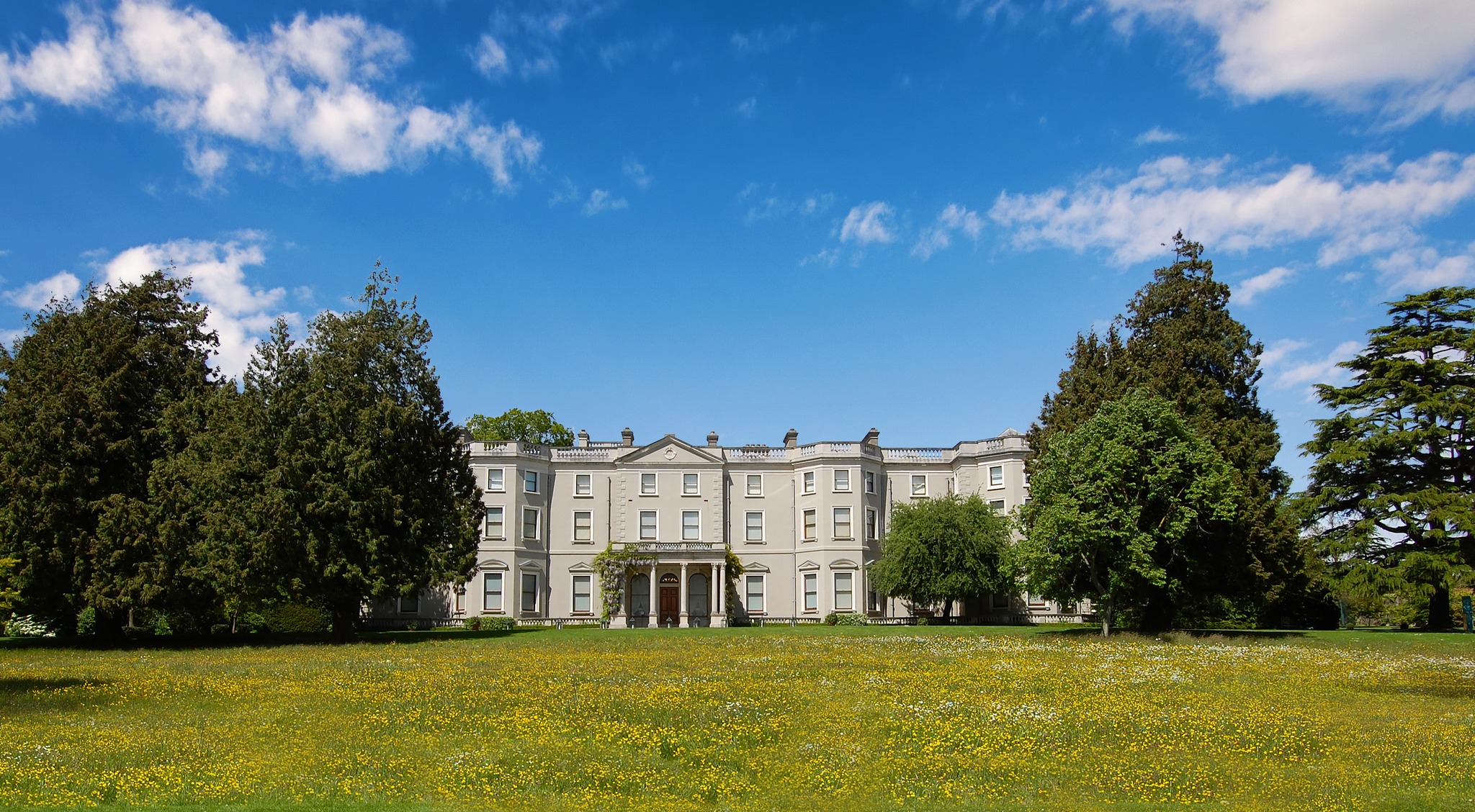
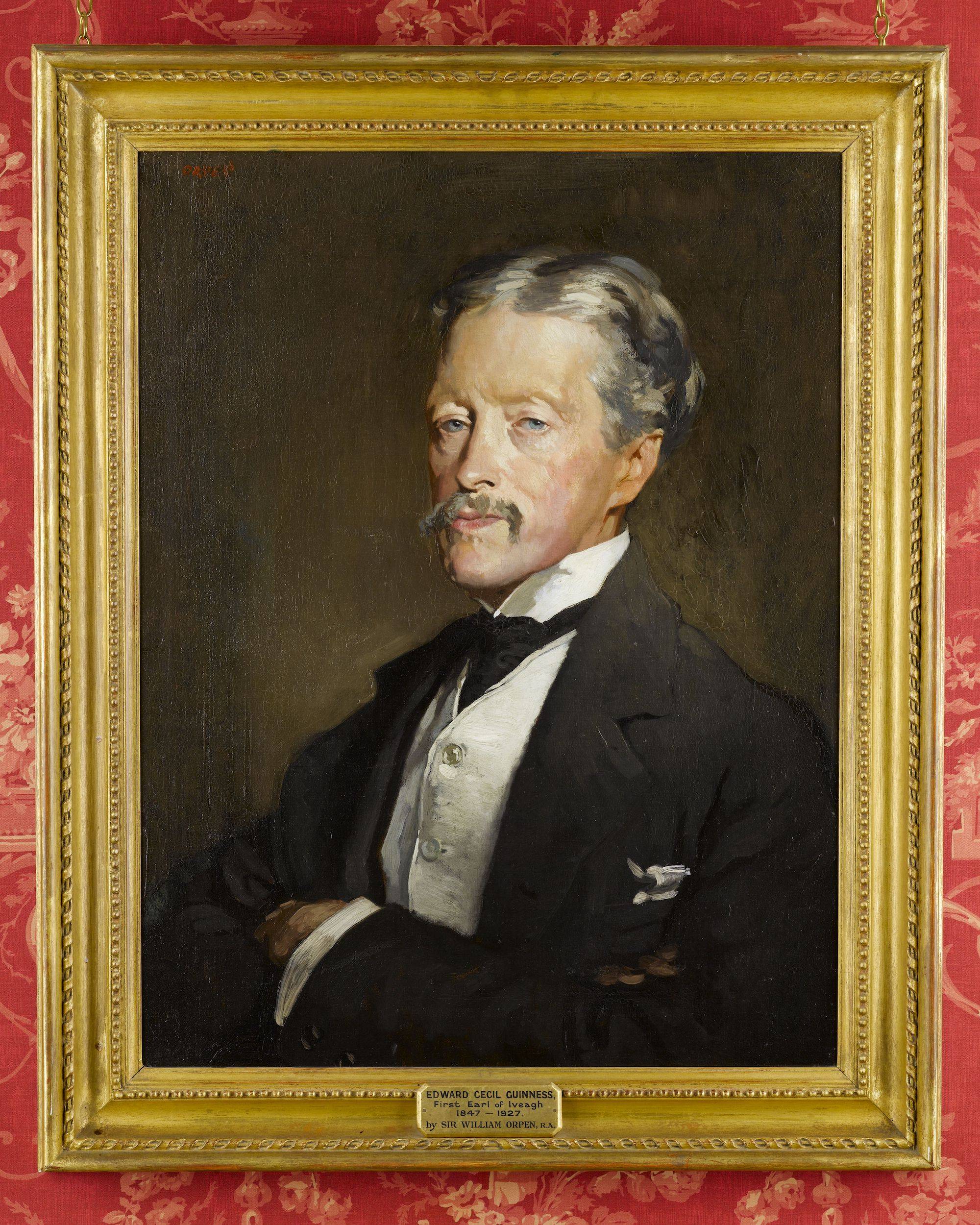
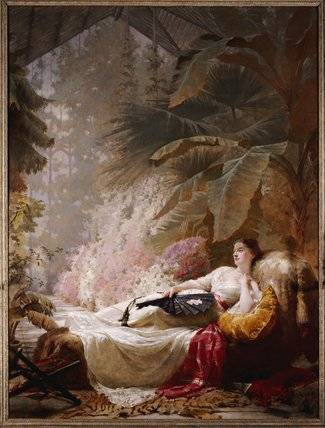
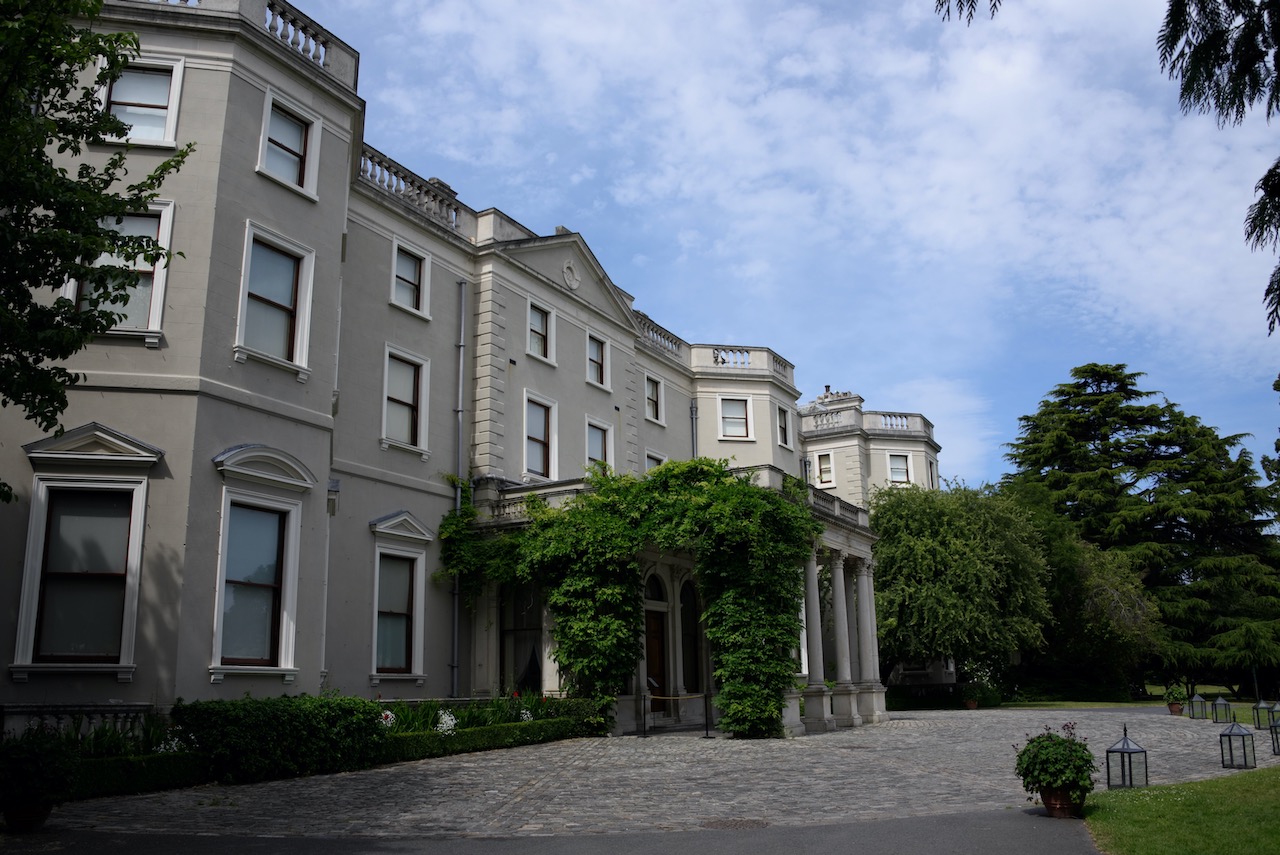
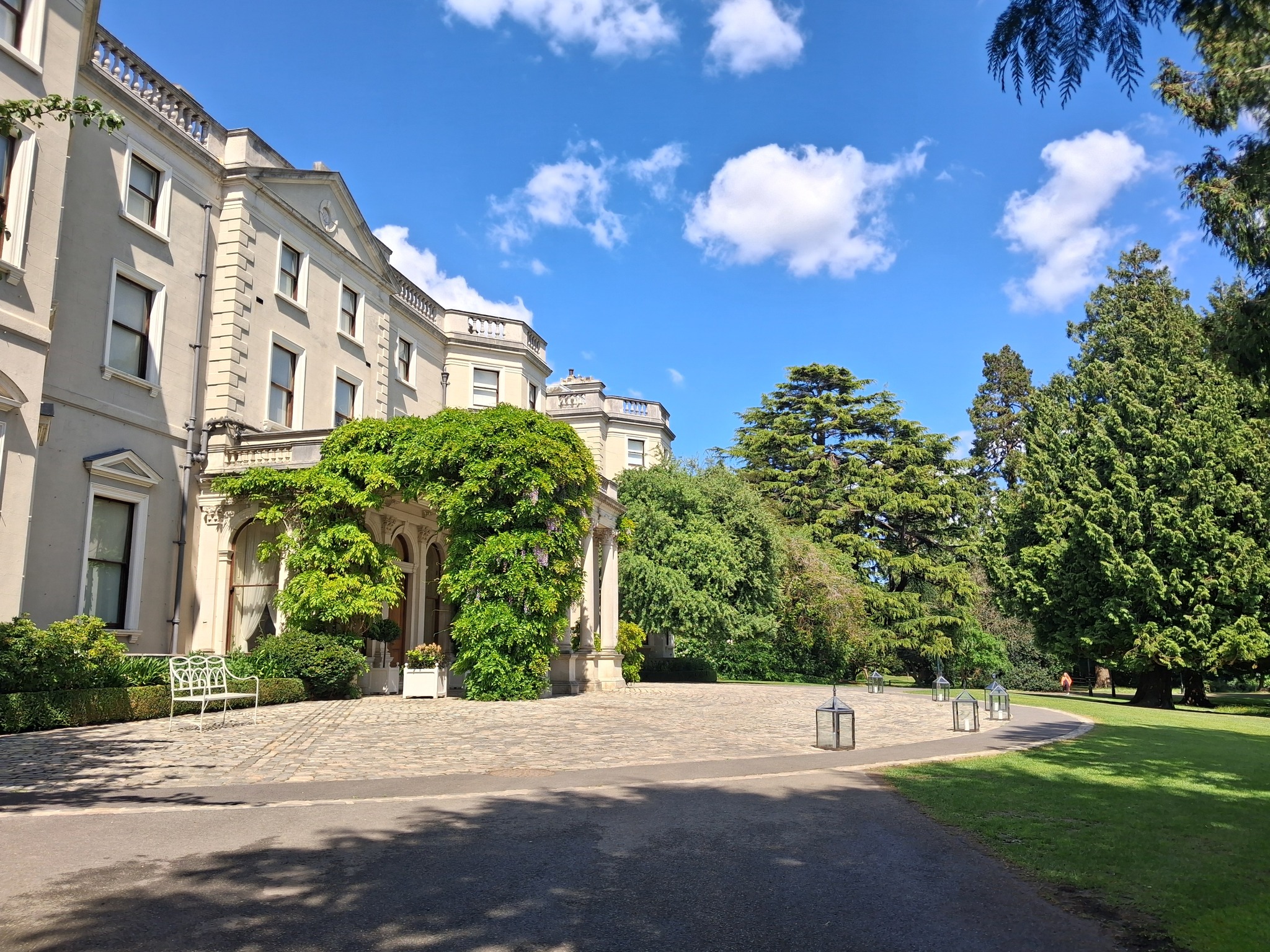
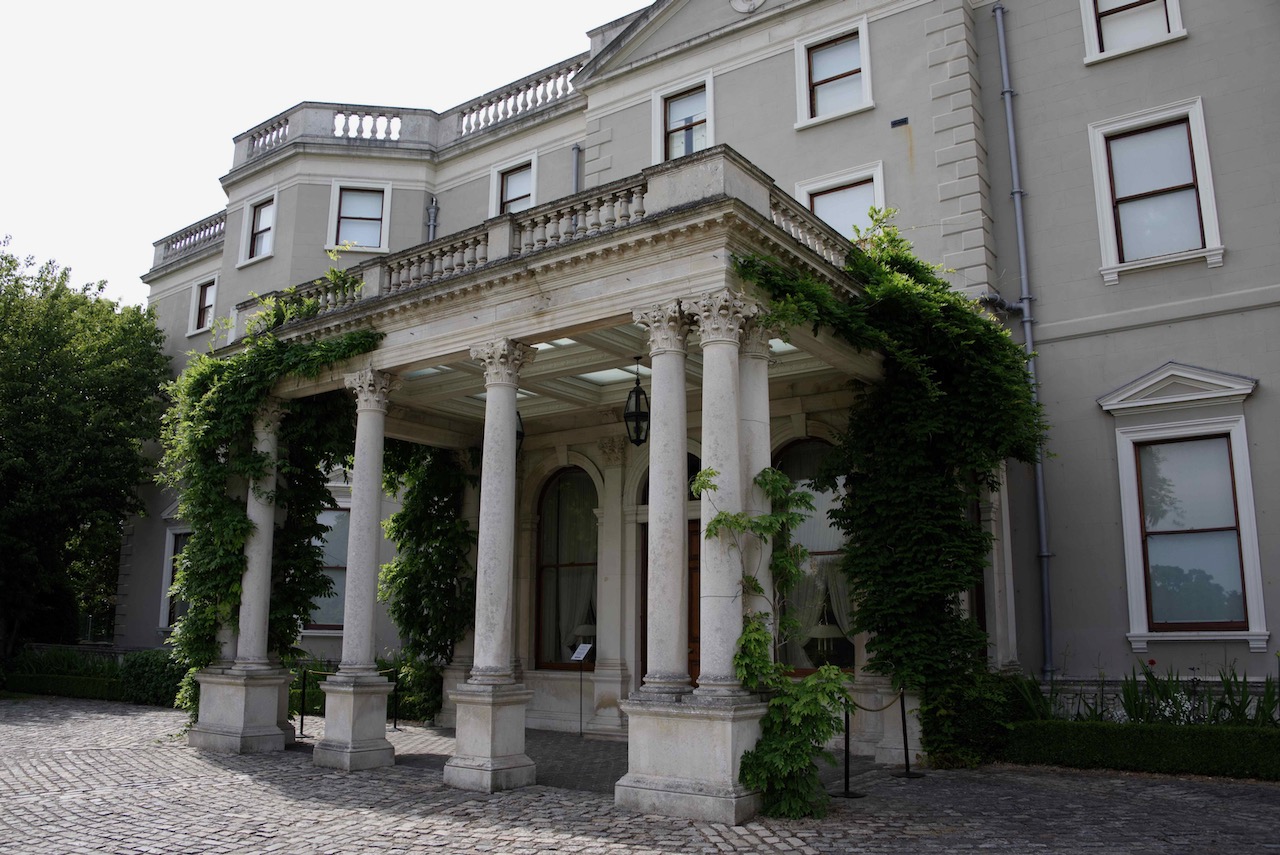
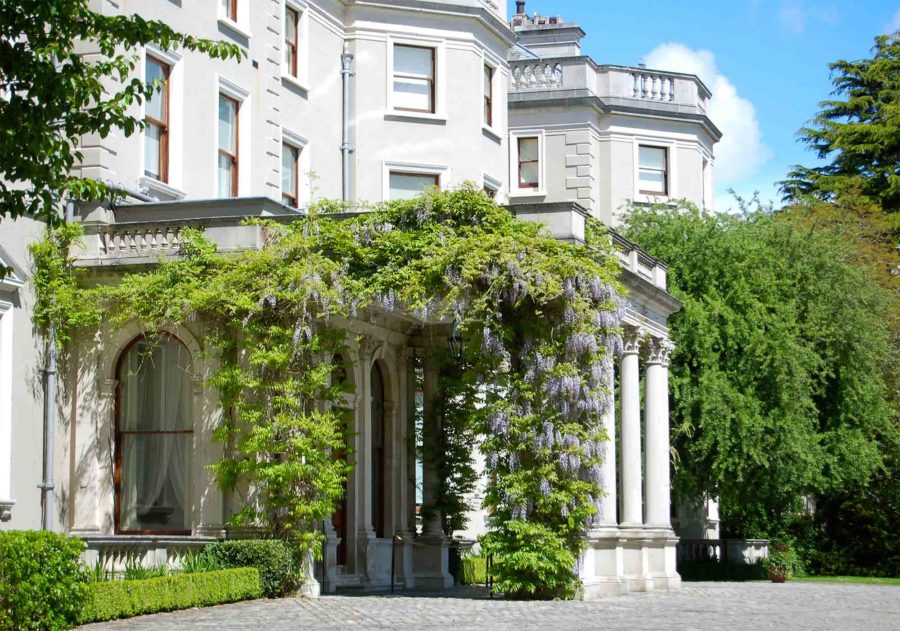
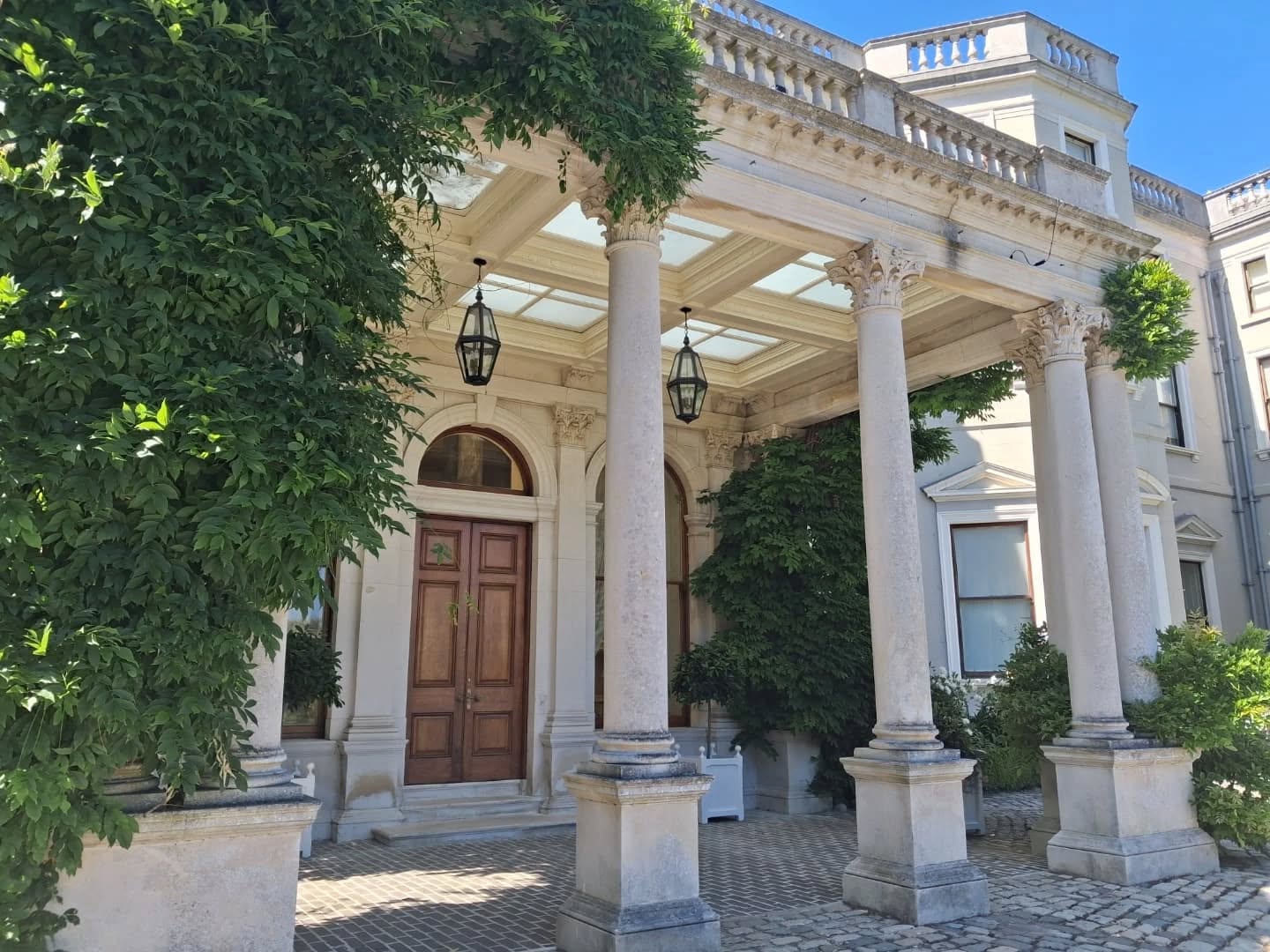
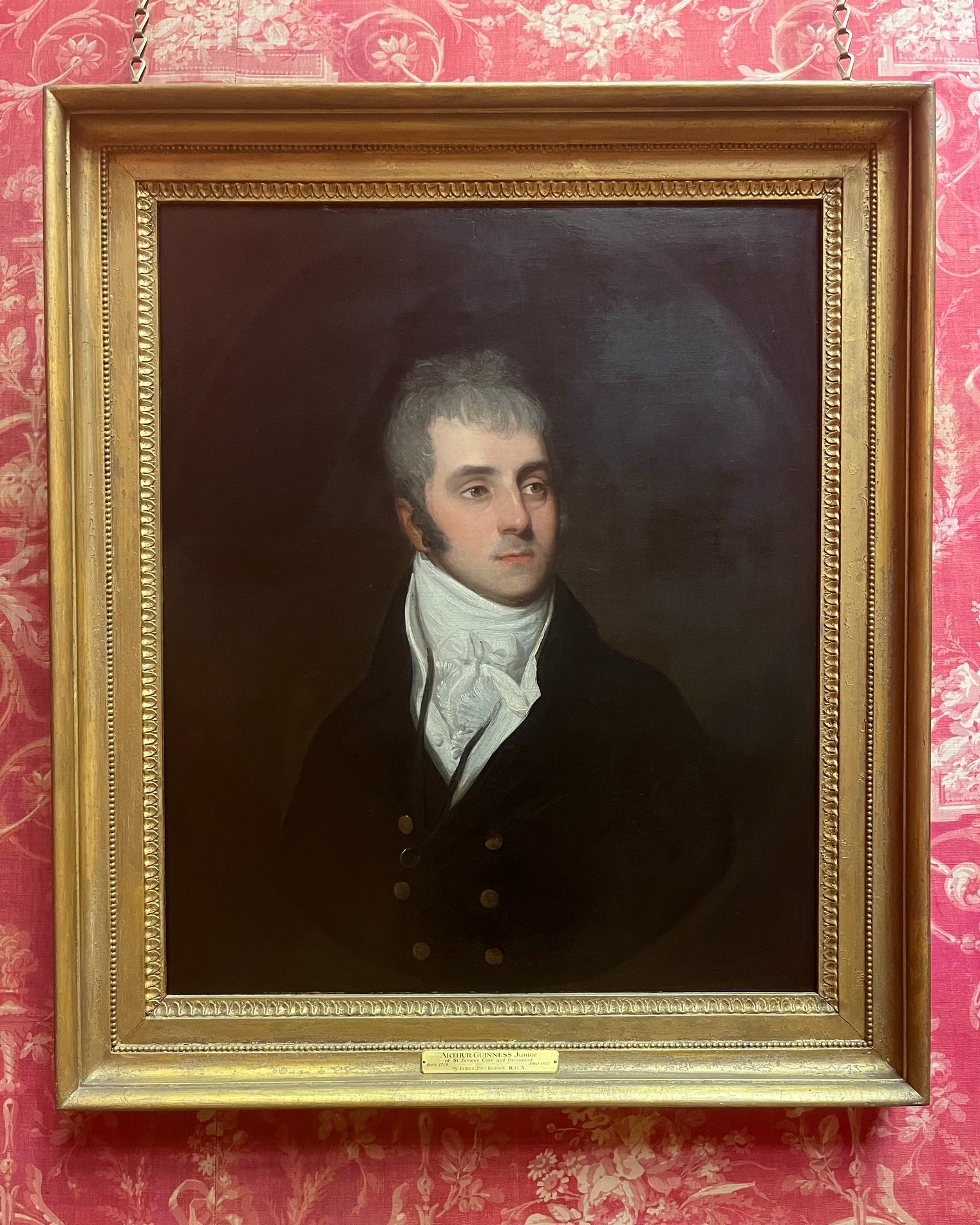

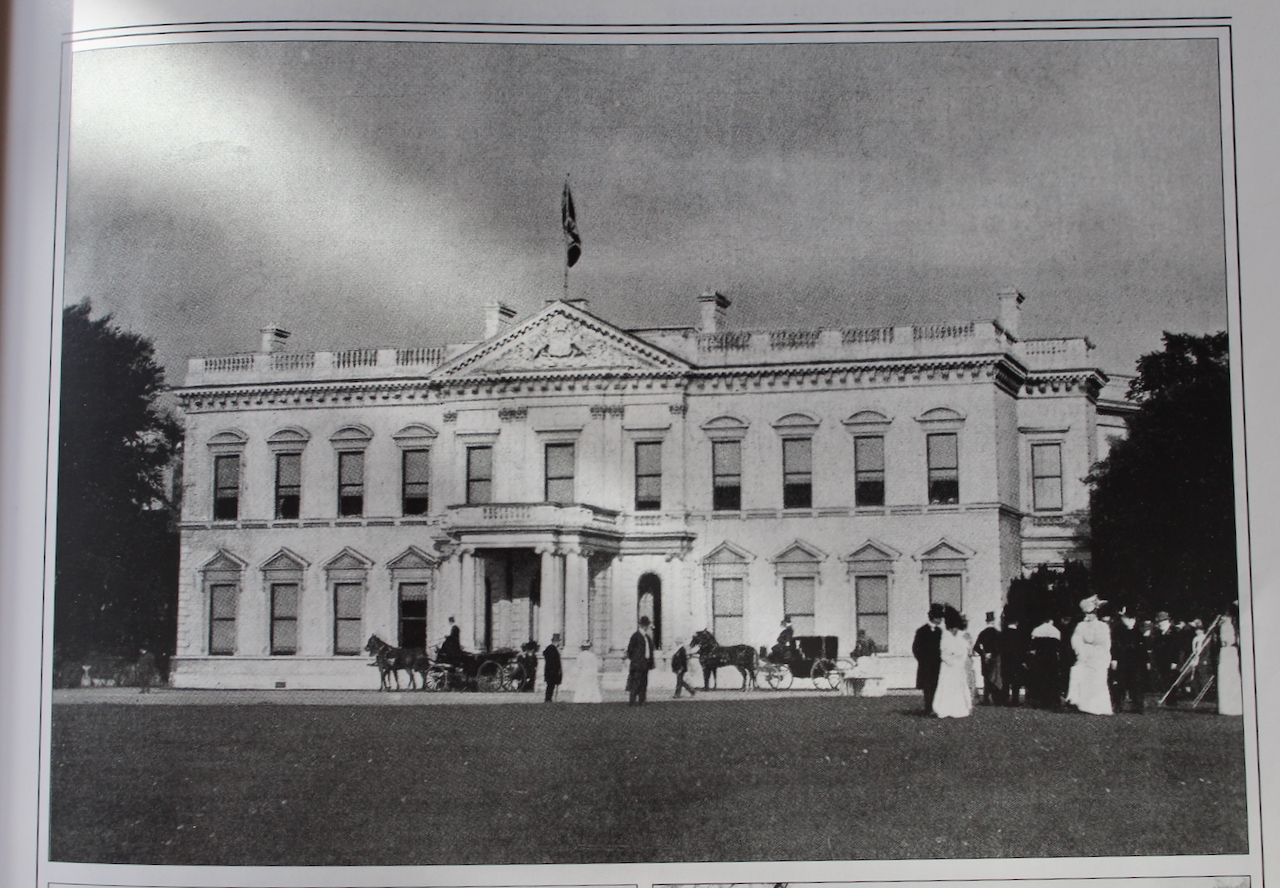
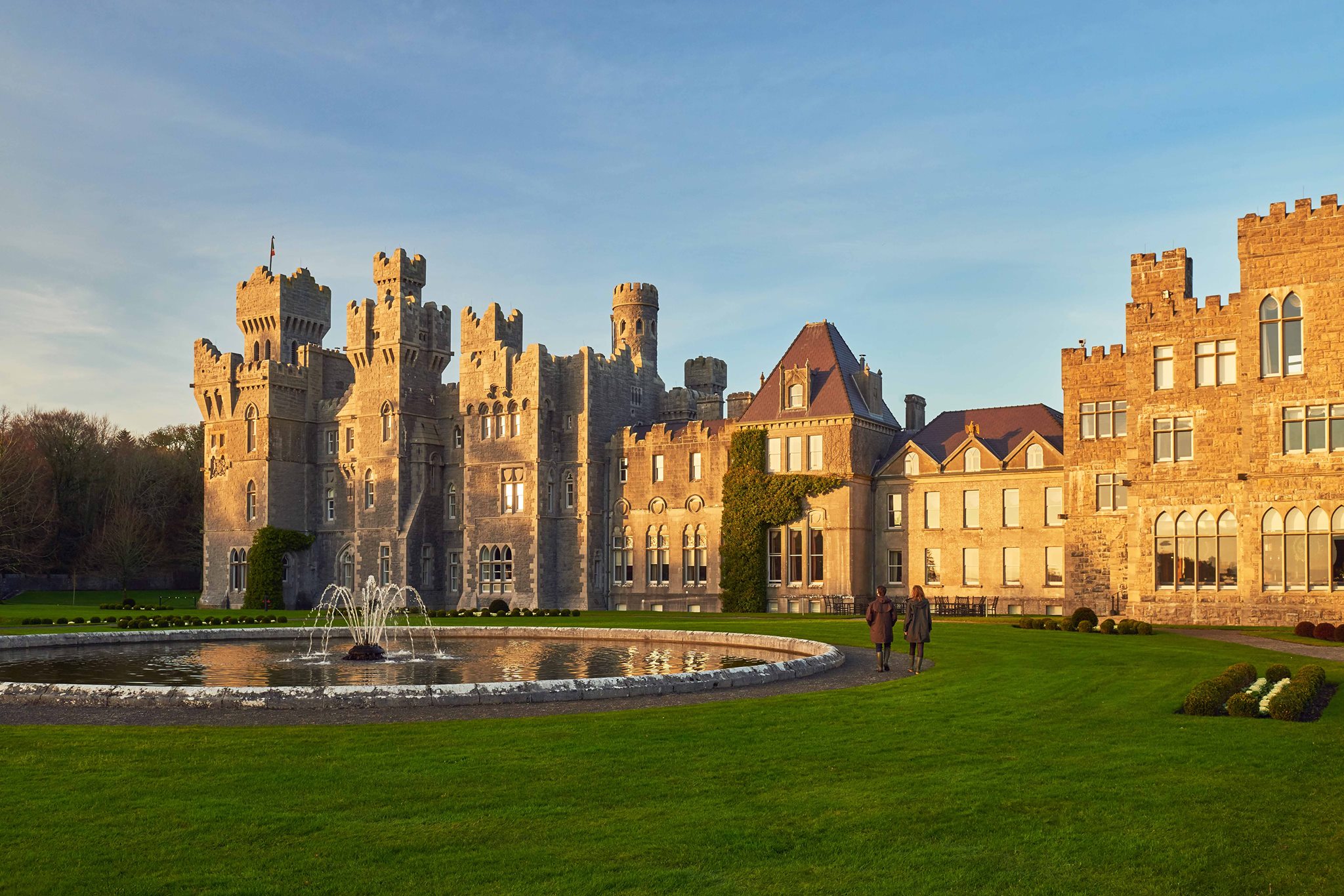

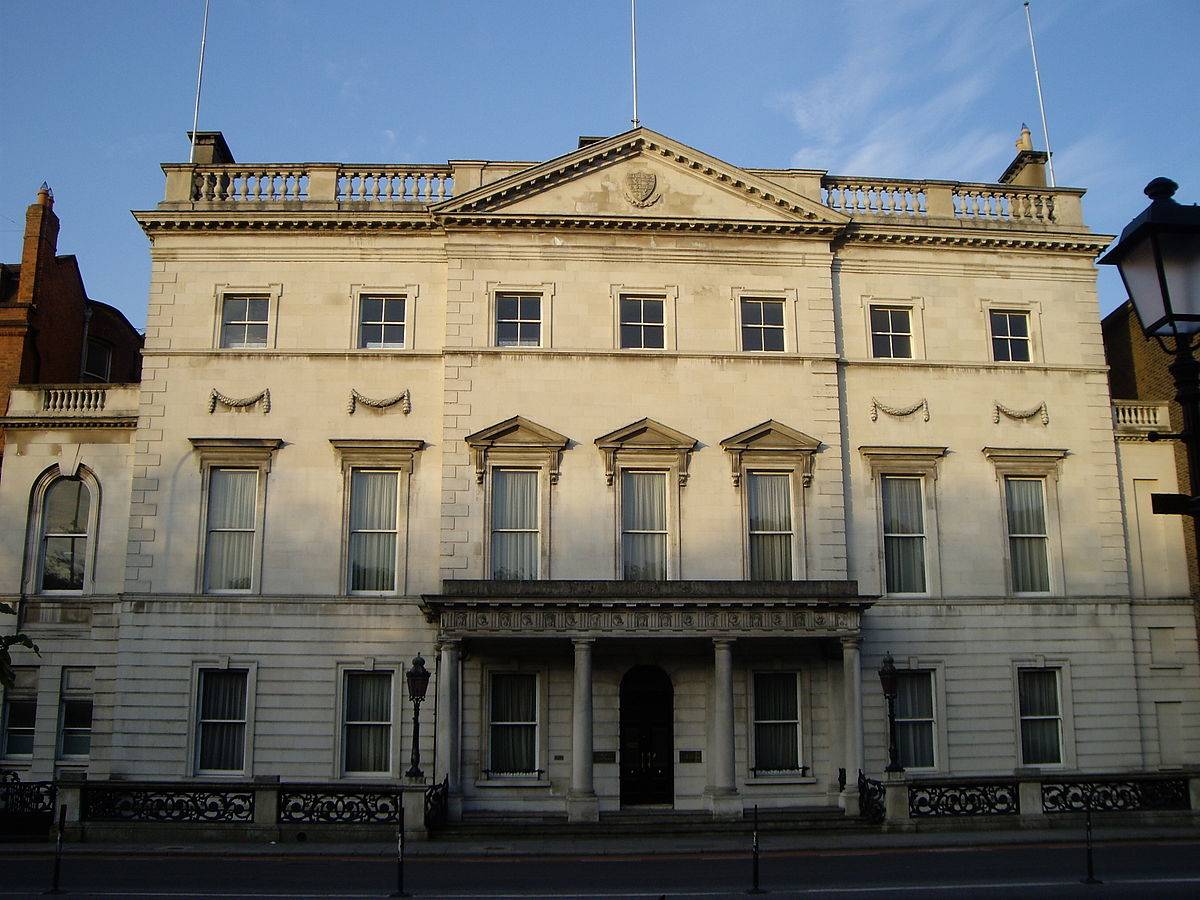
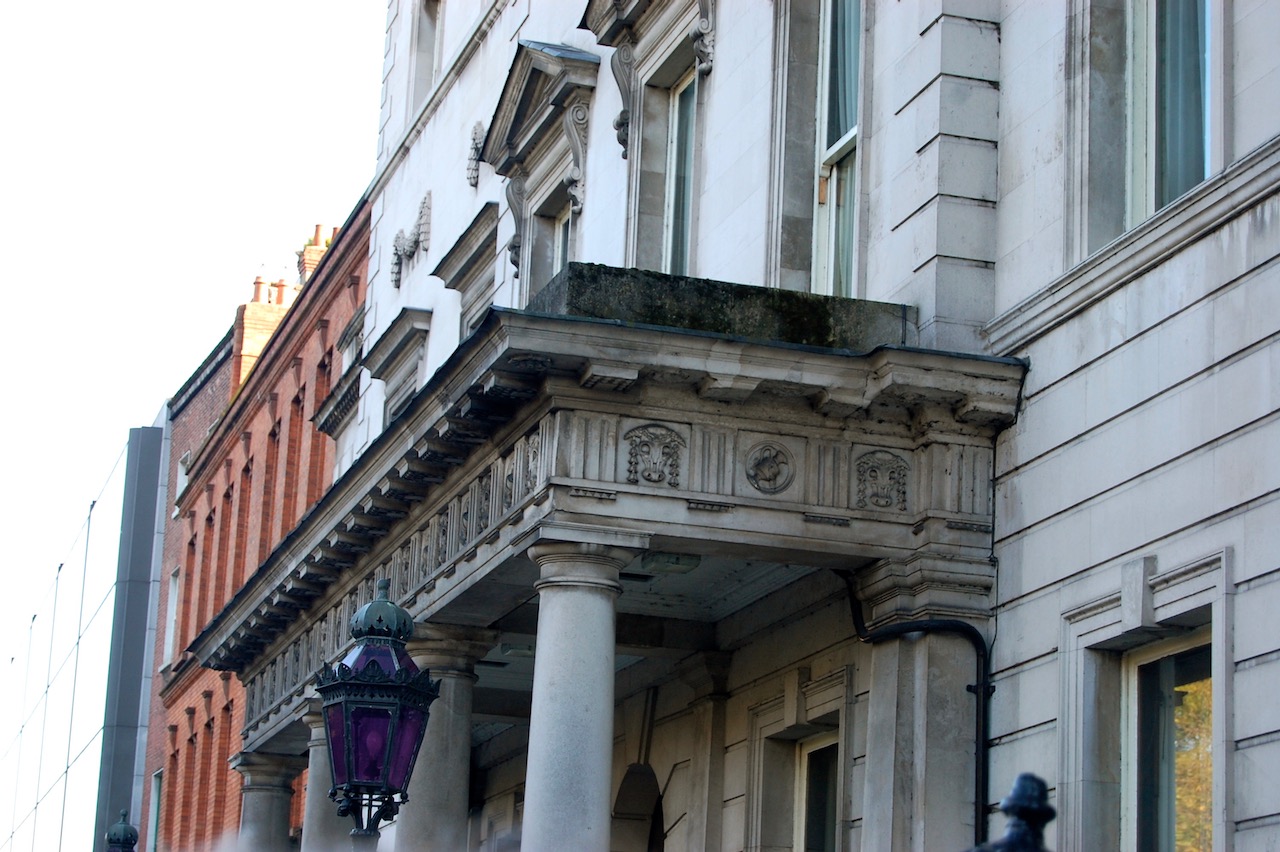


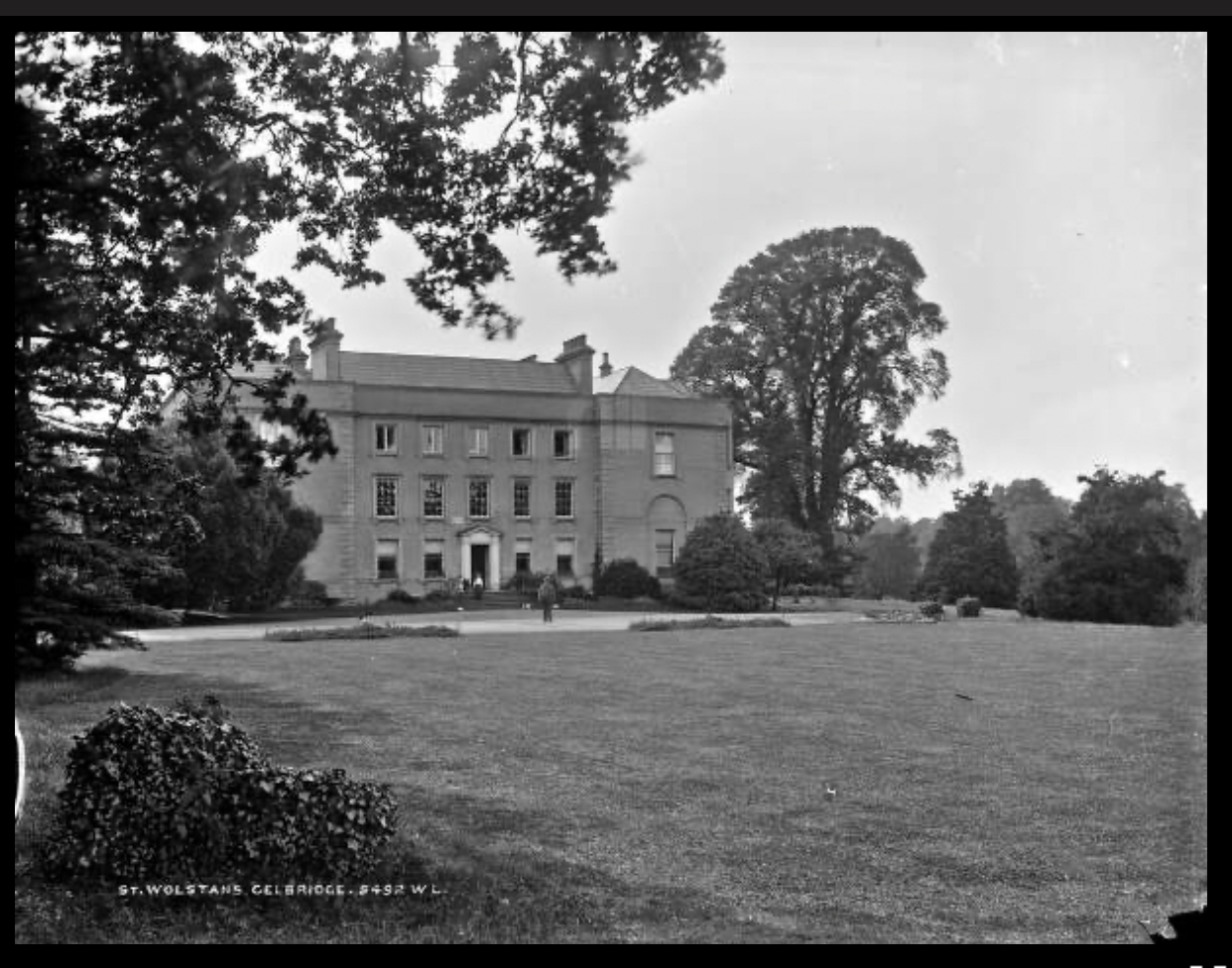
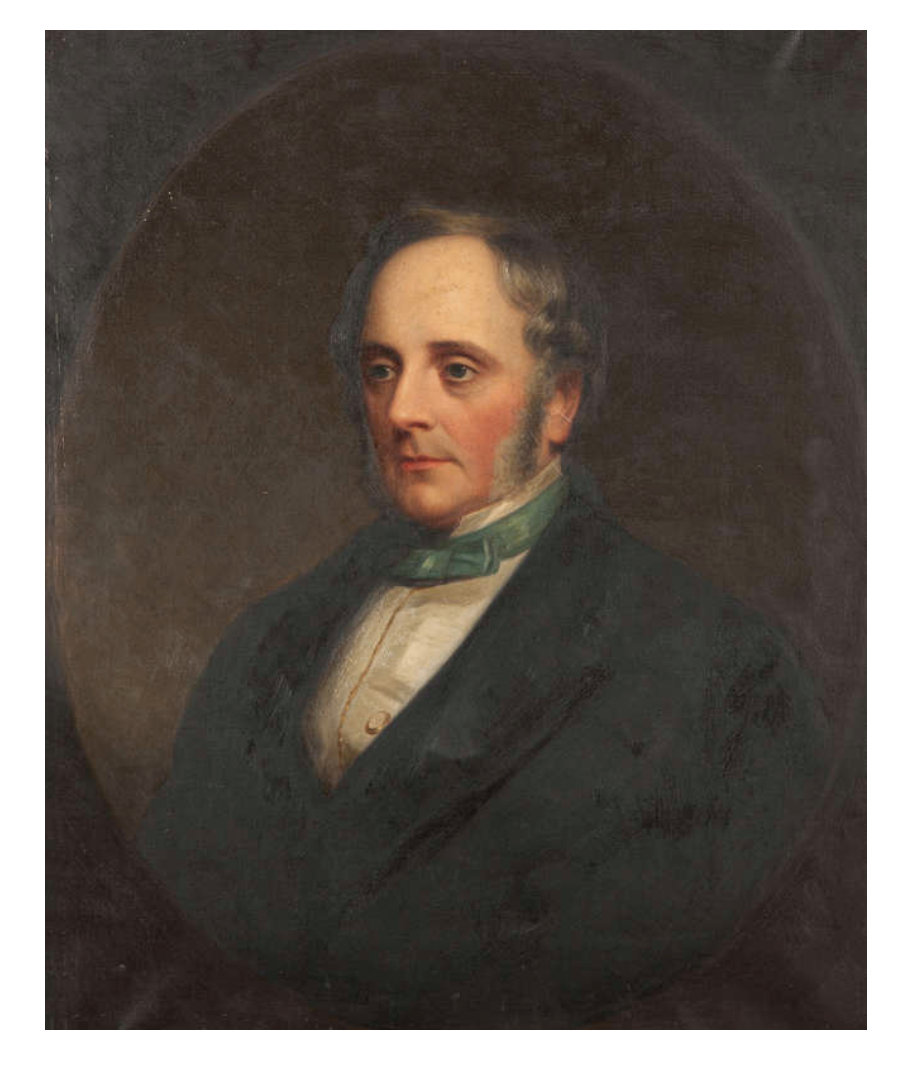
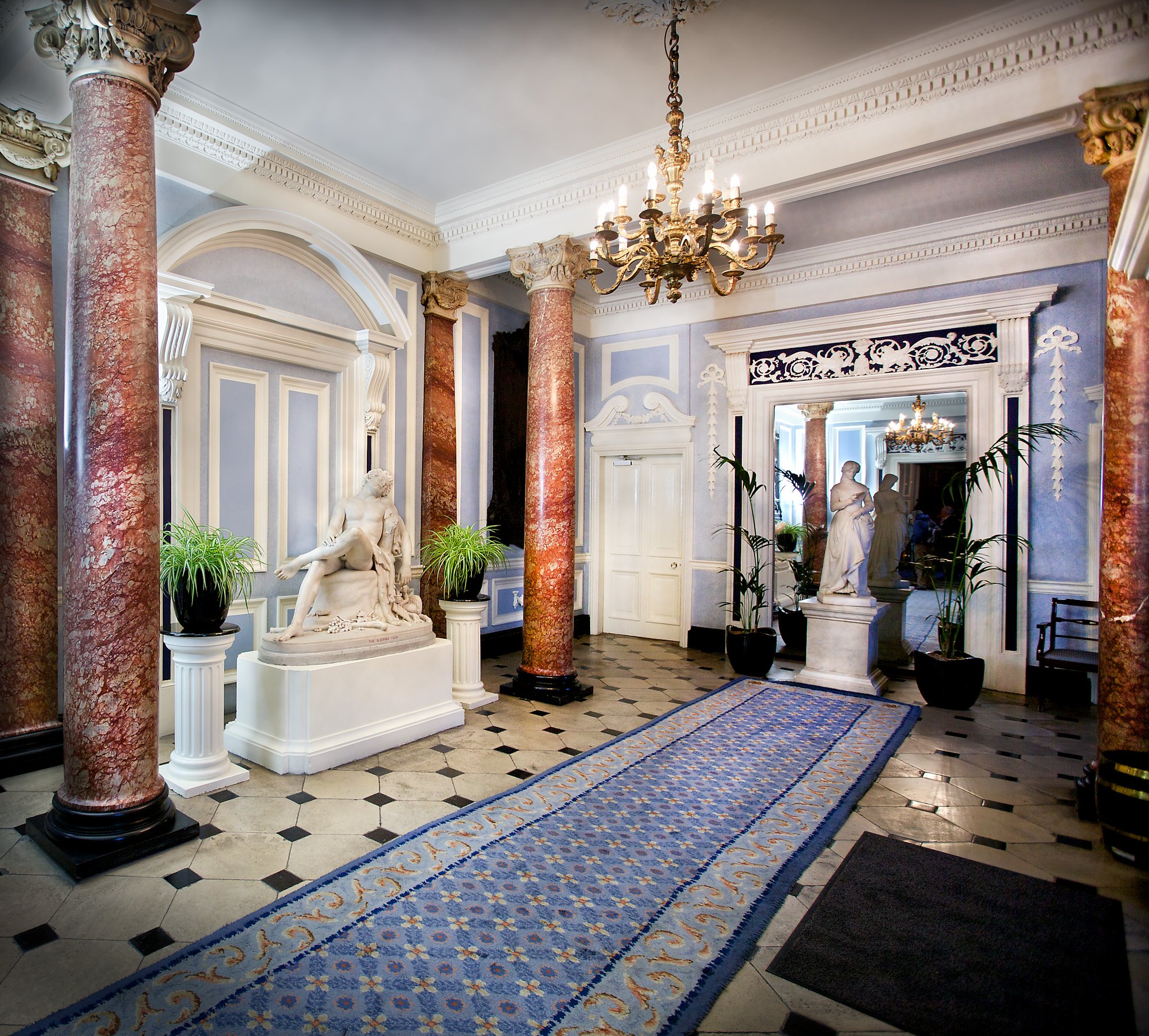
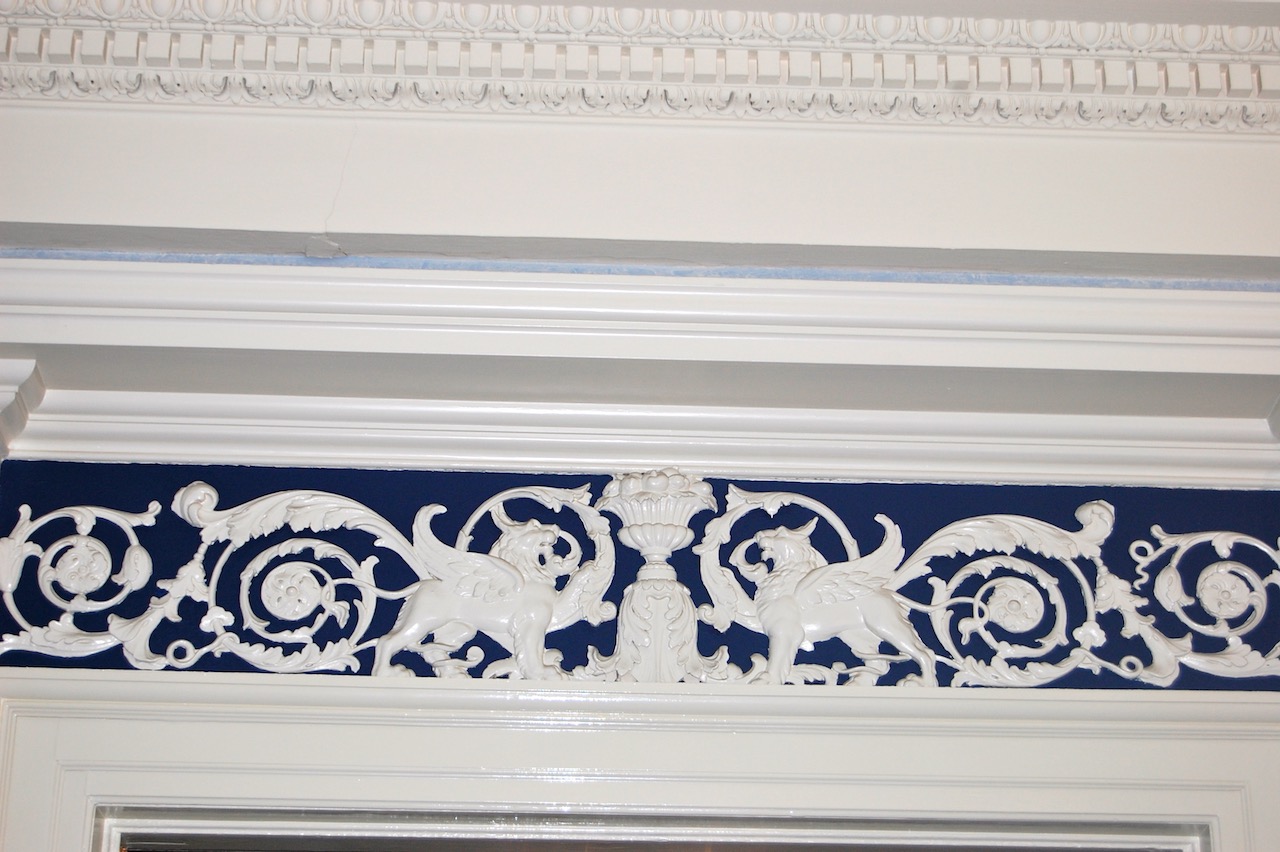
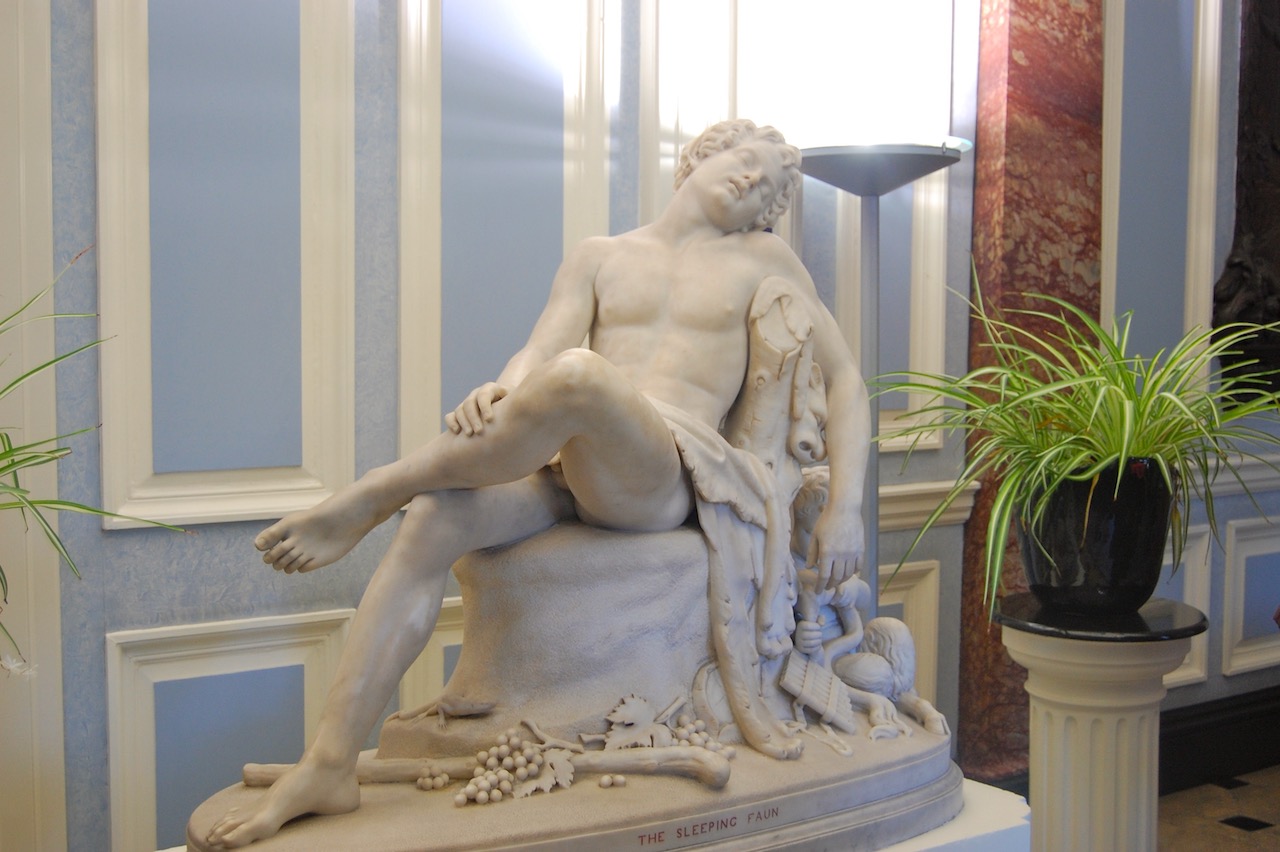
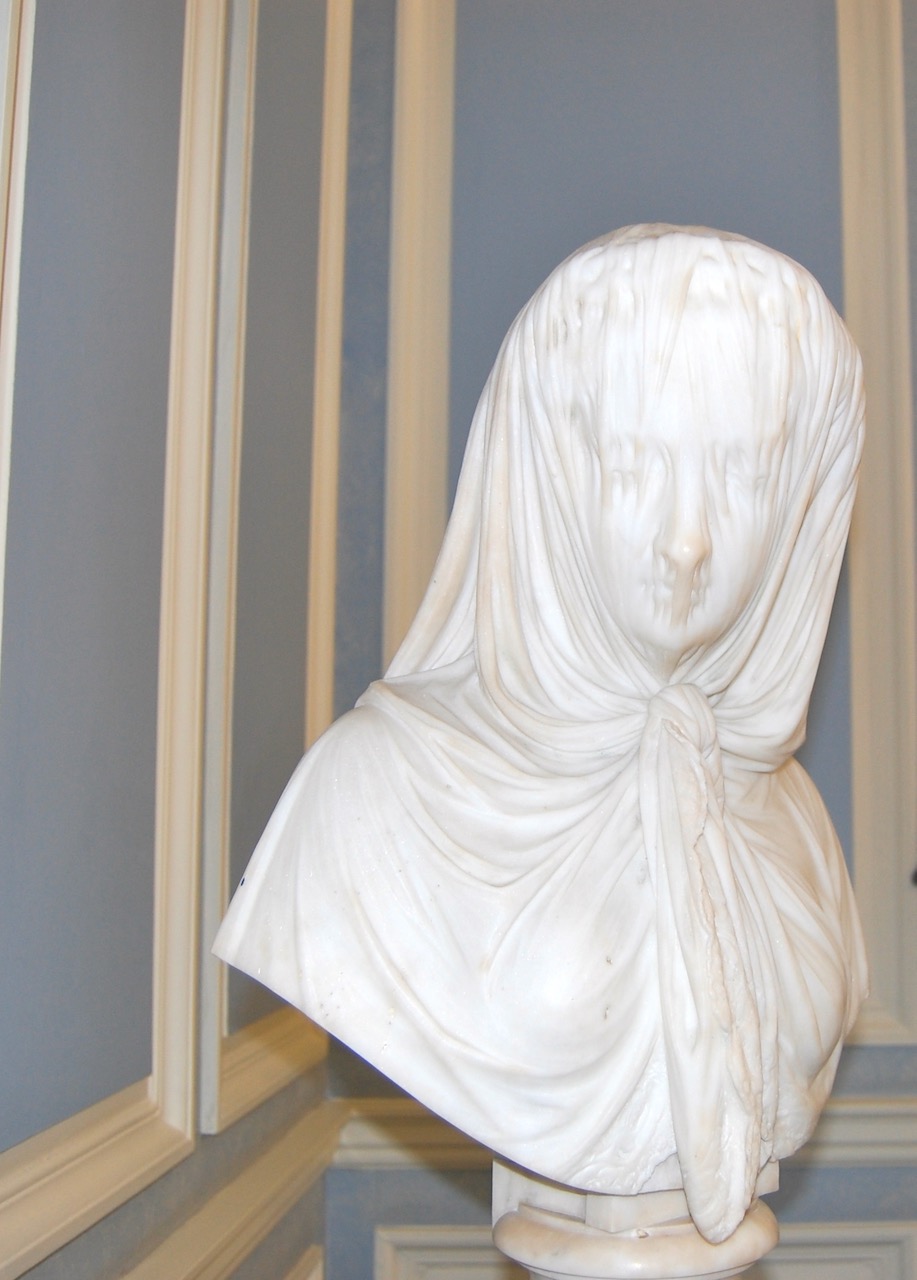

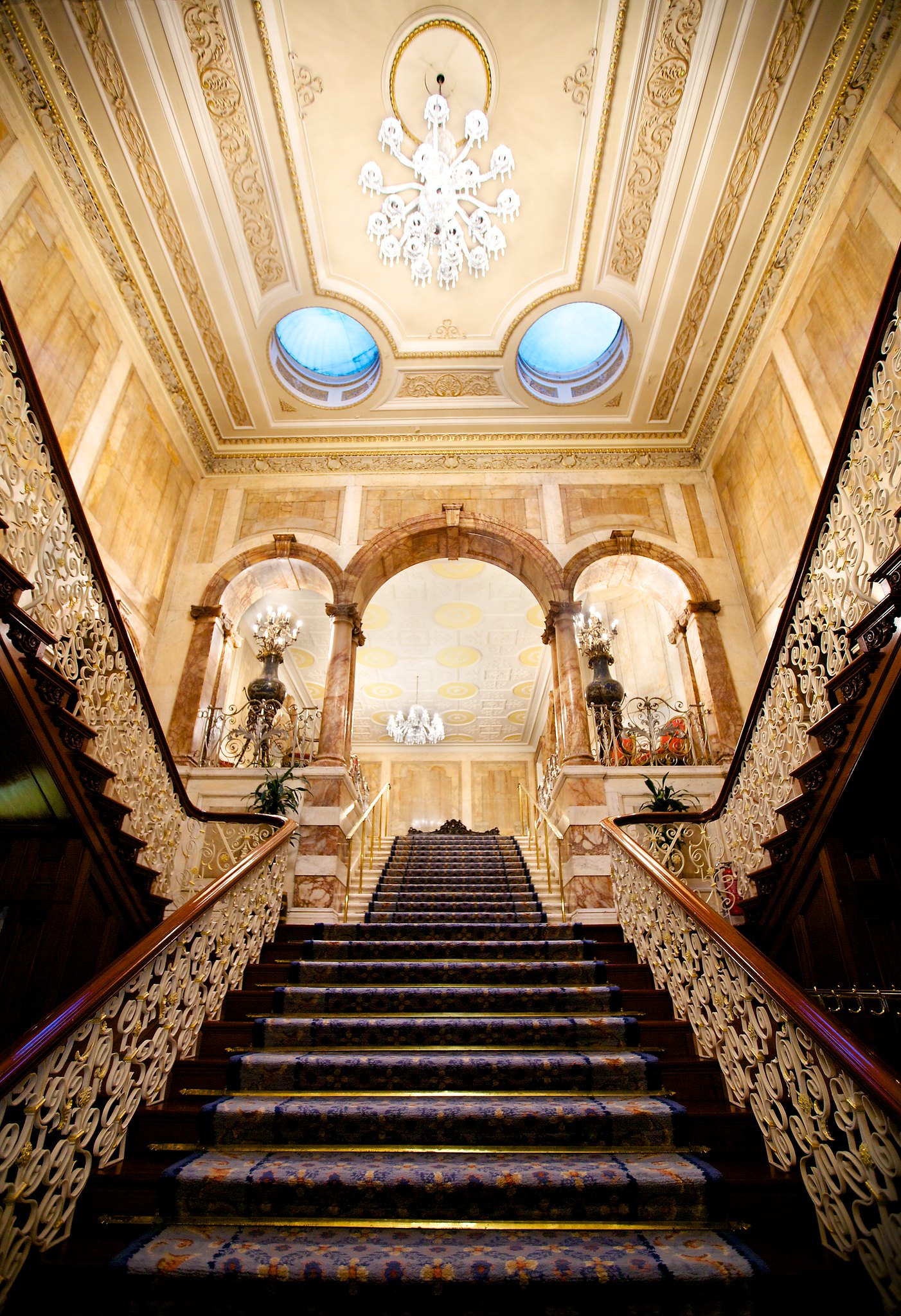
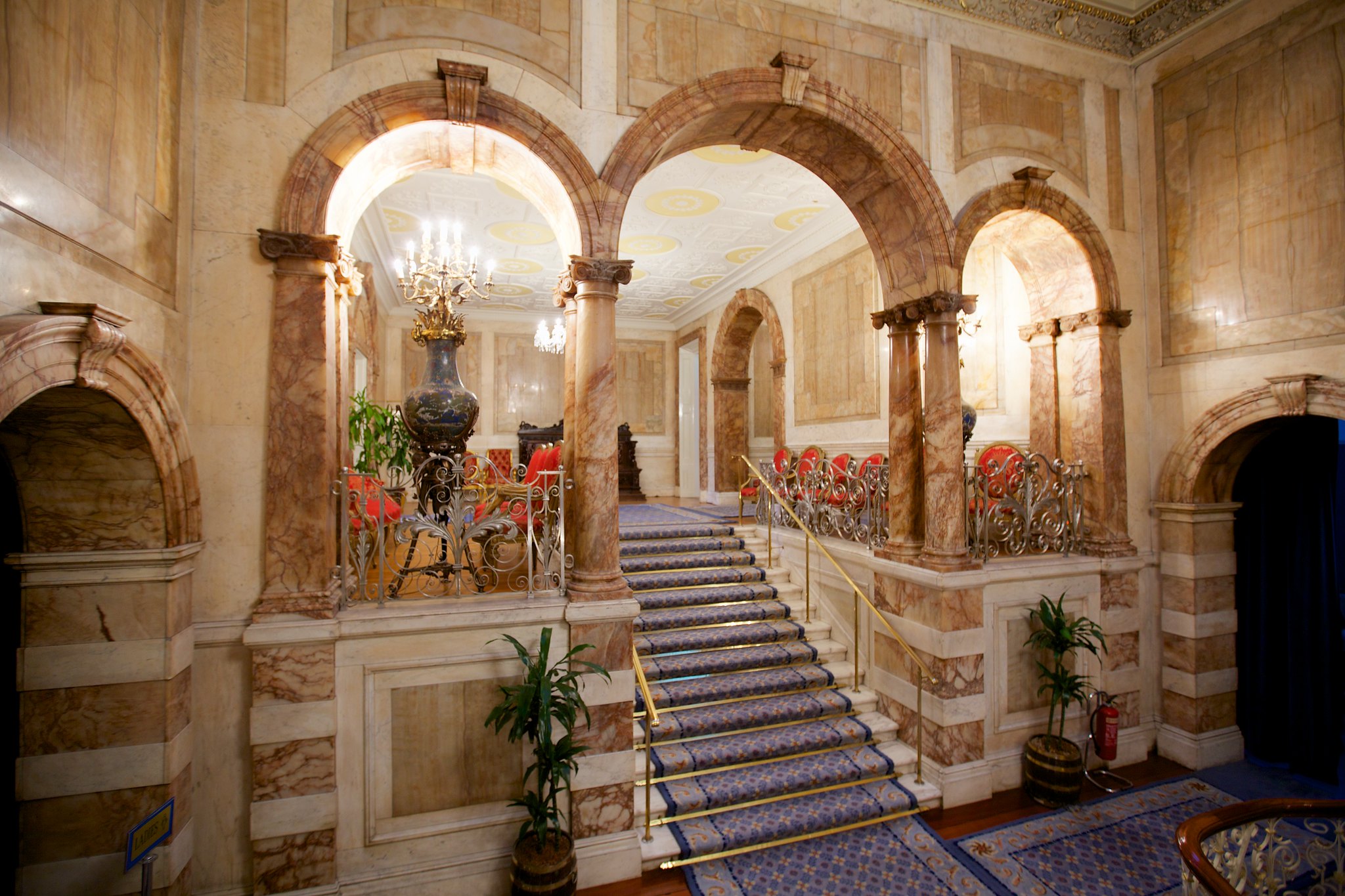
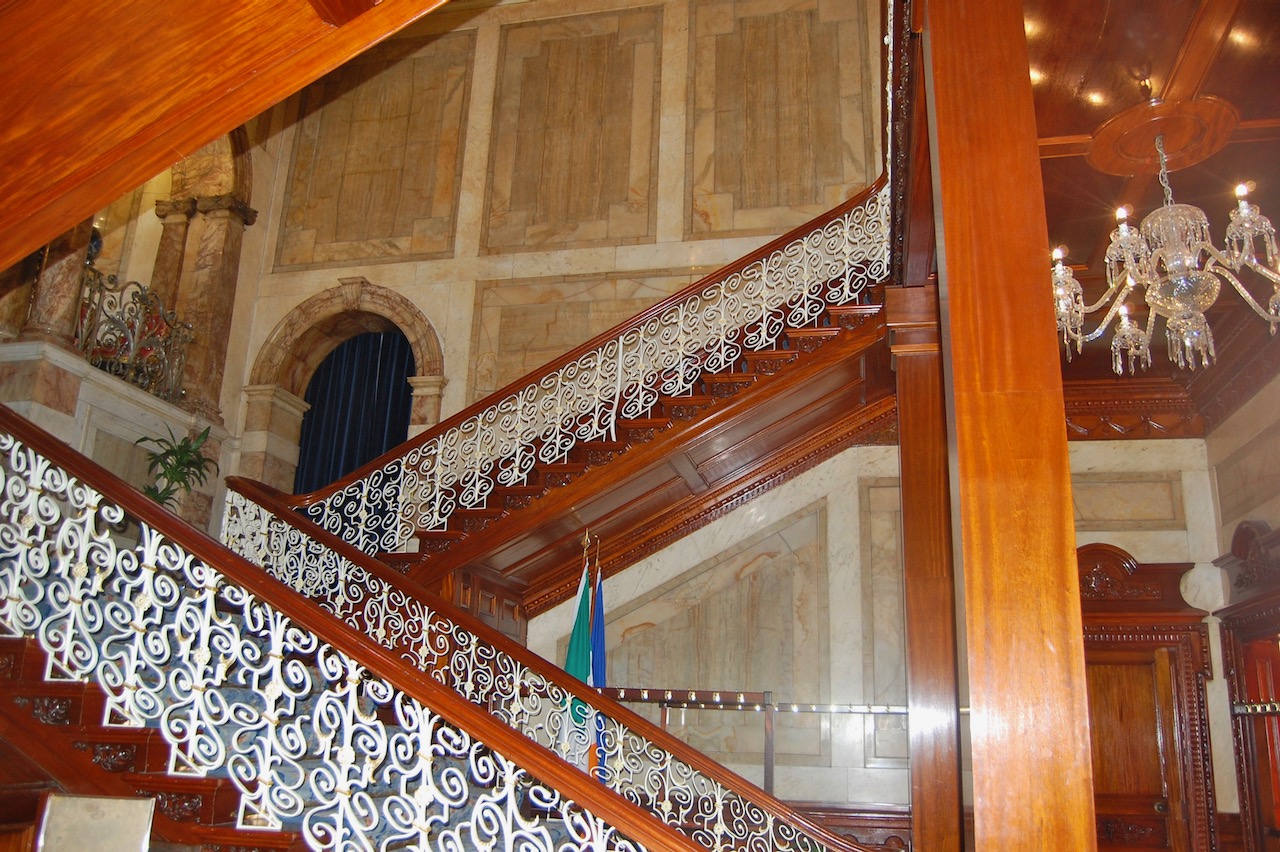

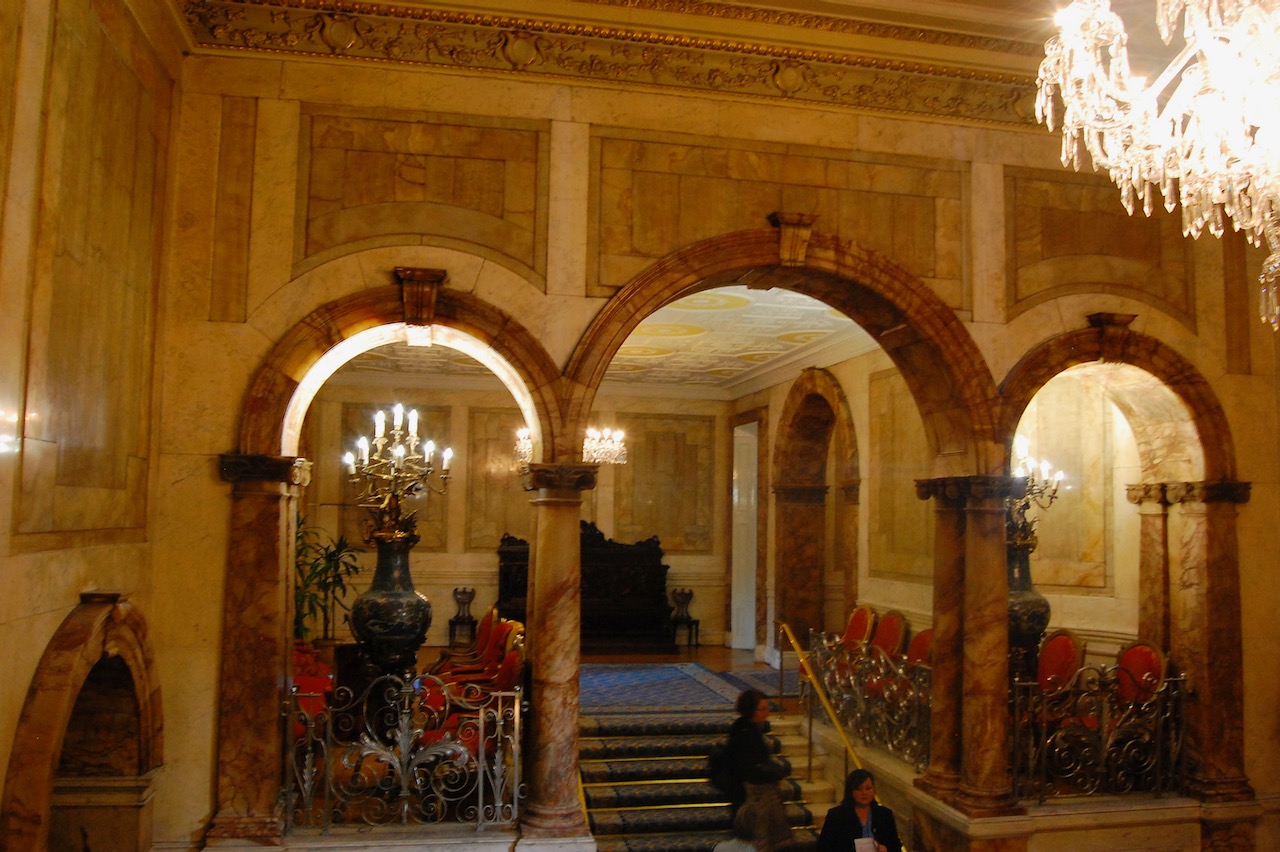

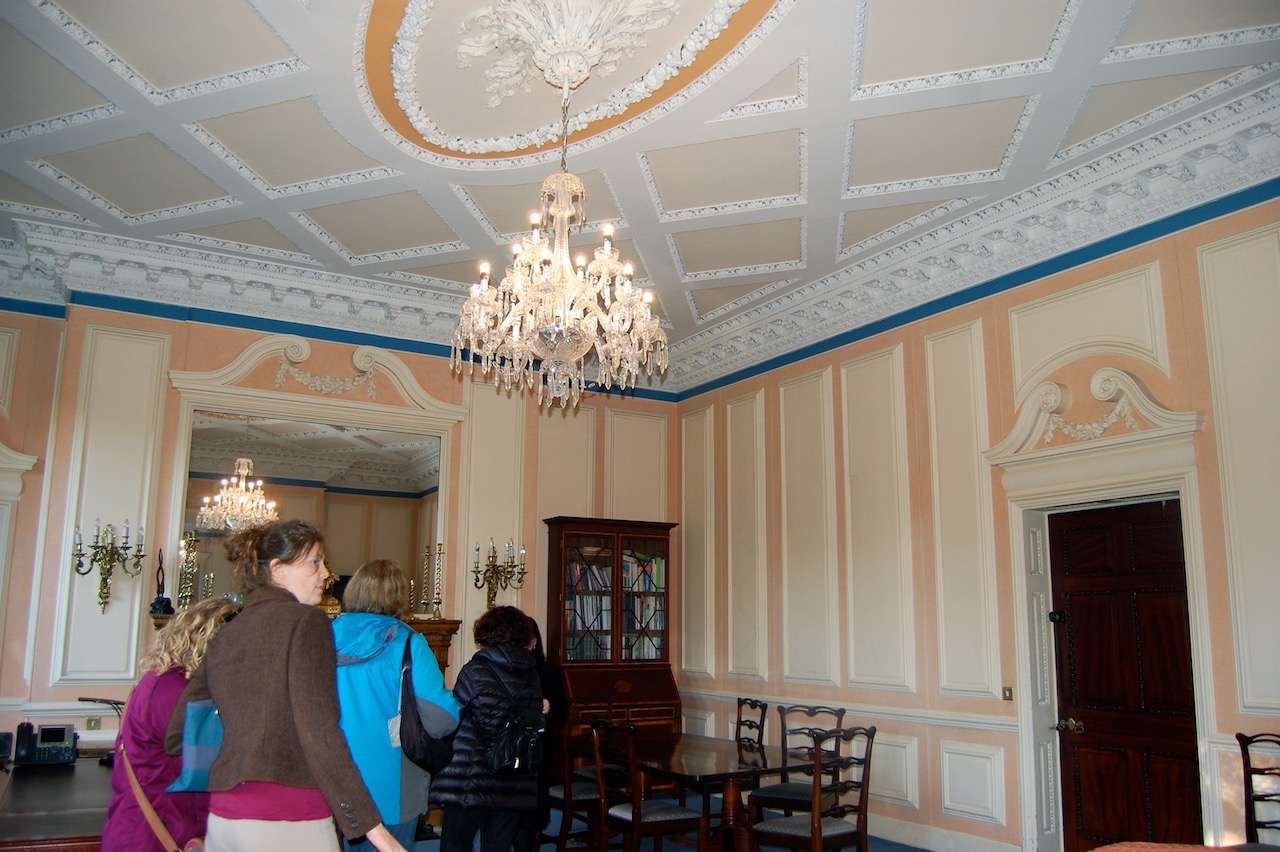
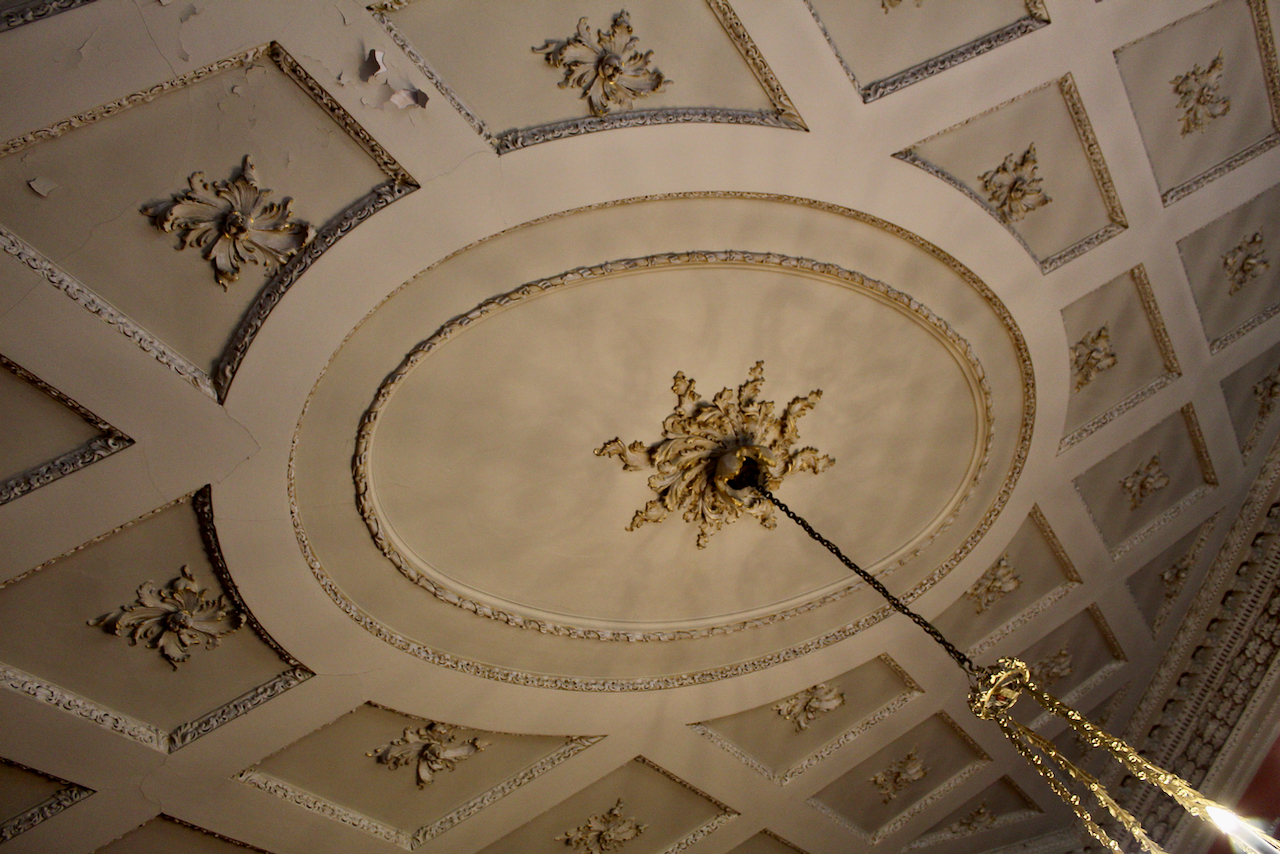
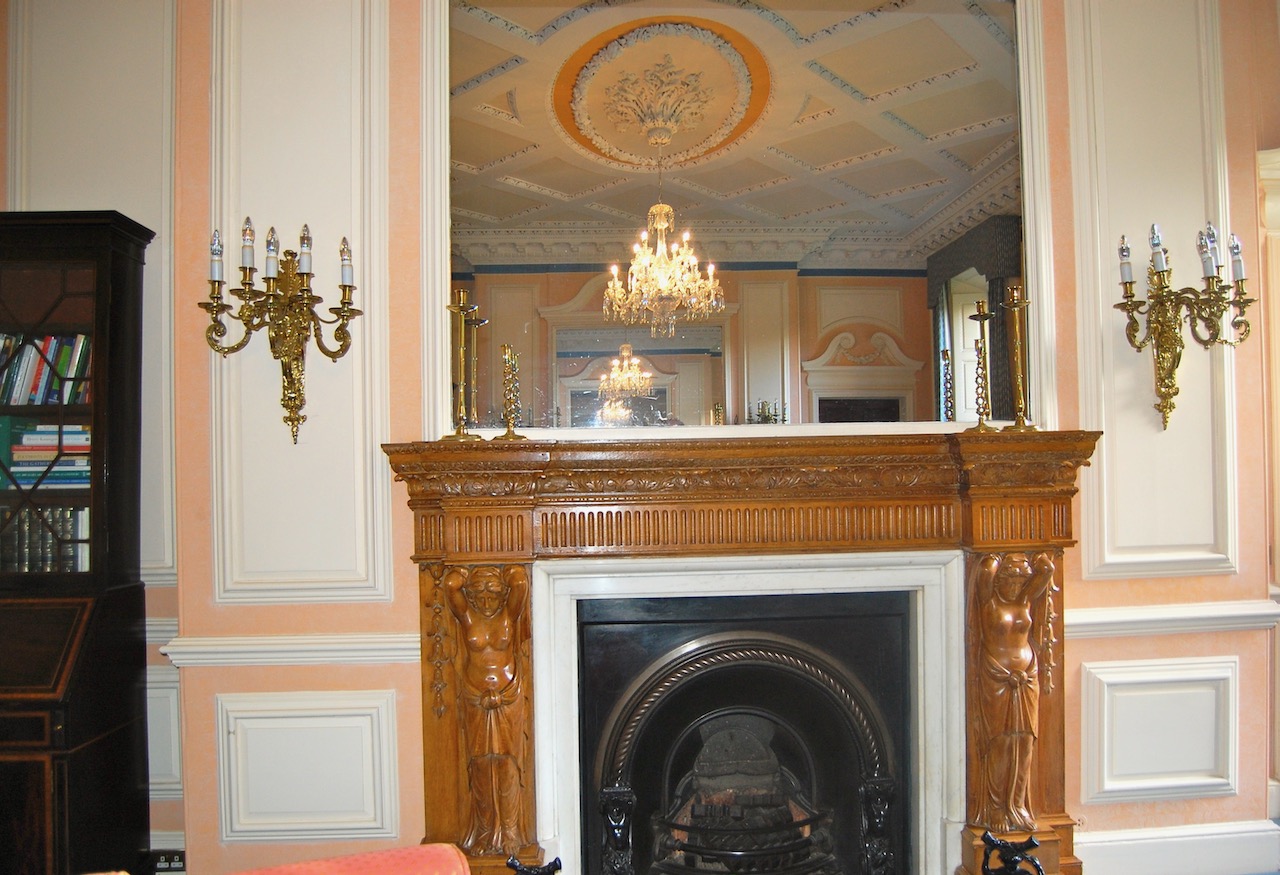
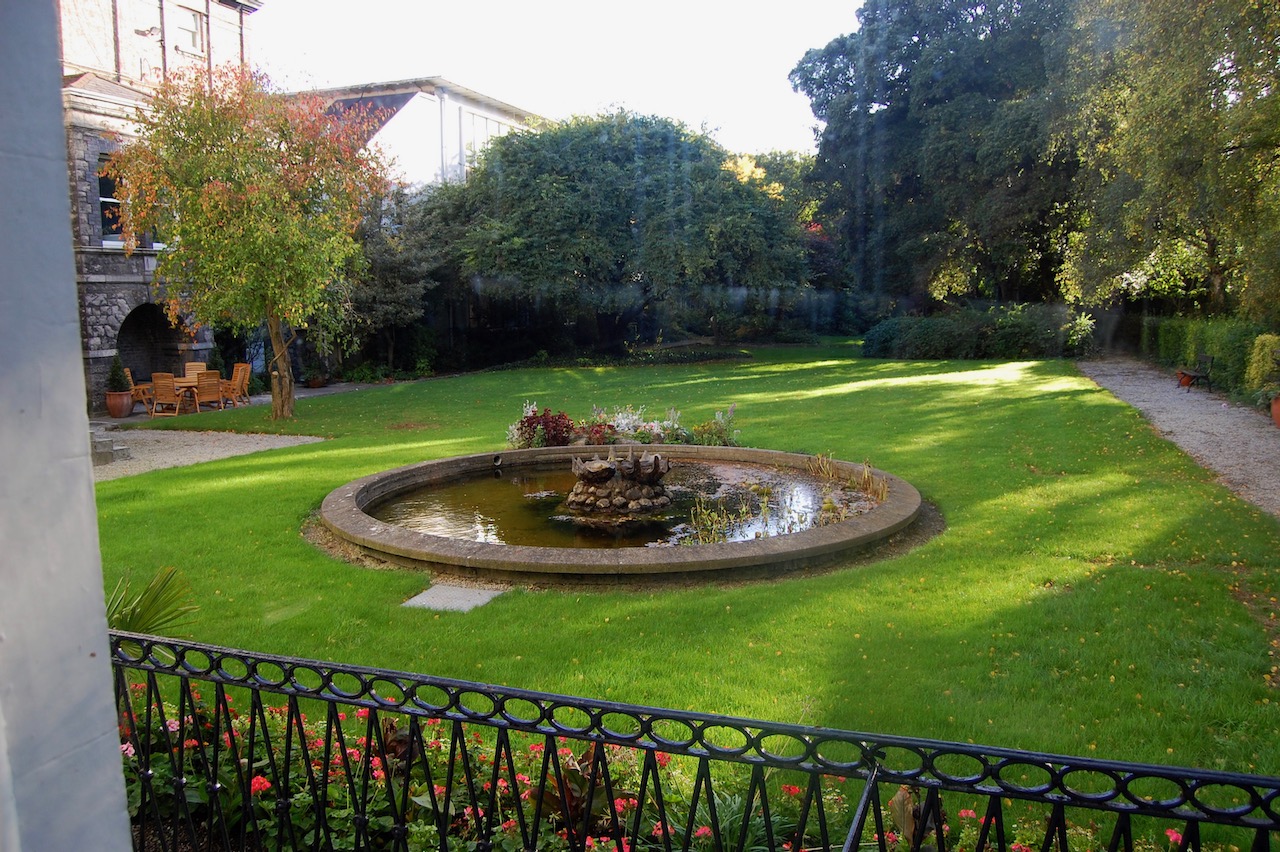
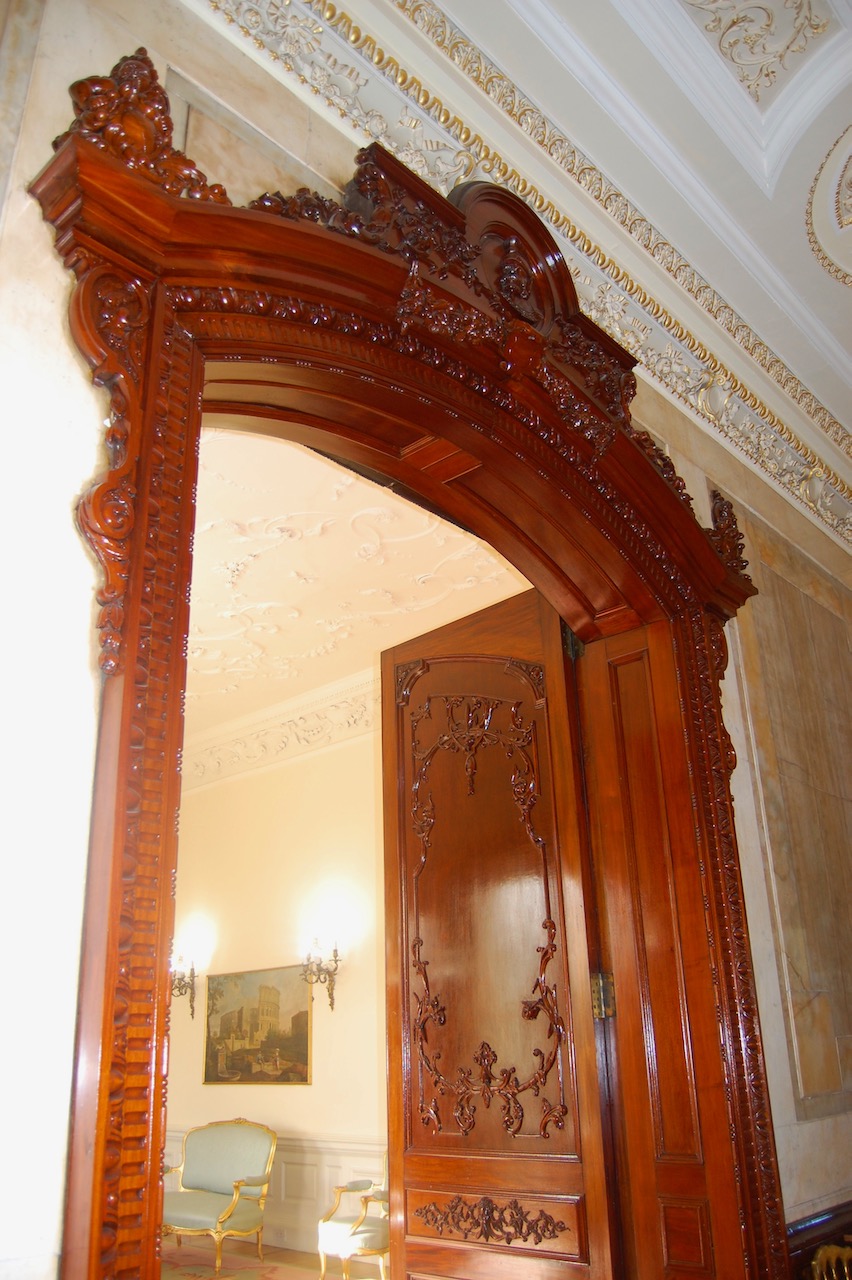


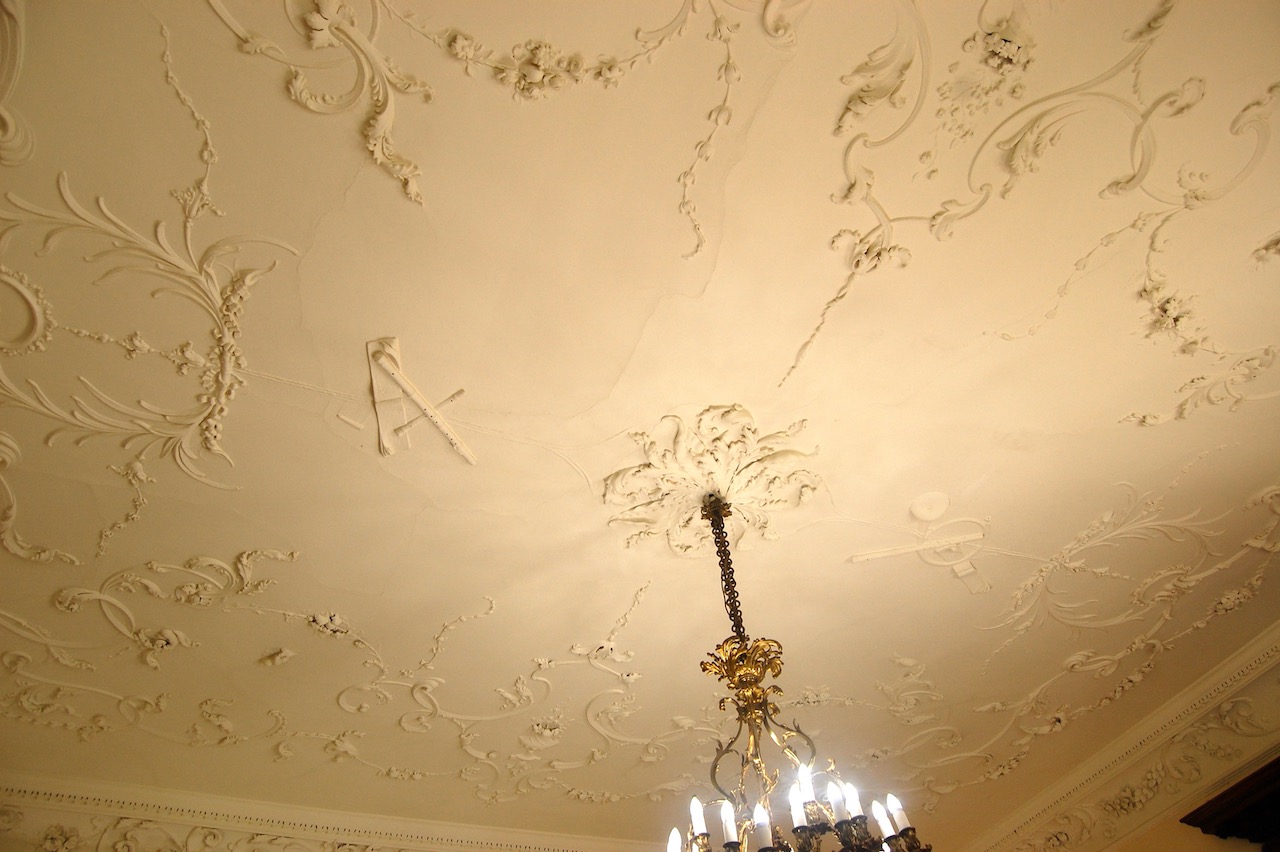

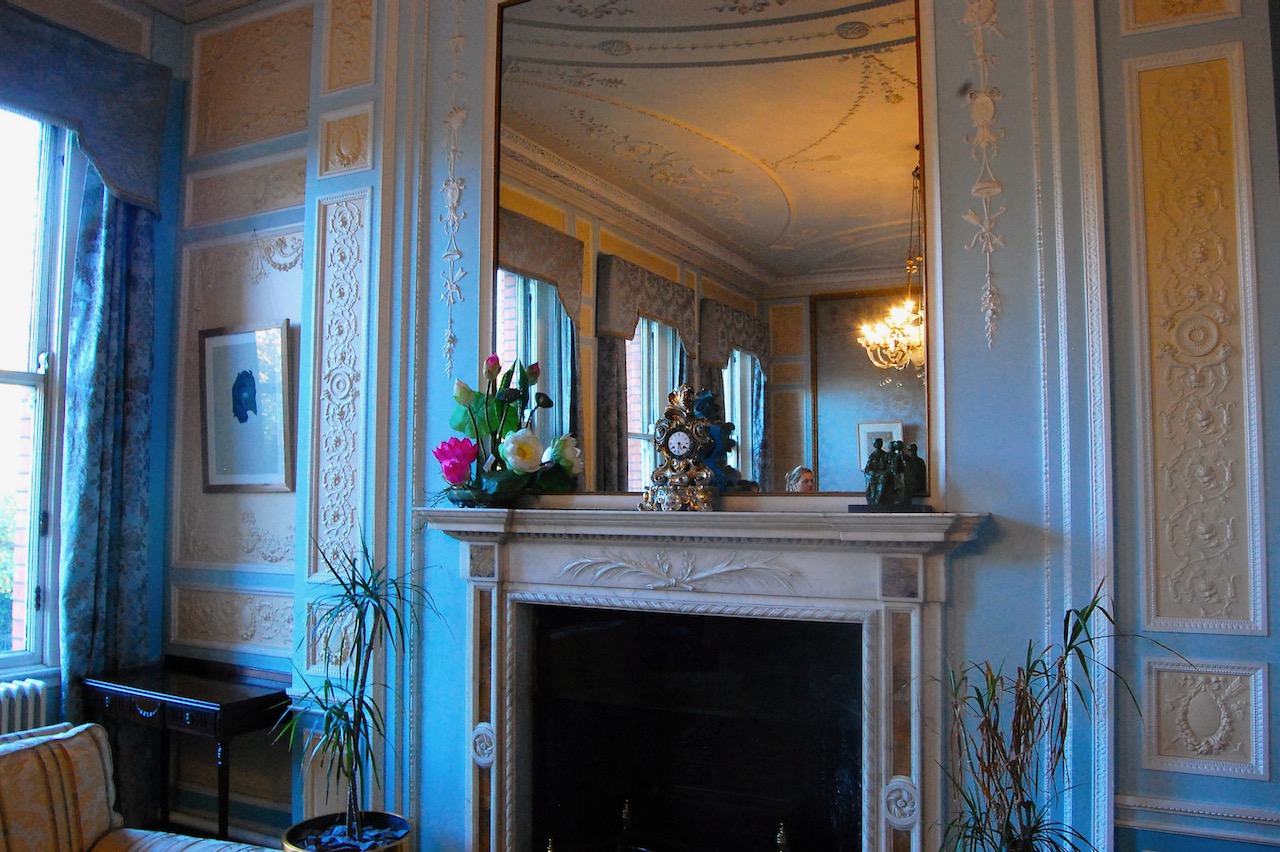
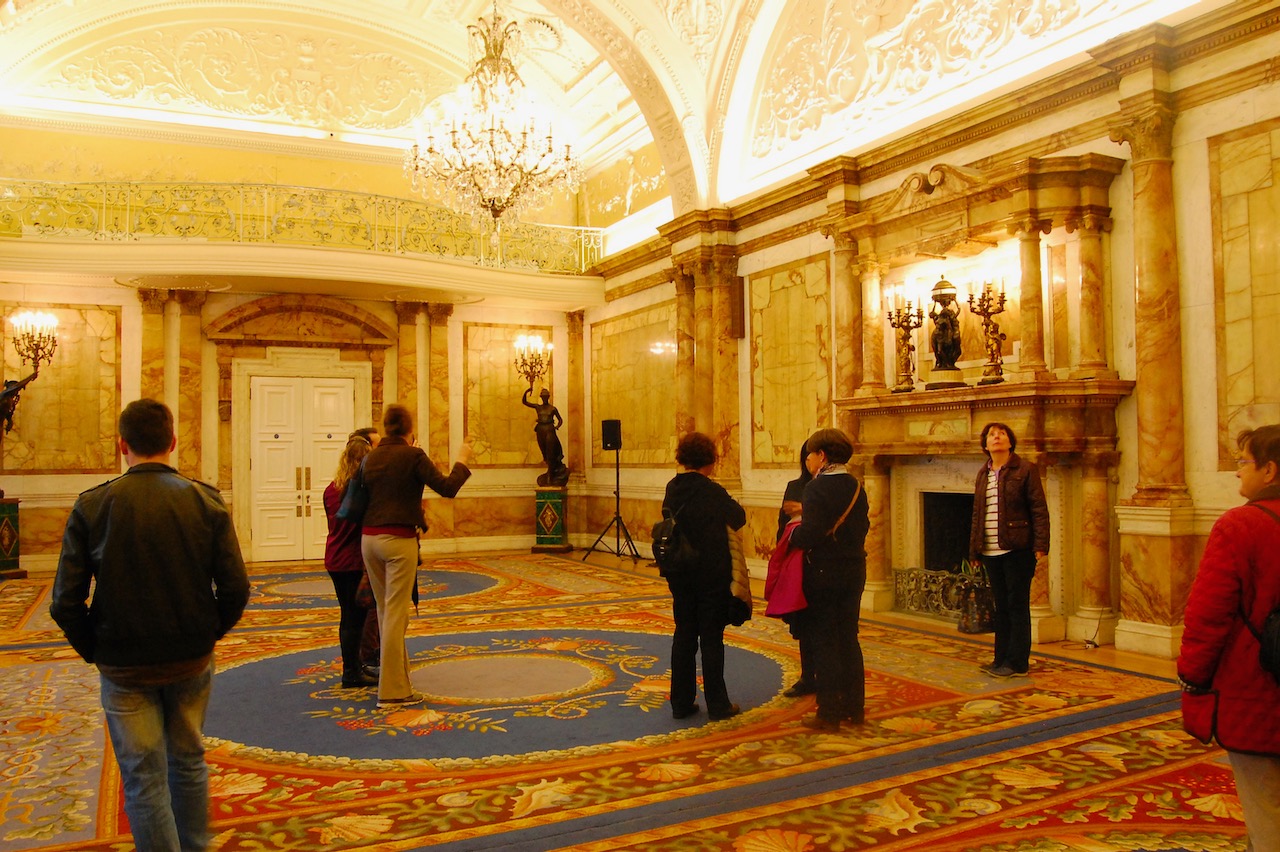
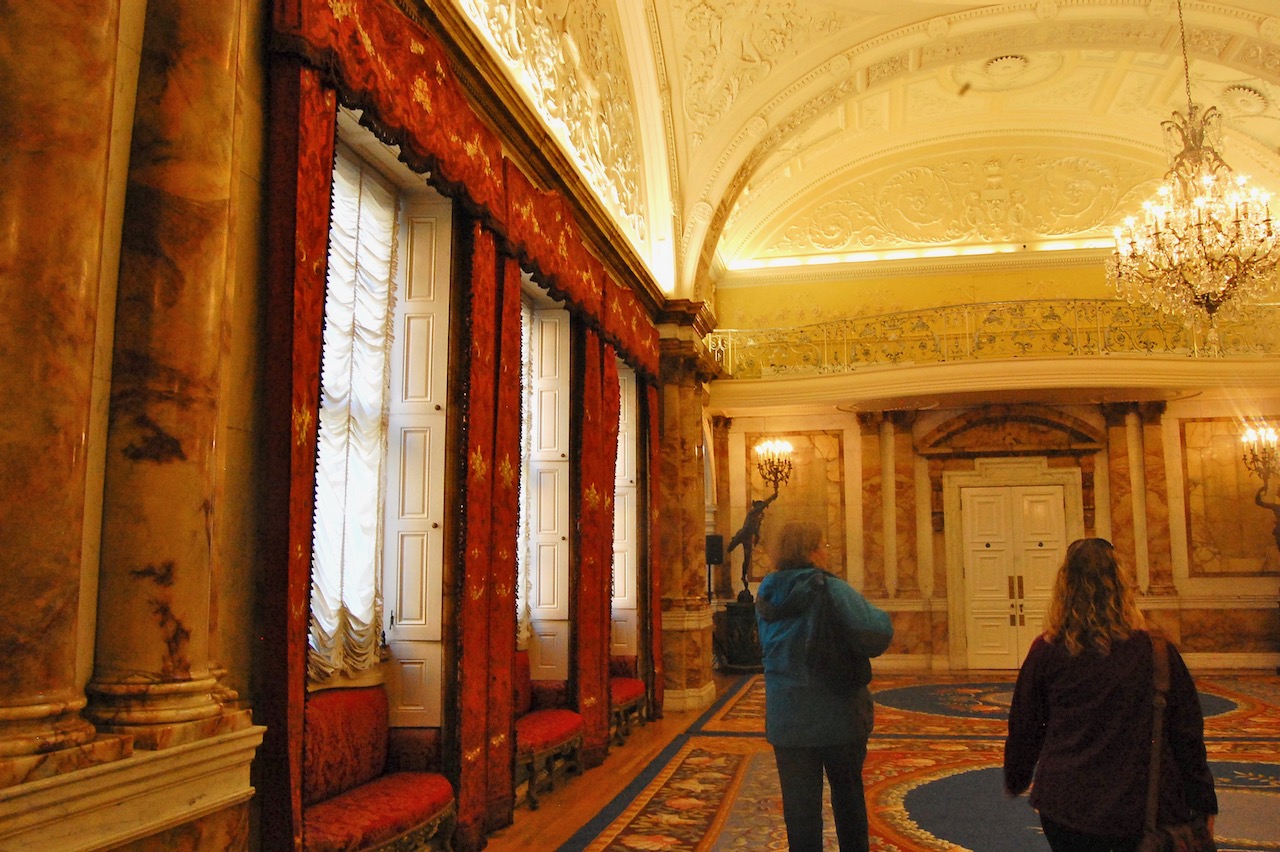

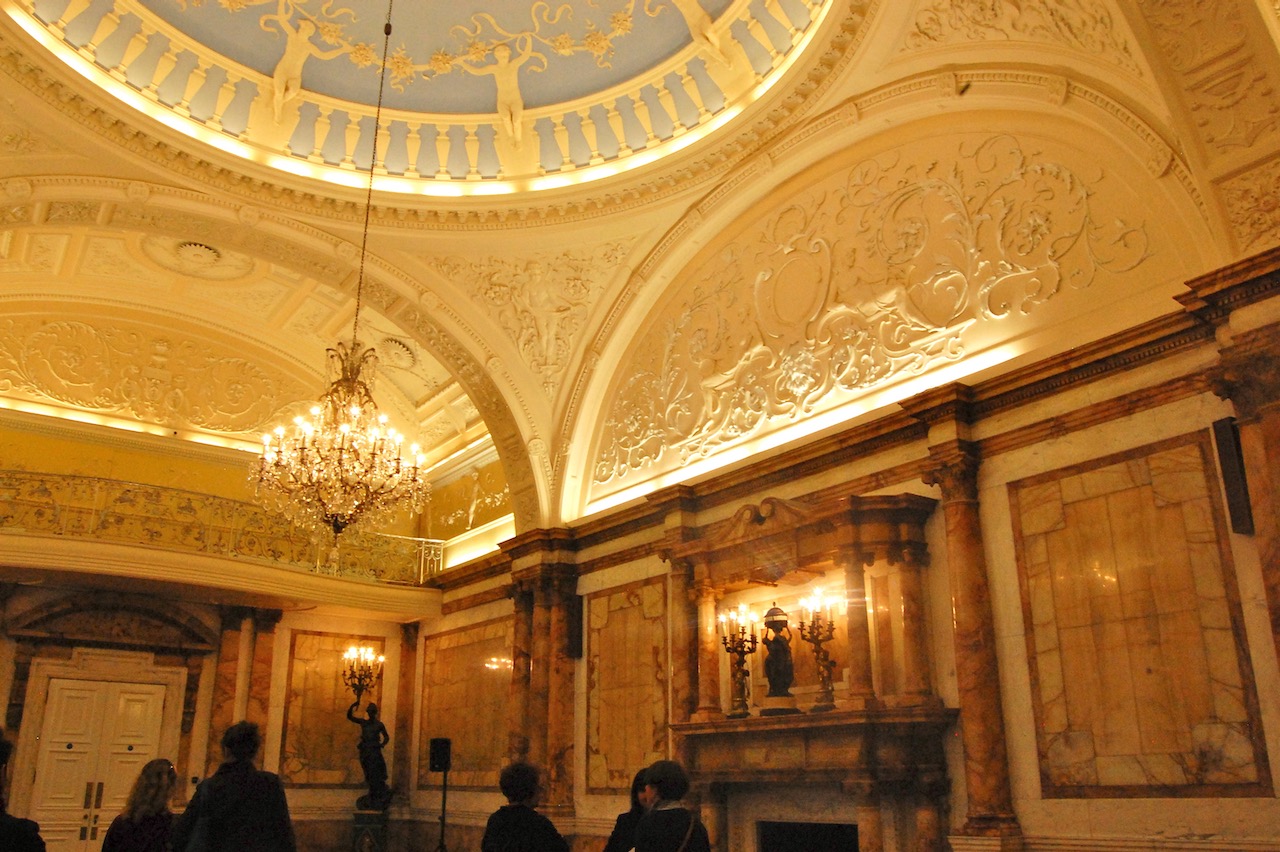
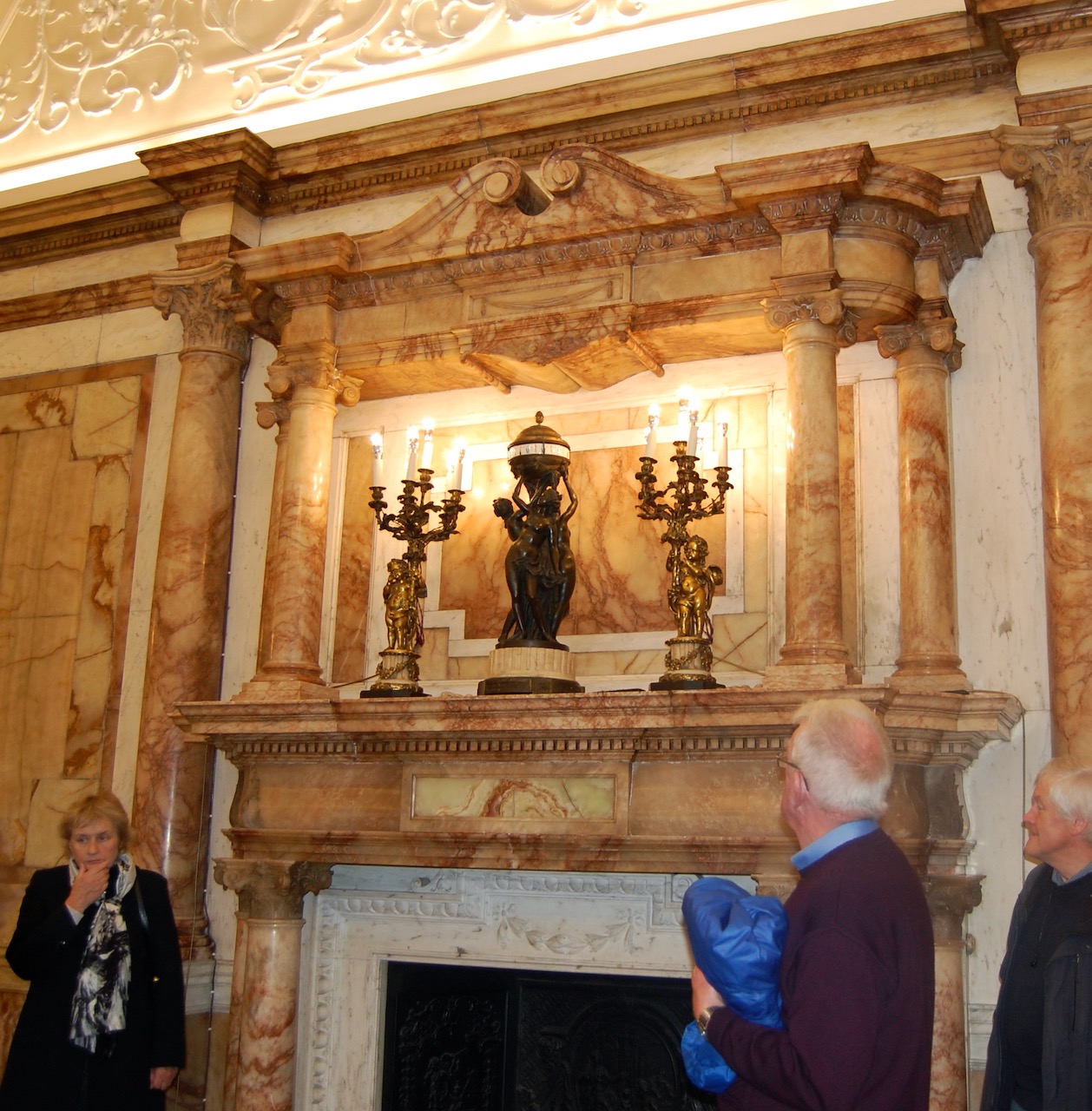
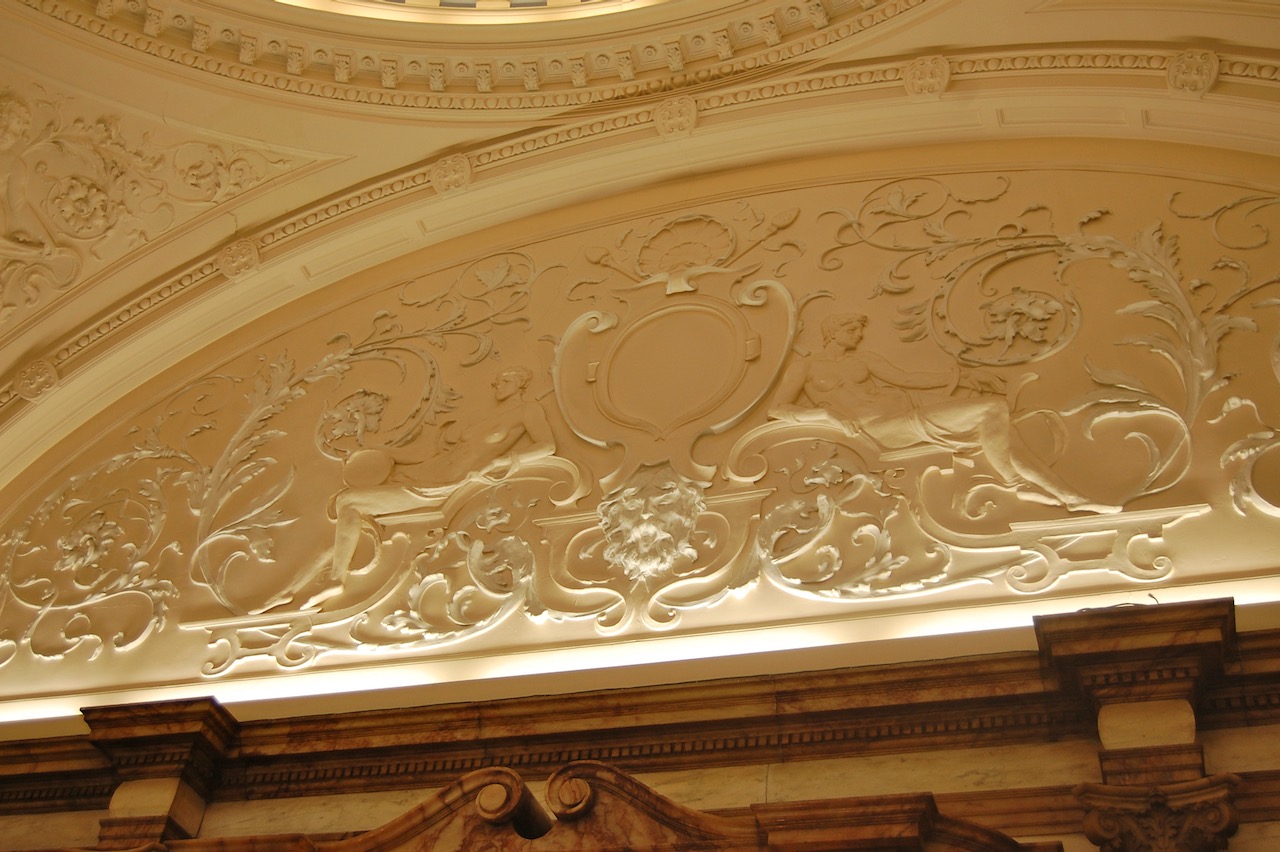
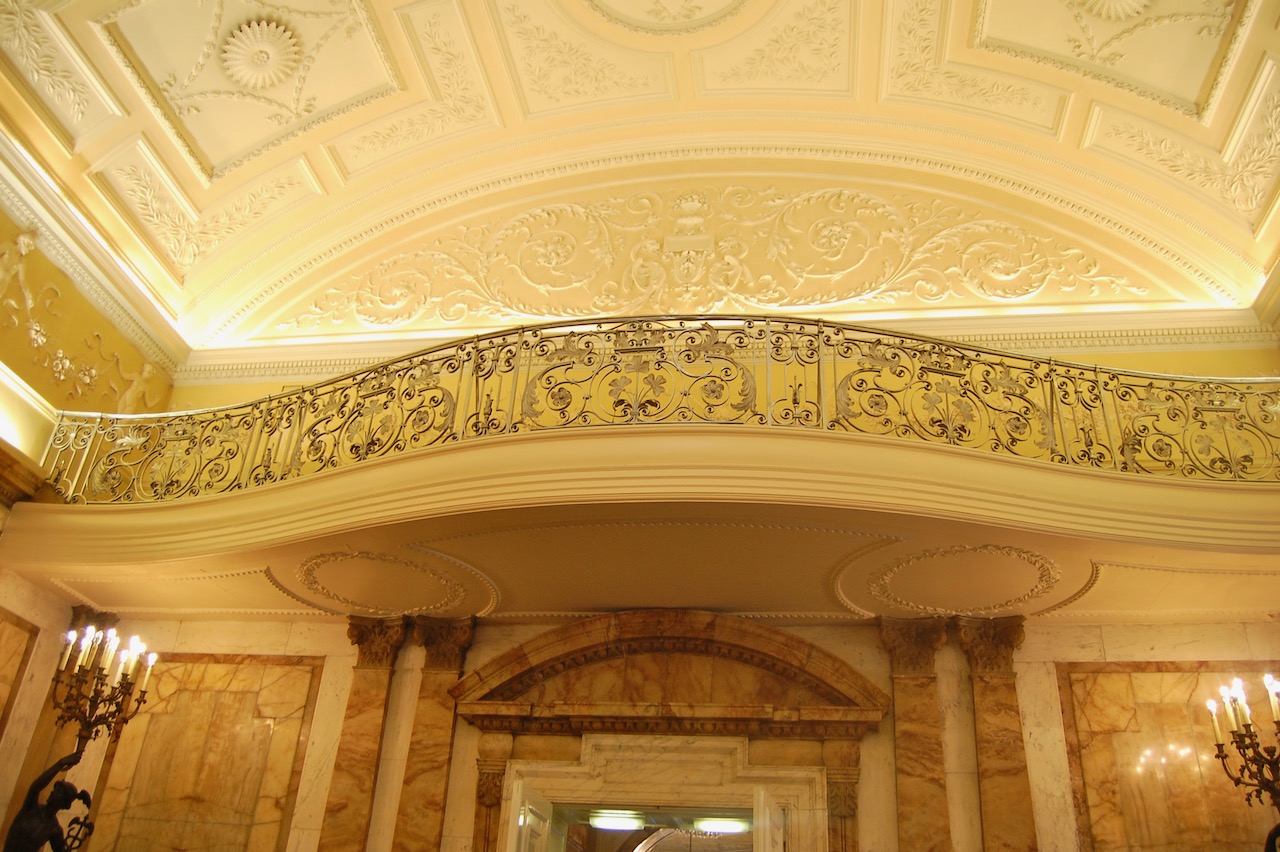

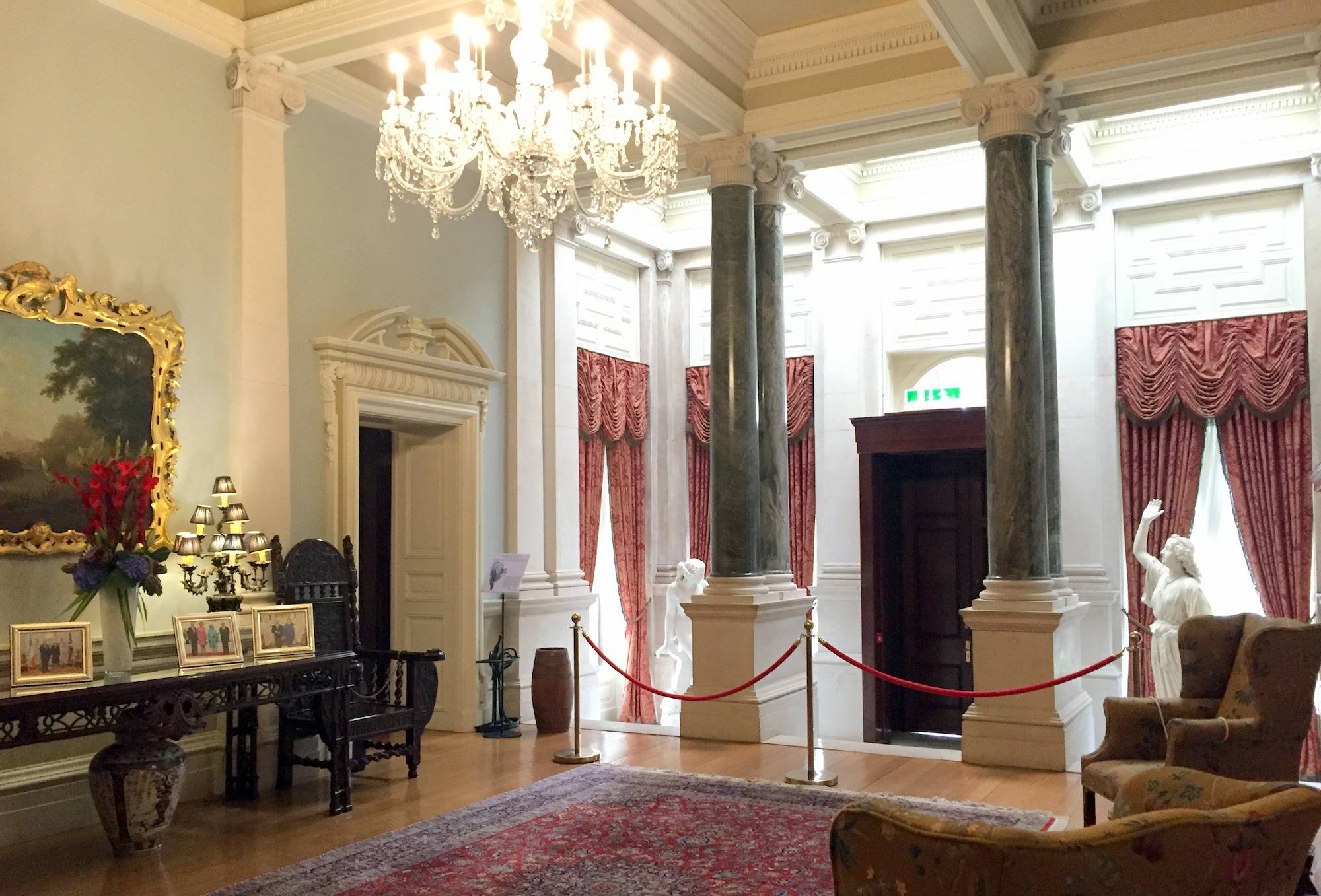
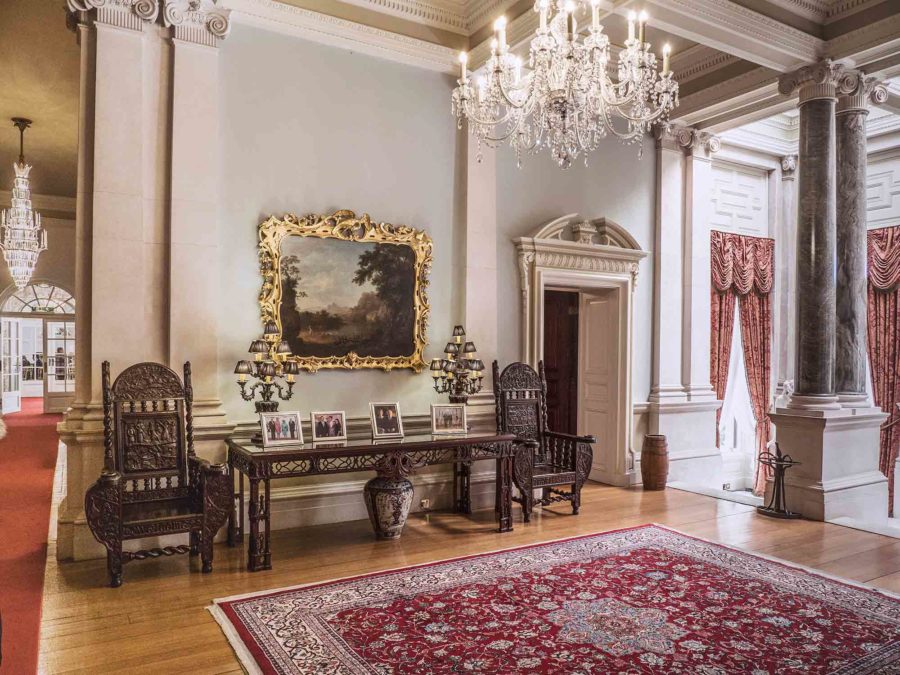
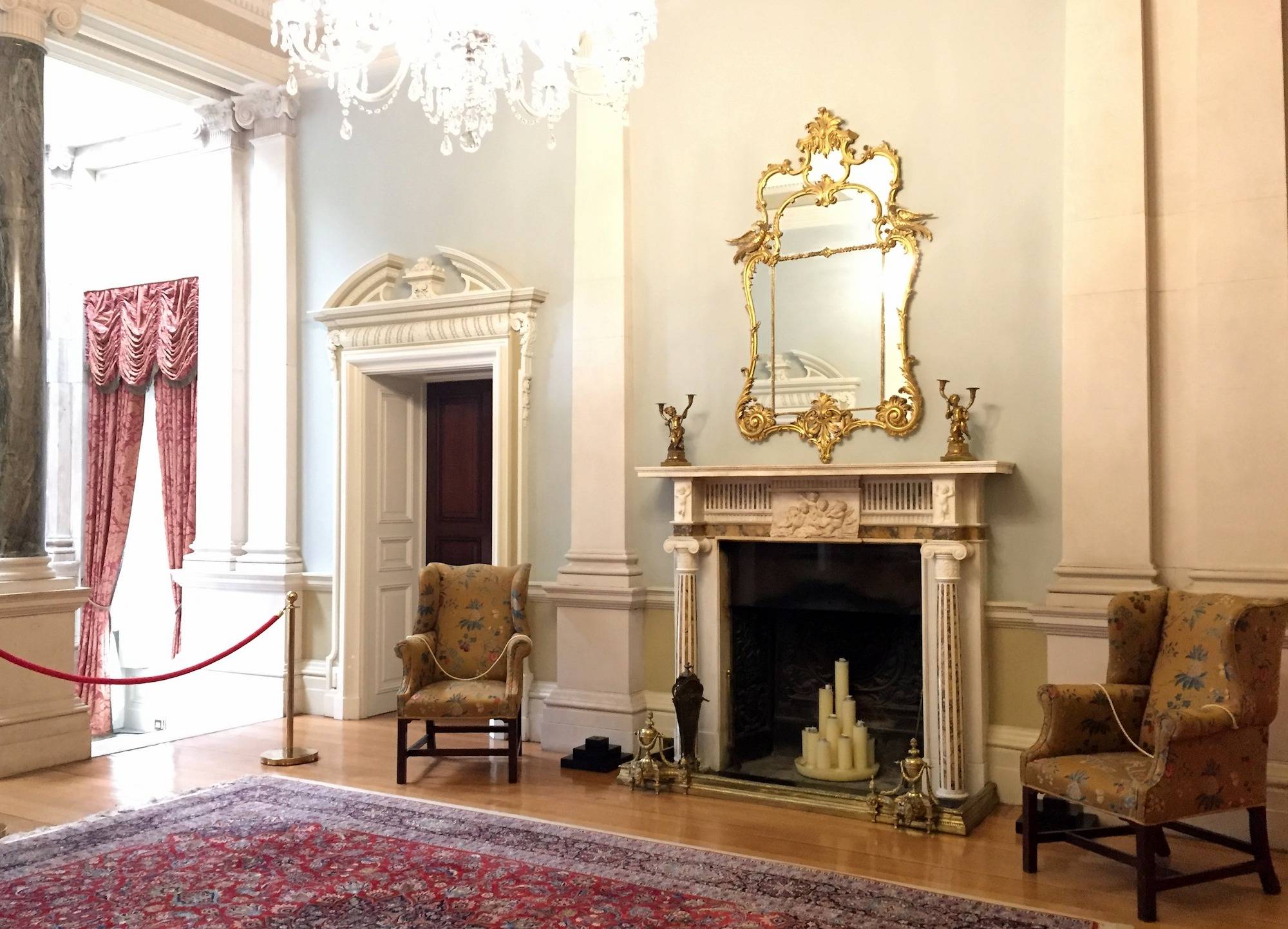
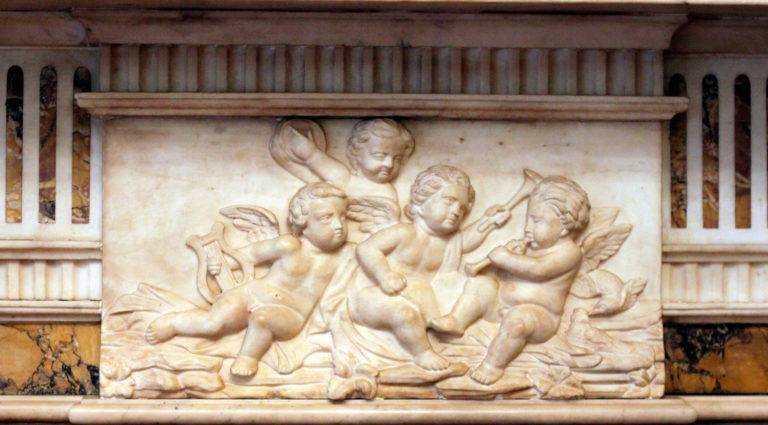
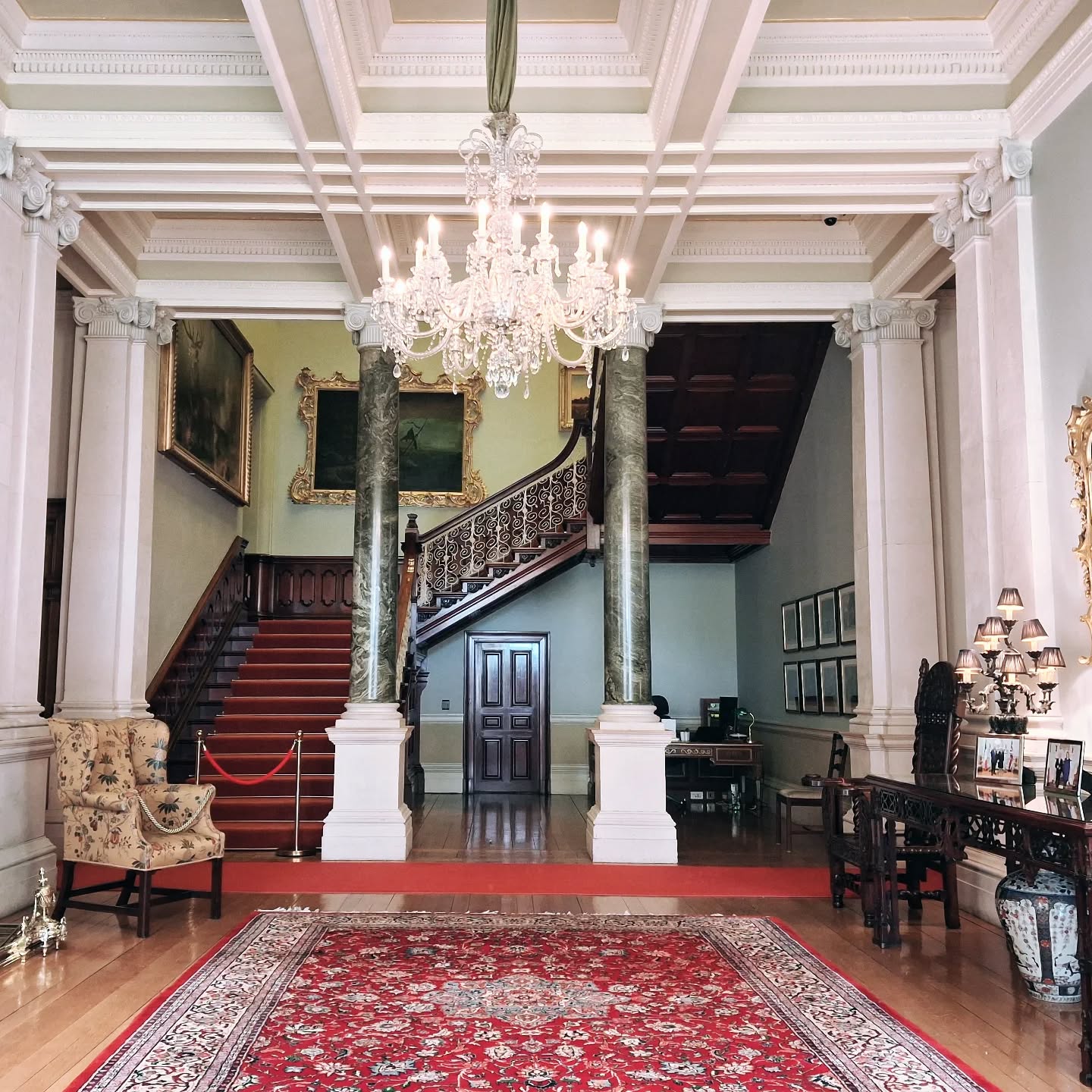
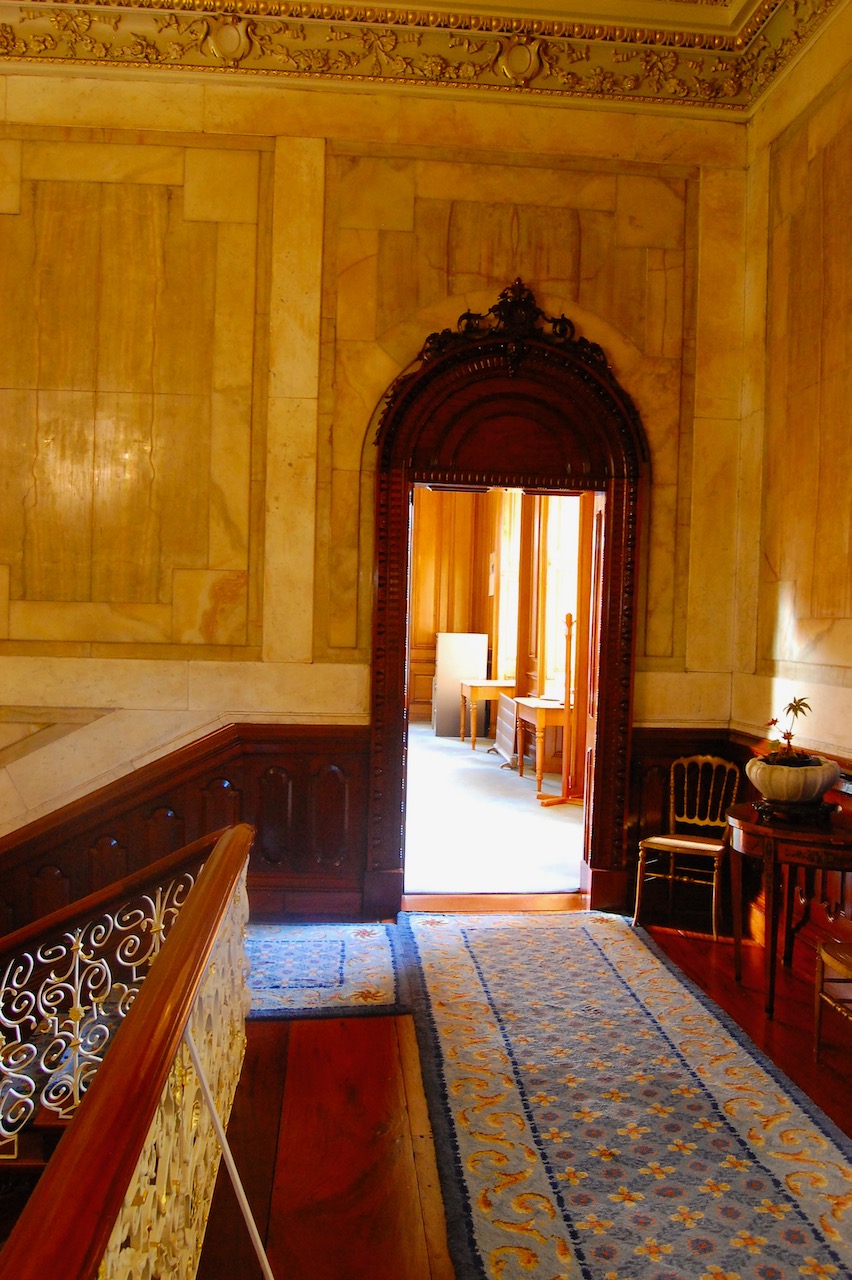
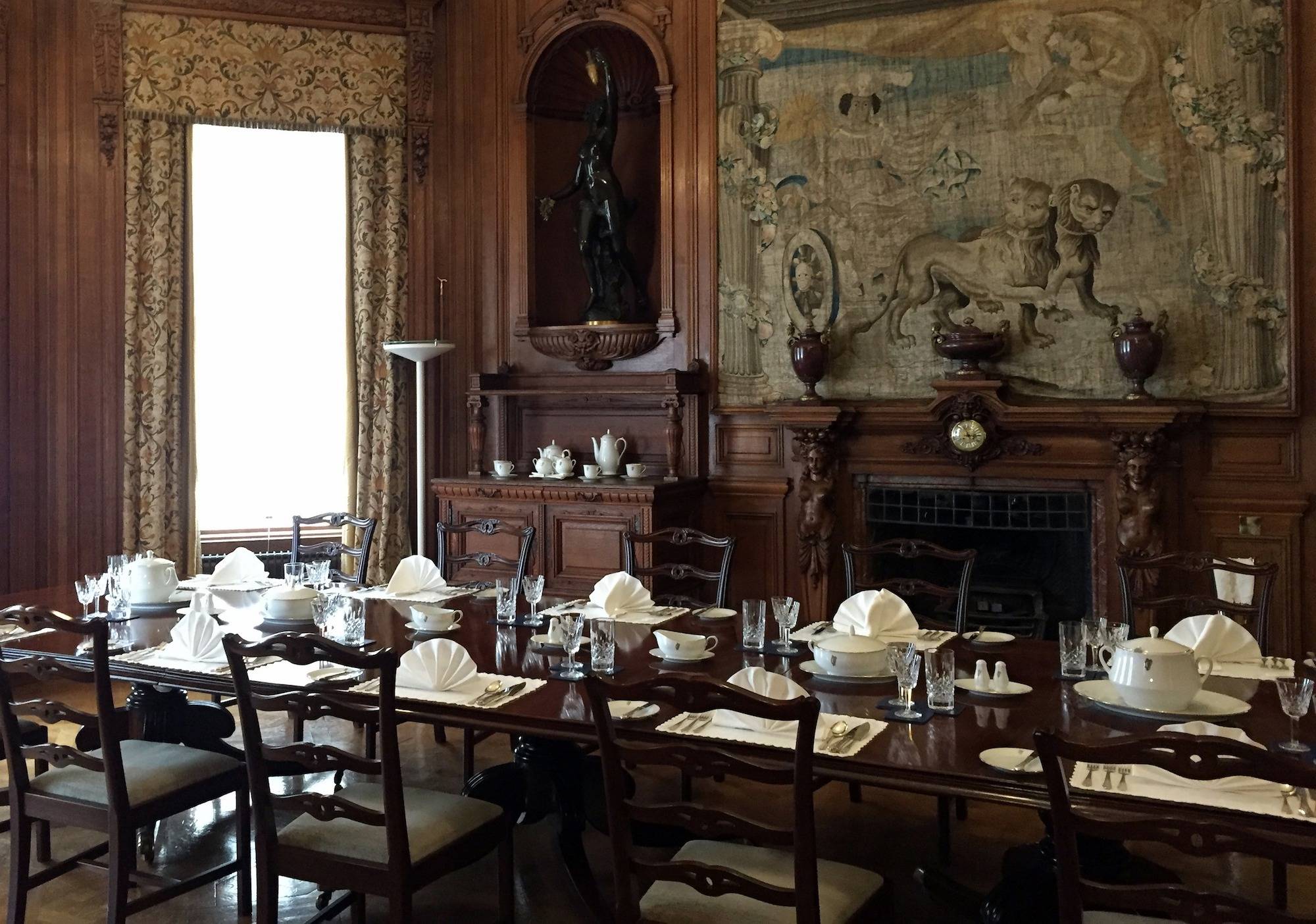
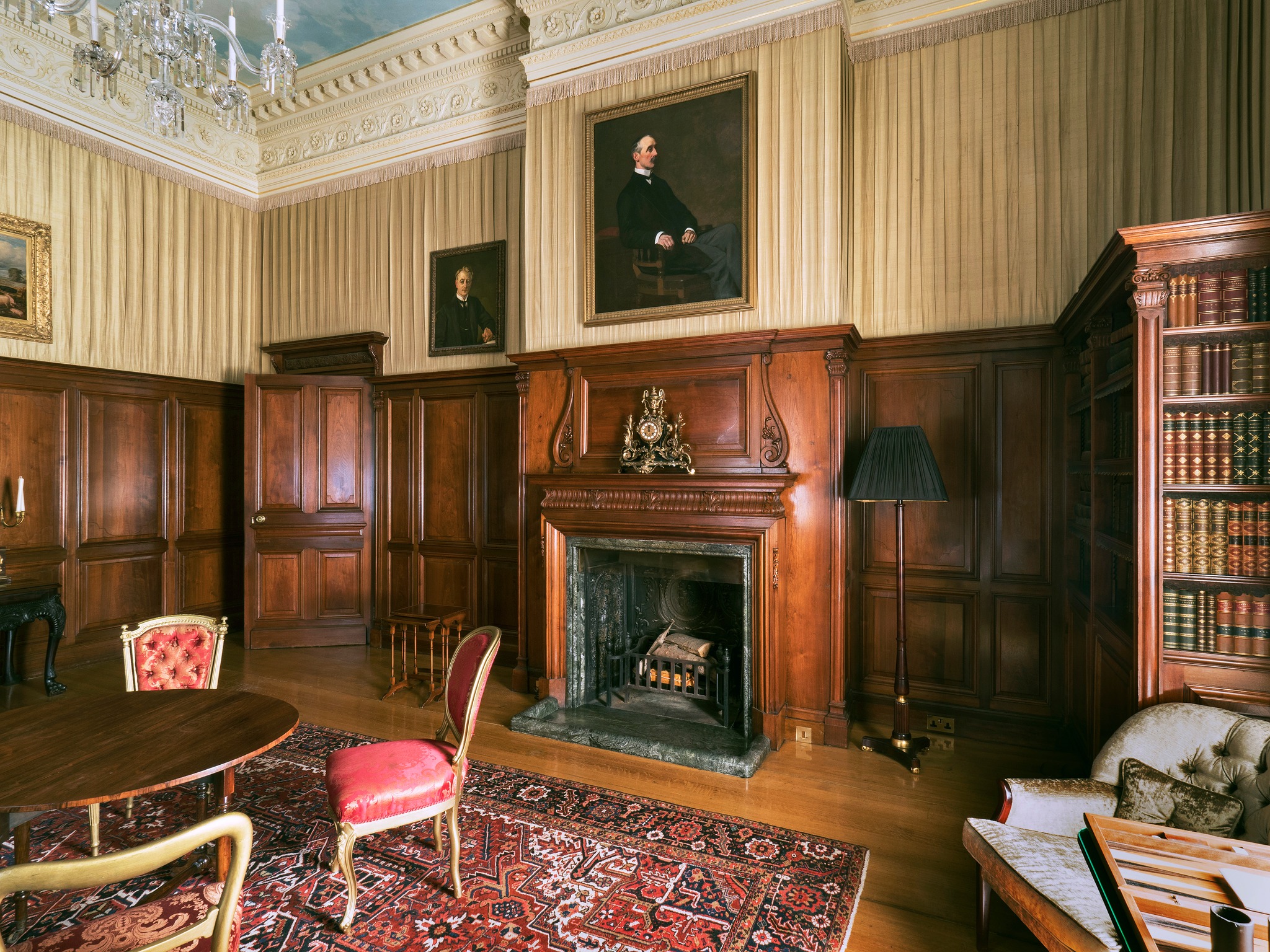
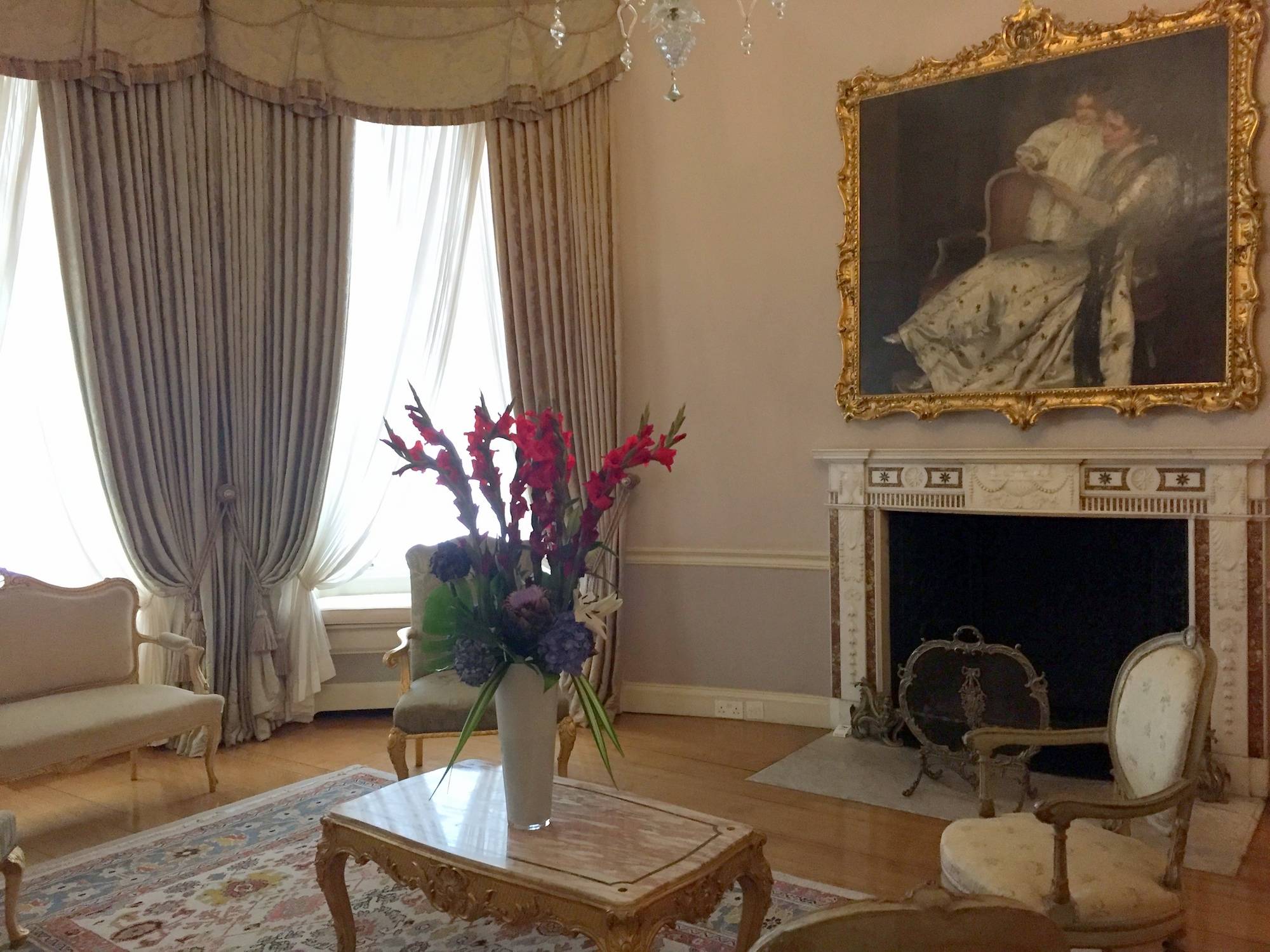
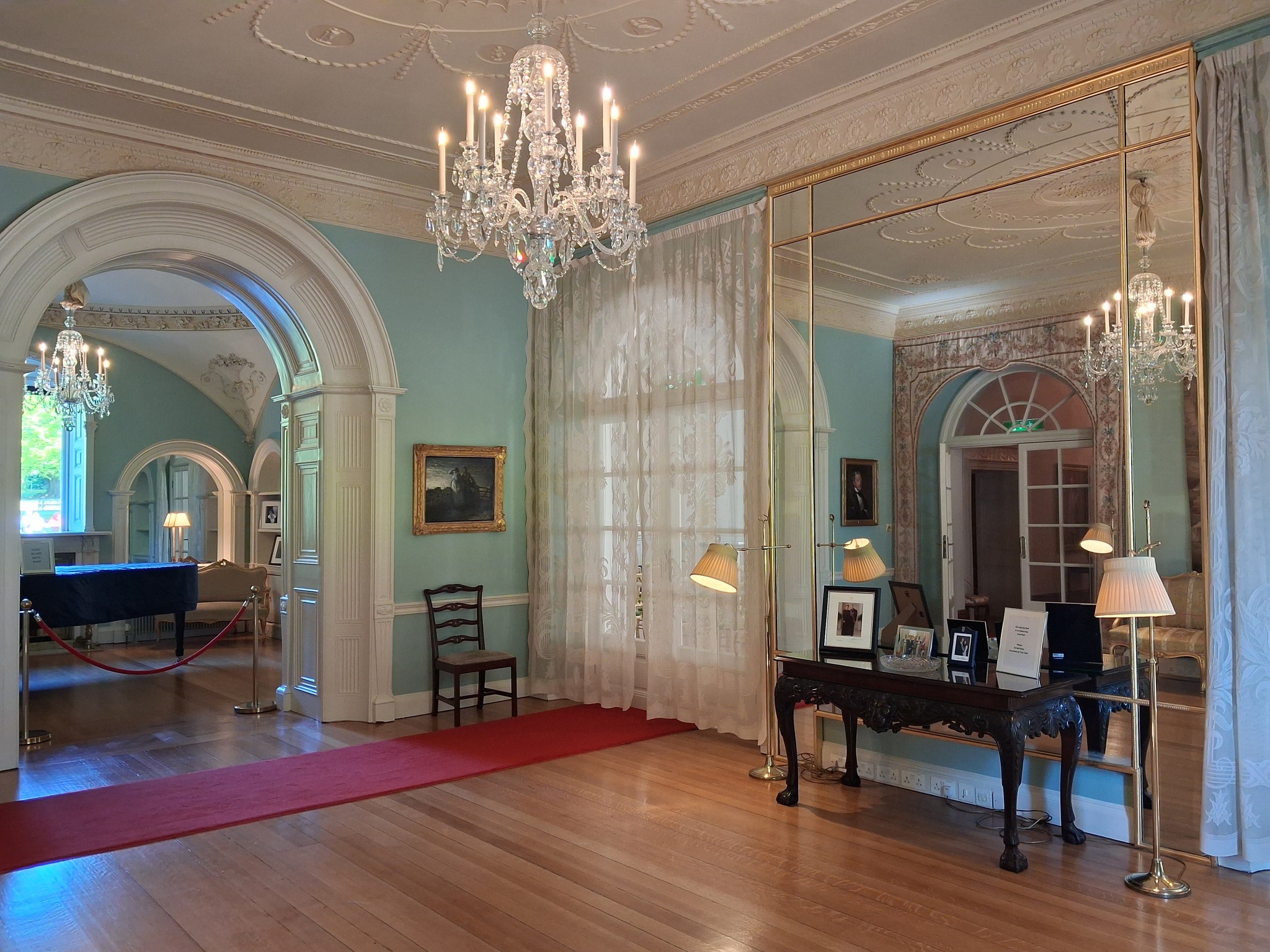
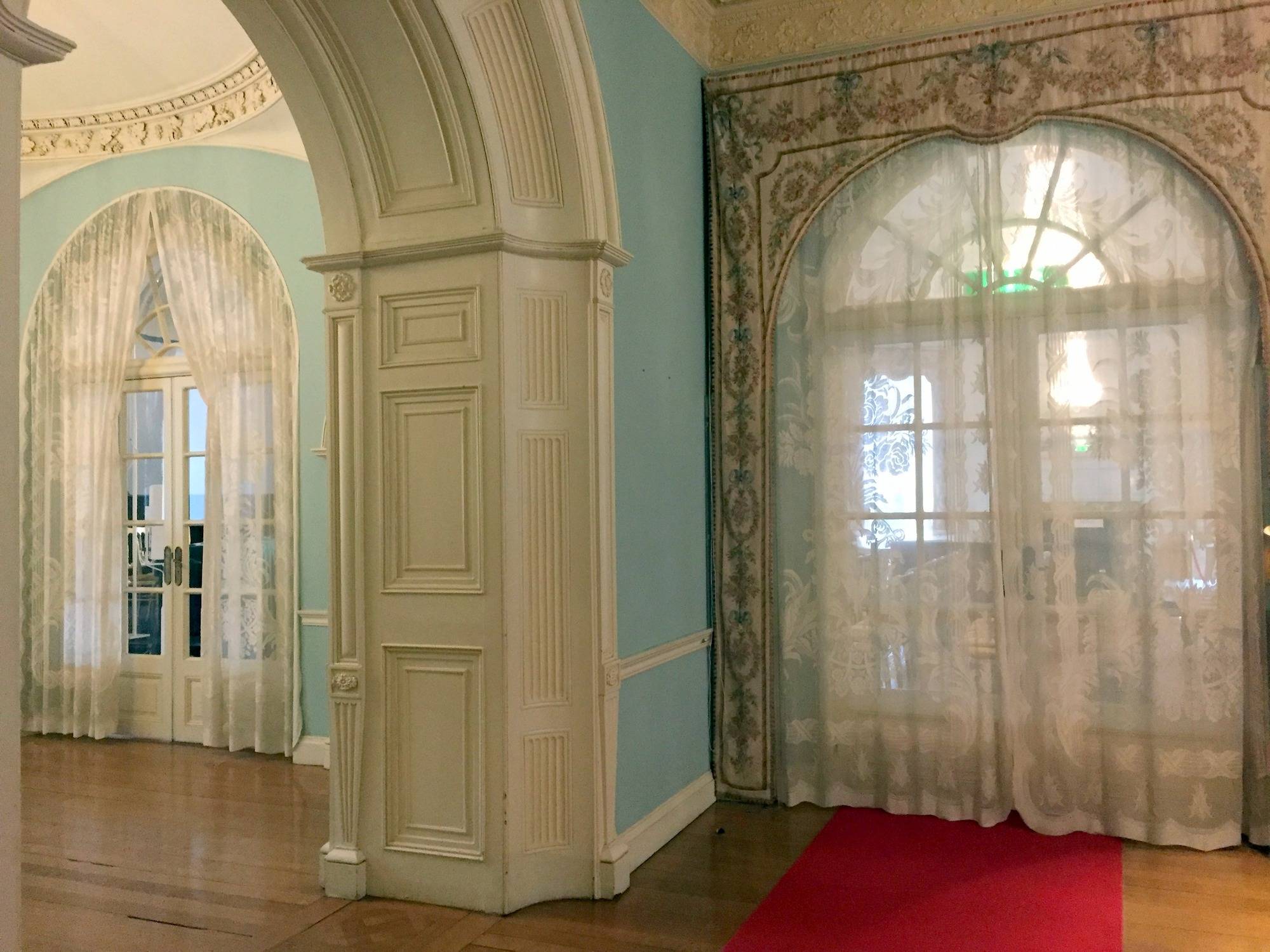
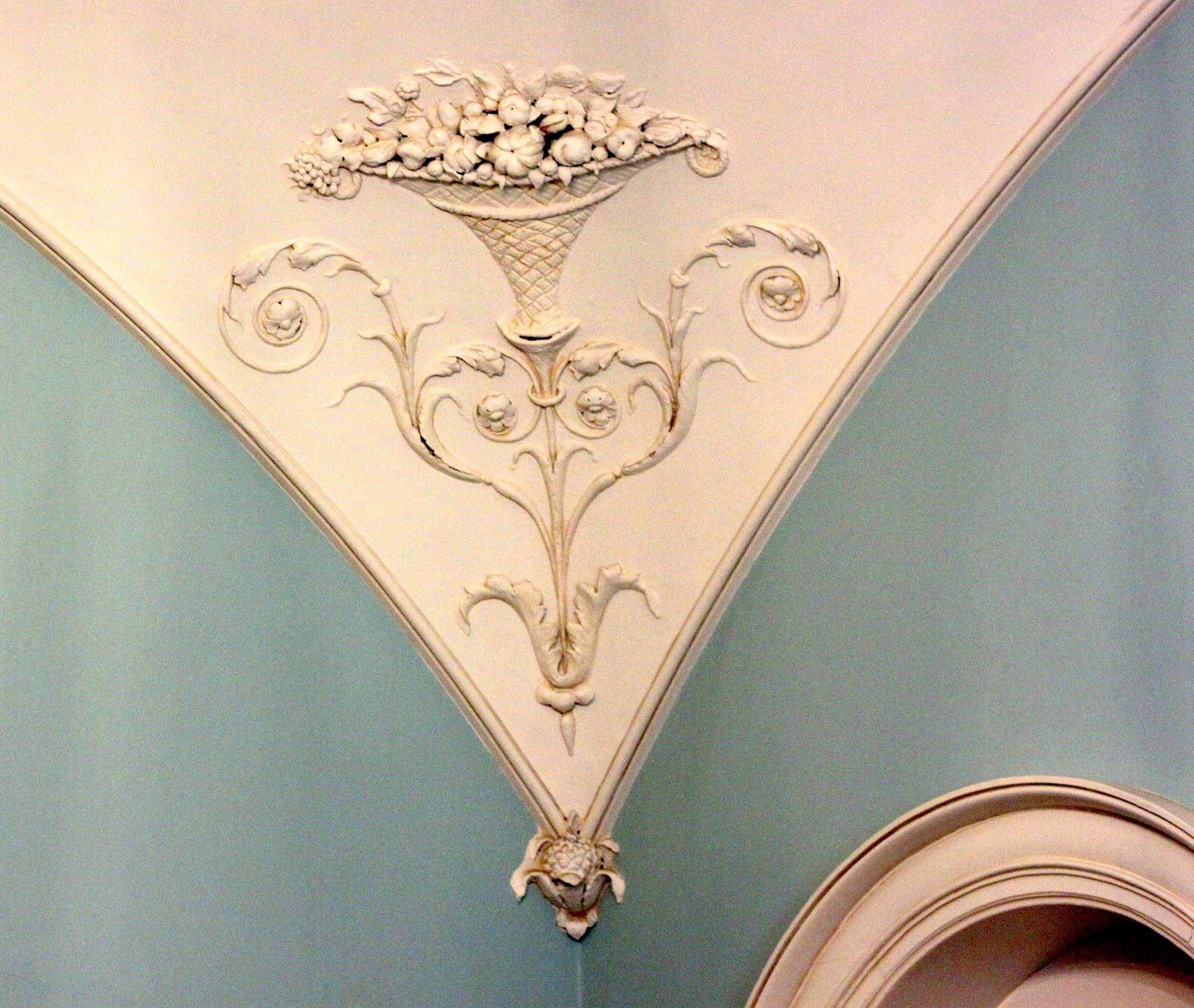
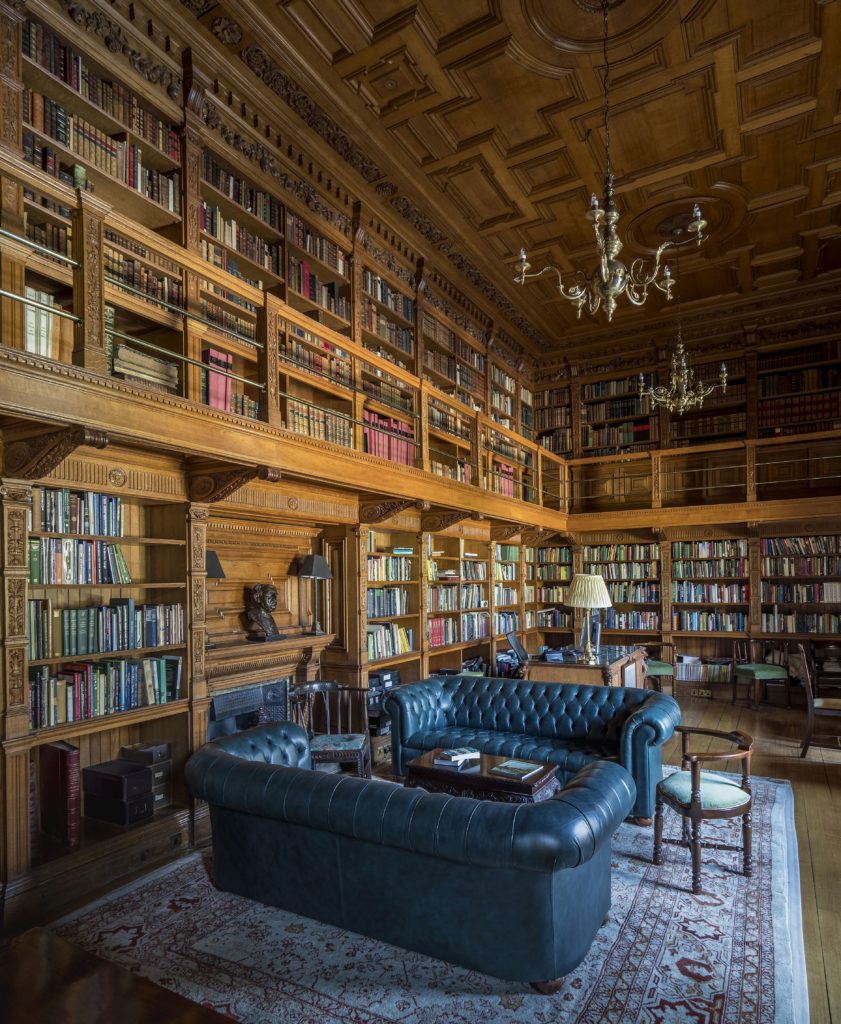
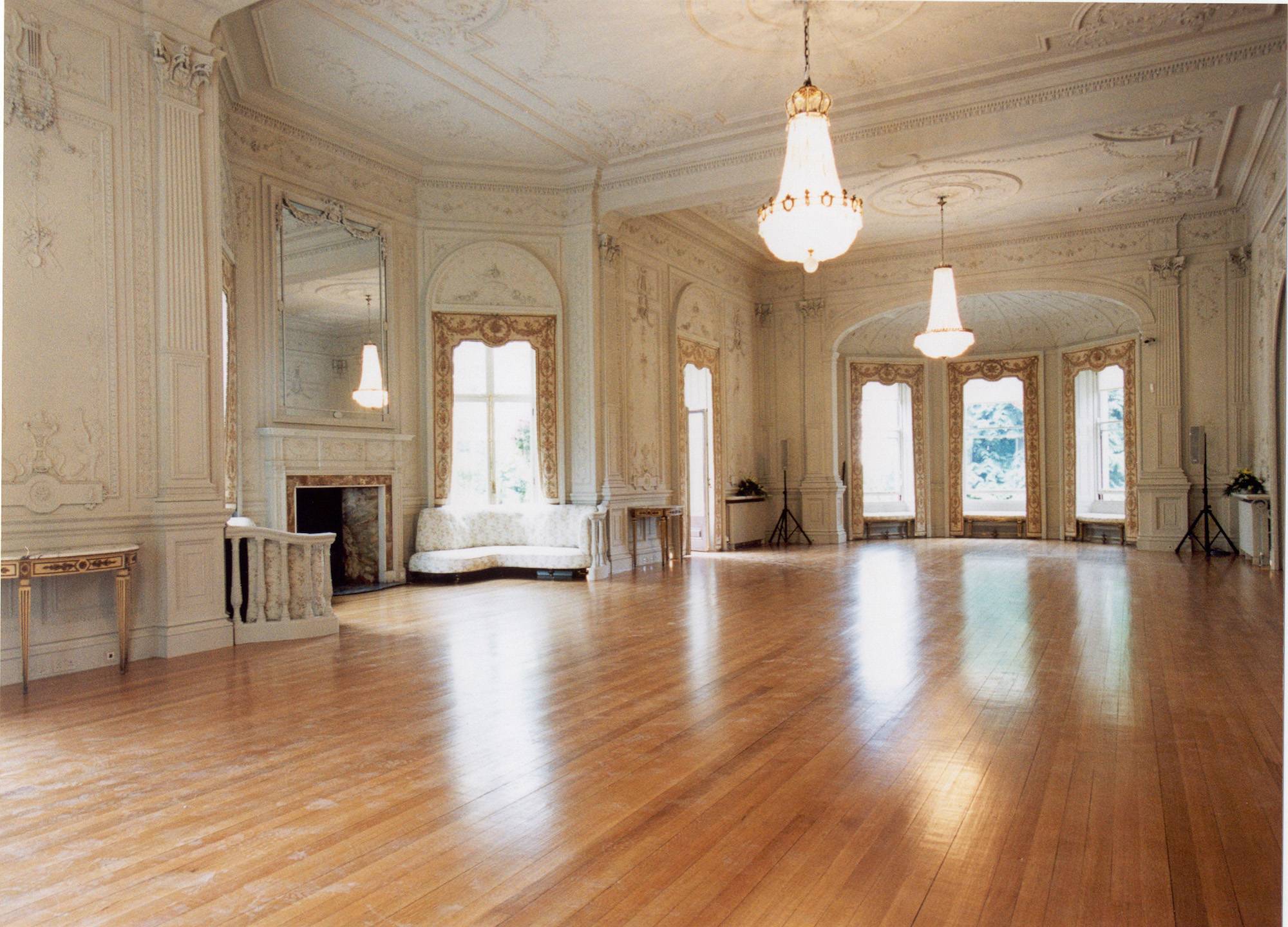
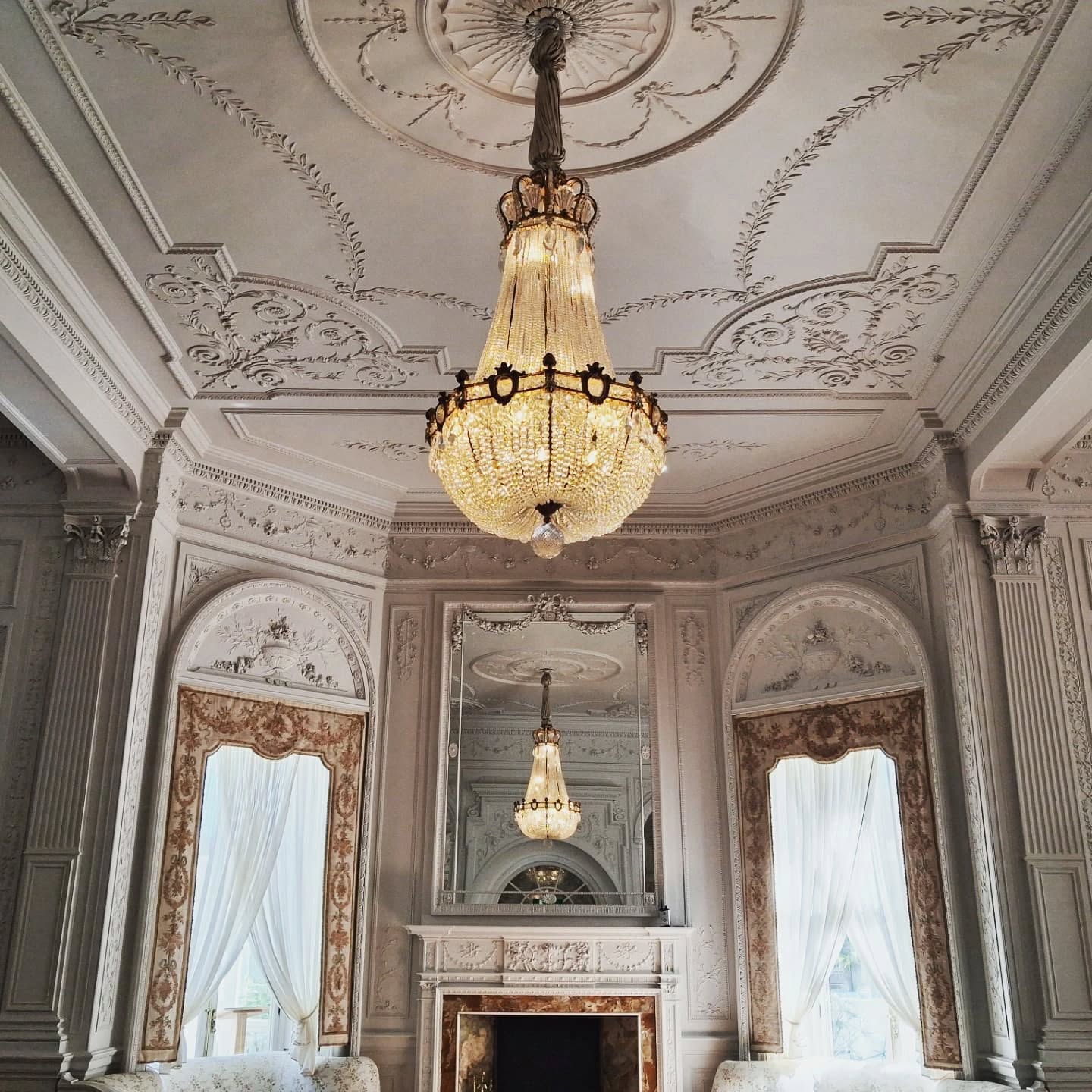
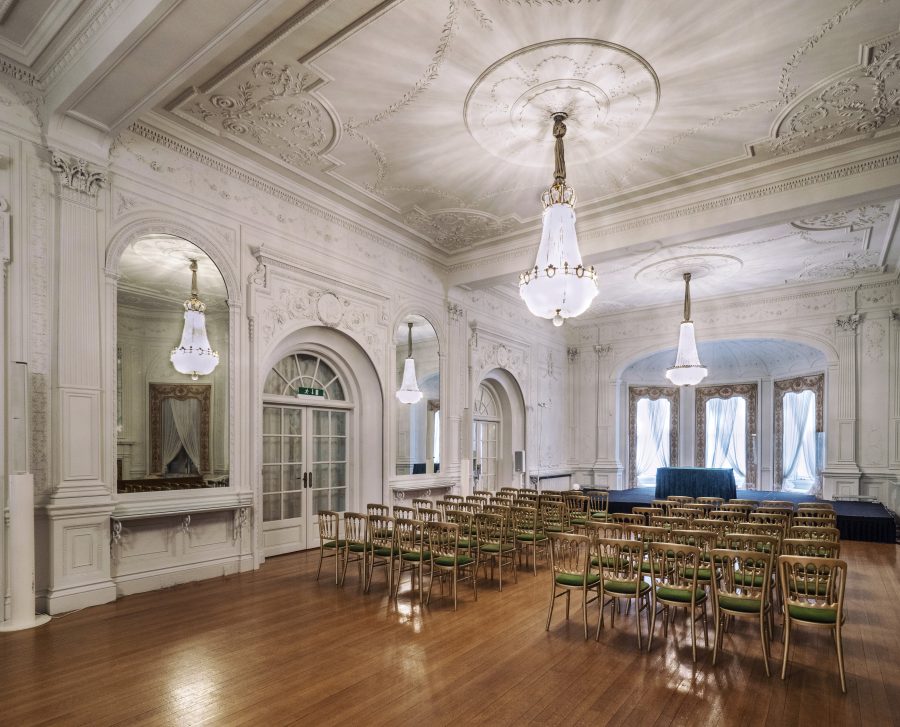
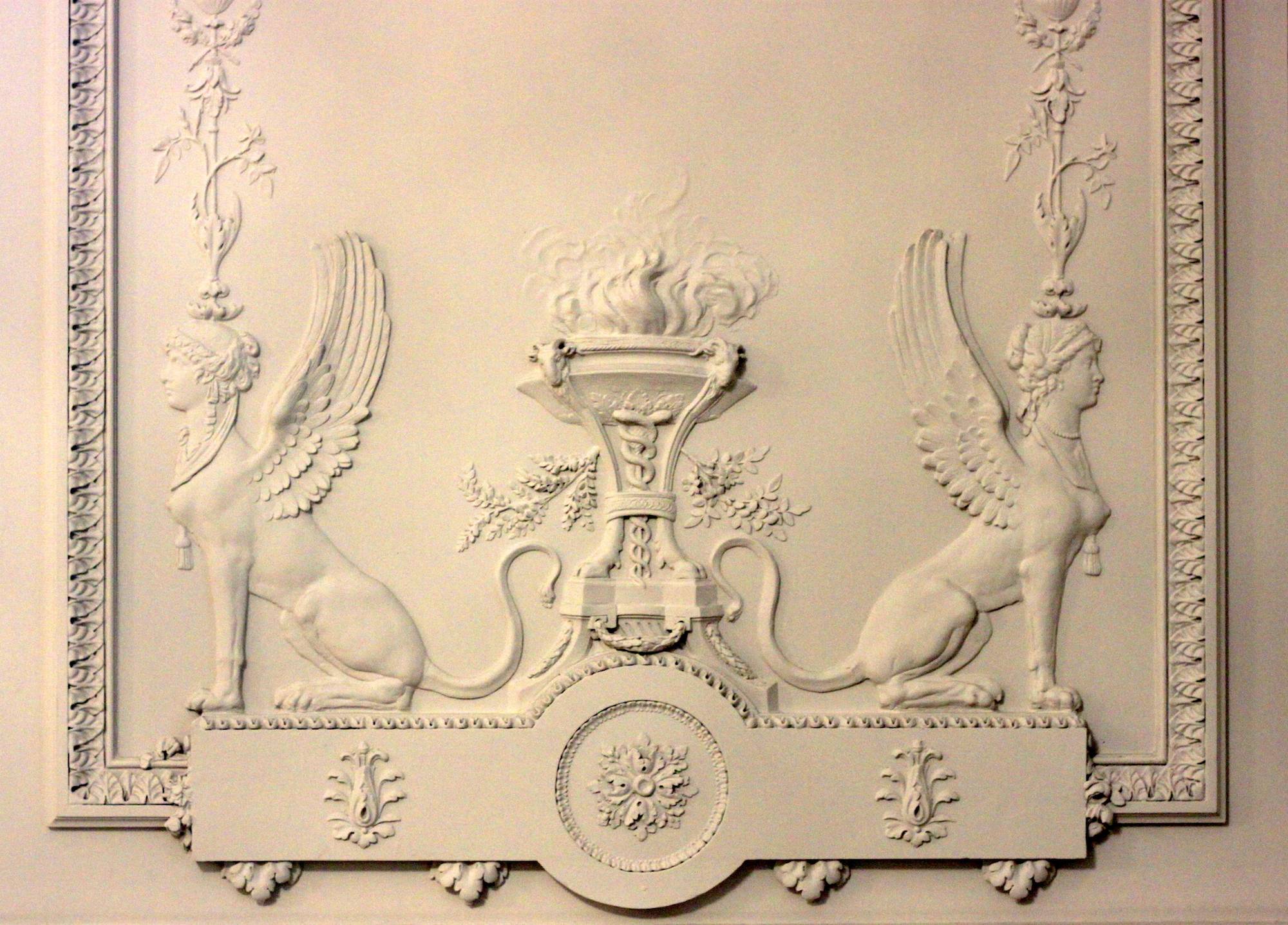
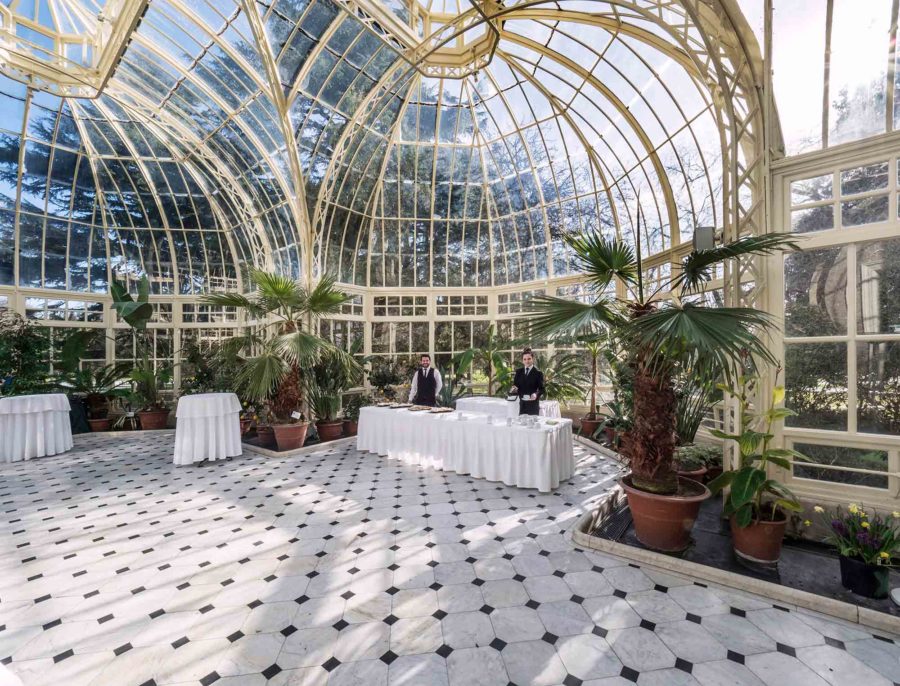
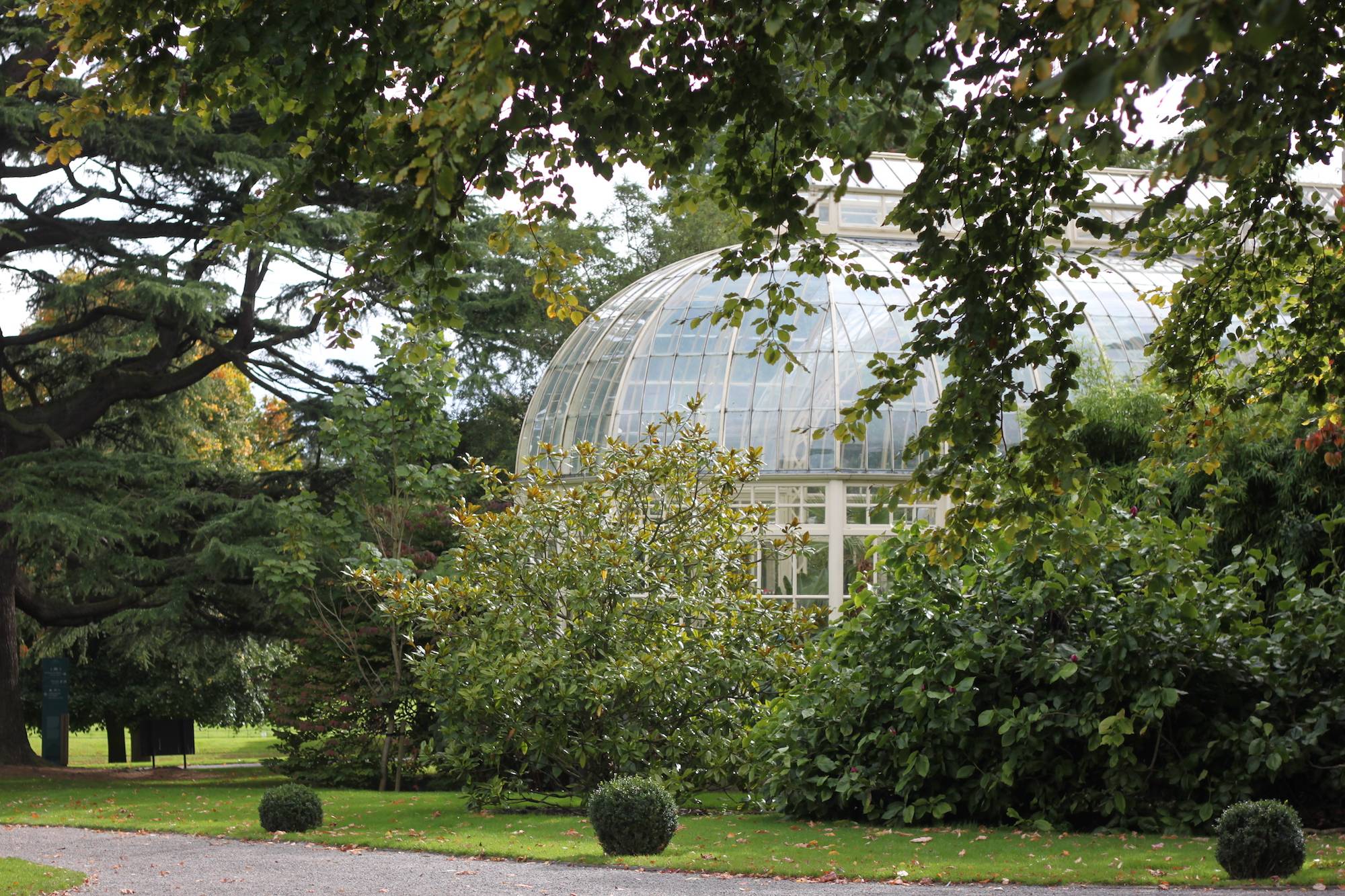
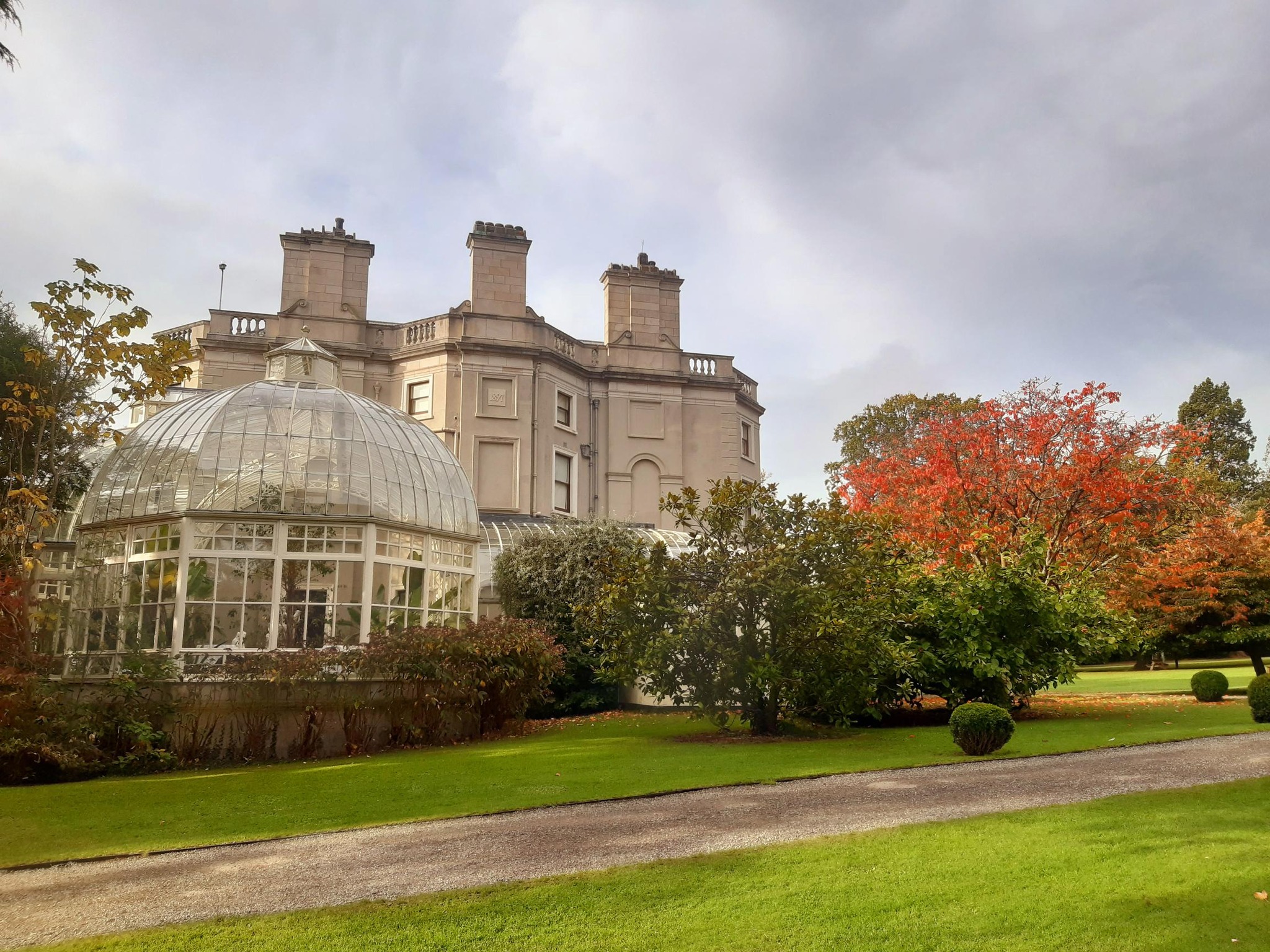
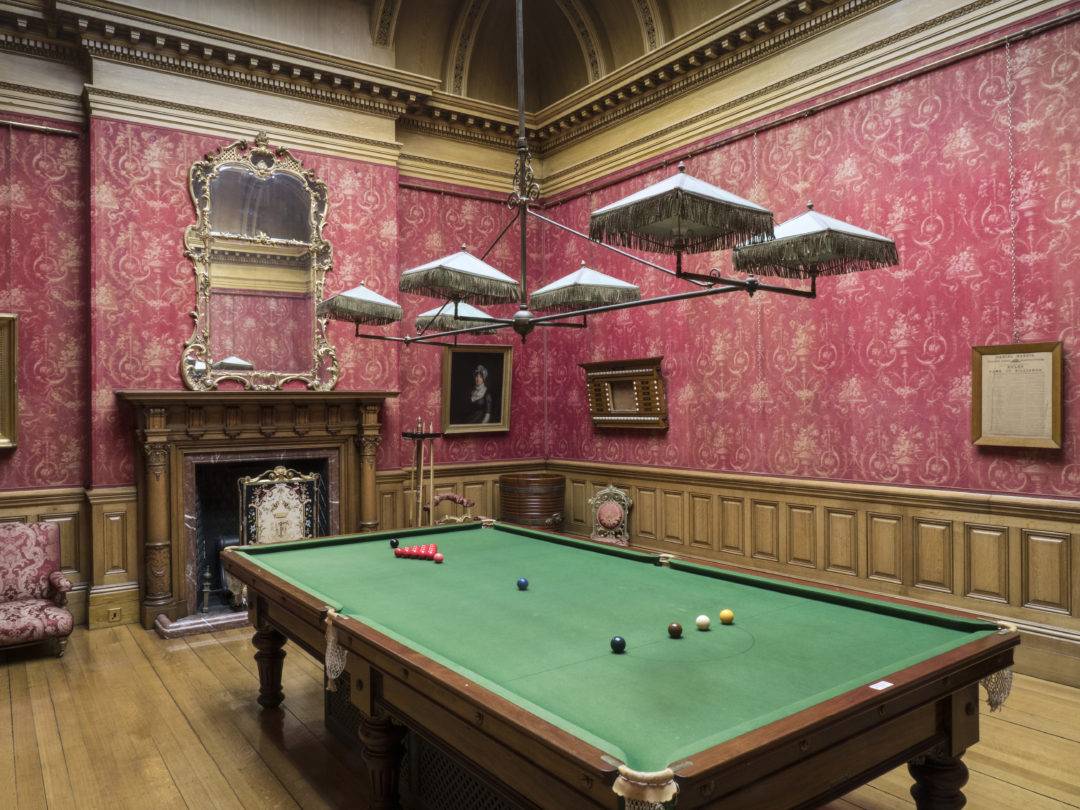
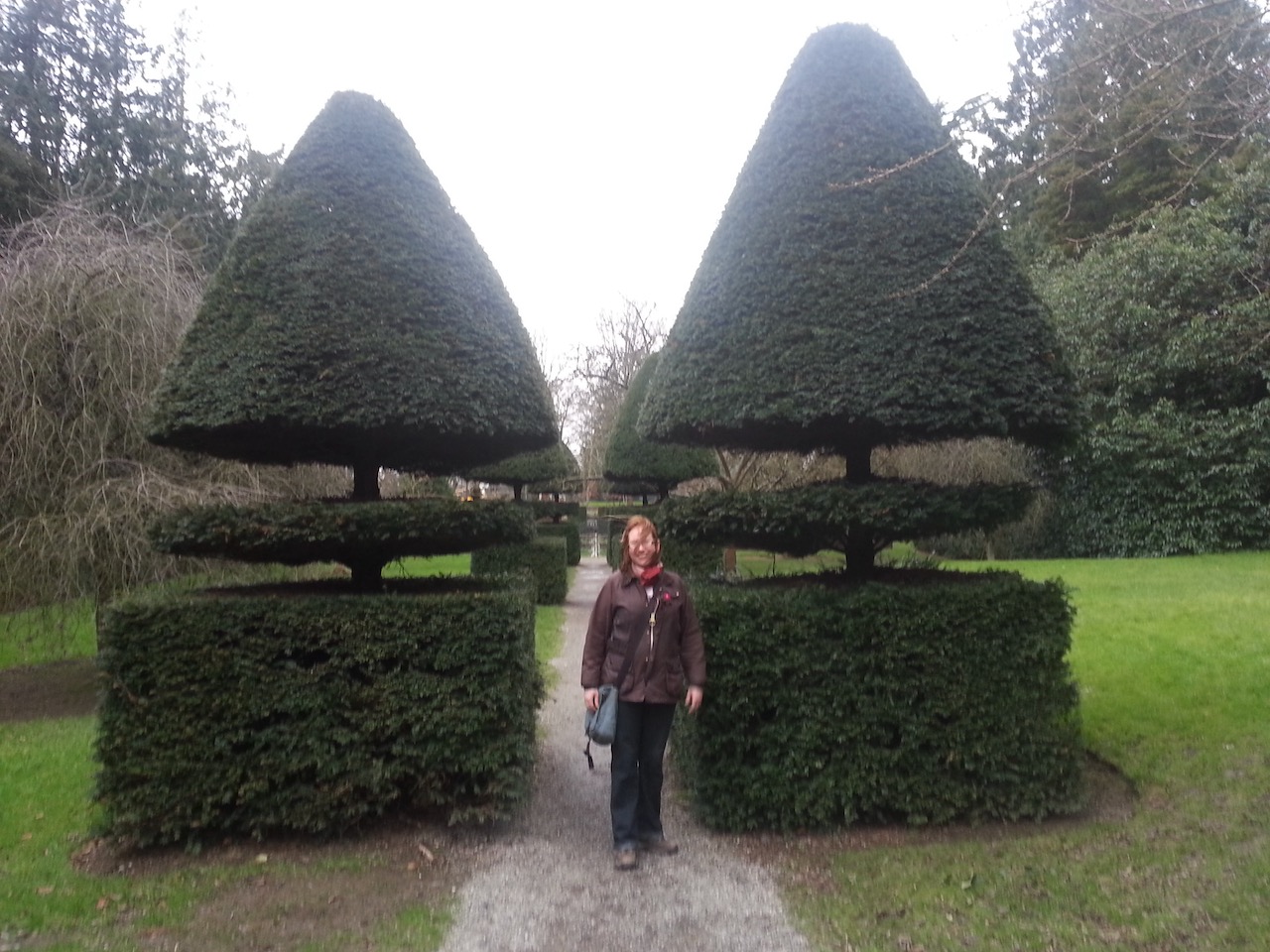


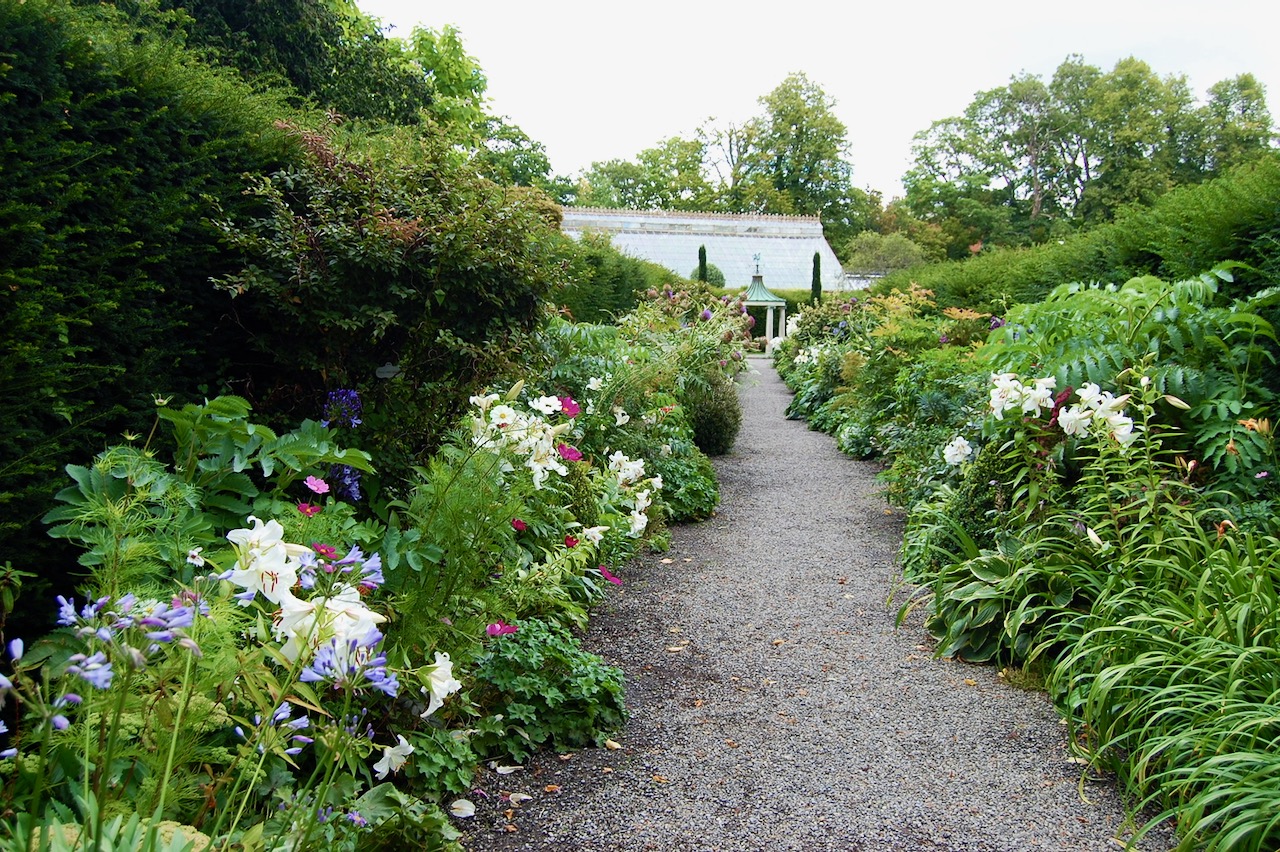
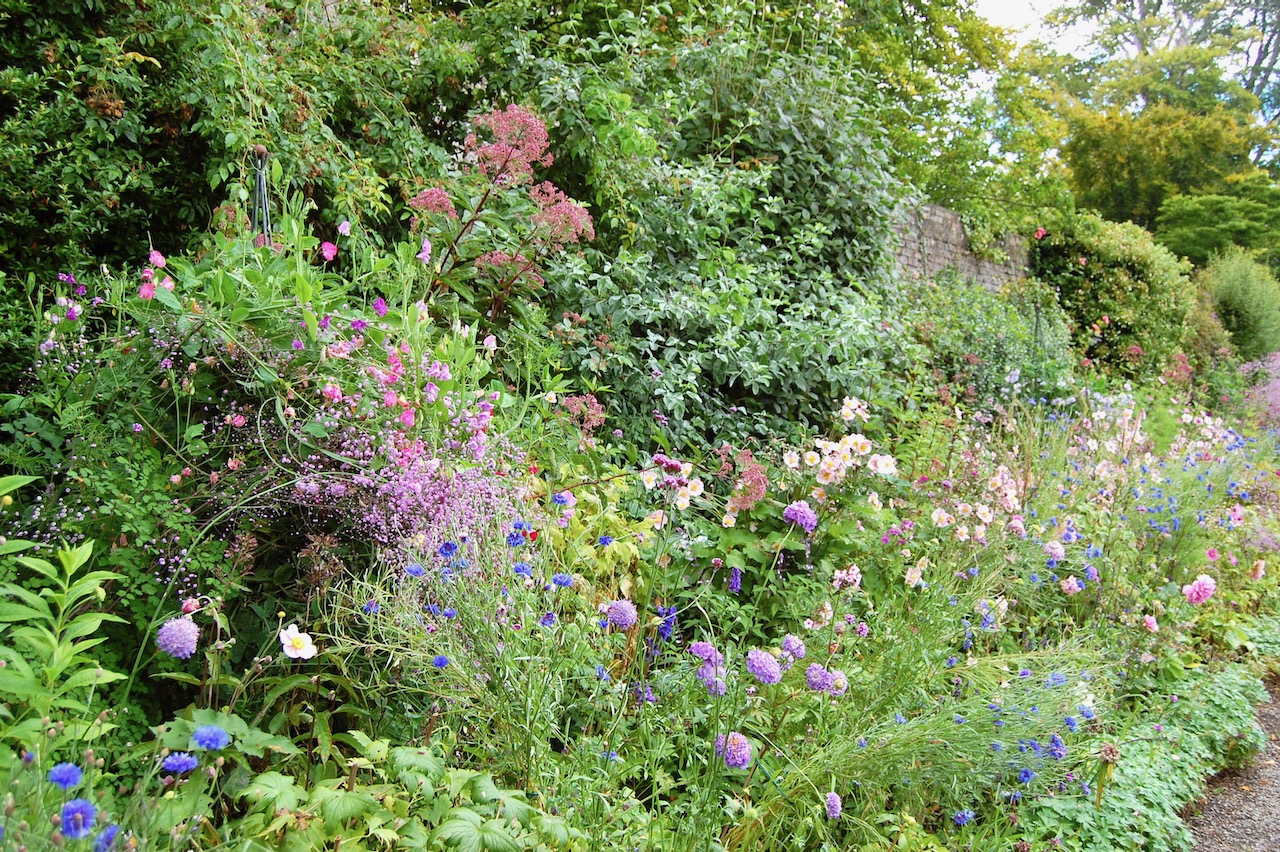
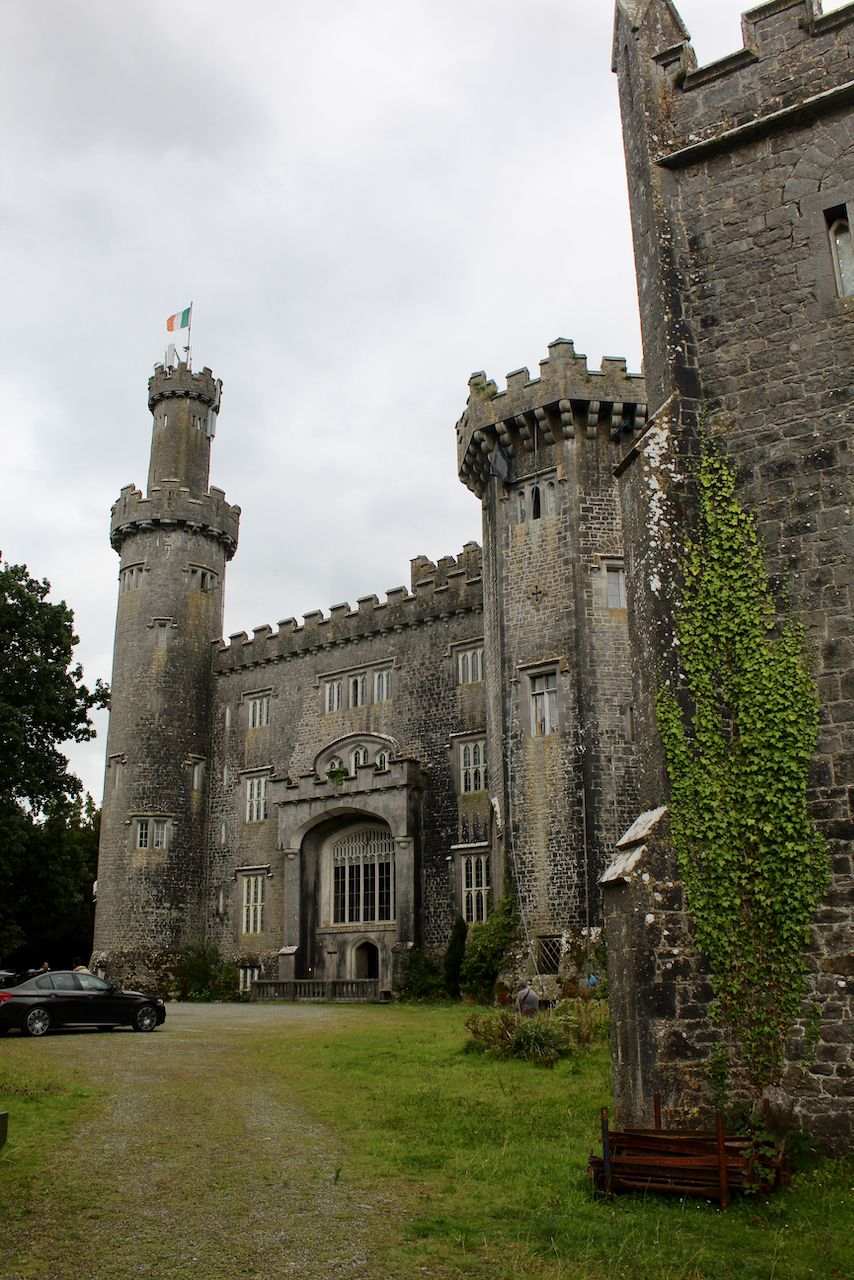
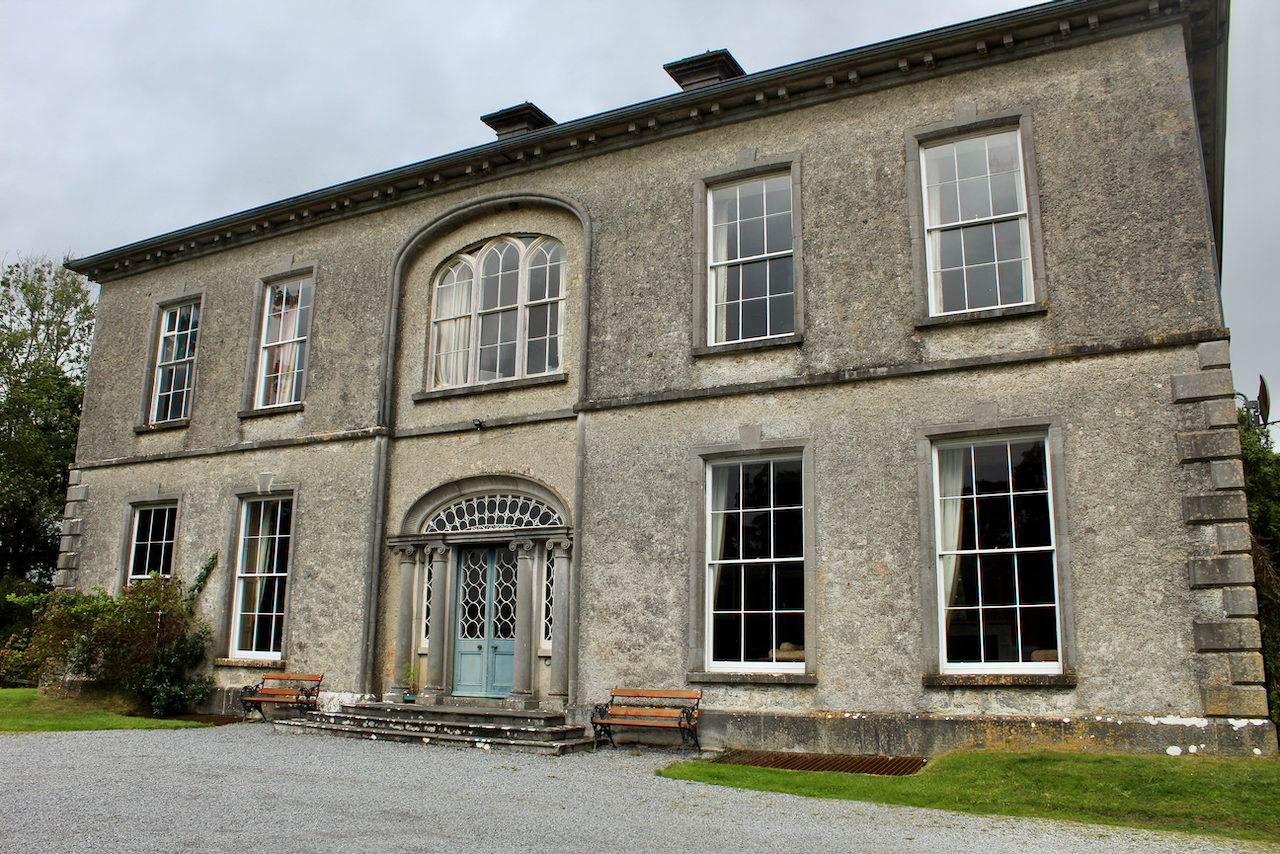

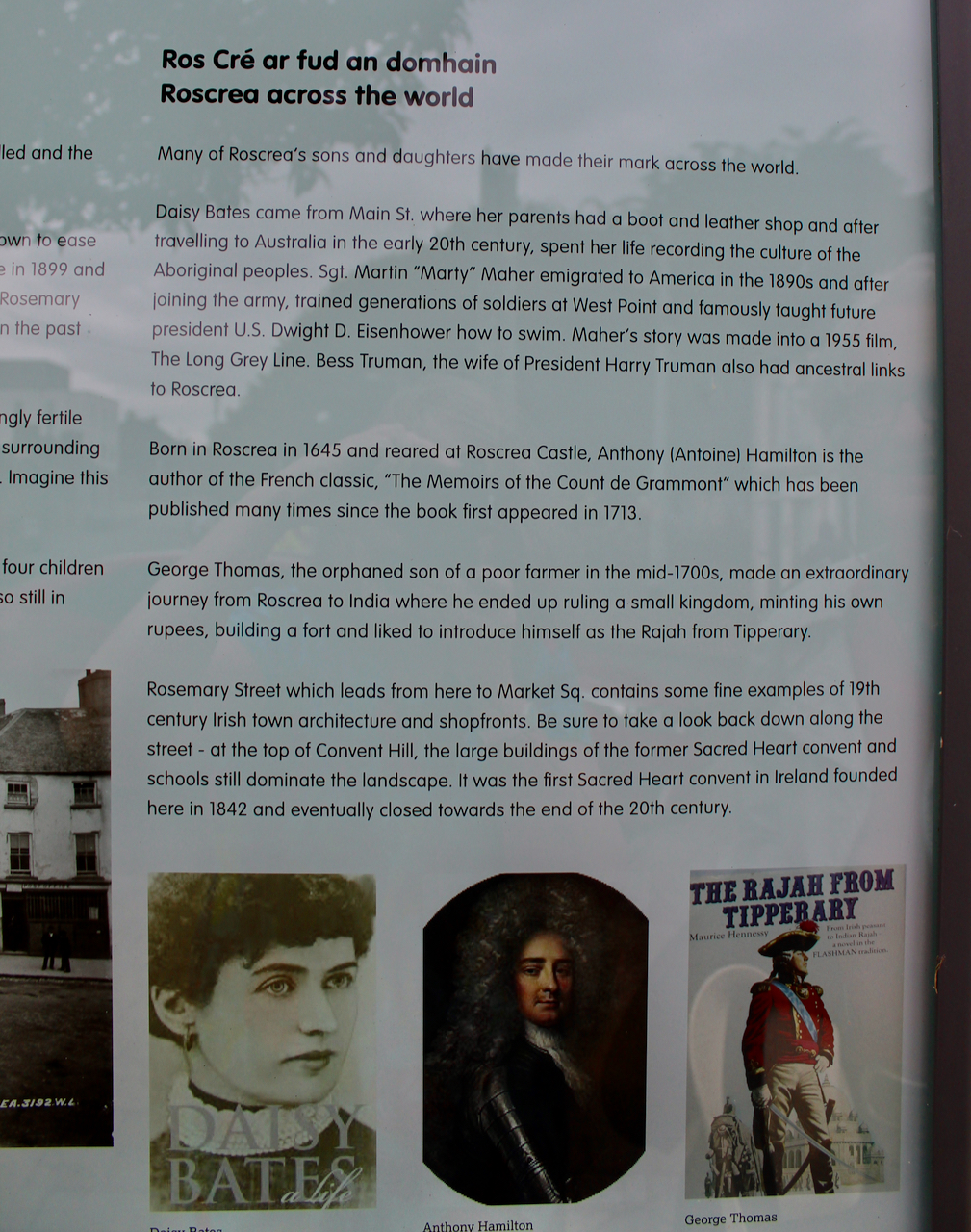
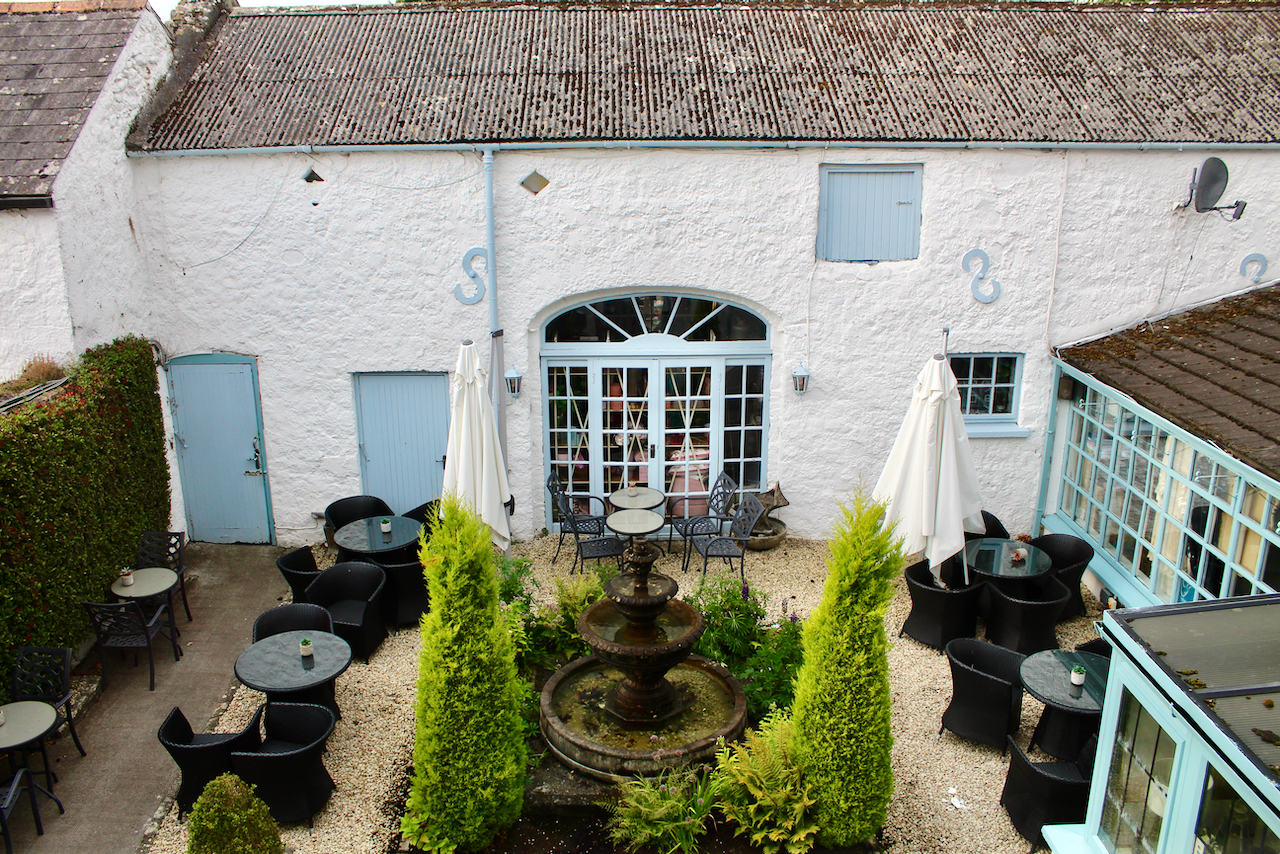
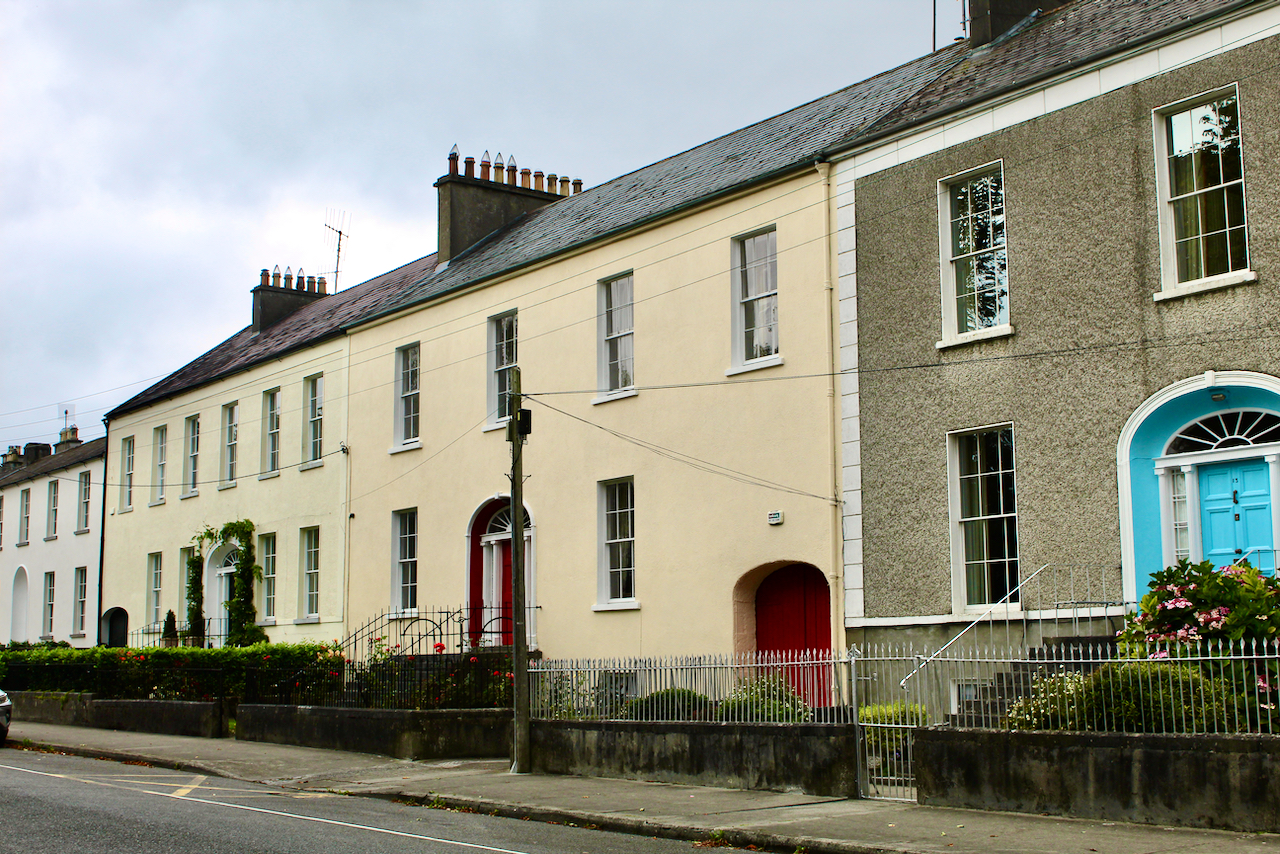
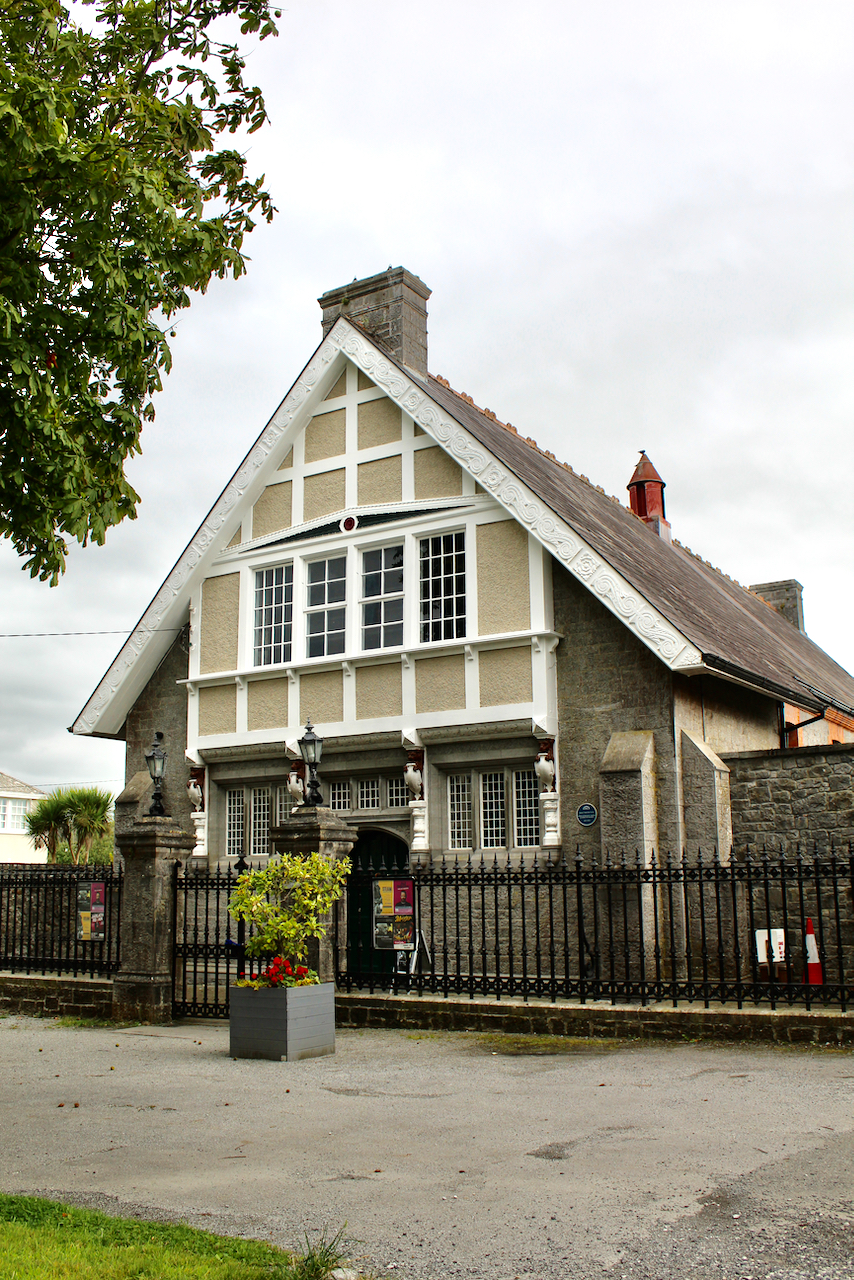
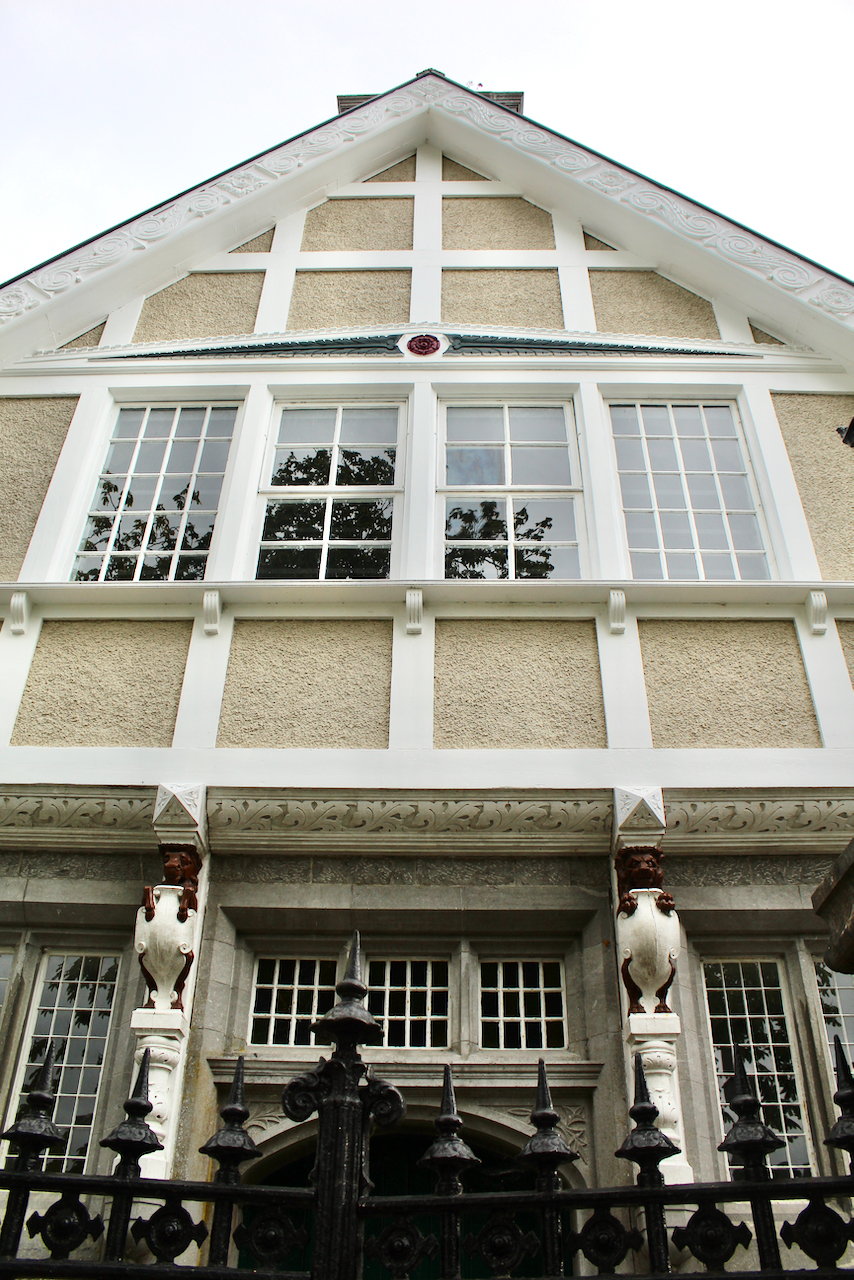
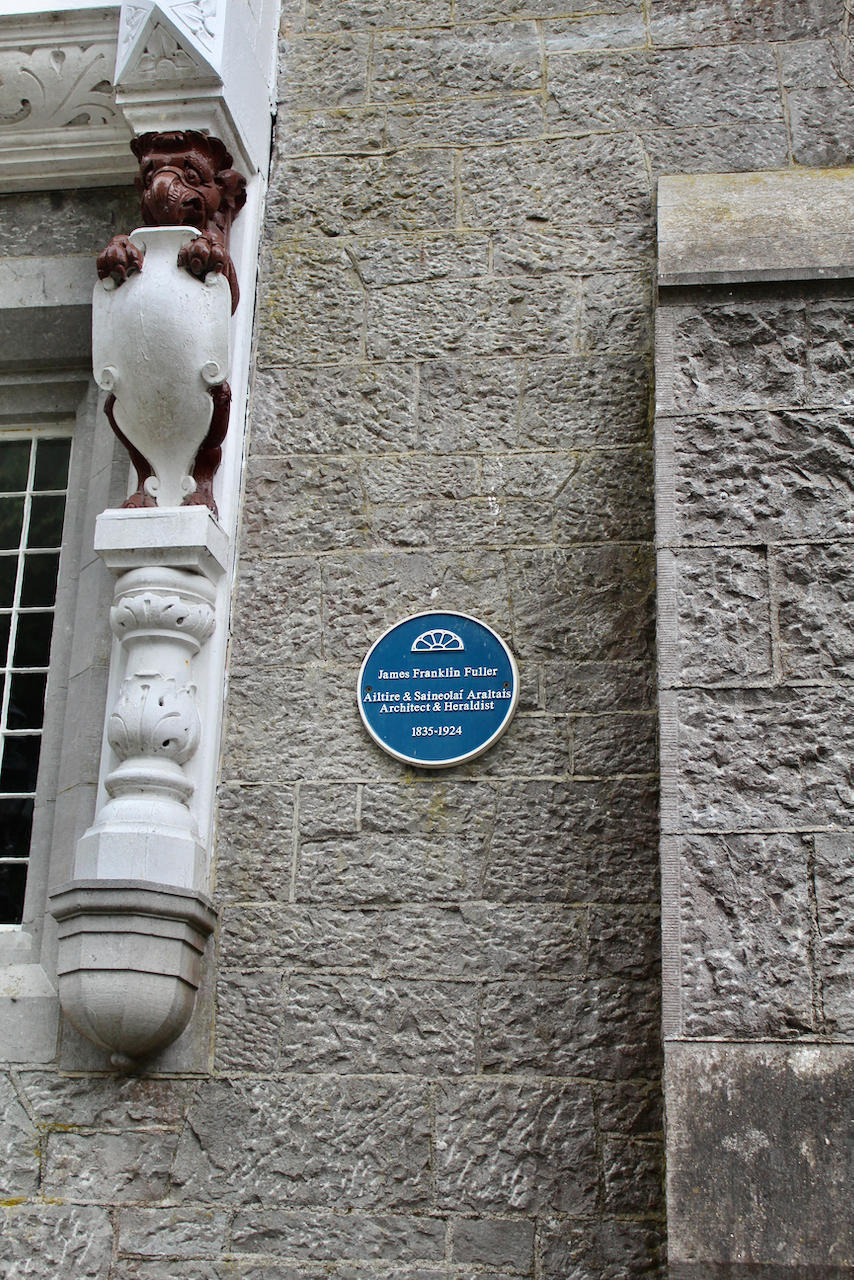
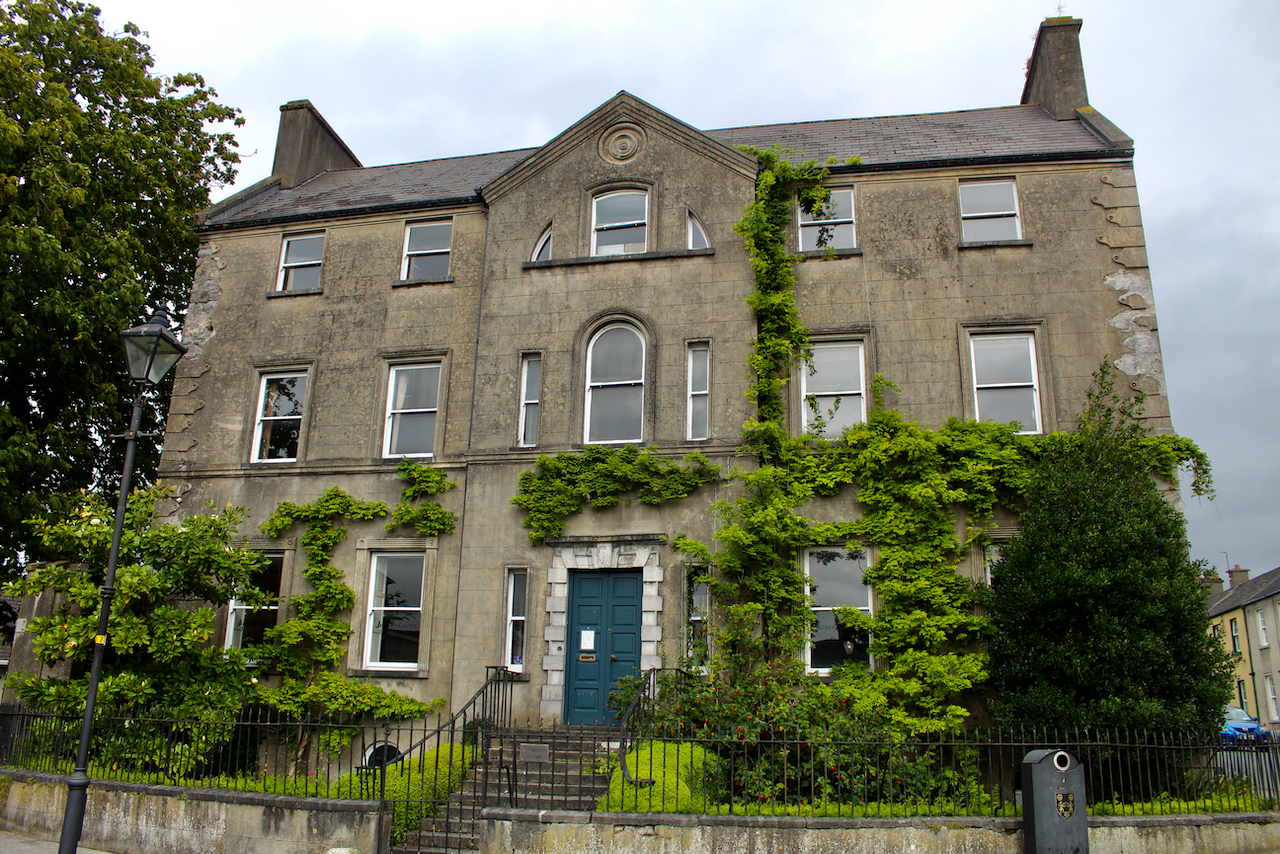
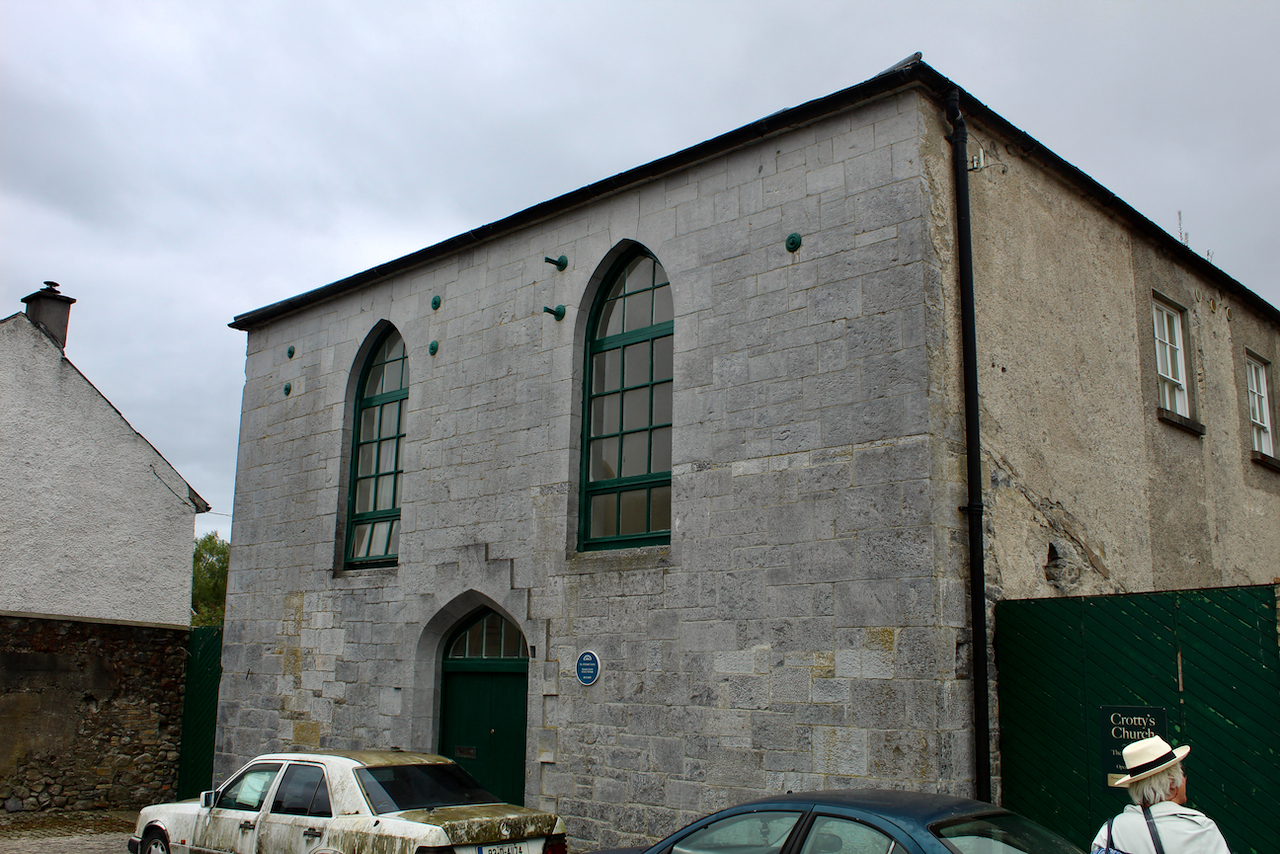
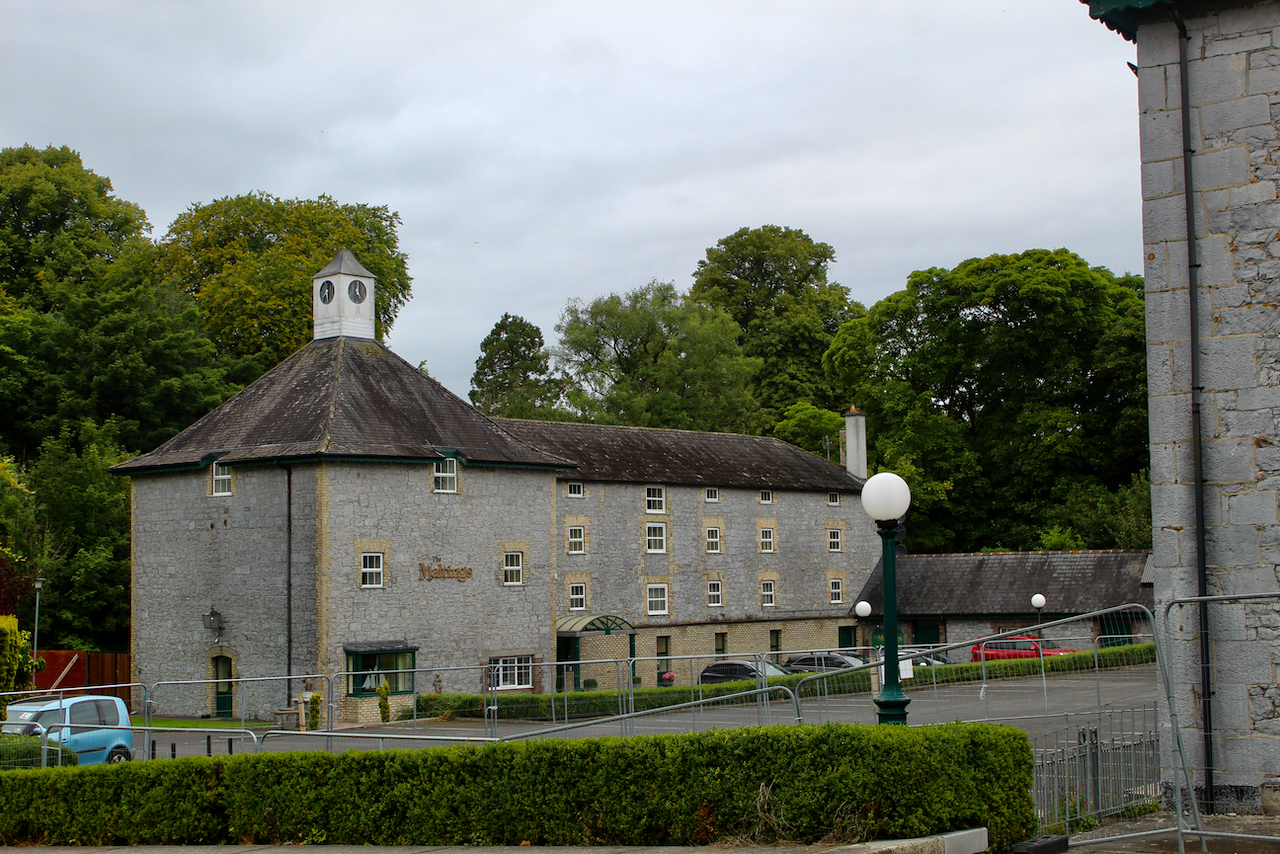
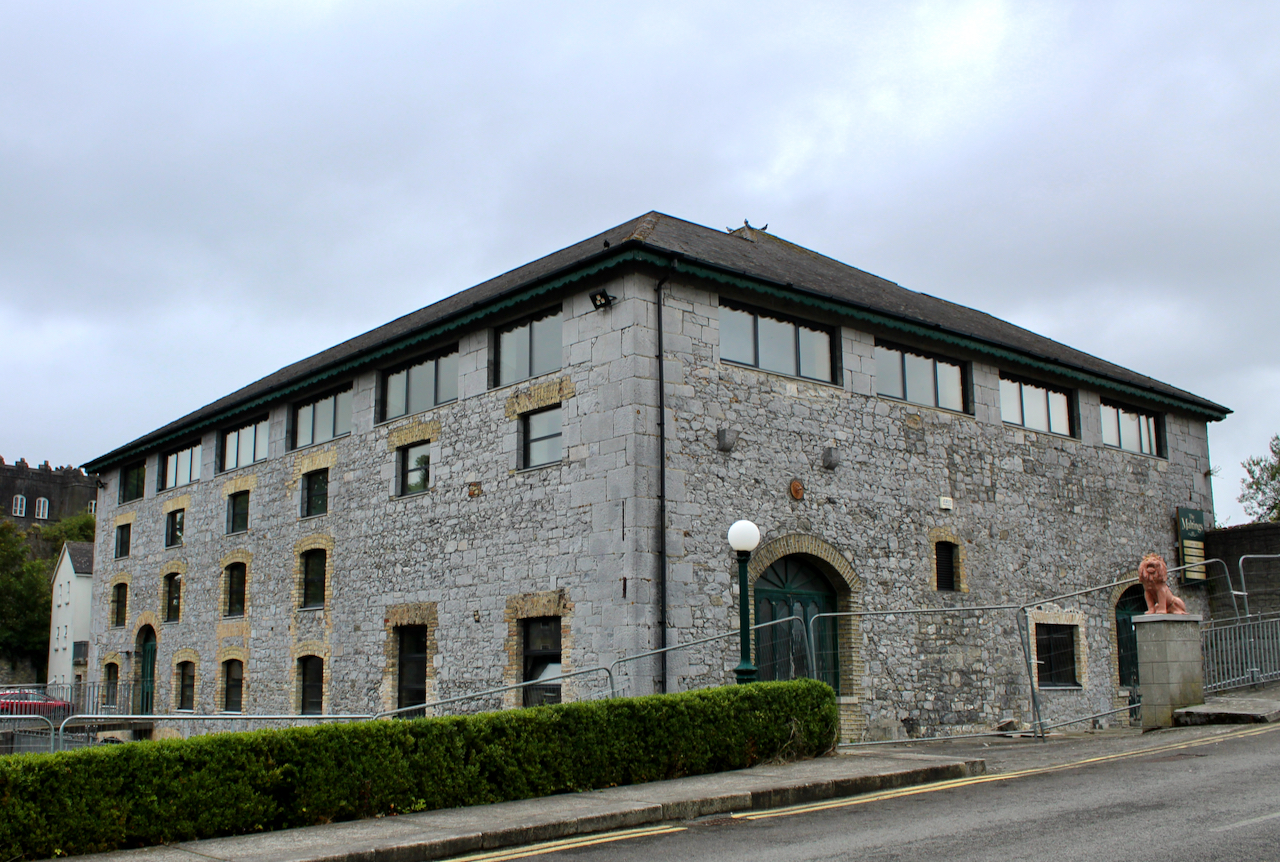

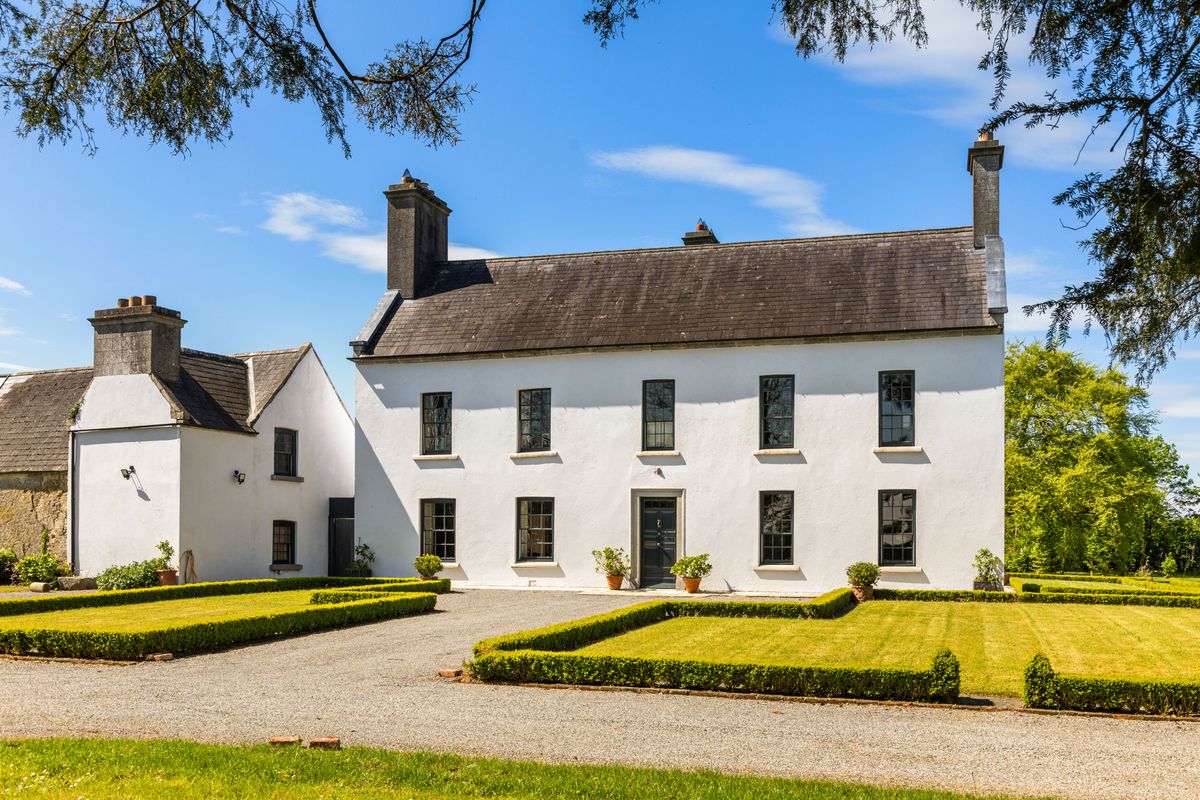
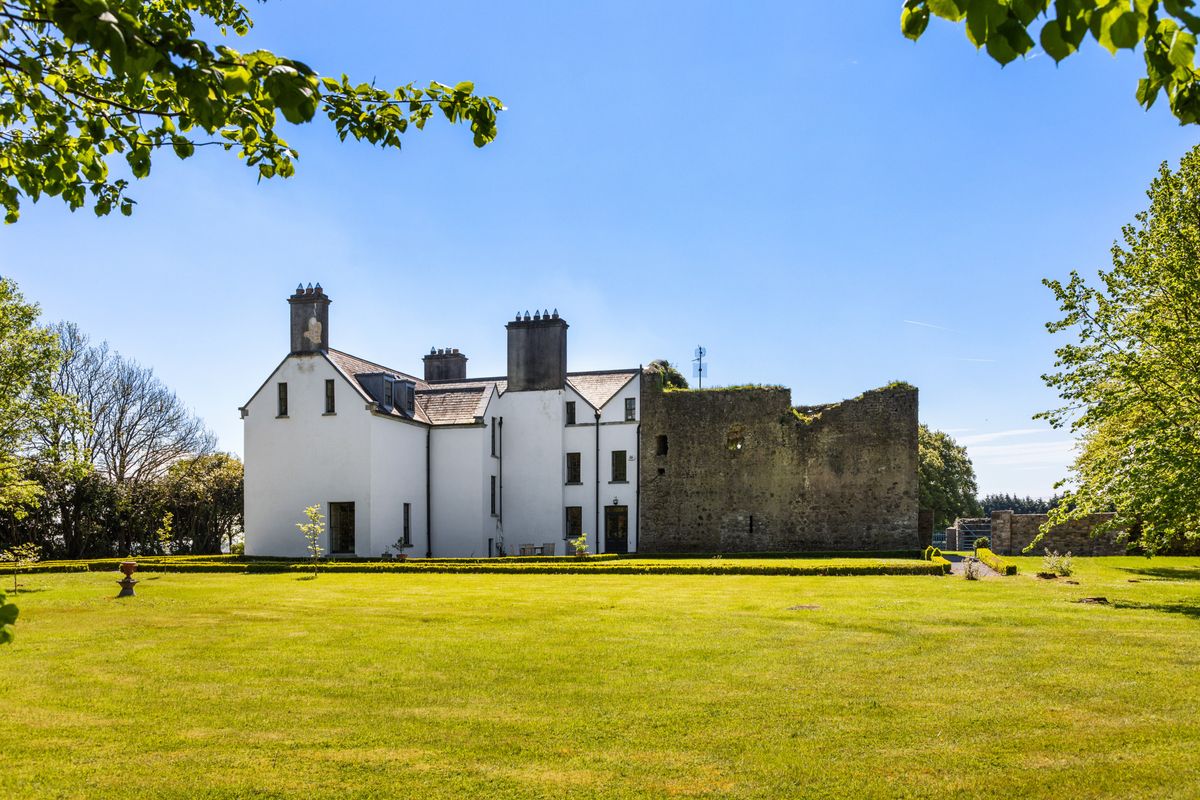


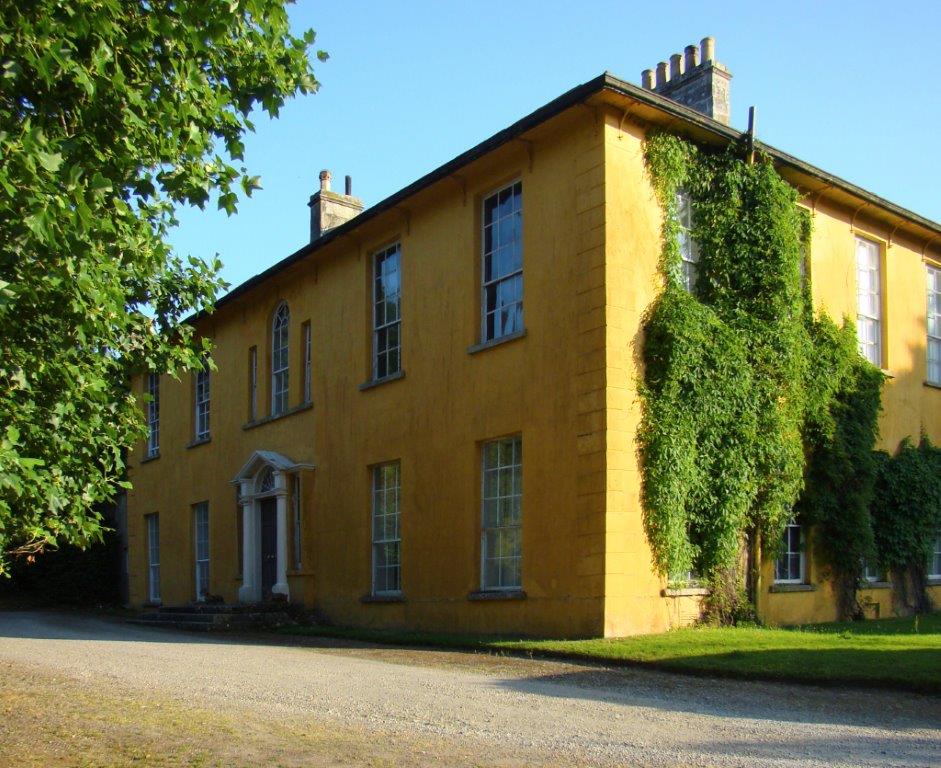
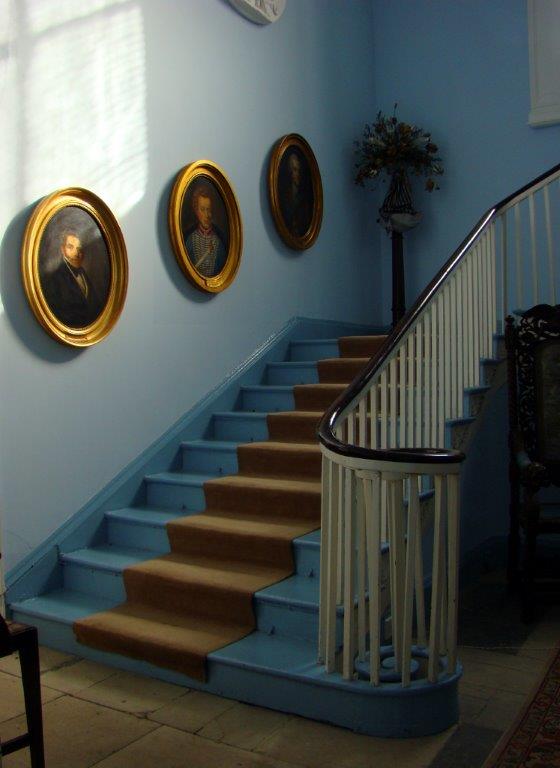


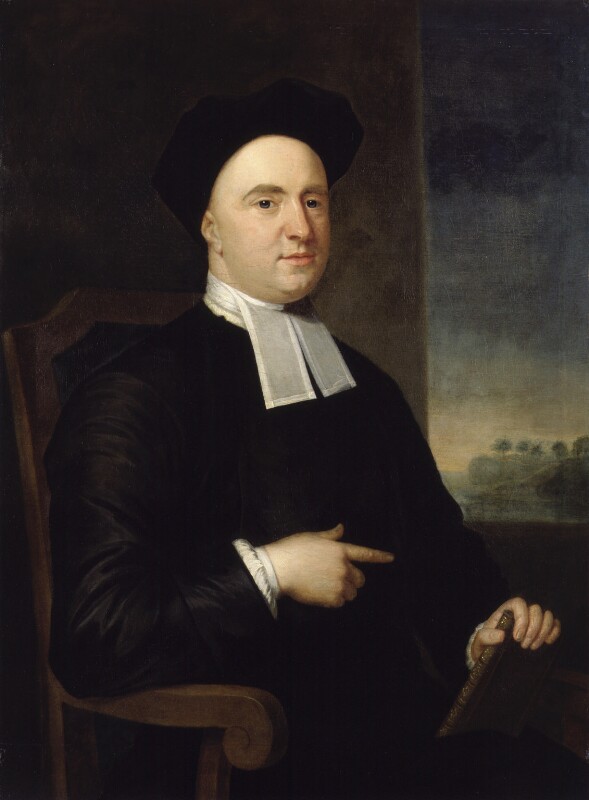
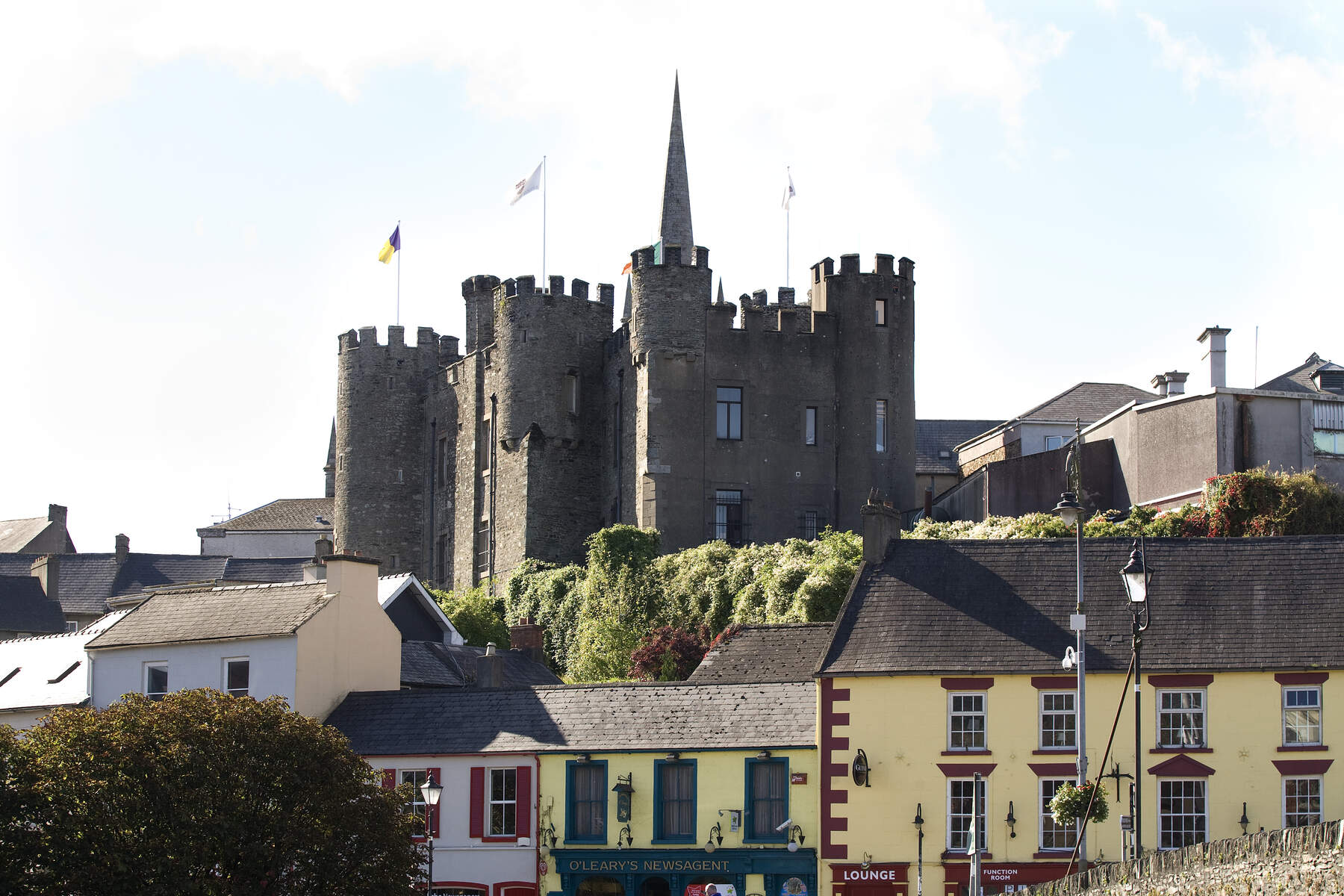


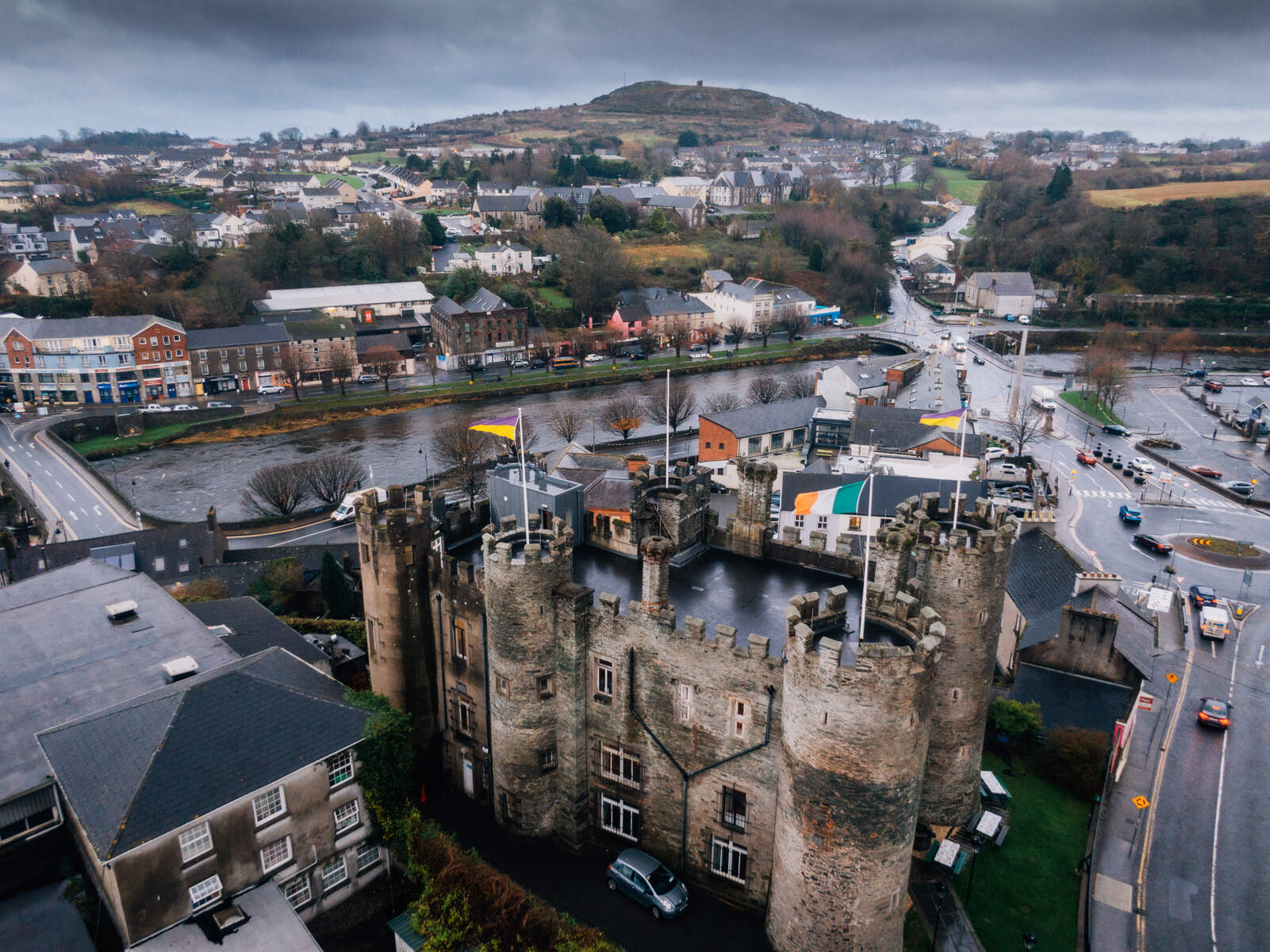

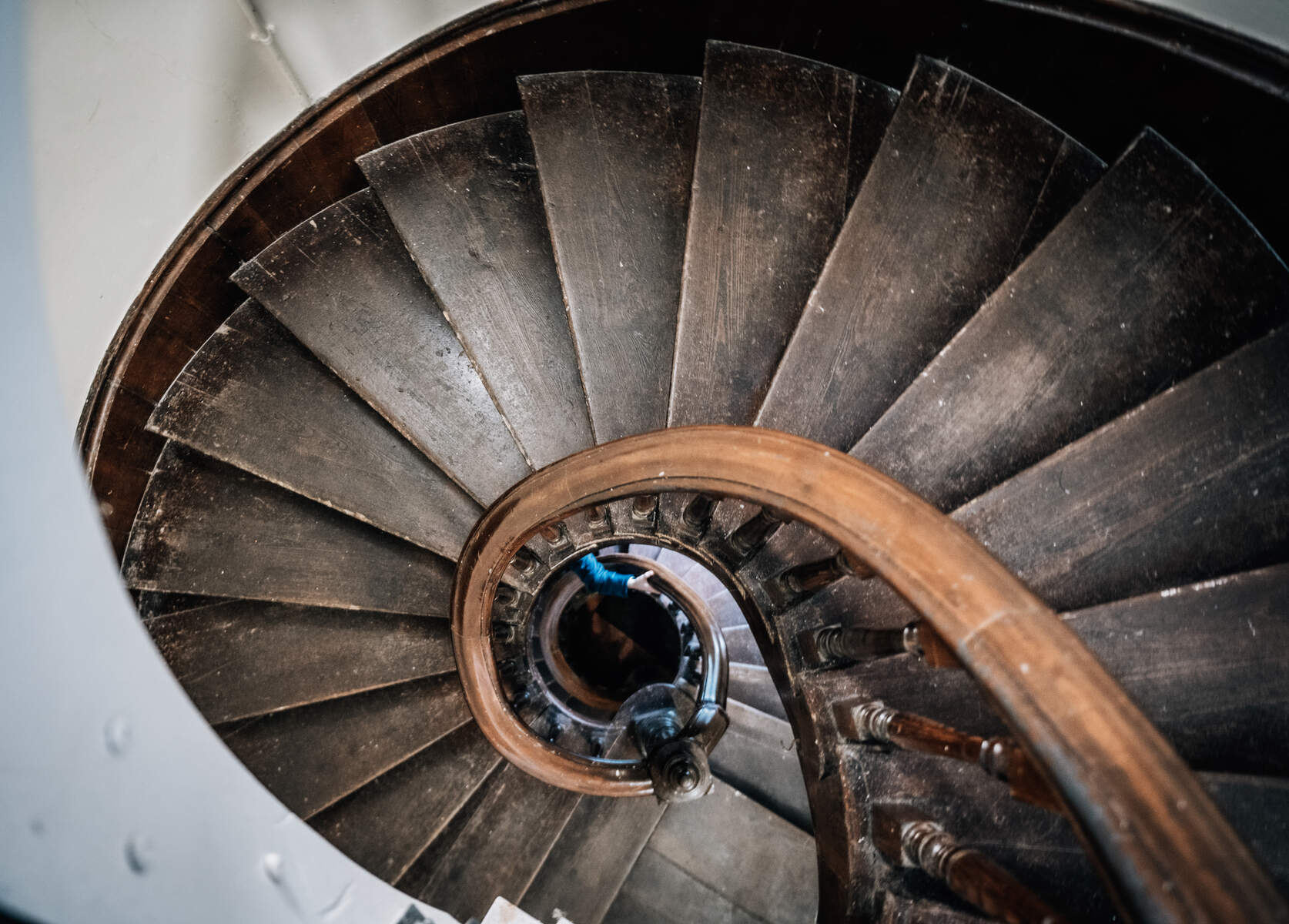
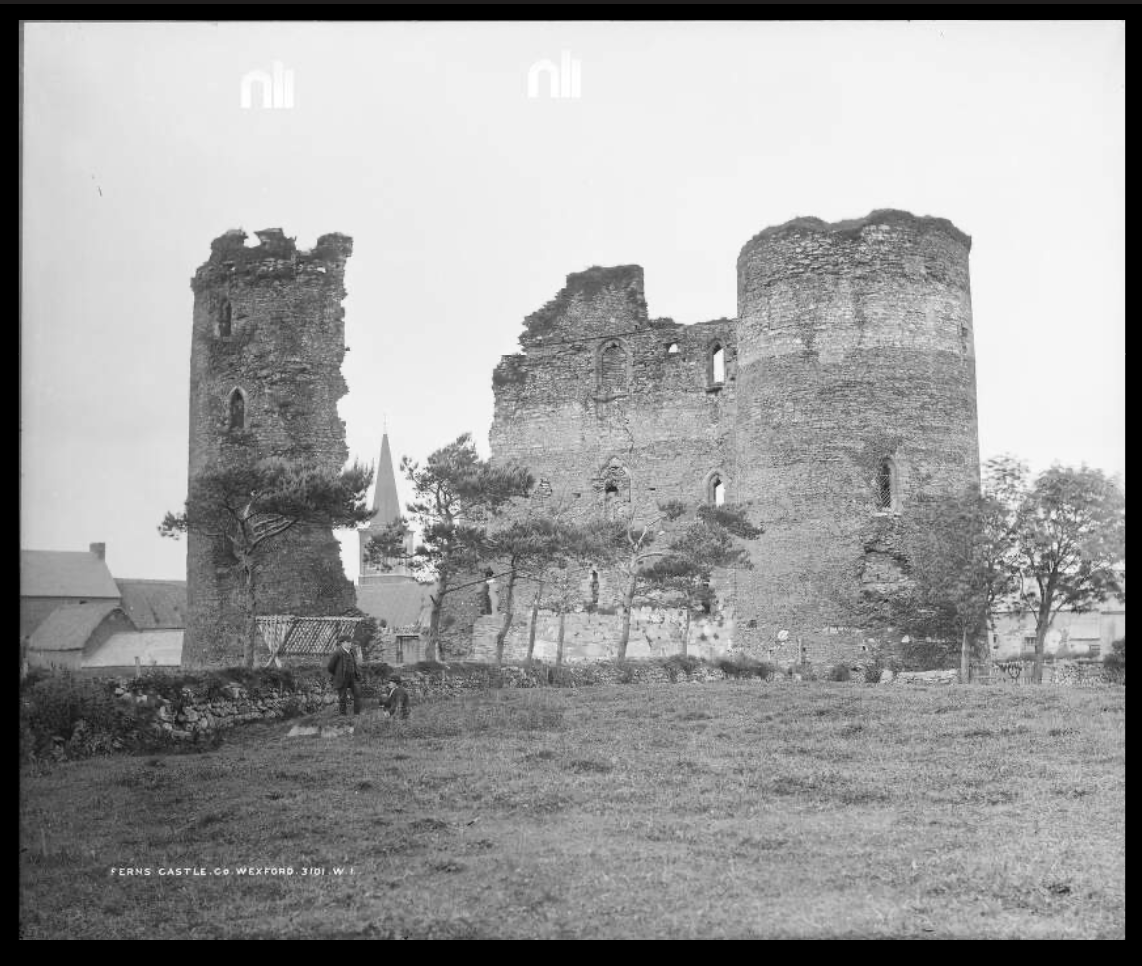
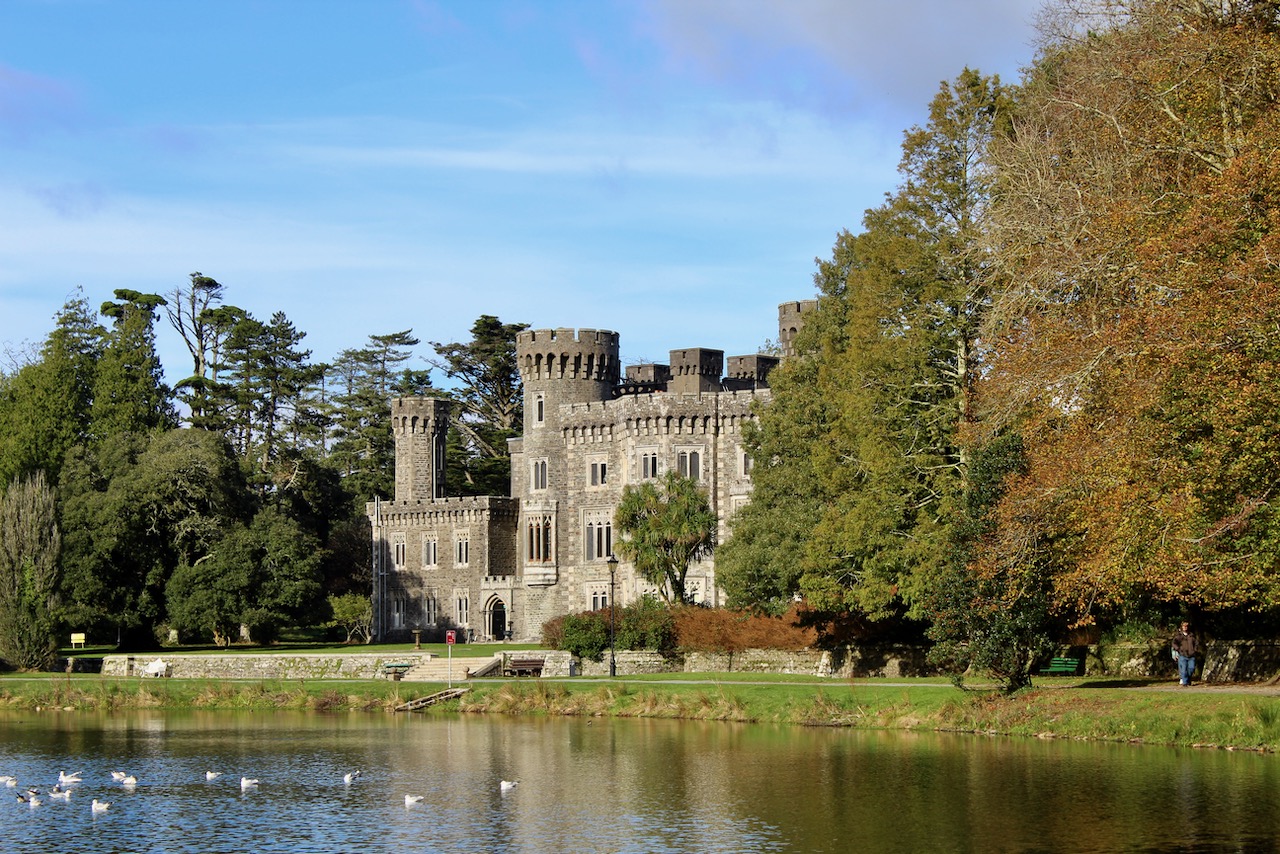
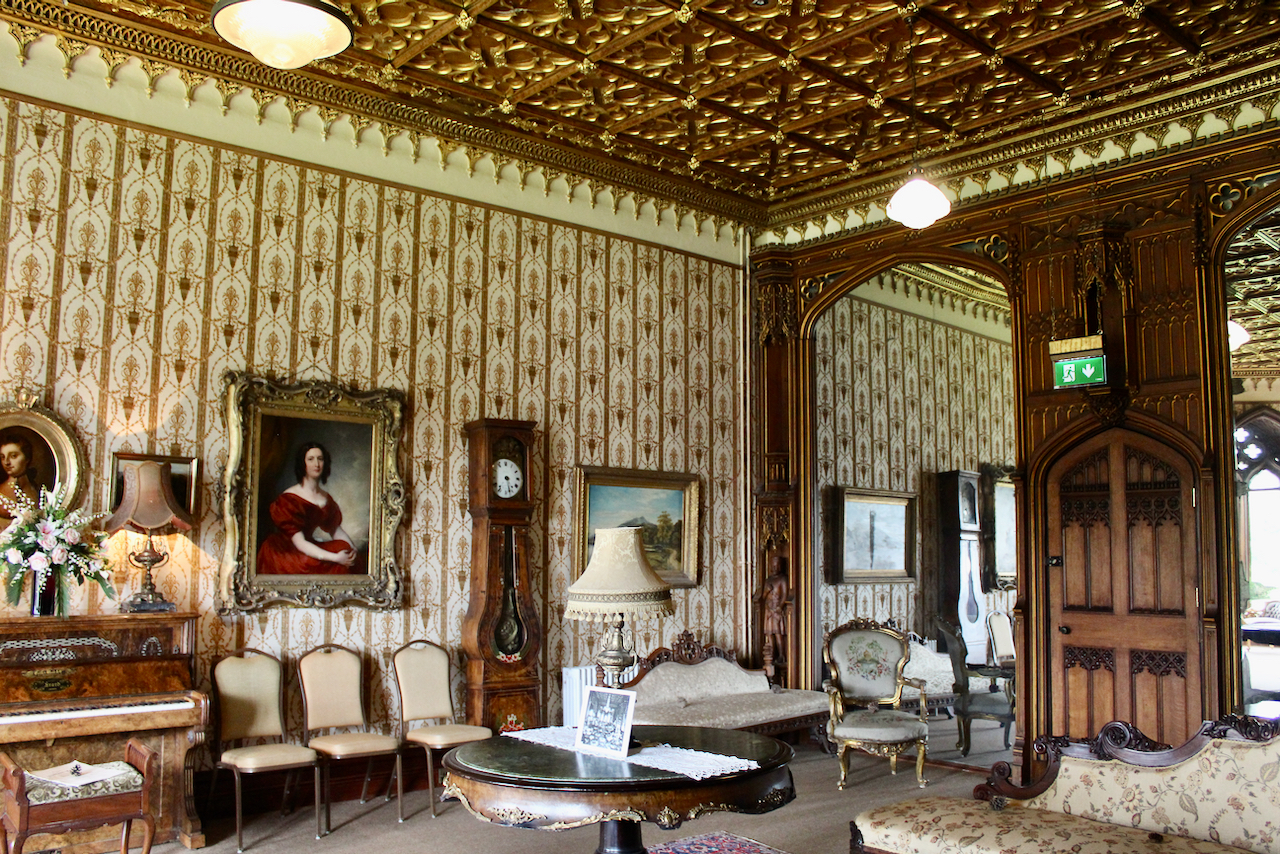
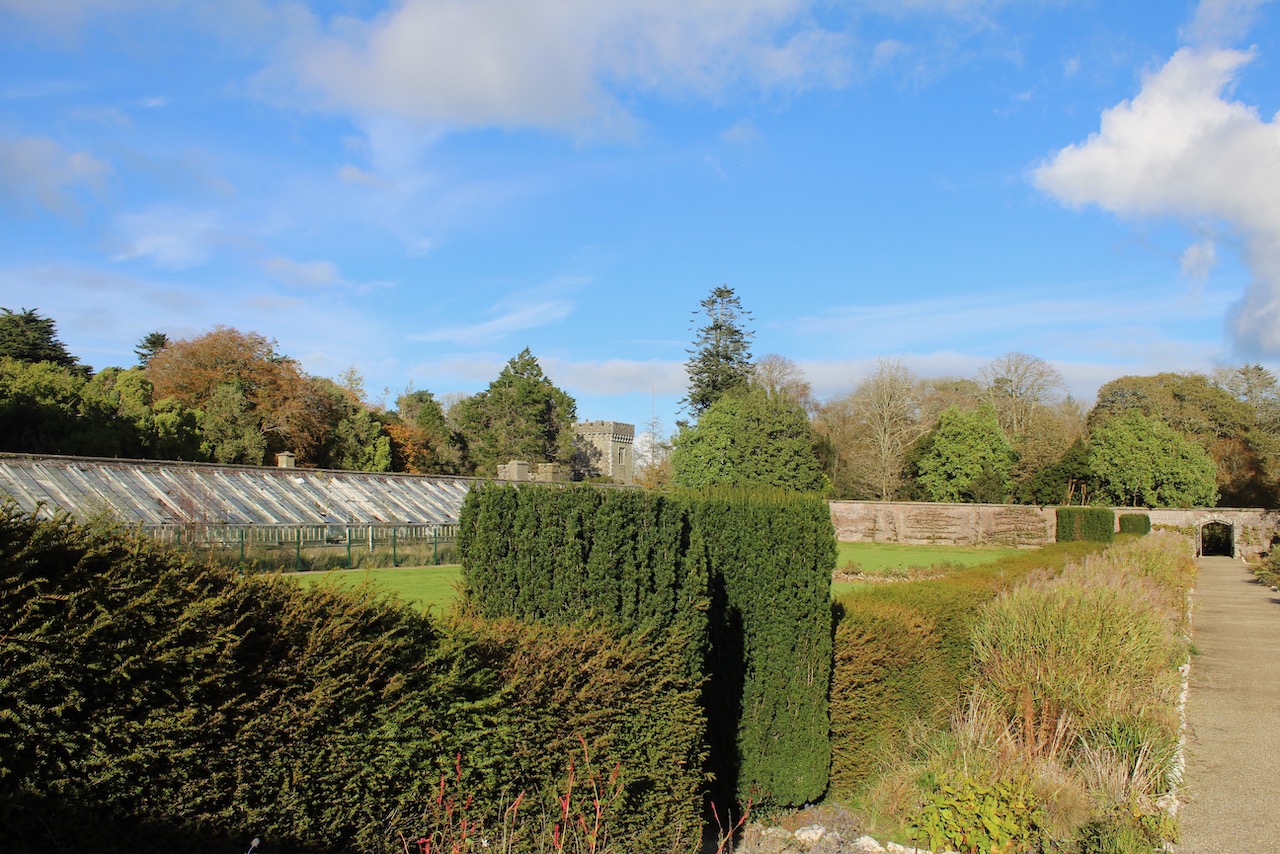

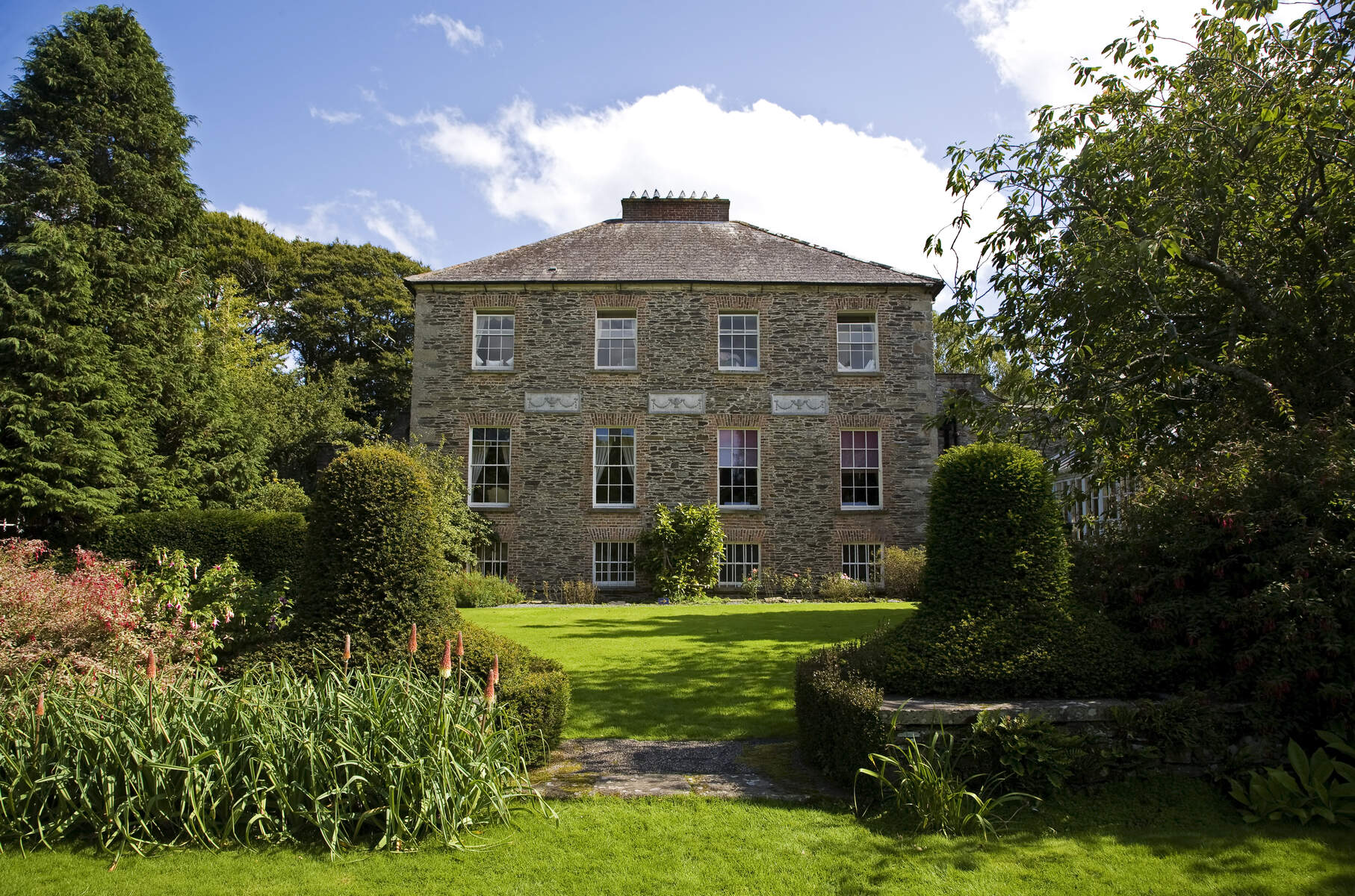
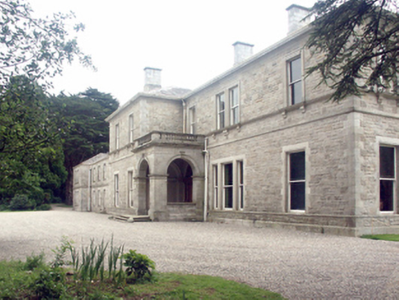


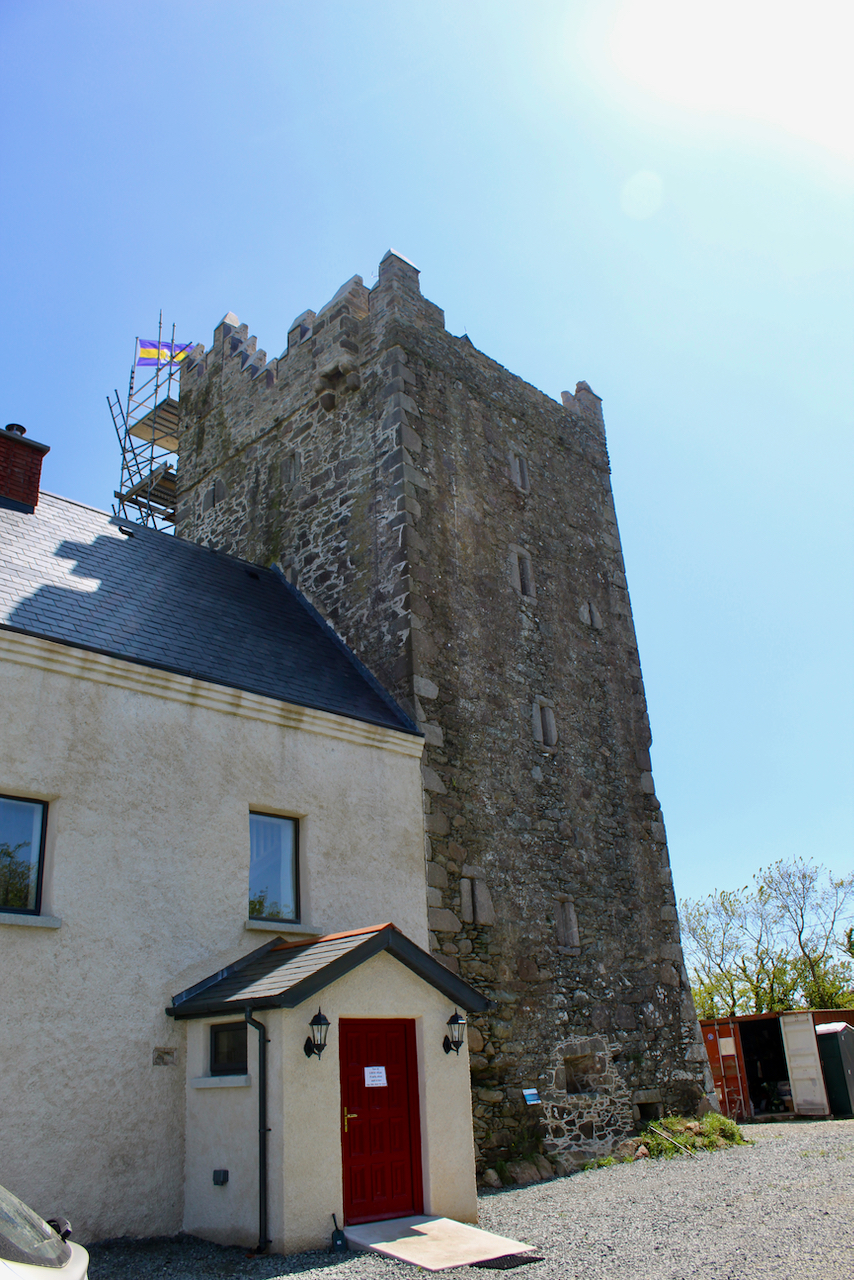

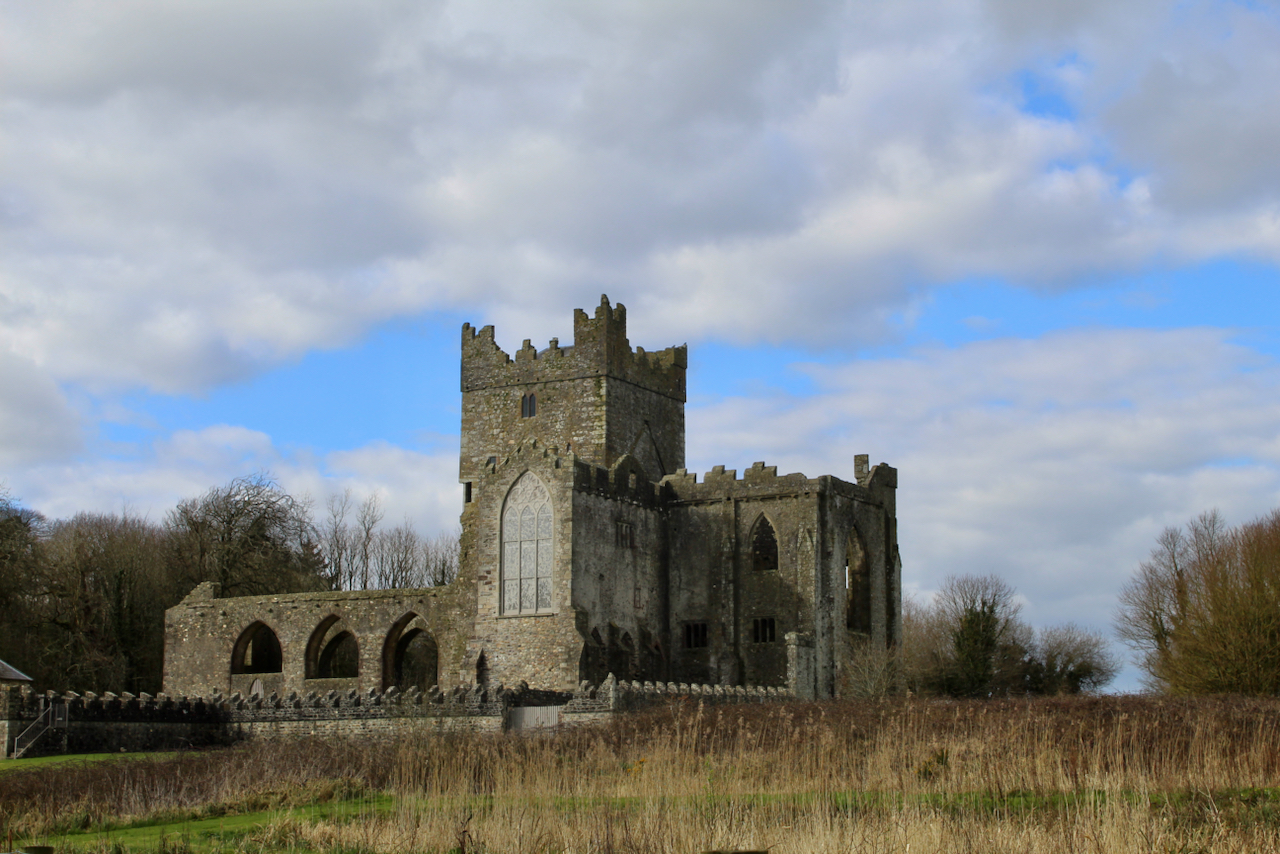
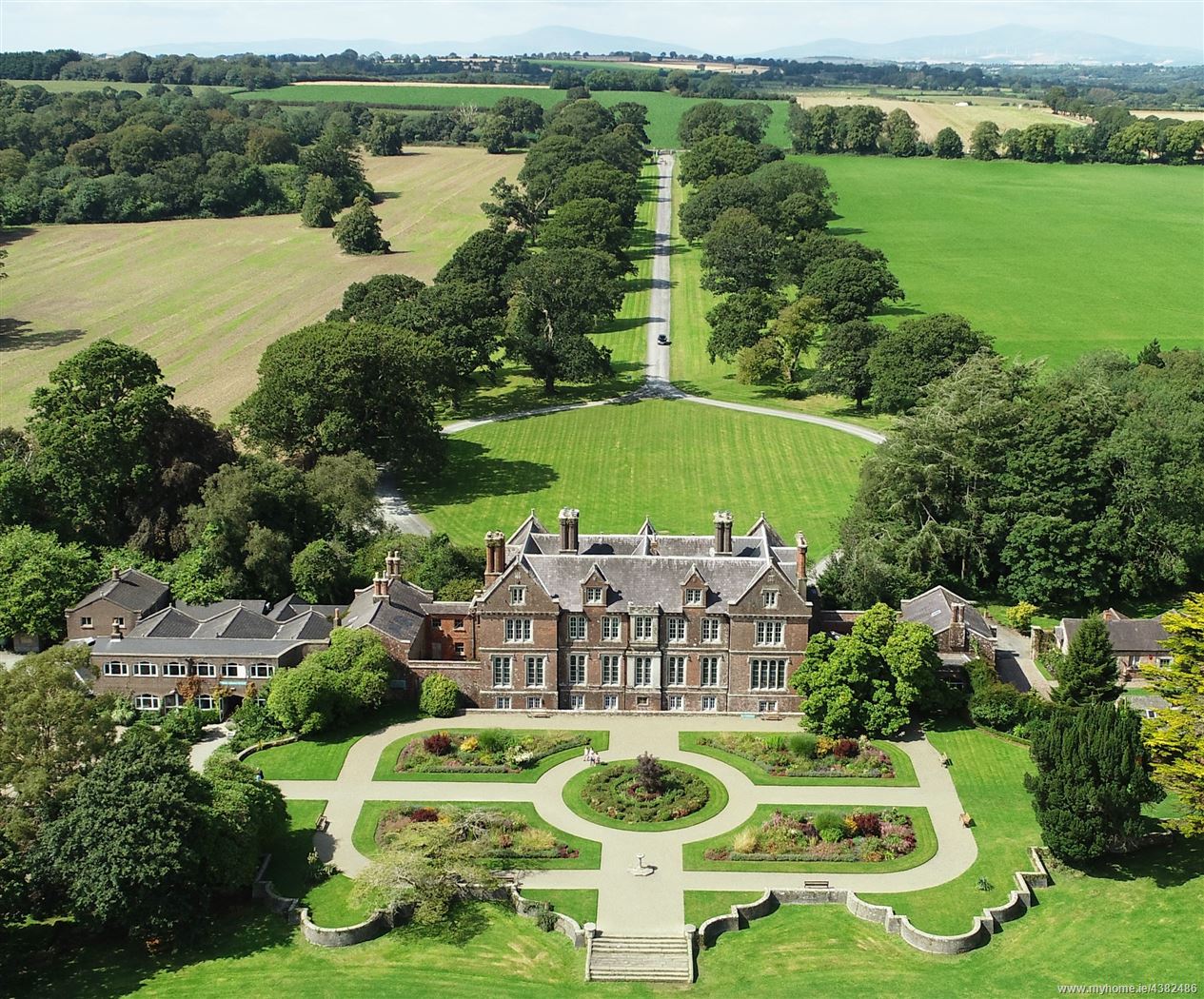
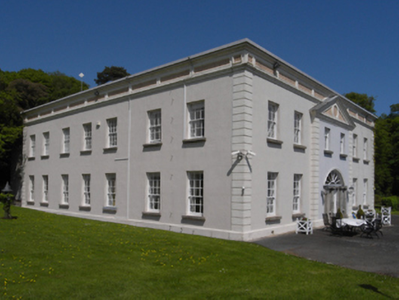
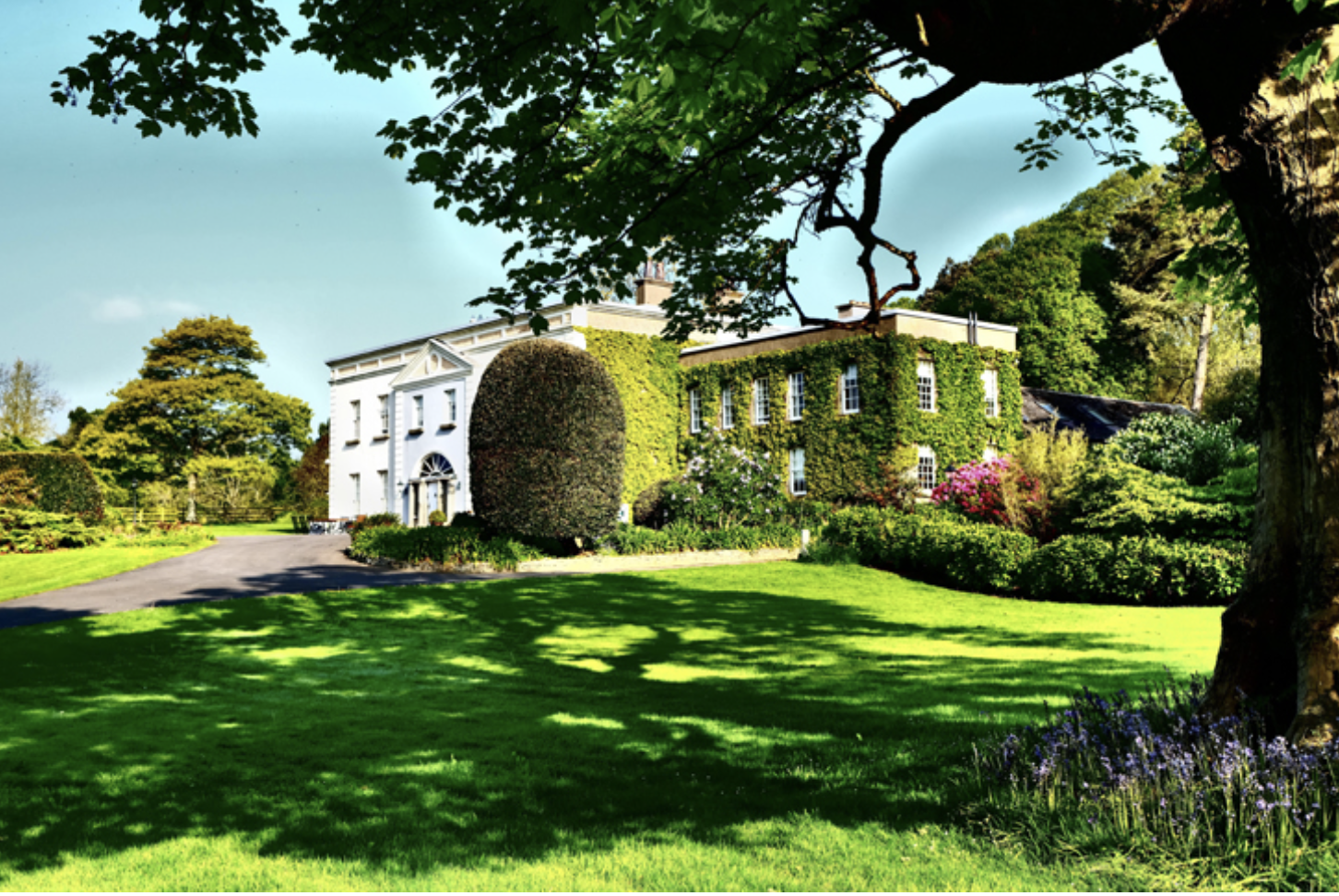

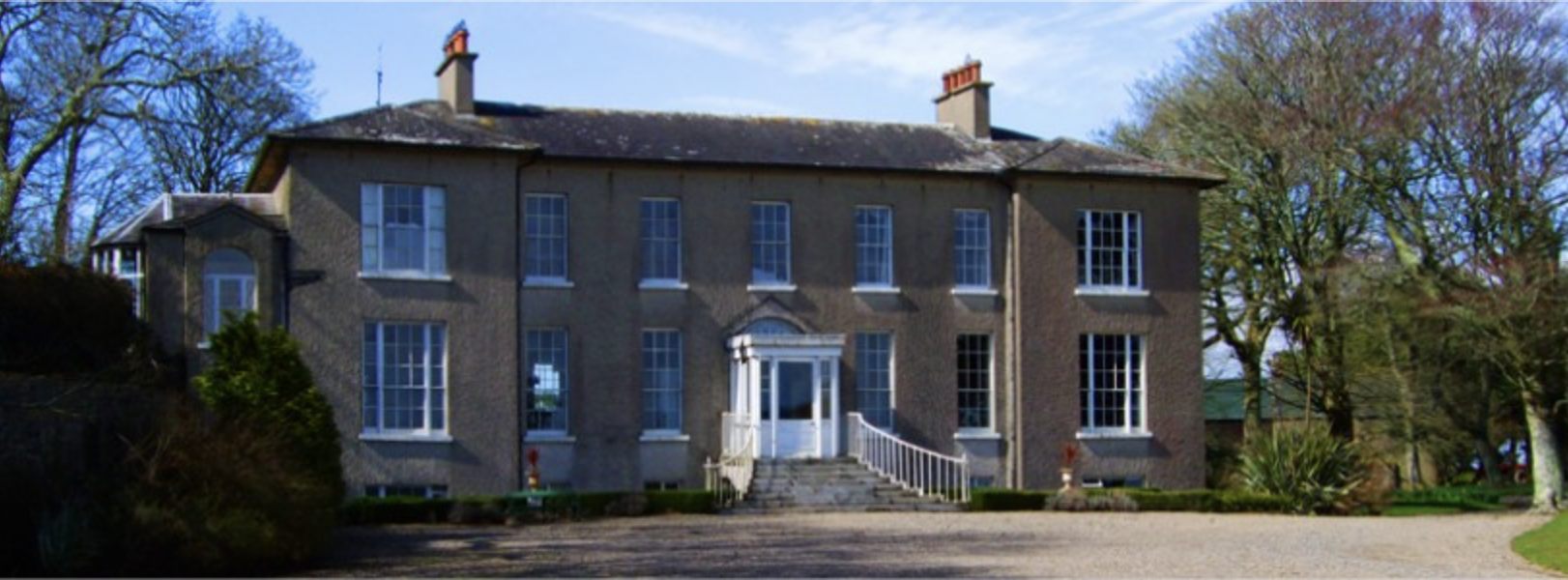

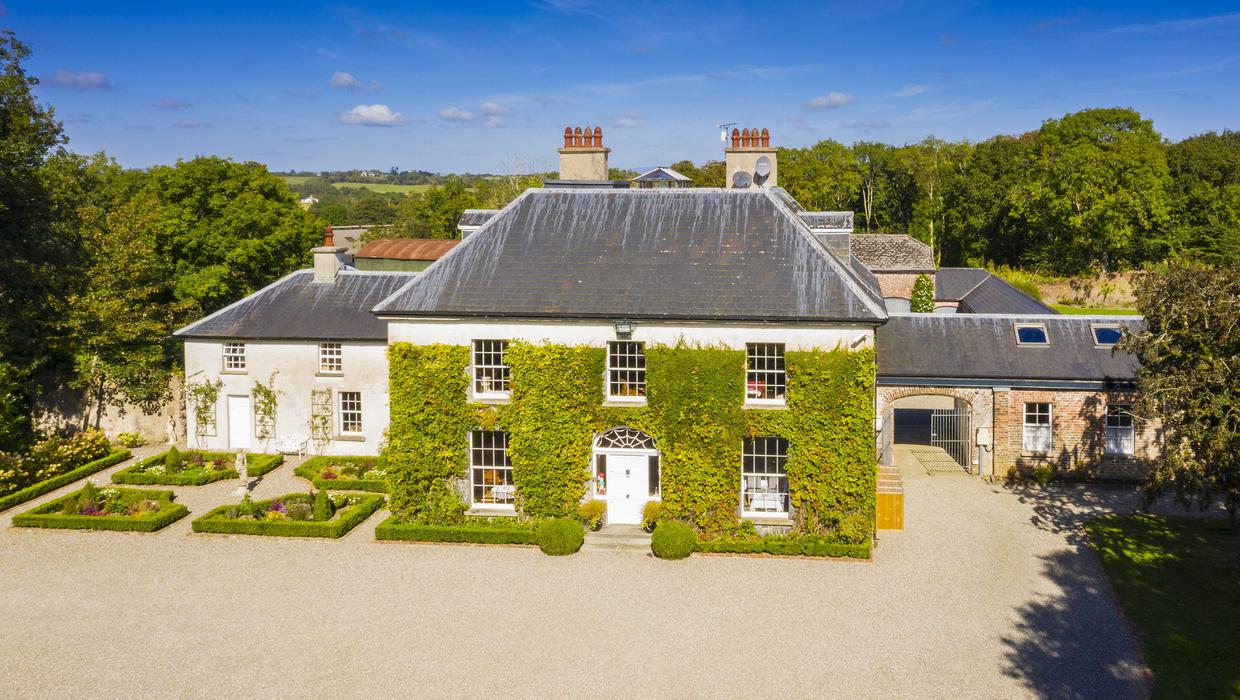

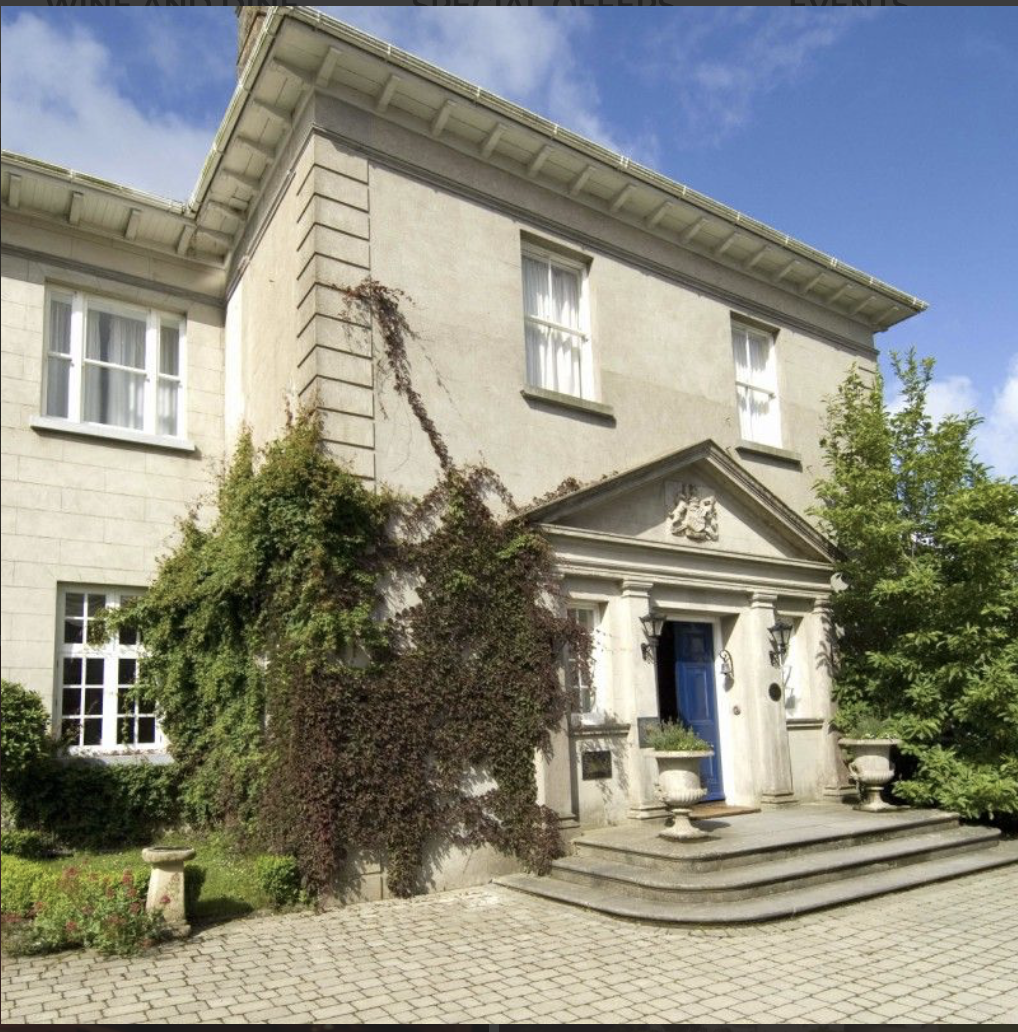

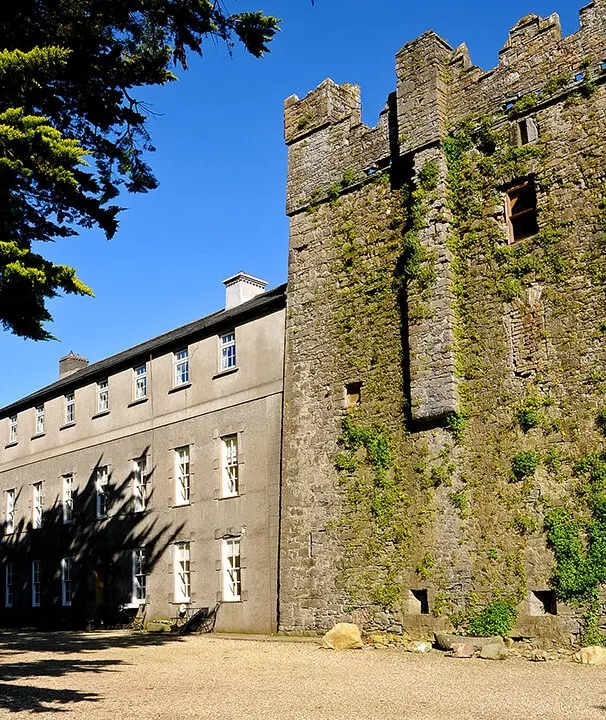

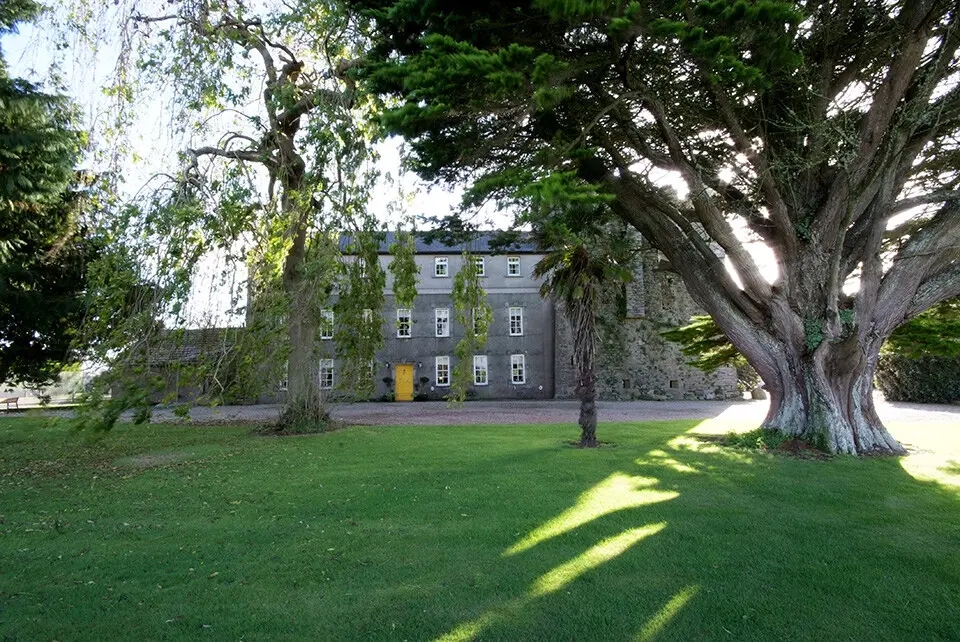
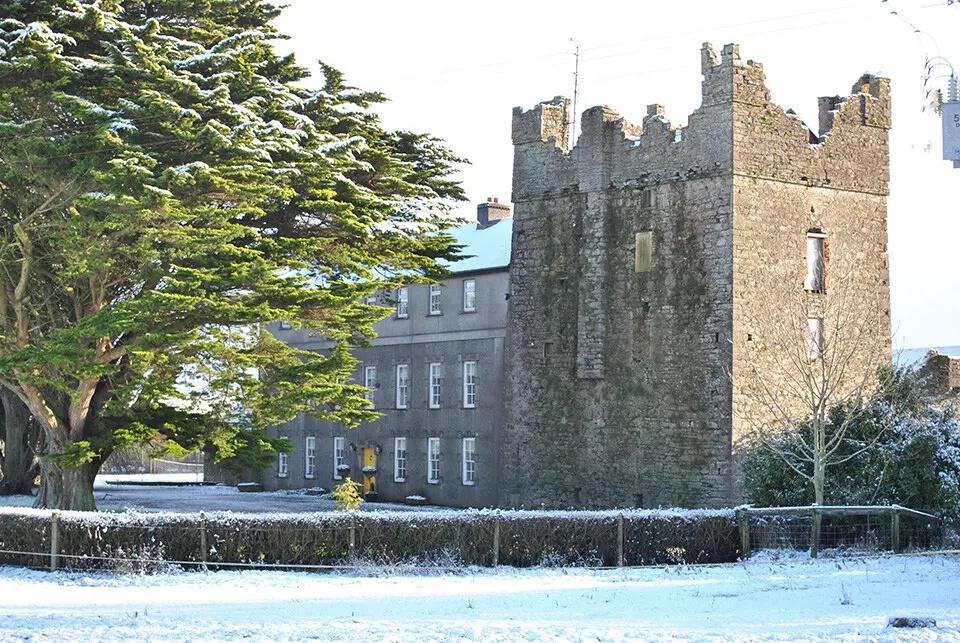
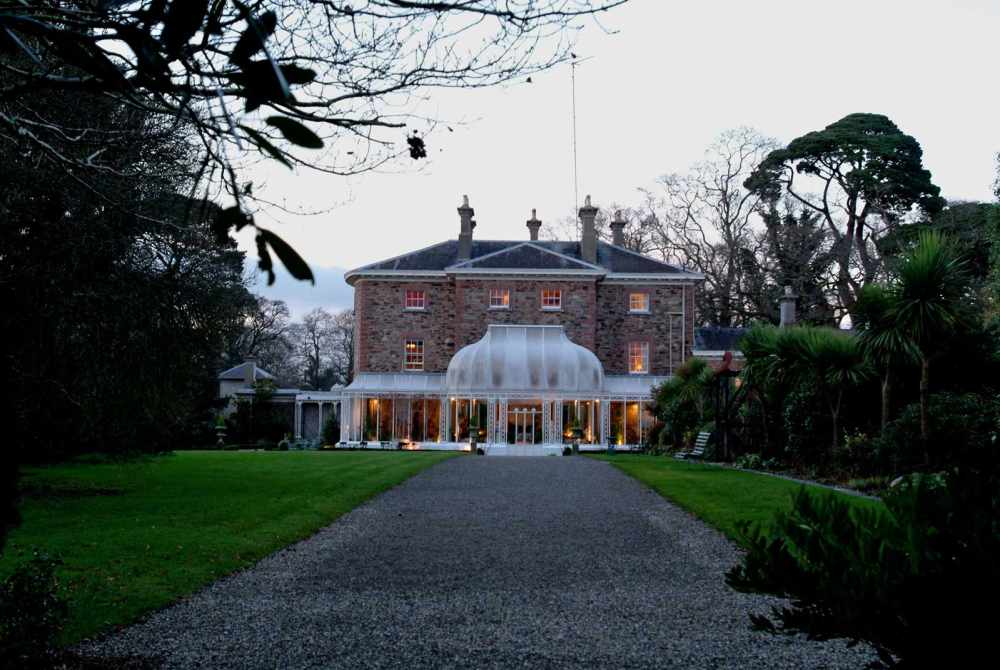


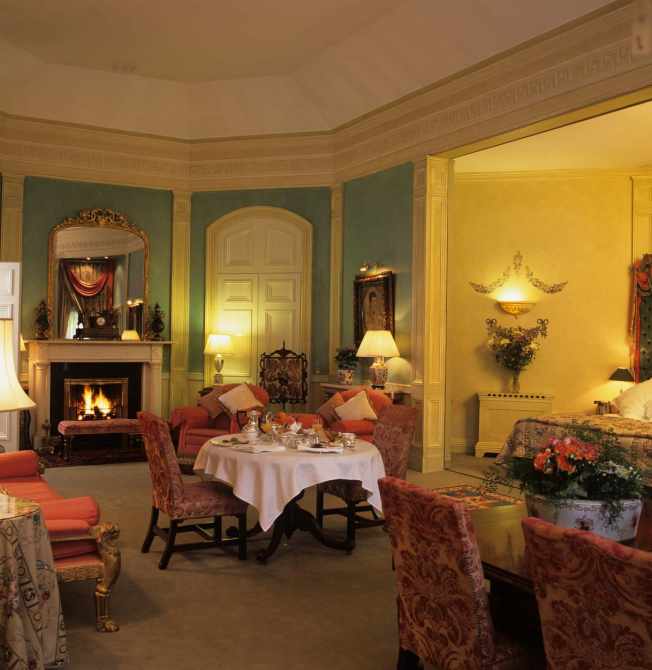

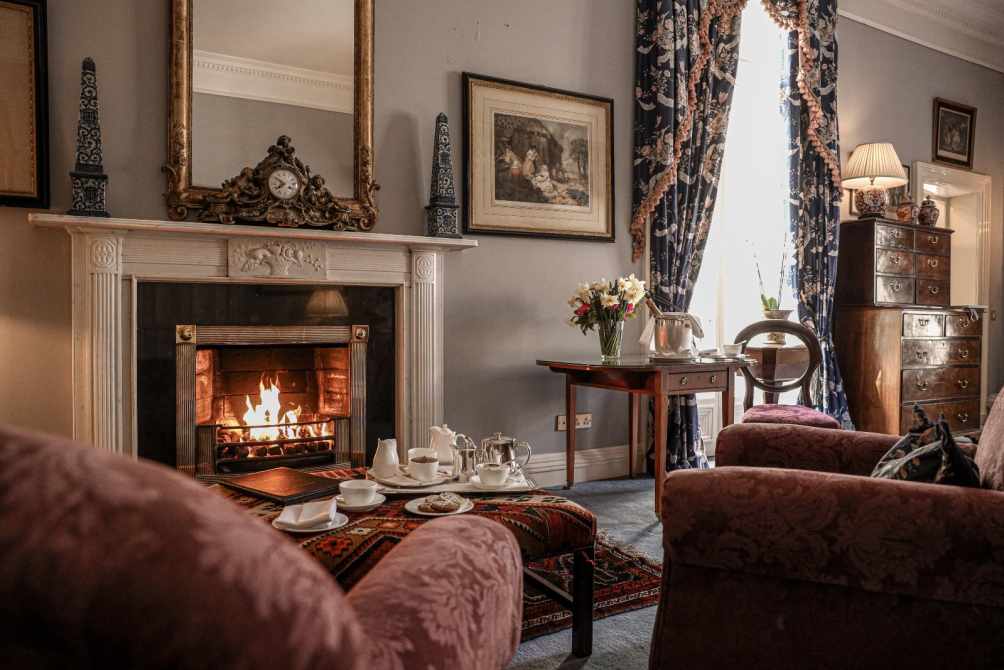
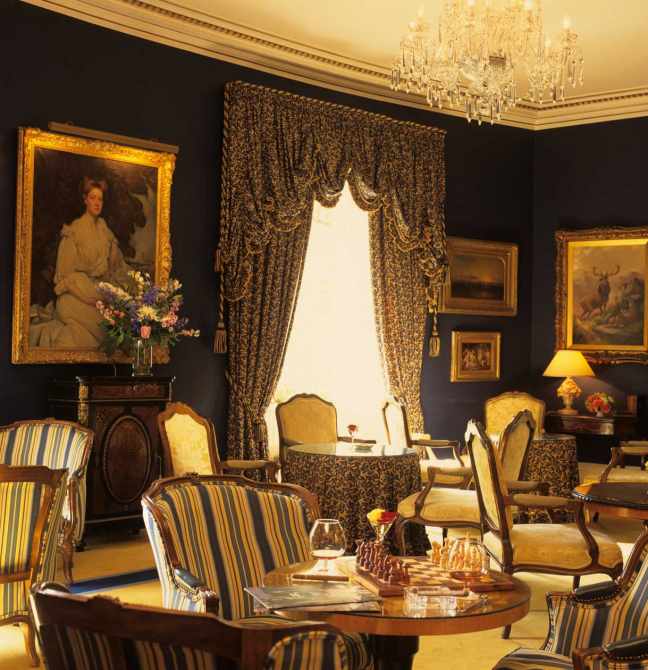
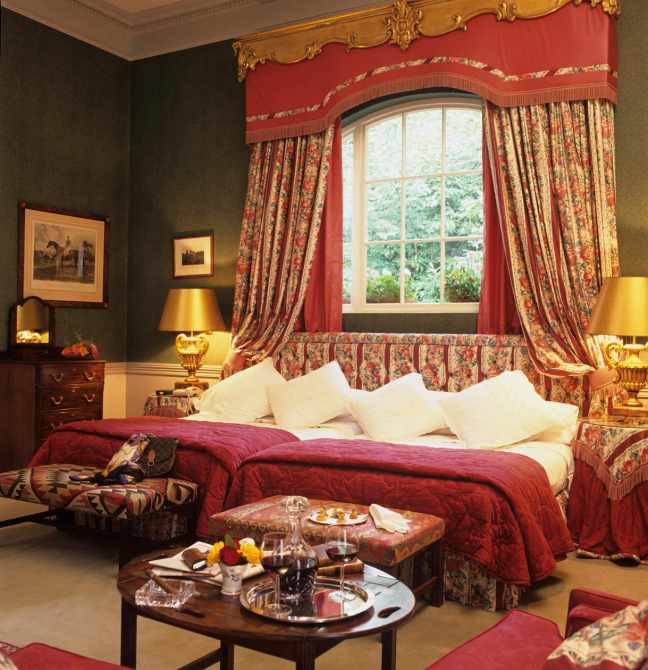
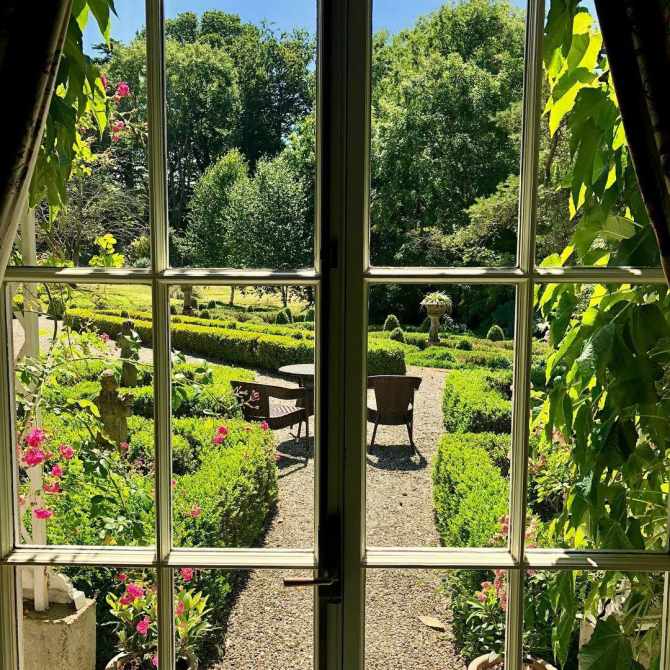
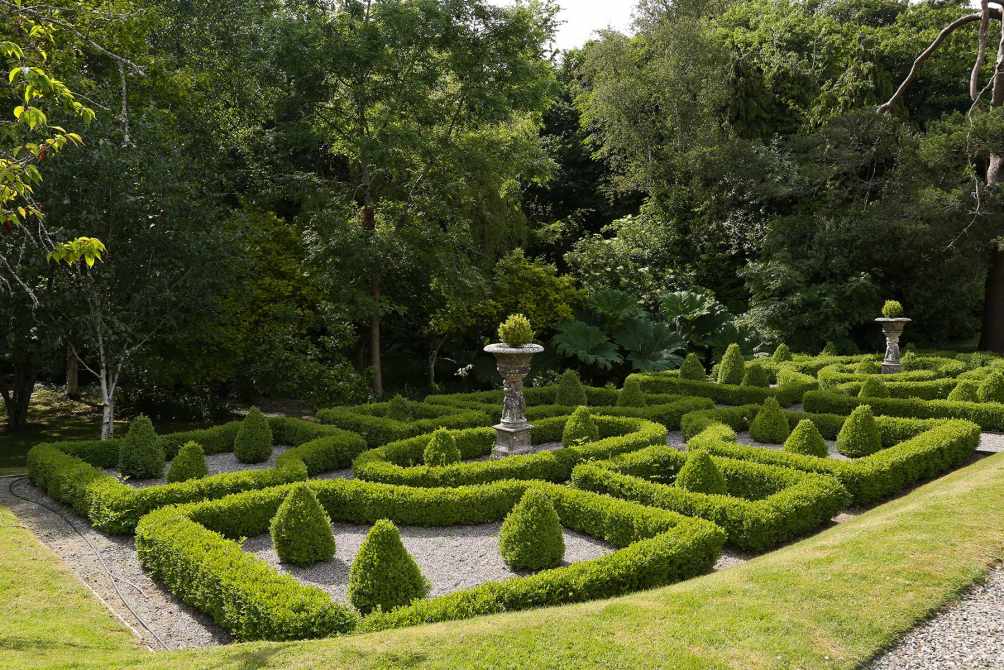

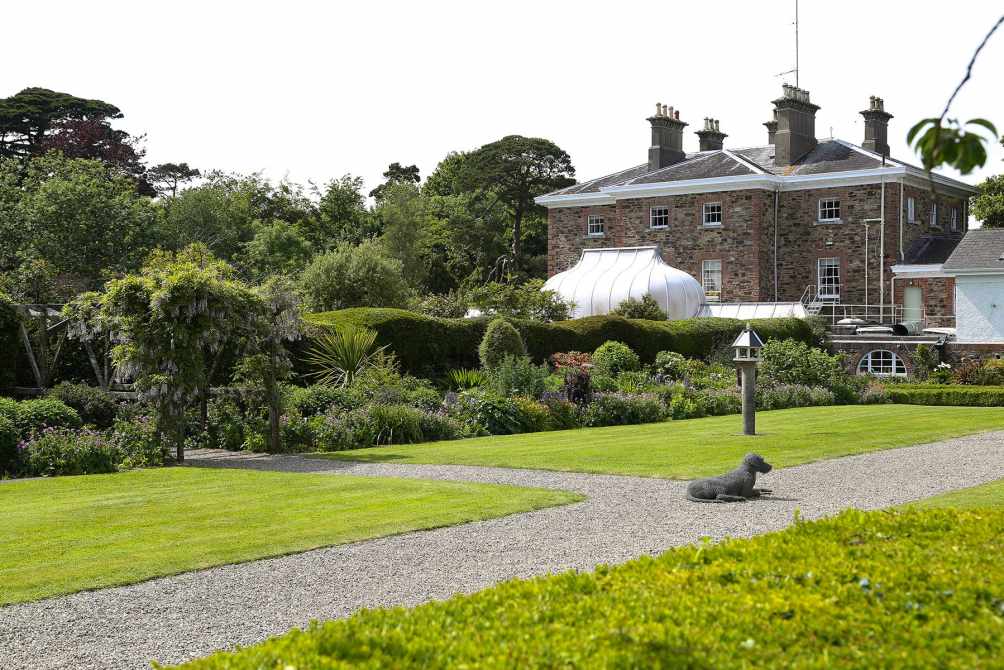
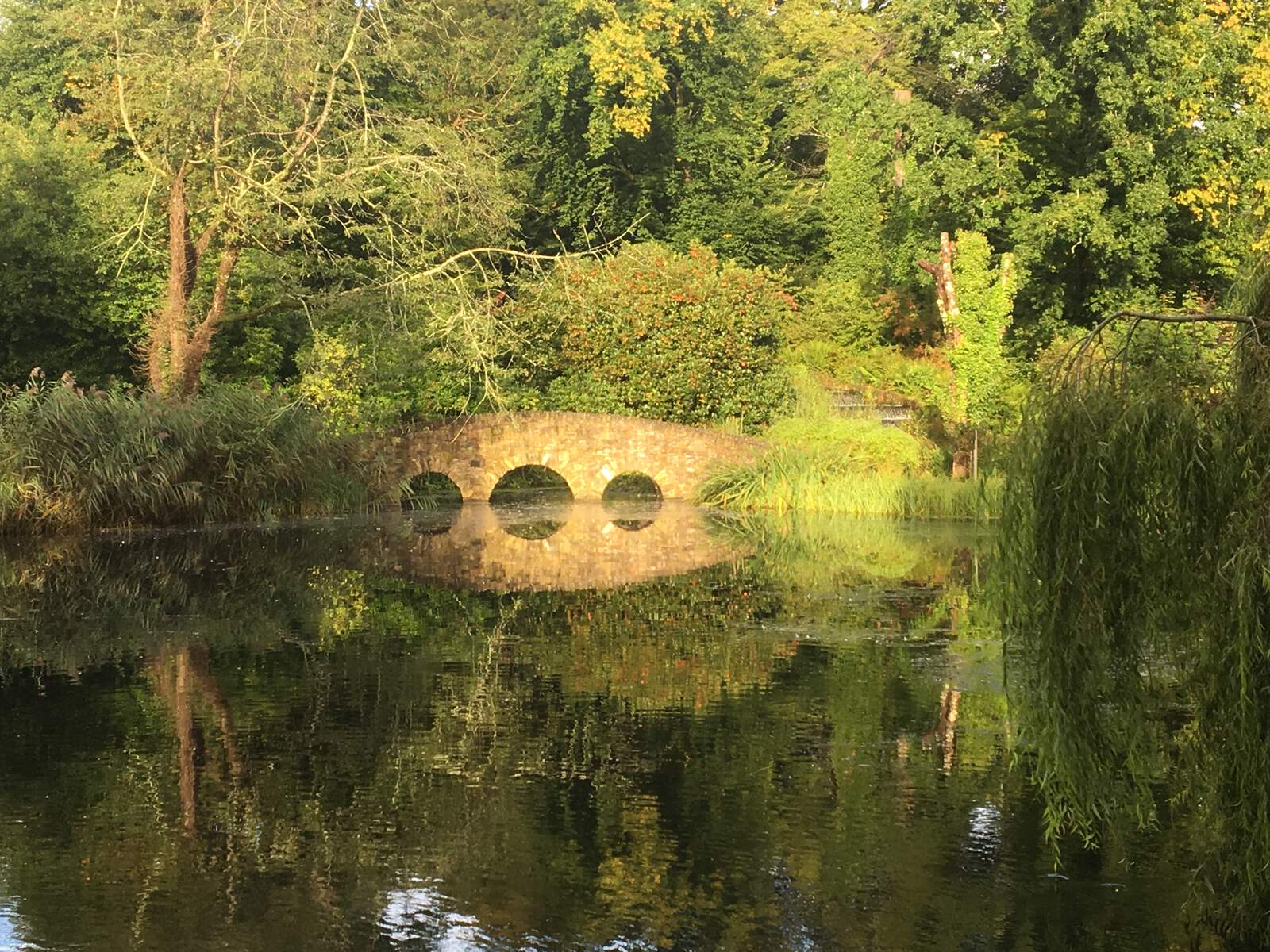


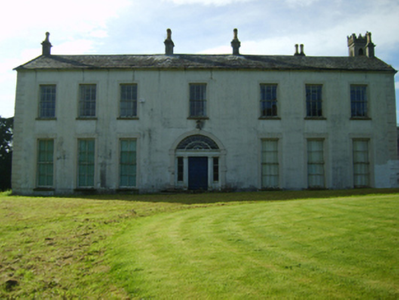
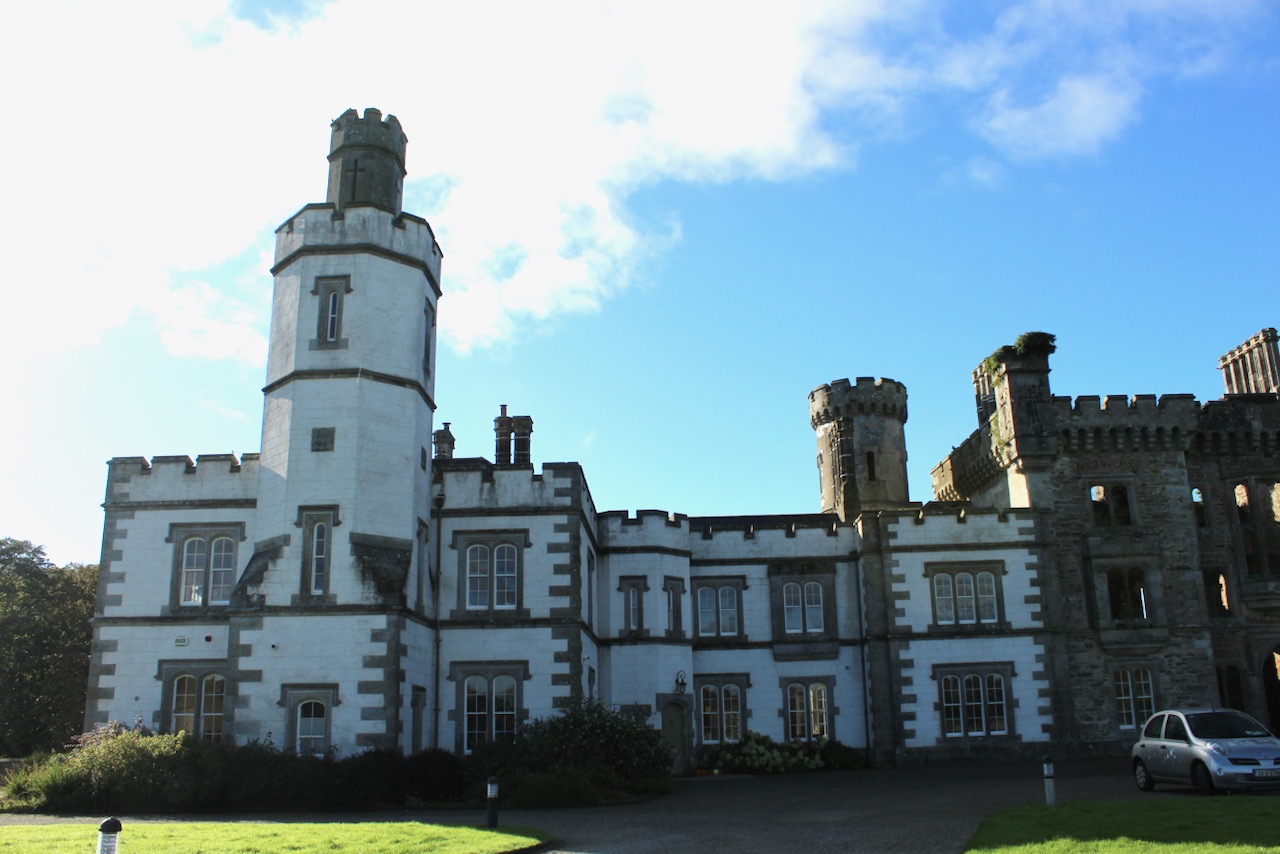
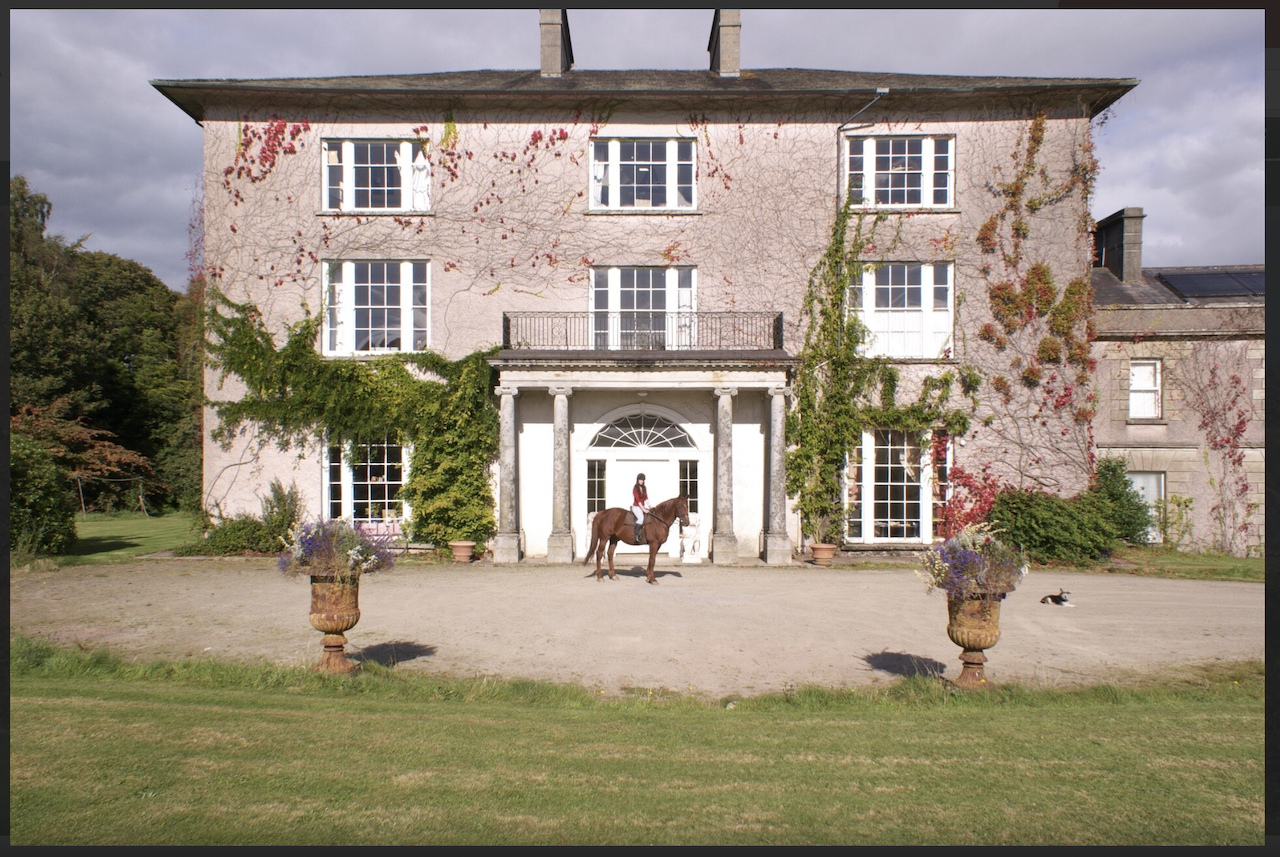
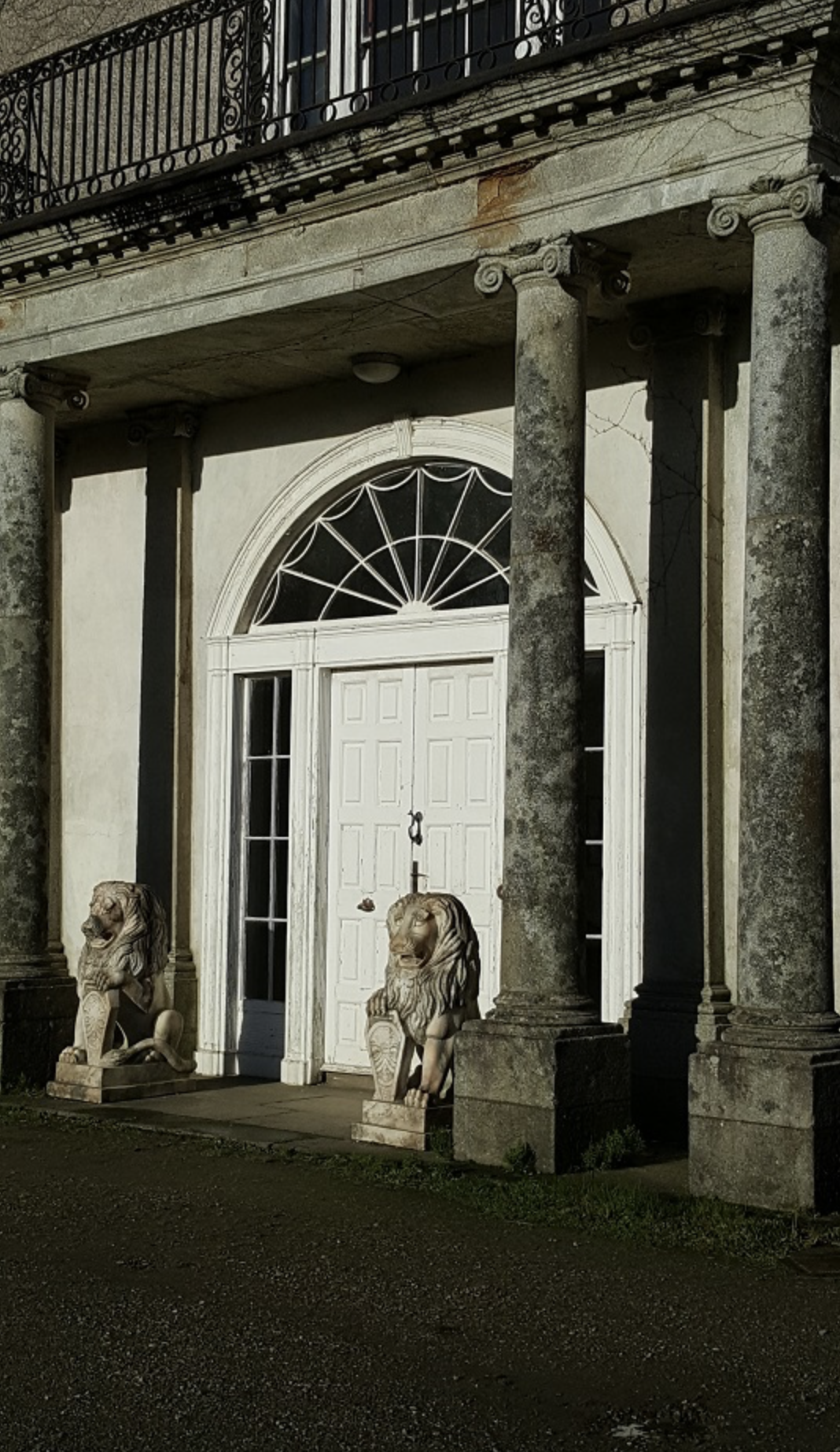


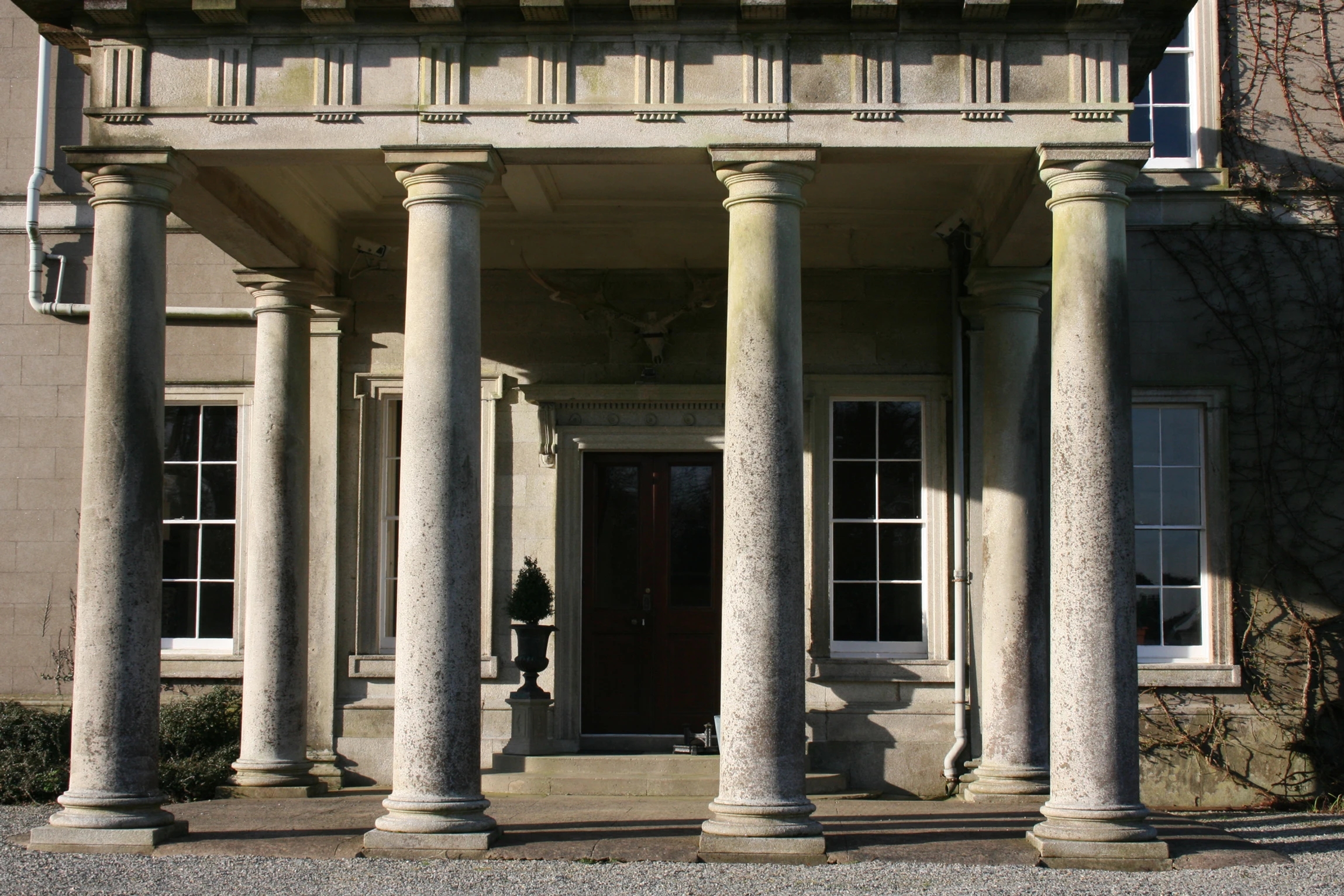


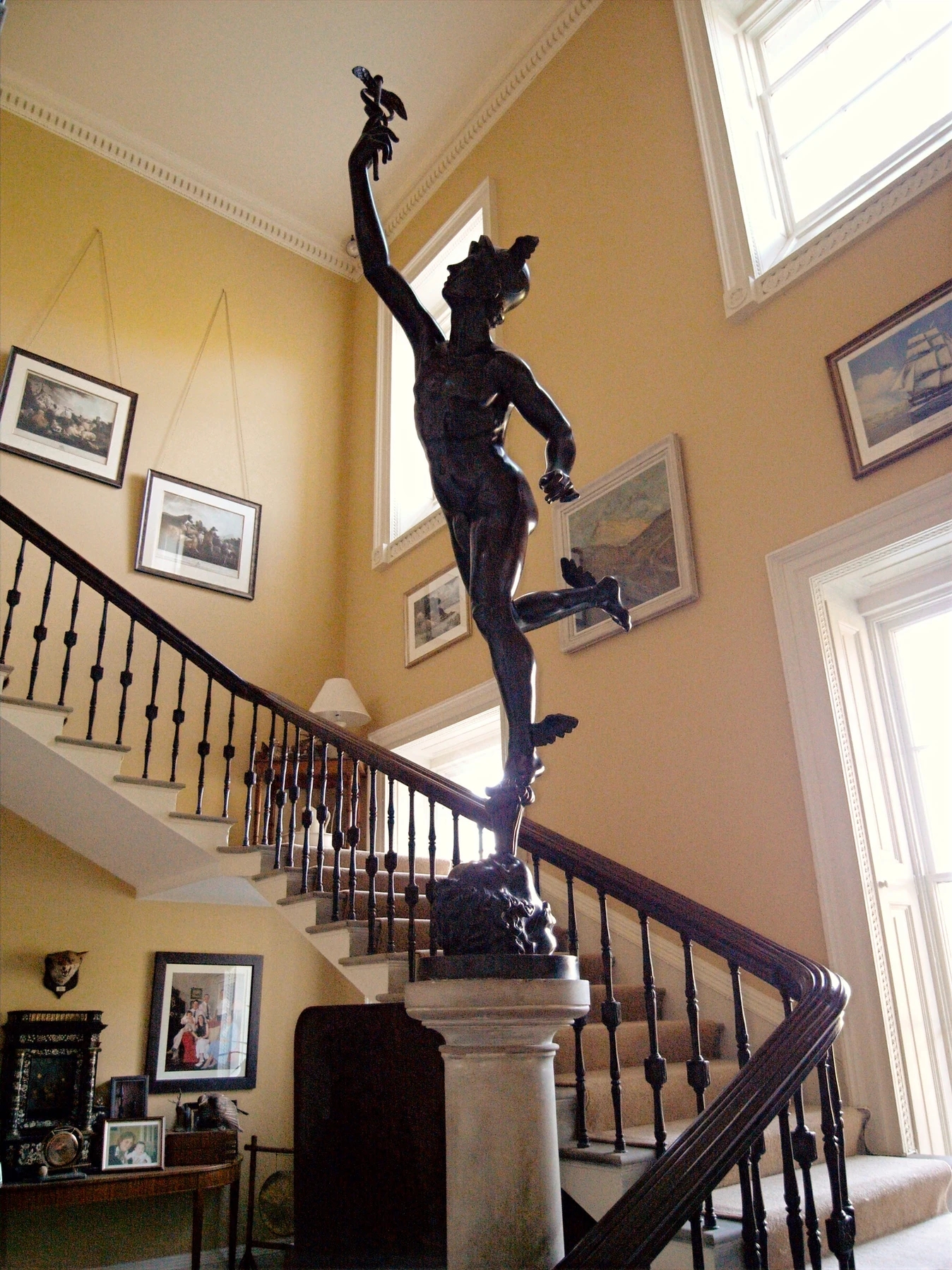

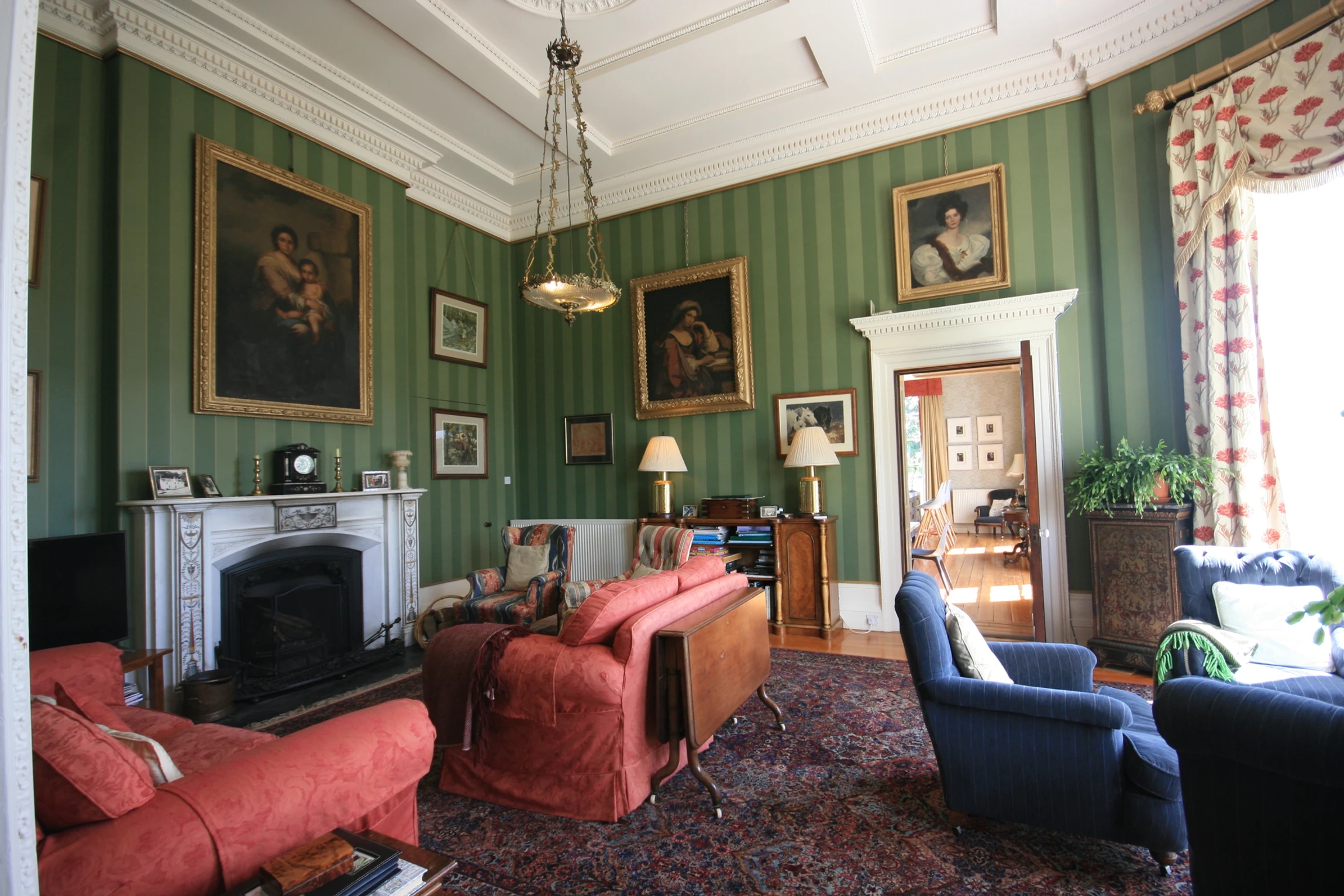
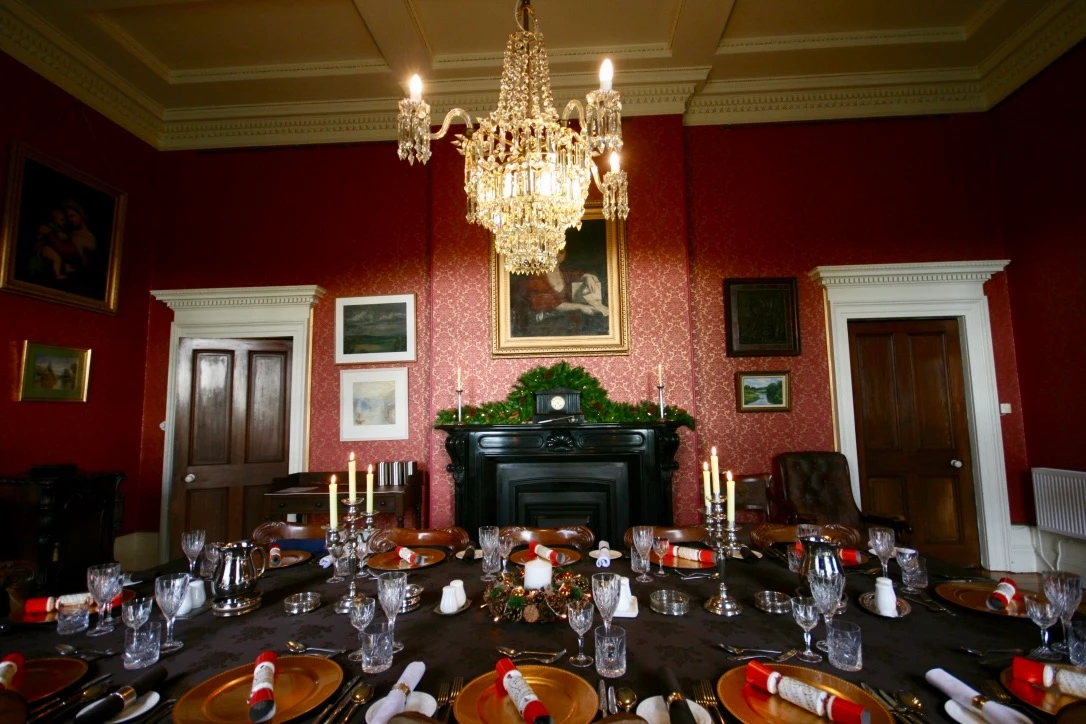
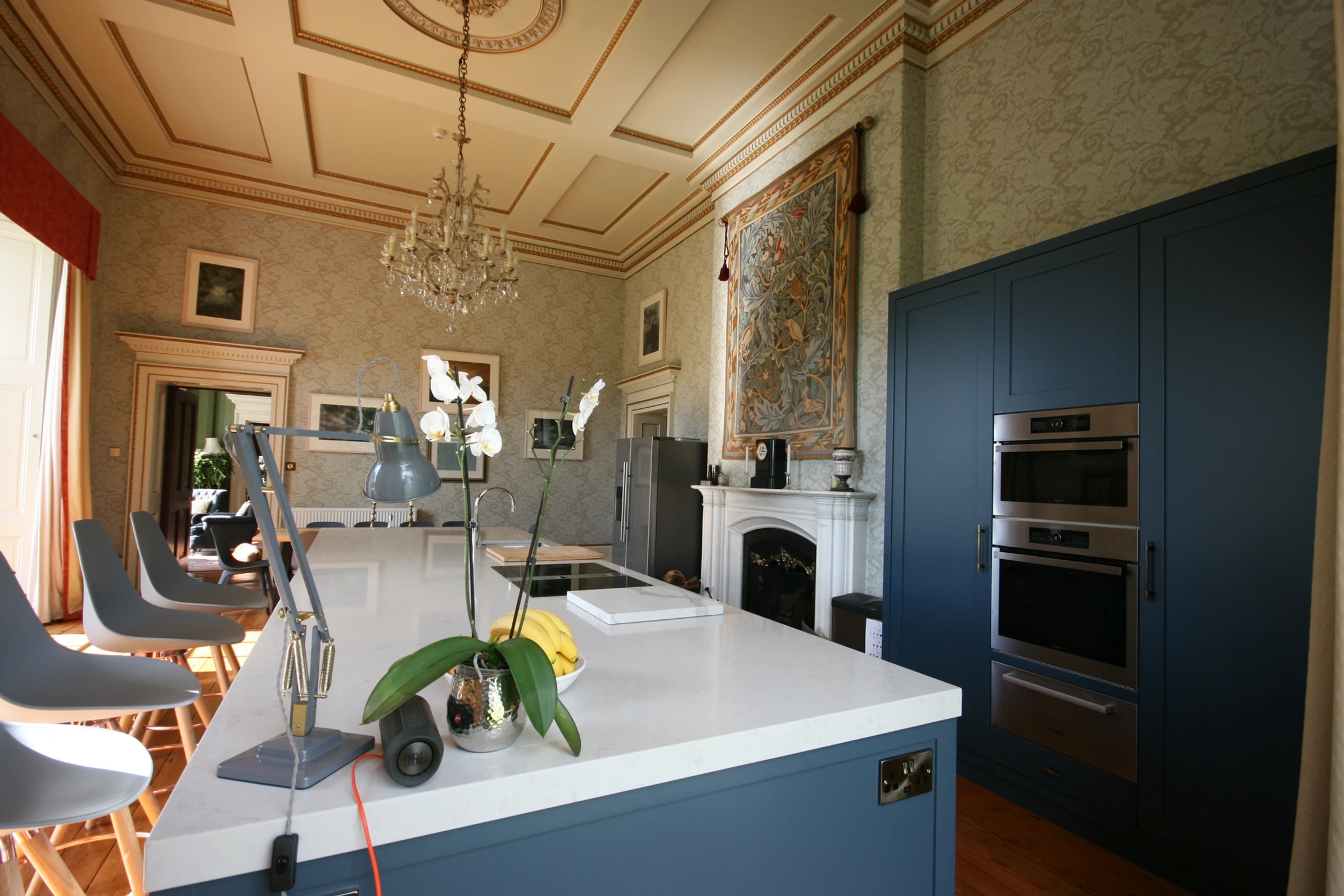
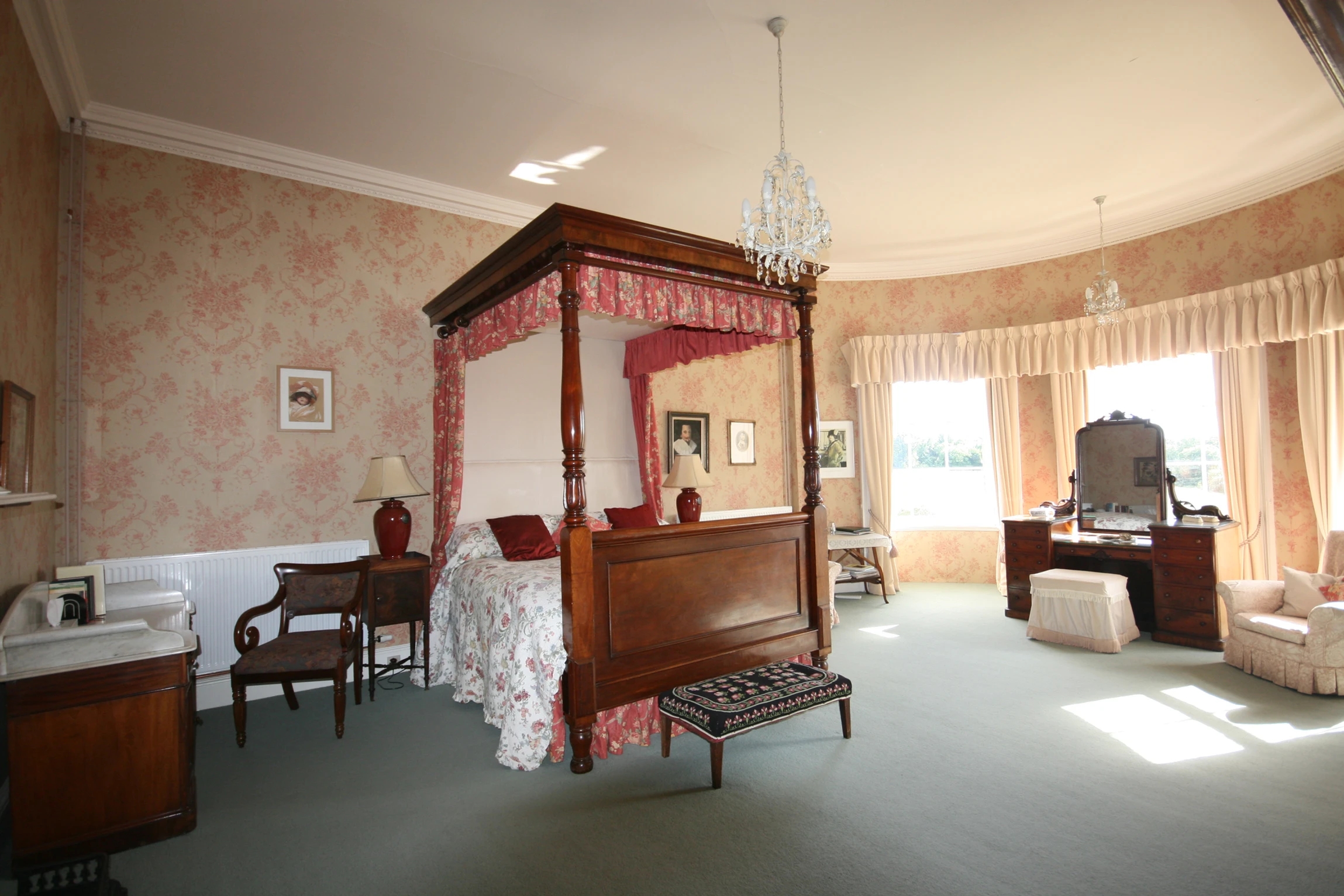
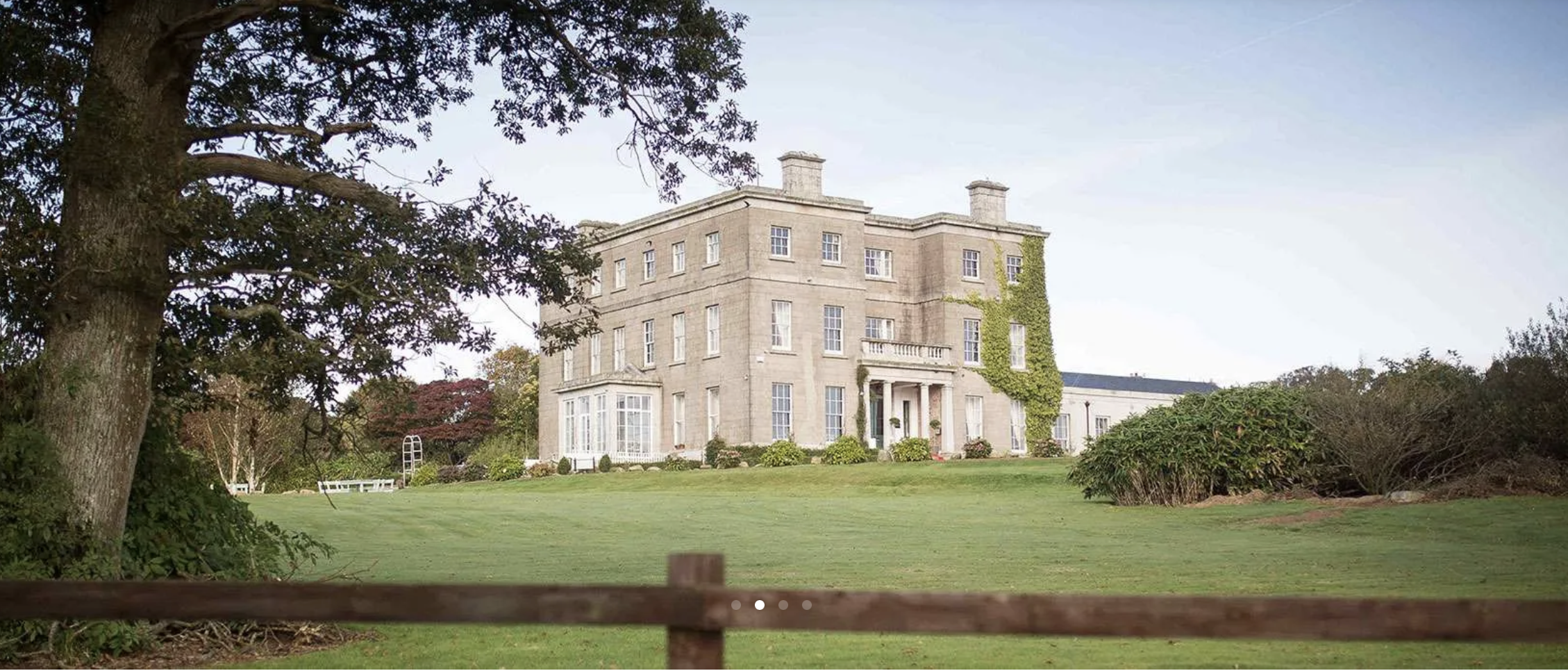
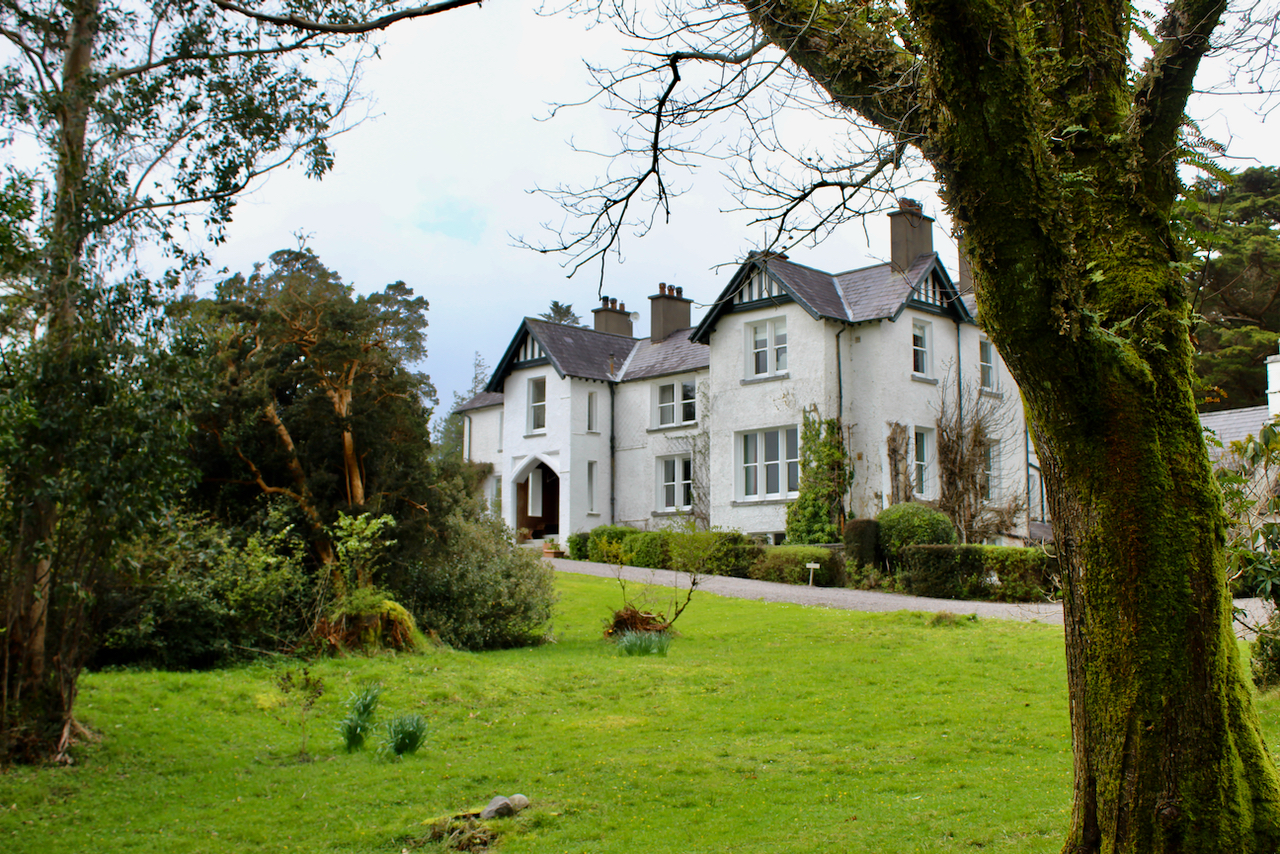
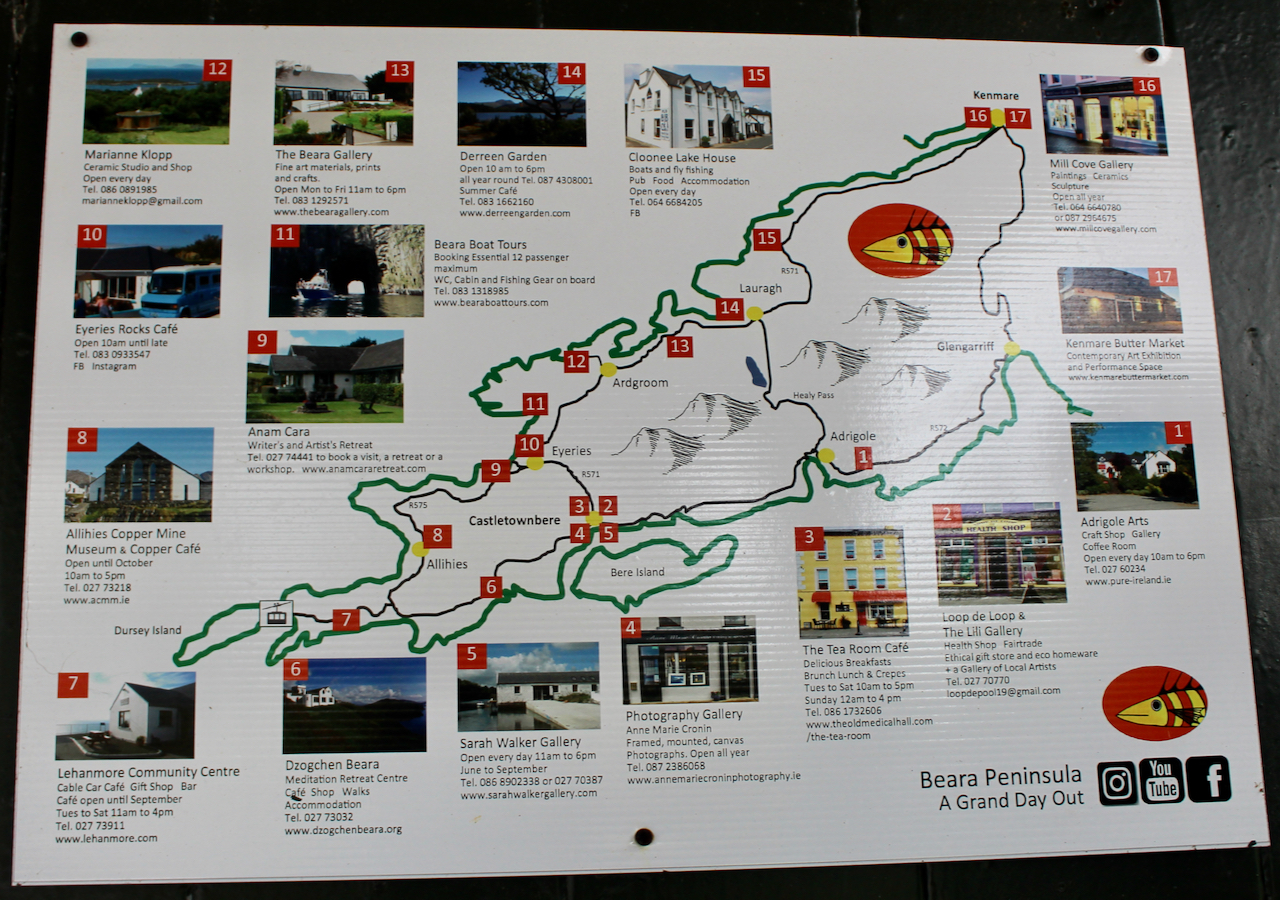

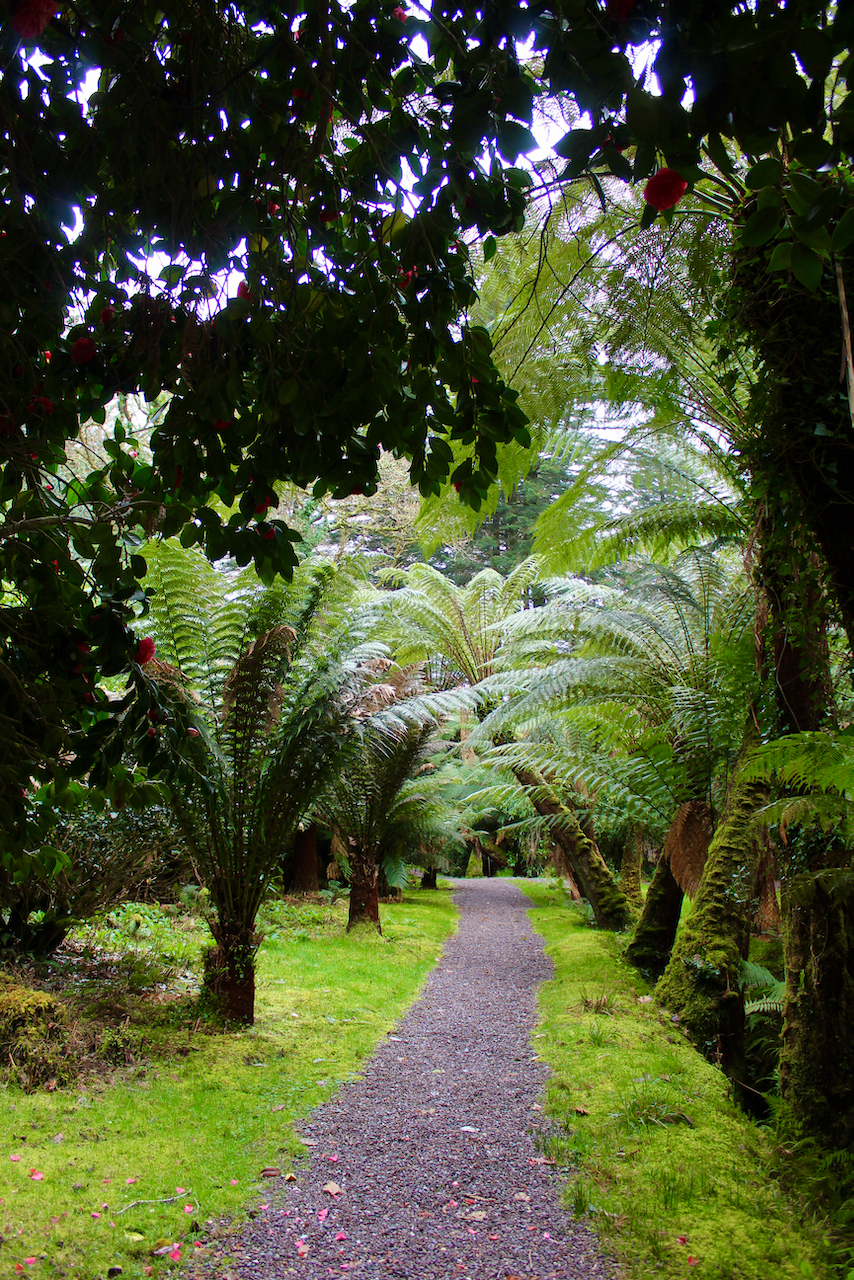

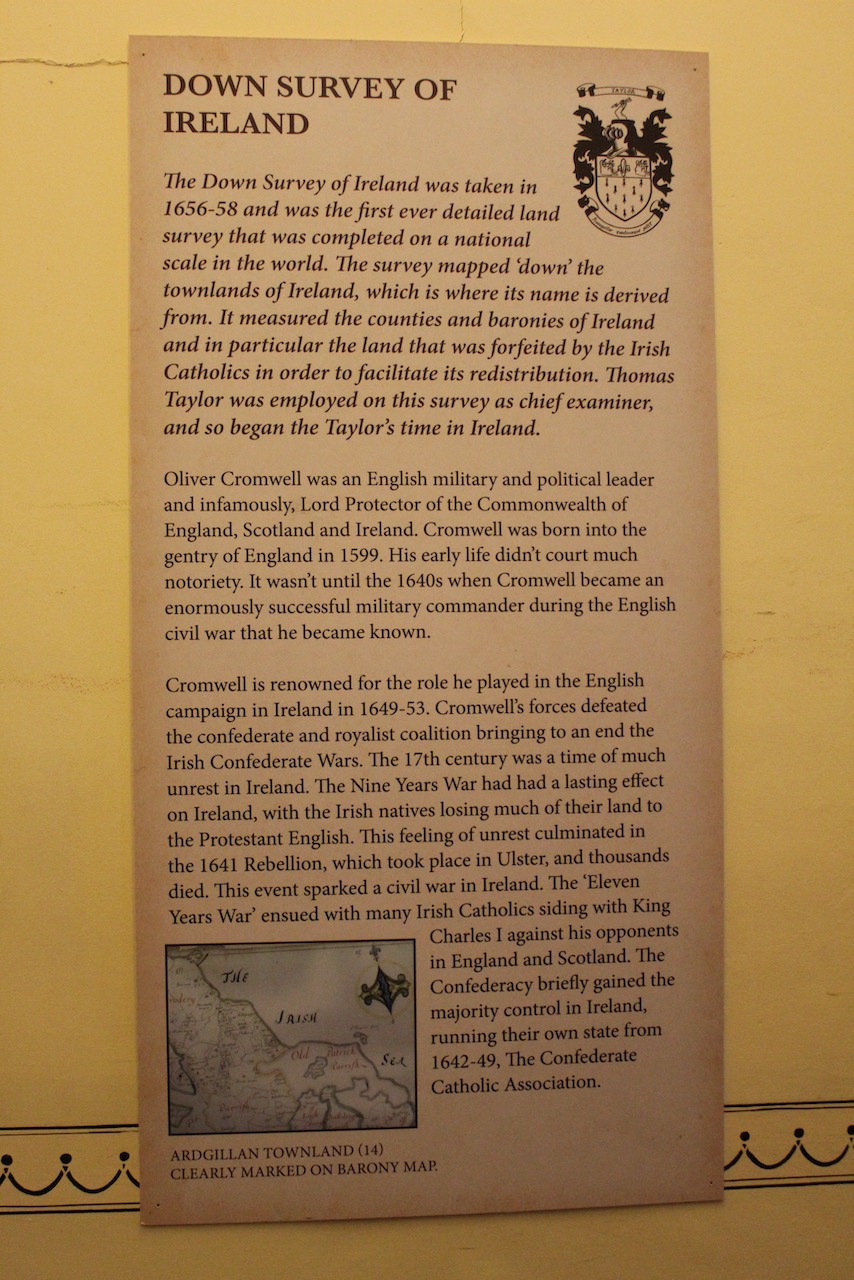
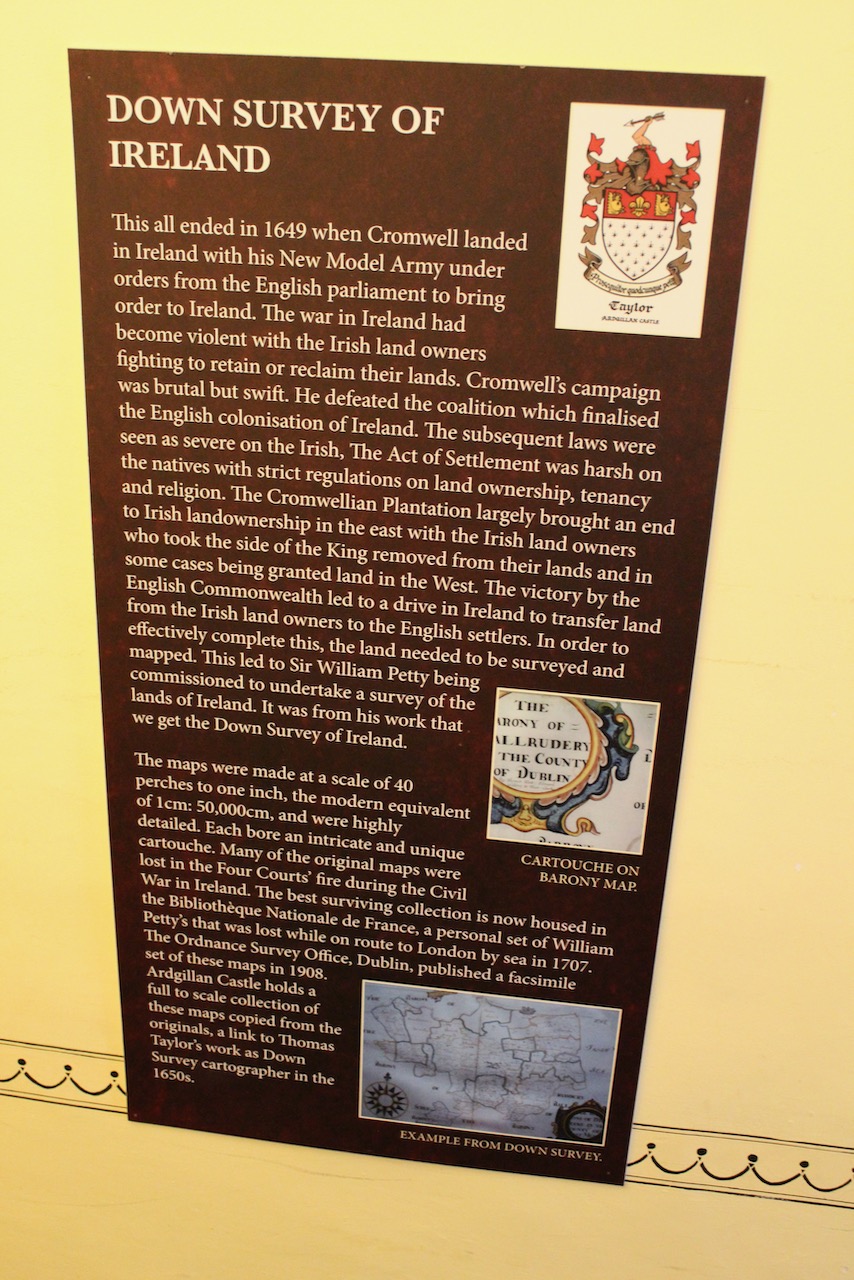
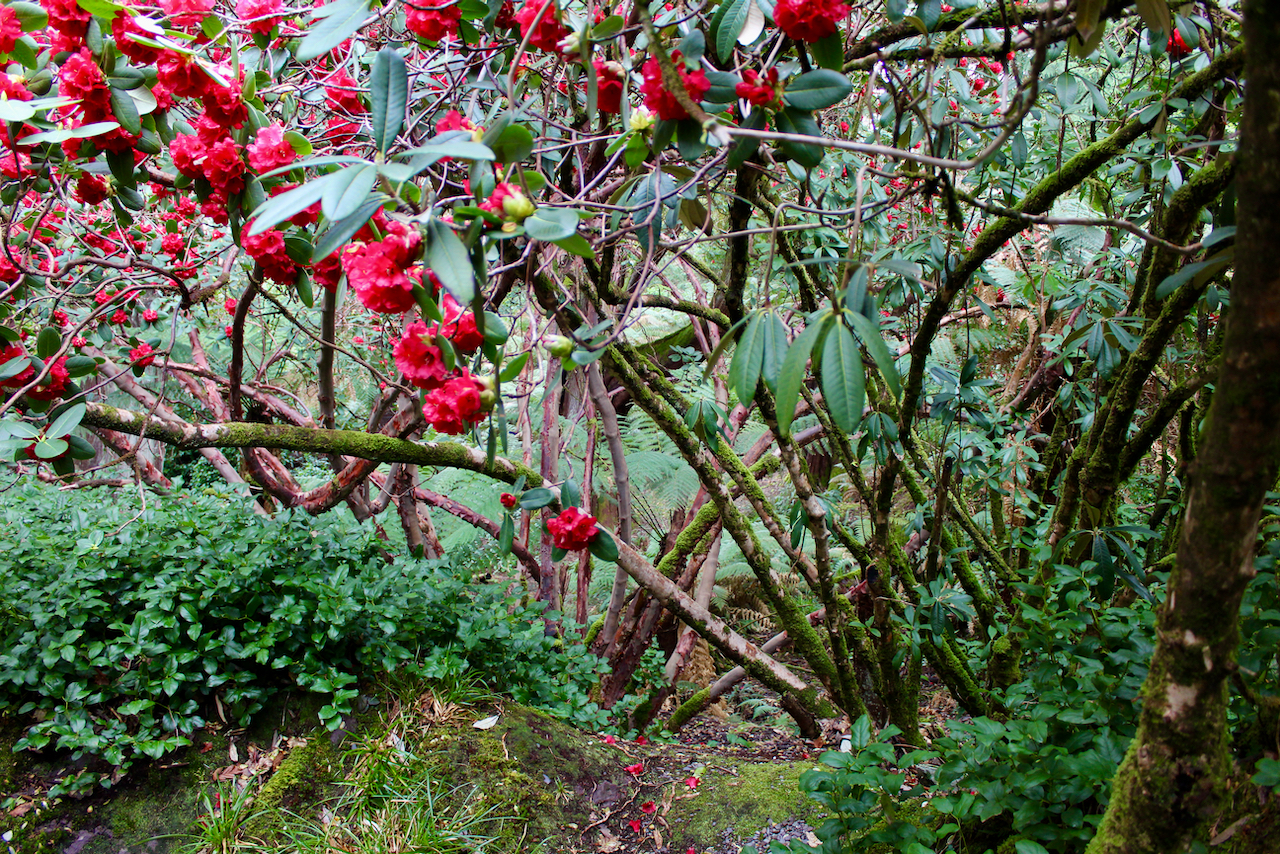


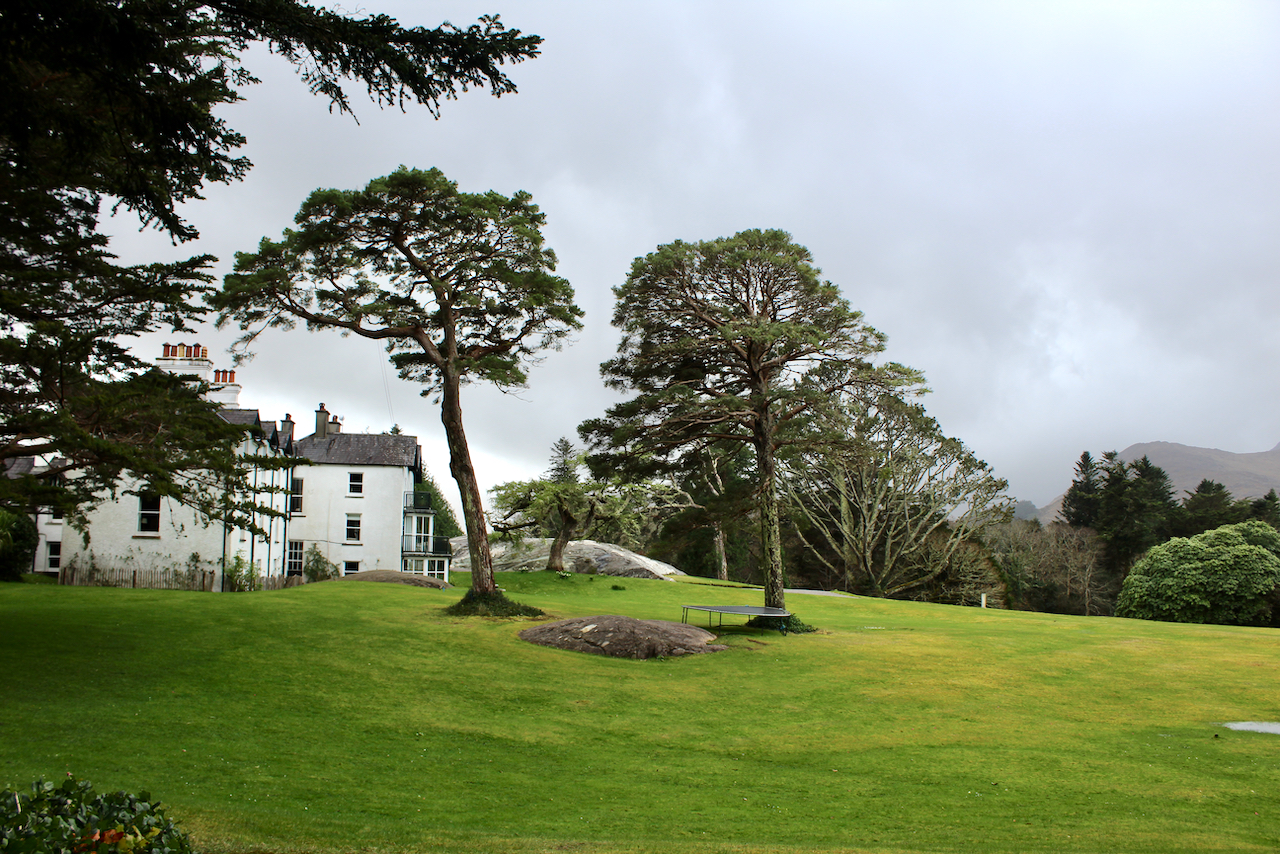


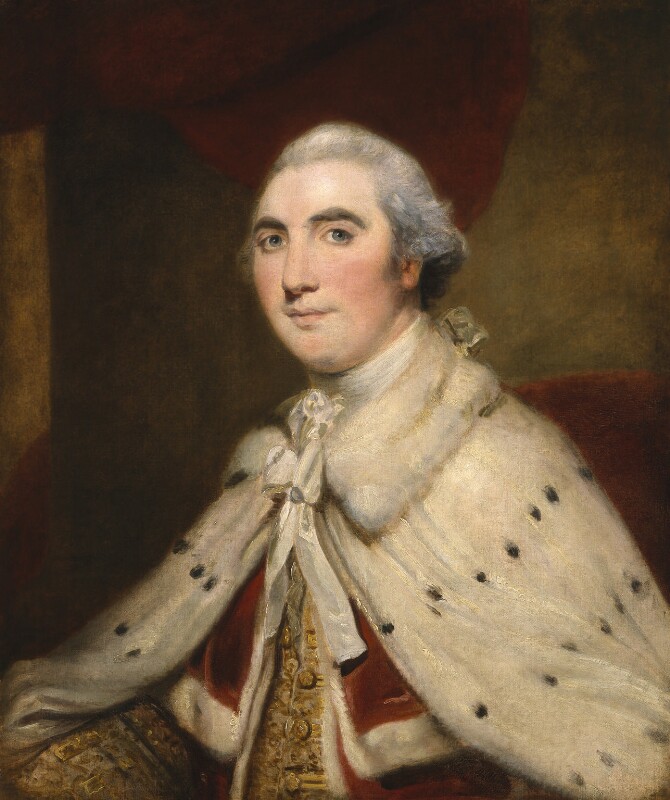



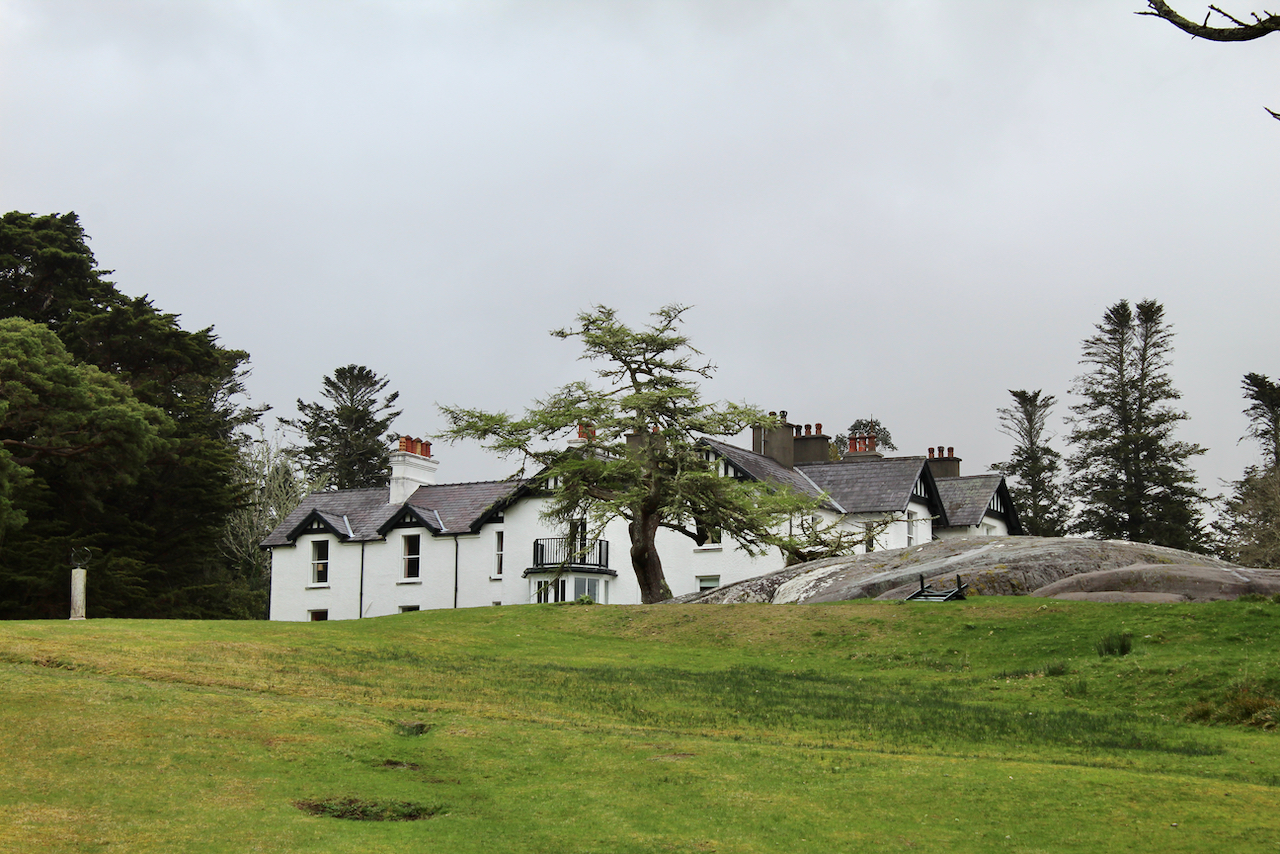


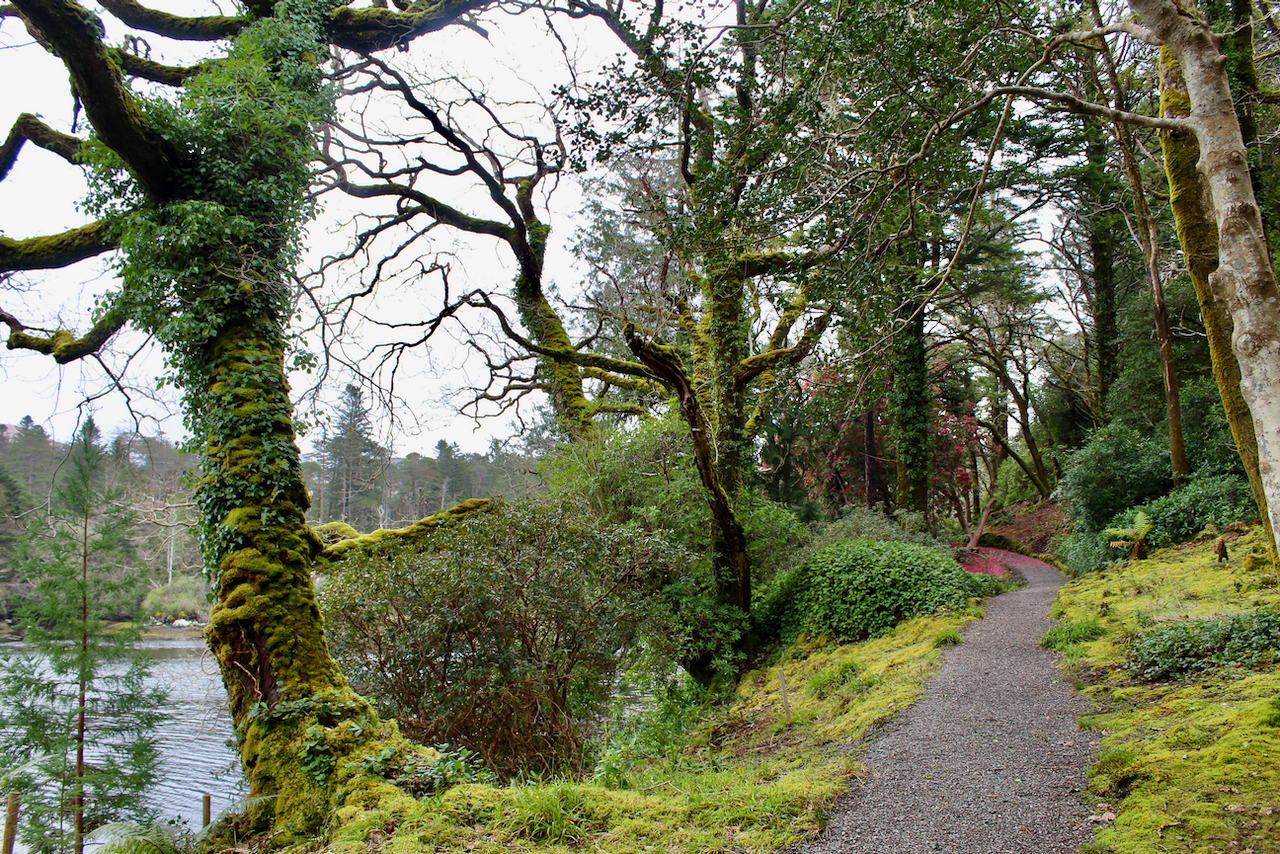

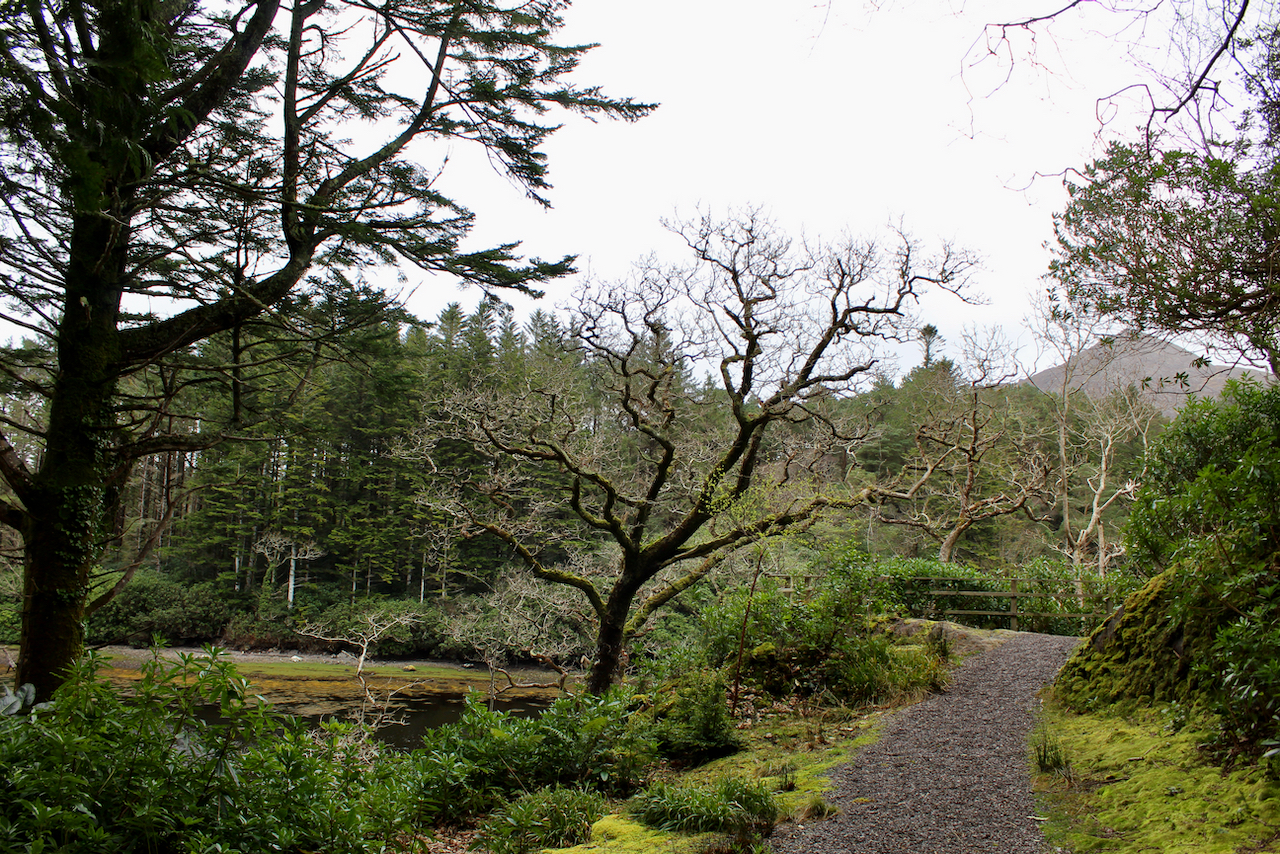

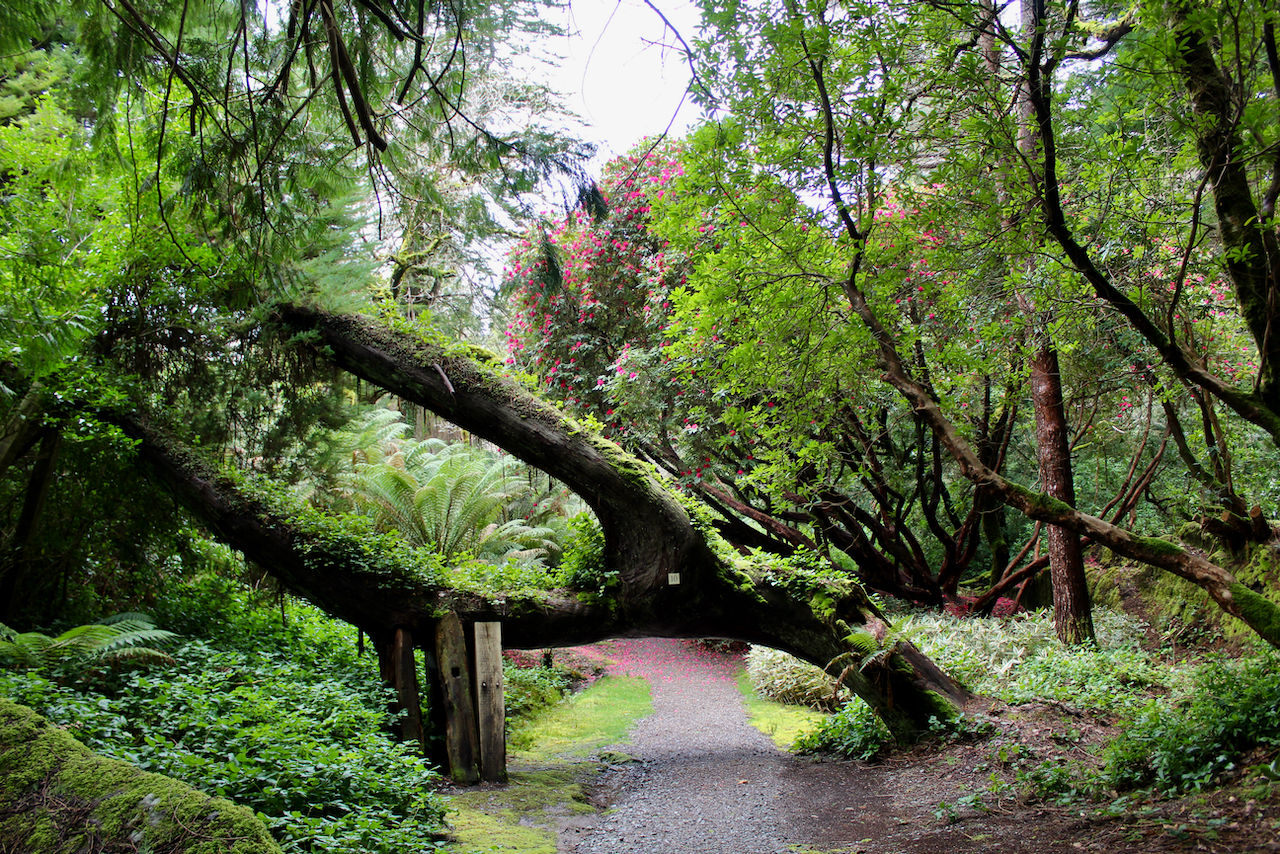
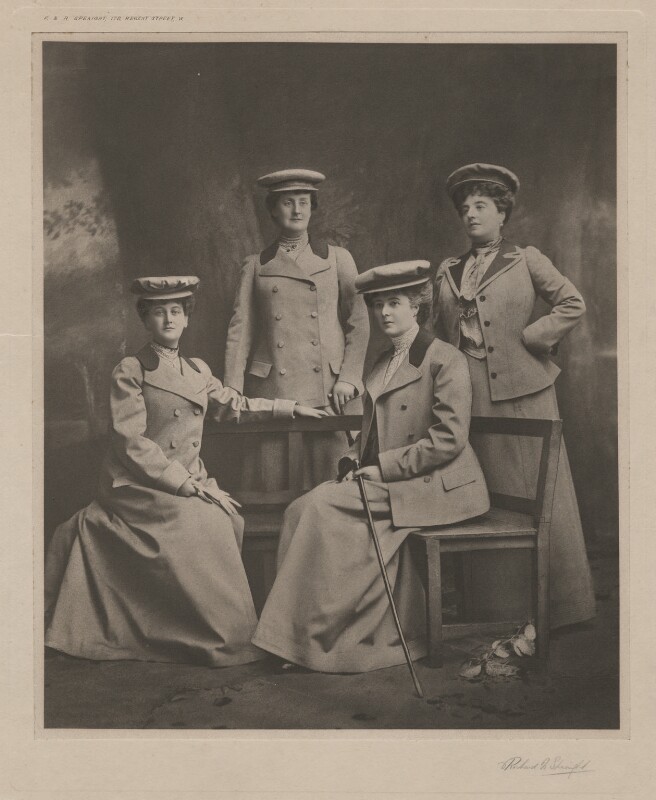
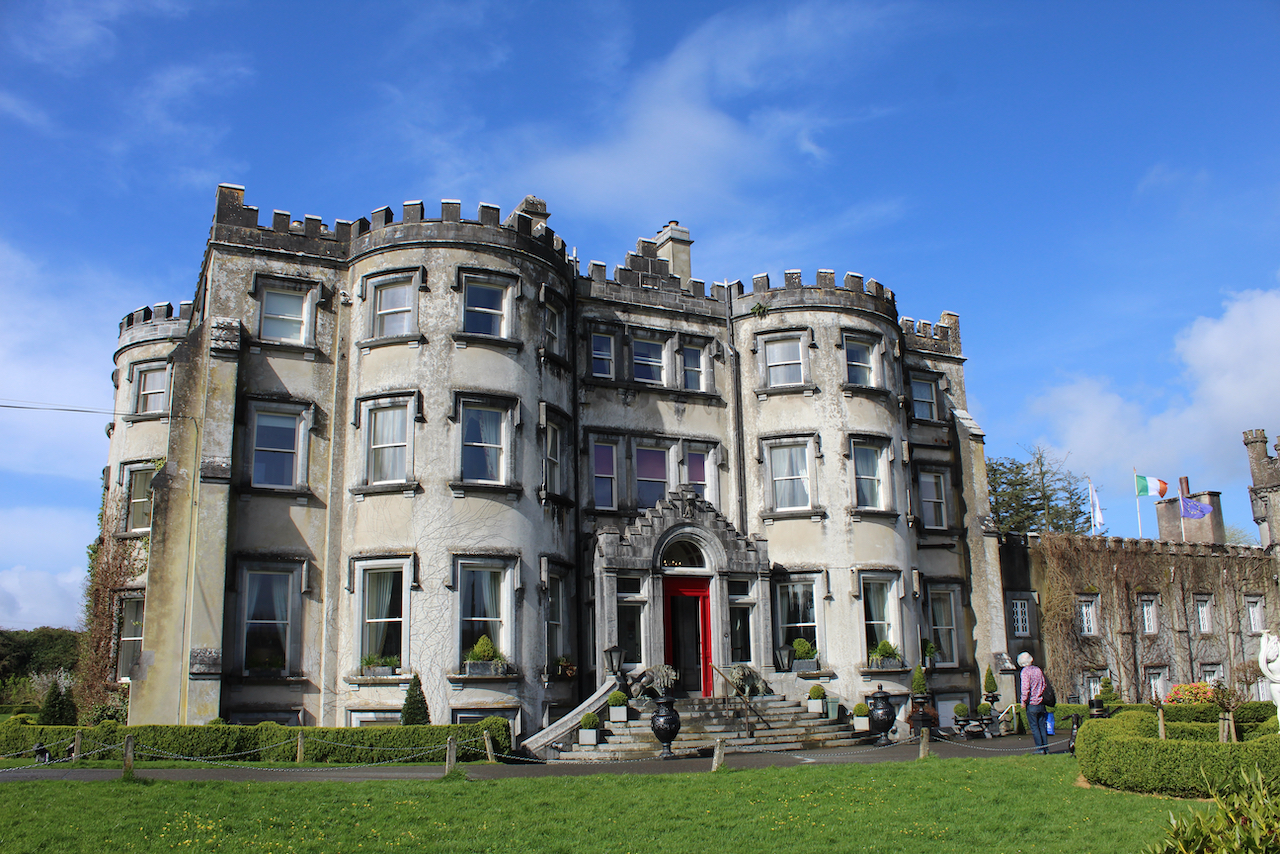
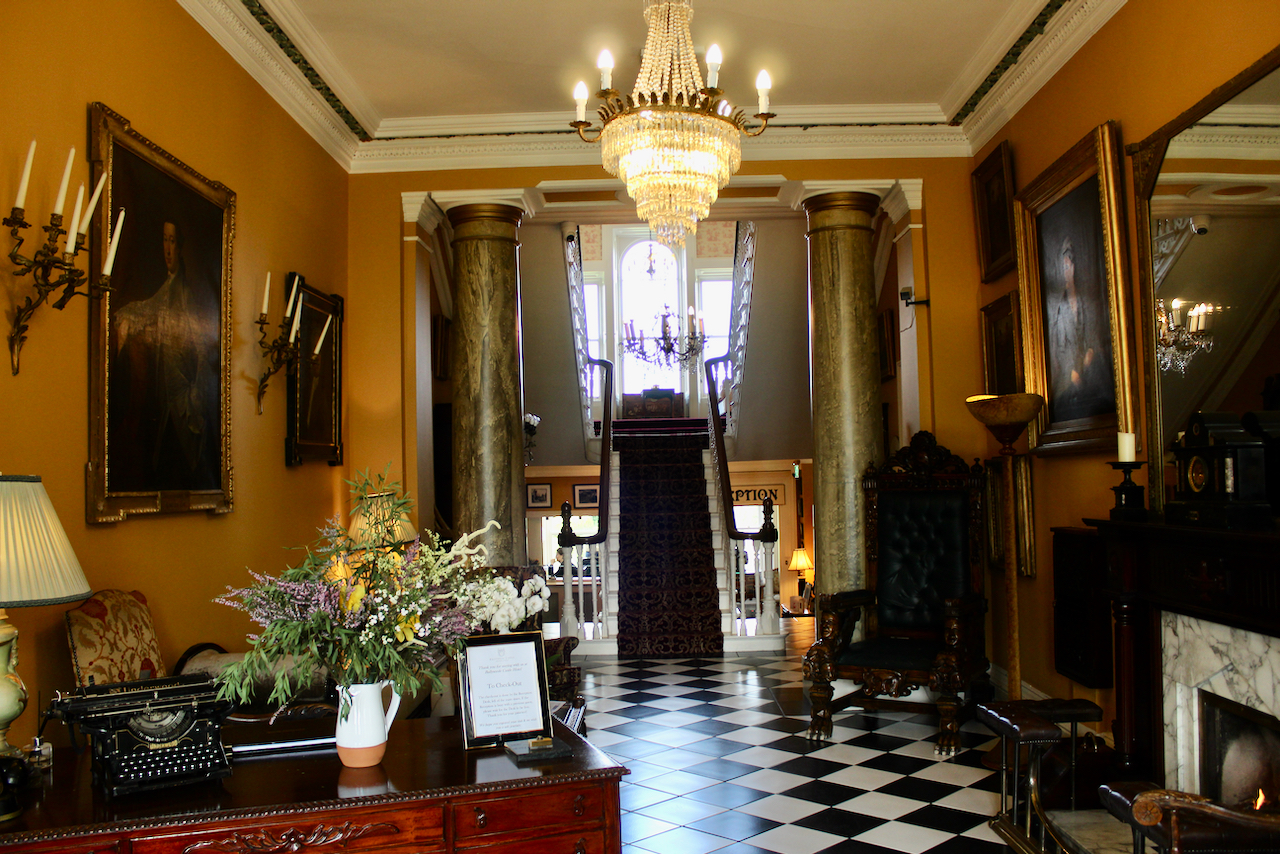
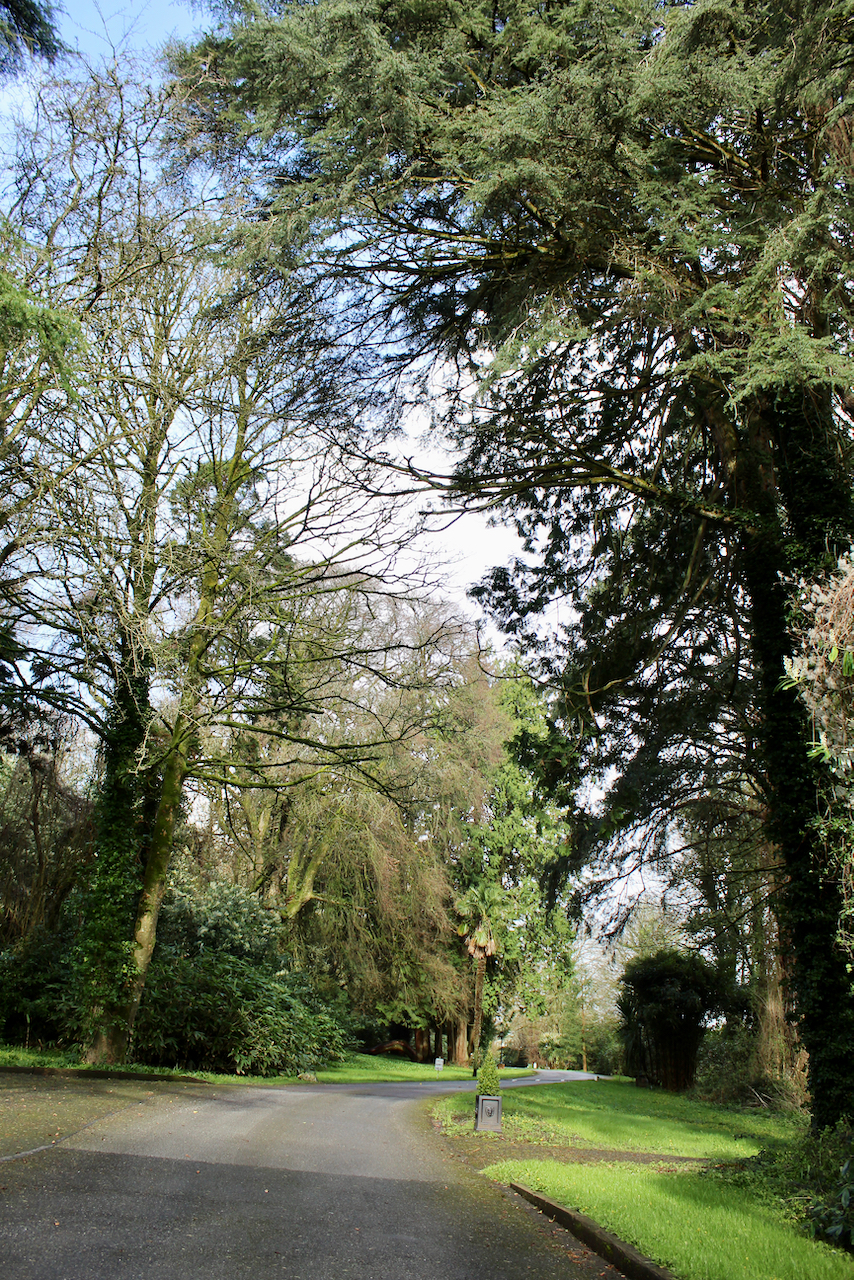
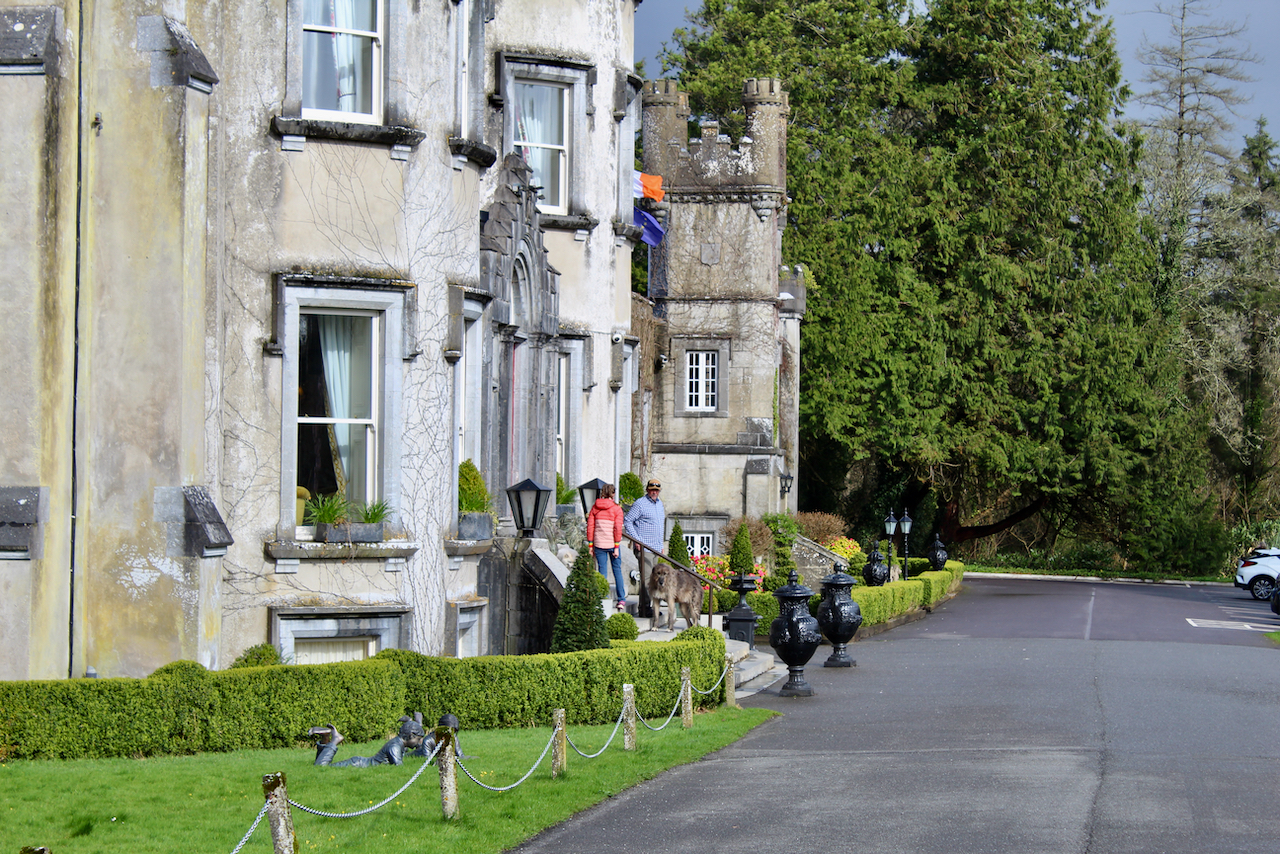

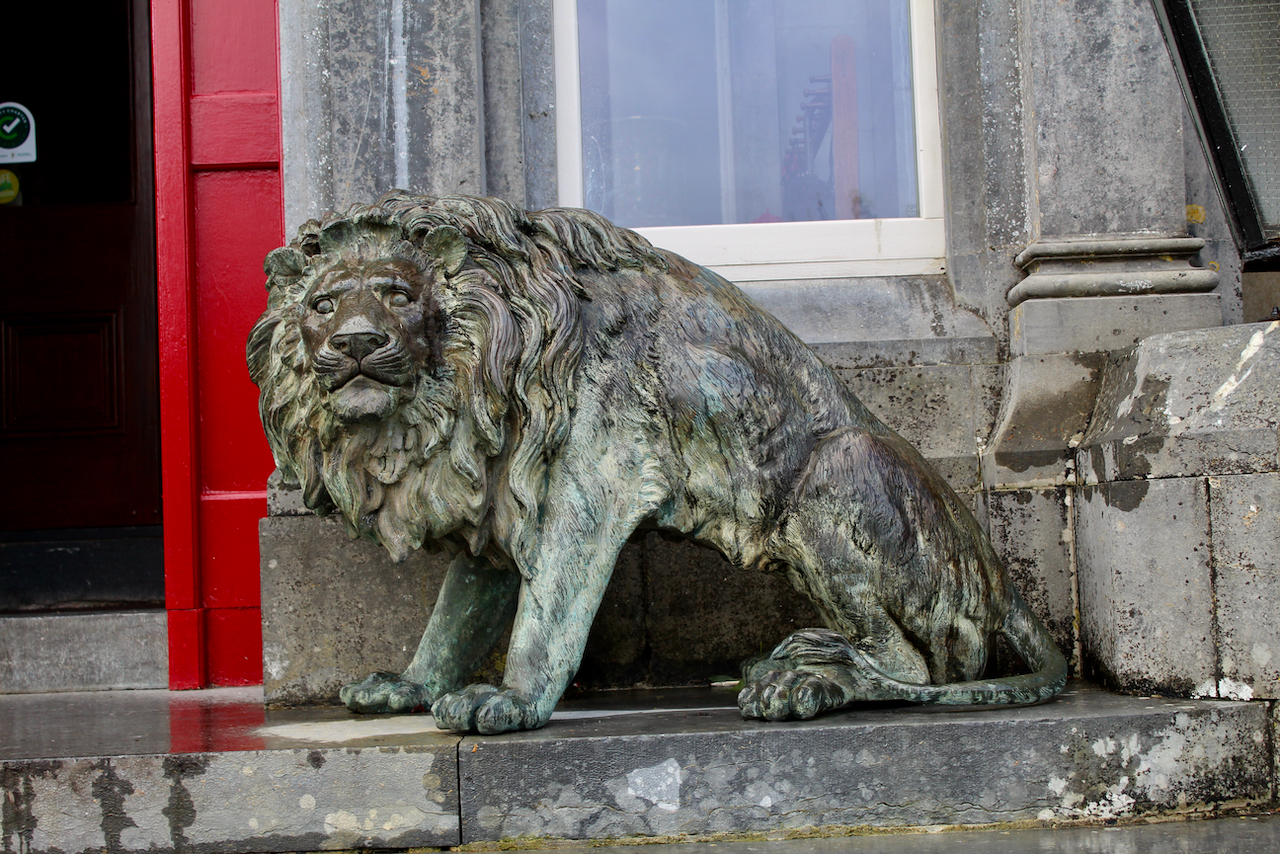
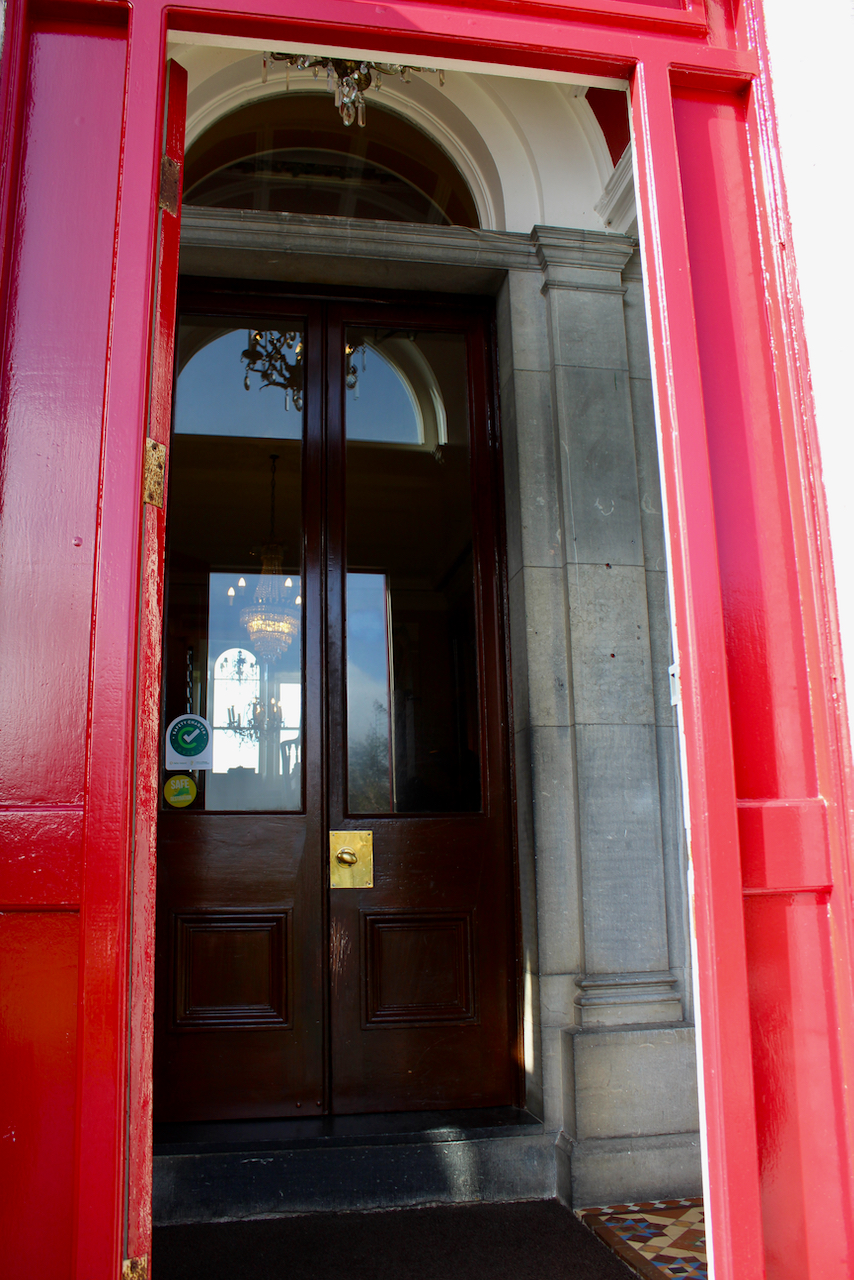

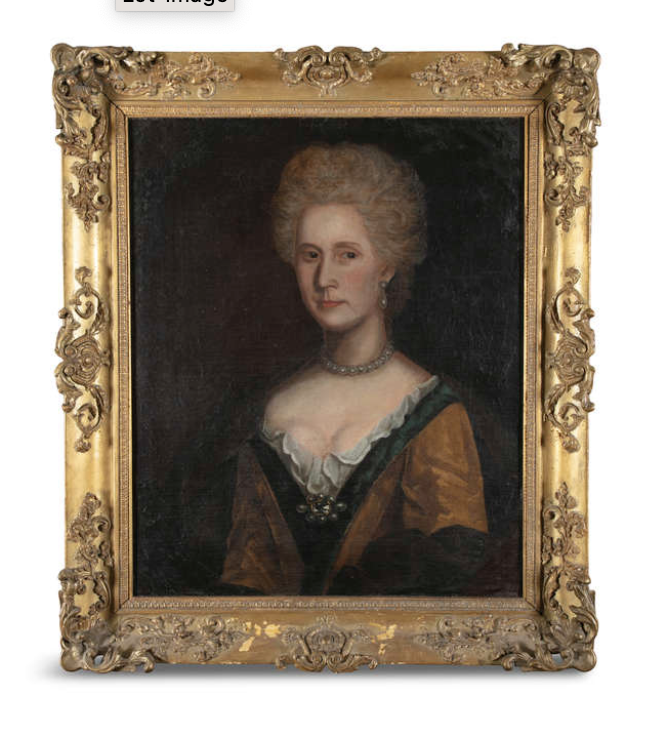


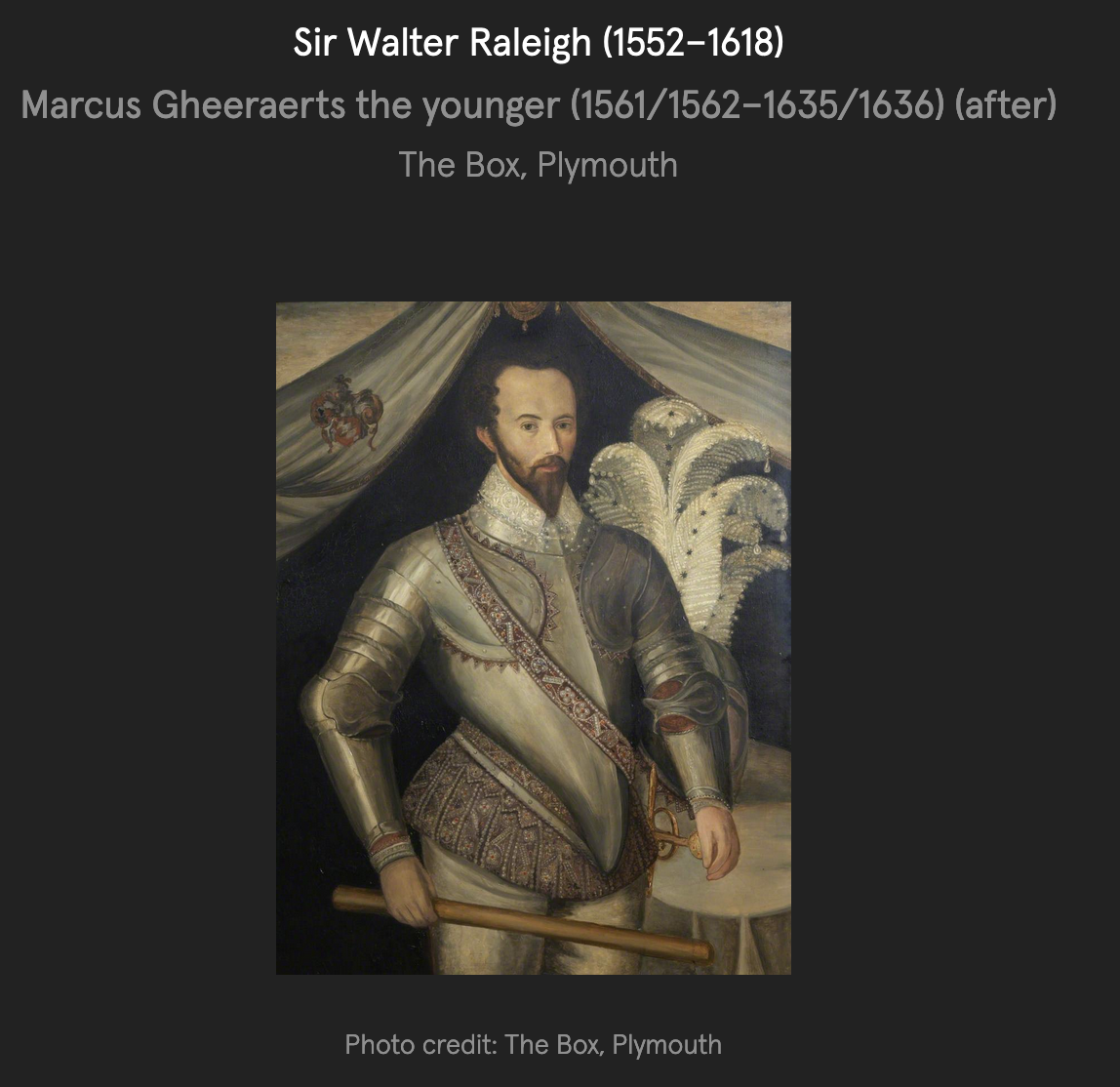

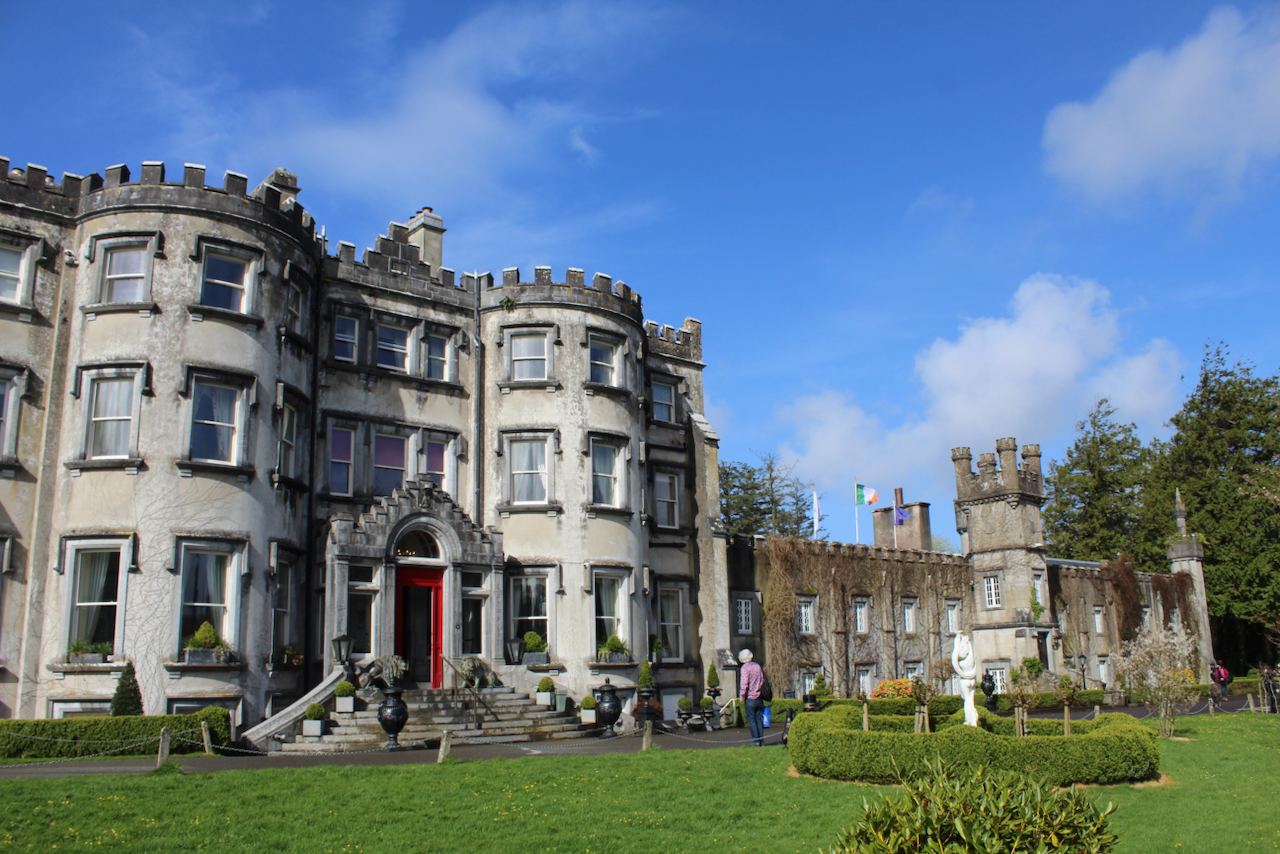
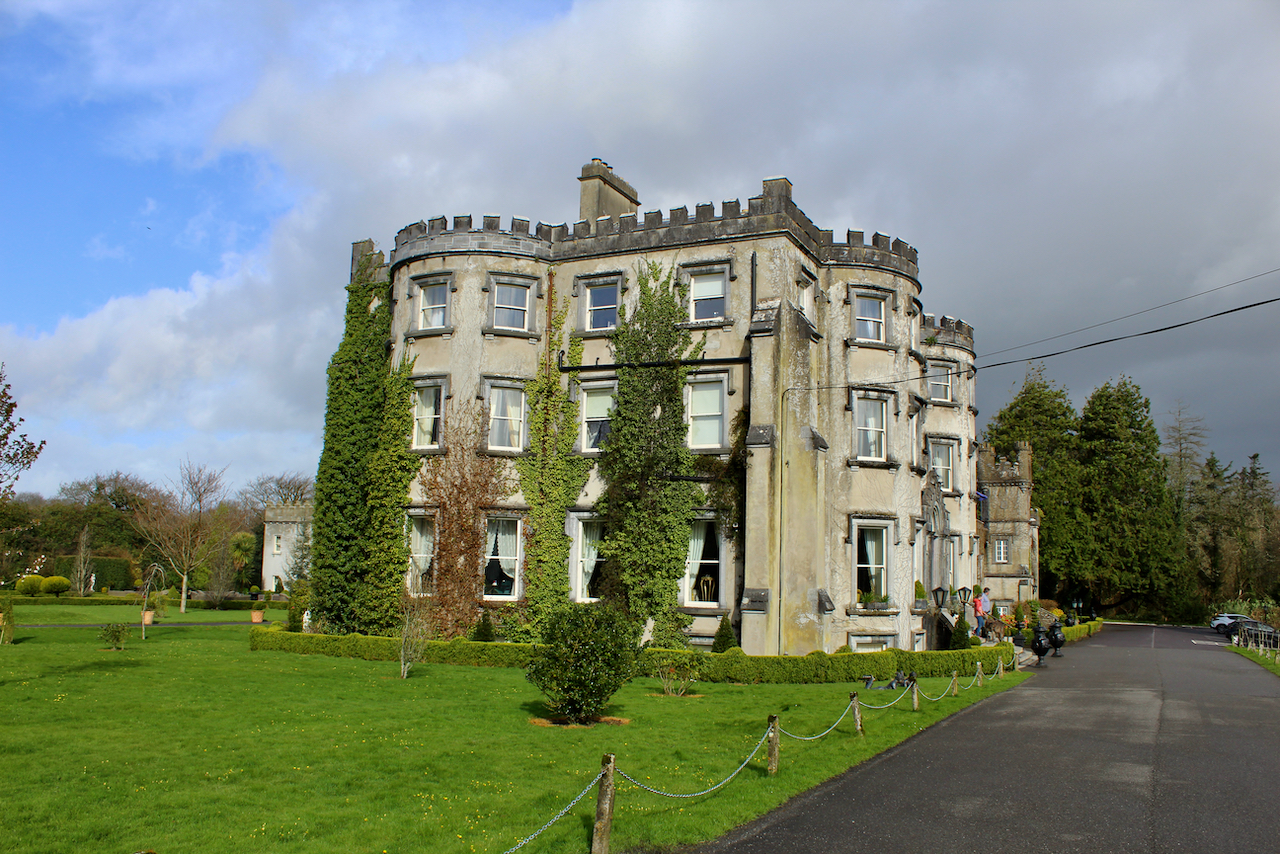
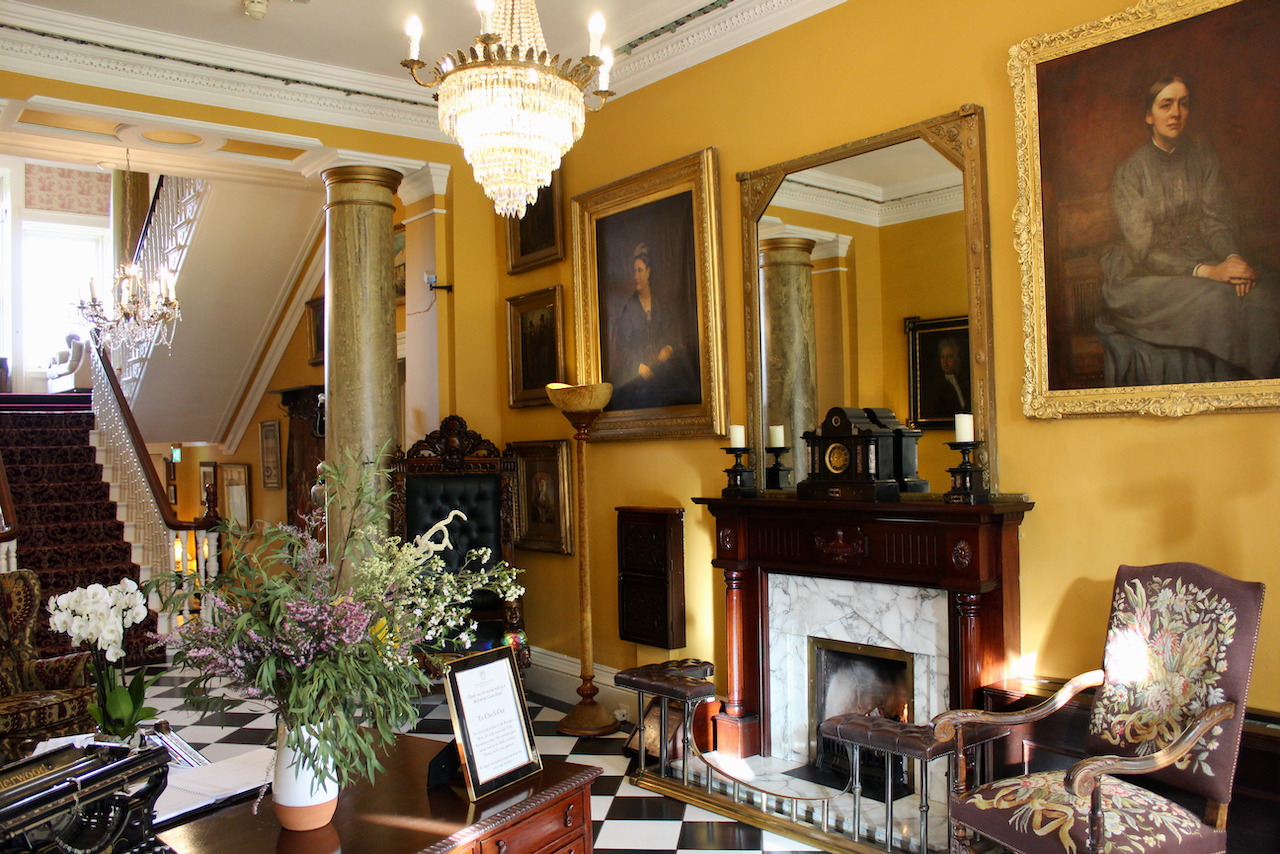

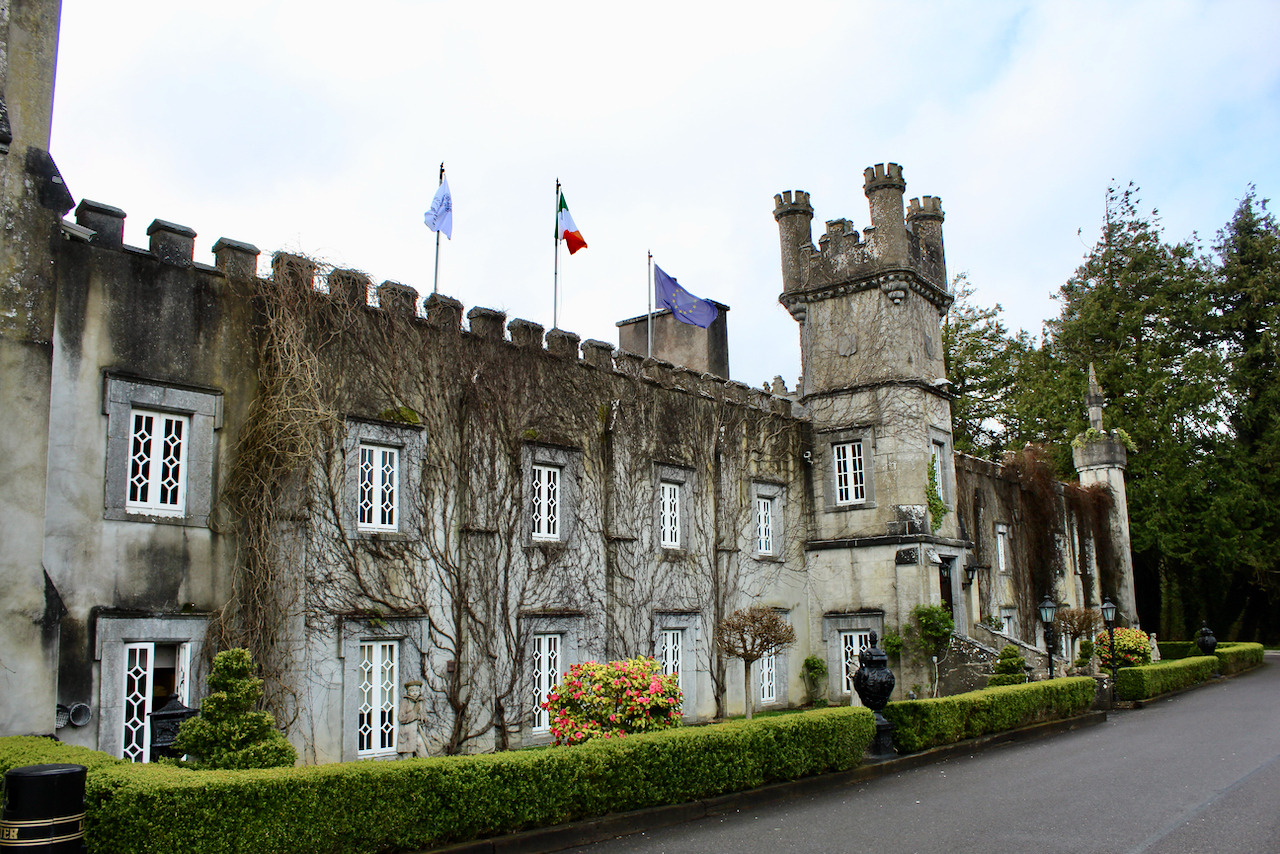
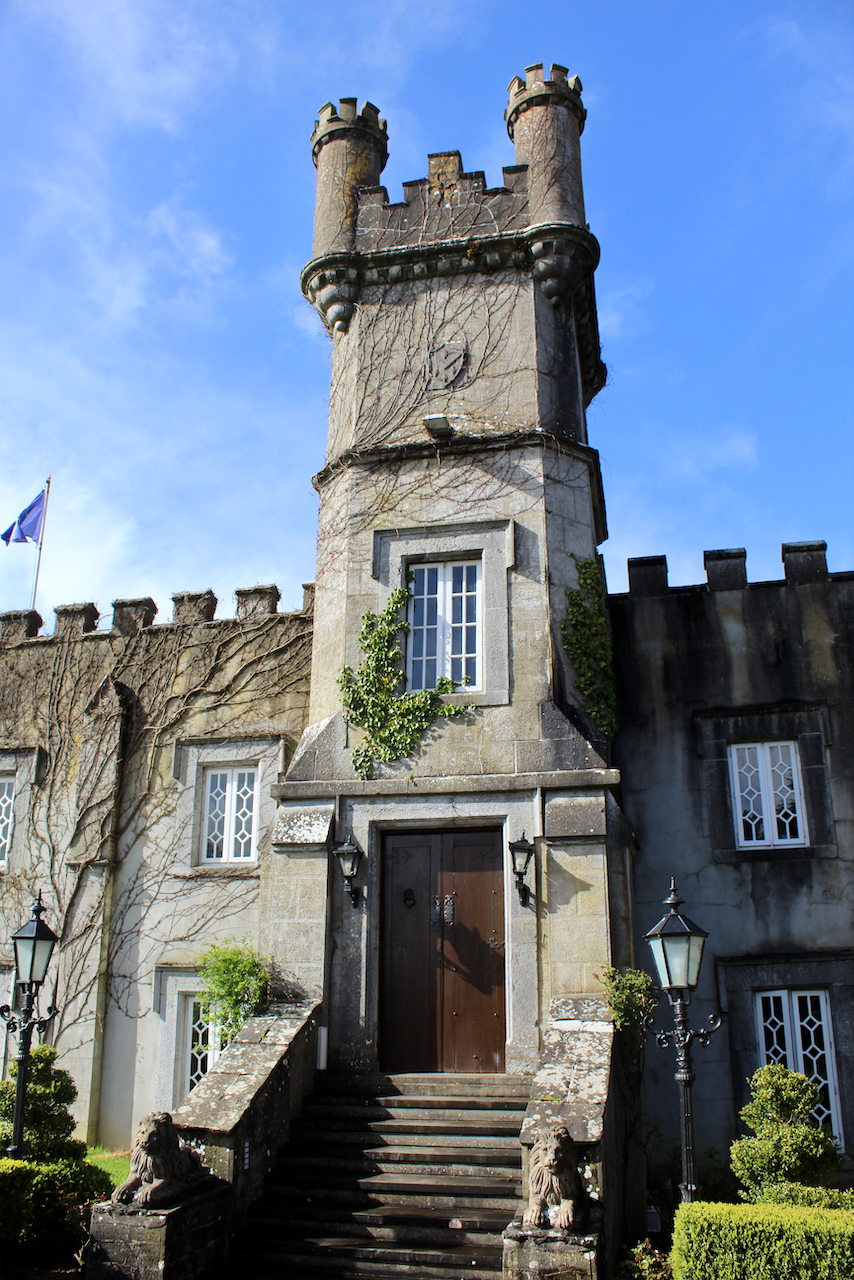
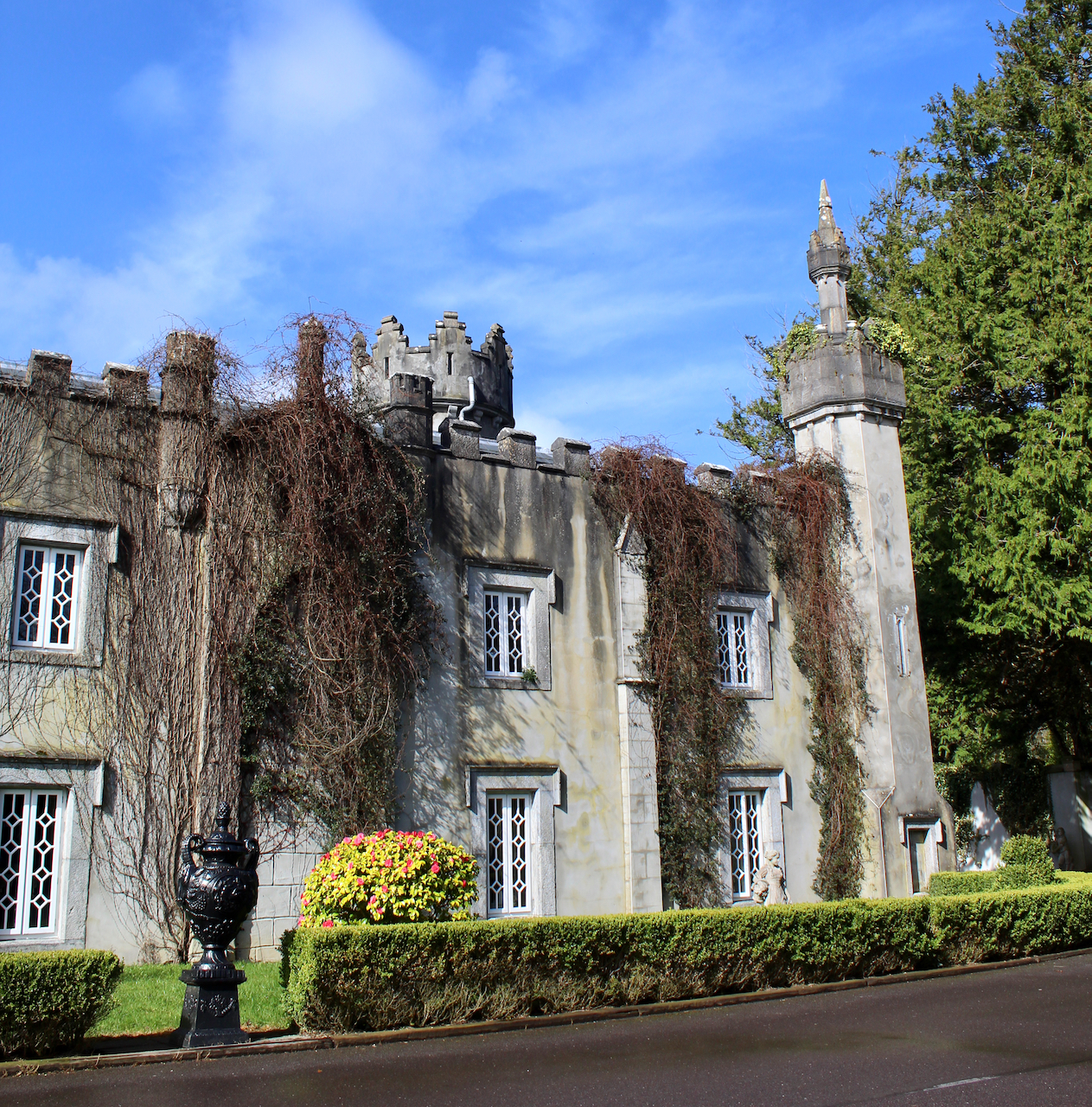

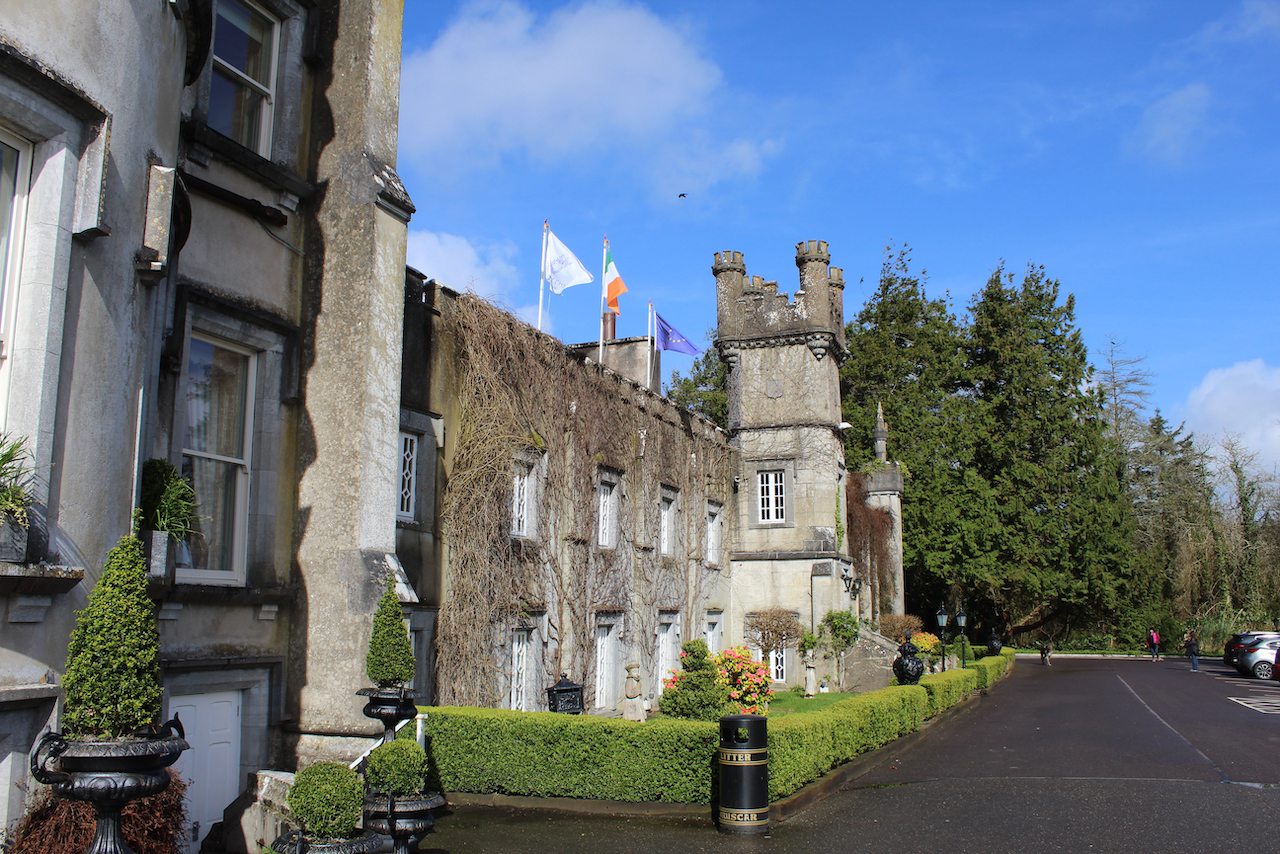
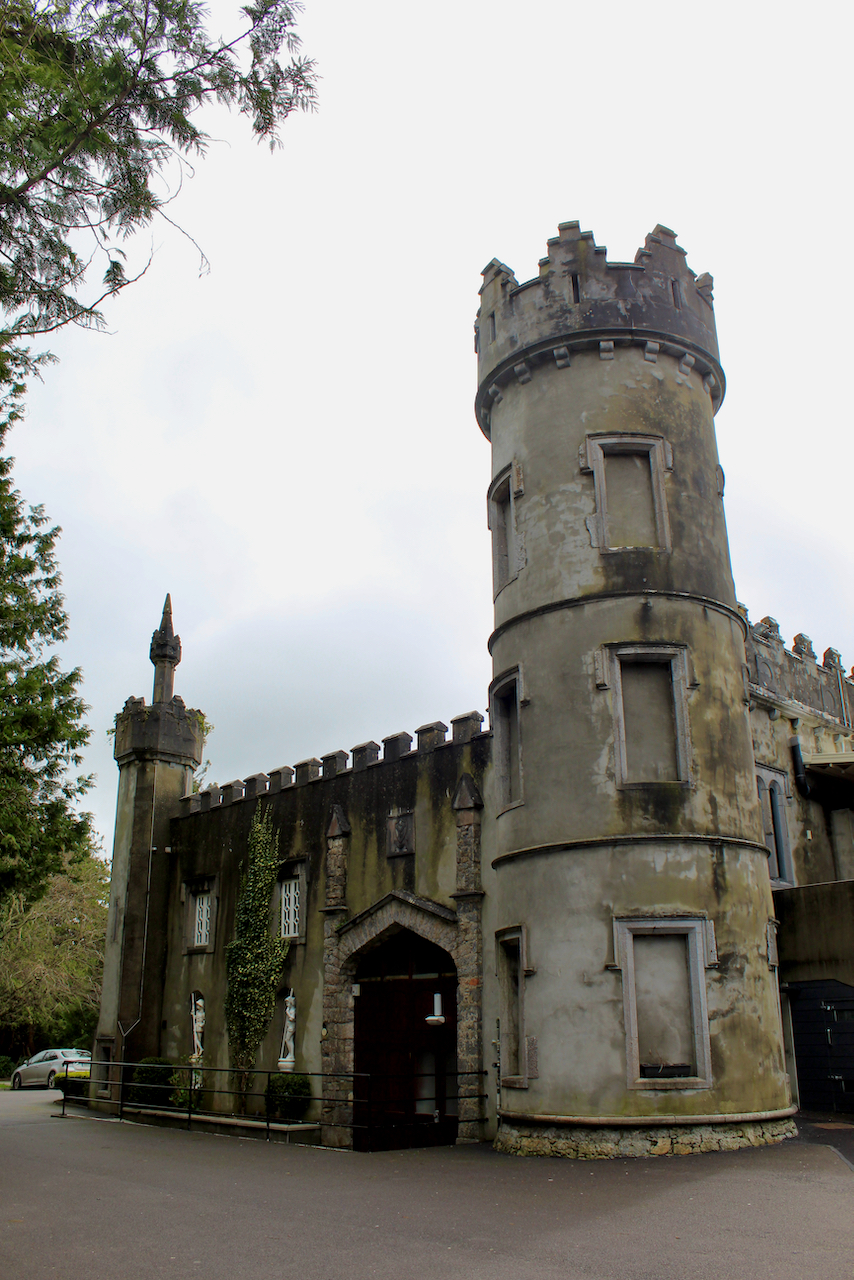
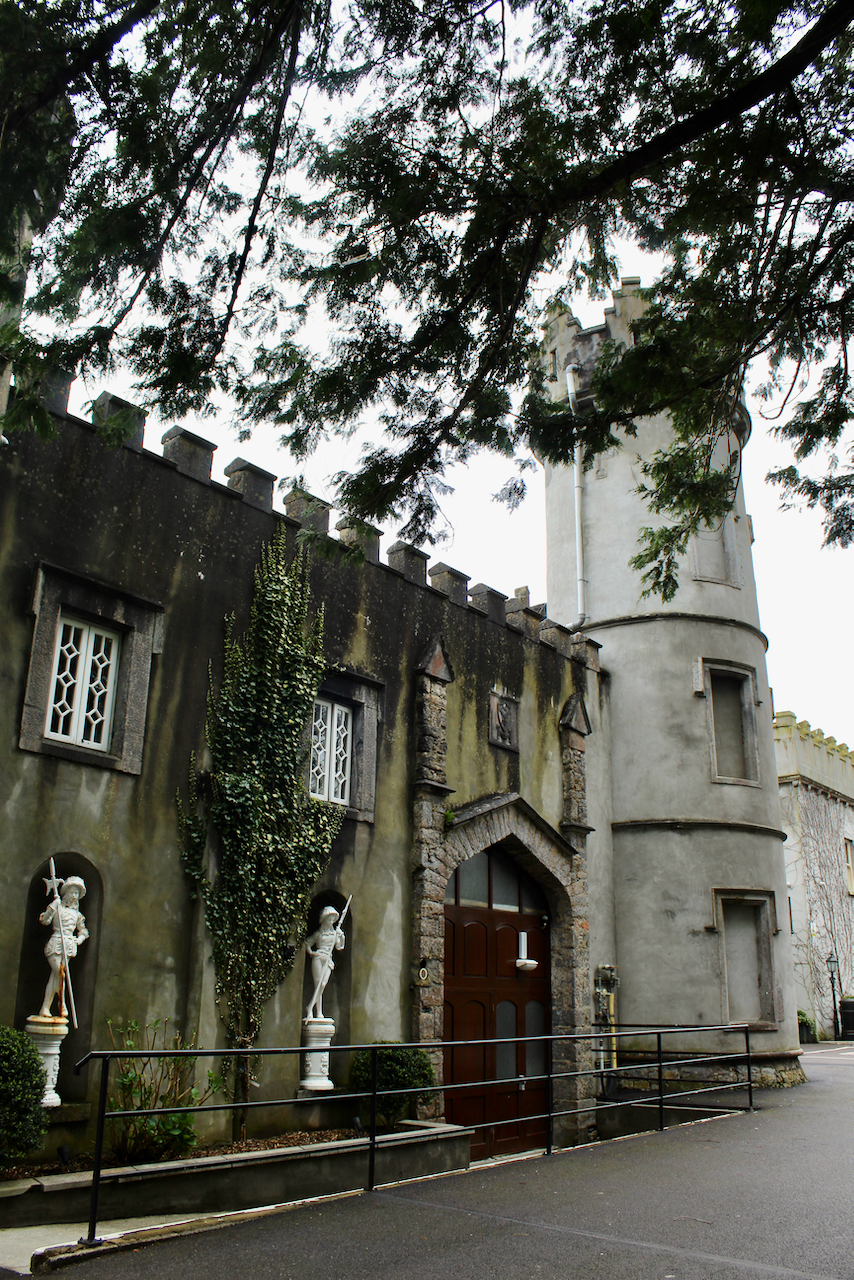
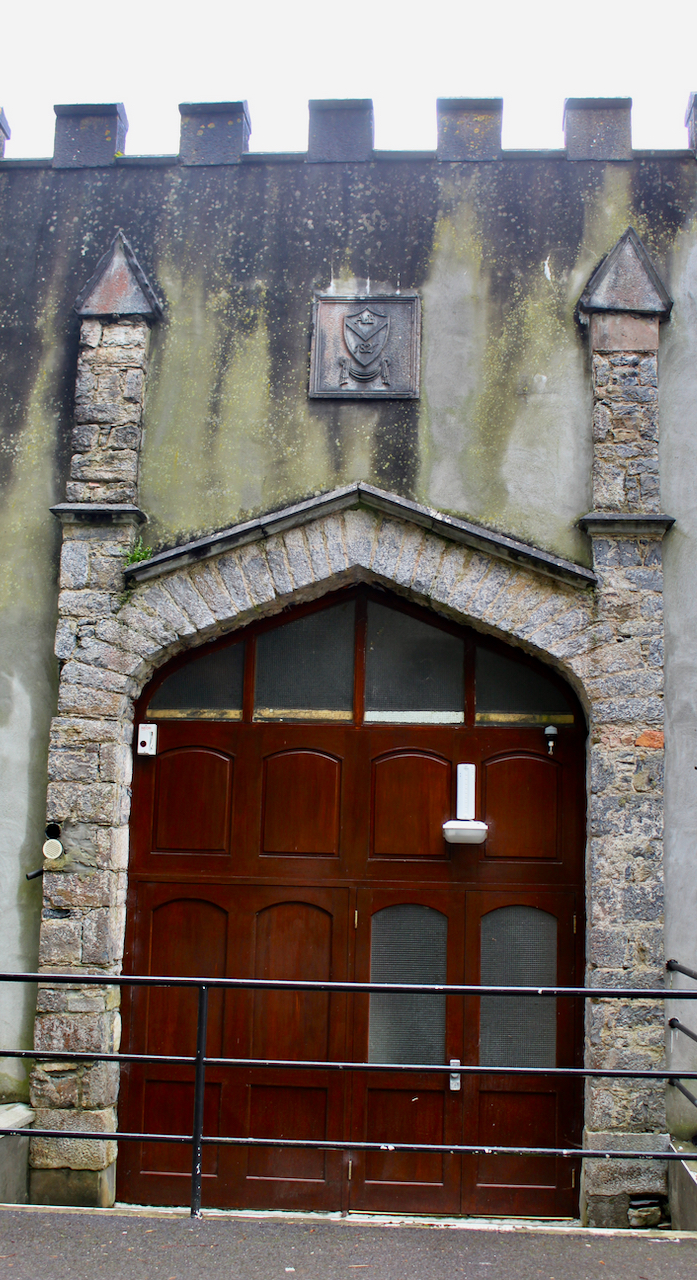

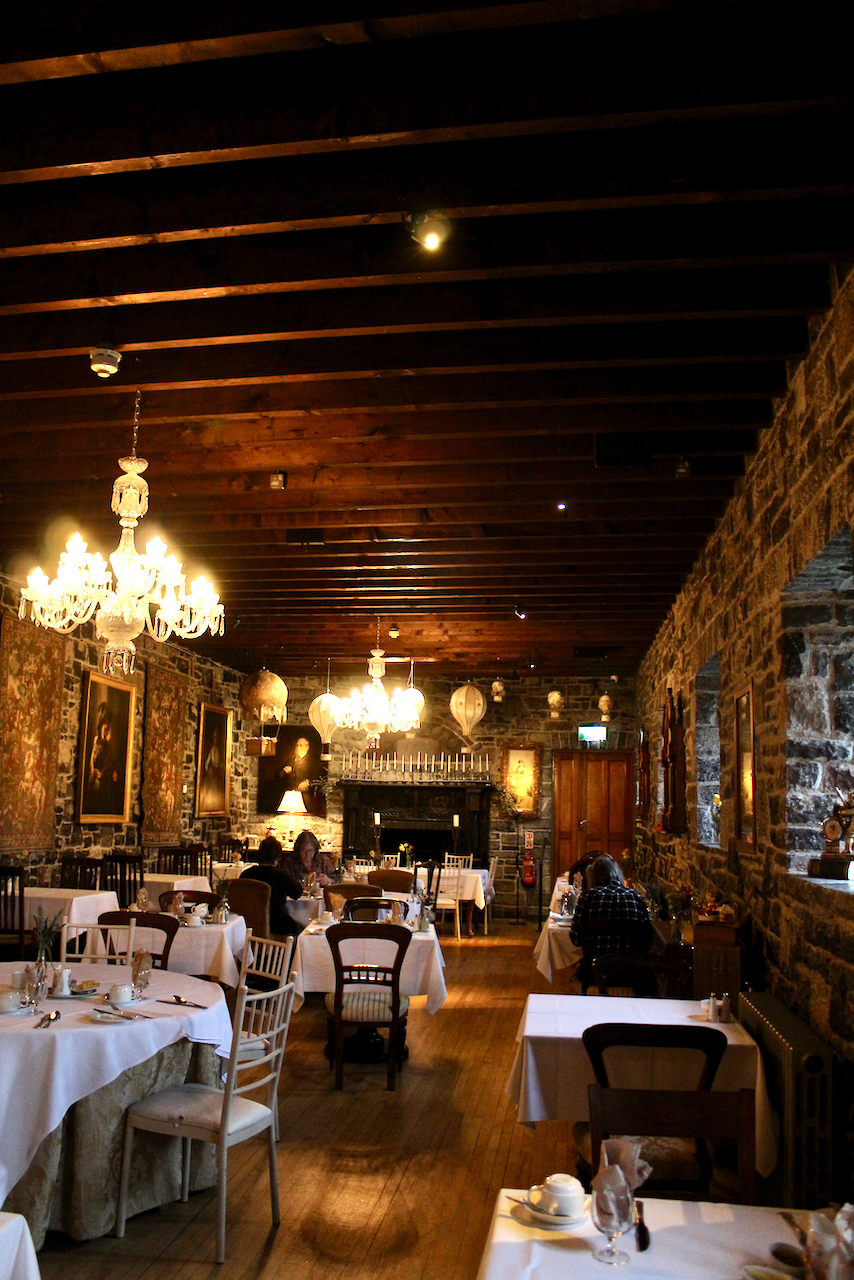


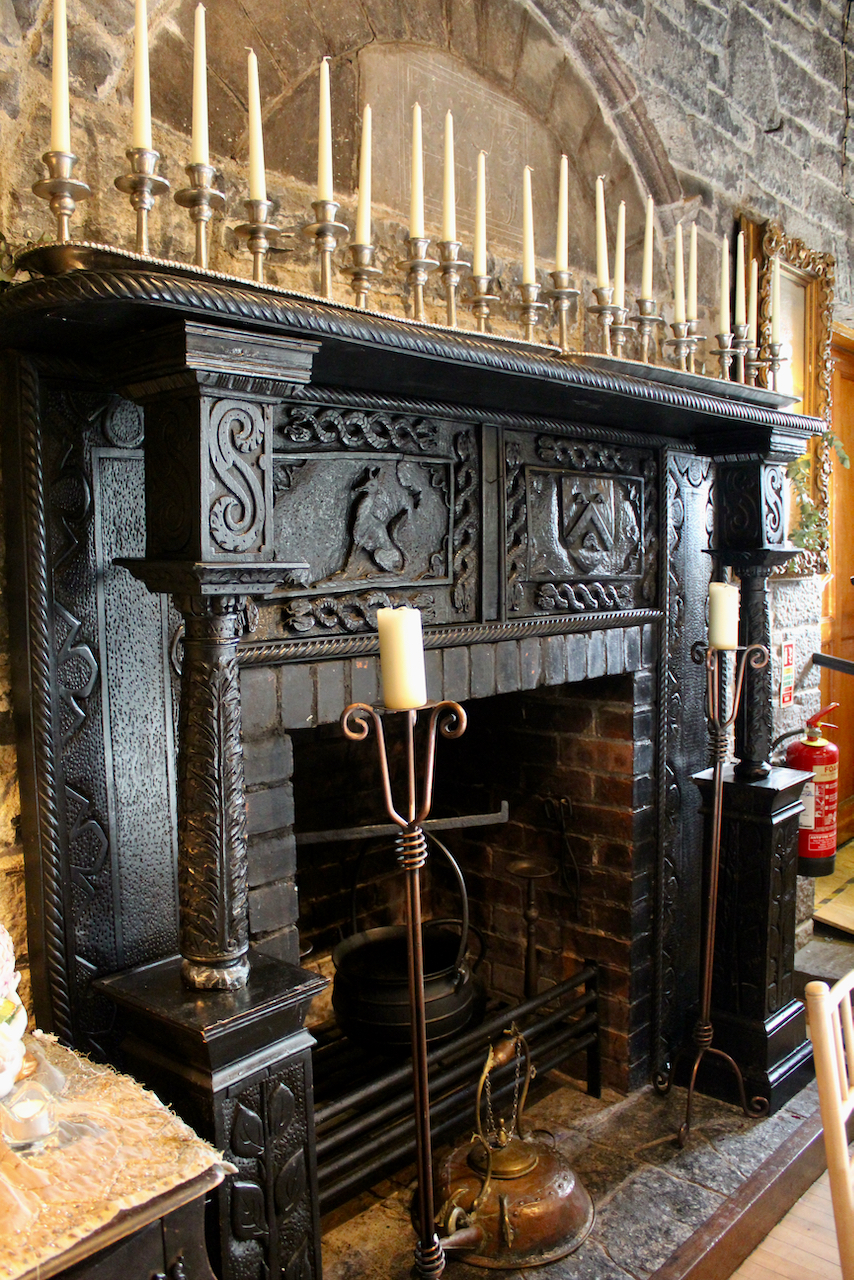
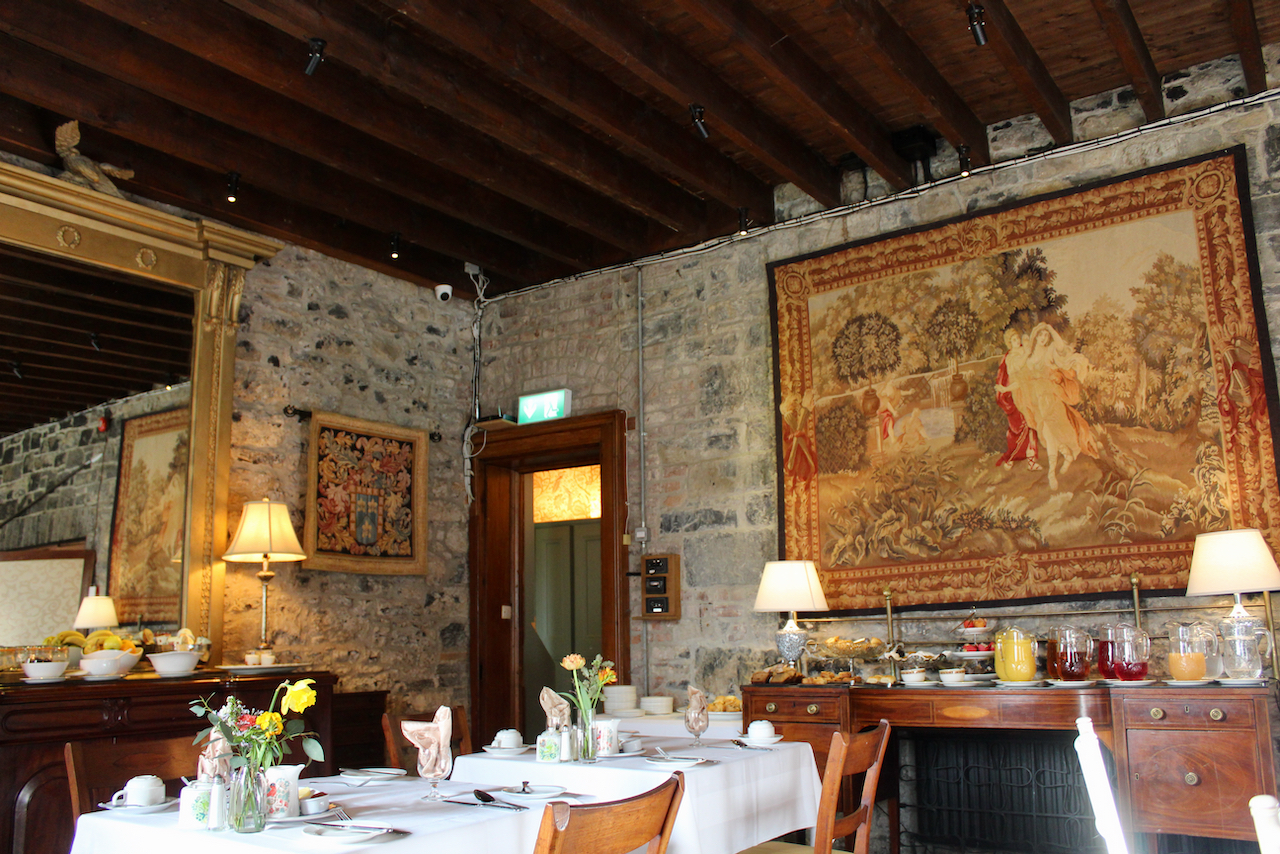
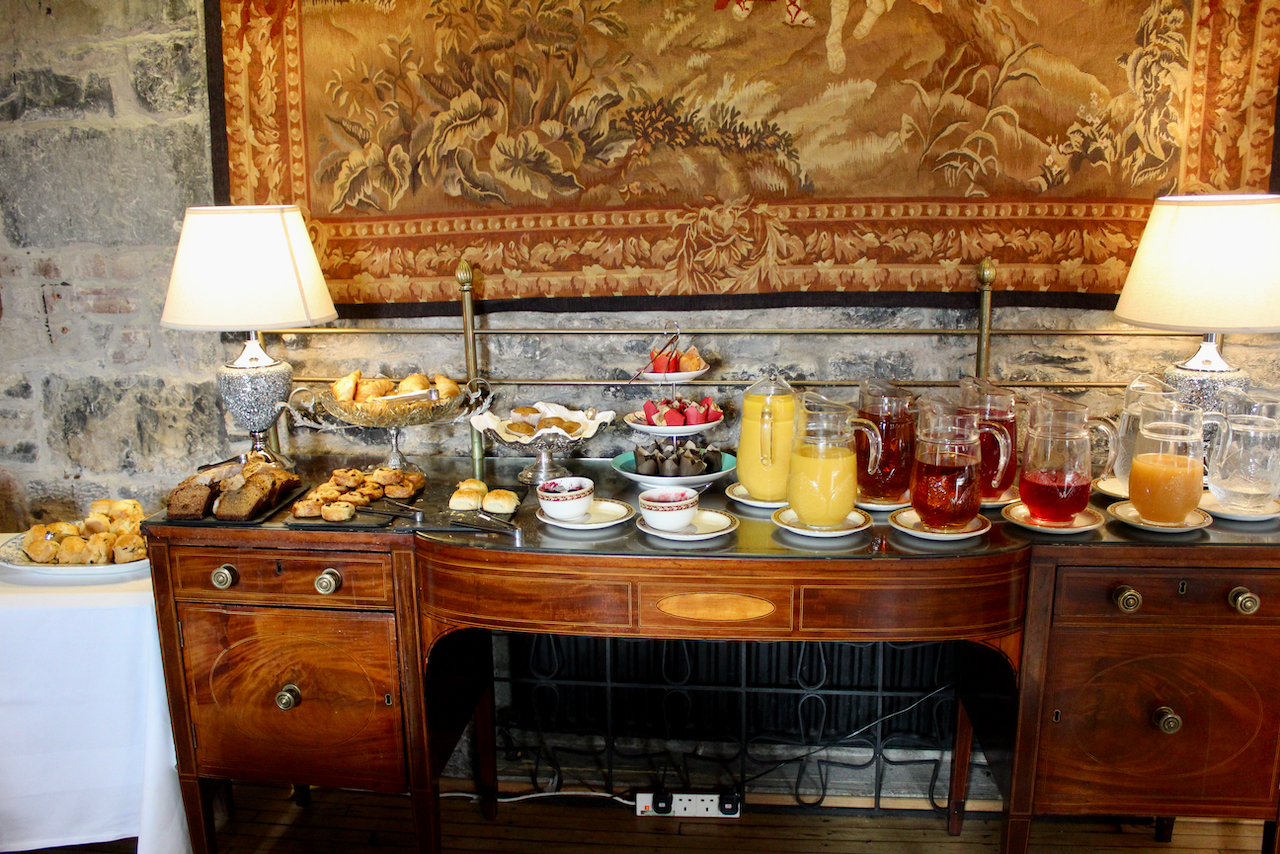
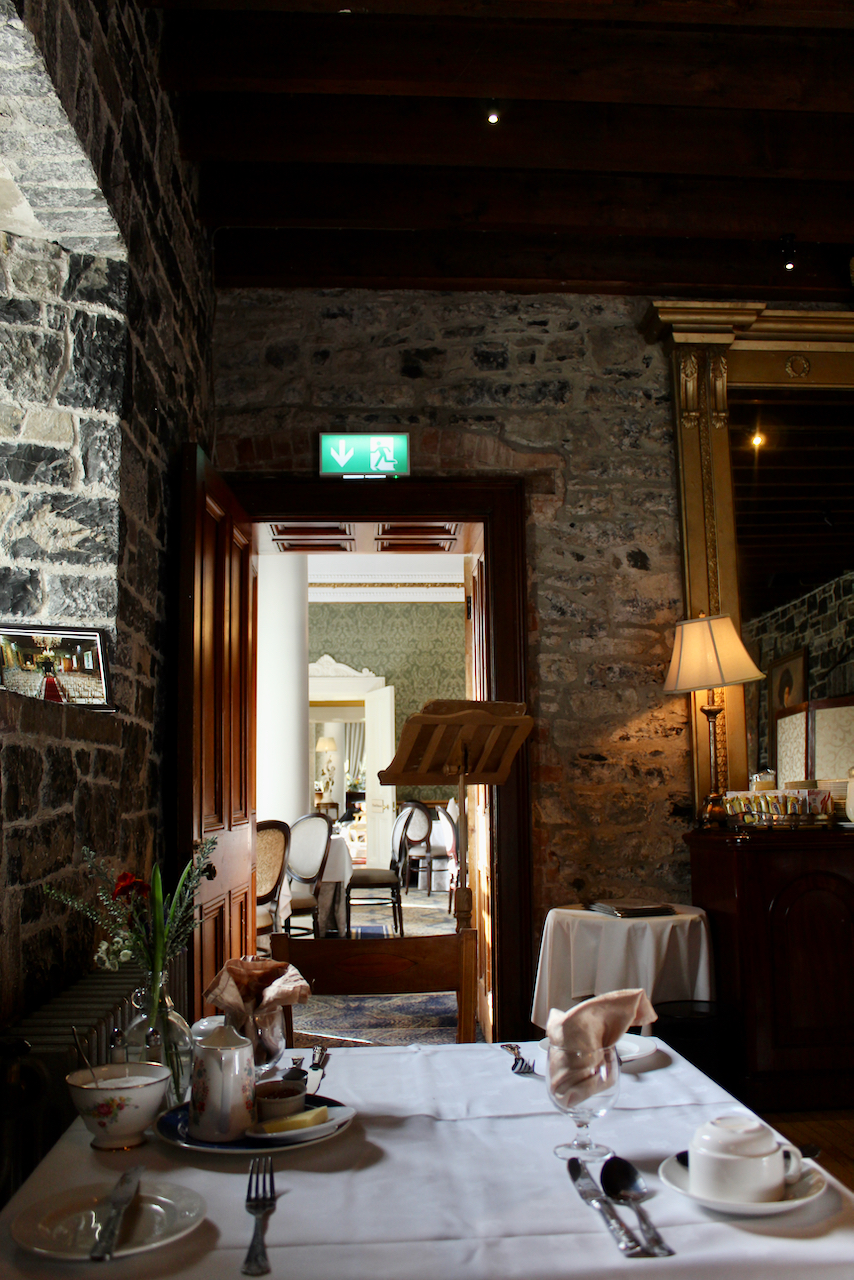

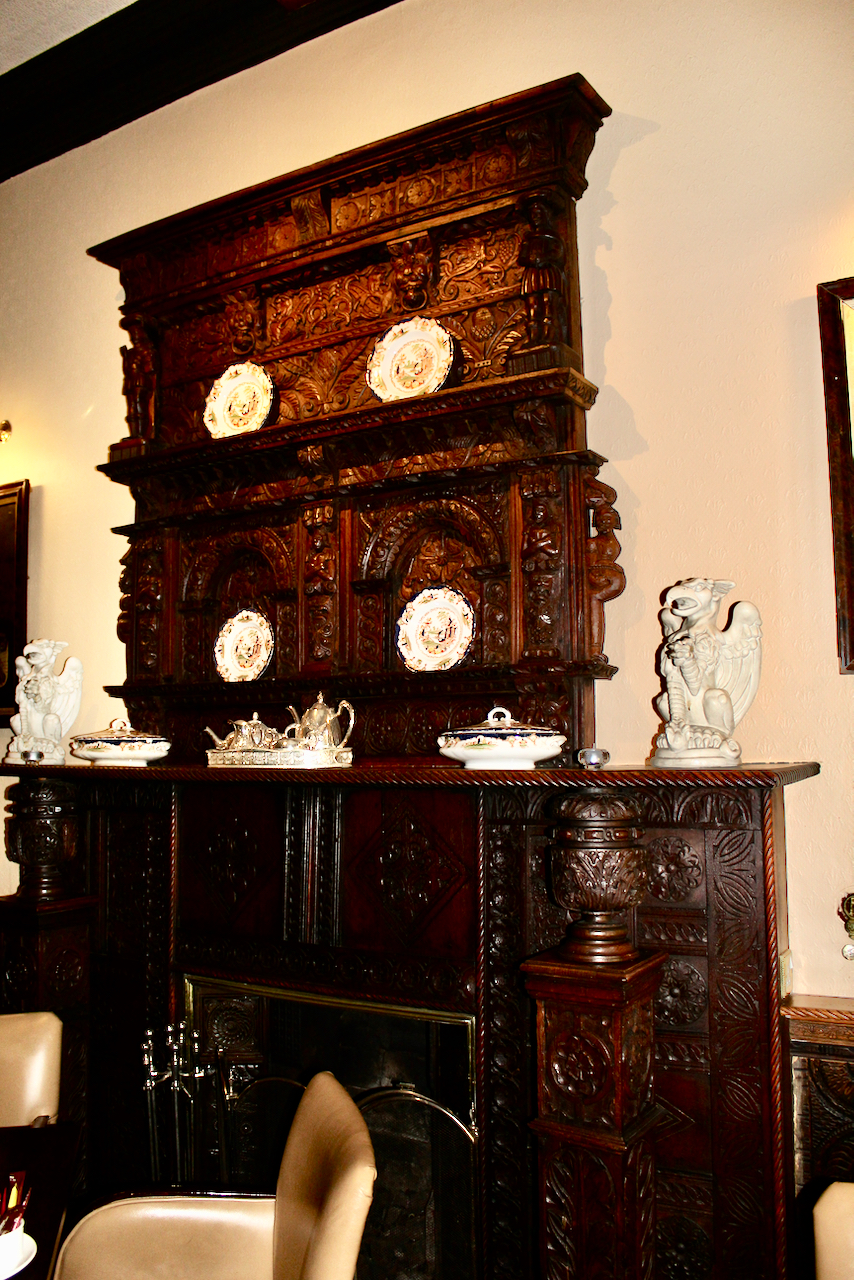
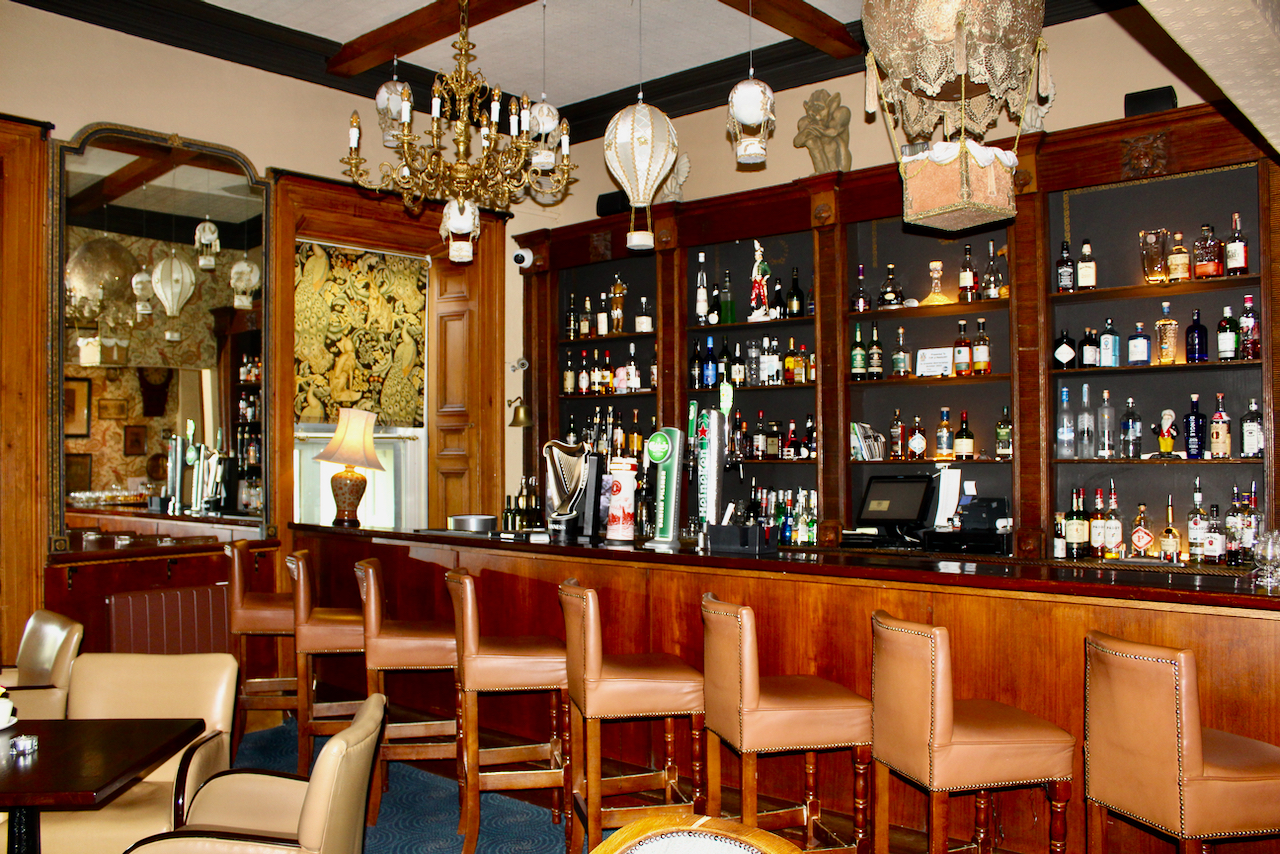
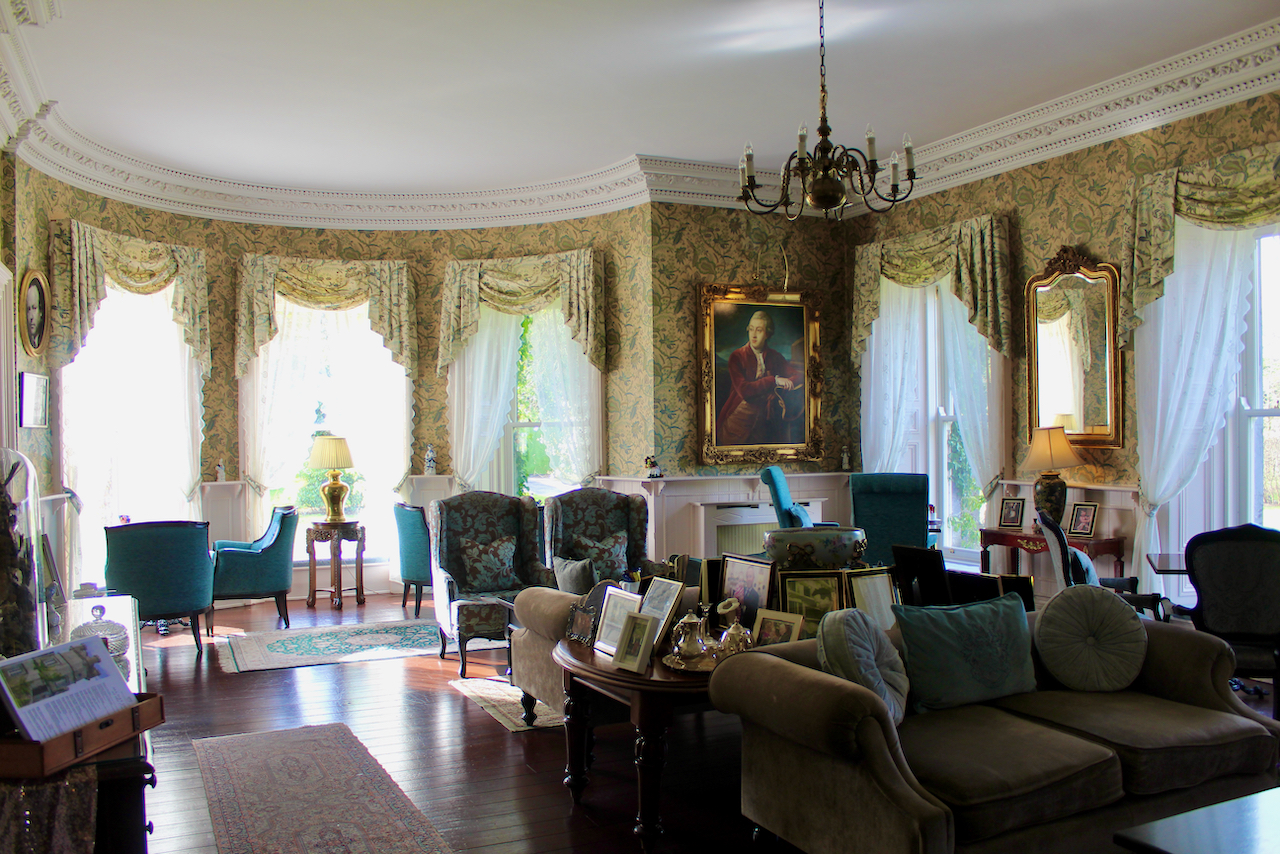
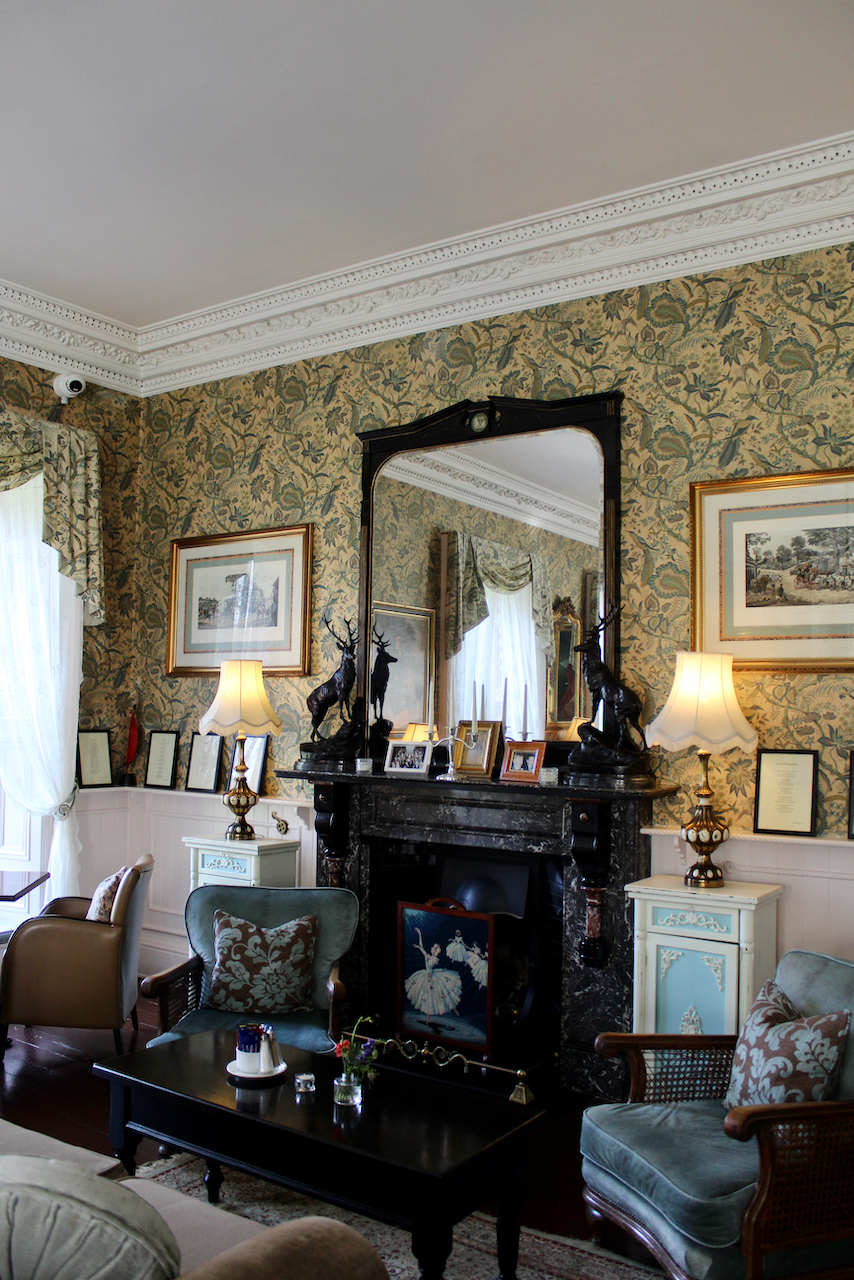


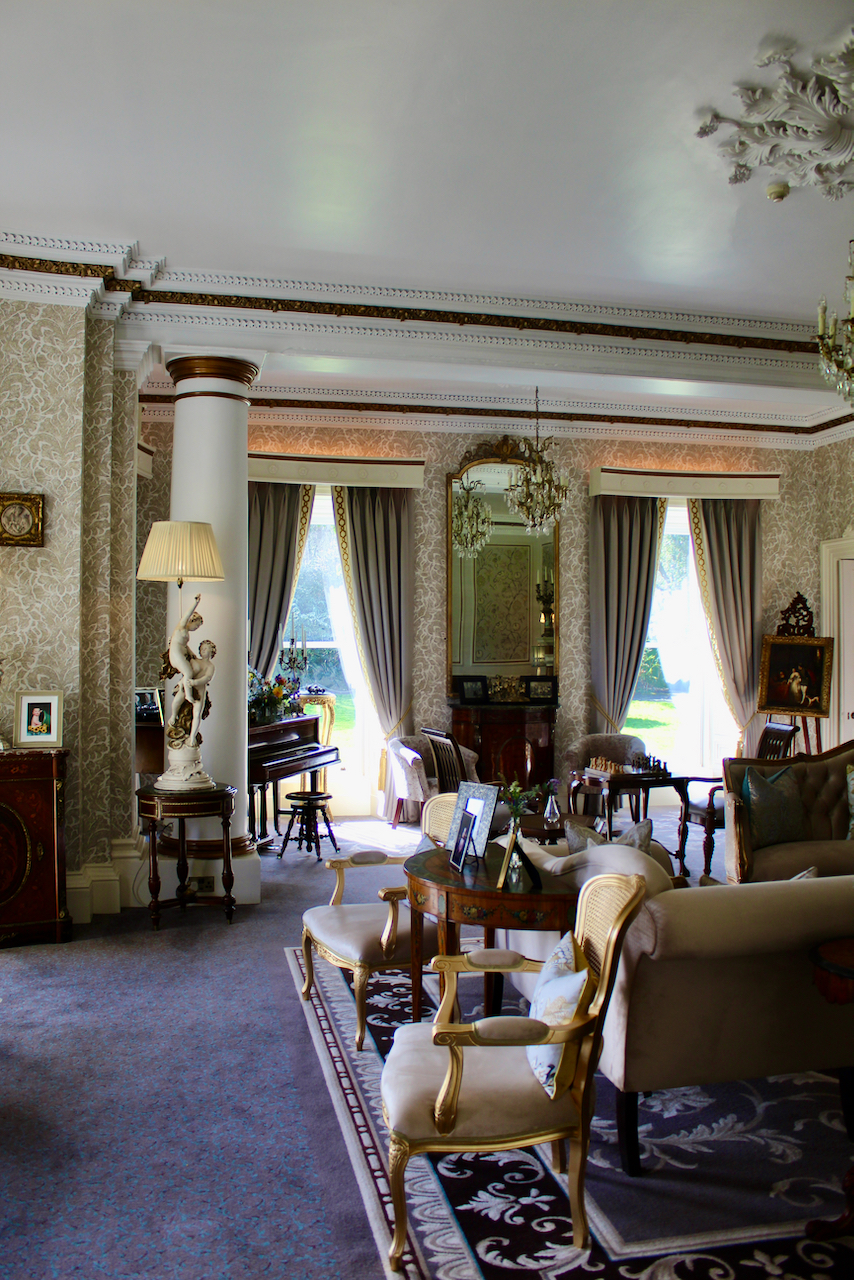

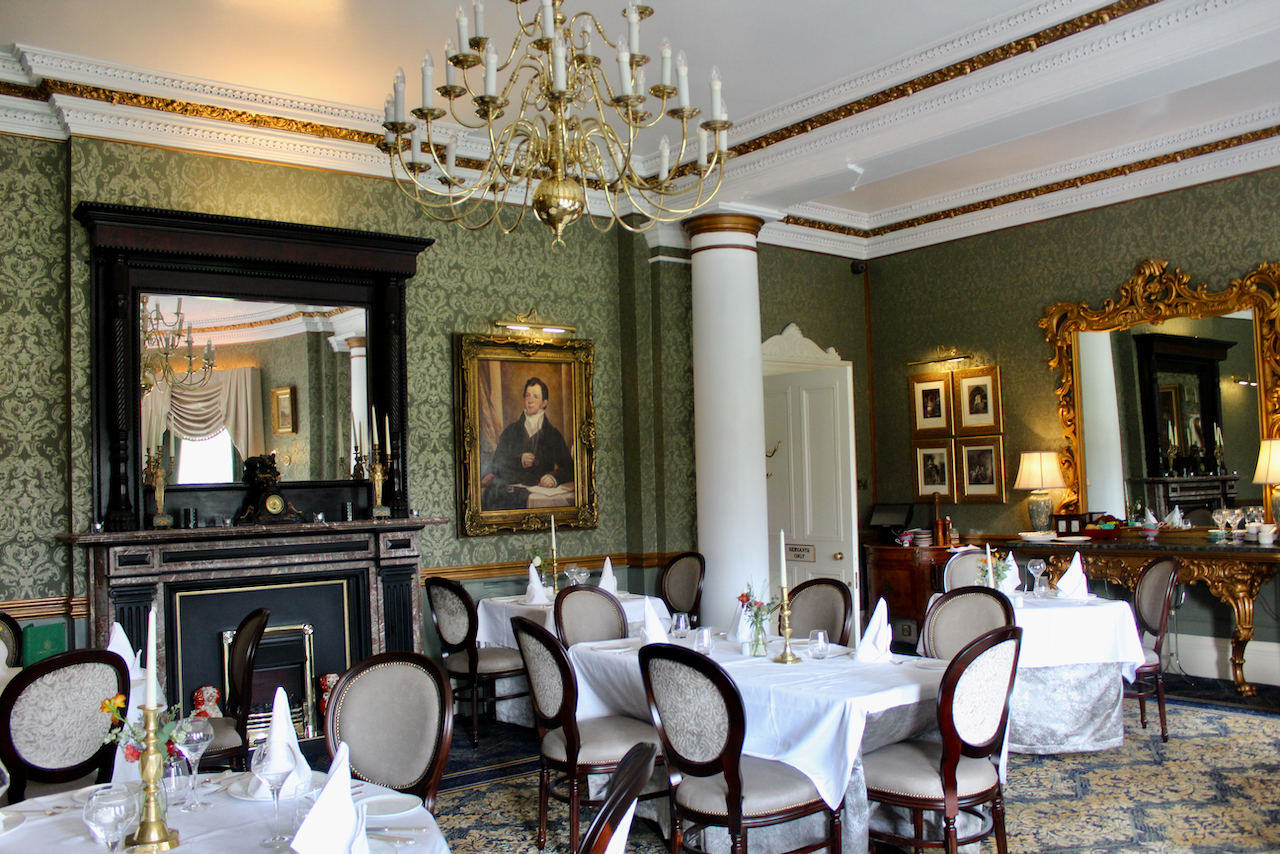
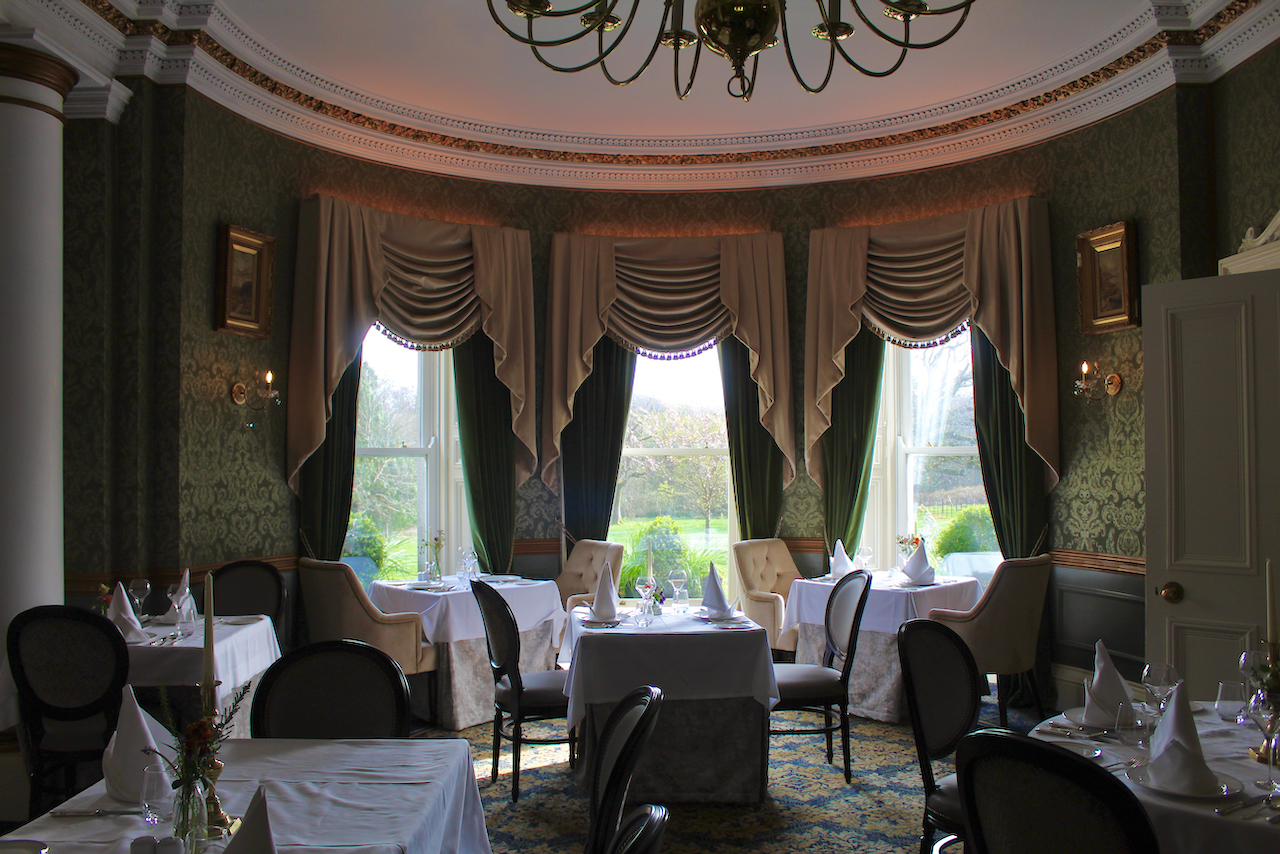
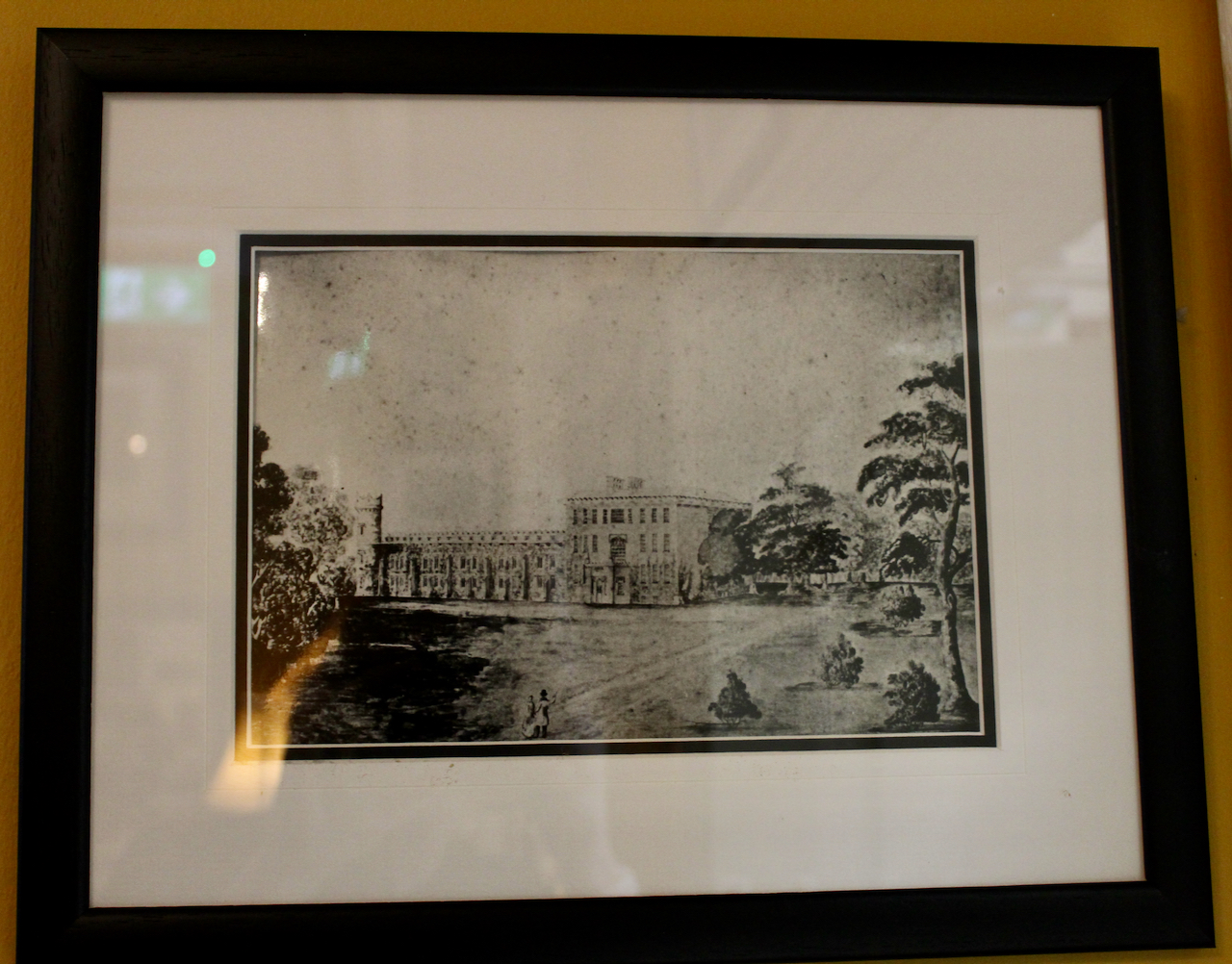



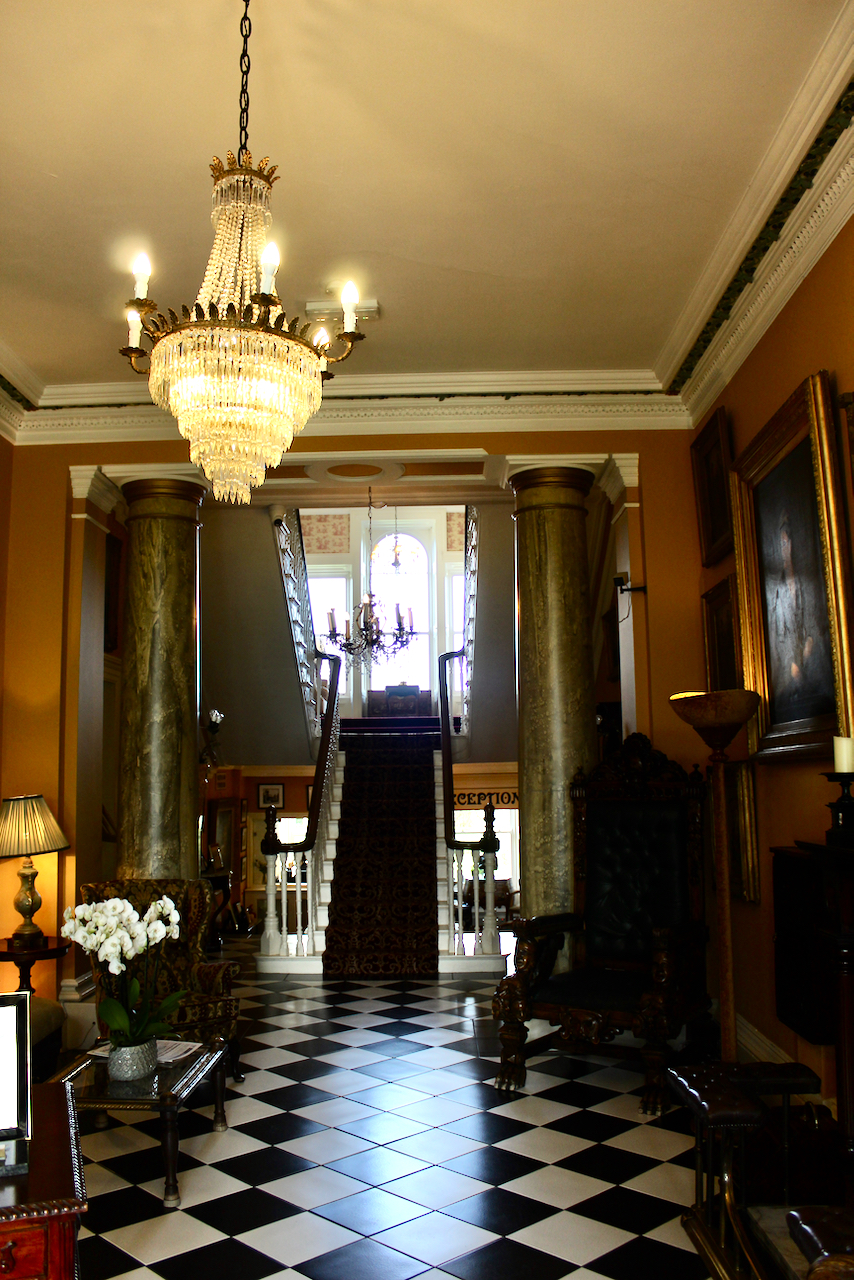
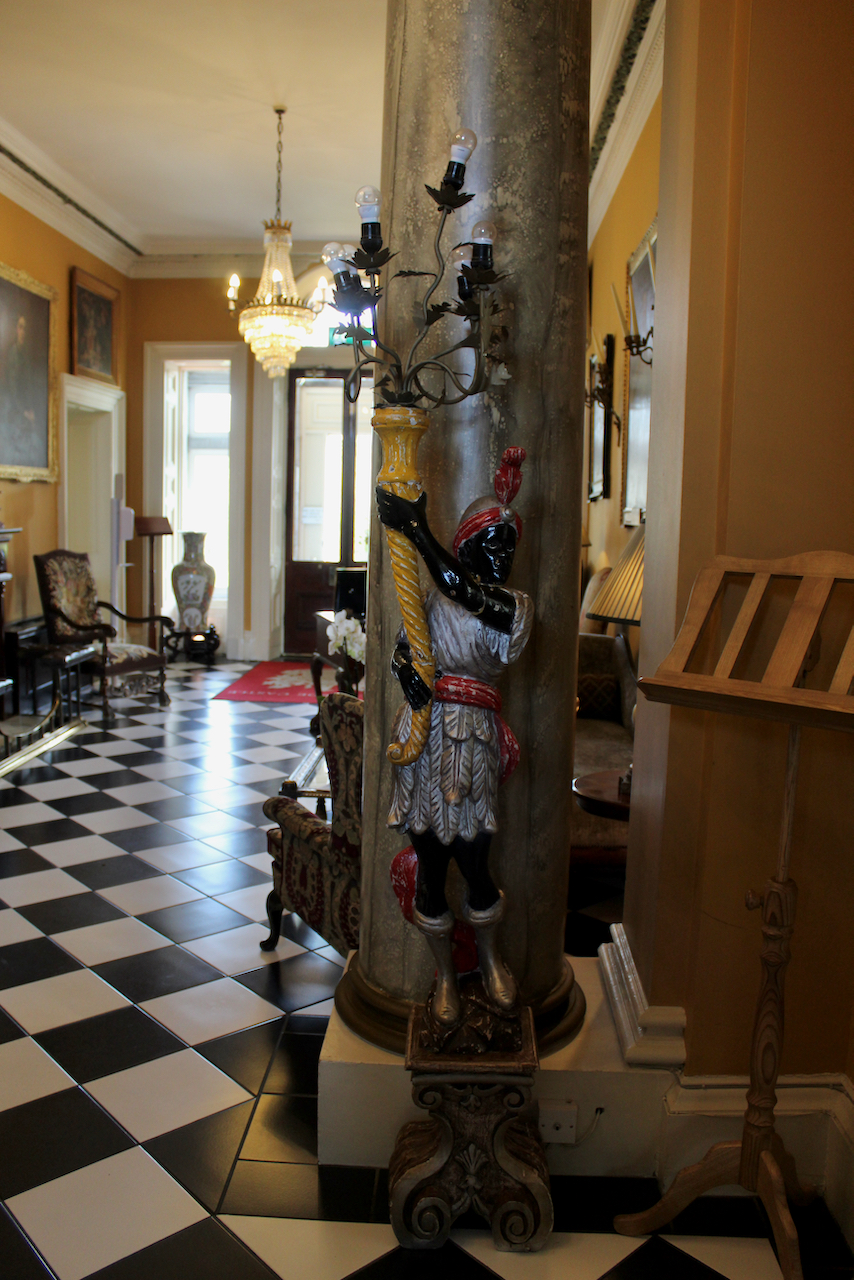
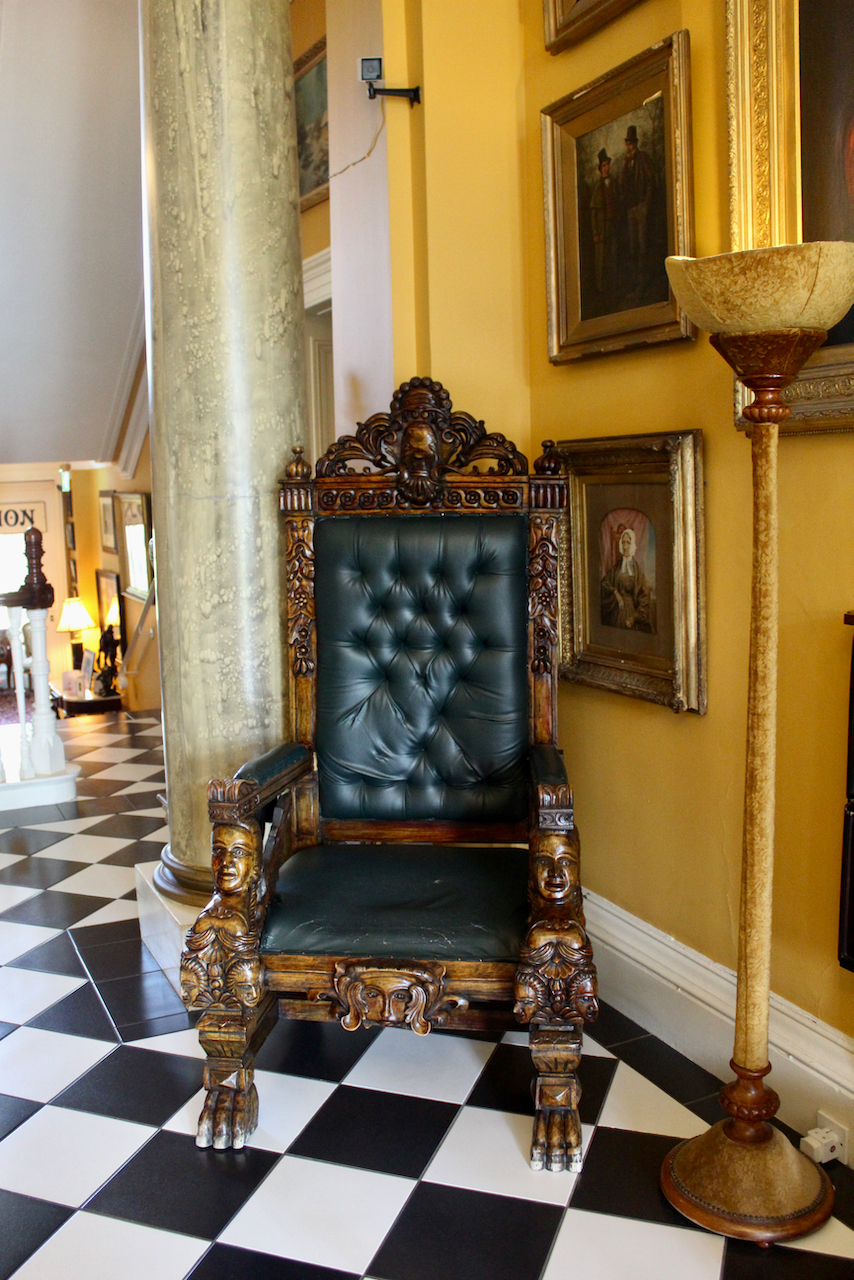
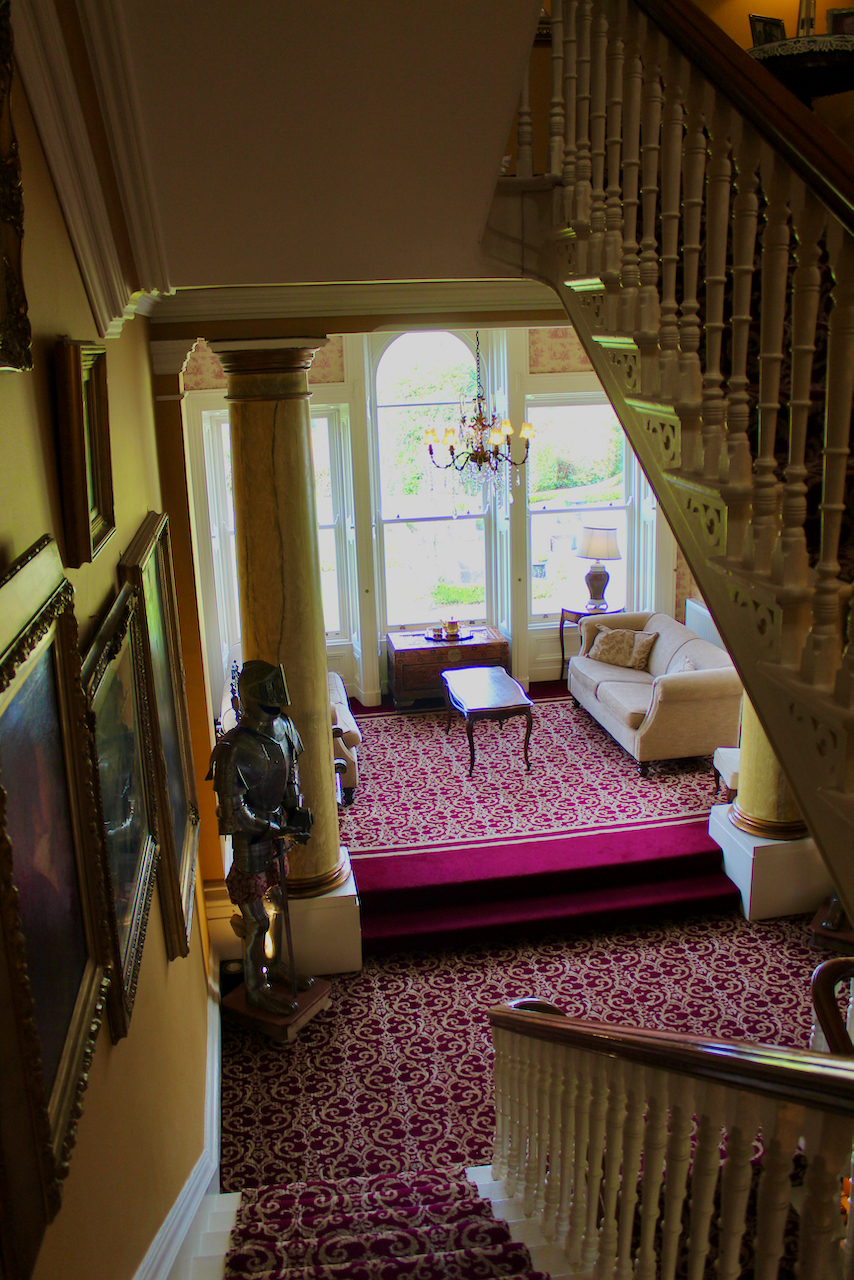
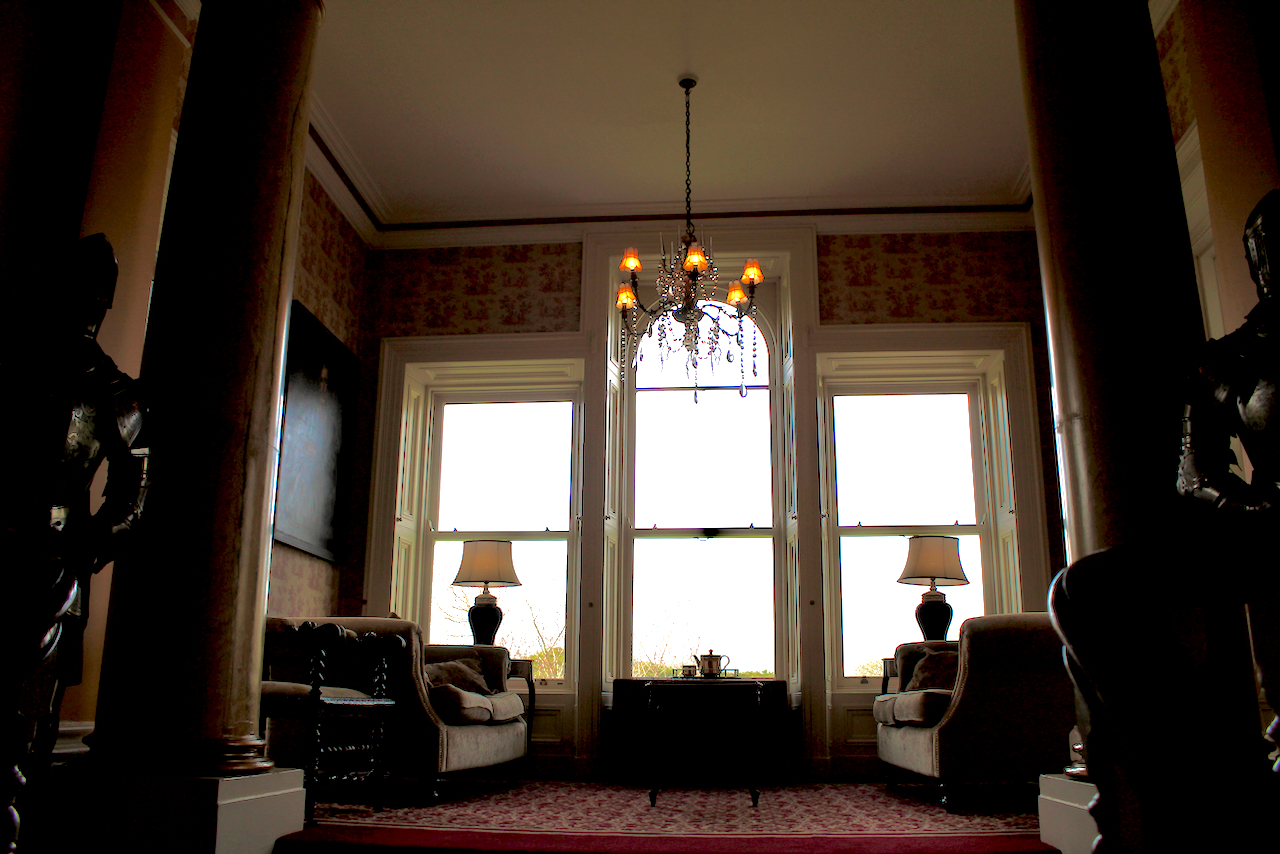
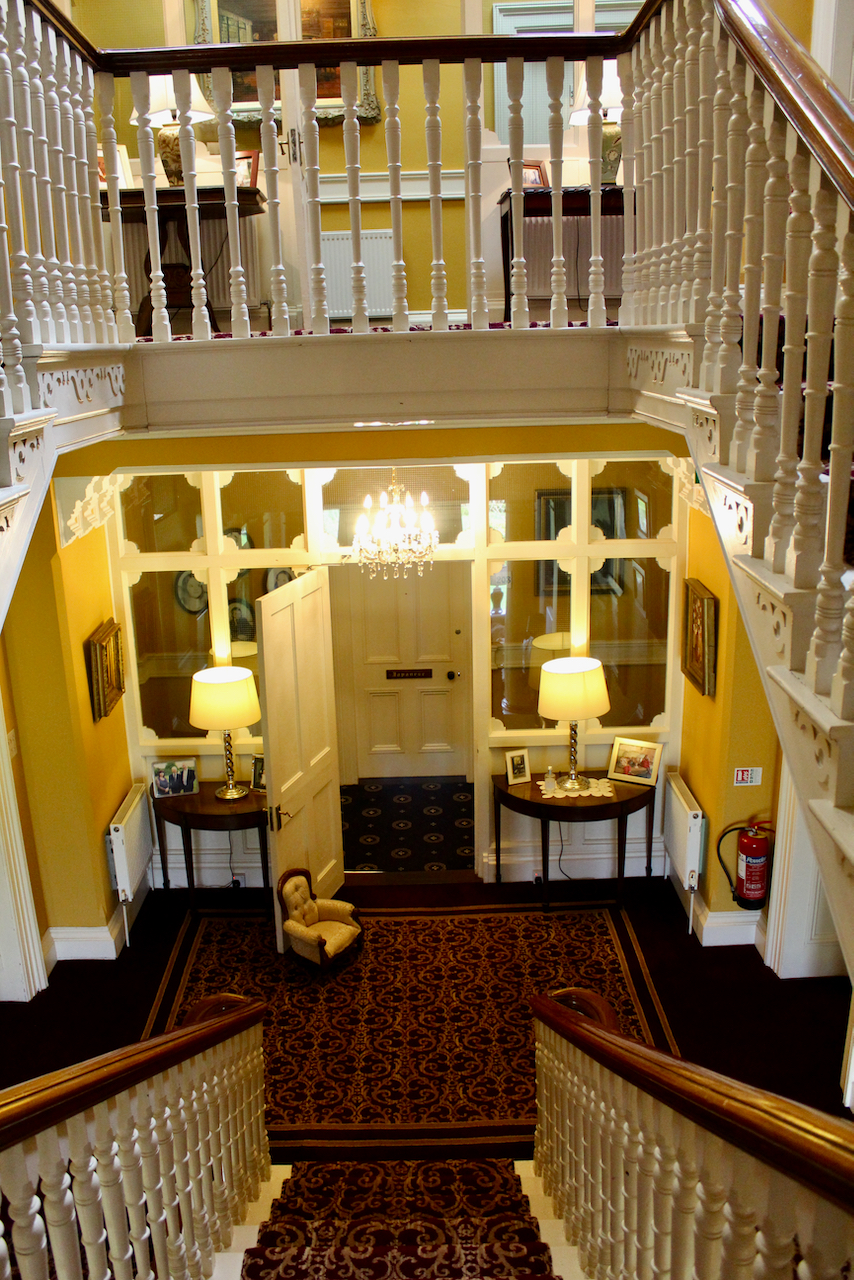
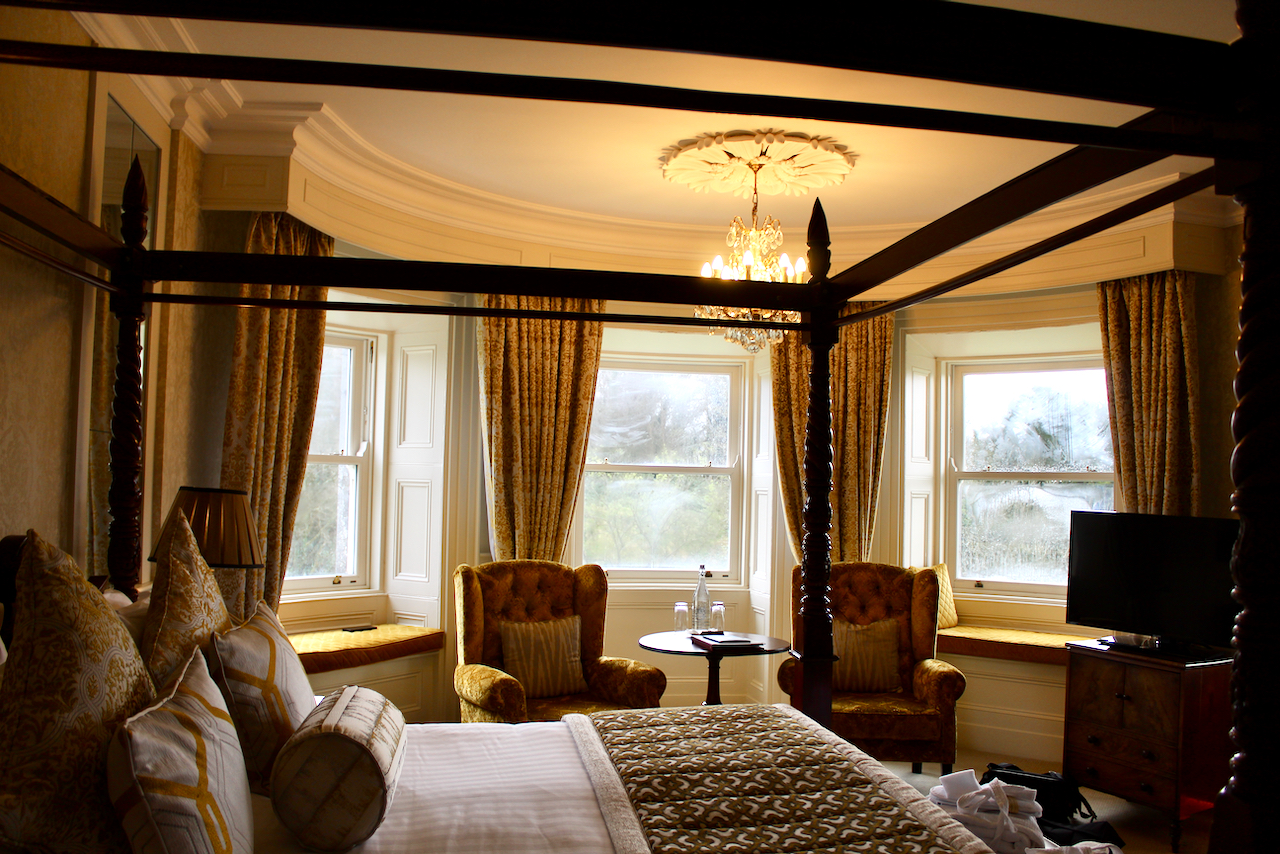
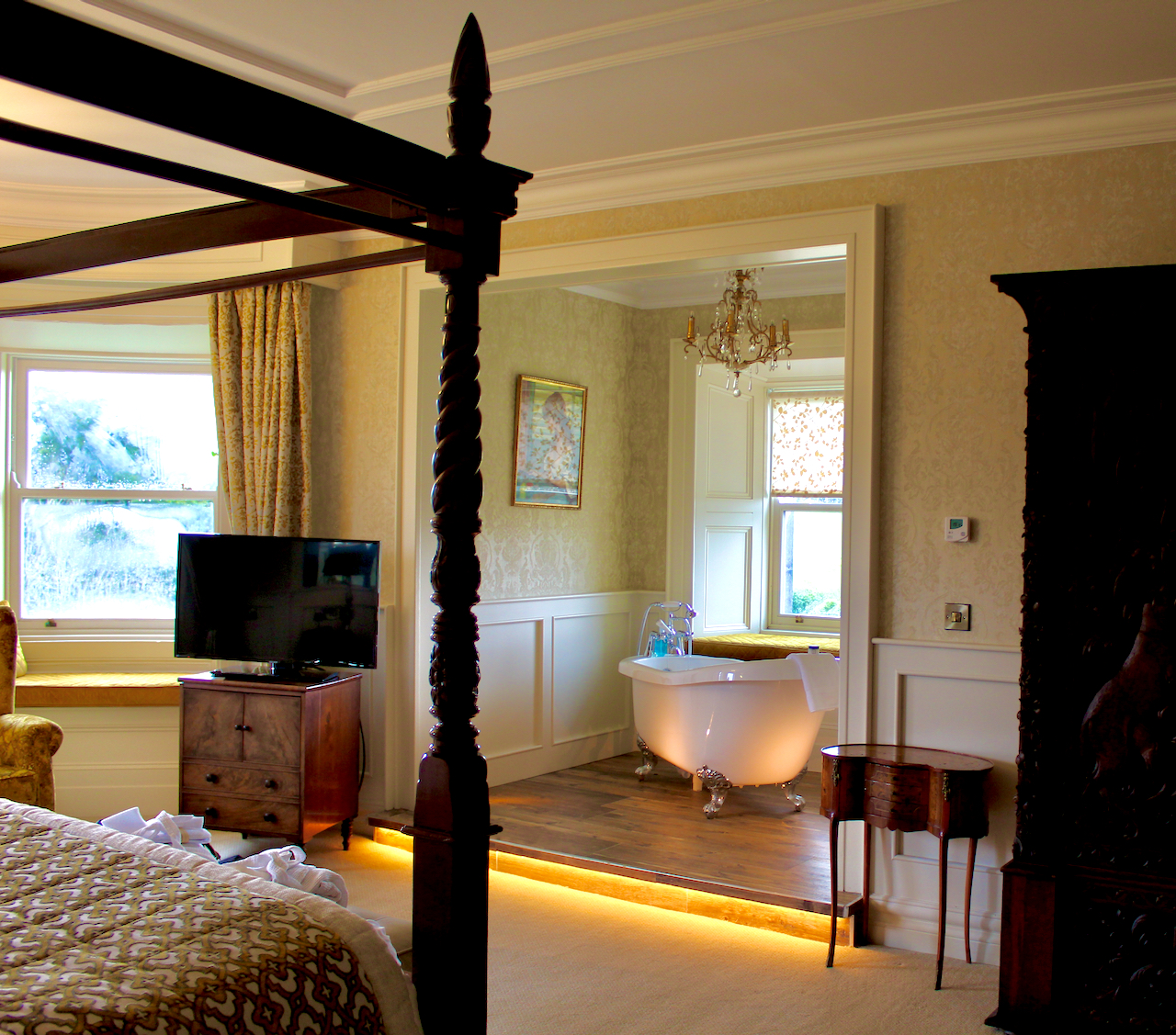

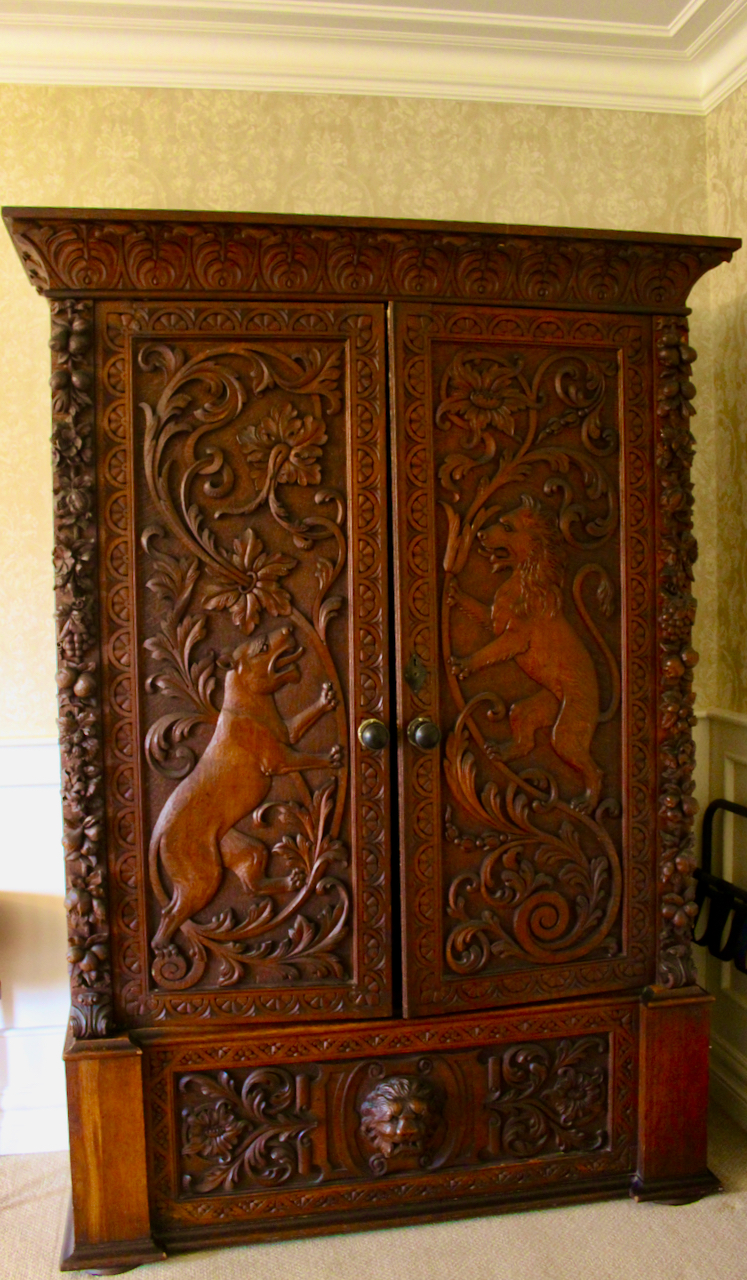
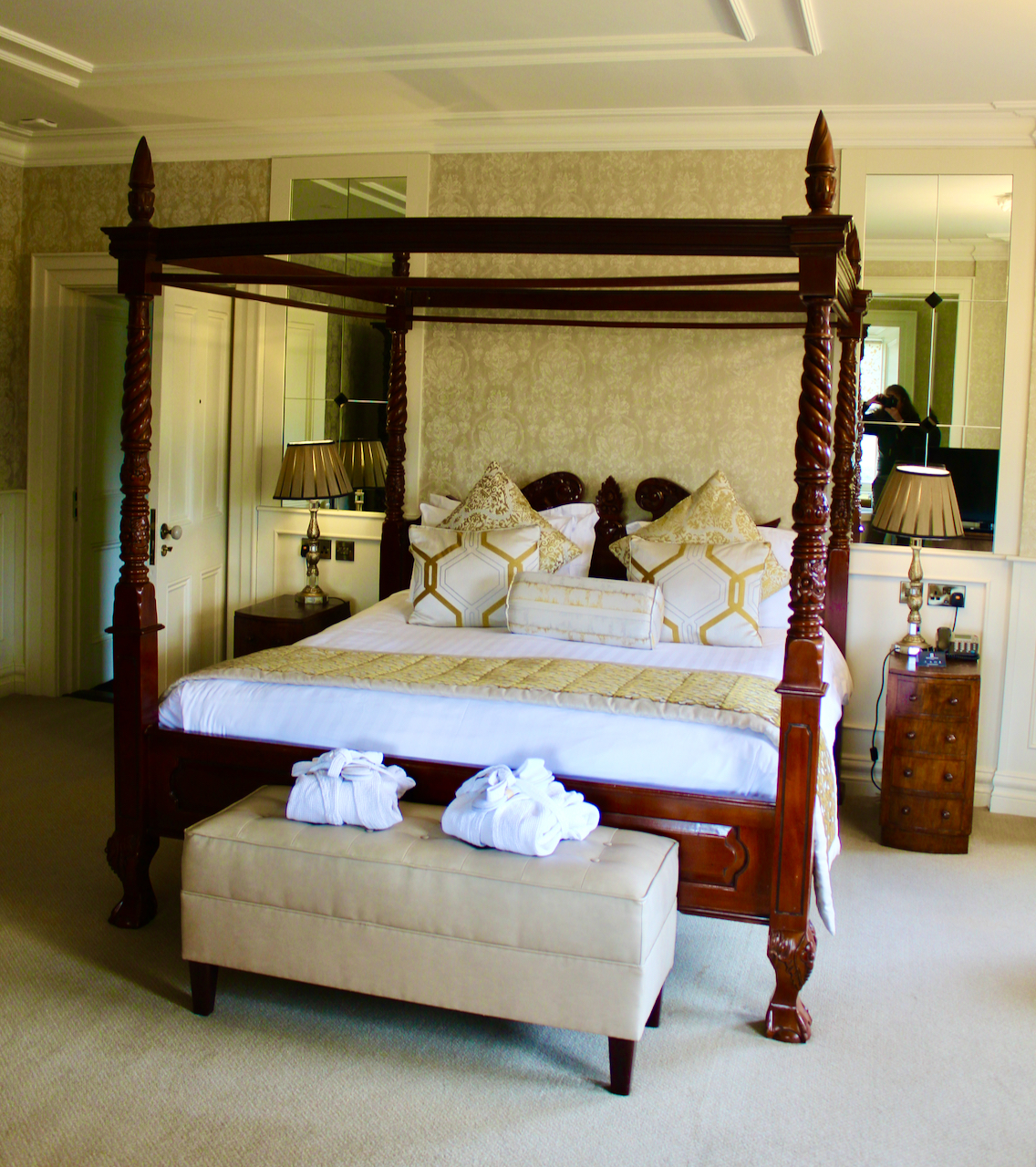

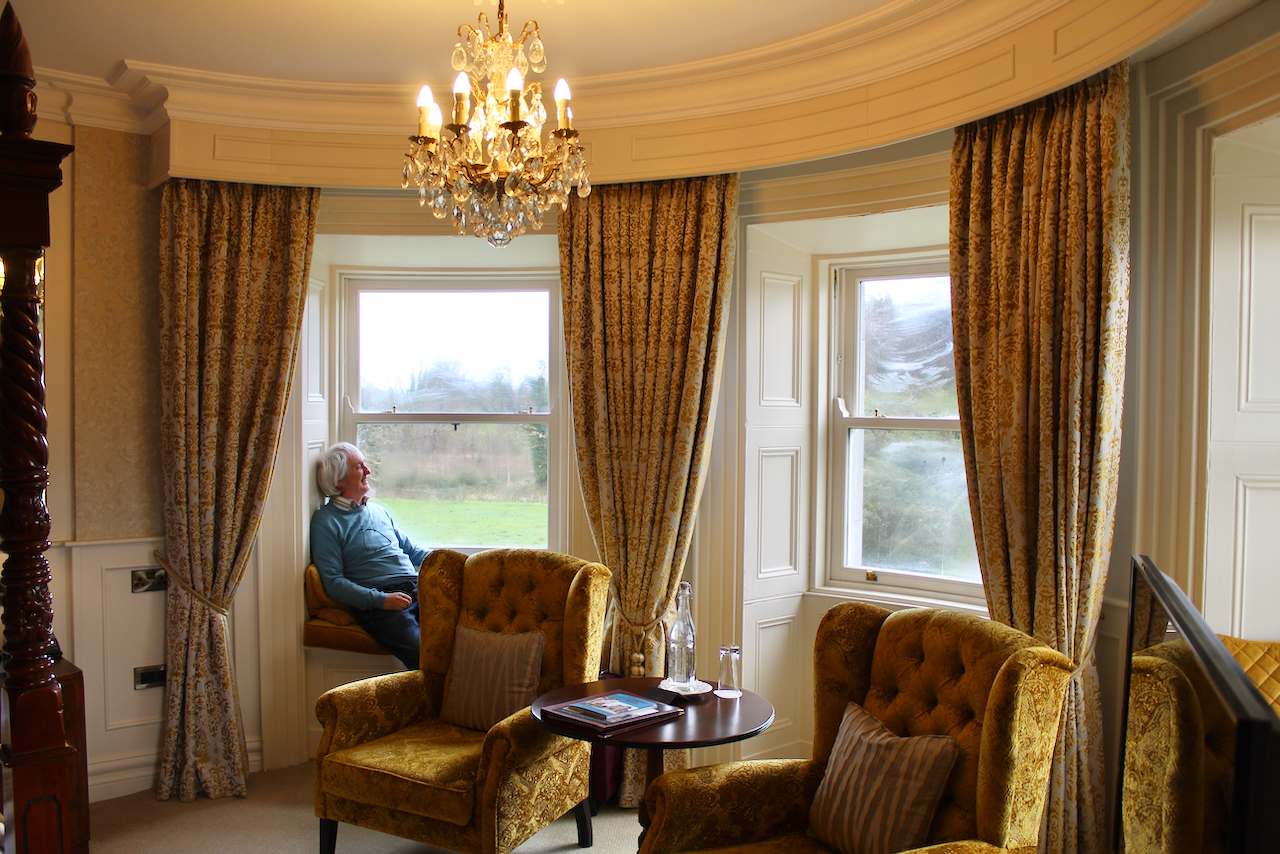
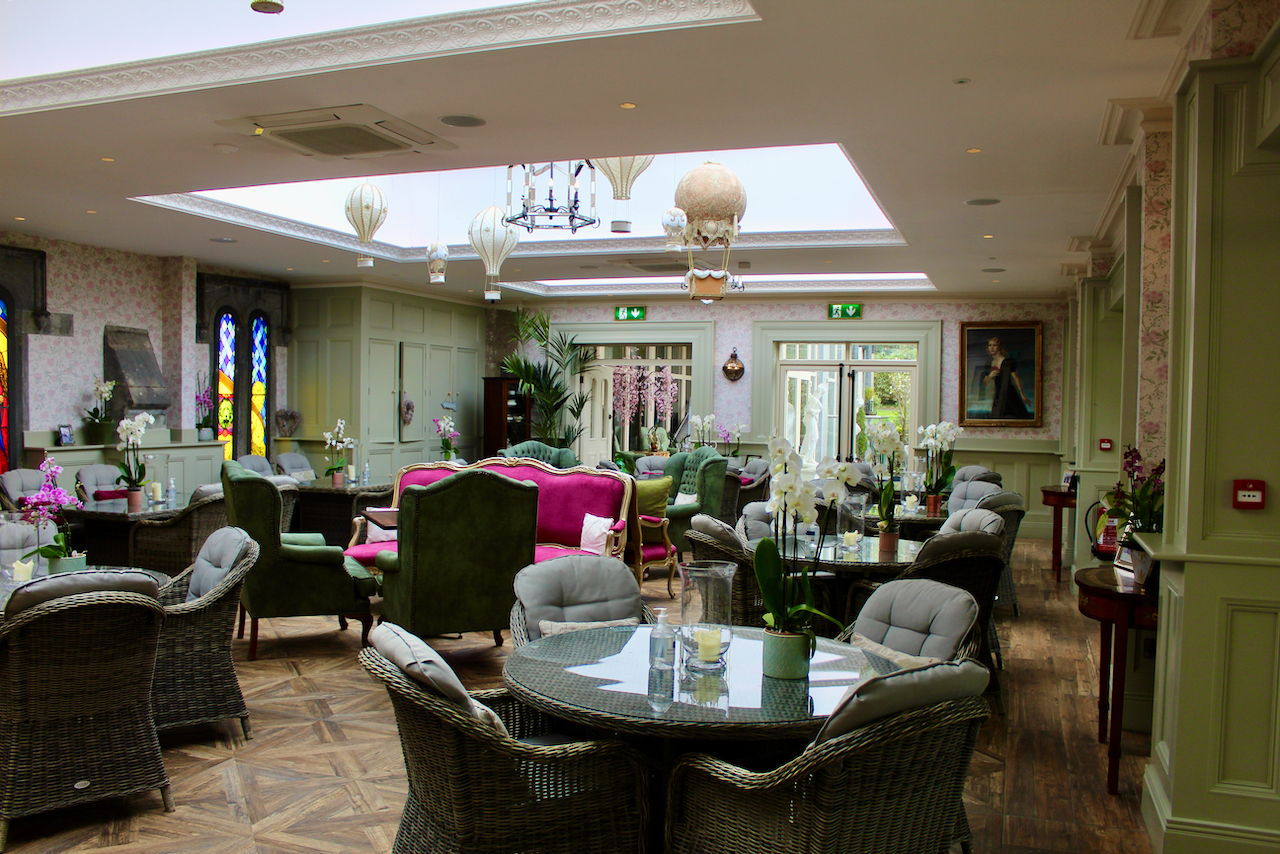
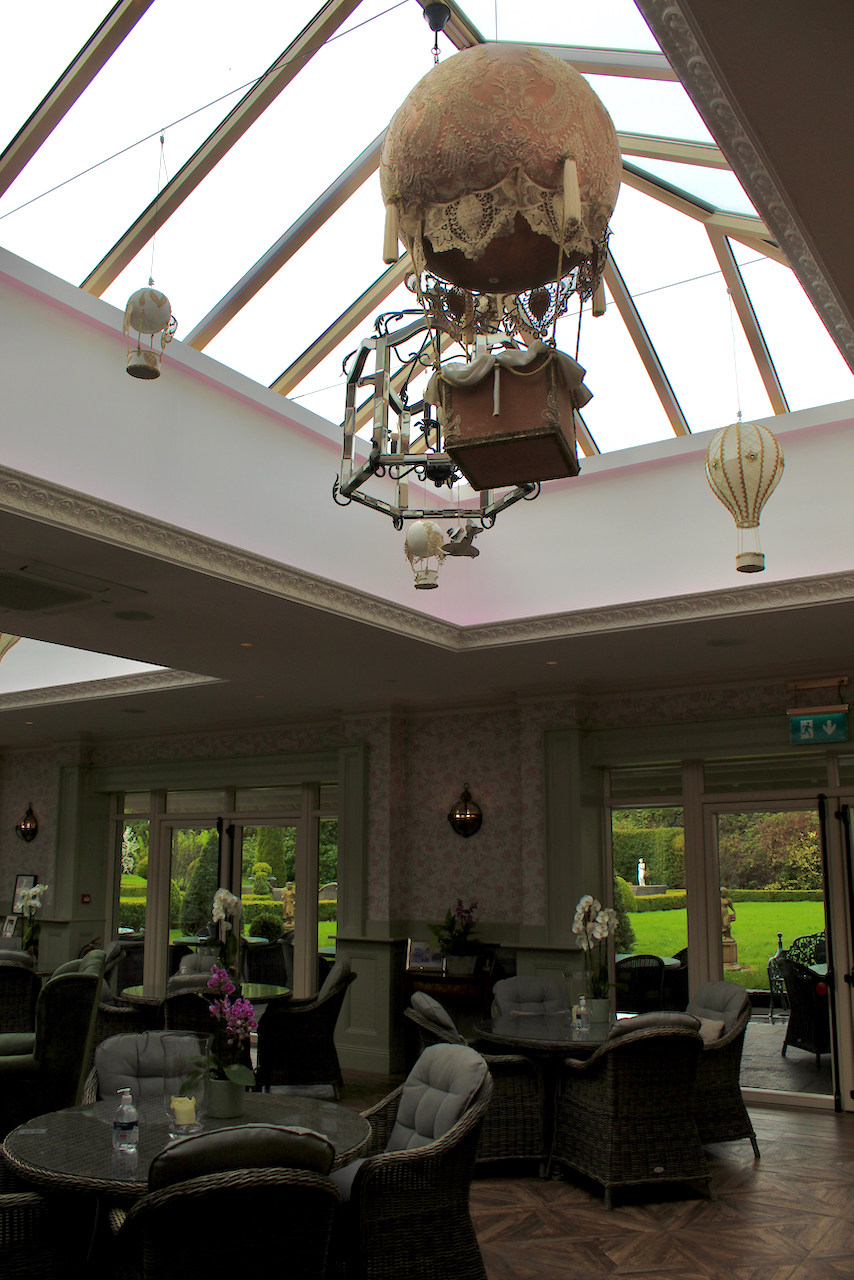
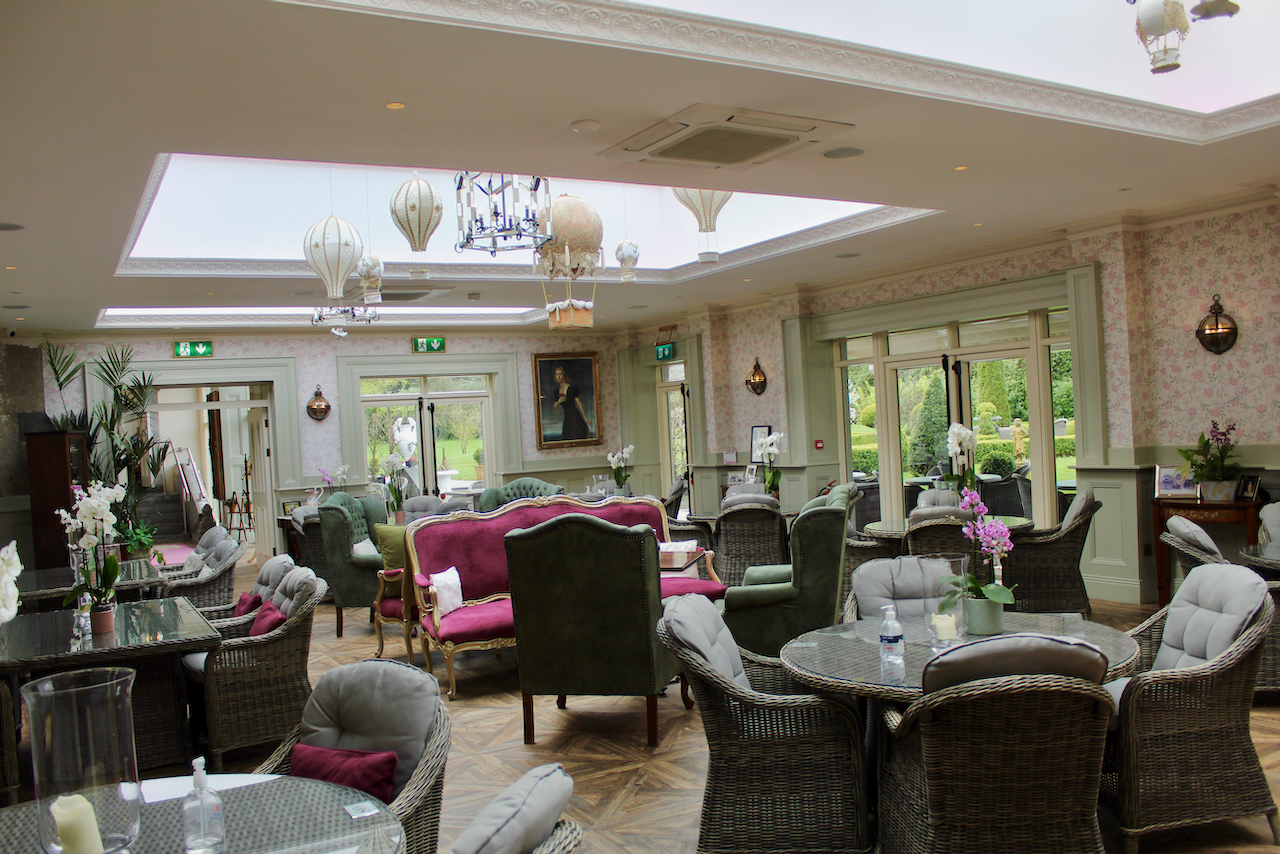


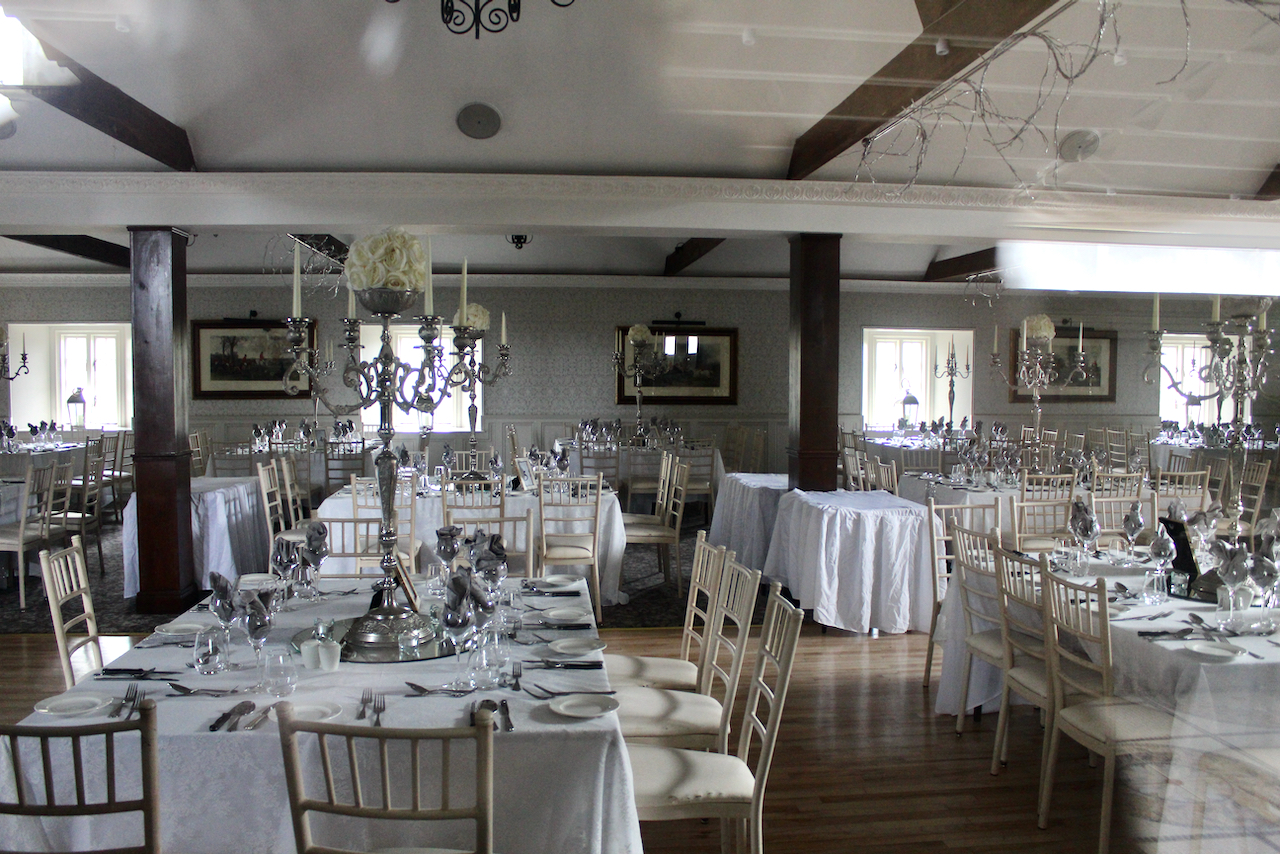
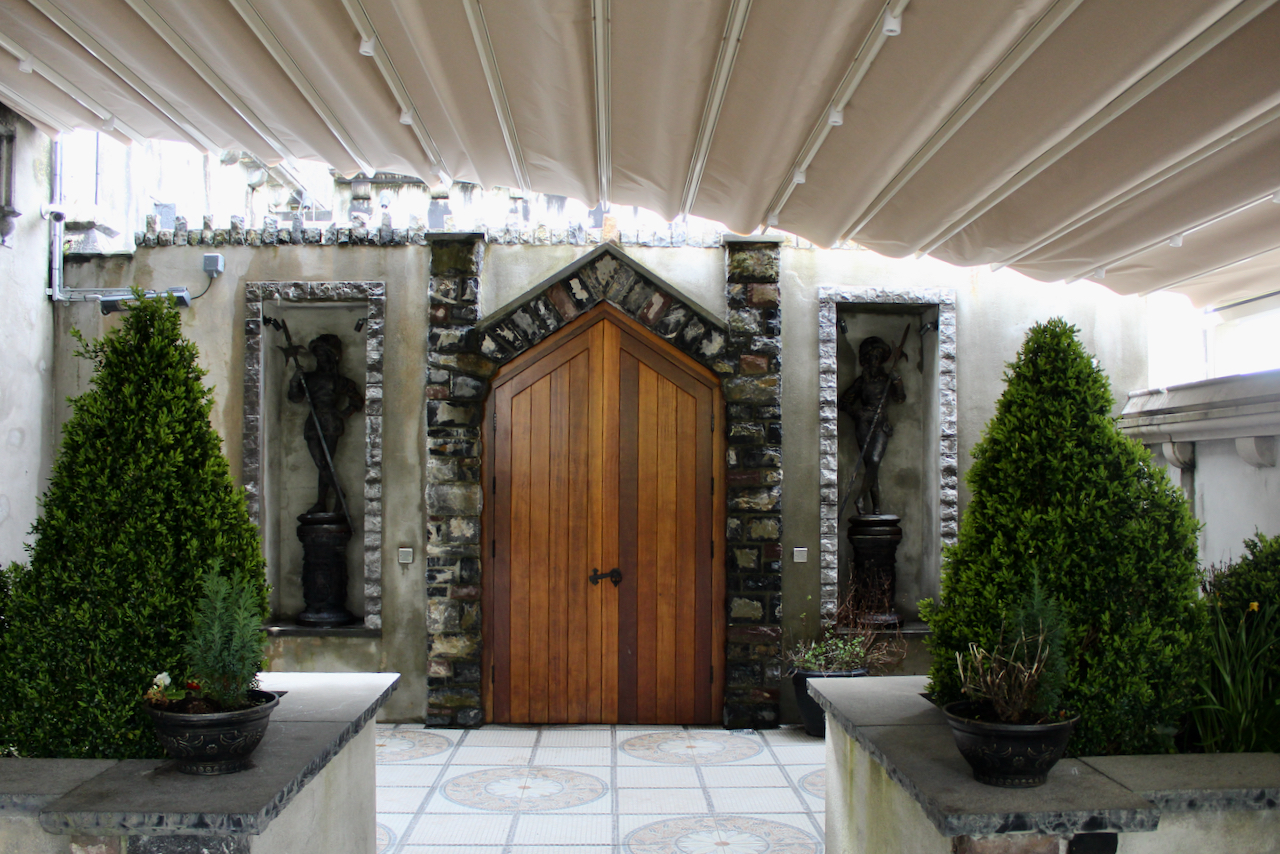


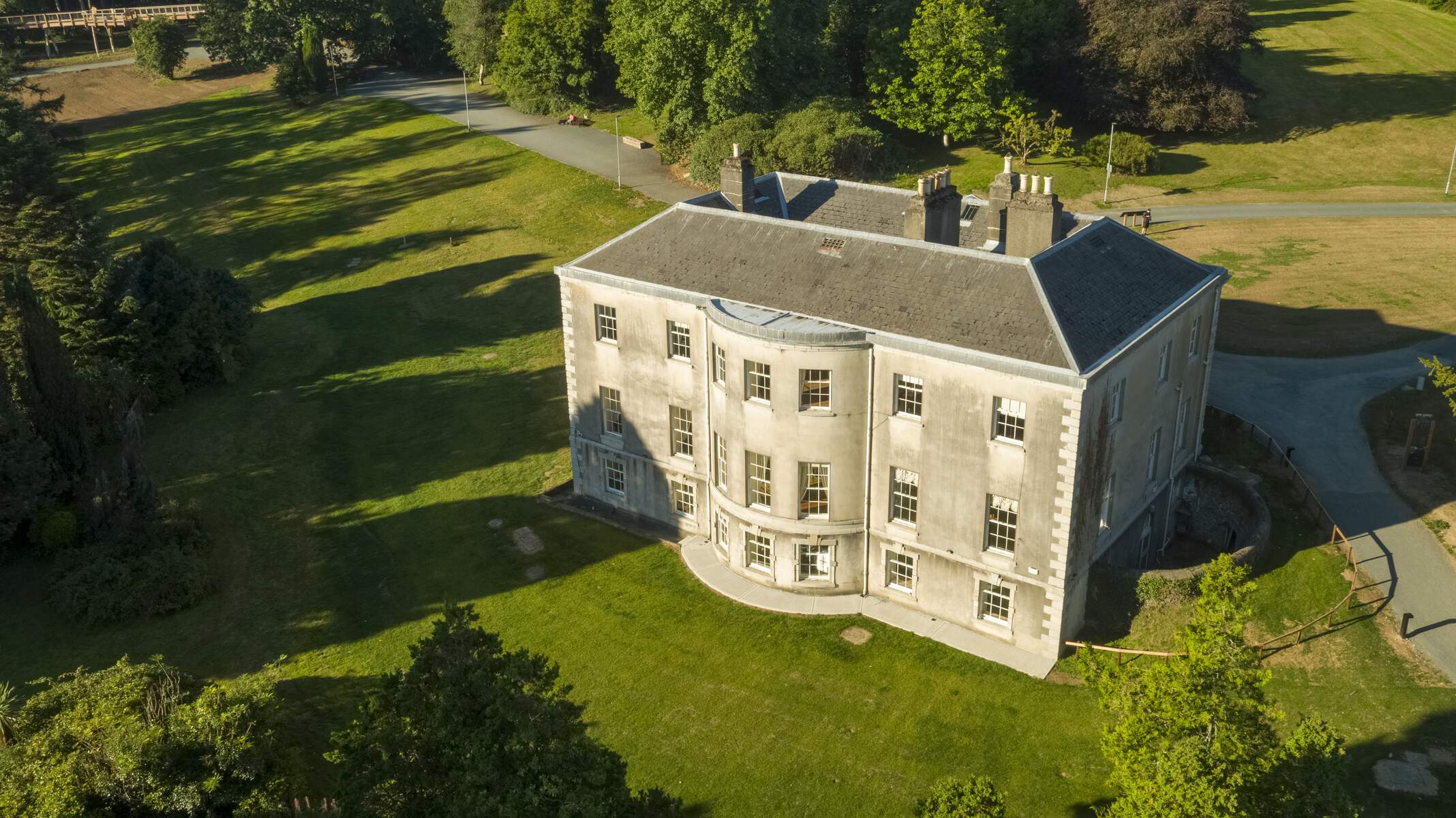
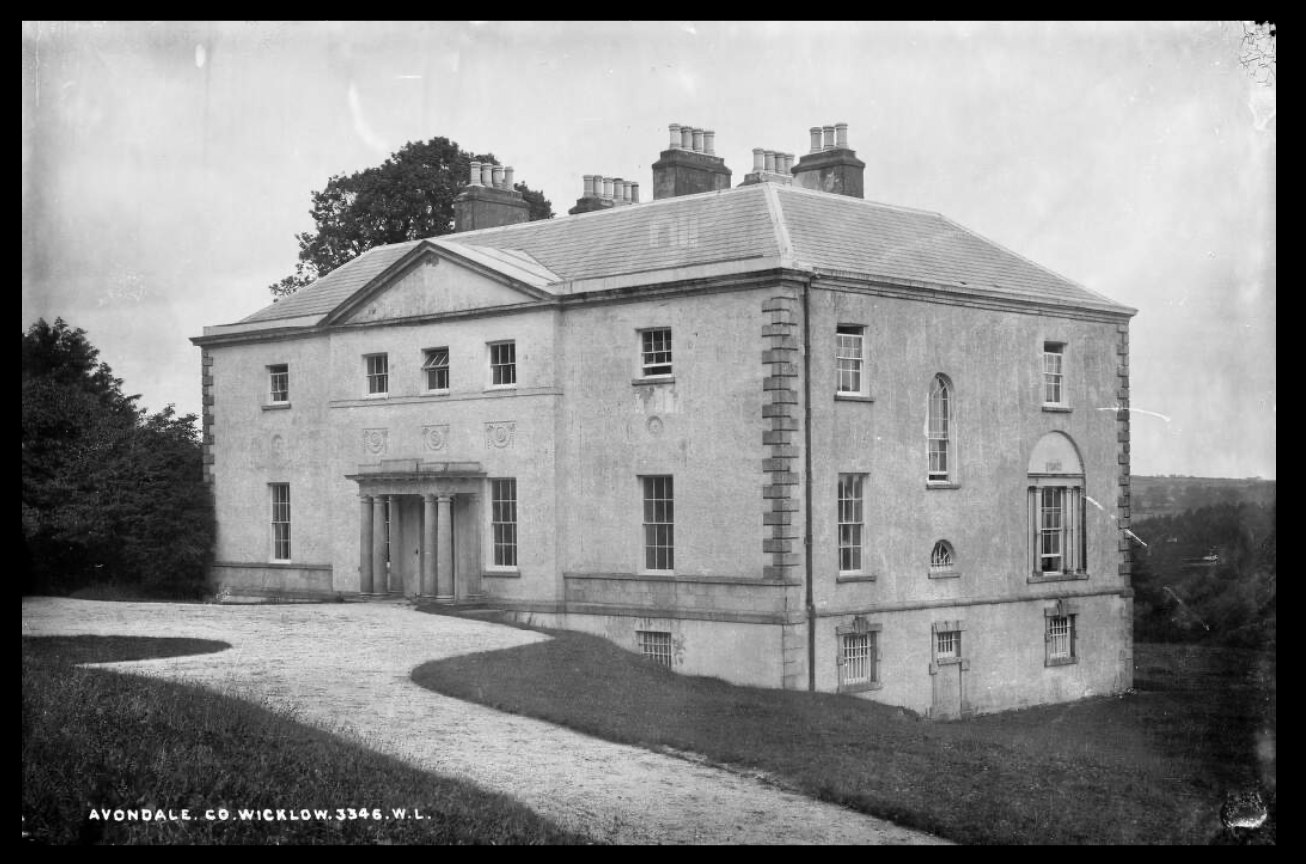
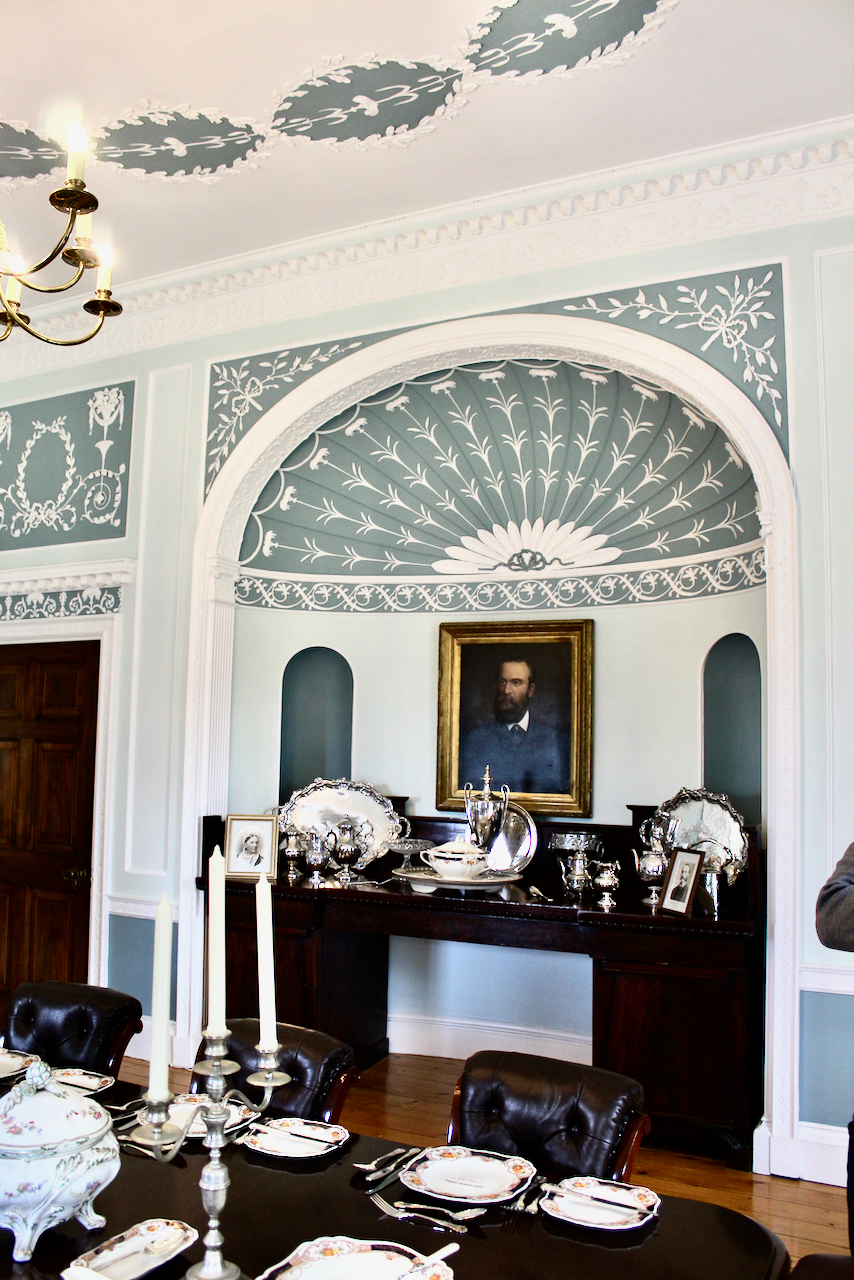
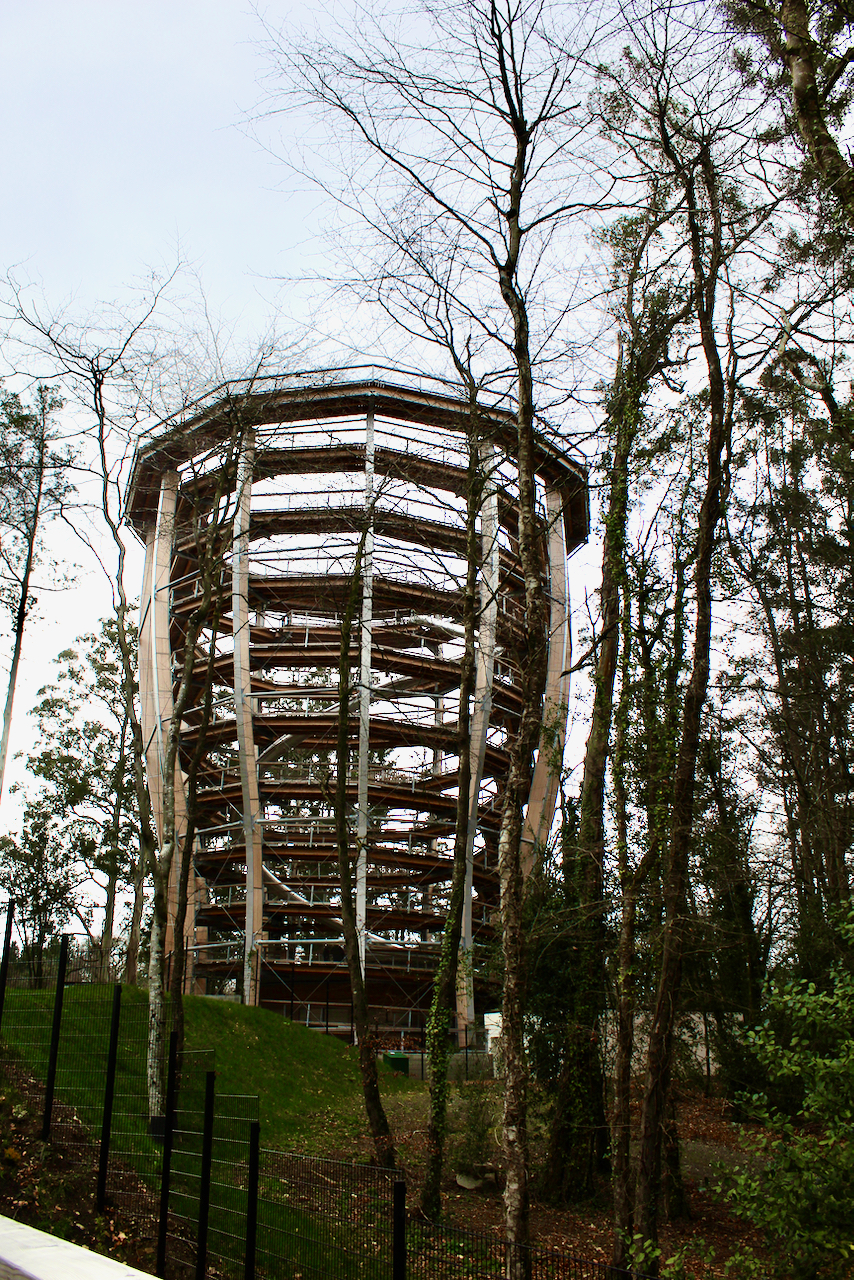
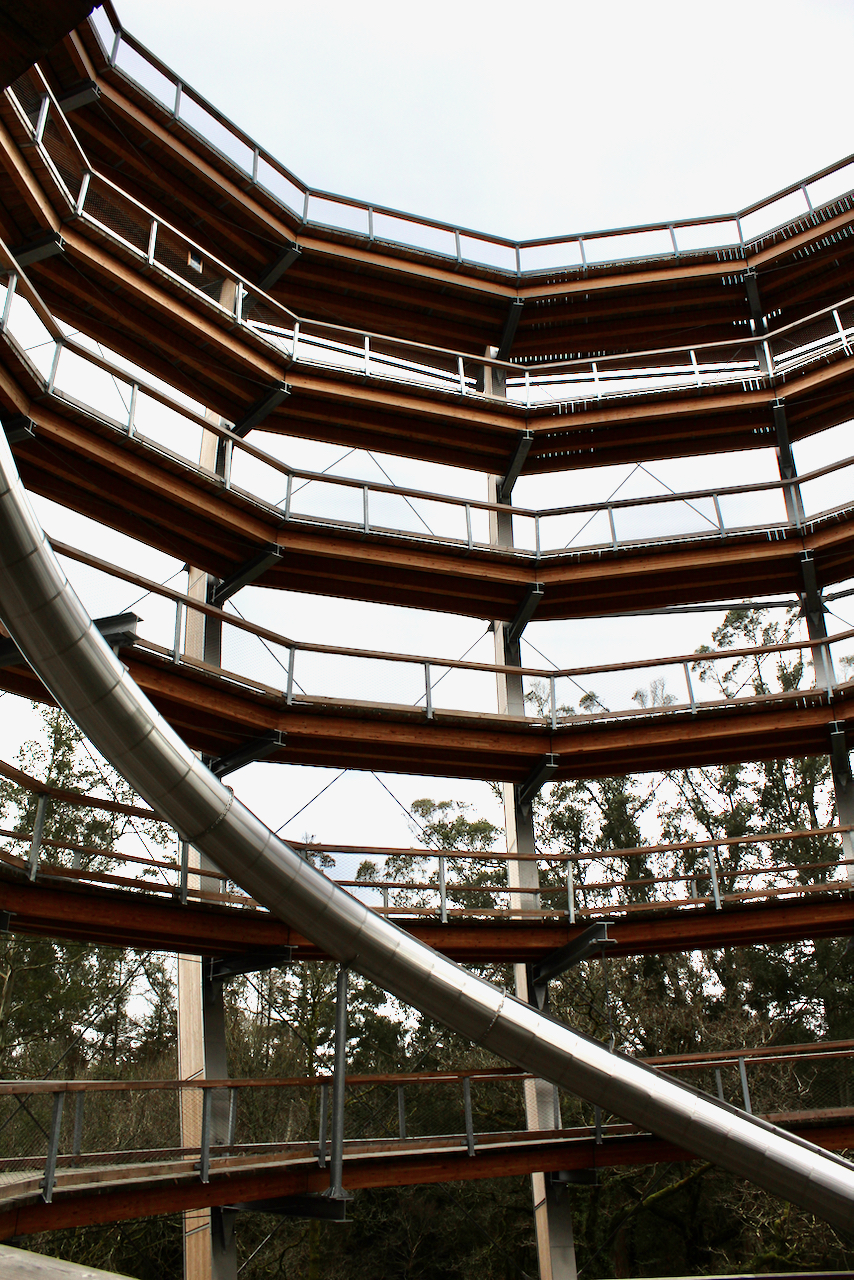
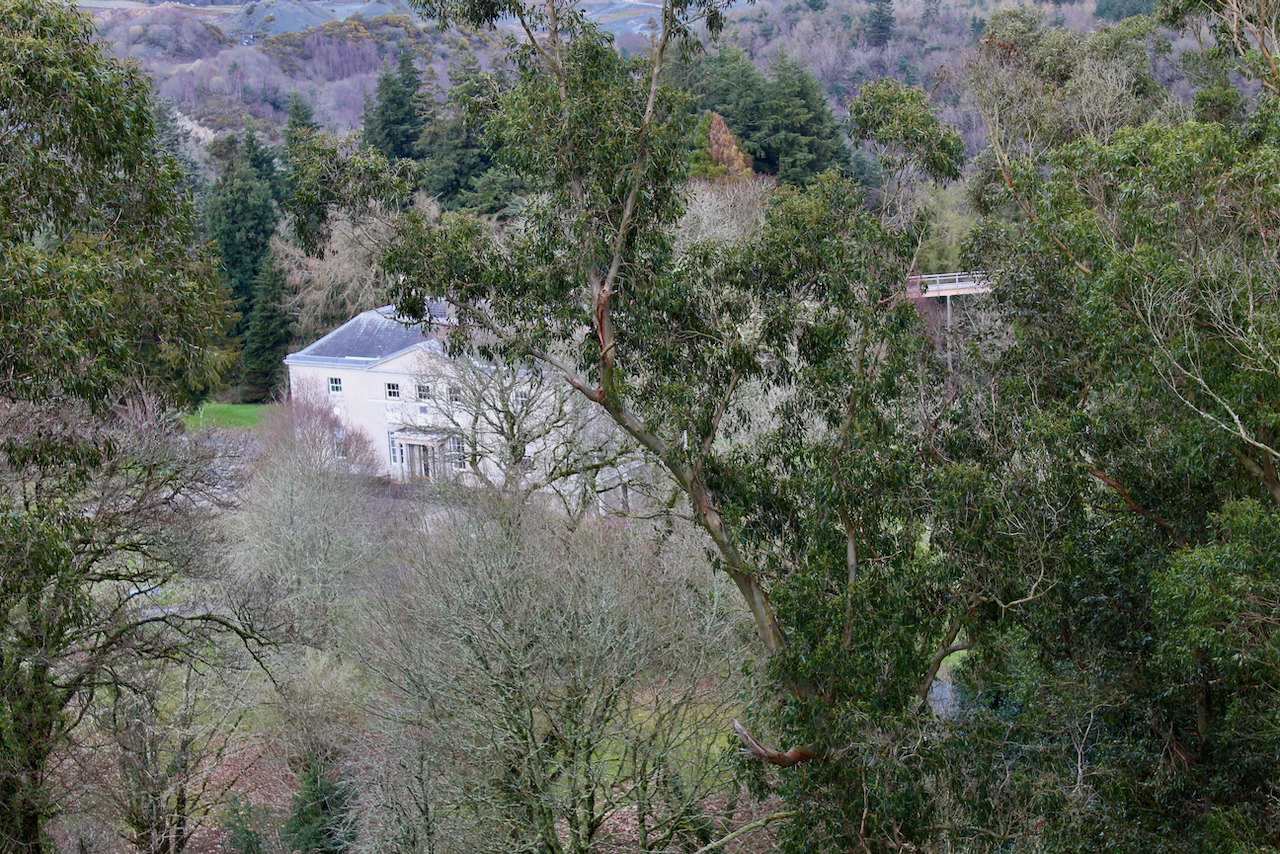
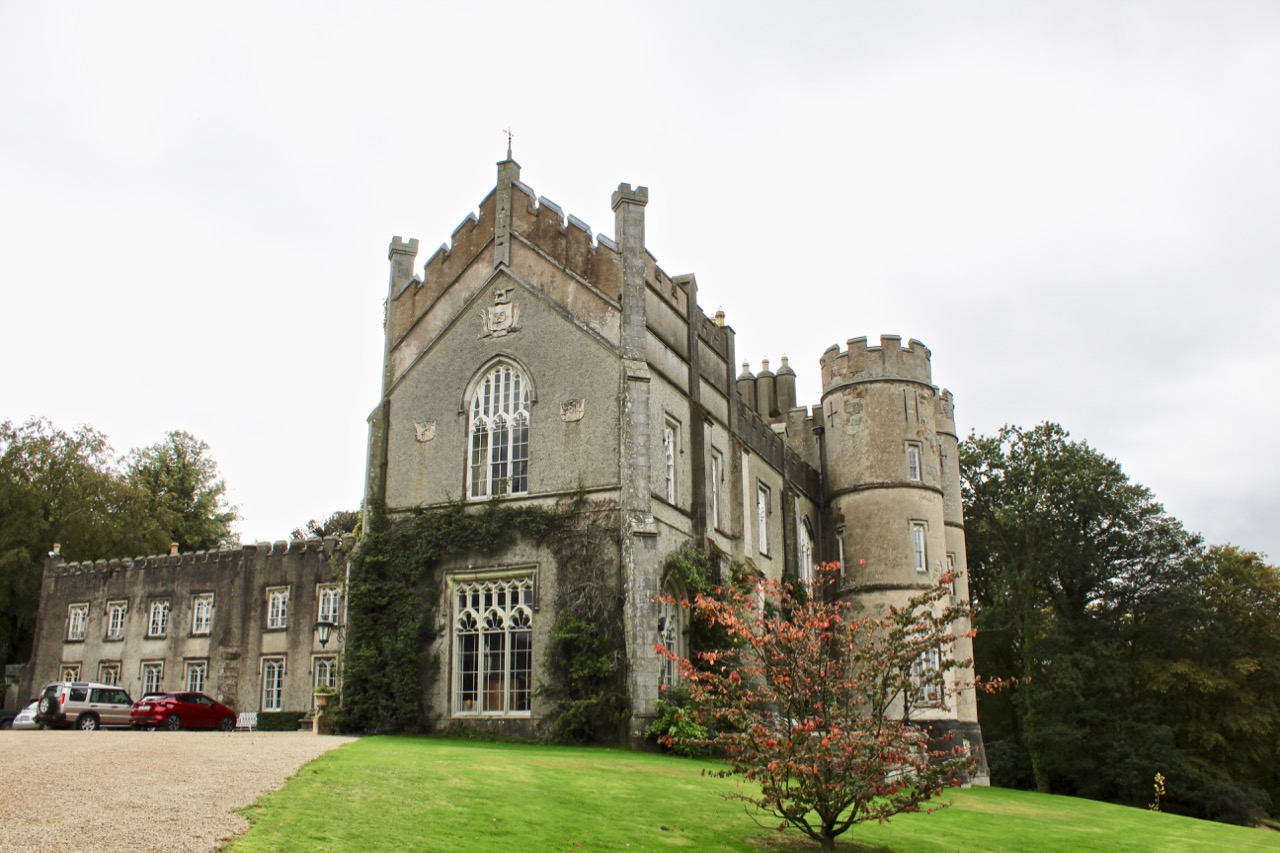

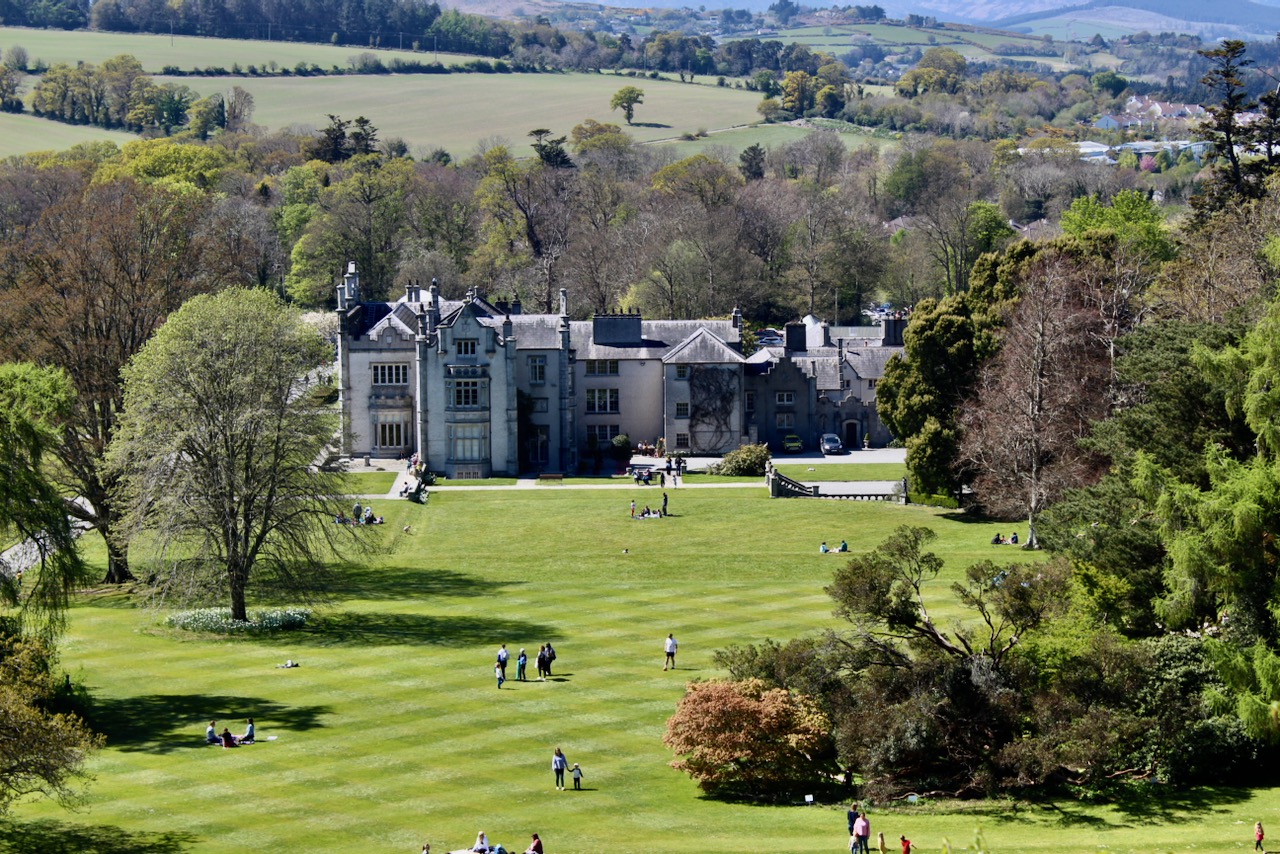


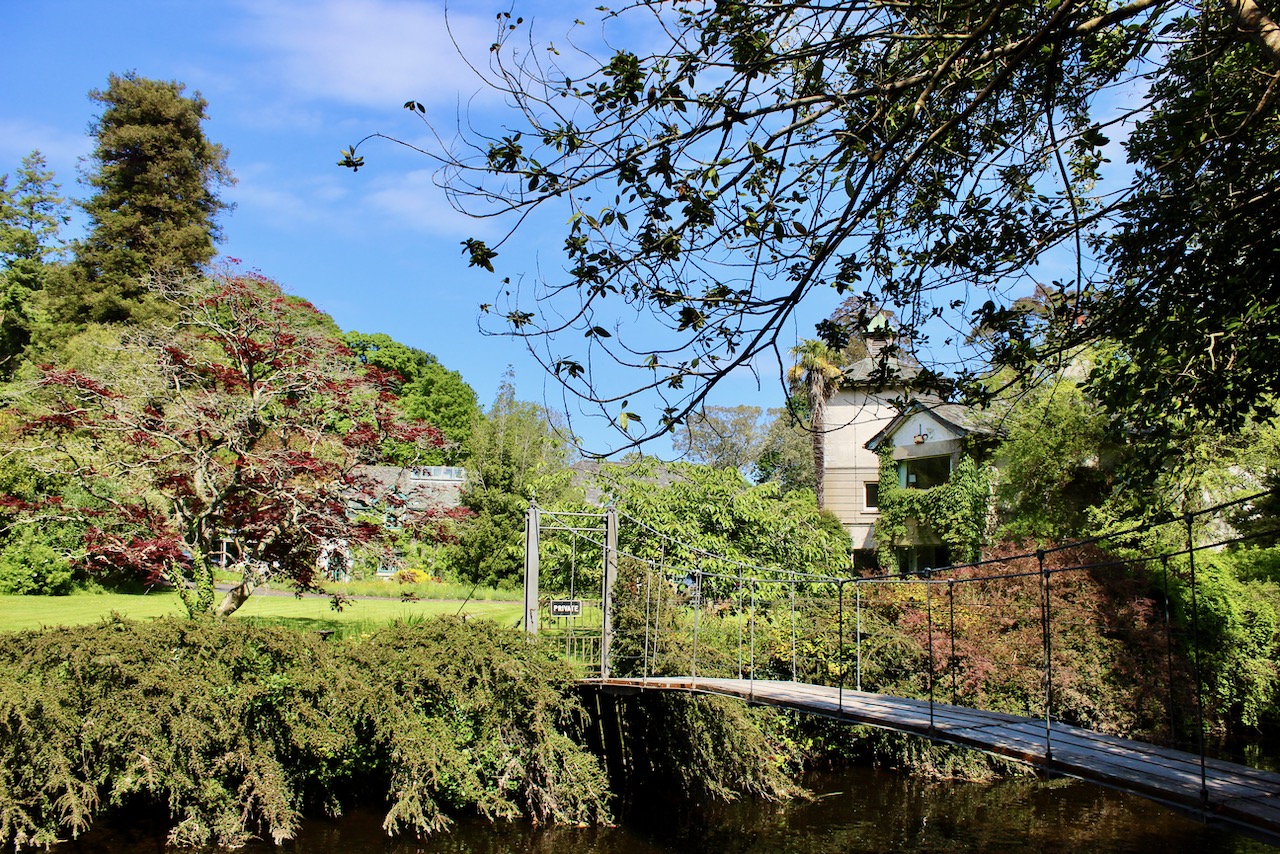
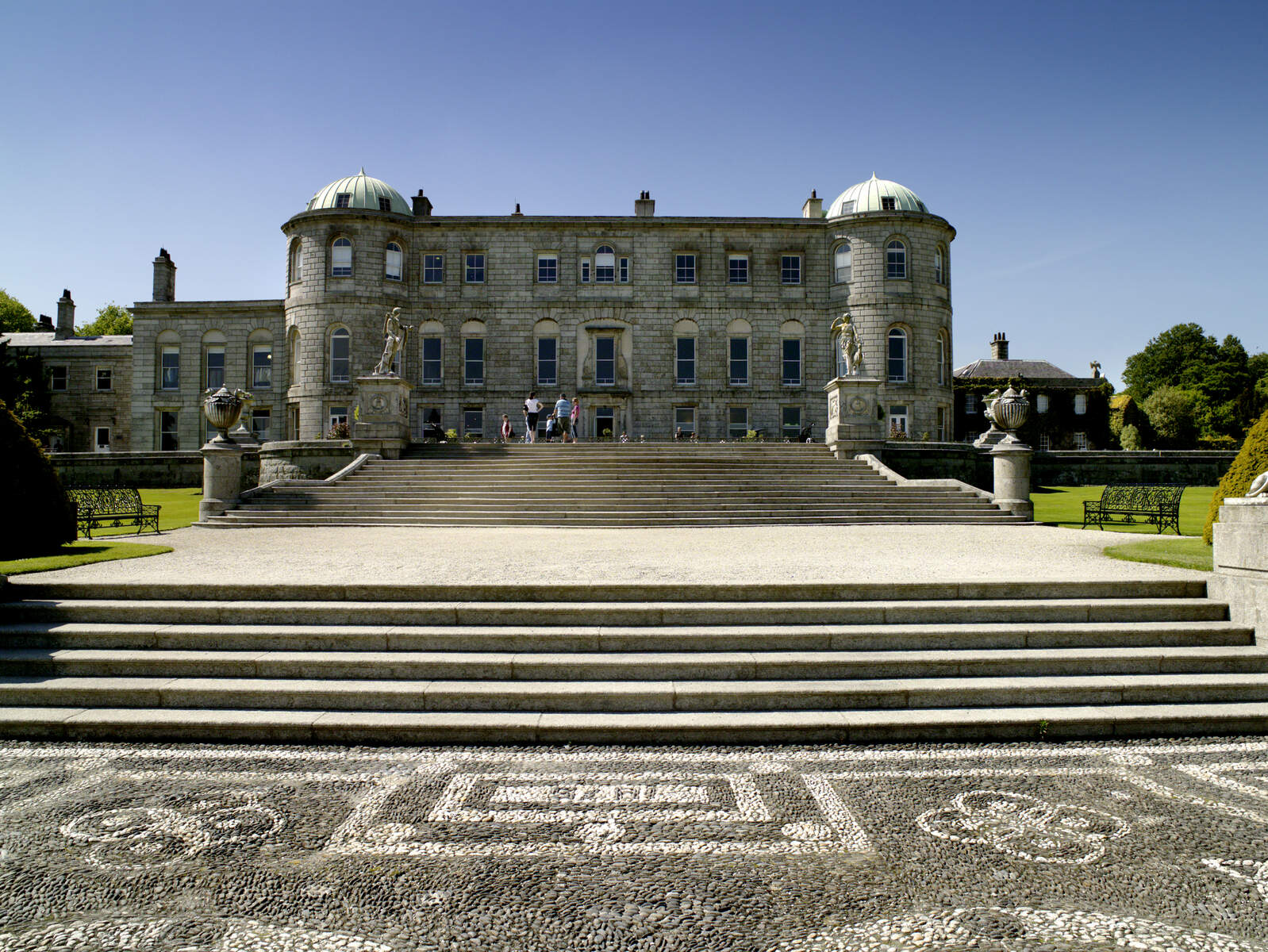
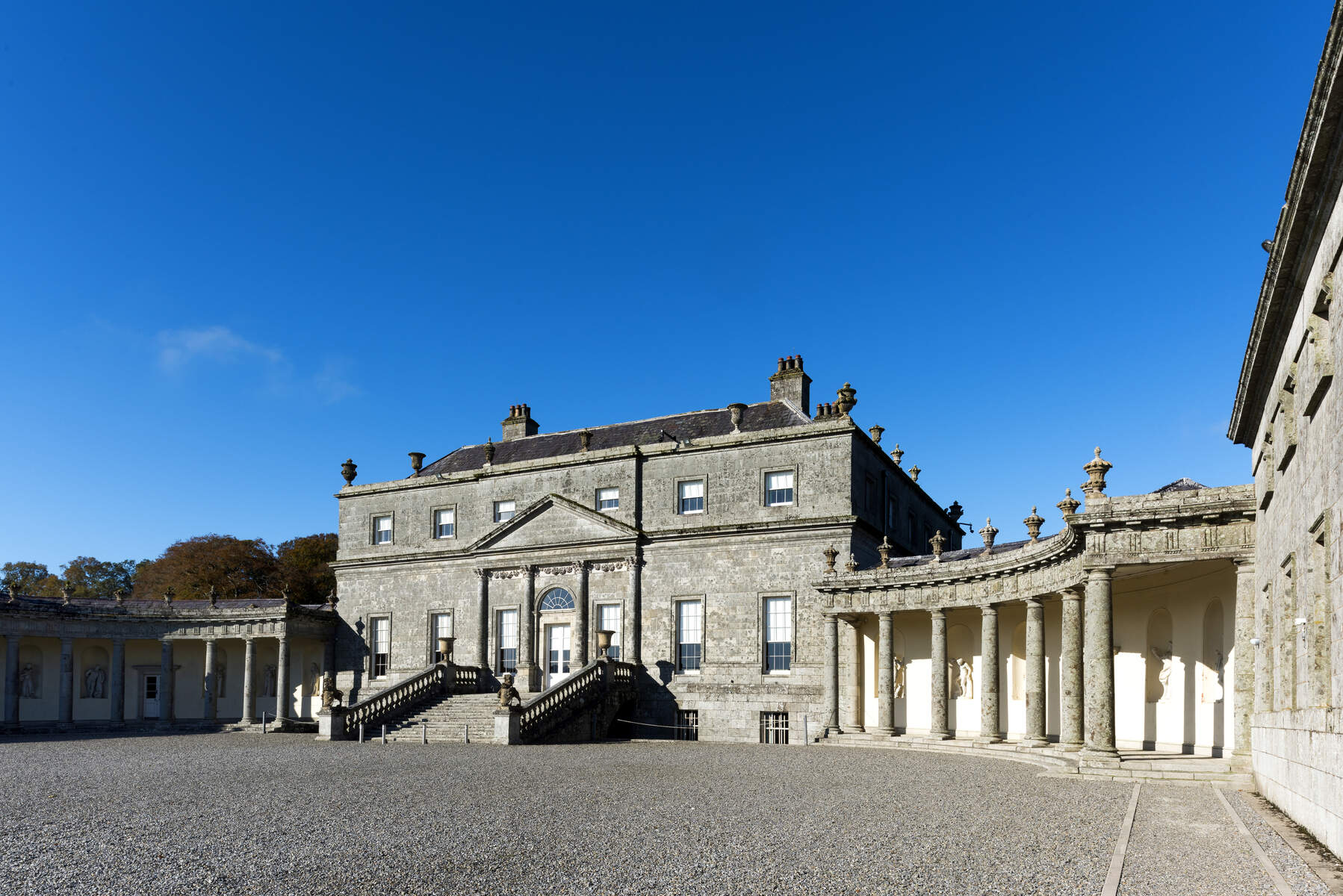

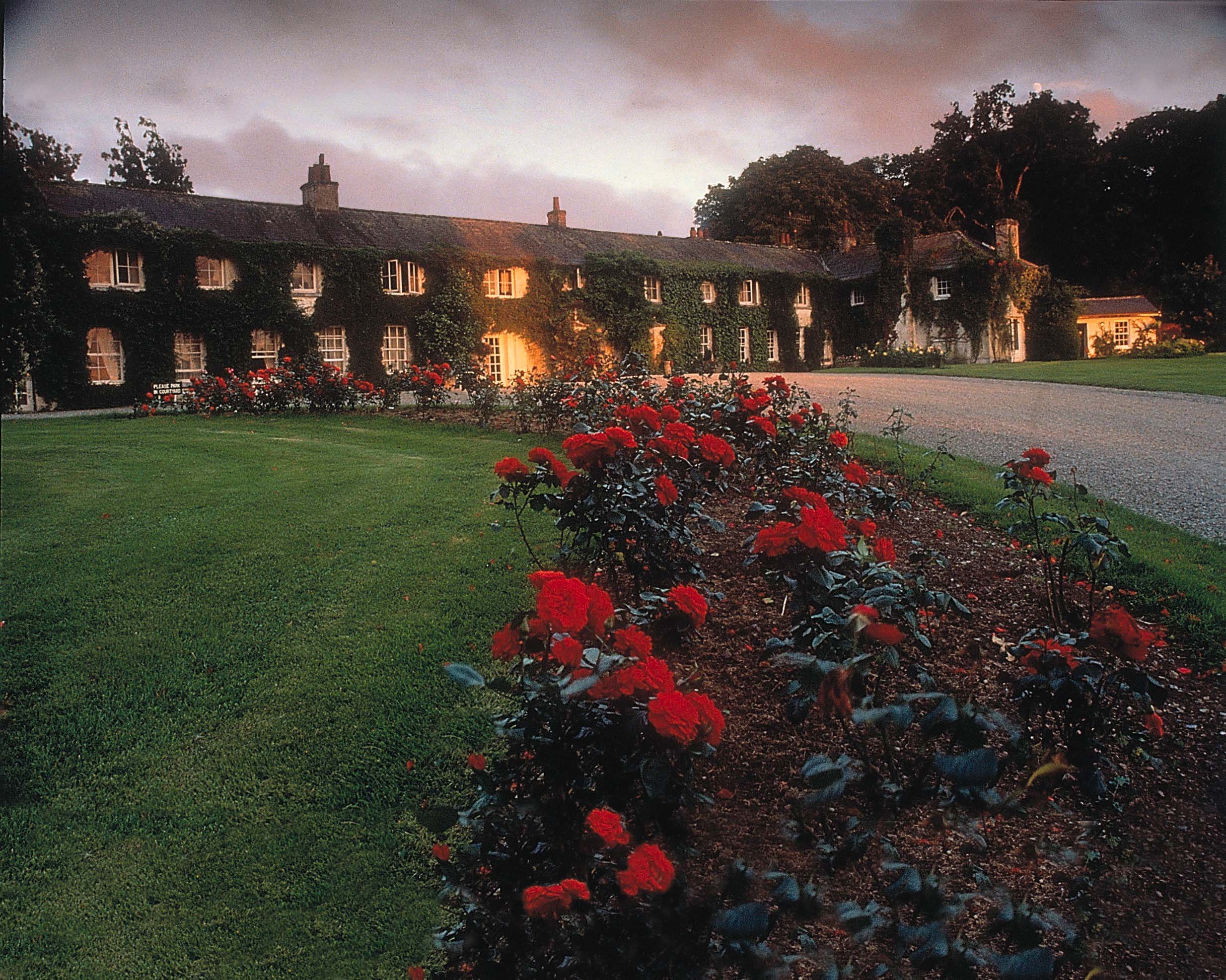


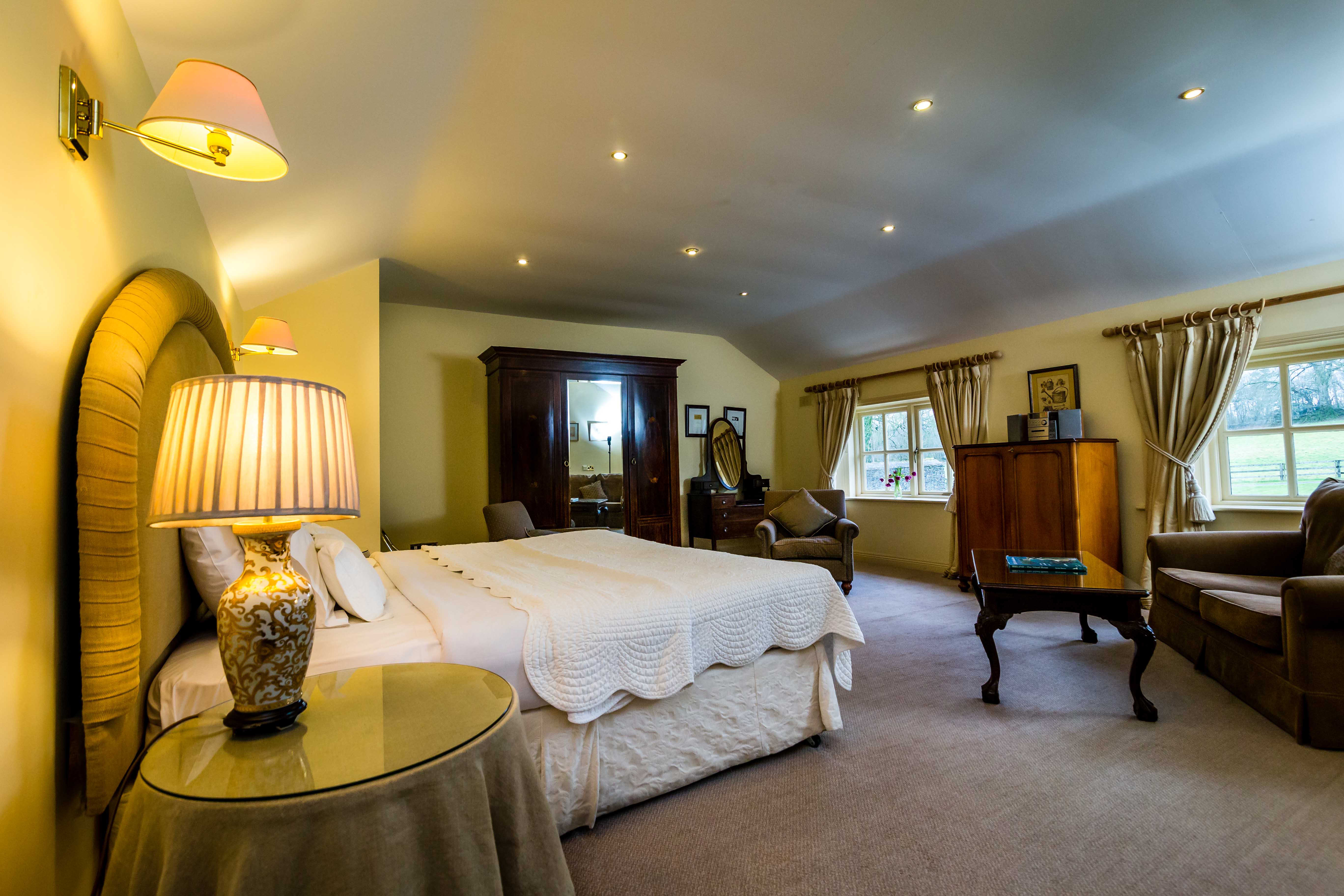
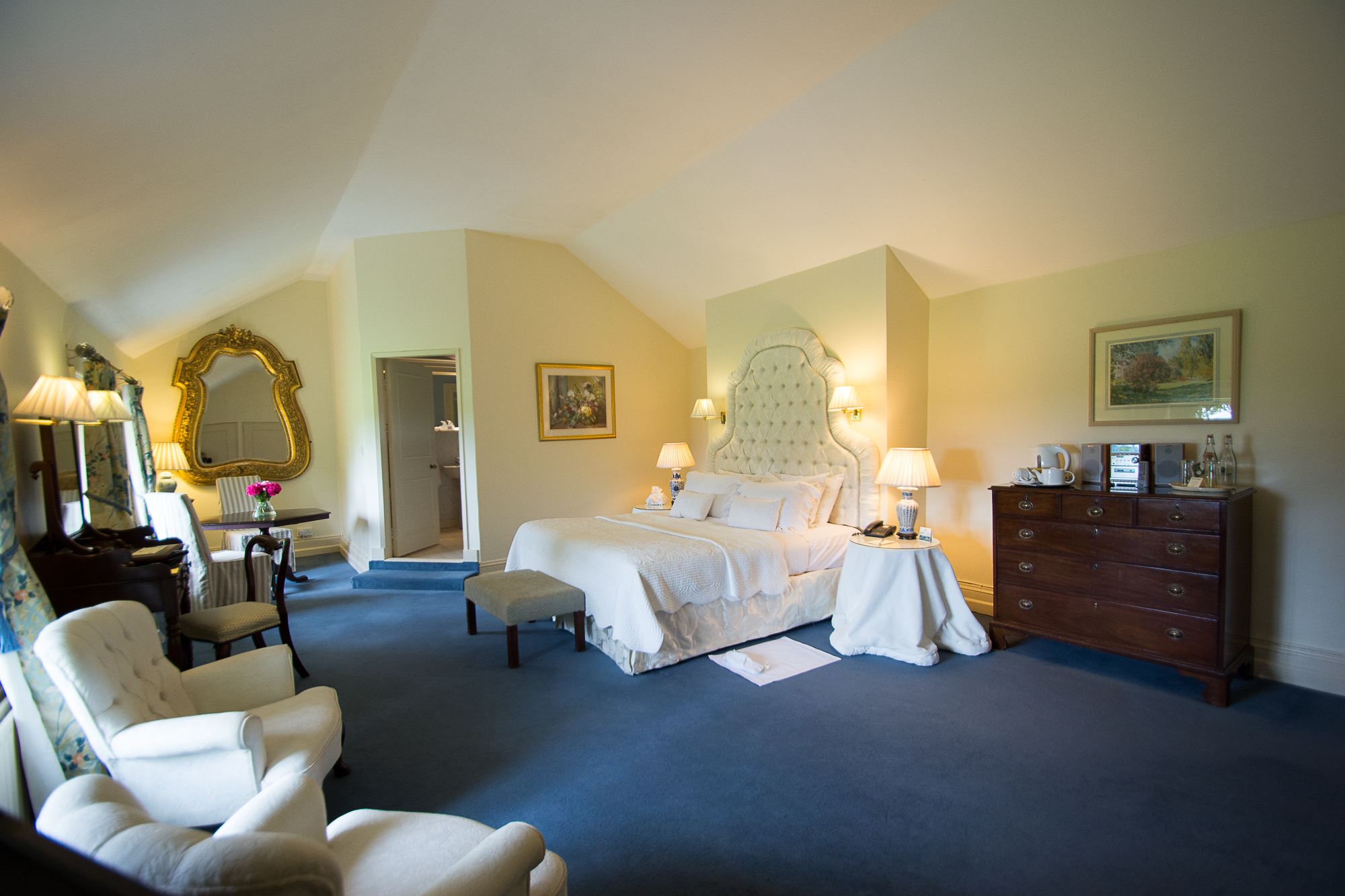


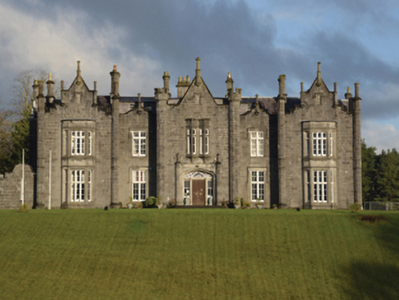
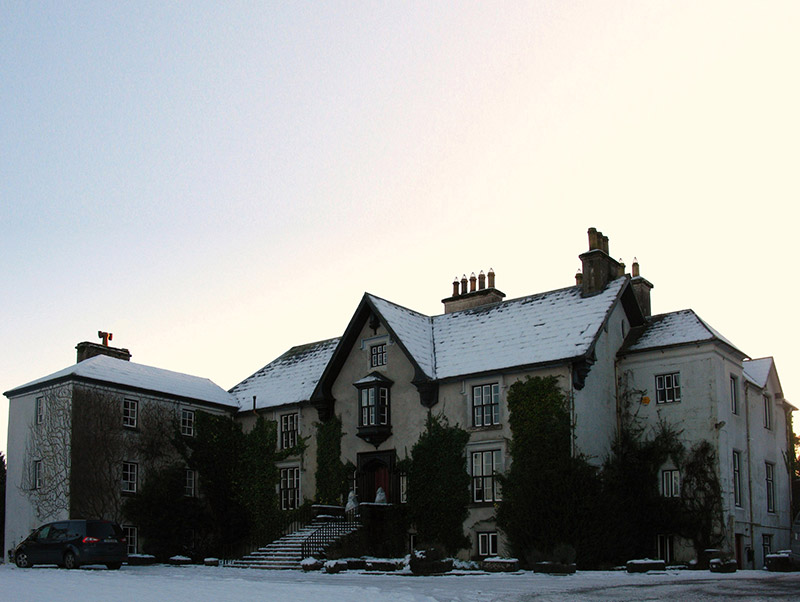
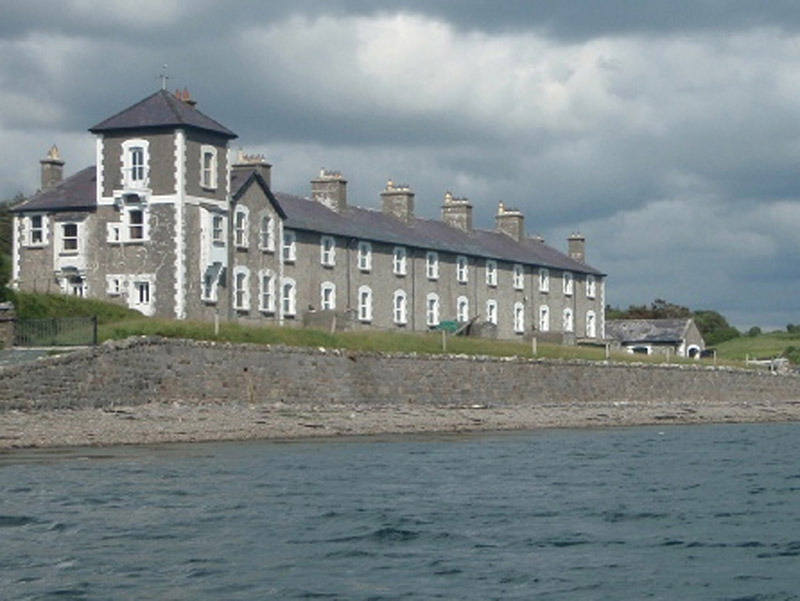
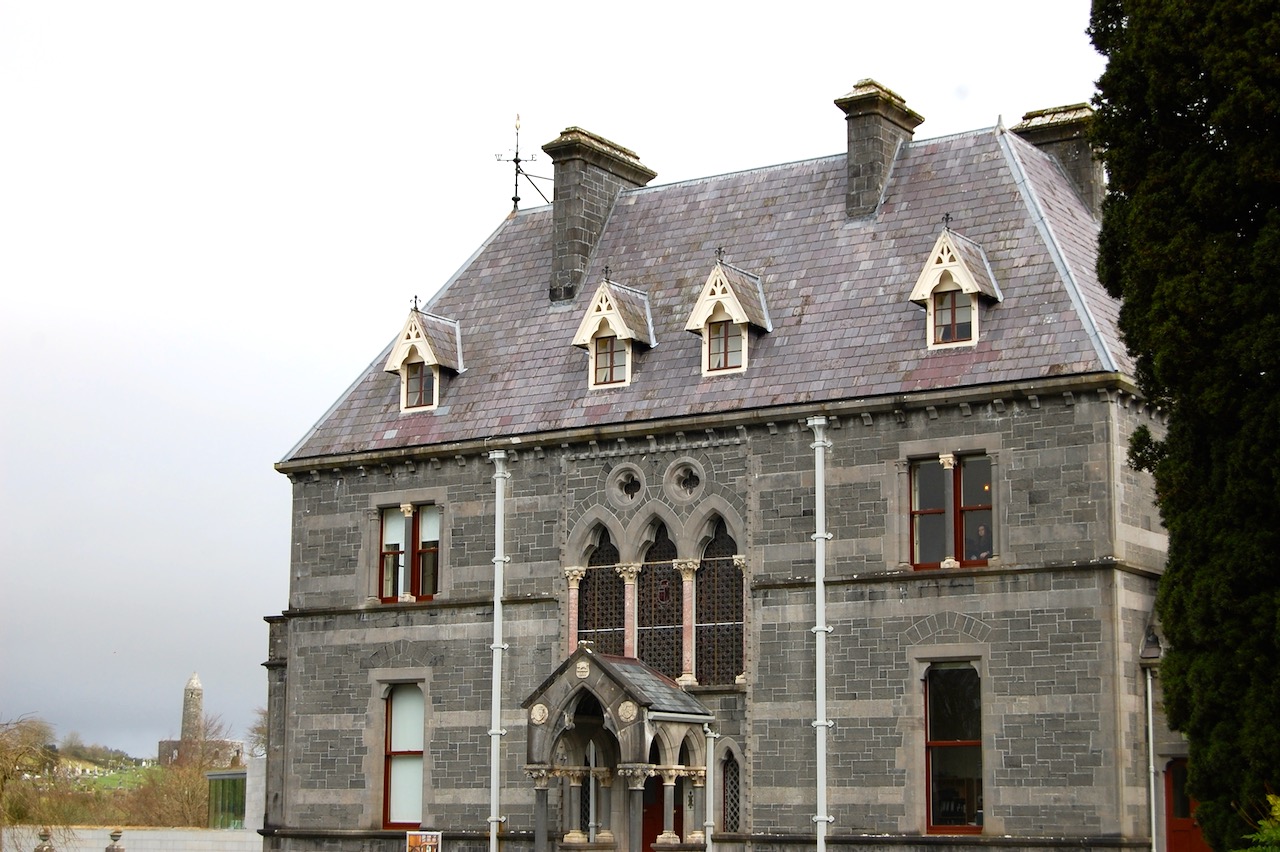

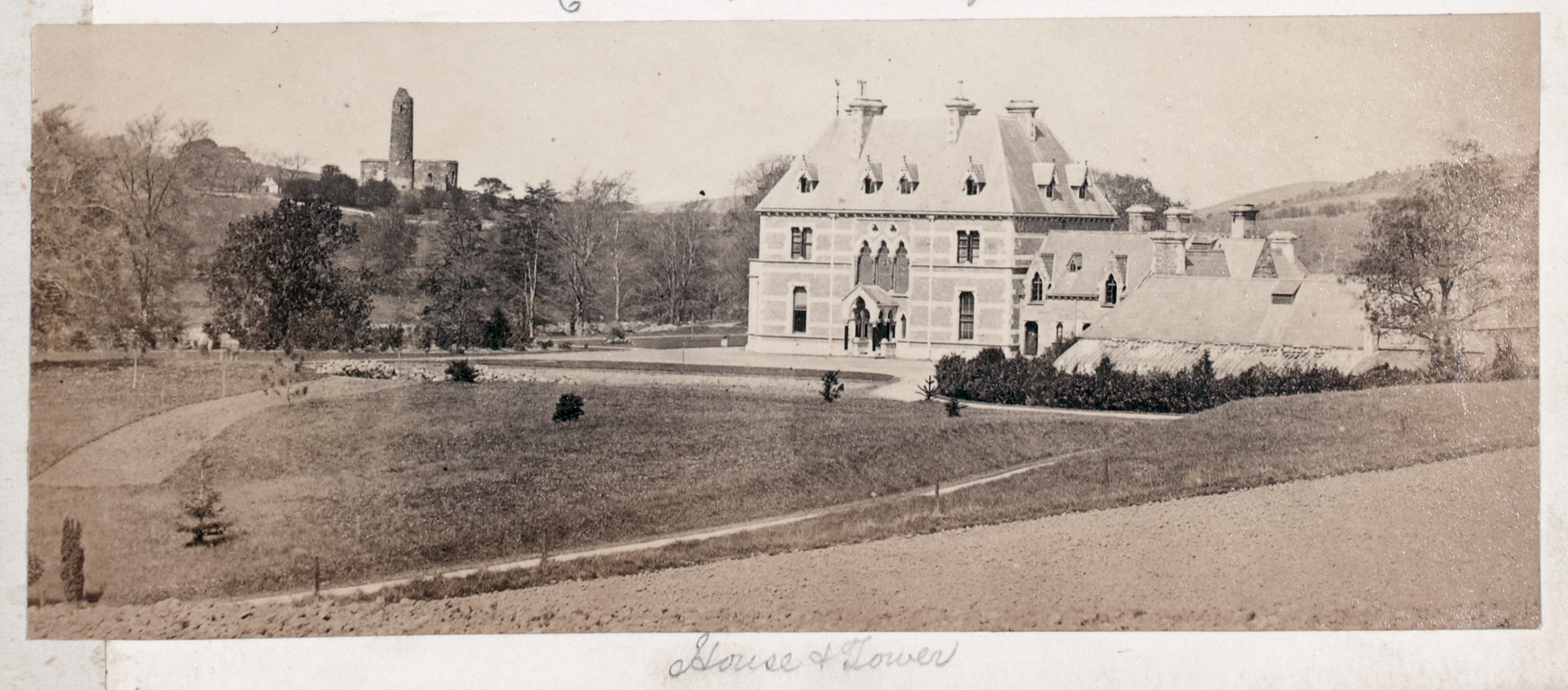
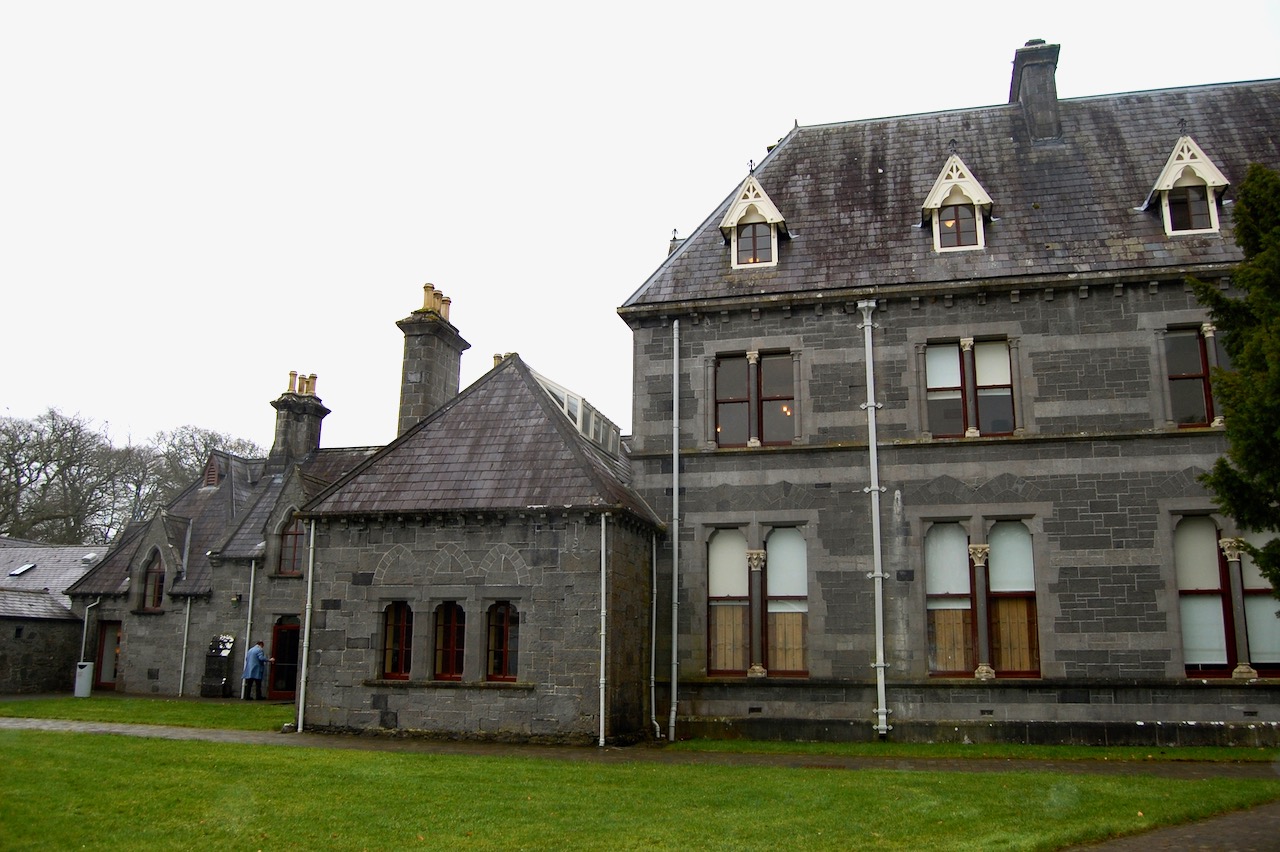
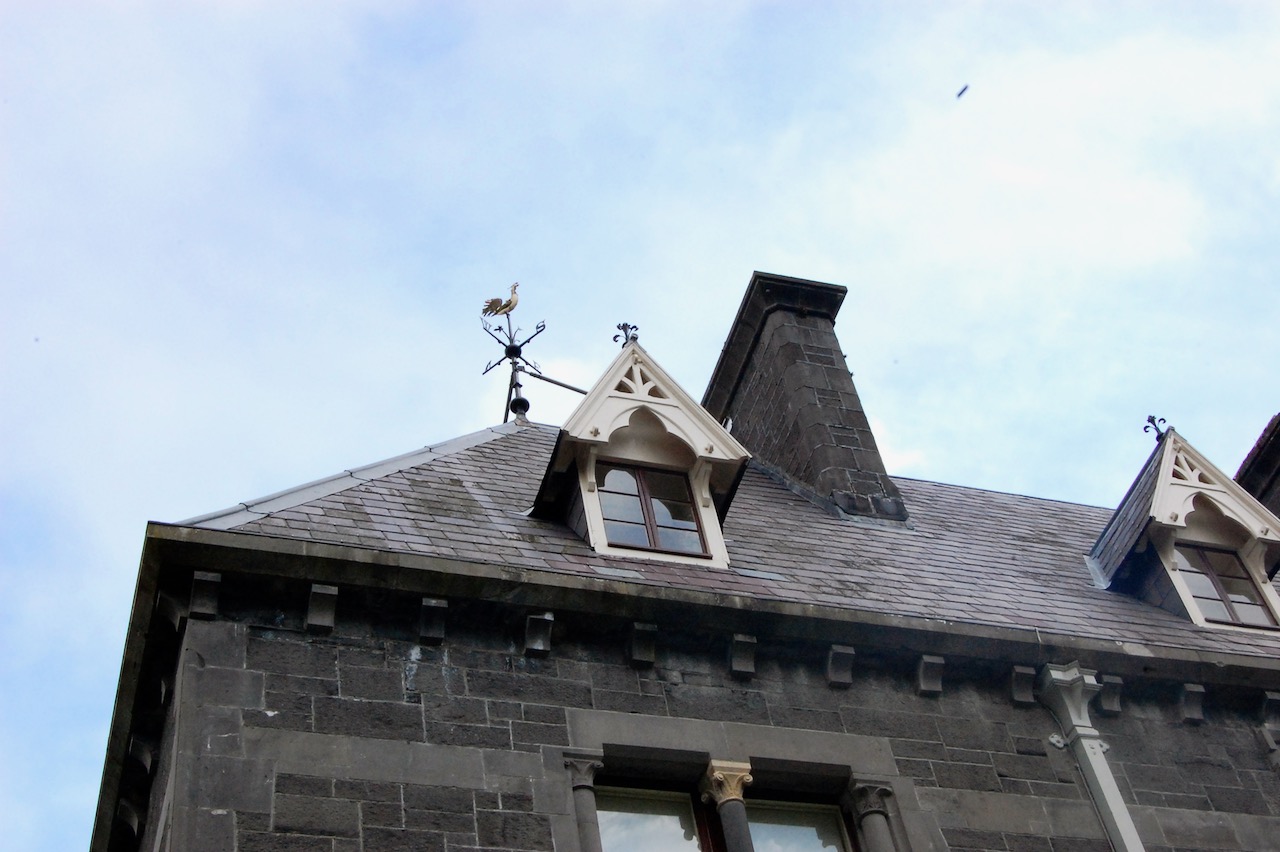

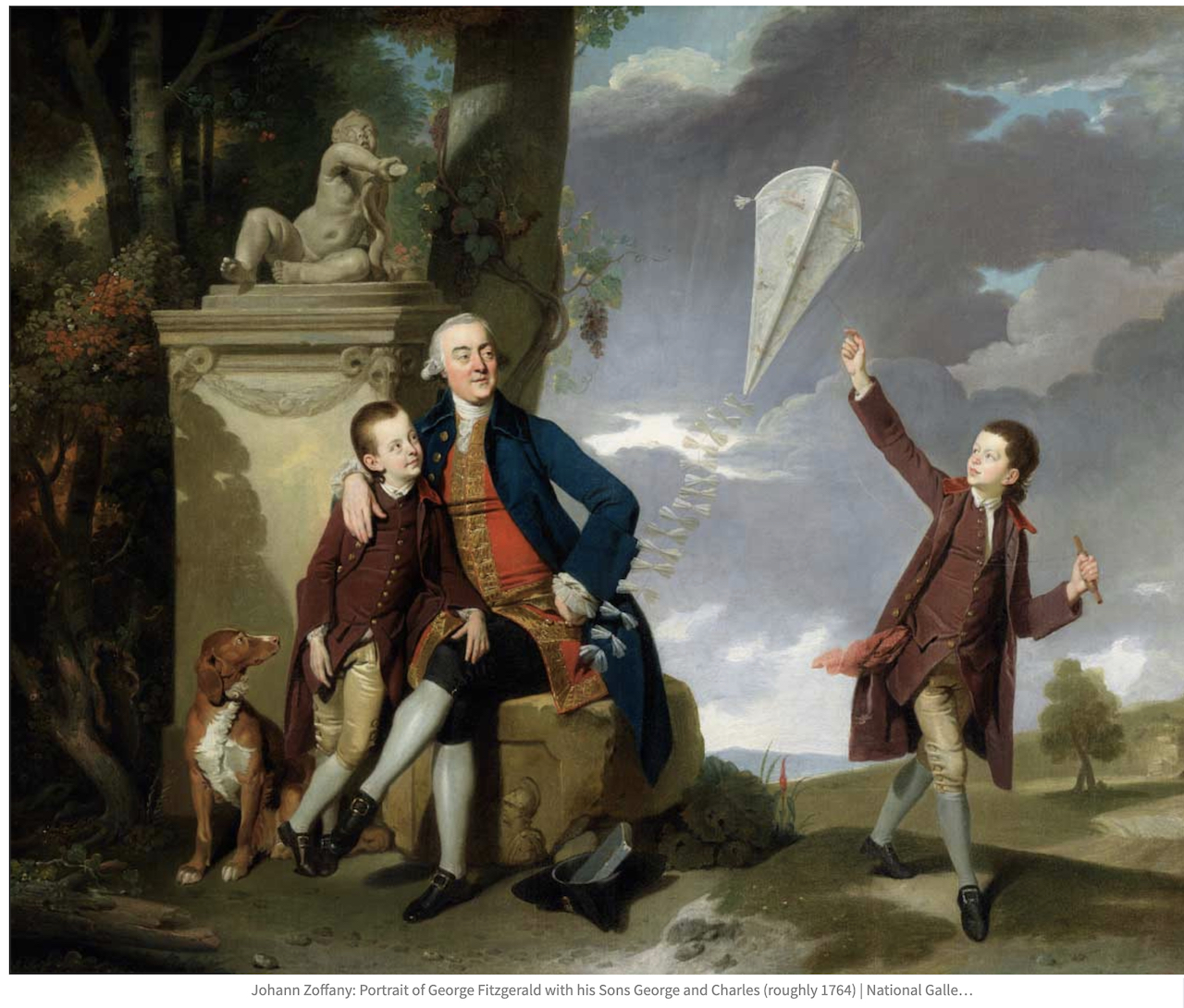
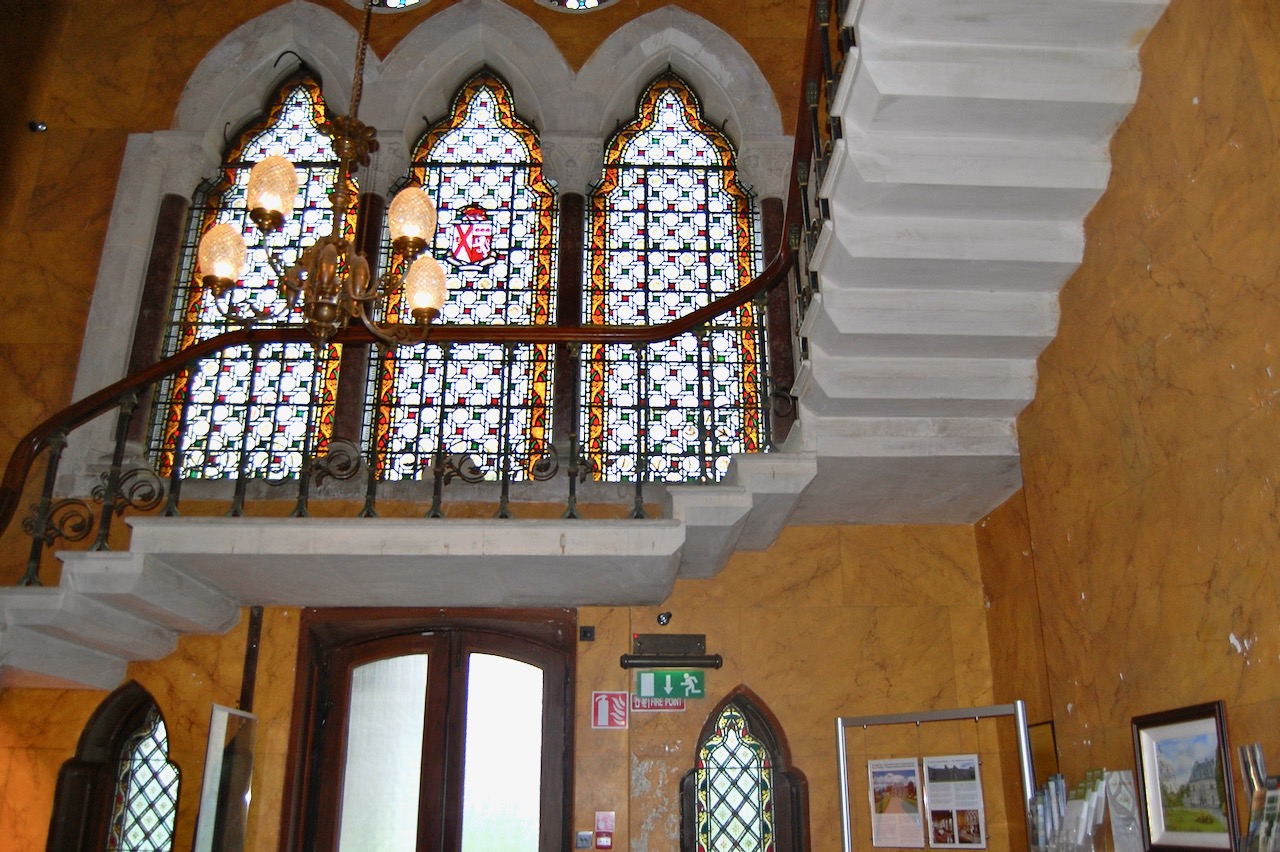
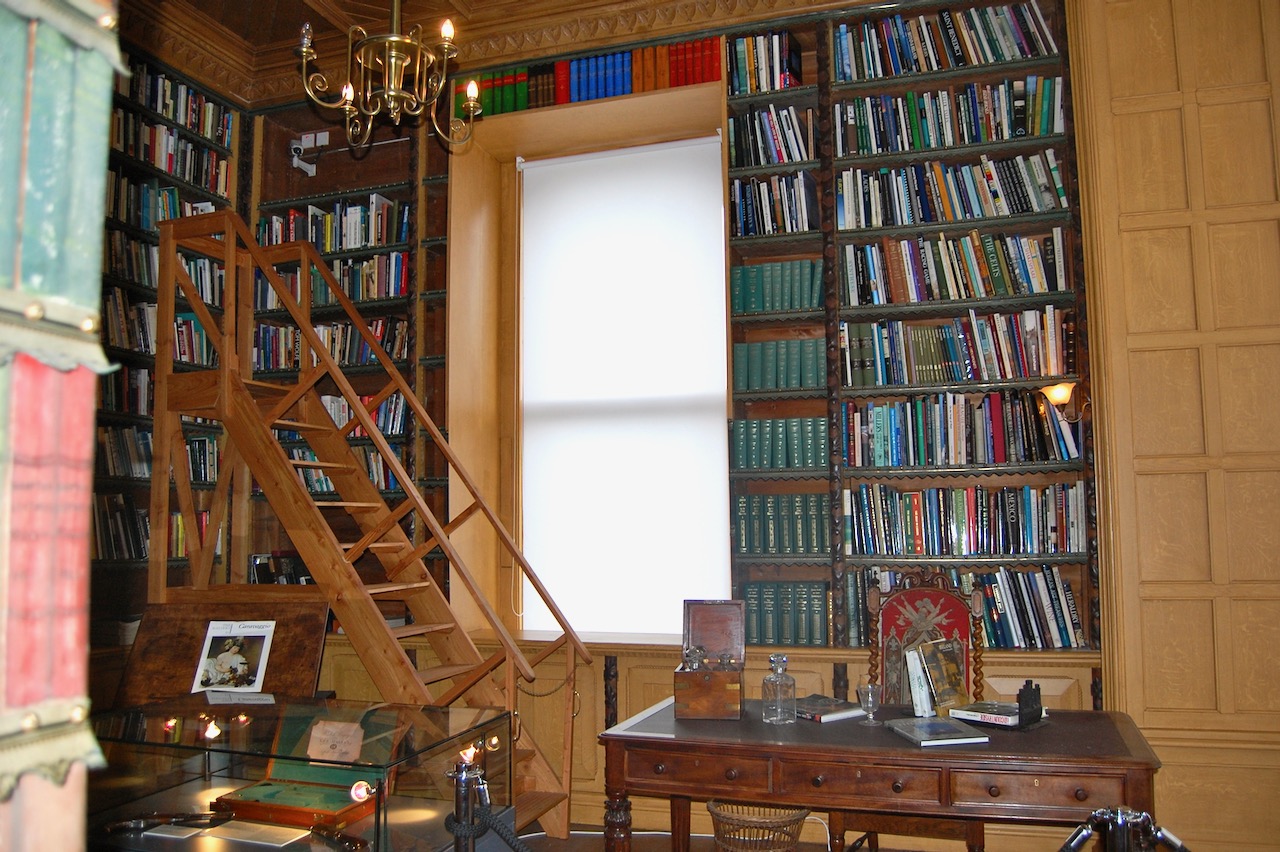
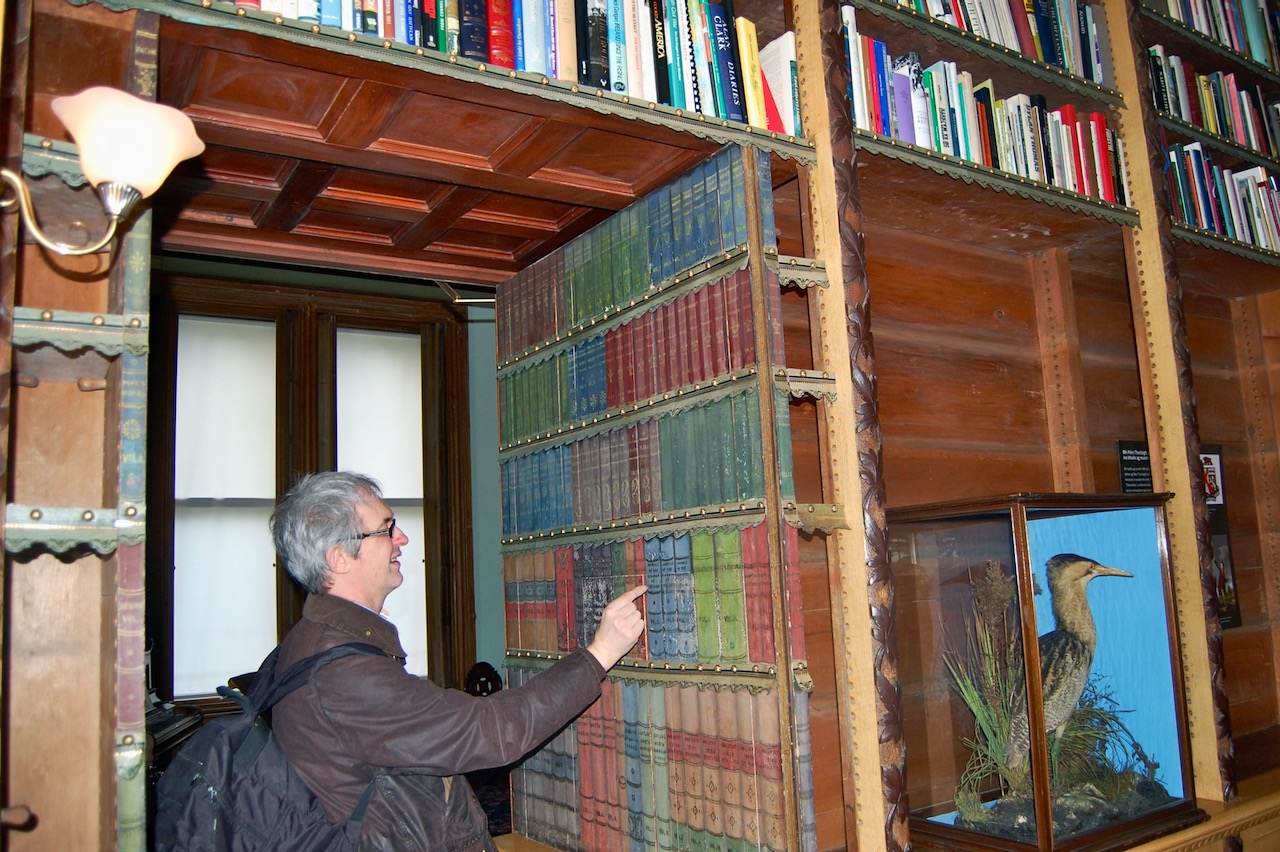
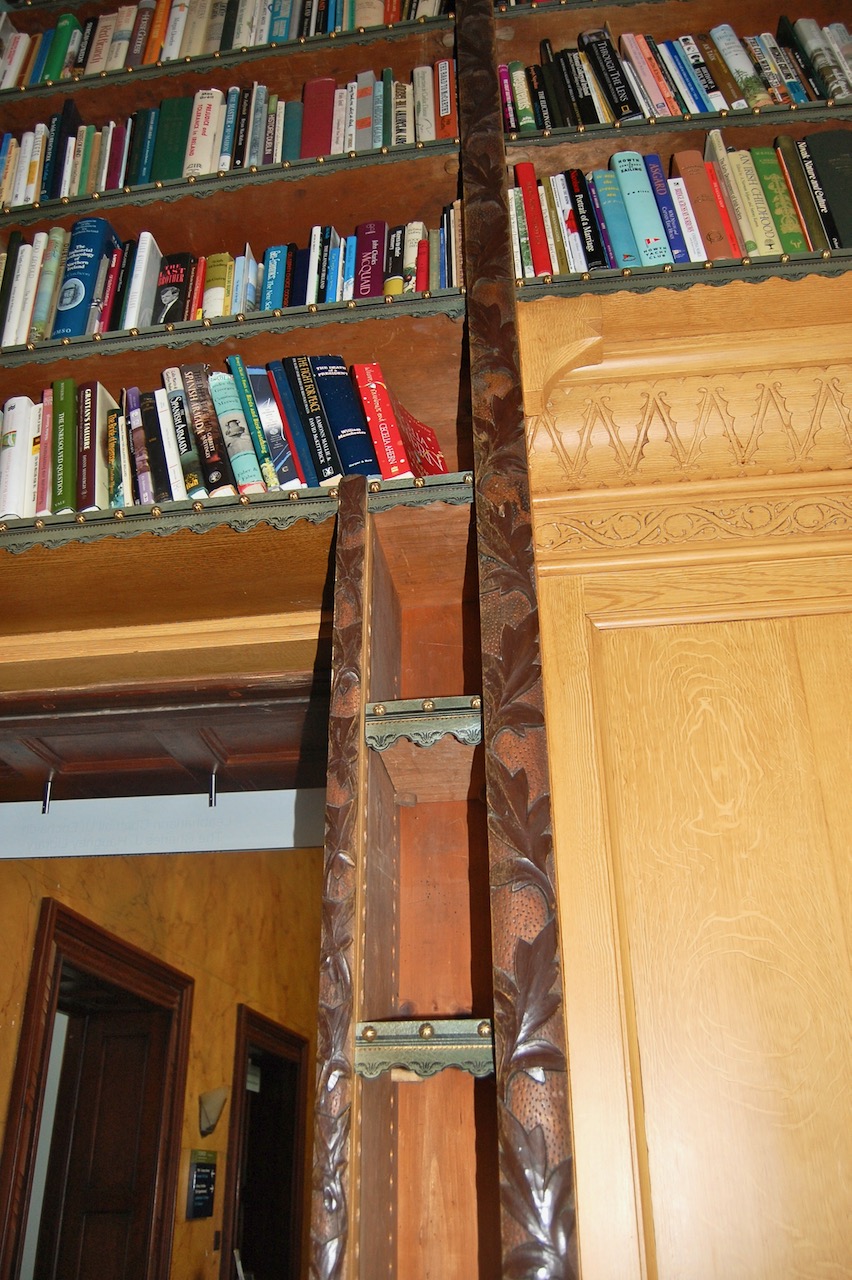
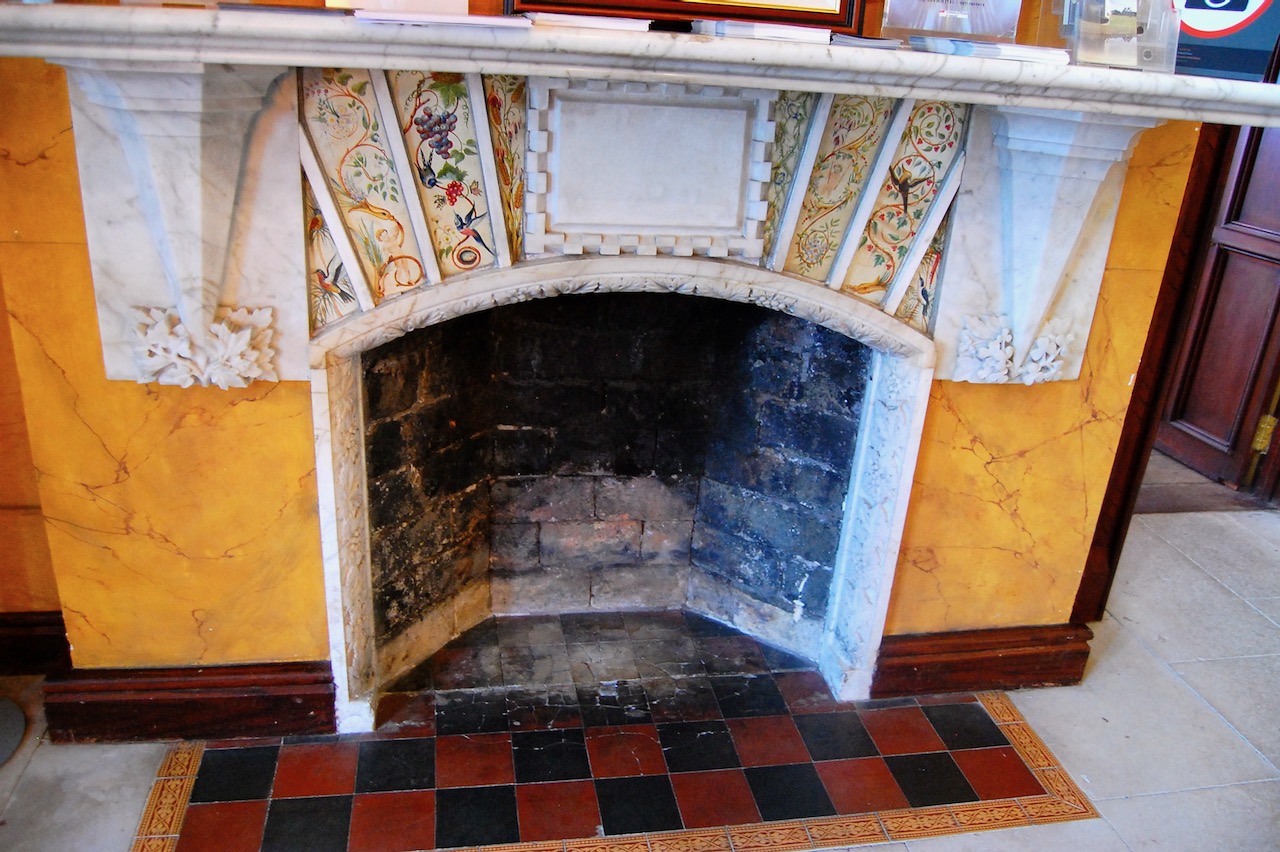
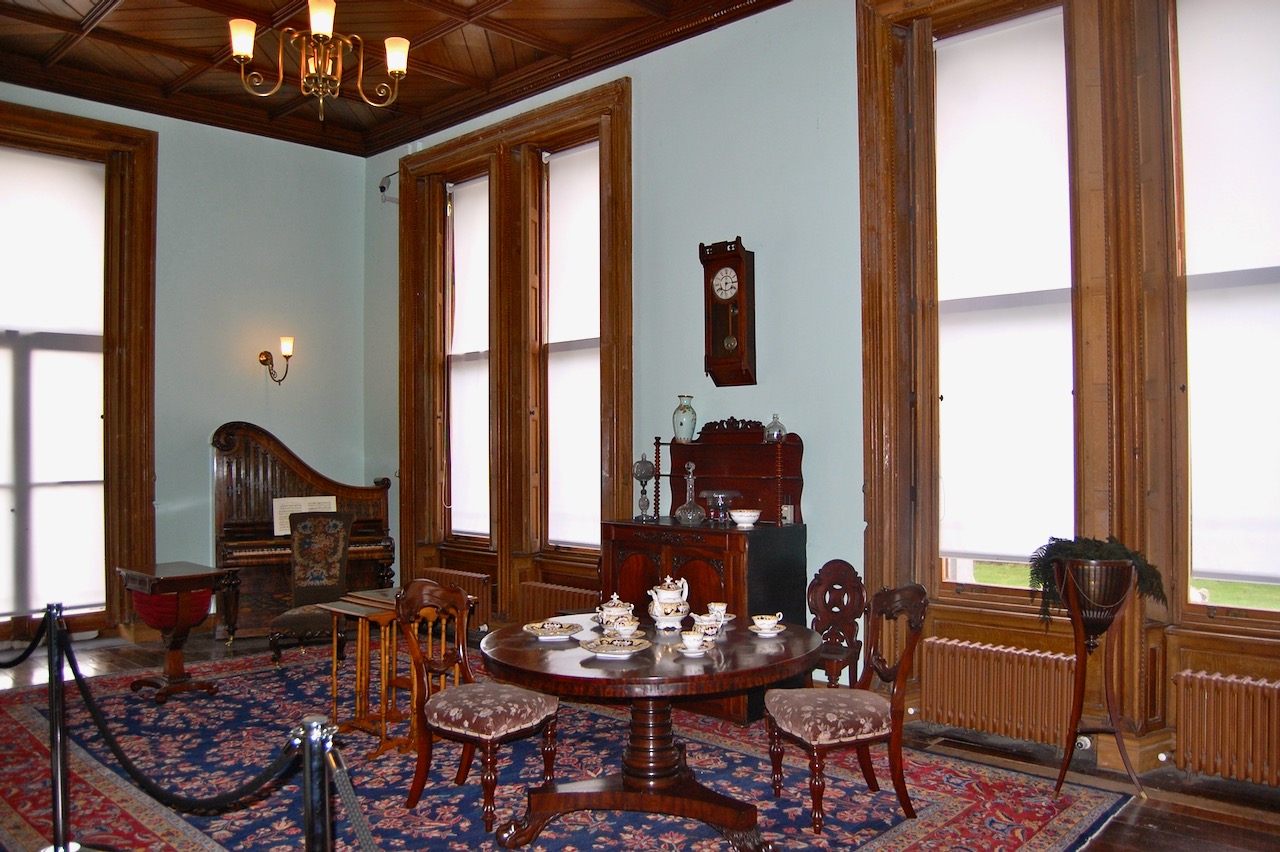
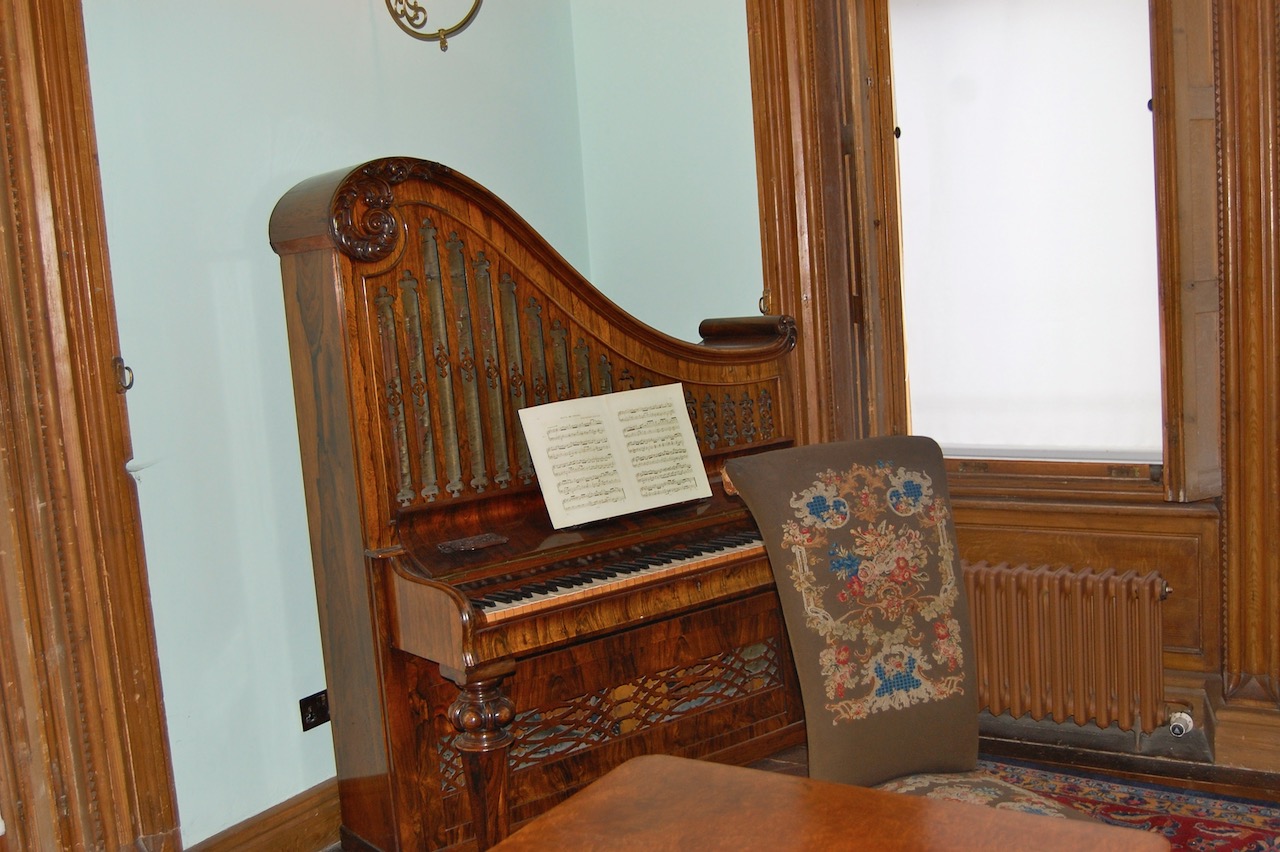


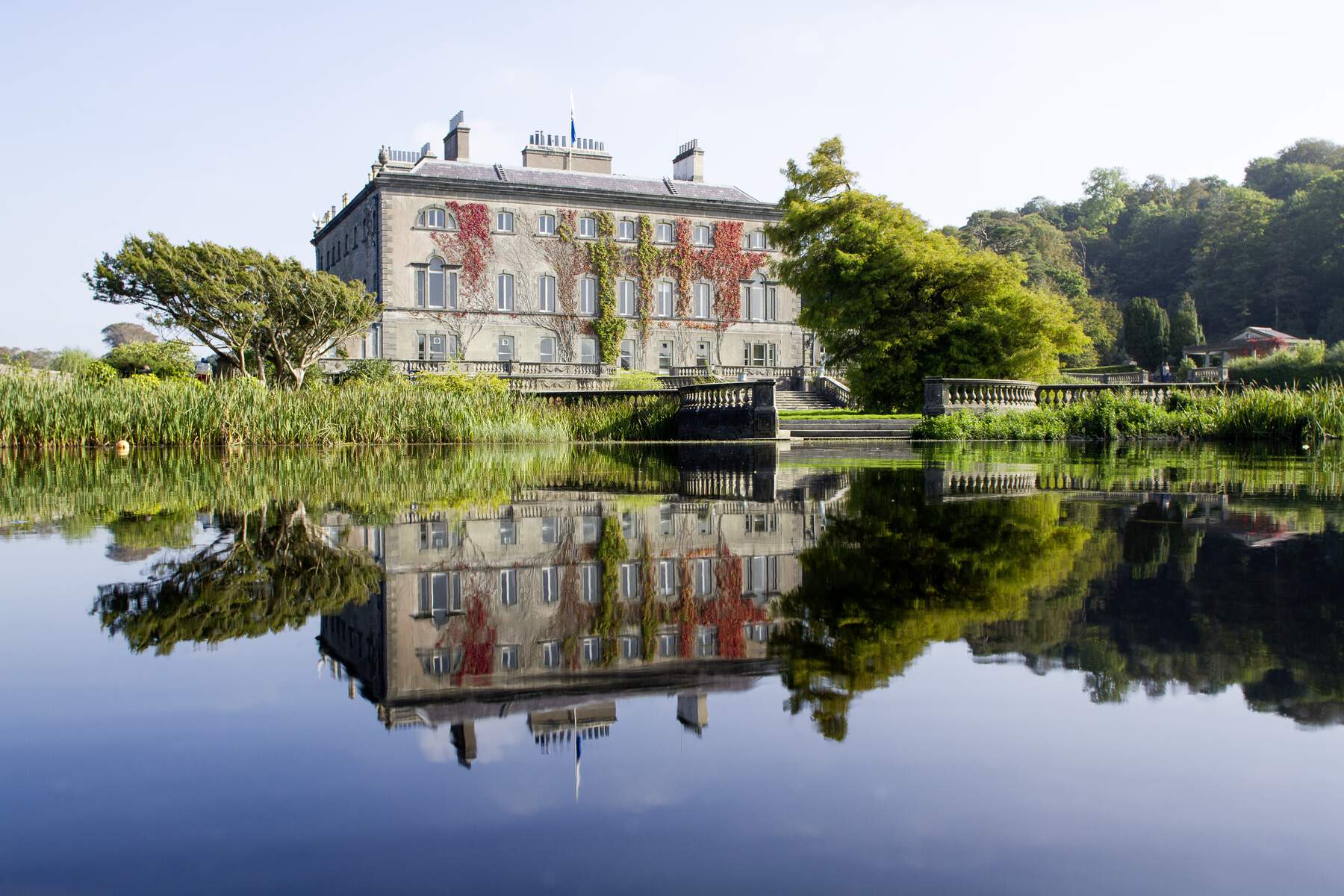
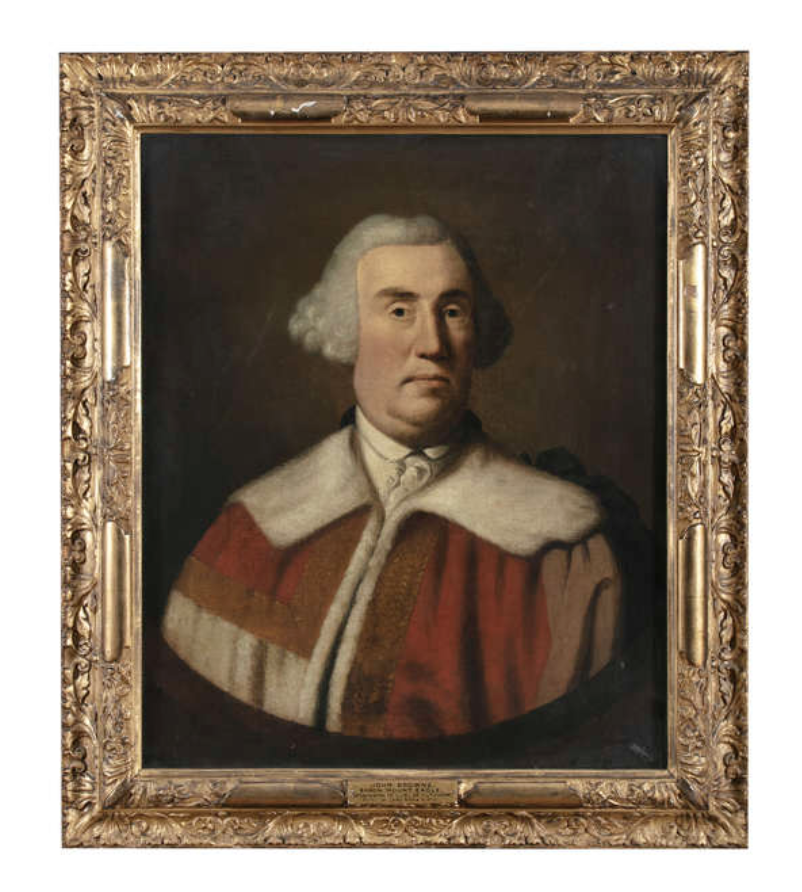
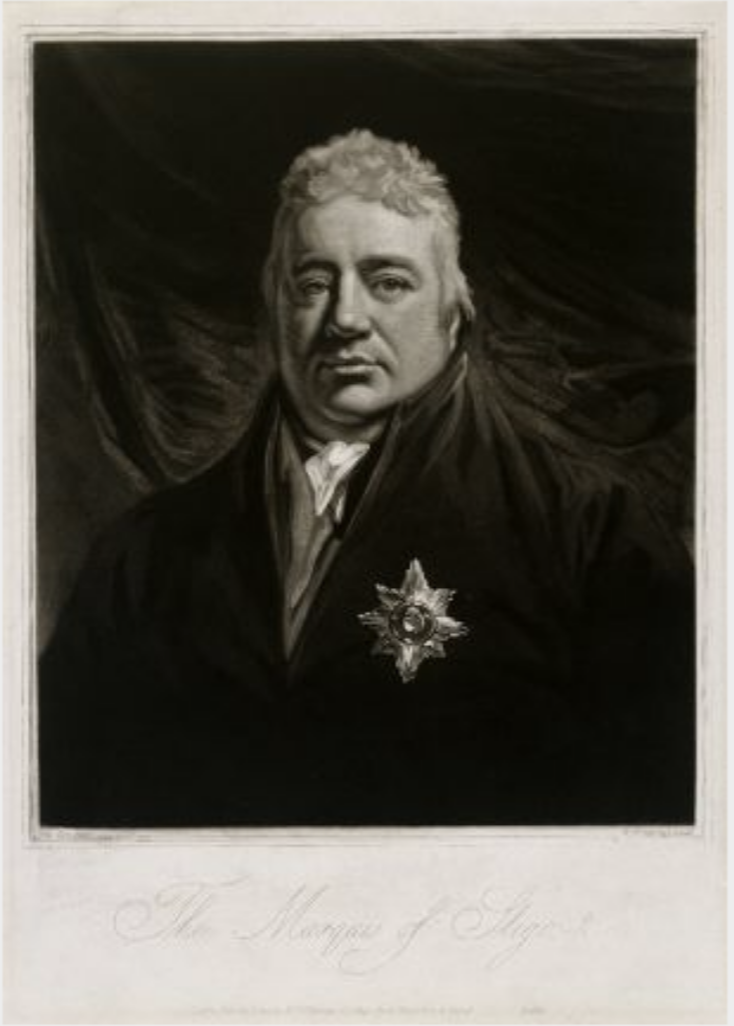
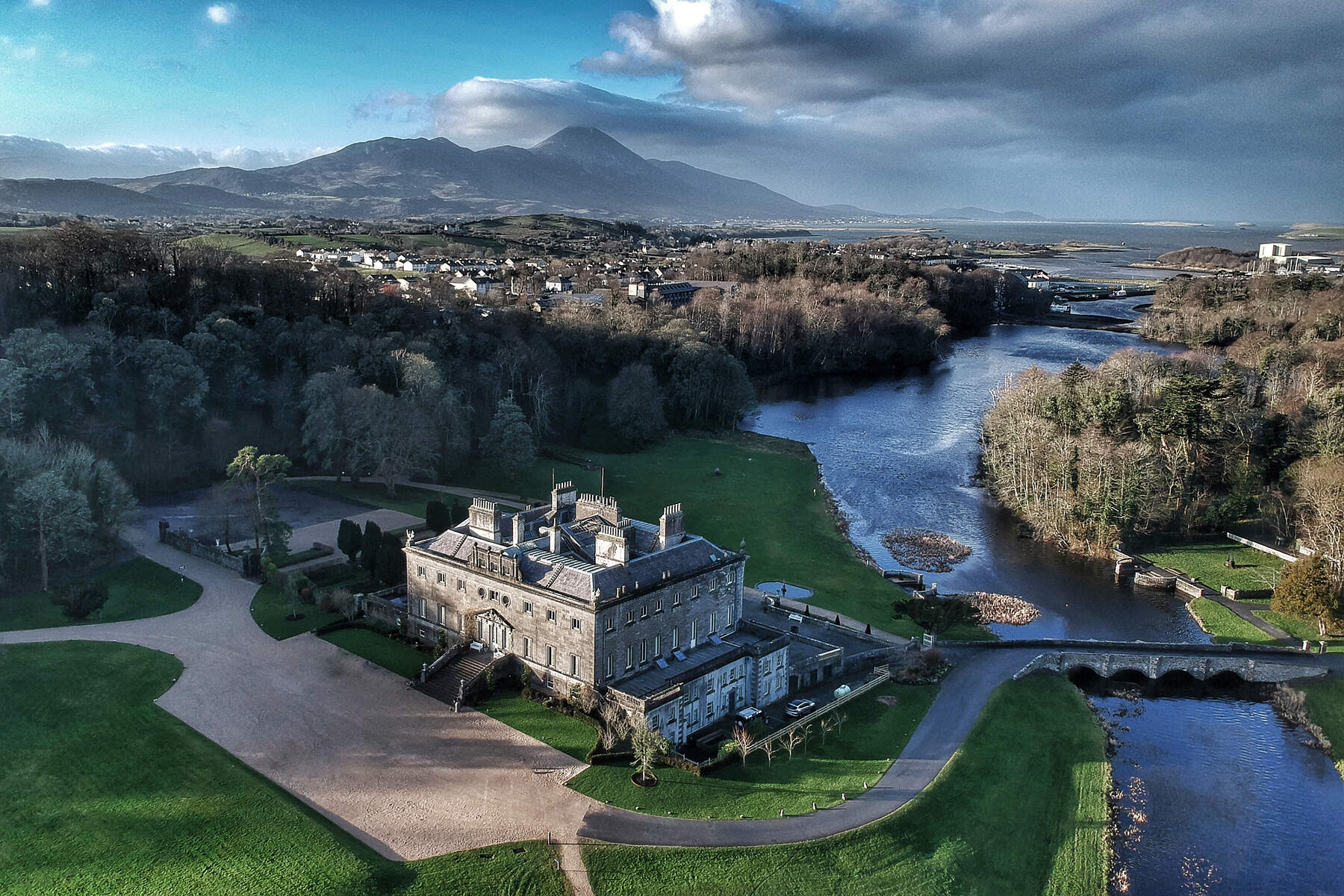

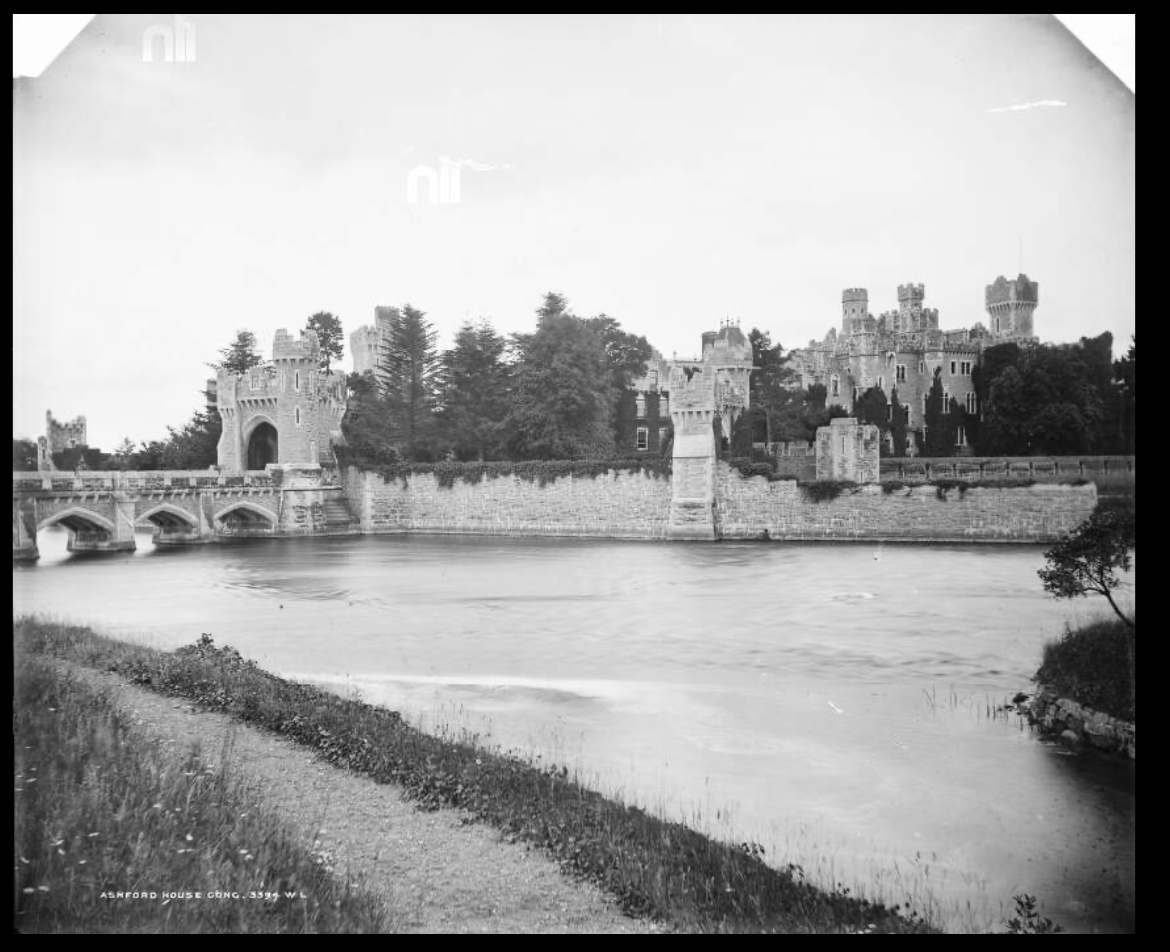
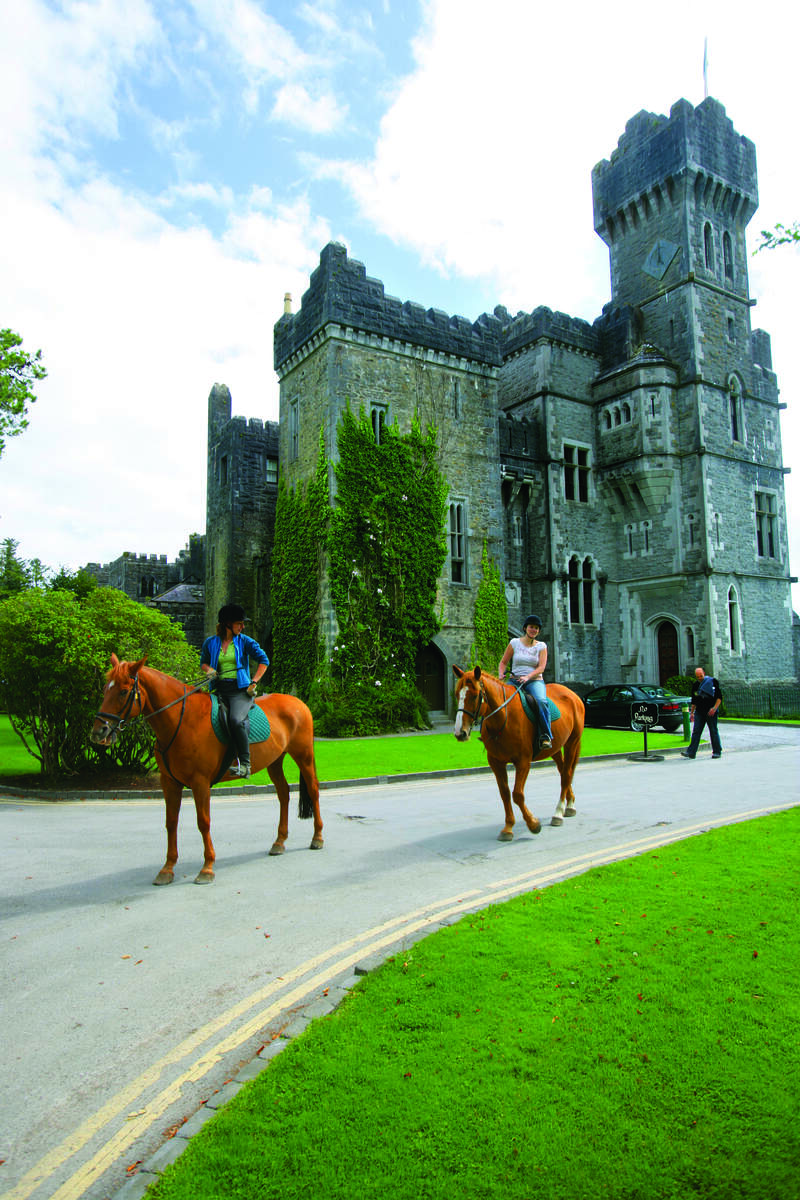
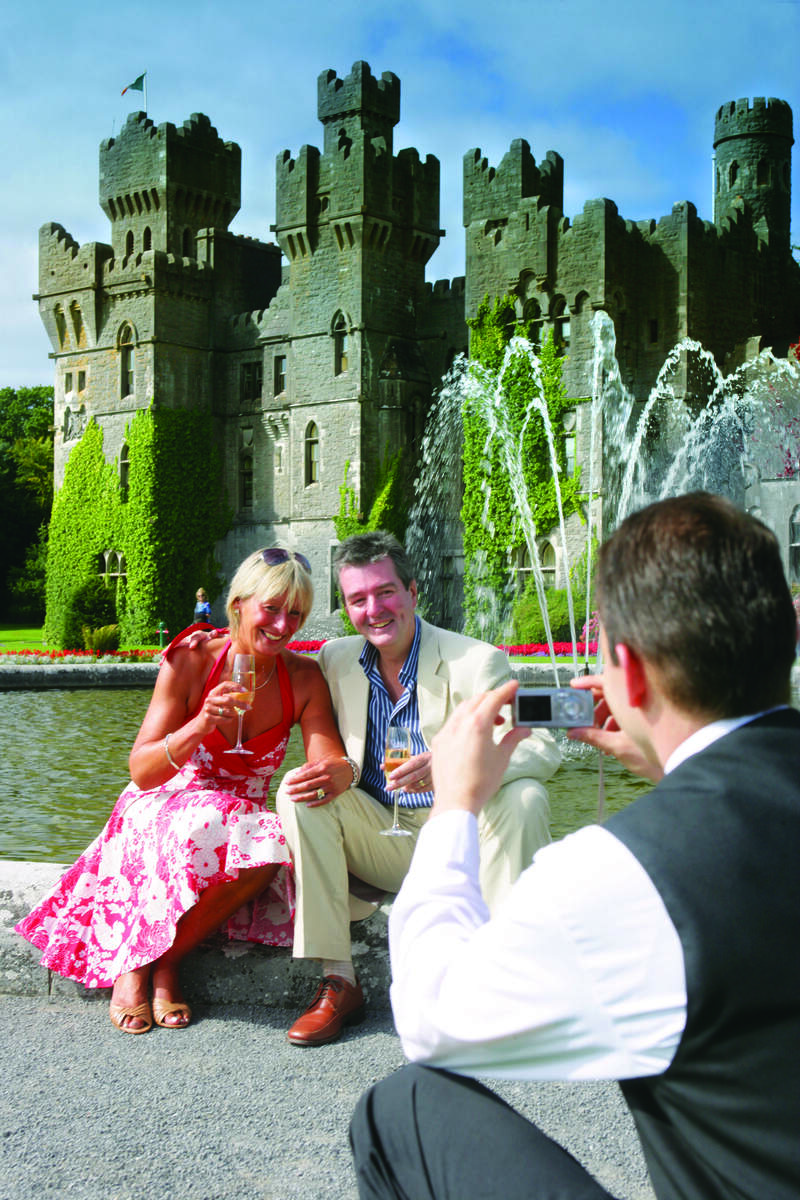
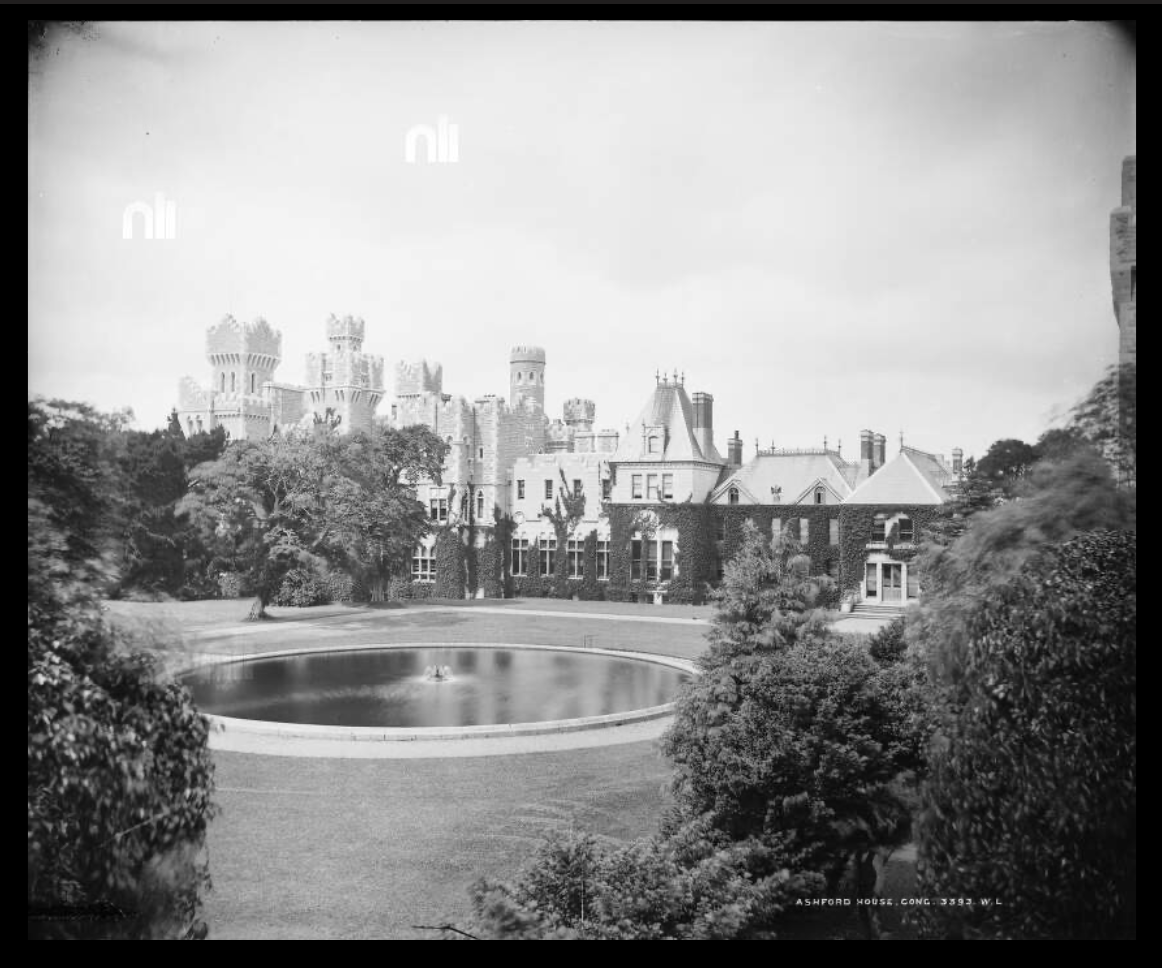
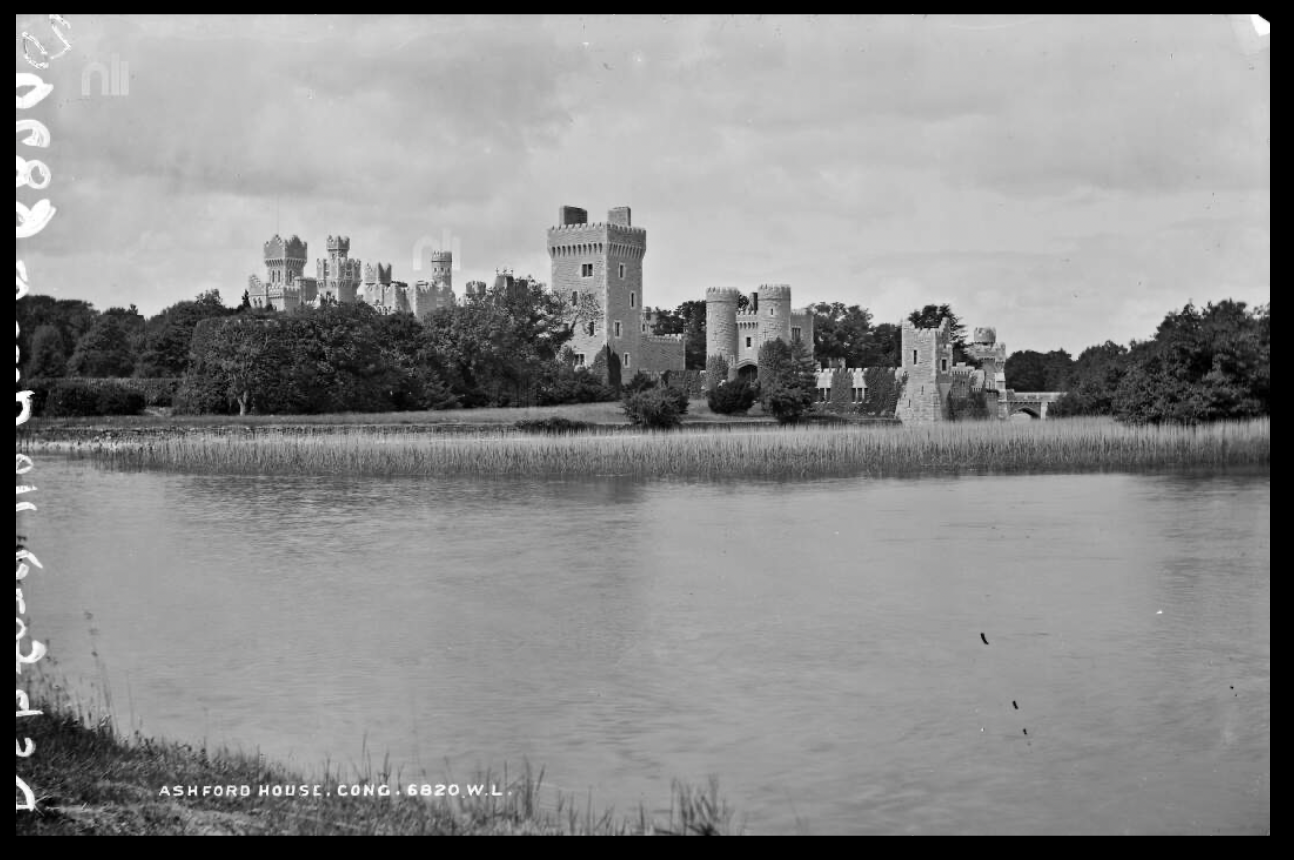
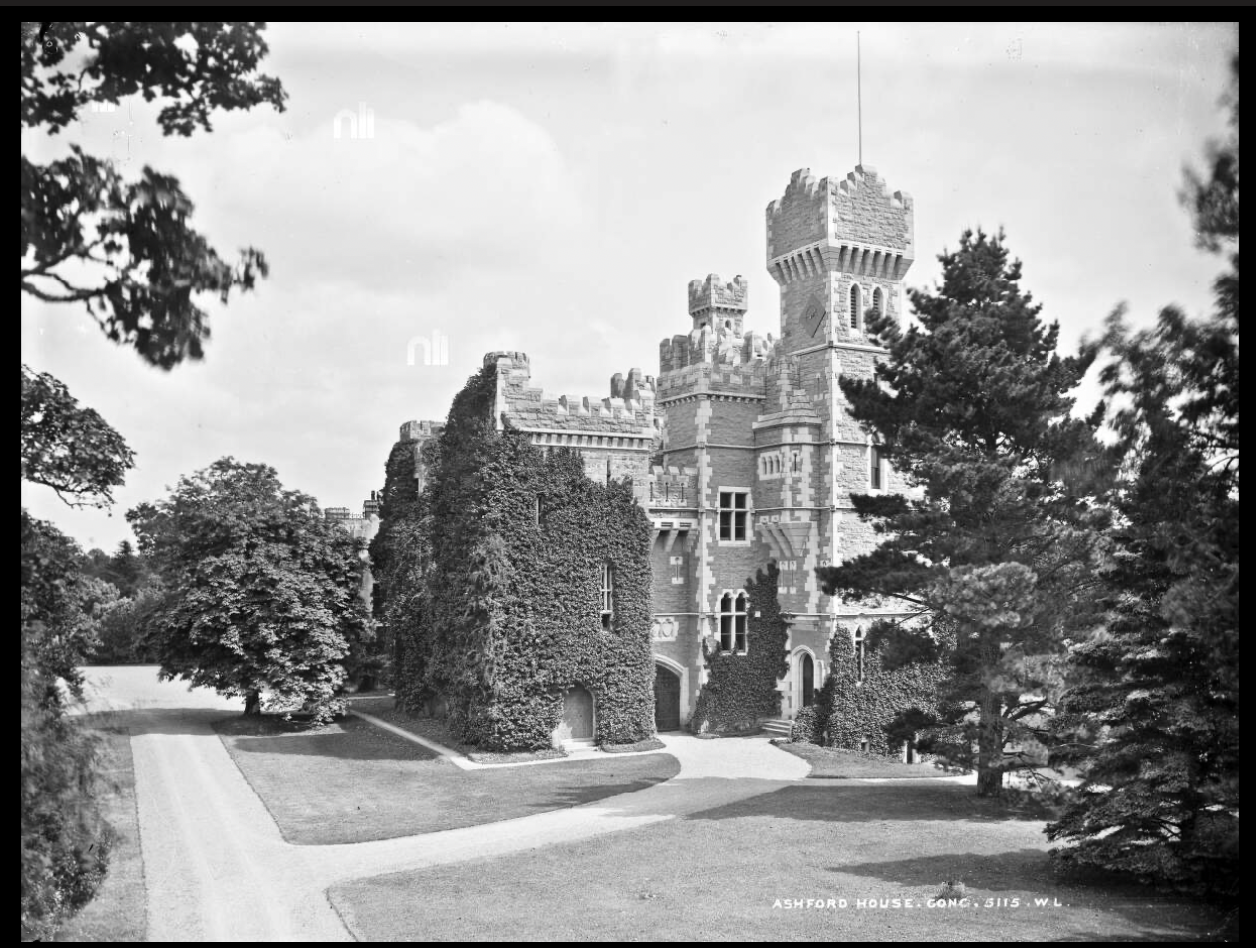
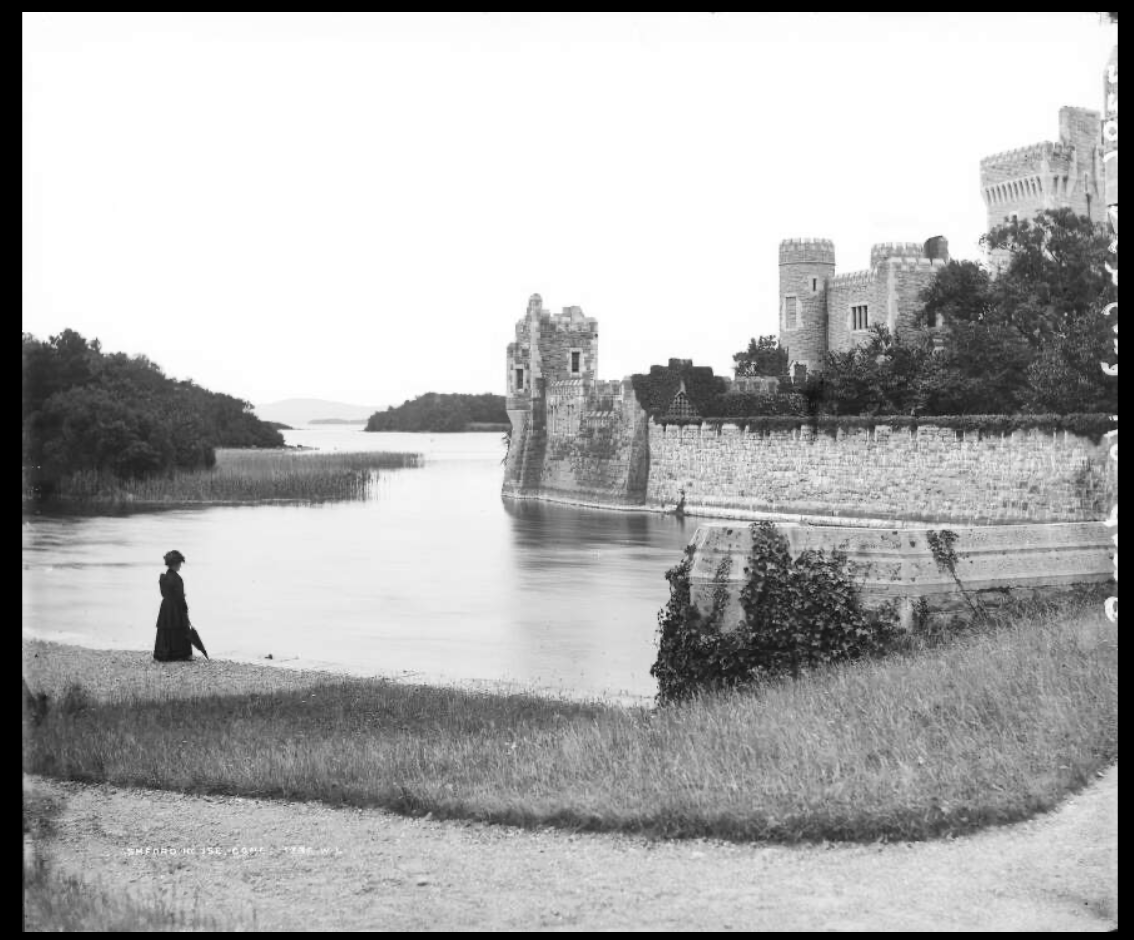




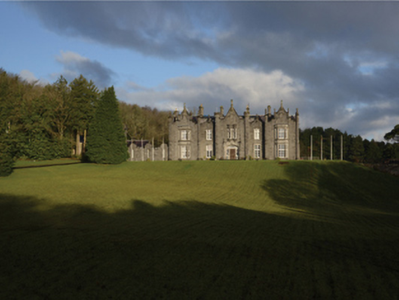


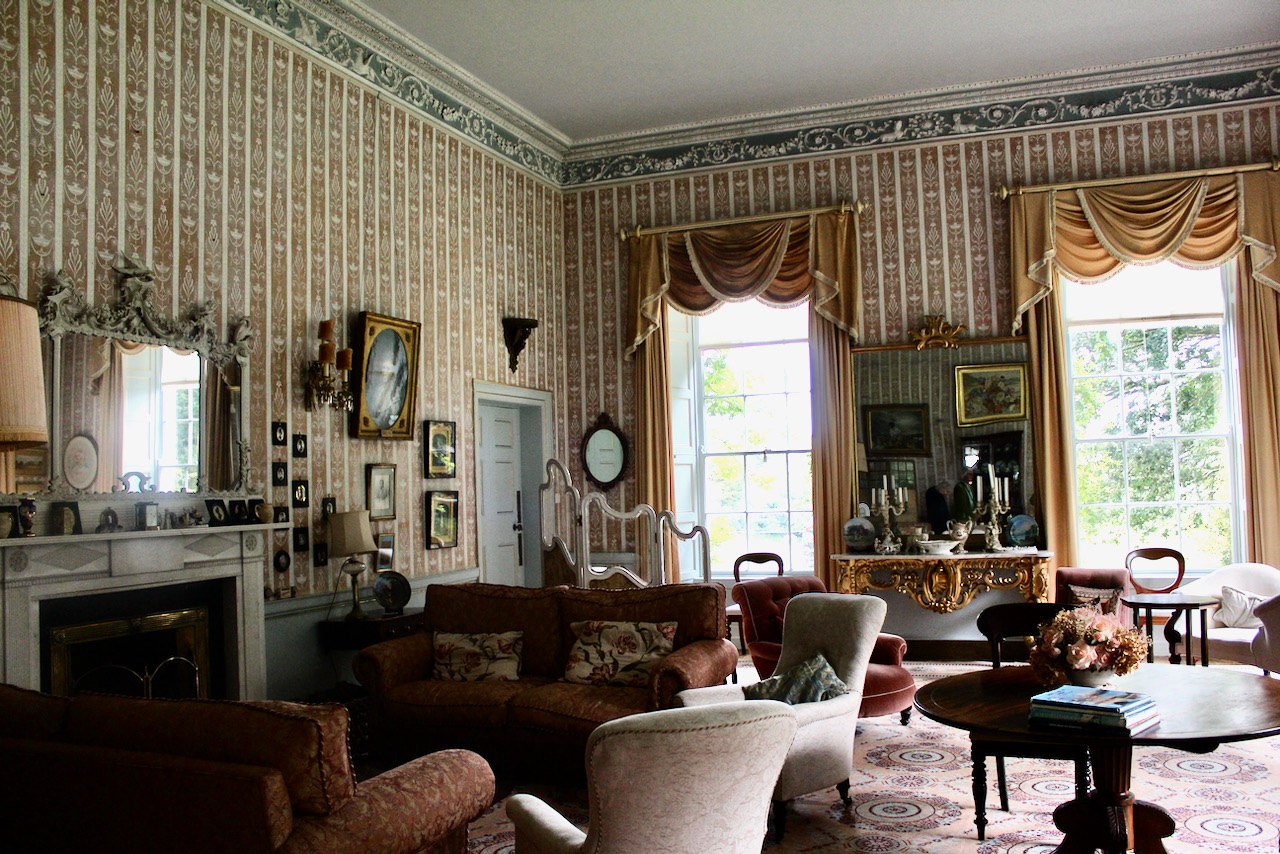
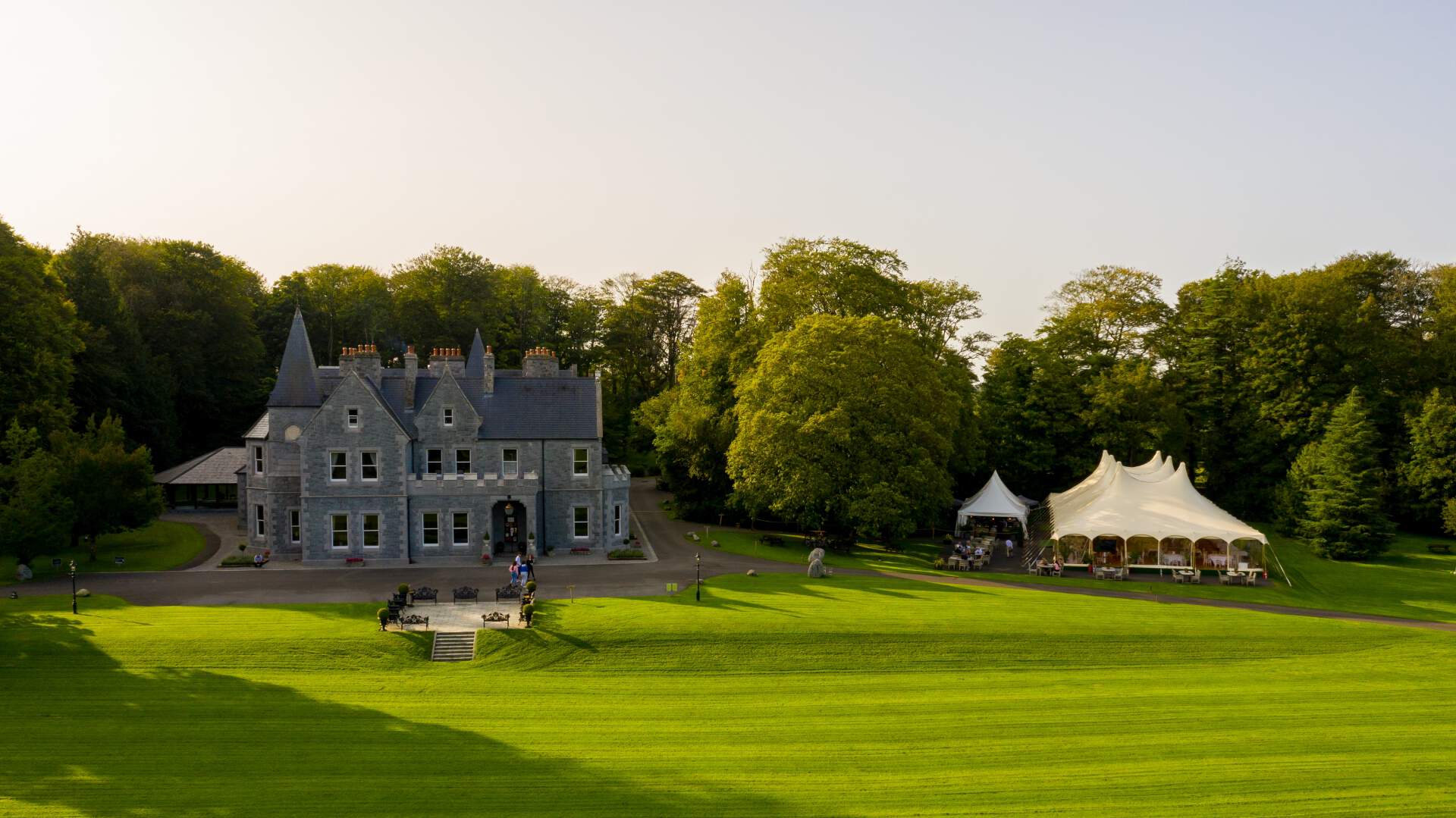
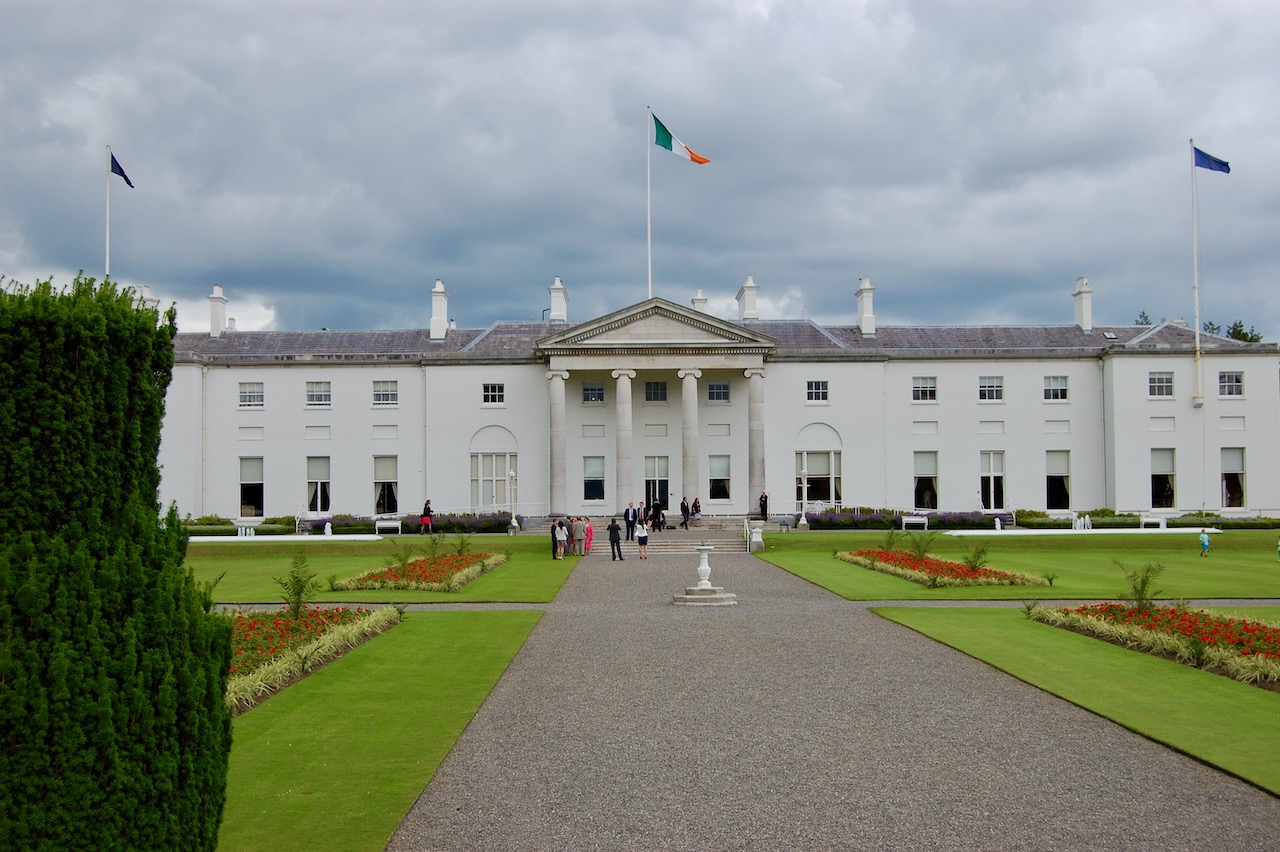
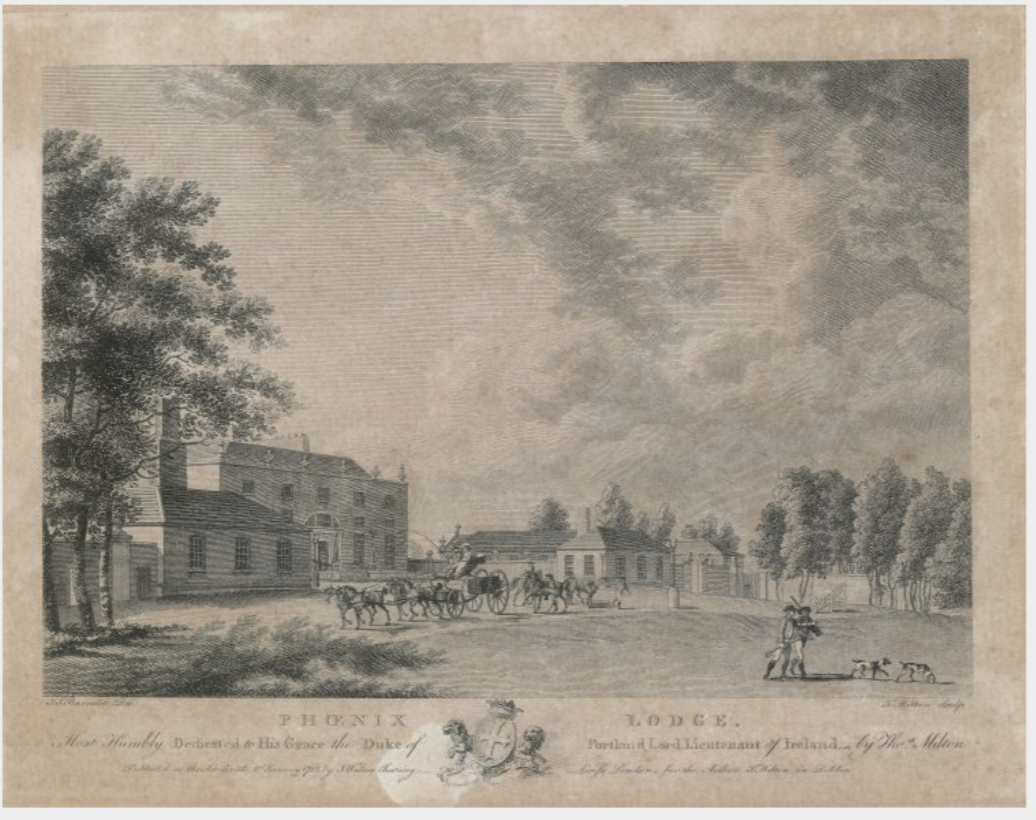
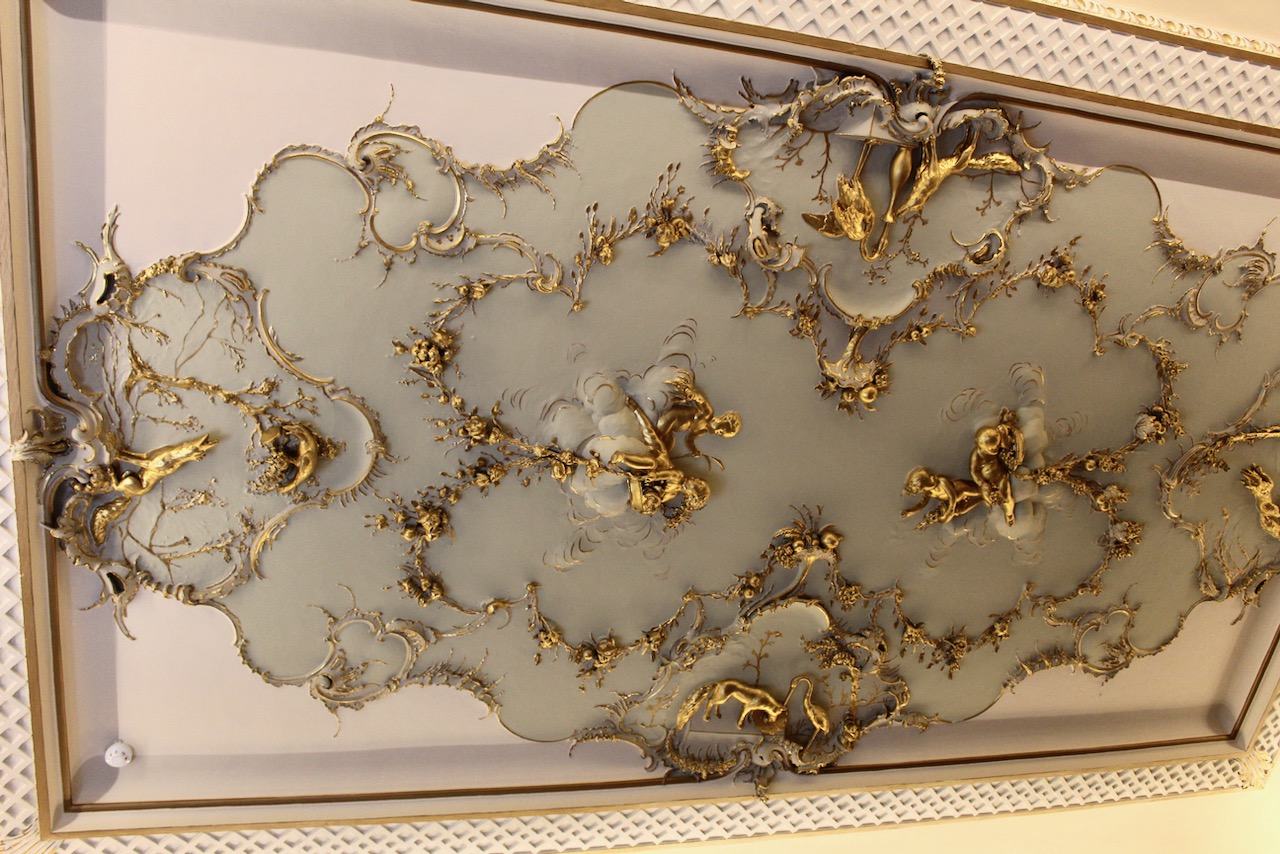
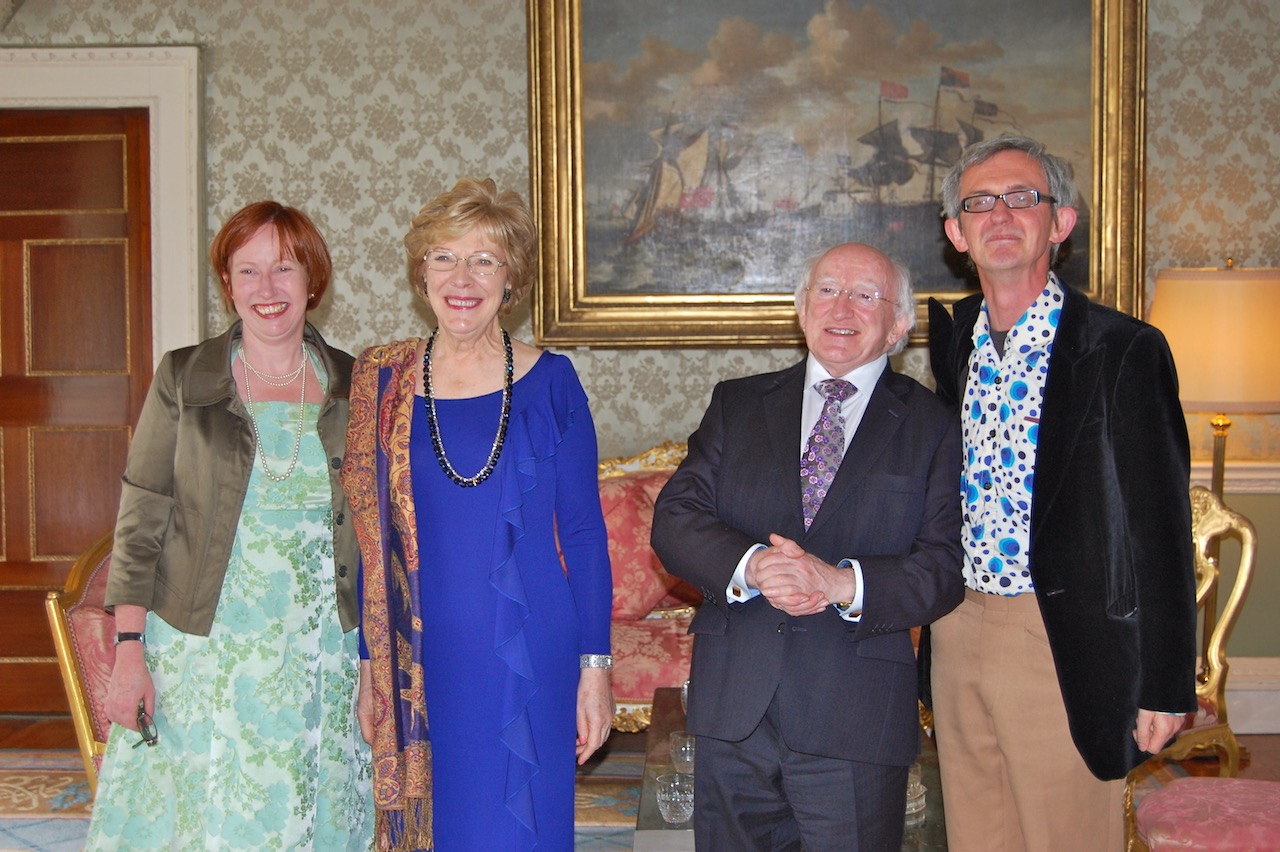
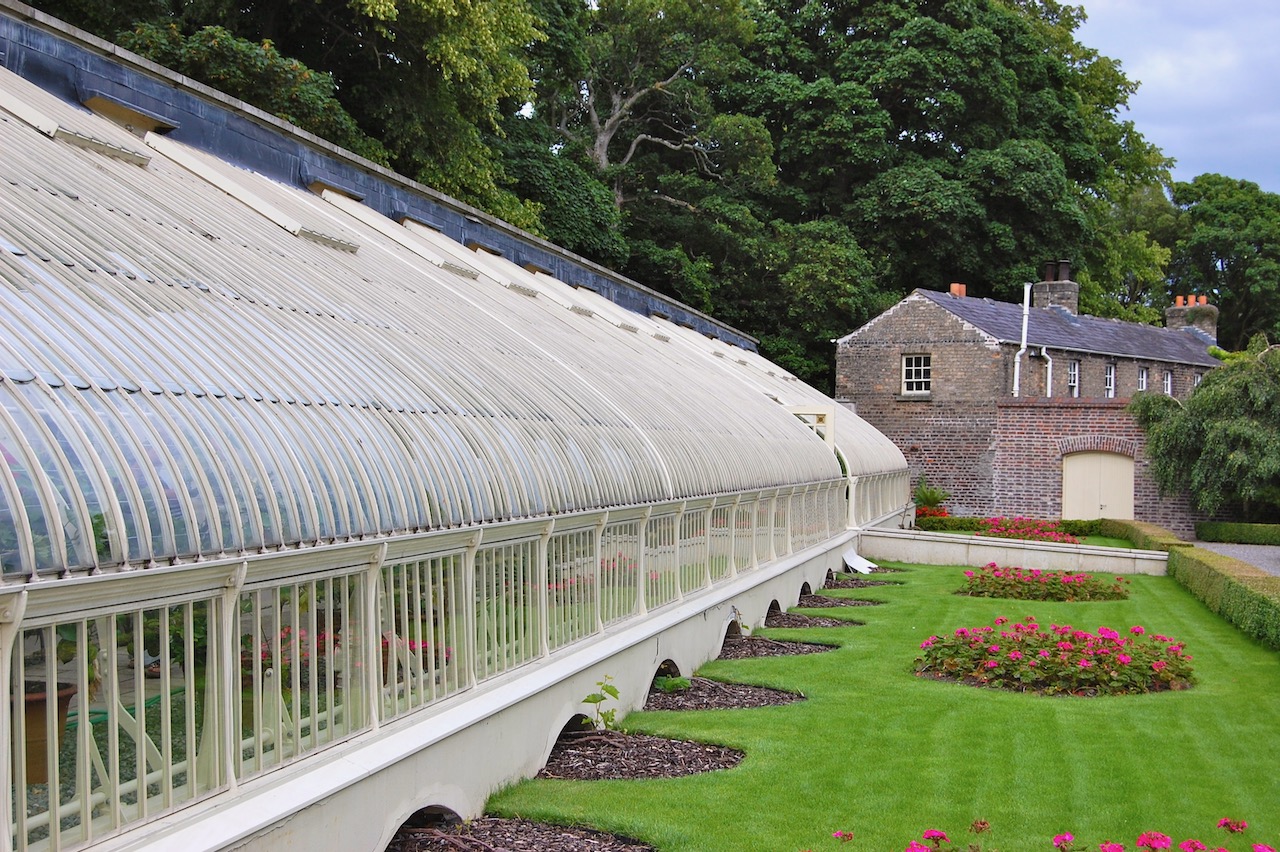
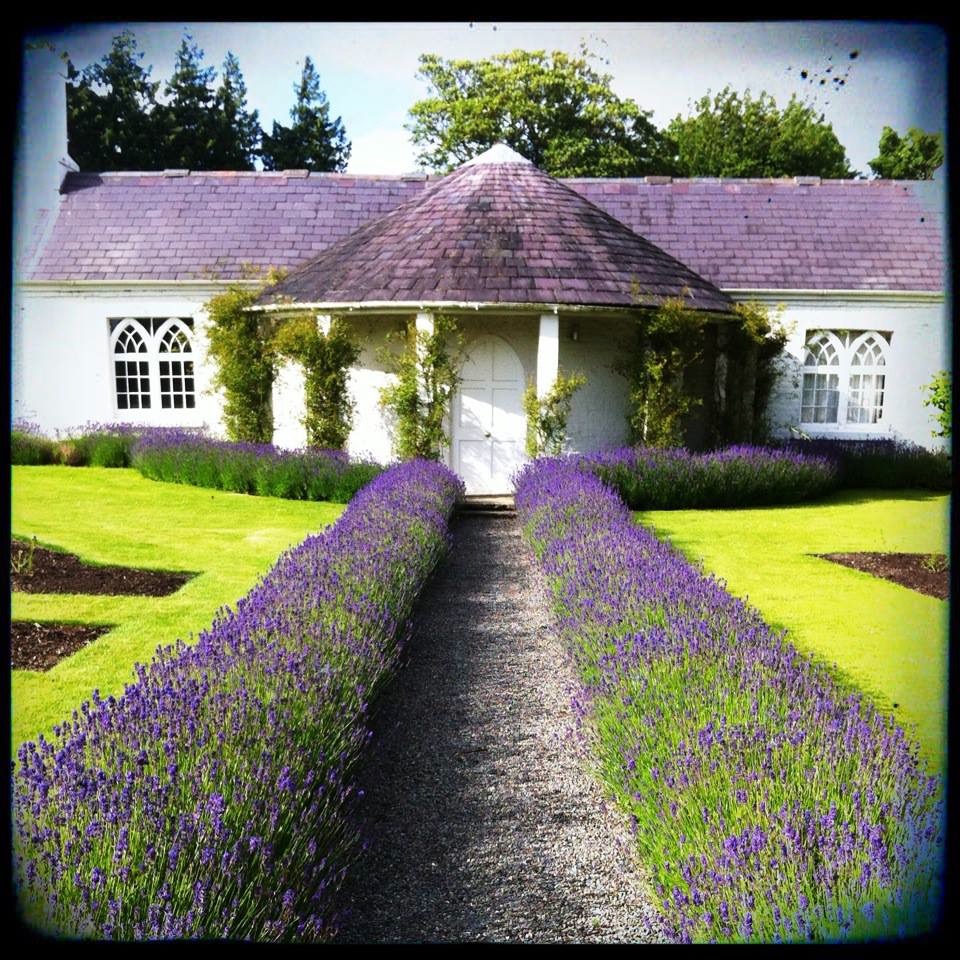
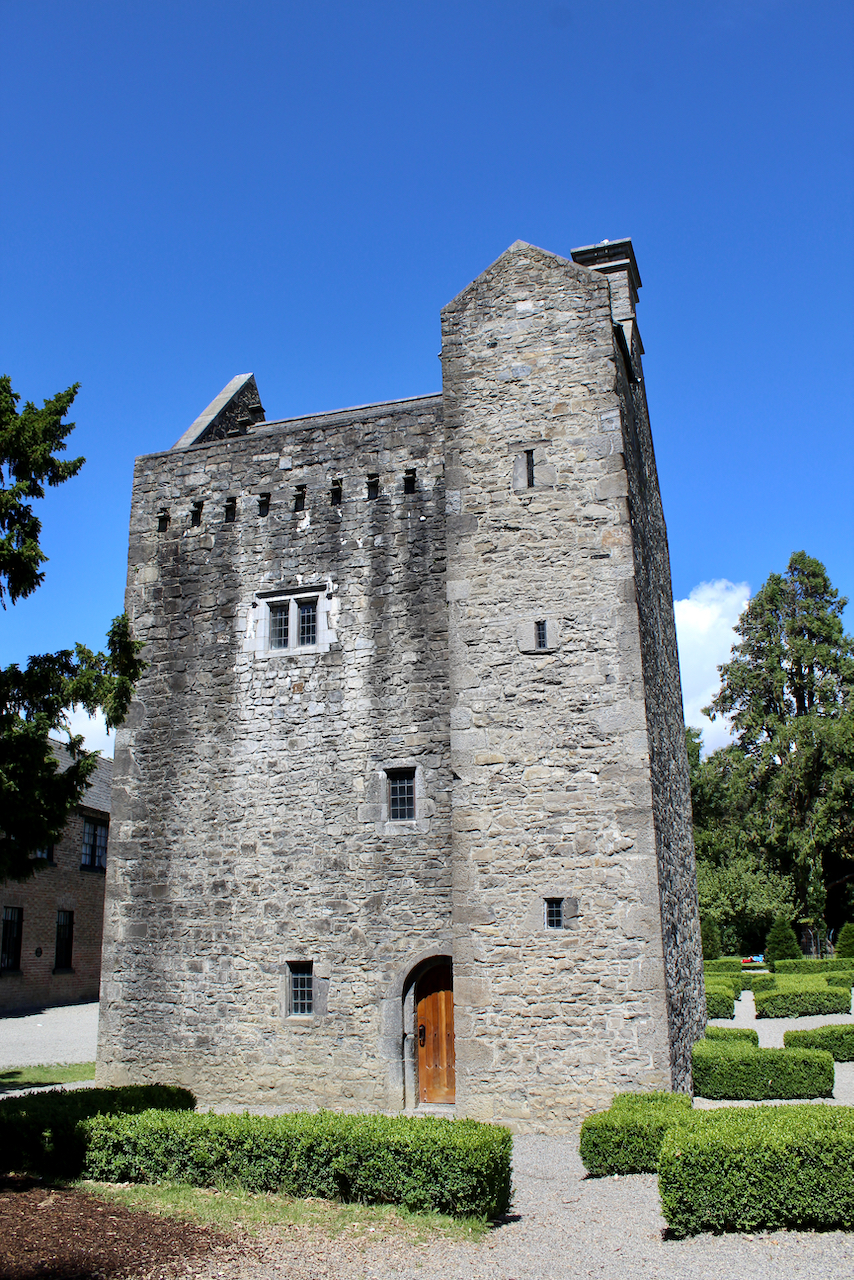
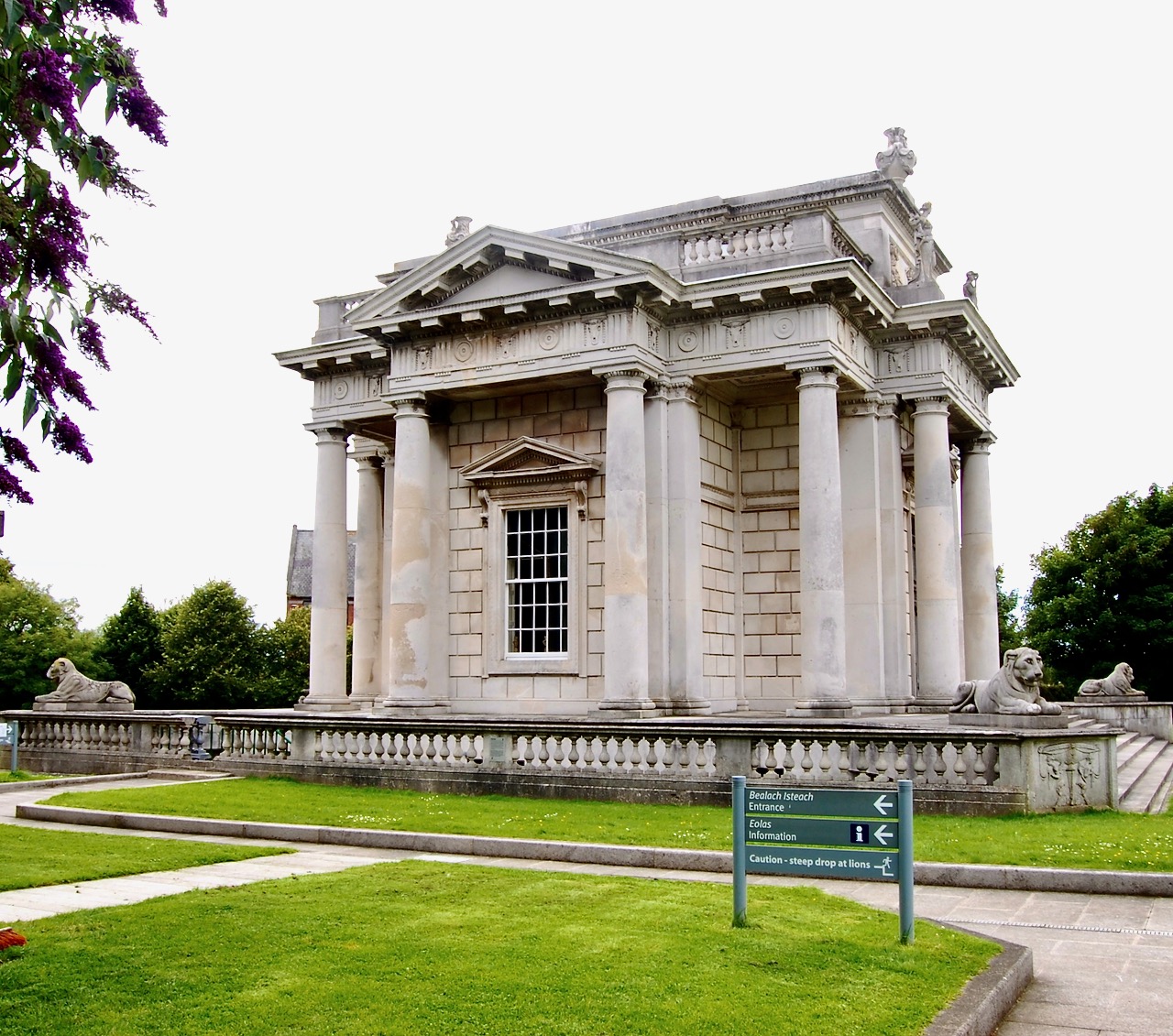
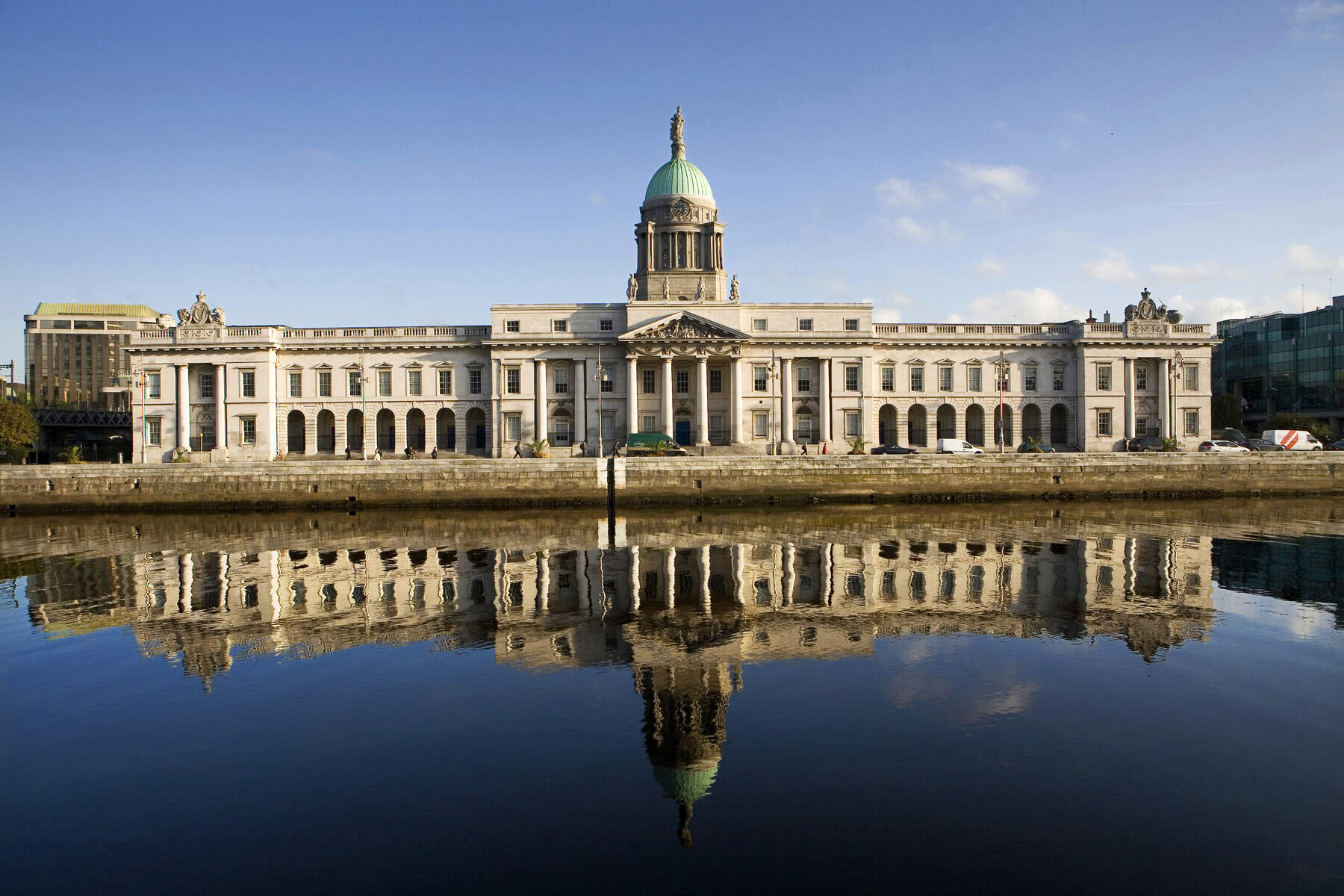





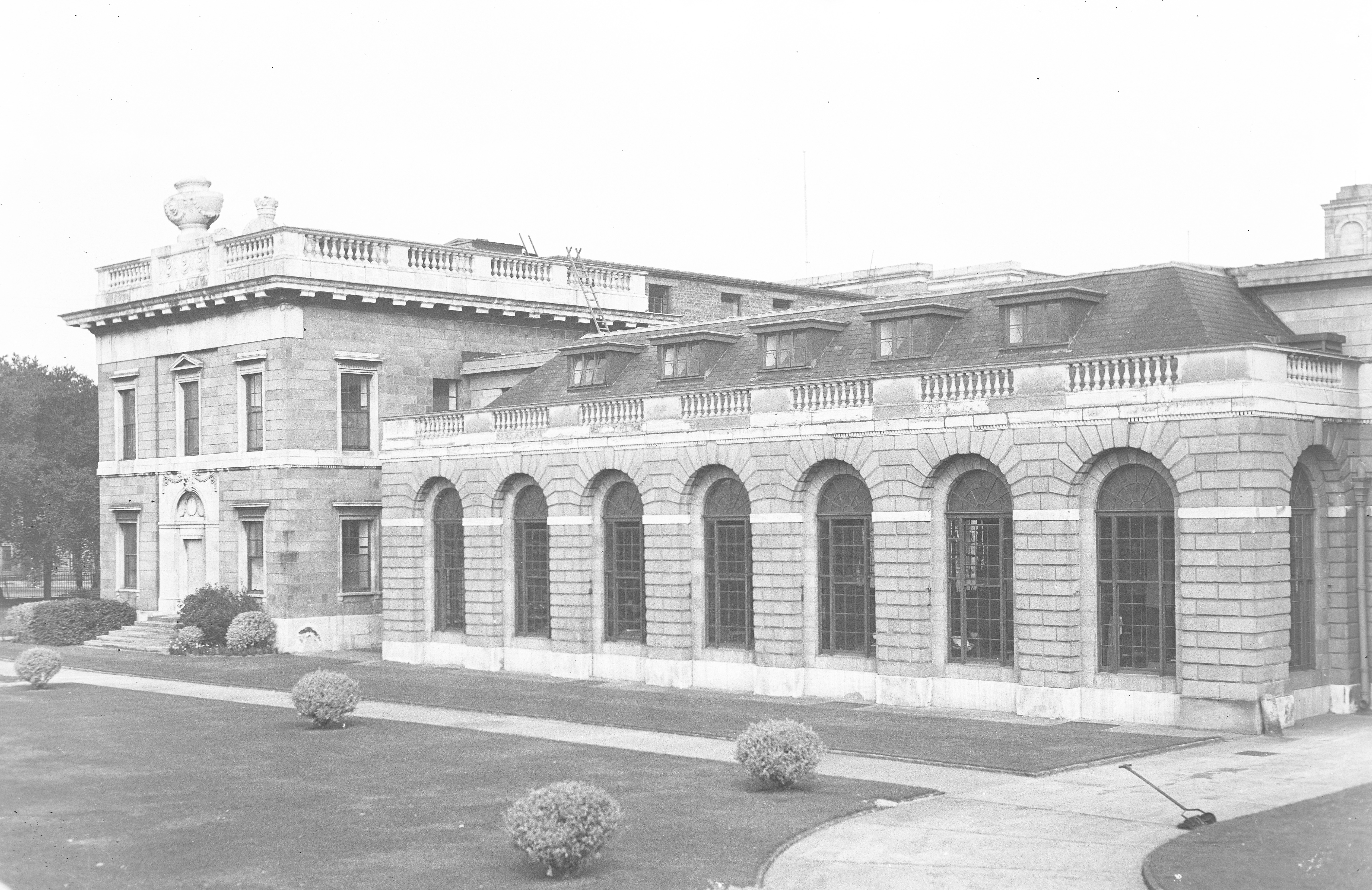

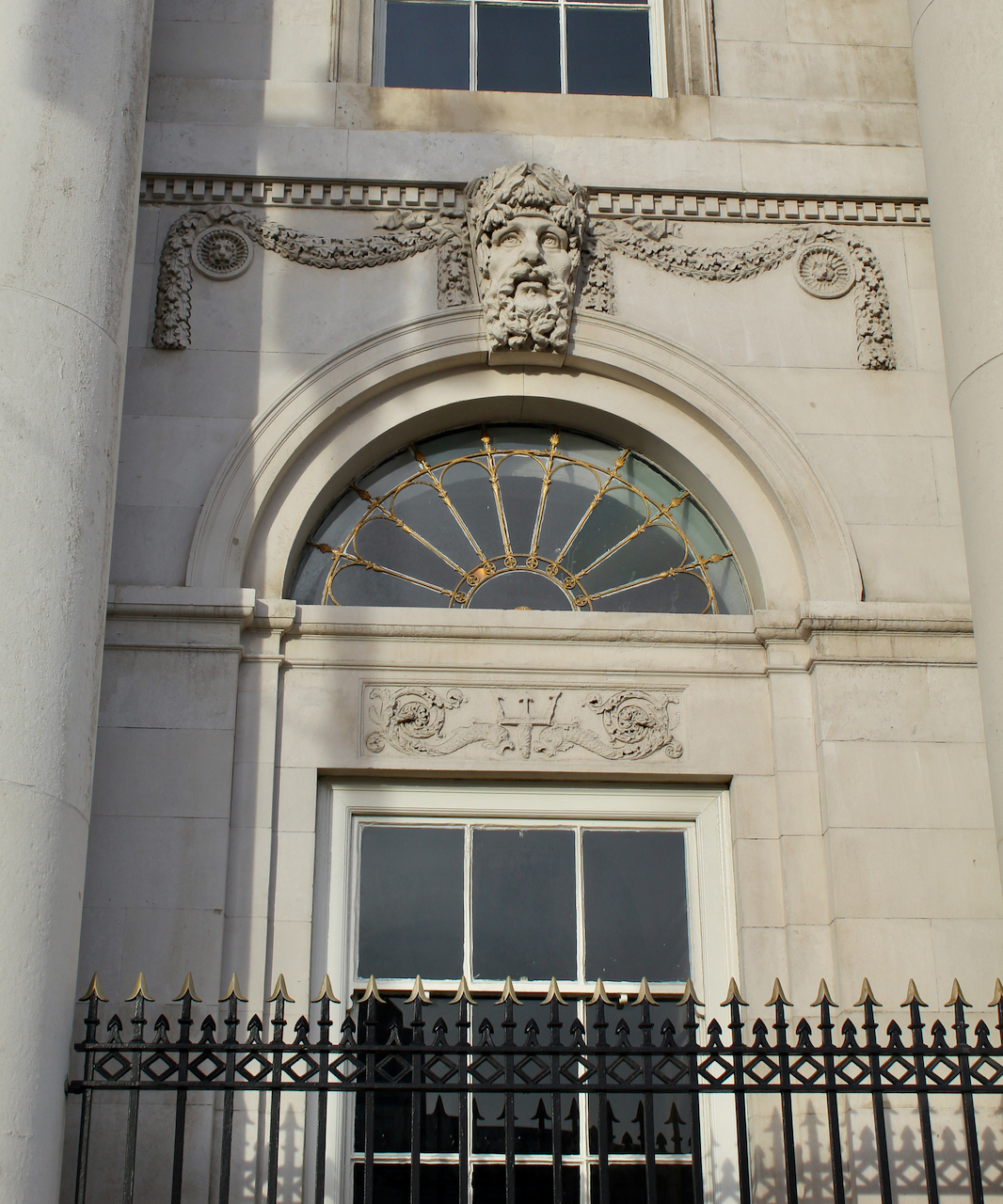

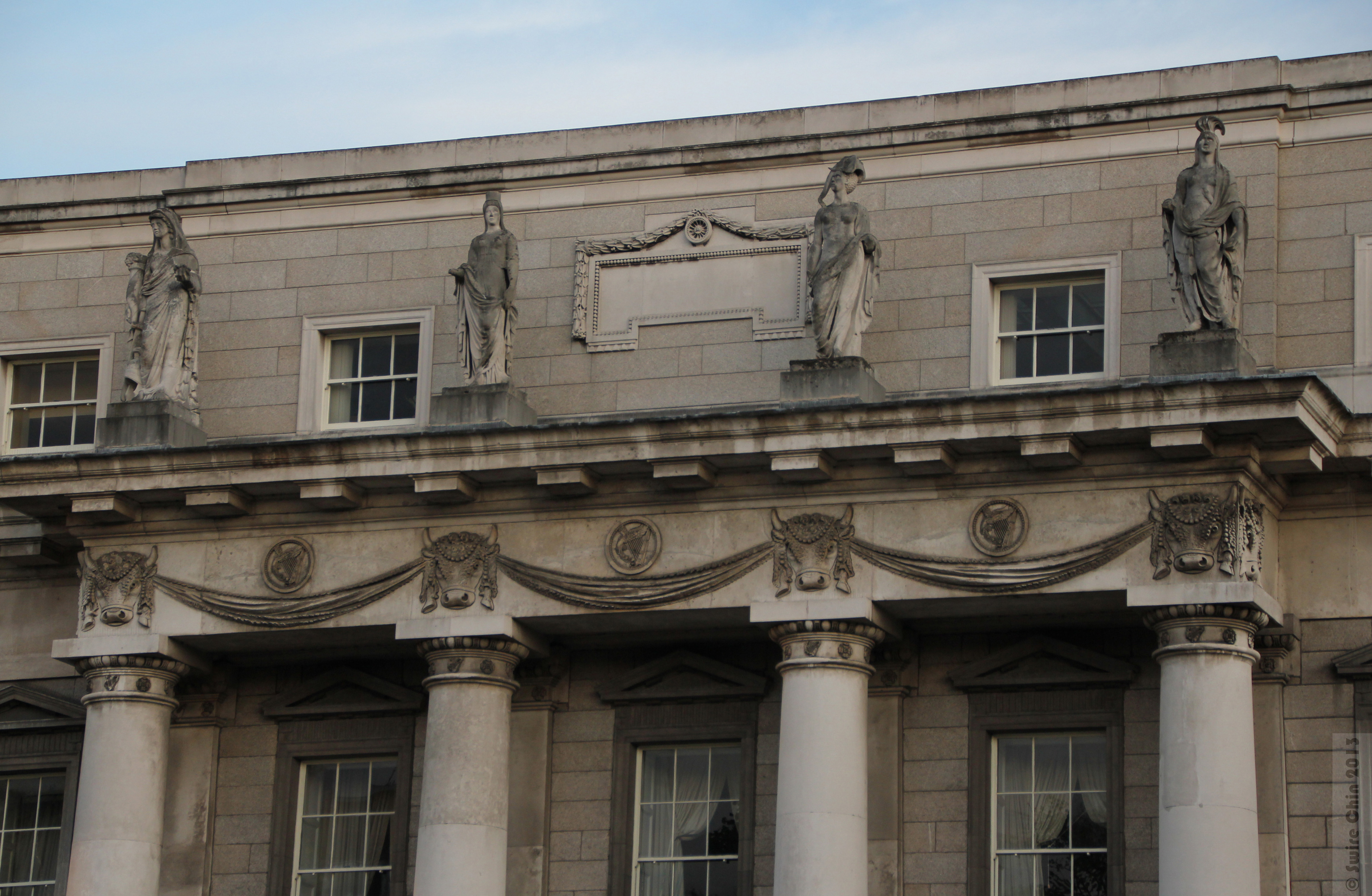



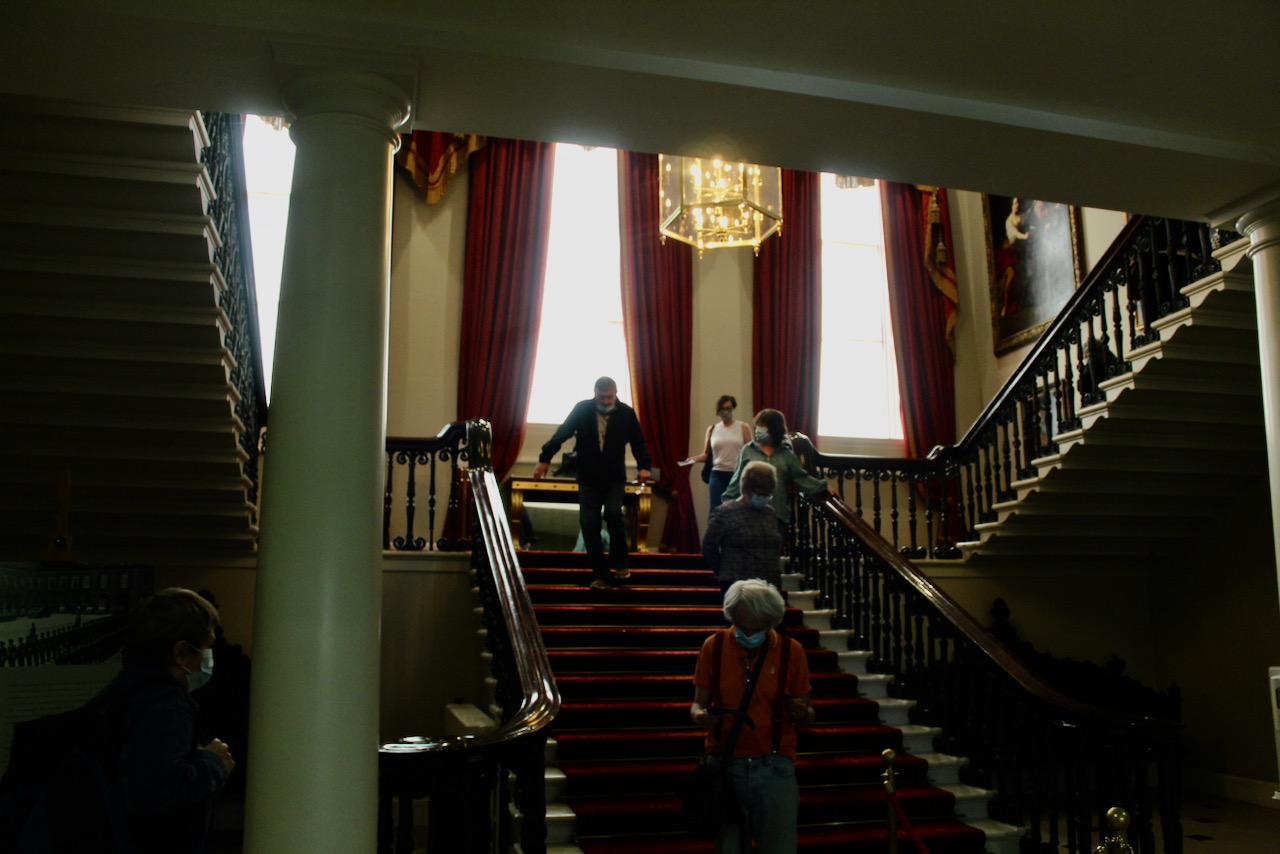


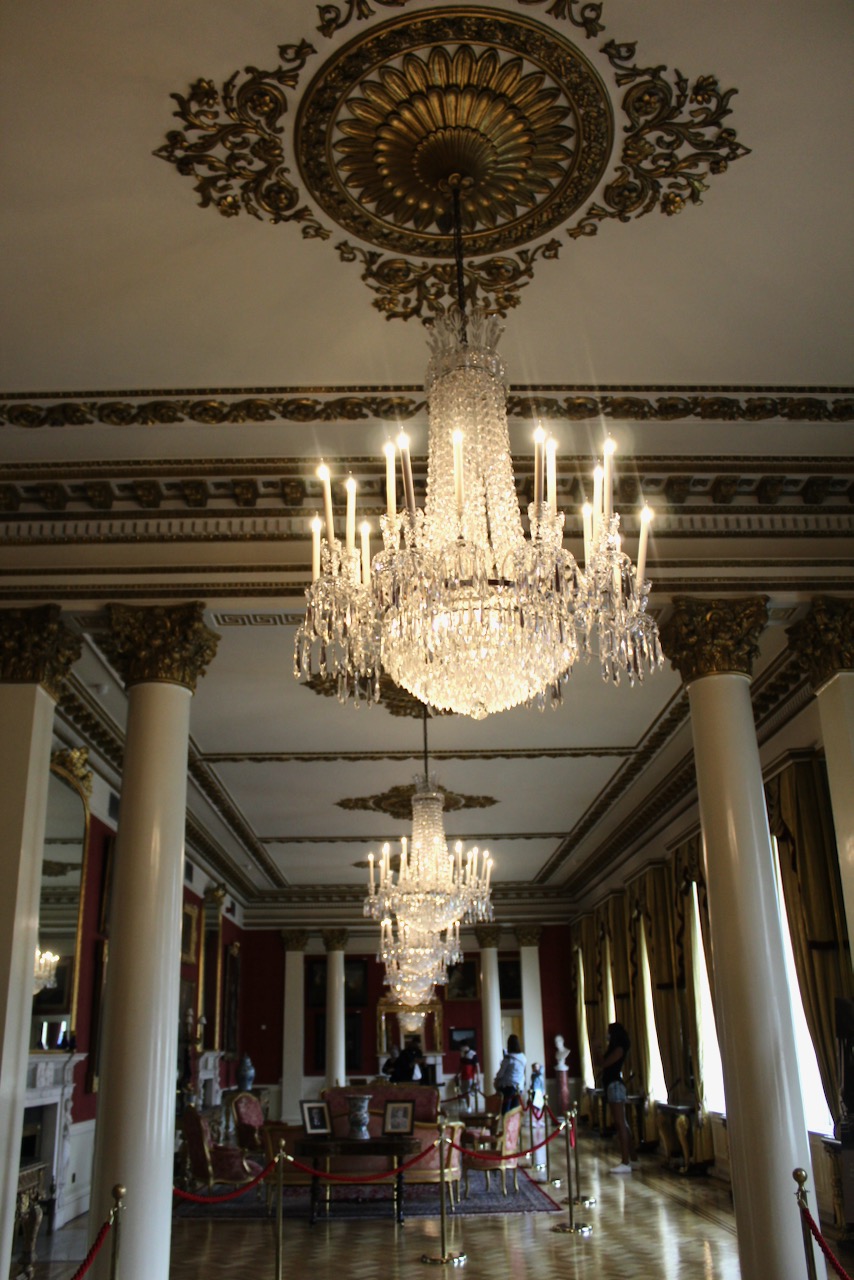

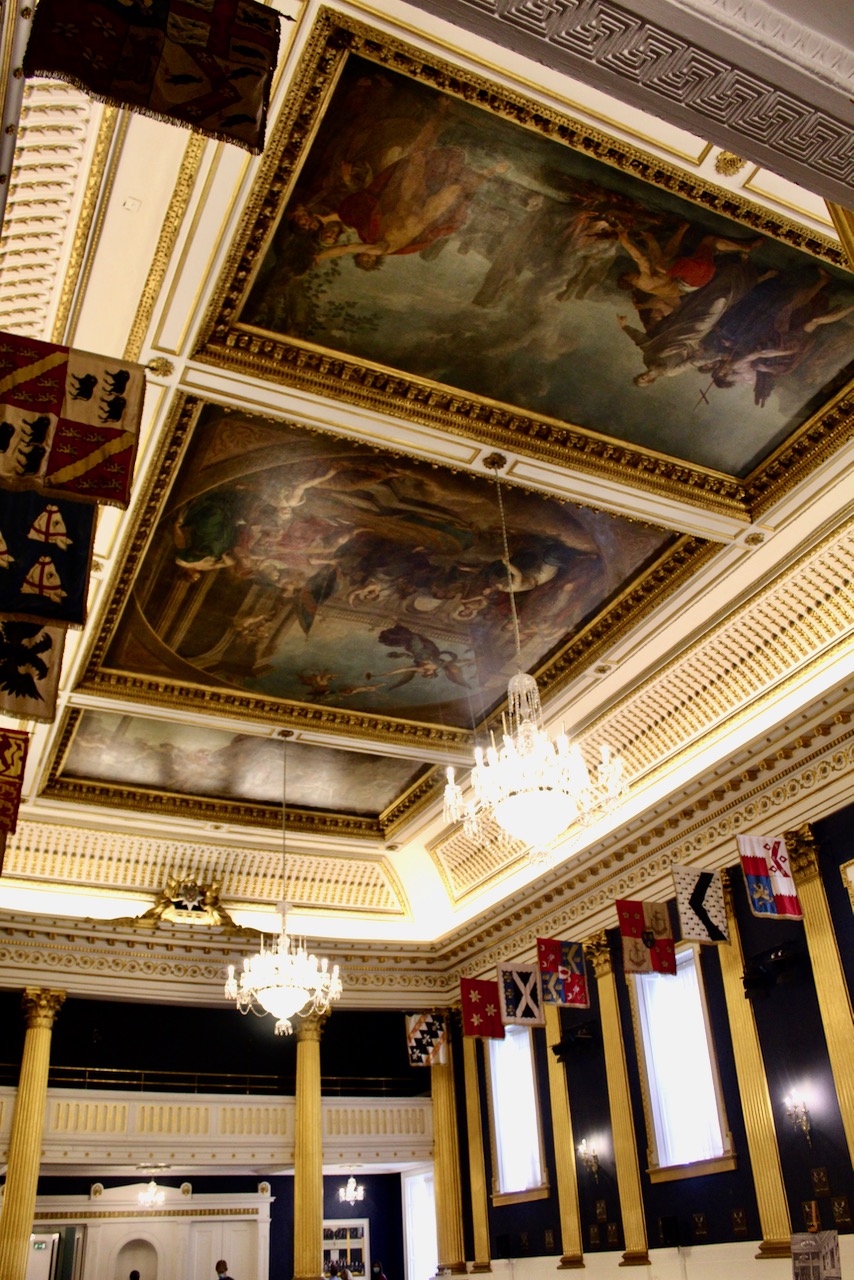
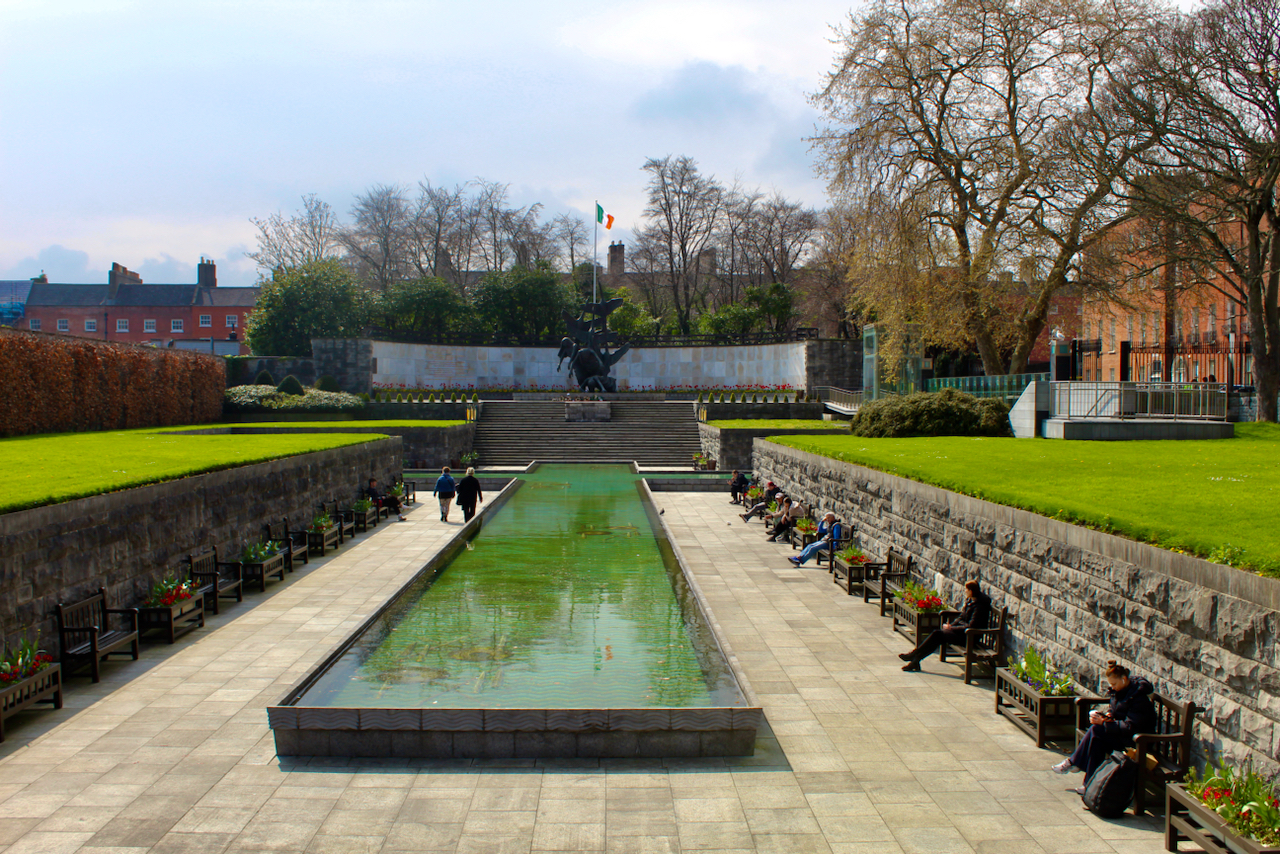


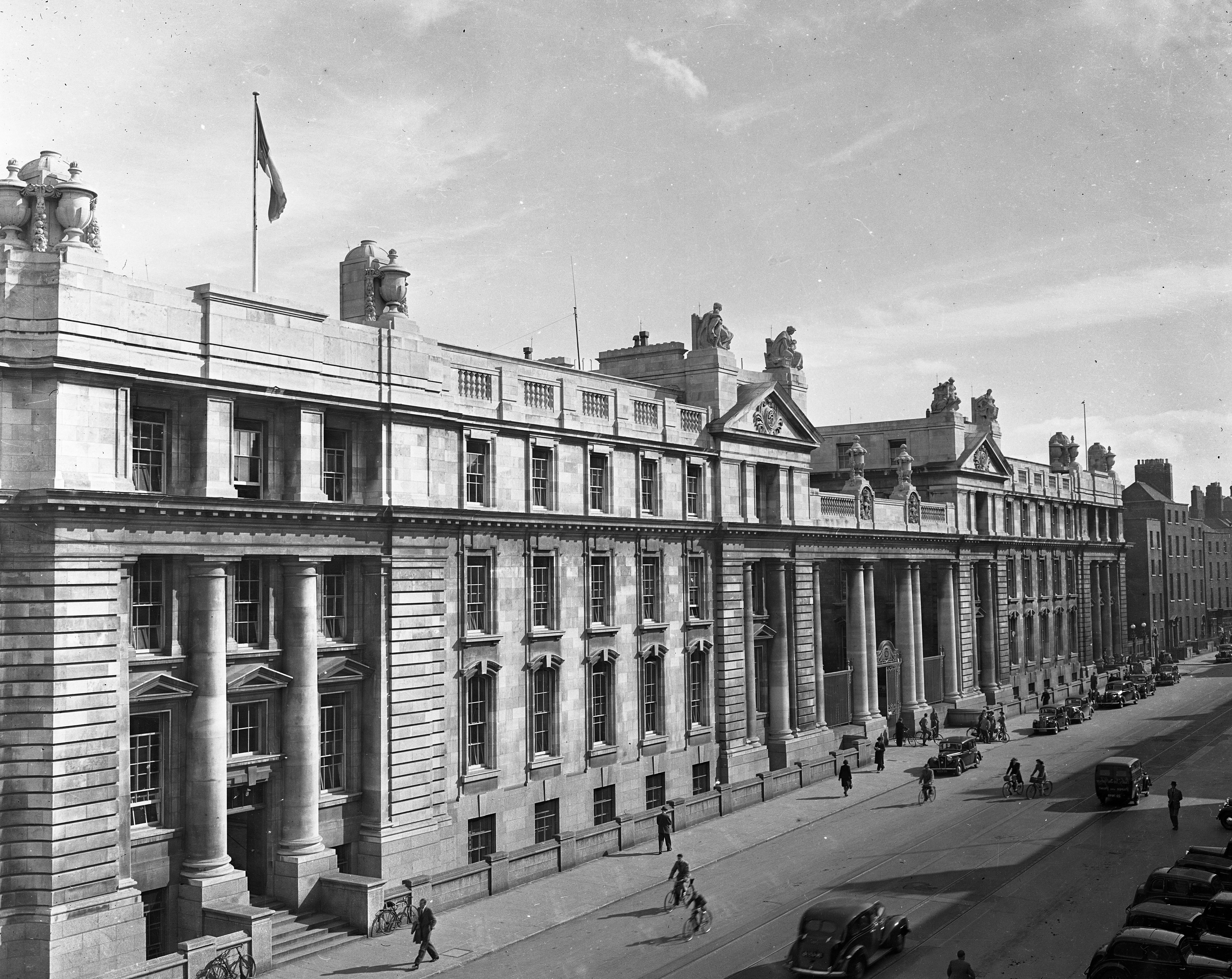

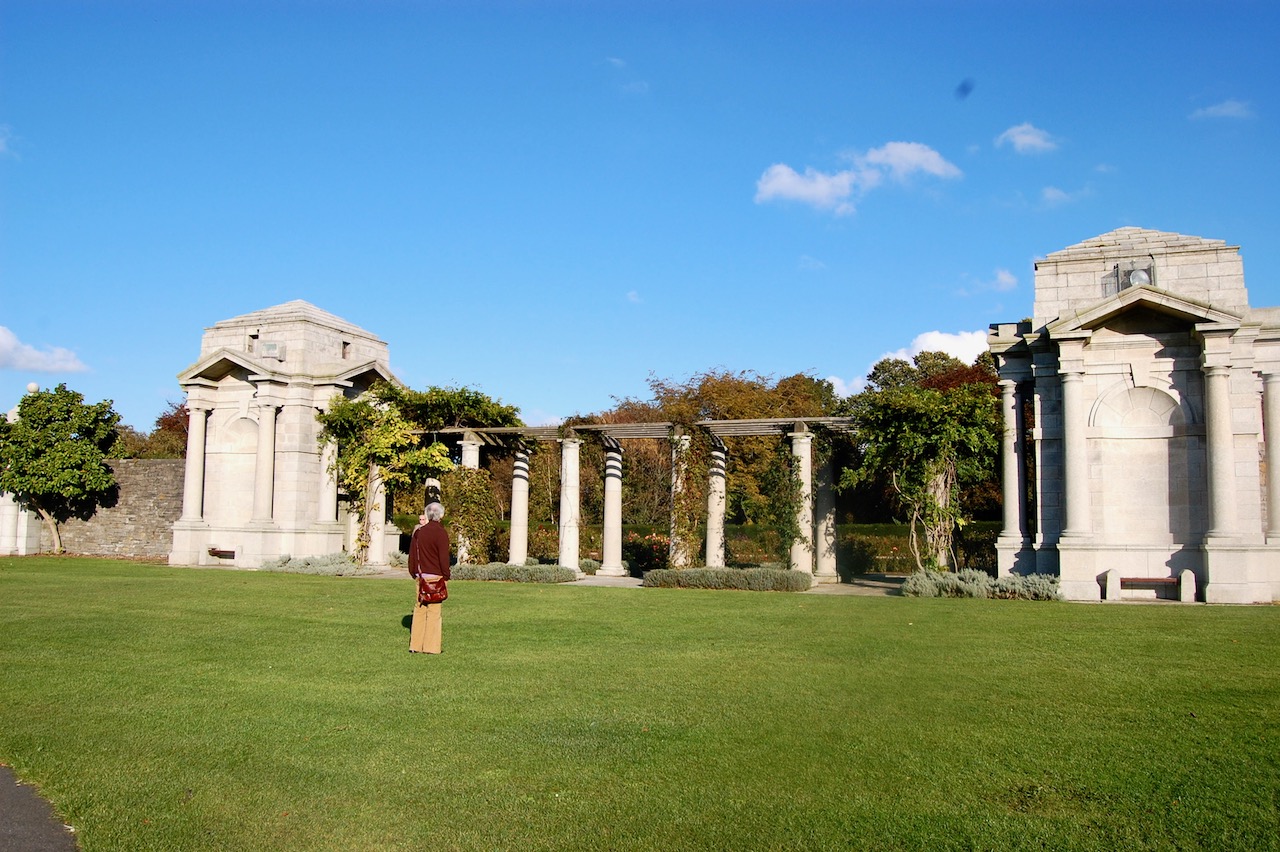

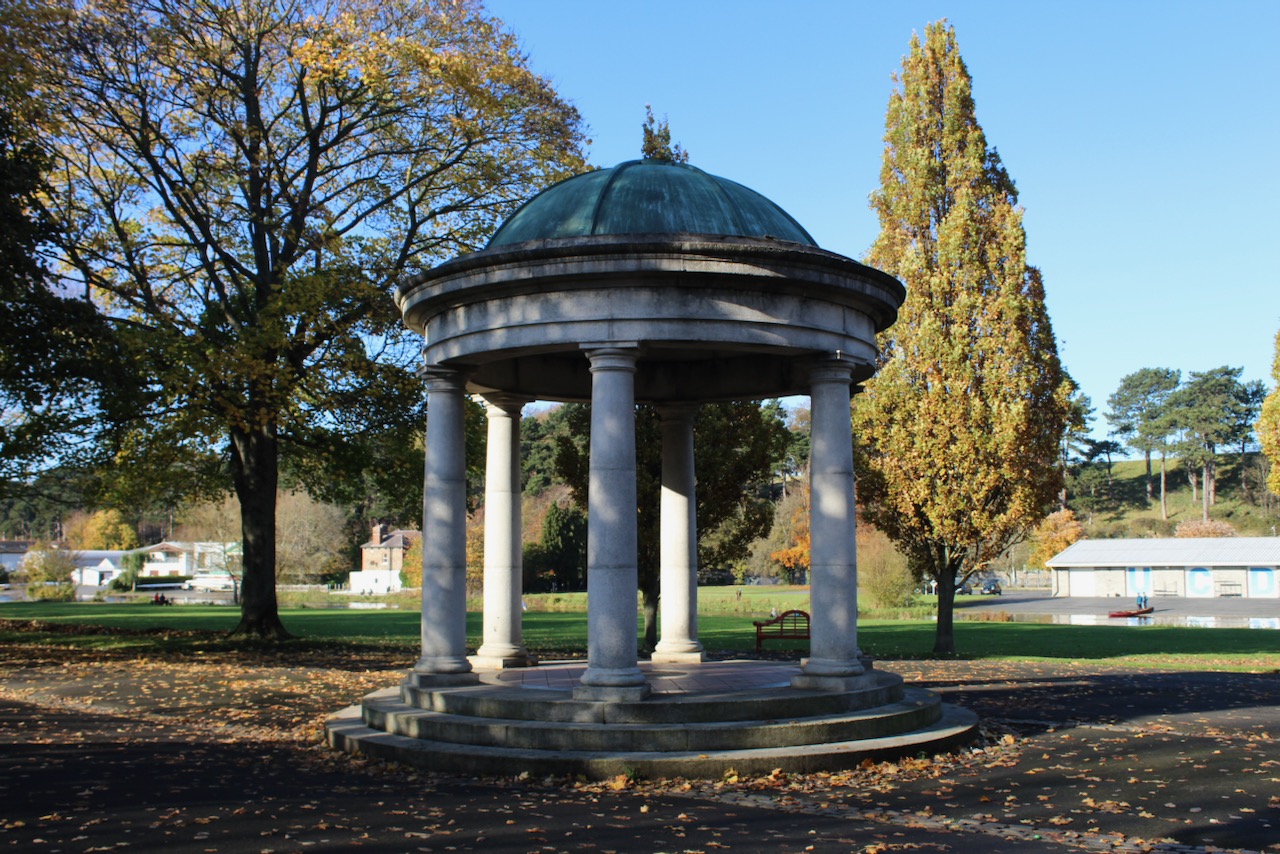
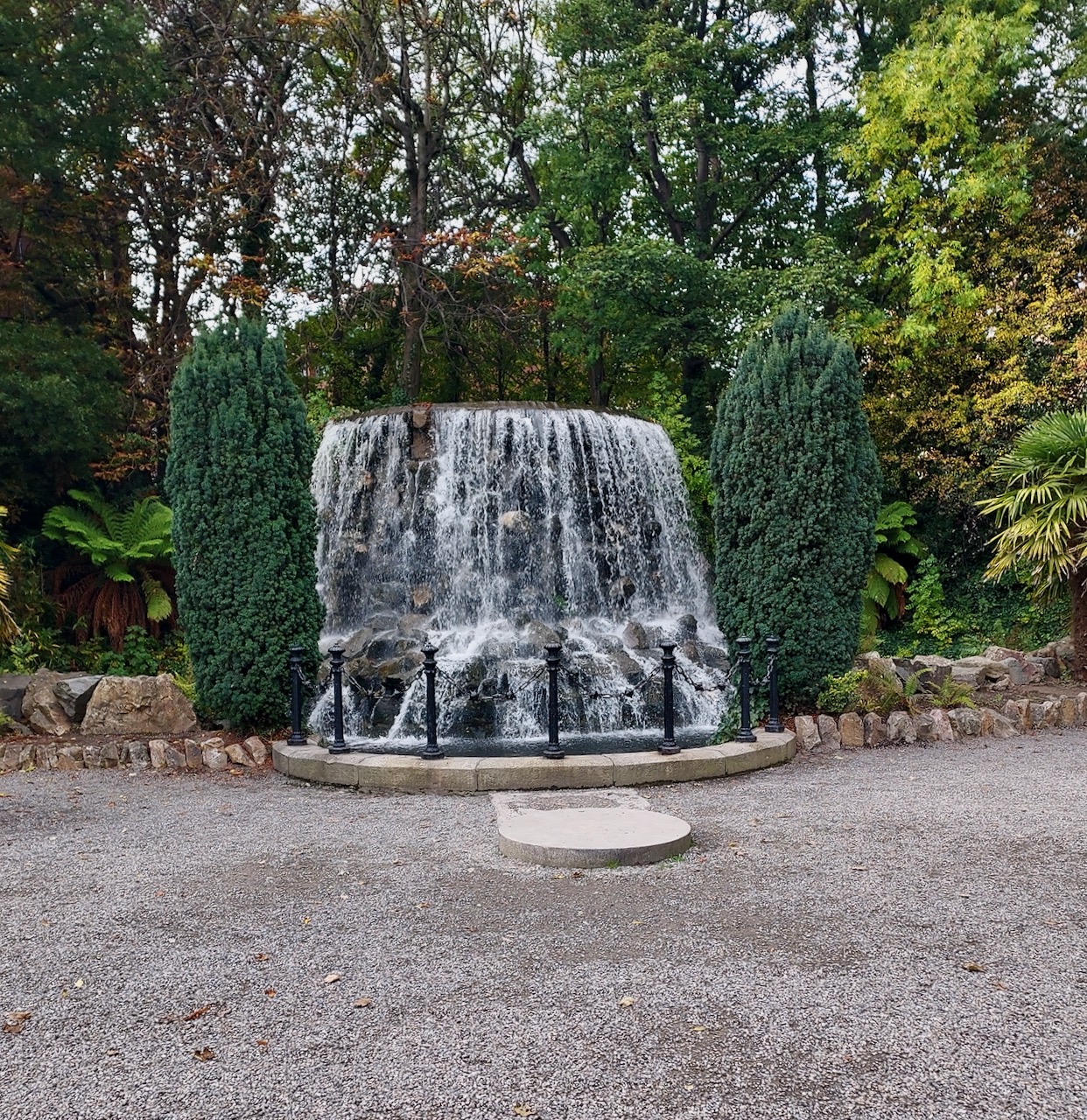

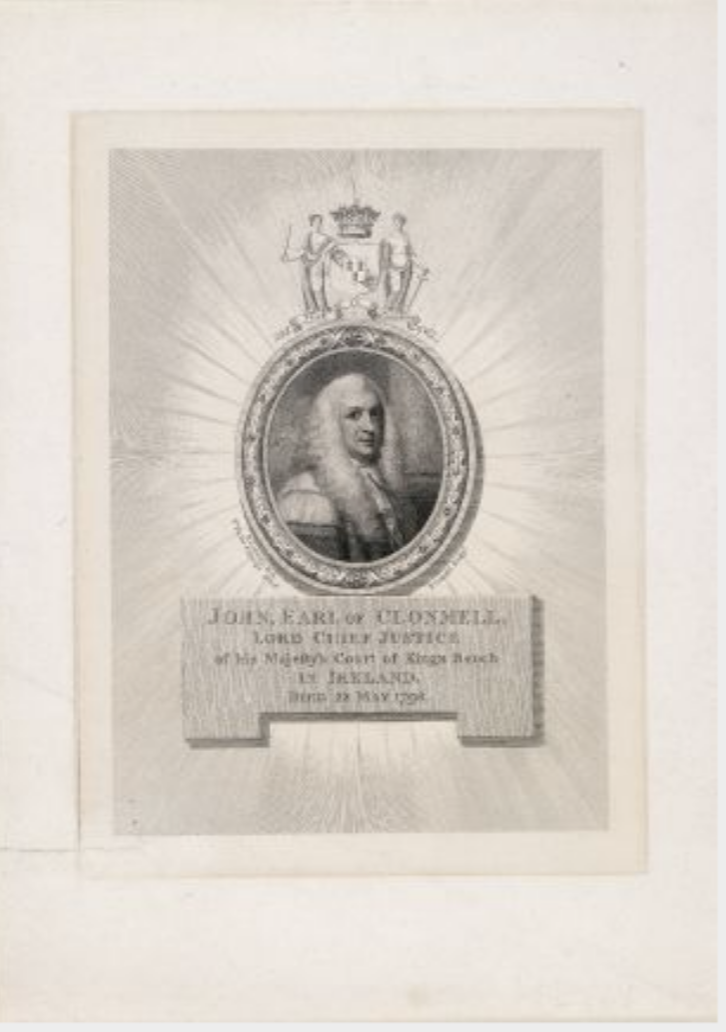
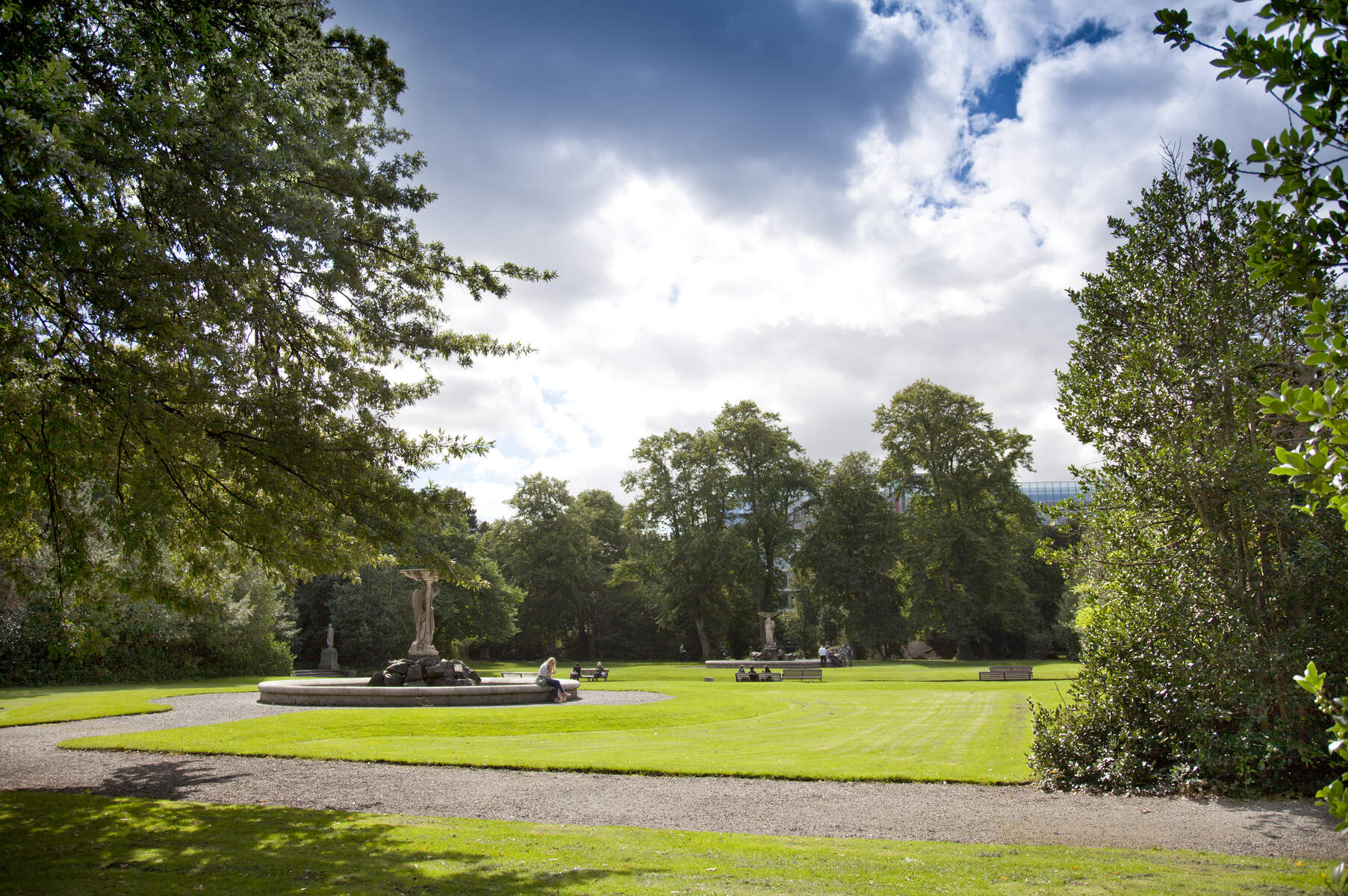

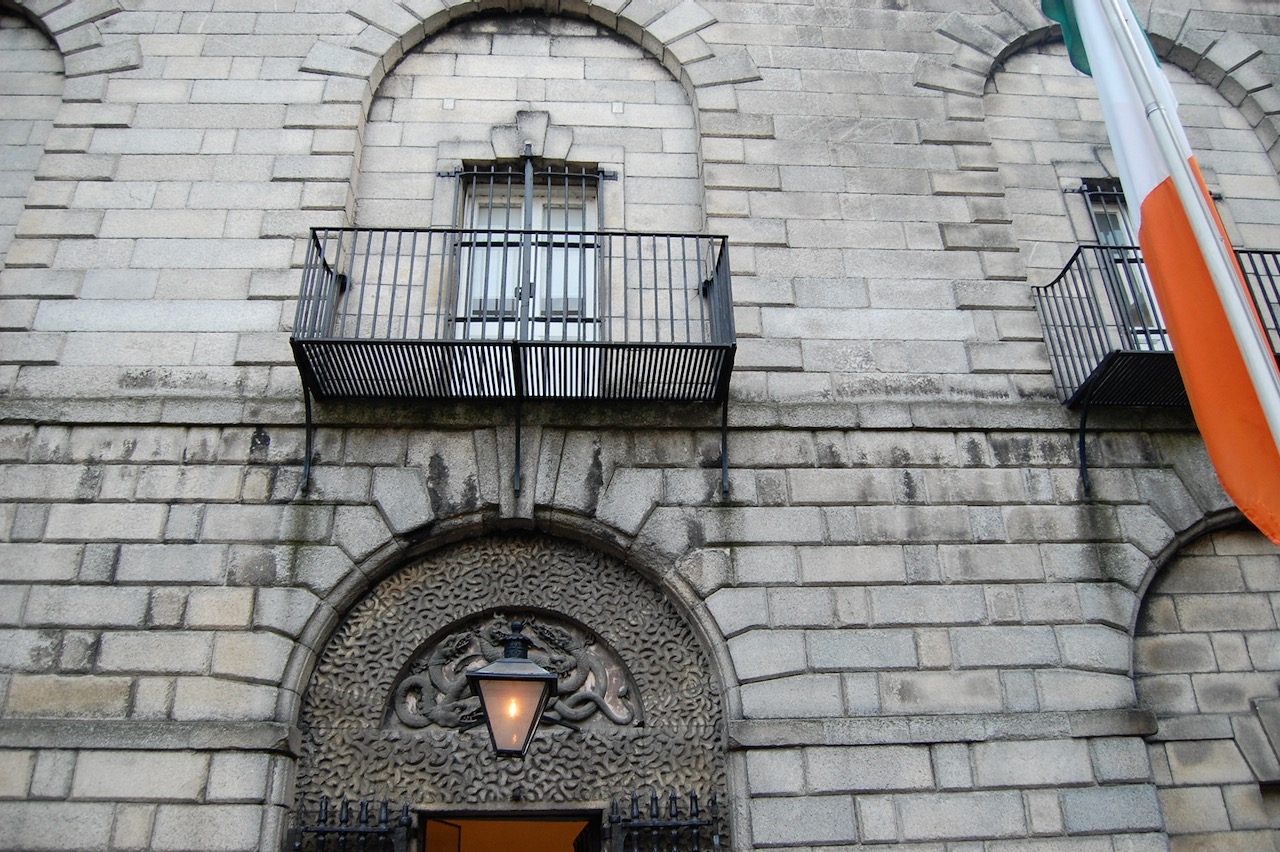
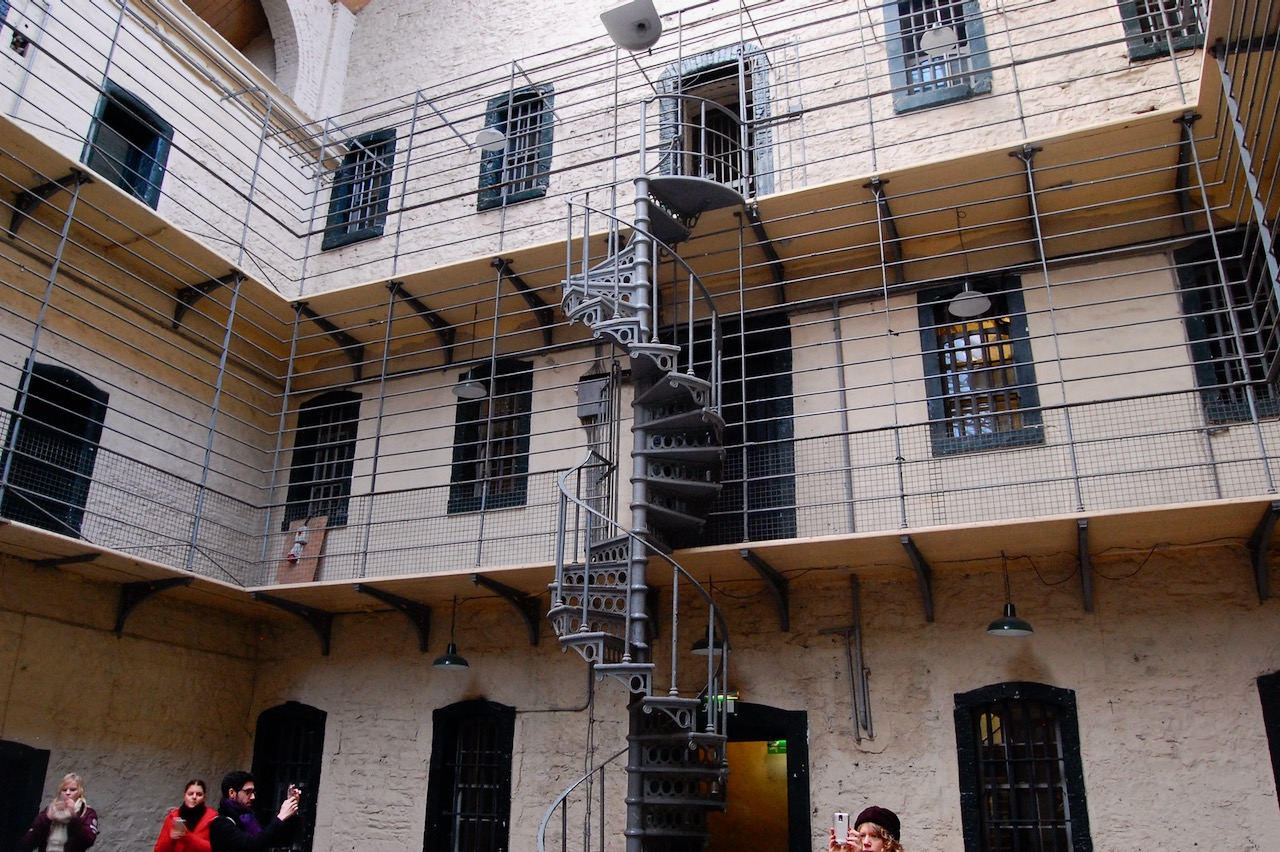
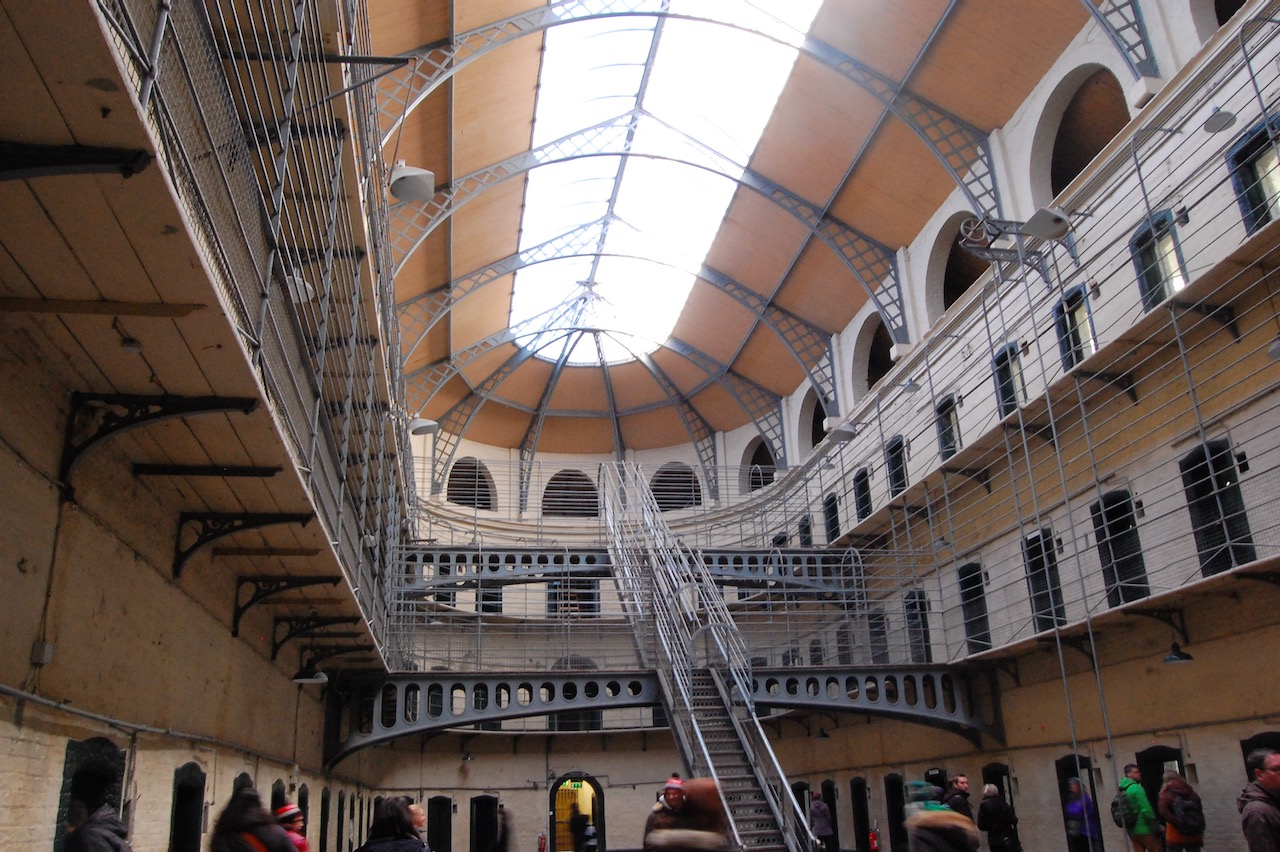
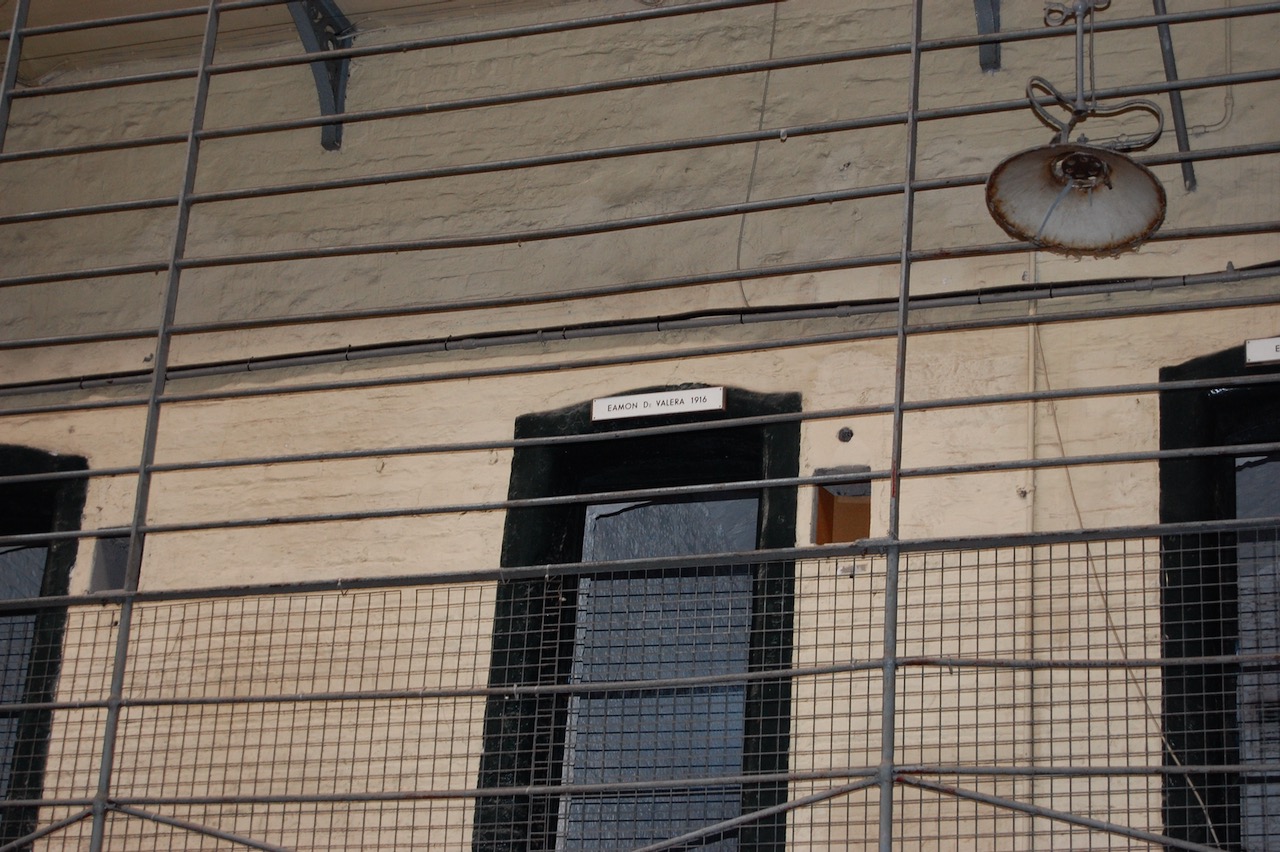
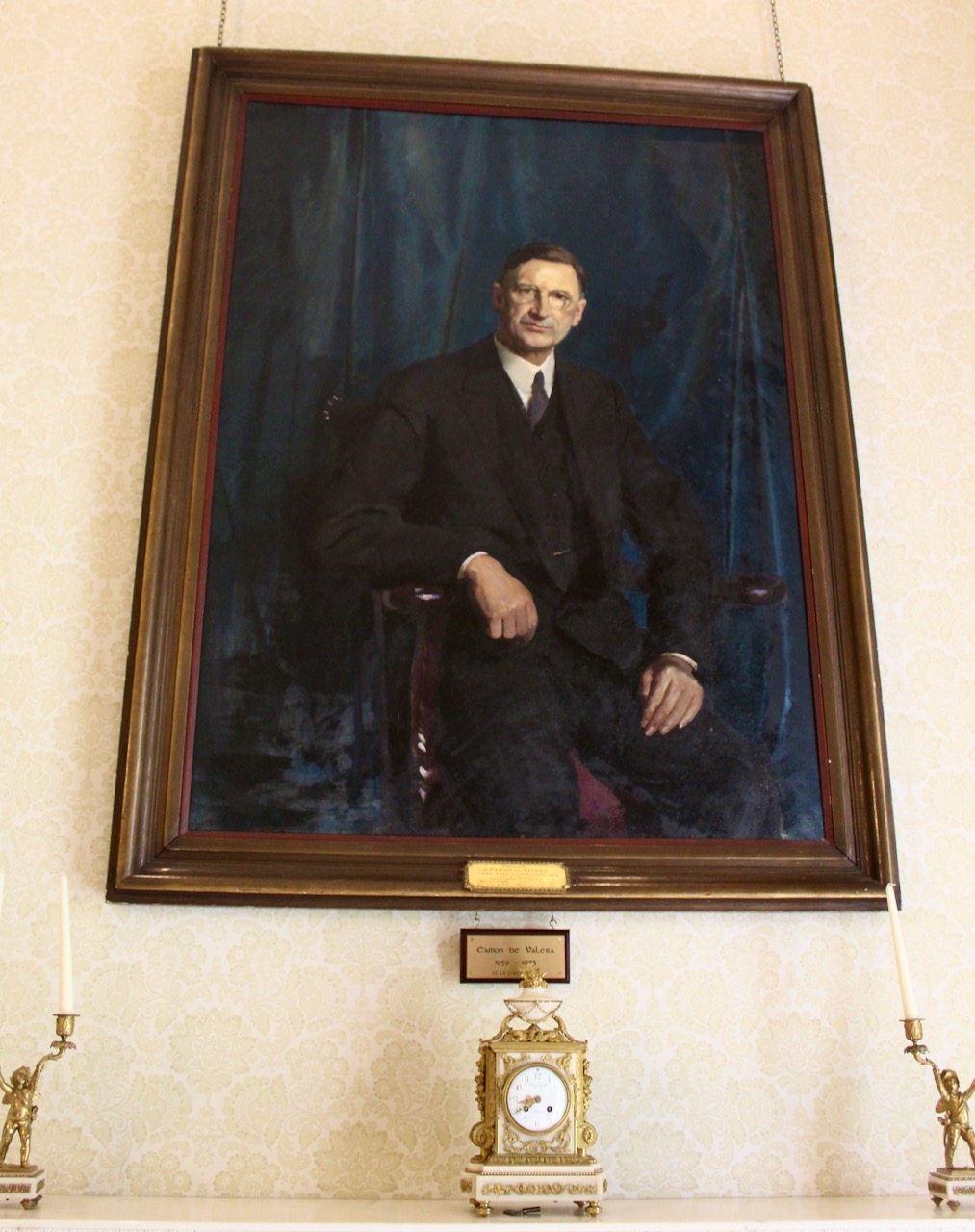
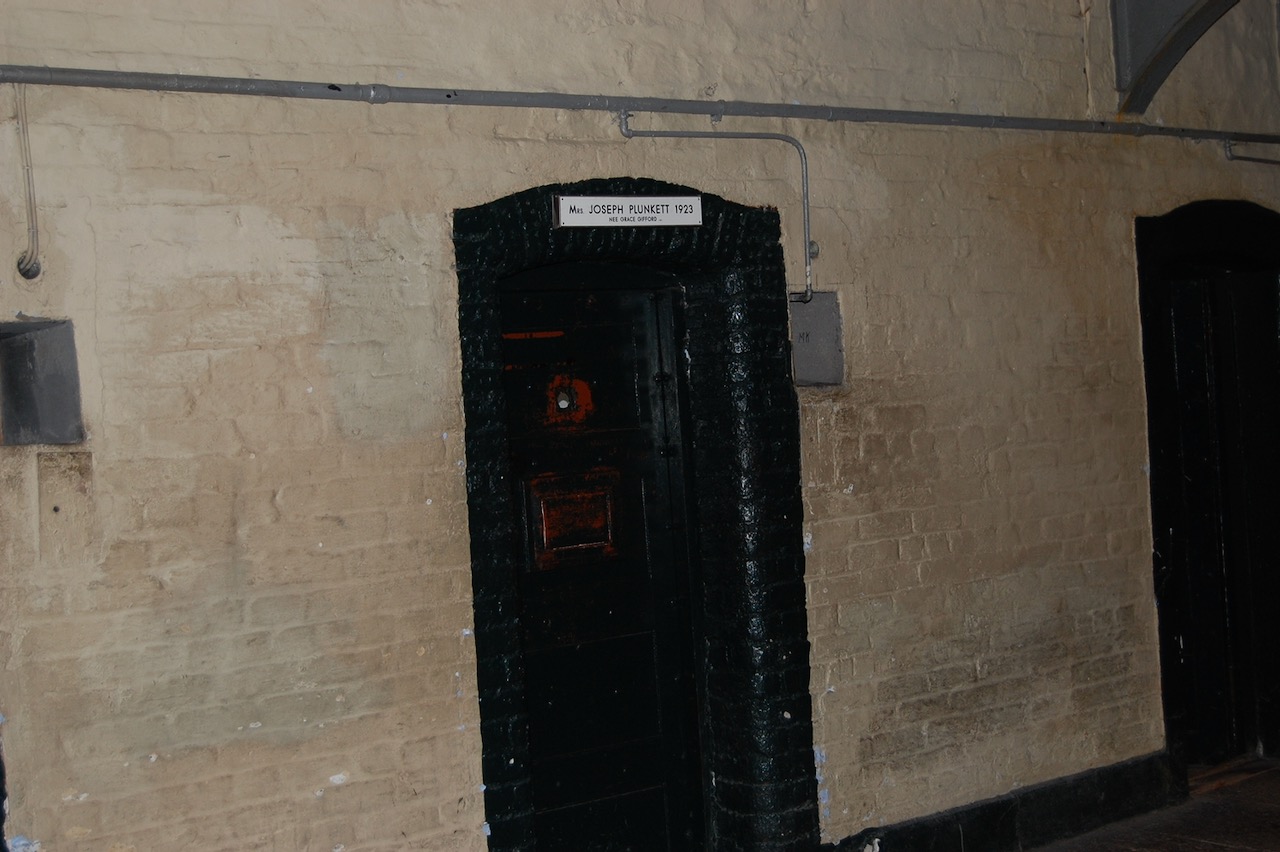
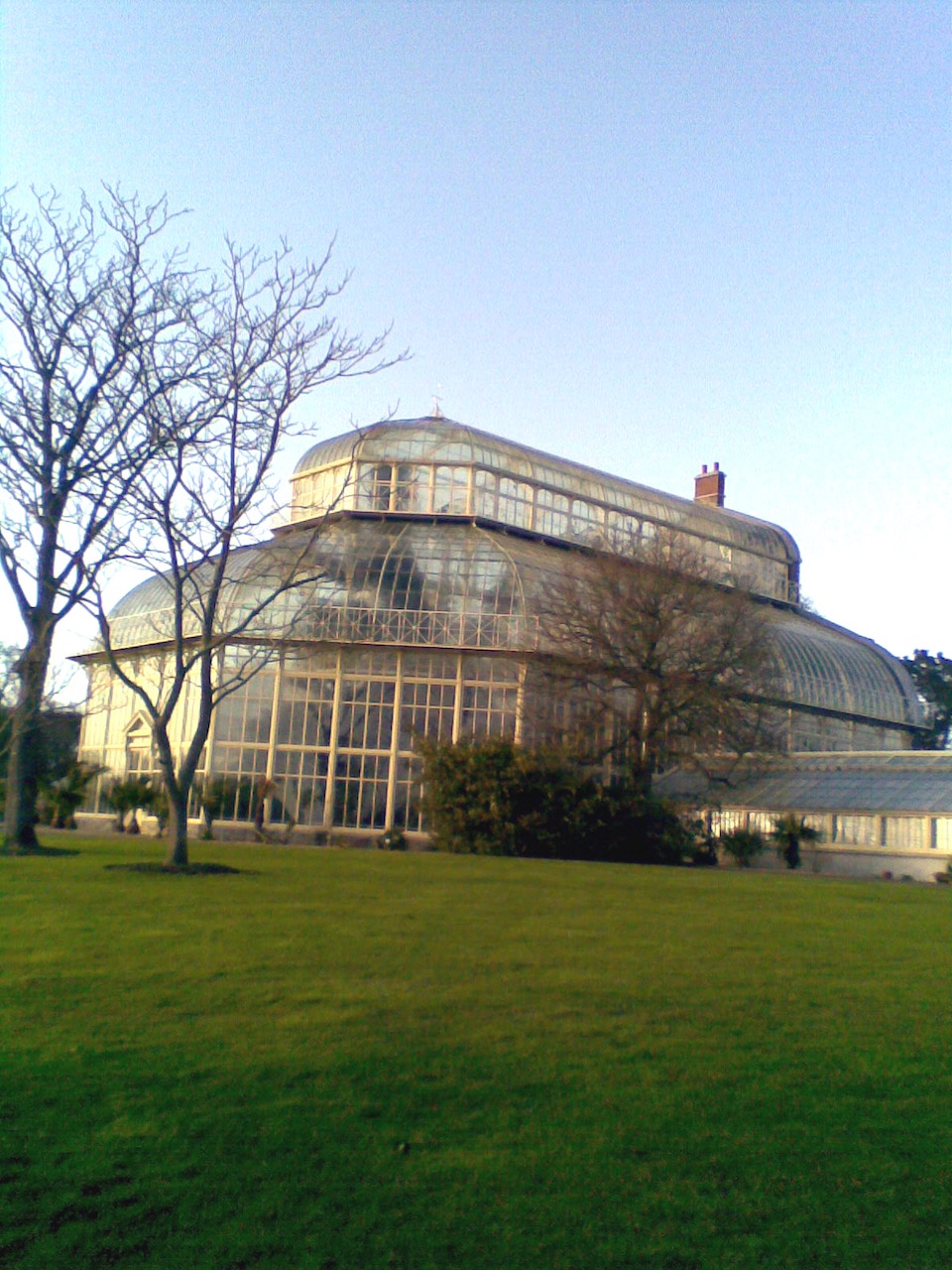
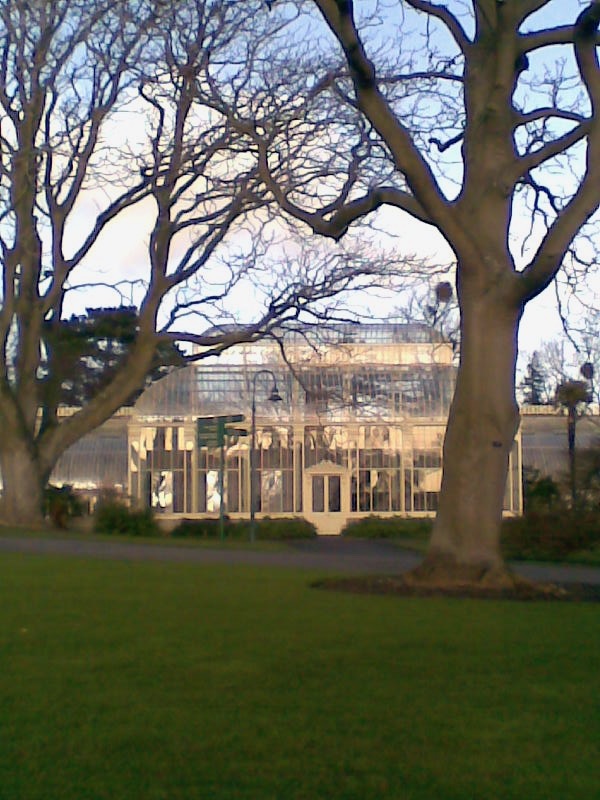
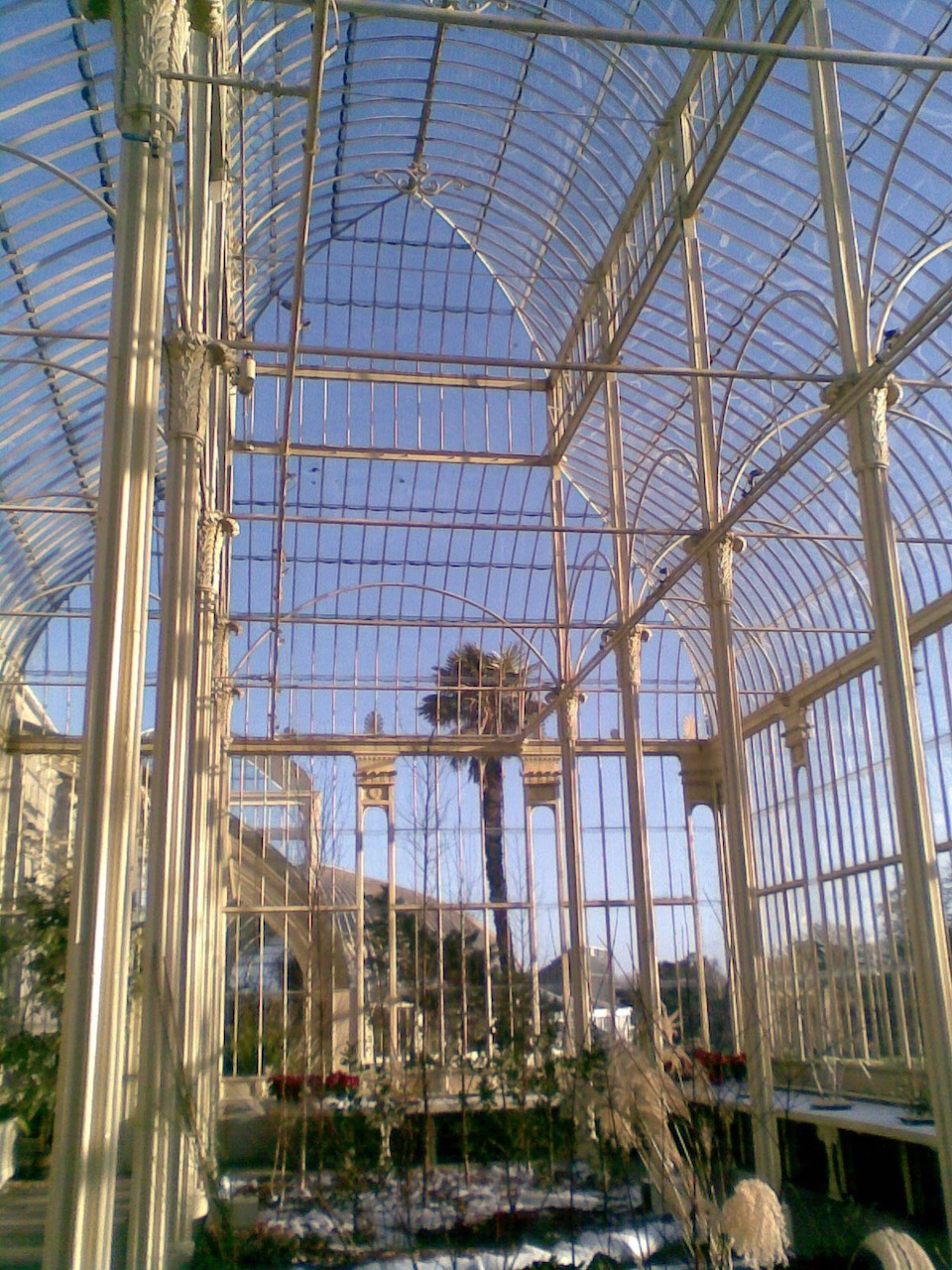
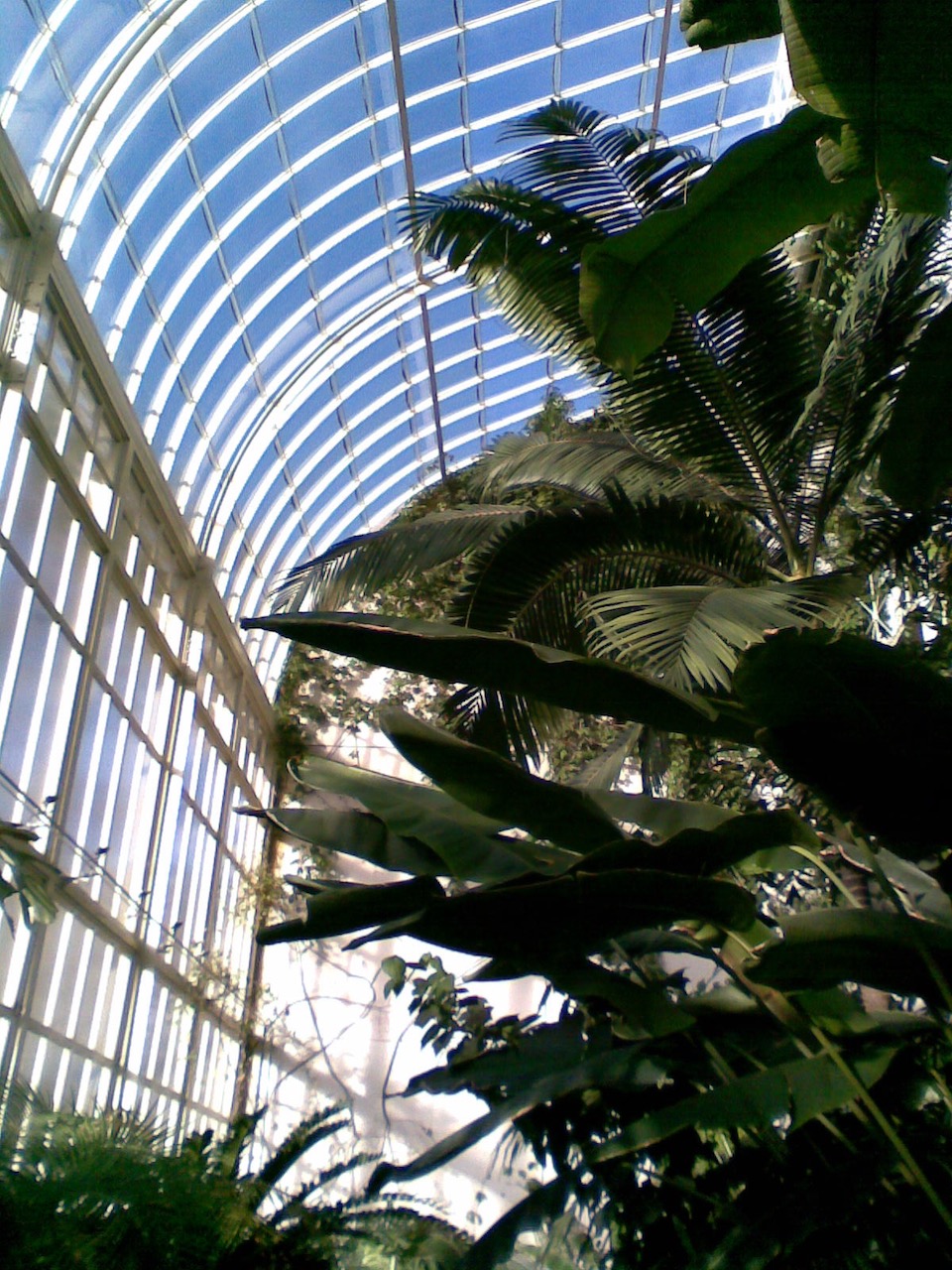
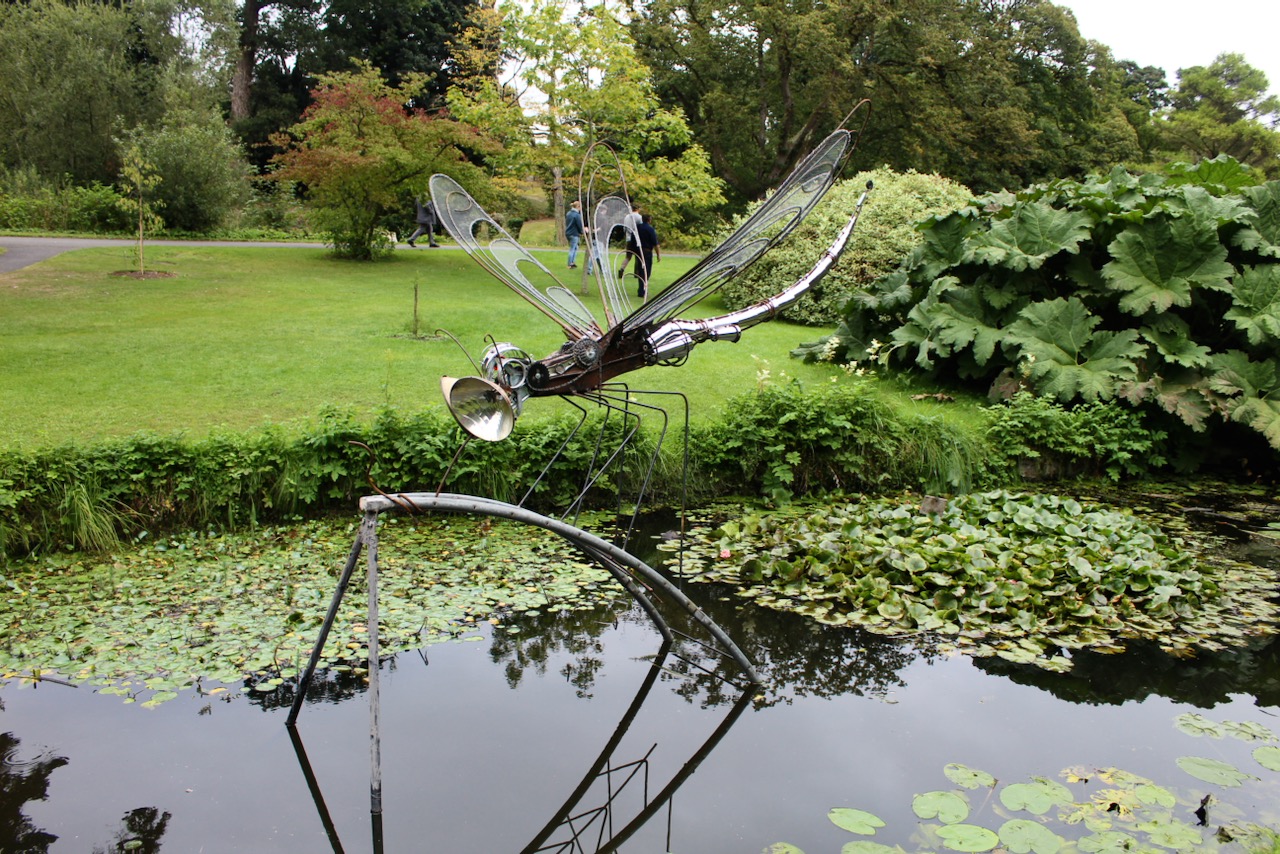

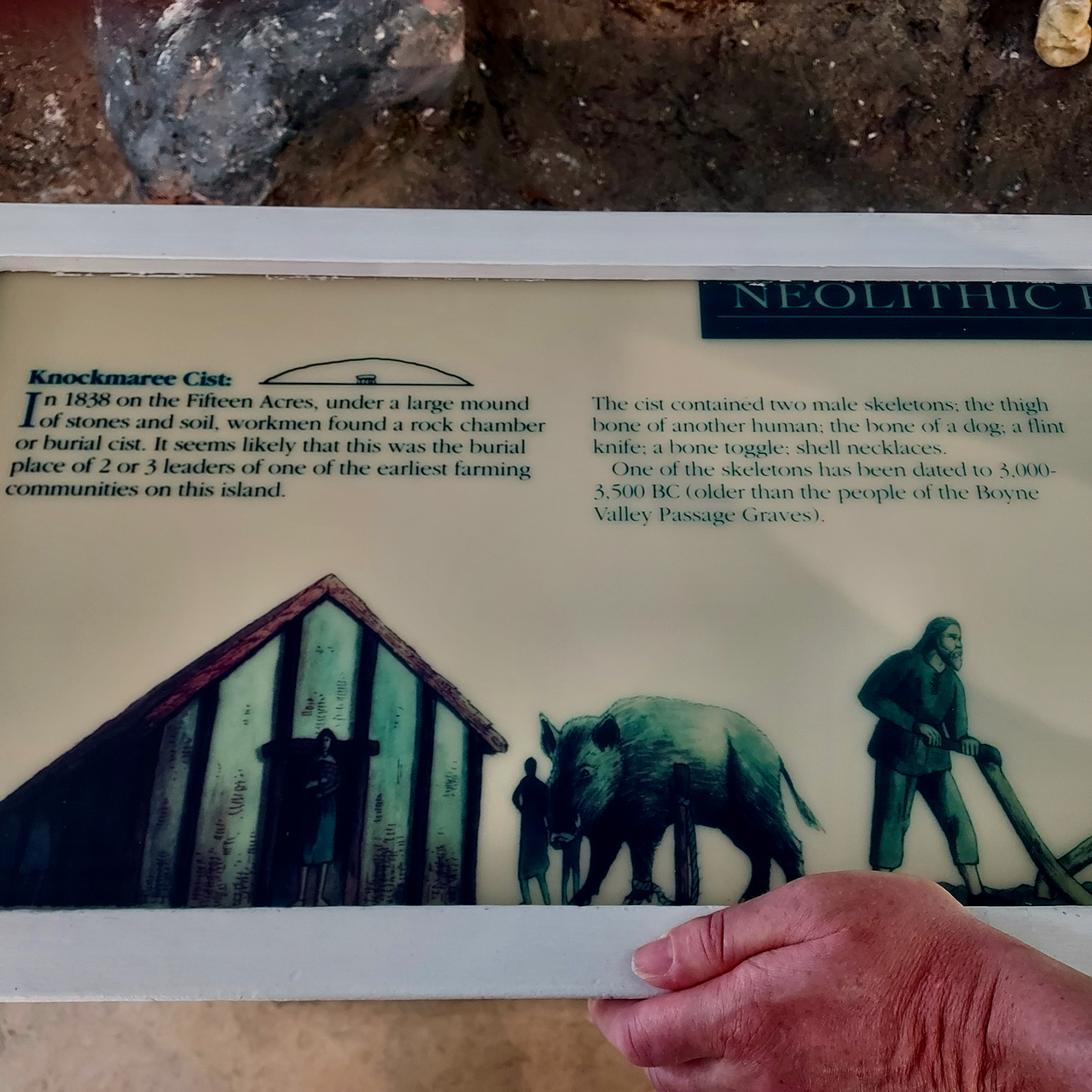
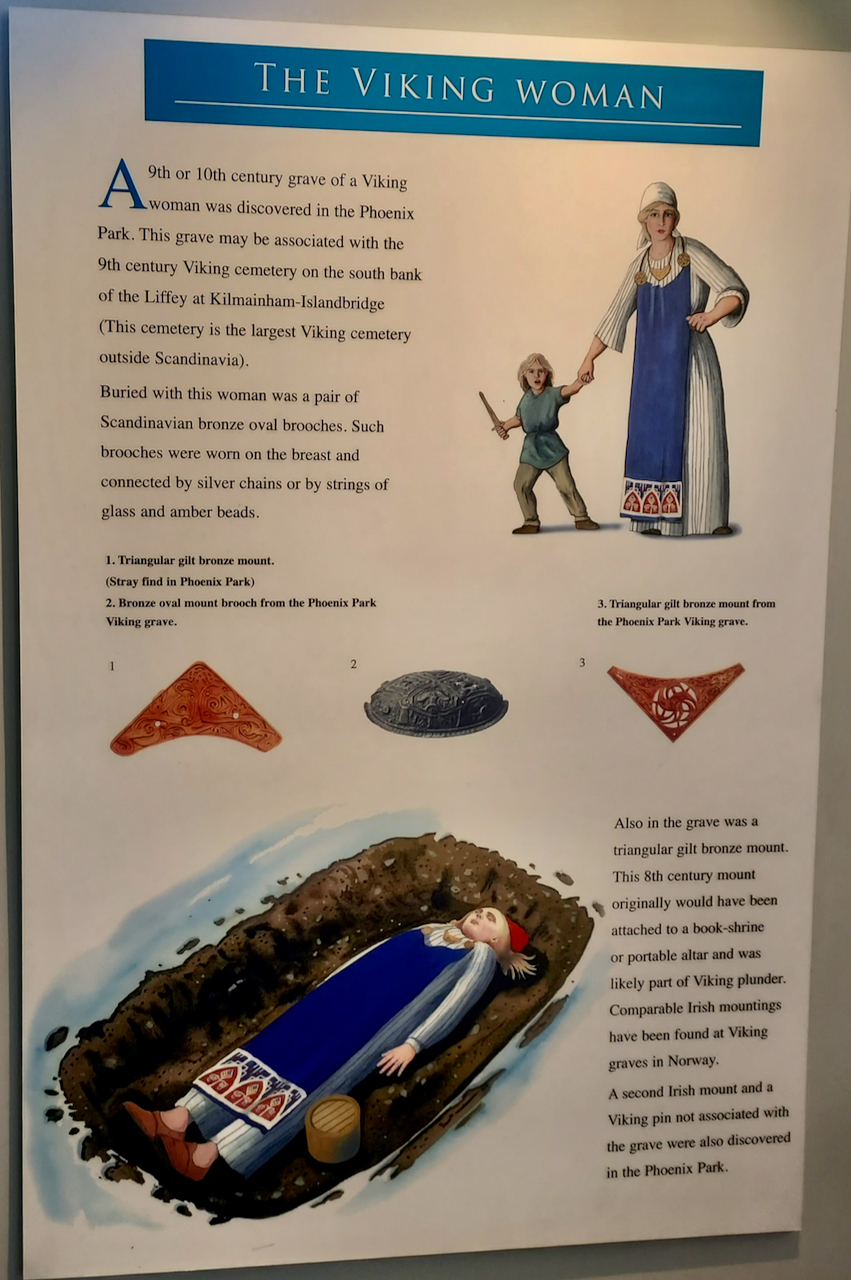
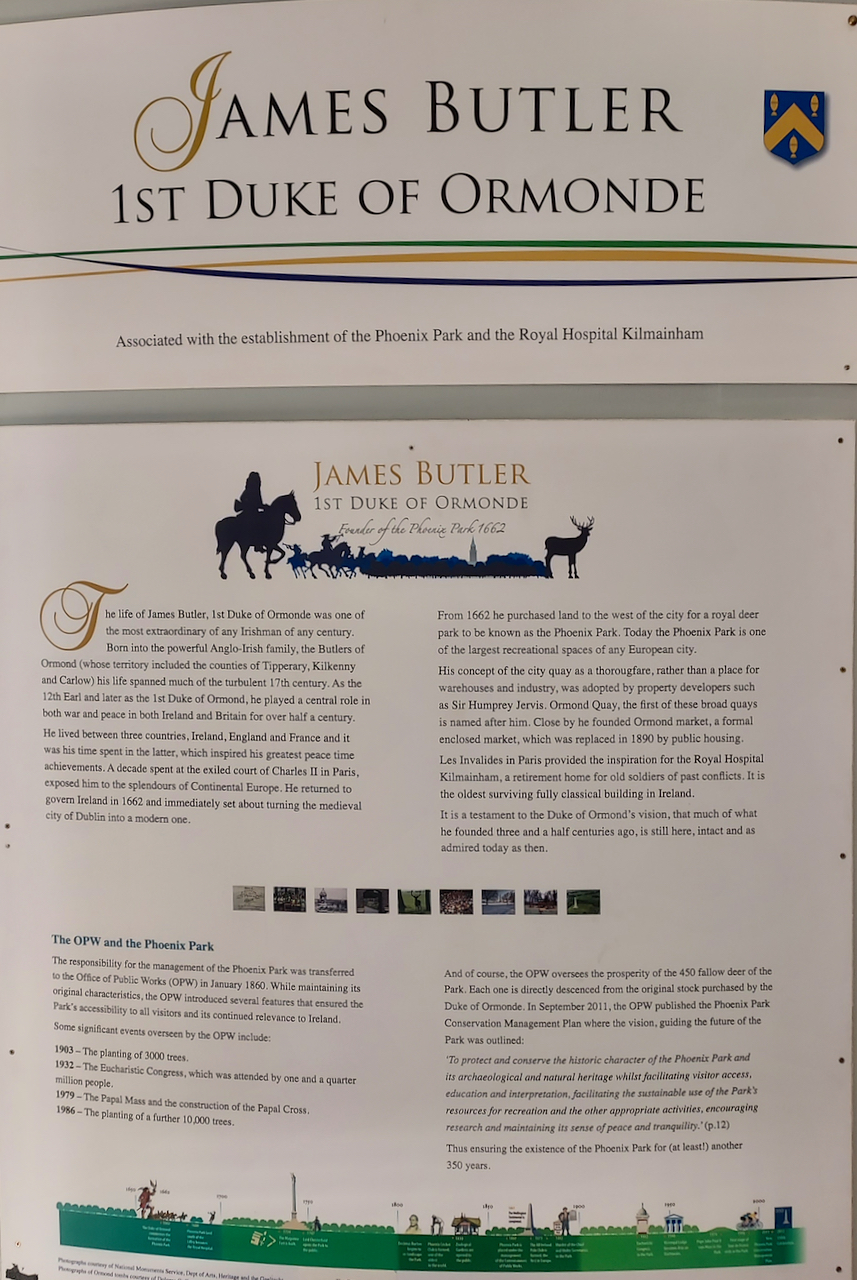
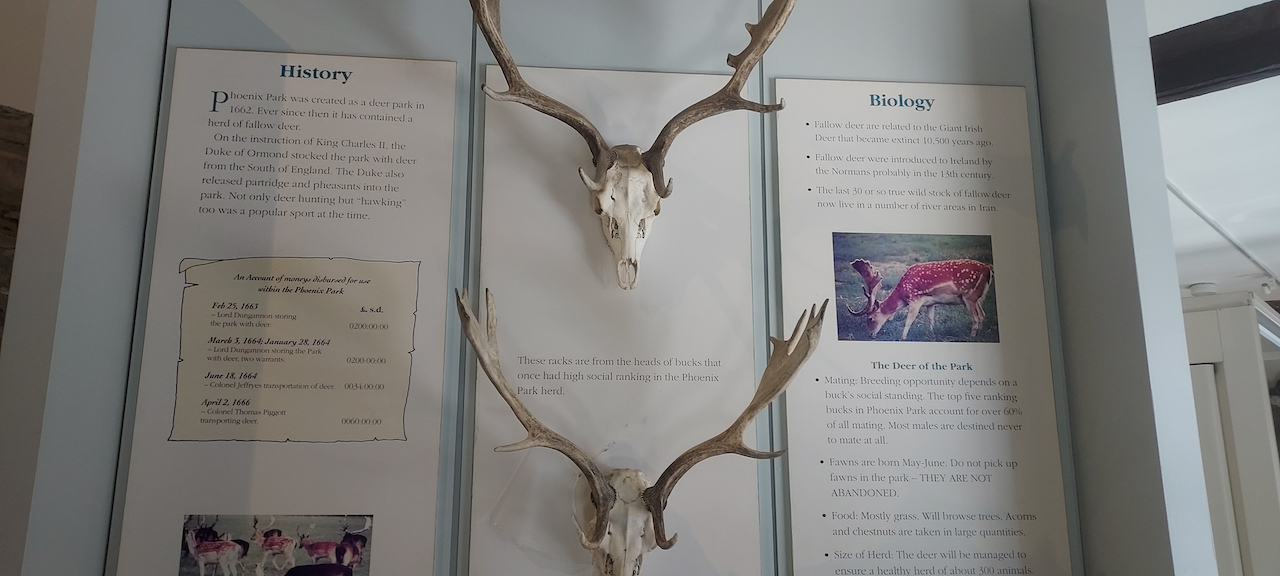

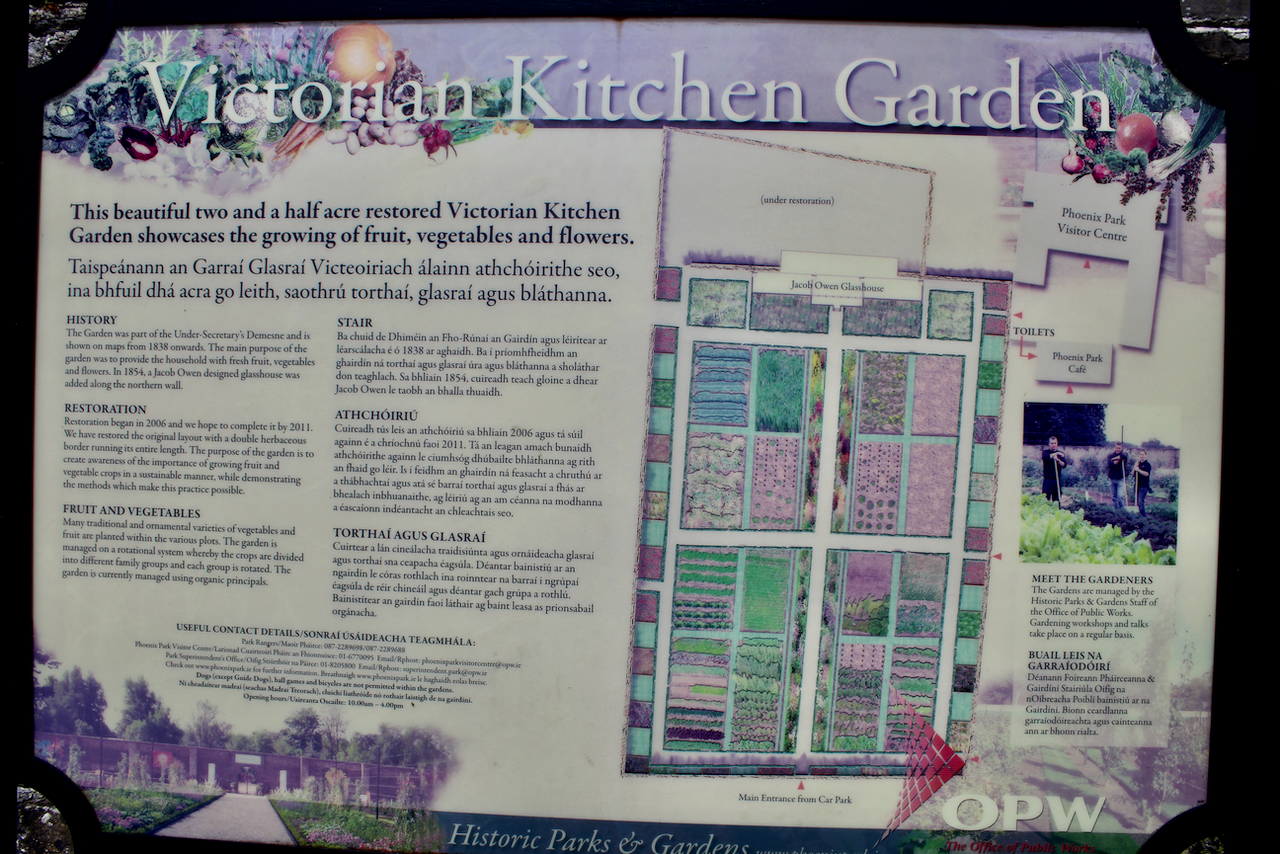
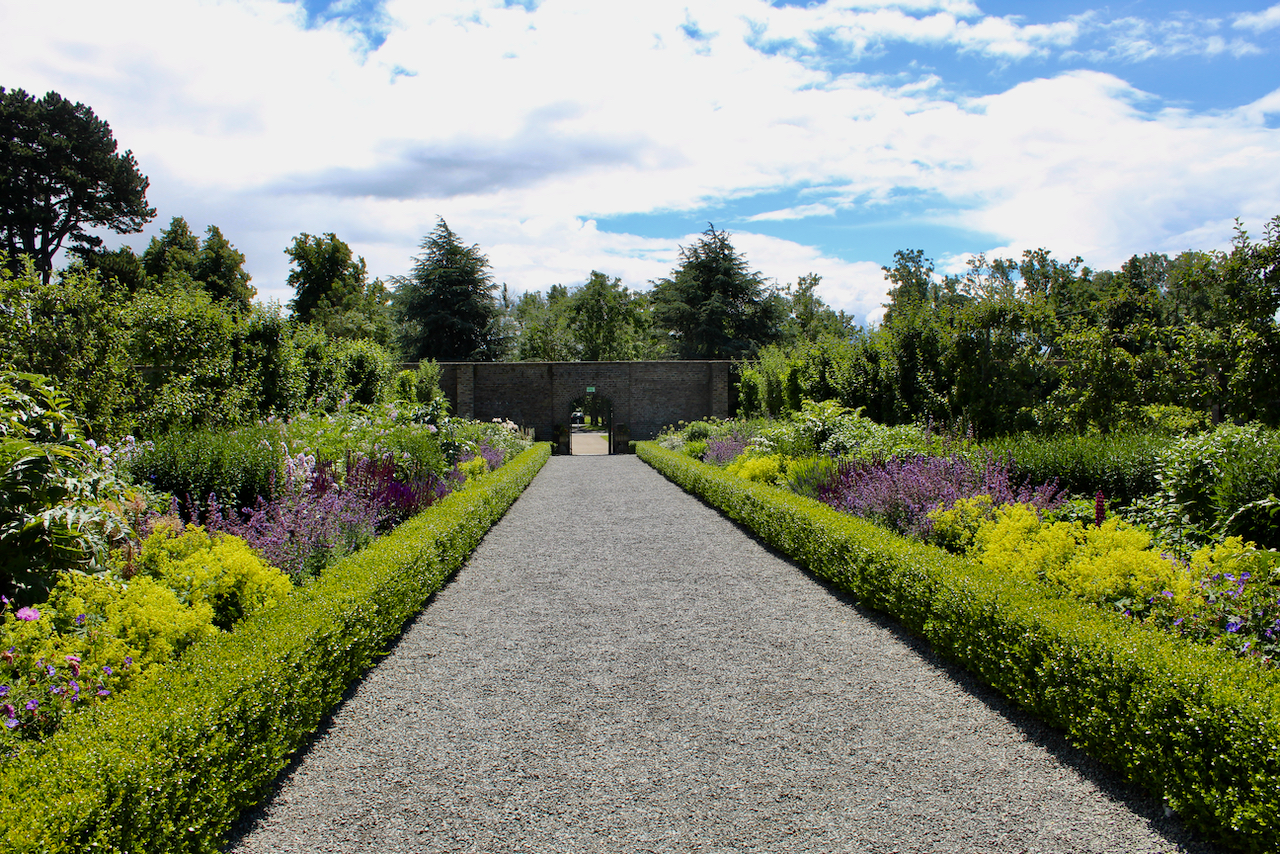
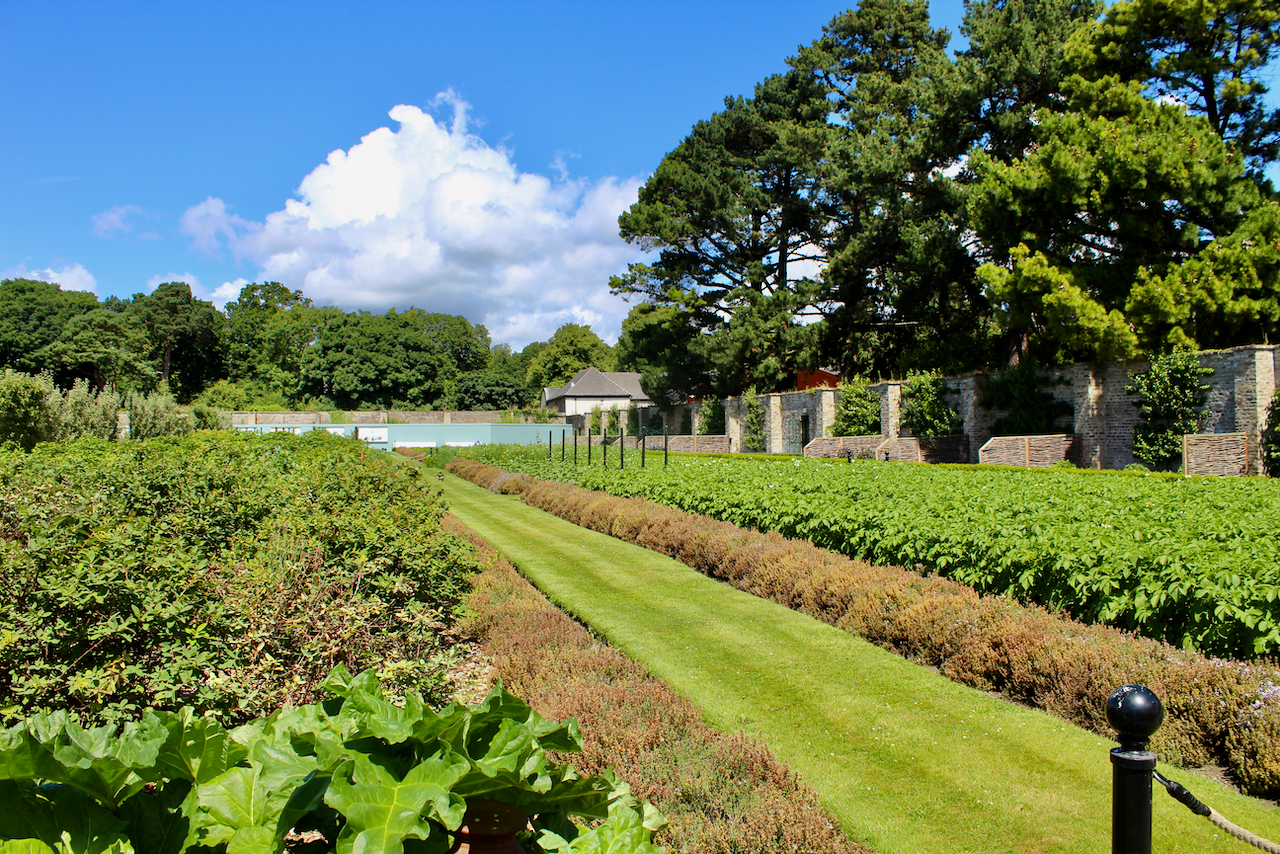
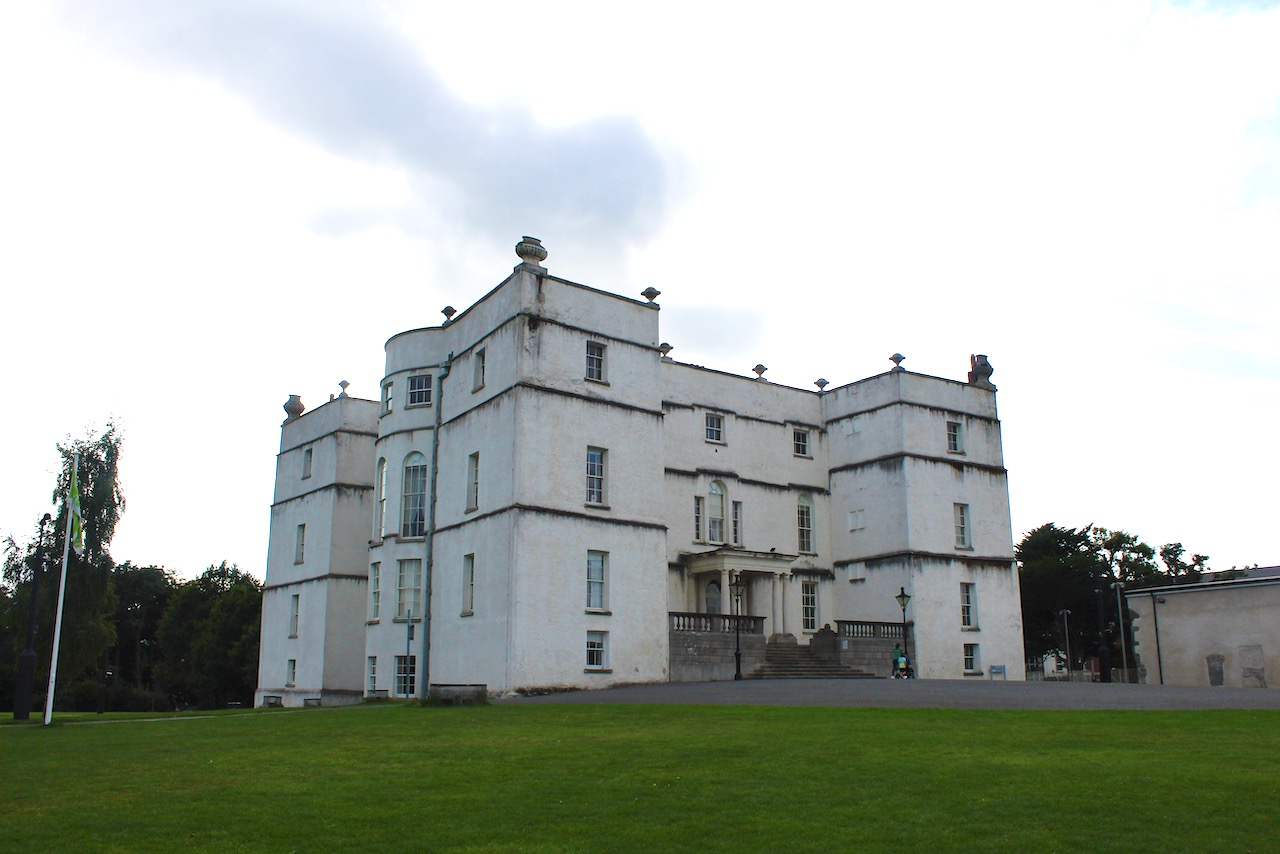


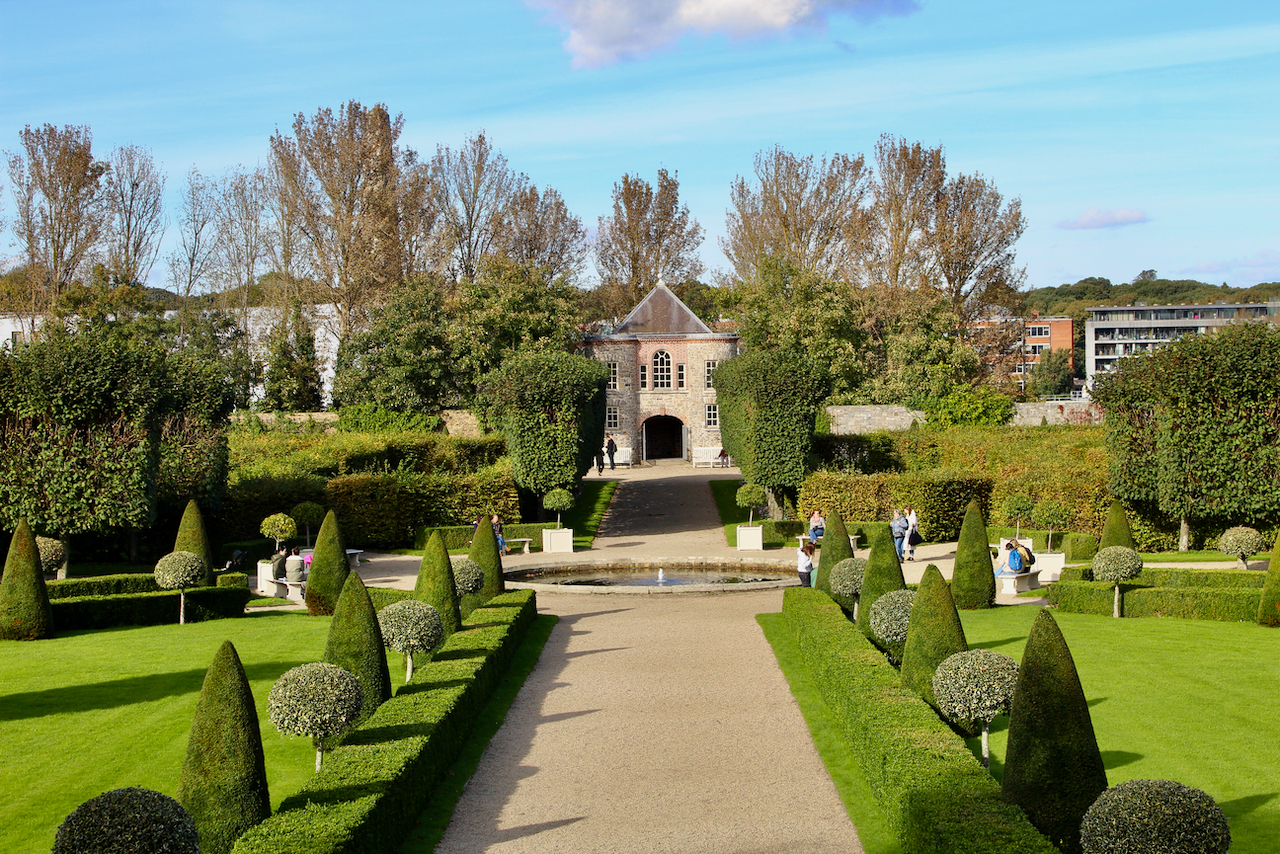




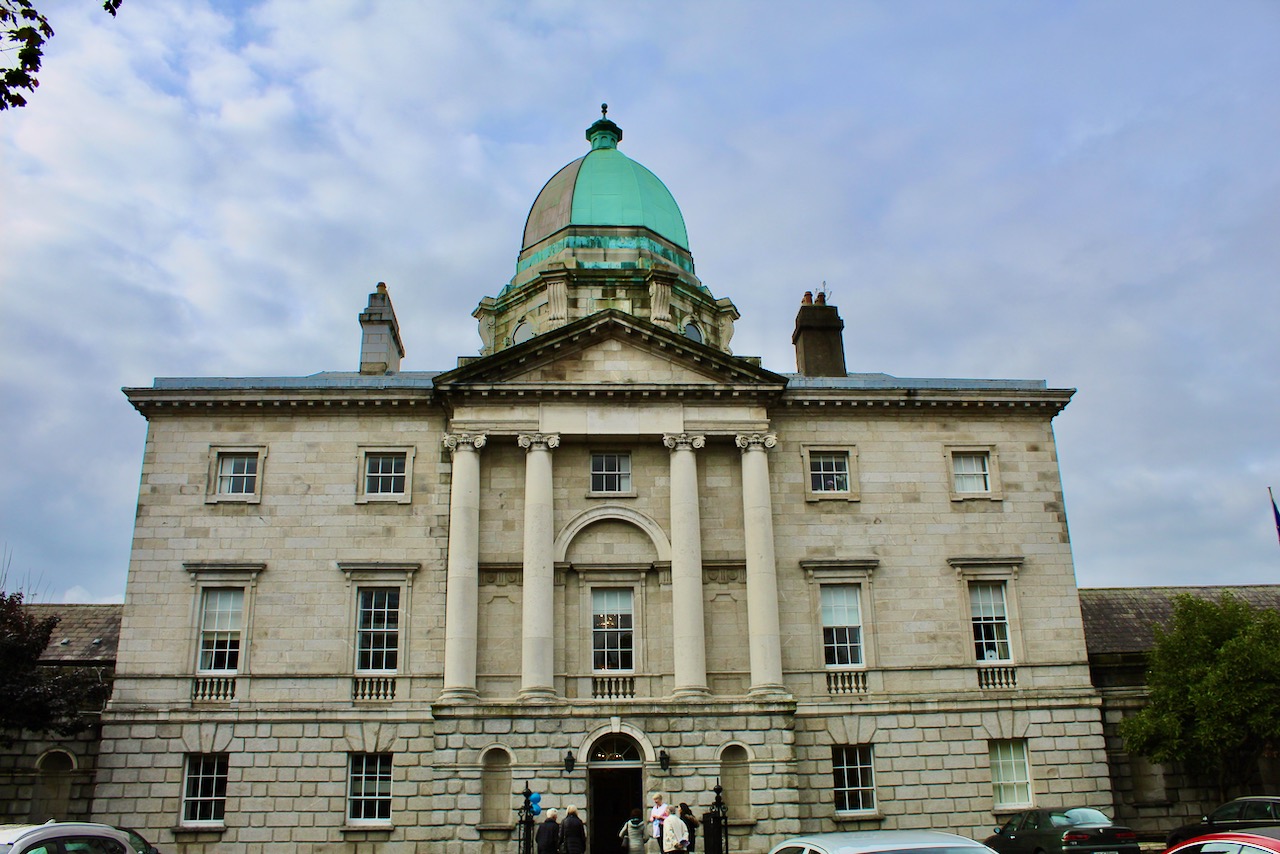

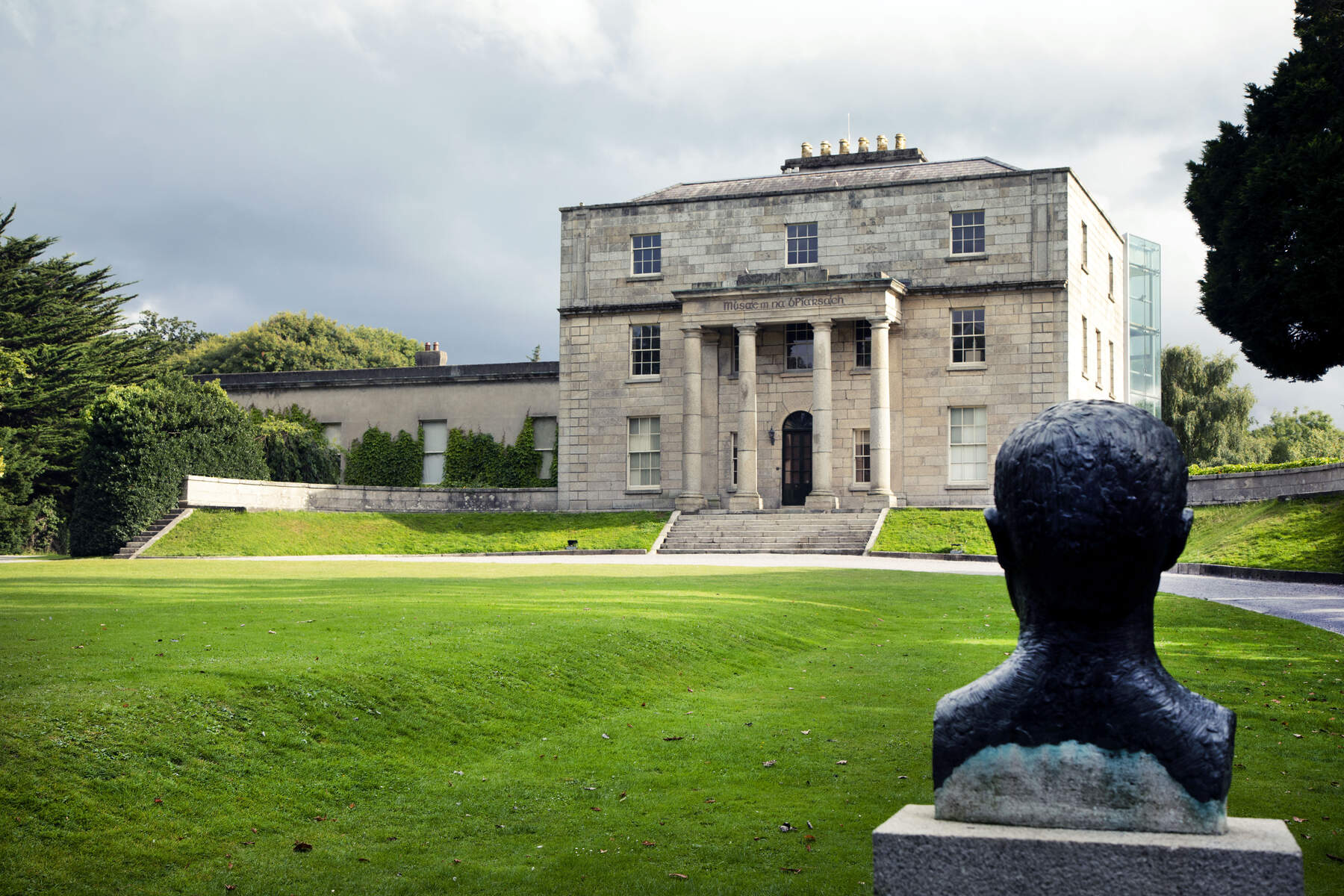
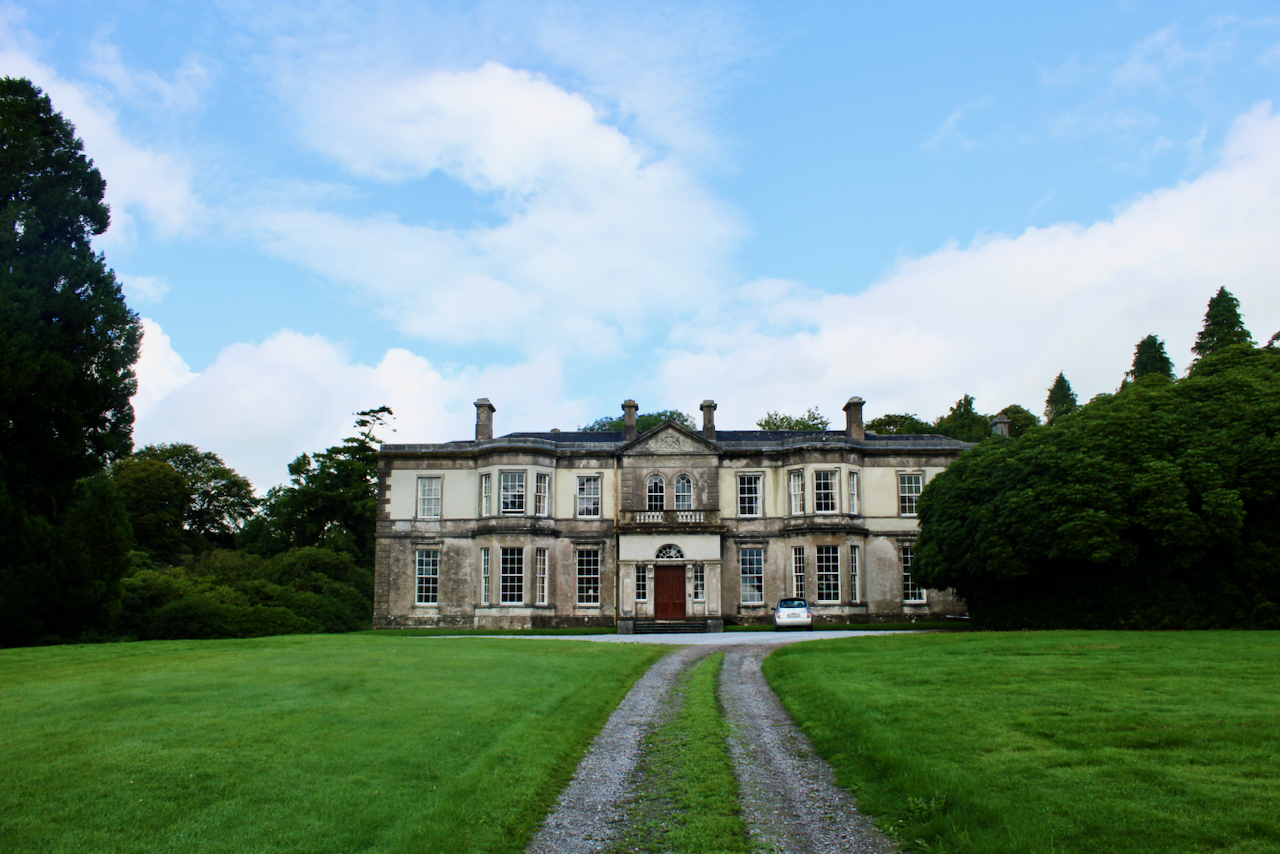




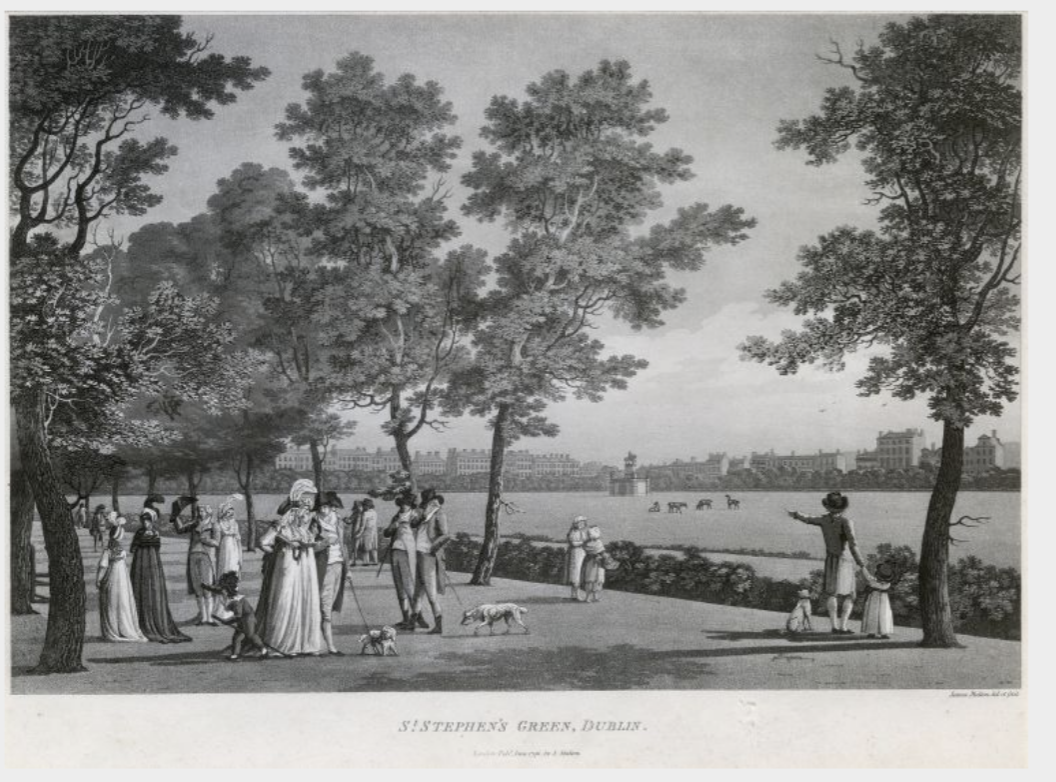
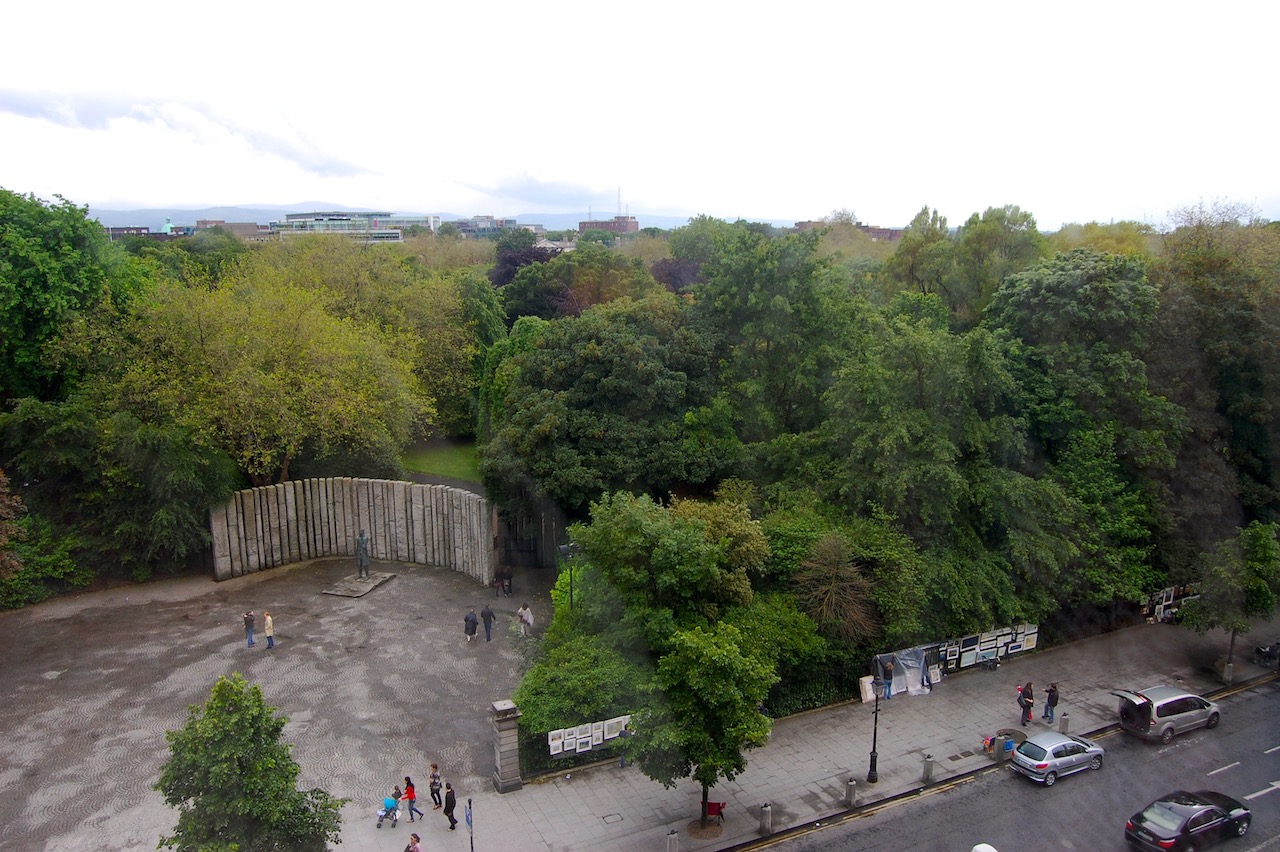

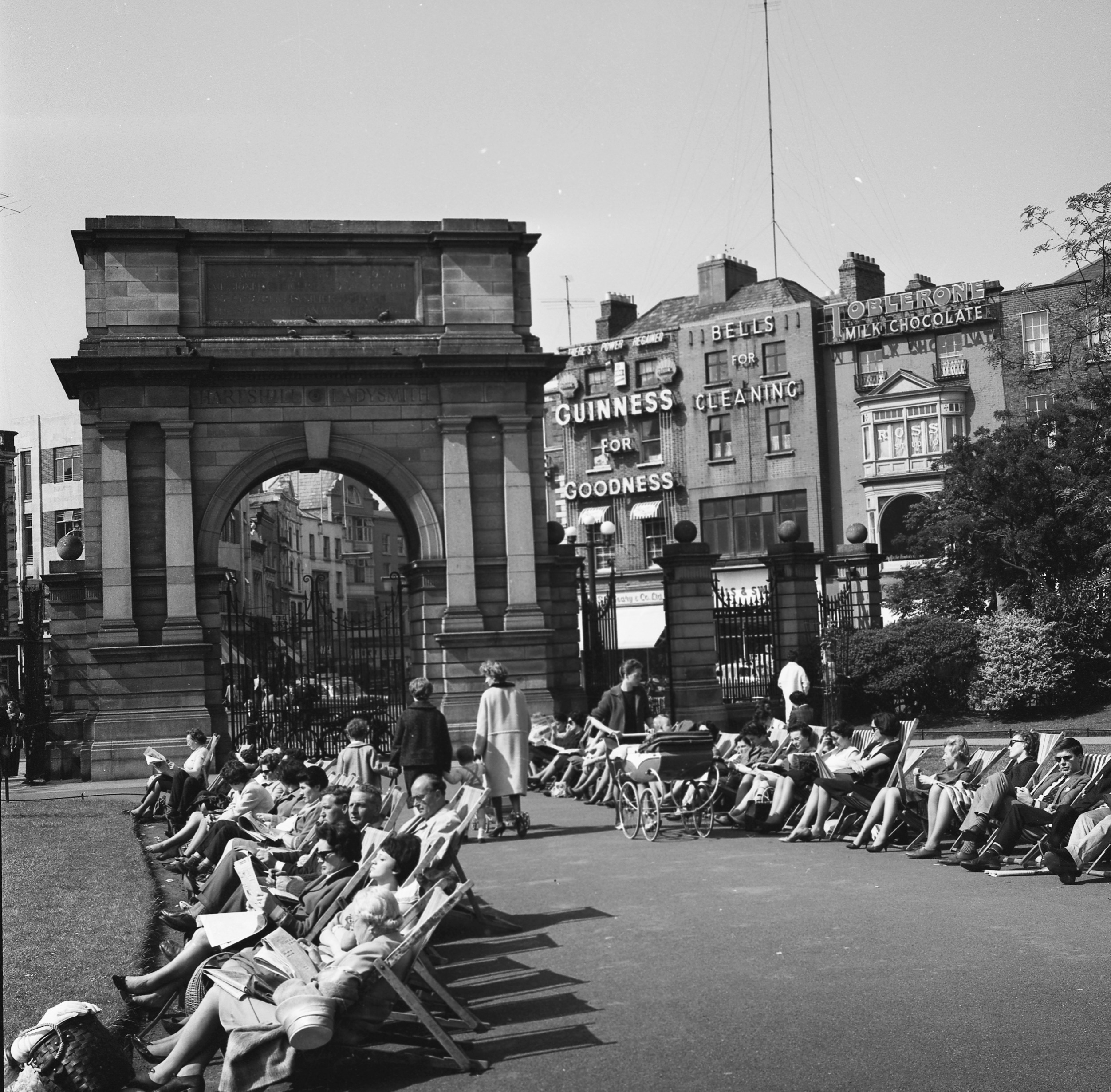


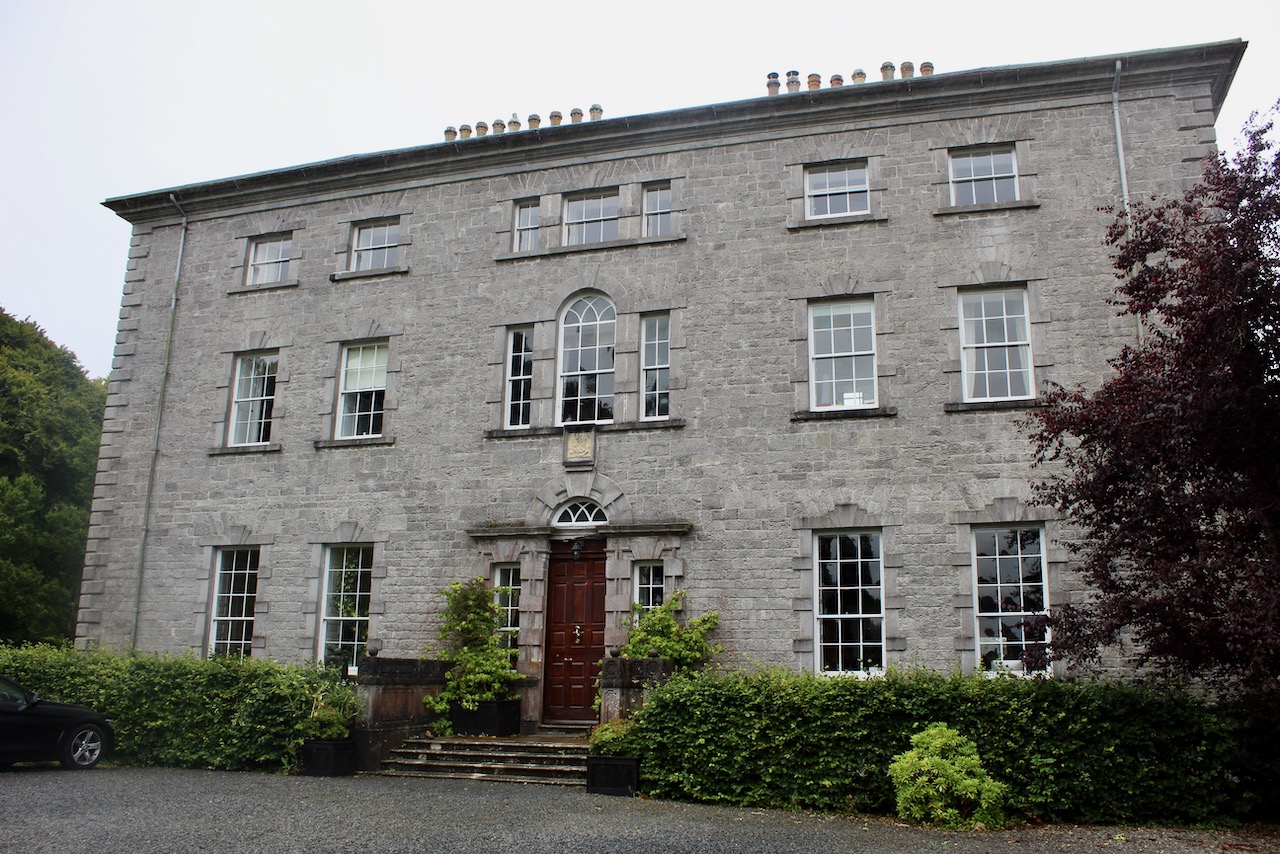
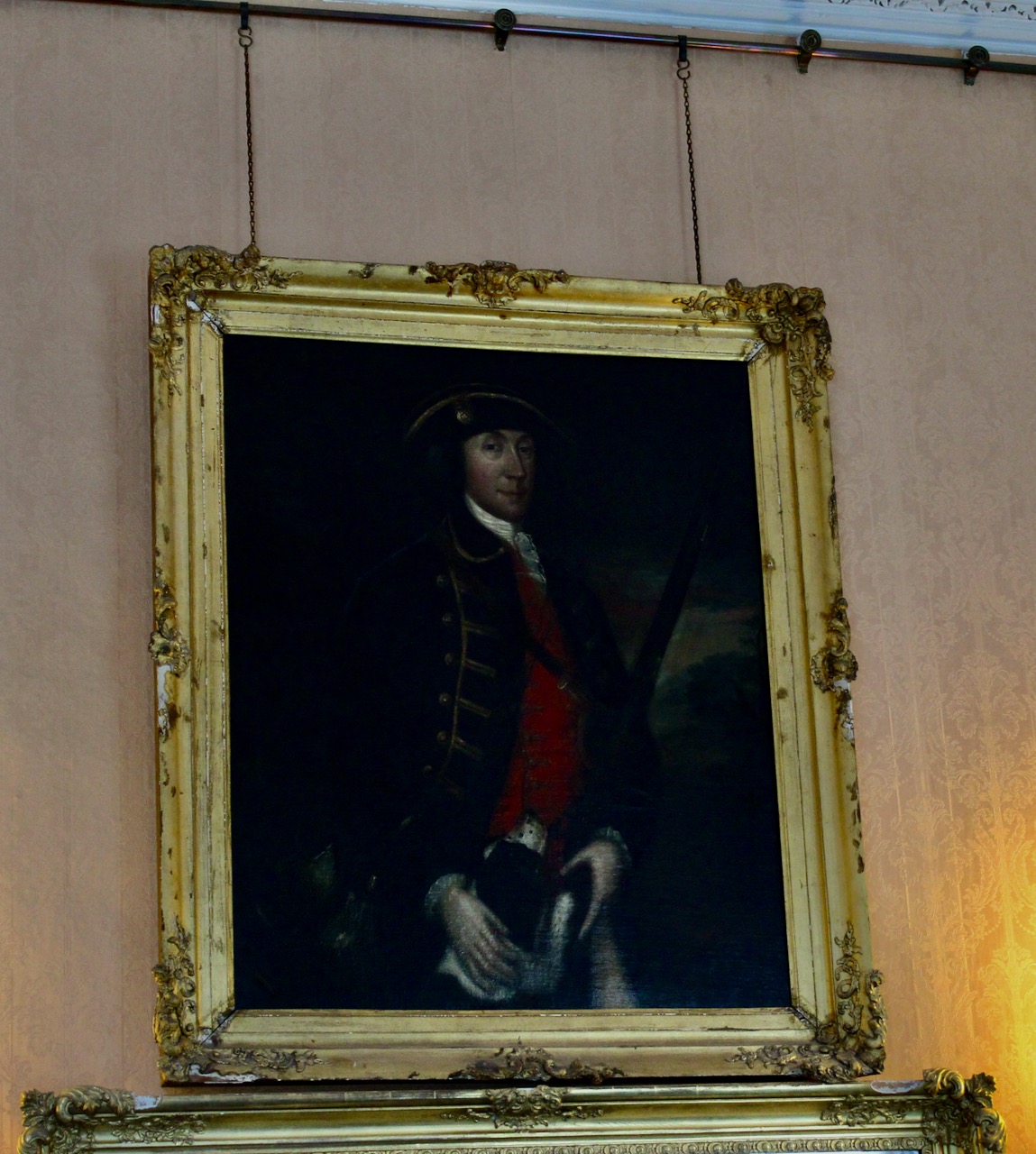
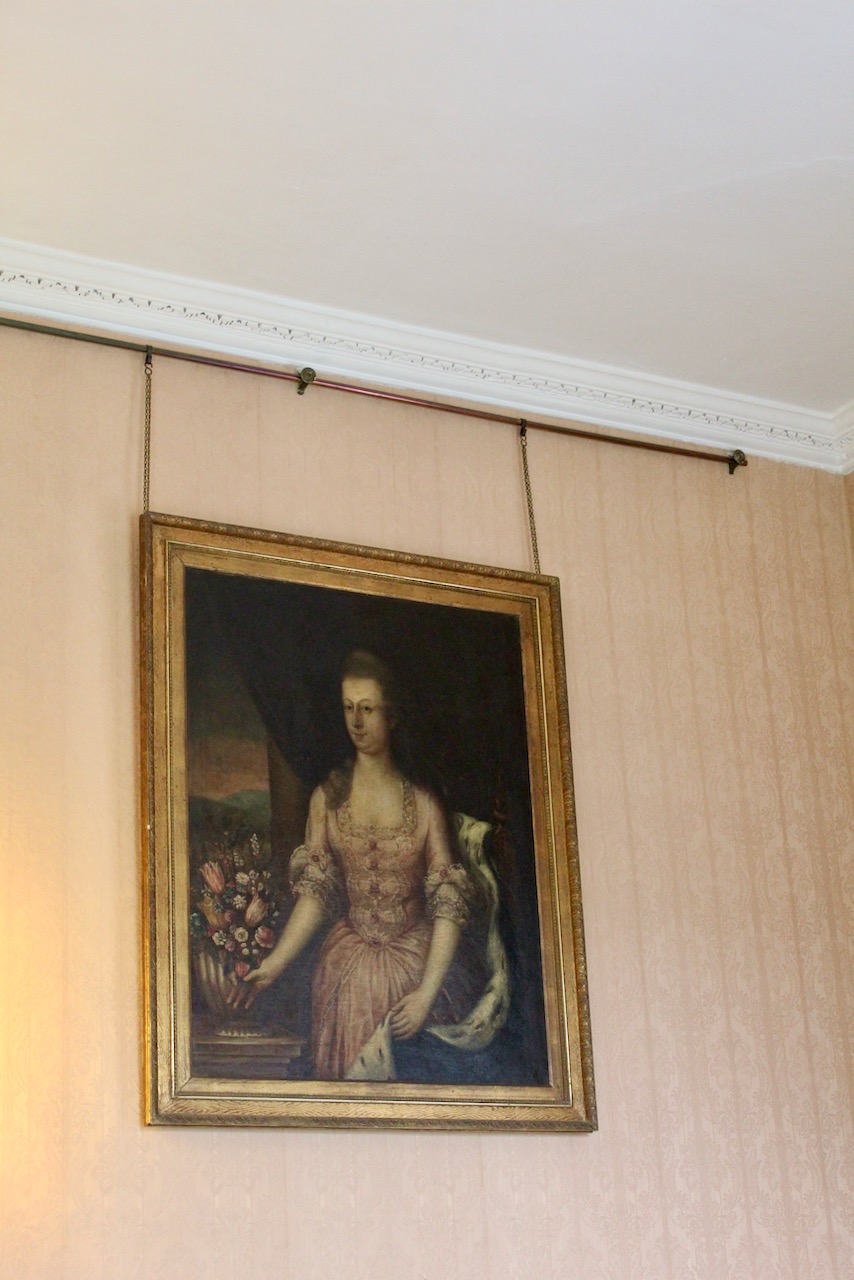


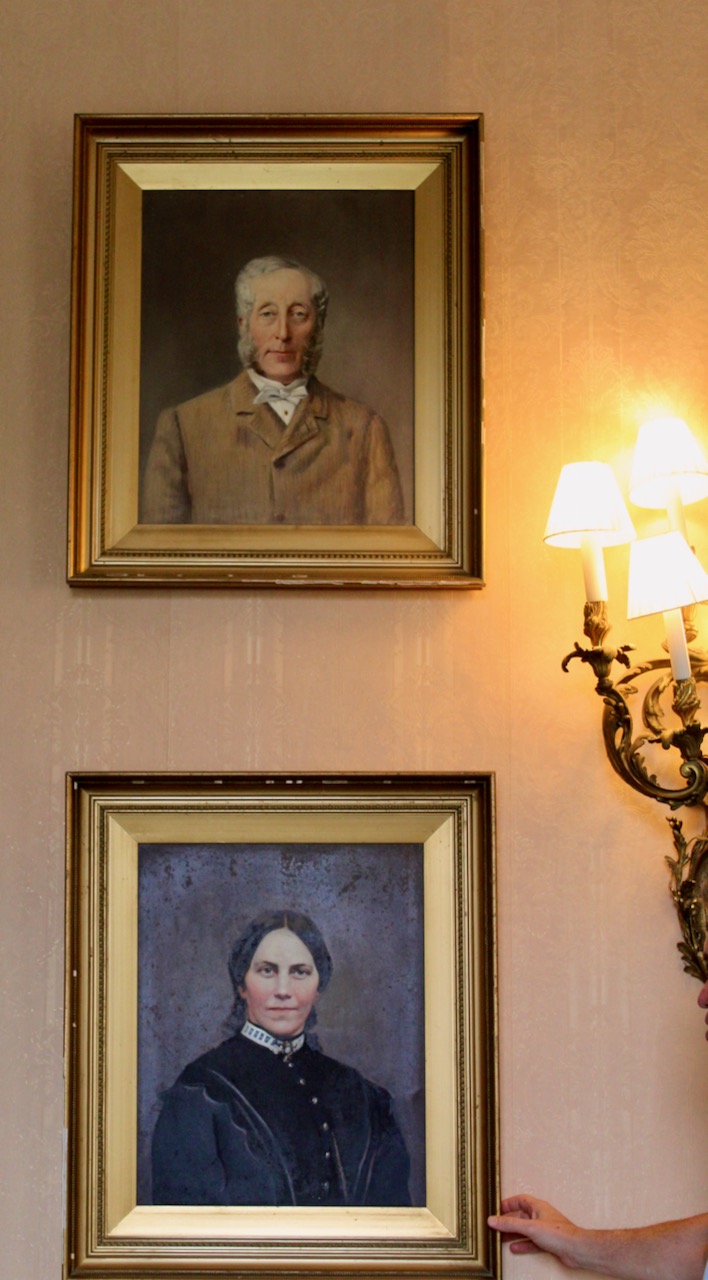




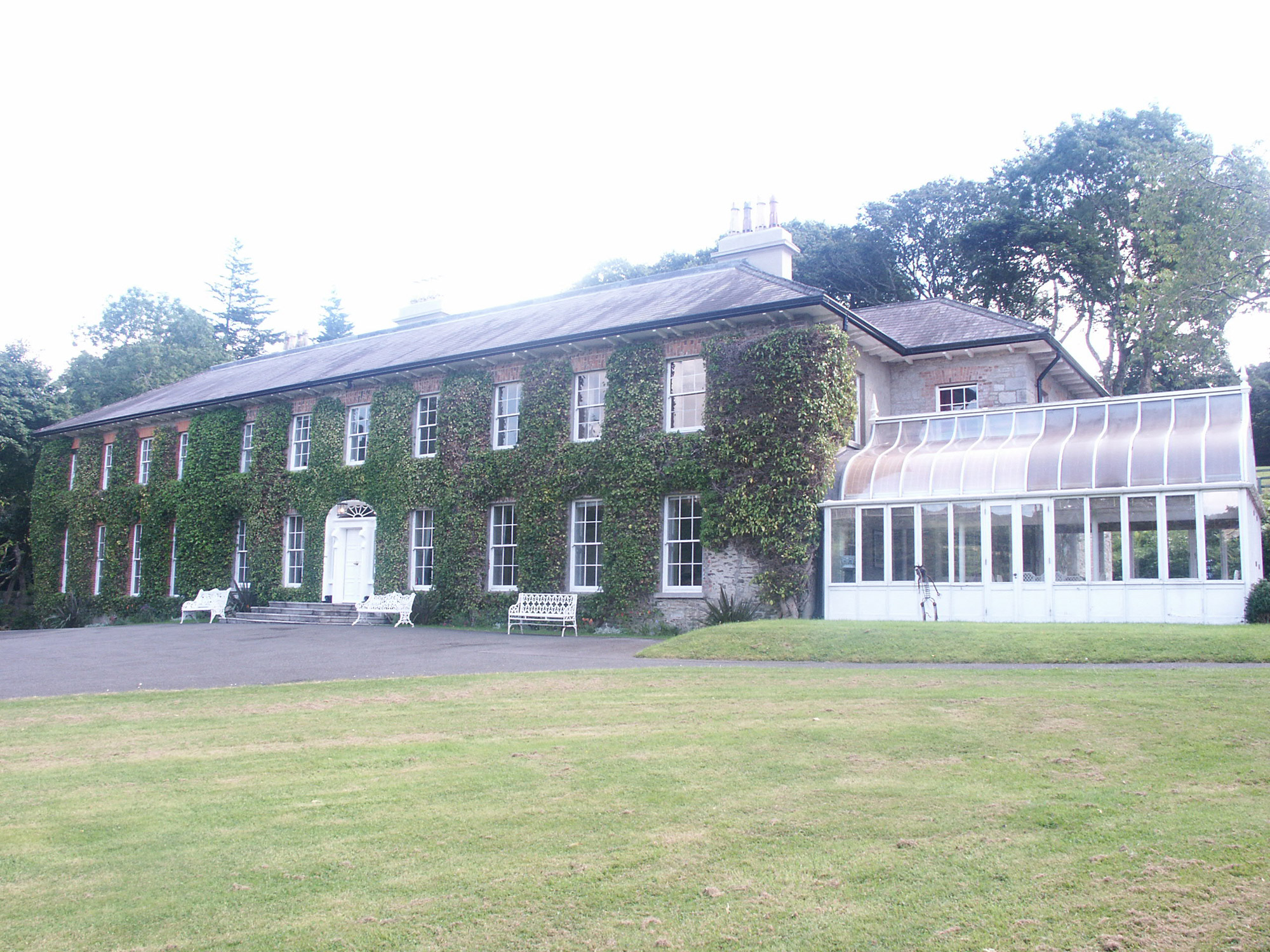
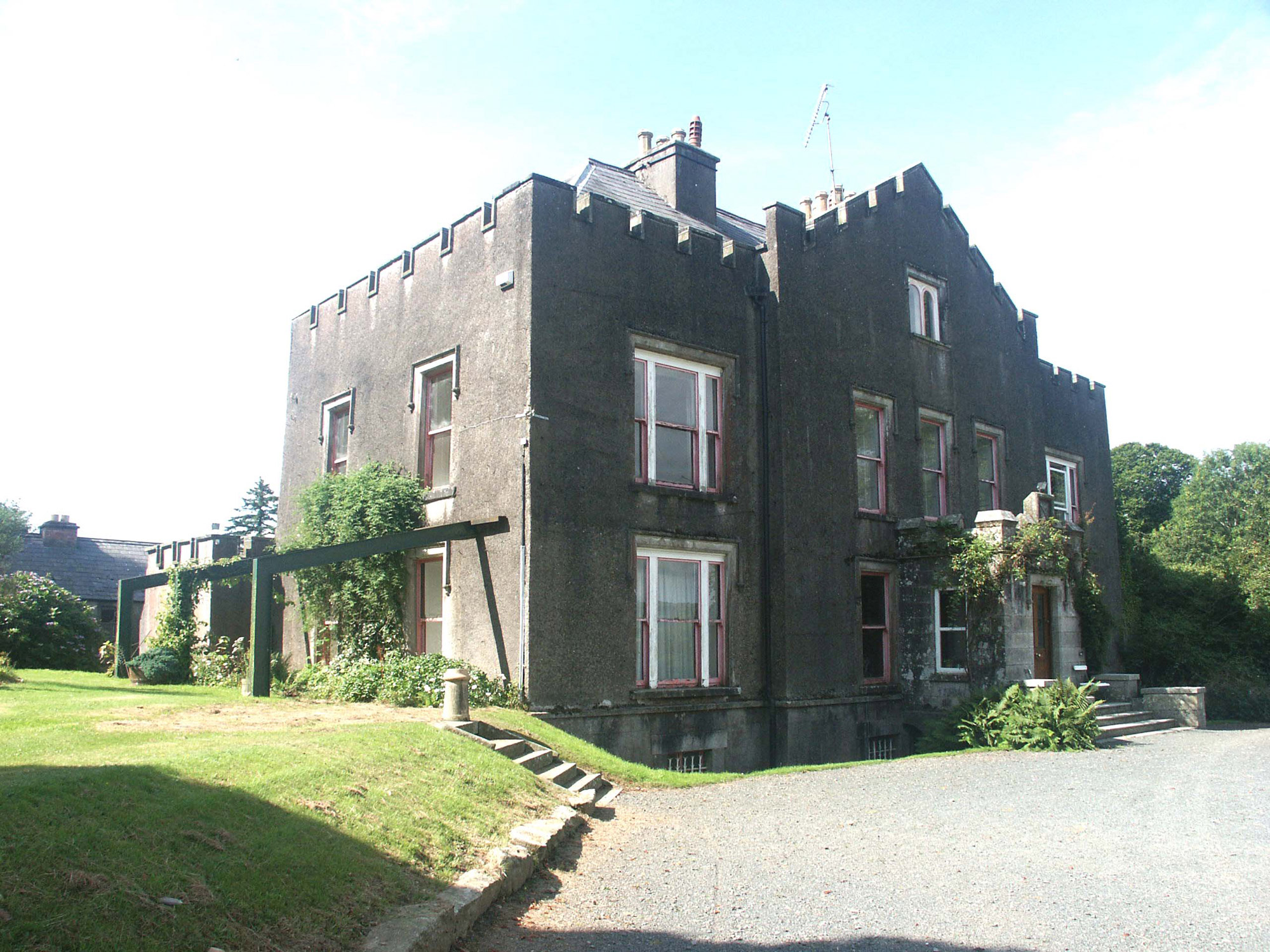


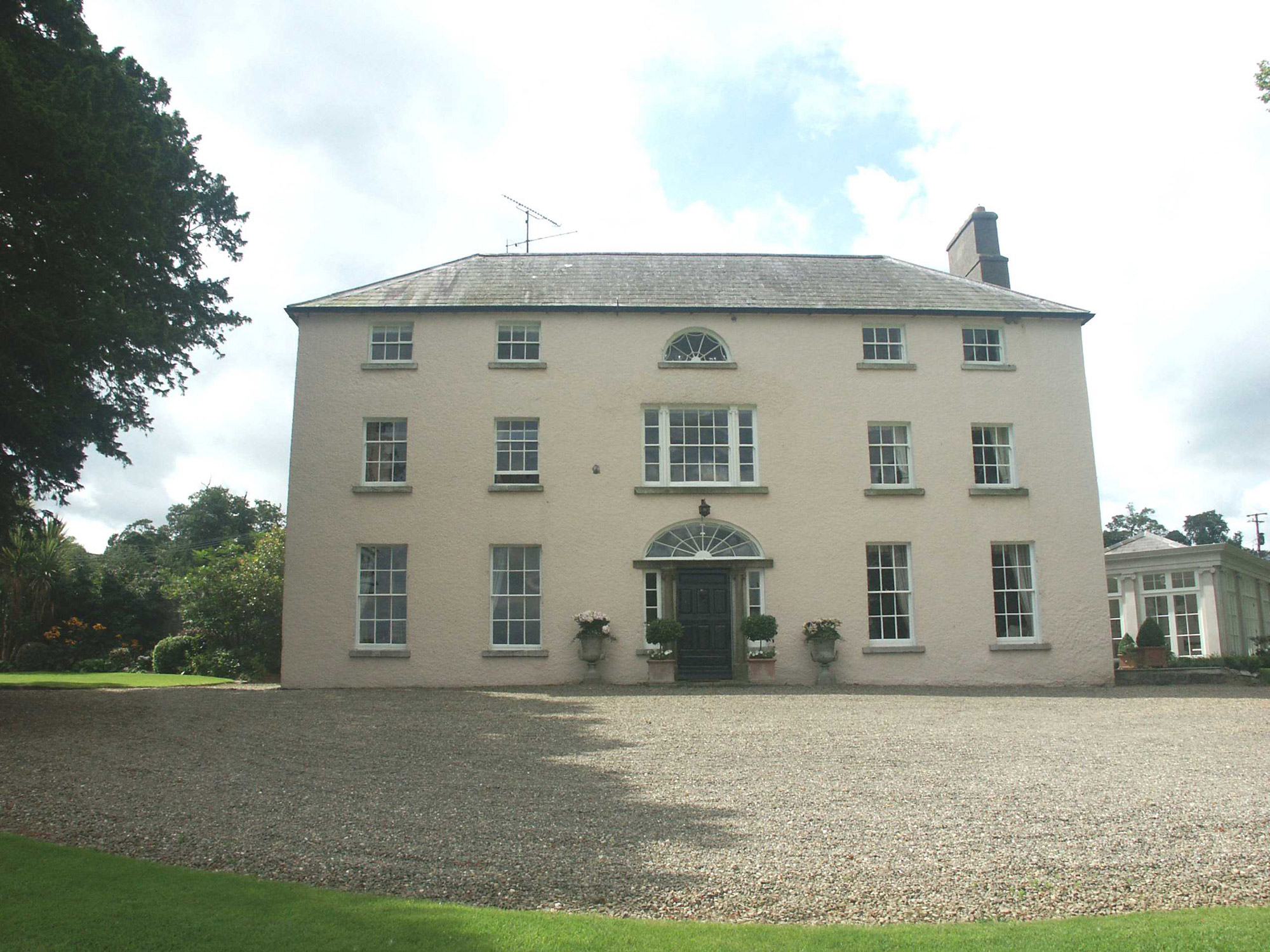


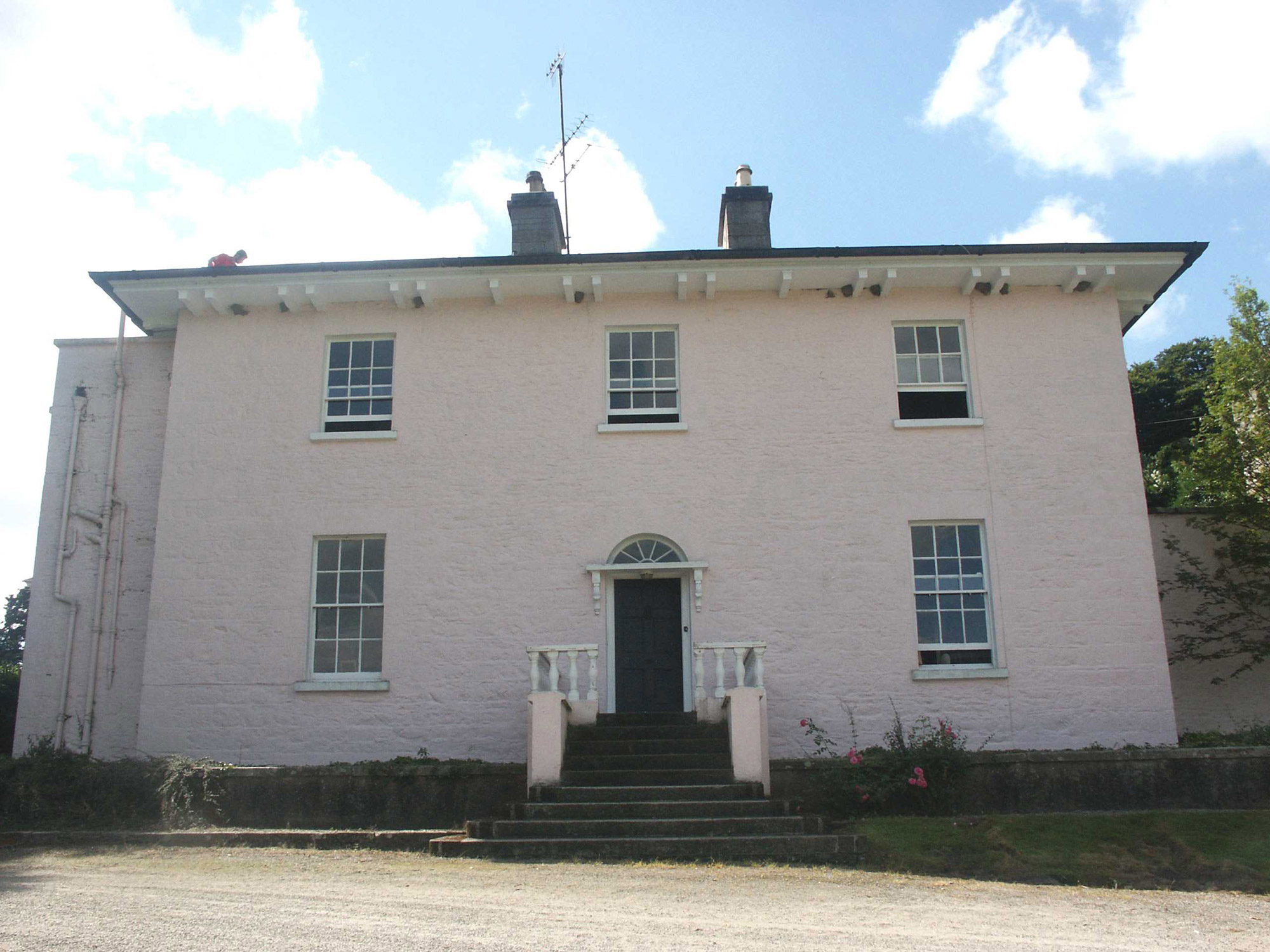
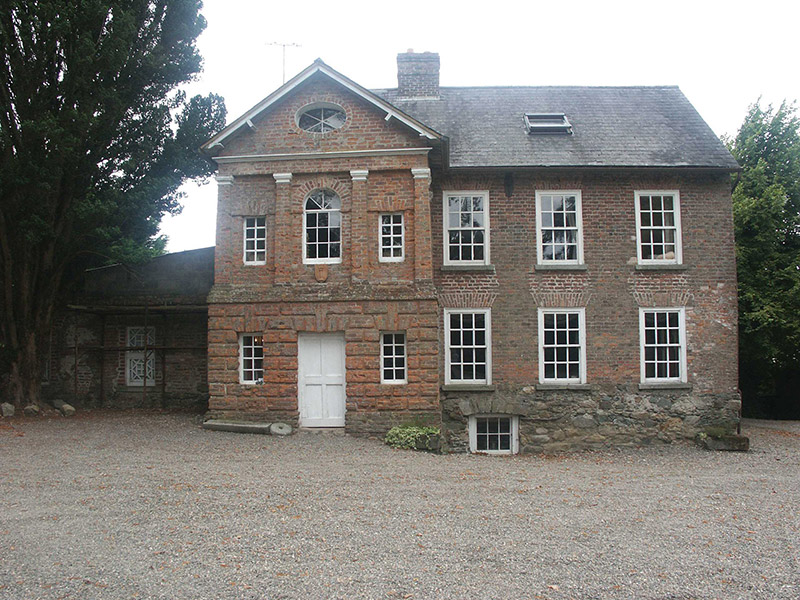
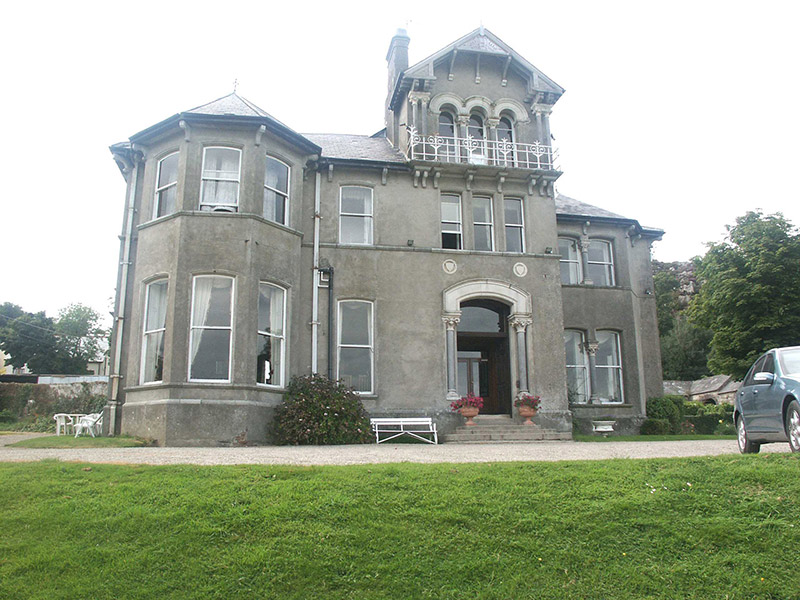
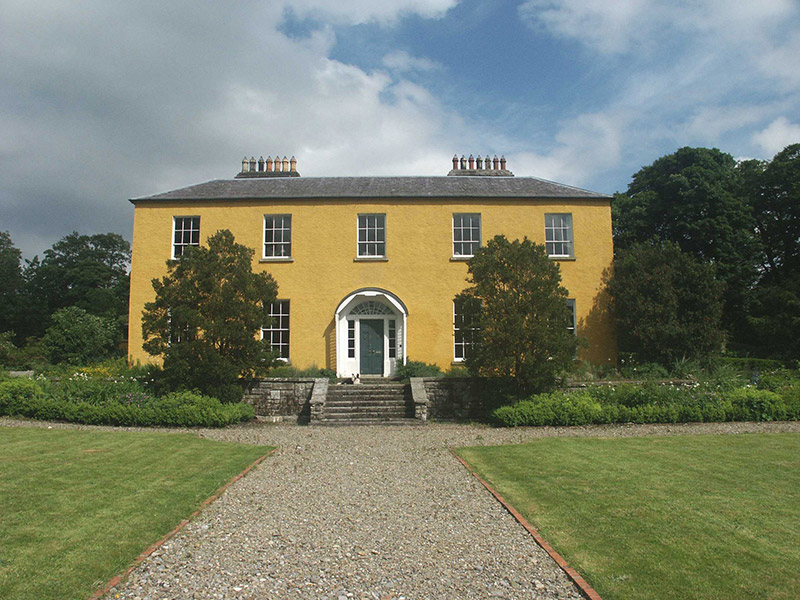
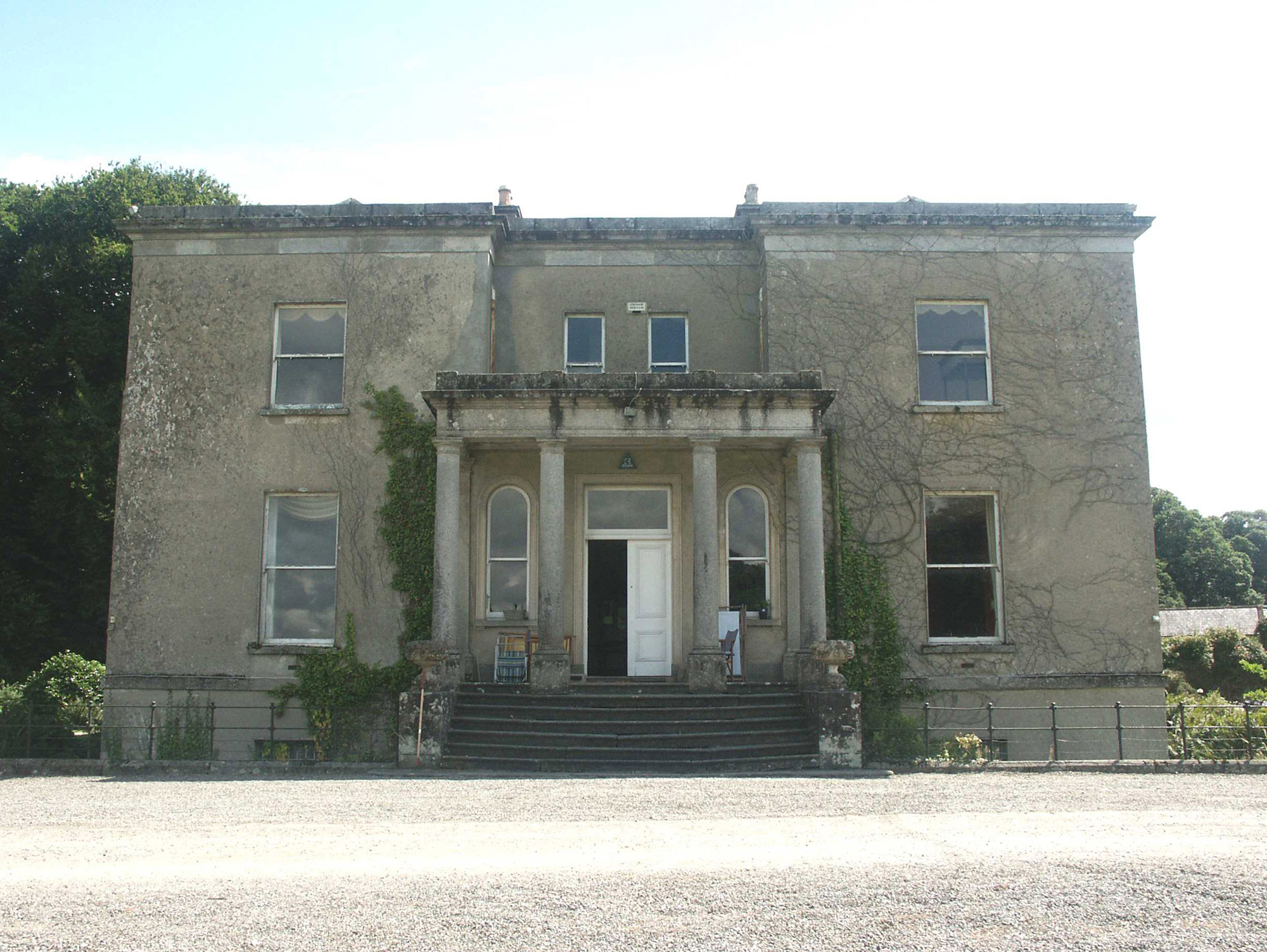
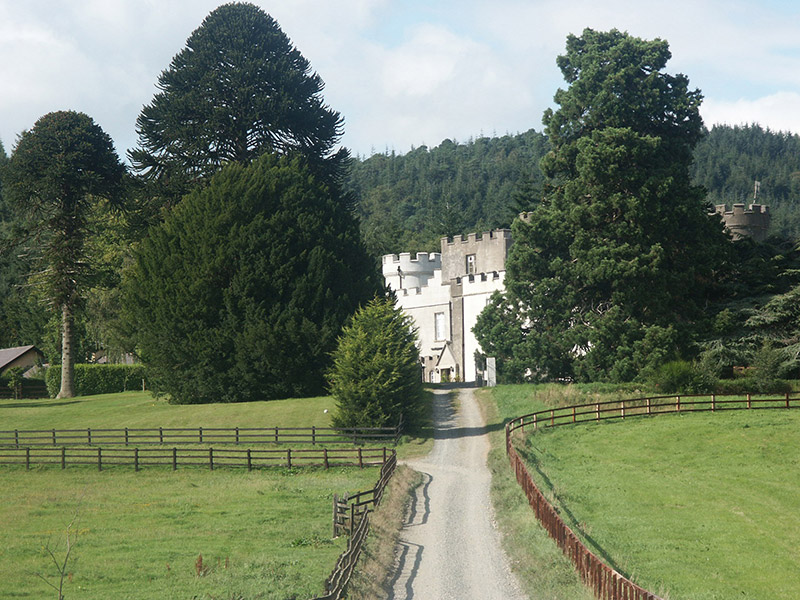
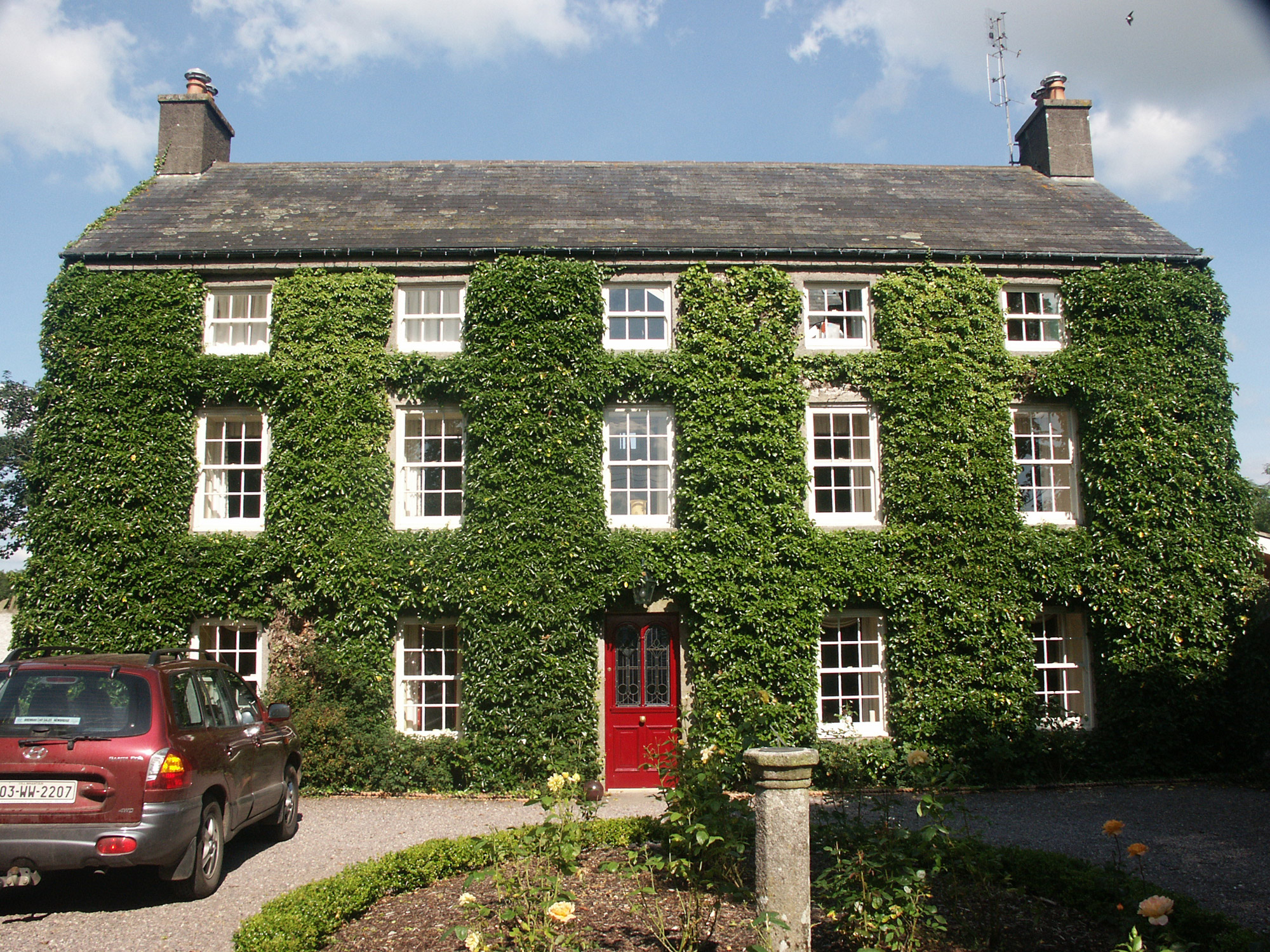
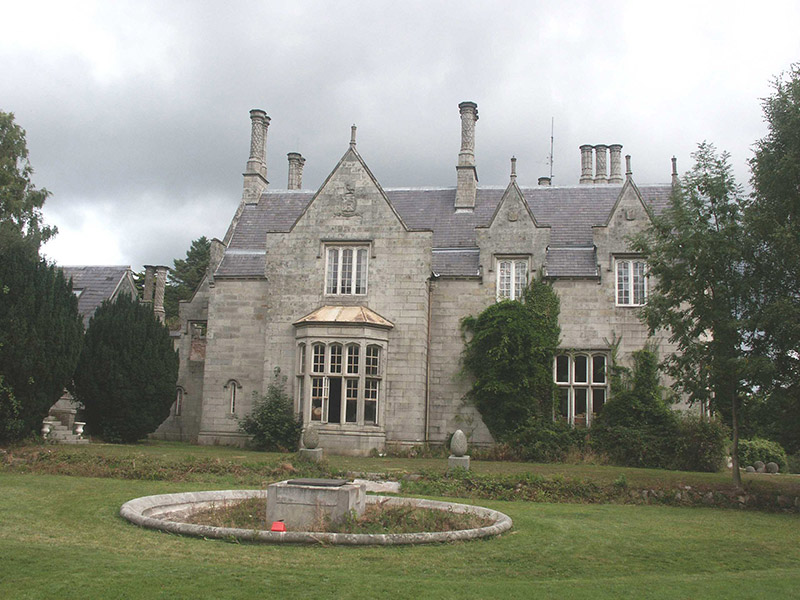
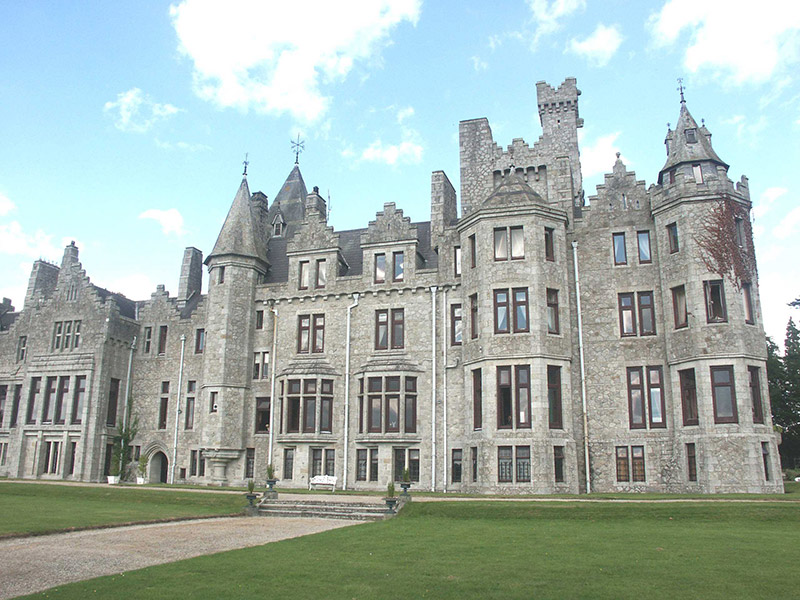
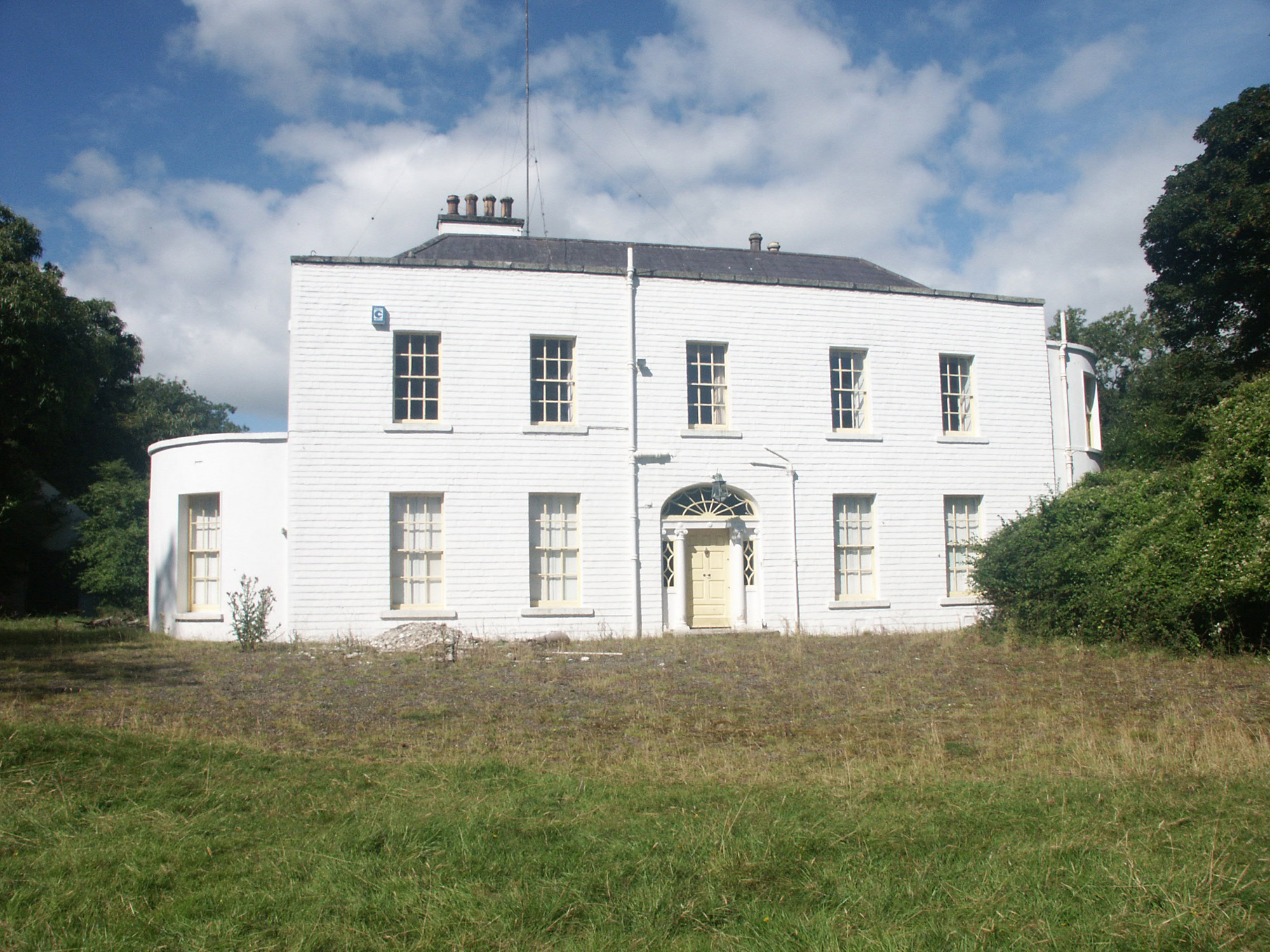
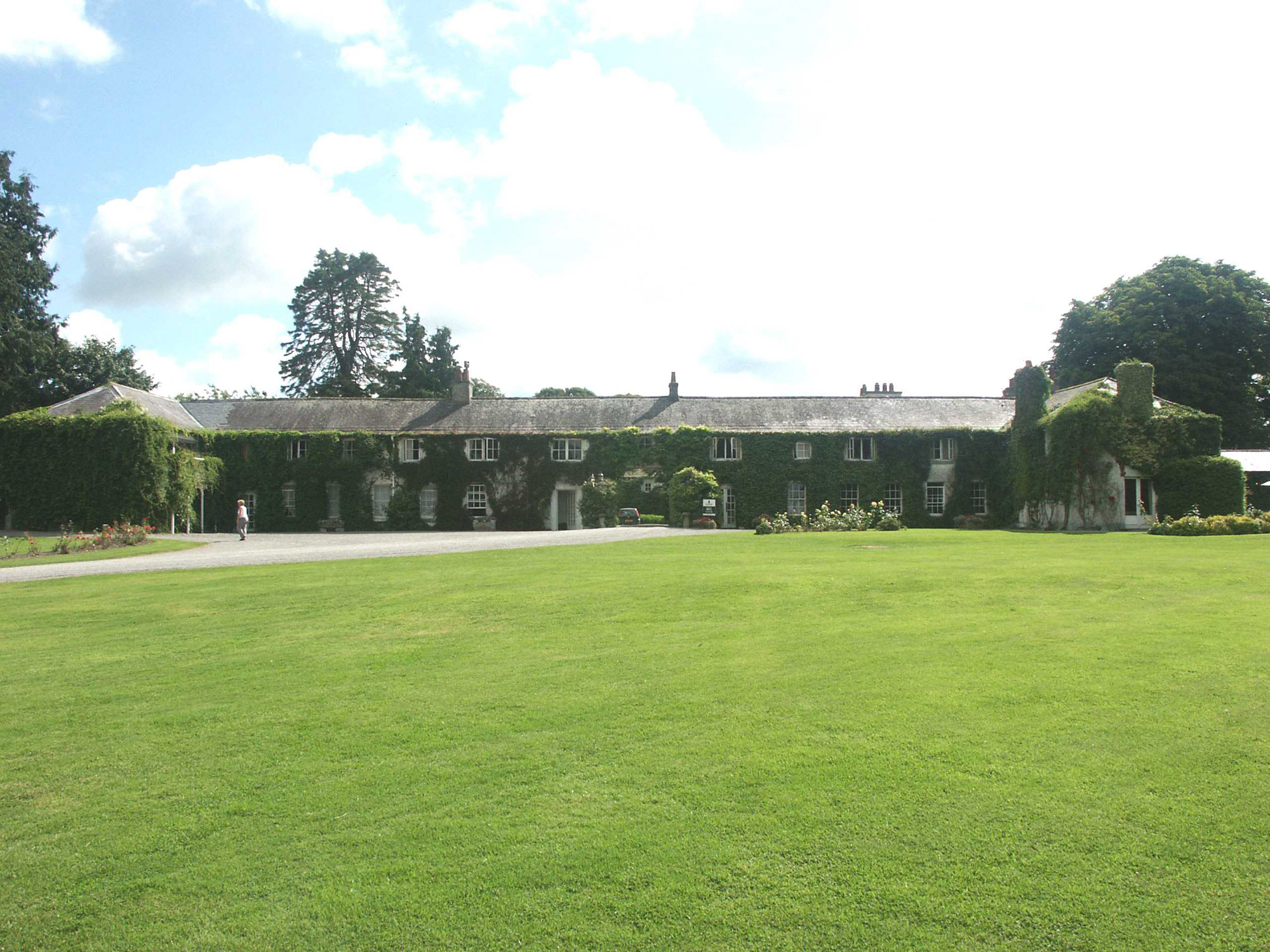


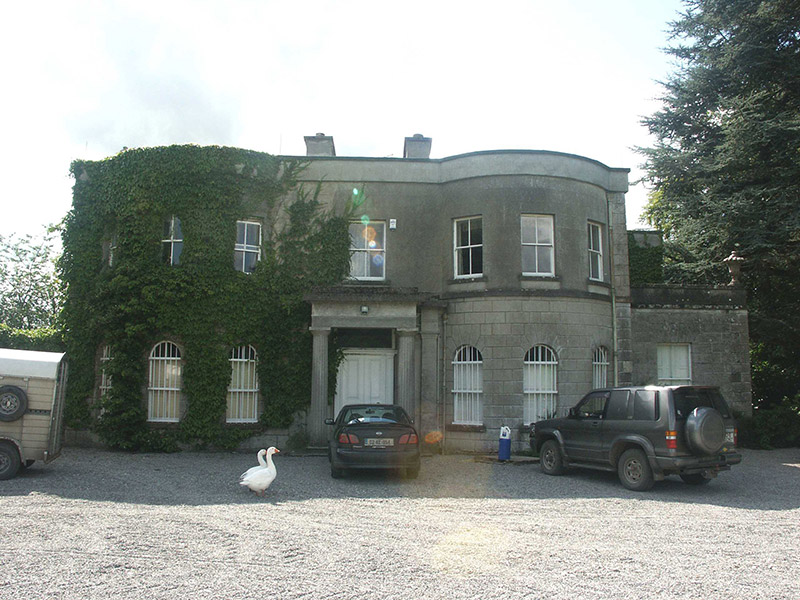
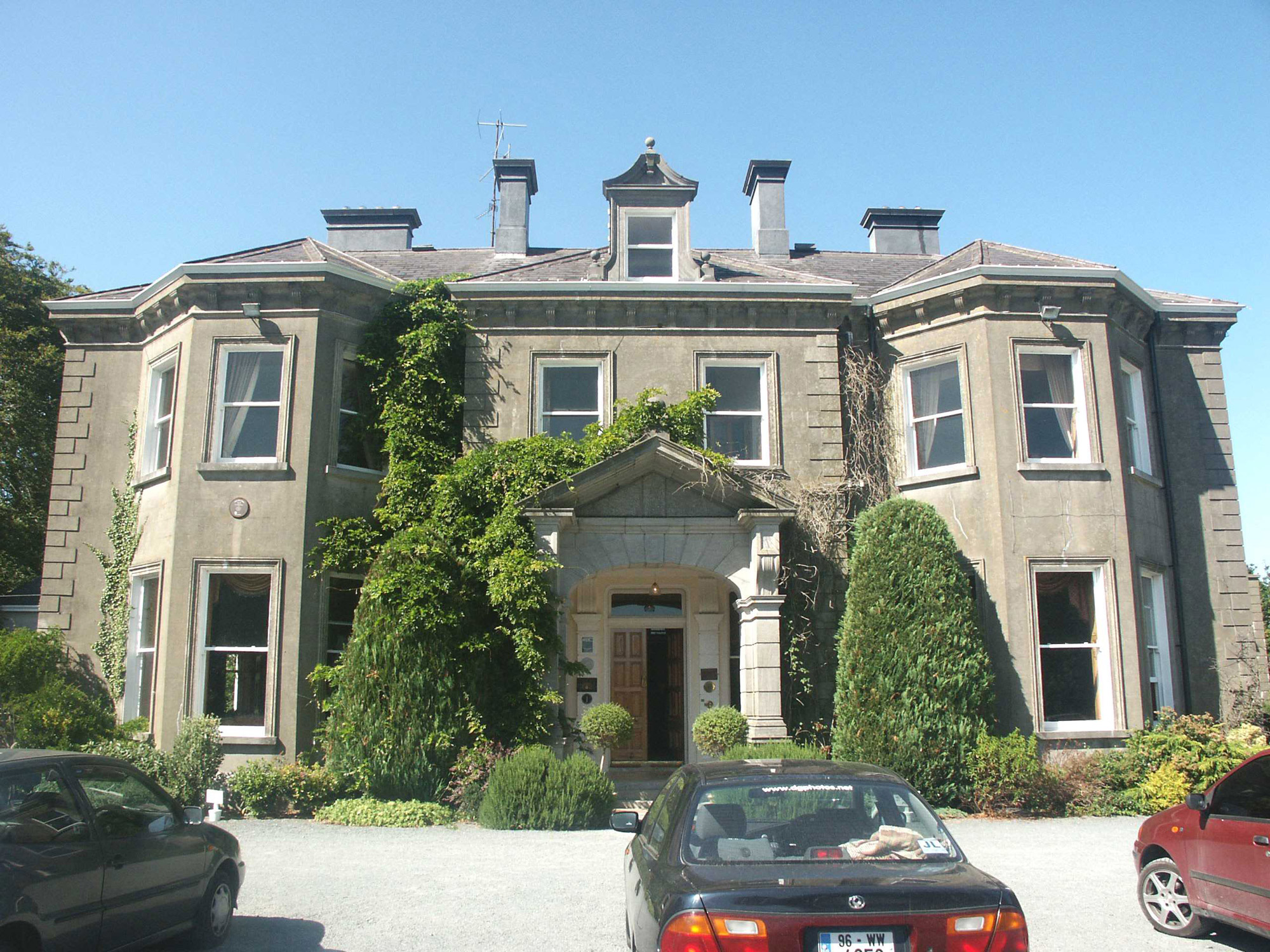
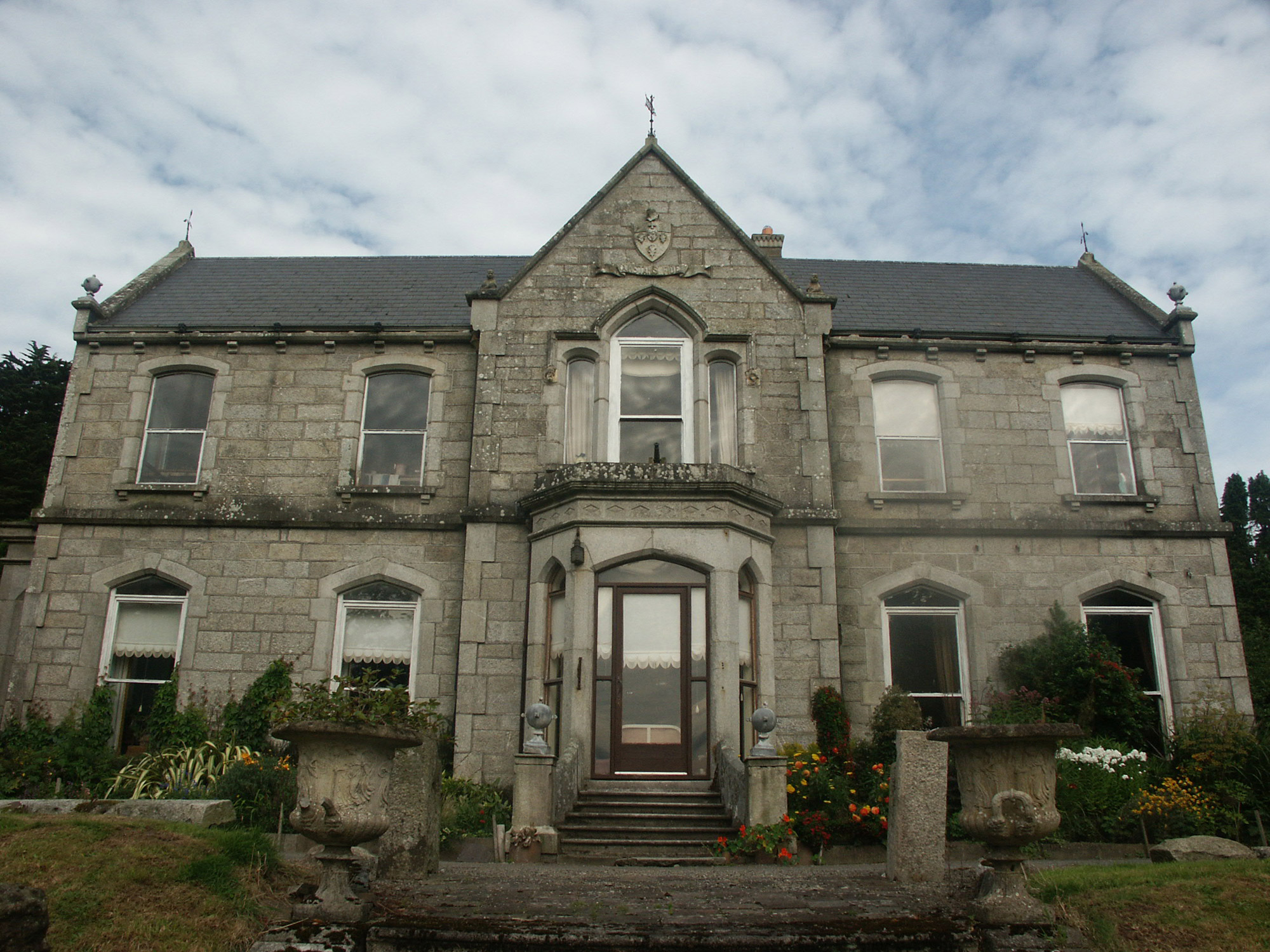
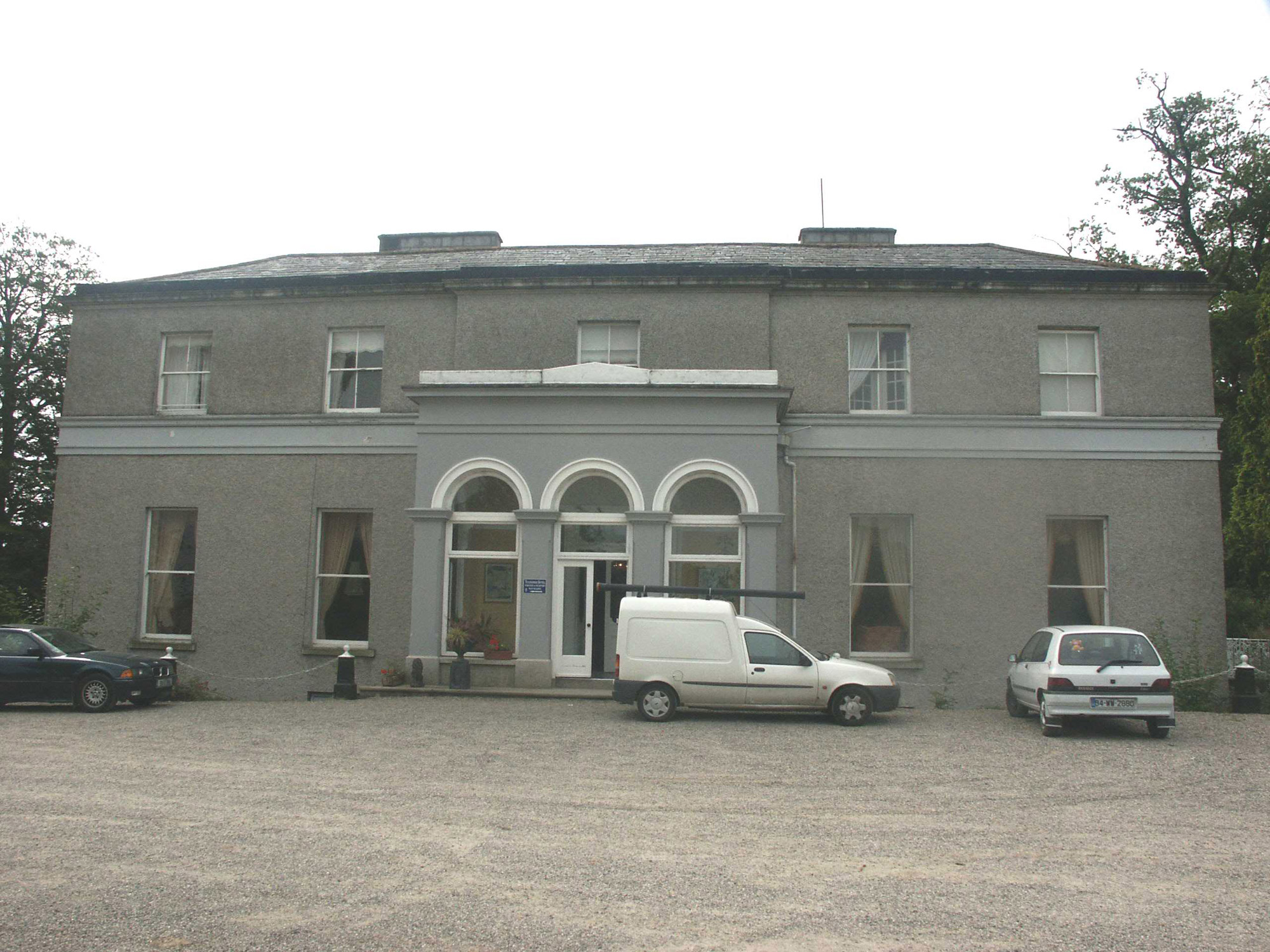
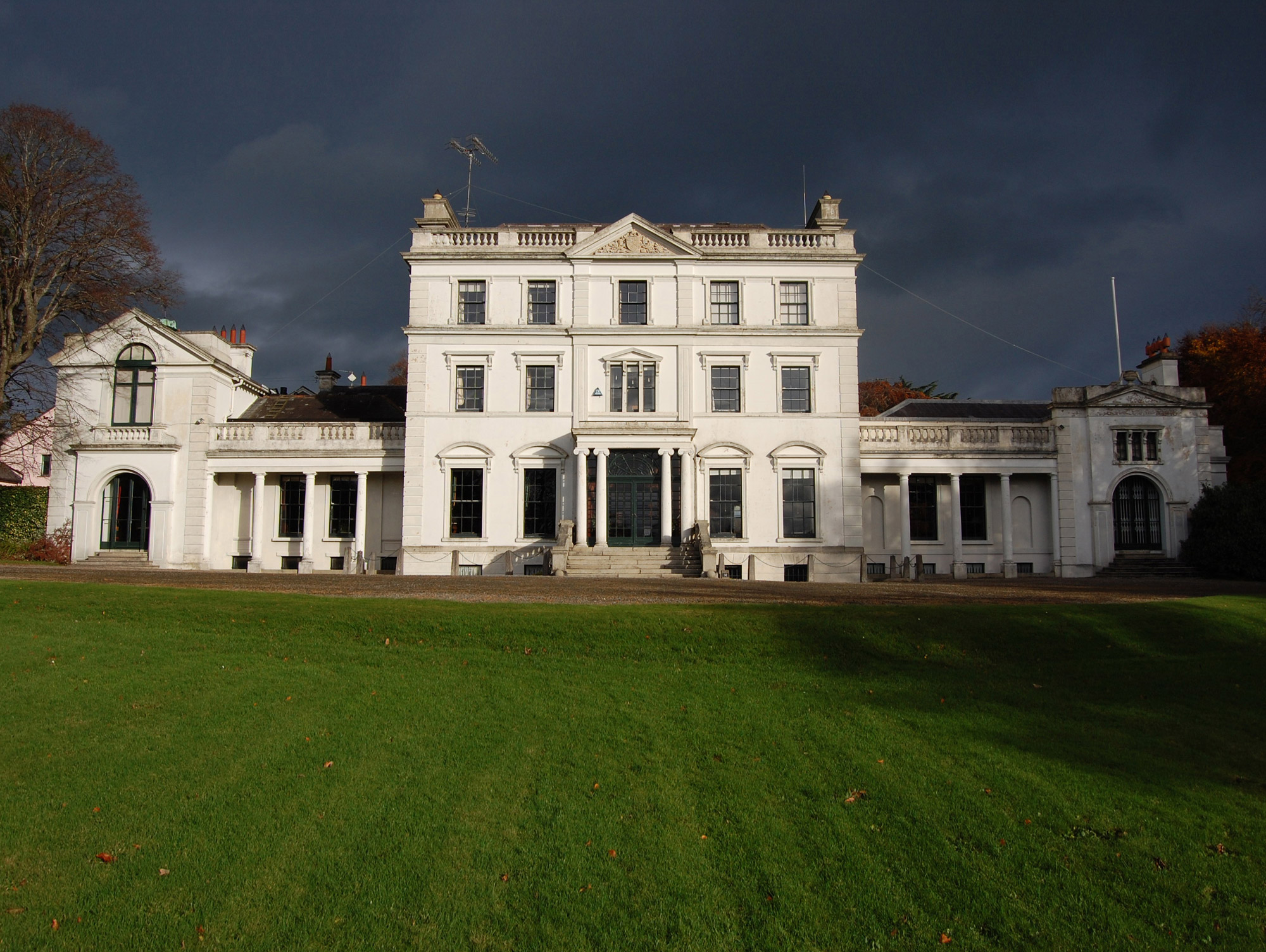
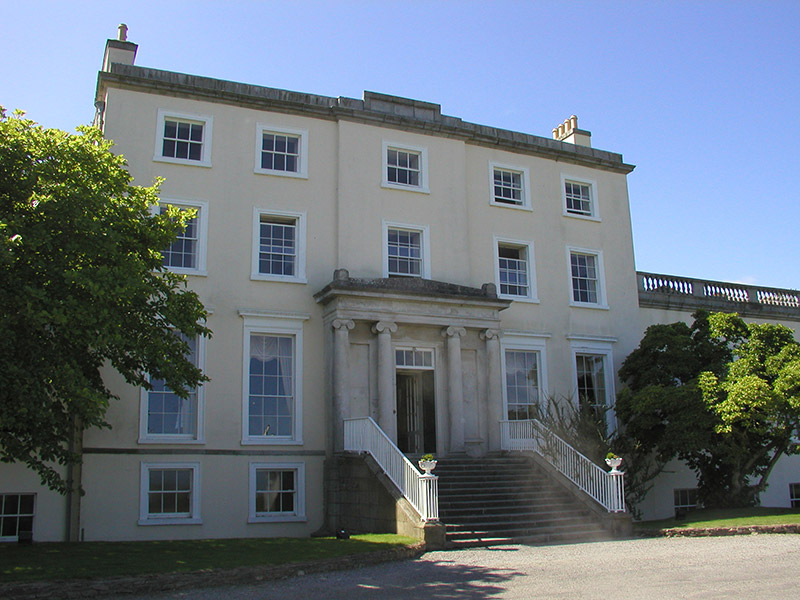
 Irish Historic Houses