Open dates in 2026: March 1- Sept 27, Sat & Sun, National Heritage Week, Aug 15-23, 9am-1pm
Fee: adult €6, student/OAP €2, child free
donation
Help me to pay the entrance fee to one of the houses on this website. This site is created purely out of love for the subject and I receive no payment so any donation is appreciated!
Terry was very welcoming to her home, North Tower Number 7 of Dublin bay’s Martello towers. She showed us around inside and her friend, gardener and Martello tower expert Bryan gave us a tour outside. You may recognise the tower from RTE television show “Home of the Year.”
First, Terry told us a bit about the history of the Martello towers of Dublin. The Martello towers were built to protect Ireland from French invasion from Napoleon’s army. Twenty four towers were built around the bay of Dublin, and twenty-one are still standing. There are also some in Limerick and Cork. No two towers are exactly alike. Some are larger, built for larger cannons. Some of the Martello towers have cellars and some do not.
This particular tower was built in 1805-6. In 1793, under the command of Vice Admiral John Jervis, a tower in Corsica, Cape Mortella was besieged, and he noted with great interest how well it withstood a battery of cannonballs. After three days the English landed ashore and took it by force. Jervis realised that the squat rounded shape of the tower and the thickness of its walls allowed it to withstand the attack. The British copied the design for their own defensive towers, but changed the name and called them “Martello” towers. The walls facing the sea are nine feet thick and on the land side eight feet thick. The Martellos around Dublin bay are built in the line of sight of each other, with the objective of ensuring the arc of canon fire from one would meet or overlap that from its neighbours.
Napoleon never came to Ireland, however, so the towers were never used to defend the coast. Terry told us that the British admiralty took the land to build the towers as they didn’t have time to locate the owners of the land. The towers were each built of local stone.
This tower came into private ownership in the 1920s. It has been altered to create a family home. Before Terry and her husband purchased the tower, it was owned by bookseller Derek Hughes of Hughes & Hughes bookstores. Earlier owners named Ian Coulhane, Walter Douglas and Fred Thorpe broke out walls on four sides of the tower and installed extensions at each.
The cannon would have been placed on the roof of the tower. Martello towers were built of a height suitable for the cannon range, and can be up to forty feet high. The cannons were able to rotate around a track to fire 360 degrees around the tower, and it took twelve soldiers to operate the cannon. It was planned that the soldiers would maintain a 24 hour lookout, taking it in two shifts, with approximately 24 men working and living in the tower. That never happened, although some invalided soldiers did work in Tom and Terry’s tower.
Terry showed us around her tower, pointing out where she and her husband made changes and renovations, where previous owners made changes, and where one can see original features of the tower. Her son Anton Savage, a radio and tv presenter, read up all about Martello towers and made lots of discoveries in his own home.
The kitchen leads into the tower itself. On our right was a spiral staircase, which is built inside the walls of the tower. The spiral staircase takes its shape from ancient tower houses which used spiral stairs for defence, narrow and built in a way so right-handed swordsmen on the second-floor would have the advantage over invaders coming up the stairs, who would be forced to fight using their left hands.
The inside of the round tower has two storeys, but the floor in the centre has been removed to create a beautiful double-height gallery of two floors of mahogany bookcases.
When Terry and her husband Tom removed the layer that had been applied inside the stone walls to expose the original stone, they discovered a fireplace. They installed a stove.
When renovating the ground flooring, they discovered a hole in the floor, revealing what must have been a cistern with enough space to store water for twenty five men for twenty five days. Terry and Tom had the space glassed over to create a feature in the floor, rather like the floor in our local Lidl, which has a similar feature in the floor revealing the remains of an 11th century house and another revealing an 18th century ‘pit trap’ associated with the stage workings of the former Aungier Street Theatre, where an actor could disappear beneath the stage or reappear like magic.
Open dates in 2026: May 1-2, 8-9, 15-16, 22-23, 29-30, June 5-6, 12-13, 19-20, 26-27, July 2-4, 8-11, 15-18, 22-25, 29-31, Aug 1, 5-8, 12-23, 26-29, Sept 4, 11, 18, 25, 2pm-6pm
Fee: adult/OAP/student €8, child 10 years and under €2
donation
Help me to pay the entrance fee to one of the houses on this website. This site is created purely out of love for the subject and I receive no payment so any donation is appreciated!
In July 2021, Stephen and I dropped in to Salthill Garden on our way up to visit his mum in Donegal. Salthill Garden is just outside Donegal town. The gardens are listed in the Revenue Section 482 list, but the house is not, although the house was built in approximately 1770 and might have been designed by Thomas Ivory (1732 – 1786), who built the beautiful Blackhall Place in Dublin, which now houses the Law Society.
Salthill House was the house for Agent to Conyngham family of The Hall, Mountcharles. The Conynghams of Slane Castle are descendants of the Conynghams of Mountcharles. [1]
The Conynghams lived in Donegal possibly as early as 1660, when Albert Conyngham purchased land there. [2] The first Conyngham to move to Ireland was Alexander (1610-1660), who joined the clergy and was appointed in 1611 to be the first Protestant minister of Enver and Killymard, County Donegal. [3] He was appointed to the deanery of Raphoe in Donegal in 1630. His son Albert lived at Mountcharles.
It was Albert’s son Henry (1664-1705), a military man who also served as MP for County Donegal, who moved to Slane Castle in County Meath. I thought the Mountcharles was named after a Charles Conyngham, but since there are no Charles’s in the early Conynghams of Mountcharles, I believe Mountcharles may have been named in honour of King Charles of England.
The gardens are a great achievement, recreating a flourishing walled garden. It is a good example of a walled garden that has been brought back to life to provide fruits and vegetables for the home owners, as well as flowers, and a place of beauty and tranquility for any visitor. There is an information centre but it and the toilet facilities were closed due to the Covid pandemic. There is a cafe nearby at the nearby Salthill Pier, the Salthill Cabin.
Slane Castle was originally owned by the Flemings, who became Lords of Slane. The Fleming estates were forfeited in 1641 (after a rebellious uprising), from William 14th Baron Slane and his son Charles, 15th Baron Slane, but restored to them in 1663 (after the Restoration of Charles II to the throne, who restored land to those who were loyal to the monarchy through the time of Cromwell and the Parliamentarians). The 15th Baron had left Ireland after his land was confiscated and fought in Louis XIVth’s French army, and died in 1661. It was his brother Randall Fleming the 16th Baron Slane who was restored to his estate under the Act of Settlement and Distribution. [5] However, the Flemings’ land was forfeited again, in 1688, with the coming to the throne of William III. It was in 1703 that Henry Conyngham purchased land in Slane.
Henry Conyngham’s son Henry (1705-1781) was created 1st Earl Conyngham of Mountcharles, County Donegal but he died without issue. His sister Mary married Francis Burton and their son William Burton took the name of Conyngham to inherit his uncle’s estates. William Burton Conyngham (1733-1796) was a member of the Irish parliament and did much to create employment in County Donegal.
Conyngham planned a settlement on the previously unpopulated island of Rutland, and installed, from 1784, a street of residences and business premises, post office, school house and a fish landing and processing facility. The island remained inhabited into the 1960s. The village which developed around the mainland pier which served Rutland, Burtonport, still bears his name.
William Burton Conyngham (1733–1796) by Anton Raphael Mengs c. 1754-58, courtesy of wikipedia.
The Conynghams were one of the largest landowners in Donegal: by 1876 the third Marquess Conyngham (George Henry, 1825-1882; the 3rd Baron became the 1st Marquess) and the wider family owned four separate estates in the county amounting to over 122,300 acres of land, as well as extensive landholdings in Clare (centred around Kilkee) and Meath (centred around Slane), and in Kent in the south-east of England.
The Conyngham’s agent’s house was called Salthill because the area was known in Irish as Tamhnach an tSalainn (‘the Field of Salt’). The anglicization of this is “Tawnyfallon,” as Salthill was also known. The fields along the coast flooded and when they dried, the salt could be collected. This provided an income for the locals and for the Conynghams.
Salthill House was the residence for Hugh Montgomery, Esq. according to the 1777 – 83 Taylor and Skinner map of the area [6]. There is a record of the renewal of a lease on ‘Tawnyfallon, otherwise Salthill’ from Henry Conyngham (1st Marquess) to a Francis Montgomery in 1824 (Conyngham Papers). The National Inventory adds that Salthill was the home of a Leonard Cornwall, Esq., in 1838 (marriage record) and 1846 (Slater’s Directory), and a Robert Russell in 1857 – c. 1881 (latter date in Slater’s Directory). The Hall, belonging to the Conynghams, was sold after World War II by the 6th Marquess.
The walled garden of Salthill House was built around 1800. [7] The National Inventory of Architectural Heritage tells us that the walls are constructed of coursed rubble and random rubble stone masonry, and that the South-east wall abuts main outbuilding to the rear of the house.
More recently, the house was the home of John and Nancy McCaffrey until the early 1980s, when it was purchased by Lynn Temple of Magees, the manufacturers and promoters of Donegal Tweed, and his wife Elizabeth. The Irish Historic Houses website describes the work that the current owner, Elizabeth Temple, has carried out in the garden:
“During the last thirty years Elizabeth has re-created the walled garden, which is sheltered by the house and yards, slowly and patiently. She complimented the original gravel paths with hedges and grass paths to provide additional structure, and concentrated on plants that thrive in this northernly environment. The result is an authentic country house walled garden, skilfully planted with a combination of perennials and shrubs, interspersed with vegetables, herbs and fruit trees…the gravel avenue, curved sweep and yards are skilfully raked into swirling curvilinear patterns that recall the abstract la Tène ornamentation that influenced Irish early Christian art.” [see 6]
We were greeted at the gate by Elizabeth Temple. I asked her about the curvilinear patterns mentioned in the Historic Houses of Ireland website, but instead she explained that she likes to plant in such a way that there are several layers to see, of graduated heights, in each direction you look. There were several visitors that day so we did not get to chat as much as I may have wished but the day was a little rainy also, so we did not linger for as long as the gardens deserve. We shall have to visit again!
Open dates in 2026: May 1-31, Aug 15-23, Oct 3-22, 11am-3pm
Fee: adult €12, OAP €10, student/child €8, child under 6 years free
e: info@drishane.com
2026 Diary of Irish Historic Houses (section 482 properties)
To purchase an A5 size 2026 Diary of Historic Houses (opening times and days are not listed so the calendar is for use for recording appointments and not as a reference for opening times) send your postal address to jennifer.baggot@gmail.com along with €20 via this payment button. The calendar of 84 pages includes space for writing your appointments as well as photographs of the historic houses. The price includes postage within Ireland. Postage to U.S. is a further €10 for the A5 size calendar, so I would appreciate a donation toward the postage – you can click on the donation link.
€20.00
donation
Help me to pay the entrance fee to one of the houses on this website. This site is created purely out of love for the subject and I receive no payment so any donation is appreciated!
Edith Somerville, of Somerville and Ross Some Experiences of an Irish RM fame (which has been made into a television series), said “If I am ever allowed to return to earth it will be to Drishane that I shall come,” and I can see why. The estate is situated with a magnificent view over the Atlantic ocean.
Edith’s ancestor Reverend William Somerville fled persecution in Scotland in the 1690s and moved to Ireland. [1] He was an Episcopalian Minister who feared for his life following the disestablishment of the Church of Scotland in 1690. The Drishane House website tells us that Reverend William rowed his family twenty miles across rough water to Ulster, where they found refuge with family connections.
The Reverend’s younger son, Thomas, attended Trinity College Dublin and was ordained in the Church of Ireland. He married Anne Neville, of Furnace, County Kildare, a prosperous and well-connected family. Thomas obtained the position of Rector of Castlehaven and the family moved to Cork. He set up house in the old O’Driscoll castle next to the church at Castlehaven Strand. Both are now ruins. His portrait, his stick and his 1685 edition of Bedel’s Irish Bible remain in the possession of his descendants.
Three of Reverend Thomas’s sons moved to America and prospered. The eldest son hoped to follow in his father’s footsteps as a clergyman but lost an eye in university, so instead became a successful shipping merchant. He’d send butter and salted provisions to the West Indies and bring back rum, sugar and timber. [2] He built his house at Drishane, on the edge of the village of Castletownshend, where he had a view of his ships in Castlehaven Bay. Among items he imported from the West Indies was the mahogany which was used to make the doors of the reception rooms in Drishane.
He married Mary Townsend, daughter of Captain Philip Townsend who lived in Derry, County Cork, great-granddaughter of Richard Townsend who was an officer in Cromwell’s army and who built the castle at nearby Castletownshend (it was only in 1860 that the family changed the spelling of their name from Townsend to Townshend [3]).
Drishane house is two storeys, six bays across, with a fanlighted doorway. This tripartite limestone doorcase, with Tuscan demi-columns, now serves as a garden entrance doorway. The newer entrance doorway, built in 1820, is on the more sheltered two bay end of the house, which is prolonged by a lower two storey wing. The house is covered with purple Benduff weather-slating.
Stephen and I visited the house during Heritage Week in 2020. The current owner, another Thomas Somerville, welcomed us, and introduced us to his two sons, who gave us the tour of the house and the museum in the outbuilding which used to be Edith Somerville’s painting and writing studio. As there was already someone on a house tour, we visited the museum first.
Edith Oenone Somerville (1858-1949) was given her unusual middle name because she was born in Corfu where her father was serving in the British military. She met her cousin Violet Martin (1862-1915) when they were both in their twenties, when Violet paid a visit to Drishane. They were both great-granddaughters of Lord Chief Justice Charles Kendal Bushe. Edith painted a portrait of Violet in 1886 during this visit, and the painting is now in the National Portrait Gallery in London. She painted the portrait in her studio, which at the time was inside the house – it was only later that she moved to the outbuilding. The chair in the painting is still in the studio. Violet’s first holiday at Drishane was a long one, as it was only after a month that Edith began her portrait. Violet brought the portrait with her back to Dublin when she left Drishane ten months later.
Violet’s family lived in County Galway in a three storey house called Ross House (now called Ross Castle). She was the youngest of eleven daughters. Her family had fallen into debt in the time of the Great Famine, due to the help they had given their tenants, and when her father died when she was just ten years old, her brother inherited the house and decided to let it out.
Ross House, or Castle, photograph care of National Inventory of Architectural Heritage.Photograph from Internet Archive Book Images. From the book Irish Memories by Edith Somerville, 1919. Publisher: New York, Longmans, Green & Co.It is interesting that the picture is signed a “Martin Ross,” rather than “Violet Martin.” A small silver case given as a gift to Edith from Violet is engraved “To Edith, Love Martin.”
She moved with her mother to Dublin and was educated at Alexandra College, where Edith also studied but as she was four years older than Violet, where they never met. Violet would have felt like a poor relation when she visited her cousins in Cork, but she was warmed by the generous welcome. Edith was surrounded by cousins: the Townshends and the Coghills lived nearby, and at first the quiet Violet must have been overwhelmed with the sociability of the house.
Violet had begun writing when she was in school and hoped to make a living by journalism. Edith studied art in London, Dusseldorf and Paris, and sold some paintings and drawings in order to finance her own art training and hoped to make a living in graphic art. When they first collaborated, Violet wrote the text which Edith illustrated, but soon they were writing the novels together. They did not want to publish under their own names, so chose “Somerville and Ross,” Violet taking the name of her home.
Image from page 164 of Irish Memories by Edith Somerville – I assume this is a photograph of Edith herself. Photograph care of Internet Archive Book Images.
Violet, a sister and her mother moved back to Ross House in 1888, and Violet set about trying to restore the house and gardens to their former glory. At the end of 1888, Violet and Edith received news that their first book, An Irish Cousin, was to be published. At first they had to correct proofs separately, until Edith visited Violet at Ross House. It is believed by the current owners of Ross Castle that the ladies worked on the book under the Venetian window on the first-floor landing, which now has a table and chair set up with some of their books. One can stay in the house: either whole house rental, or self-catering in cottages which are converted stables, carriage house and servants’ quarters. Drishane House is also available for whole house rental and also has holiday cottages). [6]
I imagine that Edith Somerville, when she illustrated their book, Through Connemara in a Governess Cart (published 1893), had herself and her cousin in mind when she drew this picture. Photograph care of the British Library.
The Museum contains copies of some of Edith’s paintings, as well as letters, drawings and photographs relating to her life. I was excited to see correspondence and music by the composer Ethel Smyth, who was a good friend of Edith and also of Virginia Woolf. Like Ethel and Virginia, Edith was also a feminist. Edith wrote: “It will be acknowledged that sport, Lawn Tennis, Bicycling, and Hunting played quite as large a part as education in the emancipation that has culminated in the Representation of the People Bill. The playing fields of Eton did not as surely win Waterloo as the hunting-fields and tennis grounds of the kingdom won the vote for women.” [quoted in the introduction by Gifford Lewis, 1999, of Somerville and Ross’s The Real Charlotte]. Edith was an enthusiast for hunting and became Master of her local hunt. She also became President of the Munster Women’s Franchise League. [7]
After Violet died, Edith wrote a further fourteen books, all published under their joint names. Edith felt that Violet continued to help to write the books after her death. Edith took to a sort of “automatic writing” to include Violet’s input. Examples of this are in the museum. Edith claimed that stormy weather made it more difficult for her to tune into Violet’s messages. [8]
There was another museum in Drishane before Edith’s studio, a collection of Indian items which Edith and her brother Jack called “Aunt Fanny’s Museum.” There is also another item which I forgot to ask about when visiting. Mark Bence-Jones tells the story of its origins:
Drishane’s most famous possession, the Fairy Shoe, was sent away to the bank for safe keeping and bad luck followed, it was wisely decided to bring the Shoe back and it has remained in the house ever since. The Shoe, which came to the Somervilles from the Coghills, was picked up on an Irish mountain early in the nineteenth century; it is exactly like the shoes worn by adults at that time and shows signs of wear, but it is only about two inches long. [9]
Thomas the merchant’s son, also named Thomas (born about 1765), inherited Drishane from his father. Unfortunately he “was foolish enough to back a bill,” according to Mark Bence-Jones in Life in an Irish Country House, meaning he must have acted as guarantor for someone who was not able to pay their debt, and subsequently when Thomas died in 1811, the bailiffs came and stripped the house of its contents. [10] Thomas’s wife, Elizabeth Henrietta Becher Townsend, was in bed giving birth to their tenth child. According to the story, the children brought everything they could carry to their mother’s bedroom to hide it, as there was a law forbidding bailiffs from entering the room of the lady of the house.
When we entered the house with young Hal, Tom Somerville’s son who was giving us the tour, he pointed out that there is no chandelier in the dining room, as it was taken by the bailiff, way back in 1811!
We entered through the garden door with the fanlight directly into what is now the library but was originally the entrance hall. It interlinks the staircase hall with its grand sweeping staircase and lovely striped wallpaper, dining room and drawing room. In the dining room we saw a portrait of Edith’s brother Cameron (1860-1942), along with other portraits. Hal also pointed out to us where Edith had scratched her initials into the glass of the dining room, “EOES.” Swags above the tall curtained windows date to the 1820s.
David Hicks tells us more about Drishane from Edith’s time in his book Irish Country Houses, Portraits and Painters:
Drishane in the 19th century could not be described as homely: it was said to be cold, damp and infested with rats, which is in total contrast to the condition of the house today. When poison was put down to fend off unwanted visitors, they usually died under the floorboards. The resulting decomposition meant sometimes the drawing room could not be used for an extended period, such as in 1878, due to the smell. The drawing room also contained a large white marble fireplace that was brought from Italy by Edith’s great-grandfather. However, over the years it became the final resting place for a number of rodents and was christened the “Mouse-oleum.” This fireplace often had to be taken out for the dead mice to be removed and it became damaged. Edith’s brother Cameron was stationed in China from 1885 to 1889 and when he returned to Drishane he brought back a black marble fireplace complete with carved dragons and Chinese symbols, together with the Somerville crest and motto. This exotic-looking fireplace was installed in the drawing room to replace its damaged predecessor. [11]
Having read Hicks’s description I was excited to see the Chinese fireplace. It is indeed very unusual.
The oldest of the children who had hidden things in their mother’s bedroom was another Thomas (1798-1882). Mark Bence-Jones tells a lovely story about him. He was very in love with his wife, Harriet Townsend, who was a cousin who had lived up the road in Castle Townshend. [12] Bence-Jones writes:
“after her death [he] would sit up for hours by his bedroom fire thinking of Harriet and grieving for her and looking for consolation in his Bible by the light of a candle in her own special candlestick. He would burn two candles every night which Mrs Kerr, the housekeeper, would leave out for him. Then he started to complain, night after night, that he could not find the second candle. Mrs Kerr told his granddaughter Edith what she believed had happened. “My dear child, the candle was there! For I always put it on the table myself! It was Herself that took it, the way your Grandpapa should go to his bed and not be sitting there all night, breaking his heart.” [13]
This Thomas inherited Drishane and died in 1882, when the estate passed to his son, another Thomas. This Thomas (1824-1898) married Adelaide Eliza Coghill, and was the father of Edith, along with six other children who survived to adulthood.
Mark Bence-Jones tells us another good story, this one taken from Somerville and Ross’s book Wheel Tracks, which was published in London in 1923:
Tom Somerville [Edith’s father] was a magistrate and when the police brought cases to be summarily dealt with by him, he would swear the deponents on the Bradshaw’s Railway Guide as though it were a bible, partly through laziness [it lay on a nearby table] and partly from ‘a certain impishness of character and a love of playing on ignorance.’ [14]
Edith had suitors, but her mother sent them packing. In any case, Edith seems to have cherished her freedom, taking full advantage of her time to paint, hunt, travel and socialise. When her mother died, she took over the management of the household for her father. When her father died, her brother Cameron inherited the estate, but he, like his brothers, served in the military, and he was mostly stationed abroad, so Edith continued to run the household.
Another brother, Aylmer, and his wife, lived with Edith for a time, and helped to manage the farm which was part of the estate, and her only sister Hildegarde married their cousin Egerton Coghill, 5th Baronet Coghill, and settled nearby at Glen Barrahane house in Castletownshend [this no longer exists]. Egerton was also an artist and when he died Edith and Hildegarde commissioned Harry Clarke to create a stained glass window in their local Church of Ireland, St. Barrahane’s. The window depicts St. Luke, the Patron Saint of Painters. To the left of St. Luke’s shoulder is a depiction of St. Cecelia playing the organ, which is a tribute to Edith, as she played the organ in the church for seventy years. [15]
Among her many cousins was Charlotte Townsend, the wife of George Bernard Shaw, which visited Drishane.
Violet moved to Drishane to live with Edith permanently in 1906. In the 1901 and 1911 censuses Edith signed herself as Head of Household, and in 1911 listed her occupation as “artist, author and dairy farmer” and Violet as “author.”
Edith struggled to have enough money for the upkeep of the house. She and Violet hoped to earn money from their publications but they sold the work before they became bestsellers. Desmond’s wife describes the shabbiness of the house, and yet traditions were upheld and up until the second world war, everyone “dressed for dinner.” [16] In the summer Edith would locate to a smaller house in the town and let out Drishane to earn some extra money.
Edith’s brother Boyle lived in a house nearby, called Point House. Boyle had been an admiral in the Navy, and if someone was interested in joining the Navy, they’d go to speak to Boyle. Unfortunately, the IRA saw this as recruitment for the British Army. Tom Somerville who now lives in Drishane tells the story in Jane O’Hea O’Keeffe’s book:
“Below the village at Point House,overlookingthe water, lived my great-great-uncle Boyle Somerville. He was a retired admiral, and local boys who were interested in joining the Royal Navy used to go to him to ask for a chit to say he knew them and that they were fit persons to join the navy. If that was what they wanted to do, he cheerfully signed the chit for them. This was interpreted by the IRA as recruiting, so on the night of 24 March 1936 they came to the front door of Point House. The admiral picked up the oil lamp from the table and went to answer their knock. They enquired, through the glass porch, if he was Mr Somerville. He answered, “I am Admiral Somerville,” whereupon they shot him through the glass, and killed him.”
Tom continues: “of all theSomervilles, Boyle was the most nationalist. He took a great interest in the Irish language and had always been very pro-Home Rule. He made a study of all the local archaeological sites and is written up by Jack Roberts in his bookExploring West Cork. He was a remarkable man and perhaps the most talented and interesting of all theSomervillesof thatgeneration, besides his sister Edith.” [17]
Violet Florence Martin (1862-1915) by Edith Anna Oenone Somerville, oil on panel, 1886, courtesy of National Portrait Gallery London ref. 4655.
Cameron never married and when he died in 1942 the property passed to his nephew Desmond, the son of his brother Aylmer who had predeceased him. Desmond also served in the British Army.
Desmond and his wife Moira Burke Roche invited Edith to remain at Drishane. A memoir by Moira [Moira Somerville’s Edith OE Somerville. An Intimate Recollection. Typescript in Edith Oenone Somerville Archive] describes her first visit to Drishane, as Desmond’s fiancée, and her memory of Edith: “presiding over the tea things in the hall, her little dogs on her lap, the light of the oil lamp on her thistledown hair, her china-blue eyes, so like a child’s, fixed on my face. From that moment I loved her.” [18]
Violet had died just two years before this visit, in 1915. She and Edith had gone on a holiday to Kerry. David Hicks describes Violet’s last days:
Violet began to feel unwell and when her conditionworsenedshe was transferred to the Glen Vera Hospital in Cork.Eachday Edith sat by her bedside and wrote to her brother, Cameron. In one letter she wrote, “No one but she and I know what we were to each other.” She sketched her friend as she lay in her hospital bed for the final time before Violet died in Dec 1915. Edith wrote only one sentence in her diary that day: “Only goodnight, Beloved, not farewell.” [19]
Edith lived in the house until she was finally unable to climb the stairs. She then moved to a small house nearby in the town, Tally-Ho, to live with her sister. She died three years later, in 1949.
When Desmond died in 1976, Drishane passed to his son Christopher (Dan) Somerville. In Jane O’Hea O’Keeffe’s book, Dan explains how he obtained the display cases for the museum:
We managed to get display cases which had become obsolete from the Bodleian Library in Oxford. We bought a trailer in England and loaded the cases on and brought them toDrishane. They are lovely cases, late Victorian or Edwardian. We couldn’t get them in the front door when we arrived, so we had to remove a window to install them.[20]
It is Dan’s son Thomas, and his wife and two sons, who now live in Drishane and who welcomed our visit. The house retains many of the original features and contents and paintings that date from Edith’s time. It also contains memorabilia from overseas and military engagements.
The house is set in eighteen acres of gardens and woodland.
[7] p. 105. Bence-Jones, Mark. Life in an Irish Country House. Constable, London. 1996.
[8] from Moira Somerville’s Edith OE Somerville. An Intimate Recollection. Typescript in Edith Oenone Somerville Archive, referred to by Mark Bence-Jones, Life in an Irish Country House. Constable, London. 1996.
[9] p. 107. Bence-Jones, Mark. Life in an Irish Country House. Constable, London. 1996.
[10] p. 100. Bence-Jones, Mark. Life in an Irish Country House. Constable, London. 1996.
[11] p. 122-3, Hicks, David. Irish Country Houses, Portraits and Painters. The Collins Press, Cork, 2014.
[12] Yes indeed, another Somerville-Townshend marriage. The genealogy goes as follows:
Rev William Somerville (1641-1694) m. Agnes Agnew
Drishane passed to his son, Rev Thomas Somerville (1689-1752), who married Anne Neville
Drishane passed to their son Thomas Somerville (1725-1793), who married Mary Townsend, daughter of Philip Townsend and Elizabeth Hungerford; grand-daughter of Commander Bryan Townsend (1648-1726).
Drishane passed to their son, Thomas Townsend Somerville (1725-1811). He married Elizabeth Henrietta Becher Townsend (1776-1832), daughter of John Townsend (1737-1810) [granddaughter of Richard Townsend and Elizabeth Becher, great-granddaughter of Commander Bryan Townsend (1648-1726)] and Mary Morris.
Drishane passed to the son, Col Thomas Somerville (1798-1882). He married Henrietta Augusta Townshend, daughter of Richard Boyle Townsend (1756-1826), who is great-grandson of Commander Bryan Towsend (1648-1726).
[ie. Richard Boyle Townsend (1756-1826) is son of Richard Townsend (1725-1783) and Elizabeth Fitzgerald, who is son of Richard Townsend (1684-1742) and Elizabeth Becher, who is son of Commander Bryan Townsend (1648-1726).]
Drishane passed to son Lieut Col. Thomas Somerville (1824-1898), who married Adelaide Eliza Coghill.
Drishane passed to their son, (Thomas) Cameron Somerville, the brother of Edith. He died, and Drishane passed via his younger brother Captain Aylmer Coghill Somerville to his son Desmond Somerville.
[13] p. 100-01. Bence-Jones, Mark. Life in an Irish Country House. Constable, London. 1996.
[14] p. 102. Bence-Jones, Mark. Life in an Irish Country House. Constable, London. 1996. Stephen and I are fans of Michael Portillo’s travel shows, where he takes trains and follows his Bradshaw’s guide, so I like this detail!
Open dates in 2026: Feb 2-6, 9-13, 16-20, 23, 27, June 1-30, July 1, Aug 15-23, 9am-1pm
Fee: adult/OAP €12, child/student €6
donation
Help me to pay the entrance fee to one of the houses on this website. This site is created purely out of love for the subject and I receive no payment so any donation is appreciated!
Moyglare House is listed as being in County Meath under section 482 but the postal address is County Kildare – it lies on the border, just outside the town of Maynooth. The house has a long avenue approach, between trees and fields.
Having been a hotel called Moyglare Manor in the 1970s-90s which boasted high profile guests such as Hilary Clinton and Robert Redford, the house is once again a home, restored by Dr. Angela Alexander, the foremost academic on Dublin cabinet makers from the Irish Regency period, and her husband Malcolm. [1] The construction of the house may have begun as early as the 1750s but was not completed until twenty years or so later.
It is three storeys over a basement and two rooms deep. The entrance front has five bays, with two flanking curtain walls, and the garden front has six bays. It has wings which were added at a later date. The front central three bays form a bow rising the full height of the house. The one-story balustraded portico containing the front door was added in 1990. The doorcase has Ionic columns, which Christine Casey and Alastair Rowan tell us in their book on North Leinster, are “taken exactly from William Pain’s Builder’s Companion (first published in 1758).” [2] The original doorcase with its fanlight, mirrored in the outer doorcase, is inside the portico. The finishing of the new door and windows matches the original limestone doorframe and protects it from the elements. There is a window on either side of the front door in the porch.
The sloped roof is partly concealed by the parapet. The corners have raised limestone quoins. When it was converted into a hotel it was enlarged on the west side.
Construction began sometime after 1737 when the land was acquired by John Arabin (1703-1757), son of a French Huguenot who fled France when his land was seized after King Louis XIV revoked the Edict of Nantes in 1685. [3] The Edict of Nantes, of 1598, signed by King Henry IV of France, granted rights to the French Protestants to practise their religion without persecution from the state. When revoked by the Edict of Fontainebleau, Louis XIV’s dragoons destroyed Protestant schools and churches and the Huguenots were forced to convert or flee. John’s father, Bartelemy, or Bartholomew, joined the army of William III and fought in Ireland in the Battle of the Boyne in 1690, as did another Huguenot, Jean Trapaud, whose property in France was also seized. Bartholomew and Jean both settled in Ireland, and Bartholomew was closely connected to the Huguenot community in Portarlington. He died in 1713. [4]
The area in Dublin where I live was also a Huguenot area. In Dublin they brought their skills in weaving and cloth-making, which brought prosperity and recognition to the Liberties of Dublin. They brought their business acumen also.
Bartholomew’s son John Arabin also served in the military. He married Jeanne Marie Bertin, also of French background: her father was a wealthy merchant from Aquitaine who settled in County Meath. John was made Captain-Lieutenant of the 1st Carabiniers in Ireland in 1733, and became a Freemason, serving as Treasurer. Soon after becoming Treasurer of the Irish Grand Lodge he purchased land at Moyglare.
John’s sister Elizabeth married a cousin, John Adlercron Trapaud (c. 1691-1766), son of Jean Trapaud. John Adlercron purchased some of the Moyglare land from John Arabin in 1737. [5]
John Adlercron by James Latham.General John Adlercron (Trapaud) (d. 1766) courtesy of Armagh County Museum.‘John Adlercron Esq., Lieut in the 9th Dragoons. 1760 afterwards Captain in the 39th foot’ by circle of Joseph Highmore, courtesy Christies.
In 1745 John Arabin was appointed Lieutenant-Colonel of the 8th Dragoons. They were deployed to Scotland as part of the response to the Jacobite rising in 1745 when James II’s grandson tried to regain the British throne.
The Historic Houses of Ireland website tells us that:
“The colonel also had a successful army career with the 8th Dragoons. He took part in the capture of Carlisle and the relief of Blair Castle during the Jacobite rebellion, and subsequently commanded his regiment in Gibraltar, after England declared war on France in 1756. He died there the following year when his fellow officers erected a monument in the King’s Chapel.” [see 3]
The King’s Chapel is in Gibraltar.
Colonel Arabin’s son John (1727-1757) followed him into the army. He died before his father, so it was the Colonel’s grandson Henry (1752-1841) who was Colonel Arabin’s heir.
Both the Arabins and the Adlercron Trapauds owned land at Moyglare.
Turtle Bunbury writes that “Henry [Arabin (1752-1841)] was living at Moyglare, the Adlercron home, at the time of his marriage.” [my italics] In 1781 he married Anne Faviere Grant, who was from a Scottish based Huguenot family, but was brought up in Dublin.
In 1756 Colonel John Arabin’s daughter Elizabeth, Henry’s aunt, married Lt-Col Daniel Chenevix (1731-1776), of the family who owned the Corkagh Gunpowder Mills near Clondalkin in Dublin. The Chenevix family was also of French Huguenot extraction, and Daniel’s grandfather Colonel Philip Chenevix also fought in the Battle of the Boyne on William III’s side. Colonel Philip Chenevix married the French Susannah Grueber whose brother Nicholas Grueber (also the son of a French Huguenot) constructed the Corkagh Gunpowder Mills in 1719.
Henry Arabin became a lawyer, studying in Trinity College Dublin and Lincoln’s Inn. However, instead of pursuing law, he assumed responsibility for the running of the Corkagh Gunpower Mills. Turtle Bunbury writes that after their marriage in 1781, Henry and Ann Arabin moved to Corkagh, taking over management of the business which had passed through the Huguenot families by marriage. Unfortunately the house at Corkagh no longer exists. We can see how the Huguenots who escaped France to Protestant Holland or England served in the military under William III of Holland, fought in the Battle of the Boyne and then settled in Ireland, and established business and intermarried. In Ireland we tend to regard the fighting between William III and James II at the Battle of the Boyne as a battle over who would sit on the throne in England. For William III, however, it was part of a larger struggle for the domination of Europe and of Holland’s wars against France. The Corkagh Mills supplied gunpowder to the military in which the Huguenot Arabins, Trapauds and Chenevixes had fought. By joining the Dutch army fighting against the Catholic French, the Huguenots supported Holland’s William III in his ousting of James II of Britain, who was supported by Louis XIV and the French. Continuing in the military, John Arabin fought to prevent James II’s grandson “Bonnie Prince Charlie” from taking the British throne. By this time, 1745, George I (son of the British King James I’s granddaughter Sophie) had already reigned as monarch of Britain and died, and his son George II was on the throne.
I learned about the Corkagh Gunpower Mills first when Stephen and I went on a walk with the “Friends of the Camac” last year – we were eager to see more of the Camac River as we are familiar with the part of it which runs through Inchicore and Kilmainham. The River Camac provided the energy for the mills. We learned about the accidental gunpowder explosion which occurred in 1733, which would have been before Henry Arabin’s time. There was another explosion in Arabin’s time, in 1787. [6]
In the meantime, the Adlercron family lived at Moyglare. The Landed Families website tells us that John Adlercron Trapaud and Elizabeth Arabin’s son John (b. 1782) added Ladaveze to his surname after inheriting property in Europe, and dropped the name ‘Trapaud.’ This John Ladaveze Adlercron (1738-1782) married and had a son, John Ladaveze Adlercron (1782-1852). This son married Dorothea Rothe, daughter of Abraham George Rothe of Kilkenny. They had a son George Rothe Ladaveze Adlercron (1834-1884), who was born at Moyglare. [7] The Rothe House in the city of Kilkenny is well worth a visit, a house built from 1594-1610, open to the public as a museum. It is unique and there is nothing like it open to the public in Dublin.
John Ladaveze Adlercron and his wife Dorothea travelled extensively. Dorothea kept diaries about their travels, and was interested in art and architecture. They lived in Moyglare and also had a house in Fitzwilliam Square in Dublin. [8]
Moyglare House was sold around 1840. [9] It passed through a few owners before Colonel William Tuthill bought it in the 1850s. [see 3]
According to the Landed Estates Database:
The Tuthills of Moyglare, county Kildare, descend from the Reverend Christopher Devonsher Tuthill [1781-1846], fourth son of John Tuthill of Kilmore, county Limerick. Captain William Tuthill [1815-1885] of Moyglare owned 286 acres in county Limerick in the 1870s and a further 821 acres in the same county in association with William Bredin.” [10]
Several generations of Tuthills seem to have lived at Moyglare. William Tuthill married Alicia Gabbett, daughter of John FitzGerald Gabbett of Strand House, County Limerick. They had a son, John Fitzgerald Tuthill (1856-1932), who continued to live at Moyglare, as did his son, William Fitzgerald Tuthill (d. 1880).
By the 1960s, Dr. and Mrs. William George Fegan lived in the house. Dr. Fegan, known as George, was a surgeon, academic and art collector. When he sold Moyglare in the 1970s it was separated from the bulk of the estate, which now houses Moyglare Stud.
The west wing was added and it became a boutique country house hotel. The hotel closed in 2009 and the house stood empty for several years before the Alexanders purchased it. It was full of dry rot, and the beautiful original staircase had to be rescued by insertion of a steel beam.
Angela is an expert in antiques and Malcolm in paintings, and they have an obvious passion for their project. Before they purchased the house they had already collected some paintings, furniture and even a chimneypiece that fit perfectly.
The front hall is high ceilinged and corniced, with a fine plaster frieze with a combination of musical instruments and military trophies, which reflect the military background of its originators. There is a decorative niche between two doors. [10] Leading off the hall are the library, dining room and drawing room, all tastefully and sensitively renovated and furnished. You can see more photographs on the facebook page for the house, which charts the progress of work in the house and garden.
The Alexanders have renovated the west annex and outbuildings for further B&B accommodation.
We had a great chat about an unusually shaped picture of the Great Exhibition in London, and the Alexanders also have pictures from the Great Exhibitions in Ireland. Angela gave us recommendations for an upholsterer, and she brought us into the private part of their house, the kitchen, which we loved – it’s in the newer part of the house which was built on when it was a hotel. The good taste continues into their private area with more fascinating collectable pieces, including a door I admired with lovely stained glass panels. Chatting with them, we participated in their excitement about the house, a work in progress. I envy them – I would love to have such a project! Visiting and staying in such houses is the next best thing!
[1] Yvonne Hogan, Irish Independent, June 11, 2009.
[2] p. 408. Casey, Christine and Alistair Rowan. The Buildings of Ireland: North Leinster. Penguin Books, London, 1993.
[4] Bunbury, Turtle. ‘CORKAGH – The Life & Times of a South Dublin Demesne 1650-1960’ by Turtle Bunbury, published by South Dublin County Council in May 2018.
The Peerage website claims that George Rothe Ladaveze Adlercron was born in 1834 at Moyglare. www.thepeerage.com
[8] Byrne, Angela. The European Travels of Dorothea Ladeveze Adlercron (nee Rothe) c. 1827-54. Old Kilkenny Review: Journal of Kilkenny Archaeological Society, vol. 65, 2013.
[9] According to the Historic Houses of Ireland website, Henry’s son, another Henry Arabin, sold Moyglare in 1842.
Turtle Bunbury writes that it was Henry’s youngest son, John Ladaveze Arabin, who consented to the sale of the estate in 1839, and sold it to his cousin, Henry Morgan Tuite. [Elizabeth Arabin who married Daniel Chenevix had a daughter, Sarah Chenevix, who married Hugh Tuite].
The Landed Families website claims that it was John Ladaveze Adlercron (1872-1947) who sold Moyglare. This places the sale quite a bit later than Bunbury’s date. According to Angela Byrne (see [7]) the Adlercrons were referred to as “of Moyglare” until the 1880s. This discrepancy can be explained by the fact that there were two houses at Moyglare.
Open dates in 2026: March 18-19, 21, 24, 26-27, April2, 4-7, 9, 11-12,15, 21, 23, 25, May 12, 14, 16-17, 19, 21, 23-26, 28, 30, June 2, 4, 6-9, 11, 13, 16, 25, 27-29, July 2, 4-7, 14, 16, 18-20, 28, 30, Aug 1- 4, 6, 8, 11, 13, 15-25, Sept 18, 20, 22-25, 27, 29, 8.30am-3pm,
Fee: adult €14, OAP €12, student €10, child €8
Stephen and I visited Kilshannig House in Rathcormac, County Cork, in August 2020, during Heritage Week. Kilshannig is most notable for its wonderful stucco work.
I rang Mr. Merry in advance, and he was away but told me his housekeeper could show us around. Stephen and I were spending a few days on holidays with our friends Denise and Ivan, and Denise decided to join us to come to see the house. I was excited to show someone what it is like to visit the section 482 houses. In most cases, like this day visiting Kilshannig, we are going to see someone’s private home. It is not like visiting a place normally open to the public, like Fota House or Doneraile Court, two houses which Stephen and I also visited while in Cork, which are now owned and run by Irish Heritage Trust and the OPW (Office of Public Works) respectively. [1] I always feel that I am an inconvenience, requesting a visit someone’s home. I must remind myself that it is visitors like me and you who ensure that the section 482 revenue scheme continues. I envy owners of these beautiful homes, but maintaining a Big House is almost a career choice. In fact owners often express their belief that they are the caretaker of a small part of Ireland’s built heritage. In this case, Mr. Merry runs an equine stud, and it is the success of that which enables him to maintain the upkeep of his home. He has also converted an extension into self-catering accommodation [2].
The house, as you can see from the photograph of the entire sweep, is Palladian [3]. It was built in 1765-66 for Abraham Devonsher, an MP and a Cork banker. The date 1766 is written on a “hopper” and probably commemorates the completion of the house.
It was designed by Davis Ducart [or Duckart], whose Irish career began in the 1760s and continued until his death in about 1785. The Dictionary of Irish Architects tells us:
According to William Brownlow, writing to the Earl of Abercorn in 1768, he ‘dropped into this Kingdom from the clouds, no one knows how, or what brought him to it.’ [4]
The Irish Historic Houses website tells us that Ducart worked as a canal and mining engineer as well as an architect. With engineering skill, he was committed to good design and craftsmanship. The Dictionary of Irish Architects tells us of criticism of his work, however:
An attack on him in the Freeman’s Journal for 3-4 February 1773 states that he had given up architecture by this time: ‘Our French architect … never could bring any thing to perfection he put his hands to; he made some of his first (and, alas! his last) experiments as an architect, at the cost of the public and many private gentlemen, in the country and city of Cork, the latter of which bears a large monument of his insipid, uncooth taste in the art of designing; he was actually ignorant of the common rules and proportions of architecture; eternally committing mistakes and blunders, and confounding and contradicting his own directions, until he himself saw the folly of such proceedings, and (not without certain admonitions) quitted the profession he had no sort of claim to.’
I do not know enough about architecture to contradict the writer in the Freeman’s Journal but the Irish Historic Houses website claims: “Ducart was arguably the most accomplished architect working in Ireland between the death of Richard Cassels and arrival of James Gandon.” [5] In an article in Country Life, Judith Hill suggests that criticism was motivated by professional jealousy of a foreigner. [6]
Other works associated with Ducart are the Mayoralty or Mansion House, Cork (1765-1773); Lota Lodge in County Cork (1765); Castletown Cox in County Kilkenny (1767); Brockley House, Laois (1768); Custom House of Limerick (1769) which now houses the Hunt Museum; Castlehyde House, County Cork; Drishane Castle, County Cork (which is also a section 482 property, not to be confused with Drishane House – about which I will be writing shortly). [see 4]
The house consists of a central block of two storeys over basement (with a mezzanine level), with wings either side that are described by Mark Bence-Jones as “L” shaped but to me they look U shaped, almost like a pair of crab claws. [7] Curved walls close in either wing into courtyards. Frank Keohane describes it in The Buildings of Ireland: Cork, City and County:
“At Kilshannig, Ducart developed his own interpretation of the ubiquitous Irish Palladian country-house plan, which he also used with modification at Castletown Cox, Co Kilkenny, and The Island, Co Cork (demolished). Eschewing the Pearse-Castle tradition, Duckart’s central block is flanked by inward turned L-shaped (rather than rectangular) wings which project forward to form a cour d’honneur. Curved screen walls connect the inward-facing ends of the wings back to the house and enclose kitchen and stable courts. The principal North front, looking across the park to Devonsher’s parliamentary borough of Rathcormac, comprises a neat central corps de logis flanked by six-bay blind arcades, representing the back ranges of the courts, which terminate in domed pavilions. The plan has been likened to that of Vanbrugh’s Castle Howard, Yorkshire.” [8]
Keohane suggests that Davis Ducart was probably assisted by Thomas Roberts of Waterford. The front of the house is of red brick with limestone quoins, and the centre block is seven bays across with a single-storey three bay Doric frontispiece which the National Inventory of Architectural Heritage tells us is of cut sandstone. [9] The frontispiece has Doric style pilasters, and the door and window openings have fluted scroll keystones with plinths that look like they should hold something, in circular niches. The pilasters support an entablature which the National Inventory describes: “with alternating bucrania and fruit and flowers metopes and triglyphs.” The metopes are the squares with the pictures of “bucrania” (cow or ox skulls, commonly used in Classical architecture, they represent ancient Greek and Roman ceremonies of sacrifice) and fruit and flowers, and the triglyphs are the three little pillars between each square picture (wikipedia describes: “In classical architecture, a metope (μετόπη) is a rectangular architectural element that fills the space between two triglyphs in a Doric frieze, which is a decorative band of alternating triglyphs and metopes above the architrave of a building of the Doric order.“) [10]
Above this stone frontispiece is an empty niche which Bence-Jones tells us contained, in a photograph taken in approximately 1940, a statue or relief of a warrior or god.
There is a mezzanine level, which is unusual in such a house, and we can see that the windows at this level are squeezed between ground and first floor levels. The Irish Historic Houses website tells us that the house has four formal fronts. Unfortunately we did not walk around the house so I did not photograph the other fronts. The basement windows are semicircular, which is apparently characteristic for Ducart.
Photograph from the National Inventory of Architectural Heritage [9].The basement windows, “charmingly glazed with cobweb-like astragals,” as Casey and Rowan describe them. Photograph from National Inventory of Architectural Heritage.
The wings have five arched windows each and Keohane tells us that the wings are actually low two-storey buildings. The copper domes and timber cupolas have been reinstated by the present owners.
Keohane writes that the plasterwork in Kilshannig is by two different people with distinctive styles. He writes: “The accomplished decoration to the Saloon and Library ceilings is the work of the Swiss-Italian Filippo Lafranchini, here combining emphatic late Baroque modelling with the refinement of small-scale ornament of a Rococo character. The remaining decoration, which is vigorously naturalistic and in places ungainly, is by an unknown, and presumably Irish, hand.” For more on the Lafranchini brothers, see the Irish Aesthete’s entry about them. [11]
The stuccadore of the wonderful Rococo plasterwork in the hall is therefore unknown. Our guide, Anne, pointed out that the birds, that reminded me of birds at Colganstown by Robert West of Dublin, stick out too far and that the heads have a tendency to be knocked off. The ceiling is deeply coved, and features acanthus leaves, flower and fruit-filled baskets and garlands with draped ribbons.
The floor of the front hall is of Portland stone with black insets. The walls have Corinthian columns and the corners of the ceiling decoration are curved.
The hall has a beautiful Portland stone fireplace with a mask flanked by garlands, and two male Grecian bearded Herms (“a tapering pedestal supporting a bust, or merging into a sculpted figure, used ornamentally, particularly at the sides of chimneypieces. Roughly similar to a term.’) [3]. Herm refers to Hermes, the Greek god.
The entrance hall leads to a three bay saloon, with dining room on one side and library on the other. To one side of the front hall is a corridor leading to the wonderfully curving staircase. The stone floor and stuccowork continue into the corridor, which has panelled walls.
The circular cantilevered Portland stone staircase rises two full rotations to the first floor. The domed ceiling has more stuccowork. There’s also a lovely circular pattern with geometrical black and grey shapes on the floor below the stairs.
Amusingly, the Kilshannig doll house is more advanced than the actual house, as the attic has been converted! The actual attic of Kilshanning House has not been converted. As the owner charmingly told me: “The two [bedrooms] in the dolls’ house are poetic license to give the owner of the dolls’ house the opportunity to decorate and fit it out bedrooms.”
We entered the library first. The current owner’s father, Commander Merry, and his wife, bought the house. With his DIY skills, the Commander installed the library shelves, acquired from a Big House built in the same period as Kilshannig. The room has another spectacular ceiling, which is deeply coved. The centre features a rondel with Diana and Apollo, and the corners have oval plaques depicting the Seasons. The cove features female portrait busts, eagles, standing putti and garlands. Christine Casey has noted the likeness of the cove to that formerly in the Gallery at Northumberland House in London, which was decorated by Pietro N. Lafranchini, perhaps in collaboration with his brother Filippo.
The next room is the Saloon, or Salon. It has a particularly splendid ceiling, also by Filippo Lafranchini, “combining emphatic late Baroque modelling with the refinement of small-scale ornament of a Rococo character” (Keohane):
“Joseph McDonnell has established that the figurative work is derived from an engraving of 1717 of a now lost ceiling painting by Antoine Coypel, the Assembly of the Gods, at the Palais-Royale in Paris. The centre depicts Bacchus and Araidne, with Pan and a sleeping Silenus, reclining on almost imperceptible clouds. The lavishly intricate border consists of six cartouches framing plaques depicting the Four Elements – Water (a dolphin), Air (an eagle), Earth (a lion), and Fire (a Phoenix) as well as Justice and Liberty. These are linked by a sinuous frame populated by charming putti with dangling legs. The corners feature trophies dedicated to Architecture, Painting, Music and Sculpture.” [12]
The final room we were shown was the dining room. Keohane writes that the stuccowork is by a different hand than the Lafranchini brothers. “The deep cove has four large oval cartouches of naturalistic foliage with masks depicting Bacchus, Ceres, Flora and Diana, the last framed by trophies of the chase and a rather insipid fox.” [13]
It was in the dining room under Bacchus that we stopped to consider how odd it was that a Quaker, as Abraham Devonsher was, had such an elaborate ceilings created in his home. Indeed, he was expelled from the Quaker community before he had the house built, in 1756, for “conformity to the world.” This was because he entered politics that year and became an MP for Rathcormac. [14] My husband Stephen, a Quaker, tells me that in order to serve as an MP, Devonsher would have had to swear an oath, and Quakers do not believe in swearing oaths – they believe that their word suffices (George Fox said: “My yea is my yea and my nay is my nay.”).
The borough was very small – in 1783 it had only seven electors. Devonsher won his seat by appealing directly to the electors, unseating the Barrys who had traditionally held the seat. He entertained grandly in order to woo the electors. He also served as High Sheriff for County Cork in 1762.
The Devonsher family had settled in Cork as merchants in the mid seventeenth century. [15] Abraham’s father Thomas married Sarah Webber in 1662. It was his father Jonas who acquired the land at Kilshannig. A portrait offered for sale in May 2025 by Fonsie Mealy auctioneers could portray Jonas or Thomas, and the seller speculates that it could be by Garret Morphey, as the painting bears many of the attributes of a work by Garret Morphey, an artist who had close connections with Ireland. Many of Morphey’s portraits were of members of families such as the Plunketts, Nettervilles, Talbots, Nugents and O’Neills, and he often depicted men wearing armour, as in his portrait of Sir Edward Villiers at Dromana House in Co. Waterford.
Possibly of a member of the Devonsher family of Kilshannig, attributed to Garret Morphey, provenance Kilshannig House, courtesy Fonsie Mealey Summer art sale 2025. The auctin house writes that “Judging by the style of thepainting and the costume, this portrait can be dated to around 1700.”
The article in Country Life tells us that toward the end of his life the sociable Abraham Devonsher “lives a recluse life with a Harlot.” He led a rather rakish life, apparently, and he died childless in 1783 – or at least left no legitimate heirs – and left the estate to a grand-nephew, John Newenham, of Maryborough, County Cork (now a hotel) who then assumed the name Devonsher.
John had a son, John (1763-1801), who inherited the house and passed it to his son, Abraham Newenham Devonsher. He ran into financial difficulties, and at some date before 1837, sold the estate to Edward Roche (1771-1855). [16]
Edward Roche used it as a winter residence, and lived the rest of the year in his other estate, Trabolgan (since demolished), as did his son, Edmond Burke Roche, who was raised to the peerage as 1st Baron Fermoy in 1856. He was also an MP and served as Lord Lieutenant for County Cork 1856-1874.
According to the Landed estates database, at the time of the Griffith Valuation, James Kelly occupied Kilshanning. The Griffith valuation was carried out between 1848 and 1864 to determine liability to pay the Poor rate (for the support of the poor and destitute within each Poor Law Union). The 1st Baron Fermoy’s sister, Frances Maria, married James Michael Kelly, another MP (for Limerick), of Cahircon, County Clare, and James Kelly was their son. According to the Landed Estates Database, in 1943 the Irish Tourist Association Survey mentioned that it was the home of the McVeigh family. Mark Bence-Jones adds that other owners were the Myles family, and Mr and Mrs Paul Rose. The property had a succession of owners until it was purchased in 1960 by Commander Douglas Merry and his wife.
When they purchased it, the cupolas had disappeared and one wing was ruinous and the rest in poor condition. Commander Merry set about restoring the house. His son Hugo has continued the work, partly with help from the Irish Georgian Society [17]. This work included repairing a sagging saloon ceiling, and restoring the pavilions and cupolas, recladding them in copper. The entire main house, arcades and both courtyards have been completely restored and re-roofed. One wing is used for self-catering and events, and the other contains stables. There are fourteen bedrooms in the wing, and six in the main house, Anne told us.
We did not explore the outside, and did not get to see inside the pavilions or wings. That will have to wait for another visit!
donation
Help me to pay the entrance fee to one of the houses on this website. This site is created purely out of love for the subject and I receive no payment so any donation is appreciated!
[3] Palladian architecture is a style derived from the designs of the Venetian architect Andrea Palladio (1508-1580). Palladio’s work was strongly based on the symmetry, perspective, and values of the formal classical temple architecture of the ancient Greeks and Romans. https://irishhistorichouses.com/2020/04/18/architectural-definitions/
[6] Hill, Judith. “Pot-Walloping Palladianism.” Country Life, June 15, 2016.
[7] Bence-Jones, Mark. A Guide to Irish Country Houses. (originally published as Burke’s Guide to Country Houses volume 1 Ireland by Burke’s Peerage Ltd. 1978); Revised edition 1988 Constable and Company Ltd, London.
[8] p. 465. Keohane, Frank. The Buildings of Ireland: Cork, City and County. Yale University Press, New Haven and London, 2020.
[15] Keohane writes that Abraham Devonsher’s parents are Thomas Devonsher and Sarah Webber. The website The Peerage says his mother was Sarah Morris. https://www.thepeerage.com/p30600.htm#i305998
See also the article in Country Life from June 15 2016, by Judith Hill, that is linked to the Kilshannig courtyard website. Hill says Abraham Devonsher’s father was named Jonas, and that his family began to acquire the land at Kilshannig from the 1670s.
Keohane says that John Newenham was Abraham’s nephew, the Peerage website has John as the great nephew: Abraham’s brother Jonas had a daughter Sarah who married Richard Newenham, and it was their son, John Newenham, who inherited Kilshannig.
The home of the Newenhams, Maryborough, is now a hotel:
Open dates in 2026: Feb 2-6, 9-13, Mar 9-13, 16-20, May 1-13, July 20-24, 27-31, Aug 4-23, 9am-1pm
Fee: adult/ OAP/student/child €10
donation
Help me to pay the entrance fee to one of the houses on this website. This site is created purely out of love for the subject and I receive no payment so any donation is appreciated!
Last week I wrote about Charleville in County Wicklow, a house designed by Whitmore Davis. This week I am writing about another house by Davis, Harristown House. This house is magnificently situated at the top of a gently sloping hill, overlooking the River Liffey. I contacted the owner Hubert Beaumont, the husband of the listed contact, Noella, to arrange a visit on Thursday 22nd August 2019, during Heritage Week.
A British Parliamentary Paper, a Royal Commission appointed to inquire into the municipal corporations in Ireland, in 1833, tells us that in the 33rd year of Charles II’s reign [he was restored to the British throne in 1660 but some would claim that his reign began with the death of his father, Charles I, in 1649], the Borough of Harristown was incorporated by a Charter which created the Manor of Harristown, which could hold a Court and make judgements, by “Seneschals” (a governor or other administrative or judicial officer) appointed by Sir Maurice Eustace and his heirs. He could also hold a market and fairs, on particular days, and have a prison. The borough could return two Members of Parliament. The Commission continues to describe the borough in the present day of 1833: the borough was the property of the La Touche family, and at the Union [1801], John La Touche obtained compensation for loss of the elective franchise. [1]
“The Piked Eustace” (painting piked in 1798) Maurice Eustace, c. 1689, by circle of James Gandy. He was Lord Chancellor of Ireland after the Restoration of Charles II. Courtesy Fonsie Mealy Aug 2023.
The Eustace family acquired the land of Harristown in the sixteenth century. The Harristown house website agrees with Mark Bence-Jones that the current house at Harristown was built by Whitmore Davis [2]. However, a website about the La Touche family claims that the present Harristown House was built in 1662, for Maurice Eustace (circa 1590-1665), but does not mention an architect [3]. Maurice Eustace became Lord Chancellor of Ireland after the Restoration of Charles II to the throne, because he was loyal to the monarchy. Wikipedia refers to Maurice Eustace’s beloved “Harristown Castle,” “which he was rebuilding after the damage it had suffered during the Civil War, and which by the time of his death was considered to be one of the finest houses in Ireland.” [4] This seems to refer to a house Eustace built near the original castle.
After much soul-searching, Maurice left Harristown as well as a large fortune to a nephew, Maurice (d. 1703). The Lord Chancellor had an illegitimate son with a woman of, apparently, “some social standing,” also named Maurice and he promised his inheritance both to this son and to his nephews, sons of his brother William (d. 1673/4) and William’s wife Anne Netterville. He consulted a preacher as to whether his promise to his lover was binding, and the preacher cruelly advised that it was not. Sadly, Maurice the Lord Chancellor also had a daughter by this liaison, Mary.
As well as the mother of the two illegitimate children, Maurice had a wife, Cicely (or Charity) Dixon (1605-1678), daughter of the Lord Mayor of Dublin, Robert Dixon, but with her had no children. He left not only his country estates but a townhouse, named “Damask,” on the street which is now named after him, Eustace Street. He eventually left his inheritance to his nephews. The eldest son of his brother William, John, had died in 1697, so it went to the younger, Maurice (d. 1703).
This nephew Maurice married Anne Colville, daughter of Robert Colville (1625-1697). After she died in 1685, he married secondly, Clotilda Parsons. He had no male heirs and his fortune was divided on his death between his three daughters. The Harristown estate went to his daughter by his first wife, also named Anne. It’s sad to me that the house was inherited by a daughter after all, when the first Maurice Eustace’s illegitimate daughter, Mary, unlike her brother, was never even considered for inheritance.
His daughter Penelope married Robert Echlin (d. 1706), MP for Downpatrick and for Newry, son of Henry Echlin 1st Baronet Echlin of Clonagh, Co. Kildare.
Anne married the Irish MP Benjamin Chetwood (or Chetwode), who served as Member of Parliament for Harristown, and her son Eustace Chetwood inherited Harristown. He became MP for Harristown but mismanaged his estates [5] and it passed to James FitzGerald, the 1st Duke of Leinster.
Anne and Benjamin’s daughter Elizabeth married Christopher Ussher of Mount Usher, County Wicklow, another Section 482 property (see my entry).
James FitzGerald’s son William, who had no need for Harristown since he had also inherited Castletown House in County Kildare, sold it to David La Touche (1703-1785) in 1768. [6]
David (Digges) La Touche of Bellevue, County Wicklow, (1703-1785) purchased Harristown in 1768.
I cannot find the original date of construction of the house – Mark Bence-Jones in his Guide to Irish Country Houses identifies it as late Georgian, which generally means 1830-1837, but the Georgian period began in 1714 so “late” could mean as early as around 1800, which is more likely, as Charleville was built in 1797. I suspect that this house was built earlier, perhaps around the time when Whitmore Davis worked for the Bank of Ireland, because the Bank of Ireland was set up in 1783, and The La Touche family were major contributors to the bank.
The La Touche family was a Huguenot family. Huguenots, who were French Protestants, fled from France due to the punishment and killing of Protestants after Louis XIV revoked the Edict of Nantes – the Edict of Nantes had promoted religious toleration. Earlier in the week, Stephen and I had a tour of another La Touche house, Marlay House in Marlay Park in Rathfarnham. Marlay House is now owned by Dun Laoghaire and Rathdown County Council and it has been restored and furnished and holds tours by arrangement. [7]
Marlay House in Marlay Park, Rathfarnham, Dublin. Photo from National Inventory of Architectural History [8] When we mentioned to Mr. Beaumont that we had been to Marlay House earlier in the week, he commented on the incongruity between the two parts of that house – the 1690 part and the later part commissioned by David La Touche. It’s true that the two parts of the house are very different.
It was David Digues La Touche, born in the Loire Valley, who fled from France after the Revocation of the Edict of Nantes. He fled to Holland, where his uncle obtained for him a commission in the army of William of Orange. He fought in the Battle of the Boyne in the regiment under General Caillemotte. [9] He left the army in Galway, where he was billeted on a weaver who sent him to Dublin to buy wool yarn (worsteds). He decided then to stay in Dublin, and with another Huguenot, he set up as a manufacturer of cambric and rich silk poplin. Where I live in Dublin is an area where many Huguenots lived and weaved – we are near “Weaver Square,” and our area is called “The Tenters” because cloth was hung out to dry and bleach in the sun and looked like tents, hung on “tenterhooks”!
The La Touches began banking when Huguenots left their money and valuables with David for safekeeping when they would travel out of the capital. He began to advance loans, and so the La Touche bank began. He had two sons, David La Touche (1703-1785) and James Digues (later corrupted to Digges) La Touche. This David La Touche purchased properties which passed to his sons: Marlay House to David (1729-1817), Harristown to John (1732-1805), and Bellevue, County Wicklow, to Peter (1733-1828). Bellevue has since been demolished, in the 1950s [10].
David La Touche of Marley, County Dublin, (1729-1817), M.P., Banker and Privy Counsellor. Photograph courtesy of National Gallery of Ireland.Peter La Touche of Bellevue (1733-1828) Date 1775 by Robert Hunter, Irish, 1715/1720-c.1803, photograph courtesy of National Gallery of Ireland.Elizabeth La Touche née Vicars (1756-1842), wife of Peter La Touche, by John Whitaker National Portrait Gallery of London D18415.Mrs La Touche of Bellevue by Stephen Catterson Smith 1806-1872, courtesy of National Gallery of Ireland NGI 628.
As I mentioned last week, the biography about Whitmore Davis in the Dictionary of Irish Architects is not flattering. Descriptions include: “By 1786 he had became architect to the Bank of Ireland at St Mary’s Abbey, where he was employed on minor works, but in 1788 he was reprimanded for lack of attention to his responsibilities ….Although he was employed as architect of the new Female Orphan House in 1792-93, his performance was not judged satisfactory; the Board’s minutes register ‘much disappointment’ at his not having completed the building within the time stipulated…. his architectural practice appears to have been going into decline and by February 1797 he had been declared bankrupt. [my italics]” However, things picked up for him eventually: “by 1803 he had succeeded Richard Harman as Surveyor of the Revenue Buildings for the Port of Dublin, a post which he still held in 1811.” [11]
The La Touches purchased Harristown and its lands in 1768, and presumably the house that was built by Maurice Eustace still stood on the land. They were involved with the establishment of the Bank of Ireland at Mary’s Abbey in 1783 and David La Touche was a major investor. It could have been at this time, when Whitmore Davis was architect for the Bank of Ireland 1786-91, that the La Touches had him build the new house at Harristown. Peter La Touche hired Whitmore Davis in 1789 to build a church in Delgany, County Wicklow, and the Orphan House on North Circular Road, also by Whitmore Davis, was commissioned by John La Touche in 1792.
Like Charleville, Harristown is ashlar faced, and has nine bays with a central breakfront of three bays, but it was originally three storey over basement. After a fire in 1890 it was rebuilt to designs by James Franklin Fuller, and was reduced to the two storeys you can see in the photograph above. As it stands now, the windows in the breakfront are grouped together under a wide “relieving” arch, as Mark Bence-Jones describes (I’m not sure what this means – if you know, please enlighten me! – perhaps it means that it is “in relief” ie. raised from the background), with a coat of arms and swags. There is a single-storey portico of Ionic columns. (see [2])
The crest on the over the portico in Harristown features the same pomegranate symbol, for fertility, as features in the La Touche crest on Marlay House on an urn over the front door, as well as a star shaped symbol. The guide at Marlay House was unable to explain the star shaped symbol to us but thought it might be the shape of the pomegranate flower. This shape features on the front pillar gates of Harristown House also, as well as a Greek key pattern.
Front of Marlay House, with crest of pomegranate on the urn on top of roof, and star symbol under urn. Photo from National Inventory of Architectural History [see 8].
Just a little diversion to tell you about Marlay House: David La Touche purchased the land of Marlay Park in Rathfarnham in 1764. Before La Touche, the land in Rathfarnham had belonged to St. Mary’s Abbey, until King Henry VIII dissolved the monasteries. In 1690, Thomas Taylor, one time Mayor of Dublin, acquired the land and built a house, which he called “The Grange.” He farmed the land, and both his son and grandson held key political positions in Dublin in the 1740-60s. Part of this house still stands and is incorporated into the present Marlay House. David La Touche (1729-1817) renamed the house “Marlay” in honour of his wife, Elizabeth Marlay, and her father, George Marlay (1691-1743), Bishop of Dromore.
David La Touche enlarged the Marlay house. I don’t know what architect designed the enlargement of the original Taylor house at Marlay for La Touche. If it was done in 1764 it can’t have been Whitmore Davis as he only joined the Dublin Society’s School of Drawing in Architecture in 1770. Marlay house does have bows, similar to Harristown. Turtle Bunbury claims that the enlargement was indeed by Whitmore Davis so perhaps it was done some years after purchase of the estate, which is perfectly possible as David and his wife and family would have spent much of their time in their townhouse closer to the city centre. His father had developed much of the area around St. Stephen’s Green, Aungier Street and the Liberties.
David La Touche (1729-1817), of Marlay, 1800 by Hugh Douglas Hamilton, courtesy of National Gallery of Ireland.
John La Touche (1732-1805), David’s brother, who was gifted Harristown by his father, enclosed the present Harristown desmesne and built a new road and bridge over the Liffey.
John represented the Borough of Harristown in Parliament. He married Gertrude Uniacke-Fitzgerald (d. 1818), daughter of Robert Uniacke-Fitzgerald. They had several children. He died in 1805.
Two of John’s sons also sat in Parliament. His son John inherited the estate. He was artistic and travelled in Italy, enriching his home with paintings and marbles. He died in 1822 and the estate passed to his brother, Robert La Touche (1773-1844), who was also an MP for Harristown.
Robert had married Lady Emily Le Poer Trench (1790-1816), daughter of William Power Keating Trench (1741-1805) 1st Earl of Clancarty of Garbally in Ballinasloe, and they had four children. They also owned a house on Merrion Square in Dublin. Their daughter Gertrude (1812-1864) married Henry Stanley McClintock (1812-1898) of Kilwarlin House, County Down.
A son, another John (1814-1904), succeeded his father in 1844, the year after he married Maria Price. John had a twin, William, but William died in the same year as his father. John was called “the Master” as he was a keen huntsman, and was Master of the Kildare Hounds 1841-45. He had a serious fall off a horse, however, and stopped hunting, and the same year, his brother Robert died tragically in a stand at the Curragh races – I think the stand collapsed.
John lived at Harristown for sixty-two years. His wife, Maria was artistic, with a particular interest in botany, drawing, languages and poetry. She was an avid letter-writer and wrote a number of tracts on religious and social themes. She also wrote two novels, “The Clintons” (1853), and “Lady Willoughby” (1855). According to the La Touche legacy website, she had a horror of blood sports – and no wonder, with her husband’s nasty fall – and complained often about the enthusiastic hunting pursued by neighbouring gentry.
Maria La Touche née Price (1824-1906) of Harristown.
During the Famine, John initiated drastic measures in his household: “allowing no white bread or pastry to be made, and only the simplest dishes to appear on his table. The deer-park at Harristown ceased at this time to have any deer in it; all were made into food for the starving people.” He busied himself with his farm tenants, and supported Land Reform under Gladstone.
In 1857 John La Touche heard the preaching of C.H. Spurgeon, which led him to become a Baptist. In 1882, he built a Baptist Chapel and a fine Manse (minister’s house) at Brannockstown, and was a regular benefactor of Baptist work throughout Ireland. John had an interest in education, as did all the La Touches, and he knocked down the remains of Portlester Castle to build a school at Brannockstown, which opened in 1885. This school prospered for twenty years, but under his son, Percy, the pupils moved to the Carnalway National School. It re-opened in 1928 under Catholic management and it is still in use. For more on the La Touches and education and banking, see Turtle Bunbury’s chapter on the La Touches in his book The Landed Gentry & Aristocracy of County Kildare.
Maria La Touche’s friend, Louisa, Lady Waterford (whom we came across in Curraghmore, the wife of the 3rd Marquess), introduced her to the famous art critic John Ruskin, and she asked him to tutor her children, especially her daughter Rose, in art.
John Ruskin by W. & D. Downey 1863, National Portrait Gallery of London ref. x12958.
The relationship between Rose and Ruskin is fascinating and sad. They grew to be very fond of each other, and he fell in love with her when she was still a young girl. Ruskin proposed marriage but due to the fact that his first marriage, to Effie Gray (featured in the film “Effie Gray” written by Emma Thompson), was annulled due to his impotence, Rose’s parents would not allow the marriage. [12] [13] According to a wikipedia article, Rose’s parents feared that if Rose did become pregnant by Ruskin, the marriage would be invalidated since the reason for his annulment would be disproved! Ruskin proposed again, when Rose came of age. She must have had some sort of illness or unusual anatomy because doctors had told her that she was “unfit for marriage.” She said would only agree to the marriage if it could remain unconsummated. Ruskin, however, refused this, “for fear of his reputation” (again, according to wikipedia).
The La Touche legacy website is less sensationalistic about Rose – it claims that she had ill health and this was one reason that her parents were worried about a potential marriage to Ruskin, and they also didn’t like his professed atheism. Given their firm religious faith this seems a most probable reason for their disapproval. Rose went to London in January 1875 for medical care and Ruskin attended her, but she soon died.
According to wikipedia, Rose was placed by her parents in a Dublin nursing home in her mid-20s, and :
“Various authors describe the death as arising from either madness, anorexia, a broken heart, religious mania or hysteria, or a combination of these. Whatever the cause, her death was tragic and it is generally credited with causing the onset of bouts of insanity in Ruskin from around 1877. He convinced himself that the Renaissance painter Vittore Carpaccio had included portraits of Rose in his paintings of the life of Saint Ursula. He also took solace in Spiritualism, trying to contact Rose’s spirit.”
Another daughter, Emily Maria (1846-1868) married Bernard Matthew Ward (1831-1918), son of Edward Southwell Ward, 3rd Viscount Bangor of Castle Ward, County Down.
In 1891 a fire gutted the three storey house. It was rebuilt to the designs of James Franklin Fuller. One storey was removed, which Mr. Beaumont pointed out to us when we were inside, makes the house brighter than it would have been with a further storey. The brightness is further aided with lantern skylights. Franklin Fuller also rebuilt the small Church of Ireland at the entrance to the estate, Carnalway church. It was done in a Hiberno Romanesque style similar to his masterpiece at Millicent. The church also has stained glass windows by Harry Clarke and Sir Ninian Comper.
When “The Master” died in 1904 in his 90th year, his son, Robert Percy (1846-1921), succeeded to the estate. He moved in the highest levels of society and was a favourite of King Edward the Seventh. He married Lady Annette Scott (1844-1920), a sister of the John Henry Reginald, 4th Earl of Clonmel, but they had no children. After his death in 1921, his sister Emily’s son succeeded, Ernest Otway Ward (1867-1965), who added La Touche to his surname upon inheritance, but he sold it soon afterwards. [14]
The estate passed through two other owners before being sold to Major Michael Whitley Beaumont (1903-1958), grandfather to the present owner, Hubert Beaumont, in 1964.
Hubert’s grandfather Michael set about renovating, and shipped furniture and interiors, even panelling and wallpaper, from the home he purchased from Lord Buckingham in England in 1929, Wootton (or Wotton) House. Wotton House was later to be owned by the actor John Guilgood, and Tony and Cherie Blaire, amongst others. Major Beaumont sold Wotton House in 1947.
Hubert Beaumont inherited the house from his grandfather Michael’s widow, Doreen (the Major’s second wife, daughter of Herbert William Davis-Goff, 2nd Baronet Davis-Goff, of Glenville, Co. Waterford and of Horetown, Co. Wexford. It was his first wife, Faith Pease, daughter of the 1st Baron Gainford, who was Hubert’s grandmother). Hubert’s father, Lord Timothy Wentworth Beaumont, Baron Beaumont of Whitley, was a British politician in the Liberal Party, Liberal Democrats and Green Party, and also an Anglican clergyman. Major Michael’s father was also a politician in the Liberal Party, Hubert Beaumont (1864-1922). There’s a strong line of politicians in the family, and they are related to George Canning, who served as Prime Minister of the UK from April 1827 until he died in August later that year.
Wotton House, Buckinghamshire, 2007, photograph courtesy of British Listed Buildings, photograph by Peter Harris.
The house is spacious, bright, and beautifully decorated with the items that the Beaumonts brought from their former home in Buckinghamshire. Wootten’s interior was designed by Sir John Soane, and Doreen Beaumont brought some of the Soanian influence to her new home. [15] The colours she used are not traditionally associated with an Irish Georgian house. You can see pictures of the interior on the website.
The front hall is a large double room which opens into the three main reception rooms: the library, drawing room and dining room. The beautiful fireplaces were brought from Wootten. A sitting room leading from the drawing room features delicate sixteenth century Chinese wallpaper, depicting birds against a sky blue background. The mounted wallpaper was imported from England, so an artist was hired to continue the pattern (although it is not a “pattern” as such as the birds are all hand-painted and none are repeated) on the remaining wall. I was particularly delighted with the little mouse painted over the skirting board – the artist found the room so full of mice as the house was being renovated, he decided to commemorate one. The artist also commemorated Doreen’s beloved dogs, and painted a Chow Chow on the wall. A portrait in the room of Mr. Beaumont’s grandmother features her standing next to a chair occupied by her chow!
Upstairs the stairs lead on to a magnificent bright landing corridor lined with long wooden bookshelves, which were also brought from Wootton, along with much of the library from that house, which also feature in the library downstairs. One bedroom is paneled in Tudor oak, brought from a sixteenth century house in England and is older than the house! This interior could be from the Jacobean Dorton House in Buckinghamshire, another house which Major Michael Beaumont had owned. The room contains a four poster bed and heavy French Empire pelmets.
A feature normally lost in old houses which Harristown retains is the servants’ tunnel under the house that leads from the basement to the yard.
In the basement we saw some of the vaulted storage rooms and what would have been the kitchen. The Beaumonts have opened their house to film crews and a recent film set in the house is one I’d love to see, “Vita and Virginia” about Virginia Woolf and Vita Sackville-West. The tunnel was also used in one of our favourite TV series, “Foyle’s War”!
After our tour, Mr. Beaumont invited us to explore outside. We wandered over to the farmyard first, which has marvellous old barns, and a beautiful weather vane.
There is extra accommodation in a converted stableyard where Noella teaches English and French to live-in students. Some teenagers emerged when we were passing and we asked where we could find the walled garden. Noella followed them out, welcomed us, and pointed us in the right direction. We walked along a grassy path past a delightful henhouse – the hens also have their own portico!
[2] Mark Bence-Jones, A Guide to Irish Country Houses (originally published as Burke’s Guide to Country Houses volume 1 Ireland by Burke’s Peerage Ltd. 1978); Revised edition 1988 Constable and Company Ltd, London.
[10] p. 129. Bunbury, Turtle and Art Kavanagh, The Landed Gentry & Aristocracy of County Kildare. Published by Irish Family Names, 11 Emerald Cottages, Grand Canal St., Dublin 4 and Market Square, Bunclody, Co. Wexford, Ireland, 2004.
[13] a different view of the marriage and annulment between Ruskin and Effie Gray is discussed in the following article, a review of a book that claims that Ruskin did not consummate the marriage with Effie Gray because he learned that she married him for money and not love. https://www.theguardian.com/books/2013/mar/29/ruskin-effie-marriage-inconvenience-brownell
[14] p. 137, Bunbury, Turtle and Art Kavanagh, The Landed Gentry & Aristocracy of County Kildare. Published by Irish Family Names, 11 Emerald Cottages, Grand Canal St., Dublin 4 and Market Square, Bunclody, Co. Wexford, Ireland, 2004.
Open dates in 2026: May 1-31, Aug 15-23, Sept 1-20, 12 noon- 4pm
Fee: adult €10, OAP/student/child €5
We visited Moone Abbey House on Saturday May 11th, 2019.
We had a 3pm appointment with the owner, Jennifer Matuschka. We visited Charleville House in Wicklow earlier in the day. Moone Abbey is at the far end of Kildare, approximately an hour away from Charleville. We arrived nearly an hour early, however, having given ourselves plenty of driving time in case we got lost on the way.
This gave us time to see the Abbey itself. The Abbey predates the house by centuries, so the house is named after the Abbey that was on its lands. Access from the road to the Abbey is a narrow gap in the stone wall. The Abbey contains the impressive Moone Cross, one of the two tallest Celtic Crosses in Ireland, and certainly the tallest that either Stephen or I had ever seen (we think – certainly none made such an impression, since we were able to stand right next to it). The Abbey is a ruin but a roof has been constructed to protect the cross, which originally stood outside the Abbey.
According to the Irish Historic Houses website [1]:
Behind the mid-18th century Palladian house are the remains of Moone Abbey, a monastery originally founded in the 6th century by St. Columkille and rebuilt almost 700 years later. The abbey contains the splendid High Cross of Moone, rediscovered amidst the ruins during the nineteenth century, while the house’s mediaeval predecessor stands a little way off; a ‘Ten Pound’ tower house in remarkably fine condition.
The two remarkable High Crosses displayed here – one complete except for its cap, and the other surviving only in fragments – were probably both carved in the ninth century, and are the earliest surviving testimony to the existence of an early Christian monastery on this site. Yet its old Irish name, Moen or Moin Cholm-cille, the “walled enclosure” or “bog” of St. Colmcille, better known as Columba, suggests that the abbey may have been founded by the great Celtic churchman who lived in the sixth century. His connection with the site is supported by a twelfth century literary source, and a nearby well dedicated to him was a popular place of annual pilgrimage until the last century. The O’Flanagan family certainly provided hereditary abbots during the eleventh century but, by 1225, the archbishop of Dublin was in a position to give the monastery’s lands and mill to St. Patrick’s Cathedral in Dublin.
The Franciscans were said to have had a house in Moone, and this church with its long rectangular shape so typical of Irish medieval friary architecture, may well have been built by them, possibly around 1300, but abandoned when the English king Henry VIII dissolved the monasteries in 1536-40. Outside, to the south-east, there was once a four-story tower in which the friars may have lived, but it was demolished in the early 1800’s, along with a Lady Chapel adjoining the north-east wall of the church.
Before 1850 a mason in search of good building stones discovered the base and head of the tall cross “deeply buried under a heap of fallen masonry” where the tower had once stood, and these were mounted together by the fourth Duke of Leinster and Mr Yeates, the then owner of the adjoining mansion. One Michael O’Shaughnessy later discovered a shaft portion which then lay loose around the churchyard for years until it was inserted between the other two parts in 1893, with assistance from the Kildare Achaeological Society. this helped to raise the height to over seven metres, and thereby made Moone of the two tallest High Crosses in Ireland.
The granite for the cross must originally have been brought from some miles away, and the slightly differing hues of the stones has led to doubts as to whether all three parts belong together, but no evidence to the contrary was found when the cross was temporarily dismantled in 1994, before being brought inside and displayed here in 1996.
This picture explains the south side of the cross, from top to bottom:
human figure human figure human figure turned to left angel heart-shaped feature (enclosing human head?) roaring lion long eared animal sniffing the ground Saints Paul and Anthony breaking bread in the desert – the hermit saints, seated on their high backed chairs in the middle of the desert, break the bread which the rather plump raven above them had brought for their nourishment. The Temptation of (probably) St. Anthony the Hermit. A central figure, probably St. Anthony, tempted by the devil who, half human and half animal, appears in the guise of a goat and cock. Six headed monster. There is a head at each end of this six-legged monster, from whose twin body-spirals four fabulous animals uncoil themselves, two with their heads in profile and the other pair with a head seen from above. The significance of this curious beast is uncertain (apocalyptic?).
We were still early when we drove up to the house. Someone passed by in jodphurs and said Jenny, the owner, would be out to us in a minute.
Jenny greeted us warmly. She told us first about the impressive tower. It is a “ten pound tower” – landowners were paid ten pounds in the 1400s to build a fortified tower for protection of the inhabitants to defend from Irish marauders: in this area, the O’Tooles were the marauders. (In Irish Castles and Historic Houses by Brendan O’Neill, he writes “In the early fifteenth century, government subsidies were offered to those able to construct castles or towers in the counties of Dublin, Kildare, Louth and Meath, but these “ten-pound” castles were fairly basic.”).
The Irish Historic Houses website adds: “In return for building a defensive castle or tower, 20’ long, 16’ wide and at least 40’ high, dimensions that were smaller than those of a typical Irish tower house, landowners received a subsidy of £10 to help defray their expenses, perhaps the earliest instance of that much-loved Irish institution, the building grant.”
The website also states that “the monastery was duly suppressed and dissolved in the sixteenth century, and its lands ultimately passed to the Jacobite O’Dempsey family who lived in the nearby tower house.”
The Jacobites were supporters of King James II. However, when James II fled from Ireland to France, and William of Orange was crowned king, Jacobites in Ireland lost their land. The estate was granted to a Cromwellian soldier, Thomas Ashe, who was buried in the nearby Rath of Moone. The Irish Aesthete writes in his blog entry on 30th Sept 2019 that Thomas Ashe was a Dublin alderman, who died in 1741. [2]
The property was subsequently leased for 999 years to Samuel Yates (or Yeats, the spellings have been used interchangeably), who built the current house in about 1750. Yates, according to the Irish Aesthete, was from Colganstown, in County Dublin, another property listed in Section 482! Colganstown is said to have been designed by Nathanial Clements, so Moone Abbey House may also have been designed by Clements although it is not known. Robert O’Byrne the Irish Aesthete also mentions the Dublin-based architect John Ensor as the possible architect of Moone Abbey House. John Ensor also designed the Rotunda round room at Parnell Square, formerly known as Rutland Square, in Dublin.
Yates’s new house consisted of a central block, five bays wide and two of storeys over a basement, with wings on either side joined to the central block by curved walls. The stretch of the house, with the wings, make it “Palladian” style. Originally there was a single bay central breakfront surmounted by a pediment with a Diocletian window (a Diocletian or thermal window, according to Maurice Craig and Desmond Guinness in Ireland Observed, A Handbook to the Buildings and Antiquities, is a large semi-circular window with two vertical mullions dividing it into three. This styles derives from Roman baths!) [3] After a fire in around 1800, the central block was rebuilt and given an extra storey, and the Diocletian window seems to have disappeared.
The National Inventory of Architectural Heritage Buildings of Ireland website describes the frontal aspect of the house [4]:
The ‘modern’ house is a fine example of a pseudo Palladian structure that is composed of a central residential block, linked by curved walls or wings to attendant ‘outbuildings’ and at Moone this arrangement has been little altered since first constructed. The house is composed of graceful Classical proportions and is without superfluous detailing – the porch to centre of the main (south-east) front, the bow to the rear (north-west), the curved walls and Dutch-style gables are all subtle features that enliven the composition. Furthermore, the regular distribution of openings adds a rhythmic quality to the piece. The house retains an early aspect and early materials, including fenestration and a slate roof...
There is a bay in the back which we didn’t see but one can see it in pictures on the National Inventory website. The wings of the house are two storey two bay blocks with Dutch gables.
Inside, Jenny pointed out to us that the house itself is surprisingly narrow from front to back, just one room “deep” plus the front hallway. The two wings are attached by concave walls which front courtyards rather than more rooms, so they make the house look bigger than it actually is. One of these attached wings has been used for stables in the past and is now to be renovated for accommodation, while the other is a guest-house.
The single storey projecting porch was added later in the 19th century.
The Irish Historic Houses website goes on to expand on the previous occupiers of the house:
Members of the Yates family were no strangers to drama. One was piked to death by the Ballytore rebels in 1798, suspected of alerting the authorities to their activities. Another was prosecuted for abusing his position as High Sheriff to seduce a young woman from Castledermot, while the 1800s fire was allegedly the result of a family feud that got out of hand. Eventually, their unconventional behaviour took its toll on the family finances and in the 1840s they were forced to sell under the Encumbered Estates Act after a tenure of almost a hundred years.
The purchasers were the O’Carroll family, who themselves sold out to the Bolands in 1910 while the estate was bought by a member of the princely German family of Hohenlohe in 1960 and their descendants still live at Moone today. Nearby is the famous castellated flour mill of the Shackleton family, ancestors of Sir Ernest the polar explorer, while the whole complex is approached from Moone village through a pair of splendid piers that originally formed one of the entrances to Belan, the long demolished great house of the famous collector, connoisseur and patron, Lord Aldborough.
After a brief tour of the house, Jenny then brought us out to the garden, including the walled garden. She then allowed us to climb up into the tower, at our own risk! We were thrilled to be allowed such access. It’s amazing to climb the original stairs in such a tower.
The tower has been converted into a pigeon loft. The book Did you know…? 100 Quirky Facts about County Offaly by Amanda Pedlow (published by Offaly County Council, Nov 2013) contains an entry on pigeon houses. They were used to raise pigeons for food. Several tiers of small nest-holes are placed high above the ground to make it more difficult for rodents to kill the young pigeons. Nest holes are square shaped but in the tower in Offaly and perhaps the one in Moone, inside the walls the holes turn at a right angle to make an L shape. Inside this dark space the pigeons raise their young, called “squabs.” These were a valuable source of food. The birds were considered to be domestic fowl rather than wild game and belonged to the neighbouring house. The presence of a pigeon house was evidence of the high status of the owners.
From the front of the house, and top of the tower, we could see a beautiful single-span cast-iron footbridge over the Buggawn, or Griese, River. We headed down to see it after climbing the tower.
The house is a working farm, and Jenny and her husband, whose parents bought the house in 1960, also hosts bed and breakfast guests. The guesthouse is advertised on the airbnb website [5]. I’d love to return and stay!
Donation
Help me to fund my creation and update of this website. It is created purely out of love for the subject and I receive no payment so any donation is appreciated! For this entry I paid for petrol and for the entrance fee for myself and Stephen.
[3] Maurice Craig and Desmond Guinness Knight of Glin, Ireland Observed, A Handbook to the Buildings and Antiquities.Mercier Press, Dublin and Cork, 1970.
Open dates in 2026: Feb 9-13, 16-20, July 27-31, Aug 4-30, Sept 1-11, 14-18, 21-22, 9am-1pm
Fee: adult €10, OAP/student/child free
On Sept 21st 2019, my husband Stephen and I visited Coolcarrigan House & Gardens, Coolcarrigan, Coill Dubh, Naas, Co Kildare. I rang Mr. Wilson-Wright that morning, leaving a message on his answering machine to say we’d be visiting during the open hours that day, hoping it would be alright since we hadn’t actually spoken to him in advance.
Mark Bence-Jones describes the house in his A Guide to Irish Country Houses as a two storey nineteenth century house of three bays. According to Bence-Jones, there is a parapet along the entrance front, and a bracket cornice under the roof at the sides and a projecting porch, though I can’t see that the porch, if he means the front door, projects [1].
We were lucky to have another sunny day!
There was a note on the door with two mobile phone numbers to ring. Robert Wilson-Wright answered, and said he’d be out to meet us in a few minutes. On either side of the central block of the house, curved screen walls, ending in tall piers, project outwards and disguise the fact that the house has been considerably enlarged at the rear. The piers are topped with what look like pineapple representations, and the walls contain niches.
The Irish Historic Houses website states that the house is in the Georgian style, and was built in the 1830s by Robert Mackay Wilson on a large estate, to the designs of an unknown architect. It must have been a bit later, however, if Timothy Ferres is correct, and Robert Mackay Wilson was only born in 1829. [2] The Irish Historic Houses website continues “The façade has hooded mouldings over the upper windows and a simple parapet, while the central bay is emphasised by a pair of pilasters and a typical late Georgian door-case with a fanlight and sidelights.” [3]
Mr. Wilson-Wright greeted us warmly. He brought us inside. The house has a lovely big hall, and the main reception rooms are off the hall. Robert gave us a brief history of the house and his ancestors. He is the sixth generation of the family to live in the house!
Mr. Wilson-Wright took us back to Robert Mackay Wilson’s father: William Wilson, a shipping magnate in Belfast, had four sons, and he bought each of them a house. These houses were Coolcarrigan in Kildare, Currygrane in Longford, Dunardagh in Dublin and Daramona House in Westmeath. The current Robert has made recordings about his family history, which I found online [4].
The oldest son of the four, John, inherited Daramona House in County Westmeath from his father, and was High Sheriff for Counties Westmeath and Longford. Thejournal.ie explains what High Sheriffs were in Ireland: [5]
The concept of a sheriff is a pre-Norman one and its continued existence in Ireland is a remnant of English law.
The word itself comes from the words shire and reeve, where reeve is old English for an agent of the king and shire is an administration subdivision.
Originally comprising of a single ‘high sheriff’ with many ‘under-sheriffs’, they were responsible for the enforcement of court judgements.
Changes in the 19th century took the enforcement of these judgements away from the high sheriff and into the hands of the under-sheriffs who then, in turn, handed over the responsibility to bailiffs.
After independence, the Court Officers Act of 1926 led to the high sheriff being abolished and the transfer of under-sheriff functions to county registrars as each under-sheriff post became vacant.
John’s son William Edward Wilson became a famous astronomer. According to the website of the Northern Ireland Amateur Astronomy Association, William E. Wilsons’s father had a great influence on him, “a man of intellectual capacity who is 1885 published Thoughts on Science, Theology and Ethics.” The Irish Aesthete writes of Daramona House and William Edward Wilson and tells us that it was a trip to Algeria to see a total solar eclipse that led to his interest in astronomy, and that he set up an observatory next to his house. [6]
The second brother was George Orr Wilson who was given Dunardagh, Blackrock, County Dublin. This house was taken over by the Sisters of Charity of St. Vincent de Paul in 1939. [7]
The third, and youngest, of the brothers was James Wilson, who was given Currygrane in County Longford. This house is now demolished – it was burnt down in 1922 when James’s son, James Mackay Wilson, a noted antiquarian, was in residence [8]. Another son of James Wilson was Field Marshal Sir Henry Hughes Wilson [more on him later].
The Mackay name of Robert Mackay Wilson is from his mother, Rebecca Dupre Mackay. Robert was given Coolcarrigan by his father. In 1858 Robert Mackay Wilson married Elizabeth, daughter of Murray Suffern of Belfast. He became High Sheriff of Kildare in 1887. Coolcarrigan passed to Robert Mackay Wilson’s only surviving child, Jane Georgina Wilson (1860-1926), in 1914. Jane Georgina married Sir Almroth Wright (1861-1947), in 1889. Almroth Wright was the son of the Reverend Charles Henry Hamilton Wright and his wife Ebba Johanna, daughter of Nils Wilhelm Almroth (Director of the Royal Mint in Stockholm and a Knight of the Northern Star of Sweden). Mark Bence-Jones describes Sir Almroth Wright as an eminent pathologist, author, and originator of the system of Anti-typhoid innoculation.
A stained glass window in the stairwell of Coolcarrigan contains the family crests.
Current owner Robert showed us portraits of some of the prominent family members, including Almroth Wright. Wright worked on the development of vaccinations, and discovered the cure for typhoid. He also warned that antibiotics would eventually lead to antibiotic resistant bacteria. A far-sighted man!
The playwright George Bernard Shaw was his close friend and “Sir Colenso Ridgeon” in his play The Doctor’s Dilemma is based upon Sir Almroth. I haven’t read this play! While Sir Almroth studied medicine in Trinity College Dublin, he simultaneously studied modern literature and won a gold medal in modern languages and literature! (I studied pharmacy in Trinity, and subsequently took a degree in English and Philosophy in Trinity – I didn’t do them at the same time!).
In 1902 Wright started a research department at St Mary’s Hospital Medical School in London. He developed a system of anti-typhoid fever inoculation and persuaded the armed forces to innoculate the troops in France during World War I. He remained in St. Mary’s, with a break during World War II, until his retirement in 1946. Alexander Fleming also worked and did research in St. Mary’s Hospital, and discovered penicillin. It must have been after the discovery of this antibiotic that Wright realised that bacteria can develop immunity to antibiotics.
Working in England, the Wrights must not have resided much in Coolcarrigan. In researching Almroth Wright I discovered that a biography has been written about him: The Plato of Praed Street: the Life and Times of Almroth Wright by Michael Dunhill, published in 2000. Wright worked in the University of Sydney, Australia, as Professor of Physiology, from 1889-1892. [9] Before that, not sure if he wanted to pursue medicine, he studied in the Inns of Court in London, reading Jurisprudence and International Law! (and here I am, pharmacist and philosopher, researching history! Some of us just can’t settle down it seems…)
Unfortunately Wright was not a fan of women’s suffrage, and thought women’s brains did not equip them for social and political issues. His arguments were most fully expounded in his book The Unexpurgated Case Against Woman Suffrage (1913). His friend Bernard Shaw strongly disagreed with him, though never dissuaded him from his view.
Sir Almroth’s first son died young, so his second son, Leonard Almroth Wilson-Wright, inherited Coolcarrigan. He also served as High Sheriff for County Kildare. He married Florence, eldest daughter of James Ivory, Justice of the Peace, of Brewlands, Glenisla, Forfarshire.
Leonard did not remain in Coolcarrigan for long. He fled from Ireland in fear of being shot by the IRA. The IRA took over the house for a week. His cousin, the grandson of William Wilson whom I mentioned earlier, Field Marshal Sir Henry Wilson, a Unionist, had been shot by the IRA in London in 1922. [there is more on Leonard and on the Field Marshall in Robert’s recordings footnoted below]
Leonard and Florence had one son, John Michael (Jock) Wilson-Wright, who married in 1953 Sheila Gwendolyn Yate, only daughter of Col. Henry Patrick Blosse-Lynch of Partry, Claremorris, County Mayo. Jock moved back to Coolcarrigan when he inherited in 1972. Jock and Sheila had three children, including Robert, the current owner.
According to the online description of his recordings, over time, Robert and his father have added some arable land to their property and have bought back some of the peat bog which had been taken under the Emergency Powers Act. Now the property is more viable as a business than it was previously, he explained to us.
Stephen asked Robert how his family fared during the famine, wondering whether they had tenants. Robert explained to us that much of the land is bog, and that theirs was not a “big house.” This makes me curious as to how one defines a “big house.” According to Robert’s use, it must mean that a big house is a landlord’s.
The side of the house, pictured above. Robert told us that a bath had to be brought to the upper floor via a window, which means the conservatory below it must have been built later than that although he wasn’t sure when. Bence-Jones writes that the main block is flanked by two 2 storey blocks at the back, and that these are joined to the back of the main block by lower ranges, enclosing a courtyard which is prolonged beyond them by walls, and enclosed at the opposite end to the house by an outbuilding.
We headed out to the gardens. Robert explained that in the 1970s the garden was hit by a windstorm and many trees fell. Major replanting took place with the help of Sir Harold Hillier, an eminent English plantsman, so it now contains a collection of rare and unusual trees and shrubs in 15 acres of garden and arboretum which experts travel from all over the world to see. The website details the plants through the seasons, with its constant display of colour. The greenhouse (see photo below) was restored.
Within the demesne is romantic small Hiberno-Romanesque Revival Church of Ireland church, consecrated in 1885 by Archbishop Lord Plunkett, with a Round Tower and a High Cross. Its design derives from the 12th century Temple Finghin at Clonmacnoise on the River Shannon in County Offaly. There is still a service once a month in the church, and it can be booked for weddings and ceremonies. The interior, which unfortunately we did not get to see, has frescoes in Gaelic script, specially chosen by Dr. Douglas Hyde, first President of Ireland and a close family friend of the Wilson-Wrights. We tried to make out the pictures on the stained glass windows, dedicated to various members of the family, which are in the Celtic Revival style. This tiny complex, surrounded by trees and a dry moat, can be seen from the house and avenue. There’s also a small graveyard.
You can see more about the church with information and photographs of the windows on the Coolcarrigan website.
Donation
Help me to fund my creation and update of this website. It is created purely out of love for the subject and I receive no payment so any donation is appreciated! For this entry I paid for petrol and the entrance fee for myself and Stephen.
€10.00
[1] Bence-Jones, Mark. A Guide to Irish Country Houses (originally published as Burke’s Guide to Country Houses volume 1 Ireland by Burke’s Peerage Ltd. 1978); Revised edition 1988 Constable and Company Ltd, London.
Open dates in 2026: Apr 17-20, May 1-4, 15-18, 29-31, June 1, 5-8, 15, 19-22, July 17-20, 24-25, Aug 14-24, 28-29, Oct 23-26, Nov 6-9, 20-23, 27-30 Sat -Thurs 9am-1pm, Fridays 3pm -7pm
Fee: adult €10
I contacted Mr. Savage Jones beforehand and we went to visit Colganstown on the last day that it as open in 2019! It was a rainy day, unfortunately, but I cannot complain as we have been so lucky with the weather on our visits.
The entrance gates have the visiting times displayed.
In his A Guide to Irish Country Houses, Mark Bence-Jones describes Colganstown as Palladian. [1] It is not immediately apparent, but the house, the centre block, is attached to two “wings,” which appear to be separate but are connected by flanking walls. The walls are unusual as they come from the back rather than from the front of the house, and are just the height of one storey. The house is attributed to the amateur architect Nathaniel Clements, who also built the Aras an Uachtarain (the House of the President [of Ireland], previously the Viceregal Lodge – although Nathaniel Clements built it for himself, as he was the Chief Ranger of Phoenix Park at the time). The Aras has been much added to, however, since the time when it was Clements’s residence.
The centre block is of two storeys over a basement, and the wings are of two storeys with three bays. The Palladian-style sweep is further prolonged, Bence-Jones describes, by gated walls joining the pavilions [wings] to the gable-ends of farm buildings, which run from the back to form the sides of yards on either side of the back of the house.
Colganstown was built in the 1760s for the Yates, or Yeates, family, who also owned Moone Abbey in County Kildare, another section 482 property, which you can also read about on this blog [2]. The centre of the main block breaks forward slightly,and has a Diocletian window above a tripartite fanlighted and pedimented doorway [3]. Bence-Jones writes that the glazing of the fanlight is delightfully original! The Diocletian window, the semi-circular one above the doorway, divided by vertical mullions, is derived from Roman baths, according to Maurice Craig and the Knight of Glin, Desmond Fitzgerald in their Ireland Observed, A Handbook to the Buildings and Antiquities (Mercier Press, Dublin and Cork, 1970) .
The house was in poor condition when Howard and his wife Lynn purchased it in 1992. They moved into the basement of the house while they refurbished. The wings were not habitable. Slates were gone from the rooves of the wings, so the buildings had to be re-roofed. Since the roof had gone, the walls were in extremely bad condition, and so far the current owners have renovated just one of the two wings.
Howard took us through the house to the airy new kitchen, which he had added to the house. The original kitchen would have been in the basement. He added a “bridge” from the bow at the back of the house, a glass-topped walkway which forms a sort of orangerie, across the courtyard from the basement below, to a lovely conservatory style room, with large windows. You can just see the roof of this addition in one of my photographs. The owners chose the materials and style of the addition carefully to complement the house. In the photograph below one can see the way the basements have windows and let in the light. You can also see how at the front and back there is a wall about a metre from the basement, so the earth doesn’t cover the walls of the basement.
Sitting in this comfortable room, I didn’t recognise it to be a kitchen until Howard mentioned it, because everything is hidden in cupboards and panelling. There are comfortable seats beyond the island, where we sat to discuss the history of the house.
I had printed out my notes about the house, for Stephen to read aloud in the car while I drove, and I showed my notes to Howard so he could see the information that I’d gathered so far.
The basement of the house is at water level, and when they moved in, water had to be pumped out of the basement. Originally there had been drains coming out from the basement but the conduits had collapsed, so the current owners installed electric pumps. There’s a wonderful tunnel from the basement level near the back of the house, which goes to one of the wings from the basement kitchen, and would have been for the servants. I didn’t get a great picture of it, but you can see it from the “bridge” orangerie in this photograph (excuse the reflections on the glass window):
In Classic Irish Houses of the Middle Size, Maurice Craig notes that not a lot is known about the date of building, or original ownership, of Colganstown. He writes that: “It appears to have been built by a family variously spelt as Yates or Yeats, who had a house in Sackville Street (now O’Connell St) in the 1760s and also Moone House in Co. Kildare.” It was great to be able to tell Howard that we had visited Moone Abbey House earlier this year.
It seems that Samuel Yates (1681-1765) built the house at Moone Abbey. [4] If Colganstown was built in the 1760s it may have been built for Samuel’s son, Thomas Yates (1726-1815). He is believed to be buried with his parents in a church in Newcastle. He sold Colganstown in 1780.
Howard told us that Yates had business interests in Dominic Street in Dublin, and this could explain how the Yates came to have a beautiful ceiling by Robert West in their drawing room in Colganstown, as West would have been a neighbour in Dominic Street. According to the Dictionary of Irish Architects, Robert West was admitted as a member of the Plasterers’ Guild in 1752, and died in 1790. He is associated with one of the most spectacular pieces of stuccowork in Ireland, the hall of the house which he built as a speculation at No. 20 Lower Dominick Street. [5]
The stuccowork of birds in the drawing room is famed as a story is told about a raucous party where dinner guest shot at the birds. Bence-Jones writes: “The interior contains some excellent rococo plasterwork in the manner of Robert West; there is a Chinese dragon over the staircase window and many birds in high relief, some of which have unfortunately had their heads shot off at one time or another as after-dinner sport.” Howard showed us the mark in the ceiling but pointed out that the story is probably a fable – there is not much damage to the birds but the corner does get damp, and the dampness might have caused the damage!
In Classic Irish Houses of the Middle Size, Maurice Craig writes about who might have been the architect of the house:
The Knight of Glin has made a good case for regarding it as part of the oeuvre of Nathaniel Clements, a politician and banker turned architect, who was born in 1705. He was a political associate of the great Luke Gardiner of Henrietta Street, who speaks of him as an “architect” as early at 1744. One thing is certain: that Colganstown belongs with Clements’s own house Woodville, with his other house (later transformed as the Viceregal Lodge), with Williamstown, Co. Kildare, with Newberry Hall, with Belview, and probably also with Lodge Park, Straffan. It is impossible yet to say where it belongs in the series, but the character of its internal decoration, admirable stucco decoration in the style of Robert West, suggests a date in the 1760’s. [6]
Craig calls Colganstown a “hobby” farm, as it is small and near the city in Dublin. A gentleman, however, he points out, can look out his windows without seeing the farmyards, since the farm building are built to the sides. The acreage has been reduced, however, to just 25, and the surrounds are farmed by a neighbour, which means the beauty of the driveway through the fields has been retained (although the driveway had to be reworked and a separate drive made for the farmer and his heavy equipment, which had taken its toll on the original driveway). The original farm reached all the way to the canal. A previous owner of the house, Andrews, was involved with the canals.
The area has long been inhabited, as one can see from the building behind the house – see the photograph below.
This house, now a ruin, was owned by Thomas Arthur, a politician from the “Patriot Parliament,” who was killed in the Battle of the Boyne. The Patriot Parliament was one in Ireland called by James II during the 1689-1691 war in Ireland, and held only one session, from 7 May 1689 to 20 July 1689. Arthur, therefore, would have been loyal to James II, and therefore fought against William III, who had been invited to be king of England (and Scotland and Ireland).
Colganstown was also previously occupied in the early to mid 1900’s by the Blackrock Christian Brothers, Howard told us, and by a Scottish family named Harrison.
He then took us on a tour of the house. I was eager to see the stuccowork, especially the dragon mentioned by Bence-Jones! I didn’t take photographs of the drawing room birds, but took out the camera to photograph the rococo work in the stairwell.
The library has wood panelling and shelves taken in the 1960s from a building in Mountjoy Square. There is more stuccowork on the ceiling, a frieze with birds, and even a nest with chicks.
In 2010 a pipe burst, which was very destructive but fortunately the stuccowork was unharmed. The owners had to get new flooring – they managed to salvage parts and to buy salvaged wood from other houses. In rebuilding, Howard told us, he discovered that the walls are packed, in between the lathe and plaster, with dry moss and bracken, acting as insulation!
Craig writes of the interior of the house:
The small square hall is groin-vaulted with delicate plaster enrichment: the doors are of beautiful pale mahogany. The staircase-hall ceiling has, in its wandering Rococo design, elongated versions of the cornucopia so frequently seen in Dublin bookbindings of the 1760s… Elsewhere the birds of the West school are ubiquitous in high relief, with baskets of fruit and flowers.
The bow continues upstairs with lovely curved walls and the bedrooms are a nice size. The main block forms a perfectly sized house on its own. The front room upstairs was once a chapel when the Brothers lived in the house, and that room is unusual with the Diocletian window. It is a lovely comfortable house, and with its proximity to Dublin, I envy its owners! They have made a lovely home.
Donation
Help me to fund my creation and update of this website. It is created purely out of love for the subject and I receive no payment so any donation is appreciated! For this entry I paid for petrol and for the entrance fee for myself and Stephen.
€10.00
[1] Mark Bence-Jones. A Guide to Irish Country Houses (originally published as Burke’s Guide to Country Houses volume 1 Ireland by Burke’s Peerage Ltd. 1978); Revised edition 1988 Constable and Company Ltd, London.
[6] A footnote in Craig’s book follows: see Knight of Glin in Apollo, October 1966 p. 314-321. – Fitzgerald thinks Newberry (Carbury, Co. Kildare) and Colganstown are by Clements, which Maurice Craig has begun to doubt. Craig also references the Knight of Glin’s “less sober” article in the Irish Georgian Society Bulletin V, 1962.
Open dates in 2026: May 1-31, Aug 15-23, Sept 1-15, Dec 1-20, 2pm-6pm
Fee: Free
This is an impressive four storey sixteenth century tower-house ruin. We drove over to see it after visiting Harristown on Thursday 22nd August 2019, during Heritage Week.
Blackhall Castle was constructed by the Eustace family. The Eustaces of Castlemartin, County Kildare, nearby, were a branch of the “old English” FitzEustace family who held the title of Baron Baltinglass. In the online introduction to an article published in 1955, “The Eustace Family & Their Lands in County Kildare,” by Major-General Sir-Eustace F. Tickell with additions by Ronald F. Eustice [Tickell’s article as published in the Journal of the County Kildare Archaeological Society Volume XI1I, No. 6 (1955)], Ronald Eustice describes the Eustace family’s importance in Irish history:
“[The story of the Eustace family]is a story closely linked with Irish history since the fourteenth century, the story of the birth of a great family and of its gradual disappearance from the County in the storms that have passed through Ireland during the last five-hundred years.
“This was a family often divided against itself by deeply- held religious differences and by divergent political loyalties, a family whose important members so often chose the losing side: It was for a time perhaps the most powerful in Kildare (except of course the FitzGeralds), with lands scattered from Confey in the north to beyond the county boundary in the south; from the Dublin and Wicklow mountains in the east to Athy and Newbridge in the west. The triangle containing Naas, Ballymore Eustace and Old Kilcullen was almost one large family estate:
“Criche-Eustace or Cry-Eustace it was called. Their castles, especially those at Ballymore Eustace, Harristown, Castlemartin and Clongowes Wood, guarded the Pale for several centuries, and only fell at last to the guns of Ormonde and Cromwell. It was rare for a jury of county gentlemen to contain no Eustace, and on at least one occasion they formed a majority upon a panel of twelve… The family produced two Lords Deputy, three Lords Chancellor, two Lords Treasurer and the High Sheriff of Kildare on forty-five occasions. With a few notable exceptions they have now almost disappeared from Kildare, and their name has become a rare one in Ireland itself.” [1]
We drove up the wooded driveway to the castle, which has a later building attached, and is next to a beautiful old country house, now belonging to Jeffrey & Naomi White. The driveway passed the castle and entered a yard bordered by a fine stone wall. From here we were able to approach the back of the castle for a closer look.
We were greeted by a pair of dogs, and Naomi emerged from the house after them. She was very kind and welcoming, and after telling us a little about the ruin, invited us in to her house to tell us a bit more!
When Jeffrey and Naomi purchased the house, many years ago, the ruin still had its four walls. It was when they were away on a trip to Australia in 1999, leaving their property in the hands of a tenant who lived in the small cottage beside the ruin, that half of the castle came crashing to the ground. A severe storm caused a structural subsidence resulting in the complete collapse of the East section and parts of the North and South walls. [2] A deep loud rumble preceded the fall, and the dogs barked, as if they knew something momentous and disasterous was about to occur. Suddenly, nearly three sides of this huge ancient stone edifice tumbled to the ground, casting its giant rocks into the yard below. Fortunately nobody was injured and the cottage next door, sheltering the terrified tenant, remained unharmed, as did the centuries old farmhouse.
Naomi showed us pictures of the castle before the fall, as it stood when they first acquired the property – see the top photograph in Naomi’s collage:
Old photographs of Blackhall Castle.Old photographs of Blackhall Castle.Old photographs of Blackhall Castle.
The castle now existed as a one-sided shell next to an enormous heap of stones and rubble. Fortunately, when the Whites began to clear the rubble, they found the Sheelagh-na-Gig, the ancient fertility symbol which appears lewd to our modern eyes, intact. The figure had been inserted originally above the door frame of the castle. It has now been attached back on to the remains of the castle.
Naomi has an informative poster of Sheelagh-na-gigs in Britain and Ireland, which includes her Sheelagh-na-gig:
Blackhall Castle, County Kildare, August 2019.
The remains of the castle have been made secure, which cost tens of thousands of euro, undertaken by the Whites with the help of a government grant. There is still much work to be done. Clearing the rubble was a massive task. The stone walls around the yard were built by an expert using some of the castle stones.
One can see where the floors of the castle were situated, the thickness of the walls, and the windows and fireplaces. I was particularly thrilled to see the intact round staircase, although we could not climb it, for safety reasons.
The Eustace family, according to Ronald Eustice, were a junior branch of the Le Poer family, whom I came across in my trip to Waterford, in Curraghmore (and mention of them in Salterbridge, in relation to Powerscourt, another Section 482 property). Four brothers Le Poer, of Norman origin, landed in Ireland with Henry II in 1171, and were granted lands in Ossory (Waterford). The stag with the crucifix between its antlers that tops Curraghmore is related to Saint Eustachius, a Roman centurion of the first century who converted to Christianity when he saw a miraculous stag with a crucifix between its antlers. This saint, Eustace, was probably the Patron Saint of the Le Poers since their family crest is the St. Eustace stag. I did not realise that St. Eustace is also the patron saint of Newbridge College in Kildare, where my father attended school and where for some time in the 1980s and 90s my family attended mass!
The Eustace line of the Le Poer family are descended from Eustace le Poer, Baron of Kells and a Justice Itinerant in 1285. I’m familiar with the term “Justice Itinerant” as a Robert Bagod, whom I hope is my ancestor, also served in this position in 1274. It was a judge who had to travel to courts in various parts of the country. Robert Bagod ended up living in Limerick. According to the article, Eustace le Poer’s son Arnold took the name FitzEustace, which changed to Eustace soon after the introduction of surnames in 1465. [see 1] Ronald Eustice writes of the move of the Eustace ancestors into County Kildare:
“By 1317, Arnold FitzEustace Le Poer certainly owned Castlemartin and the neighbouring townlands of Kilcullen, Brannockstown and Nicholastown, all just south of the Liffey. We also know that a FitzEustace was settled at Castlemartin before 1330; perhaps he was the Robert FitzEustace who was Lord Treasurer of Ireland in l 327.
We can thus assume with a fair degree of certainty that the Eustace estates in County Kildare originated at least as early as the start of the fourteenth century, (they had been granted lands near Naas in 1355) and were based upon the family stronghold of Castlemartin at the great bend in the Liffey, and that this had been built by a member of a junior branch of the powerful Le Poer family from Waterford, who had been granted or had seized lands in Kildare. One of these FitzEustaces founded the Dominican Priory at Naas in 1356, with its church dedicated to St. Eustachius.”
Ronald Eustice continues:
“Calverstown was occupied by the Eustaces at a very early date when they built their Blackhall Castle south of the present village. … In 1484 and again in 1493, a Richard Eustace of Kilgowan (just east of Calverstown) was High Sheriff.
“Both Calverstown and Gormanstown were owned by the Viscounts Baltinglass, and Roland [c. 1505-1578], later the 2nd Viscount, lived at the latter while his father was alive and occupying Harristown. At this time Calverstown was leased to a William Eustace, a juror in 1536. Both Calverstown (which contained “two castles prostrate”) and Gormanstown were forfeited after the Baltinglass rebellion, but Calverstown was re-granted to John ([Eustace] son of William of Castlemartin), with Harristown and Rochestown, and this grant was confirmed to his son Maurice in 1627.”
I like making the connection to Harristown, which we had visited earlier in the day! Ron Eustice tells us that Sir Maurice Eustace gave Calverstown to his daughter Mary (d. 1678), either at the time of her marriage to Sir Richard Dixon, or upon his death. Calverstown passed to their son, Robert Dixon, later Colonel, and M.P. for Harristown from 1703-1713. On his death in 1725 it passed to his sister Elizabeth, who had married Kildare Borrowes, 3rd Baronet of Giltown, M.P. for Harristown in the Irish House of Commons in 1721. Their property, which would have included Blackhall Castle, had to be sold in 1747, however, to pay debts. Eustice notes that nothing remains of the occupation of Eustaces in either of their estates except Blackhall Castle. Wikipedia states that Sir Kildare Borrowes lived in Barretstown Castle, which could be why he was able to sell Blackhall. I’m not sure who owned (and perhaps occupied) Blackhall after that, before the Whites.
Donation
Help me to fund my creation and update of this website. It is created purely out of love for the subject and I receive no payment so any donation is appreciated! For this entry I paid for petrol to drive to our destination from Dublin.

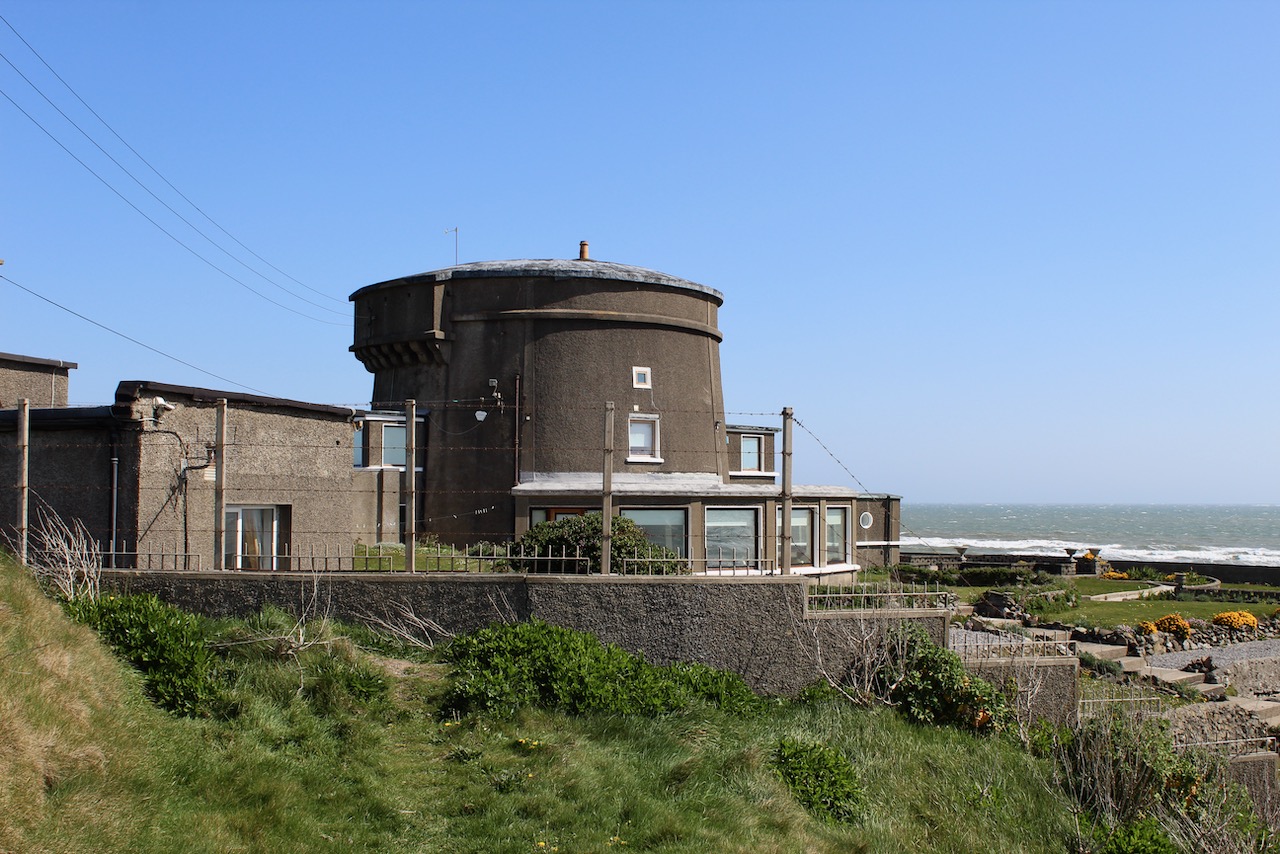

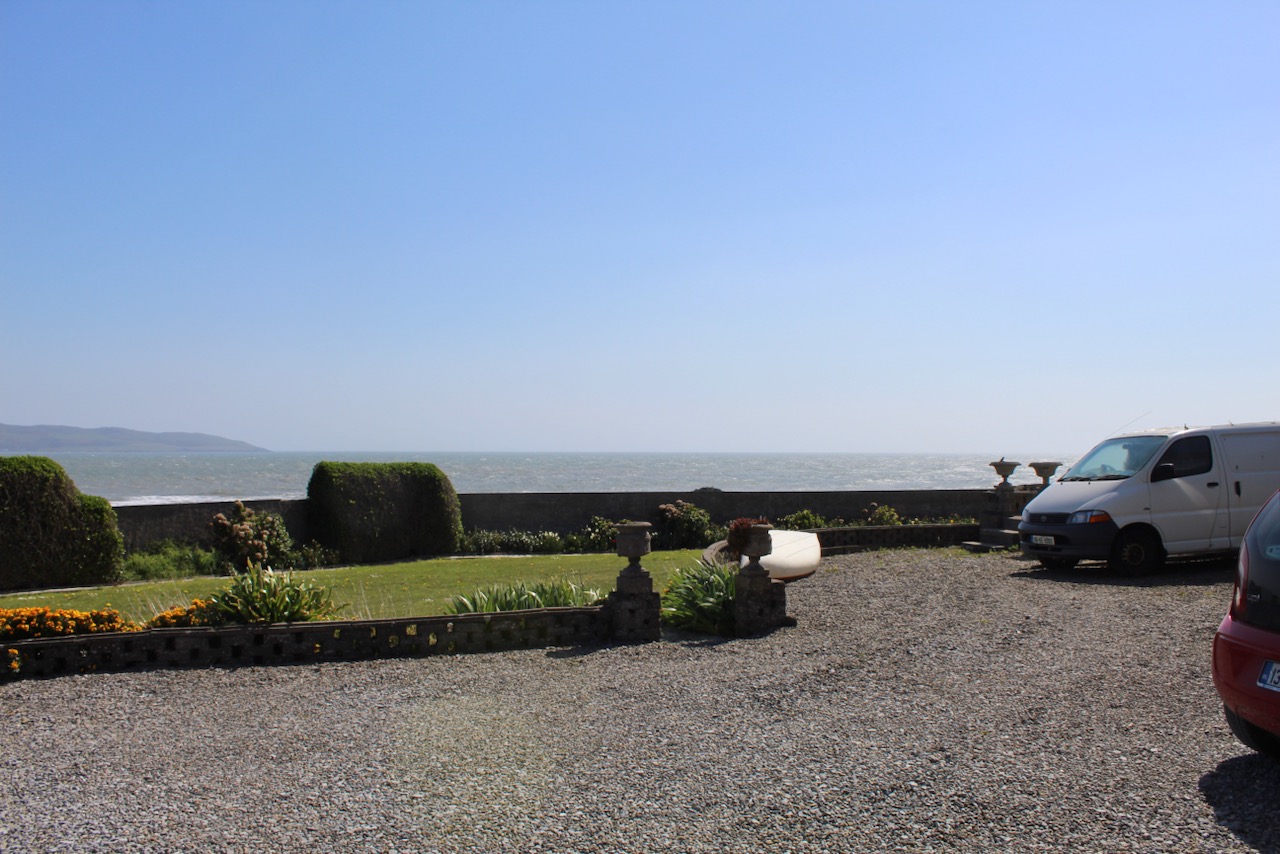


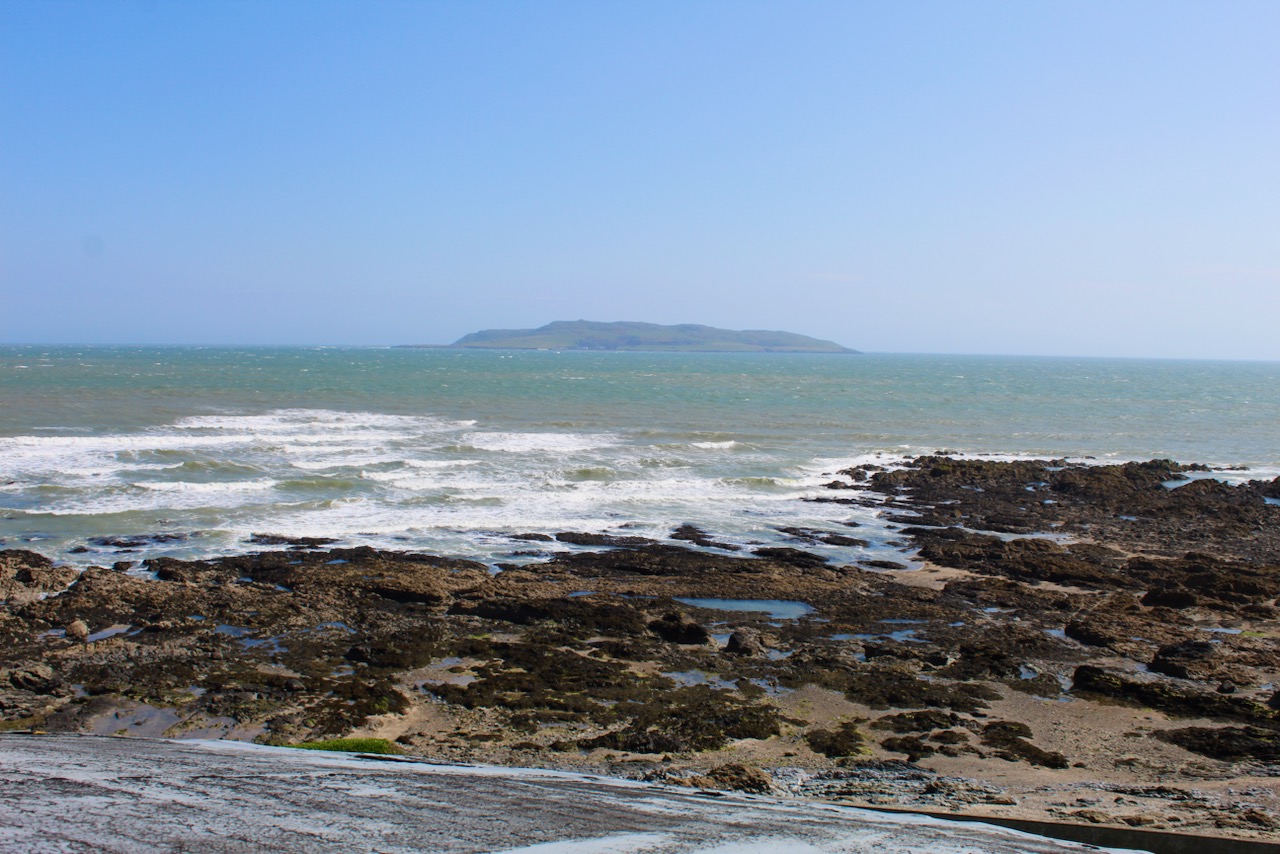


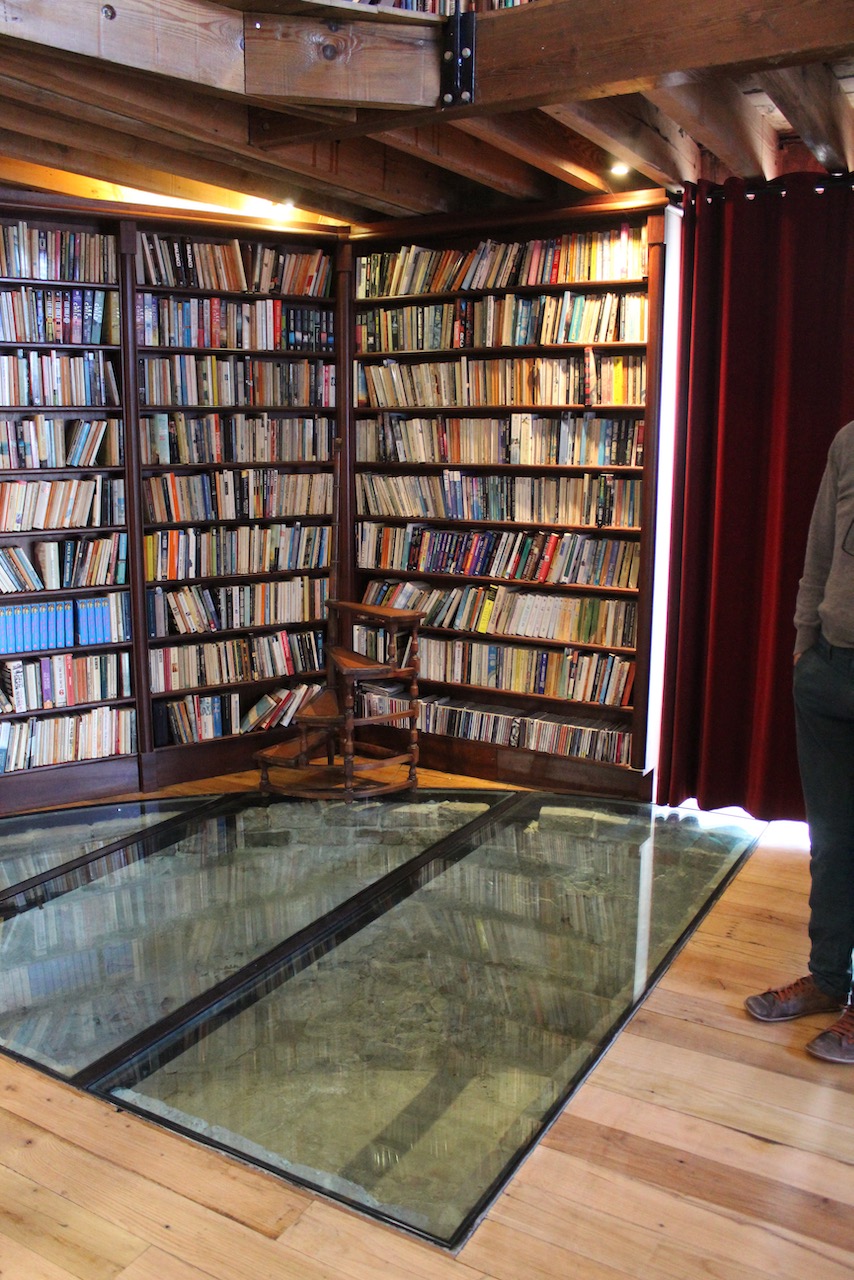


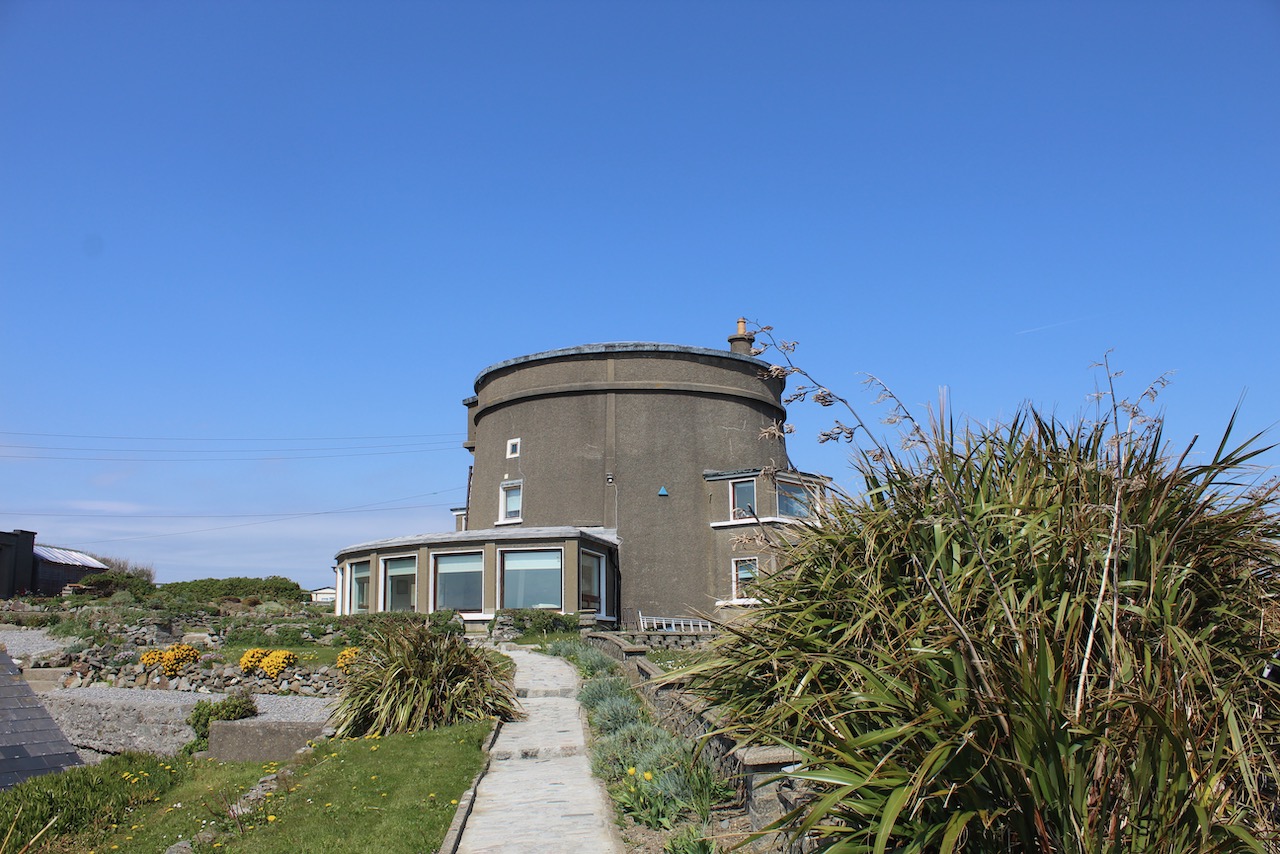
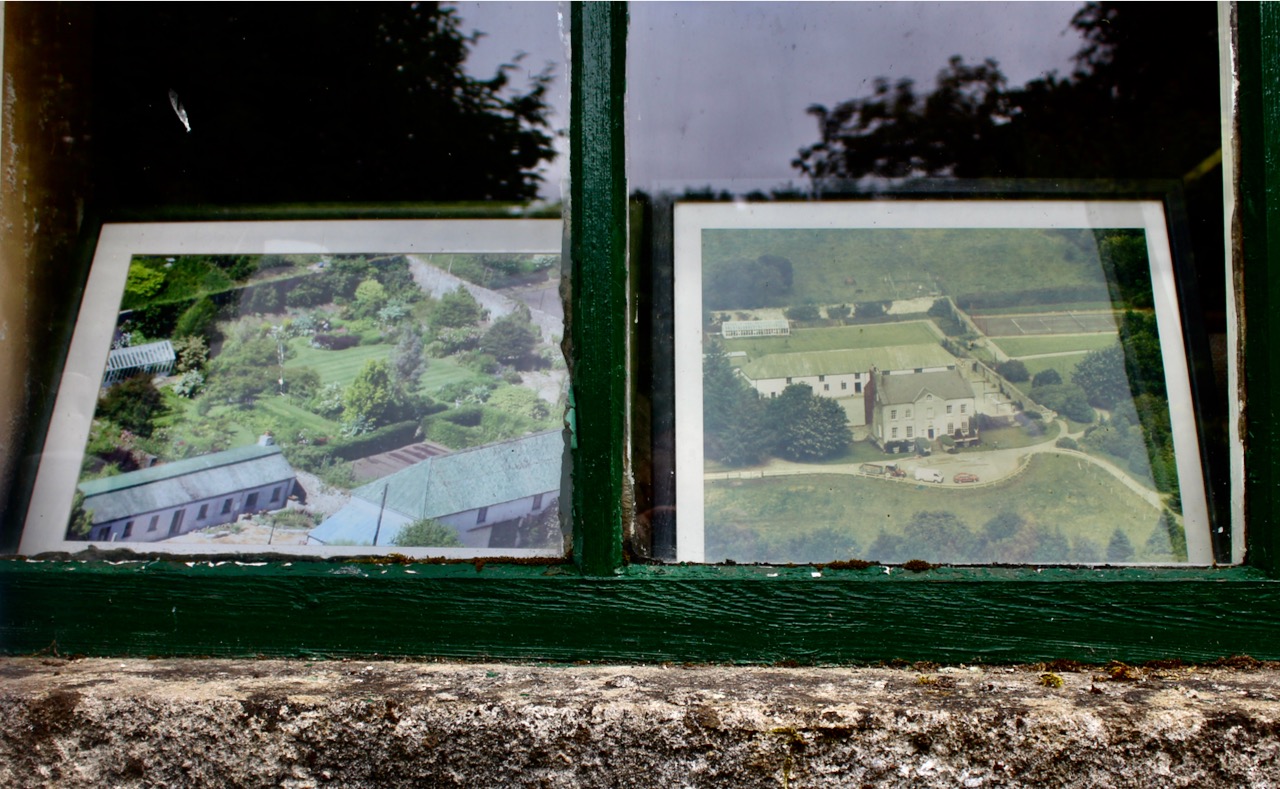

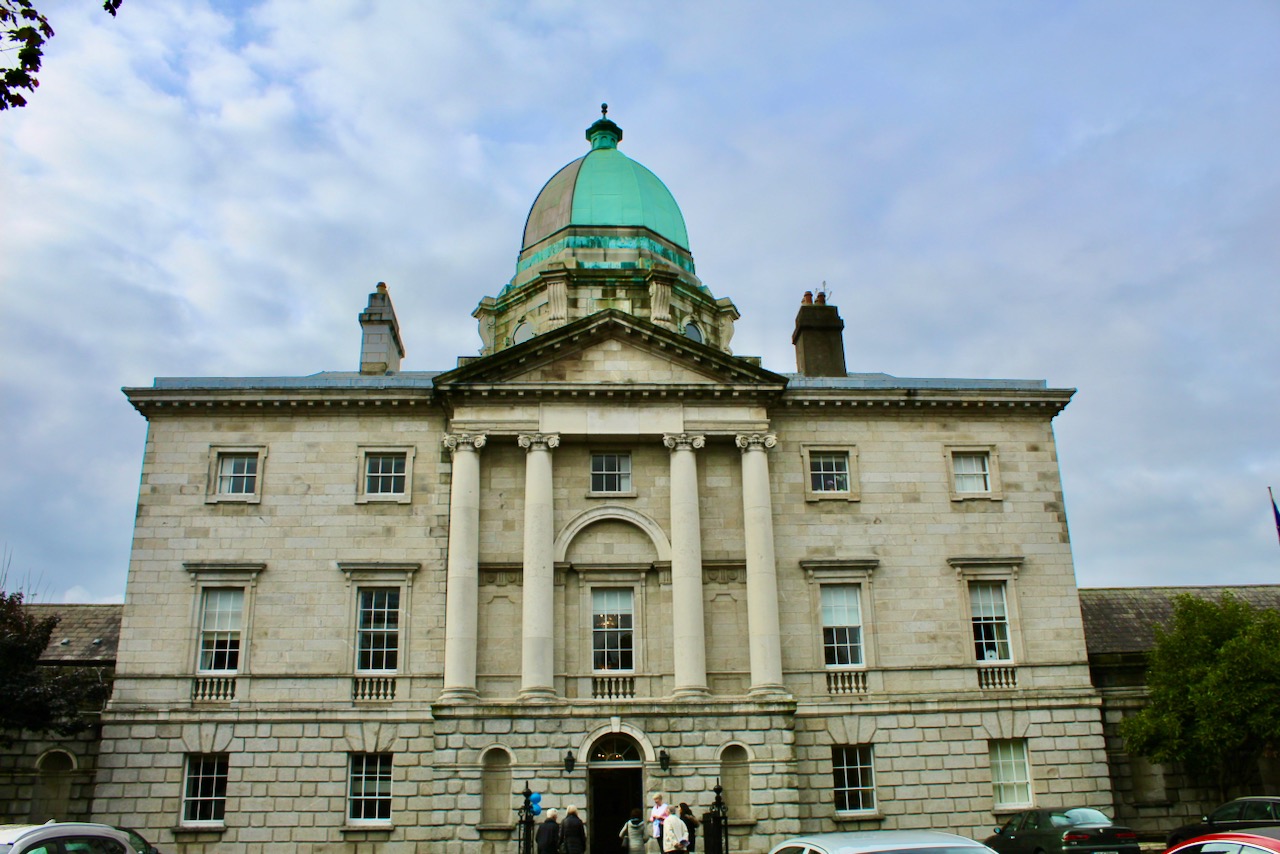

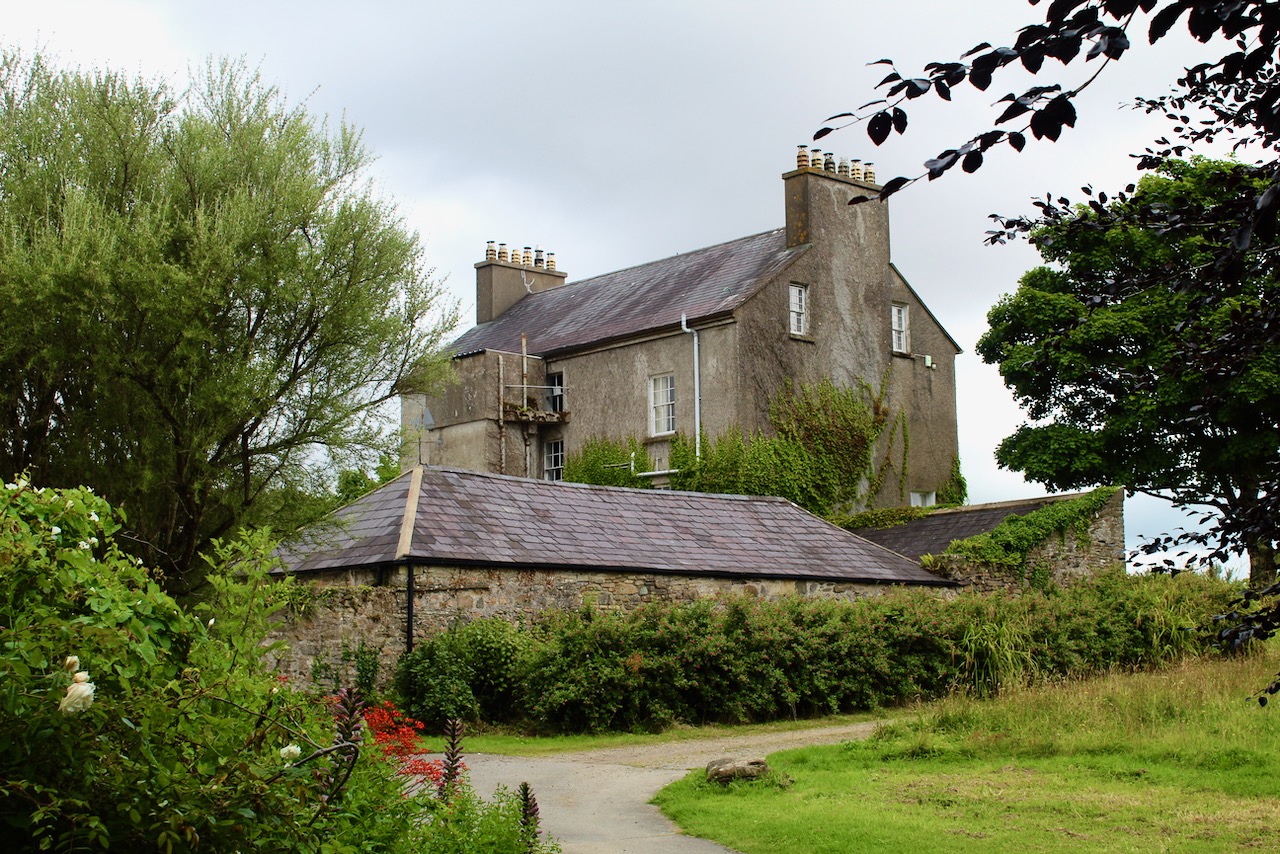

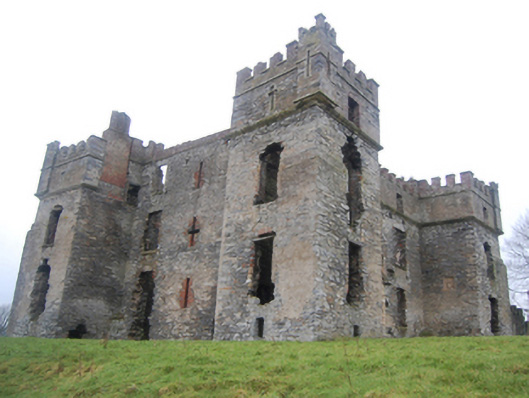
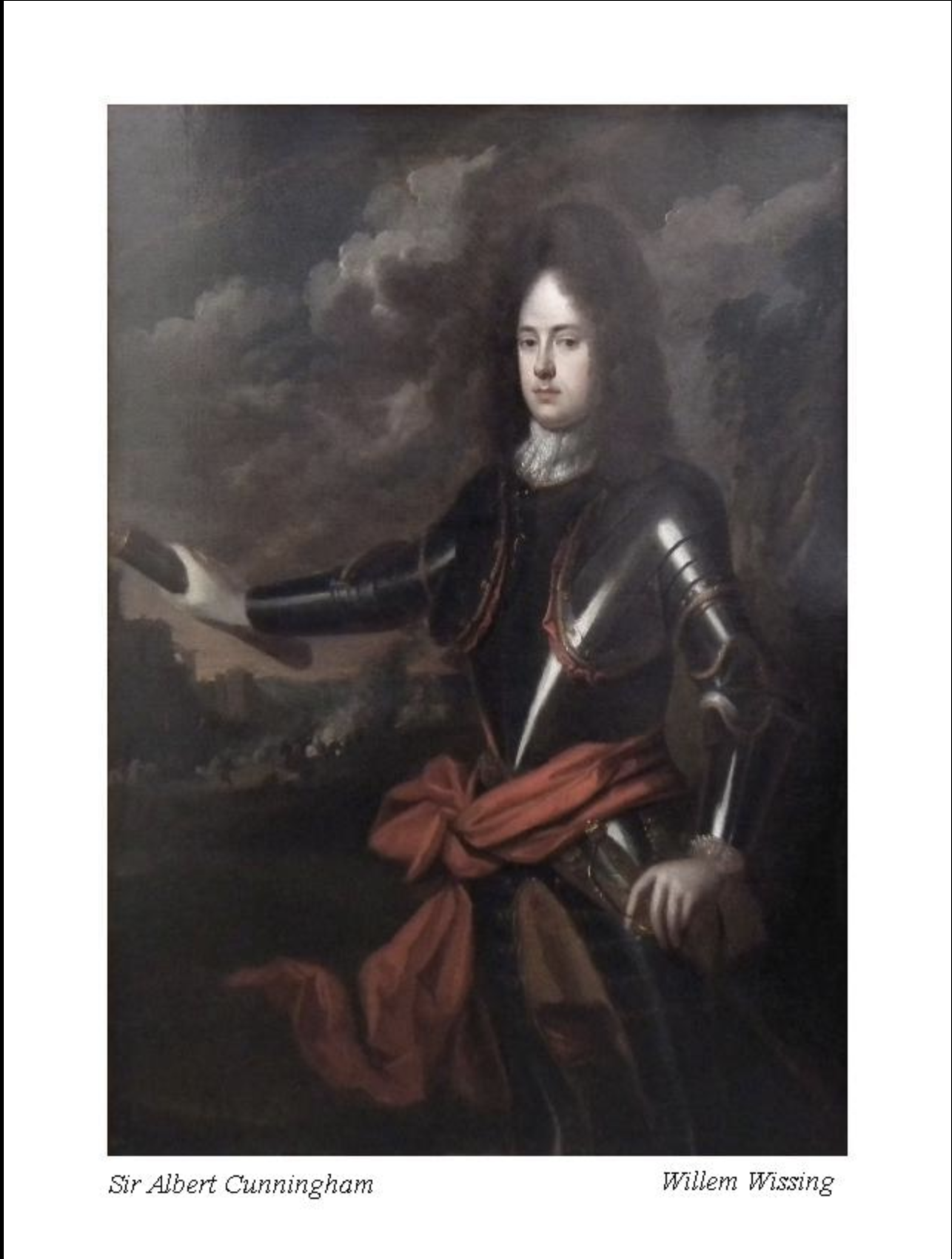

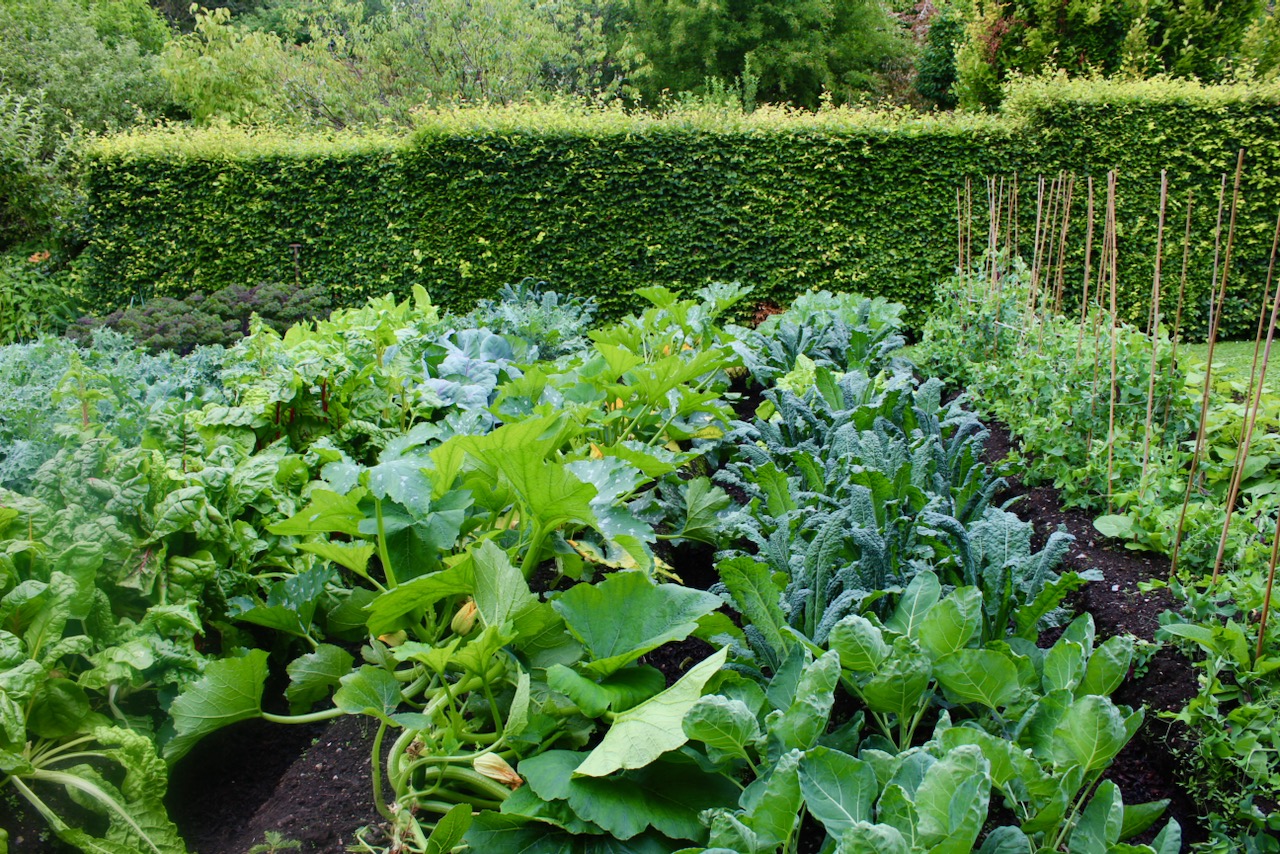

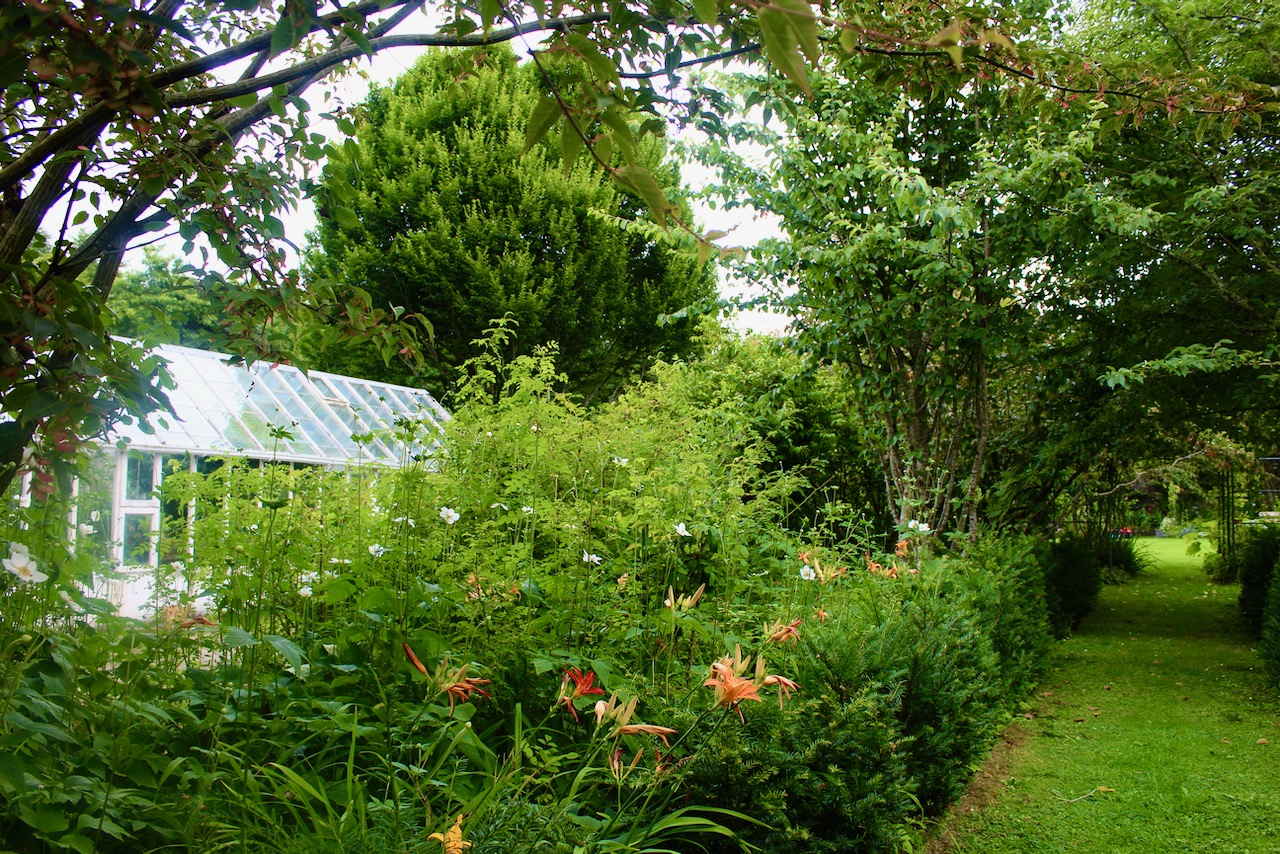
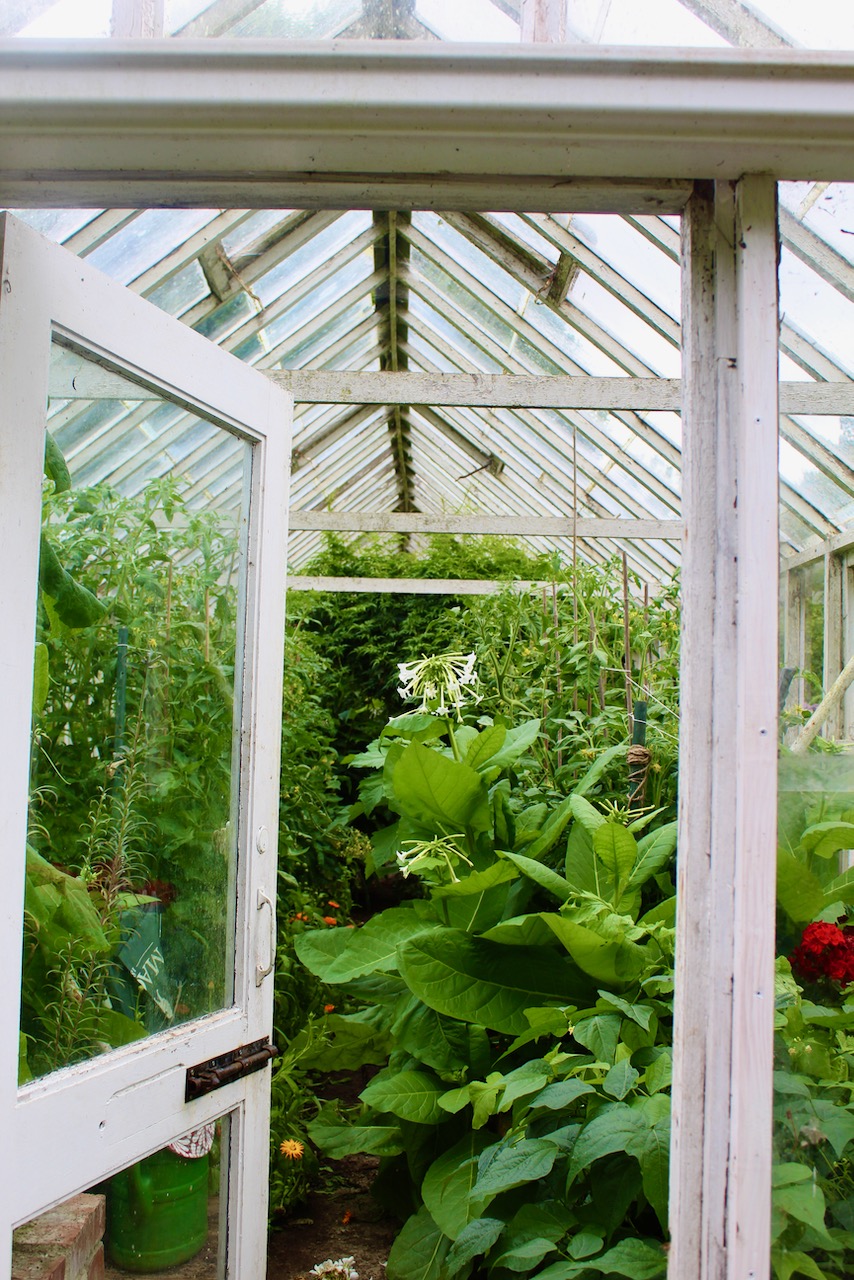
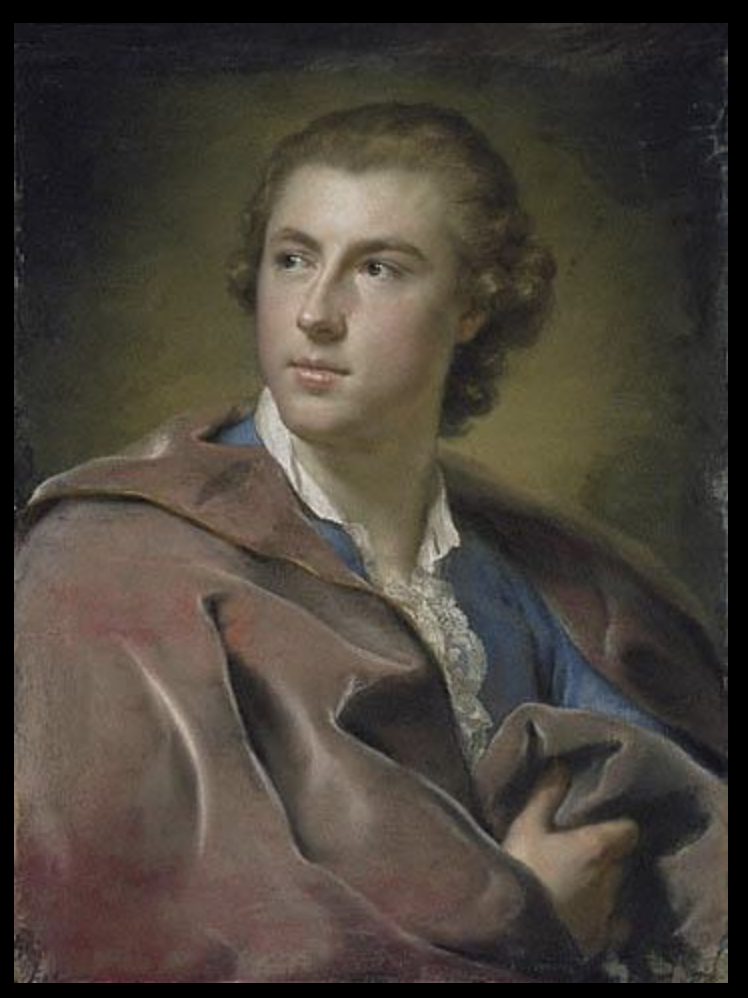

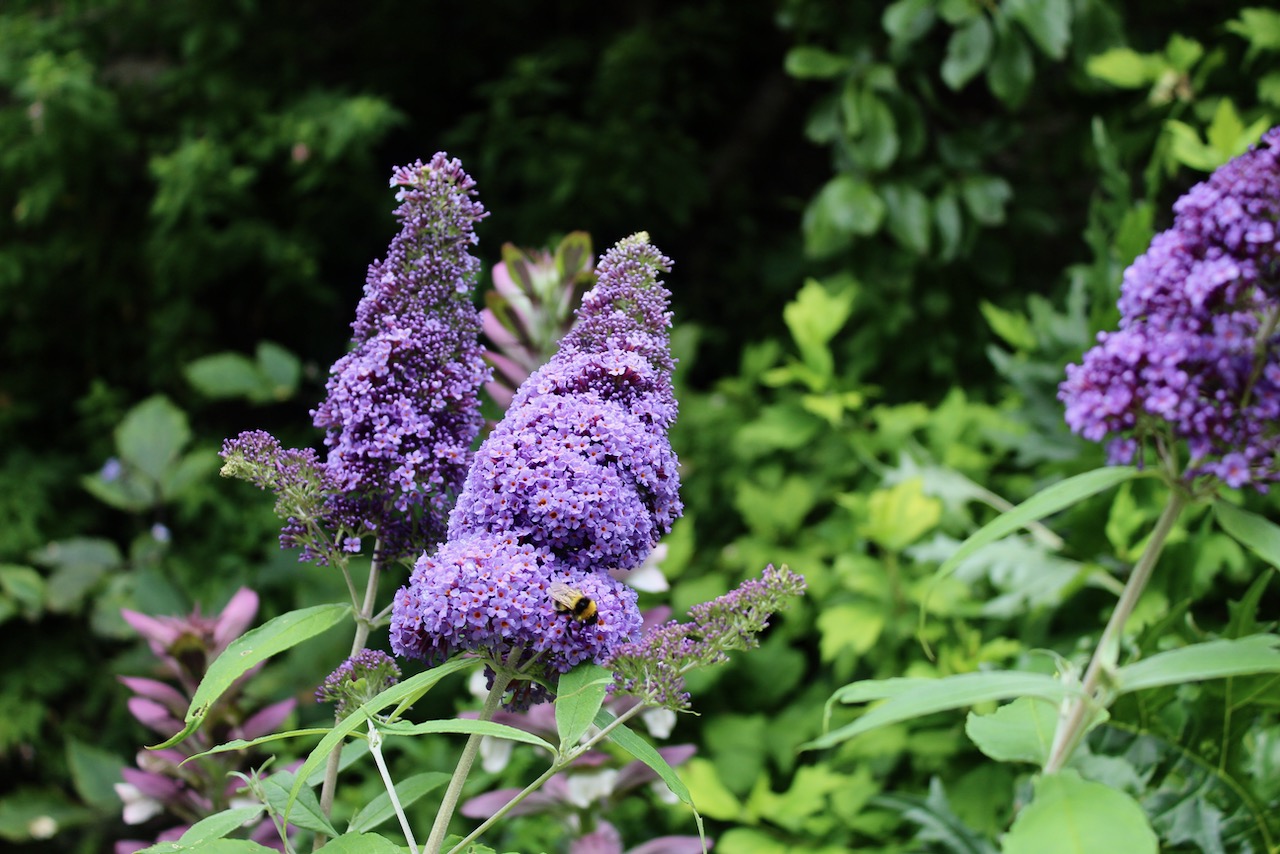
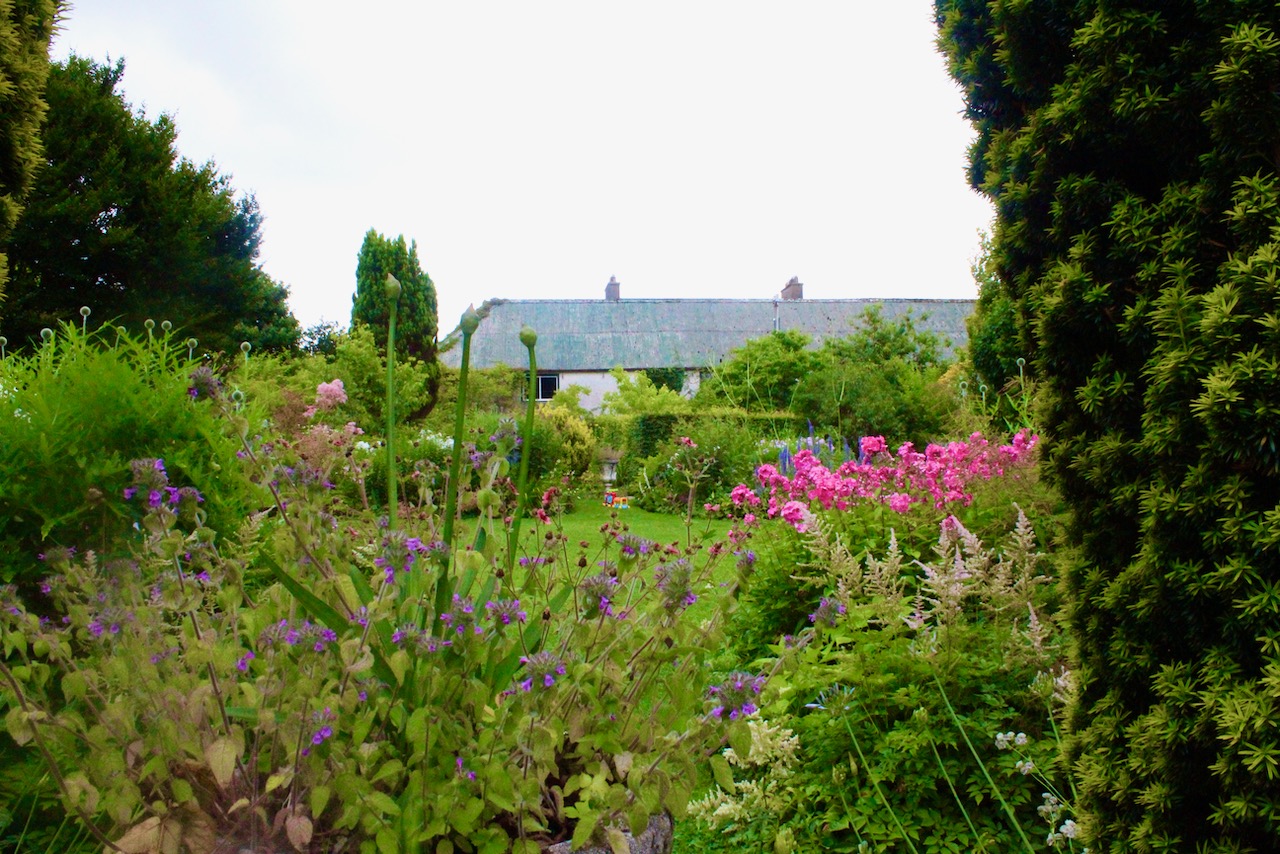
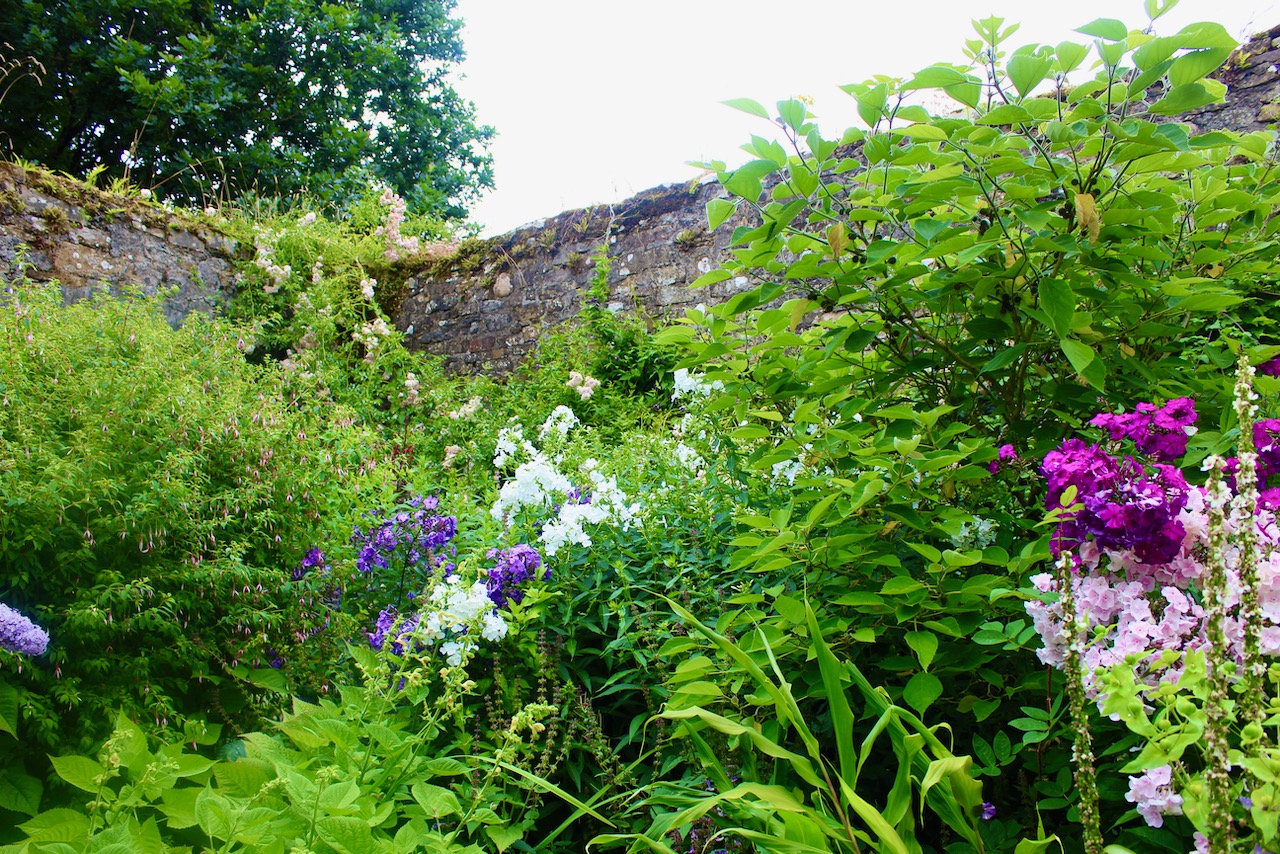
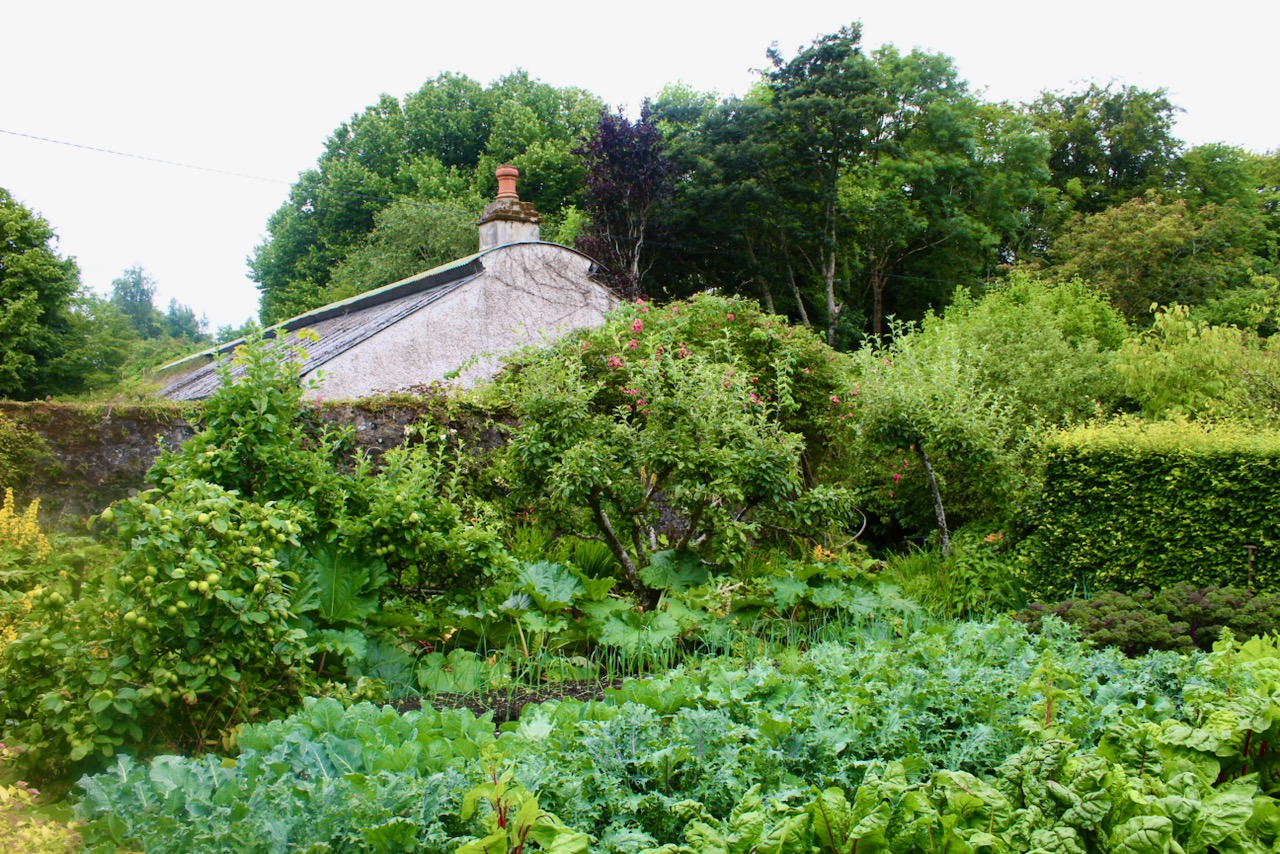

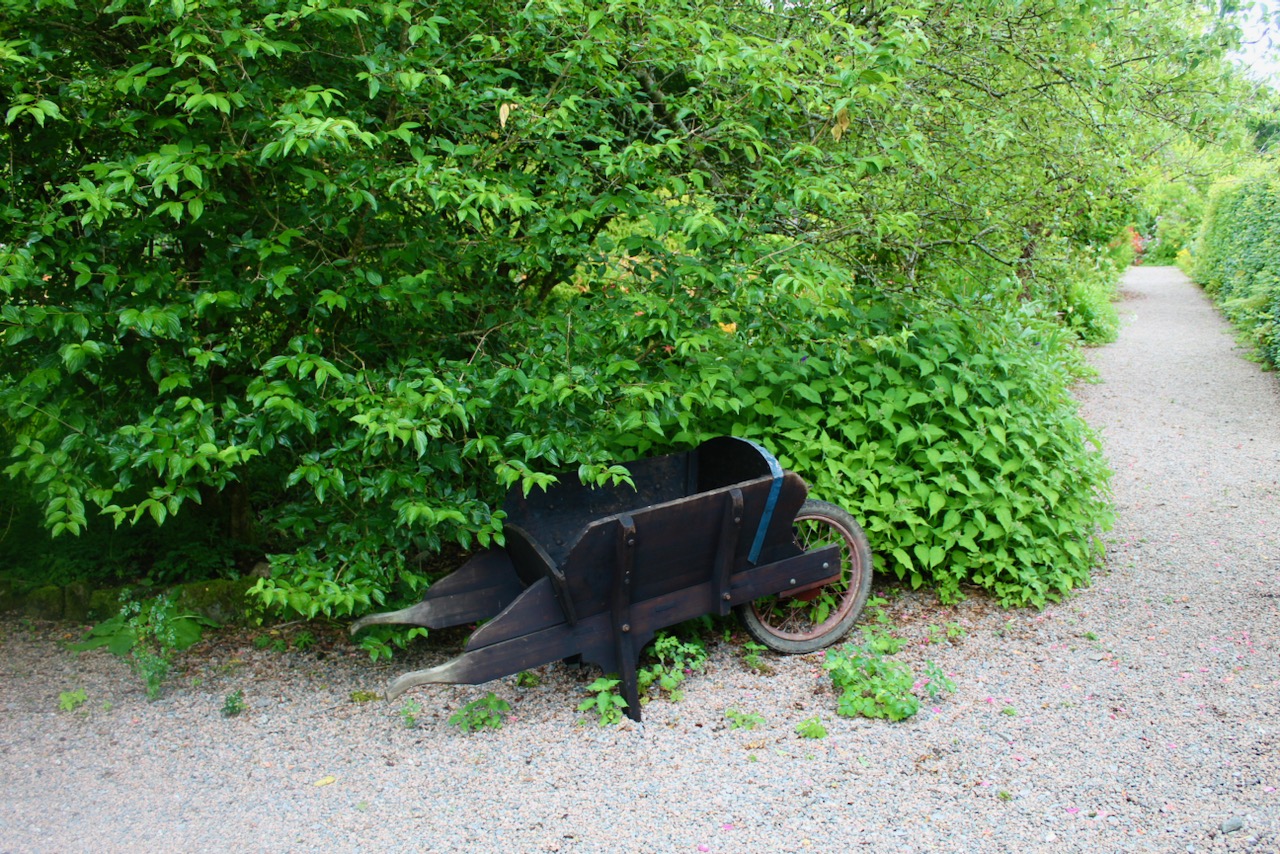

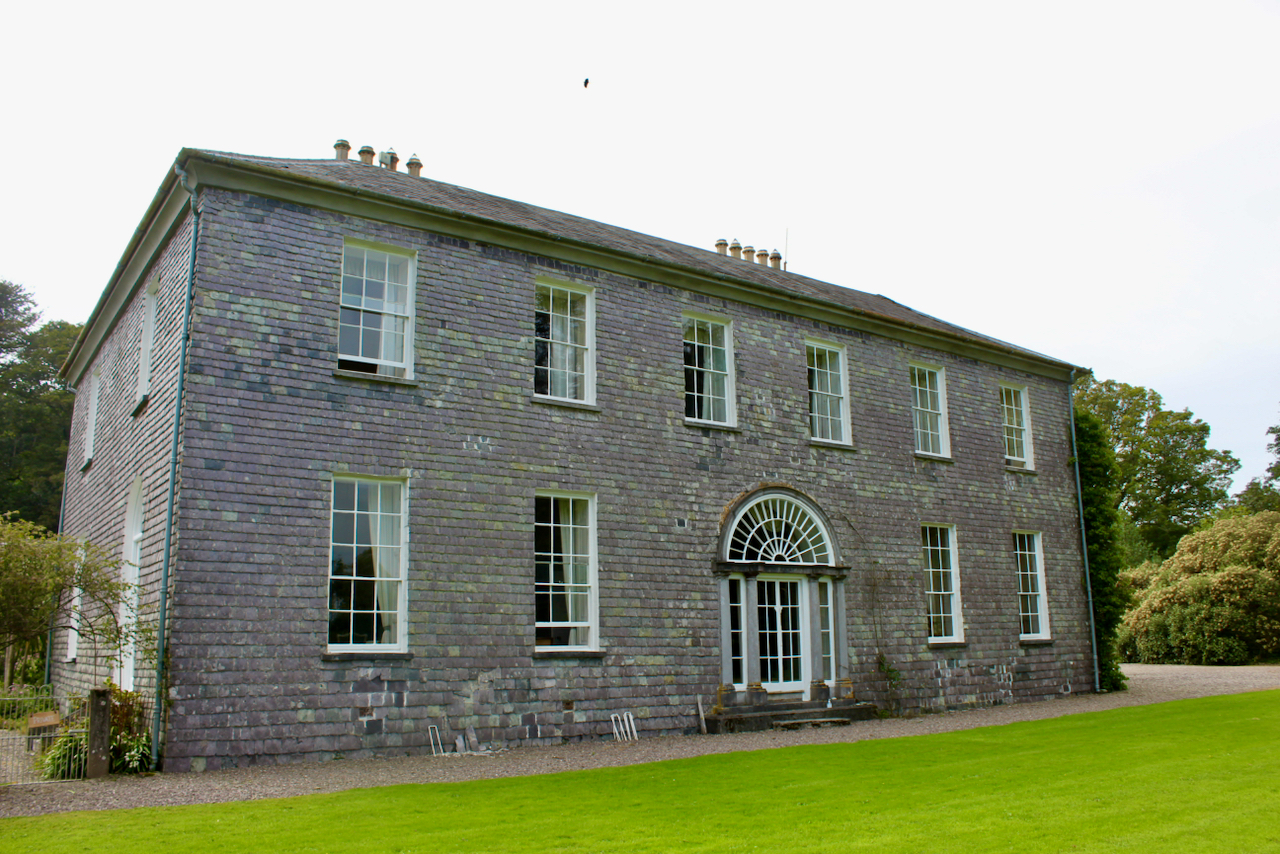
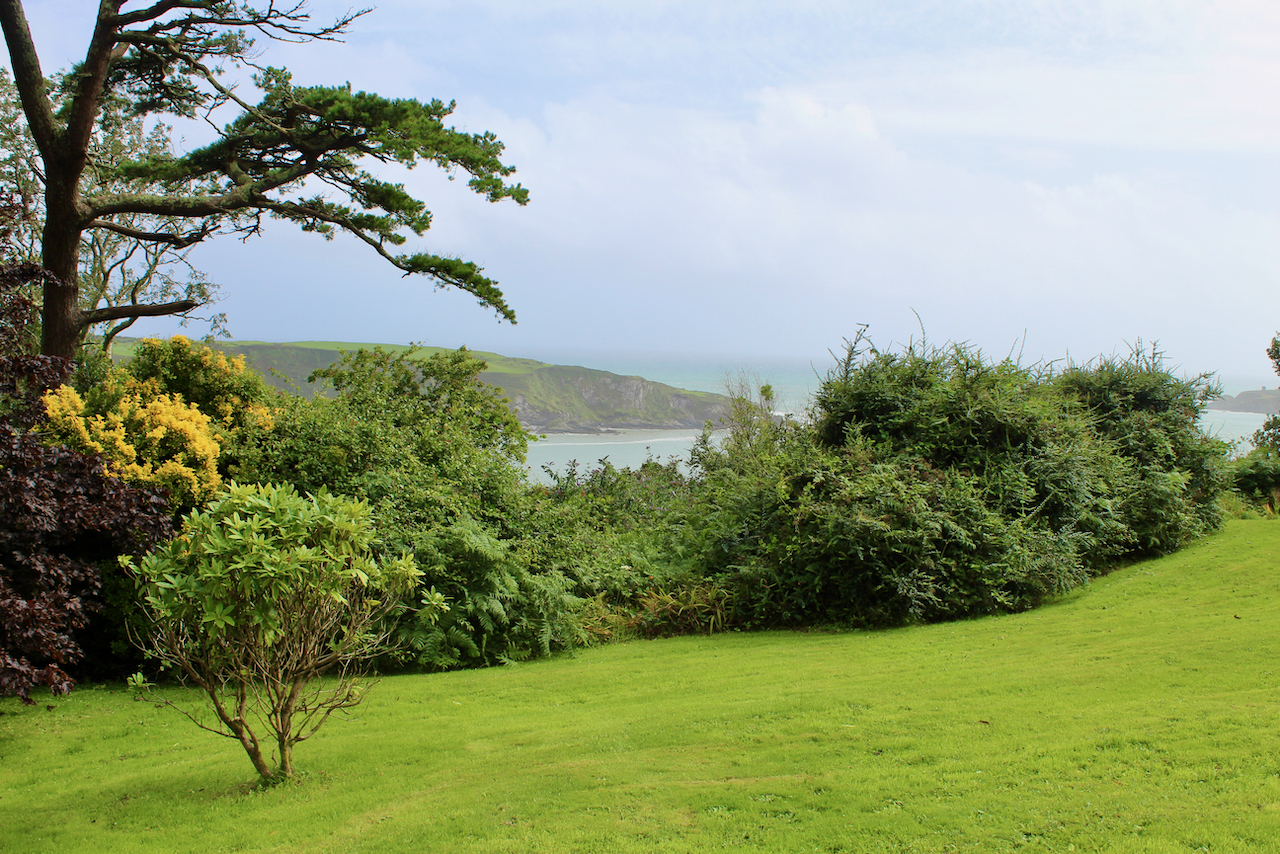
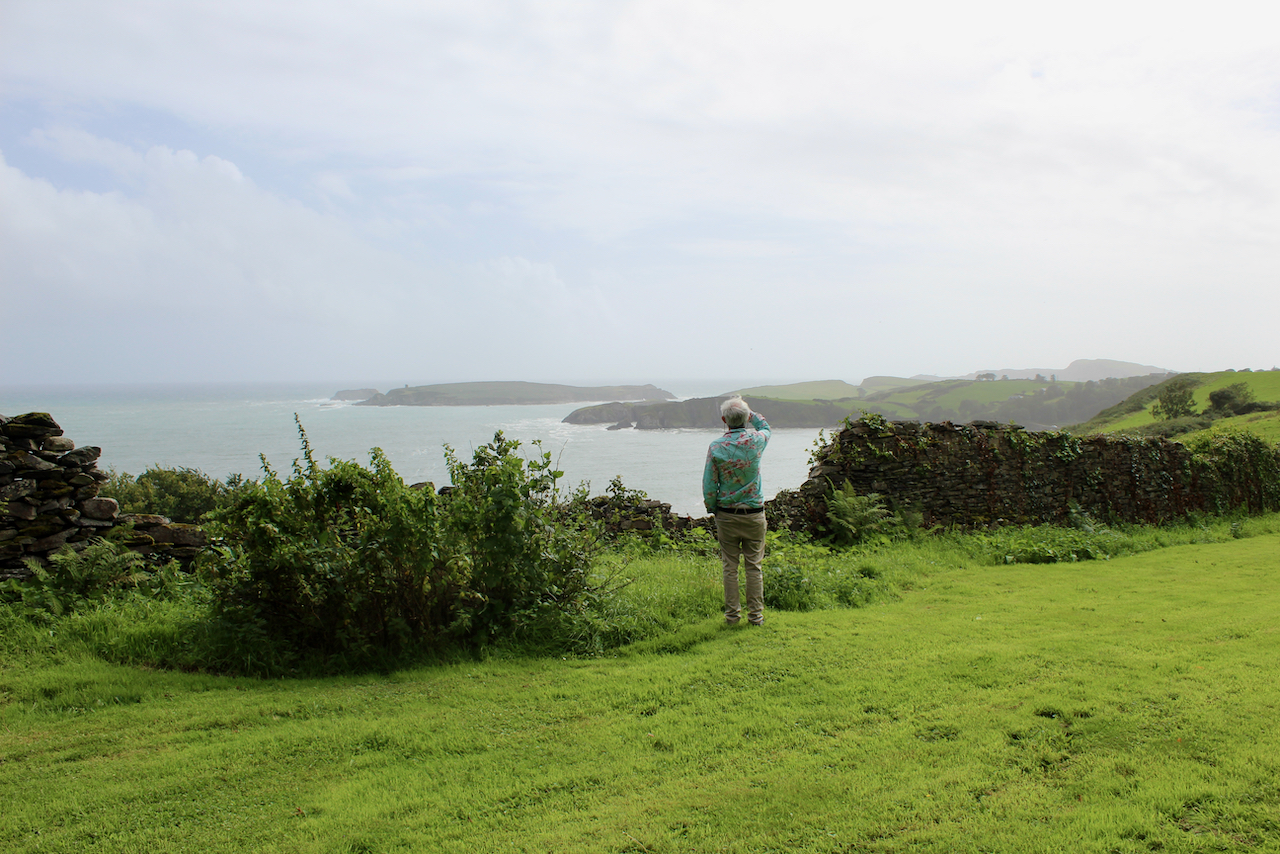
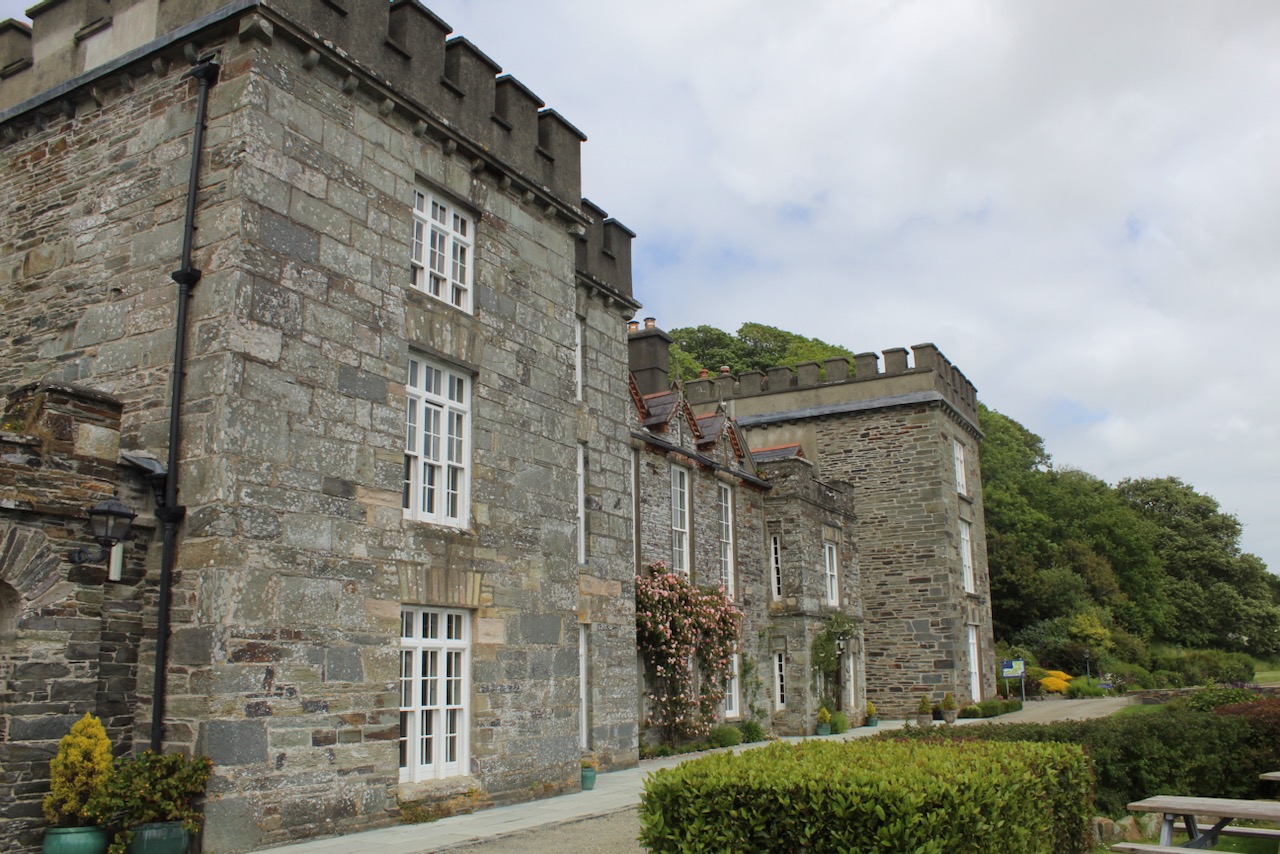
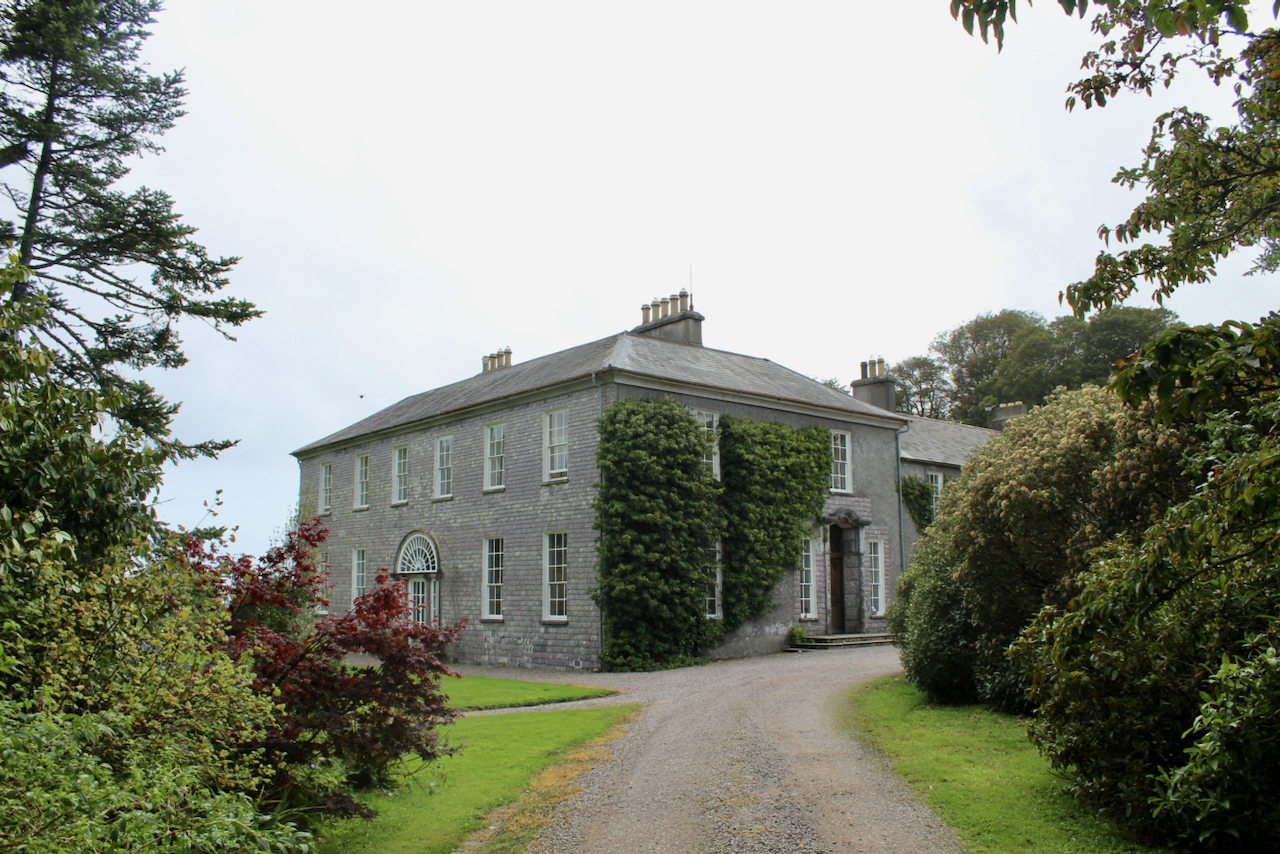
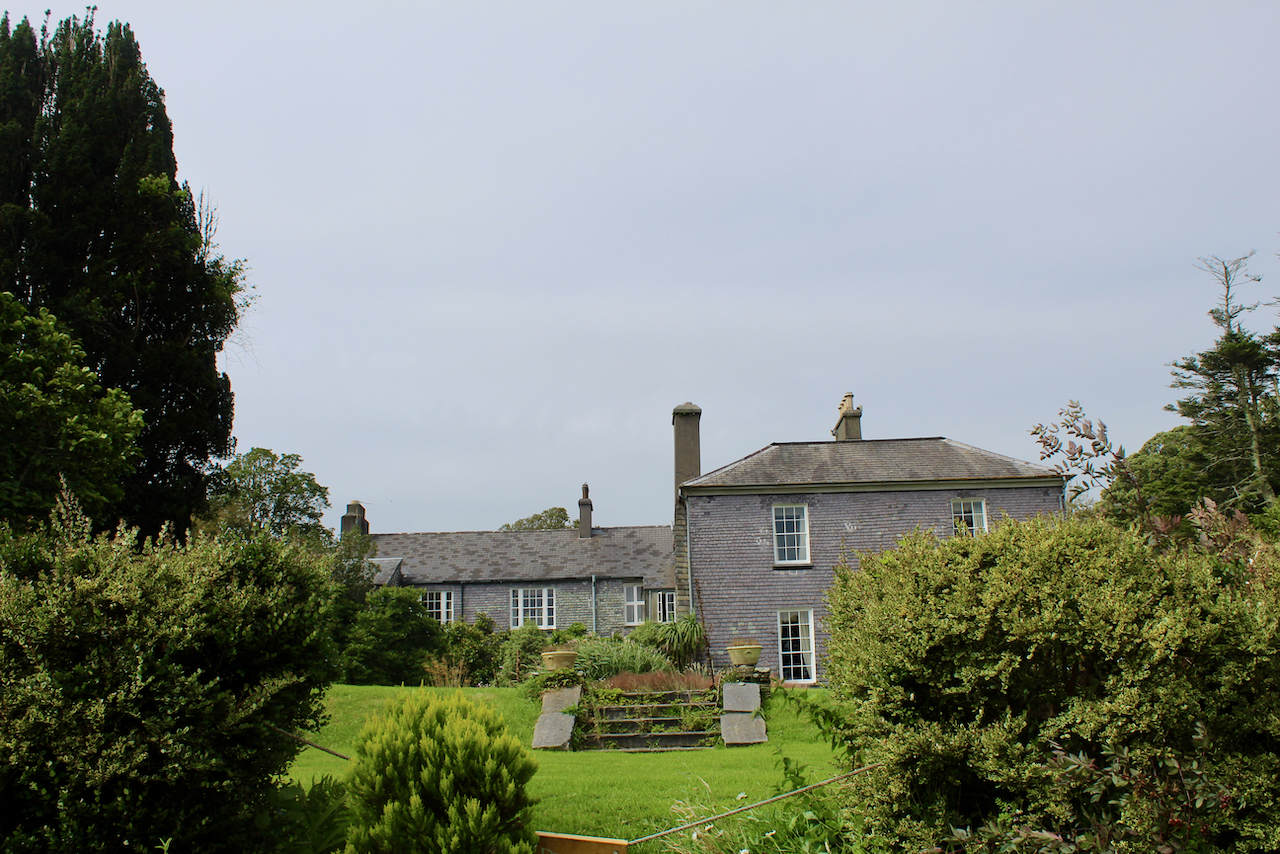
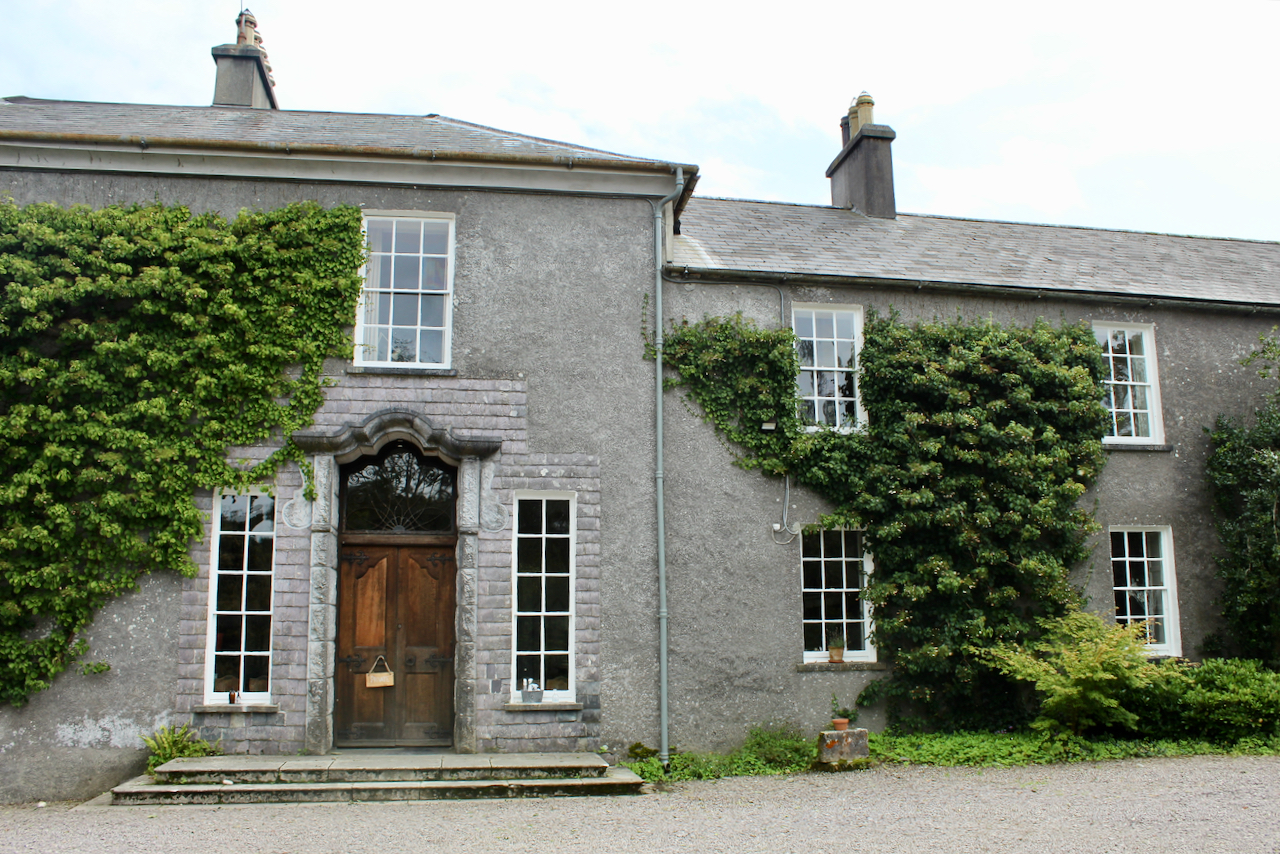
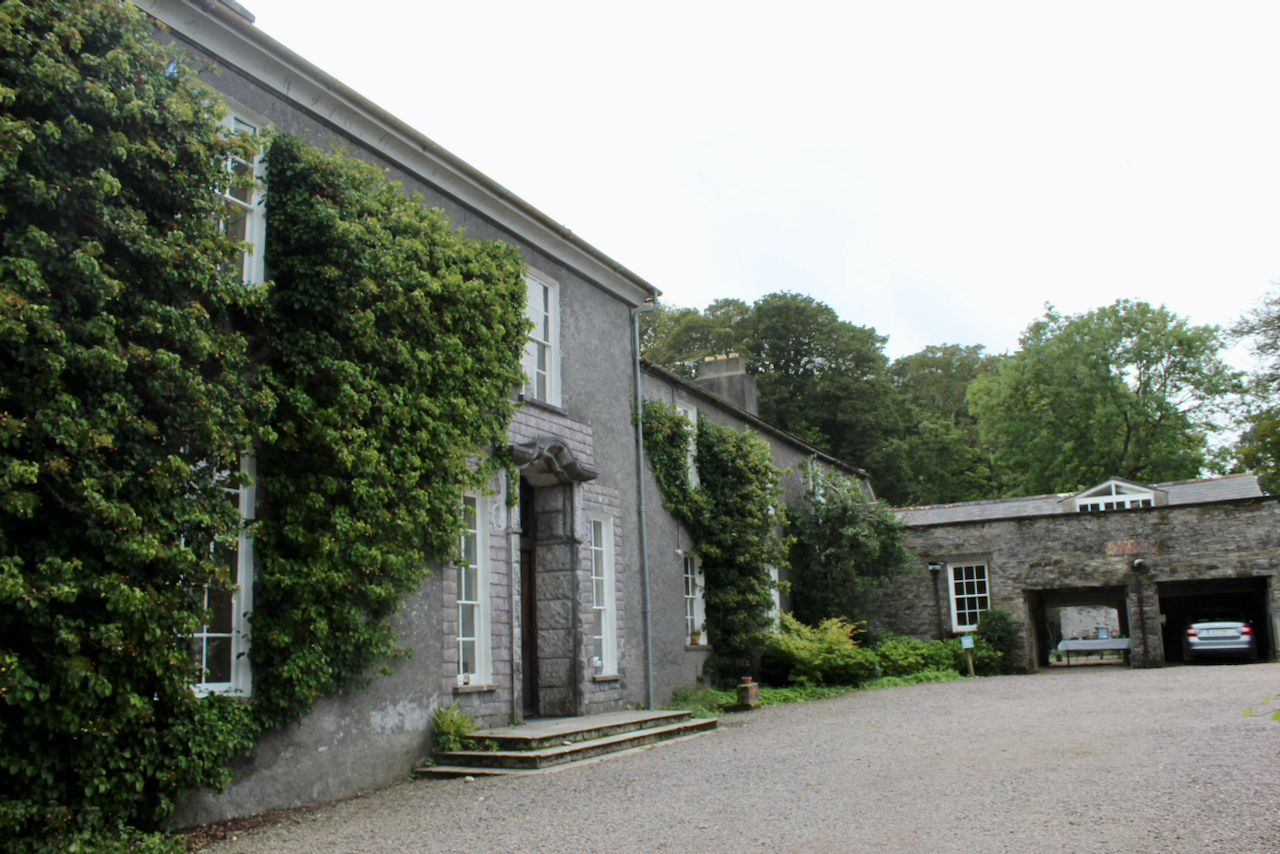
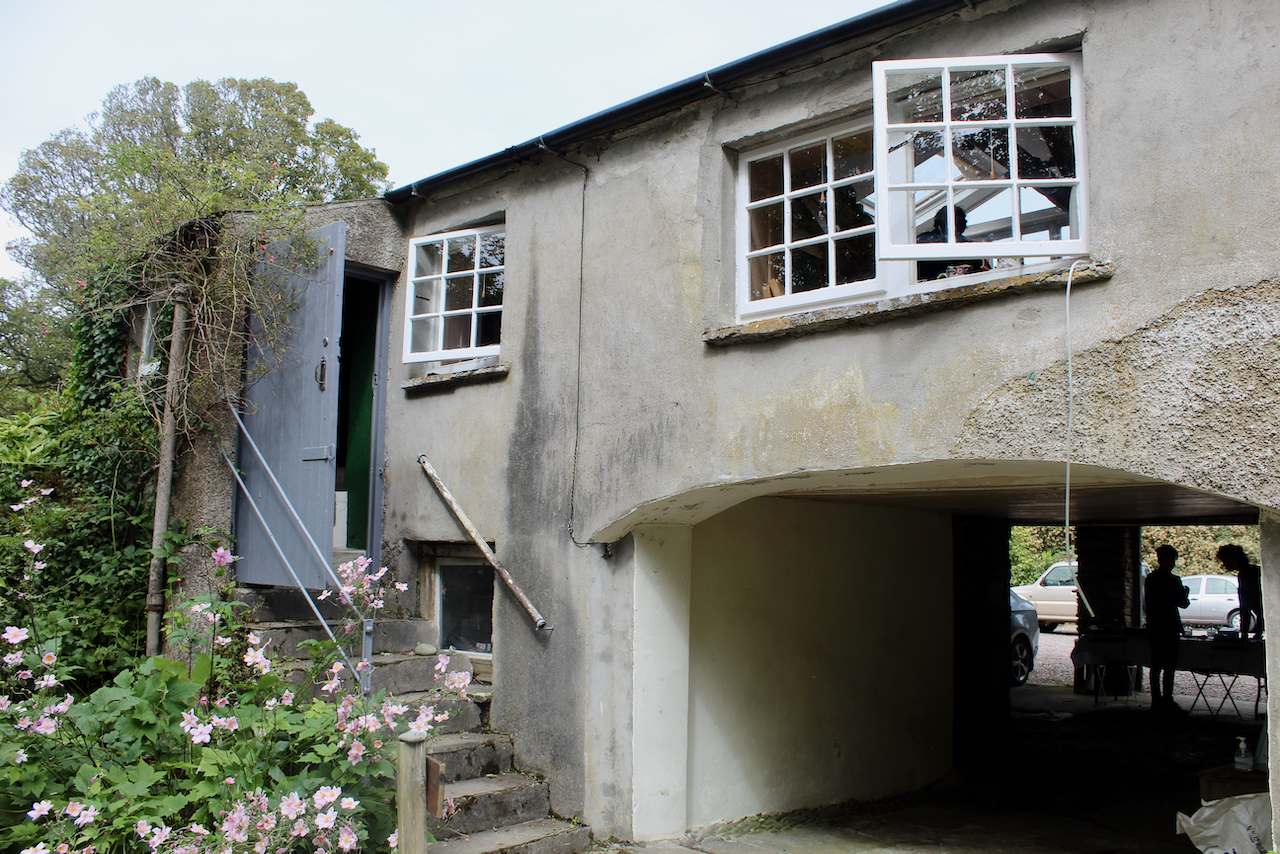
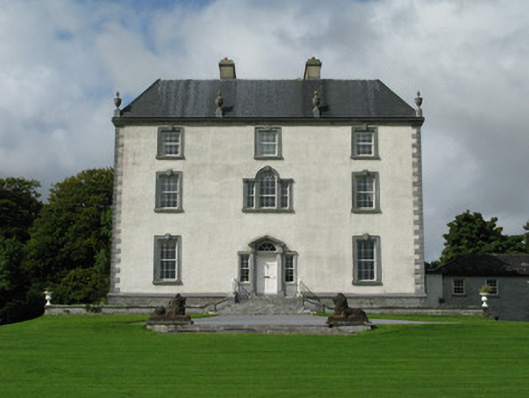
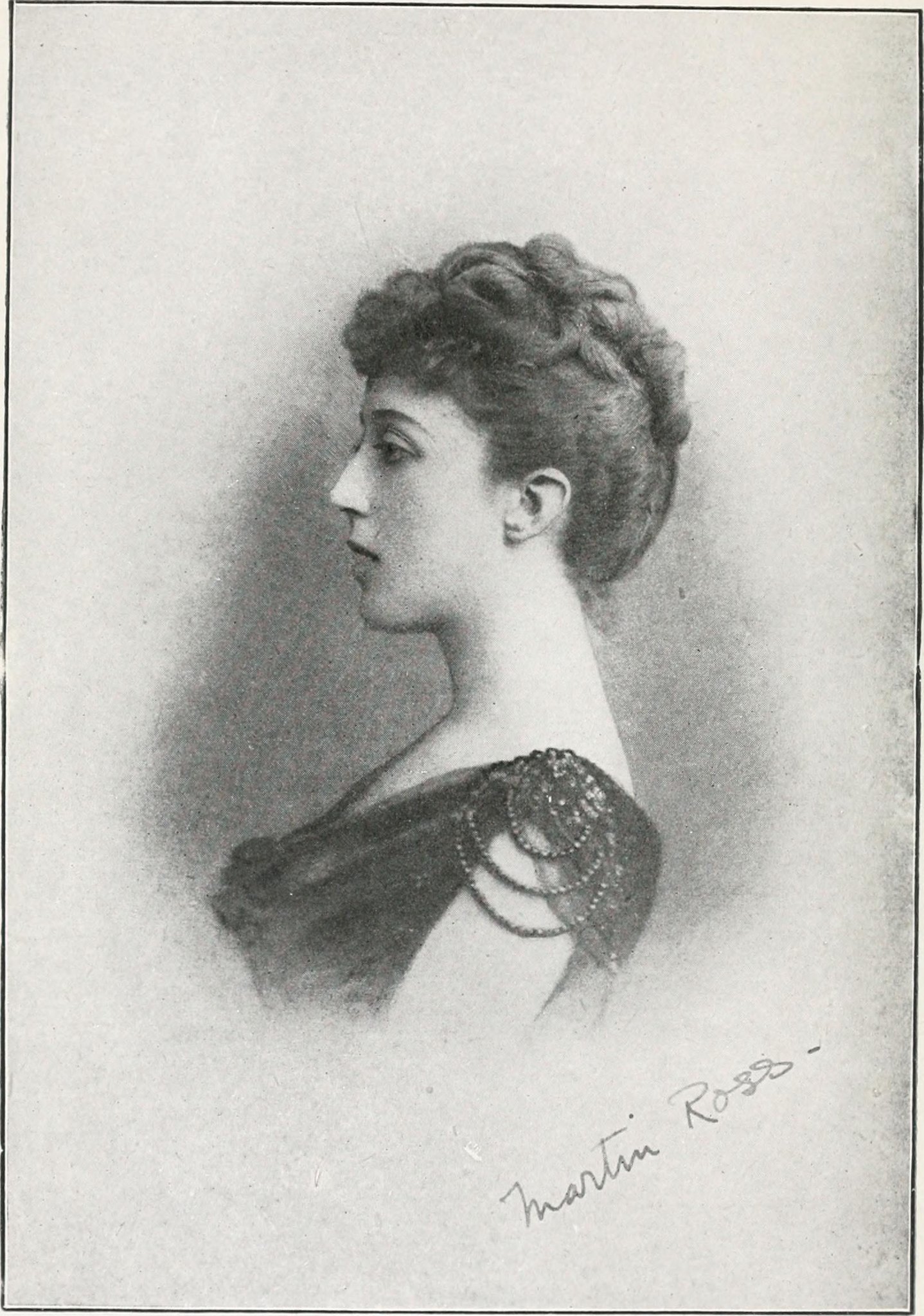
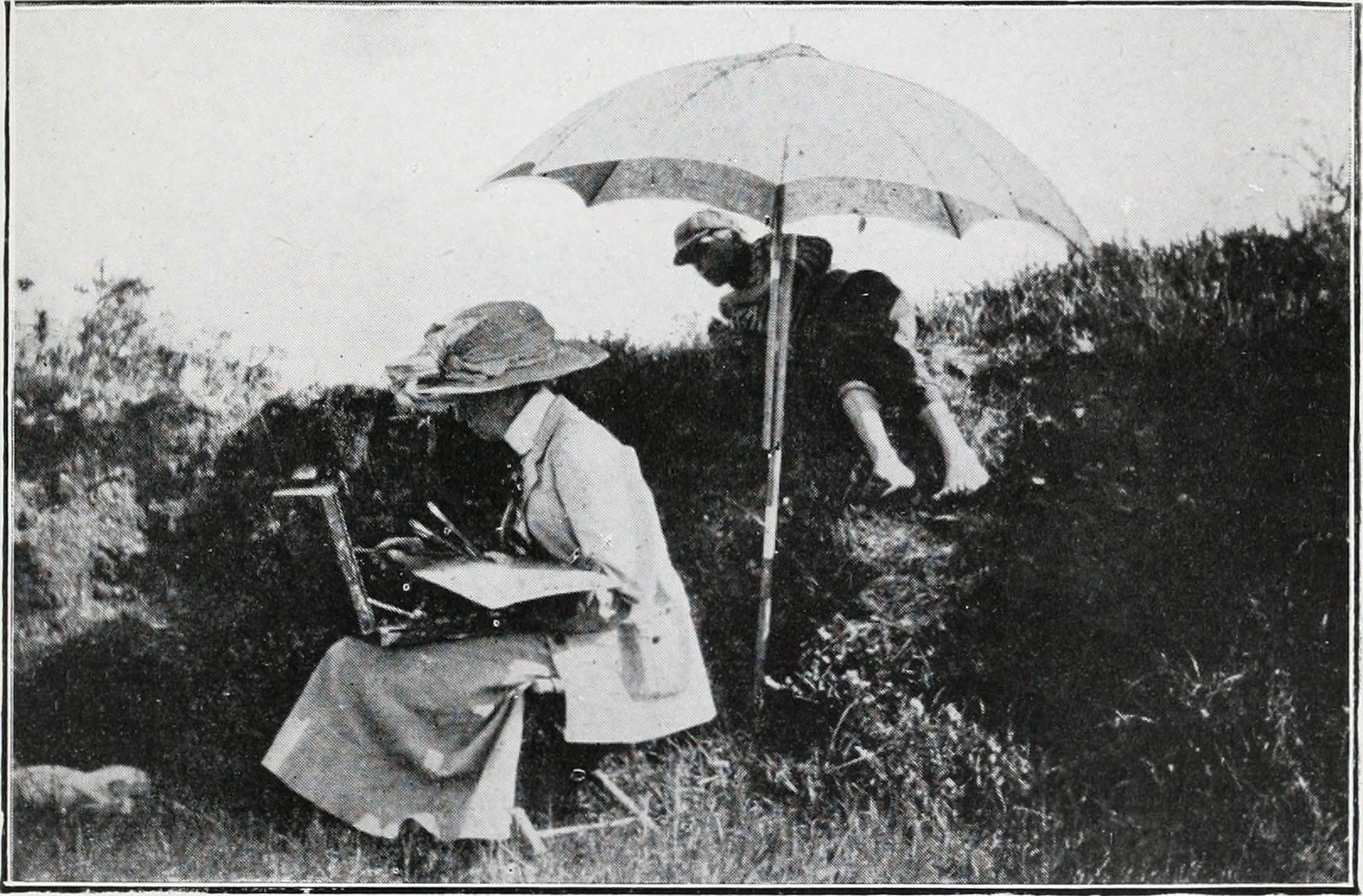
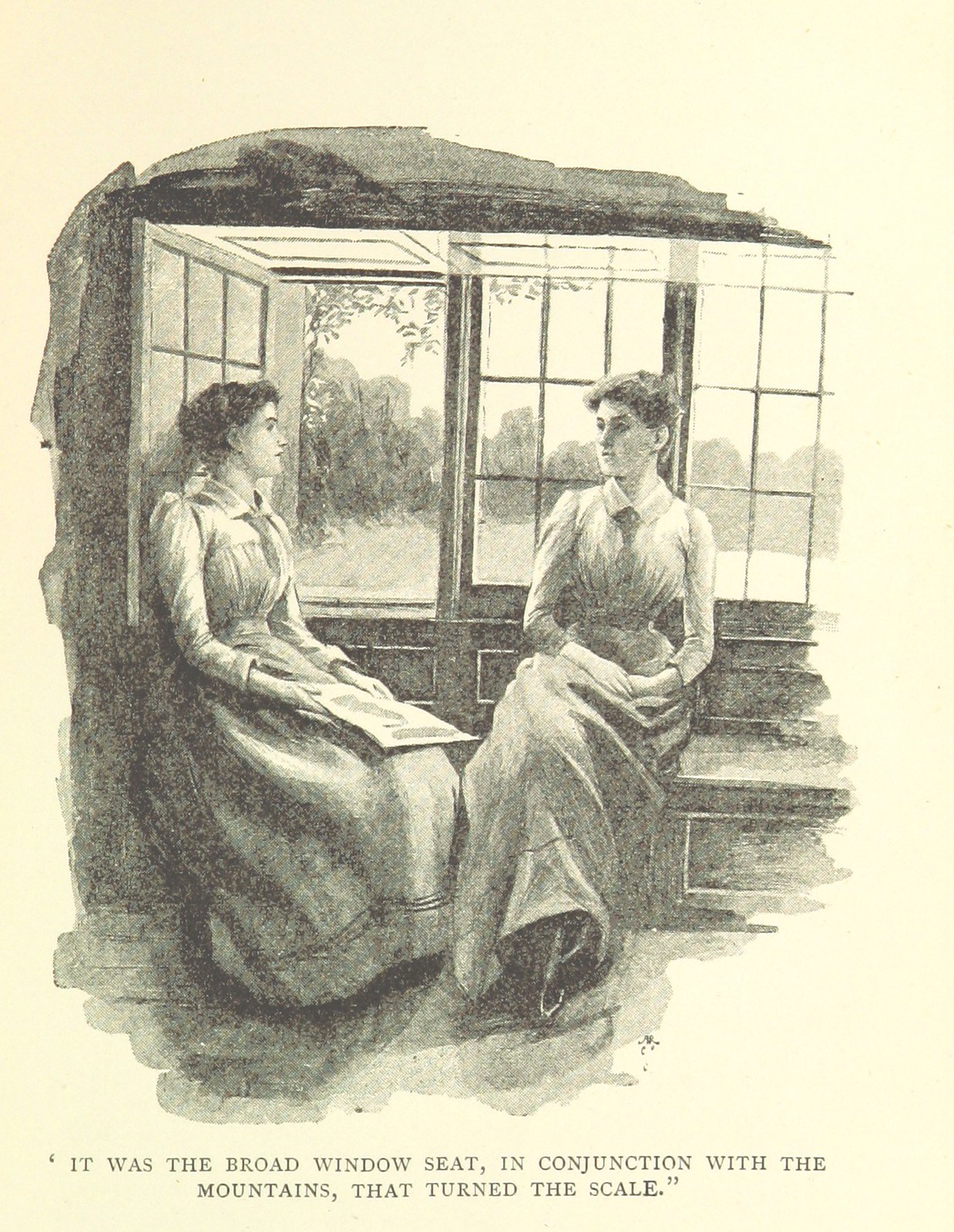
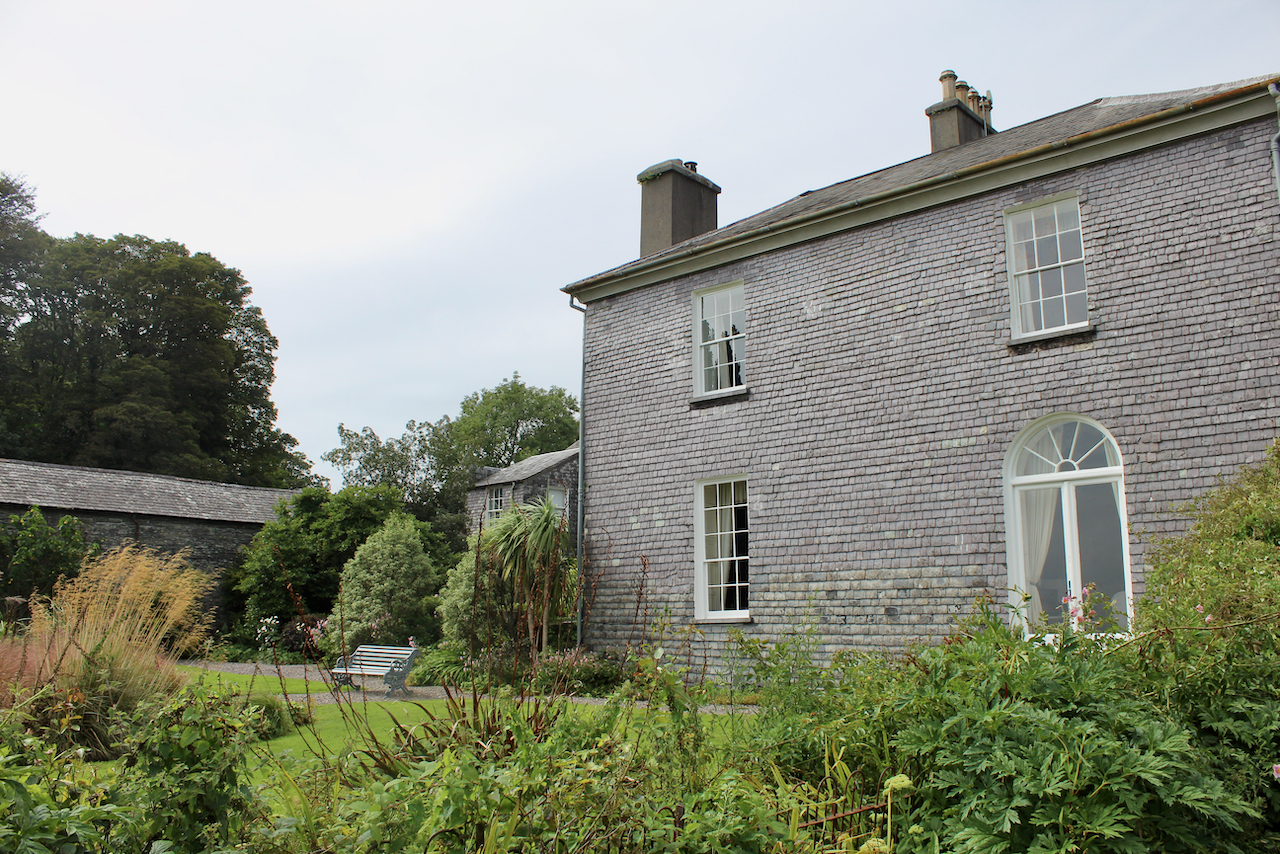
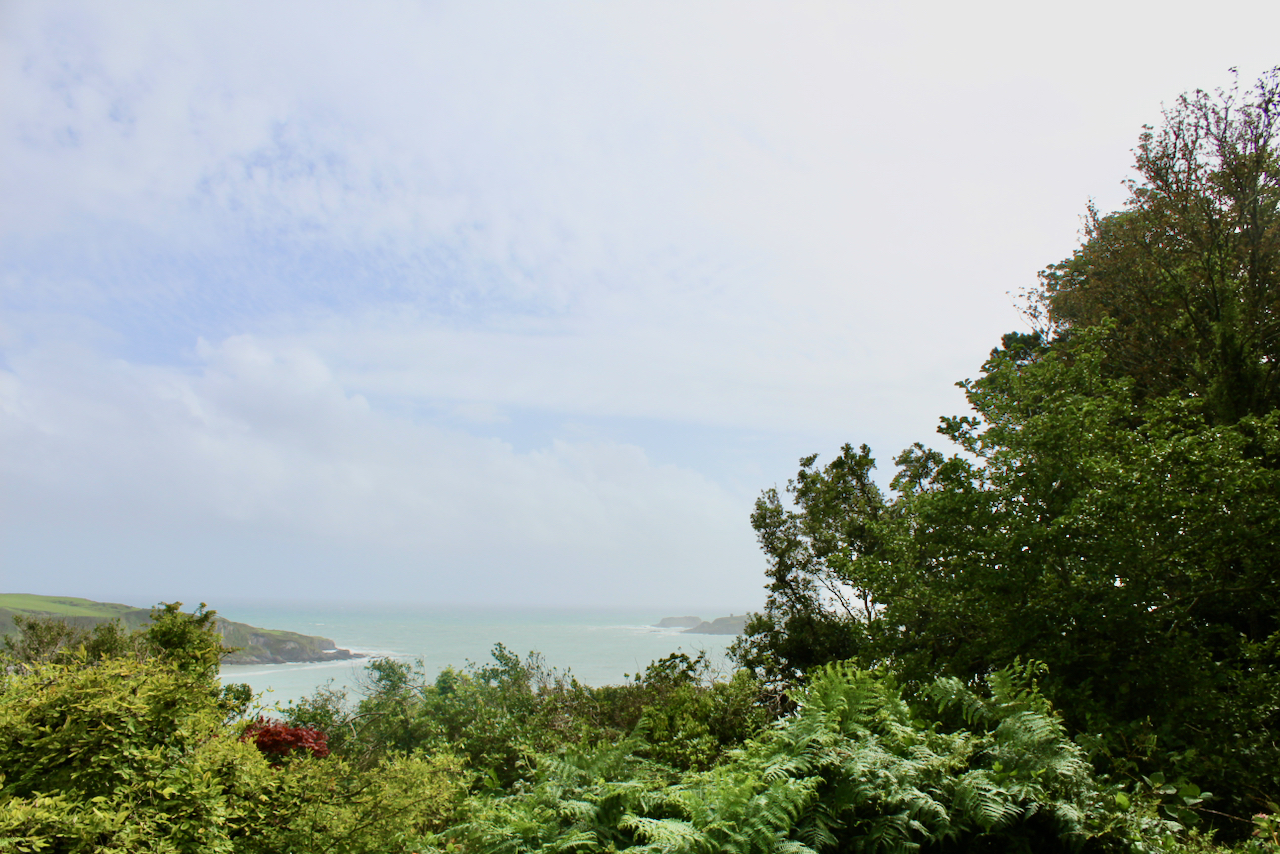
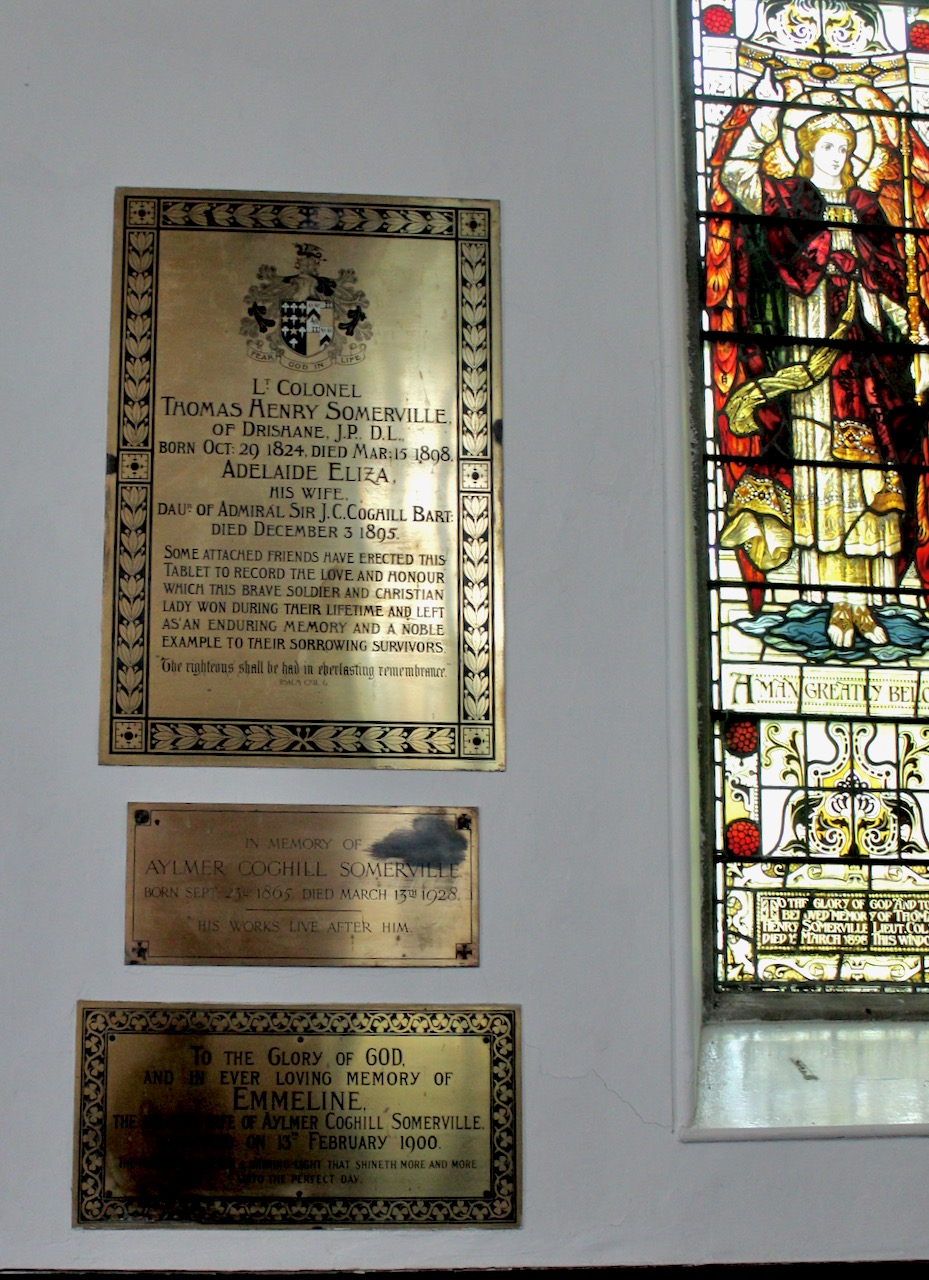
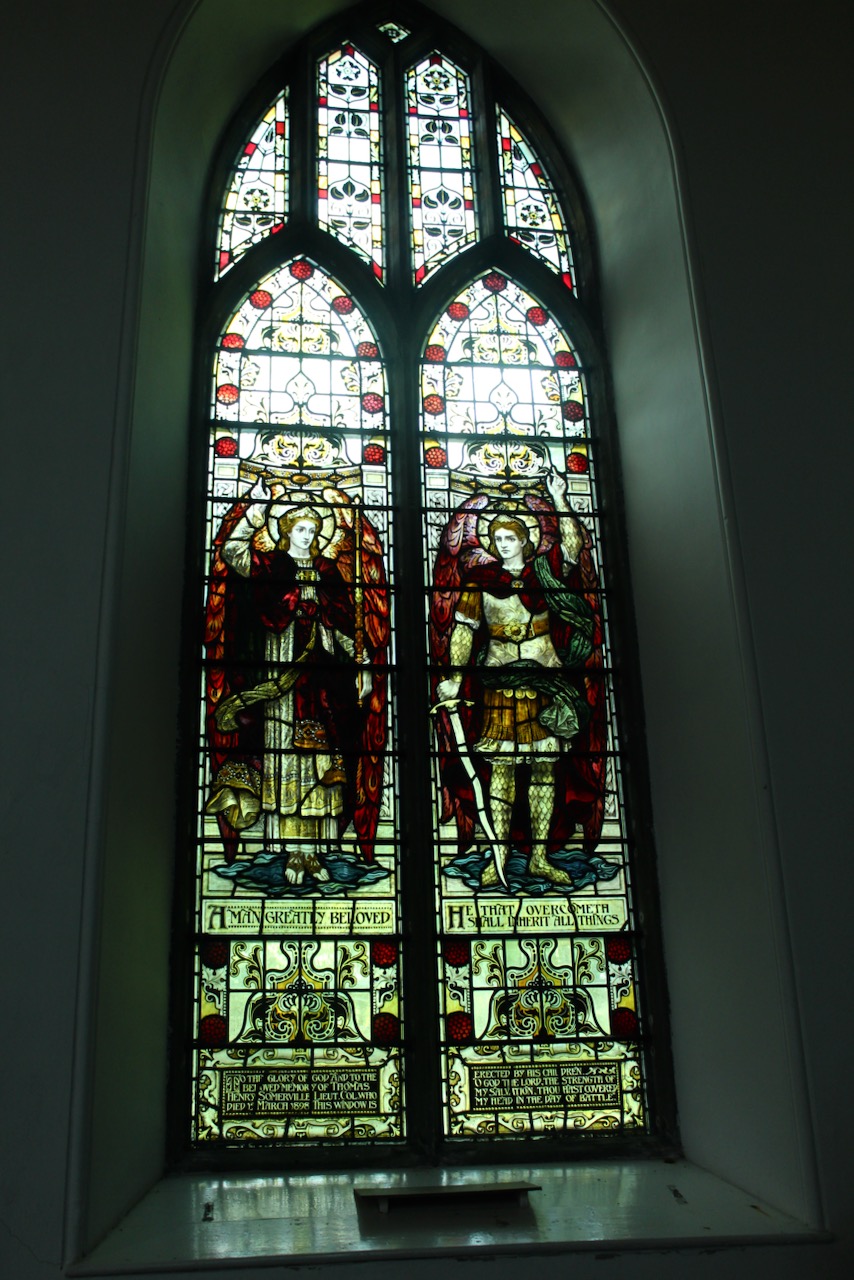
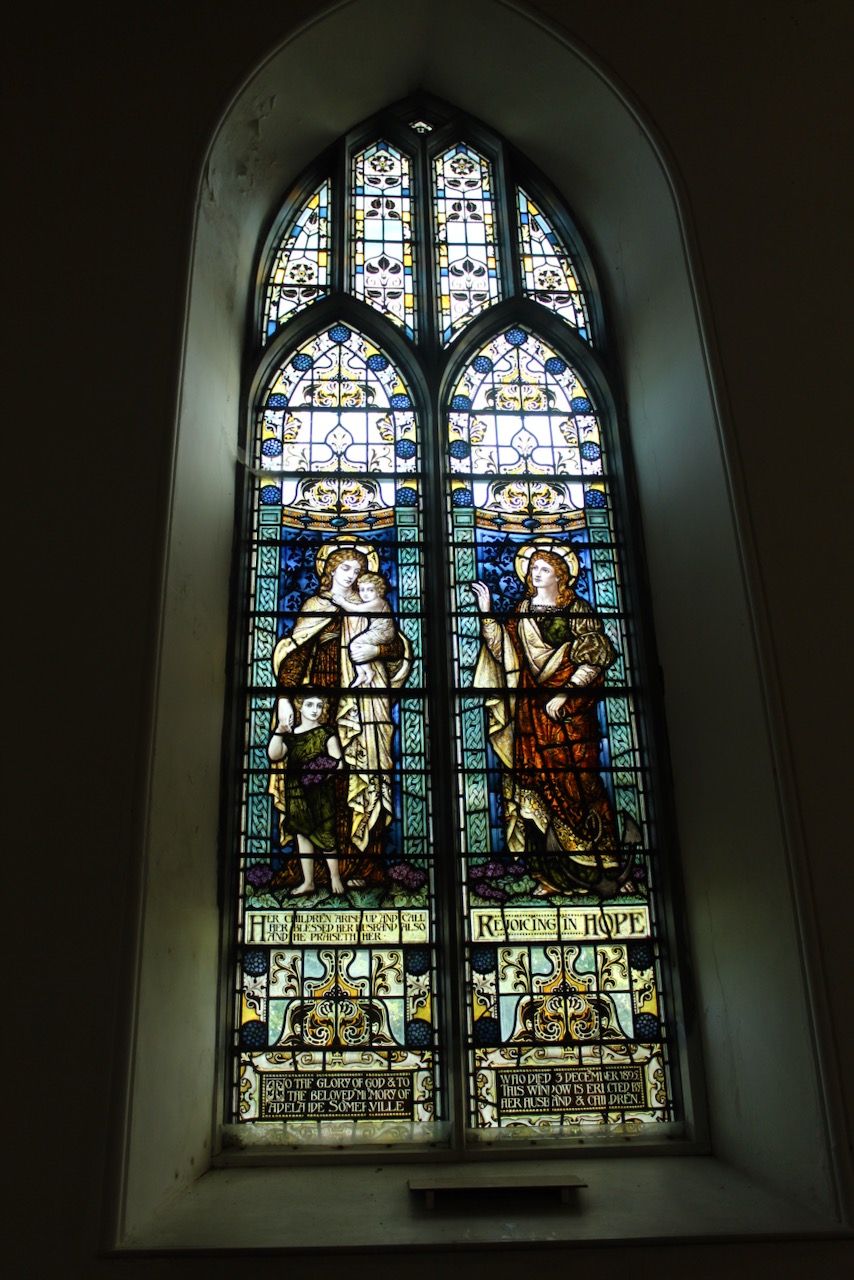
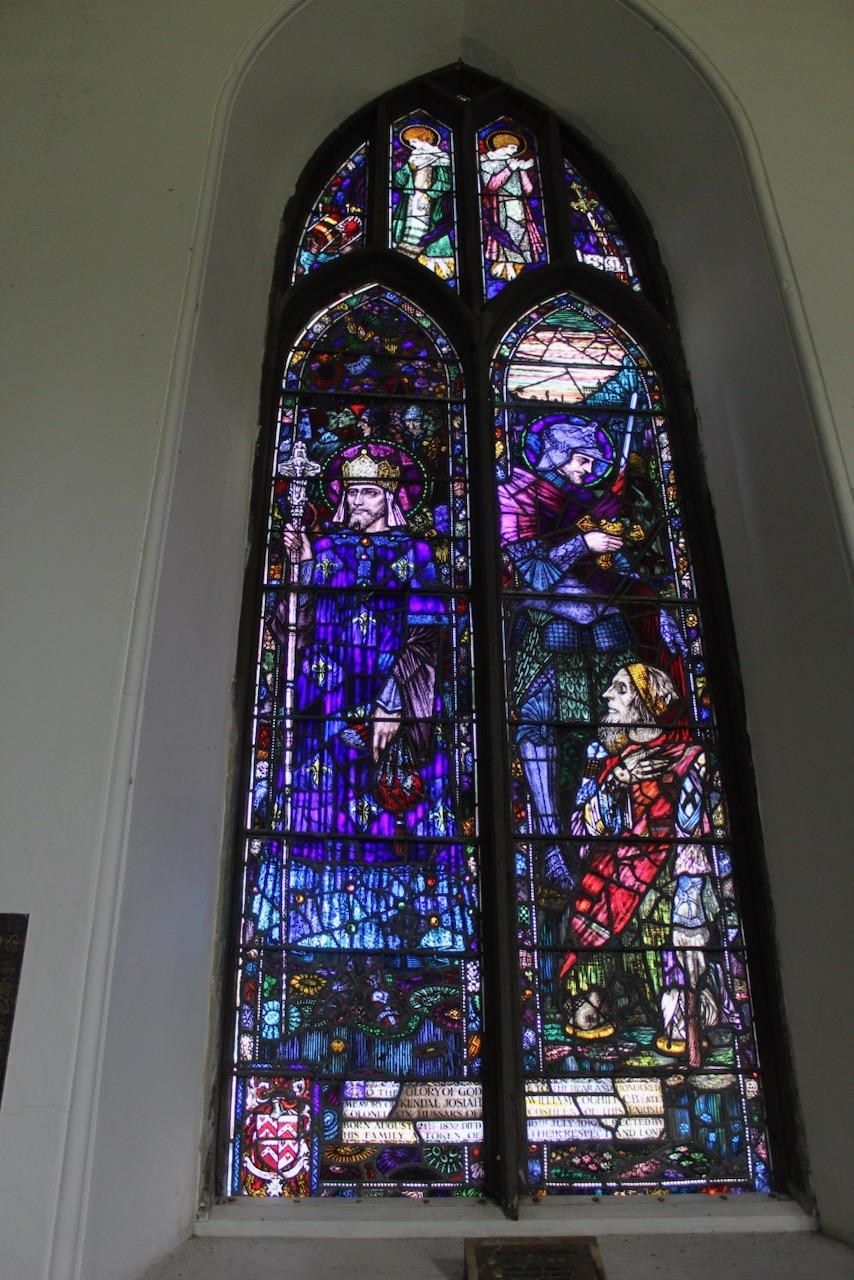
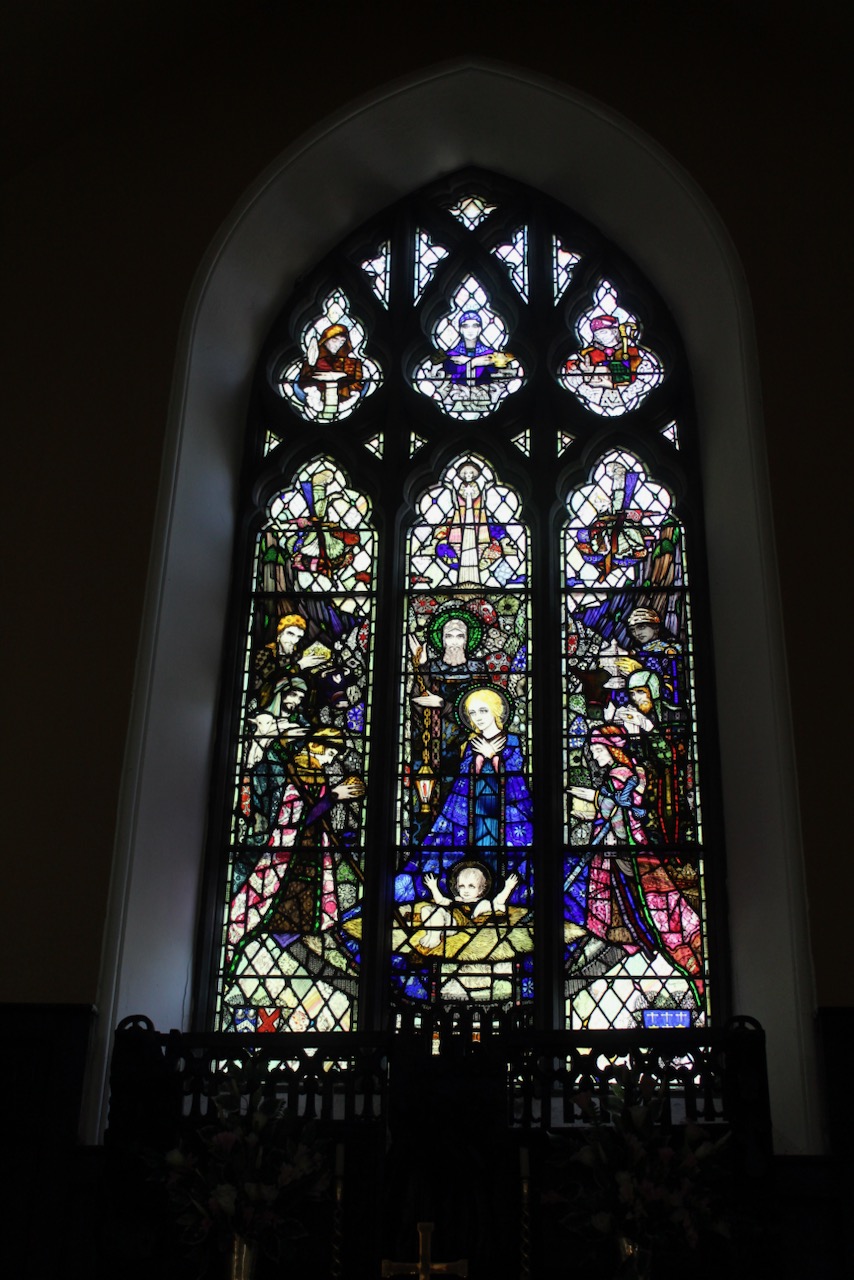
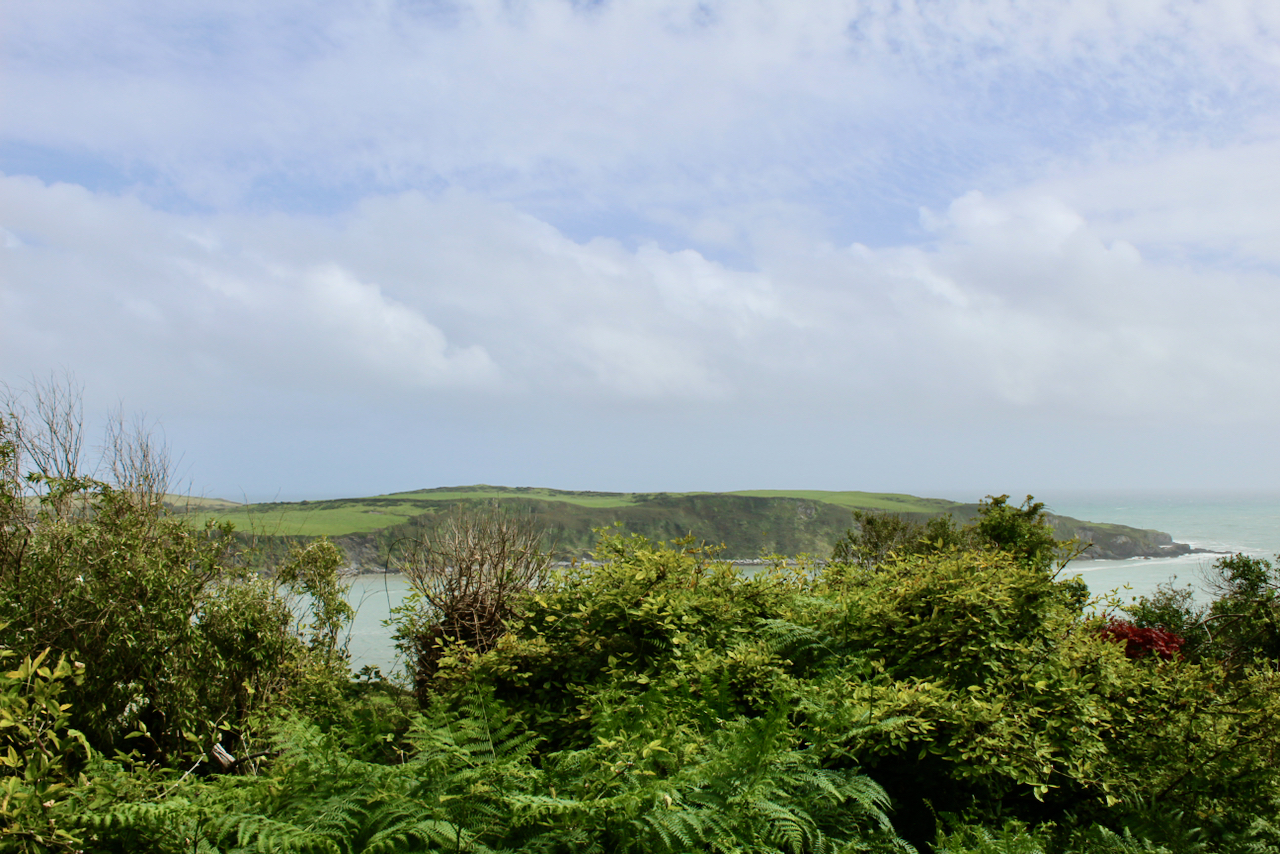
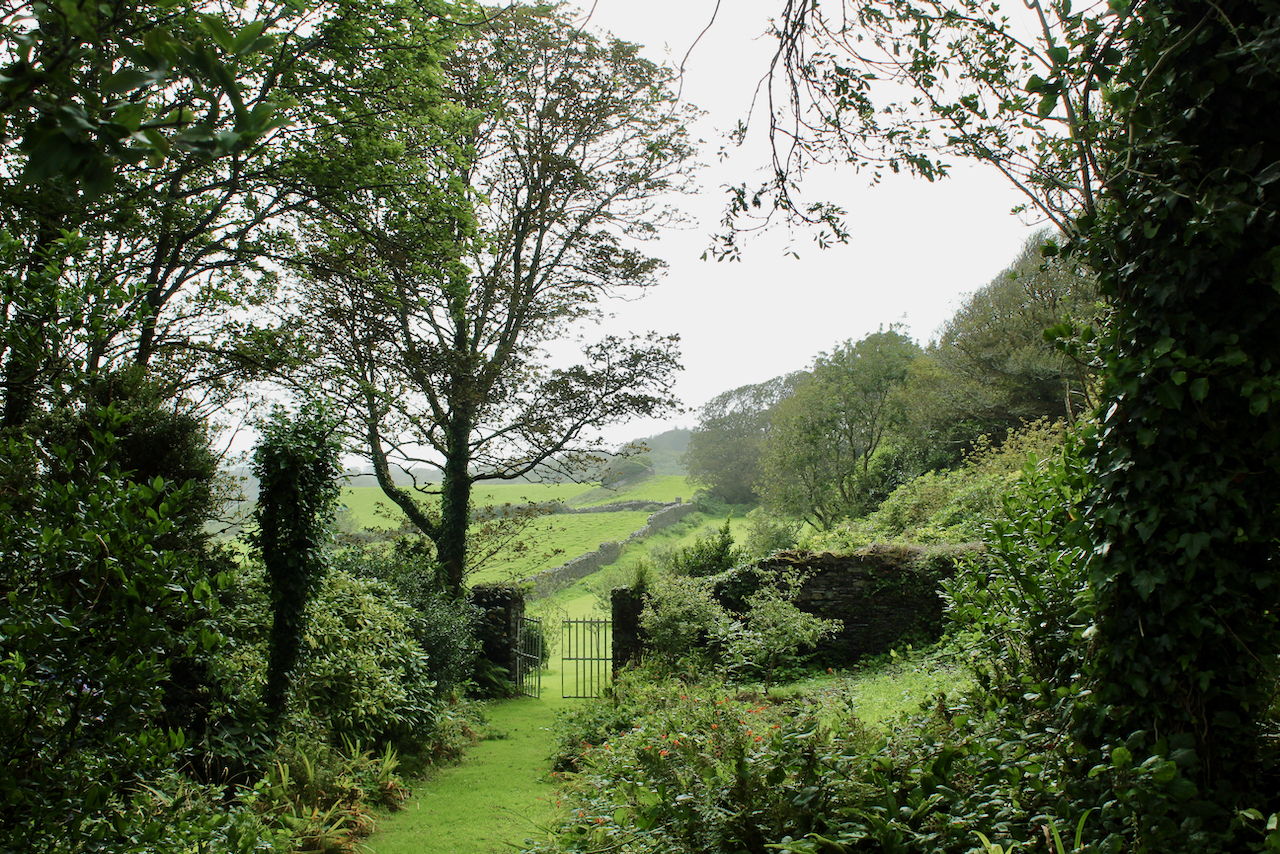
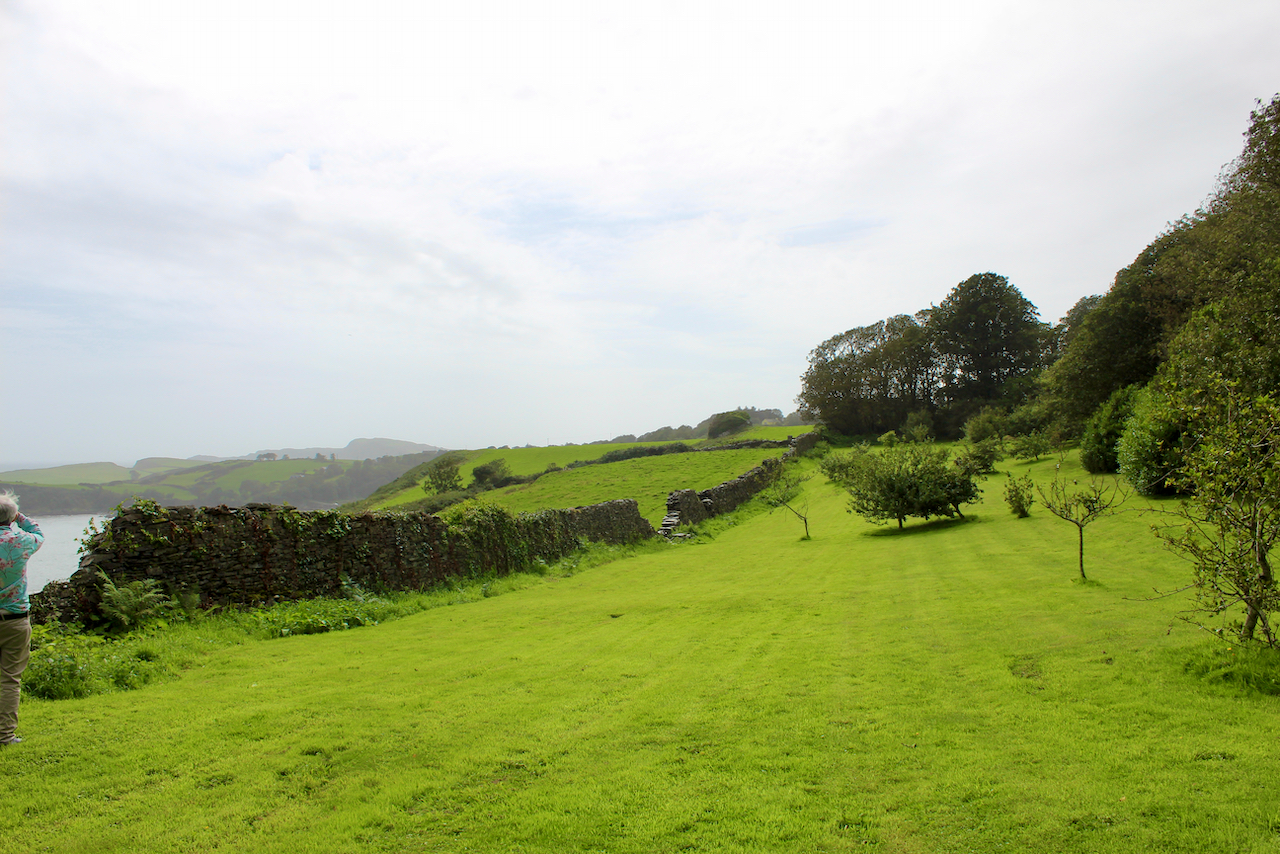
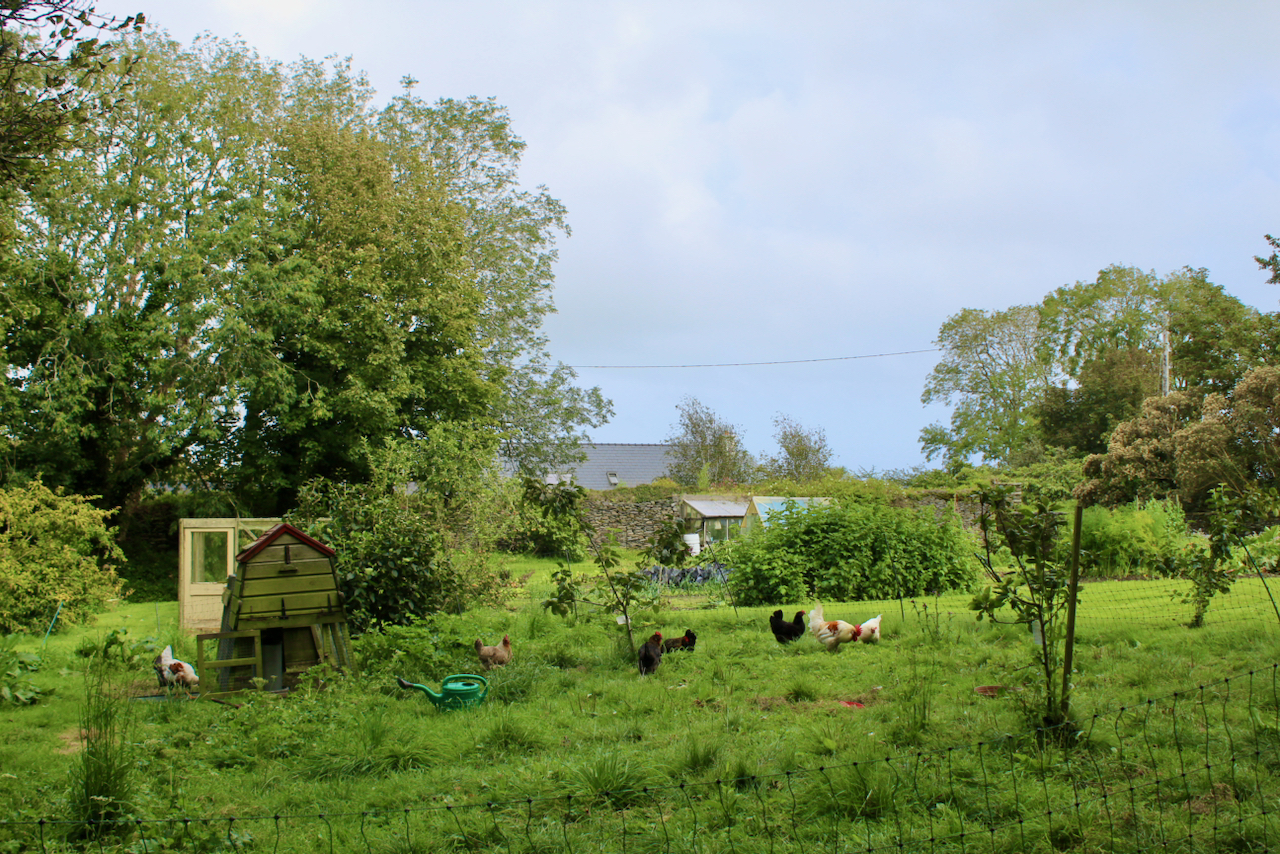
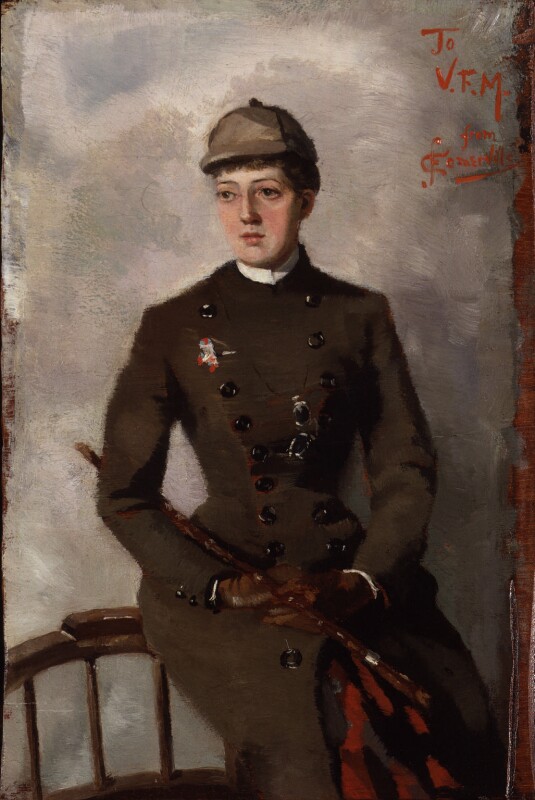
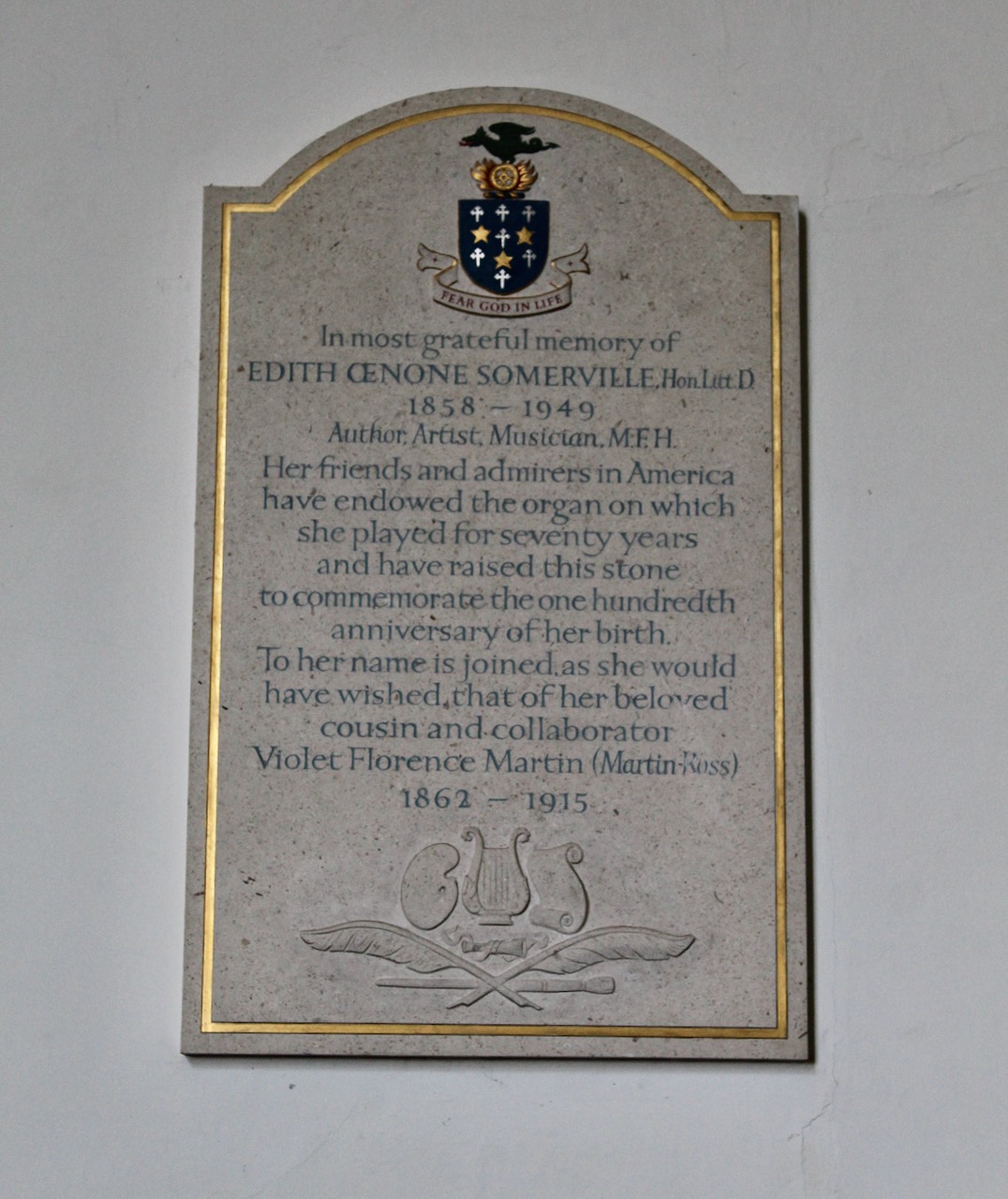
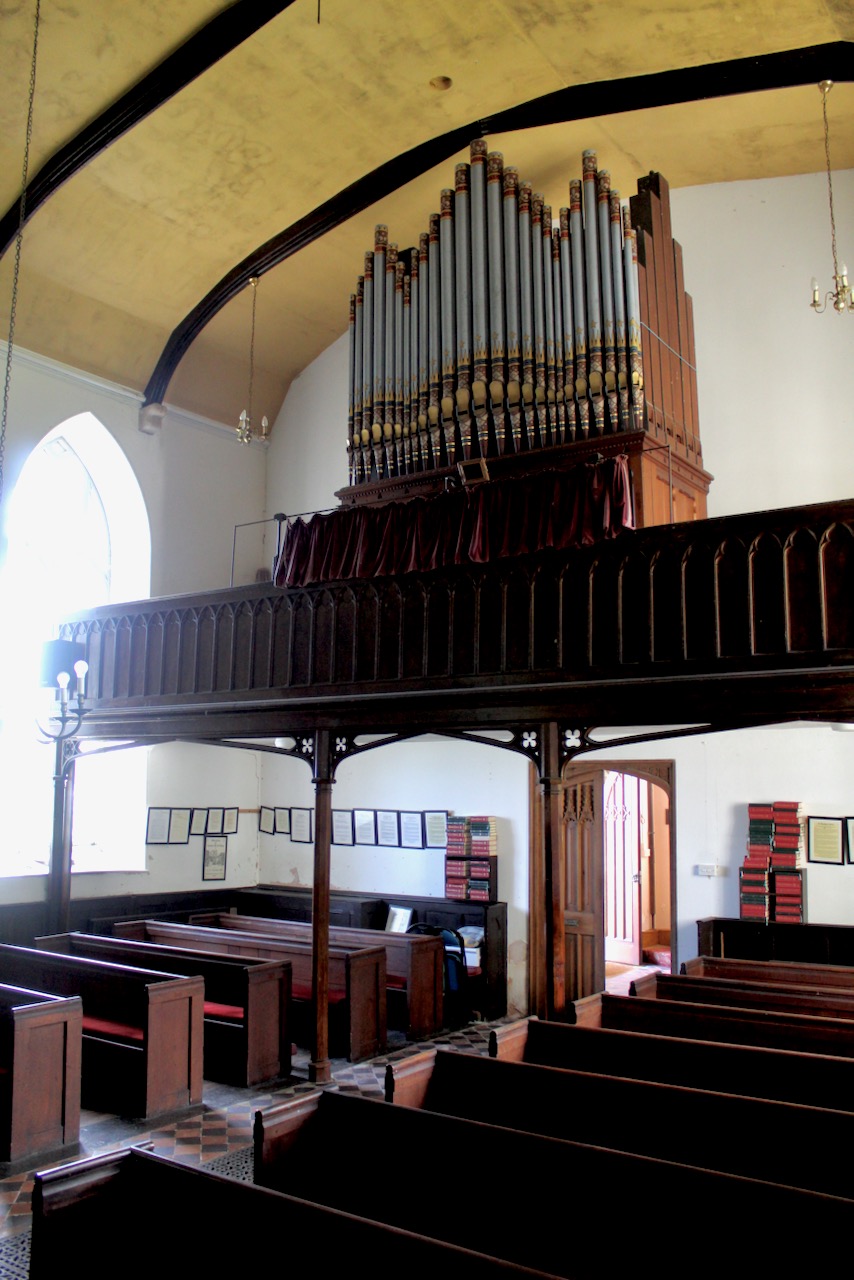
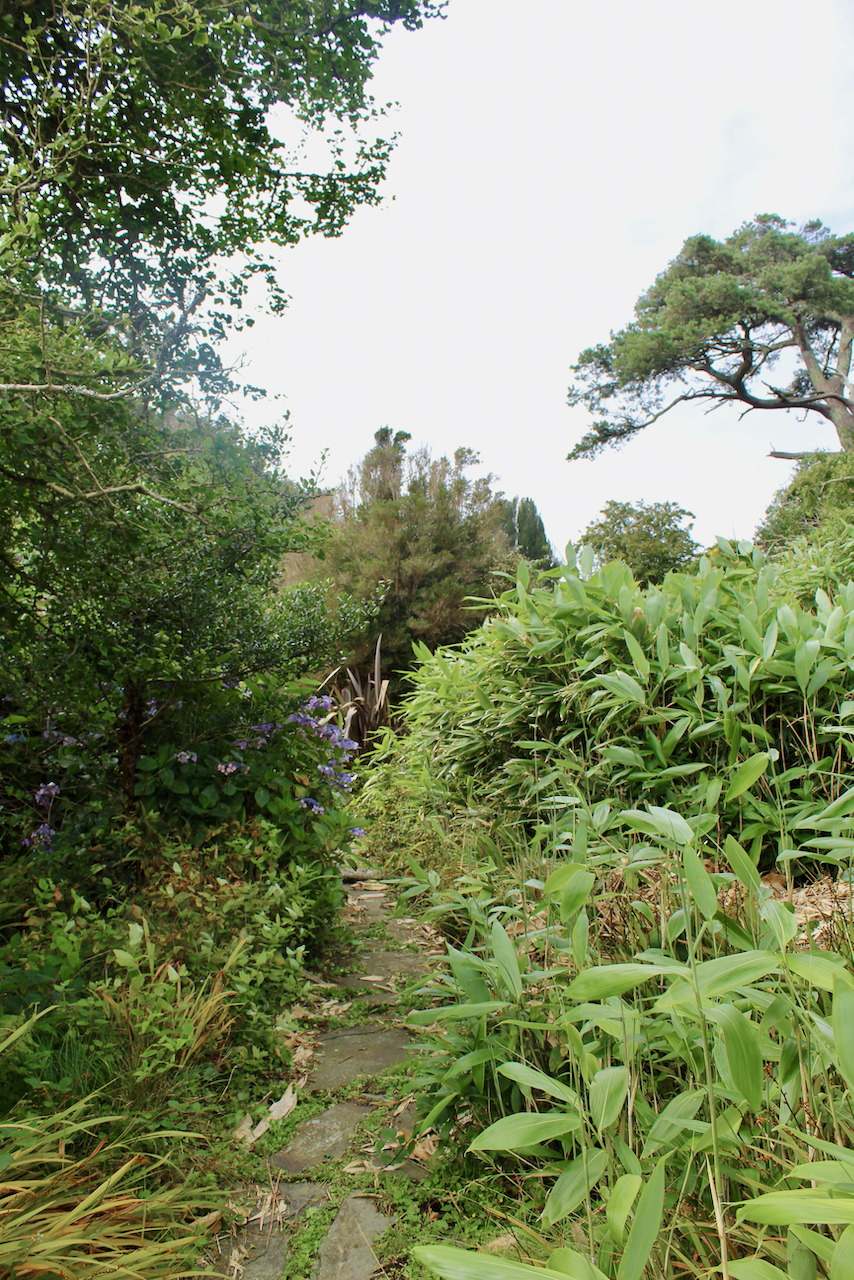
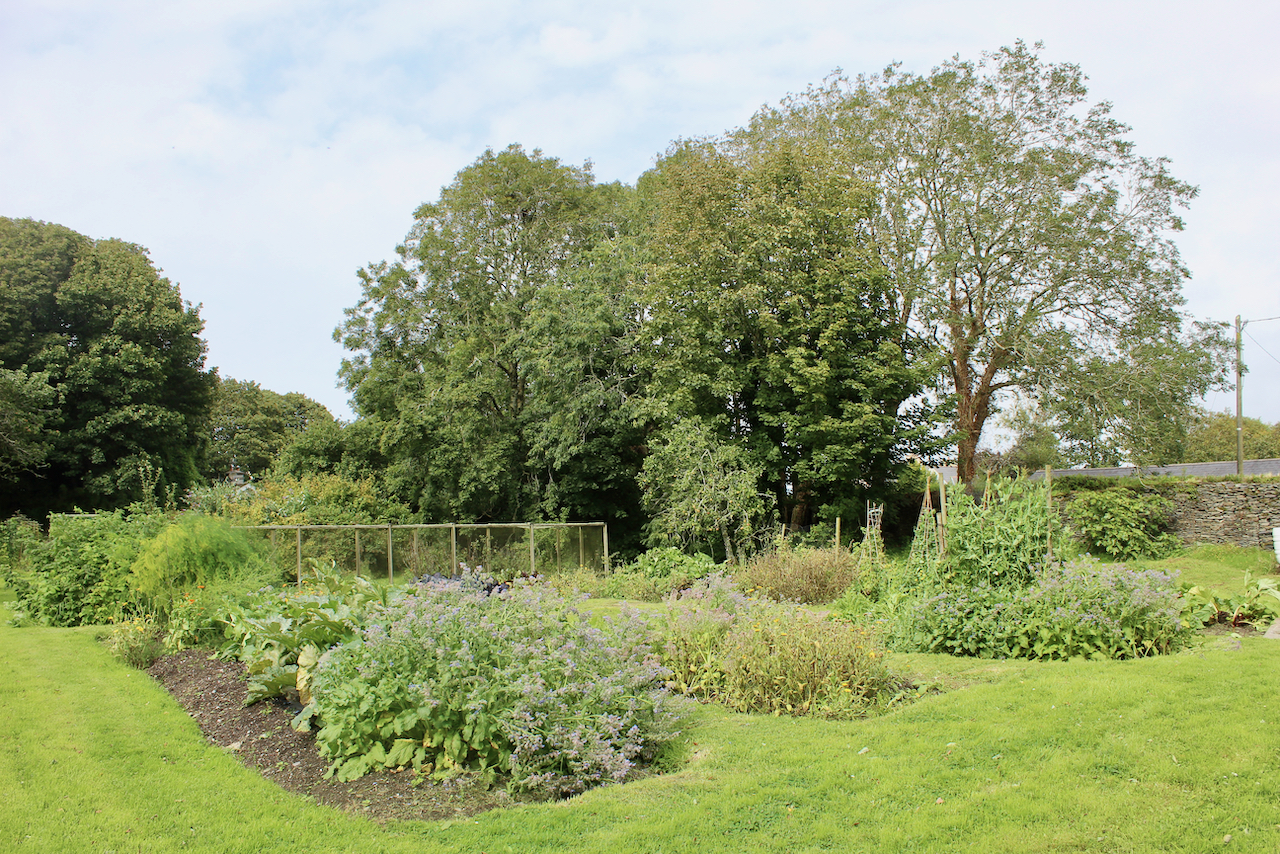
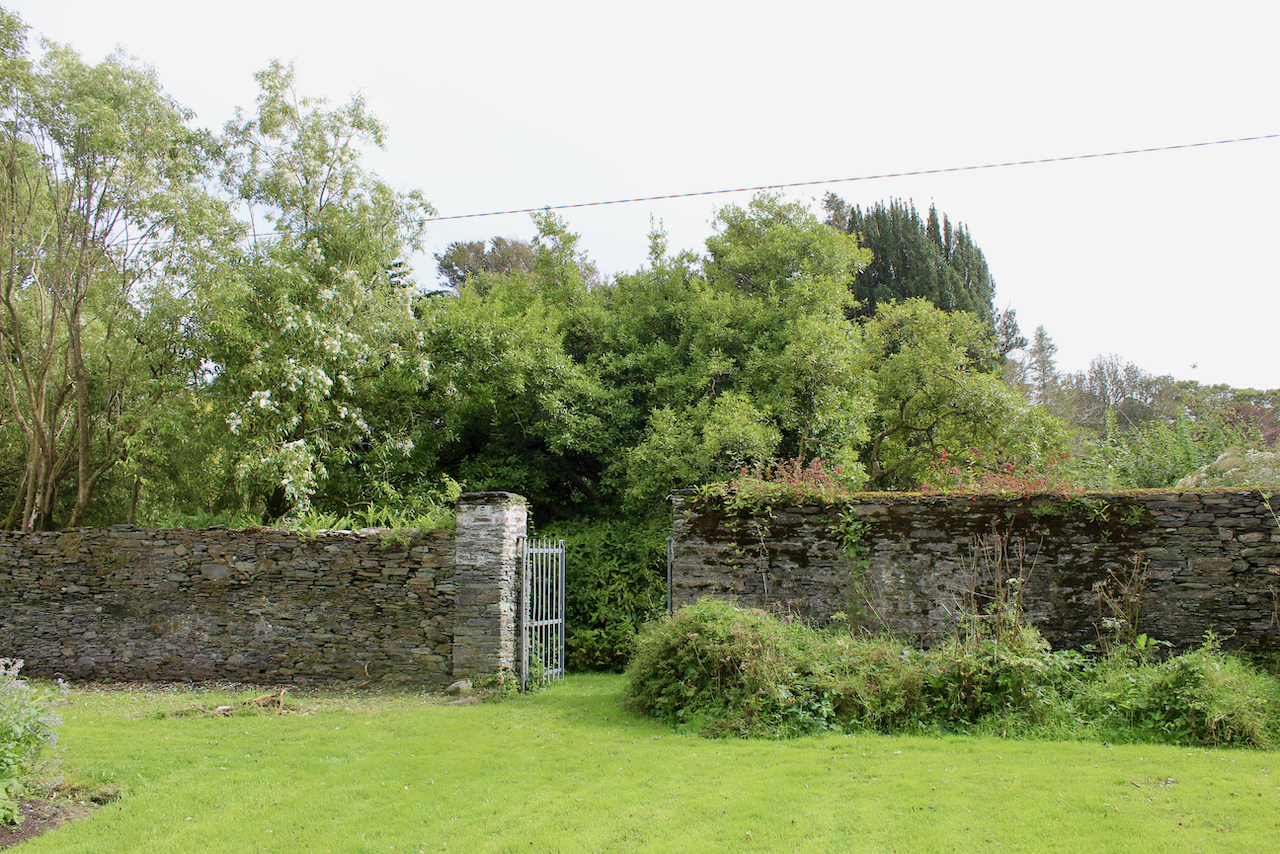
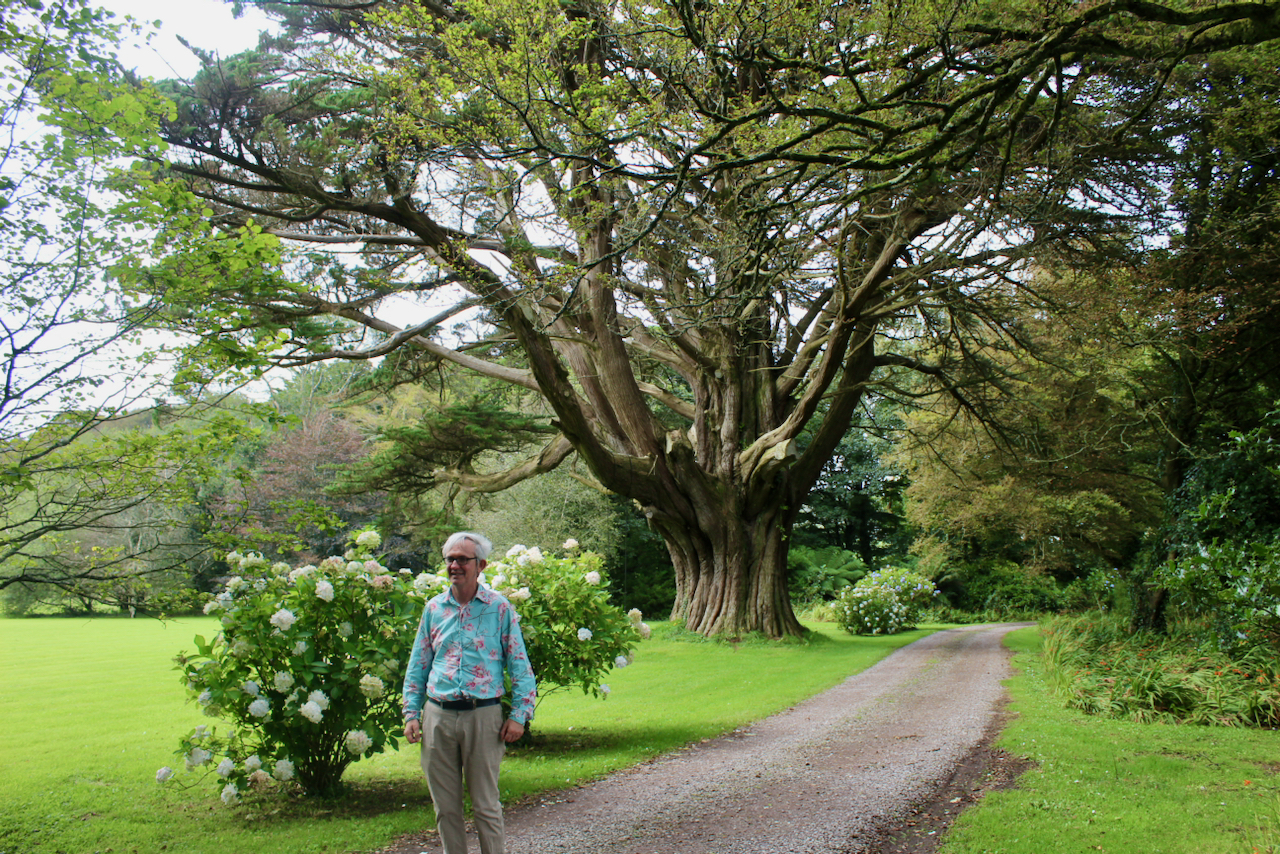

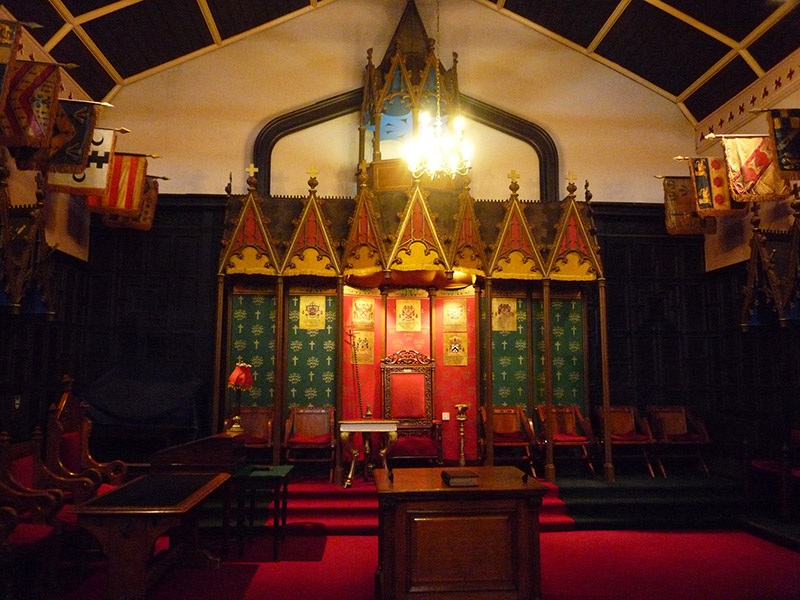
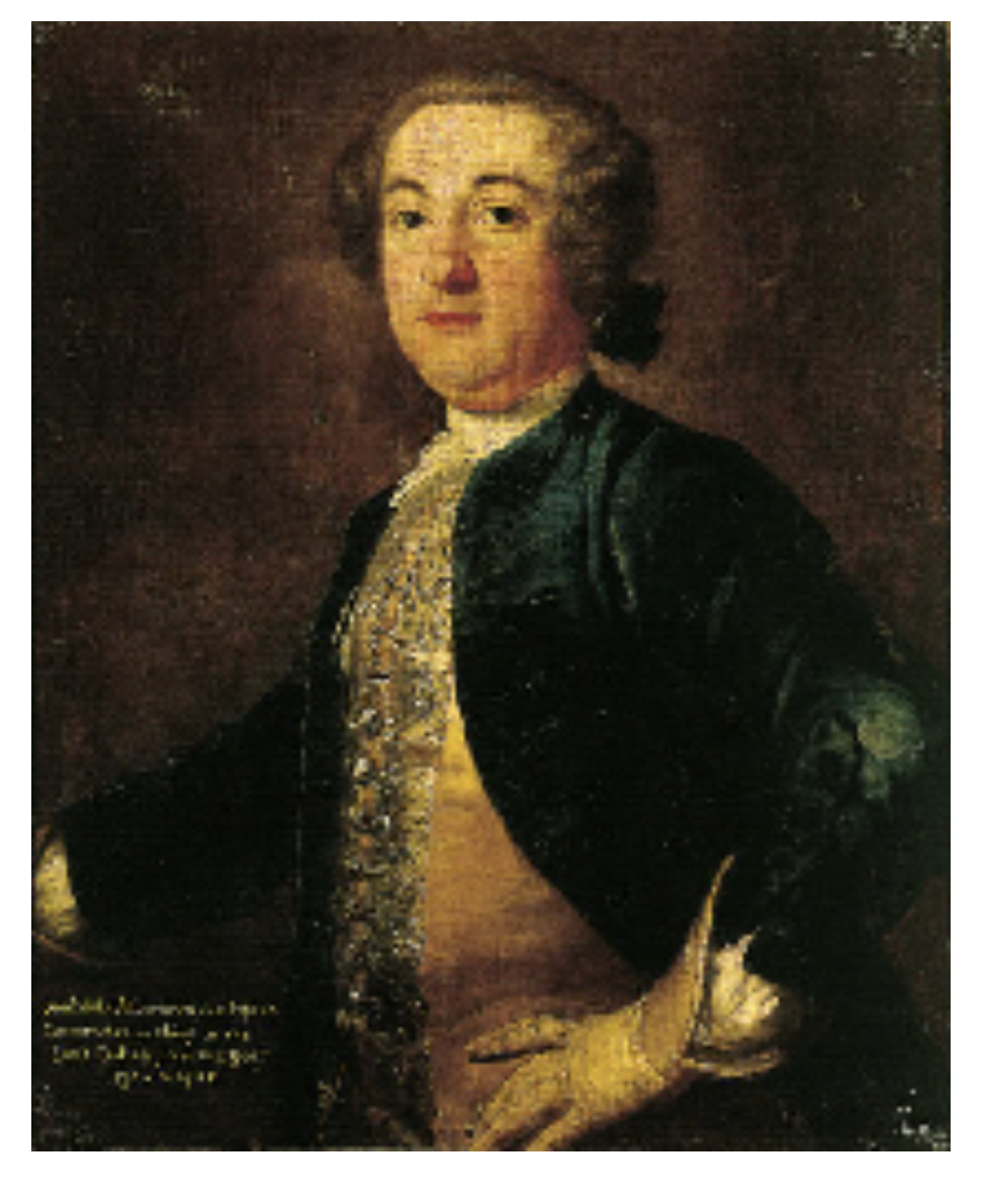

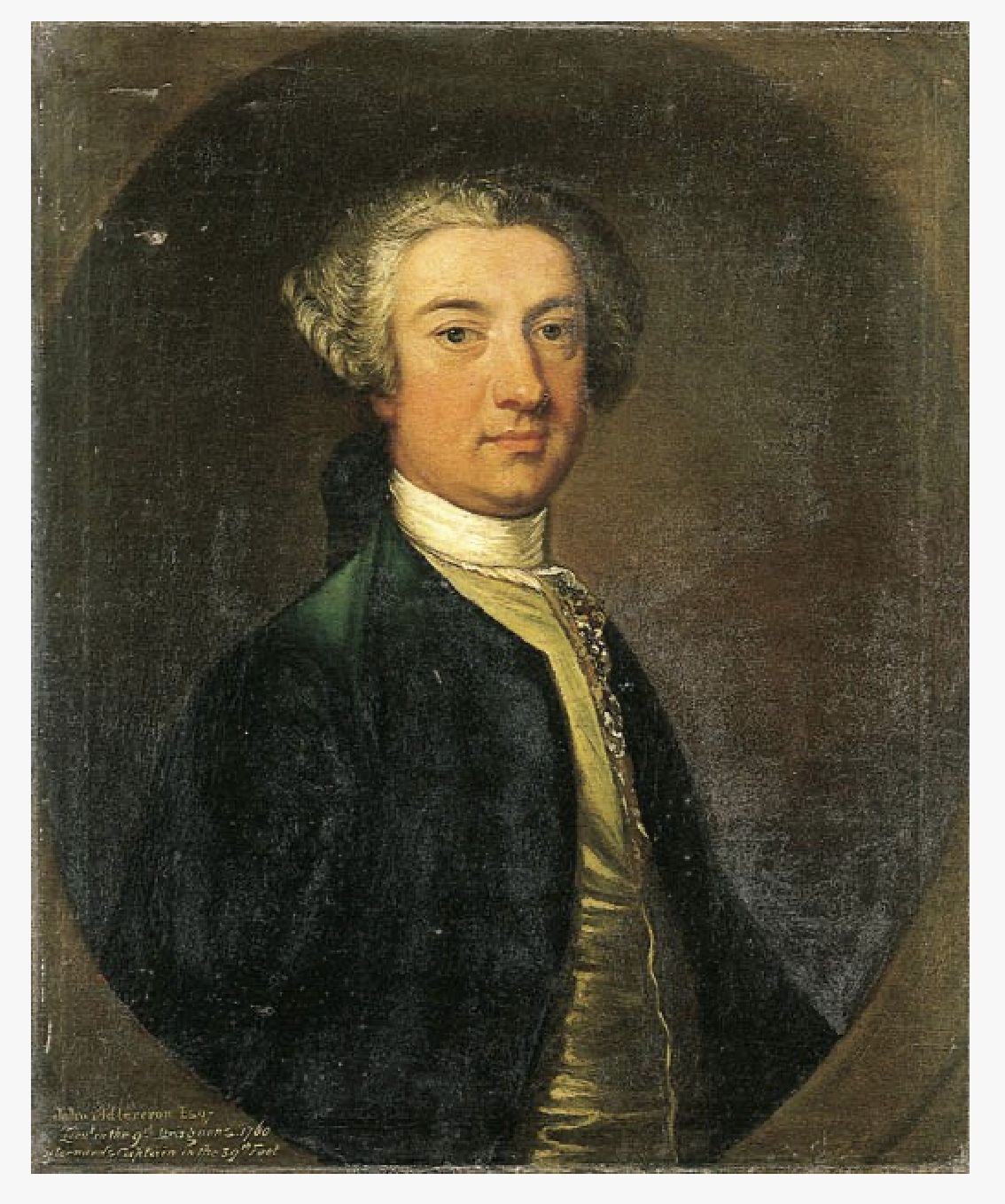
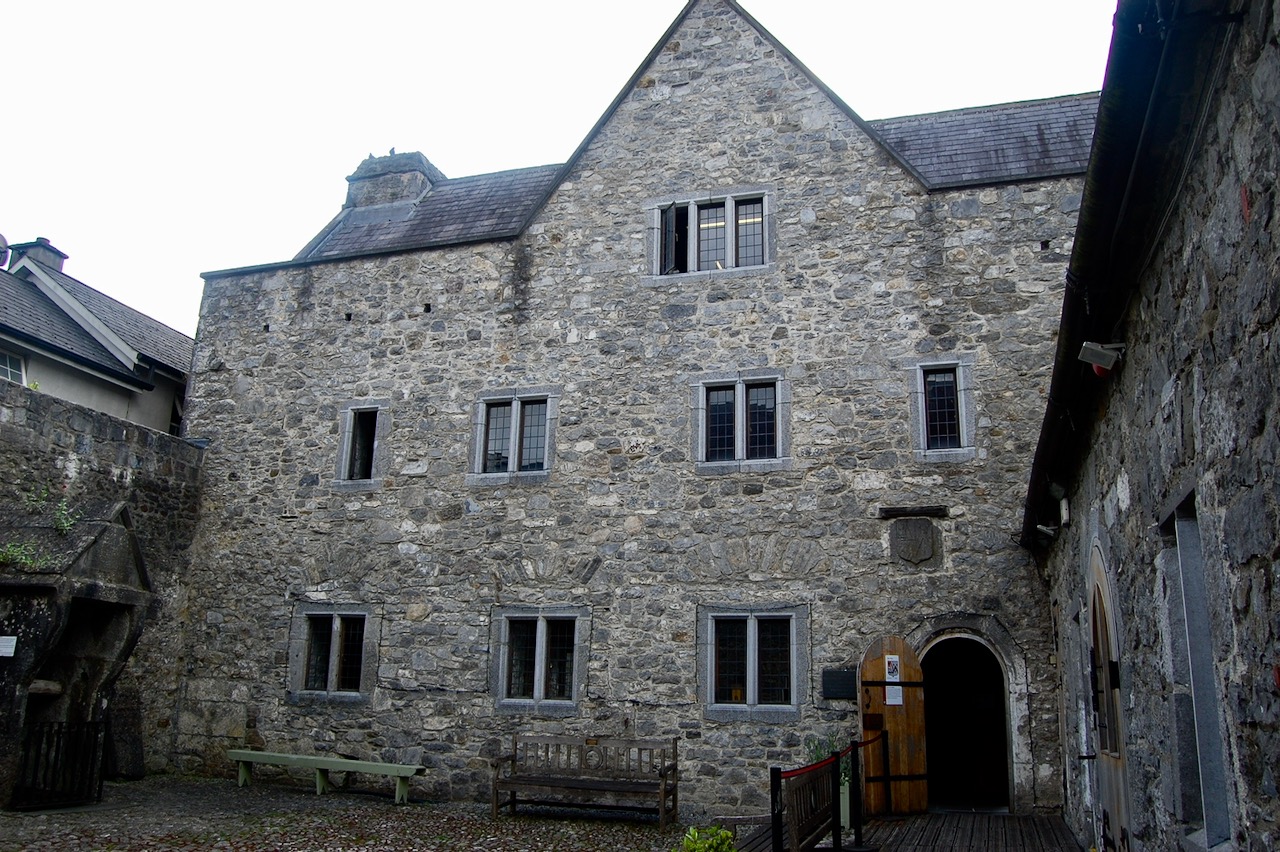


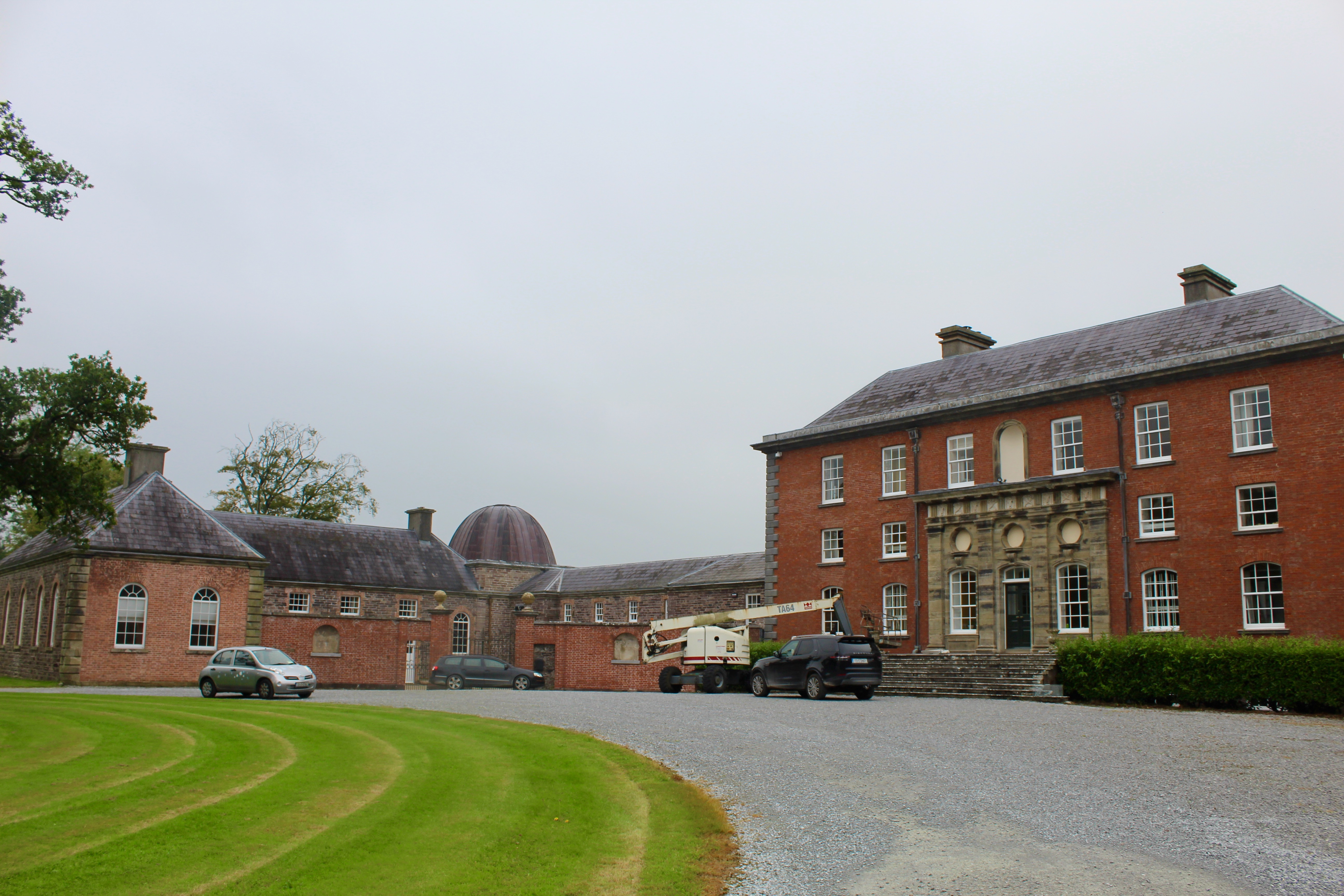
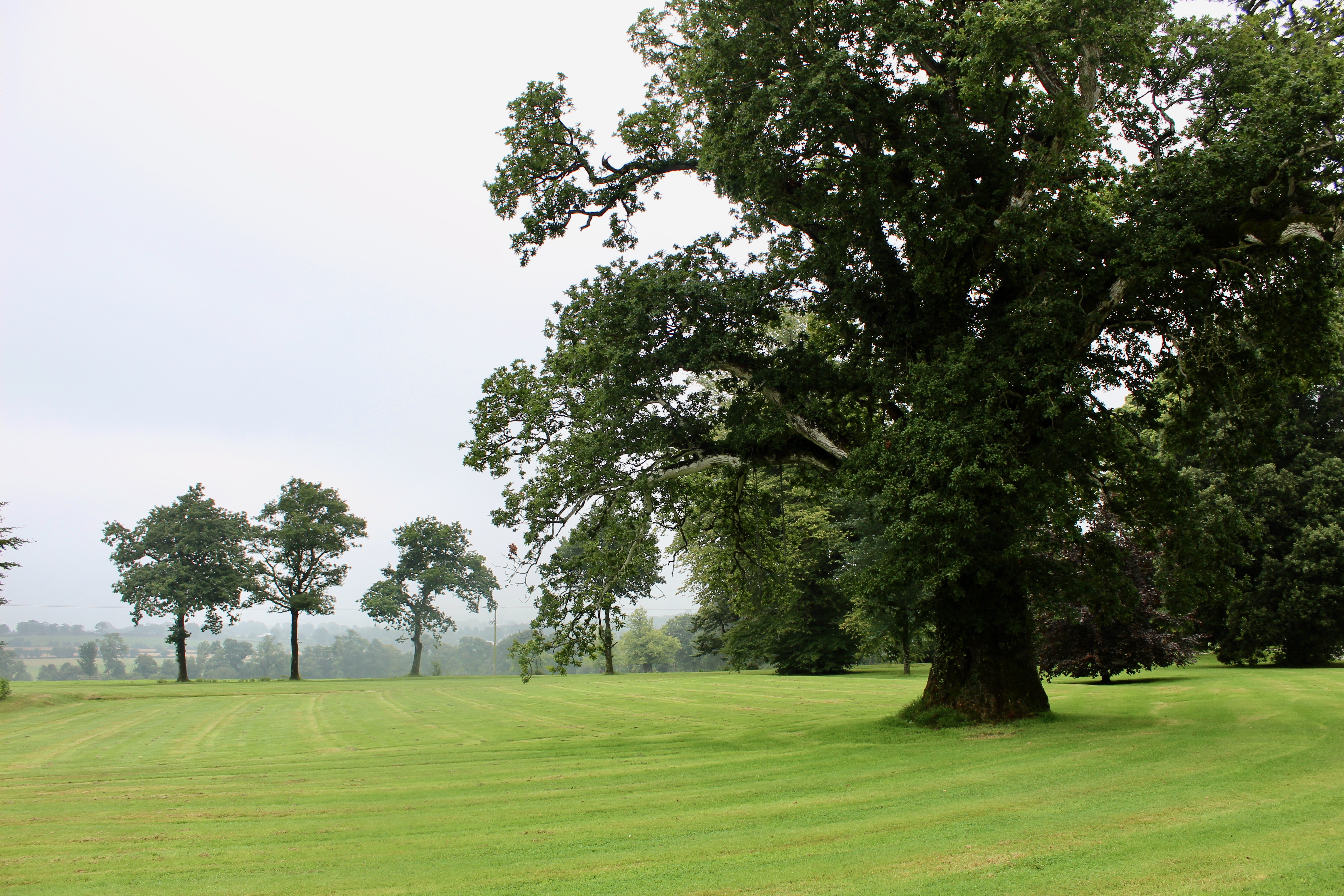

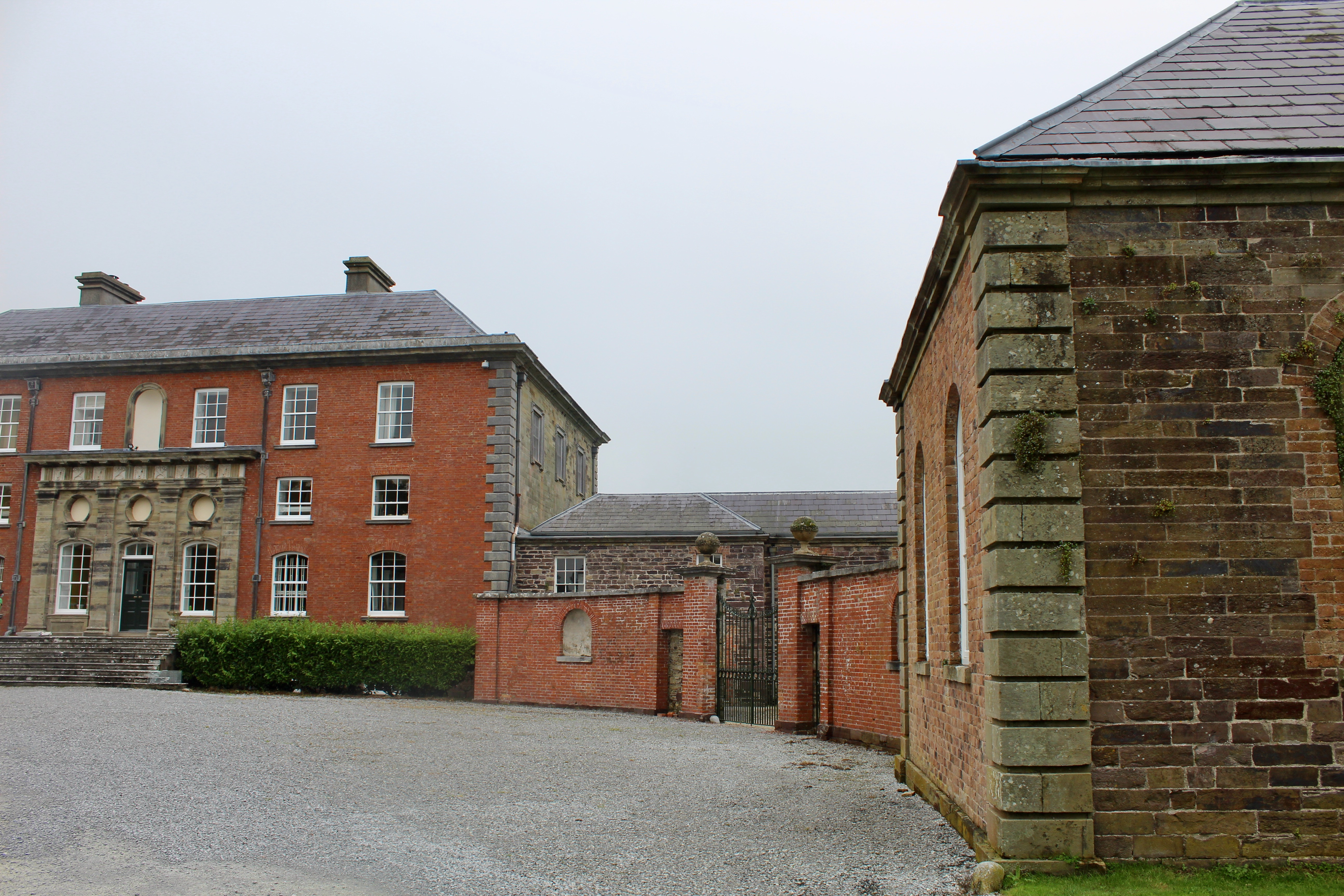
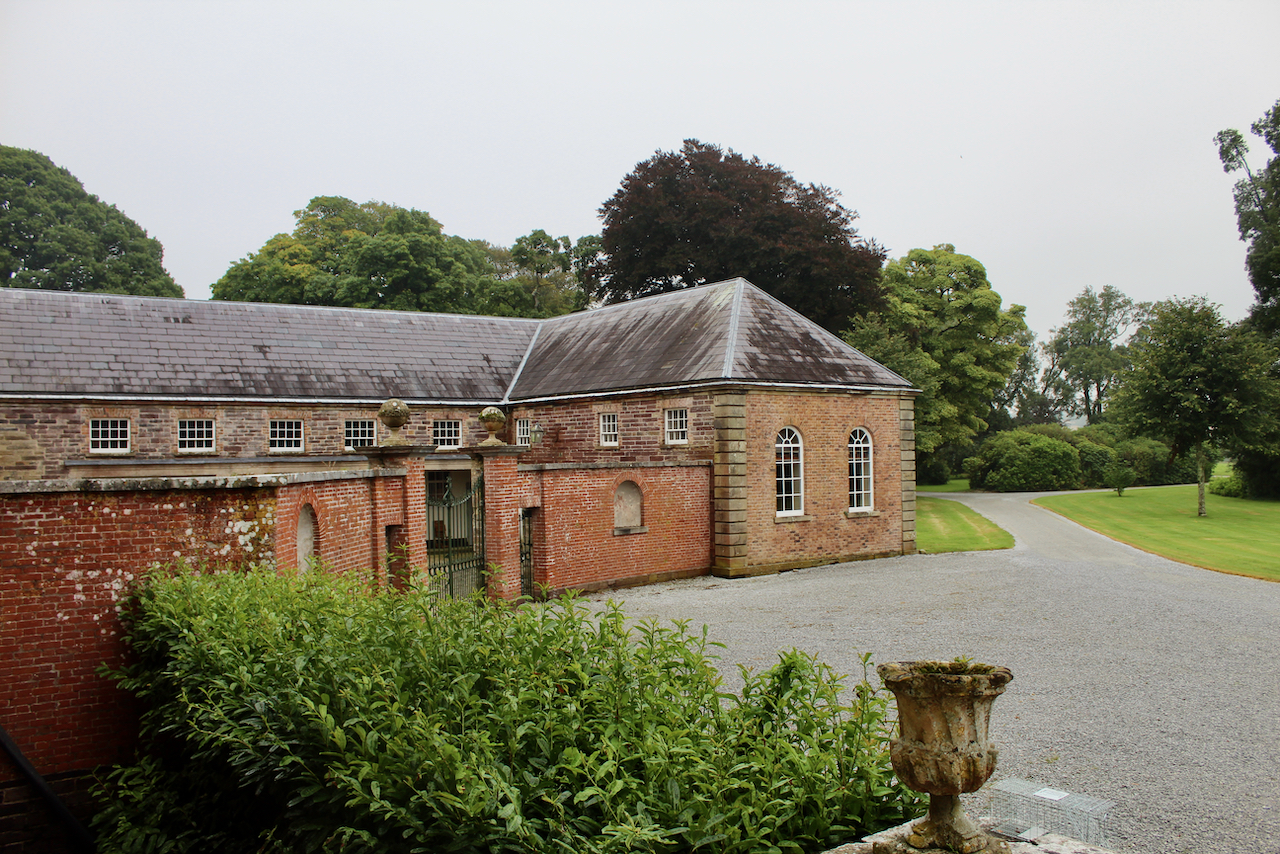
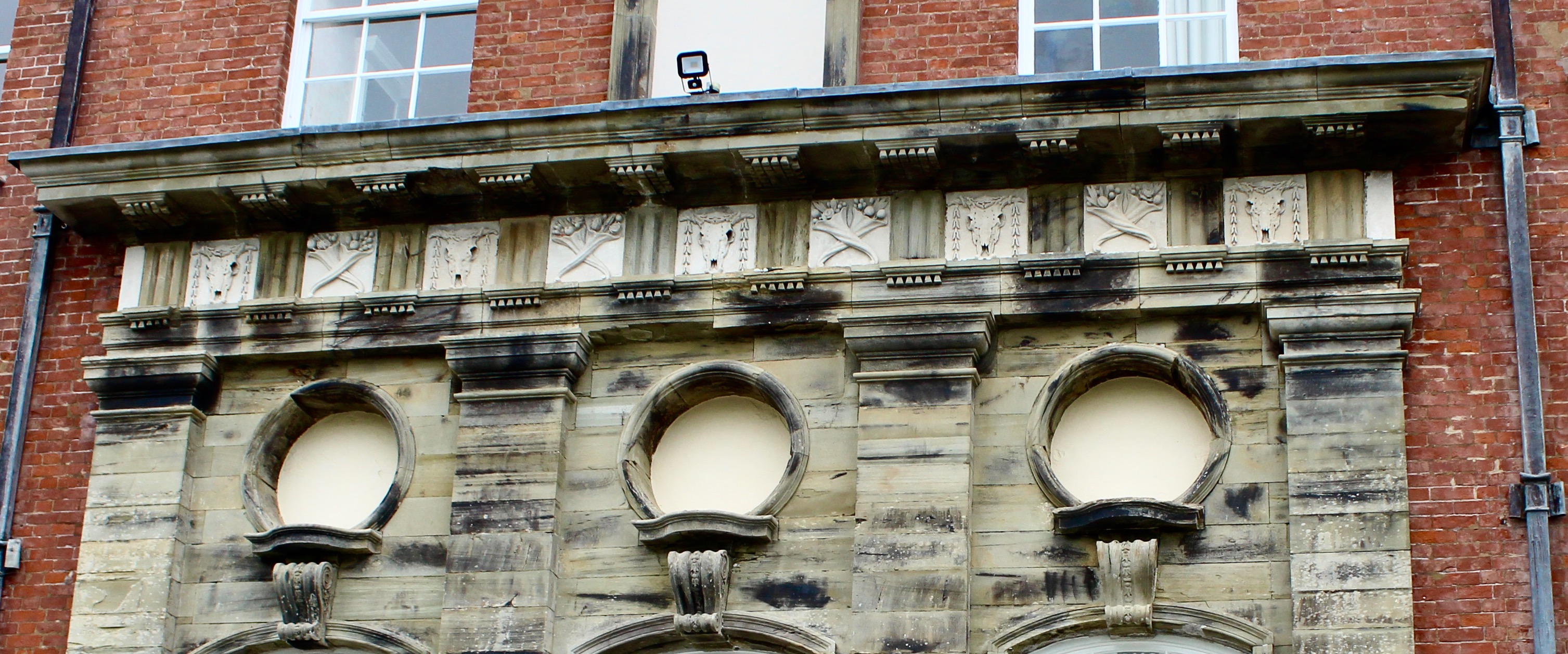
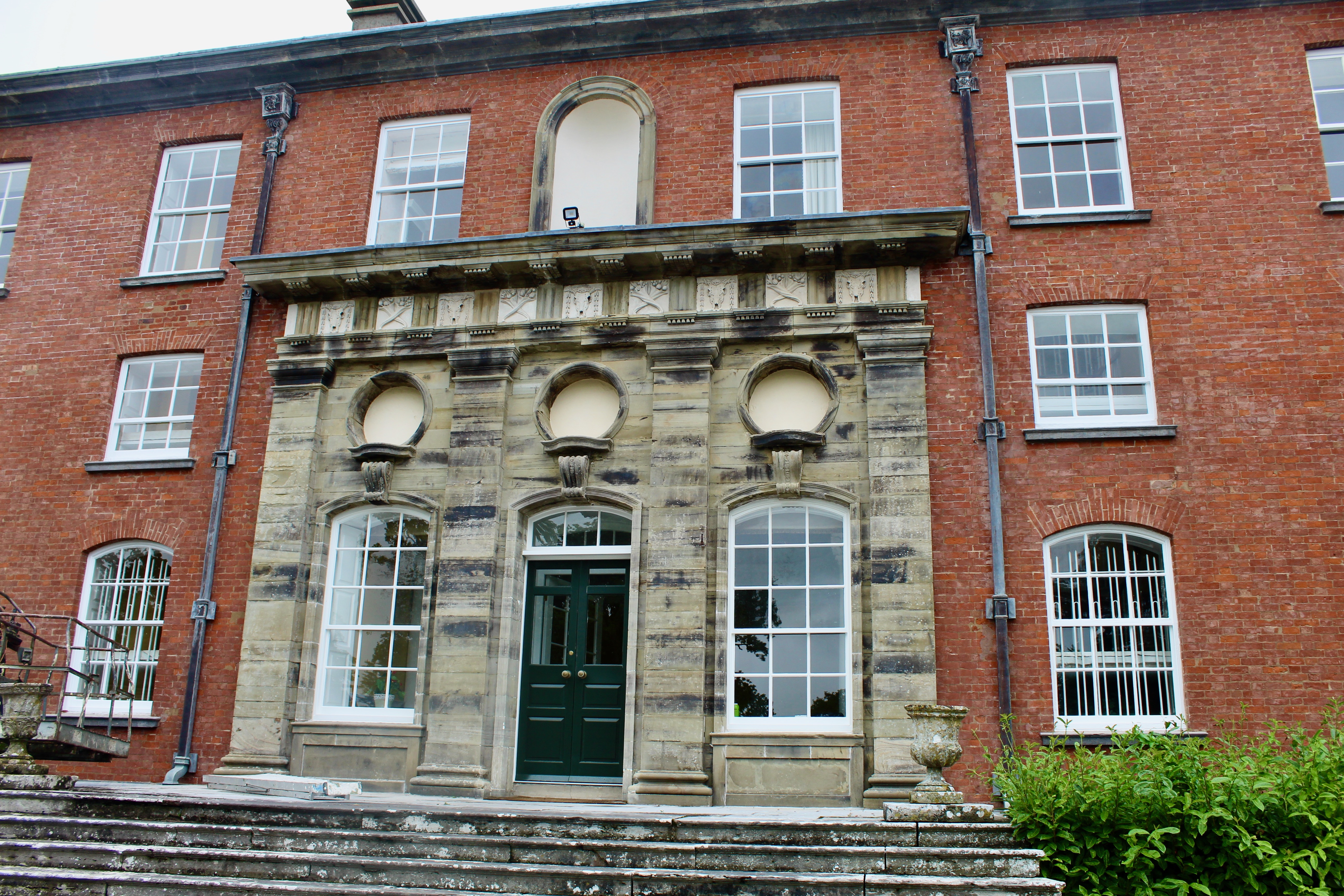
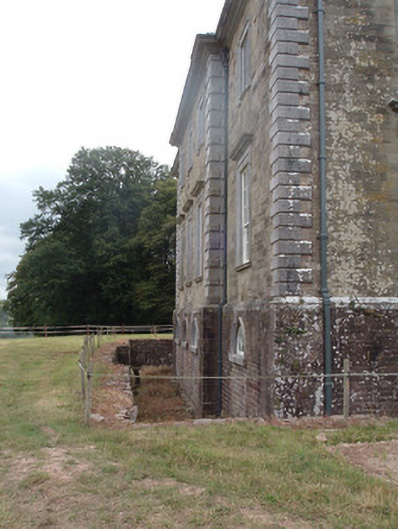
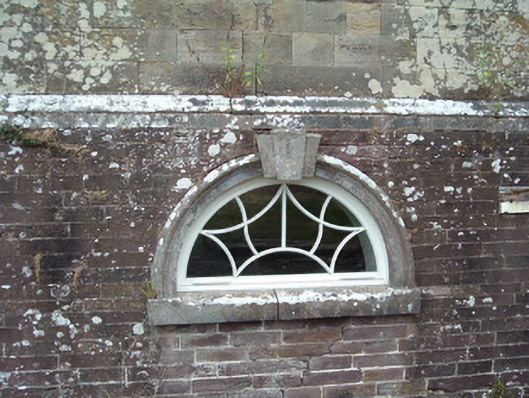

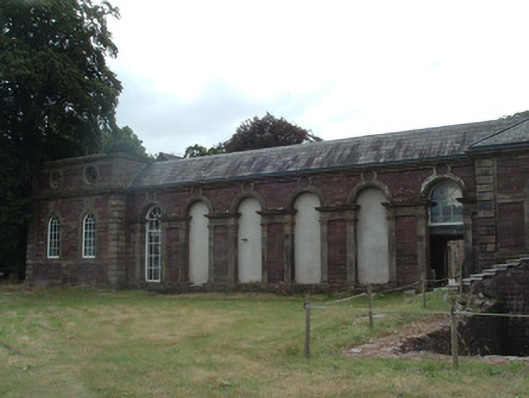
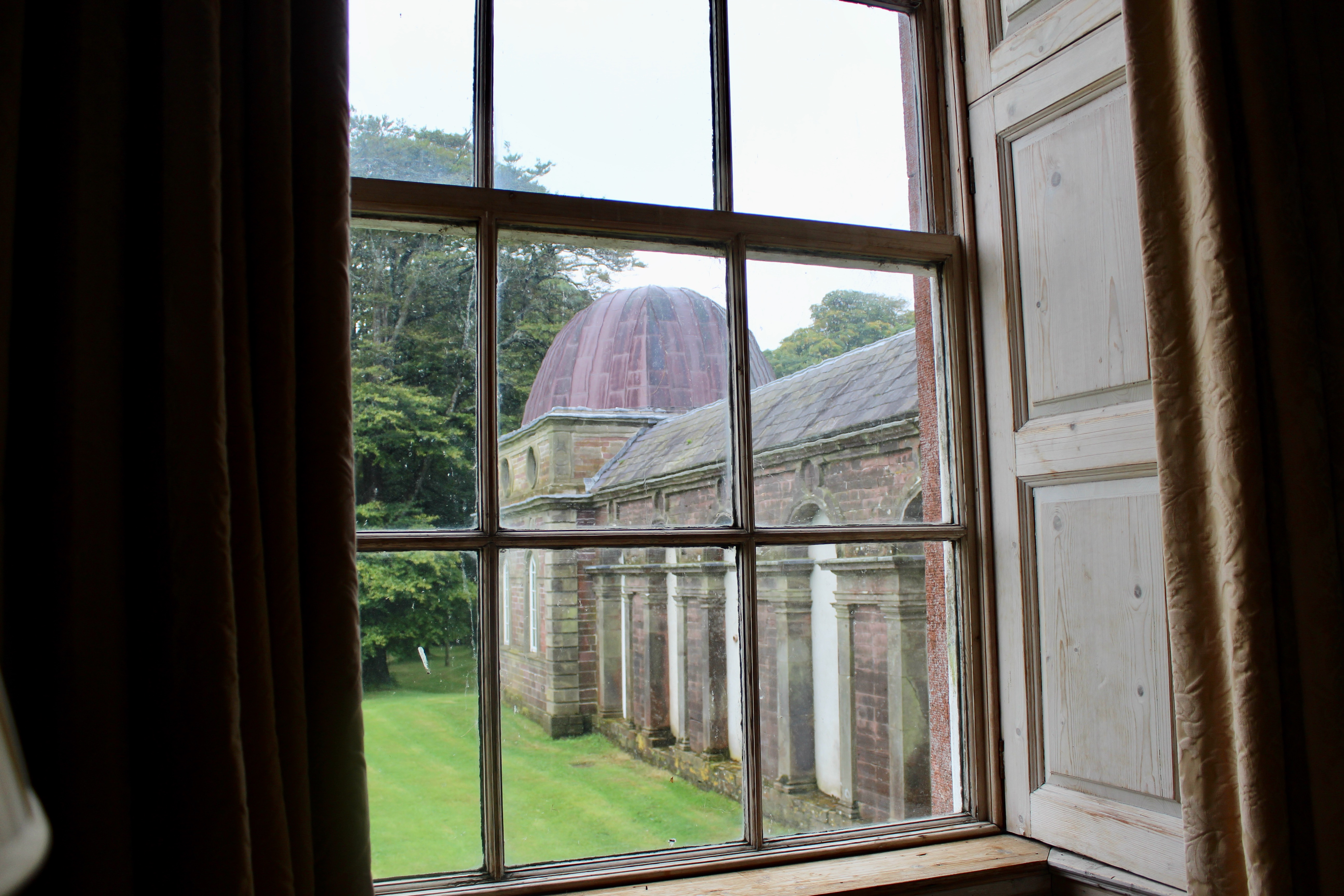
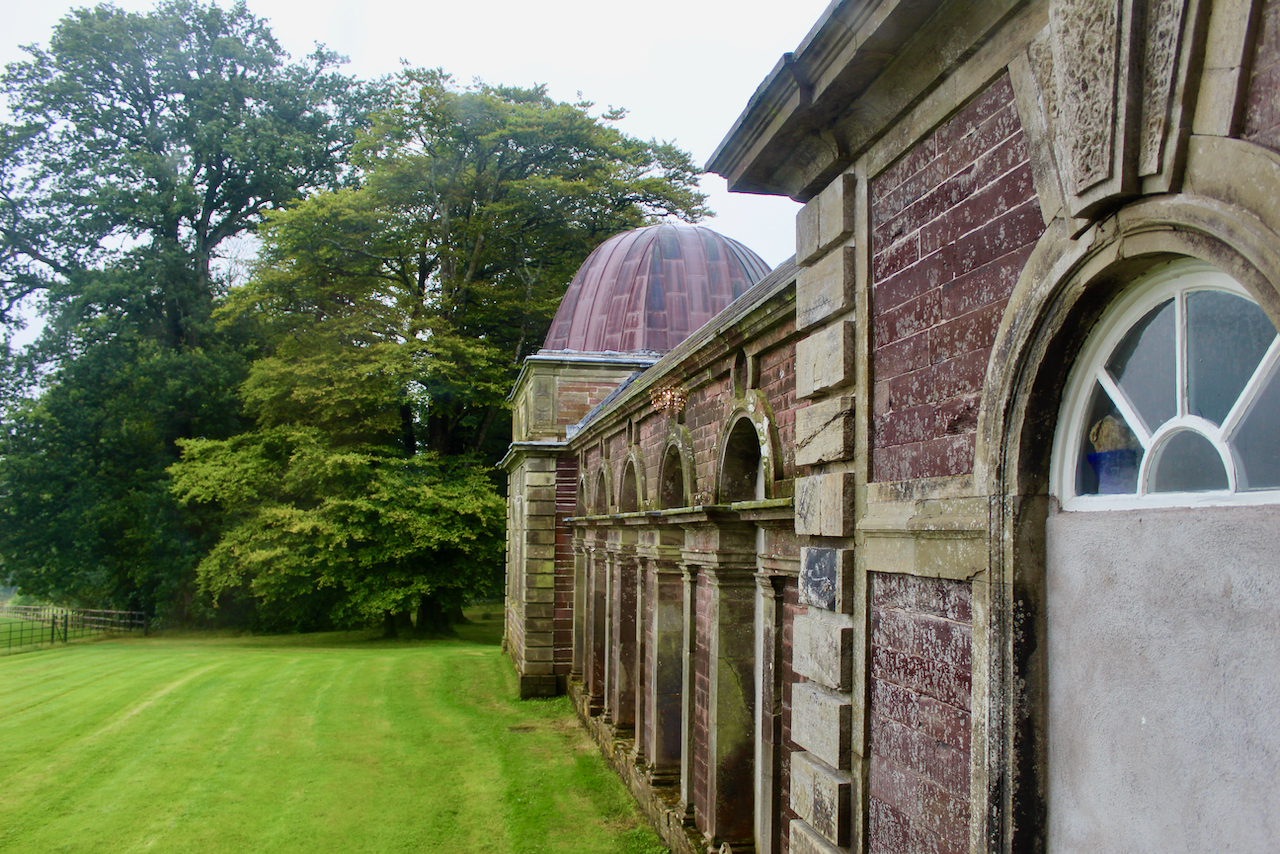
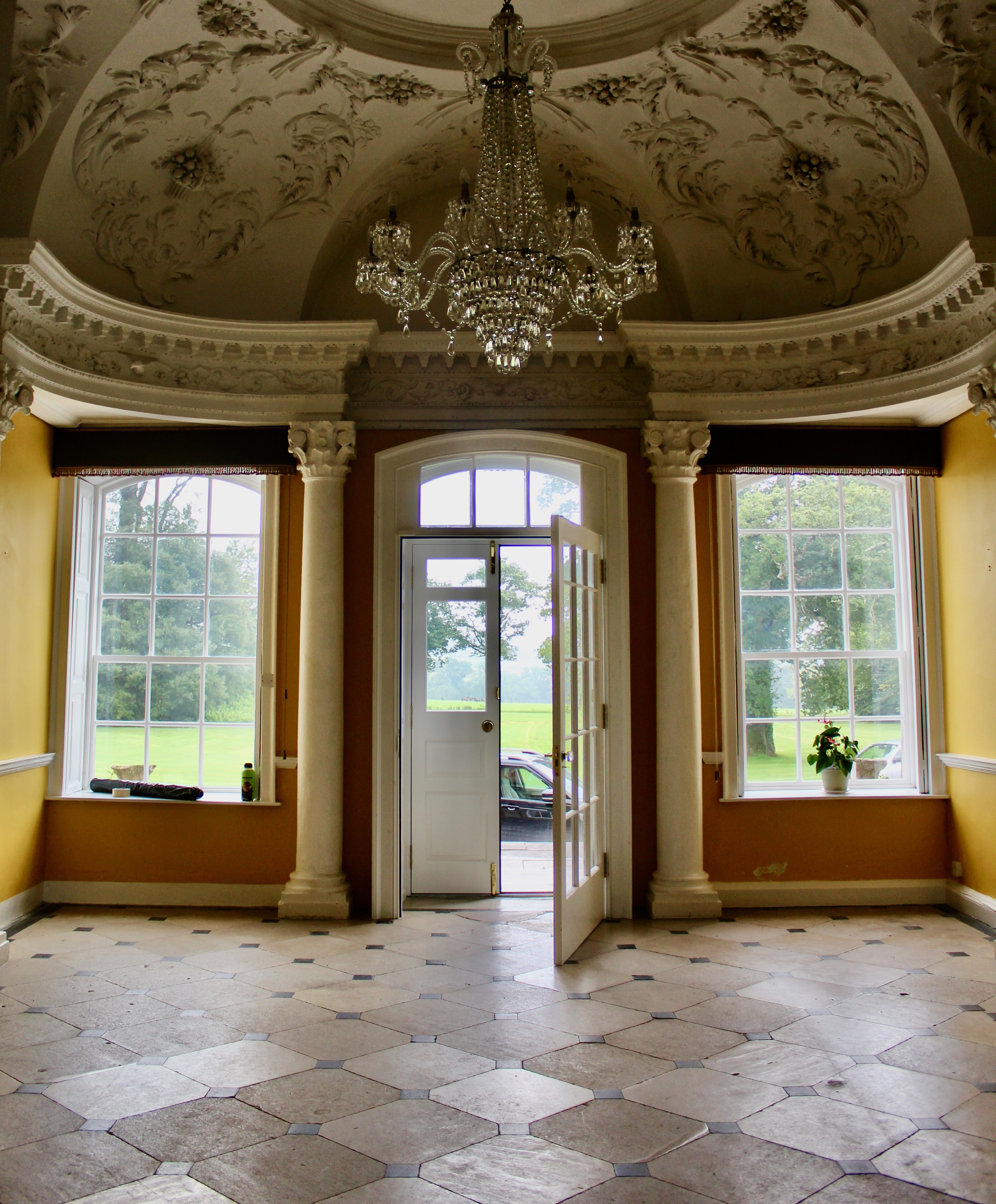

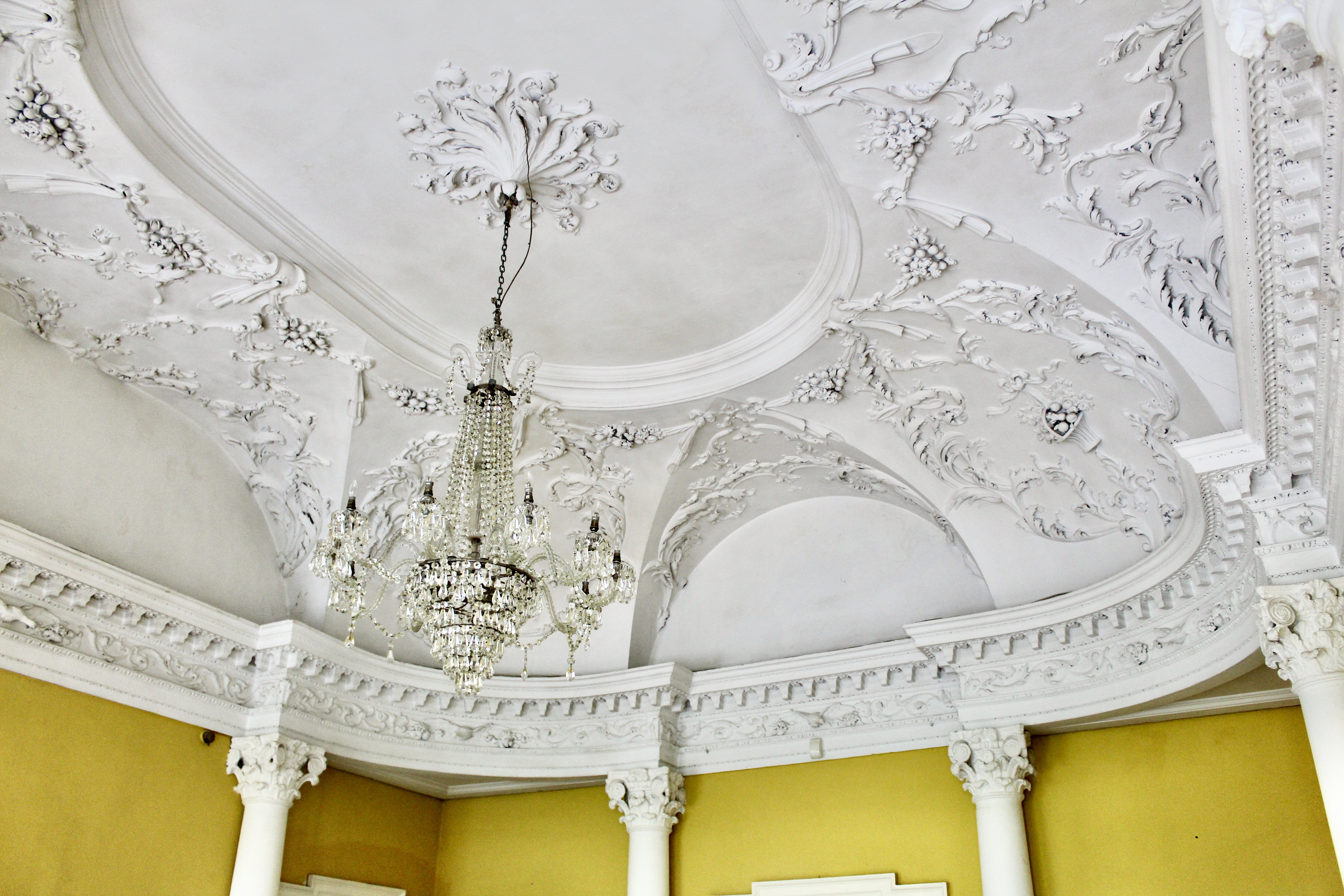
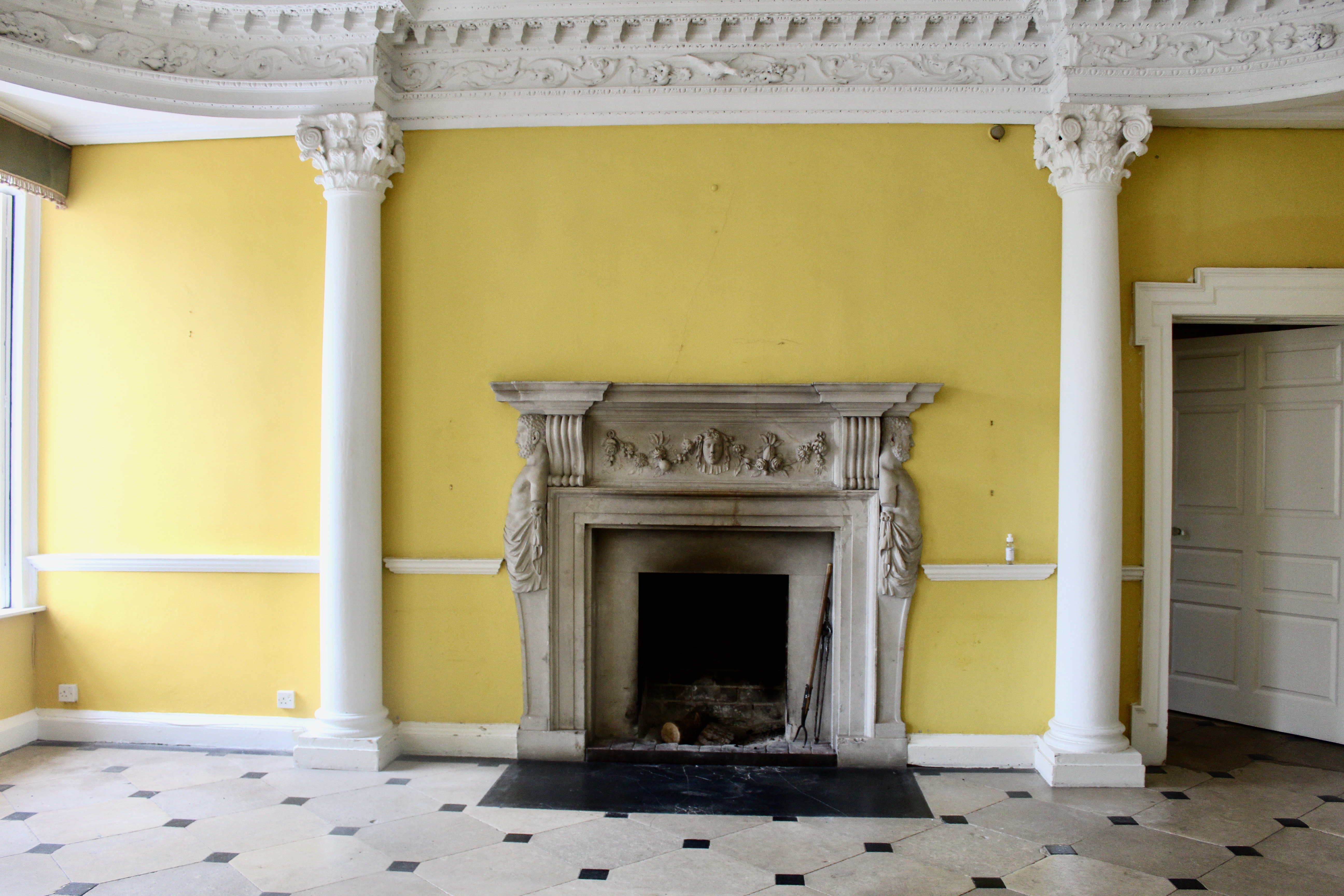

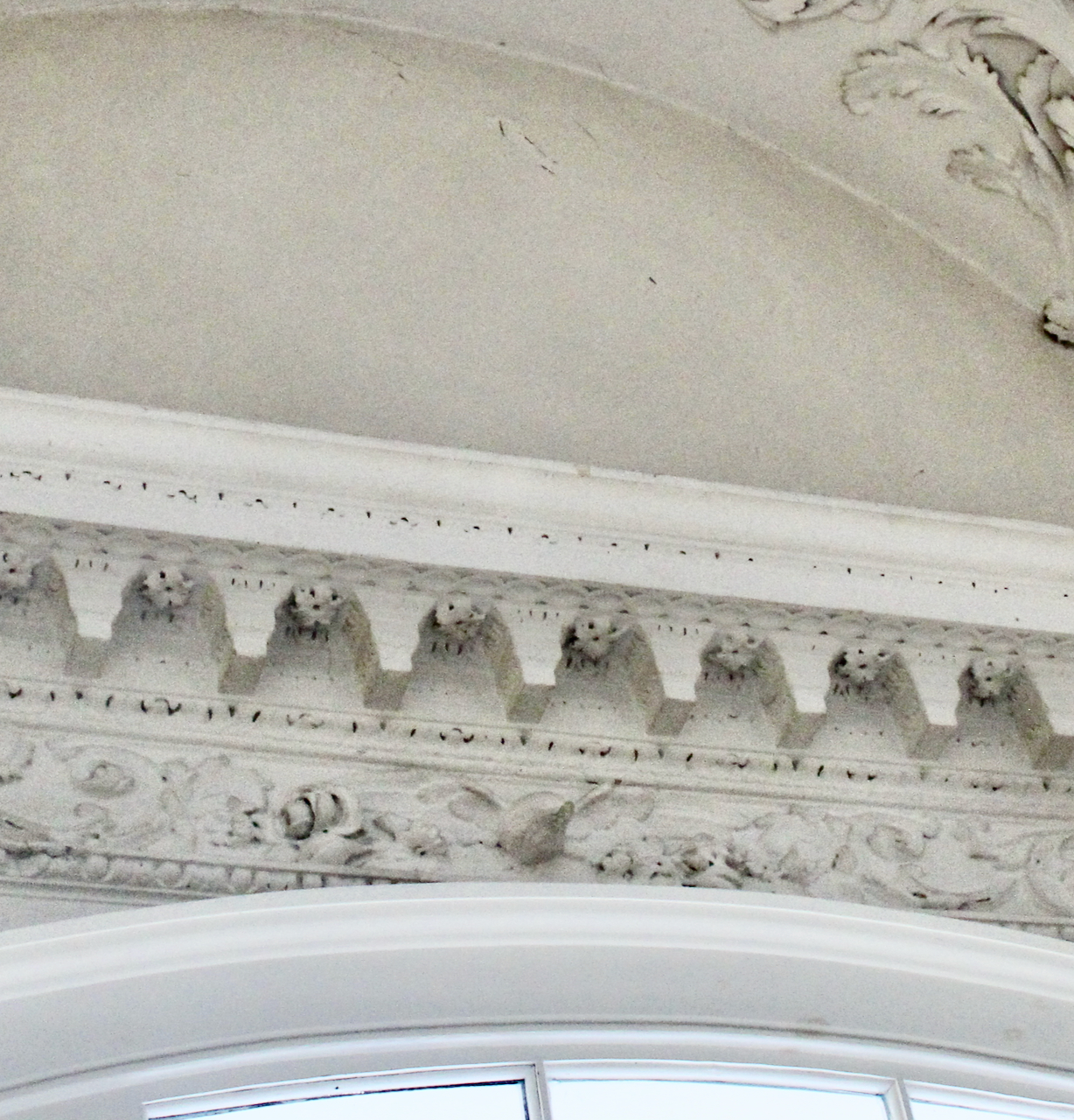


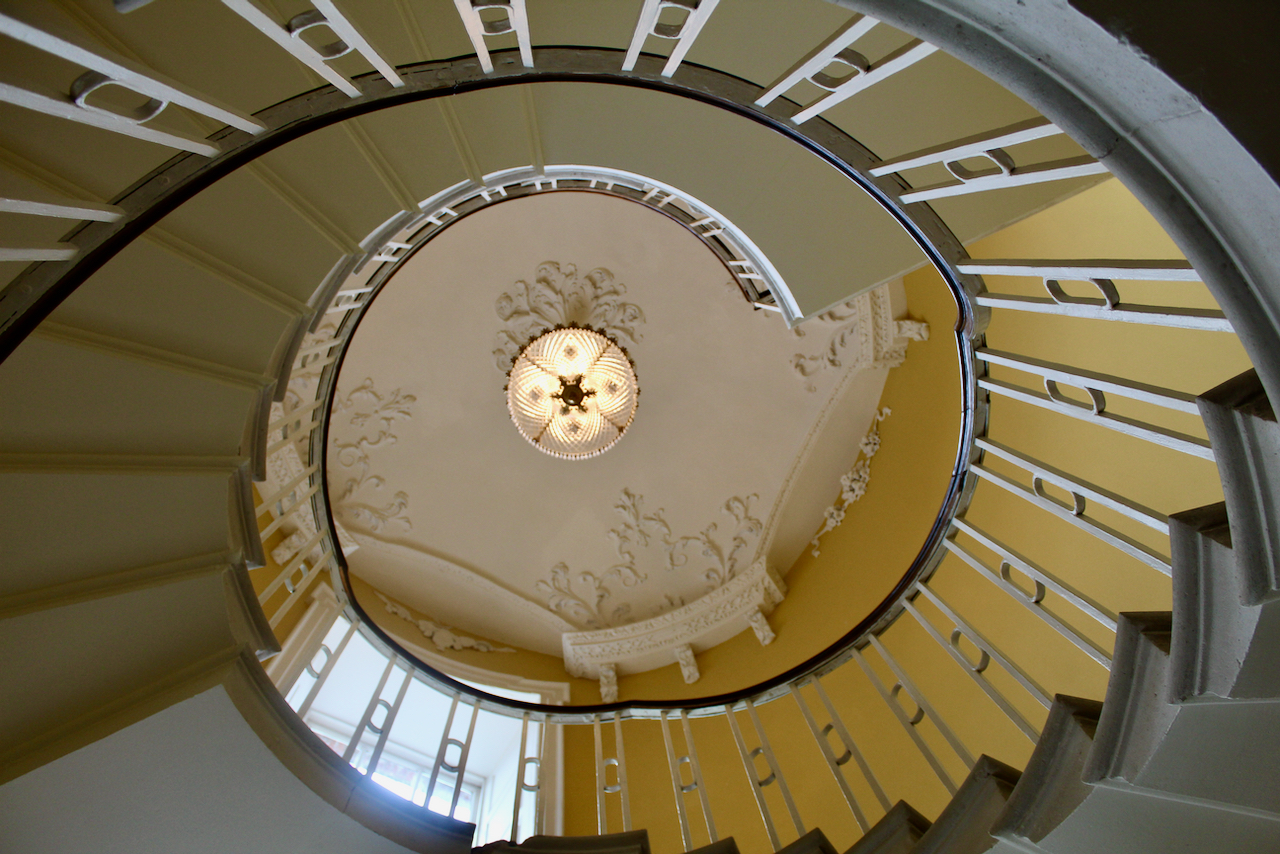
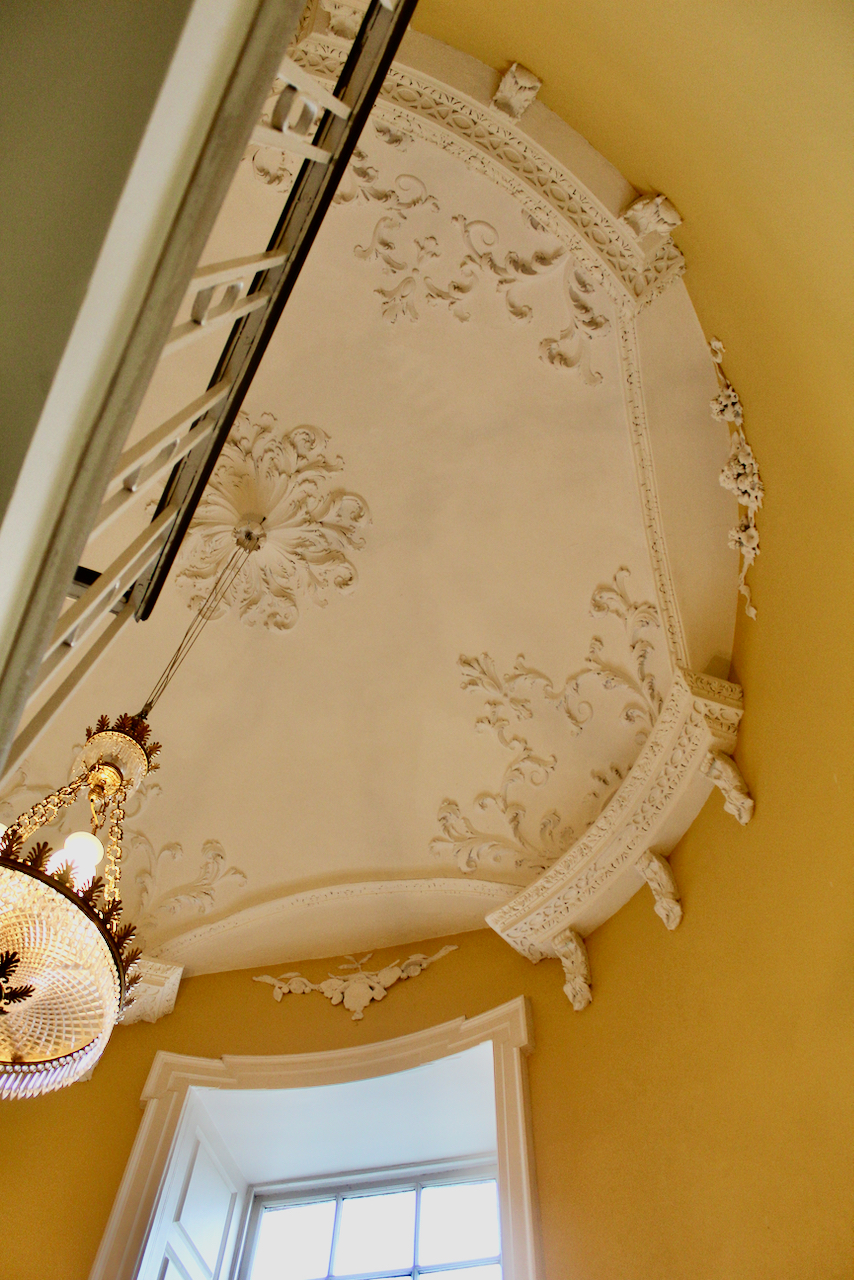
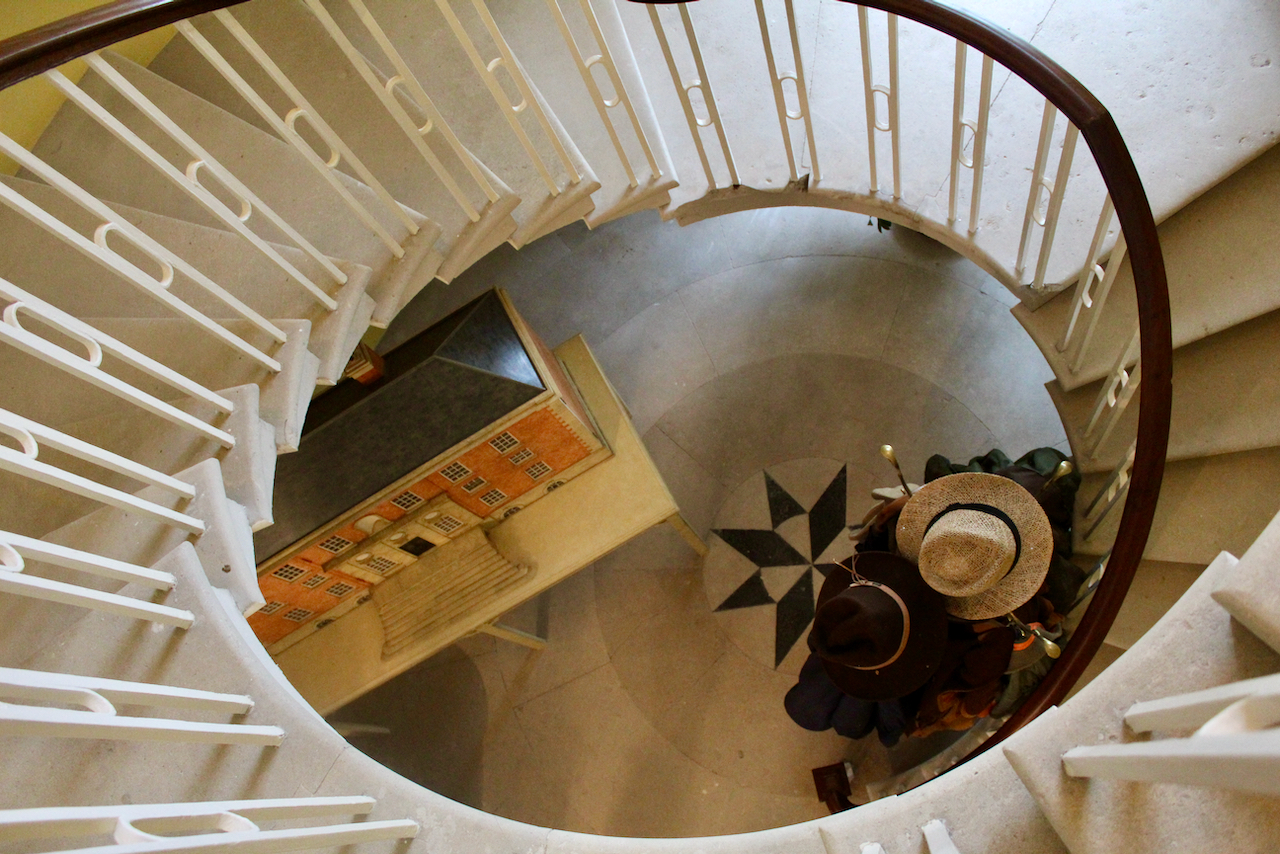
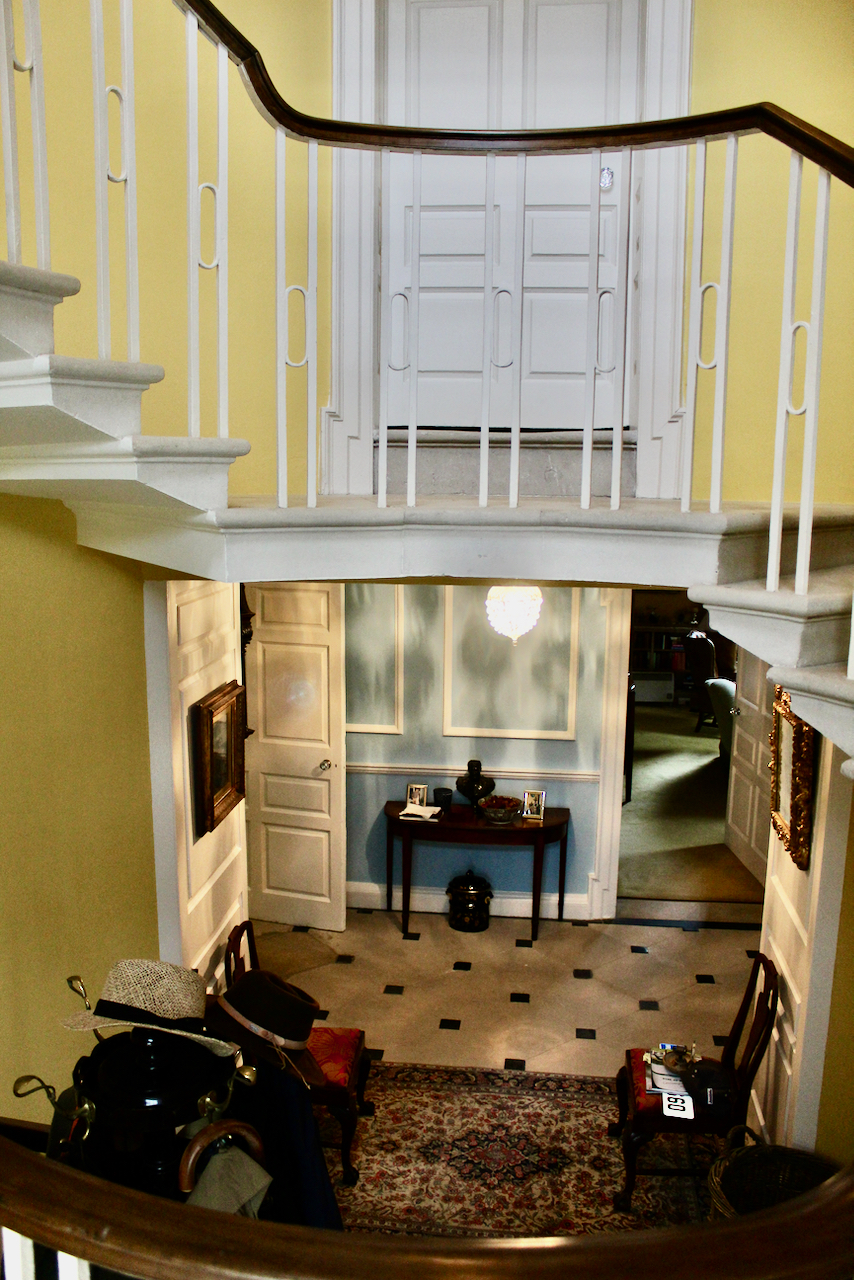
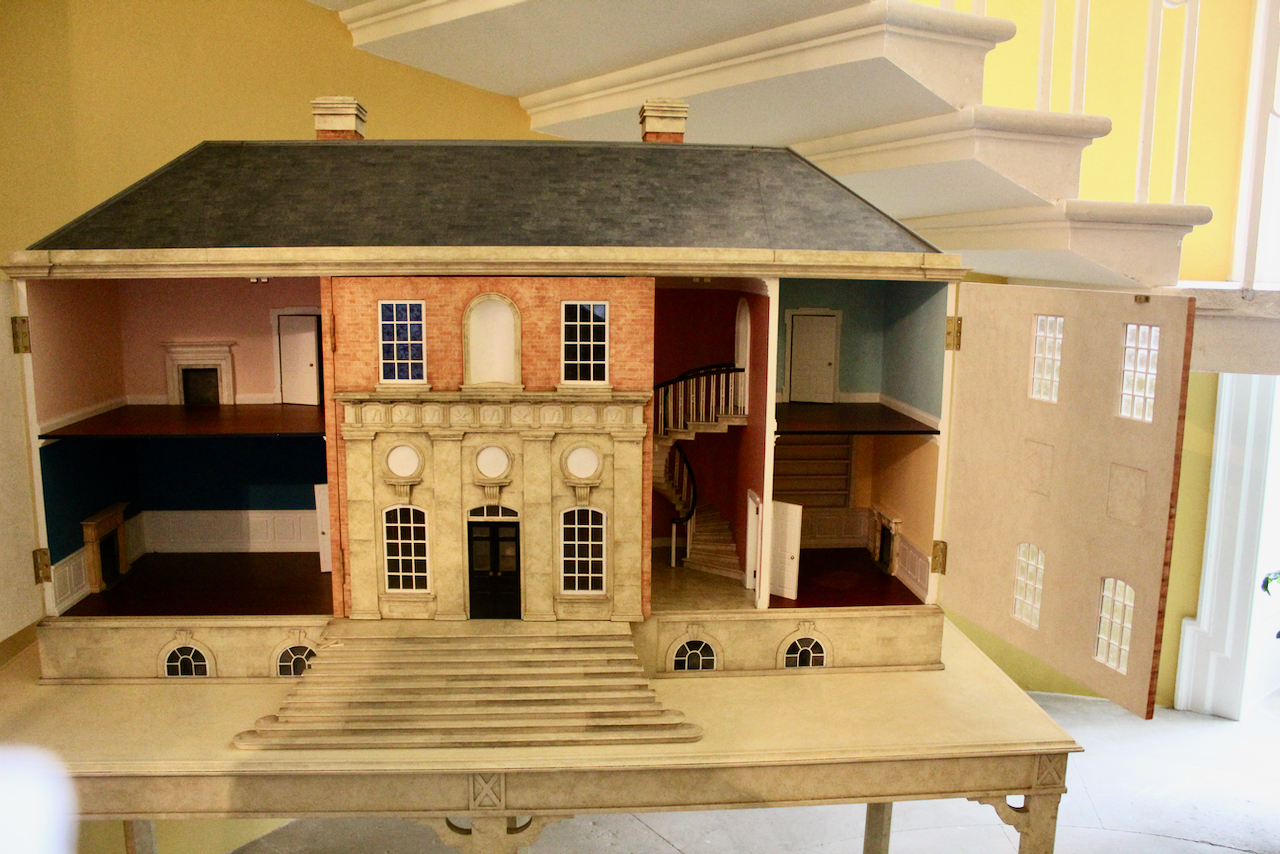
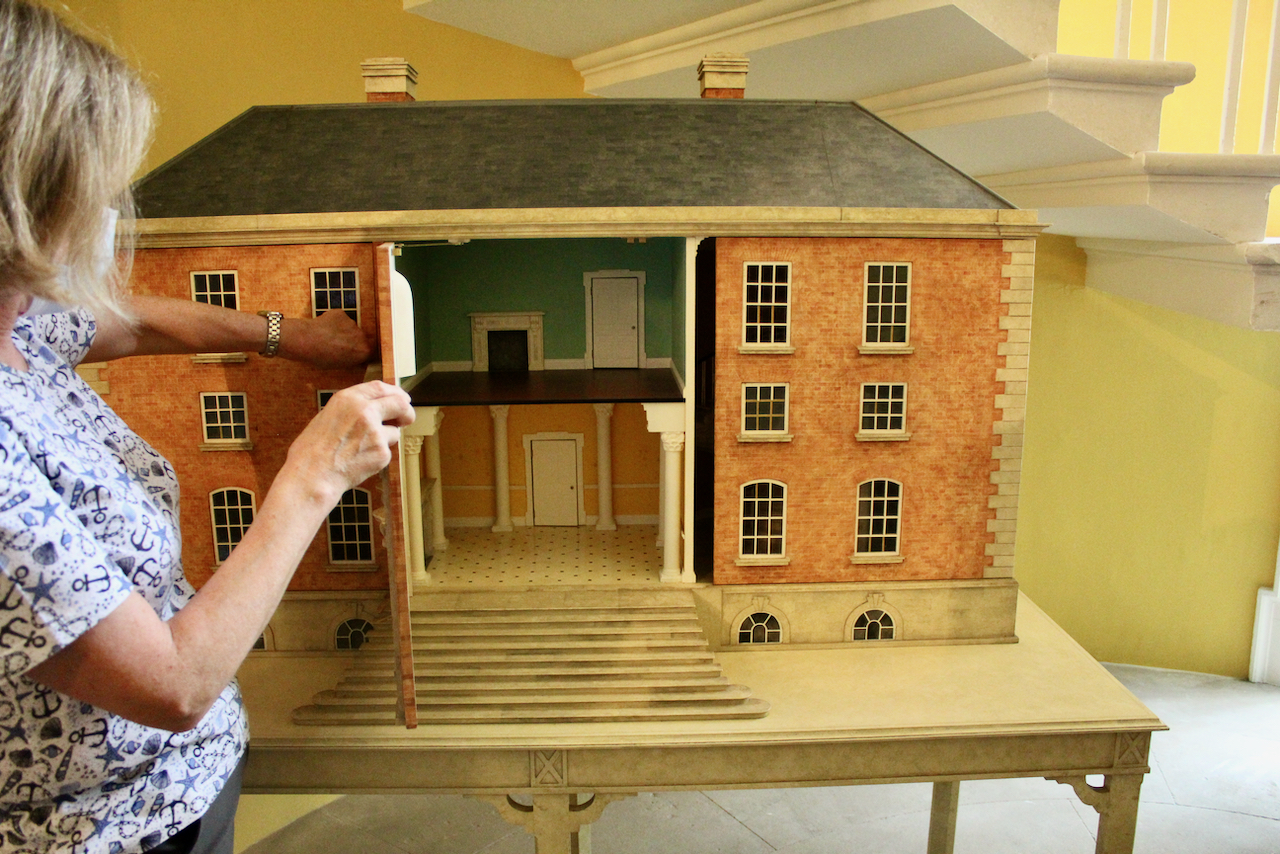
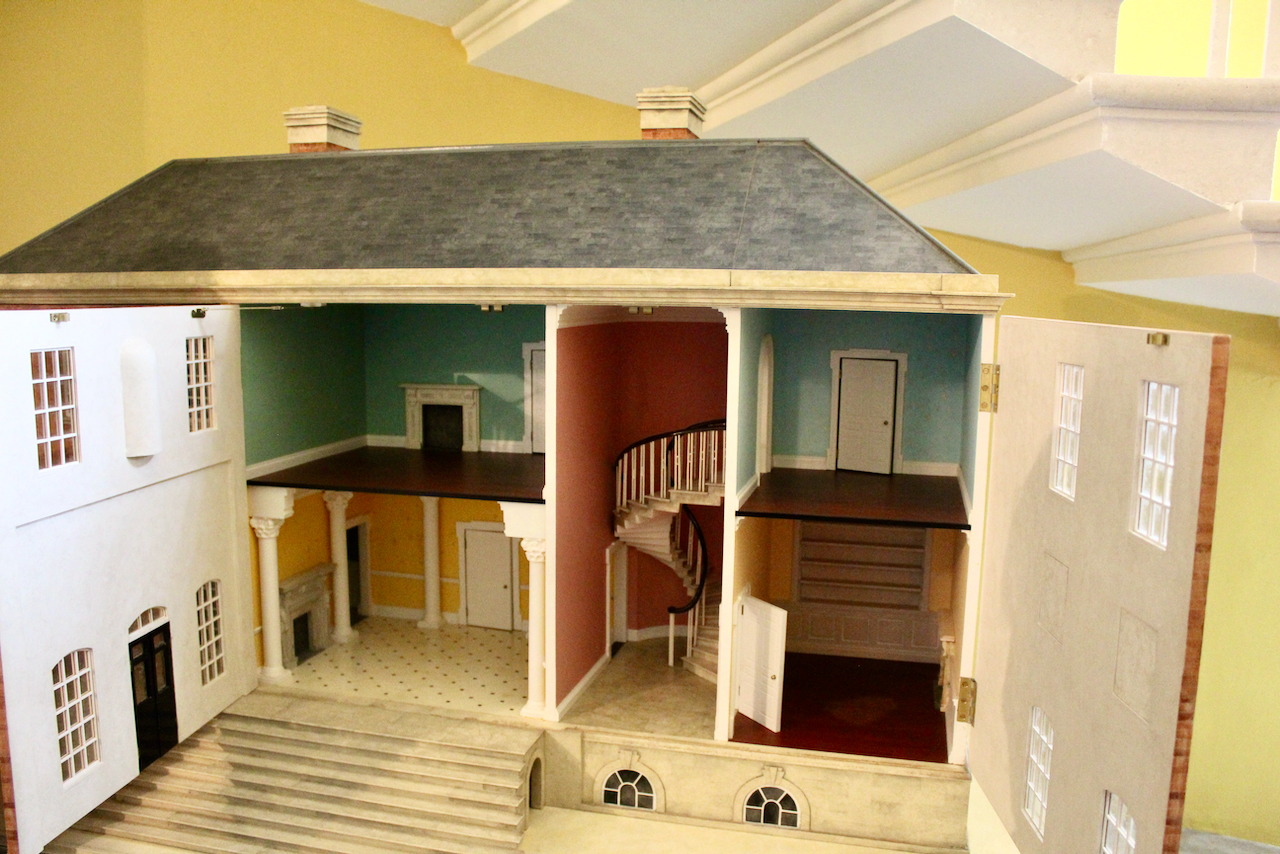
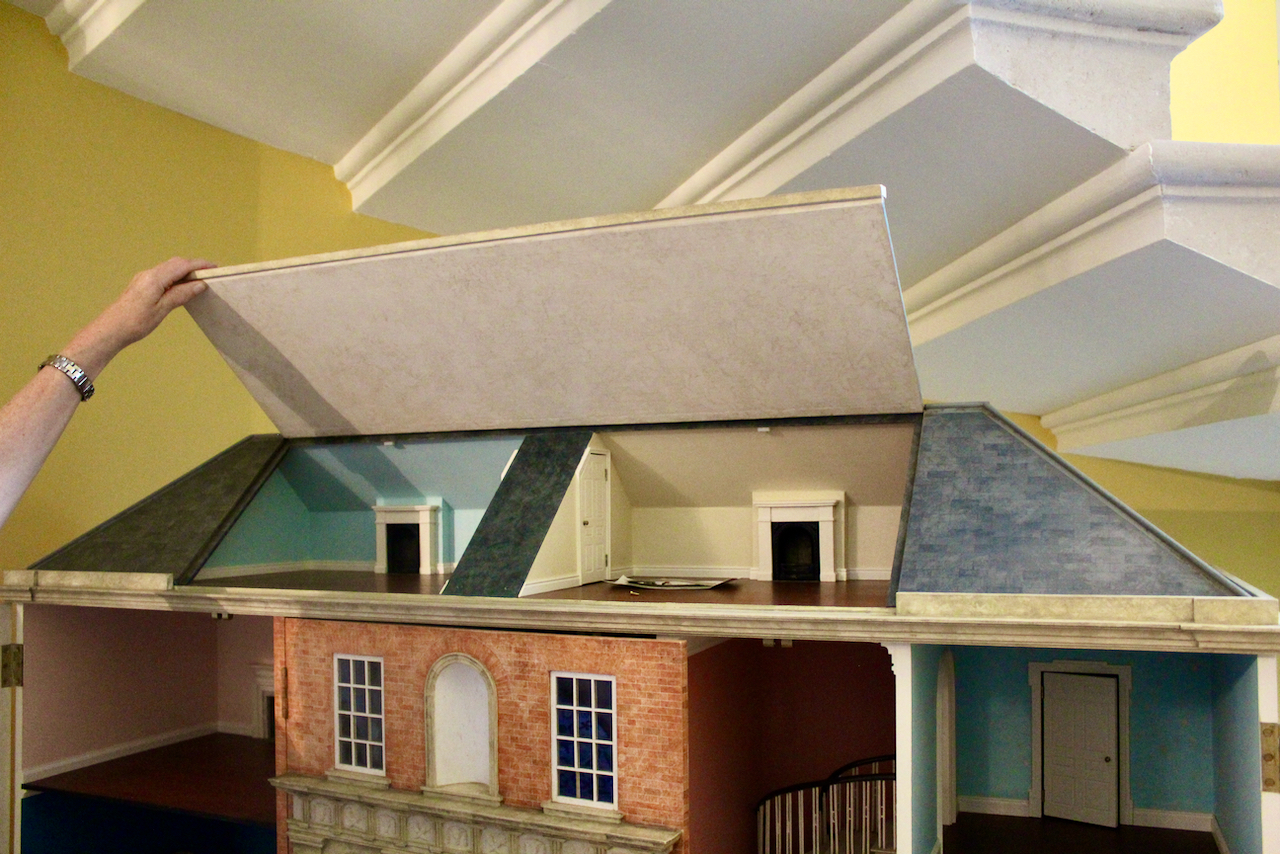

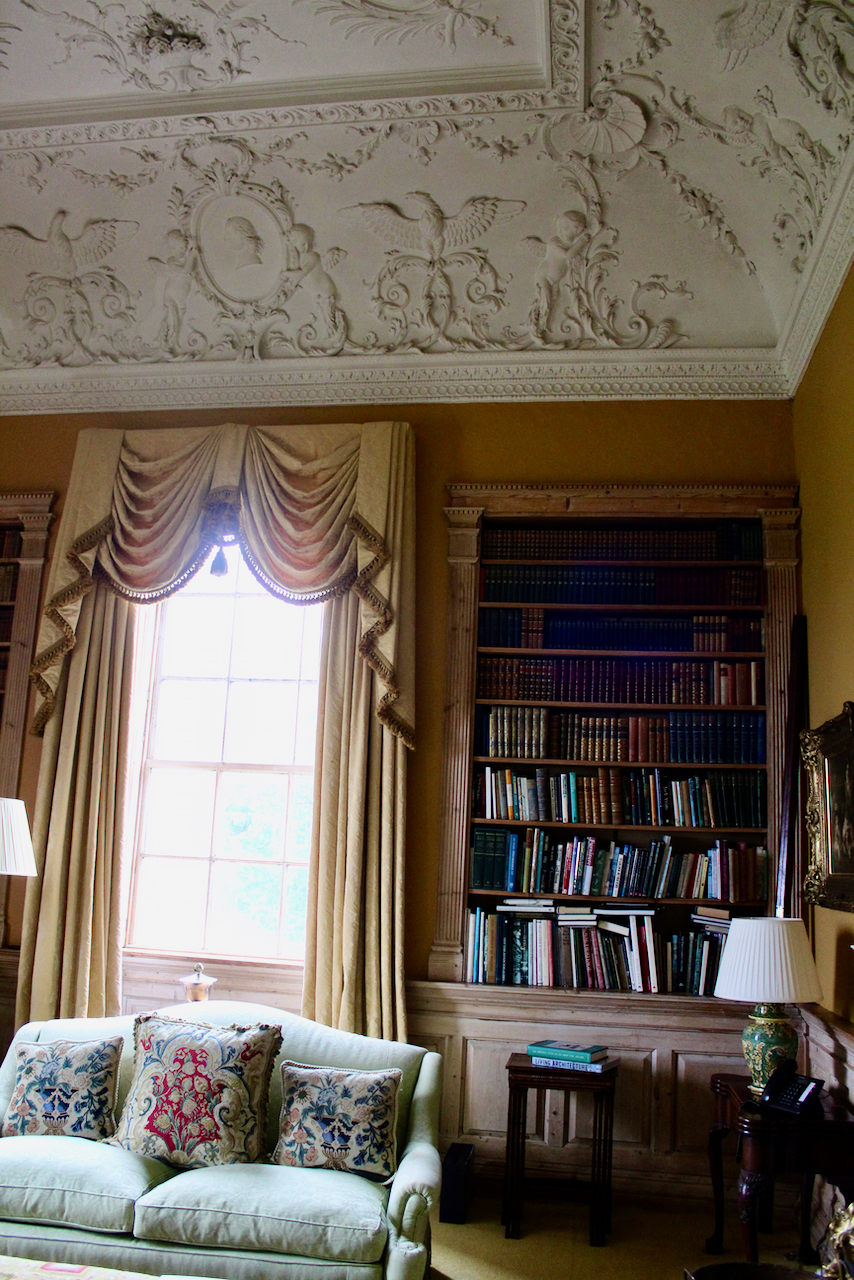


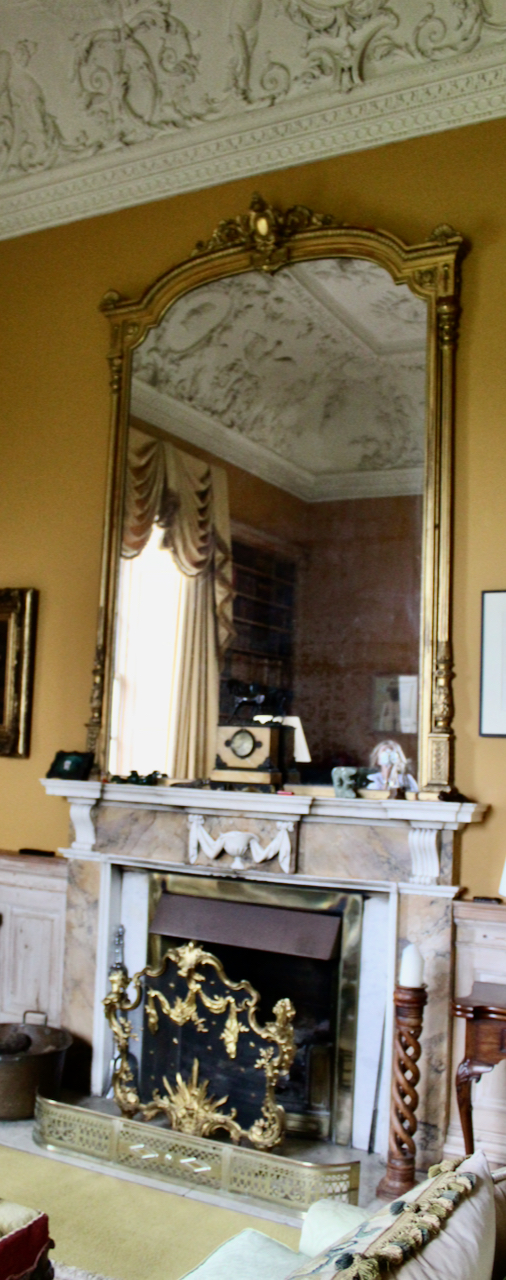

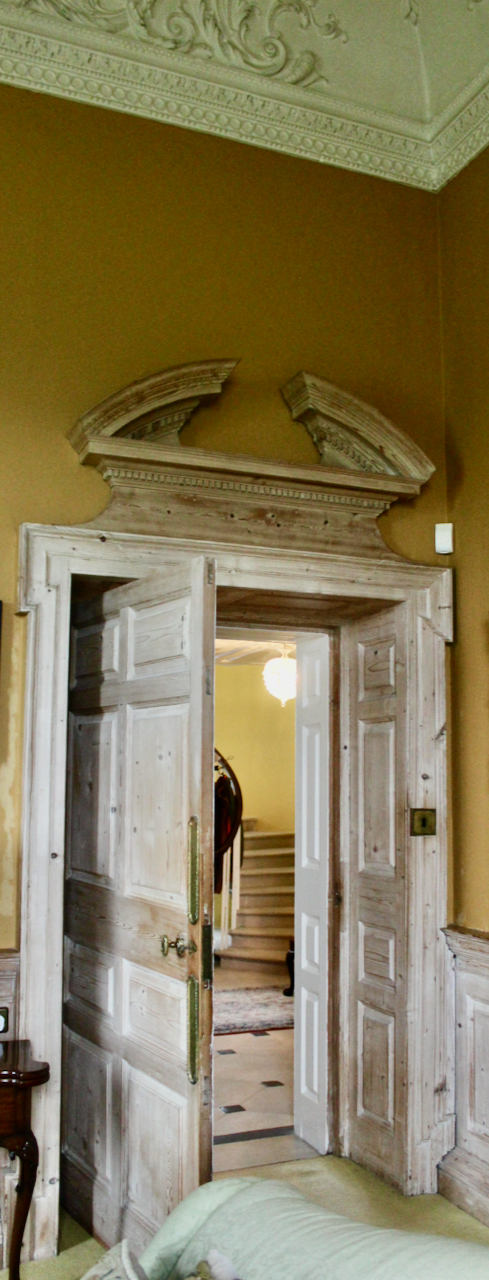
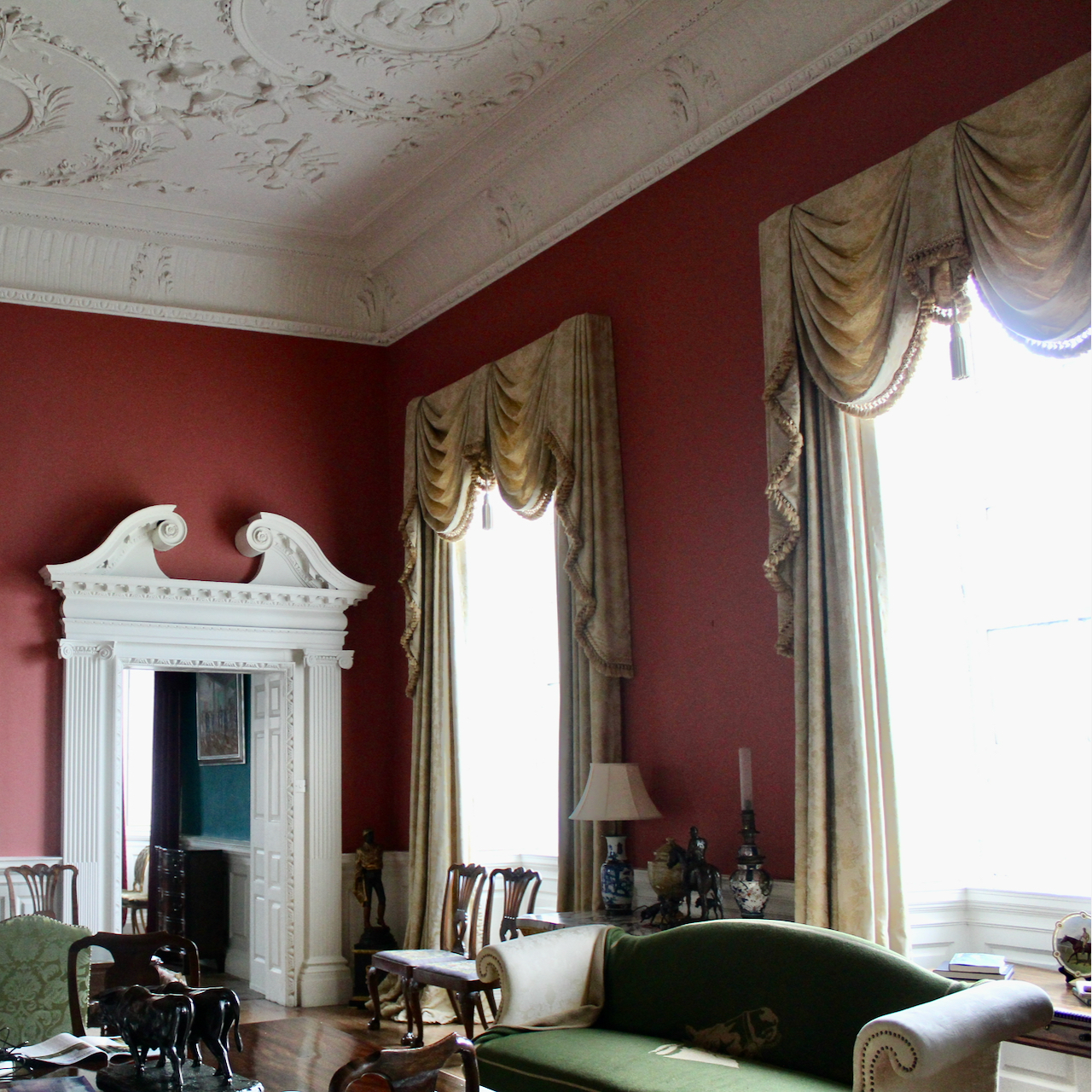


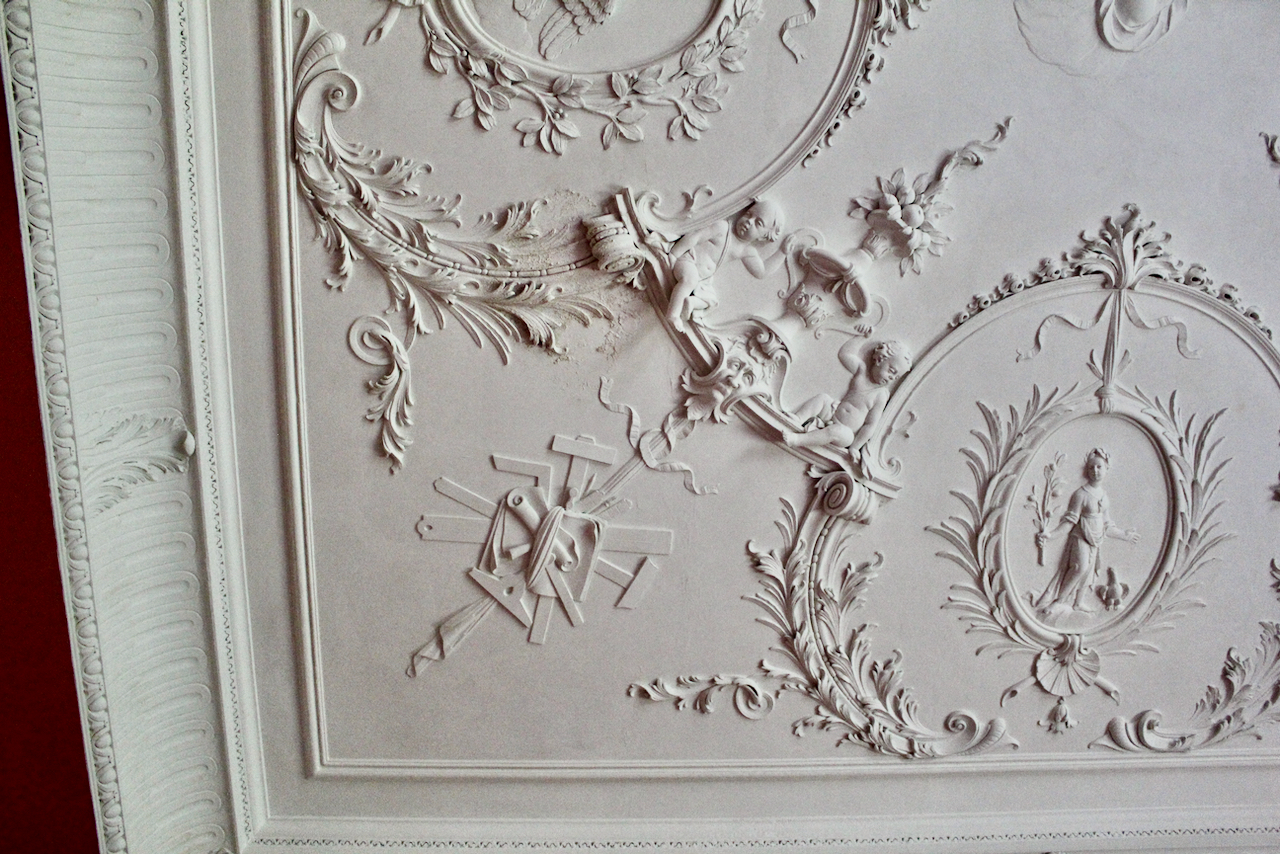
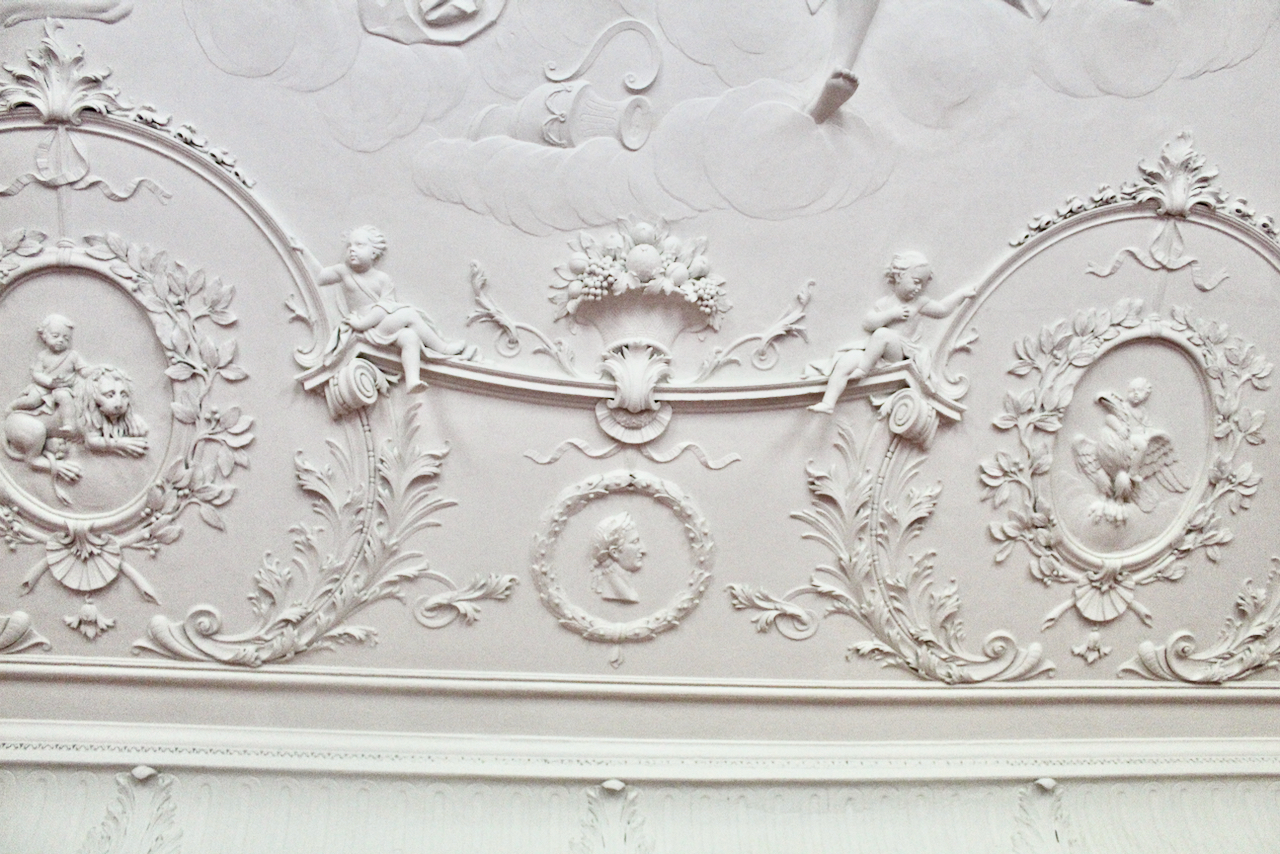


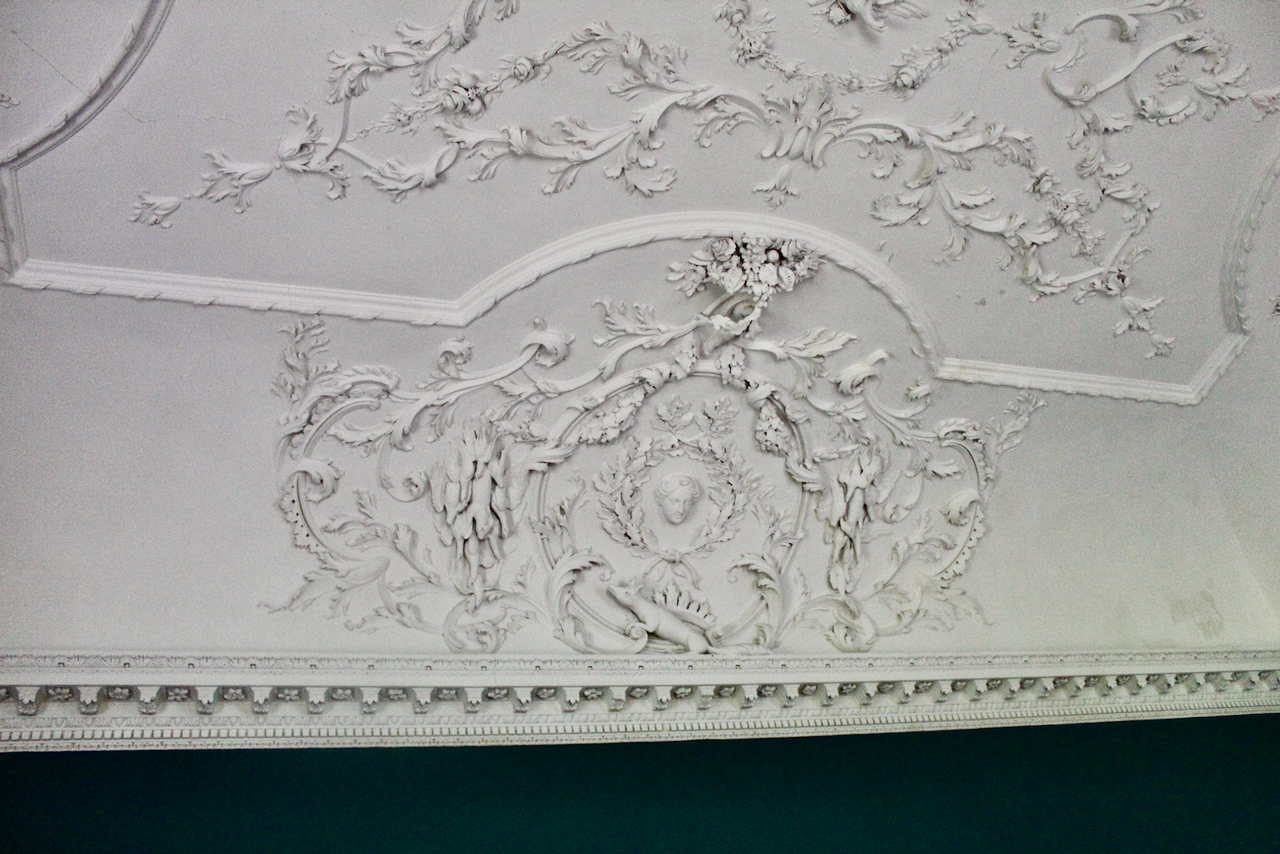
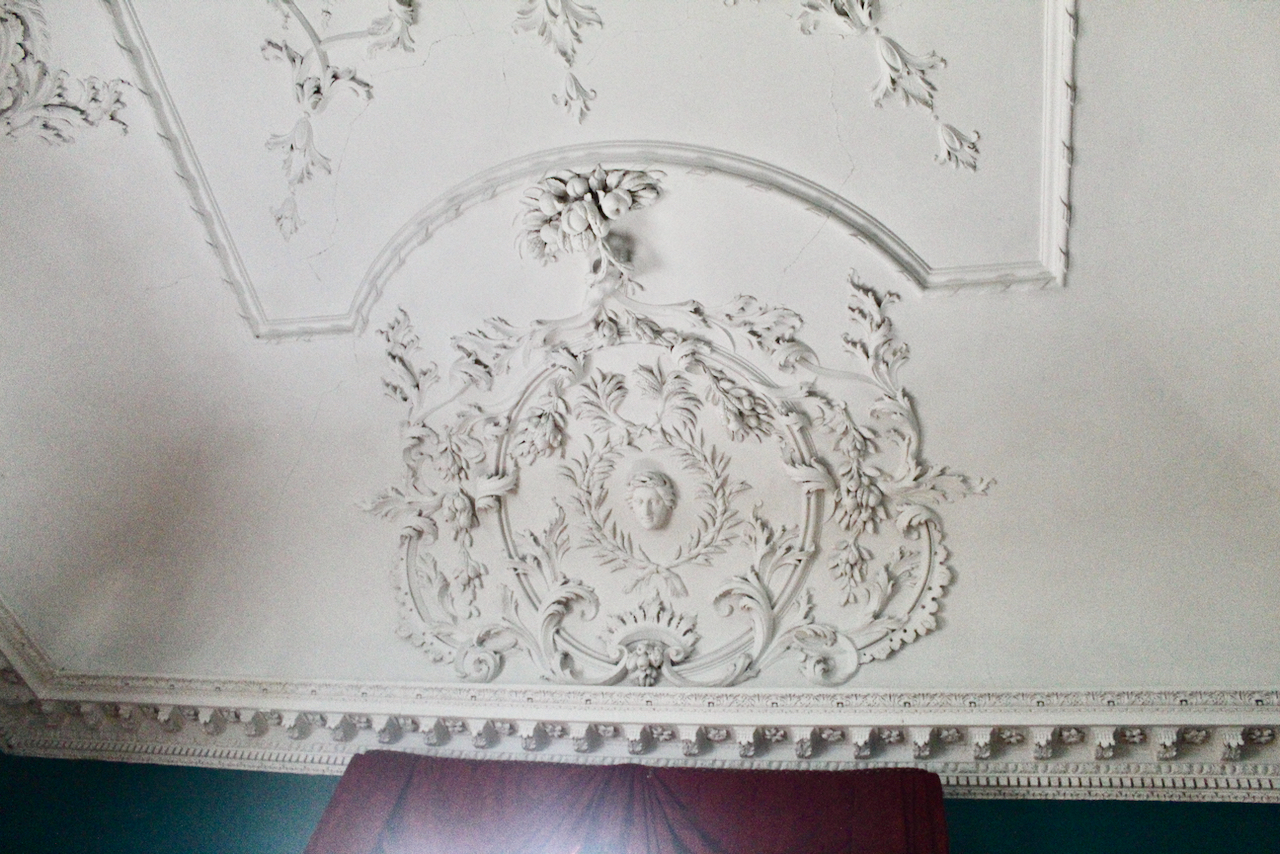
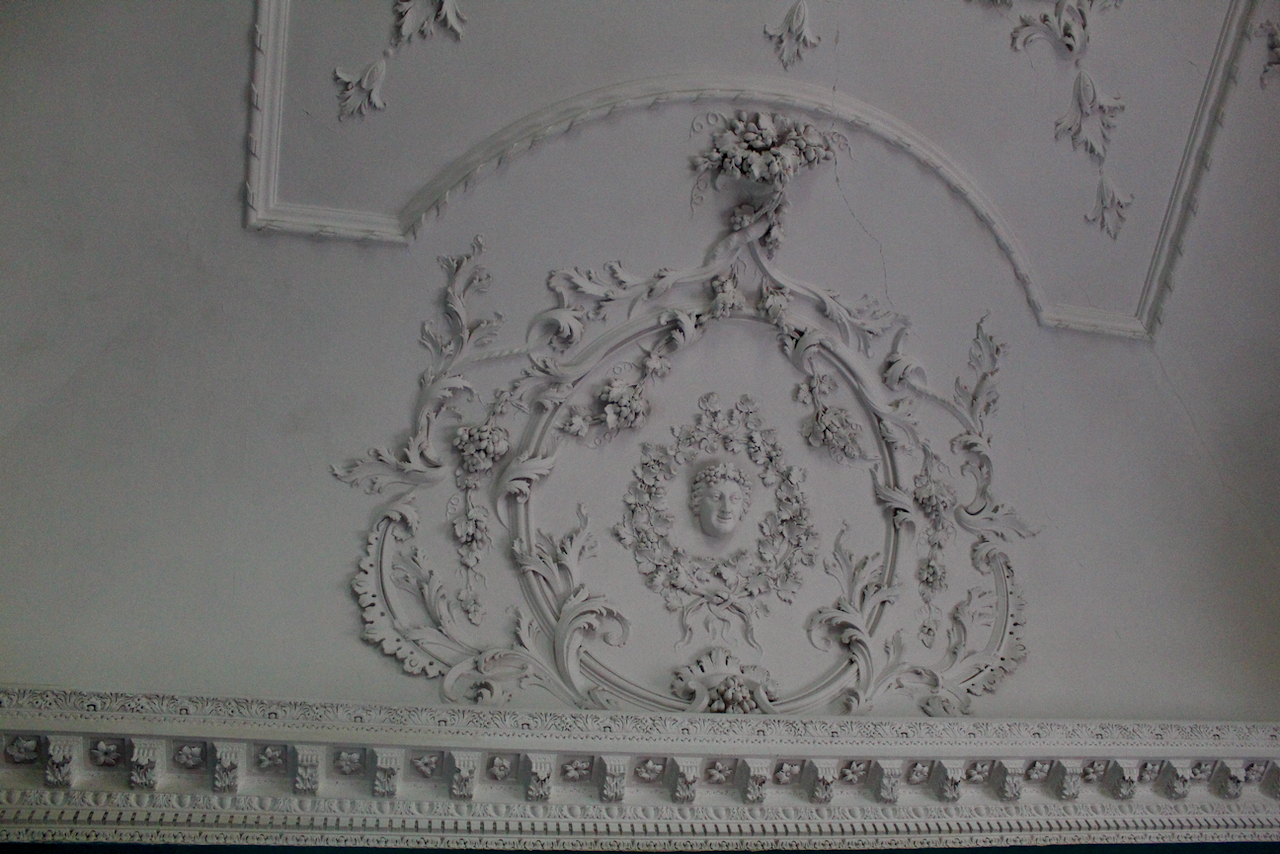

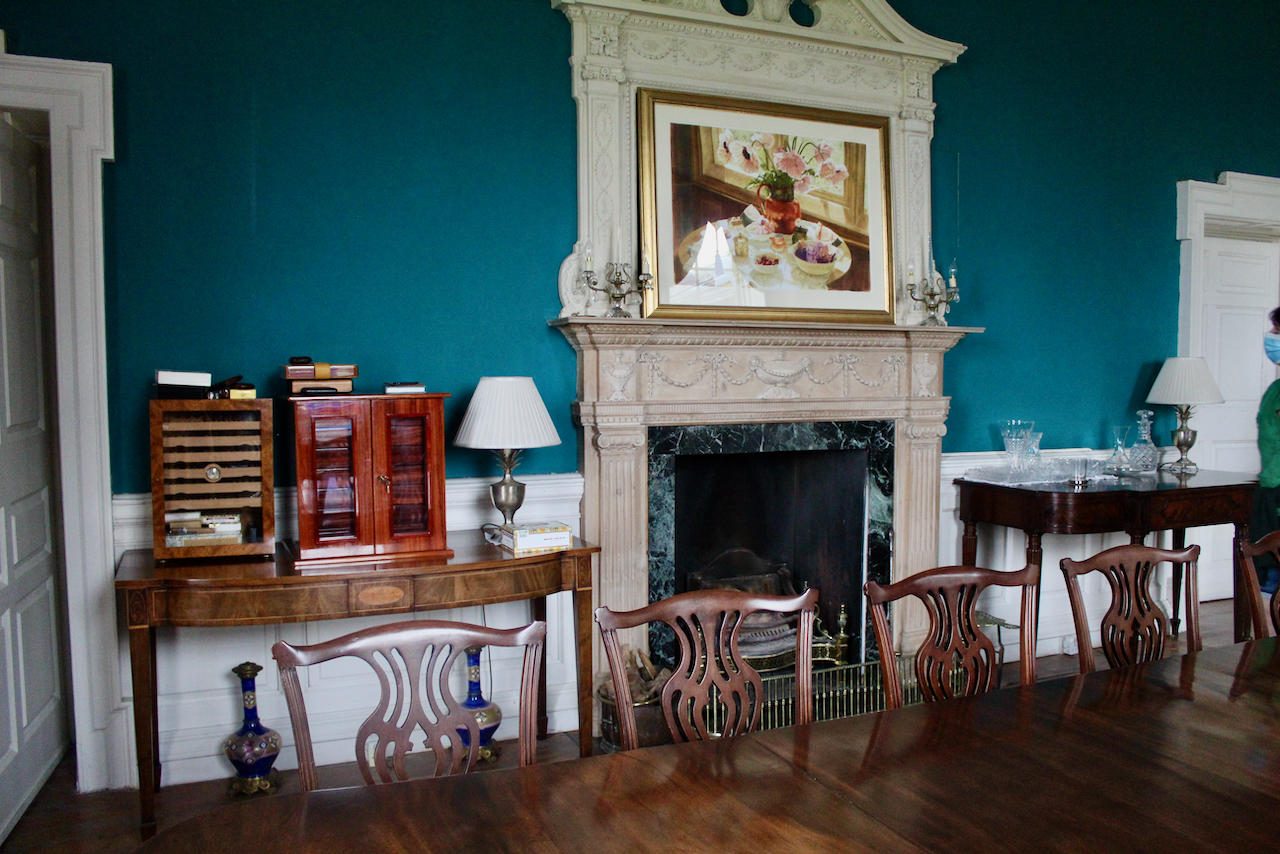
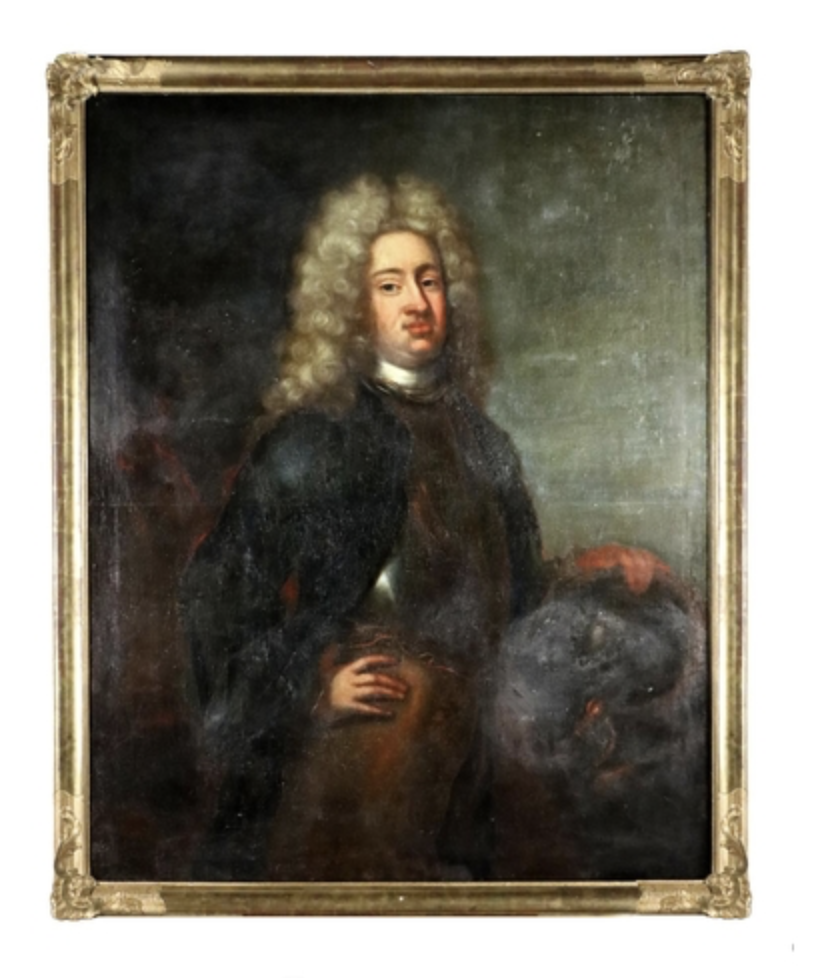
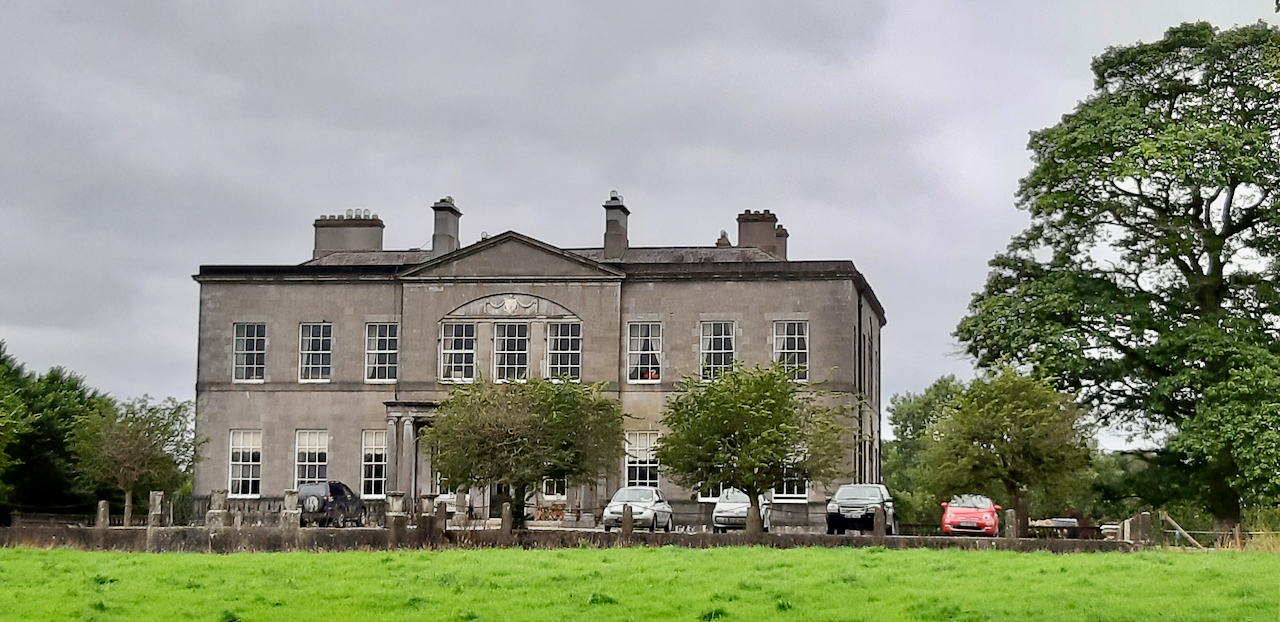
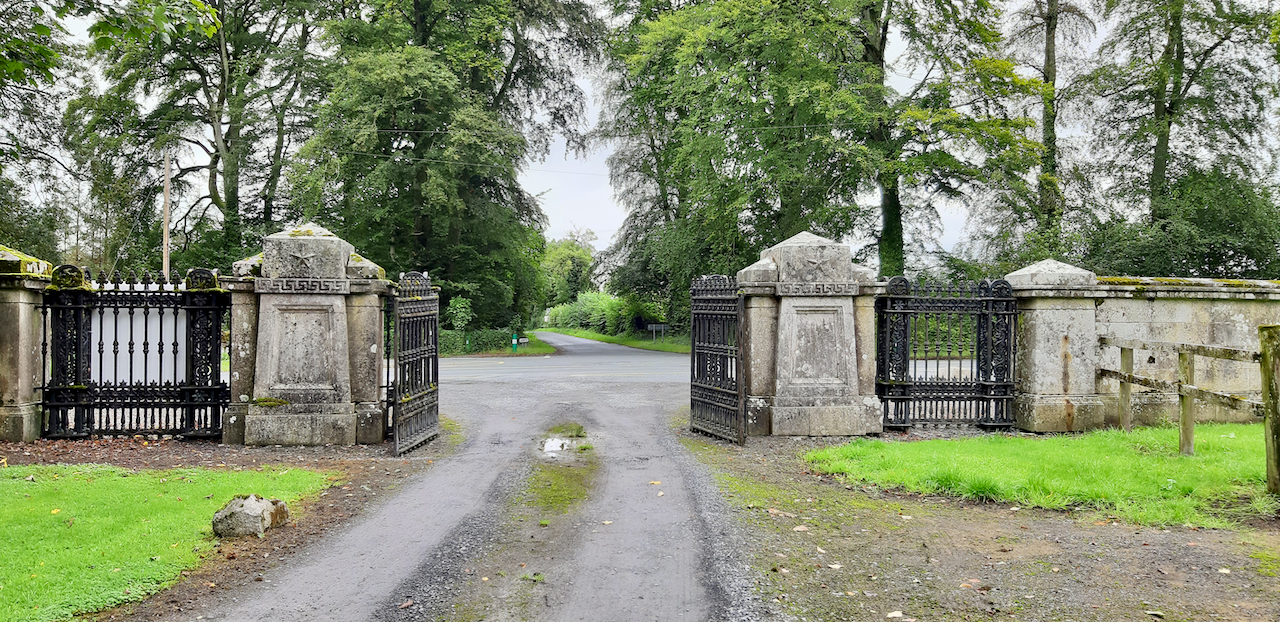
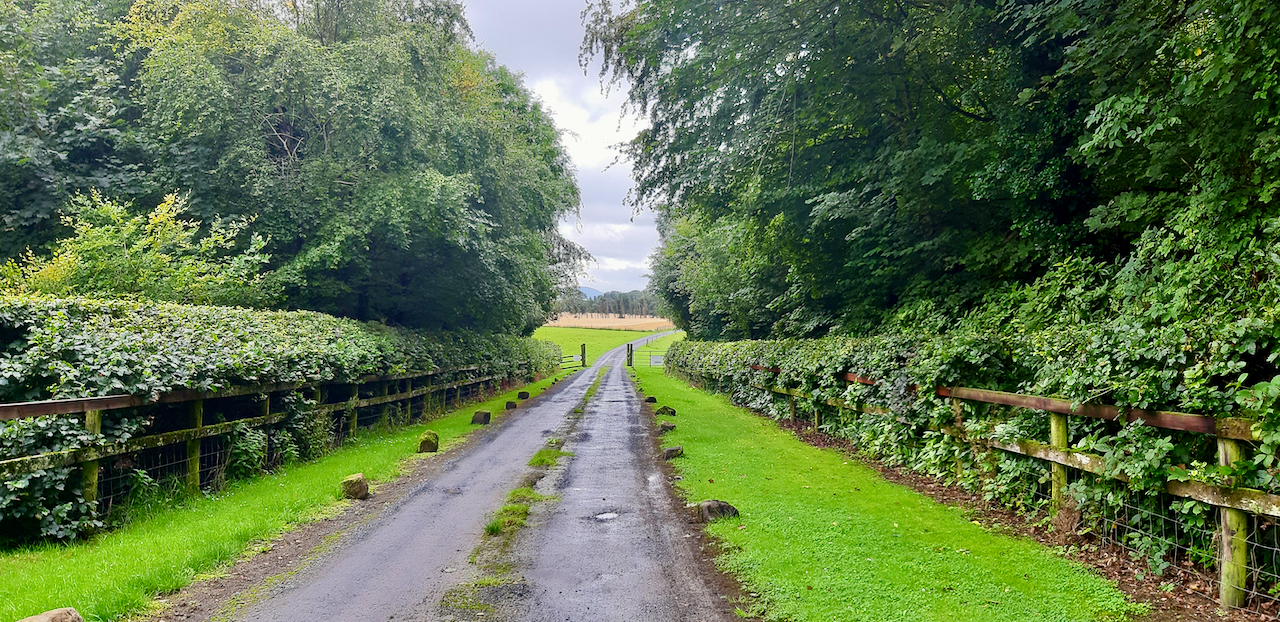
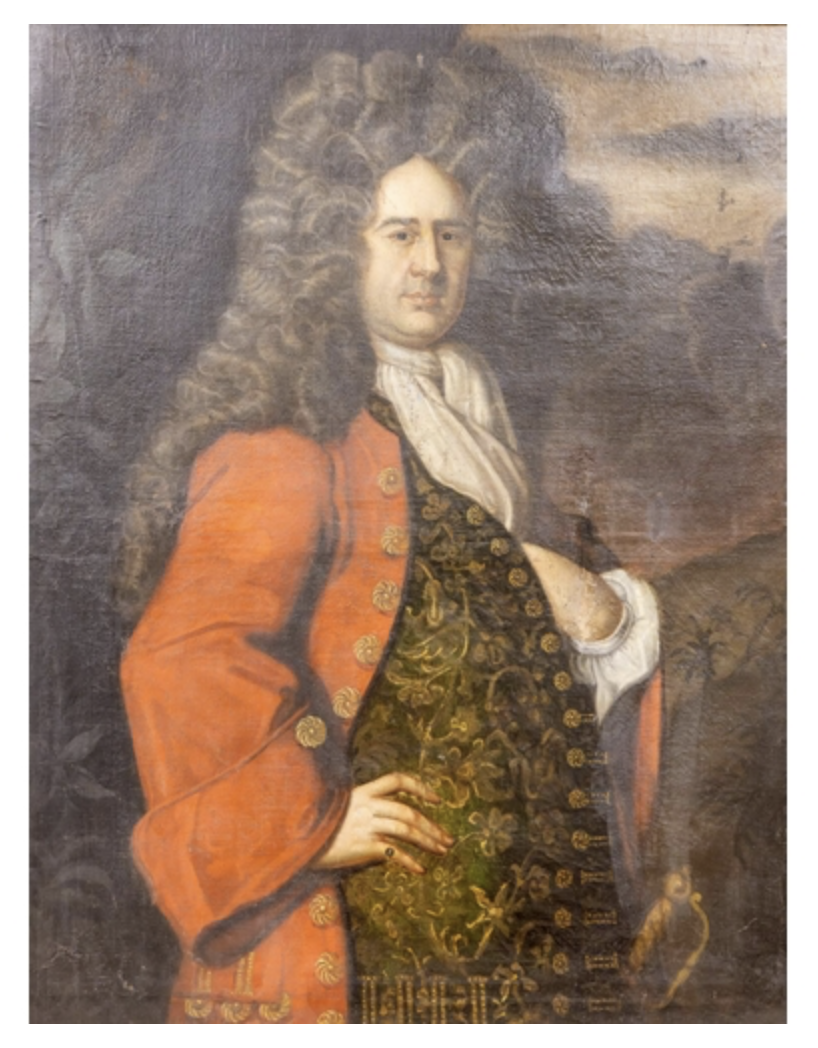

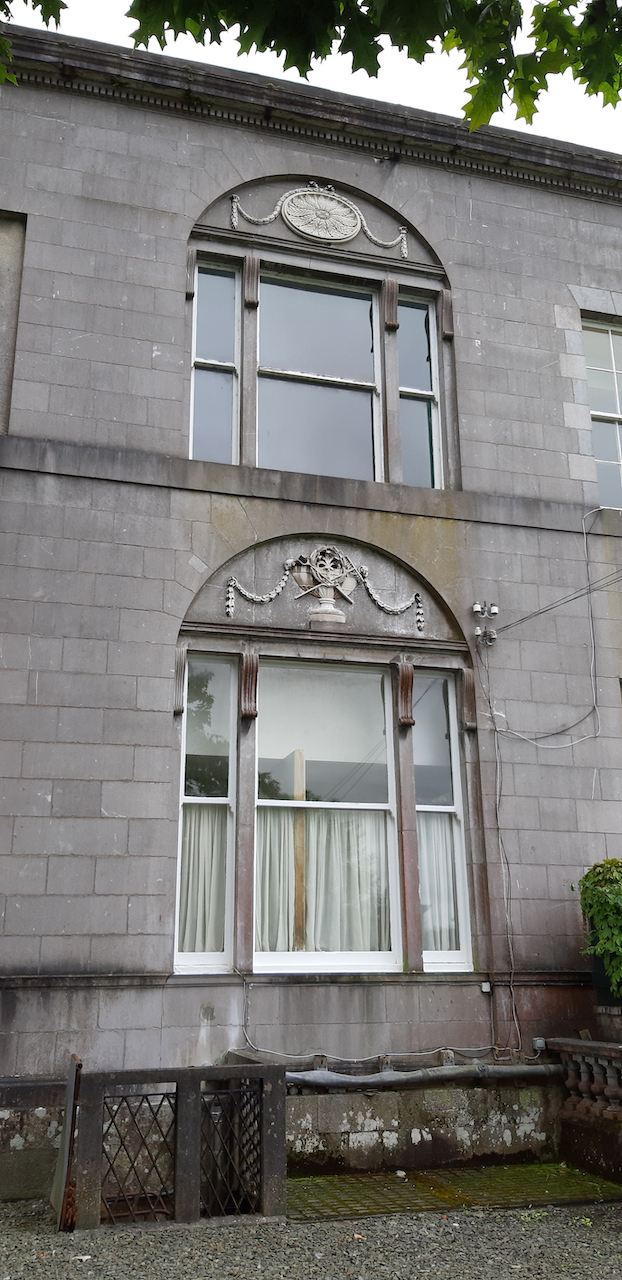
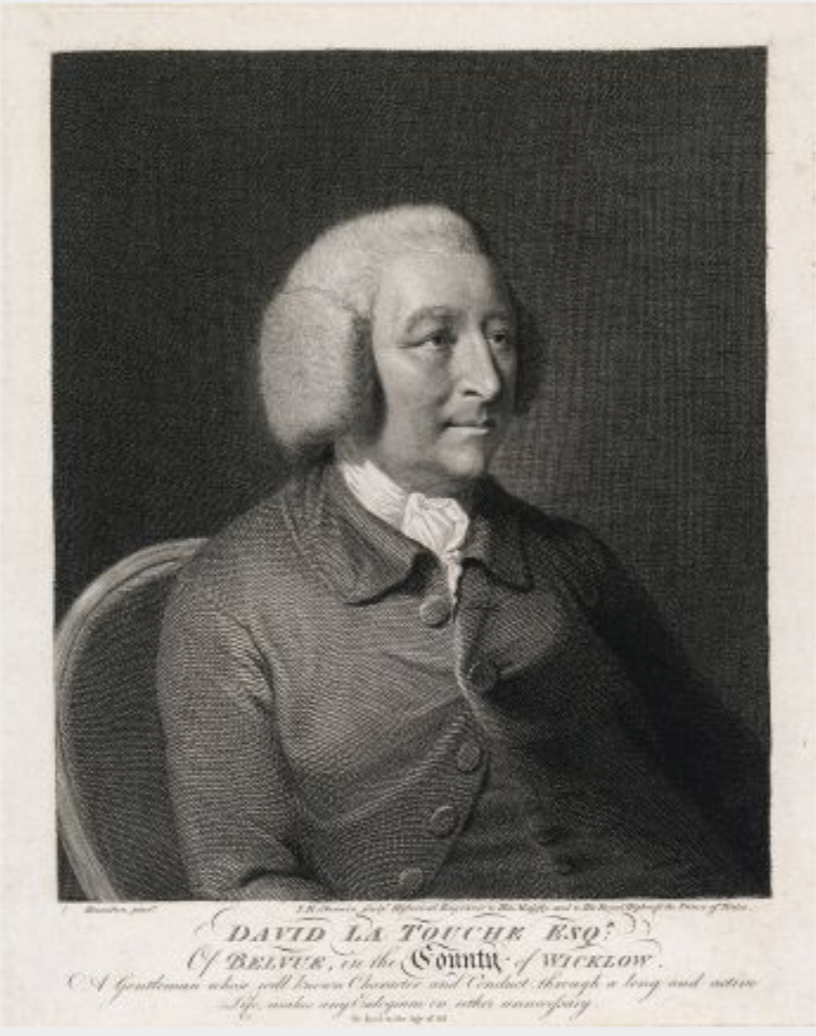
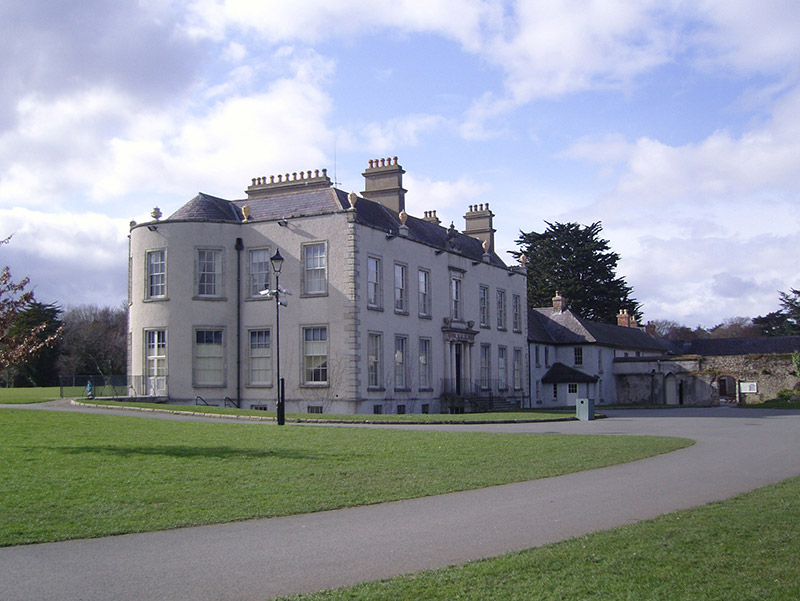
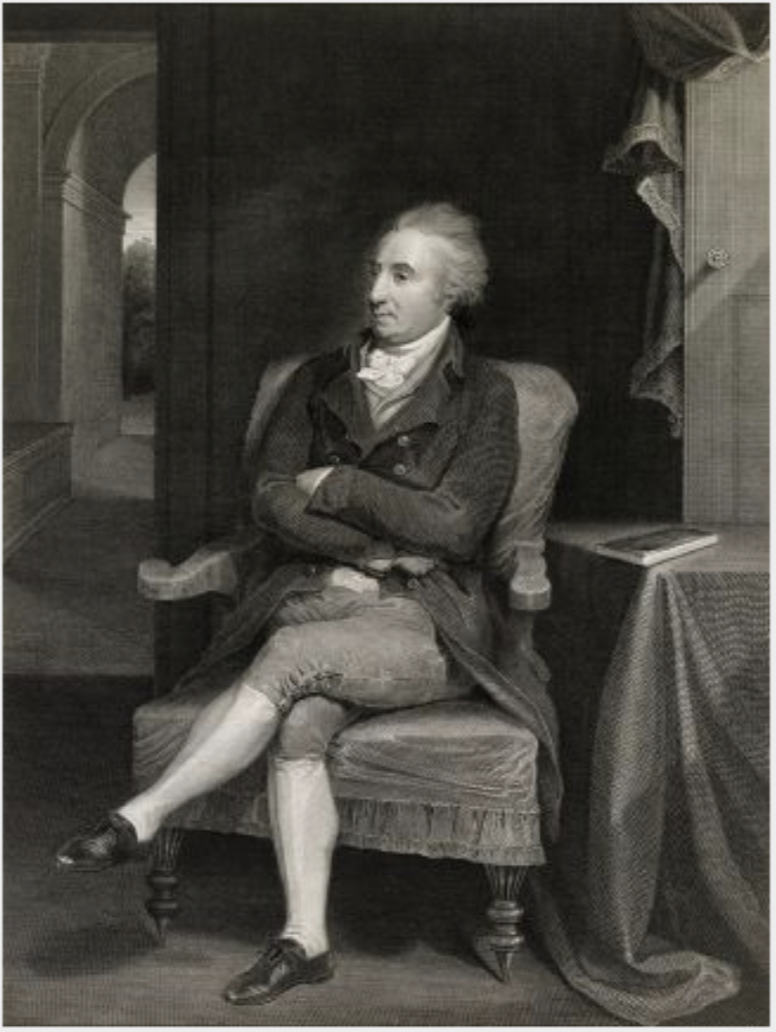
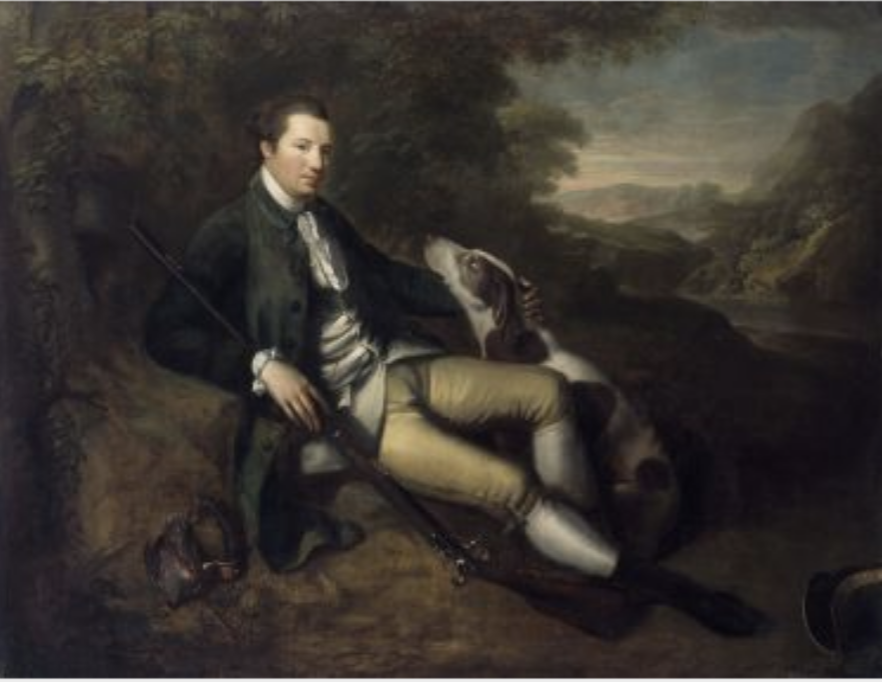
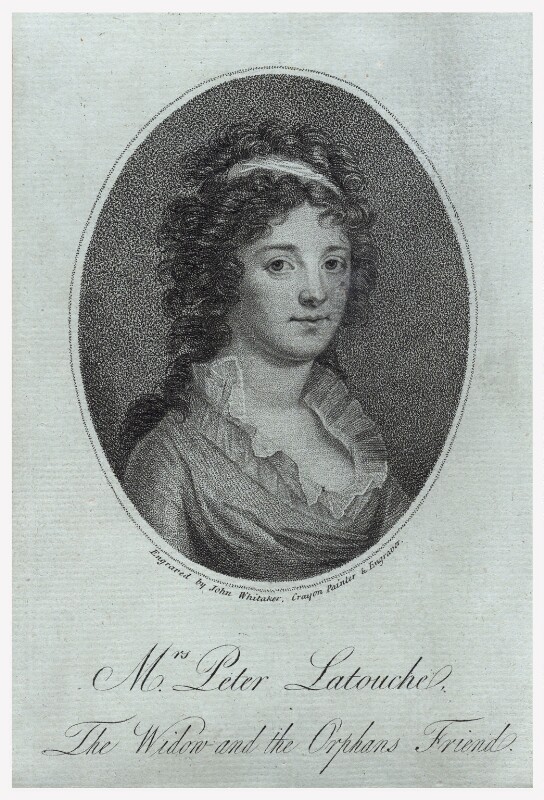
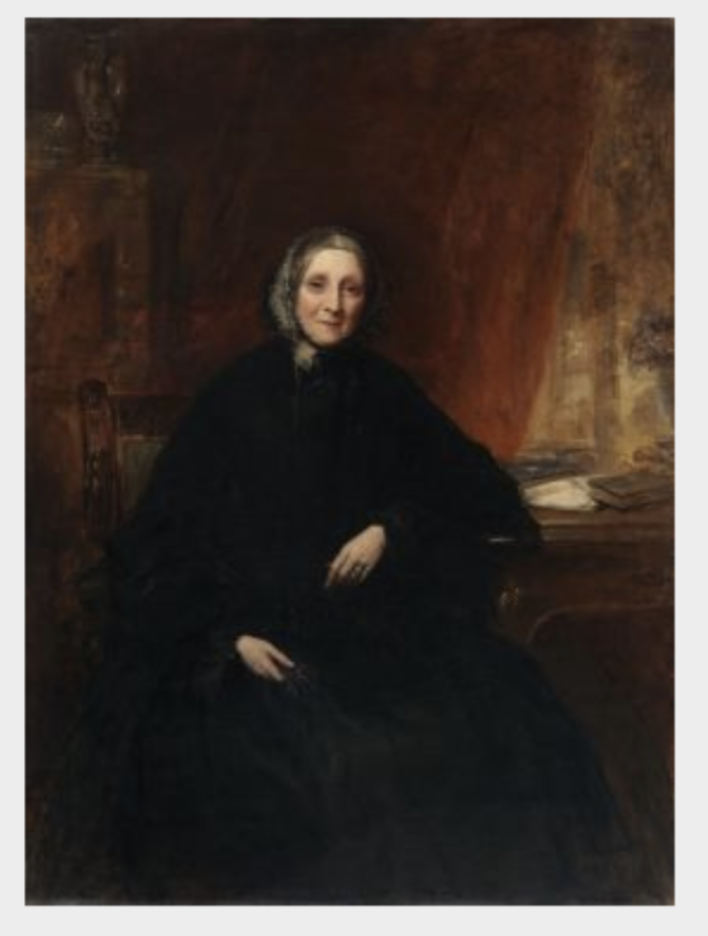

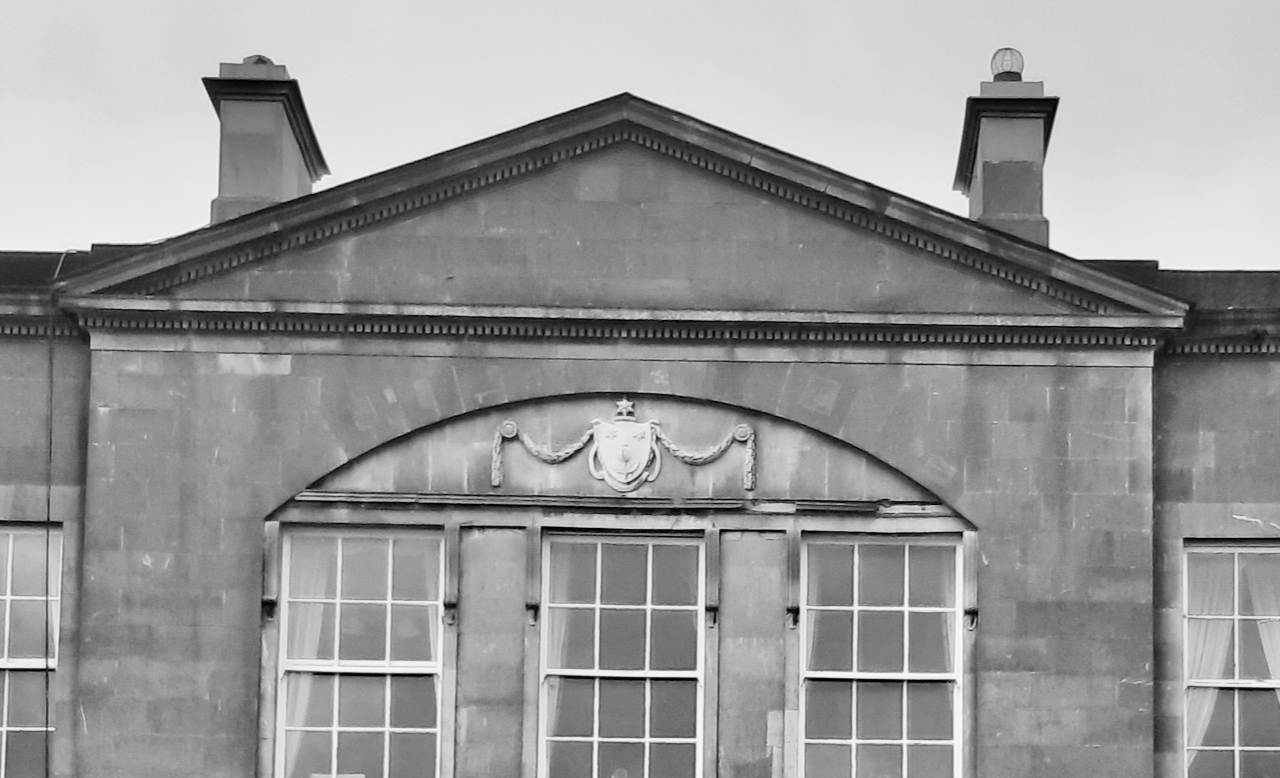
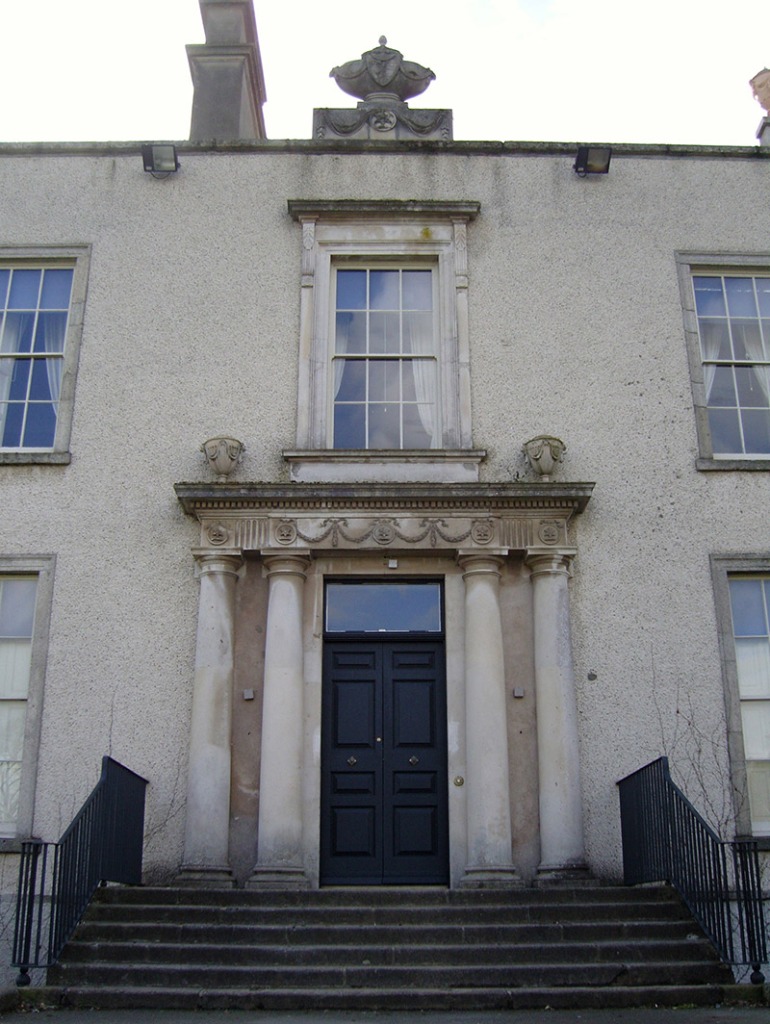

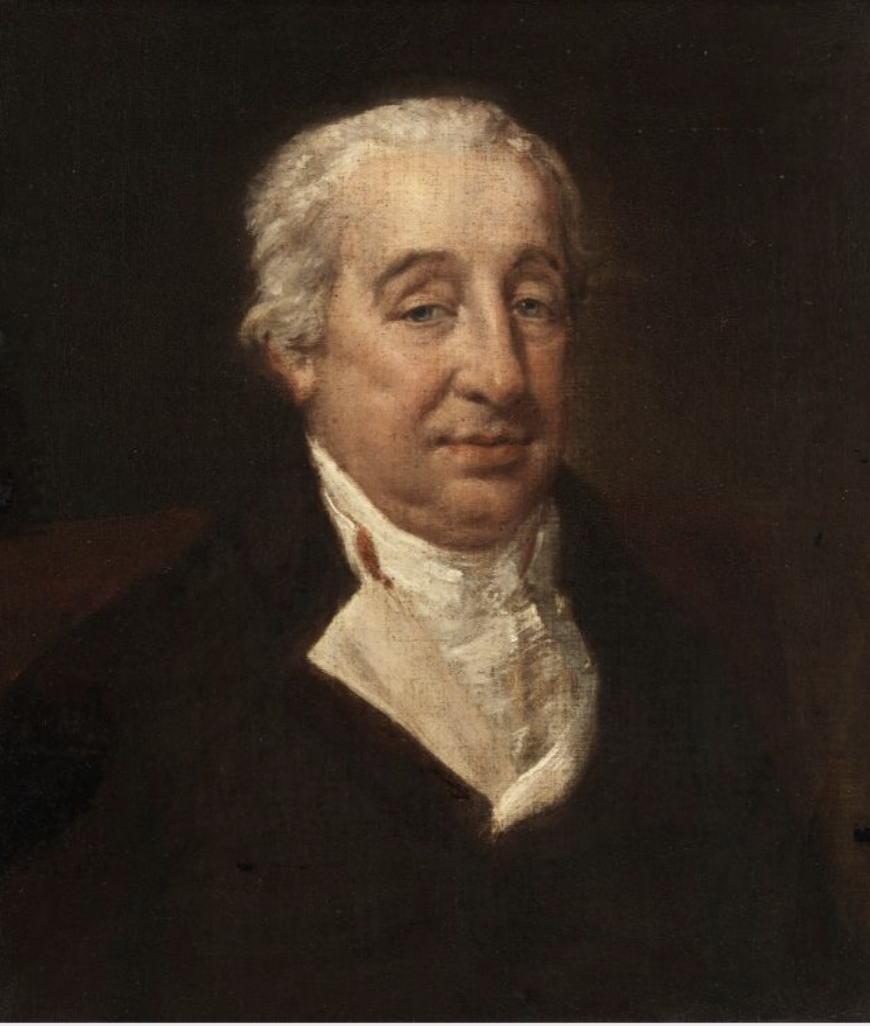
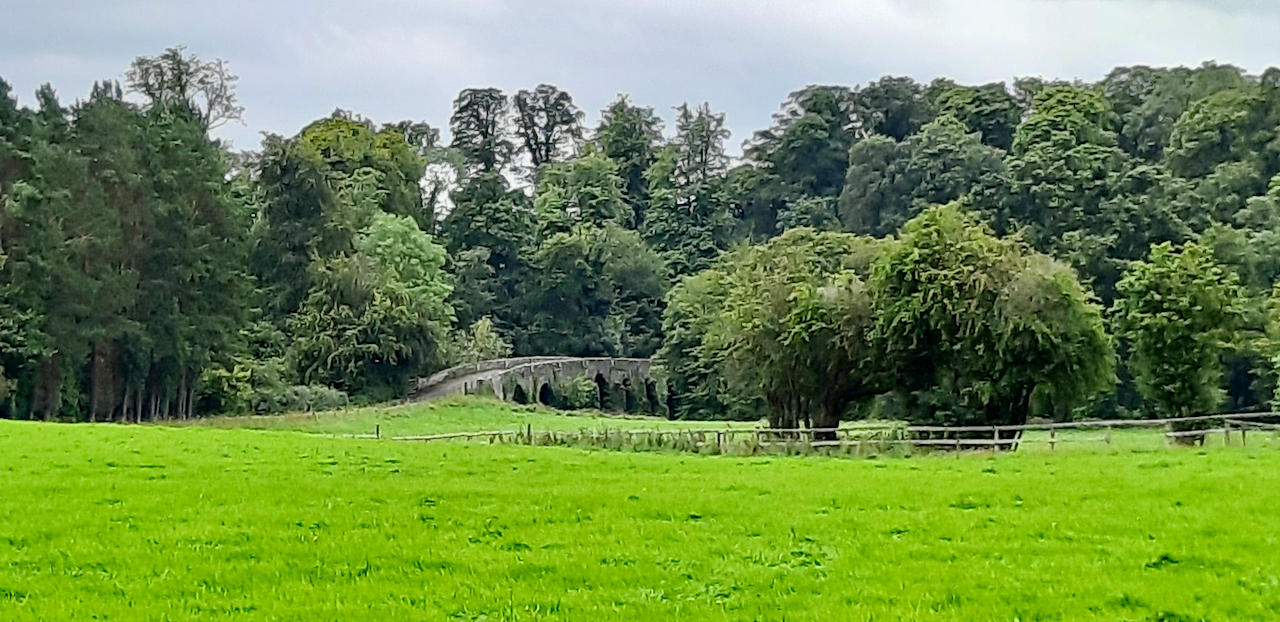
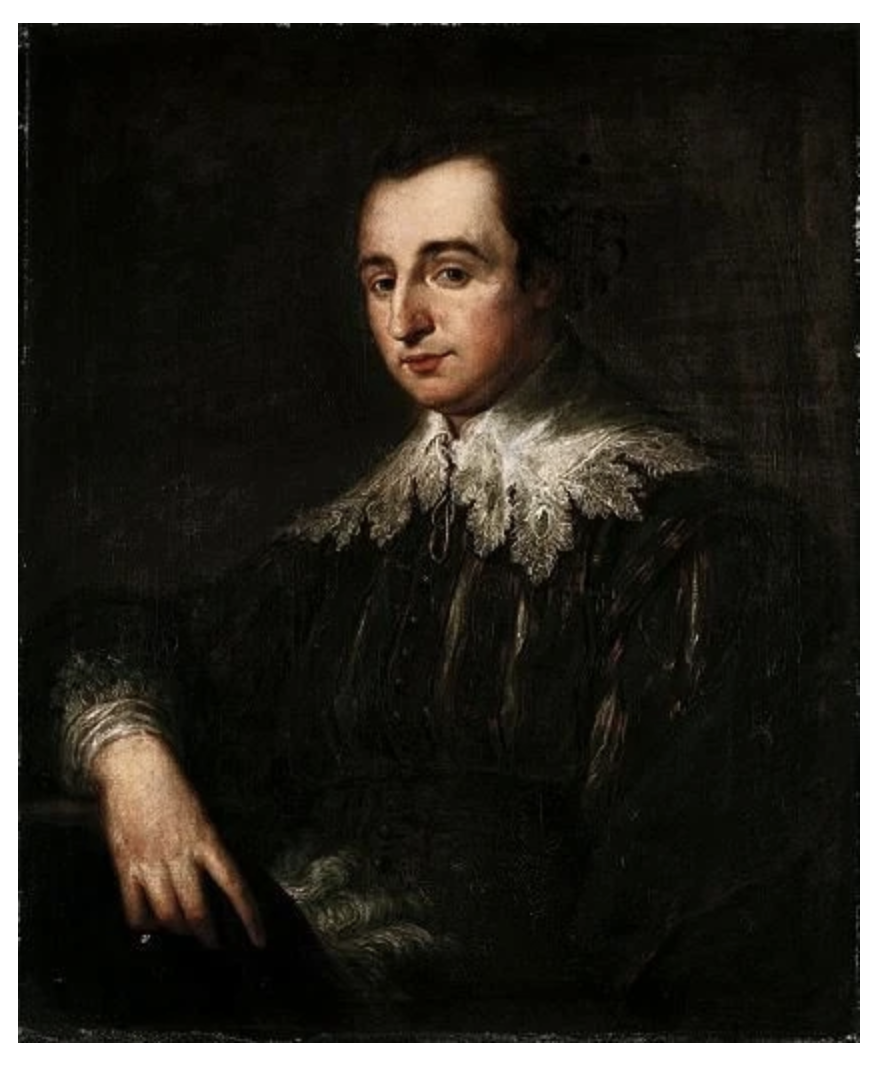
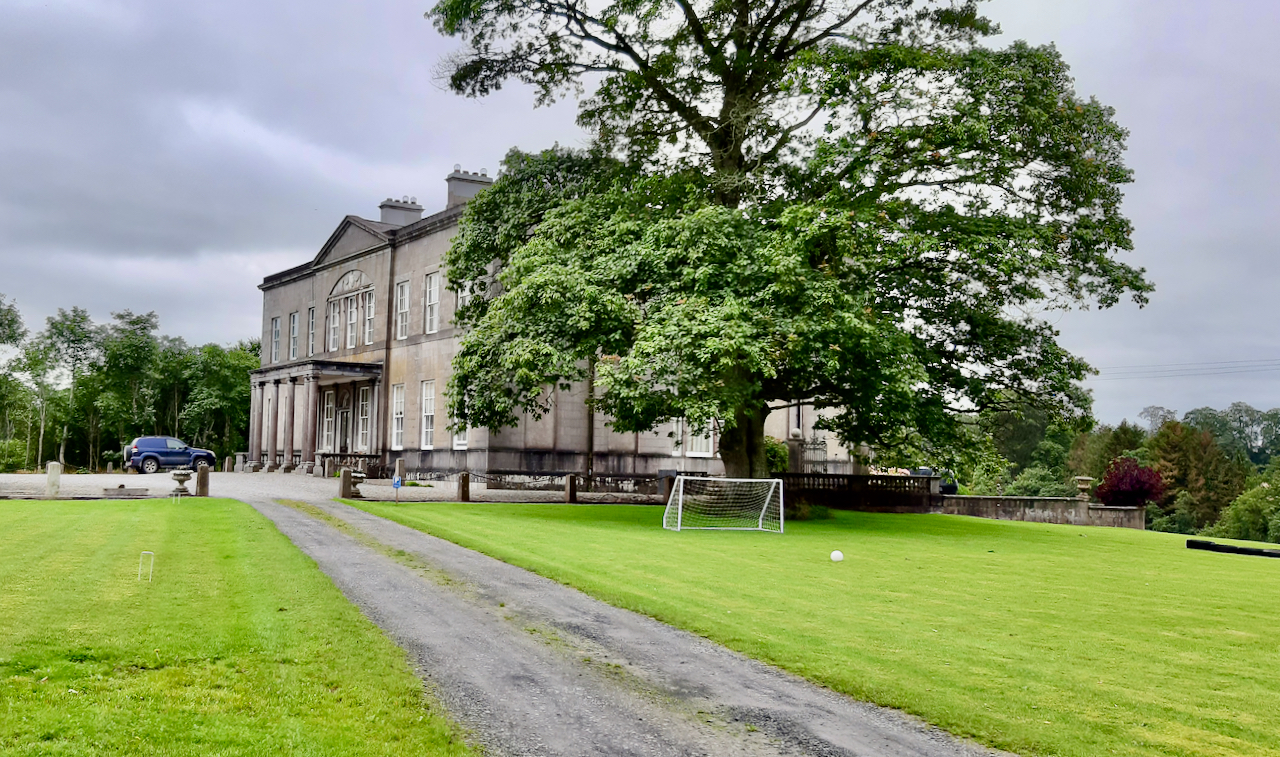
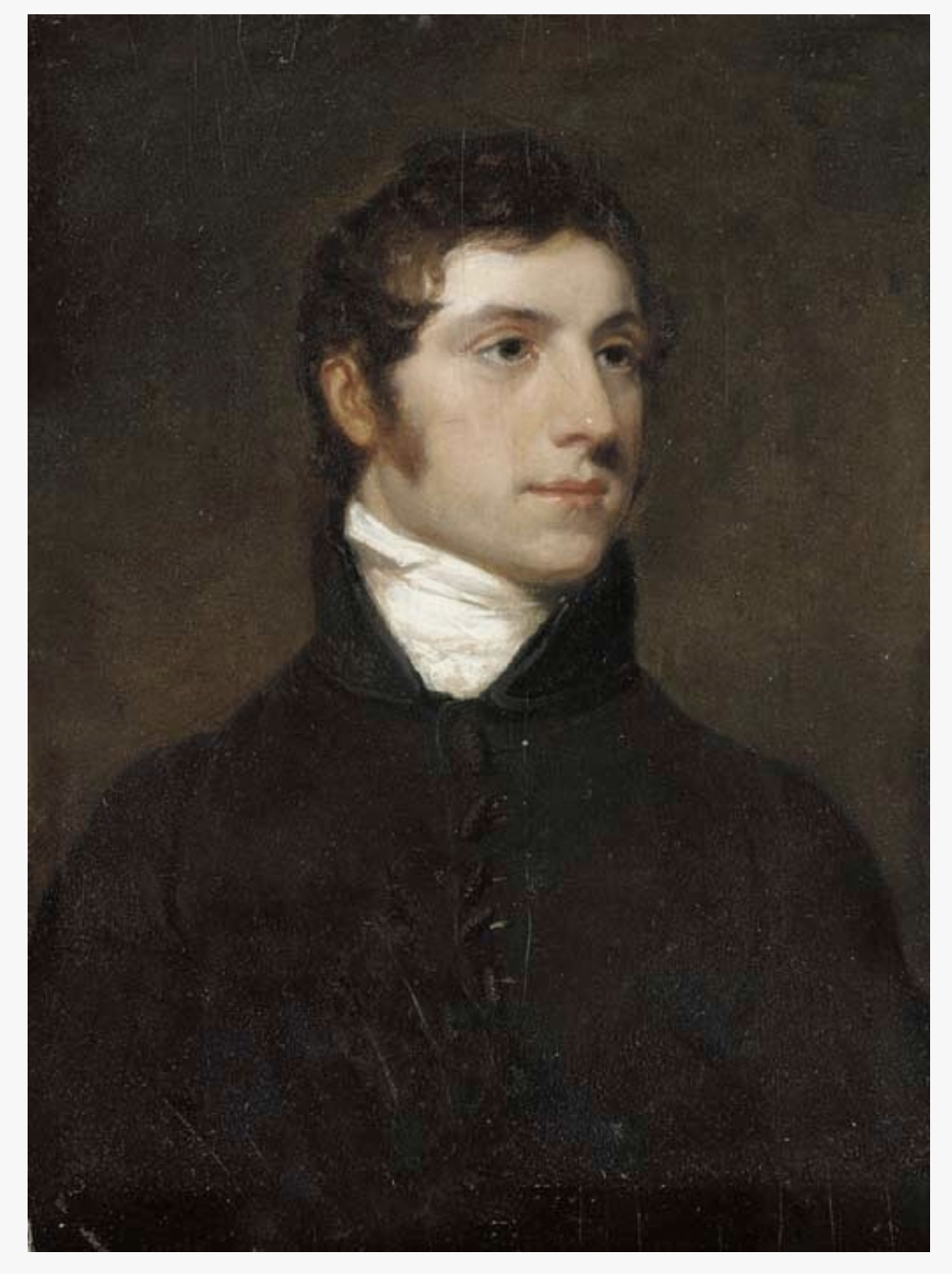
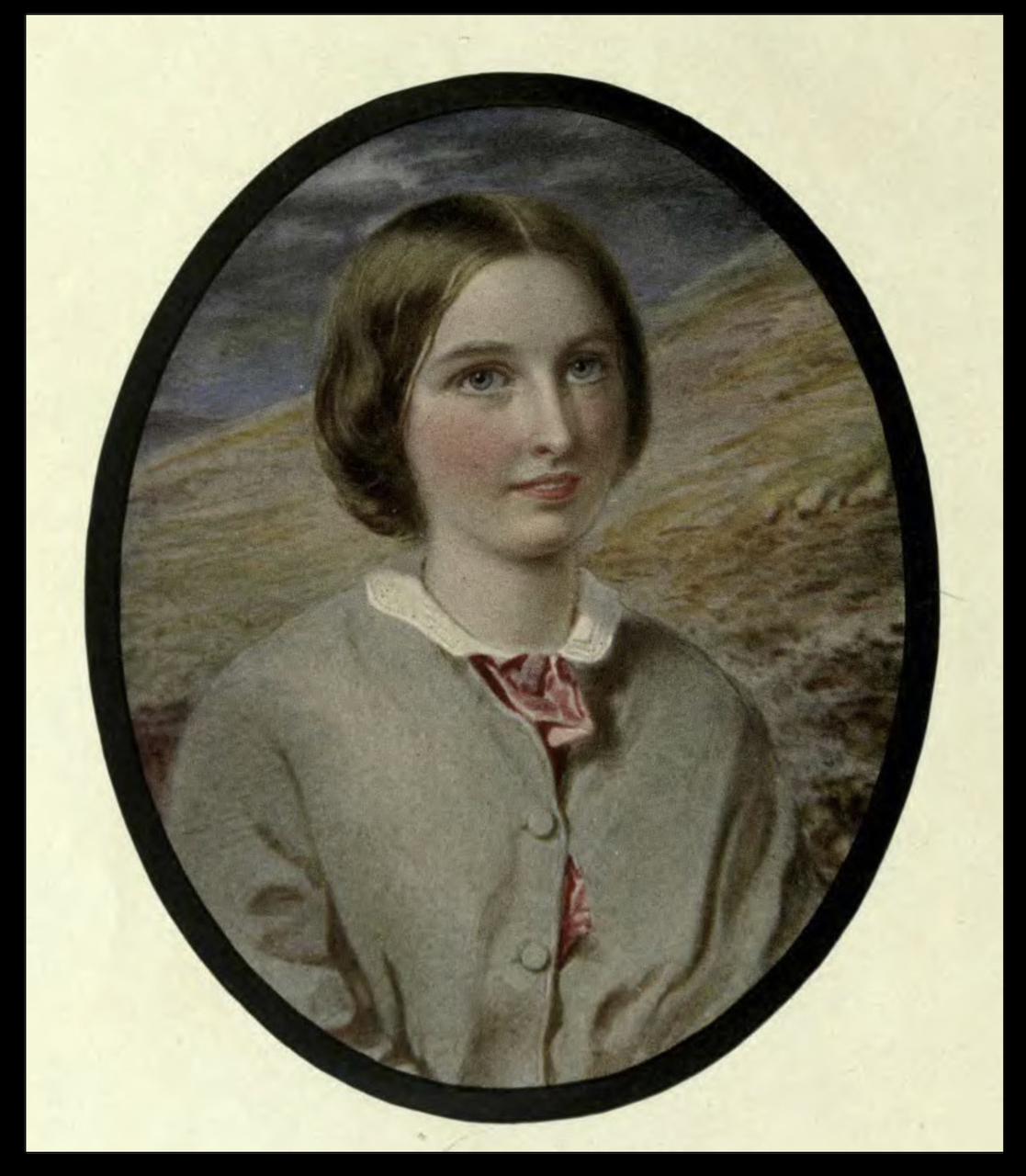
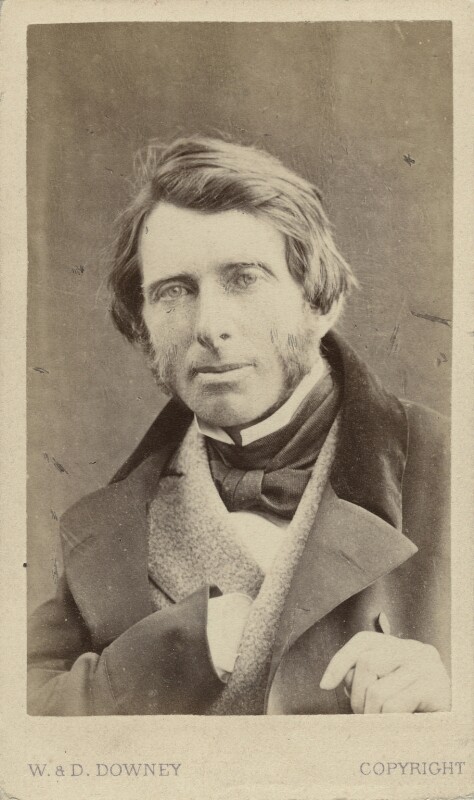
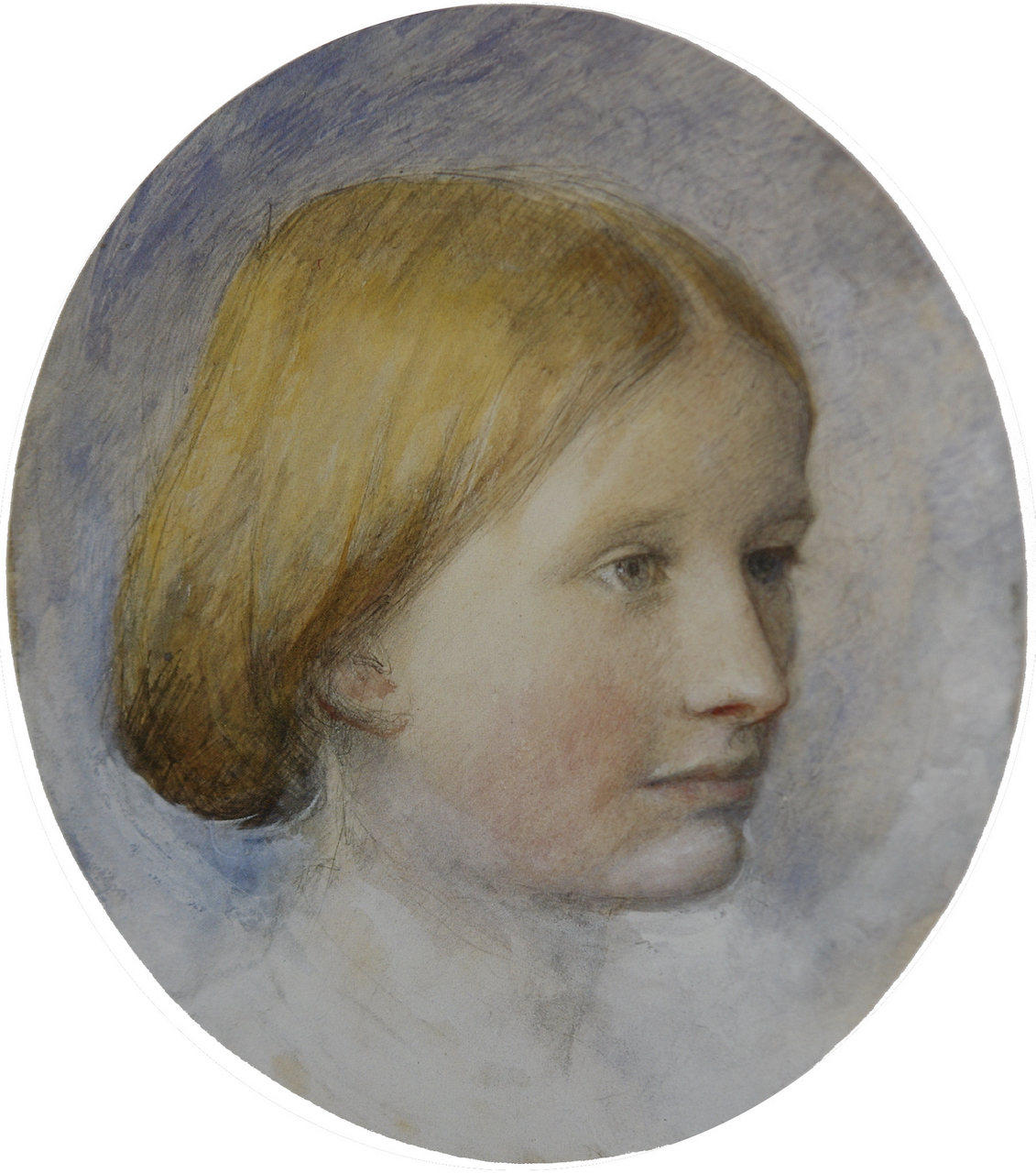


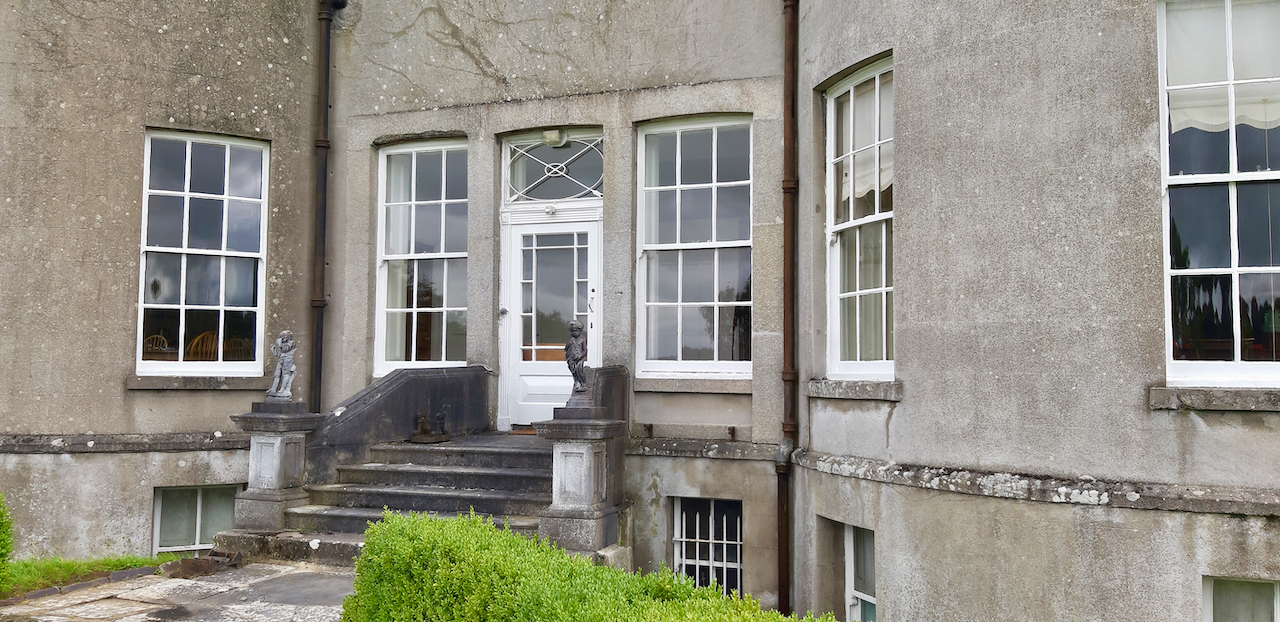
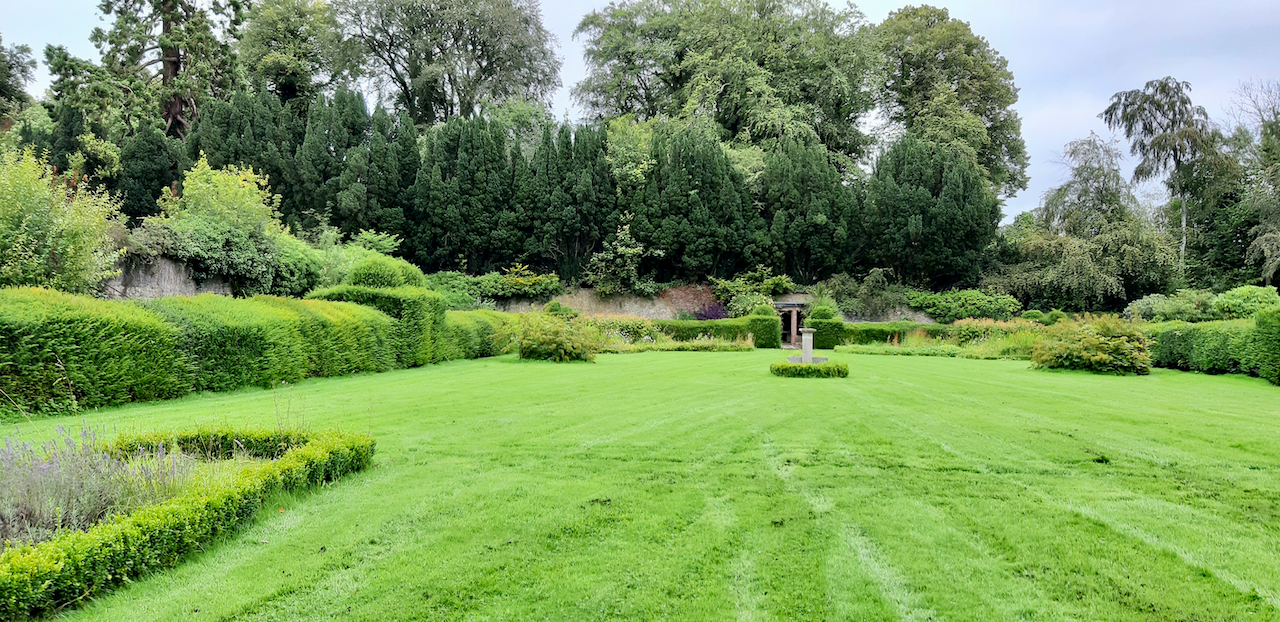

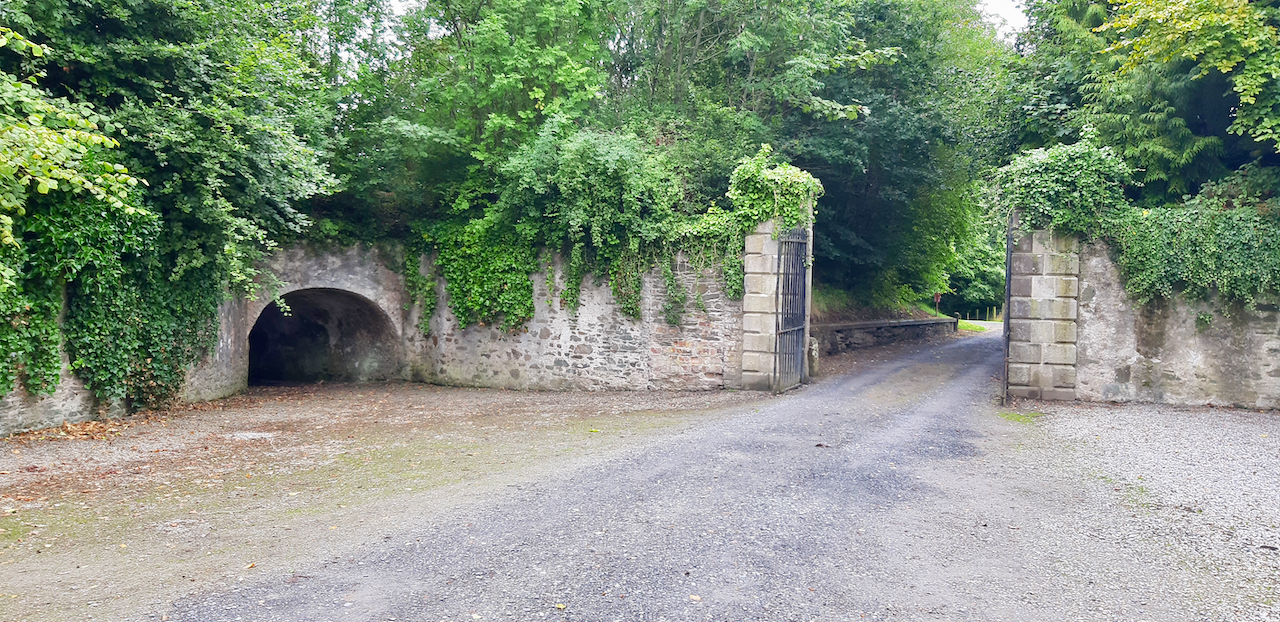
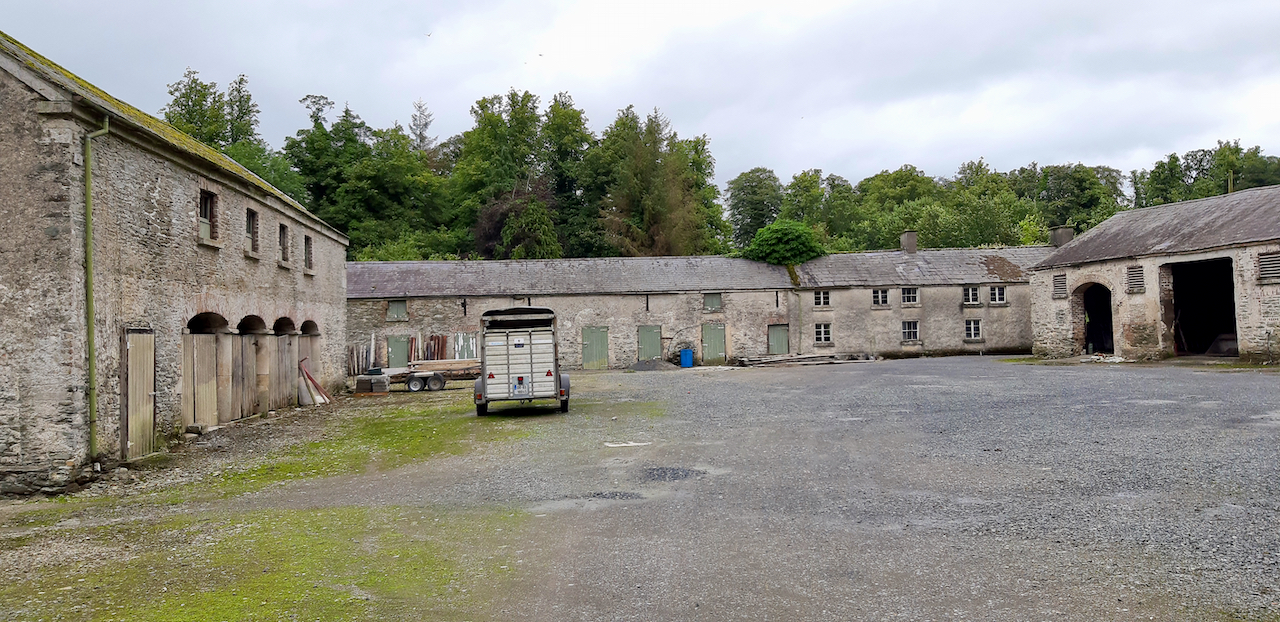
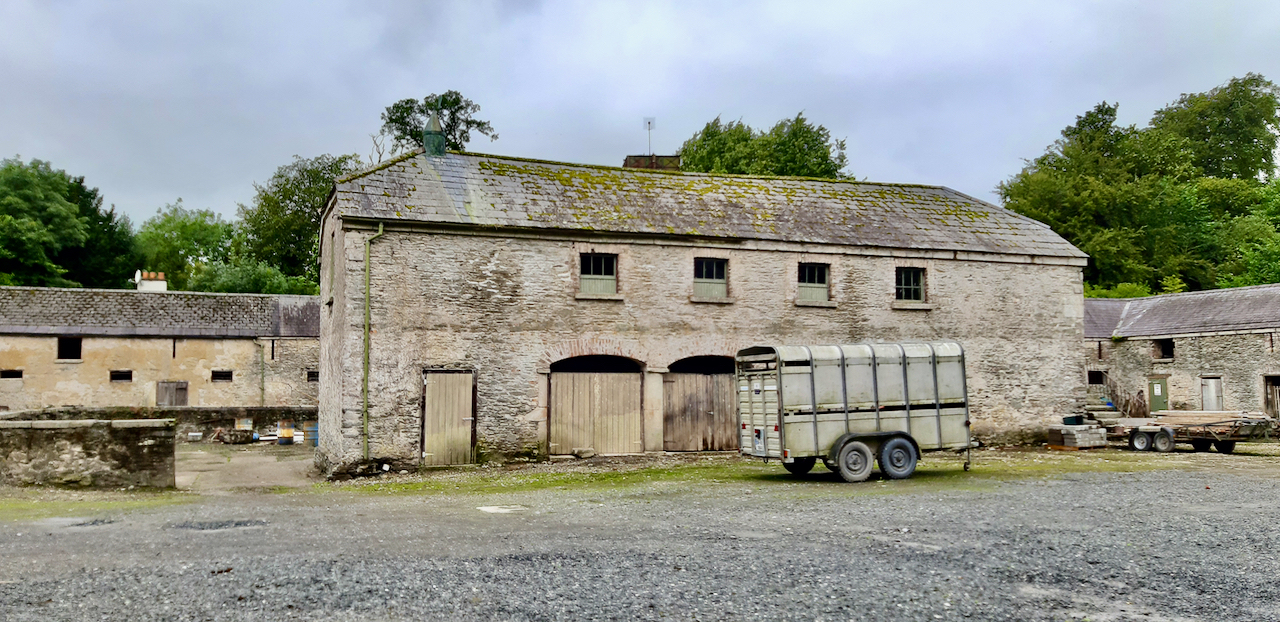
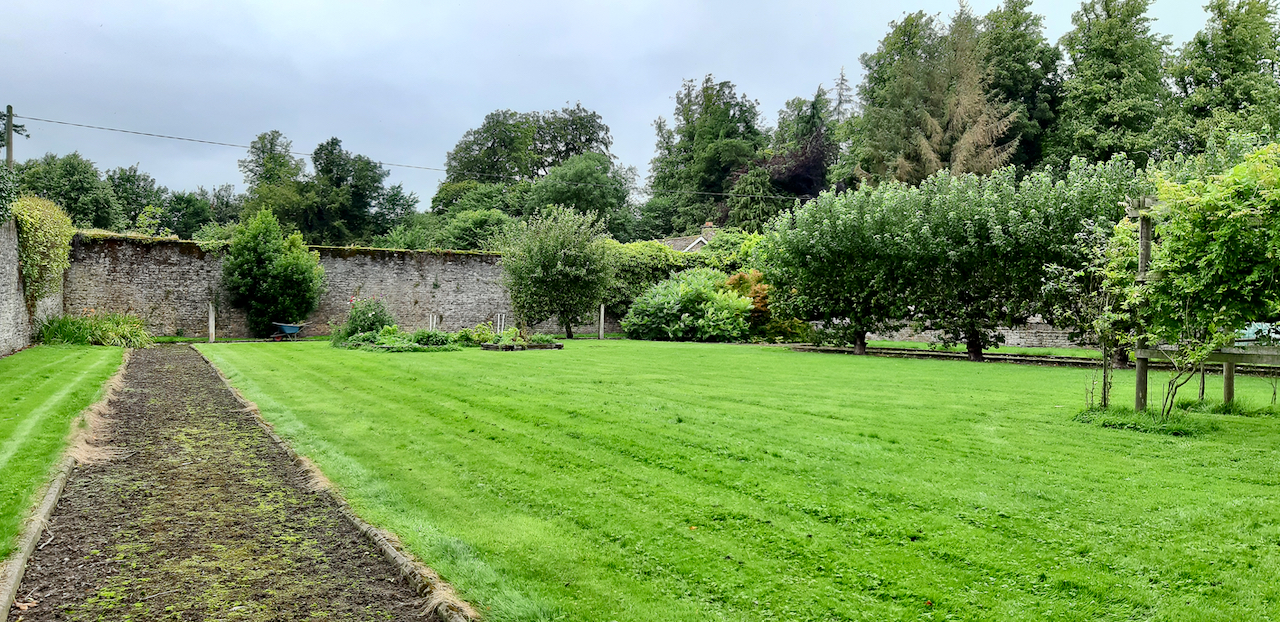
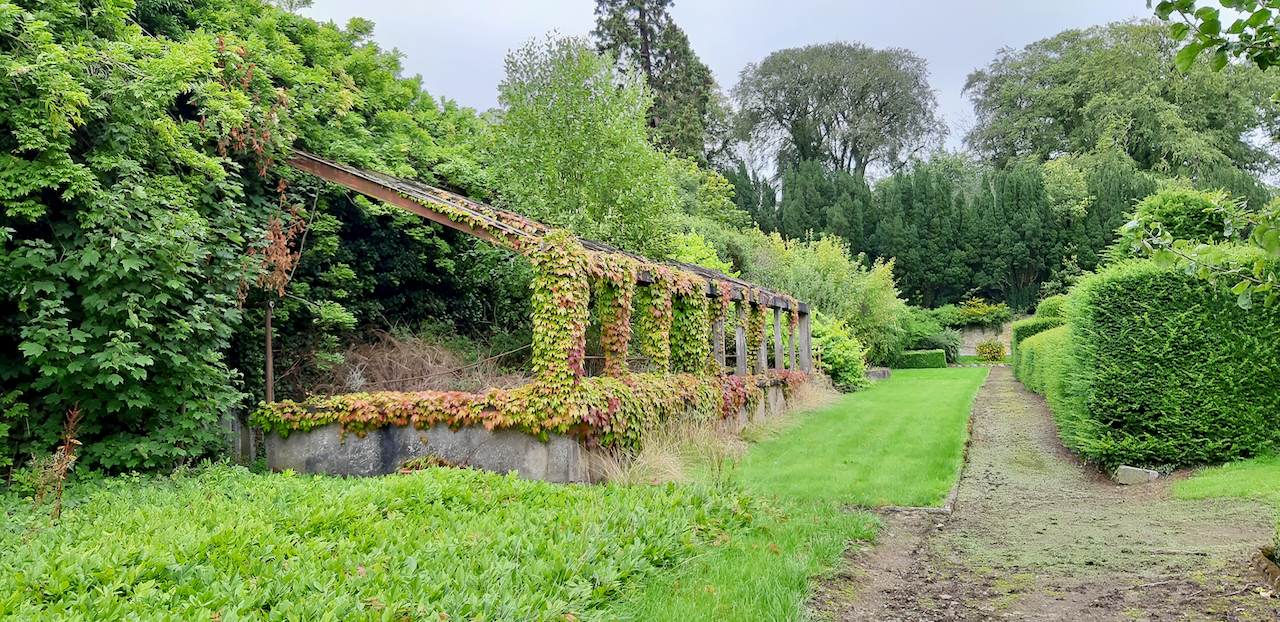
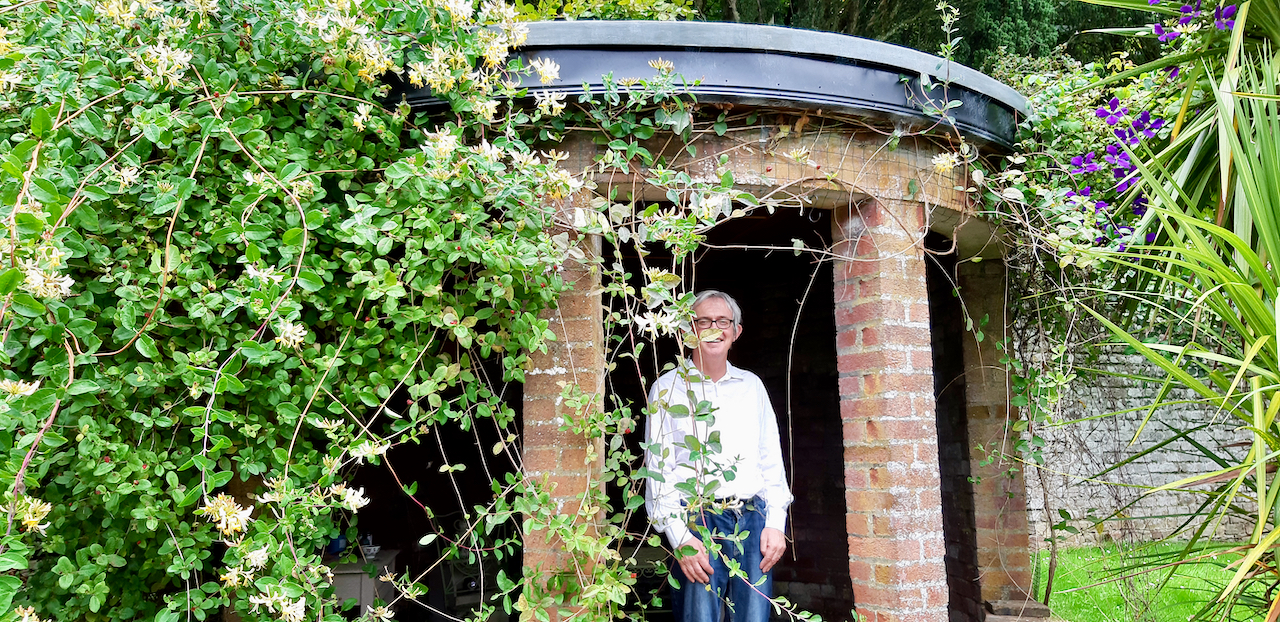
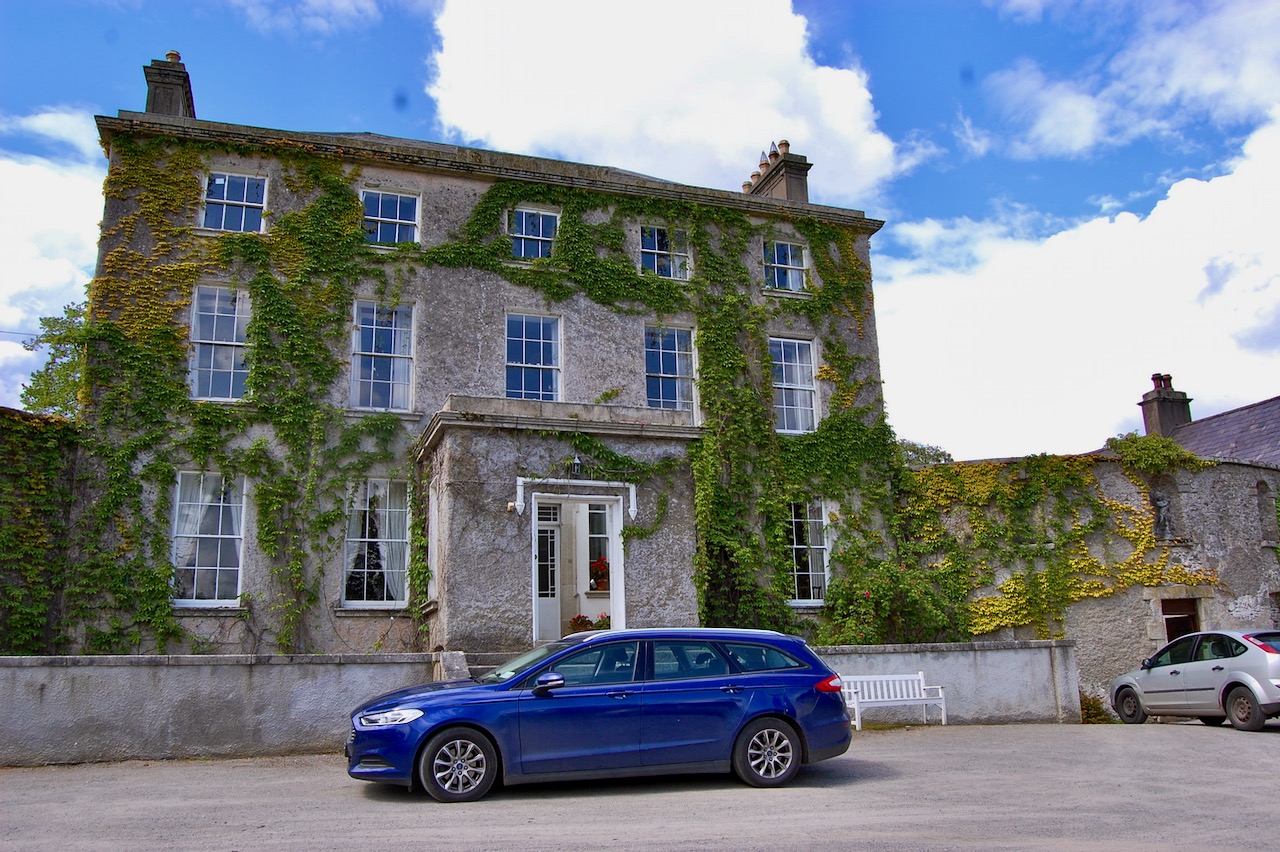




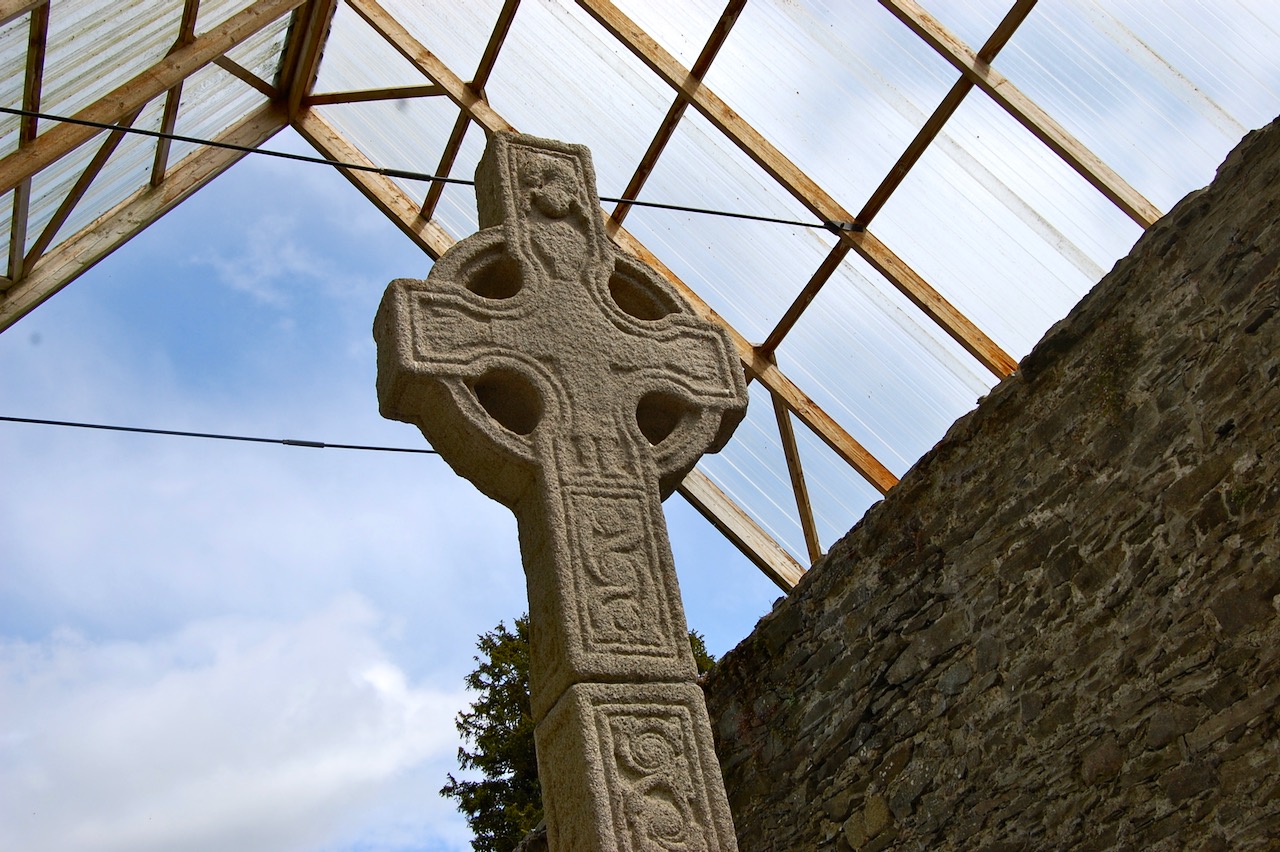
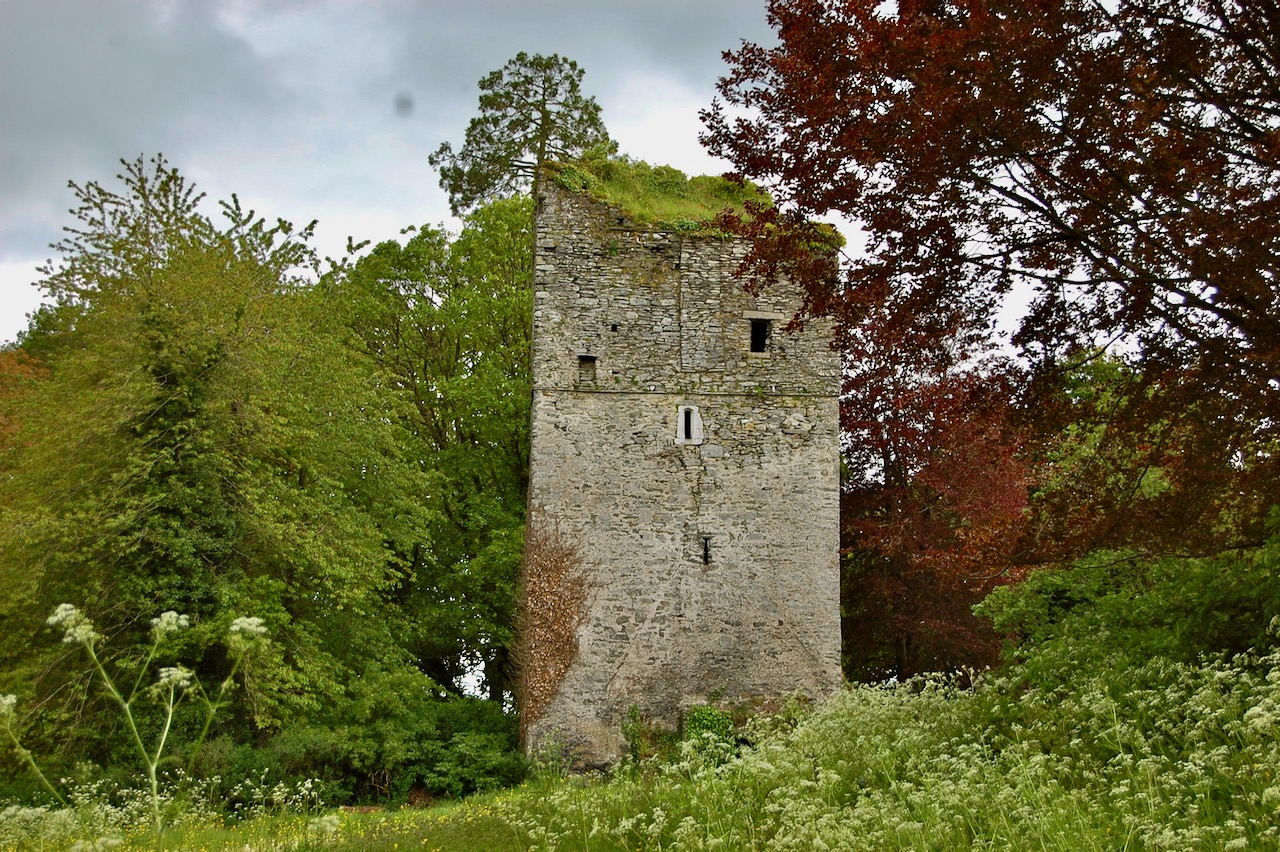
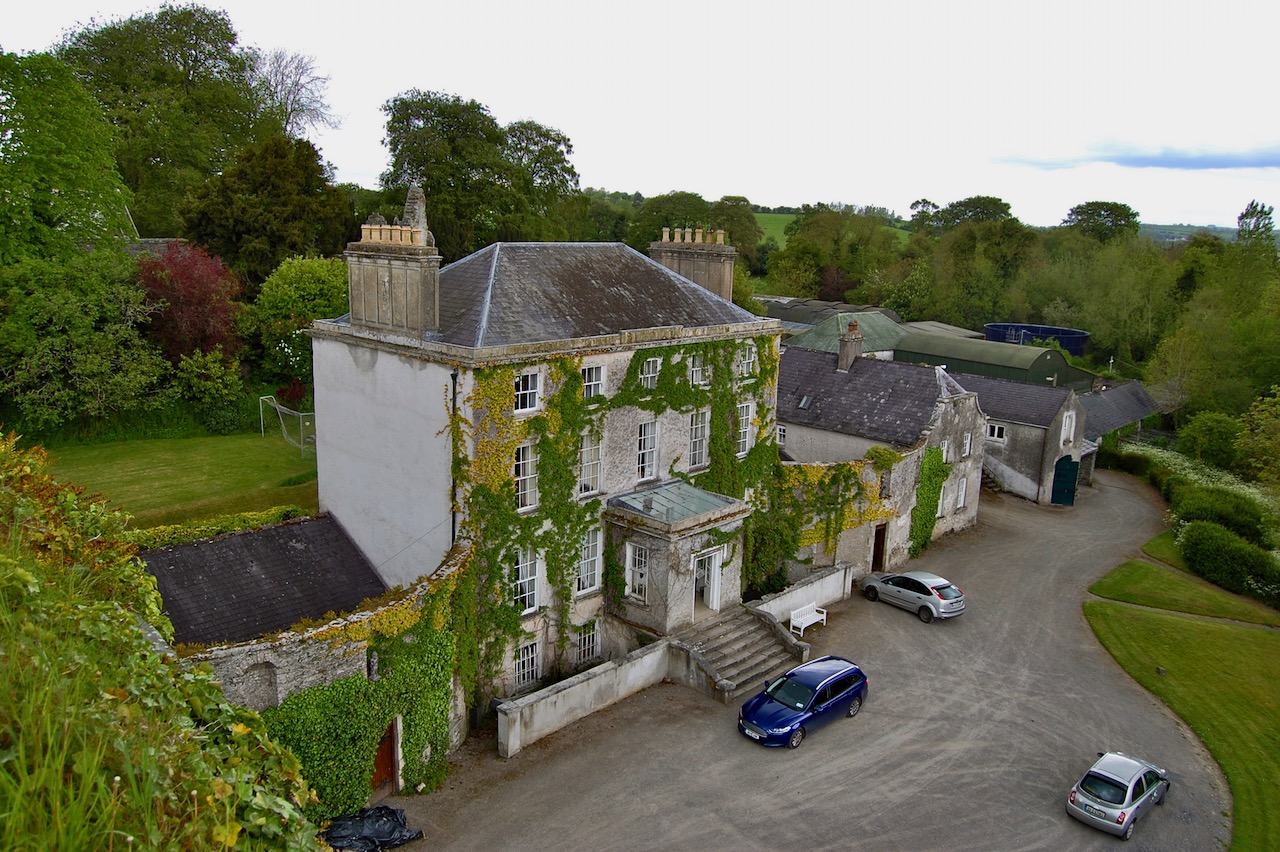
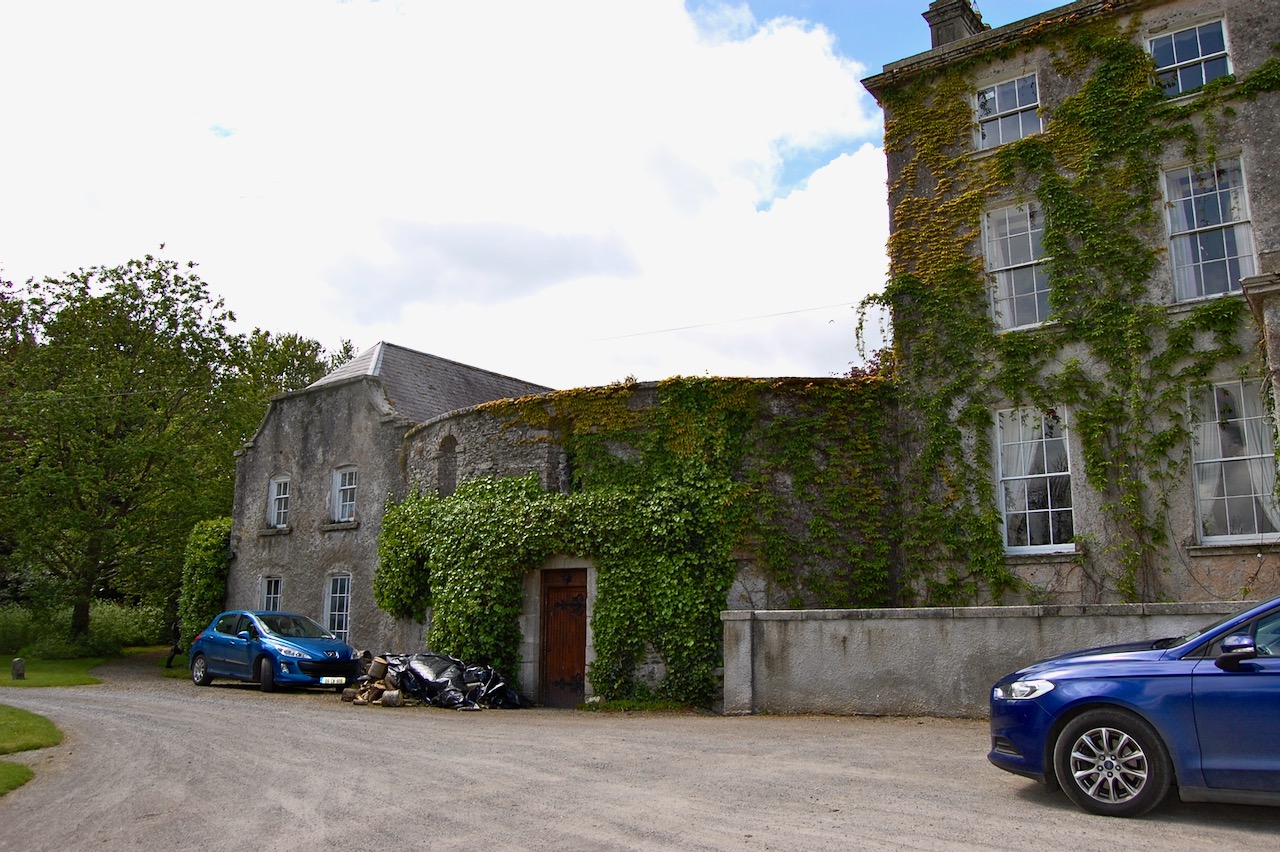
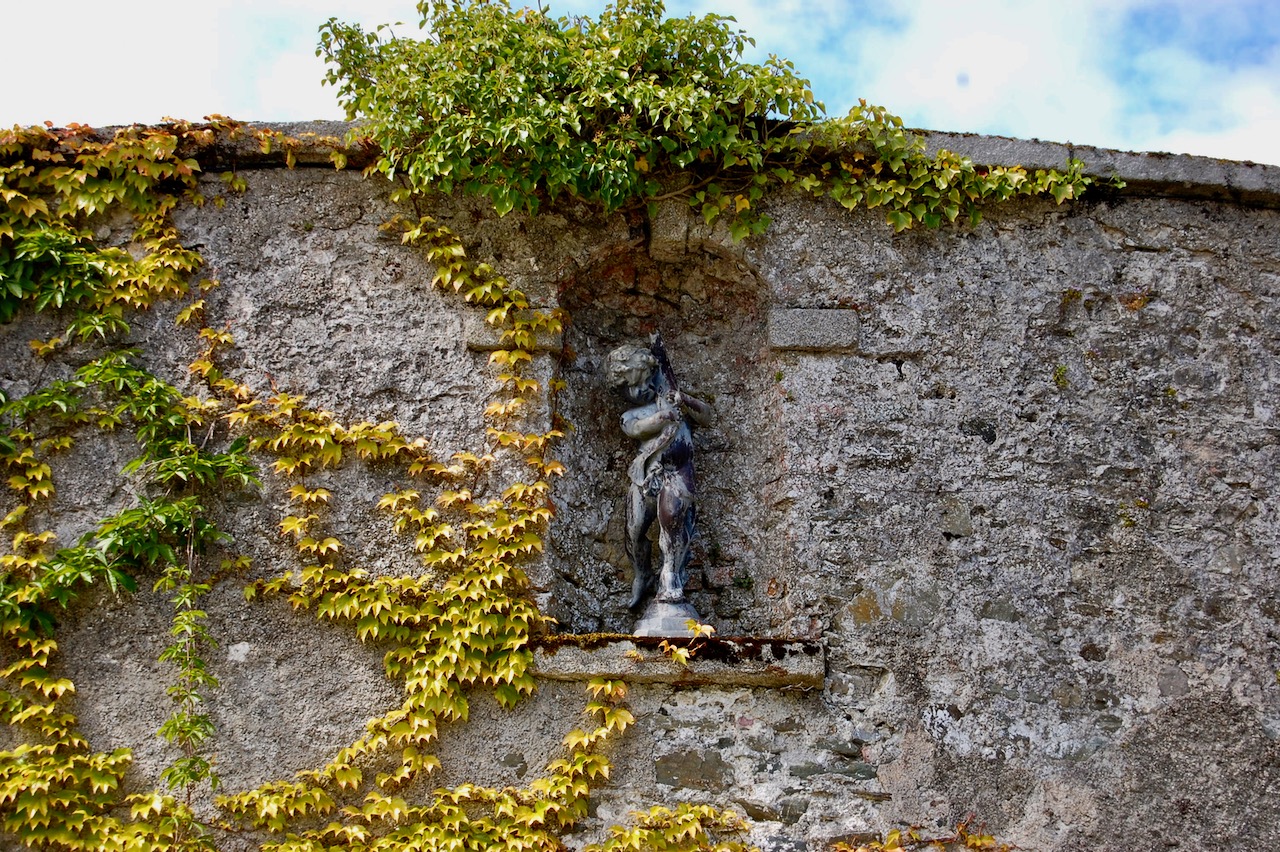

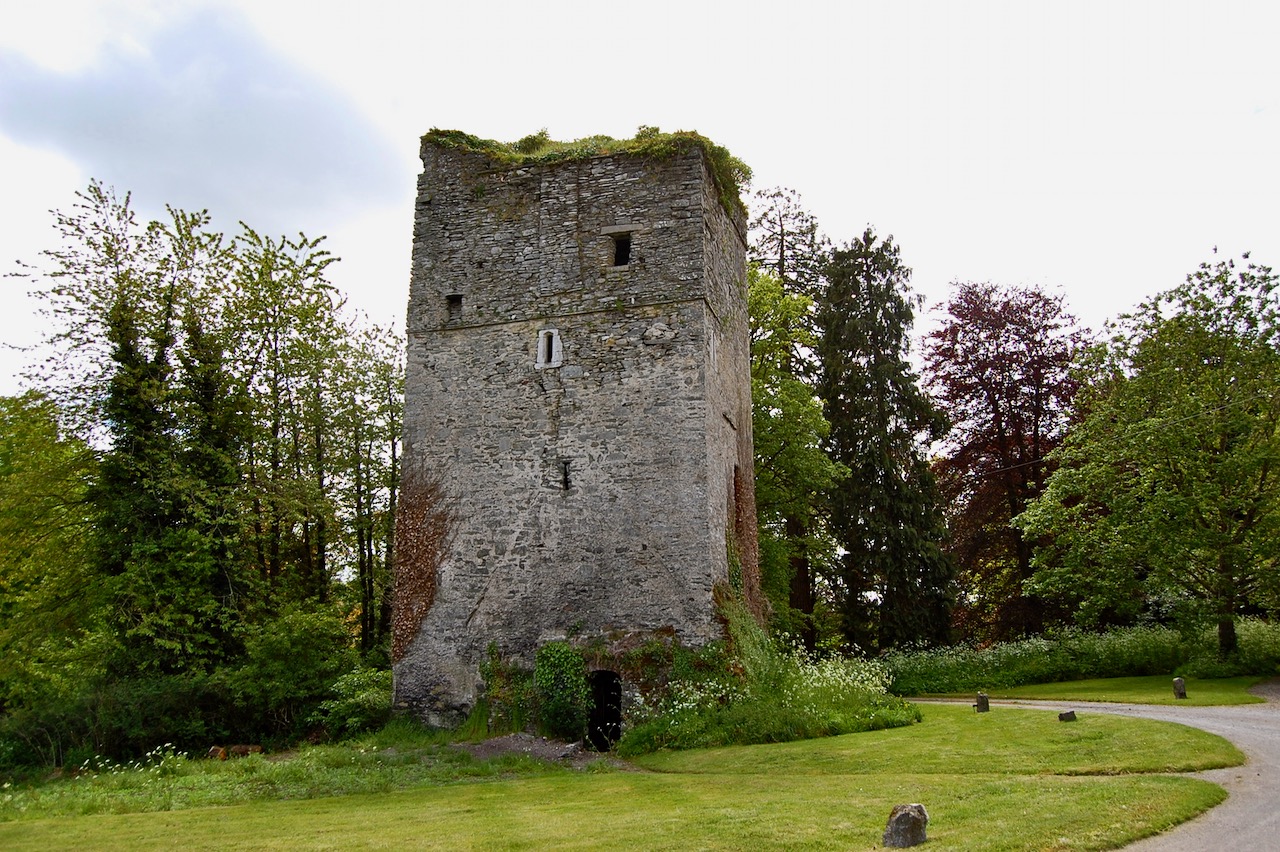

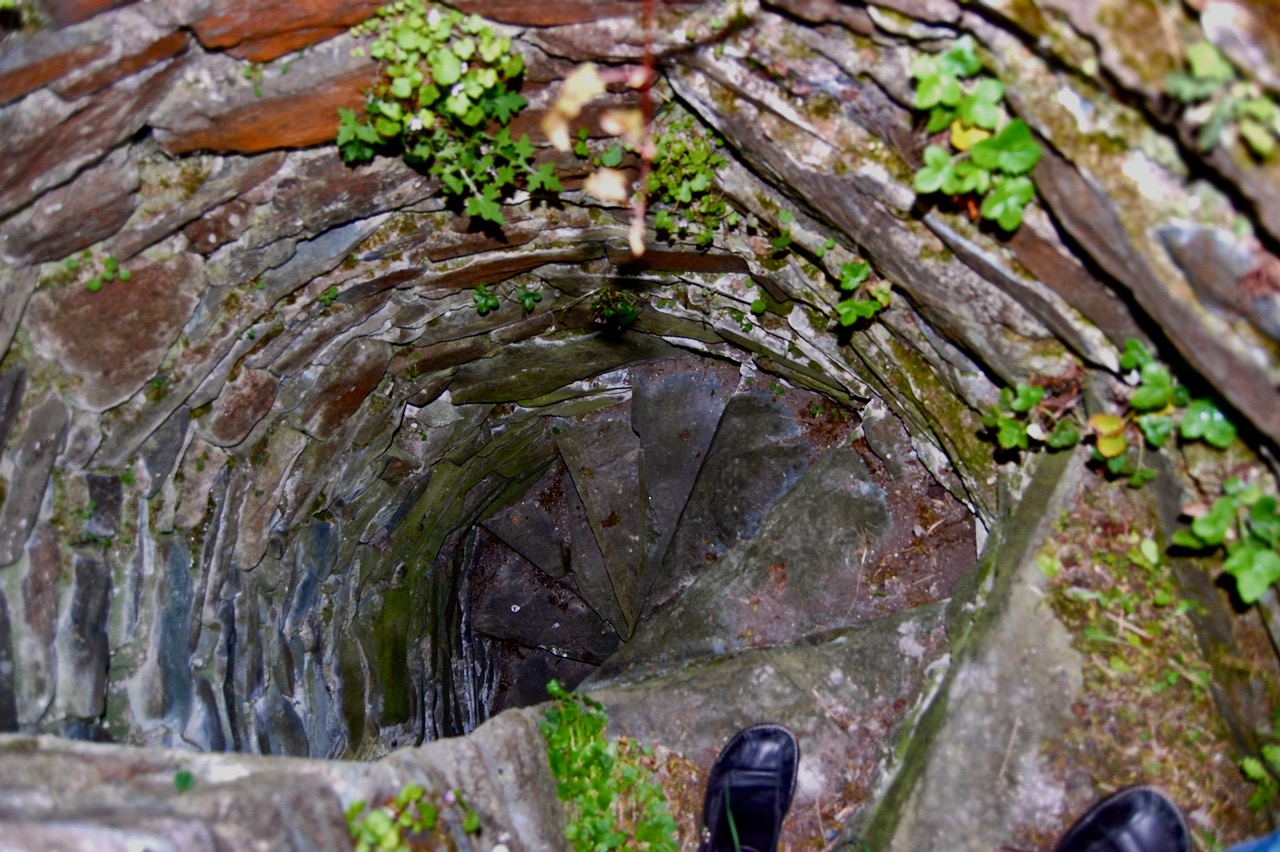
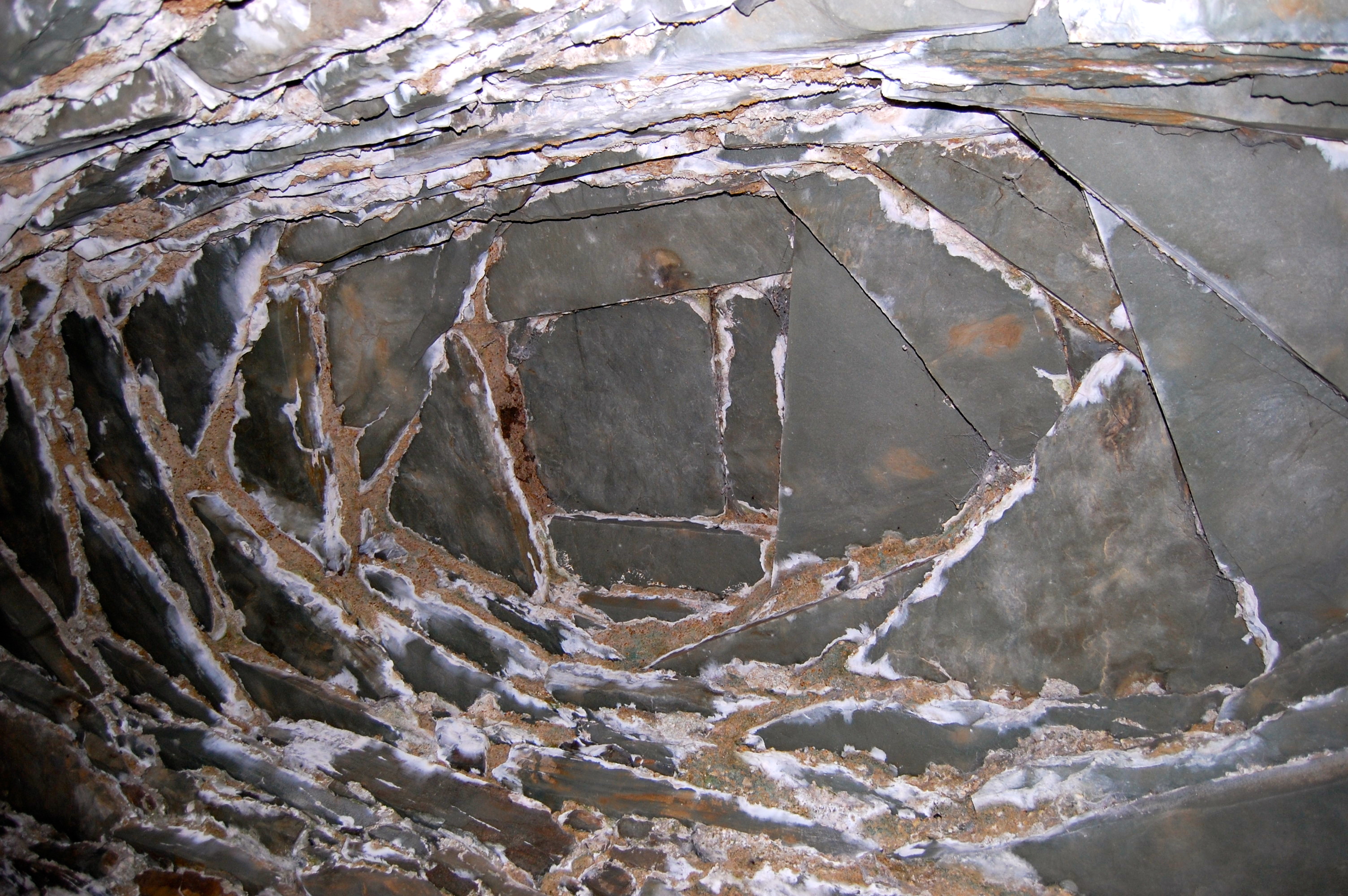
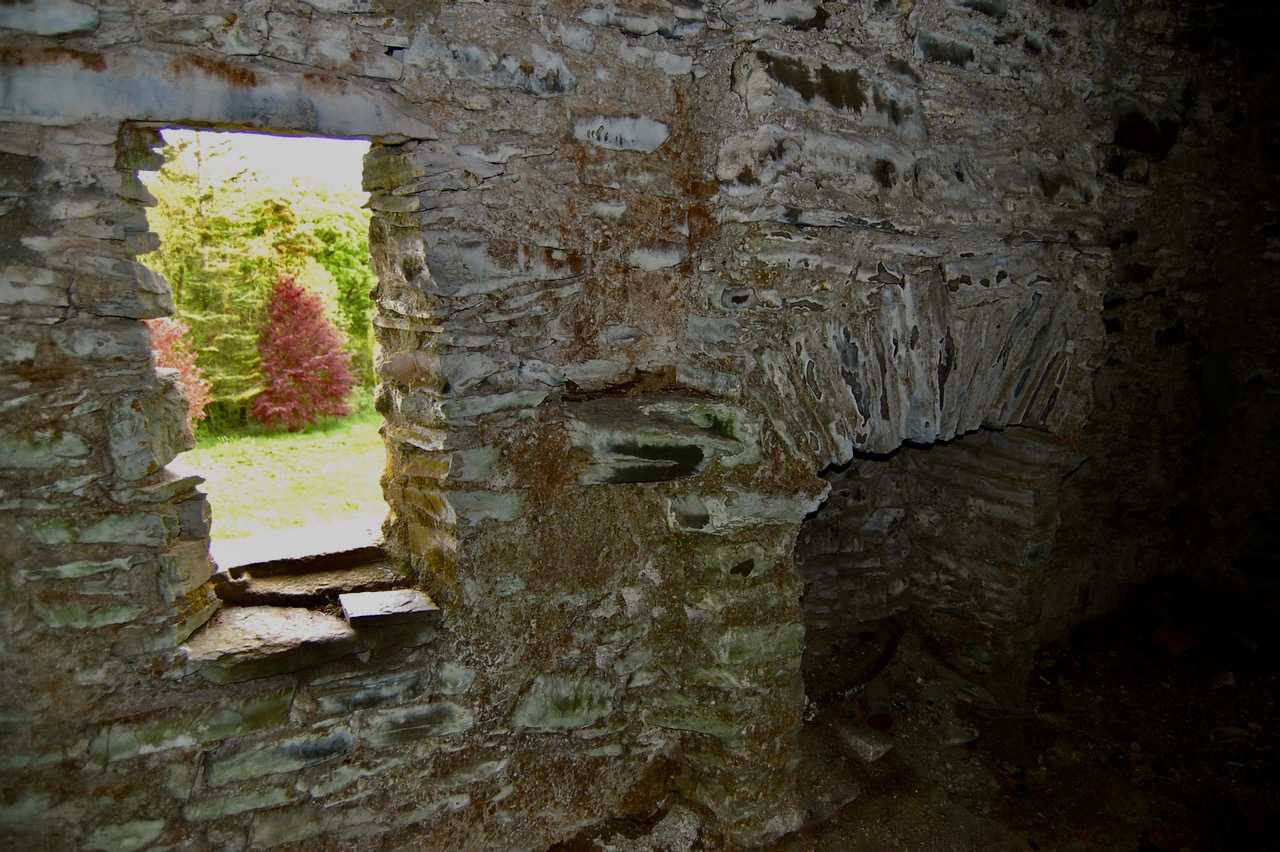
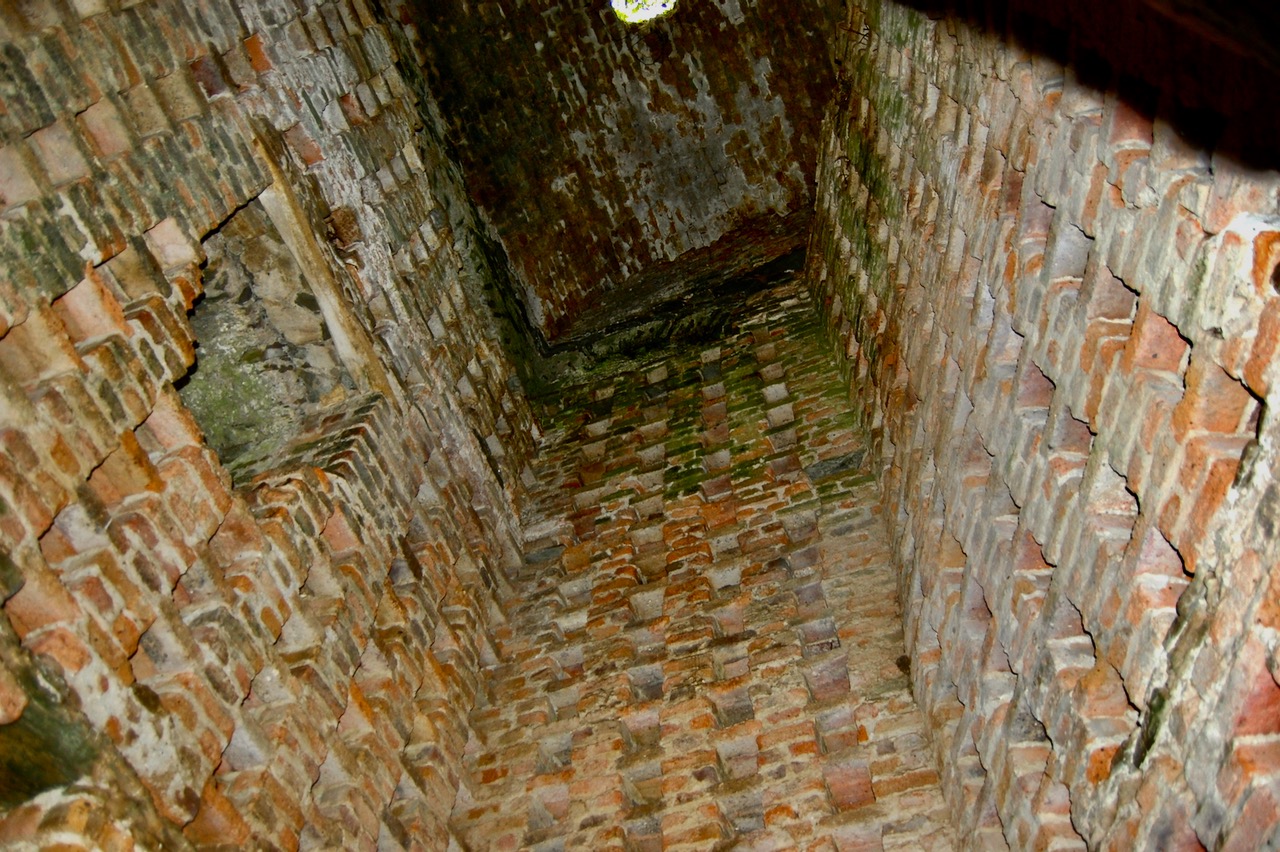
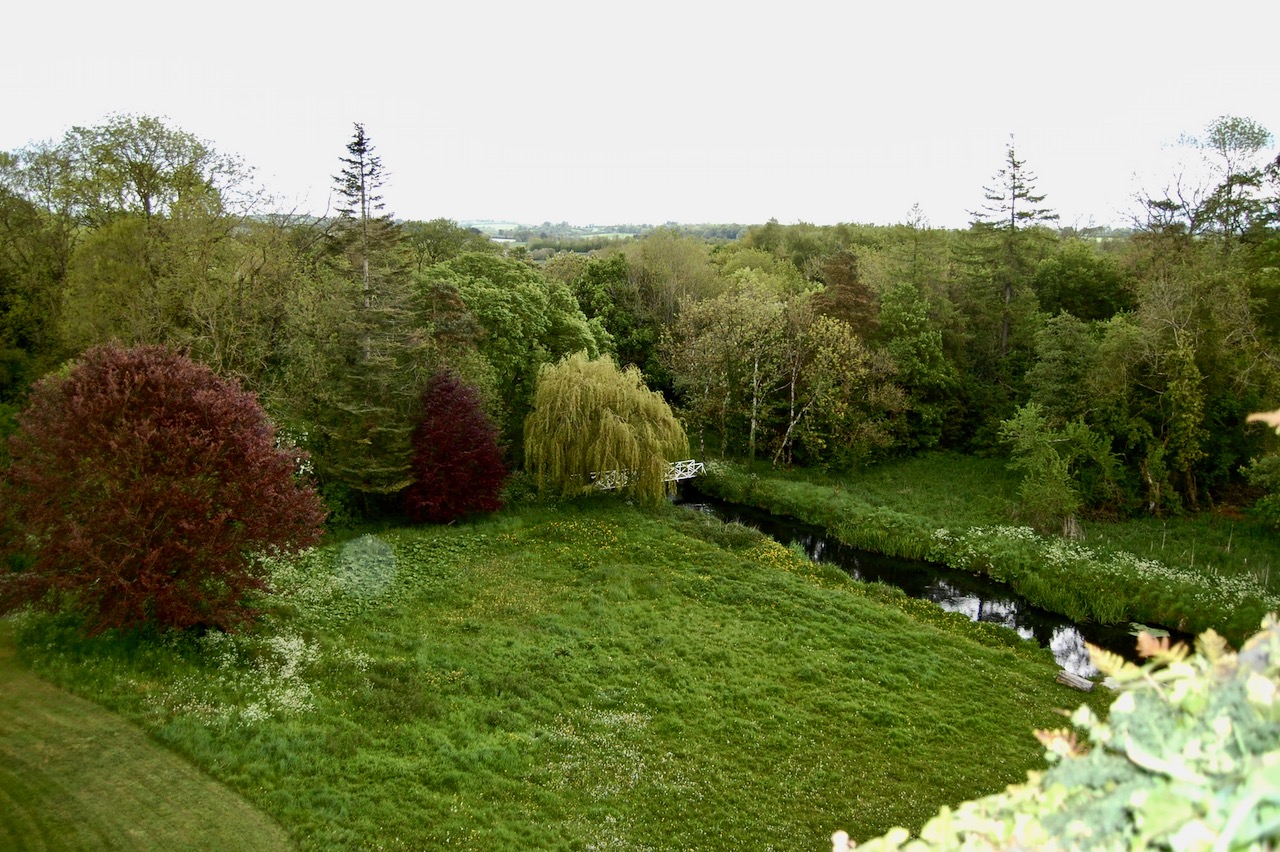

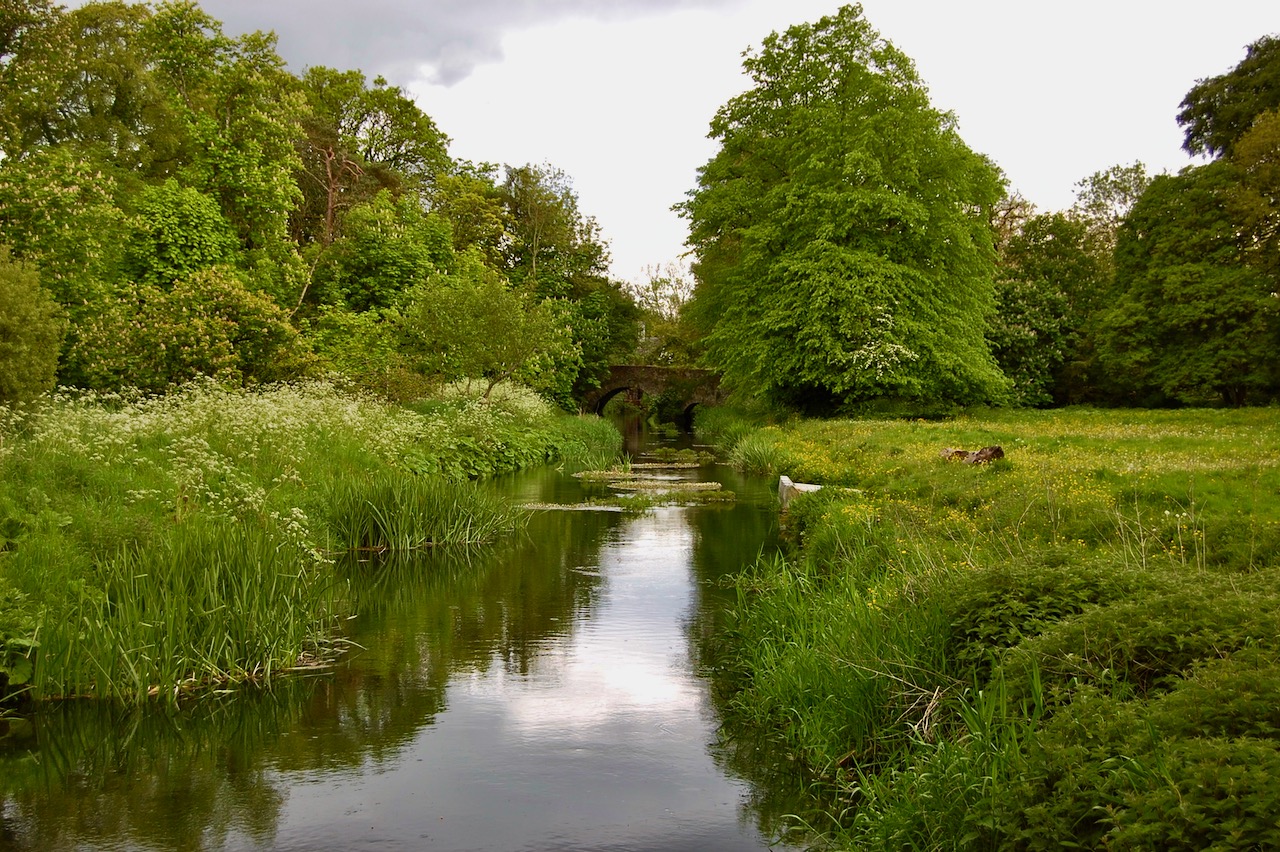

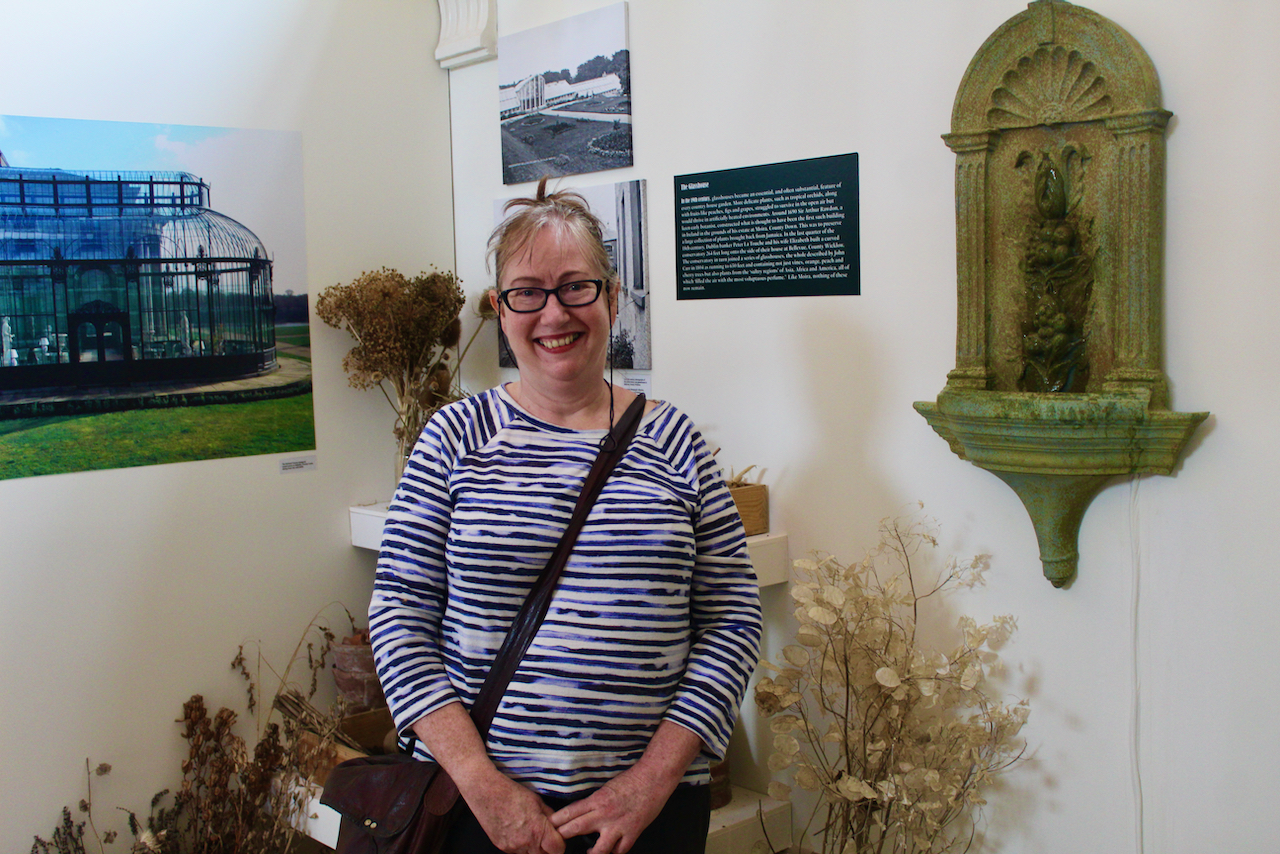
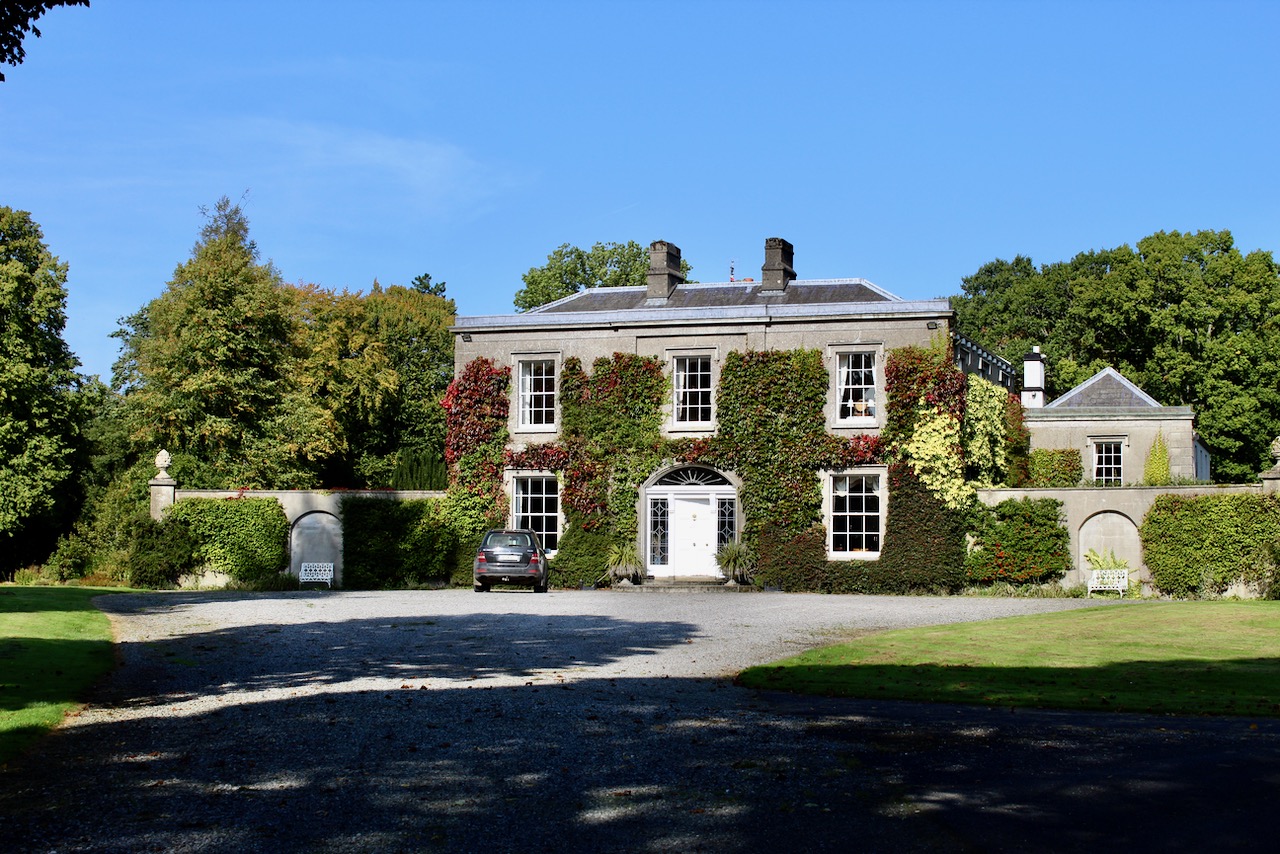
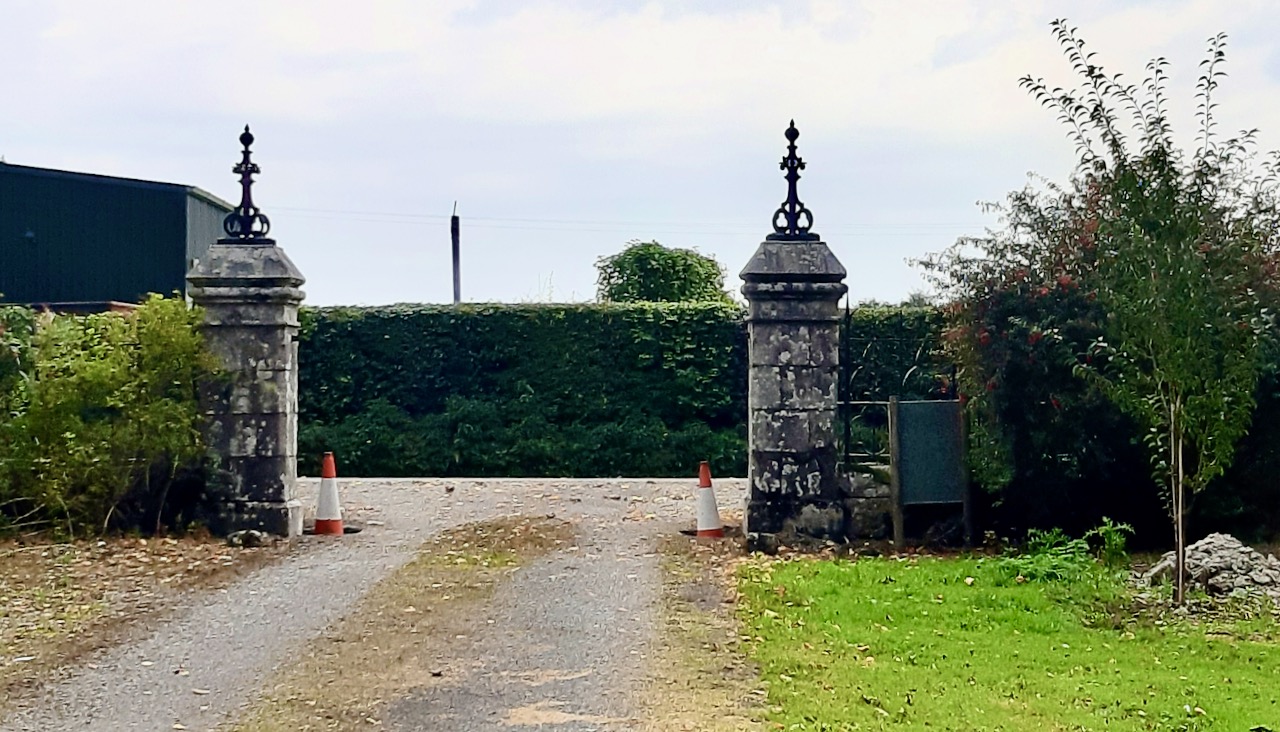
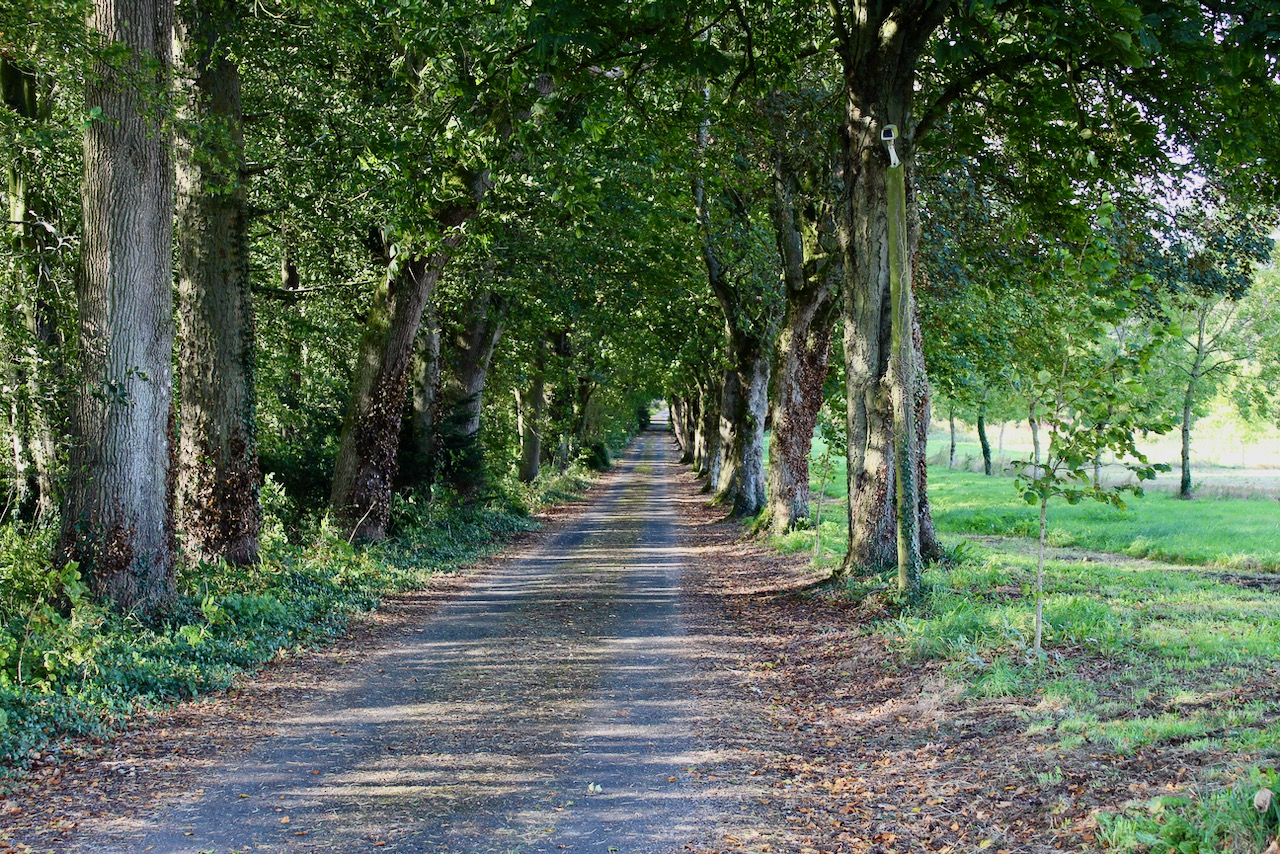
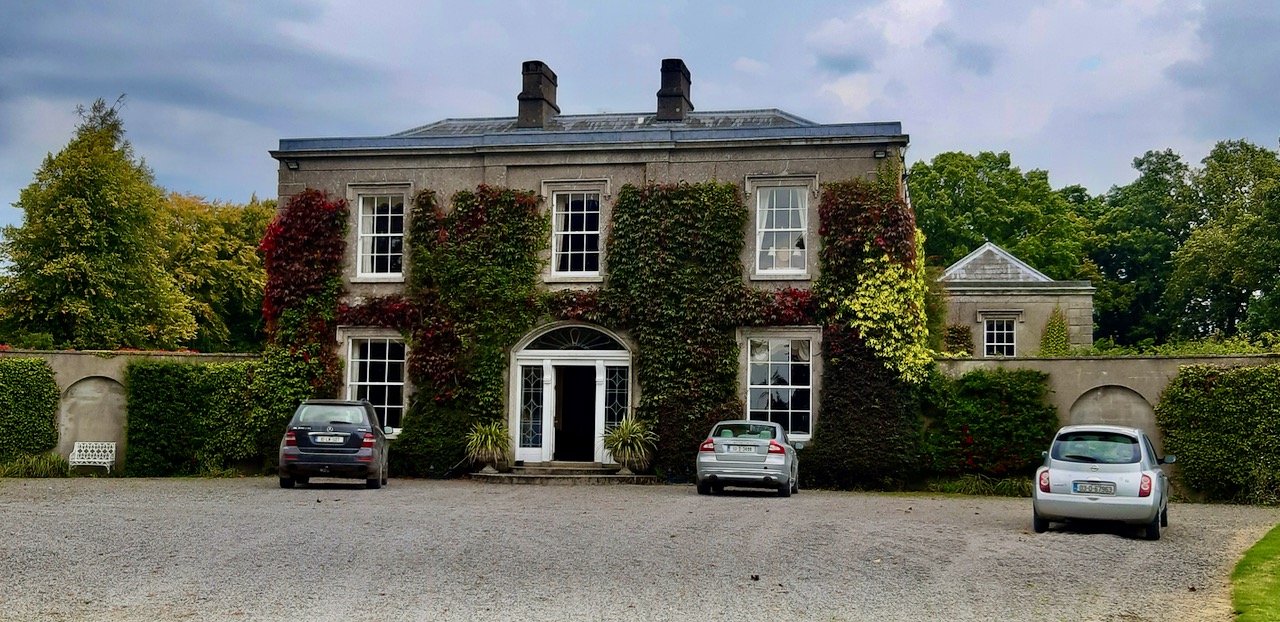
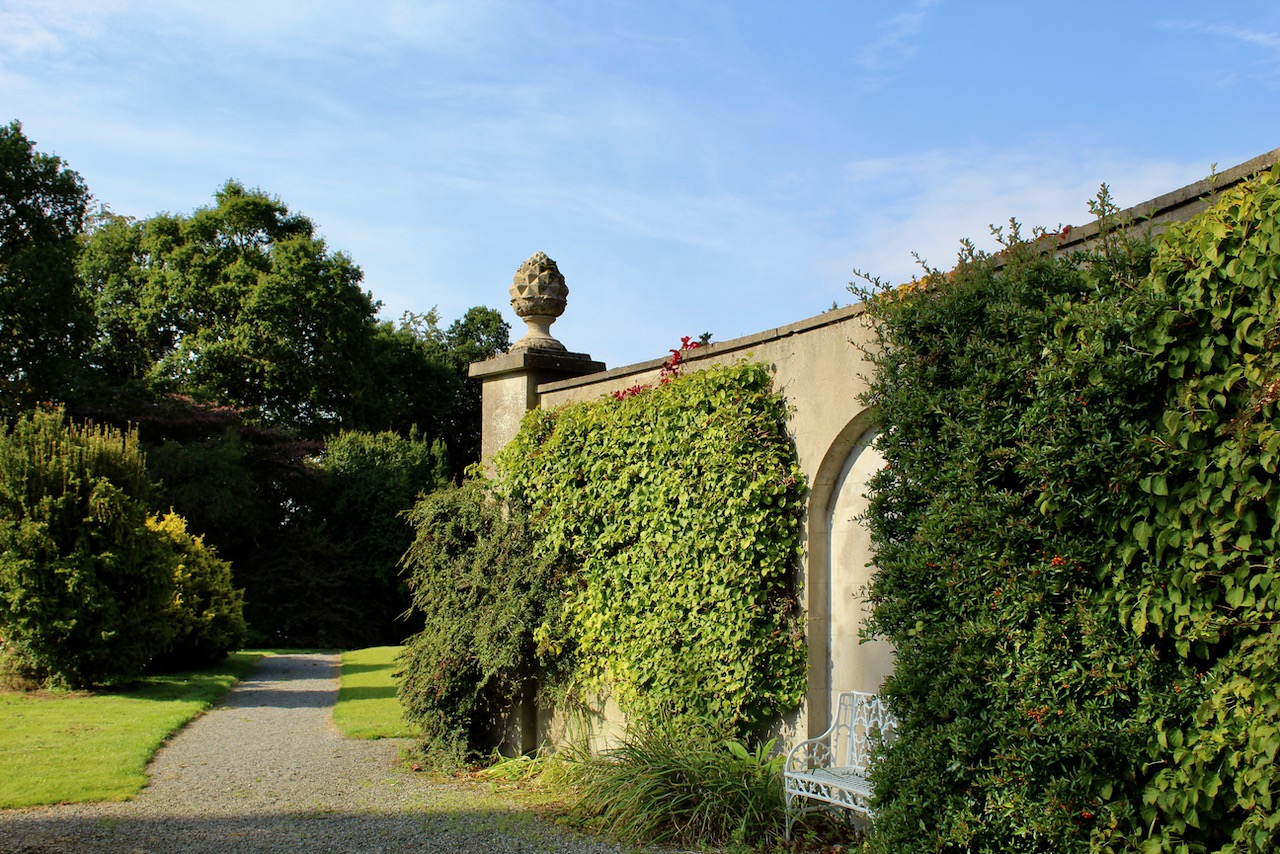
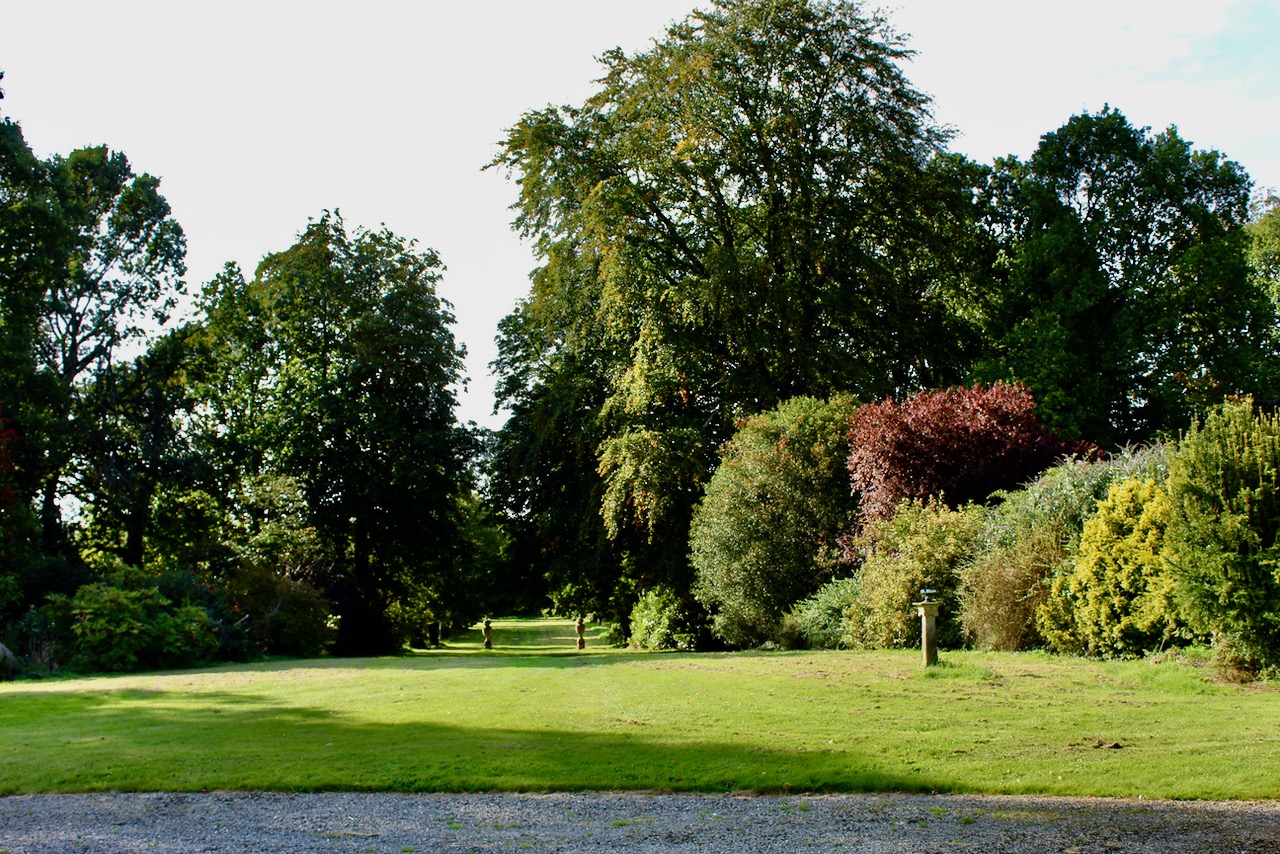
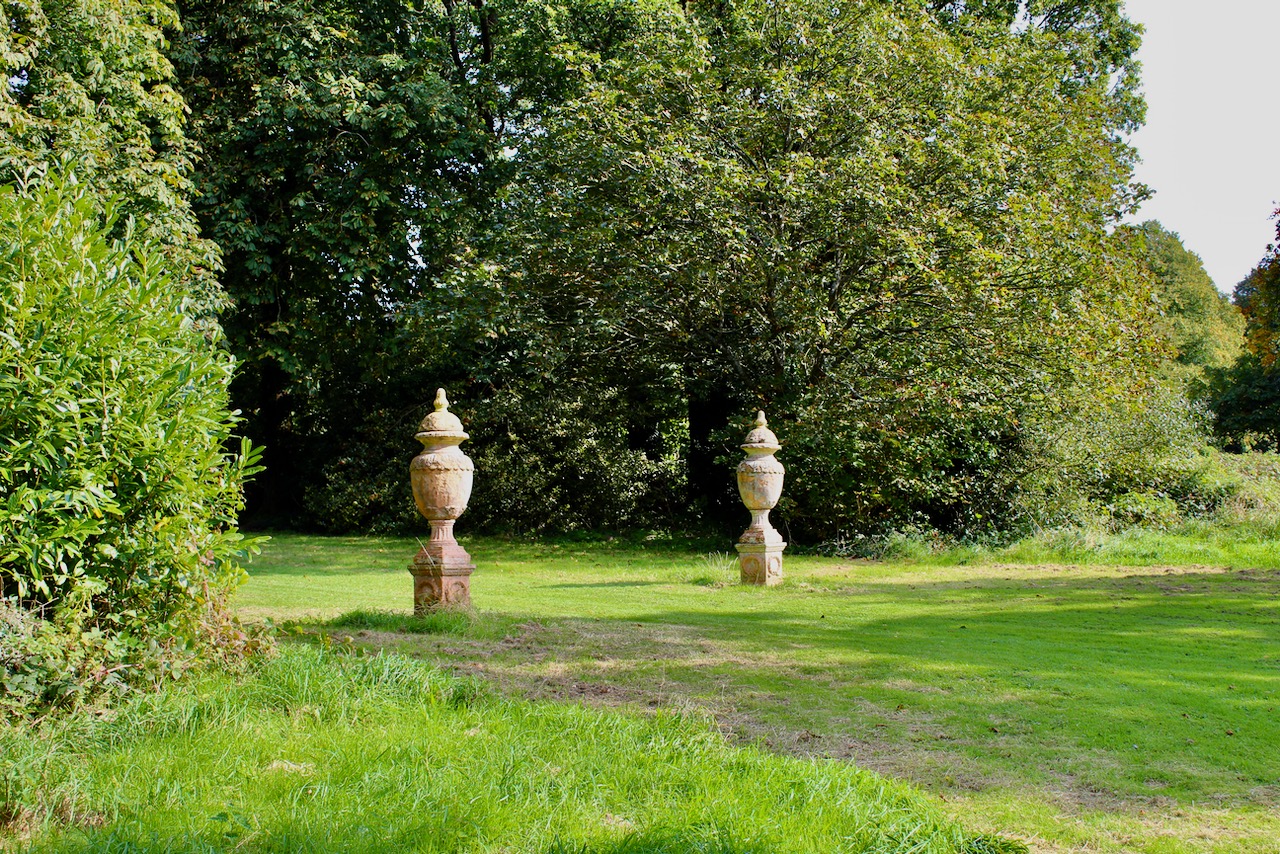
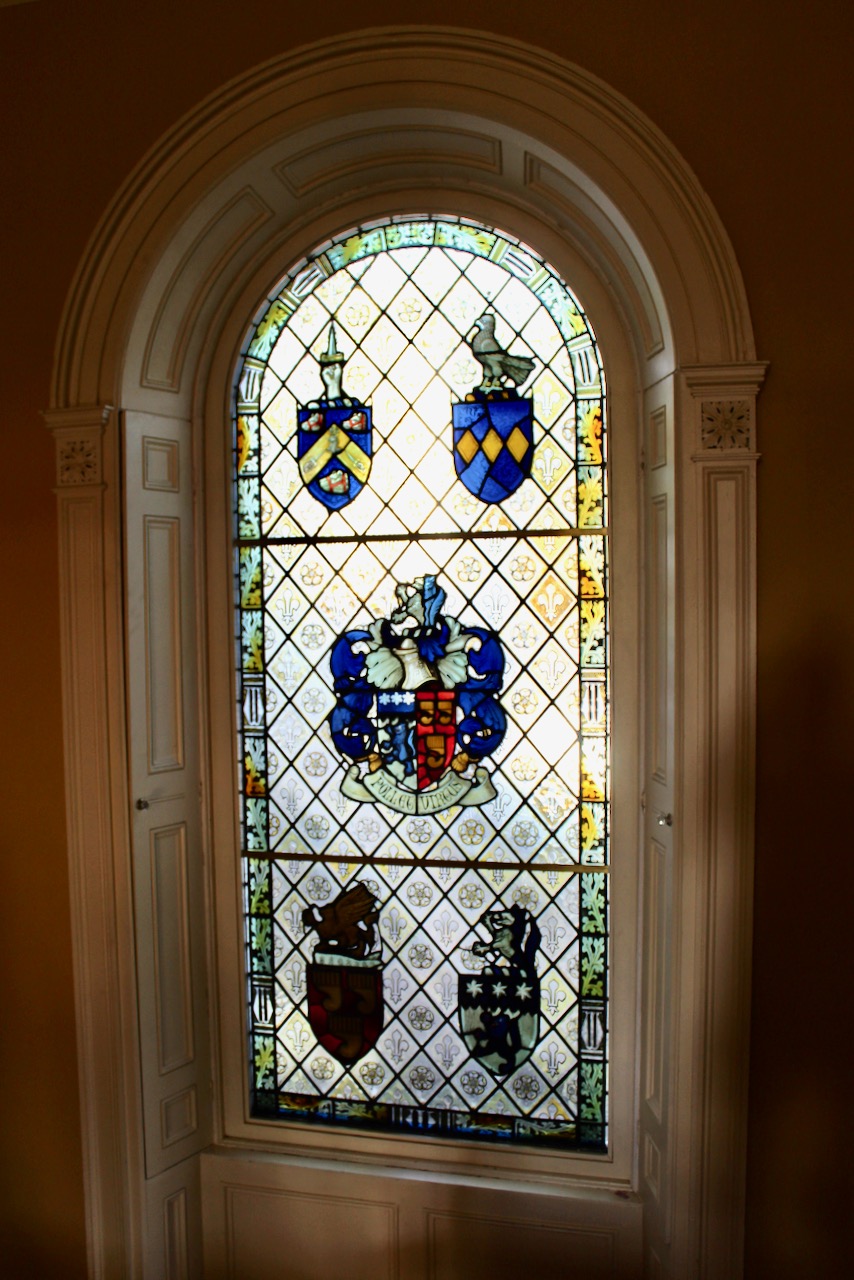
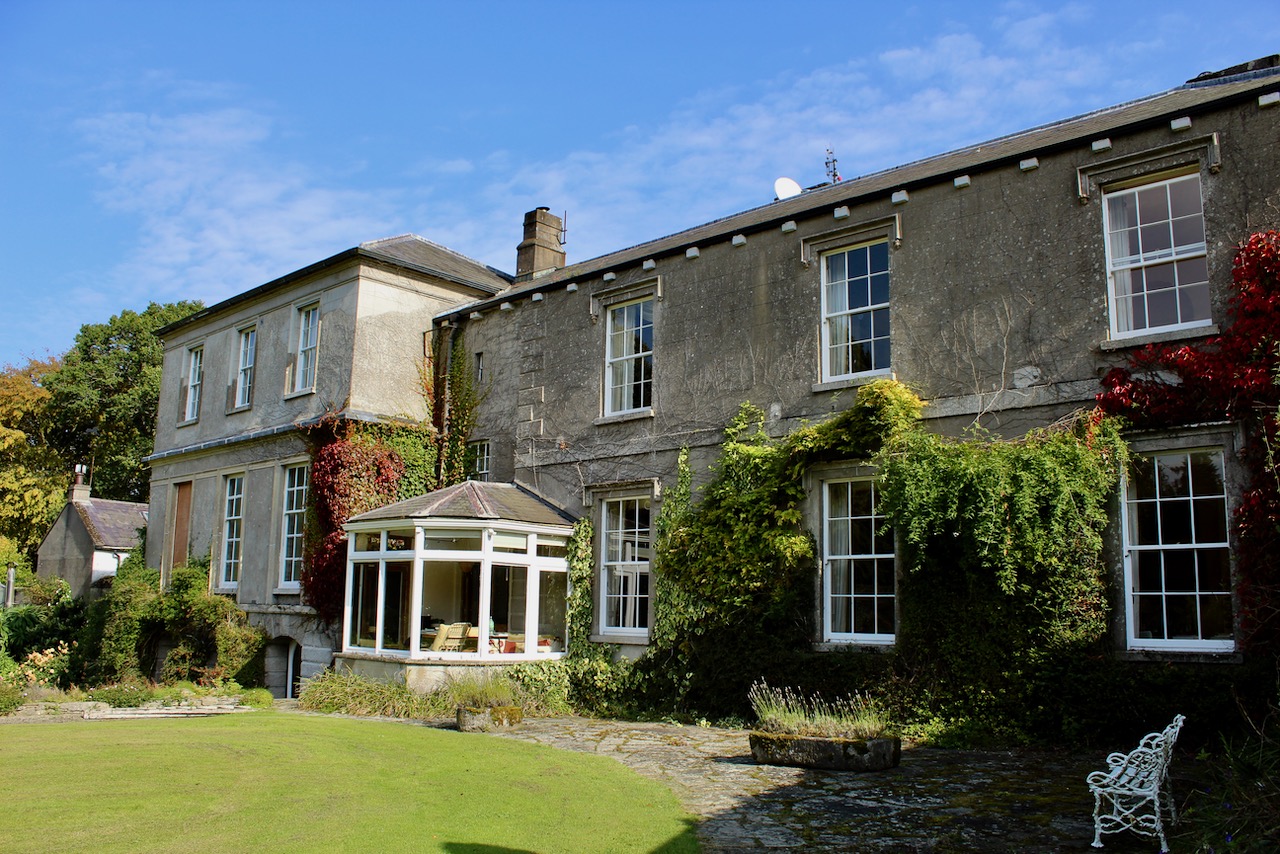
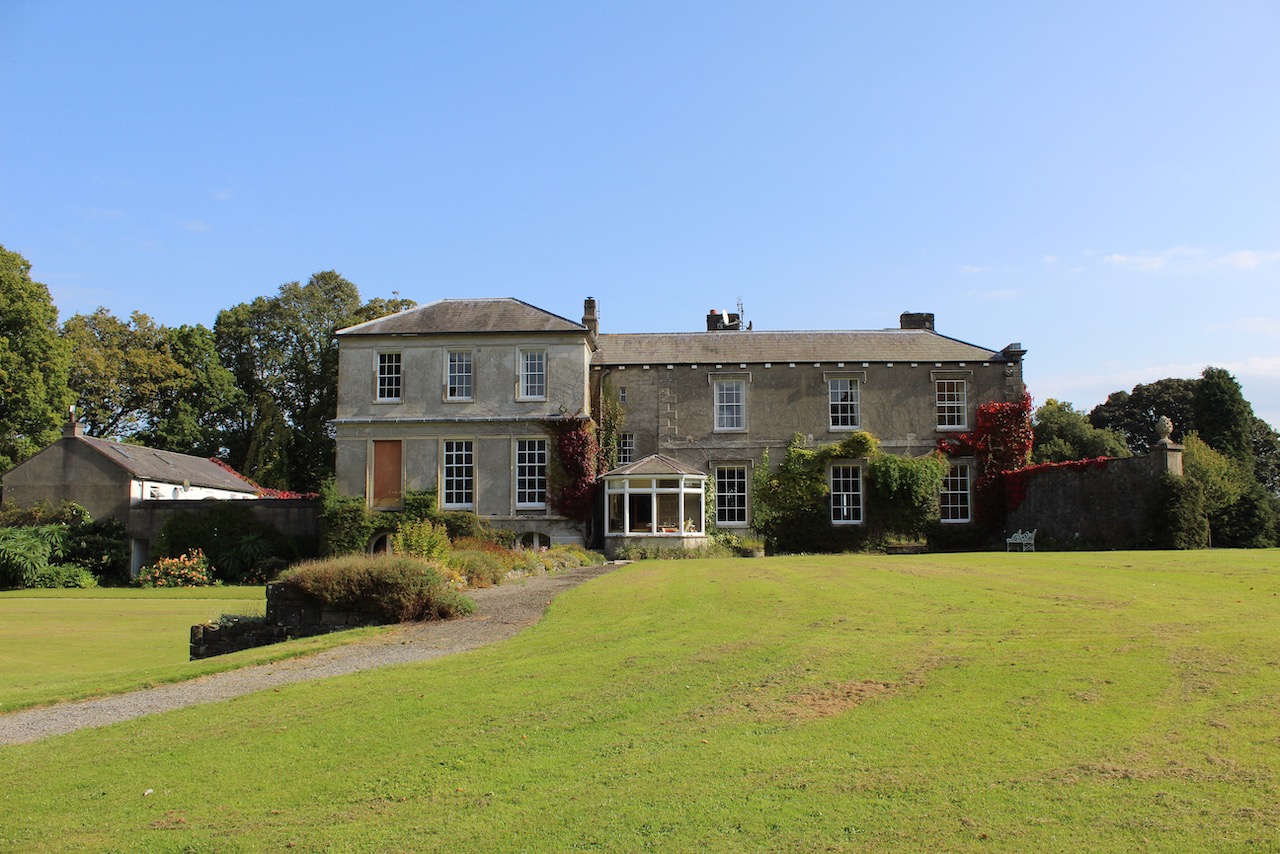
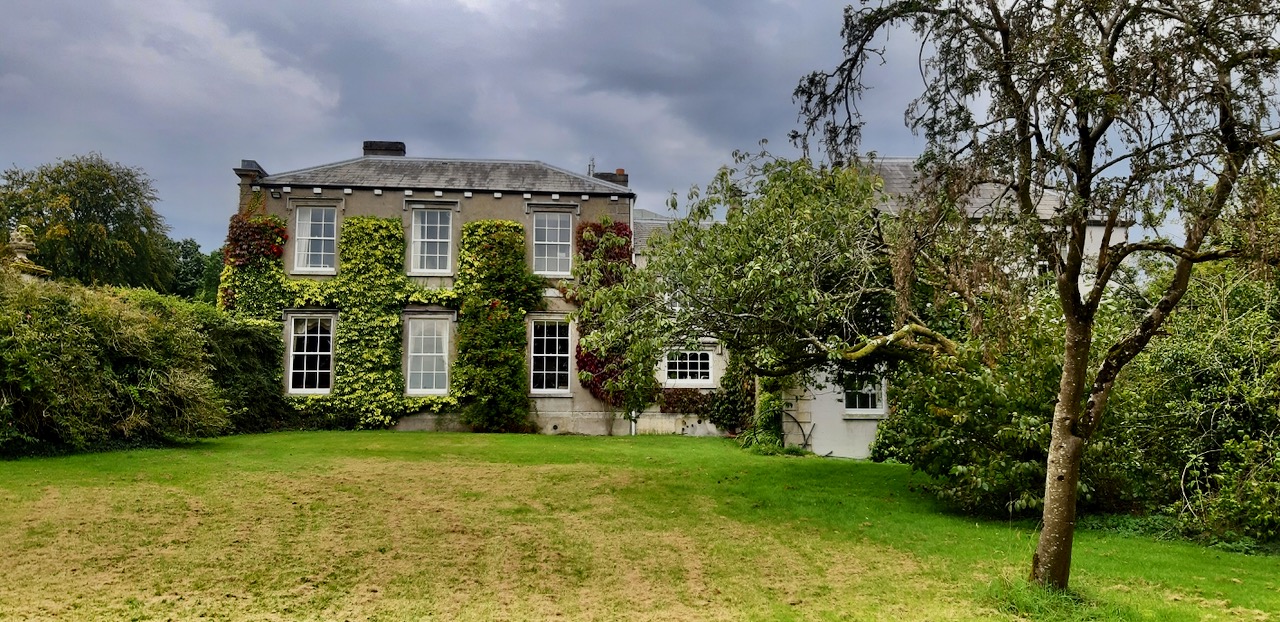
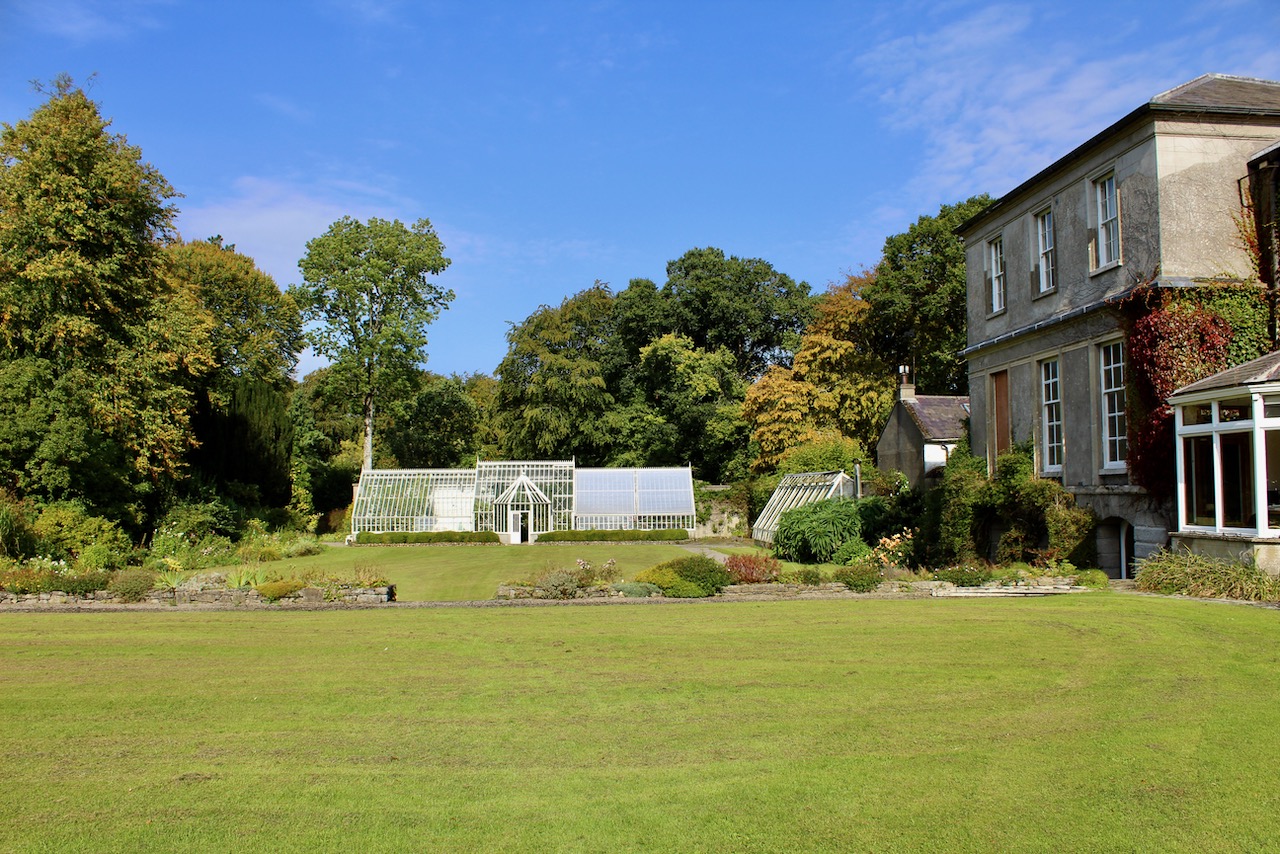
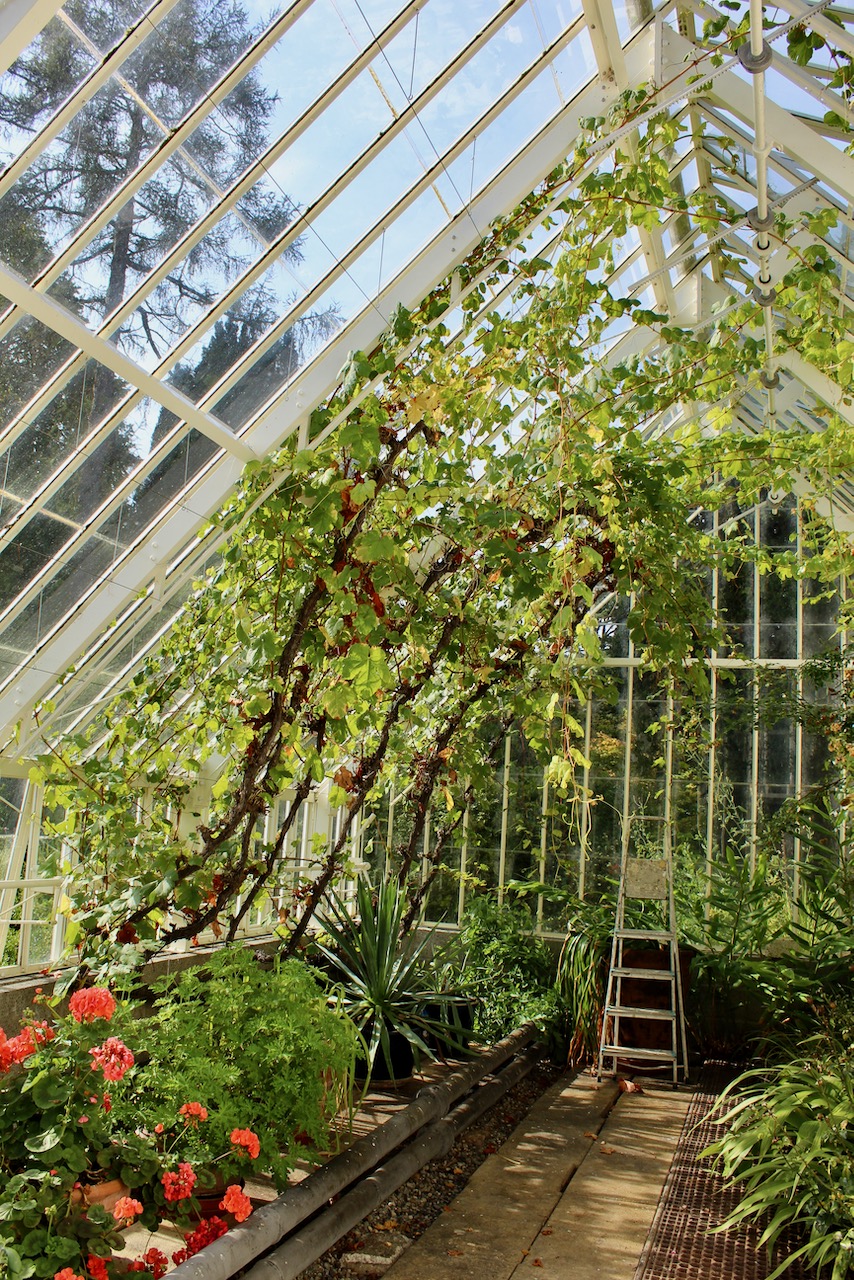
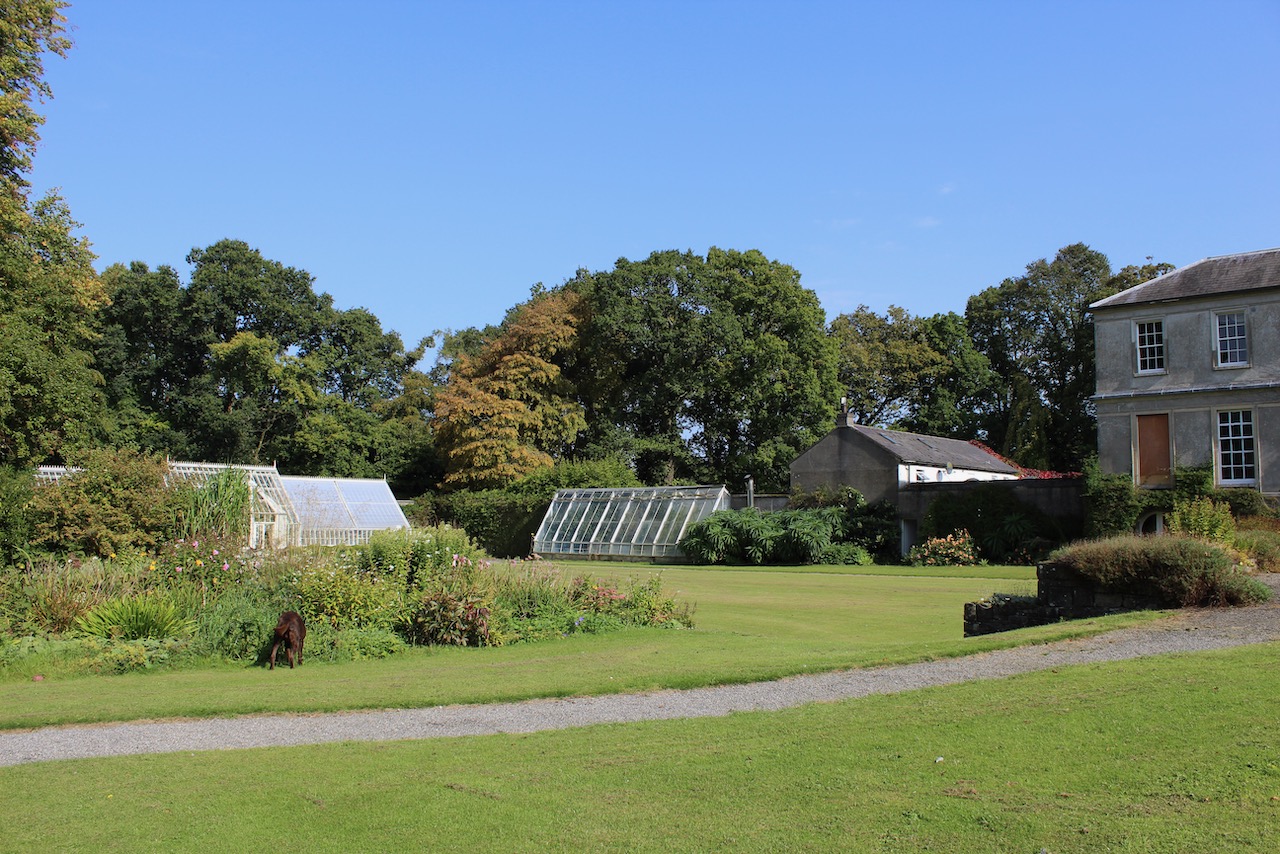
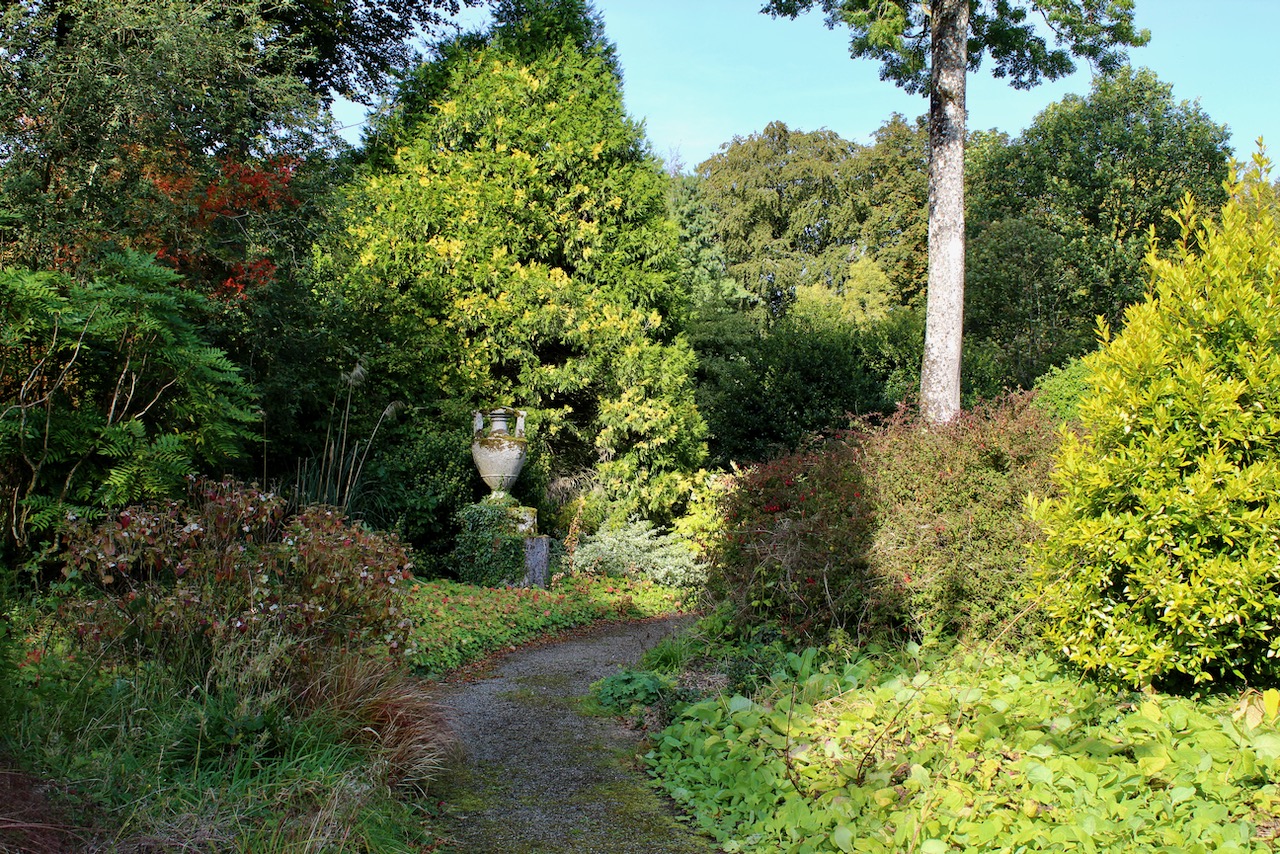
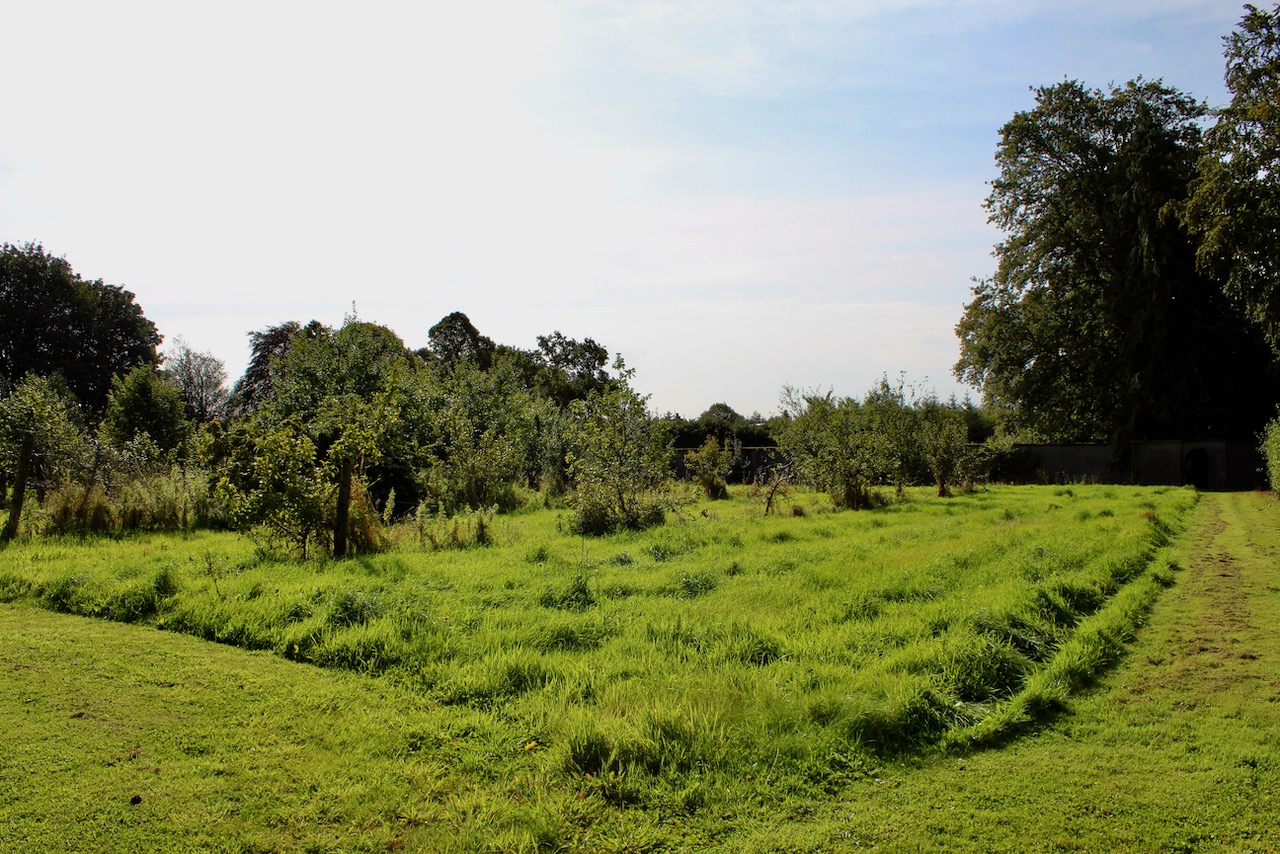
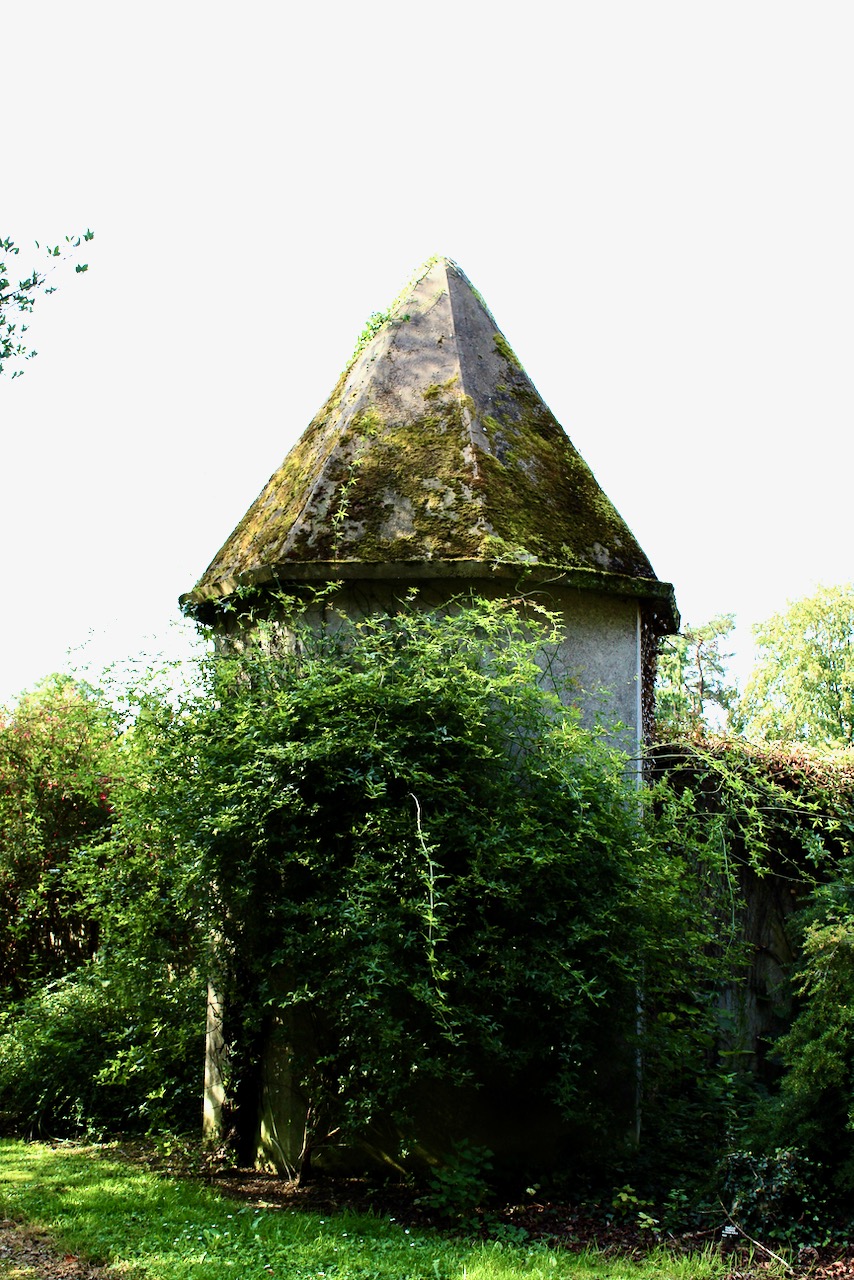
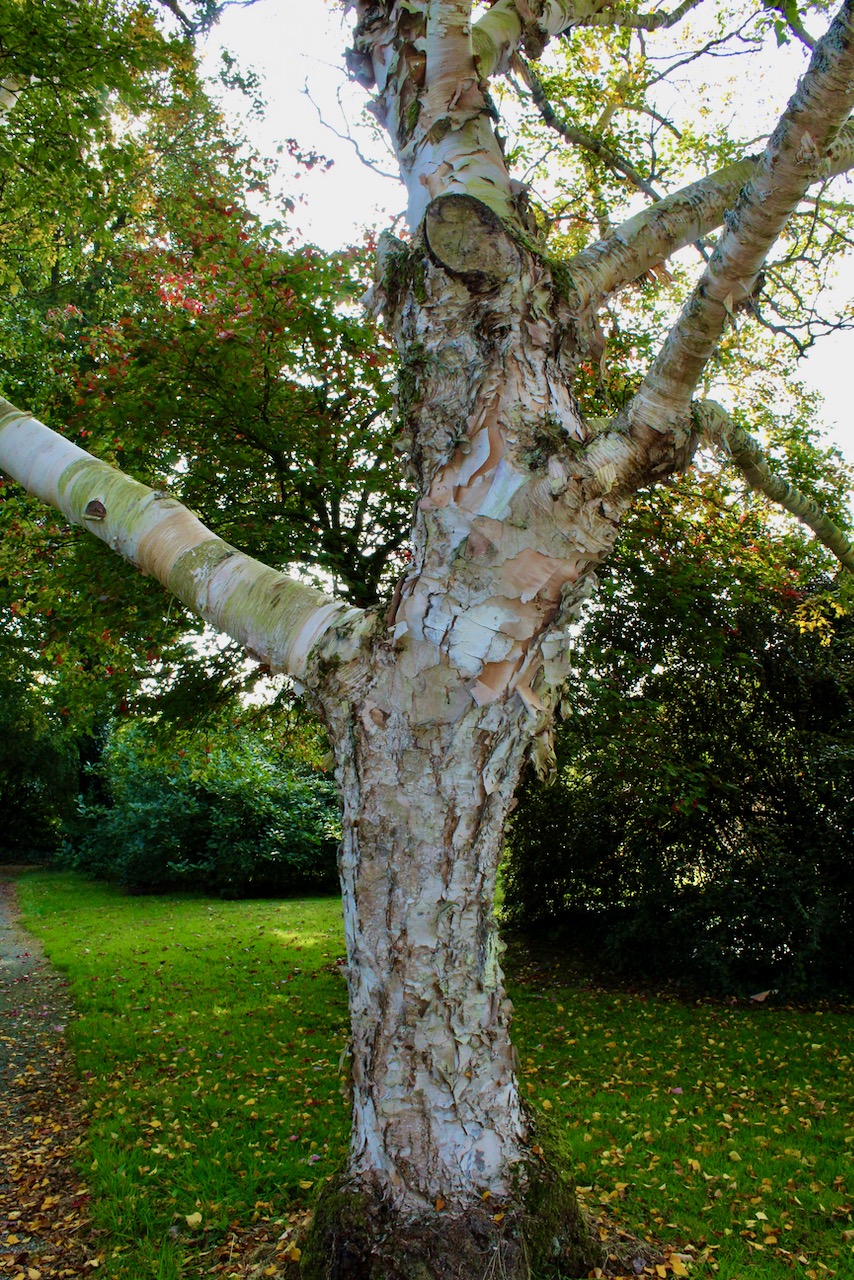
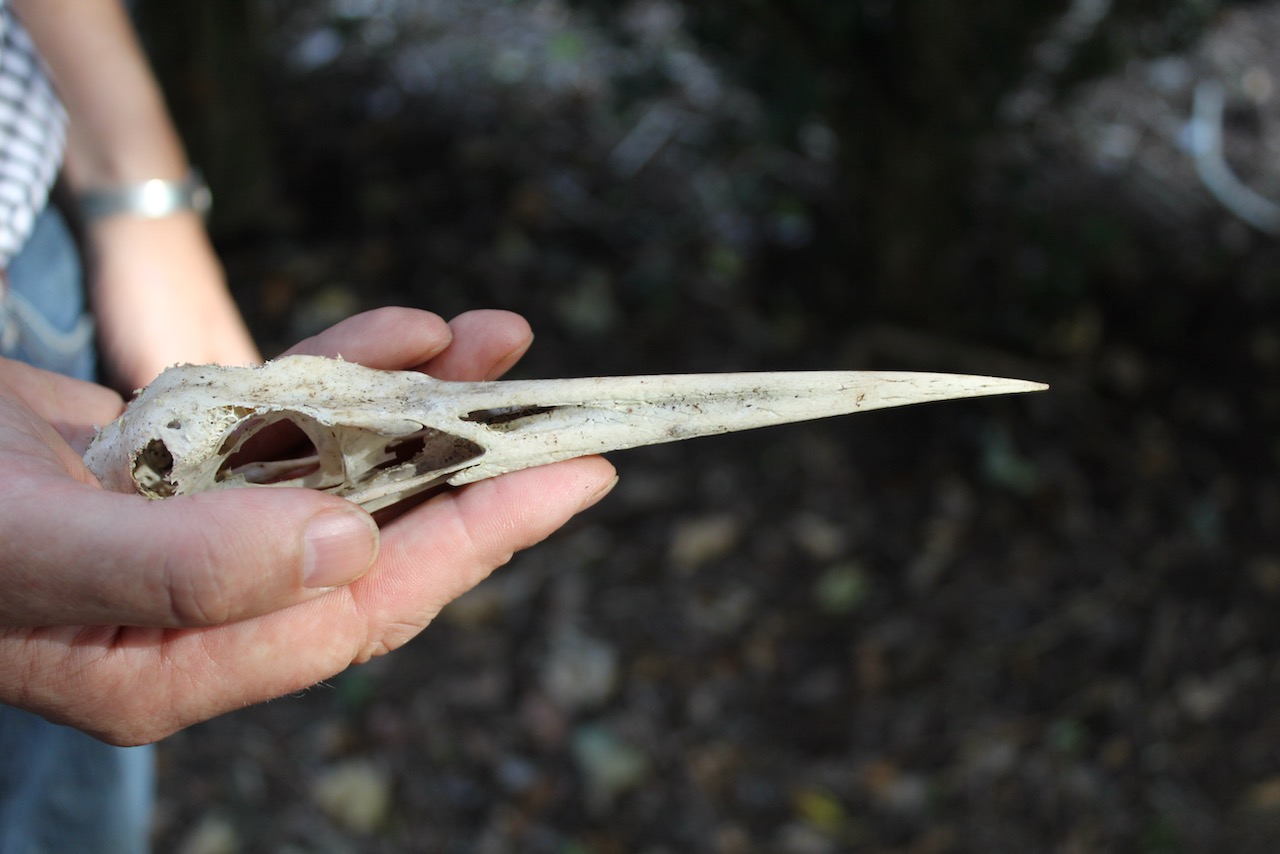
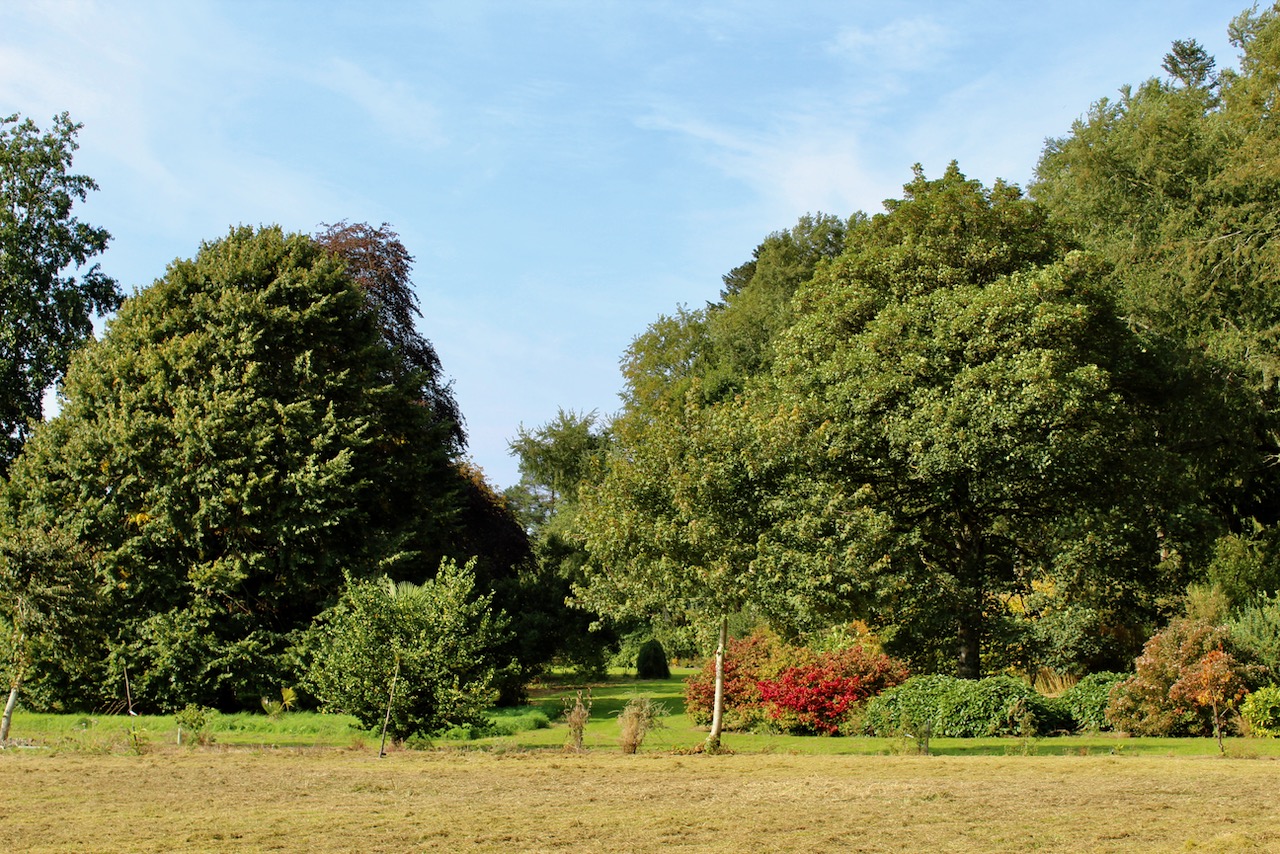
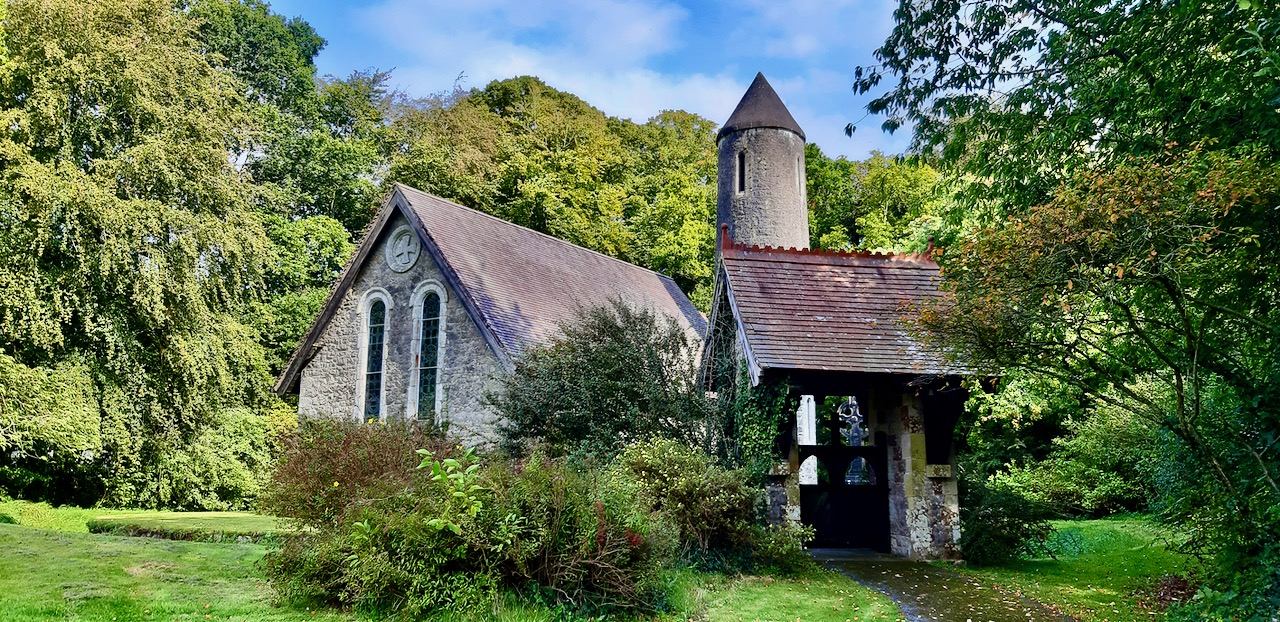
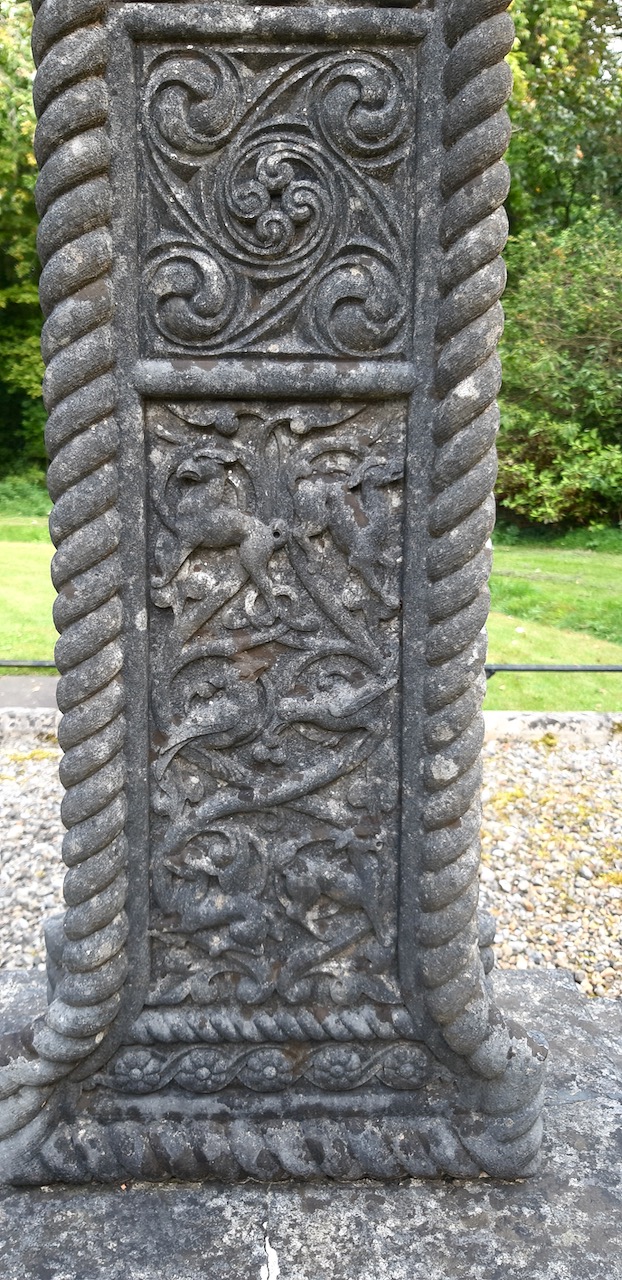
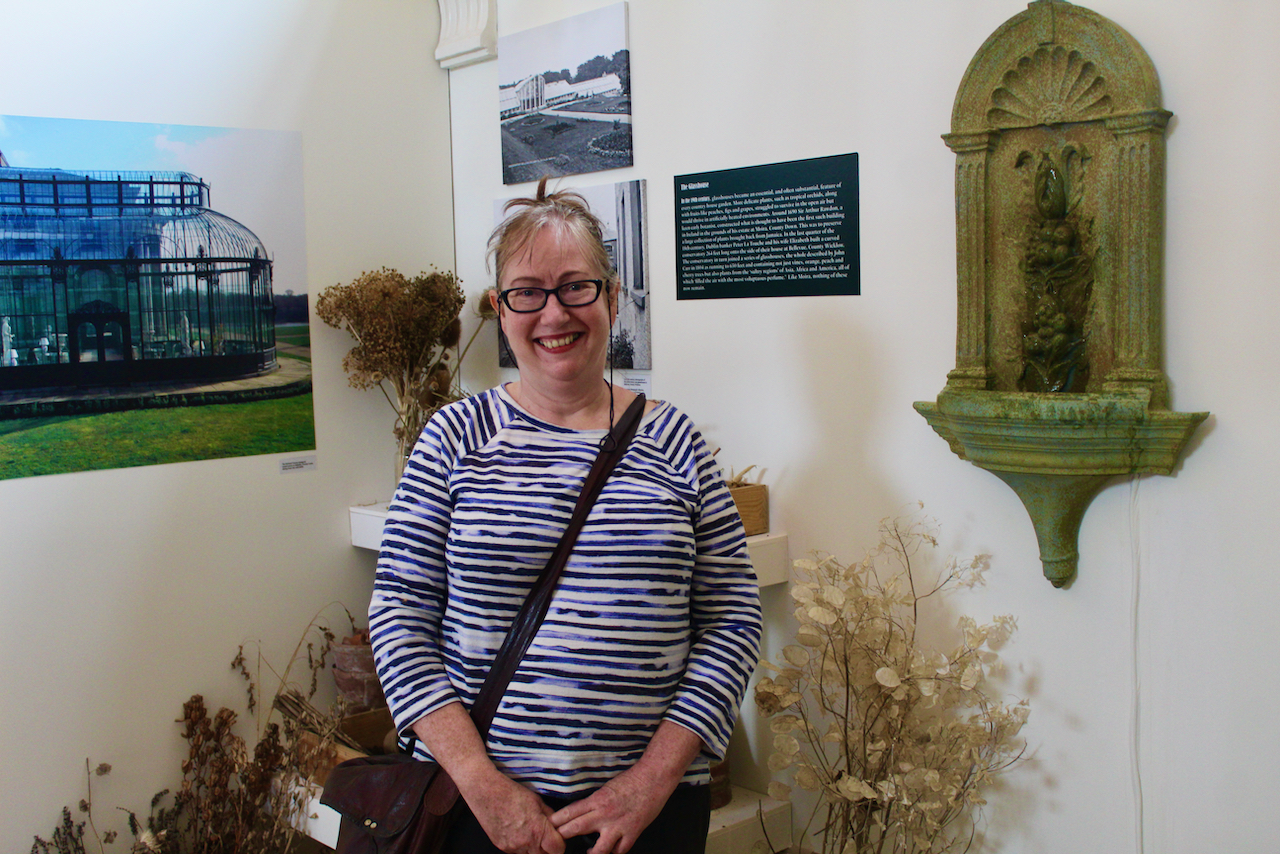
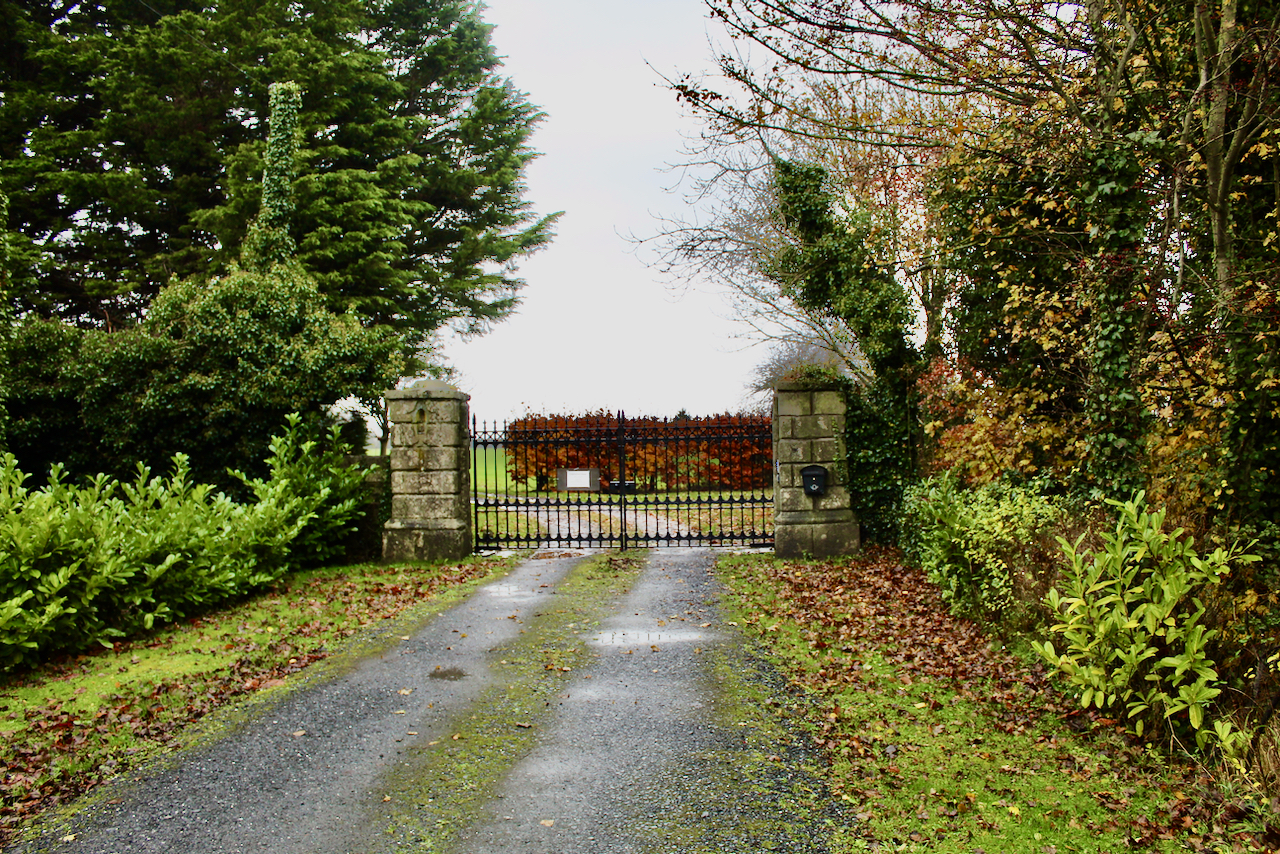
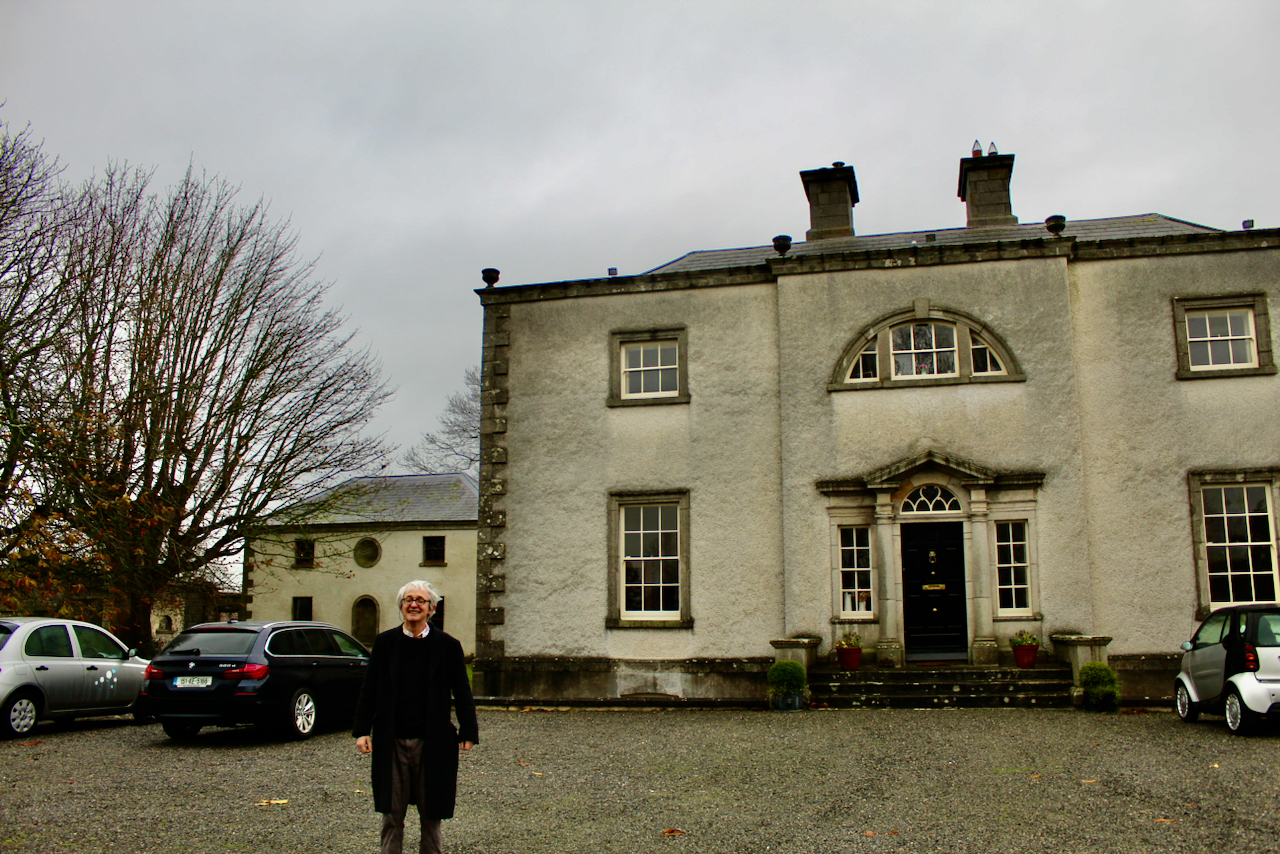

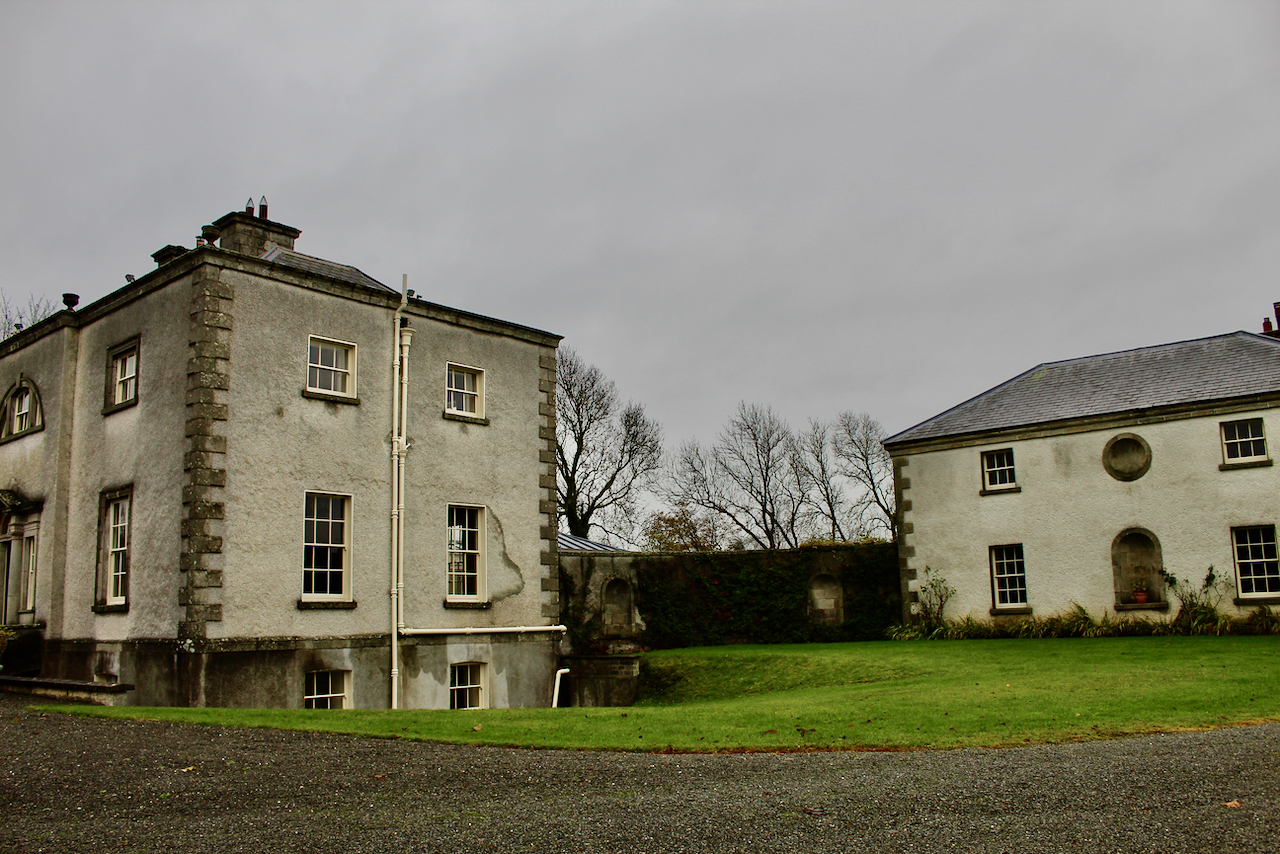

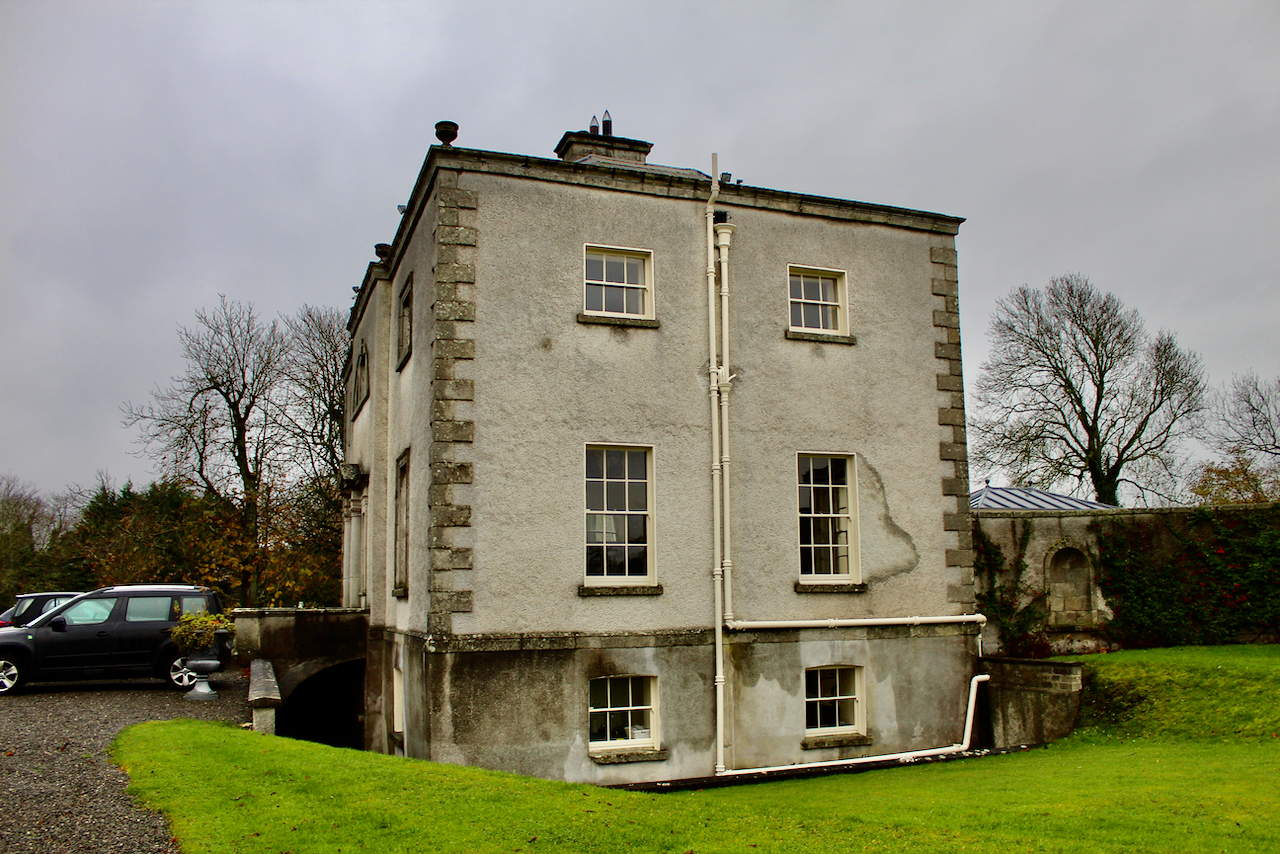
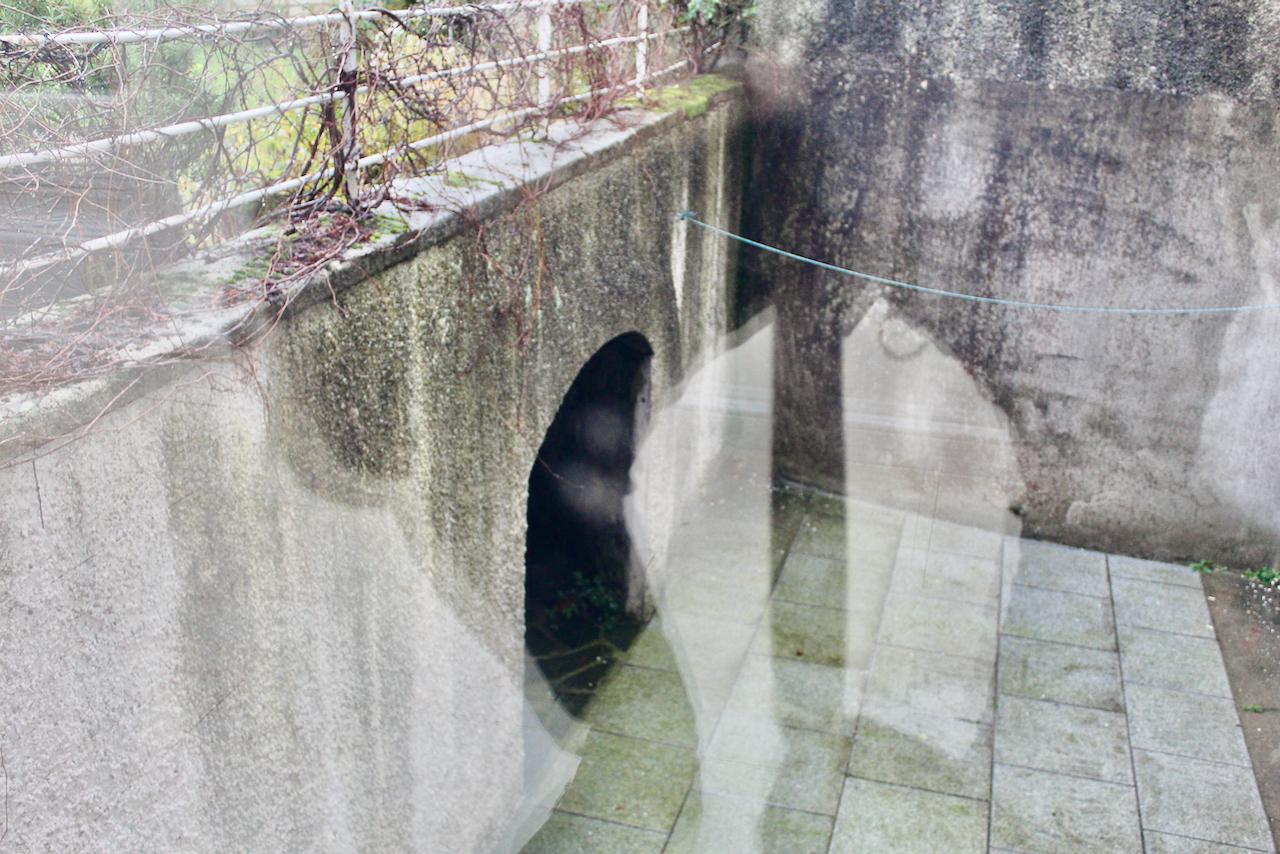

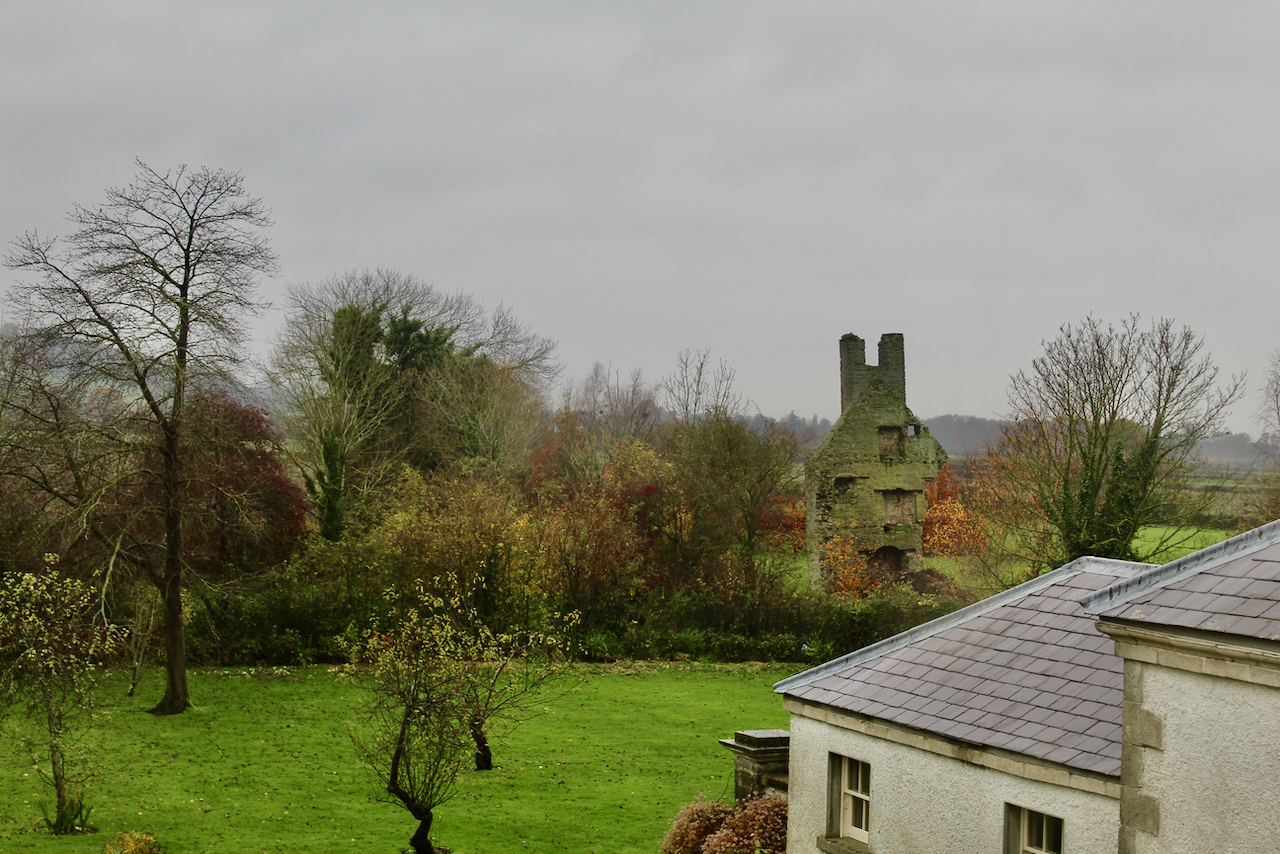
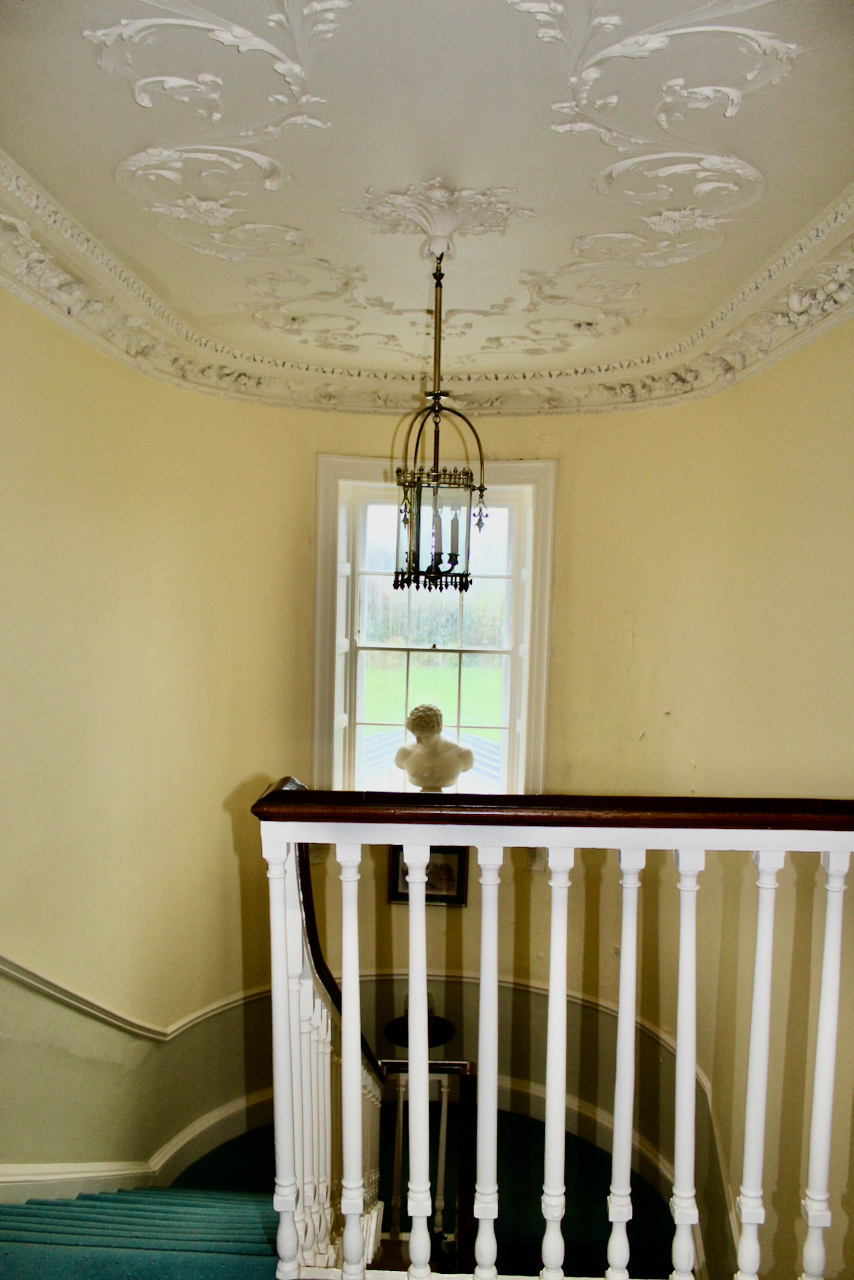
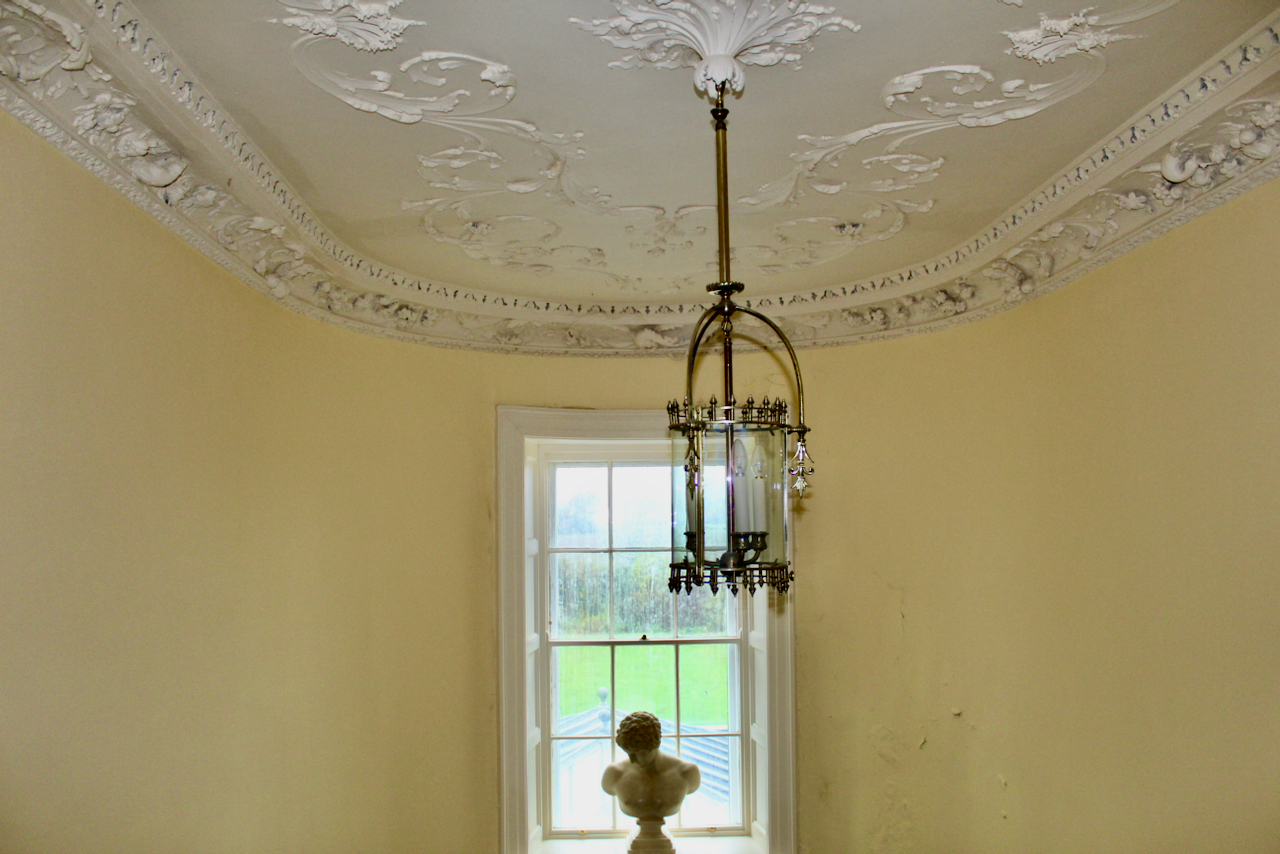


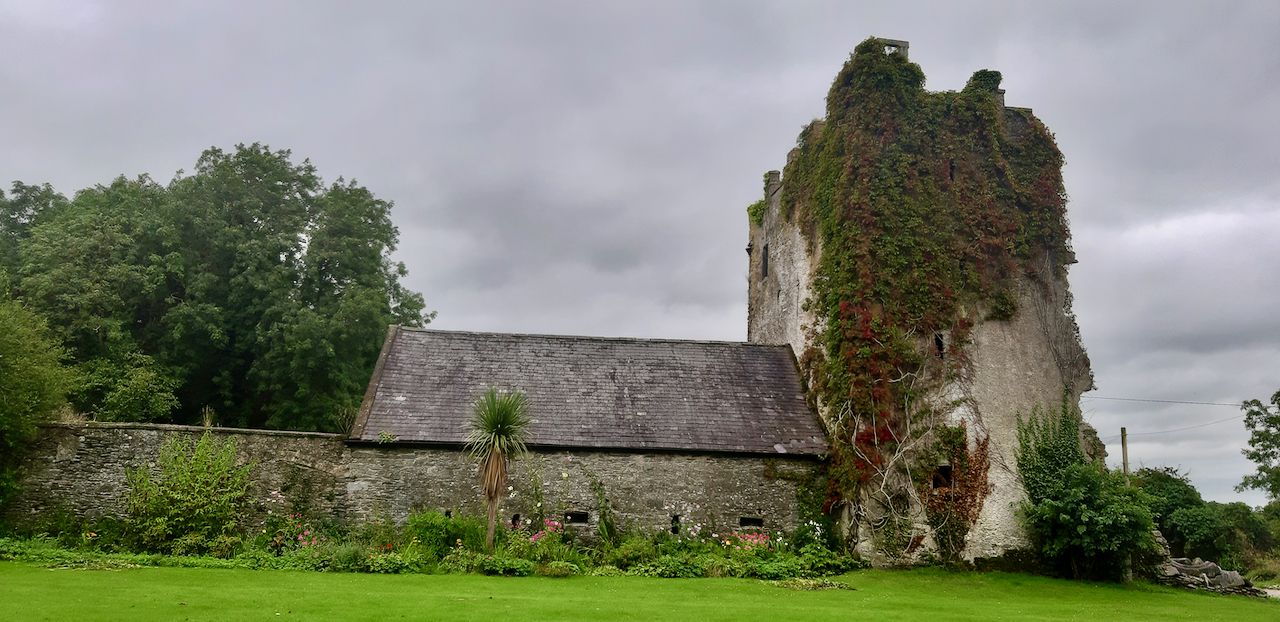


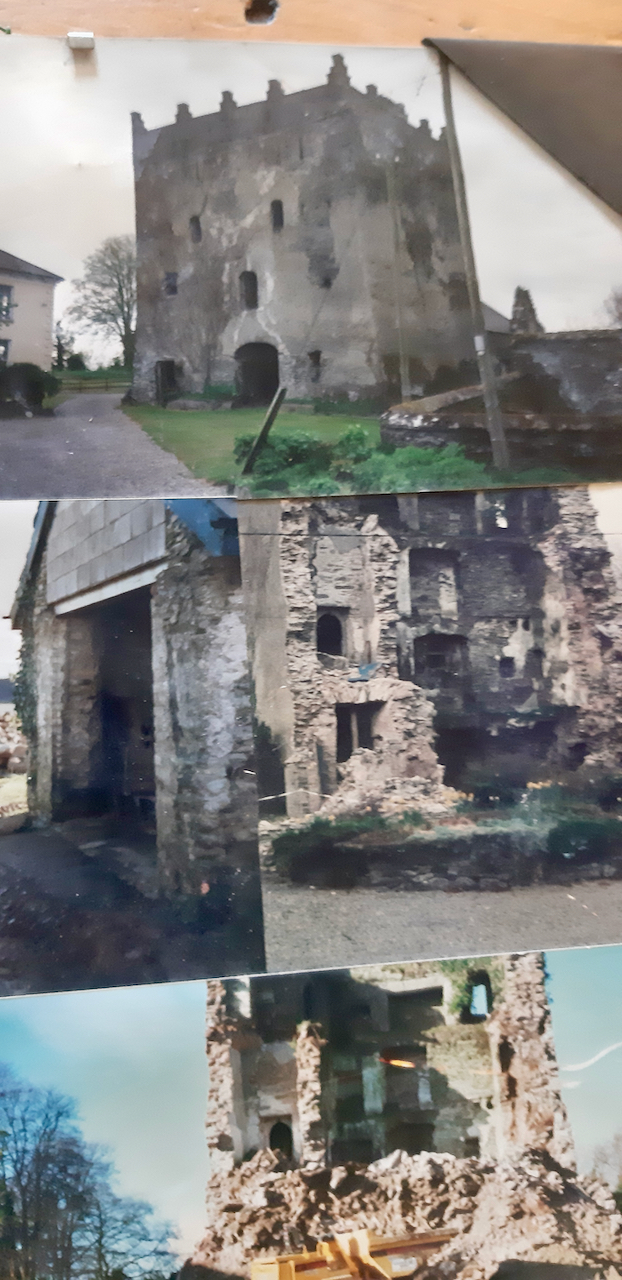

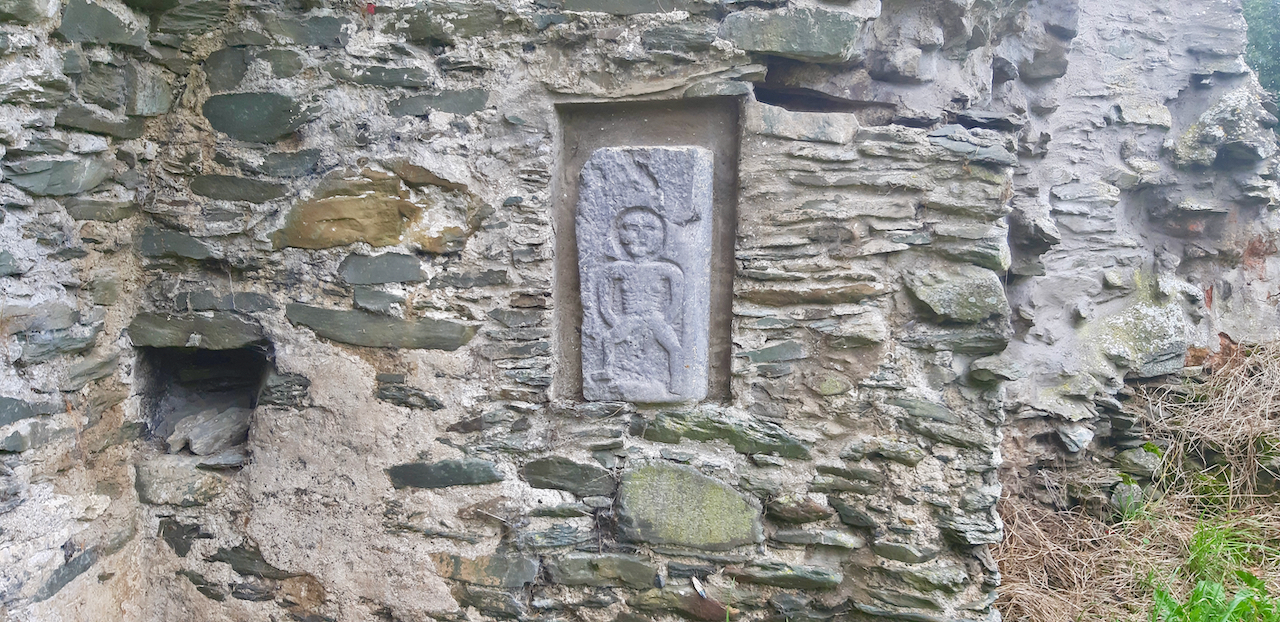
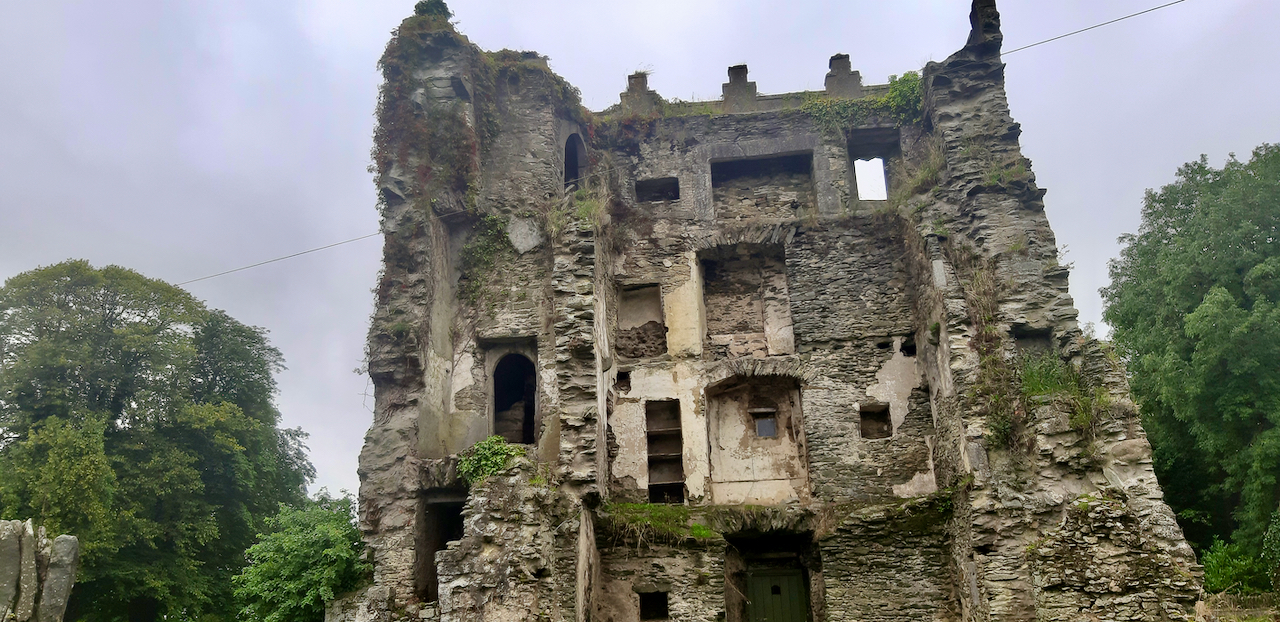
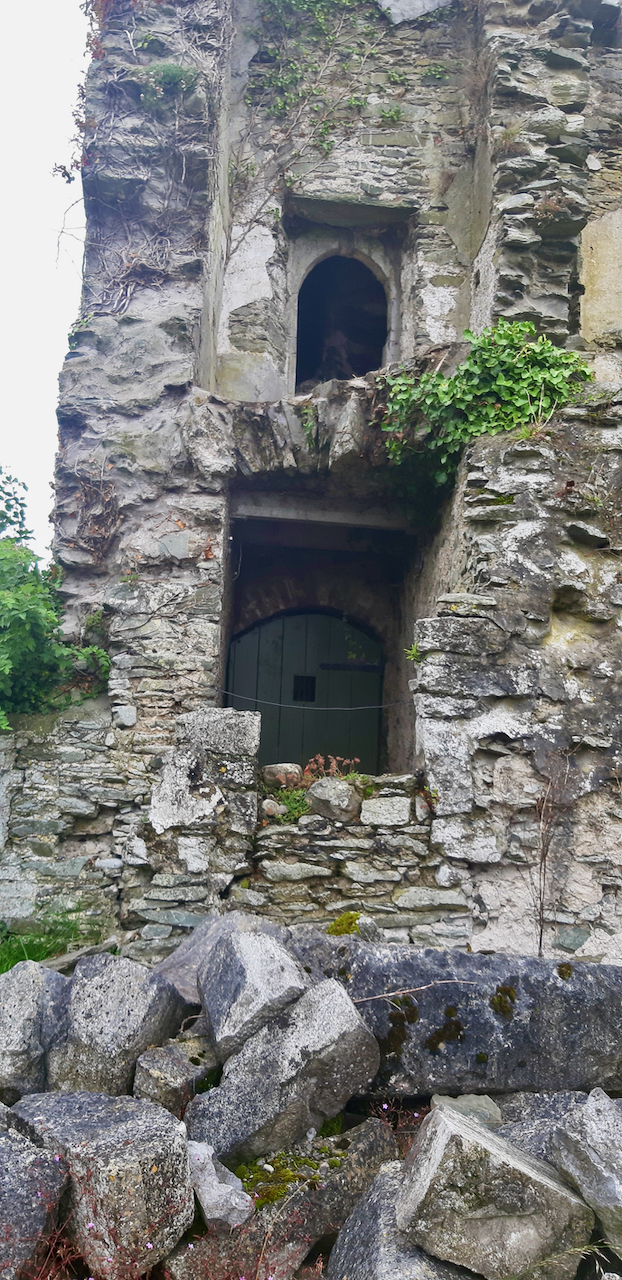

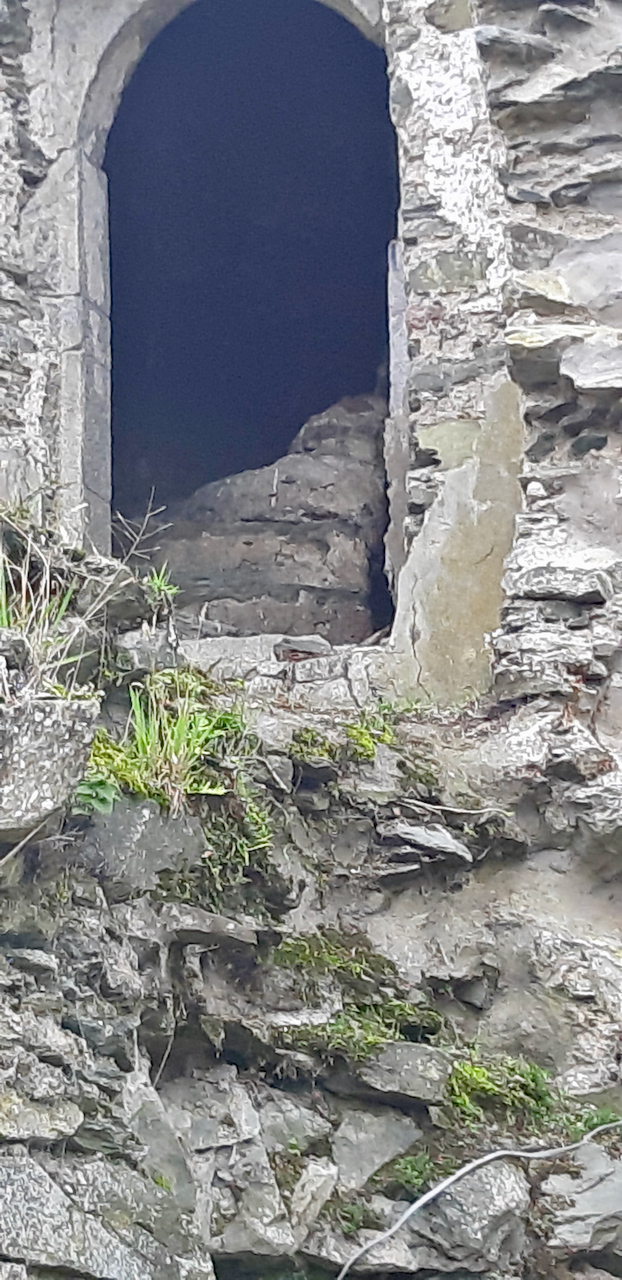


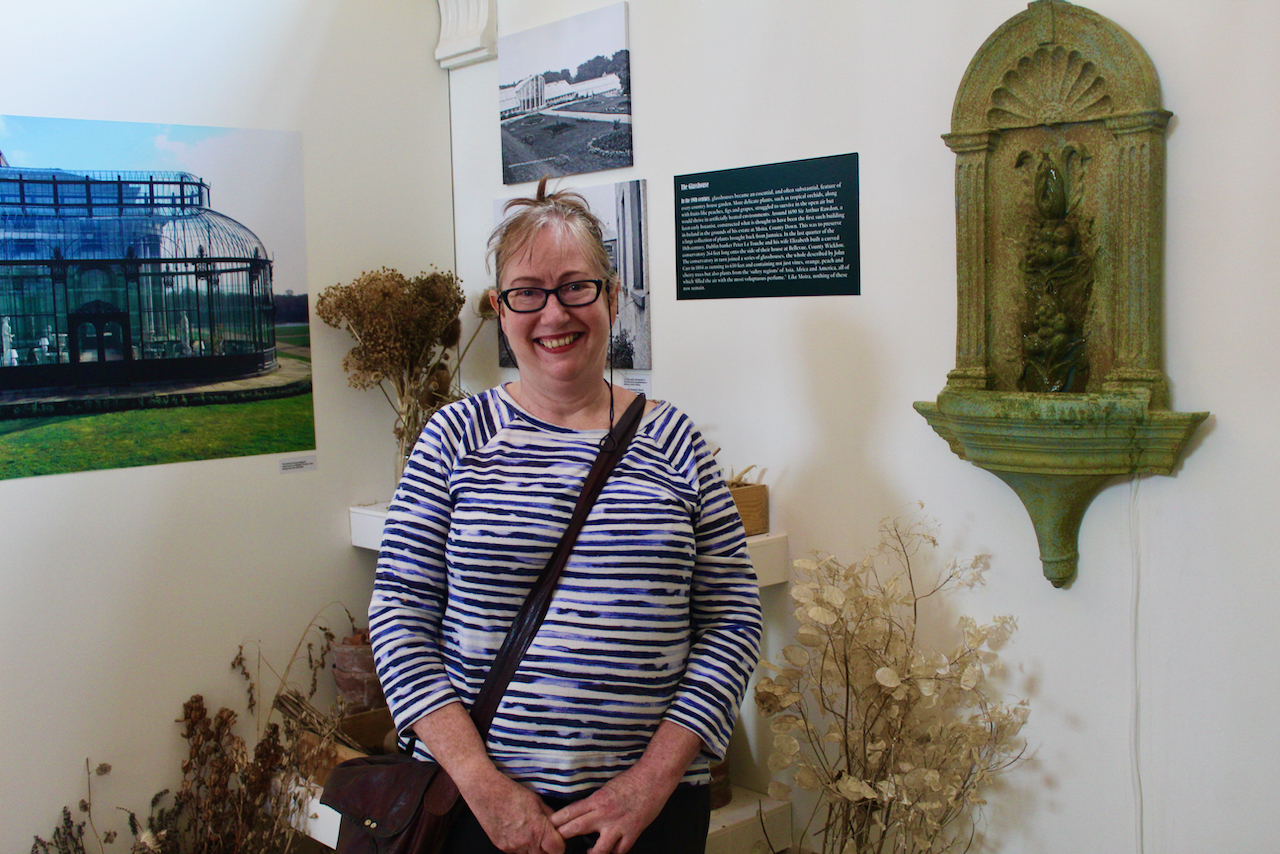
 Irish Historic Houses
