Open dates in 2026: May 1-2, 7-9, 14-16, 21-23, 28-30, June 4-6, 10-12, 18-20, 25-27, July 2-4, 9-11, 16-18, 23-25, 30-31, Aug 1, 6-8, 13-23, 27-29 Sept 3-5, 2pm-6pm
Fee: adult €10, OAP €7, student €6, child €3
donation
Help me to pay the entrance fee to one of the houses on this website. This site is created purely out of love for the subject and I receive no payment so any donation is appreciated!
The Swiss-Italian stuccadores were brought to Ireland from England in 1738 by Robert Fitzgerald (1675-1744) 19th Earl of Kildare, who built both Leinster House in Dublin (first known as Kildare House until his son was raised to be Earl of Leinster) and Carton House.
Going back to its origins, the estate of Riverstown was purchased by Edward Browne (b. 1676), Mayor of Cork. He married Judith, the heiress daughter of Warham Jemmett (b. 1637), who lived in County Cork. The present house possibly dates from the mid 1730s, Frank Keohane tells us in Buildings of Ireland: Cork City and County. [2] A hopper with the date 1753 probably records alterations, when the gable end at one side was replaced by full-height canted bays.
Mark Bence-Jones describes Riverstown in his A Guide to Irish Country Houses (1988):
“…The house consists of a double gable-ended block of two storeys over a basement which is concealed on the entrance front, but which forms an extra storey on the garden front, where the ground falls away steeply; and a three-storey one bay tower-like addition at one end, which has two bows on its side elevation. The main block has a four bay entrance front, with a doorway flanked by narrow windows not centrally placed.” [3]
The tower-like third storey on part of the house was possibly added by architect Henry Hill around 1830, Keohane tells us. Henry Hill was an architect who worked in Cork, perhaps initially with George Richard Pain, and later with William Henry Hill and Arthur Hill.
As Riverstown and its plasterwork was described in 1750 in Smith’s History of County Cork, it must have been created before this, perhaps when Browne’s son Jemmet Browne was elevated to the position of Bishop of Cork in 1745. He later became Archbishop of Tuam.
Reverend Jemmett Browne at a meet of Foxhounds by Peter Tillemans, courtesy of Yale Centre for British Art.
Reverend Jemmett Browne gave rise to a long line of clerics. He married Alice Waterhouse, daughter of Reverend Thomas Waterhouse. His son Edward (1726-1777) became Archbishop of Cork and Ross, and a younger son, Thomas, also joined the clergy.
A portrait of Alice Waterhouse, wife of Bishop Jemmett Browne.
Edward Archbishop of Cork and Ross named his heir Jemmett (1753-1797) and he also joined the clergy. He married Frances Blennerhassett of Ballyseede, County Kerry (now a hotel and also a section 482 property, see my entry). If the tower part of the house was built in 1830 it would have been for this Jemmett Browne’s heir, another Jemmett (1787-1850).
In BeautiesofIreland (vol. 2, p. 375, published 1826), James Norris Brewer writes that: “the river of Glanmire runs through the gardens banked with serpentine canals which are well stocked with carp,tench, etc. A pleasant park stocked with deer, comes close to the garden walls. The grounds of this very respectable seat about in aged timber and the whole demesne wears an air of dignified seclusion.”
The first Jemmett Browne was friendly with Laurence Sterne, author of Tristram Shandy. The bawdiness of the novel demonstrates that clerics at the time led a different life than those of today! Jemmett Browne’s interest in fine stucco work was probably influenced by fellow clerics Bishop George Berkeley, Samuel “Premium” Madden and Bishop Robert Clayton. Samuel Madden recommended, in his Reflections and Resolutions Proper to the Gentlemen of Ireland that stucco is substituted for wainscot. [4] Bishop Clayton owned what is now called Iveagh House on St. Stephen’s Green in Dublin (see my entry, https://irishhistorichouses.com/2022/09/23/open-house-culture-night-and-heritage-week-dublin-visits/ ).
Portrait c. 1740 of Archbishop Robert Clayton (1695–1758) and Katherine née Donellan by James Latham, courtesy of National Gallery of Ireland. Known for his unorthodox views, at the time of his death Robert Clayton was facing charges of heresy.George Berkeley (1685-1753), Philosopher; Bishop of Cloyne, by John Smibert 1730 courtesy of National Portrait Gallery NPG 653.He was a friend of Reverend Jemmett Browne.
The stucco work is so important that the Office of Public Works feared it would be lost, as the house was standing empty in the 1950s before being purchased by John Dooley, father of the current owner, in around 1965. Under the direction of Raymond McGrath of the Office of Public Words, with advice from Dr. C. P. Curran, the authority on Irish decorative plasterwork, moulds were taken in 1955-6. The moulds are now displayed prominently in the home of Ireland’s President, Áras an Uachtaráin. (see my entry on the Áras in the entry on Office of Public Works properties in Dublin, https://irishhistorichouses.com/2022/01/21/office-of-public-works-properties-dublin/ )
Shortly after John Dooley purchased the property, the members of the Irish Georgian Society decided to help to restore the plasterwork.
The book published on the 50th anniversary of the Irish Georgian Society, by Robert O’Byrne, has part of a chapter on Riverstown and the Irish Georgian Society’s role in restoration of the Lafranchini plasterwork in the 1960s.
The book published on the 50th anniversary of the Irish Georgian Society has part of a chapter on Riverstown and the Irish Georgian Society’s role in restoration of the Lafranchini plasterwork in the 1960s. By this time, John Dooley had purchased Riverstown, after it has been standing empty. At the time, Dooley had not yet moved in, and the dining room was not preserved to the standard the Georgian Society would have liked. The book has a photograph of potatoes being stored in the dining room.
Photograph from Irish Georgian Society, by Robert O’Byrne. The photograph was published in the Cork Examiner in February 1965.We don’t know of course how temporary this storage was.
The entrance hall of Riverstown is also impressive, and the members of the Georgian Society also helped to clean the plasterwork in this room. The walls curve, and the room has an elegant Neoclassical Doric frieze and shapely Corinthian columns.
Mark Bence-Jones decribes: “The hall, though of modest proportions, is made elegant and interesting by columns, a plasterwork frieze and a curved inner wall, in which there is a doorcase giving directly onto an enclosed staircase of good joinery. To the left of the hall, in the three storey addition, are two bow-ended drawing rooms back to back. Straight ahead, in the middle of the garden front, is the dining room, the chief glory of Riverstown.”
The Lafranchini work in the dining room derives from Maffei’s edition of Agostini’s Gemme AnticheFigurate (1707-09). Frank Keohane notes that the Maffei’s engravings were also used for the decoration of the Apollo Room in 85 St. Stephen’s Green, Dublin, also by the Lafranchini brothers.
The ceiling at Riverstown: winged figure of Father Time, rescuing Truth from the assaults of Discord and Envy, taken from the allegorical painting by Nicholas Poussin which he painted on the ceiling in France for Cardinal Richelieu in 1641 and now hangs in the Louvre, Paris.
C. P. Curran tells us that the history of the Lafranchini brothers is obscure, but they “represent one of the successive waves of stuccodores who from quite early periods swarmed over Europe from fertile hives in the valleys of either side of the Swiss Italian Alps….They worked in some unascertained way side by side with local guildsmen and introduced new motifs and methods. Their repertory of ornament was abundant and they excelled in figure work.” [4] They executed their work in Carton in 1739, Curran tells us, and in 85 St. Stephen’s Green in 1740.
Keohane tells us that the simple eighteenth century black-marble slab chimneypiece was installed in the 1950s when the house was saved by the Dooley family from ruination. It replaced a remarkable overmantel, now in an upper room, with great scrolled jambs garlanded with flowers and tufted with acanthus, and a comic mask in the centre of the frieze which possibly depicts Bishop Browne.
The work by the members of the Irish Georgian Society on the dining room in Riverstown was complete by the end of 1965. John Dooley continued the restoration of the rest of the house, and it is now kept in beautiful condition by his son Denis and wife Rita, with many treasures collected by the Dooleys. A 1970 Irish Georgian Society Bulletin, Robert O’Byrne tells us, reported further improvements made by the Dooleys. It tells us that one of the house’s two late-eighteenth century drawing rooms adjoining the dining room:
“has been given a new dado, architraves, chimney-piece, overdoors and overmantel. These have been collected by John Lenehan of Kanturk, who rescued them from houses in Dublin that were being demolished and inserted them at Riverstown.”
The two drawing rooms do indeed have splendid over mantel and overdoors. The drawing room has been hung with green silk wall covering. The Dooleys have shown fine taste for the decoration and maintenance of the rooms and I suspect John Dooley knew what he was doing when he purchased and thus saved the house.
A fine wooden staircase brings us upstairs to a spacious lobby containing a Ladies’ conversation chair. Keohane suggests the stair may have originally been open to the front hall, but is now hidden by a screen wall. He writes that this arrangement probably dates from c. 1784, when Phineas Bagnell was granted a long lease of the house.
The owners’ bedroom has an extraordinary carved marble mantel. It was probably originally in the room with the Lafranchini stuccowork. It has great scrolled jambs garlanded with flowers and tufted with acanthus, and a comic mask in the centre of the frieze which possibly depicts Bishop Browne, Frank Keohane tells us.
The Dooleys have a garden centre, which is situated behind the house. They maintain the gardens with its rolling lawns beautifully. The Glanmire river passes by the bottom of the garden.
[1] https://repository.dri.ie/catalog [2] p. 556, Keohane, Frank. Buildings of Ireland: Cork City and County. Yale University Press, New Haven and London, 2020.
[3] Bence-Jones, Mark A Guide to IrishCountryHouses. (originally published as Burke’s Guide to Country Houses volume 1 Ireland by Burke’s Peerage Ltd. 1978); Revised edition 1988 Constable and Company Ltd, London.
[4] Curran, C.P. RiverstownHouseGlanmire, County Cork and the Francini. A leaflet given to us by Denis Dooley.
Help me to pay the entrance fee to one of the houses on this website. This site is created purely out of love for the subject and I receive no payment so any donation is appreciated!
“In 1658, the “Down Survey” records that Ardgillan was owned by a wine merchant, Robert Usher of Tallaght, Dublin and by 1737, the property had been acquired by the Reverend Robert Taylor, one of the Headfort Taylors, whose grandfather had collaborated with Sir William Petty on the mid 17th century “Down Survey of Ireland”.
The grandfather mentioned is Thomas Taylor (1631-1682), who came to Ireland in 1652 to carry out the survey to evaluate the land confiscated after Cromwell’s campaign.
The Taylors owned Headfort House in County Meath. Later, part of Headfort became a school and part kept as a residence. The east wing was advertised for sale in November 2019. The Dining Hall has particularly fine stucco work by Scottish born architect Robert Adam (1728-1792), one of the family from which the term “Adamesque” takes its name.
Headfort House in Co Meath, photograph by Robert French, Lawrence Photograph Collection, National Library of Ireland. The house was built in the early 1770s by Irish architect George Semple with the interiors designed by Robert Adam.Headfort, County Meath, photograph courtesy of Irish Georgian Society.Headfort, County Meath, photograph courtesy of Irish Georgian Society.Thomas Taylour (1757-1829) 1st Marquess of Headfort by Pompeo Batoni. He was the son of Thomas, 1st Earl of Bective. Picture courtesy of Google Art Project By Pompeo Batoni – 9QE_ZzFPQzDZiQ at Google Cultural Institute, Public Domain, https//:commons.wikimedia.org/w/index.php?curid=29800995Mary née Quin (the daughter of George Quin and Caroline Cavendish) The Marchioness of Headfort, wife of Thomas Taylour (1757-1829) 1st Marquess of Headfort, holding her Daughter Mary, 1782, by Pompeo Batoni, Google_Art_Project 6wGvrQuQJ1yERA at Google Cultural Institute, Public Domain, https//:commons.wikimedia.org/w/index.php?curid=29801821.jpgHeadfort, County Meath, photograph courtesy of Irish Georgian Society.Headfort Court, east wing of Headfort House, County Meath, photograph courtesy Savills, November 2019.
Robert (1689-1744) was the son of Thomas (1662-1736), the 1st Baronet of Kells, County Meath. Robert, a younger son, joined the clergy and according to the Ardgillan website, was a recluse and spent his time writing sermons. He became Dean of Clonfert, County Galway.
Robert died unmarried and the estate passed to his brother Thomas Taylour, the 2nd Baronet of Kells, County Meath. His sister Salisbury married a Bishop of Clonfert and secondly, Brigadier General James Crofts, son of James Scott the Duke of Monmouth, an illegitimate son of King Charles II!
Ardgillan remained the family home of the Taylors (later changed to Taylour) for more than two hundred years up until 1962 when the estate was sold to Heinrich Potts of Westphalia, Germany. In 1982, Dublin County Council purchased Ardgillan Demesne and it is now managed by Ardgillan Castle Ltd. under the auspices of Fingal County Council.
Originally named “Prospect House”, built on Mount Prospect (you can see why it was so called, with such a view!), the central section was built in 1738 by Reverend Robert Taylor, with the west and east wings added in the late 1800s.
The centre of the front is of two storeys with a threey storey bow in the middle. The house is crenellated, and there are arrow slits decorating the crow-stepped gables either side of the centre block, including cruciform arrow slits in the middle. There is hood moulding over the window and door of the central bow. Mark Bence-Jones writes in his A Guide to Irish Country Houses (1988) that over each window in the side wings a “Gothic cloak of battlements and pointed arches” was thrown. Below this Gothic cloak Bence-Jones writes that one discerns the Classical house.
“Initially the site was heavily wooded, the name Ardgillan being derived from the Irish “Ard Choill” meaning High Wood. It was cleared out by service soldiers and itinerant workers in return for one penny a day, sleeping accommodation and one meal.
“The house consists of two storeys over a basement which extends out under the lawns on the southern side of the building. When occupied, the ground and first floors were the living accommodations while the west and east wings were servants’ quarters and estate offices. The basement comprised of the service floor, the kitchen and stores.“
Thomas Taylour 2nd Baronet of Kells married Sarah Graham of Platten, County Meath. Their son Thomas was MP for Kells, County Meath, and was created 1st Earl of Bective, of Bective Castle, Co. Meath.
Thomas Taylour (1724-1795) 1st Earl of Bective wearing the star and sash of the Order of St. Patrick by Gilbert Stuart and studio courtesy of Sotheby’s, Public Domain, https://commons.wikimedia.org/w/index.php?curid=27947645.jpgPlatten Hall, County Meath, courtesy Thomas U. Sadlier and Page L. Dickinson’s Georgian Mansions in Ireland, published in 1915 by Ponsonby and Gibbs, Dublin.
In 1754 Thomas Earl of Bective married Jane, eldest daughter of the Rt Hon Hercules Langford Rowley, from Summerhill, County Meath. The house she came from was one of the most impressive of the time but unfortunately no longer exists. It was designed by Edward Lovett Pearce and completed by Richard Cassels in the Palladian style.
Summerhill, County Meath, entrance front, photograph: Maurice Craig, Vanishing Country Houses of Ireland by The Knight of Glin, David J. Griffin and Nicholas K. Robinson, published by The Irish Architectural Archive and The Irish Georgian Society, 1988.
The 1st Earl of Bective’s eldest son Thomas was created 1st Marquess of Headfort and lived in Headfort House. Another son, Clotworthy, took the name Rowley when he succeeded to the Rowley estates in 1796, and was created 1st Baron Langford of Summerhill. Summerhill had been built 1731 for Hercules Rowley, MP, who inherited the estate from his mother, the daughter of Sir Hercules Langford, 1st Baronet.
The information board tells us that Reverend Edward Taylor and his wife Marianne settled in what was then called Prospect House, which they extended and renamed Ardgillan Castle. Reverend Taylor ministered to congregations in Howth, Malahide, Rush and beyond. He died on a family trip to Lake Como.
We returned to Ardgillan in February 2022 and were able to see inside the castle. The entrance hall of Ardgillan has a little shop and visitors’ desk. Lovely plasterwork scrolls of foliage line the the inside of the arches that divides the room. A gothic arches pattern runs around the ceiling, which matches the glass door and window arch. The ceiling and wall arch are flanked by rounded pilasters. The fine ceiling rose is of acanthus leaves.
Reveredn Taylor struck a deal with the Great Northern Railway company to build across his land. The information board tells us that as part of the deal, the family had permission to stop any train on the line for their personal use by waving a red flag at a purpose built halting spot!
The house passed to Thomas Edward Taylor (1811-1883). He and his brother Richard, the sign board tells us, were educated in England, then joined the British Army. Thomas retired from the army aged thirty-five and focussed on a political career. He served as MP for County Dublin and was appointed party whip by Robert Peel. Later, he was a member of Queen Victoria’s Privy Council. He married Sarah Tollemache from England and they had five children.
The dining room is the piéce de resistance, with intricately carved oak panelling by Italian brothers Guardocici dated 1889 featuring Taylor Family crest. Thomas Edward’s son Edward Richard Taylor (1863-1938) employed Italian woodcarvers to fashion the panelling, doors and furniture. He also had shelves by the Dublin firm Pim Brothers Ltd installed in the library.
Edward Richard Taylor (1863-1938) took over the estate after his father Thomas Edward’s death in 1883. He also inherited lands in Skree and Slane in County Meath. He relied on his lands for income, so the Land Acts of the 1880s, by which tenants could purchase land, affected his finances.
Edward Richard Taylor served as Deputy Lieutenant in Ireland, and Justice of the Peace in Balbriggan in Dublin. He served in the British Army, in the Boer War and the first world war. He married late in life and had no children.
The stairs to the upper storey are modest for such a house. Upstairs there are artists’ studios – how lucky they are, to have such a wonderful setting for their work!
“Ardgillan park is unique among Dublin’s regional parks for the magnificent views it enjoys of the coastline. A panorama, taking in Rockabill Lighthouse, Colt Church, Shenick and Lambay Islands may be seen, including Sliabh Foy, the highest of the Cooley Mountains, and of course the Mourne Mountains can be seen sweeping down to the sea.
“The park area is the property of Fingal County Council and was opened to the public as a regional park in June 1985. Preliminary works were carried out prior to the opening in order to transform what had been an arable farm, into a public park. Five miles of footpaths were provided throughout the demesne, some by opening old avenues, while others were newly constructed. They now provide a system of varied and interesting woodland, walks and vantage points from which to enjoy breath-taking views of the sea, the coastline and surrounding countryside. A signposted cycle route through the park since June 2009 means that cyclists can share the miles of walking paths with pedestrians.“
“The Walled Garden was originally a Victorian-styled kitchen garden that used to supply the fruit, vegetables and cut ower requirements to the house. It is 1 hectare (2.27 acres) in size, and is subdivided by free standing walls into five separate compartments. The walled garden was replanted in 1992 and through the 1990’s, with each section given a different theme.“
“The Victorian Conservatory was originally built in 1880 at Seamount, Malahide, the home of the Jameson family, who became famous for their whiskey all over the world. It was built by a Scottish glasshouse builder McKenzie & Moncur Engineering, and is reputed to be a replica of a glasshouse built at Balmoral in Scotland, the Scottish home of the British Royal Family. The conservatory was donated to Fingal County Council by the present owner of Seamount, the Treacy family and was re-located to the Ardgillan Rose Garden in the mid-1990s by park staff.
“The Department of Arts, Heritage and the Gaeltacht (DAHG) approached Fingal County Council in early 2014 to participate in a pilot project to develop and enhance skill sets in built heritage conservation, under the Traditional Building Skills Training Scheme 2014. The glass house/ conservatory at Ardgillan was selected as part of this project. The glass house has been completely dismantled because it had decayed to such an extent that it was structurally unstable. All parts removed as part of this process are in safe storage. This work is the first stage of a major restoration project being undertaken by the Councils own Direct Labour Crew in the Operations Department supervised by David Curley along with Fingal County Council Architects so that the glasshouse can be re-erected in the garden and can again act as a wonderful backdrop to the rose garden. This is a complex and difficult piece of work which is currently on going and we are hopeful to have the glasshouse back to its former glory as a centrepiece of the visitor offering in Ardgillan Demesne in the near future.“
[1] p. 9, Bence-Jones, Mark. A Guide to Irish Country Houses (originally published as Burke’s Guide to Country Houses volume 1 Ireland by Burke’s Peerage Ltd. 1978); Revised edition 1988 Constable and Company Ltd, London.
Help me to pay the entrance fee to one of the houses on this website. This site is created purely out of love for the subject and I receive no payment so any donation is appreciated!
€15.00
1.Dunmore Cave, Mothel, Ballyfoyle, Castlecomer Road, County Kilkenny:
General information: 056 776 7726, dunmorecaves@opw.ie
“Dunmore Cave, not far from Kilkenny town, is a series of limestone chambers formed over millions of years. It contains some of the most impressive calcite formations found in any Irish underground structure.
“The cave has been known for many centuries and is first mentioned in the ninth-century Triads of Ireland, where it is referred to as one of the ‘darkest places in Ireland’. The most gruesome reference, however, comes from the Annals of the Four Masters, which tells how the Viking leader Guthfrith of Ivar massacred a thousand people there in AD 928. Archaeological investigation has not reliably confirmed that such a massacre took place, but finds within the cave – including human remains – do indicate Viking activity.
“Dunmore is now a show cave, with guided tours that will take you deep into the earth – and even deeper into the past.“
“Founded in the 12th century, Jerpoint Abbey is one of the best examples of a medieval Cistercian Abbey in Ireland. The architectural styles within the church, constructed in the late twelfth century, reflect the transition from Romanesque to Gothic architecture. The tower and cloister date to the fifteenth century.
“Jerpoint is renowned for its detailed stone sculptures found throughout the monastery. Dating from the thirteenth to the sixteenth centuries these include mensa [table] tombs from the O’Tunney school, an exquisite incised depiction of two 13th century knights, the decorated cloister arcades along with other effigies and memorials.
“Children can explore the abbey with a treasure hunt available in the nearby visitor centre. Search the abbey to discover saints, patrons, knights, exotic animals and mythological creatures.
“A small but informative visitor centre houses an excellent exhibition.“
General information: 056 772 4623, jerpointabbey@opw.ie
From the OPW website:
“Kells Priory owes its foundation to the Anglo-Norman consolidation of Leinster. Founded by Geoffrey FitzRobert, a household knight and trusted companion of William Marshal the priory was one element of Geoffrey’s establishment of the medieval town of Kells.
“Although founded in c. 1193 extensive remains exist today which include a nave, chancel, lady chapel, cloister and associated builds plus the remains of the priory’s infirmary, workshop, kitchen, bread oven and mill. The existence of the medieval defences, surrounding the entire precinct, underline the military aspect of the site and inspired the priory’s local name, the ‘Seven Castles of Kells’.“
4. Kilkenny Castle, County Kilkenny:
Kilkenny Castle, photograph by macmillan media 2016 for Tourism Ireland, Ireland’s Content Pool. It sits on the banks of the River Nore. [1]
General information: 056 770 4100, kilkennycastleinfo@opw.ie
From the OPW website:
“Built in the twelfth century, Kilkenny Castle was the principal seat of the Butlers, earls, marquesses and dukes of Ormond for almost 600 years. Under the powerful Butler family, Kilkenny grew into a thriving and vibrant city. Its lively atmosphere can still be felt today.
“The castle, set in extensive parkland, was remodelled in Victorian times. It was formally taken over by the Irish State in 1969 and since then has undergone ambitious restoration works. It now welcomes thousands of visitors a year.“
Kilkenny Castle, photograph by unknown 2014 for Failte Ireland, Ireland’s Content Pool. [see 1]
Kilkenny Castle has been standing for over eight hundred years, dominating Kilkenny City and the South East of Ireland. Originally built in the 13th century by William Marshall, 4th Earl of Pembroke, as a symbol of Norman control, Kilkenny Castle came to symbolise the fortunes of the powerful Butlers of Ormonde for over six hundred years. [2]
In 1967 James Arthur Norman Butler (1893-1971), 6th Marquess and 24th Earl of Ormonde sold the Castle to the Kilkenny Castle Restoration Committee for £50. Two years later it went into state ownership.
Kilkenny Castle, photograph by unknown 2014 for Failte Ireland, Ireland’s Content Pool. [see 1] The National Inventory describes: Random rubble stone walls with sections of limestone ashlar construction (including to breakfront having full-height Corinthian pilasters flanking round-headed recessed niches with sills, moulded surrounds having keystones, decorative frieze having swags, moulded course, modillion cornice, and blocking course with moulded surround to pediment having modillions), and limestone ashlar dressings including battlemented parapets (some having inscribed details) on corbel tables. The classical frontispiece was designed for James Butler, Second Duke of Ormonde possibly to designs prepared by Sir William Robinson.
“The magnificent Picture Gallery is situated in the east wing of Kilkenny Castle.This stunning space dates from the 19th century and was built primarily to house the Butler Family’s fine collection of paintings.“
“This church was built in the late thirteenth century as a collegiate church and was served by a college – clerics who lived in a community but did not submit to the rule of a monastery.
“The church was patronised by the Butler family and many early family members are commemorated here with elaborate medieval tombs. The impressive ruins were decorated by the Gowran Master whose stone carvings are immortalised in the poetry of Nobel Laureate Séamus Heaney.
“The once medieval church was later partly reconstructed in the early 19th century and functioned as a Church of Ireland church until the 1970s when it was gifted to the State as a National Monument. Today the restored part of the church preserves a collection of monuments dating from the 5th to the 20th centuries.“
St. Mary’s church, Gowran, June 2023.
We visited it on the way home from Shankill Castle in County Kilkenny in June 2023. Our tour guide was an enthusiastic font of information and we shared what we knew also and we would have happily spent longer but had to head off as we were visiting a friend in Thomastown.
I was excited to see the tombs of the early Butlers of Ormond. The website tells us that the pair of effigial tombs belong (1467-1539) (d. 1487) to Butler knights. The more elaborate of them is believed to belong to Sir James Butler of Polestown, father of the eighth earl of Ormond, Piers Rua.
The sides of this tomb are skilfully decorated with carvings of the Apostles, St Brigid, the crucifixion of Jesus Christ and possibly St Thomas à Becket. This tomb is believed to be the work of the renowned O’Tunneys of Callan. James became the Lord Deputy of Ireland in 1464. He married Sabh Kavanagh, daughter of Donal Reagh MacMurrough-Kavanagh, the King of Leinster.
Open dates in 2026: June 1-Aug 31, Mon-Sat, National Heritage Week, Aug 15-23, 10am-2pm
Fee: adult €10, OAP/student €8, child €6
donation
Help me to pay the entrance fee to one of the houses on this website. This site is created purely out of love for the subject and I receive no payment so any donation is appreciated!
We timed our visit to County Cork to be able to have a tour of the impressive Scottish Baronial Blarney House, replete with turrets, finials, stepped gables and dormer windows.
It was designed by John Lanyon of the Belfast architectural firm Lanyon, Lynn and Lanyon. It was built in 1874 for Sir George Conway Colthurst (abt. 1824-1878), 5th Baronet and his wife, Louisa, whose family owned Blarney Castle, so that his family could live on their Blarney estate, but away from the castle, which was a tourist destination, much as it is today. He married Louisa Jane Jefferyes in 1846. The Historic Houses of Ireland website tells us that Sir George Colthurst was a neighbour, from Ardrum near Inniscarra in County Cork. He was also her second cousin.
Nicholas Conway Colthurst (1789-1829) 4th Baronet of Ardrum, County Cork, by Martin Arthur Shee, courtesy of Eton College. He was Member of Parliament (M.P.) for the City of Cork between 1812 and 1829. His son the 5th Earl married Louisa Jane Jefferyes, through whom he acquired Blarney Castle.
The Jeffereyes (or Jefferyes) family previously occupied a house which was attached to Blarney Castle. In 1820, the same year in which Louisa was born, this house was destroyed by fire (see my entry about Blarney Castle). Instead of rebuilding, George Jeffereyes and his family moved to Inishera House in West Cork. [1]
George Colthurst was a man of considerable property with another large estate at Ballyvourney near the border with County Kerry, along with Lucan House in County Dublin (now the home of the Italian ambassador to Ireland). He inherited Blarney on his father-in-law’s death in 1862. [2] He and Louisa lived in Ardrum House, which has since been demolished, before moving to the new house in Blarney, nearly thirty years after they married. [3] Randall MacDonnell tells us in his The Lost Houses of Ireland: A chronicle of great houses and the families who lived in them that the mirrors and fireplaces, as well as the neoclassical porch, came from Ardrum House. [4]
The family motto Justem ac Tenacem (Just and Persevering) and the quartered Colthurst and Jefferyes Arms are set in the entrance façade of the house.
The limestone walls are “snecked” which means that it has a mixture of roughly squared stones of different sizes (and lumpishness) and some of the walls have carved sandstone stringcourses. The windows are also surrounded by carved sandstone.
The Archiseek website quotes The Architect, August 21, 1875:
“This new mansion has just been completed for Sir George C. J. Colthurst, Bart., it is built of the light blue hammer-dressed limestone of the demesne, with Glasgow stone dressings to doors, and window opes, gables, &c.; the slates are green Cumberland (a combination that produces a very pleasing effect). The new building is situated within about three hundred yards of the historical old “Blarney Castle,” and from the oriel window in our illustration the celebrated ” Kissing Stone ” can be seen. The principal entrance is as shown on the north-east, and leads, by a wide flight of Portland stone steps, through the vestibule to the staircase hall (which is central and lit from the top); off this hall are grouped dining-room, drawing-room, morning-room, library, billiard-room, own room, etc. The next floor contains the principal bed-rooms and dressing-rooms, boudoirs, etc., which are entered off a handsome arcaded gallery, with timber roof supported on walnut pilasters; on the top floor are bedrooms for the family, female servants, etc. The kitchen and household offices and men-servants’ bed-rooms are on the basement floor, which is all above ground. The Castle is in the Scottish Baronial style, and designed with a view to defense if necessary.
The works have been carried out by the Messrs. Dixon, of Belfast, builders, under the superintendence of, and from the designs by, Mr. John Lanyon, F.R.I.B.A., Dublin and Belfast.” [5]
I wonder why George and Jane decided to hire John Lanyon to design their new house, since the company in which he worked, Lanyon, Lynn and Lanyon, was based in Belfast, and most of the houses the company designed are in the north of Ireland, including Castle Leslie in County Monaghan (another section 482 property which we visited, see my entry)? John joined his father Charles Lanyon (1813-1889) and William Henry Lynn (1829-1915) in the architectural firm. Blarney House looks very similar in style to Belfast Castle, also designed by Lanyon, Lynn and Lanyon.
The Lanyons were Freemasons, so perhaps the Colthurst family were also part of that Society. Another possibility is that George Colthurst met John Lanyon due to a common interest in railways. After his father retired, John Lanyon, who also worked as an engineer, worked on railways in the north. [7] The railway was important for bringing tourists to Blarney, as we can see from the old tourism posters on display in the cafe in the stable courtyard, advertising the London Midland and Scottish Railway, British Railways and Great Southern Rhys railway. George Colthurst probably made sure that the railway travelled to Blarney so that it could bring tourists to the destination his wife’s family had created. The Dublin to Cork Great Southern and Western Railway reached Cork in 1856, and Blarney was a stop along the way. The Muskerry railway line, built in 1880, which he financially supported, ran through the George Colthurst’s Ardrum estate and travelled to Blarney. [8] John Lanyon was not involved in the southern railways, but perhaps Colthurst met with him when he was interested in the railways.
[note: Another house built in the south by the company of Lynn, Lanyon and Lynn was Killarney House in County Kerry, in 1872 designed by W.H. Lynn]
Unfortunately we were not allowed to take pictures inside Blarney House. We paused in the front hall, with its timbered ceiling of polished pine beams, on a flight of stone steps, next to a Colthurst and Jefferyes family tree, to learn more about the family and the house. A chair in the hall also features a white colt, the symbol of the Colthurst family, and was made for the wedding of George Colthurst and Jane Jefferyes.
George and Jane had a son, and they gave him the second name of St. John, following the tradition of the Jefferyes family. George St. John Colthurst the 6th Baronet married Edith Jane Thomasine Morris from Dunkathel house, County Cork. He was in the military and served as Aide-de-Camp to the Lord-Lieutenant of Ireland. His son George Oliver the 7th Baronet succeeded to the estates. He fought in the First World War and was awarded the Croix de Guerre. He died at the age of 68, unmarried. His brother then inherited the estate and title. Richard St. John Jefferyes Colthurst (1887-1955), 8th Bt, also fought in the First World War. He married twice and his heir was son of his second wife.
The house and castle still belong to the Colthurst family. It was empty for some years until Richard Colthurst 9th Baronet and his wife, Janet Georgina Wilson-Wright from Coolcarrigan, County Kildare (also a section 482 property, see my entry) moved in, replumbed, rewired and redecorated it, and in the process, saved the building. Their son the 10th Baronet now lives in the house with his family. We did not meet the Colthursts unfortunately, and a guide led the tour.
The chandelier in the front hall is of Waterford crystal and it was made for the house, as were the carpets, which mirror the keyhole motif in the doors. In the staircase hall, with its Jacobean style oak staircase, our guide pointed to a console table at the foot of the stairs, which has a mirror underneath for ladies to be able to check their hems before entering the reception rooms, to make sure their ankles weren’t accidentally revealed!
The stairs lead up through two storeys to a barrel-vaulted coffered ceiling, framing a large skylight. The heavy wooden staircase was made in Scotland, and features the baronetcy symbol of a hand, and also the Colthurst symbol of a horse and a crest.
A silk embroidery of the castle with its attached Gothic mansion which burnt down was stitched by the Jeffereyes women.
The library to the left of the stair hall was originally the dining room, as we can see by the Carrera marble fireplace which features Ceres, Goddess of Agriculture and grain. One side of the room has a servants’ entrance and the other end has a dumb waiter, a mini elevator to bring dishes up from the kitchen. The guide pointed out a rent table, a round table with drawers into which tenants could put their rent, and the table could be rotated on its base. I learned that a safe was built in underneath the table top! The land agent would have collected rent twice a year. The Gothic bookcases came from the house in Ardrum. A library chair opens up into steps for climbing the shelves!
The double doors to the drawing room are fireproof and soundproof. The drawing room is painted Regency style duckegg blue. The mirror in the room is from Ardrum. A writing bureau from 1710 is the oldest piece in the house. There are many portraits of members of the family including miniatures, which would have been a gift before a wedding to a future spouse, to show all the members of the new family being acquired! These miniatures feature the La Touche family.
The father of George Colthurst the 5th Baronet of Ardrum, Nicholas, was just seven years old when his father, also named Nicholas, died in 1795. Nicholas the 3rd Baronet Colthurst married Emily La Touche, daughter of David La Touche and Elizabeth Marlay. As I mentioned in my entry about Blarney Castle, Louisa Jeffereyes was also a descendant of a daughter of David La Touche and Elizabeth Marlay, Anne La Touche, who married Louisa’s grandfather, George Charles Jeffereyes (1761-1841).
Nicholas Conway Colthurst (1789-1829) the 4th Baronet married Elizabeth Vesey, daughter of Colonel George Vesey of Lucan House in County Dublin, which is how Lucan House came into the ownership of the Colthurst family. The portrait of Nicholas the 4th Baronet would have come from Ardrum House.
What is now the dining room was the billiard room. It has a plain wooden floor and a slimmer door which was designed, our guide told us, to keep women, with their large crinoline skirts, out! The fireplace, like the one in the entrance hall, is of Portland stone, not marble, indicating that it was originally a less formal room than the drawing room or original dining room. Suitable to a male environment, it has nautical imagery in the fireplace, and acorns, which are a military symbol also, indicating the oak from which ships were made. A portrait of William of Orange shows that the Colthursts took William’s side in the war between the future King William and James II.
Upstairs the upper landings open on three sides through rounded arcades with Corinthian pilasters, and the bedrooms are off the arcaded gallery. [10] The Adam Revival friezes and late eighteenth century Neoclassical chimneypieces reputedly came from Ardrum. [11] We did not get to see the back of the house from the outside as the gardens behind are private, but there is a lake behind the house.
I was disappointed also to discover that the walled garden is private, after a television show was made called “Blarney: a year on the estate.” I felt sure that the gardens featured in the television show would be open to the public!
[4] p. 30. MacDonnell, Randal. The Lost Houses of Ireland. A chronicle of great houses and the families who lived in them. Weidenfeld and Nicolson. London, 2002.
[10] Bence-Jones, Mark. A Guide to Irish Country Houses (originally published as Burke’s Guide to Country Houses volume 1 Ireland by Burke’s Peerage Ltd. 1978); Revised edition 1988 Constable and Company Ltd, London.
[11] p. 269, Keohane, Frank. The Buildings of Ireland: Cork City and County. Yale University Press, New Haven and London, 2020.
Open dates in 2026: all year, Jan-Mar, Nov, Dec, 9am-5pm, Apr, Oct, 9am-5.30pm, May- Sept 9am-6pm
Fee: adult €24, OAP/student €19, child €12
donation
Help me to pay the entrance fee to one of the houses on this website. This site is created purely out of love for the subject and I receive no payment so any donation is appreciated!
We have all heard that kissing the Blarney stone gives us the “gift of the gab,” but where did the story come from? Randal MacDonnell, in his book, The Lost Houses of Ireland, tells us that Queen Elizabeth I said of Cormac mac Diarmada MacCarthy (1552-1616), Lord of Muskerry, ‘This is all Blarney; what he says he never means!’ so the term was used as far back as Elizabethan times. The Blarney Stone, set high in the castle under the battlements, was said to have been a gift to the MacCarthy family after sending 5,000 soldiers to help Robert the Bruce (who died in 1329) in battle. It was reputedly the stone that gushed water after Moses struck it, or else it is said to be part of the Stone of Scone, on which the Kings of Scotland were inaugurated. It is also said to be the pillow that Jacob slept upon when he dreamed of angels ascending a ladder to heaven, that was brought from the Holy Land after the Crusades. Frank Keohane tells us bluntly in his description of Blarney Castle in Buildings of Ireland, Cork City and County (published 2020) that it is in fact the lintel to the central machicolation on the south side!
William Orpen (1878-1931) Kissing the Blarney Stone, courtesy of Whyte’s Important Irish Art sale 4 Dec 2023.
An Irish person can be reluctant to visit Blarney castle, thinking it “stage Irish” with its tradition of kissing the Blarney stone but it is really well worth a visit, including queueing to get to the top of the castle (to kiss the stone, which you can of course skip!), because along the way you can see the interior five storeys of the castle with its many rooms and corridors. Each year around 550,000 tourists visit Blarney Castle.
It is also worth visiting just to wander the seventy acres of gardens, which are beautiful. There’s a coffee shop in the stable yard.
The castle we see today is the third structure that was erected on the site. In the tenth century there was a wooden hunting lodge. Around 1210 this was replaced by a stone structure, which was demolished for the foundations of the third, current, castle, built by Cormac Laidir (‘the strong’) MacCarthy in 1446. To put it into chronological perspective, this is around the same time that Richard III deposed King Edward V and nearly fifty years before Christopher Columbus “discovered” the “New world” in 1492 (see the terrific chronology outlined in James Lyttelton’s Blarney Castle, An Irish Towerhouse). He built a slender self-contained four storey tower house, which is now called the northwest tower.
The MacCarthy clan had vast estates, and were recognised as Kings of Munster by the lesser Irish chiefs, the sign boards at Blarney tell us. They trace their ancestry back to a chieftain who was converted to Christianity by St. Patrick. Cormac MacCarthy built Cormac’s Chapel on the Rock of Cashel, 1127-1134, before the Anglo-Norman invasion of Ireland in 1169.
The second, larger, five storey tower was built in the early to mid 16th century.
In 1628 King Charles I created Cormac (Charles) MacCarthy (1564-1640/41) Viscount Muskerry. His father was the 16th Lord of Muskerry – the family gained the title from the English crown in 1353 – and his mother was Mary Butler, daughter of the 1st Baron Caher (of second creation), Theobald, of Cahir Castle in County Tipperary. Viscount Muskerry inherited Blarney in 1616 and undertook alterations, perhaps adding the tall machicolated parapets, and enlarging windows, fitting them with hooded twin and triple light mullioned windows. He married Margaret O’Brien, a daughter of the 4th Earl of Thomond, and secondly, Ellen, widow of Donall MacCarthy Reagh, and daughter of David, seventh Viscount Fermoy. [1]
Viscount Muskerry died in 1640/41, passing the title 2nd Viscount to his son Donnchadh (or Donough). Donough MacCarthy based himself in Macroom, County Cork, and Dublin. Donough and his father were Members of Parliament and sat in the House of Lords in Dublin. He was loyal to the crown in 1641 during the rebellion but afterwards supported the Catholics who sought to be able to keep their lands. The Duke of Ormond sought negotiation between the Confederate Catholics and the crown, and 2nd Viscount Muskerry played an active role in these negotiations. [2] Negotiations were complicated because the lines of disagreement were unclear and as time progressed and more negotiators became involved, goals changed. For some, it was about Catholics being able to own land, for others, to be able to practice their religion freely. Factions fought amongst themselves.
Donough MacCarthy (1594-1665), 2nd Viscount Muskerry and 1st Earl Clancarty, Painted portrait (oil on canvas) at the Hunt Museum, Limerick, Accession number HCP 004. The portrait is part of the original collection donated by antiquarian John Durell Hunt and wife Gertrude Hunt.Other sources suggest it is Donough MacCarthy the 4th Earl Clancarty. I will have to check this!
Further complications arose as Parliament in England was unhappy with the reign of Charles I. Viscount Muskerry was firmly Royalist, along with his brother-in-law the Duke of Ormond. It was at this time that Donough MacCarthy the 2nd Viscount married Eleanor Butler, twin sister of the 1st Duke of Ormond. In 1649, Lord Broghill (Roger Boyle, later created 1st Earl of Orrery) persuaded the towns of Cork, Youghal, Bandon, and Kinsale to declare for Parliament. The division was no longer between Catholics and English rule, but between Royalists and Parliament supporters.
Blarney Castle was taken by Cromwell’s army under Lord Broghill in 1646 and again in 1649 by Oliver Cromwell. The inhabitants and defenders fled via the passageways below the castle and escaped.
The 2nd Viscount became the 1st Earl of Clancarty in 1658, raised to the title by the exiled son of King Charles I, who in 1660 became King Charles II. MacCarthy’s property was restored to him by the King.
Charles 3rd Viscount died in the same year as his father (1665), having joined first the French army when in exile from Ireland, and later, the regiment of the Duke of York (who later became King James II). It was therefore his son, Charles James MacCarthy, who became 2nd Earl of Clancarty. The 2nd Earl’s mother was Margaret de Burgh, or Bourke, daughter of the 1st Marquess Clanricarde. The 2nd Earl died in the following year, so the 1st Earl’s second son, Callaghan (1635-1676) became 3rd Earl of Clancarty in 1666. Callaghan converted to Protestantism. He married Elizabeth FitzGerald, daughter of the 16th Earl of Kildare. His younger brother, Justin, was given the title of Viscount Mountcashel.
Jane Ohlmeyer writes of the MacCarthys of Muskerry in her book Making Ireland English:
p. 108: “[the MacCarthys of Muskerry] The family thus enjoyed a formidable range of kinship ties that included the Butlers, of Ormond and Cahir, and the houses of Thomond, Fermoy, Buttevant, Courcy of Kinsale and Kerry. Like Viscount Roche, Muskerry enjoyed a close friendship with the earl of Cork and stood as godfather to one of his youngest children. …Blarney Castle..was the family’s principal residence…. They also resided at Macroom castle in mid-Cork…Though Muskerry retained the traditional customs associated with Gaelic lordship, he also acted as an anglicizing speculator, loaning money and securing lands through mortgages, and as an improving landlord who encouraged English settlers to his estates and especially his main town of Macroom, in mid-Cork.” [see 1]
We saw many means of defense illustrated on our tour of Cahir Castle recently during Heritage Week 2022, and many of these were utilised at Blarney. [see my entry on Cahir Castle in https://irishhistorichouses.com/2022/06/26/opw-sites-in-munster-clare-limerick-and-tipperary/ ] One can see the heavy machicolation, a series of openings in the floor of projecting parapets in castles and tower-houses through which offensive or injurious substances can be dropped on the enemy below.
A bawn surrounded the tower house: a defensive area of about eight acres surrounded by a wall. Maurice Craig tells us in his book The Architecture of Ireland from the Earliest Times to 1880 that the word bawn comes from the Irish name “bádhún” meaning an enclosure for cattle. Animals and people took shelter within the bawn in times of danger. The castle was self-sufficient and the bawn would have been a hive of activity with tanners, blacksmiths, masons, woodcutters, carpenters, livestock keepers, horses, cows, pigs, poultry, butchers, cooks, gardeners and attendants. Part of the bawn wall remains.
Blarney was a typical tower house with four or five storeys, with one or two main chambers and some smaller rooms on each floor. A vaulted stone ceiling served to keep the thin tower structurally sound by tying the walls together and also acted as a firebreak. Blarney was constructed as two towers, one built later (by about 100 years) than the other. At the bottom the walls are about 18 feet thick. When it was first built it would have been covered in plaster and whitewashed to protect it from rainy weather.
Blarney Castle, June 2022.
The MacCarthys retained Blarney Castle until forced to leave it in the years following the Battle of the Boyne in 1690. They were Jacobites, supporters of King James II, and not supporters of King William III, who was crowned King of England, along with his wife Mary, James II’s daughter, in 1689. Mark Bence-Jones tells us that the castle was fortified by Donogh MacCarthy (c. 1668-1734), 4th Earl of Clancarty, who fought for James II in the Williamite War. [3]
The Dictionary of Irish Biography tells us that Donogh MacCarthy the 4th Earl held the office of Lord of the Bedchamber to King James II in Ireland in 1689. MacCarthy fought in the Siege of Cork in 1690, where he was captured, and he was imprisoned in the Tower of London. He escaped and fled to France in May 1694. In 1698 he secretly returned to England but was betrayed by his brother-in-law, Charles Spencer, 3rd Earl of Sunderland, and was again imprisoned in the Tower. The Dictionary tells us that Lady Russell obtained a pardon for him, on condition he stayed permanently abroad. Lady Rachel Russell, nee Wriothesley, had previously petitioned unsuccessfully for the freedom of her husband, William Lord Russell, who had been arrested as part of the Rye House Plot to kill King Charles II and his brother James.
In exile in France in 1707, Donogh MacCarthy was Lord of the Bedchamber to the titular King James III (so called by the Jacobites who continued to support the Stuarts for the monarchy after William III and Mary had taken the throne). [4] This means he would have known John Baggot of County Cork and Baggotstown, County Limerick, whom I hope was an ancestor of mine (I haven’t been able to trace my family tree back that far). John Baggot married Eleanor Gould, daughter of Ignatius Gould, and fought at the Battle of Aughrim, where he lost an eye. The exiled monarchy recognised his sacrifice and in gratitude, made him groom of the bedchamber to the titular King James III in France also. Those that left Ireland at this time were called the Wild Geese. His son John Baggot subsequently fought in the French army and the other son, Ignatius, in the Spanish army.
There is a terrific summary in plaques in the ground in Limerick city around the Treaty of Limerick stone, on which the Treaty of Limerick was signed in 1691, that tells of the series of battles fought between the troops supporting King James II and the troops supporting King William. One plaque tells us:
“Sept 1690 King William returned to England leaving Baron de Ginkel in charge. Cork and Kinsale surrendered to William’s army. Sarsfield rejects Ginkel’s offer of peace. More French help arrives in Limerick as well as a new French leader, the Marquis St. Ruth. Avoiding Limerick, Ginkel attacked Athlone, which guarded the main route into Connaght. 30th June 1691, Athlone surrendered. St. Ruth withdrew to Aughrim. 12th July 1691 The Battle of Aughrim. The bloodiest battle ever fought on Irish soil. The Jacobites were heading for victory when St. Ruth was killed by a cannonball. Without leadership the resistance collapsed and by nightfall, the Williamites had won, with heavy losses on both sides. Most of the Jacobites withdrew to Limerick.“
After the MacCarthys were forced to leave Blarney Castle, it was occupied by the Hollow Sword Blade Company from London. The Historic Houses of Ireland website tells us that this company was a forerunner of the disastrously speculative South Sea Company that was attempting to break the Bank of England’s monopoly over Government loans. [5] The Landed Estates database tells us:
“The Hollow Sword Blades Company was set up in England in 1691 to make sword blades. In 1703 the company purchased some of the Irish estates forfeited under the Williamite settlement in counties Mayo, Sligo, Galway, and Roscommon. They also bought the forfeited estates of the Earl of Clancarty in counties Cork and Kerry and of Sir Patrick Trant in counties Kerry, Limerick, Kildare, Dublin, King and Queen’s counties (Offaly and Laois). Further lands in counties Limerick, Tipperary, Cork and other counties, formerly the estate of James II were also purchased, also part of the estate of Lord Cahir in county Tipperary. In June 1703 the company bought a large estate in county Cork, confiscated from a number of attainted persons and other lands in counties Waterford and Clare. However within about 10 years the company had sold most of its Irish estates. Francis Edwards, a London merchant, was one of the main purchasers.” [6]
In 1702 the castle was sold to Sir Richard Pyne, Lord Chief Justice of Ireland, who sold it the following year, in 1703, to the Governor of Cork, Sir James Jeffereyes (alternatively spelled “Jefferyes”). Richard Pyne also purchased land at Ballyvolane in County Cork, another section 482 property which we have yet to visit!
In 1739 James Jeffereyes built a four storey Gothic style mansion on to the side of the castle, which he called “The Court,” demolishing a former house the MacCarthys had added to the castle. Frank Keohane tells us that the architect may have been Christopher Myers, who had previously rebuilt Glenarm Castle in County Antrim. We can see glimpses of its appearance from the round towers and ruins to one side of the castle, which are the remnants of this grand mansion. The Jefferyes family also laid out a landscape garden at Blarney known as Rock Close, with great stones arranged to look as though they had been put there in prehistoric times. There is a stone over the “wishing steps” inscribed “G. Jefferyes 1759” which commemorates the date of birth of James Jefferyes’s heir. It was a popular tourist destination as early as the 1770s.
We joined the queue to go up the tower. The ground floor is a large vaulted space. We saw the same sort of vaulting in Oranmore Castle in County Galway, which we visited later that week during Heritage Week 2022.
This room would have been the cellar chamber when first built, and would have had a wooden floor above, supported by still-present stone supports in the walls. The room on the upper wooden floor was the Great Hall. Originally, an information board tells us, the lower storey probably housed servants or junior members of the household. By the eighteenth and nineteenth centuries it had become a wine cellar, as evidenced by some brick-lined shelves.
We can see the arched vaulted ceiling from the ground floor, with indentations left from wickerwork mats that were used, on which the bed of mortar for the roof was set. We saw similar indentations at Trim Castle and the nearby house of St. Mary’s Abbey in Trim, in the basement [see https://irishhistorichouses.com/2022/09/17/st-marys-abbey-high-street-trim-co-meath/ ]. The walls would have been covered in tapestries, which were put on the floor at some stage, becoming carpets. The arched ceiling tied the walls of the tower together.
We climbed a stone spiral staircase inside the tower to see the upper chambers. As usual in tower houses, the narrow spiral staircase was built partly for defense.
We next reached the “Young Ladies’ Bedroom.” The noticeboard tells us that three daughters of Cormac Teige MacCarthy (d. 1583), 14th Lord, grew up here.
The floors of the banqueting hall, above the family room, and the chapel which would have been on the floor above the banqueting hall, are gone, so when you reach the top of the castle, you can look down inside.
In the Chapel, mass would have been said in Latin, and the chaplain acted as tutor to the children also. The builder of Blarney Castle, Cormac Laidir MacCarthy, was a generous patron of the church and he built five churches, including Kilcrea Abbey where he was buried, which became the traditional burial place for the lords of Blarney.
The information boards tell us that feasting was part of the way of life at the time and a meal was combined with a night’s entertainment as part of the social life of the Castle. A series of courses would be served, with fish eggs, fowl and roast meat, all highly spiced to keep them fresh. Alcohol served included mead, beer, wine and whiskey. The high ranks sat near the Lord at the top of the table “above the salt” and others sat “below the salt.” As the meal progressed the Chieftain’s Bard would play his harp and sing songs celebrating the prowess of the MacCarthy clan.
The Historic Houses of Ireland website tells us that in former times visitors were lowered over the parapet to kiss ‘The Stone’ while gripped firmly by the ankles. The process has become easier and safer today though one still has to lean very far back to kiss the stone, head dangling downward. It has been a popular tourist destination since the days of Queen Victoria.The keep and Blarney stone remains, “despite the osculatory attrition of the eponymous stone by thousands of tourists every year” as Burke’s Peerage tells us with verve! (107th Edition (2003) page 865)
Photograph dated around 1897,National Library of Ireland Creative Commonson flickr.photo by Chris Hill, 2015, Tourism Ireland, Ireland’s Content Pool.Winston Churchill at Blarney Stone, 1912.Photograph from National Library of Ireland Creative Commons.
One can see from the window embrasures how thick the castle walls are. There are passageways within the walls.
James St. John Jeffereyes (1734-1780) inherited Blarney estate at the age of six. St. John Jeffereyes was an “improving” landlord who sought to aid the welfare of his tenants and maximise profits from his estates. He took an interest in the linen trade developing in County Cork, which processed locally grown flax into linen. St. John Jeffereyes created a village near Blarney Castle in 1765 with a linen mill, bleach mill, weavers’ cottages and a bleach green. The River Martin powered the mills. The rise of cotton, however, proved the downfall of the production of linen. In 1824, Martin Mahon moved his woollen manufacturing business to a former cotton mill in Blarney, to develop Blarney Woollen Mills. James St. John also, with three other landed gentlemen, established the Tonson Warren bank in Cork city (1768). It was a prominent institution in Cork until its failure in 1784, after Jeffereyes’s death.
James St. John Jeffereyes first married Elizabeth Cosby (1721-1788). We came across her when we visited Stradbally in County Laois, which is still owned by the Cosby family. Her father was William Cosby (1690-1736), who was Governor of New York. She had been previously married to Augustus Fitzroy, 2nd Duke of Grafton, who died in 1741. James St. John and Elizabeth’s daughter Lucia served as Maid of Honour to Queen Charlotte, wife of King George III.
James St. John Jeffereyes married secondly Arabella Fitzgibbon, sister of the 1st Earl of Clare, John Fitzgibbon (1748-1802) (who, by the way, married the daughter of Richard Chapell Whaley, who had the house on St. Stephen’s Green built which now houses the Museum of Literature Ireland (MOLI) – see my entry for MOLI on https://irishhistorichouses.com/2020/06/06/covid-19-lockdown-20km-limits-and-places-to-visit-in-dublin/. He was the Lord Chancellor of Ireland who forced the Act of Union through parliament). With Arabella, James had a son and heir, George Jeffereyes (1768-1841).
James’s son George Jeffereyes (1768-1841) married Anne, daughter of the Right Hon. David la Touche of Marlay, the richest man in Ireland and head of the banking dynasty. George’s sisters also married well: Marianne married George Frederick Nugent, 7th Earl of Westmeath; Albinia married Colonel Stephen Francis William Fremantle; and Emilia married Richard Butler, 1st Earl of Glengall.
Mary Ann Cavendish Bradshaw also known as the Countess of Westmeath. Portrait painted by Sir Thomas Lawrence in 1806. She was born Marianne Jeffreys, and married George Frederick Nugent, the 7th Earl of Westmeath and she became the Countess of Westmeath. In 1796 in a sensational court case she divorced Nugent and soon after married Augustus Cavendish Bradshaw.
The Court was destroyed by fire in 1820. Instead of rebuilding, George Jeffereyes and his family moved to Inishera House in West Cork. [7] George and Anne’s son St. John Jeffereyes (1798-1862) inherited Blarney. He had a son, also St. John, who lived in Paris and died in 1898. The estate passed to St. John’s sister Louisa, who married George Colthurst (1824-1878), 5th Baronet Colthurst, of Ardum, Co. Cork. He was a man of property, with another large estate at Ballyvourney near the border with County Kerry, along with Lucan House in County Dublin (currently the Italian ambassador’s residence in Ireland). Blarney remains in the hands of the Colthurst family. Blarney House was built for Louisa and George Colthurst, in 1874.
George Colthurst’s maternal grandmother was Emily La Touche, daughter of David La Touche and Elizabeth Marlay, and paternal grandmother was Emily La Touche’s sister Harriet. Their sister Anne had married George Charles Jeffereyes, Louisa’s grandmother, so Louisa and George were second cousins.
Randall MacDonald tells us in his book The Lost Houses of Ireland. A chronicle of great houses and the families who lived in them:
p. 29 “The Colthursts had arrived in Ireland from Yorkshire towards the end of Elizabeth I’s reign and settled in Cork. Christopher Colthurst was murdered by the rebels in 1641 near Macroom in County Cork. By the 1730s, they were High Sheriffs of County Cork, and in 1744 John Colthurst, who had married the daughter of the 1st Earl of Kerry, Lady Charlotte Fitzmaurice, was created a baronet. It would be uncharitable to suggest that it was his father-in-law’s influence that procured him this advancement. He was Member of Parliament for Doneraile from 1751 (and afterwards for Youghal and Castle Martyr). His son Sir John Colthurst, the 2nd Baronet, was killed in a duel with Dominick Trant in 1787 and the title passed to his brother (MP for Johnstown, Co Longford and then for Castle Martyr until 1795), who married Harriet, daughter of the Right Hon. David la Touche. Sir Nicholas Colthurst, the 4th Baronet, was the MP for the city of Cork from 1812-1829.
“It was his son, Sir George Colthurst, the 5th Baronet, who married Louisa Jefferyes of Blarney Castle in 1846.” [8]
We headed for the coffee shop after our perusal of the Castle. In the yard they have beautiful barrell vaulted wagons, and in the cafe, lovely old travel advertisements.
The seventy acres of gardens offer various landscapes. The bawn contains a Poison Garden, or medicinal garden, where various medicinal plants are grown, including poisons such as wolfsbane, ricin, mandrake, opium and cannabis.
The Rock Close is the garden that was developed by the Jefferyes in the 1750s and echoes Ireland’s ancient past with giant rock formations and hints of Druidic culture. Water running through adds to the beauty, with a lovely waterfall.
My favourite area is the Fern Garden, which feels prehistoric and is extremely picturesque, with raised wooden walkways. We headed to Blarney House, which will be my next entry!
[3] Bence-Jones, Mark. A Guide to Irish Country Houses (originally published as Burke’s Guide to Country Houses volume 1 Ireland by Burke’s Peerage Ltd. 1978); Revised edition 1988 Constable and Company Ltd, London.
[4] G.E. Cokayne; with Vicary Gibbs, H.A. Doubleday, Geoffrey H. White, Duncan Warrand and Lord Howard de Walden, editors, The Complete Peerage of England, Scotland, Ireland, Great Britain and the United Kingdom, Extant, Extinct or Dormant, new ed., 13 volumes in 14 (1910-1959; reprint in 6 volumes, Gloucester, U.K.: Alan Sutton Publishing, 2000), volume III, page 216. Quoted on the website The Peerage.com. See also https://www.dib.ie/biography/maccarthy-donogh-a5128
[7] see the timeline in James Lyttelton’s Blarney Castle, An Irish Towerhouse.
[8] MacDonnell, Randal. The Lost Houses of Ireland. A chronicle of great houses and the families who lived in them. Weidenfeld and Nicolson. London, 2002.
2.Lough Bawn House, Colllinstown, County Westmeath – B&B
3. Lough Bishop House, Collinstown, County Westmeath – B&B
4. Mornington House, County Westmeath – B&B
Whole House Rental/wedding venue, County Westmeath
1. Ballinlough Castle, County Westmeath – exclusive hire
2. Bishopstown House, Rosemount, County Westmeath – whole house rental (sleeps up to 18 people)
3. Middleton Park, Mullingar, County Westmeath – whole house rental and weddings
donation
Help me to pay the entrance fee to one of the houses on this website. This site is created purely out of love for the subject and I receive no payment so any donation is appreciated!
Cruising by Athlone Castle, Co Westmeath Courtesy Fennell Photography 2015, for Tourism Ireland, Ireland’s Content Pool.
The website tells us: “Trace the footprints of the generations who shaped this place. From early settlements and warring chieftains to foreign invaders and local heroes. This site on the River Shannon is the centre of Ireland’s Hidden Heartlands.
“Over the centuries it has been the nucleus of the Anglo-Norman settlement; a stronghold of the rival local families the Dillons and the O’Kelly’s; the seat of the Court of Claims; the residence of the President of Connaught and the Jacobite stronghold during the sieges of Athlone. After the Siege of Athlone it became incorporated into the new military barrack complex. It remained a stronghold of the garrison for almost three hundred years.
“In 1922 when the Free State troops took over the Barracks from their British counterparts, they proudly flew the tricolour from a temporary flagpole much to the delight of the majority of townspeople.
“In 1967 the Old Athlone Society established a museum in the castle with a range of exhibits relating to Athlone and its environs and also to folk-life in the district. Two years later when the military left the castle it was handed over to the Office of Public Works and the central keep became a National Monument.
“In 1991 to mark the Tercentenary of the Siege of Athlone the castle became the foremost visitor attraction in Athlone. Athlone Town Council (then Athlone UDC) made a major investment in the castle creating a multi-faceted Visitor Centre as it approached its 800th Anniversary in 2010. A total of €4.3million euro was invested in the new facility by Fáilte Ireland and Athlone Town Council and was officially opened by the then Minister of State for Tourism and Sport, Michael Ring T.D. on Tuesday 26th February 2012.“
Athlone Castle, County Westmeath, photograph by Robert French, Lawrence Photographic Collection, National Library of Ireland.Athlone Castle, Athlone, Co Westmeath_Courtesy Ros Kavanagh 2014,for Tourism Ireland, Ireland’s Content Pool.
“Athlone Castle Visitor Centre is now a modern, engaging, fun and unique family attraction which harnesses most significant architectural features, such as the keep, to act as a dramatic backdrop to its diverse and fascinating story.
“It houses eight individual exhibition spaces, each depicting a different aspect of life in Athlone, the Castle and the periods both before and after the famous Siege. Fun, hands-on interactives, touchable objects and educational narratives immerse visitors in the drama, tragedy and spectacle of Athlone’s diverse and fascinating story. 3D maps, audio-visual installations, illustrations and artefacts bring the stories and characters of Athlone to life and The Great Siege of Athlone is dramatically recreated in a 360-degree cinematic experience in the Keep of the castle.“
Athlone Castle, Athlone, Co Westmeath_Courtesy Ros Kavanagh 2014,for Tourism Ireland, Ireland’s Content Pool.
“As part of Westmeath County Council’s commemoration of Ireland’s world-renowned tenor, John Count McCormack, a new exhibition dedicated to the celebrated singer was opened at Athlone Castle in October 2014.“
Archiseek tells us about Athlone Castle: “Towards the end of the 12th century the Anglo-Normans constructed a motte-and-bailey fortification here. This was superceeded by a stone structure built in 1210, on the orders of King John of England. The Castle was built by John de Gray, Bishop of Norwich. The 12-sided donjon dates from this time. The rest of the castle was largely destroyed during the Siege of Athlone and subsequently rebuilt and enlarged upon. In the early 1800s, during the Napoleonic Wars, the castle was rebuilt as a fortification to protect the river crossing, taking the form we largely see today. The machicolations of the central keep are all nineteenth century. In the interior is an early nineteenth century two-storey barrack building. The modern ramp up to the castle has a line of pistol loops. The castle was taken over by the Irish Army in 1922 and continued as a military installation until it was transferred to the Office of Public Works in 1970.” [8]
Athlone Castle, Athlone, Co Westmeath_Courtesy Sonder Visuals 2021 for Tourism Ireland, Ireland’s Content Pool.
2. Belvedere House, Gardens and Park, County Westmeath
Mark Bence-Jones writes of Belvedere in his 1988 book:
p. 39. “(Rochfort, sub Belvedere, E/DEP Rochfort/LGI1912; Marlay/LGI1912; Howard-Bury, sub Suffolk and Berkshire, E/PB; and Bury/IFR) An exquisite villa of ca 1740 by Richard Castle, on the shores of Lough Ennell; built for Robert Rochfort, Lord Bellfield, afterwards 1st Earl of Belvedere, whose seat was at Gaulston, ca 5 miles away. Of two storeys over basement, with a long front and curved end bows – it may well be the earliest bow-ended house in Ireland – but little more than one room deep.”
Castle – April 30, May 1-2, 7-9, 14-16, 21-23, 28-30, June 4-6, 11-13, 18-20, 25-27, July 2-4, 9-11, 16-18, 23-25, 30-31, Aug 1, 13-23, 27-29, Sept 3-5, 10-12, 17-19, 11am-3pm
Garden – Mar 19-22, 26-29, Apr 2-6, 9-12, 16-19, 23-26, 30, May 1-4, 7-10, 14-17, 21-24, 28-31, June 1, 4-7, 1-14, 18-21, 25-28, July 2-5, 9-12, 16-19, 23-26, 30-31, Aug 1-3, 6-9, 13-23, 27-30, Sept 3-6, 10-13, 17-20, 24-27,9am-5pm
Fee: castle fee – adult €17, child entry allowed for over 8 years €9, garden fee – adult €9, child €4, family ticket (2 adults + 2 children) €24, adult season ticket €60, family season ticket €73.50, special needs visitor with support carer €4, child 5 years or under is free
“The family run Annebrook House Hotel Mullingar opened its doors February 2007. Originally an Old Georgian residence for the local county surgeon, Dr O’Connell, the historic Annebrook House Hotel was purchased by the Dunne family in 2005. With his experience in hospitality and construction Berty Dunne set about creating a hotel as unique as the man who owns it. The Annebrook’s central location, its diverse range of accommodation from 2 bedroomed family suites to executive doubles has made it a very popular location for those coming to experience all that the midlands has to offer.
“Situated in the heart of Mullingar overlooking 10 acres of parkland, the Award Winning 4 star Annebrook House Hotel presents a modern day styling coupled with 17th century heritage. As a family run hotel the Annebrook prides itself on quality and high standards of customer service, working as part of one team to ensure all guests of their best and personal attention at all times. Annebrook House Hotel is steeped in history and enjoys the enviable advantage of being one of the most centrally located hotels in Mullingar town. This unique venue mixes old world charm with modern comfort and has established itself as one of Westmeath’s top wedding venues and was recently voted Best Wedding Venue Ireland by Irish Wedding Diary Magazine. With accommodation ranging from executive hotel rooms, family suites, luxurious champagne suites and apartments, the Annebrook has much to offer those visiting Mullingar. Offering a range of dining options from Berty’s Bar to fine dining in the award winning Old House Restaurant. The four star Annebrook House Hotel offers an excellent service to both its corporate & leisure guests. The hotel is accessible by car just 50 mins from Dublin and is only 10 minutes from the local Train Station.“
2.Lough Bawn House, Colllinstown, Co Westmeath – B&B accommodation
“A classic Georgian house in a unique setting. Lough Bawn house sits high above Lough Bane with amazing sweeping views. Nestled in a 50 acre parkland at the end of a long drive, Lough Bawn House is a haven of peace and tranquillity.
“The house and estate has been in the same family since it was built in 1820 by George Battesby, the current occupier, Verity’s, Great Great Great Grandfather. The house is being lovingly restored by Verity, having returned from England to live in the family home. Verity ran her own catering and events company in Gloucestershire for over 20 years. Her passion for cooking & entertaining shines through. Guests enjoy an extensive and varied breakfast with much of the ingredients being grown or reared by Verity herself, and delicious dinners are on offer. Breakfast is eaten in the large newly restored dining room, with wonderful views over the lough and of the parading peacocks on the rolling lawns.“
Photograph courtesy of Lough Bawn House website.Photograph courtesy of Lough Bawn House website.
“Both of the large, en-suite rooms have fine views down the length of Lough Bane and over the wooded hills while the single room and the twin/double room have sweeping views of the surrounding parklands. Guests are warmly welcomed and encouraged to relax in the homely drawing room in front of a roaring fire or to explore one of the many local historical sites, gardens, walks or cultural entertainments on offer.
Several areas of the estate have been classified as Special Areas of Conservation (SAC‘s) due to the incredibly varied and rare flora. Wild flowers can be found in abundance and a charming fern walk has been the created amongst the woodland near the house.“
3. Lough Bishop House, Collinstown, County Westmeath– B&B
“Built in the early 19th Century, Lough Bishop is a charming Country House nestling peacefully into a south-facing slope overlooking Bishop’s Lough in County Westmeath, Ireland.
“Breathtaking scenery in an unspoilt and tranquil setting, amid the rolling farmlands and lakes of Westmeath make Lough Bishop an ideal refuge from the hustle and bustle of modern life. There are family dogs in the background and animals play a large part of life at Lough Bishop House.
“Lough Bishop House is a family run business offering Country House Bed & Breakfast accommodation in a wonderful location in the middle of a working organic farm. We even have a purpose built trailer towed behind the quad bike to give guests a tour of the farm and the opportunity to get up close to the animals.
“Following extensive renovation this attractive Georgian Country Farmhouse offers its guests luxurious bed and breakfast accommodations, peaceful surroundings and fine home cooked food much of which comes from our own farm, garden and orchard.“
4. Mornington House, County Westmeath – B&B accommodation
Mornington House, photograph courtesy of their website.
“Mornington House, a historic Irish Country Manor offering luxury country house accommodation located in the heart of the Co. Westmeath countryside, just 60 miles from Ireland’s capital city of Dublin. Tranquility and warm hospitality are the essence of Mornington, home to the O’Hara’s since 1858.
“Mornington House is hidden away in the midst of a charming and dramatic landscape with rolling hills, green pasture, forests with ancient, heavy timber and sparkling lakes, deep in an unexplored corner of County Westmeath. Nearby are ancient churches, castles and abbeys, and delightful small villages to explore, away from all hustle and bustle of 21st century life, yet just 60 miles from Dublin.
“There has been a house at Mornington since the early 17th century but this was considerably enlarged in 1896 by Warwick’s grandparents. It is now a gracious family home with a reputation for delicious breakfasts which are prepared in the fine tradition of the Irish Country House and really set you up for the day ahead.
“A special place to stay for a romantic or relaxing break Mornington House’s location in the centre of Ireland just an hour’s drive from Dublin and Dublin Airport makes it ideal for either a midweek or weekend country break. Guests can walk to the lake or wander round the grounds. Excellent golf, fishing, walking and riding can be arranged. The Hill of Uisneach, the Neolithic passage tombs at Loughcrew and Newgrange and the early Christian sites at Fore and Clonmacnoise are all within easy reach, as are the gardens at Belvedere, Tullynally and Loughcrew.“
The National Inventory tells us:
“A well-detailed middle-sized country house, on complex plan, which retains its early aspect, form and much of its important early fabric. The ascending breakfronts to the entrance front of this structure adds to the overall form and its architectural impact. The facade, incorporating extensive moulded detailing and a very fine doorcase, is both visually and architecturally impressive and displays a high level of workmanship. The present entrance front (east) is built to the front of an earlier house, the form of which suggests that it might be quite early, perhaps early eighteenth-century in date. The 1896 entrance front was built to designs by W.H. Byrne (1844-1917), a noted architect of his day, best remembered for his numerous church designs. Apparently, Mornington is one of only two domestic commissions that can be attributed to this noteworthy architect, adding extra significance to this structure. The building was completed by 1898 at a cost of £2,400. Mornington House was in the ownership of the Daly Family in the early eighteenth-century and has been in the ownership of the O’Hara Family since 1858. It forms the centrepiece of an interesting, multi-period, complex with the outbuildings, the walled gardens and the fine entrance gates to the south. It represents an important element to the architectural heritage of Westmeath and occupies attractive nature grounds to the east of Multyfarnham.” [9]
Whole House accommodation, County Westmeath:
1. Ballinlough Castle, County Westmeath – exclusive hire
Ballinlough Castle, County Westmeath, photograph courtesy of Ballinlough Castle’s website.
The website tells us Ballinlough Castle is available for exclusive hire of the castle and the grounds (minimum hire 3 nights) is available for private or corporate gatherings. Focussing on relaxed and traditional country house hospitality, assisted by a local staff.
Ballinlough Castle, County Westmeath, photograph courtesy of Ballinlough Castle’s website.“Refurbishment of Ballinlough Castle, Clonmellon,”c. 1940, G&T Crampton, held by Assoc. Prof. Joseph Brady, Digital content by Dr. Joseph Brady, published by UCD Library, University College Dublin.
The website tells us of its history:
“The Nugent family at Ballinlough were originally called O’Reilly, but assumed the surname of Nugent in 1812 to inherit a legacy. They are almost unique in being a Catholic Celtic-Irish family who still live in their family castle.
“The castle was built in the early seventeenth century and the O’Reilly coat of arms over the front door carries the date 1614 along with the O’Reilly motto Fortitudine et Prudentia.
“The newer wing overlooking the lake was added by Sir Hugh O’Reilly (1741-1821) in the late eighteenth century and is most likely the work of the amateur architect Thomas Wogan Browne, also responsible for work at Malahide Castle, the home of Sir Hugh O’Reilly’s sister Margaret.
“Sir Hugh was created a baronet on 1795 and changed the family name in 1812 in order to inherit from his maternal uncle, Governor Nugent of Tortola.
“As well as the construction of this wing, the first floor room above the front door was removed to create the two-storey hall that takes up the centre of the original house. The plasterwork here contains many clusters of fruit and flowers, all different. A new staircase was added, with a balcony akin to a minstrel’s gallery, and far grander than the original staircase that still remains to the side.
“Sir Hugh’s younger brothers James and Andrew entered Austrian military service, the latter becoming Governor-General of Vienna and Chamberlain to the Emperor. His portrait hangs in the castle’s dining-room.
“The family traces directly back to Felim O’Reilly who died in 1447. Felim’s son, John O’Reilly was driven from his home at Ross Castle near Lough Sheelin and settled in Kilskeer. His grandson Hugh married Elizabeth Plunket with whom he got the estate of Ballinlough, then believed to have been called Bally-Lough-Bomoyle. It was his great-grandson James who married Barbara Nugent and about whom an amusing anecdote is told in Duffy’s Hibernian Magazine of 1860:
During the operation of the penal laws in Ireland, when it was illegal for a Roman Catholic to possess a horse of greater value than five pounds, he was riding a spirited steed of great value but being met by a Protestant neighbour who was on foot, he was ordered by him to relinquish the steed for the sum of five pounds sterling. This he did without hesitation and the law favoured neighbour mounted his steed and rode off in haughty triumph. Shortly afterwards, however, James O’Reilly sued him for the value of the saddle and stirrups of which he was illegally deprived and recovered large damages.
“The investment in the castle by James’ son, Hugh was recorded in The Irish Tourist by Atkinson 1815, which contained the following account of a visit to Ballinlough:
The castle and demesne of Ballinlough had an appearance of antiquity highly gratifying to my feelings ….. I reined in my horse within a few perches of the grand gate of Ballinlough to take a view of the castle; it stands on a little eminence above a lake which beautifies the demesne; and not only the structure of the castle, but the appearance of the trees, and even the dusky colour of the gate and walls, as you enter, contribute to give the whole scenery an appearance of antiquity, while the prospect is calculated to infuse into the heart of the beholder, a mixed sentiment of veneration and delight.
Having visited the castle of Ballinlough, the interior of which appears a good deal modernised, Sir Hugh had the politeness to show me two or three of the principal apartments; these, together with the gallery on the hall, had as splendid an appearance as anything which I had, until that time, witnessed in private buildings. The rooms are furnished in a style- I cannot pretend to estimate the value, either of the furniture or ornamental works, but some idea thereof may be formed from the expenses of a fine marble chimney-piece purchased from Italy, and which, if any solid substance can in smoothness and transparency rival such work, it is this. I took the liberty of enquiring what might have been the expense of this article and Sir Hugh informed me only five hundred pounds sterling, a sum that would establish a country tradesman in business! The collection of paintings which this gentleman shewed me must have been purchased at an immense expense also- probably at a price that would set up two: what then must be the value of the entire furniture and ornamental works?
“Sir Hugh was succeeded in the baronetcy by his eldest son James, who was succeeded by his brother Sir John, who emulated his uncle in Austria in becoming Chamberlain to the Emperor. His eldest son Sir Hugh was killed at an early age so the title then passed to his second son Charles, a racehorse trainer in England. Sir Charles was an unsuccessful gambler which resulted in most of the Ballinlough lands, several thousand acres in Westmeath and Tipperary being sold, along with most of the castle’s contents.
“Sir Charles’ only son was killed in a horseracing fall in Belgium in 1903, before the birth of his own son, Hugh a few months later. Sir Hugh inherited the title on the death of his grandfather in 1927 and, having created a number of successful businesses in England, retuned to Ballinlough and restored the castle in the late 1930s. His son Sir John (1933- 2010) continue the restoration works and the castle is now in the hands of yet another generation of the only family to occupy it.”
featured in Great Irish Houses. Forewards by Desmond FitgGerald, Desmond Guinness. IMAGE Publications, 2008.
p. 49. “We took over the running and living of the property a few years ago, and structural renovation have been our focus up till now,” says Nick Nugent, the present owner. “It has been a huge challenge, as the entire Georgian wing was leaning out to the lake and we needed to underpin it.”
“Although few of the original pieces of furniture remain, many of the portraits were saved and they provide a unique pictorial history to illustrate the house’s colourful lineage. Over the dining room door hang portraits of Count Andrew, Chamberlain to the Emperor of Austria and Governor General of Vienna when Napolean attacked in 1809, and his great nephew, Sir John Nugent, Chamberlain to the Austrian Emperor. His son, Charles, who got himself into financial trouble through gambling, is also represented, as is an interesting non-famiyportrait of the Duke of Ormond accompanied, unusually for Ireland, by a black manservant.
“Today, Nick and Alice Nugent, who live in the castle with their children, have successfully secured the physical foundations at the lakeside of the house itself and begun the process of redecorating. They were assisted in the redecoration by Kate Earle of Todhunter Earle, a prestigious company with an impressive client list including Au Bar in New York, the Berkeley Hotel in London and Sissinghurst Castle in Kent.
“Their next task, in its own good time, will be to decorate the rest of the property. Much of the plasterwork had split over the years and the Nugents have repaired the cracks and set about rendering part of the exterior with several coats of lime mortar. In the basement, exposed pipes were found to contain asbestos, which needed treatment. “At that point our impending poverty was accelerated somewhat,” observes Nick Nugent wryly.
“The Georgian windows, said to be the tallest in Ireland, have all been removed and repaired under the careful eye of Kells Windows, and, where it survives, the Georgian glass has been retained. In time, they hope to render the rest of the façade and secure the foundations for future generations.
Like many Georgian castles, the building grew in stages.
p. 50 “The ground floor contains a larg drawing room and dining room with four first floor bedrooms approached by a vaulted corridor above.”
[about the Hall] “Initially a double storey room, it is thought Sir Hugh O’Reilly added a new wing towards the end of the 18th century, taking away the first floor in the hall and creating a fine galleried space with grand staircase. …The woodwork has taken on an unusual but entirely fitting stripped pine format, giving the appearance of faded grandeur. Mouldings are individualised with every three or four feet a new set revealed. Interestingly, there is no grand fireplace as is the case in most Irish entrance halls, but this absence may be due to re-modifications over the ages.
“To the right of the entrance hall is a morning room, which is now used as a smaller sitting room, which has an interesting set of oval portraits by Hugh Douglas Hamilton, relating to the O’Reilly and Nugent families. The design of the fireplace is replicated throughout the house and an original door connects to a back room.
“Moving to the left is the library or study, and family legend has it that Oliver Cromwell docked here for a night, keeping a cow in one archway and a horse in another. The drawing room, with Gothic pendant motifs and circular angles, is cetnred by a marvellous white chimneypiece, which is an exact copy of the chimneypiece in the dining room at Curraghmore. Roman females support either upright and the frieze is particularly well crafted.
“It was Nick Nugent’s grandfather, Sir Hugh Nugent, who brought in the majority of contents in this room and the neighbouring dining room where the severely damaged plasterwork has been repaired. In fact, the upturn in Ballinlough Castle’s fortunes began with Sir Hugh who returned to Ireland after a highly successful business career – he invented the tractor cab among other things – at a period when Irish country houses were being vacated. The house was semi-derelict and had been lived in for ten years by Owen Quinn, a family steward, who in the words of Sir John, “Lived in the house on his own with no heating, no water and rats everywhere.”
“Towards the end of the 1930s the house underwent thorough restoration, and much of the current interior decoration downstairs comes from that period, which was completed in 1939. [p. 55] The firm Cramptons, who were still building in Dublin at the time, worked on the restoration and carried out the re-wiring on the premises.
“In recent years, the magnificent gardens have been restored by Sir John and Lady Nugent, with help from the European Union and the Great Gardens of Ireland Programme. The walled garden, which is divided inot four walled sections, is home to a significant collection of shrubs, roses and climbers while the herbaceous borders are being remodeled. The grass tennis court, lily pond, rose garden, herb and soft fruit garden and orchard, all continue to thrive. From the walled gardens, a white door leads to the lakeside walks with the inviting water garden and its rustic summerhouse.
“Nick Nugent and his wife Alice are now committed to carrying on the mantle and their vision is to marry a subtle contemporary feel with country house living. The rooms on the upper floors reveal the new direction. There are twelve bedrooms, many of them with new en suite bathrooms. There are quirky touches, with some of the rooms having wallpapered ceilings, best defining their unorthodox physical shapes, and practical changes too, such as turning an old single four-poster bed into a double, which add to the pervading sense of comfort and cosiness.”
“Bishopstown House is a three-storey Georgian house built in the early 1800s by the Casey family. After he passed away, the original owner, Mr. J Casey left Bishopstown to his two daughters, who then sold the house to Mr Richard Cleary in 1895.
“Mr Richard Cleary, formally from the famed lakeside Cleaboy Stud near Mullingar, planned and erected Bishopstown House and Stud. In his younger days he rode horses at Kilbeggan, Ballinarobe, Claremorris and other Irish meetings with varying degrees of success, but as a trainer he knew no bounds. In his later years he devoted his time to breeding and training, and in time he became one of Ireland’s most famous trainers, breeding some excellent horses, including the winner of the 1916 Irish Grand National, Mr James Kiernan’s All Sorts!
“Other famous horses from the Bishopstown stud include Shaun Spada and Serent Murphy who both won the Aintree Grand National in England. Another horse called Dunadry won the Lancashire Steeple Chase. Other stallion winners include Sylvio III, Lustrea and Irish Battle who frequently had their names in the limelight throughout Irish and English racecourses.
“After being left fall into a dilapidated state, the stud farm and house was purchased by Paddy and Claire Dunning, the owners of the award-winning Grouse Lodge Recording Studios and Coolatore House and members of the Georgian society. It was restored to its former glory in 2009 and is now available for rent.“
2. Middleton Park, Mullingar, County Westmeath – wedding venue and accommodation
Photograph courtesy of Middleton Park House website.
Middleton Park House featured in The Great House Revival on RTE, with presenter (and architect) Hugh Wallace. The website tells us:
“Carolyn and Michael McDonnell, together with Carolyn’s brother Henry, joined together to purchase this expansive property in Castletown Geoghegan. Built during the famine, the property was last in use as a hotel but it had deteriorated at a surprisingly fast rate over its three unoccupied years.
“Designed by renowned architect George Papworth, featuring a Turner-designed conservatory, Middleton Park House stands at a palatial 35,000sq. ft. and is steeped in history. Its sheer scale makes it an ambitious restoration.
“The trio’s aim is to create a family home, first and foremost, which can host Henry’s children at the weekends and extended family all year-round. Due to its recent commercial use, the three will need to figure out how to change industrial-style aspects to make it a welcoming home that is economical to run.
“Henry will be putting his skills as a contractor and a qualified chippy to use, and Michael will be wearing his qualified engineer’s hat to figure out an effective heating system. Carolyn will be using her love of interiors to work out the aesthetic of the house, and how to furnish a property the size of 35 semi-detached houses in Dublin.“
Photograph courtesy of Middleton Park House website.
The trio have now made the house available for accommodation and as a wedding venue.
Photograph courtesy of Middleton Park House website.
The National Inventory tells us:
“A very fine and distinguished large-scale mid-nineteenth country house, which retains its early form, character and fabric This well-proportioned house is built in an Italianate style and is elevated by the fine ashlar limestone detailing, including a well-executed Greek Ionic porch/portico and a pronounced eaves cornice. This house was (re)built for George Augustus Boyd [1817-1887] in 1850 to designs by George Papworth (1781-1855) and replaced an earlier smaller-scale house on site, the property of a J. Middleton Berry, Esq., in 1837 (Lewis). The style of this house is quite old fashioned for its construction date and has the appearance of an early-nineteenth/late-Georgian country house. The form of this elegant house is very similar to Francis Johnston’s masterpiece Ballynagall (15401212), located to the north of Mullingar and now sadly in ruins. This house remained in the Boyd-Rochfort family until 1958 and was famously offered as a prize in a raffle in 1986 by its then owner, Barney Curly. This house forms the centerpiece of an important collection of related structures along with the elegant conservatory by Richard Turner (15318024), the service wing to the north (15318020), the stable block to the north (15318022) and the main gates (15318017) and the gate lodge (15318018) to the west. This building is an important element of the built heritage of Westmeath and adds historic and architectural incident to the landscape to the south of Castletown Geoghegan.” [10]
[3] Bence-Jones, Mark. A Guide to Irish Country Houses (originally published as Burke’s Guide to Country Houses volume 1 Ireland by Burke’s Peerage Ltd. 1978); Revised edition 1988 Constable and Company Ltd, London.
[4] p. 136. O’Reilly, Sean. Irish Houses and Gardens. From the Archives of Country Life. Aurum Press Ltd, London, 1998.
orange: “whole house rental” i.e. those properties that are only for large group accommodations or weddings, e.g. 10 or more people.
green: gardens to visit
grey: ruins
Today we start with places to see in Ulster. I am publishing this list first because in my researches, I have so often met with families and properties in Northern Ireland which I had not been including in my listings. I can’t wait to start exploring Northern Ireland as well as continuing my visits to Section 482 properties.
The province of Ulster contains counties Antrim, Armagh, Cavan, Derry, Donegal, Down, Fermanagh, Monaghan and Tyrone.
Antrim – listings, and see descriptions below:
1.Antrim Castle and Clotworthy House, County Antrim
2. Belfast Castle estate , County Antrim
3. Carrickfergus Castle, County Antrim
4. Dunluce Castle (ruin), County Antrim
5. Galgorm Castle, County Antrim – now part of a golf club.
6. Glenarm Castle, County Antrim – private, can book a tour
7. Lissanoure Castle, County Antrim – private, wedding venue
8. Malone House, Belfast, County Antrim – wedding and conference venue
9. Wilmont House (park only), Sir Thomas and Lady Dixon Rose Gardens.
Places to stay. Count Antrim:
1. Ballygally Castle, Larne, County Antrim – hotel
11. Londonderry Arms Hotel, Carnlough, County Antrim
12. Magherintemple Gate Lodge, Ballycastle, County Antrim– Irish Landmark accommodation
13. Merchant Hotel, Belfast
14. Old Bushmills Barn, 15 Priestlands Road, Antrim– accommodation
15. Portbradden Cottage, Bushmills, County Antrim– National Trust accommodation
16. Strand House, Ballymena, County Antrim – National Trust accommodation
17. Tullymurry House, Banbridge, County Antrim – whole house rental up to 8 guests
Weddings/whole house rental:
1. Kilmore House, County Antrim– holiday rental and weddings
2. Magheramorne, County Antrim– holiday rental
donation
Help me to pay the entrance fee to one of the houses on this website. This site is created purely out of love for the subject and I receive no payment so any donation is appreciated!
€15.00
1. Antrim Castle gardens and Clotworthy House, County Antrim – estate and gardens open to the public, the Castle was destroyed by fire. The stable block, built in the 1840s and now known as Clotworthy House, is used as an arts centre.
Antrim Castle, County Antrim courtesy of Discover Northern Ireland.
* Closed 1 January, 12 July, 25 & 26 December.
This website tells us:
“Antrim Castle Gardens are an absolute historical gem. You will find nothing like these 400 year old gardens anywhere else in Northern Ireland. A £6m restoration project, which received generous support from Heritage Lottery Fund, has now preserved this historic site for generations to come.
“Walk into the past as you stroll around this magnificent setting, visiting beautiful features such as the Large Parterre, Her Ladyship’s Pleasure Garden and Yew Tree Pond.
“Within the heart of the Gardens is a unique visitor experience, the refurbished Clotworthy House. Visit the Garden Heritage Exhibition where you can read about the history of the Gardens and the story of the Massereene family. It provides a fantastic opportunity to come and learn about garden history how the lives of the key family members intertwine with the development of Antrim town and the surrounding areas.
“The light filled Oriel Gallery plays host to a range of stunning exhibitions throughout the year.
“Be sure to visit and sample the many culinary delights in the Garden Coffee Shop with its delicious treat menu which has something to suit everyone. Your visit won’t be complete without a visit to the Visitor Shop where there is a unique range of goods with a distinct garden focus. With Christmas just around the corner, the shop offers some interesting and quaint gift ideas so why not drop in and pick something up for a friend, a loved one or even to spoil yourself.
“With a year round programme of events and activities including talks, walks, interactive workshops, performances and exhibitions, the Gardens are just waiting to be explored.“
Antrim Castle gardens, County Antrim courtesy of Discover Northern Ireland.
“Antrim Castle Gardens is a 17th century Anglo Dutch water garden, one of only three in the British Isles. In a beautiful riverside location close to Antrim town centre they are perfect for a stroll, a coffee or the opportunity to experience a variety of exhibitions, courses and classes.
“Developed around Antrim Castle, built by Sir Hugh Clotworthy and his son, Sir John Clotworthy, between 1610 and 1662, they are a complex living museum containing over four centuries of culture and heritage that tell the stories of the people who created, lived and worked here.“
John Clotworthy (d. 1665) 1st Viscount of Massereene, courtesy of Clotworthy House.Antrim Castle (between ca. 1865-1914), County Antrim, photograph by Robert French, Lawrence Photographic Collection, National Library of Ireland.
Mark Bence-Jones writes of Antrim Castle in his A Guide to Irish Country Houses
“(Skeffington, Massereene and Ferrard, V/PB) A castle by the side of the Sixmilewater, just above where it flows into Lough Neagh, built originally 1613 by the important English settler, Sir Hugh Clotworthy, and enlarged 1662 by his son, 1st Viscount Massereene [John Clotworthy (1614-1665)]. The castle was rebuilt 1813 as a solid three storey Georgian-Gothic castellated mansion, designed by John Bowden, of Dublin, faced in Roman cement of a pleasant orange colour; the original Carolean doorway of the castle, a tremendous affair of Ionic pilasters, heraldry, festoons and a head of Charles I, being re-erected as the central feature of the entrance front, below a battlemented pediment. Apart from this, and tower-like projections at the corners, with slender round angle turrets and shallow pyramidal roofs, the elevations were plain; the entrance front being of four bays between the projections, and the long adjoining front of 11 bays. Mullioned oriels and a tall octagonal turret of ashlar were added to the long front in 1887, when the castle was further enlarged. Remarkable C17 formal garden, unique in Ulster, its only surviving counterpart being at Killruddery, Co Wicklow. Long canal, bordered with tall hedges, and other canal at right angles to it, making a “T” shape; old trees, dark masses of yew and walls of rose-coloured brick. Mount, with spiral path, originally the motte of a Norman castle. Imposing Jacobean revival outbuildings of course rubble basalt with sandstone dressings; built ca. 1840. Entrance gateway to the demesne with octagonal turrets. Antrim Castle was burnt 1922.” [1]
Antrim Castle entrance (between ca. 1865-1914), County Antrim, photograph by Robert French, Lawrence Photographic Collection, National Library of Ireland.
The 1st Viscount Massereene married Margaret Jones, daughter of Roger Jones, 1st Viscount Ranelagh. Their daughter Margaret married and her husband gained the title through her, to become John Skeffington, 2nd Viscount Massereene. The 4th Viscount, whose first name was Clotworthy, which became a family name, married Lady Catherine Chichester, eldest daughter of Arthur, 4th Earl of Donegall. Their son Clotworthy became 1st Earl of Massereene.
The 4th Earl died in 1816, and the earldom expired; but the viscountcy of Massereene and barony of Loughneagh devolved upon his only daughter and sole heiress, Harriet Skeffington, 9th Viscountess of Massereene (1789-1843) [2]. She married, in 1810, Thomas Henry Foster, 2nd Viscount Ferrard. It was for Harriet and Thomas that the castle was rebuilt in 1813. Algernon William John Clotworthy Whyte-Melville Skeffington, 12th Viscount Massereene and Ferrard, DSO, was the last of the Skeffingtons to live at Antrim Castle. Lord and Lady Massereene and their family were hosting a grand ball in Antrim Castle when it was burnt by an IRA gang on the 28th October, 1922. Following the fire, Lord Massereene went to live in the nearby dower house, Skeffington Lodge (which subsequently became the Deer Park Hotel, but is no longer a hotel). Further losses of family treasures – this time by sale, not by fire – now followed.
After the Second World War, Skeffington Lodge was abandoned; the Antrim Castle stable block was converted for use as a family residence, and was re-named Clotworthy House. Clotworthy was acquired by Antrim Borough Council, and was converted for use as an Arts Centre in 1992.
Timothy William Ferrers tells us that a fine stone bridge, the Deer Park Bridge, spans the river at a shallow point and formed a link between the demesne and the rest of the estate. He continues:
“The Anglo-Norman motte adjacent to the house was made into a garden feature, with a yew-lined spiral walk leading to the top, from which views of the grounds, the town of Antrim and the river could (and can still) be enjoyed.
“The castle and the motte were enclosed within a bawn and protected by artillery bastions, which were utilized for gardens from the 18th century.
“The formal canals, linked by a small cascade and lined with clipped lime and hornbeam hedges, are the main attraction. The main gate lodge from the town, the Barbican Gate, was possibly built in 1818 to the designs of John Bowden and has been separated from the site by the intrusion of the road. An underpass now connects the lodge entrance to the grounds.” (see [2])
Also Featured in Irish Country Houses, Portraits and Painters. David Hicks. The Collins Press, Cork, 2014.
“Belfast Castle estate is situated on the lower slopes of Cave Hill Country Park in north Belfast. It contains both parkland and mature mixed woodland and offers superb views of the city from a variety of vantage points. The estate is home to many different species of wildlife, including long-eared owls, sparrowhawks and Belfast’s rarest plant, the town hall clock.
“More information about the estate is available from Cave Hill Visitor Centre, located in Belfast Castle. You can call the centre directly on 028 9077 6925. Park features include Cave Hill Adventurous Playground, Cave Hill Visitor Centre, landscaped gardens, a Millennium herb garden, ecotrails and orienteering routes. We also offer refreshments (in Belfast Castle), scenic views, full car parking facilities and a wide variety of wildlife.“
Belfast Castle ca. 1900-1939, Eason photographic collection National Library of Ireland, flickr constant commons.Belfast Castle and Gardens, photograph by Aidan Monaghan 2015 for Tourism Ireland [3]
Mark Bence-Jones writes in his A Guide to Irish Country Houses:
“(Chichester, Donegall, M/PB; Ashley-Cooper, Shaftsbury, E/PB) The original Belfast Castle was a tall, square semi-fortified house with many gables, built at the beginning of C17 by the Lord Deputy Sir Arthur Chichester, uncle of the 1st Earl of Donegall. It stood surrounded by formal gardens and orchards going down to a branch of the River Lagan, and was the seat of the Donegalls until 1708 when it was destroyed by a fire “caused through the carelessness of a female servant,” three of six daughters of 3rd Earl perishing in the blaze. The castle was not rebuilt and the ruin was subsequently demolished; its site and that of its gardens is now occupied by Castle Place and the adjoining streets, in what is now the centre of the city. For much of C18, the Donegalls lived in England; later, they lived at Ormeau, just outside Belfast to the south-east. 3rd Marquess of Donegall [George Hamilton Chichester (1797-1883)] found Ormeau inconvenient; and so, towards the end of 1860s, he and his son-in-law and daughter, afterwards 8th Earl and Countess of Shaftesbury, built a large Scottish-Baronial castle at the opposite side of the city, in a fine position on the lower slopes of Cave Hill, overlooking the Lough; it was named Belfast Castle, after Sir Arthur Chichester’s vanished house. The architects of the new Belfast Castle were Sir Charles Lanyon and William Henry Lynn; stylistically, it would seem to be very much Lynn’s work; but it may also perhaps have been influenced by a design by William Burn, having a plan almost exactly similar to those of several of Burns’s Scottish-Baronial castles. Tall square tower, of six storeys, in the manner of Balmoral. Projecting pillared porch in “Jacobethan” style, with strapwork on columns. On the garden front, a fantastic snaking Elizabethan staircase of stone leading down to the terrace from the piano nobile was added 1894. Entrance hall in base of tower; larger hall opening at one end into staircase well with massive oak stair; arcaded first floor gallery. Now well maintained by the City of Belfast as a setting for functions.” [4]
Arthur Chichester (1739-1799) 1st Marquess of Donegall by Thomas Gainsborough, courtesy of Ulster Museum.
The Castle passed from the 3rd Marquess of Donegall to his daughter Harriet Chichester and her husband Anthony Ashley-Cooper (1831-1886), who became the 8th Earl of Shaftsbury. Their son the 9th Earl of Shaftsbury served as Lord Mayor in 1907 and Chancellor of Queen’s University the following year. The family presented the castle and estate to the City of Belfast in 1934.
Charles Lanyon (1813-1889) courtesy of Queen’s University Belfast.
Timothy William Ferres tells us that from the end of the 2nd World War until the 1970s the castle became a popular venue for wedding receptions, dances and afternoon teas. In 1978, Belfast City Council instituted a major refurbishment programme that was to continue over a period of ten years at a cost of over two million pounds.
Harriet Anne née Butler (1799-1860) Countess of Belfast, wife of George Hamilton Chichester 3rd Marquess of Donegal and daughter of Richard Butler, 1st Earl of Glengall.
The architect this time was the Hewitt and Haslam Partnership. The building was officially re-opened to the public on 11 November 1988. [see 2]
Carrickfergus Castle, County Antrim, 2014 photography by Arthur Ward for Tourism Ireland, Ireland’s Content Pool. [3]
The website tells us
“Carrickfergus Castle is a Norman castle in Northern Ireland, situated in the town of Carrickfergus in County Antrim, on the northern shore of Belfast Lough.
“Besieged in turn by the Scots, Irish, English and French, the castle played an important military role until 1928 and remains one of the best preserved medieval structures in Ireland.
“For more than 800 years, Carrickfergus Castle has been an imposing monument on the Northern Ireland landscape whether approached by land, sea or air. The castle now houses historical displays as well as cannons from the 17th to the 19th centuries.
“A visit will give you the opportunity to see how the Great Hall at the top of the Great Tower has been transformed by the new roof which has greatly improved the visitor’s experience.“
Carrickfergus Castle, County Antrim, 2014 photography by Arthur Ward for Tourism Ireland, Ireland’s Content Pool. [3]
The Department for Communities website has more information about Carrickfergus Castle. It tells us:
“Begun by John de Courcy soon after his 1177 invasion of Ulster. Besieged in turn by the Scots, Irish, English and French, the castle played an important military role until 1928 and remains one of the best preserved medieval structures in Ireland.
“Its long history includes sieges by King John in 1210 and Edward Bruce in 1315, its capture by Schomberg for William III in 1689, and capture by the French under Thurot in 1760. The castle was used by the army until 1928, and in the 1939 to 1945 war it housed air-raid shelters.“
John de Courcy (1177-1204) came to Ireland in the time of King Henry II, and Henry gave him land in Ulster. De Courcy fought the inhabitants of Downpatrick for his land and set up a castle there for himself. King Henry II was so pleased with him he created him Earl of Ulster and Lord of Connacht and in 1185 appointed him Lord Lieutenant of Ireland. [see Patrick Weston Joyce, The Wonders of Ireland, 1911, on https://www.libraryireland.com/Wonders/Sir-John-De-Courcy-1.php ]
Carrickfergus Castle, County Antrim, photograph by Robert French, (between ca. 1865-1914), Lawrence Photograph Collection, National Library of Ireland.
Dunluce Castle by Matthew Woodhouse 2015 for Tourism Ireland [see 3]
The website tells us:
“With evidence of settlement from the first millennium, the present castle ruins date mainly from the 16th and 17th centuries. It was inhabited by both the feuding MacQuillan and MacDonnell clans. Historical and archaeological exhibits are on display for public viewing.
Opening Hours: Please check before visiting as public access may be restricted.“
The website tells us: “Galgorm Castle is an historic estate dating back to Jacobean times but has evolved into one of Northern Ireland’s most vibrant destinations with diverse business, golf and recreational activities housed there. The focal point is the 17th century Jacobean castle dating back to 1607, which has been restored and along with the immaculate walled gardens is part of the Ivory Pavilion wedding and events company. The castle is also a historical reminder of the important role the Galgorm Estate played as part of Northern Ireland’s history. Away from the championship golf course there is plenty of opportunity to try the game for the first time at the Fun Golf Area with a six-hole short course and Himalayas Putting Green. The Galgorm Fairy Trail is another family option which runs out of Arthur’s Cottage at the Fun Golf Area.And if looking for great food and drink, a meal at the Castle Kitchen + Bar at the Galgorm Castle clubhouse is a must. Members and non-members are welcome.”
“Visitors can enjoy enchanted walks through the Walled Garden and Castle Trail, indulge in an amazing lunch in the Tea Room, purchase some local produce or official merchandise, or browse through a wide range of ladies & gents fashions and accessories and a selection of beautiful gifts, souvenirs and crafts in the Byre Shop and Shambles Workshop – with many ranges exclusive to Glenarm Castle.“
“Glenarm Castle is the ancestral home of the McDonnell family, Earls of Antrim. The castle is first and foremost the private family home of Viscount and Viscountess Dunluce and their family but they are delighted to welcome visitors to Glenarm Castle for guided tours on selected dates throughout the year.
“Delve deep into the history of Glenarm Castle brought to life by the family butler and house staff within the walls of the drawing room, the dining room, the ‘Blue Room’ and the Castle’s striking hall.
“Finish the day with the glorious sight of the historic Walled Garden, which dates back to the 17th century.“
Dates are limited and booking in advance is required.
The castle was built around 1603 by Randal MacDonnell [1610-1682], afterwards 1st Earl of Antrim, as a hunting lodge or secondary residence to Dunluce Castle, and became the principal seat of the family after Dunluce Castle was abandoned. The mansion house was rebuilt ca. 1750 as a 3-storey double gable-ended block, joined by curving colonnades to two storey pavilions with high roofs and cupolas. This would have been during the life of the 5th Earl of Antrim, Alexander MacDonnell (1713-1775).
George MacCartney, 1st and last Earl Macartney, lived at Lissanoure Castle, and is an ancestor of my husband, Stephen! His mother was a Winder.
George Macartney of Lissanoure.
The website tells us: “Lissanoure Castle is an award-winning venue situated on a privately owned estate. The beautiful natural landscape provides the perfect backdrop for those all important photos and memories that last a lifetime. The 18th century Coach House and the Castle Barn have been converted into spectacular venues, with a fully licensed bar.“
“Lissanoure Castle is on an island site in the heart of a privately owned estate of Peter and Emily Mackie. It was the original seat of Lord Macartney, the first British Ambassador to China.” Earl Macartney brought his cousin (1st cousin, once removed) Edward Winder with him to China, and Edward kept a diary, which is in the National Library of Ireland’s manuscript room.
Edward Winder (1775-1829) who went with his cousin George Macartney to Chinaand wrote diaries on the trip, which are in the National Library of Ireland.
The website for Lissanoure tells us: “There has been a settlement at Lissanoure since Celtic times because of its naturally defensive position. In the middle of the lake there is a crannóg (an artificial island normally dating from the Iron Age and used for defence).
“The earliest record of a castle situated at Lissanoure dates from 1300. There is some confusion about who built it, some records naming Sir Philip Savage and other records showing Richard Óg de Burgh, second Earl of Ulster (also known as The Red Earl).
“The estate passed to the O’Hara family of Crebilly in the early part of the fourteenth century. There are maps dated 1610 and published by John Speede, showing the castle (called Castle Balan) sited on the north shore of the lake.
“The estate was sold in 1733 to George Macartney, a member of the Irish Parliament, for over fifty-four years.
“It passed in due course to his only grandson, George (born 1737) later Envoy Extraordinary to Catherine the Great, Chief Secretary for Ireland, President of Fort St. George, Madras, Ambassador to China, Govenor of the Cape of Good Hope, Earl in the Irish Peerage and Baron in the British Peerage.
“The estate remained with the Macartney family until the beginning of the last century when it was acquired by the Mackie family.
“Today, it is still a traditional family estate with farming and forestry and it is owned and managed by Peter and Emily Mackie. They have continued the restoration work, started by his parents, of the castle and the gardens.“
Earl Macartney did not have children. The website tells us that The Lissanoure and Dervock estates were left to Macartney’s wife who had a life-interest. The heir was his sister’s daughter, Elizabeth Belaguier, who married the Rev. Dr Travers Hume, a Church of Ireland clergyman. However she never inherited the estates as she died before the Countess of Macartney, so Elizabeth’s eldest son, George Hume, inherited the Lissanoure and Dervock estates, with one of the conditions being that he assumed the surname Macartney.
George Hume Macartney had expressed dissatisfaction with the existing castle as it was often in need of repair, for it suffered from damp, and the family had to move out for periods. He decided to rebuild much of it whilst, at the same time rebuilding an “elegant cottage in the later English style” near the edge of the lake. He changed the Gothic mansion to a Georgian styled mansion extending the living quarters for the house into where the stables and coach houses were in the court yard. He then built on a semi-circular yard of grand dimensions for the stables and coach houses with an impressive Tudor revival archway and clock tower entrance.
Mark Bence-Jones writes in his A Guide to Irish Country Houses (1988):
“Following Lord Macartney’s death in 1806, Lissanoure was inherited by his great-nephew, George Hume, who assumed the surname of Macartney; and who began rebuilding the house from 1829 onwards, pulling down the old castle, which stood at one corner of it; putting up a Tudor archway leading into the courtyard, surmounted by an octagonal battlemented belfry and spire, very much in the manner of William Vitruvius Morrison.
“Not until 1847 did he tackle the front of the house, having in the meantime built himself ”an elegant cottage in the later English style, richly embellished” by the side of the lake. In that same year, after the front wall has been taken down, with a view to rebuilding it, there was an explosion which killed Mrs Macartney and presumably also damaged the structure of the house; for all work on it ceased and it was allowed to fall into ruin. The “elegant cottage” continued to serve as the family residence and it was later rebuilt in a more rustic style, with dormer gables and elaborate bargeboards; and an office wing a the back almost twice as large as the house itself.” [6]
The website tells us that George Hume Macartney died and the Lissanoure and Dervock estates were inherited in 1869 by his eldest son, George Travers Macartney, a former Captain in the 15th King’s Hussars. “He was well regarded by all his tenants and workers, so it came as a tremendous shock when he died of a sudden heart attack on the 29th August 1874 attack aged 44 leaving a wife and four small children. The people of Dervock erected a fountain to him beside the bridge in the centre of the village in his memory and many tributes were paid to him.
“Carthanach George Macartney, aged 5 years, inherited the estates. He was officially landlord of Lissanoure and Dervock for a total of 62 years, a record among Irish gentry.
His mother and cousins took charge in the early years but when Carthanach came to power he proved himself kind and generous.
“He saw the break-up of the estate under the Land Acts,which started in 1881, under which his tenantry eventually became owner-occupiers and he was left only with the lands immediately around his home, which he farmed. In 1936 his son George Travers Lucy Macartney aged 40 years became his successor... In 1943 The Mackie family of James Mackie & Sons of Belfast, once the world’s largest producers of textile machinery and major contributors to the war effort with the production of Bofors gun shells and the fuselage for Stirling bombers, buy the estate from the Macartney family.”
8. Malone House, Belfast, County Antrim– wedding and conference venue
“Malone House, located in Barnett Demesne in south Belfast, is an late Georgian mansion which dates from the 1820s.
T”oday, it is a popular venue for conferences, functions and weddings and is licensed to hold marriage and civil partnership ceremonies, subject to the availability of a Registrar.“
It offers a wide range of facilities, including: • Function rooms • Conference rooms • Malone Room for coffee, lunches and afternoon teas • Higgin Gallery
Malone House 2014, unknown photographer for Tourism Ireland [see 3]
The website tells us:
“Located on the site of a 17th century fort, Malone House was built in the 1820s for William Wallace Legge, a rich Belfast merchant who had inherited the surrounding land. A keen landscaper, he designed and planted most of the estate’s grounds, which remain relatively unchanged today.
“When Legge died, ownership of Malone House passed to the Harberton family, who lived on the premises from 1868 to 1920. The building’s last owner was William Barnett, who presented Malone House to the city of Belfast in 1946.
“Following its presentation to the city, Malone House was leased to the National Trust in the early 1970s. After it was nearly destroyed by a fire in 1976, the building was repaired by the council and reopened in June 1983.
“Since then, it has become a major venue for weddings, conferences, social functions and other events, while the surrounding grounds are popular with walkers and cyclists.”
9. Wilmont House (park only), Sir Thomas and Lady Dixon Rose Gardens.
Wilmont House, Sir Thomas and Lady Dixon Park, 2015, by Brian Morrison for Tourism Ireland, see [3]
“The beautiful Sir Thomas and Lady Dixon Park comprises rolling meadows, woodland, riverside fields and formal gardens. The City of Belfast International Rose Garden has made the park world famous, and contains over 20,000 blooms in the summer, divided into trial and display beds, an historical section, and a heritage garden that displays the best of the roses from local breeders. Each season thousands of visitors enjoy the rose gardens and associated events during Rose Week.
“Sir Thomas and Lady Dixon Park also contains International Camellia Trials, a walled garden, a Japanese-style garden with water features for quiet contemplation, a very popular childrens’ playground, an orienteering course and many walks.”
Anna Stewart (née Garner), of Lisburn Co. Down, Second Wife of William Stewart of Wilmont, by Nathaniel Hone, courtesy of Shepphards auctions.
Mark Bence-Jones describes Wilmont House: p. 285. “(Reade/LGI1958) A plain two storey Victorian house, built 1859. Three bay front, with balustraded porch; lower wing, ending with wing as high as main block. Adjoining front with central curved bown and one bay on either side. Camber-headed windows in upper storey of main block. Eaved roof on bracket cornice.”
Timothy William Ferres tells us:
“The original house, which stood on the site of the present-day barbecue area, dated back to 1740 and was replaced by the present red-bricked house in 1859.
“This house was designed by Thomas Jackson (1807-90), one of Belfast`s most notable Victorian architects.
“Sir Thomas and Lady Dixon purchased Wilmont demesne in 1919.
“Sir Thomas died at Harrowgate in 1950. Lady Dixon, who was appointed DBE after the 1st World War in recognition of her service to HM Forces, died in 1964. A year before her death, in 1963, Wilmont demesne was officially handed over to Belfast Corporation. The house, according to her wishes, was shortly afterwards opened as a home for the elderly; while the grounds, at her behest, were opened to the public.
“The present park, named after its benefactors, consists of 134 acres and has been the venue for the City of Belfast International Rose Trials since 1964.” (see [2])
Places to stay. Count Antrim:
1. Ballygally Castle, Larne, County Antrim – hotel
Ballygally Castle, County Antrim, photograph by Brian Morrison 2017 for Tourism Ireland [see 3]Inside the hotel was a photograph of how the castle looked before the hotel addition.
The website tells us:
“Ballygally Castle, affectionately dubbed “the jewel in the Hastings Crown”, was purchased by the Hastings Hotels Group in 1966 and over the years various extensions and renovations have transformed it to the charming hotel it is today. It received official four star status from the Northern Ireland Tourist Board in 2007 and in 2014 the hotel underwent a further major refurbishment and extension project, with the addition of ten new Coastal Deluxe bedrooms, a new larger Reception area and the stunning new Kintyre Ballroom. All developments at the Castle have been very carefully undertaken so as not to distract from the history of the original building, as the hotel’s distinctive character comes from the fact that it dates back to 1625. The Ballygally Castle is unique in that it is the only 17th Century building in Northern Ireland still being used as a residence today!“
“Built in 1625 by James Shaw and his wife Isabella Brisbane. Shaw, a native of Greenock, Scotland, came to Ireland in 1606 to seek his fortune. In 1613, he received a sub-grant of land from the Earl of Antrim. It was on this land that the castle was built. [James Shaw, a Scot, built the castle in Scottish style with a steep roof, high walls, corner turrets and dormer windows. Its walls are five feet thick and studded with ‘loopholes’, narrow vertical slits through which muskets could be fired.]
“The castle came under attack during the 1641 rising, when the Gaelic Irish rose against the English and Scots settlers. Although a nearby Irish garrison controlled the countryside around and tried to force their way in, the inhabitants held out.
“They did not all survive. John Jamieson sent his two sons and daughter out to fetch corn. One son was hung by rebels and his daughter taken prisoner.“
“In 1680 the castle was actually captured by the ‘Tories’ of Londonderry – dispossessed Irish chieftains who had lost everything following the 1641 rising. However, with a bounty on their heads, they did not stay long and soon returned to the then plentiful woods.“
“The original castle served as a place of refuge for the Protestants during the Civil Wars. During that time, it was handed down from fathers to sons and in 1799 it was passed to William Shaw, the last squire of Ballygally. In the early 1800s the Shaw family lost their wealth and the estate was sold to the Agnew family for £15,400.
“For several years it was used as a coastguard station, before the Reverend Classon Porter and his family took residence. It was then taken over by the Moore family. They then sold it to textile millionaire Mr. Cyril Lord in the early 1950s, who refurbished it as a hotel.
“After centuries of private ownership, Ballygally Castle was turned into the elegant Candlelight Inn in the 1950s by ‘Carpet King’ Cyril Lord, who became famous from the TV ads for his carpet company. Its candelabra brand was designed around distinctive light fittings, some of which can still be seen in the 1625 Room.
“Sir Billy Hastings bought Ballygally Castle in 1966. Beautifully refurbished, the hotel has preserved the castle’s unique character and many of its features.“
I was happy to see that the tower house still has its winding staircase and there are rooms which one cay stay in. We climbed the stairs to the top to a room left for visitors to view decorated as it may have looked in the past.
Mark Bence-Jones writes in his A Guide to Irish Country Houses (1988):
p. 22. “A unique example of a C17 Plantation Castle surviving intact, inhabited and unchanged, except from the insertion of sash windows. Built 1625 by James Shaw. With its high roof, its two pepperpot bartizans, and its two curvilinear dormer-gables, which do not quite match, it looks for all the world like a little C16 or early C17 tower-house in Scotland. In 1814, the residence of Rev. Thomas Alexander. Now an hotel.”
Mark Bence-Jones writes in A Guide to Irish Country Houses (1988):
p. 24. “(Traill/IFR) A C18 house originally belonging to Archibald Stewart of Ballintoy; bought by the Traill family 1789, two storey over basement; three bay front. The front was subsequently given Wyatt windows; battlemented segmental flanking walls with niches were built 1815; and a wing was added, also in early C19. At some other date, the Tuscan doorcase was moved from the centre to the front to the righ-hand bay, thereby spoiling the symmetry. Plasterwork in hall which may be contemporary with the original building of the house; plasterwork festoons, flowers and foliage elsewhere, probably later.”
See also the blog of Timothy William Ferres. [see 2]
Drum Gate Lodge, Ballylough House, Bushmills, County Antrim photograph courtesy of Landmark Trust.
The blog of Timothy William Ferres tells us that there are two gate lodges to Ballylough House: the unusual circular West Lodge of ca 1800, now known as The Drum; and the East Lodge of ca 1840, which is still occupied and has its own charming cottage garden. The West Lodge, now known as The Drum, was built at the end of a long avenue of beech trees at the western edge of the Ballylough Estate in 1800 by Archdeacon Traill, two years after he bought the estate. [see 2]
Bedroom of Drum Gate Lodge, Ballylough House, Bushmills, County Antrim photograph courtesy of Landmark Trust.
“Blackhead Lightkeepers’ Houses are ideally situated on the North Shore of Belfast Lough. This is one of three houses on the Lightkeepers’ station at Blackhead. The panoramic views from this property are stunning and fill visitors with pure delight and admiration.
“The House is a proud example of Ireland’s rich maritime heritage. If you are lucky enough to stay during a storm you will have an opportunity to experience the elements at their wildest. The House oozes character and charm and makes for an ideal location for a really special break.“
Blackhead Lightkeepers’ House 1, County Antrim, photograph courtesy of Landmark Trust.Blackhead Lightkeepers’ House 1, County Antrim, photograph courtesy of Landmark Trust.Blackhead Lightkeepers’ House 1, County Antrim, photograph courtesy of Landmark Trust.Blackhead Lightkeepers’ House 1, County Antrim, photograph courtesy of Landmark Trust.Blackhead Lightkeepers’ House 1, County Antrim, photograph courtesy of Landmark Trust.Blackhead Lightkeepers’ House 1, County Antrim, photograph courtesy of Landmark Trust.Blackhead Lightkeepers’ House 1, County Antrim, photograph courtesy of Landmark Trust.Blackhead Lightkeepers’ House, County Antrim, photograph courtesy of Landmark Trust.
5. Culloden Estate and Spa, Bangor Road, Holywood, Belfast, BT18 0EX– hotel
Culloden Estate and Spa, courtesy of Hastings Hotels, 2017, Ireland’s Content Pool (see [3]).
The website tells us Colloden was originally built as an official palace for the Bishops of Down. The Culloden Estate and Spa stands in twelve acres of secluded gardens and woodland.
Culloden estate dining courtesy of website.Culloden estate dining courtesy of website.
“Located at the heart of County Antrim, our location is easily accessed from anywhere in Northern Ireland, and further afield with Belfast International Airport only a short 10-minute drive away.
“If the walls within our iconic venue could speak, they will tell many stories of times gone by, dating back to the 1600’s when it housed the High Kings of Ireland, to its days as a Paper Mill and a Linen Mill before it took form as a hotel.
“It’s time for you to experience the history that flows through this iconic venue, rich with traditional features still on show, complimented now by its modern and contemporary décor.“
Dunadry hotel County Antrim courtesy of website.
7. Barbican, Glenarm Castle, County Antrim – Irish Landmark accommodation
Timothy William Ferres tells us: “The Barbican gate lodge is built into the estate wall at the end of an old stone bridge spanning the river Glenarm. It was commissioned in 1823 by Edmund Phelps, the second husband of Anne Catherine, Countess of Antrim suo jure, who inherited the estate when her father, the 6th Earl, died without male issue.
“The architect William Vitruvius Morrison built it using local, coursed, rubble basalt and red ashlar sandstone dressings. This gate lodge has a narrow turret staircase which leads onto a roof terrace overlooking the surrounding countryside.” [see 2]
Barbican Gatelodge, Co. Antrim photograph courtesy of Landmark Trust.
8. Kiln Wing, Old Corn Mill, Bushmills, County Antrim – Irish Landmark accommodation
The Kiln Wing, Co. Antrim, photograph courtesy of Landmark Trust.
“The Kiln Wing is a wonderfully restored 19th Century corn mill, full of character and charm and located right in the town of Bushmills.
“It has great views of the River Bush and is a stone’s throw from wonderful attractions like the Giants Causeway, Toor Head and Dunseverick Castle. Best of all, you get the chance to sleep with your head over a flowing river, allowing it to take your stress with it as it rushes out to sea.“
The Kiln Wing, Co. Antrim, photograph courtesy of Landmark Trust.The Kiln Wing, Co. Antrim, photograph courtesy of Landmark Trust.Dunluce Castle, Co. Antrim, photograph courtesy of Landmark Trust.
House Tour with a guided Nature walk. Fly Fishing course also available. Accomodation and Clamping also on site. Larchfield Estate walk, Lisburn, @ChristopherHeaney Courtesy of Tourism Northern Ireland 2022
The website tells us that Larchfield extends to 600 acres and includes peaceful forest and woodland alongside picturesque river banks. Steeped in history, Larchfield’s heritage dates back to the 1600’s with many remarkable ups and downs throughout its 350-year history.
“Larchfield’s story starts back in 1660 when the land (at that time, about 1500 acres) was bought from the O’Neills. It wasn’t until 1750 that the original part of the current house was built on the site of an old farm house. It was built by the Mussendens, who were merchants bankers in Belfast. We have an interesting connection with Mussenden Temple in County Londonderry which was built by the Earl Bishop (a cousin) in memory of Mrs. Mussenden from Larchfield who died at the age of 22, sadly before Mussenden Temple was finished.
“In 1845, the house was redesigned by Charles Lanyon, one of Belfast’s most prominent and influential architects of the Victoria Era and famous for designing Queens University and the Custom House in Belfast among many others. We know that Lanyon changed the front of the house to face south, with new driveways.
“Then in 1868/9, William Mussenden sold the house to Ogilvie B Graham, 1st of a family of hereditary directors of the York Street Flax Spinning Company. The valuation of the house was about £100 at the time and as well as adding an extra storey to the main house, Graham added the gate lodge.
“In 1873 the Victorian wing of the house was added, followed by the Fish Pond Lake in 1896. Our Fish Pond Lake, accessed exclusively by only the bride and groom when we host a wedding, is referenced both in maps from 1896 and also in Gerard Brennan’s book, A Life of One’s Own. In this book he also refers to Larchfield as the pink house. Gerard Brennan was the grandson of the Ogilvie Grahams.
“Moving to more recent times, in 1968, Mr. Leslie Mackie, father of current owner Gavin Mackie, bought the estate at auction from Col Ogilvy Graham (approx. 300 acres). Some of the best parkland trees had to be bought back from a timber merchant as they had been sold prior to auction!
“The current owners (Gavin and Sarah Mackie) were married themselves at Larchfield in 2007, and moved back to take on the estate from Gavin’s parents. The estate was opened up for weddings and events around this time and in 2010, as part of its renovation, the Stables was re-built and re-roofed for hire for ceremonies and smaller functions downstairs.
“In 2012, Rose Cottage was the first of the onsite accommodation to be restored, leading to the development of accommodation for up to 37 guests. Late 2019 saw the completion of the redevelopment of an 1800s railway style building facing the Larchfield Estate cottages. Harkening back to its history as a piggery, The Old Piggery was officially launched in 2020 as a new offering for experiences, dining, special celebrations and corporate retreats. This project was kindly supported by the Rural Development Programme.“
“The Londonderry Arms Hotel is a historic hotel situated in the picturesque Glens of Antrim in the small coastal village of Carnlough on the award winning Antrim Coast Road which forms a core part of the Causeway Coastal Route.
“Built in 1847 and once owned by Sir Winston Churchill, the hotel has been in the O’Neill family ownership for more than 70 years.
“The Londonderry Arms Hotel is a haven for local friends and guests and visitors from afar. Featuring in several films and books, it has a sense of old world charm which appeals to all.“
It was built in 1848 by Frances Anne Vane Tempest, Lady Londonderry, who had married Charles William Stewart 3rd Marquess of Londonderry. She had it built as a coaching house for visitors travelling to her house Garron Tower (now St. Killian’s College). The fine Georgian architecture has been retained and the hotel has been in the ownership of the O’Neill family for over 76 years. It is a warm welcoming place and filled with nostalgia for all the events and families and visitors it has hosted throughout the years.
Frances Anne’s daughter, also named Frances Anne (1822-1899) married John Winston Spencer Churchill, 7th Duke of Marlborough. They had a son, Randolph Henry Spencer-Churchill (1849-1895), who married Jenny Jerome from the United States. Her sister Leonie married John Leslie, 2nd Baronet, of Castle Leslie in County Monaghan. Winston Churchill was Jenny’s son.
12. Magherintemple Gate Lodge, Ballycastle, County Antrim– Irish Landmark accommodation
Magherintemple Lodge, Co. Antrim photograph courtesy of Landmark Trust.
Mark Bence-Jones writes in his A Guide to Irish Country Houses:
“(Casement/IFR) A house of ca. 1875, in Scottish baronial style. The seat of the Casement family, of which Sir Roger Casement was a cadet.” [7]
Timothy William Ferres adds that an earlier quite modest house called Churchfield was described in 1835 as being a plain two storey dwelling, the property of the Casement family from 1790.
It was considerably enlarged in 1874-75 for John Casement, adding an austere Scottish-baronial block in Ballyvoy stone with gate lodge in matching style.
Magherintemple Lodge, Co. Antrim photograph courtesy of Landmark Trust.Magherintemple Lodge, Co. Antrim photograph courtesy of Landmark Trust.
The Merchant Hotel – Front Entrance, Courtesy of Merchant Hotel, Belfast 2017, Ireland’s Content Pool (see [3]).Ulster Bank, now the Merchant Hotel, Belfast, NLI Lawrence Photographic Collection photo by Robert French.
The website tells us:
“The Merchant Hotel has long been admired for its distinctive architectural style, both in its former life as the headquarters of the Ulster Bank and now, in its current incarnation as a five-star luxury hotel.
“This formidable sandstone structure was purpose built as the headquarters of the Ulster Bank. The site was originally acquired in 1836. However, the decision to build was not taken until 1857. Bank Directors Robert Grimshaw and James Heron visited Glasgow and Edinburgh to glean as much information as possible on the best banking buildings. It was their wish that the building should appear elegant, substantial and prosperous.
“The location was deemed suitable as it was in the heart of Belfast’s mercantile and commercial centre. In fact, Waring Street derives its name from a successful local merchant William Waring.
“For the creation of the Ulster Bank headquarters, the directors felt the work should be undertaken by an innovative architect. Over sixty proposals were submitted to the bank’s committee and £100 was offered for the best design. In the end the design of a talented Glaswegian by the name of James Hamilton was selected. The building work was undertaken by Messer’s D and J Fulton, while the spectacularly ornate plasterwork in the main banking hall was carried out by Belfast man George Crowe.
“The exterior of the building is Italianate in style. Sculptures depicting Commerce, Justice and Britannia, look down benignly from the apex of the magnificent façade. Under the grand central dome of the main banking hall (now The Great Room Restaurant), fruit and foliage designs surround the walls in a magnificent frieze. Four Corinthian columns frame the room and feature plump putti (cherub-like figures) depicting science, painting, scripture and music.
“Generosity of proportions and an ornate but not ostentatious style throughout the building has ensured that it is one of the most renowned and best loved buildings in Belfast. When the designs were first shown at the 1858 London Architectural Exhibition, the literary magazine Athenaeum described them as “very commendable, earnest, massive, rich and suitable”. Writing more than a century later, founding member of the Ulster Architectural Heritage Society C.E.B. Brett said the building offered “every inducement to linger and ponder on wealth and its advantages”.
“The Ulster Bank headquarters were transformed into the five-star Merchant Hotel in 2006. The original Grade A listed building was then greatly enhanced in the summer of 2010 by the addition of a £16.5 million extension featuring a wealth of new facilities for guests.
“Thanks to local historian Raymond O’Regan for some of the historical information referenced in this section.“
Merchant Hotel, 2014, photograph by James Fennell, for Tourism Northern Ireland, Ireland’s Content Pool (see [3])Inside the Merchant Hotel, 2014, photograph by James Fennell, for Tourism Northern Ireland, Ireland’s Content Pool (see [3])Inside the Merchant Hotel, photograph by James Fennell, 2014, for Tourism Northern Ireland, Ireland’s Content Pool (see [3])Inside the Merchant Hotel, photograph by James Fennell, 2014, for Tourism Northern Ireland, Ireland’s Content Pool (see [3])
14. Old Bushmills Barn, 15 Priestlands Road, Antrim– accommodation
The history of the barn fascinates everyone. Tradition and innovation melts into these stunning grounds. Bushmills is a town with a rich history boasting the oldest distillery in the world, originating in 1608.
1700’s
Bushmills grows and The Old Rectory & its Barns are built.
The 1821 listing’s text changed to: In 1821 for a cost of £1200 (£960,000 in today’s money) the still existing church, Dunluce Parish was built. Four years later in 1825 the Rectory and the Barns were extended, a big step in the history of Bushmills, serving as a home to the church’s ministers for the next 150 years.
1821
In 1821 for a cost of £1200 (£960,000 in today’s money) the still existing church, Dunluce Parish was built. Four years later in 1825 the Rectory and the Barns was erected, starting its journey in the history of Bushmills, serving as a home to the church’s ministers for the next 150 years.
The Reverent James Morewood was the first occupant.
During these periods of ownership, the Barns are used for servants quarters and stables for horses.
1960
In 1960 flooding happened and the house and barns were abandoned and a new modern house was built for the minister at that time and future ministers to come.
1990
Young business owners Robert Mckeag and Louise Mckeag purchase the house from the church and the original restoration of this Georgian Manor begins.
1993
The original restoration of the now Old Rectory is completed. With the Barns now having a tin roof.
2018
The Old Rectory hosts the VIP guests and commentators of the American news channel NBC news for the 148th British Open, Royal Portrush.
2019
After studying International Hospitality and Tourism Management and working at The Gleneagles Hotel, Robert and Louise’s son Jasper dreams up the perfect accommodation for exploring the booming tourism spot – The North Coast of Northern Ireland.”
15. Portbradden Cottage, Bushmills, County Antrim – National Trust accommodation
“Step through the bold red stable door of this cottage to discover the quirky internal layout. Take in the sea views from the bedroom or head outside to feel the sand between your toes on the wide sandy beach. Families, history enthusiasts and walkers will love the secluded location.
“Sitting in the heart of the Antrim coast and Glens Area of Outstanding Natural Beauty, you may recognise the dramatic landscape surrounding the cottage from the Game of Thrones series. Inside, the layout downstairs is definitely unusual, but you’ll find a living room with woodburner, separate dining room, bathroom and hallway (not necessarily in that order, but that’s part of the fun). Upstairs there’s three bedrooms; a double, a twin and a single. Make the most of sunny seaside days and nights in the enclosed grassy gardens front and back, where the picnic table provides a great spot for an al-fresco family meal.
“With its secluded setting just north of the village of Cushendun, Strand House is ideal for escaping the hustle and bustle of everyday life. The village (which is now cared for by the National Trust) was built in the Cornish style in 1912 by Baron Cushendun in attempt to please his Cornish-born wife. The sheltered bay is also where you’ll find amenities like the pub, tearoom and shops. Or stay closer to home and relax on the beautiful sandy beach that curves right past the cottage. If you’re a nature lover, there are red squirrels to seek out in the forest at nearby Glenmona House.“
17. Tullymurry House, Banbridge, County Antrim – whole house rental for up to 8 guests, Irish Landmark accommodation
The website tells us: “This fabulous period home is a historic Irish country farm house. Set on wonderful gardens including an orchard, Tullymurry House is an ideal base for golf, fishing, hiking, walking, beach, and other outdoor pursuits.“
Tullymurray House, County Antrim, photograph courtesy of Landmark Trust.
Weddings/whole house rental:
1. Kilmore House, County Antrim– holiday rental and weddings
Kilmore Country House County Antrim courtesy of website.
Timothy William Ferres tells us:
“KILMORE HOUSE, Glenariff, County Antrim, comprises a large two-and-a-half-storey Edwardian block with earlier Georgian wings to its southern elevation.The house was constructed in stages, and parts of the building may date from as early as the 18th century. The current façade of the house, however, was built in 1907-8.
“The first recorded occupant of the site was Coll McDonnell, a gentleman who leased 10 acres of land in Kilmore from his kinsman, Lord Antrim, and established a dwelling there in 1706. The site passed to Coll’s son Alexander in 1742; and then to his grandson, John, in 1803 before being occupied by his great-grandson Randal in 1815.
“The McDonnells initially resided in an early-Georgian house which had been constructed in the townland ca 1706.
“The two-storey, four-bay farmhouse (at the south side of the two-and-a-half-storey Edwardian block) had been constructed by 1832.
“A thatched building (which predated the rest of the farmhouse) was presumably the McDonnell family’s previous dwelling on the site, however it cannot be confirmed with certainty whether any trace of this structure survives at the site.
“The farmhouse at Kilmore was originally known as Ballinlig.
“By the mid-19th century Ballinlig had passed to Randal McDonnell’s eldest son Alexander; following whose decease, in 1862, Ballinlig was occupied by his younger brother, Colonel John McDonnell, who remained at the site until his own death in 1905.
“McDonnell’s residence became known as “Kilmore House” by at least the turn of the 20th century. Following the death of Colonel McDonnell in 1905, Kilmore House passed to his nephew, Captain William Alexander Silvertop.
“The Silvertop family extended the house in 1907-8. The Edwardian extension was designed by Nicholas Fitzsimmons (1869-c1940), a Belfast-based architect who entered into partnership with Robert Graeme Watt and Frederick Tulloch in 1909. Fitzsimons’s original plans show that the extension consisted of the two-and-a-half-storey Edwardian block to the north side of the Georgian farmhouse.
“The plans of Kilmore House record that the interior floor-plan of the original farmhouse was altered to incorporate the kitchen, dining-room, a study and private chapel; whilst the new block consisted of a drawing-room and billiards-room (at ground floor), bedrooms and bathrooms (at first floor) and servants quarters (in the attic storey).
“Captain Silvertop served in France during the 1st World War, but following his death, in 1917, the house was sold and passed out of the McDonnell family. Kilmore House had lain vacant from 1910 until 1919, when it was purchased by Joseph Maguire, a senator in the Northern Ireland Parliament at Stormont.
“The De La Salle Order purchased Kilmore in 1958, when it was occupied by the Most Rev Dr D Mageean, RC Bishop of Down and Connor (1882-1962).The Bishop resided at Kilmore House until ca 1960, when the building was converted into a holiday home for visitors to the North Coast, administered by the Trustees of Kilmore Holiday House.“
Kilmore Country House County Antrim courtesy of website.
“Kilmore House was listed in 1980 and is now a country house hotel. Today the house is set in thirteen acres. It has fourteen bedrooms. A stained-glass window at the landing still has the McDonnell and Silvertop armorial bearings.” (see [2])
Kilmore Country House County Antrim courtesy of website.
2. Magheramorne, County Antrim– holiday rental and weddings
“The stunning Magheramorne Estate, conveniently located just 23 miles from Belfast, is one of the most exclusive venues available for private hire in Northern Ireland. From weddings, family parties, corporate meetings and events to occasion meals, this coastal estate offers a variety of unique indoor and outdoor spaces to fulfil your dreams.
“Built as a grand family home around 1880, the house has recently enjoyed sympathetic and elegant restoration in keeping with its Grade B1 listed status.
“The Allen family have made significant investments to ensure the house meets modern expectations while carefully retaining the welcoming warmth of genuine domestic comfort.
“Designed circa 1878 by Samuel P Close, it was built by James Henry for Sir James Hogg [1823-1890; On 8 February 1877 his name was legally changed to James MacNaghten McGarel-Hogg by Royal Licence] to mark his rise to the peerage of Baron Magheramorne in 1880. It replaced Ballylig House, an earlier and more modest residence originally constructed in 1817.
“Magheramorne House was then occupied by the Baron’s family until 1904 when Colonel James McCalmont took up residence.
“The estate changed hands again in 1932 as Major Harold Robinson, (of Robinson and Cleaver’s department store fame), transformed the house and grounds.
“He further extended and developed the impressive gardens by planting many of the 150 different species of woodland trees present at the estate to this day.
“These grounds are today maintained in their impressively manicured state by a skilled full-time gardener.
“Magheramorne House’s architectural and historical significance is reflected in its Grade B1 listed status. While the accommodation has been modernised since its original construction, many notable period features, both internally and externally, have been retained.
“The magnificent gardens extend over 40 acres and are a particular feature of the estate.
“They include formal landscaped gardens and an exceptional array of specimen trees that impressively enhance the naturalistic planting.
“Also tucked away in the private estate are two dramatic glens, a waterfall, ornamental walks, streams, ponds, feature bridges and a wide array of flora, fauna and indigenous wildlife to discover.
“A new chapter in the history of Magheramorne Estate was opened in 2020 following its purchase by the Allen family who are very well respected in the food and hospitality sector.
“They are currently investing all their time and energy into giving Magheramorne Estate a whole new lease of life with a sympathetic restoration and innovative plans for staging future events.“
[1] p. 6. Bence-Jones, Mark. A Guide to Irish Country Houses (originally published as Burke’s Guide to Country Houses volume 1 Ireland by Burke’s Peerage Ltd. 1978); Revised edition 1988 Constable and Company Ltd, London.
[4] p. 36, Bence-Jones, Mark. A Guide to Irish Country Houses (originally published as Burke’s Guide to Country Houses volume 1 Ireland by Burke’s Peerage Ltd. 1978); Revised edition 1988, Constable and Company Ltd, London.
[5] p. 116. Bence-Jones, Mark. A Guide to Irish Country Houses (originally published as Burke’s Guide to Country Houses volume 1 Ireland by Burke’s Peerage Ltd. 1978); Revised edition 1988 Constable and Company Ltd, London.
[6] p. 188, Bence-Jones, Mark. A Guide to Irish Country Houses (originally published as Burke’s Guide to Country Houses volume 1 Ireland by Burke’s Peerage Ltd. 1978); Revised edition 1988 Constable and Company Ltd, London.
[7] p. 198. Bence-Jones, Mark. A Guide to Irish Country Houses (originally published as Burke’s Guide to Country Houses volume 1 Ireland by Burke’s Peerage Ltd. 1978); Revised edition 1988 Constable and Company Ltd, London.
Help me to pay the entrance fee to one of the houses on this website. This site is created purely out of love for the subject and I receive no payment so any donation is appreciated!
Thomas Cosby kindly agreed to show us his home, Stradbally Hall, in June, despite ongoing Covid restrictions. This year (2021) Section 482 houses are not required to be open to the public due to the dangers of the Covid virus.
Many people have heard of Stradbally nowadays as it is the venue for Electric Picnic. Being the venue for a festival brings in much-needed finances for some of the big houses in Ireland. Stradbally is owned by the same family for whom it was built, and it is magnificent. I can only imagine how hard it is to maintain. Like many of the owners who inherit their big houses, Thomas farms his land.
Mark Bence-Jones tells us in his A Guide to Irish Country Houses that a house was built at Stradbally in 1699 for Lt-Col Dudley Cosby (1662-1729). [1] This house, however, was demolished by the grandson of Lt-Col. Dudley, another Dudley (Alexander Sydney) Cosby, 1stand last Lord Sydney of Leix and Baron of Stradbally, in 1768, and a new house was built in 1772, on what was regarded to be a healthier site. It is a nine bay, two storey over basement house. The stone walls of the original house gardens are now the walled garden.
The 1740s painting of Stradbally with the previous (1699) house in the centre. This hangs in the Billiard Room where Thomas brought us first, and used the painting to illustrate the history of his family.The Archers John Dyke Acland and Dudley Alexander Sydney Cosby Baron Sydney, by James Scott, after Sir Joshua Reynolds, mezzotint, late 19th century (1769). Photograph from the National Portrait Gallery, London.
The second (1772) house was enlarged in 1866-69, designed by Sir Charles Lanyon, of Lanyon, Lynn & Lanyon, to form the house which we see today. Lanyon, Lynn & Lanyon also designed Castle Leslie, which we visited – another Section 482 property which is now a hotel. [2]
Lt-Col. Dudley Cosby was not the first Cosby to live in Ireland. The Cosby, or Cosbie, family, came to Ireland around 1538, during the reign of Queen Mary (i.e. “Bloody Mary,” the eldest daughter of King Henry VIII, called “Bloody” as she used bloody means to defend the Catholic faith). General Francis Cosby (1510-1580) was an active defender of the Pale in Ireland, the area around Dublin controlled by the British crown, and in 1562 he was granted the site of the Abbey of Stradbally. [3] Francis Cosby married the daughter of the Lord Protector of England, Edward Seymour, the 1st Duke of Somerset. Lord Seymour was the brother of Jane Seymour, wife of Henry VIII. Due to the struggles for power within the court of Henry VIII, Lord Seymour was executed. Francis Cosby came to Ireland at this time. The Abbey, which had been disestablished in Henry VIII’s time (i.e. was taken from the Catholic church and no longer served as an Abbey) became Francis Cosby’s residence, and part of it still exist in the town of Stradbally in a building still called “the Abbey.”
General Francis Cosby died in battle, at the age of seventy, in the battle of Glenmalure in Wicklow, in 1580. He was succeeded by his son, Alexander. Alexander and his son, Francis, continued to fight, engaged in perpetual battle, Major E.A.S. Cosby tells us, with the O’Moores, who had originally controlled the land in the area. In 1596 Anthony O’Moore sent to demand a passage over Stradbally Bridge. Alexander understood this to be a challenge, so he refused passage, and prepared to fight once again, along with his son Francis. That day both Alexander and Francis Cosby were killed, leaving Francis’s nine week old son, William, to inherit. Parts of Stradbally Bridge still exist.
William died at a young age and so his uncle, Richard (d. 1631), inherited the Stradbally estate. Richard challenged the O’Moores to a further fight to avenge his father, and this time he won. Having won one battle each, the fighting seems to have subsided. Richard married Elizabeth Pigott, daughter of the neighbour Robert Pigott of Dysart.
It was Richard’s great-grandson, Lt-Col. Dudley Cosby (1662-1729) who built the house at Stradbally pictured in the 1740 painting. He married Sarah Pole, daughter of Periam Pole (1625-1704) of Ballyfin in County Laois, now a luxury hotel. Her dowry helped pay for the work on the Stradbally estate.
Ballyfin hotel, Photo by Tony Pleavin, 2018. [9]
Dudley Cosby created gardens and kept racehorses. His father-in-law did not like this extravagance and gave Dudley £100 not to keep them, which Lt-Col Dudley did not strictly observe!
Dudley and Sarah Cosby had a son whom they named Pole (1703-1766).
Pole Cosby wrote an autobiography. [8] His return from a Grand Tour of Europe is pictured in the 1740 painting in the Billiard Room.
As foreseen by his father-in-law, Dudley Cosby overstretched his finances and he purchased a Captain’s Commission in a military regiment. He leased out Stradbally, and his wife returned to Ballyfin while he was fighting abroad. Her father died but she continued to live with her brother in Ballyfin in the winter and in his house in Queens Street, Dublin, in the summer, for five years. The children were sent to board with a family for schooling and to learn French.
After five years, Dudley and his wife Sarah moved to London “for cheapness” (Pole writes in his autobiography) and then to York. They returned to Stradbally in 1714 in better financial circumstances and Dudley continued to do up the house and garden.
Pole Cosby’s autobiography is very detailed and he writes of the places in which he lived and of his father’s battles in the military, then of his own schooling, listing all of his schoolmates. He also discusses family finances in detail. He writes that his father financed himself at first by marrying Miss Ann Owens daughter of Sir Andrew Owens of the City of Dublin and “with her he got £1500,” then in 1699 he married Sarah Pole and “got with her £2000.” He paid £300 for his Captain Commission and had to pay £100 for his brother Alexander for not finishing his apprenticeship (this Alexander moved to the U.S. along with his brother William).
Pole Cosby went to university in Leyden in Holland, as did several of his Irish cousins. There he was studious and abstemious, he tells us. He travelled while in Europe and was introduced by Lord Townsend to King George I and his son Frederick Prince of Wales. He visited a monastery of Irish priests in Prague and argued with them about religion – they told him he was a heretic and would be damned, but when not talking of religion he says they got along very well!
Pole Cosby and his Daughter Sarah, by James Latham, portrait courtesy of Gallery of the Masters website. Sarah (b. 1730) married, first, Arthur Upton (1715-1768) of Castle Upton in County Antrim, after his first wife Sophia Ward had died, and secondly, Robert Maxwell (d. 1779) 1st and last Earl of Farnham. https://www.galleryofthemasters.com/l-folder/latham-james-pole-cosby.html
Pole Cosby married Mary Dodwell and they had a son named Dudley Alexander Sydney Cosby (1732-1774), who served as Ambassador to the Court of Denmark, and for his services, was created Lord Sydney of Leix and Baron of Stradbally, in 1768. When serving as Ambassador to Denmark he helped to arrange the marriage of King George III’s sister to the son of the King of Denmark. It was an unsuccessful marriage and she left her husband for the Prime Minister of Denmark! Despite the lack of success of the marriage he helped to arrange, Dudley Cosby was elevated to the peerage. He married Lady Isabella St Lawrence, daughter of Thomas St Lawrence, 1st Earl of Howth (who lived in Howth Castle – the castle only recently passed out of ownership of the St. Lawrence family).
Pole’s son Dudley, Lord Sydney, built the new (current) house, in 1772.
The overseer for the building of the new house was Arthur Roberts, which is stated on a plaque which reads: “Built by Dudley, Lord Sydney, 1772, Arthur Roberts, overseer.”
Dudley Lord Sydney died in 1774, soon after his marriage, and did not have any children. The estate passed to his nephew, son of his brother Alexander, Admiral Phillips Cosby (1729-1808).
The Historic Houses of Ireland website tells us that Dudley died before the house was finished, and his successor Admiral Phillips had to sell 5000 acres to finance the completion. [4]
Phillips’s father, Alexander (d. 1742), was Lieutenant Governor of Annapolis Royal in the United States, and Alexander’s brother William (c.1690-1736) was Governor of New York between 1732-1736.
General William Cosby (c.1690-1736), Date 1710 by Charles Jervas, Irish, c.1675-1739, photograph courtesy of National Gallery of Ireland.William Cosby became Governor of New York.
William’s daughter Elizabeth Cosby married Lord Augustus Fitzroy (1716-1741) and her son, Augustus Henry Fitzroy, 3rd Duke of Grafton, became Prime Minister of England in 1767. After her first husband died Elizabeth née Cosby married James St. John Jefferyes of Blarney Castle in County Cork.
Admiral Phillips Cosby (1729-1808) was born in the United States and was active in the Navy, in which he continued to serve after inheriting Stradbally Hall. He served on the British side in the American War of Independence. He collected many paintings.
Admiral Phillips had no children, so the estate passed to Thomas Cosby (d. 1798). Thomas was a descendant of Richard Cosby and Elizabeth Pigott. Their son Francis (b. 1612) married Ann Loftus (d. 1673). Francis and Ann née Loftus’s son Alexander (d. 1694) married Elizabeth L’Estrange and their son was Lt-Col. Dudley Cosby (1662-1729) who built the house at Stradbally.
When the Cosby line died out with Admiral Phillips Cosby (1729-1808), it was a descendant of Francis and Ann née Loftus’s Thomas (d. 1713) rather than their son Alexander, who inherited. Thomas Cosby (d. 1713) lived at Vicarstown, Stradbally, County Laois. He married Elizabeth Smith, and they had a son, Francis (d. 1783). Francis married Ann Pigott and they had several children. The Thomas who inherited was a son of their son Thomas (b. 1742), and Frances Bowker.
Thomas Cosby (1765-1798) married Grace Johnstone, daughter of George of Glaslough, County Monaghan.
Stradbally passed to his son Thomas (d. 1832). Thomas (d. 1832) was High Sheriff of Queen’s County in 1809 and also Governor of Queen’s County. He married Charlotte Elizabeth Kelly of Kellyville, County Laois. The property passed via their son Thomas Phillips, who died in 1851. He served as High Sheriff, Deputy Lieutenant and Justice of the Peace for Queen’s County.
The property passed on down to via Thomas Phillips Cosby’s brother Sydney Cosby (who had died in 1840) to Sydney’s son, Colonel Robert Cosby (1837-1920). Sydney Cosby had married Emily, the daughter and co-heir of Robert Ashworth of Shirley House, Twickenham (his brother Wellesley Pole Cosby had married the other daughter and co-heiress, Marie).
Emily Ashworth, Mrs. Sydney Cosby, by Camille Silvy, albumen print, 21 April 1861, photograph from the National Portrait Gallery, London.
Colonel Robert Cosby employed Charles Lanyon in 1866 to enlarge the house, remodelling it in an Italianate style. He inherited a fortune, and built houses in the nearby village of Stradbally, following in the footsteps of his forebears who had also sought to develop the village.
Stradbally passed to his son, also in the military, Captain Dudley Cosby (1862-1923), and to his son, Major Ashworth Cosby (1898-1984). Major Ashworth married Enid Elizabeth Hamilton from nearby Roundwood, County Laois.
Roundwood House, County Laois, photograph from the National Inventory of Architectural Heritage.
It was Major Ashworth’s grandson, Thomas, who showed us around the house. Thomas’s young son joined us in the Billiard room to look at the old painting of Stradbally, and asked a few intelligent questions, so he is learning the history of his home also!
Mark Bence-Jones tells us that Lanyon added a new entrance front, which was advanced from the old front wall so that the house became three rooms deep instead of two. This front has an impressive single-storey balustraded Doric portico leading up a flight of stone steps to the front door. On either side of the portico are a group of three round-headed windows, and beyond those on either side, a two-bay block projecting forward.
The upper storey windows are what Bence-Jones describes as “camber-headed” (he defines camber-headed windows as a window of which the head is in the form of a shallow convex curve). [5]
The house was given a high-pitched eaved roof on a bracket cornice.
After our tour of the house, we walked around to the back of the house as I wanted to see what Bence-Jones had described: “On the garden front, Lanyon left the two three sided bows, but filled in the recessed centre with a giant pedimented three arch loggia.” It is impressive! According to the National Inventory of Architectural Heritage, this was originally the front of the house, but when the three arches were added, so was the Doric portico on what is now the entrance front, so this impressive two storey over basement treble arch was never intended, it seems, as an entry to a front door! [6]
We went first to the billiard room on our right (the newer, Lanyon designed part of the house) to see the large painting of old Stradbally. From the billiard room you have a good view of the beautiful cut-stone farm buildings.
The three reception rooms on the garden front, the dining room, saloon and drawing room, remain much as they were before the Lanyon renovation, with late-Georgian plasterwork.
I admired the beautiful lamp shade over the dining table, and the plasterwork ceiling, which the National Inventory describes as “Adamesque” (ie. like the work of William Adams and his sons, most famous of whom are Robert and James). Andrew Tierney in his Buildings of Ireland describes the frieze of swags “framing calyxes and paterae”, and a “guttae cornice.” Patera is a round or oval ornament in shallow relief, and calyxes are the whorls of a plant that encloses the petals and forms a protective layer around a bud. A guttae is one part of a post-and-lintel structure.
The ceiling centrepiece is of acanthus, anthemion and circles of laurel interweaving around a ribbon-and-reed moulding.
In the dining room are several portraits. There is one of William Wellesley-Pole, 3rd Earl of Mornington. He inherited from William Pole of Ballyfin and added Pole to his surname. He was the elder brother of the Duke of Wellington. Their grandfather, the 1st Baron of Mornington, was born Richard Colley, and he inherited from his cousin and took the name Wesley, which was later changed to Wellesley. His sister Anne Colley married William Pole, of the Poles of Ballyfin. Another portrait is of Captain Thomas Cosby of the Royal Horse Guards; and another of Emily and Marie Ashworth by Sir Thomas Laurence. Elsewhere in the house, are portraits of Dudley Cosby Lord Sydney; the Prime Minister Augustus Henry Fitzroy, 3rd Duke of Grafton; and George Earl of Halifax (William Cosby who was the Governor of New York married Grace Montagu, sister of the 1st Earl of Halifax).
The next room had a ceiling that took my breath away. It has a delicate band of acanthus fronds and an outer band of husks. Andrew Tierney describes also the gilded rinceau freize, in his Buildings of Ireland: Central Leinster. This is a frieze of leafy scrolls branching alternately to left and right. The walls have a Victorian paper in a gilt diamond pattern.
The ballroom, as Bence-Jones calls it, now the library, one of the additional rooms formed 1866-69, extends into the bow at the end of the house. It has a ceiling decorated with panels of early C19 pictorial paper in grissaille, i.e. painting using a palette of greys, or “gris” in French. There is a pink egg and dart and dentil cornice around the ceiling, and patterning similarly painted in the ceiling rose.
Amazing as the house is so far, the best is yet to come: the front hall leads to the stairwell. The former entrance hall, which keeps its eighteenth century chimneypiece, was made by Lanyon into a central top-lit staircase hall. The staircase is of Victorian oak joinery and leads up to a long picture gallery. This occupies the centre of the house, and is sixty feet in length and twenty in breadth, and is surmounted by an elaborate coffered and ornamented barrel-vaulted ceiling with glass roof of panels set in steel frame.
The gallery is flanked by narrow passages from which open the bedrooms. At the western end is a small lobby separated from the main portion by two pink marble Corinthian pillars, above which is an architrave decorated with a bold design in stucco.
After seeing the house, we went outside to wander around the gardens. The garden front looks on to Italianate gardens, laid out in 1867 by Maurice Armour.
[1] p. 265. Mark Bence-Jones. A Guide to Irish Country Houses (originally published as Burke’s Guide to Country Houses volume 1 Ireland by Burke’s Peerage Ltd. 1978); Revised edition 1988 Constable and Company Ltd, London.
[7] p. 598. Tierney, Andrew. The Buildings of Ireland: Central Leinster. Kildare, Laois and Offaly. Yale University Press, New Haven and London, 2019.
[8] Autobiography of Pole-Cosby of Stradbally, Queen’s County (1703-1766) originally published in the Journal of the Co Kildare Archæological Society and Surrounding Districts, Vol V, 1906-1908. https://www.ornaverum.org/reference/pdf/183.pdf
[10] p. 600. Tierney, Andrew. The Buildings of Ireland: Central Leinster. Kildare, Laois and Offaly. Yale University Press, New Haven and London, 2019.
Open in 2026: all year, except Christmas Day and St. Stephen’s Day, Jan-Mar, Nov-Dec, 10am-5pm, Apr-Oct, 10am-5.30pm
Fee: adult €10, student/OAP €8, child over 4 years €5, under 4 years free
donation
Help me to pay the entrance fee to one of the houses on this website. This site is created purely out of love for the subject and I receive no payment so any donation is appreciated!
Facilities: Avoca Cafe, Food Hall, Shopping Courtyard, Toilets, Parking, Wheelchair access (limited). No dogs and no picnics.
Guided Tours: €60.00 (Advance booking required).
Before we were allowed to visit Section 482 houses, due to Covid 19 restrictions, we were allowed to visit gardens. Accompanied by our friends Owenroe, Deirdre, Dario and Niamh, Stephen and I headed to Wicklow one sunny Sunday in May. We had wonderful weather for the day, as you can see from my photographs. Before entering the gardens, there are some shops and a cafe.
Mount Usher is open all year to visitors. There is a house, but that is not part of the Section 482 listing, unfortunately! It looks idyllic, set in its lush gardens. Mark Bence-Jones calls it a “simple double bow-fronted house,” [1] and the National Inventory tells us it was built in 1922, and that there is a long two-storey house built in the 1990s to the rear of the house. [2] The gardens cover 23 acres, along the Vartry River.
One enters through the gift shop, a branch of Avoca. Inside, there is a small museum which tells the story of the gardens and its creators. Everything looked so beautiful that we could not resist picking up a hand cream for Stephen’s mother.
The area was named after the Ussher family. John Ussher (1646-1745) is mentioned in The Peerage website as living in Mount Ussher, County Wicklow. His father William Ussher is listed as living in Portrane, Dublin and “Castle of Grange, County Wicklow.” John’s son Christopher, born around 1690, was Secretary of the Linen Board – the later occupants of Mount Ussher, or Mount Usher, as it is now spelled, the Walpoles, were also in the Linen trade. Christopher Ussher inherited land in Galway which he passed to his heirs, and in Ussher Memoirs, compiled by Reverend William Ball Wright in 1889, there is no further mention of Mount Ussher. [3]
The museum tells us that Edward Walpole (1798-1878), a successful Dublin businessman, enjoyed walking in Wicklow, and he stayed in a hotel on weekends to indulge his passion. The Walpole family was involved in linen manufacturing. Thomas Simmons started a linen business in Bride Street in Dublin in 1766, and through mergers and a marriage it grew into Walpole Brothers Limited by 1866. Coincidentally, in 1816 the business moved to Suffolk Street in Dublin and occupied what is now Avoca Shop and Cafe on that street.
Mount Usher had originally been a “tuck mill” where local people brought their home spun and woven cloth to be finished. This may be how Edward Walpole came across this location. He took over the lease of Mount Usher in 1868 and began to develop his garden, with the help of his sons. Seven years later, in 1875, he transferred the land to his sons: Thomas, George, William White and Edward. William White and George also continued in the Linen business, and developed their shop into a Gentlemen’s Outfitters. Their younger brother Edward joined the business and expanded to London.
The Walpoles were Quakers. They came originally from the settlement in Mountrath, County Laois – the National Library of Ireland contains documents relating to the Walpoles and their business [4]. The Quakers in Ireland website tells us why Quakers were successful in business:
Why were Friends successful in this way? Modern business has become so competitive, and the profit motive so pervasive, that it is hard to imagine the strong influence their religious convictions exerted on them. They simply believed it was right to offer a good product for a fixed, and reasonable, price. They believed in honesty and integrity in all their dealings. A simple life-style, and not over-extending themselves financially, allowed them to build up their resources. Strict rules governing business methods for members meant that they were increasingly trusted with money, and some became bankers. Various laws, including those related to swearing oaths, prevented Friends from attending university and joining the professions for a couple of centuries, so they put their energies into business instead. Friends were good employers, and this led to a loyal workforce.
Also, and importantly, the structure of The Society of Friends from its earliest days, with a system of representatives from Meetings regularly visiting other Meetings, often in other parts of the country, created a network of relationships between like minded individuals and families. It was natural, therefore, that they would hear about, support, participate in and emulate each other’s ventures. [5]
The brothers acquired more land to add to their garden, and Thomas, an engineer, added weirs and bridges. Edward and George were influenced by William Robinson, who has been called “the father of English gardening.”
William Robinson (1838-1935) was born in Ireland. His first job was in Curraghmore, County Waterford. He progressed to become the foreman gardener in Ballykilcavan, County Laois, employed by Sir Hunt Johnson-Walsh. In 1862 Robinson found employment at the Royal Botanic Society’s garden at Regent’s Park in England. He resigned four years later in order to further his knowledge of gardening, and to write. He travelled in France and later more widely in Europe and the United States, and published books on horticulture. His most important work is The English Flower Garden (1883). [6] The Robinsonian style of gardening is to work with nature, as opposed to imposing order.
Walks and woods were added to the property as more land was acquired. The family also owned a house called Windsor Lodge in Monkstown in Dublin. Mount Usher passed to Edward Horace Walpole, the son of Edward Walpole (1837-1917) and Elizabeth Harvey Pim [perhaps his parents were fans of the writer, Horace, or Horatio, Walpole (1717-1797), who most famously wrote the Gothic novel The Castle of Otranto and who also embraced the Gothic style in his home, Strawberry Hill in southwest London – or perhaps they were related]. For over fifty years, Edward Horace enlarged and improved the garden, with the help of his head gardener, Charles Fox. Rare varieties of plants from China, Japan, the Himalayas, Chile, New Zealand and North America were added.
Edward Horace Walpole married Alice Dorothy Scanlan from Nottingham in 1912 in the Friends Meeting House (Quaker) in Nottingham. [7] His son Robert Basil Walpole sold Mount Usher.
In 1980 Madelaine Jay purchased the property, and she continued the garden following organic methods. The garden now covers twenty acres and has over 5000 plant species. It is now leased to Avoca.
What a great discovery it is to find this amazing garden! I can’t wait to return.
In the meantime, we have been able to begin to visit houses again listed for the Revenue 482. We visited another Quaker home, that of the Fennells of Burtown, County Kildare. More on that soon!
[1] Mark Bence-Jones. A Guide to Irish Country Houses (originally published as Burke’s Guide to Country Houses volume 1 Ireland by Burke’s Peerage Ltd. 1978); Revised edition 1988, Constable and Company Ltd, London.
Help me to pay the entrance fee to one of the houses on this website. This site is created purely out of love for the subject and I receive no payment so any donation is appreciated!
€15.00
Beaulieu House, near Drogheda in County Louth, is not on the Section 482 list in 2019 or 2020, for the first time in many years. I visited, however, during Heritage Week in 2019, and it’s definitely worth a write-up. The front hall is magnificent, and the history of the house is a lesson in the history of Ireland. The history of Beaulieu encompasses the history of Ireland from the 1640s and its owners played an active role.
It is pronounced “Bewley” and sometimes written on earlier maps as “Bewly.” Nobody is sure where the name came from, but the website suggests that it may come from “booley,” the practice of the Irish in which cattle are moved from place to place to graze. It could of course be after the French for lovely place.
The house overlooks the River Boyne – you can see it beyond the garden at the side of the house:
Beaulieu is a very important house architecturally as it is one of the few Dutch influenced houses still surviving, in a style deriving from works of Inigo Jones. It was built around 1715 and incorporates an older building. The Irish Aesthete tells us that the architect was probably John Curle. [1] The Dictionary of Irish Architects tells us that John Curle may have come originally from Scotland, and was active in Counties Fermanagh, Louth, Meath and Monaghan in the late 1690s and first quarter of the 1700s. As well as working on Beaulieu, he designed the original house at Castle Coole, Co. Fermanagh, built in 1709, and in about 1709 he designed Conyngham Hall (later Slane Castle), Co. Meath (another Section 482 property). It has also been suggested that Curle also designed Stackallan House, Co. Meath, in 1712.
Stackallan House, County Meath. Photograph from the National Inventory of Architectural Heritage.
Cement-rendered with redbrick trim, Beaulieu has two show facades, the west front and the south garden front. The entrance is of seven bays, with the two end bays brought forward. The windows are framed with flat brick surrounds, and the doorcase, of brick, consists of two Corinthian pilasters supporting a large pediment with carved swags.
Beaulieu, photograph from the National Inventory of Architectural Heritage.
There are three dormer windows over the centre three bays, and one above each two-bay projection, and this type of dormer window is a classical mid-seventeenth century practice of construction. [2] The high eaved roof is carried on a massive wooden modillion cornice. Modillions are small consoles at regular intervals along the underside of some types of classical cornice.
Photograph from the National Inventory of Architectural Heritage, showing the modillion cornice.
The two tall moulded chimneystacks are also of brick. [3] There is a single-storey projecting billiard room in the back and a canted bay which I did not see, on the east side. [4]
Photograph from the National Inventory of Architectural Heritage, showing the billiard room extension.
The garden front is a six-bay elevation with two doorcases, one in the centre of each principal room, both with Ionic pilasters and crowned with large triangular pediments. It looks as though the doors open by lifting upwards on a sash, like the door/window we saw at Corravahan in County Cavan.
Photograph from the National Inventory of Architectural Heritage.
This side of the building has three dormer windows.
Beaulieu is now owned by Cara Konig-Brock, who inherited it in from her mother Gabriel de Freitas, who was the tenth generation of descendants since King Charles II granted the lands to Henry Tichbourne in 1666. Gabriel inherited the house from mother, Sidney nee Montgomery, who was married to Nesbit Waddington. [5] The house is unusual in that it has often passed through the female rather than male line.
We arrived early for the tour, so wandered the gardens first. We were excited to see the ramshackle remnants of a festival in the wooded part of the back garden – Vantastival takes place at Beaulieu. I love the magic, creativity and craftsmanship of the pop-up structures in the woods.
But before I discuss the garden, I’ll tell you about the tour and the house, to give a bit of perspective.
We were greeted by a guide when it was time to enter the house. The front hall which we entered is impressive and rather worn with age. It is double height, and I found it difficult to take in everything at once; when overwhelmed, I focus on one thing – in this case it was the couch. I was delighted to be invited sit in front of the huge fireplace to start the tour, to be able to take in my surroundings. Our guide told us we could take photographs as long as we don’t take pictures of the paintings. It was hard to take photographs, however, without including the paintings, as they covered the walls! So I didn’t take many photos, unfortunately. The large two storey hall is a late seventeenth century copy of a medieval hall.
The double height front hall, courtesy of Beaulieu website.The double height front hall, courtesy of Beaulieu website.The double height front hall, courtesy of Beaulieu website.Unknown artist, portraits of Sir William Tichborne (d.1694) and his wife Judith Bysse (d.1682) courtesy of Beaulieu website.Photograph of the double height front hall of Beaulieu, from Georgian Mansions in Ireland by Thomas U. Sadleir and Page L. Dickinson, printed for the authors at the Dublin University Press, by Ponsonby and Gibbs, 1915.
Before Henry Tichbourne, who acquired it around 1666, the land was owned by the Plunketts. According to the Beaulieu website, the Plunkett family may have first inhabited a tower house at the location. I came across the Plunketts when we visited Dunsany Castle, another Section 482 property. Sir Hugh de Plunkett, an Anglo-Norman, came to Ireland during the reign of Henry II. From then on the family owned lands in Louth and Meath. In 1418 Walter Plunkett obtained royal confirmation of his rights in Bewley and other land. [6] Christopher and Oliver Plunkett, the 6th Baron of Louth (1607-1679) took part in the 1641 Rebellion, and were outlawed. [7] The wide walls of the original tower house can be found in the fabric of the building today. [8] Our guide described these walls: rather contrary to expectations, the walls get thicker higher up. This makes sense if you consider that cannonballs would hit the upper part of a structure.
According to Mark Bence-Jones, it is one of the first country houses built in Ireland without fortification, although until the 19th century it was surrounded by a tall protective hedge, or palisade. [9] Also, the front door is hung with massive carved oak and iron studded shutters, which Bence-Jones explains are probably a vestige of military protection. We did not see these shutters as the door was open for visitors. In the 17th century, troops were garrisoned in the house for a time. We learned more about these troops during the tour.
A History of Beaulieu is a History of Ireland in the 1600’s
To begin chronologically, it’s best to start in 1641 during Phelim O’Neill’s uprising against the British. Phelim O’Neill (1604-1653) rose up to try to prevent a second wave of Plantation in Ireland. During the plantations, first in Laois and Offaly and then in Ulster, lands were taken from the native Irish and given to Protestant settlers to farm, in order to firm up the English King’s control in Ireland. Richard Plunkett, who owned the land at Beaulieu at the time and was a colonel in Phelim O’Neill’s army, allowed Phelim to station his troops in his fortified dwelling at Beaulieu. In his fight, Phelim attacked the walled city of Drogheda.
‘Chief Traytor of all Ireland’ – Sir Phelim O’Neill, (?1604-1653), Leader of the 1641 Irish Rebellion Date/ 17th century; Engraving Date/ 17th century. Photograph courtesy of the National Gallery of Ireland.
Henry Tichbourne (or Tichborne – different reference sources spell the name differently) at this time was governor of Lifford, County Donegal. [10] He had come to Ireland from England where as a younger son of Benjamin the 1st Baronet Tichborne of Titchborne, Co. Southampton, he had joined the military. He became commissioner for the Plantation of County Londonderry. Tichborne was sent to Drogheda to protect the city from Phelim O’Neill and his followers. Henry saved the city of Drogheda. His victory is celebrated in the incredible intricately carved wooden “trophy” over the front door in Beaulieu, which includes the “Barbican gate” of Drogheda, underneath the armoured soldier:
According to our guide, after the battle with Phelim O’Neill, the house at Beaulieu was left empty, and Henry Tichbourne moved in. Later, he purchased the land from the Plunketts. The Plunketts had mortgaged their land in order to raise funds for the rebellion of 1641. Tichbourne was able to take over the mortgages and pay them, and thus acquire the estate, thus buying the land and tower that had been formerly occupied by his enemies. [11]
In 1642 King Charles I appointed Tichbourne Lord Justice of Ireland, and he held office until January 1644. In 1644 he went to England with the aim of negotiating peace between the King and the Irish Confederacy. James Butler, 1st Duke of Ormonde, came to the aid of Tichbourne in Drogheda in 1642. This could explain why Tichbourne was involved with trying to negotiate an agreement between King Charles and the Confederates, as Ormonde was a leading negotiator. [12] Complications arose because at the same time, the Puritans were gaining support in the Parliament in England. They judged Charles I to be betraying his religion and his people. Tichbourne sided with Charles I. He was captured by Parliamentary forces and spent some months as a prisoner in the Tower of London.
Upon his release, he returned to Drogheda. When Oliver Cromwell and his troops came to Ireland in 1649 they laid siege to Drogheda. Tichborne decided that the Royalists could not retain control of Ireland, and decided to join Cromwell’s side, the “Parliamentarians.” When Charles II was restored to the throne in 1661, he forgave Tichborne for his submission to the Parliament loyal to Oliver Cromwell. Charles II was very forgiving. (see Antonia Fraser’s excellent biography of Charles II. Fraser, incidentally, grew up in another house on the Section 482 list, Tullynally.) Charles II confirmed Henry Tichbourne’s ownership of Beaulieu in 1666, and made Tichbourne Marshall of the Irish Army. [13]
The painting in the chimneypiece in the Hall is of Drogheda after Cromwell’s siege. Henry Tichbourne, the grandson of the Tichbourne who fought at Drogheda, commissioned Willem Van Der Hagen to paint a port-scape of Drogheda in the early 1720s. Van Der Hagen began a painting career in Ireland around 1718. He began by painting sets at the Smock Alley Theatre in Dublin – a theatre which has been re-established today after years of alternative use – and went on to become a founding father of Irish landscape painting. The panel painting is built into the overmantel, a picture that refers to Henry’s grandfather the military commander. It is a landscape of Drogheda, with, as the website describes: “its Cromwell-bombarded, medieval walls, gabled houses, (Dutch billies), numerous towers, gates, church spires, monastery gardens and a famous double barbican.”
Henry’s son William Tichborne was knighted in 1661 and sat in the Irish Parliament for the borough of Swords, 1661-1666. He was attainted by the Irish Parliament of King James II but was not dispossessed of his estates. He was M.P. for County Louth from 1692 until he died in 1693. He was married to Judith, daughter and co-heiress of John Bysse, Chief Baron of the Exchequer in Ireland. [14]
John Bysse, Chief Baron of the Irish Exchequer (c 1602-1680) by Sir James Thornhill (1675-1734), Public Domain, https://commons.wikimedia.org
William’s son Henry (1663-1731) also sat in the Irish House of Parliament, representing Ardee and later, County Louth. He also served as Mayor of Drogheda. He was High Sheriff of County Louth and of County Armagh in 1708. He was raised to the Irish peerage as Baron Ferrard of Beaulieu soon after the accession of George I, for promoting the cause of William III in Ireland. He was also Governor of Drogheda. It was probably Henry Baron Ferrard who started work creating the house as we see it today. It was originally thought that the house was begun in William Tichbourne’s time, but due to a letter found by Dr. Edward McPartland in the Molesworth papers in the National Library of Ireland between the then Lord Molesworth and the 1st Lord Ferrard of Beaulieu, it suggests that the building work was carried out between 1710-1720. [15]
The front hall is described in Sean O’Reilly’s Irish Houses and Gardens. From the Archives of Country Life:
“In the entrance hall the magnificence impresses itself on the visitor through architectural effect – the grandeur of the way it rises through two storeys, with the upper levels glazed, most unusually, on inner and outer walls. The internal windows, like those outside with sashes postdating the original construction, allow light to pass between the corridor and hall… the hall is interesting especially for its suggestion of the mixture of traditional or medieval and new Renaissance lifestyles. It is backward looking in the conception of a hall as public living room, a function it continues to serve today as it takes up such a huge proportion of the building… Yet the hall also looks ahead to the Renaissance in its classical articulation and enforced symmetry, all symbolising the power of intellectual discipline.” [16]
The guide told us that the front hall was actually the courtyard originally, and the front door of the house was the middle door at the back of the hall. There are even windows on the upper level of the hall, which were originally the front windows of the house, and they are part of the corridors upstairs and overlook the hall – see pictures on the website. None of my reference sources however state that this is the case, and the front hall was certainly built in the time of Henry Tichborne, Lord Ferrard.
There are more wooden carvings over two other doors in the Hall. One shows the coat of arms of Ferrard of Beaulieu, who commissioned the three carvings, and the other features musical instruments. The hall was probably used as a place for musical recitals and performances. The lovely plasterwork and panelling is original.
Henry Tichbourne Lord Ferrard wrote in a letter about his relief at finishing the current work on his house. He is proud of the staircase, which was probably delivered by boat, and assembled in Beaulieu, in 1723. The staircase has three flights, with carved balusters and the newels in the form of fluted Corinthian columns. As well as the staircase, it is said that the bricks were brought up the Boyne as ballast in boats, perhaps from Holland.
The wainscoted drawing room contains another work by Willem Van der Hagen, a magnificent trompe-l’oeil painting on the ceiling in a large plaster compartmental panel frame, with garlands of foliage and flowers. It pictures goddess Aurora descending in a chariot to her garden bower from the heavens [17].
Photograph by Paul Highnam 2015, from Country Life picture library.The wood panelled Drawing Room has a compartmental plasterwork ceiling in which the central panel depicts a classical trompe l’oeil scene; photograph courtesy of Christopher Simon Sykes/The Interior Archive Byline/ John Curle PhotoShelter ID/ I0000T4F4X0ZyN6o.
Most of the other reception rooms also have wood panelling. A fine Italian marble fireplace adorns one of the reception rooms, with a classical carving of Neptune being drawn in a conch shell.
Van der Haagen also designed the gardens, including the terracing and the walled garden. [18] William Aston employed men to create two lakes on the property, in order to provide work in times of scarcity. There is a painting of him in the front hall, pointing toward the lakes.
Lord Ferrard’s sons predeceased him – the eldest was drowned when crossing to England in 1709. The estate therefore passed to Henry Tichbourne’s daughter, Salisbury Tichbourne, and her husband William Aston. [19]
I was fascinated to see the crest with the arm carrying a broken sword, on the chairs in the front hall. I thought it was the crest for the family in Clonalis. On further questioning, the guide told us that it refers to a joust undertaken by King Henry II of France. In 1559 King Henry II wanted to joust against the best jouster of his court. The courtier, Gabriel Montgomery, did not want to joust against King Henry for fear of winning, but Henry promised that no retribution would be taken. The jouster however killed Henry, breaking his jousting stick – which can be seen in the crest. The jouster fled, as despite the king’s assurances for his safety, the jouster could not trust that the king’s widow, Catherine de Medici, would not seek revenge! The broken lance forms part of the Montgomery crest.
Salisbury and William had a son, Tichborne Aston, who was an M.P. for Ardee. In 1746, he married Jane Rowan, daughter of William Rowan. They had a son and a daughter and the property passed down through the generations to its current owners. [20] After Tichborne died, Jane remarried, this time to Gawin Hamilton (1729-1805), of Killyleagh, County Down.
I loved that from upstairs you can look over the railing onto the front hall. We saw a bedroom which can be hired out for b&b, which sounds like a treat!
“Four acres of walled garden and grassy terraces surrounding Beaulieu have remained largely original to their early design. Lime trees form an avenue along the short, straight drive and picturesque lakes complete the vista at the front of the house. Family letters [those of Sir Henry, Baron Ferrard] describing the walled garden from this period, tell us that fruits such as figs and nectarines were being grown and also describe crops of flax, hops and bear.”
A chapel on the grounds is St. Brigid’s of Beaulieu. According to our guide, it was originally built in 1413 by William Plunkett, a pre-Reformation bishop, and his crypt is inside. Sadlier and Dickinson’s Georgian Mansions of Ireland in fact tells us that John Plunkett of “Bewly” and his wife Alicia founded a church within their manor as far back as the close of the thirteenth century, in the reign of Edward II! The latest version was built in 1807. It contains also a “cadaver stone” the guide told us, which was found in the mud flats of the river, which has a carved skeleton on it. According to Casey and Rowan, it is one of the earliest representations of cadaver figures in Irish medieval sculpture. It displays a female in an advanced state of decomposition, with a lurid range of reptilian life. Worms, toads, newts and lizards slide in and around the shroud. [21]
Photograph by Paul Highnam, 2015, from Country Life Picture Library.
But instead of with death I leave you with life, of growth in the wonderful polytunnel.
[2] p. 154-155. Casey, Christine and Alistair Rowan, The Buildings of Ireland: North Leinster. The Counties of Longford, Louth, Meath and Westmeath. Penguin Books, London, 1993.
[3] Mark Bence-Jones. A Guide to Irish Country Houses.(originally published as Burke’s Guide to Country Houses volume 1 Ireland by Burke’s Peerage Ltd. 1978); Revised edition 1988 Constable and Company Ltd, London.
[6] p. 17-20. Sadlier, Thomas U. and Page L. Dickinson, Georgian Mansions in Ireland. Printed for the authors at the Dublin University Press, by Ponsonby and Gibbs, 1915.
“Though the Plunketts were deeply involved in the upheavals of the 1640s and 1689- 91, they survived with their lands intact. During the rebellion of 1641, the 6th Baron Louth, Oliver Plunkett, together with several other Catholic Old English lords of the Pale, formed an alliance with Irish rebel leaders from Ulster. The Catholic gentry of Louth appointed Lord Louth as colonel-general of the royalist forces to be raised in the county, though he declined the position. He was taken prisoner in 1642 and outlawed for high treason. Under the Cromwellian land settlement, his lands were forfeited. When Charles II returned to the throne in 1660, most of these lands were restored to Lord Louth and to his son Matthew.”
Also this site tells us of the earlier Plunketts at Beaulieu:
“The Plunkett family of Tallanstown, county Louth was descended from Sir Hugh de Plunkett, an Anglo-Norman who came to Ireland during the reign of Henry II. From then on the family owned lands in Louth. From the fourteenth century they lived at Bewley (Beaulieu) near Drogheda, and a branch of the family was associated with Tallanstown by the late fifteenth century. Early in the fourteenth century, John Plunkett of Bewley, a direct descendent of Sir Hugh, had two sons. One of these, Richard Plunkett, was the ancestor of two titled landowning families; the Earls of Fingall and the Barons of Dunsany, of Dunsany Castle, county Meath – Christopher Plunkett was created Lord Dunsany in 1461. The other son, John Plunkett of Bewley, was the ancestor of the Lords Louth. Of John Plunkett’s direct descendants, his grandson, Walter Plunkett of Bewley, was Sheriff of county Louth in 1401, a position later held by Sir John Plunkett of Bewley, Kilsaran and Tallanstown, who died in 1508. “
[9] Mark Bence-Jones. A Guide to Irish Country Houses.(originally published as Burke’s Guide to Country Houses volume 1 Ireland by Burke’s Peerage Ltd. 1978); Revised edition 1988 Constable and Company Ltd, London.
[11] see Sadlier, Thomas U. and Page L. Dickinson, Georgian Mansions in Ireland. Printed for the authors at the Dublin University Press, by Ponsonby and Gibbs, 1915. See also Great Irish Houses, edited by Amanda Cochrane, published by Image Publications, London, 2008. The text of this book is by many authors, and individual entries are not credited. Text is by Desmond Fitzgerald, Desmond Guinness, Kevin Kelly, Amanda Cochrane, Ben Webb, William Laffan, Deirdre Conroy, Kate O’Dowd, Elizabeth Mayes and Richard Power.
[12] The best piece I have read about the Catholic Confederacy of the 1640s is by Micheál Siochrú, Confederate Ireland 1642–1649 A constitutional and political analysis. Four Courts Press, 1998.
[13] p. 81. Montgomery Massingberd, Hugh and Christopher Simon Sykes. Great Houses of Ireland. Laurence King Publishing, London, 1999.
[14] p. 17-20. Sadlier, Thomas U. and Page L. Dickinson, Georgian Mansions in Ireland. Printed for the authors at the Dublin University Press, by Ponsonby and Gibbs, 1915.
[15] p. 85. Montgomery Massingberd, Hugh and Christopher Simon Sykes. Great Houses of Ireland. Laurence King Publishing, London, 1999.
[16] p. 130. O’Reilly, Sean. Irish Houses and Gardens. From the Archives of Country Life. Aurum Press Ltd, London, 1998.
[18] p. 86. Great Irish Houses. Forewards by Desmond FitgGerald, Desmond Guinness. IMAGE Publications, 2008.
[19] p. 17-20. Sadlier, Thomas U. and Page L. Dickinson, Georgian Mansions in Ireland. Printed for the authors at the Dublin University Press, by Ponsonby and Gibbs, 1915. According to The Peerage website, Salisbury was the granddaughter of Henry Tichbourne: her father Robert Charles Tichbourne was the son of Lord Ferrard but he predeceased his father so the property passed to his son-in-law William Aston who had married Salisbury Tichbourne. This genealogy makes sense as it accounts for Salisbury’s unusual name, as Robert Charles Tichbourne married Hester Salisbury.
[20] Henry Tichborne, married Jane, daughter of Sir Robert Newcomen of Kenagh, County Longford. They had five sons and three daughters: Sir William Tichborne, the second but eldest surviving son, married Judith Bysse, daughter of John Bysse, Chief Baron of the Irish Exchequer, by whom he was the father of Henry, first and last Baron Ferrard. Henry Baron Ferrard married Arabella Cotton. She was the daughter of Sir Robert Cotton, 1st Baronet of Combermere, in Cheshire. They had four sons (William, Cotton, Robert & Henry), all of whom died before their father leaving no male issue, so that at his death in 1731 his titles became extinct.
The son Robert Charles married Hester Salisbury and their only surviving daughter, Salisbury Tichborne, married William Aston, MP for Dunleer. They had a son, Tichborne Aston (1716-1748), who was an M.P. for Ardee. In 1746, he married Jane Rowan, daughter of William Rowan. Tichborne and Jane Aston had a son, William (1747-1769), and a daughter, Sophia.
According to Great Mansions of Ireland, while William Aston owned Beaulieu, the house had Lord Chief Justice Singleton as a tenant. This Chief Justice was a friend of the Lord Lieutenant, the four Earl of Chesterfield, which may explain why it is sometimes said that Lord Chesterfield himself occupied Beaulieu. In D’Alton’s History of Drogheda, a poet and bricklayer, Henry Jones, is said to have been born in Beaulieu. He was also a friend of the Earl of Chesterfield, and of Aston.
Sophia Aston married Thomas Tipping of Bellurgan, County Louth, who was M.P. for the borough of Kilbeggan. Her brother William died and Beaulieu passed to her. Their daughter Sophia-Mabella Tipping, married Rev Robert Montgomery, Rector of Monaghan, and the house passed to them. Another daughter, Elizabeth Tipping (d. 1775), married Lt.-Gen. Cadwallader Blayney, 9th Lord Blayney, Baron of Monaghan.
Mrs Sophia Tipping and her Daughter Wilhelmina Salisbury by Philip Hussey.
Rev Robert Montgomery and Sophia-Mabella had sons Rev. Alexander and (Captain)Thomas Montgomery.
Reverend Alexander Montgomery married Margaret Johnson, and they had a son Richard Thomas Montgomery (1813-1890). According to his grave, Alexander Montgomery took on his wife’s name and became Alexander Johnson. The son, Richard Thomas, married Frances Barbara Smith.
Their son Richard Johnson Montgomery (1855-1939) Maud Helenda Collingwood Robinson of Rokeby Hall.
Richard Johnston Montgomery’s daughter Sidney married Nesbit Waddington. They were parents of Gabriel and Penderell.
Gabriel Waddington married, and was mother of Cara, the current owner.

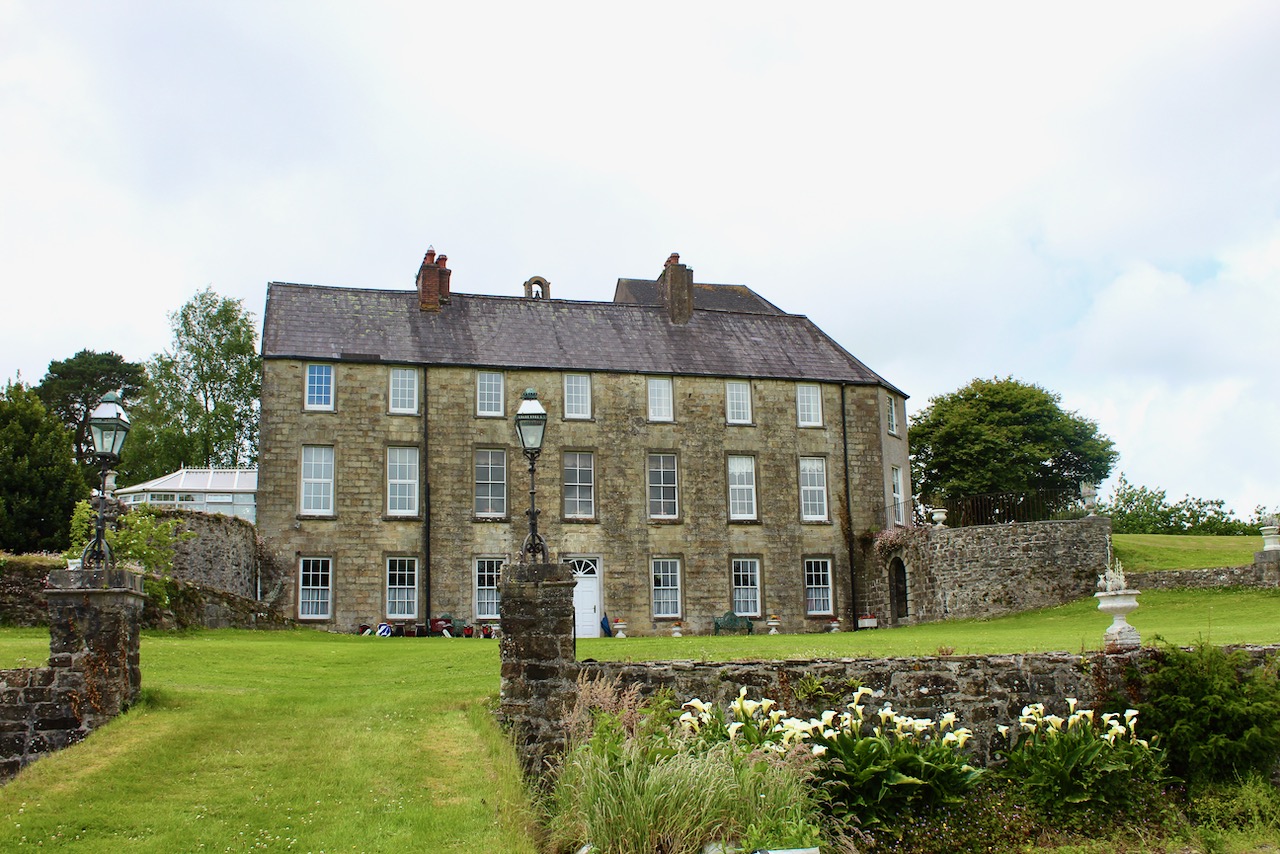
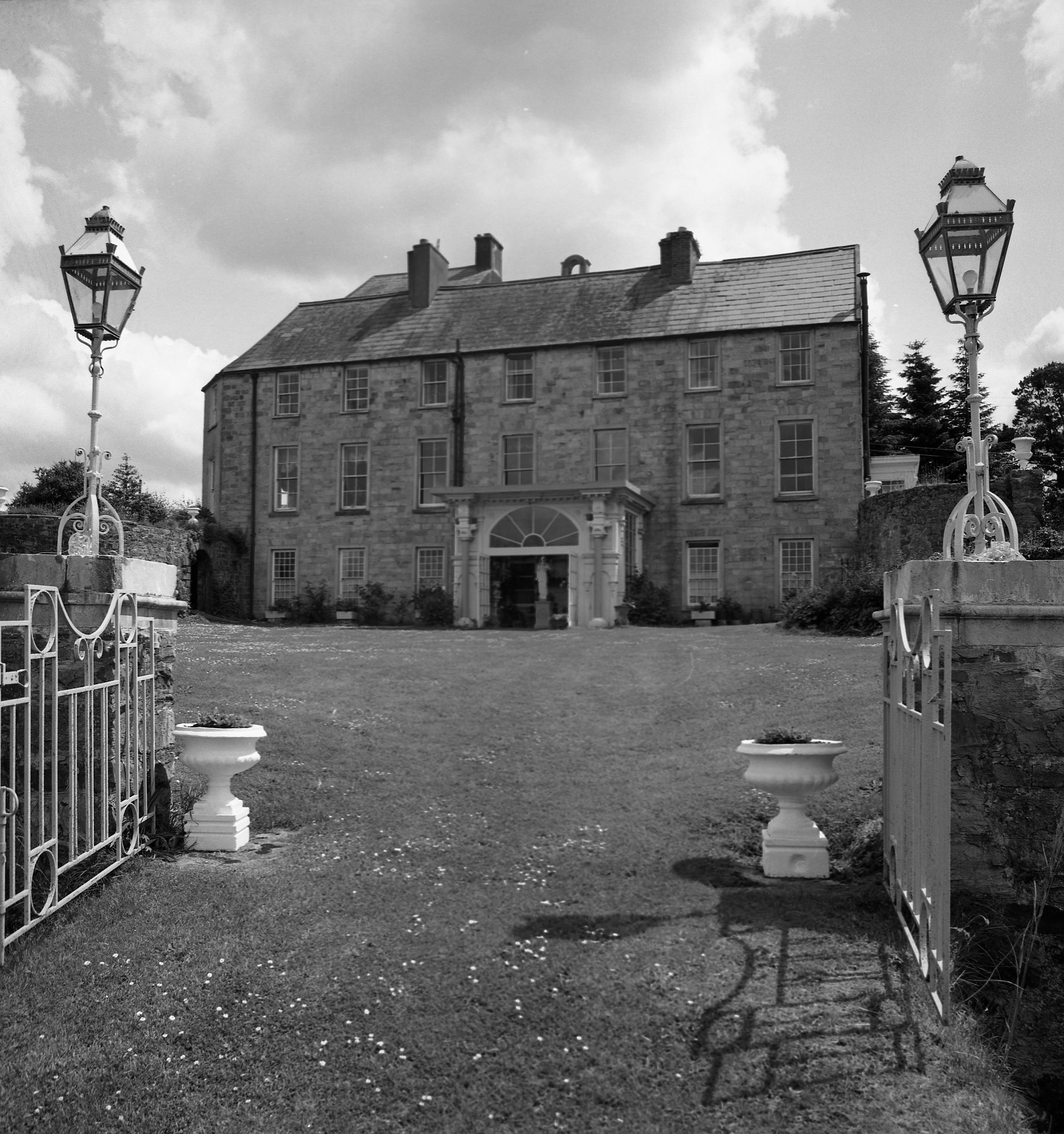
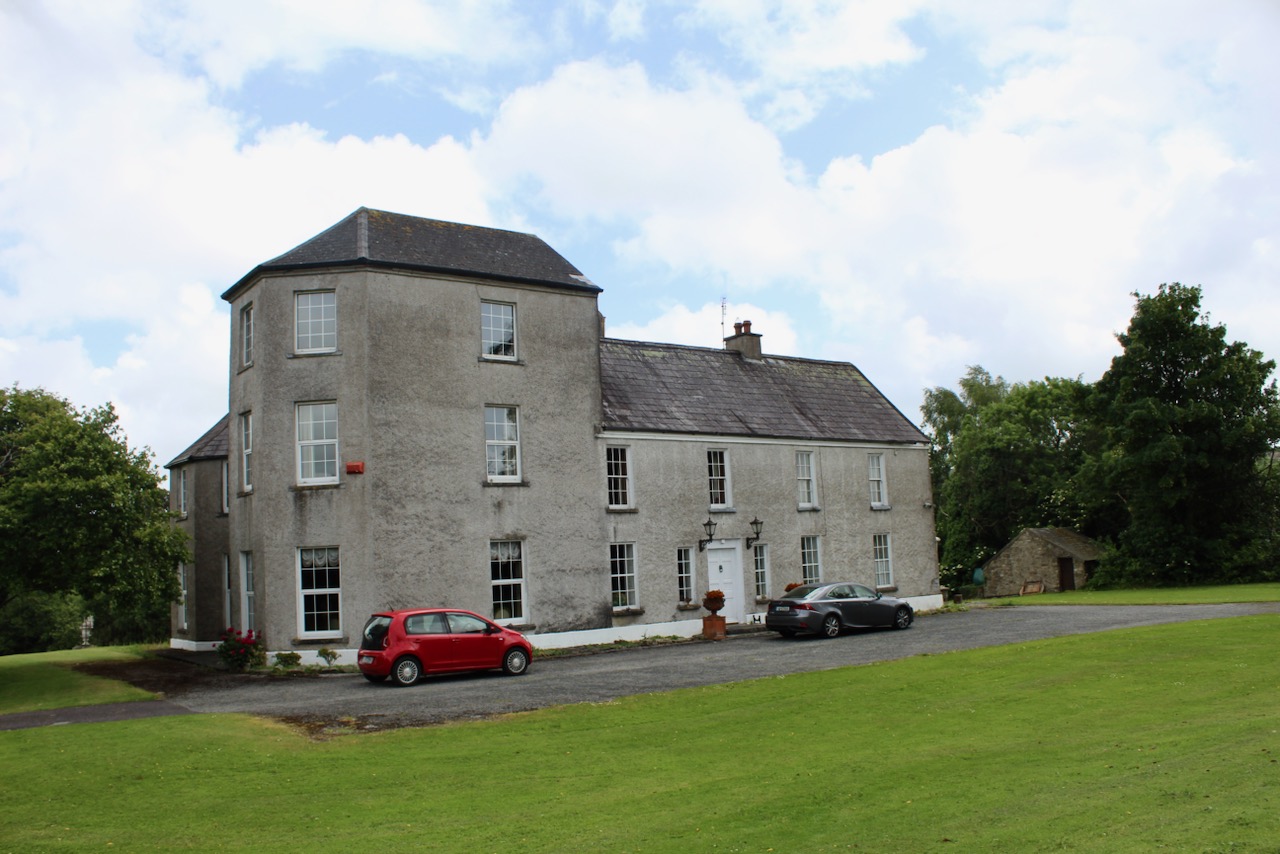
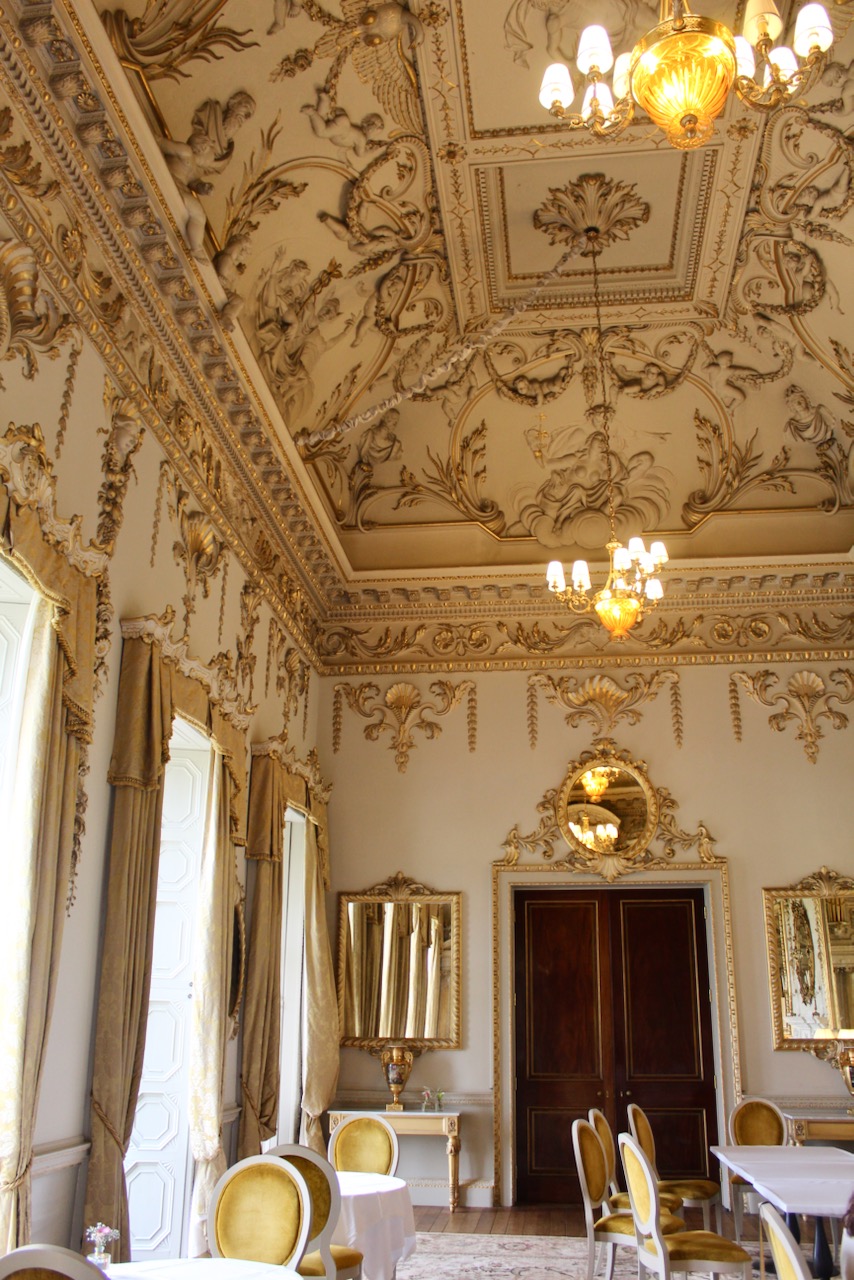

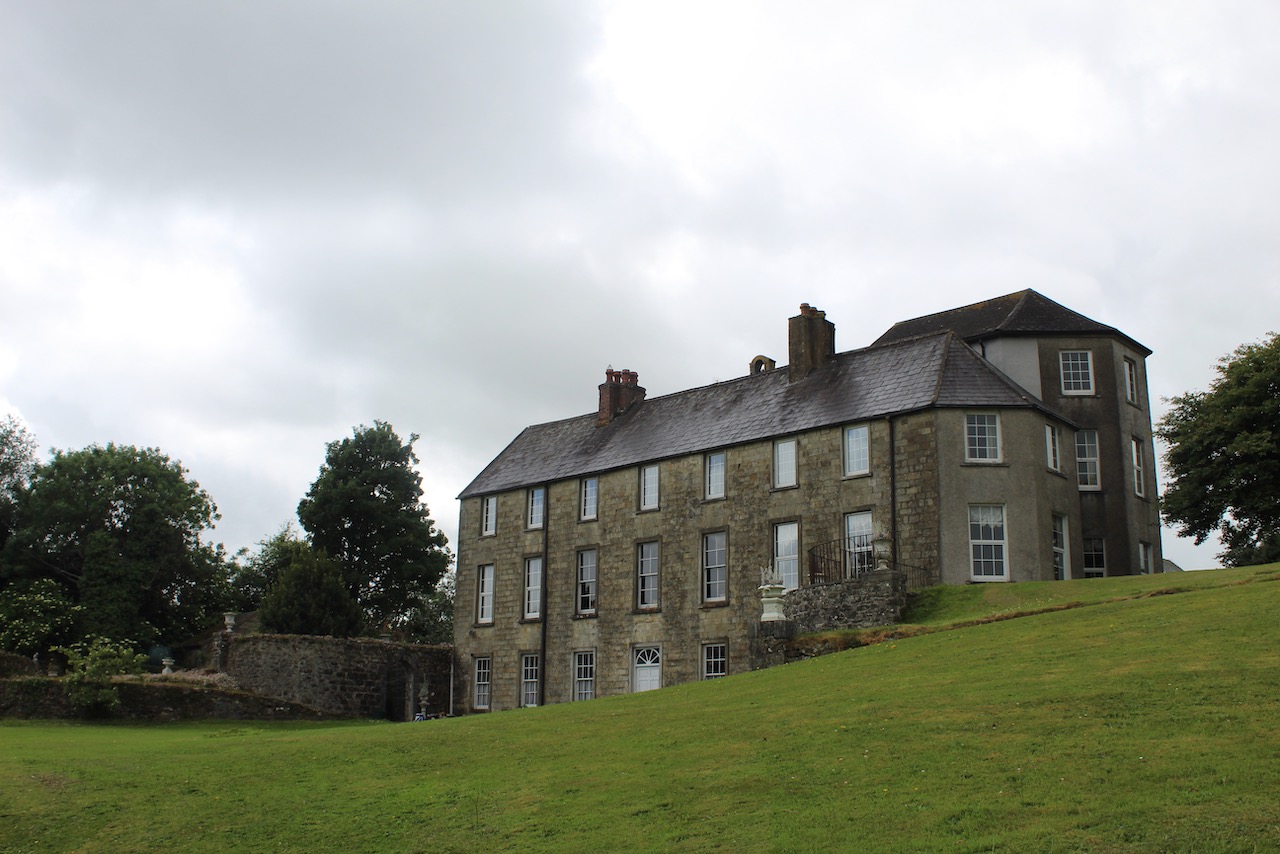
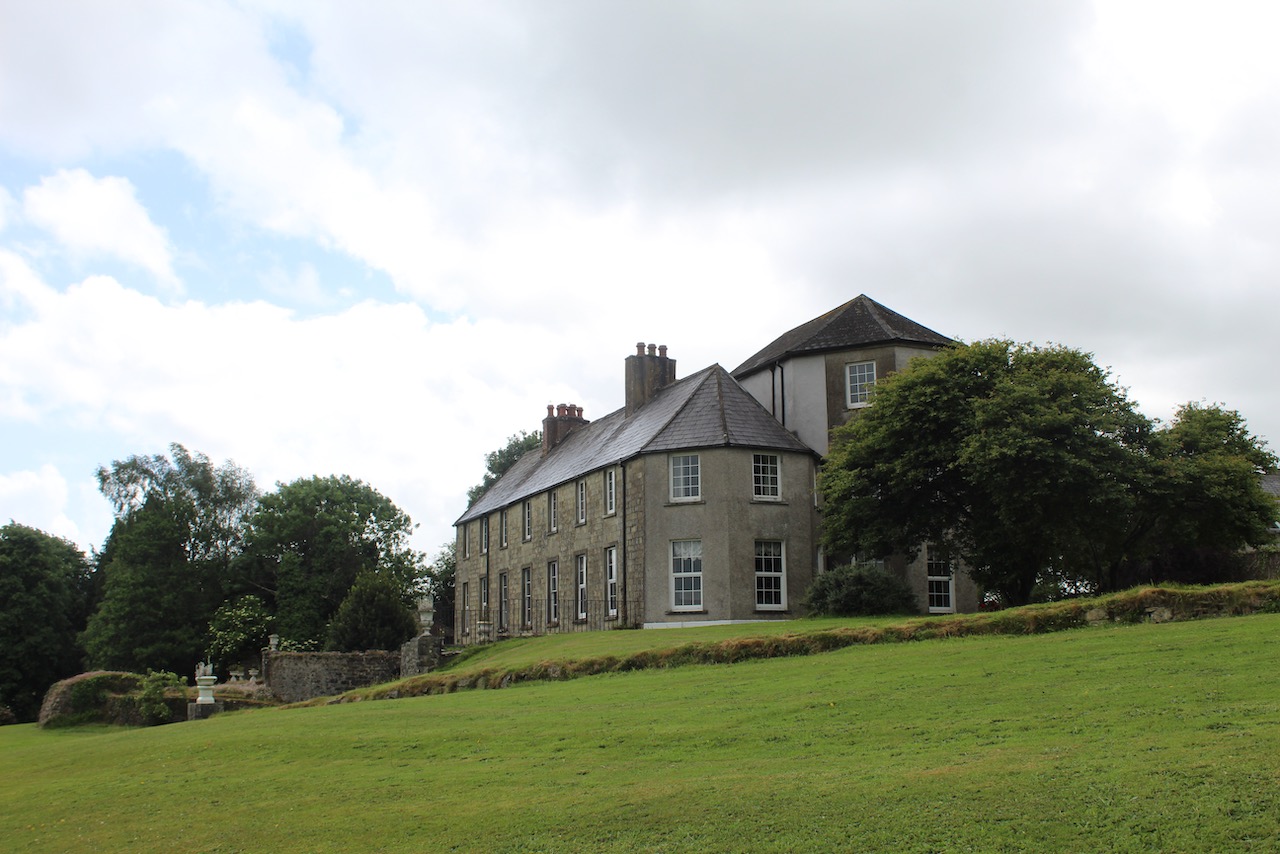
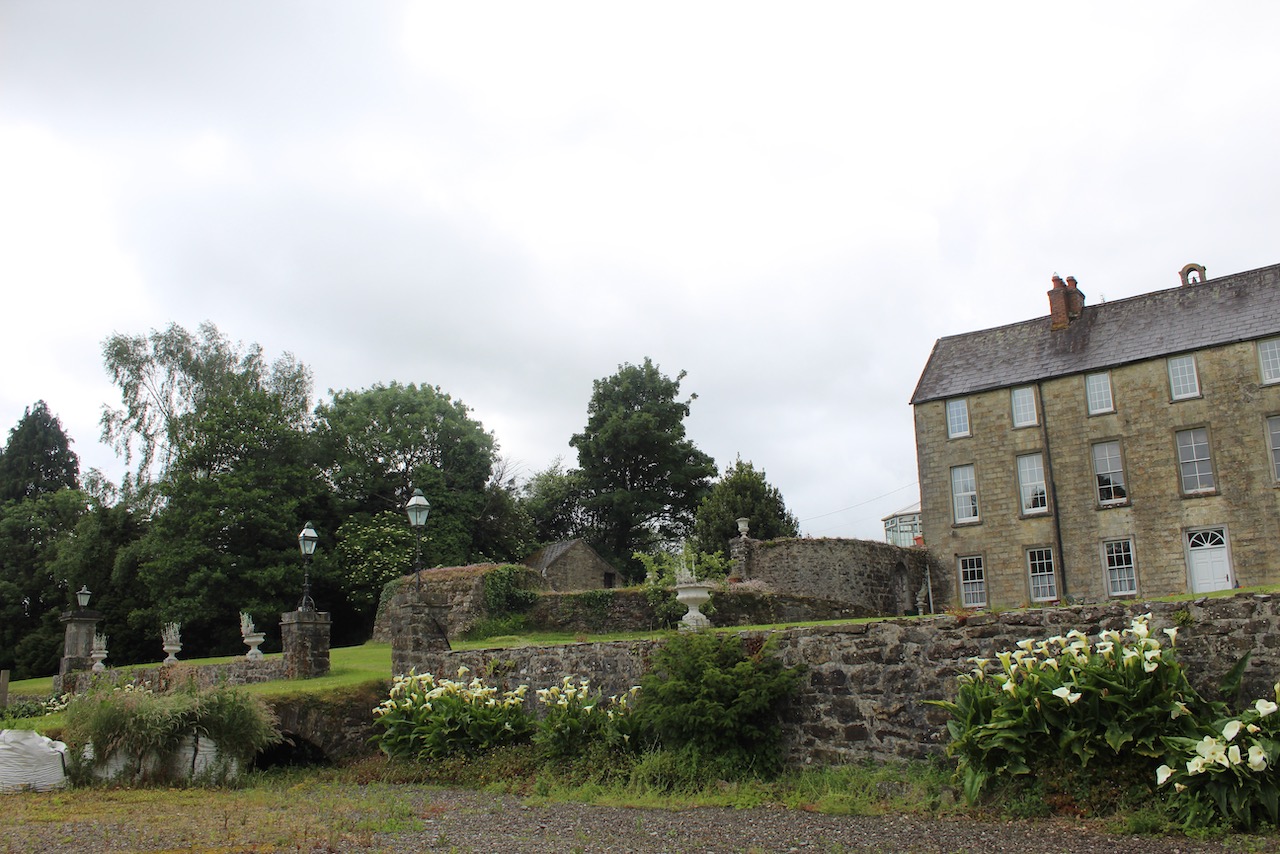
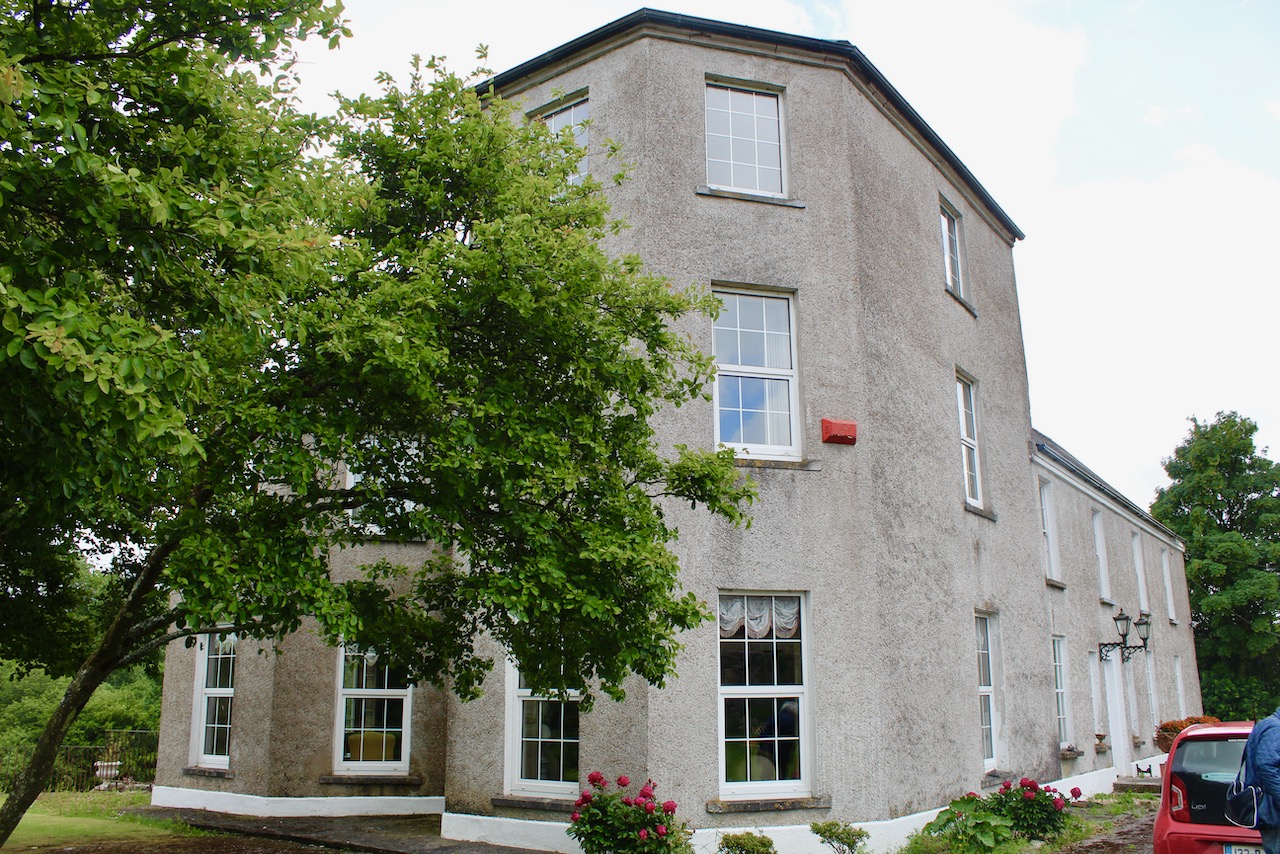

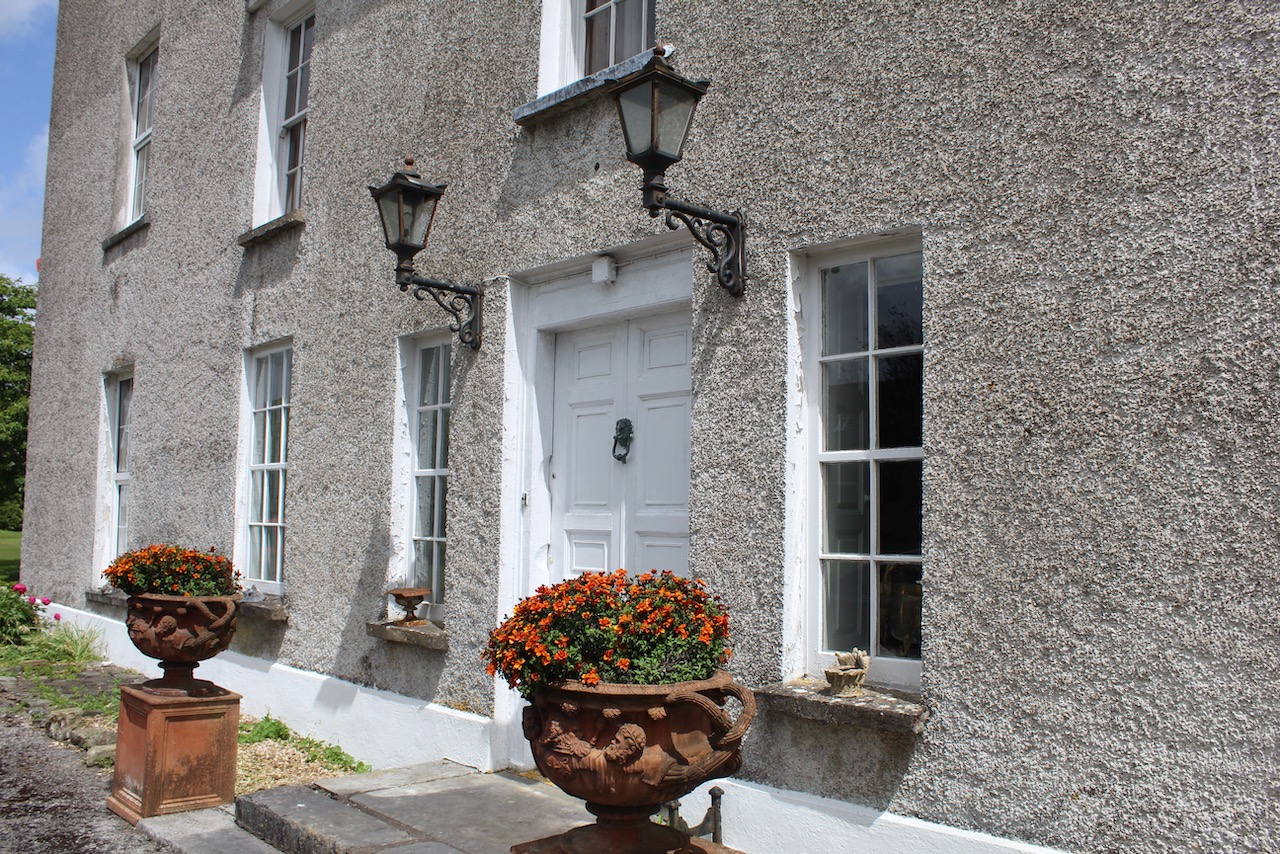


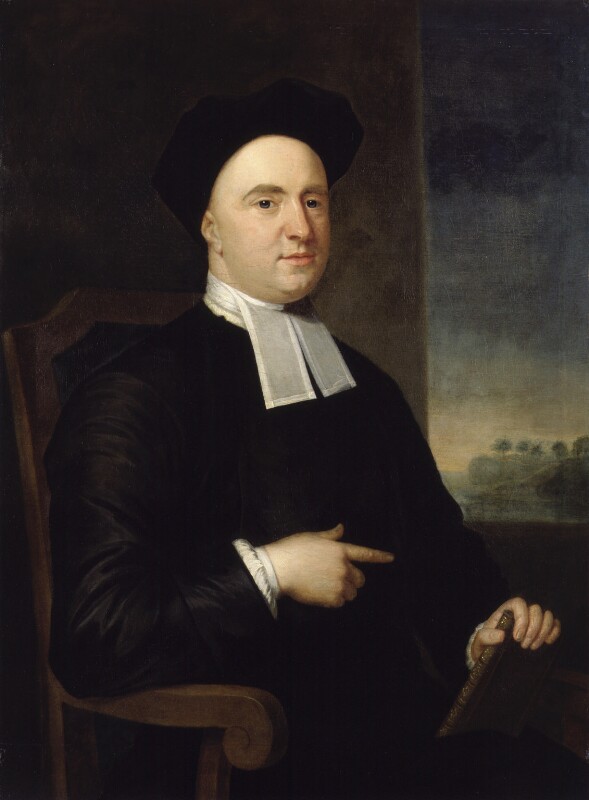
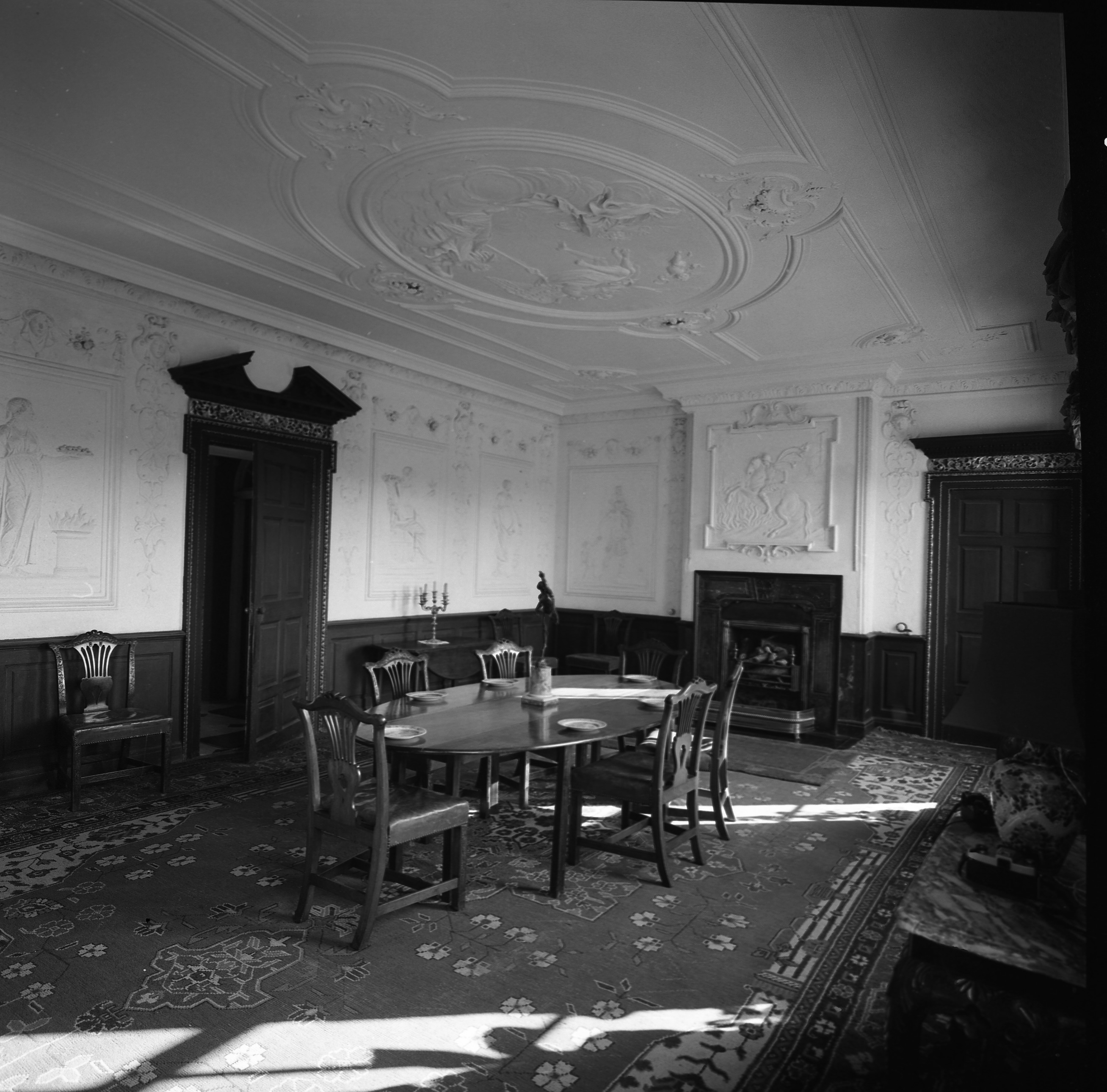
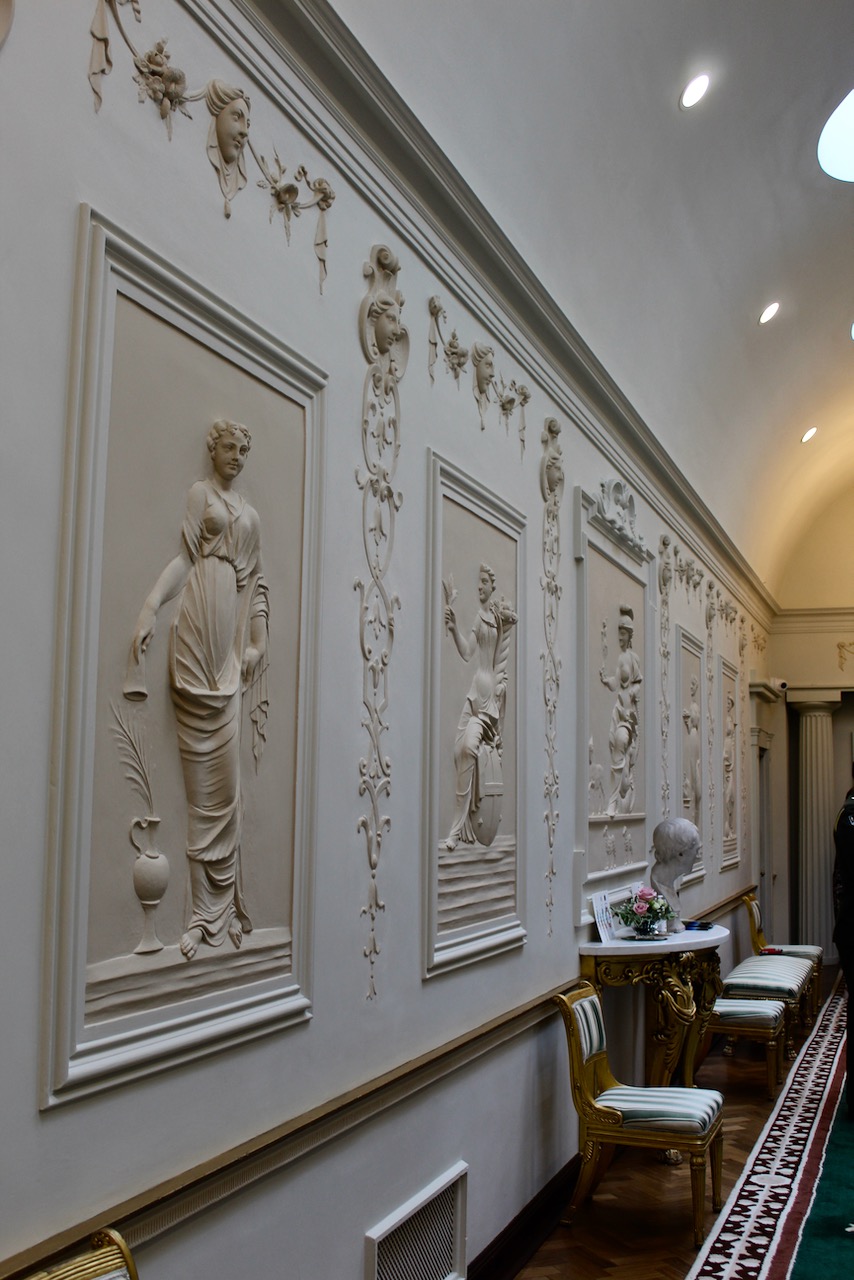

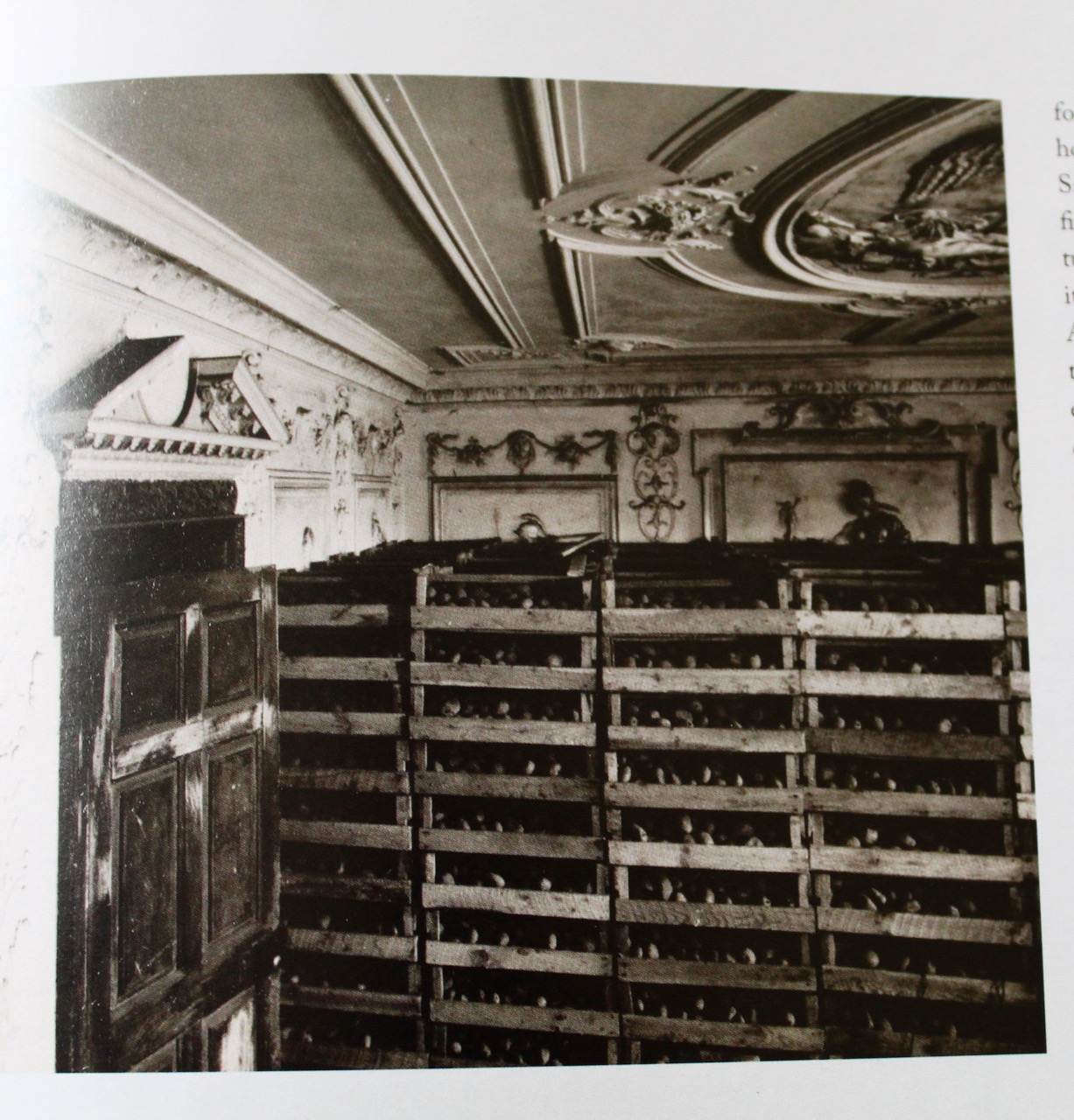
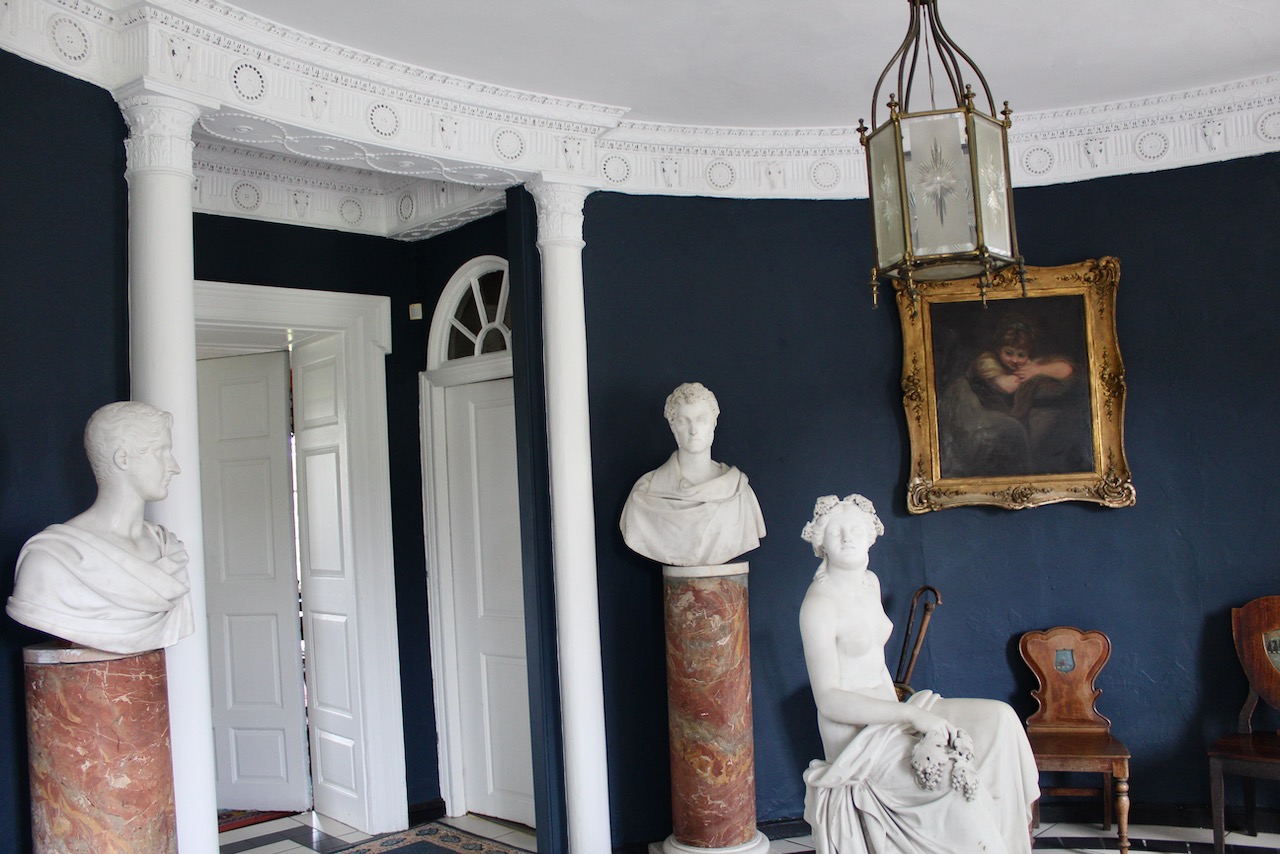


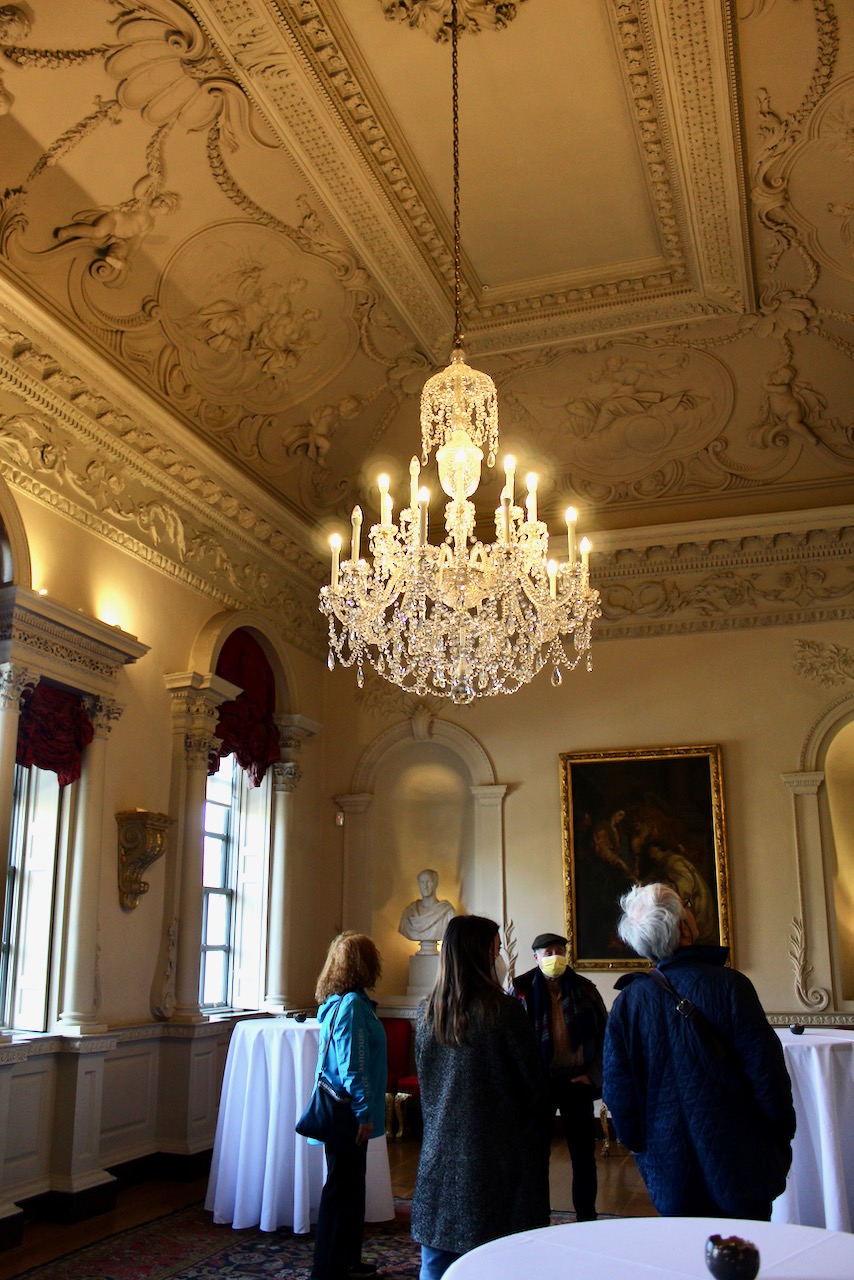
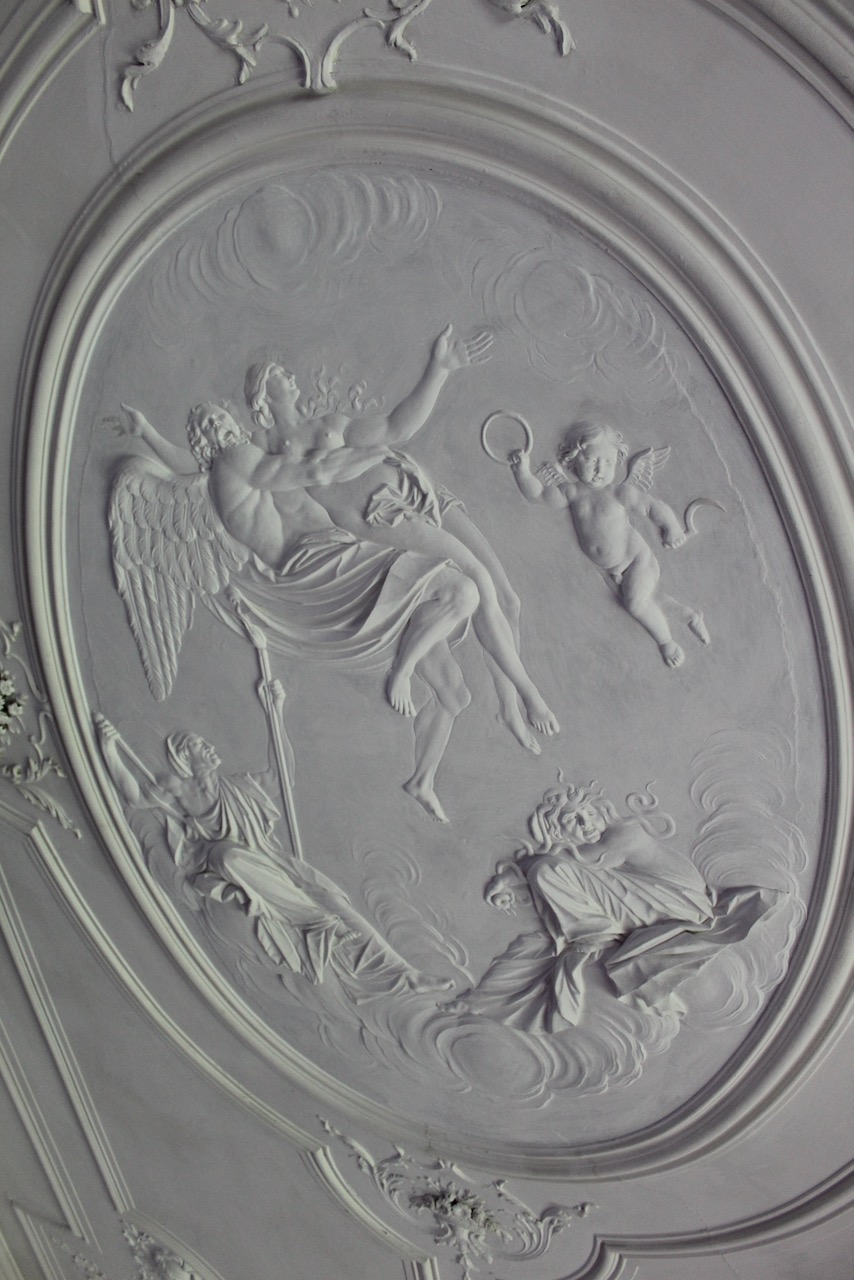

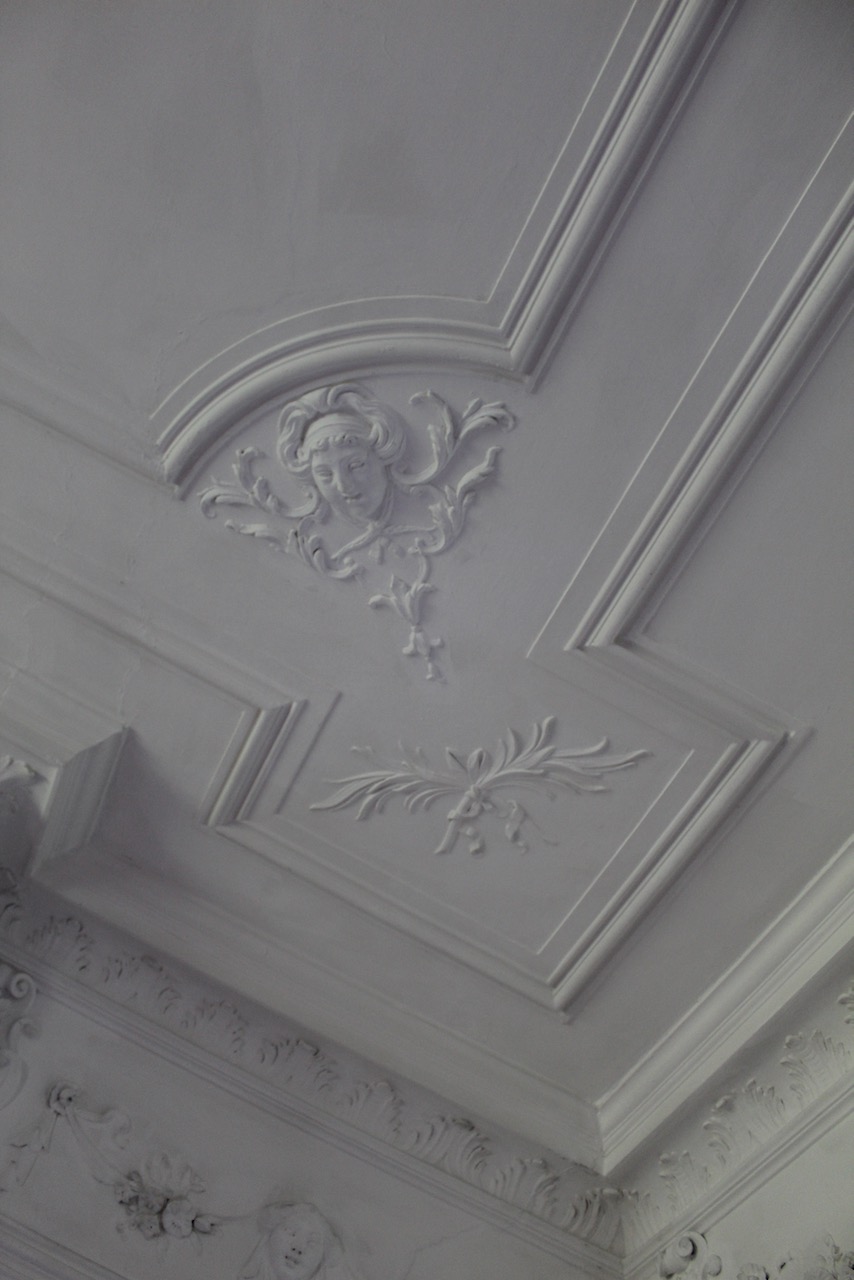
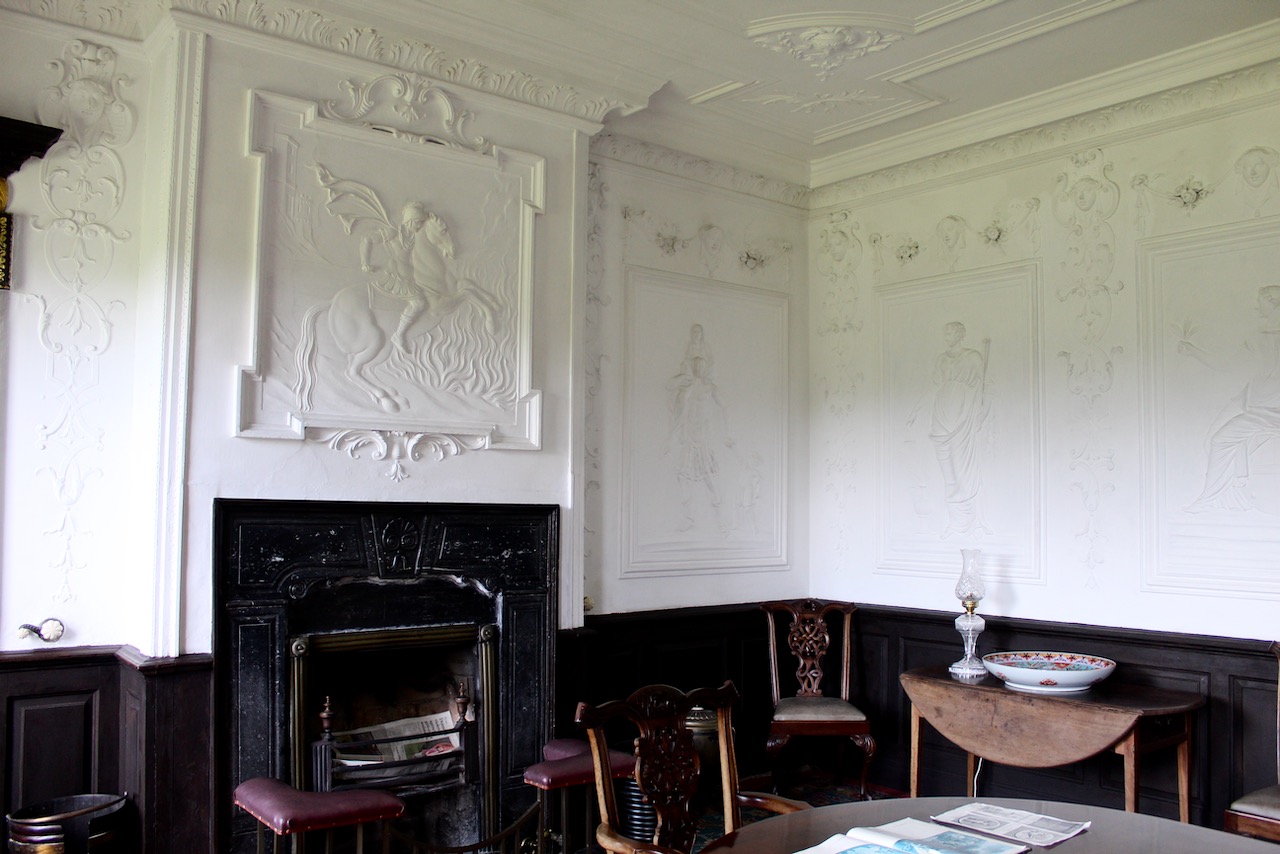

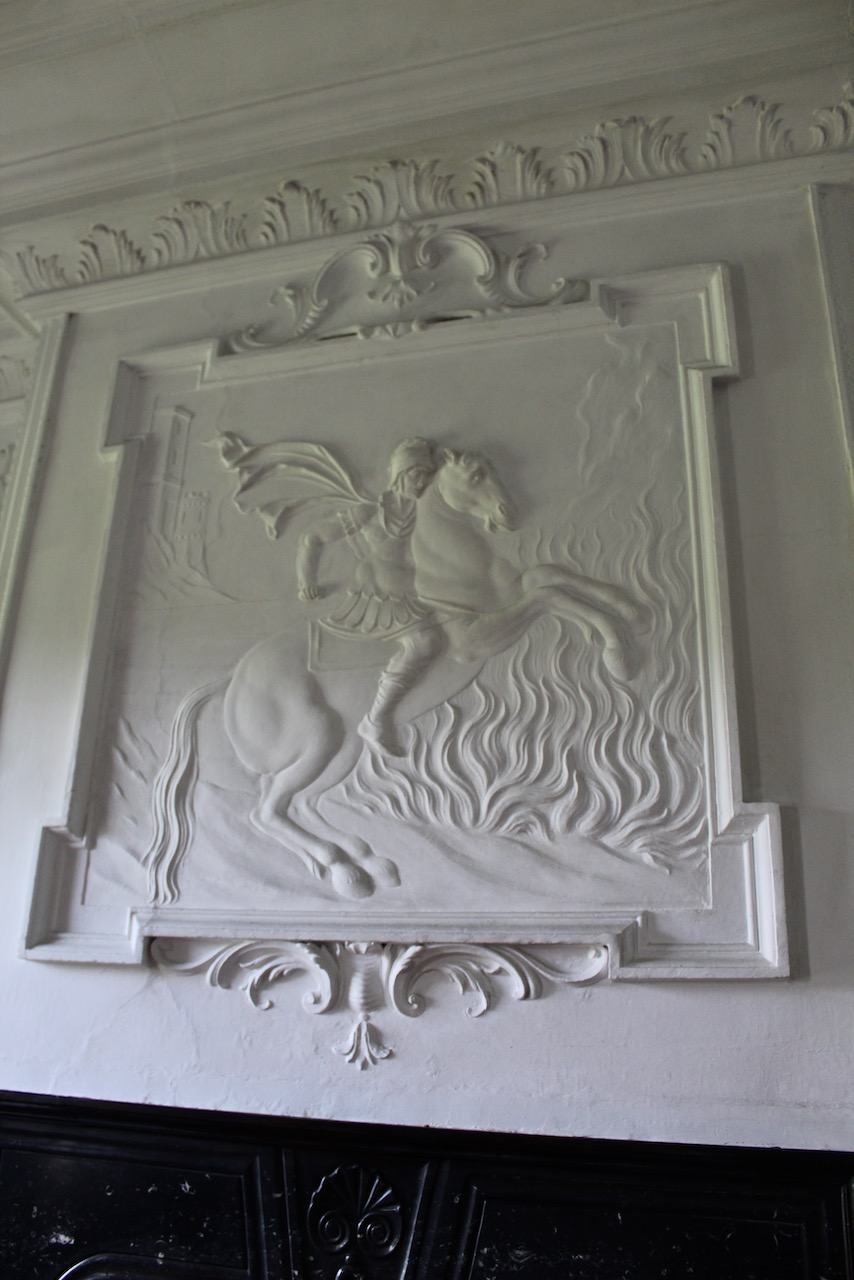
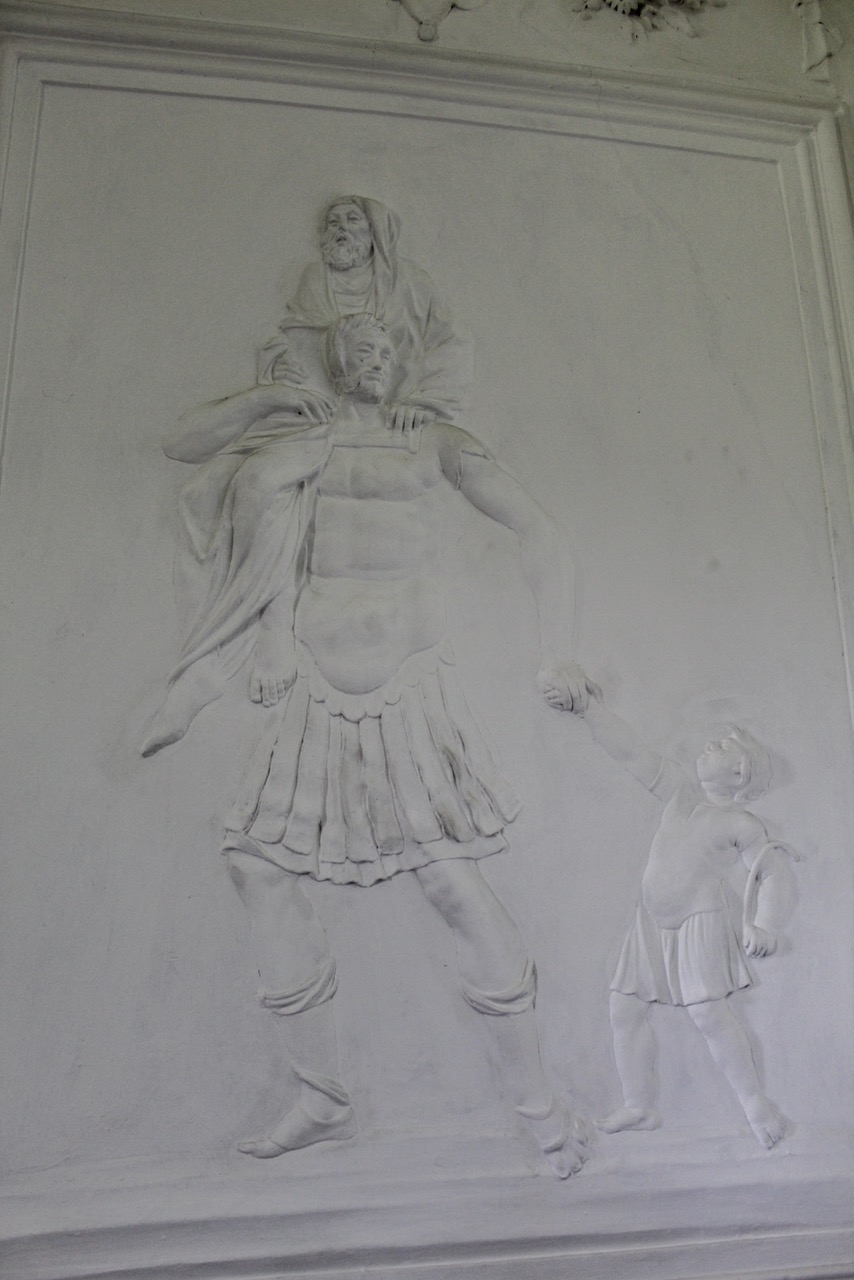

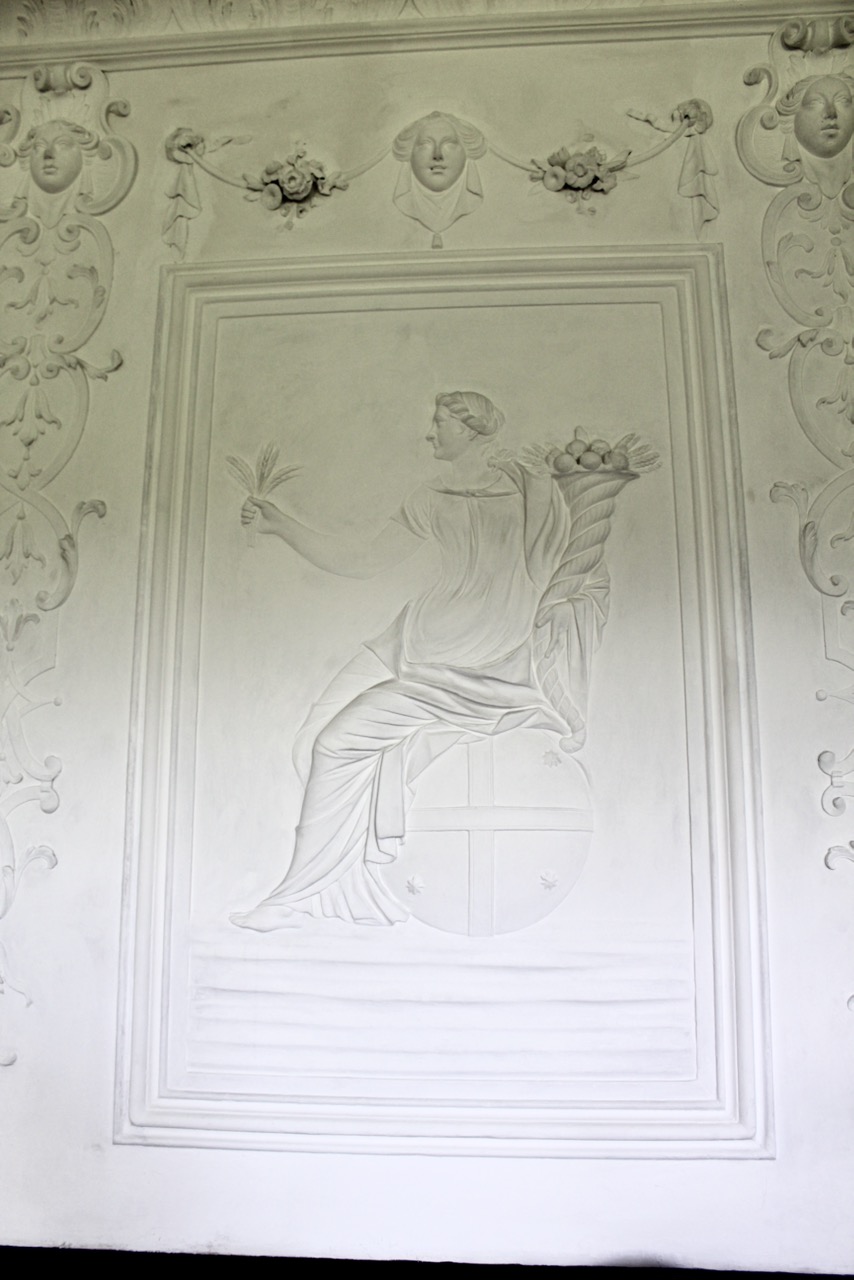
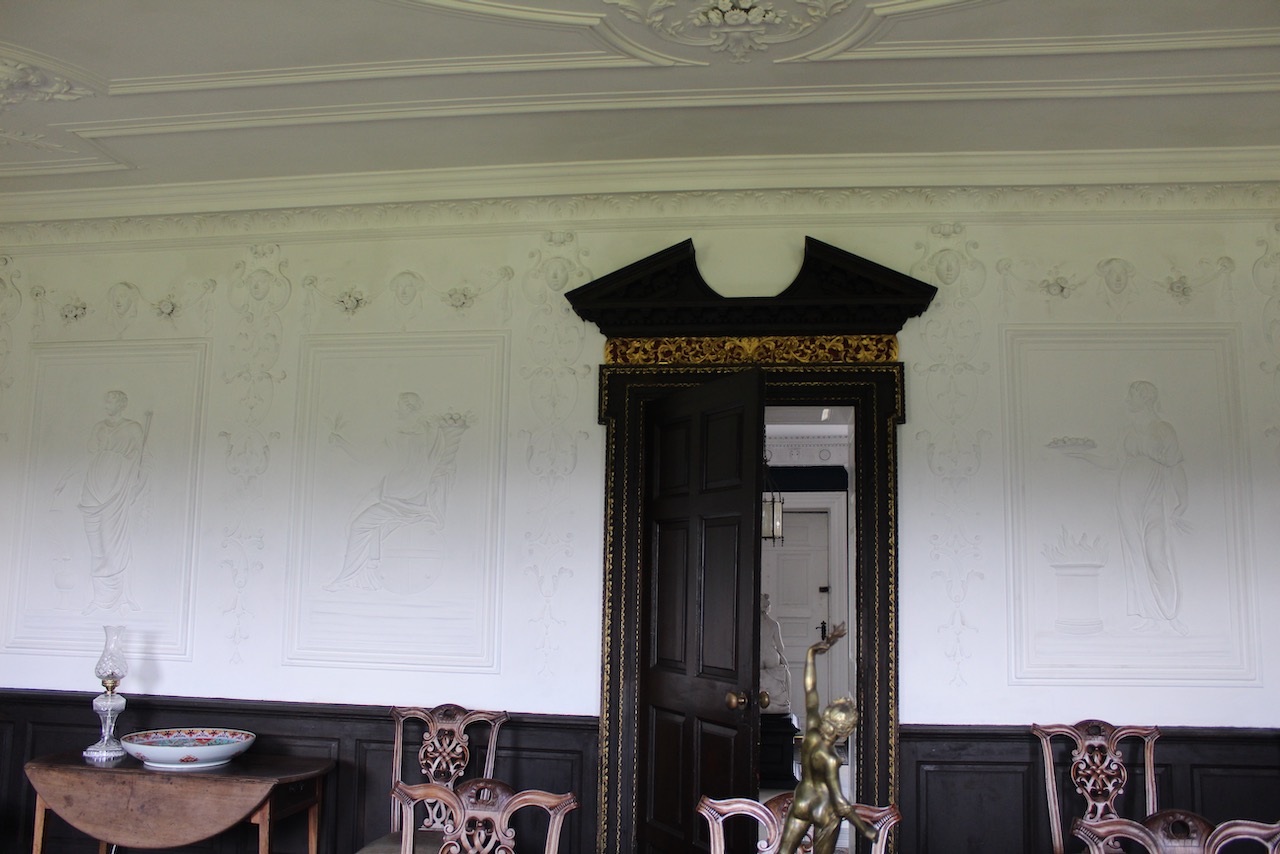
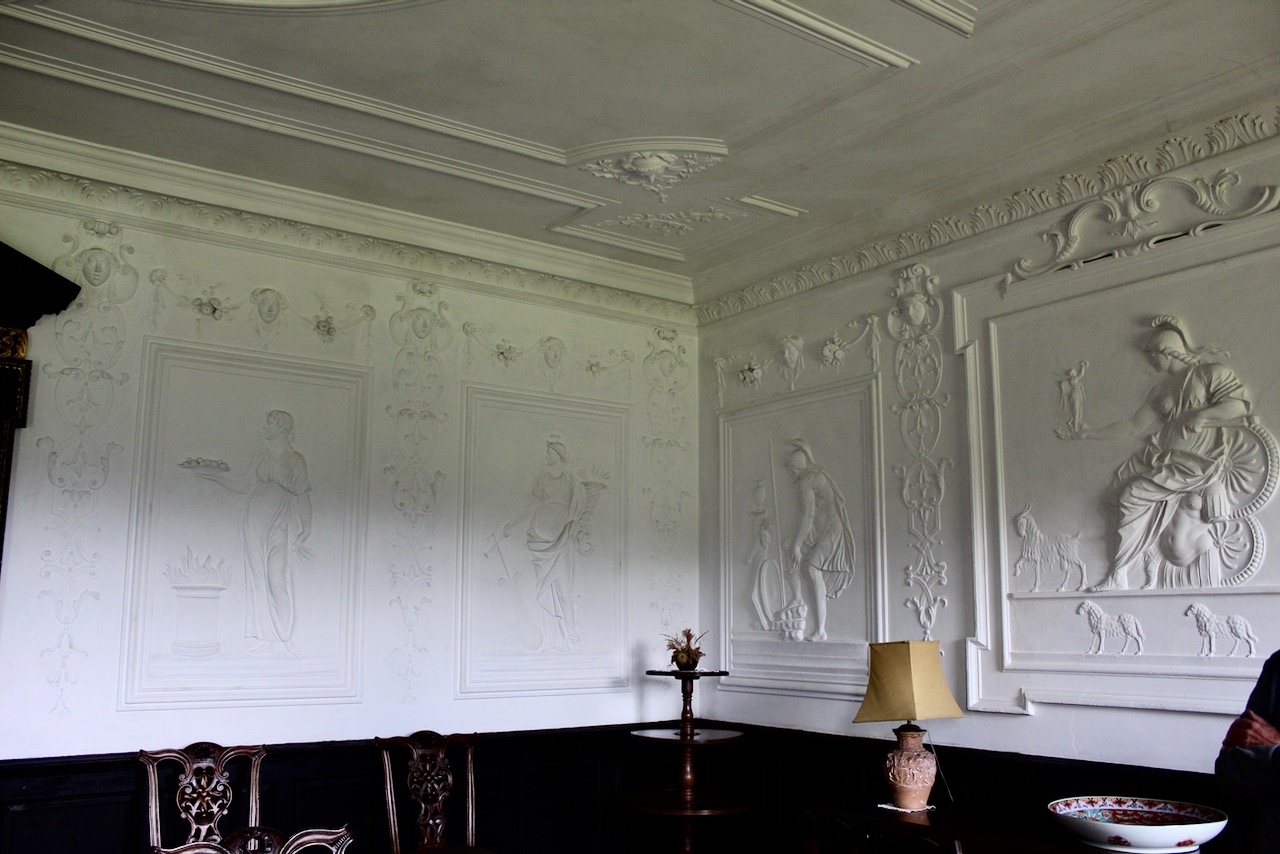
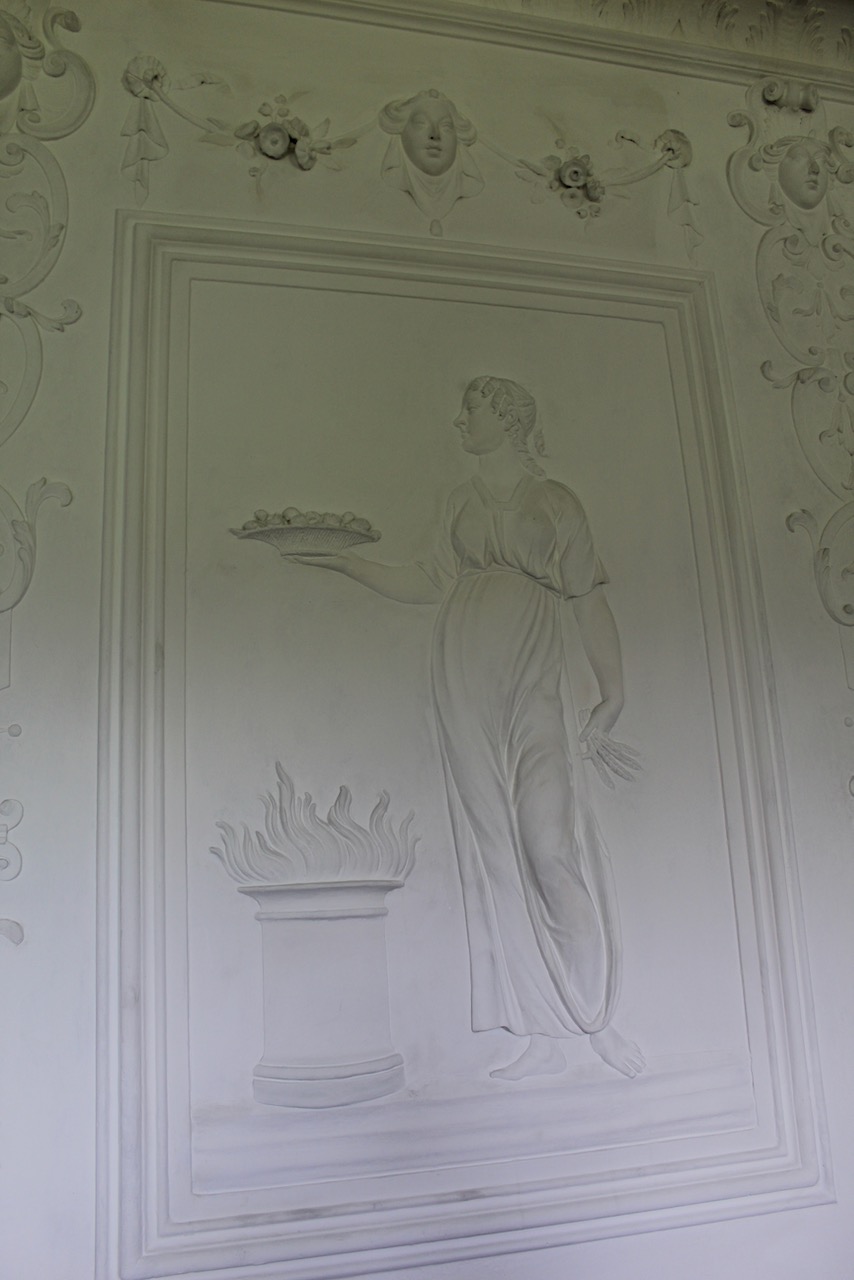
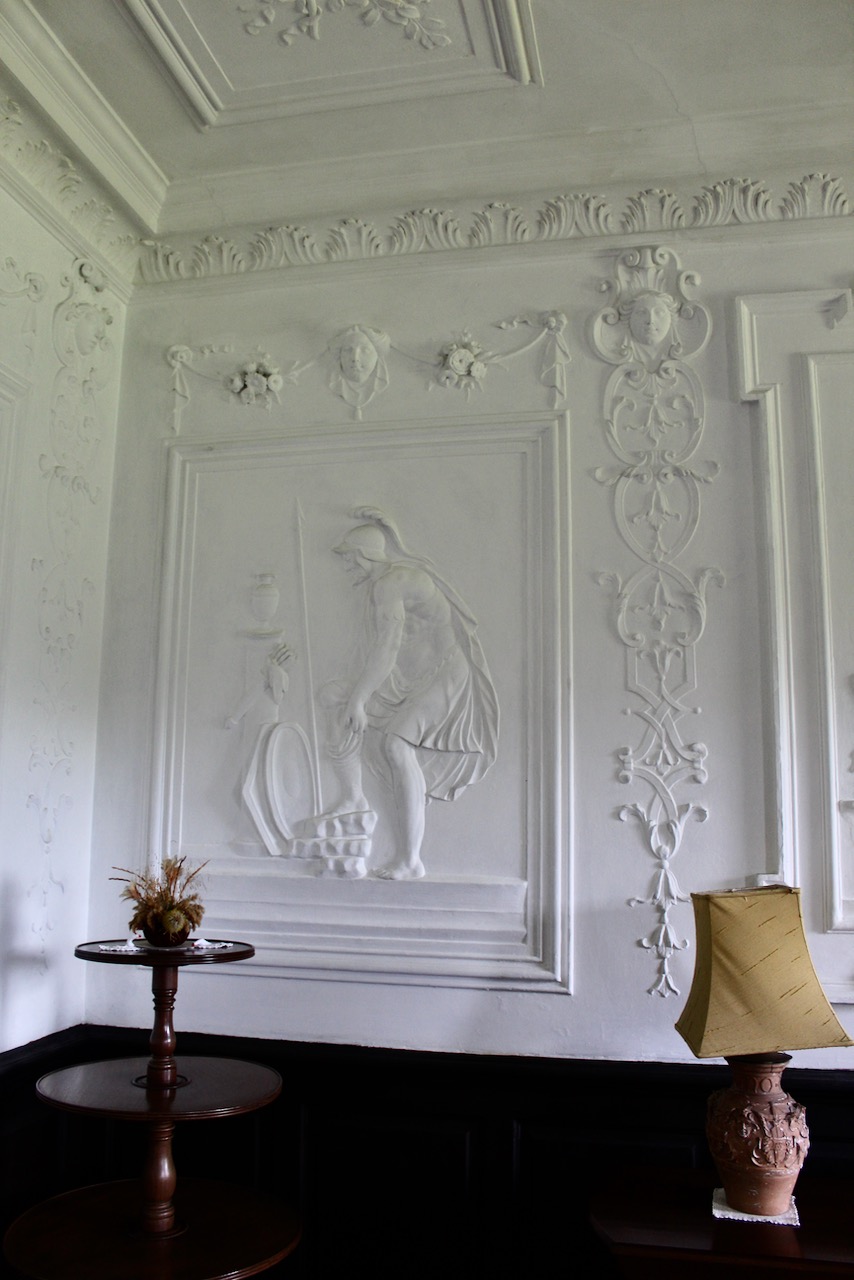
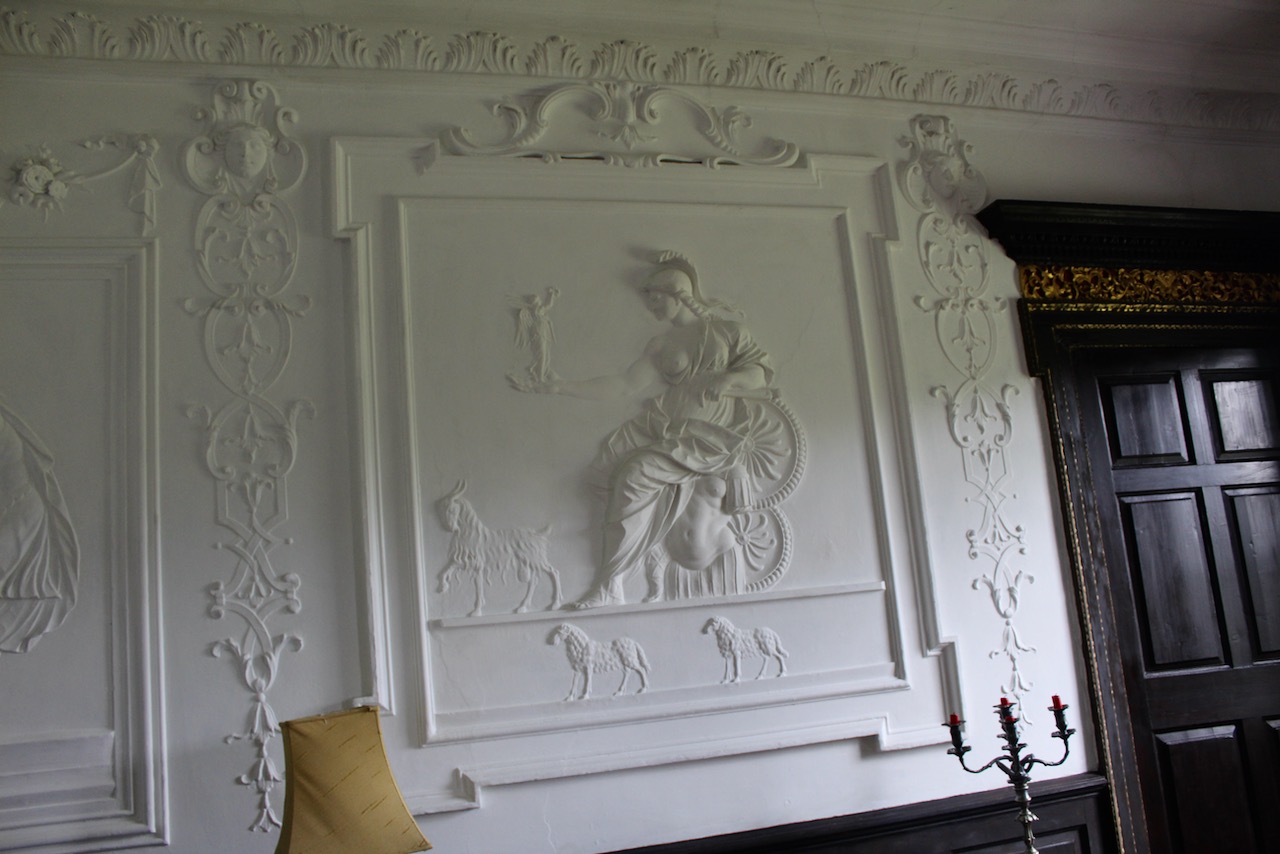
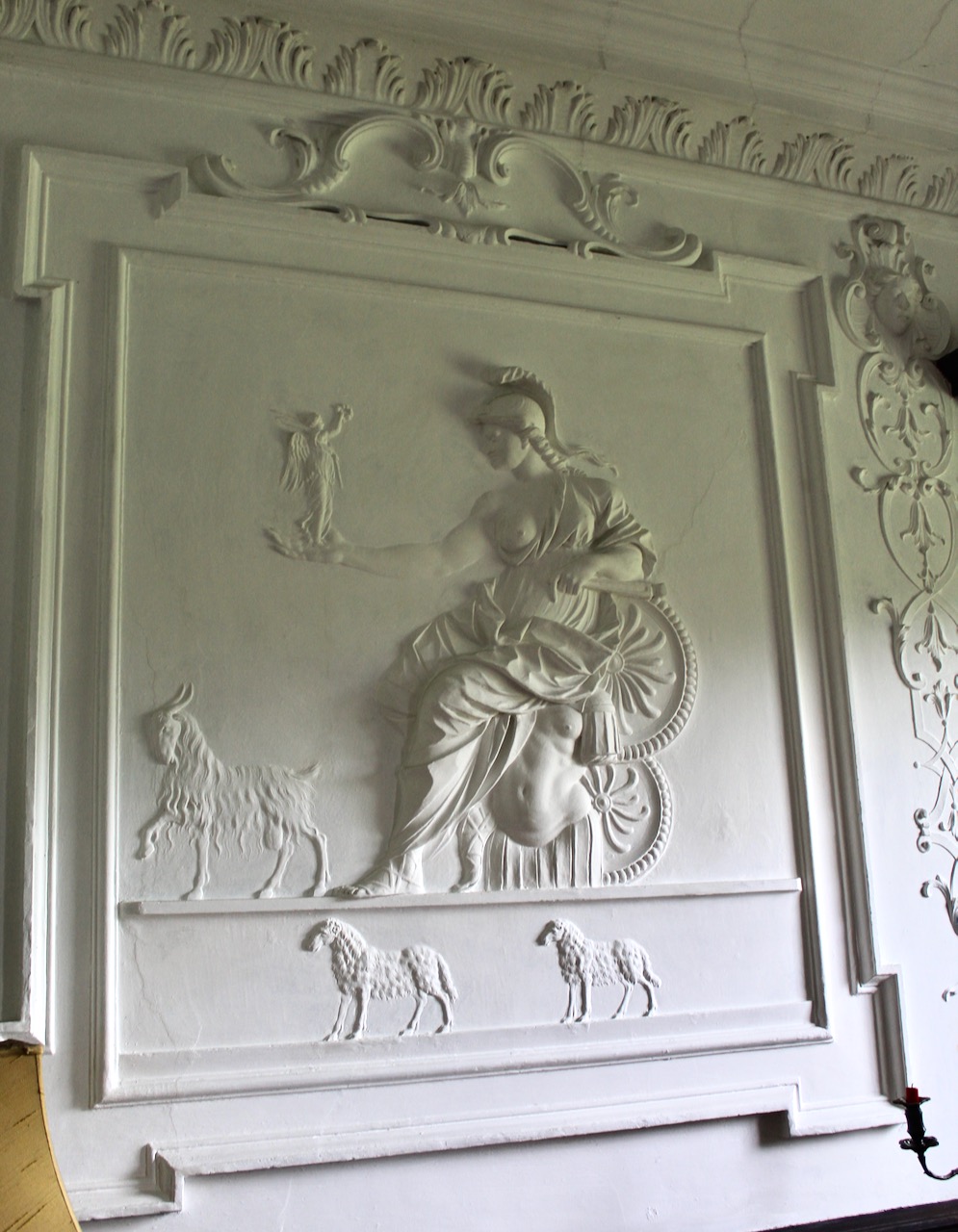
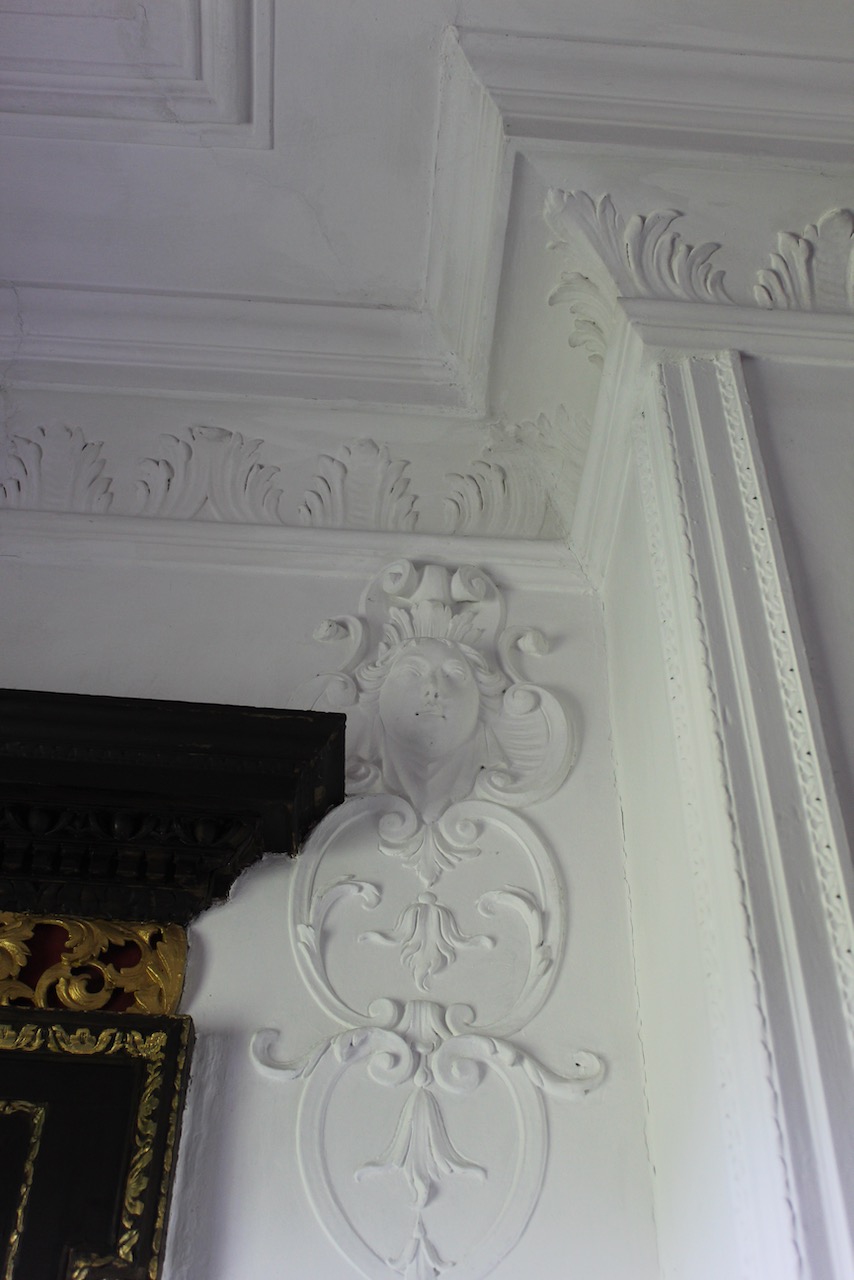


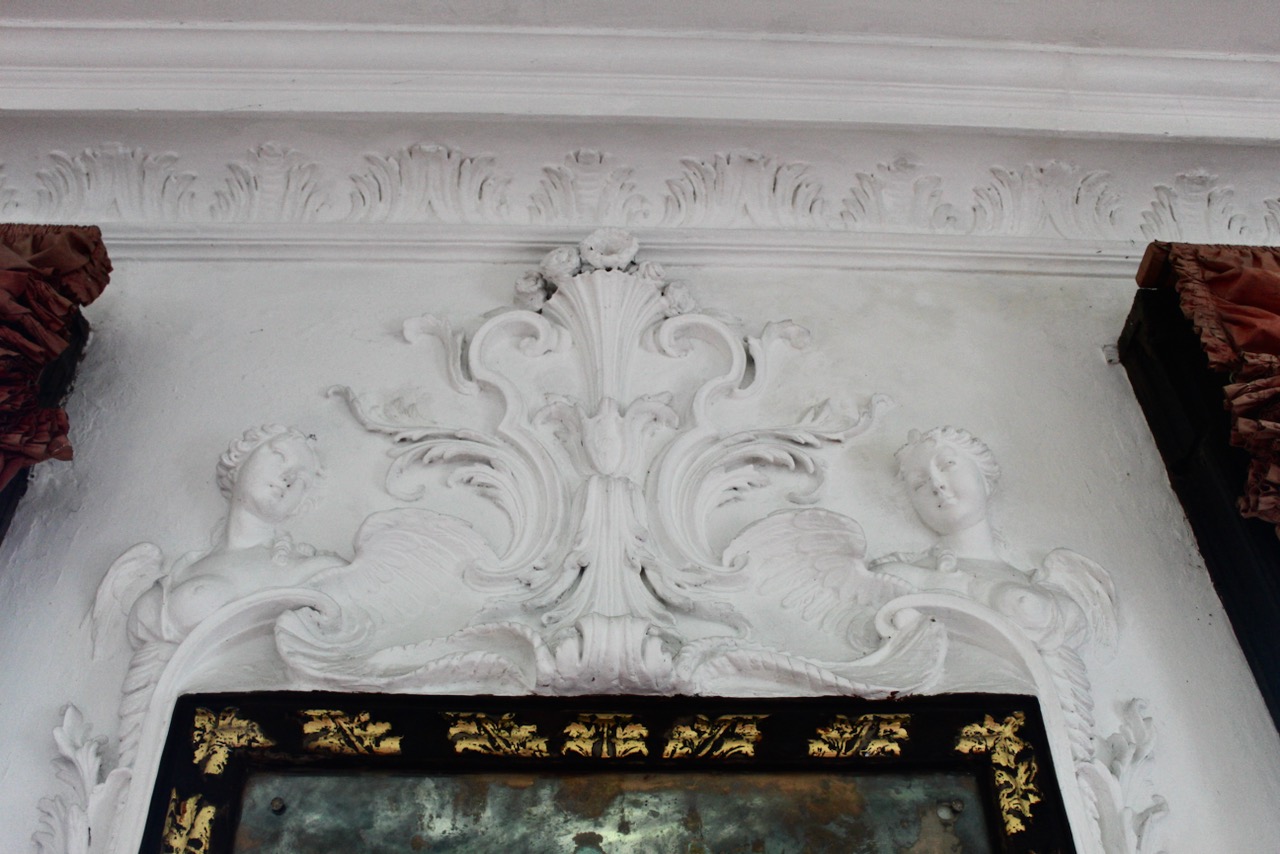

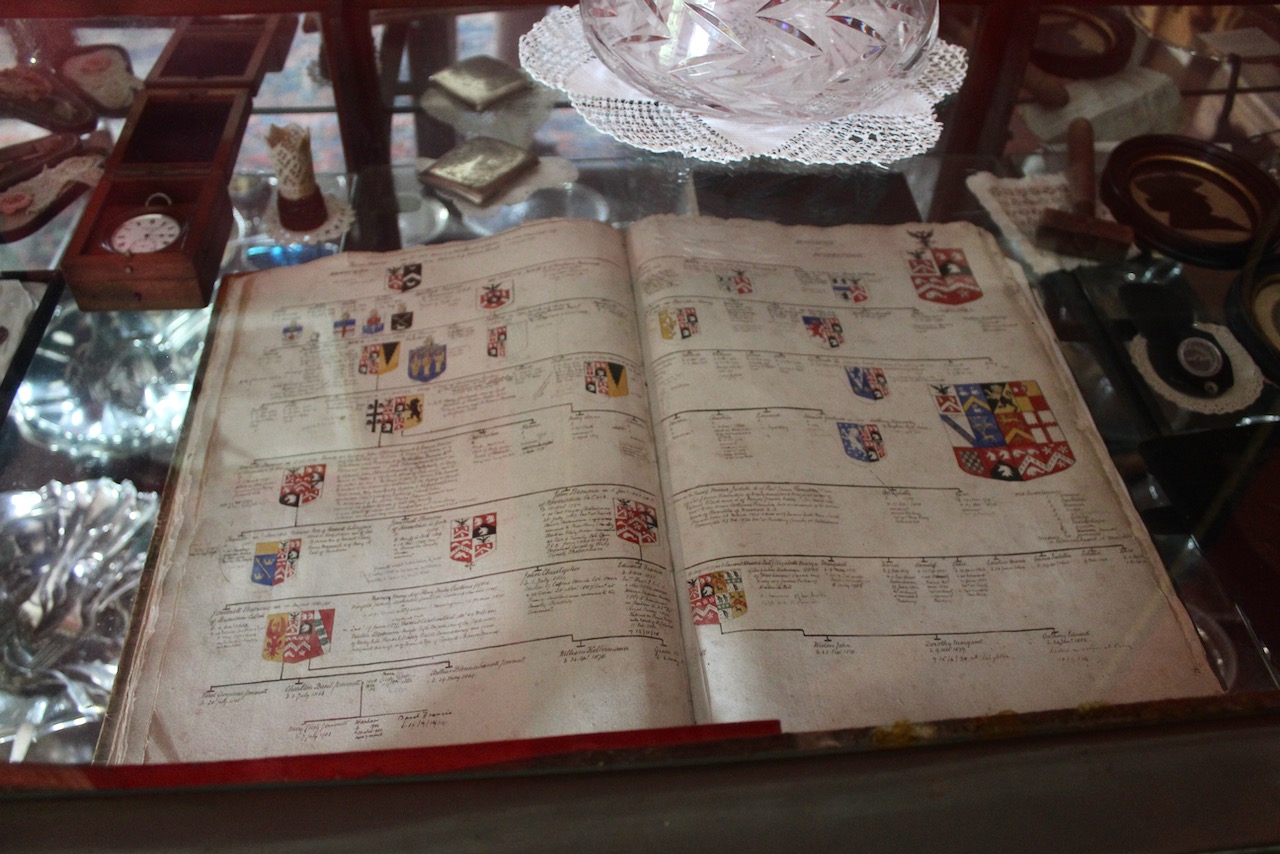

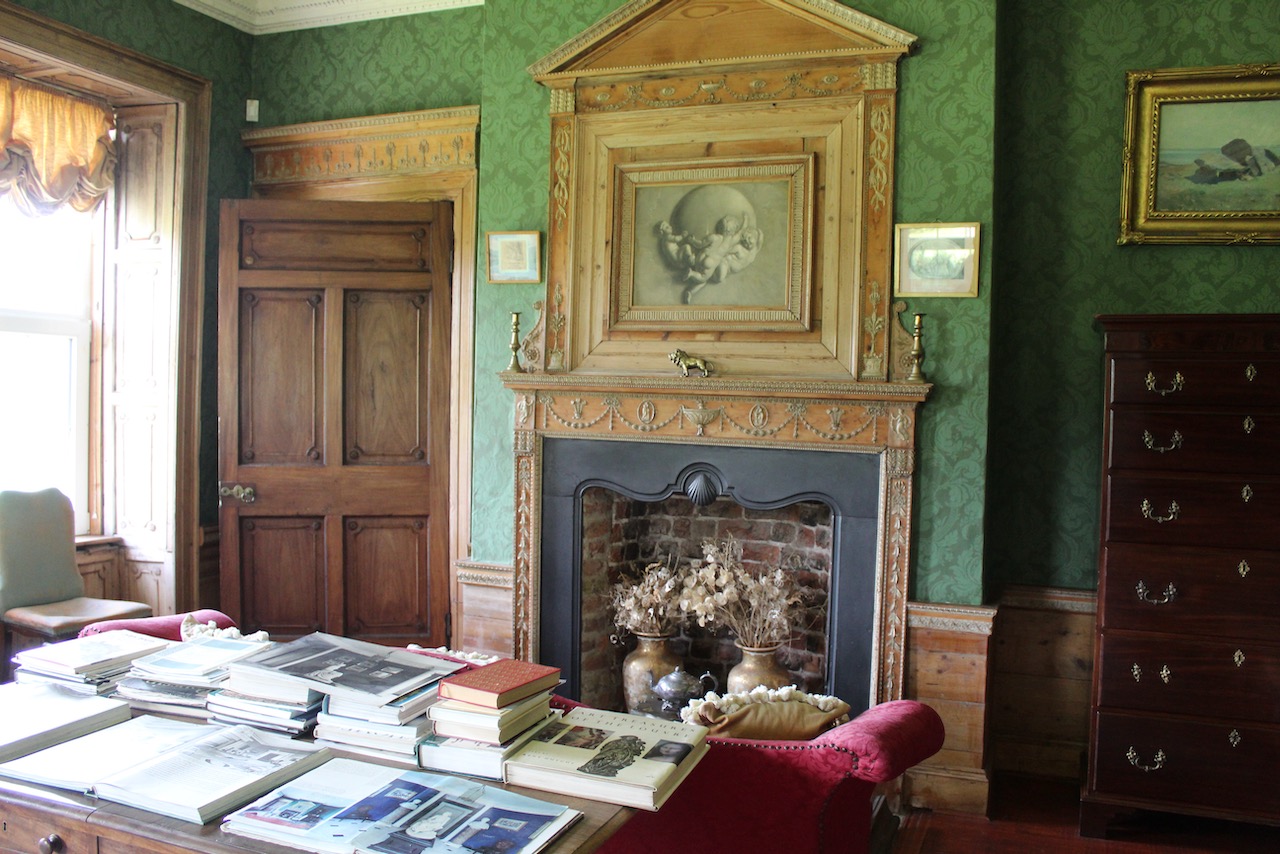
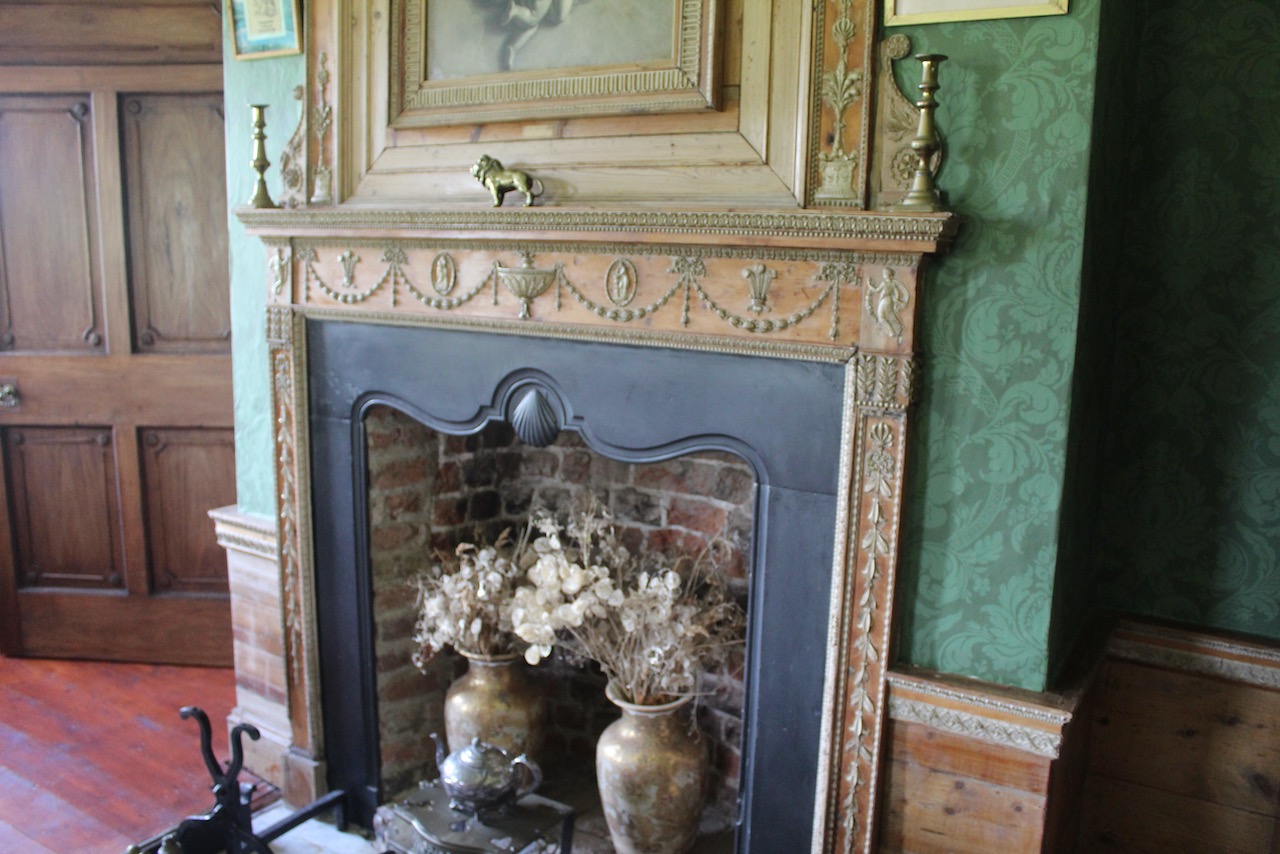
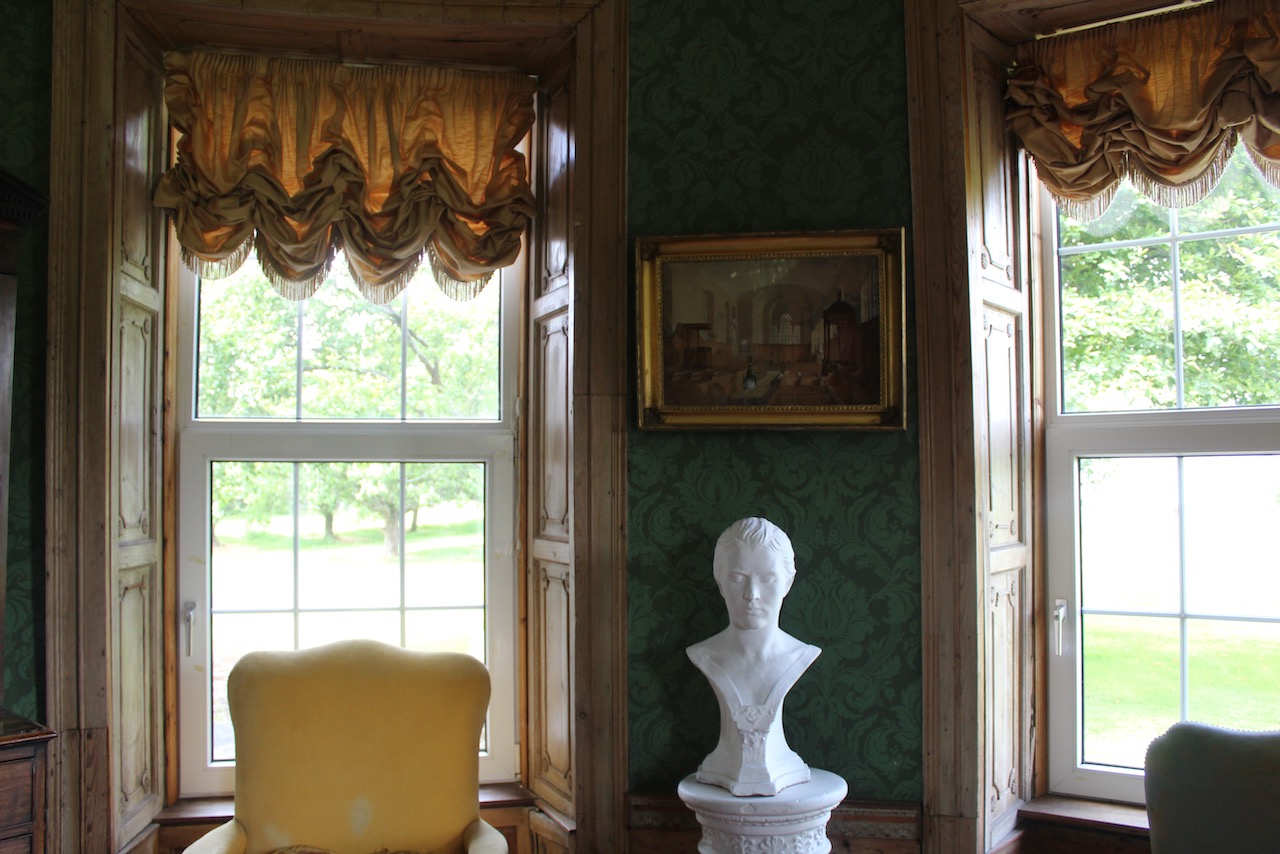
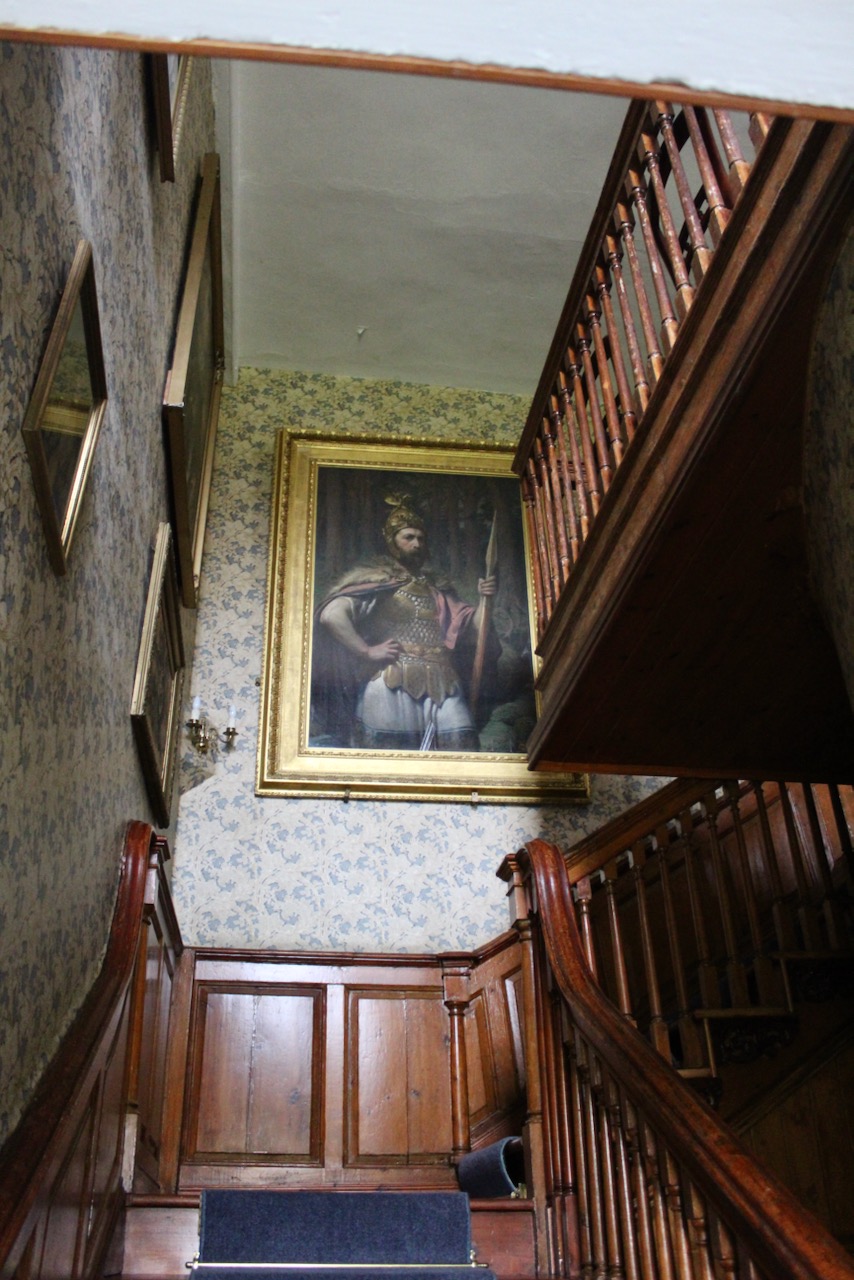

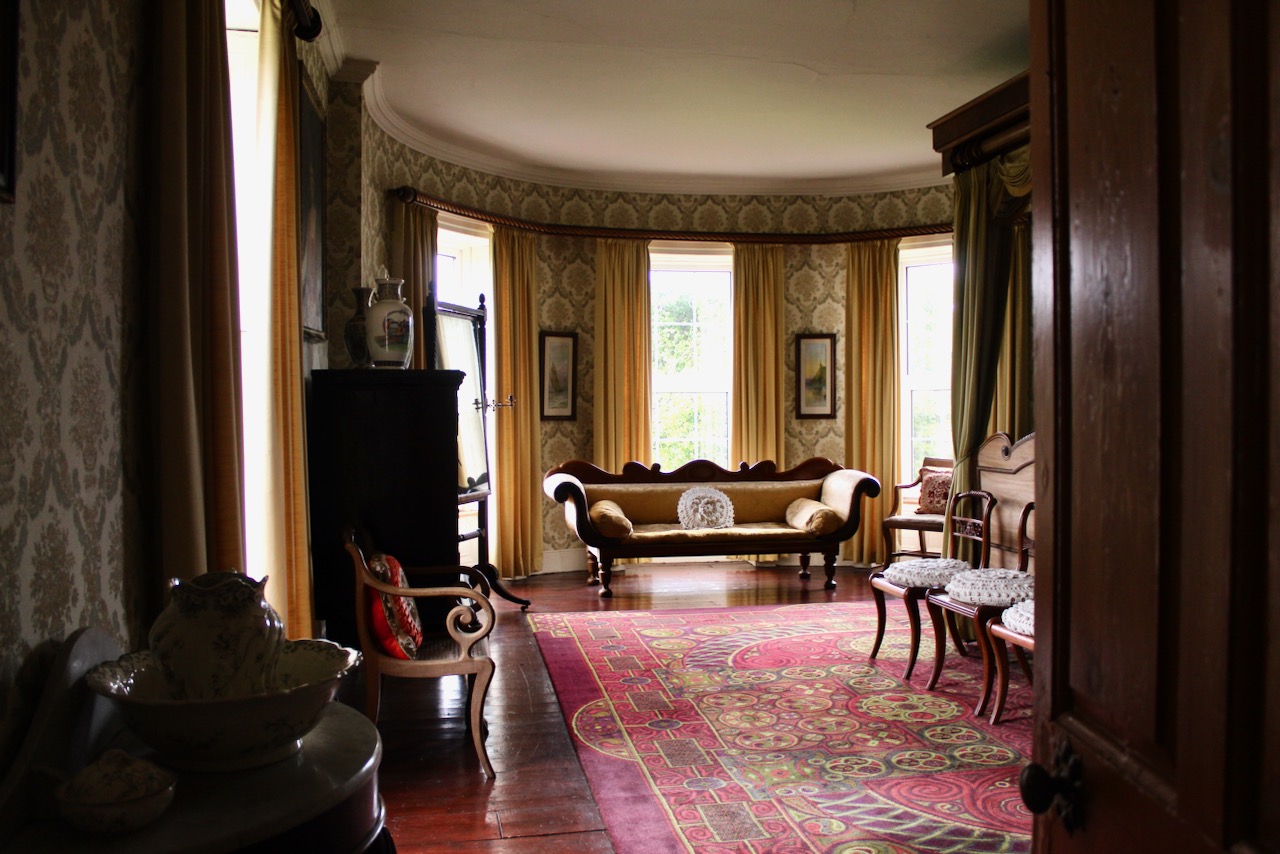

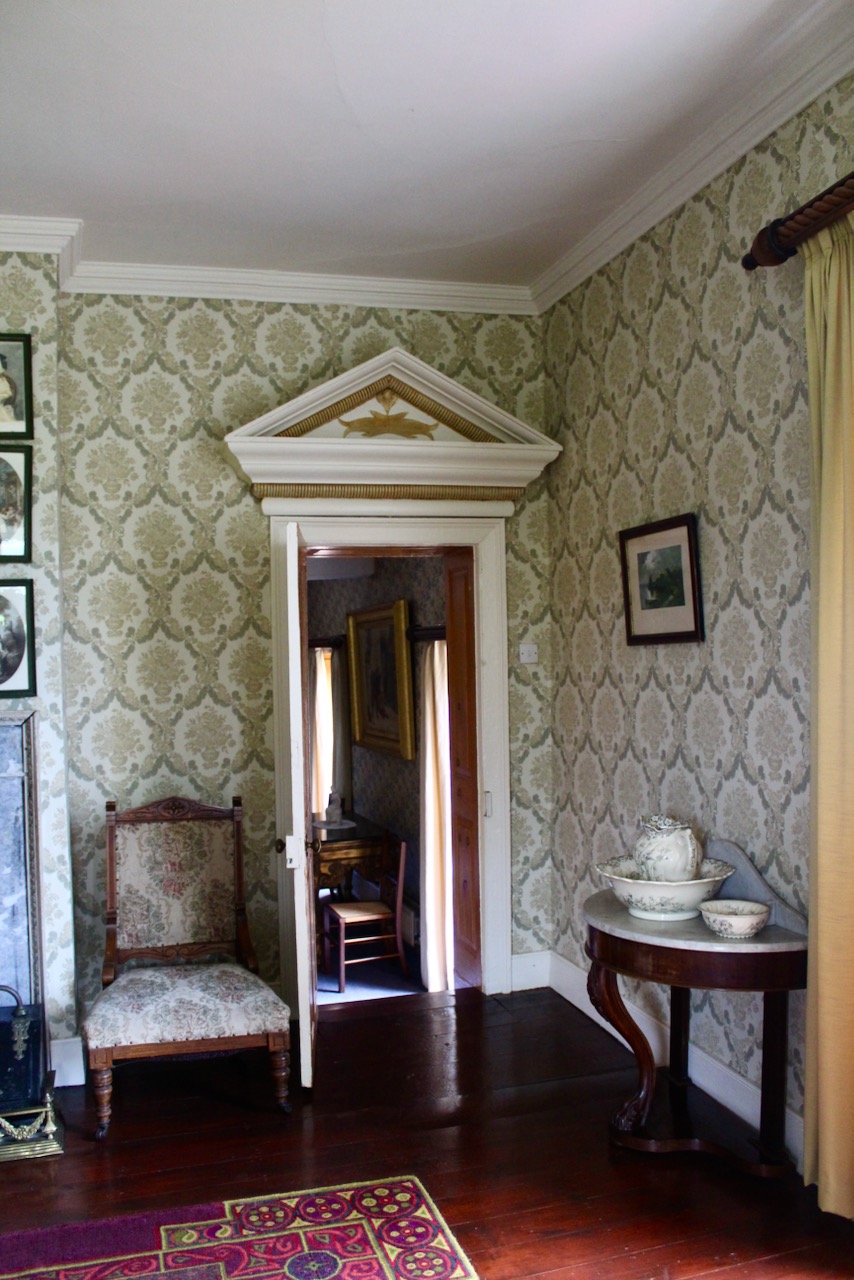


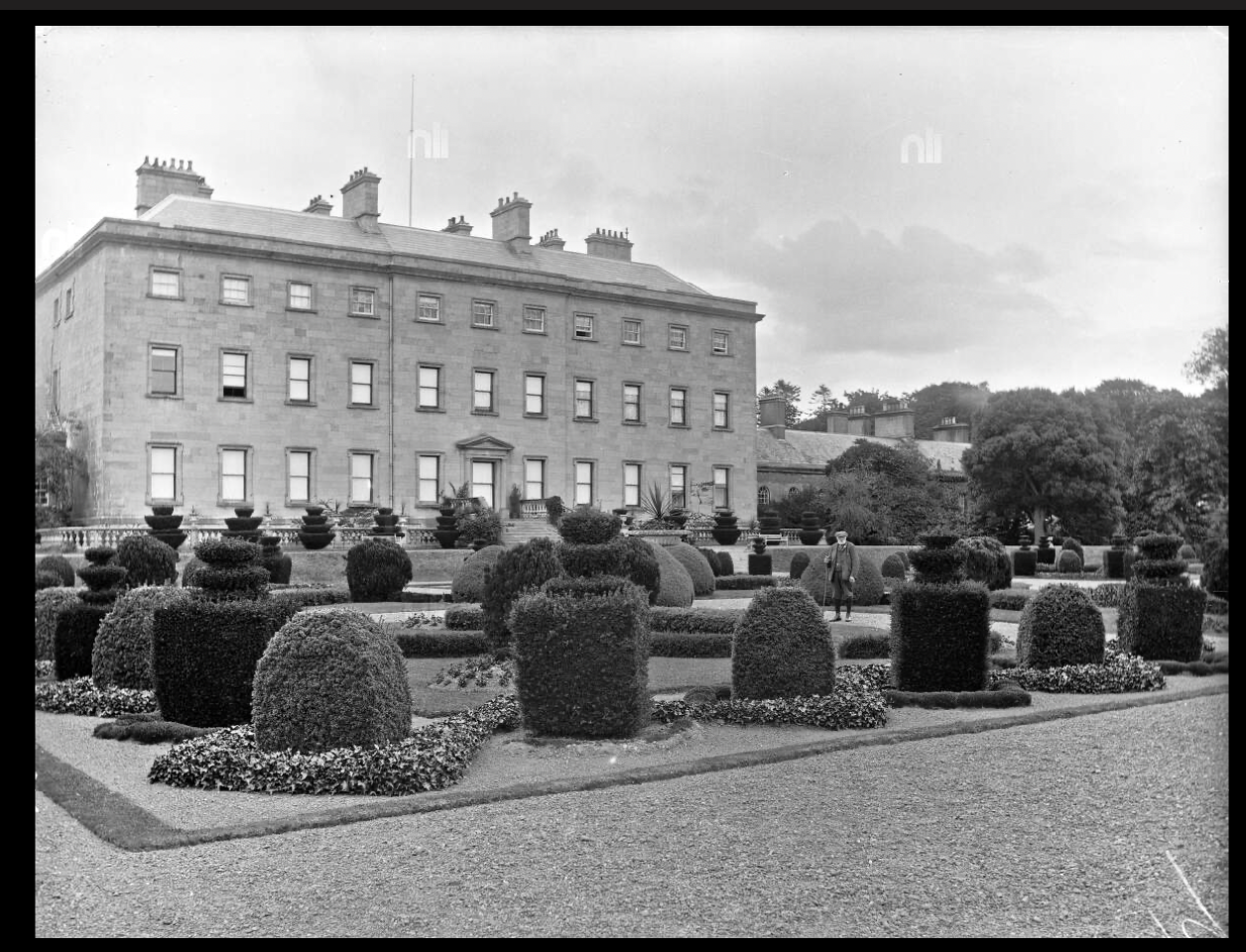
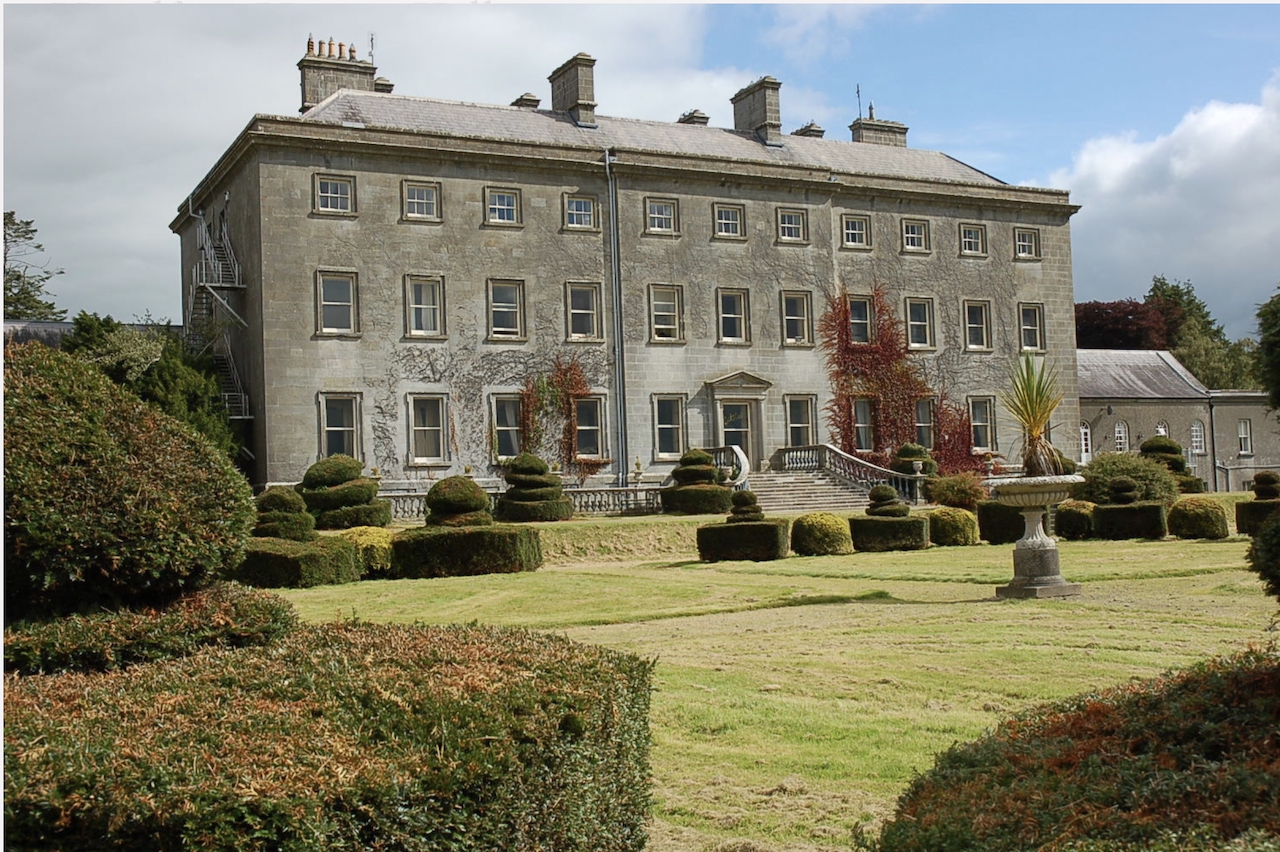
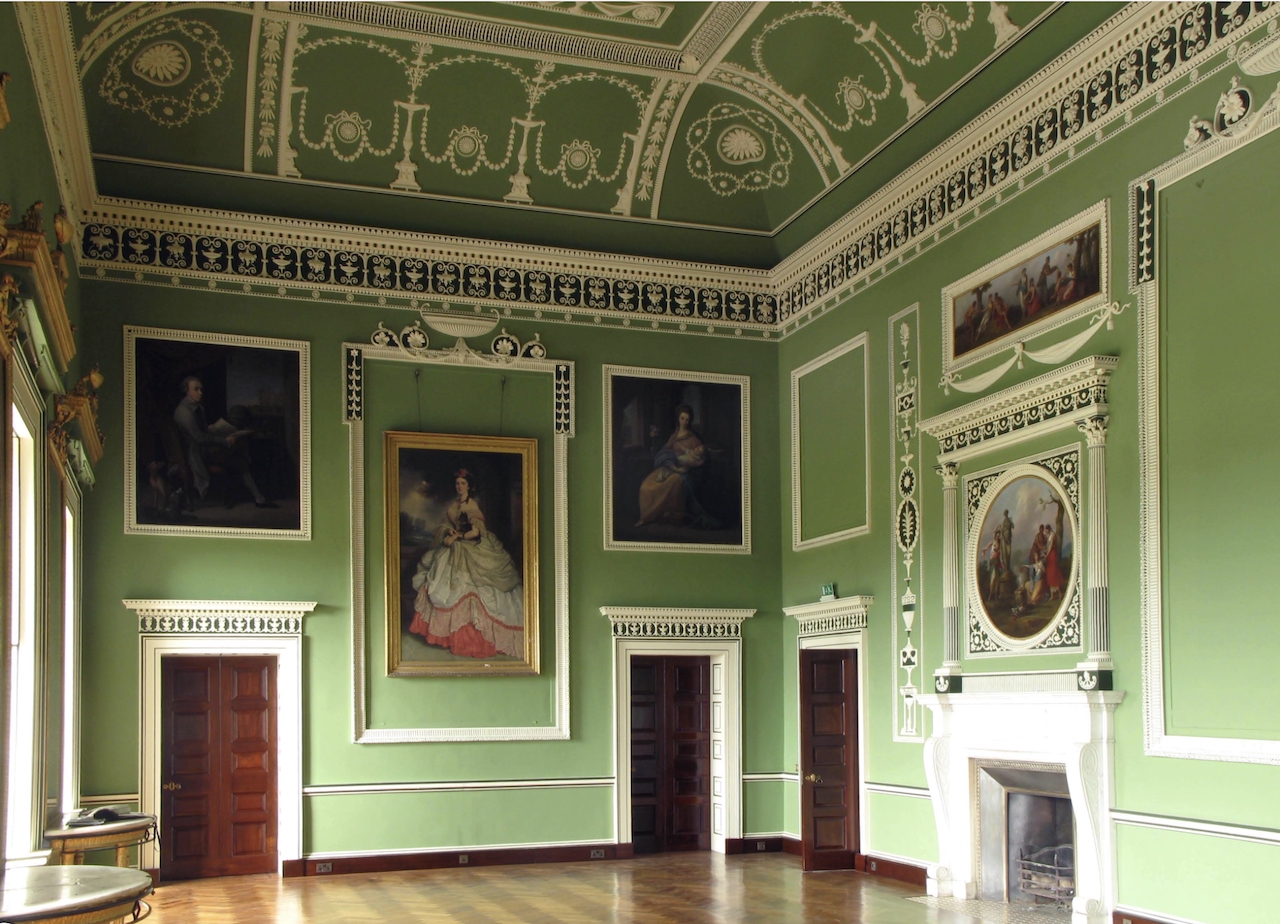

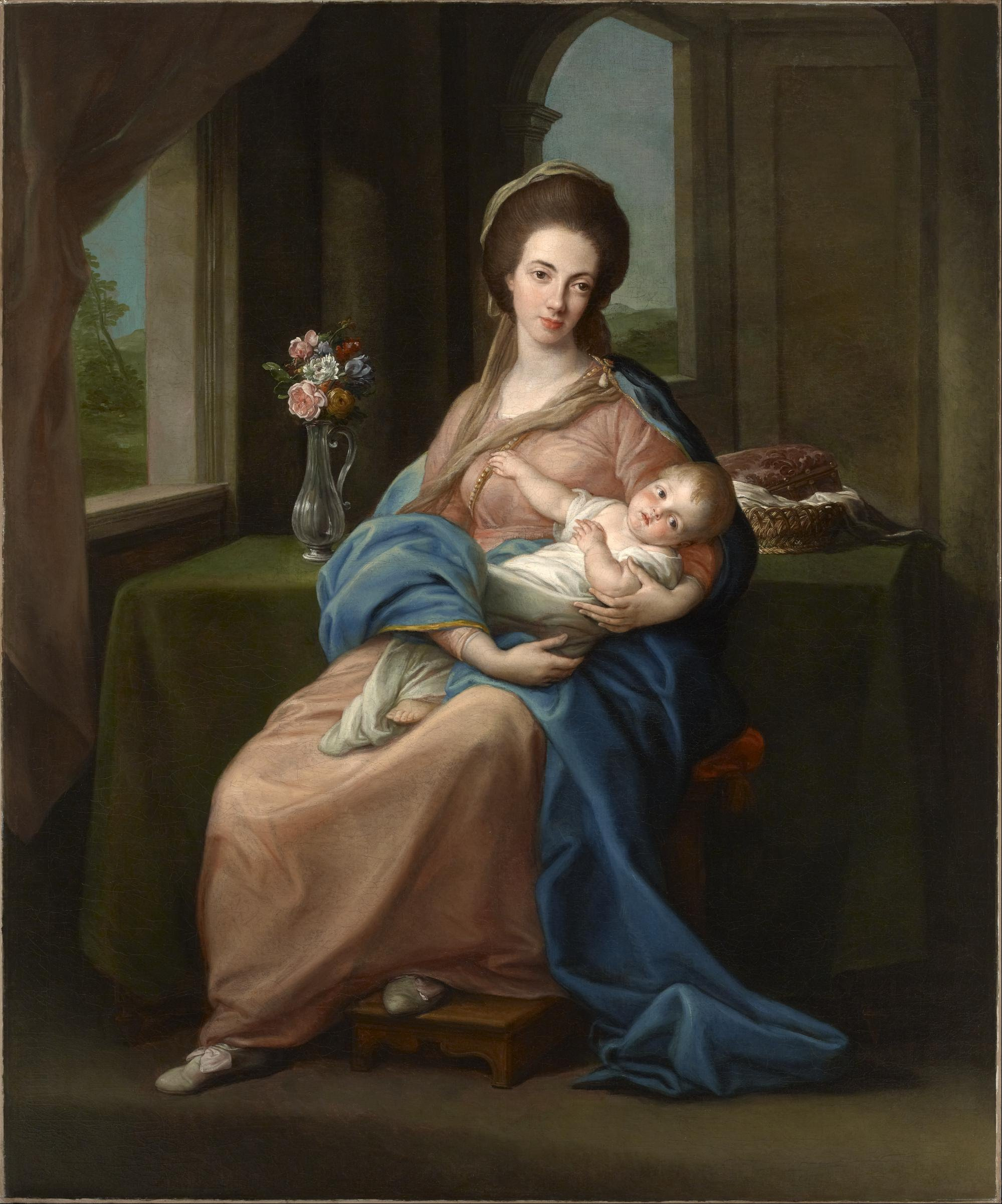
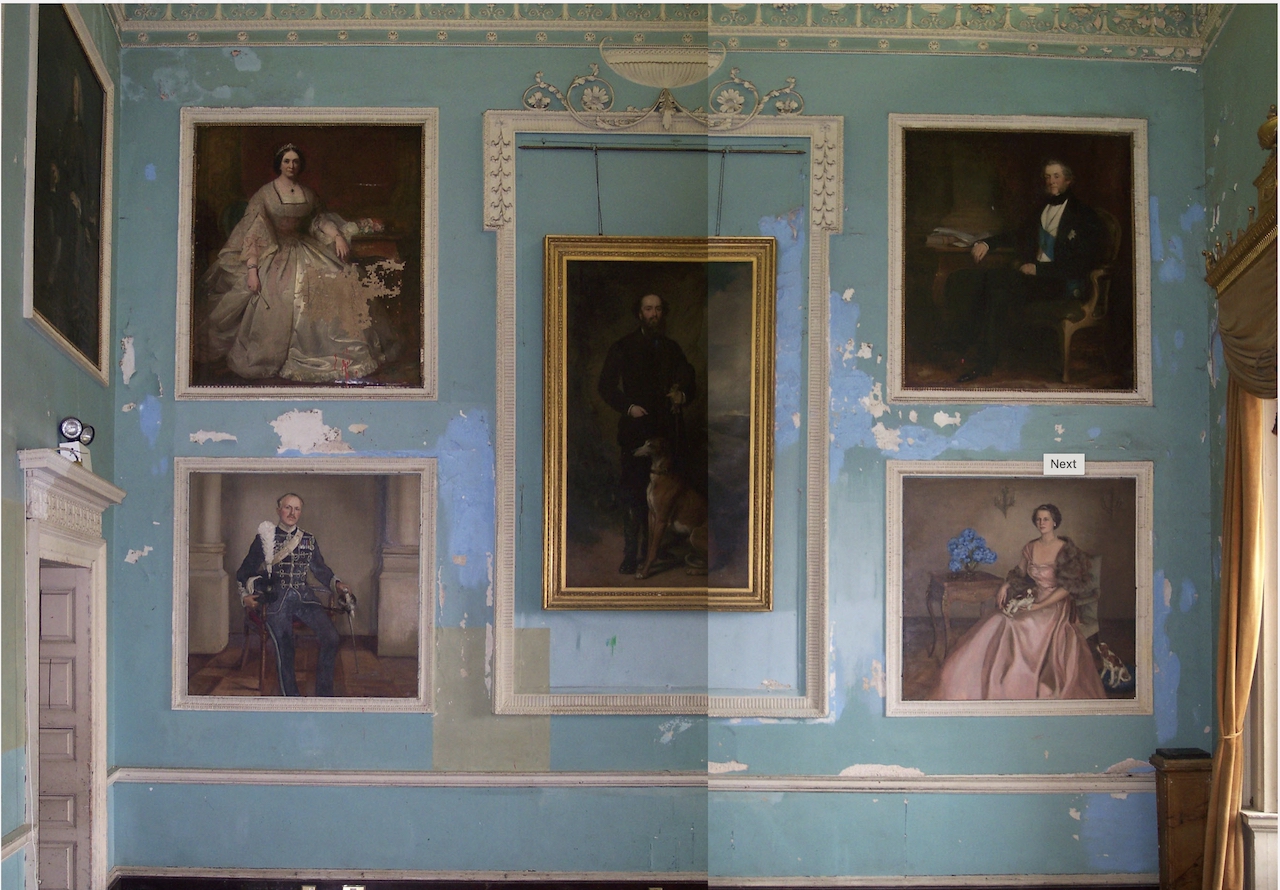
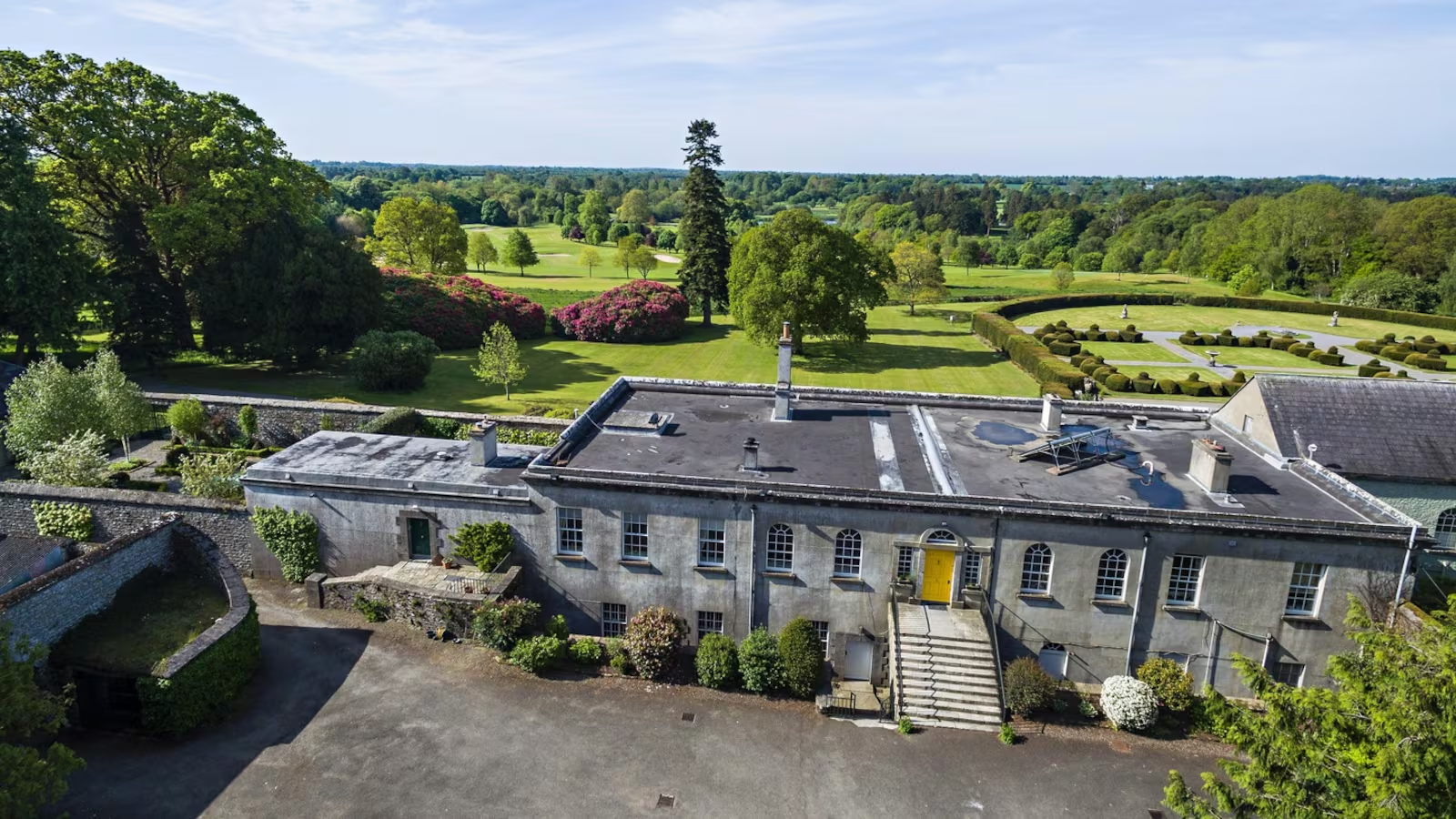

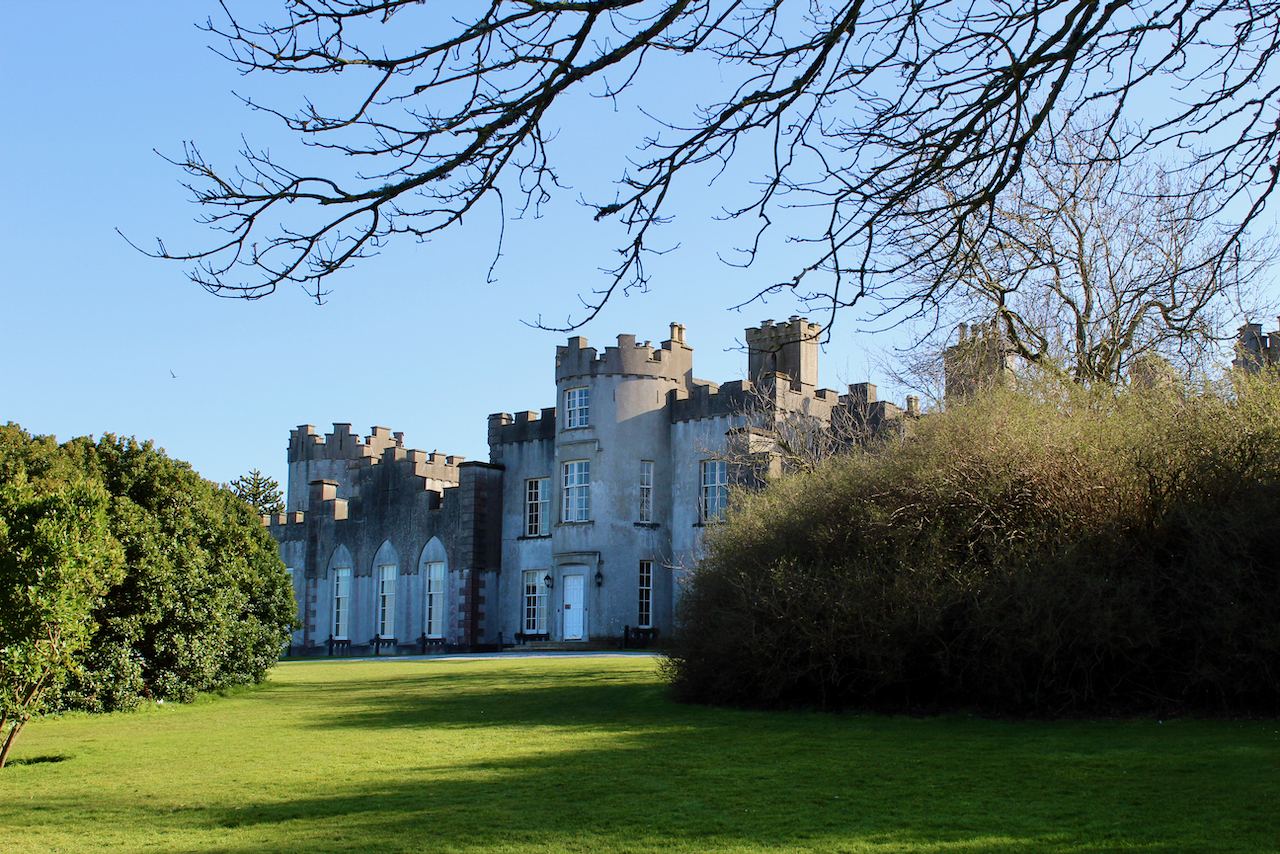
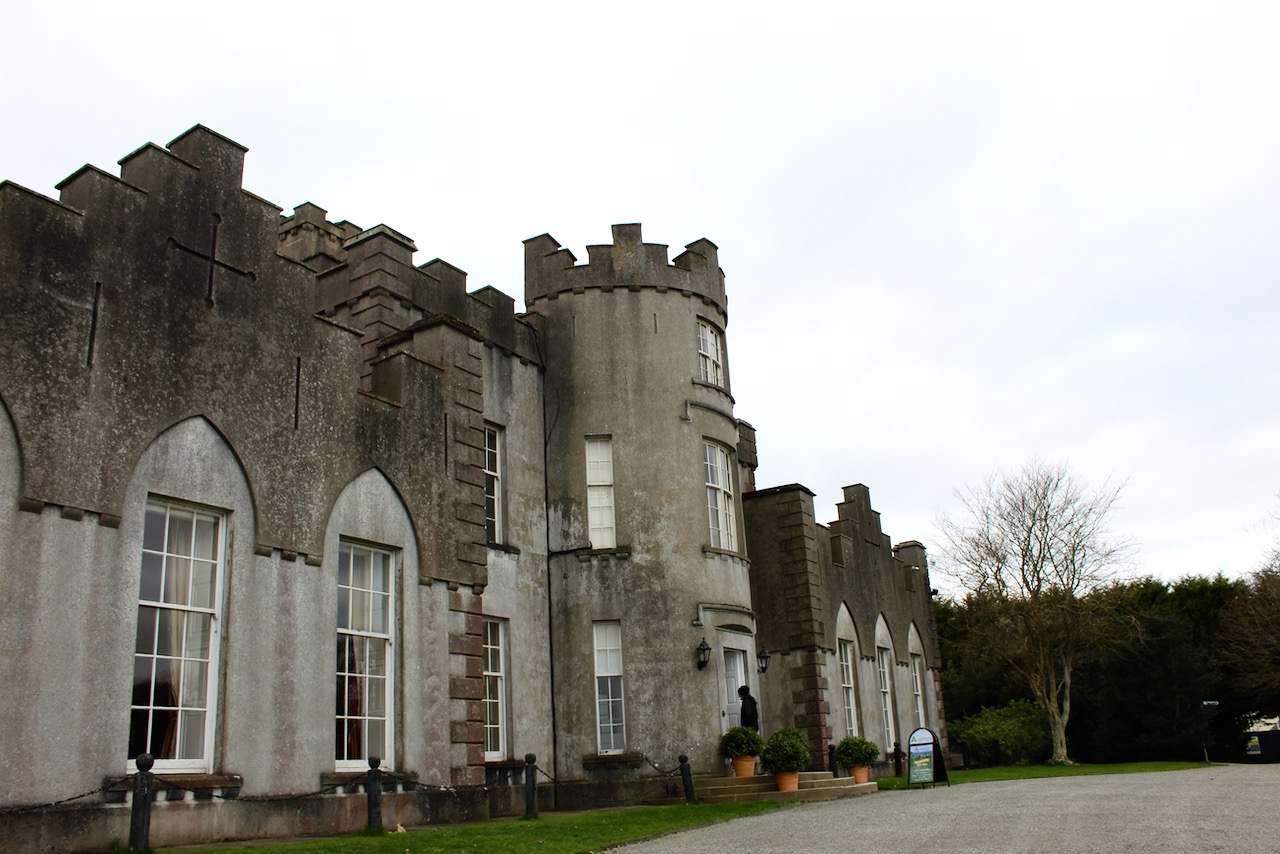

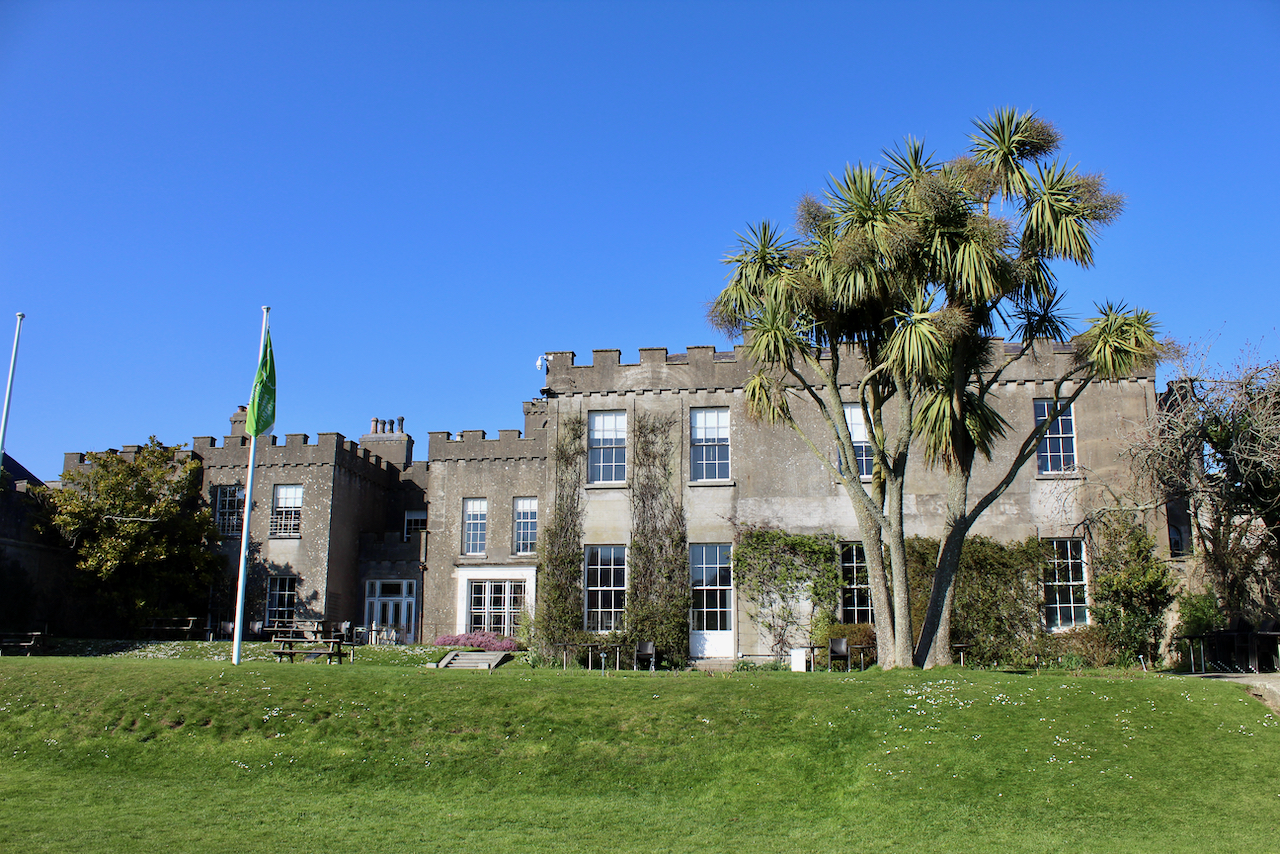
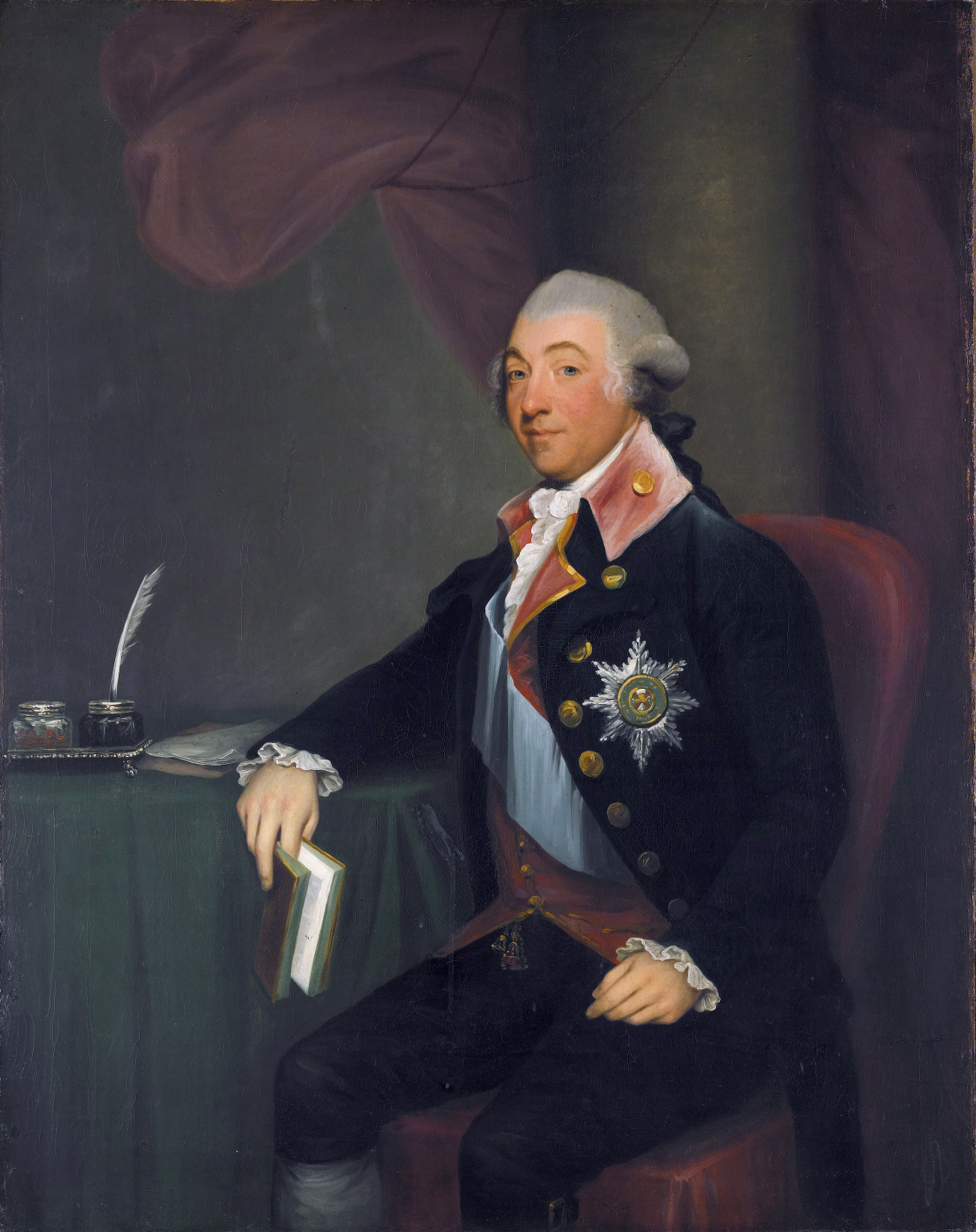
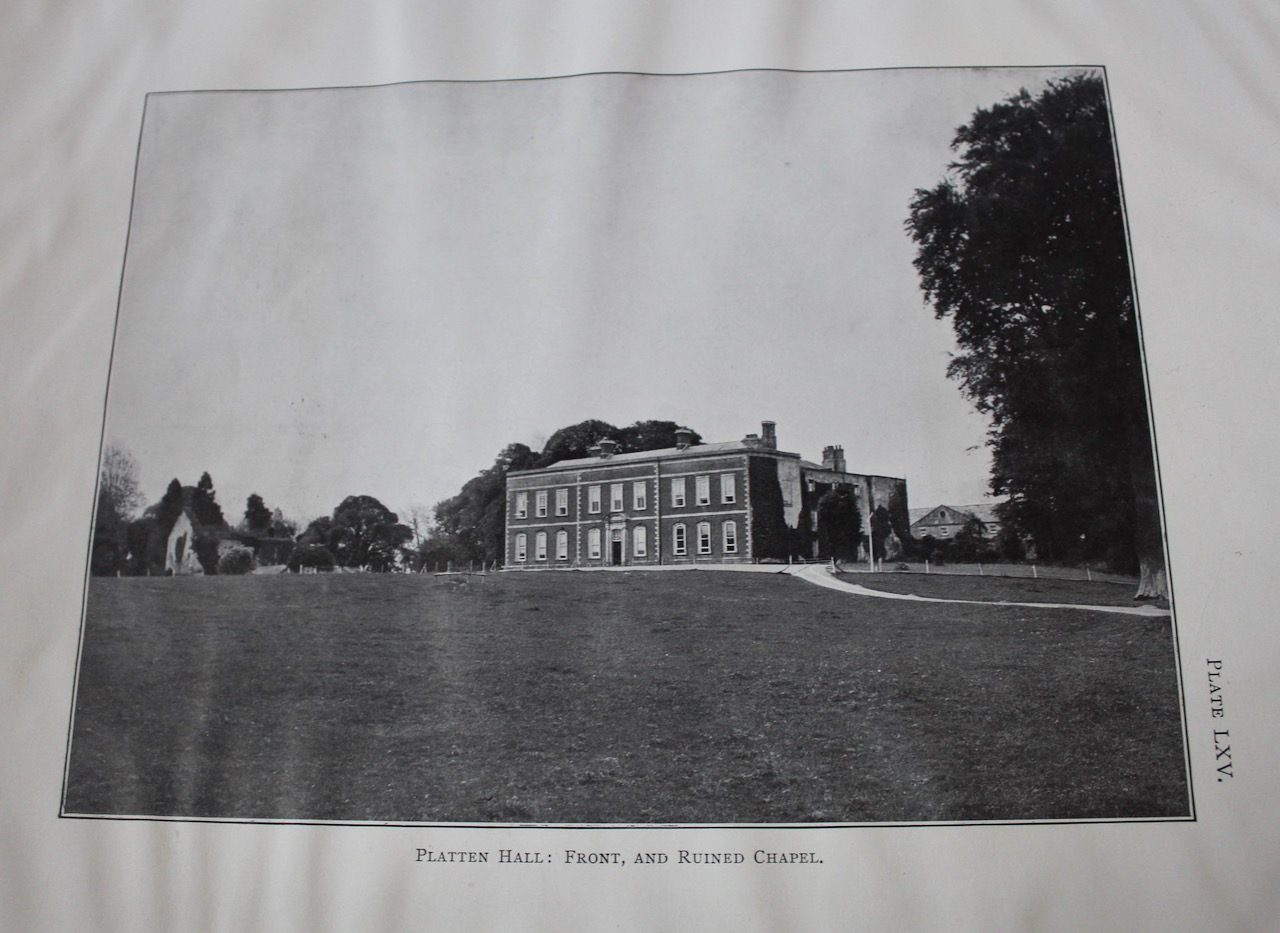
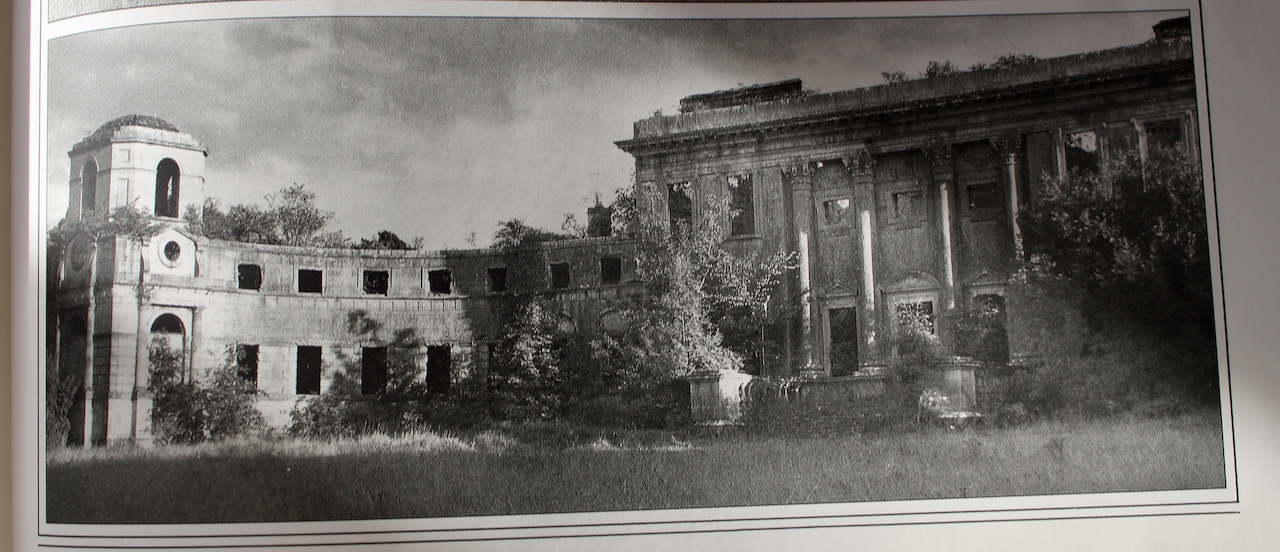
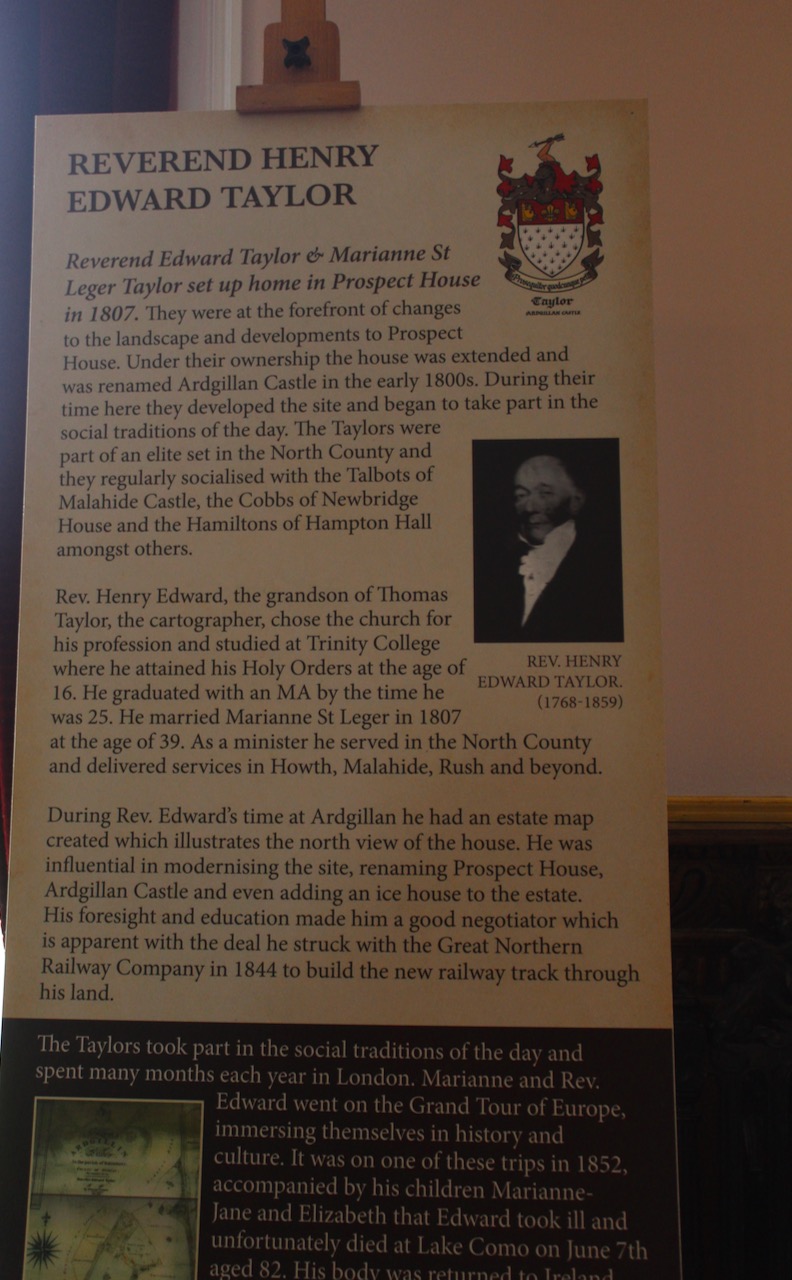


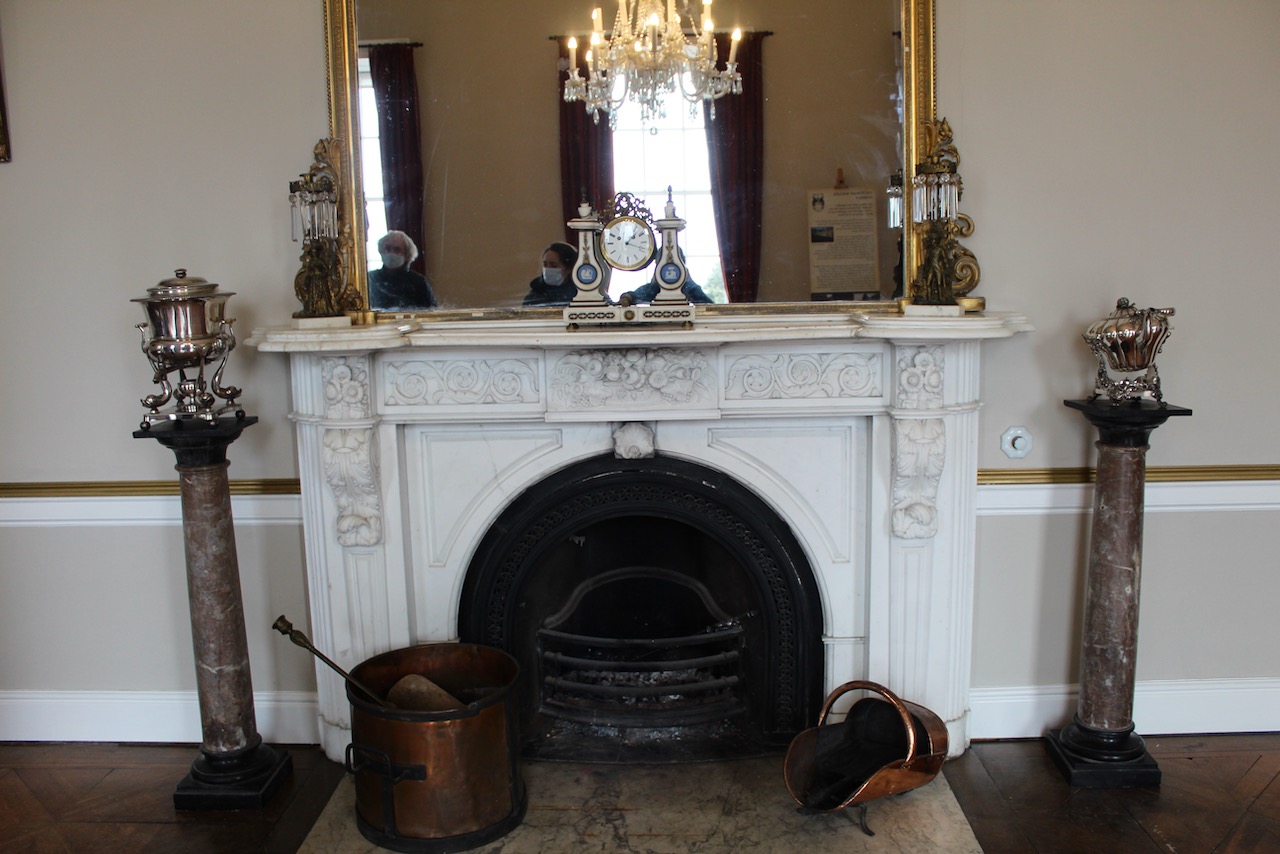

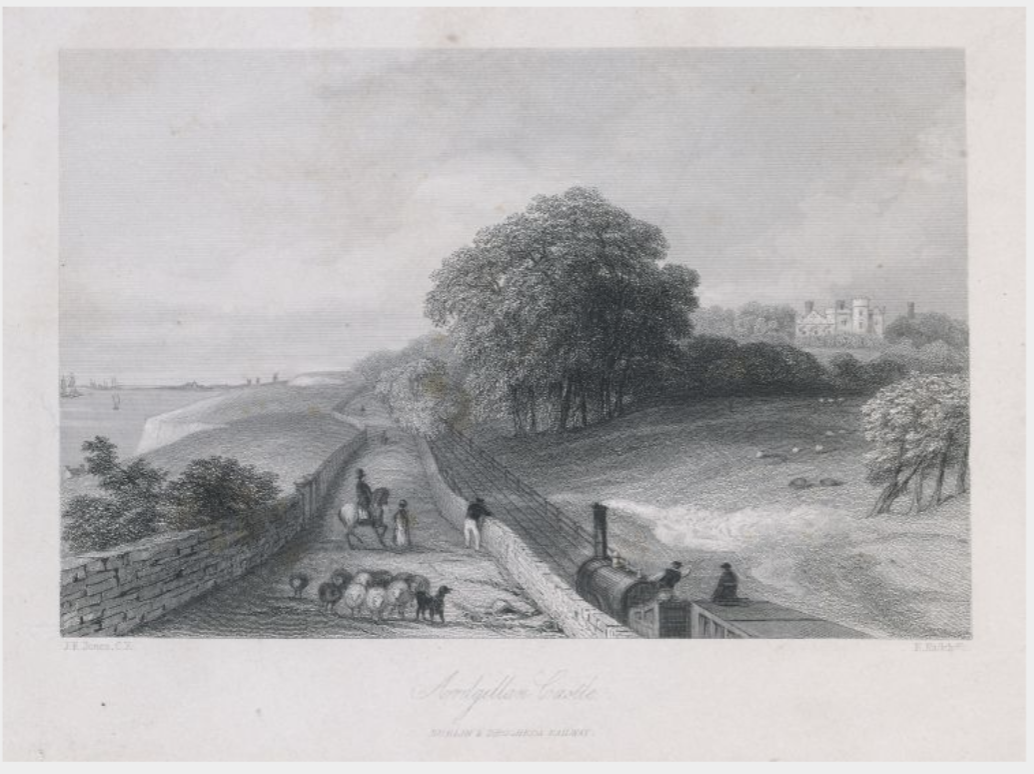
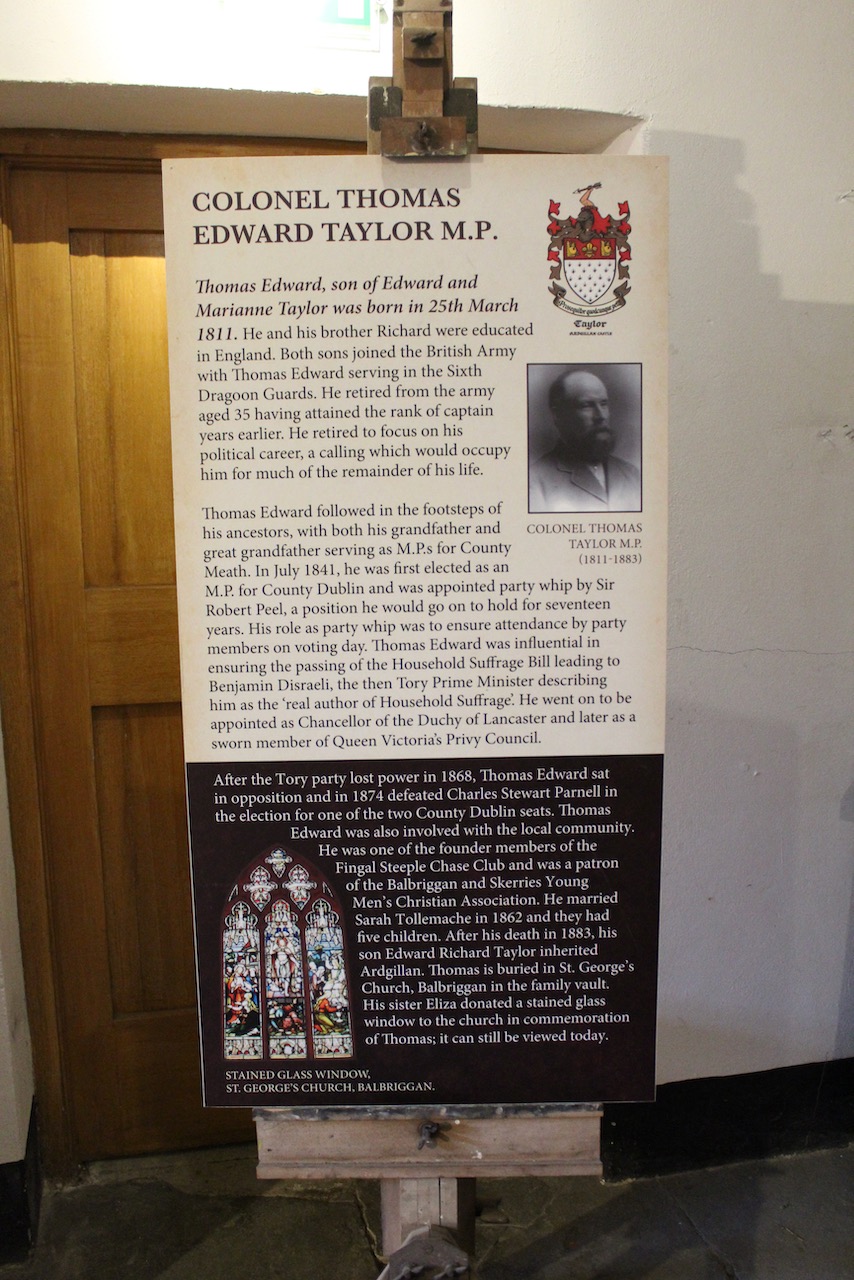

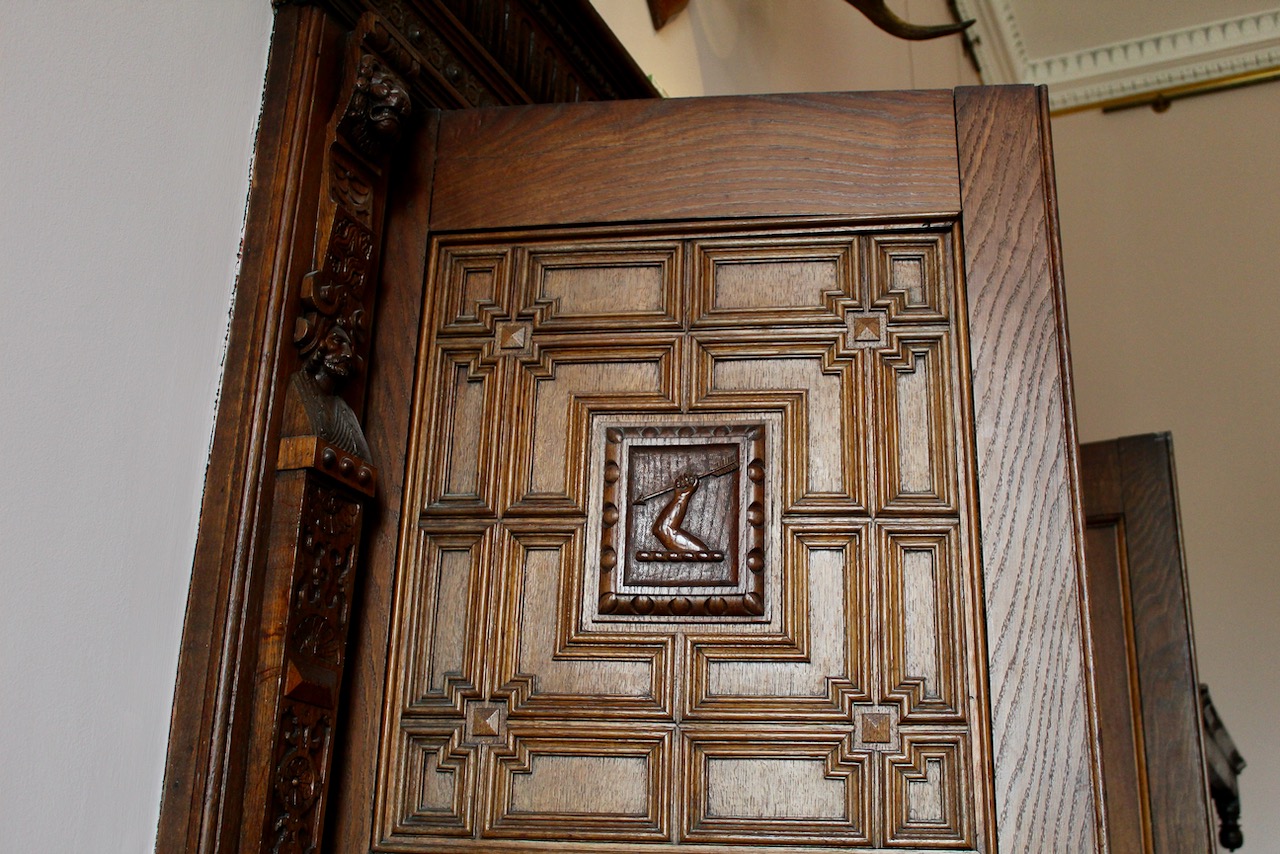

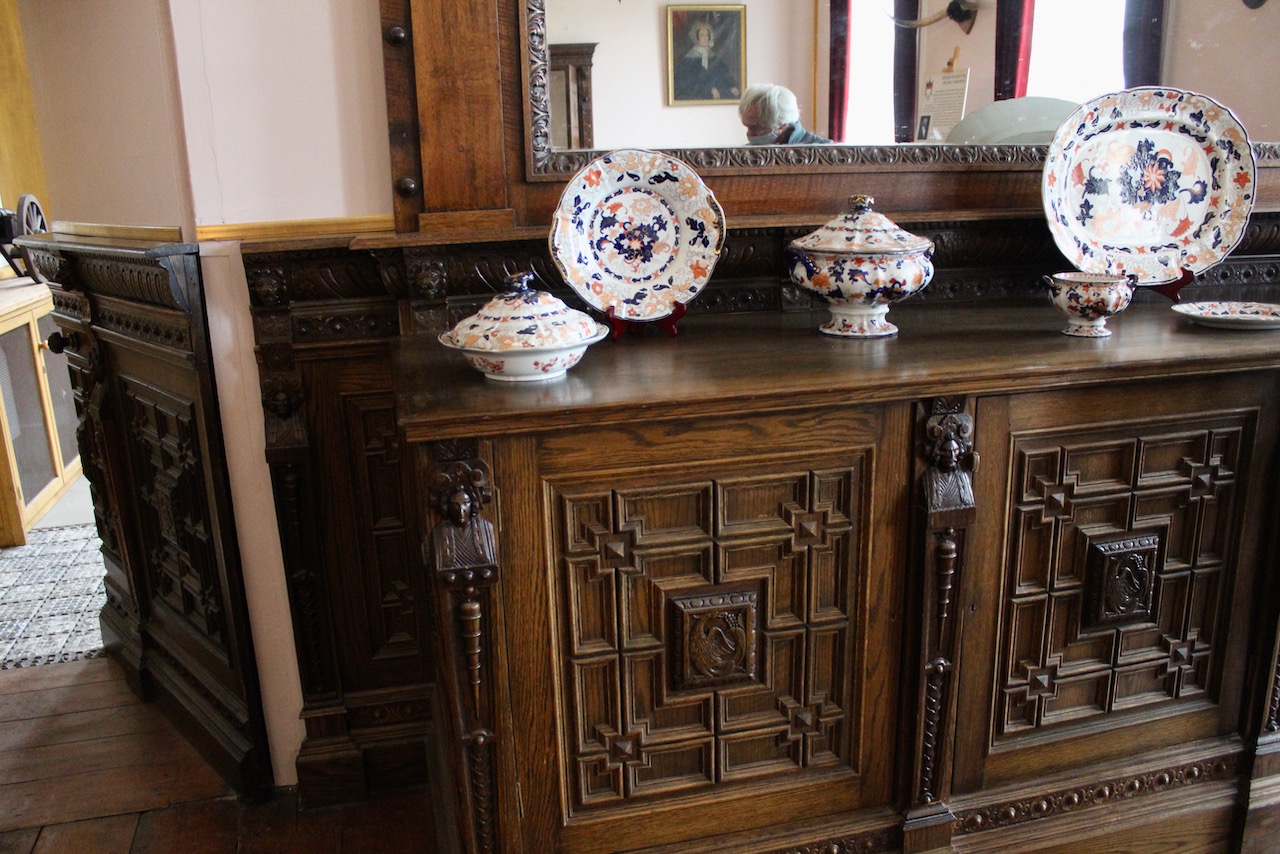
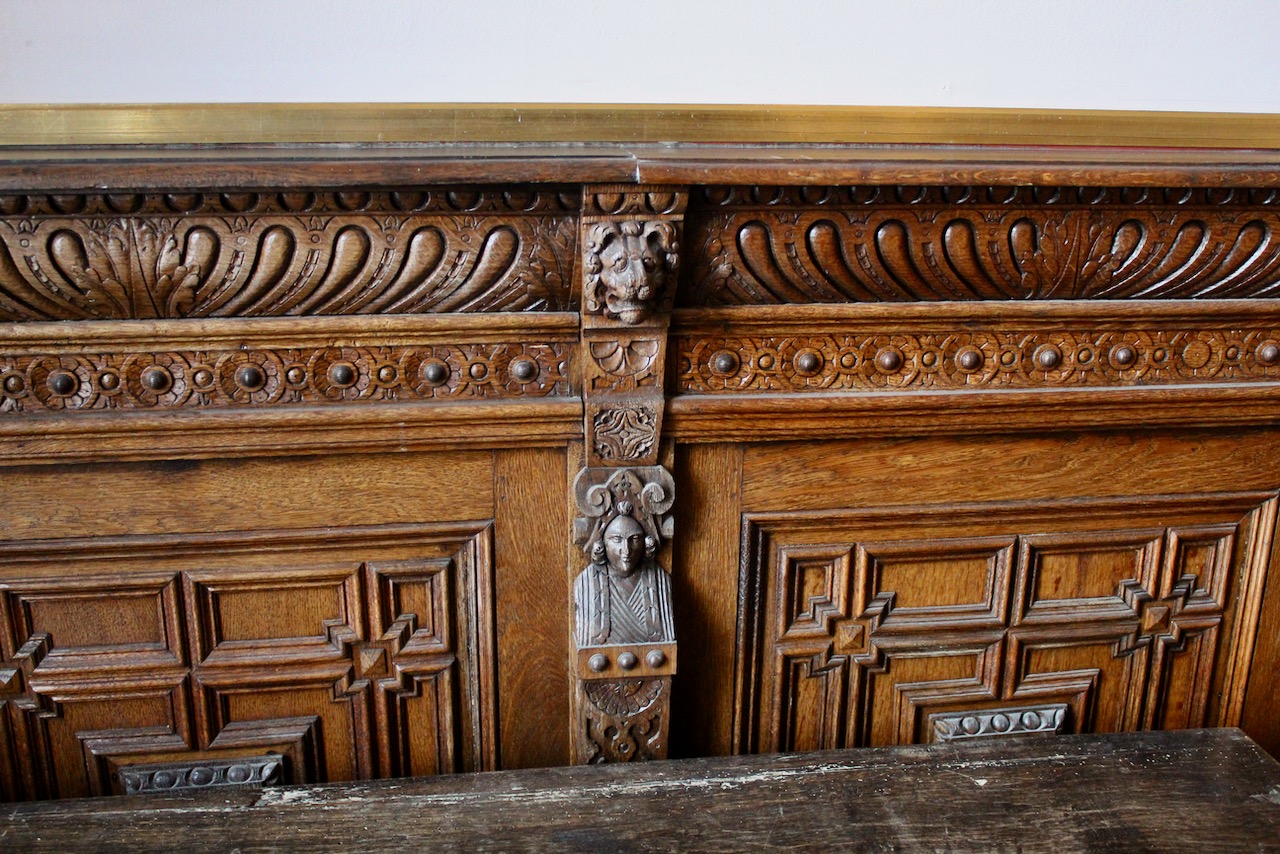

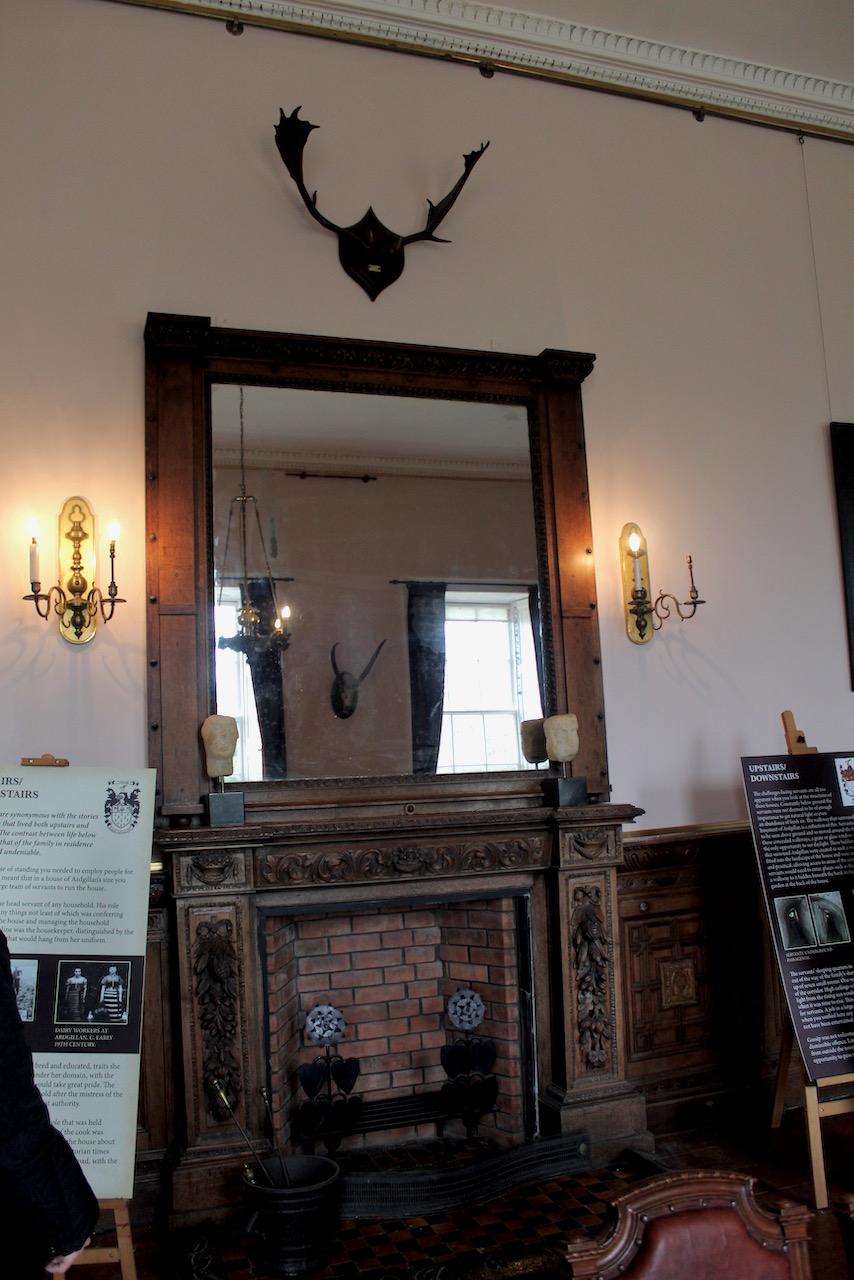

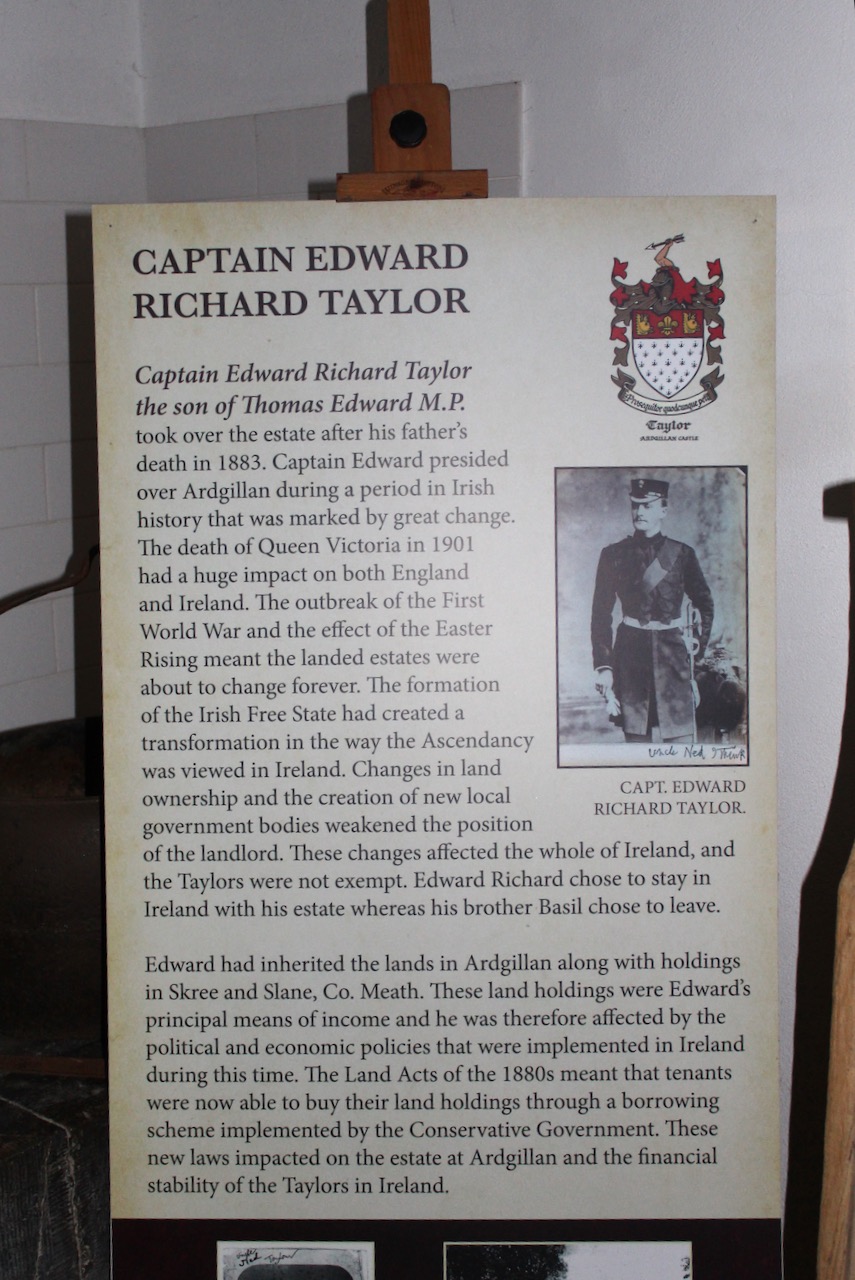
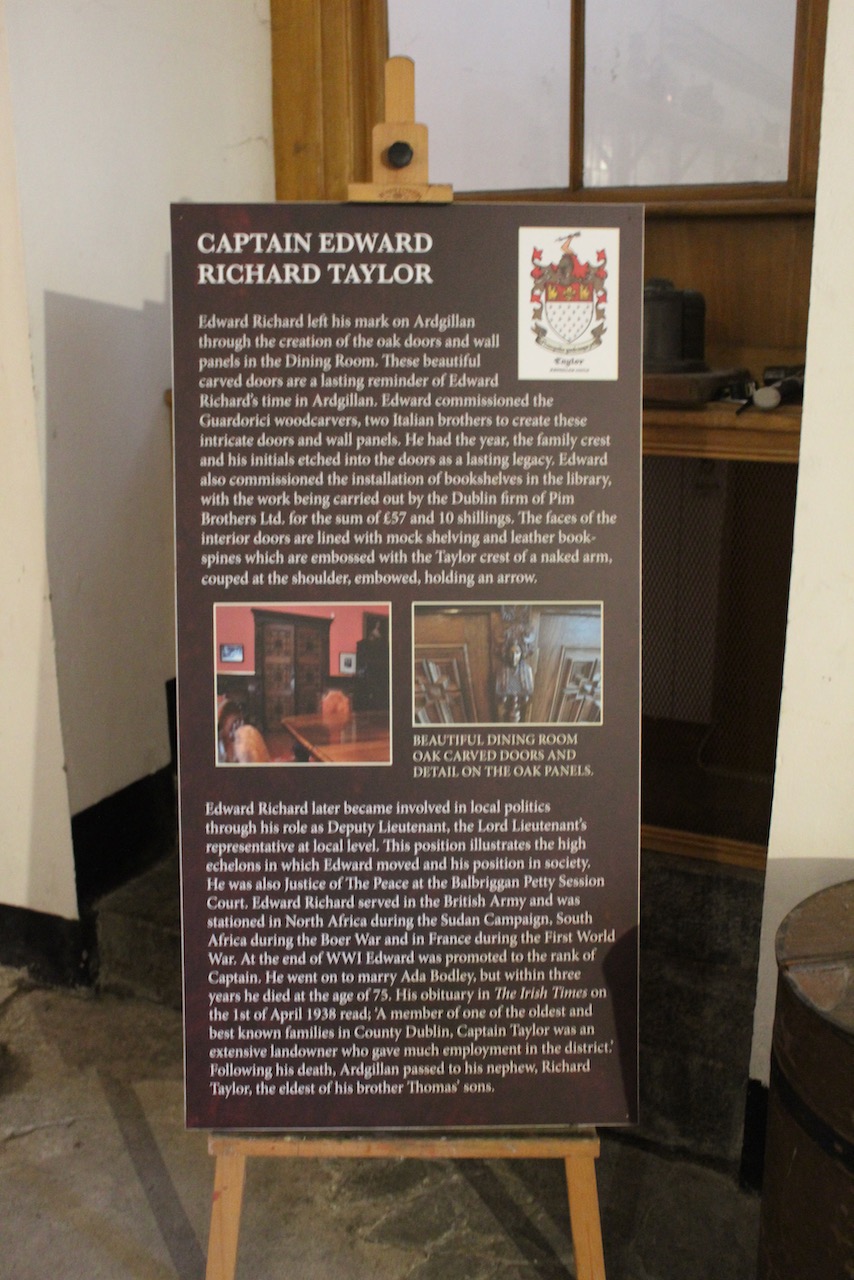
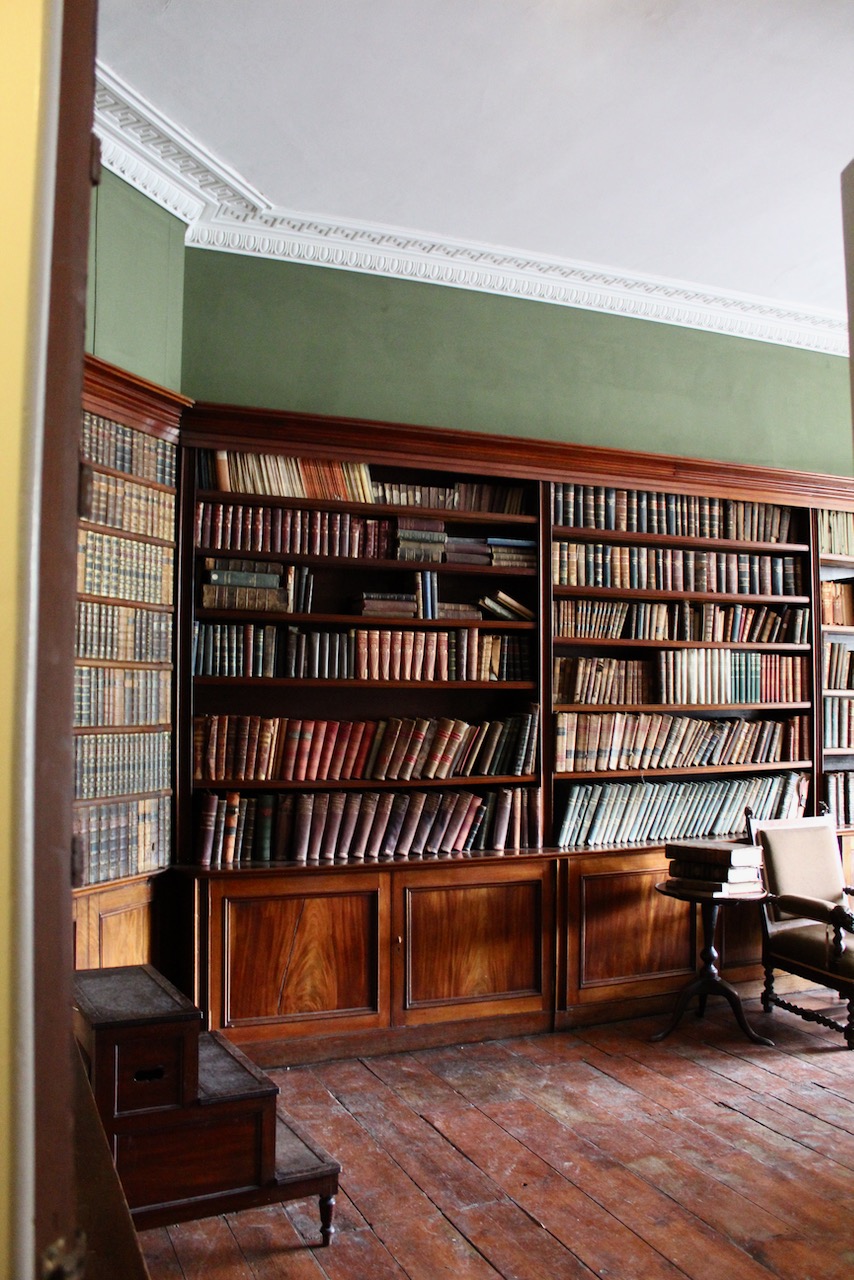


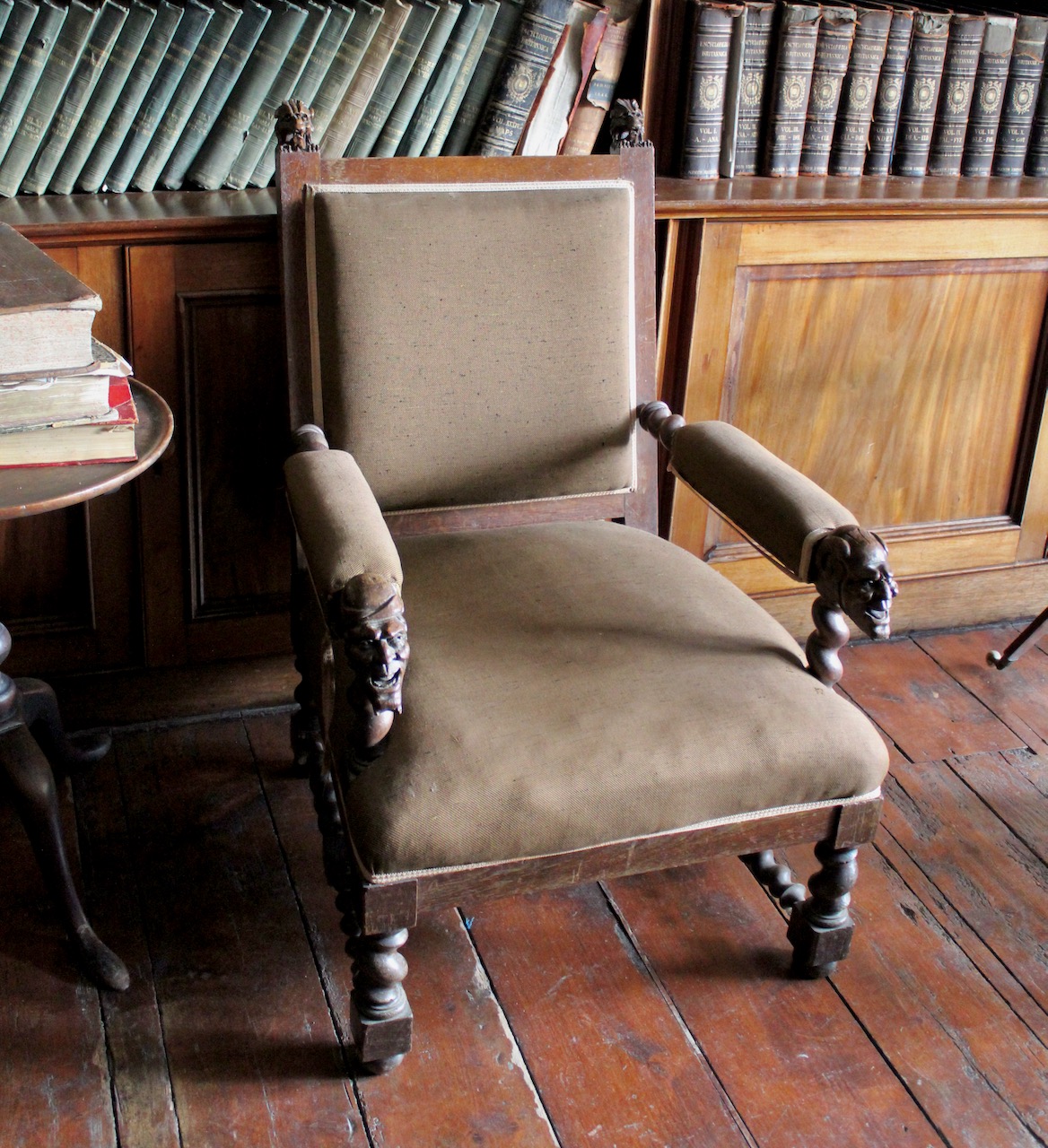
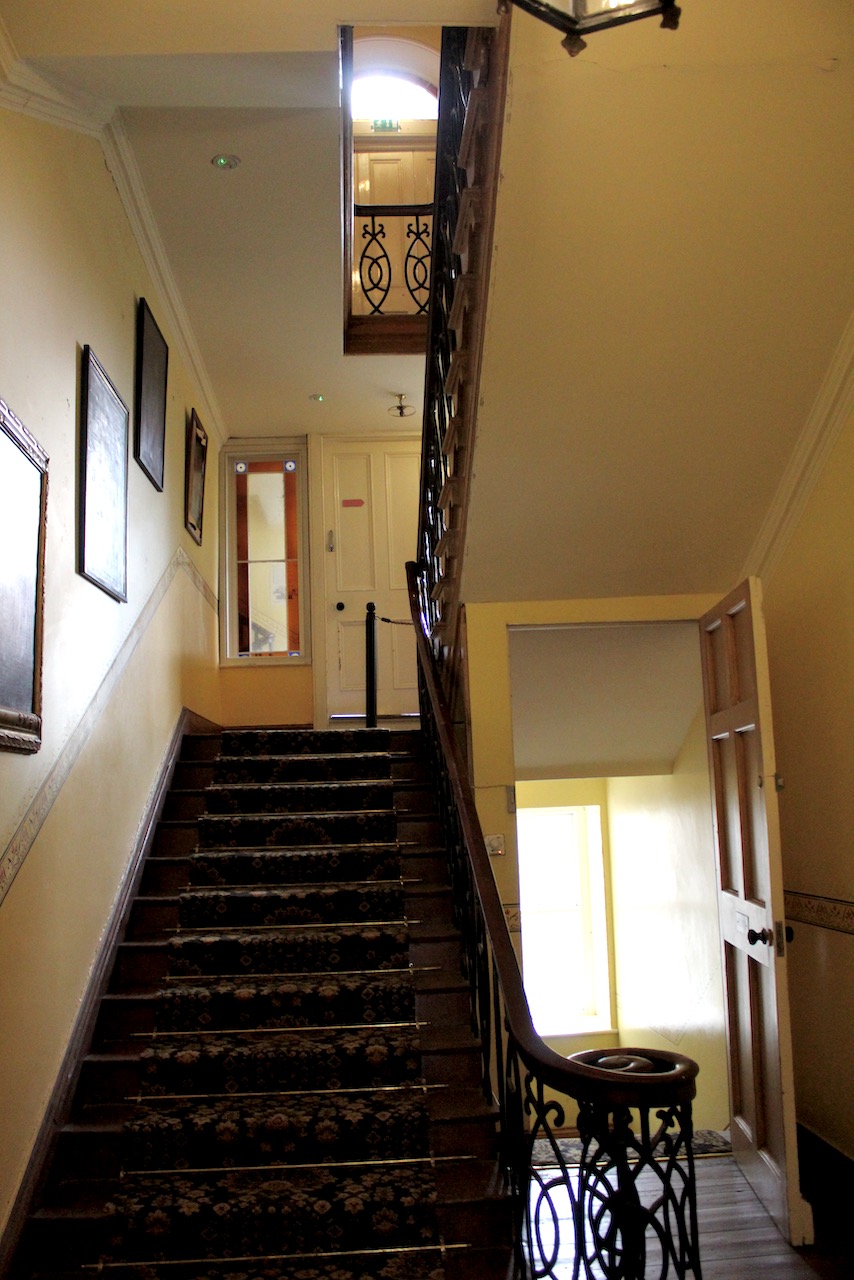


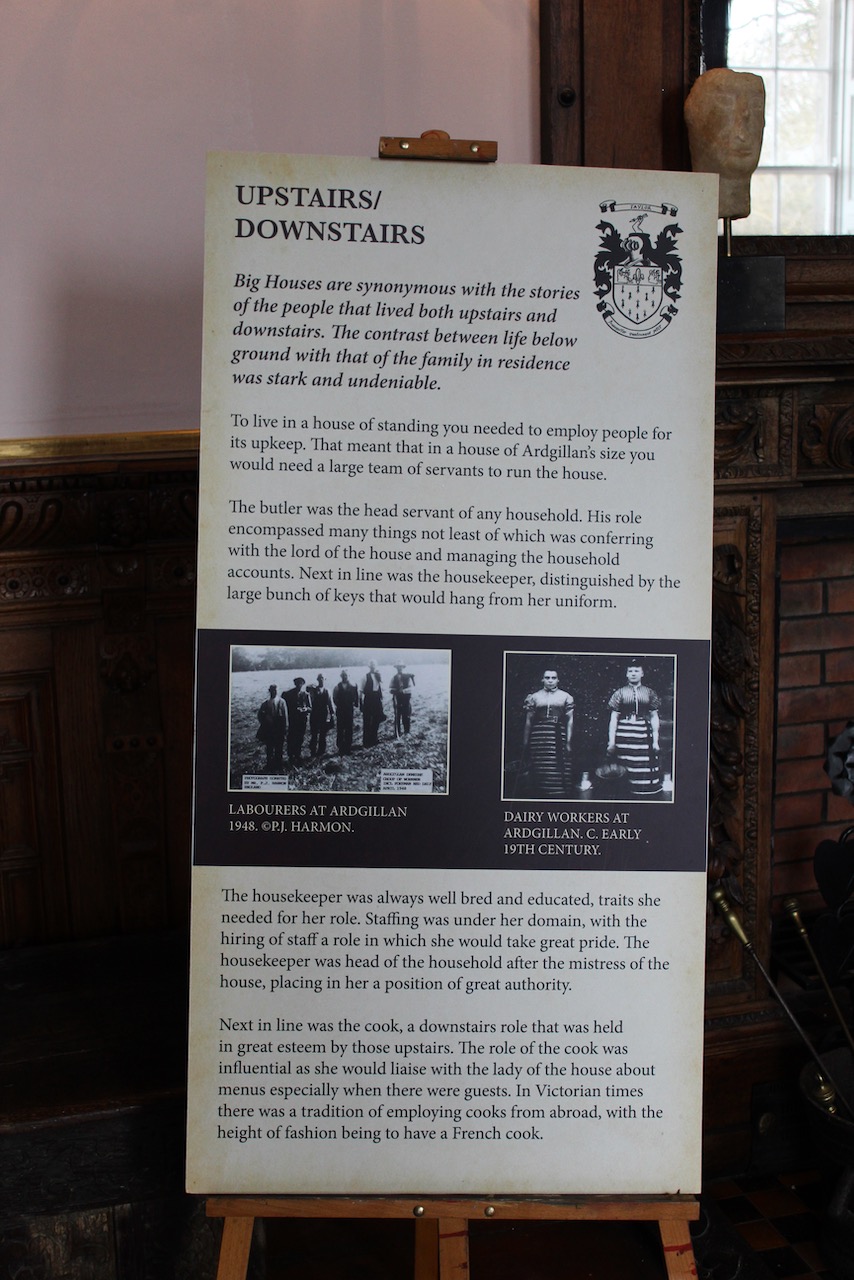
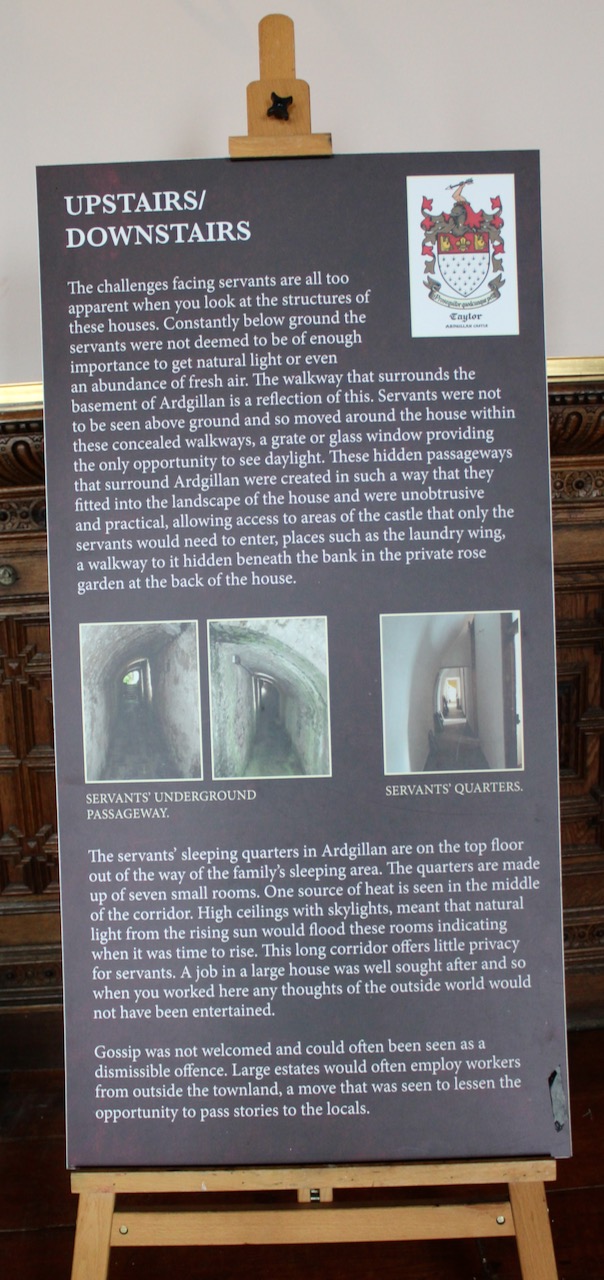


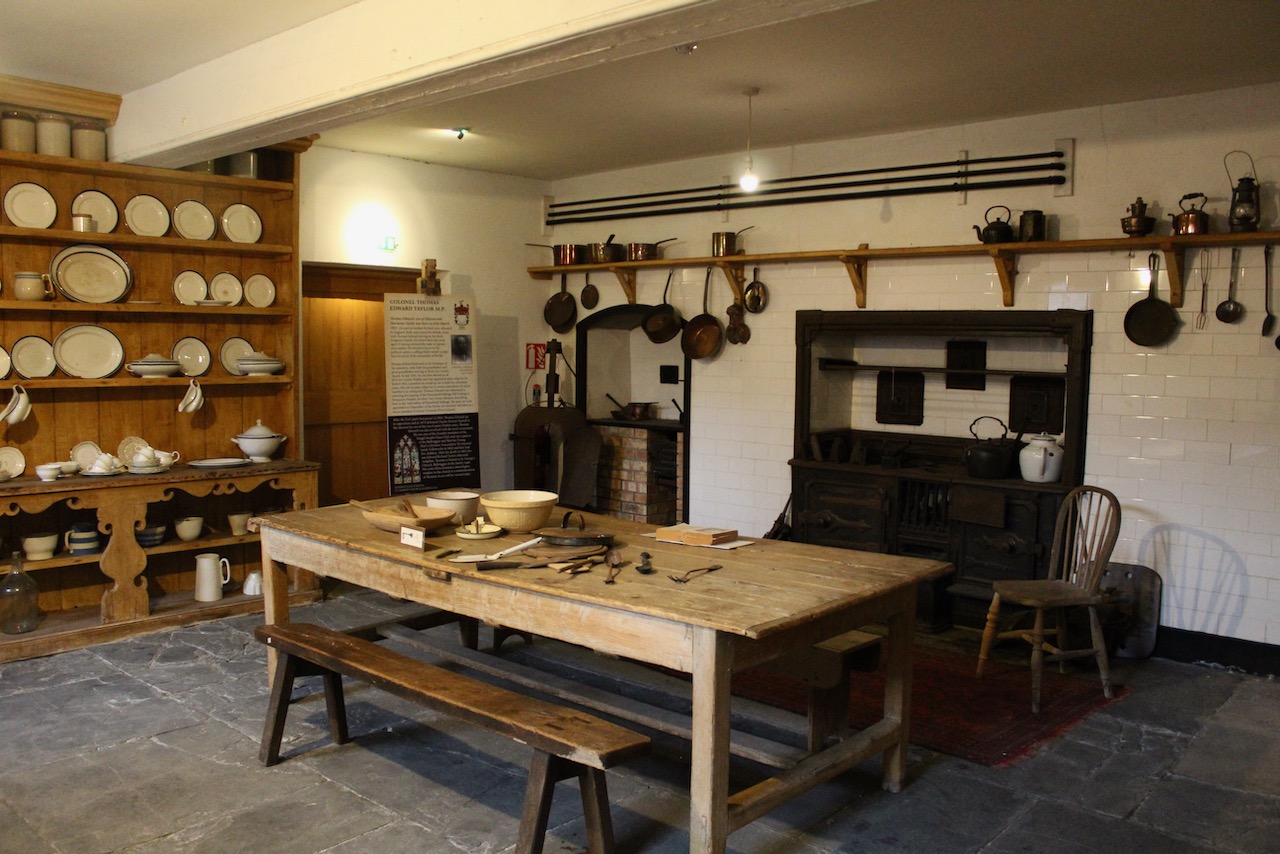
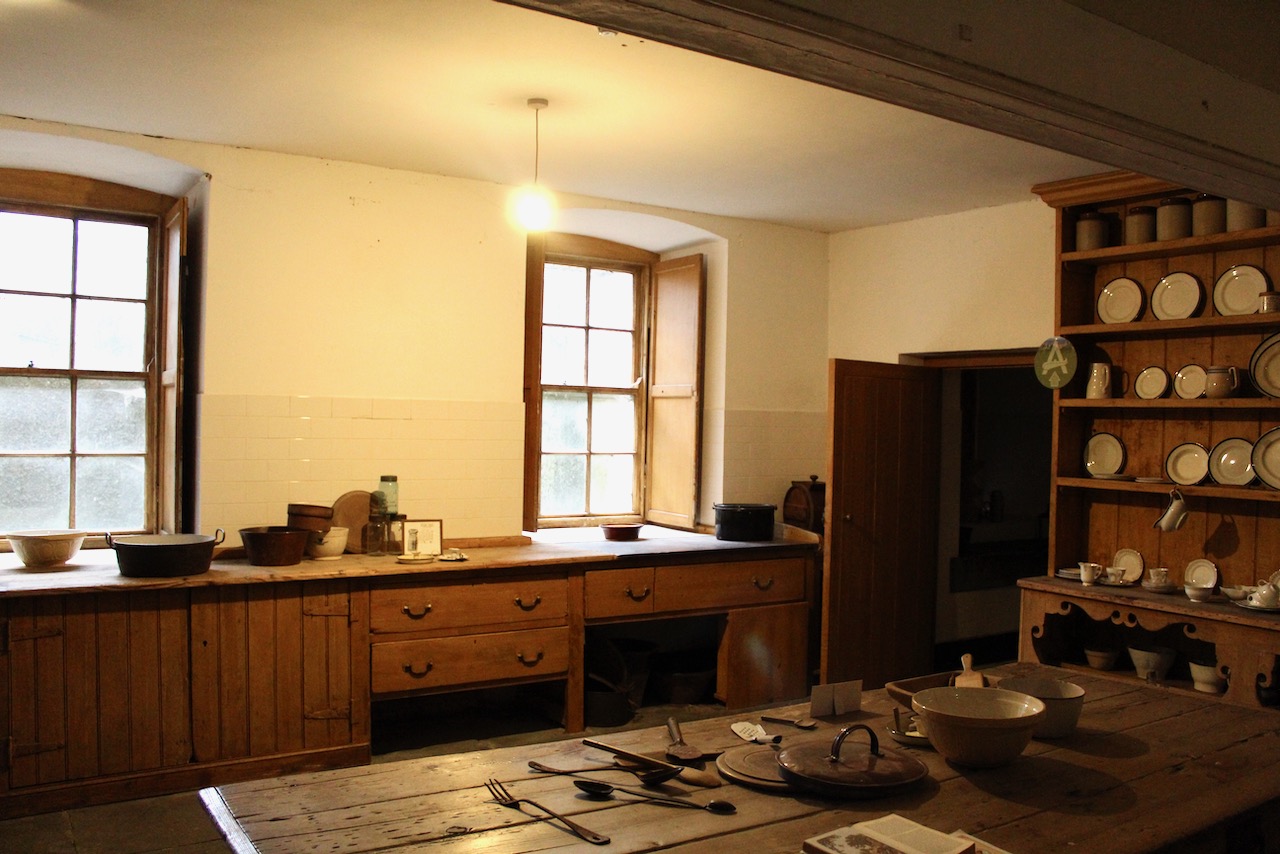
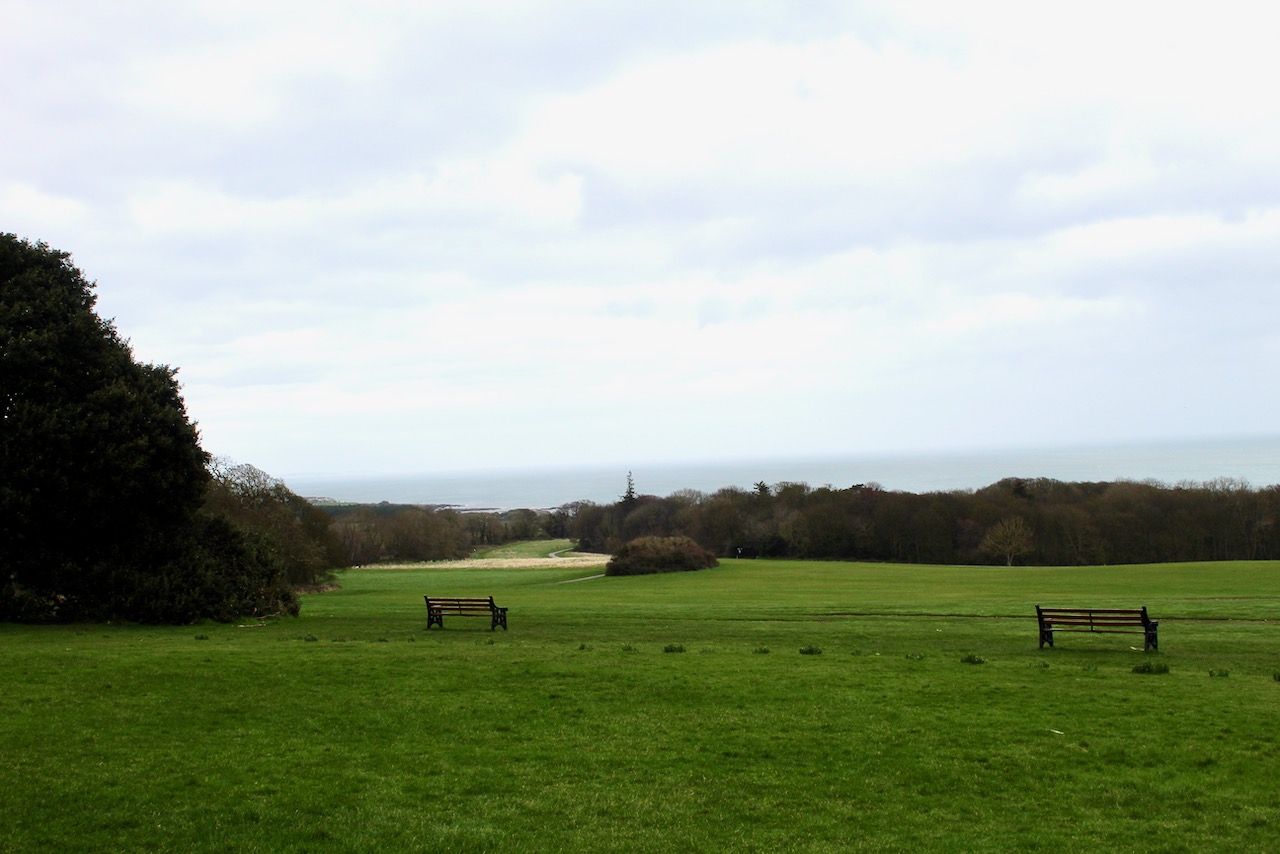
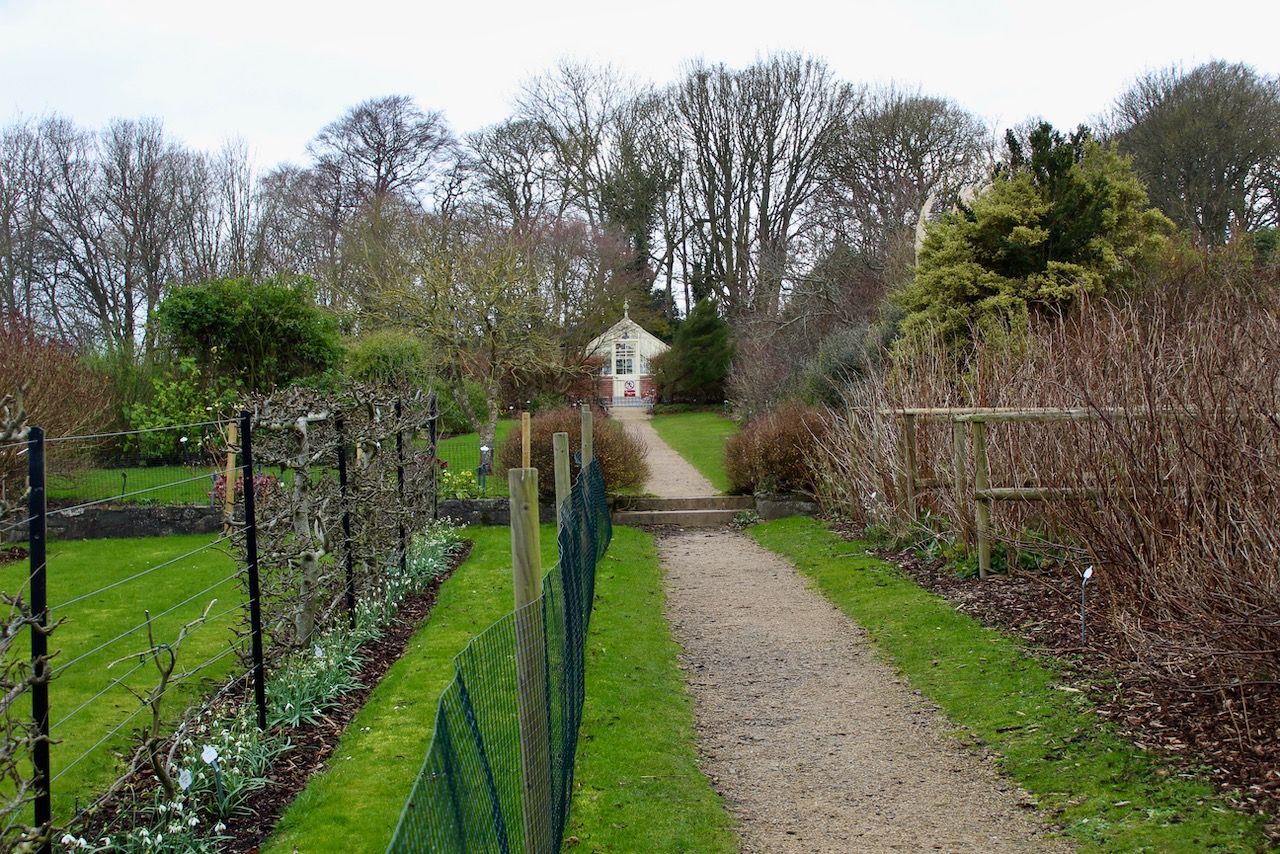

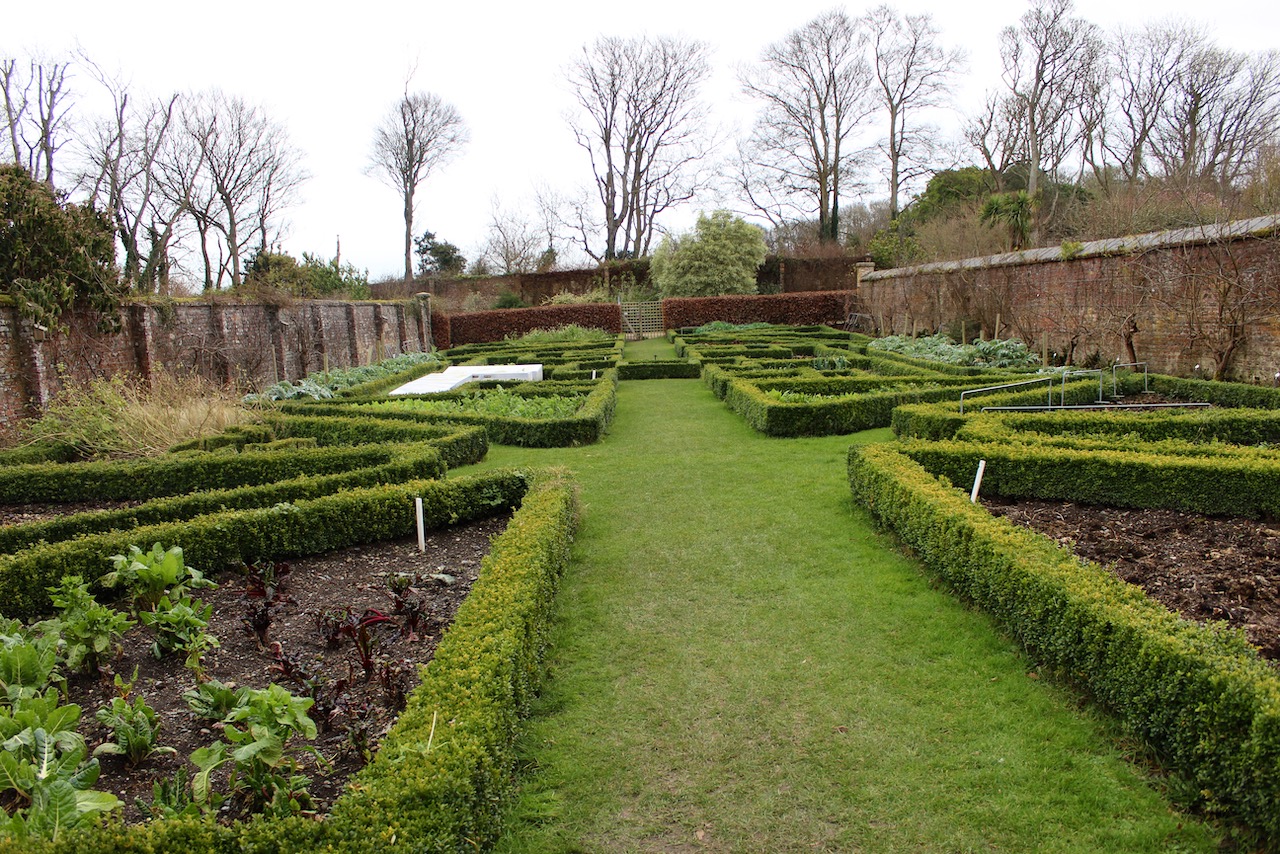
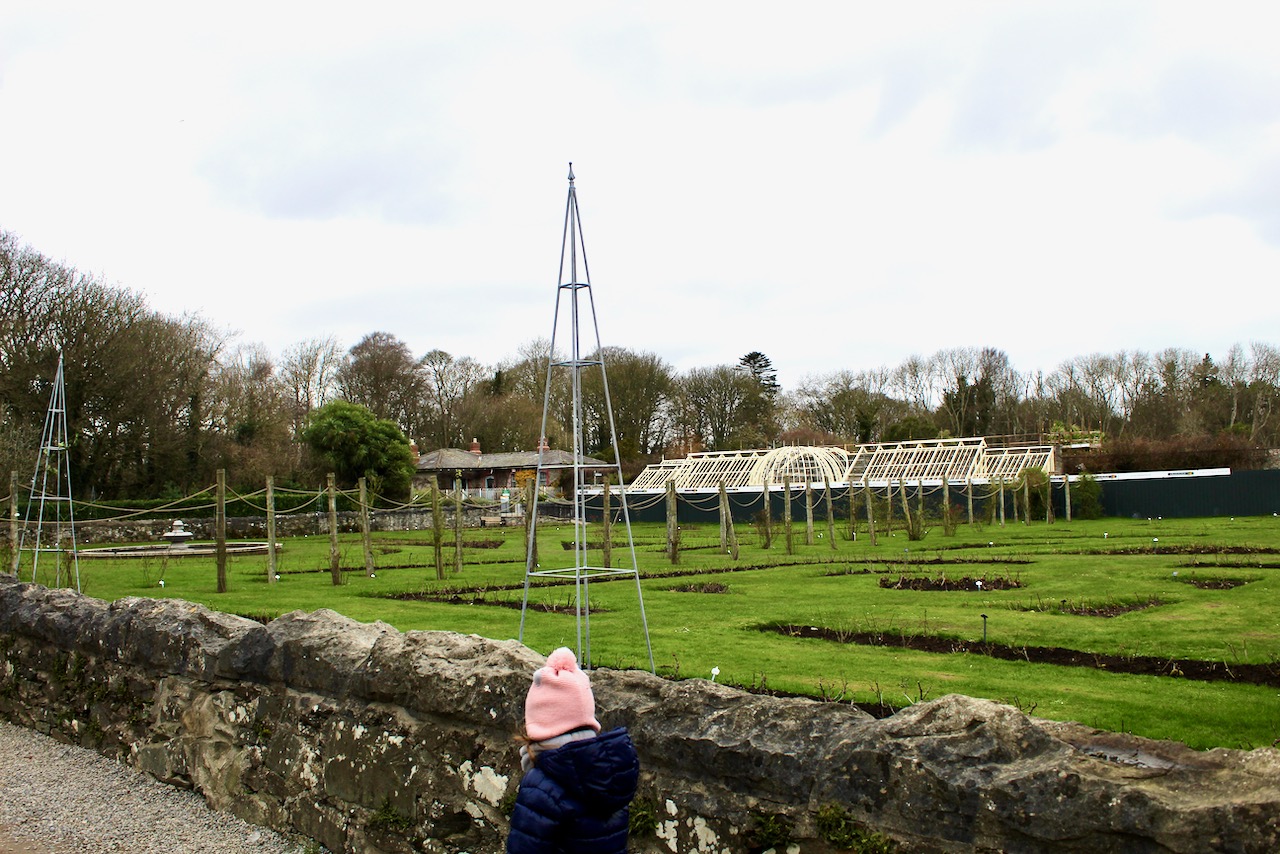
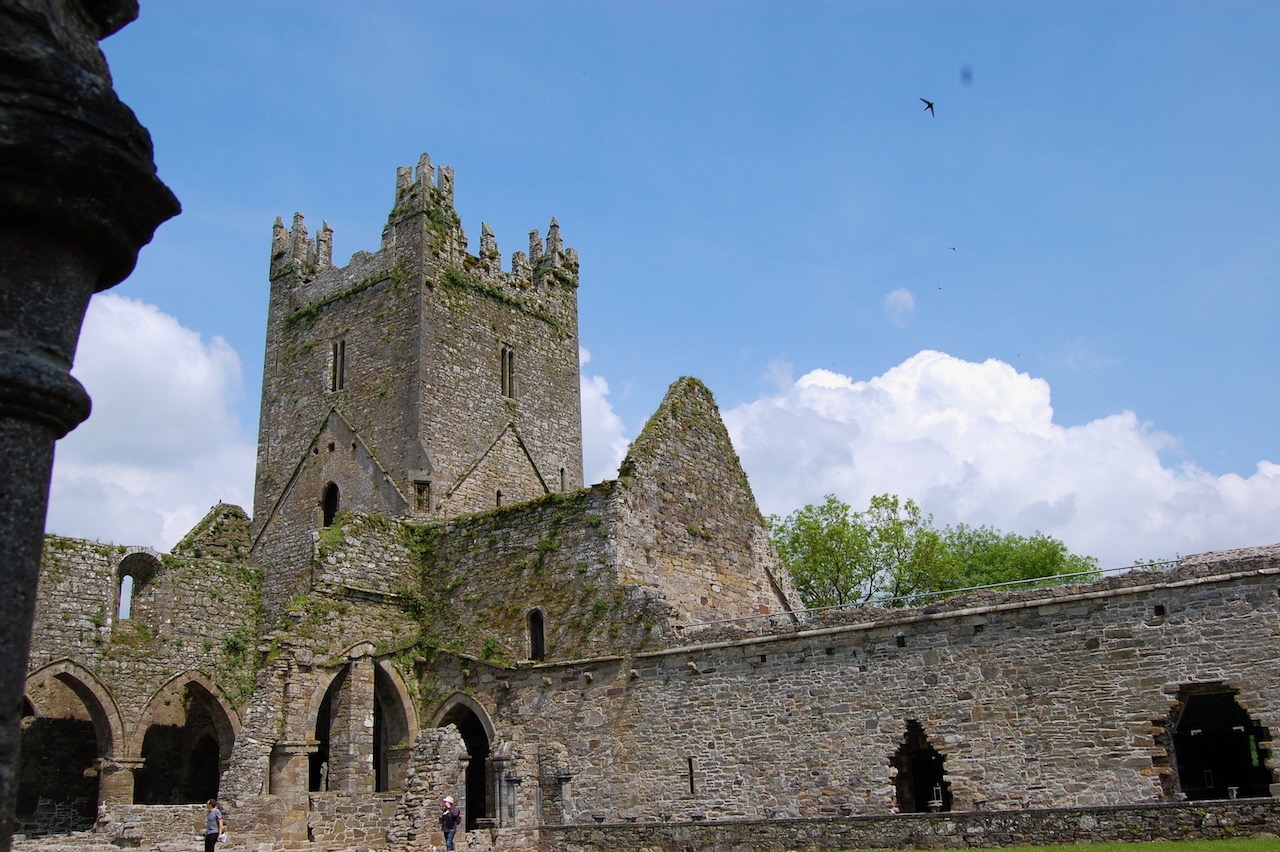
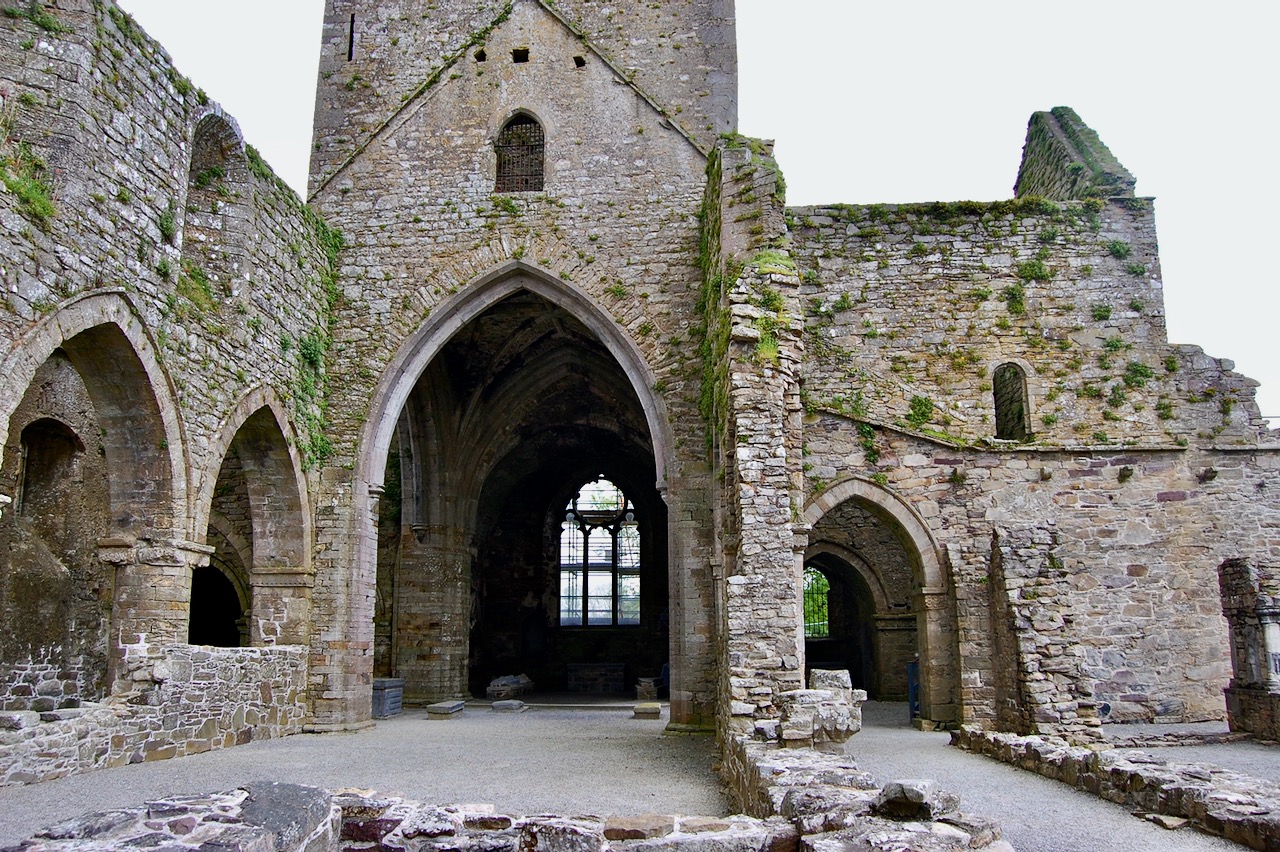
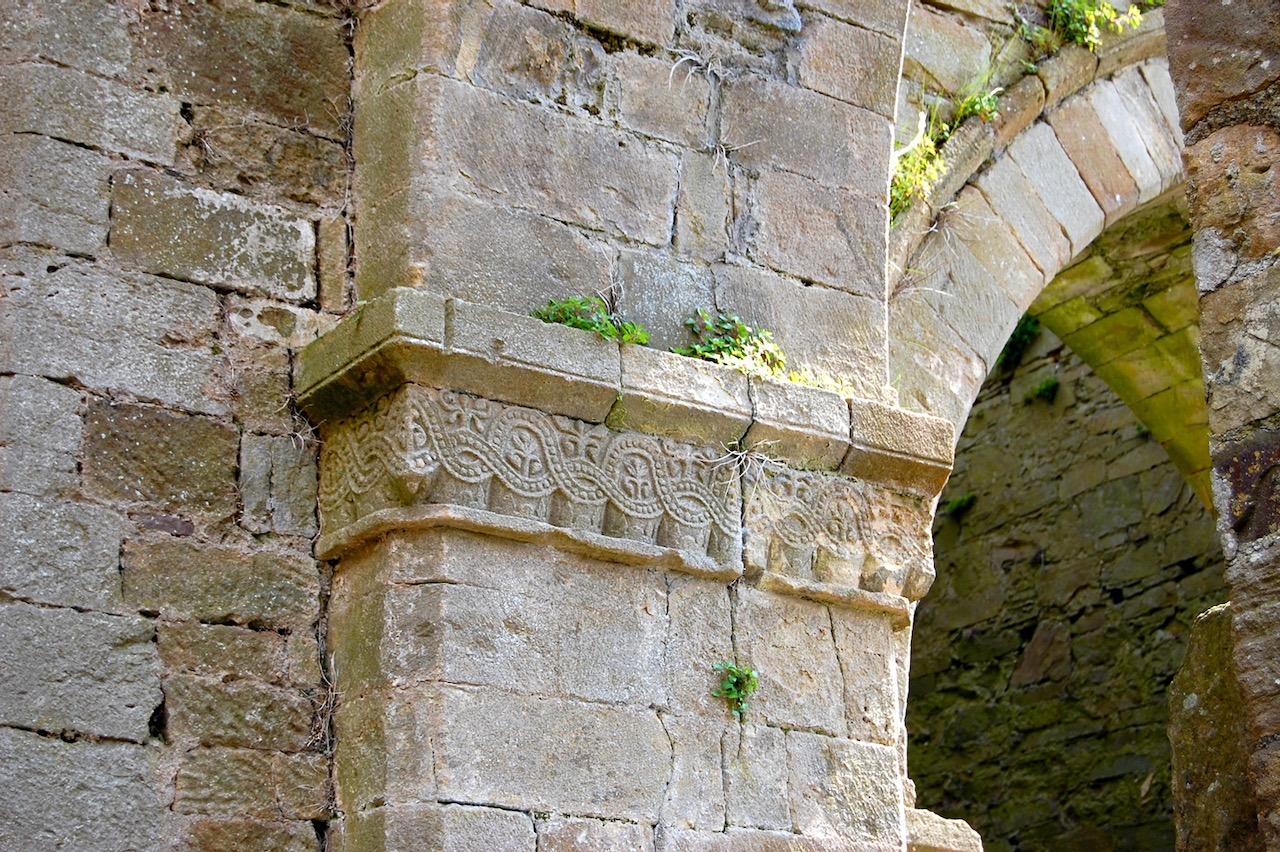

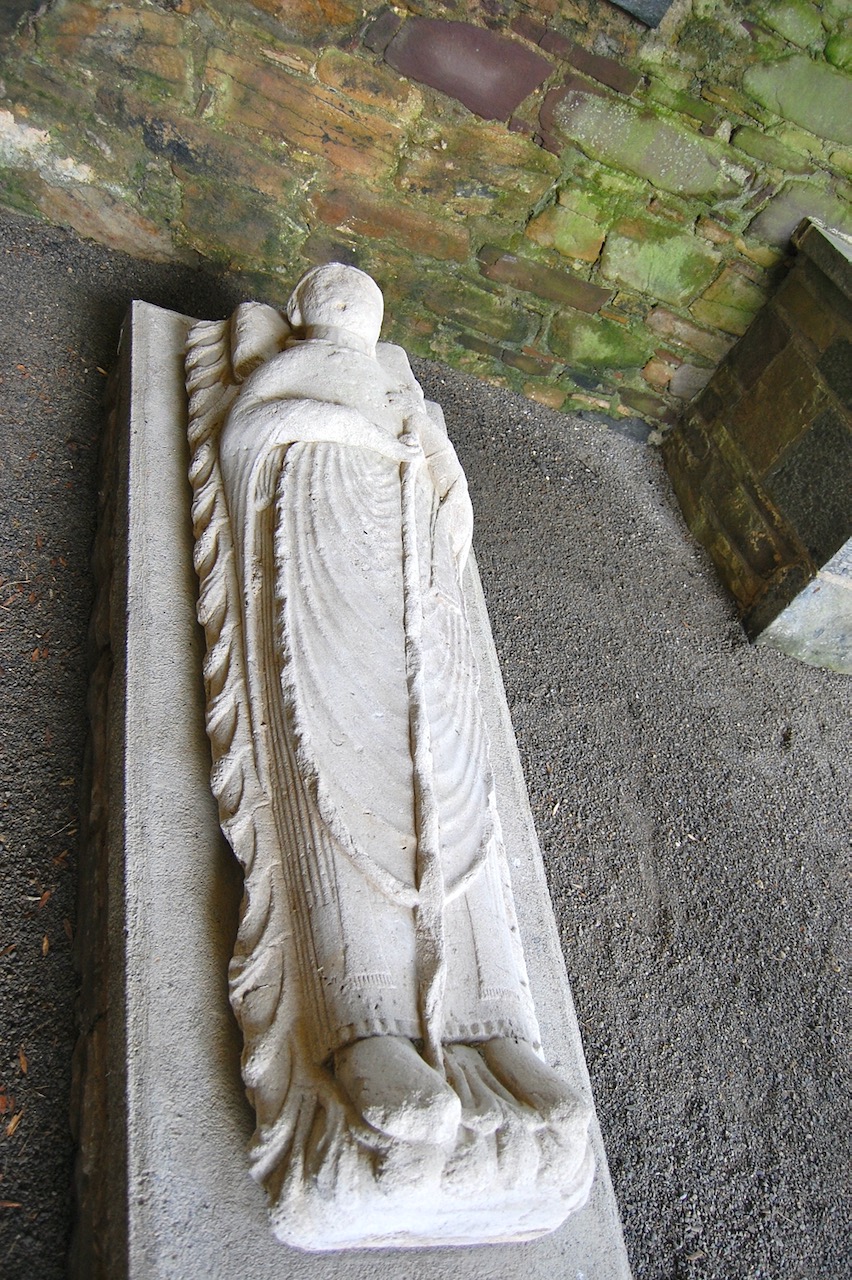
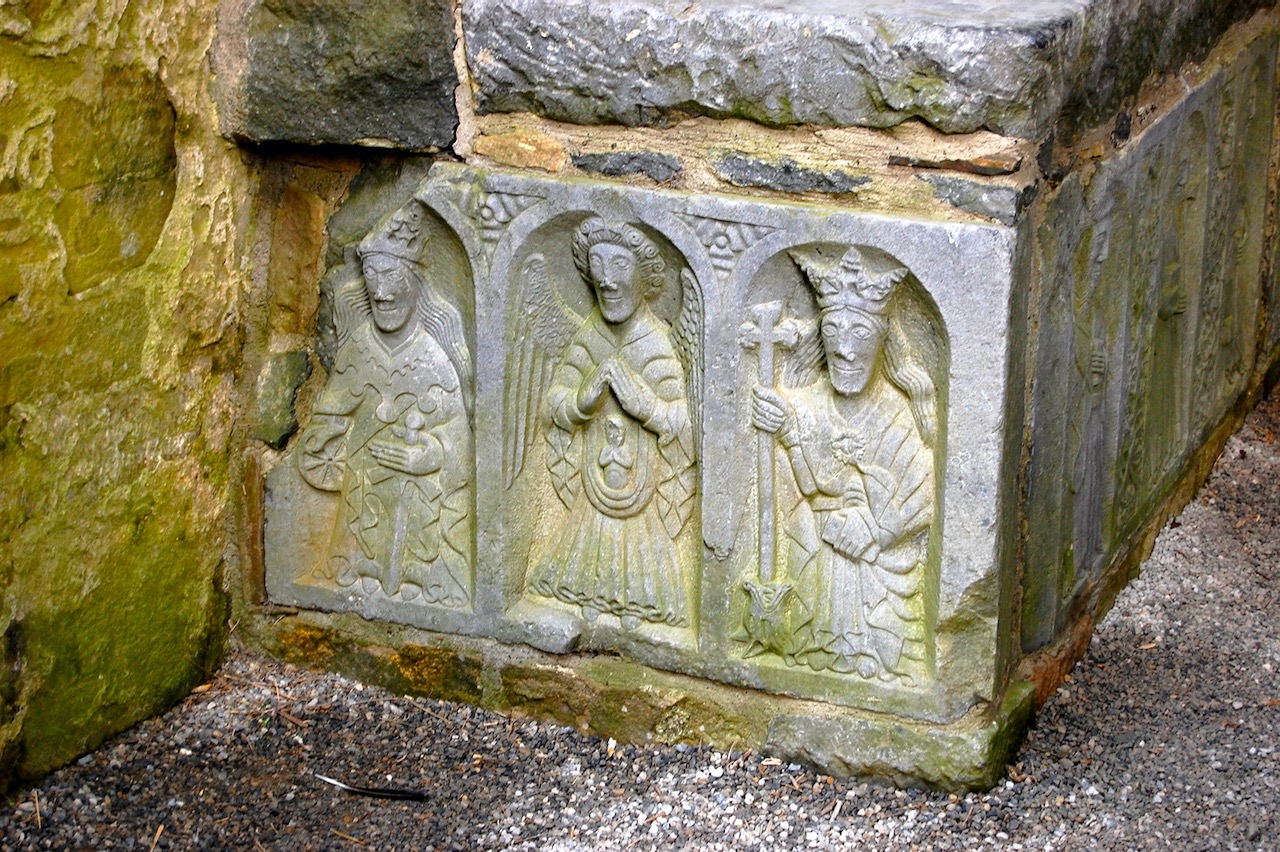

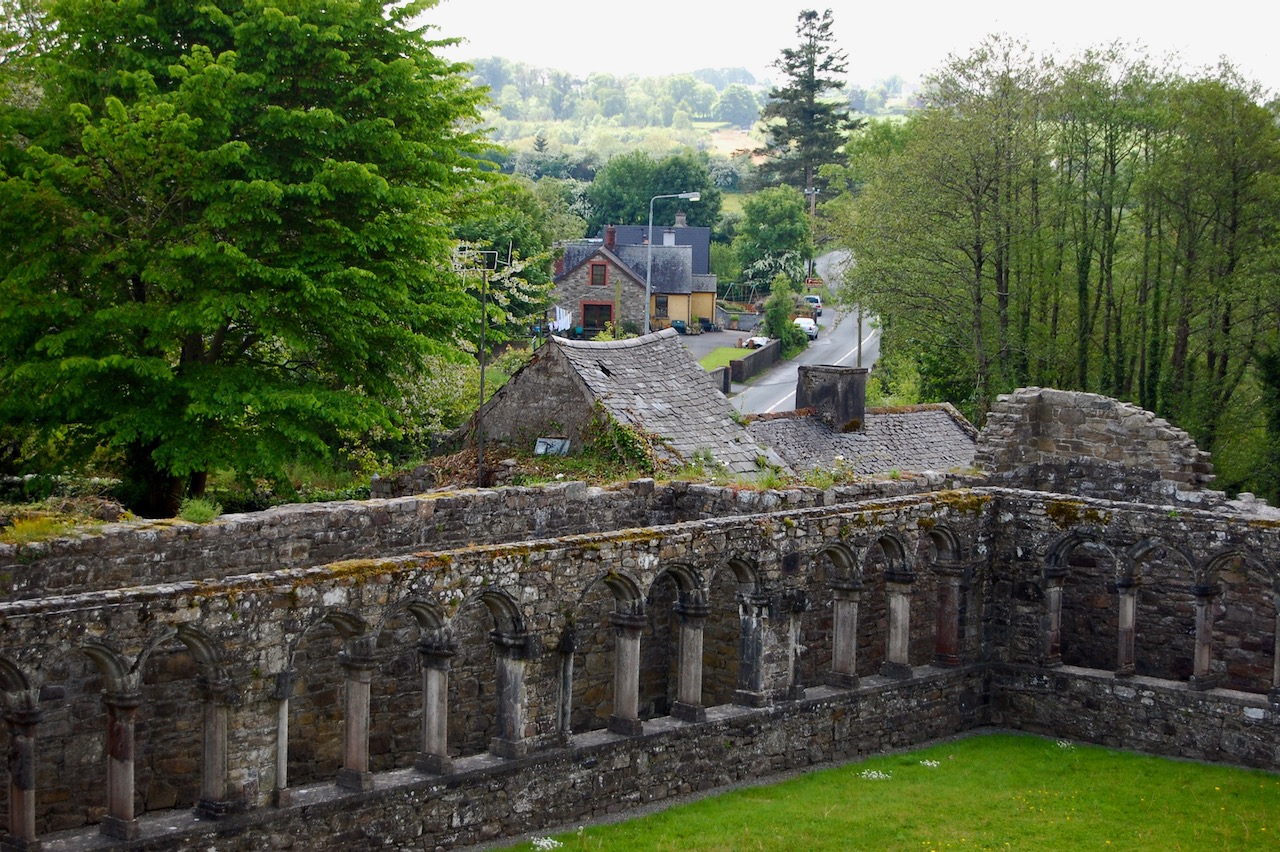
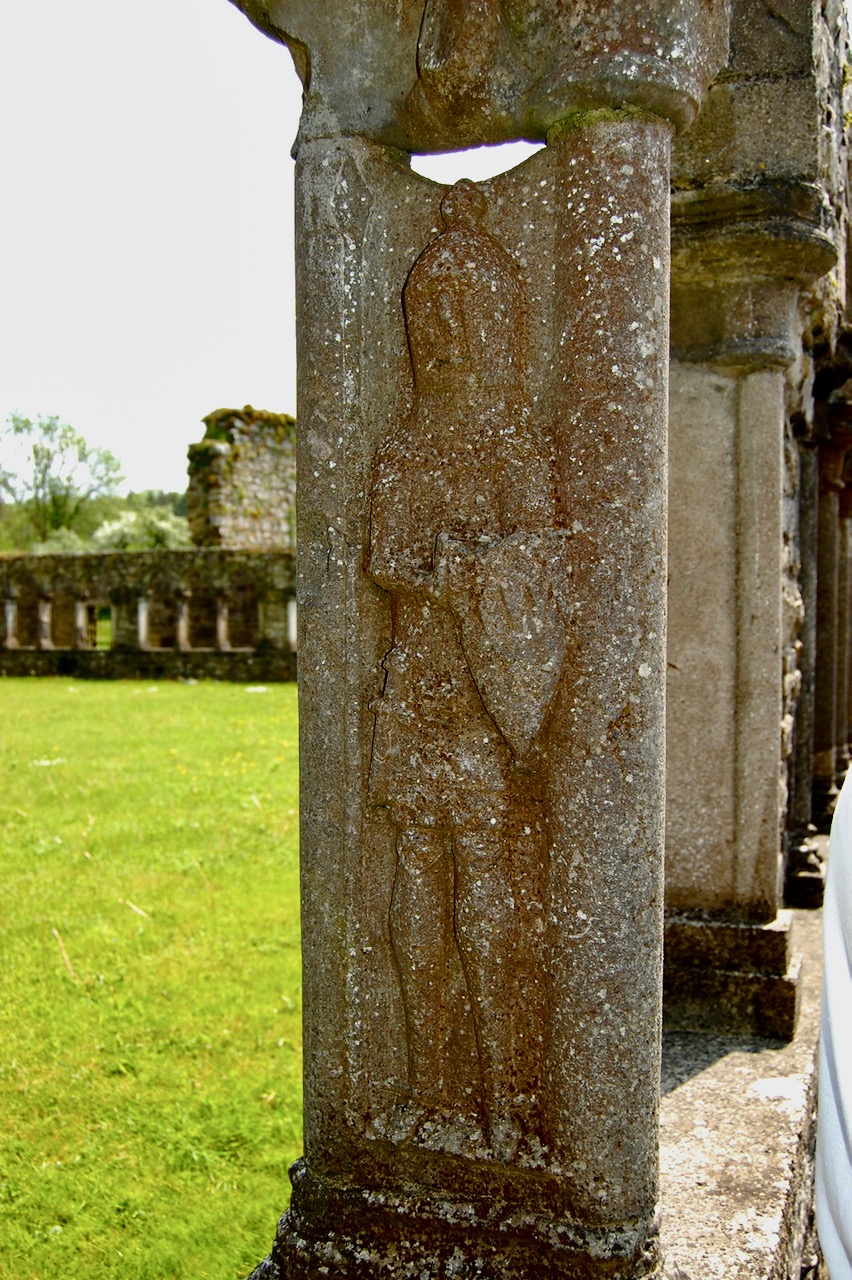

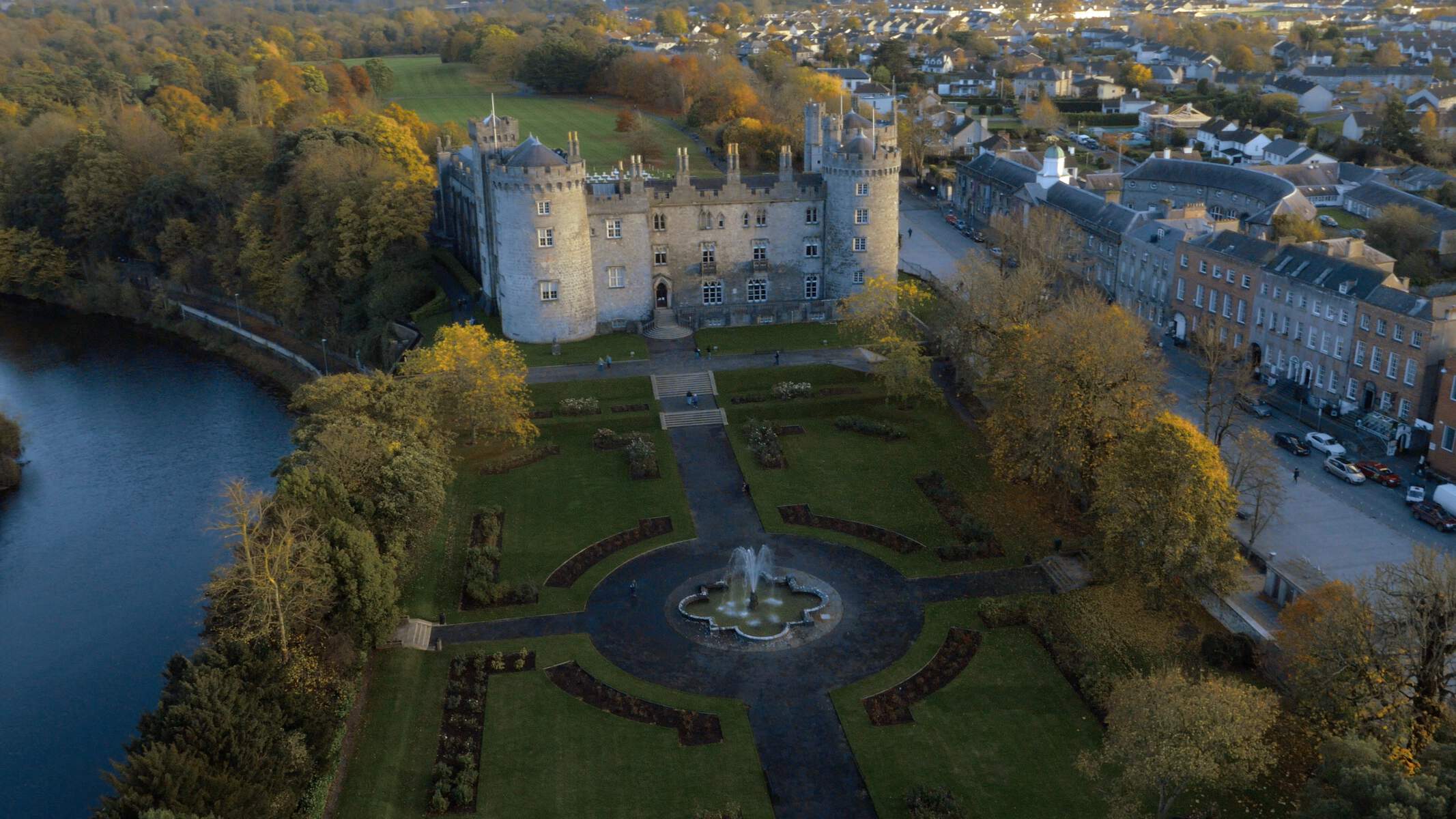
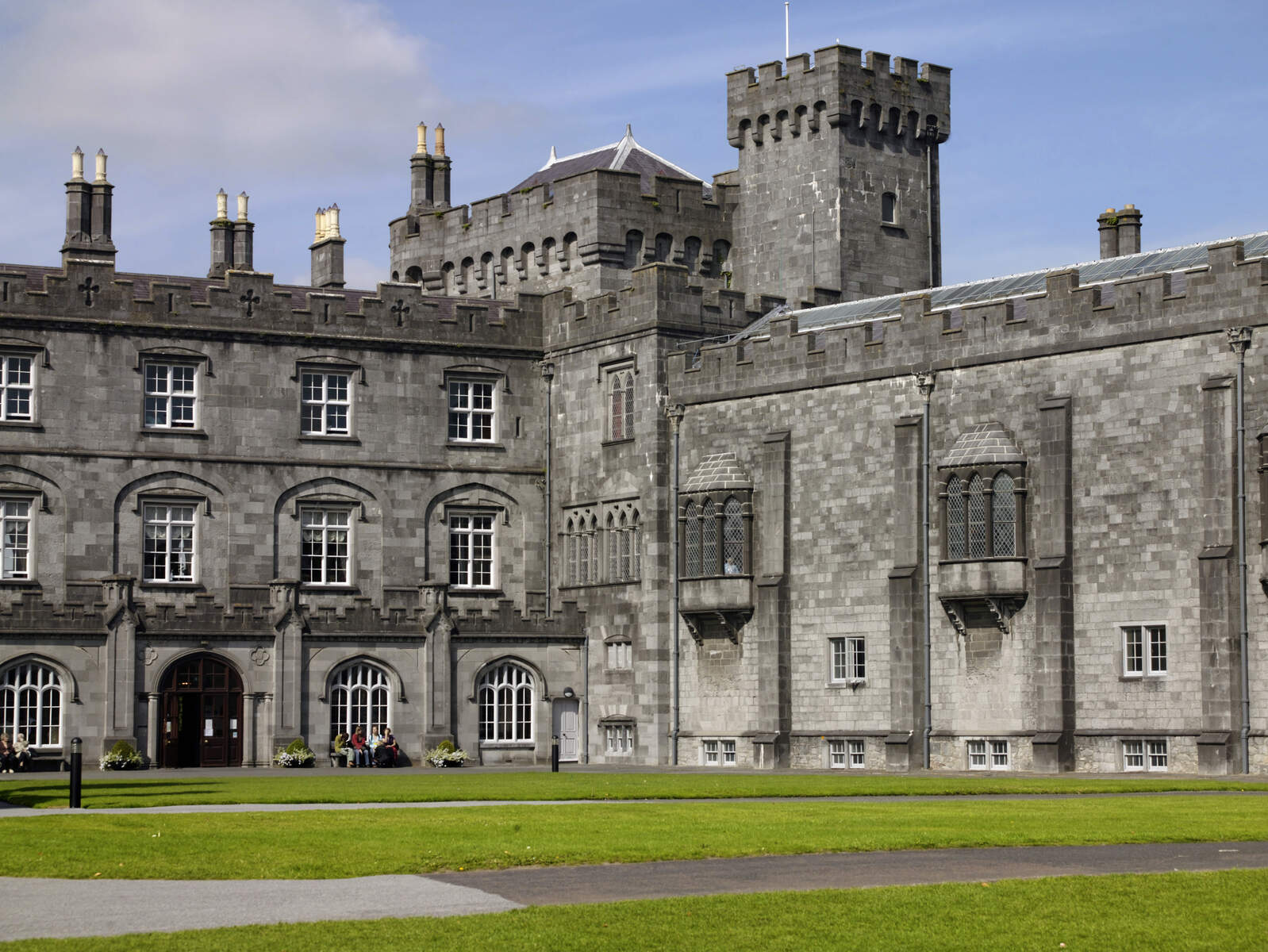

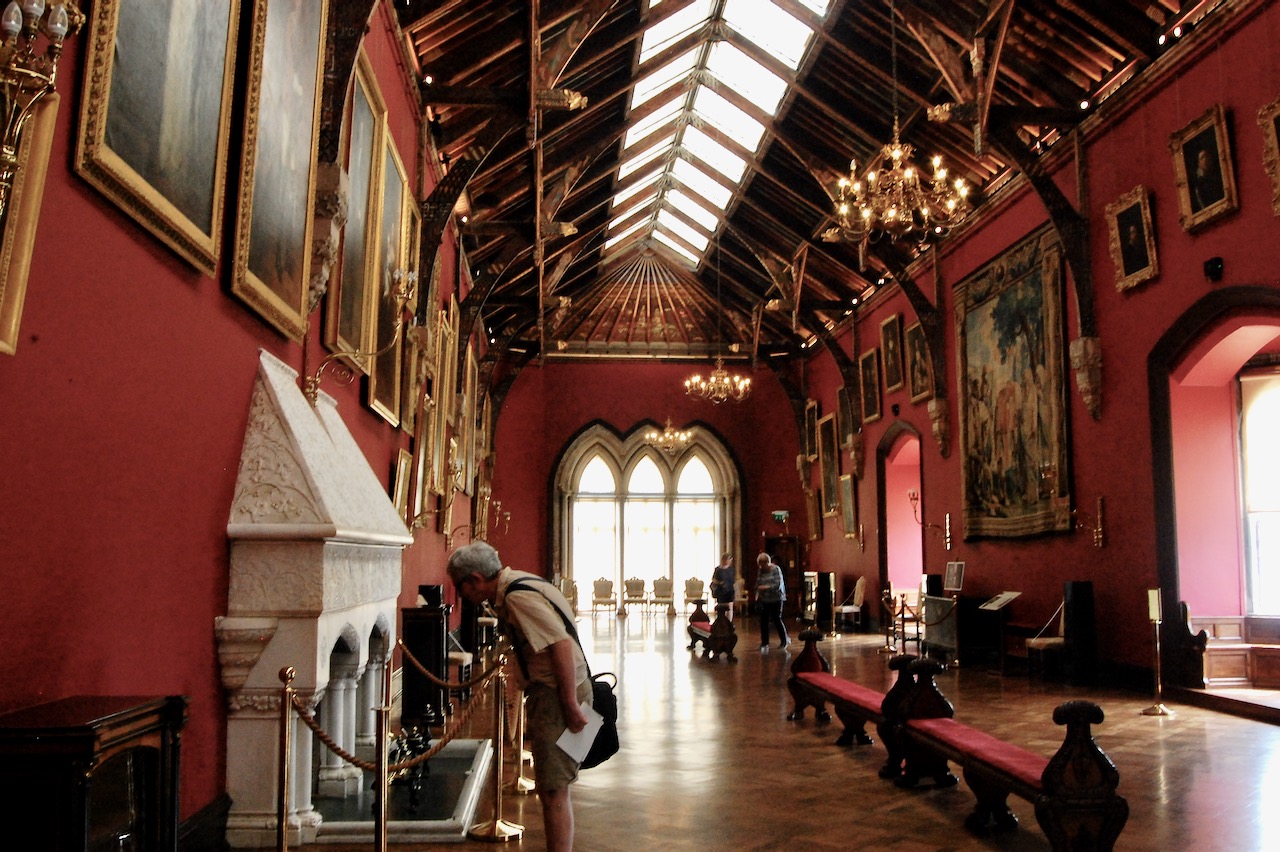
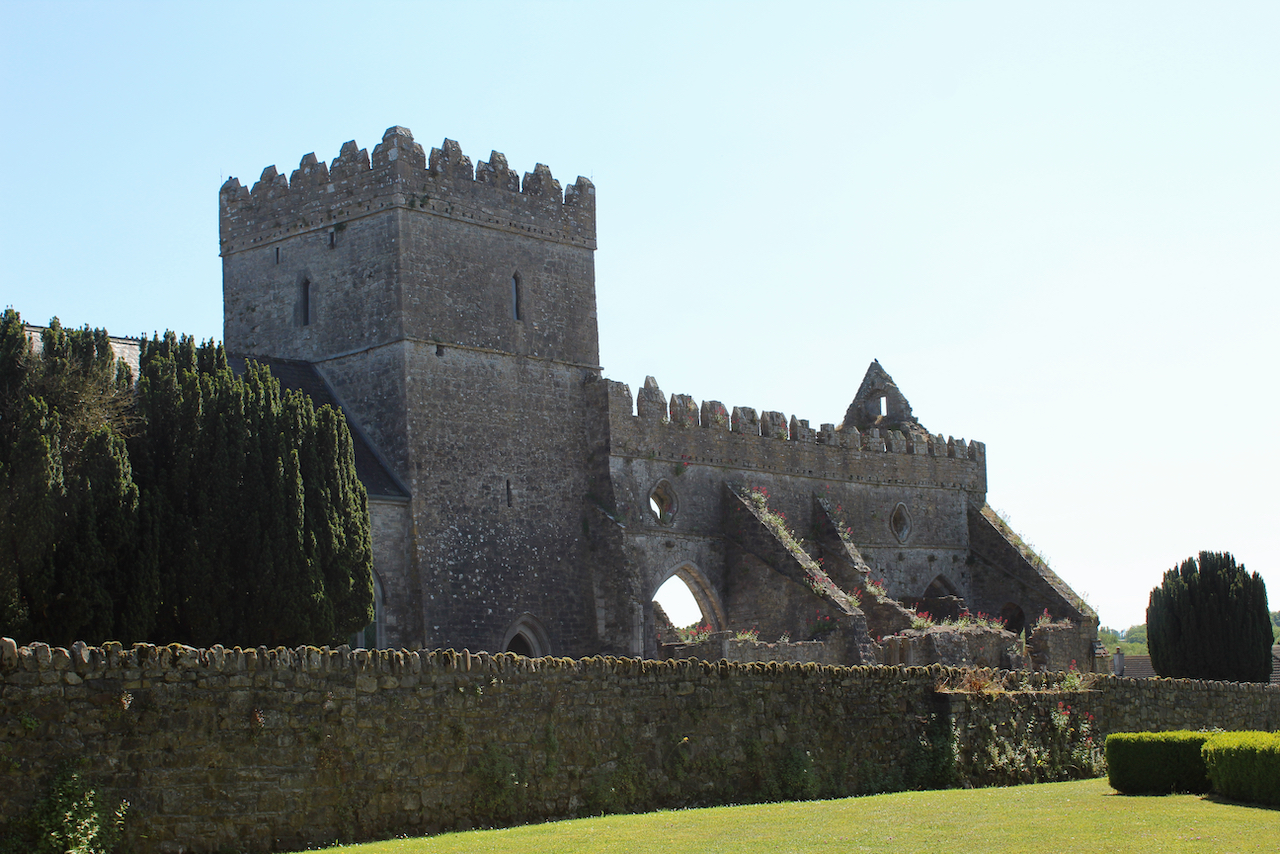

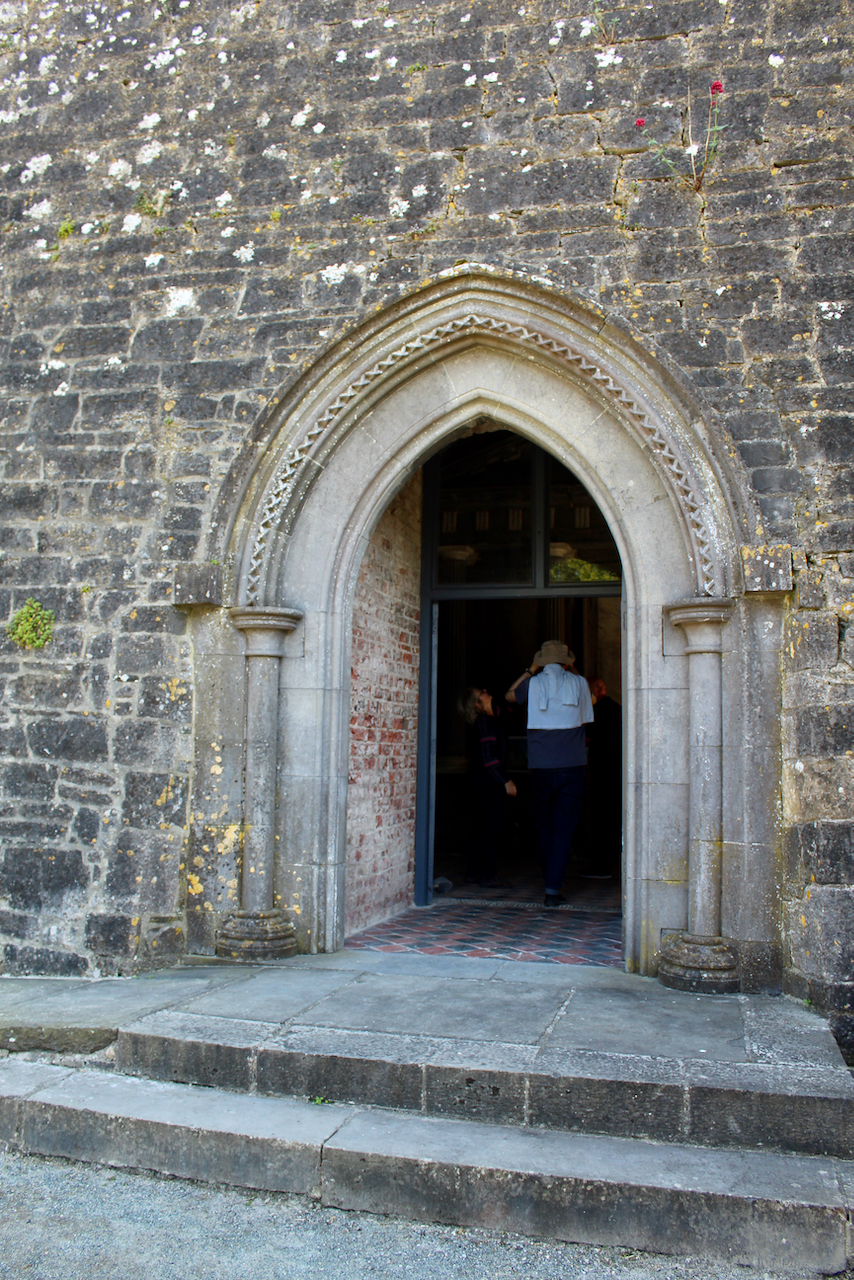
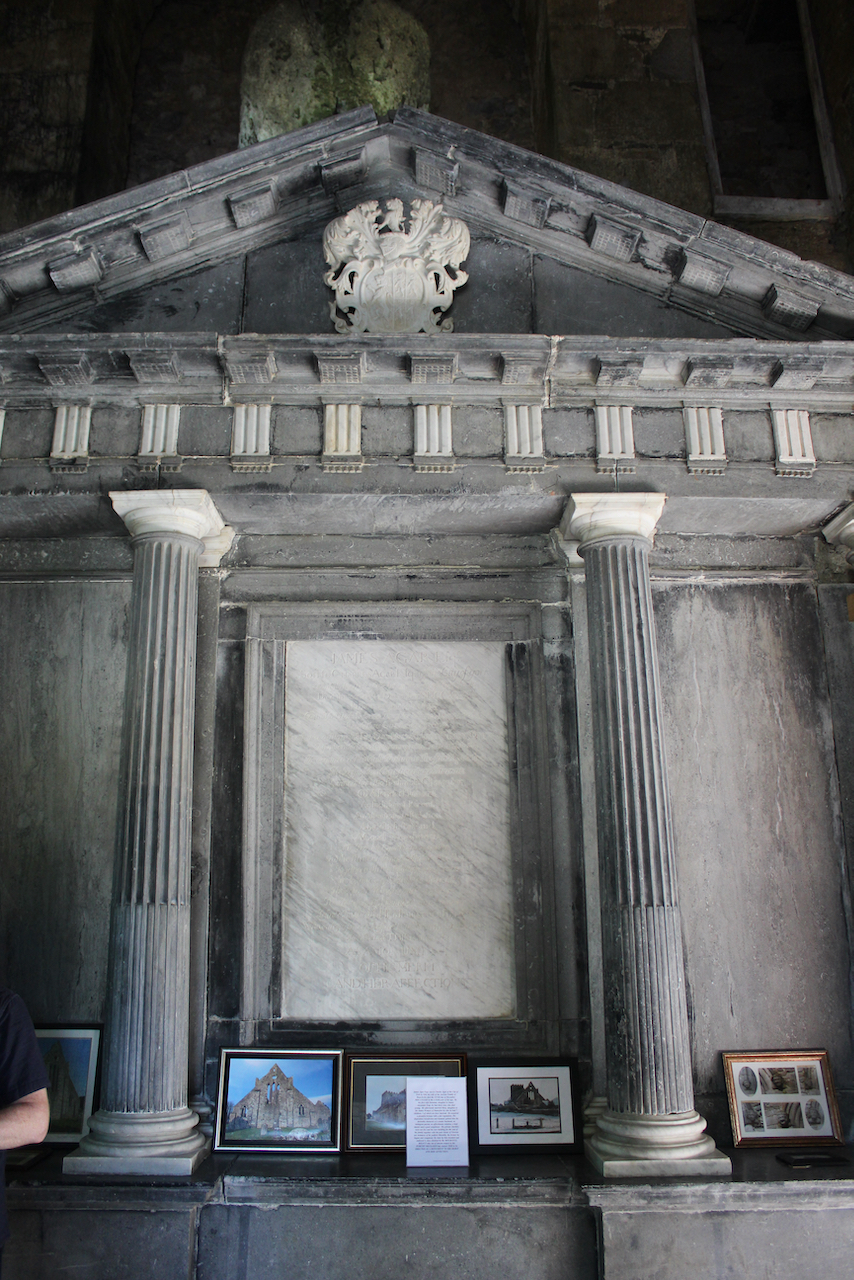
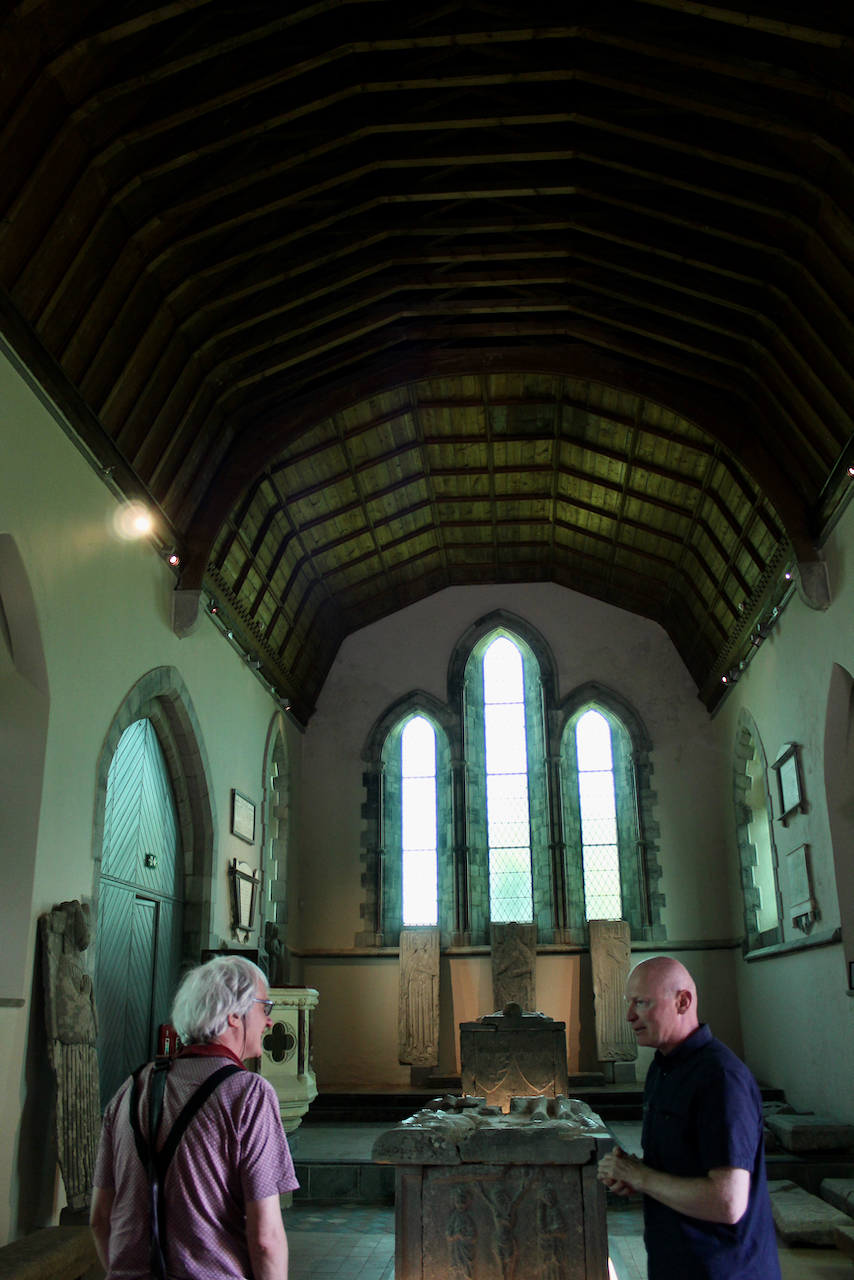
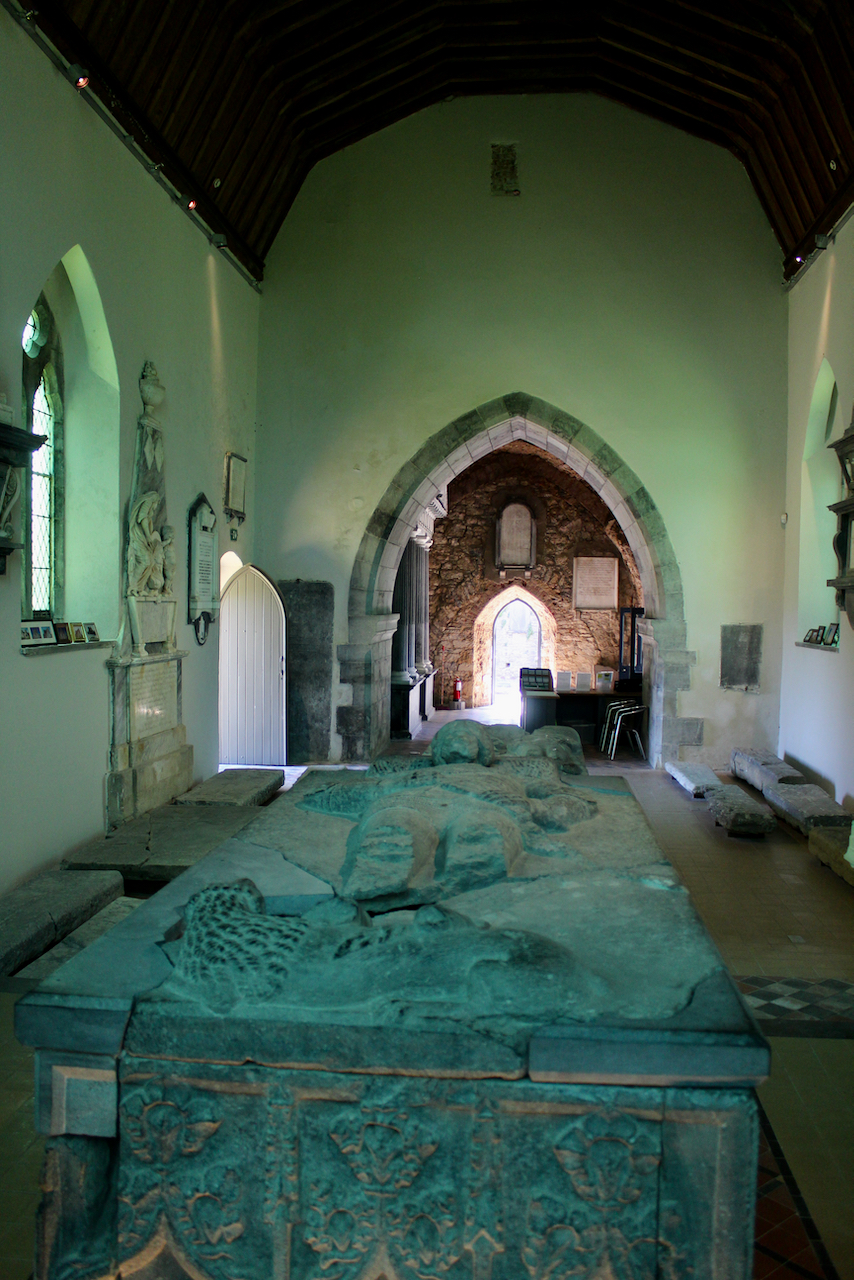
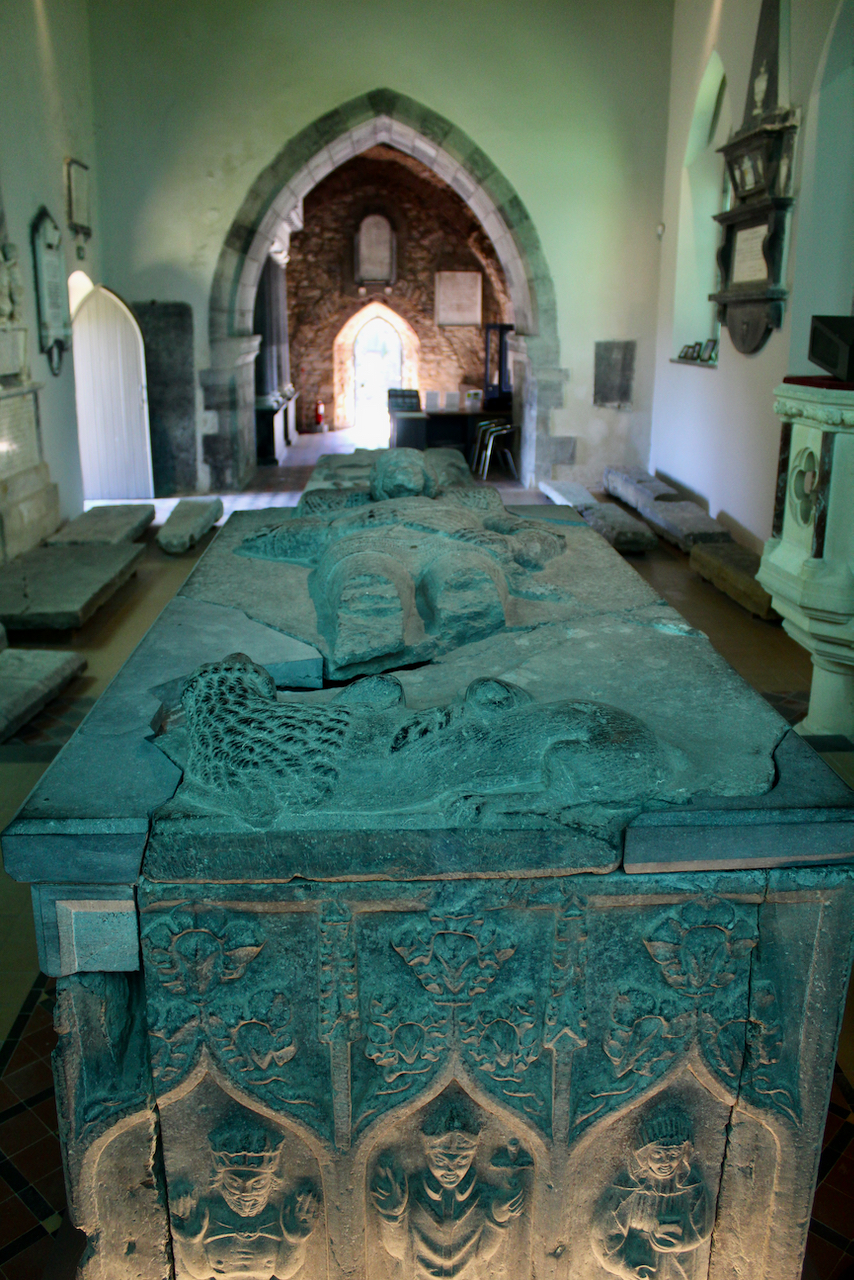
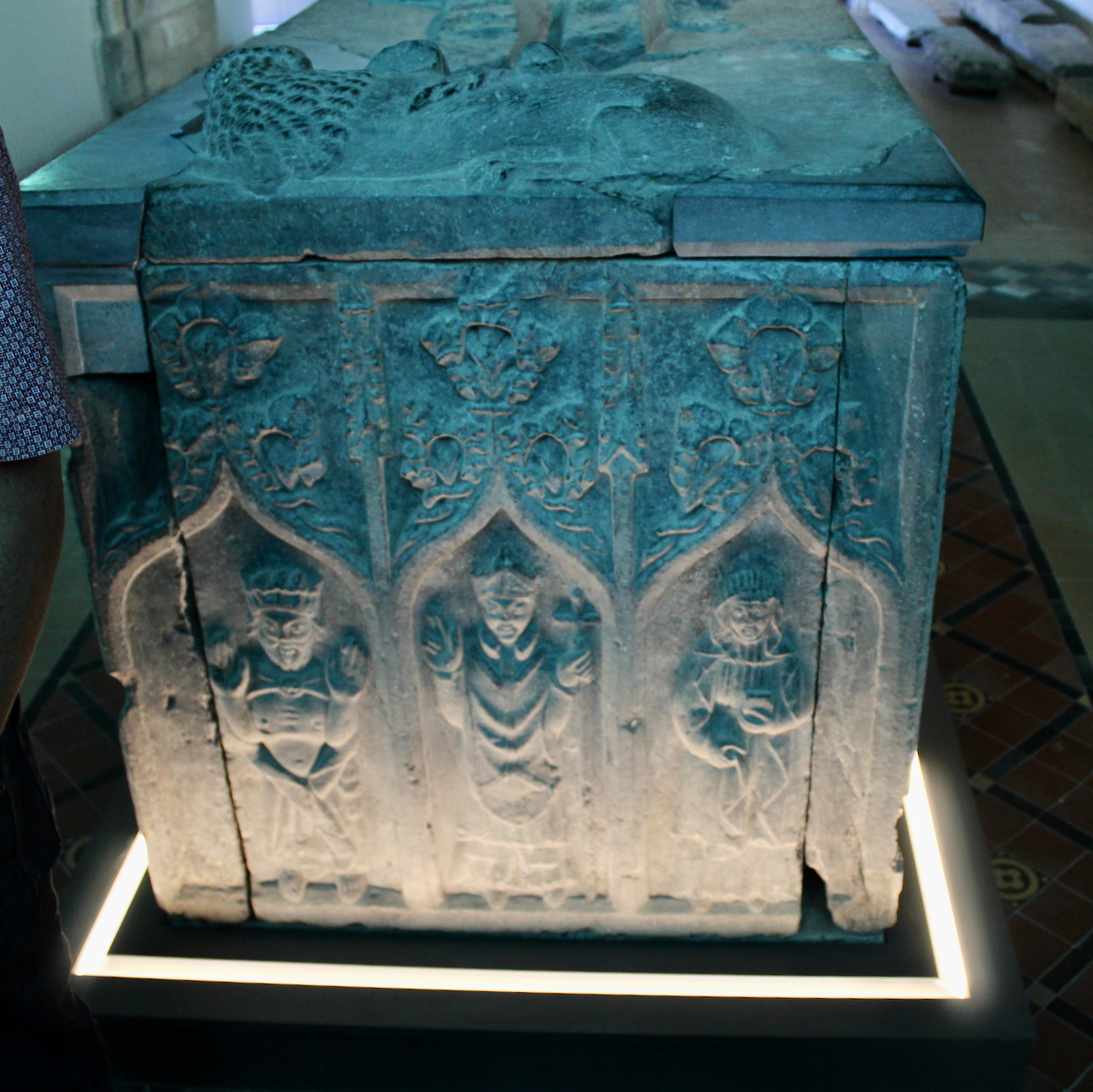
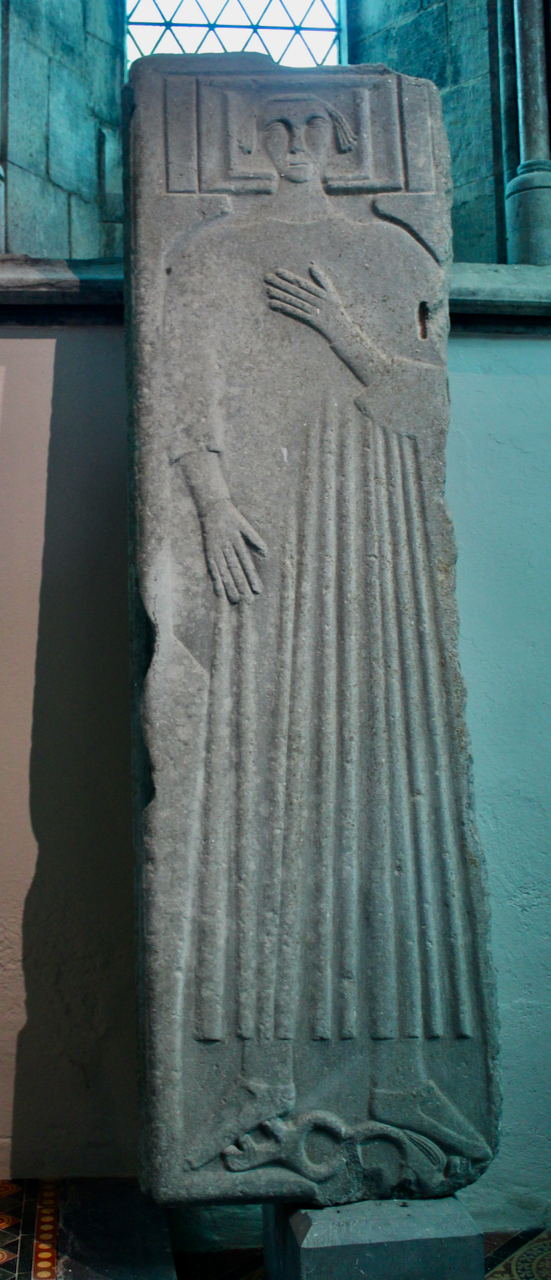

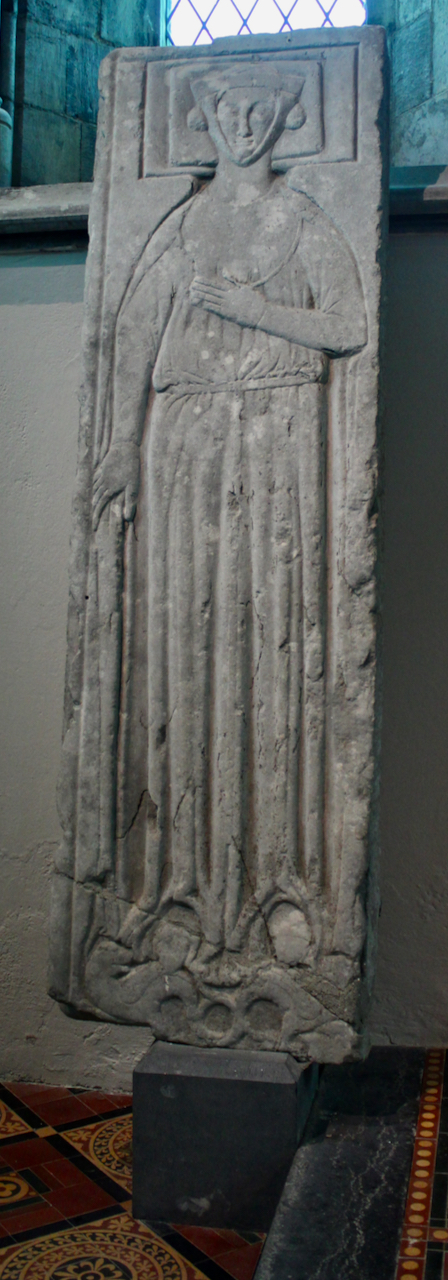
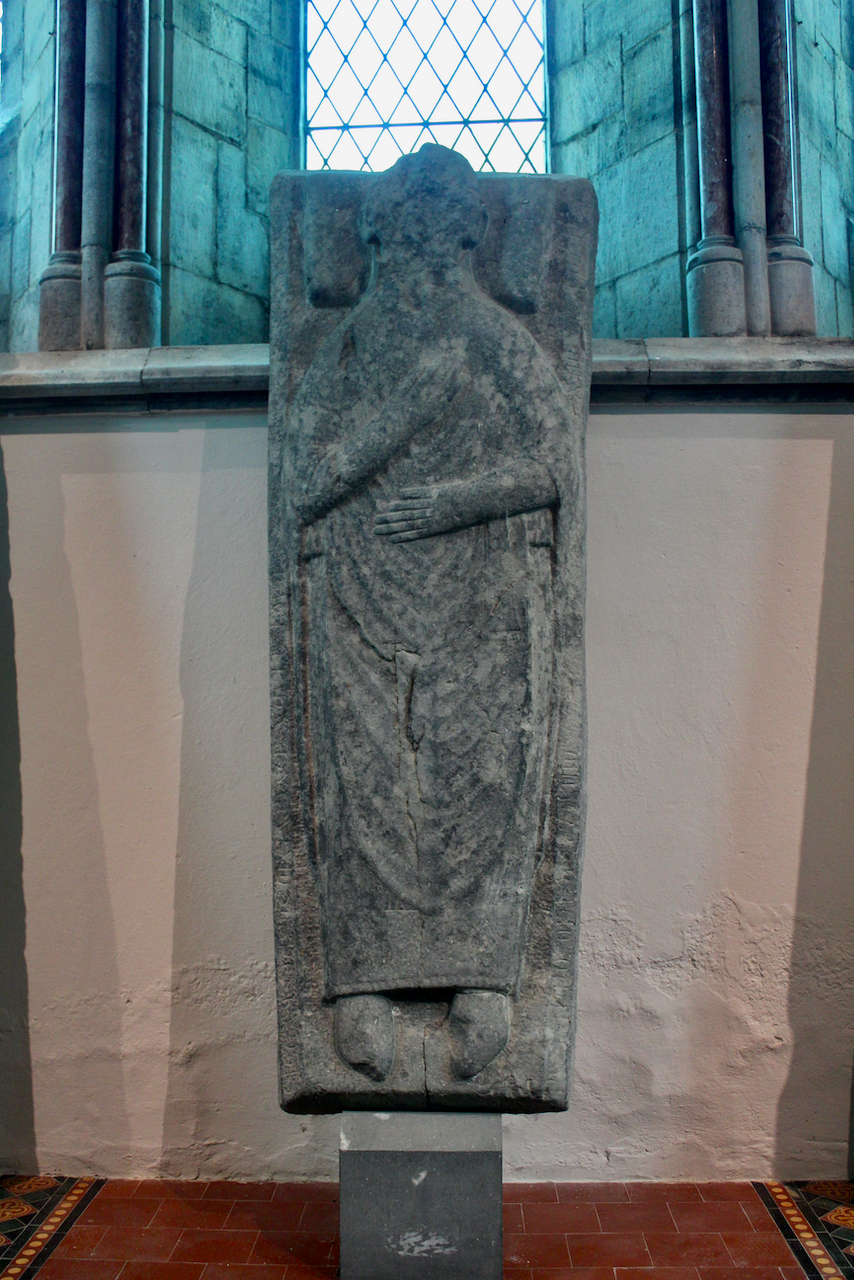
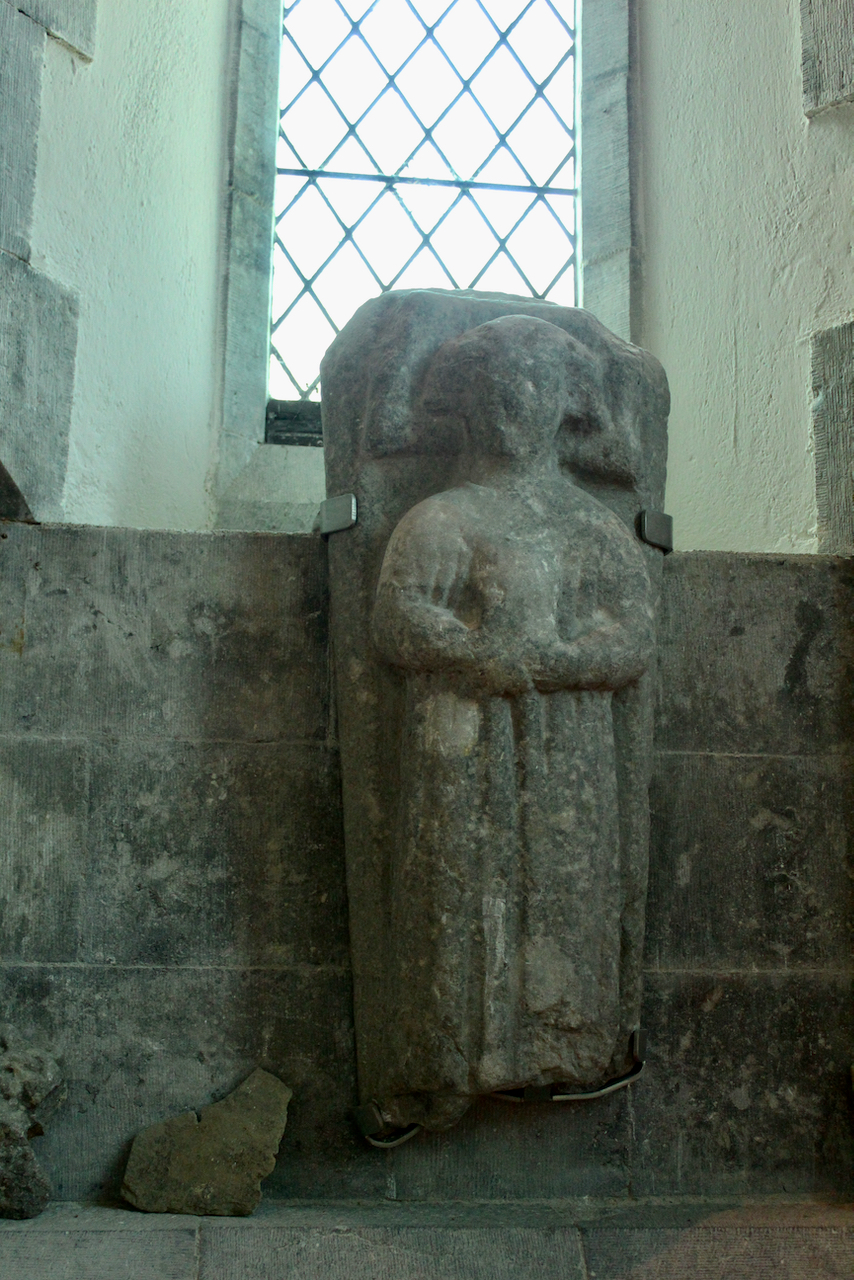

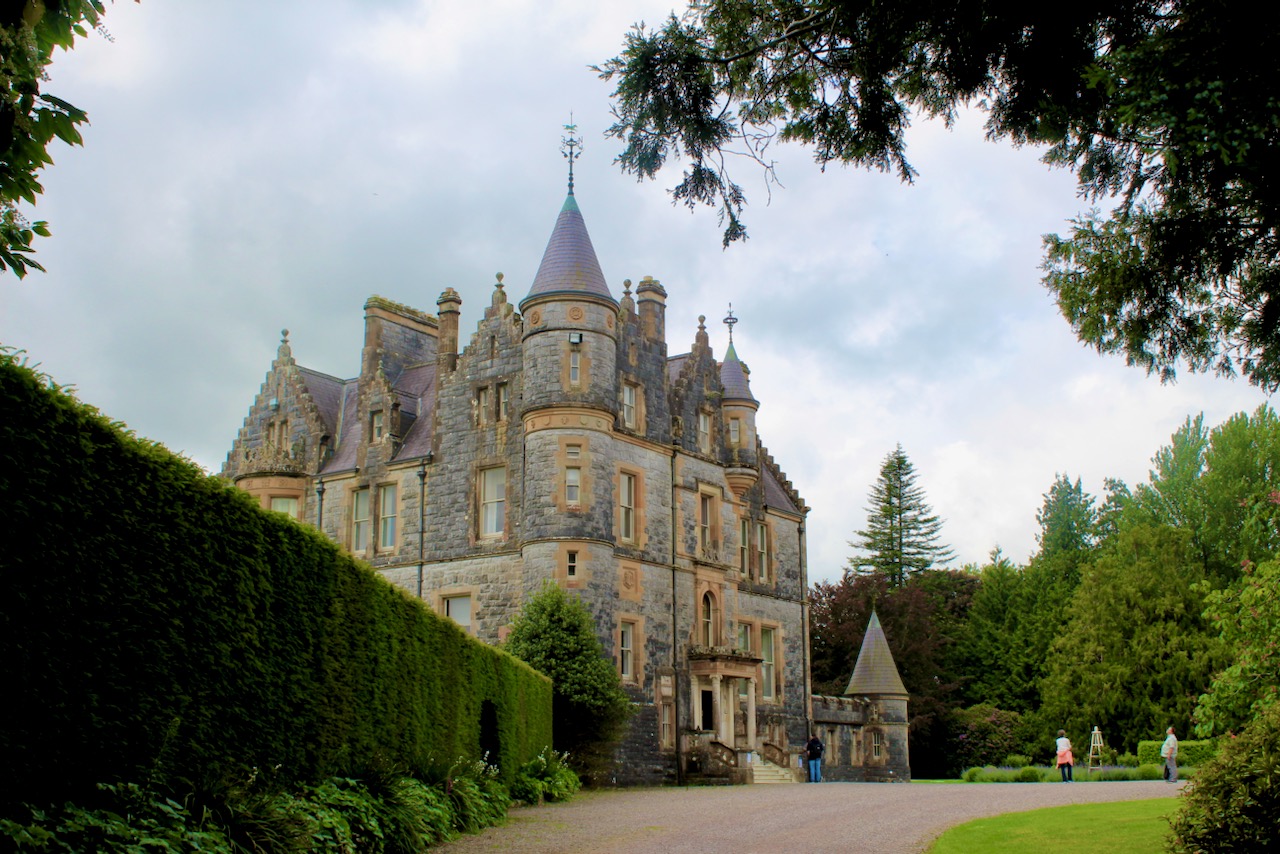
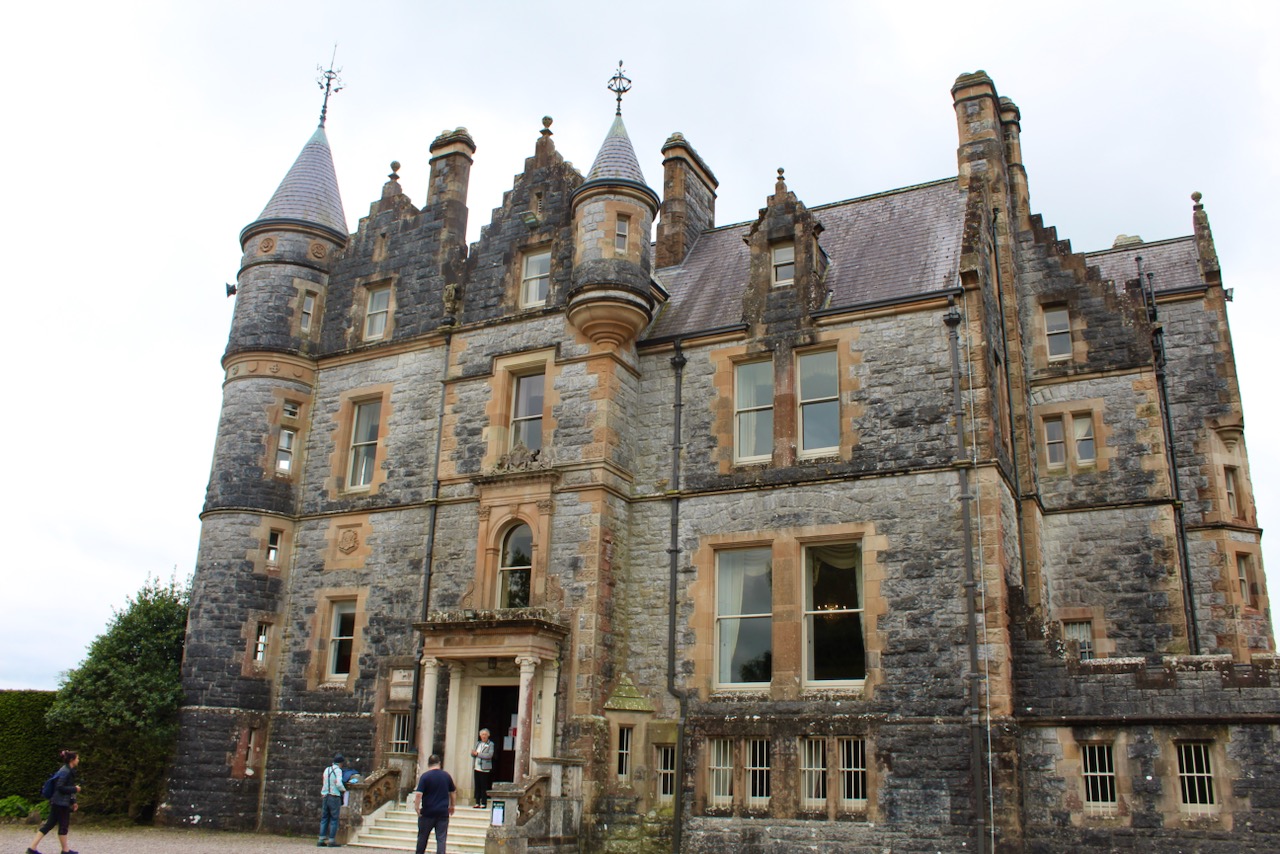

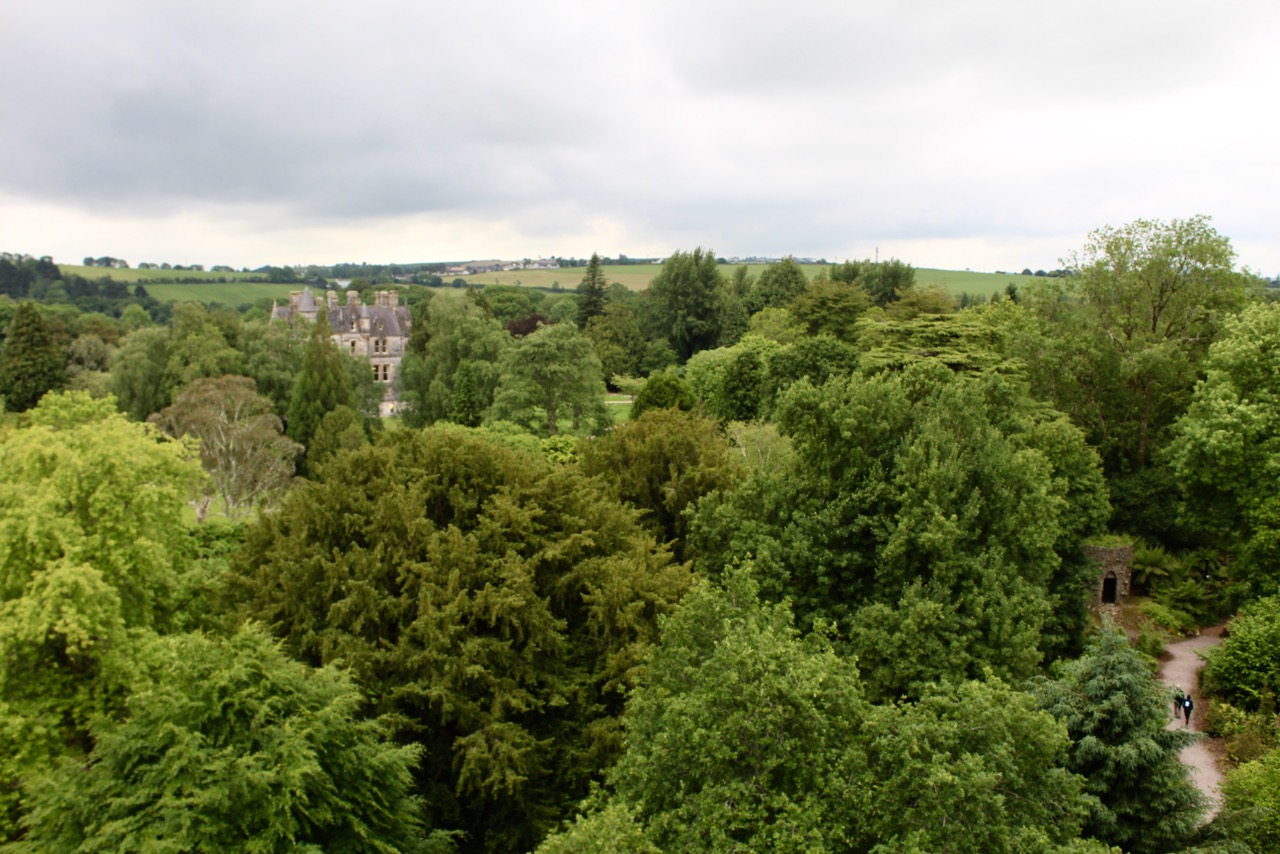
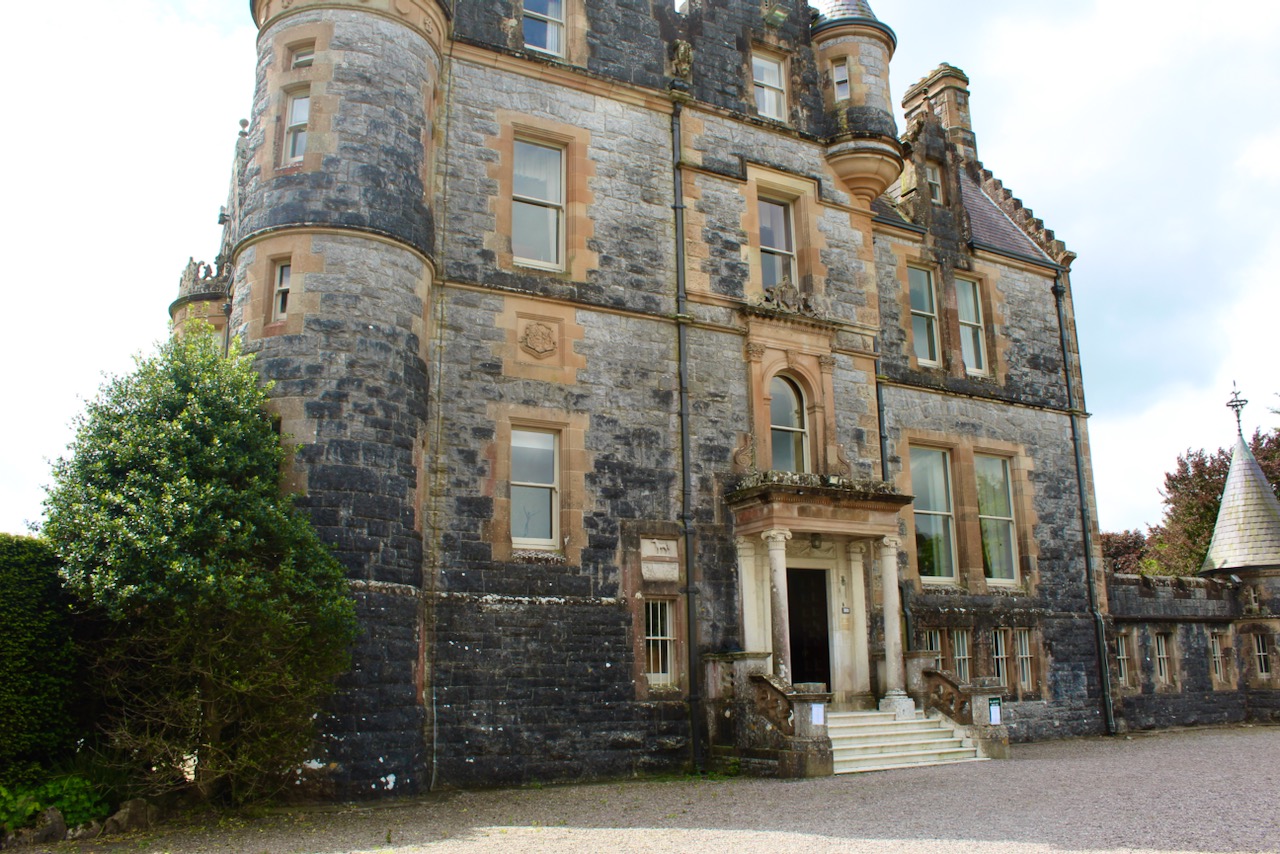
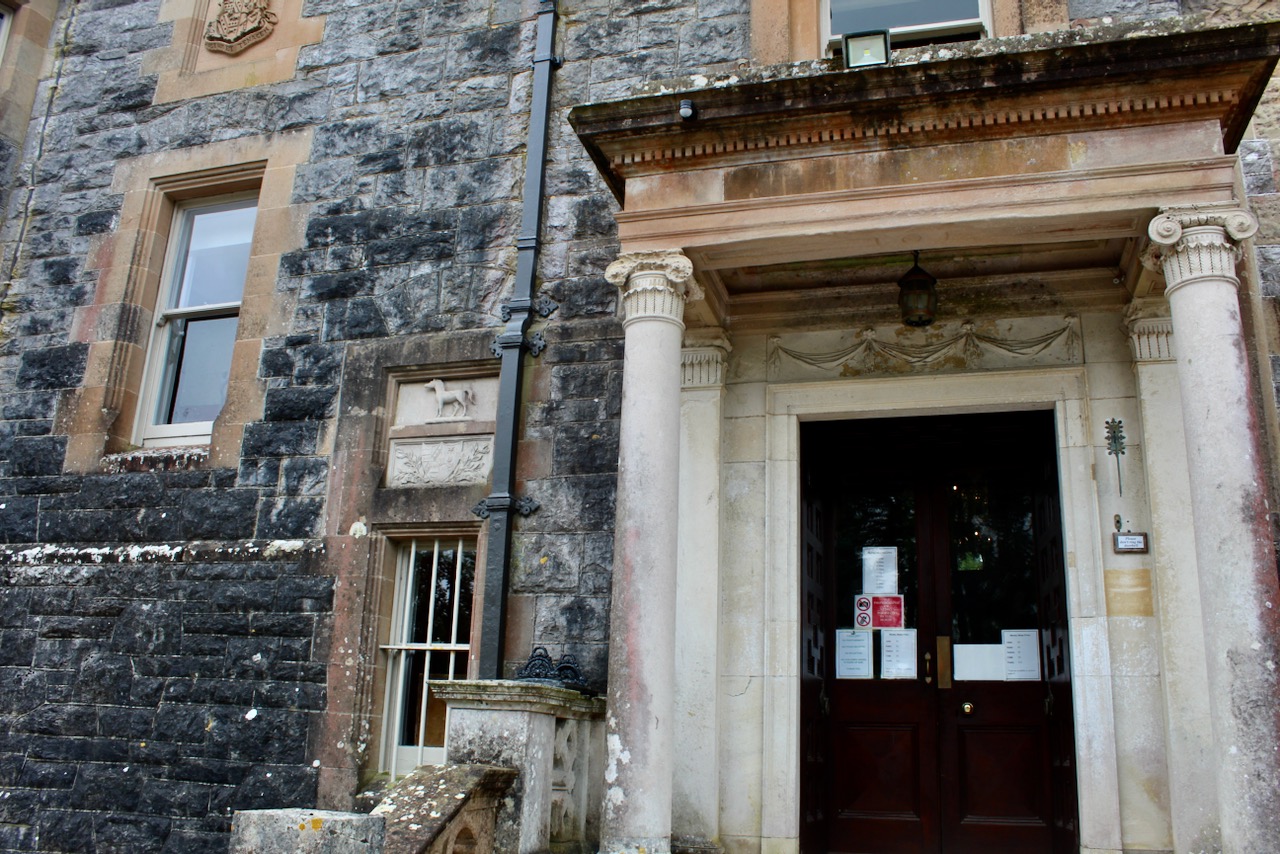

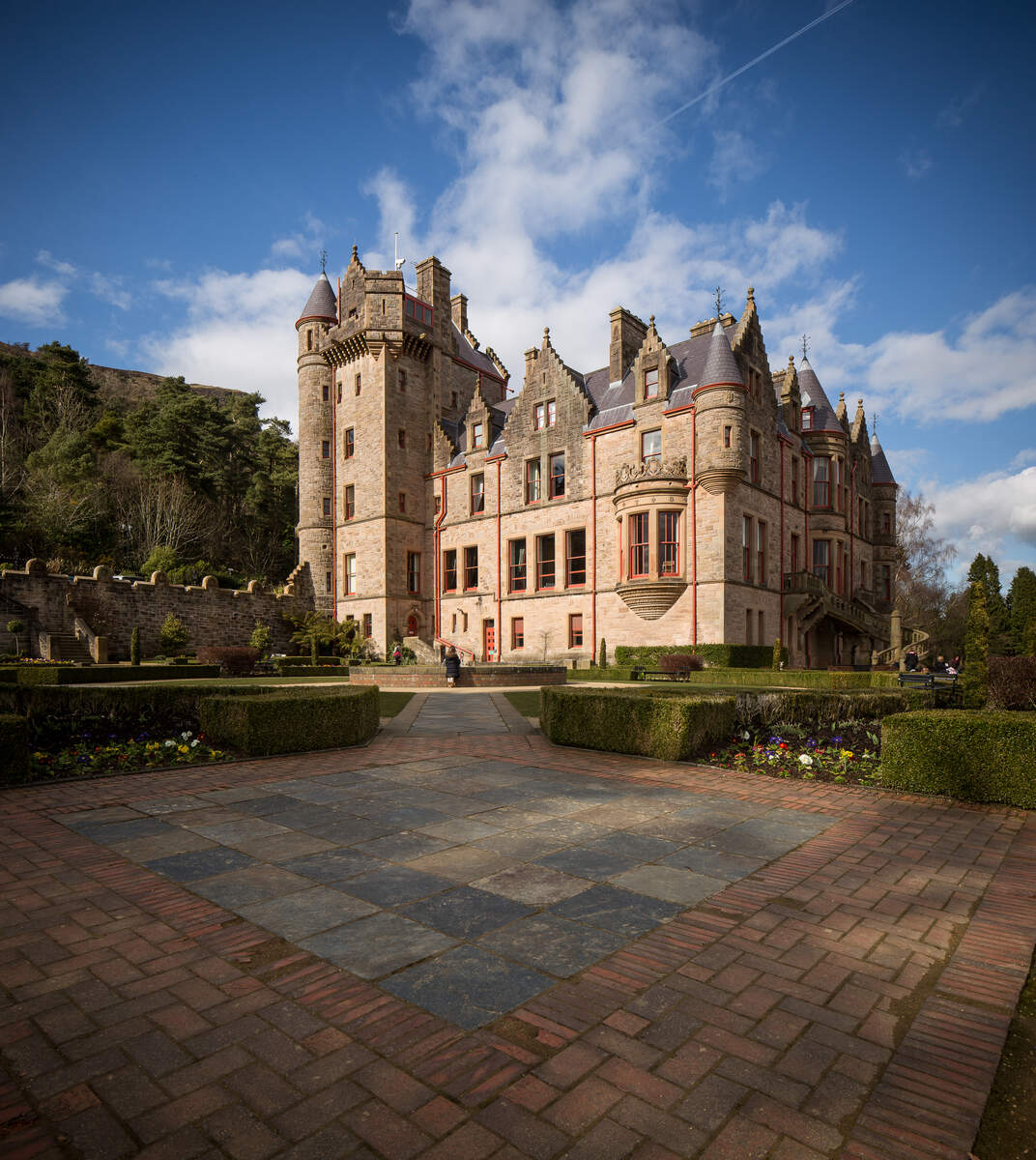

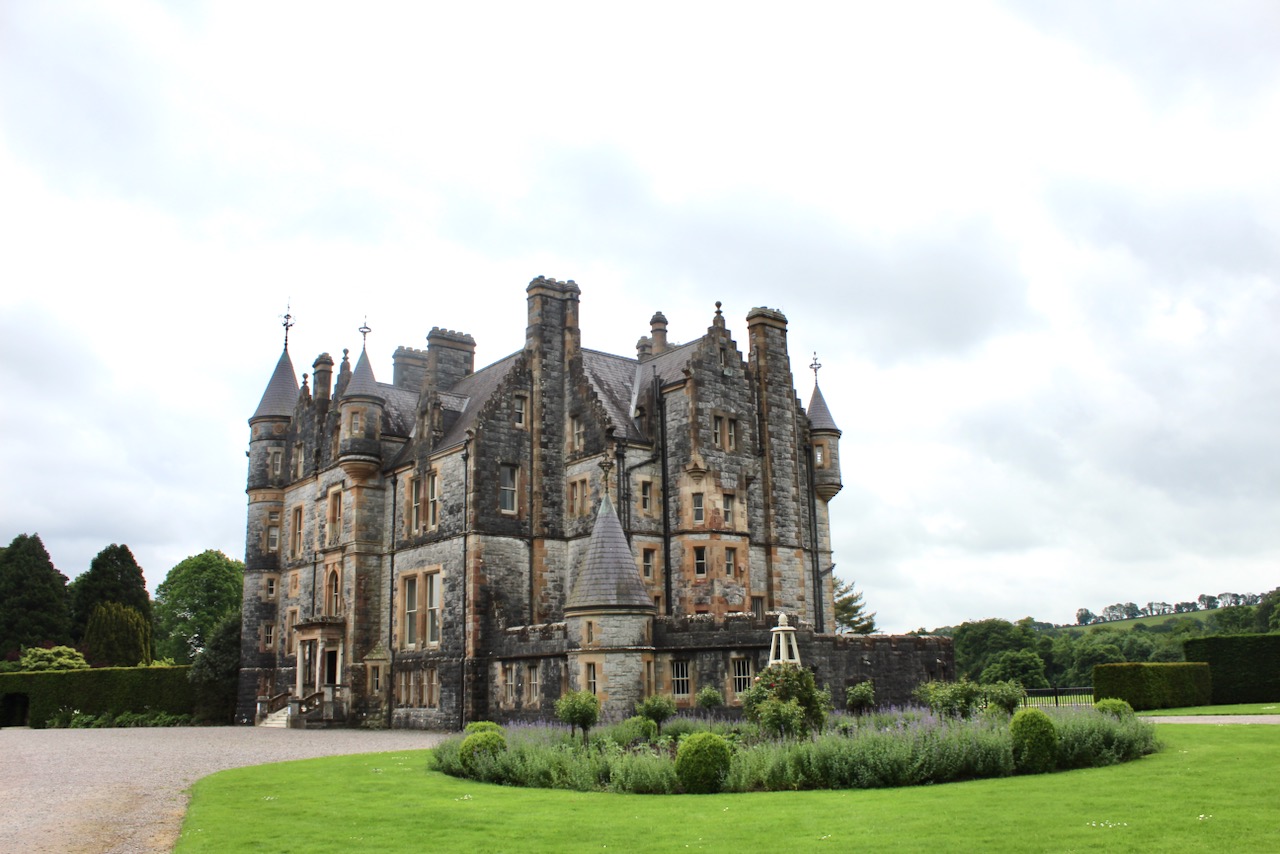
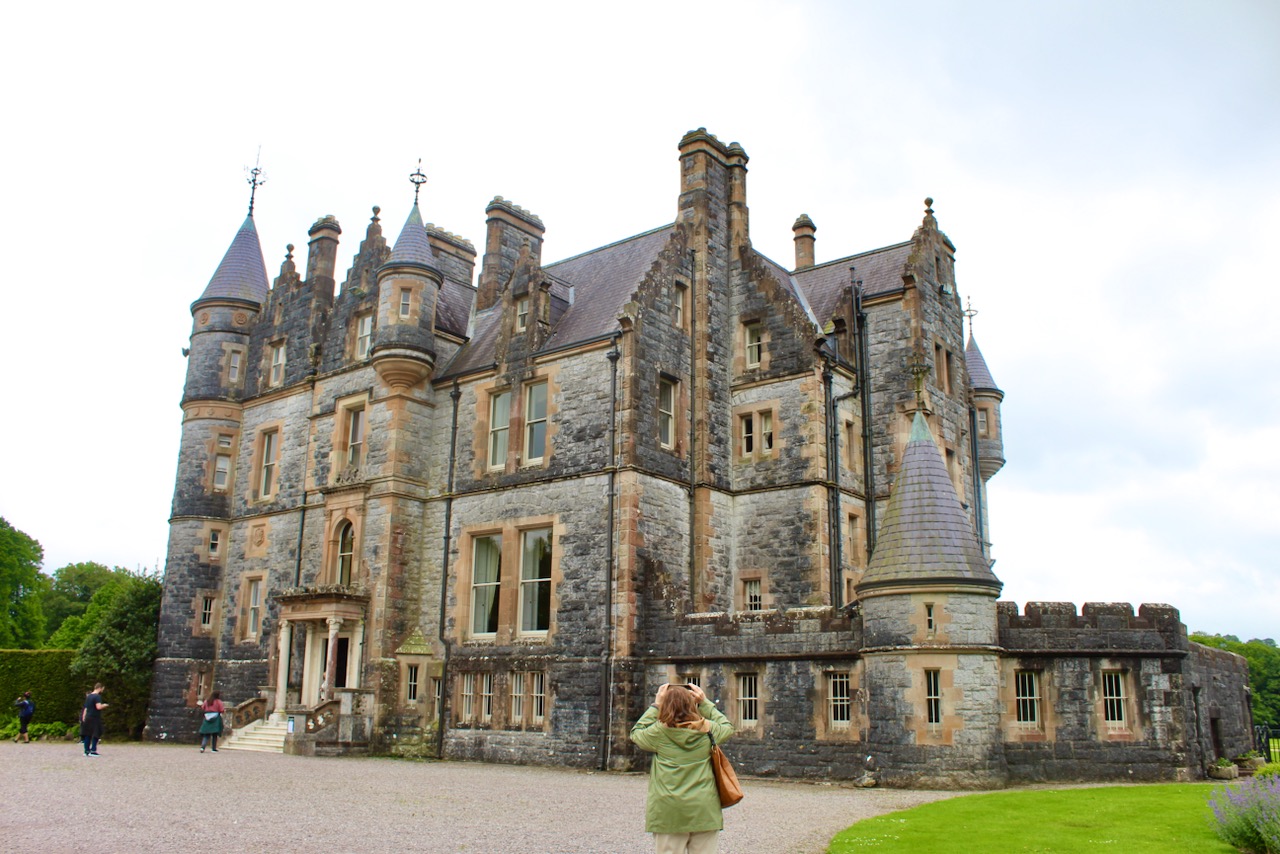
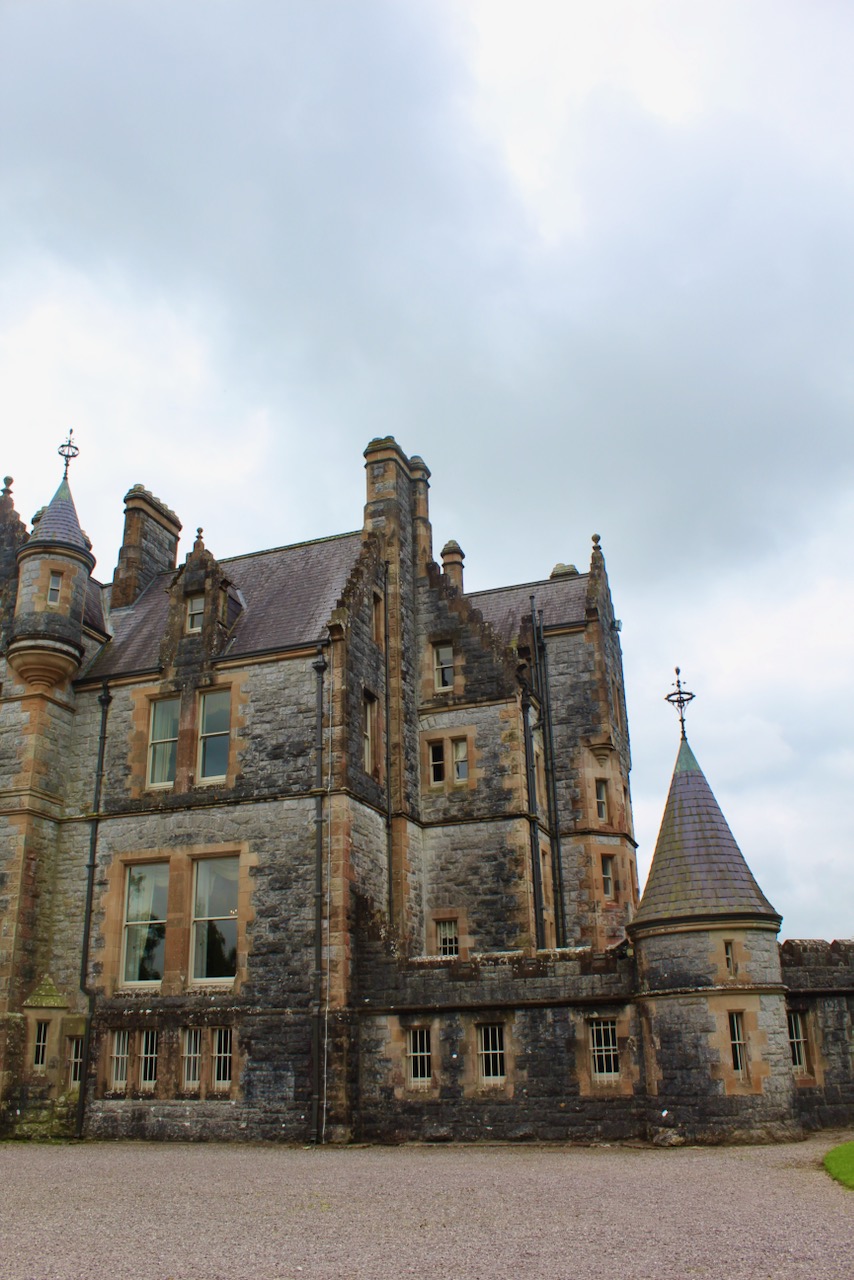
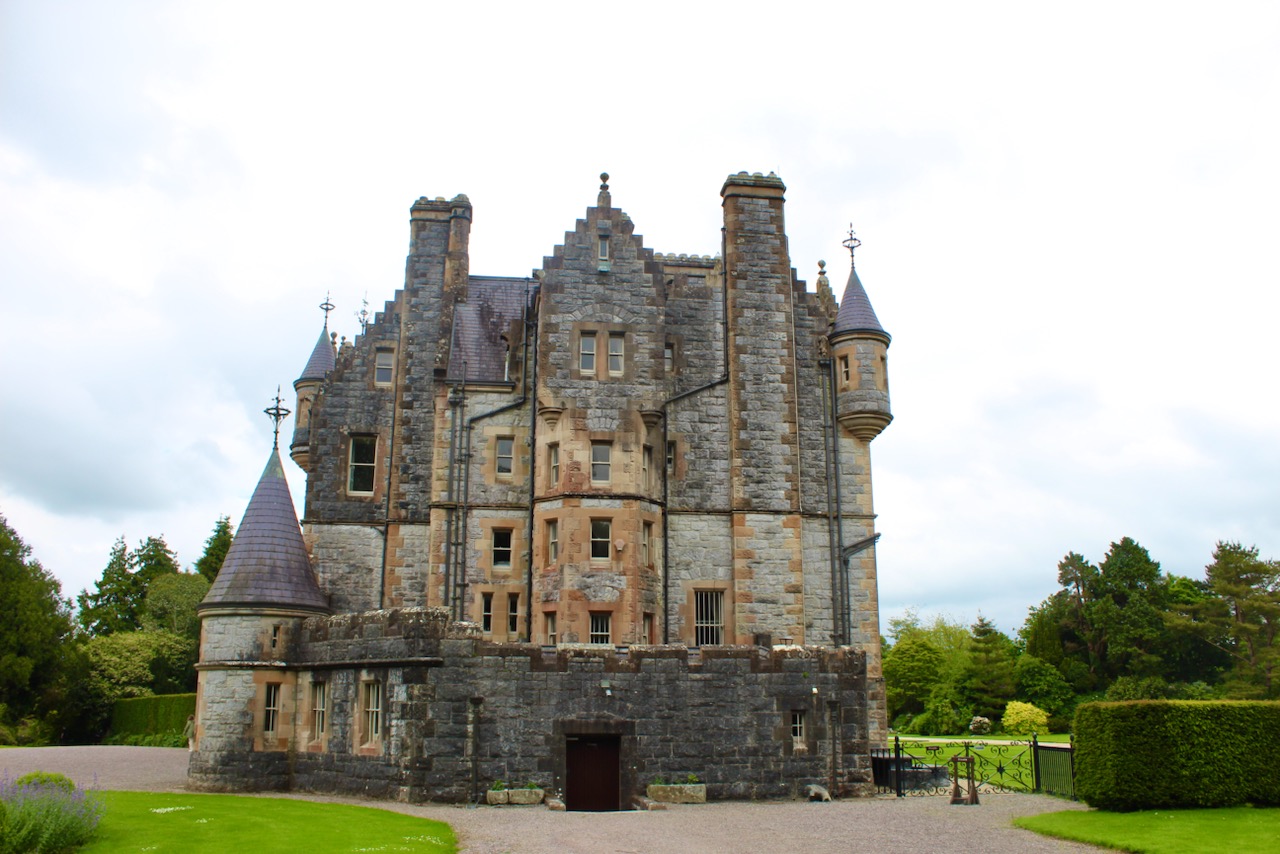
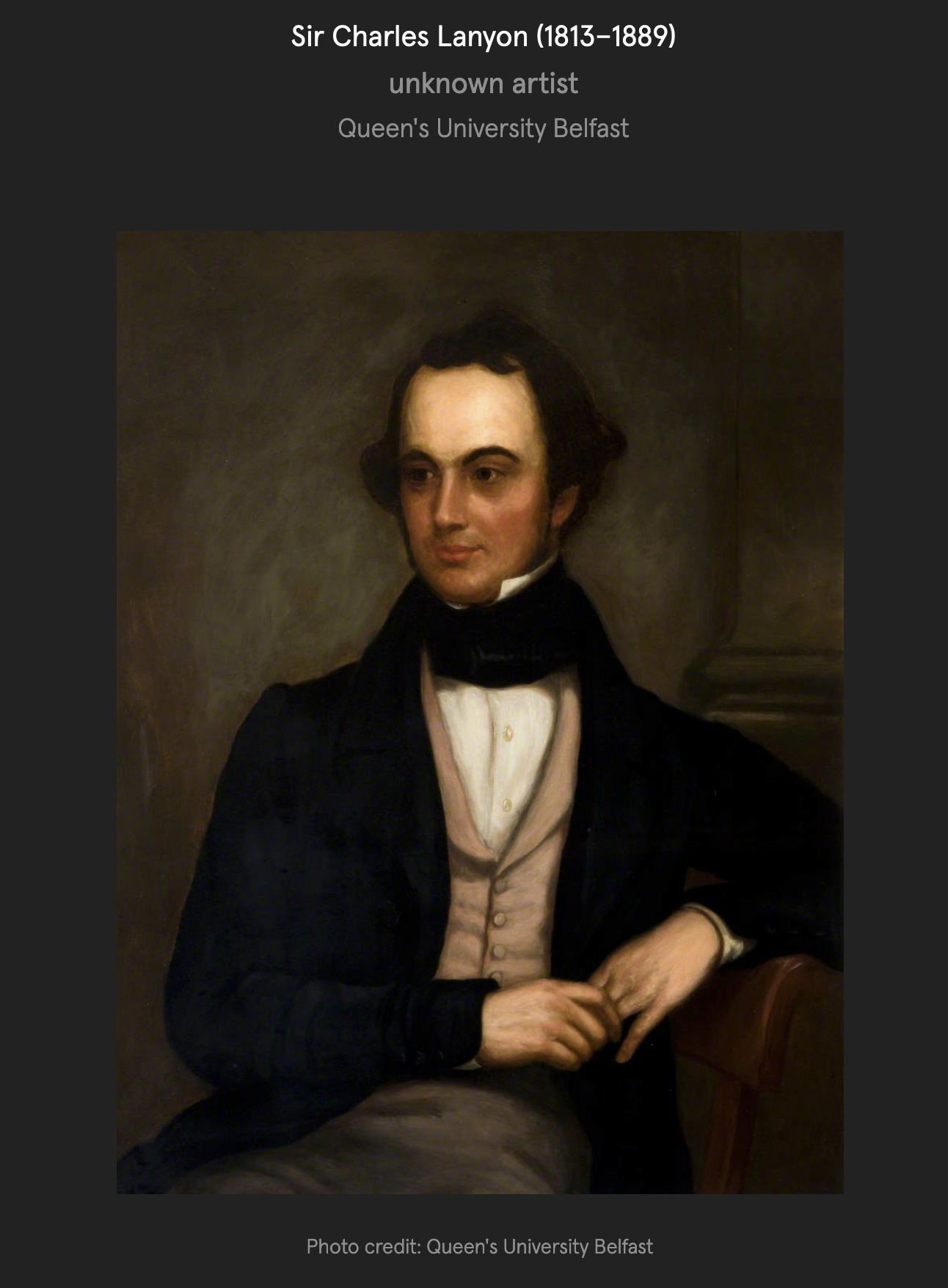
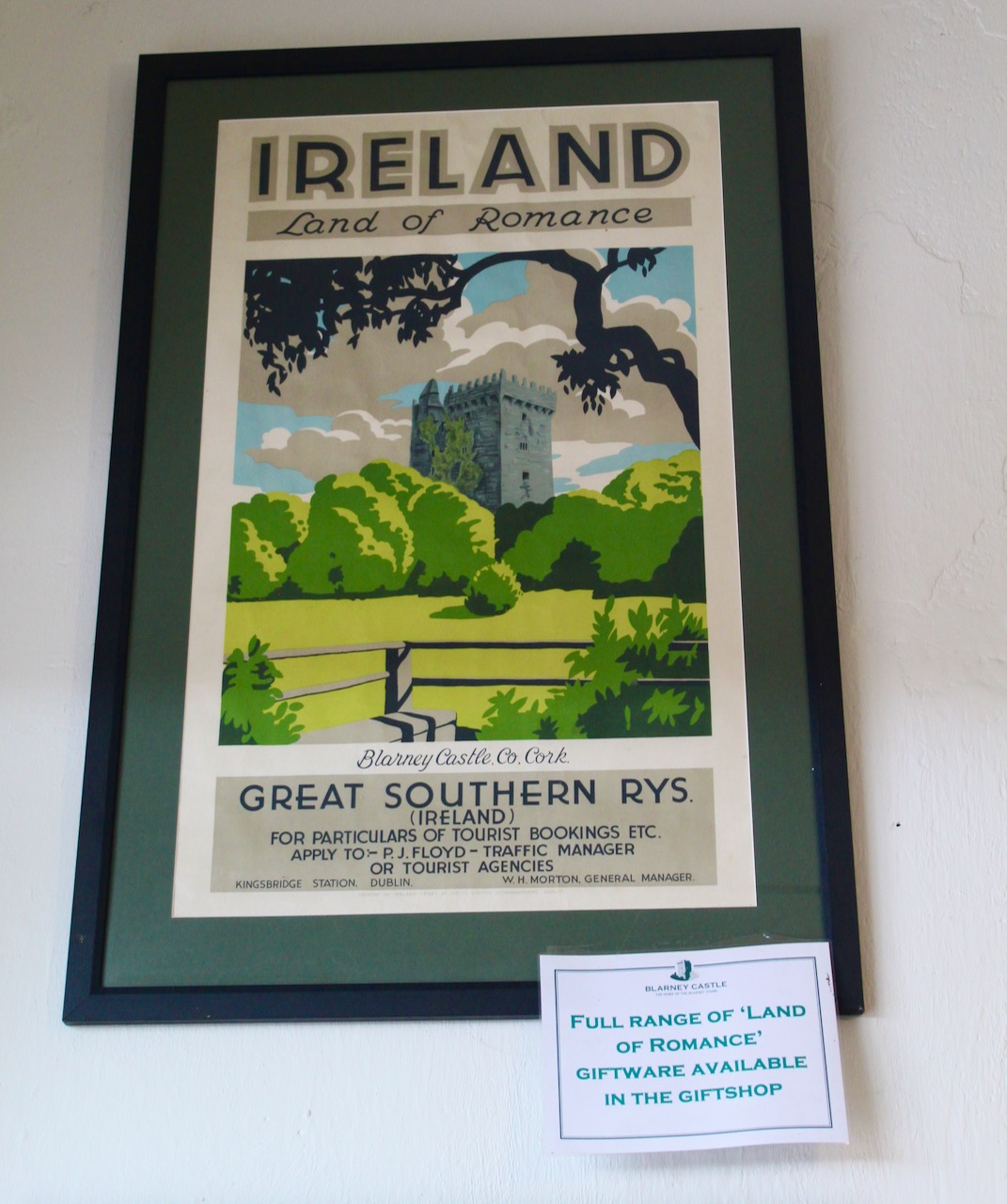


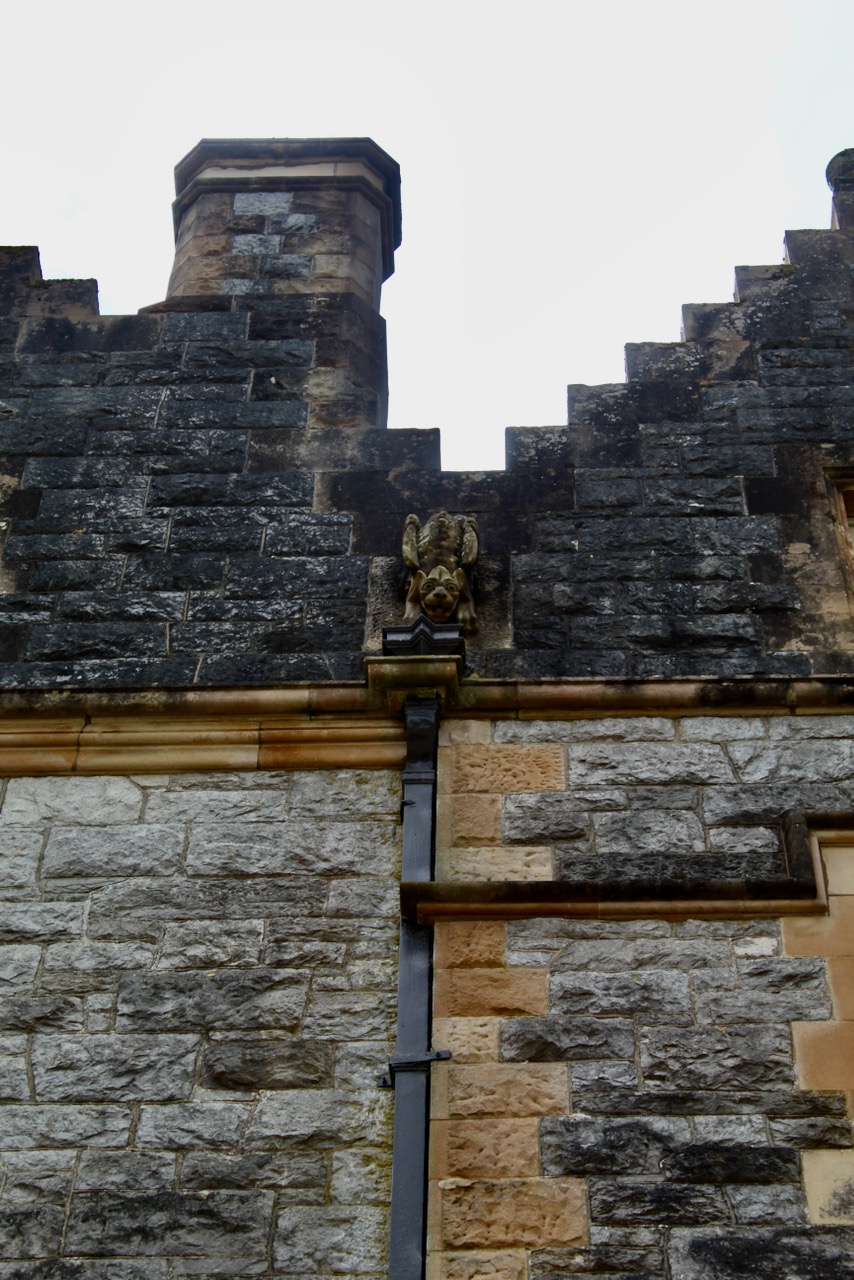
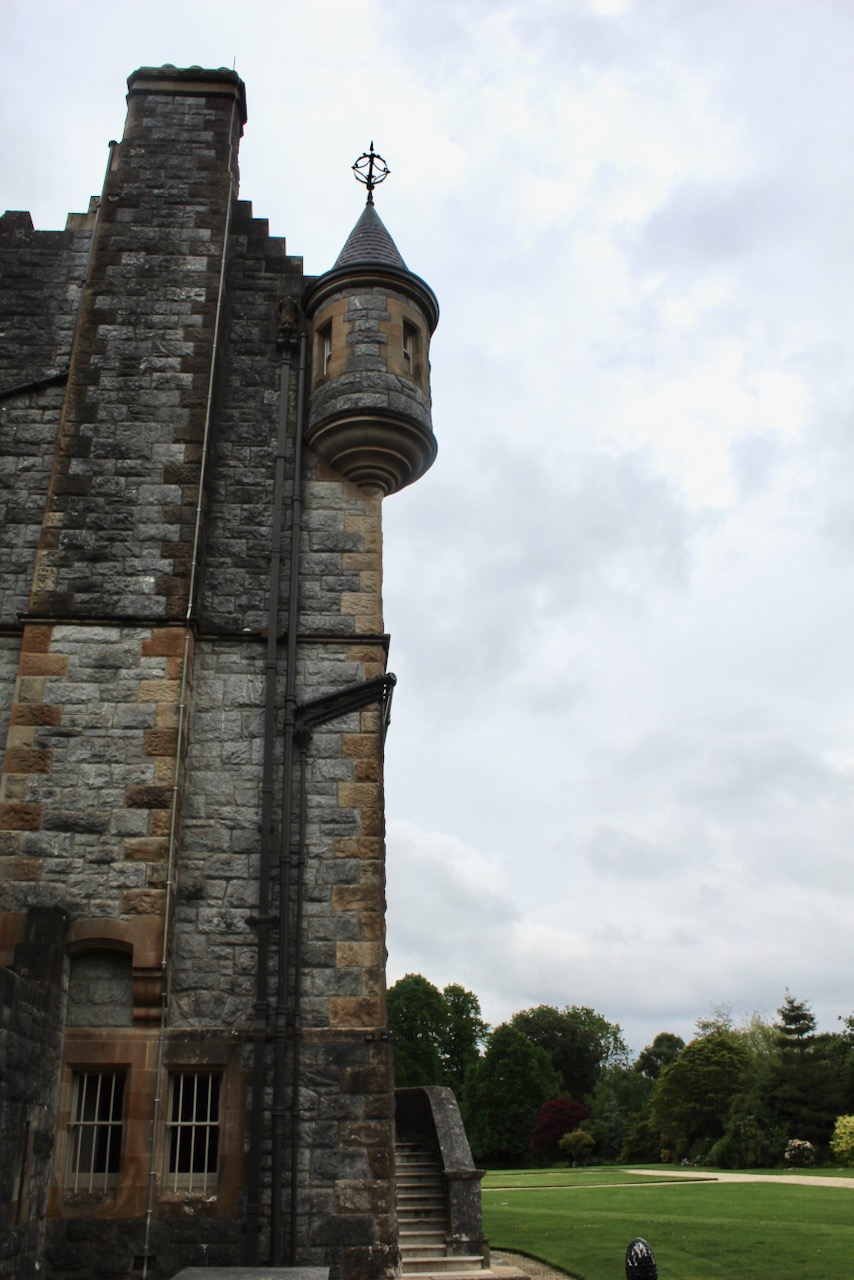
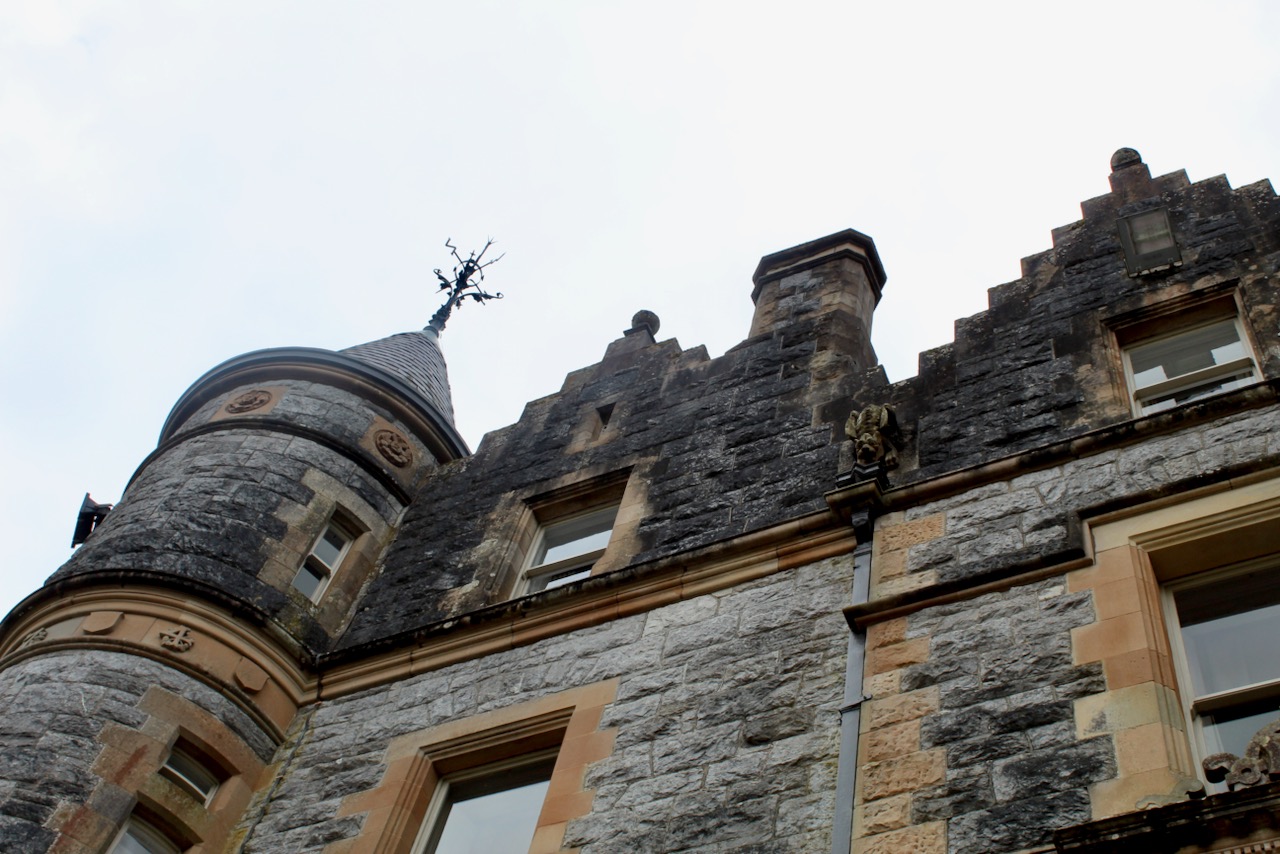

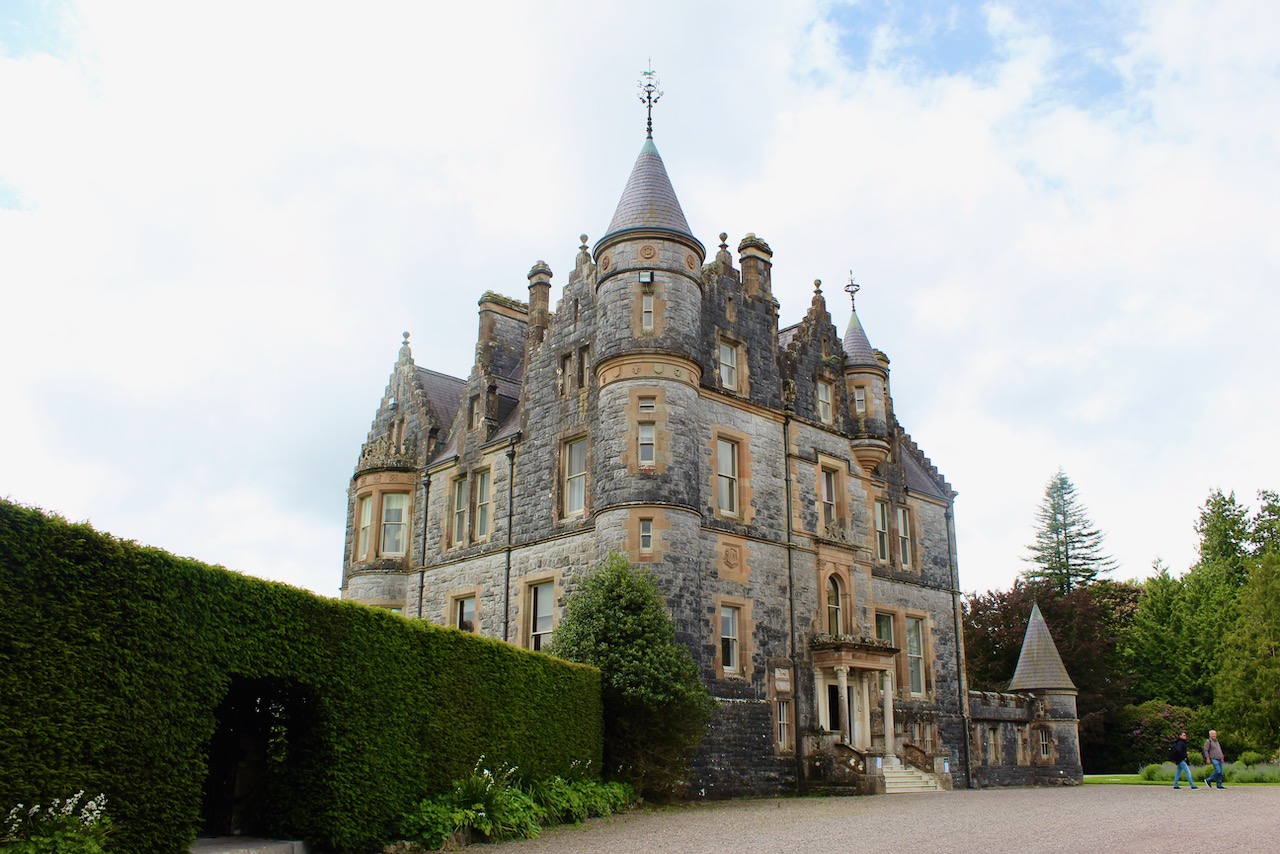

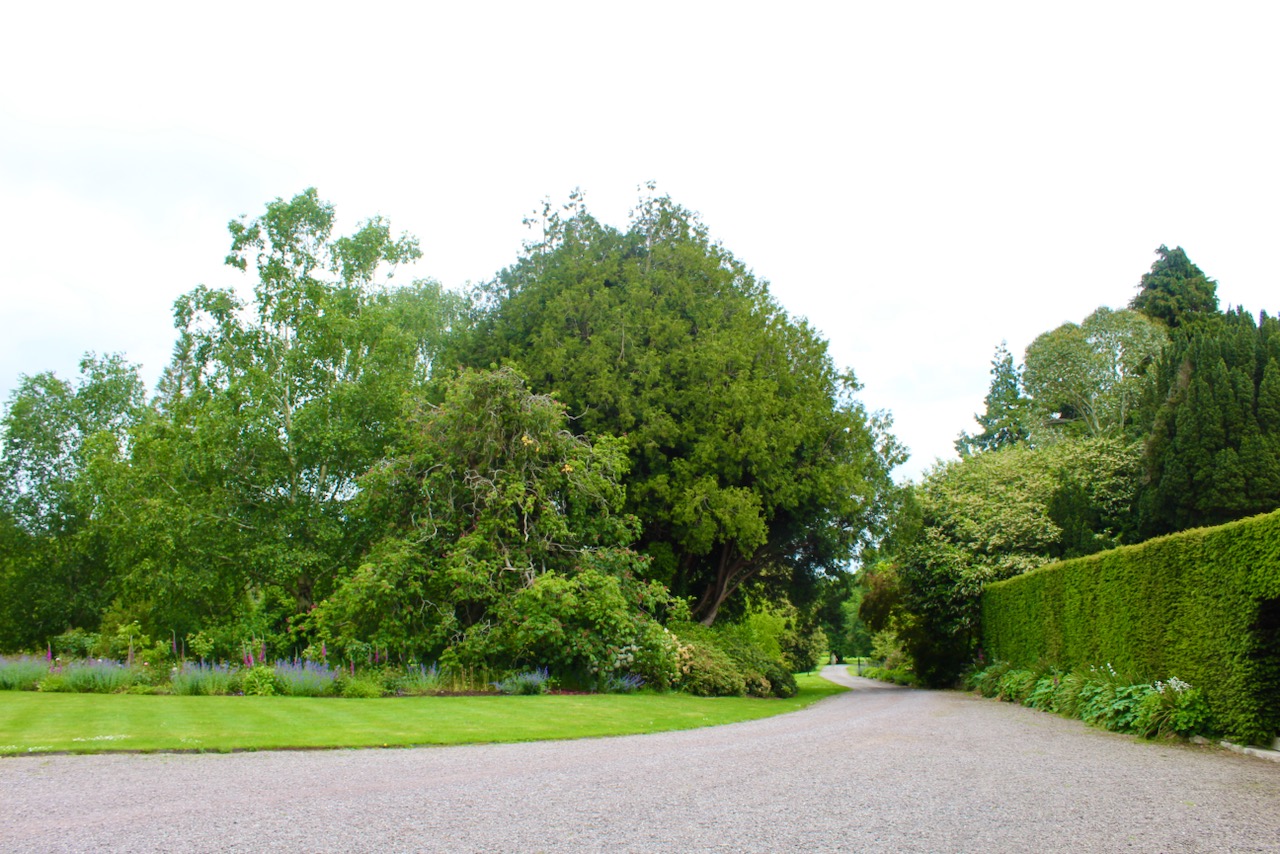
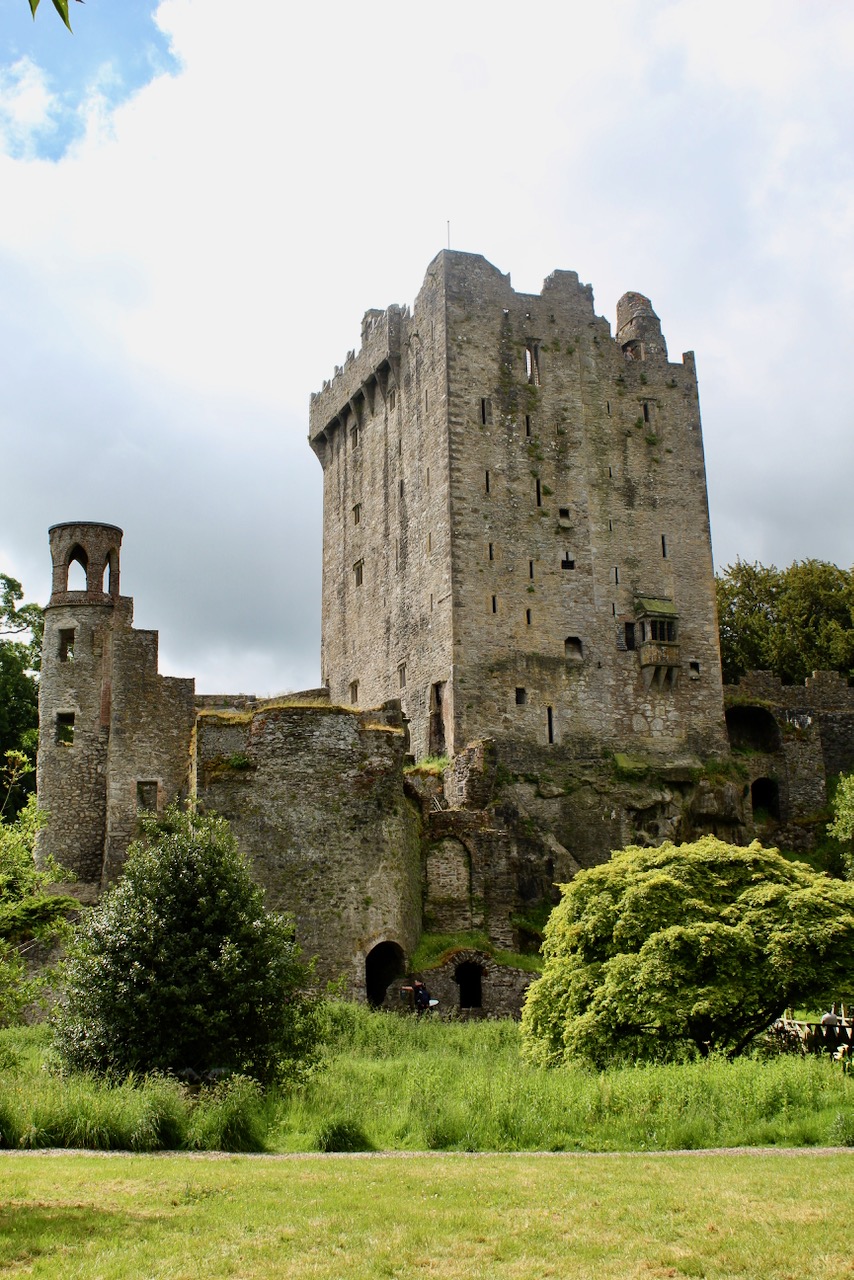
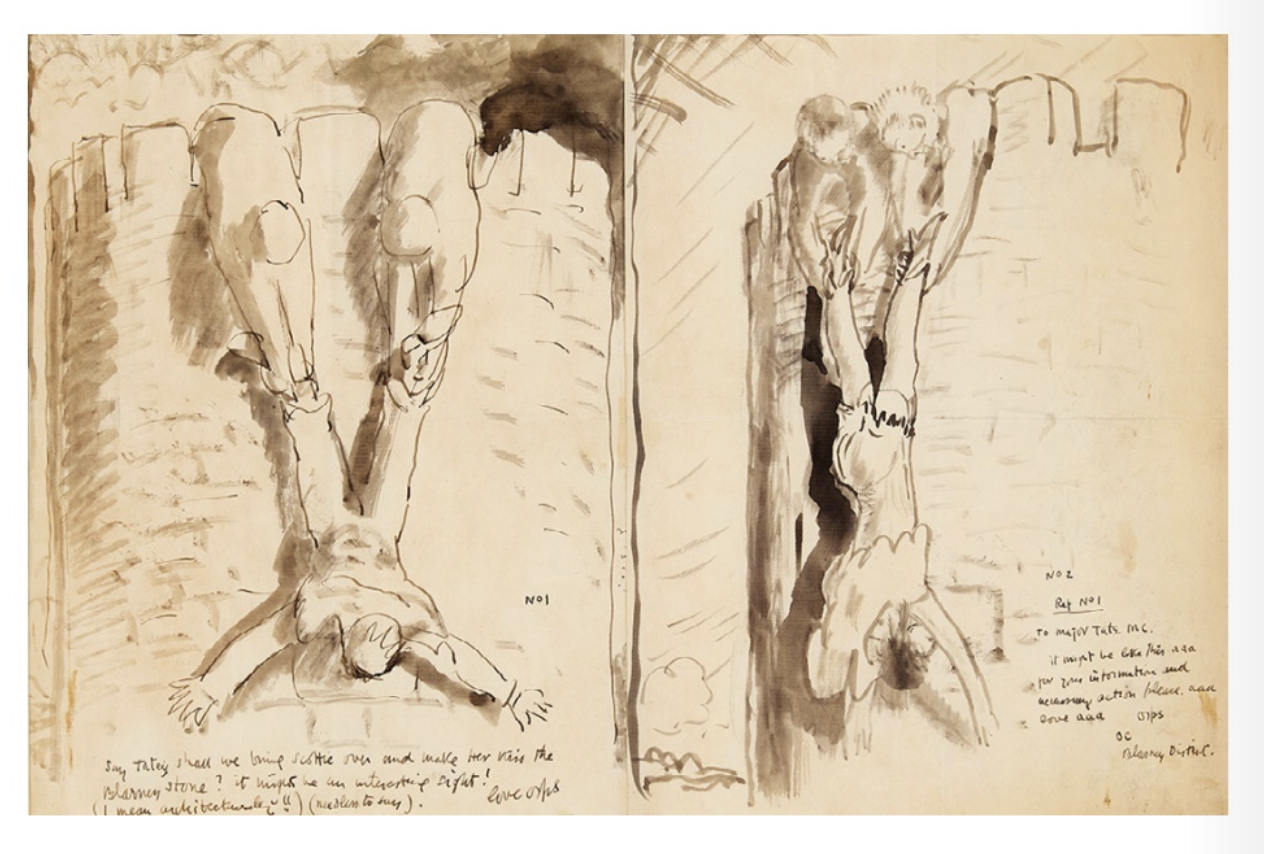
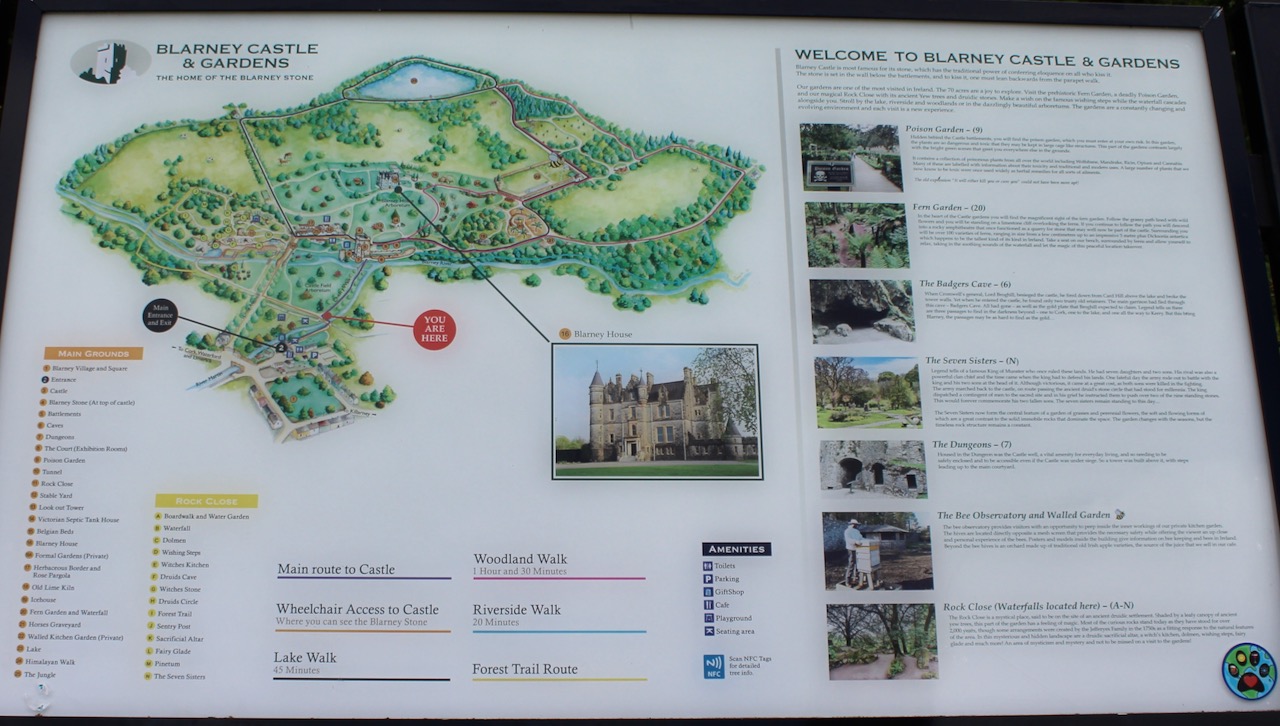
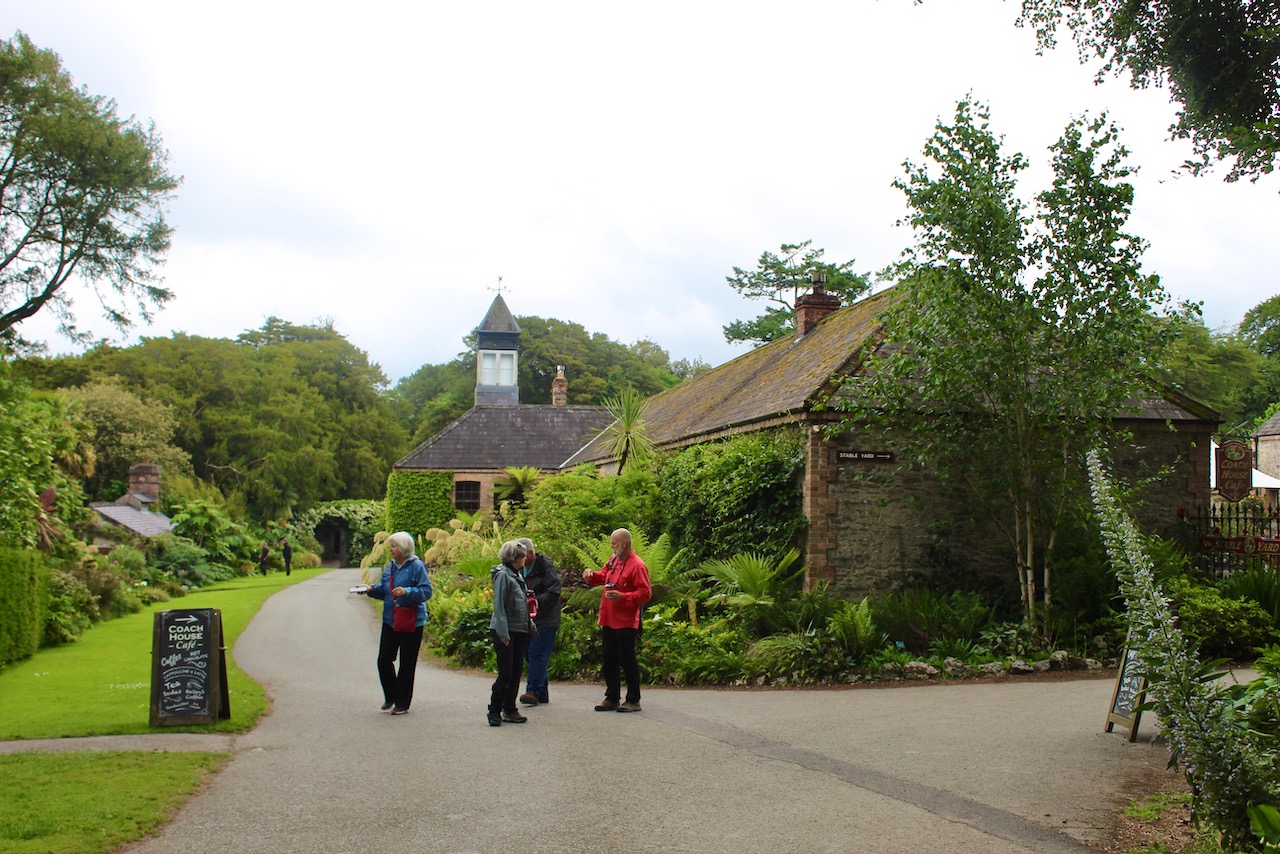
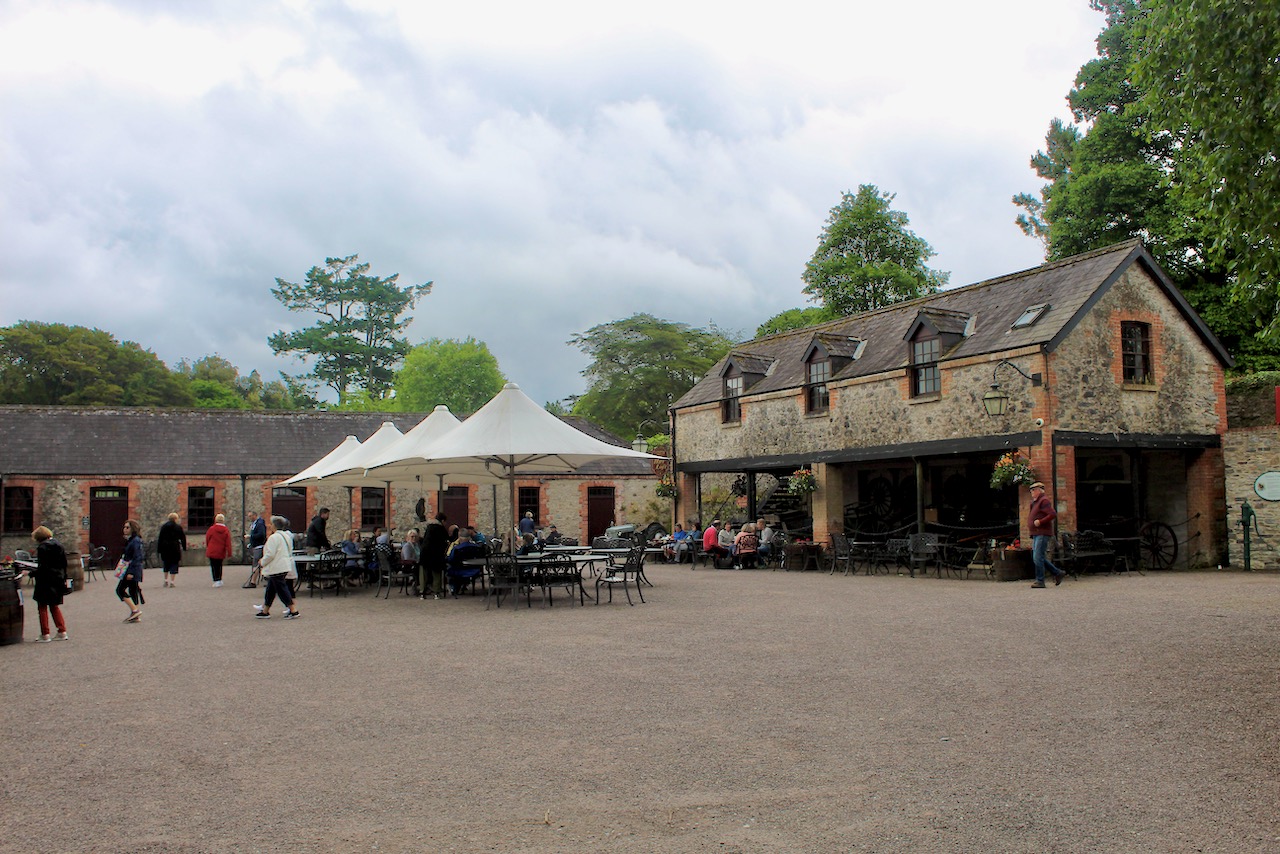
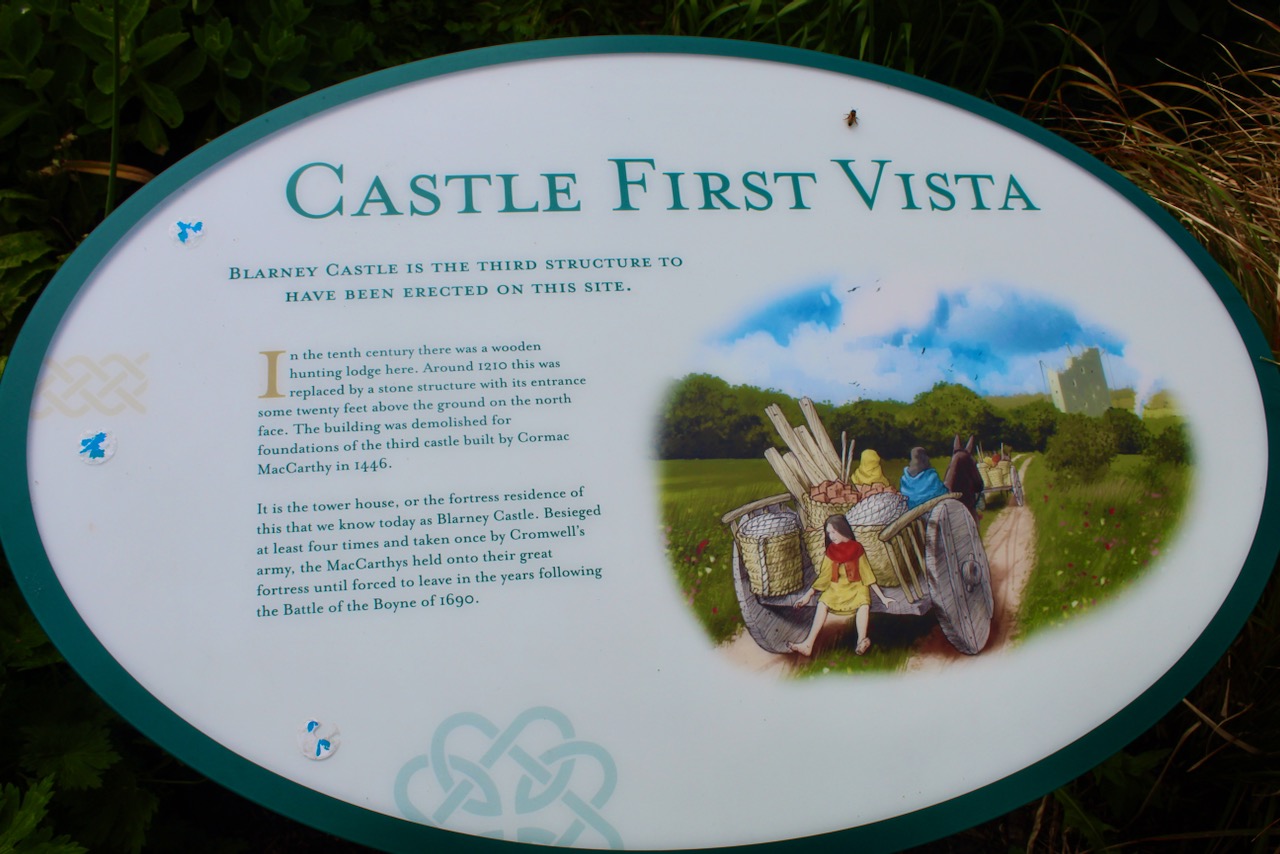
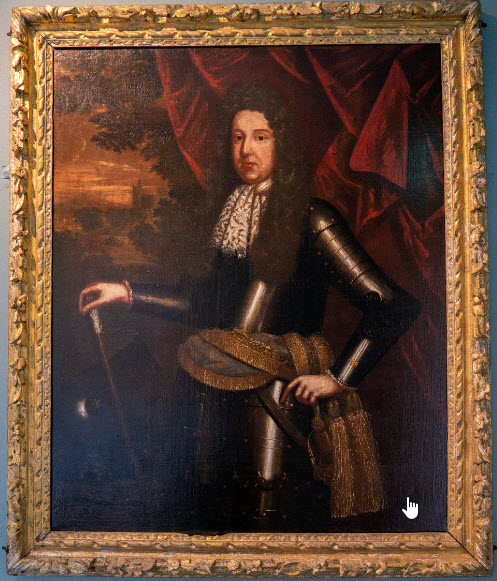
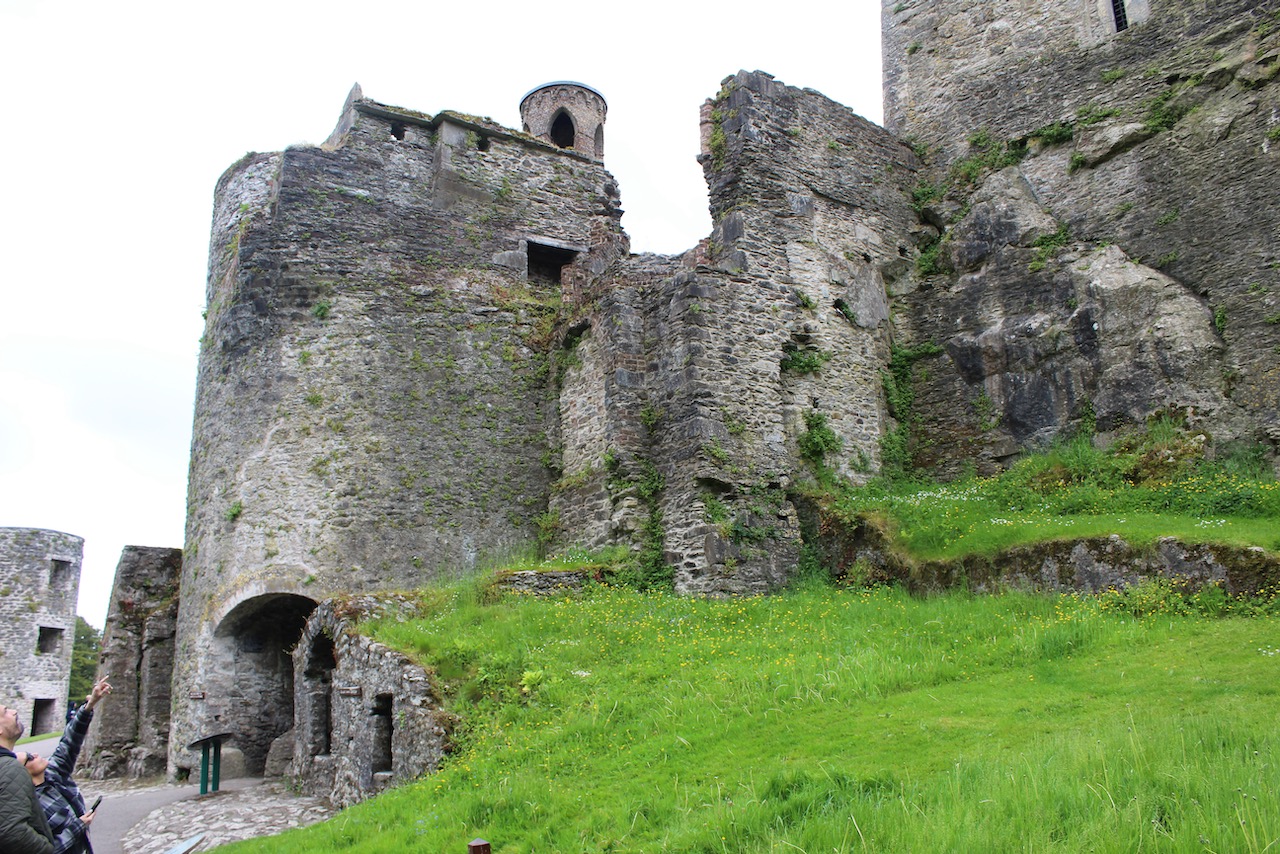

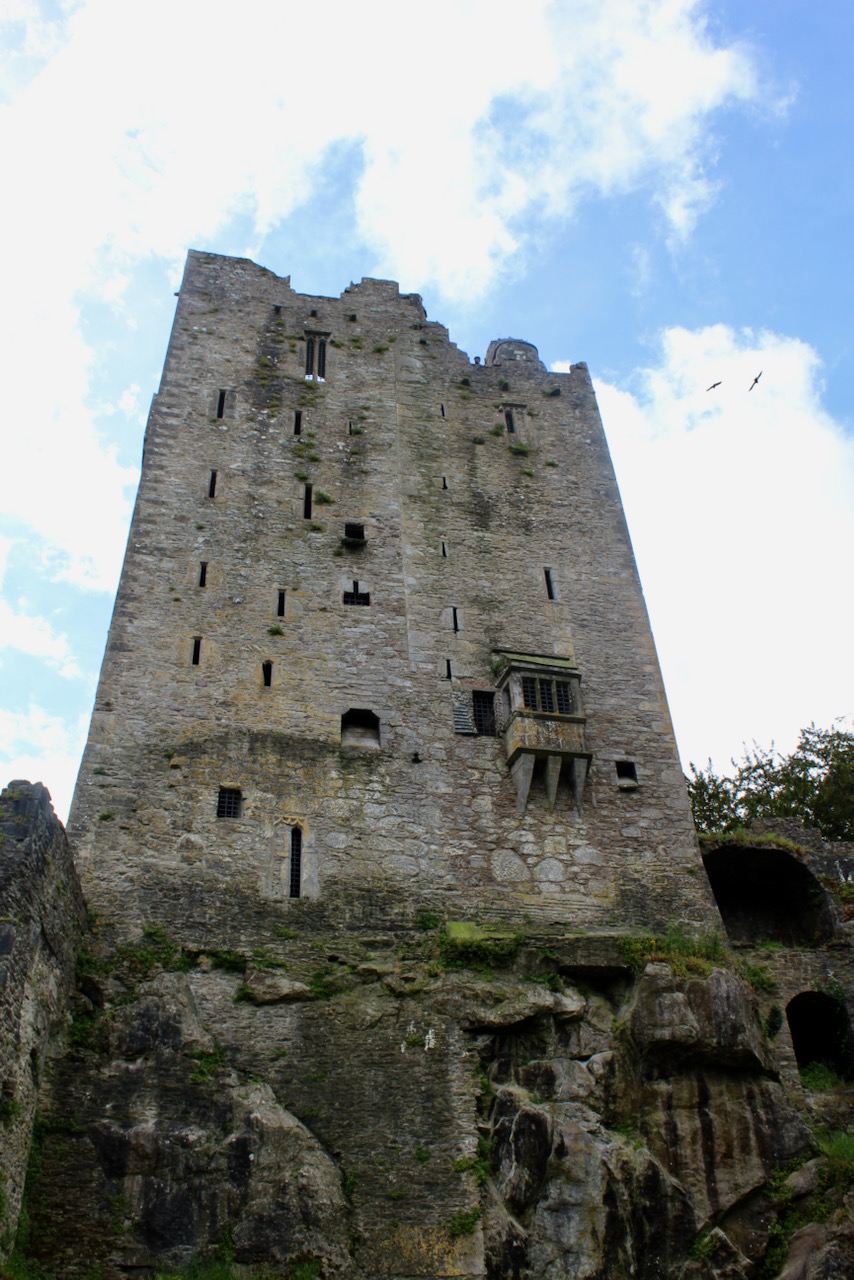
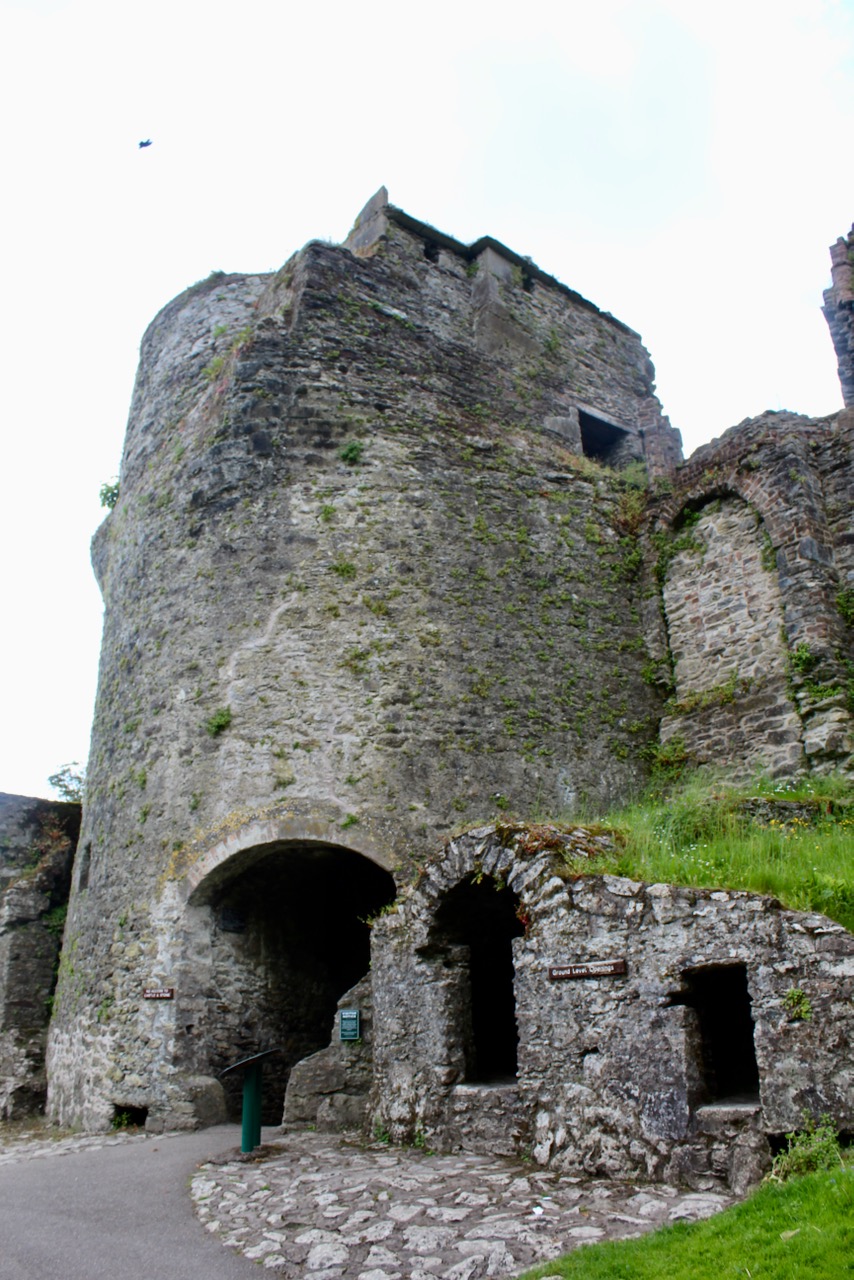
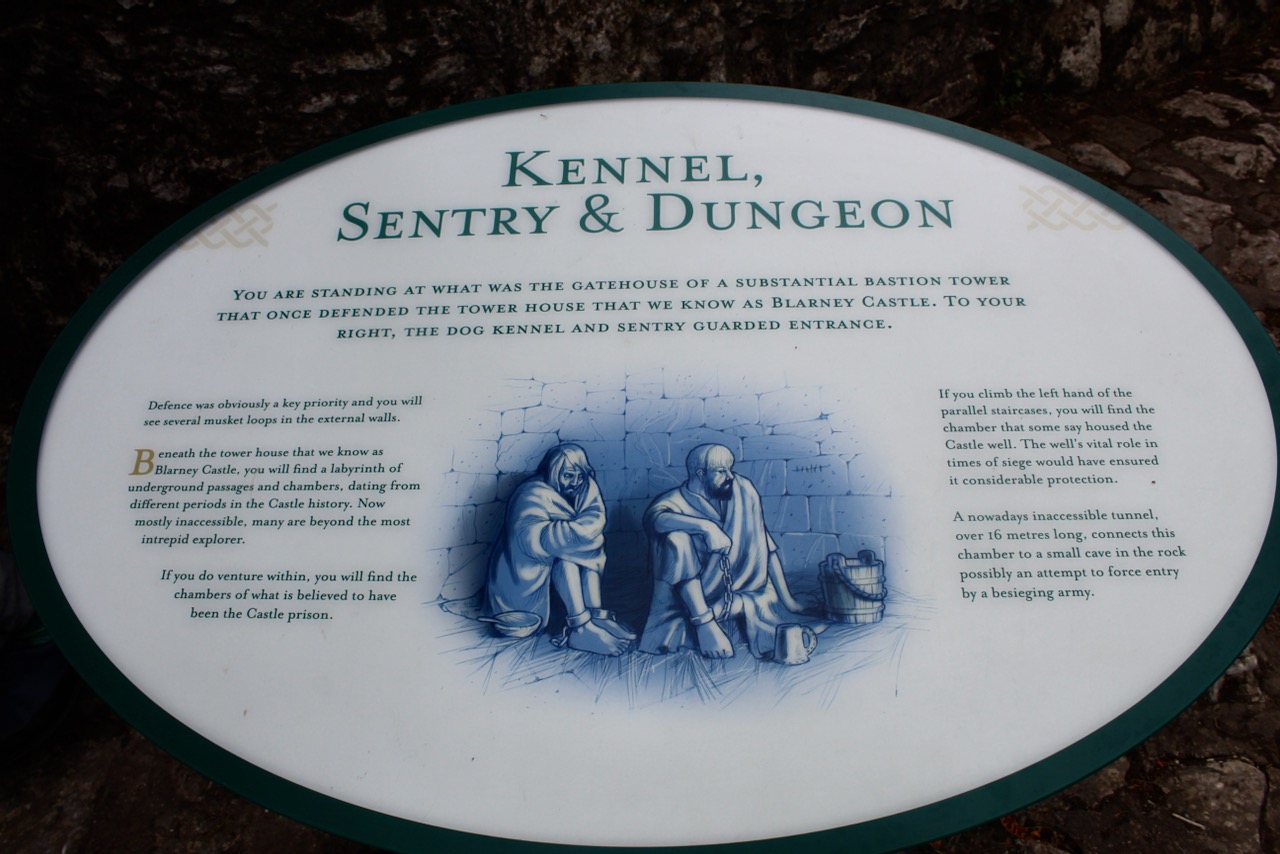
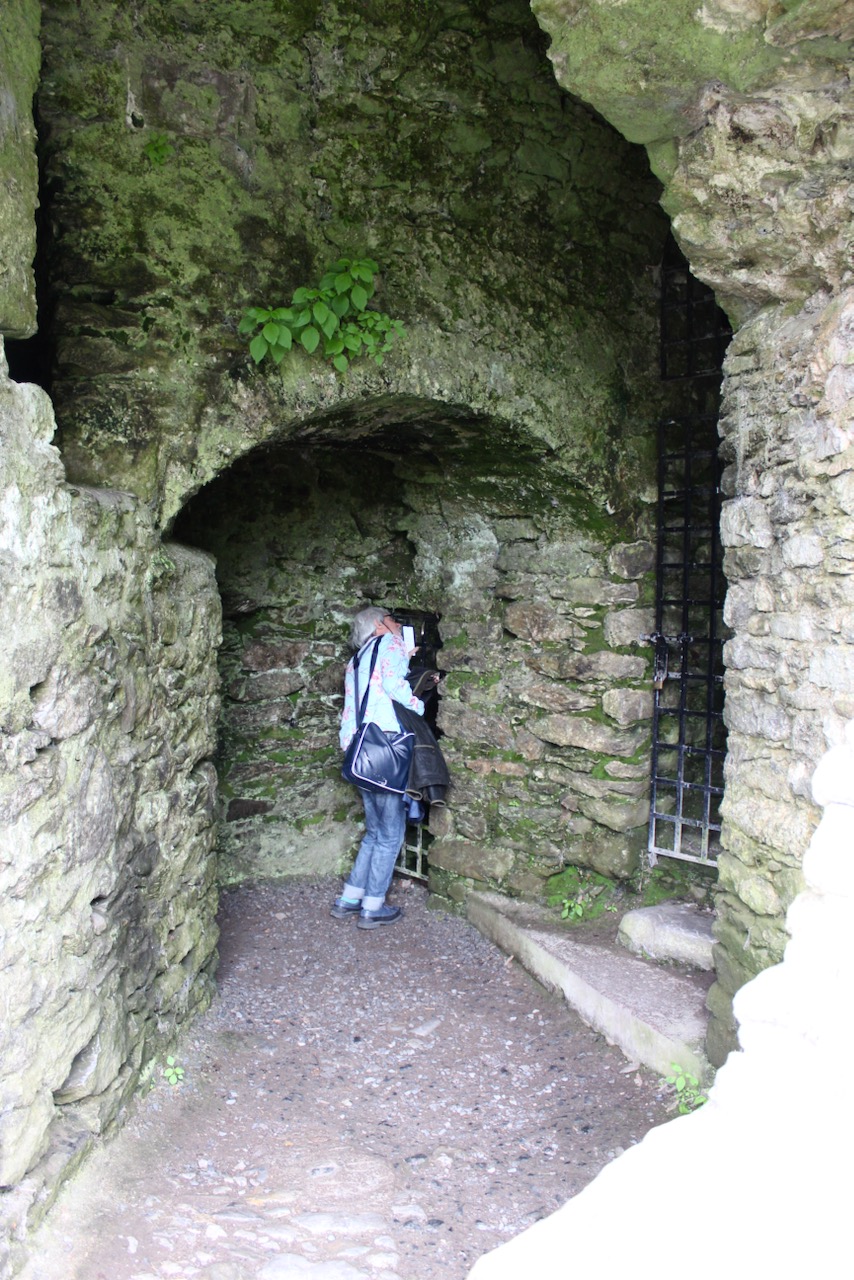
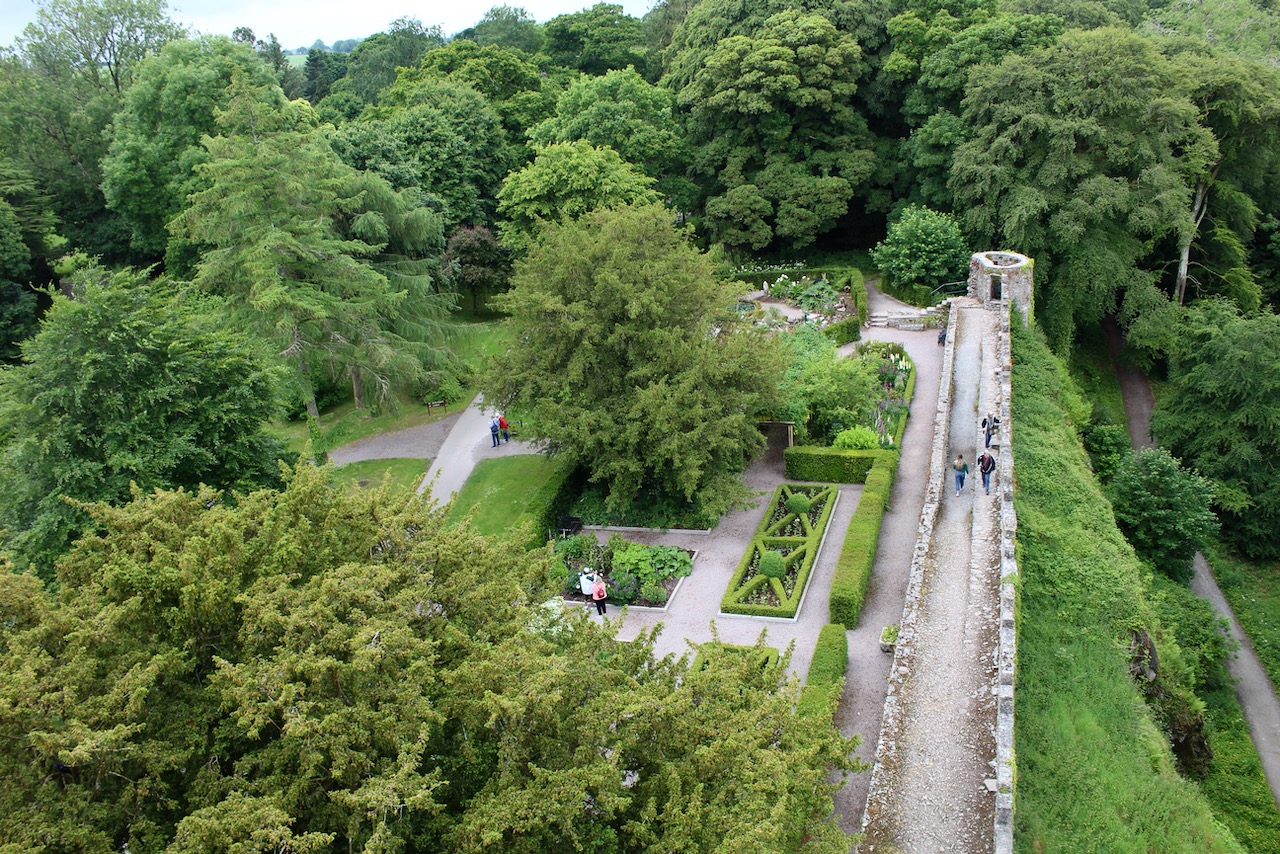
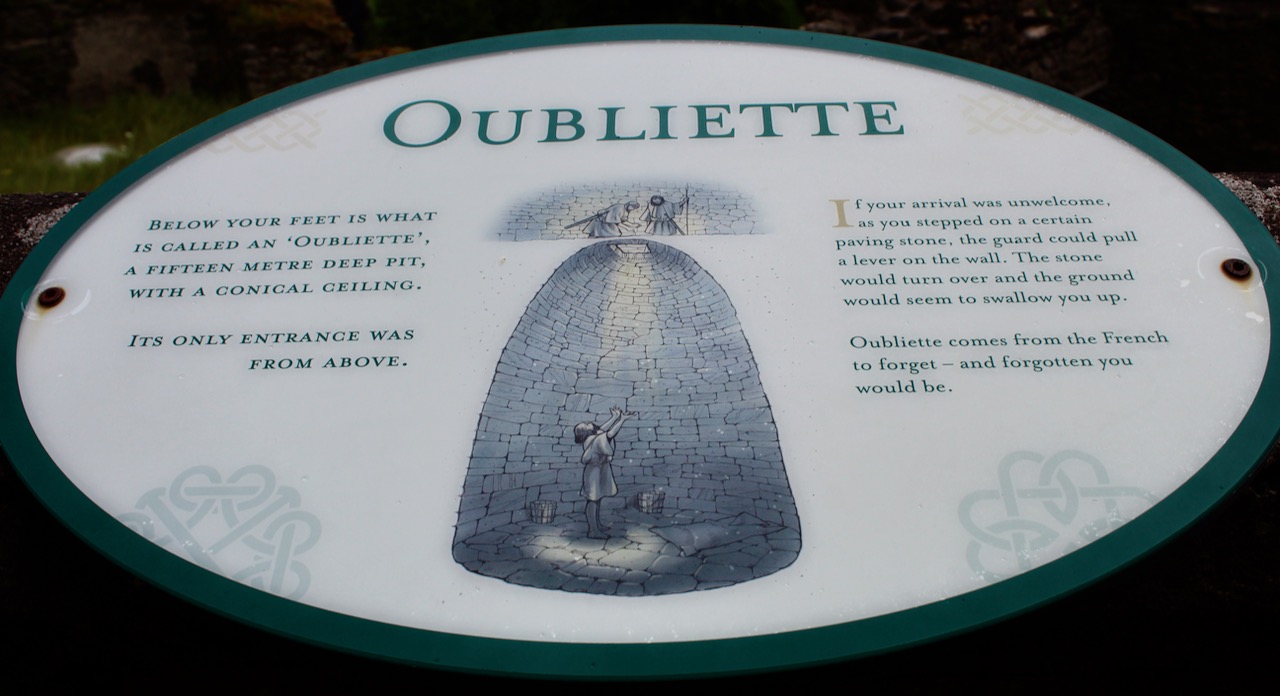
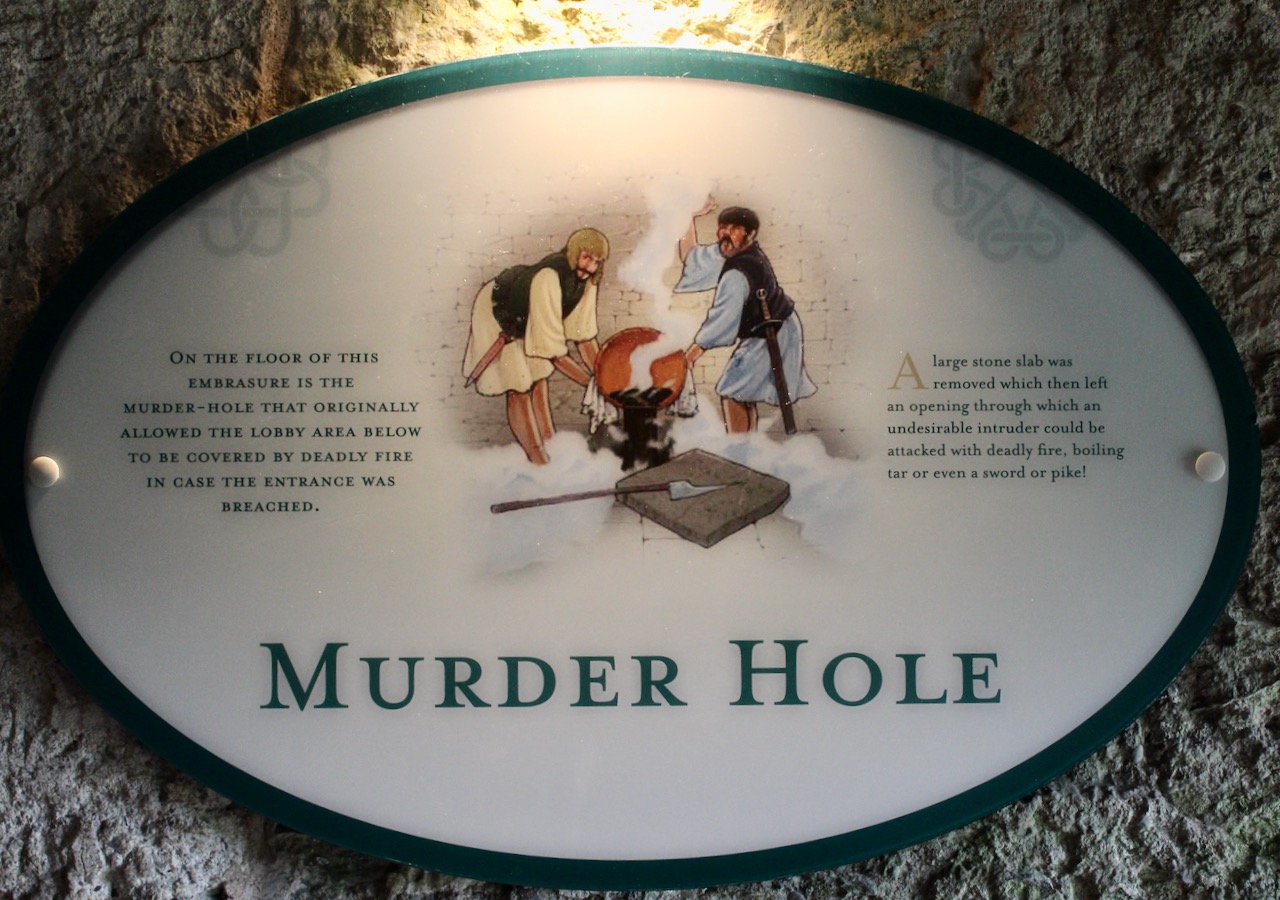
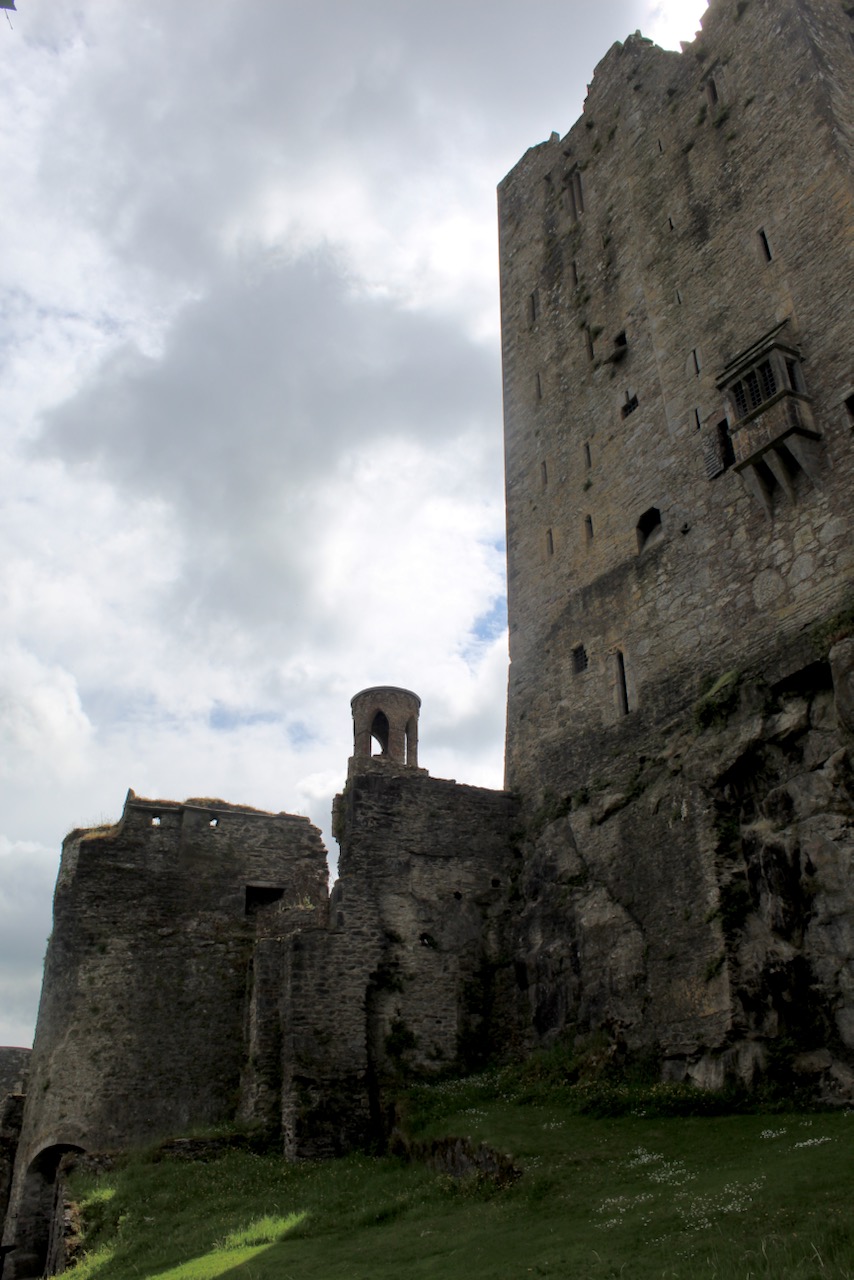
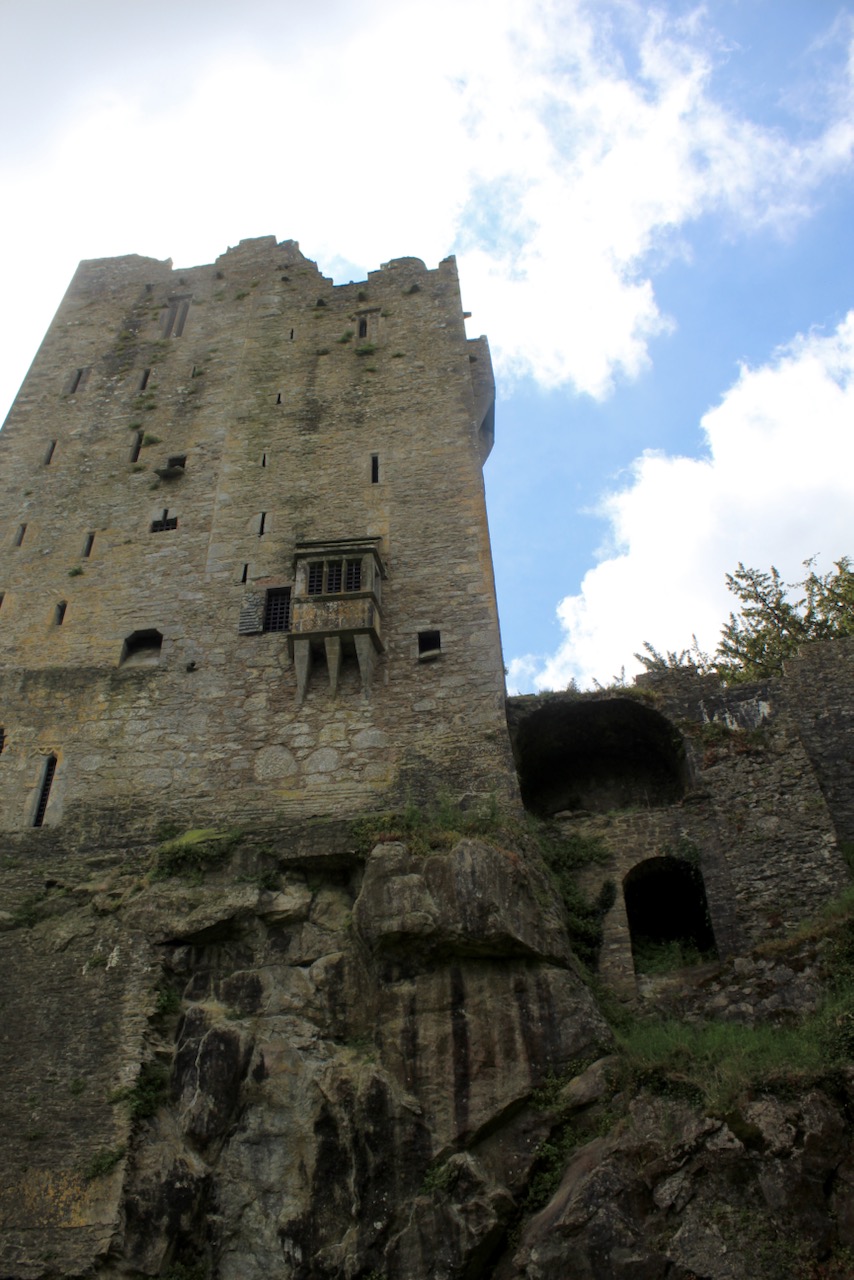
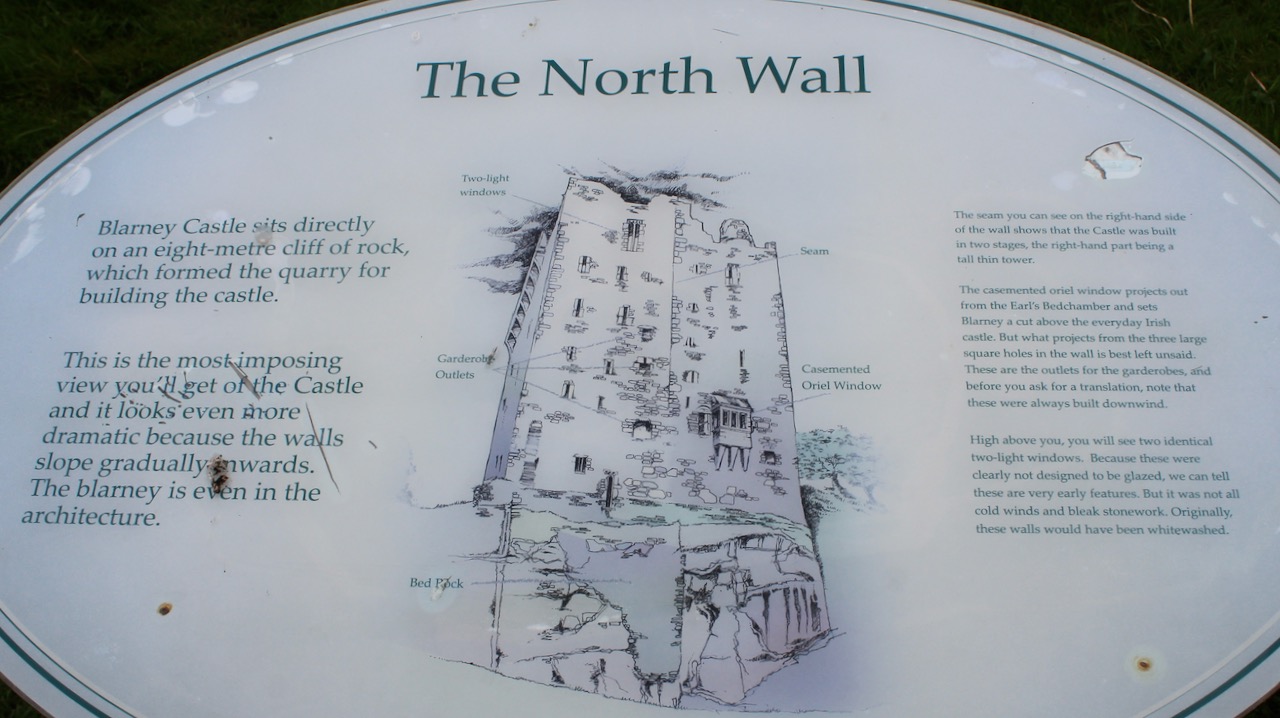
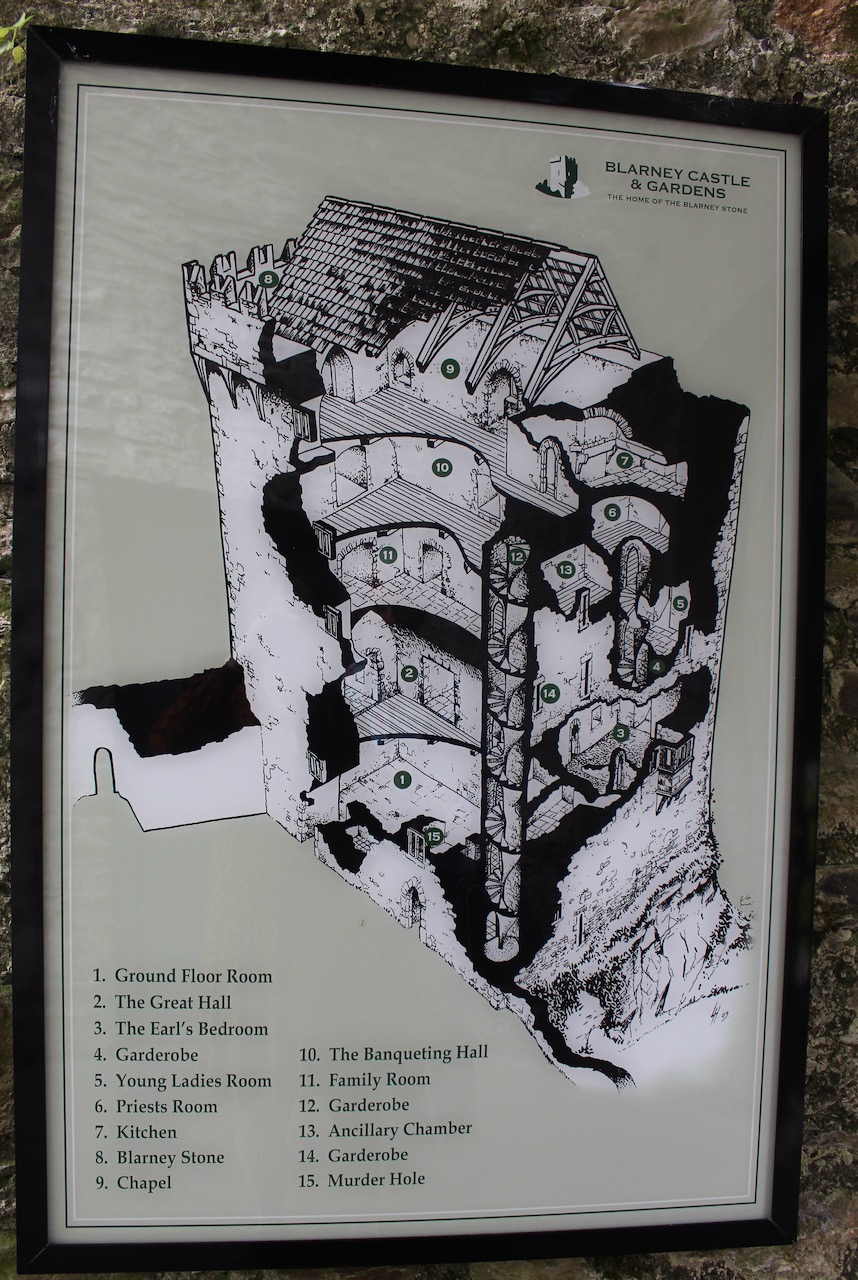
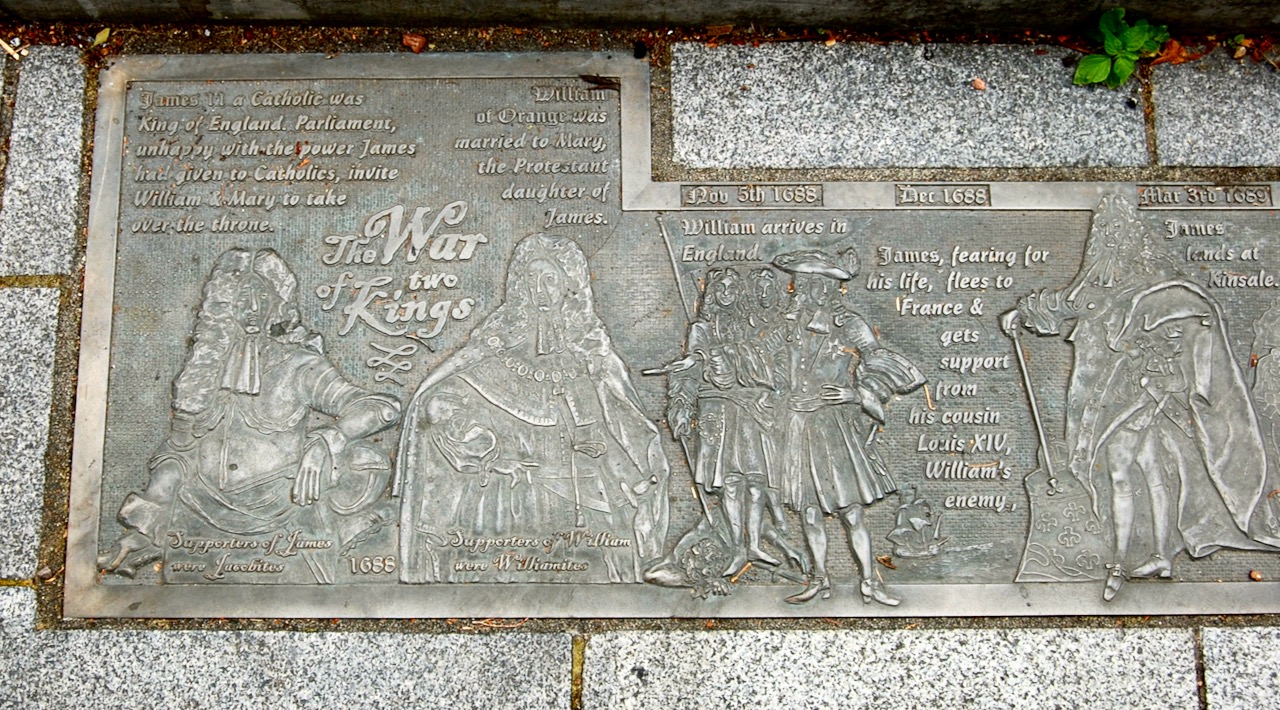
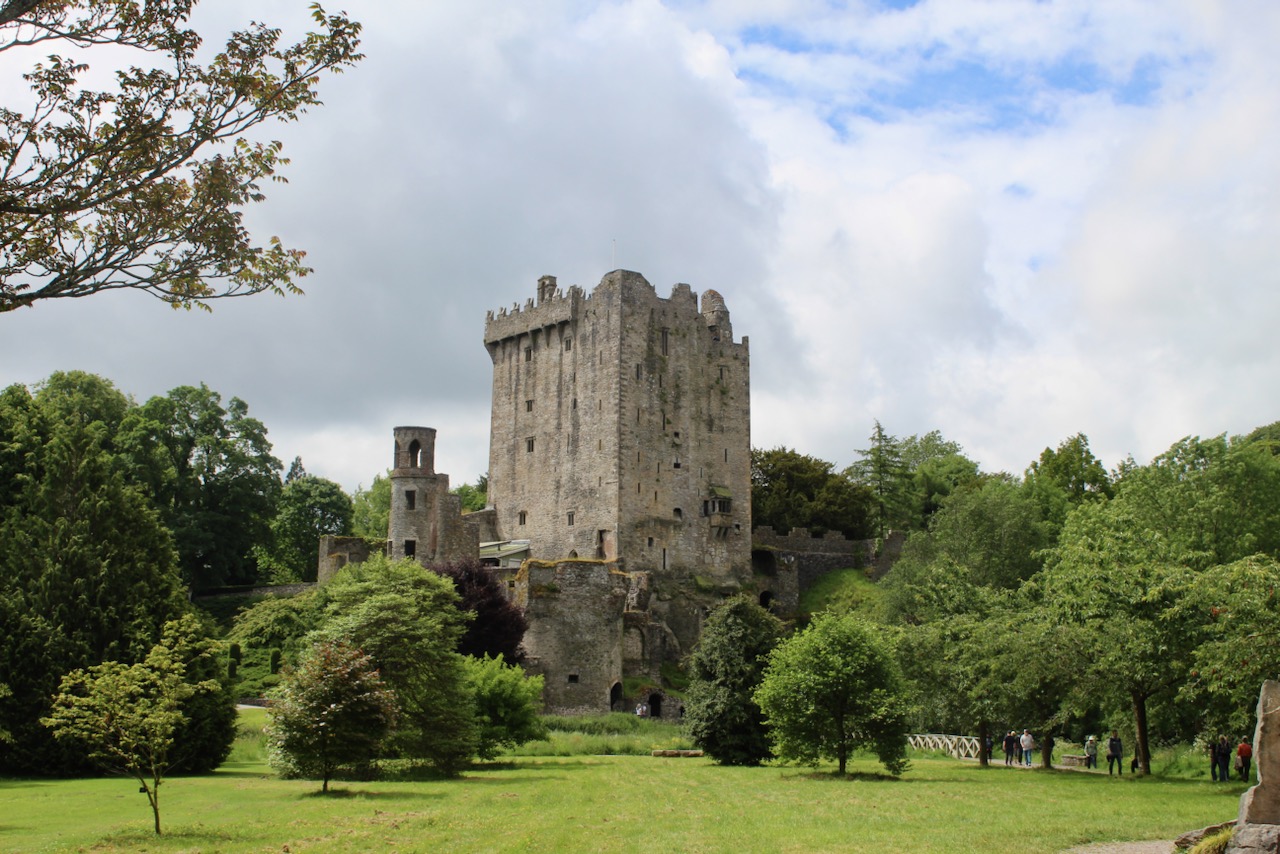

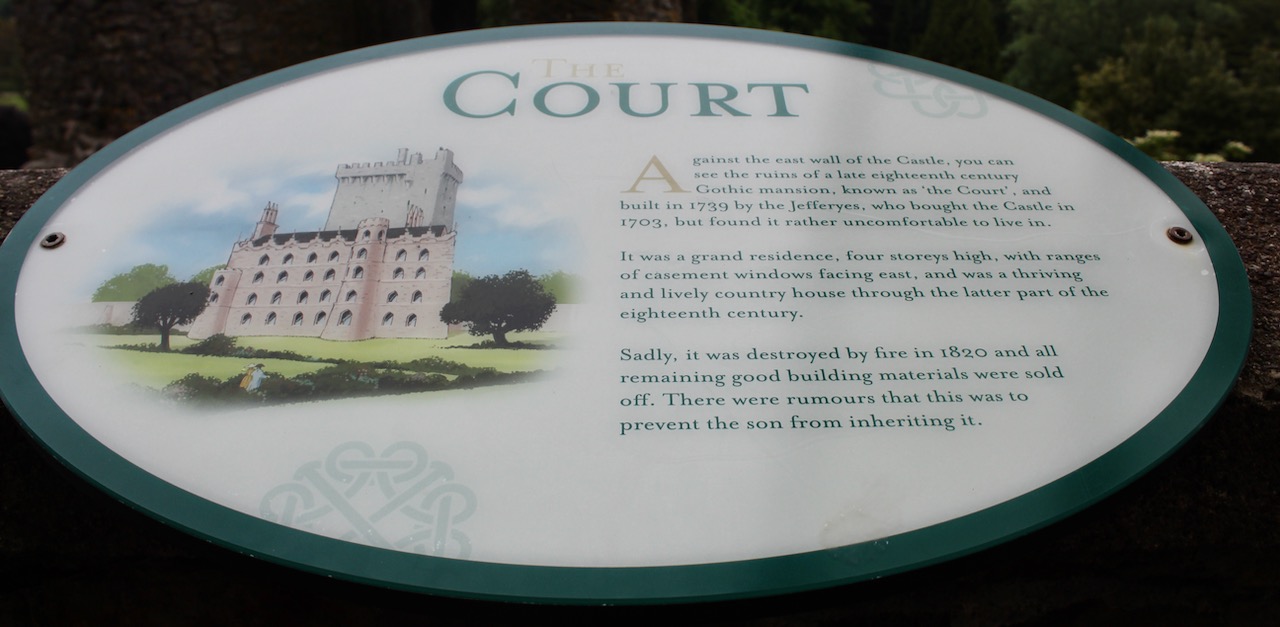
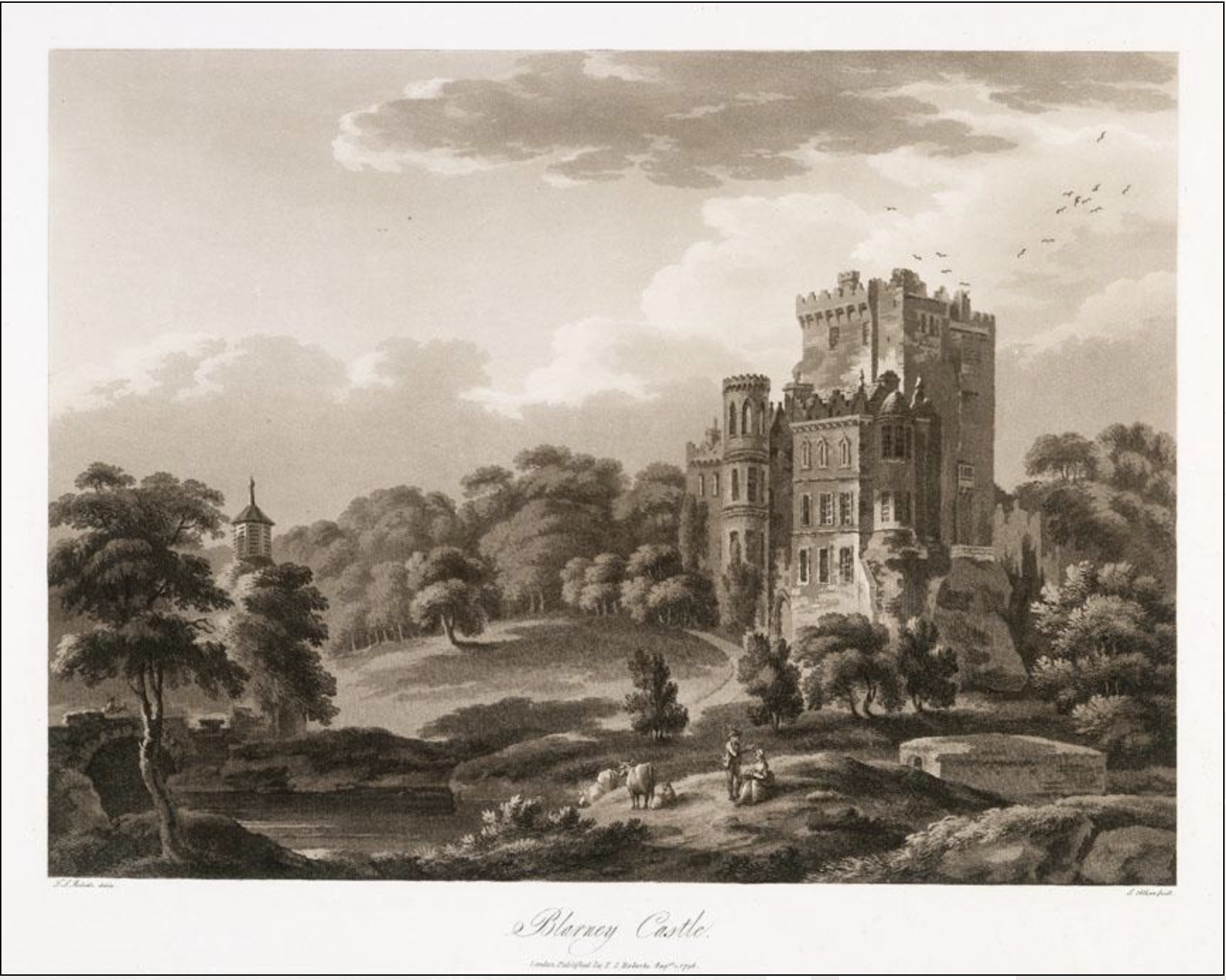
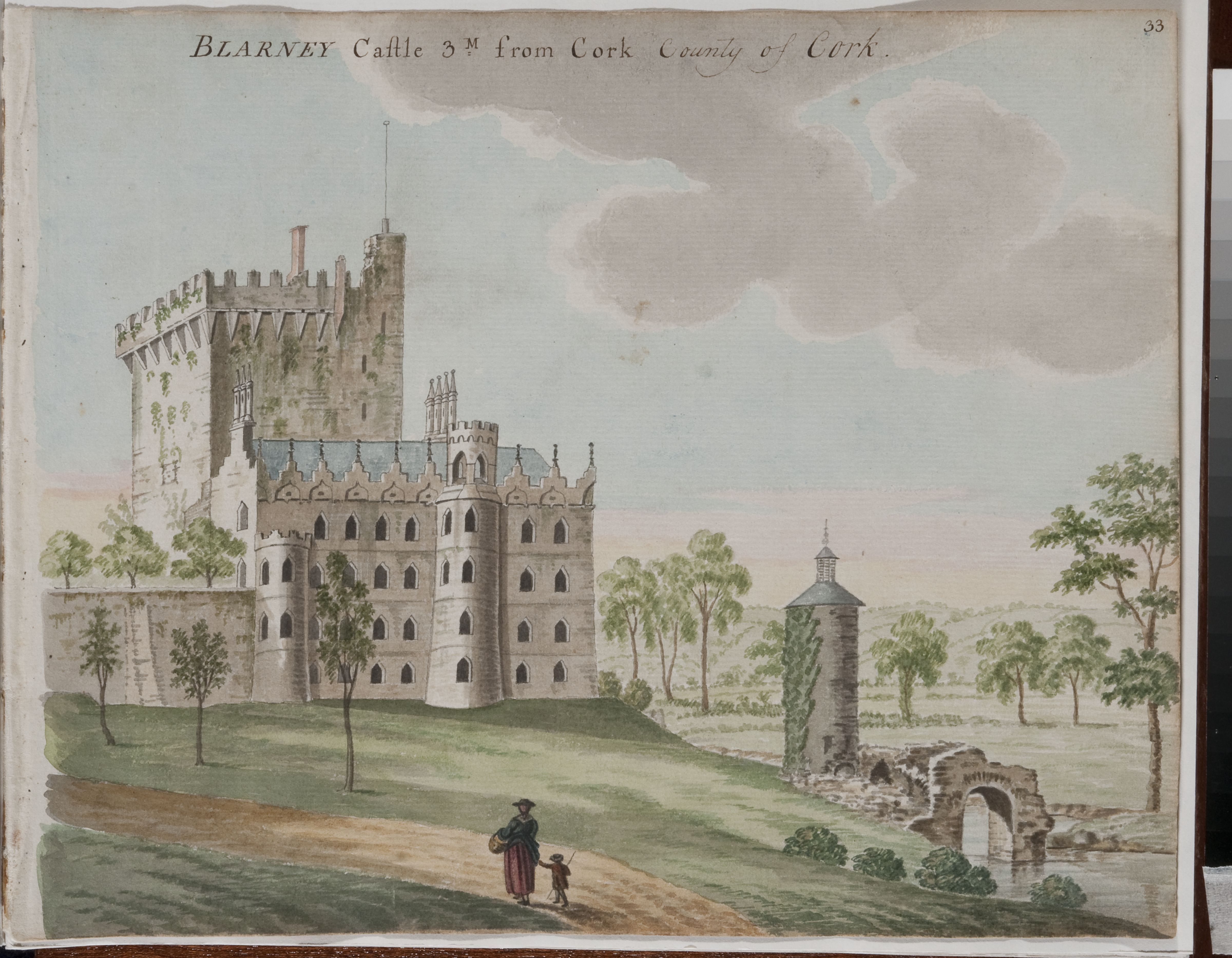
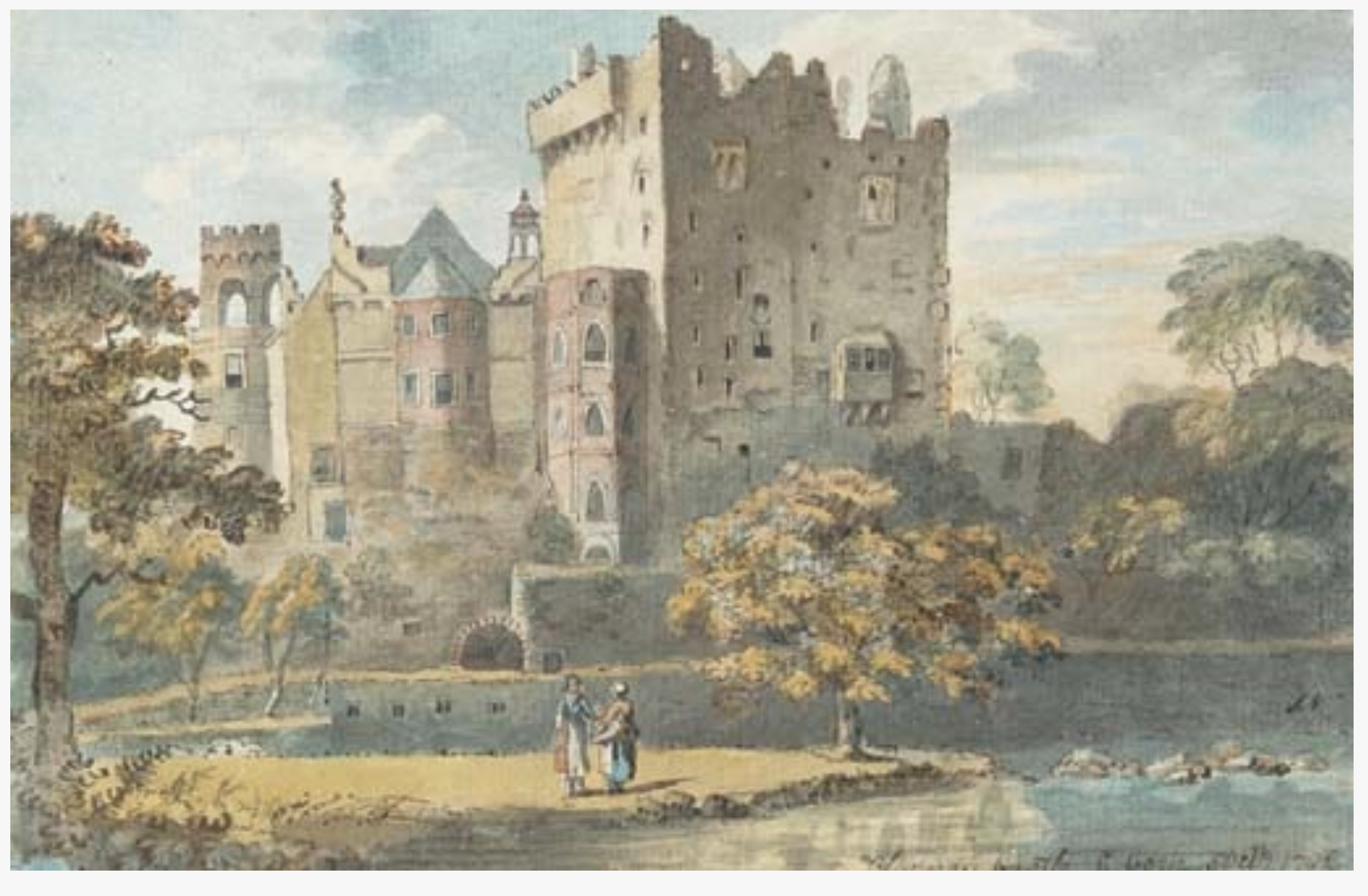
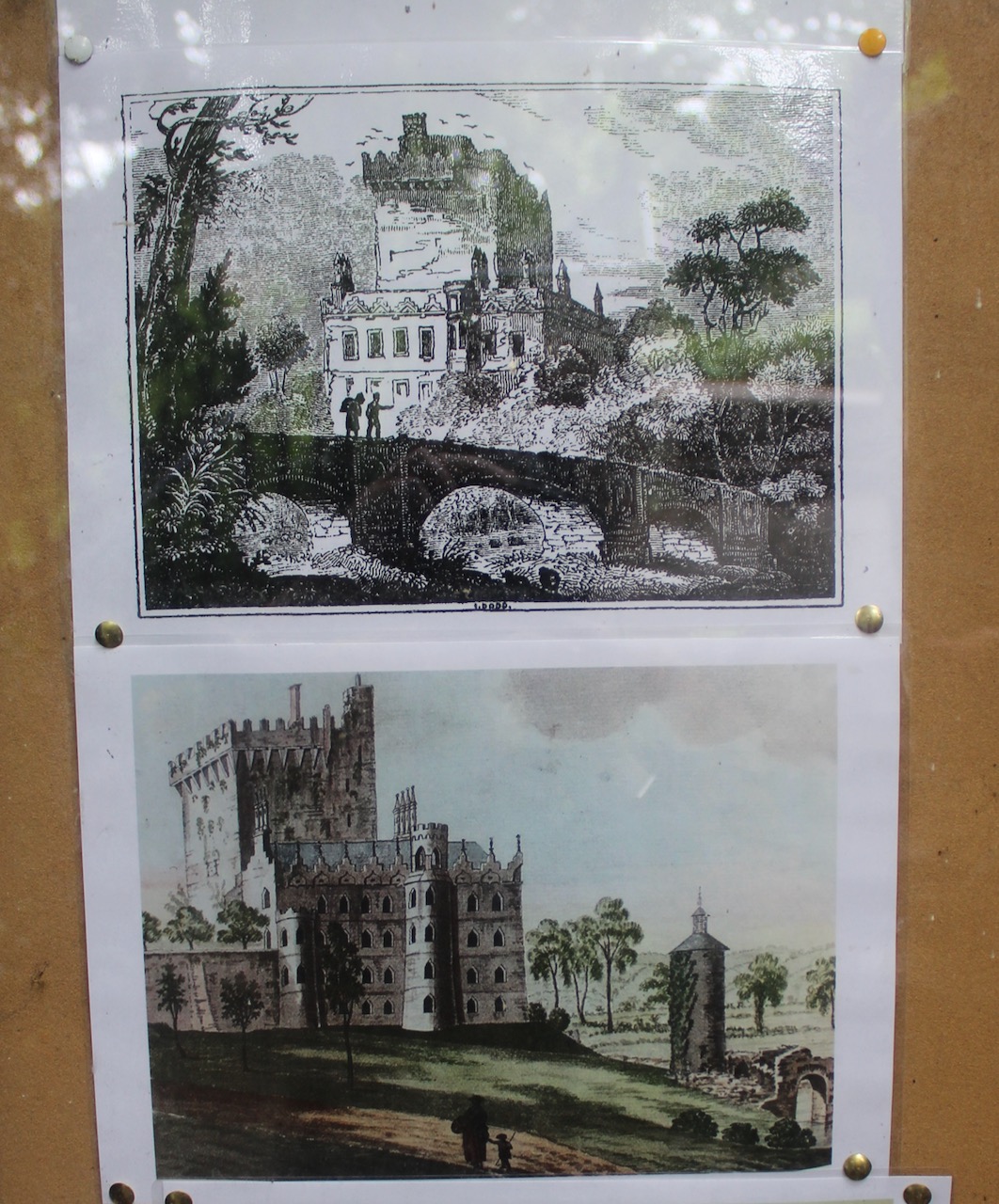
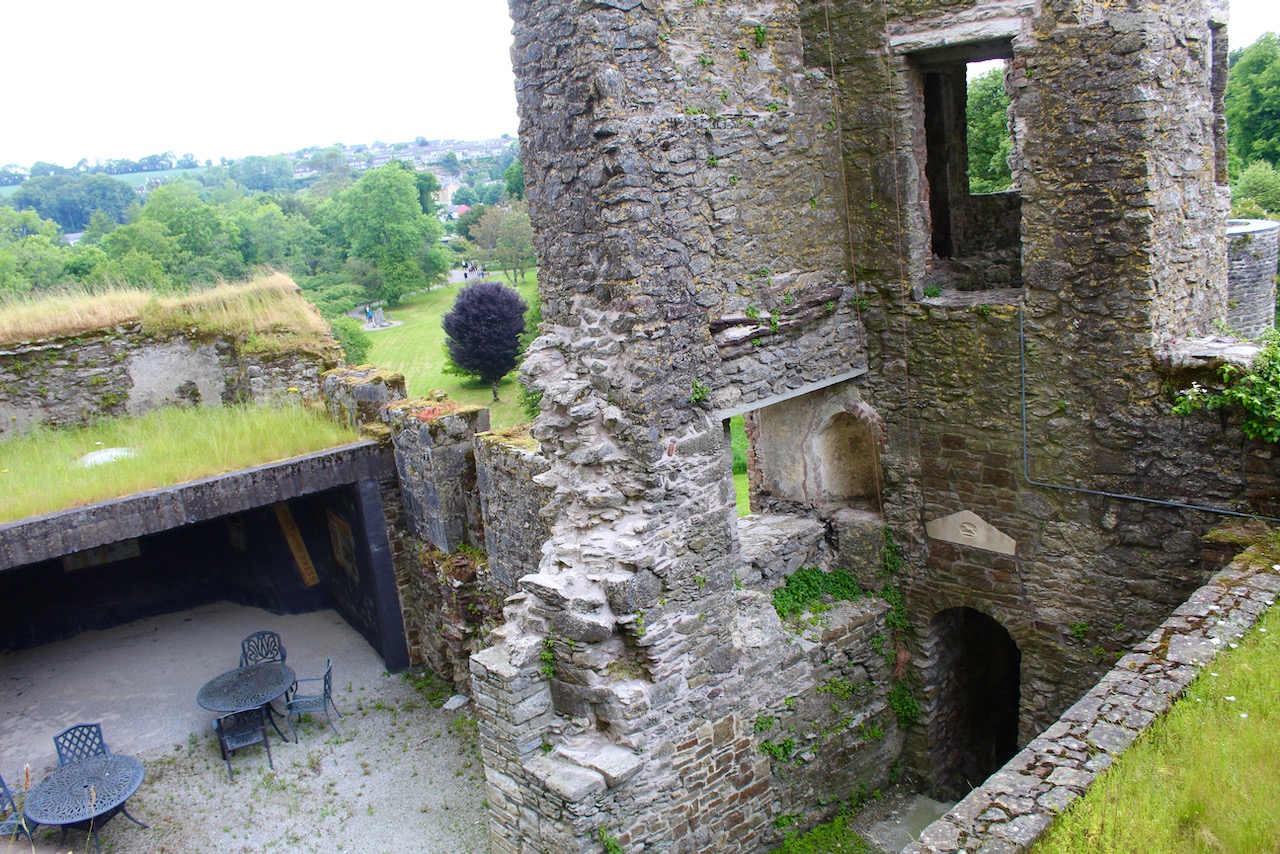
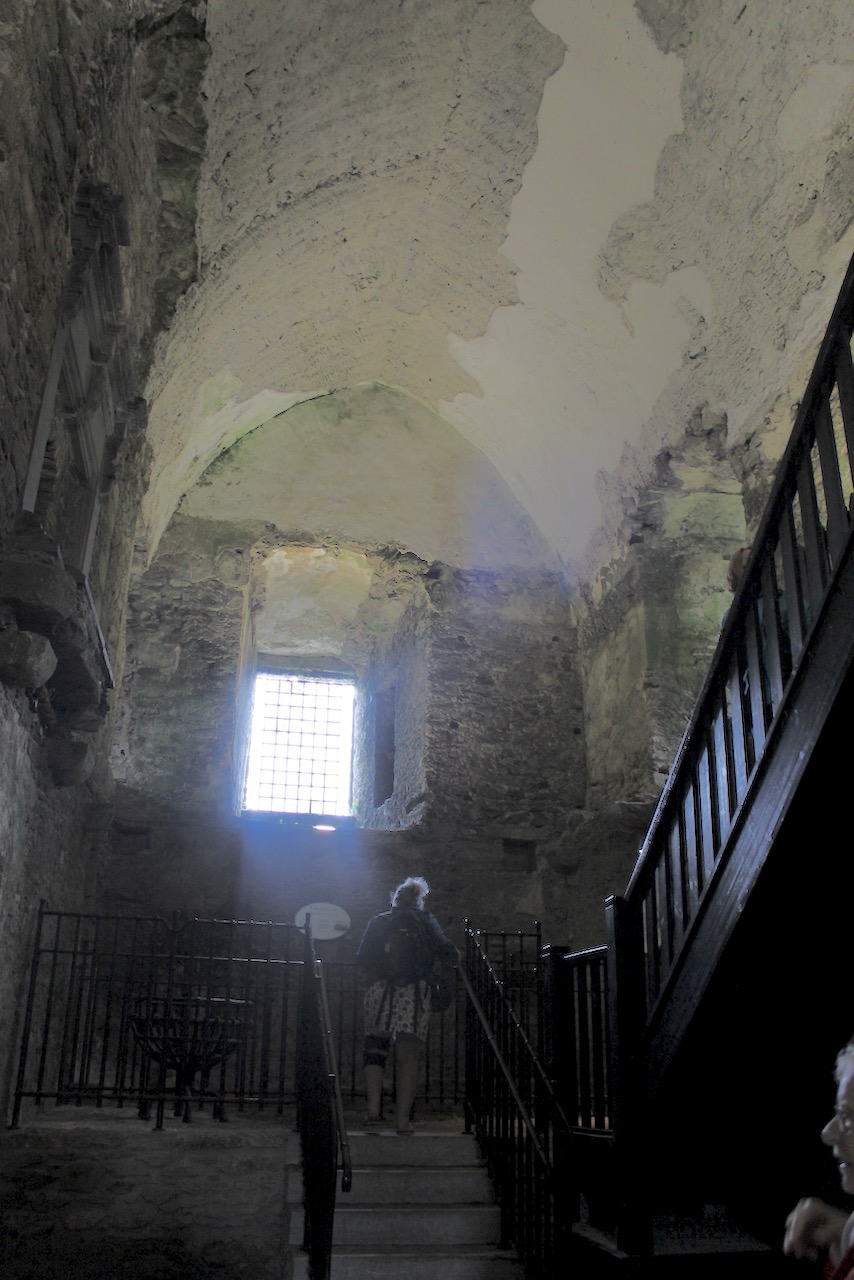
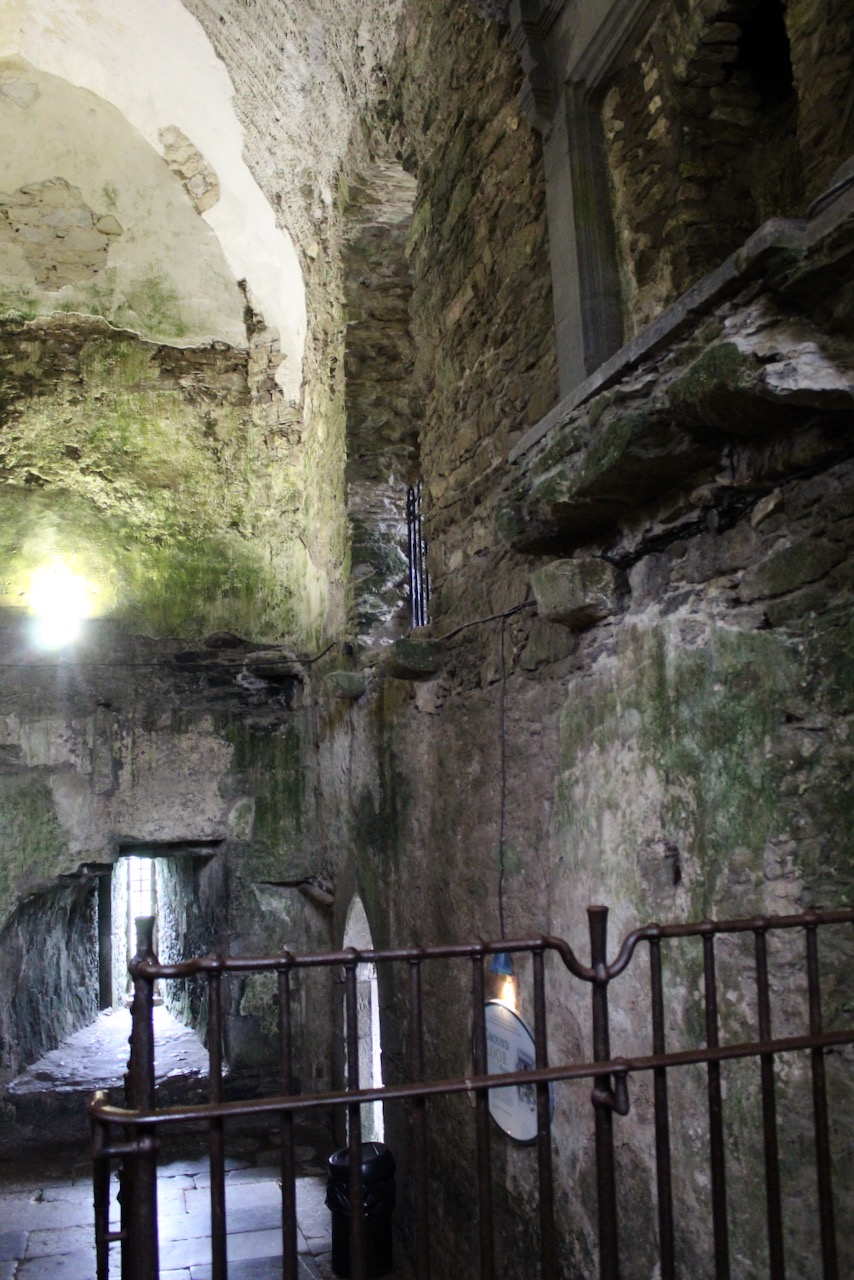
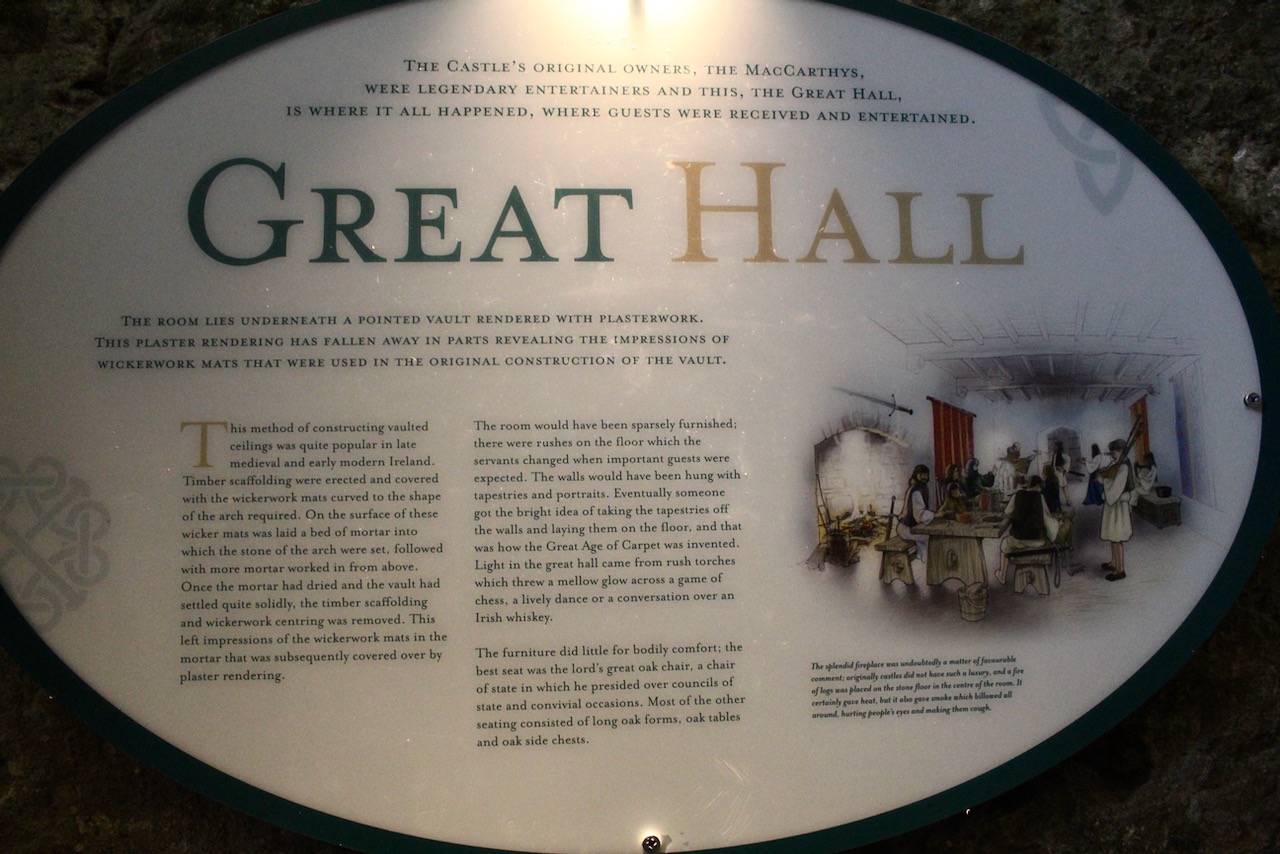
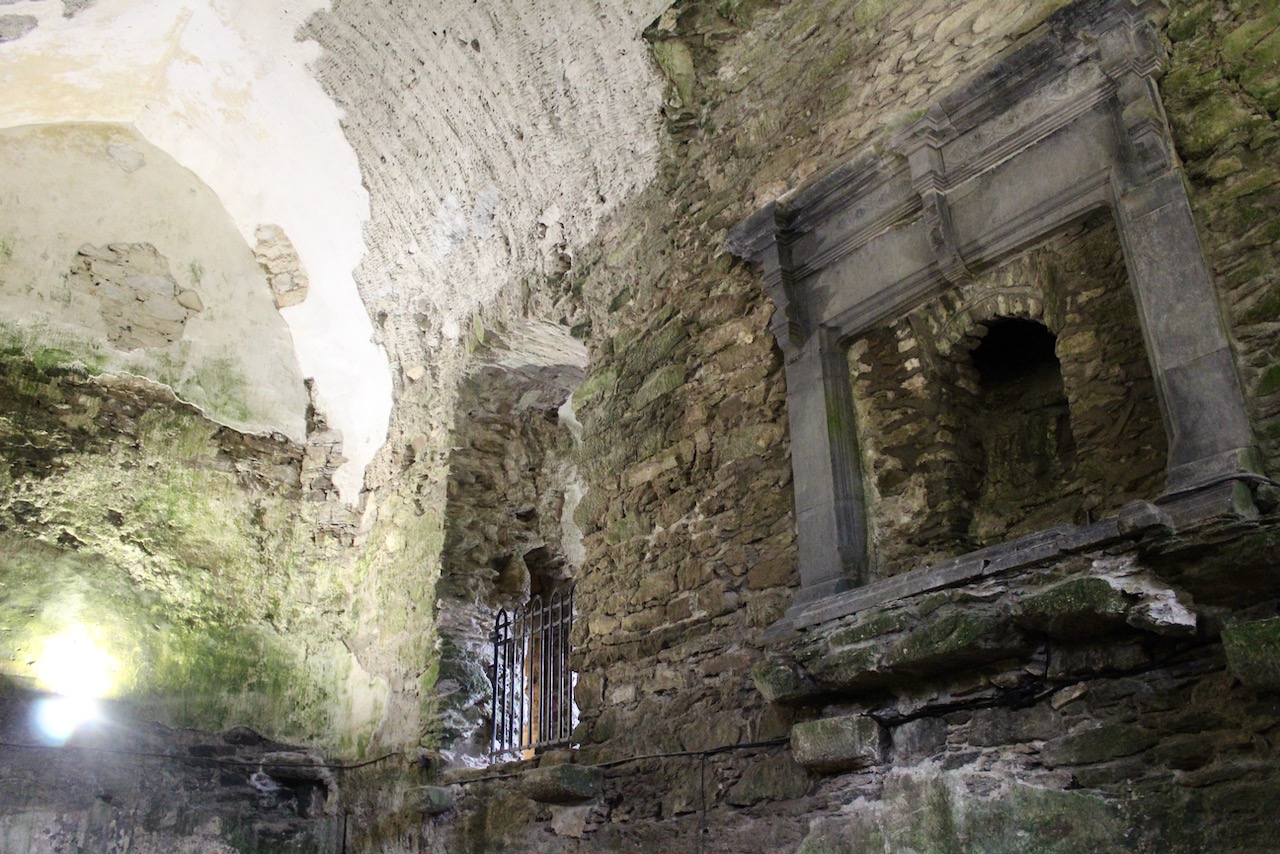
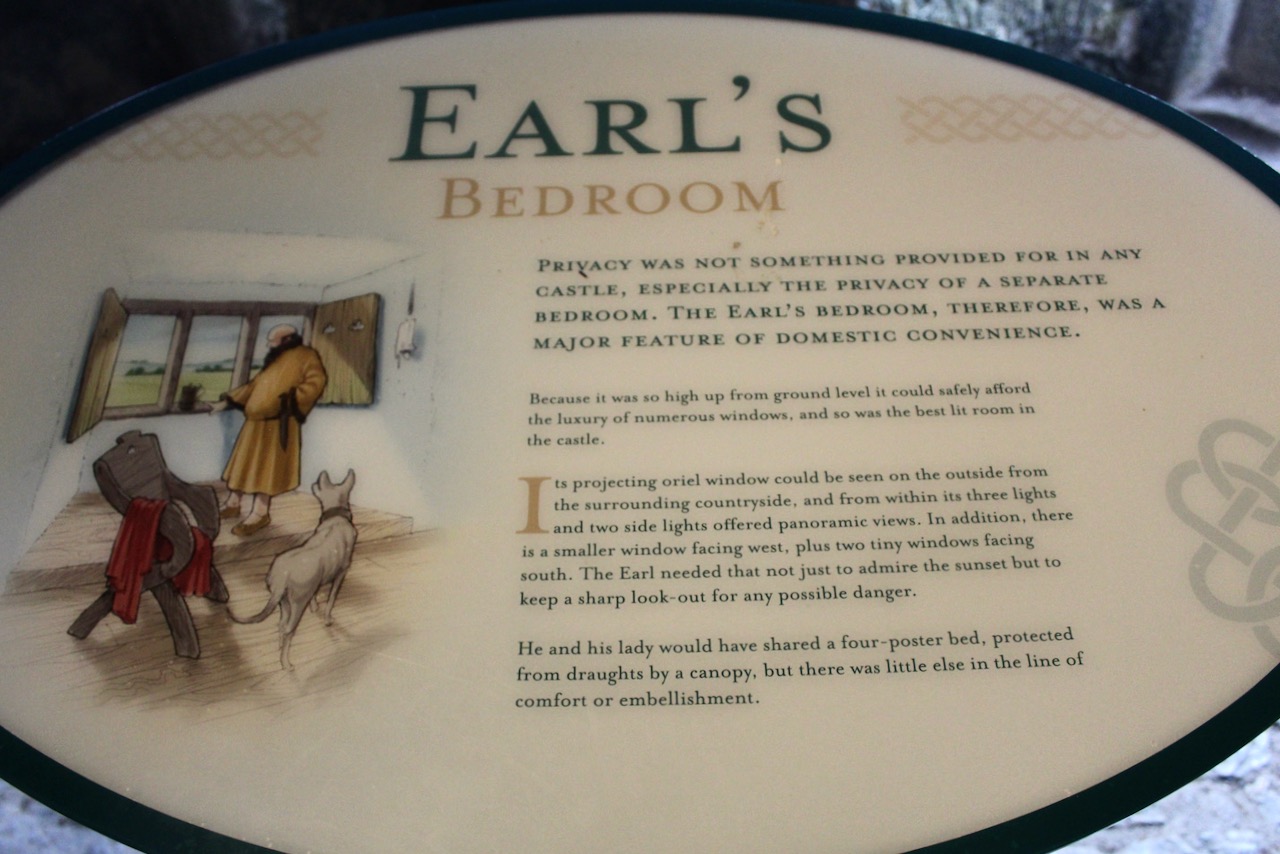
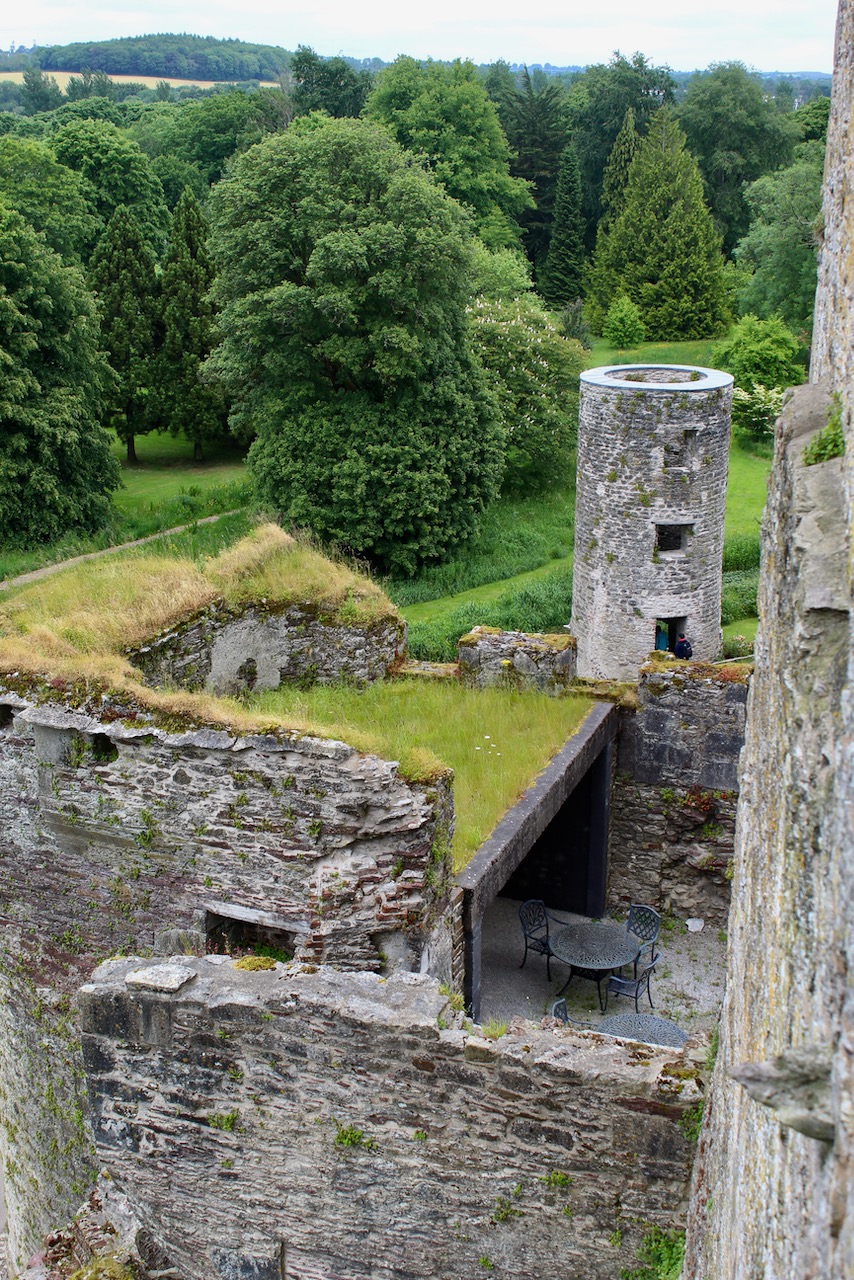
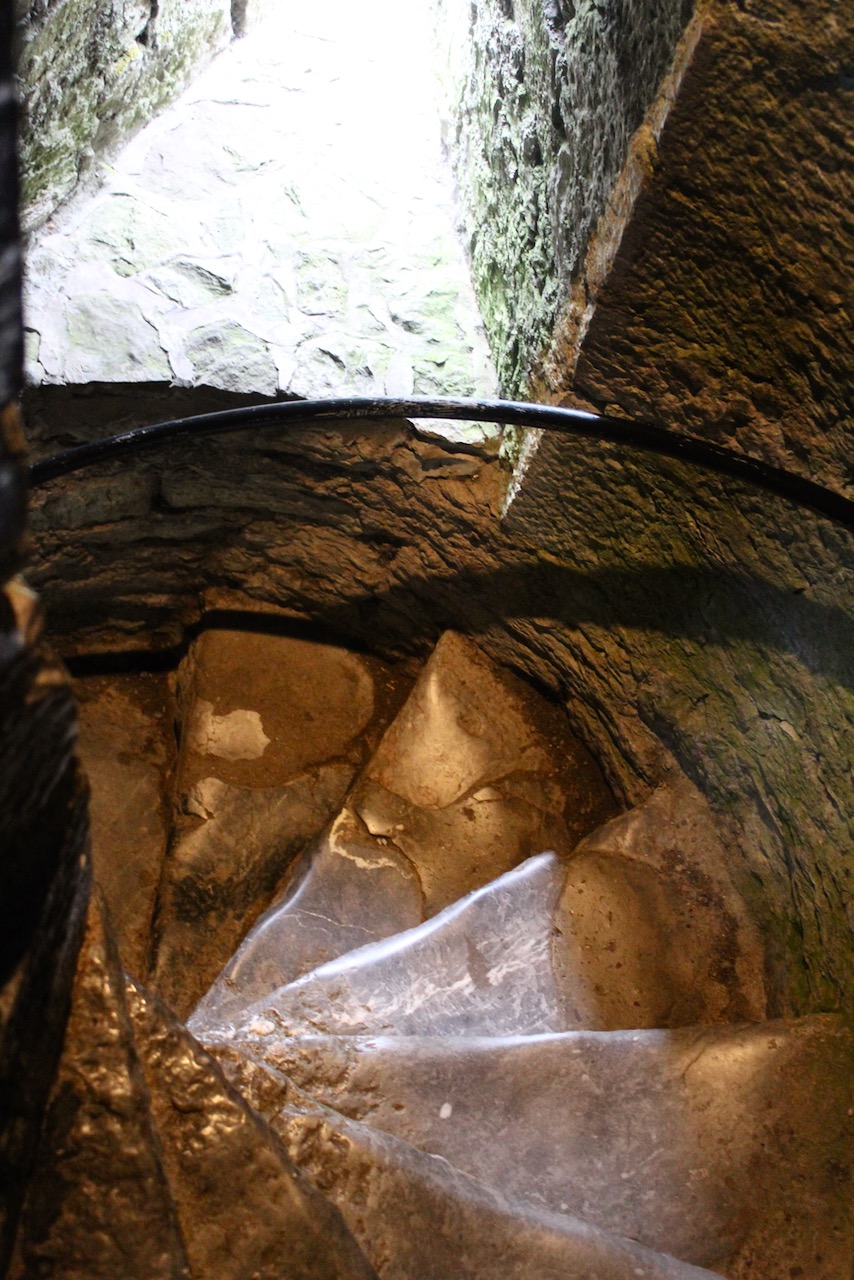
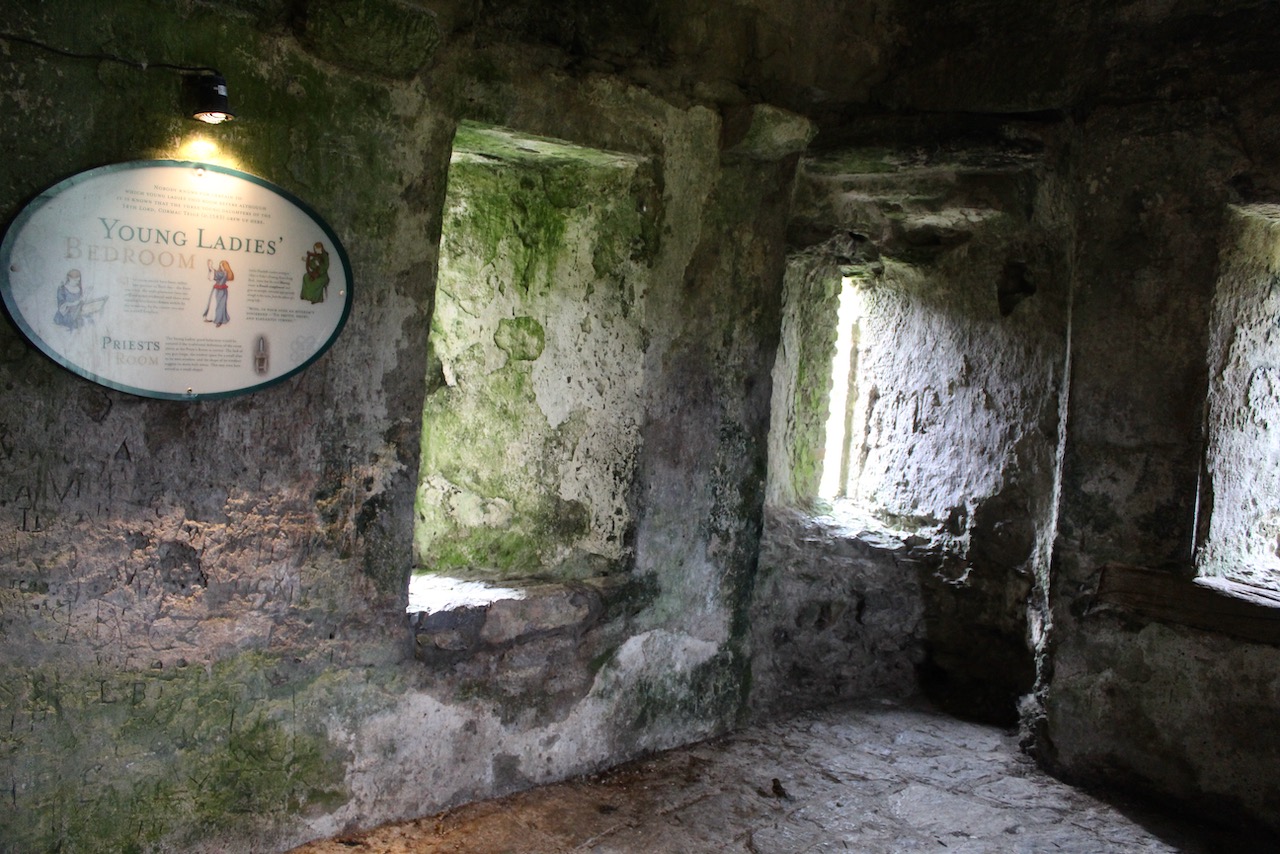
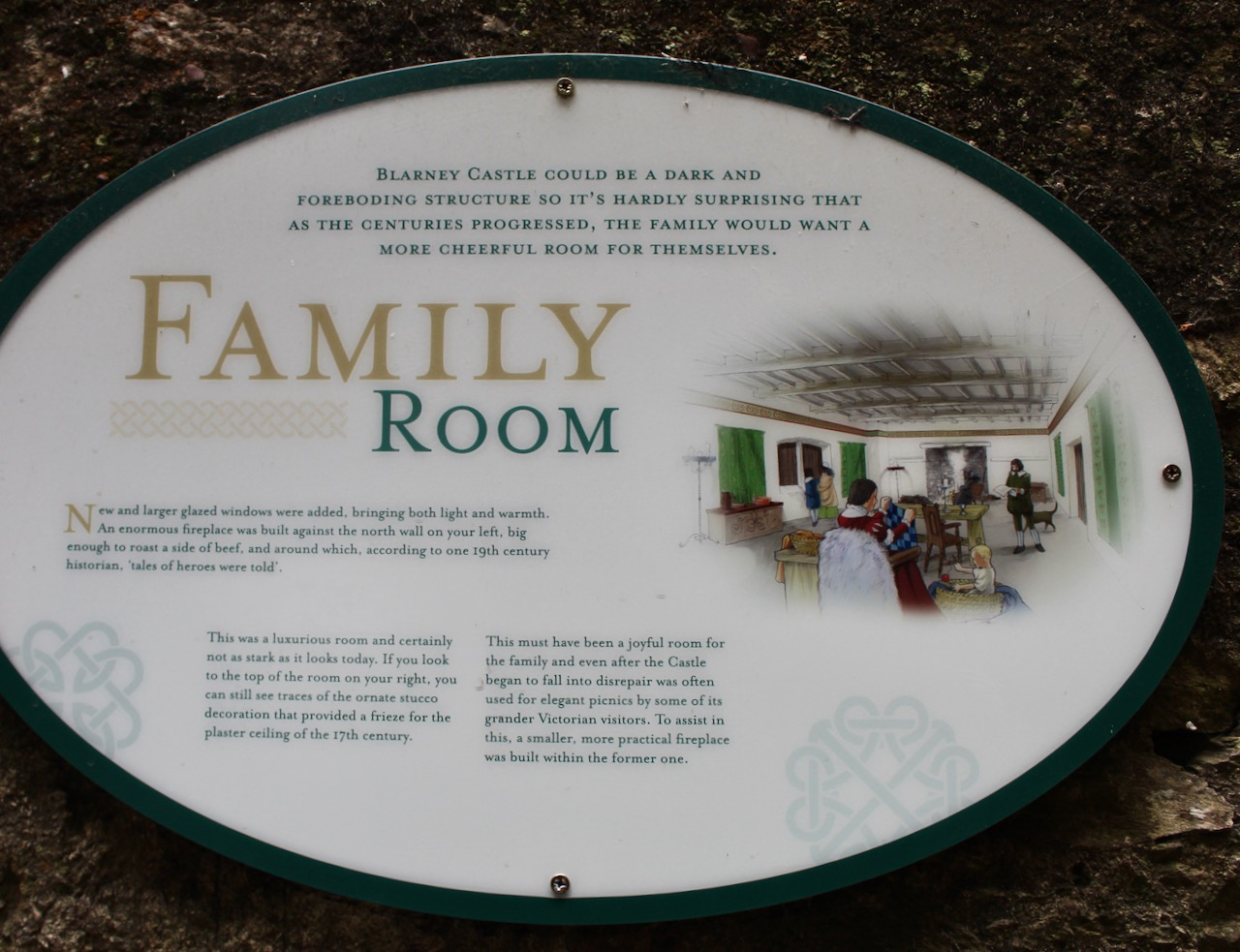
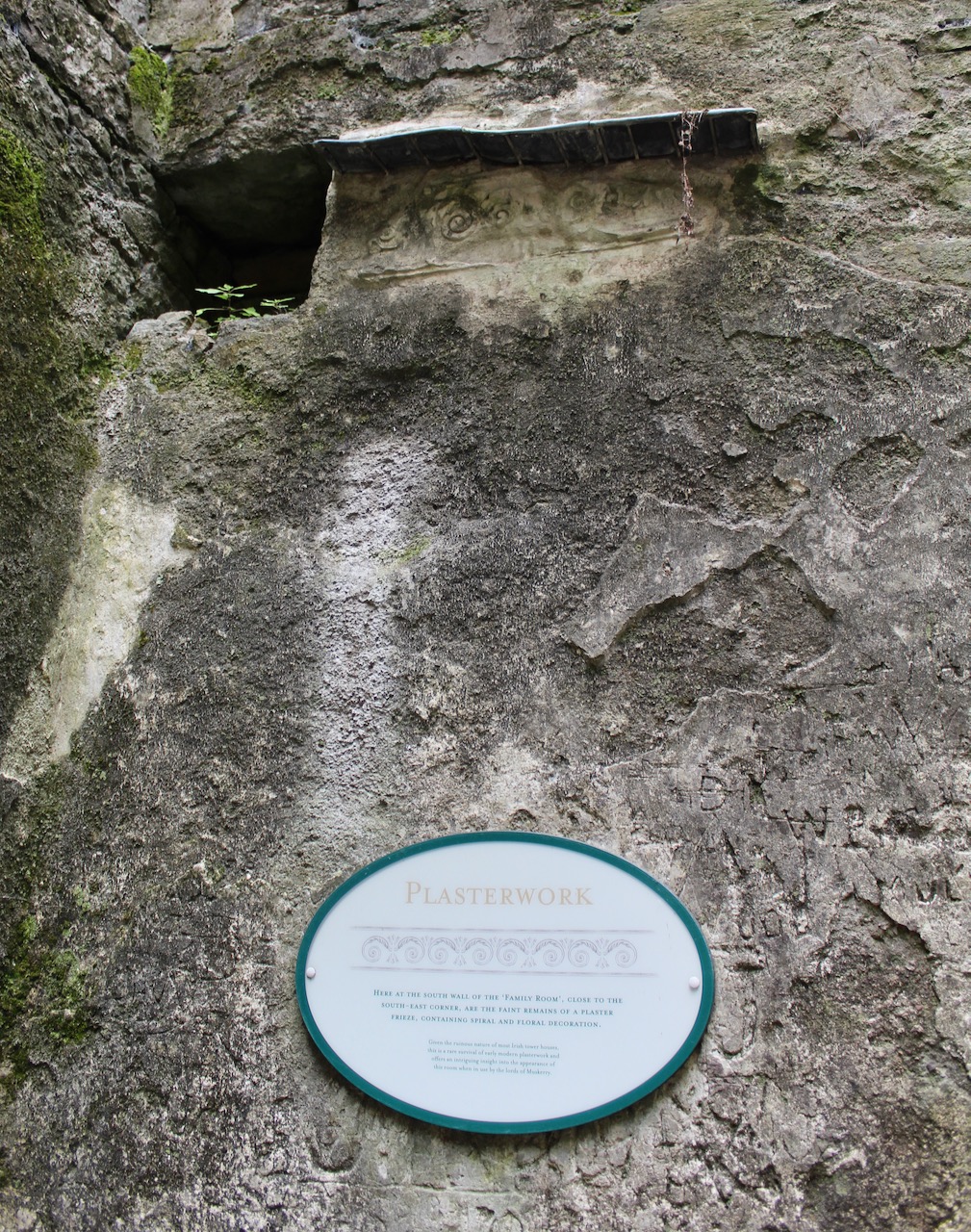
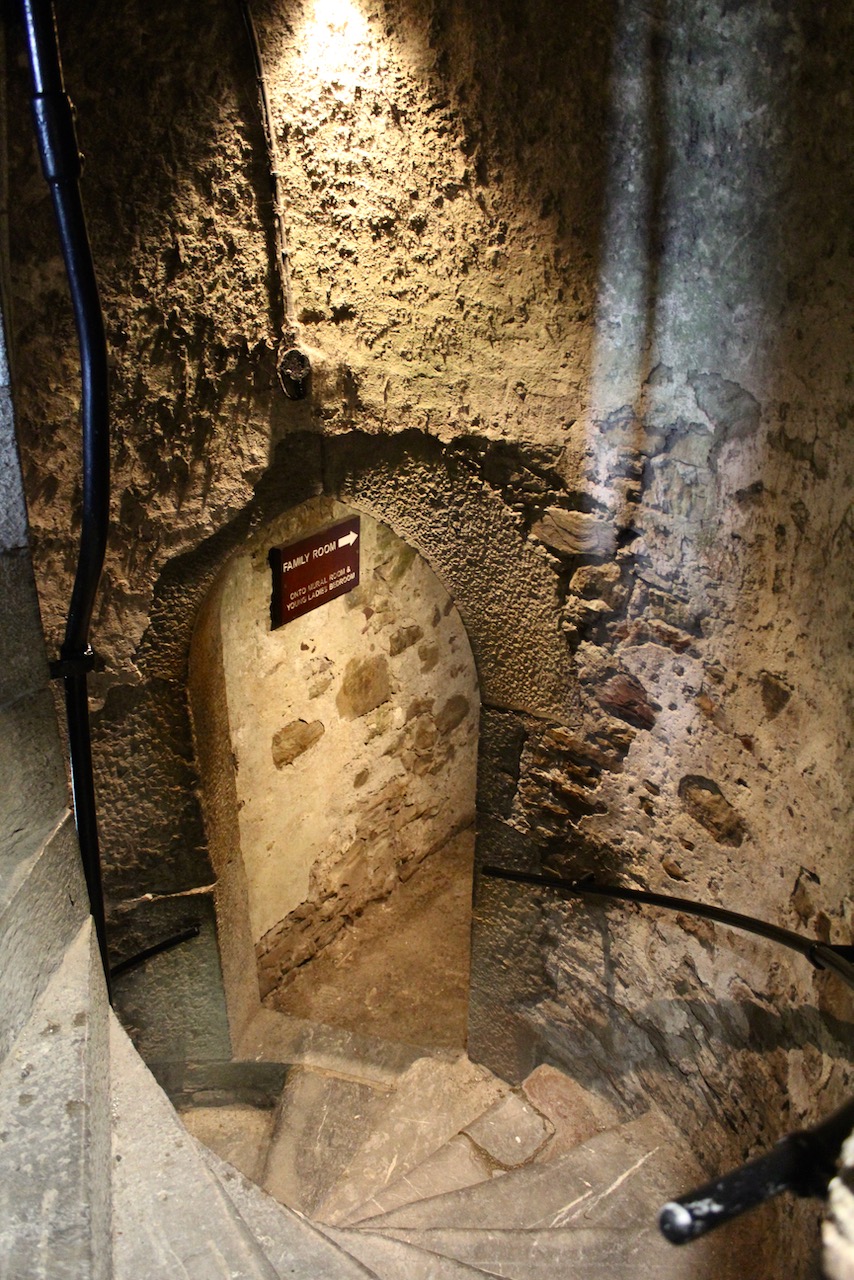
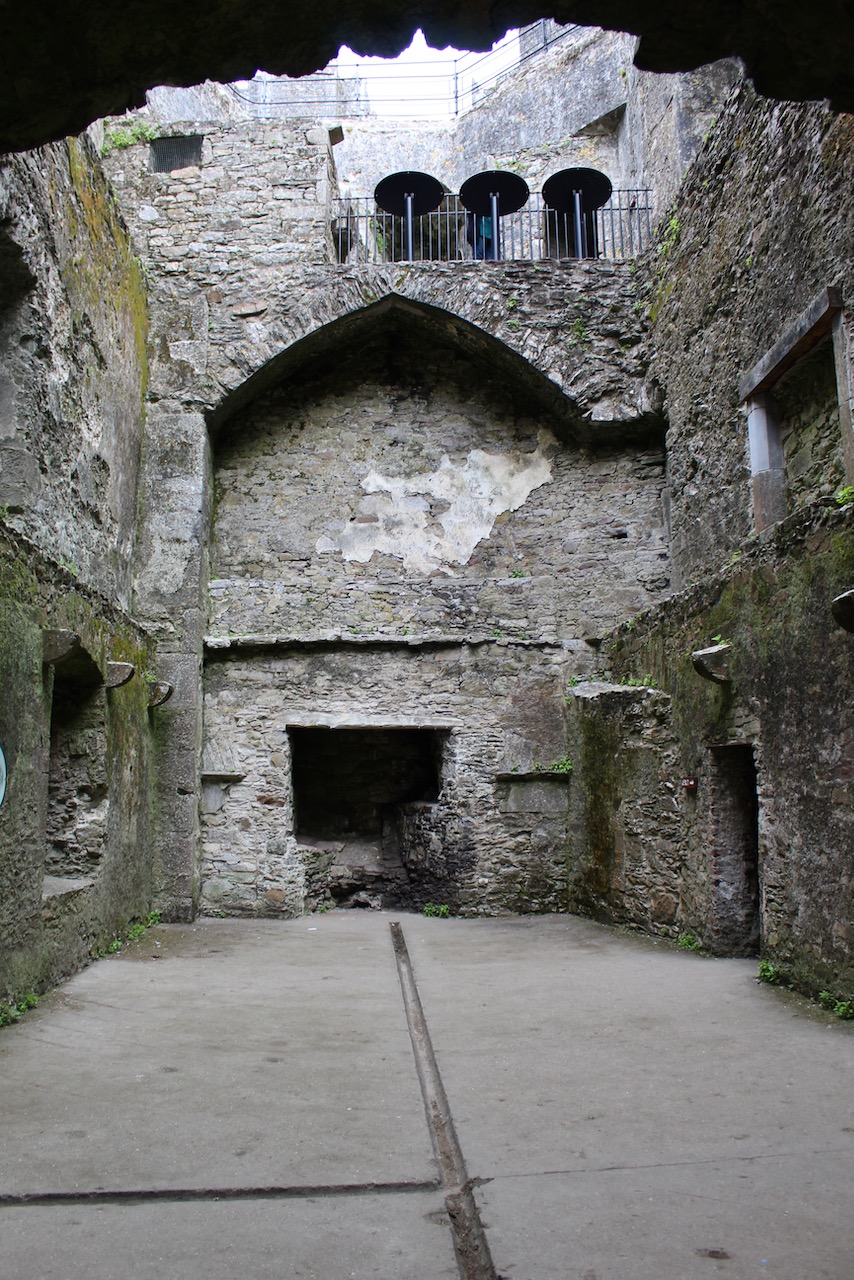
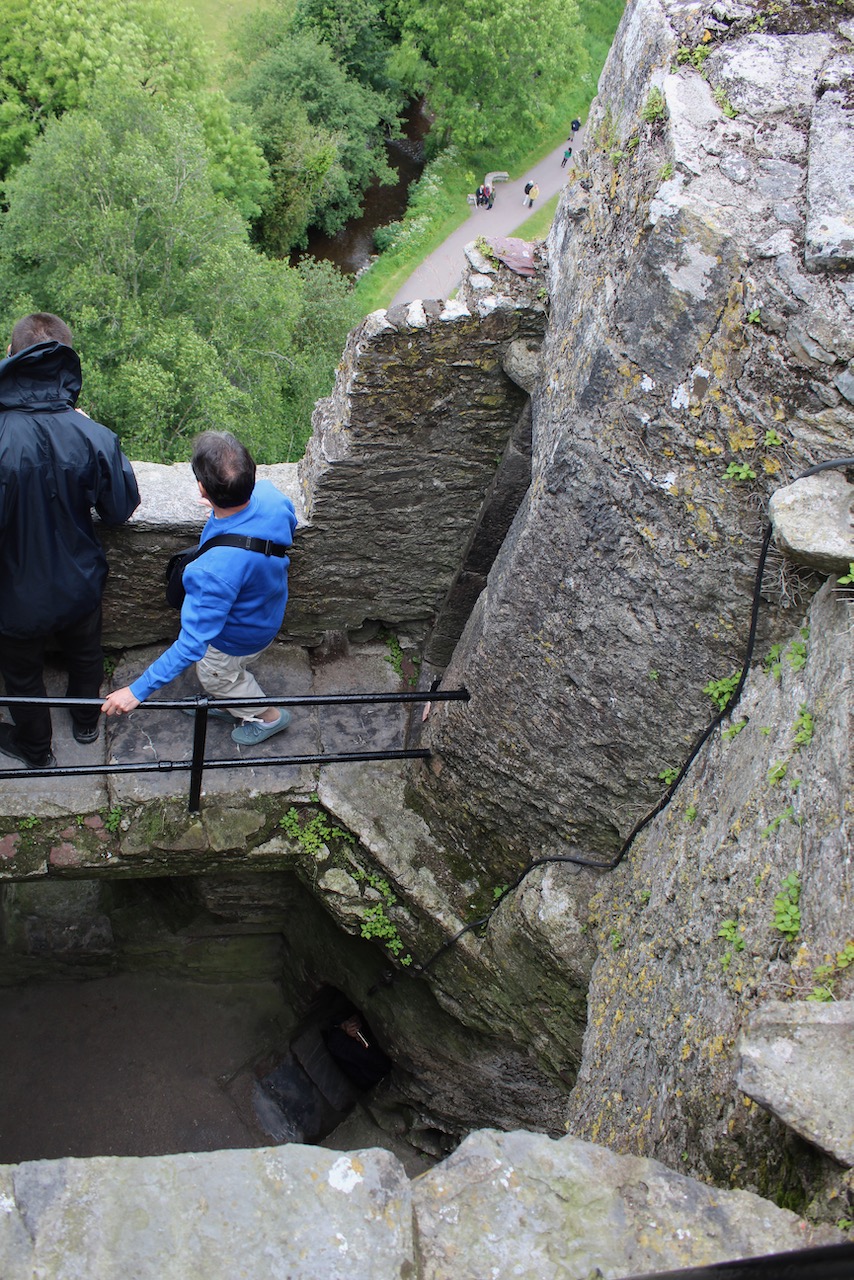
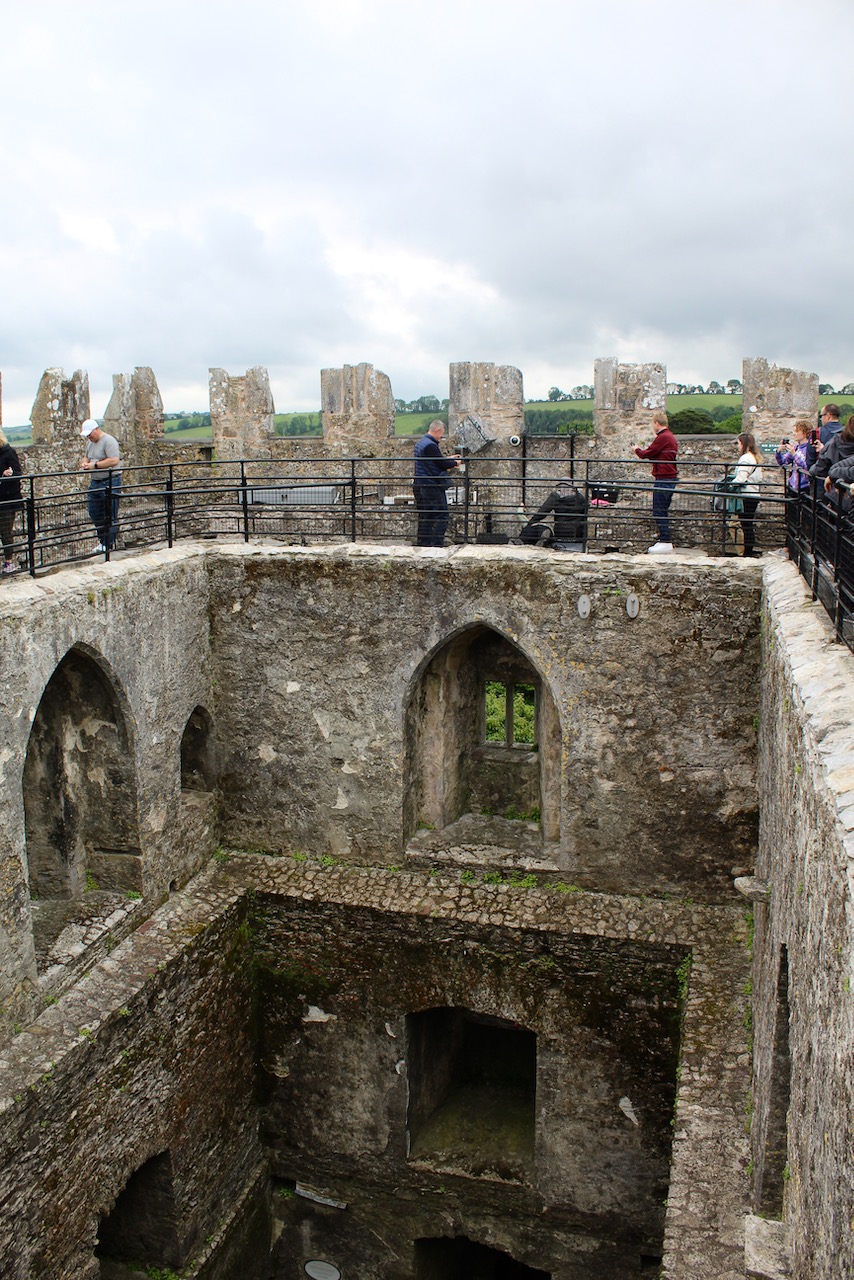
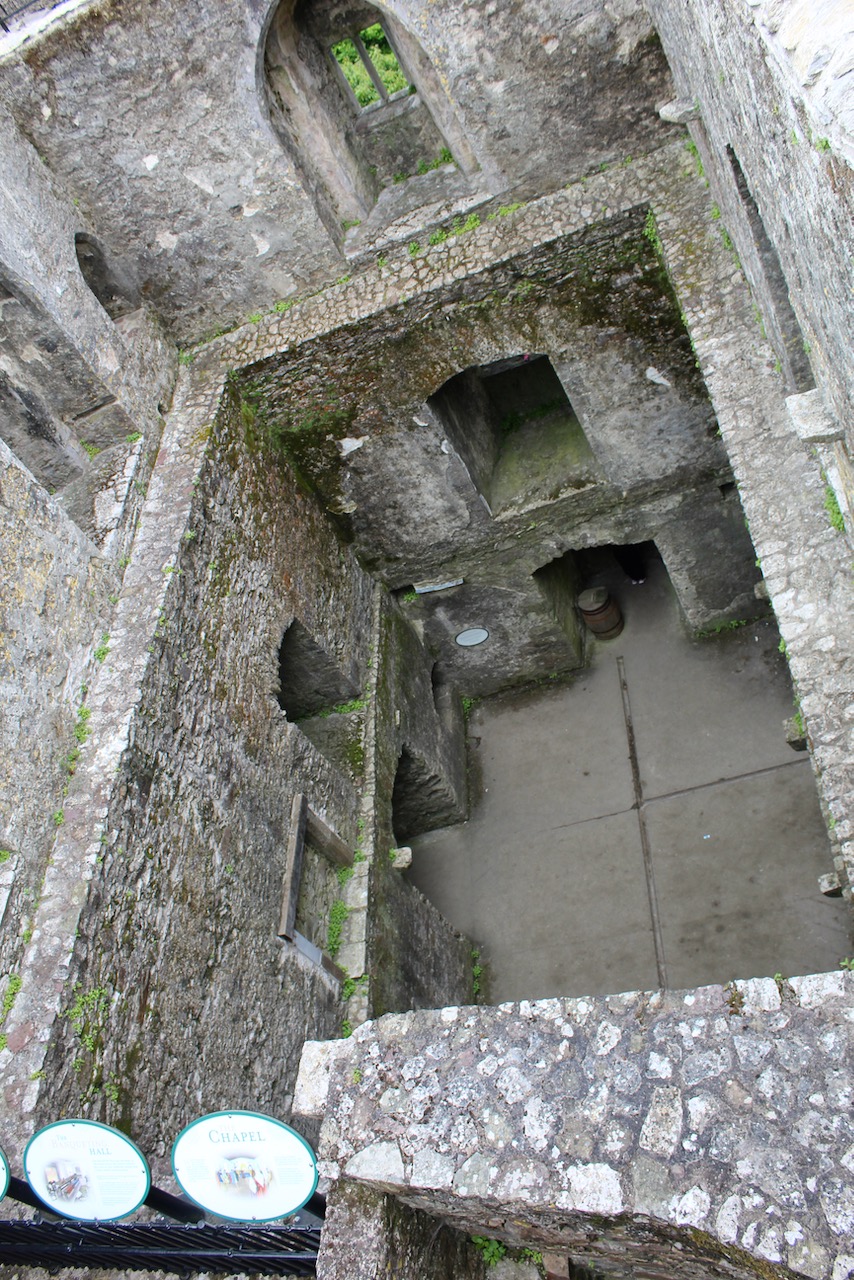
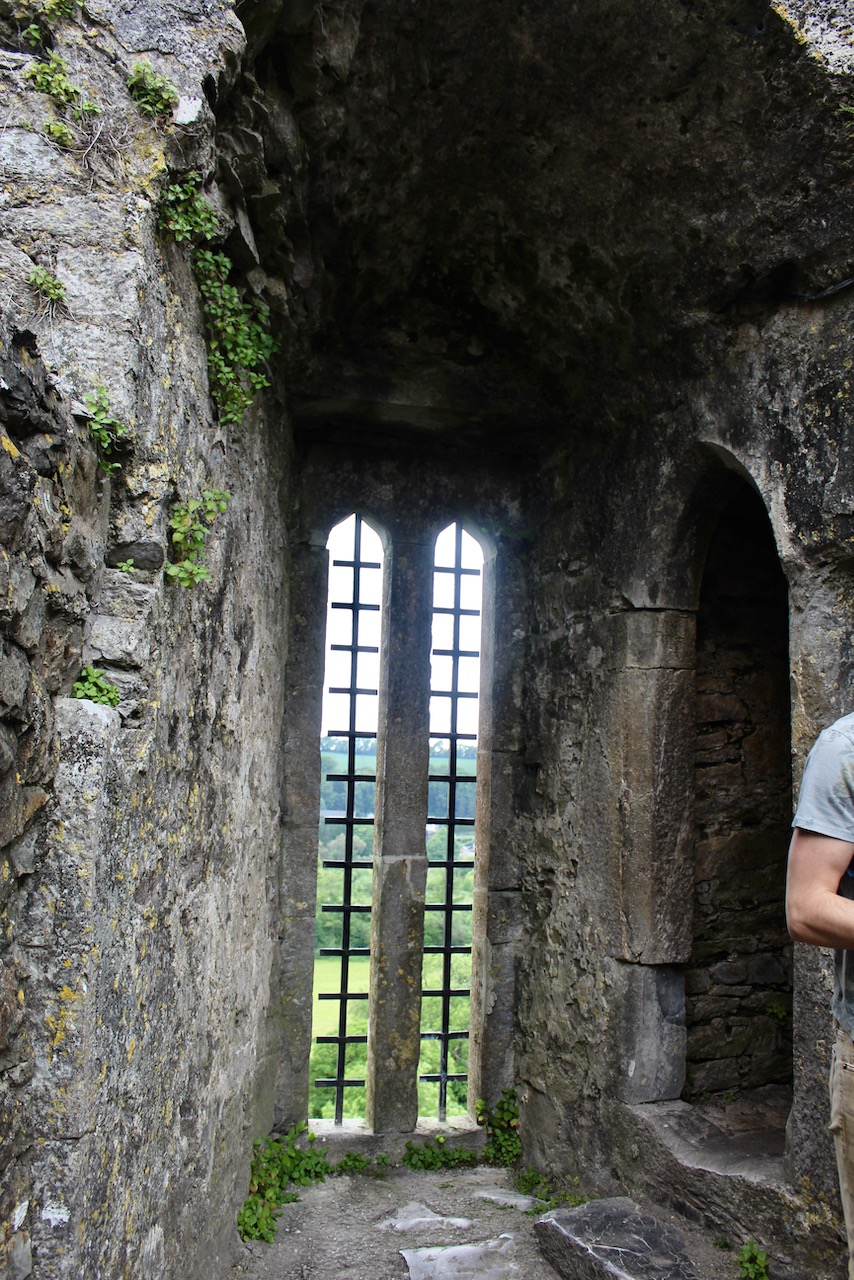
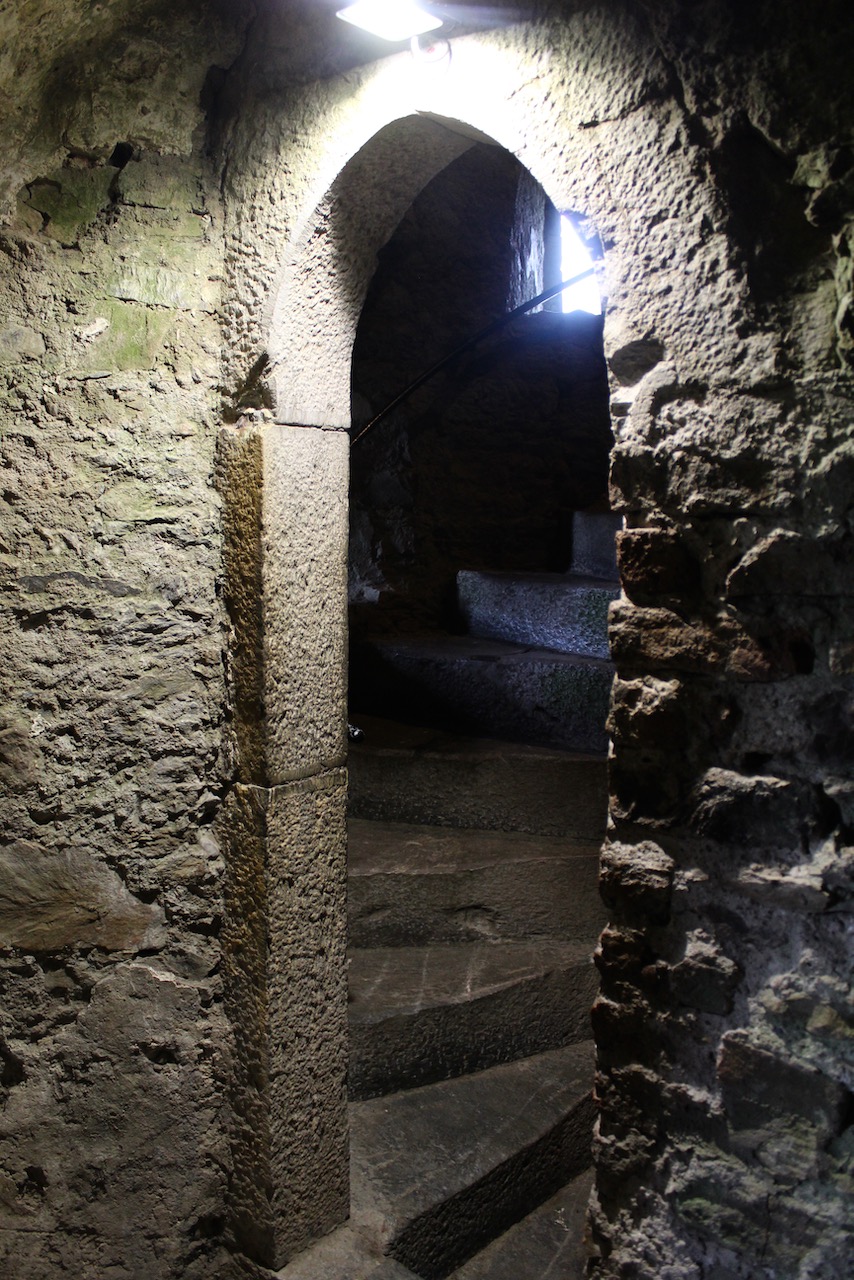
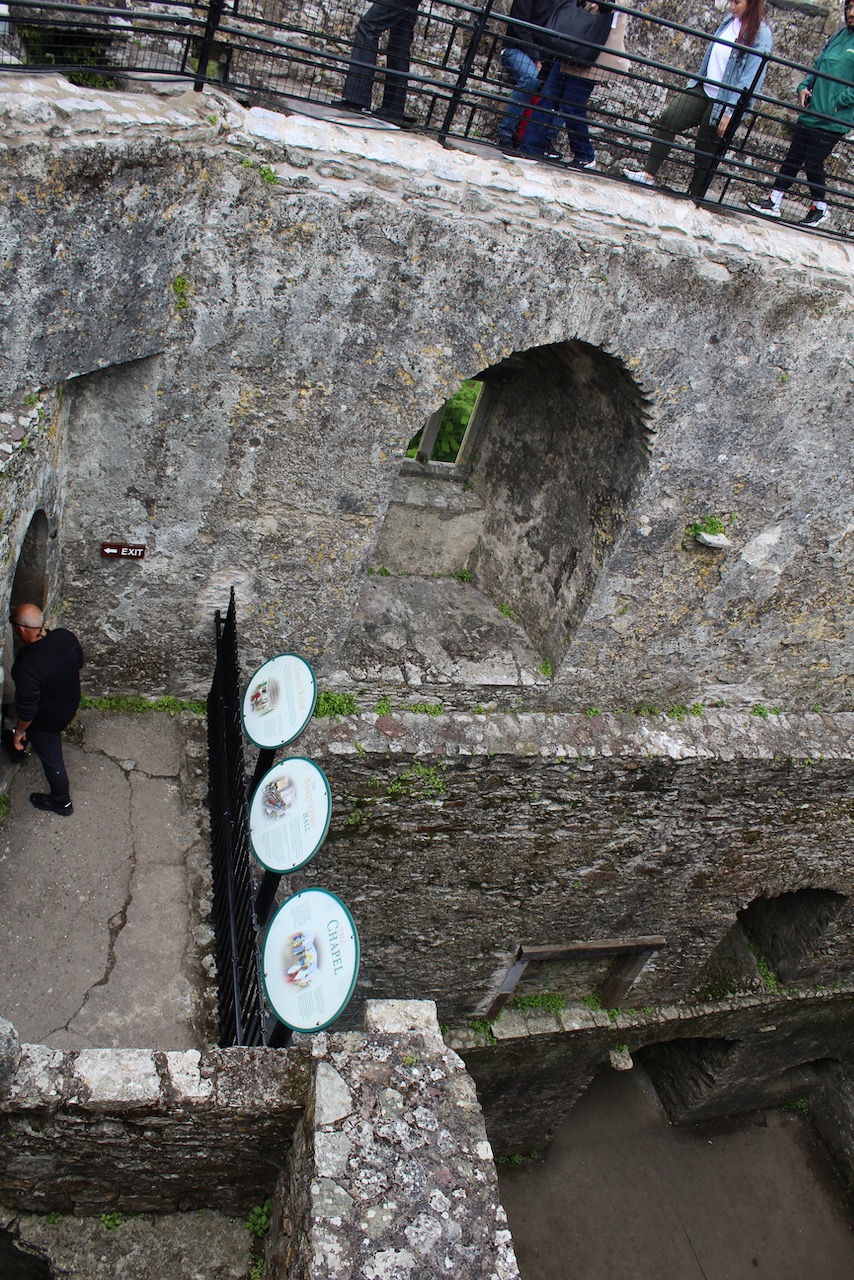
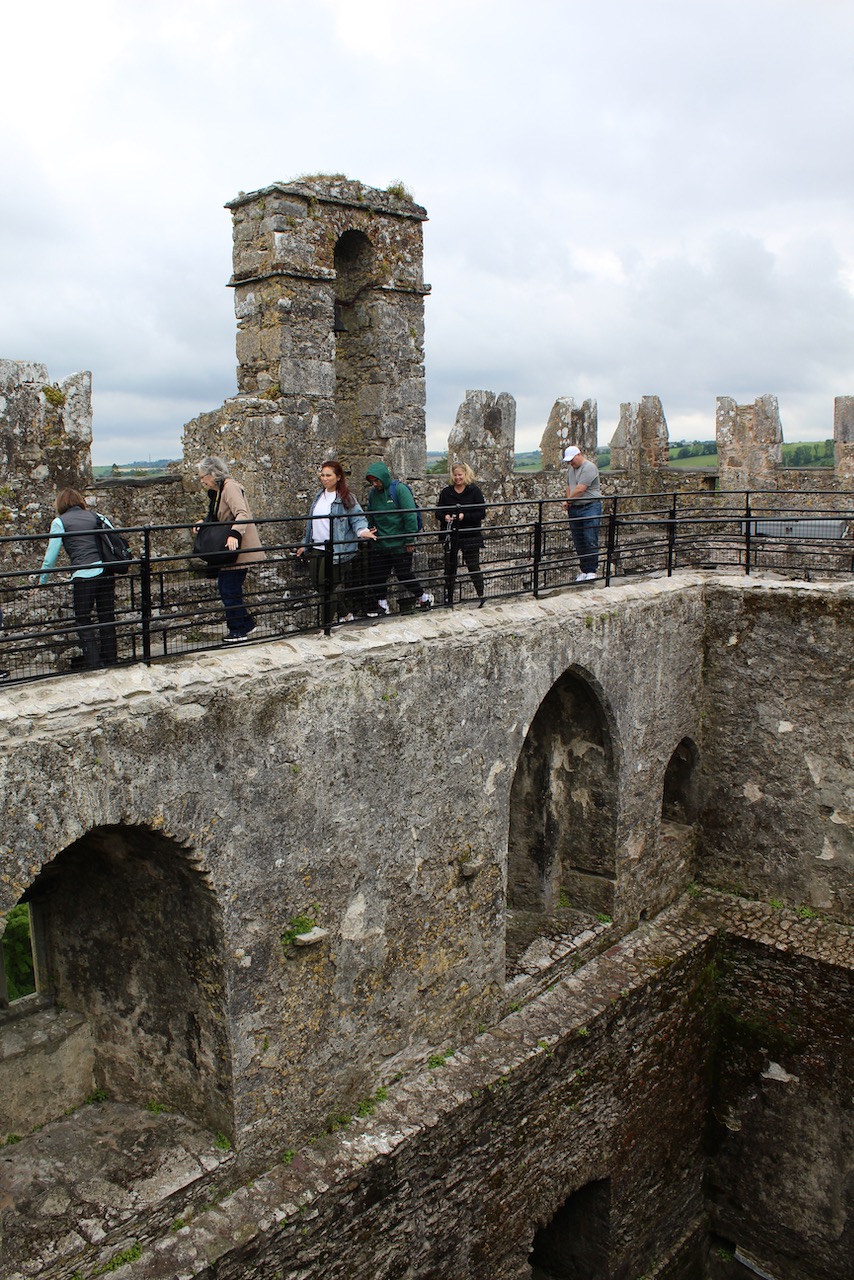
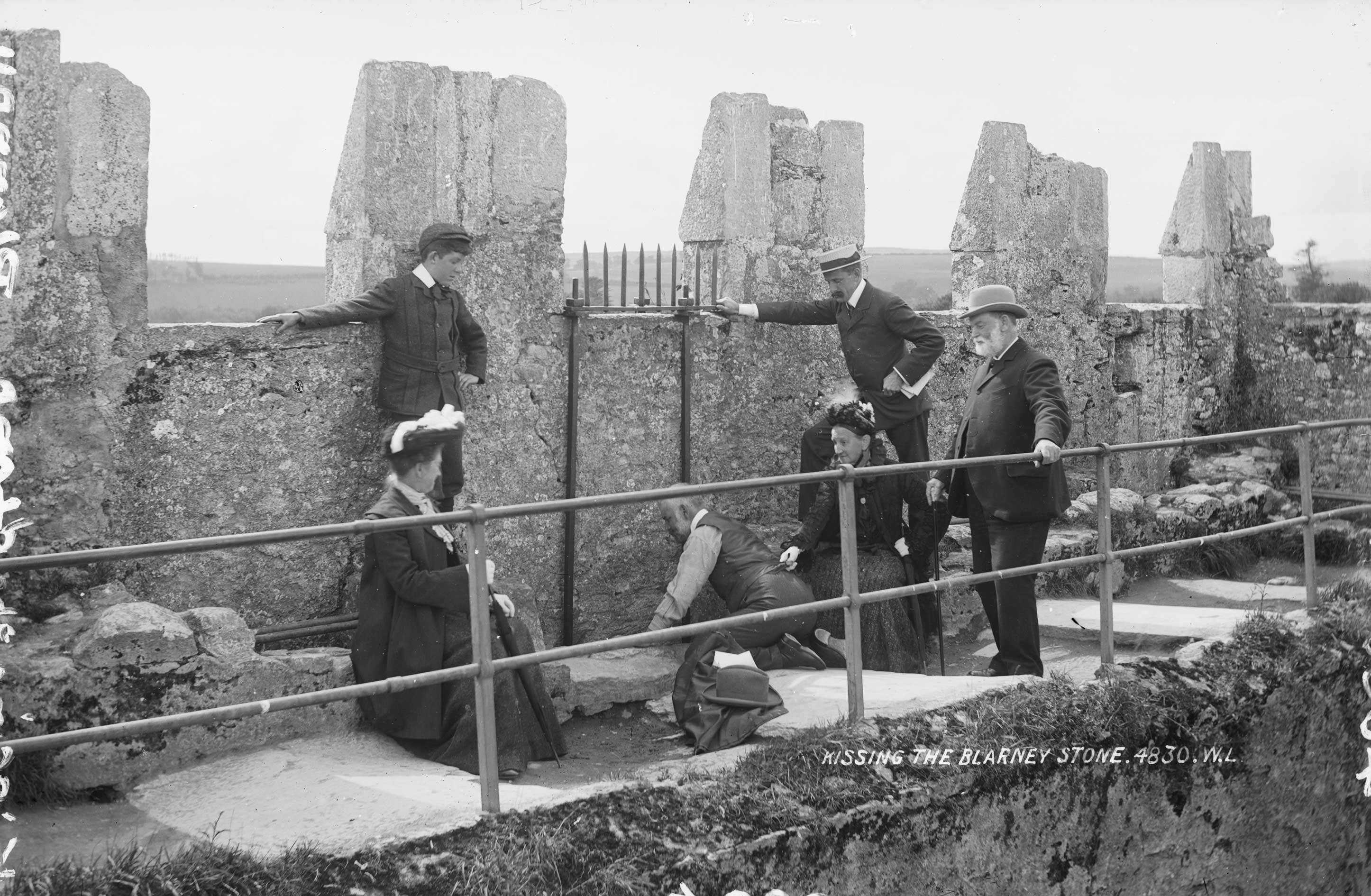
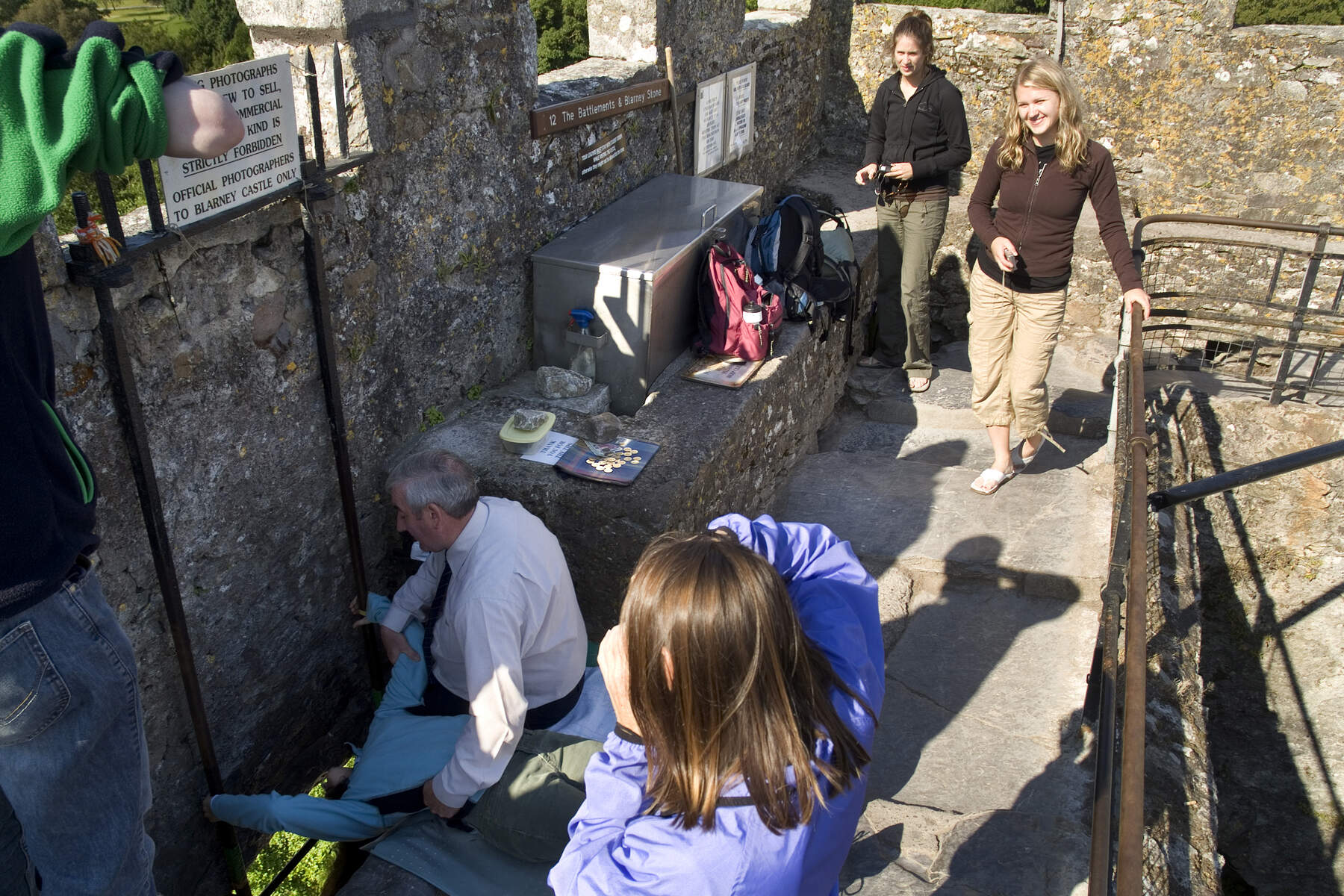
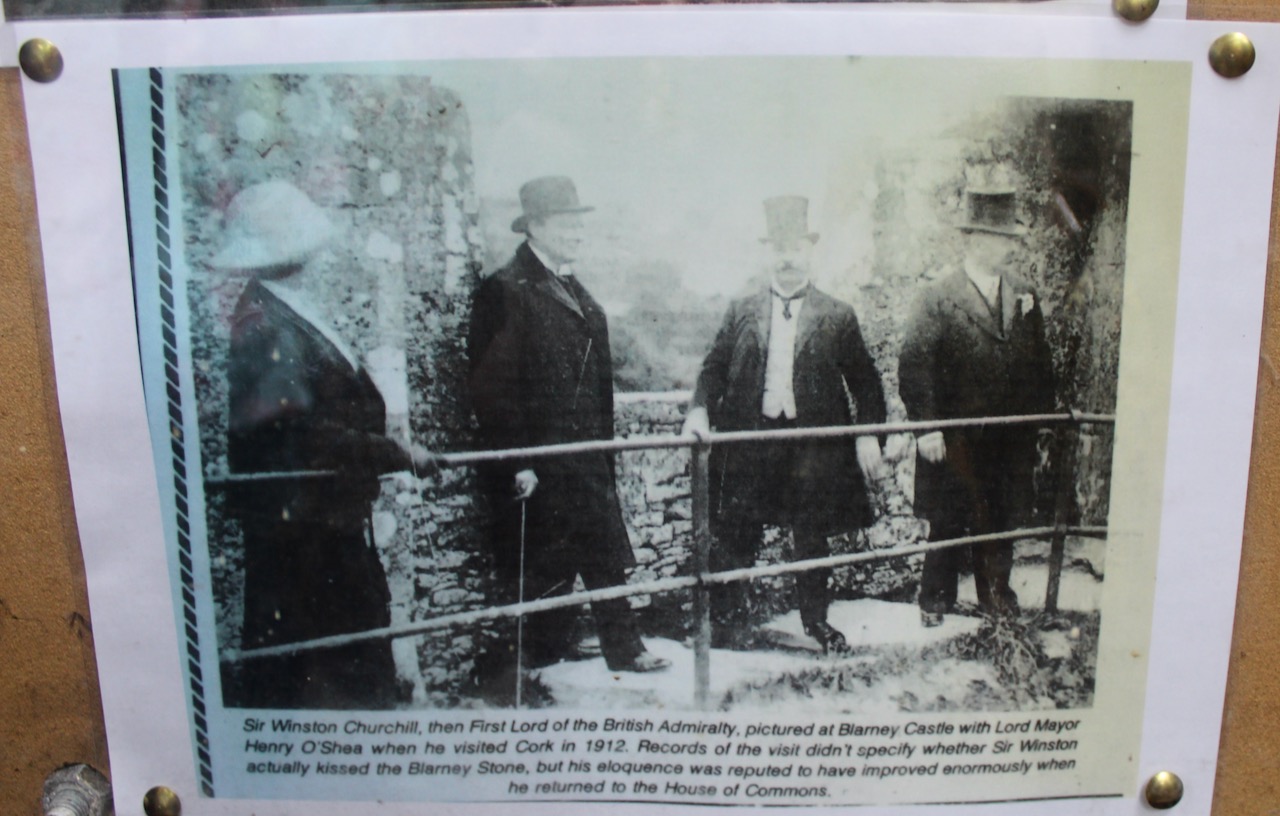
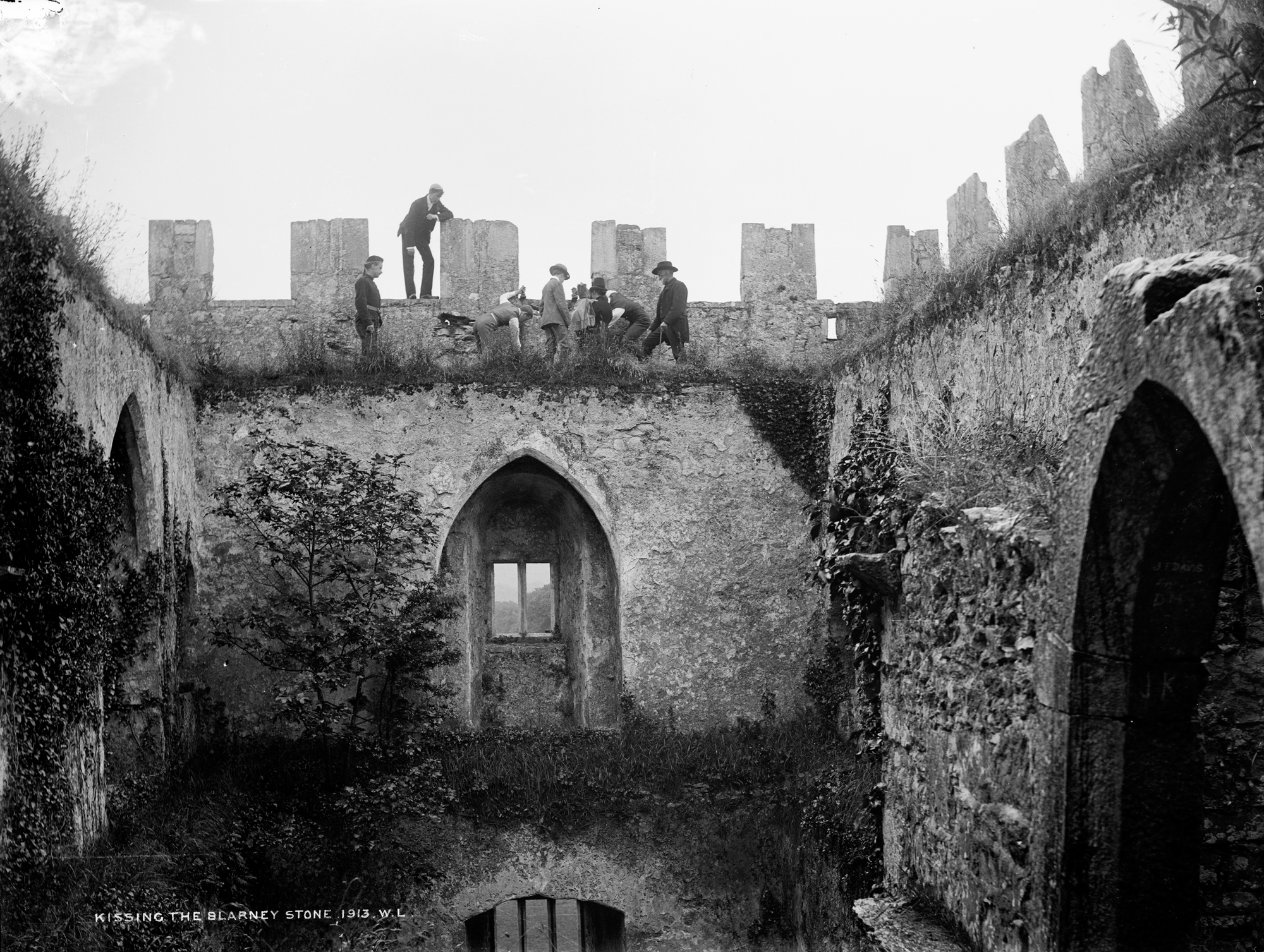
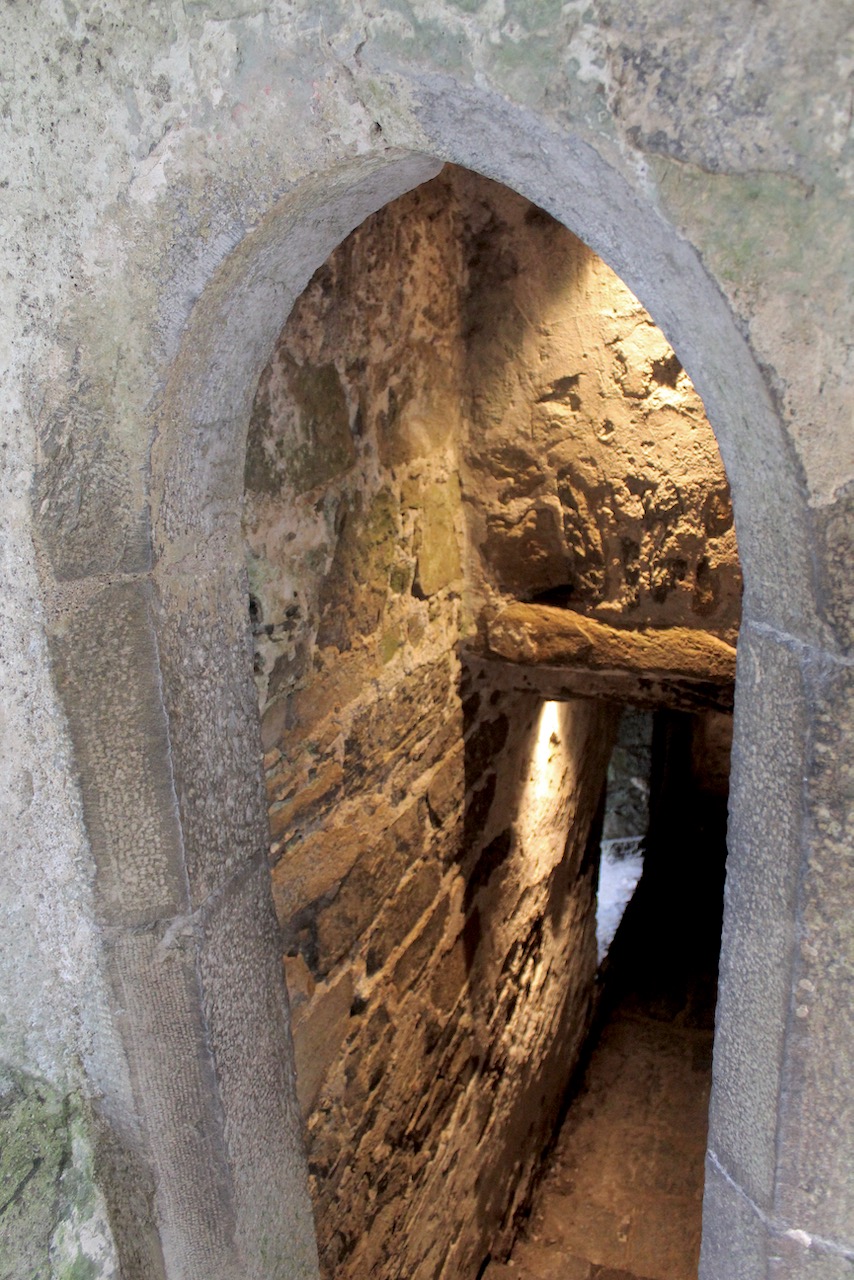
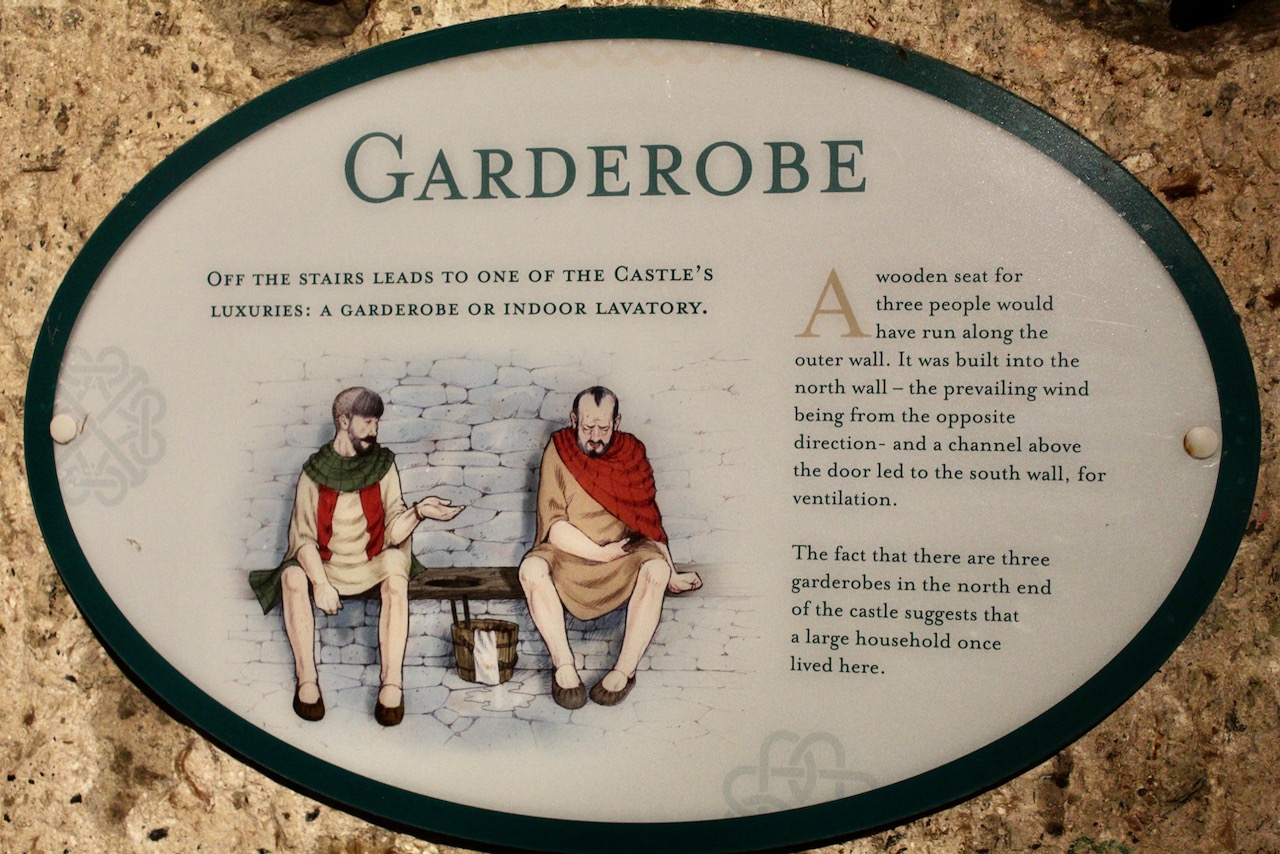
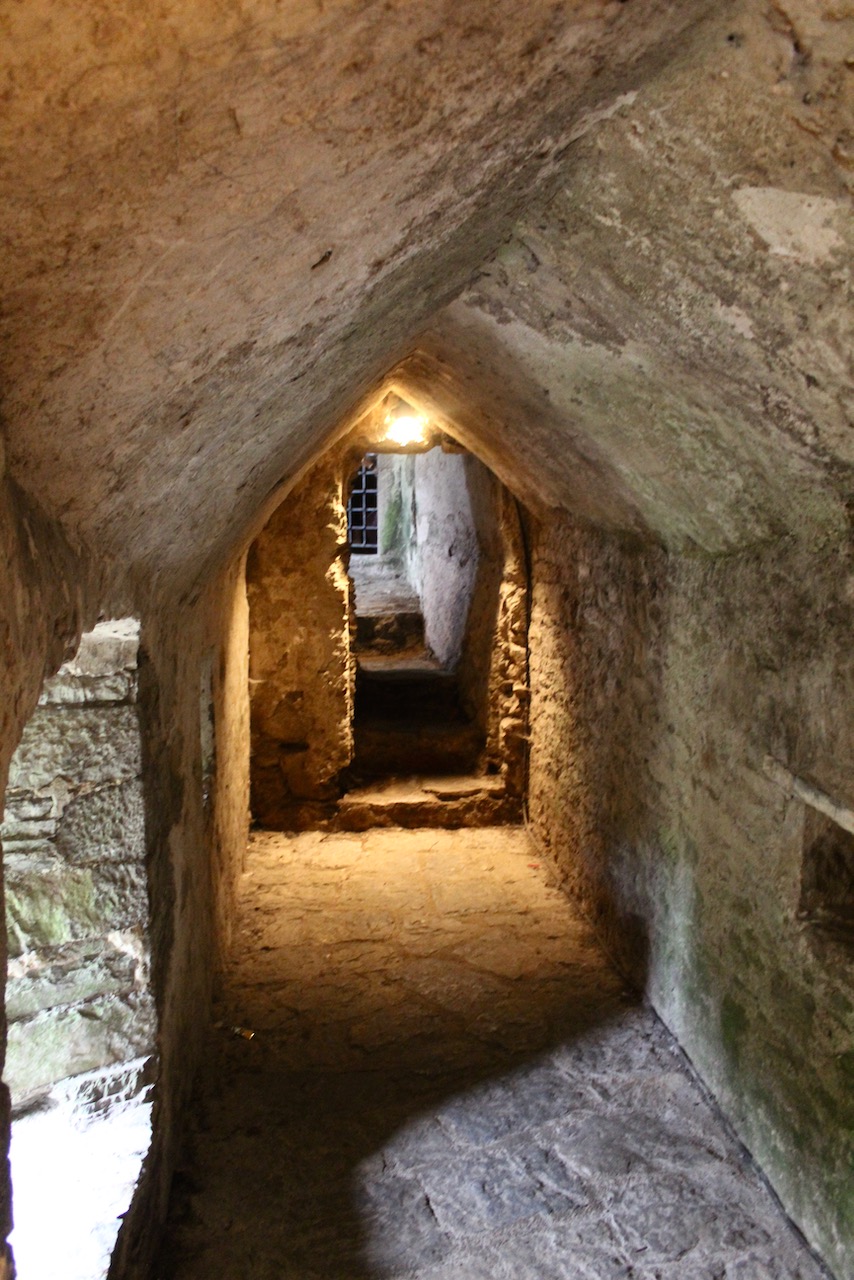
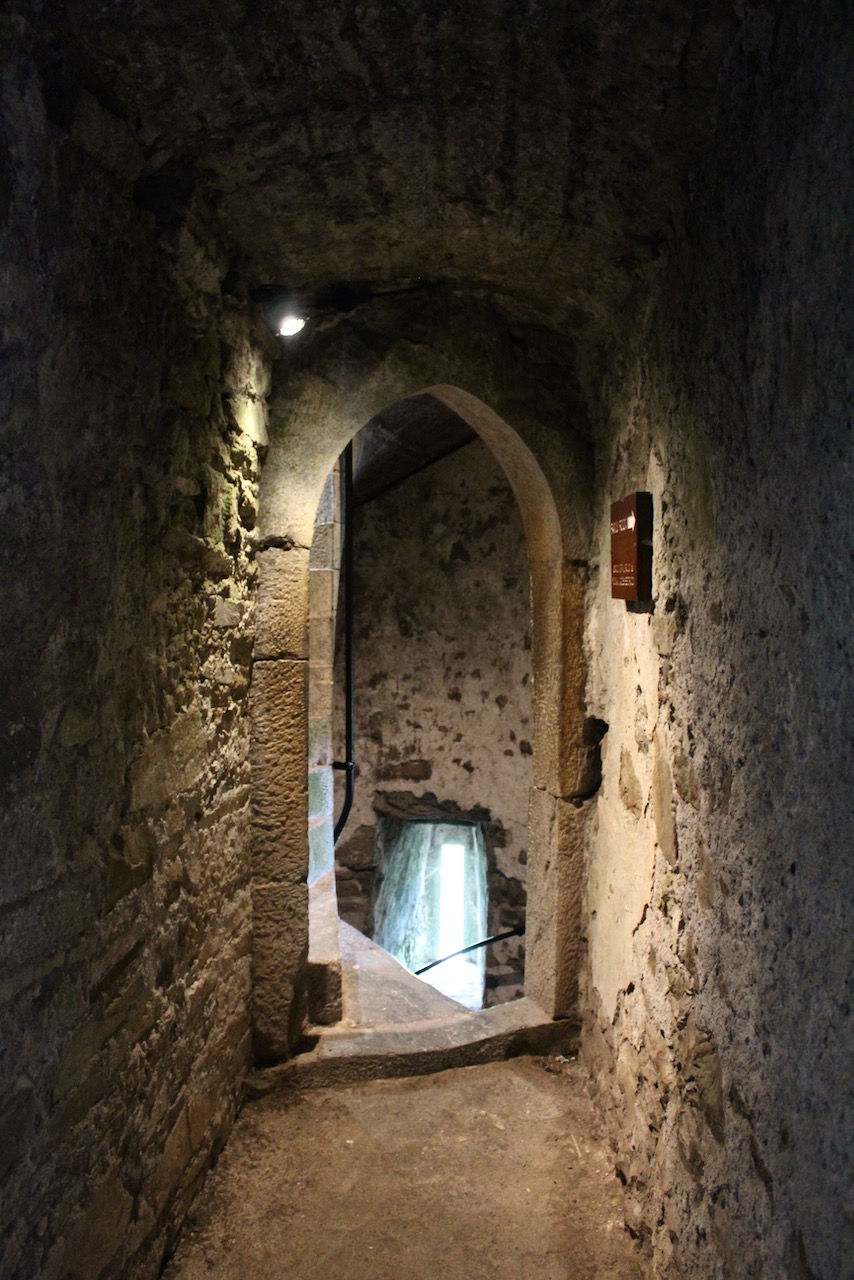
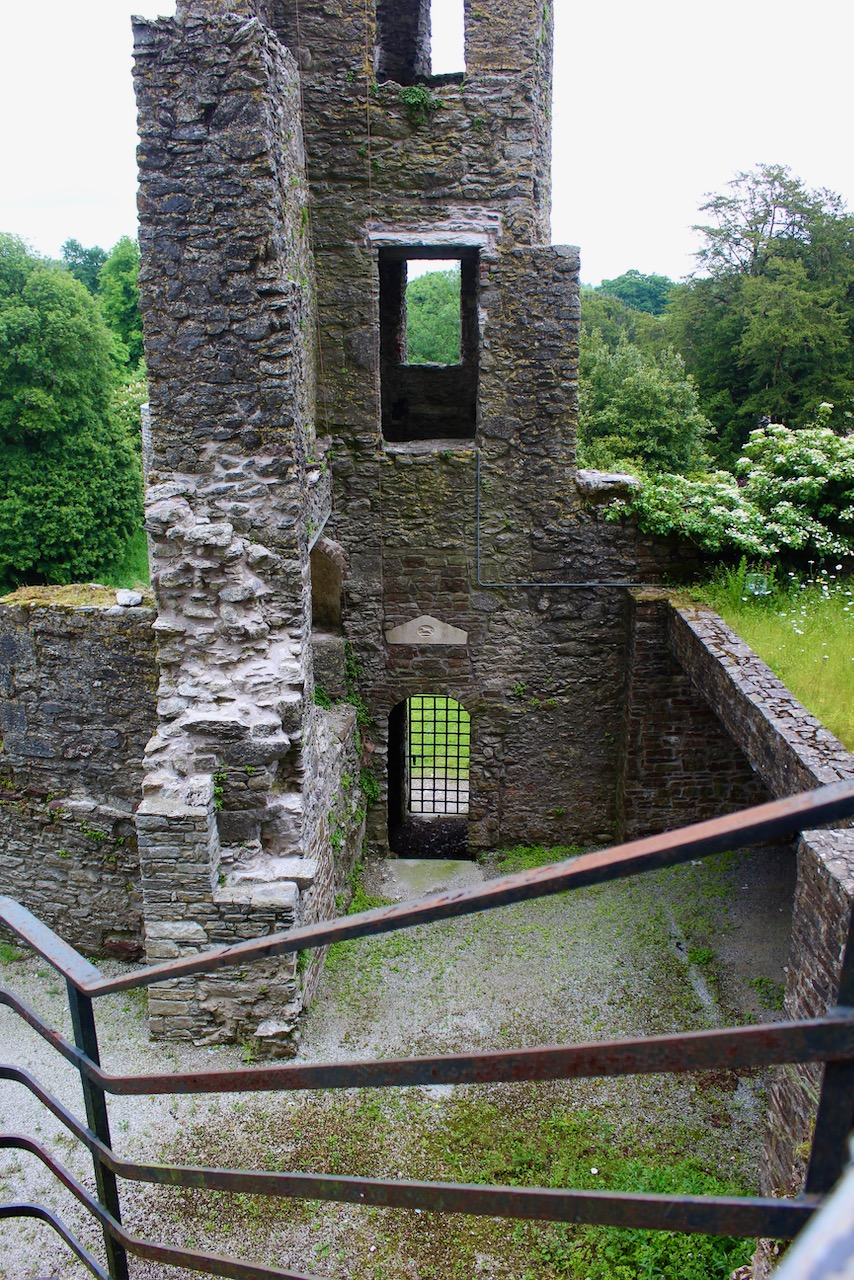
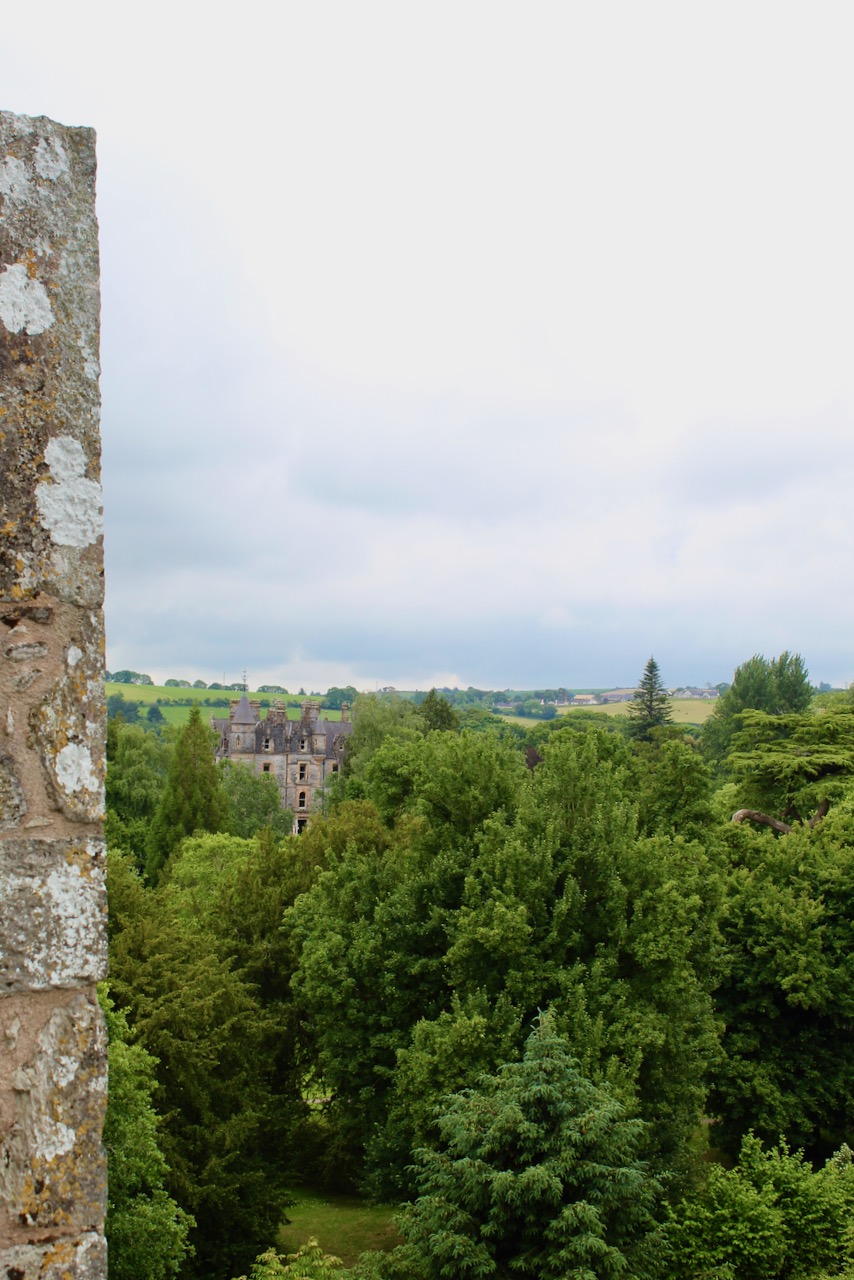
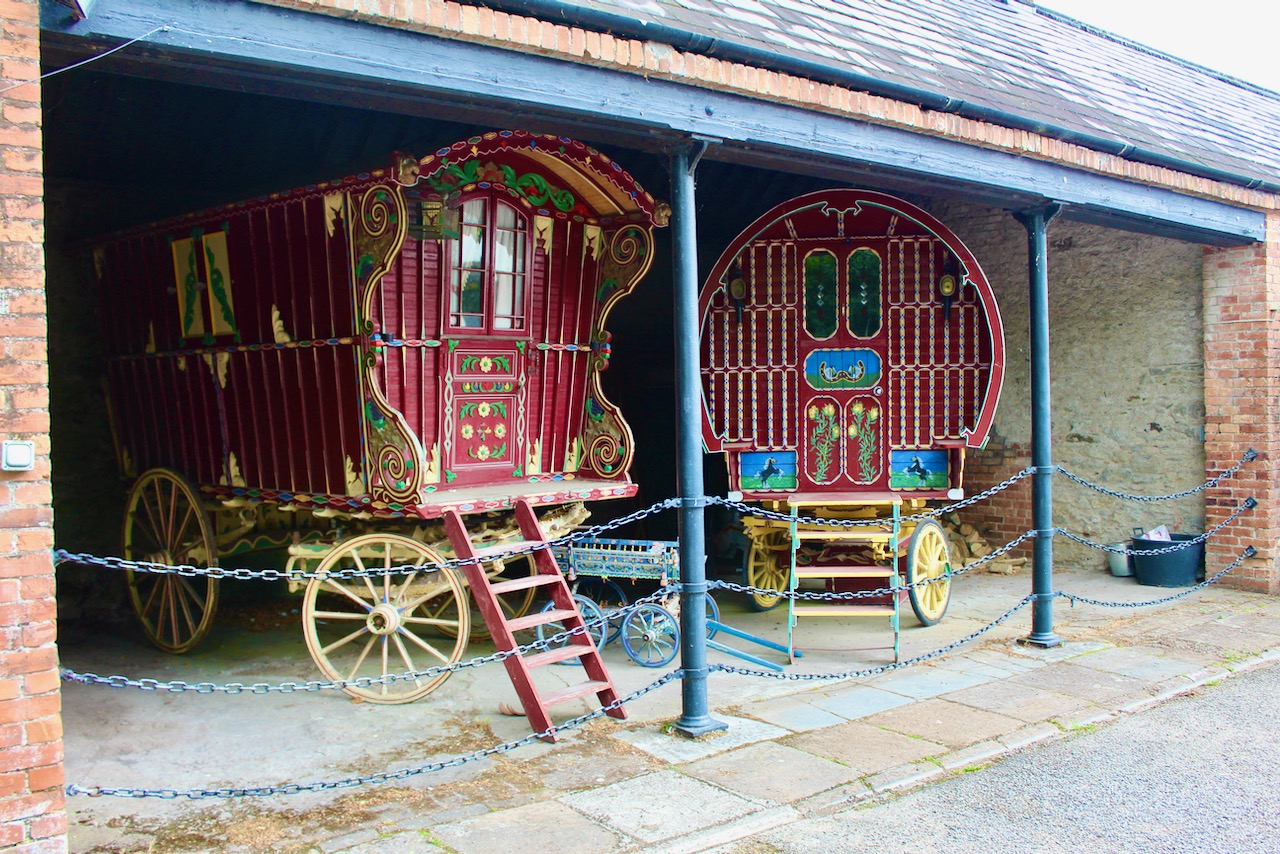
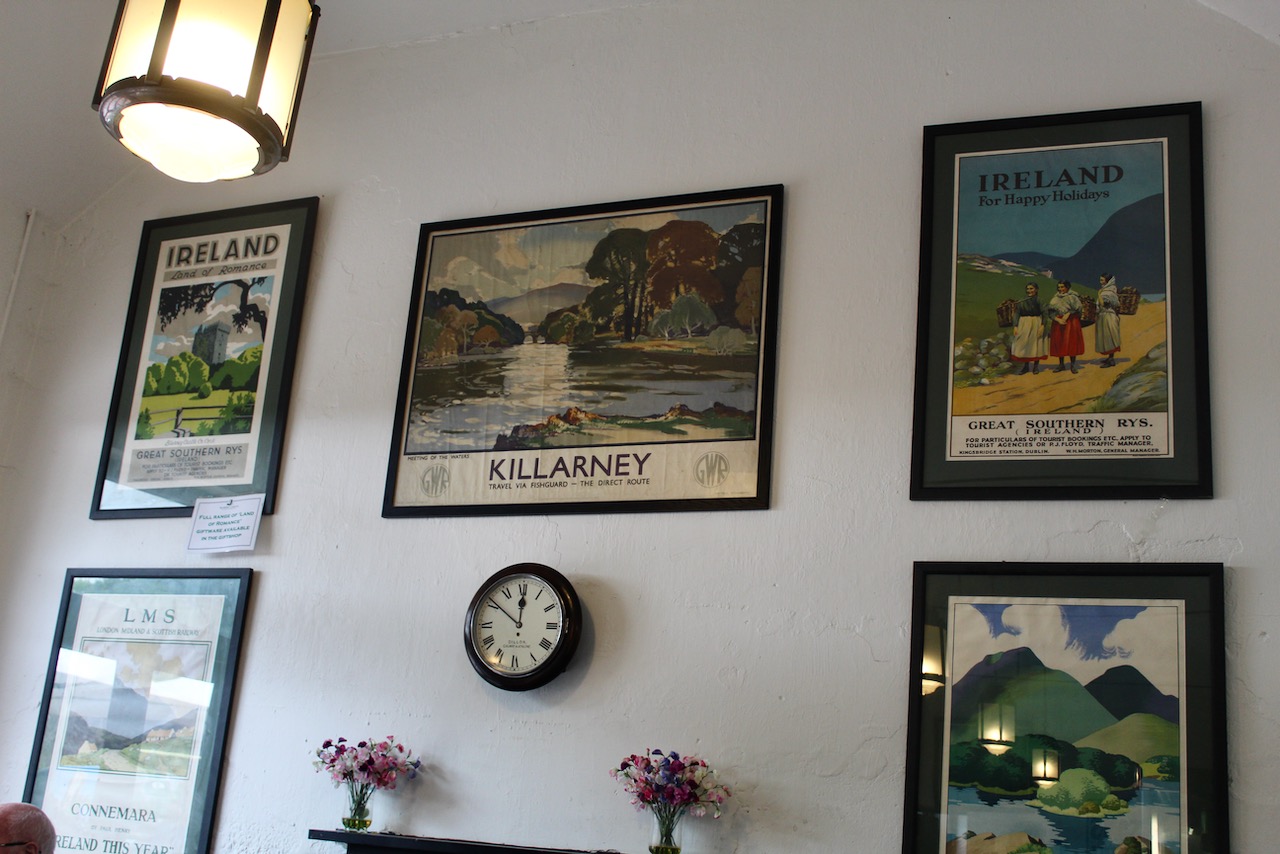
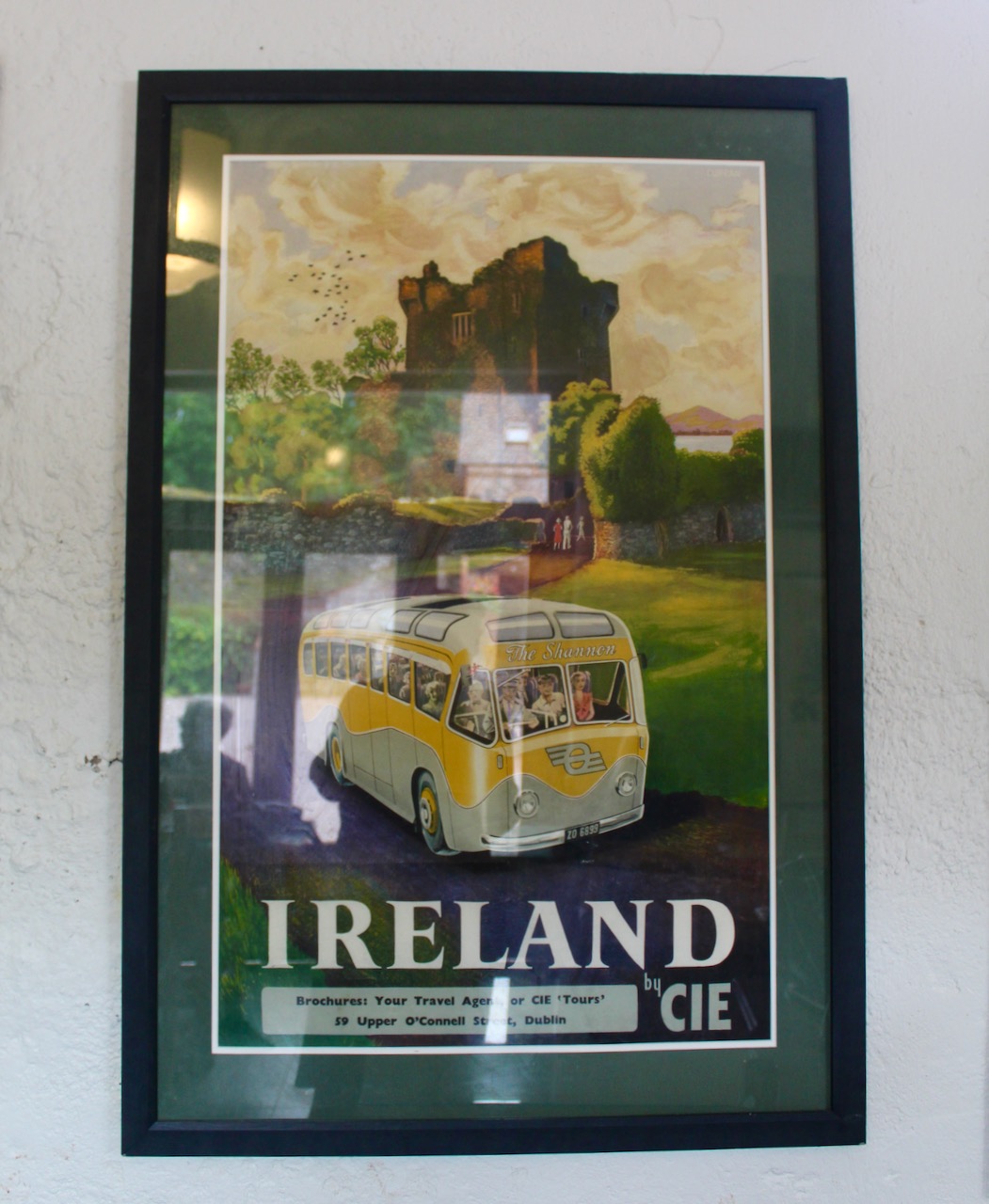
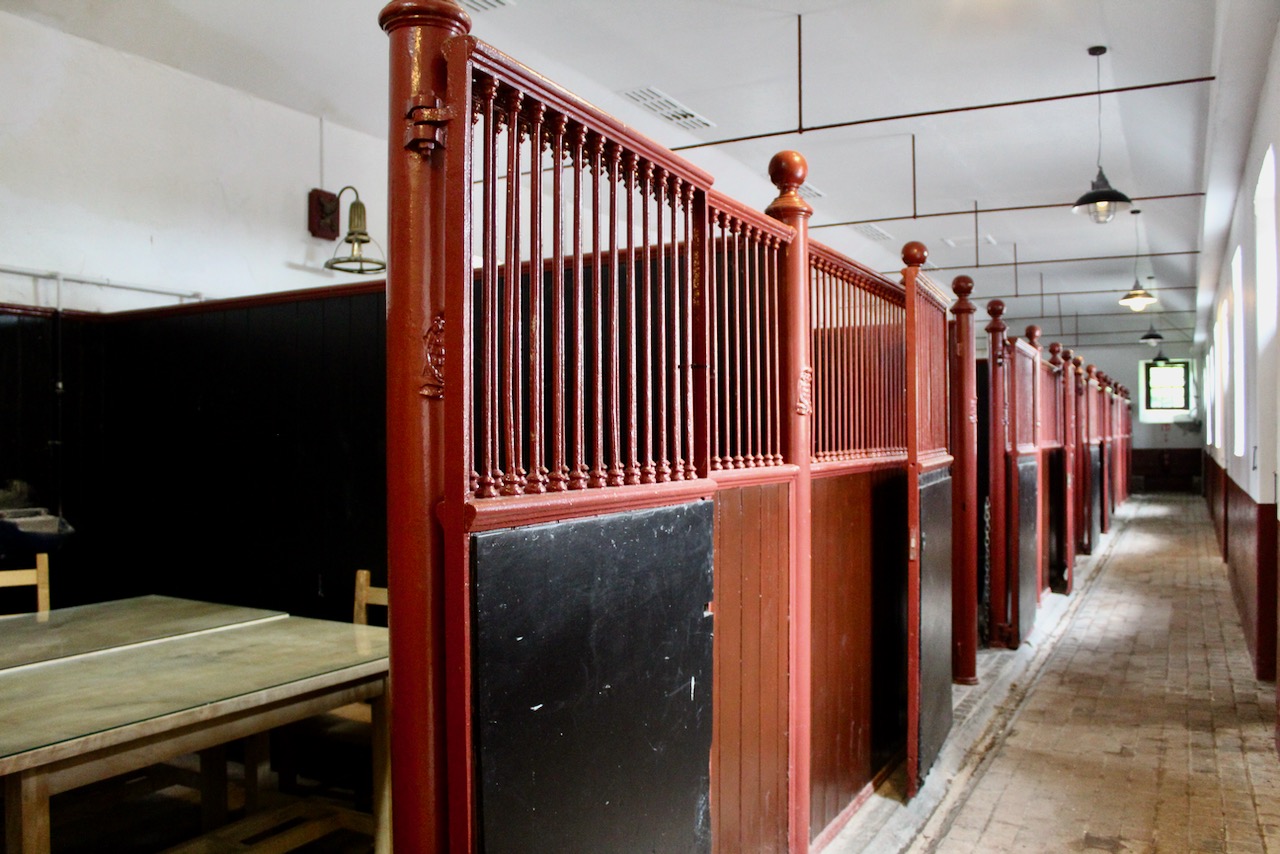
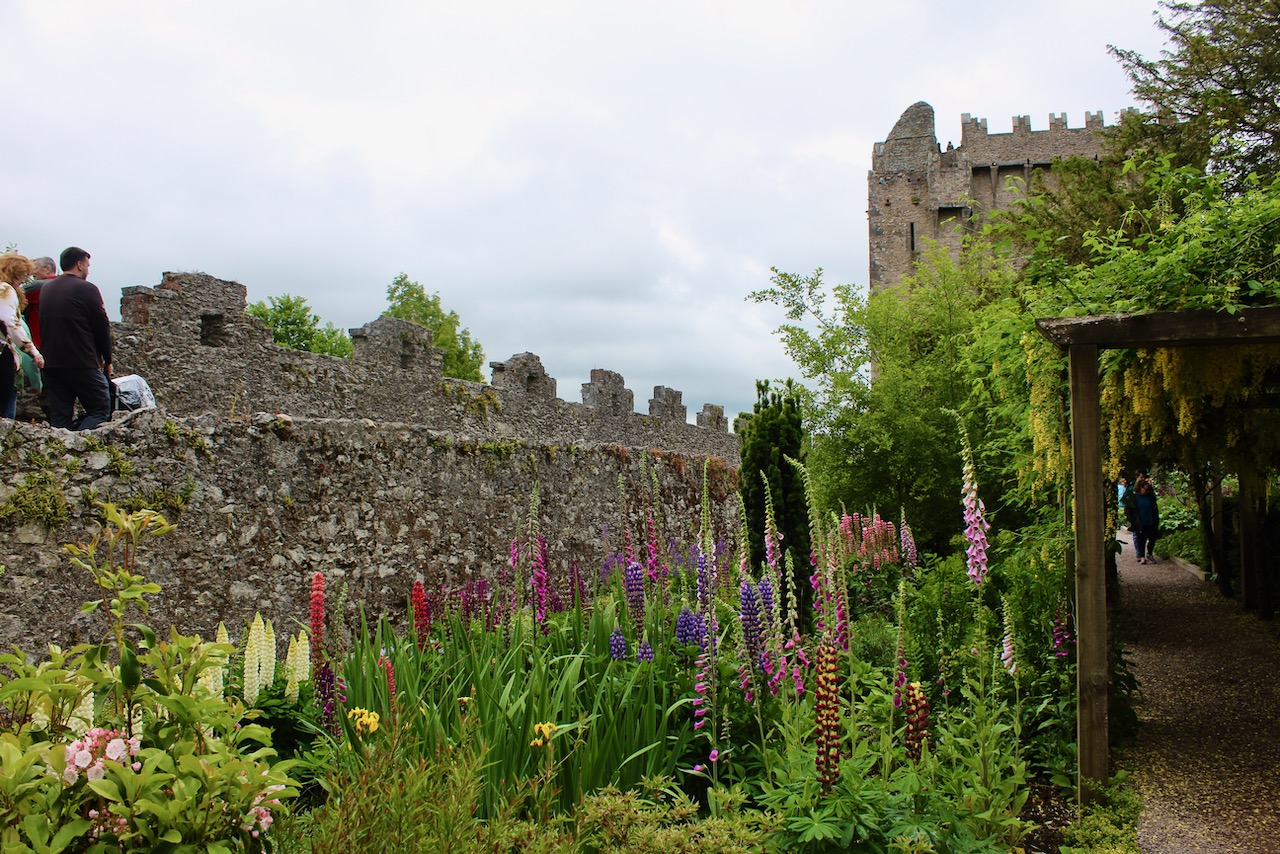
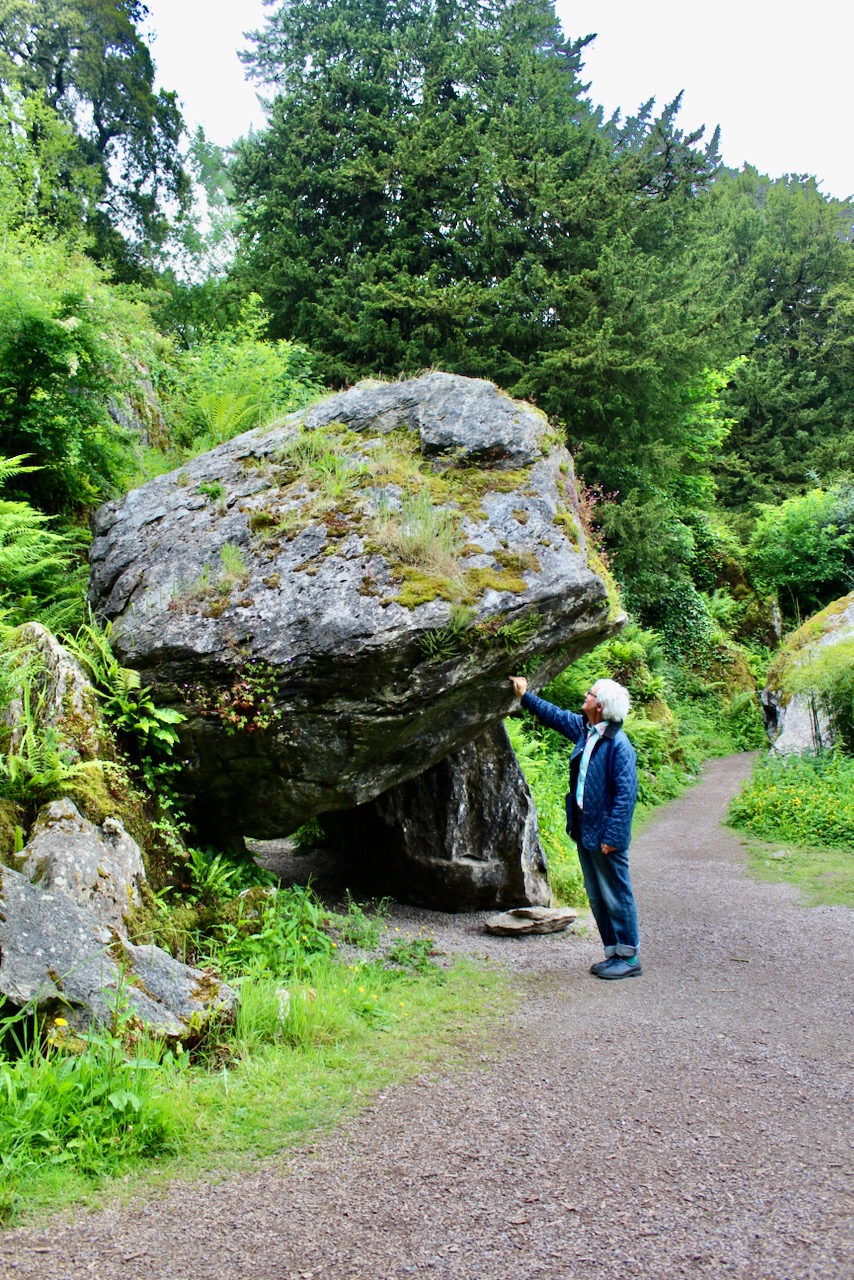
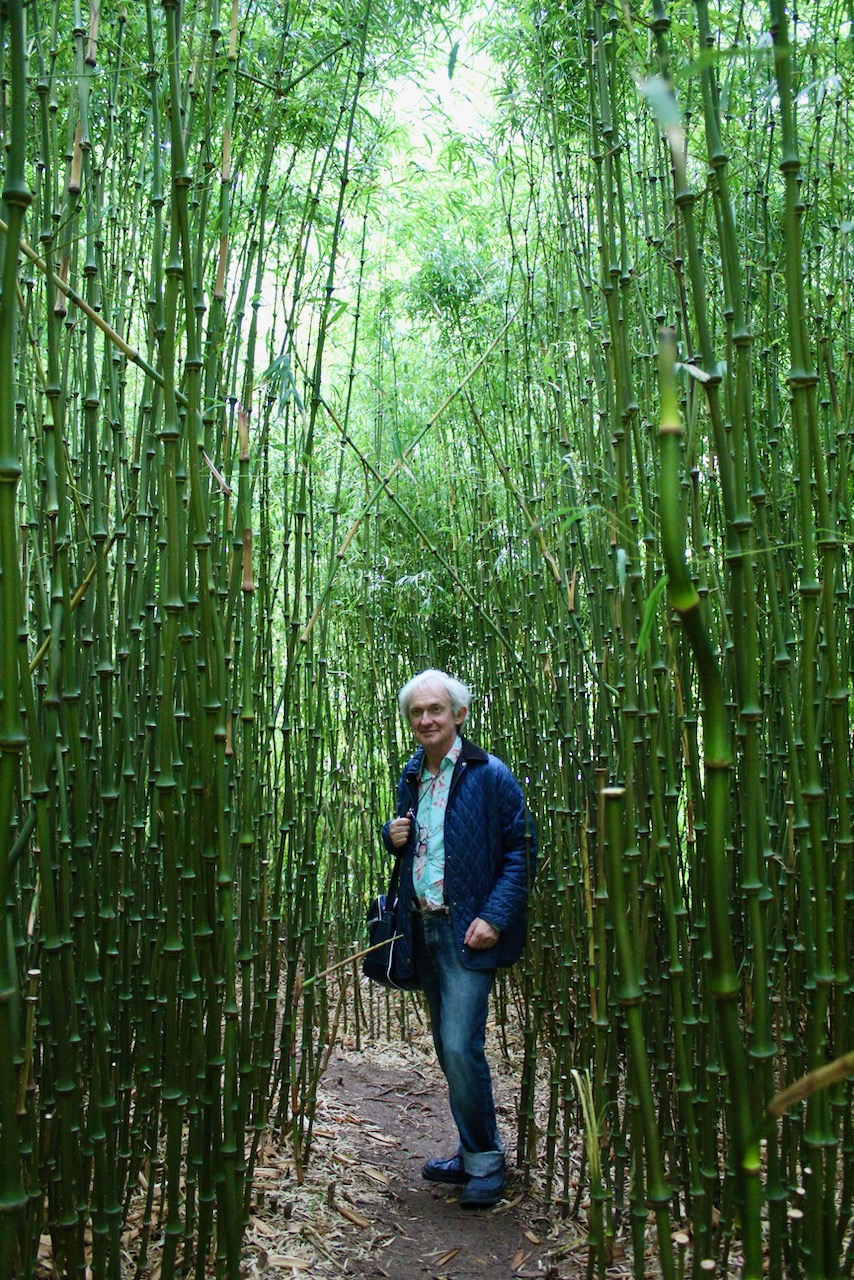
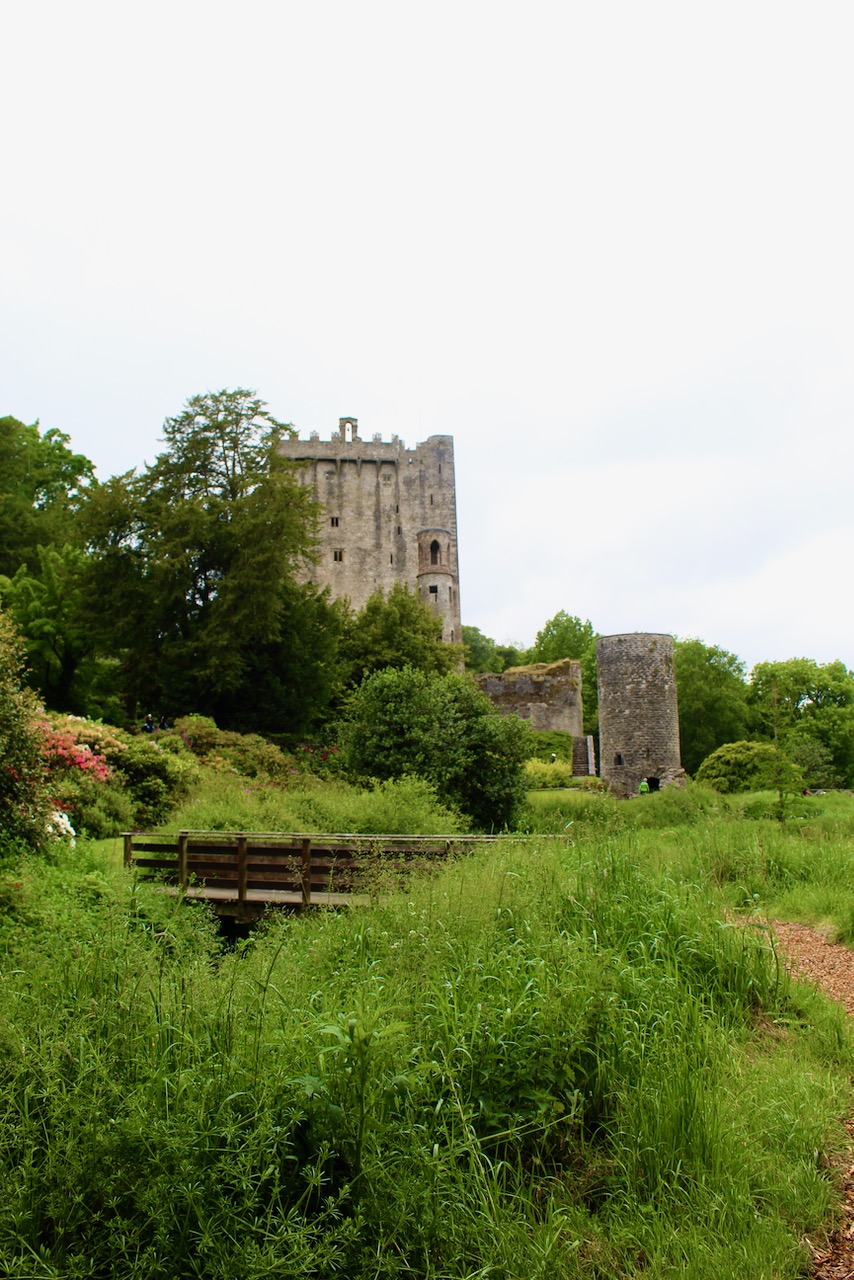
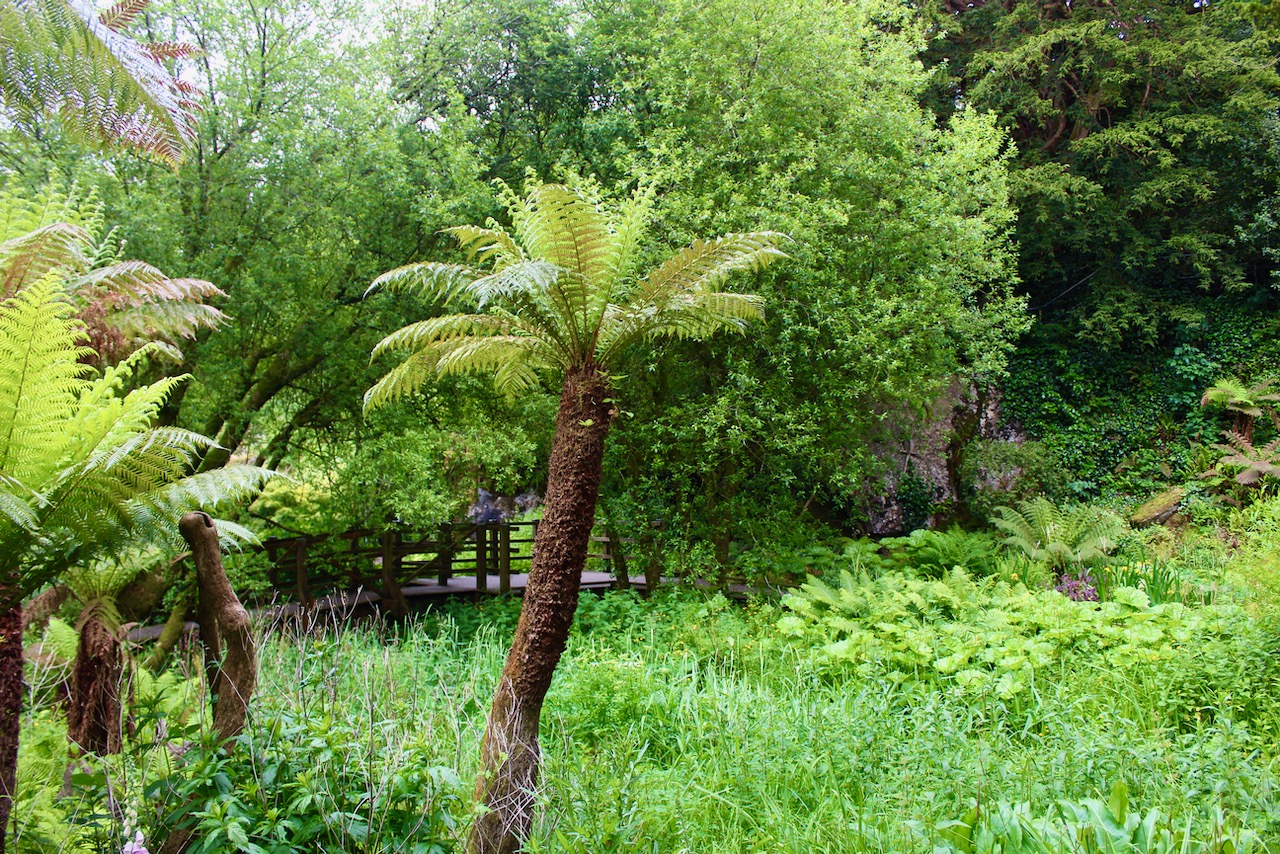
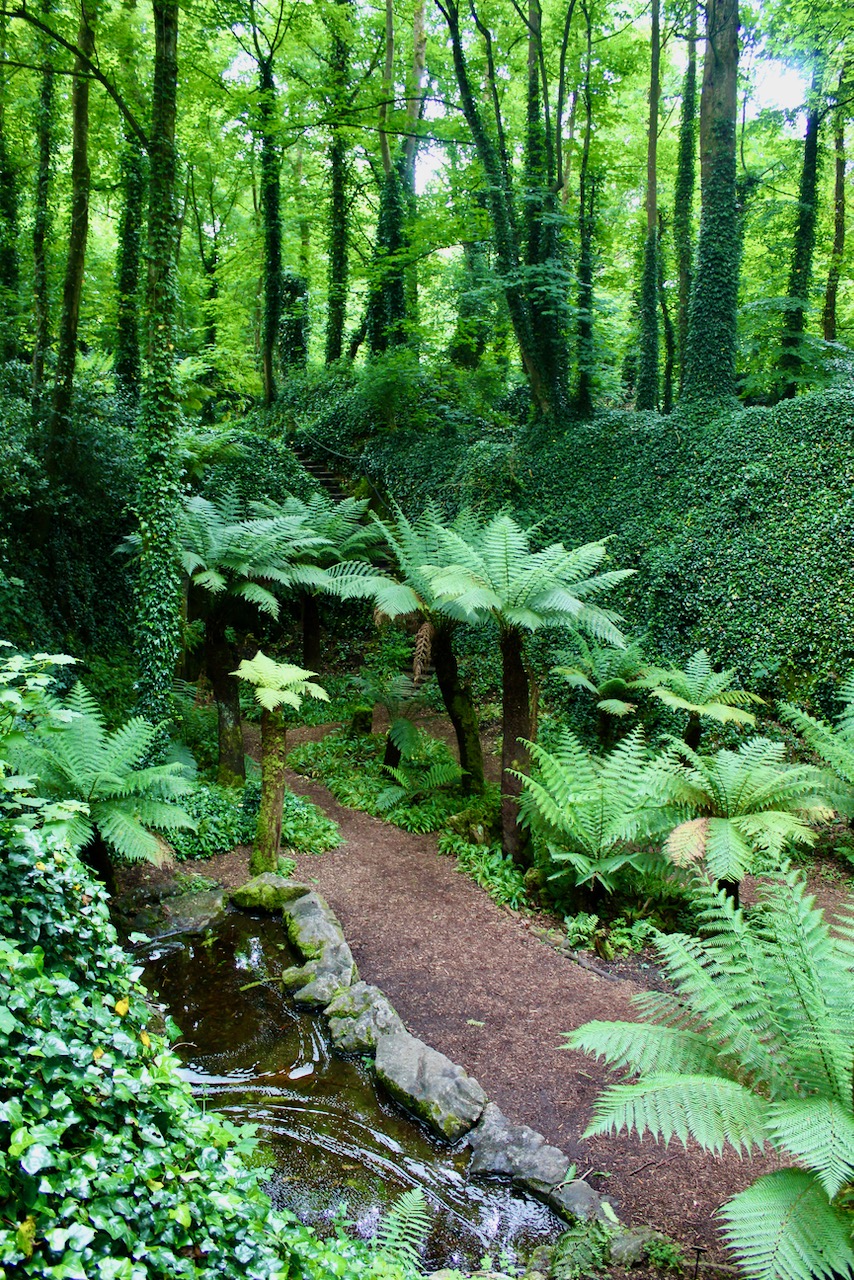
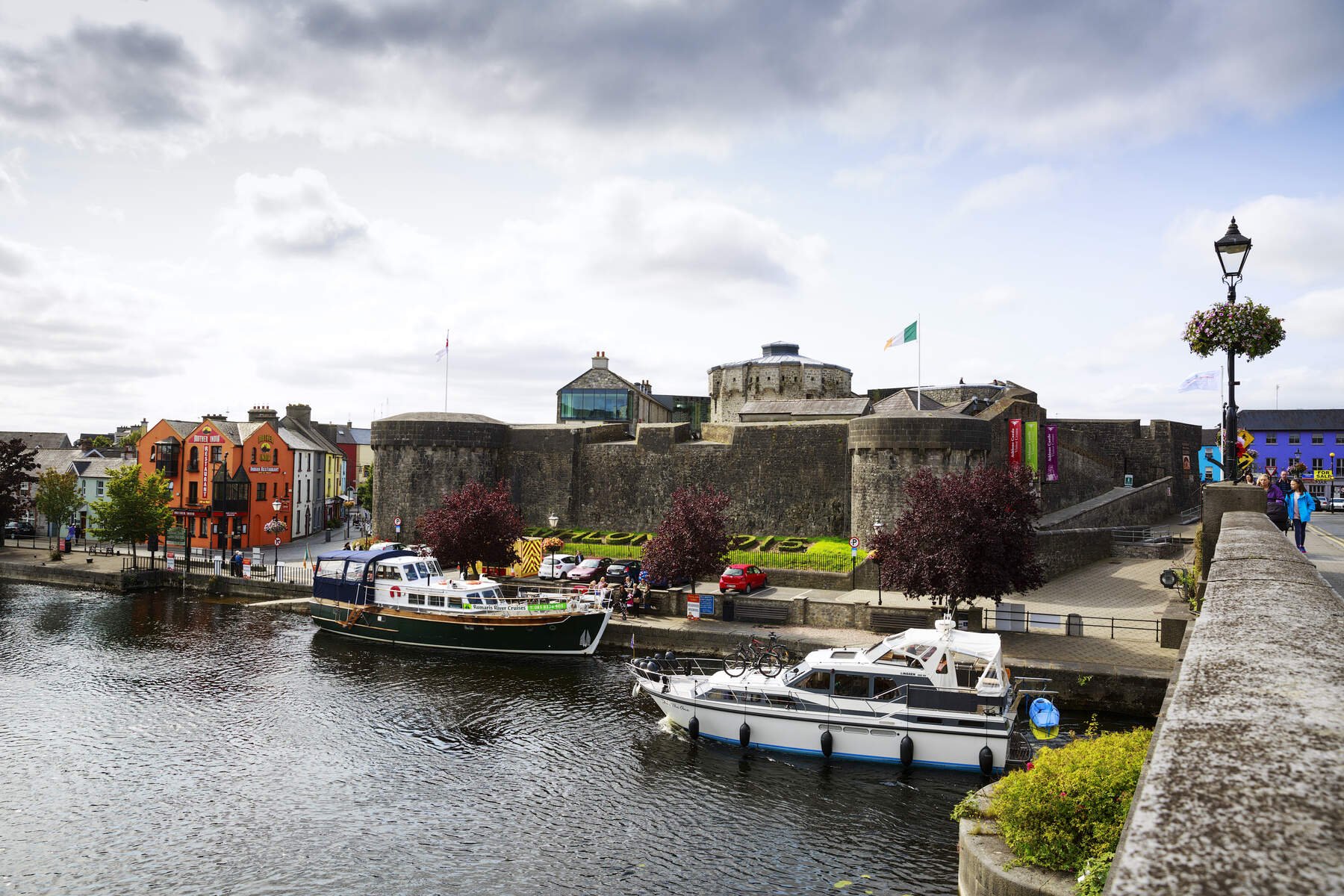
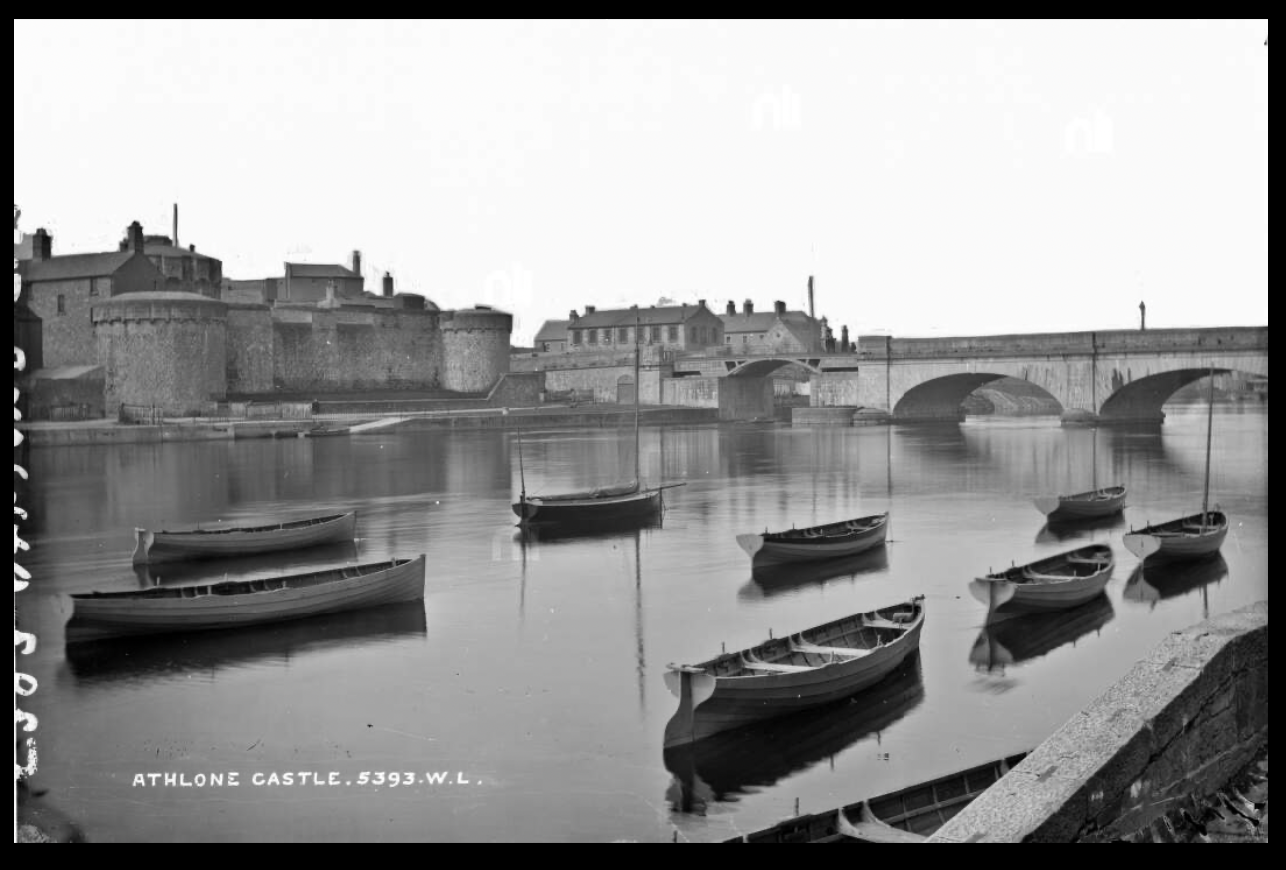

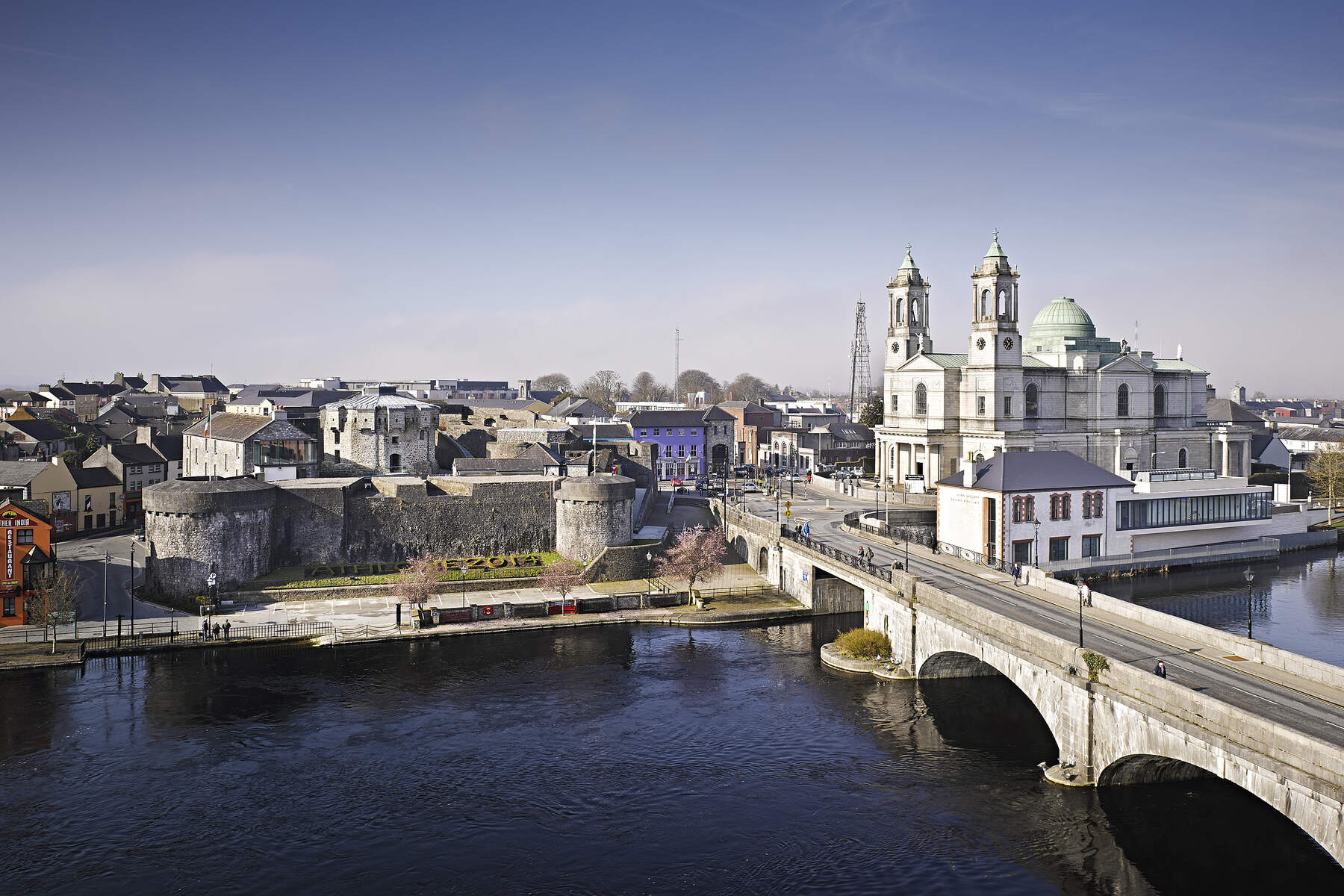
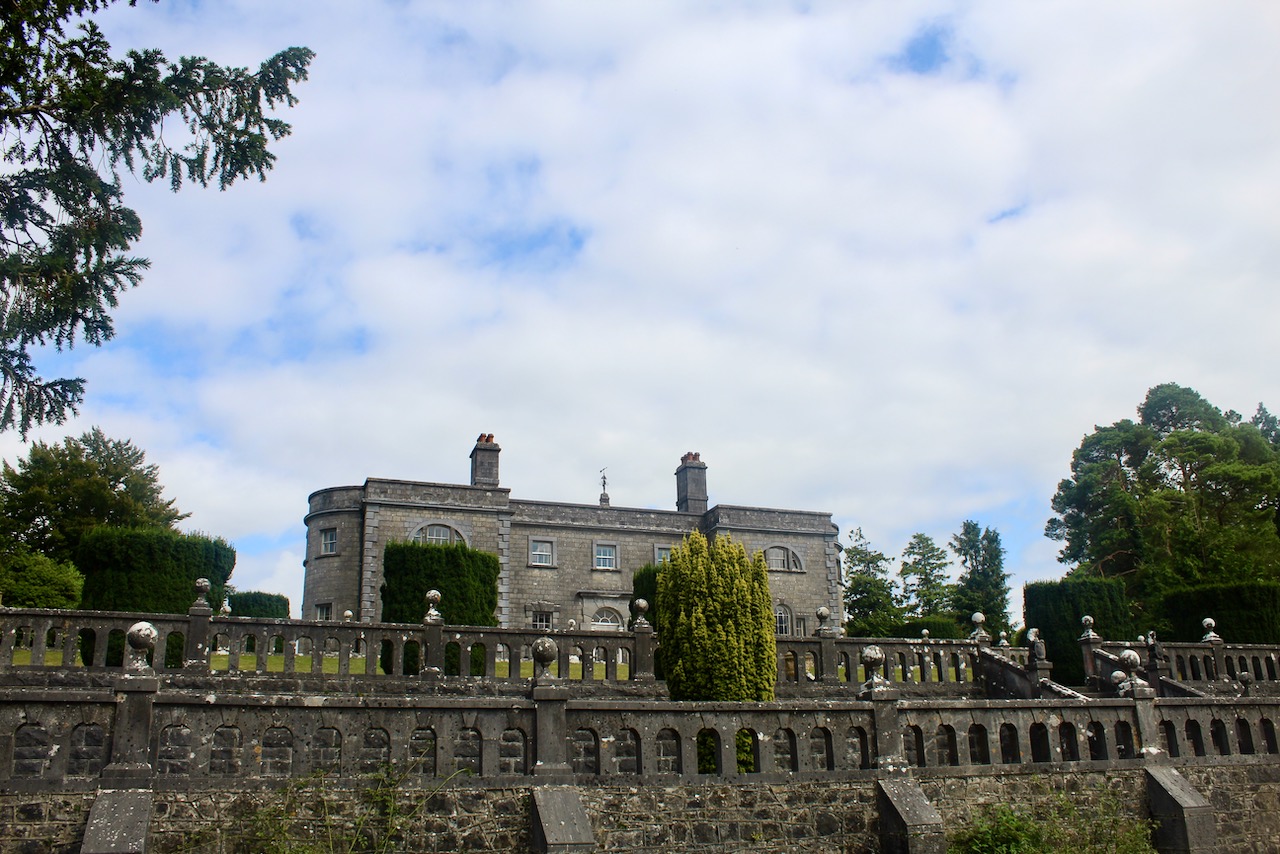
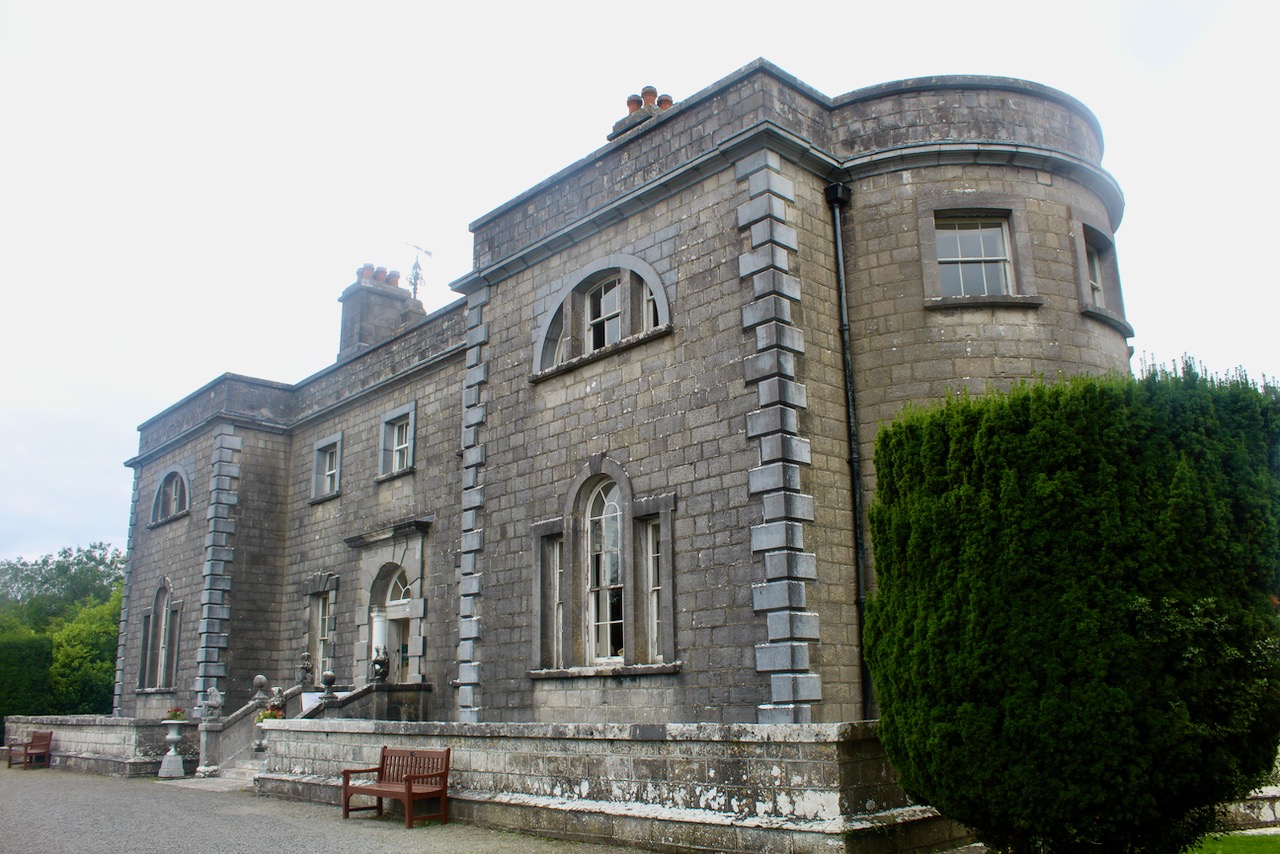

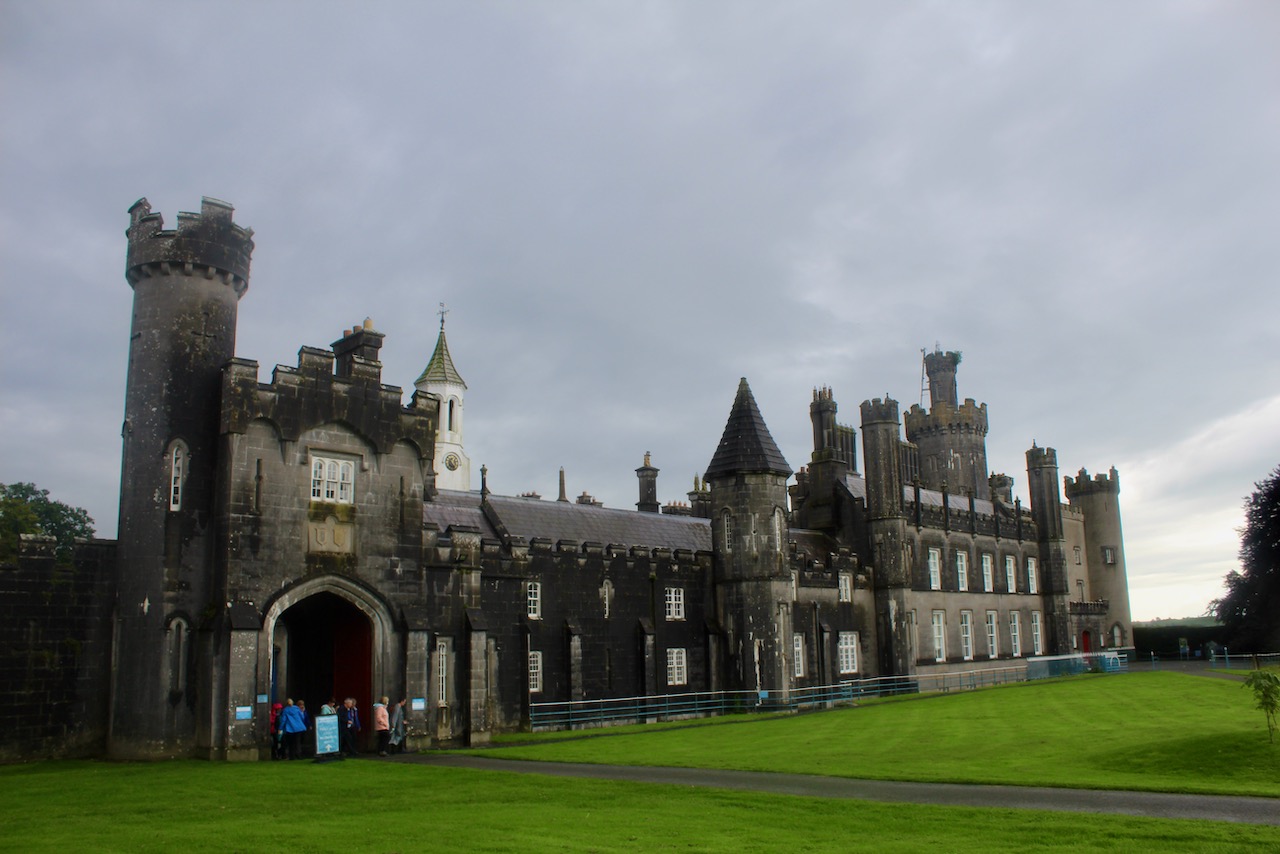

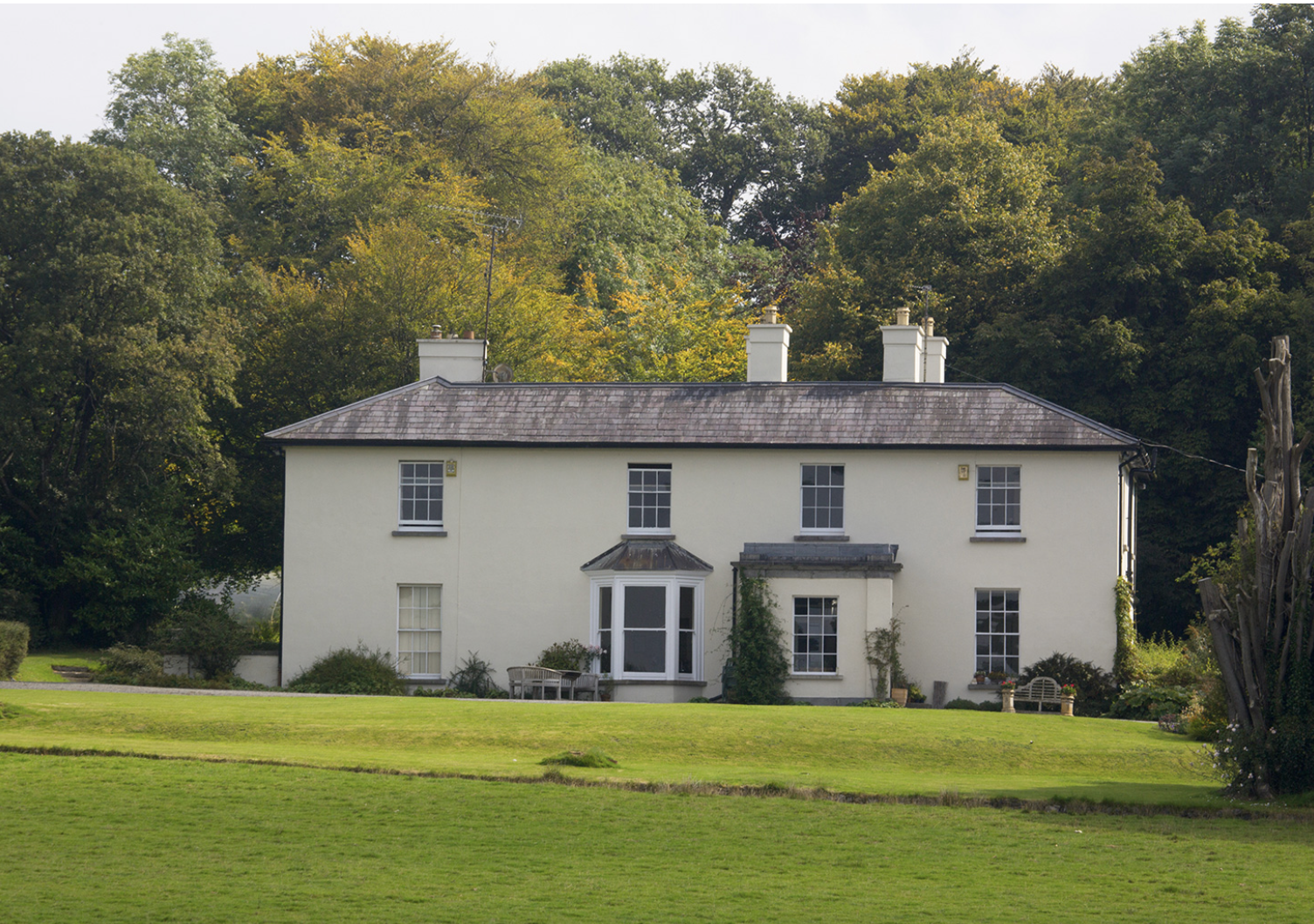
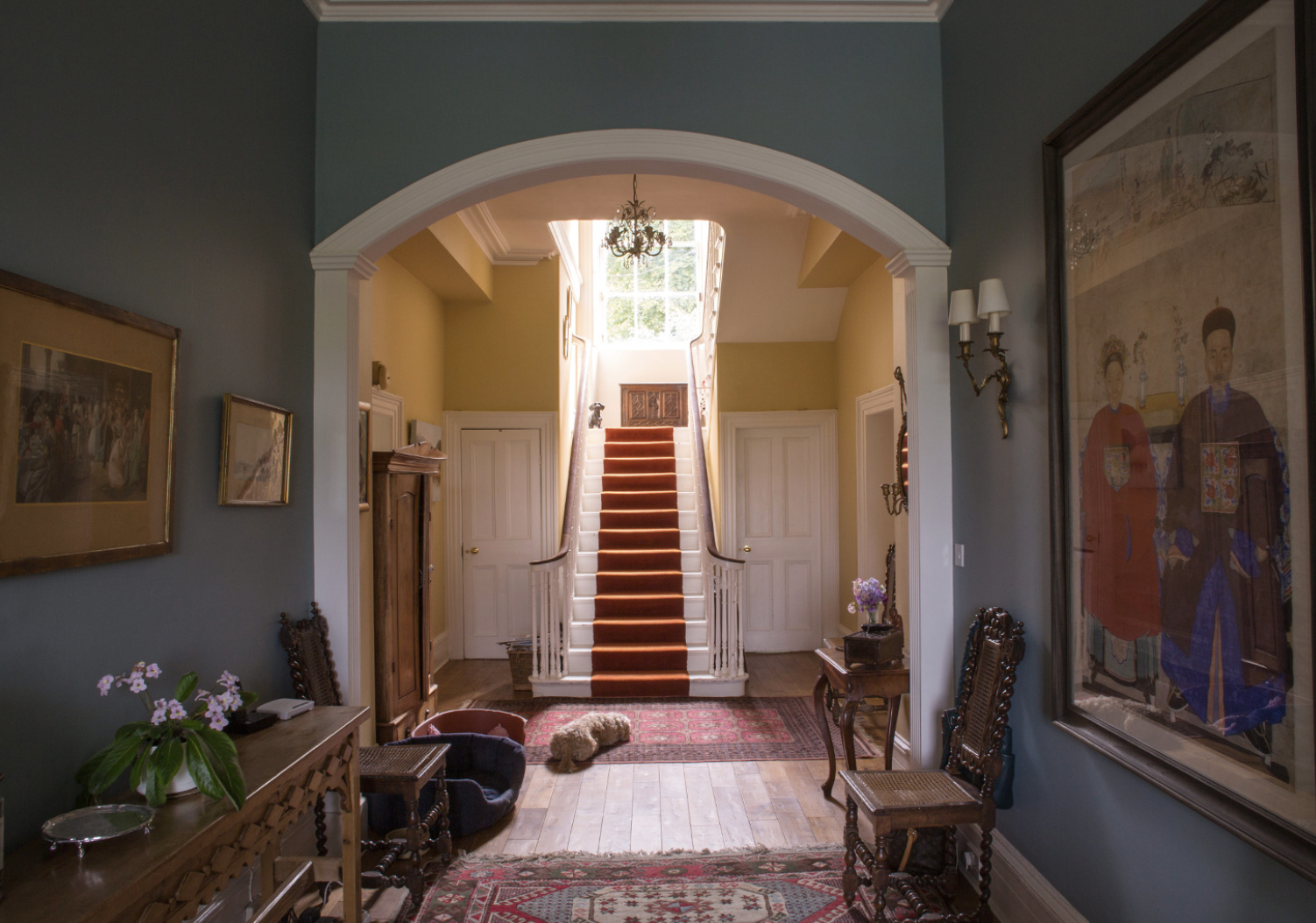

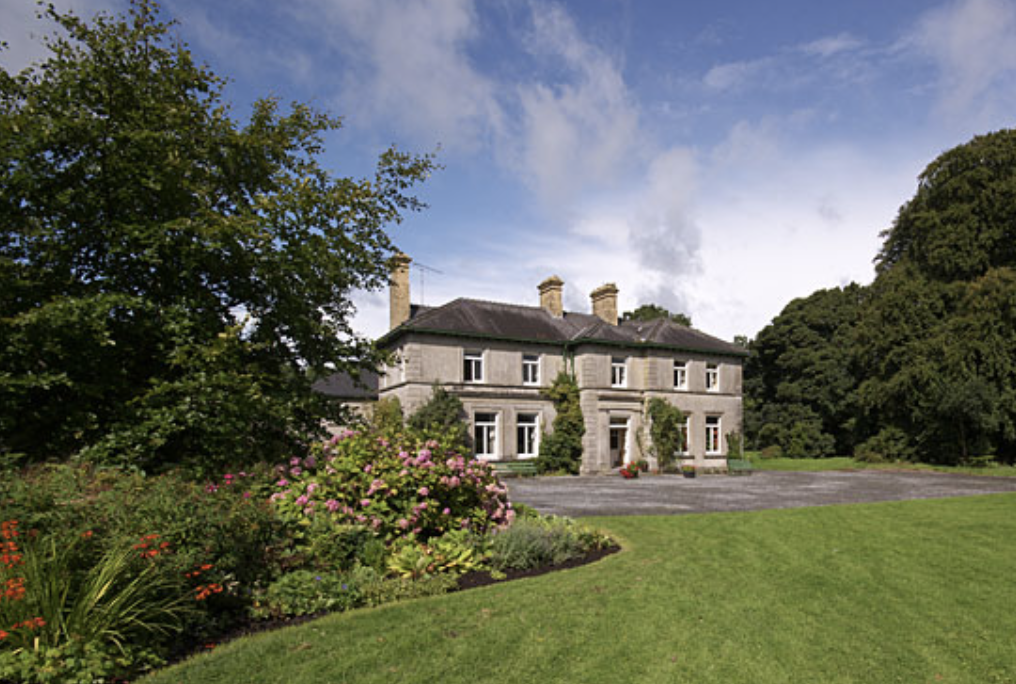
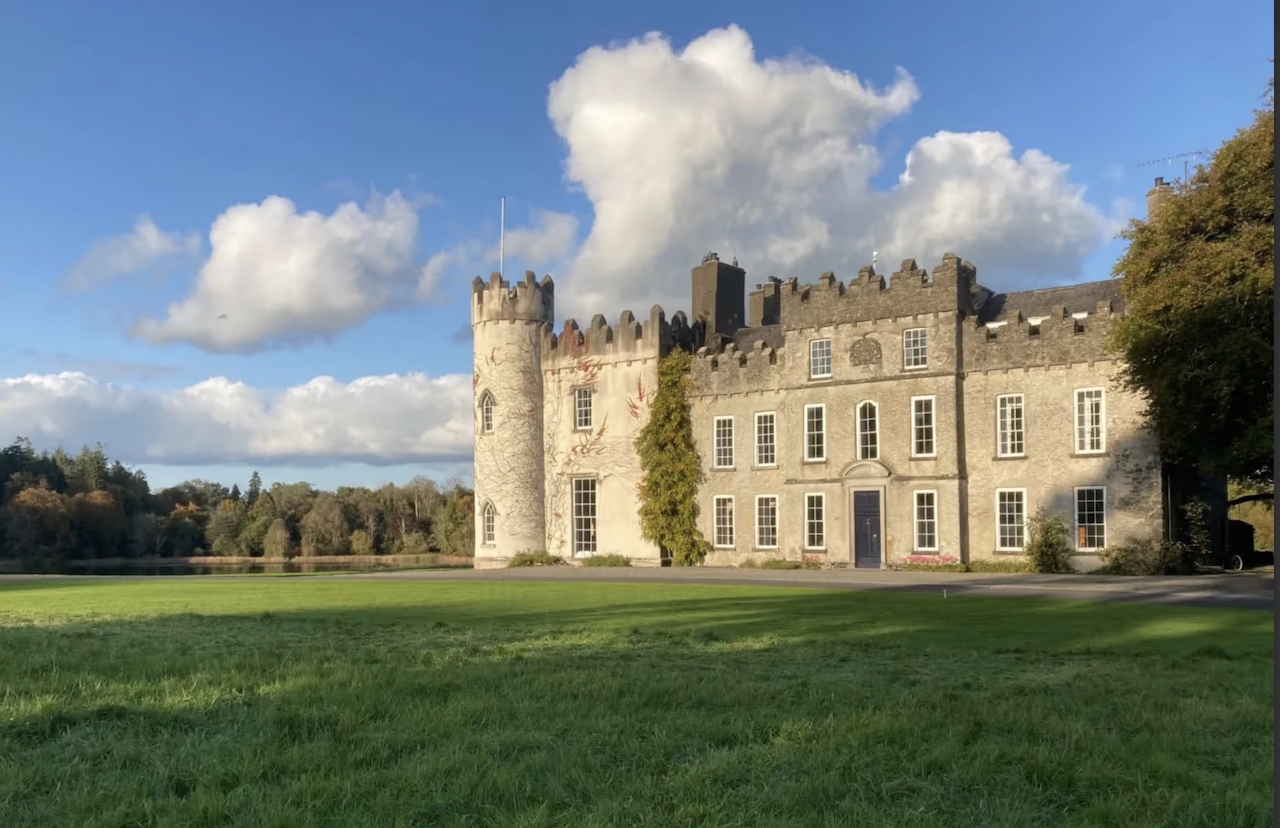
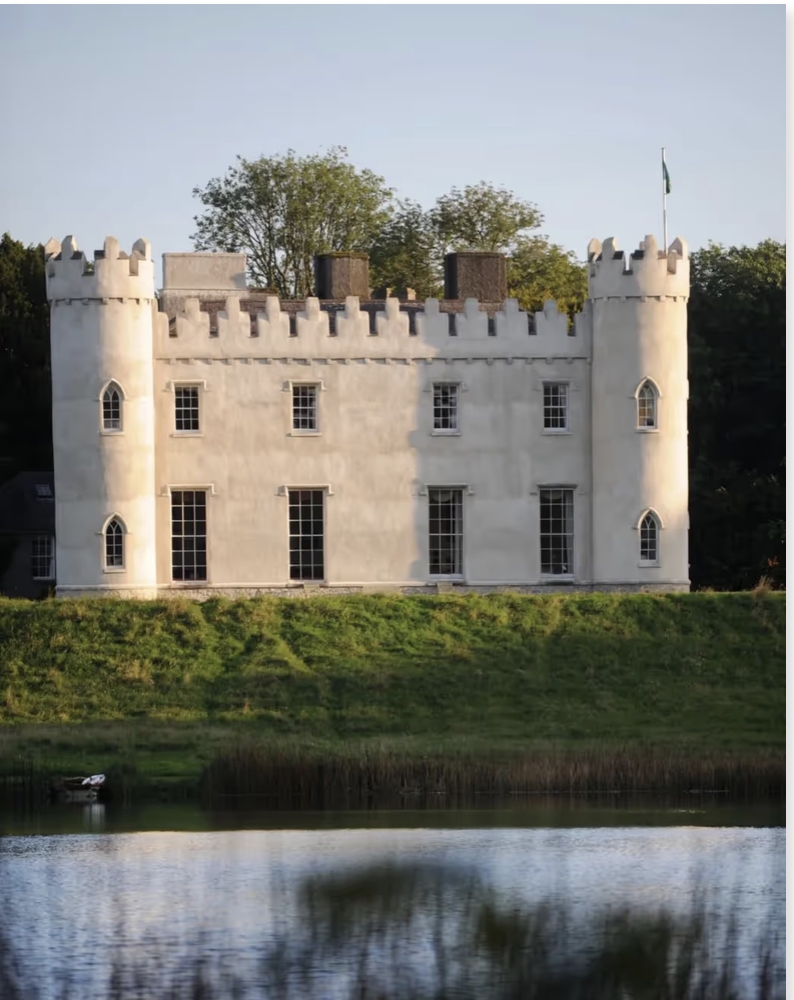
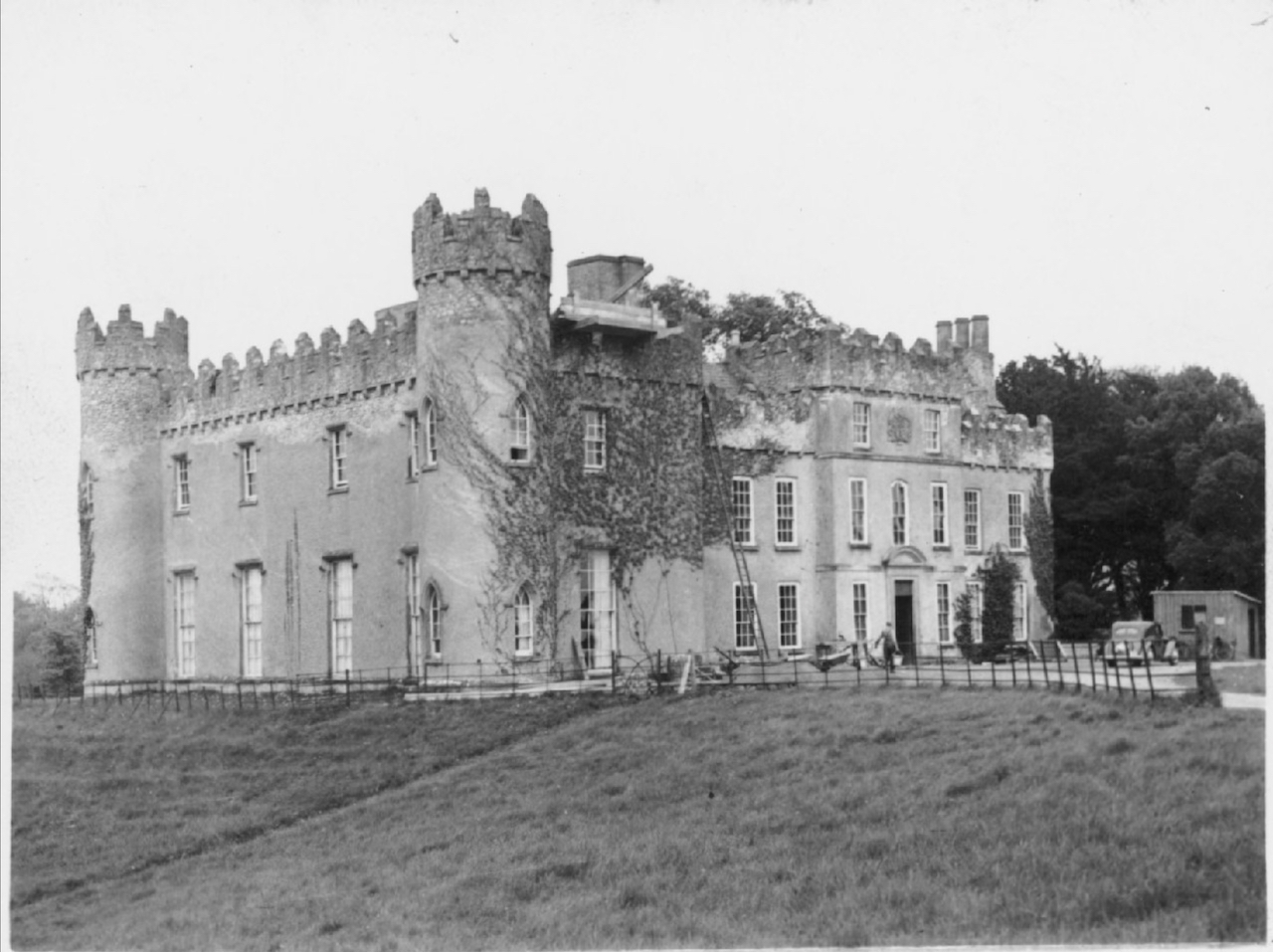
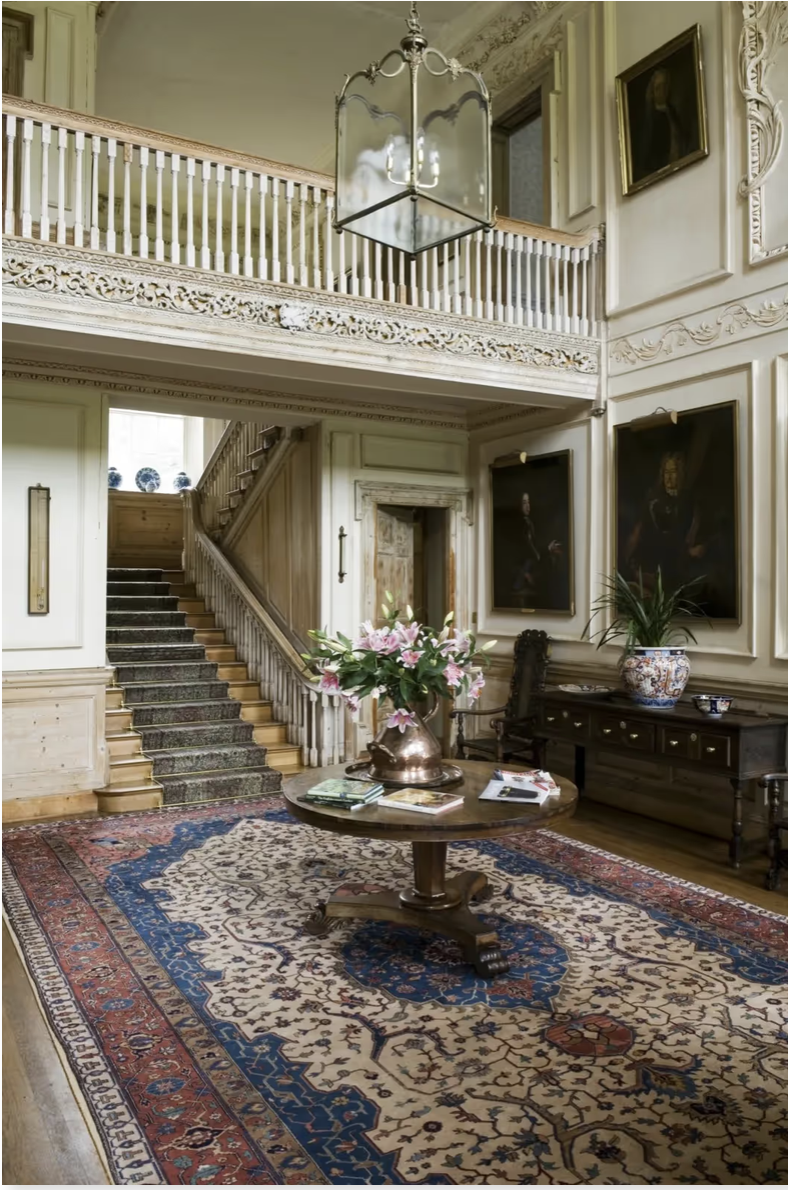
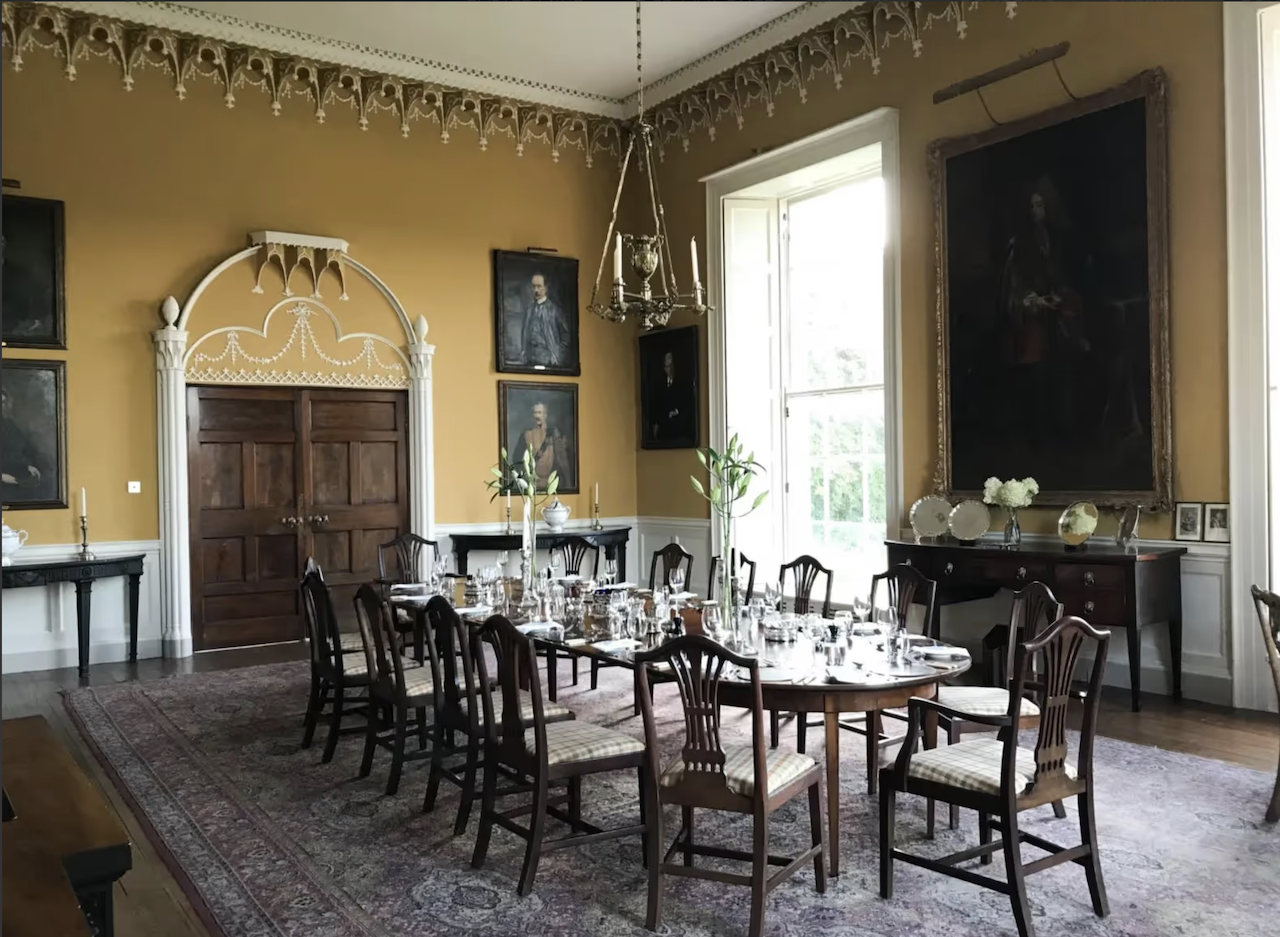
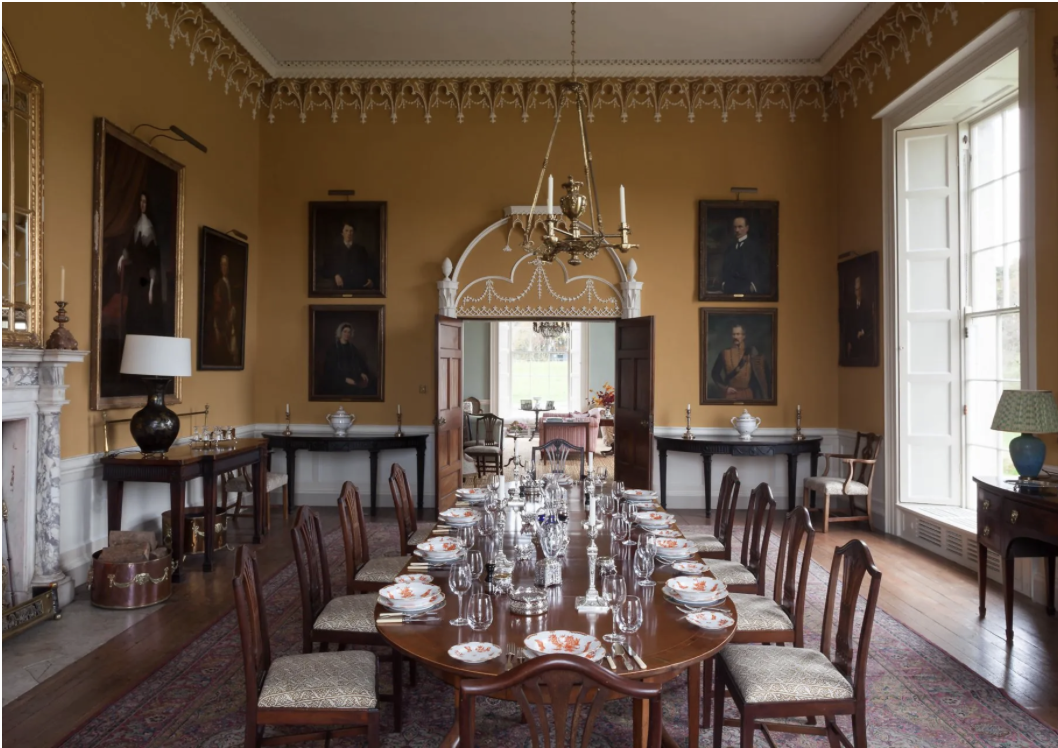
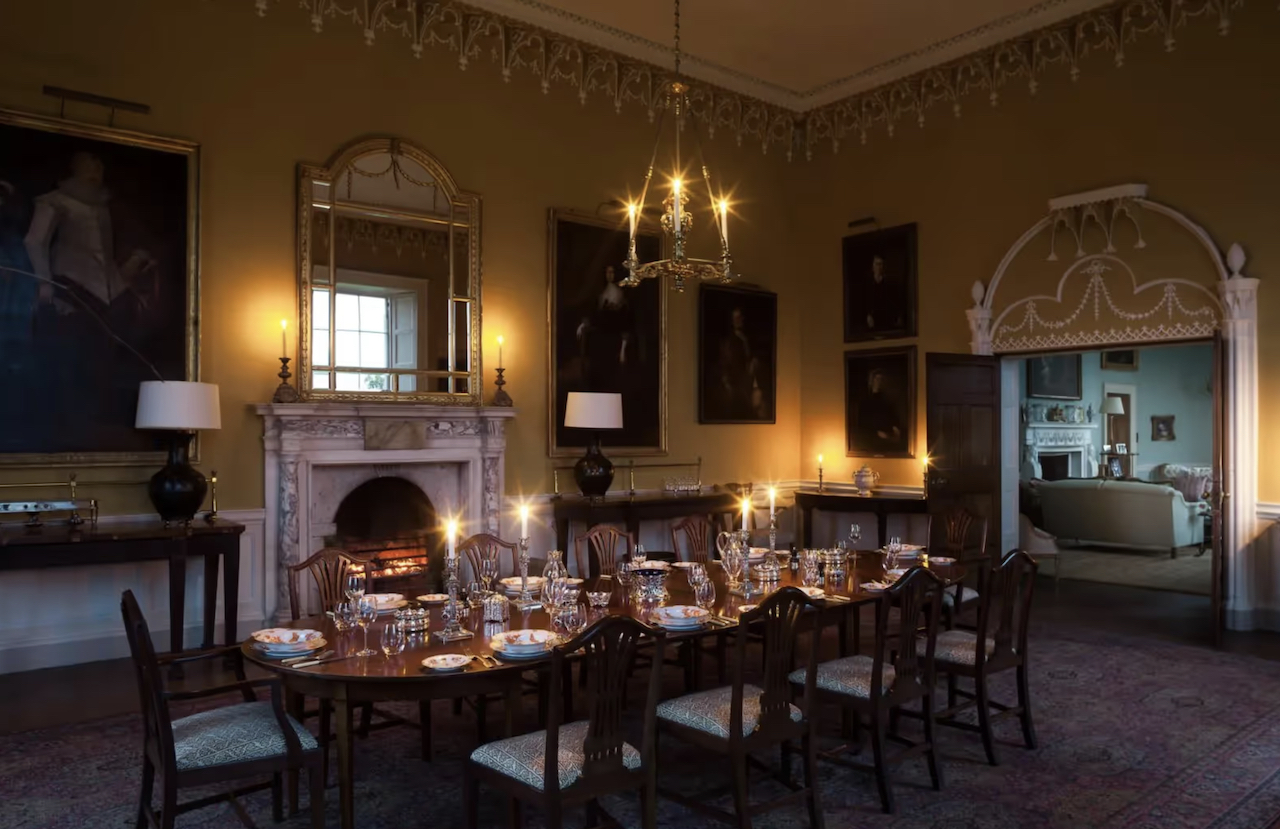
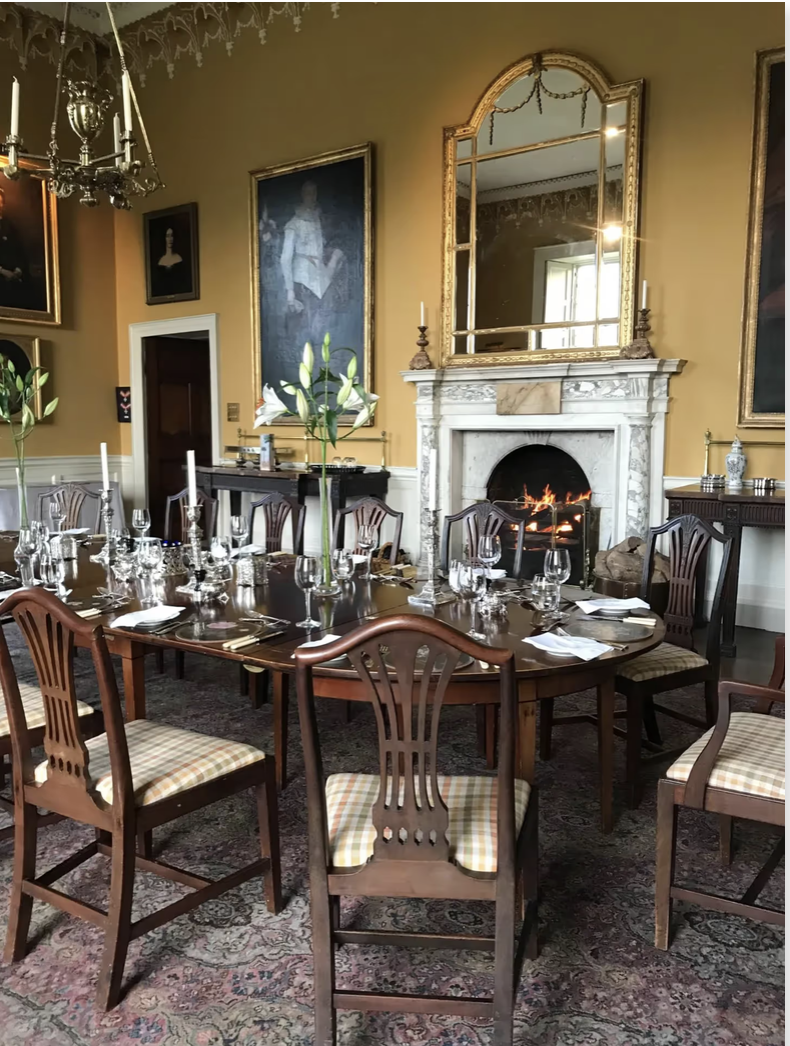
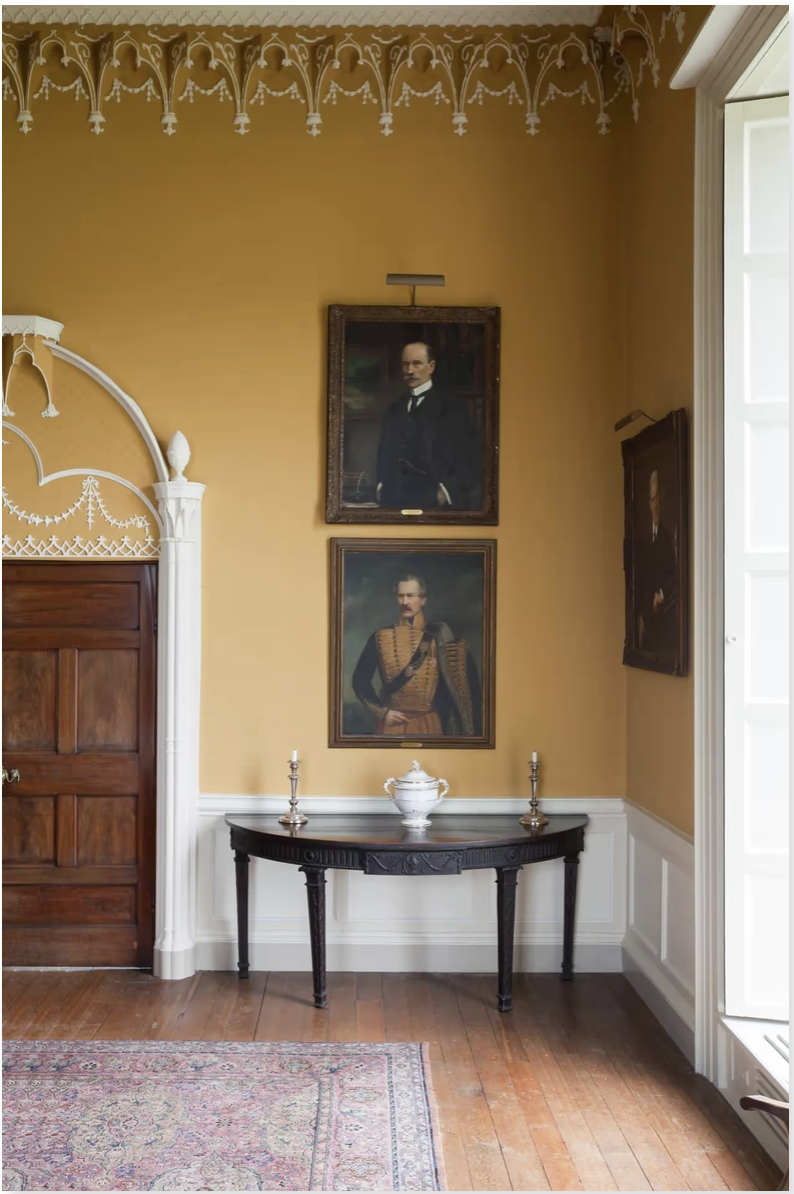
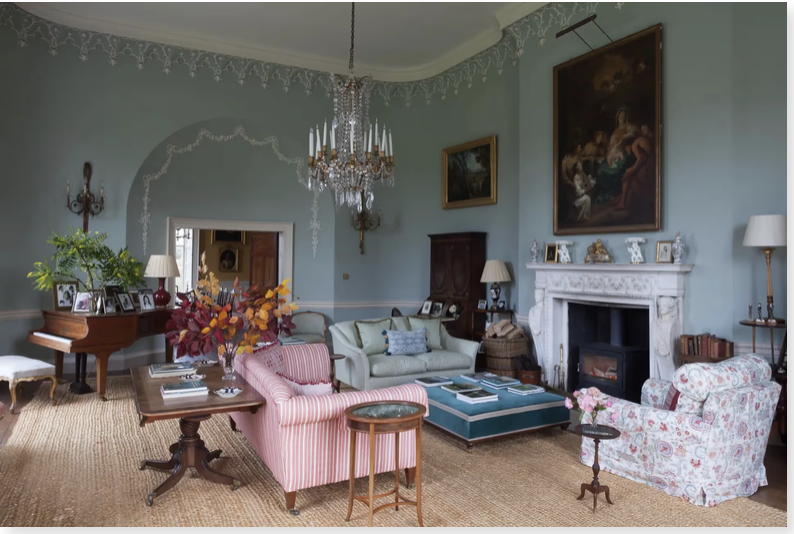
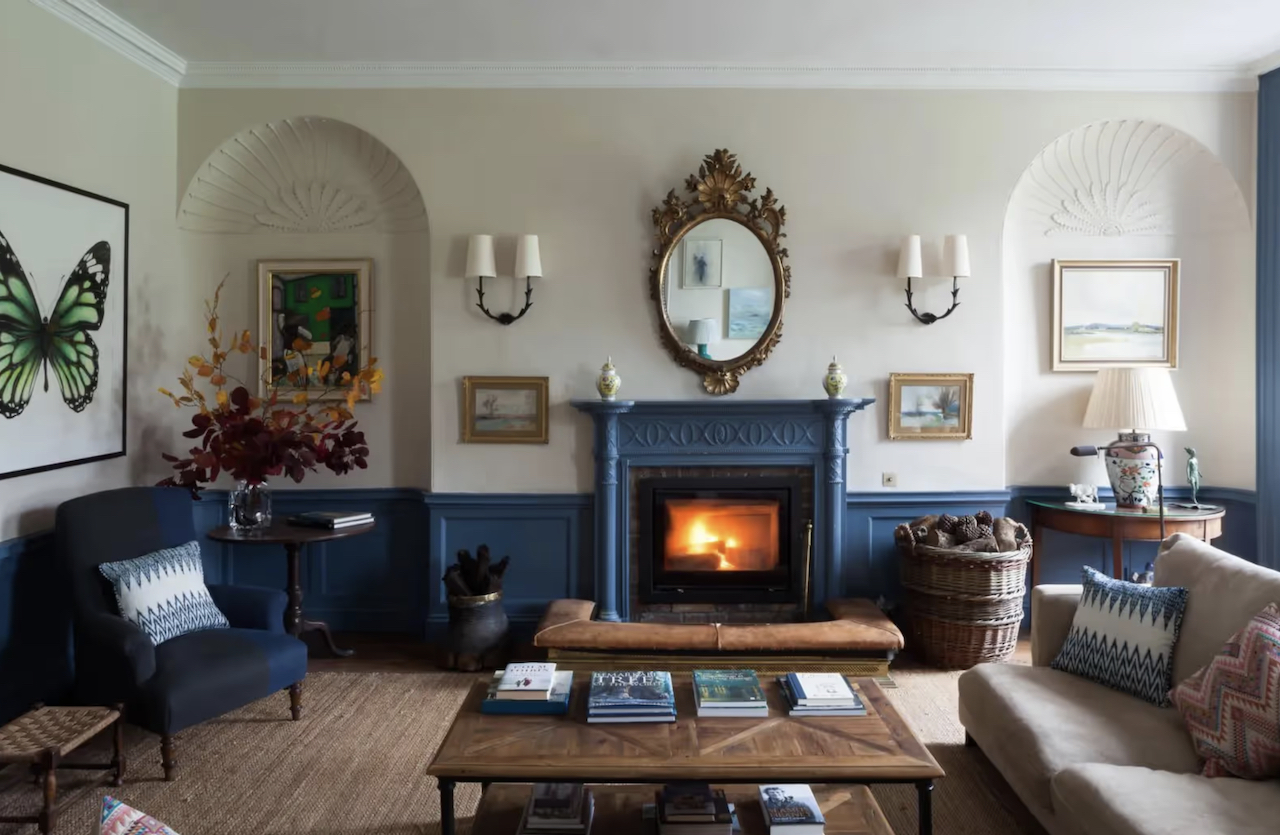
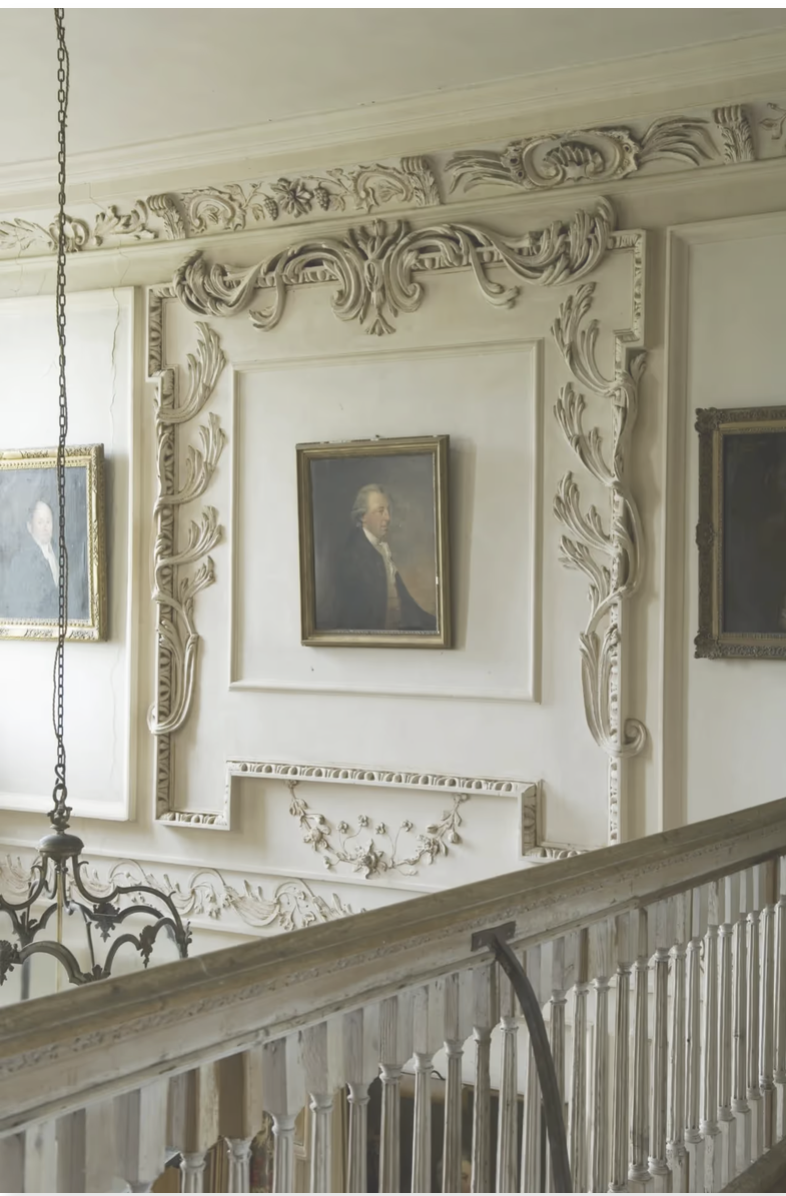
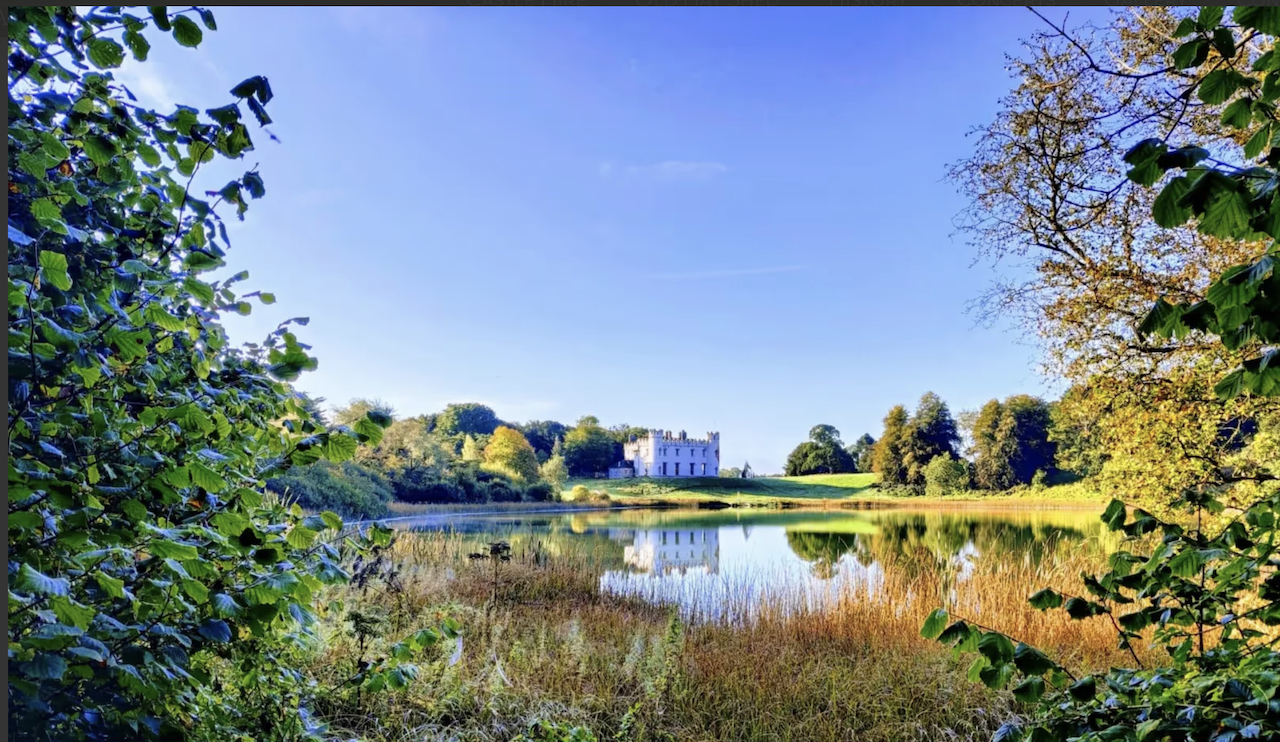


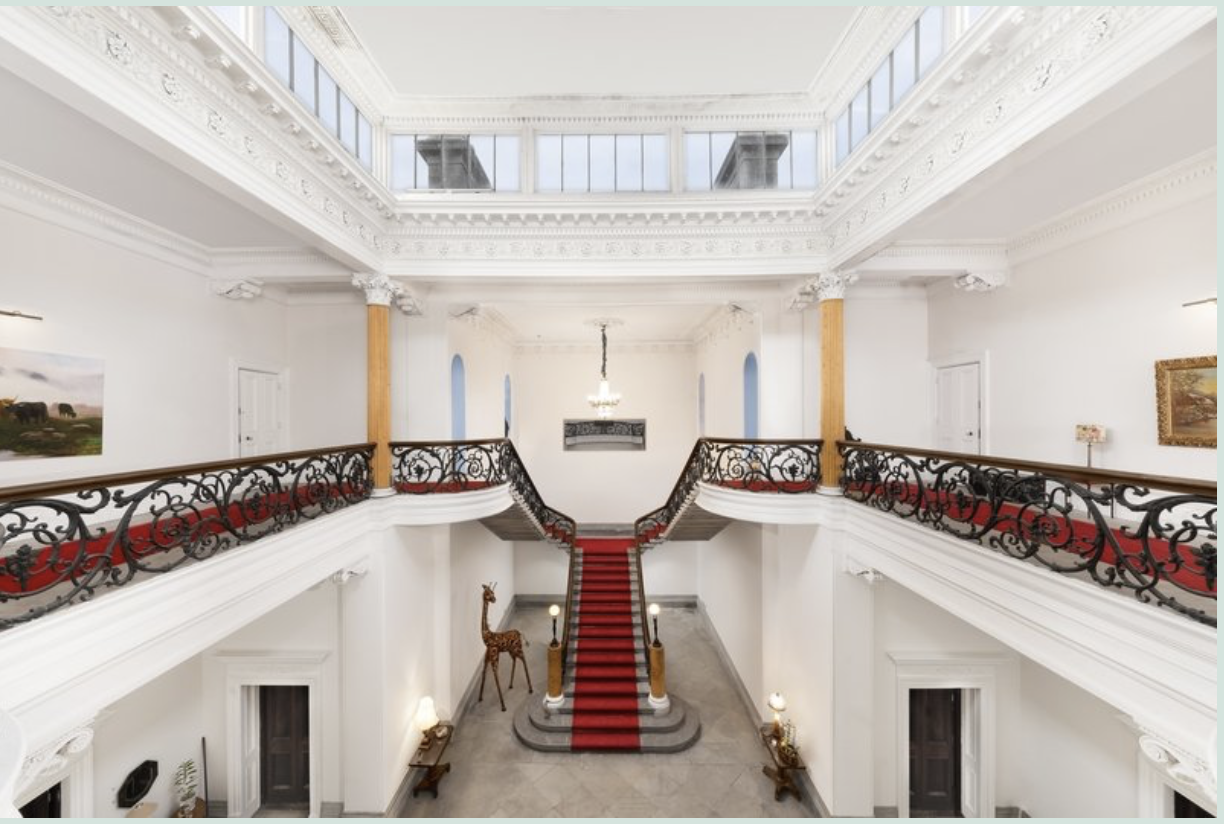

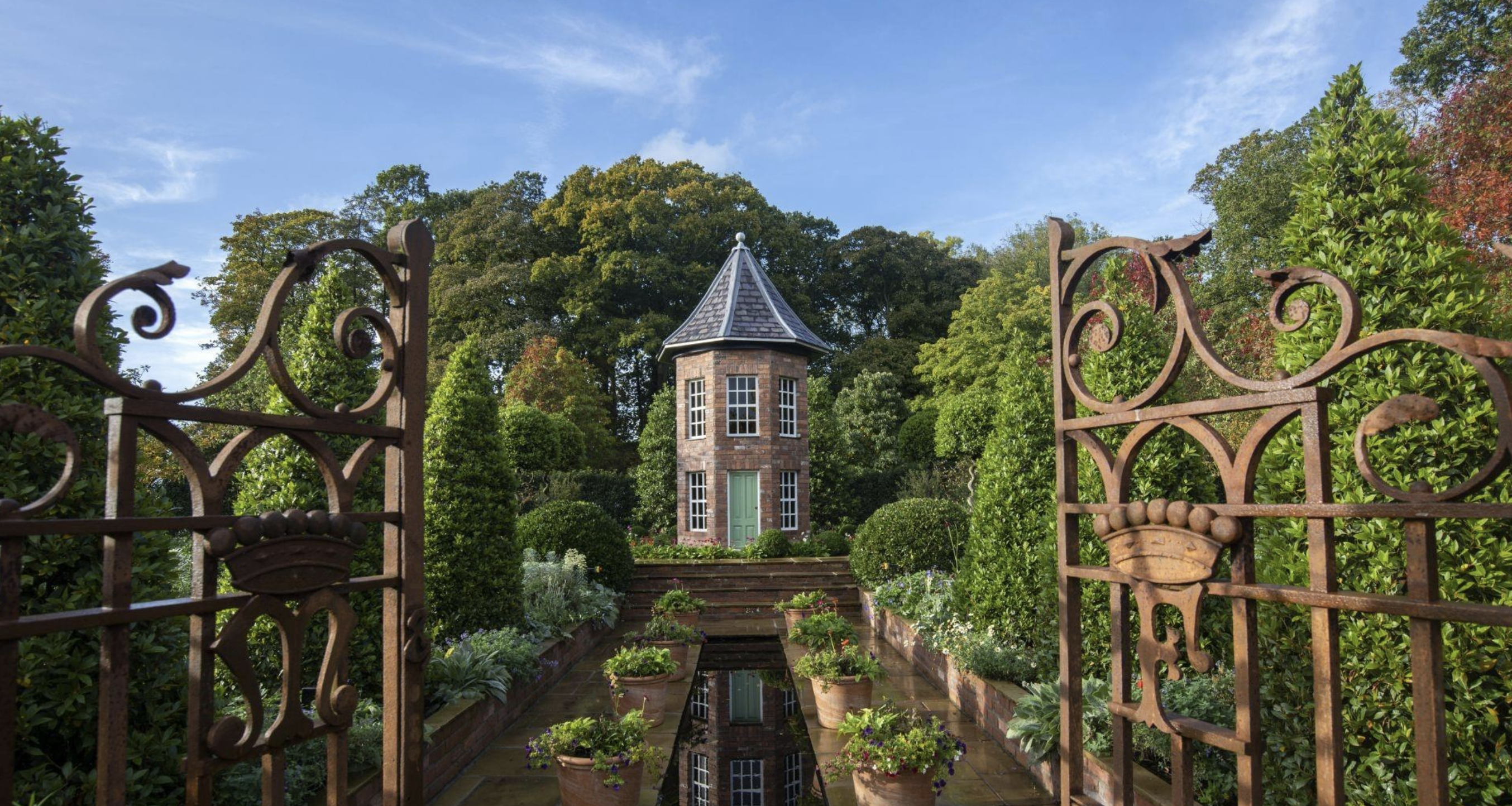
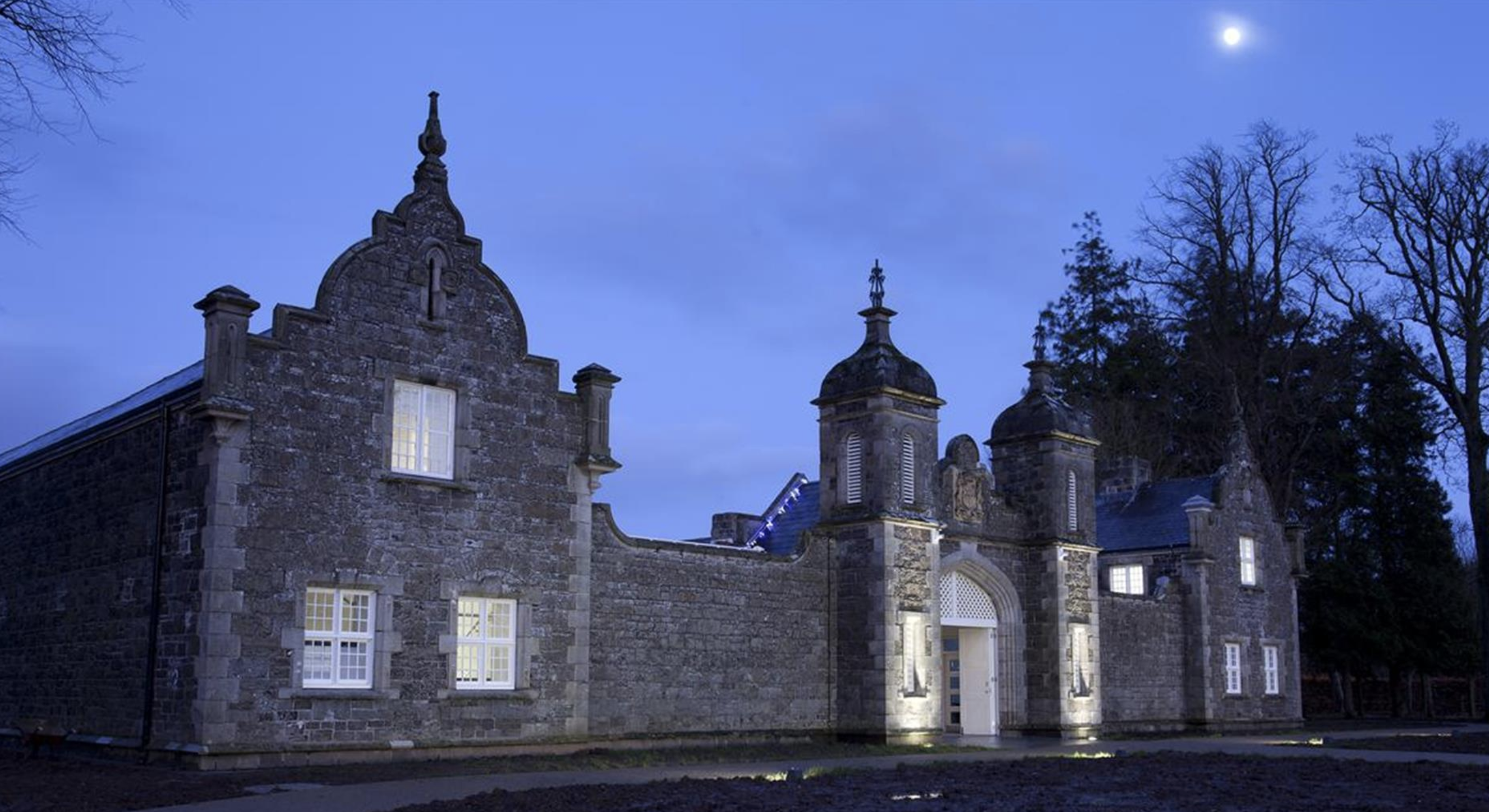
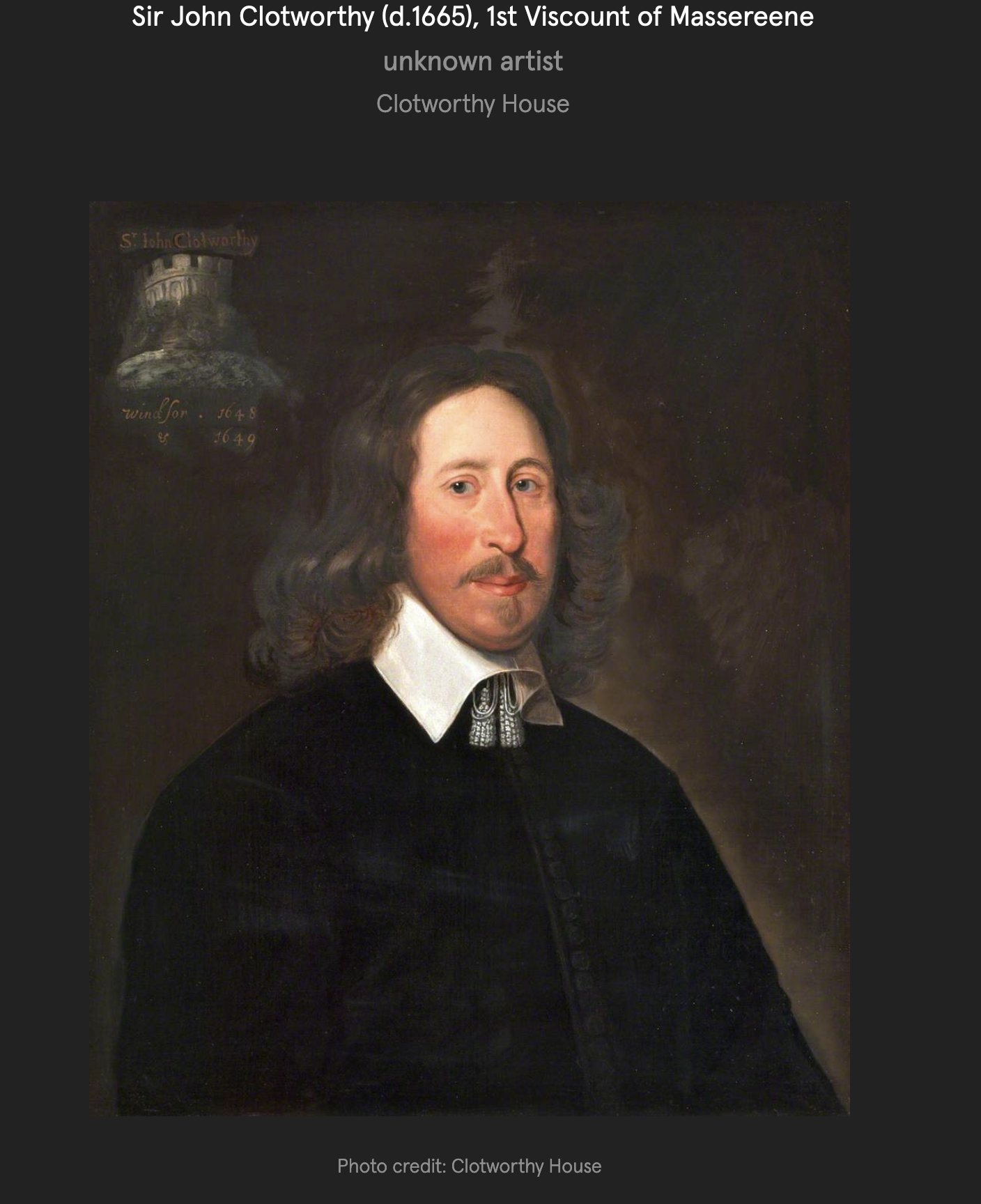
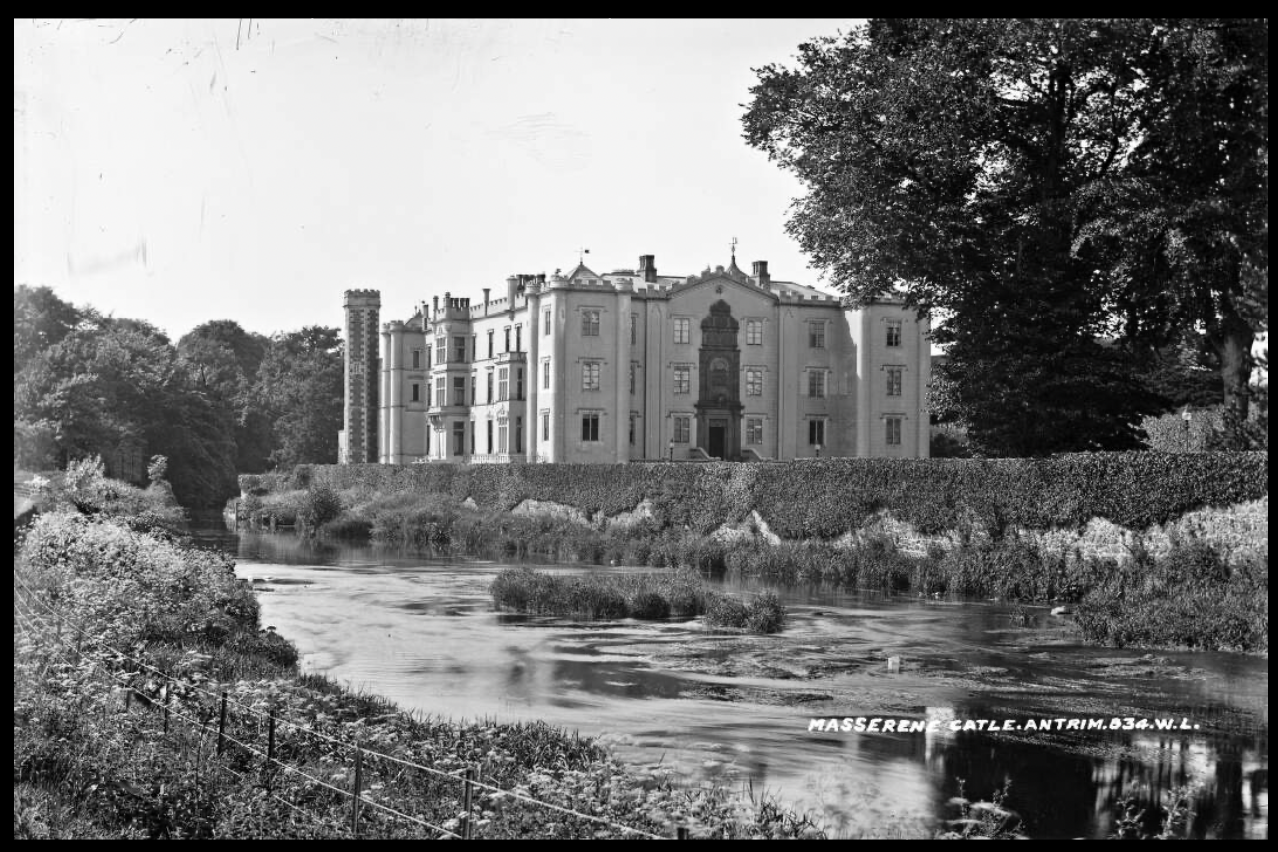
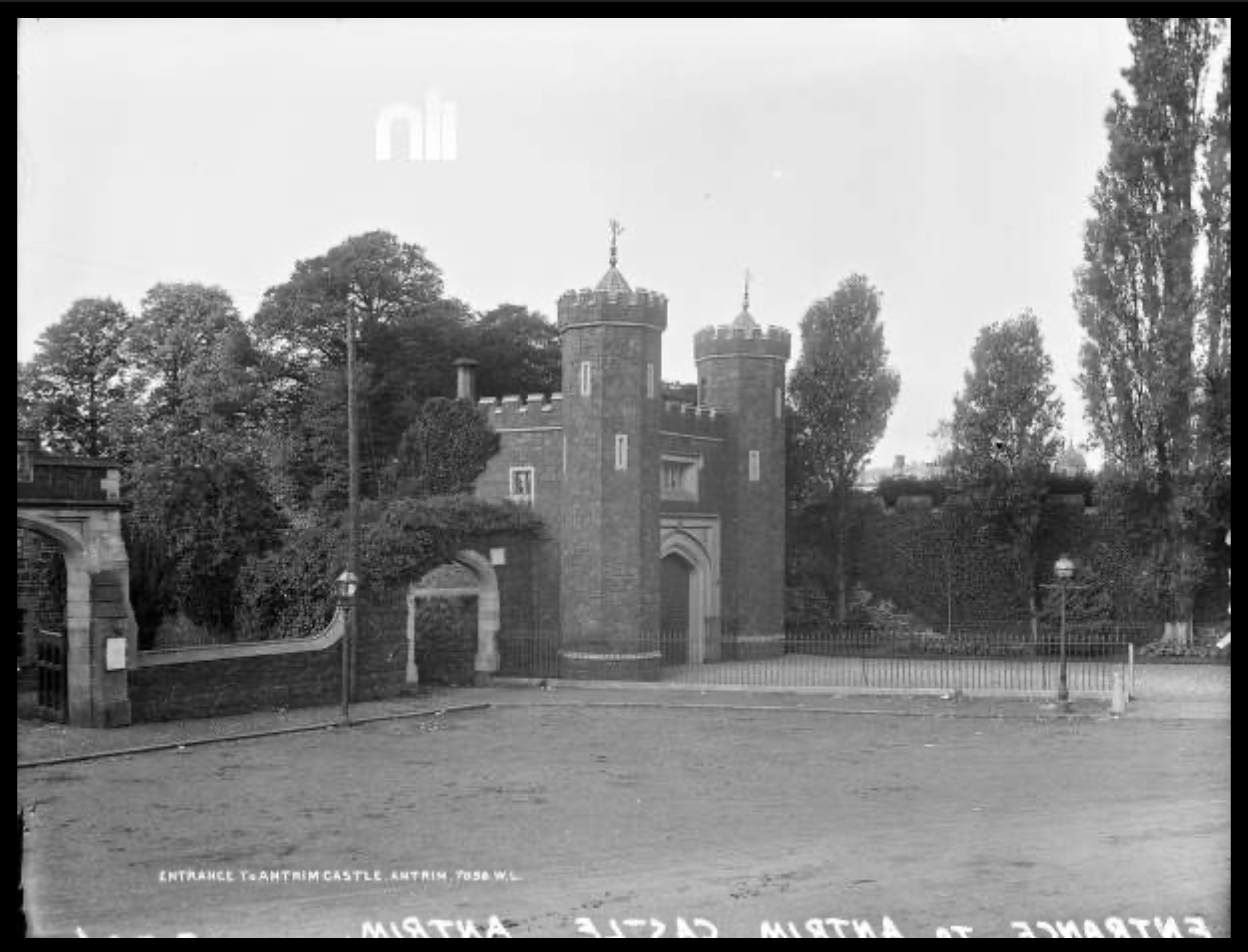
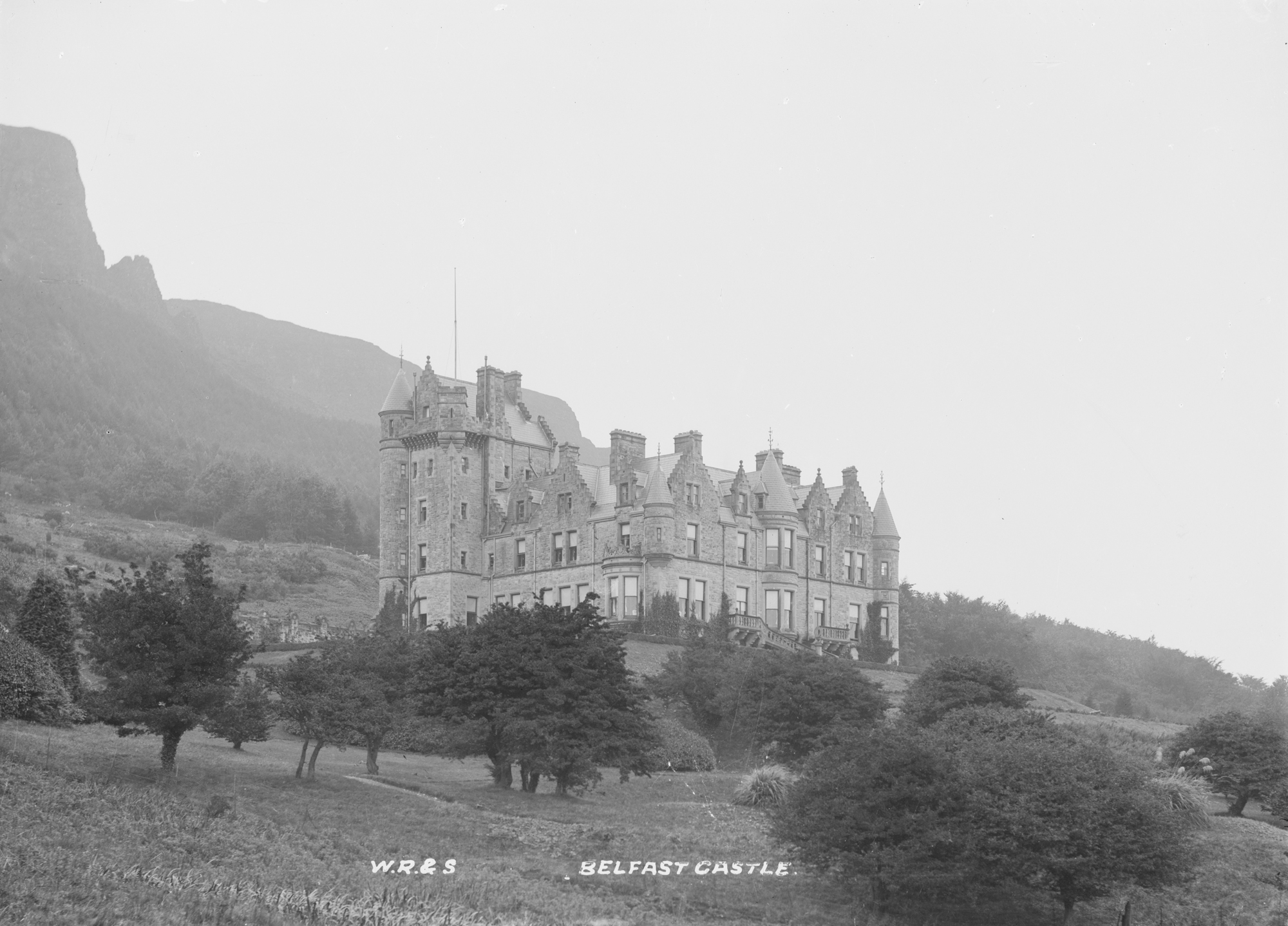

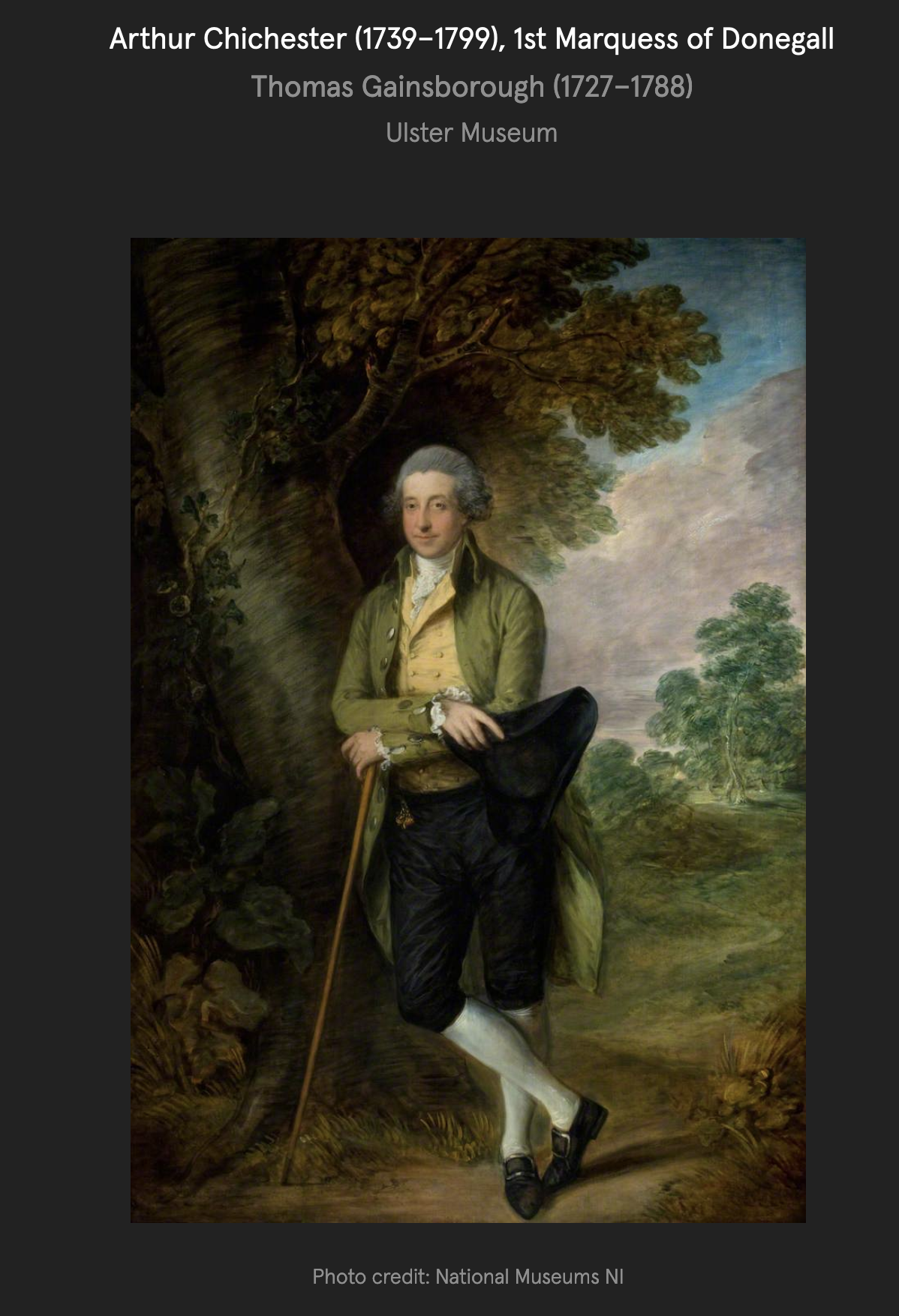
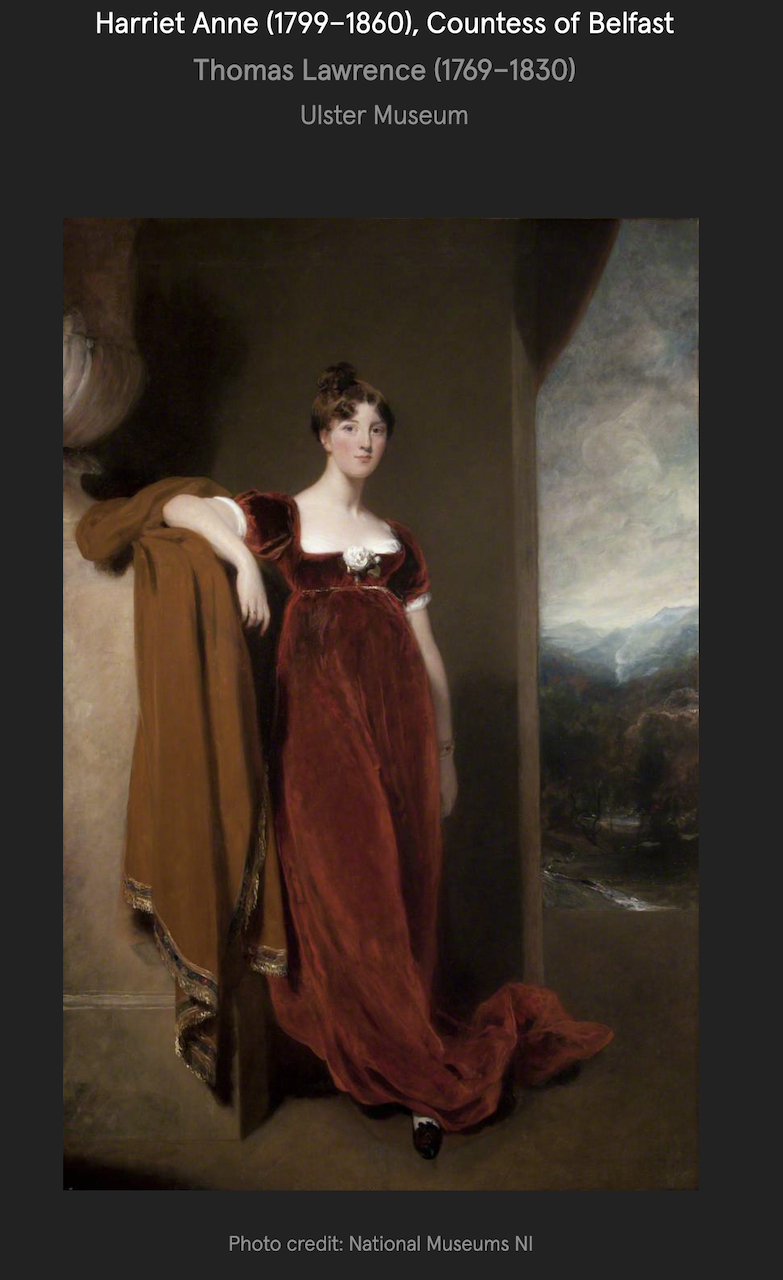
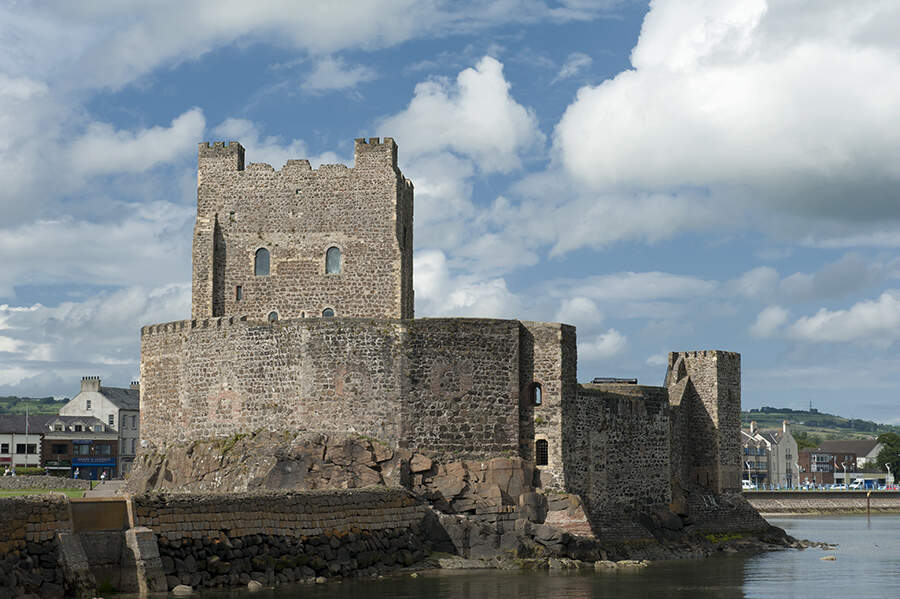

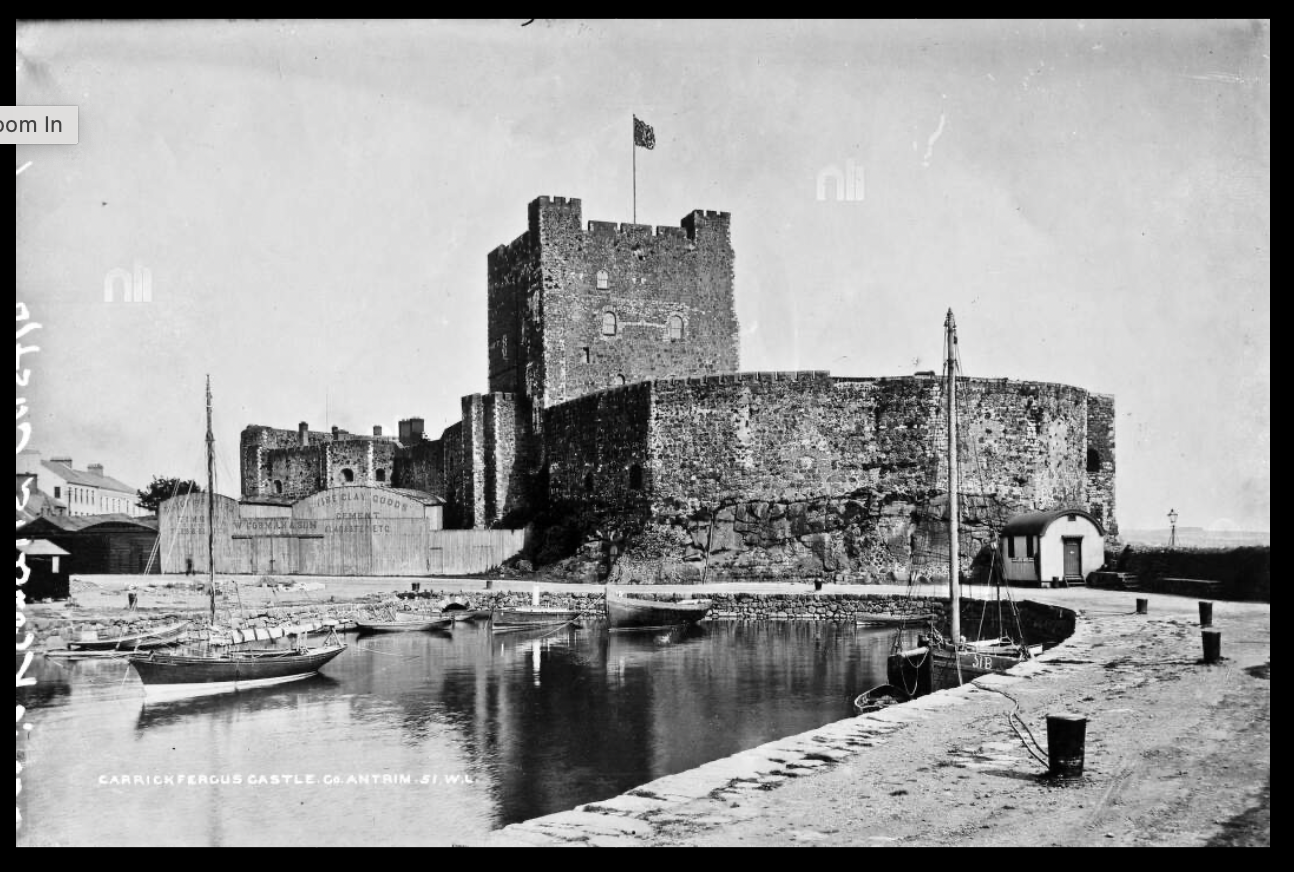
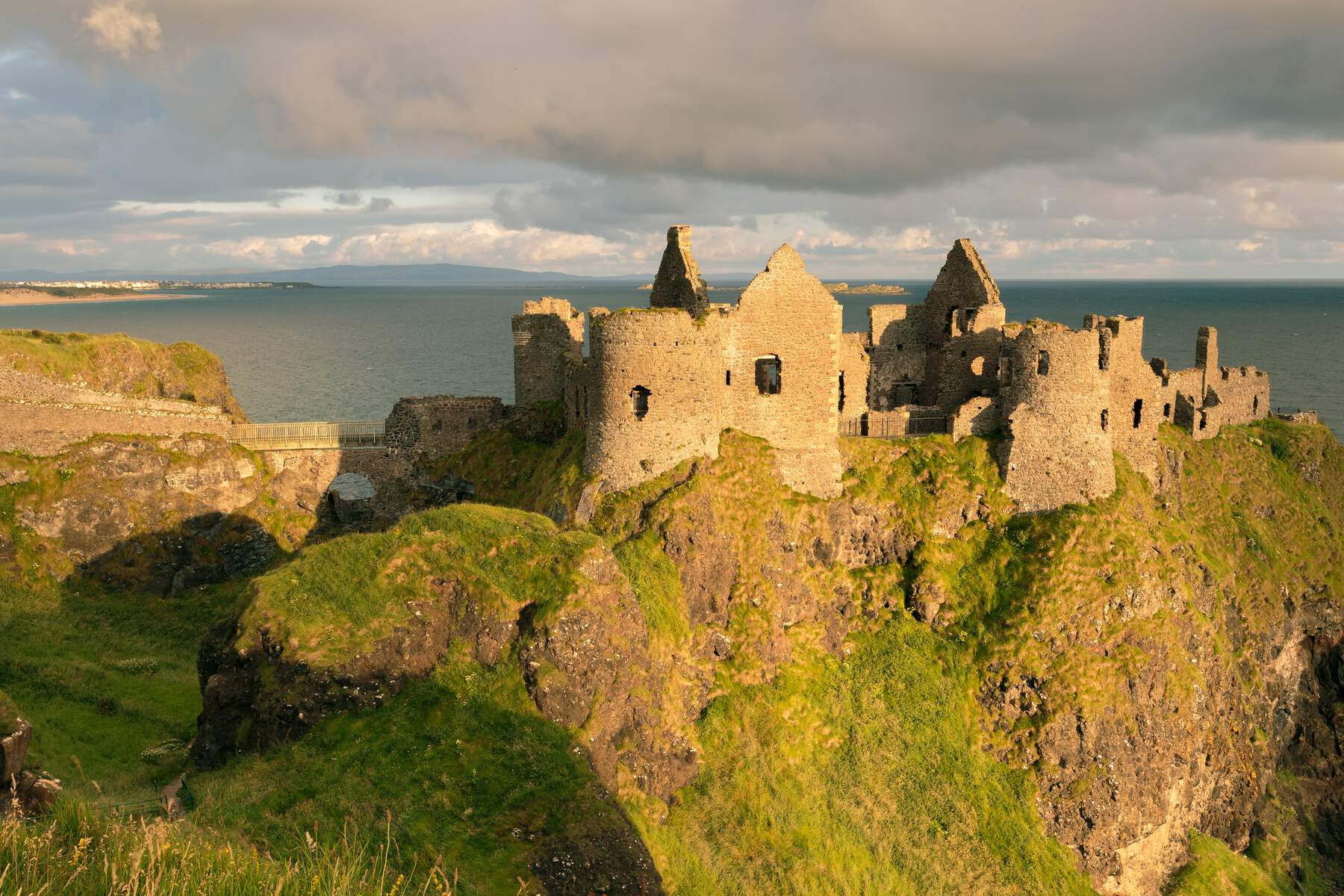
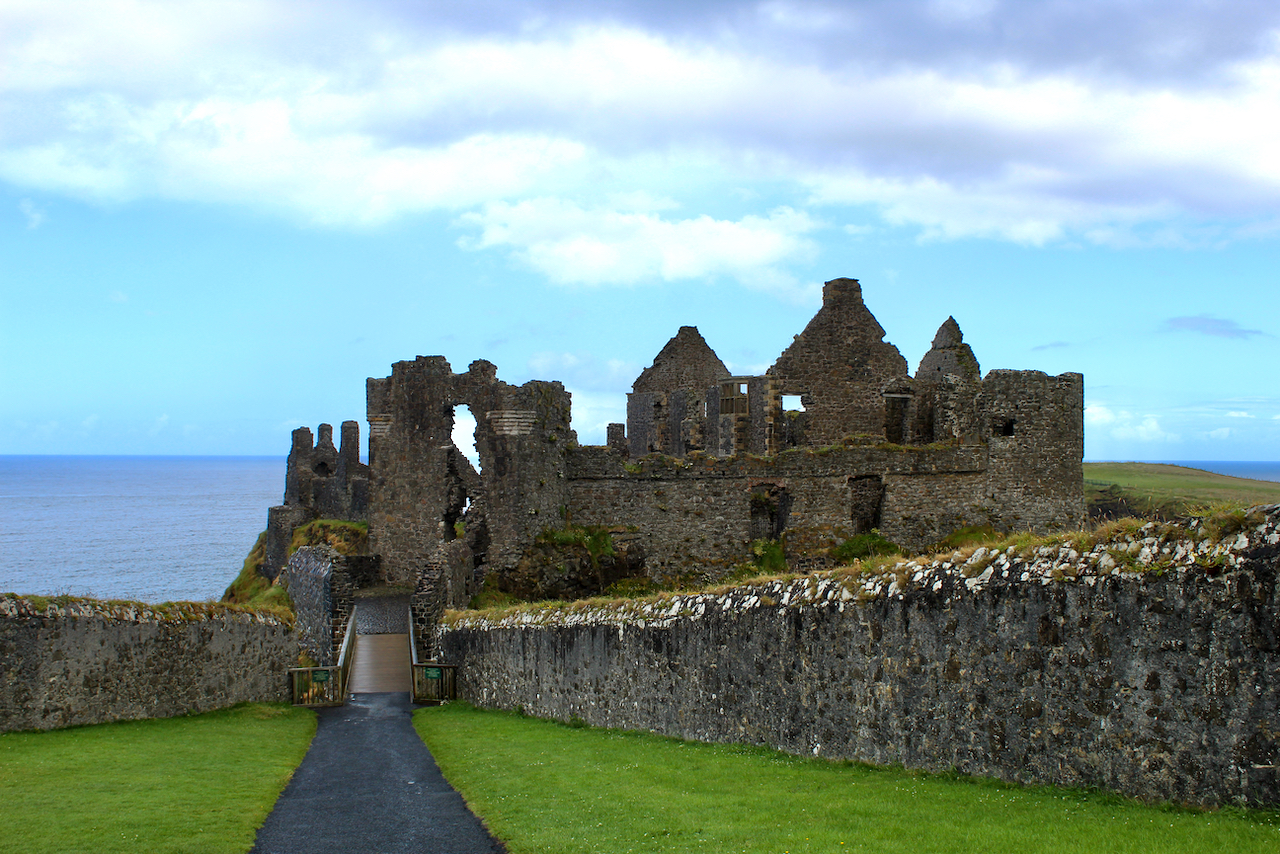
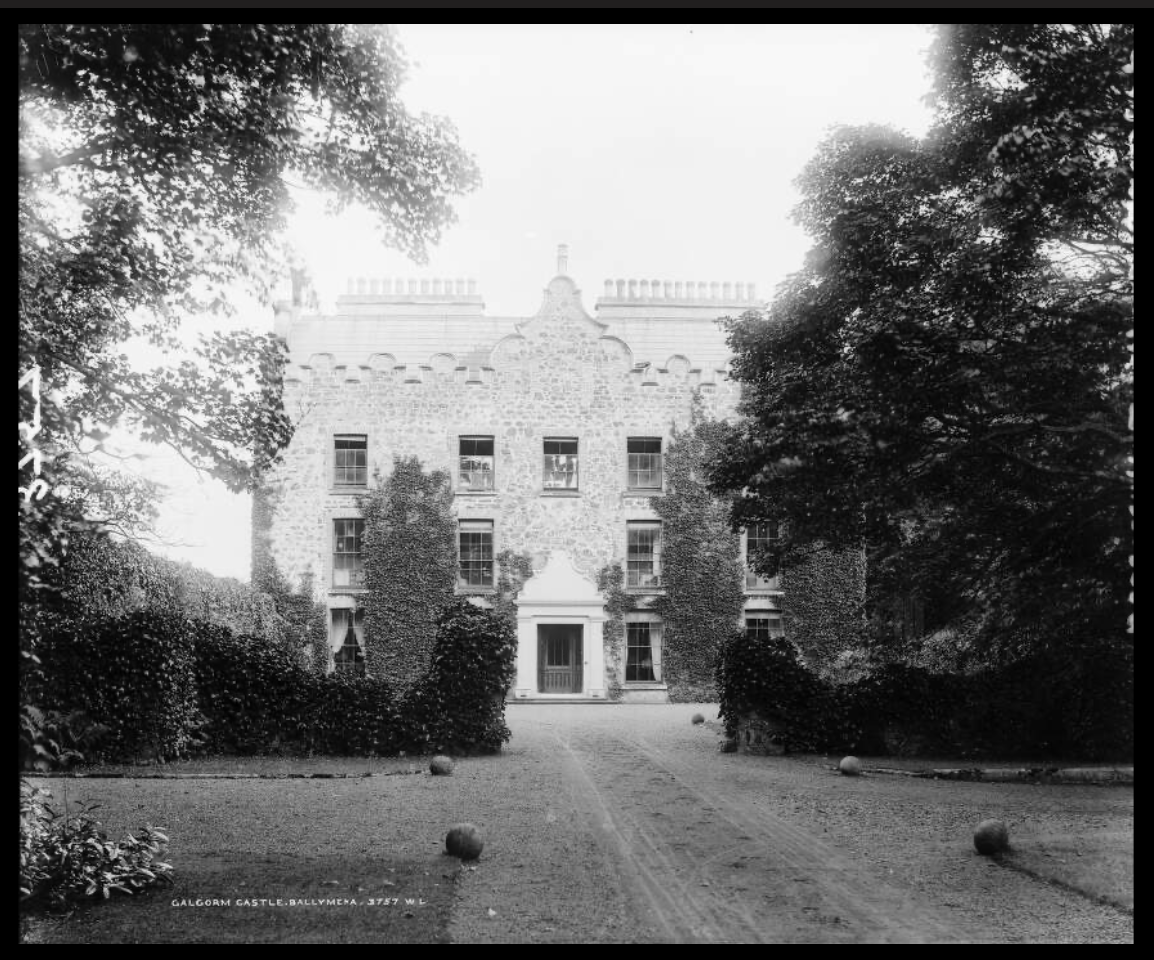
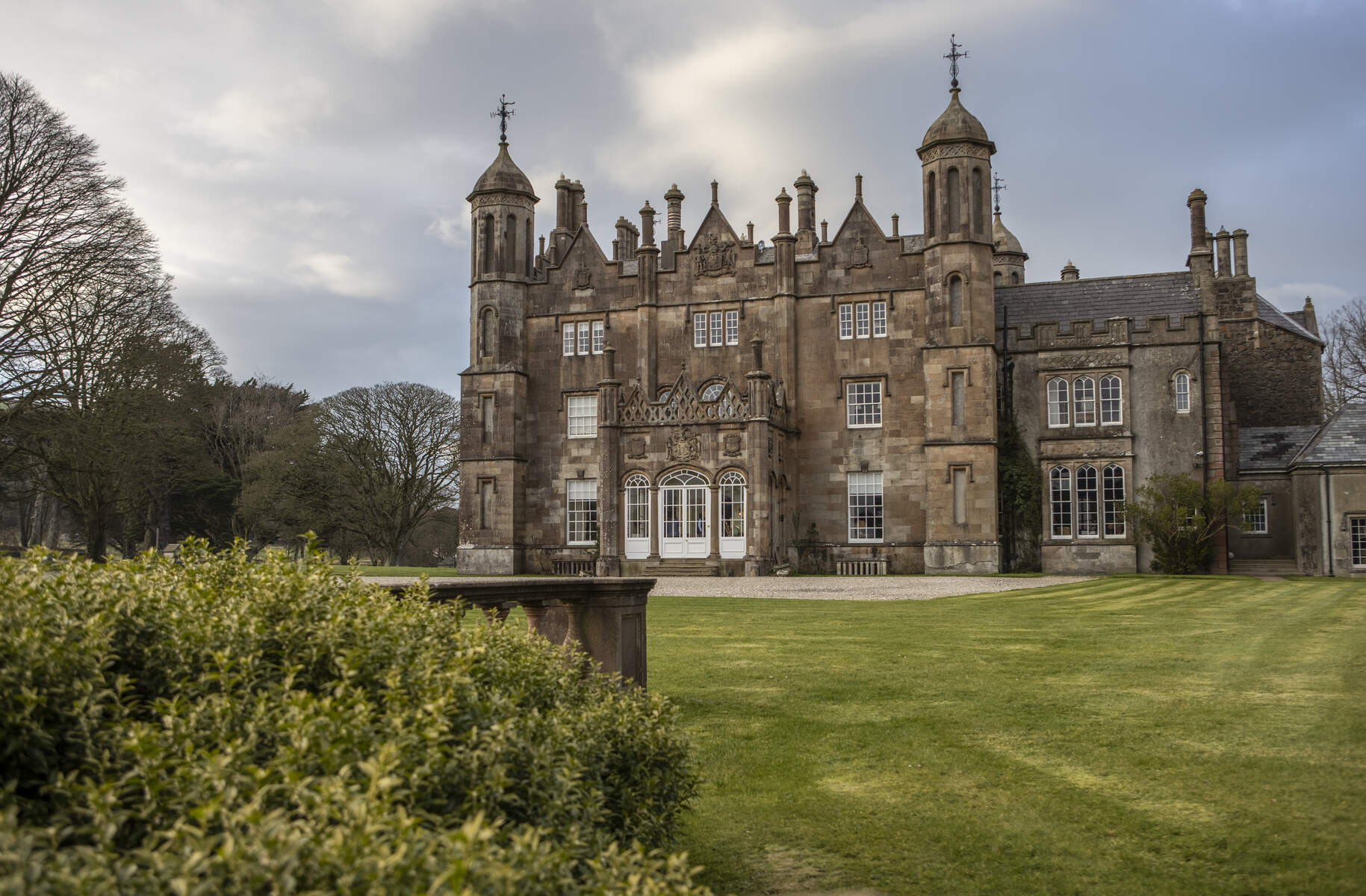


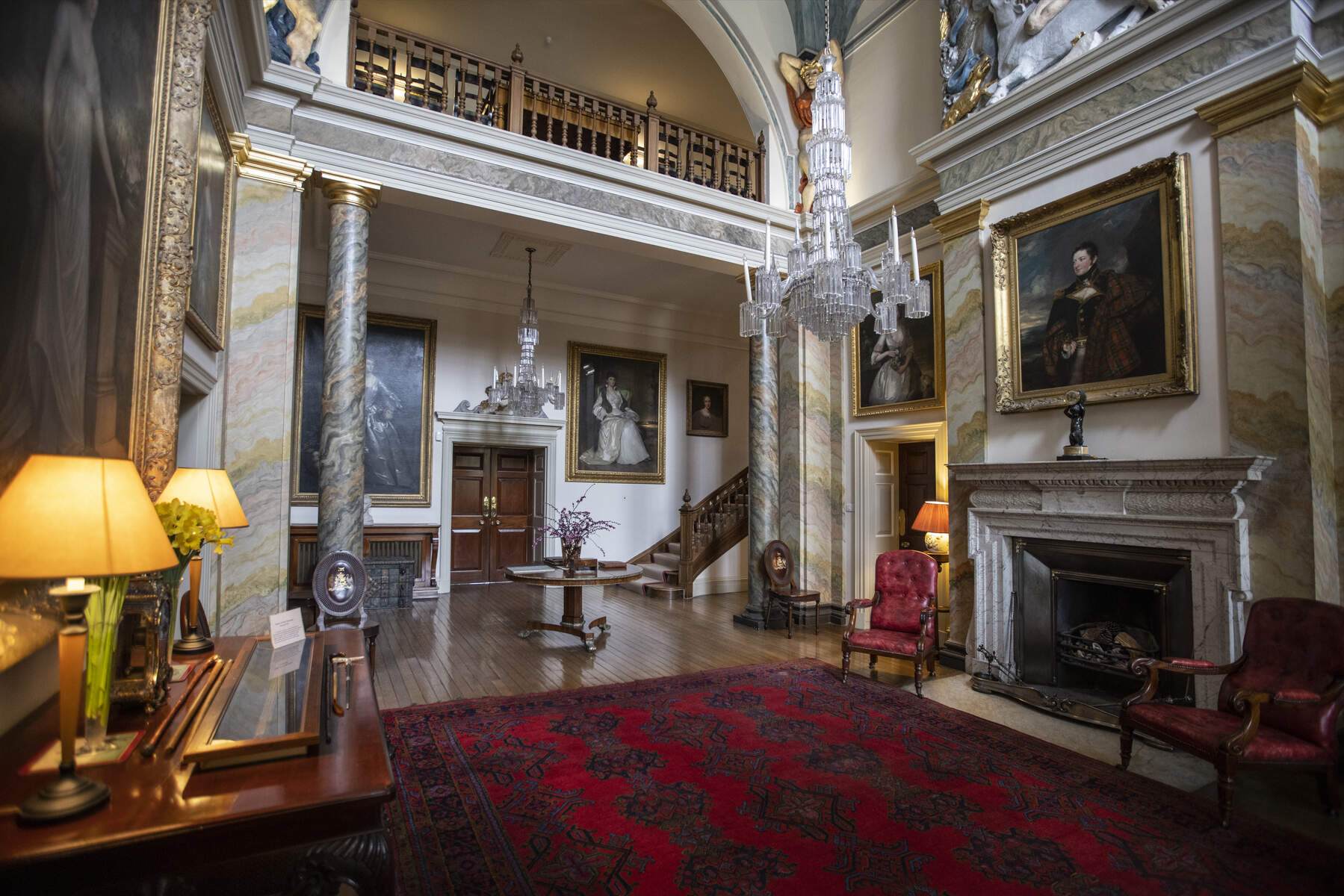
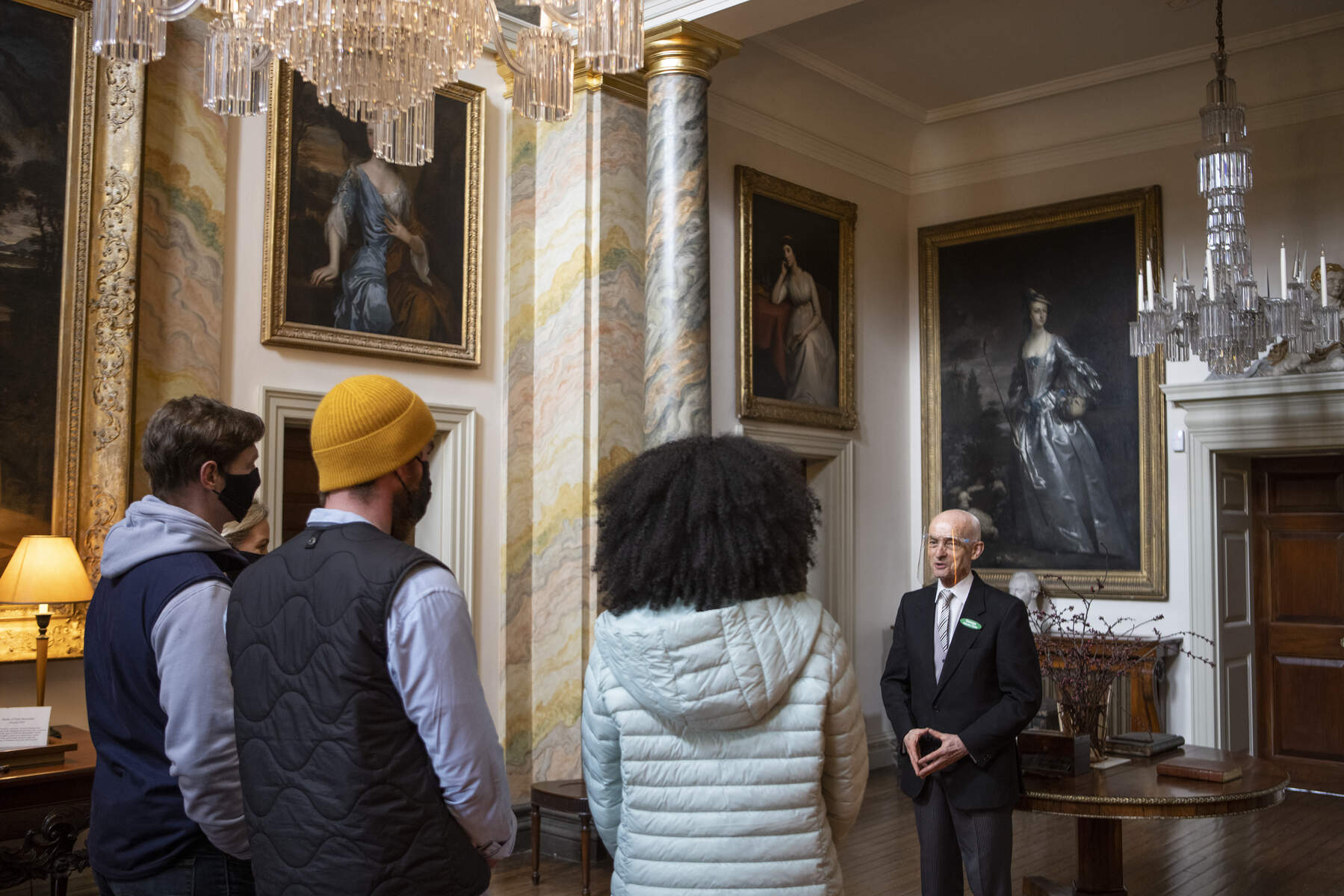

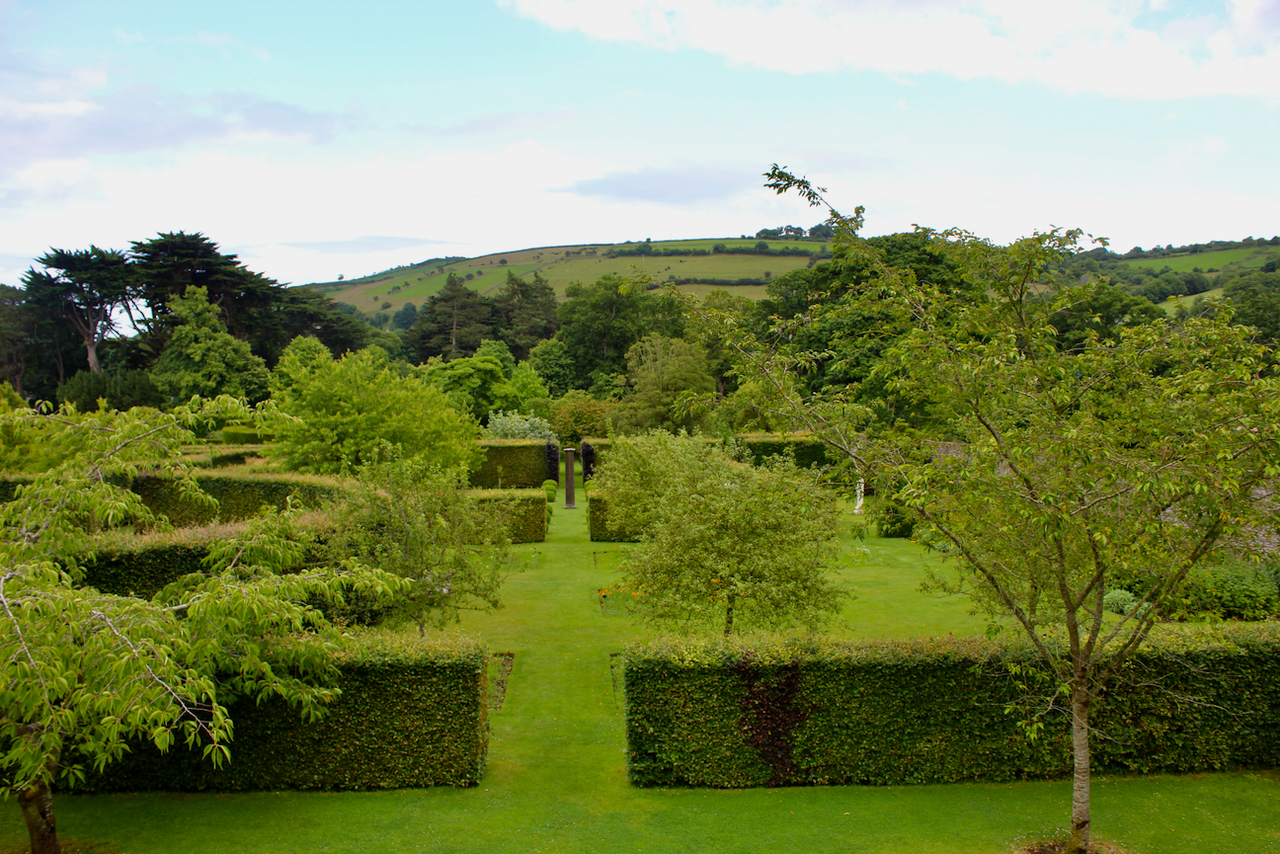
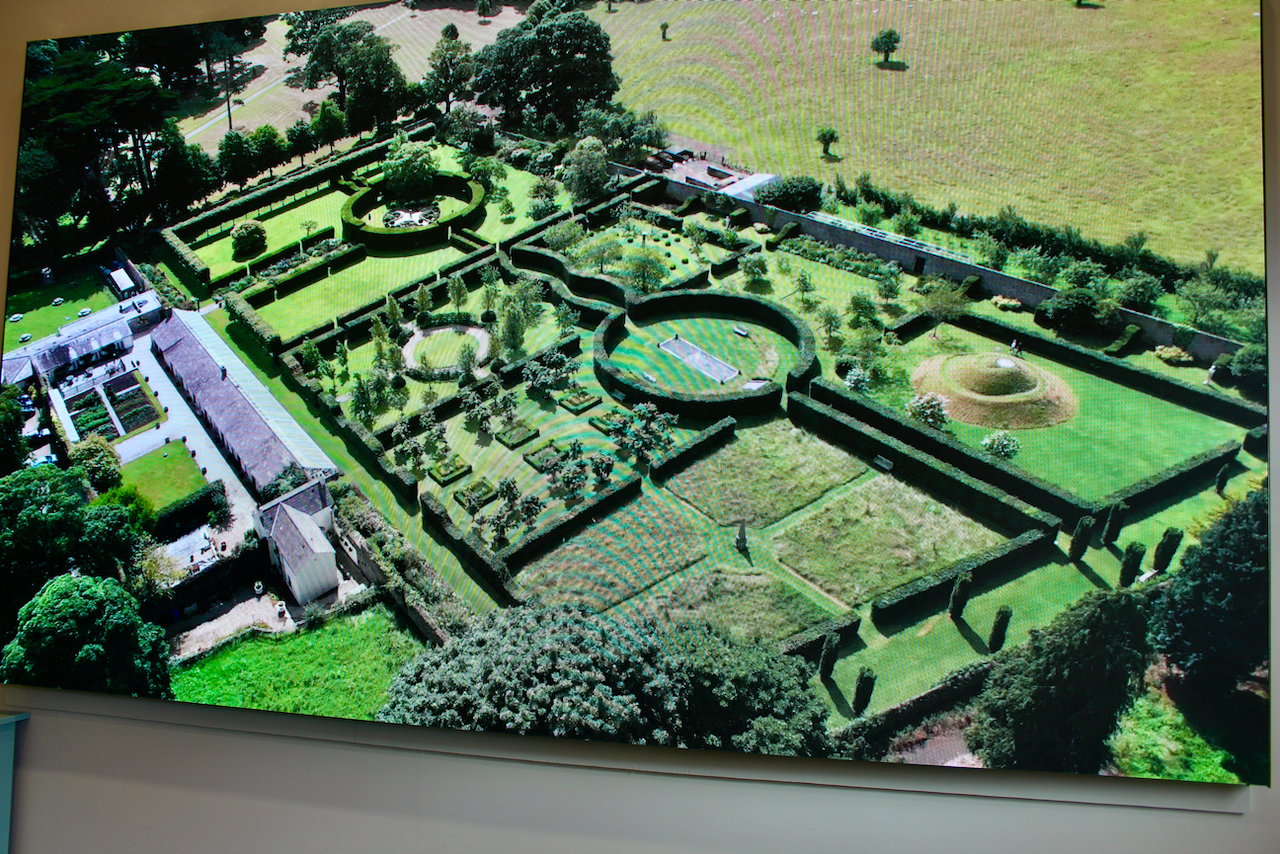
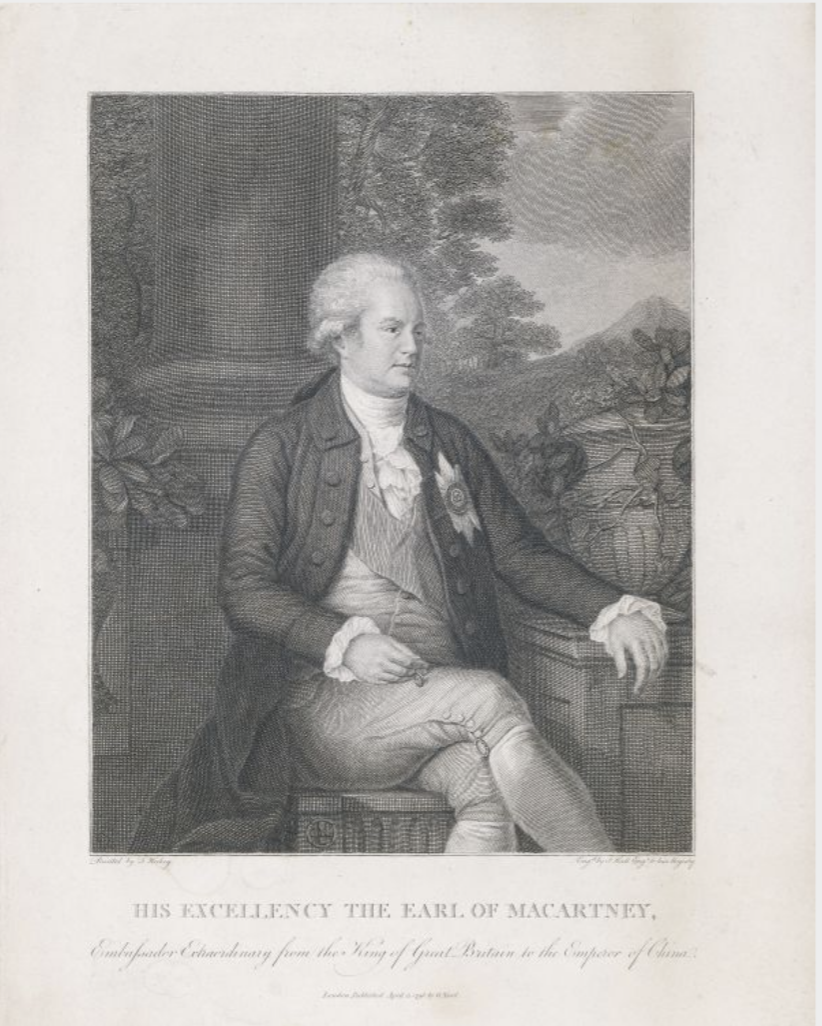
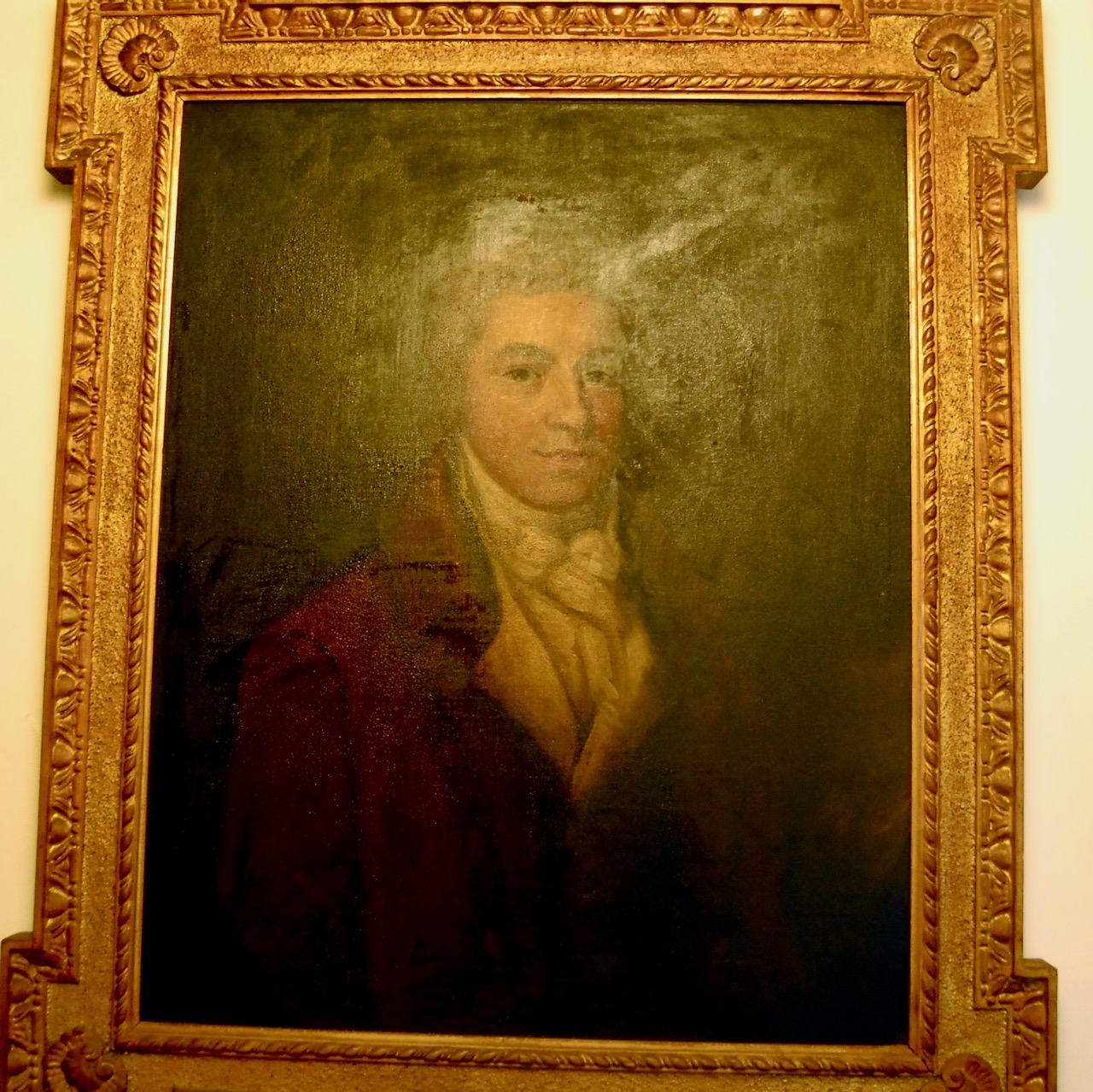

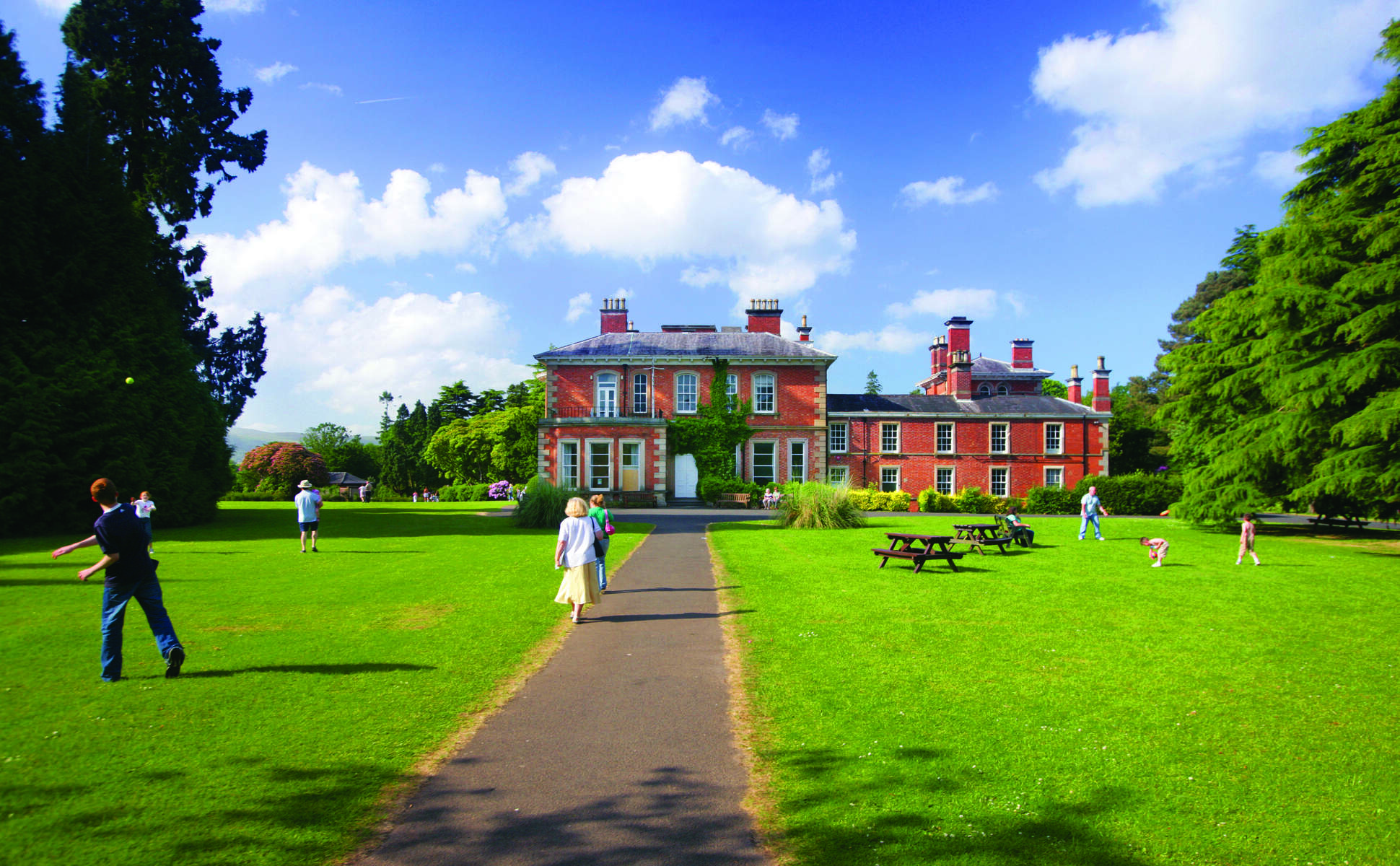
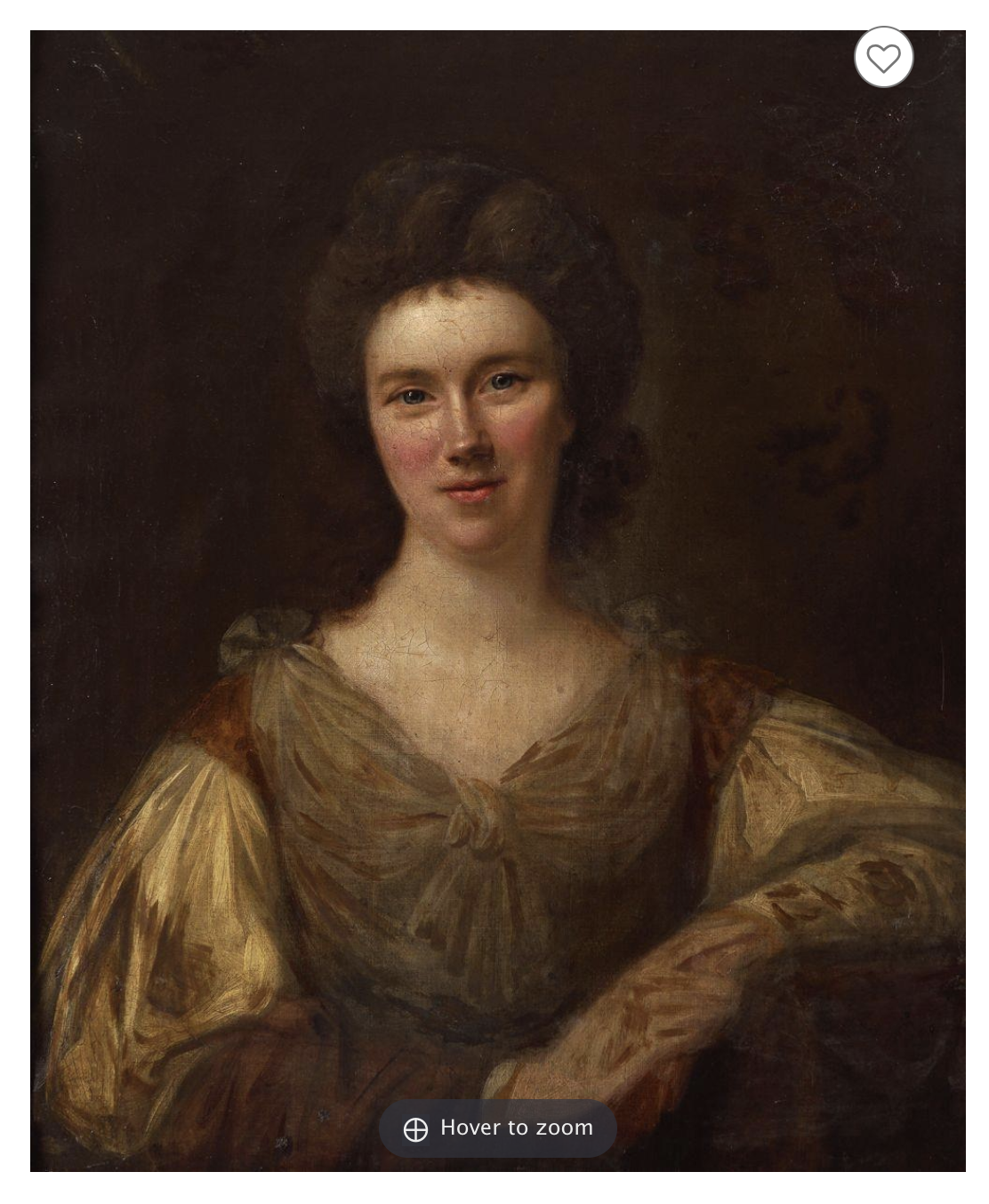
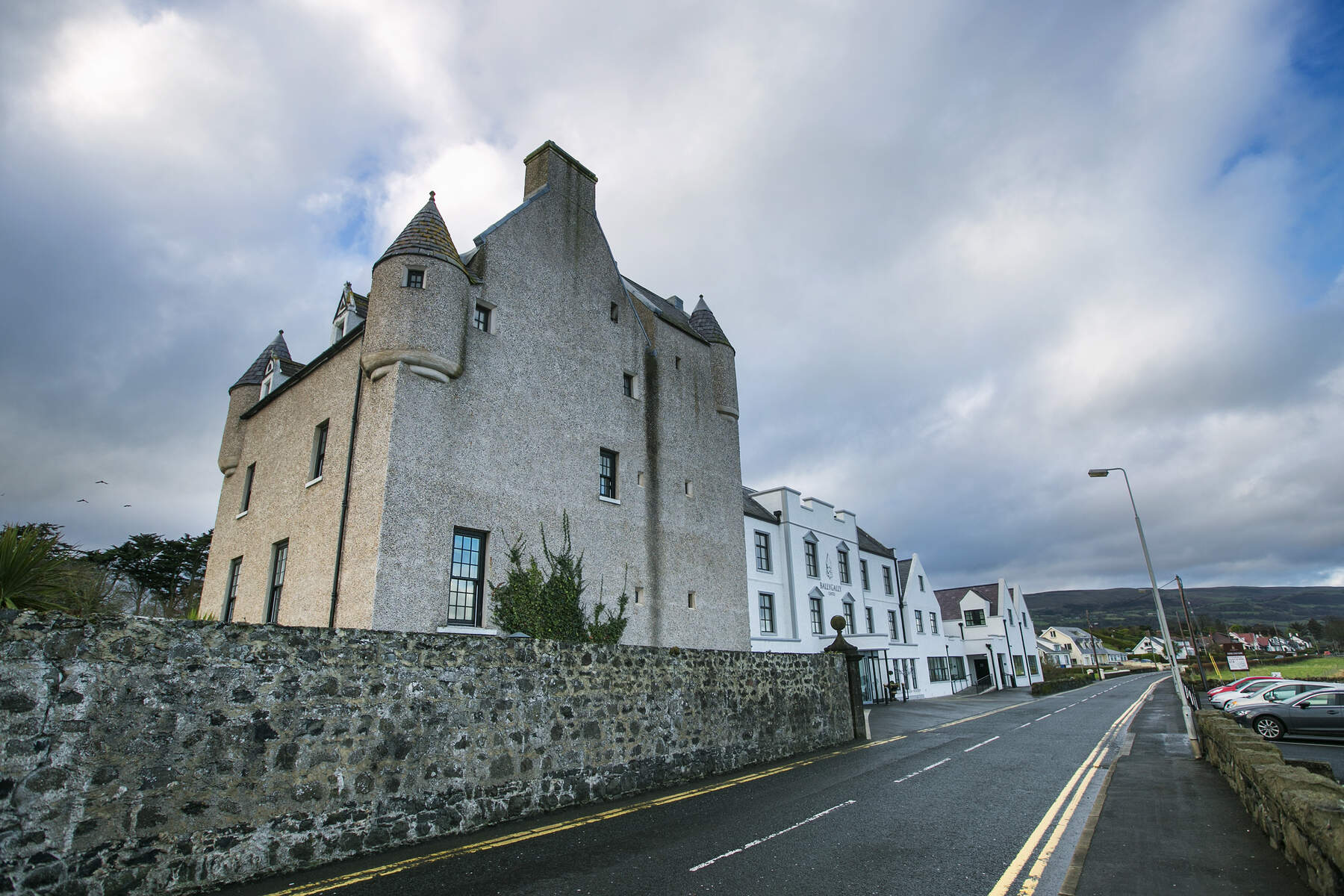
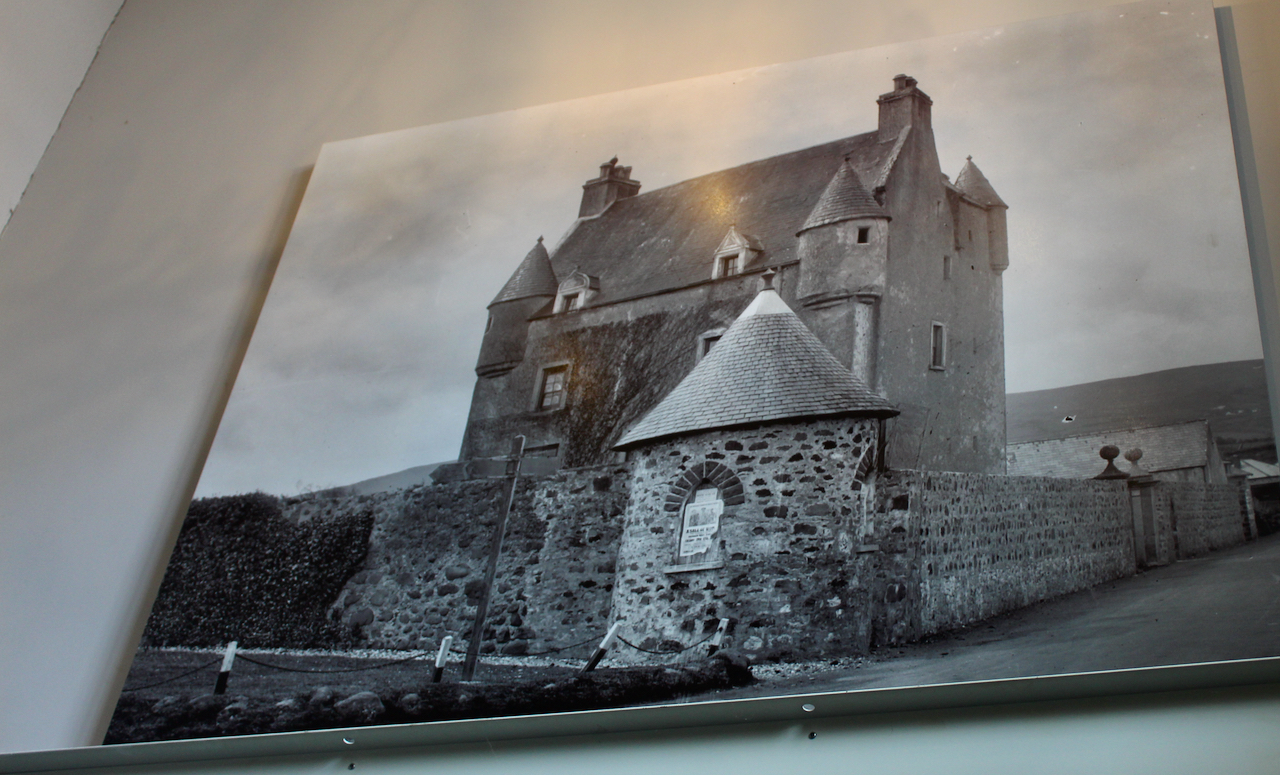

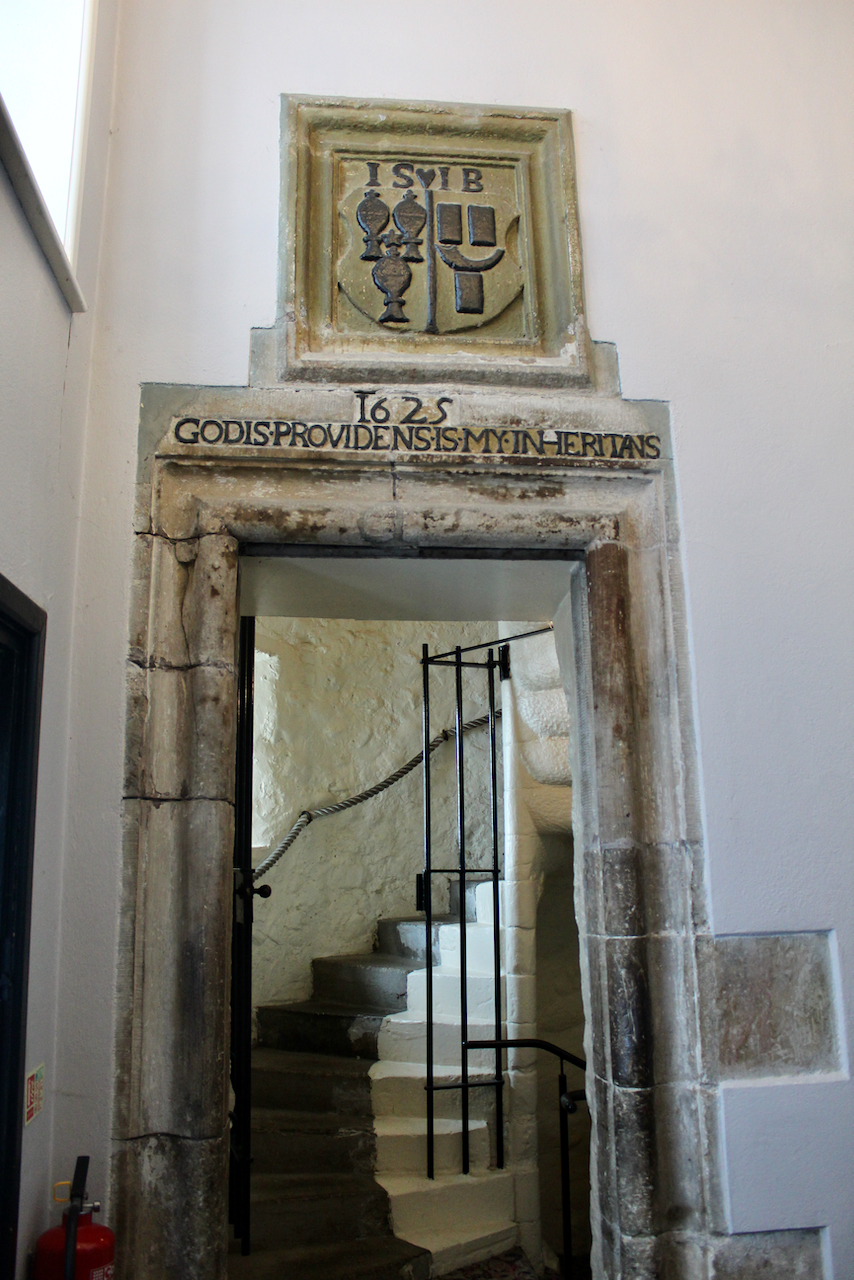
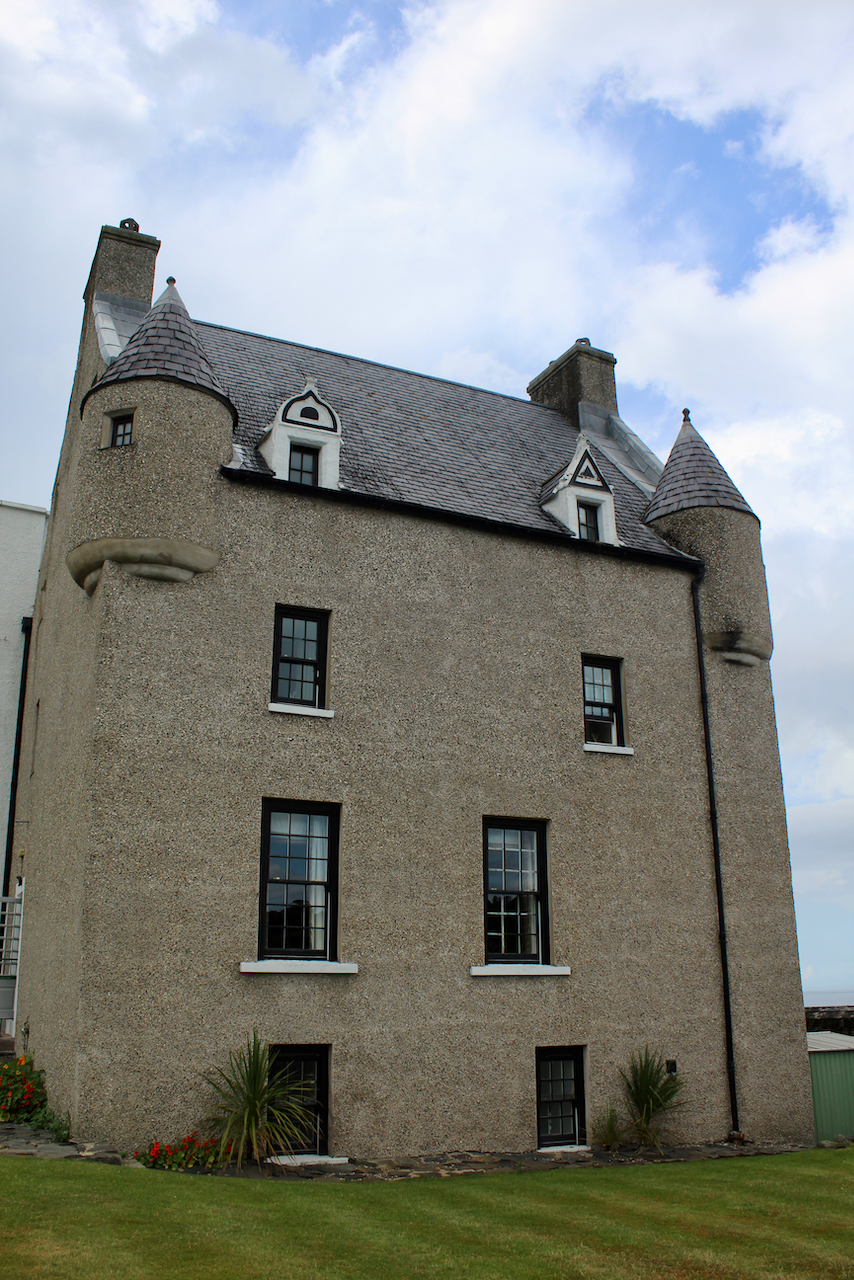
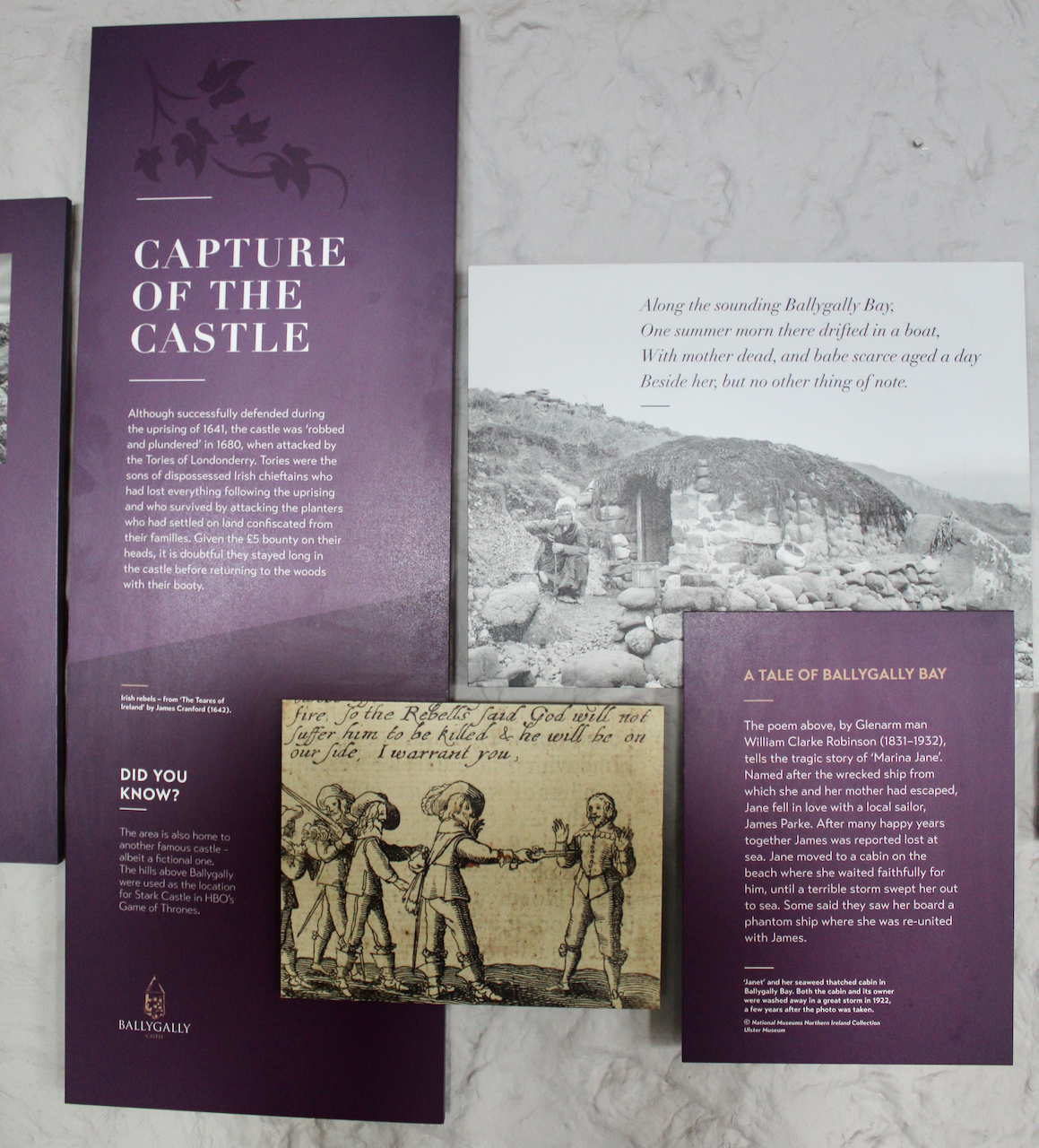


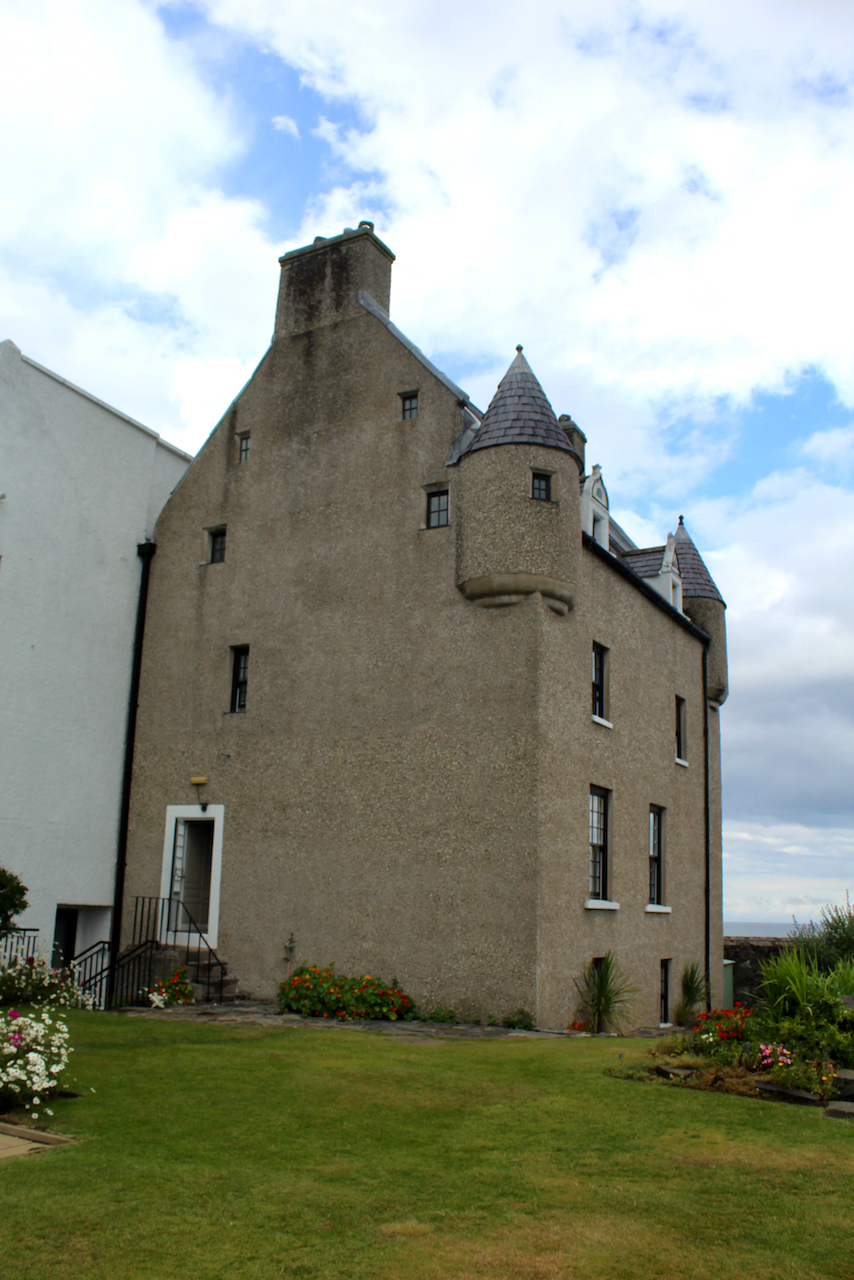

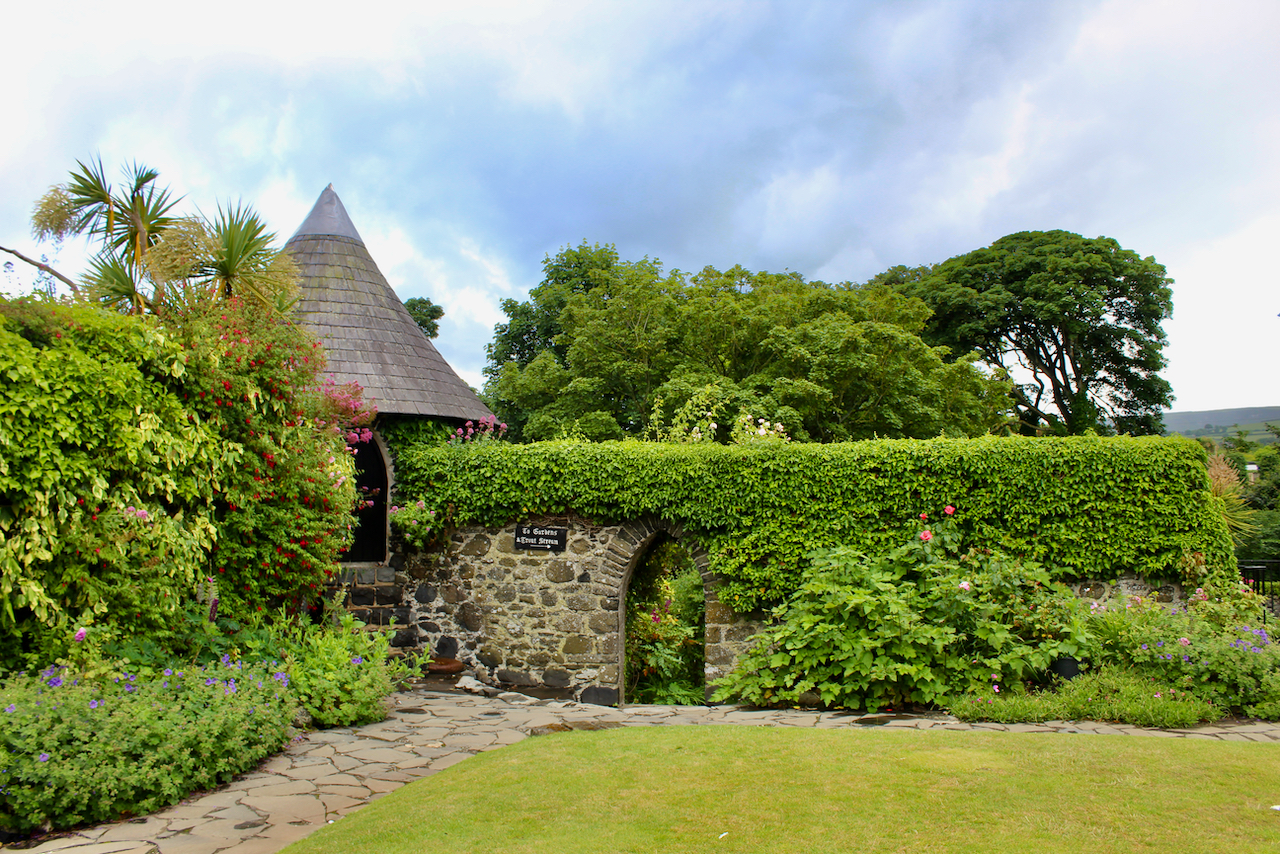
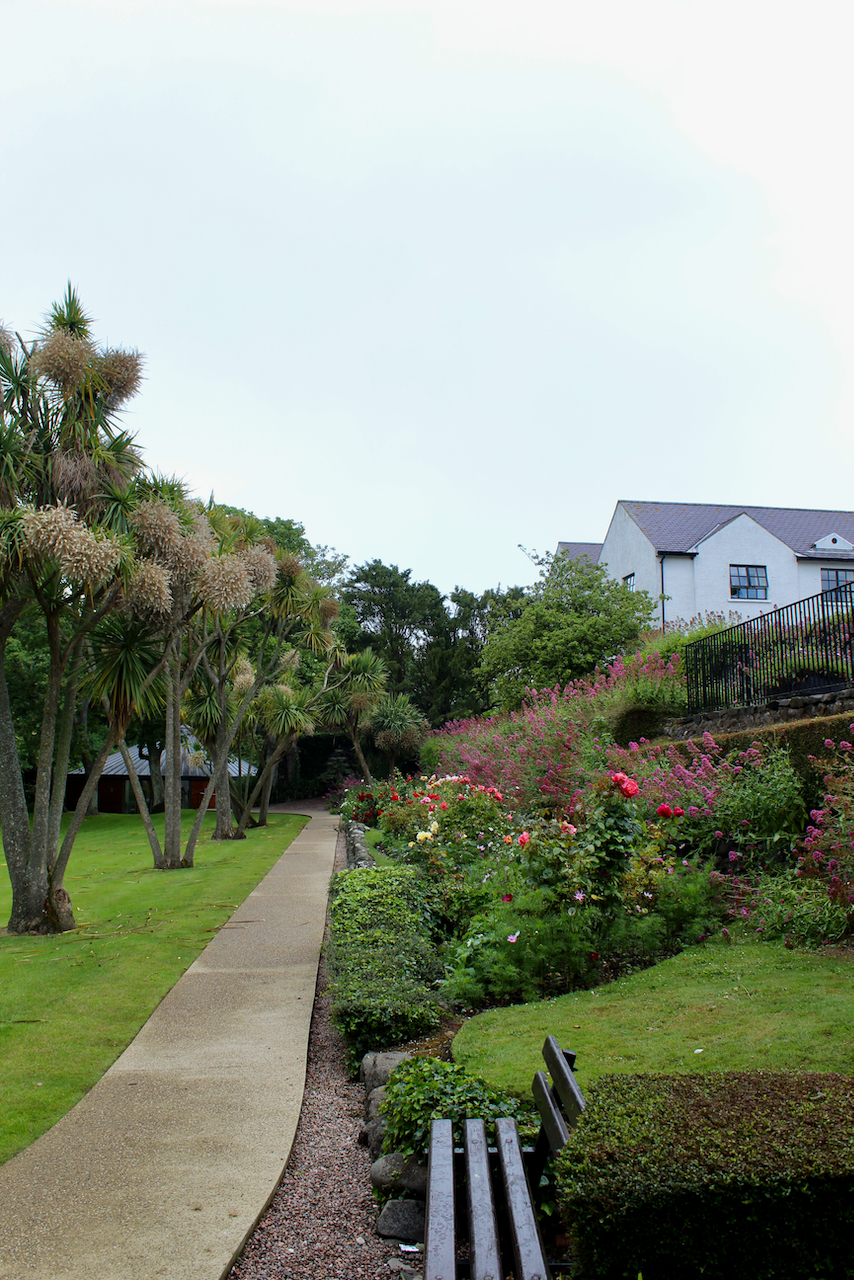


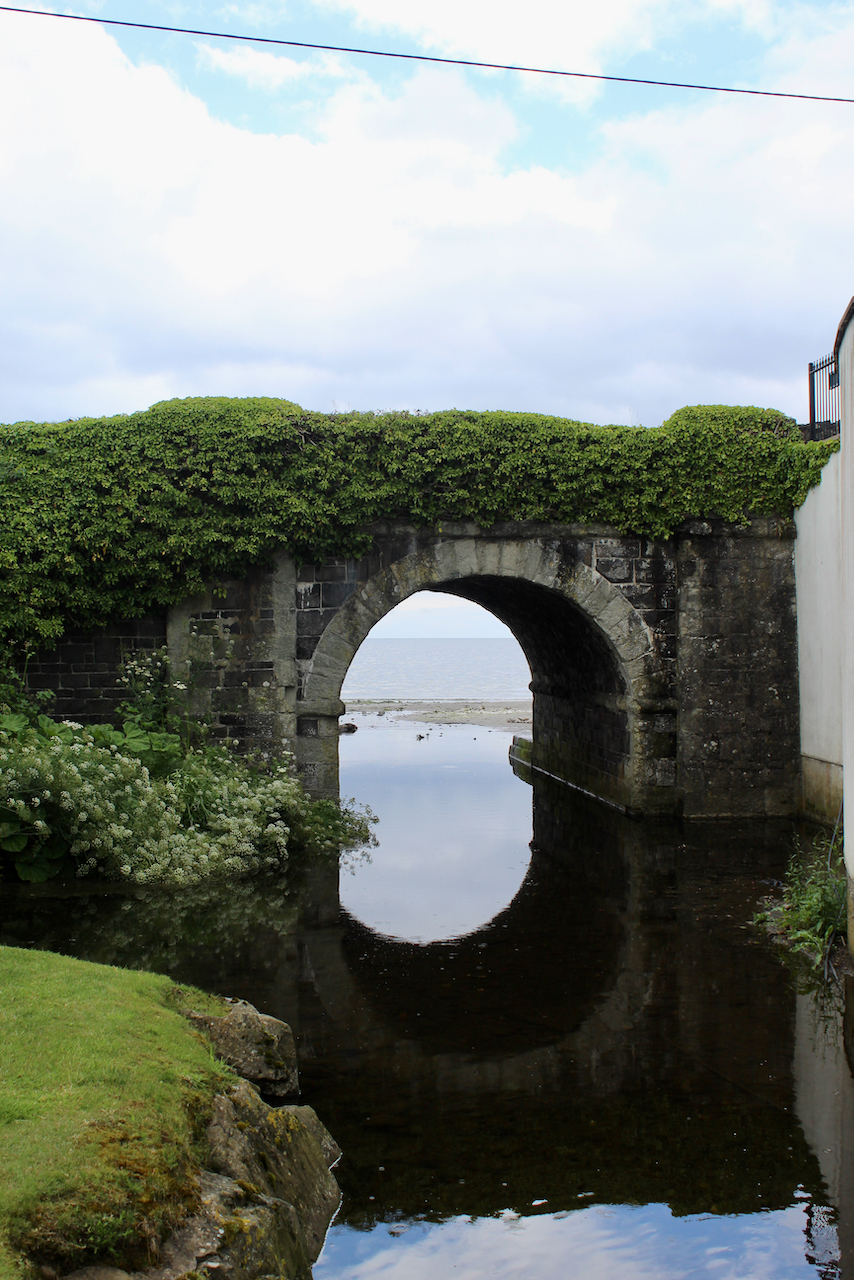
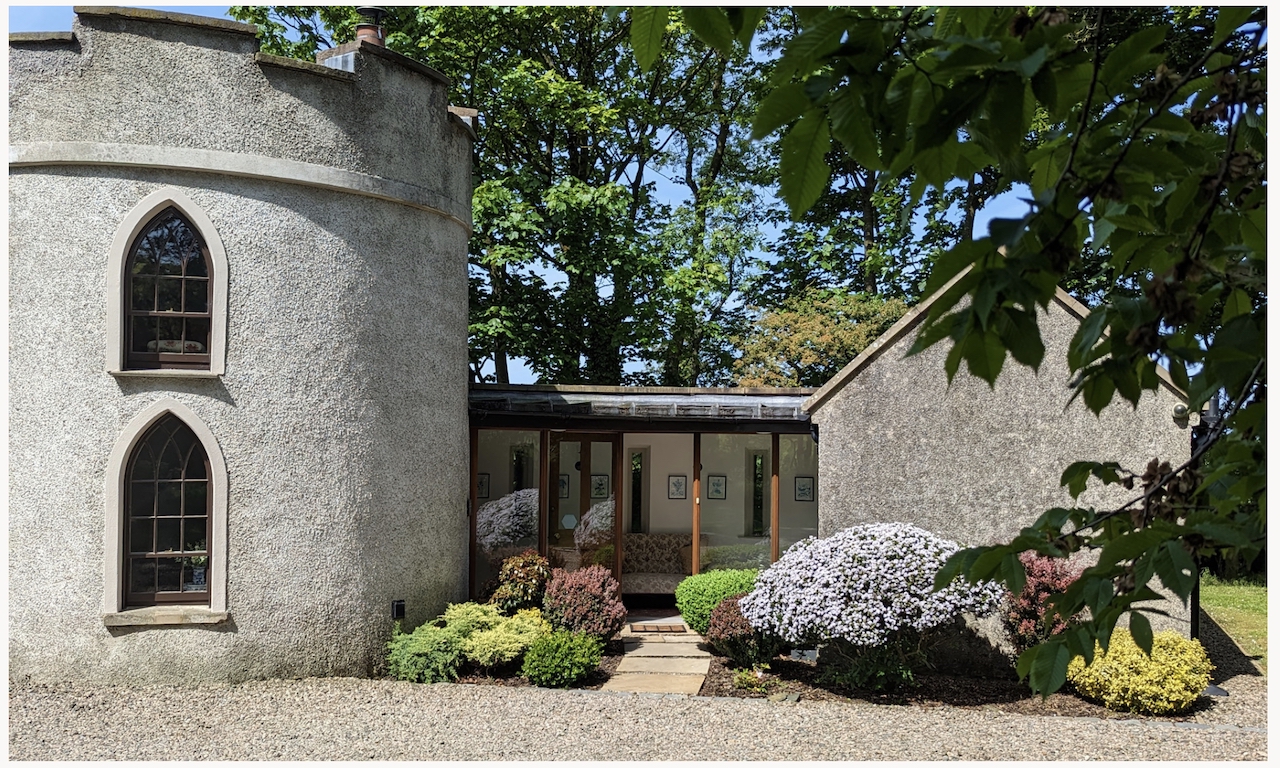
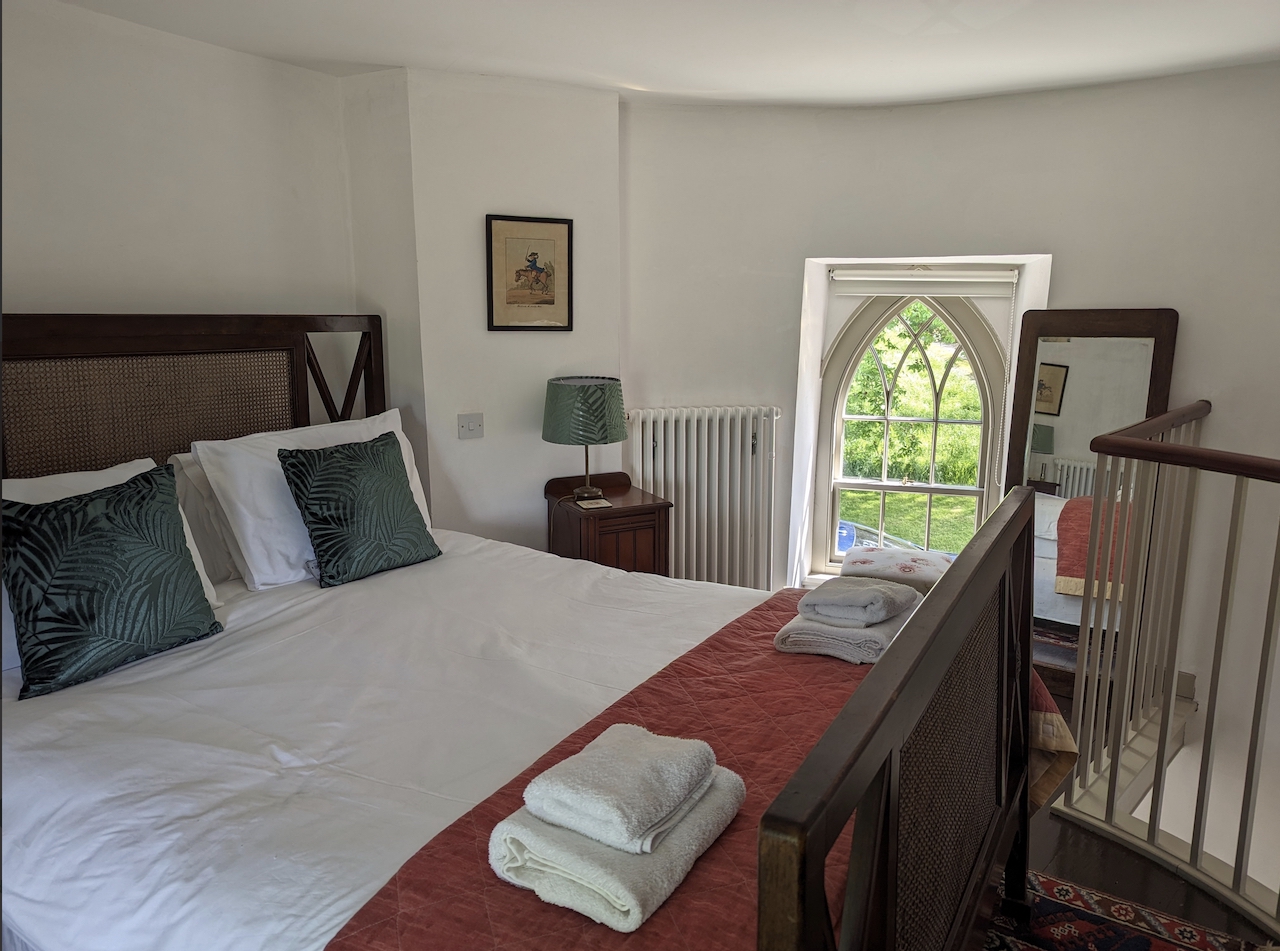
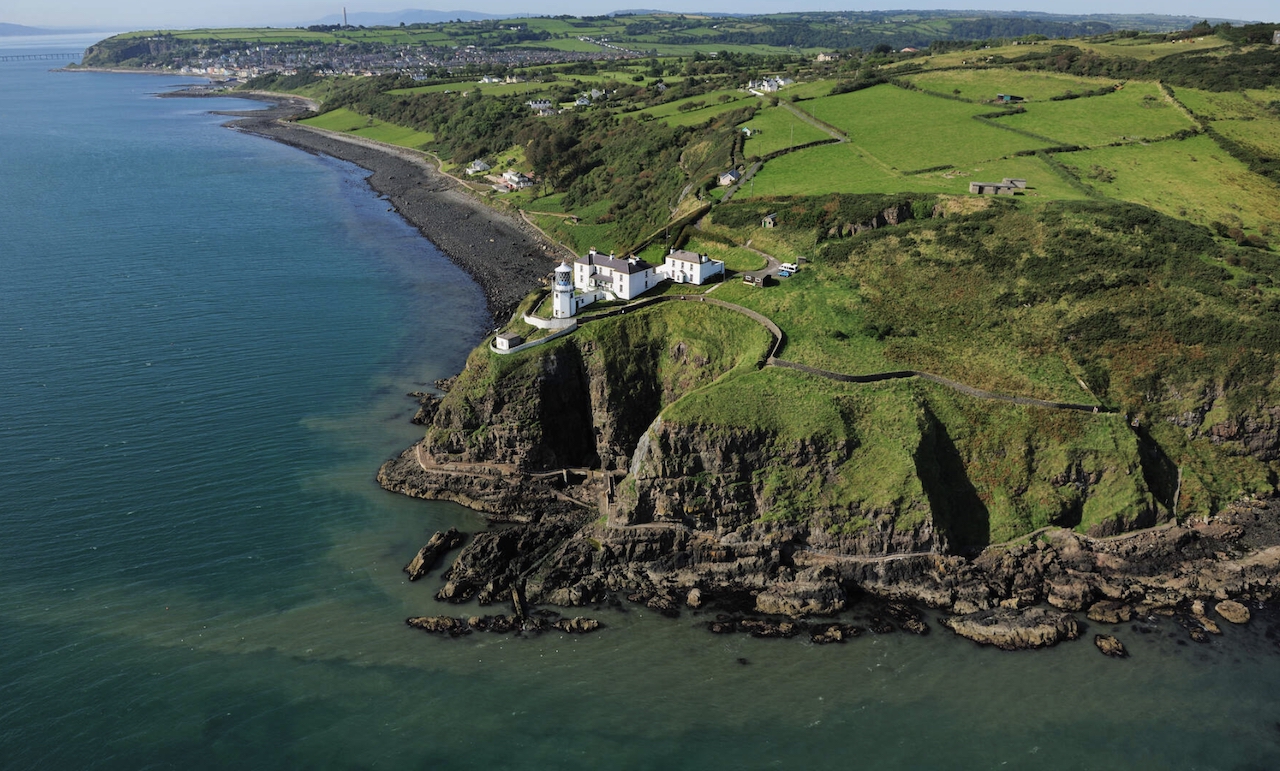
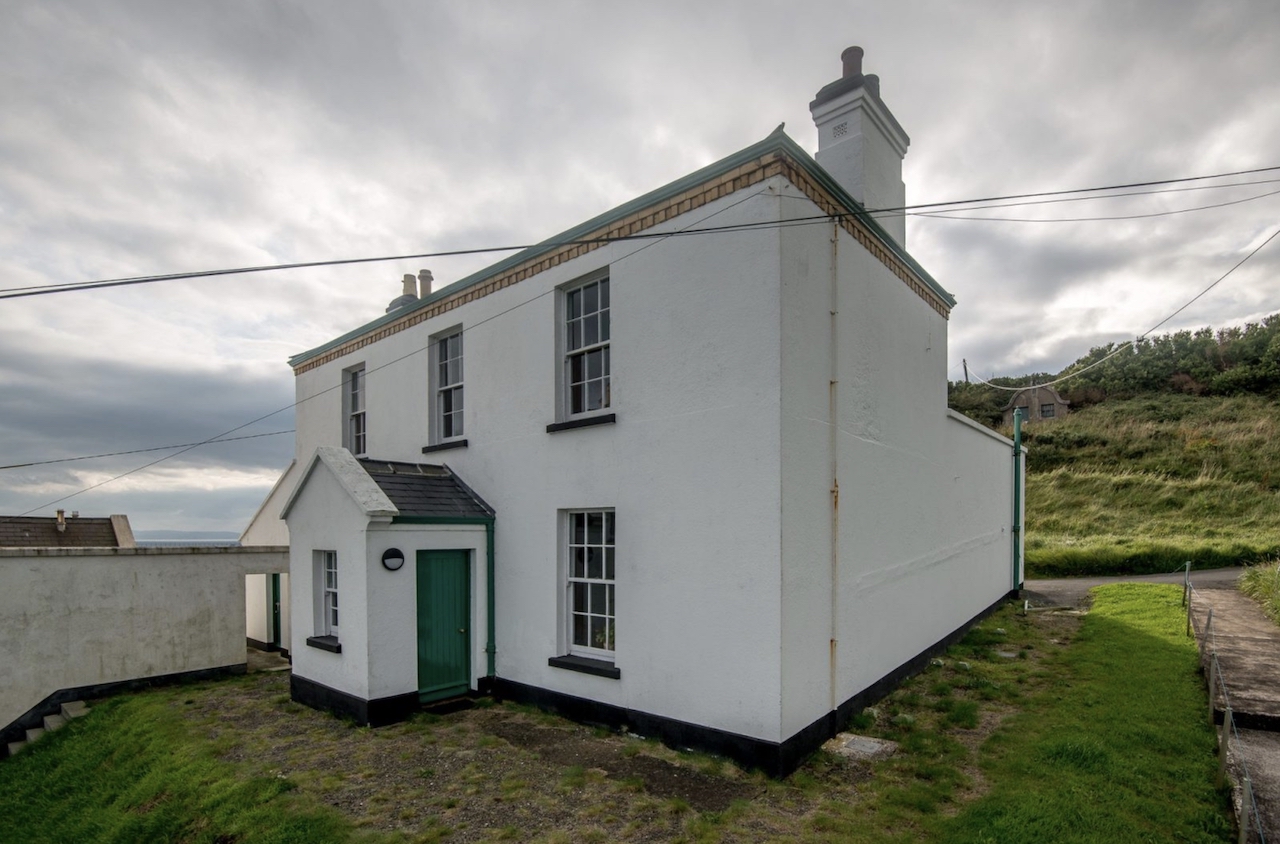
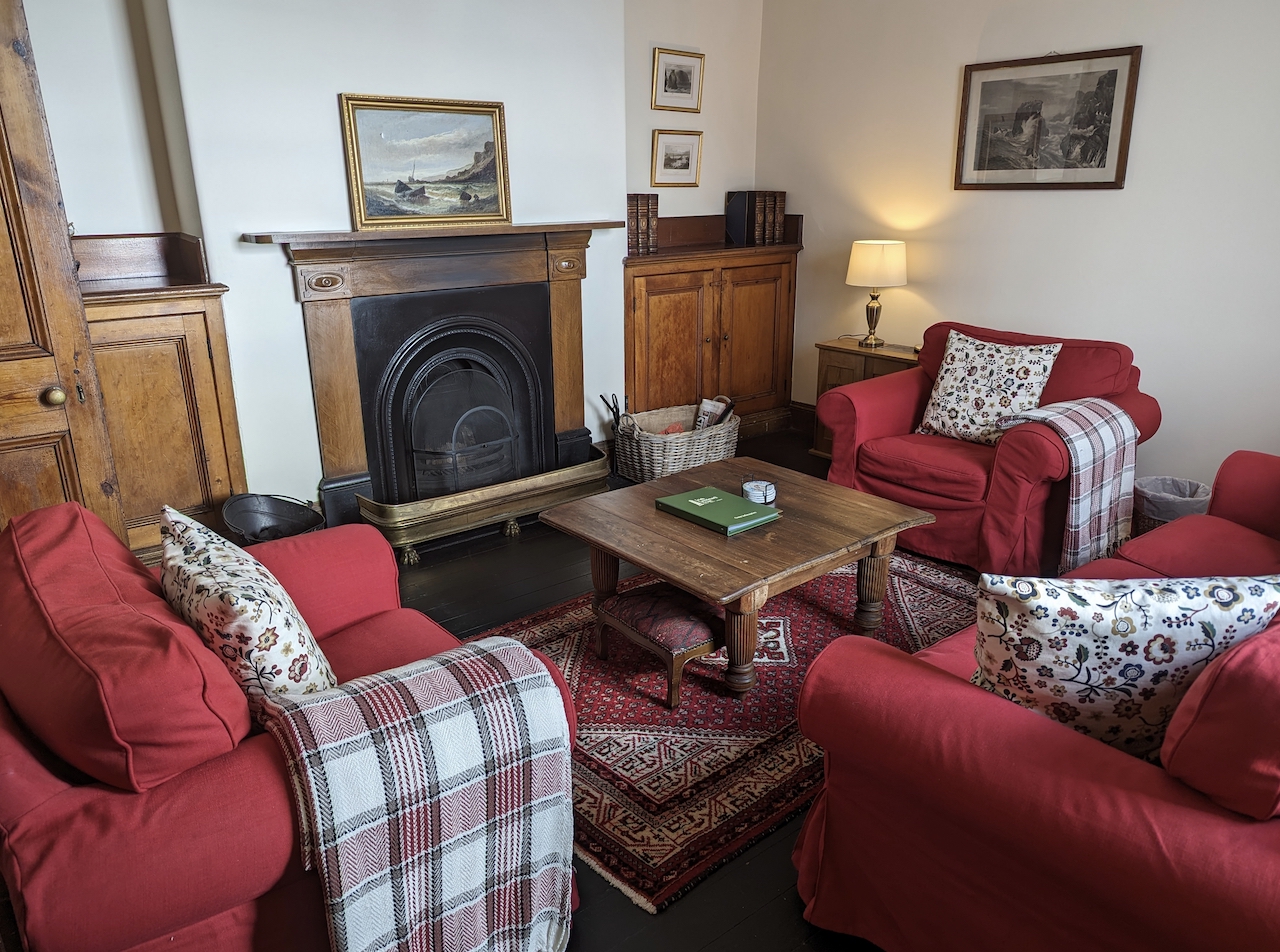
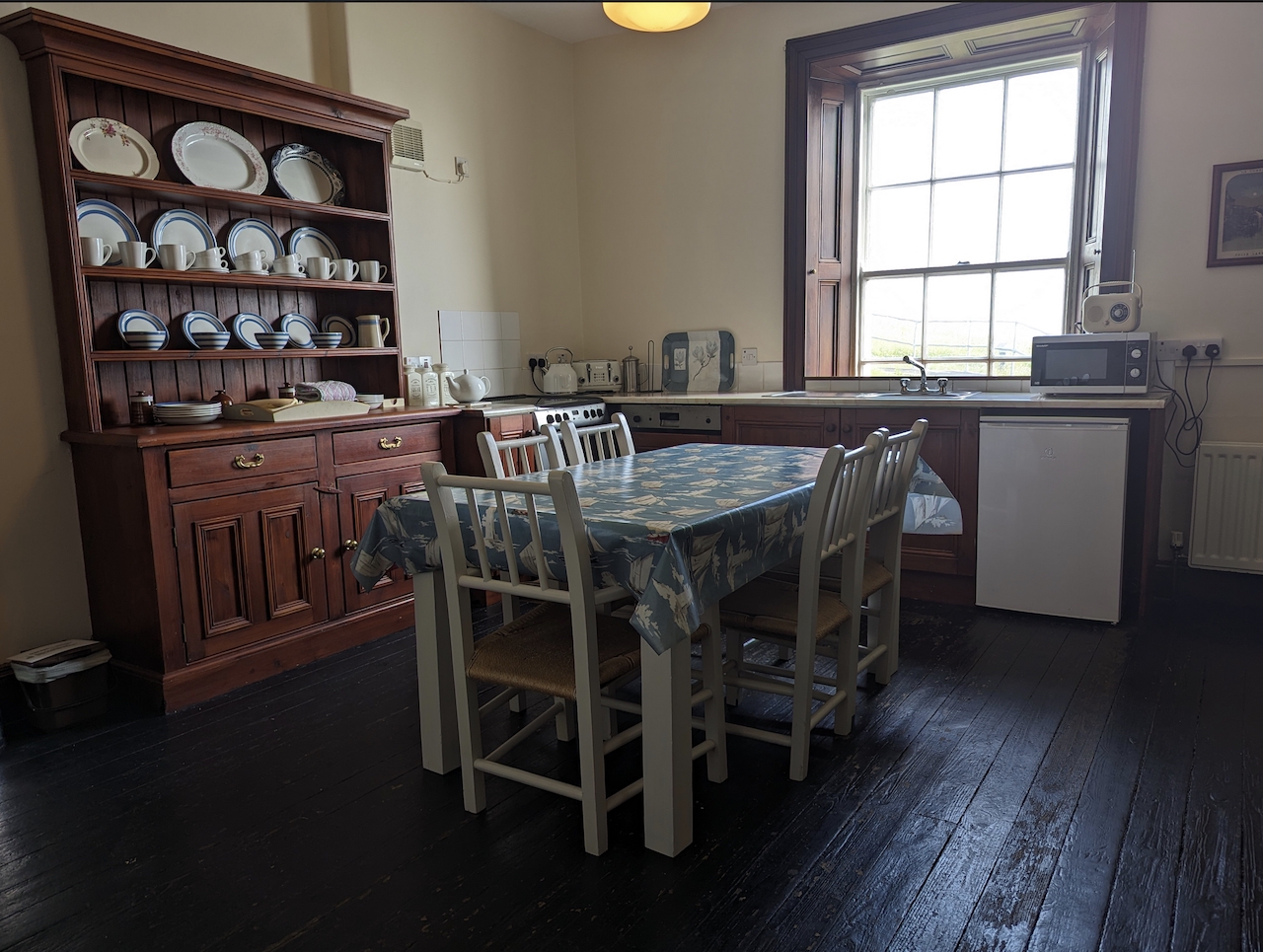
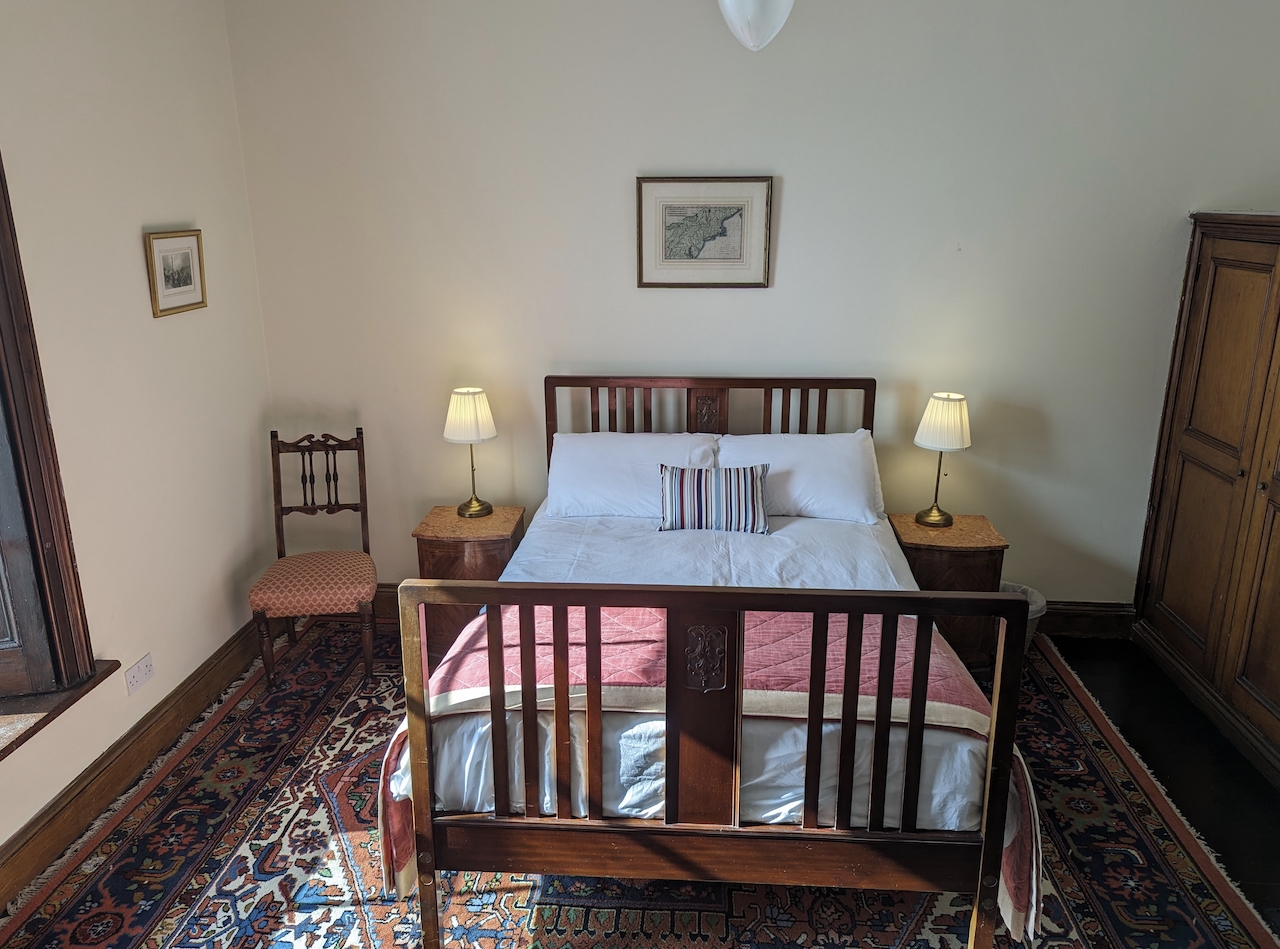
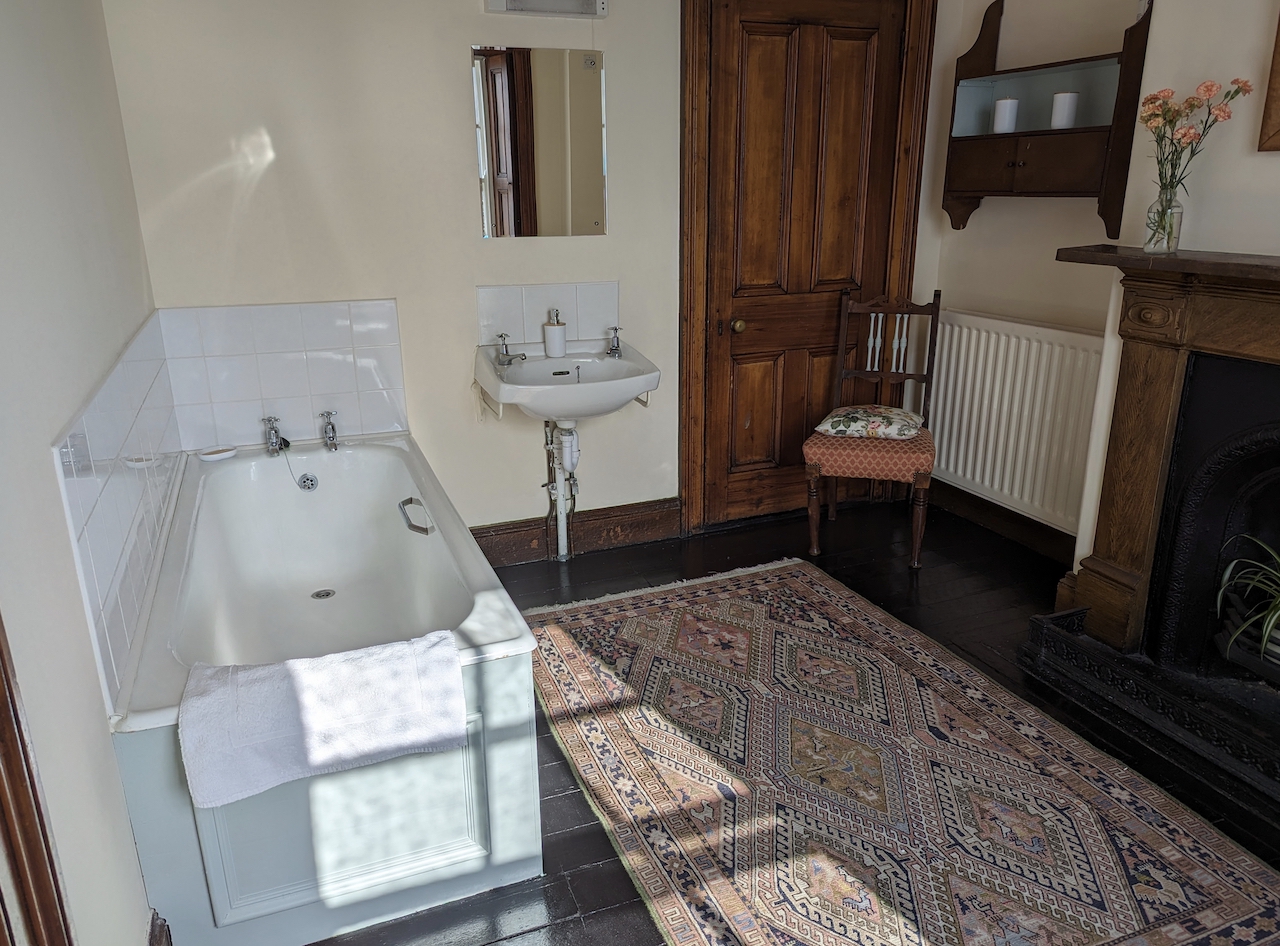
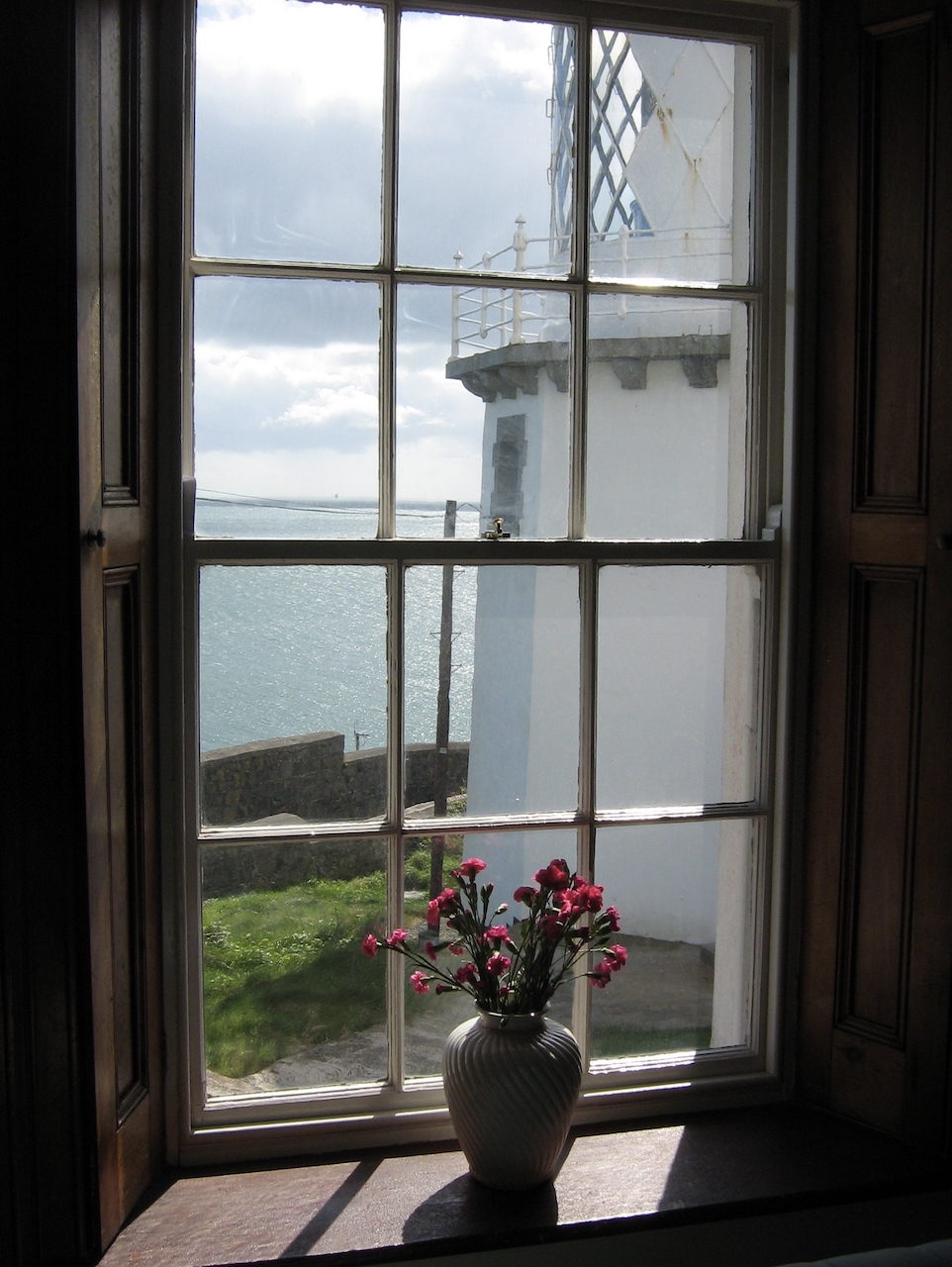
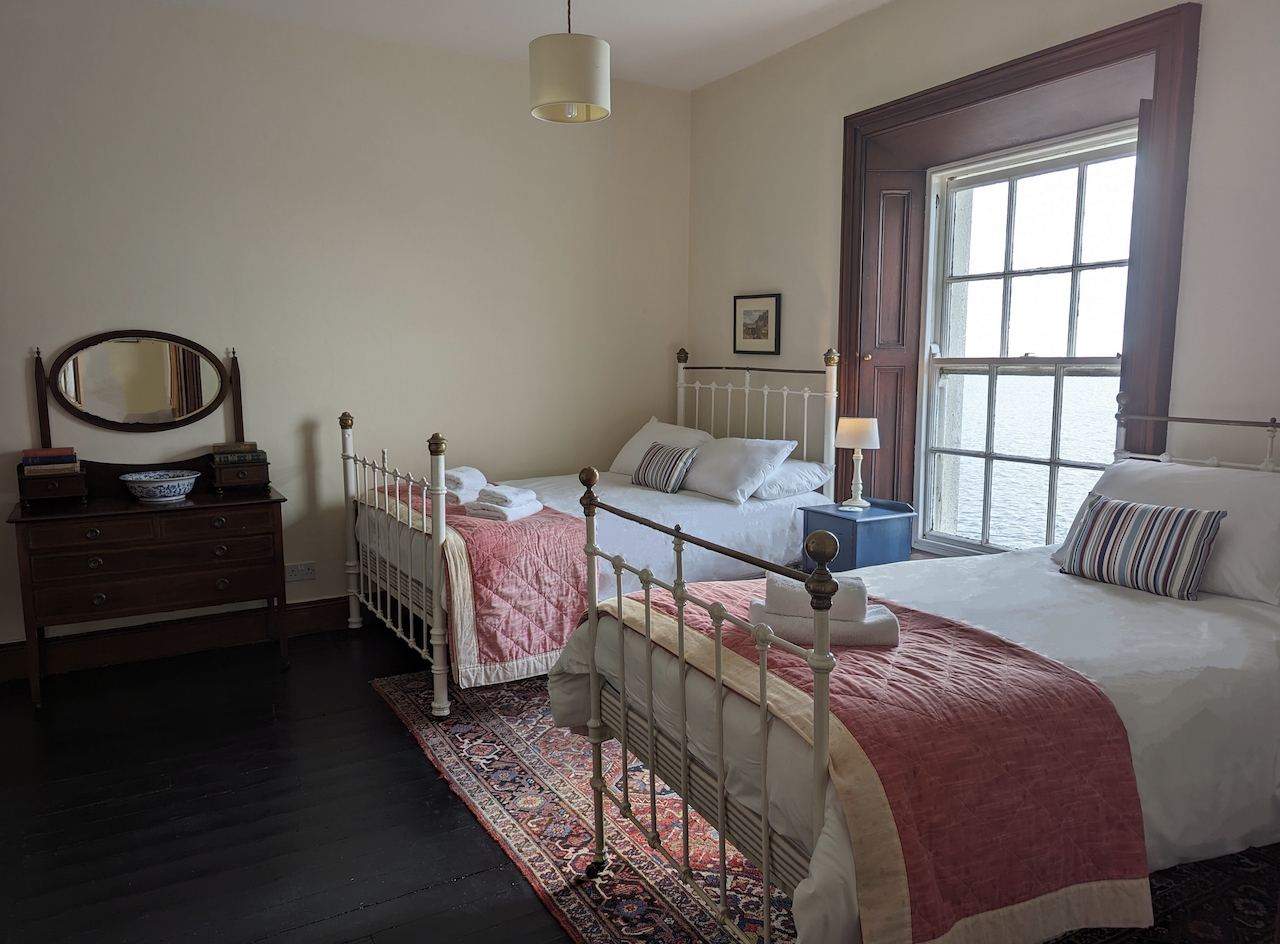
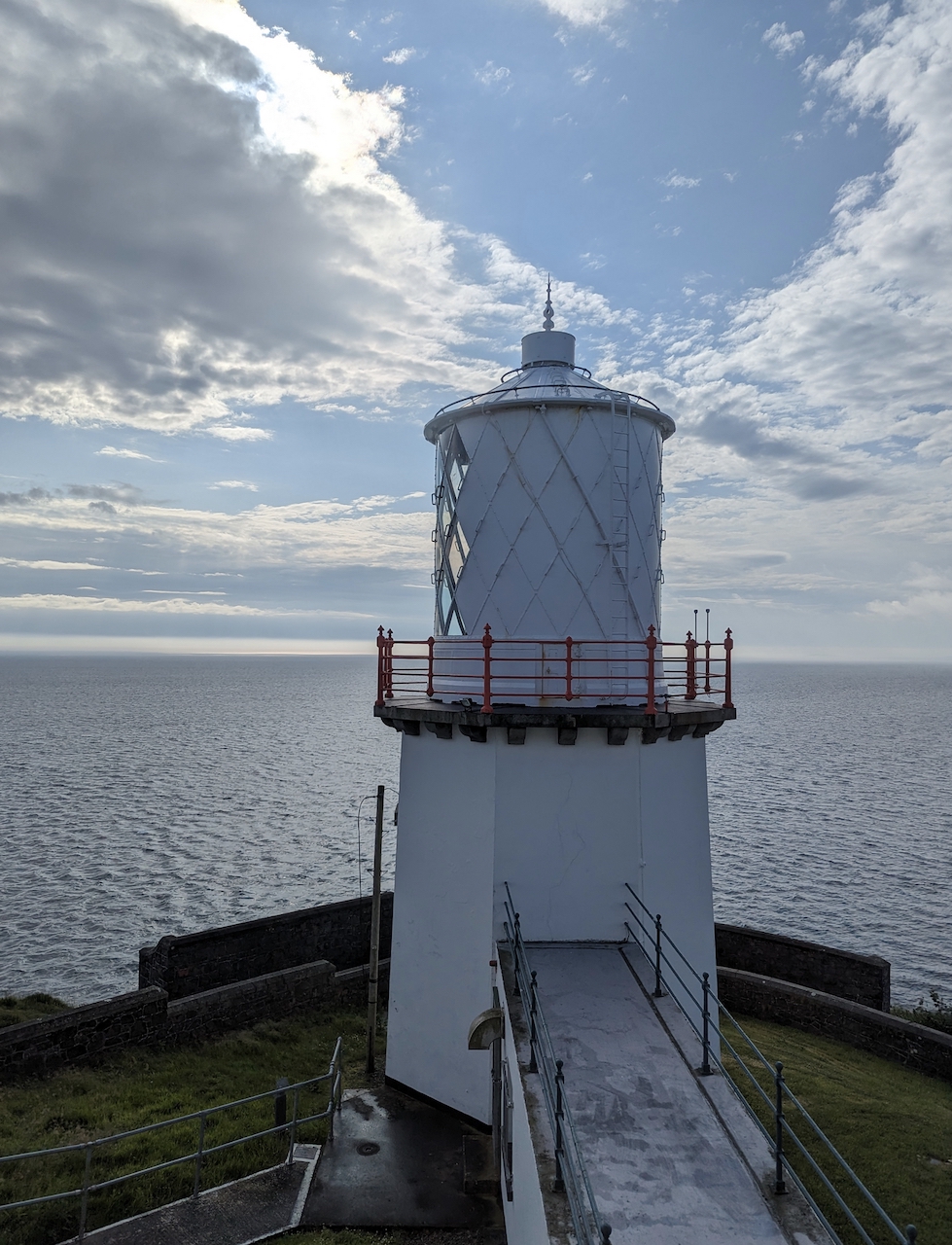
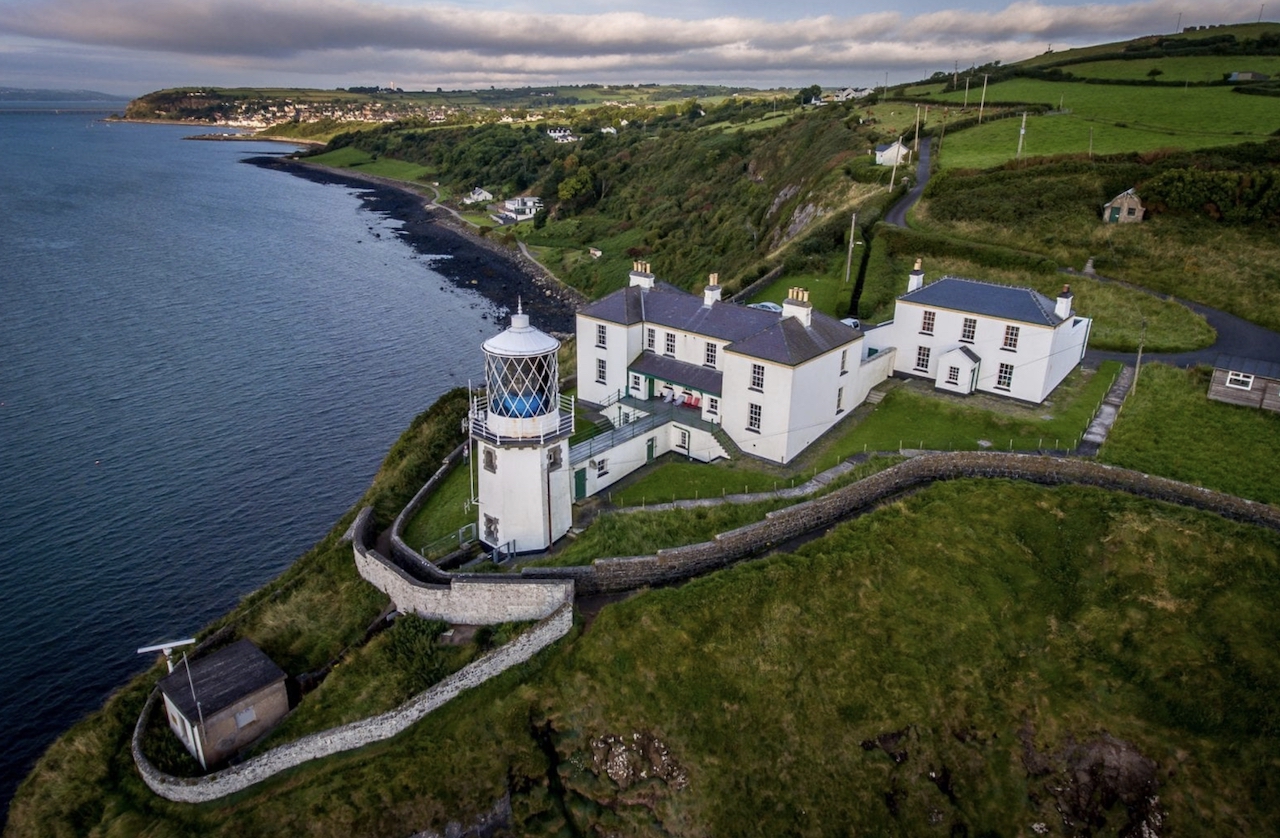
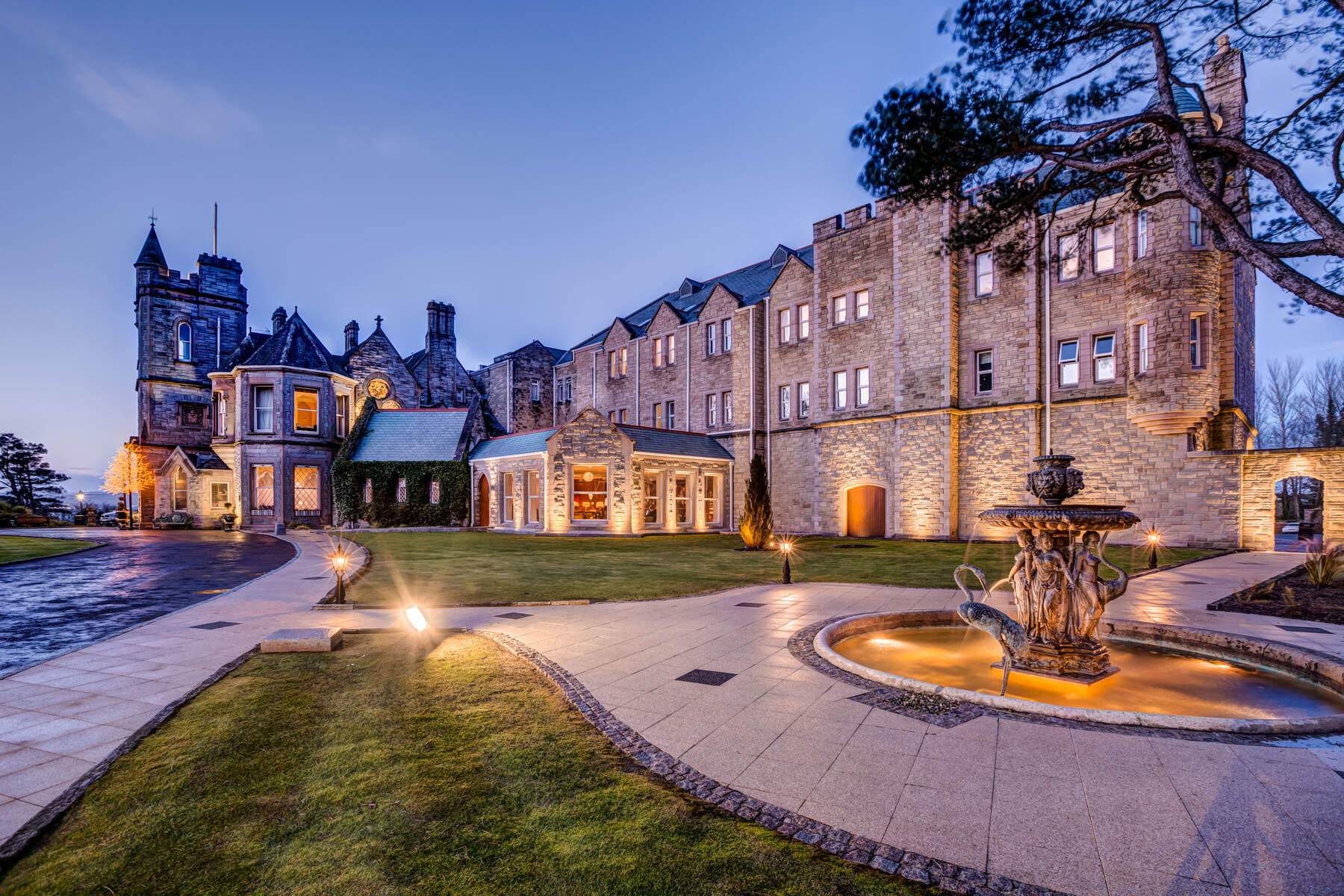
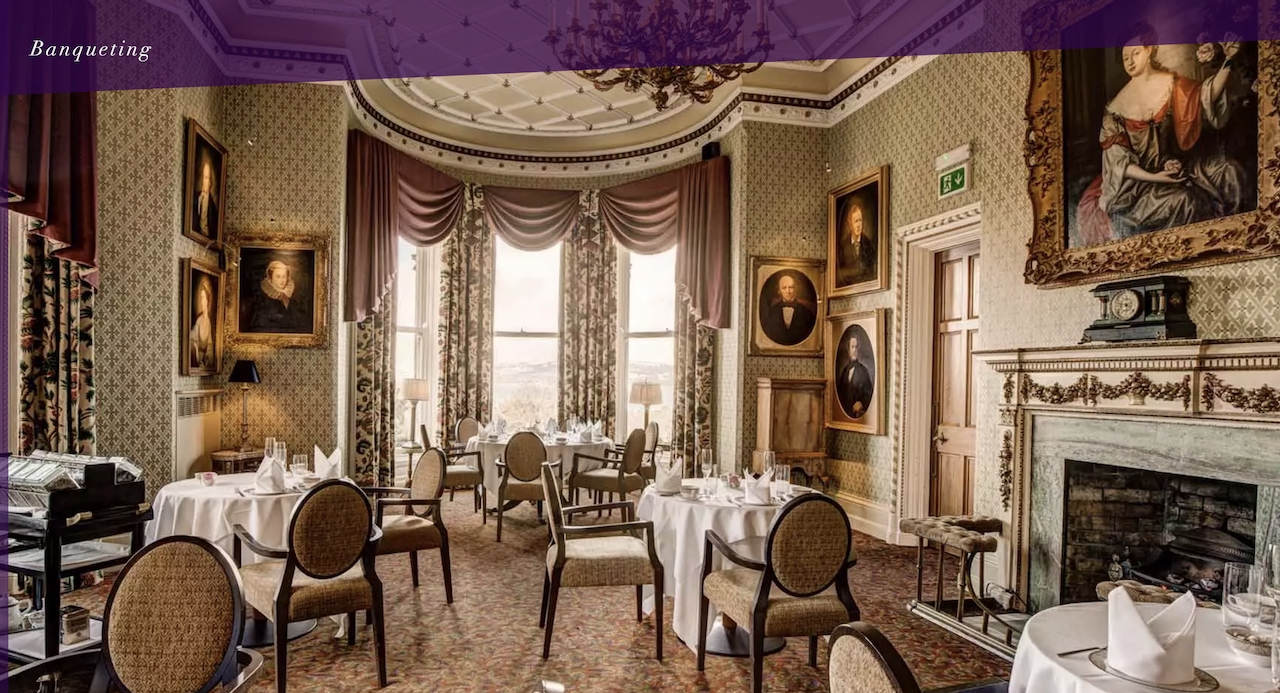
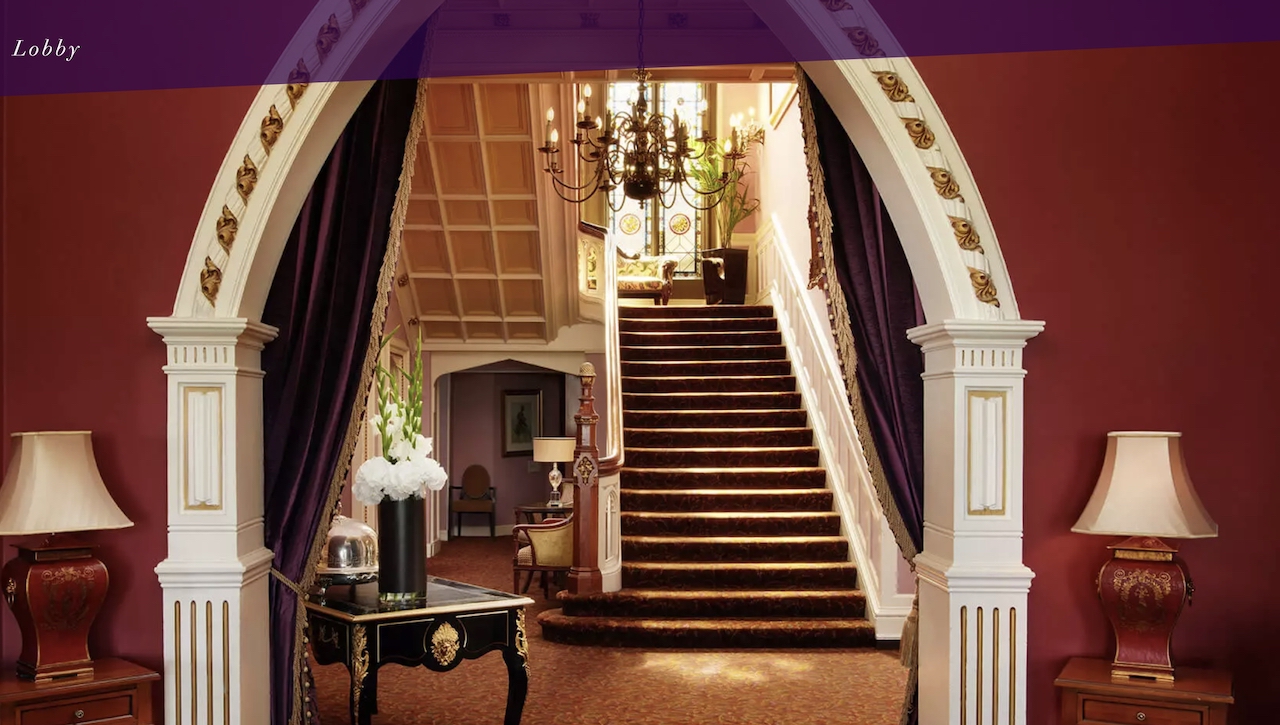
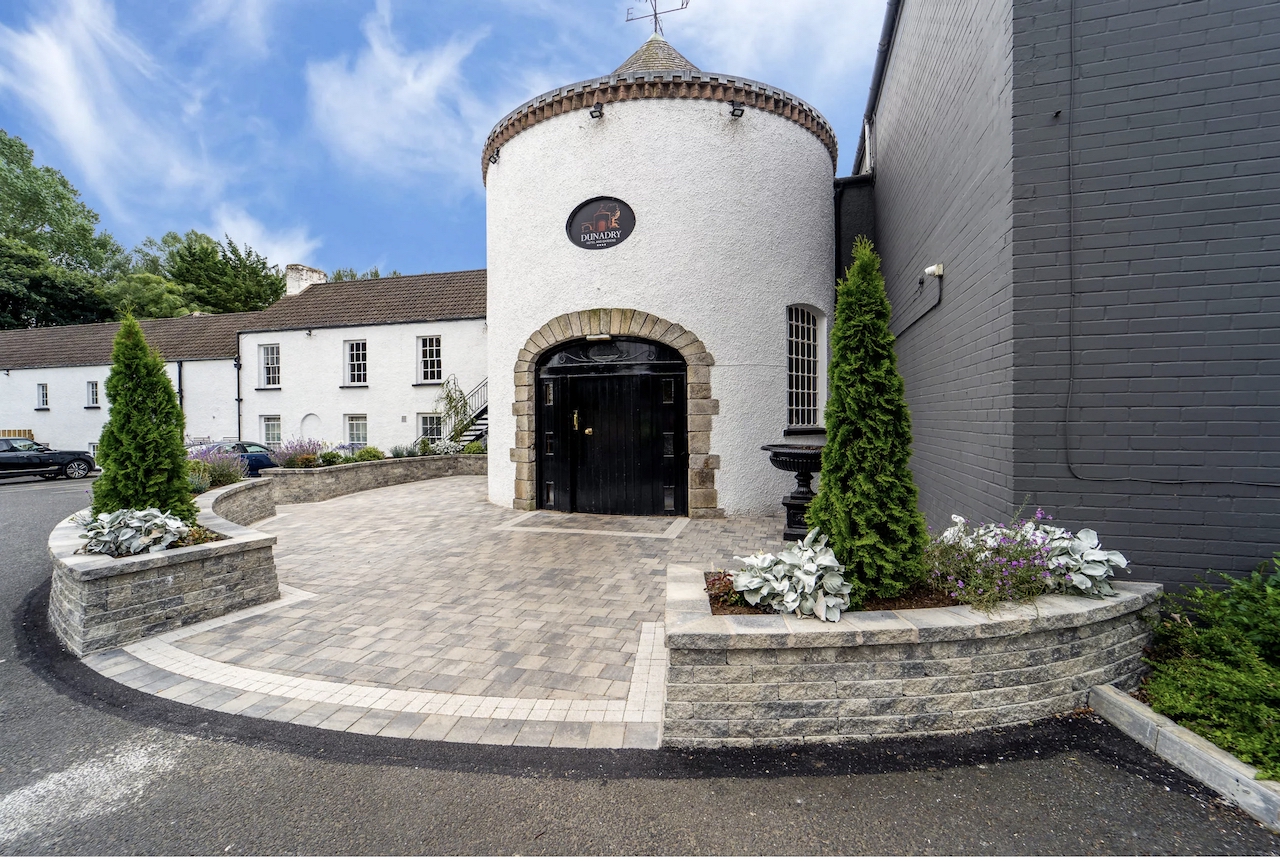
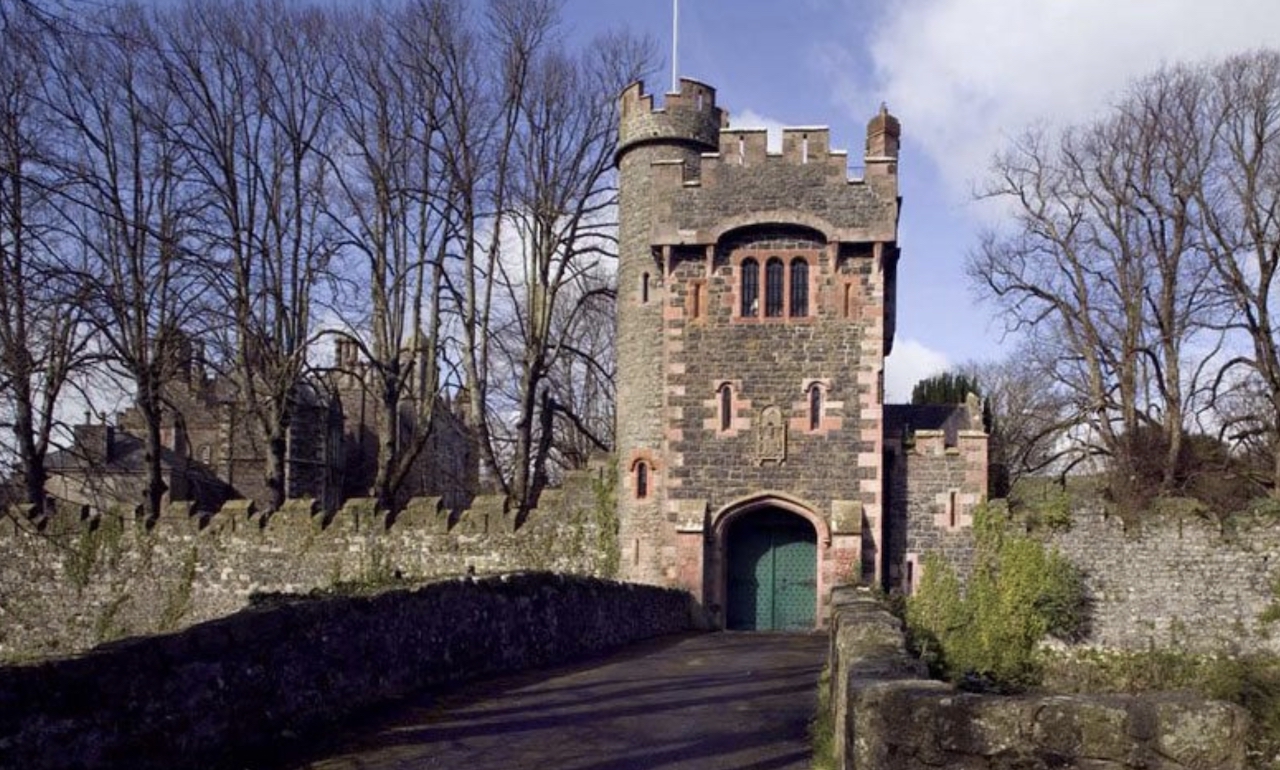
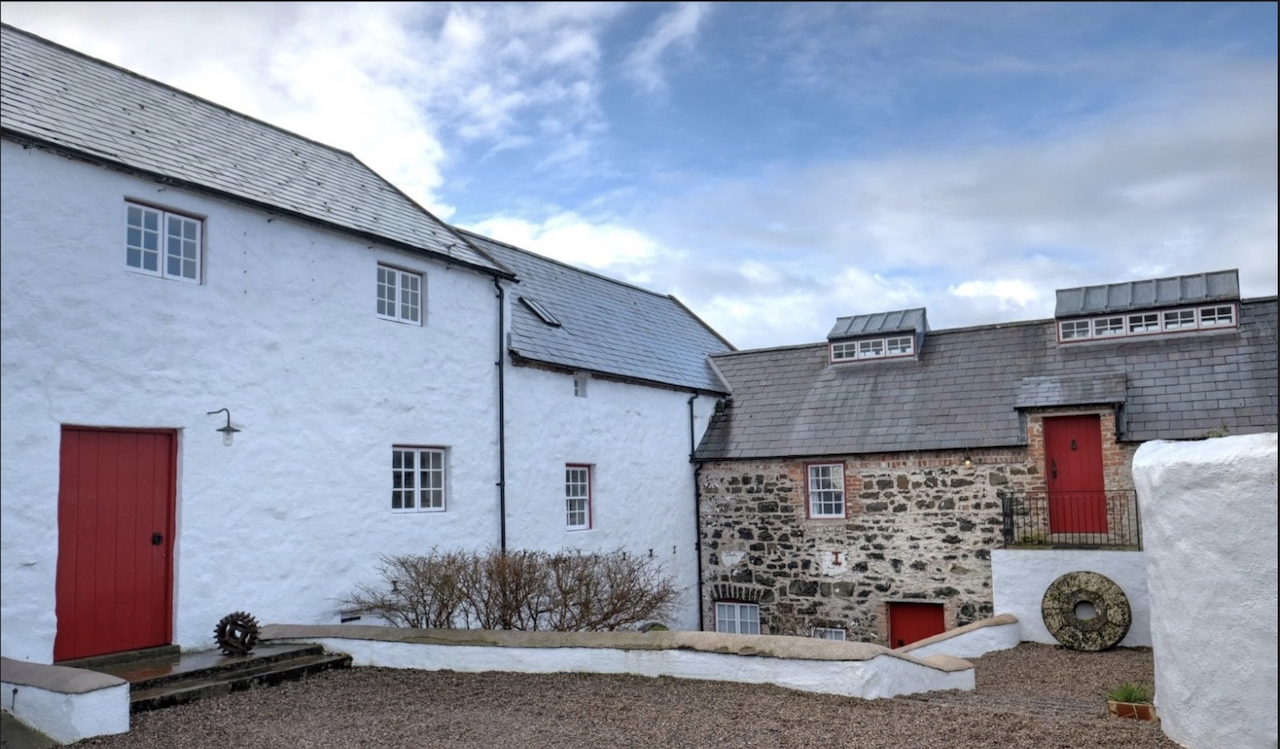
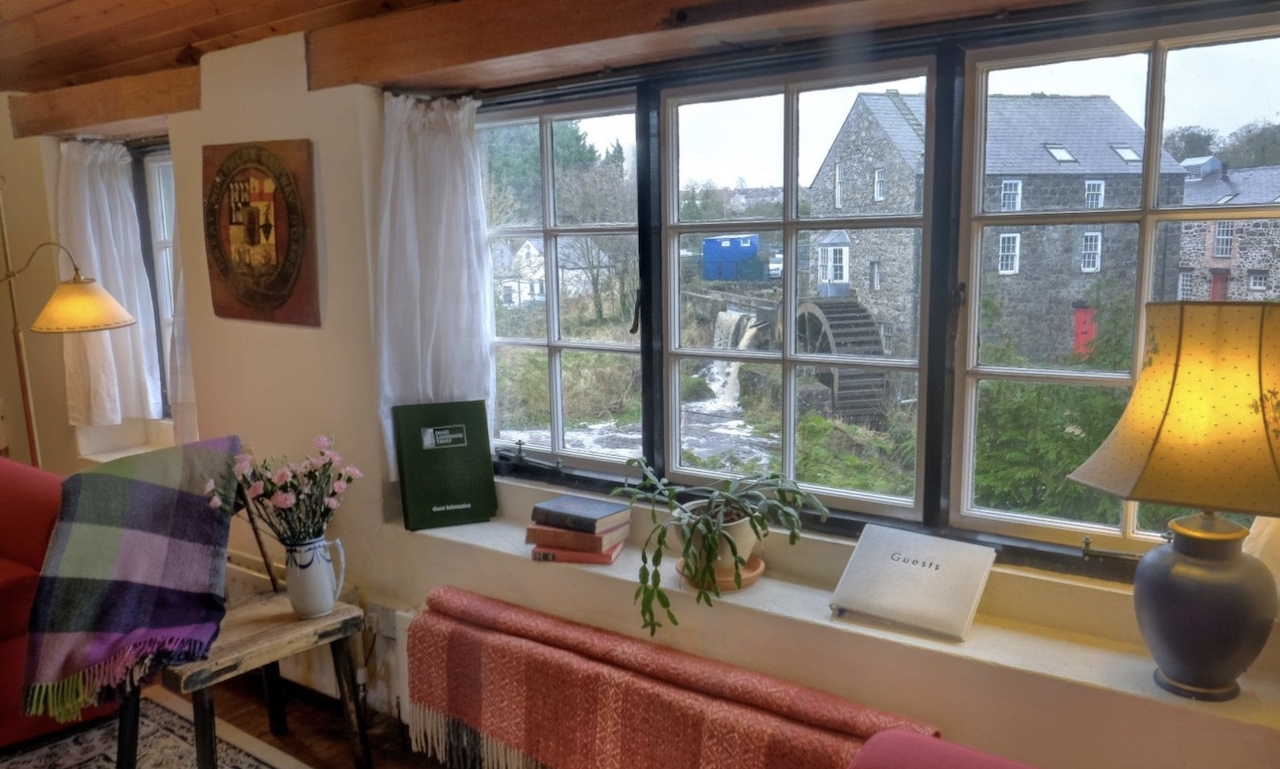
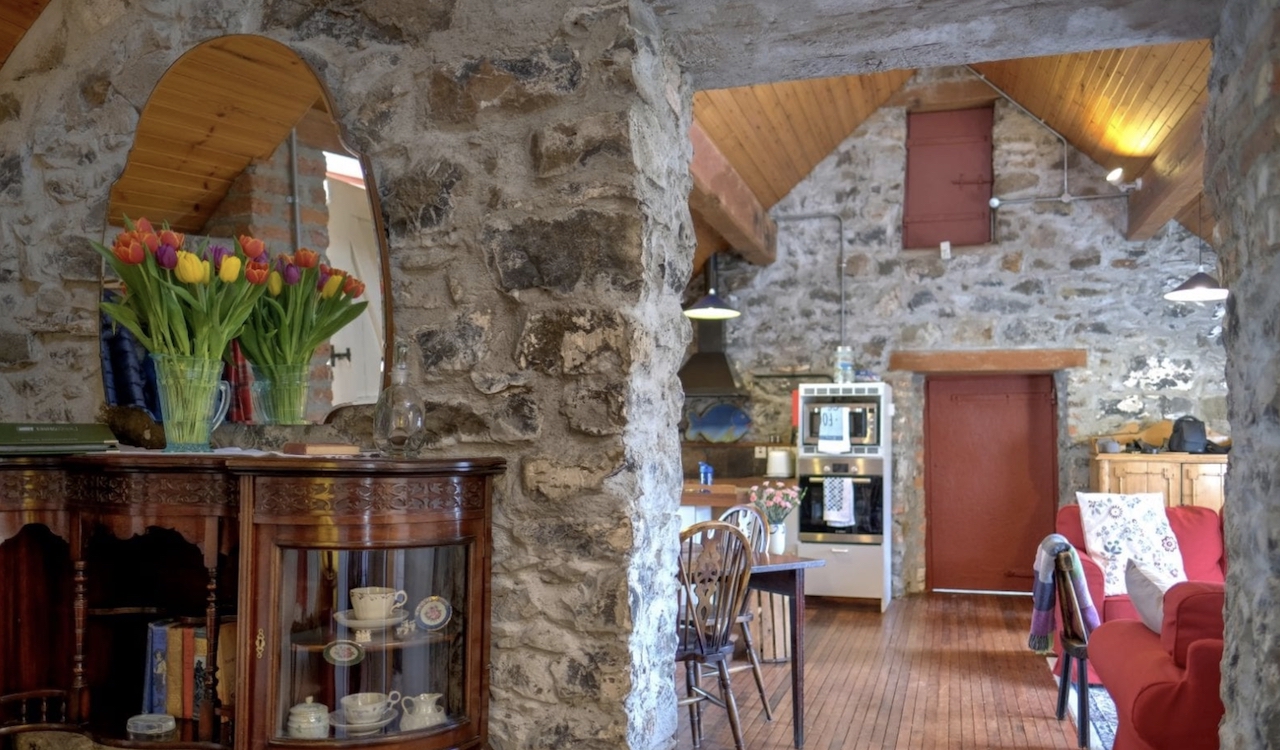
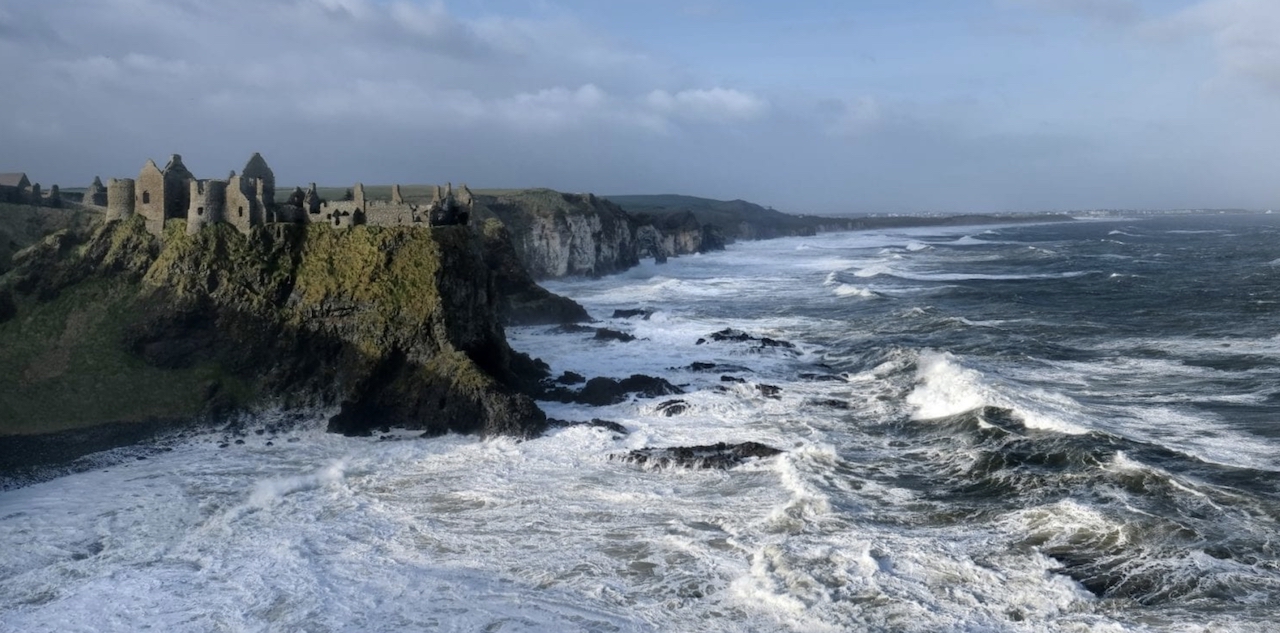

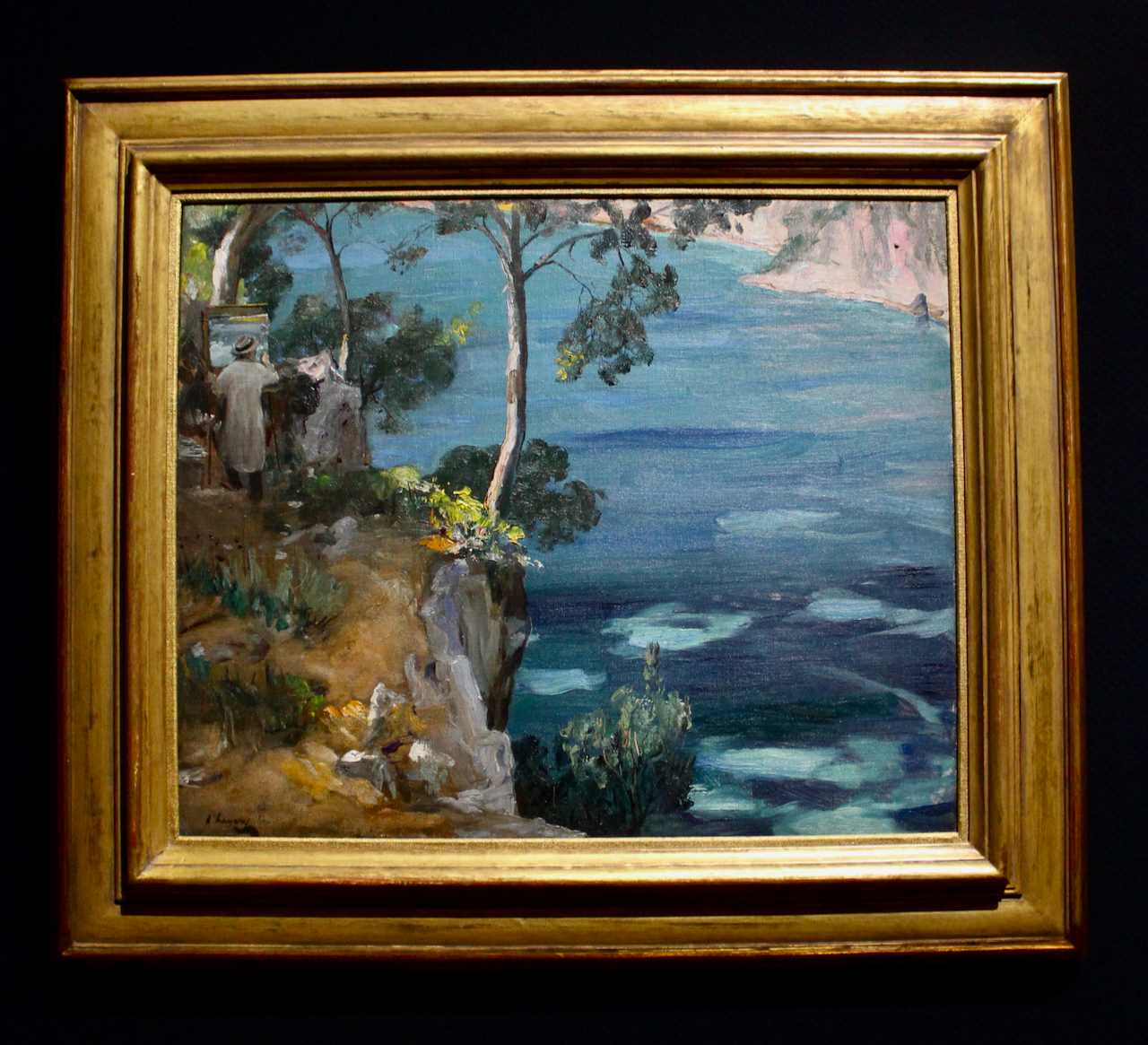
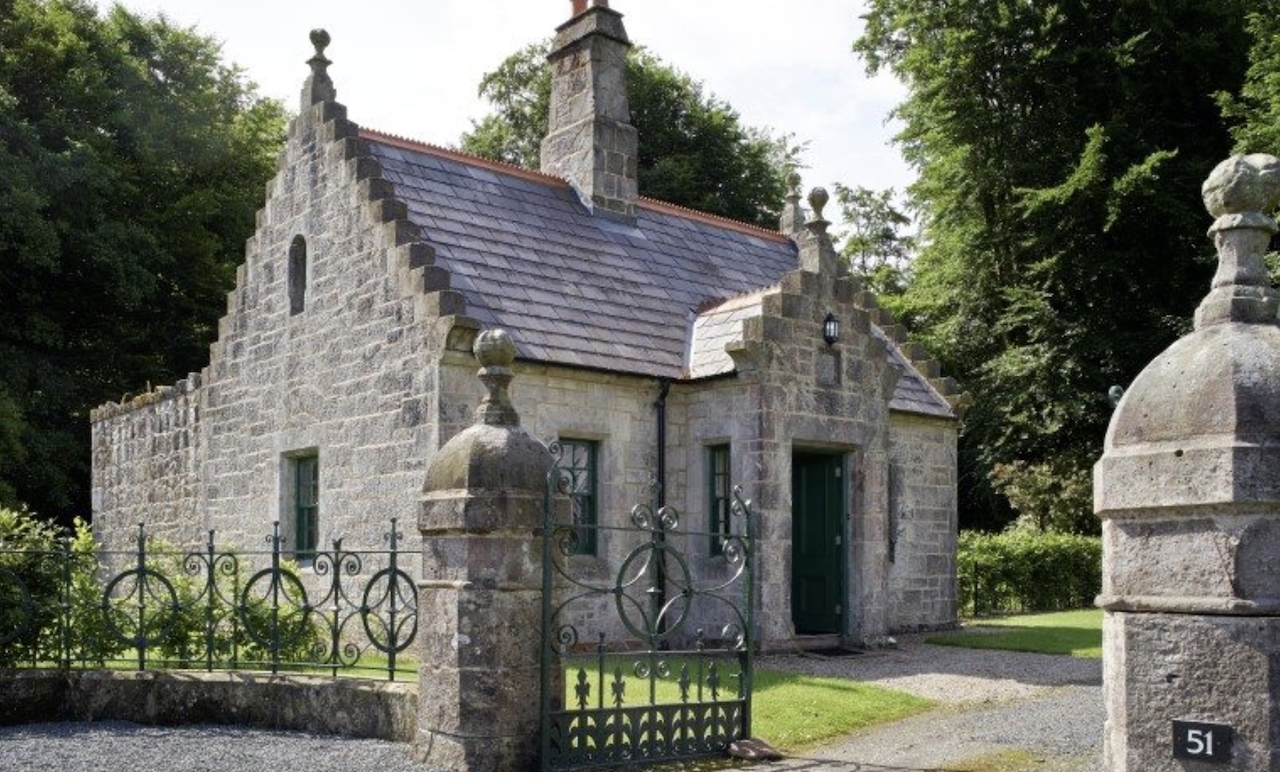
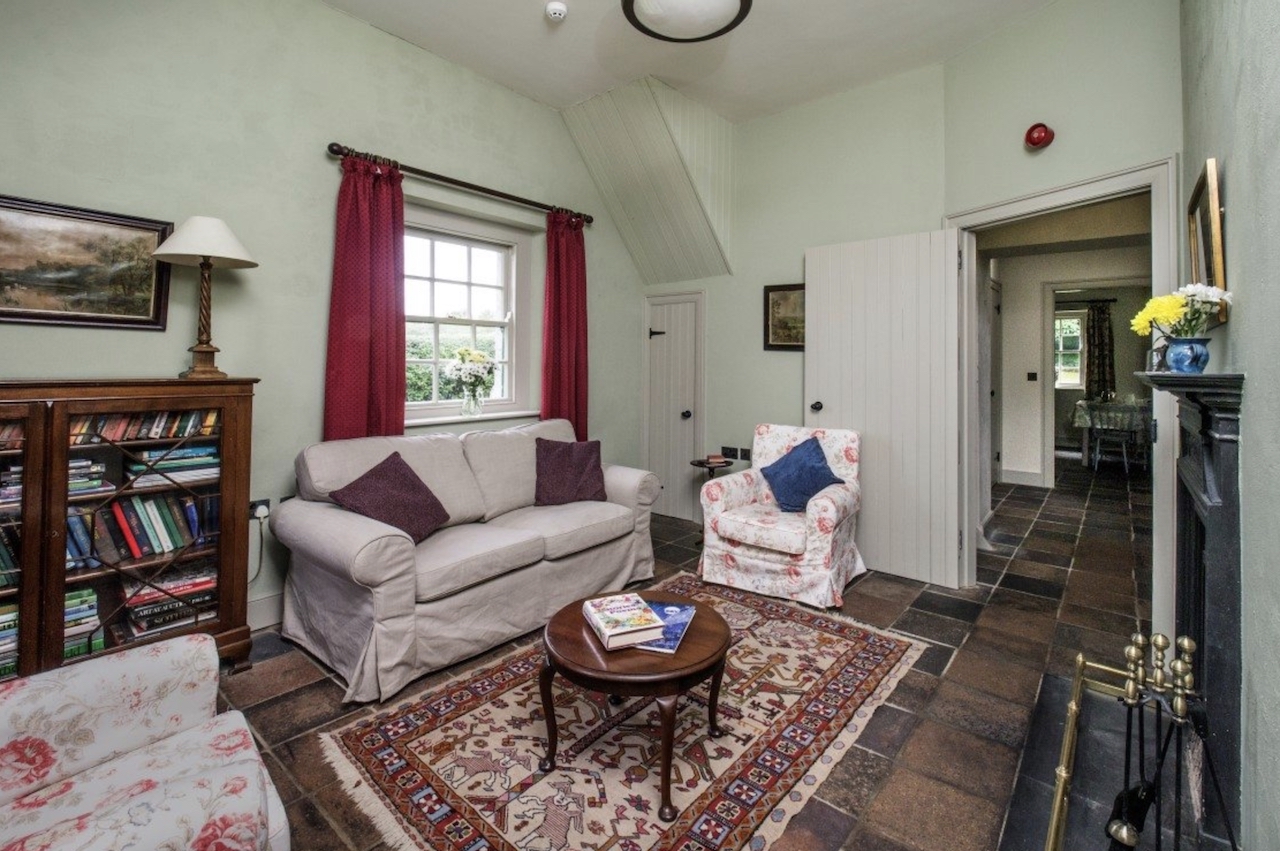
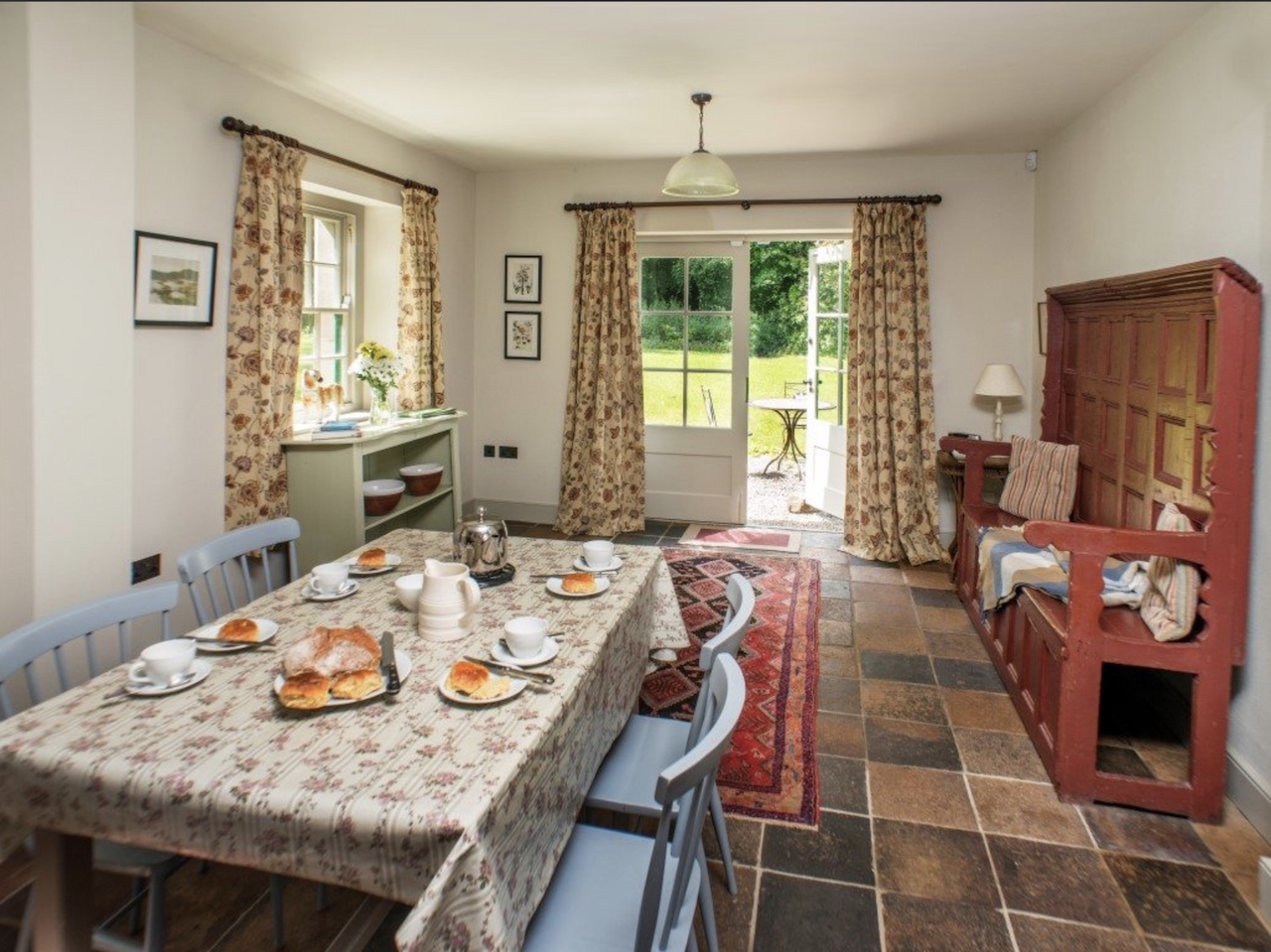
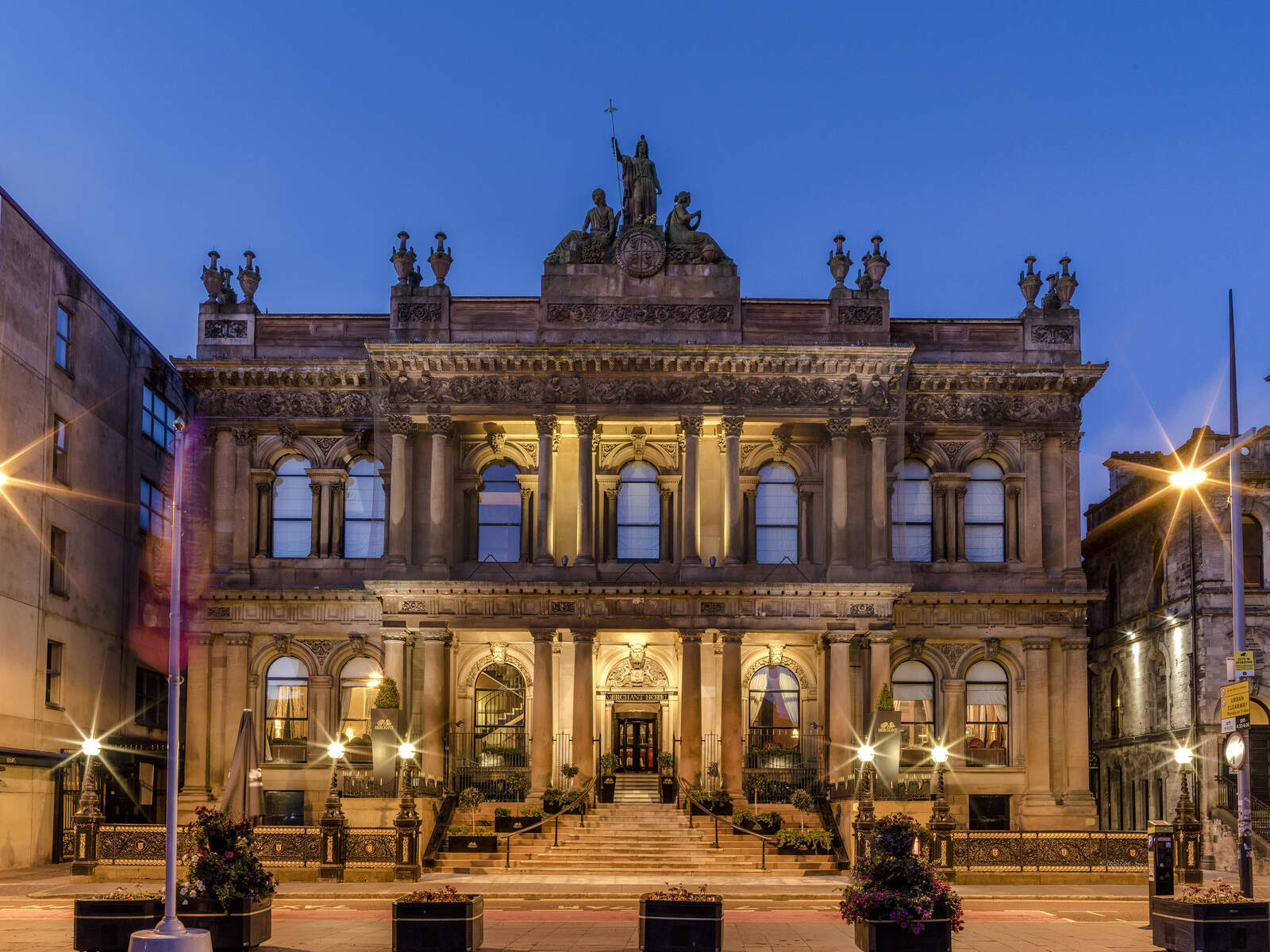


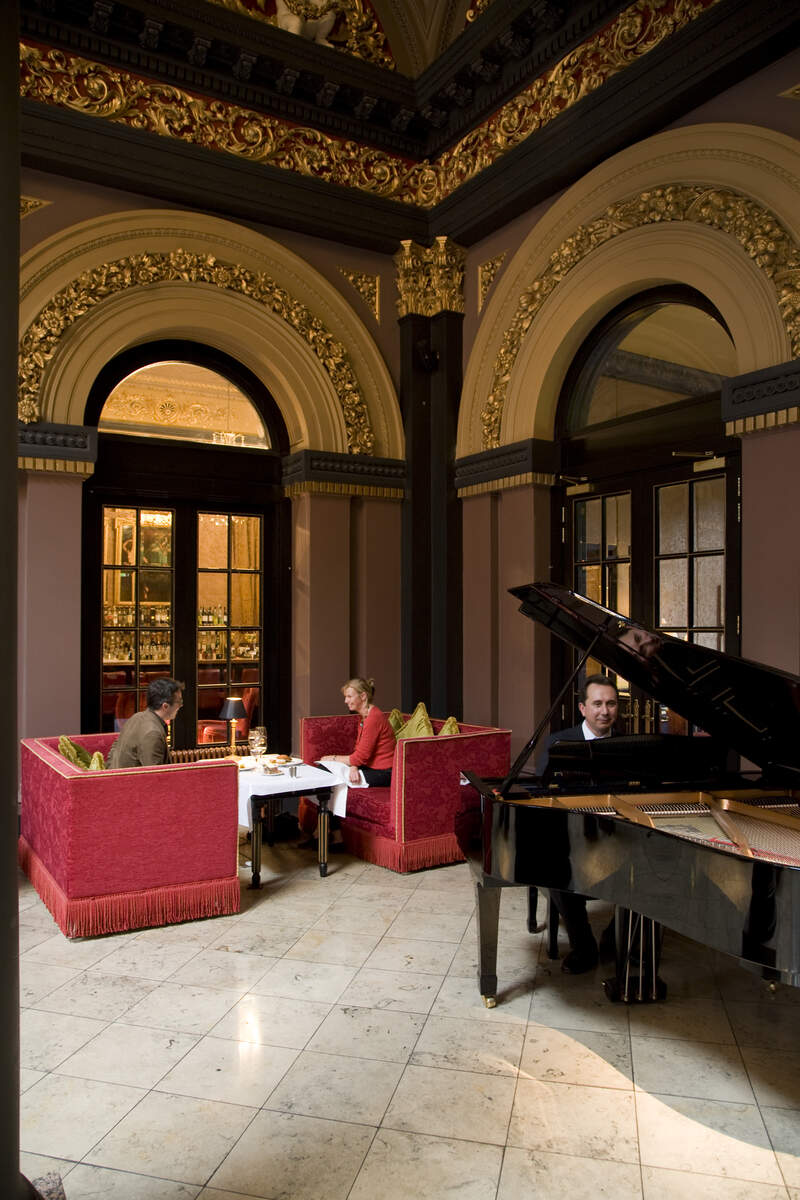


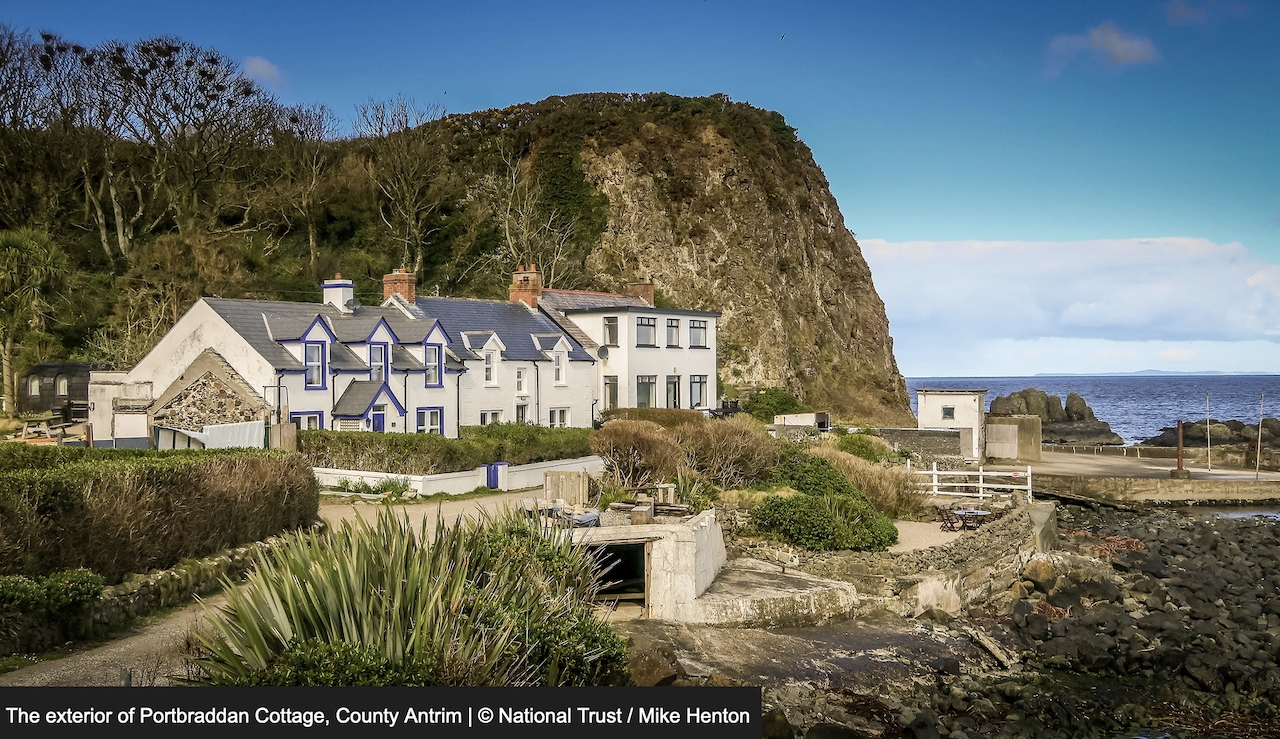
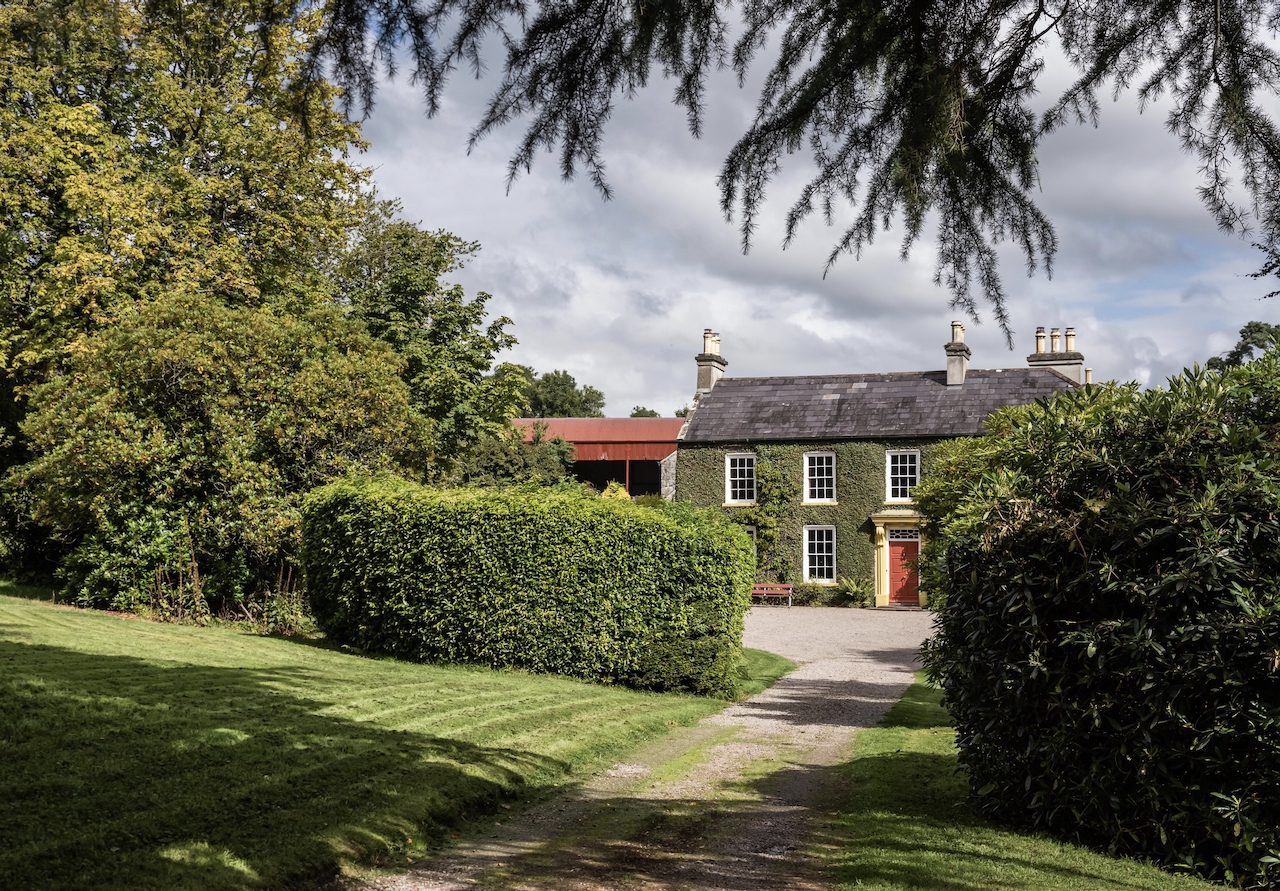
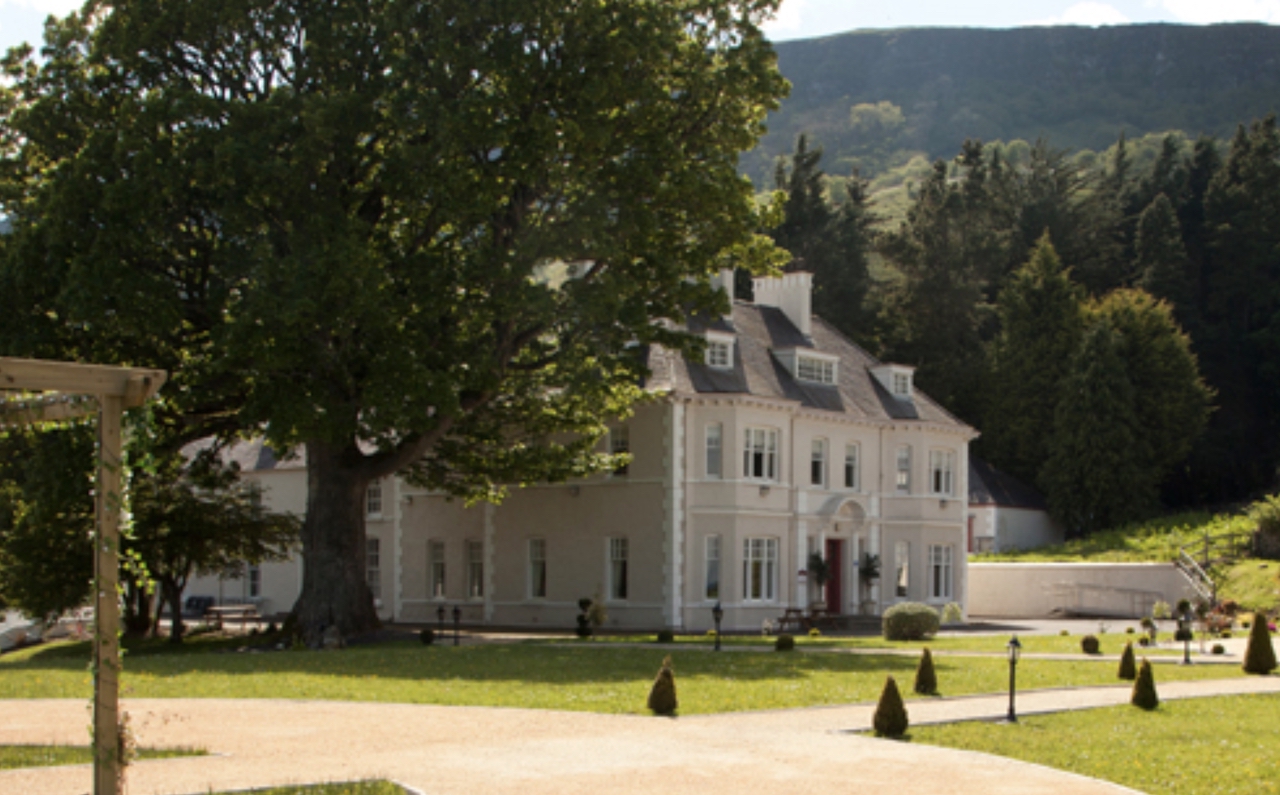
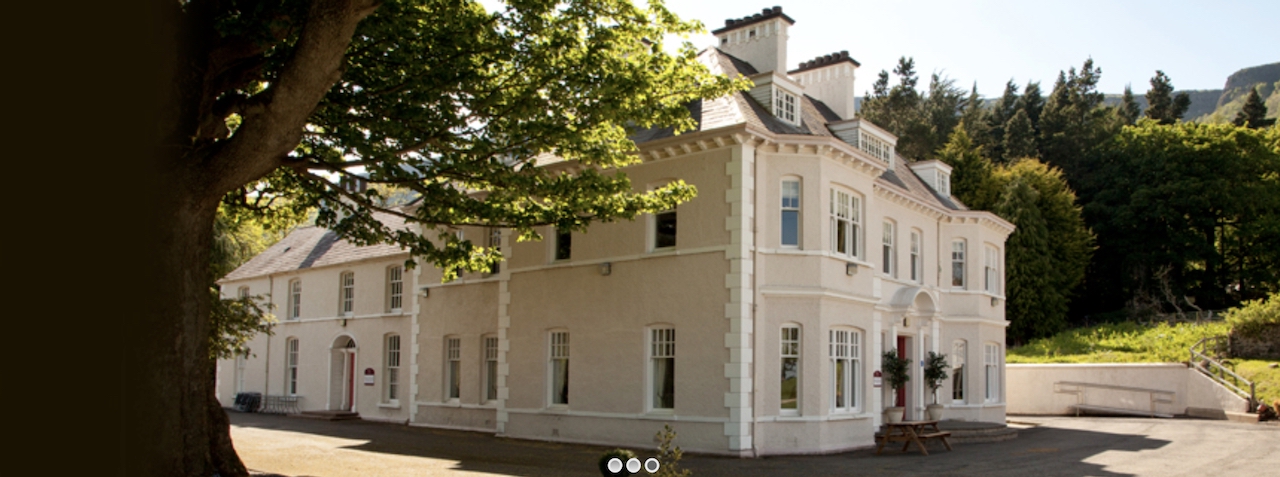
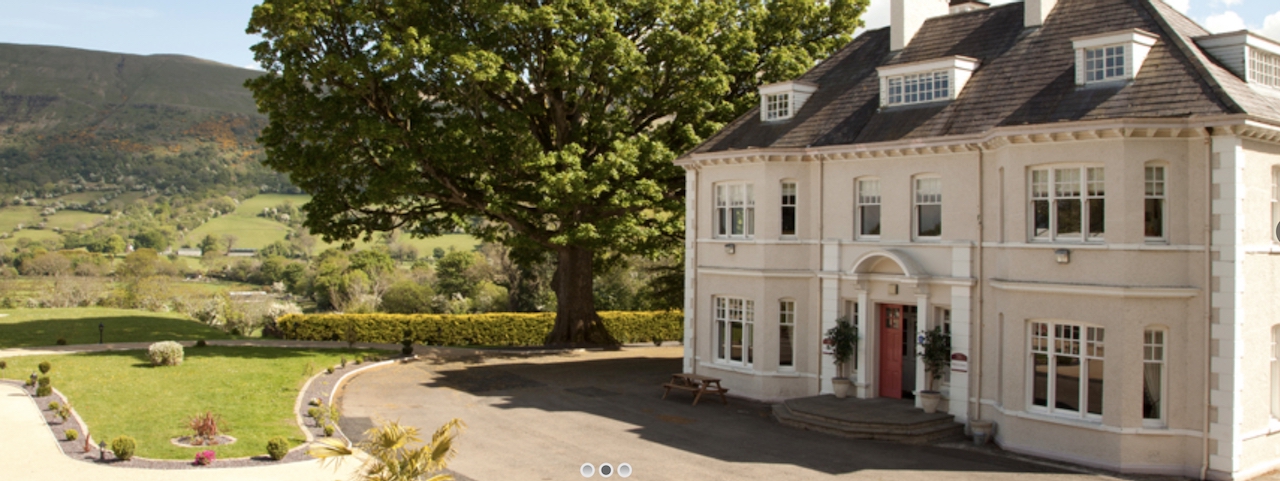

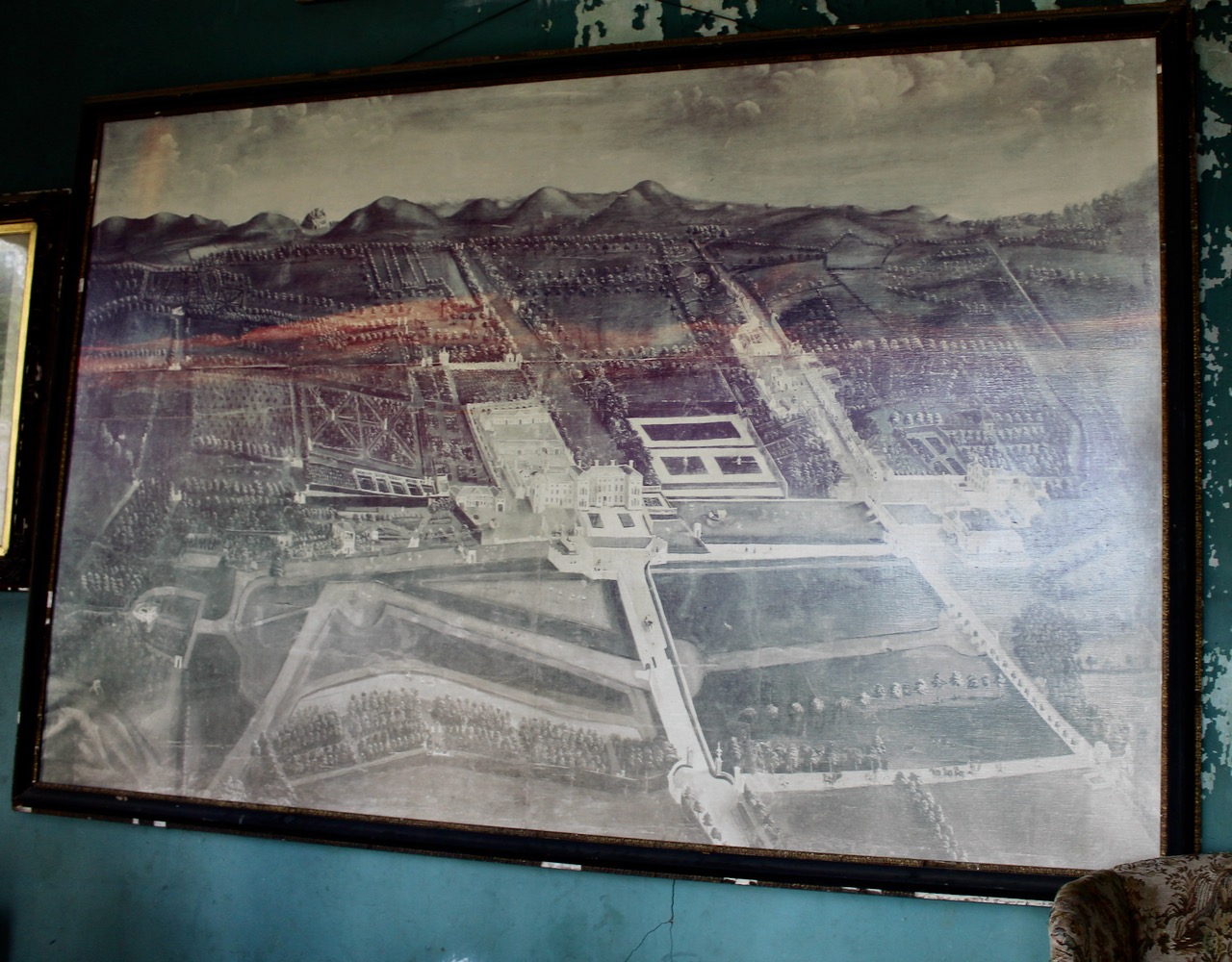

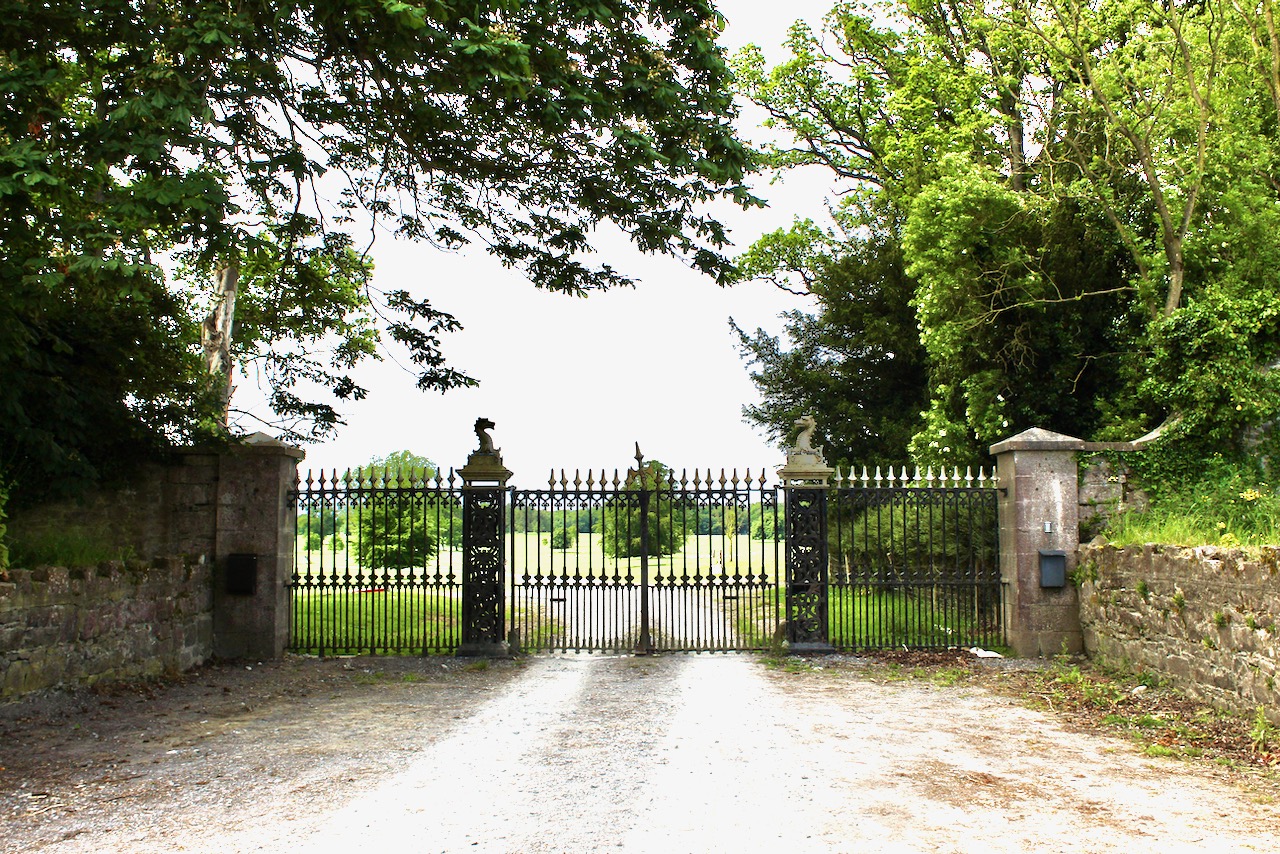
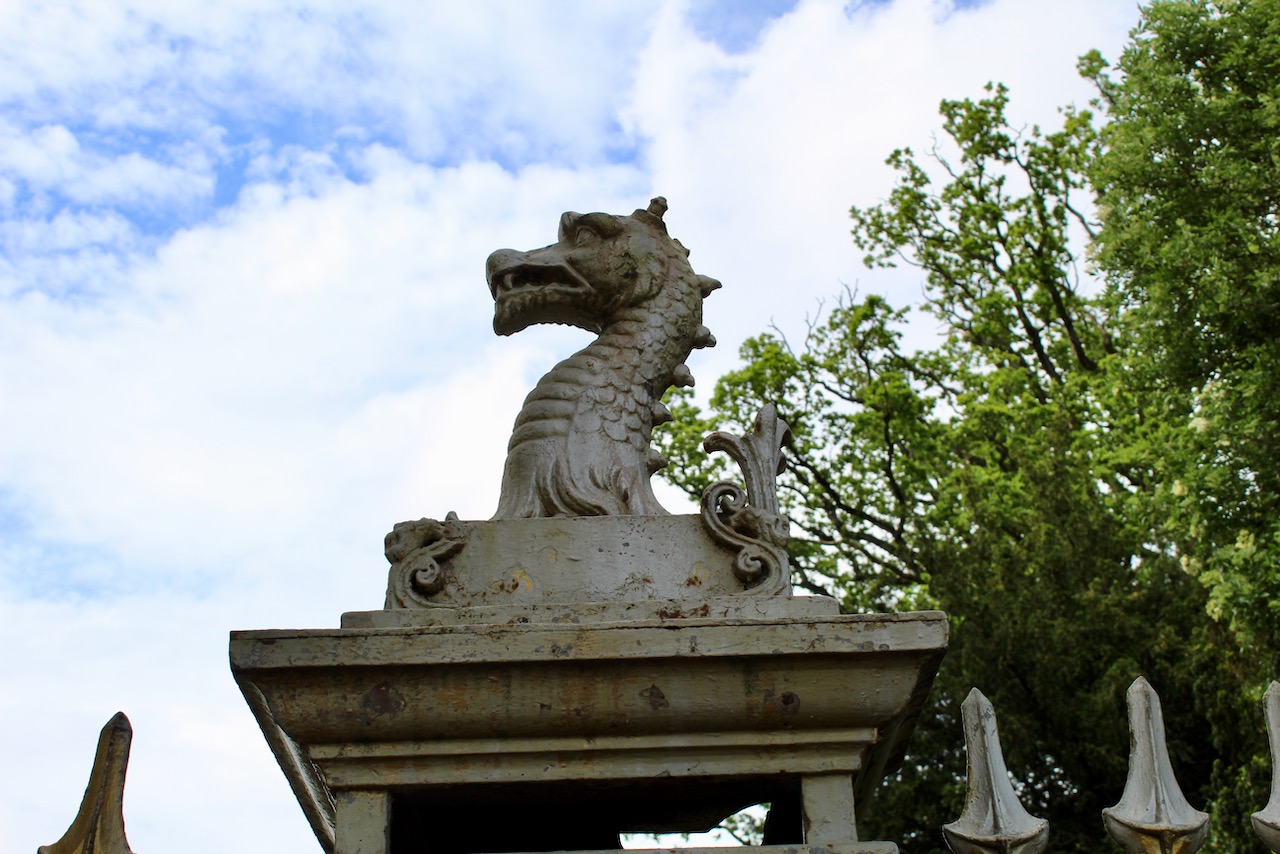
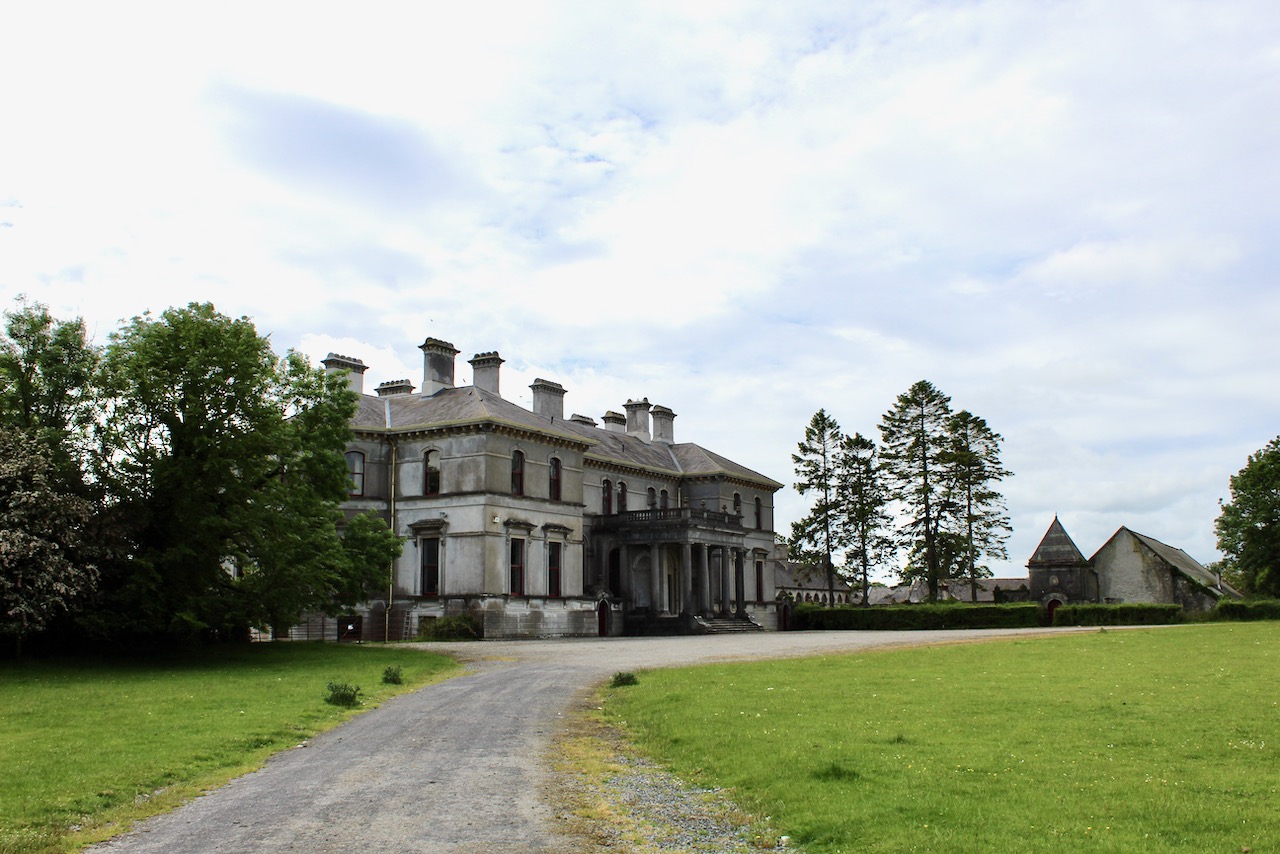
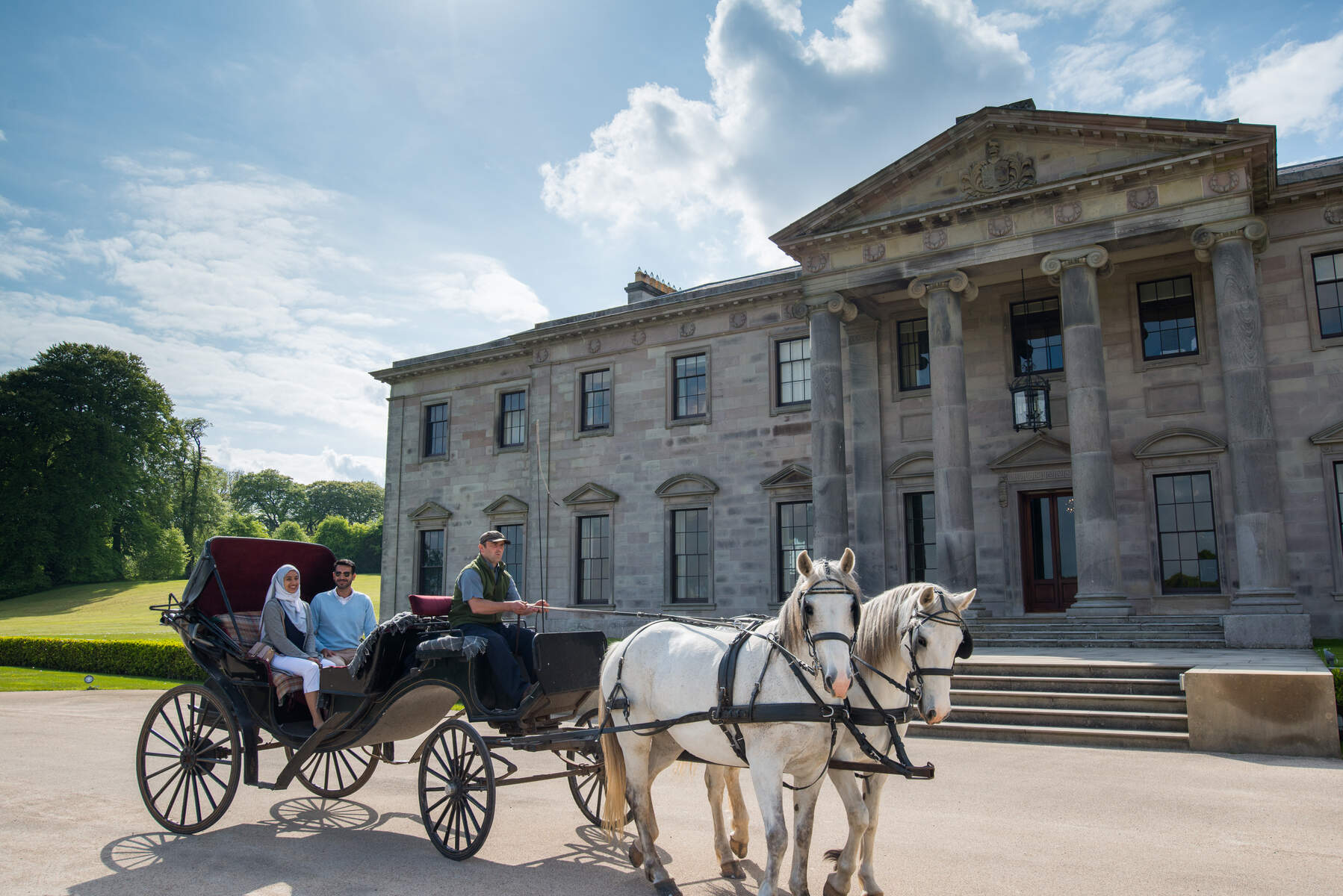
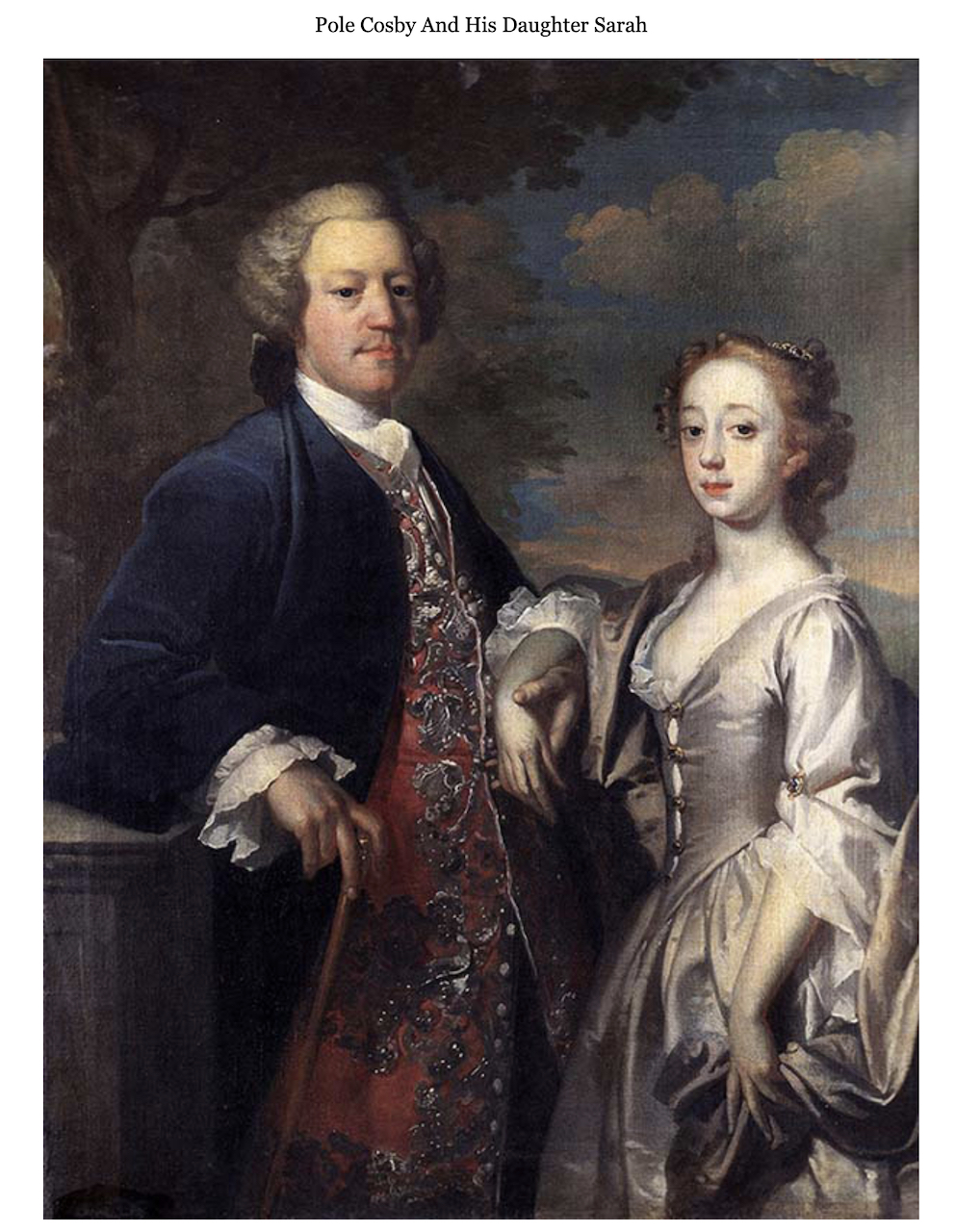

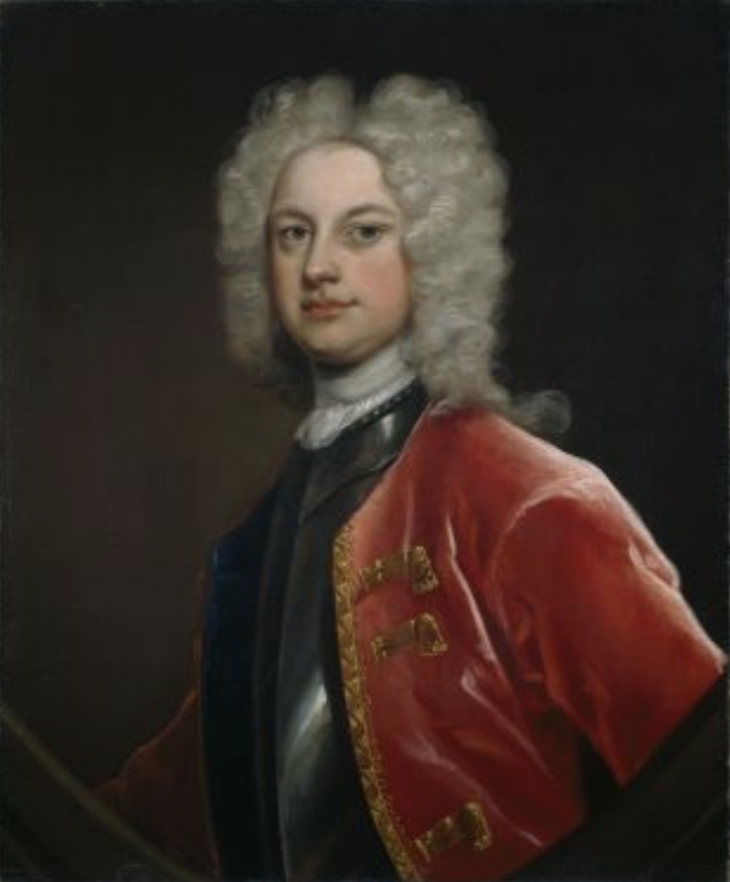
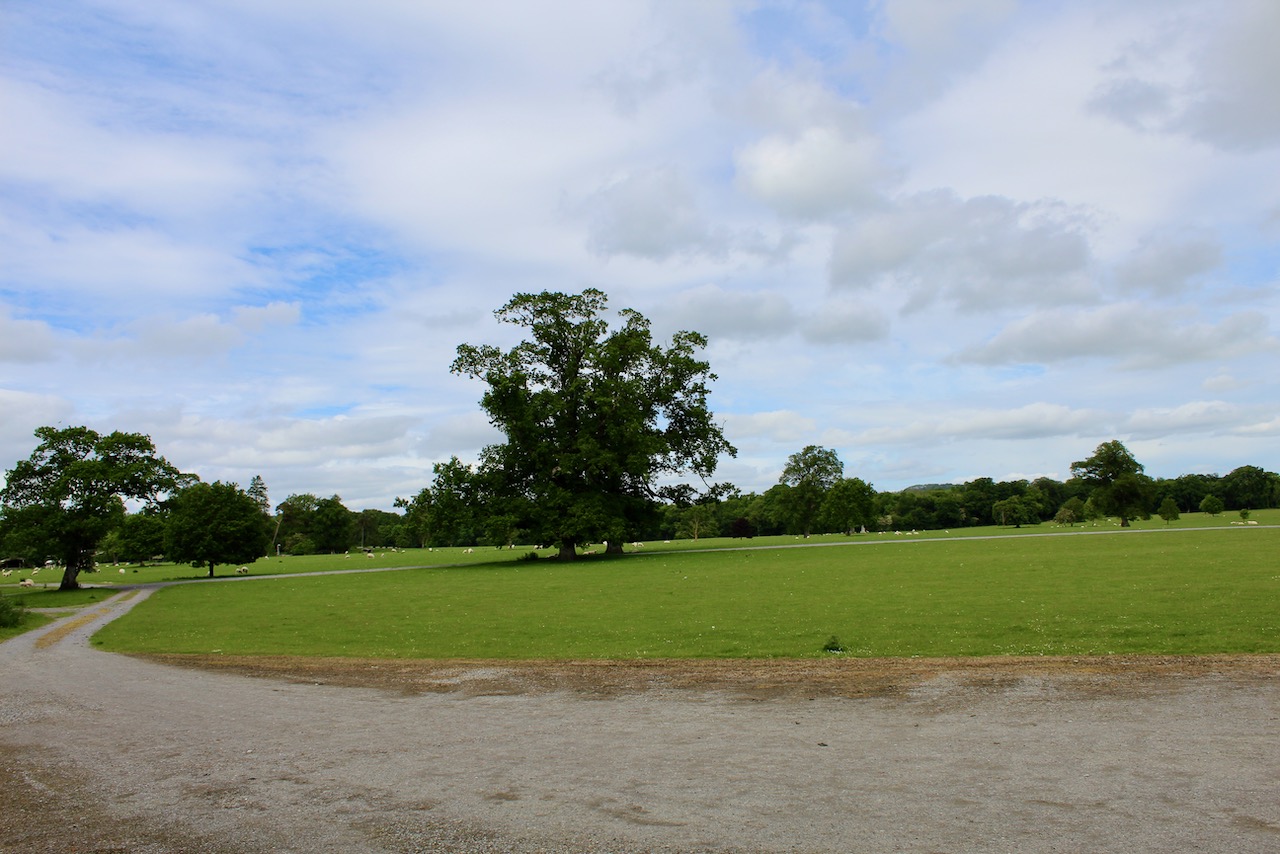
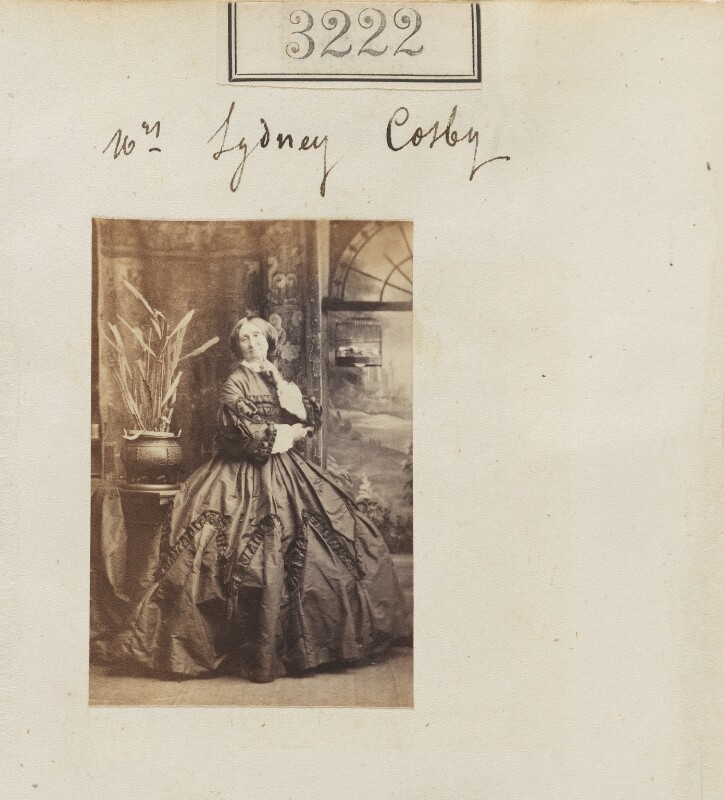
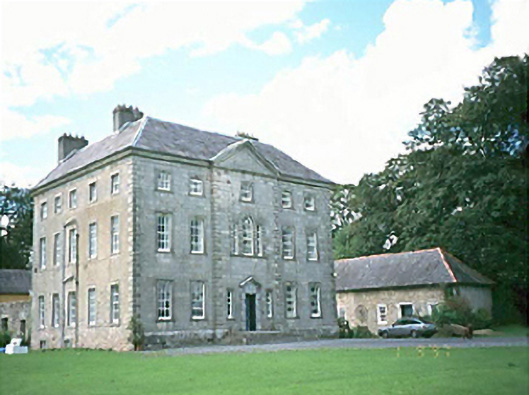

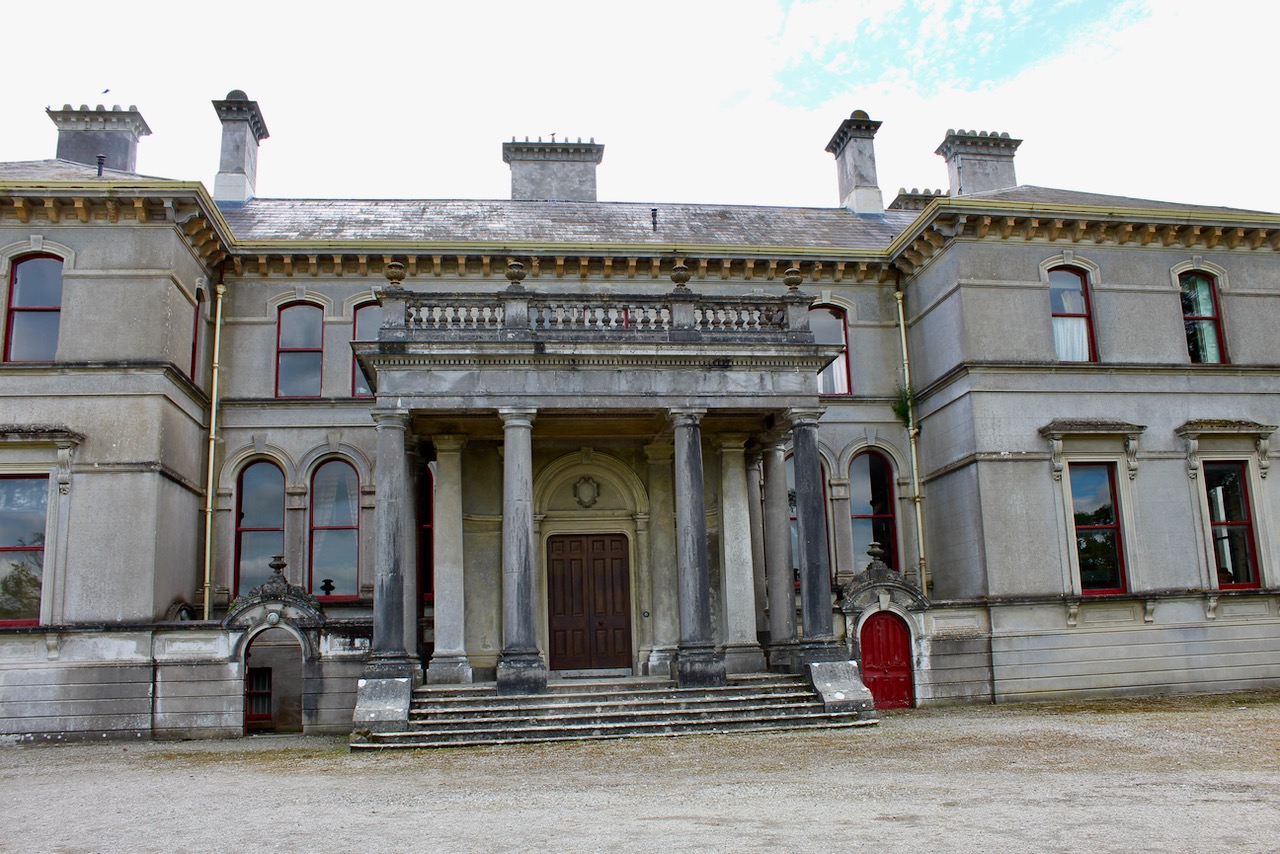
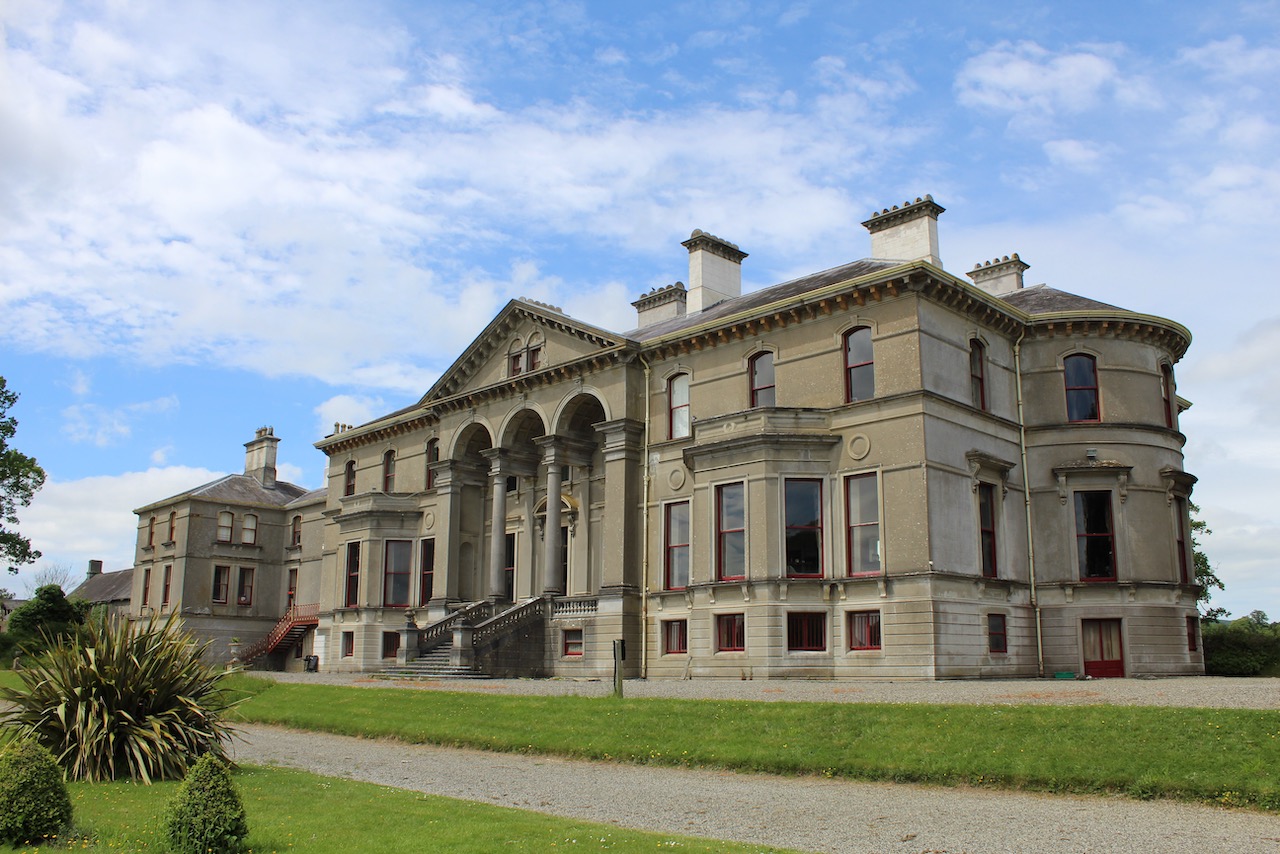
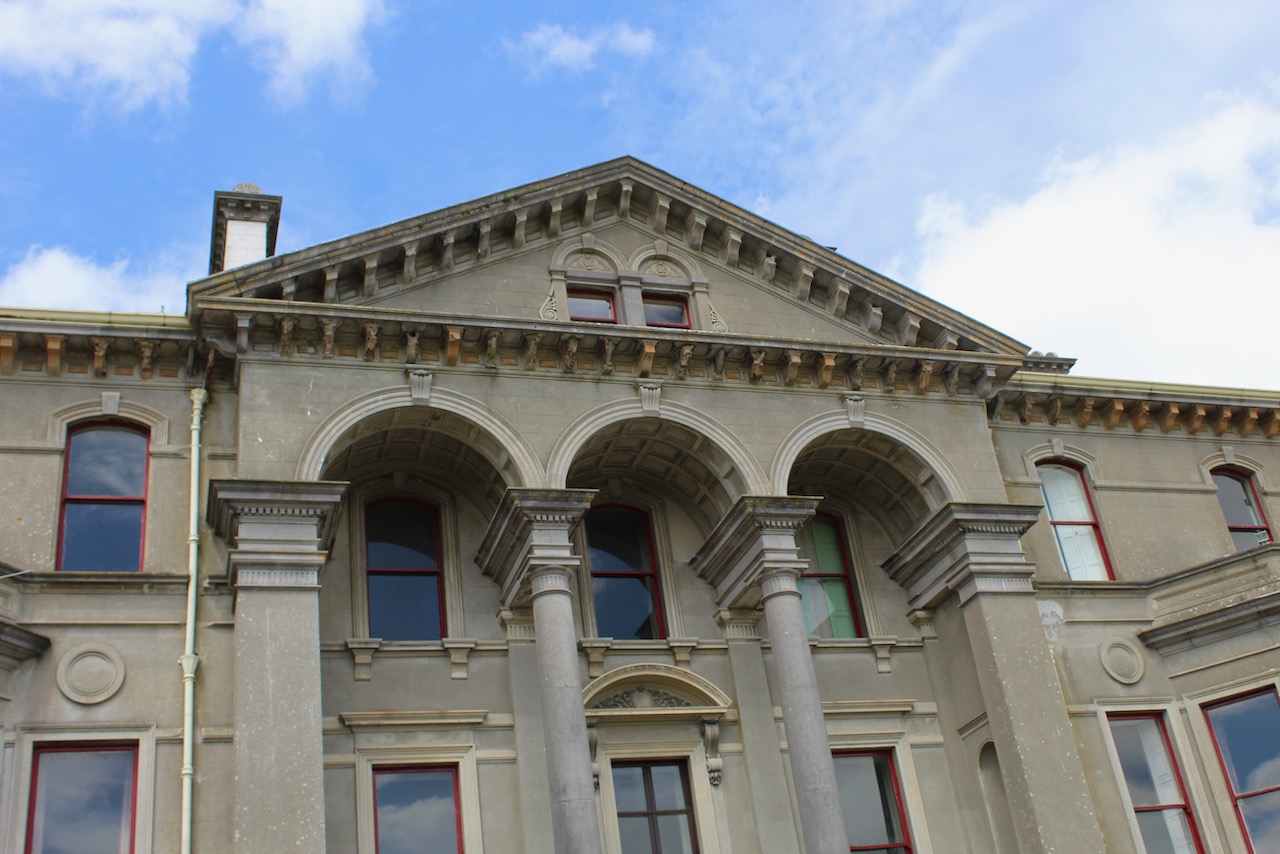


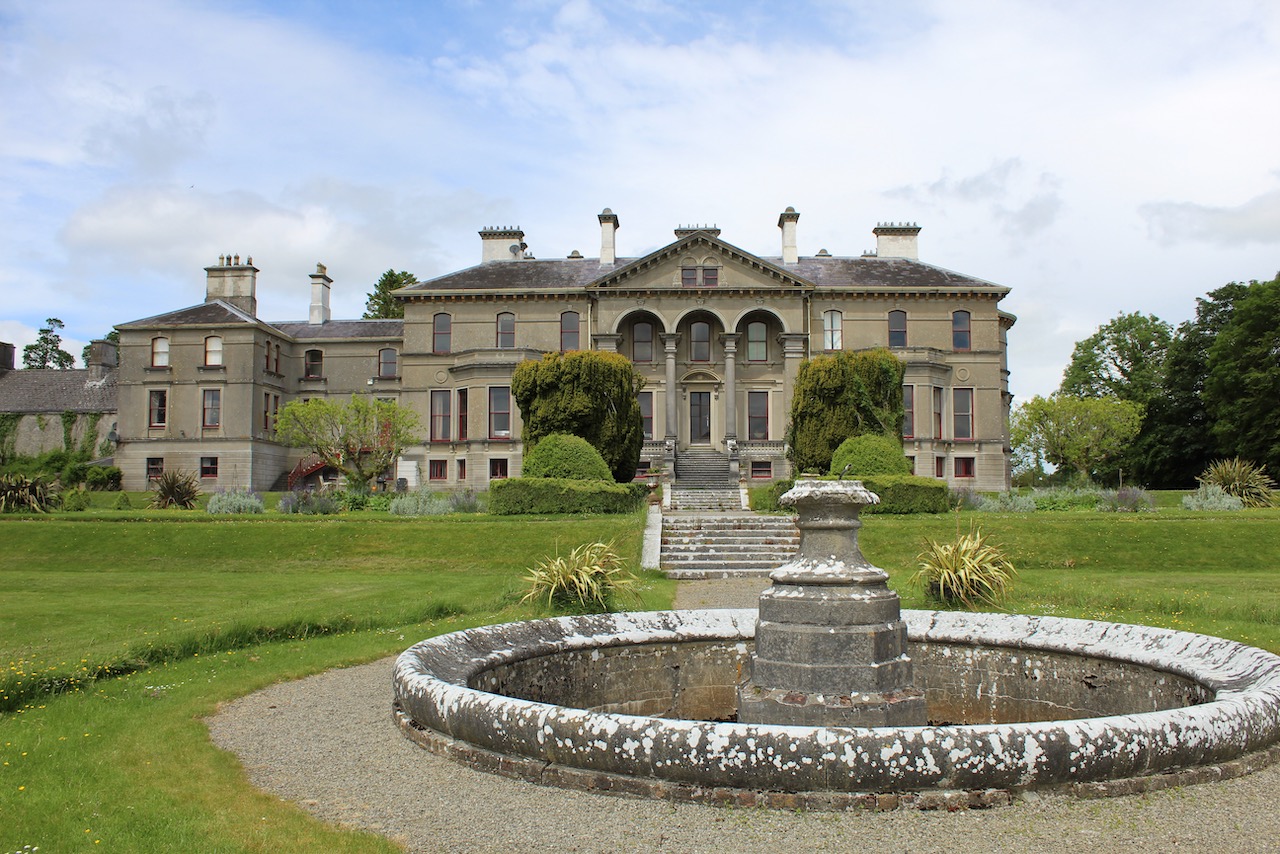
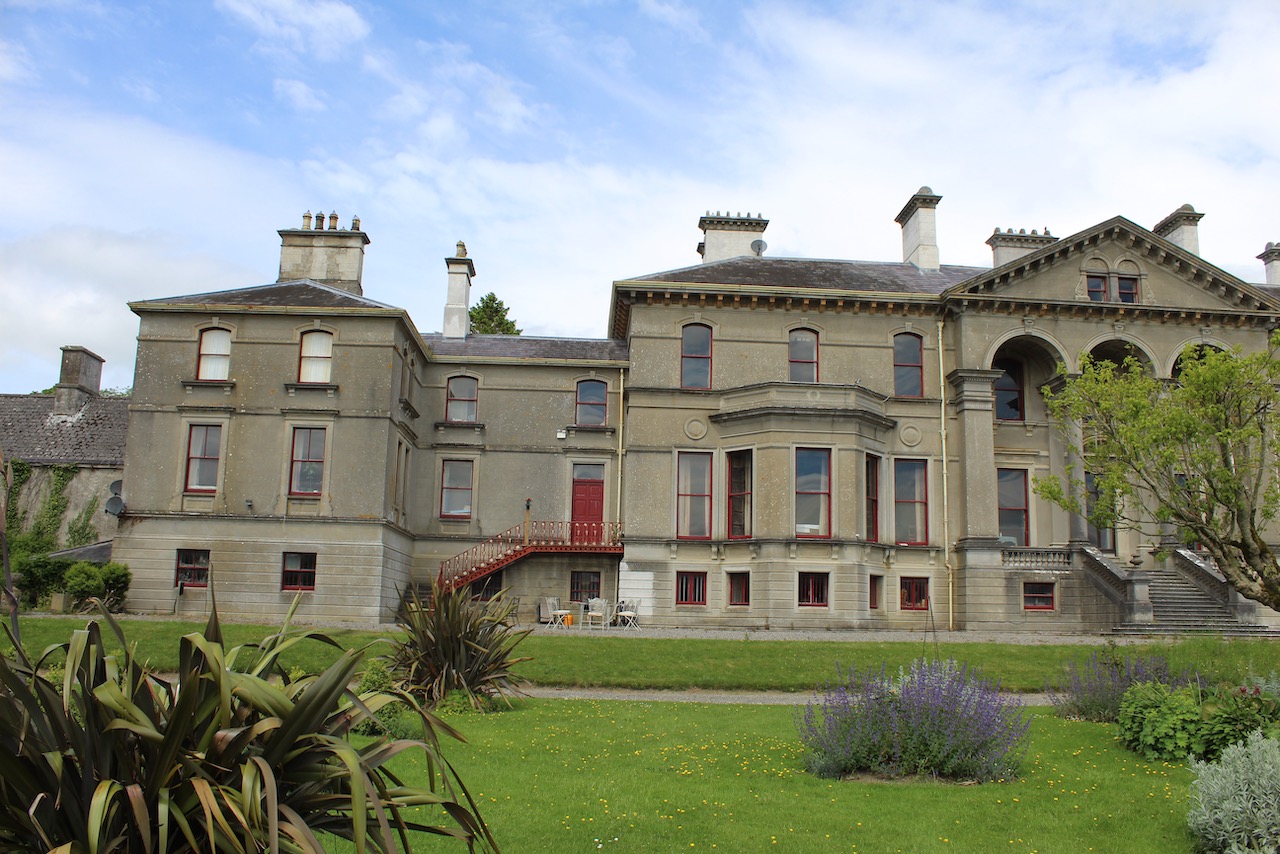

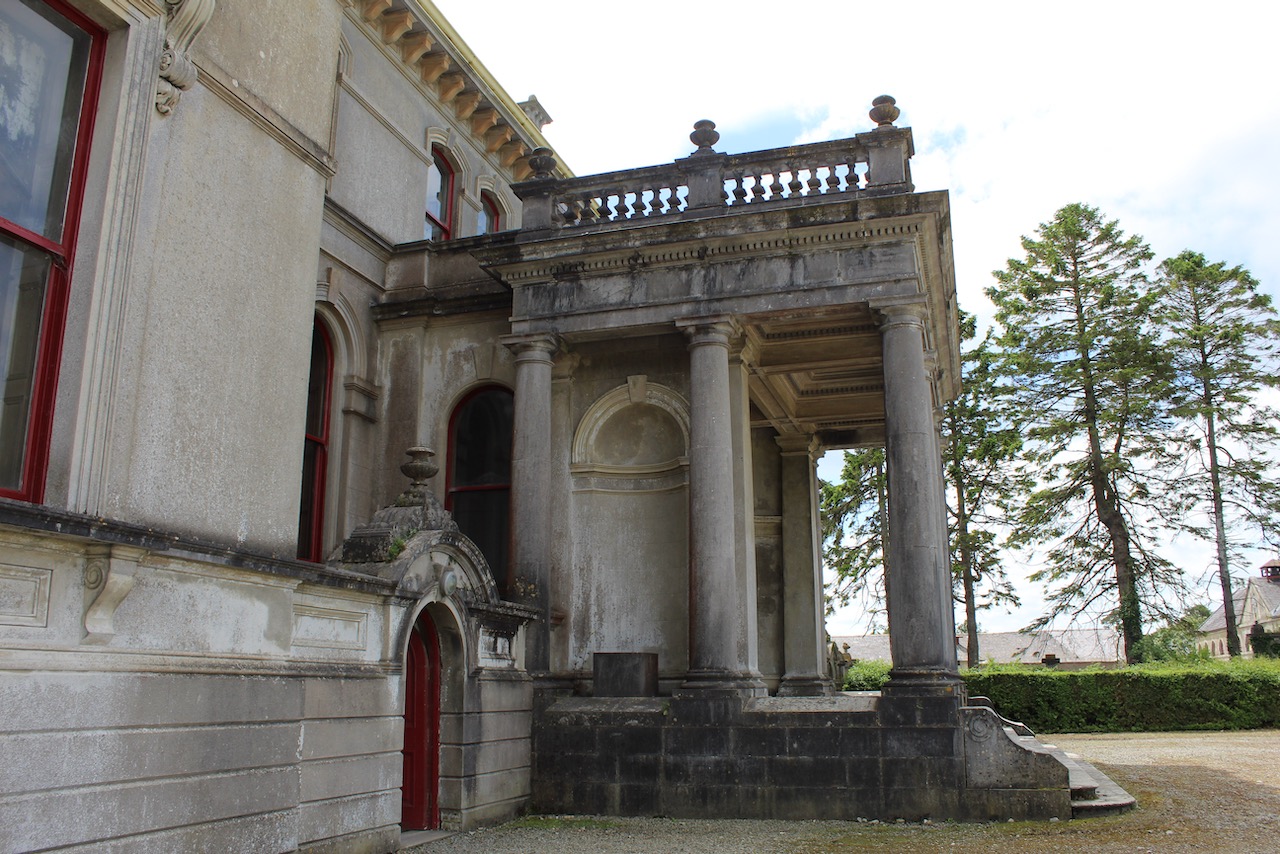


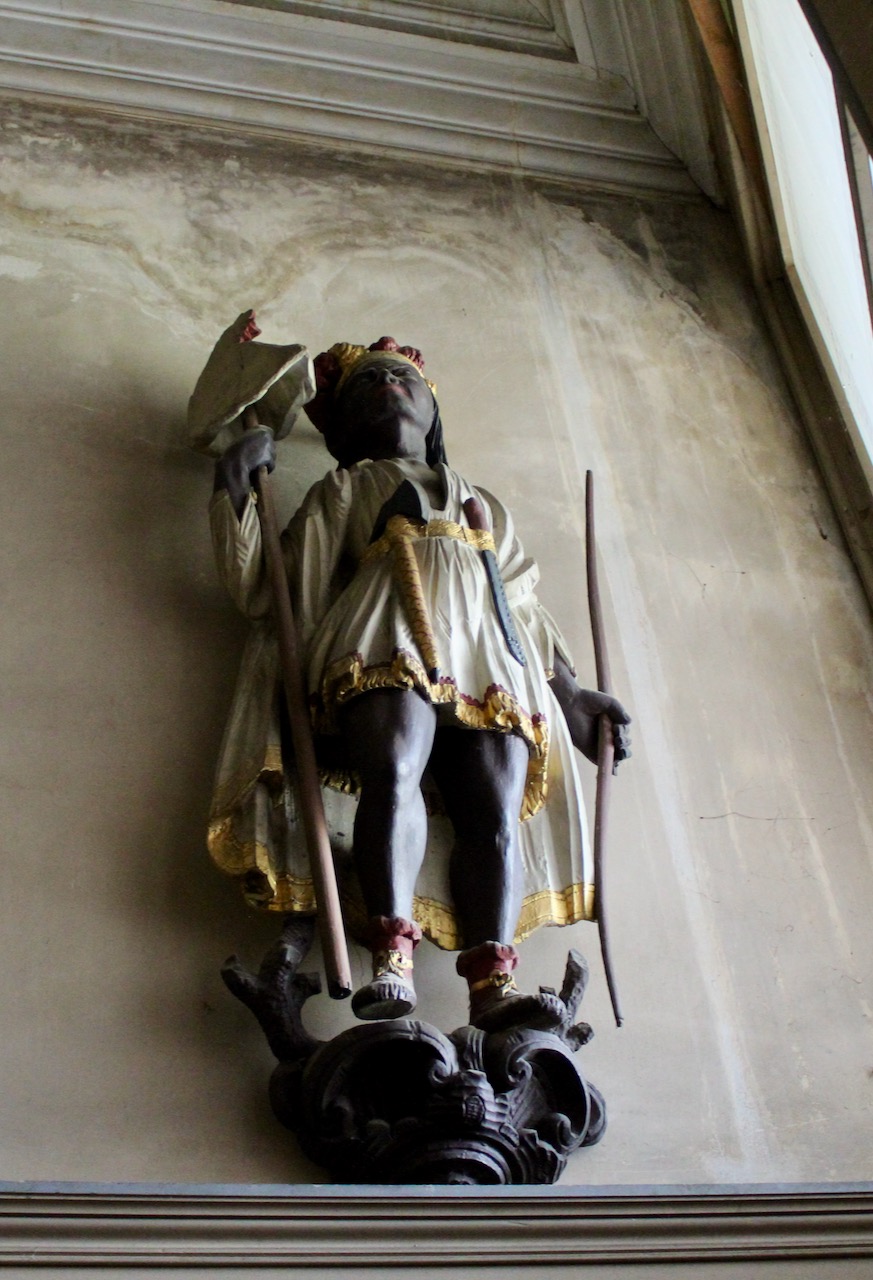


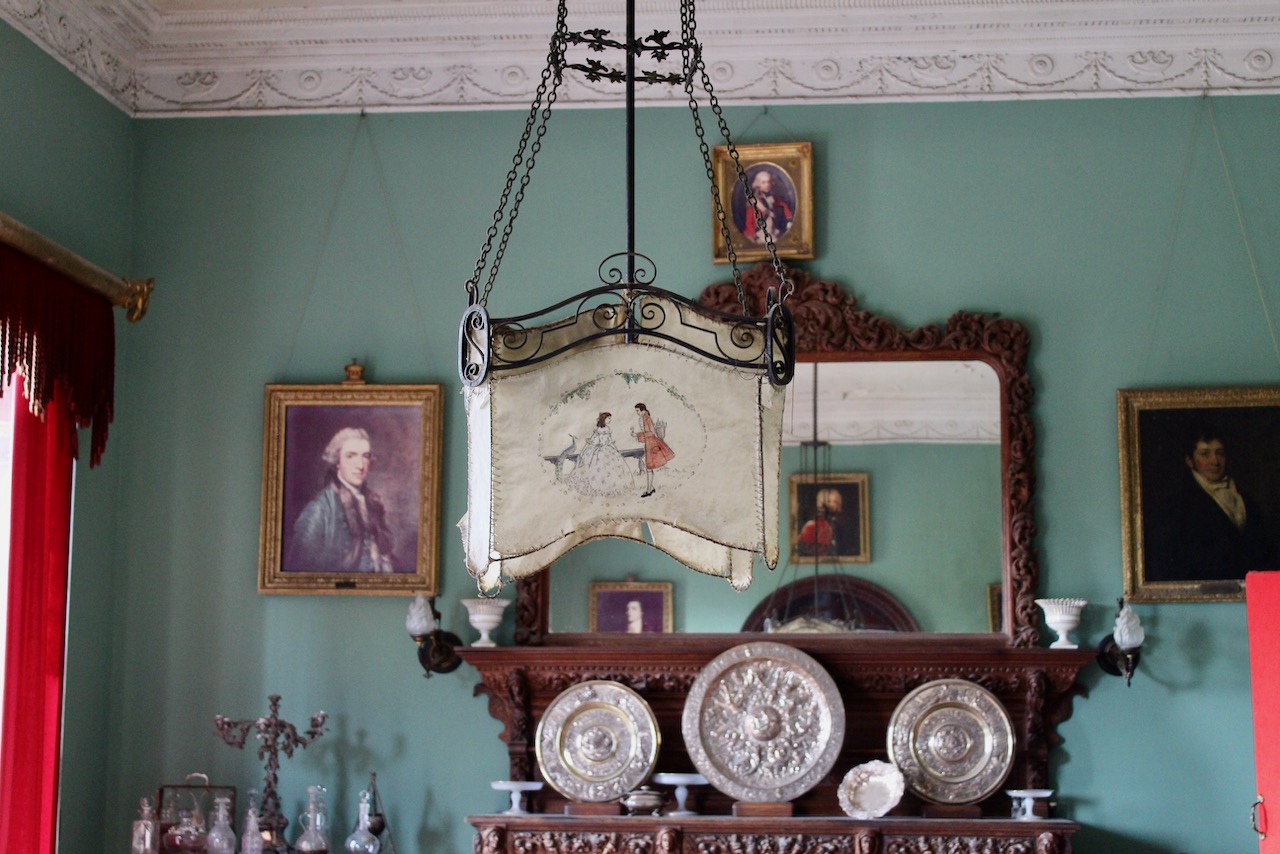
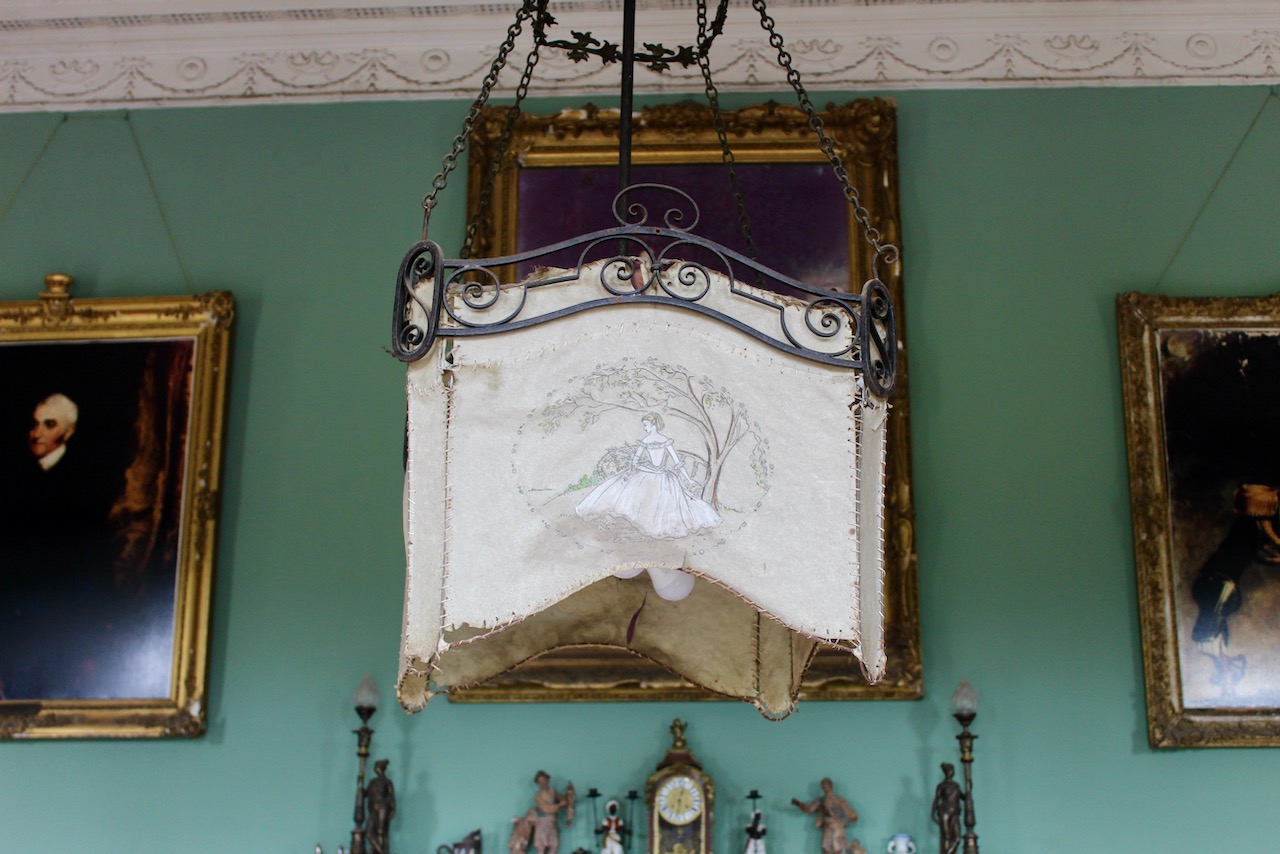
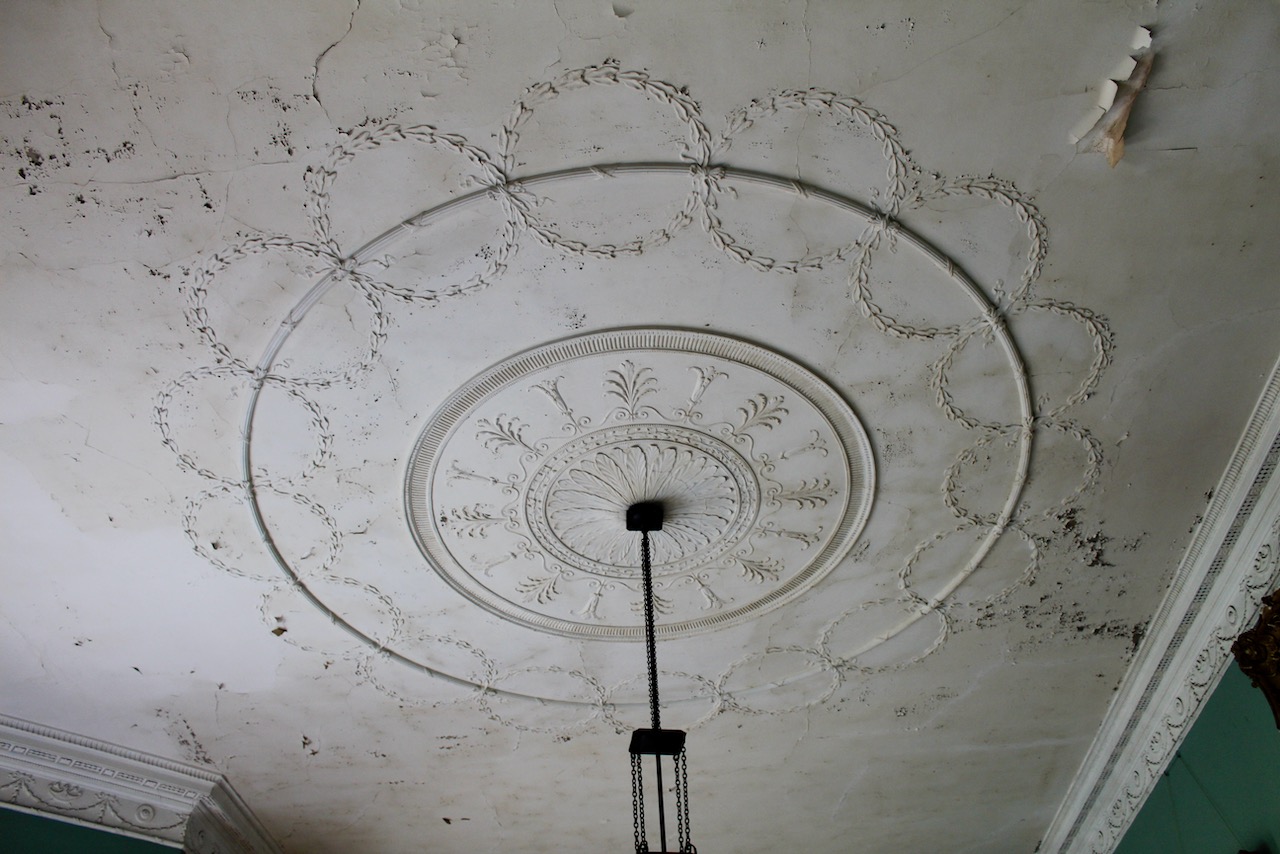
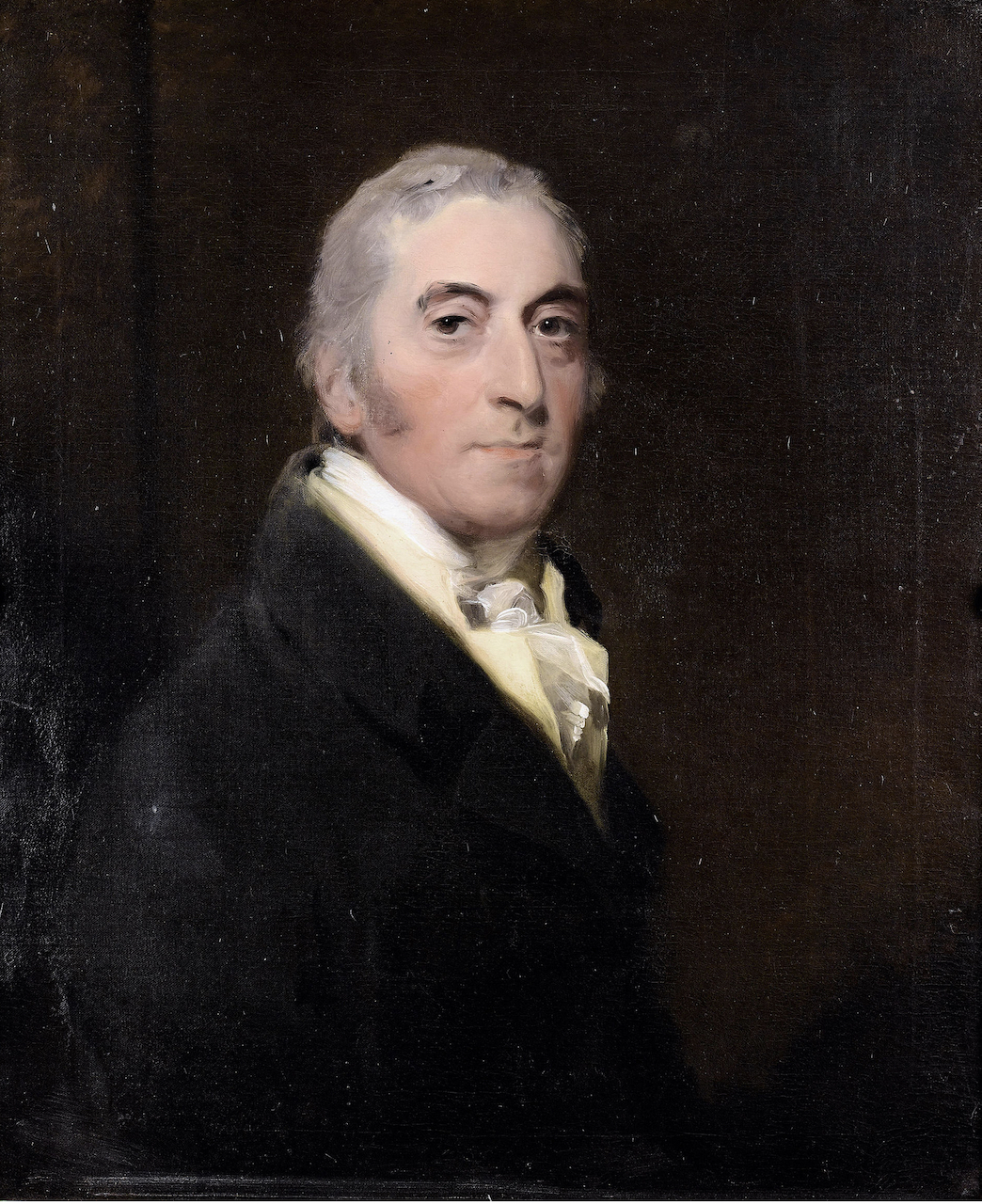
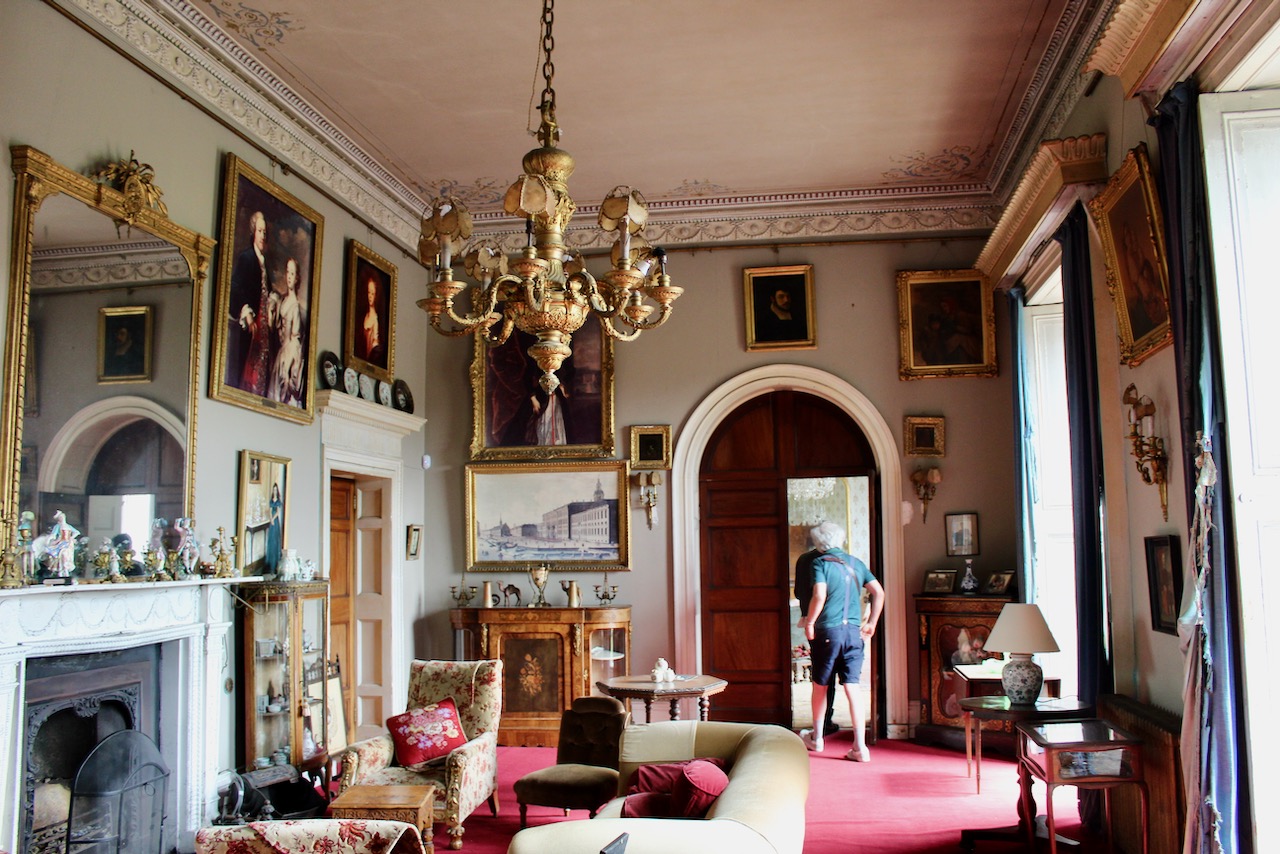

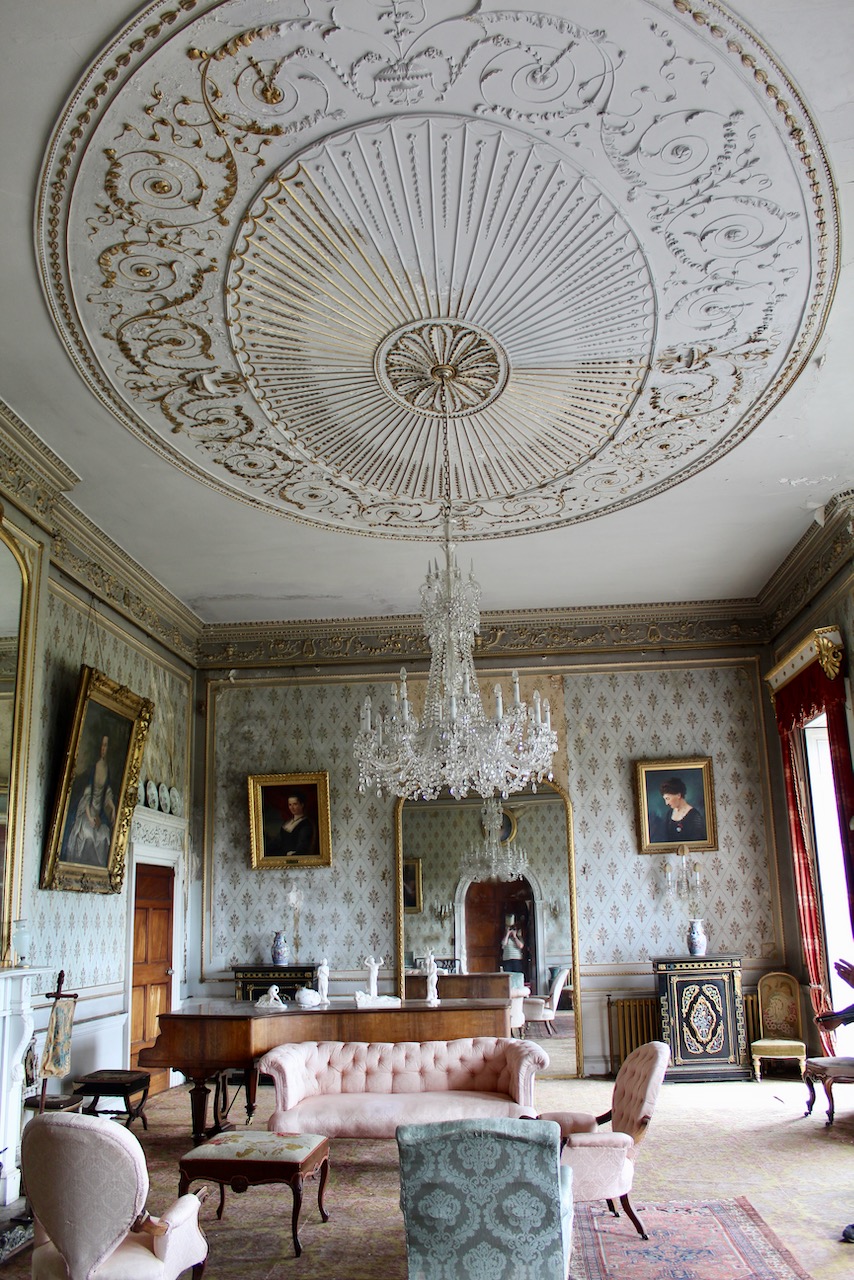


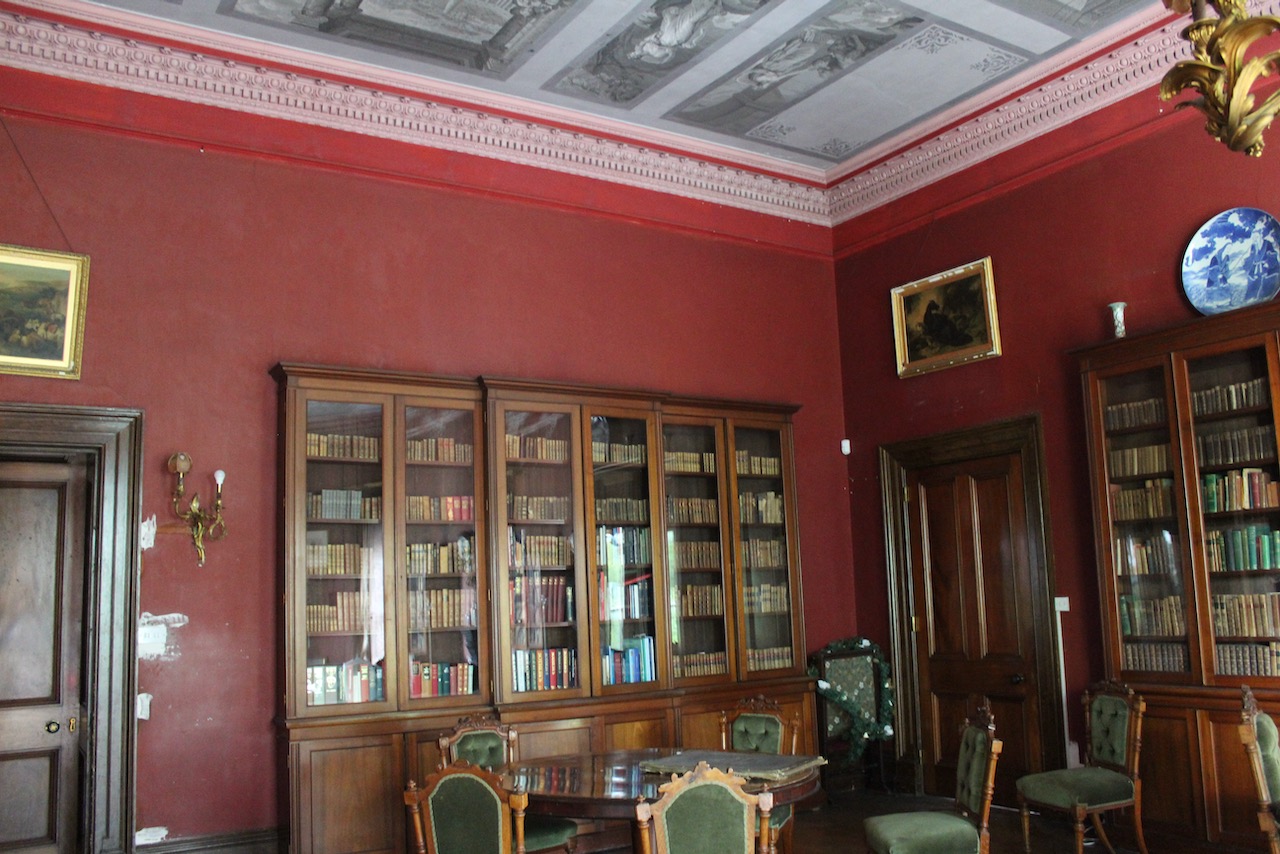

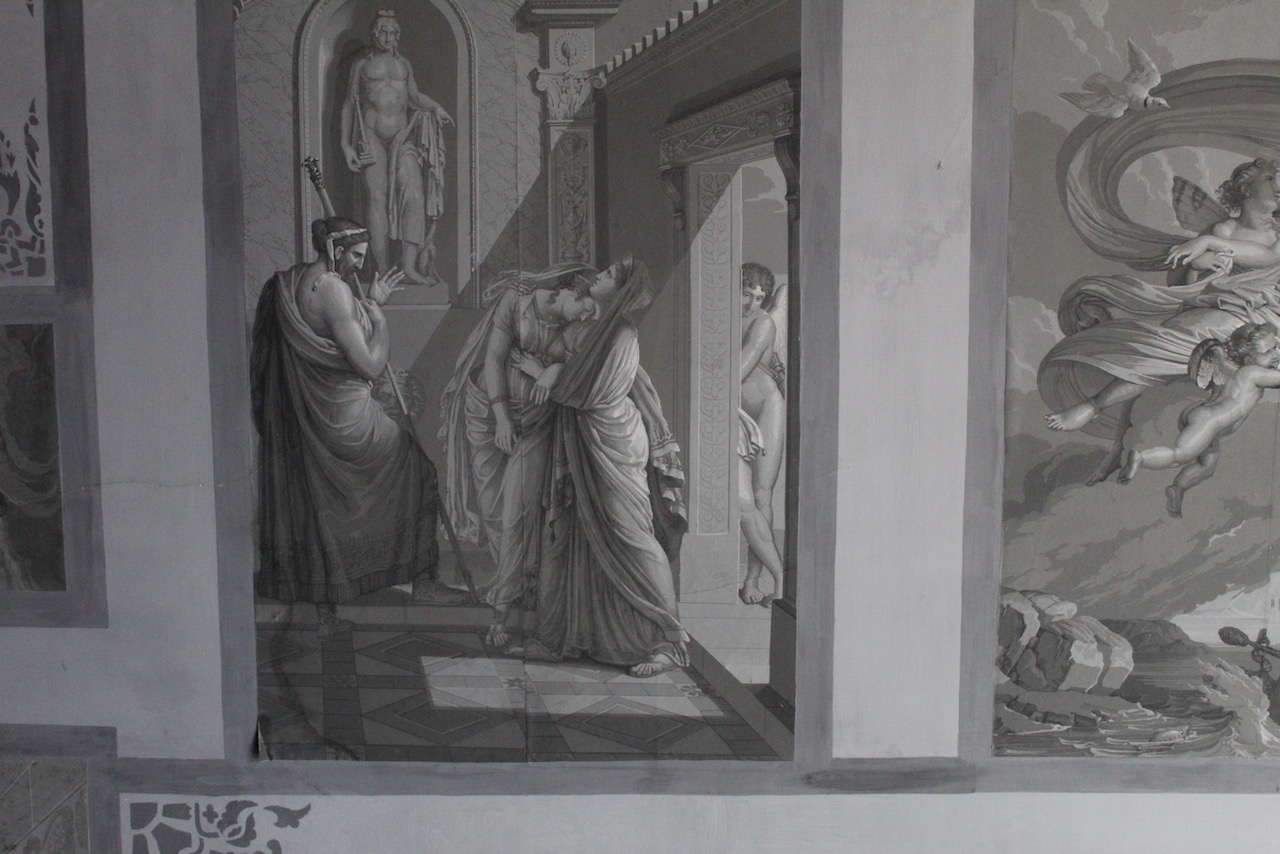
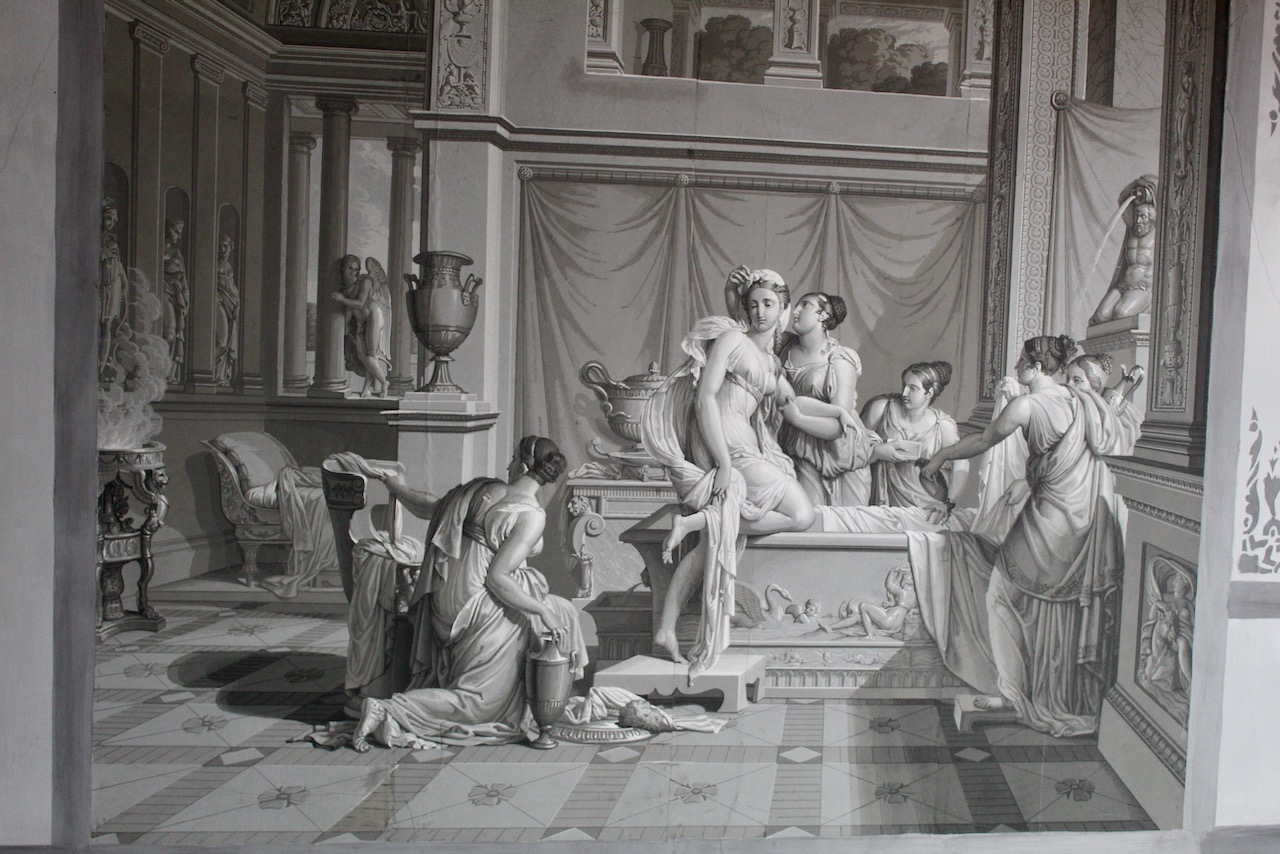
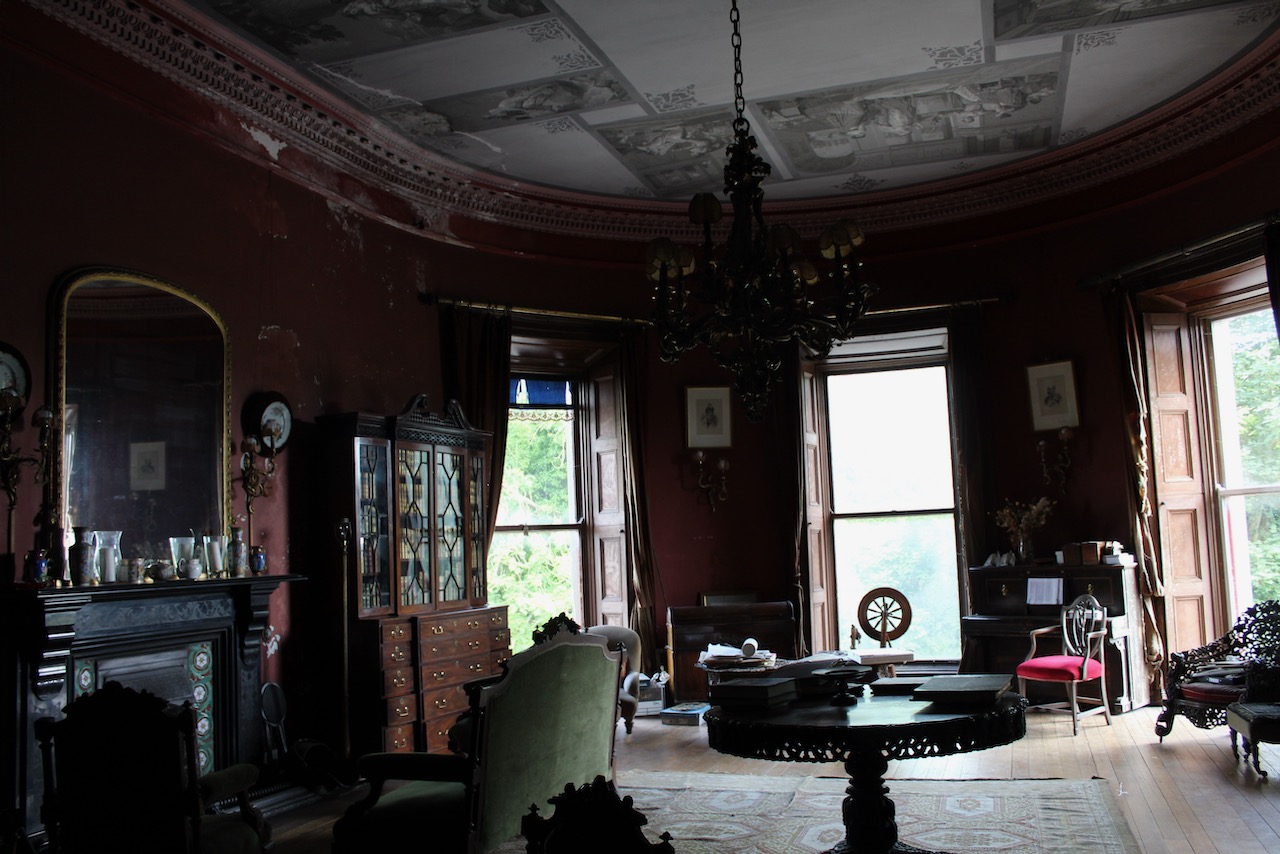
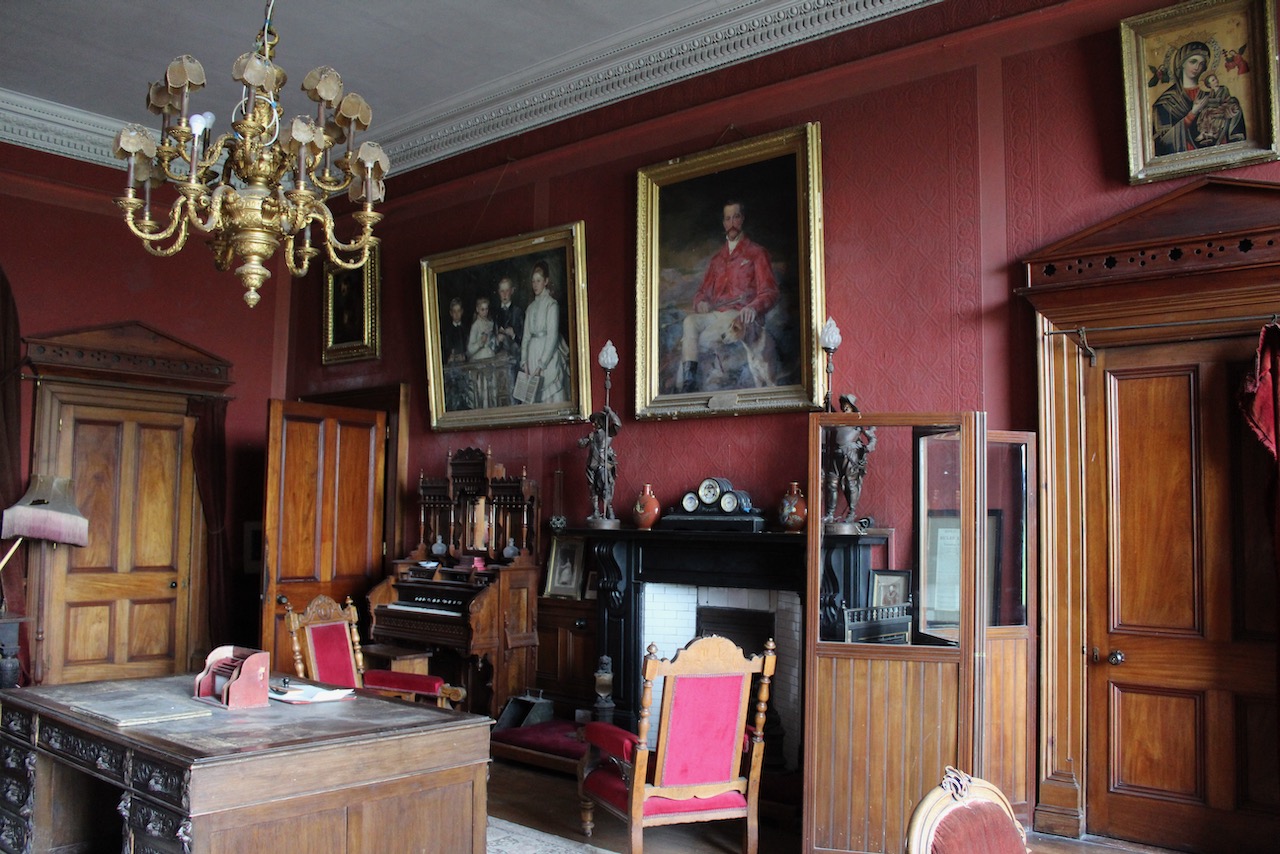

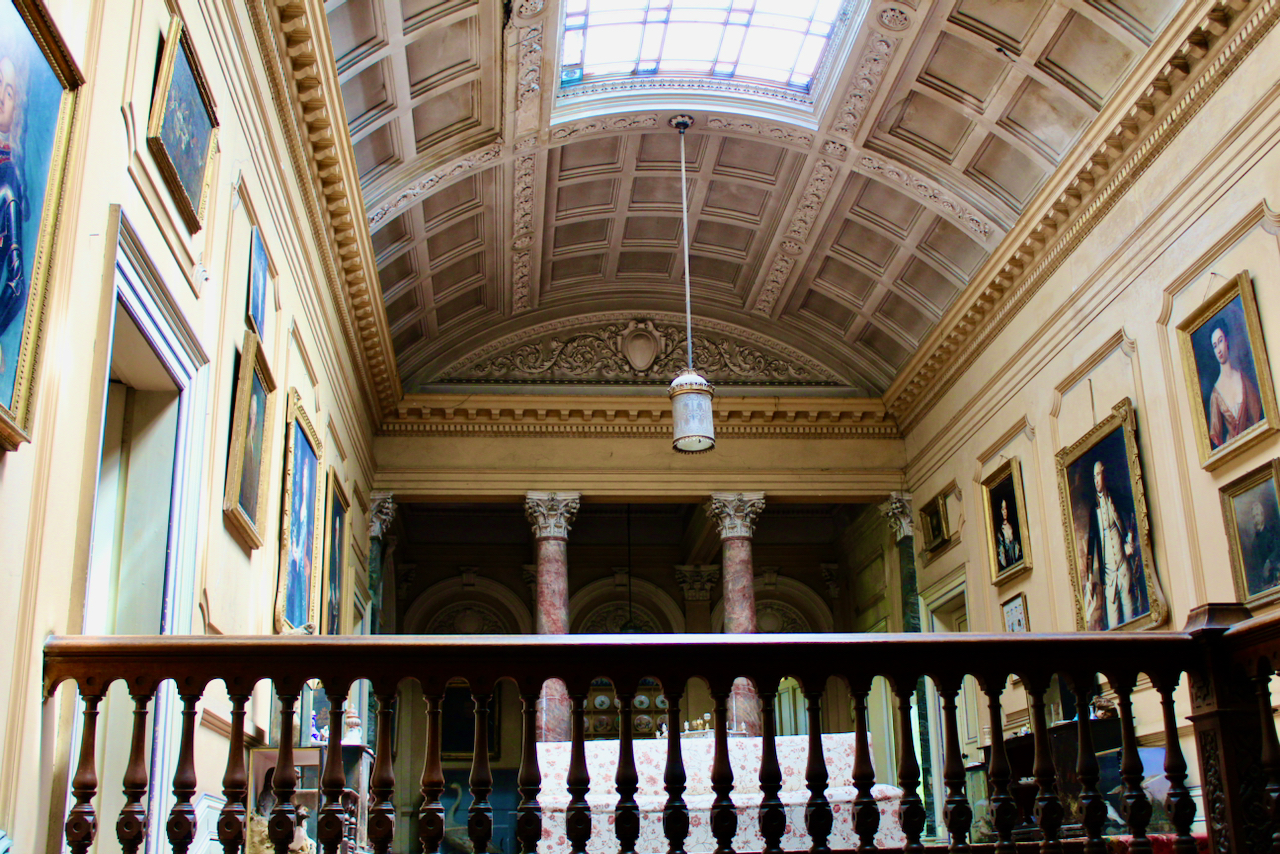
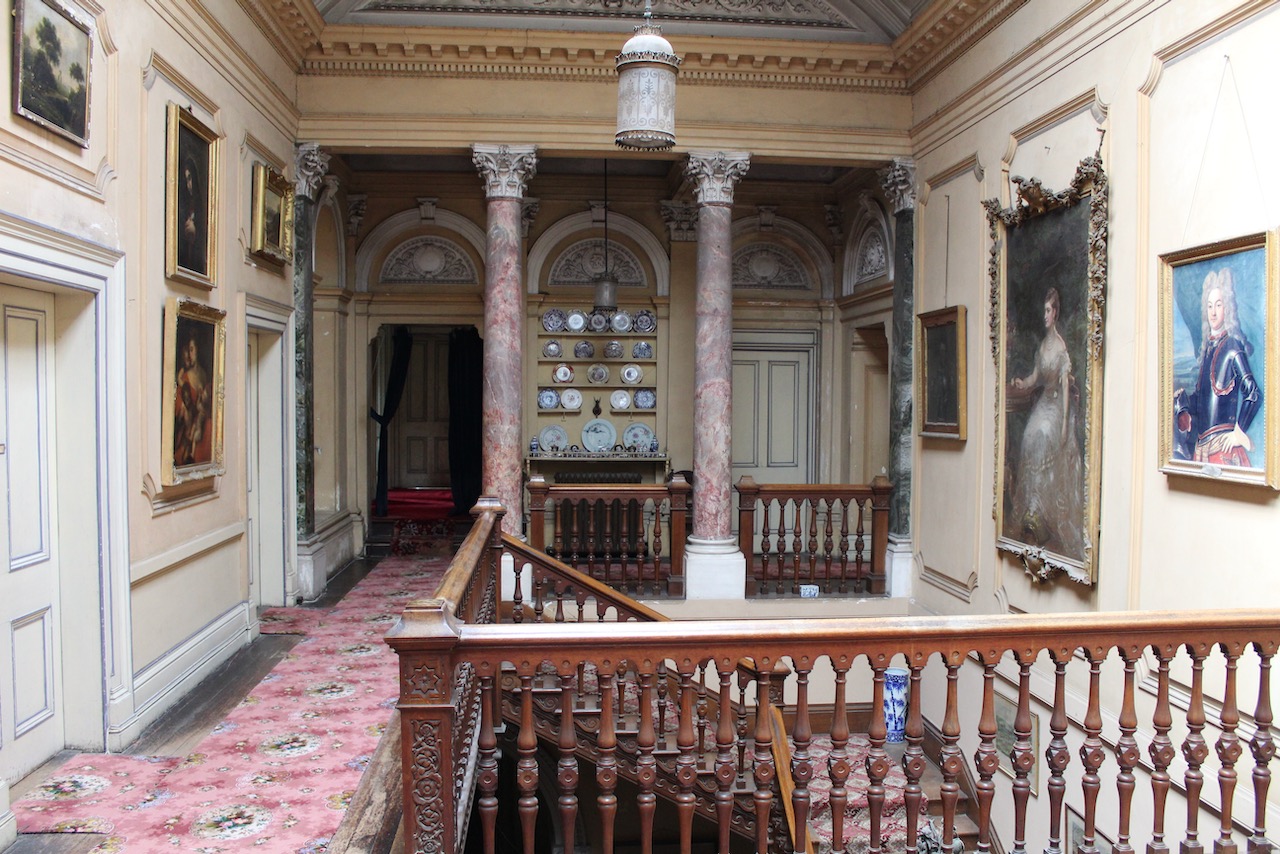
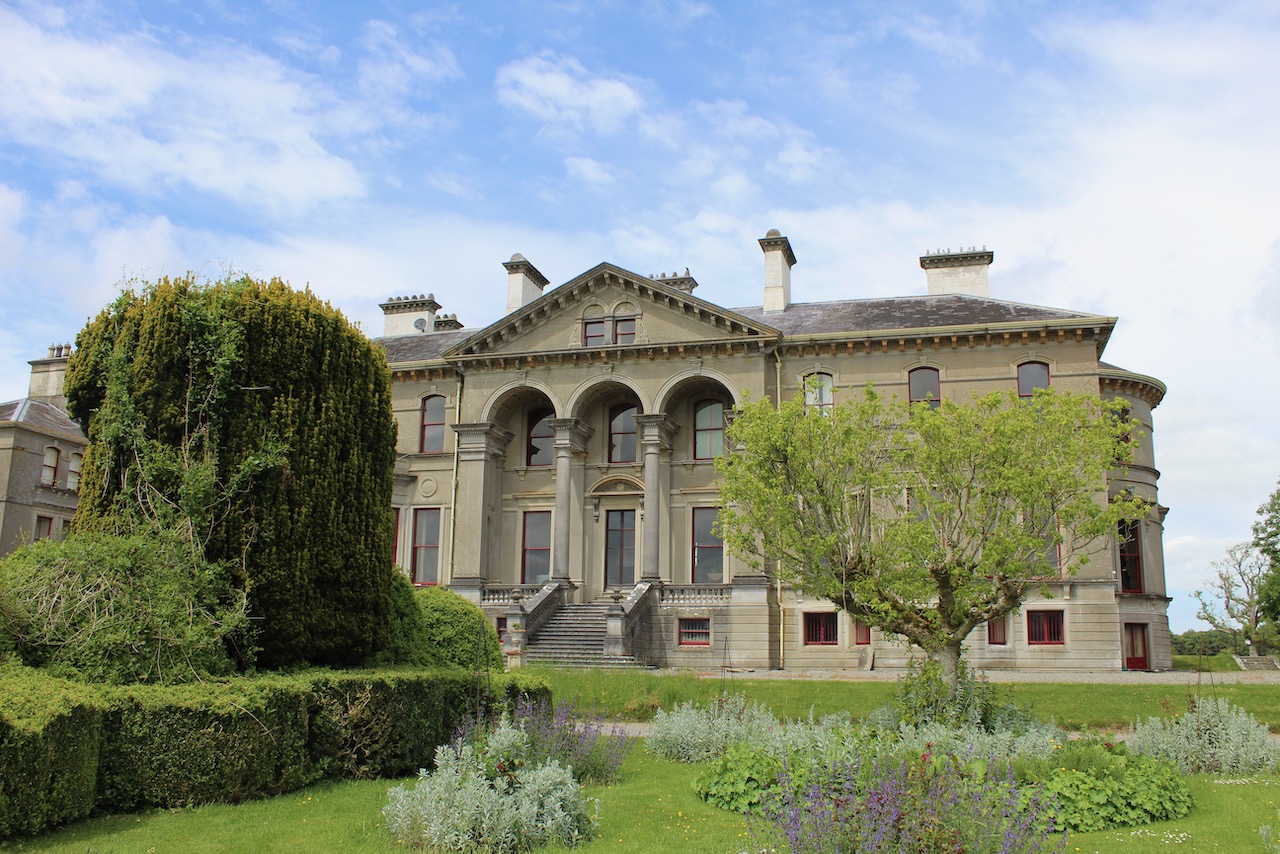
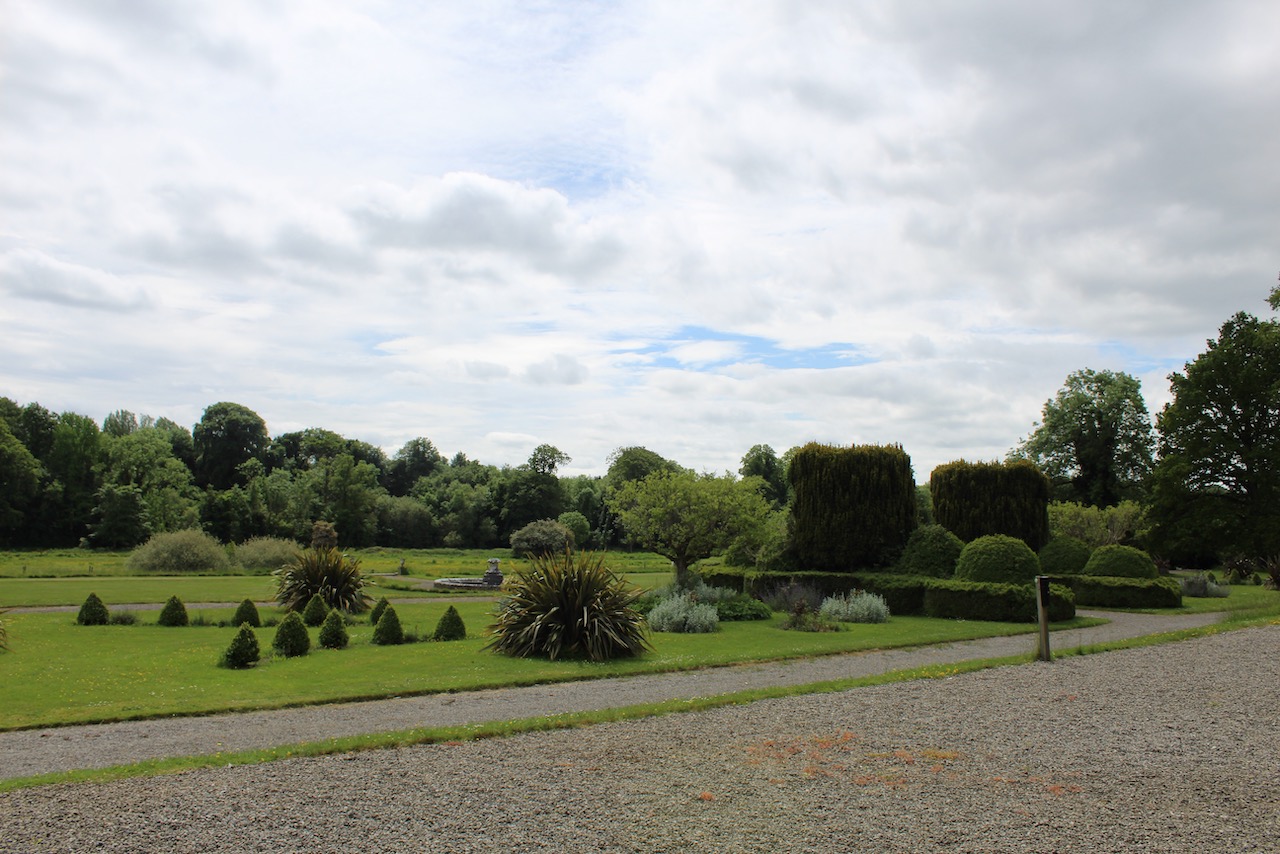

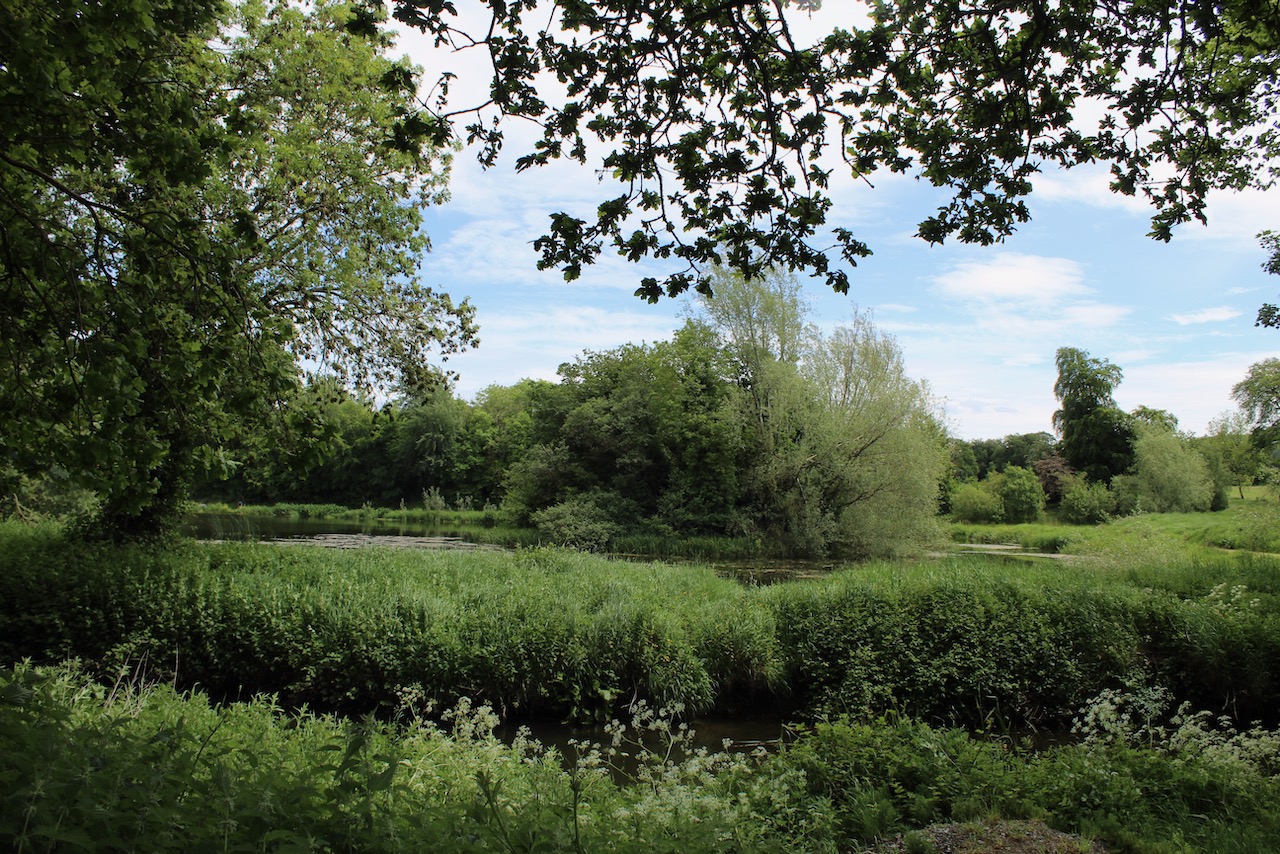
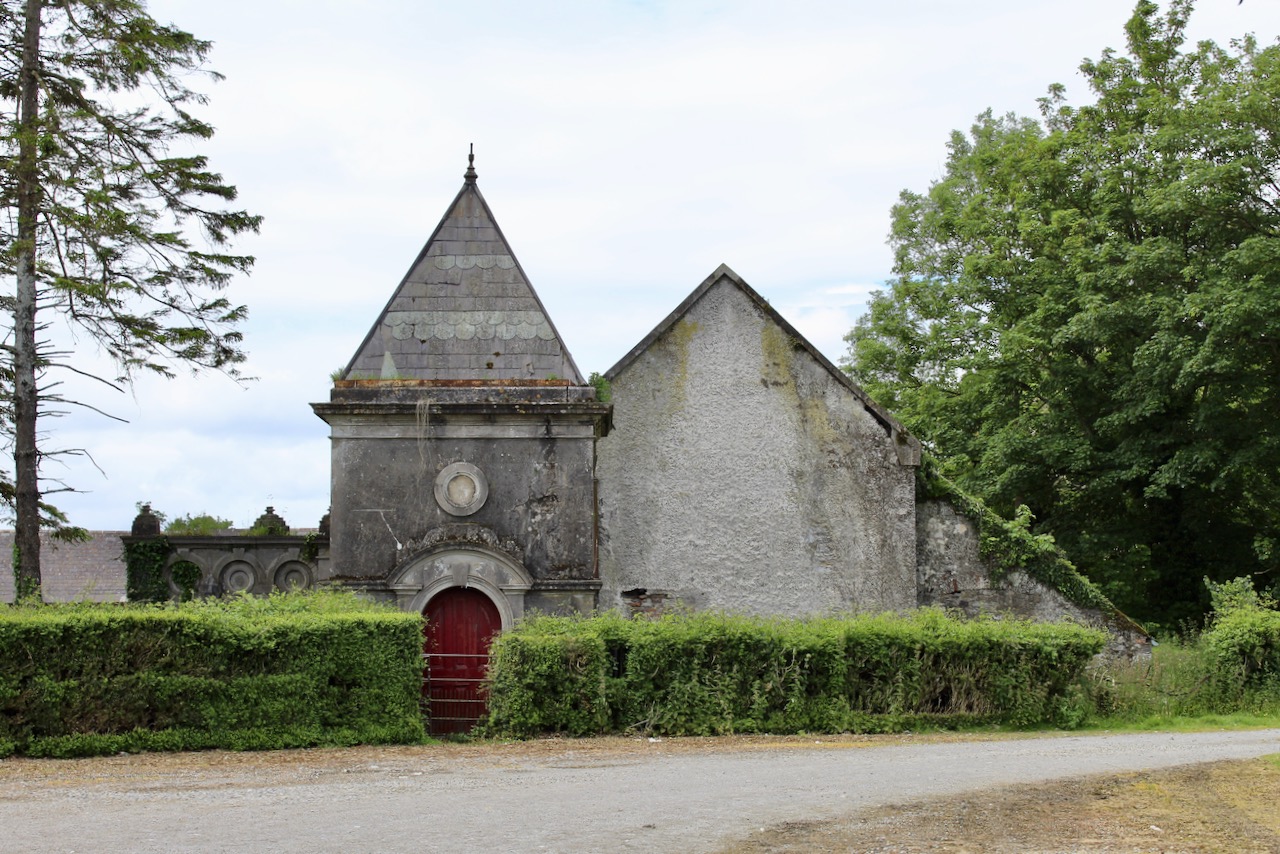

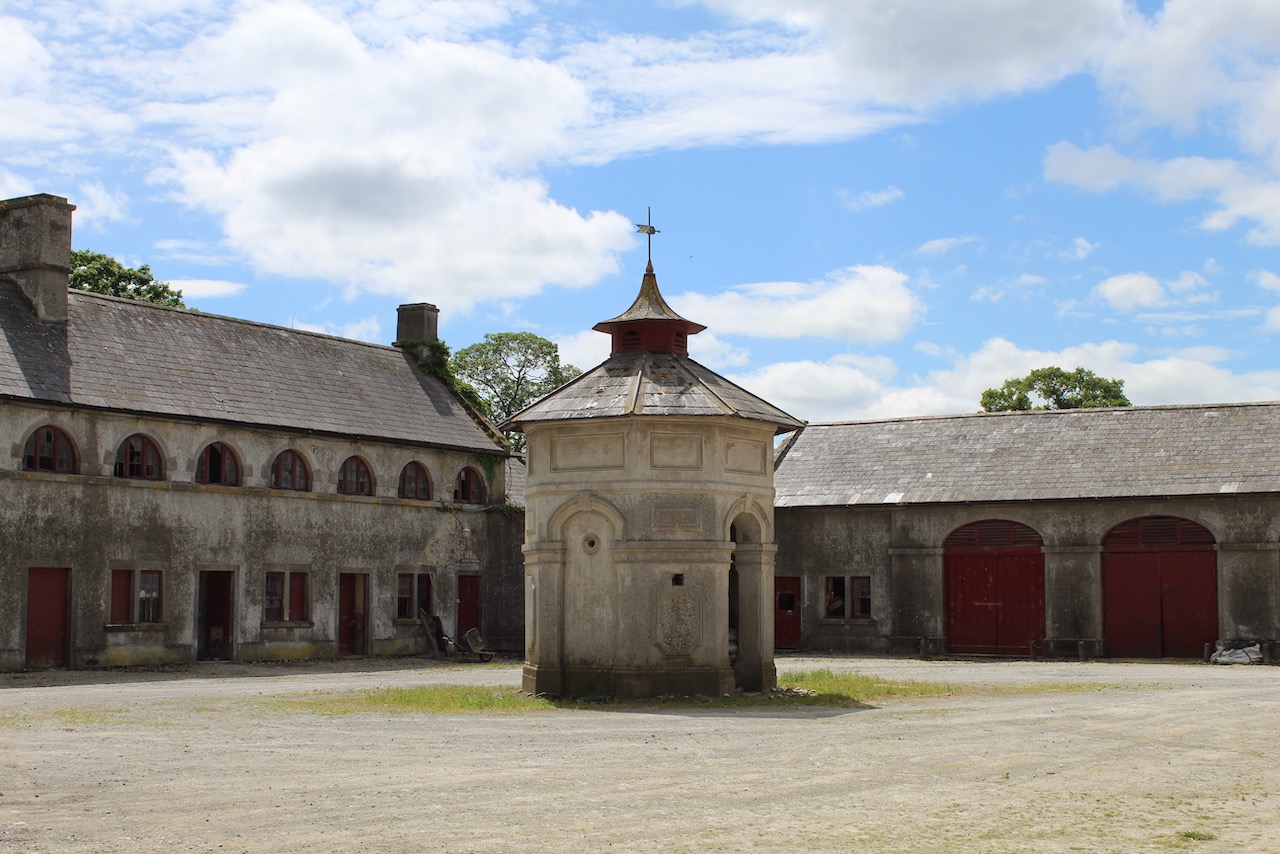


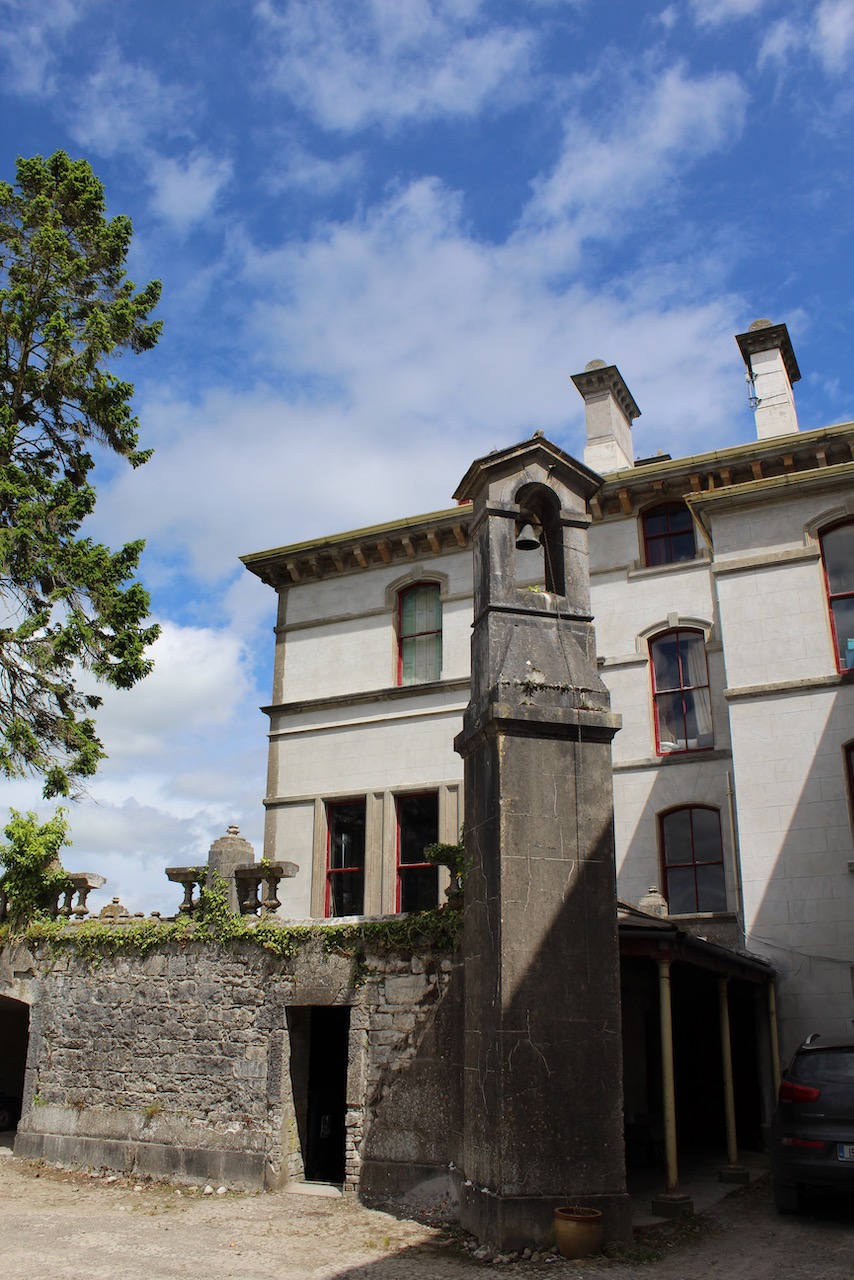
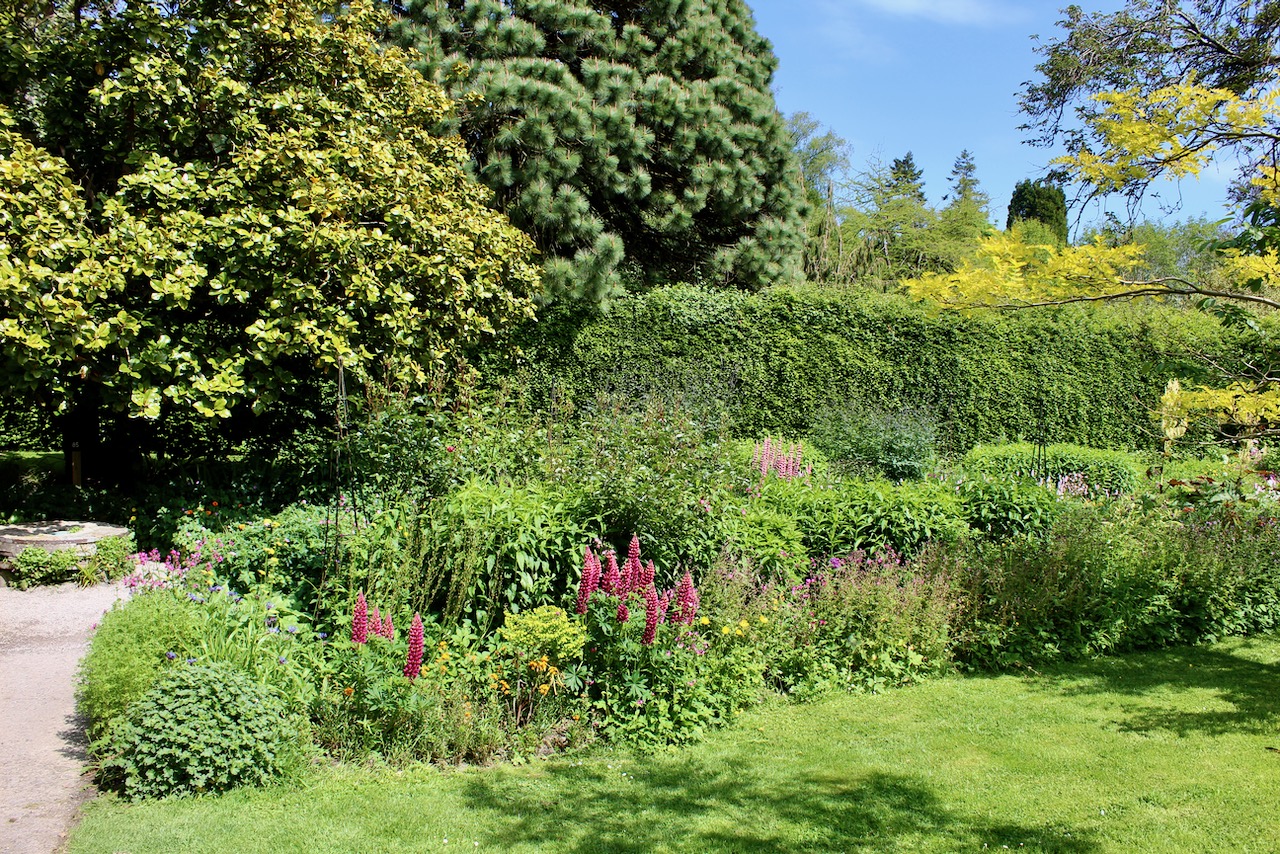
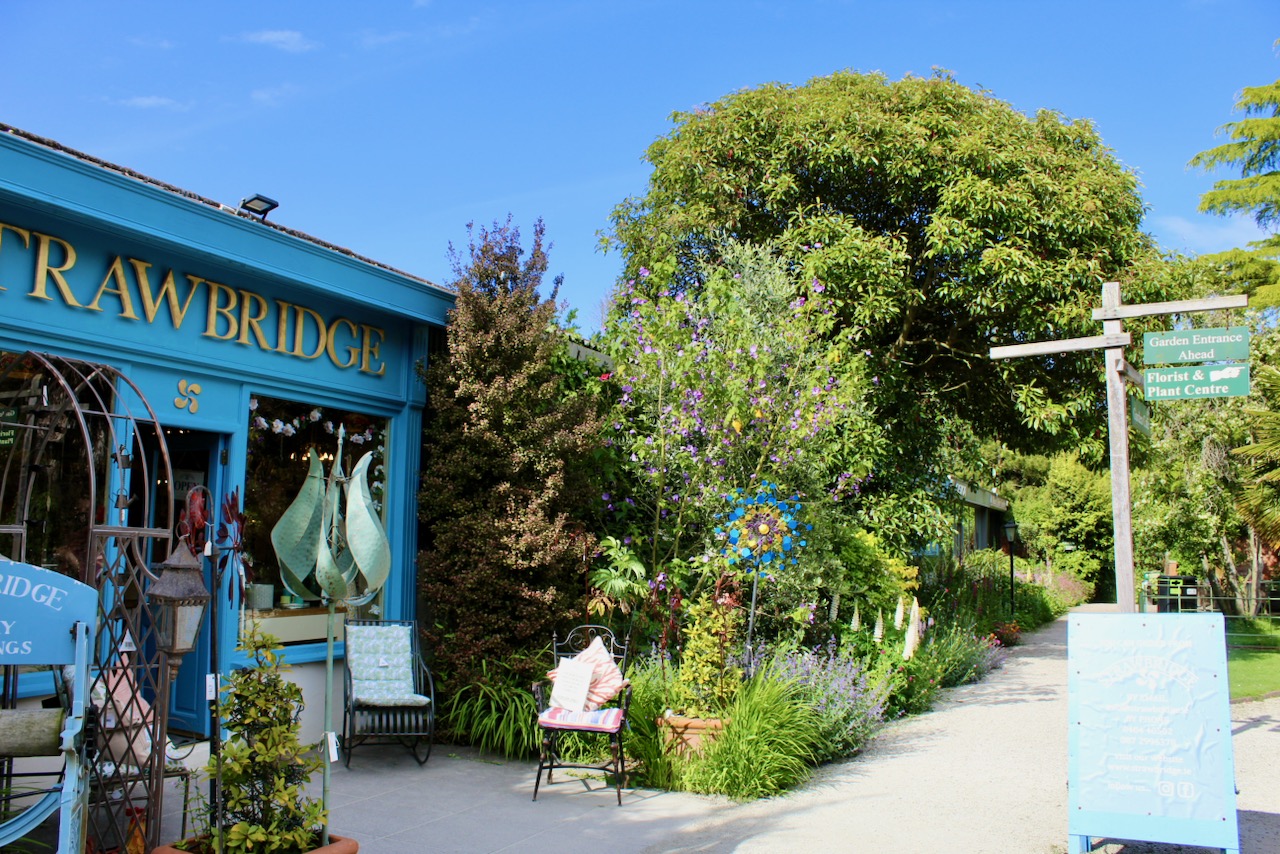
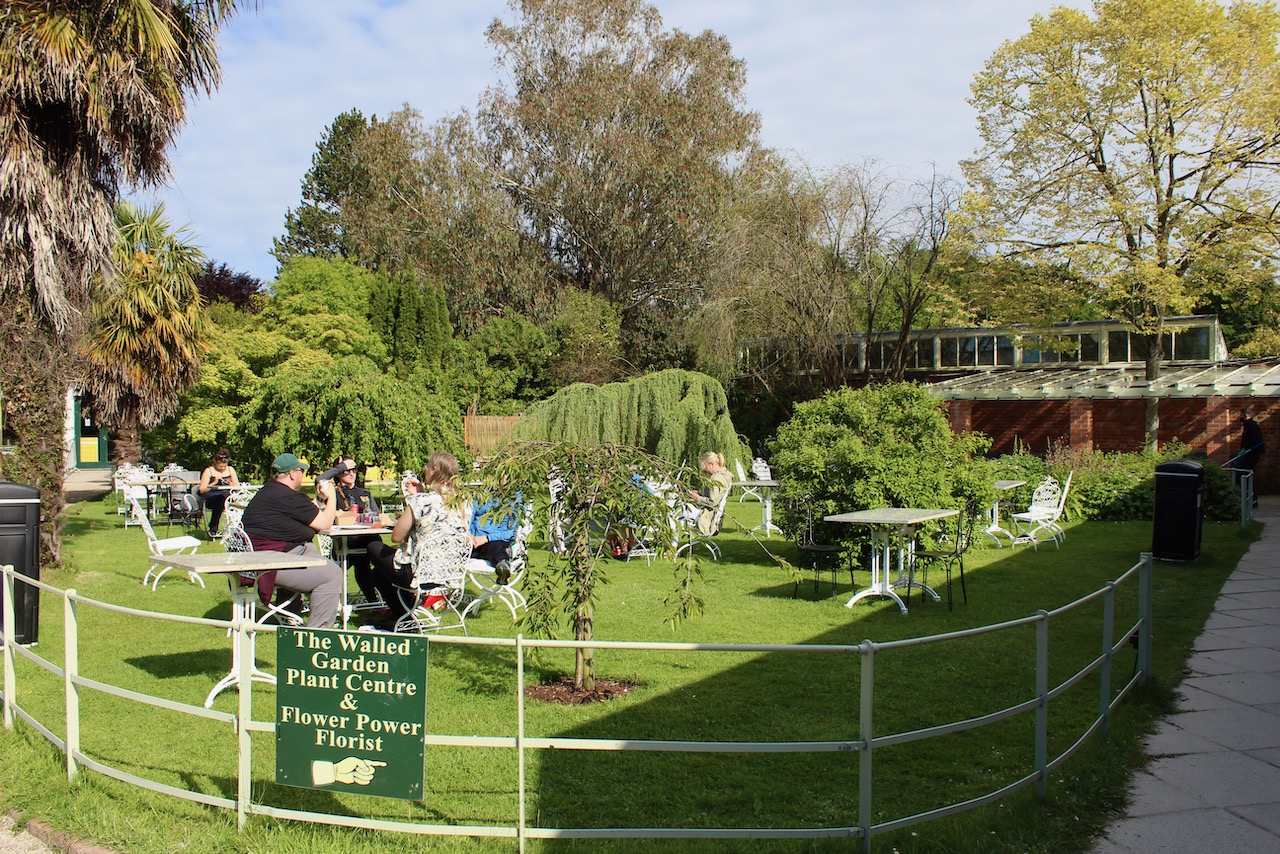
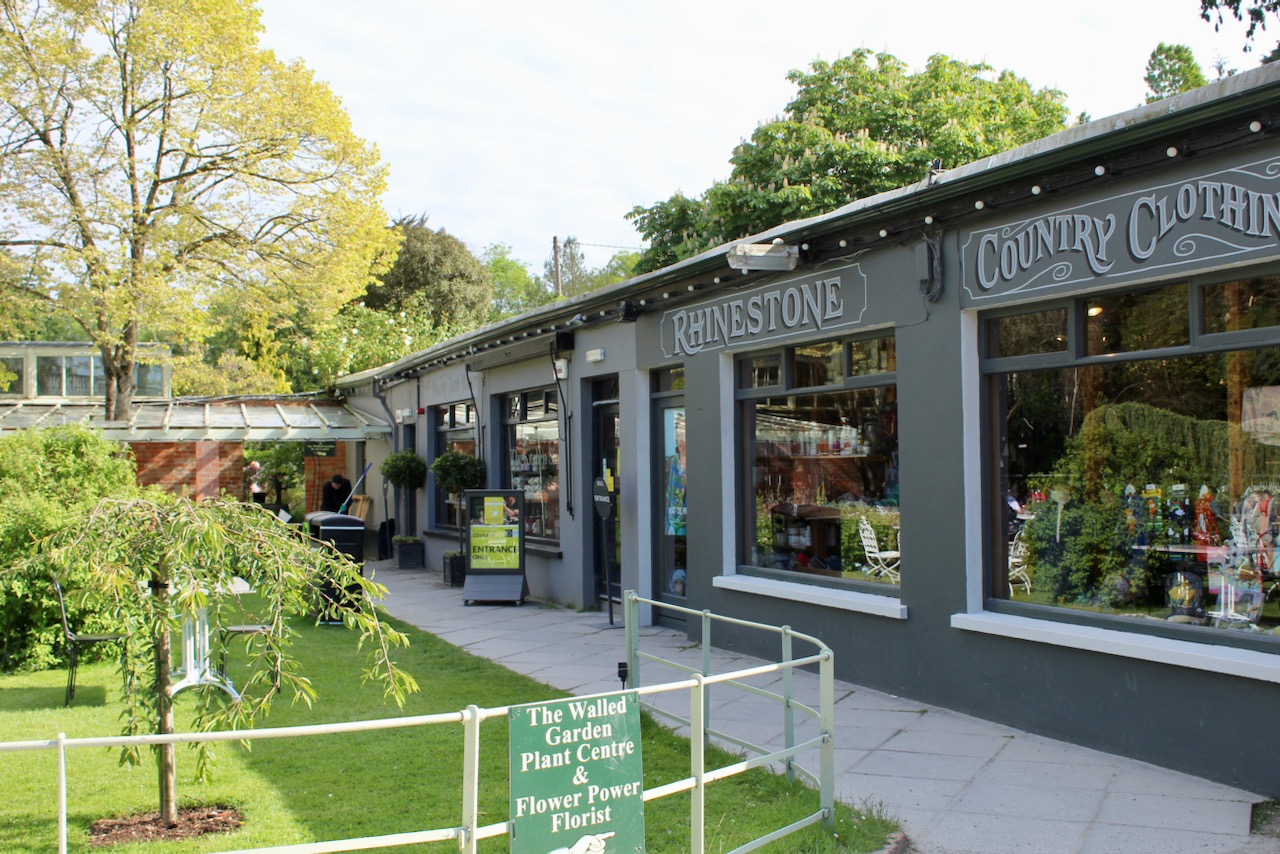
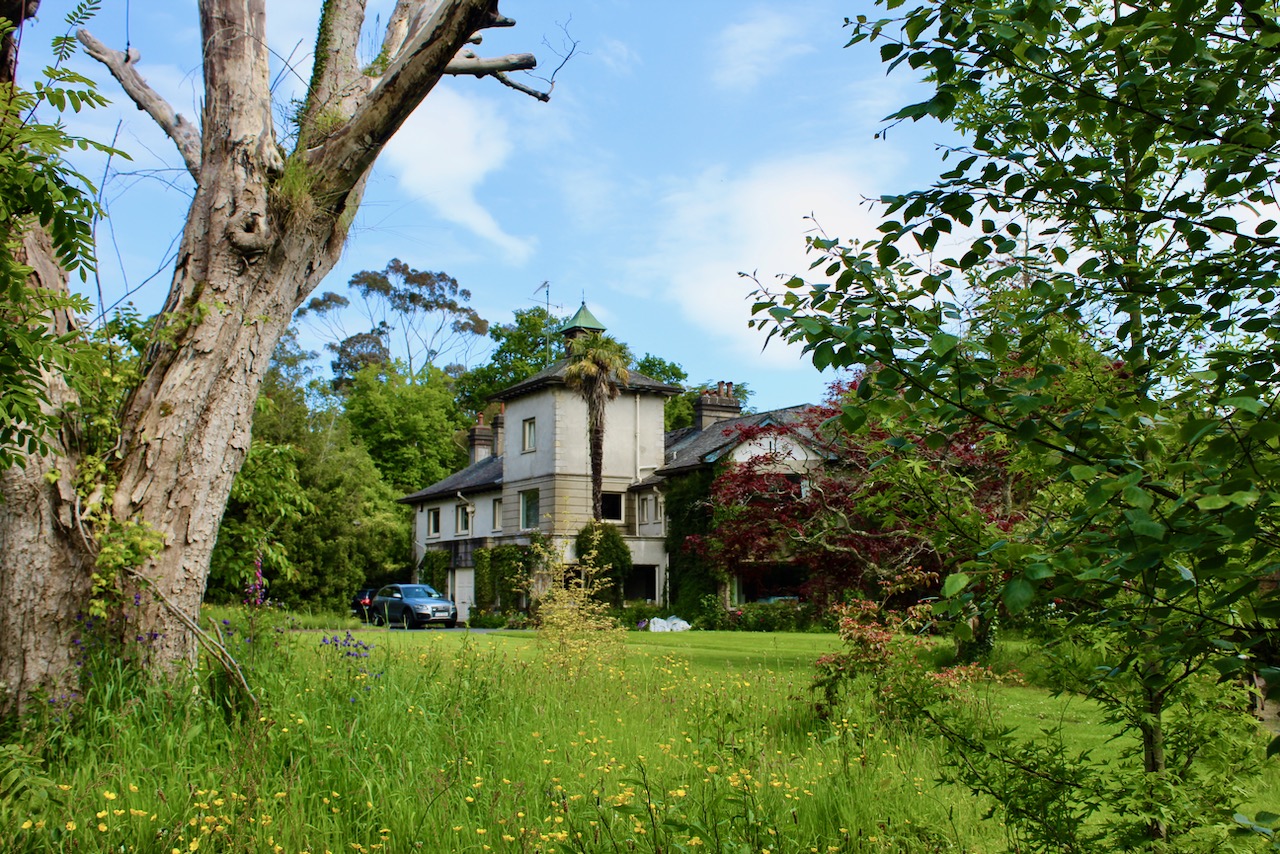
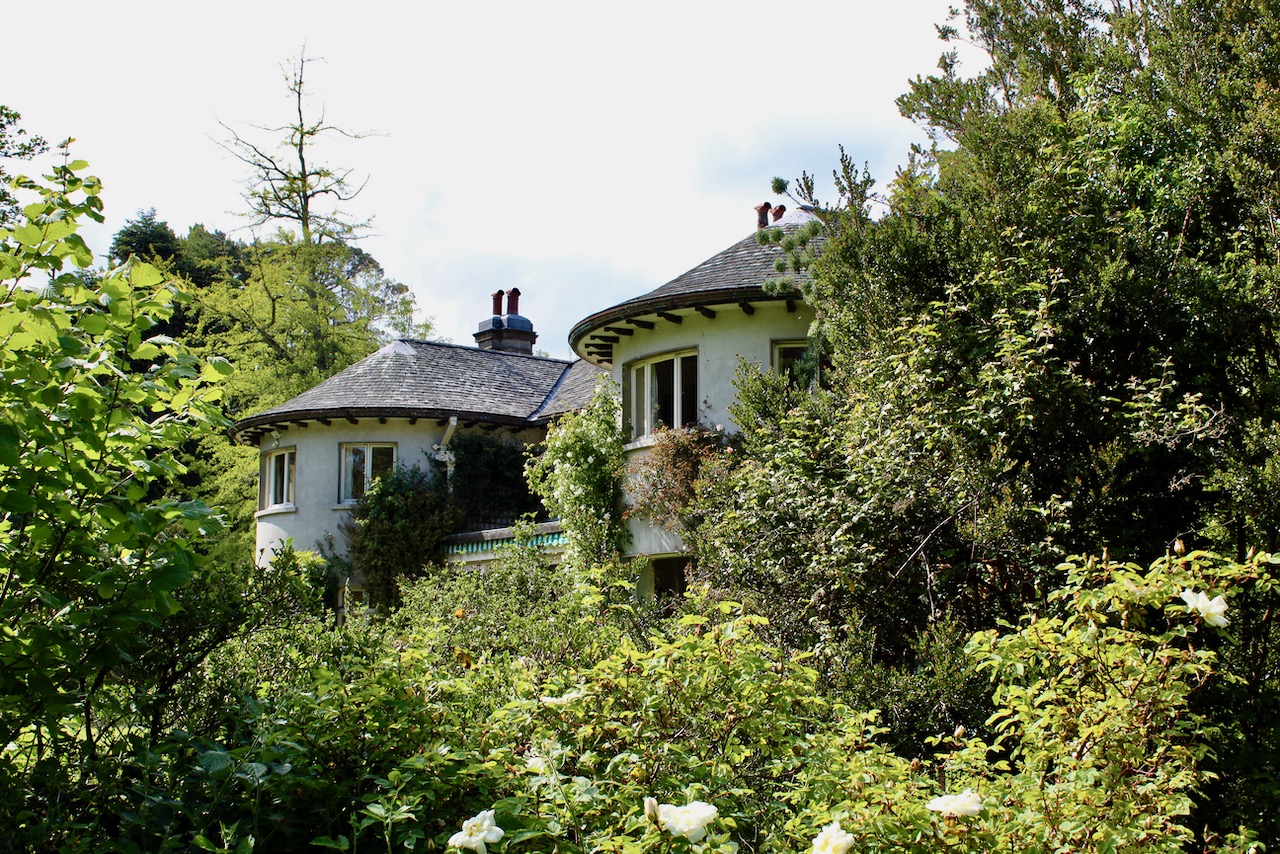
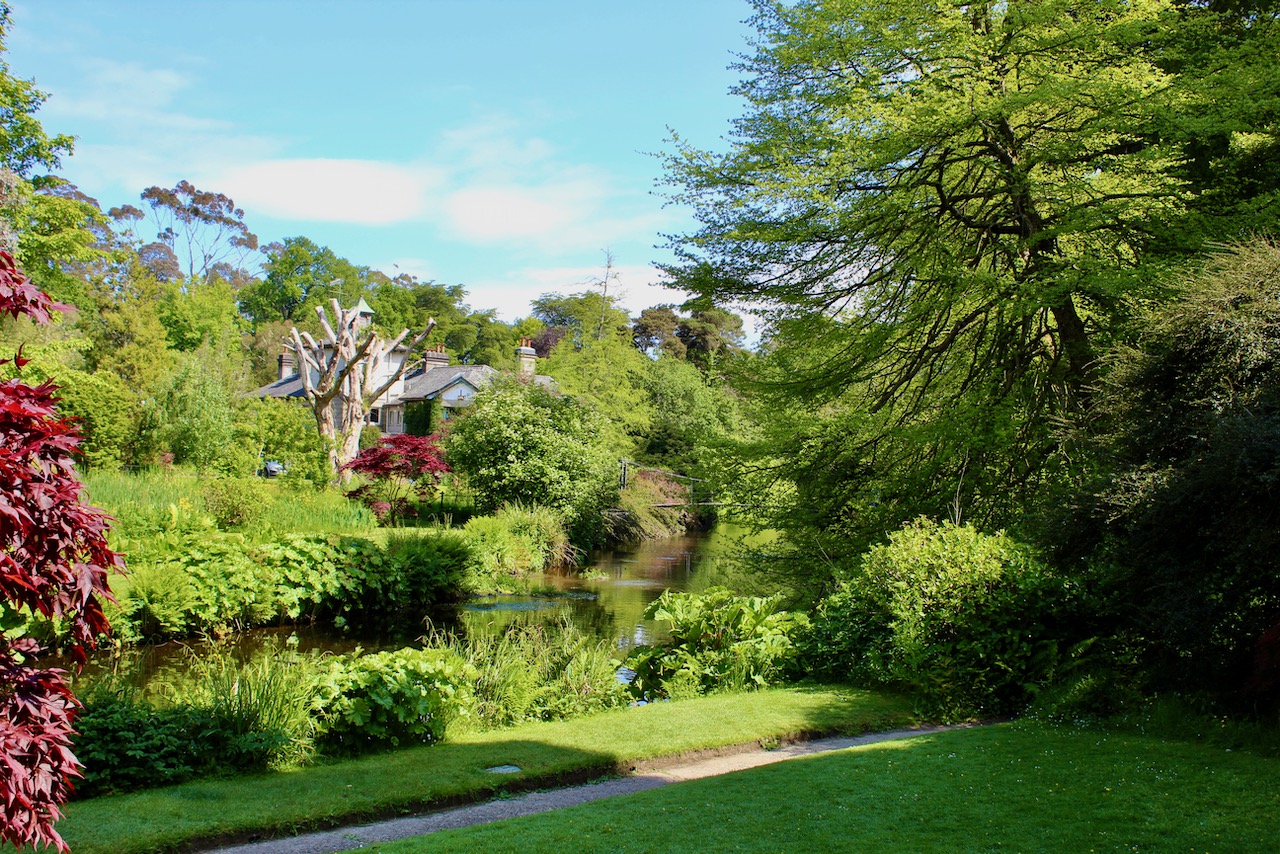
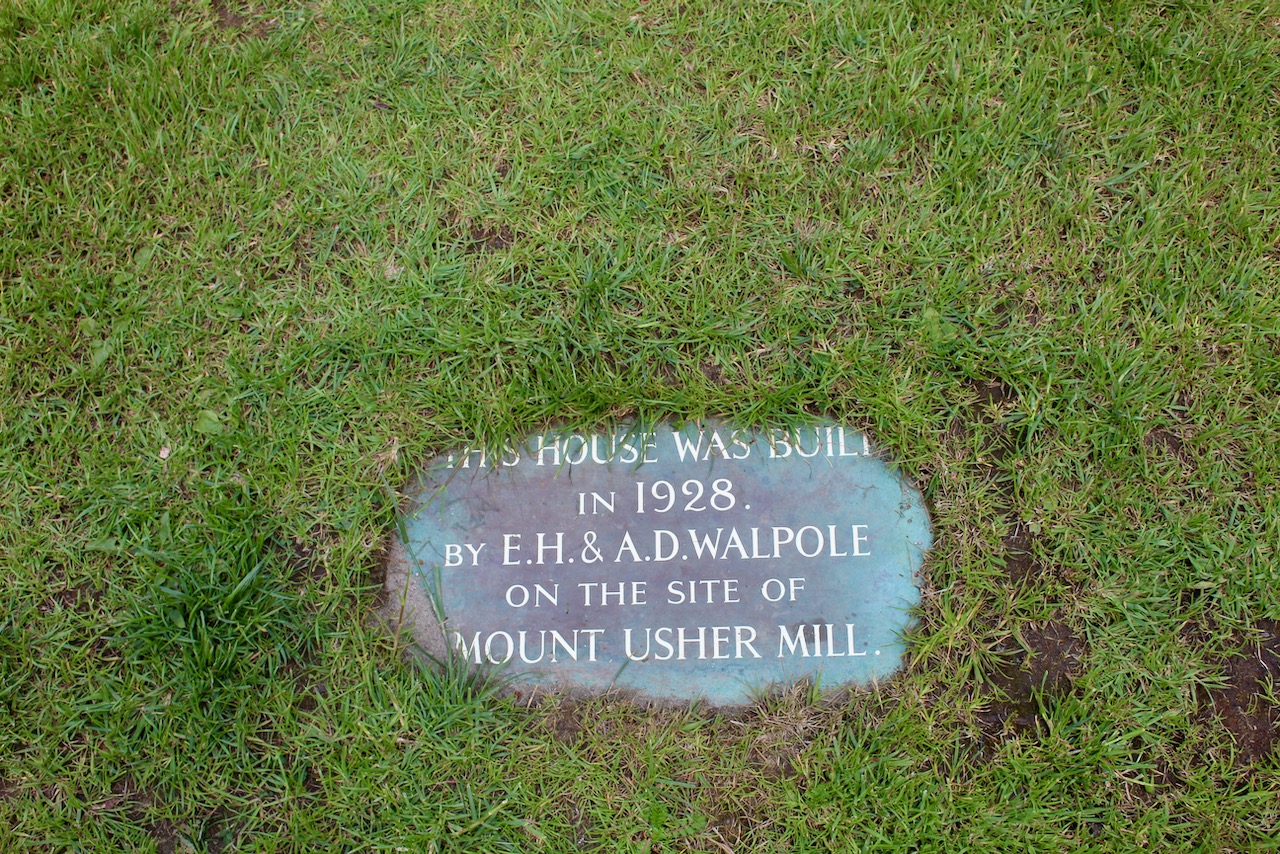
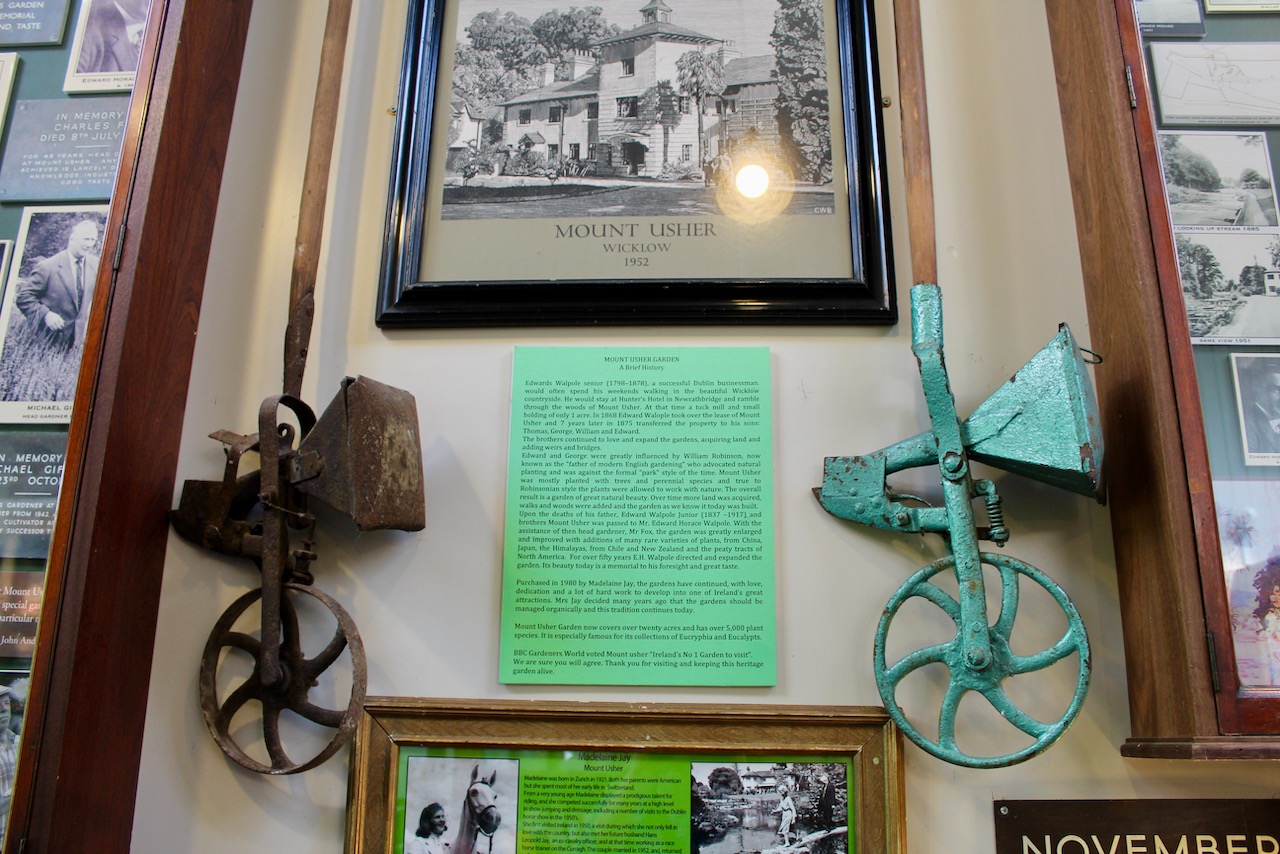
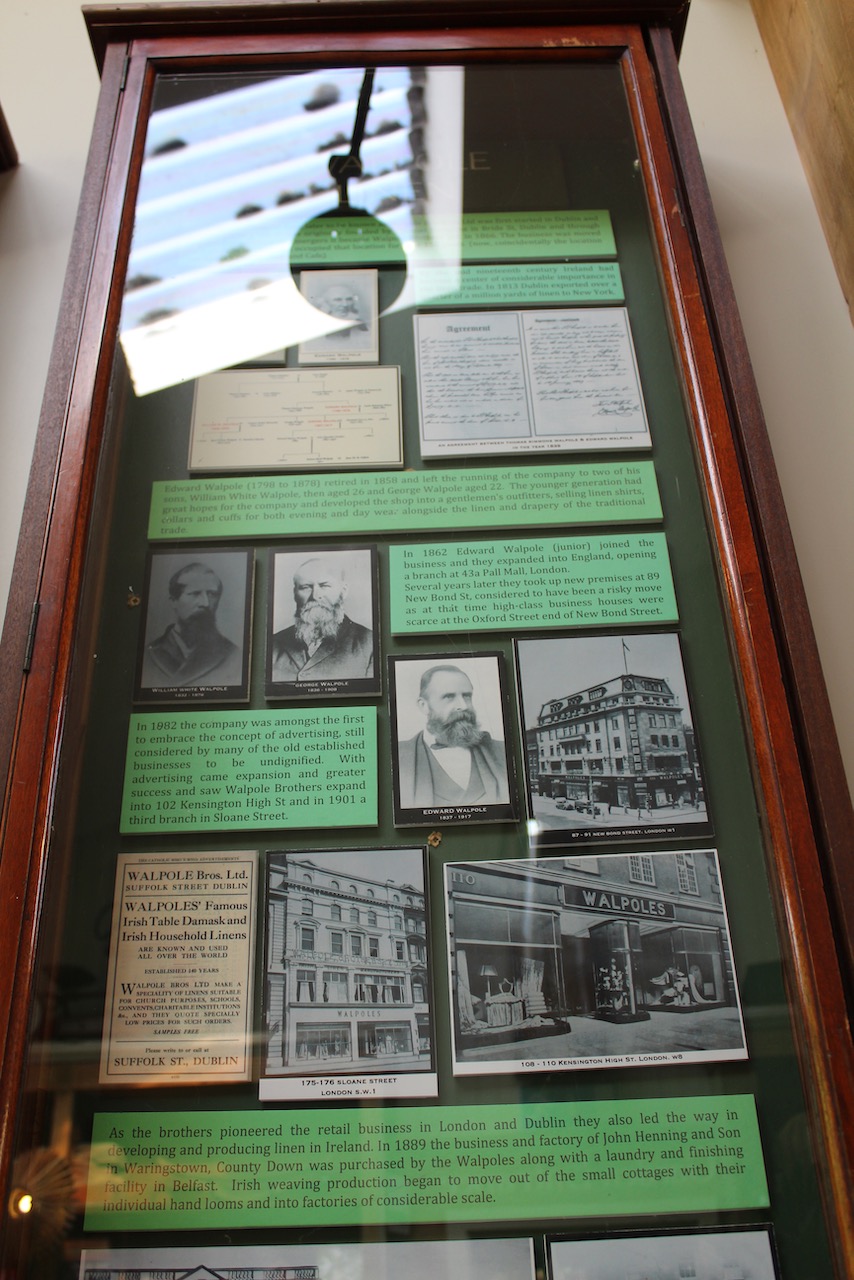
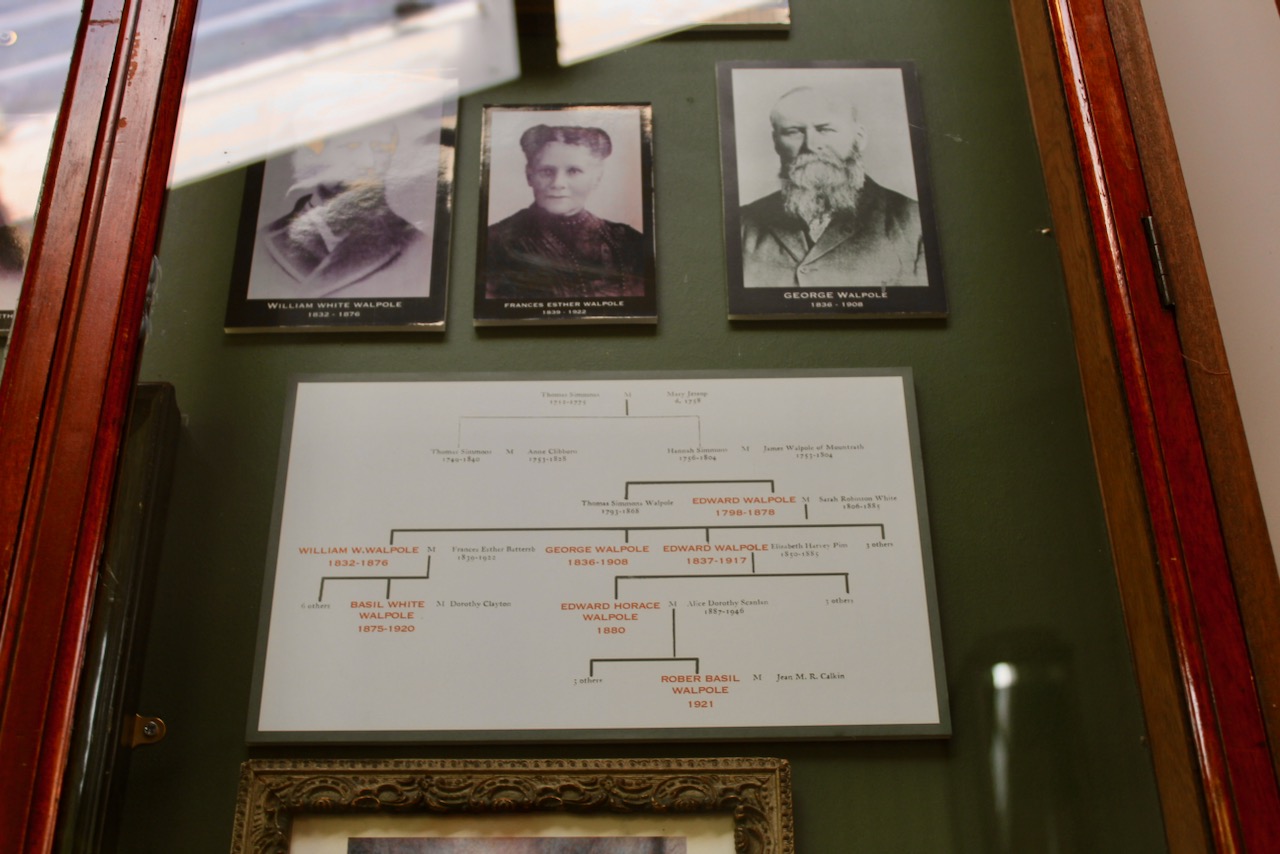
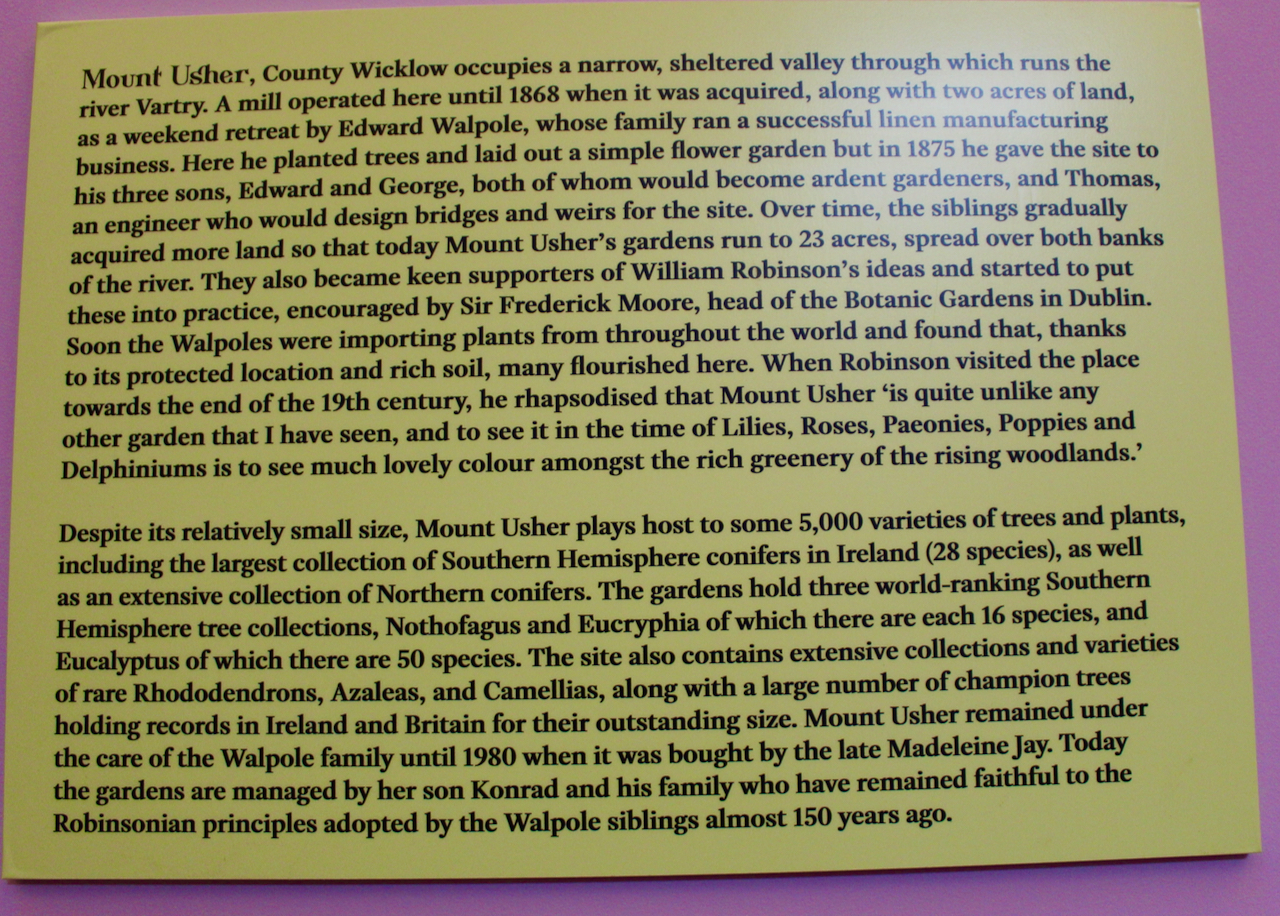
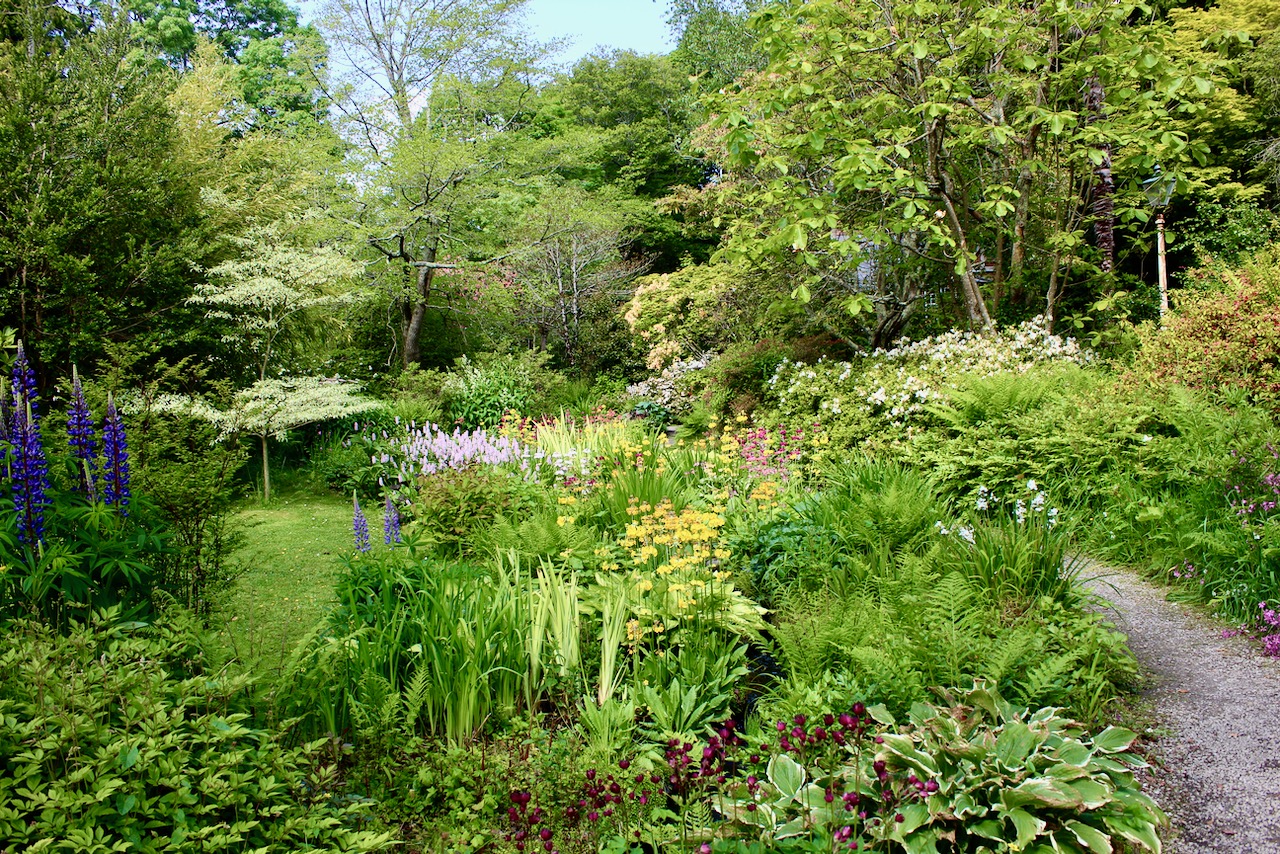
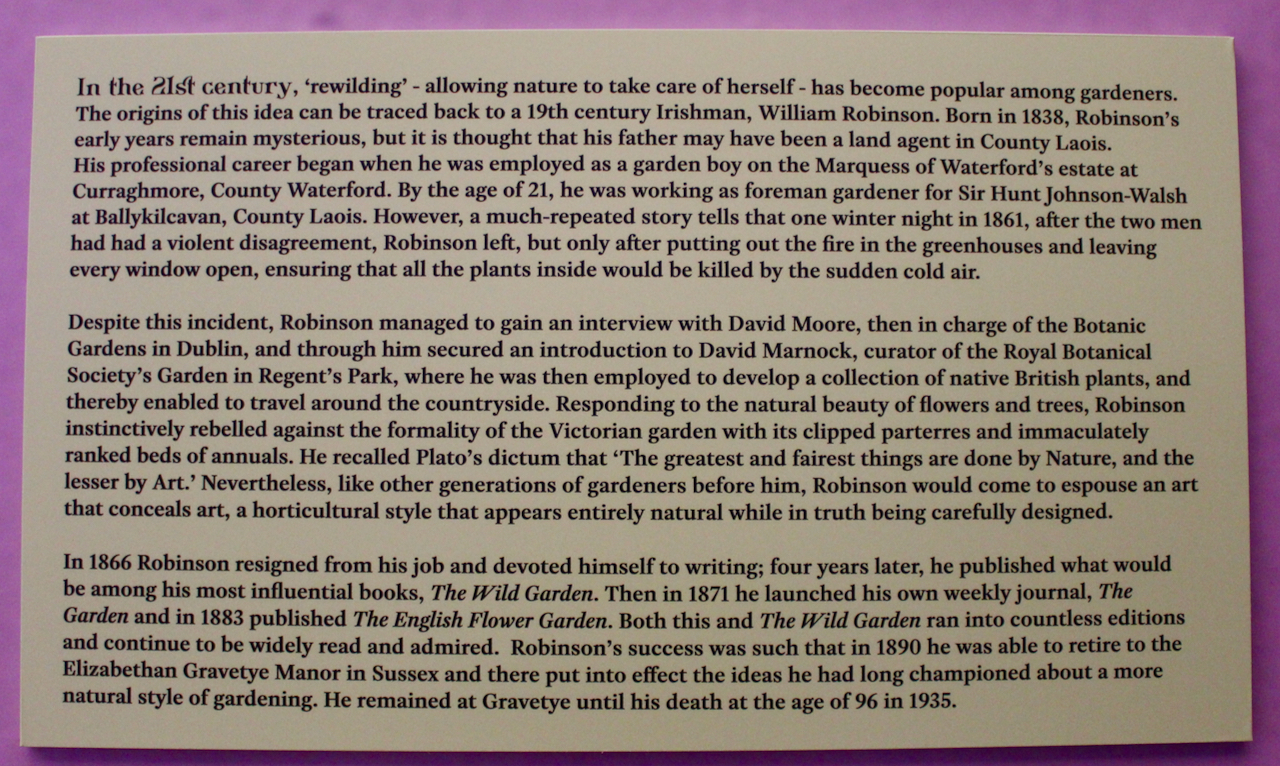
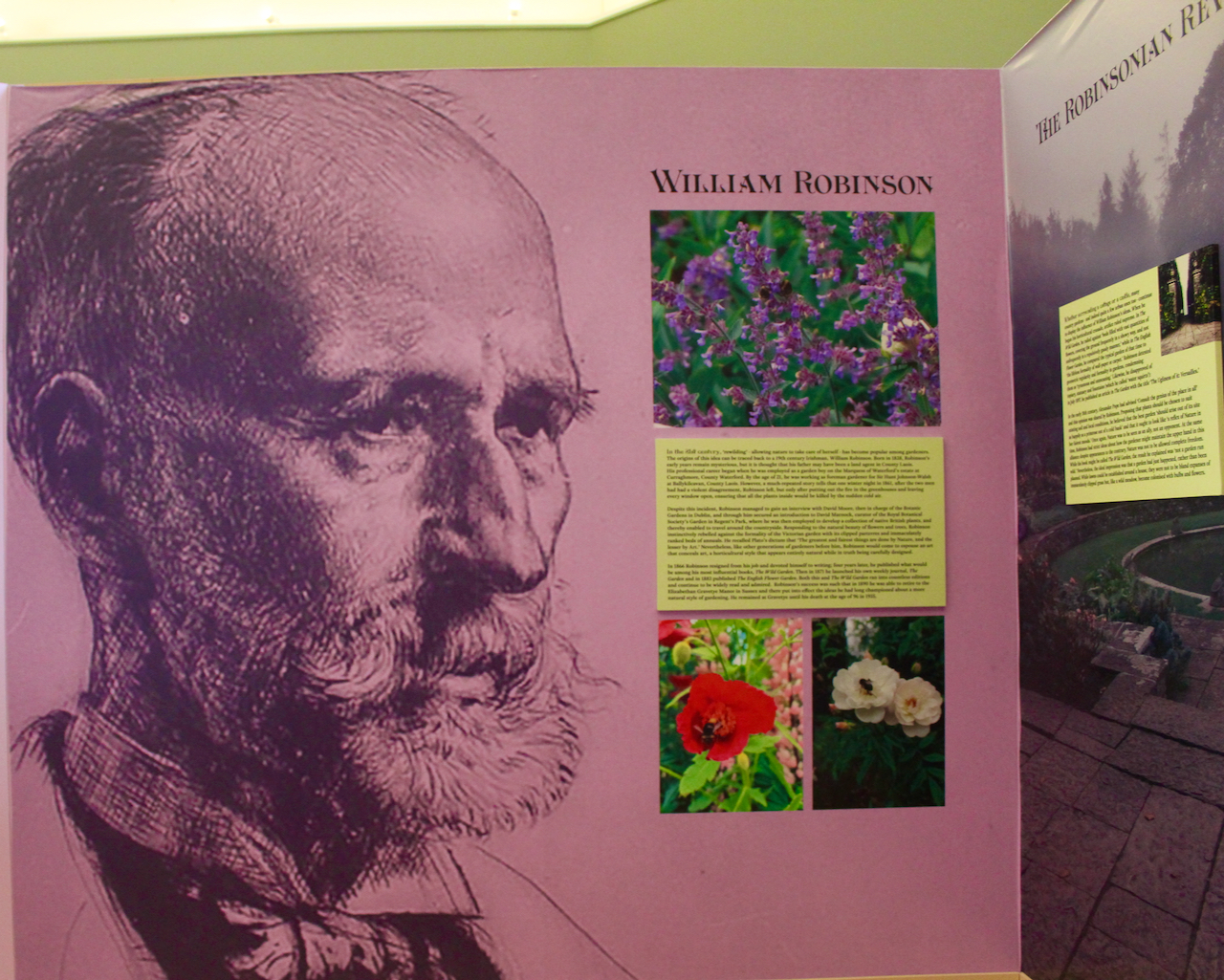
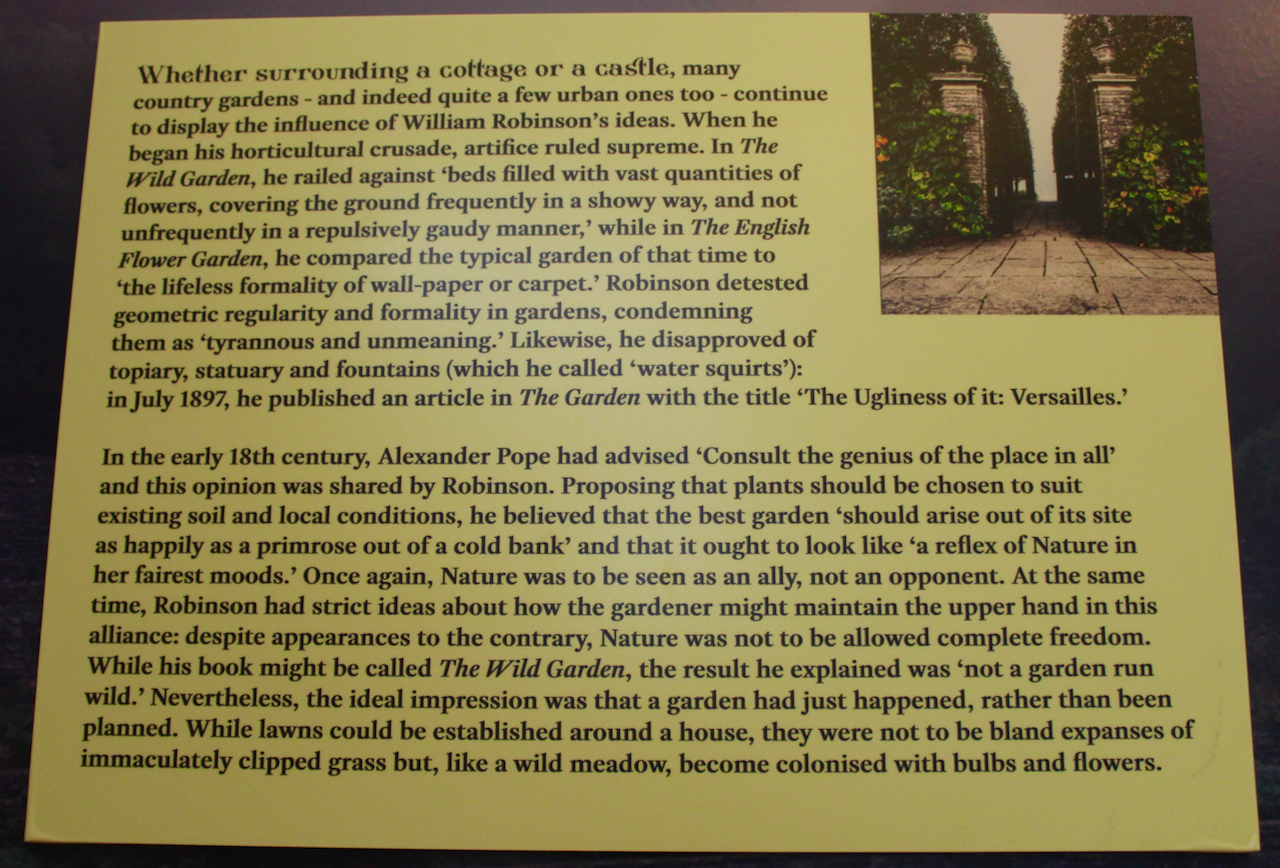
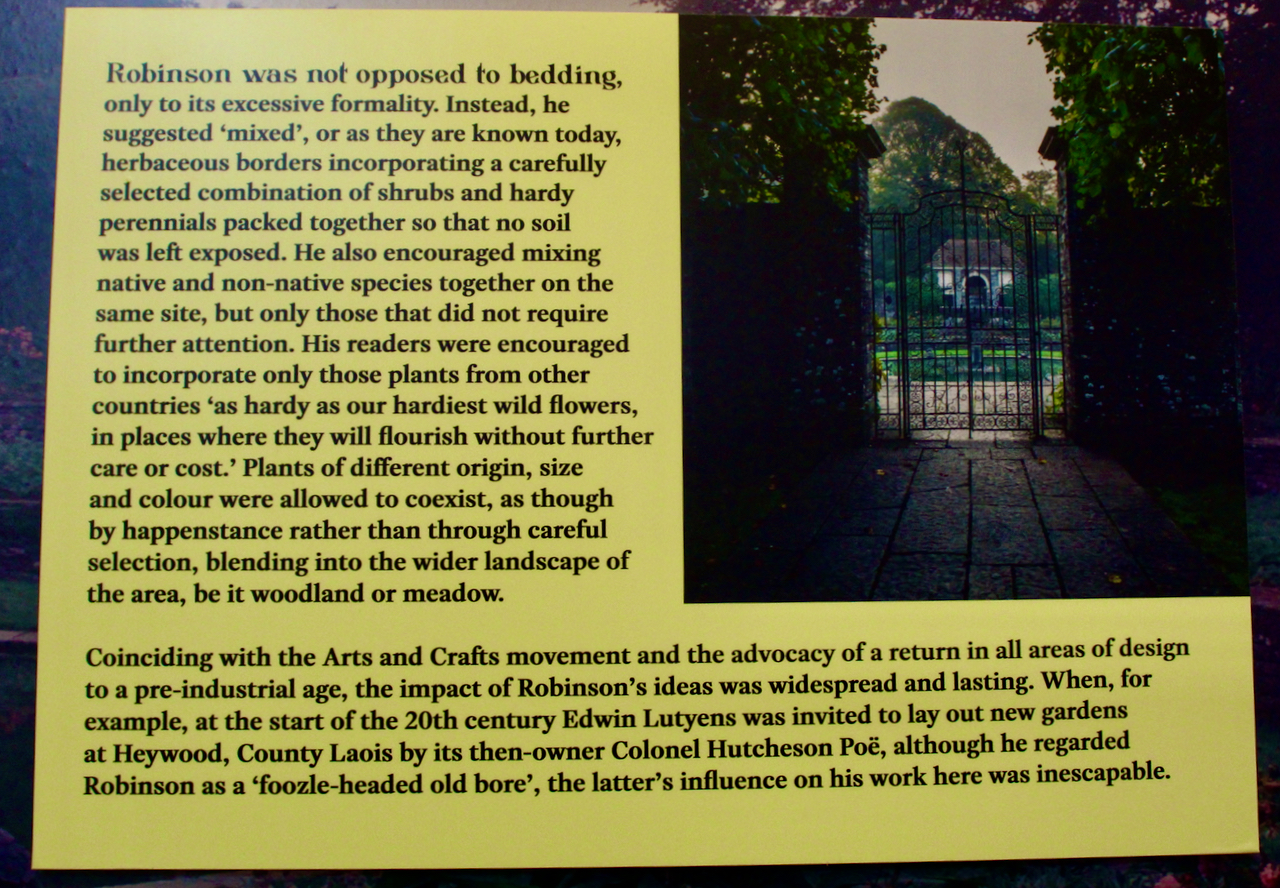
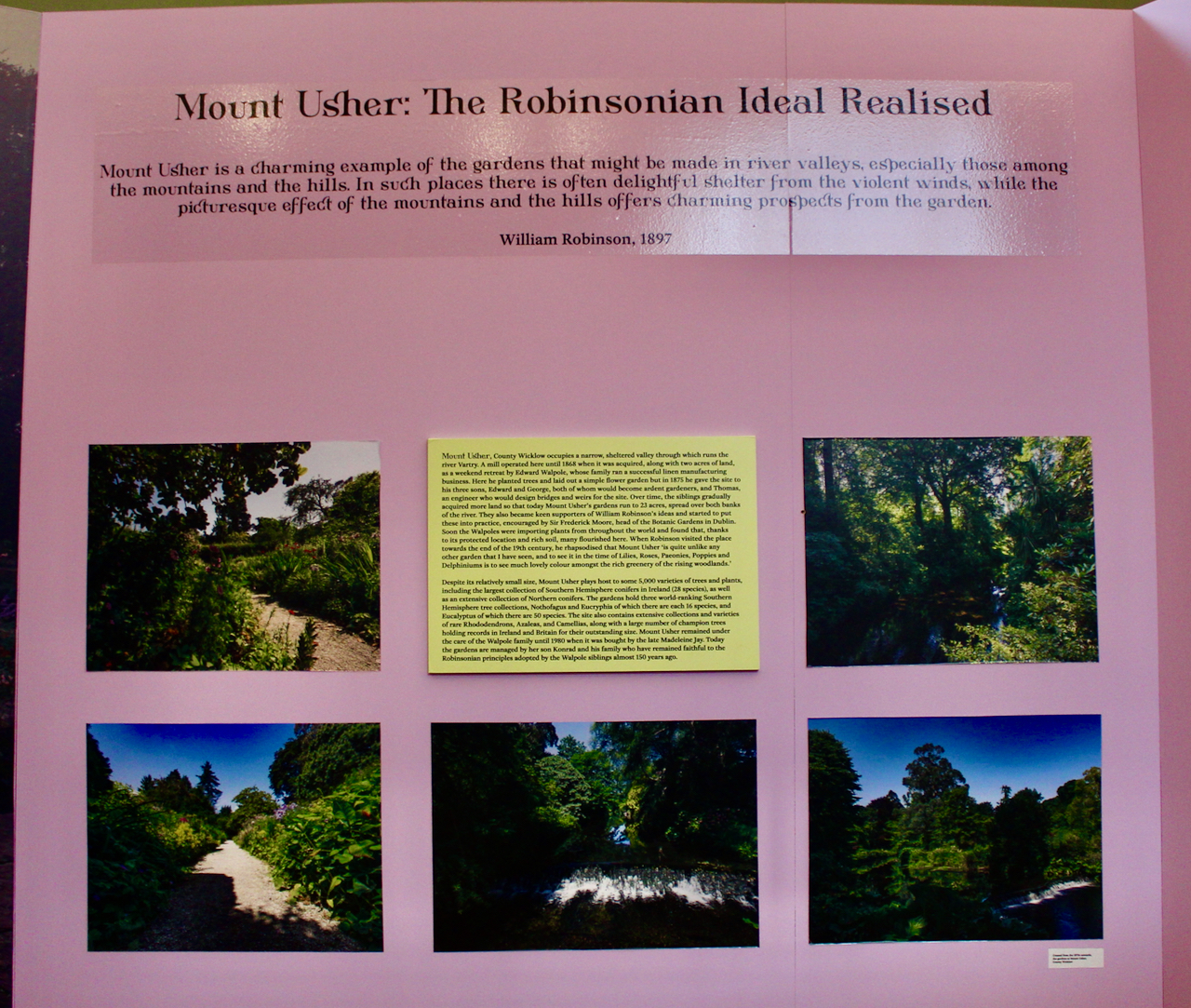
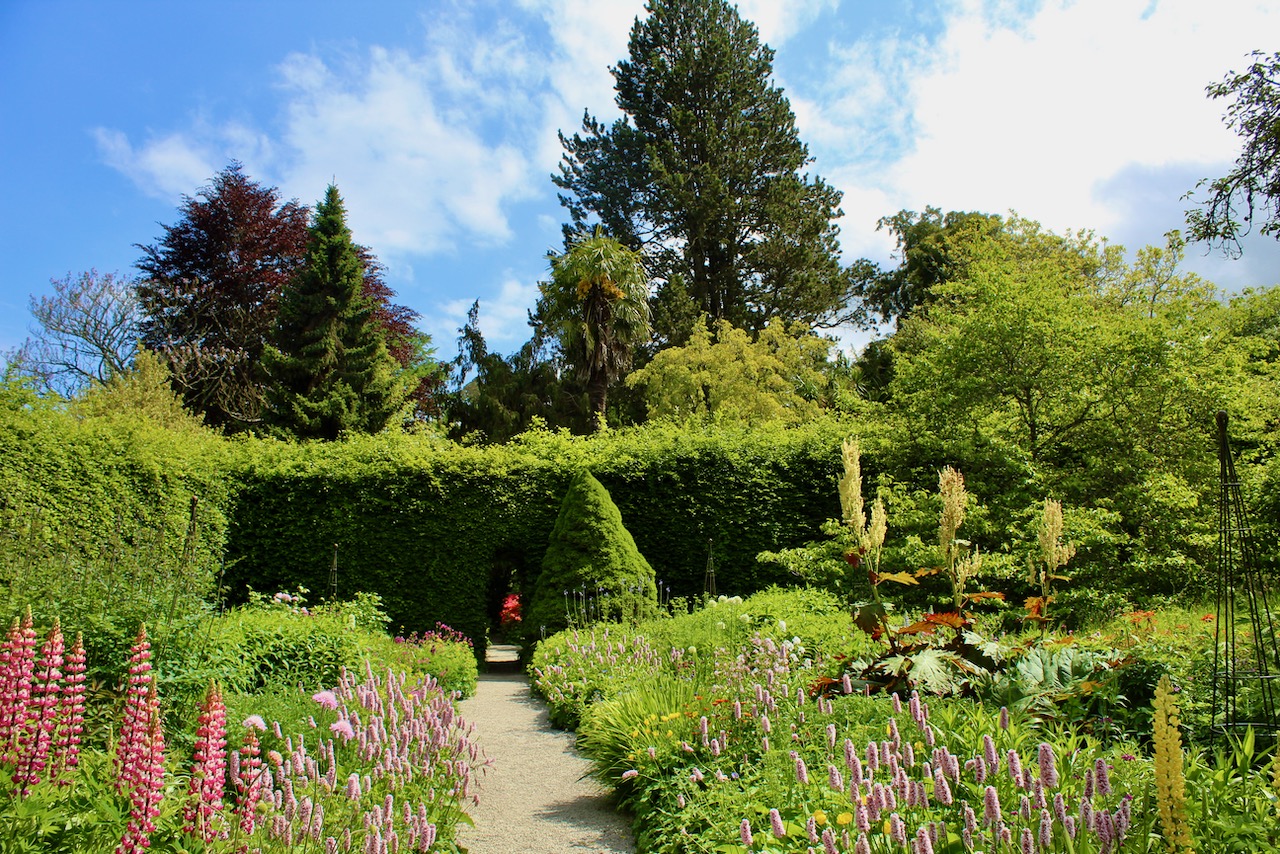
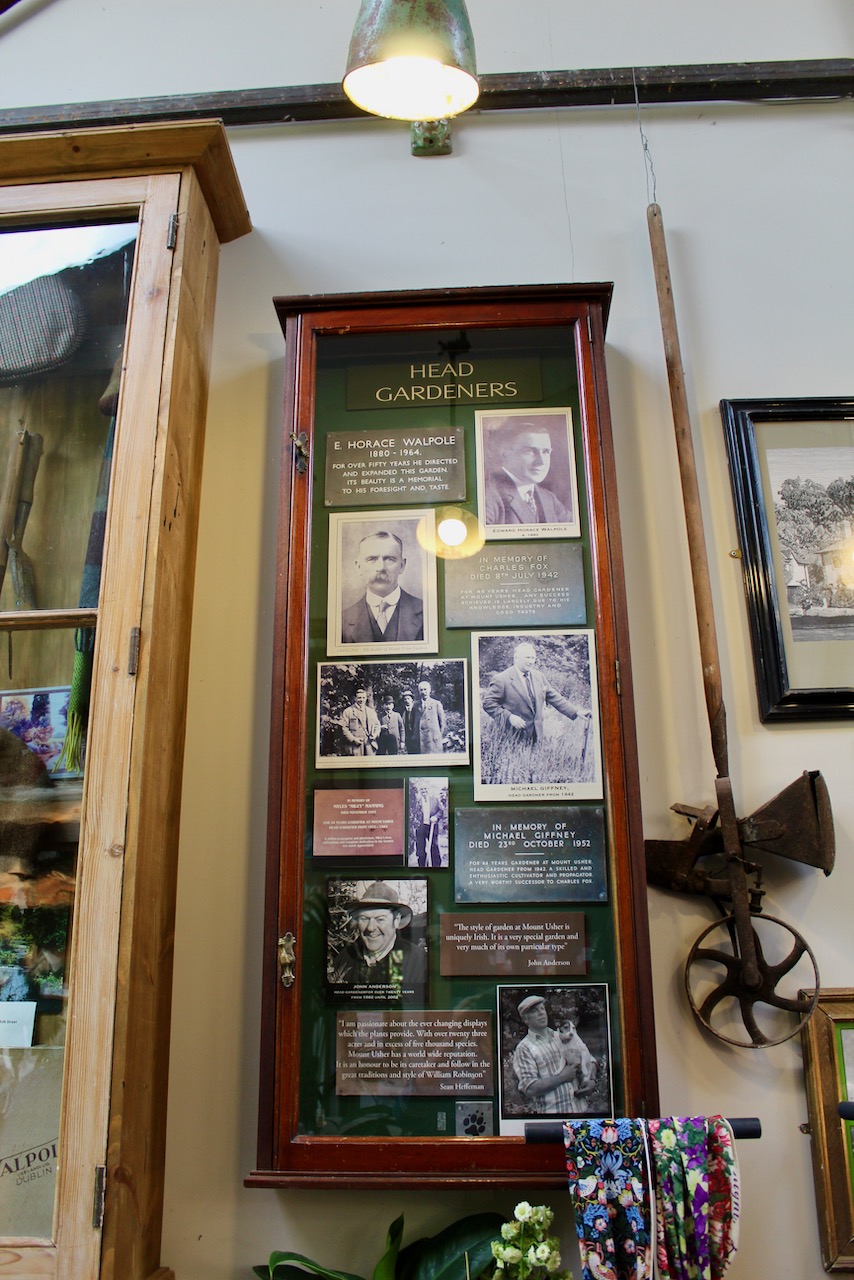
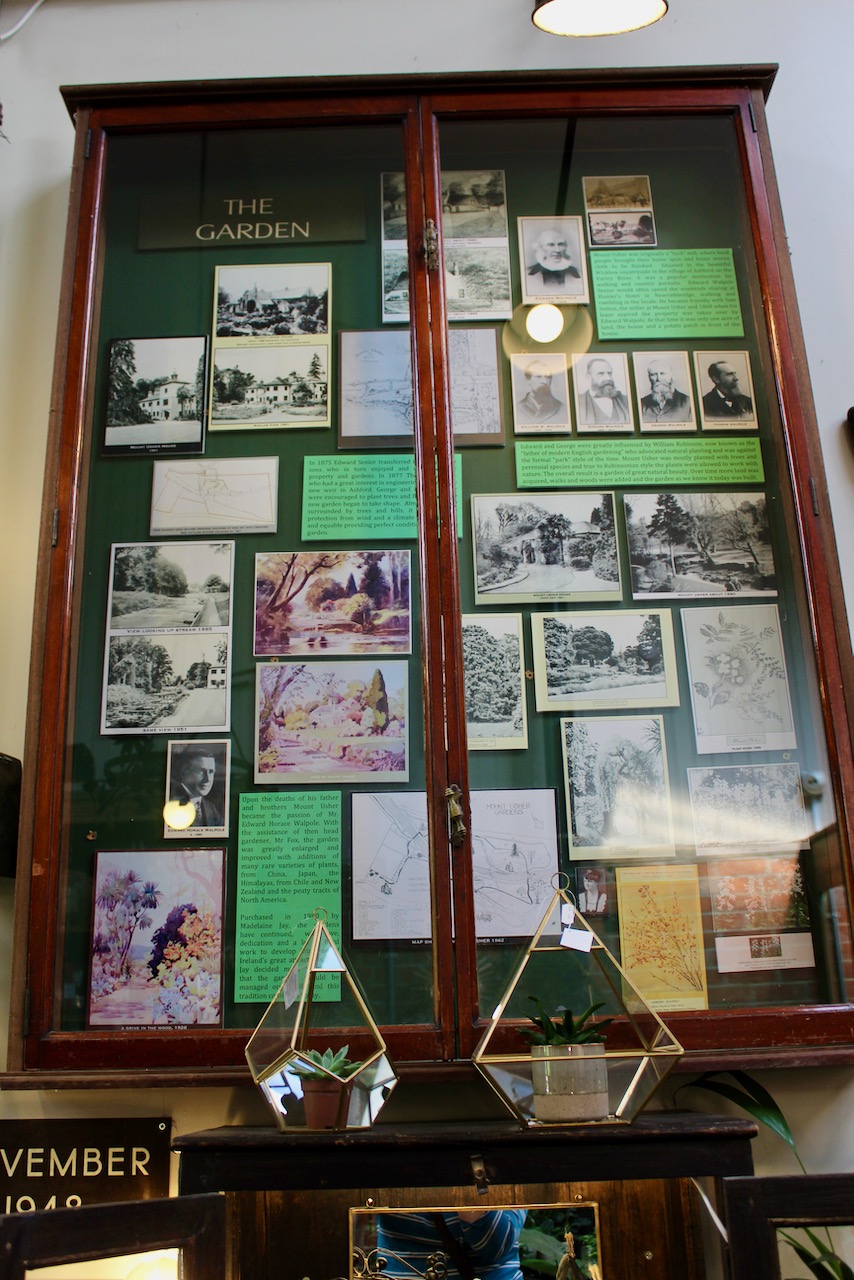
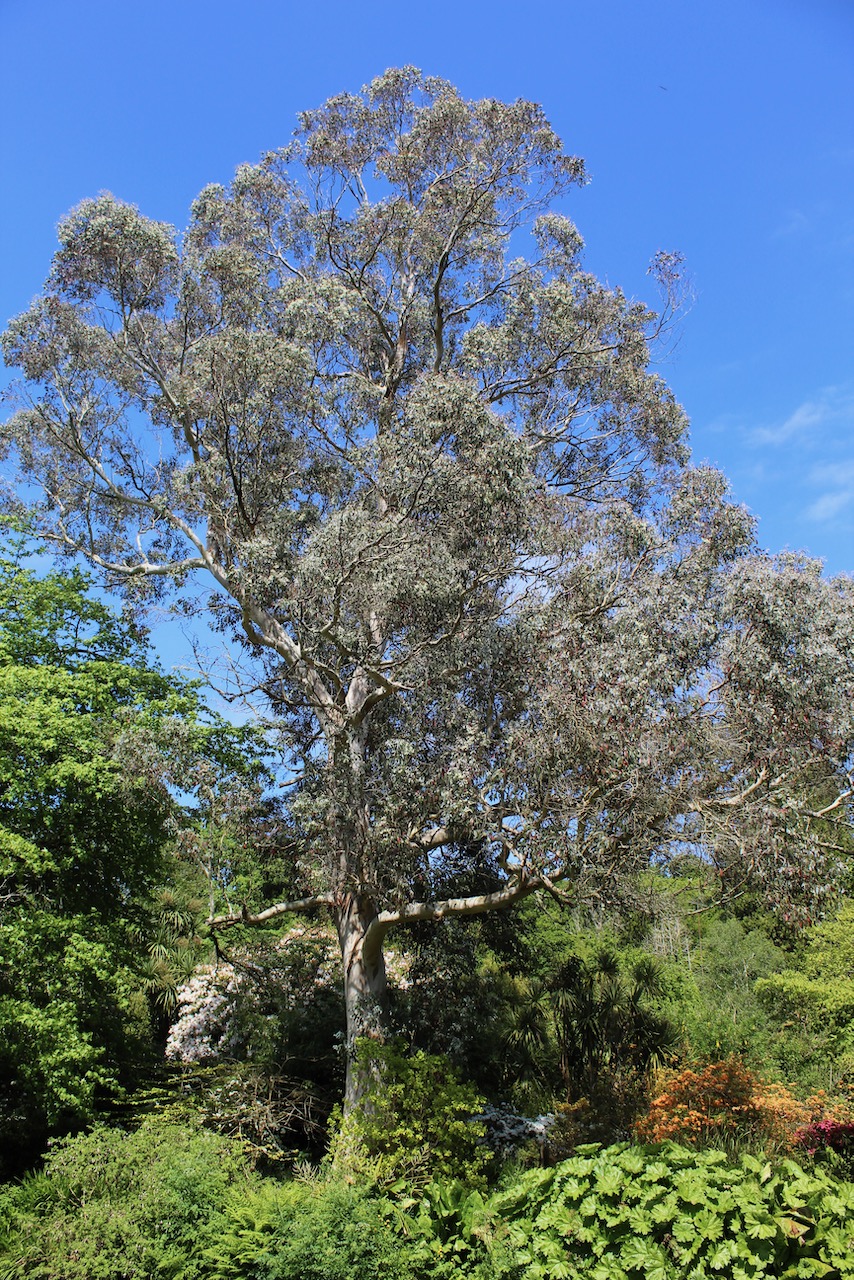
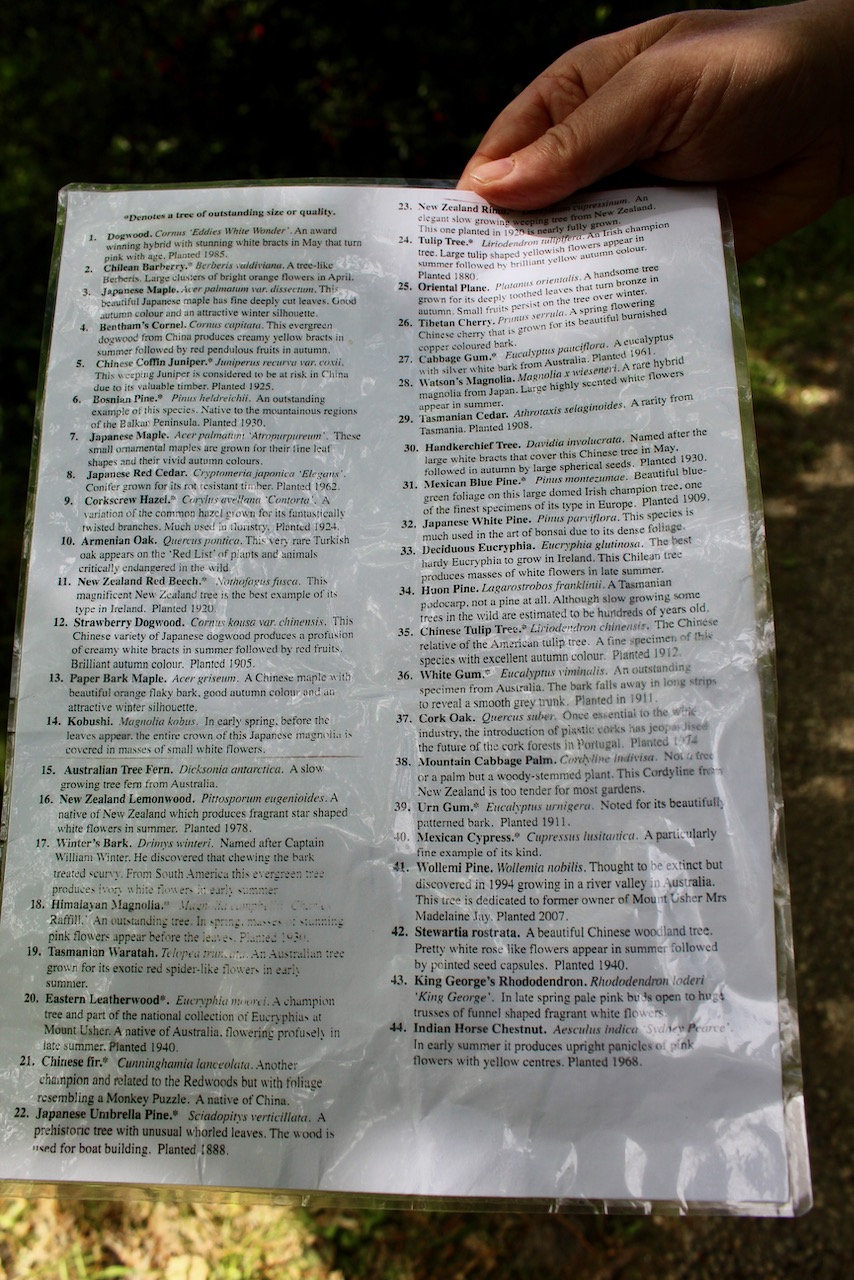
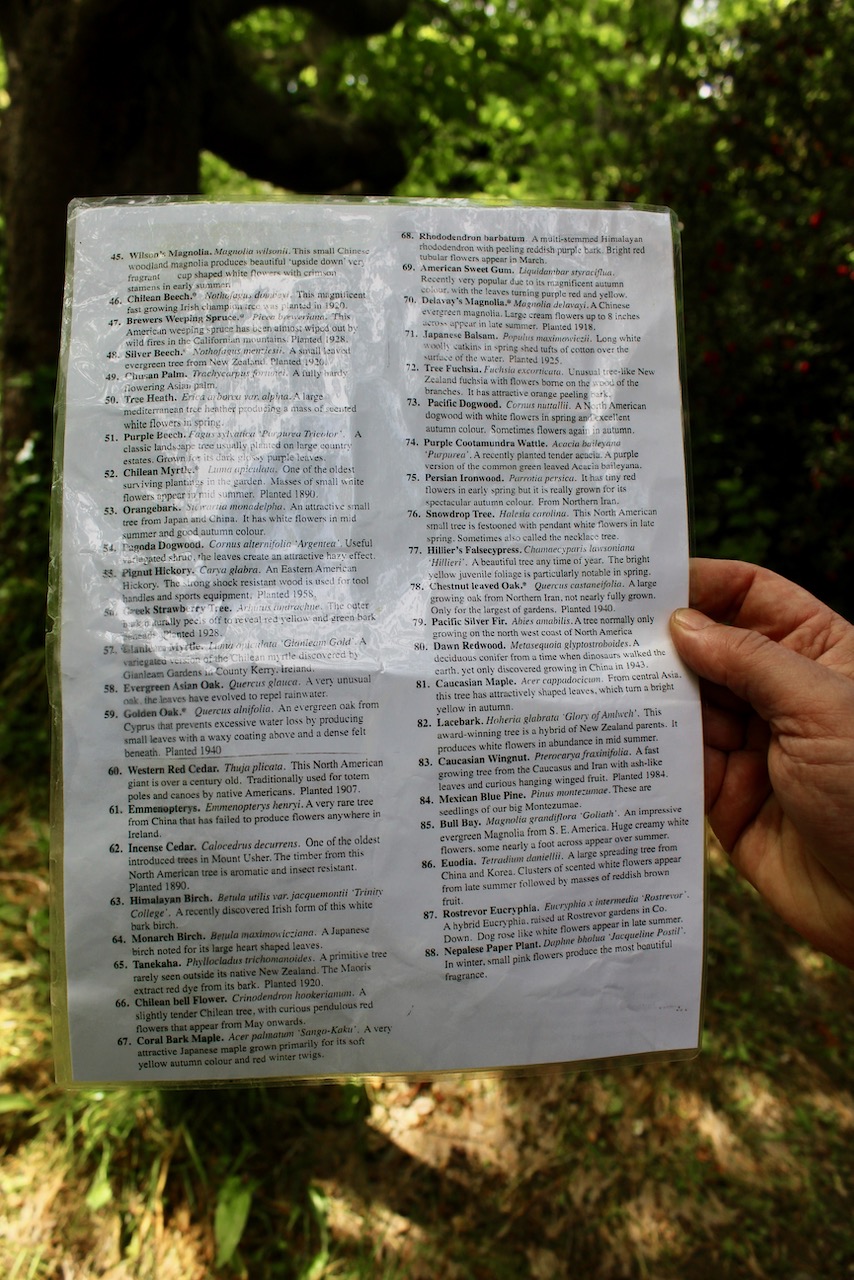
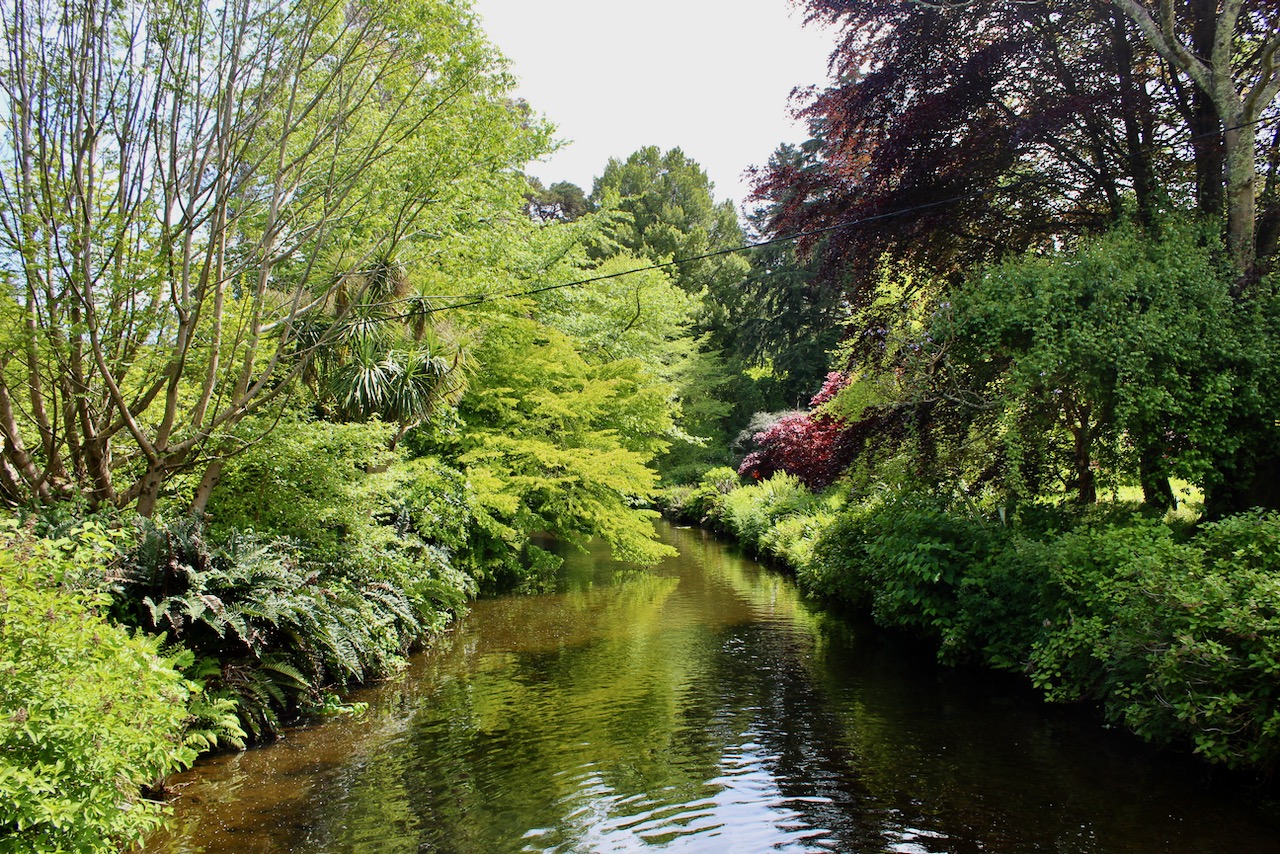
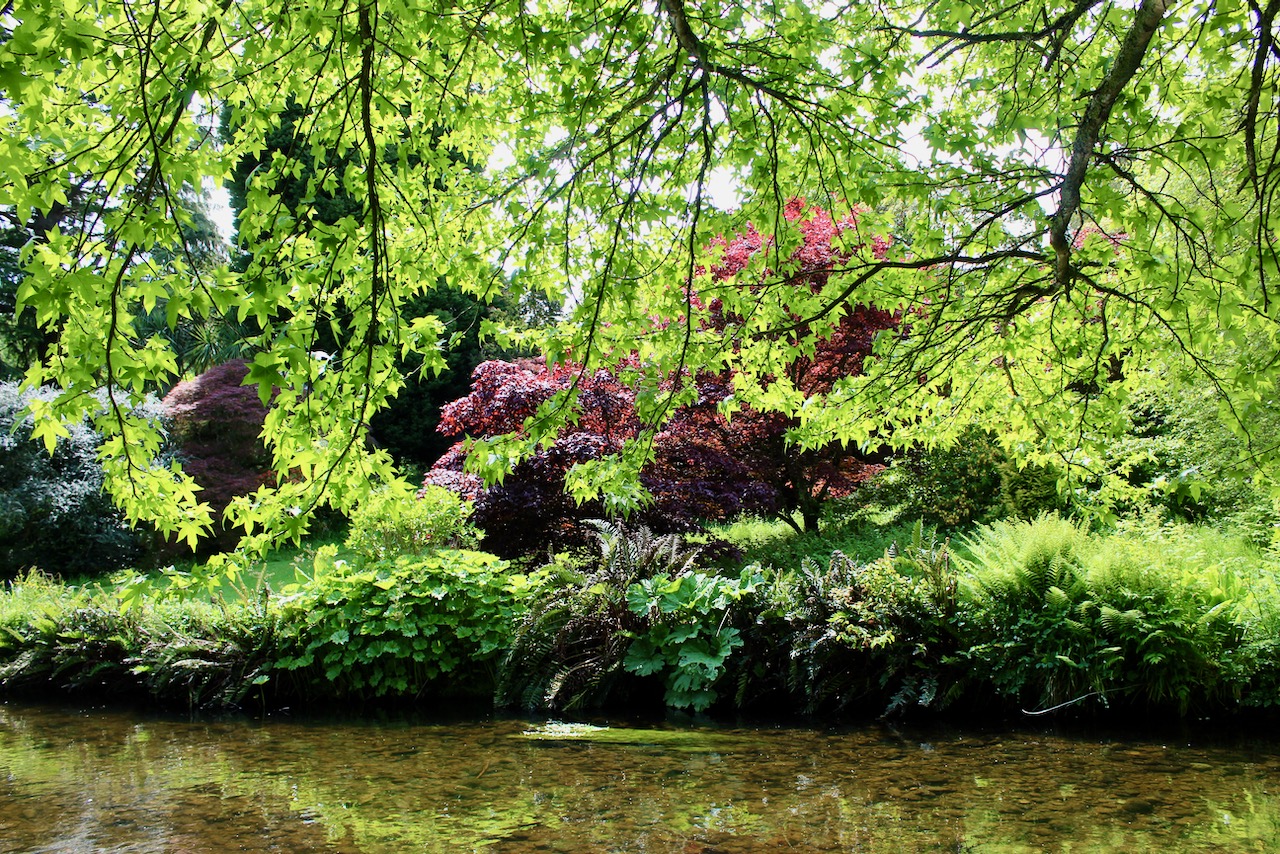
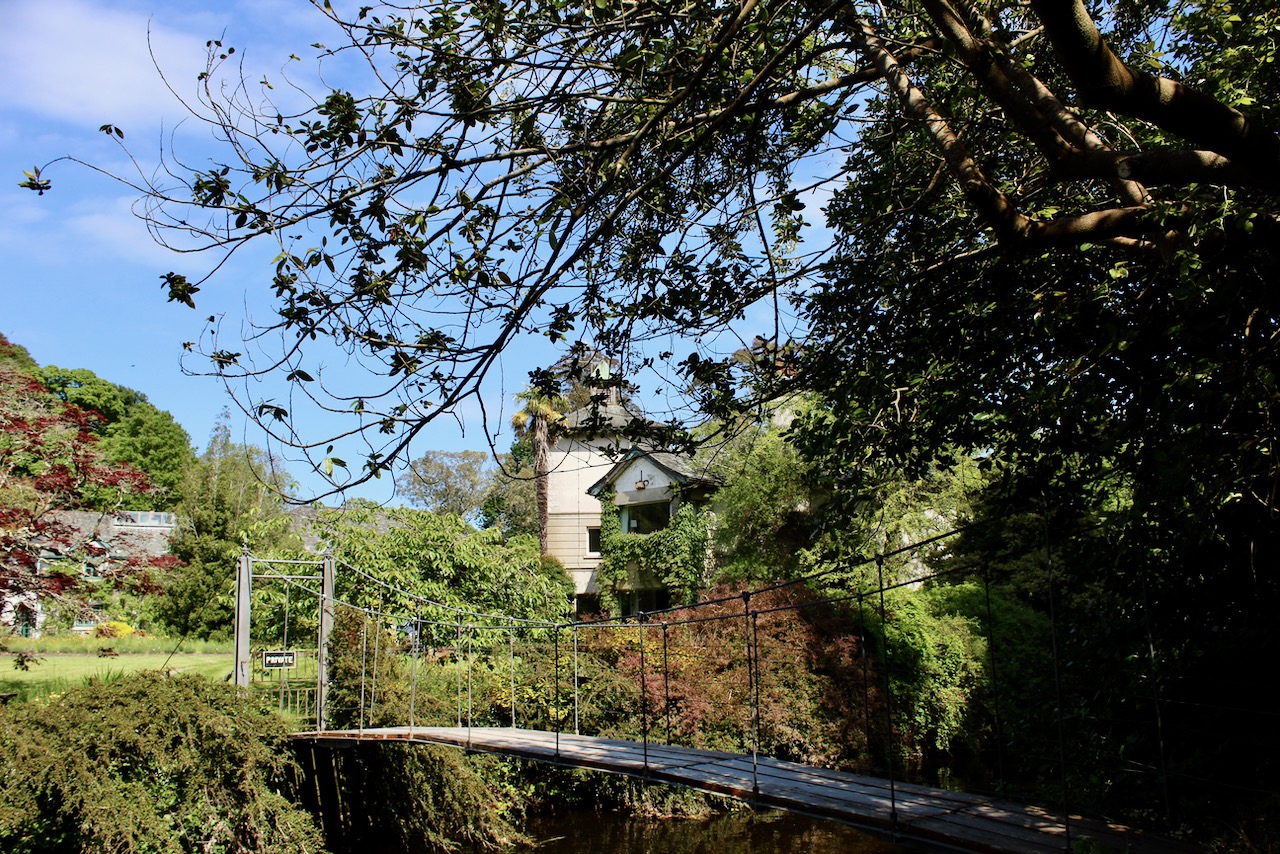
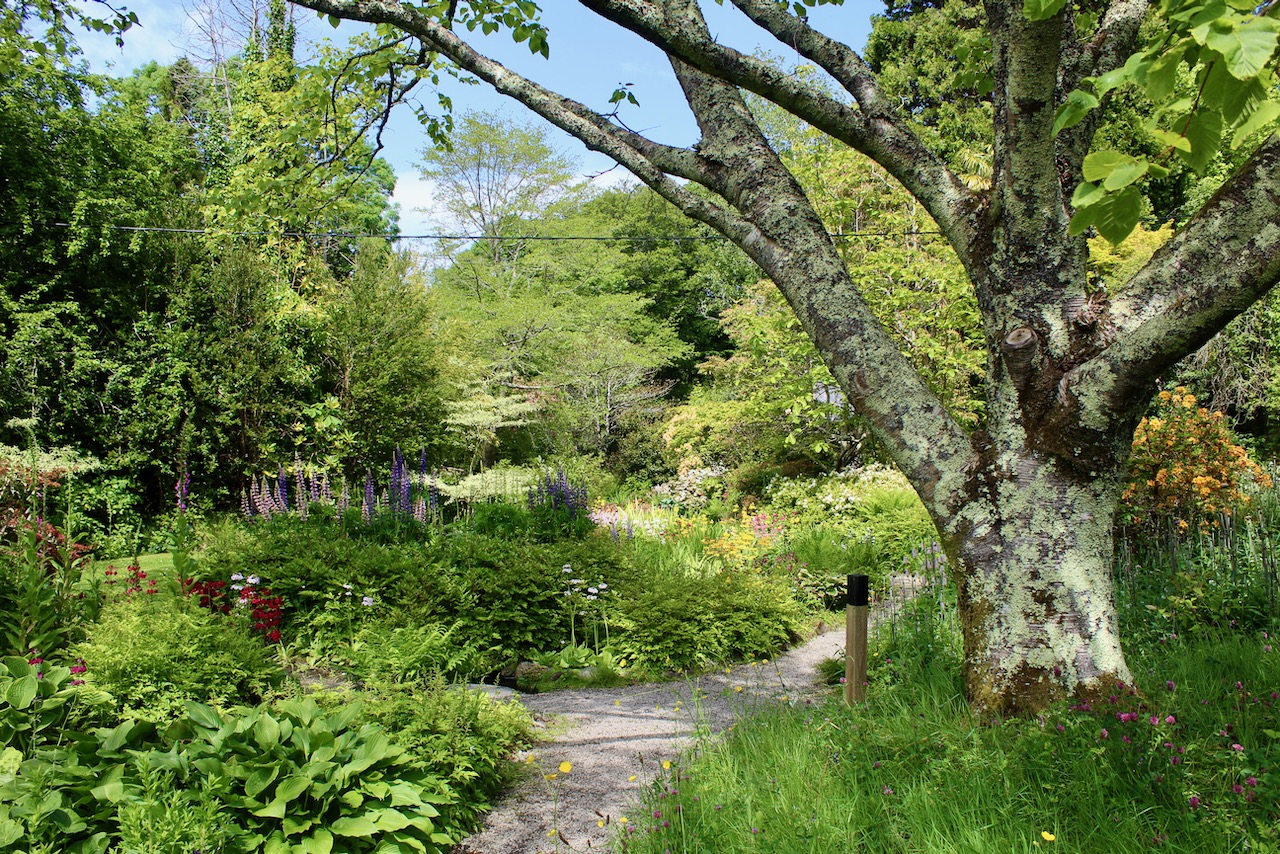
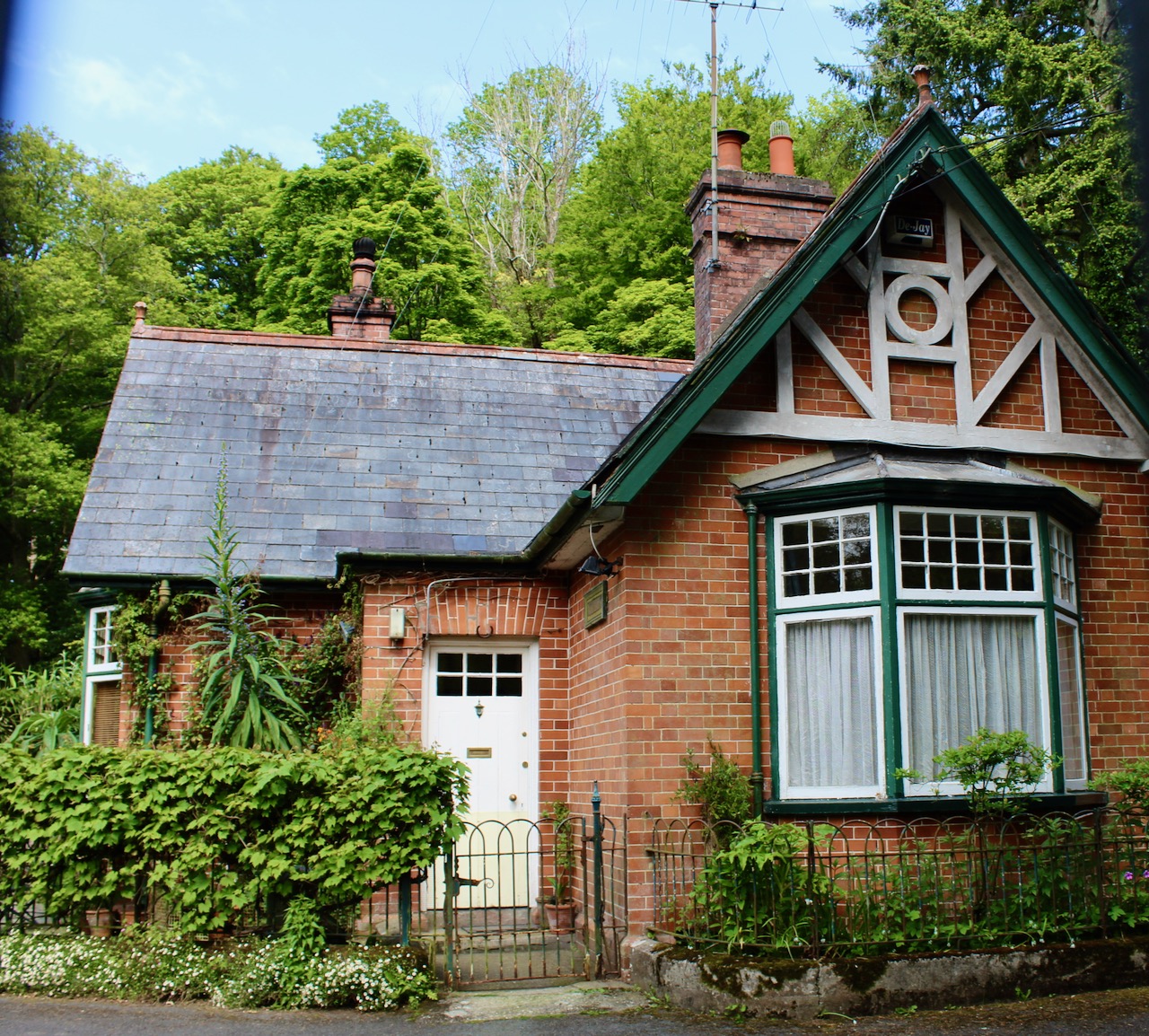
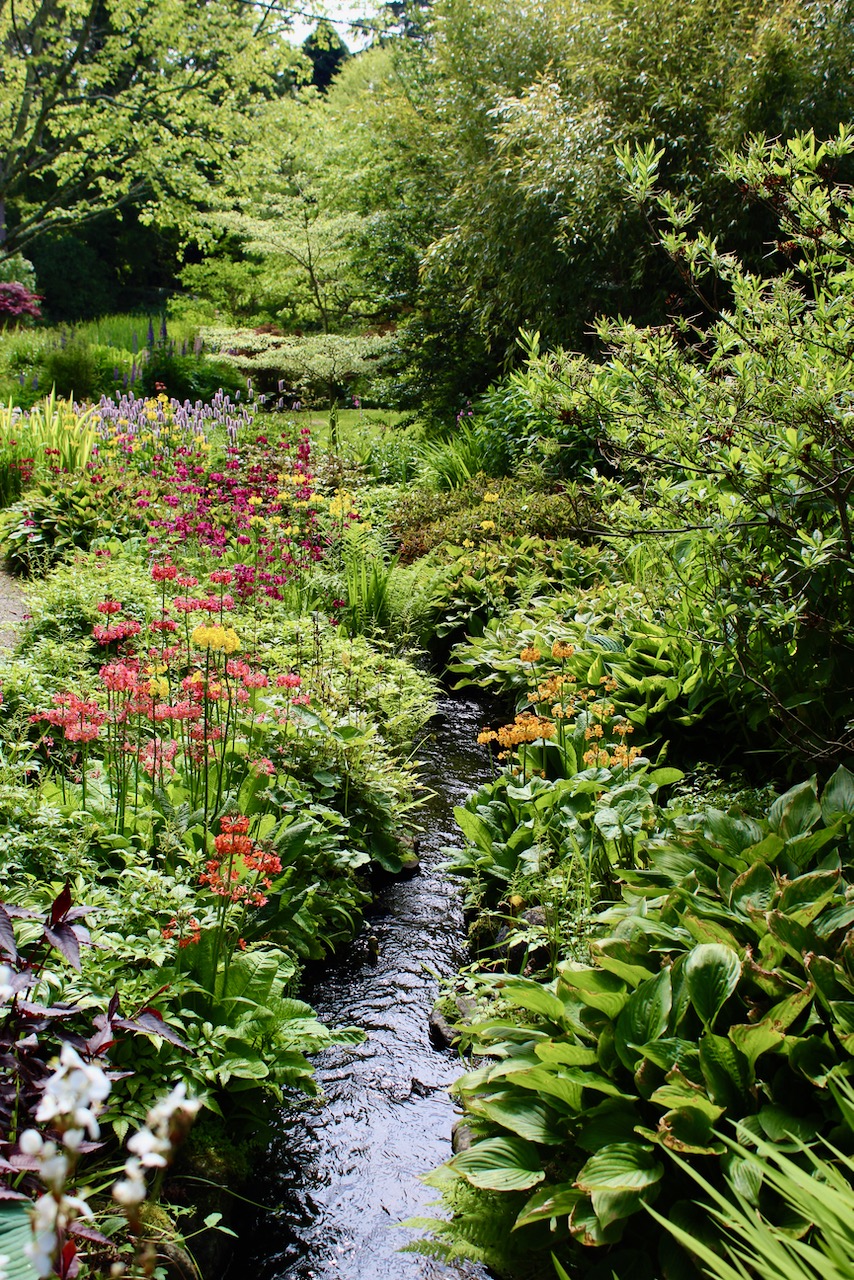
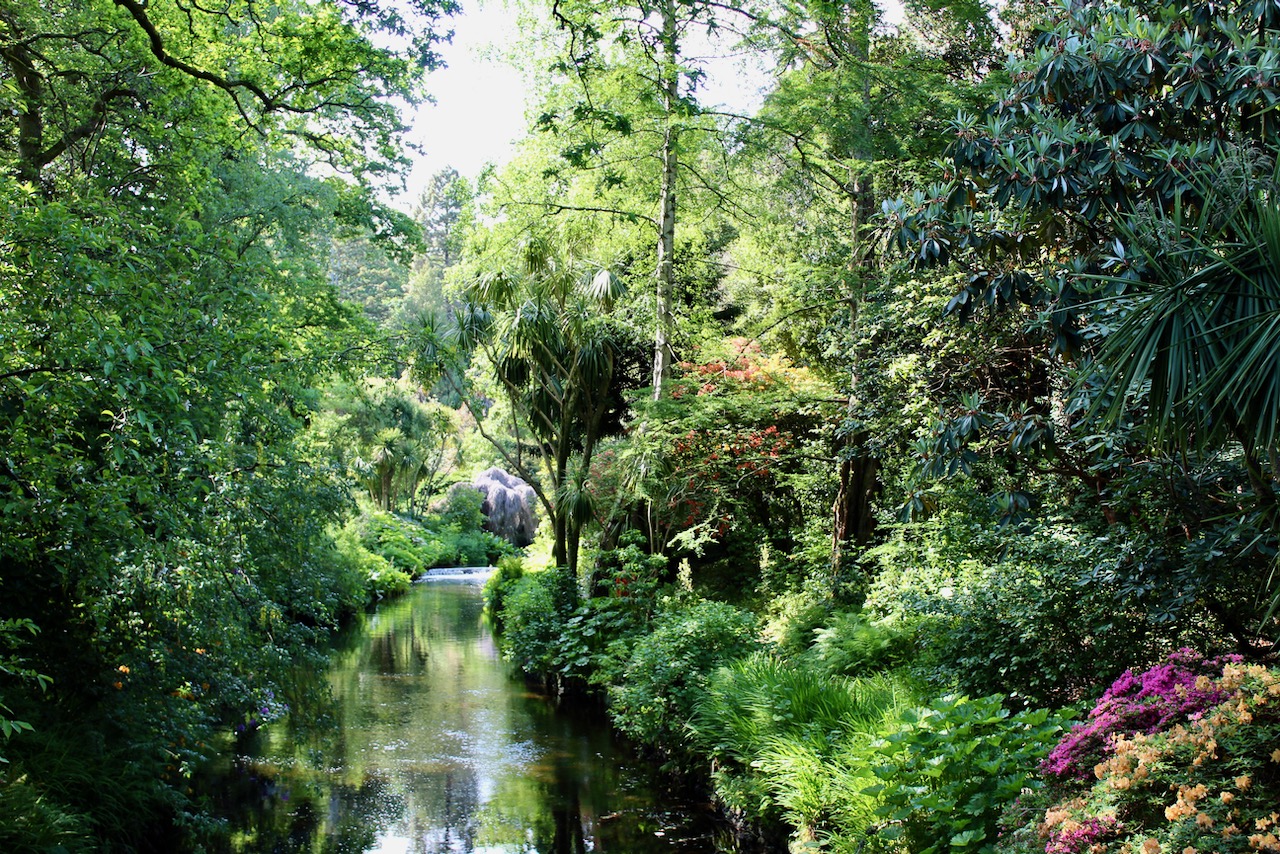
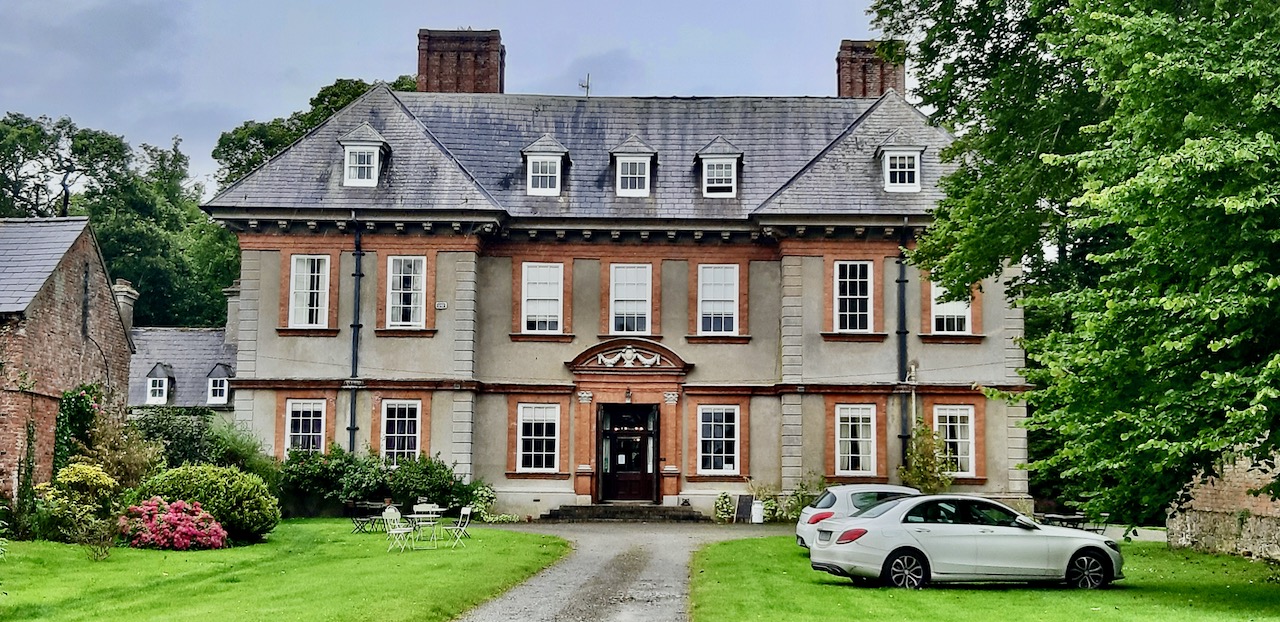
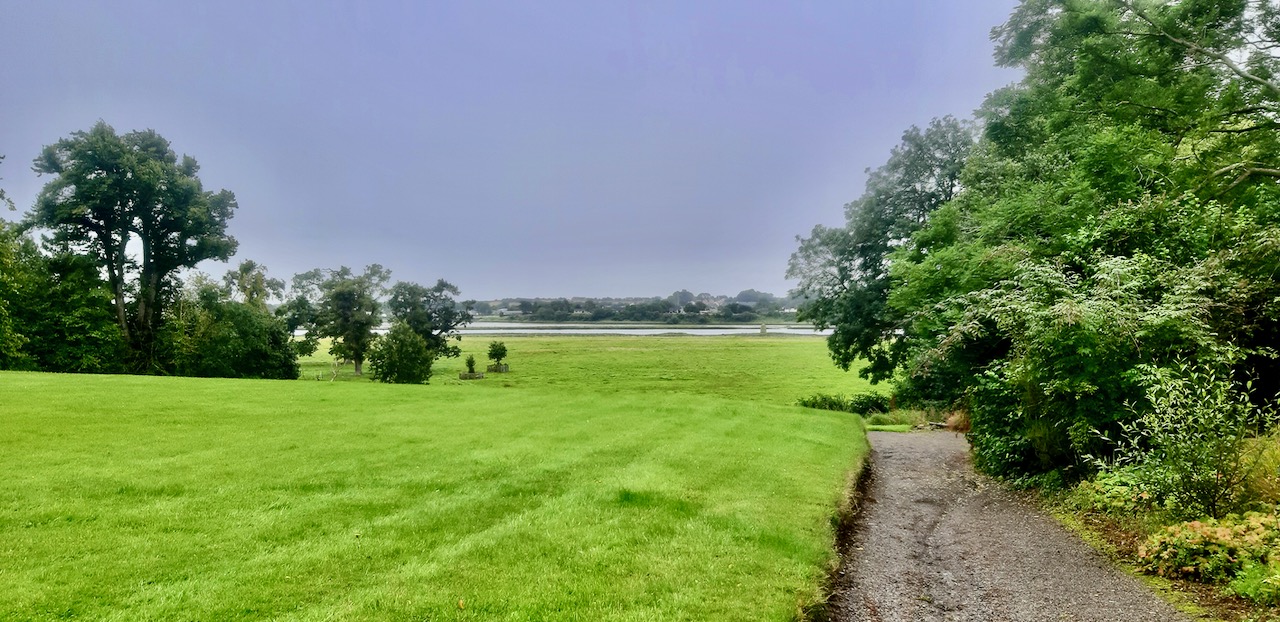
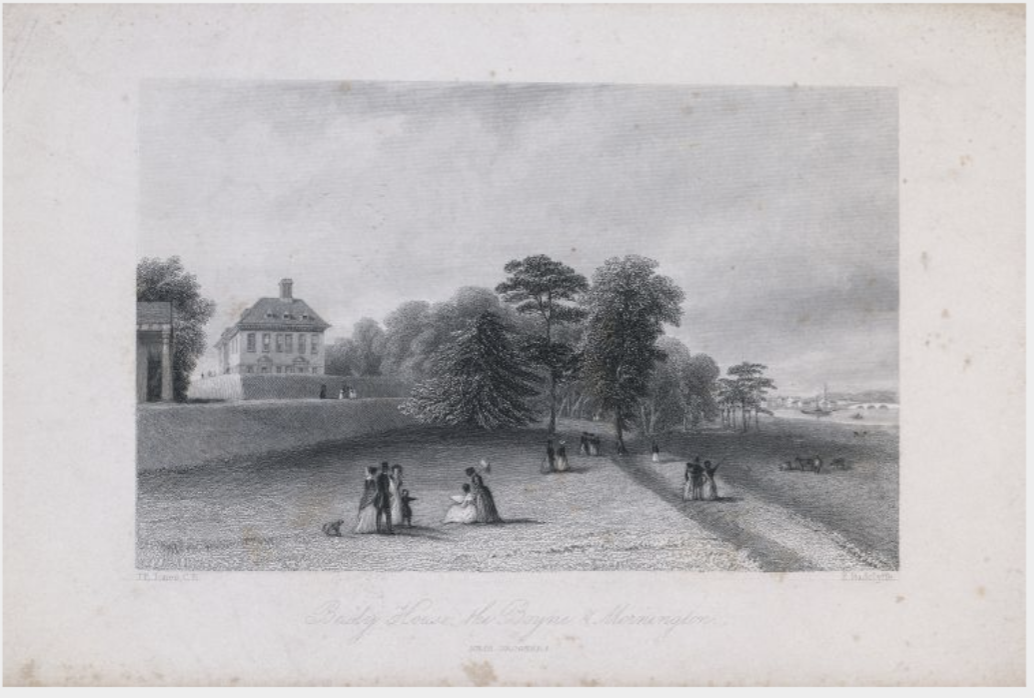
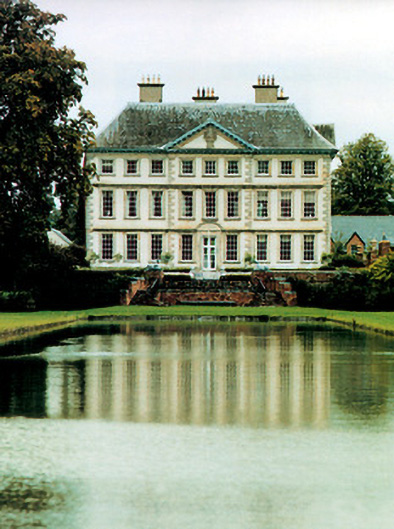
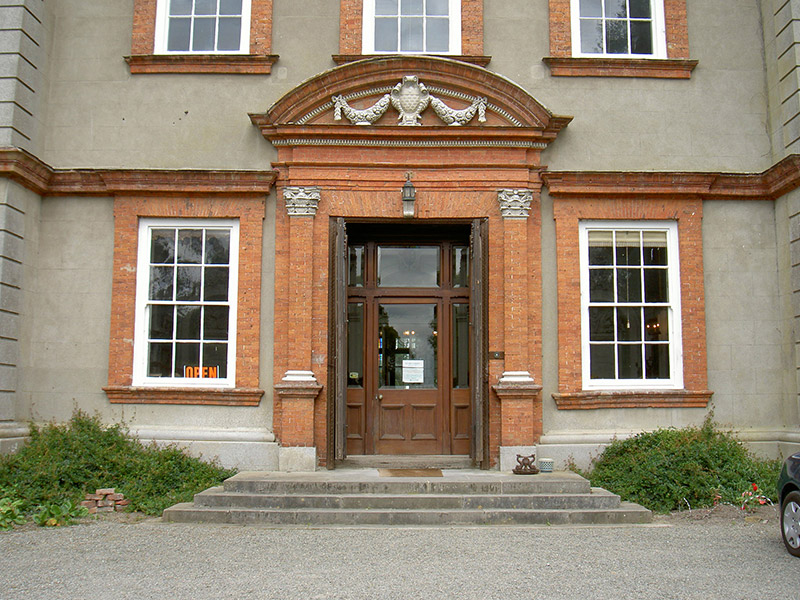
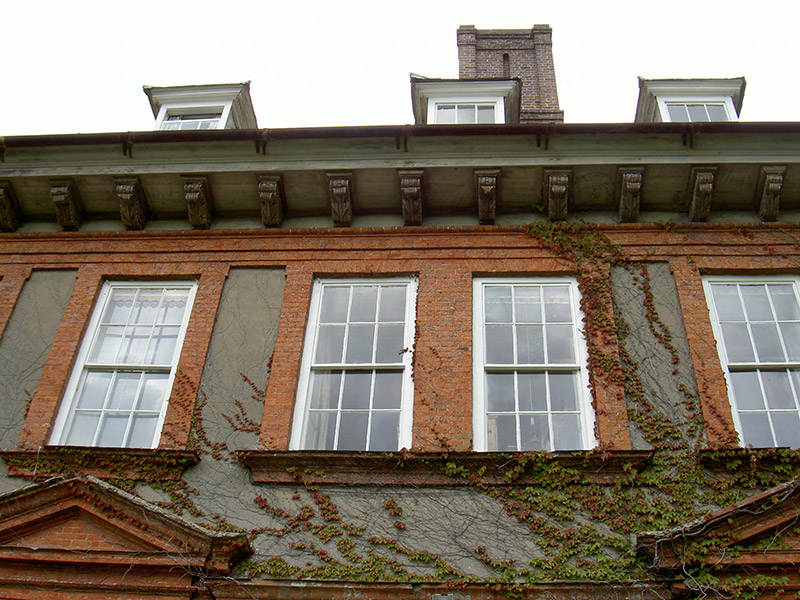
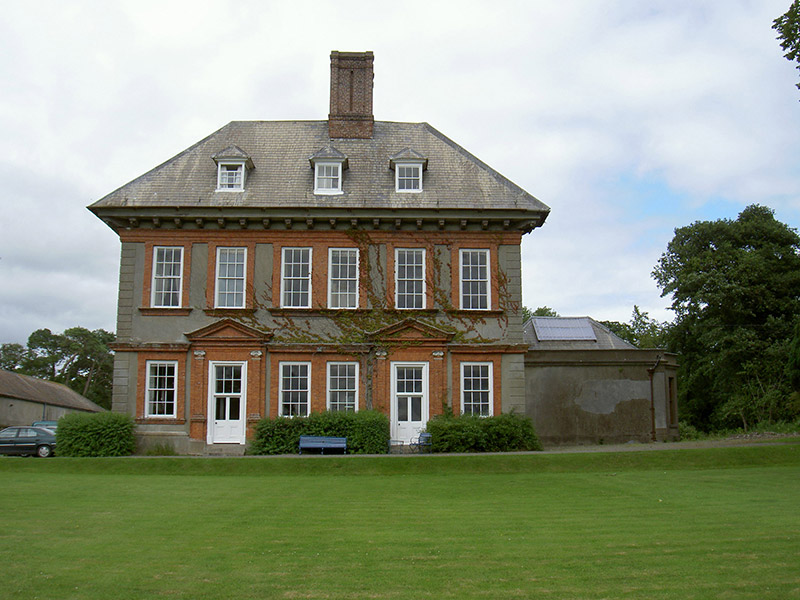
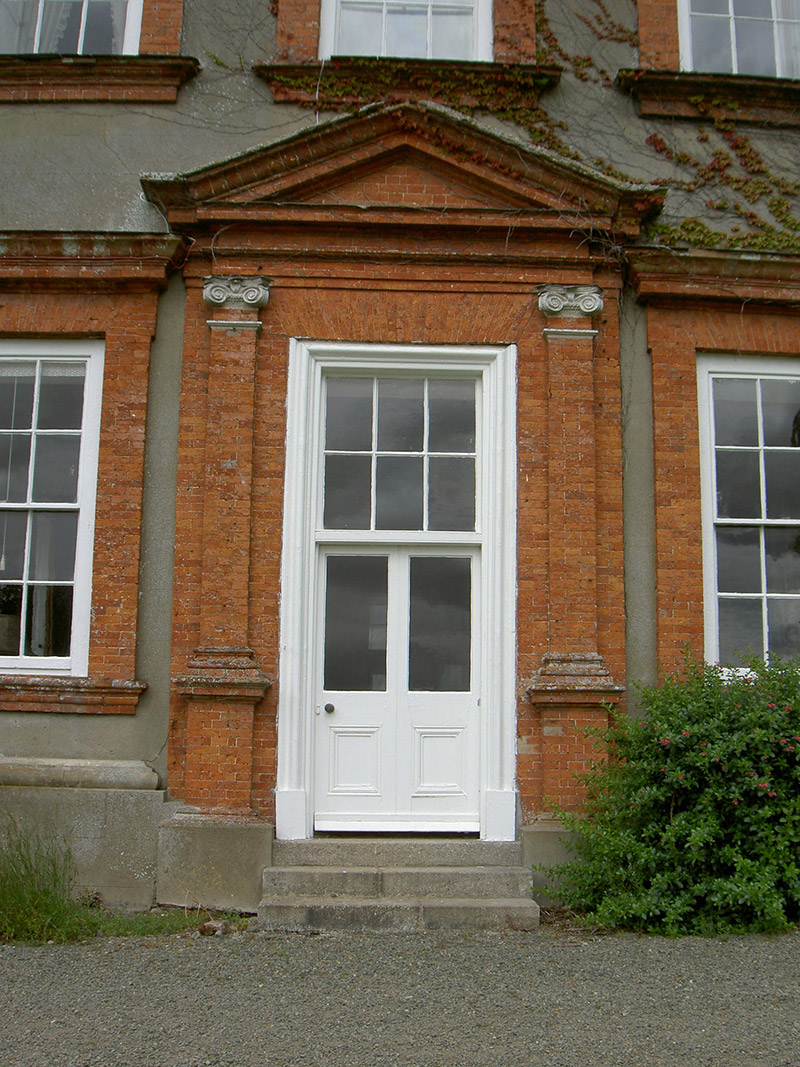

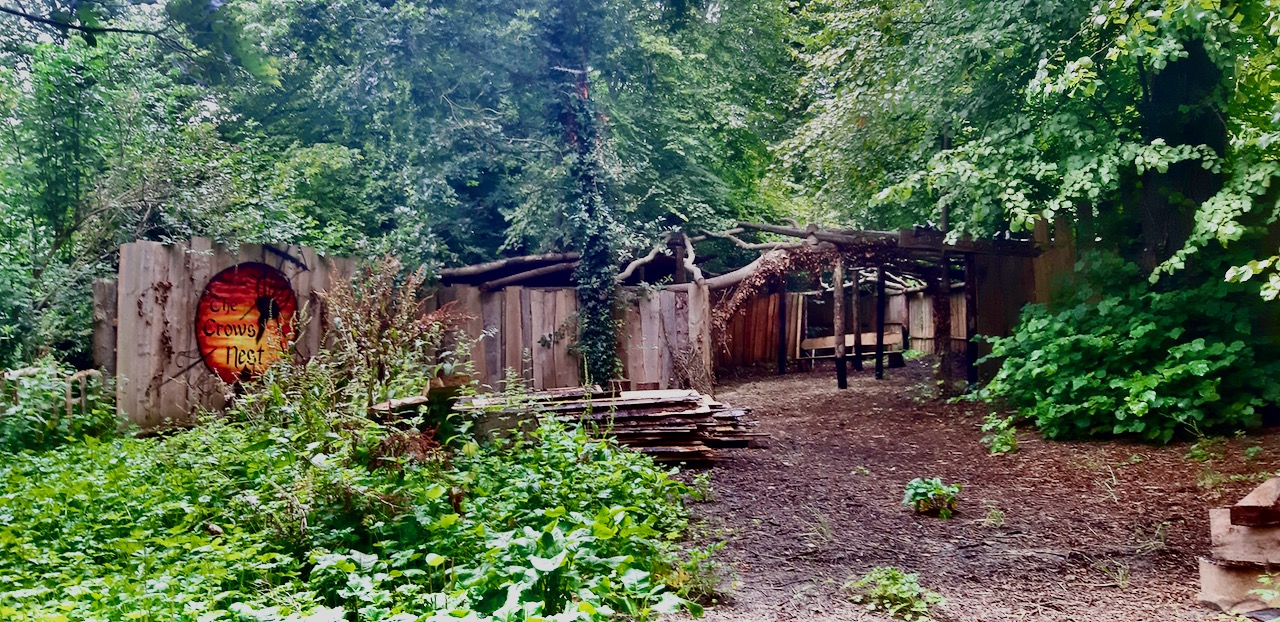
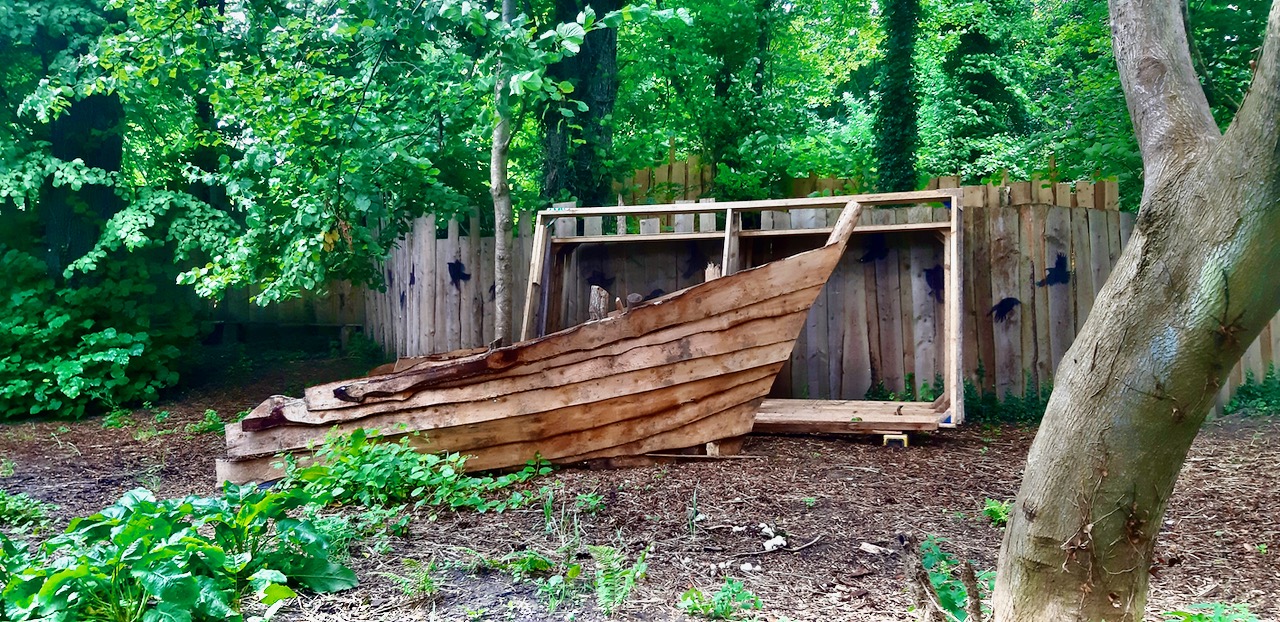
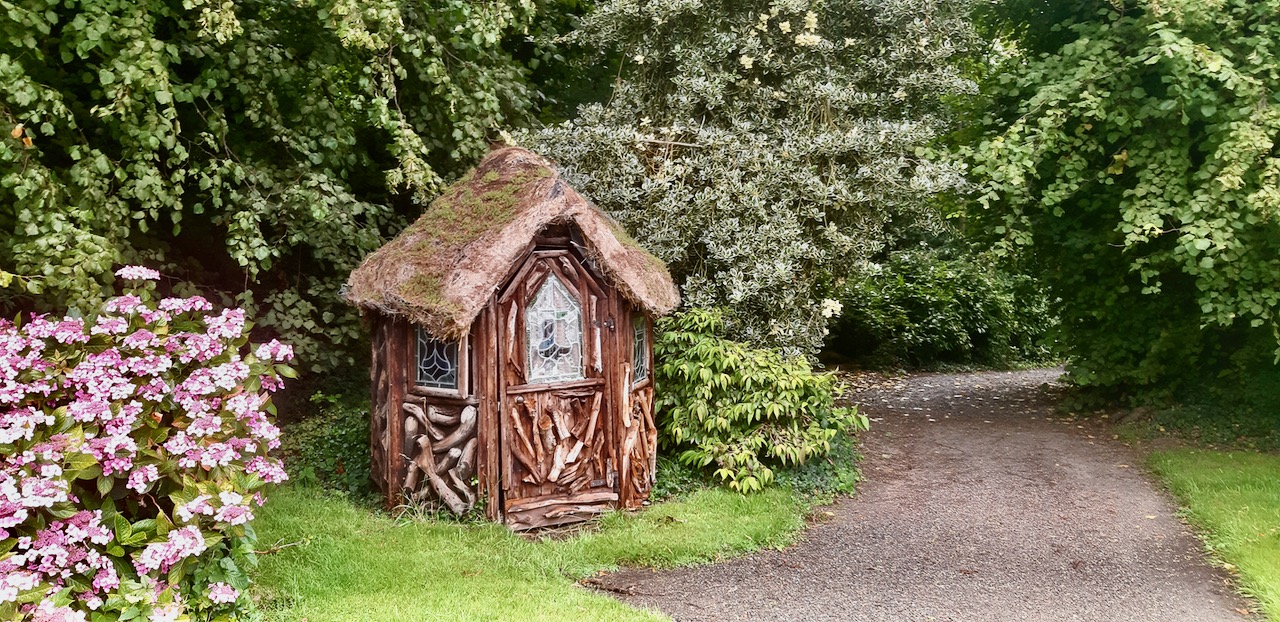
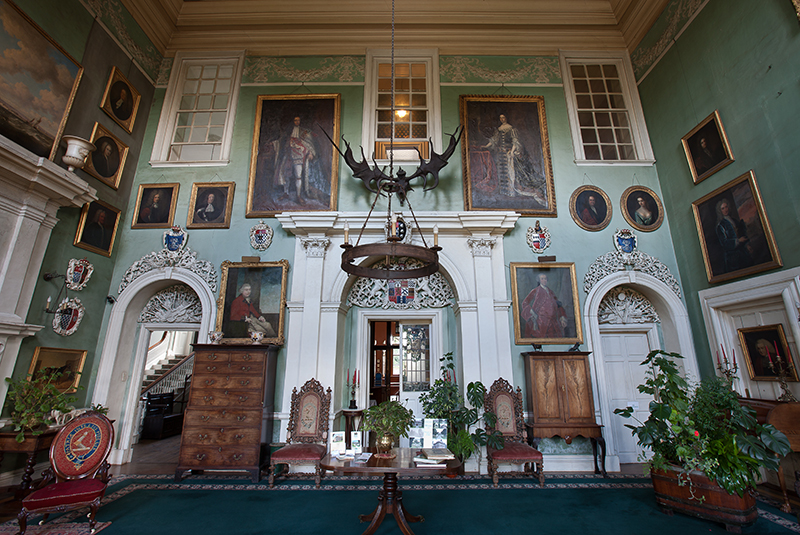
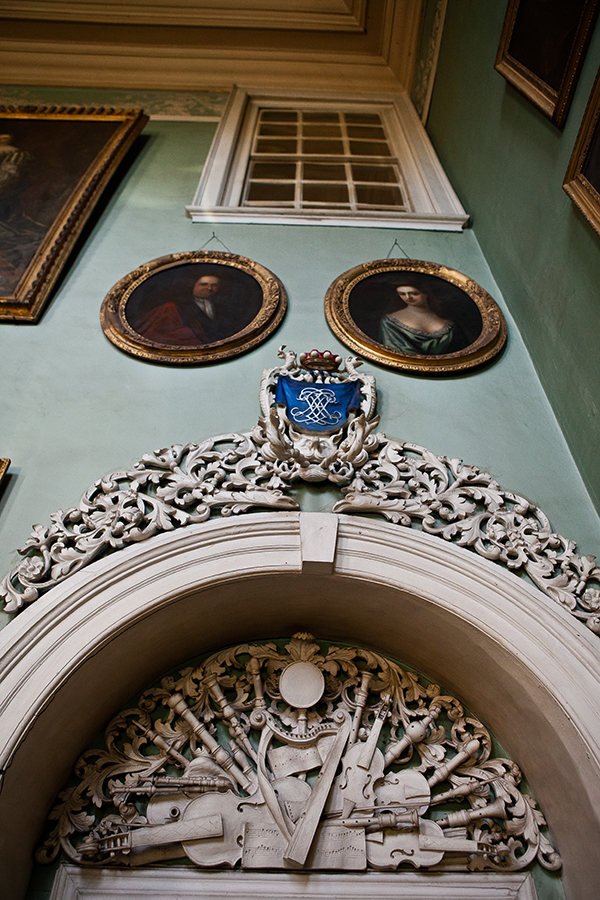

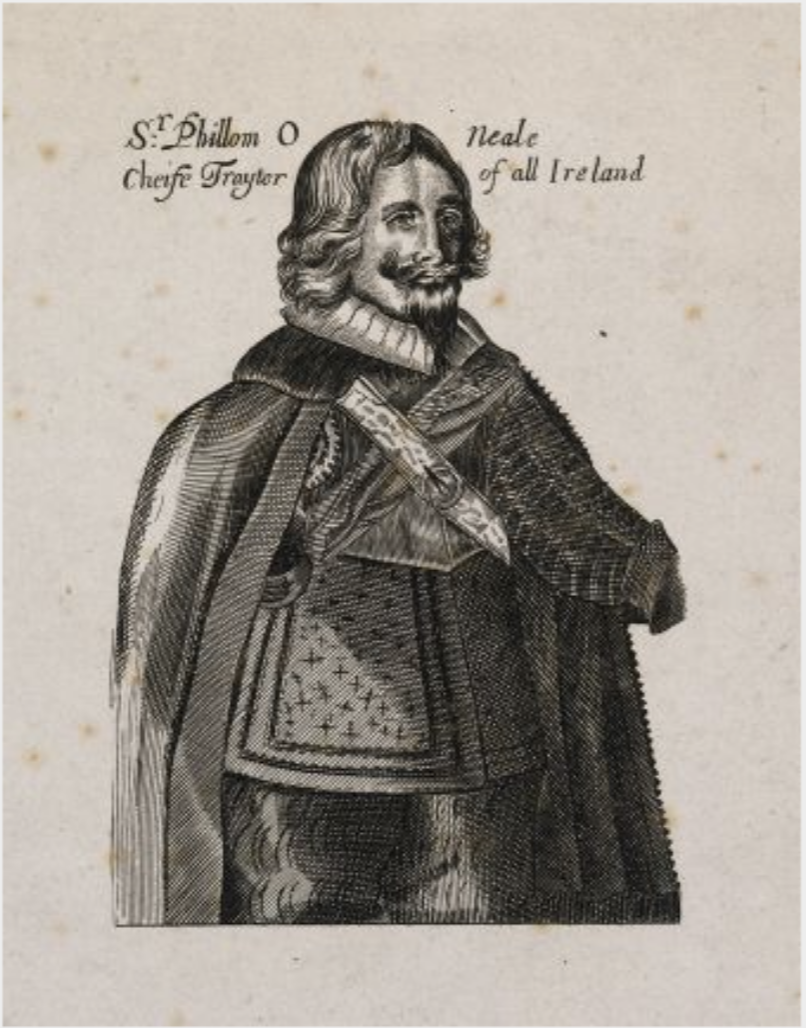

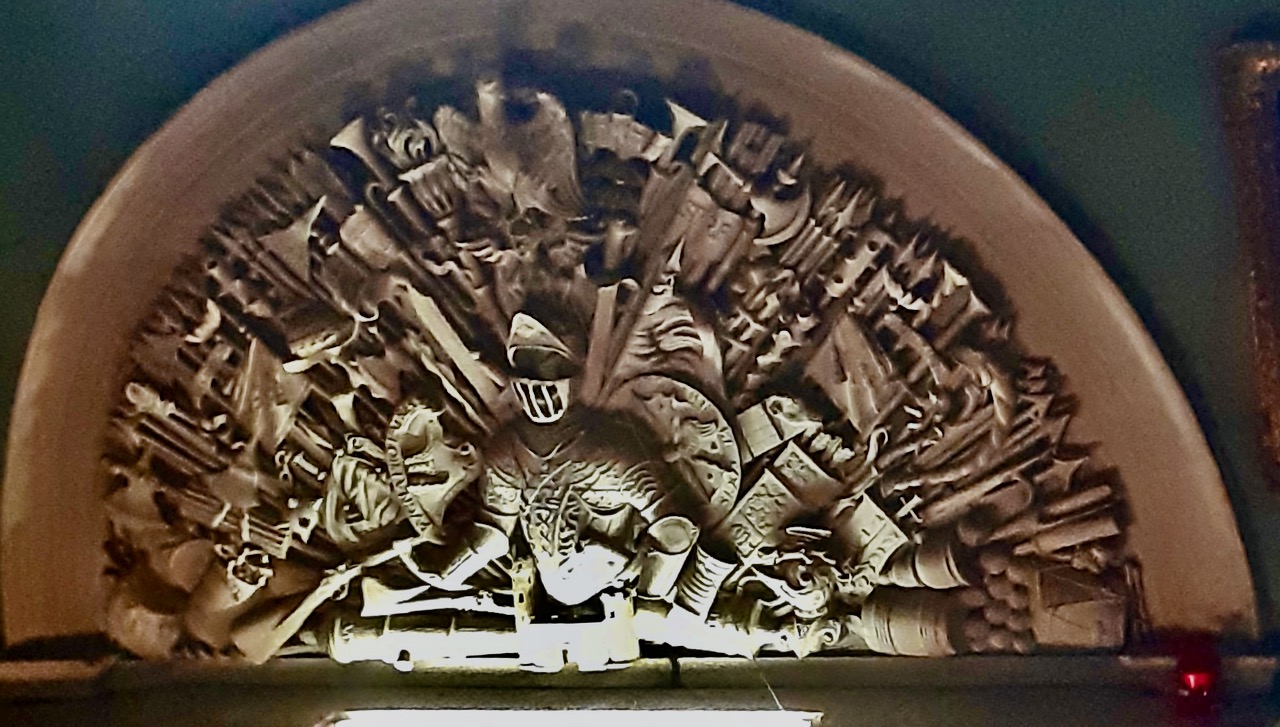

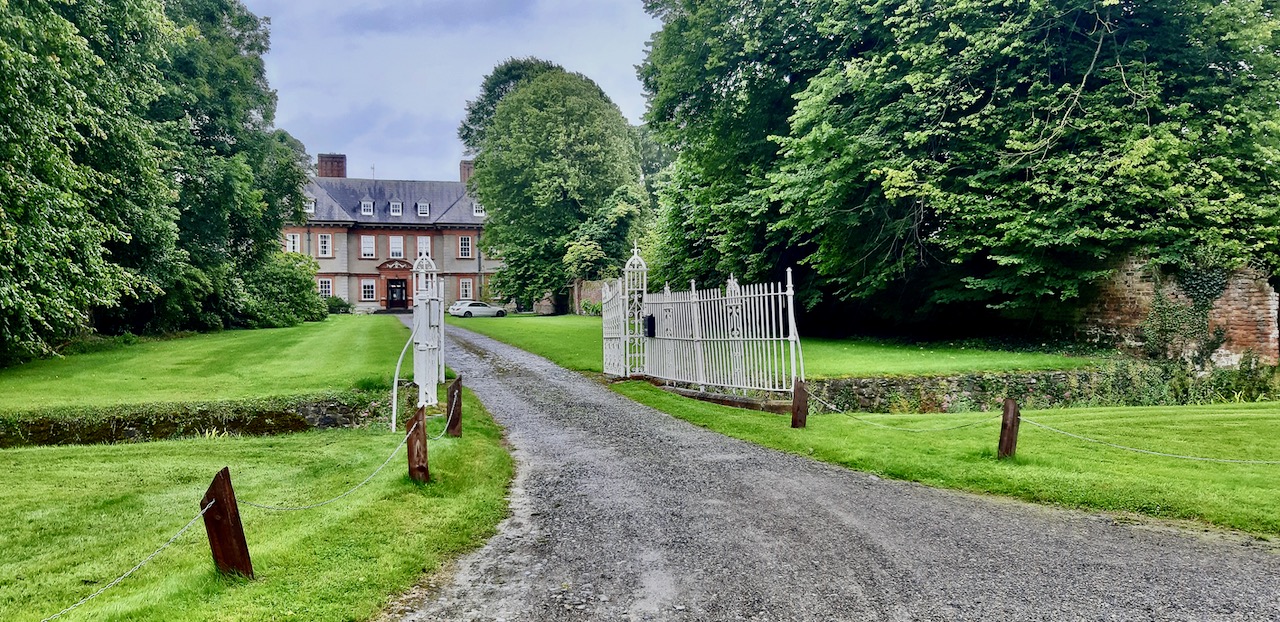

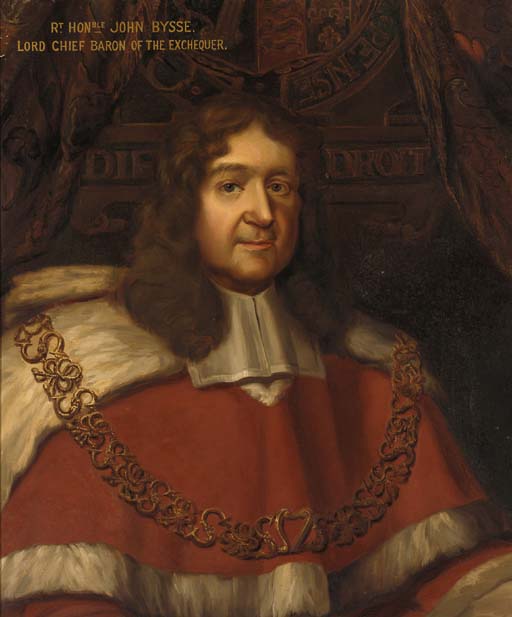

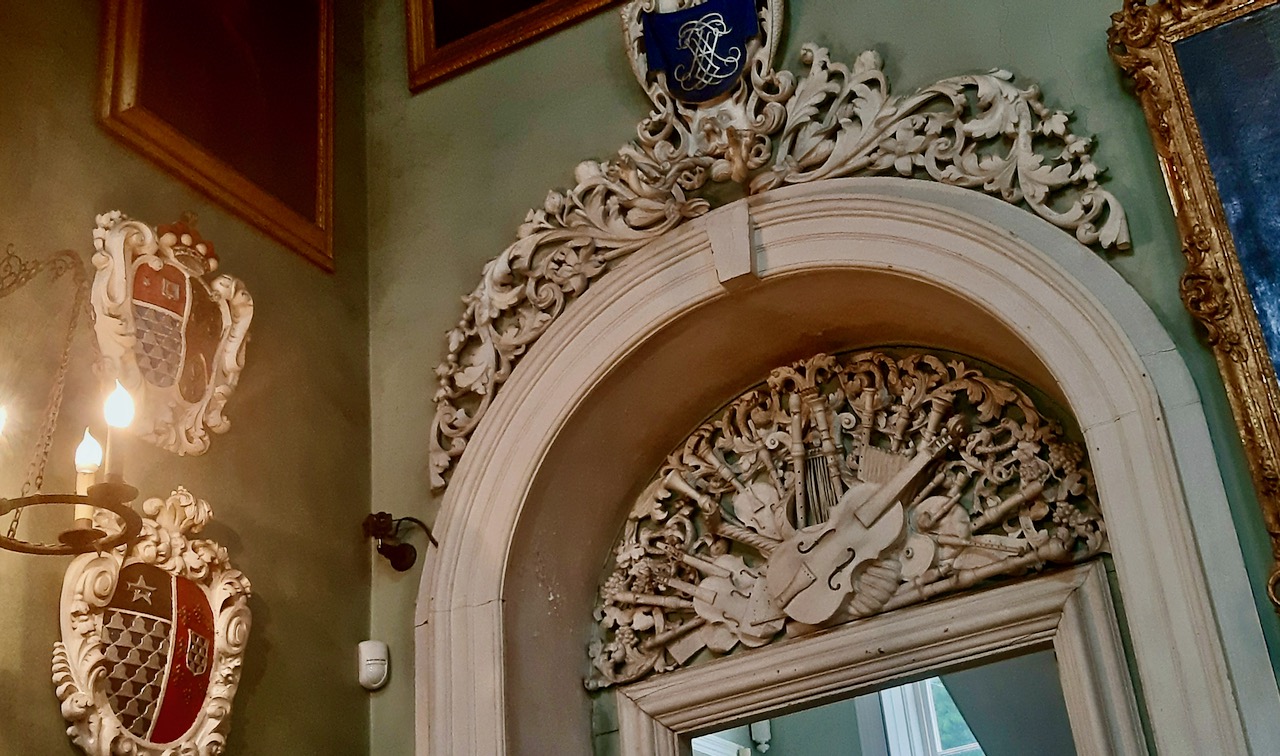

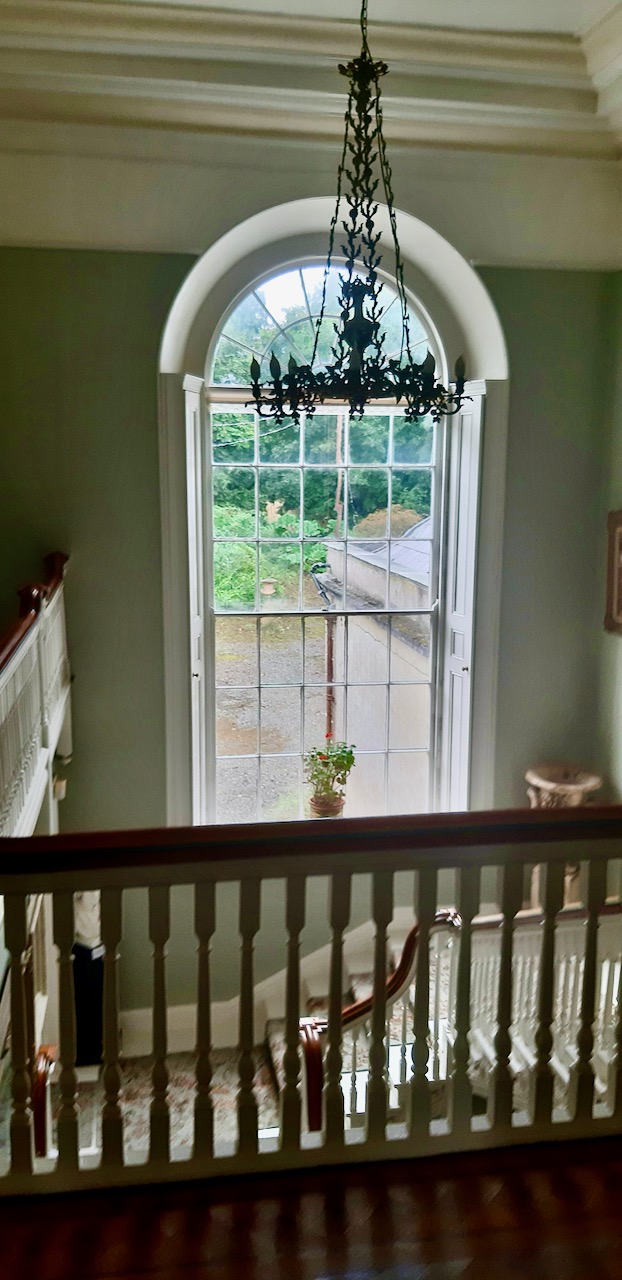


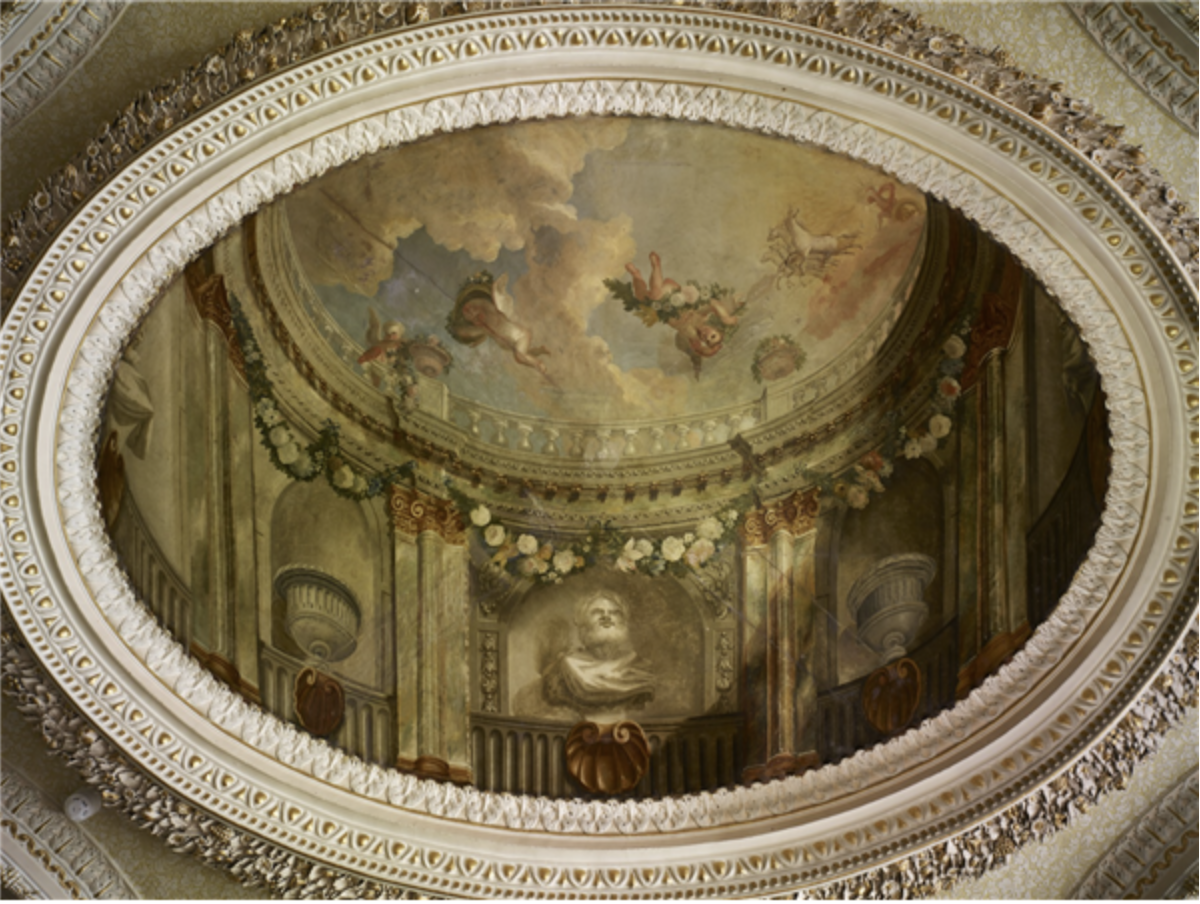
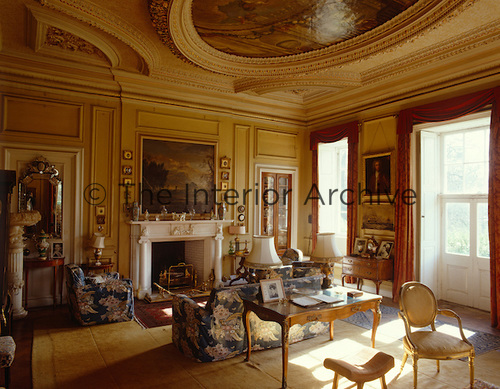

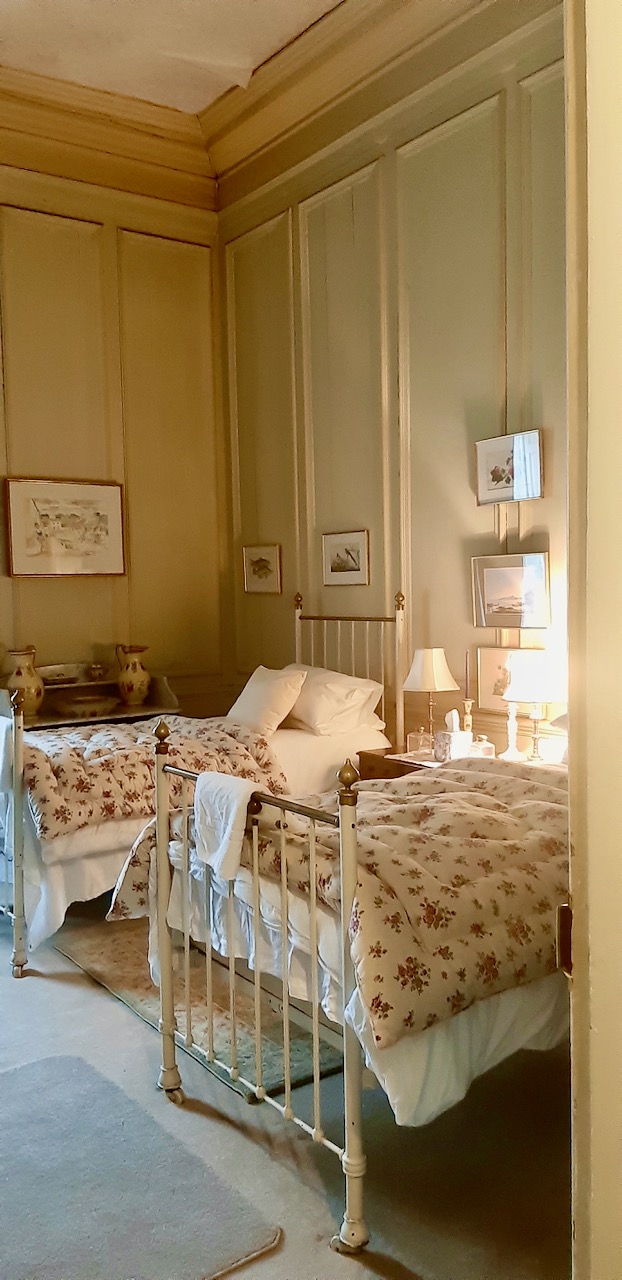
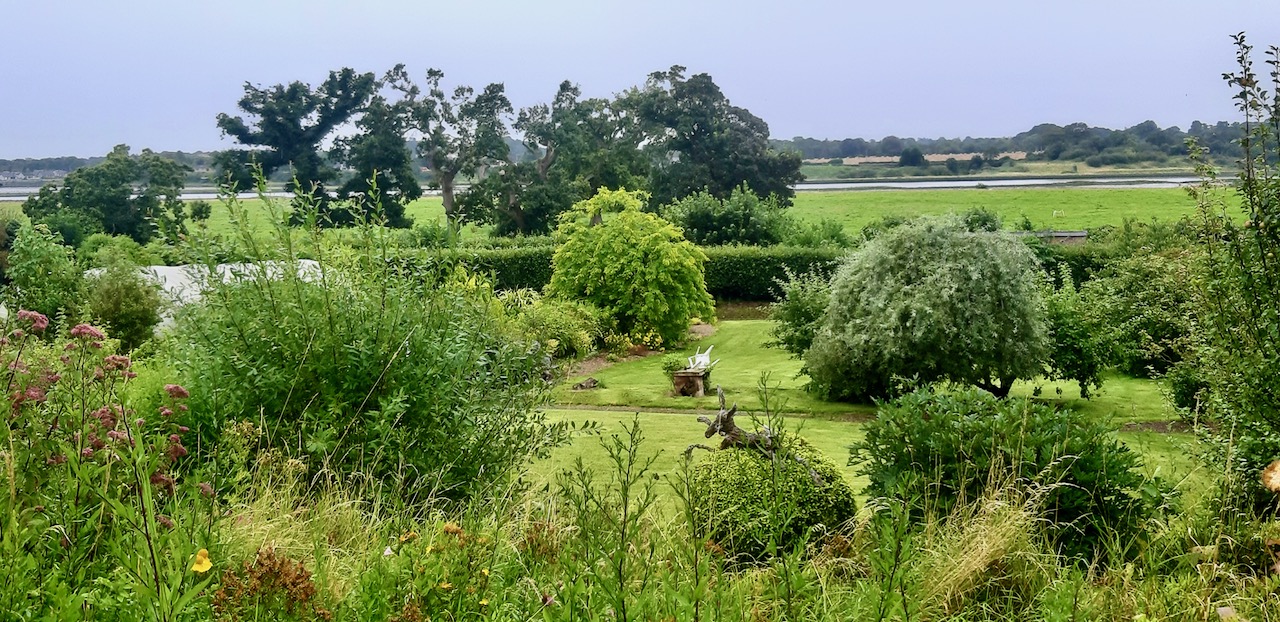
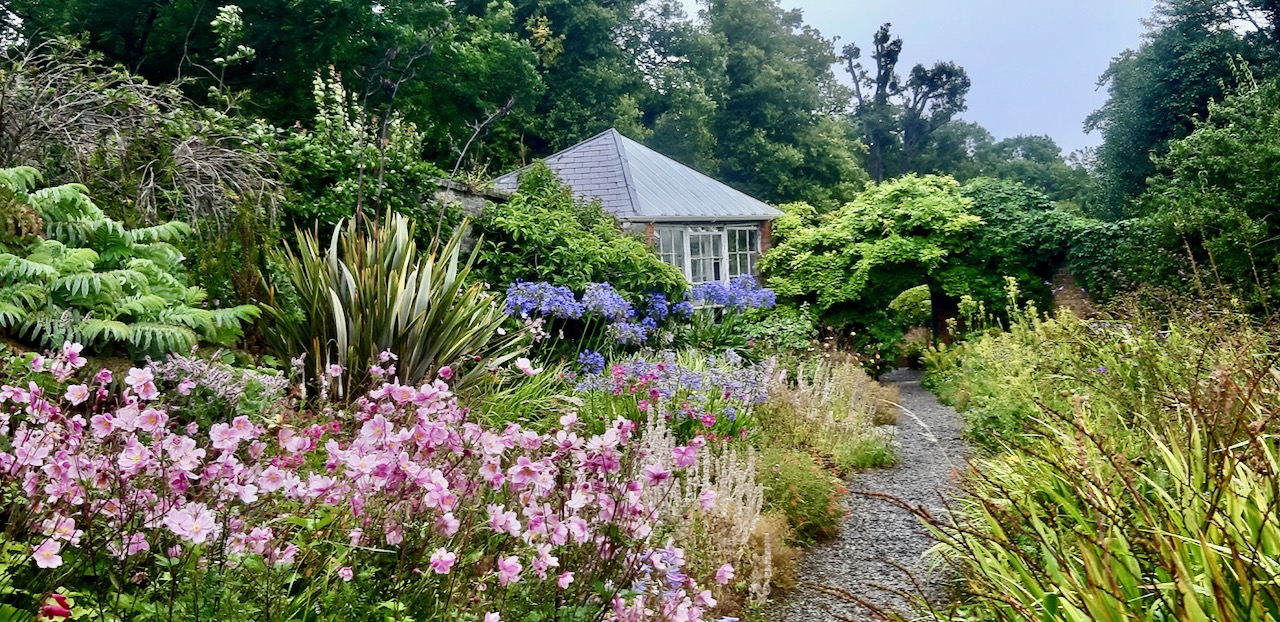
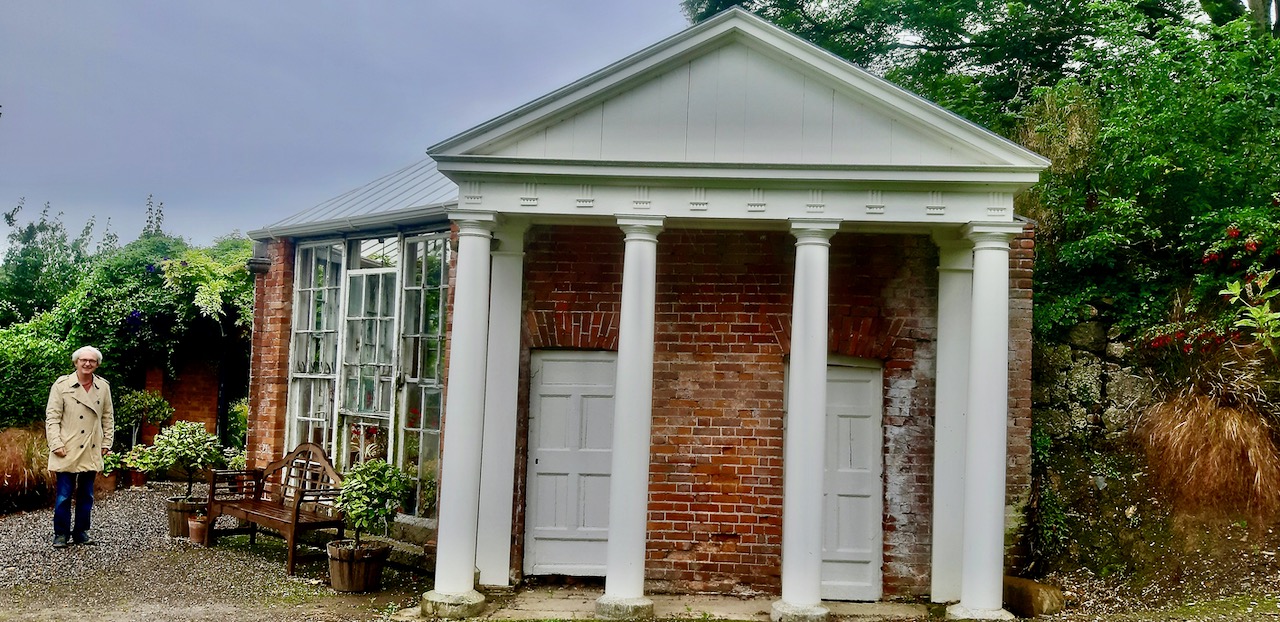
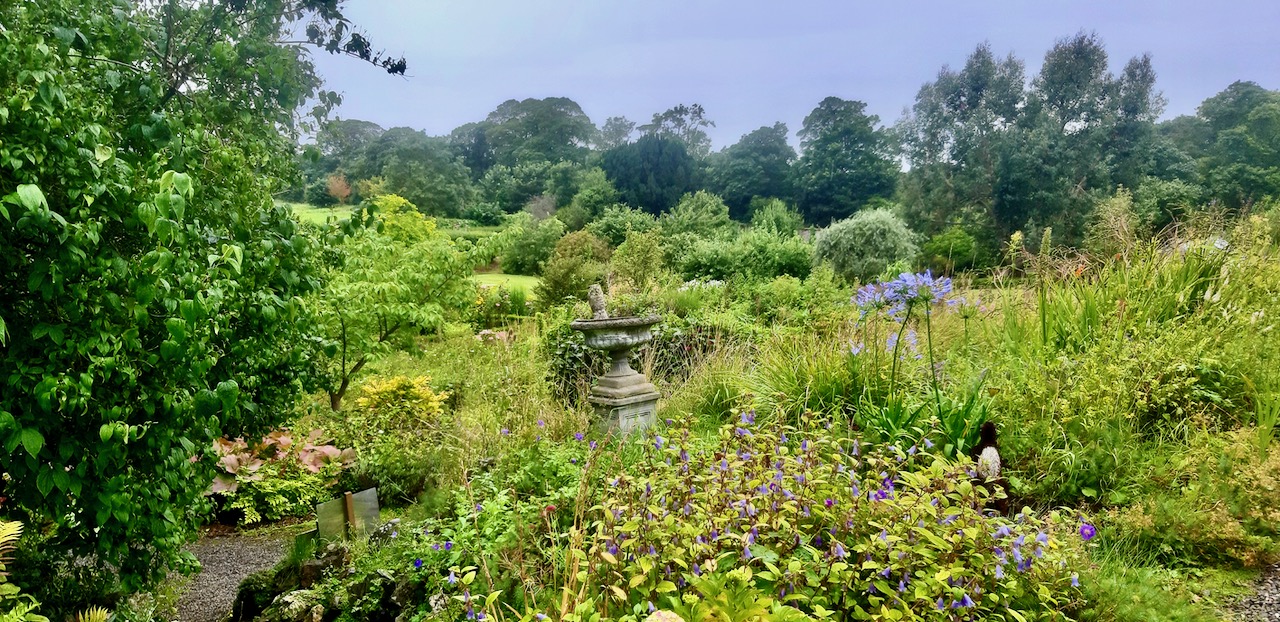
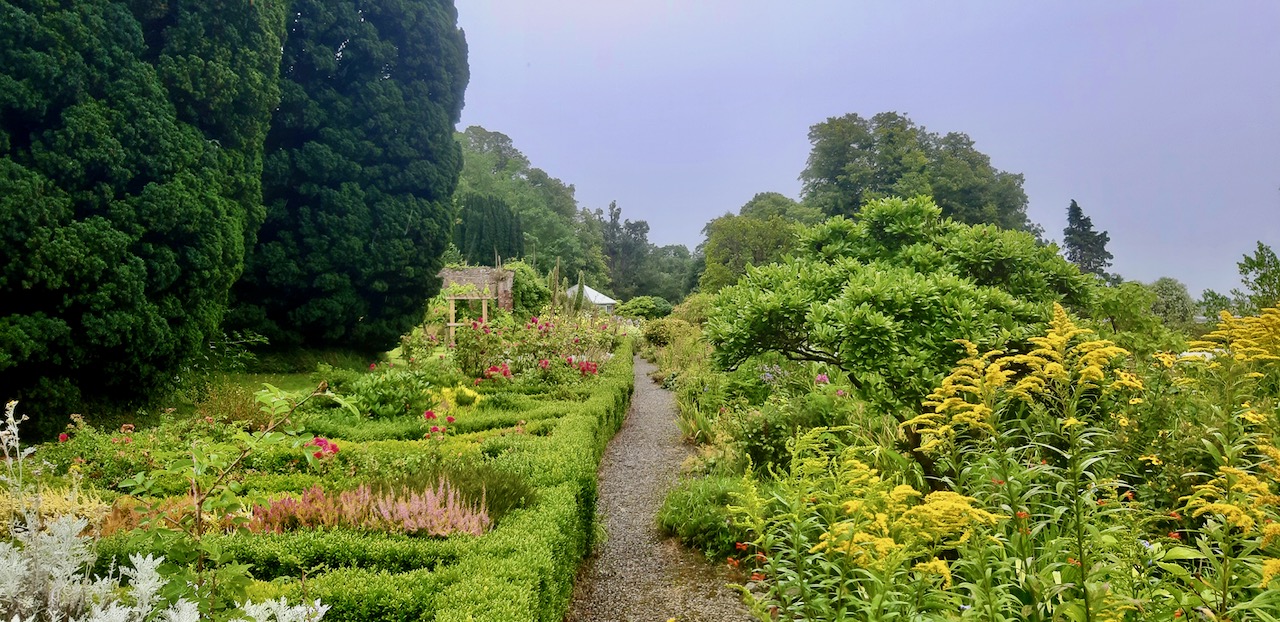

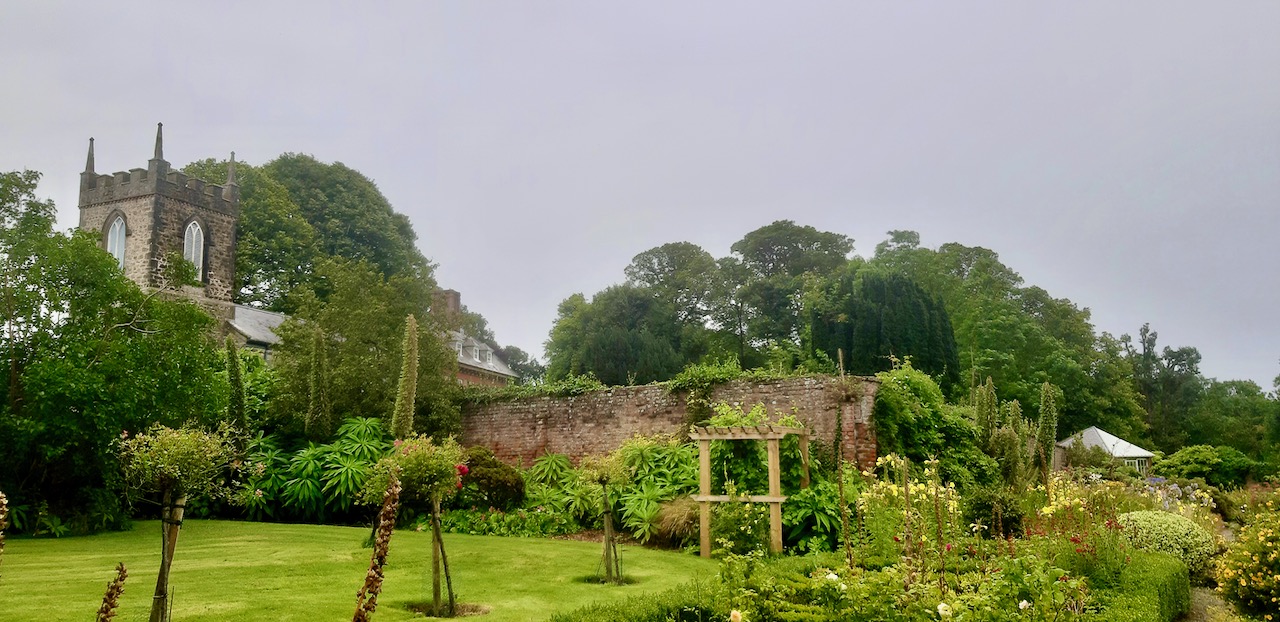
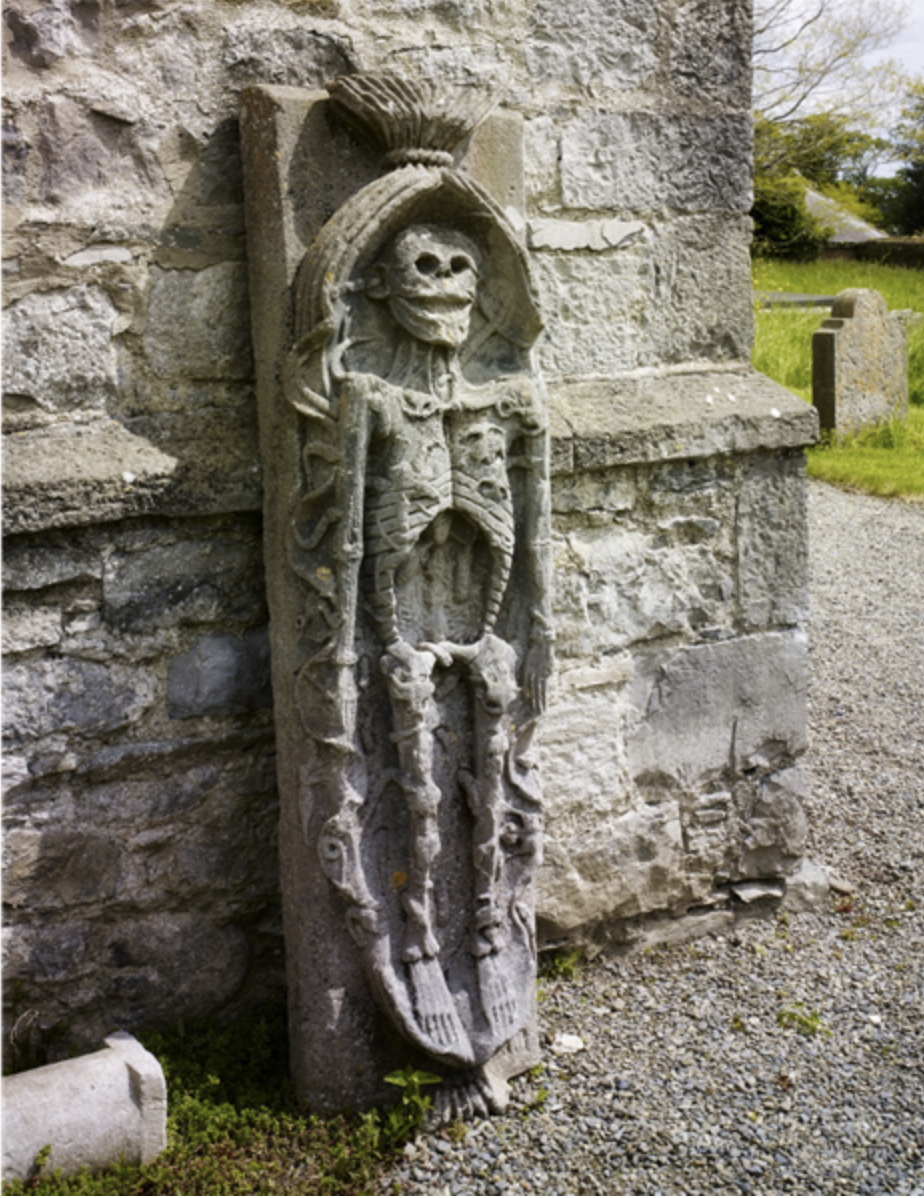
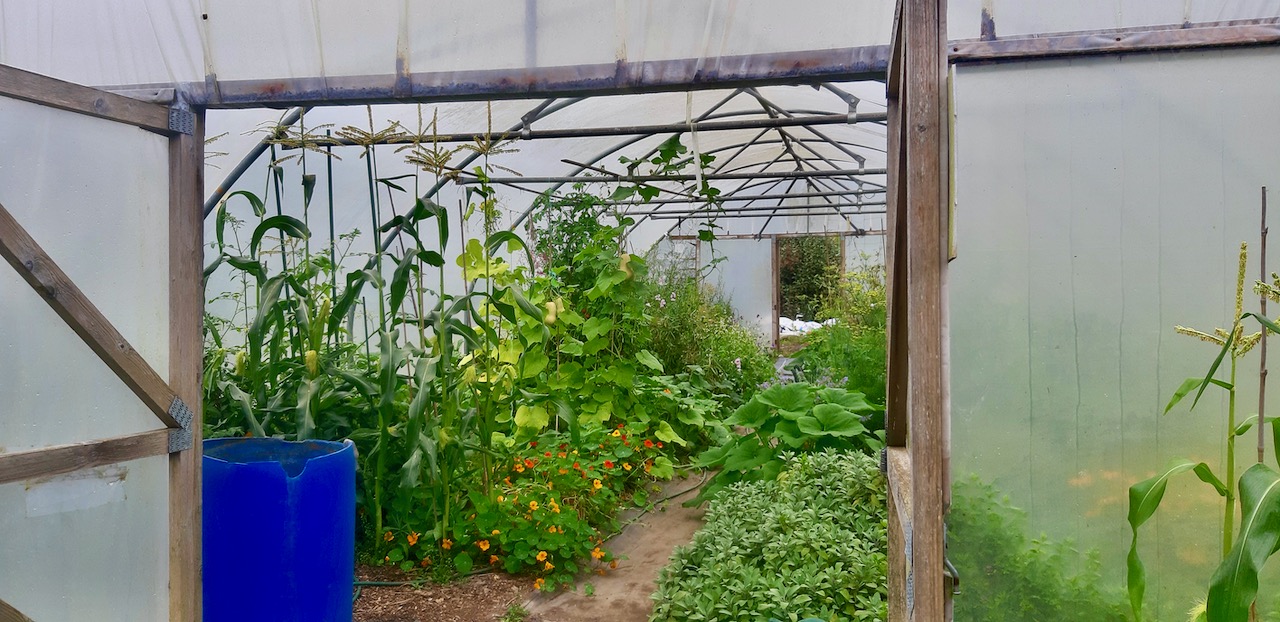
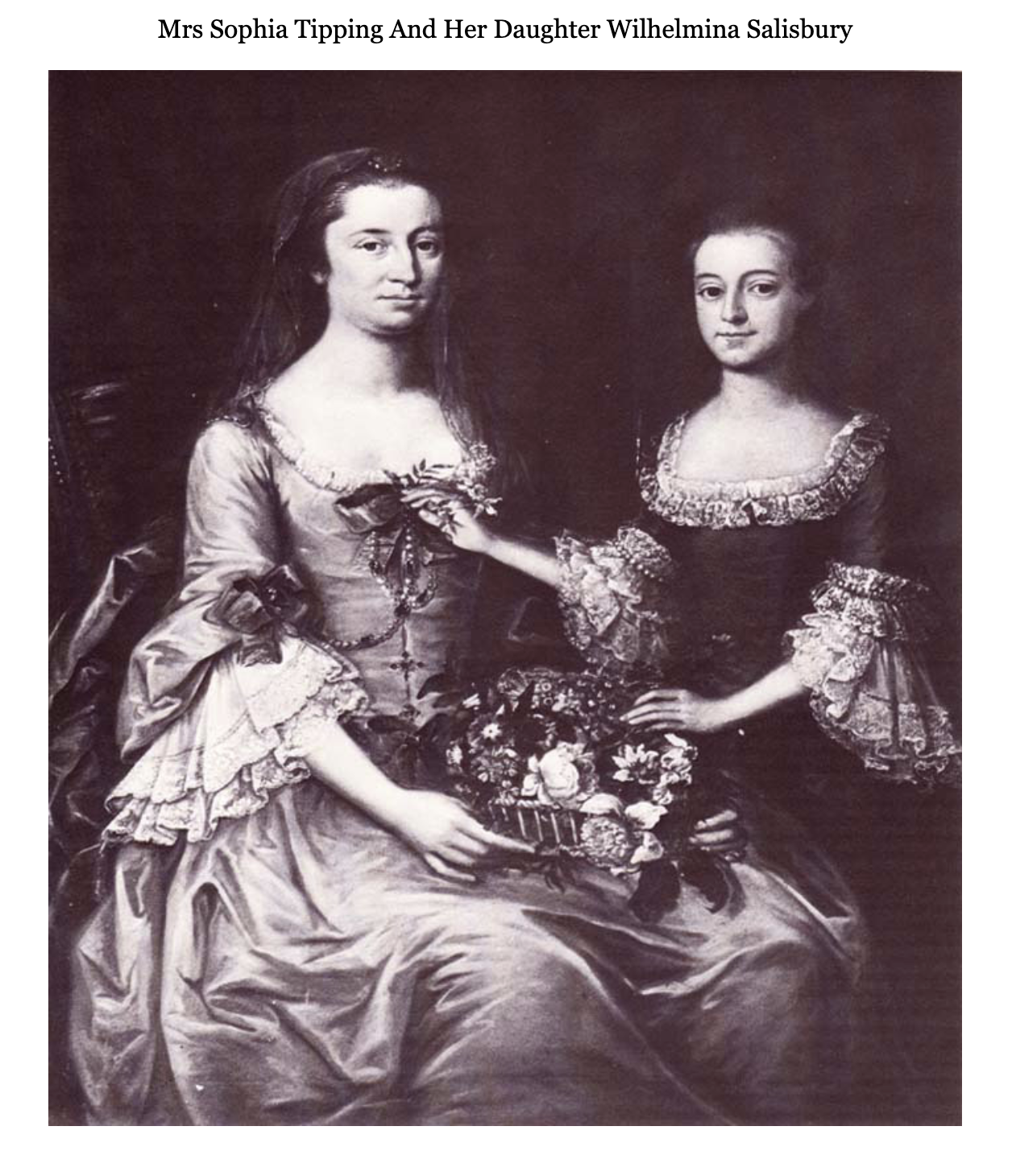
 Irish Historic Houses


