I have an editorial decision to make regarding women. Do I put them under their married name or under their maiden name? I think for now I’ll put them under both, as it’s nice to see them in relation to their fathers as well as in relation to their husband!
Murrough O’Brien (d. 1551) King of Thomond, submitted to King Henry VIII in 1543 and was created 1st Earl of Thomond [Ireland] on 1 July 1543, for life with a special remainder to his nephew, Donogh. He was also created 1st Baron of Inchiquin [Ireland].
Donough O’Brien (died 1582) of Leameneagh and Dromoland, younger son of Murrough O’Brien last King of Thomond, 1st Earl of Thomond, painted 1577 on panel, courtesy History of the O’Briens from Brian Boroimhe, AD. 1000 to AD. 1945, by Donough O’Brien, page 200.Slaney O’Brien nee McNamara, daughter of John of Cratelagh, wife of Donough O’Brien of Leameneagh (d. 1582), 1577 on panel in her 28th year. History of the O’Briens from Brian Boroimhe, AD. 1000 to AD. 1945, by Donough O’Brien, p 200.
His son Donogh McMurrough O’Brien (d. 1582) lived at Leamanagh and at Dromoland, County Clare. He in turn had a son Connor McDonogh O’Brien (d. 1603/4), who had a son, Donogh O’Brien (1595-1634/35) who married Honora Wingfield.
Slaney O’Brien, wife of Conor, Daughter of Turlough O’Brien of the Dough and Ennistymon courtesy Max Gheeraerts, Historical memoir of the O’Briens, The Origin and History of the O’Brien Clan by John O’Donoghue, Publ.1860, Martin Breen 2002.Donough O’Brien of Lemeneagh (1595-1637) Scan from Historical Memoir of the O’Briens, The Origin and History of the O’Brien Clan John O’Donoghue published by Martin Breen (Collection of Lord Inchiquin).
Donogh and Honoria Wingfield had a son Colonel Connor McDonogh O’Brien (1617-1651) who married Mary ‘Rua’ MacMahon.
Máire Rua O’Brien née McMahon (1615/1616 – 1686) daughter of Turlough Roe McMahon Baronet, wearing Felemish bobbin lace with O’Brien coat of arms.She married first Colonel Neylan, then in 1639, Colonel Conor O’Brien (1617-1651) of Lemeneagh, ancestor of Barons Inchiquin, but he was slain in battle in 1651. She then married, to keep the family property, Captain John Cooper of Ireton’s army, whom she is said to have murdered! It’s a rare example of a portrait almost certainly painted in Ireland in the first half of the seventeenth century – see Irish Portraits 1660-1860 by Anne Crookshank and the Knight of Glin, published by the Paul Mellon Foundation for British Art 1969.Donough O’Brien (1642-1717), 1st Baronet of Lemeneagh and Dromoland, Co. Clare by Mary Beale, 1690. He lived in Dromoland Castle.He was the son of Máire Rua O’Brien née McMahon (1615/1616 – 1686) and Conor McDonogh O’Brien (1617-1651).Lucia Hamilton, 1674, daughter of George Hamilton. Wife of Donough O’Brien, 1st Baronet, married in 1674. She died two years later, not long after the birth of his son and heir, Lucius.Lucius O’Brien (1675-1717) son of Donough O’Brien 1st Baronet of Leameneh, History of the O’Briens from Brian Boroimhe, AD. 1000 to AD. 1945, by Donough O’Brien, p 212.jpgCatherine Keightley, daughter of Thomas Keightley and Frances Hyde, aunt of Queens Anne and Mary, wife of Lucius O’Brien, History of the O’Briens from Brian Boroimhe, AD. 1000 to AD. 1945, by Donough O’Brien, p 232.Edward O’Brien (1705-1765) 2nd Baronet of Dromoland, County Clare from Historical memoir of the O’Briens : The Origin and History of the O’Brien Clan, by John O’Donoghue A.M, Barrister-at-Law, First Published in 1860 (Martin Breen 2002) Illustrations section (Collection of O’Brien of Dromoland), Public Domain, https://commons.wikimedia.org/w/index.php?curid=109837449He was the son of Lucius O’Brien.Mary Hickman, wife of Edward O’Brien, 2nd Baronet, from Historical memoir of the O’Briens : The Origin and History of the O’Brien Clan, by John O’Donoghue A.M, Barrister-at-Law, First Published in 1860 (Martin Breen 2002) Illustrations section, Public Domain,https://commons.wikimedia.org/w/index.php?curid=109837783Lucius O’Brien (1731-1795) 3rd Baronet, courtesy of Harnet – The Other Clare Vol. 9 page 14,15.Ann Ffrench wife of Sir Lucius O’Brien, 3rd Baronet courtesy Unknown author – These My Friends and Forebears: The O’Briens of Dromoland. She was daughter of Robert Ffrench of Monivea Castle, County Galway, MP for County Galway, and of Nichola Acheson, daughter of Arthur, 5th Baronet of Market Hill, County Armagh.Capt. Edward O’Brien, holding a musket in the uniform of 52nd Regiment of Foot, standing against landscape, line of infantry firing a volley against an advisory, by Robert Hunter (1715 – 1780), courtesy of Adam’s auction 16 Oct 2018. Edward O’Brien (c.1735 1787) was the third son of Sir Edward O’Brien 2nd Baronet of Dromoland and Mary Hickman. A portrait of him and titled Master Edward O’Brien by Philip Hussey was exhibited with the Irish Portraits 1660 1860 Dublin, London and Belfast 1970, Cat no. 31. His ambition was to be a solider but there was no money to buy a Cornecy of Dragoons until 1759. A riding accident prevented his joining Corps being raised to go to America. He became a Captain in the 122nd Regiment and then exchanged (costing £379 3 4) into the 52nd Regiment. He married his cousin Charlotte Hickman of Brickhall, Co. Clare. With his easy-going spendthrift nature and love of horses, it is easy to see why he was his fathers favourite son. Although his father had left him Jockey Hall on the Curragh, he was not able to provide for his family and appealed to his more serious brother, Lucius, for help who assigned him a life interest in lands at Leamanagh and organised his return to military service. However, he forbade him from leaving the kingdom, thereby again preventing him going to America where he thought he could distinguish himself. He died in 1787 with the rank of colonel.
Another son of Murrough O’Brien (d. 1551) 1st Earl of Thomond was Dermod O’Brien (d. 1552) 2nd Baron of Inchiquin. He married Margaret (d. 1568), daughter of Donough O’Brien (d. 1553) 1st Earl of Thomond. She gave birth to their heir, Murrough Macdermot O’Brien (1550-1573) 3rd Baron of Inchiquin. After her husband died, Margaret married Richard Bourke (d. 1582) 2nd Earl of Clanricarde. Murrough O’Brien (1614-1674) 6th Baron of Inchiquin was created 1st Earl of Inchiquin.
Murrough O’Brien (1614-1674) 1st Earl of Inchiquin by John Michael Wright courtesy of Manchester Art Gallery.He married Elizabeth St. Leger (d. 1685).
Murrough O’Brien (1614-1674) 1st Earl of Inchiquin married Elizabeth St. Leger (d. 1685). His daughter Honoria married Lt.-Col. Theobald Bourke, 3rd Lord Bourke, Baron of Brittas. His daughter Elizabeth (d. 1688) married Richard Southwell, MP for Askeaton, County Limerick. His daughter Mary married Henry Boyle (1648-1693) son of the 1st Earl of Orrery. His son was William O’Brien (d. 1691) 2nd Earl of Inchiquin.
Lady Mary Boyle nursing her son Charles, by Godfrey Kneller (1646-1723) Adams auction 18 Oct 2022. She was daughter of Murrough O’Brien (1614-1674) 1st Earl of Inchiquin. She married married Henry Boyle (1648-1693) son of the 1st Earl of Orrery.William O’Brien (1638-1952) 2nd Earl of Inchiquin, 7th Baron Inchiquinhttps//:commons.wikimedia.org
William O’Brien (1638-1952) 2nd Earl of Inchiquin, 7th Baron Inchiquin married Margaret Boyle, daughter of Roger Boyle 1st Earl of Orrery. Their son was William O’Brien (d. 1719) 3rd Earl of Inchiquin.
William O’Brien (d. 1719) 3rd Earl of Inchiquin married Mary Villiers and their daughter Mary married Robert FitzGerald, 19th Earl of Kildare.
James O’Brien (d. 1771) was a son of William O’Brien (d. 1719) 3rd Earl of Inchiquin and Mary Villiers. He married Mary Jephson. They had a son Murrough O’Brien (1726-1808) 1st Marquess of Thomond.
Murrough O’Brien, 1st Marquess of Thomond, (1726-1808) Engraver Samuel William Reynolds, English, 1773-1835 After John Hoppner, English, 1758-1810,courtesy of National Gallery of Ireland.Murrough O’Brien, 1st Marquess of Thomond KP, PC (1726–1808), 5th Earl of Inchiquin (1777–1800) by Henry Bone courtesy of Bonhams.Mary Palmer, Countess of Inchiquin, Marchioness of Thomond (1750-1820), wife of Murrough O’Brien, 1st Marquess (after Sir Joshua Reynolds) by Thomas Phillips courtesy of National Trust Petworth.
James O’Brien (d. 1771) and Mary Jephson had a daughter Anne (1720-1745) who married Most Rev. Michael Cox (1691-1779). James O’Brien (d. 1771) and Mary Jephson had another daughter, Henrietta (d. 1797), who married William Vigors Burdett, 2nd Bt of Dunmore, County Carlow. Murrough O’Brien 1st Marquess had no sons so the title passed to the sons of his brother, Edward O’Brien (d. 1801).
orange: “whole house rental” i.e. those properties that are only for large group accommodations or weddings, e.g. 10 or more people.
green: gardens to visit
grey: ruins
donation
Help me to pay the entrance fee to one of the houses on this website. This site is created purely out of love for the subject and I receive no payment so any donation is appreciated!
€15.00
Galway
1. Ardamullivan Castle, Galway – national monument, to be open to public in future – check status
2. Athenry Castle, County Galway – open to public
3. Aughnanure Castle, County Galway (OPW)
4. Coole Park, County Galway – house gone but stables visitor site open
5. Gleane Aoibheann, Clifden, Galway – gardens
6. Kylemore Abbey, County Galway – open to visitors
7. The Grammer School, College Road, Galway– section 482
19. Lough Cutra Castle, County Galway, holiday cottages
20. Lough Ina Lodge Hotel, County Galway
21. Oranmore Castle, County Galway – section 482 accommodation
22. Oranmore Lodge Hotel(previously Thorn Park), Oranmore, Co Galway
23. The Quay House, Clifden, Co Galway – accommodation
24. Renvyle, Letterfrack, Co Galway – hotel
25. Rosleague Manor, Galway – accommodation
26. Ross, Moycullen, Co Galway – accommodation
27. Ross Lake House Hotel, Oughterard, County Galway
28. Screebe House, Camus Bay, County Galway – accommodation
Whole House Accommodation and Weddings, County Galway:
1. Carraigin Castle, County Galway – sleeps 10
2. Cloghan Castle, near Loughrea, County Galway – whole castle accommodation and weddings
Galway
1. Ardamullivan Castle, Galway – national monument, to be open to public in future – check status
Ardamullivan Castle County Galway photograph courtesy of SA 2.0 Mike Searle cc, Sept 2009, file 1543253
“The castle is a is a restored six storey tower house. Part of the original defensive wall remains. Ardamullivan Castle was built in the 16th century by the O’Shaughnessy family. Although there is no history of the exact date of when the castle was built, it is believed it was built in the 16th century as it was first mentioned in 1567 due to the death of Sir Roger O’Shaughnessey who held the castle at the time.
“Sir Roger was succeeded by his brother Dermot, ‘the Swarthy’, known as ‘the Queen’s O’Shaughnessy’ due to his support shown to the Crown. Dermot became very unpopular among the public and even among his own family after he betrayed Dr Creagh, the Roman Catholic Archbishop of Armagh, who had sought refuge in the woods on O’Shaughnessy territory.
“Tensions came to a boil in 1579, when John, the nephew of Dermot, fought with Dermot outside the south gate of the castle in dispute over possession of the castle. Both men were killed in the fight. After this period the castle fell into ruin until the last century where it was restored to its former glory.” [1]
2. Athenry Castle, County Galway – open to public
Athenry Castle, County Galway, photograph courtesy of OPW website.
“Coole Park, in the early 20th century, was the centre of the Irish Literary Revival. William Butler Yeats, George Bernard Shaw, John Millington Synge and Sean O’ Casey all came to experience its magic. They and many others carved their initials on the Autograph Tree, an old Copper beech still standing in the walled garden today.
“At that time it was home to Lady Gregory, dramatist and folklorist. She is perhaps best known as a co-founder of the Abbey Theatre with Edward Martyn of nearby Tullira Castle and Nobel prize-winning poet William Butler Yeats. The seven woods celebrated by W.B. Yeats are part of the many kilometres of nature trails taking in woods, river, turlough, bare limestone and Coole lake.
“At Coole, we invite you to investigate for yourself the magic and serenity of this unique landscape. Although the house no longer stands, you can still appreciate the environment that drew so many here. You will experience the natural world that Yeats captured in his poetry. Through this website, you can learn about this special place and its wildlife, as well as Gregory family history and literary connections.“
The website tells us: “Nestled in the heart of Connemara, on the Wild Atlantic Way, Kylemore Abbey is a haven of history, beauty and serenity. Home to a Benedictine order of Nuns for the past 100 years, Kylemore Abbey welcomes visitors from all over the world each year to embrace the magic of the magnificent 1,000-acre estate.“
“Kylemore Castle was built in the late 1800s by Mitchell Henry MP, a wealthy businessman, and liberal politician. Inspired by his love for his wife Margaret, and his hopes for his beloved Ireland, Henry created an estate boasting ‘all the innovations of the modern age’. An enlightened landlord and vocal advocate of the Irish people, Henry poured his life’s energy into creating an estate that would showcase what could be achieved in the remote wilds of Connemara. Today Kylemore Abbey is owned and run by the Benedictine community who have been in residence here since 1920.
“Come to Kylemore and enjoy the new visitor experience in the Abbey, From Generation to Generation…..the story of Kylemore Abbey. Experience woodland and lakeshore walks, magnificent buildings and Ireland’s largest Walled Garden. Enjoy wholesome food and delicious home-baking in our Café or Garden Tea House. History talks take place three times a day in the Abbey and tours of the Walled Garden take place throughout the summer. Browse our Craft and Design Shop for unique gifts including Kylemore Abbey Pottery and award-winning chocolates handmade by the Benedictine nuns. Discover the beauty, history, and romance of Ireland’s most intriguing estate in the heart of the Connemara countryside.“
“Although Mitchell Henry was born in Manchester he proudly proclaimed that every drop of blood that ran in his veins was Irish. The son of a wealthy Manchester cotton merchant of Irish origin, Mitchell was a skilled pathologist and eye surgeon. In fact, before he was thirty years of age, he had a successful Harley Street practise and is known to have been one of the youngest ever speakers at the Royal College of Surgeons in London.
“On his father’s death, Mitchell inherited a hugely successful family business and became one of the wealthiest young men in Britain at the time. Mitchell lost no time in quitting his medical career and turning instead to liberal politics where he felt he could change the world for the better. His newfound wealth allowed him to buy Kylemore Lodge and construct the castle and enabled him to bring change, employment, and economic growth to the Connemara region which was at the time stricken with hunger, disease, and desperation.
“On exiting the castle, turn around and look up, you will notice the beautiful carved angel which guards over it. In the hands of that angel is the coat of arms of Margaret Henry’s birth family, the Vaughan’s of County Down. Margaret’s arms over the front door proudly proclaim this as her castle. Look more closely and you will also see charming carvings of birds which were a favourite motif of the Henry’s. The birds represented the Henry’s hope that Kylemore would become the ‘nesting’ place of their family. Indeed, Kylemore did provide an idyllic retreat from the hustle and bustle of life in London where, even for the very wealthy, life was made difficult by the polluted atmosphere caused by the Industrial Age.
“At Kylemore Margaret, Mitchell and their large family revelled in the outdoor life of the ‘Connemara Highlands’. Margaret took on the role of the country lady and became much loved by the local tenants. Her passion for travel and eye for beauty were reflected in the sumptuous interiors where Italian and Irish craftsmen worked side by side to create the ‘family nest’. Sadly the idyllic life did not last long for the Henrys.
“In 1874 just a few years after the castle was completed, the Henry family departed Kylemore for a luxurious holiday in Egypt. Margaret was struck ill while travelling and despite all efforts, nothing could be done. After two weeks of suffering Margaret had died. She was 45 years old and her youngest daughter, Violet, was just two years of age. Mitchell was heartbroken. Margaret’s body was beautifully embalmed in Cairo before being returned to Kylemore. According to local lore Margaret lay in a glass coffin which was placed beneath the grand staircase in the front hall, where family and tenants alike could come to pay their respects. In an age when all funerals were held in the home, this is not as unusual as it may first seem. In time Margaret’s remains were placed in a modest red brick mausoleum in the woodlands of her beloved Kylemore.
“Although Henry remained on at Kylemore life for him there was never the same again. His older children helped him to manage the estate and care for the younger ones, as he attempted to continue his vision for improvements and hold on to his political career. By now he had become a prominent figure in Irish politics and was a founding member of Isaac Butt’s Home Rule movement. In 1878 work began on the neo-Gothic Church which was built as a beautiful and lasting testament to Henry’s love for his wife. Margaret’s remains were, for some reason, never moved to the vaults beneath the church and to this day she lays alongside Mitchell in the little Mausoleum nestled in the Kylemore woodlands.
“The Kylemore Estate, like the rest of Connemara, was made up of mountain, lakes and bog. In keeping with his policy of improvement and advancement, Henry began reclaiming bogland almost immediately and encouraged his tenants to do likewise. Forty years under the guiding hand of Mitchell Henry turned thousands of acres of waste land into the productive Kylemore Estate. He developed the Kylemore Estate as a commercial and political experiment and the result brought material and social benefits to the entire region and left a lasting impression on the landscape and in the memory of the local people. Mitchell Henry introduced many improvements for the locals who were recovering from the Great Irish Famine, providing work, shelter and later a school for his workers children. He represented Galway in the House of Commons for 14 years and put great passion and effort into rallying for a more proactive and compassionate approach to the “Irish problem”. Mitchell Henry gave the tenants at Kylemore a landlord hard to be equalled not just in Connemara but throughout Ireland.
“Despite the tragedies that befell the family and Mitchell’s hard work, life at Kylemore was certainly very luxurious. The castle itself was beautifully decorated and provided all that was needed for a family used to a lavish London lifestyle. The Walled Gardens provided a wide range of fruit and vegetables that included luxuries unthinkable to ordinary Irish people such as grapes, nectarines, melons and even bananas. Fruit and vegetable grown at Kylemore were often served at the Henry’s London dinner parties. Salmon caught in Kylemore’s lakes could also be wrapped in cabbage leaves and posted to London where they made a novel addition to the table. As well as a well-equipped kitchen, Kylemore also had several pantries, an ice house, fish and meat larder and a beer and wine cellar. The still room was used for a myriad of ingenious way to preserve and store food stuffs throughout the year.
“Guests at Kylemore were presented with a bouquet of violets to be worn at dinner. Violets were a craze in Victorian London as they represented loyalty and friendship. Kylemore castle was well equipped for entertaining and throughout the Salmon season from march to September the Henry’s welcomed many guests from Manchester and London. After dinner, entertainment was provided in the beautiful ballroom with its sprung oak floor for dancing with much of the music and plays being performed by the family themselves.
“The older Henry sons enjoyed such pastimes as photography and keeping exotic pets. Alexander Henry is responsible for many of the black and white photographs displayed at Kylemore today. His darkroom was located where Mitchell’s Café stands today. Lorenzo Henry kept a building called the ‘Powder House’ where he experimented with explosives. Indeed, Lorenzo had a brilliant mind like his father’s and went on to develop a number of successful inventions including the Henrite Cartridge for pigeon shooting. All of the family, including the girls enjoyed the outdoor life of fishing, shooting and horse riding. But the family were to suffer heartbreak again when Mitchell’s daughter Geraldine, was to be killed in a tragic carriage accident on the estate while out for a jaunt with her baby daughter and nurse. Both Geraldine’s daughter Elizabeth, and the baby’s nurse survived the accident but Geraldine’s death deeply affected the Henry Family and their connection to Kylemore.
“The Henry family eventually left Kylemore in 1902 when the estate was sold to the ninth Duke of Manchester. Mitchell Henry lived to be 84 years old but heartbreak had taken its toll and Mitchel died an aloof individual with a meagre sum of £700 in the bank.”
Kylemore Abbey, photograph for Tourism Ireland, Ireland’s Content Pool. (see [7])
“In 1903, Mitchell Henry sold Kylemore Castle to the Duke of Manchester (William Angus Drogo Montague) and his Duchess of Manchester, Helena Zimmerman. They lived a lavish lifestyle financed by the Duchess’ wealthy father, the American businessman, Eugene Zimmerman.
“On arrival at Kylemore in Connemara the couple set about a major renovation, removing much of the Henry’s Italian inspired interiors and making the castle more suitable for the lavish entertainments that they hoped to stage in their new home, including an anticipated visit from their friend King Edward VII.
“The renovation included the removal of the beautiful German stained-glass window in the staircase hall and ripping out large quantities of Italian and Connemara marble. Local people were unhappy with the developments and felt the changes represented a desecration of the memory of the much-loved Margaret Henry and her beloved Kylemore Castle.
“Born in March 1877, William Montagu – the Duke was educated at Eton and Trinity College, Cambridge, and succeeded his father when he was still a minor. The Duke inherited a grand estate which included lavish residences such as Tanderagee Castle in Co. Armagh and Kimbolton Castle in Huntington, England. However, his inheritance, which was administered by trustees was heavily indebted and together with his lavish lifestyle meant that by the age of 23 the Duke was bankrupt. When in 1900 the Duke married the Cincinatti born heiress, Helena Zimmerman, it seemed that his money problems could be forgotten. As Helena’s parents frowned on the relationship the couple eloped to Paris where they were married – a suitably glamorous start to the marriage of this sparkling and often talked about pair. It is thought that Helena’s father hoped the life of a country squire at Kylemore would help the Duke to leave behind his days of gambling and partying but this was not to be. The Duke and Duchess left Kylemore in 1914 following the death of Helena’s father. There were many stories in circulation which claimed that the Duke lost Kylemore in a late-night gambling session in the Castle however it seems more likely that following the death of Eugene Zimmerman there were insufficient funds available to the Duke to maintain the Kylemore estate.“
“Beginning in Brussels in 1598, following the suppression of religious houses in the British Isles when British Catholics left England and opened religious houses abroad, a number of monasteries originated from one Benedictine house in Brussels, founded by Lady Mary Percy. Houses founded from Lady Mary’s house in Brussels were at Cambray in France (now Stanbrook in England) and at Ghent (now Oulton Abbey) in Staffordshire. Ghent in turn founded several Benedictine Houses, one of which was at Ypres. Kylemore Abbey is the oldest of the Irish Benedictine Abbeys. The community of nuns, who have resided here since 1920, have a long history stretching back almost three hundred and forty years. Founded in Ypres, Belgium, in 1665, the house was formally made over to the Irish nation in 1682.The purpose of the abbey at Ypres was to provide an education and religious community for Irish women during times of persecution here in Ireland.
“Down through the centuries, Ypres Abbey attracted the daughters of the Irish nobility, both as students and postulants, and enjoyed the patronage of many influential Irish families living in exile.
“At the request of King James II the nuns moved to Dublin in 1688. However, they returned to Ypres following James’s defeat at the Battle of the Boyne in 1690. The community finally left Ypres after the Abbey was destroyed in the early days of World War One. The community first took refuge in England, and later in Co Wexford before eventually settling in Kylemore in December 1920.
“At Kylemore, the nuns reopened their international boarding school and established a day school for local girls. They also ran a farm and guesthouse; the guesthouse was closed after a devastating fire in 1959. In 2010, the Girl’s Boarding School was closed and the nuns have since been developing new education and retreat activities.“
Kylemore Abbey, Connemara by George Munday 2014 for Tourism Ireland, Ireland’s Content Pool. (see [7])
Display board from exhibition in the Irish Georgian Society, July 2022, The National Inventory of Architectural Heritage is compiling a Garden Survey.
From “In Harmony with Nature, The Irish Country House Garden 1600-1900” in the Irish Georgian Society, July 2022, curated by Robert O’Byrne.
“Kylemore Abbey’s Victorian Walled Garden is an oasis of ordered splendour in the wild Connemara Countryside. Developed along with the Castle in the late 1800s it once boasted 21 heated glasshouses and a workforce of 40 gardeners. One of the last walled gardens built during the Victorian period in Ireland it was so advanced for the time that it was compared in magnificence with Kew Gardens in London.
“Comprised of roughly 6 acres, the Garden is divided in two by a beautiful mountain stream. The eastern half includes the formal flower garden, glasshouses the head gardener’s house and the garden bothy. The western part of the garden includes the vegetable garden, herbaceous border, fruit trees, a rockery and herb garden. Leaving the Garden by the West Gate you can visit the plantation of young oak trees, waiting to be replanted around the estate. The Garden also contains a shaded fernery, an important feature of any Victorian Garden. Follow our self-guiding panels through the garden and learn more about its intriguing history and the extensive restoration work that it took to return the garden to its former glory after falling into disrepair.
“Today Kylemore is a Heritage Garden displaying only plant varieties from the Victorian era. The bedding is changed twice a year, for Spring and Summer and its colours change throughout the year. Be sure to visit us and fall in love with a garden that is surely the jewel in Connemara’s Crown.“
7. The Grammer School, College Road, Galway– section 482
Open dates in 2026: May 2-3, 9-10, 16-17, 23-24, June 6-7, July 1-31, Aug 1-12, 15-23, 9am-5pm
Fee: adult/OAP/student €5, child under 12 free
The Grammer School, Yeats College, County Galway, designed by Richard Morrison. Photograph from the National Inventory of Architectural Heritage [11]
The National Inventory tells us about it under the heading of Yeats College. I am not sure why the Revenue section 482 spells is “Grammer” rather than “Grammar” but as it is listed as that every year, I defer to their spelling!
“Freestanding H-plan five-bay three-storey school with basement, built 1815, having slightly advanced gable-fronted end bays to front, and having recent addition to rear… Round-headed recesses to end bays and to ground floor of middle bays. Tripartite Diocletian windows to top floor of end bays, their recesses encompassing blind square-headed openings to first floor…Square-headed door opening to front within segmental-headed recess, having replacement timber panelled door within tooled limestone doorcase comprising moulded limestone surround surmounted by panelled blocks and moulded cornice framing paned overlight and flanked by paned timber sidelights with chamfered limestone surround.
“This large-scale former school retains its original character. Designed by Richard Morrison in 1807, the school was named after Erasmus Smith who founded the original grammar school, located at the courthouse, in 1699. The building displays a host of classical architectural features and a variety of window types. Its impressive scale on the main approach to the city from the east makes it one of the most significant buildings in the city.” [11]
This was the home of Violet Martin, one half of the Somerville and Ross partnership of writers, with Edith Somerville.
Violet Florence Martin (1862-1915) by Edith Anna Oenone Somerville, oil on panel 1886 National Portrait Gallery of London, npg-4655
The website tells us of the house, which is open to accommodation:
“Ross Castle offers refined elegance for your special occasion or memorable holiday. The distinctive ambience of the Castle’s grand rooms and self catering cottages, accented with beautiful antique furnishings, will captivate you and up to 40 guests. This 120 acre estate is nestled in a picturesque setting of mountains, lake, and parkland.
“Constructed in 1539 by The “Ferocious” O’Flahertys, one of the most distinguished tribes of Galway, the property was later acquired by the Martin Family who built the present manor house upon the former castle’s foundation. After two fires and much neglect, the McLaughlin family acquired the property in the 1980s and have spent the past several decades restoring the estate to its present splendour.
“Upon entering the estate you are immediately awestruck by the grand front lawn; undulating to the lake and Parkland.
“From the Castle’s courtyard cottages and through the carriage entrance, a gothic archway entices you to explore the walled in Gardens.
“Stroll along the herbaceous bordered pathways while taking in the beauty and tranquility of your surroundings, shadowed by 6 massive yew trees hundreds of years old. Giant box hedges create unexpected surprises around every turn: stone sculptures, a red-brick pond, greenhouse, urns and statuary.“
Fee: adult €2.50, child €1.50, OAP/student free, family €5, group rates depending on numbers
Inis Oírr ( Inisheer) Lighthouse, Aran Islands, Co Galway, photograph Courtesy of Lukasz Warzecha for Tourism Ireland, 2015, Ireland’s Content Pool. (see [7])
11. Thoor Ballylee, County Galway
Thoor Ballylea 1984 Dublin City Library Archives [12]
“Thoor Ballylee is a fine and well-preserved fourteenth-century tower but its major significance is due to its close association with his fellow Nobel laureate for Literature, the poet W.B.Yeats. It was here the poet spent summers with his family and was inspired to write some of his finest poetry, making the tower his permanent symbol. Due to serious flood damage in the winter of 2009/10 the tower was closed for some years. A local group the Yeats Thoor Ballylee Society has come together and are actively seeking funds to ensure its permanent restoration. Because of an ongoing fundraising effort and extensive repair and restoration work, the tower and associated cottages can be viewed year round, and thanks to our volunteers are open for the summer months, complete with a new Yeats Thoor Ballylee exhibition for visitors to enjoy.“
12.Woodville House Dovecote & Walls of Walled Garden, Craughwell, Co. Galway– section 482, garden only
Open dates in 2026: Jan 30-31, Feb 1-28, June 1, 5-8, 12-15, 19-22, 26-29, July 3-6, 10-13, 17-20, 24-27, 31 Aug 1-3, 7-10, 14-23, 12 noon -4pm, Fee: adult €10, OAP €8, student, €7, child 4-16 years €5
Woodville House, County Galway, photograph from National Inventory of Architectural Heritage.
The website tells us Woodville is home to a restored walled kitchen garden along with a museum outlining the fascinating connection to Lady Augusta Gregory at Woodville. “Come for a visit to this romantic secret garden in the West of Ireland and enjoy the sights, scents and colours contained within the original stone walls.“
Outbuilding at Woodville House, County Galway, photograph from National Inventory of Architectural Heritage.
“The D’Arcy family most certainly have been at Woodville in 1750 when Francis D’Arcy left his initials on the keystone in the garden arch. The most famous member of the D’Arcy family to live at Woodville was Robert, who held the position of land agent to the estate of the first Marquis of Clanricarde for over 30 years – including the famine period. He does not seem to have been a popular figure in the local area, carrying out his duties with no small amount of vigour. After Robert’s death the estate passed to Francis Nicholas D’Arcy. He lived quietly at Woodville until his death in 1879.
“For the next 25 years little is known about Woodville. From the 1901 census we learn that Catherine Kelly was occupying the house and Lord Clanricarde was the landowner.
“On the 1st of May 1904 Henry Persse [1855-1928, brother of Augusta, who married William Henry Gregory of Coole Park] leased Woodville house and farm, which comprised of 460 acres, for a period of 29 years from the Marquise of Clanricarde. Henry Persse was the seventh son of Dudley Persse of Roxborogh, Kilchreest He was born on 14th of October 1855 and educated at Trinity College, Dublin. He went to India and served in the Indian police for some years, stationed at Madras. Coming into a legacy he returned to Ireland and married Eleanor Ada Beadon in 1888. They had two sons, Lovaine and Dermot, both born in Kilchreest.
“The grandparents of the present owners, Pat and Maria Donohue, took over the running of Woodville house and farm, and took a lease out on the farm in 1916 and purchased it outright in 1920. It is from the memories of their oldest daughter. Maureen Donohue, known as Sr. Austin of The Mercy Convent, Loughrea, that it was possible to collect information about what was grown in the walled garden at the time her parents came Maureen was just 3 years of age and her first memory as a child is of visiting the garden with her father and being given a lovely ripe peach picked from a tree by Harry Persse. There was an abundance of fruit trees of all different varieties at Wooville: peaches, pears, plums, greengage, damsons, cherries, quince, meddlers and apples, Cox’s Orange Pippins, Summers Eves, Brambly Seedlings, Beauty of Bath.
“Leading from the steps to the centre of the garden was an arch covered with climbing roses and in front of this were two bamboo trees on either side of the entrance. The central paths were lined with iron railings and box hedging. The garden was planted with poppies, lily of the valley, daffodils, snowdrops, and bluebells. It took four men to maintain the garden at Woodville and the head gardeners name was Tap Mannion and the cook in the house was Mary Lamb.Soft fruits included red and green gooseberries, Tay berries, loganberries, red and white currants and raspberries. There was also a fig tree in the south – east corner of the garden – demonstrating just what a microclimate the walls create.”
The Visit Galway website tells us “Built in 1832 by John d’Arcy, Abbeyglen Castle was shortly after leased to the then parish priest, and was named ‘Glenowen House’.
“The castle was later purchased for use as a Protestant orphanage by the Irish Church Mission Society. Here girls would have been trained for domestic service. In 1953, the orphanage became a mixed orphanage until 1955, where it closed due to financial difficulties.
“The castle fell derelict and was home to livestock for some time. It was then purchased by Padraig Joyce of Clifden and became a hotel. The castle continued to operate as a hotel after the Hughes family took over in 1969 and still remains a prestigious hotel to this day.” [13]
2. Ardilaun House Hotel(formerly Glenarde), Co Galway – hotel €
The Landed Estates database tells us it was the town house of the Persse family, built in the mid 19th century, bought by the Bolands of Bolands biscuits in the 1920s and since the early 1960s has functioned as the Ardilaun House Hotel.
Ballynahinch Castle Hotel, County Galway, 2014 Tourism Ireland, Ireland’s Content Pool (see [2])Ballynahinch Castle, photograph courtesy of hotel website.
The website tells us:
“Welcome to Ballynahinch Castle Hotel, one of Ireland’s finest luxury castle hotels. Voted #6 Resort Hotel in in the UK & Ireland by Travel & Leisure and #3 in Ireland by the readers of Condé Nast magazine. Set in a private 700 acre estate of woodland, rivers and walks in the heart of Connemara, Co. Galway. This authentic and unpretentious Castle Hotel stands proudly overlooking its famous salmon fishery, with a backdrop of the beautiful 12 Bens Mountain range.
“During your stay relax in your beautifully appointed bedroom or suite with wonderful views, wake up to the sound of the river meandering past your window before enjoying breakfast in the elegant restaurant, which was voted the best in Ireland in April 2017 by Georgina Campbell.”
Ballynahinch Castle, photograph courtesy of hotel website.
Mark Bence-Jones writes:
p. 25. “[Martin/IFR, Berridge/IFR] A long, many-windowed house built in late C18 by Richard Martin [1754-1834], who owned so much of Connemara that he could boast to George IV that he had “an approach from his gatehouse to his hall of thirty miles length” and who earned the nickname “Humanity Dick” for founding the RSPCA.
“When Maria Edgeworth came here 1833 the house had a “battlemented front” and “four pepperbox-looking towers stuck on at each corner”; but it seemed to her merely a “whitewashed dilapidated mansion with nothing of a castle about it.” The “pepperbox-looking towers” no longer exist; but both the front entrance and the 8 bay garden front have battlements, stepped gables, curvilinear dormers and hood mouldings; as does the end elevation.
“The principal rooms are low for their size. Entrance hall with mid-C19 plasterwork in ceiling. Staircase hall beyond; partly curving stair with balustrade of plain slender uprights. Long drawing room in garden front, oval of C18 plasterowrk foliage in ceiling, rather like the plasterwork at Castle Ffrench. Also reminiscent of Castle Ffrench are the elegant mouldings, with concave corners, in the panelling of the door and window recesses. The principal rooms still have their doors of “magnificently thick well-moulded mahogany” which Maria Edgeworth thought “gave an air at first sight of grandeur” though she complained that “not one of them would shut or keep open a single instant.” The drawing room now has a C19 chimneypiece of Connemara marble. The dining room has an unusually low fireplace, framed by a pair of Ionic half-columns. Humanity Dick was reknowned for his extravagant way of life, and in order to escape his creditors he retired to Bologne, where he died. He left the family estates heavily mortgaged, with the result that his granddaughter and eventual heiress, Mary Letitia Martin, known as “The Princess of Connemara” was utterly ruined after the Great Famine, when Ballynahinch and the rest of her property was sold by the Emcumbered Estates Court; she and her husband being obliged to emigrate to America, where she died in childbirth soon after her arrival Ballynahinch was bought by Richard Berridge, whose son sold it in 1925; after which it was acquired by the famous cricketer Maharaja Ranhisinhji, Jam Sahib of Nawanagar. It is now a hotel.”
Ballynahinch Castle, photograph courtesy of hotel website.
6. Caherkinmonwee (or Caher) Castle, Co Galway – on airbnb, €€
The airbnb entry tells us: “A beautiful, original medieval castle experience can be yours for a weekend, a week, or even longer. You’ll be staying in the master bedroom, the highest room in the castle.
“This castle has been restored to its original state by using traditional materials, and also by using cutting edge technology. We used traditional local stone, limestone, as well as oak beams, to make the castle as traditional as possible, but it also has modern conveniences, such as solar water heating. The castle was built sometime in the 1400s but was refurbished in the last decade.“
A visit Galway website tells us it has been recorded that in 1574, the castle was held by Myler Henry Burke. The castle was left in ruin for over two hundred years before being purchased by Peter Hayes in 1996. Under the ownership of Mr. Hayes, the castle underwent a large restoration project. The castle still retains some of the original features such as bartizans on all four corners, a spiral staircase and latrines on the second, third, and fourth storey levels.
7. Cashel House, Cashel, Connemara, Co Galway – hotel€€
The website tells us: “A perfect start on your venture on the Wild Atlantic Way, Cashel House Hotel overlooks the majestic Cashel Bay on the west coast of Ireland. Here a traditional welcome awaits guests in this classic country house retreat. Built in the 19th century this gracious country home was converted to a family run four star hotel in 1968 by the McEvilly family. Situated in the heart of Connemara and nestling in the peaceful surroundings of 50 acres of gardens and woodland walks this little bit of paradise offers an ideal base from which to enjoy walking, beaches, sea and lake fishing, golf and horse riding.“
Cashel House Hotel, County Galway, courtesy of hotel website
Mark Bence-Jones writes (1988):
p. 293. “(Browne-Clayton/IFR) A house of ca 1850, asymmetrical gabled elevations, built by Captain [Thomas] Hazel [or Hazell] for his land agent, Geoffrey Emerson, [a great great grandfather of the current owner] who is said to have designed it. From 1921-52 the home of the O’Meara family who remodelled the interior with chimneypieces salvaged from Dublin and laid out most of the garden. In 1952 it became the house of Lt-Col and Mrs William Patrick Browne-Clayton, formerly of Browne’s Hill, who gave the garden its notable collection of fuschias. Cashels is now owned by Mr and Mrs Dermot McEvilly, who run it as a hotel.”
The website continues the history:
“From 1919 to 1951 Cashel House was the home of Jim O`Mara T.D. and his family. Jim O`Mara was the first official representative of Ireland in the United States and he devoted his life and talents to make Ireland a nation. Jim O`Mara was a keen botanist and found happiness in Cashel House.
“Over the years he carried out a lot of work on the Gardens. The three streams, which flow through the Garden, were a delight to him with their banks clothed with bog plants and Spirea & Osmunda ferns. O`Mara turned the orchard field into a walled garden of rare trees, Azaleas, Heather’s and dwarf Rhododendrons, which his children named ‘the Secret Garden’.
“In 1952 Cashel House became the home of Lt Col and Mrs Brown Clayton, formerly of Brownes Hill in Carlow. During their time at Cashel House the Browne Clayton’s had Harold McMillian, the late British Prime Minister, stay as their guest. The Browne Clayton’s also gave the Garden its notable collection of Fuchisas.
“Dermot and Kay McEvilly purchased Cashel House in 1967. Total refurbishment began immediately, with a fine collection of antiques being added and offering all modern facilities. The house reopened in May 1968 and ‘Cashel House Hotel’ was born.“
Castlehacket, photograph courtesy of airbnb Castlehacket entry.
The entry tells us:
“CastleHacket House, steeped in Irish History. Built in 1703 by John Kirwan Mayor of Galway, the house is surrounded by nature and is very quiet and peaceful. Join in one of our “quiet “Yoga Classes, hike Connemara, stroll Knockma Woods, explore the lakes – world Famous for brown Trout fishing, or simply relax in the beautiful Park and Gardens.
“We are environmentally friendly and support green living, health and wellbeing.
“Ground Floor, West wing Guest Apartment in Historic CastleHacket House. Tastefully decorated, your own private door leads to 2 bedrooms, bathroom and kitchen-dining room. Tea and coffee facilities available and breakfast is included.
“Guest access to: Library, Reception/Lounge Room, Dining Room with tea and coffee facilaties, Sun Room, Outdoor Picnic area with bbq/pizza wood fired oven. Extensive gardens and woods. Safe car parking. Undercover area for Motorbikes and bicycles. Yoga classes and therapeutic Baths (extra cost). Wifi. Use of water hose, dry place to hang wet gear.“
Castlehacket takes its name from the Hackett family who owned the land prior to the Kirwans.
Mark Bence-Jones tells us (1988):
p. 70. “[Kirwan, sub Paley; Bernard, sub Bandon; Paley 1969] An early C18 centre block of 3 storeys over a basement, with 2 storey wings added later in C18, and a late C19 wing at the back. Burnt 1923; rebuilt 1928-9, without one of C18 wings and the top storey of the centre block. The seat of the Kirwans, inherited by Mrs. P.B. Bernard (nee Kirwan) 1875. Passed from Lt Gen Sir Denis Barnard 1956 to his nephew Percy Paley, who had a notable genealogical library here.”
The National Inventory describes it: “two-storey country house over basement, built c.1760 and rebuilt 1929 after being burnt in 1923. Eight-bay entrance front faces north onto large courtyard with gateway, has one-bay projections to each side of entrance bay, flat-roofed porch between projections, and two-bay east side elevation, and with slightly lower four-bay two-storey over basement service wing at west side and stables at east. Seven-bay garden front faces south, with pair of full-height canted bows on either side of central two bays, and is continued by slightly lower three-bay two-storey over basement block terminating in further rounded corner bay, to join with four-bay two-storey over basement service wing on west side of courtyard…Garden front has render frieze to parapet, with medallions separated by fluting…Porch has open arch to exterior, supported on columns with Temple of the Winds-style capitals, and approached by flight of steps. West bow of garden front has round-headed doorway with glazed timber door and fanlight and approached by three limestone steps. Garden to south of house bounded by low hedge, with parkland and sheep grazing beyond.
“This large country house displays mid-eighteenth-century, nineteenth-century and early twentieth-century work. The modestly presented front elevation is enhanced by the projecting bays and arched entrance. The brick bows to the garden elevation contrast nicely with the plain rendered walls elsewhere, and the decorated frieze and other details add interest and incident. The large lower block and service wing greatly enlarged the house and the fine accompanying stable block and demesne gateways provide a setting of considerable quality and interest.“
“Stay in one of our five beautiful rooms (Old Mill Rooms, Salmon Pool & Abbey Rooms). The River Room is situated beside the Castle on the banks of the River Clare in the village of Claregalway. Just 10km from Galway City Centre and within walking distance of a bus stop, restaurants/bars and the stunning Abbey. This family room is very comfortable with under-floor heating and luxurious bedding. Includes complimentary wine, tea/coffee & a generous continental breakfast.
“Claregalway Castle is a fully restored 15th century Anglo-Norman tower house and together with the castle grounds is a fabulous opportunity to savour the history while enjoying the comfort of your beautifully decorated and comfortable room.“
“Claregalway castle was the chief fortress of the powerful Clanricard de Burgo or Burke family from the early 1400s to the mid-1600s. The Clanricard Burkes were descended from William de Burgh, an English knight of Norman ancestry who led the colonial expansion into Connacht in the early 1200s. His brother Hubert was Justiciar of England. William became the progenitor of one of the most illustrious families in Ireland.“
The visit Galway website tells us: “Claregalway Castle was believed to have been built in the 1440’s as a stronghold to the De Burgo (Burke) family. The castle was strategically placed on a low crossing point of the Clare River, allowing the De Burgo family to control the water and land trade routes.
“In the past, the castle would have featured a high bawn/defensive wall, an imposing gate-house and a moat. The Battle of Knockdoe in 1504, was one of the largest pitched battles in Medieval Irish history, involving an estimated 10,000 combatants. On the eve of the battle, Ulick Finn Burke stayed at the Castle (which was 5km’s from the battle ground), drinking and playing cards with his troops. The Burke family lost the battle and the castle was later captured by the opponents, the Fitzgerald family.
“In the 1600’s, Ulick Burke, 5th Earl of Clanricarde [1st Marquess Clanricarde], held the castle however it was captured by Oliver Cromwell in 1651 who made the castle his headquarters. English military garrison occupied the castle in the early 1700’s and by the end of the 1700’s, the castle was described as going into decline and disrepair. During the War of Independence in 1919-21, the British once again used the castle as a garrison and a prison for I.R.A soldiers. In the later 1900’s, the famous actor Orson Welles is believed to have stayed at the castle as a 16 year old boy.
“Today, the castle has been fully restored to its former glory.” [6]
10. Cregg Castle, Corrandulla, Co Galway – Airbnb€
The listing tells us that “Cregg Castle is a magical place built in 1648 by the Kirwin Family, one of the 12 tribes of Galway. It is set on 180 acres of pasture and beautiful woodlands. Your host, Artist Alan Murray who currently hosts the Gallery of Angels in the main rooms.“
p. 94. “A tower house built 1648 by a member of the Kirwan family [I think it was Patrick Kirwan (c. 1625-1679)]. And said to have been the last fortified dwelling to be built west of the Shannon; given sash-windows and otherwise altered in Georgian times, and enlarged with a wing on either side: that to the right being as high as the original building, and with a gable; that to the left being lower, and battlemented. In C18 it was the home of the great chemist and natural philosopher Richard Kirwan [1733-1812], whose laboratory, now roofless, still stands in the garden. It was acquired ca 1780 by James Blake [c. 1755-1818].”
Richard Kirwan married Anne Blake, daughter of Thomas (1701-1749), 7th Baronet Blake of Galway.
Mark Bence-Jones continues: “The hall, entered through a rusticated round-headed doorway with a perron and double steps, has a black marble chimneypiece with the Blake coat of arms. The dining room has a plasterwork ceiling. Sold 1947 by Mrs Christopher Kerins (nee Blake) to Mr and Mrs Alexander Johnston. Re-sold 1972 to Mr Martin Murray, owner of the Salthill Hotel, near Galway.”
Alan who now lives in the castle is, I believe, a nephew of Martin Murray of the Salthill Hotel.
Cregg Castle, Corrandulla, County Galway, July 2021.
The National Inventory describes it:
“multi-period house, comprising tower house of 1648 at centre, later modified and refenestrated to three-bay two-storey over half-basement, flanked to west by lower two-bay two-storey with attic over half-basement block of c.1780 with two-bay gable elevation, and to east by slightly lower three-bay three-storey over half-basement L-plan block of c. 1870 with gables over eastmost bay of front and rear elevations. Lower four-storey return block at right angles to rear of middle and west blocks, having two-bay elevations. Further two-bay single-storey block to rear of four-storey return, two-bay two-storey block to west of west block and with single-storey block further west again.“
“Crocnaraw Country House is an Irish Georgian Country Guest House (note we’re not a Hotel as such) by Ballinakill Bay,10 kilometres from Clifden, Connemara-on the Galway-Westport road.Set in 8 hectares of gardens and fields with fine views,Crocnaraw Country House has been winner of the National Guest House Gardens Competition for 4 years. This independently run Country Inn is noted for Irish hospitality and informality but without a sense of casualness.The House is tastefully and cheerfully decorated, each of its bedrooms being distinctively furnished to ensure the personal well-being of Guests. Fully licensed Crocnaraw Country House’s excellent cuisine is based on locally sourced fish and meat as well as eggs,fresh vegetables, salads and fruits from kitchen garden and orchard. Moyard is centrally located for Salmon and Trout fishing, deep-sea Angling, Championship Golf-Courses and many more recreational activities in the Clifden and Letterfrack Region of Connemara in County Galway.”
The National Inventory tells us that the house is a L-plan six-bay two-storey two-pile house, built c.1850, having crenellated full-height canted bay to south-east side elevation. Recent flat-roof two-storey extension to north-east…”Originally named Rockfield House, this building has undergone many alterations over time, the crenellated bay being an interesting addition. The area was leased by Thomas Butler as a Protestant orphanage and was known locally as ‘The Forty Boys’. The retention of timber sash windows enhances the building. The road entrance sets the house off plesantly.“
12. Currarevagh, Oughterard, Co Galway – country house hotel€€
Currarevagh House, photograph from house website.Currarevagh House, photograph from house website.
The website tells us:
“Currarevagh House is a gracious early Victorian Country House, set in 180 acres of private parkland and woodland bordering on Lough Corrib. We offer an oasis of privacy for guests in an idyllic, undisturbed natural environment, providing exceptional personal service with a high standard of accommodation and old fashioned, traditional character. A genuine warm welcome from the owners.“
Currarevagh House, photograph from house website.
“Currarevagh House was built by the present owner’s great, great, great, great grandfather in 1842, however our history can be traced further back. The seat of the Hodgson Family in the 1600s was in Whitehaven, in the North of England, where they owned many mining interests. Towards the end of the 17th Century, Henry William Hodgson moved to Arklow and commenced mining for lead in Co Wicklow. A keen angler and shot he travelled much of Ireland to fulfil his sport (not too easy in those days), and during the course of a visit to the West of Ireland decided to prospect for copper. This he found along the Hill of Doon Road. At much the same time he discovered lead on the other side of Oughterard. So encouraged was he that he moved to Galway and bought Merlin Park (then a large house on the Eastern outskirts of Galway, now a Hospital) from the Blake family and commenced mining. As Galway was some distance from the mining activities he wanted a house closer to Oughterard. Currarevagh (not the present house, but an early 18th century house about 100m from the present house) was then owned by the O’Flaherties – the largest clan in Connaught – and, though no proof can be found, we believe that he purchased it from the O’Flaherties. However a more romantic story says he won it and 28,000 acres in a game of cards. The estate spread beyond Maam Cross in the heart of Connemara, and to beyond Maam Bridge in the North of Connemara. As the mining developed so the need for transportation of the ore became increasingly difficult until eventually two steamers (“the Lioness” and “the Tigress”) were bought. These, the first on Corrib, delivered the ore to Galway and returned with goods and passengers stopping at the piers of various villages on the way. All apparently went very well. The present house was built in 1842, suggesting a renewed wealth and success. No sooner however was present Currarevagh completed, then the 1850’s saw disaster. A combination of British export law changes, and vast seems of copper ore discovered in Spain and South America, heralded the end of mining activity in Ireland. The family, who were fairly substantial land owners at this stage, got involved in various projects, from fish farming to turf production – inventing the briquette in the process. Certainly Currarevagh was been run as a sporting lodge for paying guests by 1890 by my great grandfather; indeed we have a brochure dated 1900 with instructions from London Euston Railway Station. This we believe makes it the oldest in Ireland; certainly the oldest in continuous ownership. After the Irish Civil War of the 1920s the Free State was formed and many of the larger Estates were broken up for distribution amongst tenants. This included Currarevagh, even though they were not absentee landlords and had bought all their land in the first place. Landlords were assured they would be paid 5 shillings (approx 25c) an acre, however this redemption was never honoured, and effectively 10’s of thousands of acres were confiscated by the new state, leaving Currarevagh with no income, apart from the rare intrepid paying guest. At one stage a non local cell of the Free Staters (an early version of the IRA) tried to blow up Currarevagh, planting explosive under what is currently the dining room. However the plan was discovered before hand, and the explosive made safe. From then on a member of the local IRA cell remained at the gates of Currarevagh to warn off any of the marauding out of towners, saying Currarevagh was not to be touched. Evidently they were well integrated into the community, and indeed during the famine years it seems they did as much as they could to help alleviate local suffering. Indeed there is a famine graveyard on our estate; this was because the local people became too week to bring the dead to Oughterard. It is also one of the few burial grounds to contain a Protestant consecrated section. Having got through the 1920s and 30s, Currarevagh again got in financial trouble during the second world war: although paying guests did come to Ireland (mainly as rationing was not so strict here), the original house was put up for sale. It did not sell, and eventually was pulled down in 1946, leaving just Currarevagh House as it stands today. In 1947 it was the first country house to open as a restaurant to no staying guests; still, of course, the situation today.”
The website tells us: “A delightful 1830s country house, fishing lodge and hotel in one of the most spectacular settings in Connemara Ireland. It offers charming accommodation, glorious scenery, great food and total tranquillity. Located in a wild and unspoilt valley of extraordinary beauty, the 1000-acre Delphi estate is one of Ireland’s hidden treasures…
“The Marquis of Sligo (Westport House) builds Delphi Lodge as a hunting/fishing lodge and is reputed to have named it “Delphi” based on the valley’s alleged similarity to the home of the Oracle in Greece.“
Delphi Fishing Lodge, abt. 1842, photograph courtesy of National Gallery of Ireland.Delphi Lodge, 2014, for Tourism Ireland, Ireland’s Content Pool (see [7]).John Denis Browne, 1st Marquess of Sligo, 1806 by engraver William Whiston Barney after John Opie, courtesy of National Gallery of Ireland.
“Connemara cottage, four hundred yards off the coast road, 10 km from Roundstone and 4 km from Ballyconneely.
“Emlaghmore Cottage was built in stone in about 1905, with just three rooms, and was extended in the 1960s to make a holiday home for a family. It stands on about ¾ acre running down to Maumeen lake, and is about 400 yards off the coast road (The Wild Atlantic Way) in a secluded situation with fine views. It has a shed with a supply of turf for the open fire in the living room, and garden furniture. There is a boat for anglers on the lake.“
Mark Bence-Jones tells us (1988): p. 138. “(Palmer, sub De Stacpoole/IFR) A long plain two storey house built onto slender tower with pointed openings near the top. The seat of the Palmer family.”
The estate belonged to the Ffrench family in the 1750s, an Anglo-Norman family. It was originally named Kentfield House, before becoming Glenlow or Glenlo, derived from the Irish Gleann Locha meaning “glen of the lake.” The adjacent abbey was built in the 1790s as a private church for the family but was never consecrated. In 1846 the house was put up for sale. It was purchased by the Blakes.
In 1897 it was purchased by the Palmers. In the 1980s it was sold to the Bourke family, who converted it to a hotel.
In 1990s two carriages from the Orient Express train were purchased and they form a unique restaurant.
Kilcolgan Castle, photograph courtesy of airbnb castle entry.
Mark Bence-Jones tells us (1988):
p. 165. “(St. George, sub French/IFR; Blyth, B/PB; Ffrench, B/PB) A small early C19 castle, built ca 1801 by Christopher St. George, the builder of the nearby Tyrone House, who retired here with a “chere amie” having handed over Tyrone House to his son [Christopher St George was born Christopher French, adding St George to his surname to comply with his Great-Grandfather, George St George (c. 1658-1735) 1st Baron Saint George of Hatley Saint George in Counties Leitrim and Roscommon]. It consists of three storey square tower with battlements and crockets and a single-storey battlemented and buttressed range. The windows appear to have been subsequently altered. The castle served as a dower house for Tyrone, and was occupied by Miss Matilda St George after Tyrone was abandoned by the family 1905; it was sold after her death, 1925. Subsequent owners included Mr Martin Niland, TD; Mr Arthur Penberthy; Lord Blyth; and Mrs T.A.C.Agnew (sister of 7th and present Lord Ffrench); it is now owned by Mr John Maitland.”
Kilcolgan Castle, photograph courtesy of airbnb castle entry.Kilcolgan Castle, photograph courtesy of airbnb castle entry.Kilcolgan Castle, photograph courtesy of airbnb castle entry.Kilcolgan Castle, photograph courtesy of airbnb castle entry.
18. Lisdonagh House, Caherlistrane, Co. GalwayH91 PFW6 – section 482 – whole house rental and self-catering cottages.
“When looking for an authentic Irish country house to hire, the beautiful 18th century early Georgian Heritage home is the perfect choice. Lisdonagh House is large enough to accommodate families, friends and groups for private gatherings. This private manor house is available for exclusive hire when planning your next vacation or special event. Enchantingly elegant, Lisdonagh Manor House in Galway has been lovingly restored and boasts original features as well as an extensive antiques collection. Peacefully set in secluded woodland surrounded by green fields and magnificent private lake, this luxury rental in Galway is full of traditional character and charm. The tasteful decor pays homage to the history of Lisdonagh Manor with rich and warm colours in each room. The private estate in Galway is perfect for family holidays, celebrations and Board of Director strategy meetings. Lisdonagh is an excellent base for touring Galway, Mayo and the Wild Atlantic Way.“
Lisdonagh House, photograph from website.Lisdonagh House, photograph from website.Lisdonagh House, photograph from website.
It has two cottages, a coach house and gate lodge accommodation also.
Lughnasa Villa at Lisdonagh House, photograph from website.Coach House atLisdonagh House, photograph from website.Gate Lodge atLisdonagh House, photograph from website.
19. Lough Cutra Castle, County Galway, holiday cottages
“Nestled into the Northern corner of the courtyard, this beautifully appointed self catering cottage can sleep up to six guests – with private entrance and parking. Built during 1846 as part of a programme to provide famine relief during the Great Potato Famine of the time, it originally housed stabling for some of the many horses that were needed to run a large country estate such as Lough Cutra. In the 1920’s the Gough family, who were the then owners of the Estate, closed up the Castle and converted several areas of the courtyard including Cormorant into a large residence for themselves. They brought with them many original features from the Castle, such as wooden panelling and oak floorboards from the main Castle dining room and marble fireplaces from the bedrooms.
“We have furnished and decorated the home to provide a luxuriously comfortable and private stay to our guests. Each unique courtyard home combines the history and heritage of the estate and buildings with modern conveniences.“
Lough Cutra castle, photograph from Lough Cutra website.
The website gives us a detailed history of the castle:
“Lough Cutra Castle and Estate has a long and varied history, from famine relief to the billeting of soldiers, to a period as a convent and eventually life as a private home. It was designed by John Nash who worked on Buckingham Palace, and has been host to exclusive guests such as Irish President Michael D Higgins, His Royal Highness Prince Charles and Duchess of Cornwall Camilla, Bob Geldof, Lady Augusta Gregory and WB Yeats. The countryside surrounding Lough Cutra holds many a story, dating back centuries.“
Lough Cutra castle, photograph from Lough Cutra website.
“The extensive history of the Lough Cutra Castle and Estate can be traced back as far as 866 AD. It is quite likely that Ireland’s patron saint, Saint Patrick, passed Lough Cutra on his travels and also Saint Colman MacDuagh as he was a relative of nearby Gort’s King Guaire. The round tower Kilmacduagh built in his honour is an amazing site to visit near Lough Cutra. The countryside surrounding Lough Cutra holds stories for the centuries, all the way back to the Tuatha De Danann.
“The immediate grounds of the 600 acre estate are rich in remnants of churches, cells and monasteries due to the introduction of Christianity. A number of the islands on the lake contain the remnants of stone altars.
“The hillsides surrounding Lough Cutra contain evidence of the tribal struggle between the Firbolgs and the Tuatha De Danann (the Firbolgs and the Tuatha De Danann were tribes said to have existed in Ireland). These are from around the times of the Danish invasion. The ruined church of nearby Beagh on the North West shore was sacked by the Danes in 866 AD and war raged through the district for nearly 1000 years. In 1601 John O’Shaughnessy and Redmond Burke camped on the shores of the lake while they plundered the district.“
Lough Cutra castle, photograph from Lough Cutra website.
“In 1678, Sir Roger O’Shaughnessy inherited from Sir Dermot all the O’Shaughnessy’s Irish land – nearly 13,000 acres – and this included Gort and 2,000 acres around Lough Cutra and the lake itself. Following the revolution during which Sir Roger died of ill health, the Gort lands were seized and presented to Thomas Prendergast. This was one of the oldest families in Ireland. Sir Thomas came to Ireland on King William’s death in 1701 and lived in County Monaghan. The title to the lands was confused, but was in the process of being resolved when Sir Thomas was killed during the Spanish Wars in 1709. His widow, Lady Penelope decided to let the lands around the lake and the islands. On these islands, large numbers of apple, pear and cherry trees were planted, and some still survive today. The land struggle continued as the O’Shaughnessy’s tried to lay claim to the lands that had been taken from them by King William. In 1742 the government confirmed the Prendergast title, but it was not until 1753 that Roebuck O’Shaughnessy accepted a sum of money in return for giving up the claim.
“Following Sir Thomas’s death, John Prendergast Smyth inherited the Gort Estate. It was John who created the roads and planted trees, particularly around the Punchbowl where the Gort River disappears on its way to Gort and Coole. John lived next to the river bridge in Gort when in the area. This area is now known as the Convent, Bank of Ireland and the old Glynn’s Hotel which is now a local restaurant. When John died in 1797 he was succeeded by his nephew, Colonel Charles Vereker who in 1816 became Viscount Gort. The estate at this time was around 12,000 acres.“
Lough Cutra castle, photograph from Lough Cutra website.
“When the estate was inherited by Colonel Vereker in 1797 he decided to employ the world renowned architect John Nash to design the Gothic Style building now known as Lough Cutra Castle. Colonel Vereker had visited Nash’s East Cowes Castle on the Isle of Wight and was so taken with it that he commissioned the construction of a similar building on his lands on the shore of Lough Cutra. Nash also designed Mitchelstown Castle, Regents Park Crescent, his own East Cowes Castle, as well as being involved in the construction of Buckingham Palace.
“The Castle itself was built during the Gothic revival period and is idyllically situated overlooking the Estate’s 1000 acre lake. The building of the castle was overseen by the Pain brothers, who later designed and built the Gate House at Dromoland. The original building included 25 basement rooms and the cost of the building was estimated at 80,000 pounds. While the exact dates of construction are not known the building commenced around 1809 and went on for a number of years. We know that it had nearly been finished by 1817 due to a reference in a contemporary local paper.“
Colonel Charles Vereker, M.P., (1768-1842), Constable of Limerick Castle, later 2nd Viscount Gort Engraver James Heath, English, 1757-1834 After John Comerford, Irish, 1770-1832, photograph courtesy of National Gallery of Ireland.
“The Viscount Gort was forced to sell the Castle and Estate in the Late 1840s having bankrupted himself as a result of creating famine relief. The Estate was purchased by General Sir William Gough, an eminent British General. The Gough’s set about refurbishing the Castle to their own taste and undertook further construction work adding large extensions to the original building, including a clock tower and servant quarters. Great attention was paid to the planting of trees, location of the deer park, and creation of new avenues. An American garden was created to the south west of the Castle. The entire building operations were completed in 1858 and 1859.
“A further extension, known as the Museum Wing, was built at the end of the nineteenth century to house the war spoils of General Sir William Gough by his Grandson. This was subsequently demolished in the 1950s and the cut stone taken to rebuild Bunratty Castle in County Clare.
“In the 1920s the family moved out of the Castle as they could not afford the running costs. Some of the stables in the Courtyards were converted into a residence for them. The Castle was effectively closed up for the next forty years, although during WWII the Irish army was billeted within the Castle and on the Estate.“
Lough Cutra castle, photograph from Lough Cutra website.
“The Estate changed hands several times between the 1930s and the 1960s when it was purchased by descendants of the First Viscount Gort. They took on the task of refurbishing the Castle during the late 1960s. Having completed the project, it was then bought by the present owner’s family.
“In more recent years there has begun another refurbishment programme to the Castle and the Estate generally. In 2003 a new roof was completed on the main body of the Castle, with some of the tower roofs also being refurbished. There has been much done also to the internal dressings of the Castle bringing the building up to a modern standard. Around the Estate there has been reconstruction and rebuilding works in the gate lodges and courtyards. There has also begun extensive works to some of the woodlands in order to try and retain the earlier character of the Estate.
“It is envisaged that more works will be undertaken over the coming years as the history and legend of Lough Cutra continues to build.“
“Lough InaghLodge was built on the shores of Lough Inagh in the 1880. It was part of the Martin Estate (Richard “Humanity Dick” Martin of Ballynahinch Castle) as one of its fishing lodges. It was later purchased by Richard Berridge, a London brewer who used the building as a fishing lodge in the 1880’s. It passed through the hands of the Tennent family, and then to Carroll Industries until 1989 it was redeveloped by the O’Connor family back to its former glory into a modern bespoke boutique lodge.”
21. Oranmore Castle, County Galway, H91TFT6 – section 482 accommodation
“The Oranmore Lodge Hotel is a four-star family-run hotel that has earned the reputation of being a “home away from home”, situated in Oranmore, a popular village bursting with life and character. From the moment you arrive, take in the beautiful surroundings and unique character of the building that will encourage you to relax and leave it all behind. Guests have enjoyed our Irish hospitality for over 150 years.“
The National Inventory tells us:
“The Oranmore Lodge Hotel was formerly the residence of the Blake Butler family. The house was altered in the late nineteenth century and its name changed from Mount Vernon to Thornpark, and the steep gables, bay windows and crenellations are typical of that era. An interesting symmetrical elevation, enhanced by the family shield with motto. It retains much original fabric notwithstanding its extension on both sides.“
“Built for the Harbour Master nearly 200 years ago, The Quay House has been sensitively restored and now offers guest accommodation in fourteen bedrooms (all different) with full bathrooms – all but three overlook the Harbour. Family portraits, period furniture, cosy fires and a warm Irish welcome make for a unique atmosphere of comfort and fun.
“The owners, Paddy and Julia Foyle, are always on hand for advice on fishing, golfing, riding, walking, swimming, sailing, dining, etc – all close by.
“The Quay House is Clifden’s oldest building, dating from C1820. It was originally the Harbour Master’s house but later became a Franciscan monastery, then a convent and finally a hotel owned by the Pye family. Now providing Town House Accommodation in Clifen, it is run by the Foyle family, whose forebears have been entertaining guests in Connemara for nearly a century.
“The Quay House stands right on the harbour, just 7 minutes walk from Clifden town centre. All rooms are individually furnished with some good antiques and original paintings; several have working fireplaces. All have large bathrooms with tubs and showers and there is also one ground floor room for wheelchair users.“
The Quay House hotel, Clifden, County Galway, photograph by James Fennell 2014 for Tourism Ireland, Ireland’s Content Pool (see [7]).The Quay House hotel, Clifden, County Galway, photograph by James Fennell 2014 for Tourism Ireland, Ireland’s Content Pool (see [7]).The Quay House hotel, Clifden, County Galway, photograph by James Fennell 2014 for Tourism Ireland, Ireland’s Content Pool (see [7]).The Quay House hotel, Clifden, County Galway, photograph by James Fennell 2014 for Tourism Ireland, Ireland’s Content Pool (see [7]).
The website tells us: “First opened as a hotel in 1883, it is spectacularly located on a 150 acre estate on the shores of the Wild Atlantic Way in Connemara, Co. Galway. The grounds include a private freshwater lake for fishing and boating, a beach, woodlands, gardens and numerous activities on site including tennis, croquet, outdoor heated swimming pool, canoeing and shore angling. For a unique location, an award winning Restaurant, comfortable bedrooms and a truly uplifting break, here, the only stress is on relaxation.
“Its often-turbulent history has mirrored the change of circumstances and troubled history of Ireland, but it has been resilient and survived. Renvyle House was once home of the Chieftain and one of the oldest and most powerful Gaelic clans in Connacht; that of Donal O’Flaherty, who had a house on the site since the 12th Century where the hotel stands today.
“The Blakes (one of the 14 Tribes of Galway) bought 2,000 acres of confiscated O’Flaherty land in 1689. They leased it to the senior O’Flaherty family until the Blakes took up residence in 1822. Before then the ‘Big House’ was a thatched cabin 20ft by 60ft and one storey high. Henry Blake implemented major improvements to make it more compatible to a man of his means. The timber used in the building of the house extension was said to have been from a shipwreck in the bay. The thatch was replaced with slate roof and he added another storey. In 1825 the Blake family published the ‘Letters from the Irish Highlands’ describing the life and conditions in Connemara at that time. His widow, Caroline Johanna opened it first as a hotel in 1883. ‘Through Connemara in a Governess Cart’ published in 1893, written by Edith Somerville and Violet Martin. In this beautifully illustrated book, they visit Ballynahinch Castle, Kylemore Abbey and Renvyle House.“
I imagine that Edith Somerville, when she illustrated their book, Through Connemara in a Governess Cart (published 1893), had herself and her cousin in mind when she drew this picture. Photograph care of the British Library.
“The house was sold before the War of Independence In 1917 to surgeon, statesman and poet Oliver St.John Gogarty played host to countless distinguished friends including Augustus John, W.B. Yeats (who came on his honeymoon to Renvyle House and Yeat’s first Noh play was first performed in the Long Lounge). Indeed in 1928 Gogarty had a flying visit from aviator Lady Mary Heath and her husband which was well documented. The House was burned to the ground during the Irish Civil War in 1923 by the IRA, as were many other home of government supporters; along with Gogarty’s priceless library. The house was rebuilt by Gogarty as a hotel in the late 1920’s in the Arts & Crafts design of that era. “My house..stands on a lake, but it stands also on the sea – waterlilies meet the golden seaweed…at this, the world’s end” Oliver St. John Gogarty.
“The war years were difficult times although the hotel stayed open all year round. Dr. Donny Coyle visited Renvyle house in July 1944 with friends and as fate would have it, he bought it with friends Mr. John Allen and Mr. Michael O’Malley in 1952 from the Gogarty estate and they reopened it on the 4th July that year.
“The 1958 brochure announced new facilities in the hotel bedrooms. “Shoe cleaning. Shoe polishing and shining materials are in each room, just lift the lid of the wooden shoe rest.” Guests were also informed that dinner was served from 7.30pm to 9pm, and that they were not to go hungry through politeness. “Don’t be shy, if you’d like a little more, please ask.” – and that ethos of hospitality remains to this day.
“It remains in the Coyle family to this day, owned by Donny’s son John Coyle and his wife Sally.Their eldest daughter Zoë Fitzgerald is also involved with the hotel, is the Marketing Director and Chairman of the Board.“
The website tells us: “Resting on the quiet shores of Ballinakill Bay, and beautifully secluded within 30 acres of its own private woodland, Rosleague Manor in Connemara is one of Ireland’s finest regency hotels.“
The National Inventory tells us: “Attached L-plan three-bay two-storey house, built c.1830, facing north-east and having gabled two-storey block to rear and multiple recent additions to rear built 1950-2000, now in use as hotel…This house is notable for its margined timber sash windows and timber porch. The various additions have been built in a sympathetic fashion with many features echoing the historic models present in the original house.”
“Ross Lake House Hotel in Galway is a splendid 19th Century Georgian House. Built in 1850, this charming Galway hotel is formerly an estate house of the landed gentry, who prized it for its serenity. Set amidst rambling woods and rolling lawns, it is truly a haven of peace and tranquillity. Echoes of gracious living are carried throughout the house from the elegant drawing room to the cosy library bar and intimate dining room.“
“Tucked away in the idyllic surrounds of Camus Bay, experience the best of Connemara at one of Ireland’s finest Victorian country homes, Screebe House.
“Built in 1872 as a fishing lodge and lovingly restored by the Burkart family in 2010, Screebe House offers guests an experience of luxury comfort, and effortless charm. With open fireplaces, high ceilings and heritage décor, Screebe’s elegant spaces evoke a sense of grandeur and provide the perfect setting to read a good book or savour a delicious glass of wine while taking in the breathtaking Connemara scenery.
“Screebe, originating from the Irish word ‘scribe’ meaning destination, is ideally located for those who want to explore the stunning scenery of Connemara or partake in a wealth of activities available, from renting bikes to fishing, deer spotting, swimming, hiking, and more. Screebe’s privately owned estate extends 45,000 acres, one of the largest estates in the country.“
Whole House Accommodation and Weddings, County Galway:
“Surrounded by seven acres of lawns, park and woodland, Carraigin Castle is an idyllic holiday home in a beautiful setting on the shores of Lough Corrib, one of Ireland’s biggest lakes, famous for its brown trout and its multitude of picturesque islands. From the Castle one can enjoy boating and fishing on the lake, walking, riding and sightseeing all over Galway and Mayo, or just relax by the open hearth and contemplate the charm and simple grandeur of this ancient dwelling, a rare and beautiful example of a fortified, medieval “hall house”.
“Family groups or close friends will love the relaxed atmosphere of this authentic 13th-century manor house, which has been restored by the present owner after languishing for more than two centuries as a crumbling, roofless ruin. Carraigin’s church-like structure sits on a rise reached by an avenue across the tree-lined Pleasure Ground.“
The History:
“Despite its massive, castellated walls, Carraigin was never a mere fortress, but rather, an elegant home where a land-owning family could live securely in turbulent times. For some ten generations, the castle housed the descendants of its founder, Adam Gaynard III, grandson of a Norman adventurer who had taken part in the colonisation of the neighbourhood by the great de Burgo conquerors in 1238.
“Towards 1650, another military adventurer, George Staunton, acquired “the castle and lands of Cargin”, which his descendants continued to own until 1946. By, then, the castle had long been abandoned. Stripped of its roof in the early 18th century, Carraigin’s relatively recent upper storeys and finer stonework were demolished and burned to make lime for the construction of the nearby Georgian mansion which replaced it.
“However, the solid masonry core of the original 13th Century building had been constructed with such skill that it weathered centuries of neglect, surviving as a romantic, ivy-covered ruin until, in 1970, the castle was restored to its original form and purpose.“
The Interior: “The ancient-looking, nail-studded front door on the ground floor, often mistaken for an authentic antiquity, was actually made by the owner during the building’s restoration in the 1970s. Round the corner, an imposing stone staircase leads to another grand entrance, into the lofty, oak-beamed Great Hall featuring a wide, stone-arched fireplace that provides a comforting aroma of turf and wood-smoke.
“The Great Hall is the central living and dining area of the castle. It features a mix of old oak and comfortable modern furniture surrounding the welcoming hearth. Its white walls are extensively decorated with art including tapestries, brass rubbing portraits of ancient kings and knights and a magnificent triptych featuring a Galway galleon (as on that city’s coat of arms). There is a tiny but well-equipped kitchen next door with a view over the tall trees of the Pleasure Ground.
“On the same level as the Hall is an oak-beamed double bedroom with a king-size bed and bathroom. A stone staircase winds upwards over this master bedroom to a family loft room overlooking the Great Hall. Another winding stairs leads up to a little single bedroom in the corner tower. From both of these second-floor rooms you can stroll out onto the castle parapets with fabulous views of Lough Corrib and the hills of Connemara and Mayo, and even those of Clare, on the other side of Galway Bay.
“The rest of you sleep in the four cosy ‘Vaults’ on the ground floor below, their walls also lined with tapestries and other artworks. The Vaults have much picturesque charm with their oak-timbered partitions, arches and vaulted ceilings, and they work if you know each other well as the rooms lead one into the other. Vault I, the largest of the four, sleeps two in bunk-beds and features a fair-sized work table and chairs for busy teenagers and a mini-sofa for one or two in the window embrasure. Vault II (off No. 1) has a double bed and a similar window seat. Vault III (also off No.1) has one double and one single bed and a window seat. Vault III in turn gives access to Vault IV, a small single room with a three-light gothic window looking out at the standing stone sundial on the lawn.“
2. Cloghan Castle, near Loughrea, County Galway– whole castle accommodation and weddings, €€€ for two.
“An air of historic grandeur and authenticity is the initial impression upon arrival at Cloughan Castle. Follow the long sweeping driveway surrounded with breath-taking countryside views, to the beautifully restored castle with its ornamental stonework & imposing four storey tower. Sitting within several acres of matured woodlands with striking panoramic countryside views, this lovingly restored 13th-century castle holds its historic past with a character that blends effortlessly with elegance and comfort.
“Find yourself immersed in unrivalled castle comfort with the ultimate mix of homeliness & grandeur, the most appealing destination for those seeking exclusivity & privacy. A combination of seven magnificently appointed bedrooms, two versatile reception rooms, complete with an idyllic backdrop, ensures a truly memorable occasion to be long remembered. Cloughan Castle offers complete exclusivity for all occasions, from an intimate family getaway to a private party celebration, to a truly magical wedding location.“
The Visit Galway website tells us:
“Cloghan Castle near Loughrea in Galway, was originally built as an out-post fortification in the 12th century by an Anglo-Norman family. The castle was last inhabited by Hugh de Burgo, a son of Walter de Burgo, Earl of Ulster, in the 15th century.
“In 1973, Cloghan Castle was a derelict ruin and all that remained of the fortified Norman keep, built in 1239, were the walls of the tower house. Its current owner, Michael Burke, always had an interest in history and seeing the ruined castle on a neighbour’s land he thought it would be a nice idea to restore it.
“The aim of the restoration work was to recreate what it was like to live in a medieval castle, but without having to suffer the deprivation of 13th century living. The meticulous and historically accurate restoration programme was completed in the December of 1996 and the castle now plays host and venue to numerous weddings each year.“
[3] Bence-Jones, Mark. A Guide to Irish Country Houses (originally published as Burke’s Guide to Country Houses volume 1 Ireland by Burke’s Peerage Ltd. 1978); Revised edition 1988 Constable and Company Ltd, London.
Open dates in 2025: July 1-31, Aug 1-31, 9am-1pm Fee: adult €6, OAP/student/child €3
donation
Help me to pay the entrance fee to one of the houses on this website. This site is created purely out of love for the subject and I receive no payment so any donation is appreciated!
St. George’s is a wonderful Arts and Crafts/Gothic Revival house in the beautiful suburbs of Killiney. It was built in the 1870s by George Coppinger Ashlin, a former pupil and later partner of Edward Welby Pugin, son of Augustus Pugin who played a primary role in initiating the Gothic revival style of architecture. Augustus Pugin designed the Houses of Parliament in Westminster. He also designed the hall ceiling, staircase and gallery in Adare Manor, County Limerick.
Adare Manor staircase, photograph by Chris Brooks 2012 from flickr constant commons.
Augustus Pugin converted to Catholicism. In 1836, Pugin published Contrasts, and in it he argued for “a return to the faith and the social structures of the Middle Ages,” and this was reflected in his Gothic taste in architecture and design. In 1841 he published his illustrated The True Principles of Pointed or Christian Architecture in which he advocated medieval, “Gothic”, or “pointed”, architecture. In the work, he wrote that contemporary craftsmen seeking to emulate the style of medieval workmanship should reproduce its methods. Pugin also designed stained glass.
Edward Welby Pugin joined his father’s firm. Pugin & Pugin were mainly church architects. Pugin was invited first to work in Ireland by the Redmond family of Wexford (I think they lived in Ballytrent).
Edward Welby Pugin’s works in Ireland include a beautiful chapel at Edermine, County Wexford, which I’d love to see, as well as Cobh and Killarney cathedrals.
Edermine was built for the Power family of the firm of John Power & Son, Distillers, of Dublin. It was through John Power’s influence that Pugin was commissioned to built many churches in Ireland. Power was awarded a Baronetcy in 1841and became Sir John Power 1st Baronet of Roe Buck House, Dublin and Edermine and Sampton, Co Wexford. He was a friend and confidant of Daniel O’Connell, “the Liberator.” [1]
The Powers distillery was located at that time near Thomas Street in Dublin, and it must have been John Power’s influence that led to the commission in 1860 for the design of the Church of St. Augustine and St. John, often referred to as John’s Lane church, on Thomas Street.
St. George’s architect, George Coppinger Ashlin (1837-1921), became a pupil of Edward Welby Pugin in 1856, and was then taken into partnership by Pugin, who gave him the responsibility of establishing a Dublin branch, taking charge of Irish commissions. [2]
Church of St. Augustine and St. John, Thomas Street, photograph by Warren LeMay 2018, flickr constant commons.The Church of St. Augustine and St. John, commonly known as John’s Lane Church, designed by Edward Welby Pugin, photograph by William Murphy, 2019, courtesy of flickr constant commons.The chapel at Edermine, courtesy of National Inventory of Architectural Heritage.
Pugin & Ashlin designed approximately eight Catholic cathedrals and fifty Catholic churches as well as schools and convents. Ashlin did not design many private homes, but his work includes Tullira Castle in County Galway, and designs for Ashford Castle and St. Anne’s Park for the Guinness family. [3]
George Coppinger Ashlin, courtesy of Irish Architectural Archive.Tullira Castle, County Galway, also by George Coppinger Ashlin, photograph by Fennell Photography BNPS from 2013 when the house was for sale.
George Coppinger Ashlin (1837-1921) was from Carrigrenane House in County Cork, third and youngest son of four children of John Musson Ashlin, a Corkman established as a corn merchant in London, and Dorinda Maria Ashlin (née Coppinger), from an old County Cork family. [4]
The partnership of Pugin & Ashlin was dissolved in the latter months of 1868, but Ashlin married Edward Pugin’s younger sister Mary Pugin (1844-1933) in 1867. Ashlin built St. George’s in the late 1870s after his marriage, as a home for his family.
An information leaflet which owner Robert McQuillan gave us tells us that Mary Ashlin née Pugin grew up in The Grange at Ramsgate in Kent, which was situated on a cliff-top, and that the situation of St. George’s on the hill of Killiney would have reminded her of her childhood home. Shortly after the Ashlins moved to Killiney, the local railway station opened, and in 1887 Queen Victoria and Prince Albert opened Killiney Hill as a public park.
The Dictionary of Irish Architects gives an amusing word portrait of Ashlin:
“Alfred Edwin Jones, who became a pupil in Ashlin & Coleman’s office in about 1911, remembered Ashlin as a tall, commanding figure with ‘an appearance of distinction’ and described his morning routine. Each day he would catch a fast train from Killiney to Westland Row and walk from the station to his office at 7 Dawson Street. On reaching the office door he would hand his umbrella and attaché case to an awaiting junior member of staff and mount the horse which a man held ready at the kerb. He would then canter up Dawson Street to to Stephen’s Green and ride several times round the park on the track which ran just inside the railings before returning to the office to start his day’s work. According to his obituarist in the RIAI Journal, Ashlin ‘continued in active energy until a short while before his death’ and ‘preserved his comparatively youthful bearing almost to the end of his active career’. He died, aged eighty-four, on 10 December 1921, at St George’s, Killiney, the house which he had designed for himself, and was buried in the family plot in Glasnevin Cemetery.“
Ashlin wrote an article which was published in Royal Institute of British Architects Journal 9 (1902), 117-119, called ‘The Possibility of the revival of the ancient arts of Ireland and their adaptation to our modern circumstances.’ He presented this in his Presidential Address to the Royal Institute of Architects in Ireland.
The Dictionary of Irish Biography tells us that under the influence of the Celtic revival, Ashlin turned to ancient Irish architecture for inspiration. In 1877 he designed a domestic chapel for A. J. Moore of Mooresfort, Co. Tipperary, which was modelled on Cormac’s Chapel, Cashel, Co. Tipperary. This was an early example of Hiberno-Romanesque, which was to become the dominant style in Irish catholic church design.
Other work listed for Ashlin in the Dictionary of Irish Architects is Enniscorthy Castle, updating it in 1869 for habitation of Isaac Newton Wallop, the 5th Earl of Portsmouth (born as Isaac Newton Fellowes, but later resumed the family surname and arms of Wallop).
Another private residence designed by Ashlin is Clonmeen House in County Cork.
Clonmeen House, County Cork, also designed by Ashlin, for Stephen Grehan in 1893. Photograph courtesy of National Inventory of Architectural Heritage.
Robert McQuillan, the current owner of St. George’s, very generously allowed me to take photographs inside. He and his wife are the fourth owners of St. George’s and have lived there for over thirty years. They have carefully restored and maintained the house.
Curtains hang on the back of the front door. The use of portiére rods with drapes were extensively used in Victorian homes to keep out draughts. The wallpaper is modern, supplied by Watts of London, and it copies an original Pugin design. All of the woodwork in the house is the original pitch pine, and has many Gothic details. The ceiling beams in the main hall have moulded ribs. The door to the right before the Tudor arch leads to the dining room, and to the left, the front drawing room.
The dining room has a pine ceiling similar to that in the hall. In the bow window on the left is the Ashlin crest and on the right, the Pugin crest. The Gothic designed sandstone fireplace has the Ashlin motto, “Labore et Honore.” The wallpaper design, and that of the drapes, is an original Pugin design.
The Front Drawing Room and back study, the leaflet from St. George’s tells us, are interconnecting spaces in the manner of Pugin’s design for The Grange where Ashlin’s wife grew up. Again, the wallpaper and drapes are of Pugin’s design. The fireplace has the inscribed initials of G.A. for George Ashlin. The ceiling is stencilled, which is a feature of Pugin’s domestic designs. The area beyond the arch was initially a Gothic conservatory. There are two canted bays, one with French doors out to the lawn. The stained glass panels in one depict the four seasons and in the other, figures of music, painting, poetry and architecture.
The Back Hall is double height, with a pitch pine staircase winding around the sides. The staircase is similar to that in Mary Pugin’s childhood home, The Grange. The stairs feature St. Brigid cross shapes and on the newels, more initials carved for George and Mary.
The window which lights the stairs is a three light window in heavy timbered frame with vertical glazed panels. The stained glass depicts St. George, and on one side is the Ashlin crest and the other, the Pugin crest, with G. (George) and M. (Mary) initials.
The chapel was built following the birth of George and Mary’s only child, their daughter Miriam. It is panelled with a timber “wagon vault.” The stained glass was designed by Mary Pugin.
Pictures of many saints are featured in stained glass in the chapel, including St. Dorothea, St. Francis Xavier, St. Joseph and St. George, and there is a beautifully carved altar. George’s mother was named Dorothea (née Coppinger).
The bedrooms are placed facing the sea and to the south, with bathrooms at the back of the house. The bedroom in front was probably Mary’s, as it has the initials “M.A.” in the fireplace. The stained glass in that room contains symbols of the Ashlin-Pugin marriage.
The library is located at the top of an “elbow stairs.” It is completely covered in pitch pine and has a magnificent view of the coast. The stained glass is signed “Frampton” and dated to 1880.
A single bedroom, the staff bedroom, is above the back stairs and would have originally housed three staff bedrooms. Today it is beautifully decorated with an intricately carved wooden sleigh bed, and drapes hanging from a coronet.
Another property designed by Ashlin has recently come on the market, Netterville Almshouses.
The Netterville Almshouses in County Meath, also designed by George Coppinger Ashlin, in 1877. For sale in April 2023, this photograph courtesy of myhome.ieThe splendid interior of Netterville almshouses, photograph from myhome.ieThe splendid interior of Netterville almshouses, photograph from myhome.ieThe splendid interior of Netterville almshouses, photograph from myhome.ieThe splendid interior of Netterville almshouses, photograph from myhome.ieThe splendid interior of Netterville almshouses, photograph from myhome.ieThe splendid interior of Netterville almshouses, photograph from myhome.ie
[1] The Wexford Gentry by Art Kavanagh and Rory Murphy. Published by Irish Family Names, Bunclody, Co Wexford, Ireland, 1994. p. 168. Power of Edermine.
Just to finish up my entries about Office of Public Works properties: Carlow, Dublin, Kildare, Kilkenny, Laois, Longford, Louth, Meath, Offaly, Westmeath, Wexford and Wicklow are the counties that make up the Leinster region.
Carlow:
1. Altamont Gardens
Kildare:
2. Castletown House, County Kildare
3. Maynooth Castle, County Kildare
Carlow:
1. Altamont House and Gardens, Bunclody Road, Altamont, Ballon, County Carlow:
Altamont House and Gardens, photograph by Sonder Visuals, 2015, for Tourism Ireland, from Ireland’s Content Pool. [1]
“A large and beautiful estate covering 16 hectares in total, Altamont Gardens is laid out in the style of William Robinson, which strives for ‘honest simplicity’. The design situates an excellent plant collection perfectly within the natural landscape.
“For example, there are lawns and sculpted yews that slope down to a lake ringed by rare trees and rhododendrons. A fascinating walk through the Arboretum, Bog Garden and Ice Age Glen, sheltered by ancient oaks and flanked by huge stone outcrops, leads to the banks of the River Slaney. Visit in summer to experience the glorious perfume of roses and herbaceous plants in the air.
“With their sensitive balance of formal and informal, nature and artistry, Altamont Gardens have a unique – and wholly enchanting – character.” [2]
From “In Harmony with Nature, The Irish Country House Garden 1600-1900” in the Irish Georgian Society, July 2022, curated by Robert O’Byrne.Altamont, photograph by Sonder Visuals 2017 for Tourism Ireland, Ireland’s Content Pool. [see 1]
From Living Legacies: Ireland’s National Historic Properties in the care of the OPW, Government Publications, Dublin, 2018:
“Altamont House was constructed in the 1720s, incorporating parts of an earlier structure said to have been a medieval nunnery. In the 1850s, a lake was excavated in the grounds of the house, but it was when the Lecky-Watsons, a local Quaker family, acquired Altamont in 1924 that the gardens truly came into their own.
“Feilding Lecky-Watson had worked as a tea planter in Ceylon (Sri Lanka) where he nurtured his love of exotic plants, and of rhododendrons in particular. Back in Ireland, he became an expert in the species, cultivating plants for the botanical gardnes at Glasnevin, Kew and Edinburgh. So passionate was he about these plants that when his wife, Isobel, gave birth to a daughter in 1922, she was named Corona, after his favourite variety of rhododendron.” [3]
Altamont House and Gardens lake, photograph by Sonder Visuals, 2015, for Tourism Ireland, from Ireland’s Content Pool. [see 1]
Around the lake are mature conifers that were planted in the 1800s, including a giant Wellingtonia which commemorates the Battle of Waterloo. [3] Corona continued in her father’s footsteps, planing rhododendrons, magnolia and Japanese maples. Another feature is the “100 steps” hand-cut in granite, leading down to the River Slaney. There are red squirrels, otters in the lake and river, and peacocks. Before her death, Corona handed Altamont over to the Irish state to ensure its preservation.
The Temple,Altamont House and Gardens, photograph by Sonder Visuals, 2015, for Tourism Ireland, from Ireland’s Content Pool. [see 1]
Kildare:
2.Castletown House and Parklands, Celbridge, County Kildare.
Castletown House, County Kildare, Photo by Mark Wesley 2016, Tourism Ireland, from Ireland’s Content Pool. [see 1]
The Obelisk, or Conolly Folly, was reputedly built to give employment during an episode of famine. It was restored by the Irish Georgian Society in 1960.
“This majestic stone castle was founded in the early thirteenth century. It became the seat of power for the FitzGeralds, the earls of Kildare, as they emerged as one of the most powerful families in Ireland. Garret Mór, known as the Great Earl of Kildare, governed Ireland in the name of the king from 1487 to 1513.
Maynooth Castle was one of the largest and richest Geraldine dwellings. The original keep, begun around 1200, was one of the largest of its kind in Ireland. Inside, the great hall was a nerve centre of political power and culture.
Only 30 kilometres from Dublin, Maynooth Castle occupies a deceptively secluded spot in the centre of the town, with well-kept grounds and plenty of greenery. There is a captivating exhibition in the keep on the history of the castle and the family.“
Gerald Fitzgerald (1487-1534) 9th Earl of Kildare, courtesy Bodleian Library.
[3] p. 8, Living Legacies: Ireland’s National Historic Properties in the Care of the OPW. Government Publications, Dublin 2, 2018.
[4] p. xiii, Jennings, Marie-Louise and Gabrielle M. Ashford (eds.), The Letters of Katherine Conolly, 1707-1747. Irish Manuscripts Commission 2018. The editors reference TCD, MS 3974/121-125; Capel Street and environs, draft architectural conservation area (Dublin City Council) and Olwyn James, Capel Street, a study of the past, a vision of the future (Dublin, 2001), pp. 9, 13, 15-17.
[7] p. 75. Bence-Jones, Mark. A Guide to Irish Country Houses (originally published as Burke’s Guide to Country Houses volume 1 Ireland by Burke’s Peerage Ltd. 1978); Revised edition 1988 Constable and Company Ltd, London.
[8] p. 129. Great Irish Houses. Forewards by Desmond FitzGerald, Desmond Guinness. IMAGE Publications, 2008.
Open dates in 2026: June 1-30, Aug 15-31, Sept 1-19, Mon-Sun, 2pm-6pm
Fee: adult/OAP/student, house €14, garden €7, both €20, child under 12 years free, R.H.S.I members 50% reduction
donation
Help me to pay the entrance fee to one of the houses on this website. This site is created purely out of love for the subject and I receive no payment so any donation is appreciated!
On Sunday 5th May 2019, Stephen and I attended a day of talks in Dromana House on “Pursuit of the Heiress.” This is an apt topic for Dromana since the property passed down to the current generation via an heiress, Katherine FitzGerald (1660-1725). In fact, you could say that even in this generation the property was passed down through an heiress, or through the female line, as Barbara Grubb is the daughter of James Villiers-Stuart, descendent of the FitzGeralds of the Decies who originally built the house. “The Decies” is the county of Waterford west of the River Mahon.
We didn’t have a tour of the house on the day of the conference, so we returned during Heritage Week in 2020.
Parts of the house date back to the 1400s, and fortifications on the grounds date back even further. Its situation perched above the Blackwater River gives it stunning views.
The house was once larger and grander than what we see today. Unfortunately, part of the house was demolished in the 1960s as upkeep and rates were too expensive (it shares the fate of Lisnavagh in County Carlow and Killruddery in County Wicklow). It retains part of the older elements, however, and remains a relatively large, comfortable home. The garden is impressive and the sun brought out its beauty – we were lucky with the weather.
This poster board prepared for the 800th anniversary of Dromana shows a photograph of the house as it was before the demolition of a large part of it.
The lectures in 2019 took place in what used to be the old kitchen. On my way in, I admired the cloakroom hallway with its old floor tiles, long mirror and row of hooks for hats and coats. I learned the following year that this mirror used to be in the Ballroom, which has been demolished. The mirror now lies on its side but originally stood vertically, so the room would have been an impressive height.
First, a little background about the house. From the website:
“Dromana House is a true gem, perched on a rocky outcrop overlooking the strikingly beautiful, unspoilt river Blackwater. It is surrounded by a 600 acre privately owned estate with numerous woodland and garden walks. Several interesting historic follies are also to be seen throughout the grounds including an ancient outer fortification, boathouse and slipway down to the river. This period property has been lovingly maintained by its owners whose family have lived on this location since 1200, the present owner being the 26th generation.” [1]
From the 13thcentury onwards the property was the seat of the FitzGeralds, Lords of the Decies, a junior branch of the Earls of Desmond. Information boards in the old kitchen, created with the help of University College Cork, describe the history of the estate. In 1215 King John of England granted a charter to the Norman knight Thomas fitz Anthony, giving him custody of the present-day counties of Waterford and Cork. Through the marriage of his daughter the estates came into the possession of the FitzGeralds – the first instance of the property passing through the female line. The earliest fortifications of Dromana date from this period.
The title of Lord the Decies split from the Earl of Desmond title when James FitzGerald the 6th Earl of Desmond (who died in 1462) granted the land of the Decies to his younger son Sir Gerald Mor FitzGerald, whose descendants have lived in Dromana ever since. The tower-house which forms the core of today’s Dromana was built at this time.
The Earls of Desmond asserted their claim to the Decies until the Battle of Affane in 1565, in which the Earl of Desmond’s army [that of the 14th Earl of Desmond, I think] was overthrown. In January 1569 Queen Elizabeth granted Sir Maurice FitzGerald of Decies (great-grandson of Gerald Mor FitzGerald) letters patent creating him Baron of Dromana and Viscount Decies. His titles became extinct, however, when he died three years later without a male heir.
Katherine Fitzgerald of the Decies, granddaughter of Gerald Mor FitzGerald, married her cousin Thomas, who in 1529 became the 11th Earl of Desmond (the information panel below says he was the 12th Earl but I think he was the 11th). He died in 1534 but she survived him for 70 years, dying in 1604 at the age of 140 years. She lived as a widow, as the Countess of Desmond, in Inchiquin Castle in East Cork. She died supposedly from falling out of a cherry tree, having allegedly worn out three natural sets of teeth. The current owners have planted a cherry tree in her honour. They have a bookcase supposedly made from the cherry tree from which she fell!
“The castle of Dromana was attacked and damaged in the wars of the 1640s and 50s, though its base can still be identified from the river, and indeed is still inhabited. In about 1700, instead of rebuilding the castle, two new ranges were built at right angles to one another along the courtyard walls. Both were simple gable-ended two storey structures, possibly just intended for occasional occupation, their only decoration being a robust, pedimented block-and-start door case in the manner of James Gibbs.” This door was moved when part of the house was demolished and is still the front door.
Julian Walton, one of the speakers at the “Pursuit of the Heiress” conference in 2019, has gained access to the archives at Curraghmore and is eliciting many interesting facts and details. This was great preparation for our visit to Curraghmore House the next day! [2] He told us of the heiress Katherine FitzGerald.
In 1673 the young heiress of Dromana, another Katherine Fitzgerald, was married against her will by her guardian Richard Le Poer, the 6th Baron of Curraghmore, to his son John. She was the only child of Sir John FitzGerald, Lord of Dromana and Decies and heir to Dromana. Her mother was Katherine Le Poer, daughter of John Le Poer 5th Baron of Curraghmore. Her mother’s brother, the 6th Baron of Curraghmore, wanted to unite the Curraghmore and Dromana estates. Both parties were underage – she was 12 and John Le Poer was only eight! Three years later Katherine escaped and married a cavalry officer named Edward Villiers (son of 4th Viscount Grandison). The courts upheld her second marriage and her first husband had to return her estate of Dromana and renounce the title of Viscount Decies. Her second husband’s father was a cousin to Barbara Villiers, mistress to King Charles II, and Barbara intervened on behalf of her cousin. When her second husband’s father, the 4th Viscount Grandison died in 1700, she was granted, in lieu of her now deceased husband, the title of Viscountess Grandison. She lived in Dromana until her death in 1725.
History of the Development of the House, and the Villiers-Stuarts
The son of Edward Villiers and Katherine Fitzgerald, John Villiers, c.1684 – 1766, became the 5th Viscount Grandison, and later, the 1st Earl Grandison. He repaired the house in the 1730s after it was partly destroyed in the political turmoil of the 1600s. Our guide, Barbara, told us that he was an enterprising landlord: in the 1740s he brought weaving from Lurgan, County Armagh, to start the linen industry in the area, and he built the village of Villierstown for the workers. He also planted 52,000 trees.
Dromana House, May 2019.John Villiers (c.1684 – 1766) 1st Earl Grandison by Alan Ramsay.
The 1st Earl of Grandison’s sons predeceased him so the estate passed to his daughter, Elizabeth. She married Alan John Mason, an MP for County Waterford and a merchant, and on her father’s death she was created 1st Countess Grandison and and 1st Viscountess Villiers. [3] Their son became the 2nd Earl of Grandison and added the surname Villiers to become George Mason-Villiers. In 1780, he added a larger new house in front of the old one, adding an impressive staircase and ballroom. Of his building work, Mark Bence-Jones describes the back of the new block forming a third side of a courtyard with two older ranges, and a low office range forming the fourth side. The Gibbsian doorway was hidden from sight in the courtyard. [4]
A panel about the architectural evolution of Dromana states: “The second Earl Grandison, George Mason-Villiers, added on a larger new house, commencing in about 1780, directly in front of the longer 1700s range. The principal façade was of two storey and nine bays, quite plain, with a parapet and a rather curious segmental-headed armorial doorcase. The river façade contained a shallow double-height bow and was actually an extension of the smaller 1700s range. Together these three buildings faithfully followed the line of the original bawn or courtyard. There was a spacious hall with a grand staircase, and a large circular ballroom.”
In this old picture you can see the house with the bows.
George Mason-Villiers too had only a daughter as an heir: Gertrude Amelia Mason-Villiers (1778-1809). In 1800, she married Lord Henry Stuart (1777-1809), third son of the 1st Marquess of Bute, of the Isle of Bute in Scotland. Henry Stuart’s grandmother was the famous writer Lady Mary Wortley-Montagu, who wrote about her experiences of travelling in Ottoman Istanbul.
Lady Mary Wortley Montagu (1718-1794), Wife of 3rd Earl of Bute, print after Christian Friedrich Zincke, 1830s, courtesy of National Portrait Gallery of London, NPG D34619.
Gertrude and Henry were succeeded in 1809 by their son, Henry, when he was just six years old. Henry added “Villiers” to his name in 1822, becoming Villiers-Stuart. The architect Martin Day was hired first in 1822 by trustees of Lady Gertrude – Henry didn’t come of age until 1824. Martin Day came from a family of architects in County Wexford. He designed several Church of Ireland churches for the Board of First Fruits and the Irish Ecclesiastical Commissioners between 1822-1849. In the 1820s, Day worked on the interiors of Dromana. He assisted Daniel Robertson at Johnstown Castle (now open to the public) and Castleboro House in County Wexford in the 1840s, and around the same time did more work for Henry Villiers-Stuart, adding parapets, pediments and mouldings to the windows, and an elaborate surround to the entrance doorway which incorporated the family arms. [5] He also fitted out a suite of very grand reception rooms and a massive imperial staircase.
Henry served as MP for Waterford 1826-1830 and for Banbury, Oxfordshire, England in 1830-1. He also served as Colonel in the Waterford Militia. He was admitted to the Irish Privy Council in 1837, and was created, in 1839, Baron Stuart de Decies, a title that recalled his long family connection with the region. Henry Villiers-Stuart was Lord-Lieutenant of County Waterford, 1831-74.
The Dromana website tells us that Henry Villiers-Stuart was “a Protestant aristocrat and large landowner with radical views. As a young man he defeated the Waterford establishment in the famous 1826 election to give Daniel O’Connell and the Catholic Emancipation movement their first Member of Parliament.” Daniel O’Connell signed documents in Dromana House, and the Catholic Emancipation Act of 1829 was drawn up at Dromana.
In 1826 Henry Villiers-Stuartmarried Theresia Pauline Ott. When they returned from their honeymoon, the tenants of Villierstown constructed an elaborate papier-mache archway gate for them to drive through. Martin Day may have had a hand in the original gateway, and later drew up plans to create a more permanent structure, which Stephen and I visited later in the day.
The Bridge is now on a public road. One used to need a ticket to enter through the gate. When King Edward VII arrived at the gate in a pony and trap, on his way to Lismore, he had no pass, so was turned away! The Gate was restored by the Irish Georgian Society in the 1960s and again by the local city council in 1990. [6] The “bishop” like structures either side of the top of the central part have been replaced by fibreglass “bishops,” as the original copper ones are too heavy, and one of the originals now sits in the garden of Dromana.
Pauline Ott had been married before, and her husband was thought to have died in the army. However, he later reappeared. Her marriage to Henry Villiers-Stuart was thus rendered invalid, and her children illegitimate. She and Henry had a son, Henry Windsor Villiers-Stuart and a daughter Pauline. Pauline married into the Wheeler-Cuffe family of Lyrath, County Kilkenny (now a hotel). Their son was unable to inherit the title of Baron Stuart of the Decies and the peerage expired with his father’s death in 1874. [7]
Despite becoming illegitimate, the son, Henry Windsor Villiers-Stuart (1827-1895) [the name Windsor came from his father’s maternal family], did very well for himself. He served first in the Austrian then the British Army, then went to university. He was ordained in the Church of England but later resigned Holy Orders in order to pursue a political career. He became MP for County Waterford from 1873-85, Vice Lord-Lieutenant of County Waterford, 1871-73, and High Sheriff of County Waterford in 1889. In 1865 he married Mary, second daughter of the Venerable Ambrose Power, Archdeacon of Lismore. He travelled extensively and wrote books, studied hieroglyphics, and did pioneering work in Egypt. He brought many artefacts back from Egypt, which have since been dispersed.
Henry Windsor Villiers-Stuart (1827 – 1895) travelled extensively and wrote books, studied hieroglyphics, and did pioneering work in Egypt. He was a British soldier, clergyman, politician, Egyptologist, and author.In the old kitchen, which houses the information boards, there was a museum case of fascinating artefacts, many from Egypt from Henry Windsor Villiers-Stuart’s travels.
His eldest son, Henry Charles Windsor Villiers-Stuart (1867-1908), who served as High Sheriff of County Waterford, 1898, espoused, in 1895, Grace Frances, only daughter of John Adam Richard Newman of Dromore, County Cork. Their heir, Ion Henry Fitzgerald Villiers-Stuart (1900-48), wedded, in 1928, Elspeth Richardson, and was succeeded by his only son, James Henry Villiers-Stuart (b. 1928), of Dromana, who married, in 1952, Emily Constance Lanfear and had two daughters, Caroline and Barbara, one of whom was our tour guide and who now lives in the house. [8]
The website states that: “by the 1960s Dromana had become something of a white elephant. The estate was sold and subdivided, and the house bought by a cousin, Fitzgerald Villiers-Stuart [a grandson of Henry Windsor Villiers-Stuart], who demolished the 1780s block in 1966 and reduced it to more manageable proportions.”
“James Villiers-Stuart was able to repurchase the house in 1995 he and his wife Emily moved into Dromana and began restoring the house and garden. Now a widow, Emily still lives there, along with her daughter and family.”
Back to the Conference
Barbara, heir to the house, and her husband Nicholas, attended the “Pursuit of the Heiress” conference. Nicholas gave us an impromptu lecture of sorts about how forces merged to make the upkeep of the big houses in Ireland almost impossible, with the high rates charged by the government, and the decline of salmon fishing, etc.
We had more lectures after lunch. First up was “The Abduction of Mary Pike,” by Dr. Kieran Groeger, which interested Stephen as she too was a Quaker. [9] The last lecture was by Dr Dagmar Ó Riain-Raedel, on her research on Irish exiles to the Austrian army. [10] This was fascinating. I have much to study, to learn the history of the Habsburg empire.
Afterwards we had tea on the lawn, then Nicholas gave us an almost running tour of the garden – we had to be quick to keep up with him as he bound ahead describing the plants. The website states that “the steeply sloping riverbanks are covered with oak woods and the important mid-eighteenth century garden layout, with its follies, the Rock House and the Bastion, is currently being restored.” There are over thirty acres of garden and woodland, including looped walks.
Dromana House, May 2019.
When we visited in 2020, we had more time to explore the garden. We were given a map when we arrived. The current owners are enthusiastic gardeners and do nearly all the work themselves.
[4] p. 108. Bence-Jones, Mark. A Guide to Irish Country Houses. (originally published as Burke’s Guide to Country Houses volume 1 Ireland by Burke’s Peerage Ltd. 1978); Revised edition 1988, Constable and Company Ltd, London.
[7] See Robert O’Byrne’s recent blog entry: There is a memorial in front of the church (constructed by Lord Grandison in 1748): a High Cross erected by Henry Villiers-Stuart in memory of his parents, Henry, Baron Stuart de Decies and his Austrian-born wife Pauline. To the immediate west is a second monument, this one a public fountain in rock-faced limestone ashlar; it was erected in 1910 by the younger Henry’s children in memory of their mother Mary who had died three years earlier. https://theirishaesthete.com/2022/08/20/20689/ Robert O’Byrne tells us that the village of Villierstown, County Waterford was established in the 1740s by John Villiers, first Earl Grandison who wished to have a settlement for weavers and other personnel working in the linen industry he was then establishing in the area.
www.borrishouse.com Open dates in 2026: Open: Apr 1, 2, 7-12, 14-26, 28-30, May 5-10, 19-24, June 12-14, 16-18, 23-25, 30, Aug 5, 12-23, 25, 26, Sept 1, 2, 8, 9, 22, 23, 29 12pm-4pm Fee: adult €12, OAP/student €10, child under 12 free
Borris House, Carlow, photograph by Suzanne Clarke, 2016 for Tourism Ireland, Ireland’s Content Pool.
donation
Help me to pay the entrance fee to one of the houses on this website. This site is created purely out of love for the subject and I receive no payment so any donation is appreciated!
I had been particularly looking forward to visiting Borris House. It feels like I have a personal link to it, because my great great grandmother’s name is Harriet Cavanagh, from Carlow, and Borris House is the home of the family of Kavanaghs of Carlow, and the most famous resident of the house, Arthur MacMurrough Kavanagh, was the son of a Harriet Kavanagh! Unfortunately I don’t think there’s a connection.
We were able to park right outside on the main street of Borris, across from the entrance. My fond familial feelings immediately faded when faced with the grandeur of the entrance to Borris House. I shrank into a awestruck tourist and meekly followed instructions at the Gate Lodge to make my way across the sweep of grass to the front entrance of the huge castle of a house.
Unlike other section 482 houses – with the few exceptions such as Birr Castle and Tullynally – Borris House has a very professional set-up to welcome visitors as one goes through the gate lodge. The website does not convey this, as it emphasises the house’s potential as a wedding venue, but the property is in fact fully set up for daily guided tours, and has a small gift shop in the gate lodge, through which one enters to the demesne. Borris House is still a family home and is inhabited by descendants of the original owners.
Originally a castle would have been located here on the River Barrow to guard the area. From the house one can see Mount Leinster and the Blackstairs Mountains.
The current owner Morgan Kavanagh can trace his ancestry back to the notorious Dermot MacMurrough (Diarmait mac Murchadha in Irish), who “invited the British in to Ireland” or rather, asked for help in protecting his Kingship. The MacMurroughs, or Murchadhas, were Celtic kings of Leinster. “MacMurrough” was the title of an elected Lord. Dermot pledged an oath of allegiance to King Henry II of Britain. The Norman “Strongbow,” or Richard de Clare, 2nd Earl of Pembroke, came to Ireland to fight alongside Dermot MacMurrough against Dermot’s enemies. As a reward, Dermot MacMurrough offered Strongbow the hand of his daughter Aoife. This was less a love match than a chance to become the next King of Leinster. Succeeding generations of MacMurrough family controlled the area, maintaining their Gaelic traditions.
The Marriage of Aoife and Strongbow, Richard de Clare 2nd Earl of Pembroke at Waterford in 1170, by Daniel Maclise, in National Gallery of Ireland. Conceived for the decoration of the Palace of Westminster, a note tells us, the painting is an ambiguous representation of the victorious Normans and the vanquished Irish. Strongbow places his foot upon a fallen Celtic cross, King Dermot looks on in alarm, and an elderly musician slumps of his harp.
Timothy William Ferres tells us that in 1171, the name Kavanagh was given to Donell, son of Dermot MacMorrough. [1*]
In the late 14th century, Art mac Murchadha (d. around 1417) was one of the Irish kings who was offered a knighthood by King Richard II of England. In the 1500s, King Henry VIII sought to reduce the power of the Irish kings and to have them swear loyalty to him. In 1550 Charles MacMurrough Kavanagh (the Anglicised version of the name ‘Cahir MacArt’ MacMurrough Kavanagh) “submitted himself, and publicly renounced the title and dignity of MacMorrough, as borne by his ancestors.” [2] (note the various spellings of MacMorrough/MacMurrough). The head of the family was still however referred to as “the MacMorrough.”
We gathered with a few others to wait outside the front of the house for our tour guide on a gloriously sunny day in July 2019. Some of the others seemed to be staying at the house. For weddings there is accommodation in the house and also five Victorian cottages. We did not get to see these in the tour but you can see them on the website. Unfortunately our tour guide was not a member of the family but she was knowledgeable about the house and its history.
The current house was built originally as a three storey square house in 1731, incorporating part of a fifteenth century castle. We can gather that this was the date of completion of the house from a carved date stone.
According to the Borris House website, the 1731 house was built for Morgan Kavanagh, a descendant of Charles MacMurrough Kavanagh. However, I have the date of 1720 as the death for Morgan Kavanagh. Irish Aesthete Robert O’Byrne writes that the 1731 house was built by Brian Kavanagh. [3] Morgan Kavanagh has a son named Brian (d. 1741), so it could be the case that the house was commissioned by Morgan and completed by his son.
The house was damaged in the 1798 Rebellion and rebuilt and altered by Richard and William Vitruvius Morrison around 1813 into what one sees today. According to Edmund Joyce in his book Borris House, Co. Carlow, and elite regency patronage, it was Walter Kavanagh, grandson of the aforementioned Brian (d. 1741) who commissioned the work, which was taken over by brother Thomas (1767-1837) when Walter died in 1818. [4]. The Morrisons gave it a Tudor exterior although as Mark Bence-Jones points out in his Guide to Irish Country Houses, the interiors by the Morrisons are mostly Classical.
The Morrisons kept the original square three storey building symmetrical. Edmund Joyce references McCullough, Irish Building Traditions, writing that “The Anglo-Irish landlords at the beginning of the 19th century who wanted to establish a strong family history with positive Irish associations were beginning to use the castle form – which had long been a status of power both in Ireland and further afield – to embed the notion of a long and powerful lineage into the mindset of the audience.”
In keeping with this castle ideal, the Morrisons added battlemented parapets with finials, the crenellated arcaded porch on the entrance, as well as four square corner turrets to the house, topped with cupolas (which are no longer there). The porch has slightly pointed arches, and is unusual with its bricklike rustication, and elongated mini towers on top with tawny detailing in between, reflected in the roof parapet.
They also created rather fantastical Tudor Gothic curvilinear hood mouldings over the windows, some “ogee” shaped (convex and concave curves; found in Gothic and Gothic-Revival architecture) [5].
These mouldings drop down from the top of the windows to finish with sculptured of heads of kings and queens. These are not representations of anyone in particular, the guide told us, but are idealised sculptures representing royalty to remind one of the Celtic kingship of the Kavanaghs.
As well as illustrating their heritage in architecture, Walter Kavanagh (d. 1718) commissioned an illustrated book of the family pedigree, titled “The pedigree of the ancient illustrious noble and princely house of Kavanagh in ancient times monarchs of Ireland and at the period of the invasion by Henry the second, kings of Leinster,” which traces the family tree back to 1670 BC! The connections to the prominent families of Butlers, Fitzjohns, De Mariscos and FitzGeralds are highlighted, which are also illustrated in the stained glass window in the main stairwell at Borris.
The guide pointed to the many configurations of windows on the front facade of the house. They were made different deliberately, she told us, to create the illusion that the different types of windows are from different periods, even though they are not! This was to reflect the fact that various parts of the building were built at different times.
The crest of the family on the front of the house on the portico features a crescent moon for peace, sheaf of wheat for plenty and a lion passant for royalty. The motto is written in Irish, to show the Celtic heredity of the Kavanaghs, and means “peace and plenty.”
Charles MacMurrough Kavanagh married Cecilia, daughter of Gerald Fitzgerald, 9th Earl of Kildare. Charles’s son Brian (c. 1526-1576) converted to Protestantism and sent his children to be educated in England. One of them, Sir Morgan Kavanagh, acquired the estate of Borris when he was granted the forfeited estates of the O’Ryans of Idrone in County Carlow.
When Protestants were attacked in 1641 by a Catholic rebellion, when Morgan’s son Brian (1595-1662) was “The MacMorrough,” the MacMurrough Kavanaghs were spared due to their ancient Irish lineage. Later, when Cromwell rampaged through Ireland, they were spared since they were Protestant, so they had the best of both worlds during those turbulent times.
Brian Kavanagh (1595-1662) married twice. His first wife was Elinor, daughter of Thomas Colclough of Tintern Abbey in County Wexford. His second wife was Elinor Blancheville of Blanchevillestown in County Kilkenny.
The tour guide took us first towards the chapel. She explained the structure of the house as we trooped across the lawn. She pointed out the partially demolished stretch between the square part of the house and the chapel. All that remains of this demolished section is a wall. The octagonal towerlike structures built into the wall were chimneys and the demolished part was the kitchen.
The square tower that joins the house to the demolished kitchen contained the nursery. The wing was demolished to reduce the amount of rates to be paid. The house was reoriented during rebuilding, the guide told us, and a walled garden was built with a gap between the walls which could be filled with coal and heated! I love learning of novel mechanisms in homes and gardens, techniques which are no longer used but which may be useful to resurrect as we try to develop more sustainable ways of living (not that we’d want to go back to using coal).
It is worth outlining some of the genealogy of this ancient family, as they intermarried with many prominent families of their day. Morgan Kavanagh (1668-1720) who probably commissioned the building of the 1730s house married Frances Esmonde, daughter of Laurence Esmonde (1634-1688) 2nd Baronet of Ballynastragh, County Wexford, who lived at Huntington Castle (another section 482 property I visited). After her death, he married Margaret Morres of Castle Morres in County Kilkenny.
Morgan and Frances née Esmonde’s son Brian (1699-1741) married Mary Butler, daughter of Thomas Butler (d. 1738) of Kilcash. Their son Thomas (1727-1790) married another Butler, Susanna, daughter of the 16th Earl of Ormonde.
It was the following generation, another Thomas (1767-1837), who is relevant to our visit to the chapel.
This Thomas (1767-1837) was originally a Catholic. He married yet another Butler, Elizabeth, daughter of the 17th Earl of Ormonde, in 1799. At some time he converted to Protestantism. It must have been before 1798 because in that year he represented Kilkenny City in Parliament and at that time only members of the Established Church could serve in Parliament.
As I mentioned, the house was badly damaged in 1798, when the United Irishmen rose up in an attempt to create an independent Ireland. Although the Kavanaghs are of Irish descent and are not a Norman or English family, this did not save them from the 1798 raids. The house was not badly damaged in a siege but outbuildings were. The invaders were looking for weapons inside the house, the guide told us. Robert O’Byrne the Irish Aesthete writes tells us: “Walter MacMurrough Kavanagh wrote to his brother-in-law that although a turf and coal house were set on fire and efforts made to bring ‘fire up to the front door under cover of a car on which were raised feather beds and mattresses’ [their efforts] were unsuccessful.” [6]
Edmund Joyce describes the raid in his book on Borris House (pg. 21-22):
“The rebels who had marched overnight from Vinegar Hill in Wexford…arrived at Borris House on the morning of 12 June. They were met by a strong opposing group of Donegal militia, who had taken up their quarters in the house. It seems that the MacMurrough Kavanaghs had expected such unrest and in anticipation had the lower windows…lately built up with strong masonry work. Despite the energetic battle, those defending the house appear to have been indefatigable, and the rebels, ‘whose cannons were too small to have any effect on the castle…’ the mob retreated back to their camps in Wexford.”
The estate was 30,000 acres at one point, but the Land Acts reduced it in the 1930s to 750 acres, which the present owner farms organically. The outbuildings which were built originally to house the workings of the house – abbatoir, blacksmith, dairy etc, were burnt in one of the sieges and so all the outbuildings now to be seen, the guide told us, were built in the nineteenth century.
Walter Kavanagh (1766-1813), brother of Thomas (1767-1837) (M.P.) and Morgan Kavanagh (who married Alicia Grace of Gracefield, Queens County). Courtesy Fonsie Mealy March 2019.
Thomas’s second wife, Harriet Le Poer Trench, daughter of the 2nd Earl of Clancarty, was of staunch Scottish Protestant persuasion [7]. When he converted, the chapel had to be reconsecrated as a Protestant chapel. According to legend, Lady Harriet had a statue of the Virgin Mary removed from the chapel and asked the workmen to get rid of it. The workmen, staunch Catholics, buried the statue in the garden. People believed that for this act, Lady Harriet was cursed, and it was said that one day her family would be “led by a cripple.”
The story probably came about because Harriet’s third son, Arthur, was born without arms or legs. As she had given birth to two older sons, and he had another half-brother, Walter, son of Thomas’s first wife, it seemed unlikely that Arthur would be the heir. However, the three older brothers all died before Arthur and Arthur did indeed become the heir to Borris House.
Arthur MacMorrough Kavanagh, M.P., (1831-1839), Politician and Sportsman Date after 1889 Engraver Morris & Co. Photograph courtesy of the National Gallery of Ireland.
The plasterwork in the chapel, which is called the Chapel of St. Molin, is by Michael Stapleton.
In Jimmy O’Toole’s book The Carlow Gentry: What will the neighbours say! (published by Jimmy O’Toole, Carlow, Ireland, 1993. Printed by Leinster Leader Ltd, Naas, Kildare), he tells us of a rather miraculous finding of a Bible giving evidence of Thomas’s early Catholicism:
p. 130. “In the early 1950s, Borris House needed an electrical rewire. It was the kind of job in this rambling mansion that would take tradesmen into all sorts of unused nooks and crannies, attics untouched since the last electricians were there, and of course, there was the necessary task, dreaded by owners, the lifting of floor boards…What the electricians turned up from underneath the floor boards in the library of borris House was an 18C missal, which had been carefully wrapped and placed there by the Catholic Thomas Kavanagh either when he conformed to the Established Church, or when he married for the second time in 1825. The missal was a gift from his mother, the former Lady Suzanna Butler, bearing the hopeful inscription that he would remain faithful to the Catholic religion practised for centuries by his forebears, who could trace their ancestry back to early Christian times.”
Jimmy O’Toole also tells us that Borris House stands on 9th century dungeons!
While we sat in the chapel, our guide told us about the amazing Arthur MacMurrough Kavanagh. When her husband Walter died, Harriet and her children went travelling. They travelled broadly, and she painted, and collected objects which she brought back to Ireland, including a collection of artefacts from Egypt now in the National Museum of Ireland. When Arthur was 17 years old his mother sent him travelling again, to get him away from his high jinks with the local girls. Arthur kept diaries, which are available for perusal in the National Library. I must have a look! I have a special interest in diaries, since I have been keeping my own since I was twelve years old. Some of Arthur’s adventures include being captured and being cruelly put on display by a tribe. He also fell ill and found himself being nursed back to health in a harem – little did the Sultan or head of the harem realise that Arthur was perfectly capable of impregnating the ladies!
Arthur’s brother and tutor died on their travels and Arthur found himself alone in India. He joined the East India Company as a dispatch rider – he was an excellent horseman, as he could be strapped in to a special saddle, which we saw inside the house, now mounted on a children’s riding horse! I was also thrilled to see his wheelchair, in the Dining Room, which is now converted into a dining chair.
Arthur MacMurrough’s saddle in mounted on the rocking horse. Photograph by Paul Barker, 2011, for Country Life.
When Arthur came home as heir, he found his mother had set up a school of lacemaking, now called Borris Lace, to help the local women to earn money during the difficult Famine years. The lace became famous and was sold to Russian and English royalty. The rest of the estate, however, was in poor shape. Arthur set about making it profitable, bringing the railway to Borris, building a nearby viaduct, which cost €20,000 to build. He also built cottages in the town, winning a design medal from the Royal Dublin Society, and he set up a sawmill, from which tenants were given free timber to roof their houses. He set up limekilns for building material, and also experimented (unsuccessfully) with “water gas” to power the crane used to built the viaduct. His mother built a fever house, dower house and a Protestant school, and Arthur’s sisters built a Catholic school. There is a little schoolhouse (with bell) behind the chapel.
Arthur seems to have had a great sense of humour. On one of his visits to Abbeyleix, he remarked to Lady De Vesci, “It’s an extraordinary thing – I haven’t been here for five years but the stationmaster recognised me.”
Arthur married Mary Frances Forde-Leathley and fathered six children. He became an MP for Carlow and Kilkenny, and sat in the House of Commons in England, which he reached by sailing as far as London, where he was then carried in to the houses of Parliament.
He lost when he ran again for Parliament in 1880, beaten by the Home Rule candidates. He returned from London after his defeat and saw bonfires, which were often lit by his tenants to celebrate his return. However, this time, horrifically, he saw his effigy being burned on the bonfires by tenants celebrating the triumph of the Home Rule candidates. He must have been devastated, as he had worked so hard for his tenants and treated them generously. For more about him, see the Irish Aesthete’s entry about him. [8]
Jimmy O’Toole’s book gives a detailed description of politics at the time of Arthur’s defeat and explains why the tenants behaved in such a brutal way. Elections grew heated and dangerous in the days of the Land League and of Charles Stewart Parnell, when tenants hoped to own their own land. In the 1841 election, tenants of the Kavanaghs were forced to vote for the Tory candidate against Daniel O’Connell Jr., despite a visit from Daniel O’Connell Sr, “The Liberator” who fought for Catholic emancipation.
The land agent for the Kavanaghs, Charles Doyne, threatened the tenants with eviction if they did not vote for his favoured candidate. In response to threats of eviction, members of the Land League forced tenants to support their cause by publicly shaming anyone who dared to oppose them. People were locked into buildings to prevent them from voting, or on the other hand, were locked in to protect them from attacks which took place if they planned to support the Tory candidate. Not all Irish Catholics supported the Land League. Labourers realised that landlords provided employment which would be lost if the land was divided for small farmers.
It was Arthur’s grandfather, Thomas (b. 1727), who undertook much of the renovation work at Borris in the 1800s, with money brought into the family by his wife, Susanna Butler. [9] Under her influence, Italian workmen were employed and ceilings were decorated and Scagliola pillars installed. After hearing the stories about amazing Arthur, we returned across the lawn to enter the main house.
The front hall is square but is decorated with a circular ceiling of rich plasterwork, “treated as a rotunda with segmental pointed arches and scagliola columns; eagles in high relief in the spandrels of the arches and festoons above,” as Mark Bence-Jones describes in his inimitable style [see 5, p. 45]. We were not allowed to take photographs but the Irish Aesthete’s site has terrific photographs [see 3]. The eagles represent strength and power. There are also the sheafs of wheat, crescent moons and lion heads, symbols from the family crest. Another common motif in the house is a Grecian key pattern.
Photograph by Paul Barker, 2011, from Country Life picture library.Borris House front hall, photograph from Borris House instagram, @karinalee.studioBorris House front hall, photograph from Borris House instagram, @karinalee.studioPhotograph by Paul Barker, 2011, from Country Life picture library.
The craftwork and furnishings of the house are all built by Irish craftsmen, including mahogany doors. There is a clever vent in the wall that brings hot air from the kitchens to heat the room.
We next went into the music room which has a beautiful domed oval ceiling with intricate plasterwork. It includes the oak leaf for strength and longevity.
The drawing room has another pretty Stapleton ceiling, more feminine, as this was a Ladies’ room. It has lovely pale blue walls, and was originally the front entrance to the house. When it was made into a circular room the leftover bits of the original rectangular room form small triangular spaces, which were used as a room for preparing the tea, a small library with a bookcase, and a bathroom. The curved mahogany doors were also made by Irish craftsmen in Dublin, Mack, Williams and Gibton.
The dining room has more scagliola columns at one end, framing the serving sideboard, commissioned specially by Morrison for Borris House. It was sold in the 1950s but bought back by later owners. [10] The room has more rich plasterwork by Michael Stapleton: a Celtic design on the ceiling, and ox skulls represent the feasting of Chieftains. With the aid of portraits in the dining room, the guide told us more stories about the family. It was sad to hear how Arthur had to put an end to the tradition of the locals standing outside the dining room windows, and gentry inside, to observe the diners. He did not like to be seen eating, as he had to be fed.
The grand dining room, photograph courtesy of Borris House instagram.
We saw the portrait of Lady Susanna’s husband, whom her sister Charlotte Eleanor dubbed “Fat Thomas.” Eleanor formed a relationship with Sarah Ponsonby, and they ran away from their families to be together. As a result, Eleanor was taken to stay with her sister’s family in Borris House, and she must have felt imprisoned by her sister’s husband, hence the insulting moniker. Eleanor managed to escape and to make her way to Woodstock, the house in County Kilkenny where Sarah was staying. Finally their families capitulated and accepted their plans to live together. They set up house in Wales, in Llangollen, and were known as The Ladies of Llangollen They were visited by many famous people, including Anna Seward, William Wordsworth, Sir Walter Scott, Charles and Erasmus Darwin, Sir Arthur Wellesley and Josiah Wedgewood.
The Ladies of Llangollen, Sarah Ponsonby and Charlotte Eleanor Butler, by Richard James Lane, printed by Jérémie Graf, after Lady Mary Leighton (née Parker) courtesy of National Portrait Gallery NPG D32504.
Mark Bence-Jones describes an upstairs library with ceiling of alternate barrel and rib vaults, above a frieze of wreaths that is a hallmark of the Morrisons, which unfortunately we did not get to see. We didn’t get to go upstairs but we saw the grand Bath stone cantilevered staircase. The room was originally an open courtyard.
We then went out to the Ballroom, which was originally built by Arthur as a billiard room, with a gun room at one end and a planned upper level of five bedrooms. The building was not finished as planned as Arthur died. It is now used for weddings and entertainment.
In 1958 the house faced ruin when Joane Kavanagh’s husband Lieutenant Colonel Archibald Macalpine-Downie died, and she decided to move to a smaller house. However, her son, Andrew Macalpine-Downie, returned to Borris after a career as a jockey in England. with his wife Tina Murray. He assumed the name Kavanagh, and set himself the task of preventing the house from becoming a ruin. [11]
[2] p. 33, MacDonnell, Randal. The Lost Houses of Ireland. A chronicle of great houses and the families who lived in them. Weidenfeld and Nicolson. London, 2002.
The Borris website claims that the 1731 house was built for Morgan Kavanagh, but the Irish Aesthete Robert O’Byrne writes that the 1731 house was built by Brian Kavanagh, incorporating part of the fifteenth century castle. I have the date of 1720 as the death for Morgan Kavanagh and he has a son, Brian, so it could be the case that the house was commissioned by Morgan and completed by his son Brian.
[4] Joyce, Edmond. Borris House, Co. Carlow, and elite regency patronage. Four Courts Press, Dublin, 2013.
and Mark Bence-Jones. A Guide to Irish Country Houses [originally published as Burke’s Guide to Country Houses volume 1 Ireland by Burke’s Peerage Ltd. 1978]; Revised edition 1988 Constable and Company Ltd, London.
This entry also has lovely pictures of the inside of Borris House and more details about the history of the house and family.
[7] p. 130. O’Toole, Jimmy. The Carlow Gentry: What will the neighbours say! Published by Jimmy O’Toole, Carlow, Ireland, 1993. Printed by Leinster Leader Ltd, Naas, Kildare.
[9] for more on the Butlers see John Kirwan’s book, The Chief Butlers of Ireland and the House of Ormond, An Illustrated Genealogical Guide, published by Irish Academic Press, Newbridge, County Kildare, 2018. Stephen and I went to see John Kirwan give a fascinating talk on his book at the Irish Georgian Society’s Assembly House in Dublin.
[10] p. 115. Fitzgerald, Desmond et al. Great Irish Houses. Published by IMAGE Publications Ltd, Dublin, 2008.
[11] p. 134. O’Toole, Jimmy. The Carlow Gentry: What will the neighbours say! Published by Jimmy O’Toole, Carlow, Ireland, 1993. Printed by Leinster Leader Ltd, Naas, Kildare.
Stephen and I went to Tankardstown on the way to Monaghan in 2019, where we were staying a night on our drive to Donegal to visit his Mum.
Tankardstown is now a boutique hotel, although the manager Tadhg who showed us around prefers it not to be called a hotel, as it is more like an opulent modernized seventeenth century home. Unfortunately we were not staying the night!
In his Guide to Irish Country Houses (1988) Mark Bence-Jones describes Tankardstown as a two storey late-Georgian house. According to wickipedia, the Georgian period is 1740-1837.
He writes that the entrance front consists of three bays and an end bay breaking forward, as you can see in the photograph above. The entrance doorway has a pediment on consoles, not in line with the window above. [1] There are steps up to the front door.
It has a three bay side elevation, with ground floor windows set in arched recesses with blocking (the use of alternating large and small blocks of stone, or of intermittent large blocks, in a doorcase, window surround or similar feature. Also known as rustication), with blocking around the first floor windows also. Bence-Jones also mentions its parapeted roof (“a low protective wall along the edge of a roof, bridge, or balcony”).
John Coddington purchased nearby Oldbridge Estate from the Earl of Drogheda in 1729 (Oldbridge is now the Battle of the Boyne museum). It looks as though a nephew of John’s, Dixie Coddington, Sheriff, lived in Tankardstown at some point, perhaps with his wife Catherine de Burgh and seven daughters.
Coincidentally, a brother of Dixie, Henry Coddington of Oldbridge (1728 – 1816) had a daughter, Elizabeth Coddington, who married Edward Winder of Bellview in 1798. This Edward Winder is an ancestor of Stephen’s! So our relatives, by marriage, owned Tankardstown!
The house, as you can see from the photographs, is incredibly opulent with many period features which I assume are original. Above, one can see the unusual black rose patterned wall panels in the inner doorway of the hall, with an arch of alternate black panelling and stuccowork. The drawing room has painted stuccowork on the ceiling and a carved marble fireplace.
The plush furnishings and decor are so overwhelming that the place that touched me most, in terms of feeling a link with the former residents, feeling the house’s history, were some worn stone stairs:
The Coddingtons sold the house to Brabazon Morris. According to Ireland’s Blue Book [5], Brabazon Morris built a neo-Classical villa on the land in 1789, in part on the foundations of a tenth century castle, close to pre-existing stone yards which were built in 1745. The present Tankardstown house must be his neo-Classical villa so the house the Coddingtons inhabited was probably incorporated into this house.
Brabazon Morris married Anne Hamlin (she died before 1800 aged just 52) [3] and had a daughter Anne, who married Reverend Frederick Cavendish (1803-1875) in 1834, son of Frederick Cavendish and Eleanor Gore, sixth daughter of Arthur Gore the Second Earl of Arran [4].
Brabazon Morris mortgaged the house in 1791 until it was bought by Francis Blackburne in 1815, as his country residence.
Francis Blackburne (1782-1867), Lord Chancellor of Ireland Date 1852 Engraver George Sanders, Scottish, 1810-c.1876 After Stephen Catterson Smith, Irish, 1806-1872. Photograph courtesy of National Gallery of Ireland.
According to an article in the Irish Independent newspaper by Anthony Smith, Francis Blackburne was born in 1782 and lived to be 84 years old [6]. He married Jane Martley of Ballyfallen, County Meath. [7] He was called to the bar in 1805 and became Attorney General of Ireland in 1831. He was a devout Protestant and Unionist and prosecuted Daniel O’Connell. In 1852 he was appointed Lord Chancellor of Ireland.
With his new position, Francis Blackburne must have felt he needed something more grand, and purchased Rathfarnham Castle in Dublin. However his position as Lord Chancellor ended later the same year. He obtained the position again in 1866 shortly before his death. He gave Tankardstown to his second son, Judge Francis William Blackburne (d. 1921). His older son inherited Rathfarnham Castle.
Judge Francis Blackburne married Olivia Beatrice Louisa Anstruther-Thomson, and had a son Jack and two daughters, Elena and Amable. The Blackburnes carried out extensive additions, refurbishment and redecoration in the 1880s. Jack Blackburne inherited the estate and worked the farm though his first love was racing cars. (see [6])
Judge Blackburne’s daughter Elena married Charles Maurice Waddington Loftus Townshend (called Maurice) (1899-1966) of Castle Townshend, County Cork, in 1928. They moved to Zimbabwe (then Rhodesia) for a while, where two of his brothers as ex-British officers were granted free land, but returned to Ireland when WWII broke out. They lived in Tankardstown after Jack died in the 1940s. They had two children, Francis b. 1930 and Maurice born 1932 [8]. C. Maurice Townshend seems to have been a little eccentric as he believed he had a sort of second sight – he was able to point to a place on a map where his sister’s missing friend was located. He also pursued the art of water divination. [9]
When Maurice Townsend died in 1966, Judge Blackburne’s other daughter, Amable, moved back to Tankardstown, and she and her sister ran the farm as best they could. Anthony Smith, writer of the Irish Times article, remembers the two elderly ladies giving him treats in the kitchen while his father serviced Jack’s Aston Martin racing car. The article does not mention Elena’s sons but one moved to Australia and the other studied agriculture and farmed in Meath.
Eventually in the 1970s the sisters Elena and Amable sold the house and moved into a smaller house built at the rear entrance to the estate. I am not sure who owned the house directly after the Blackburnes. Both sisters died in 1996. Brian Conroy bought the estate when it came on the market in 2002. [see 2]
Brian and his wife Patricia spent four years restoring the mansion from complete disrepair. It was to be their dream home.
In the lead up to the Ryder Cup golf tournament which was being held in Ireland that year, a scout contacted Trish and asked if they could rent her property for the duration of the tournament. When the scout visited Tankardstown, she noticed the stable block next to the house and proposed that if it could be refurbished in time, they would rent that out for the tournament as well! The stable block now holds self-contained accommodation.
It has a large function room, formerly the Orangerie, for weddings and events.
The house is situated on an 80 acre estate with woodland, rolling parkland and walled gardens. There is also a pampering treatment room in a “hide-out” beside the walled garden.
Brian Conroy is an entrepreneur with a successful track record in property development, restoration of heritage buildings and operation of hospitality venues. Having grown up in Monkstown, Co Dublin, he moved to the UK and built an engineering and property business before returning with his family to Tankardstown, Co Meath. He also owns another property on the section 482 register in 2019 which is also now a hotel, Boyne House, Slane (formerly known as Cillghrian Glebe). [10]
Donation
Help me to fund my creation and update of this website. It is created purely out of love for the subject and I receive no payment so any donation is appreciated! For this entry I paid for petrol to drive to our destination from Dublin.
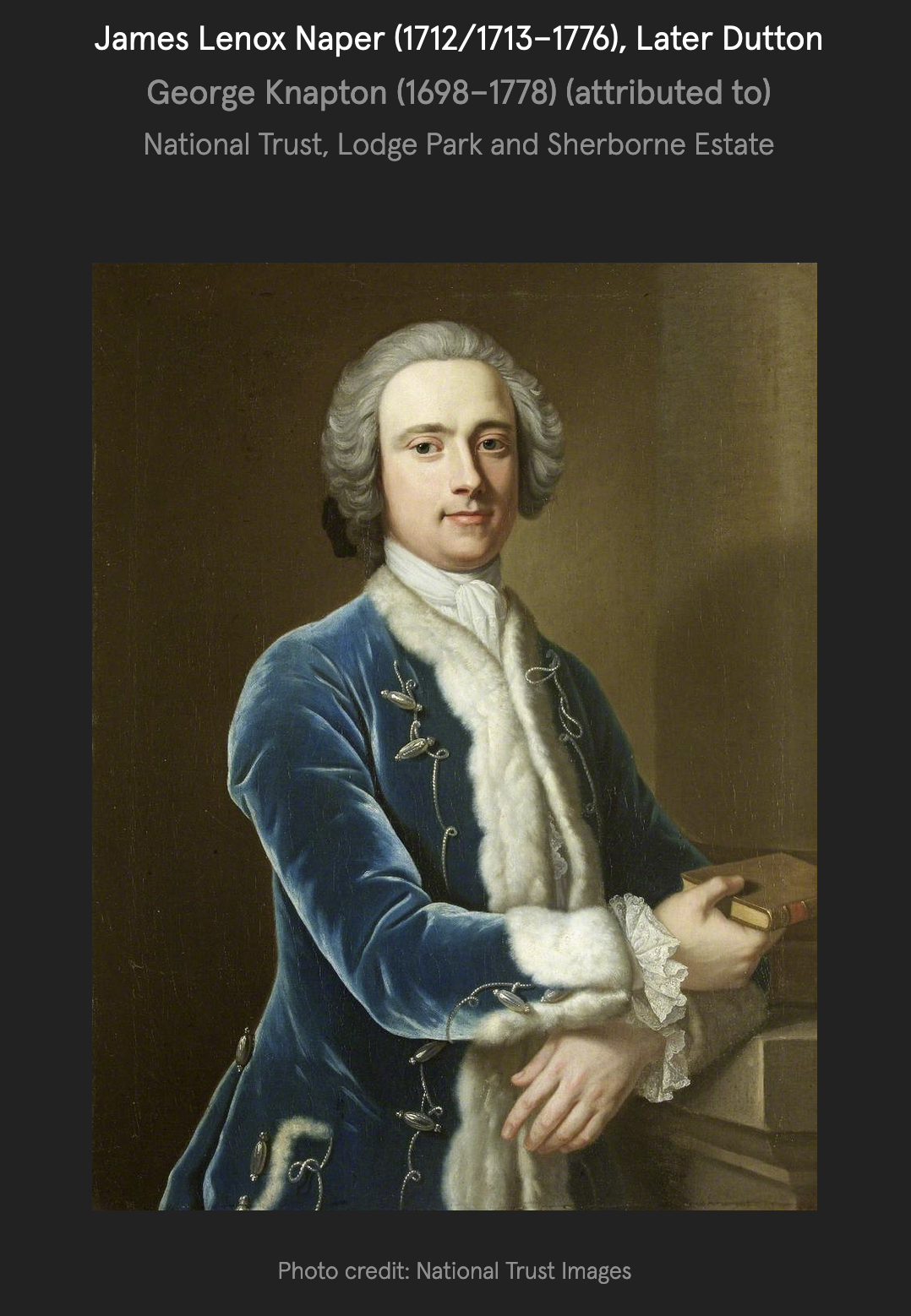

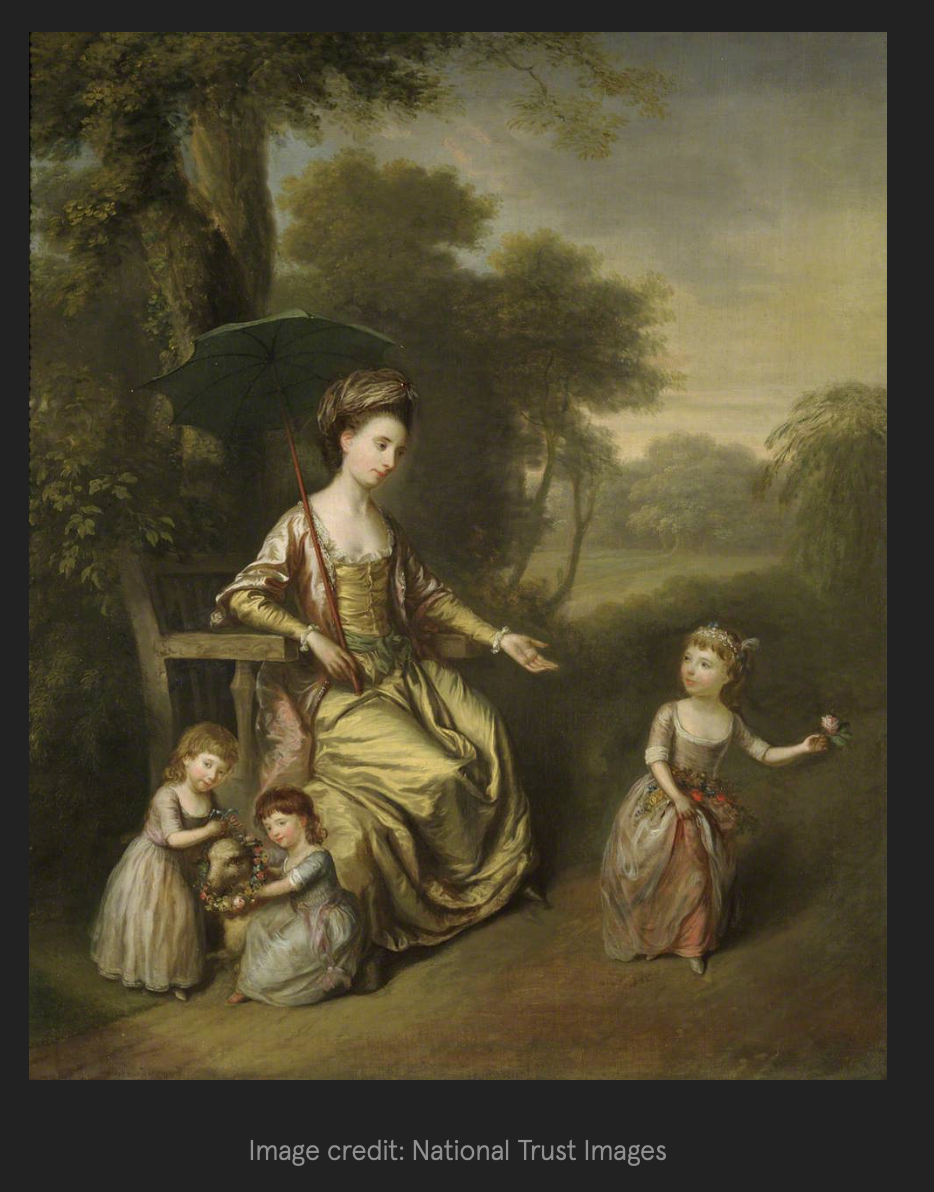
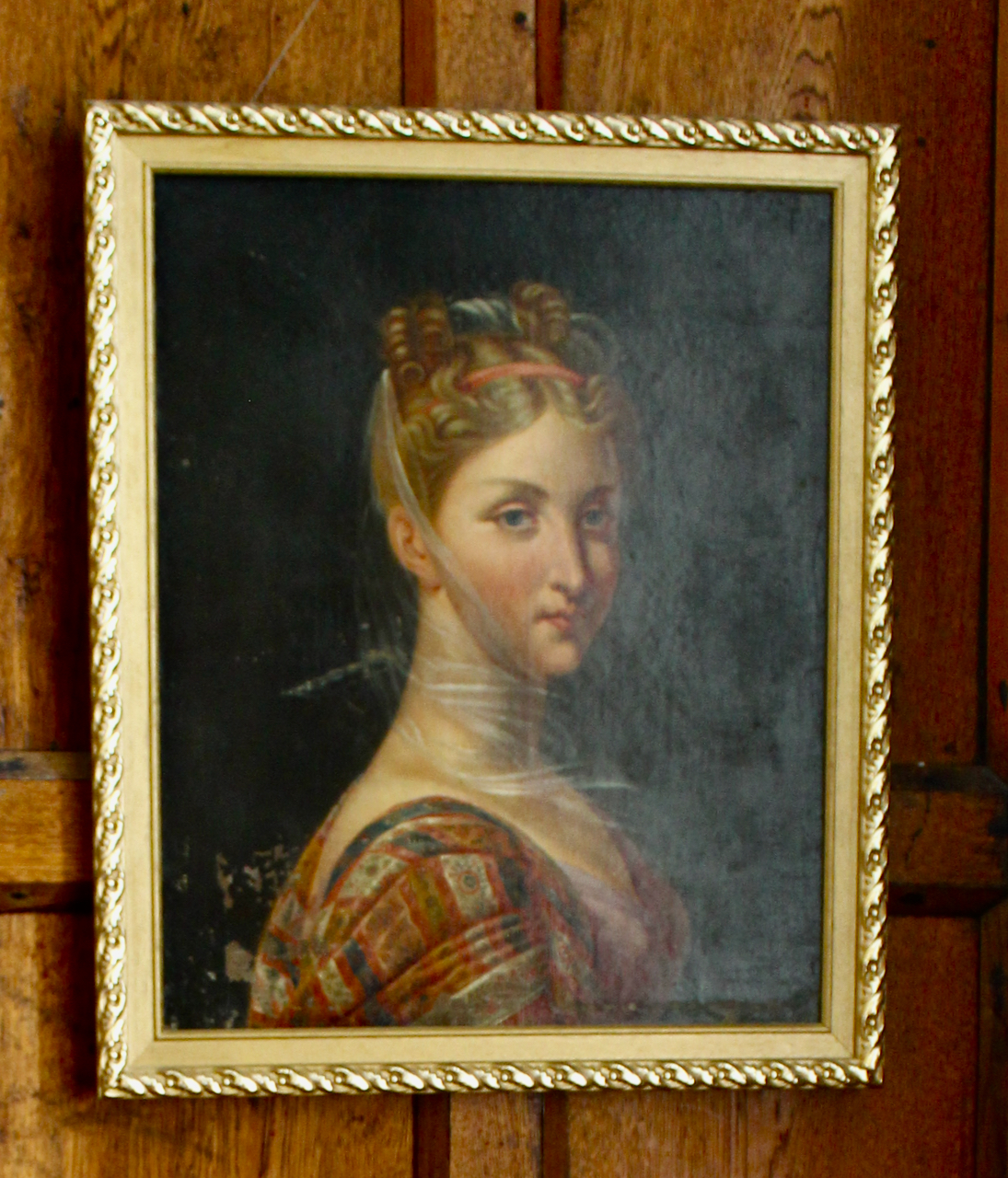

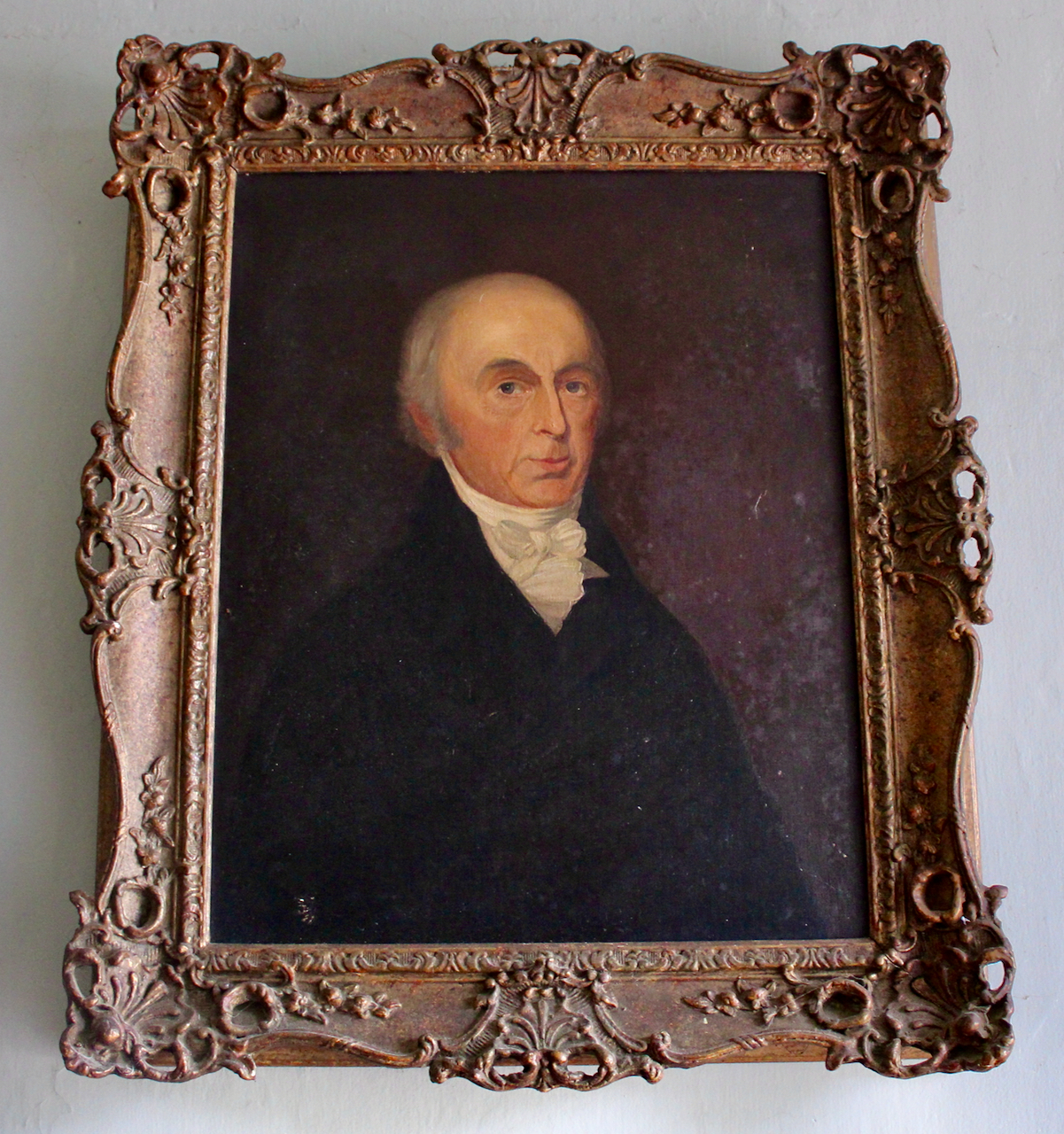
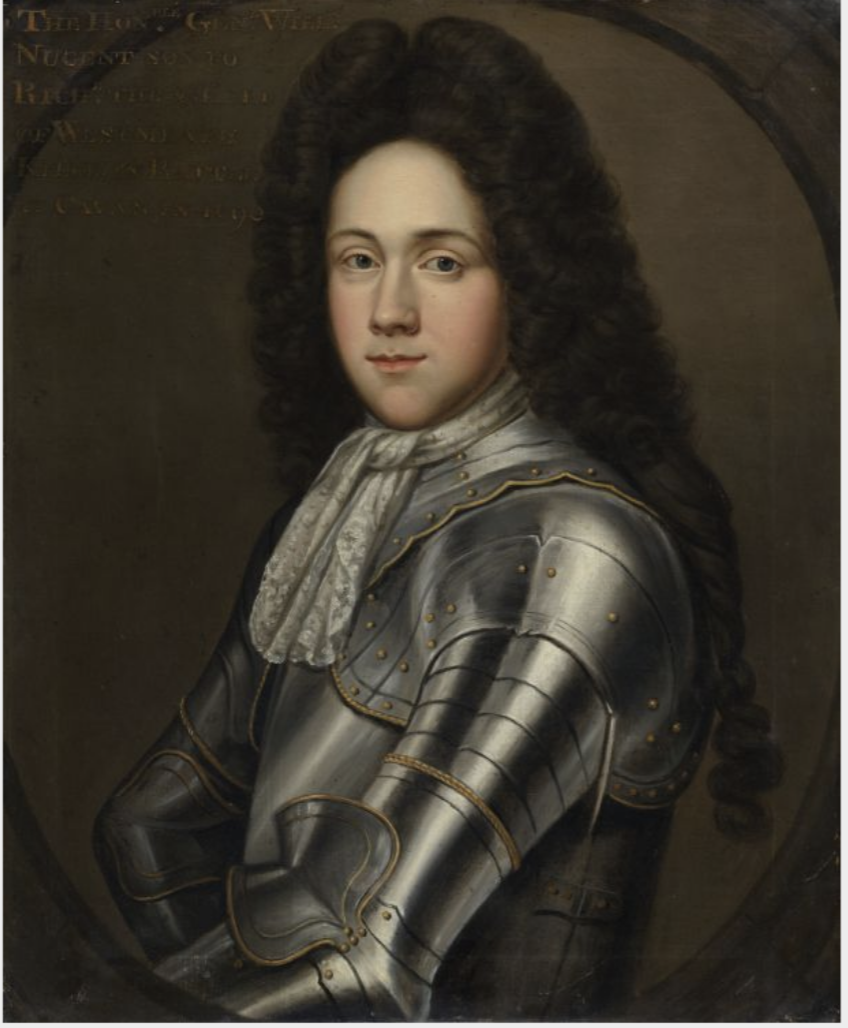
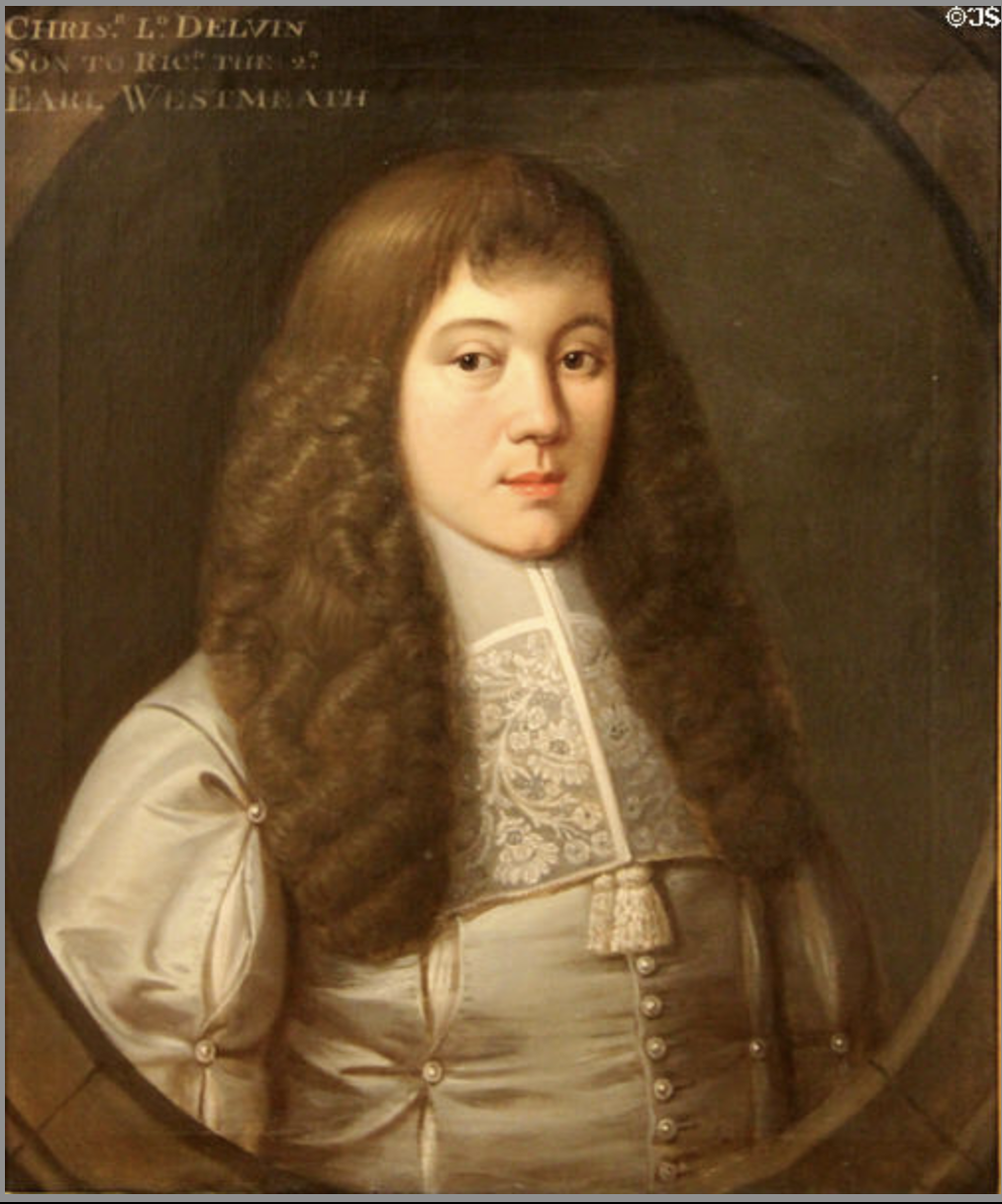
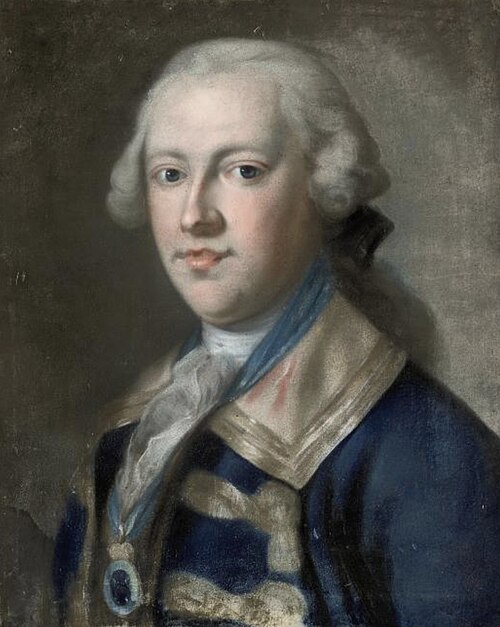
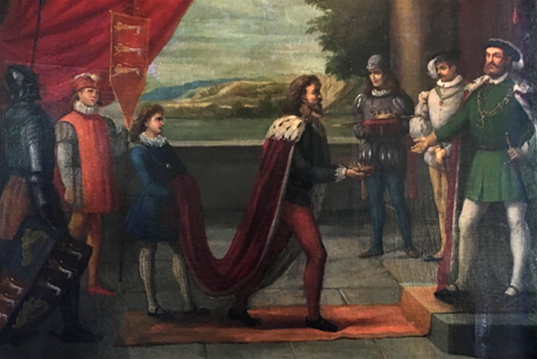
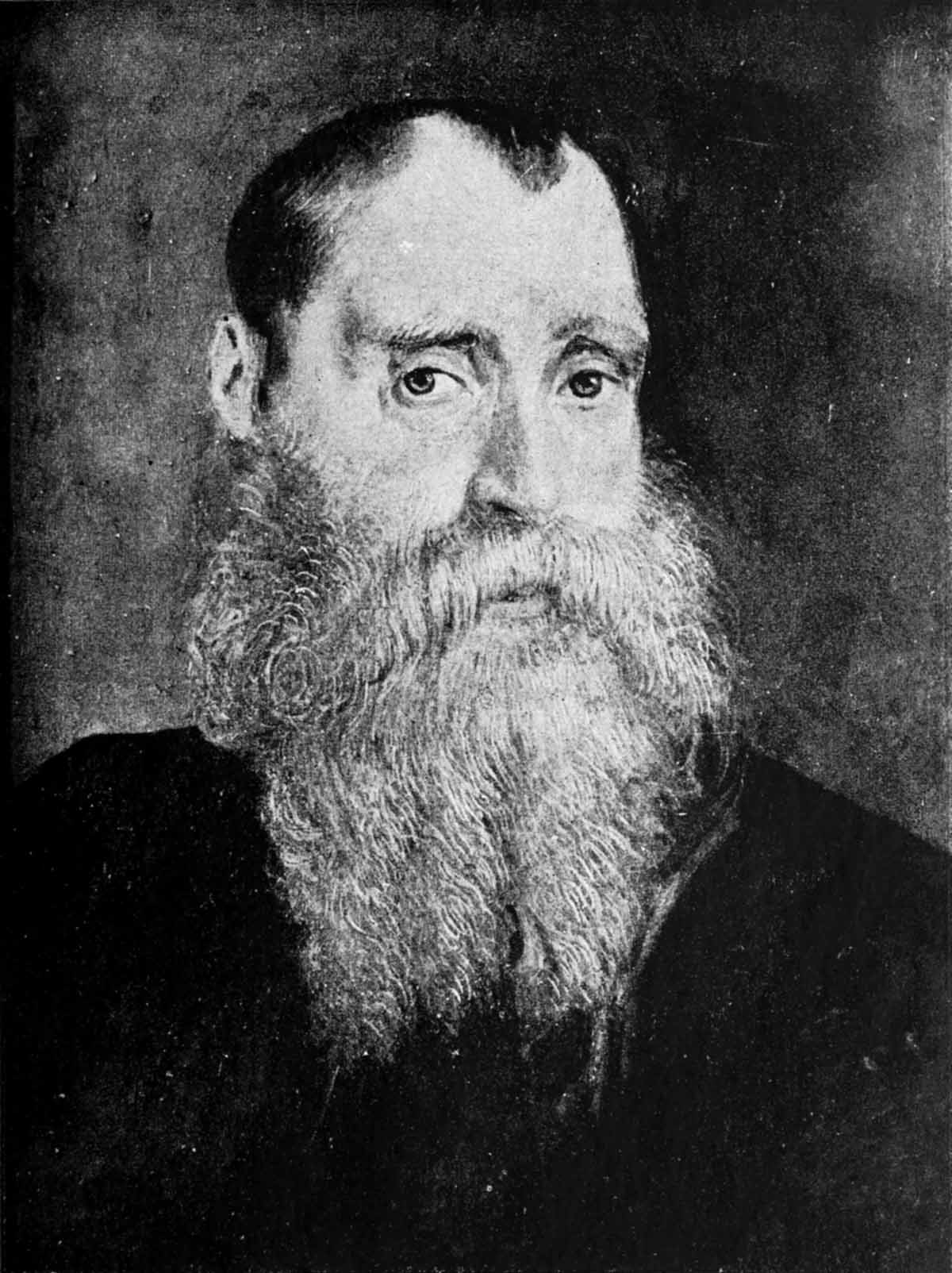

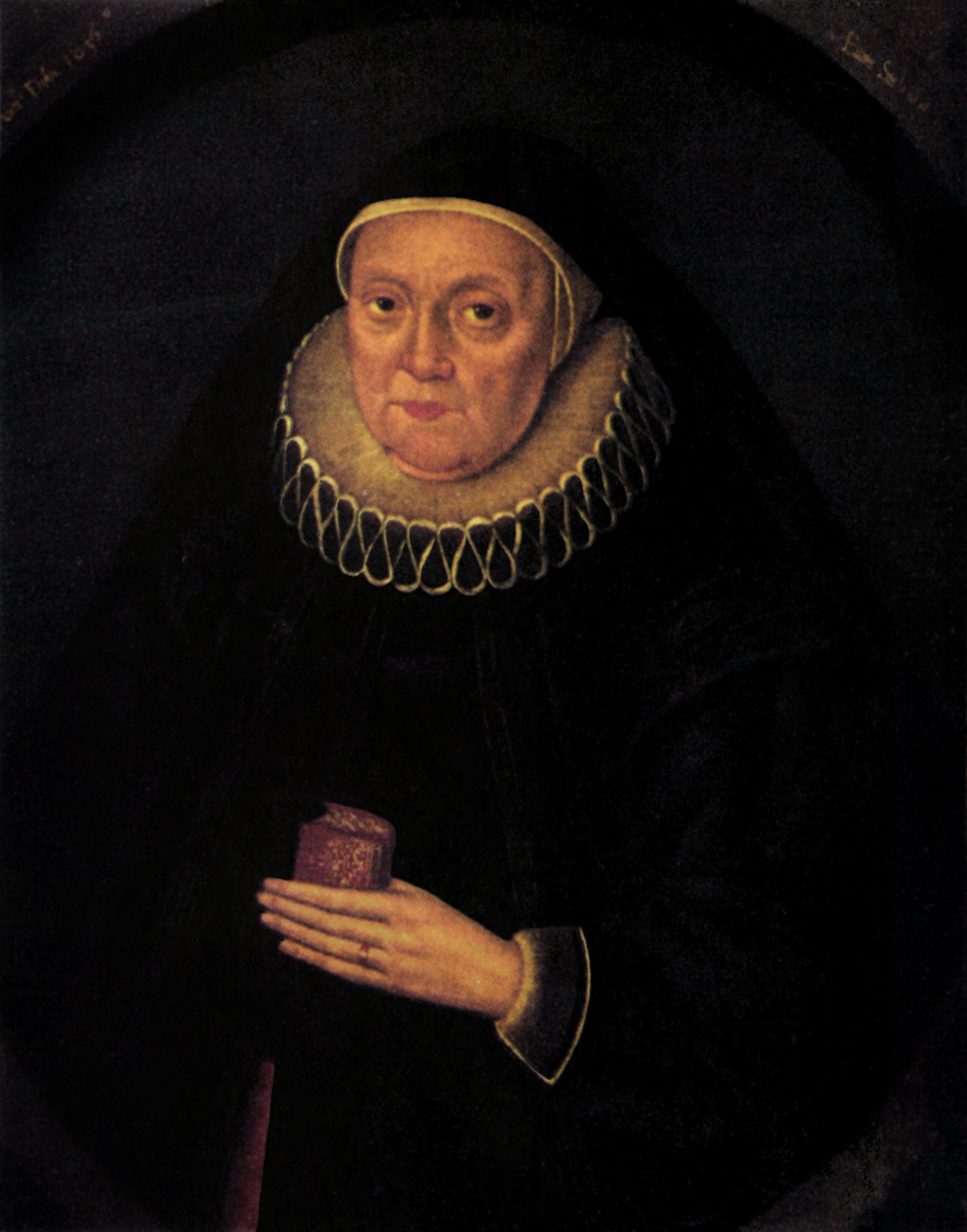
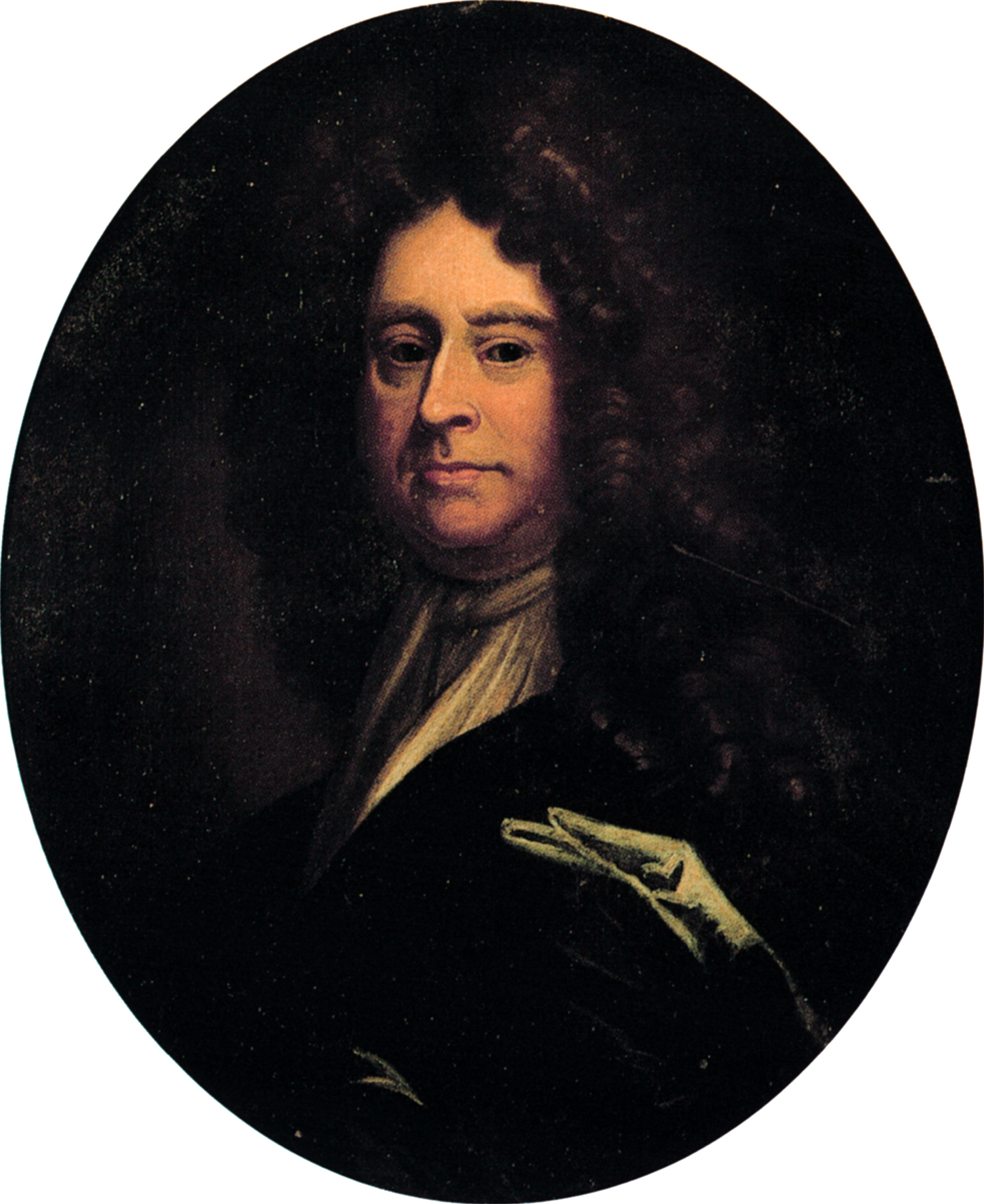
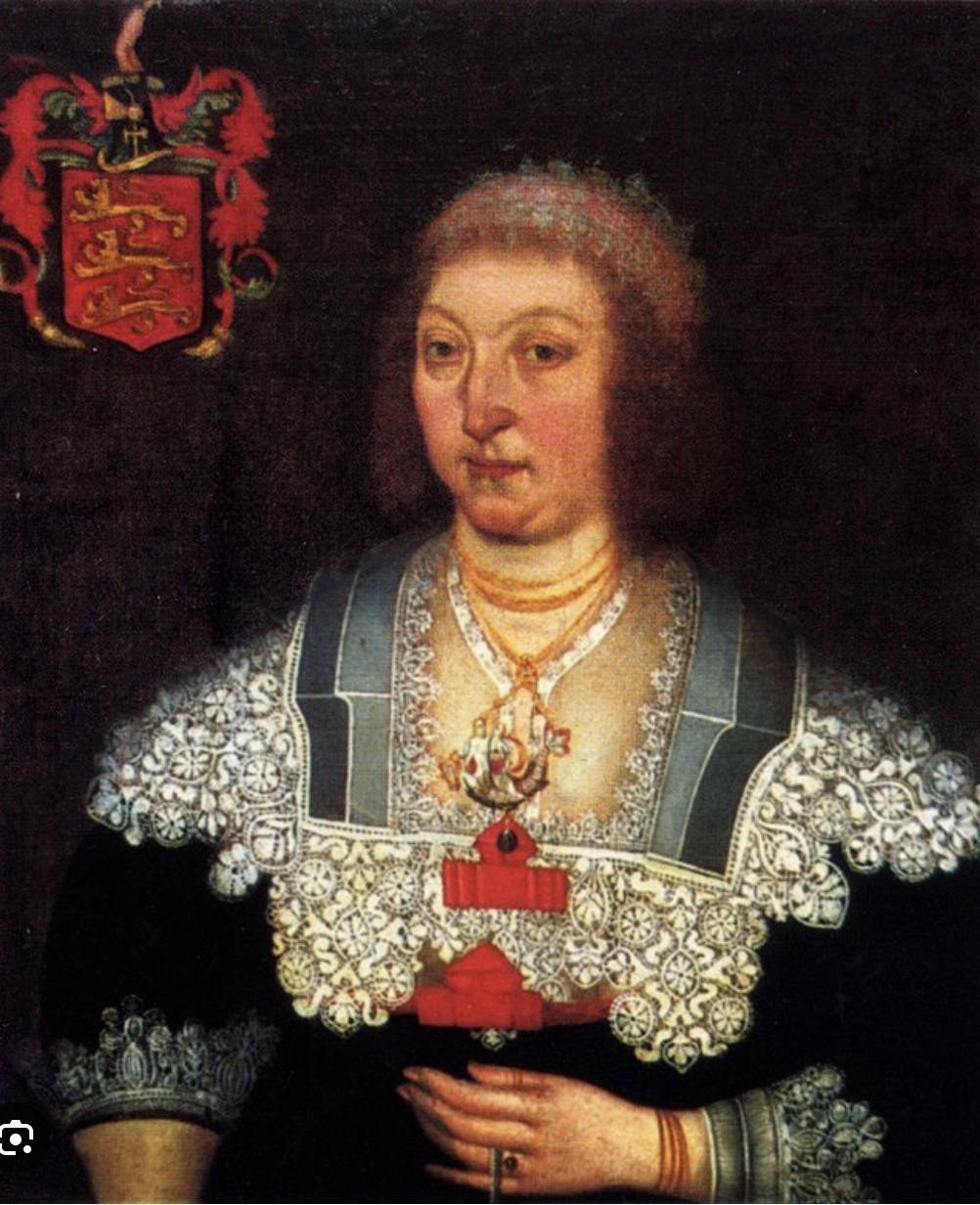

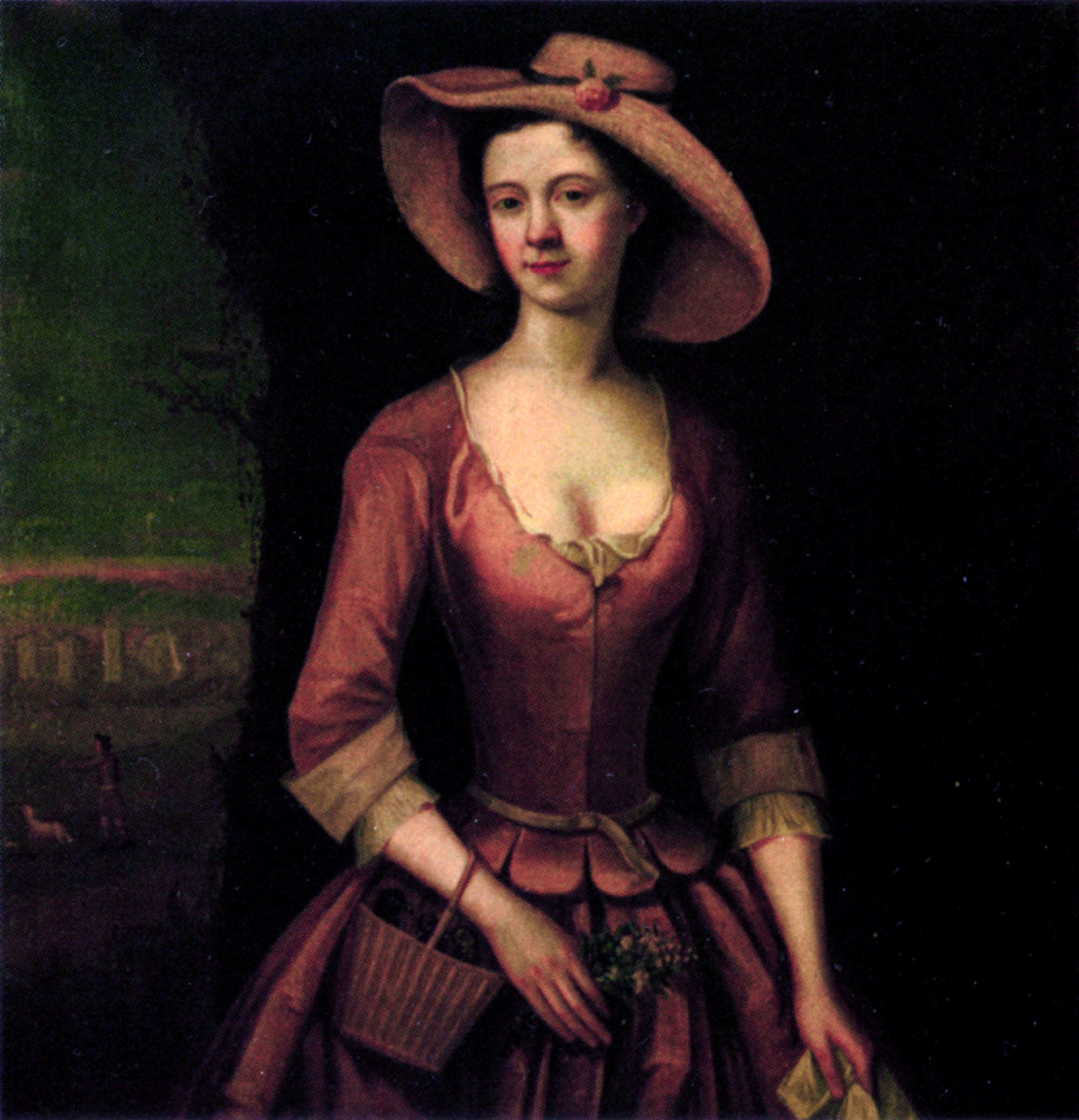
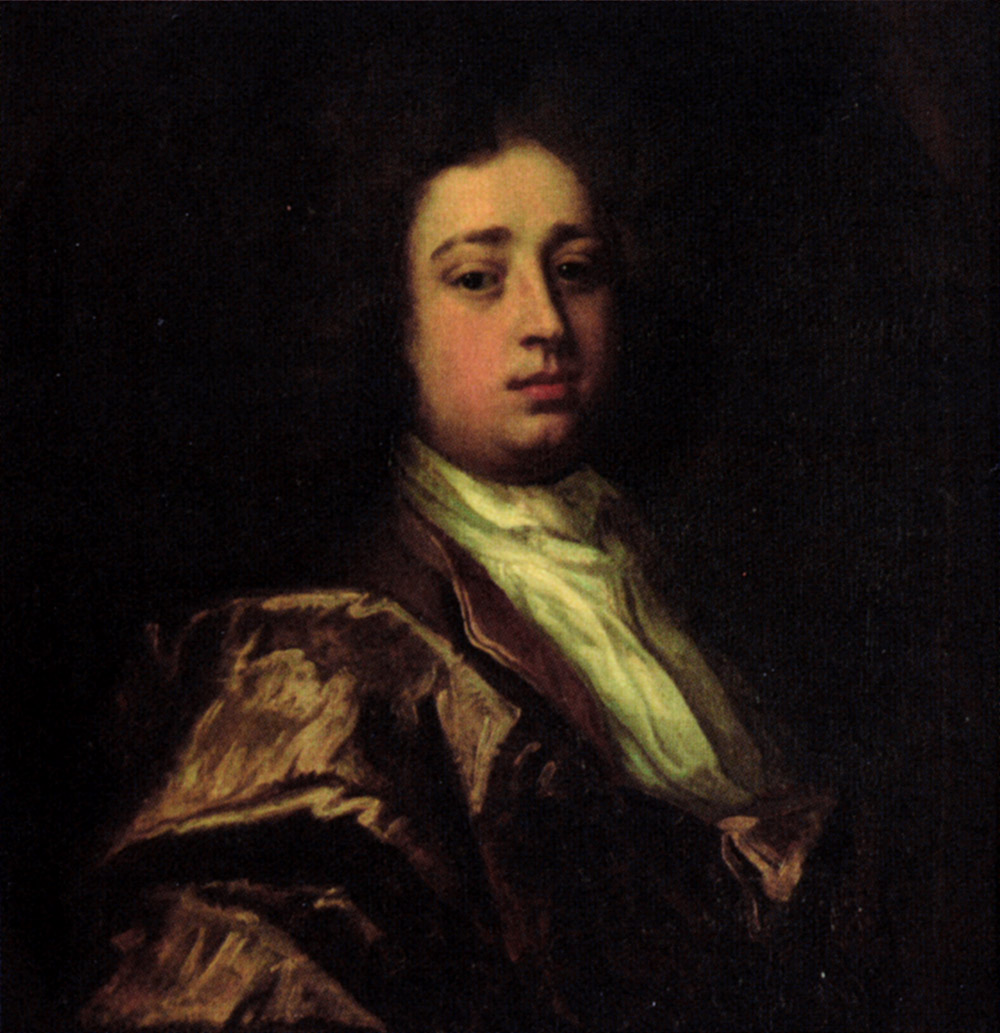
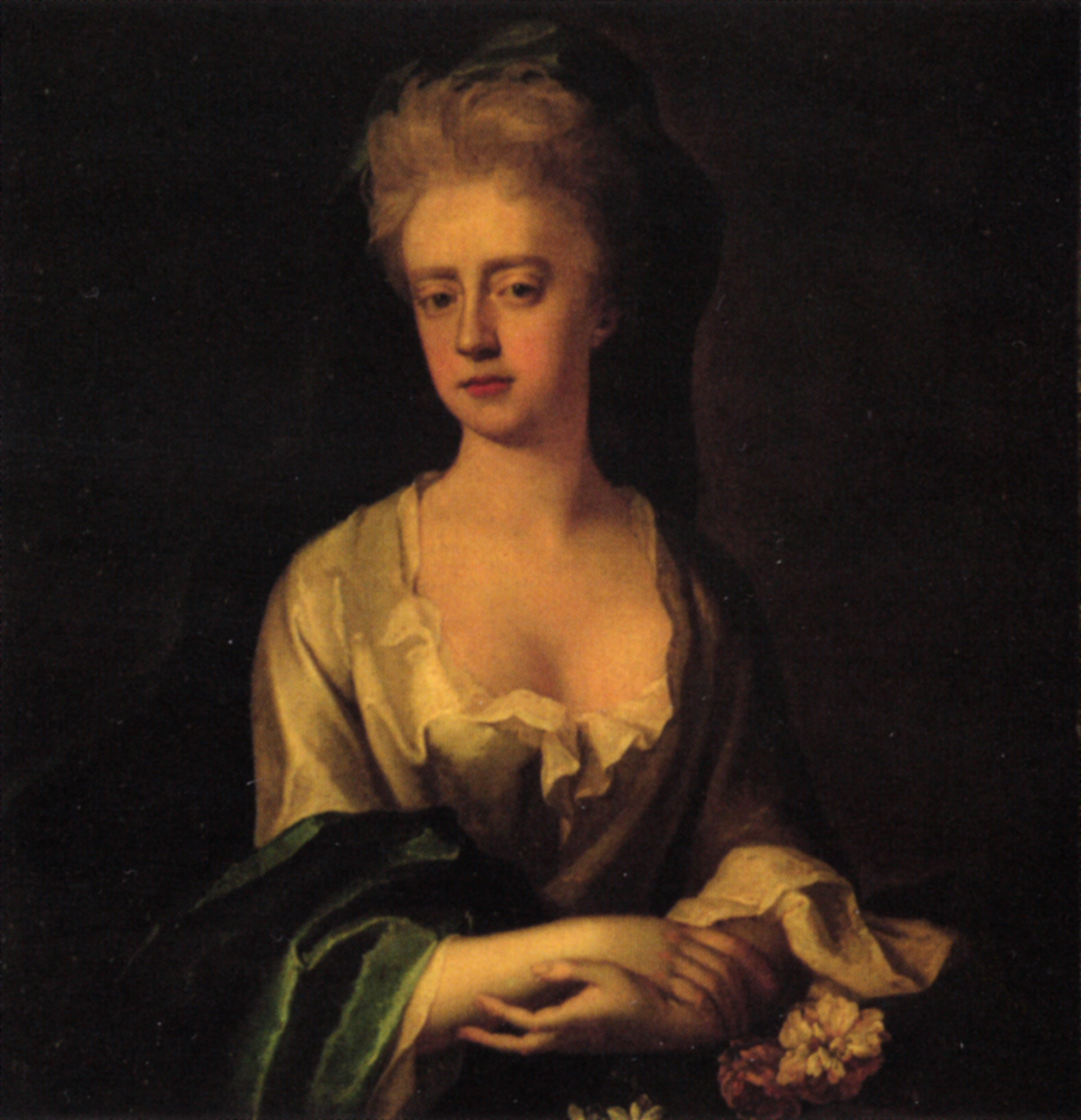
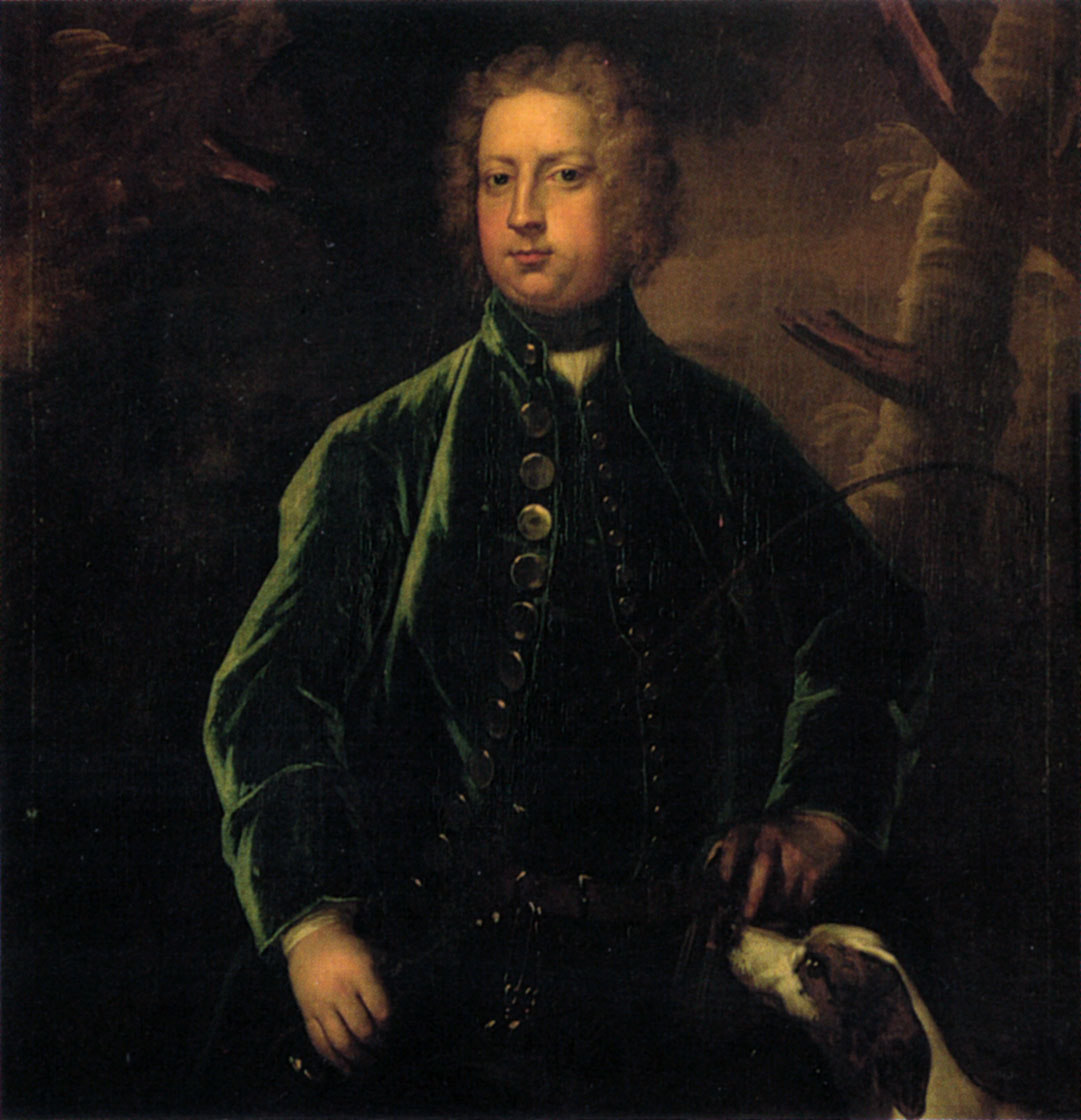
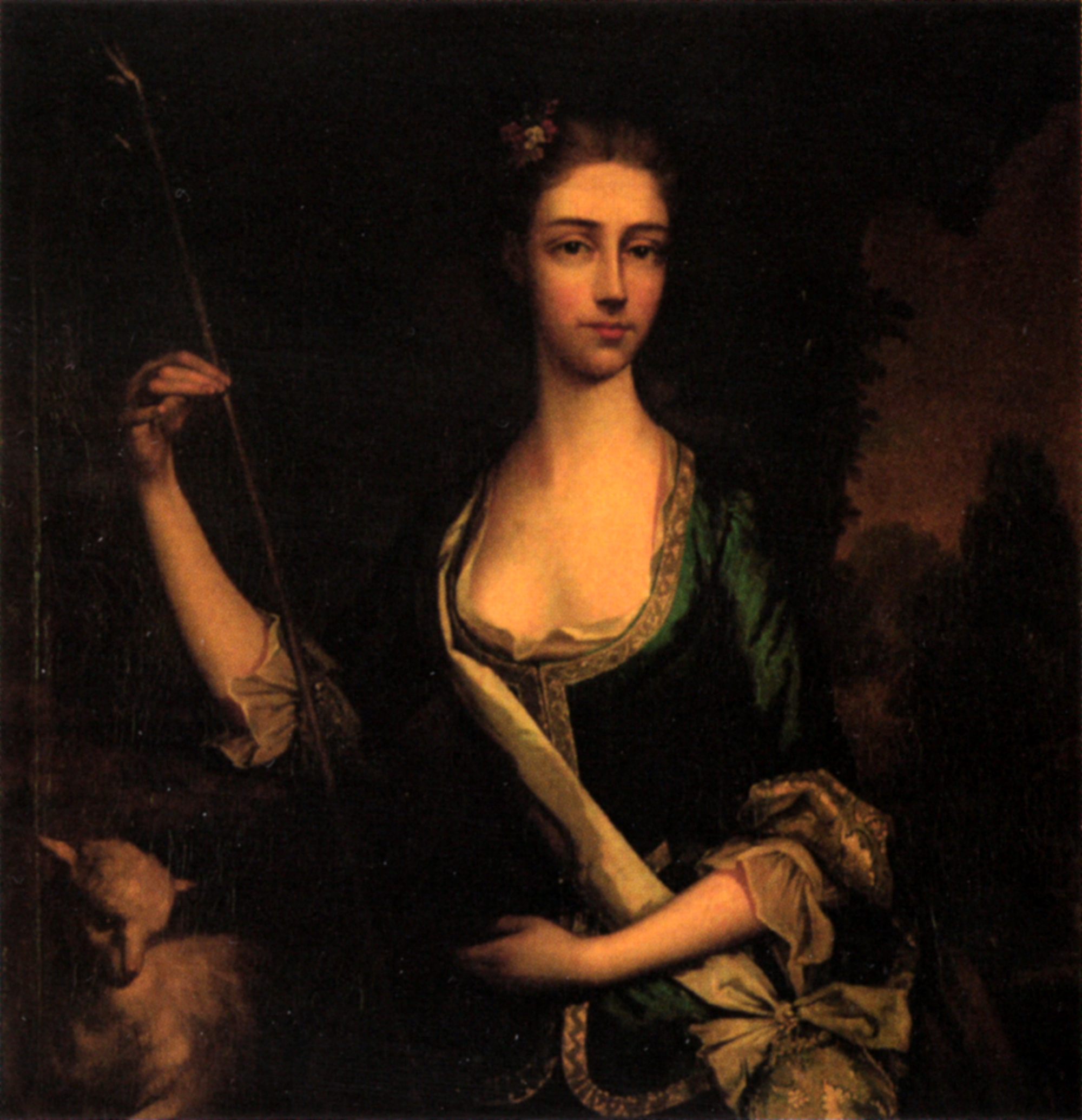
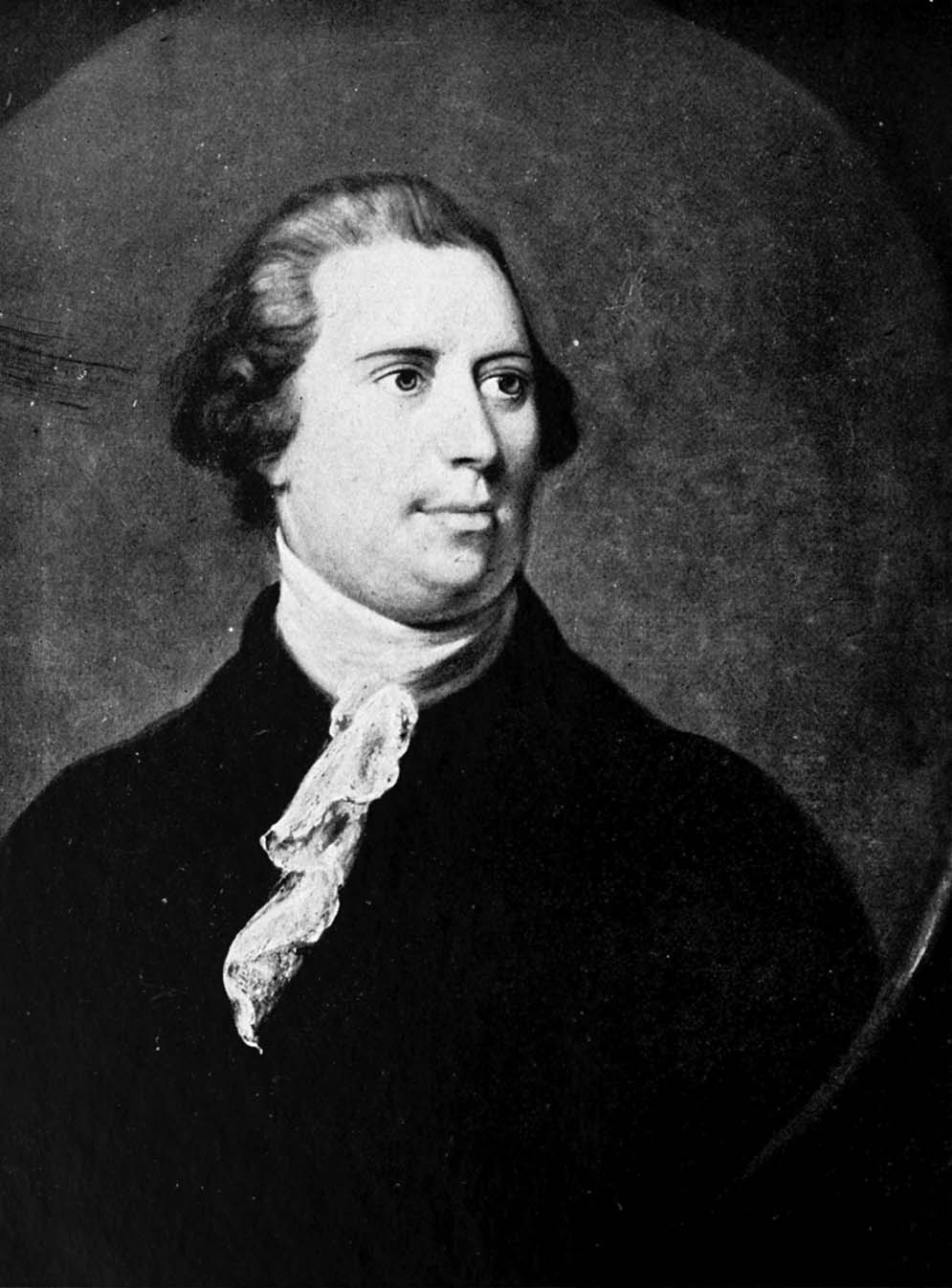

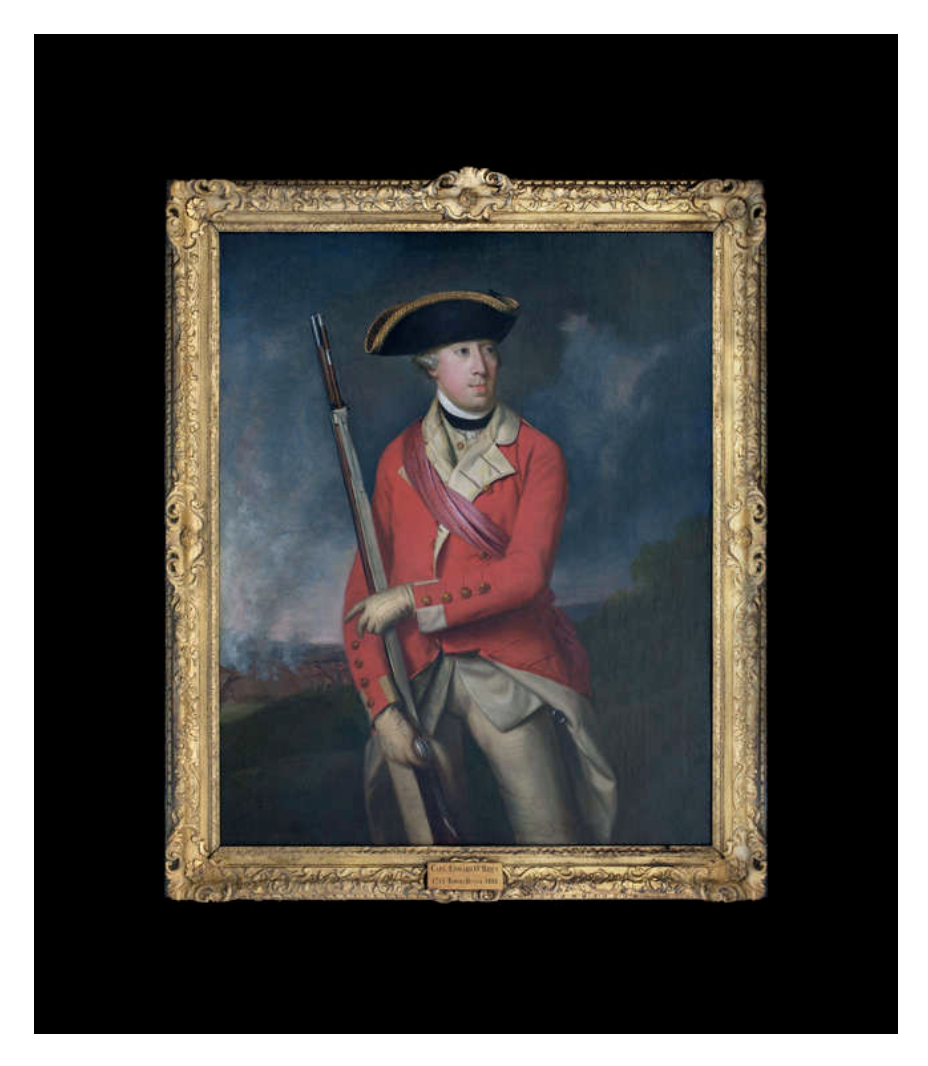

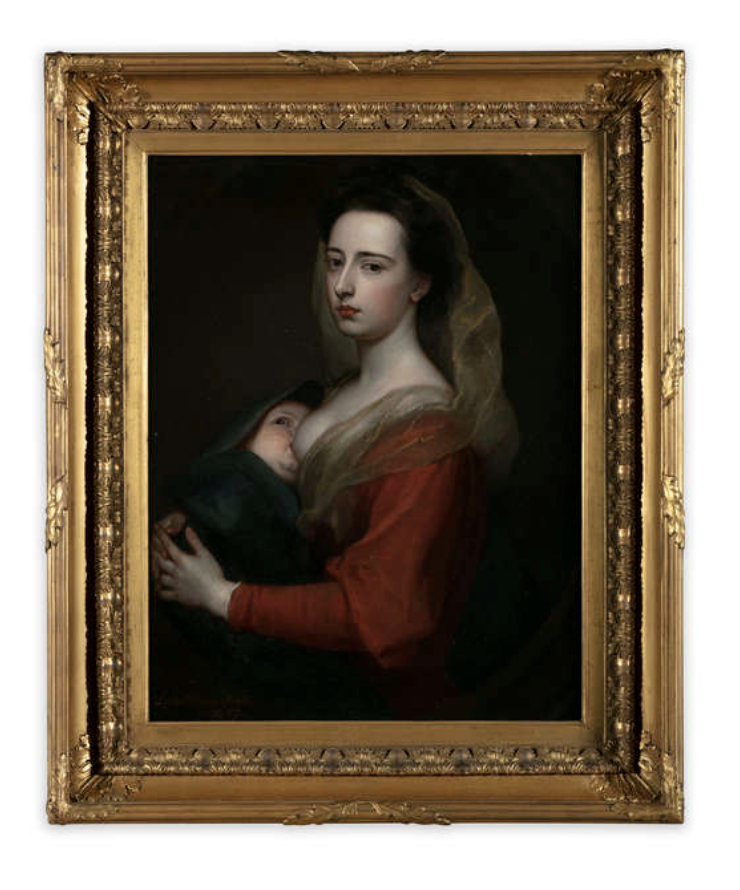
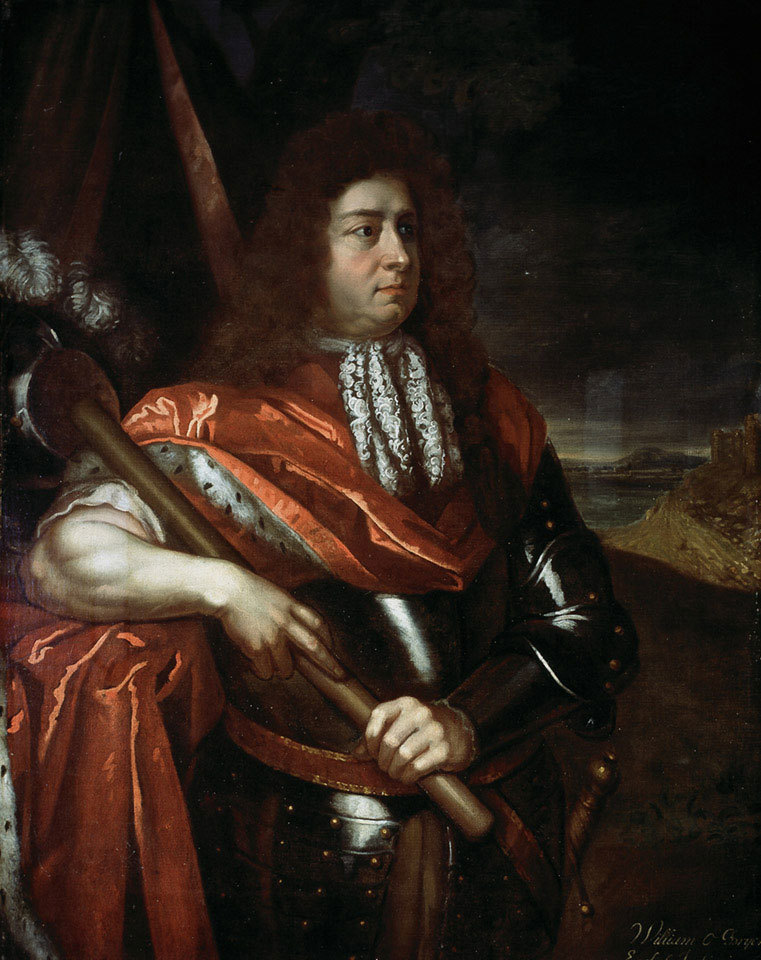

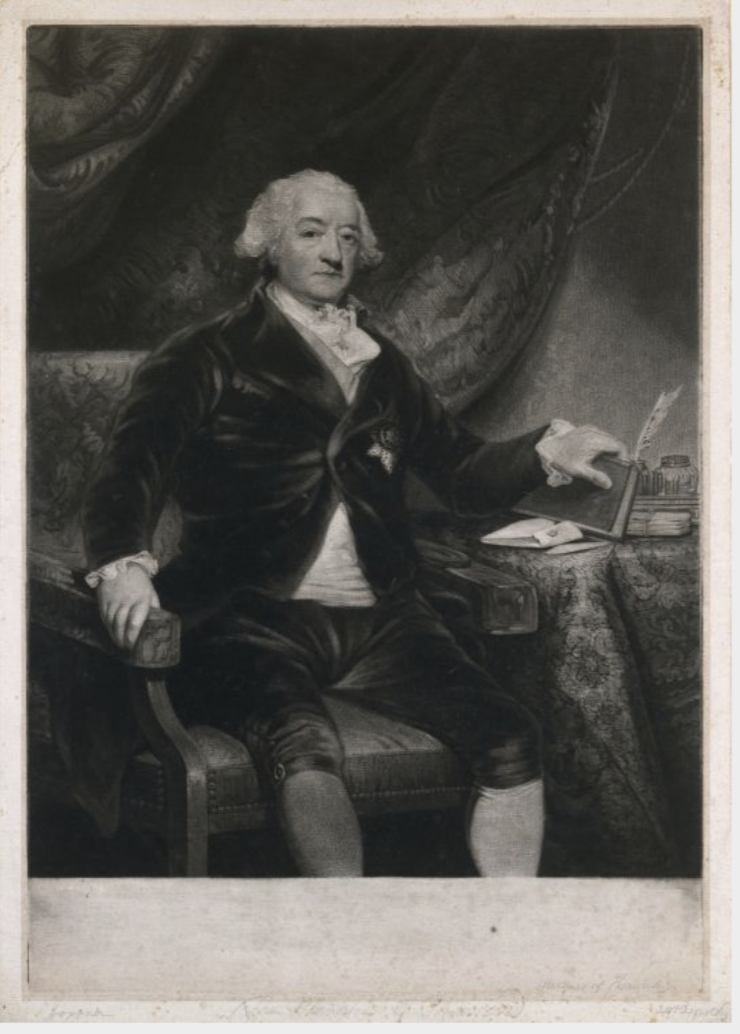
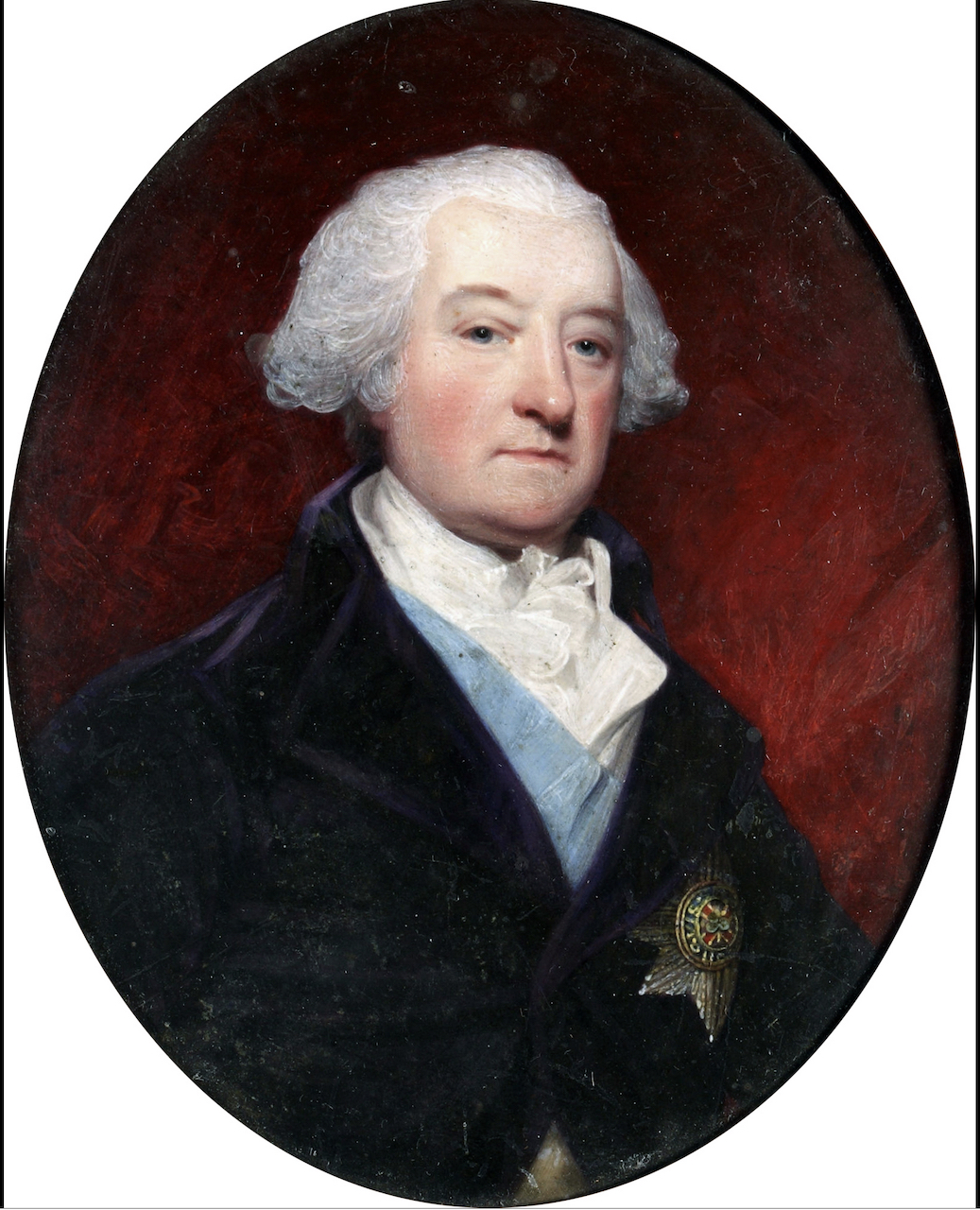
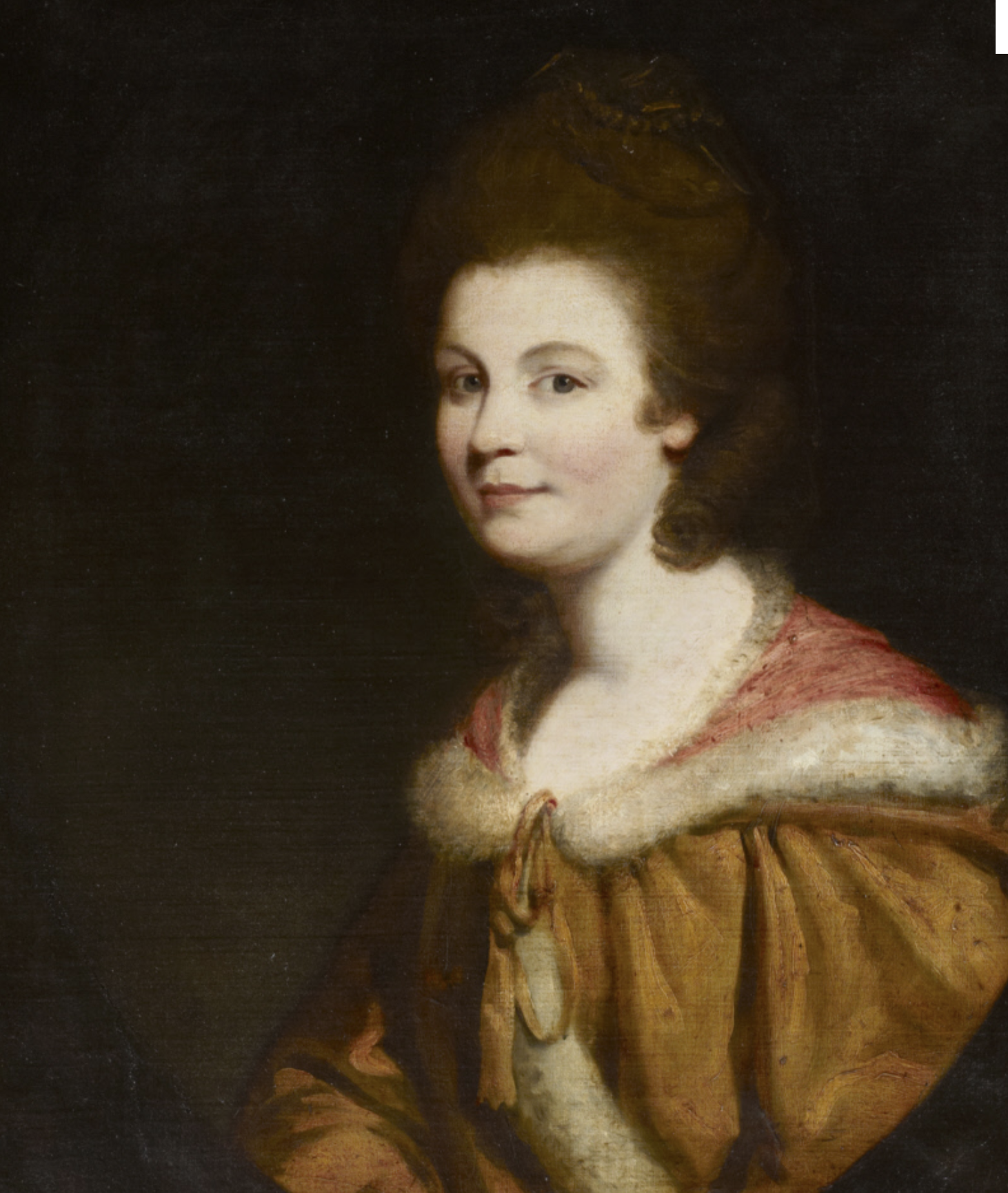

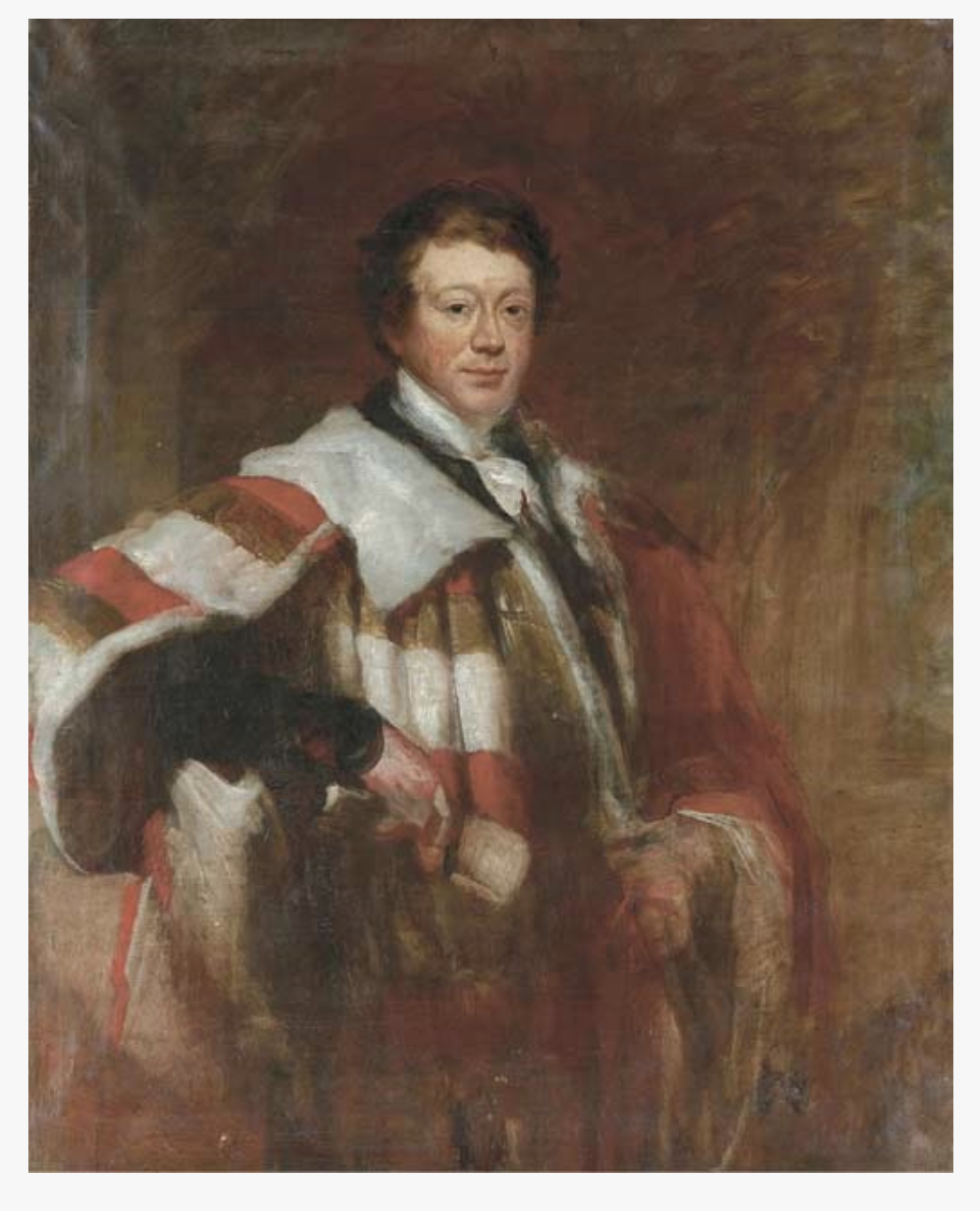


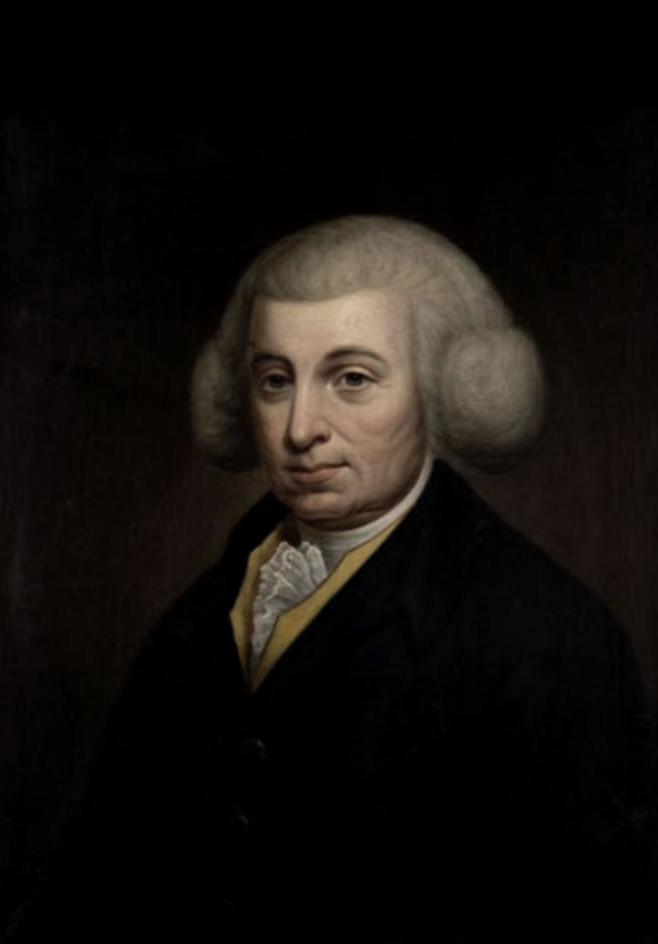


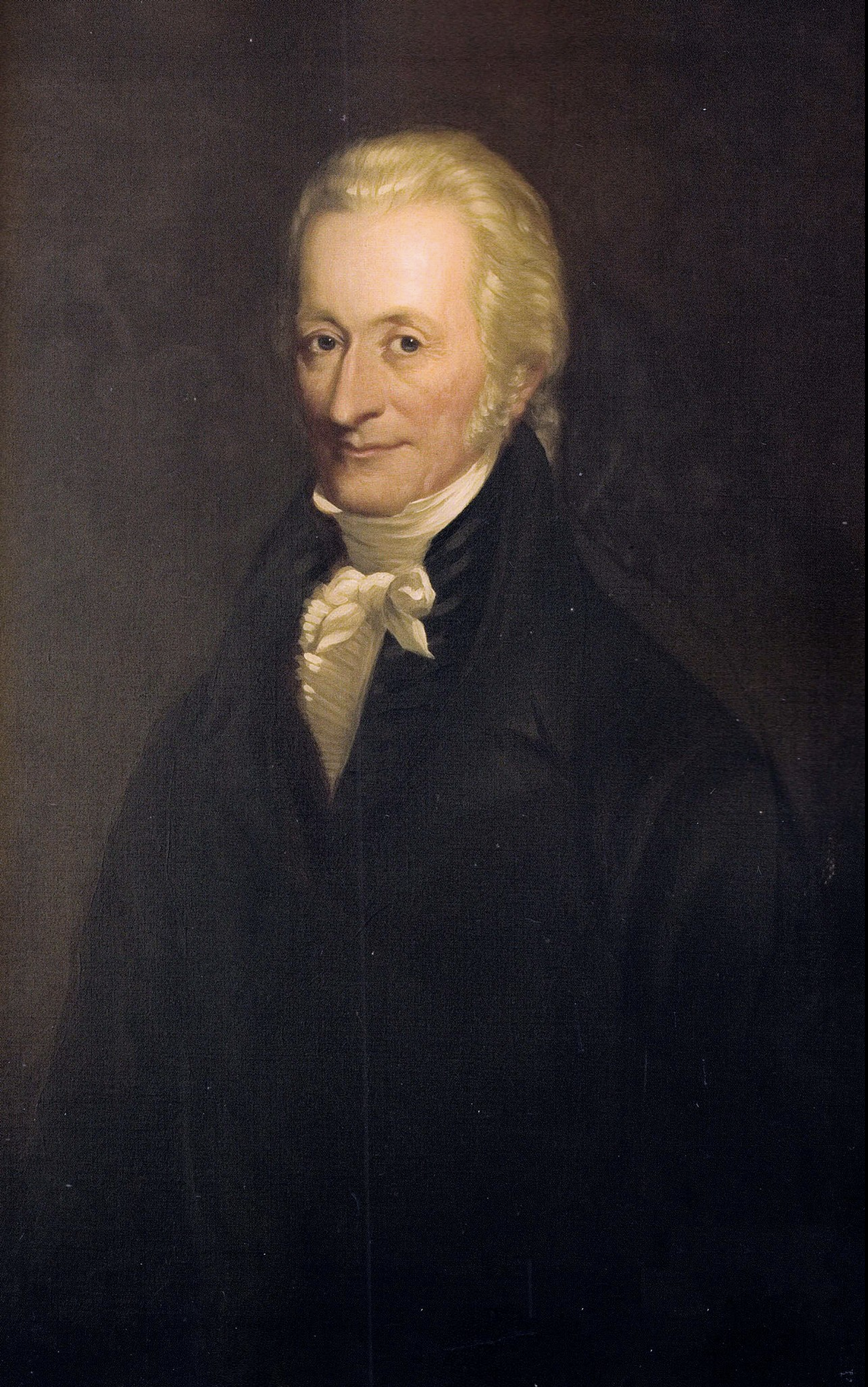


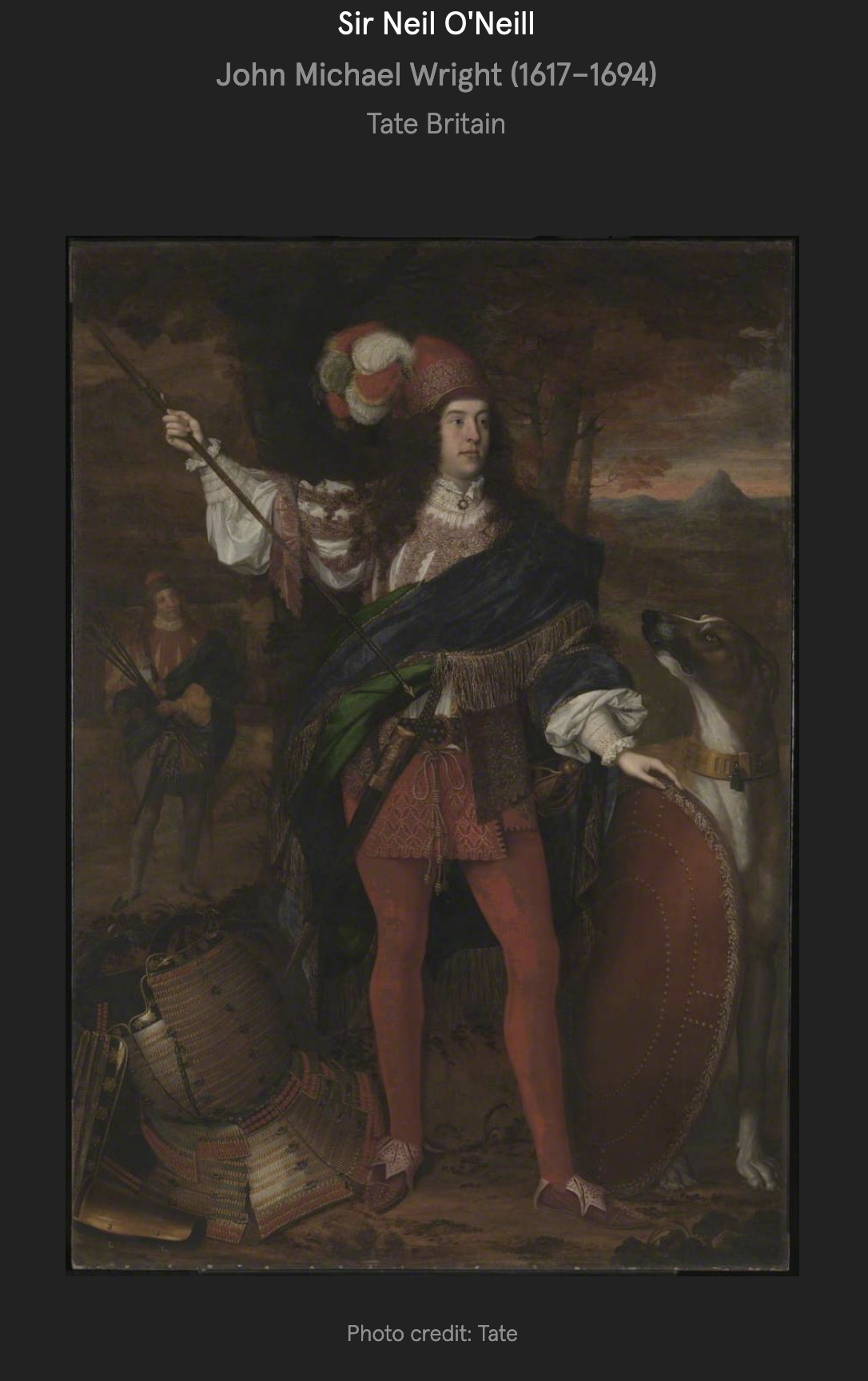
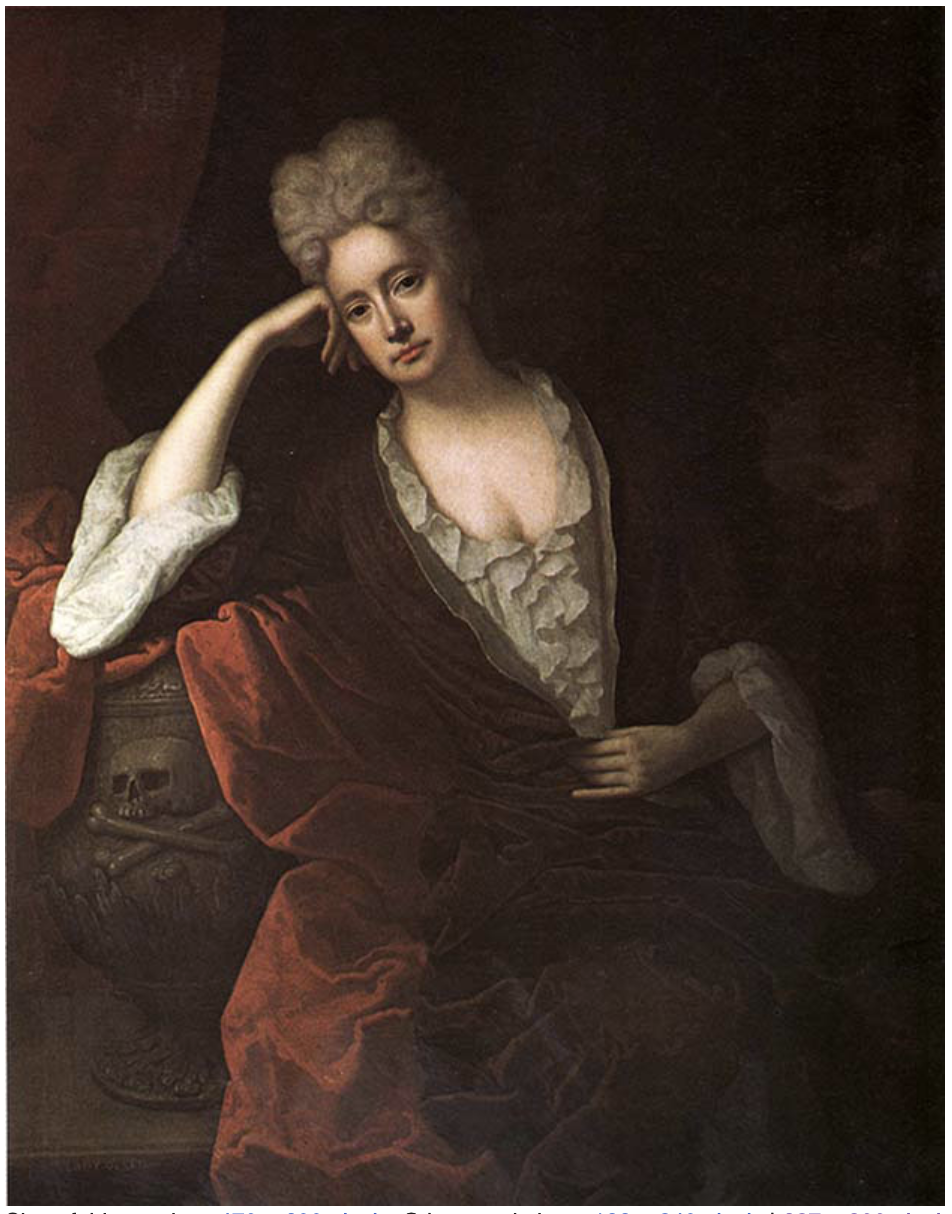
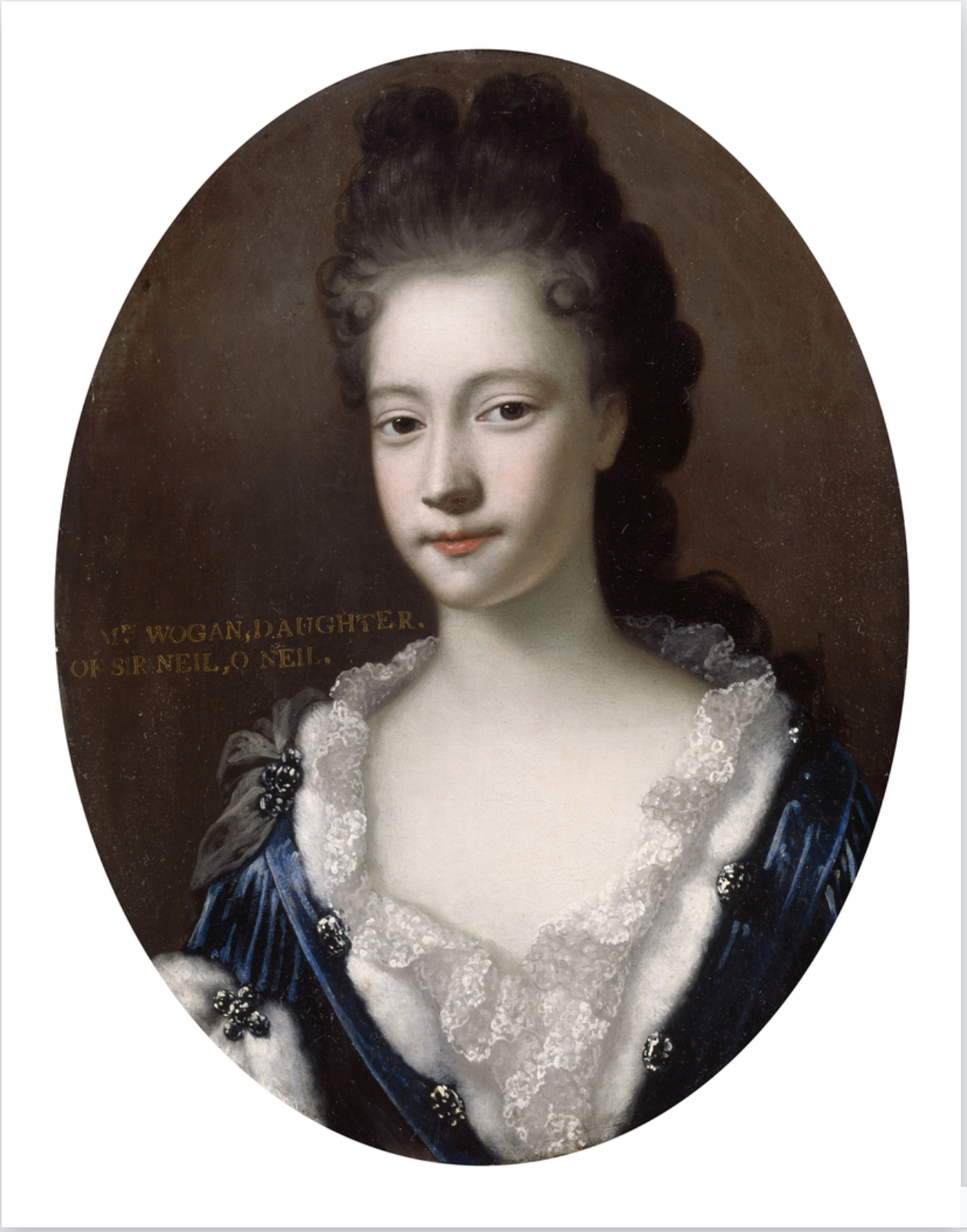
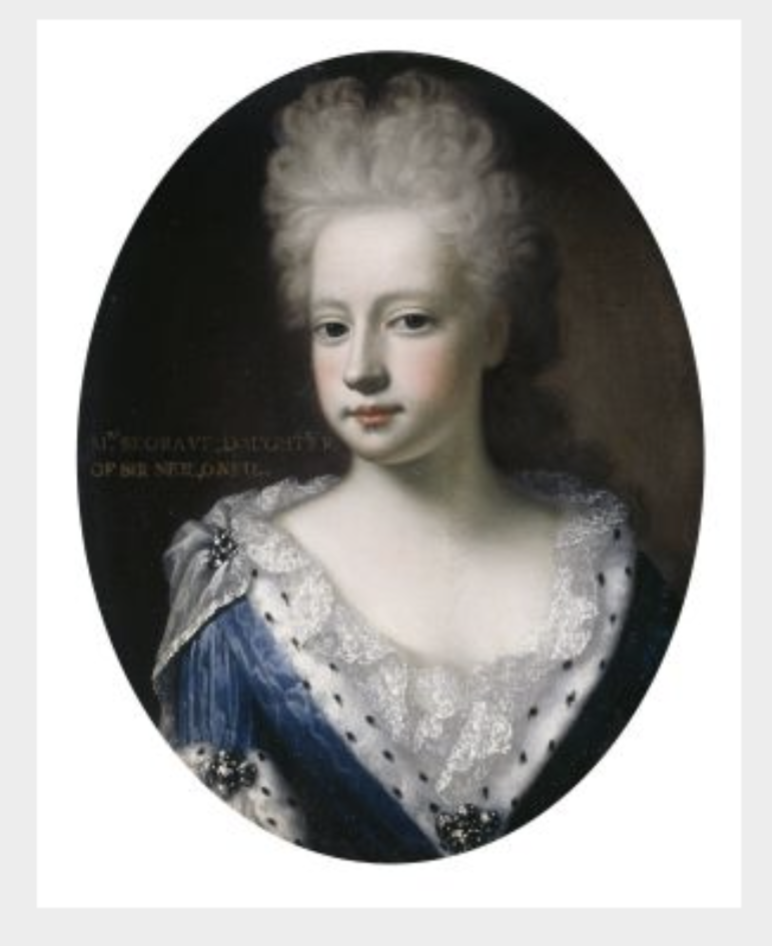
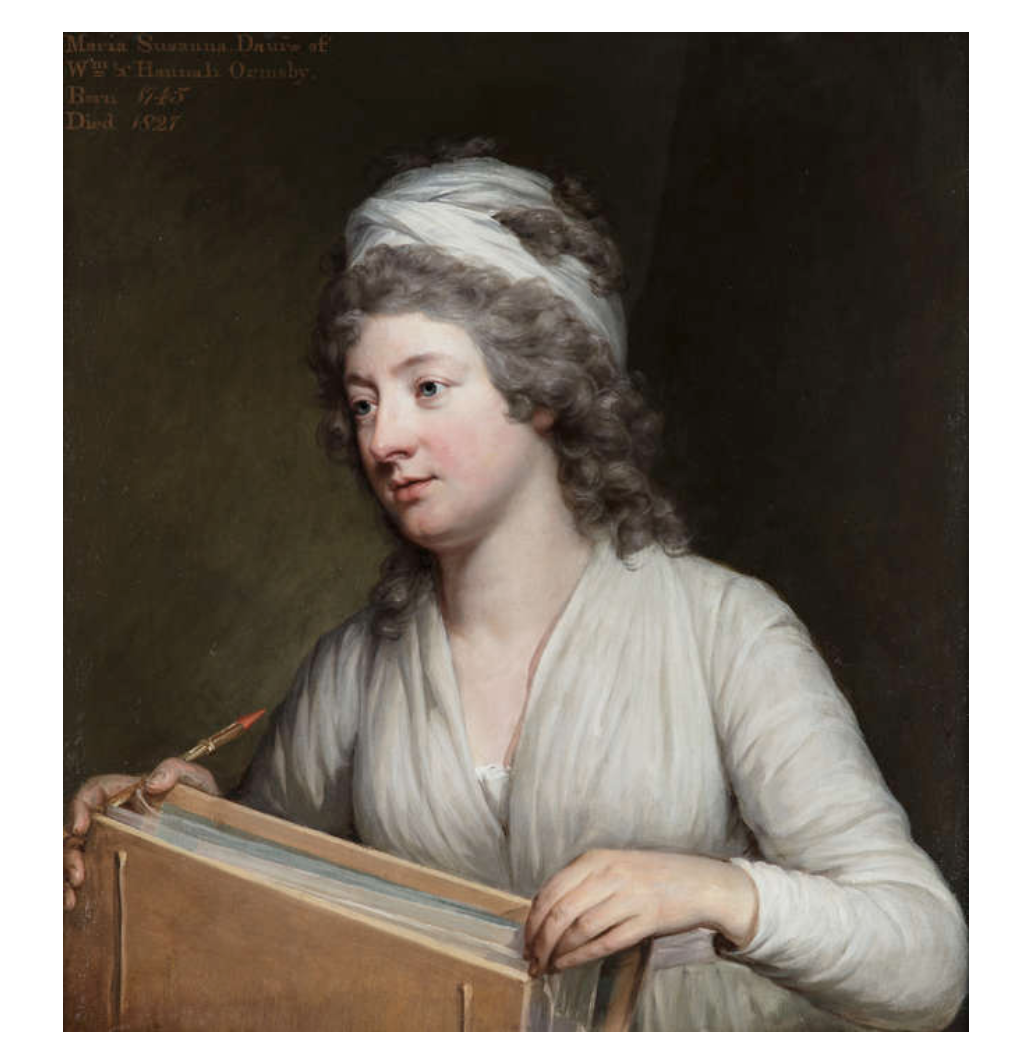

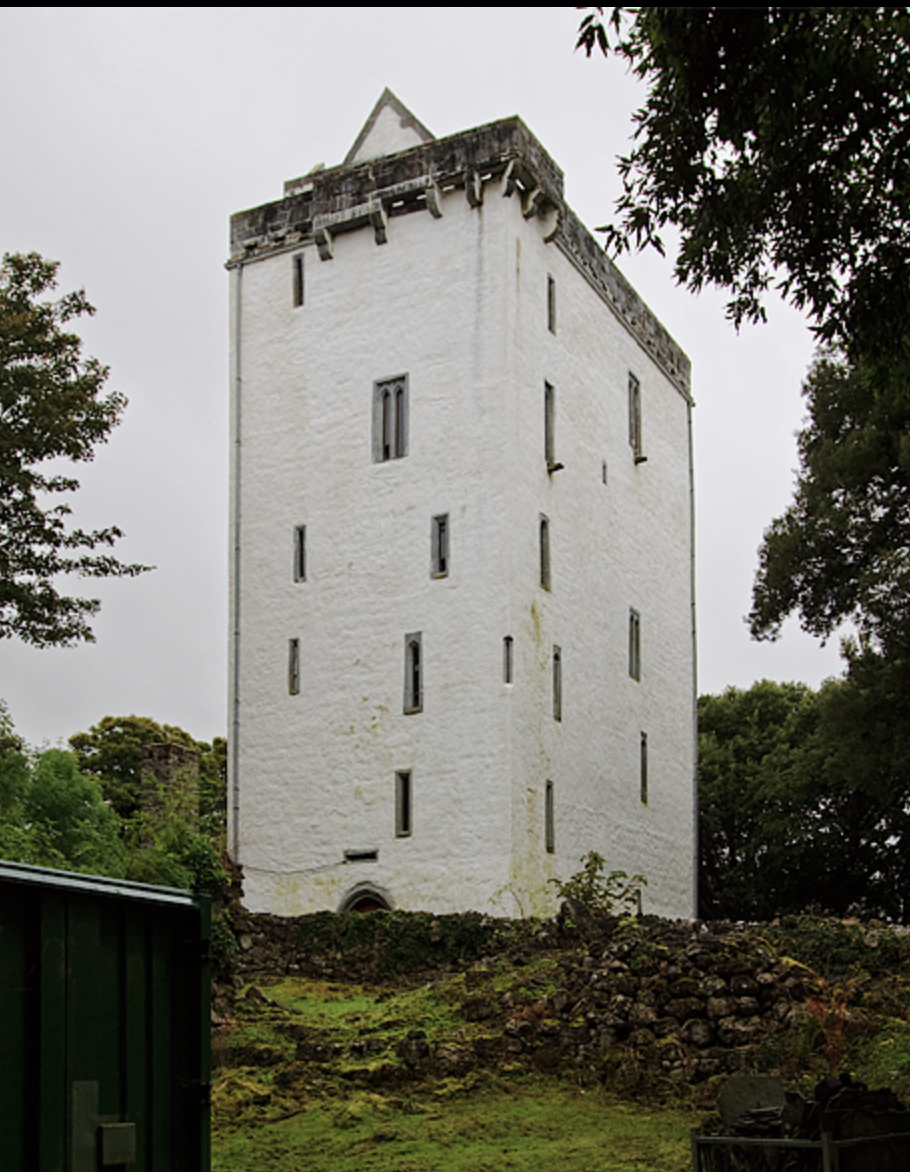

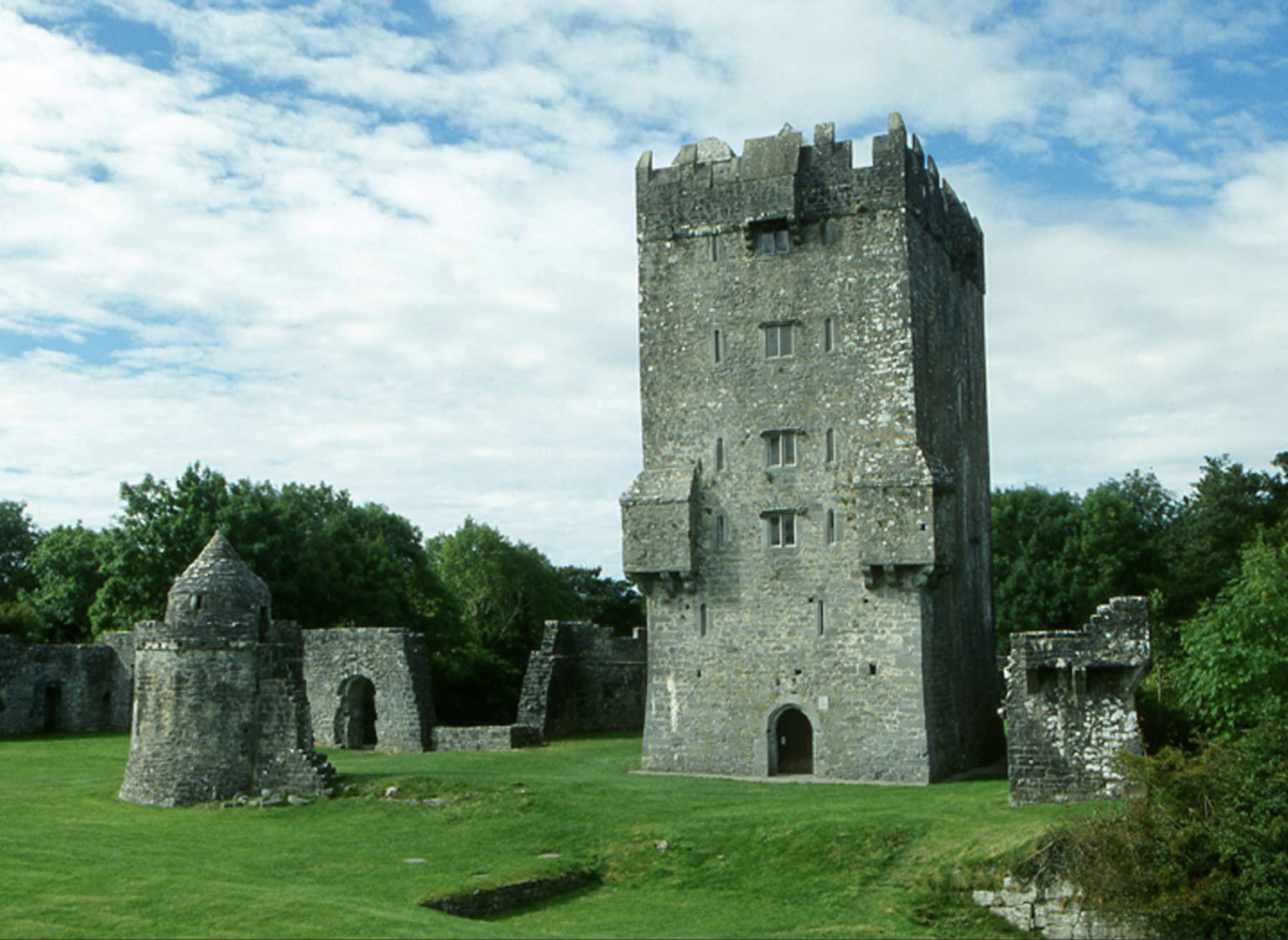
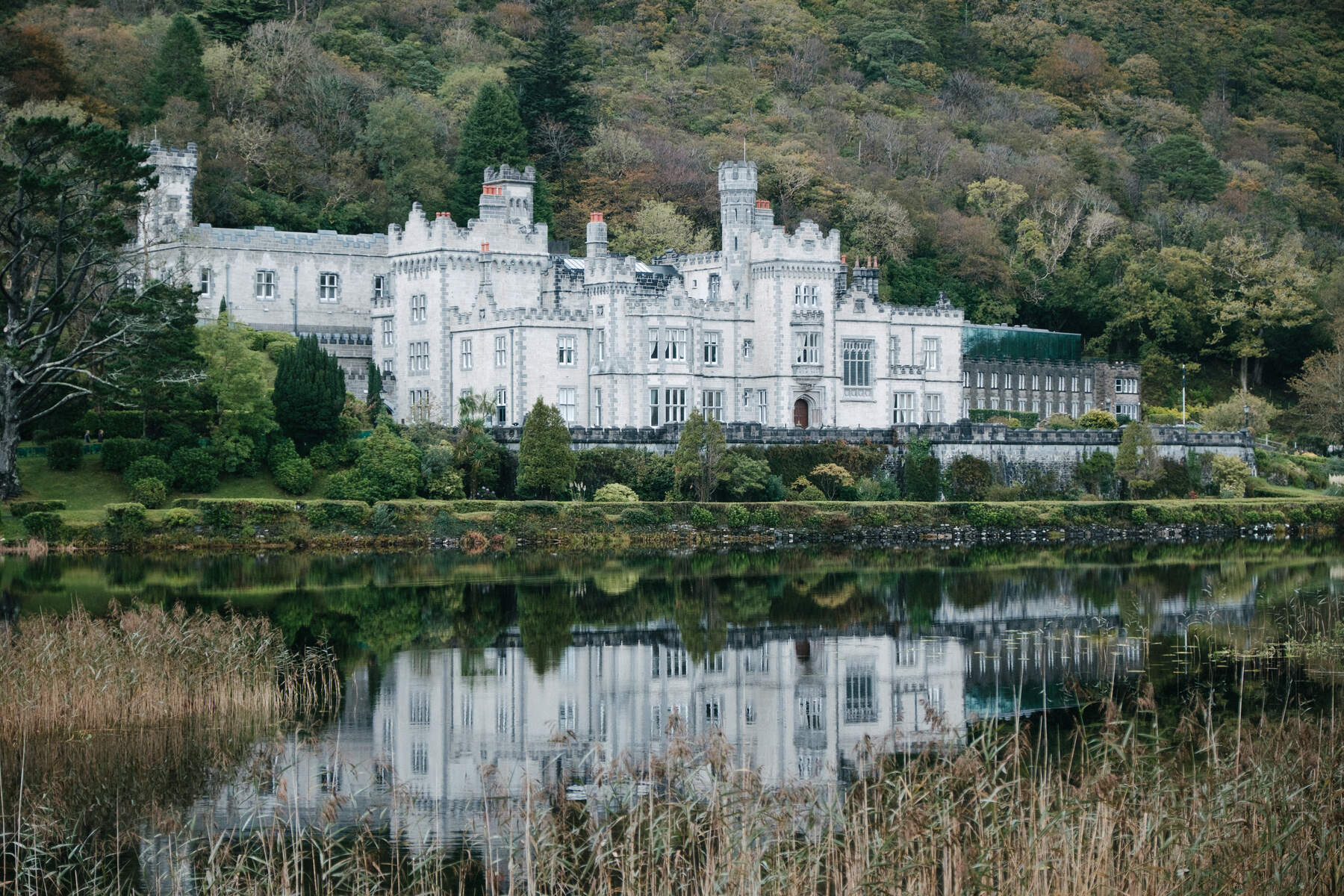
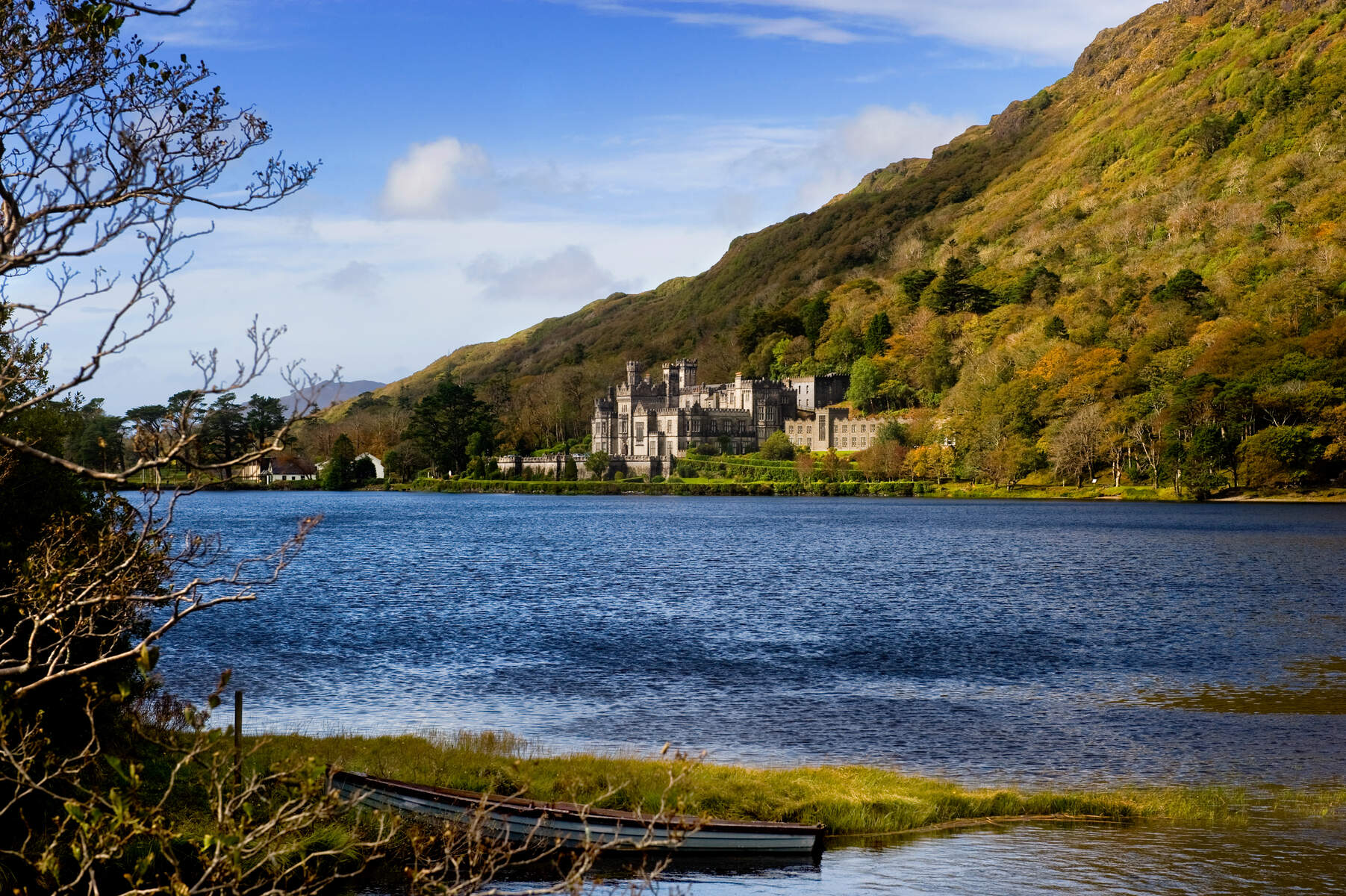
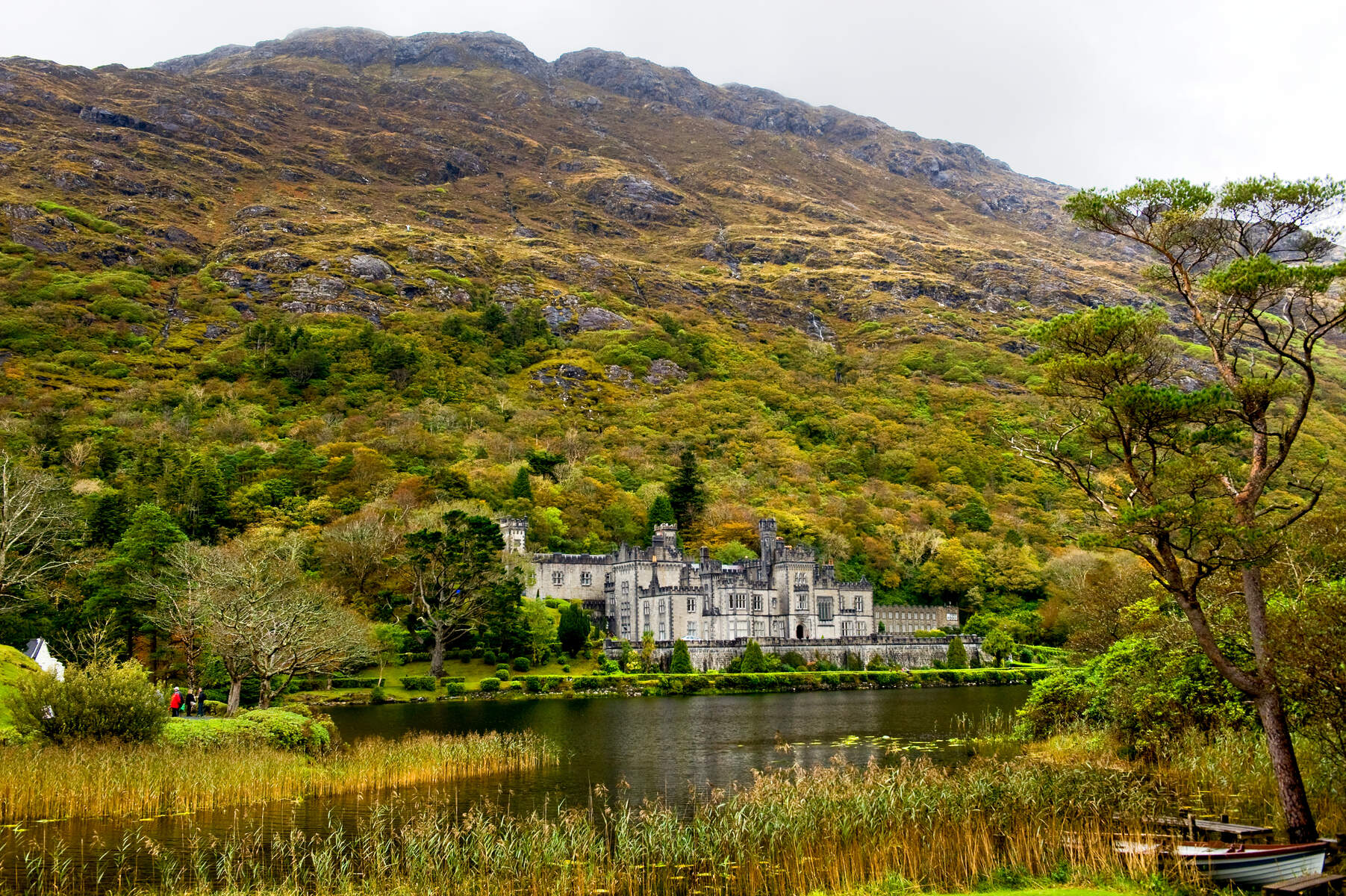

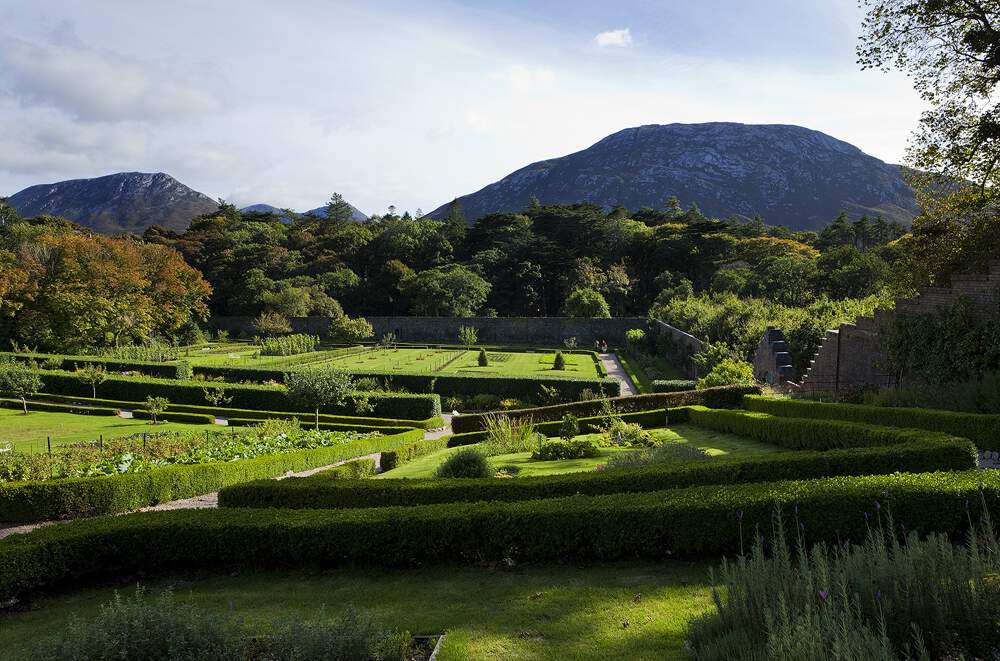
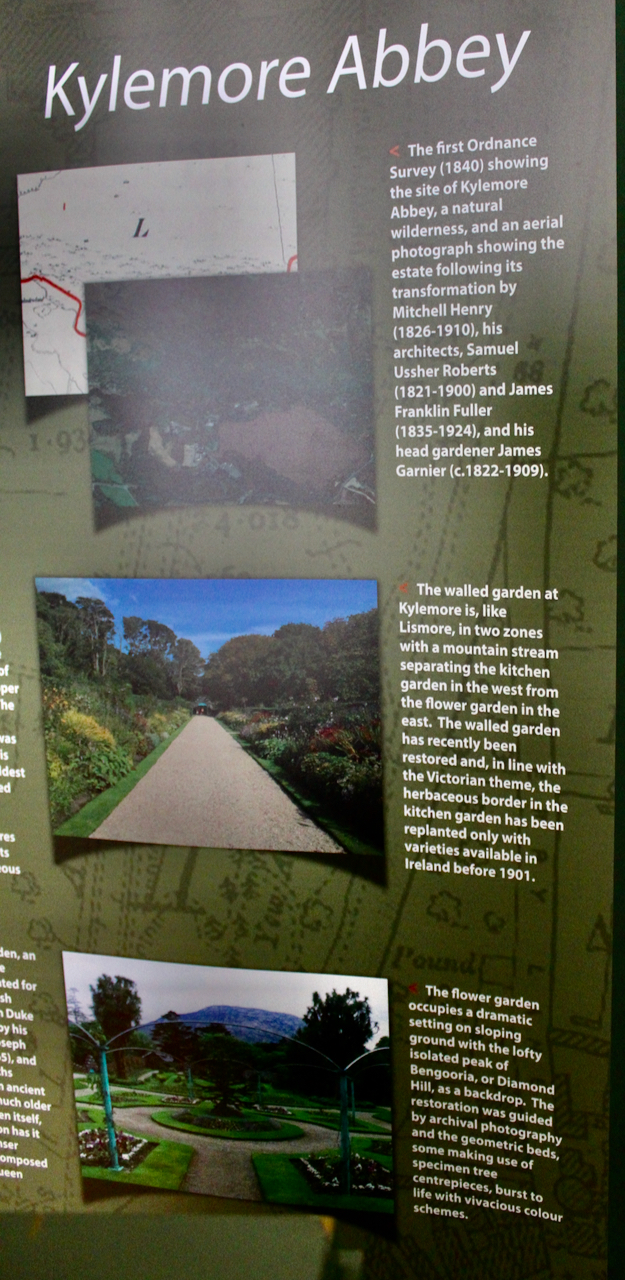
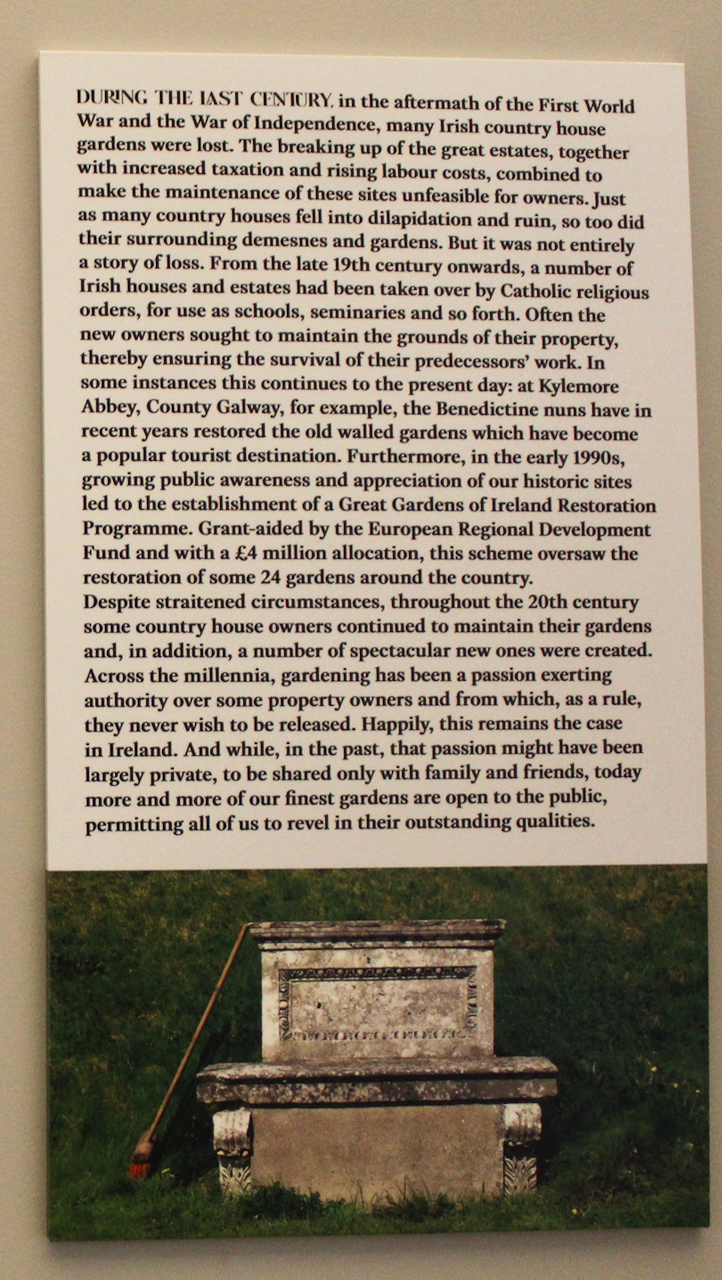
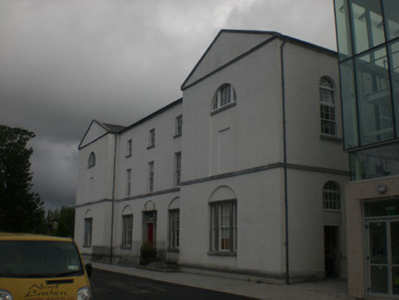
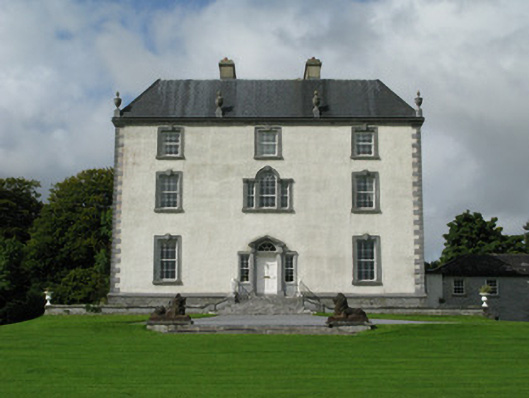
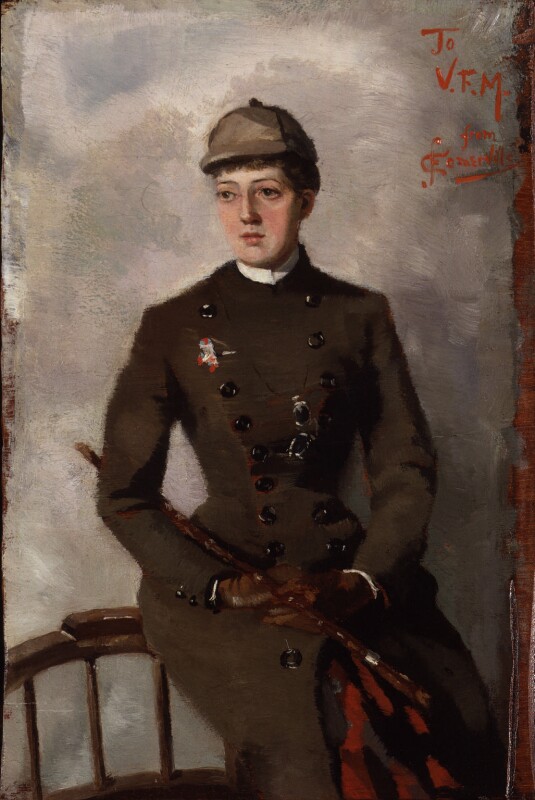

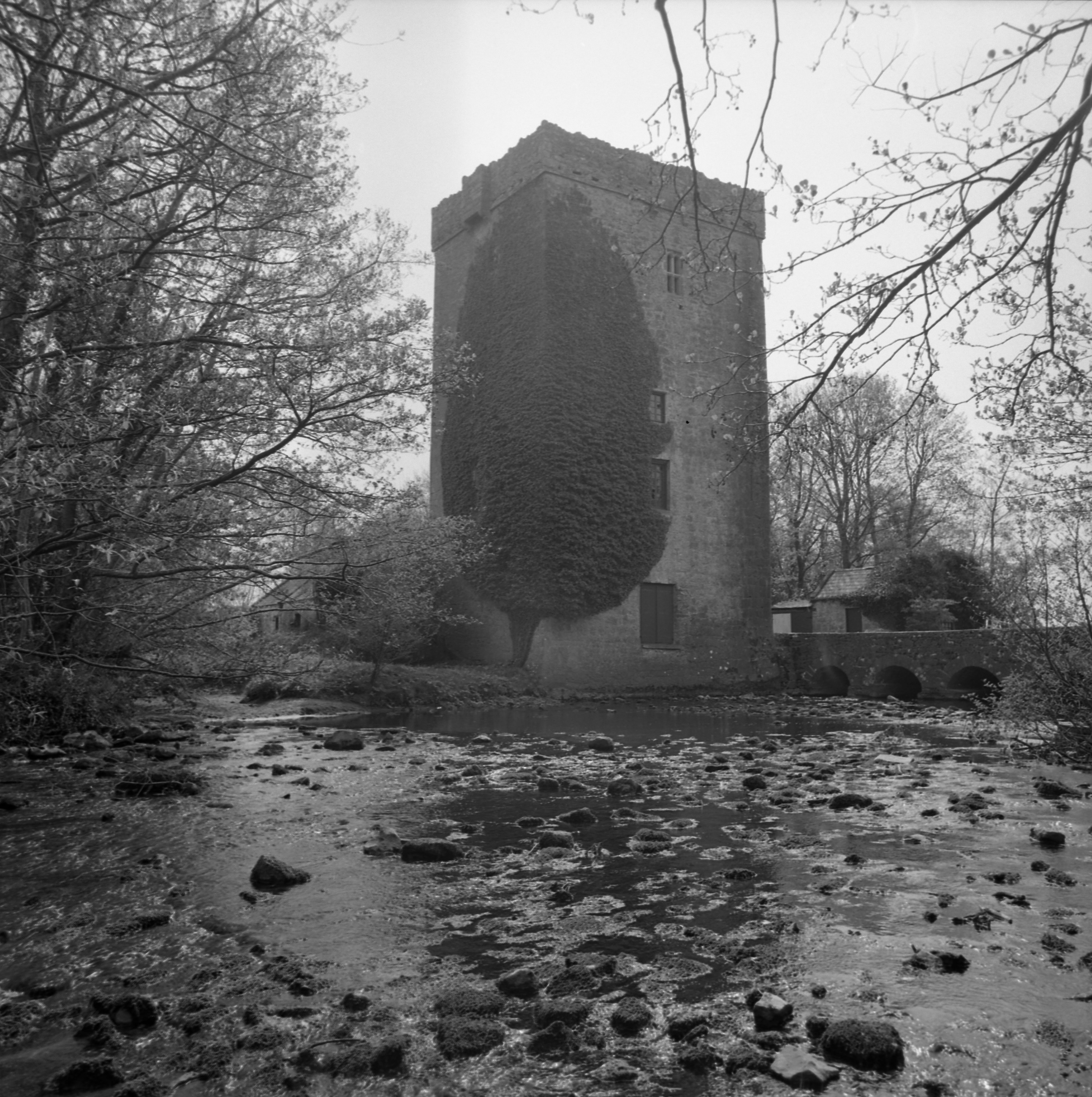
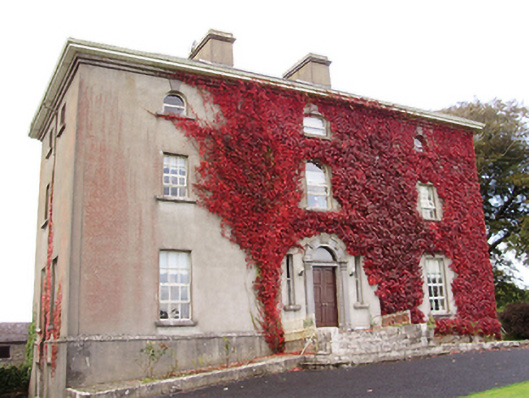
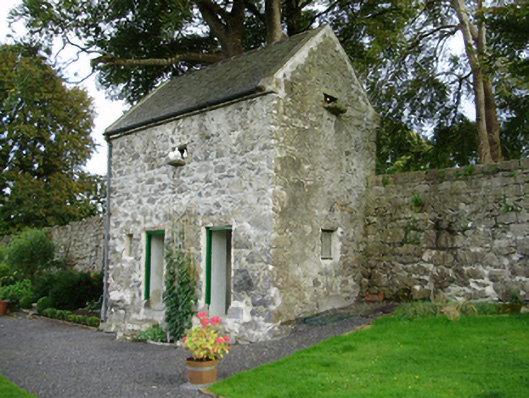
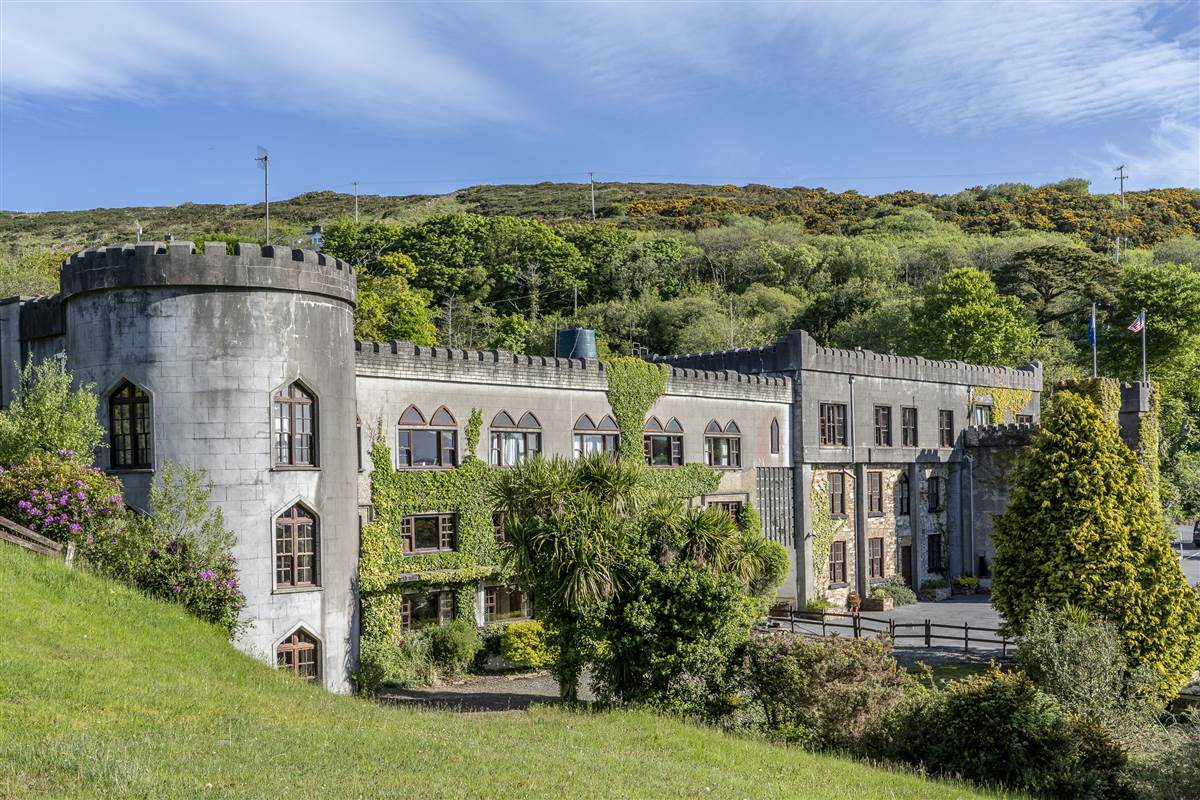
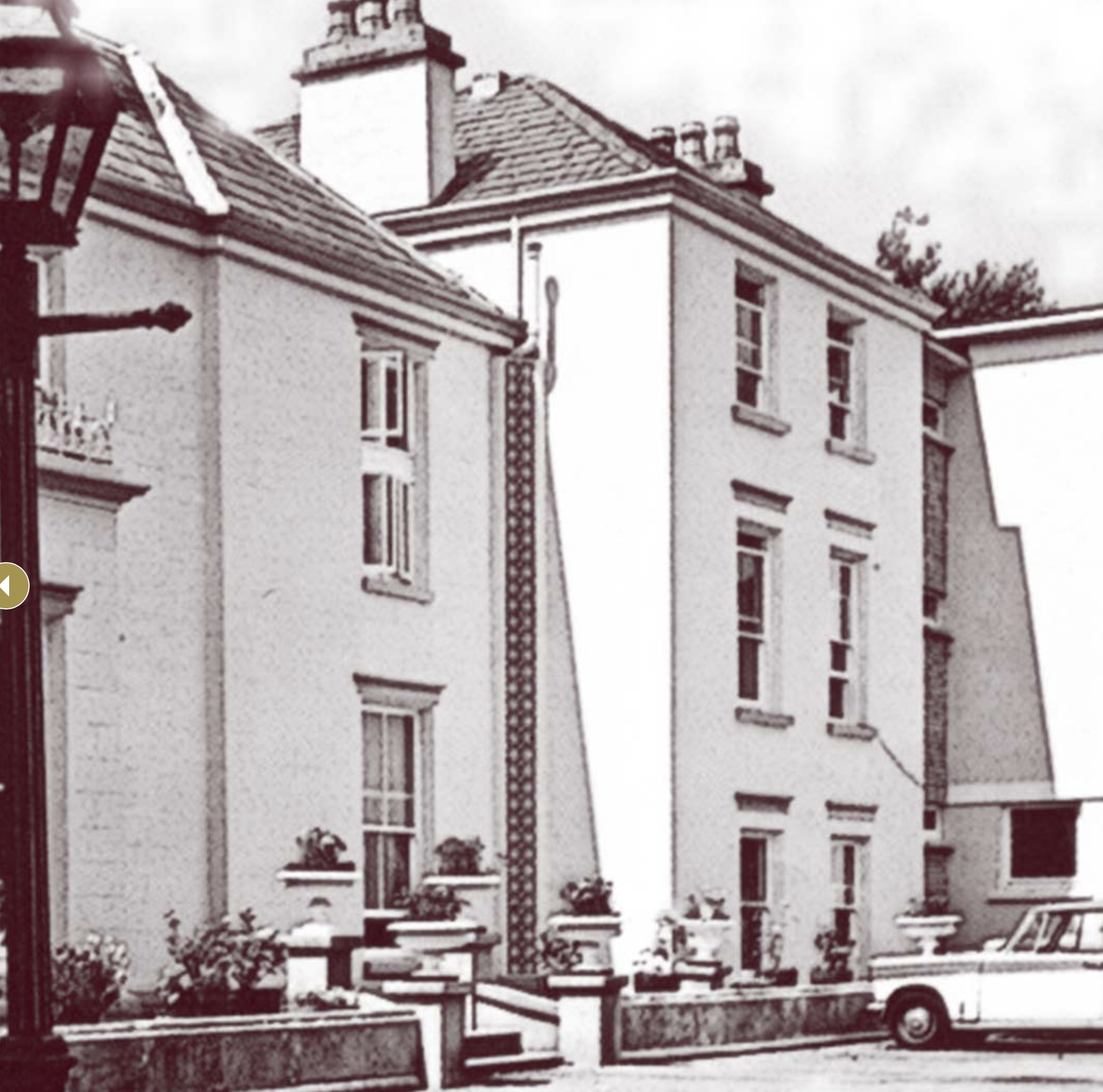
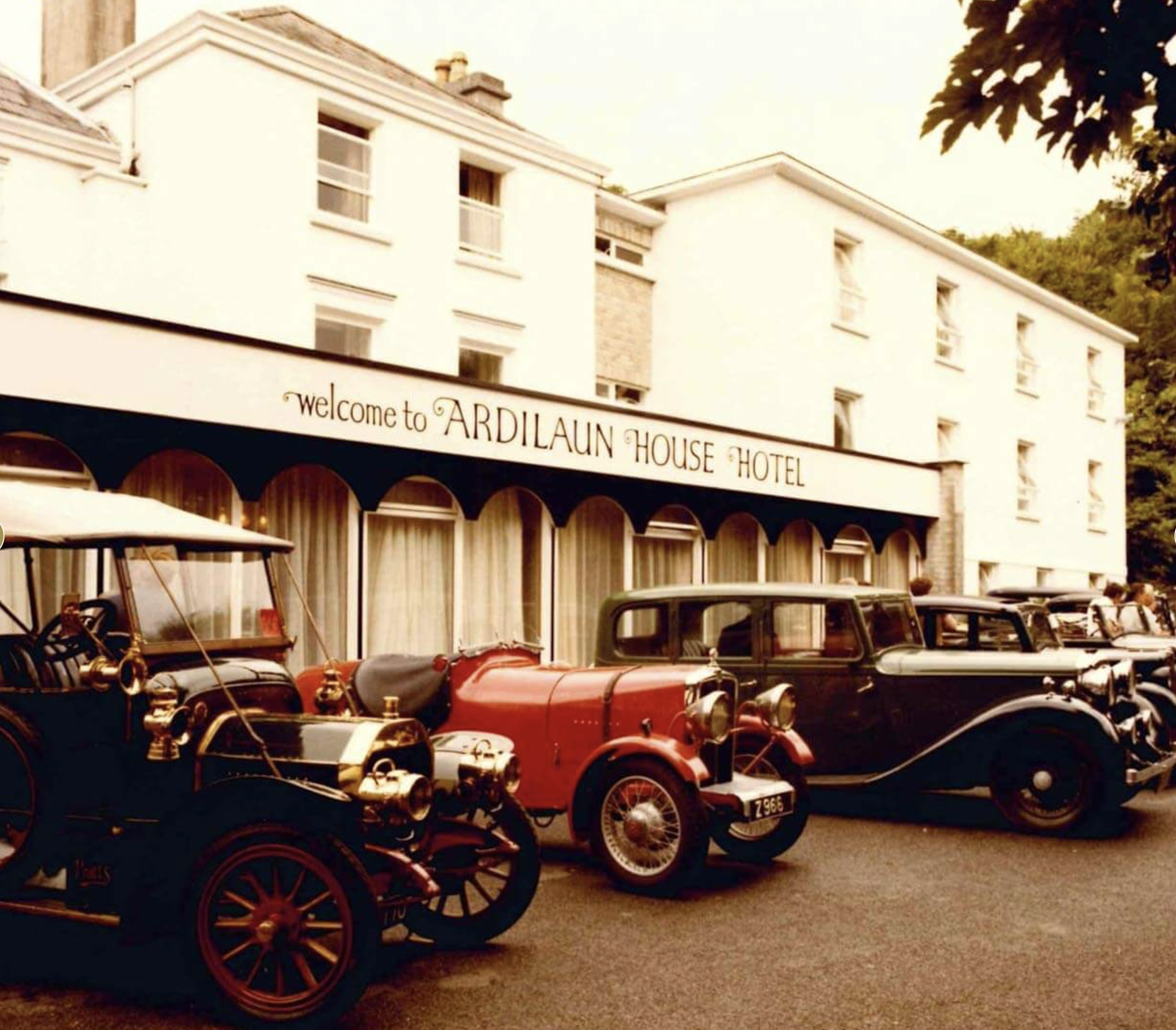
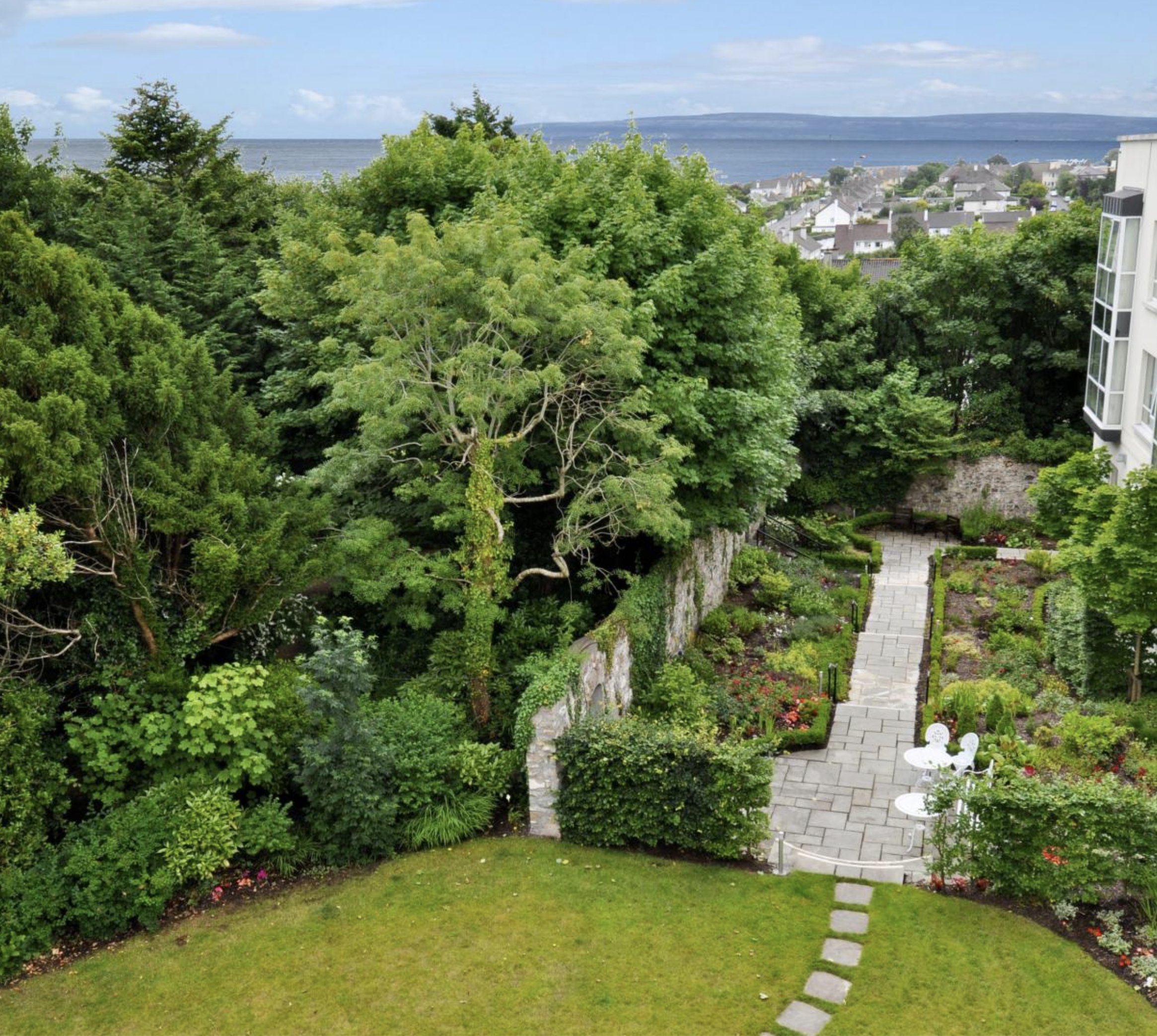
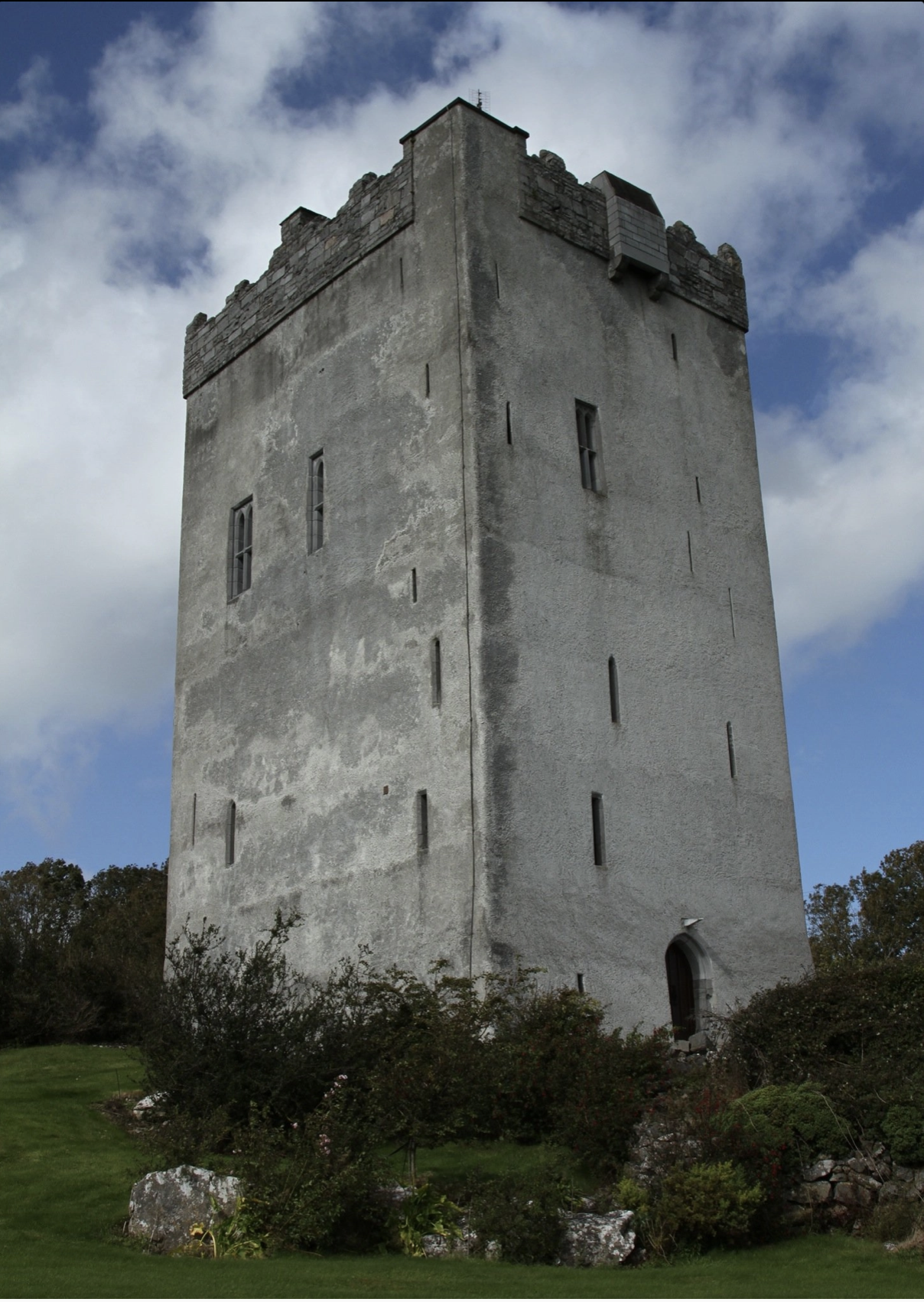
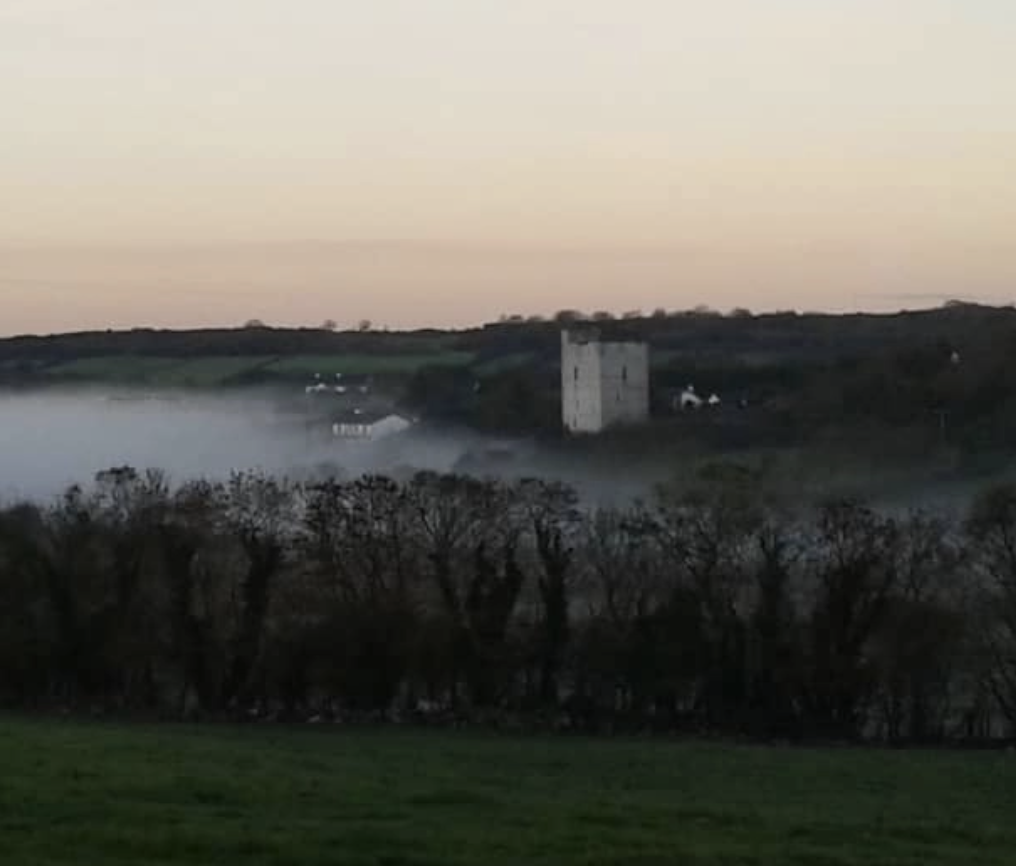

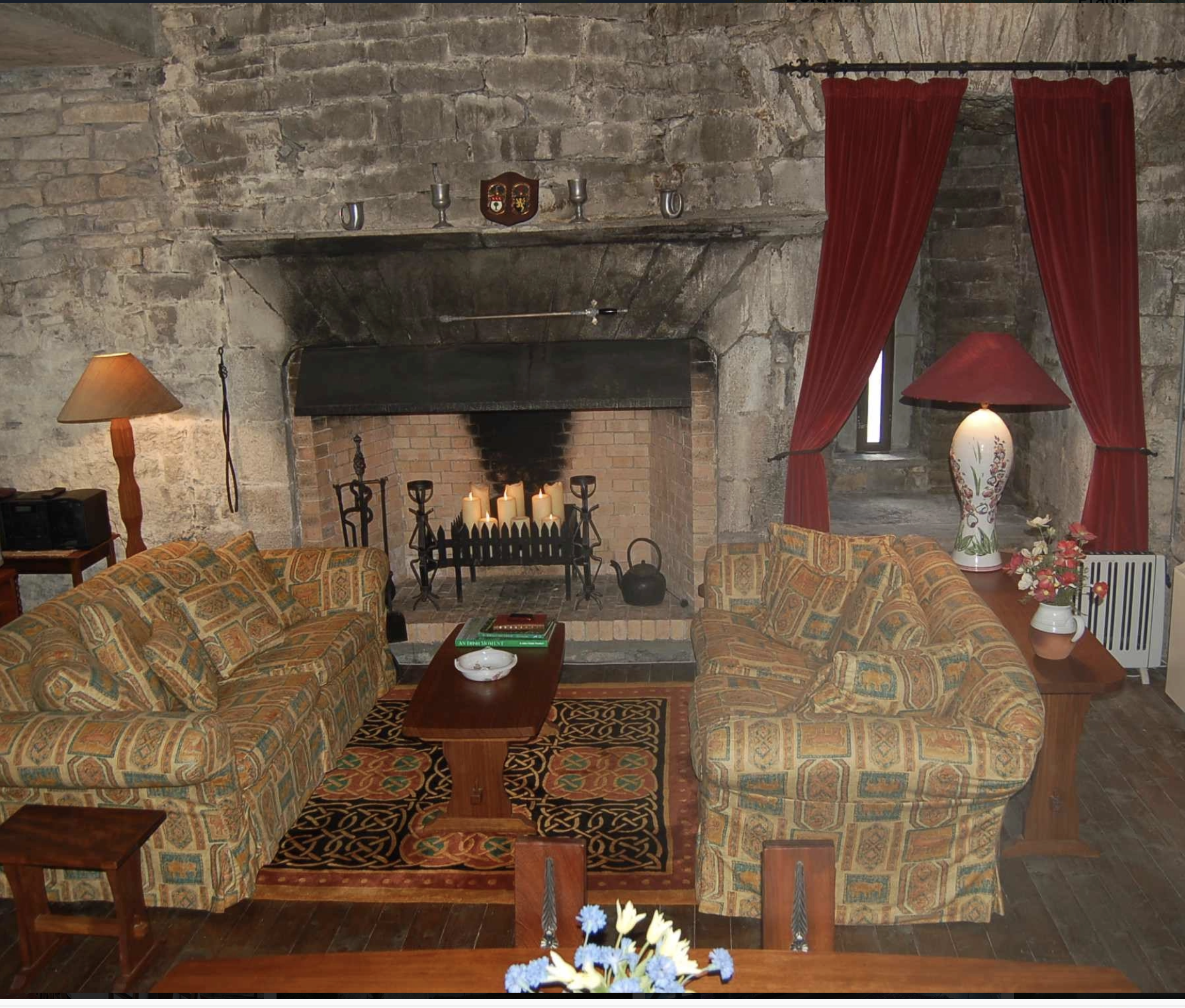
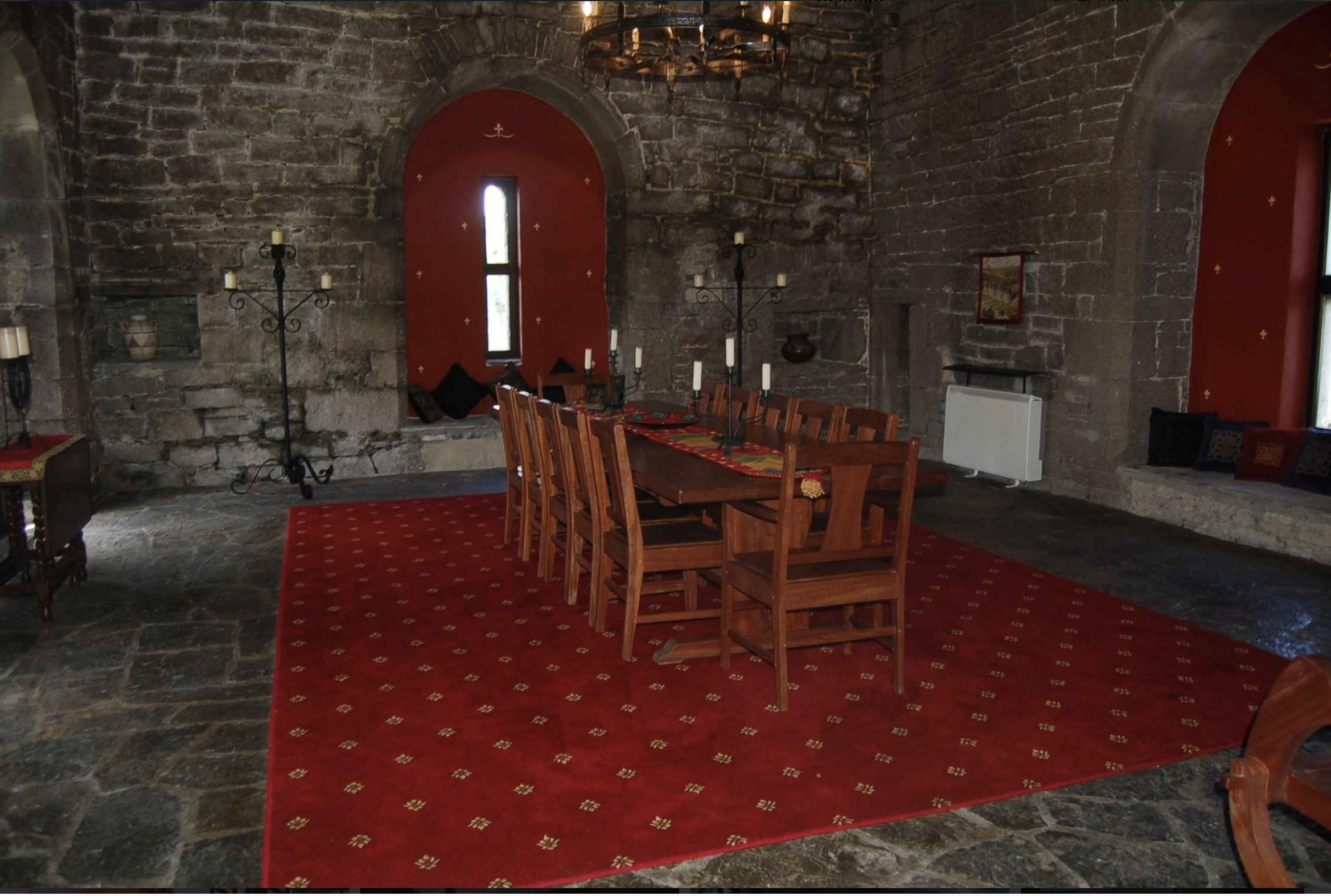
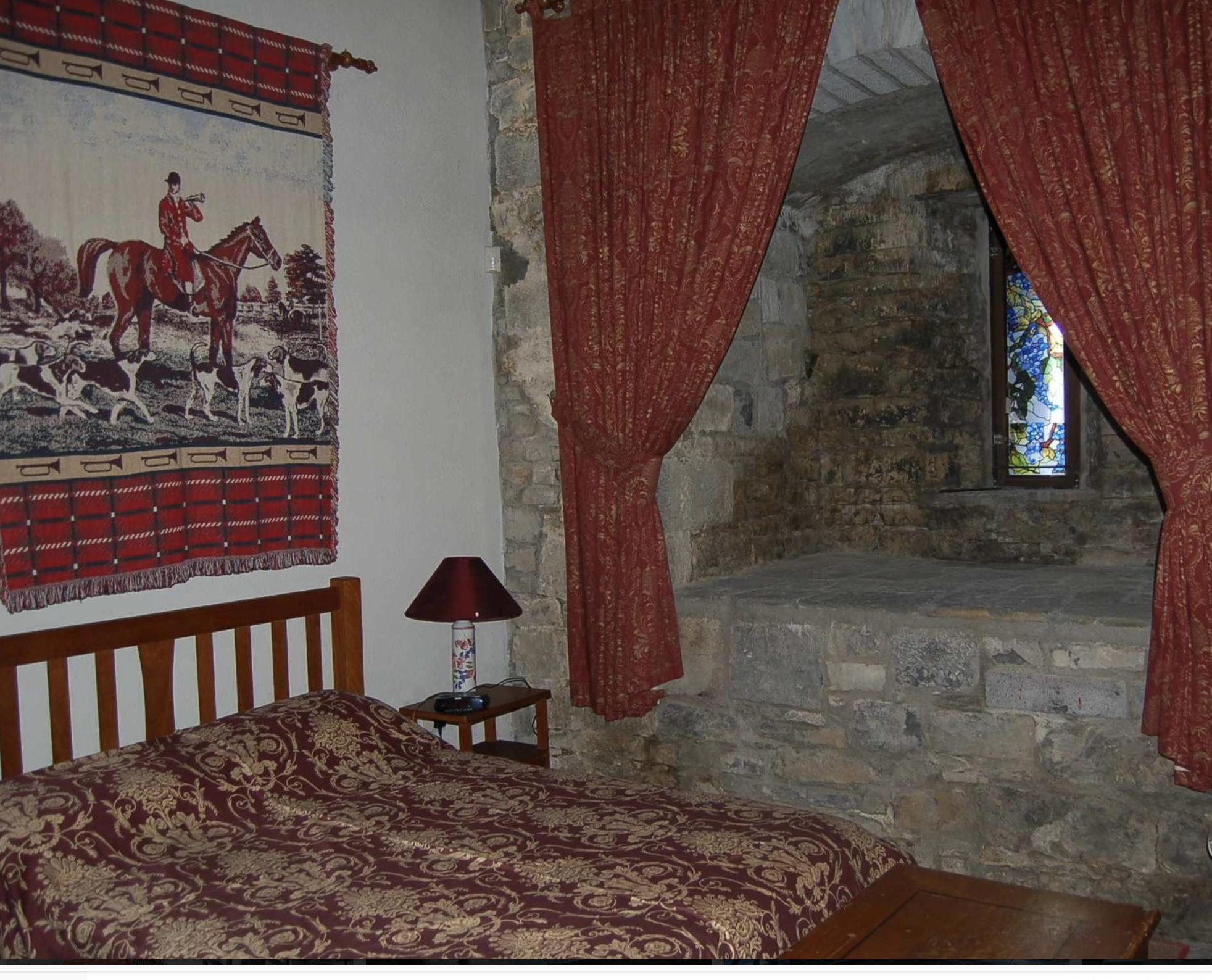

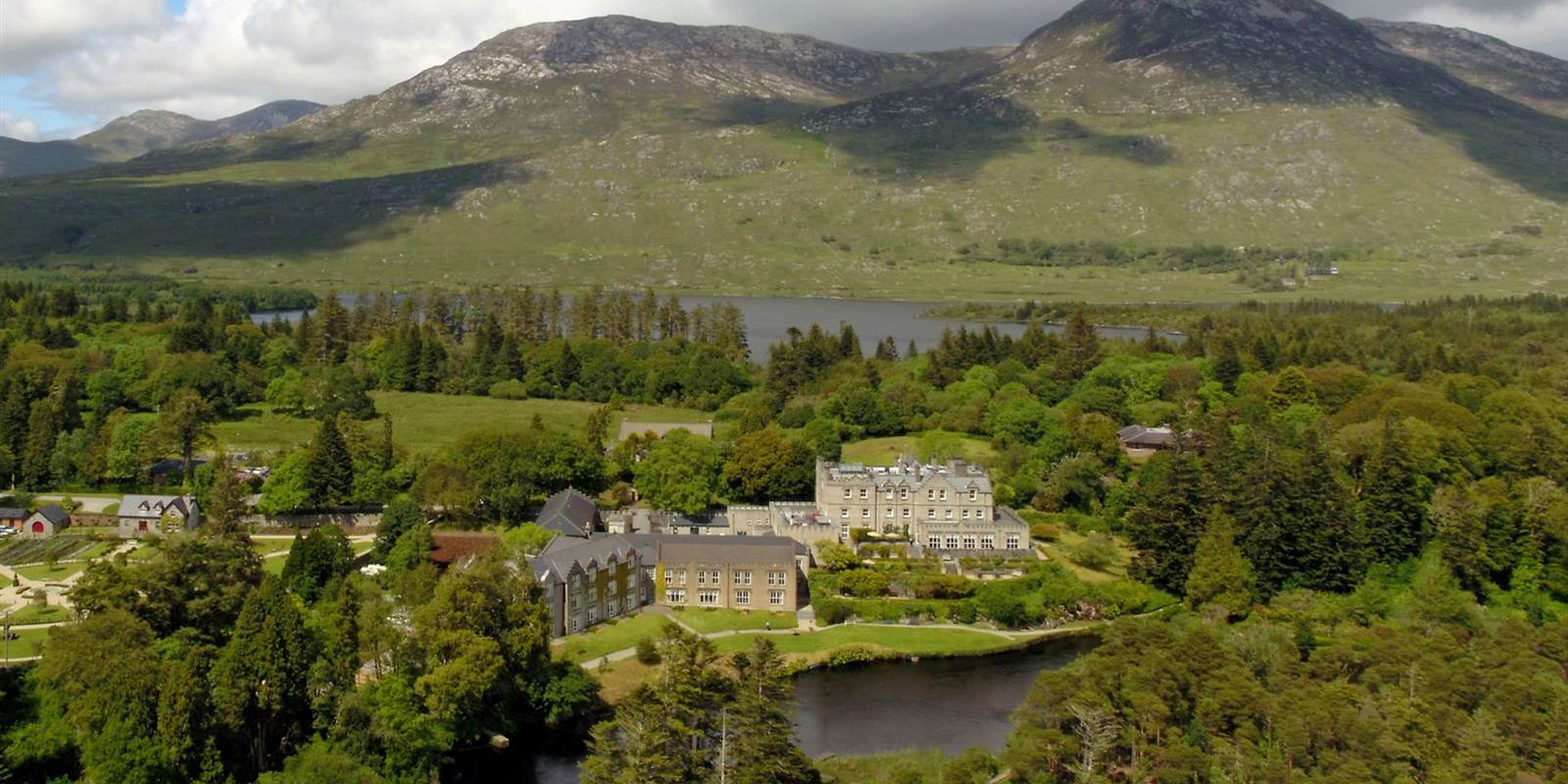
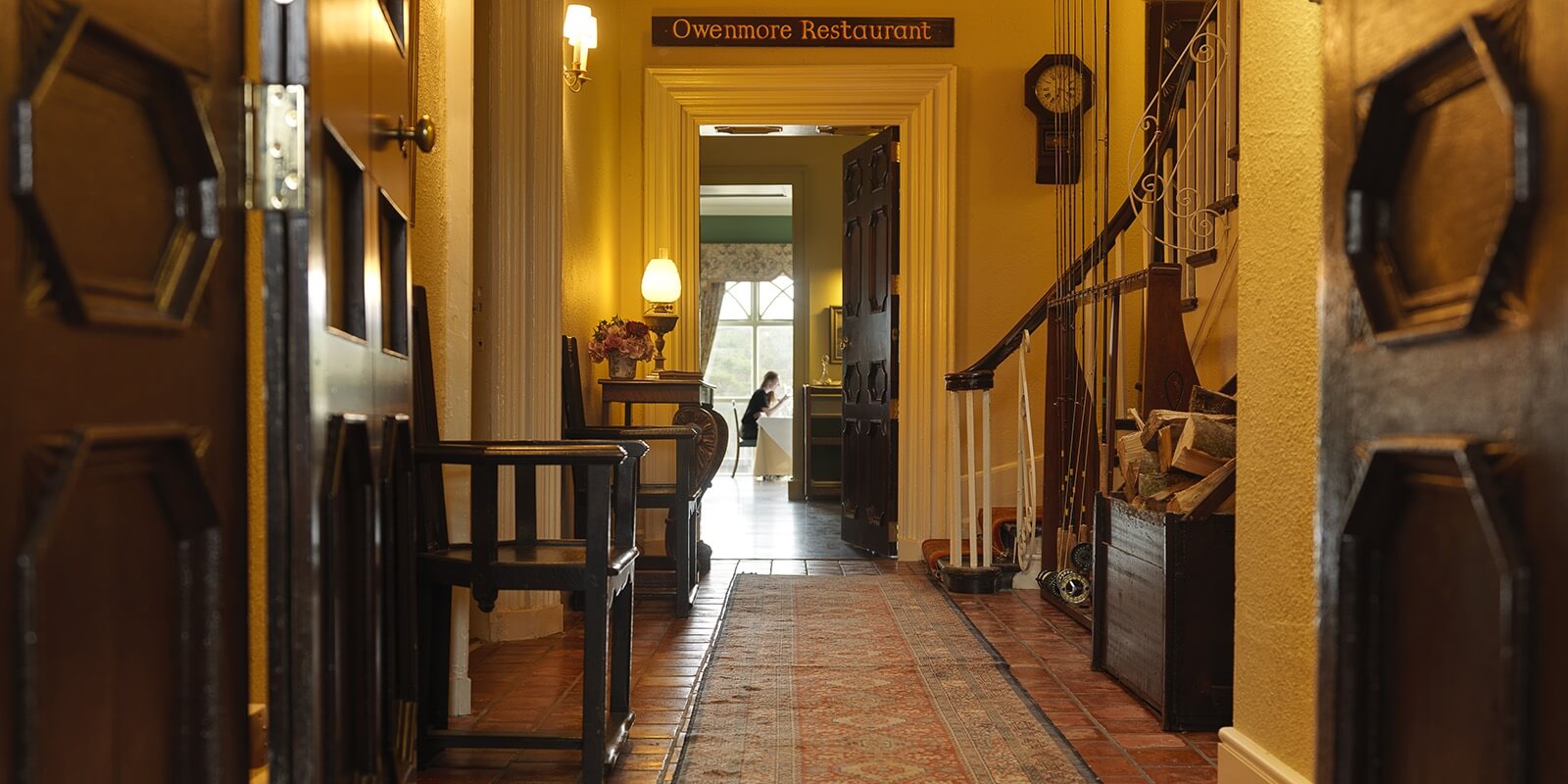
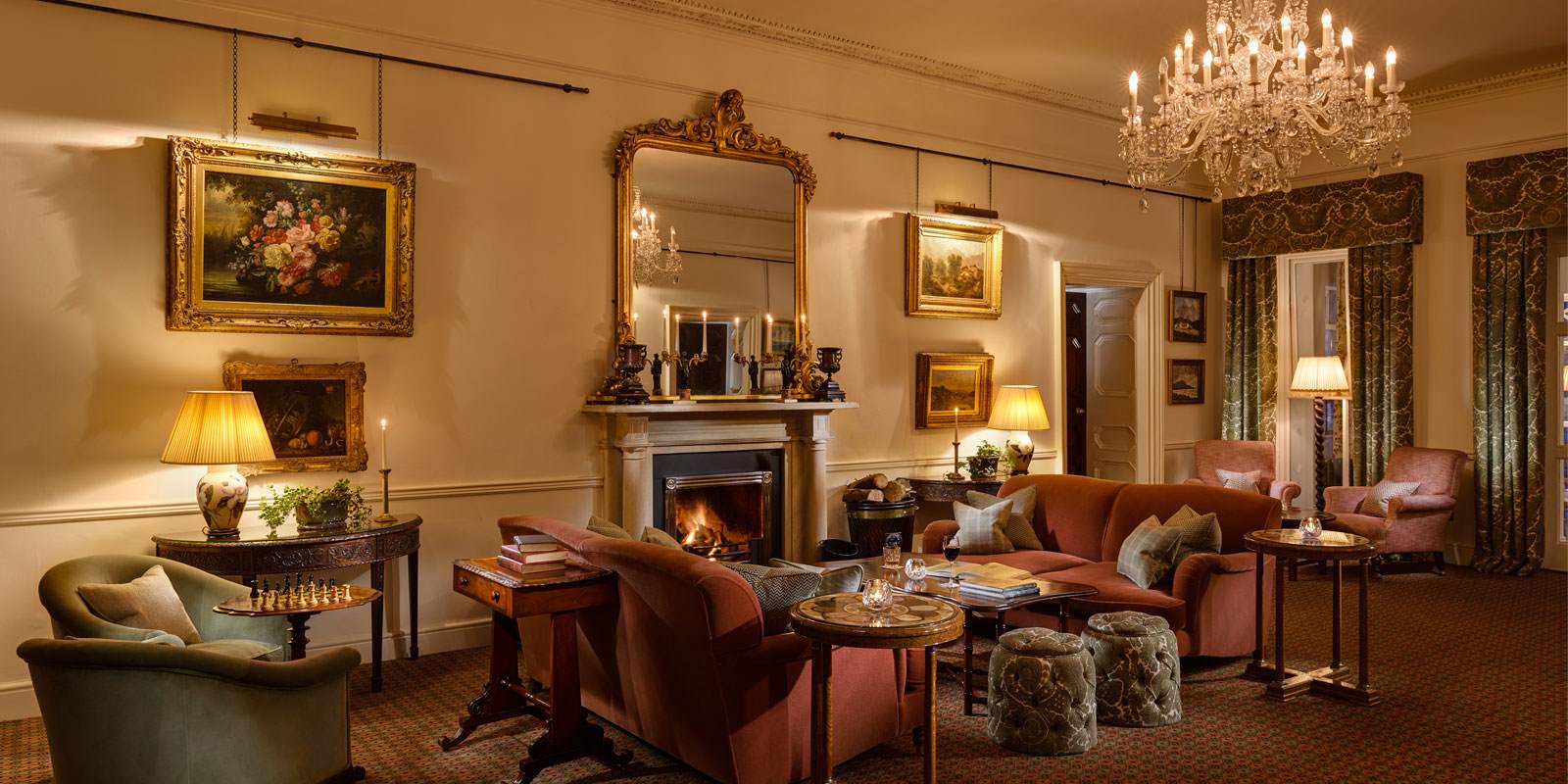
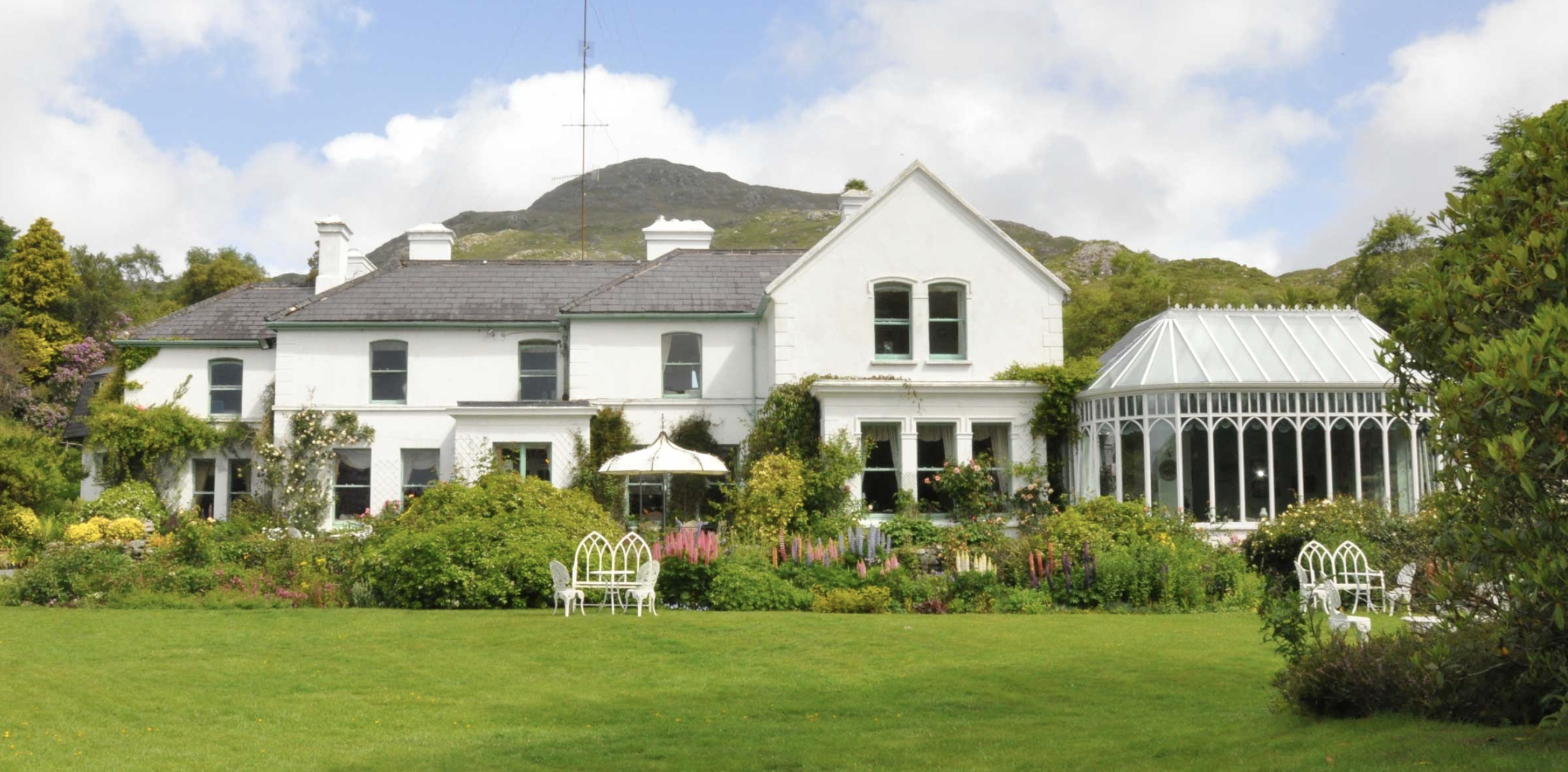
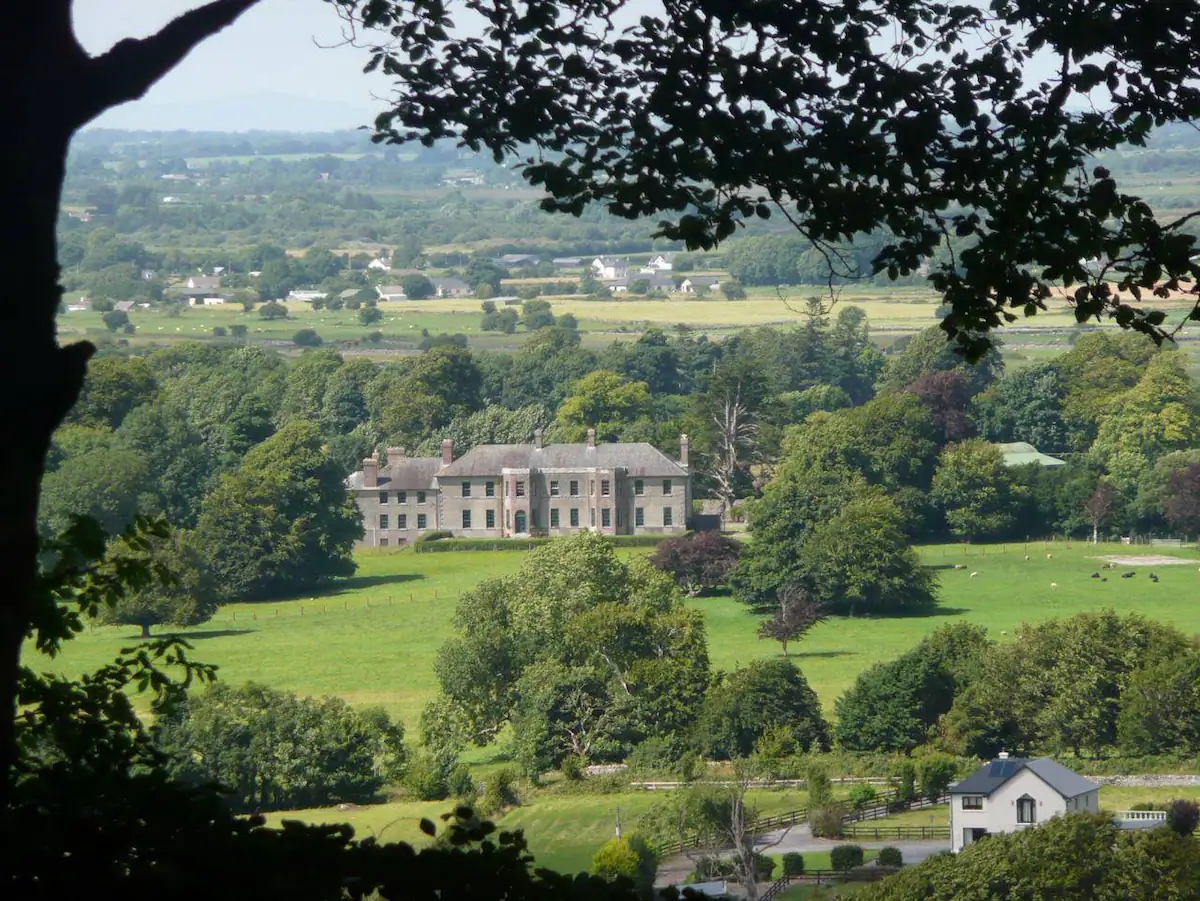


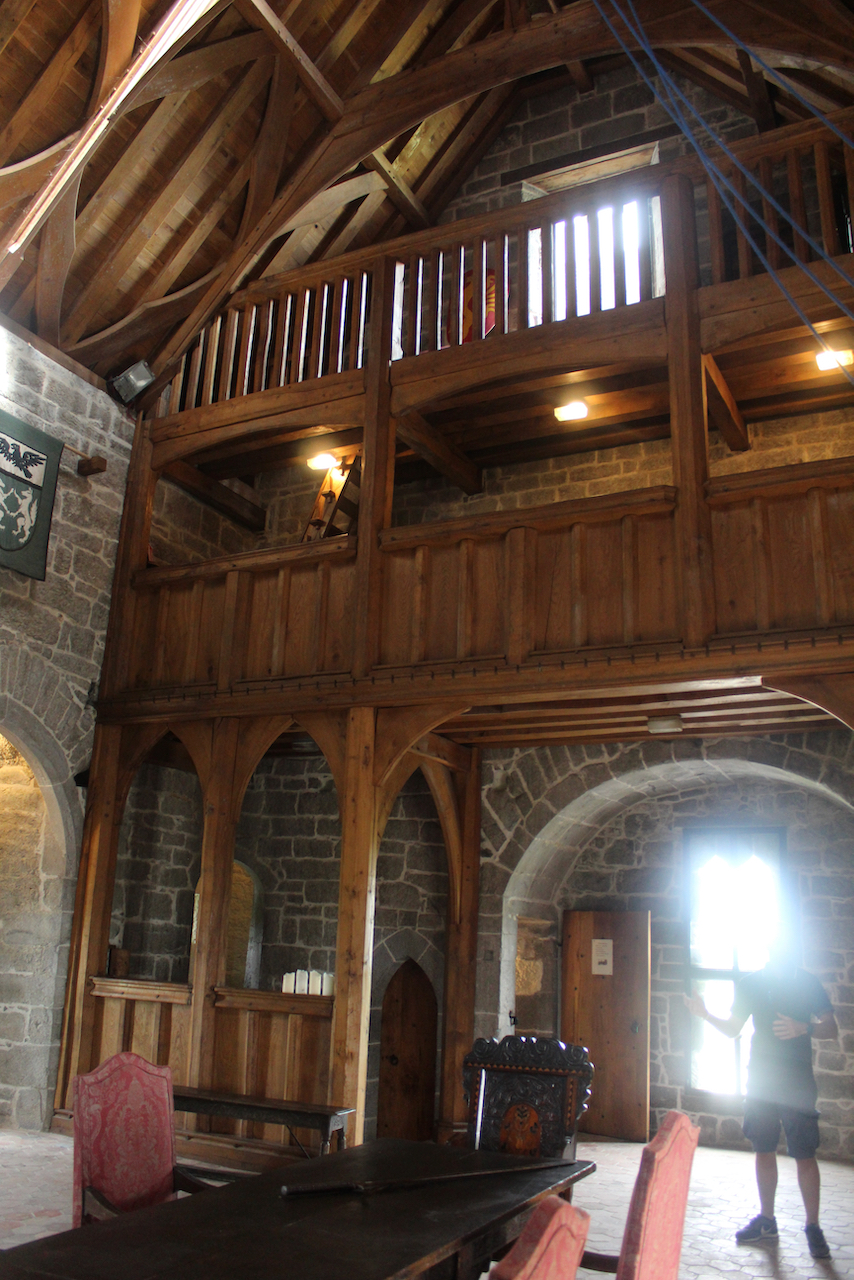
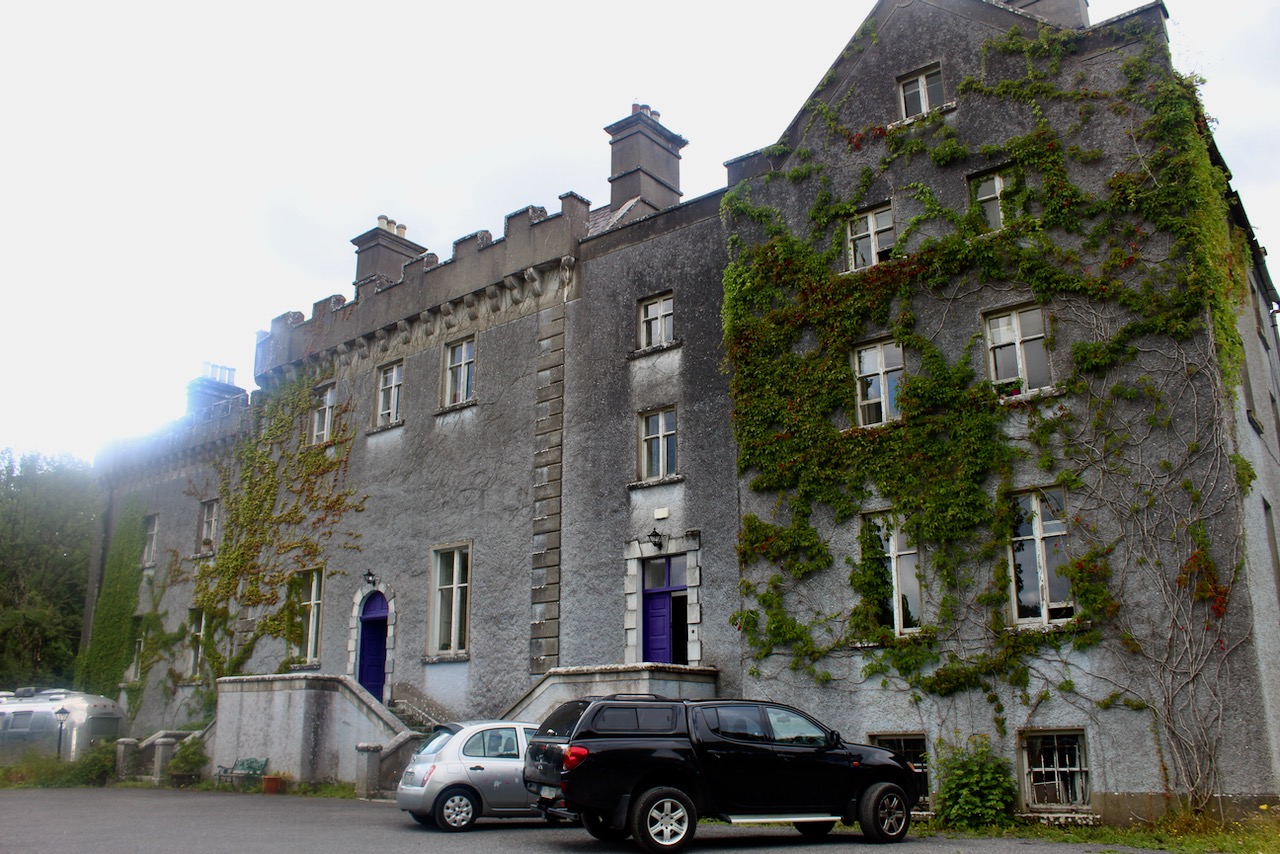

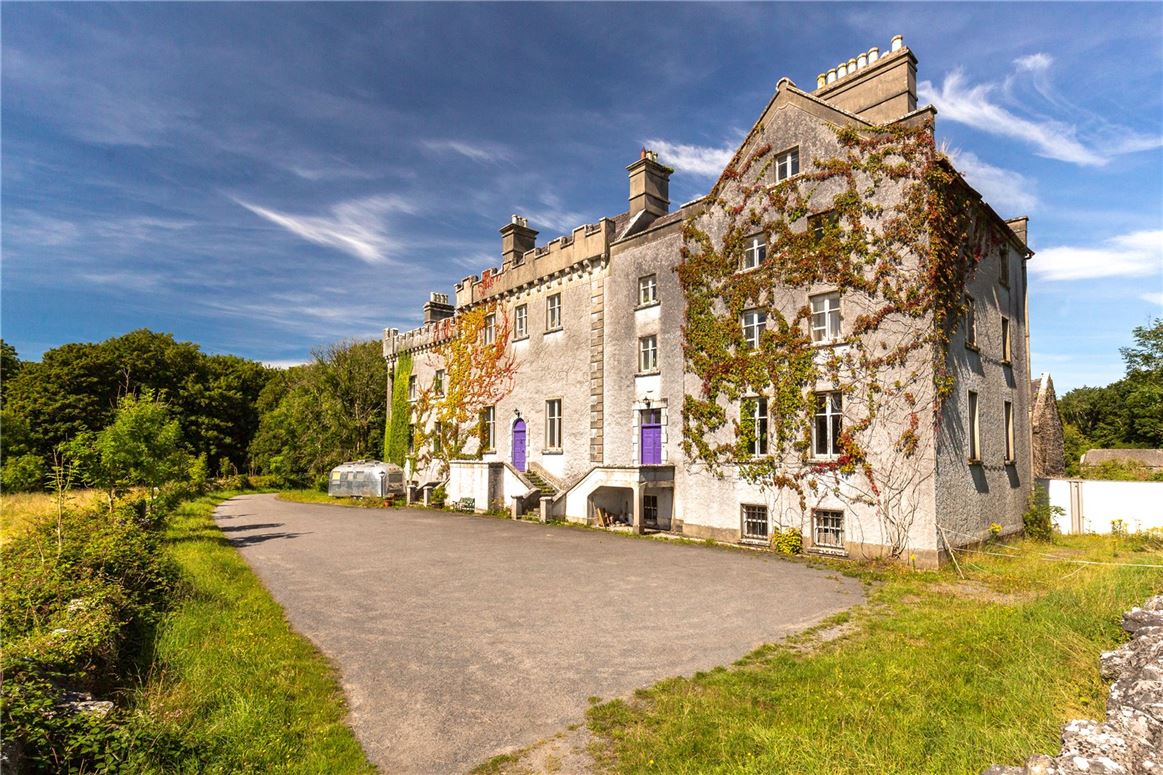
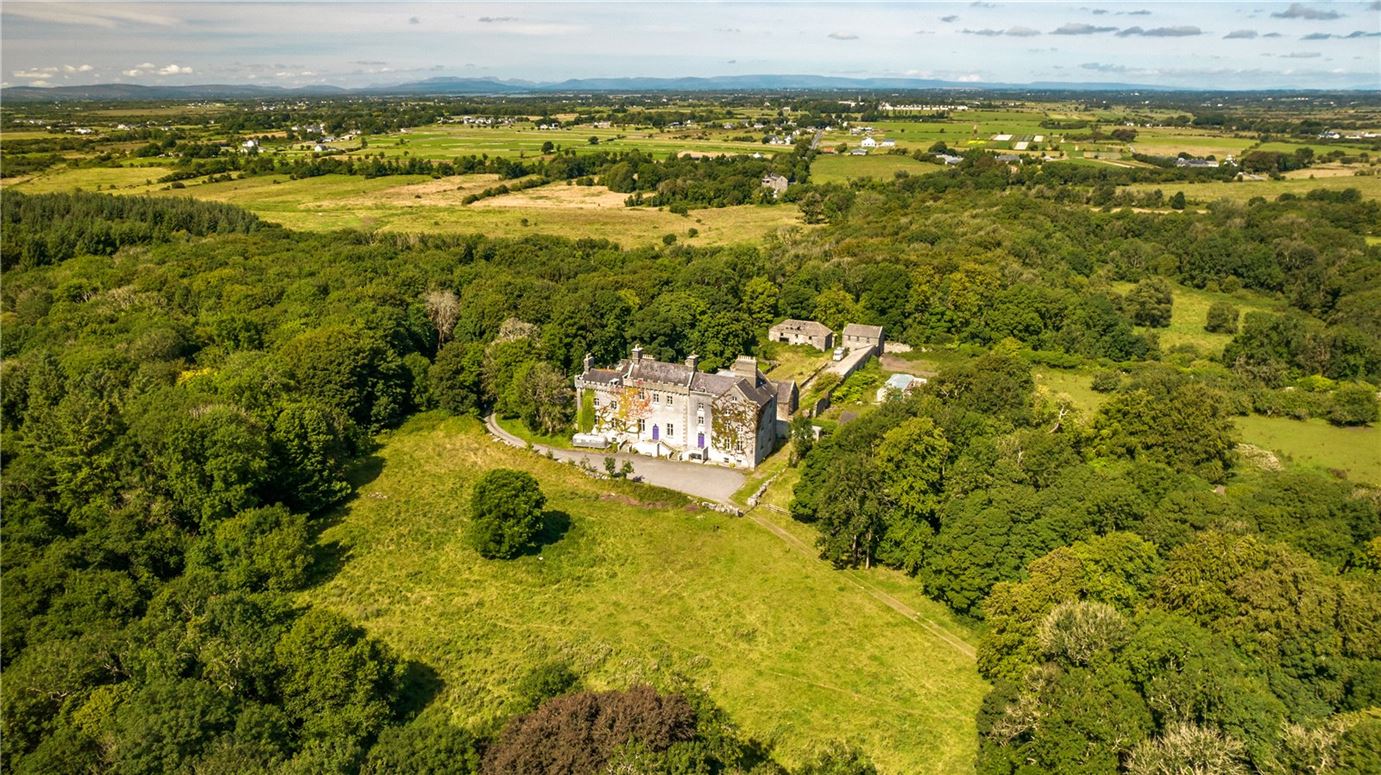
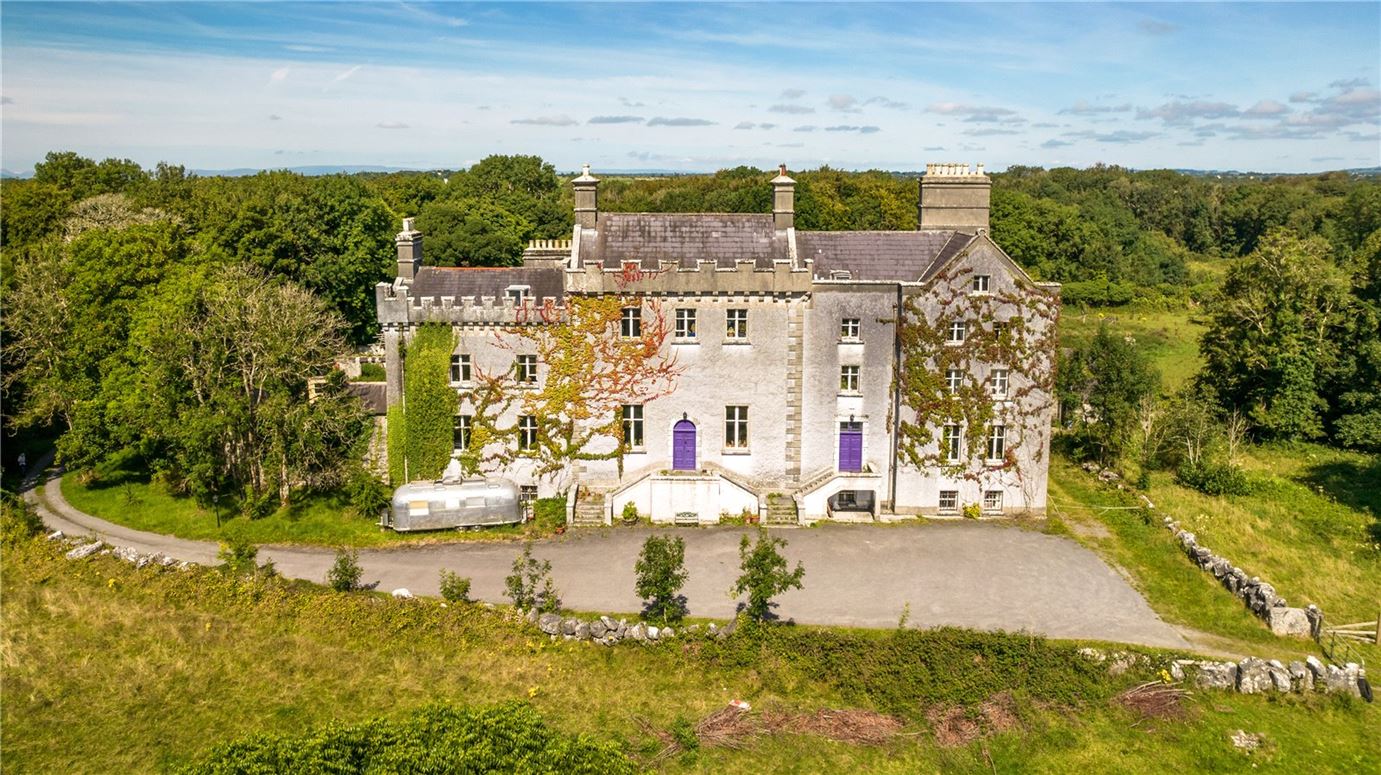


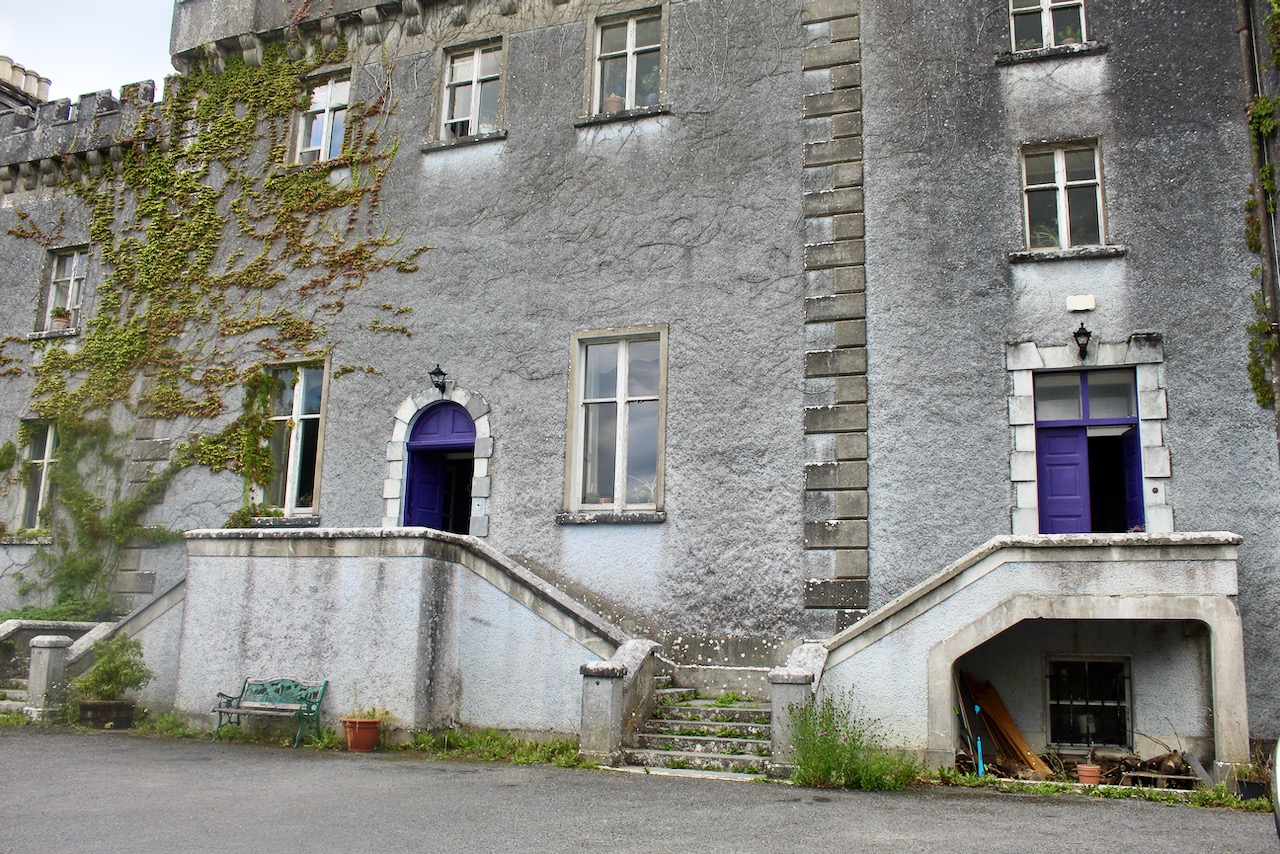

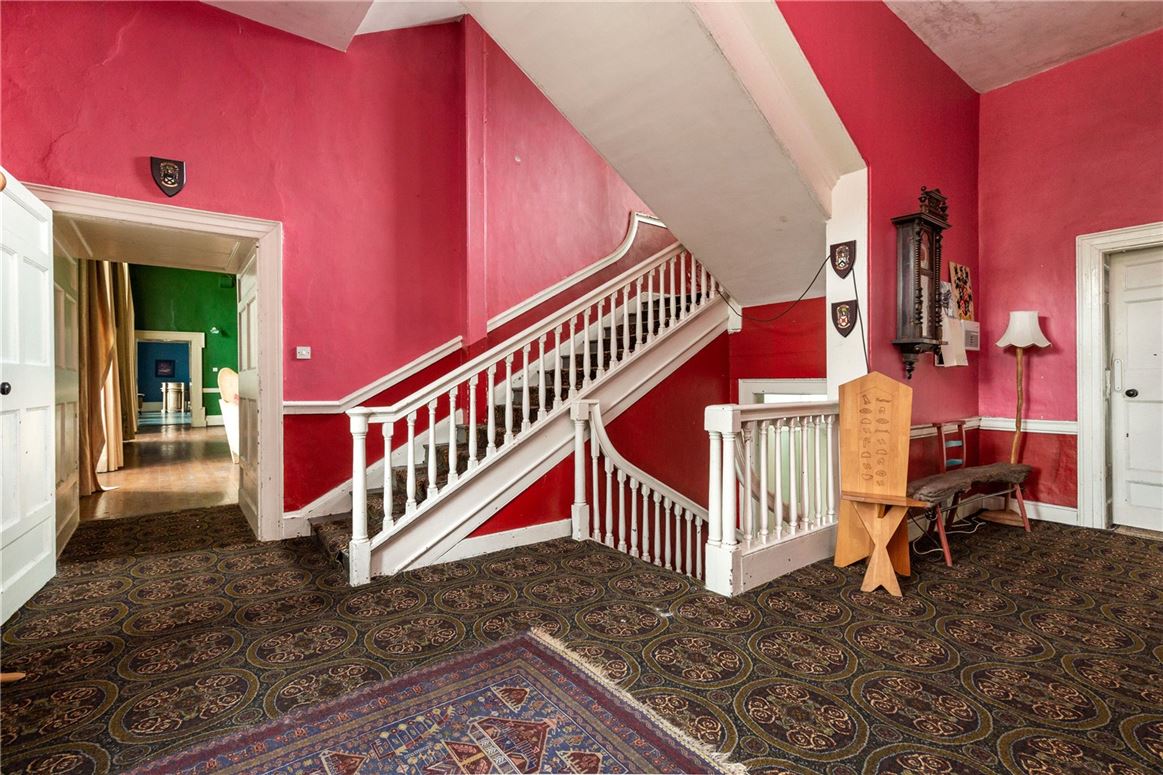
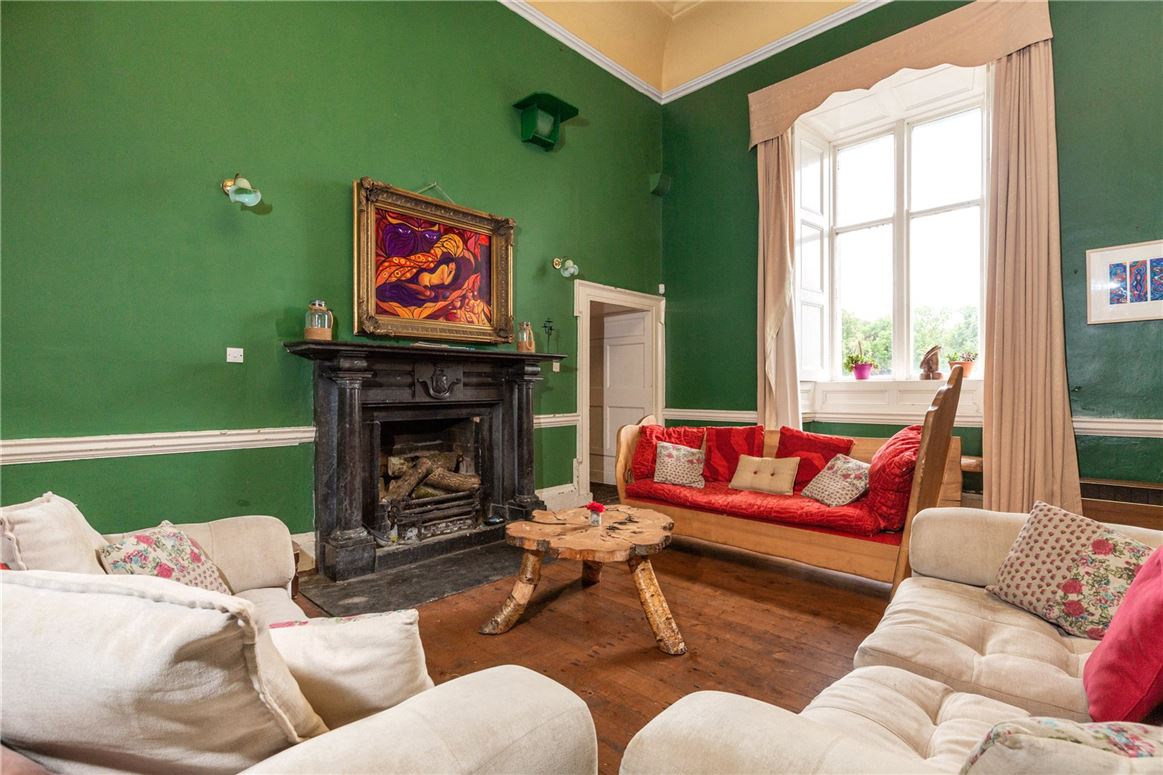
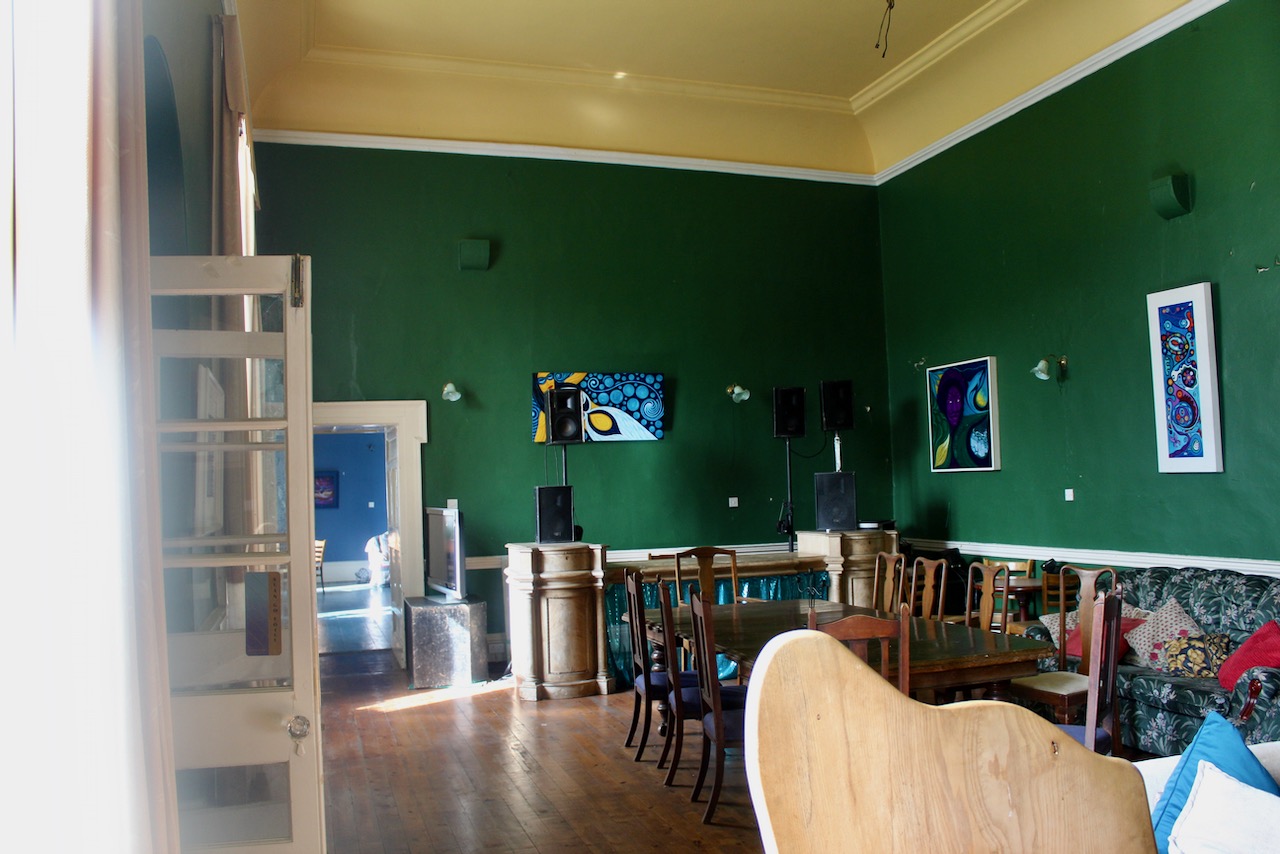
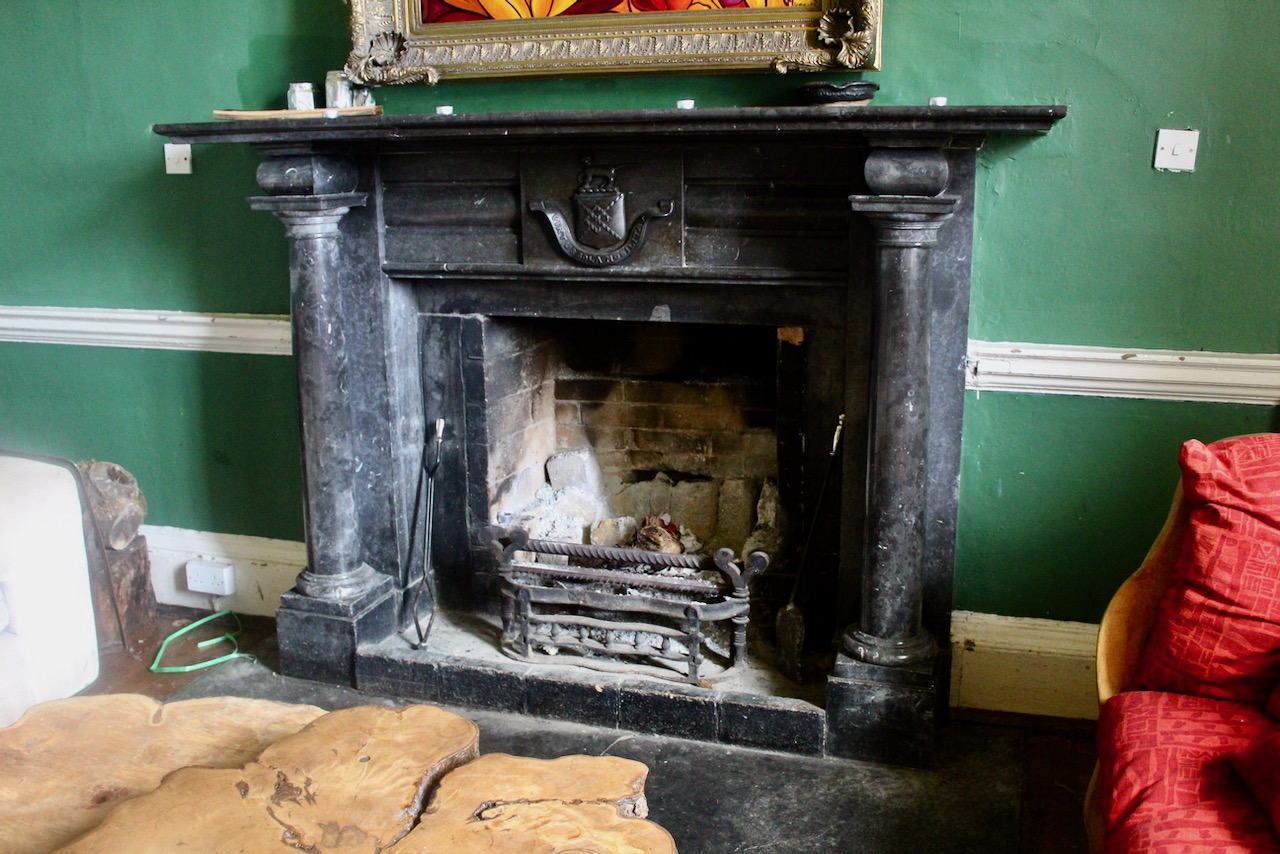
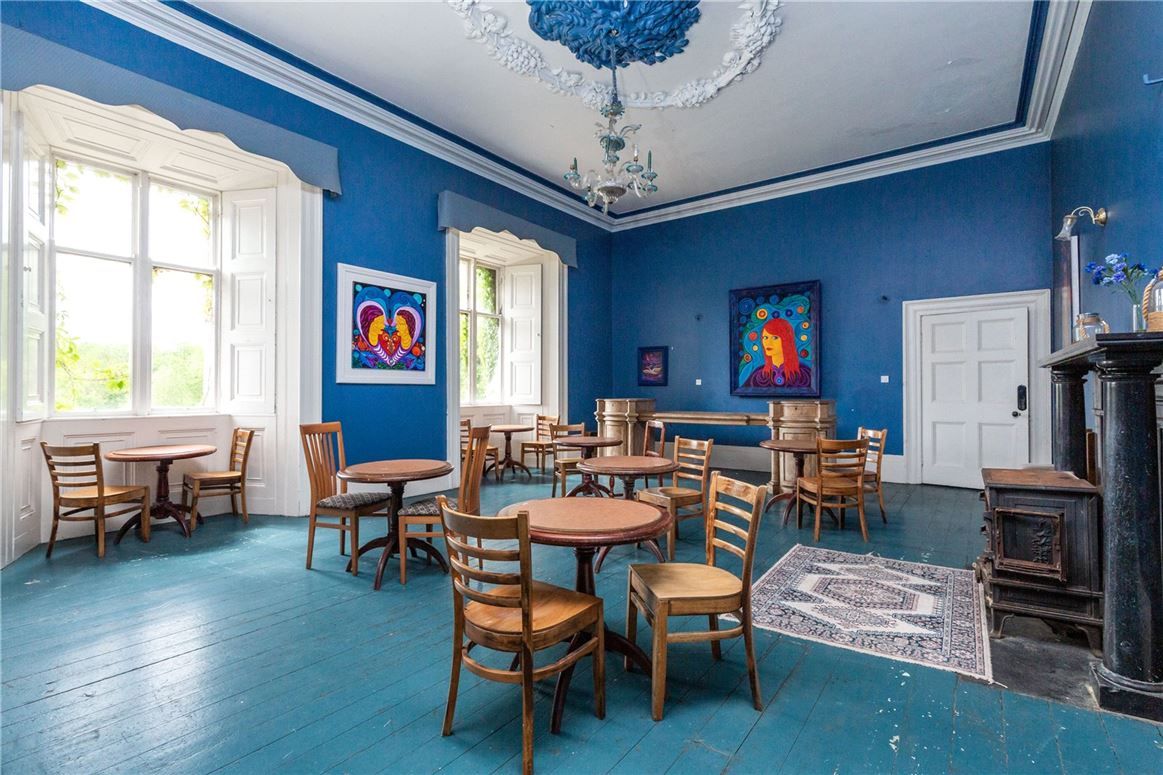

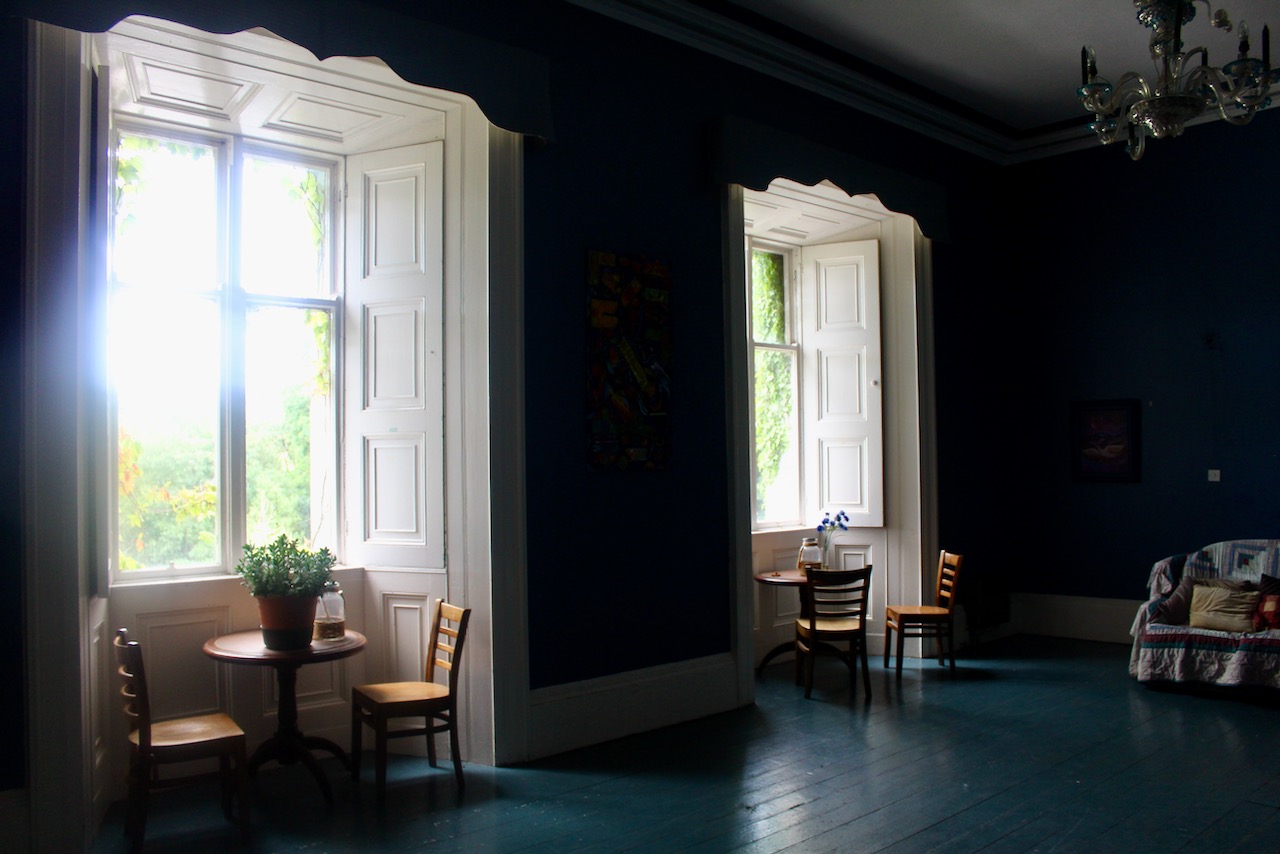
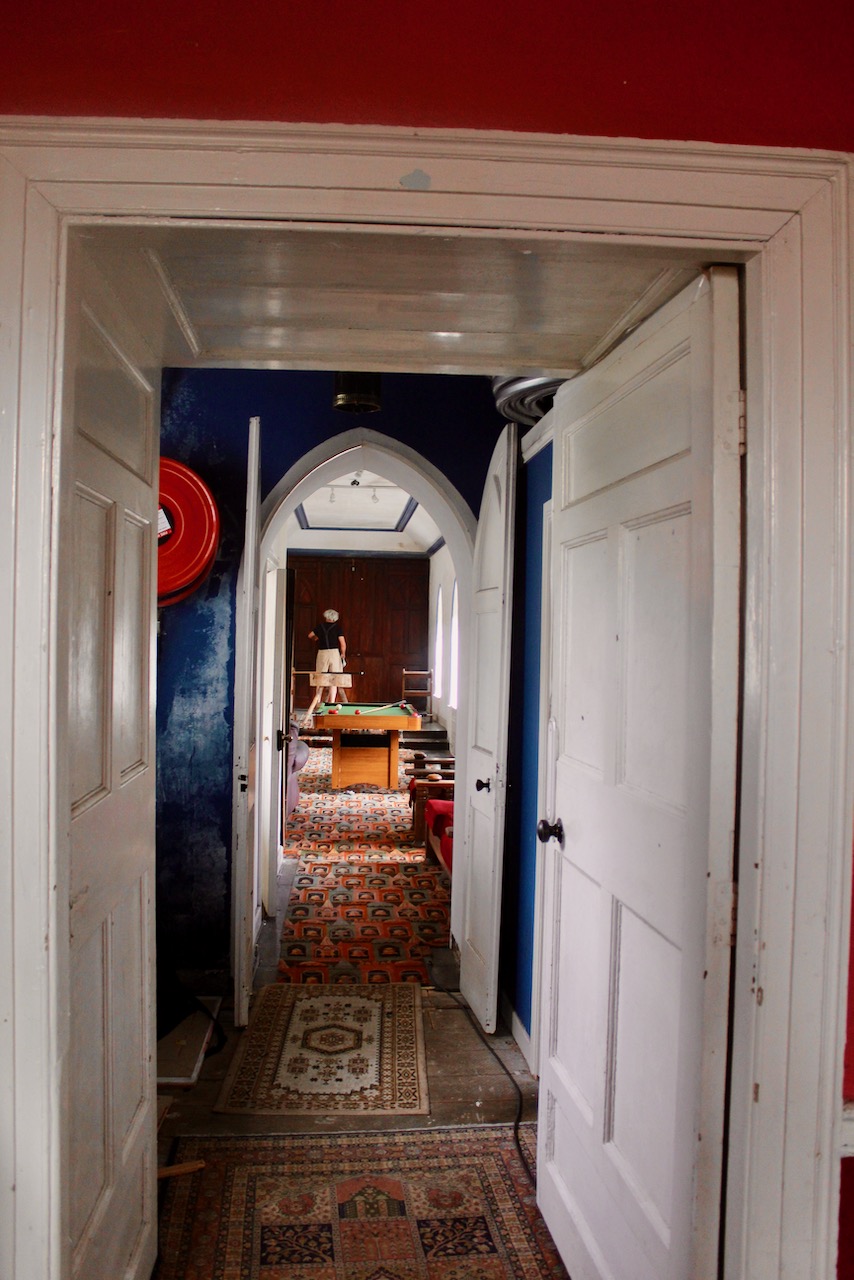
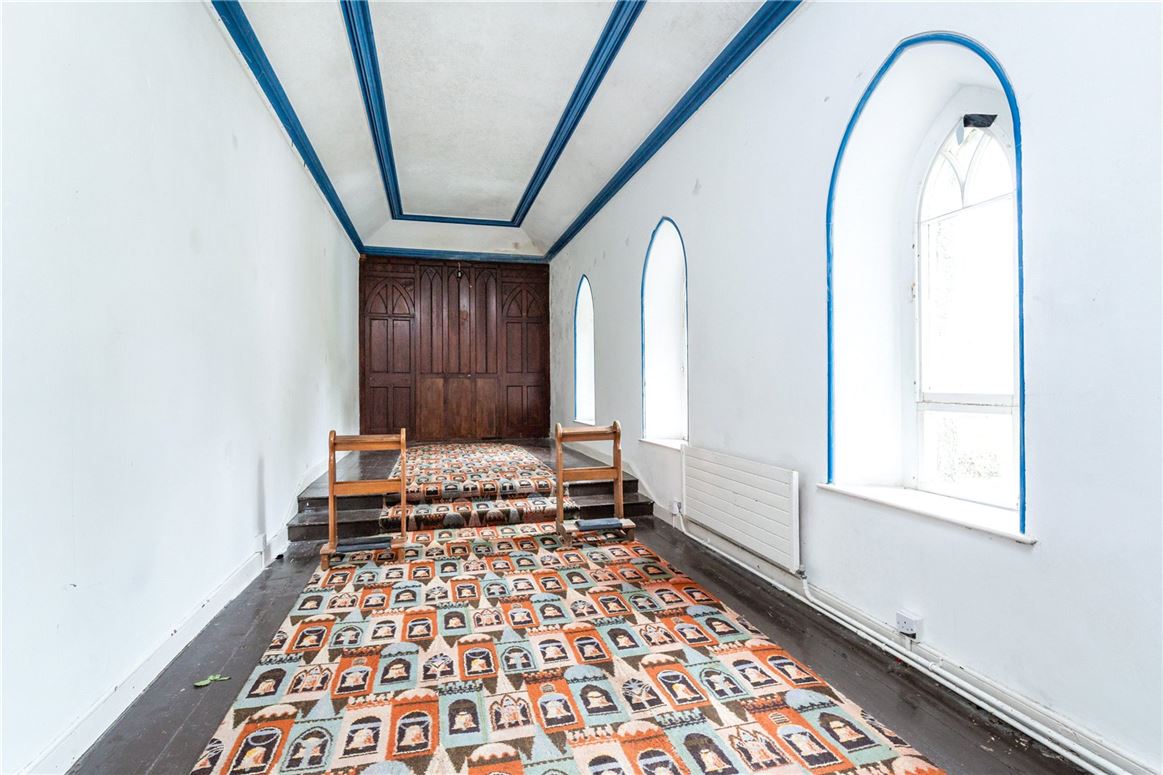


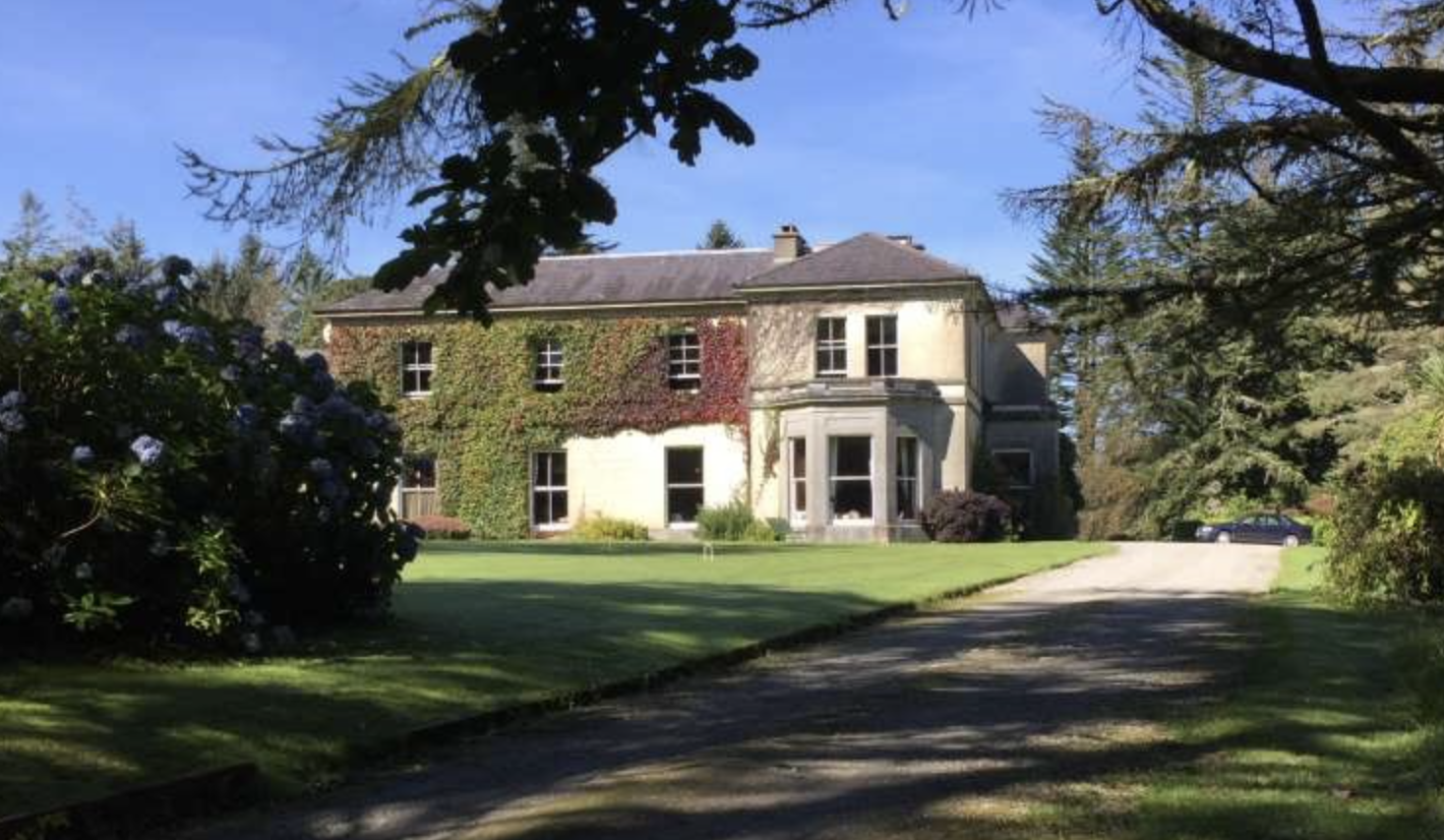
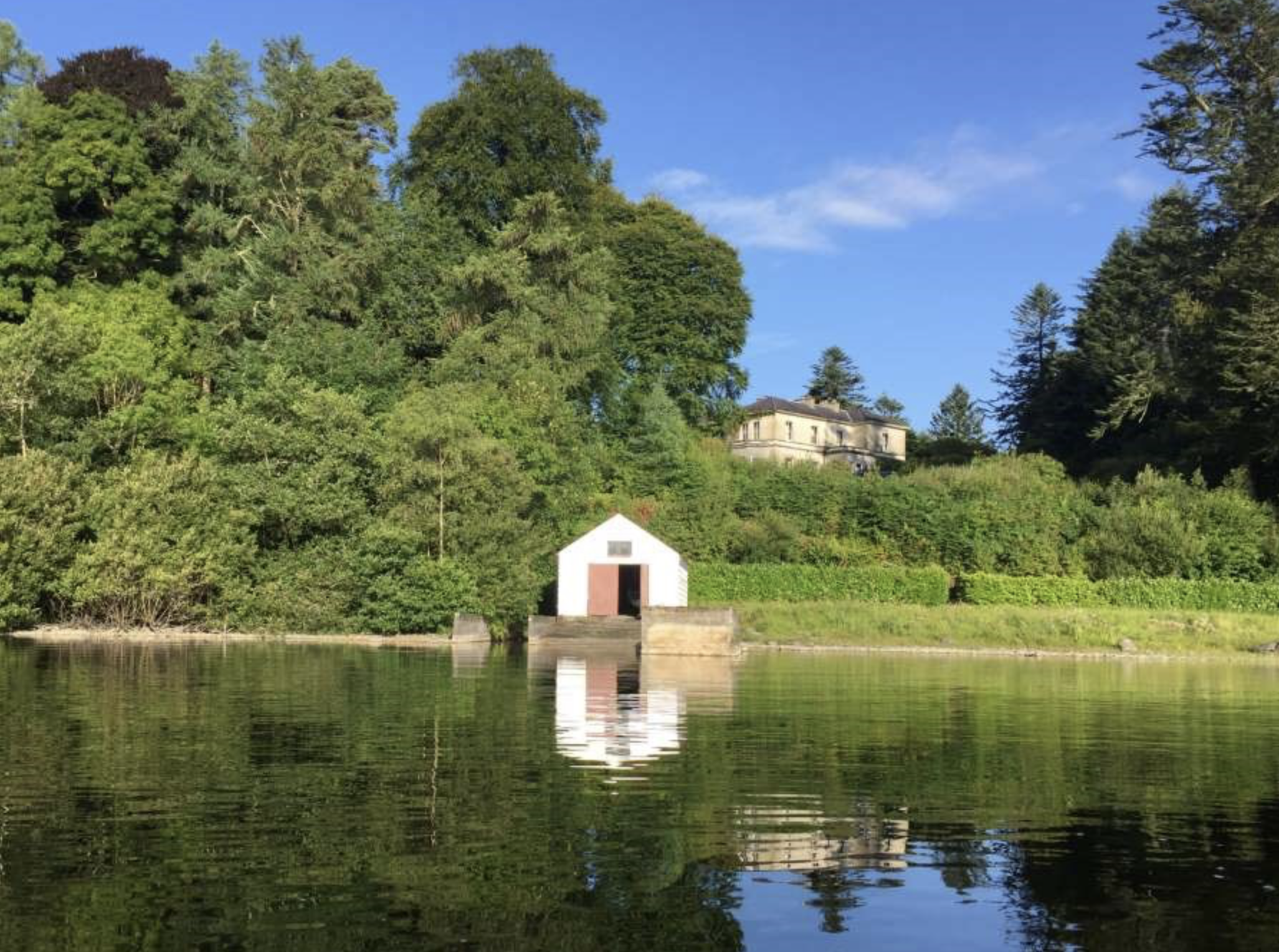
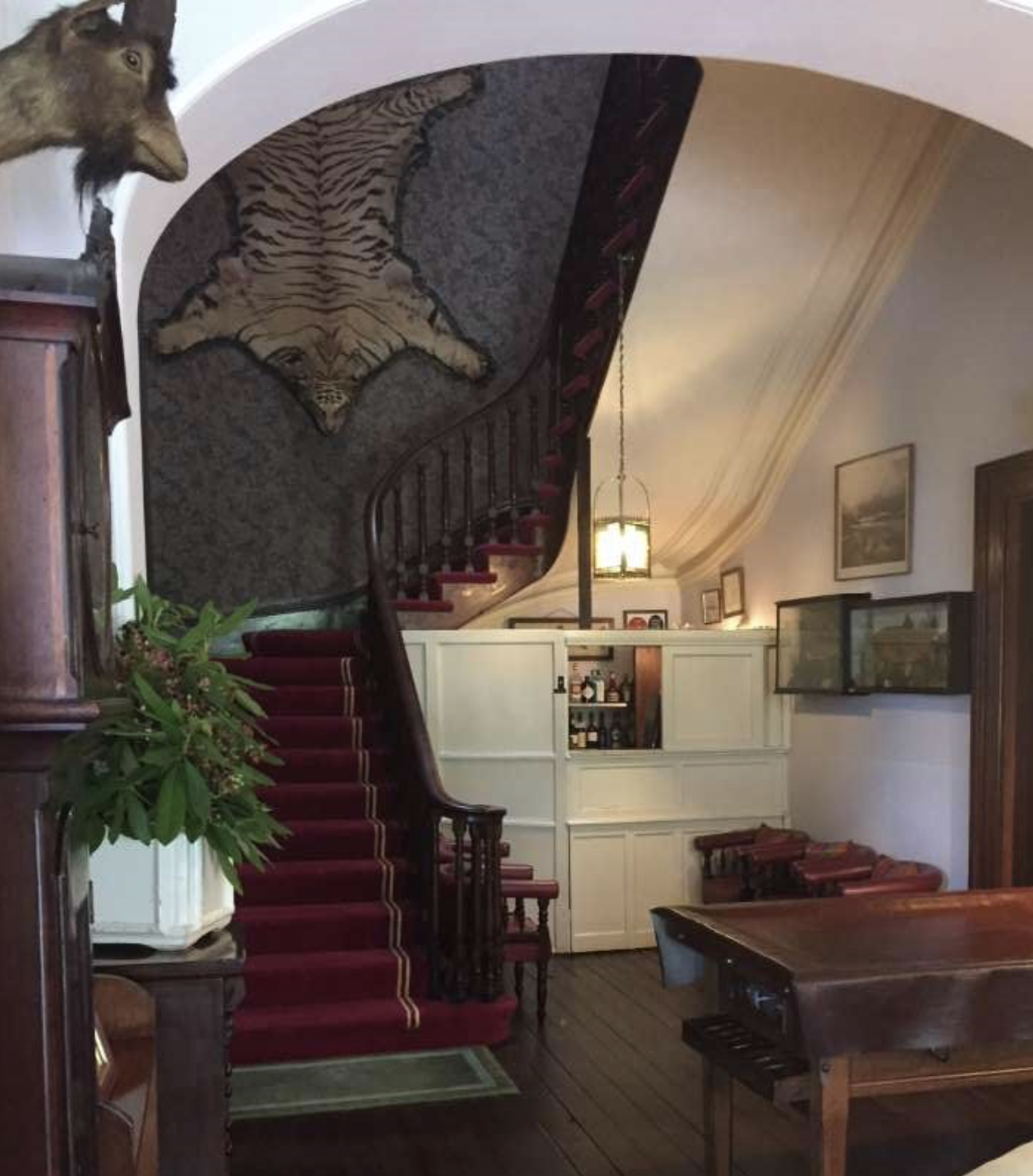
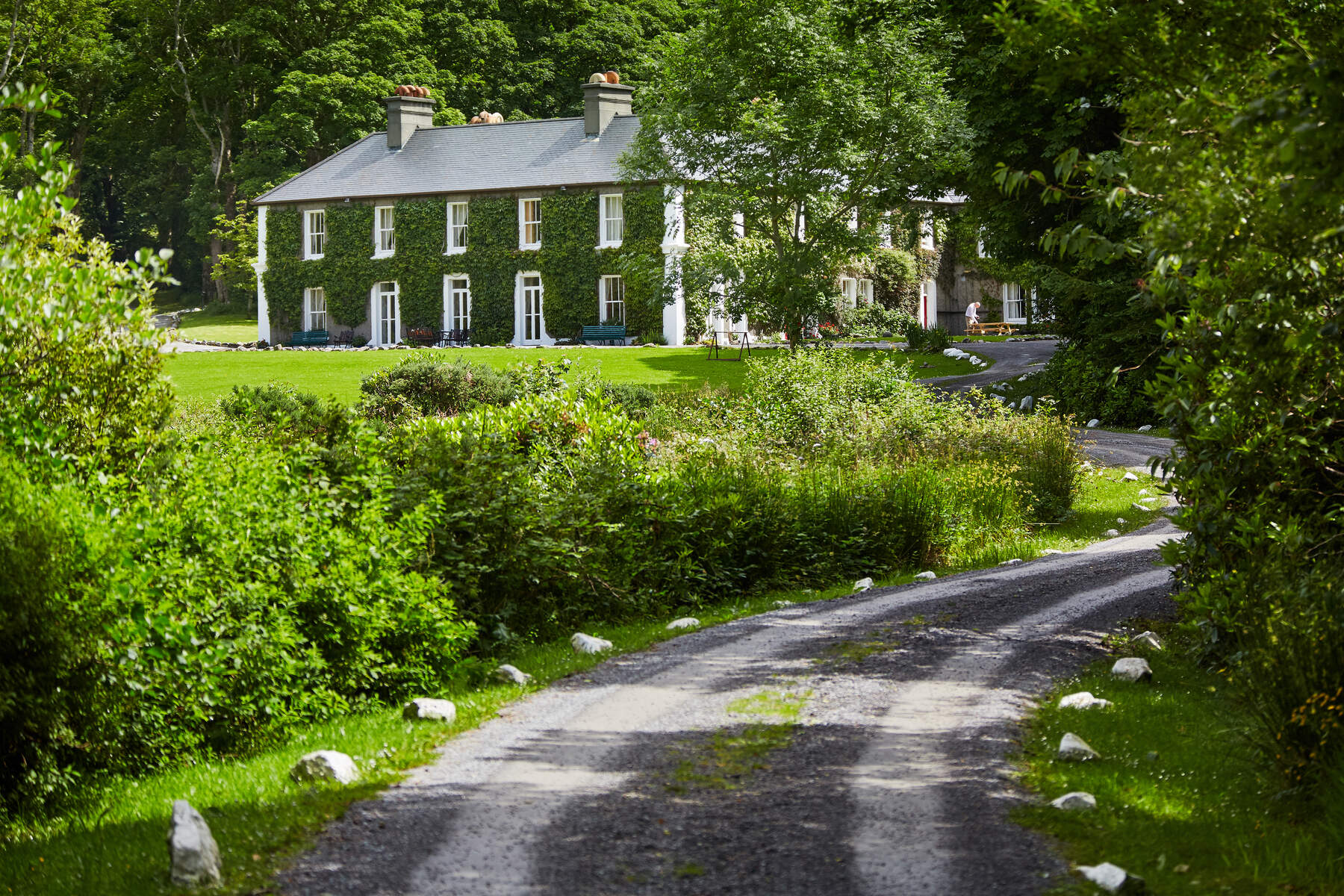
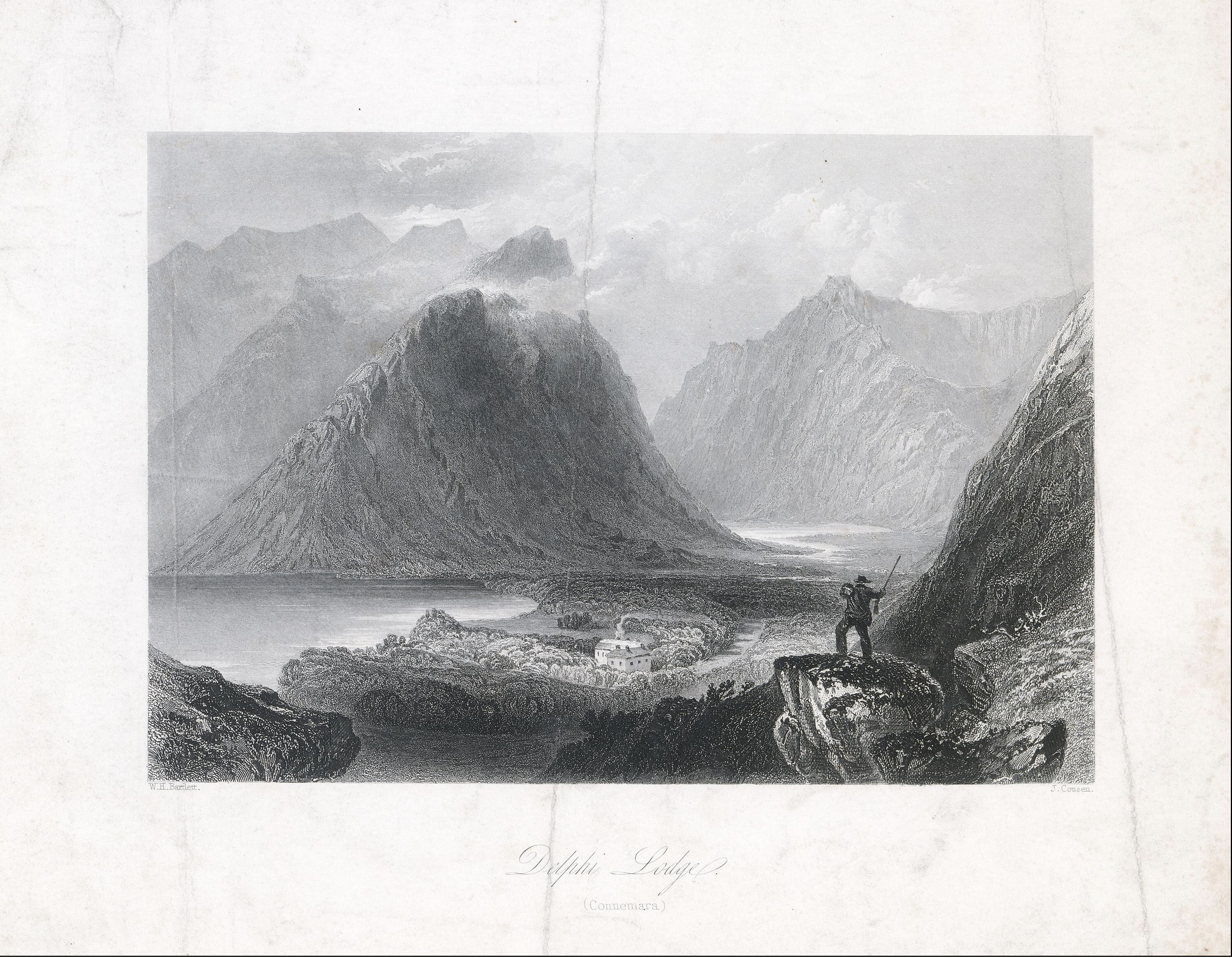

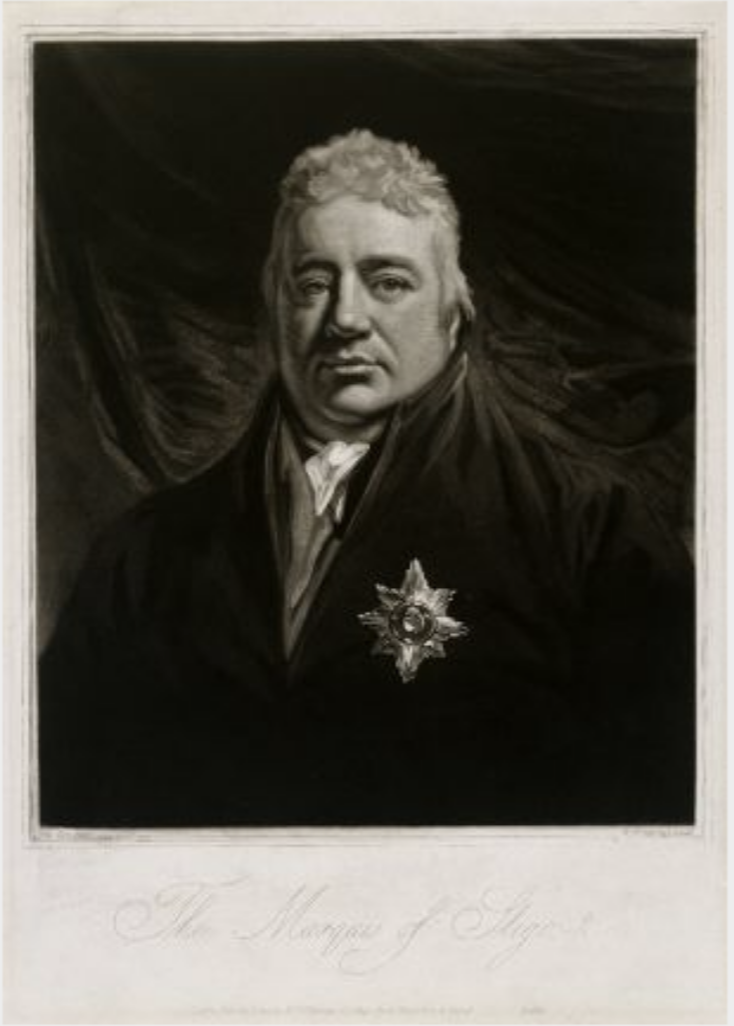

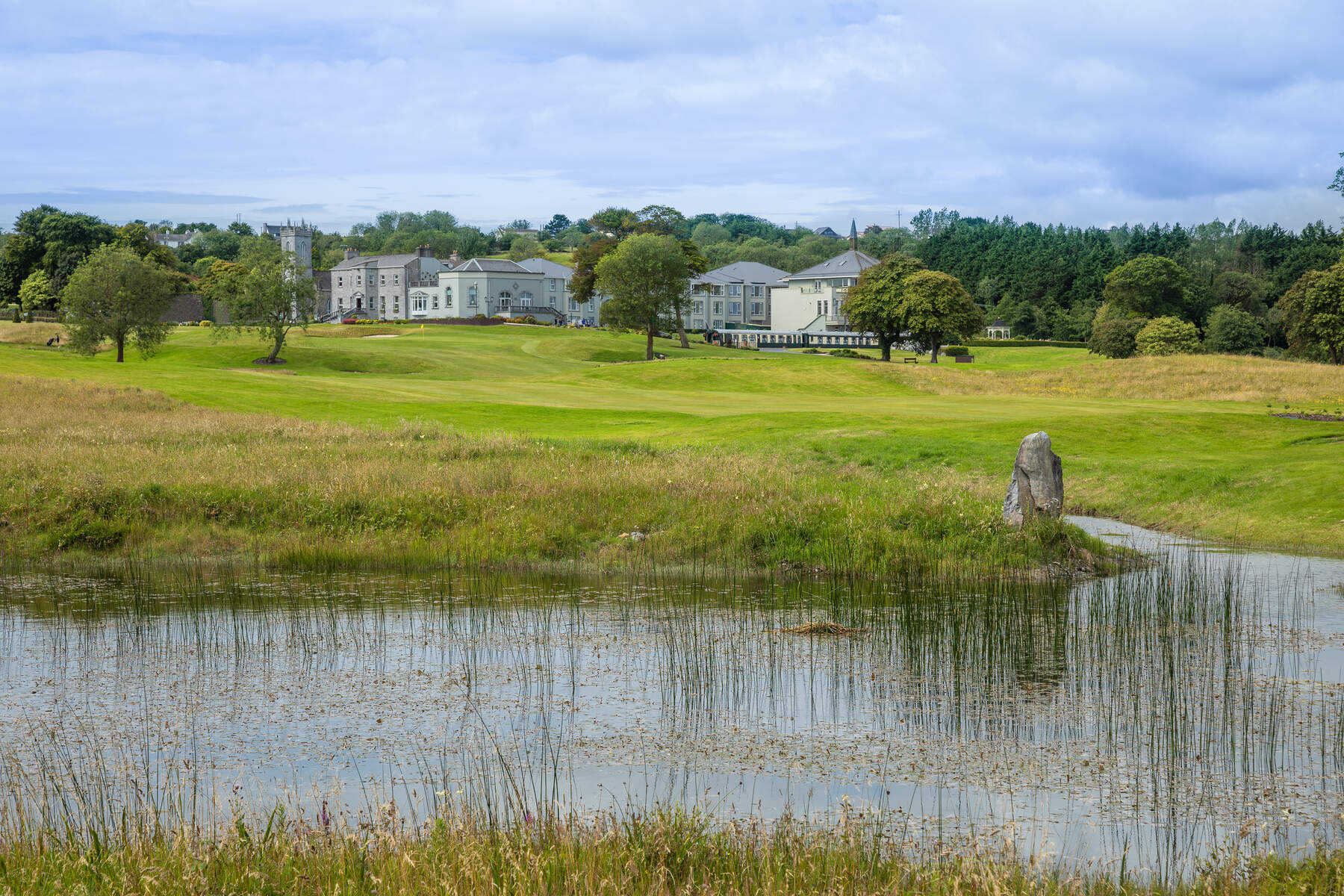
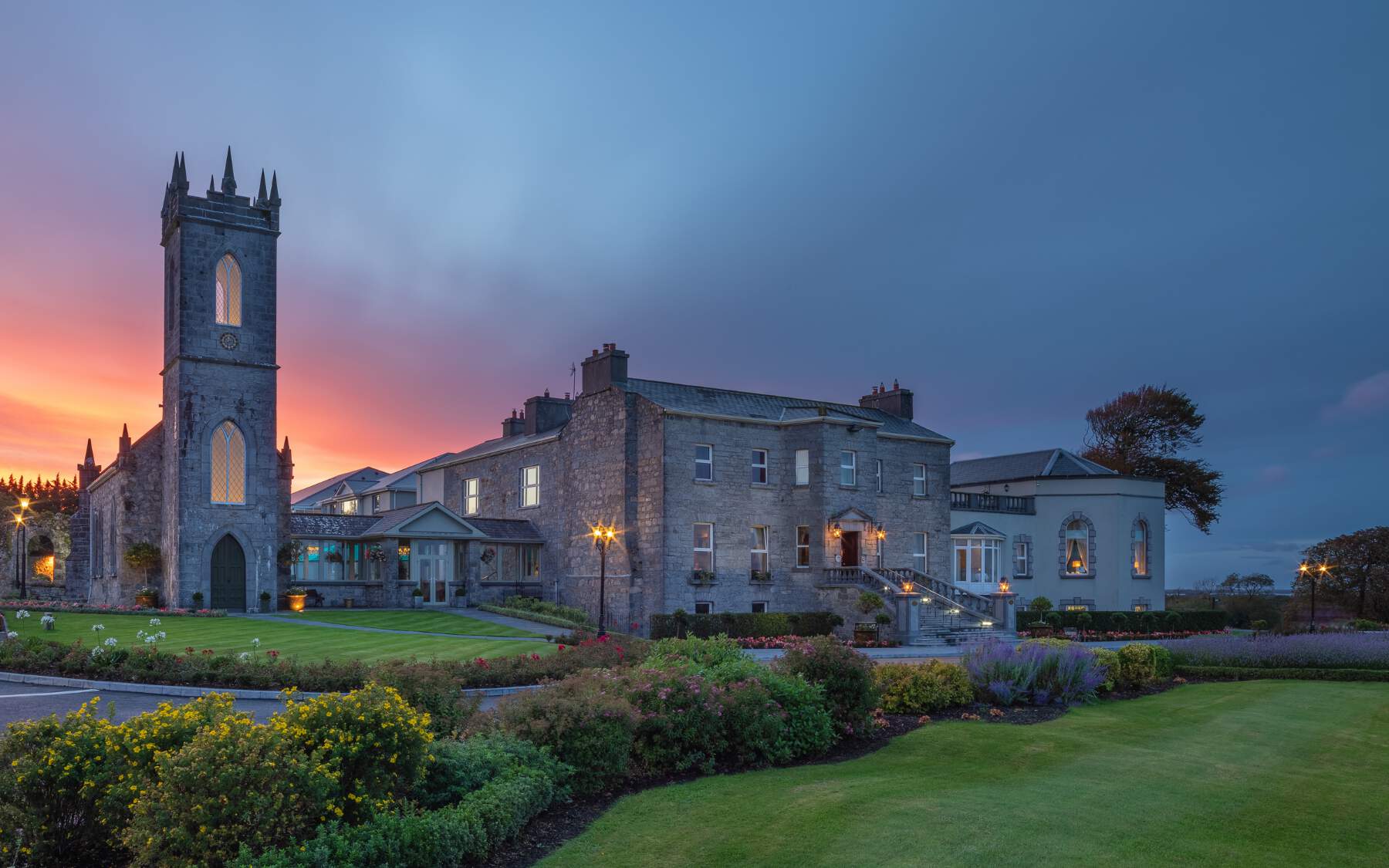


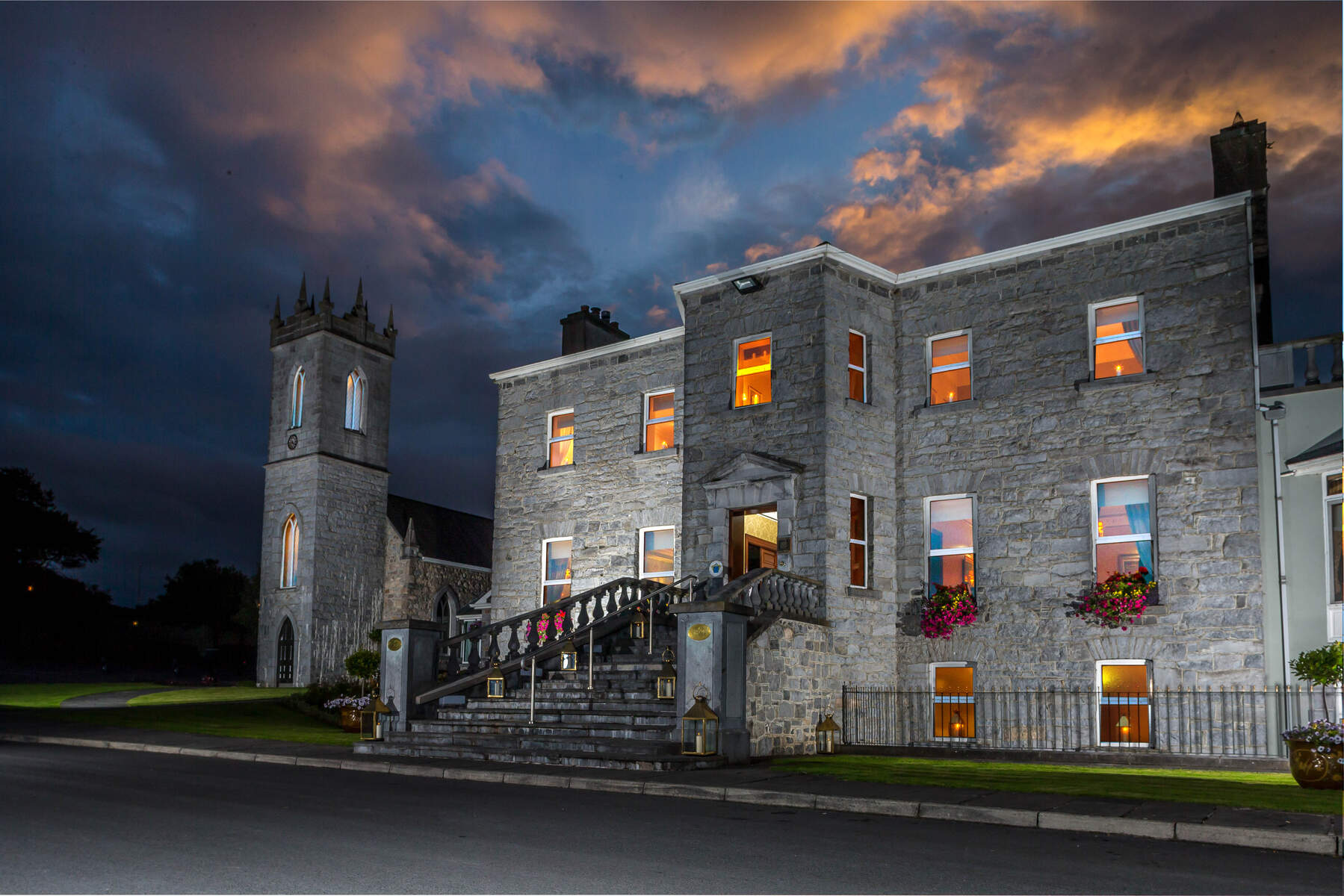


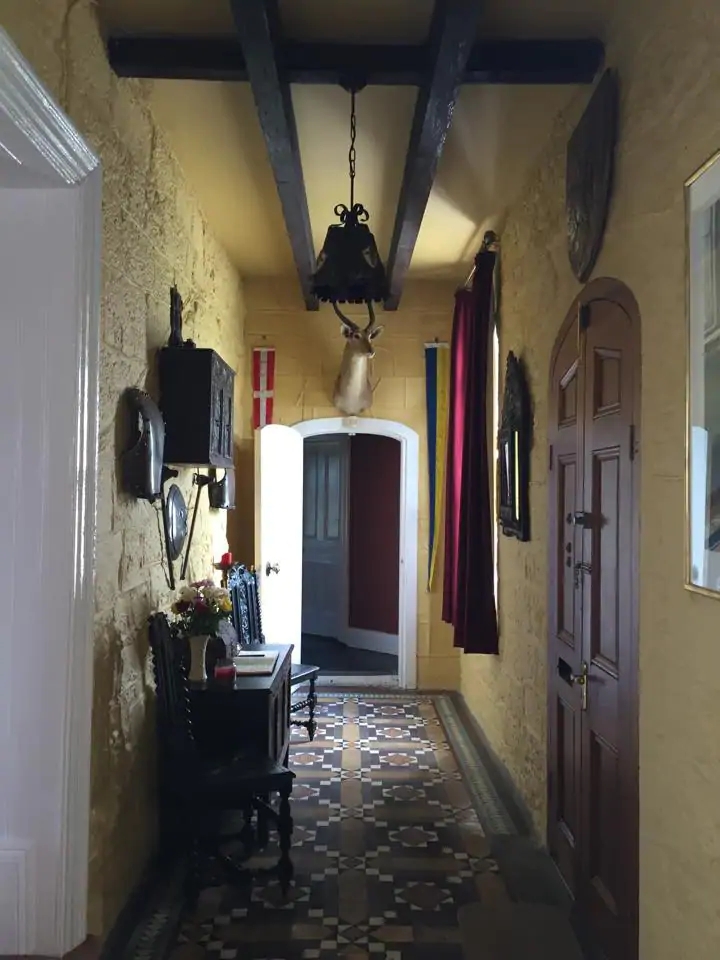

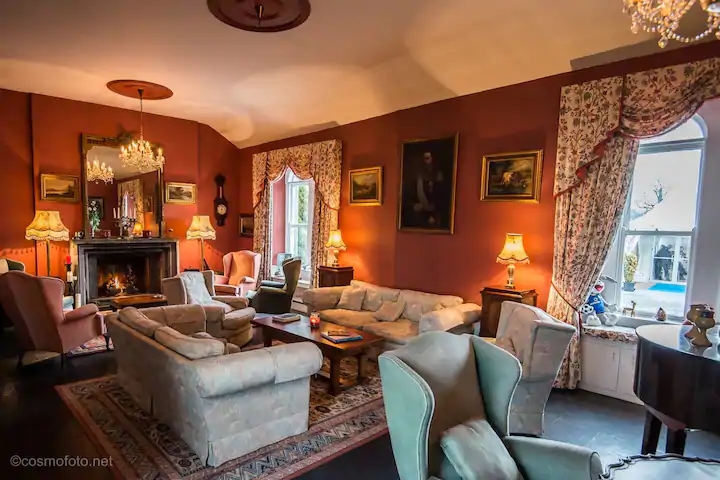
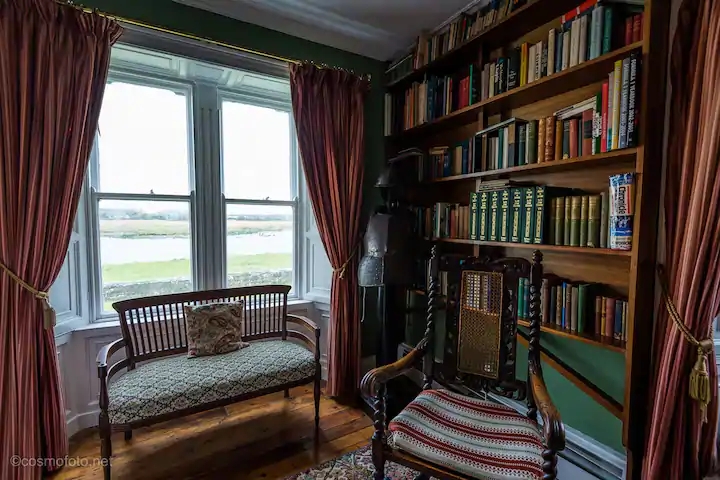


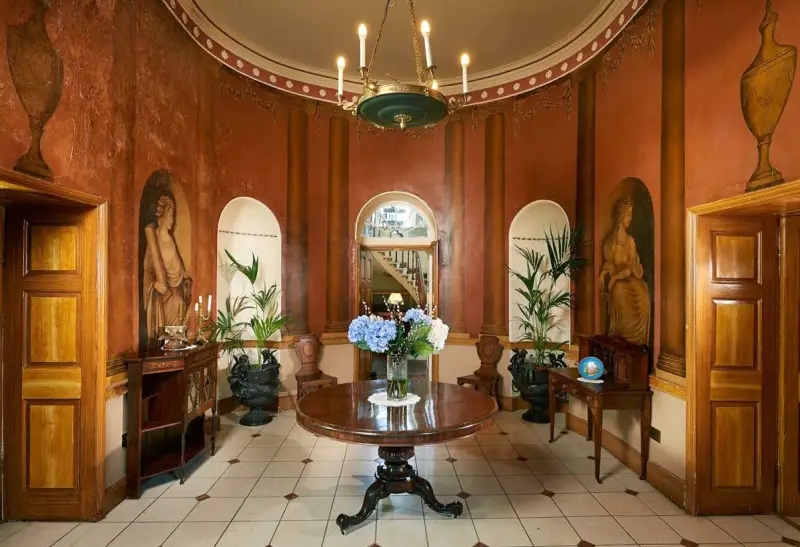


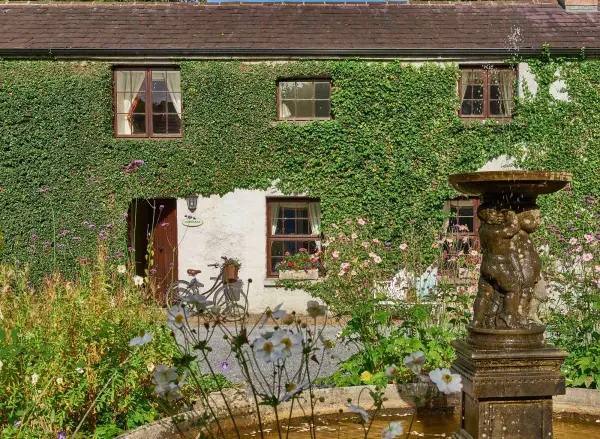
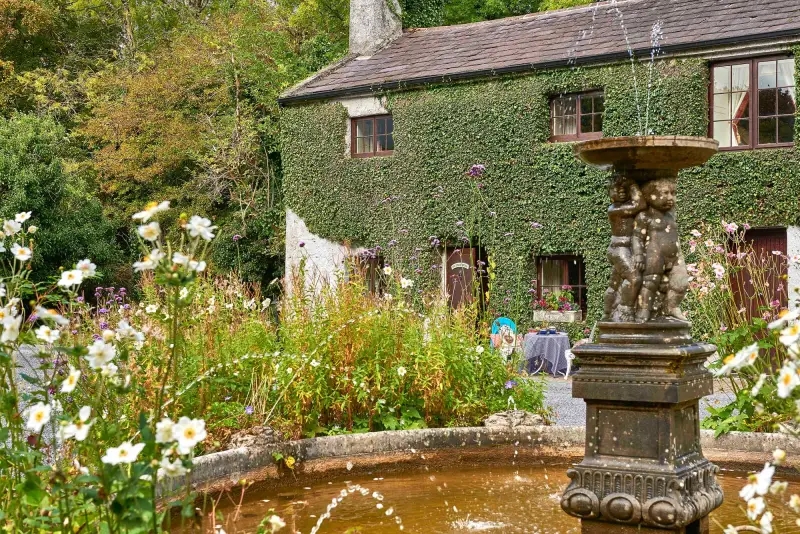


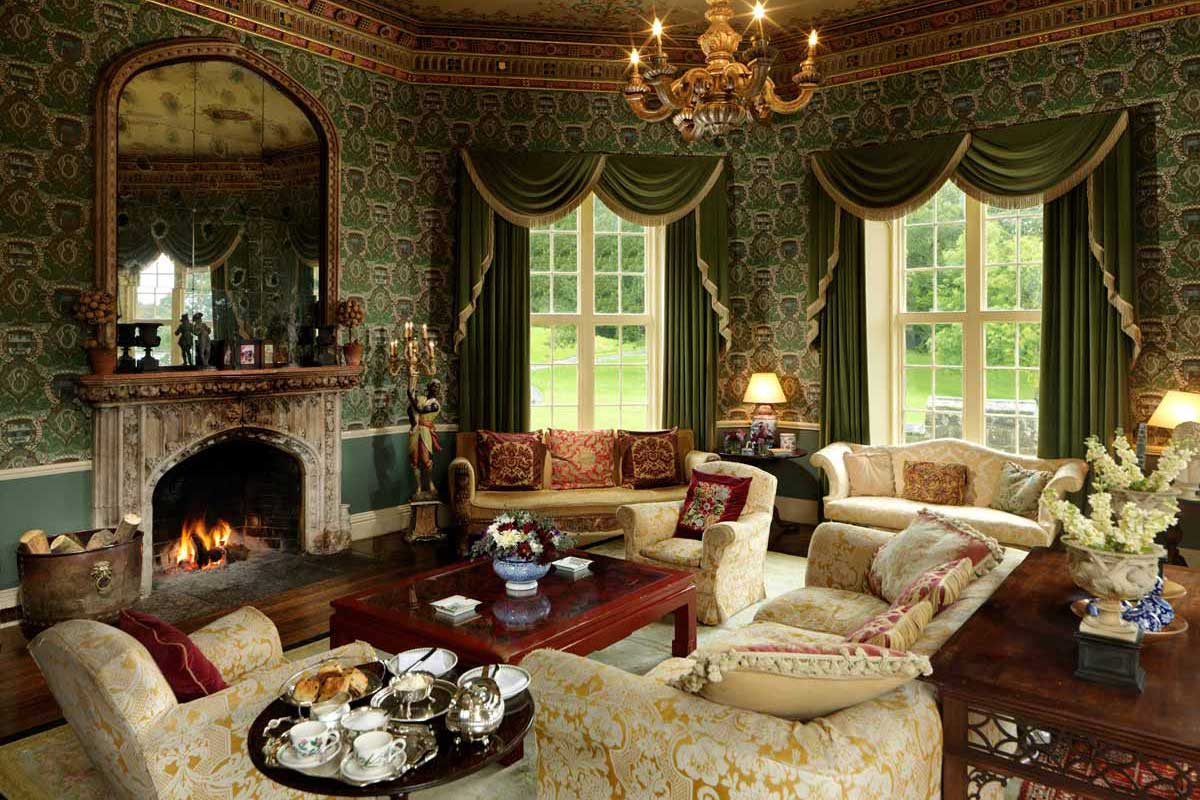
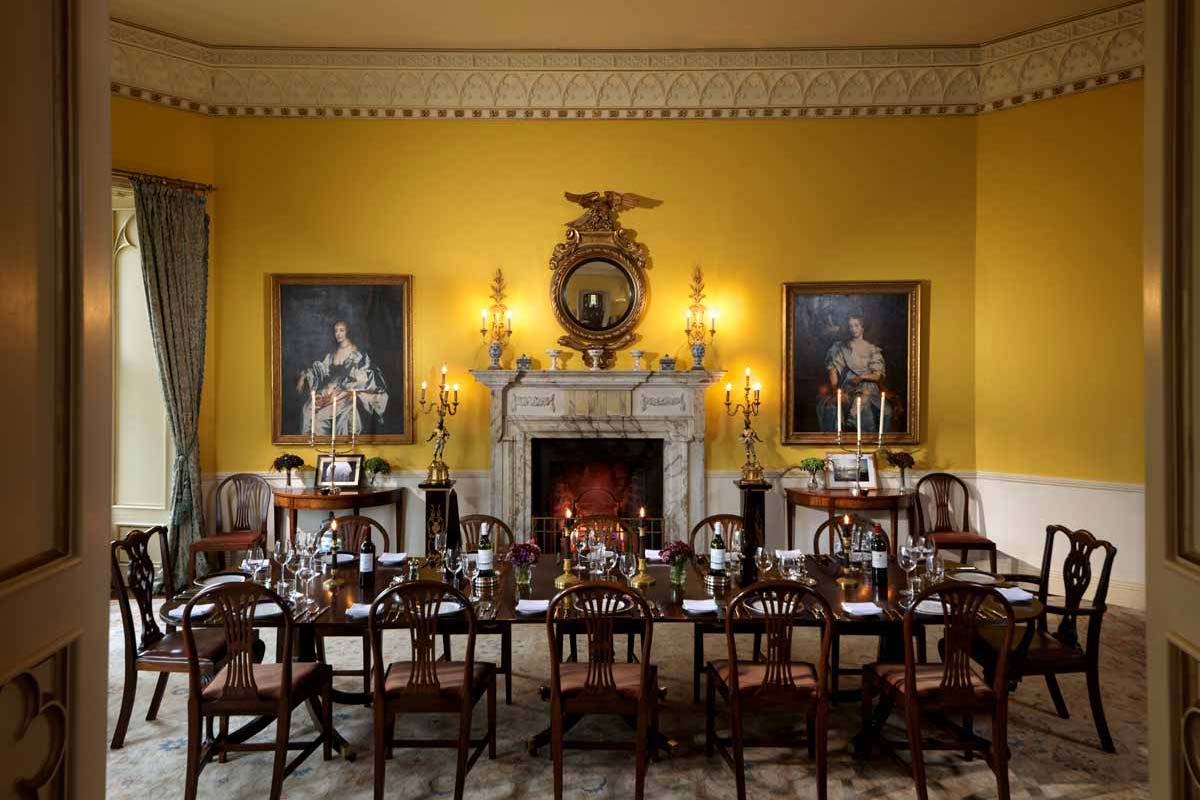
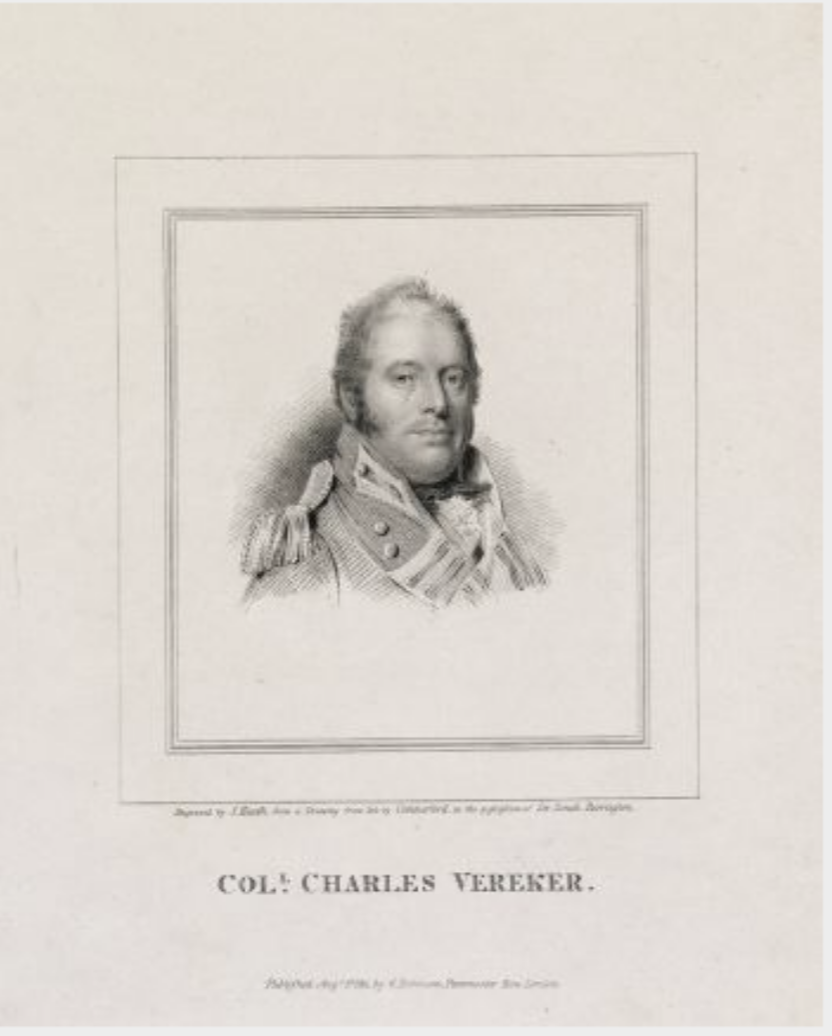


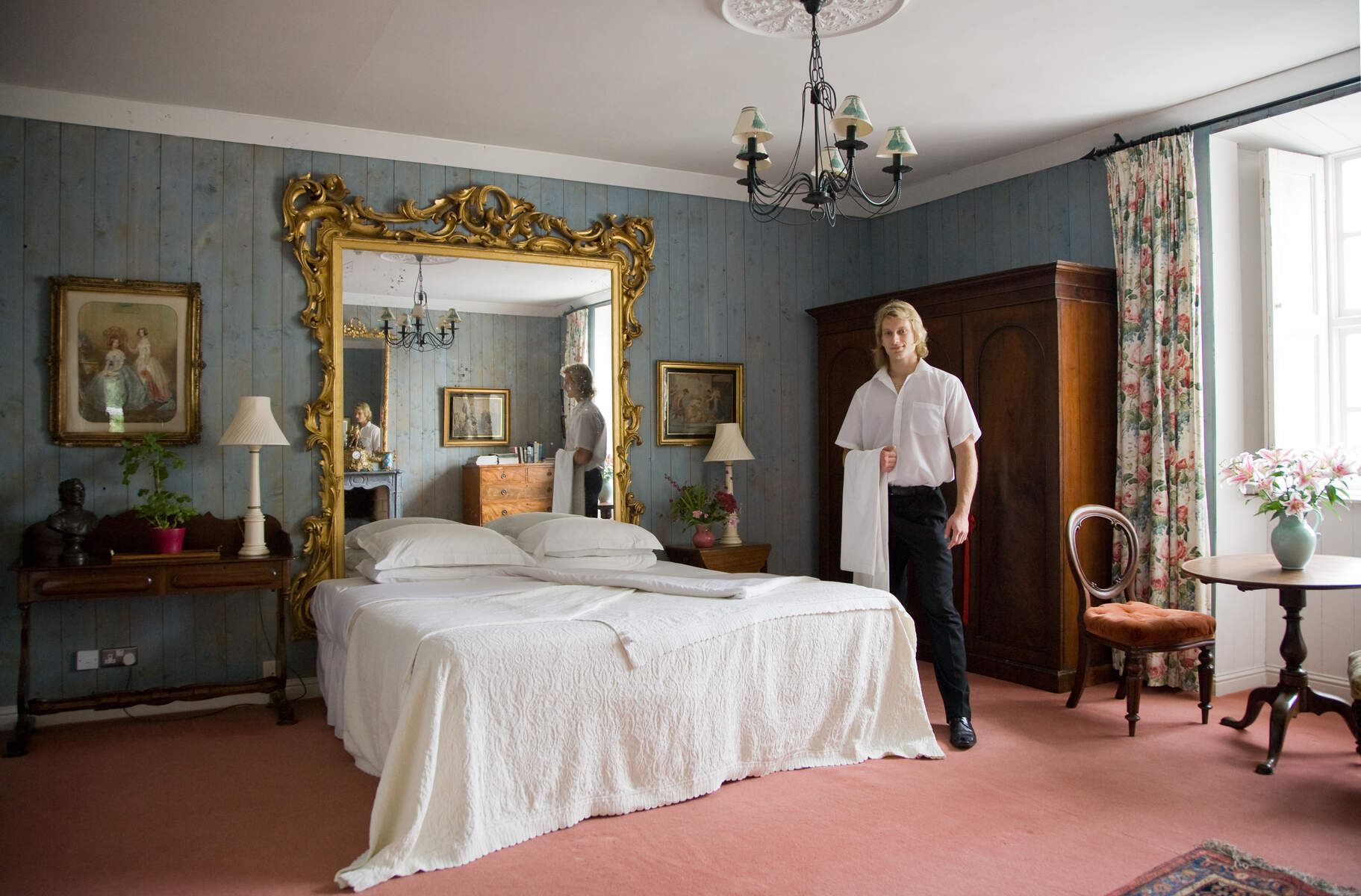
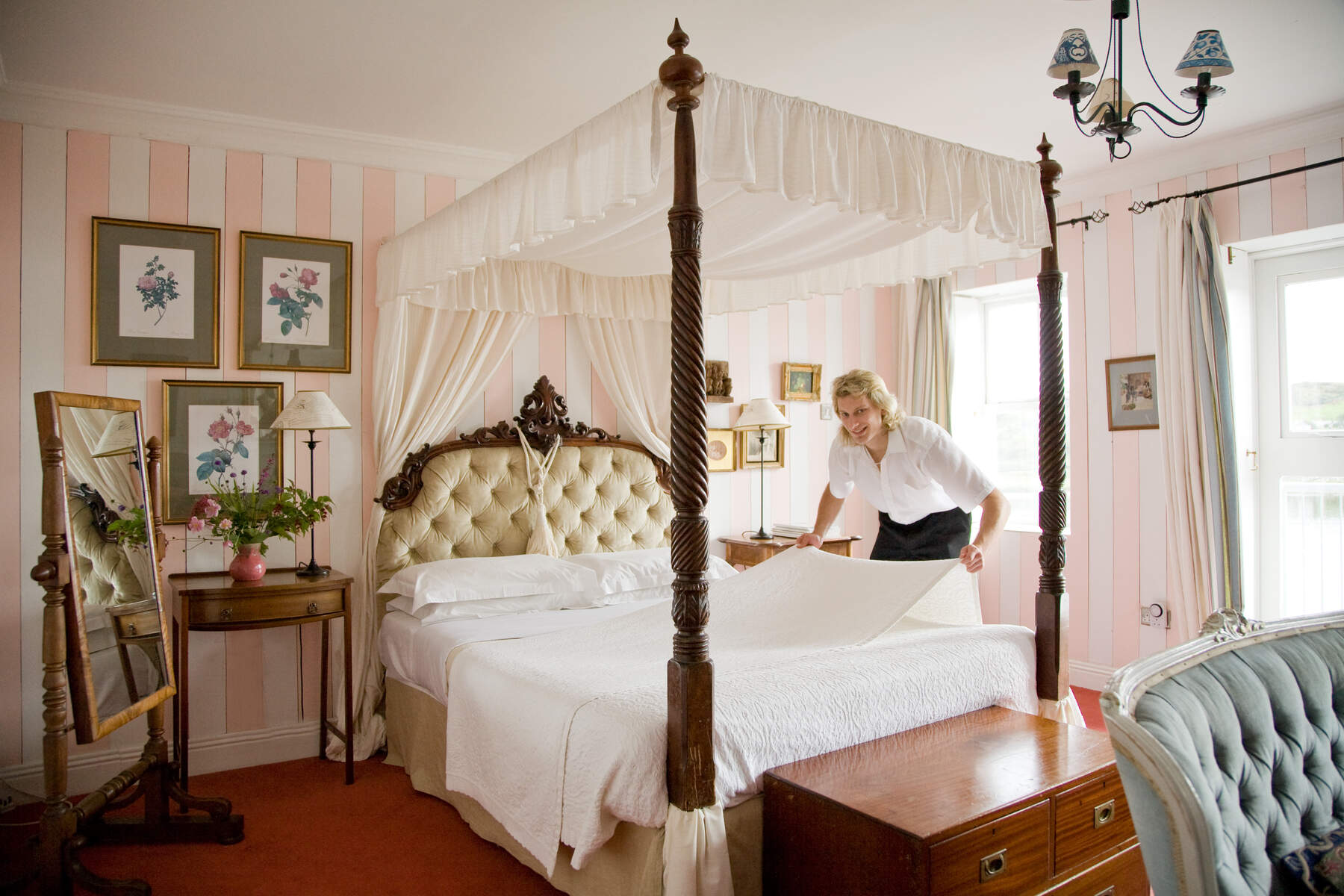
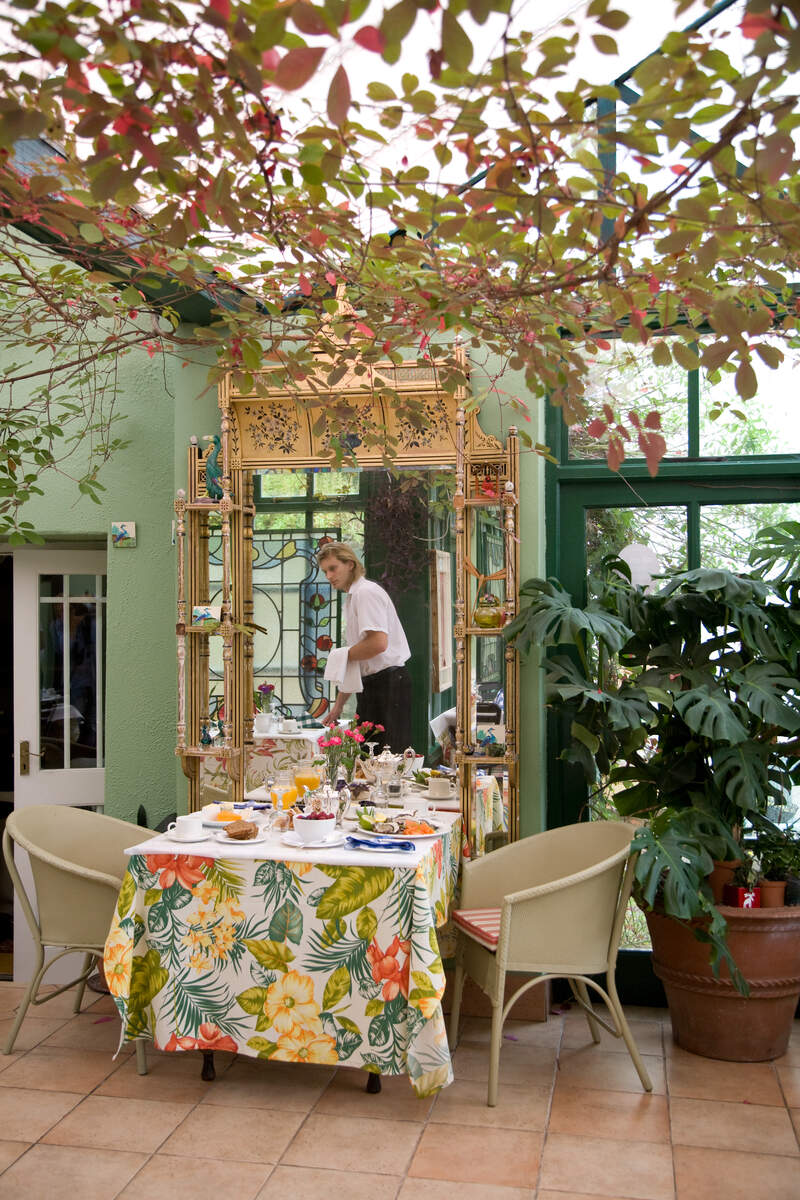
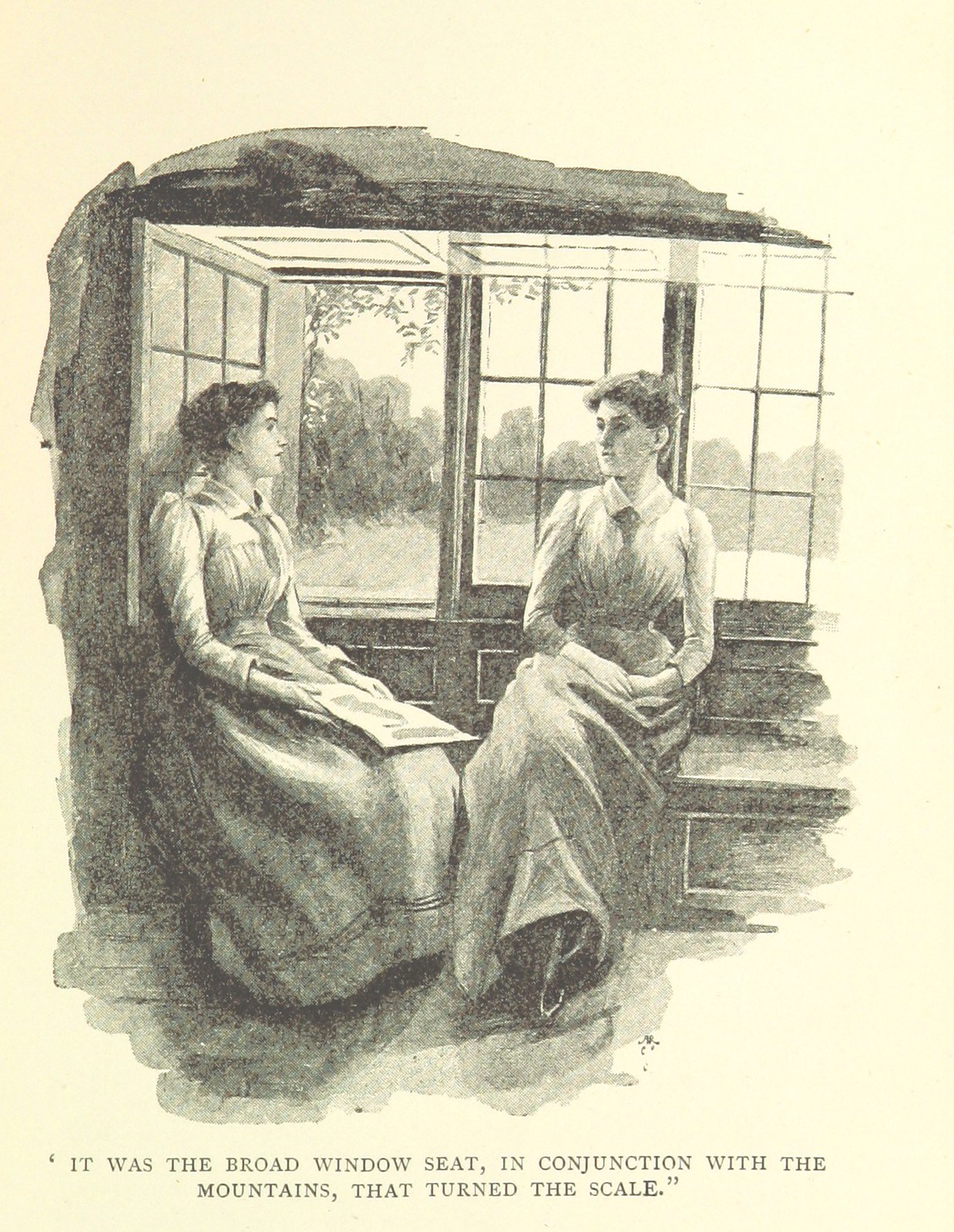


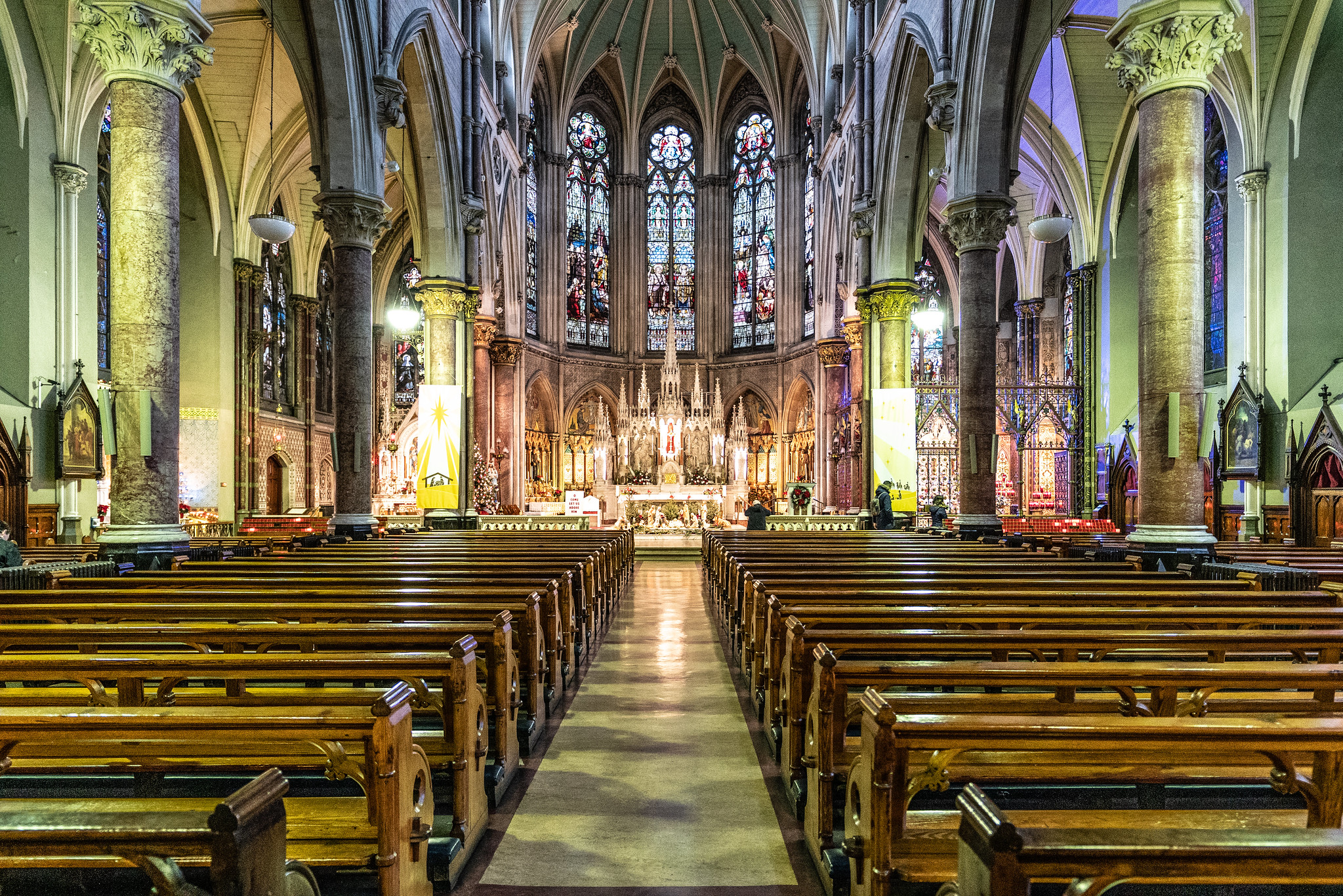

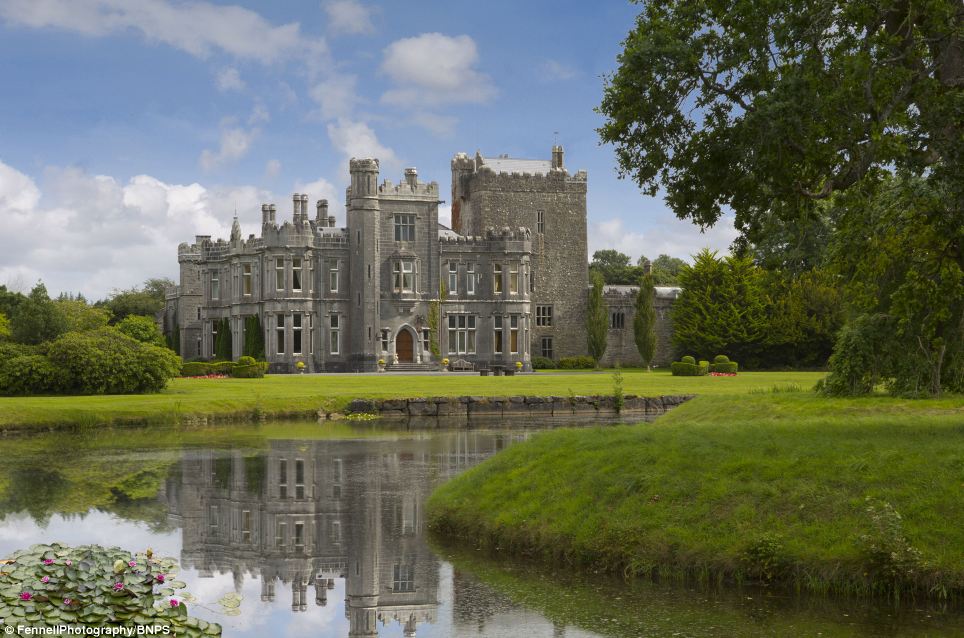


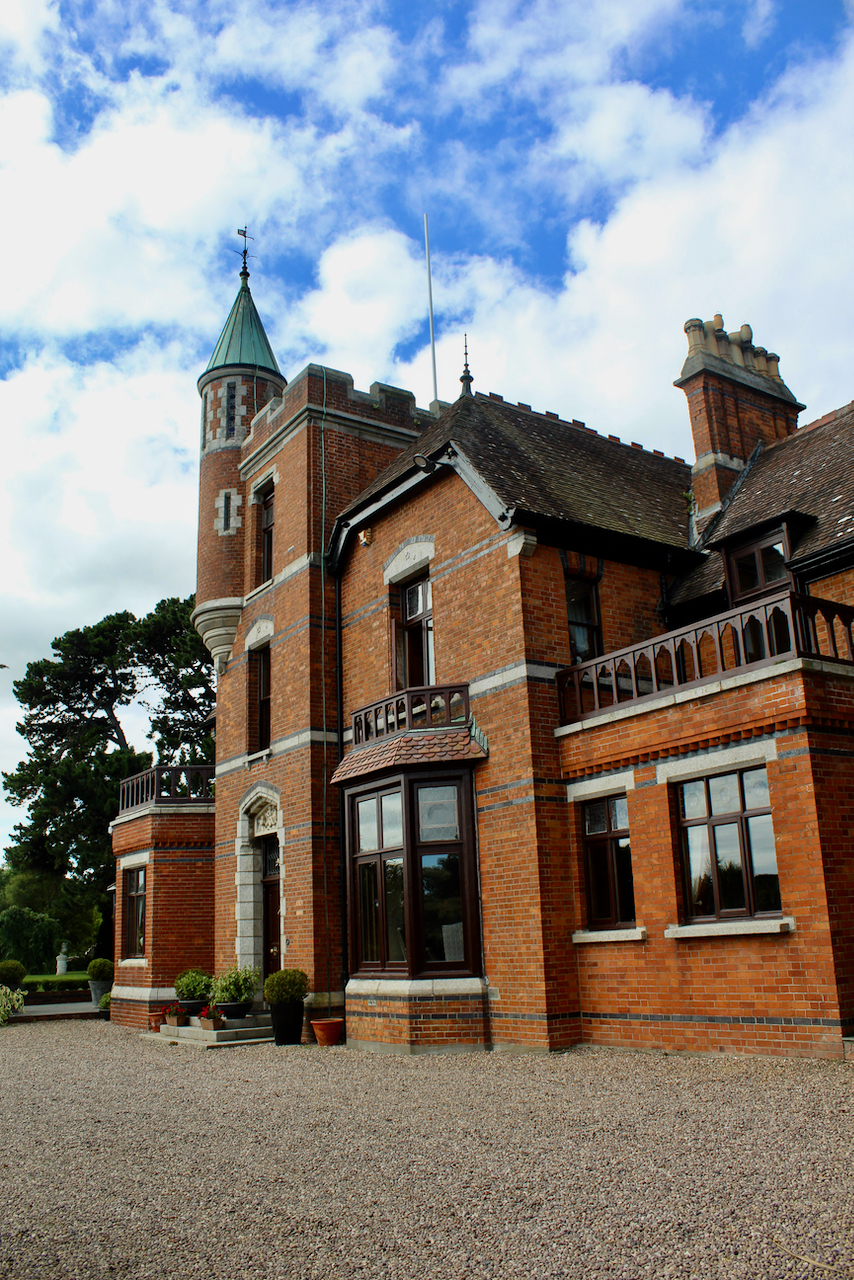
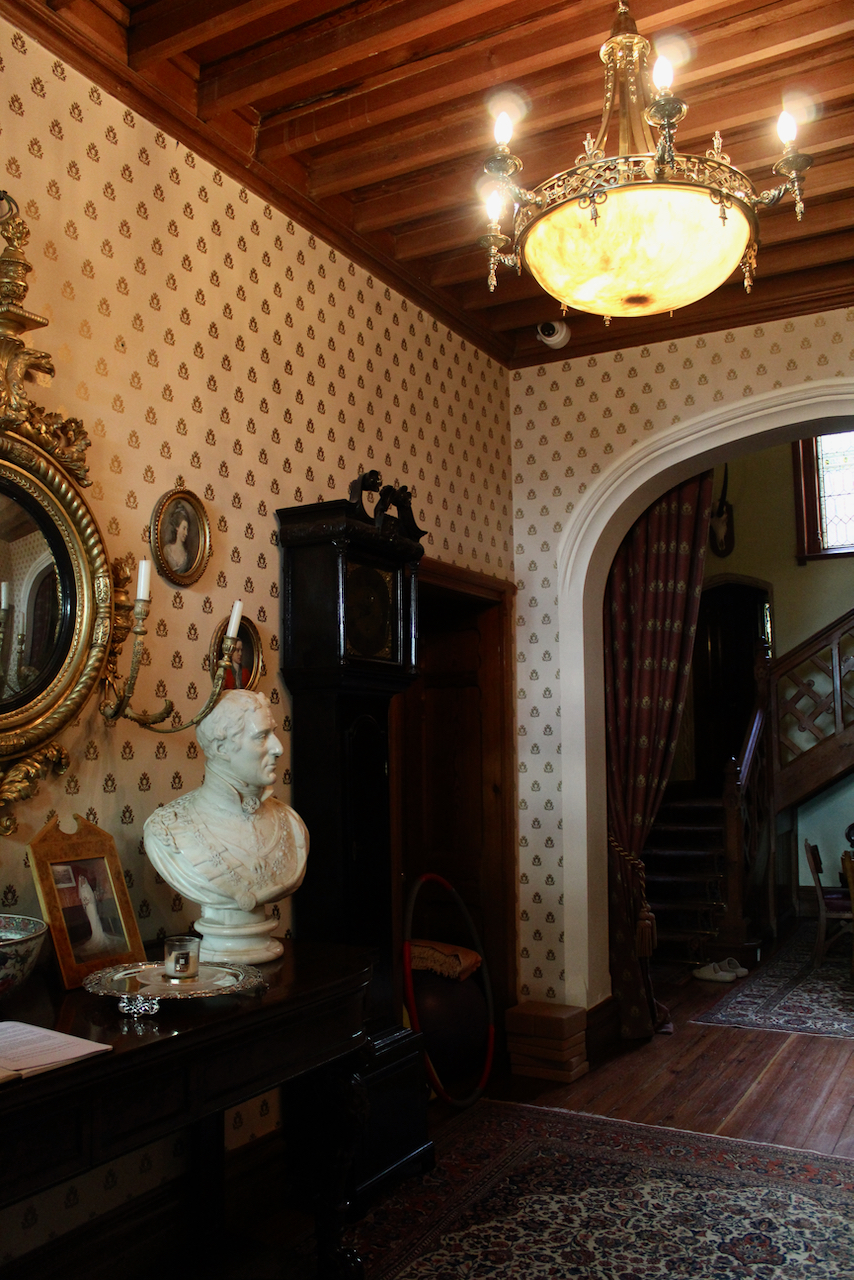

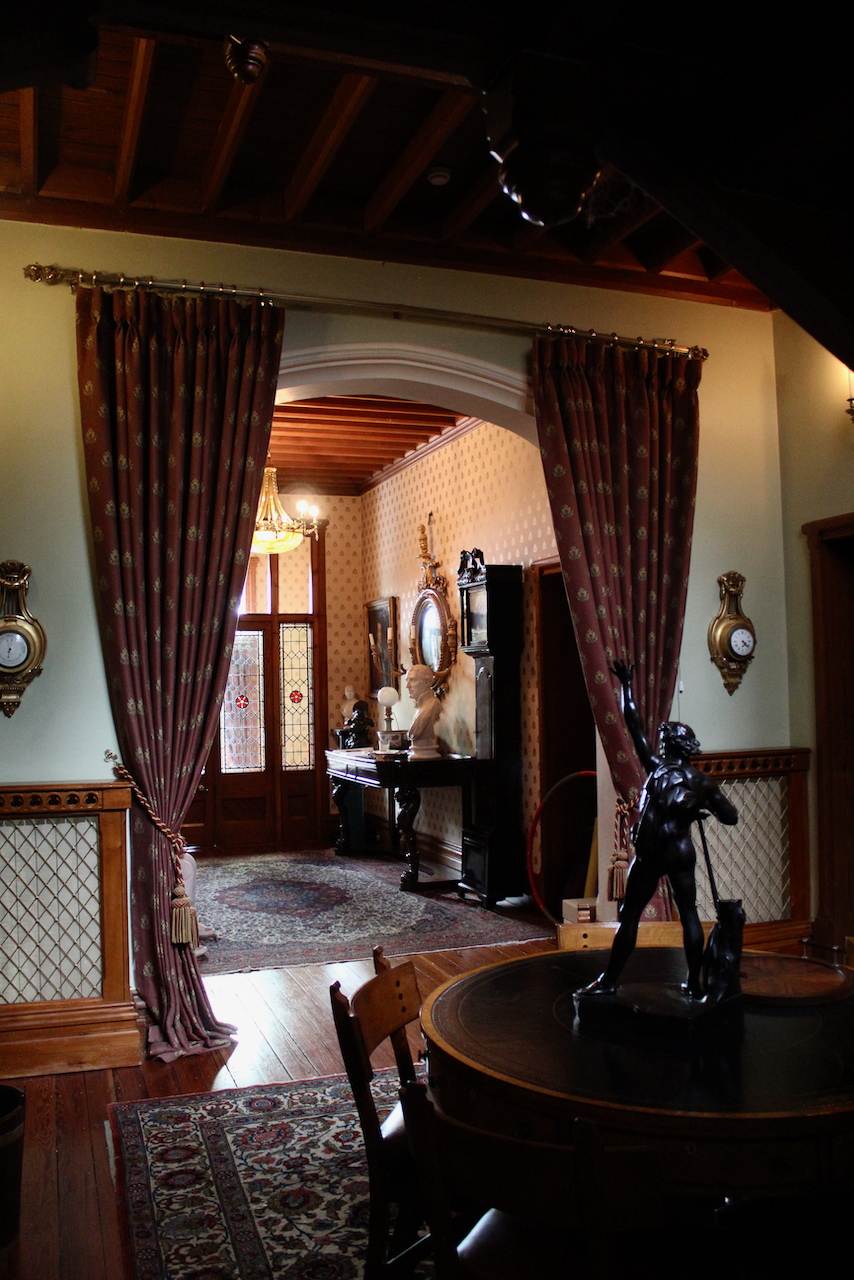
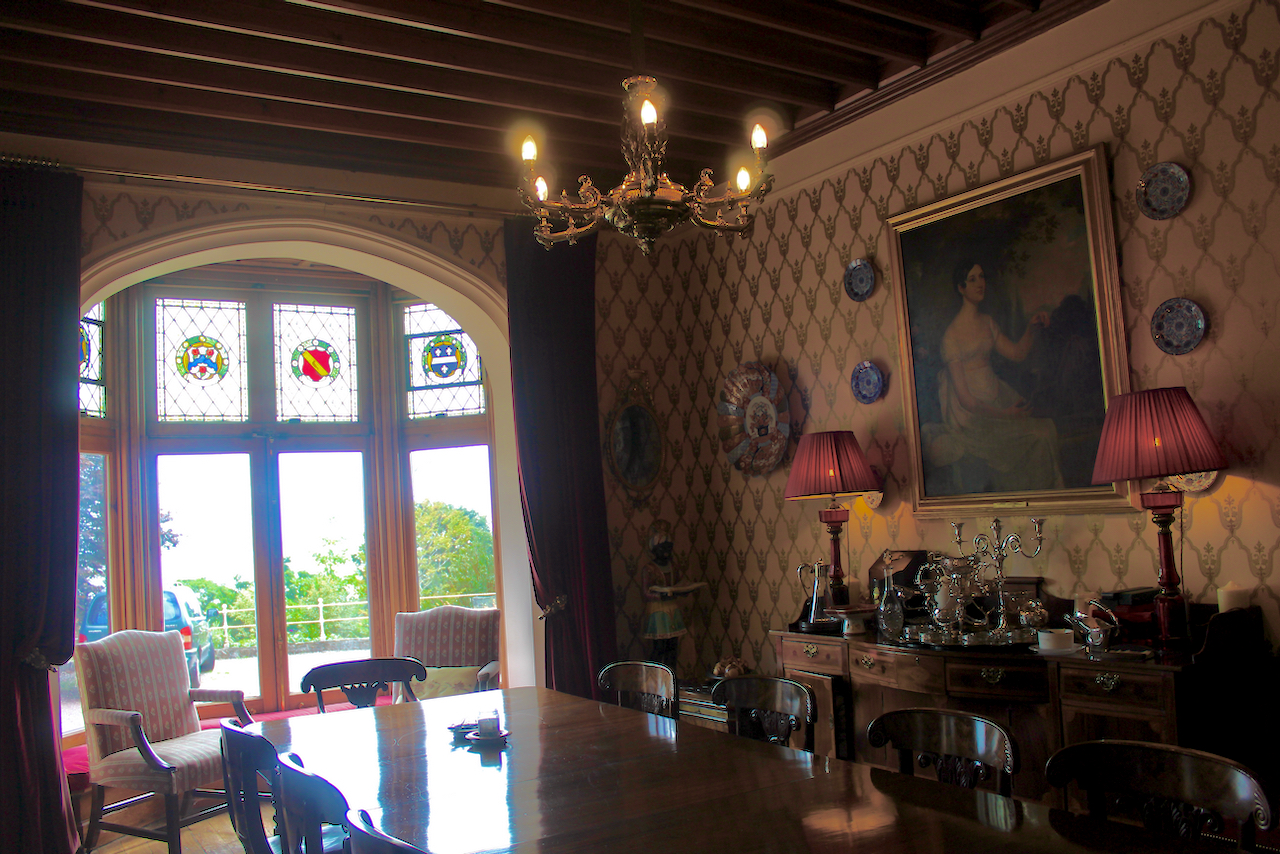
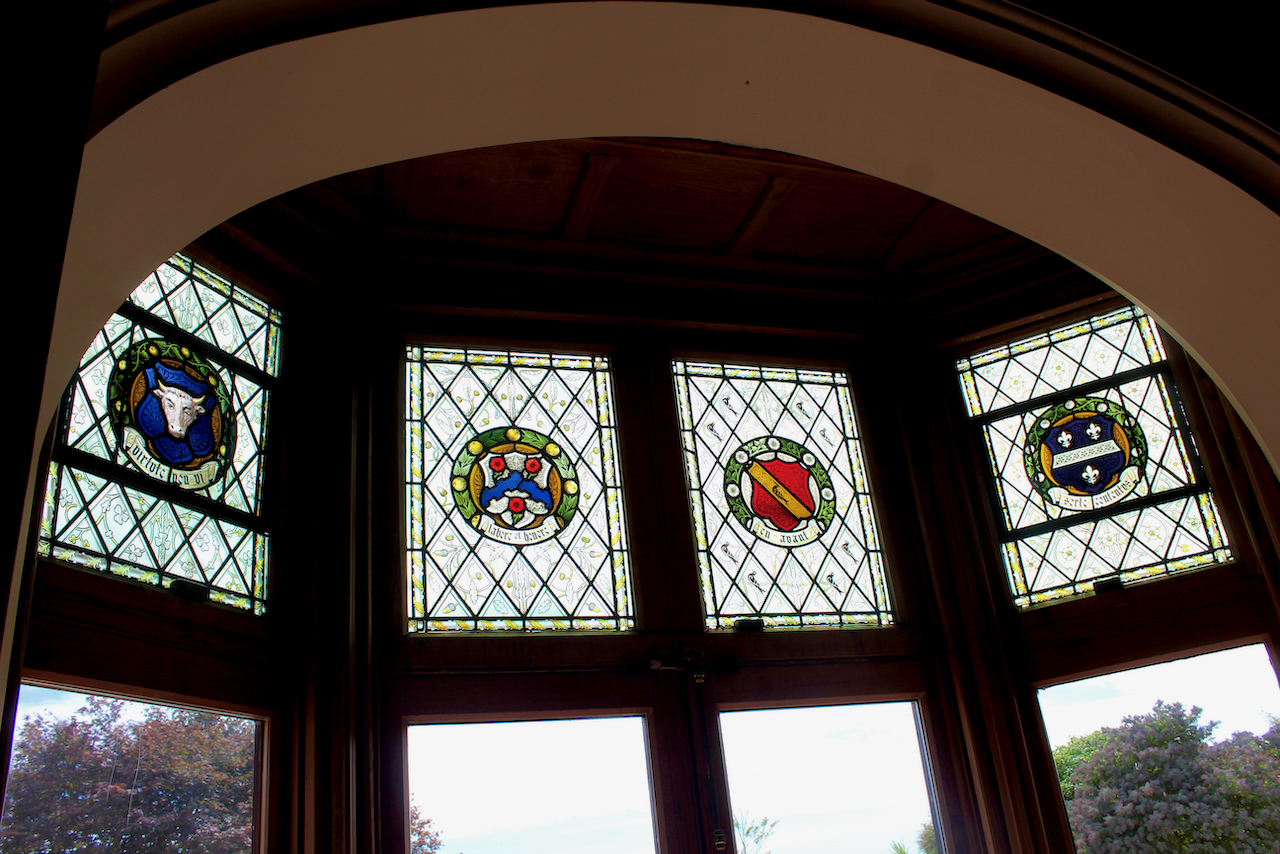

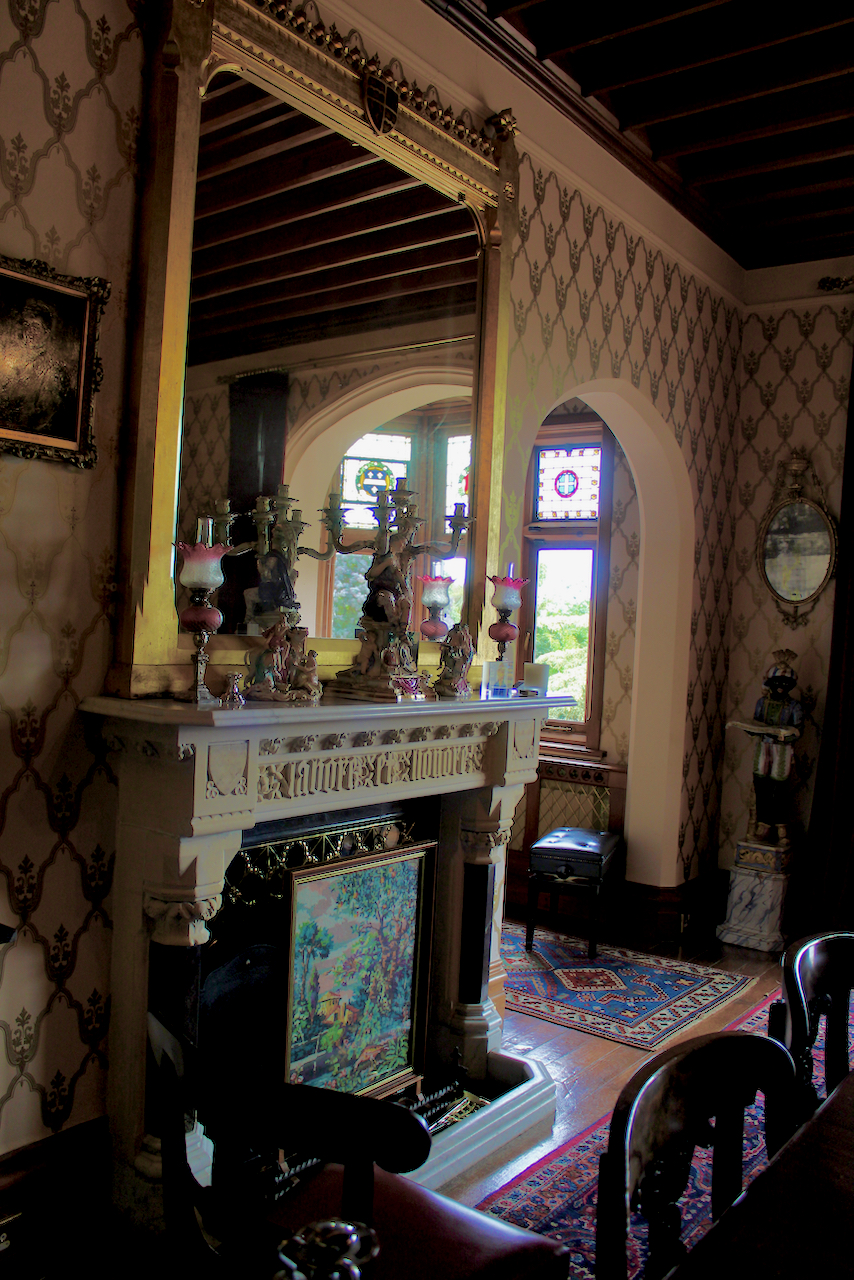
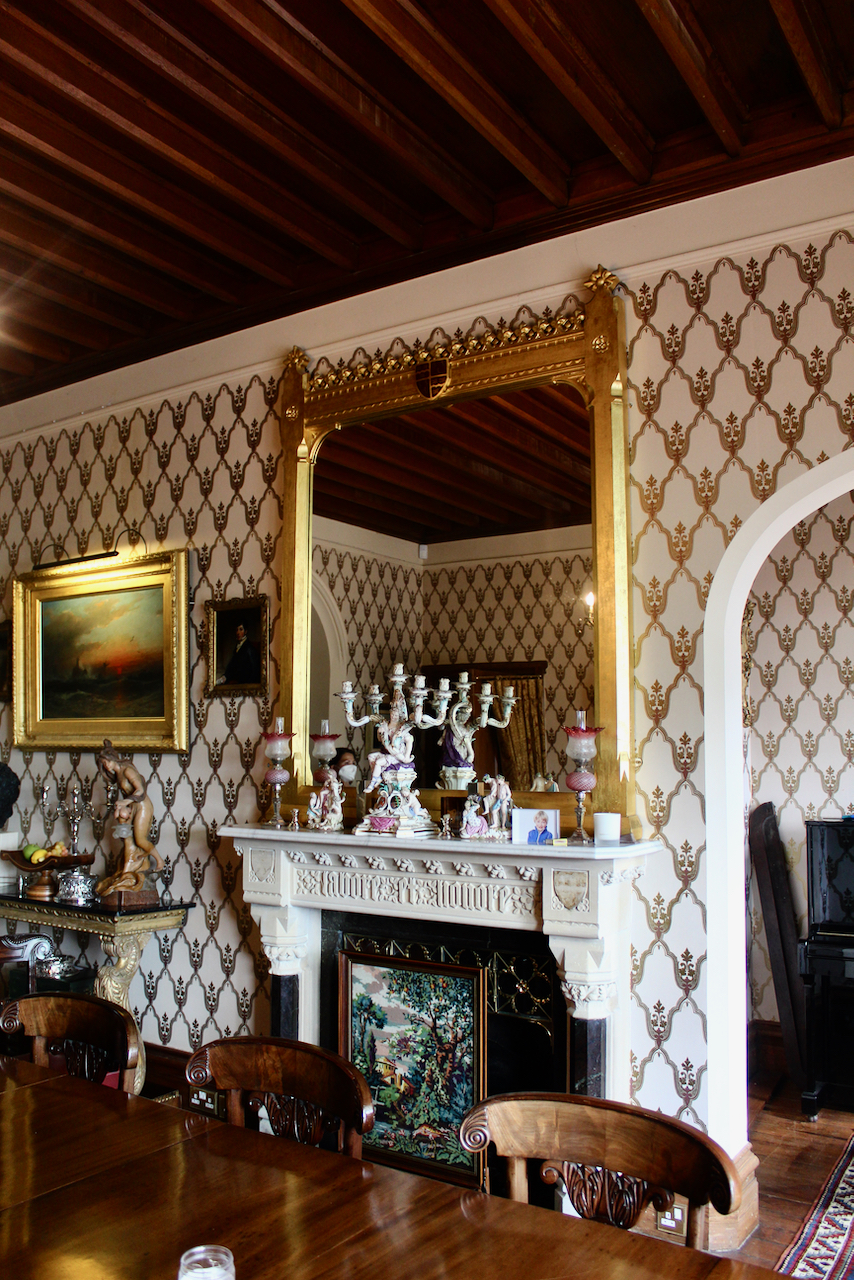
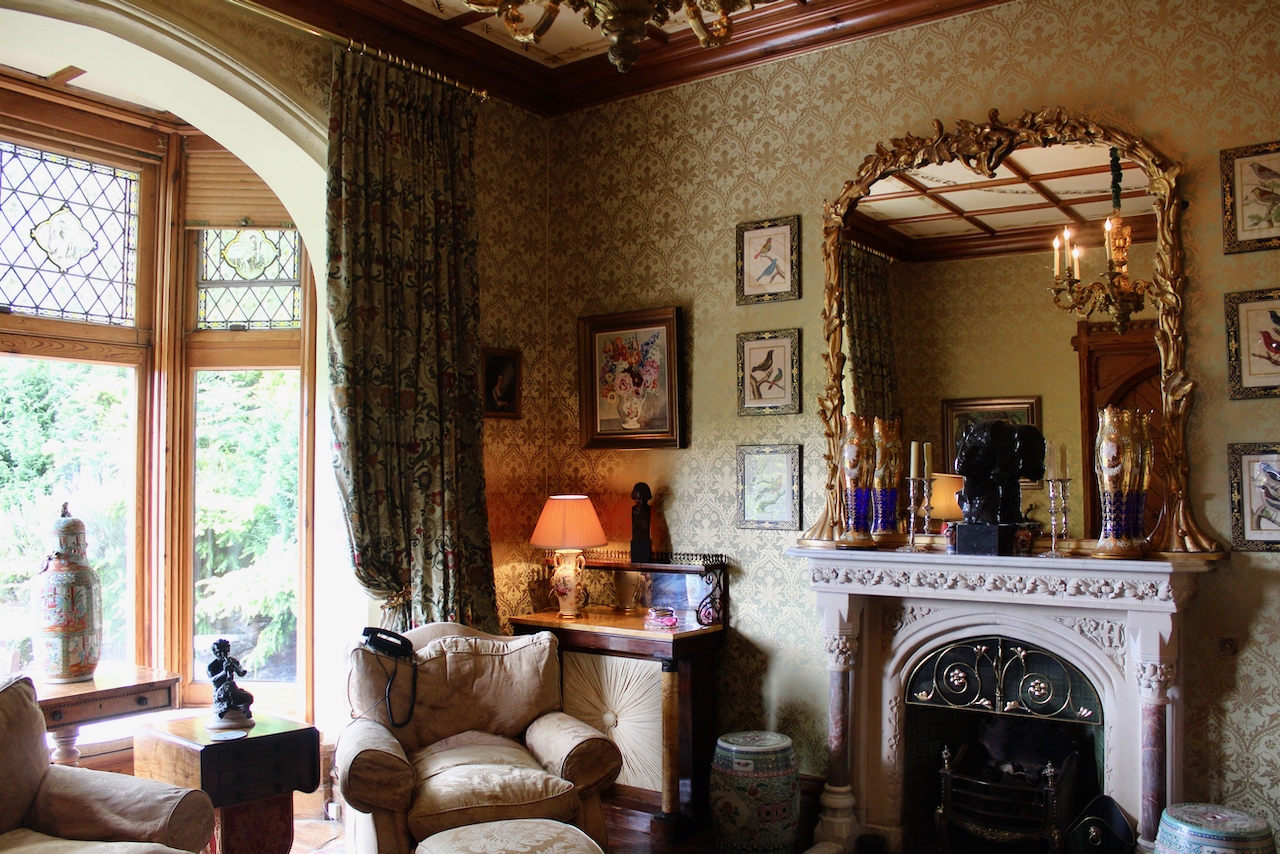
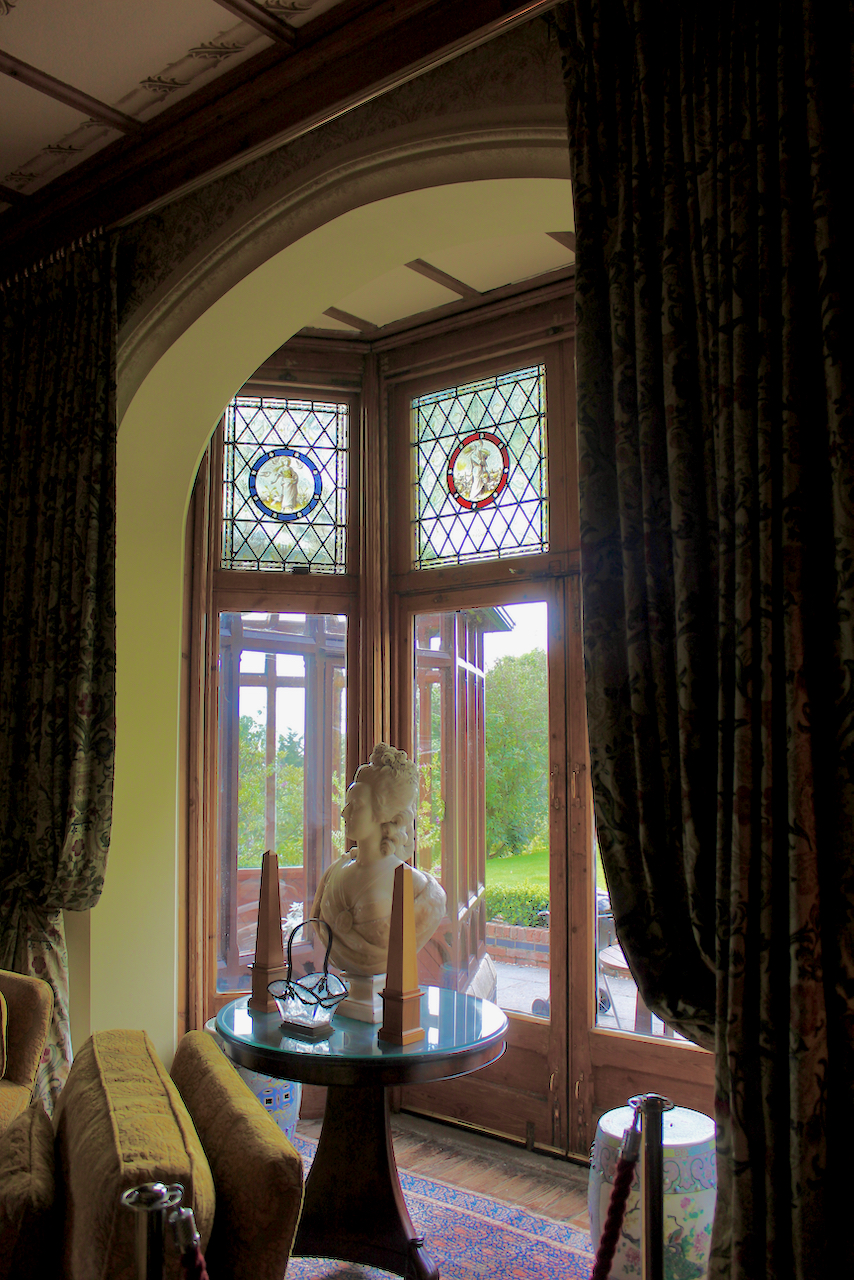


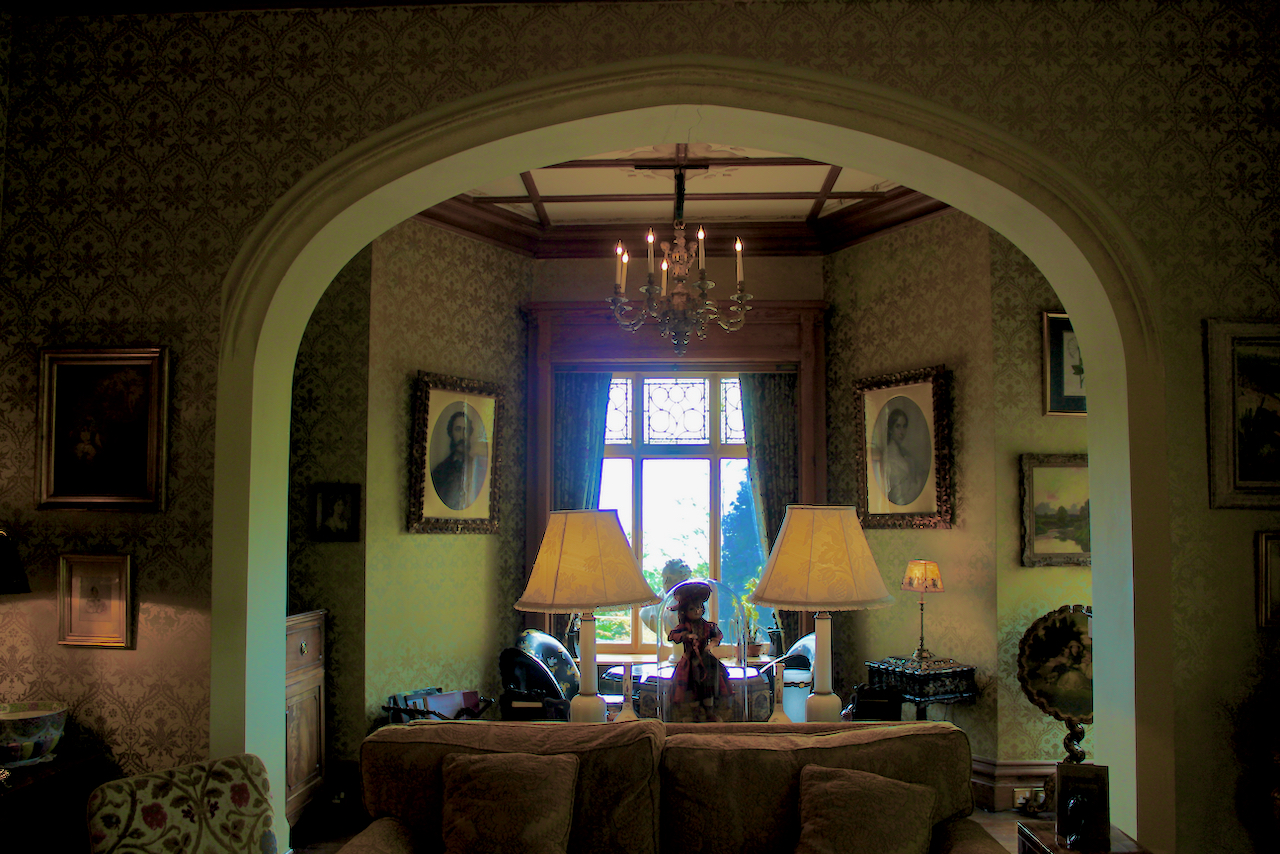

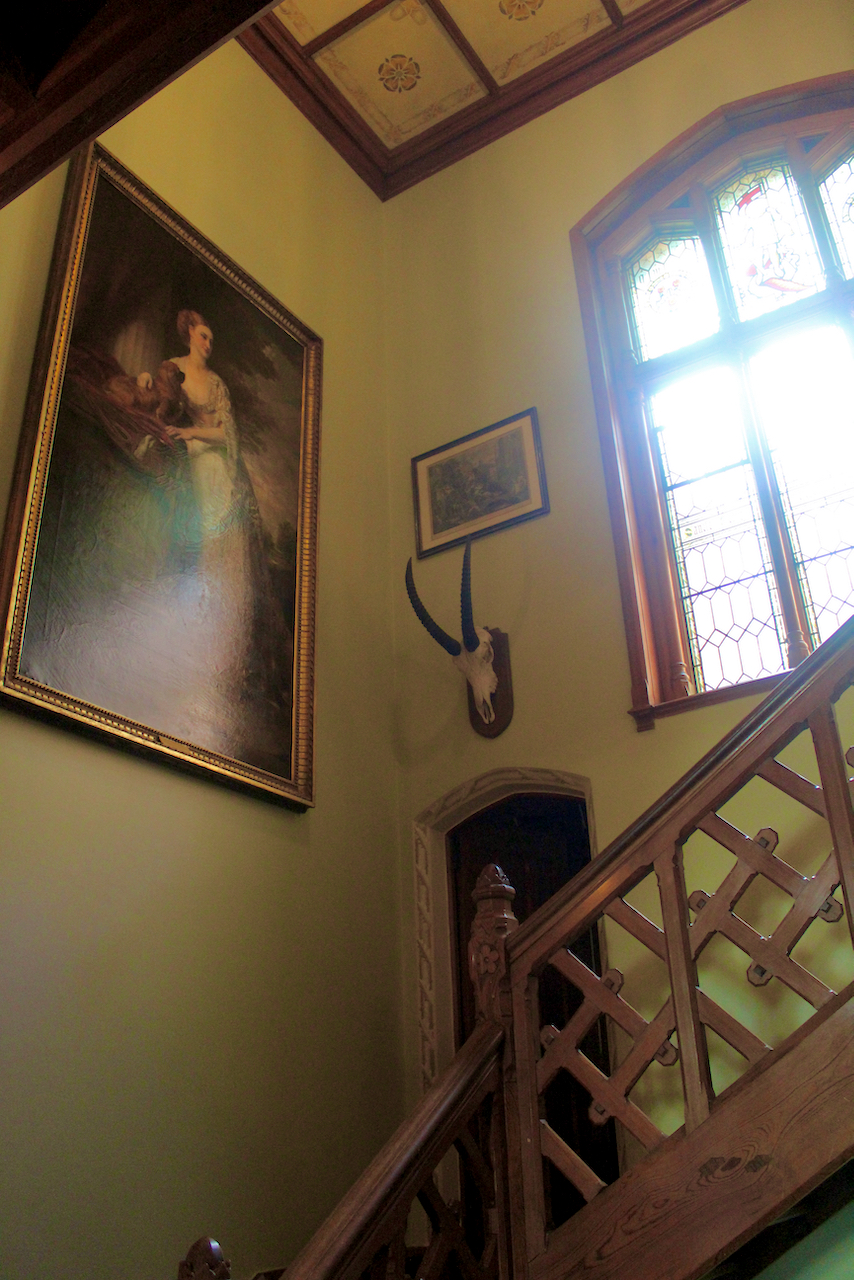
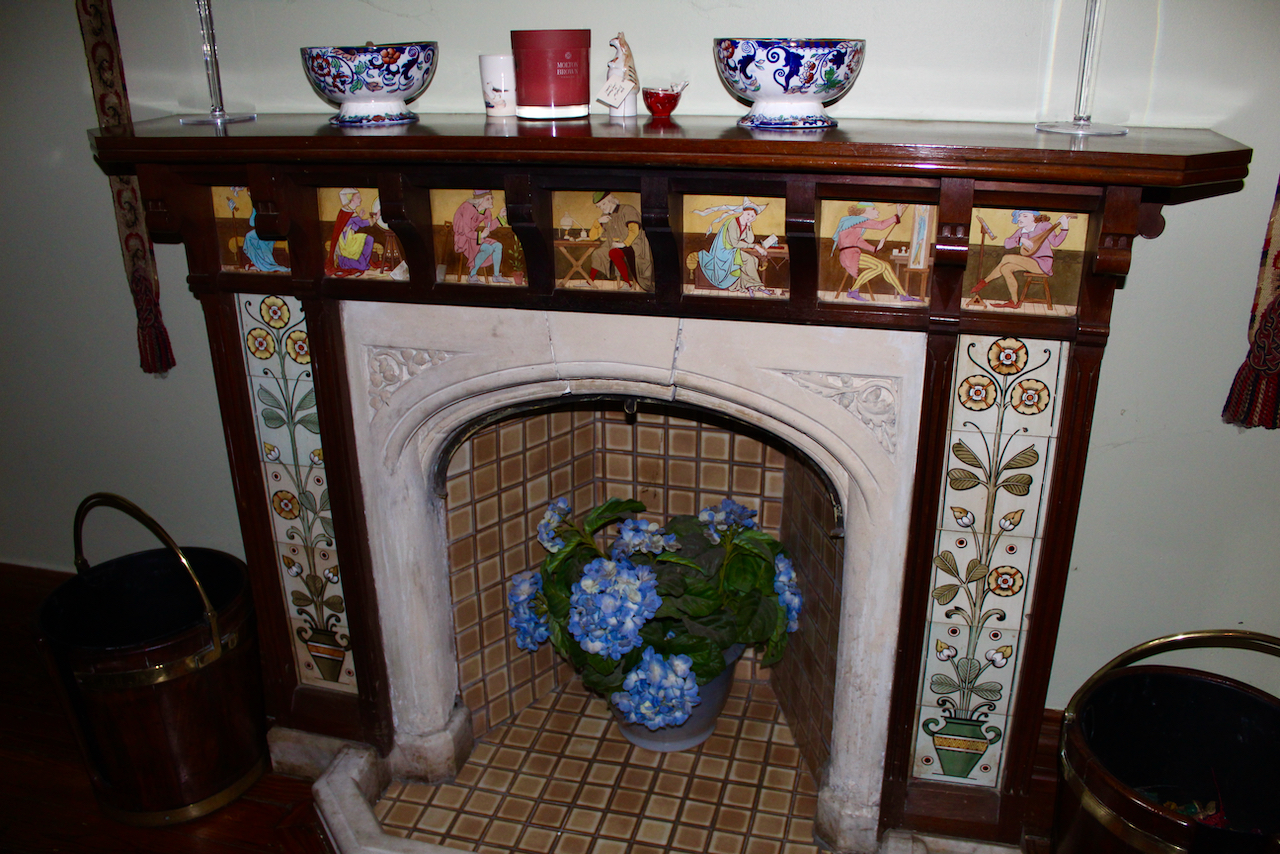
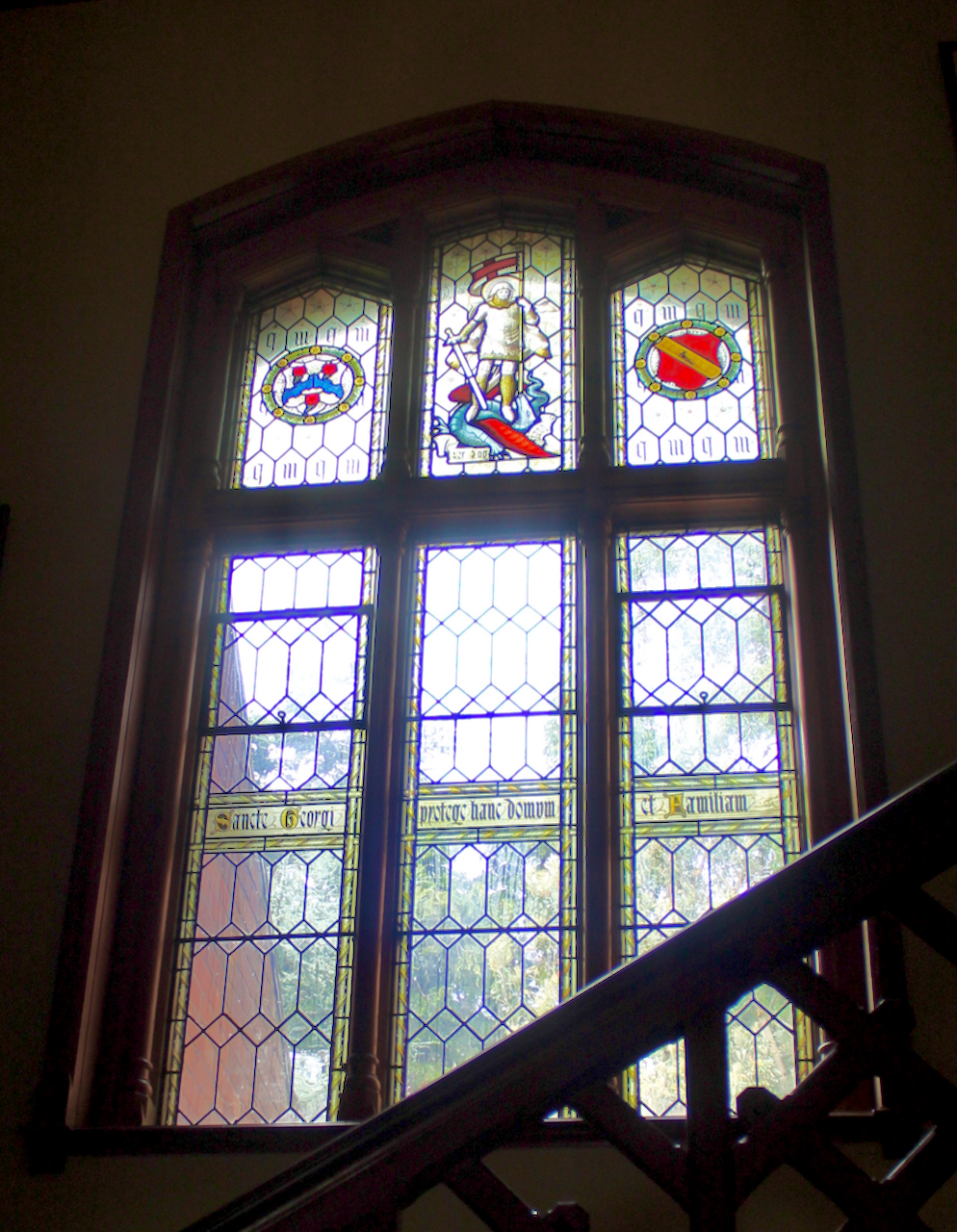
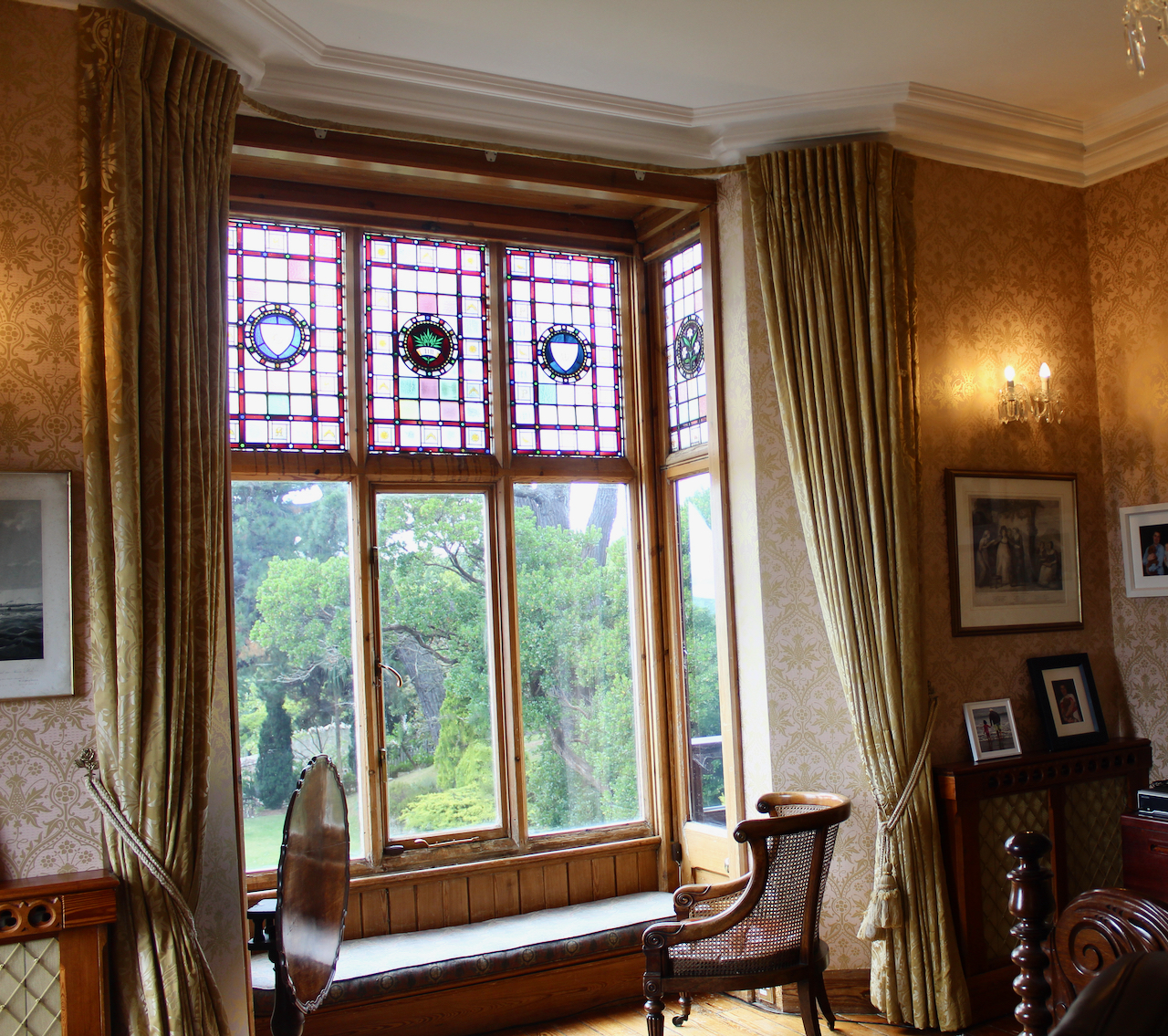
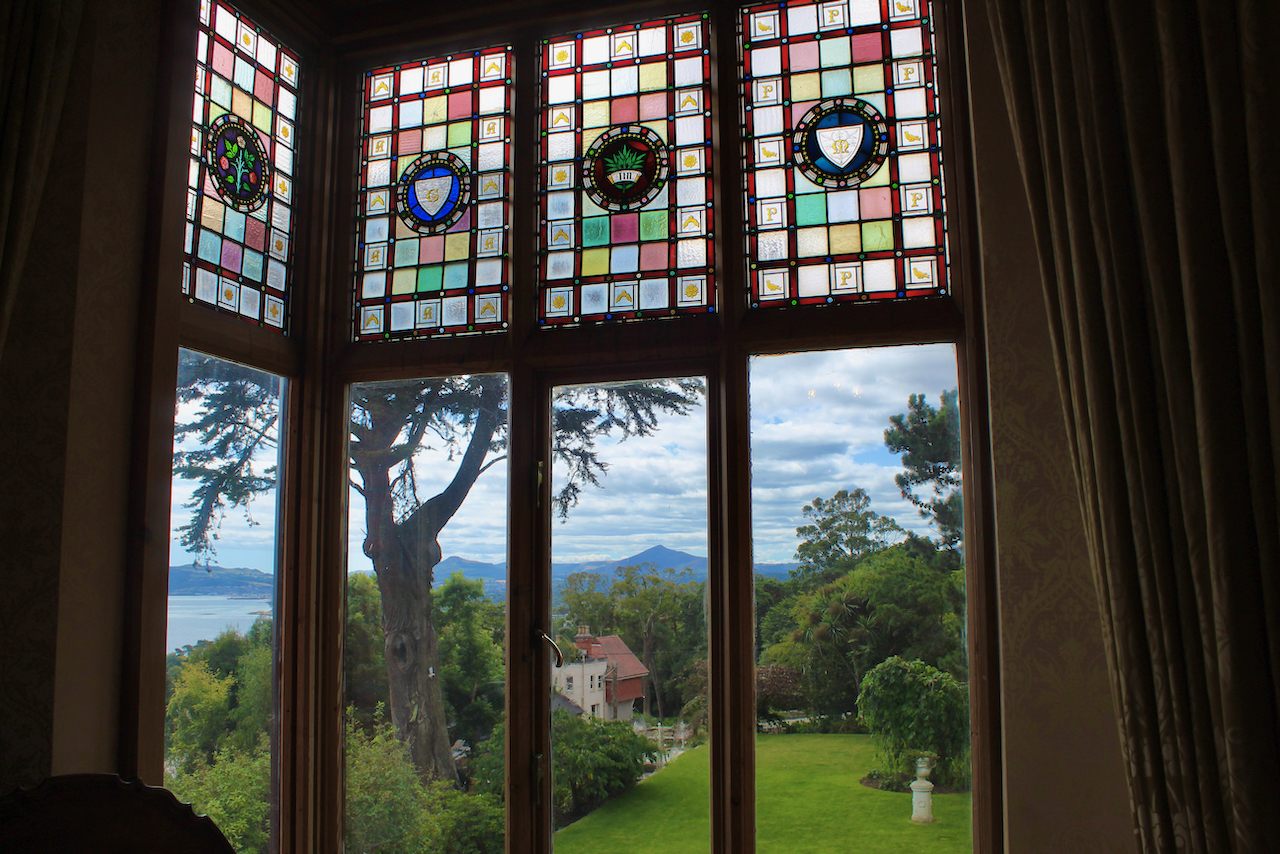
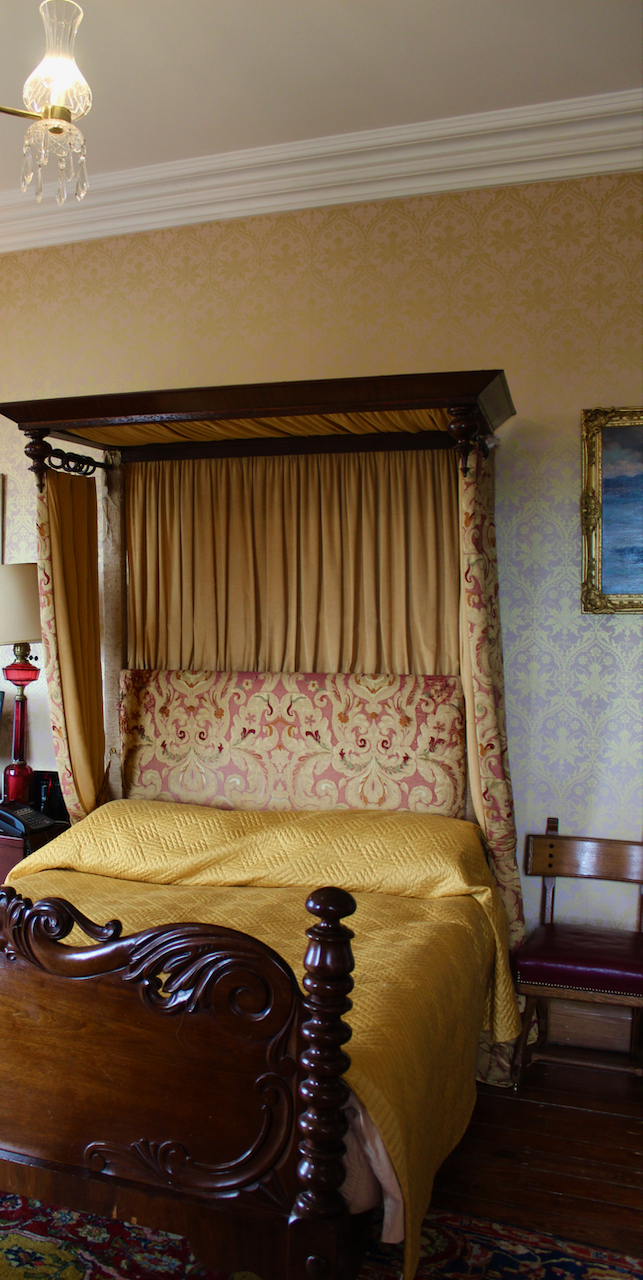






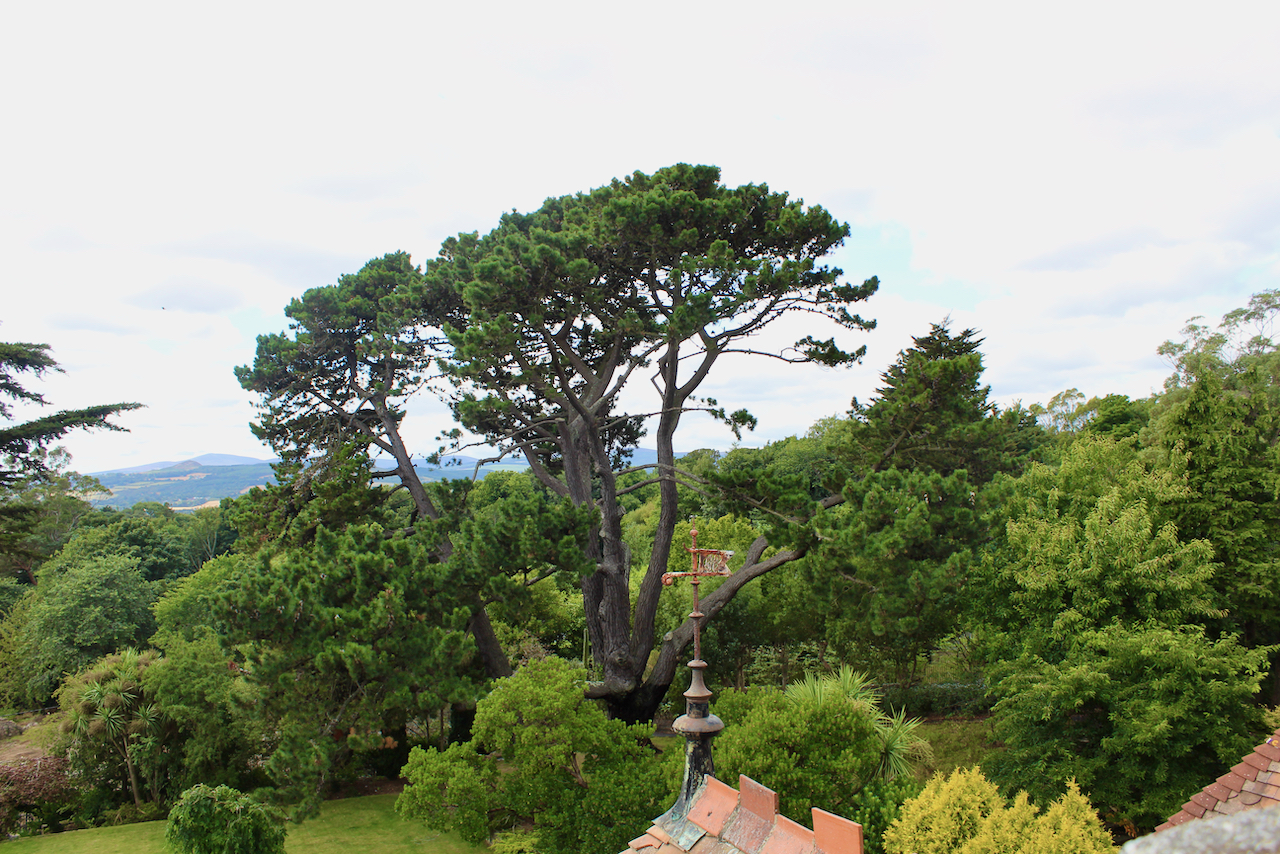

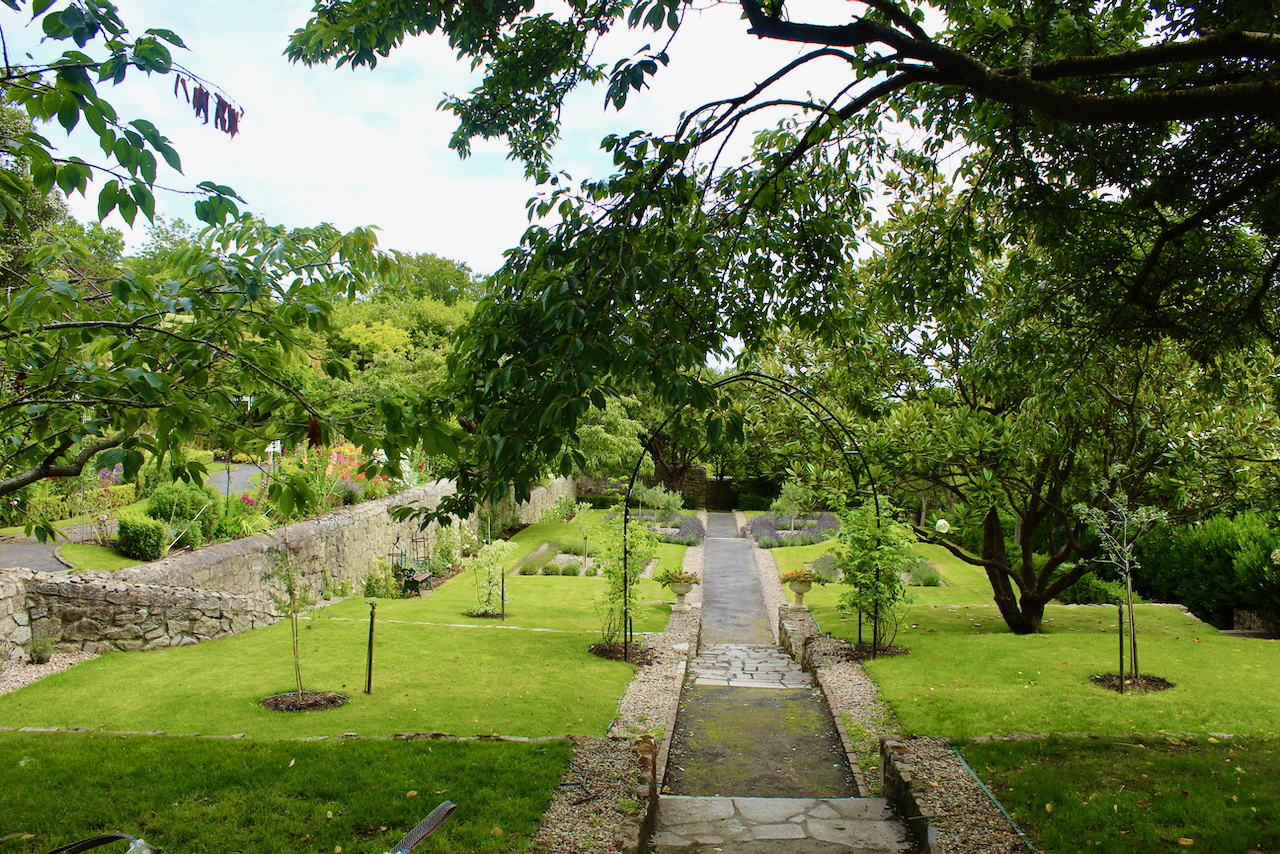
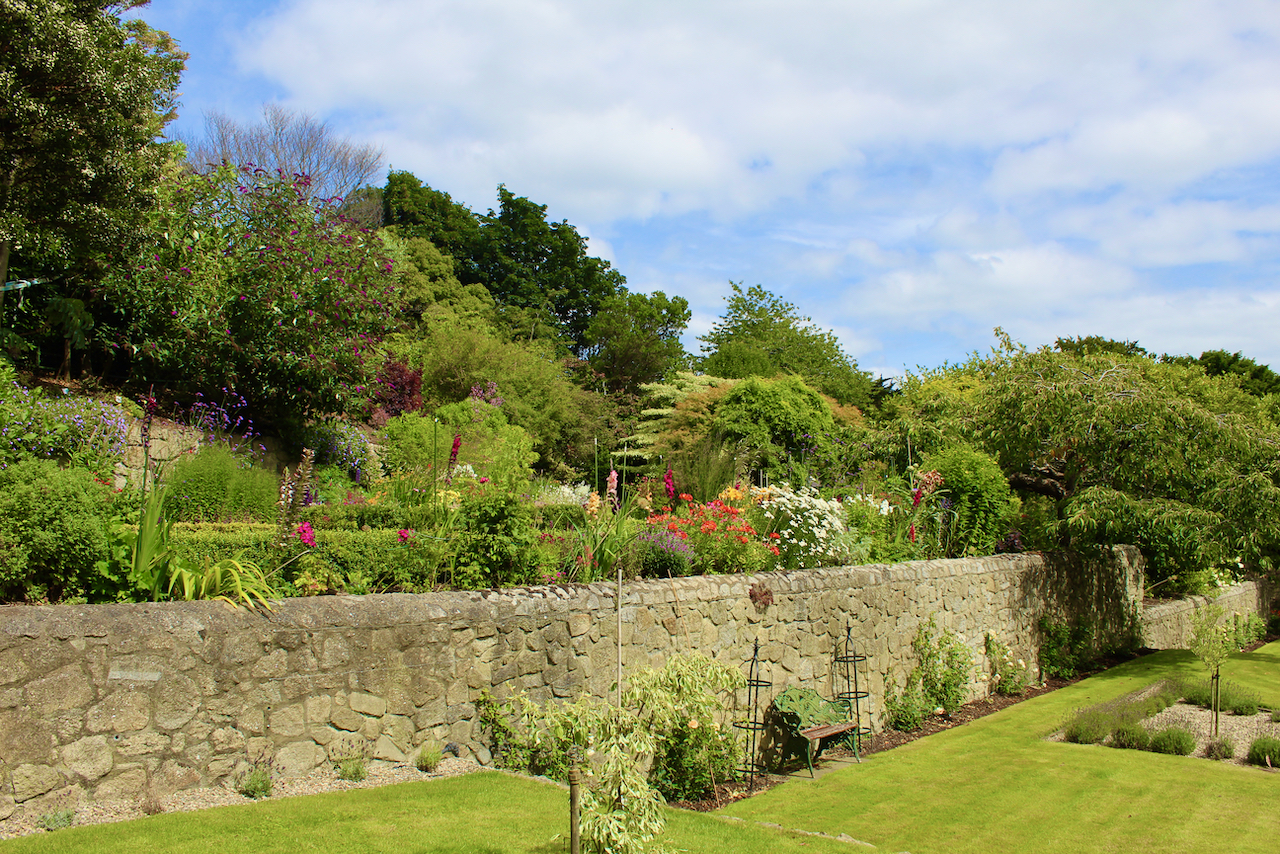
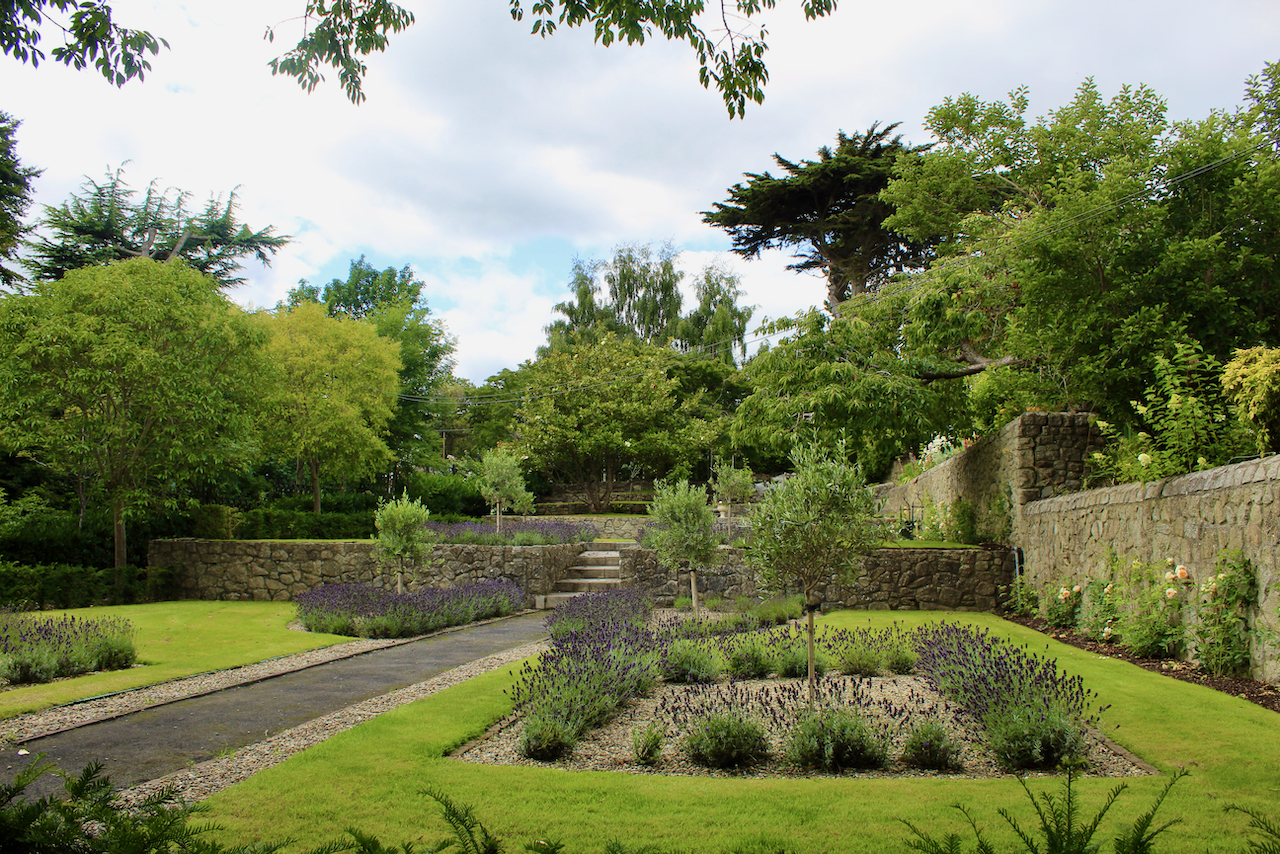

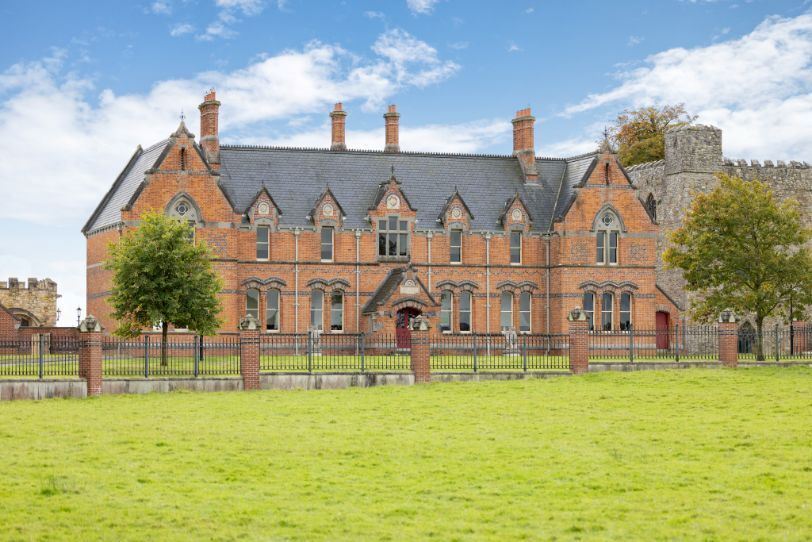


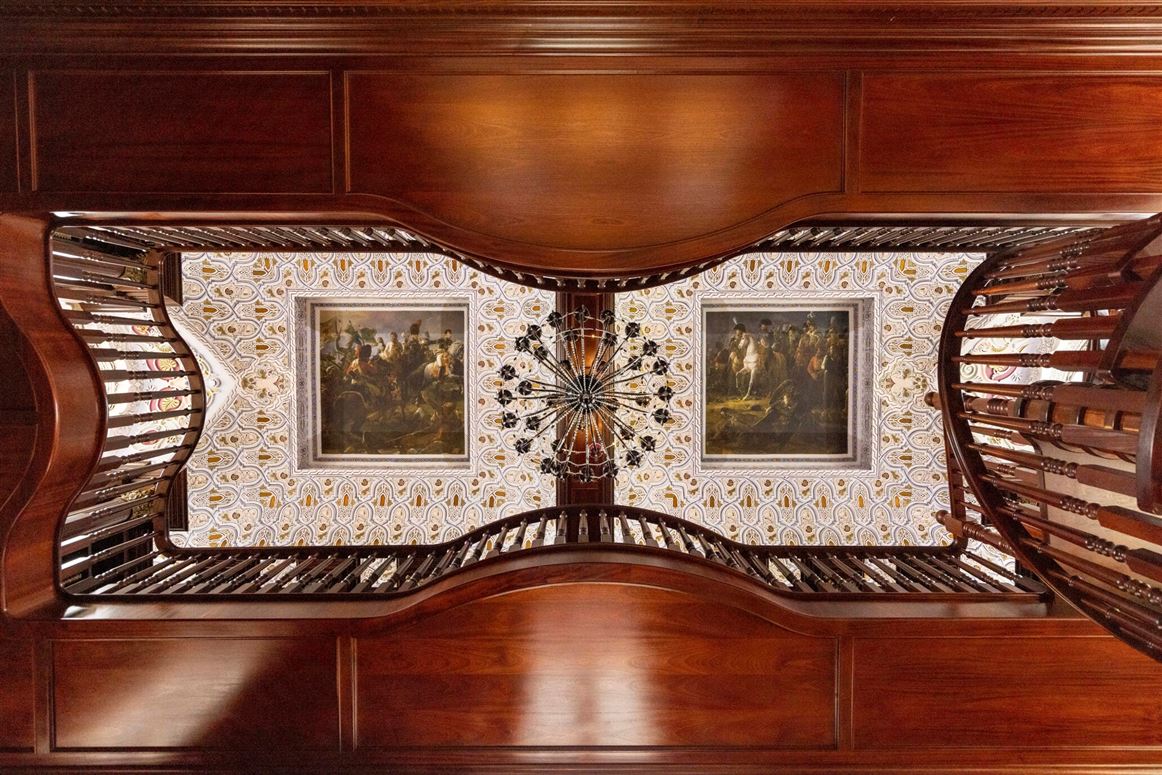


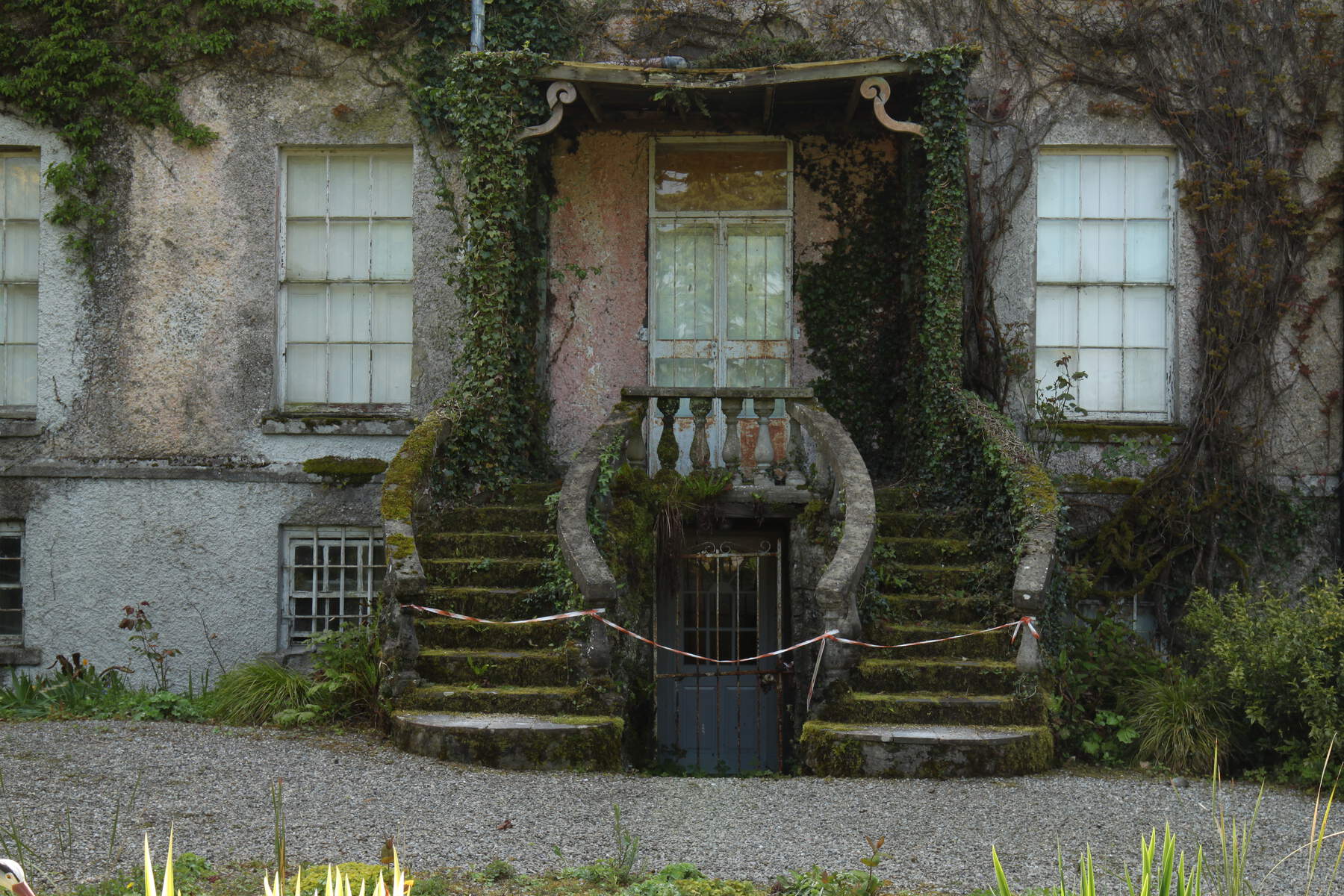
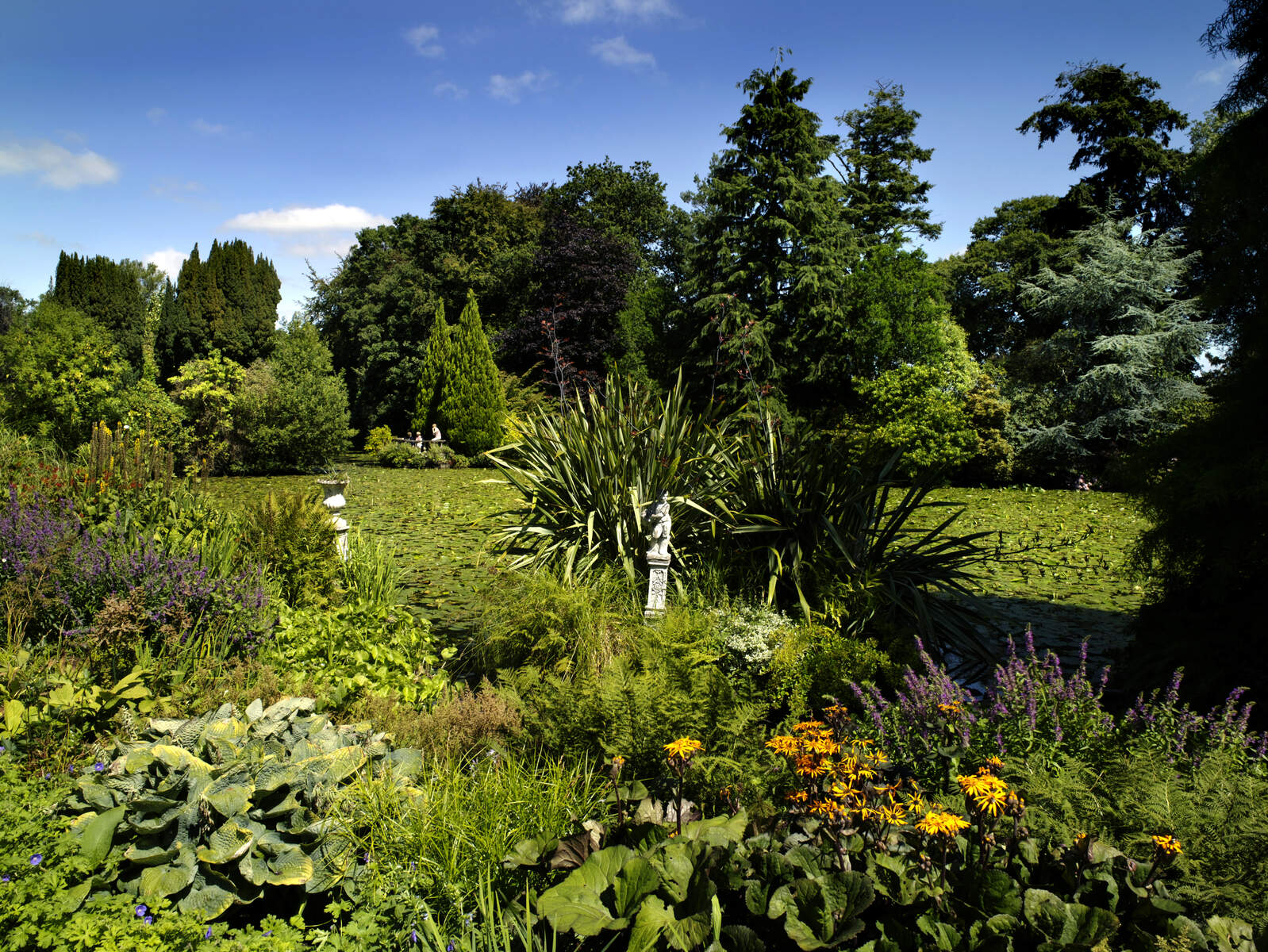

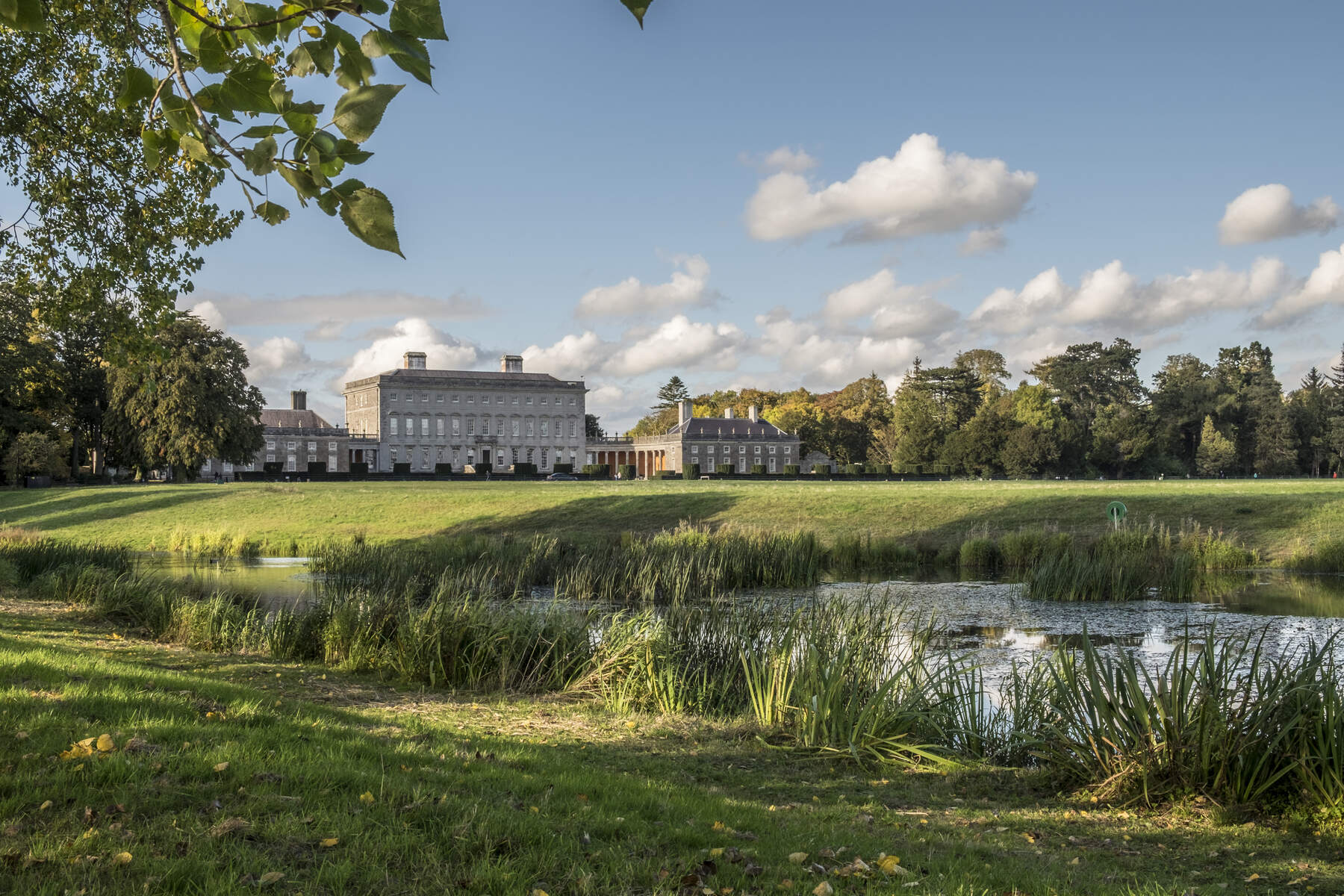
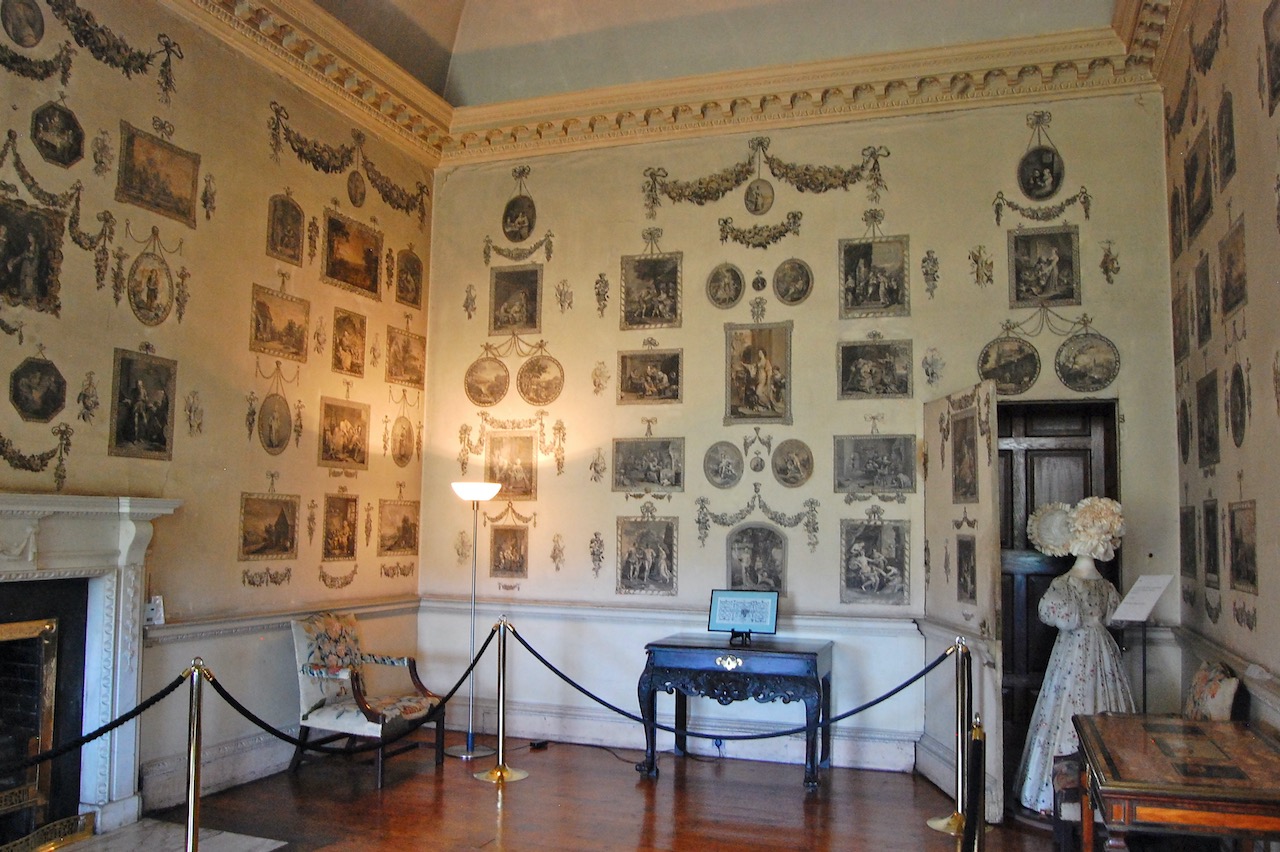

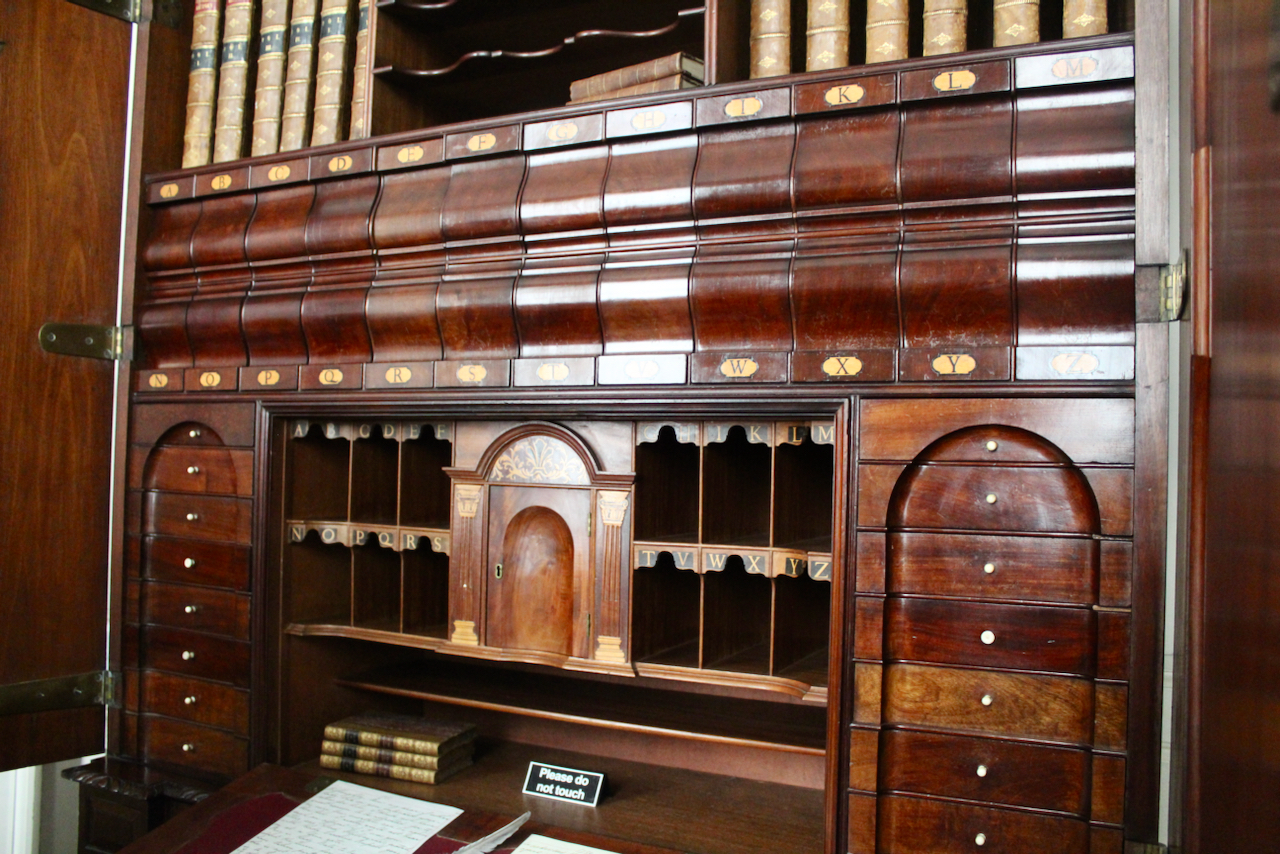
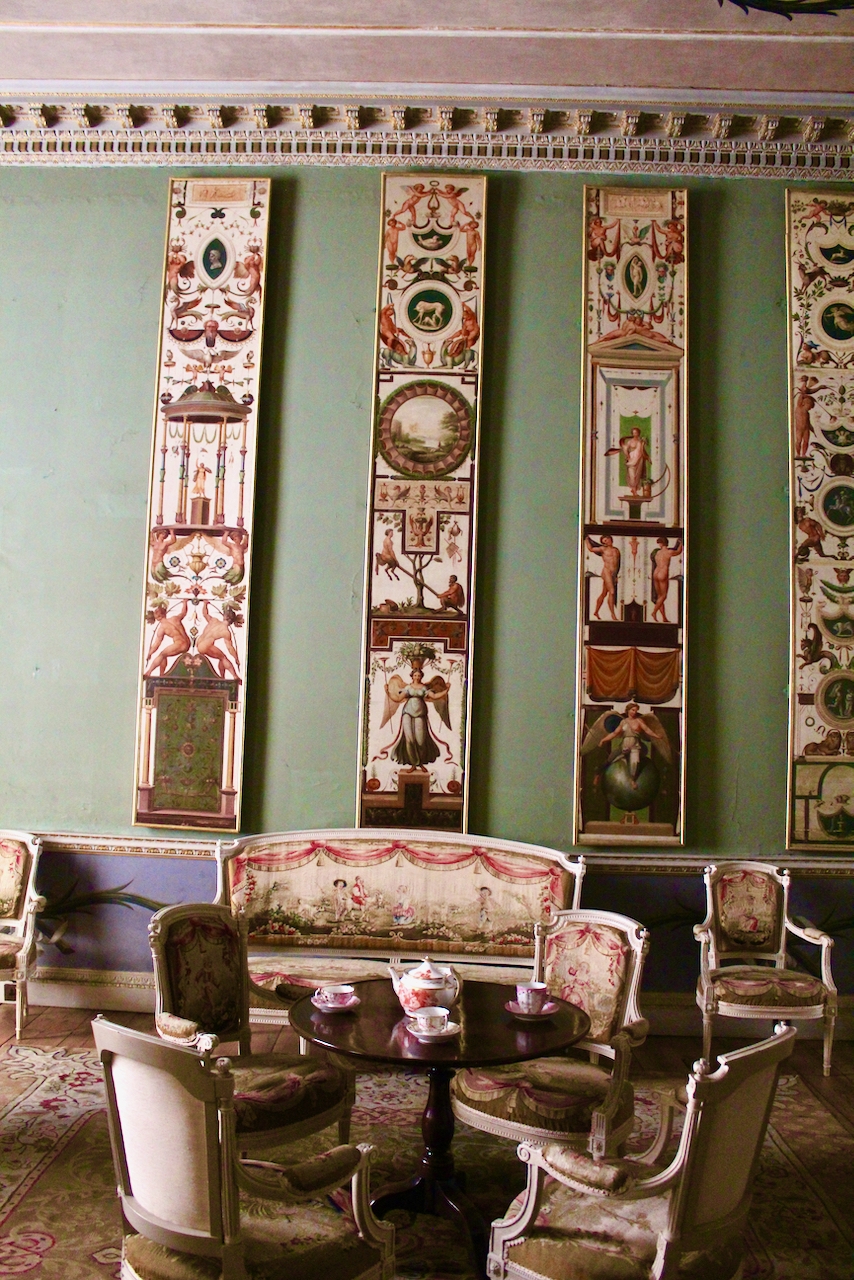


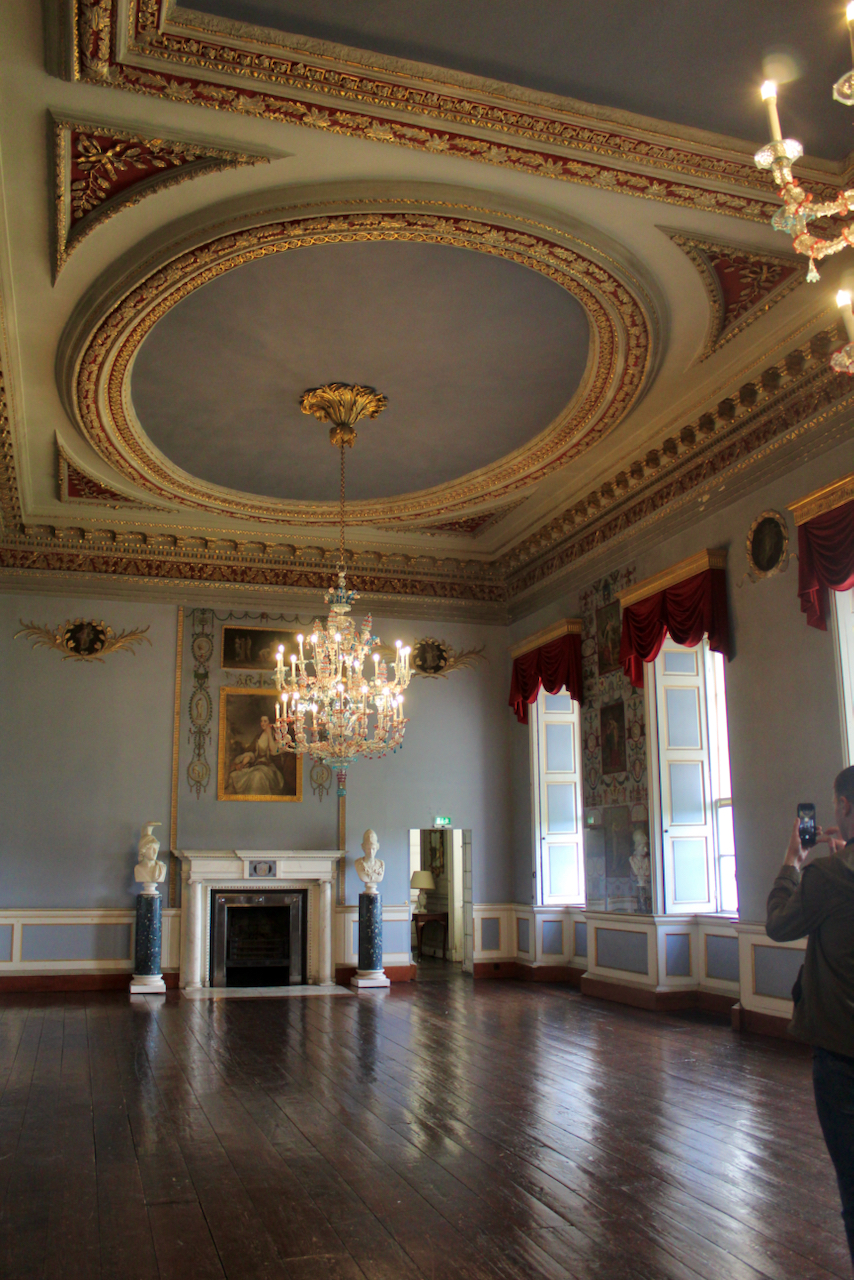
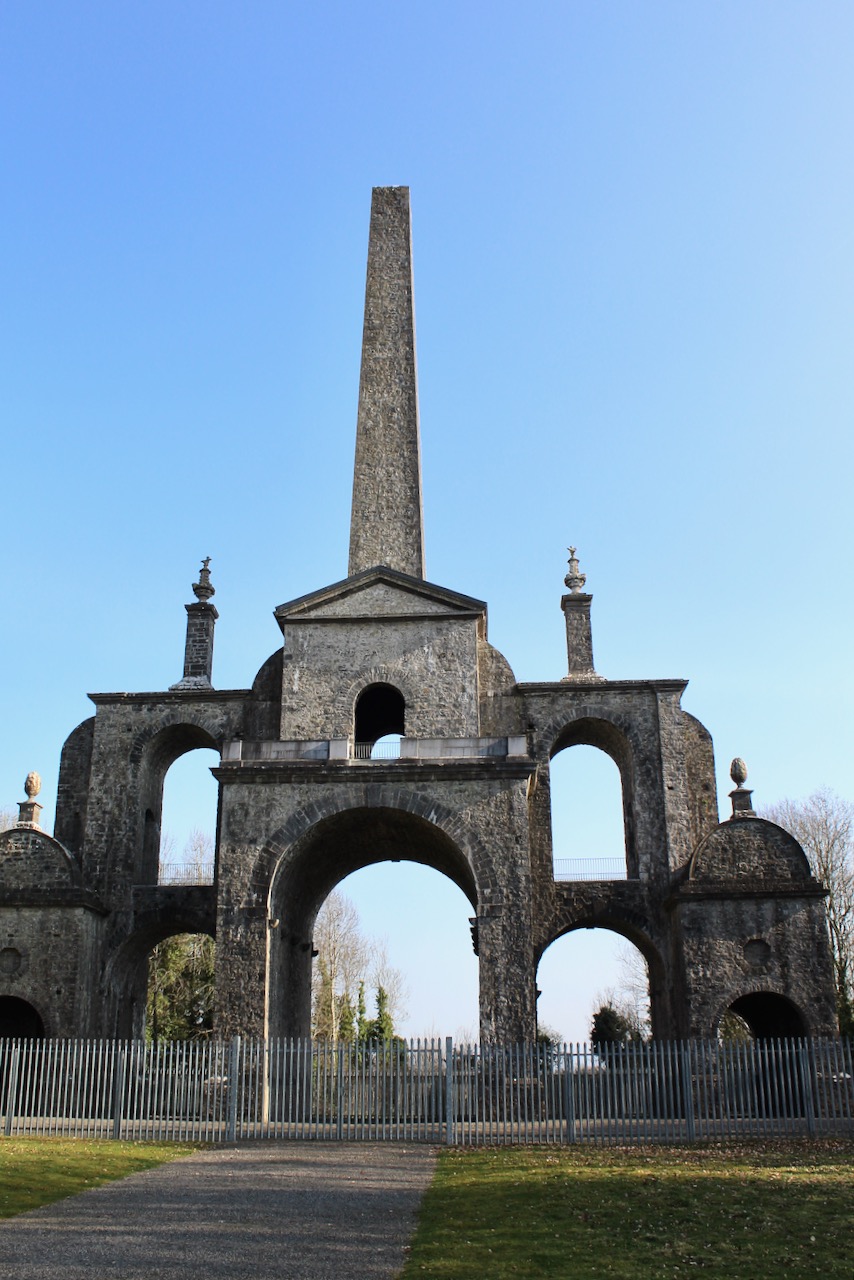

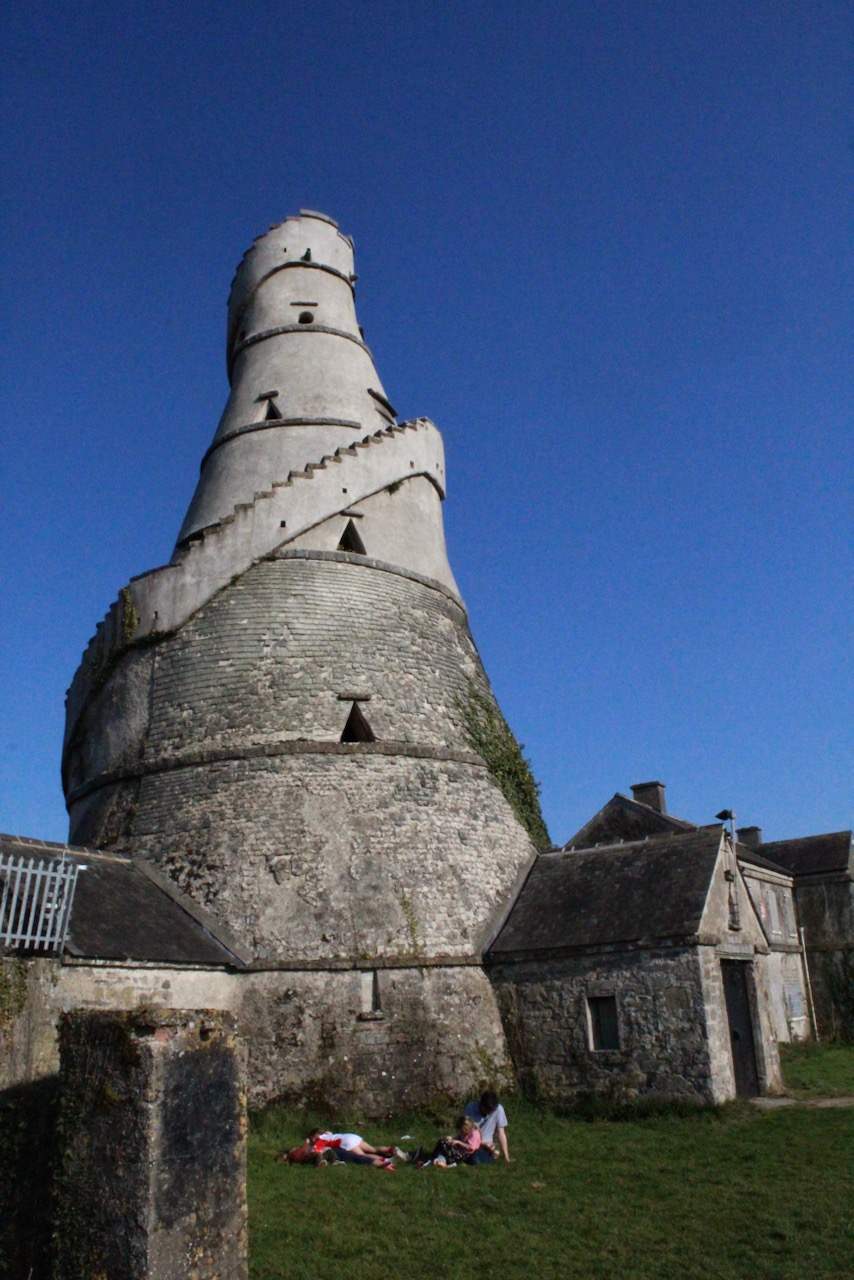
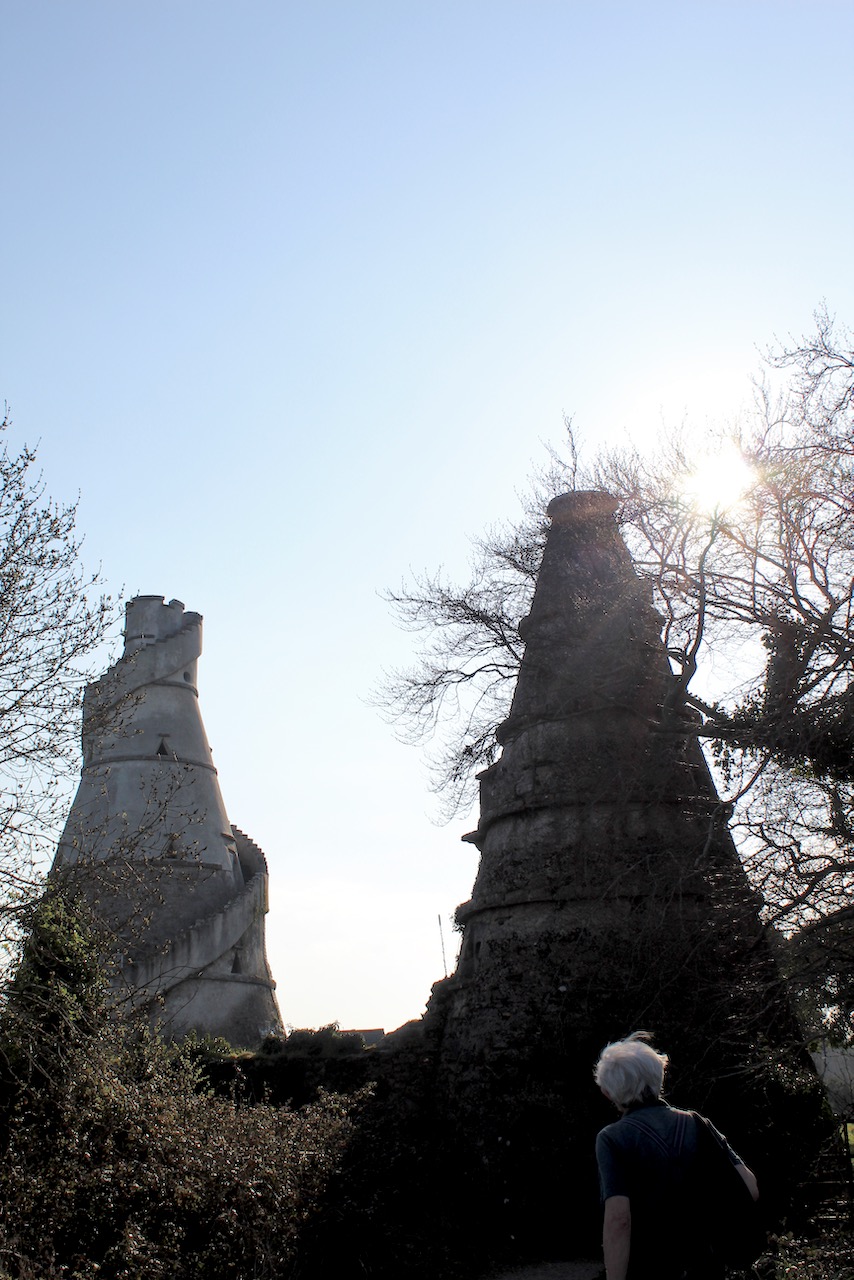
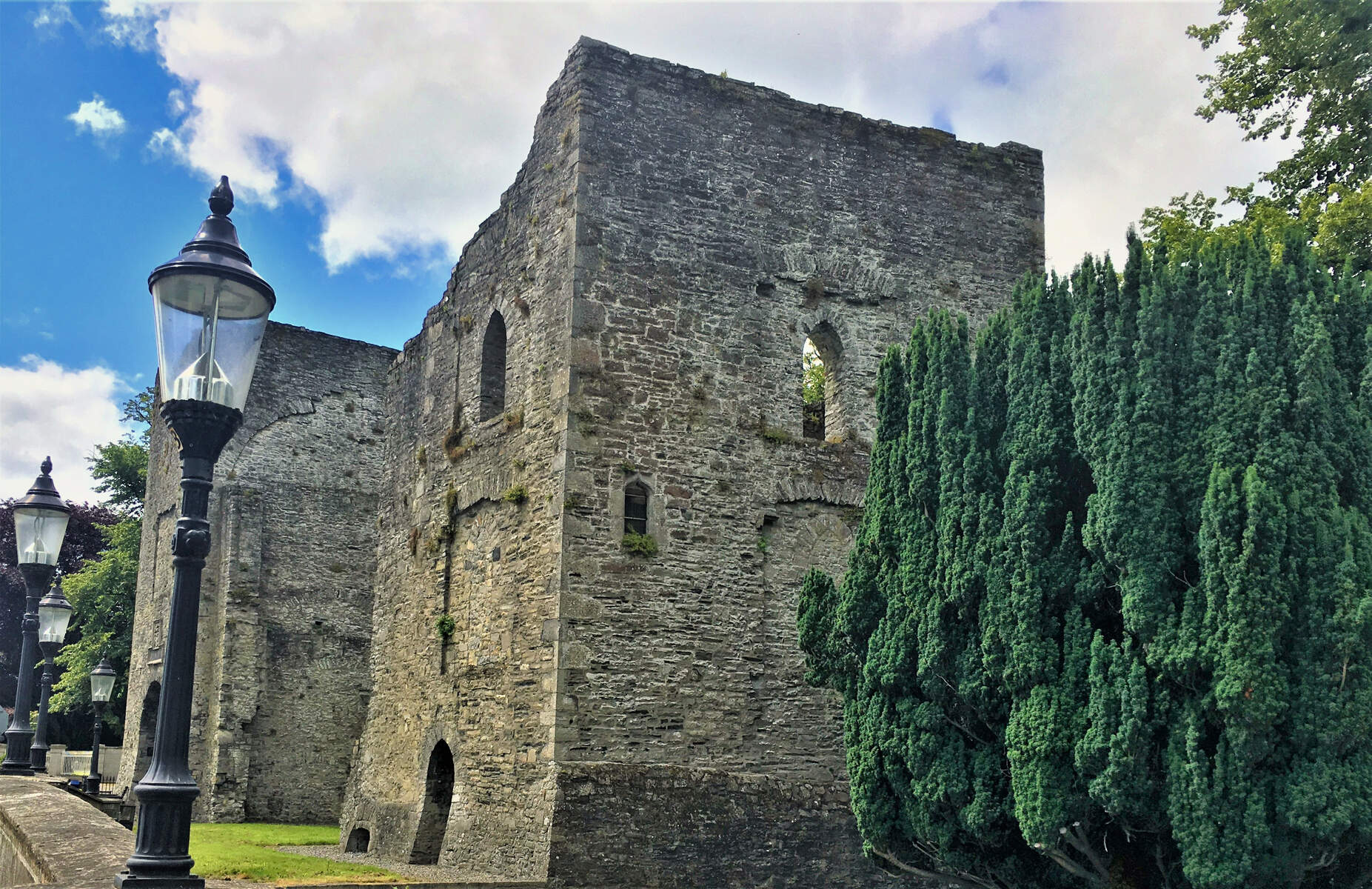


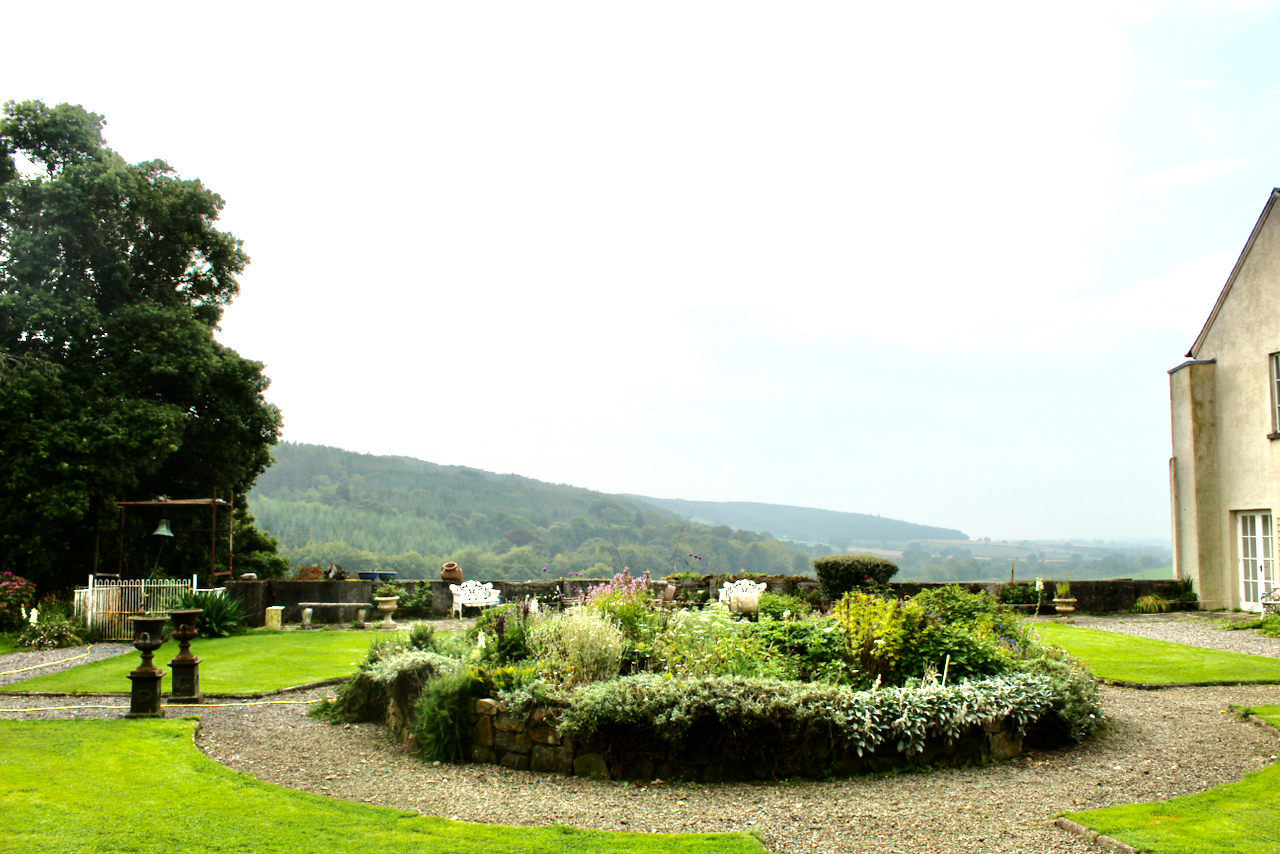
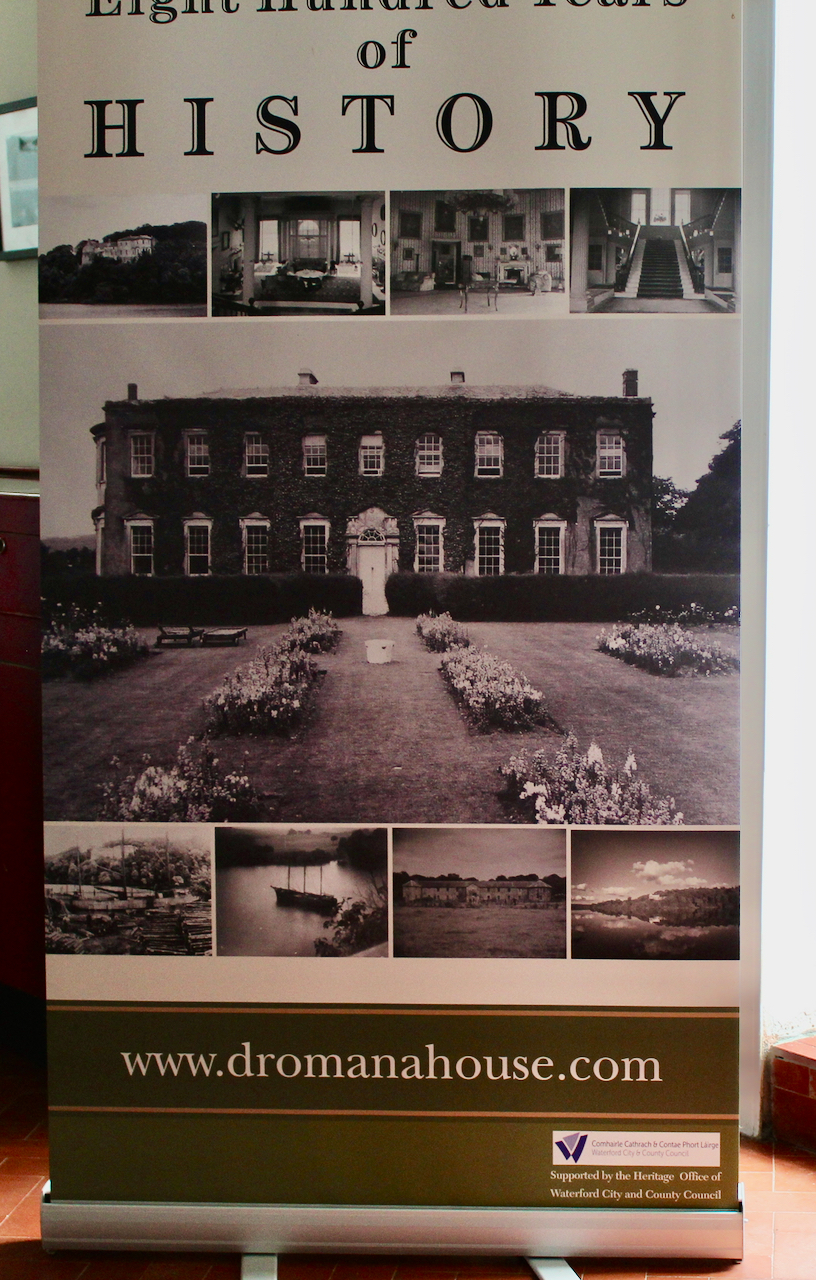


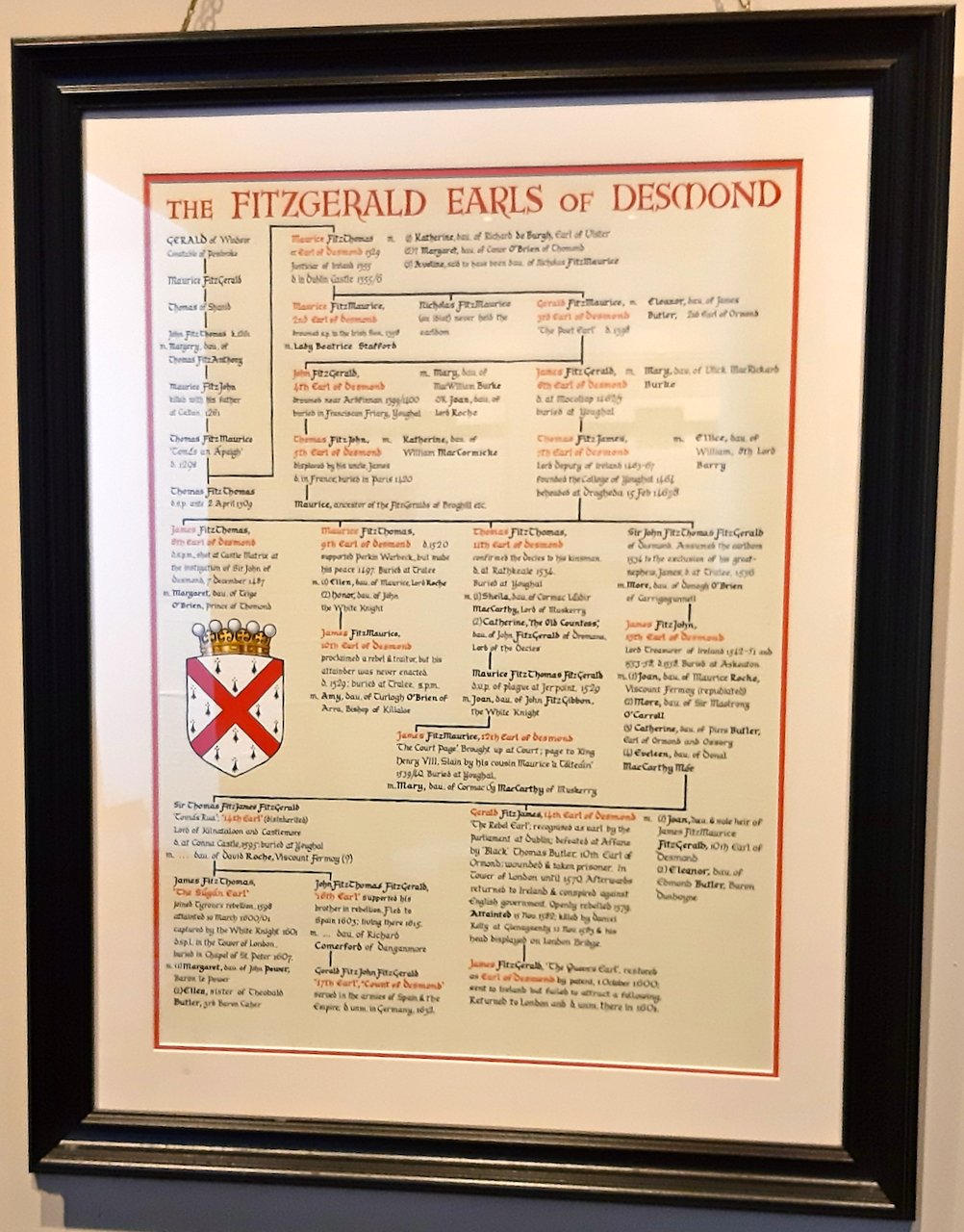
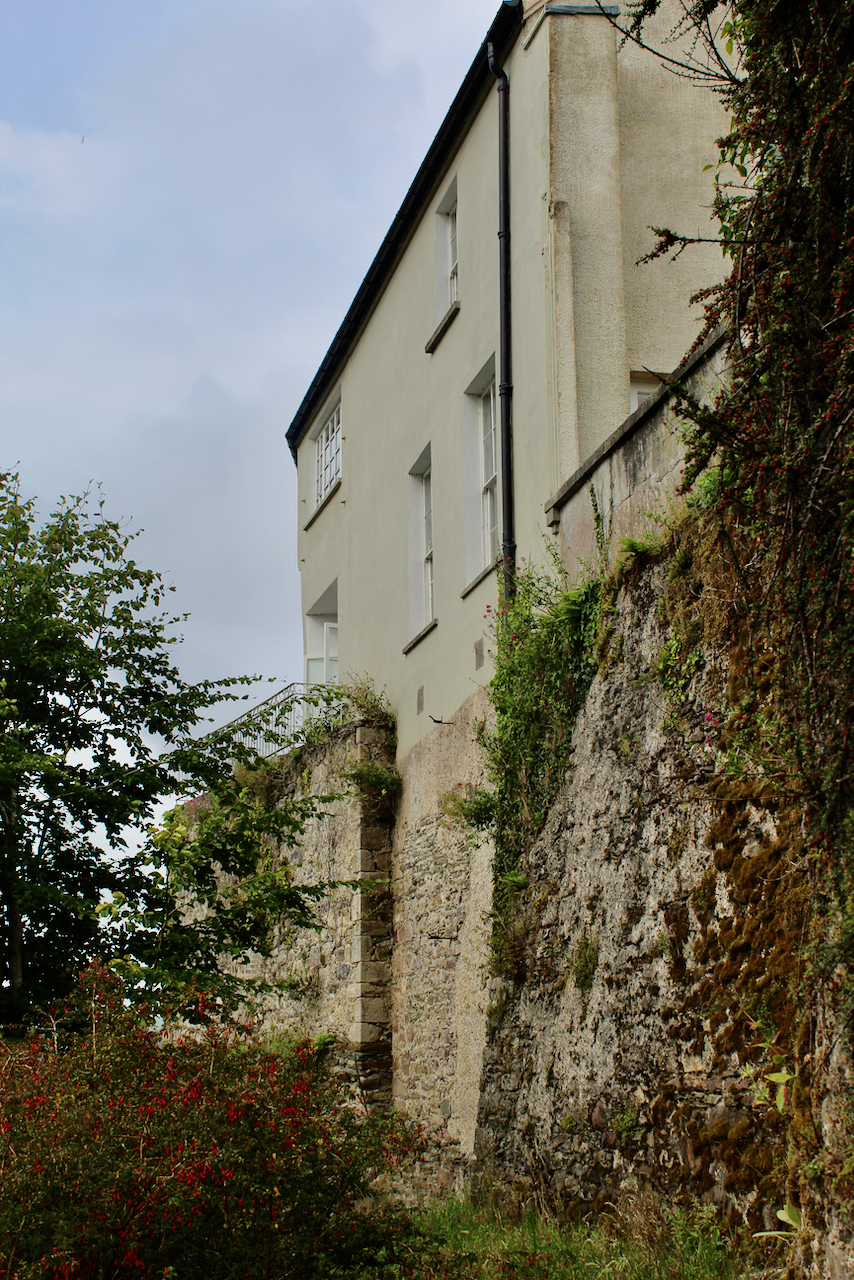

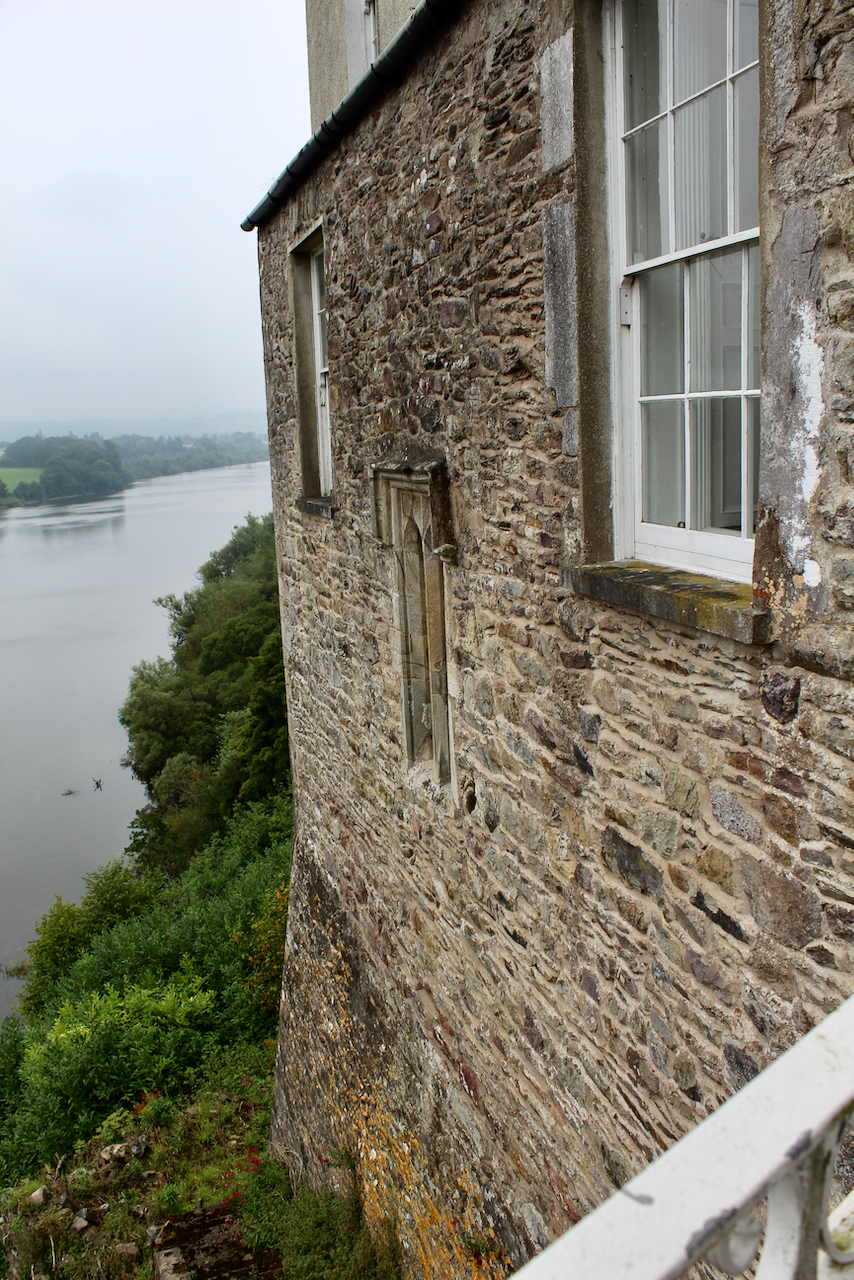

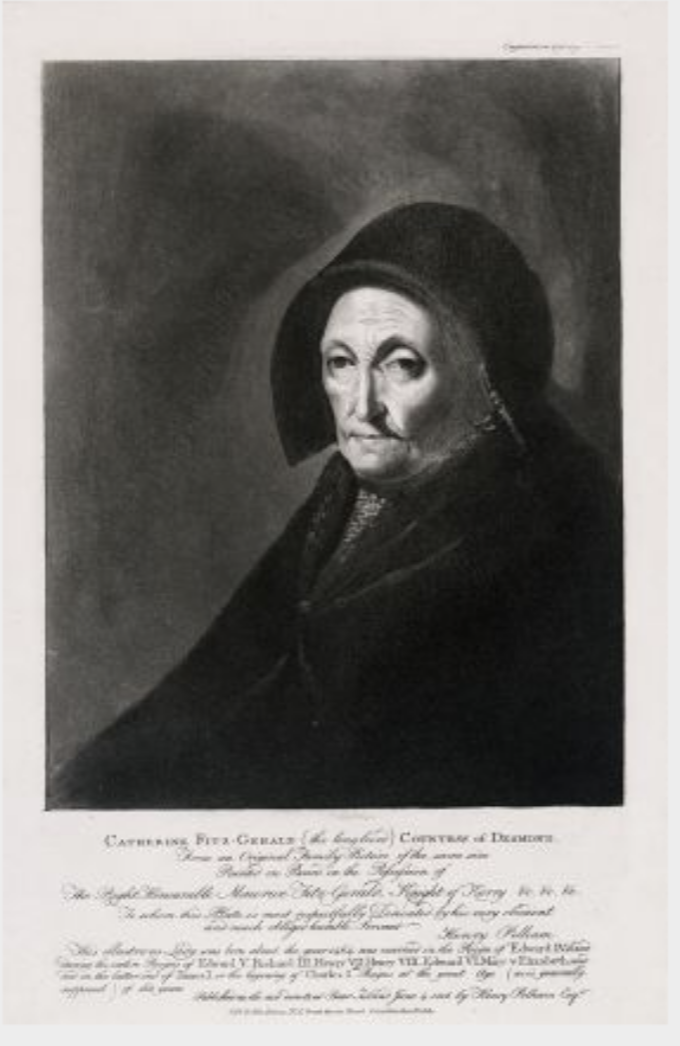
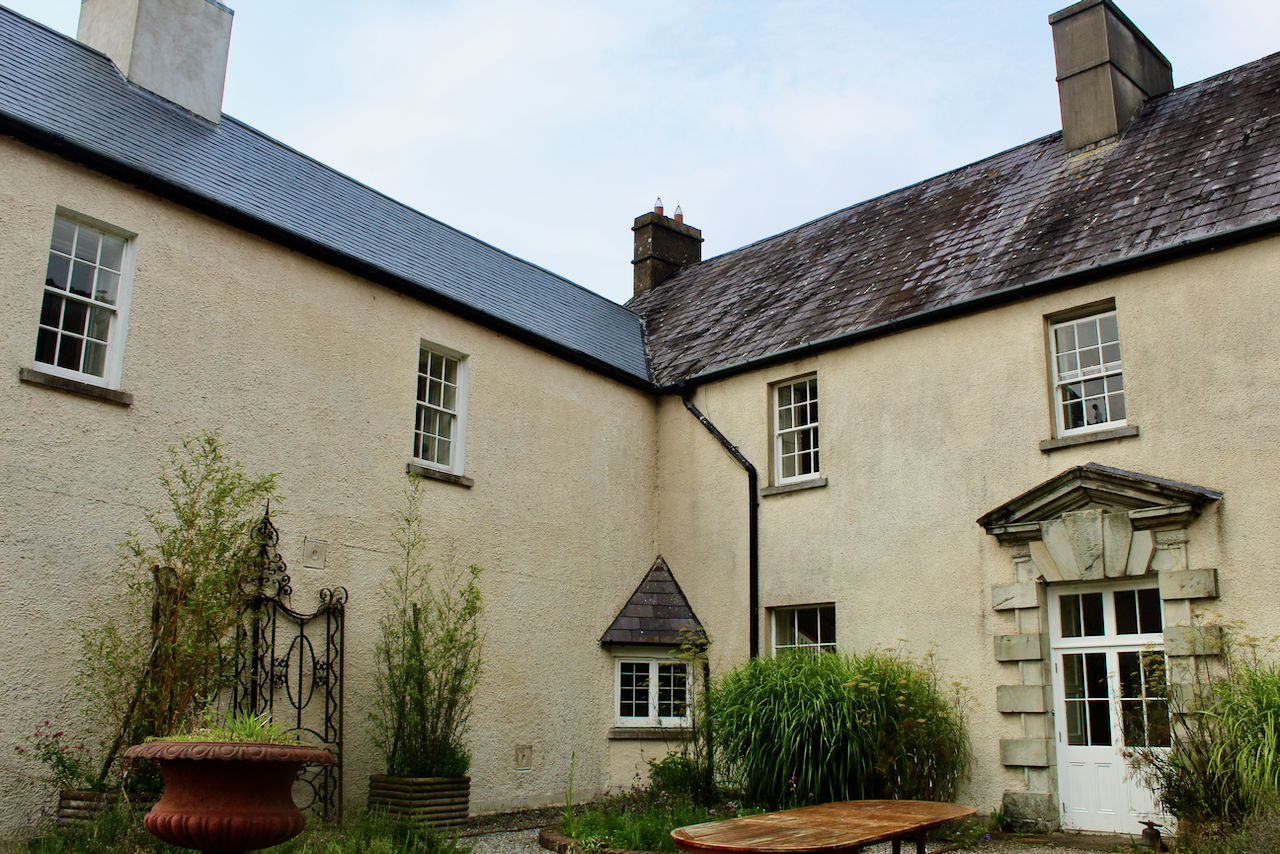
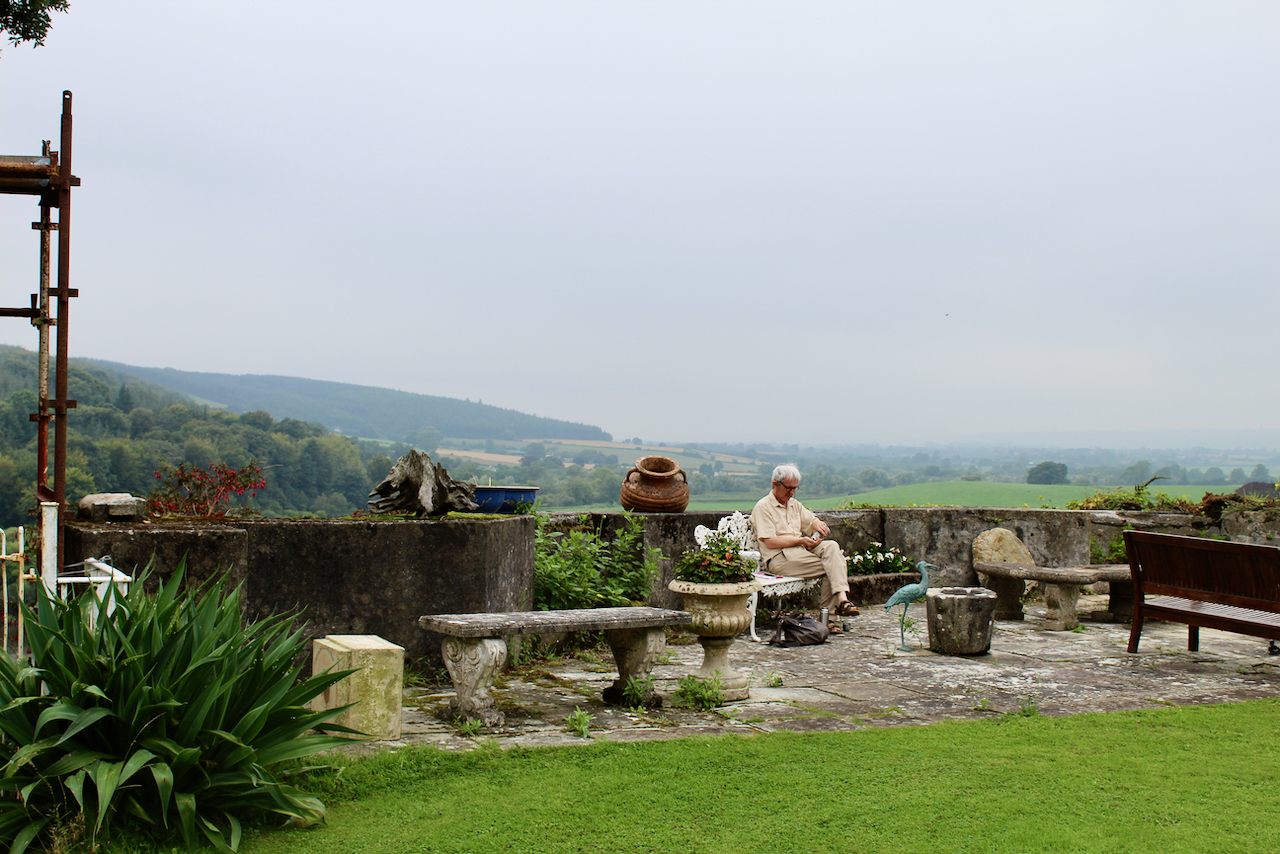
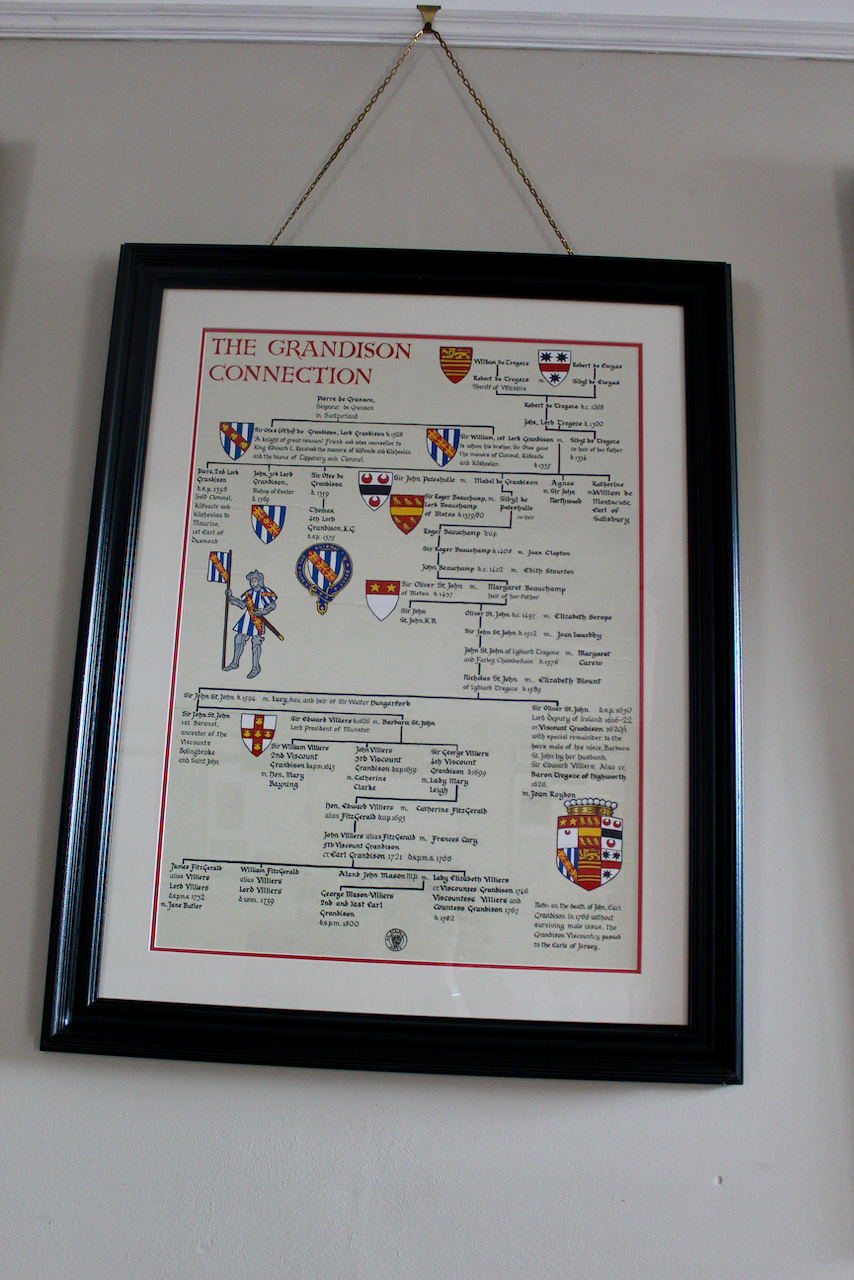
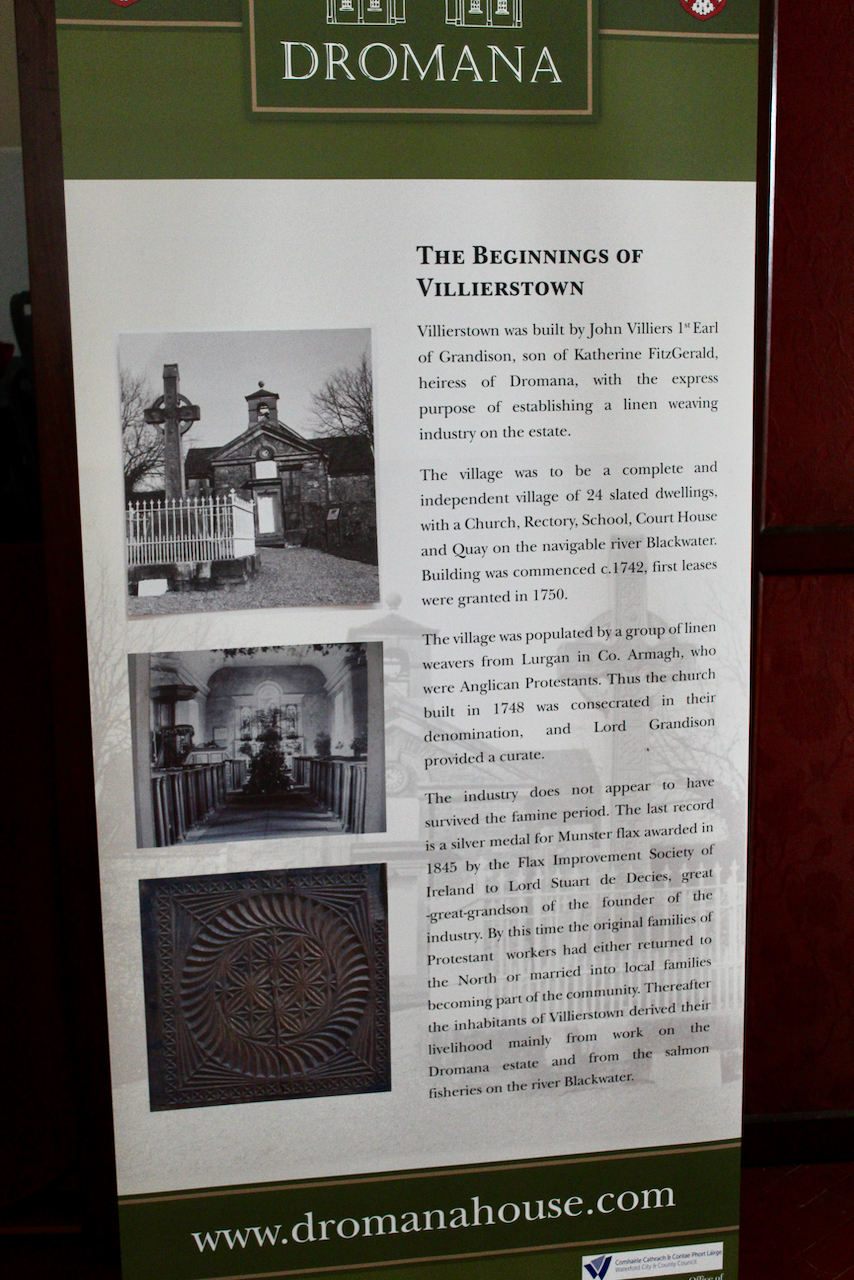
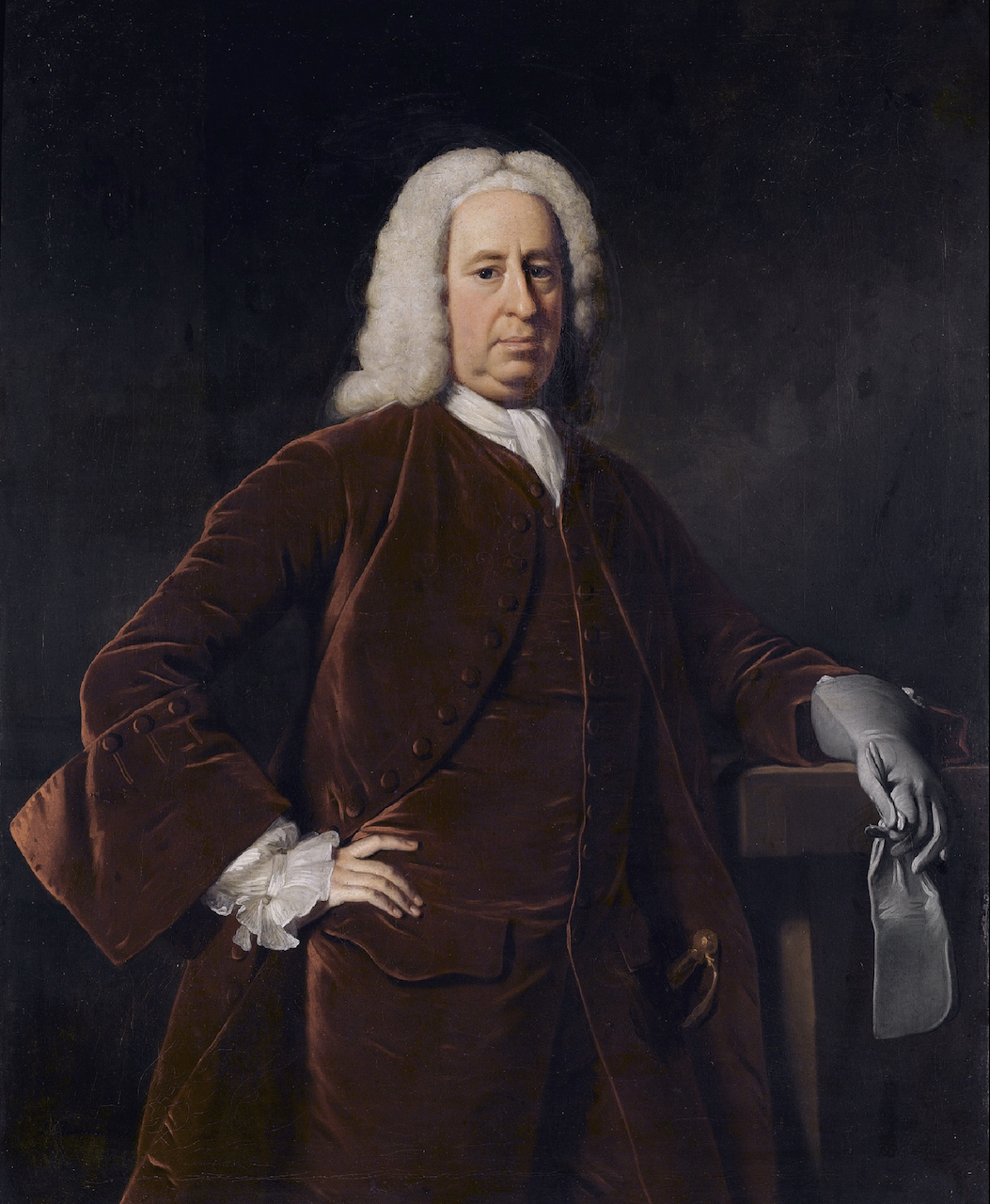
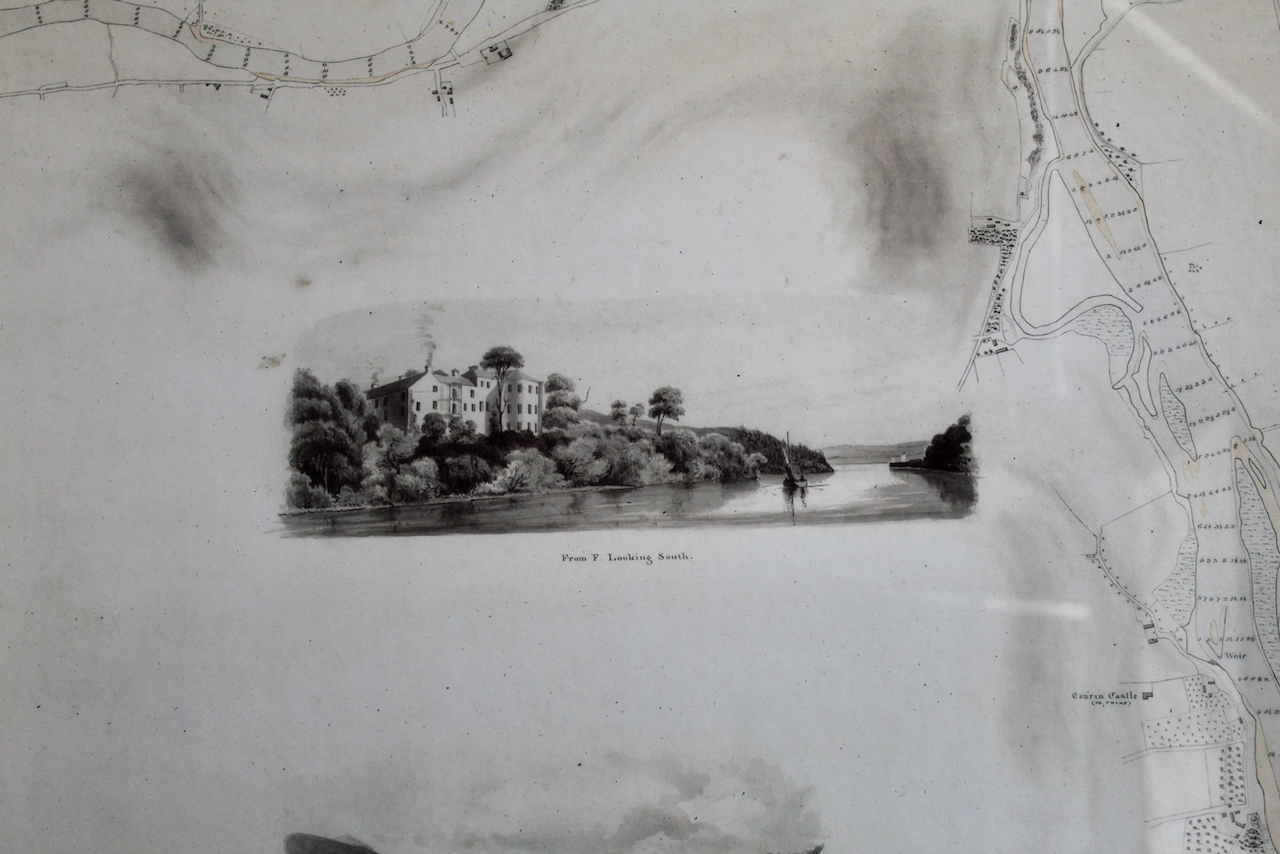

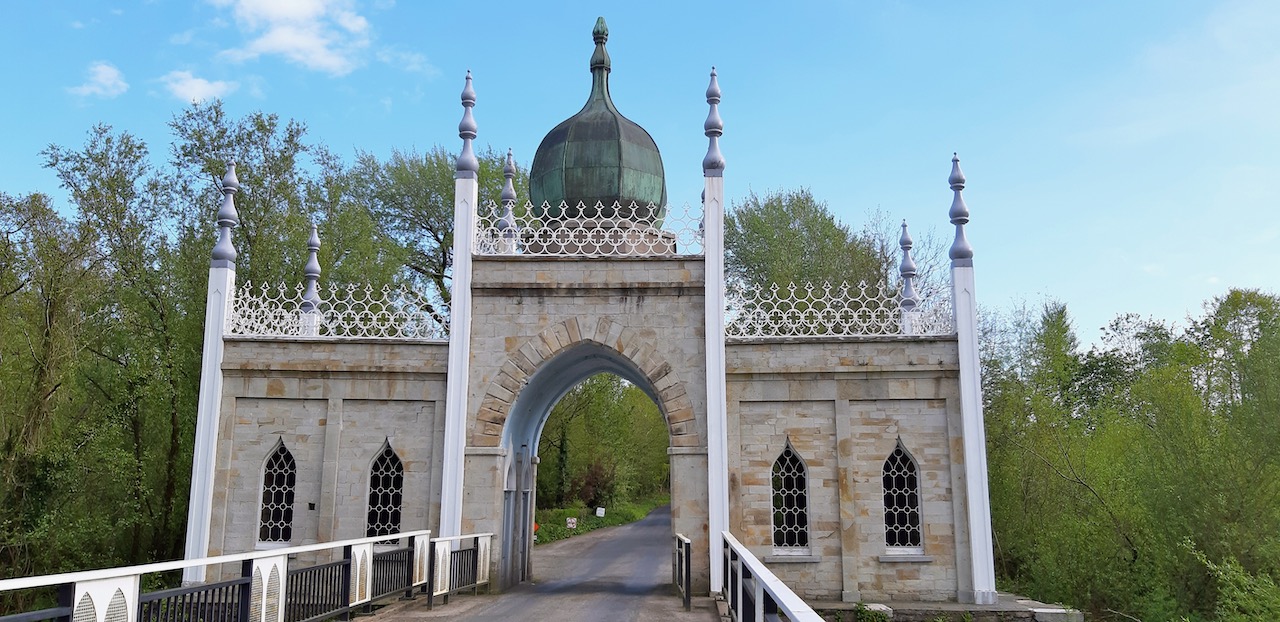
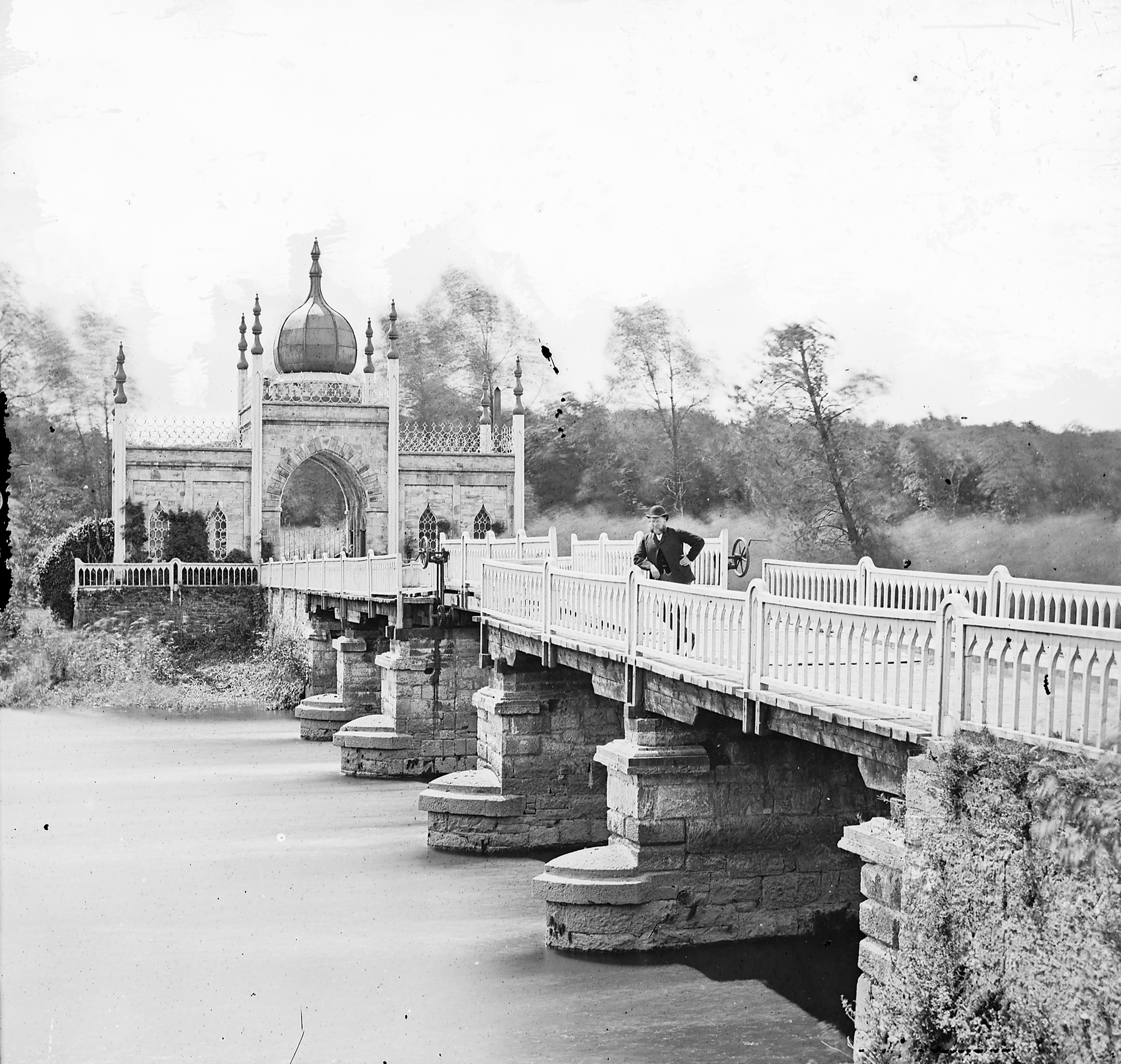
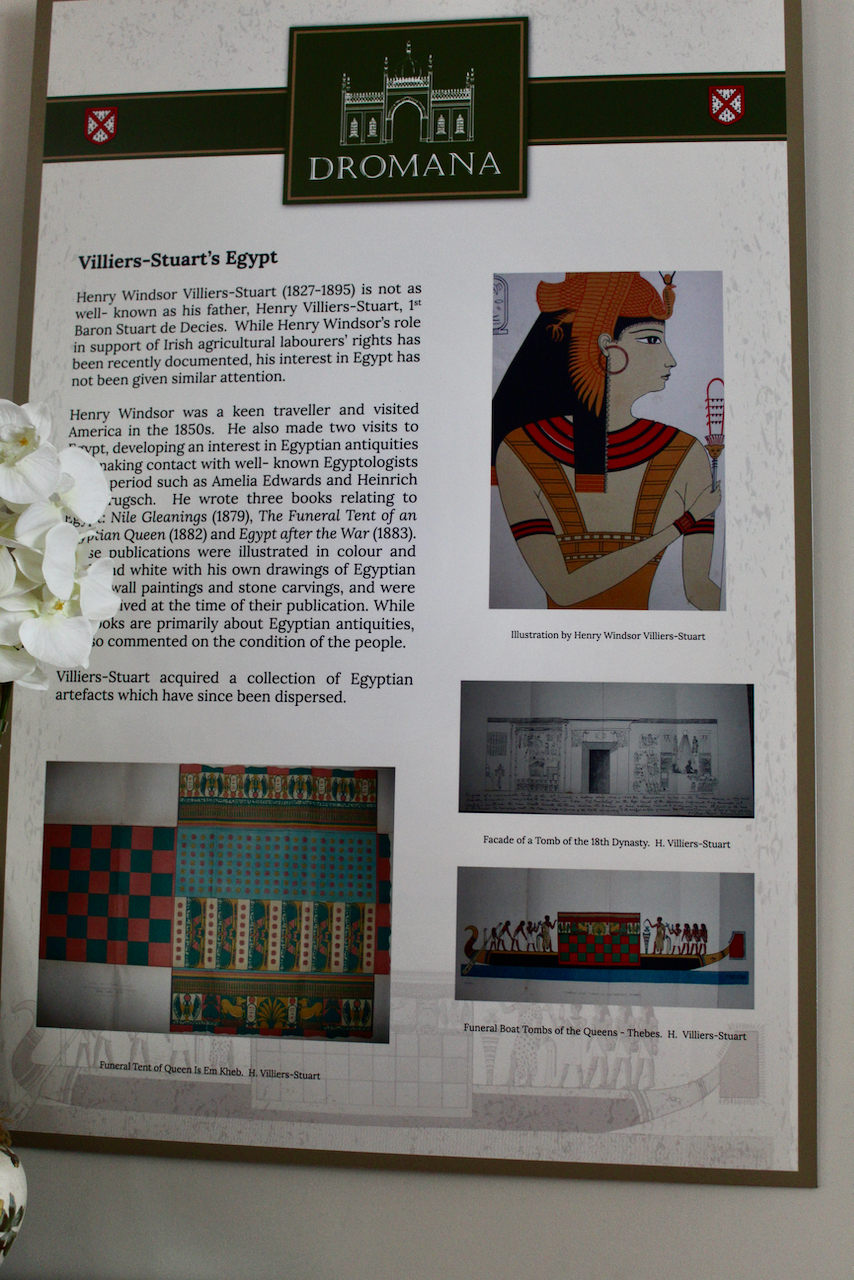
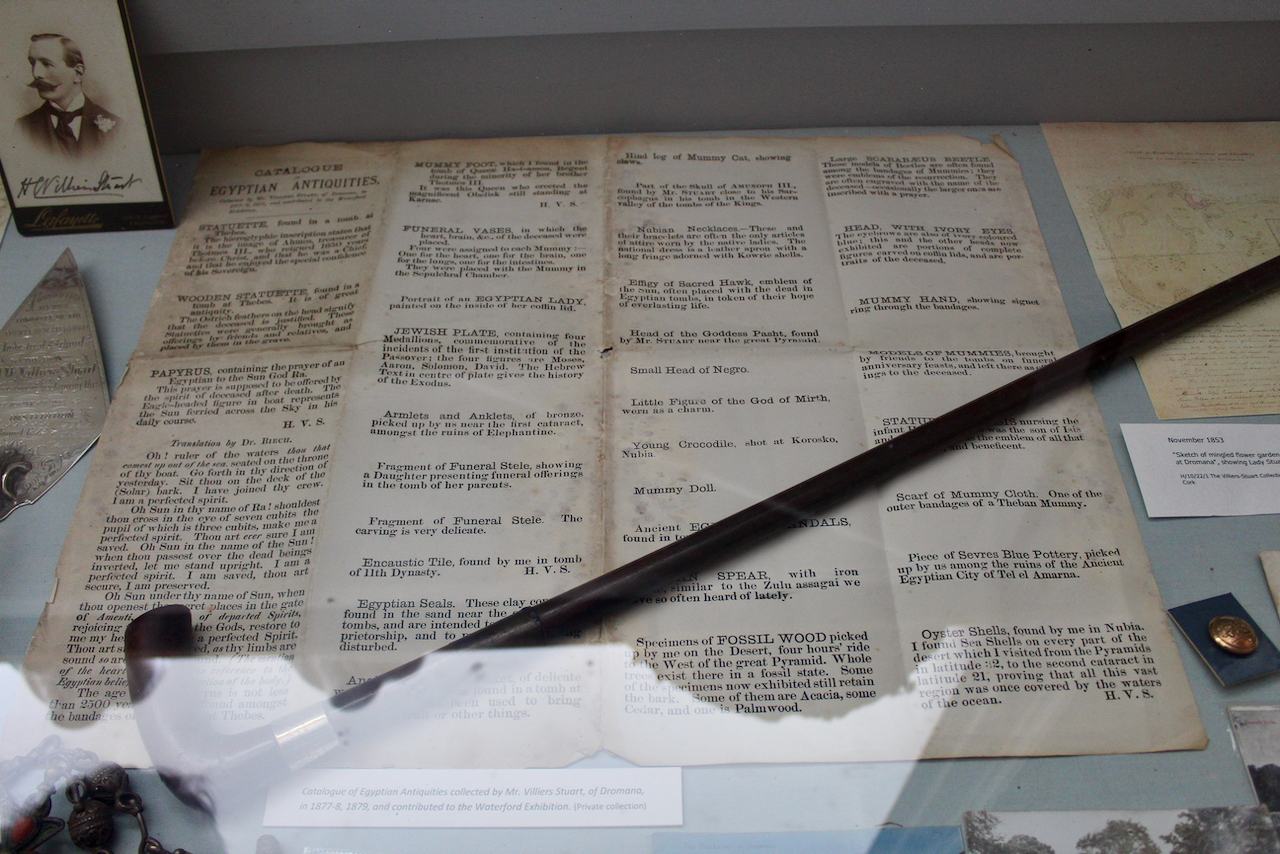
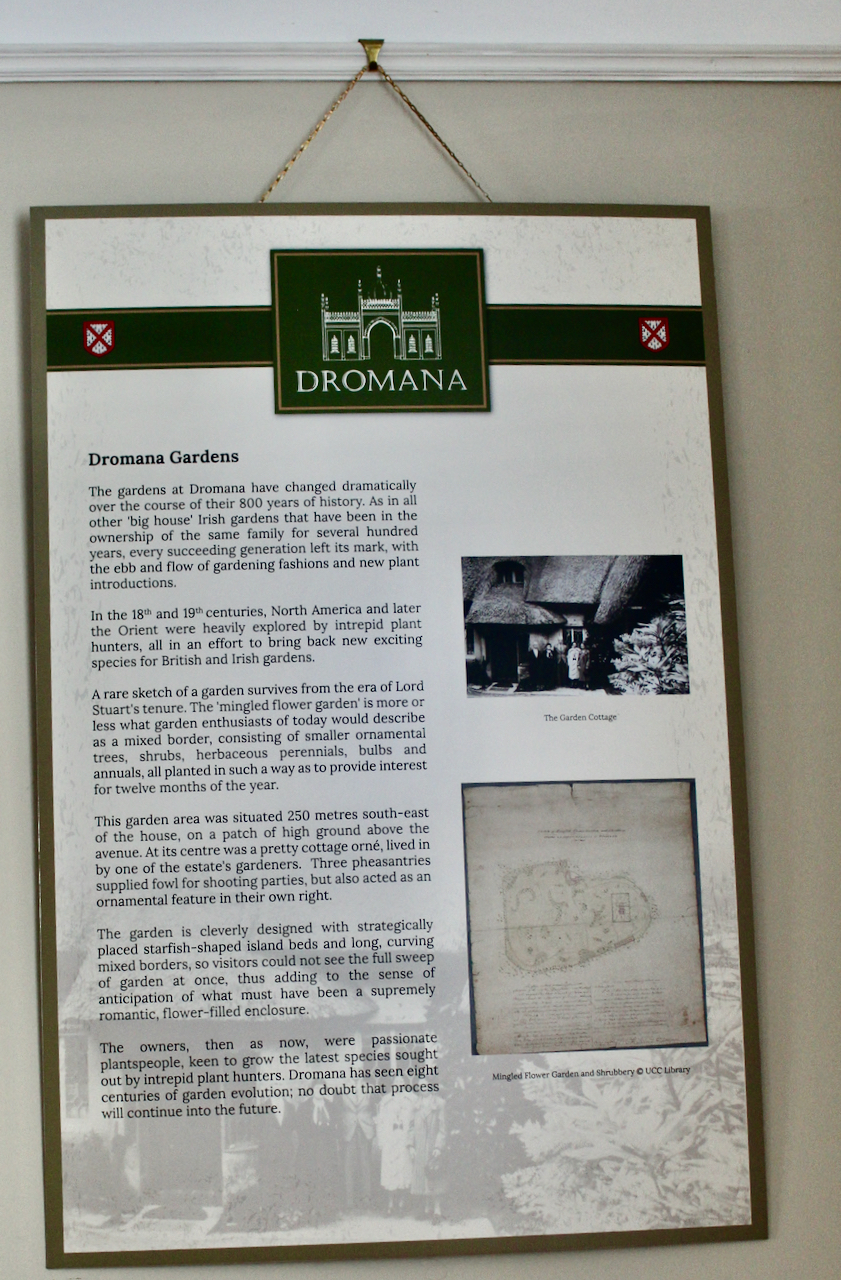
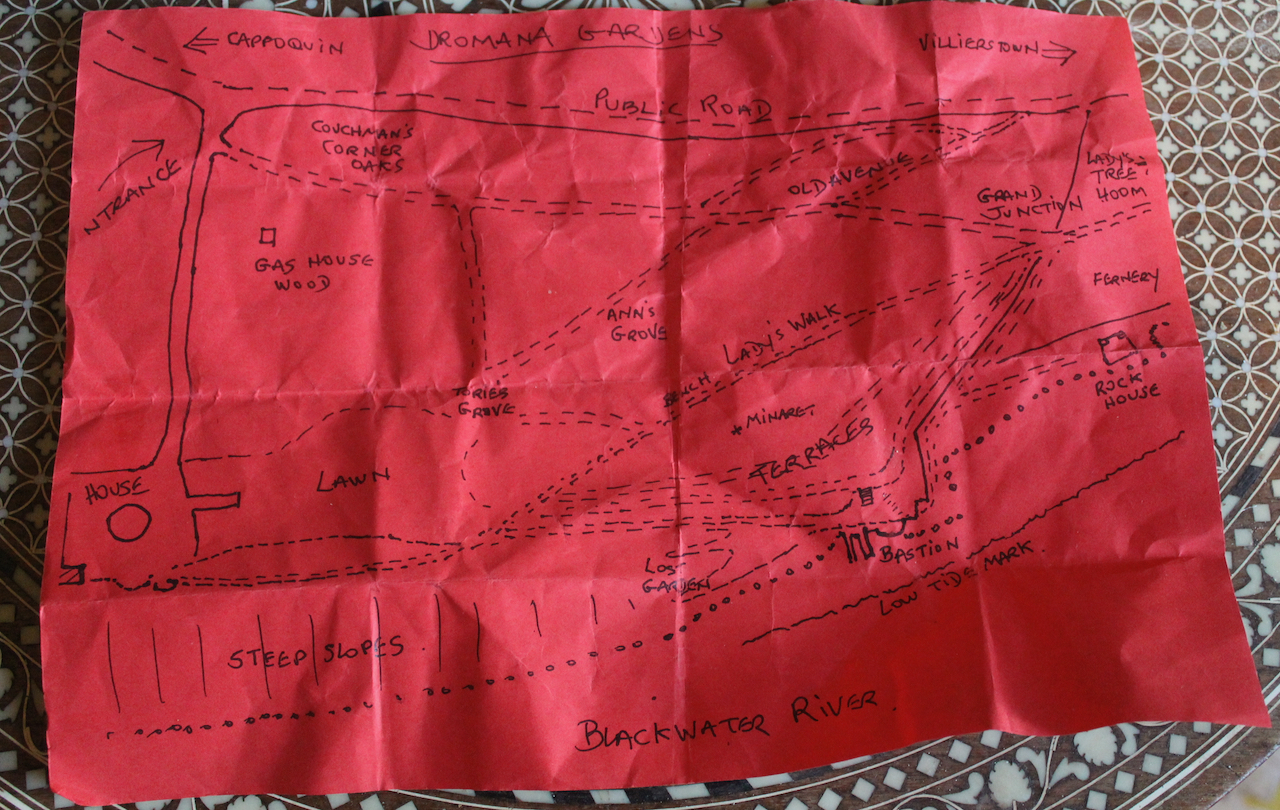
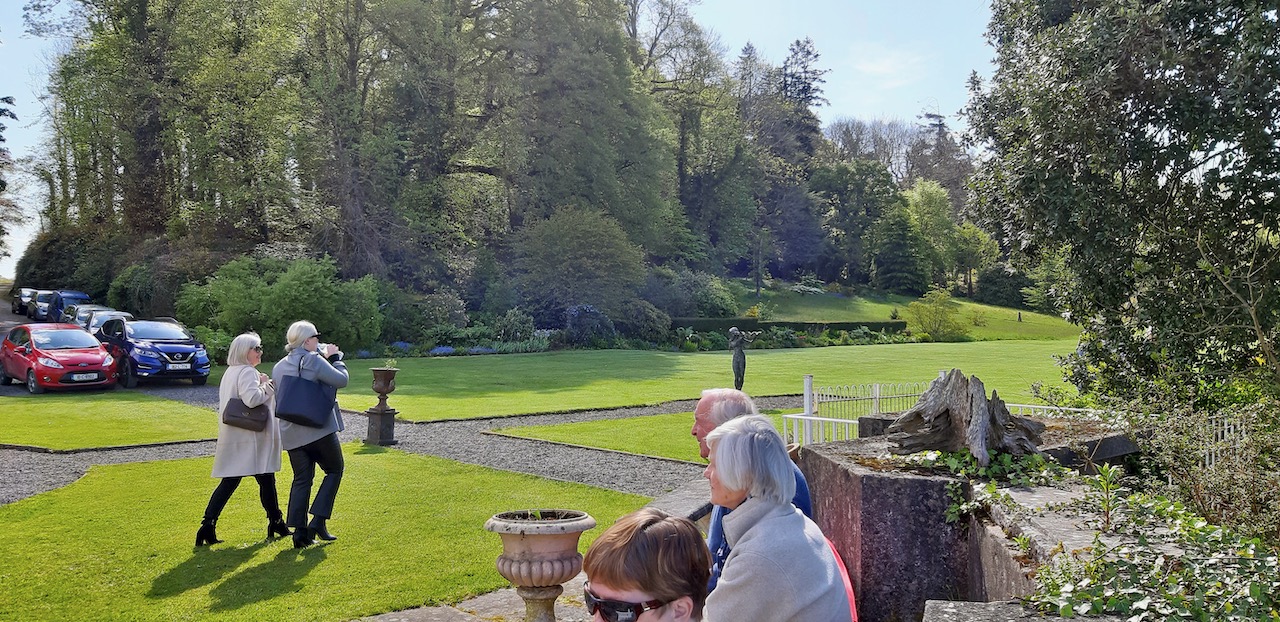
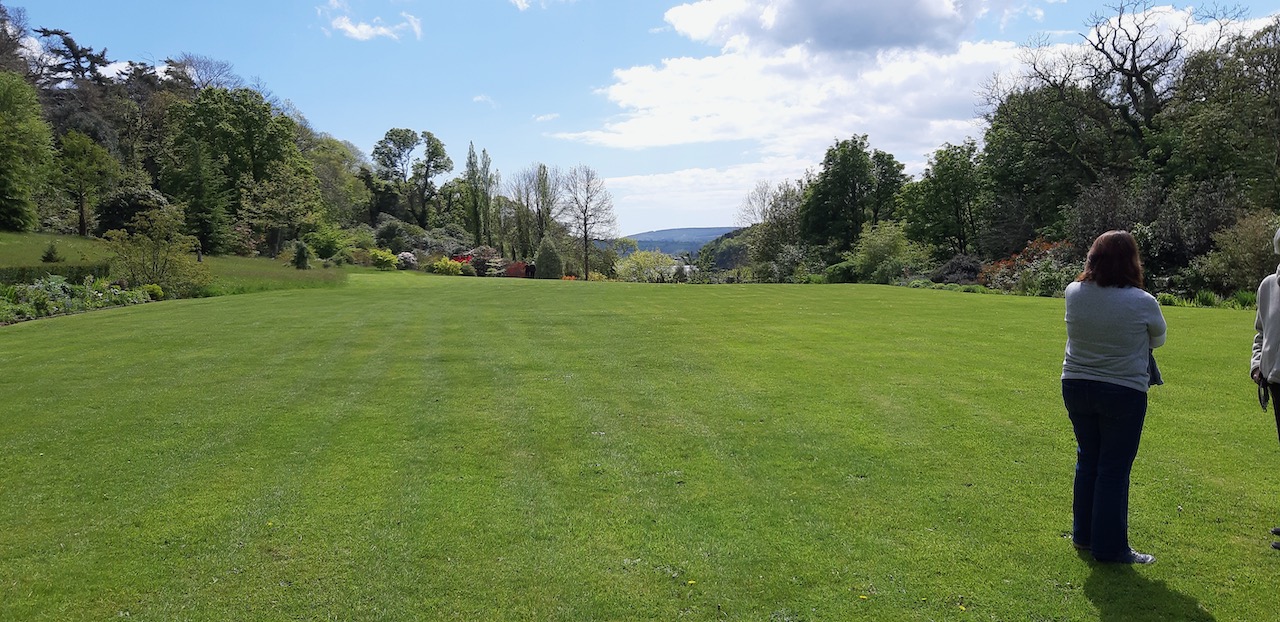
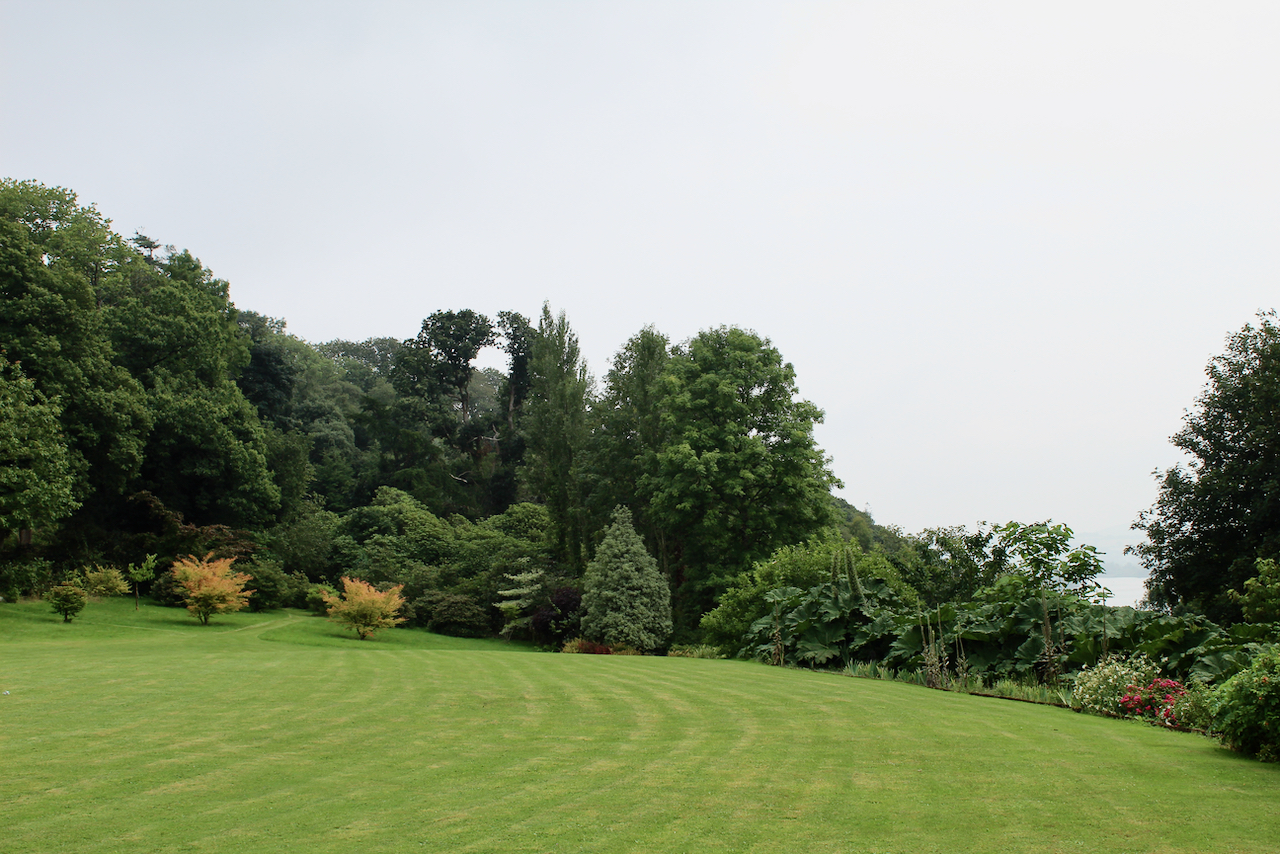
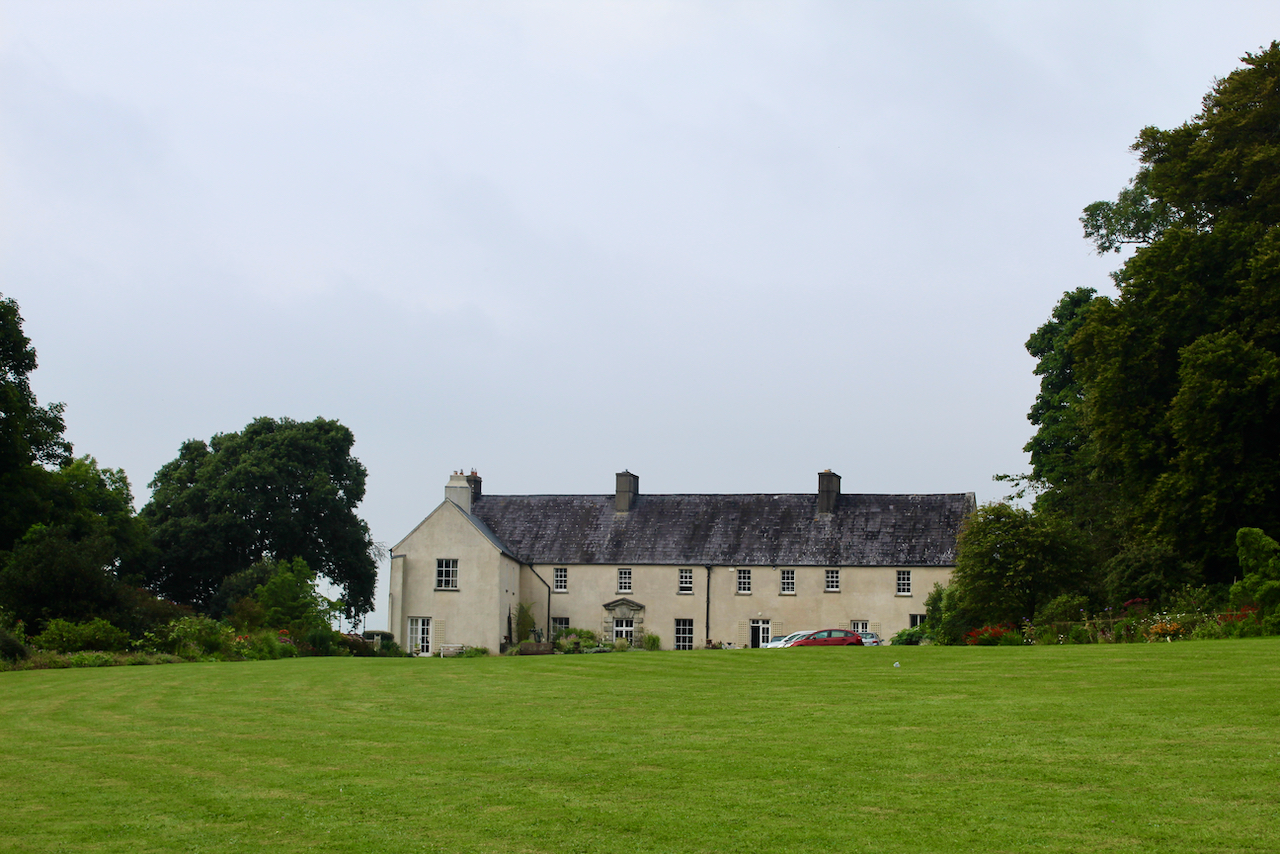

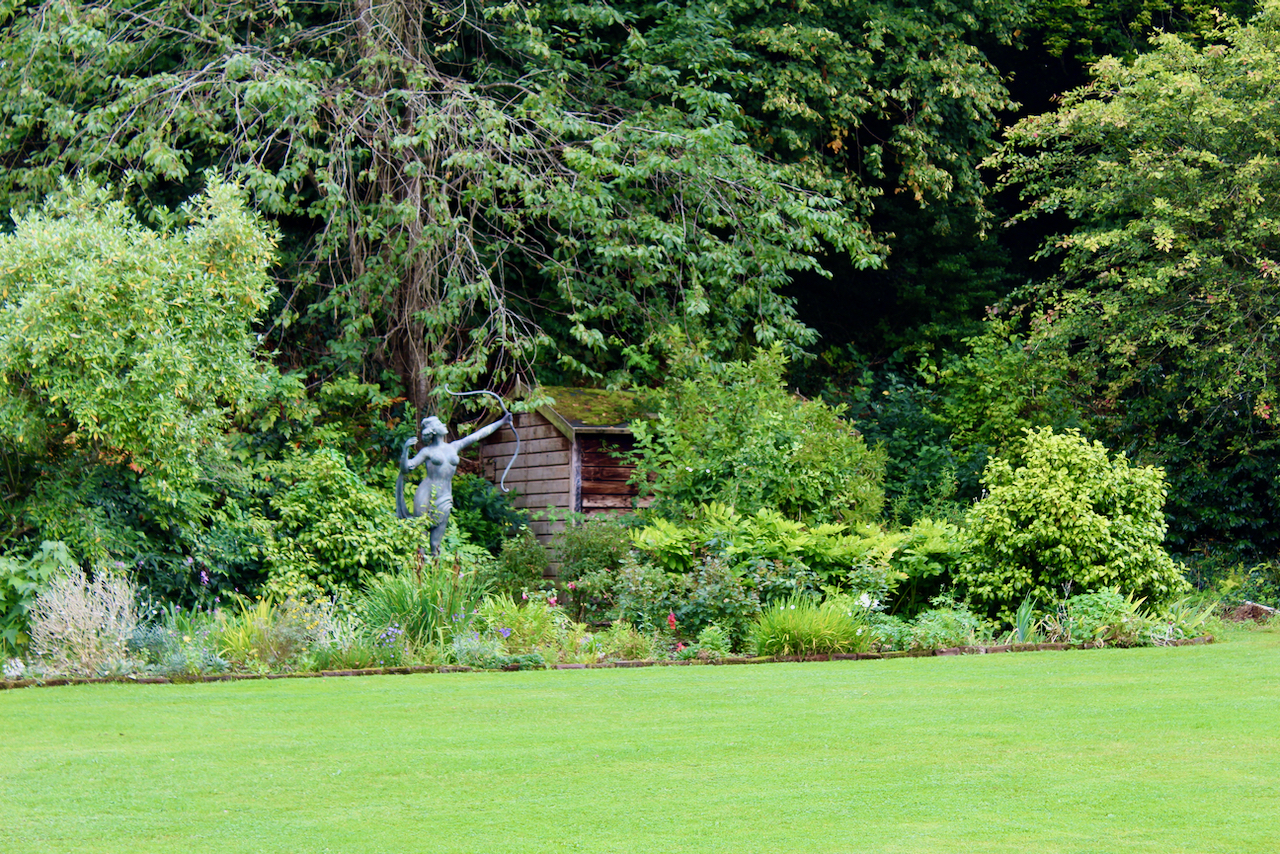
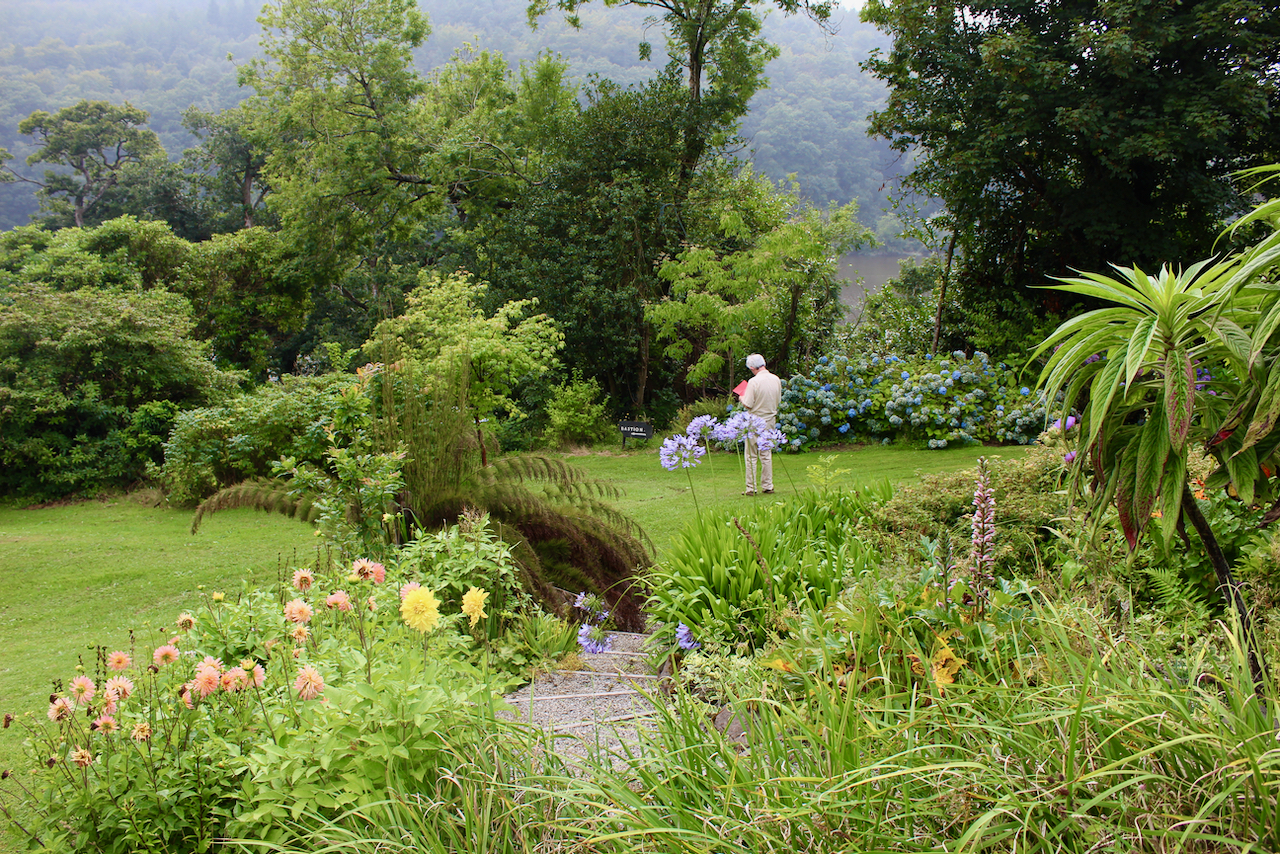
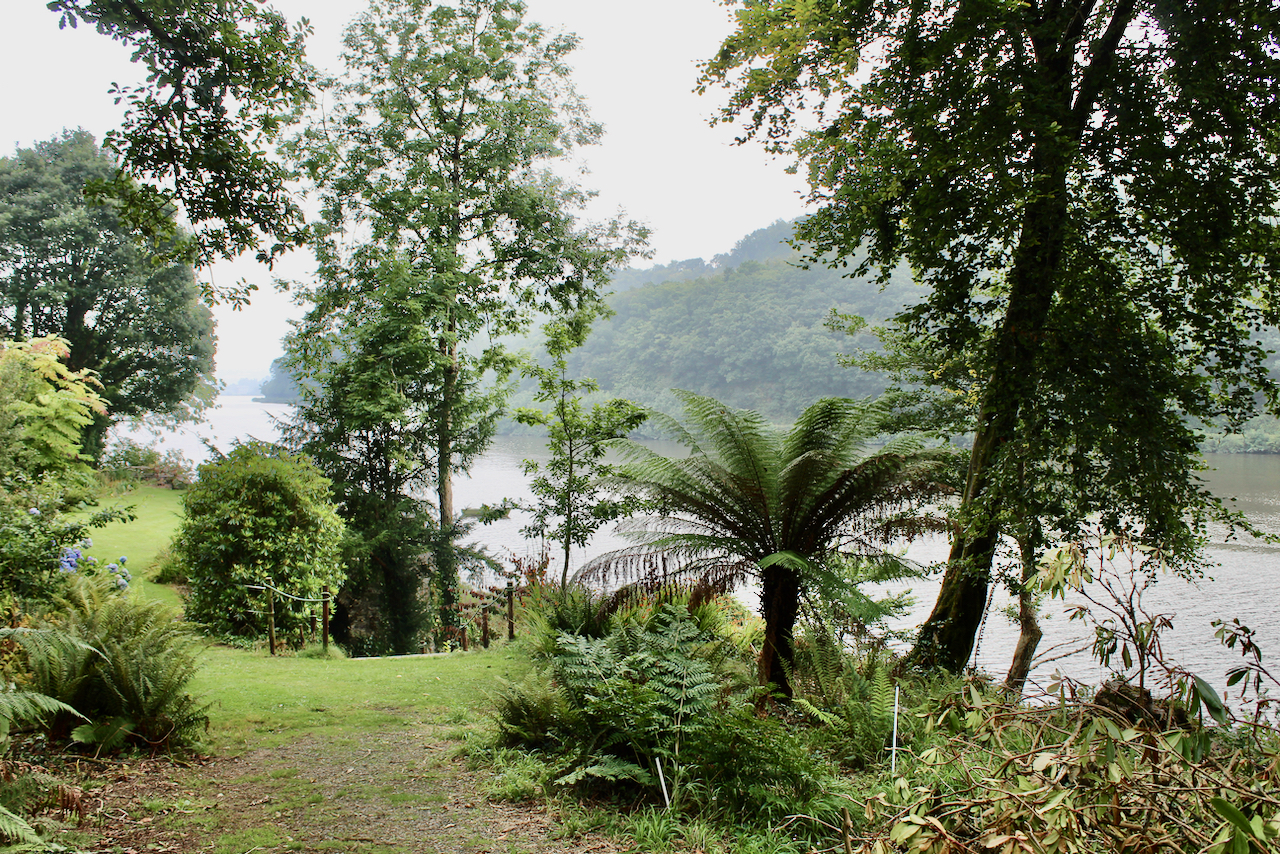
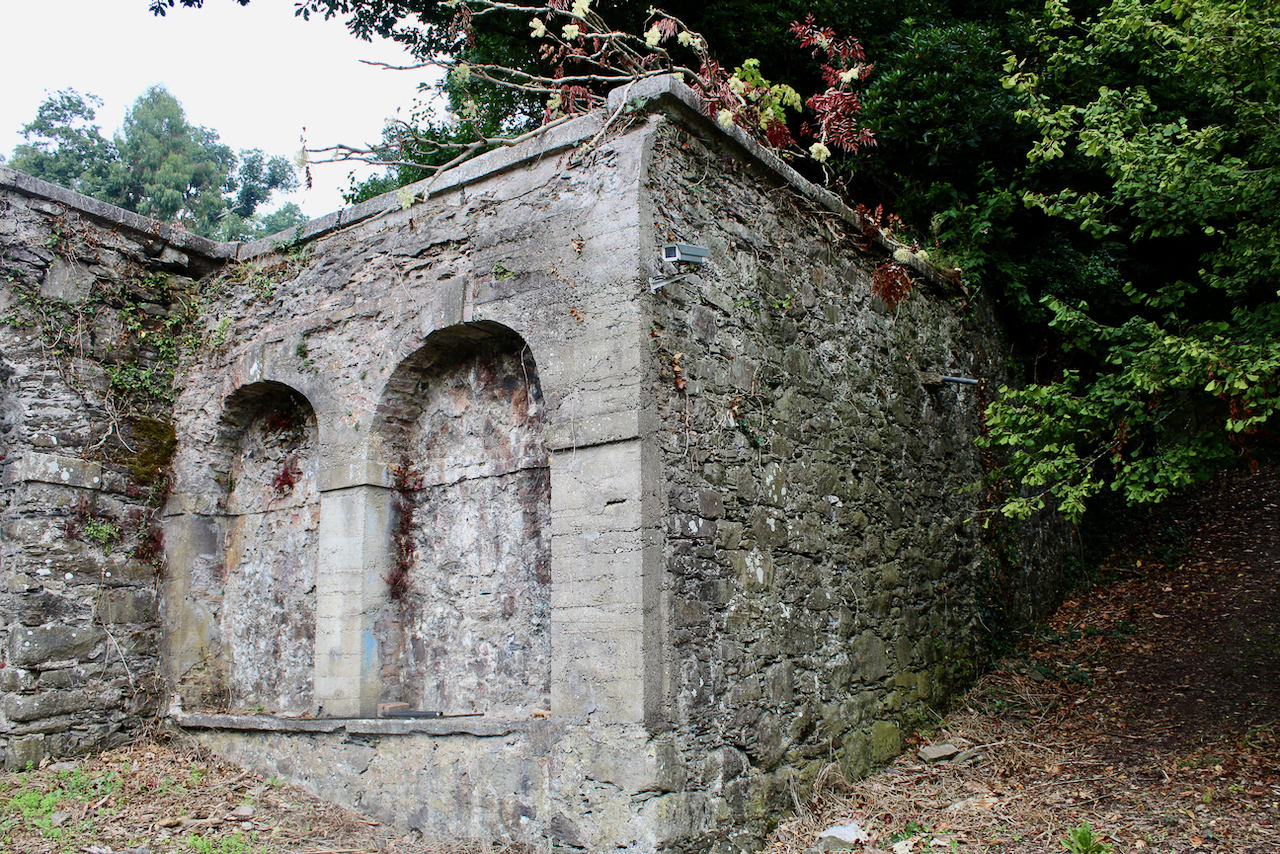
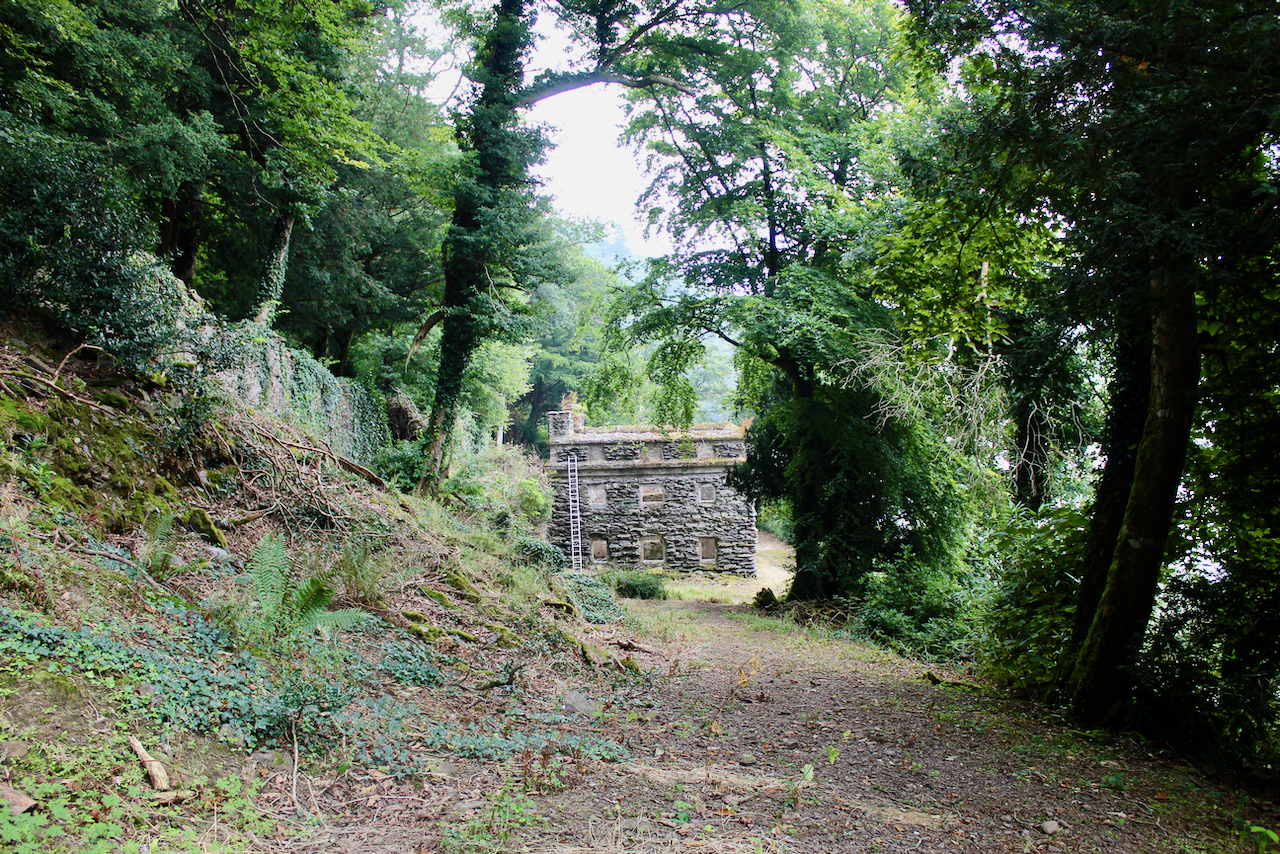

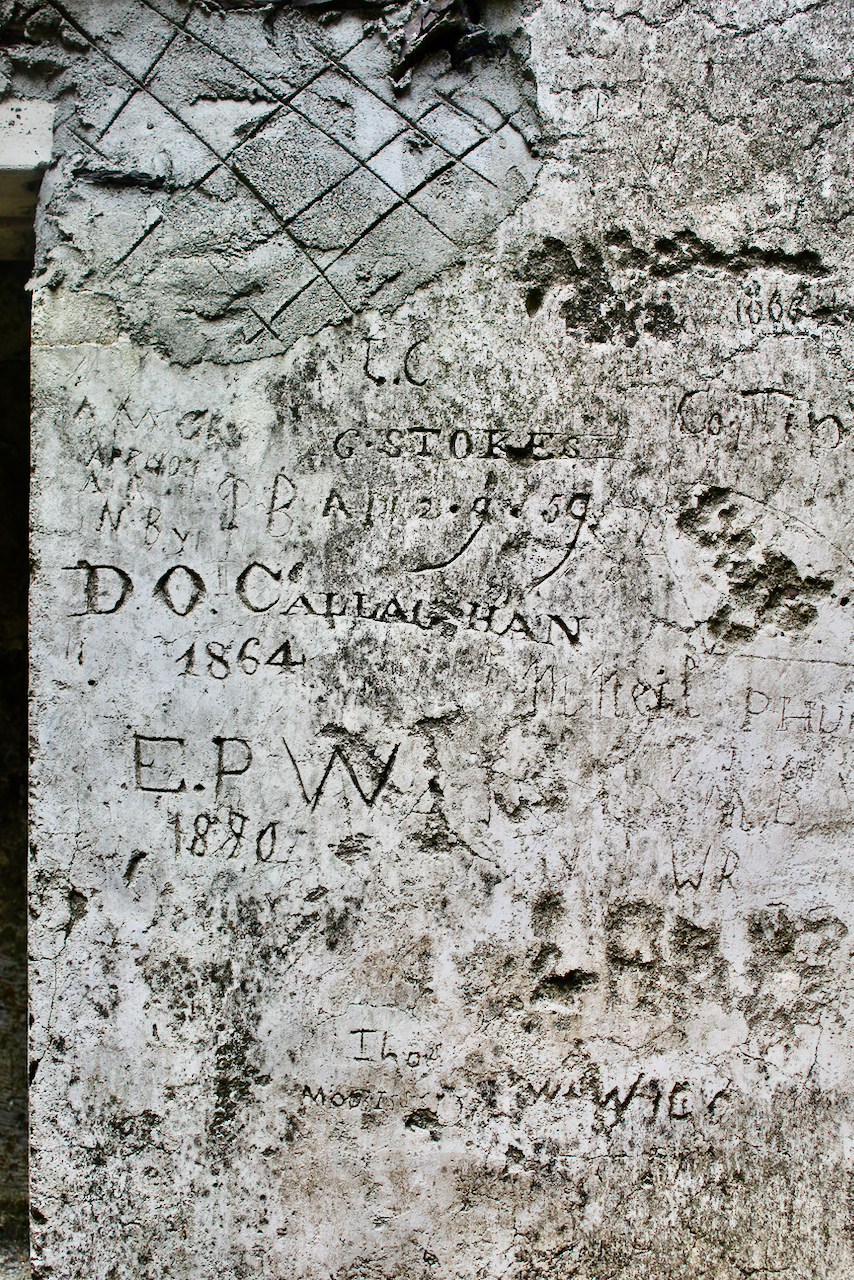

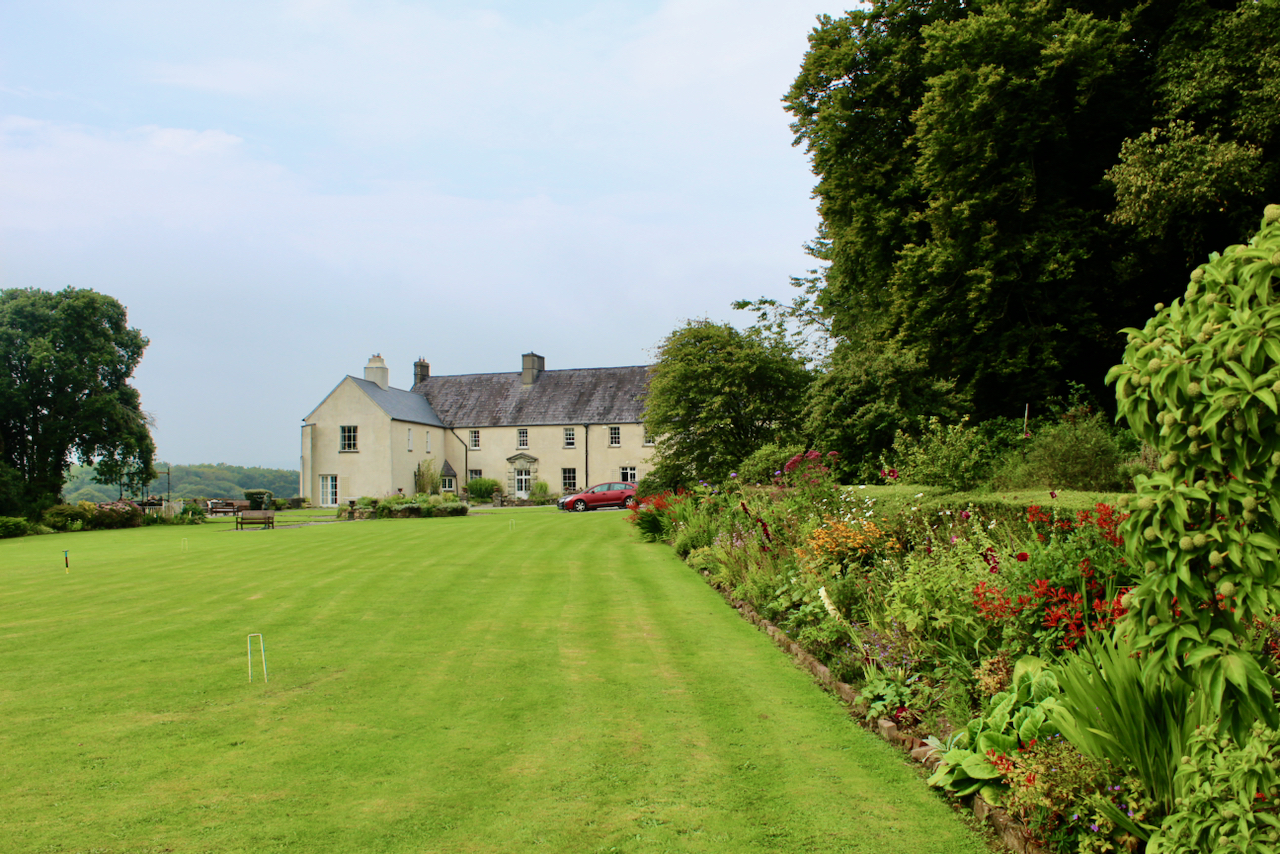
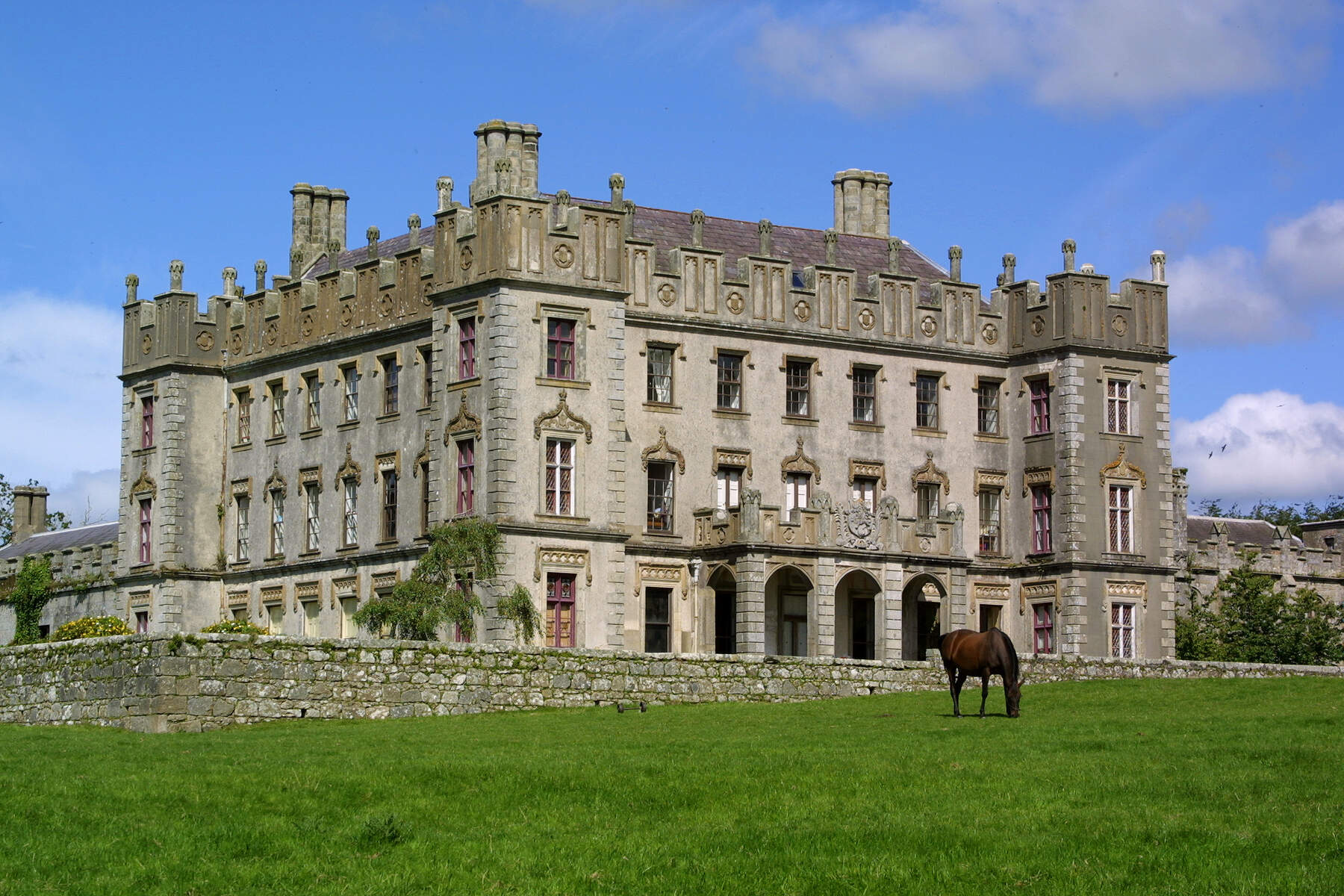


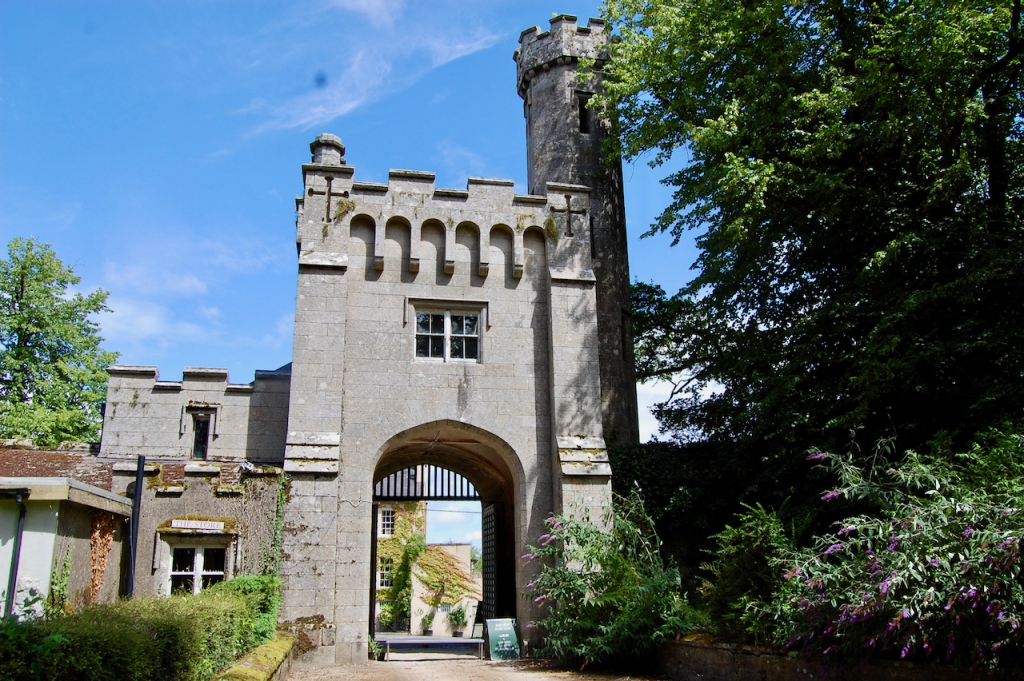

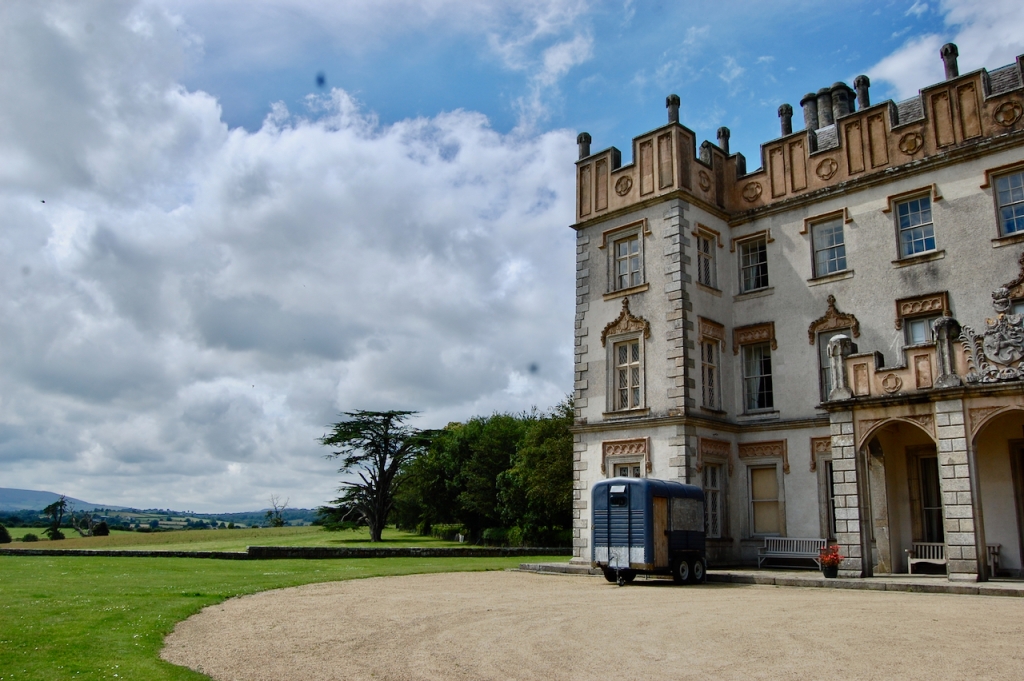
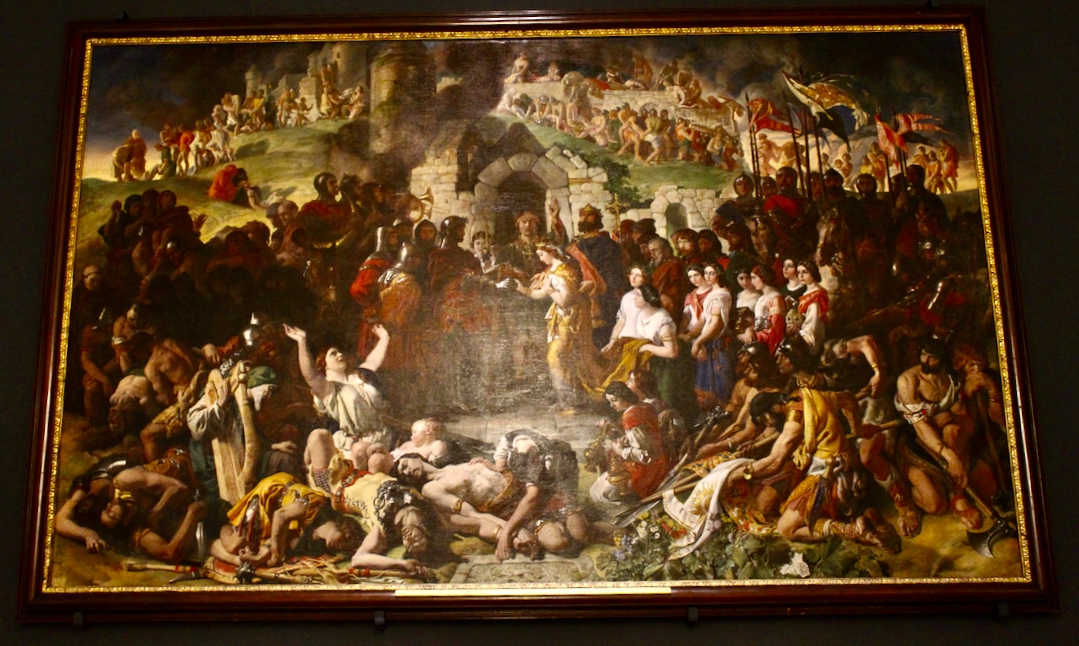
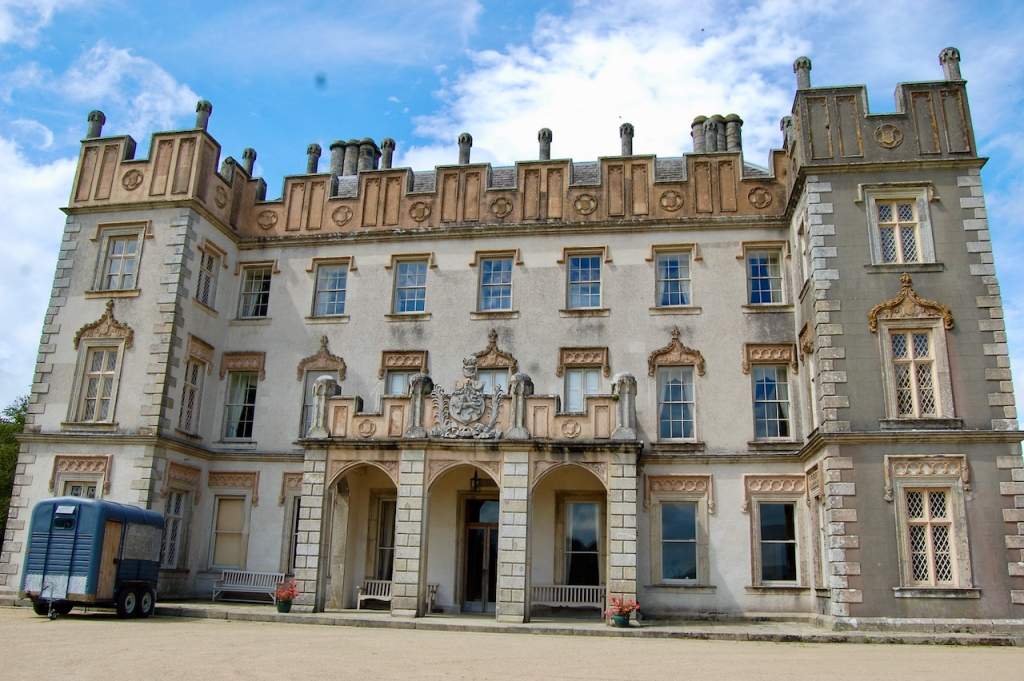

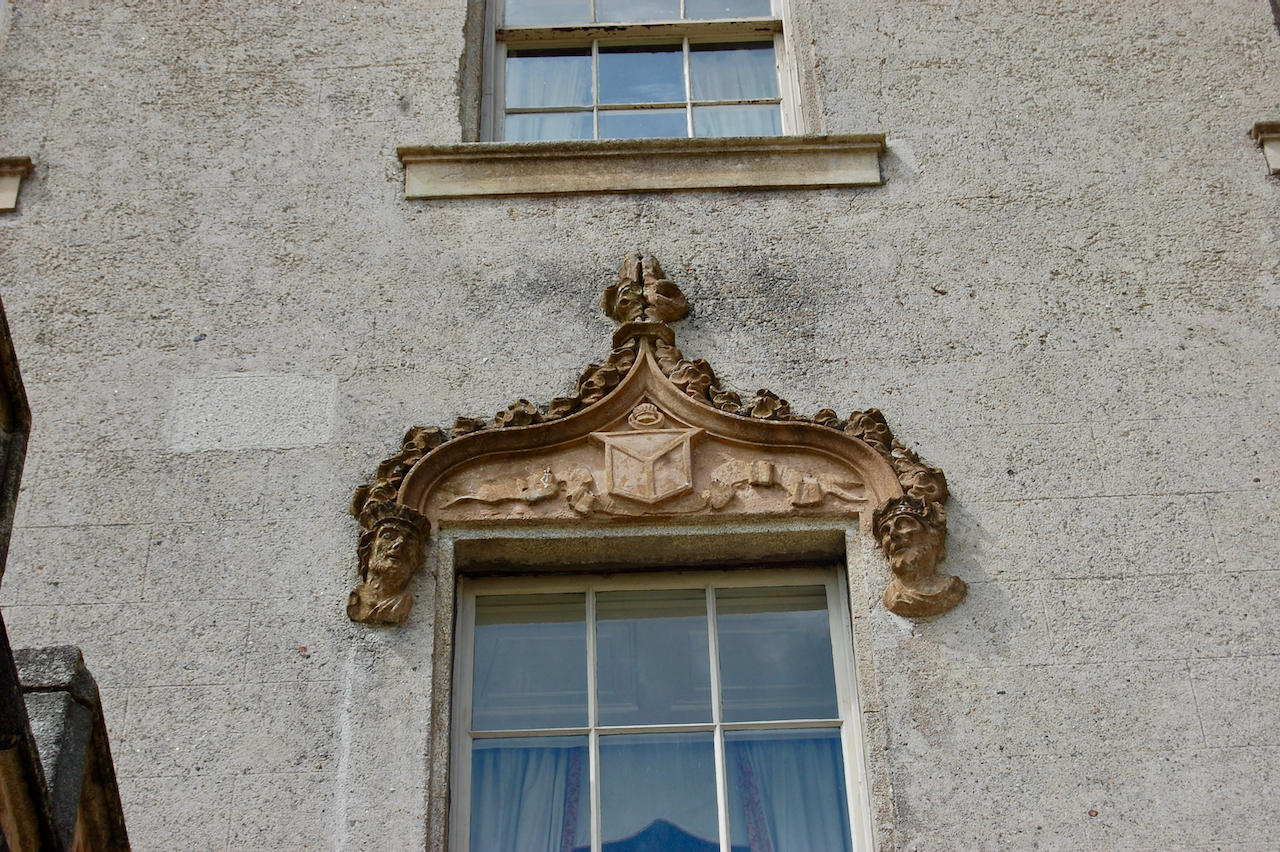
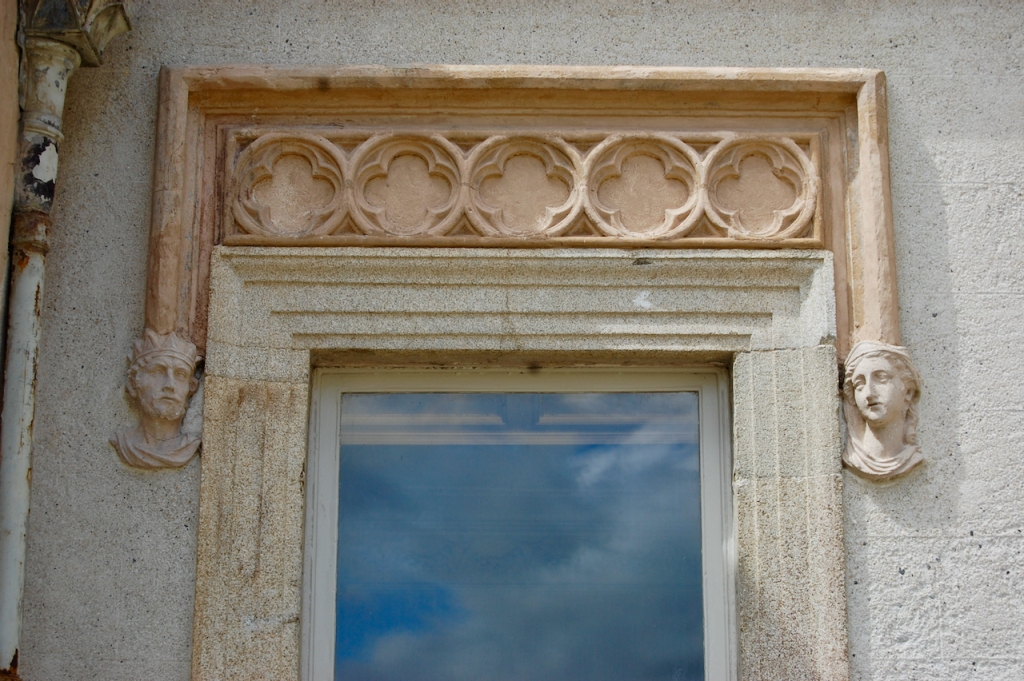
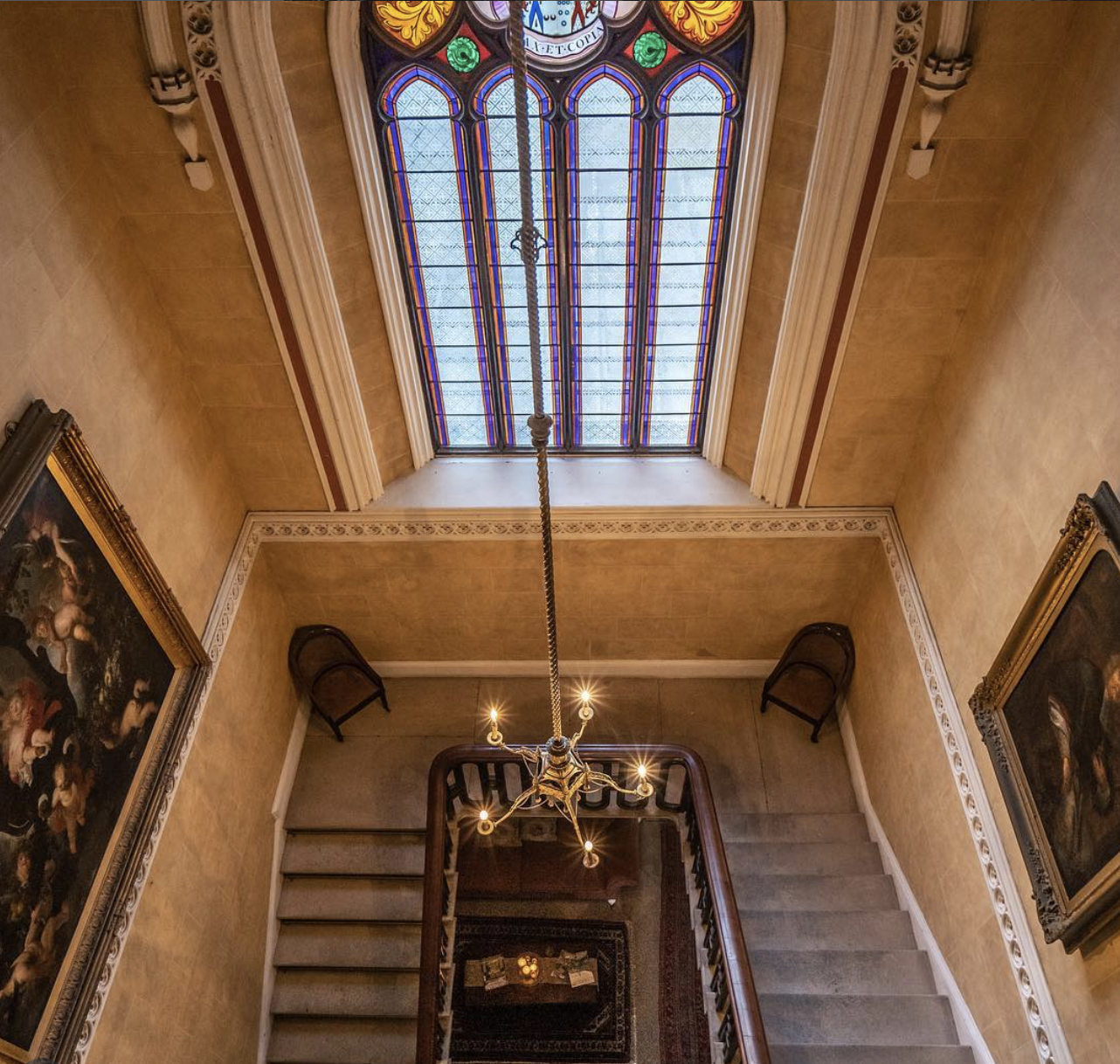
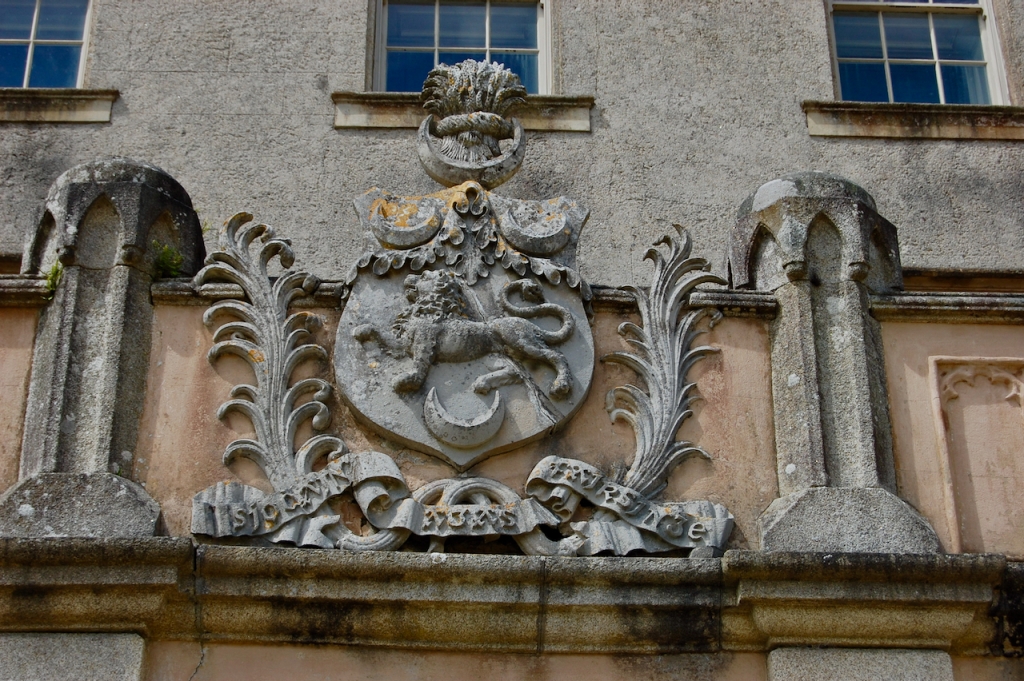
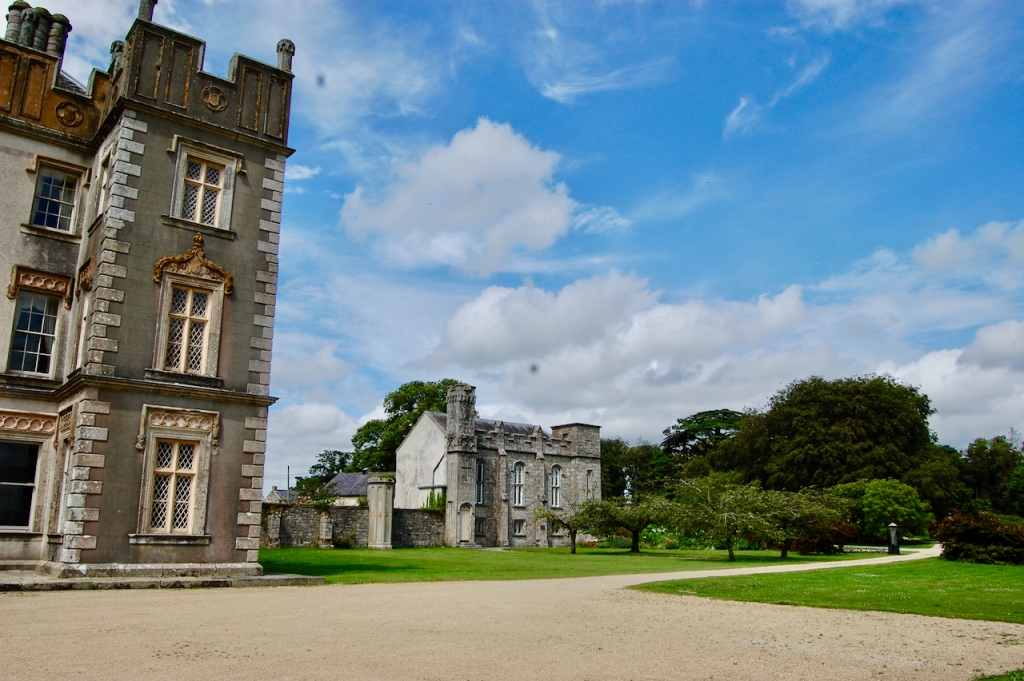
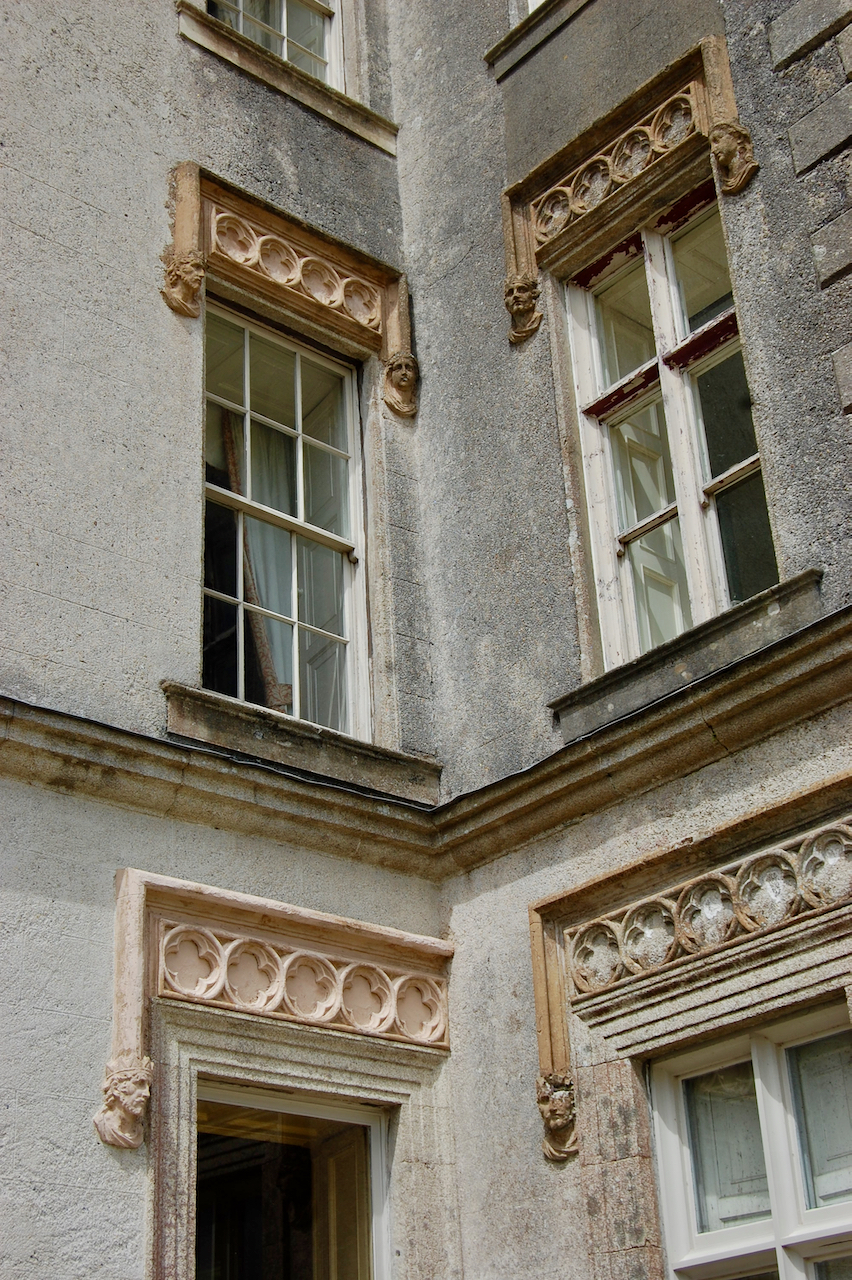

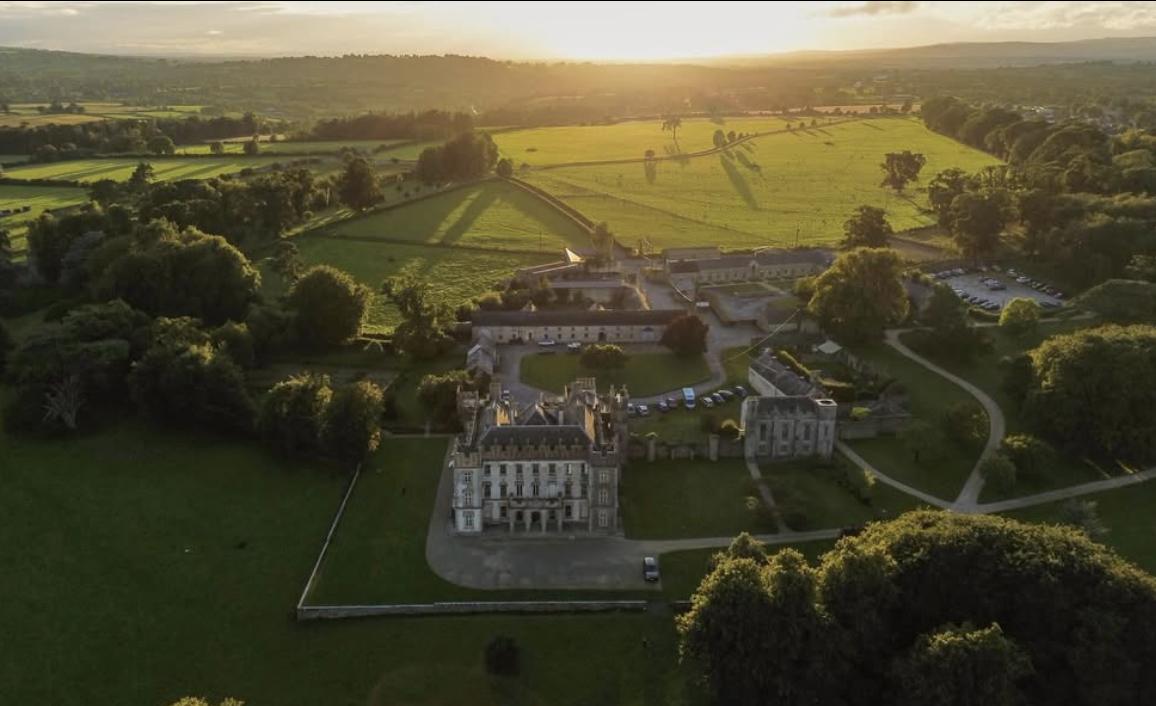
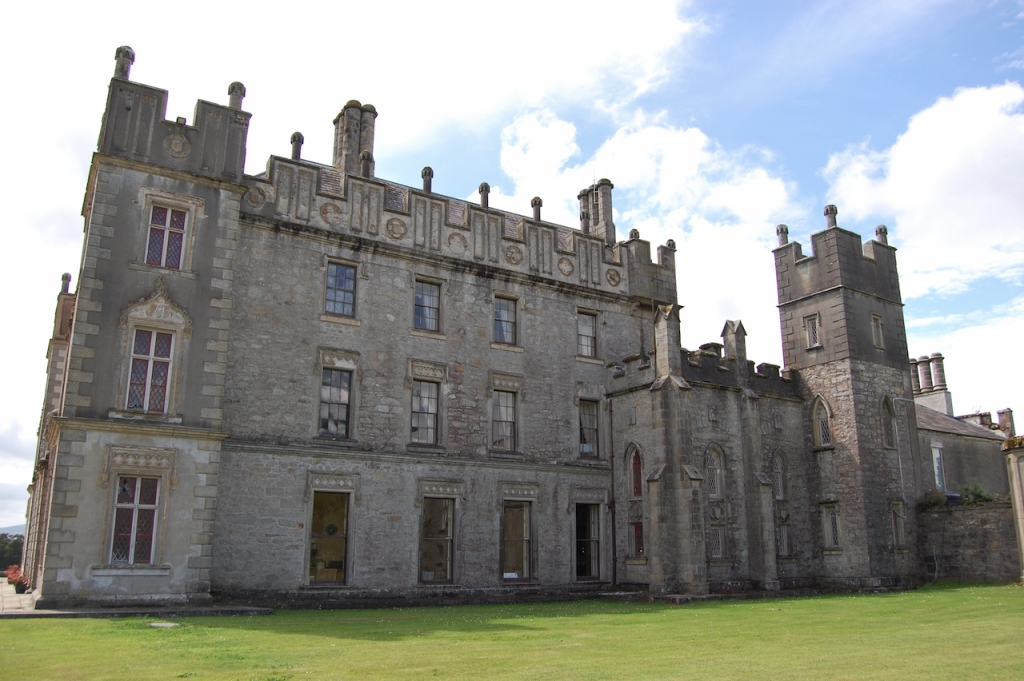
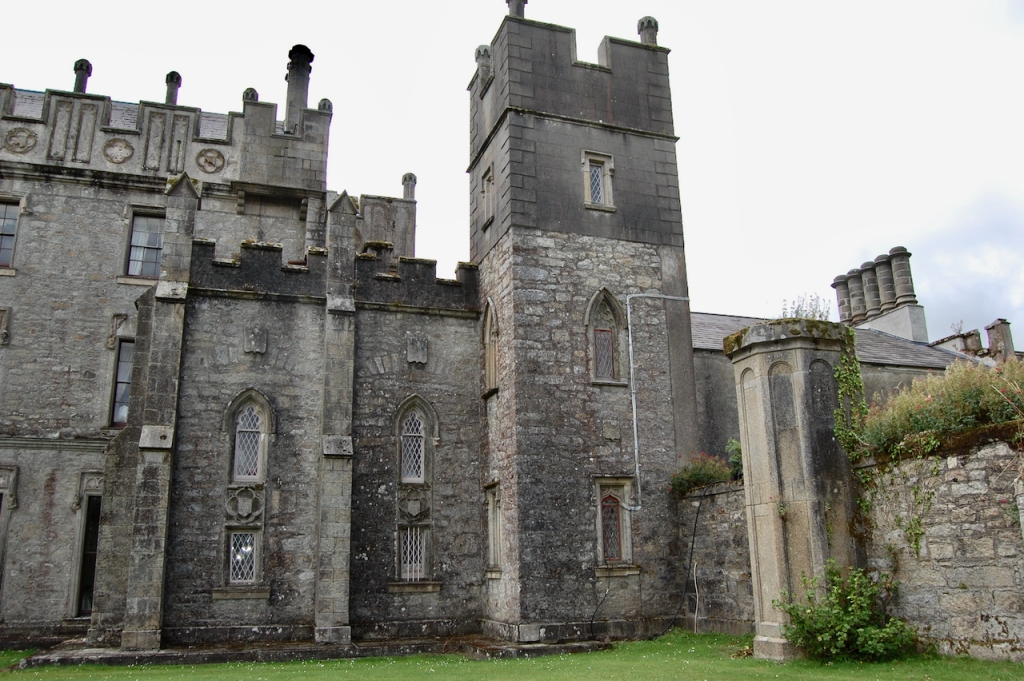
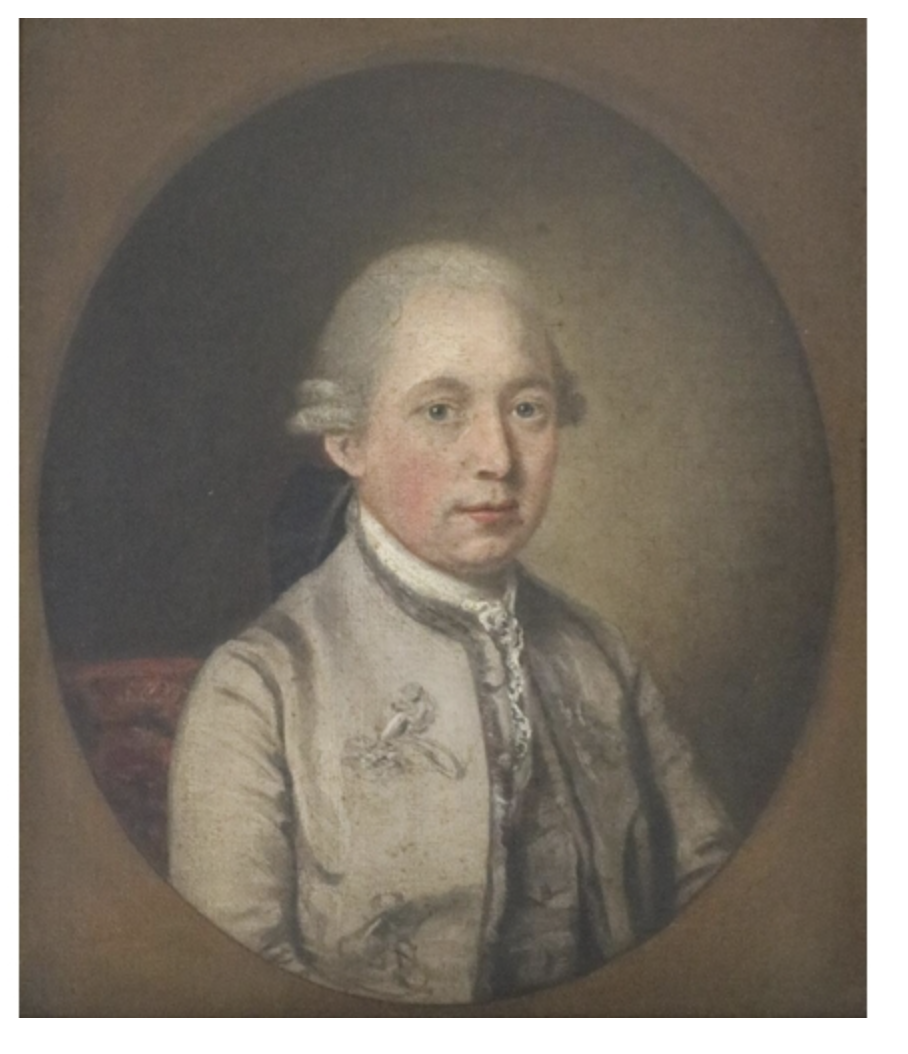
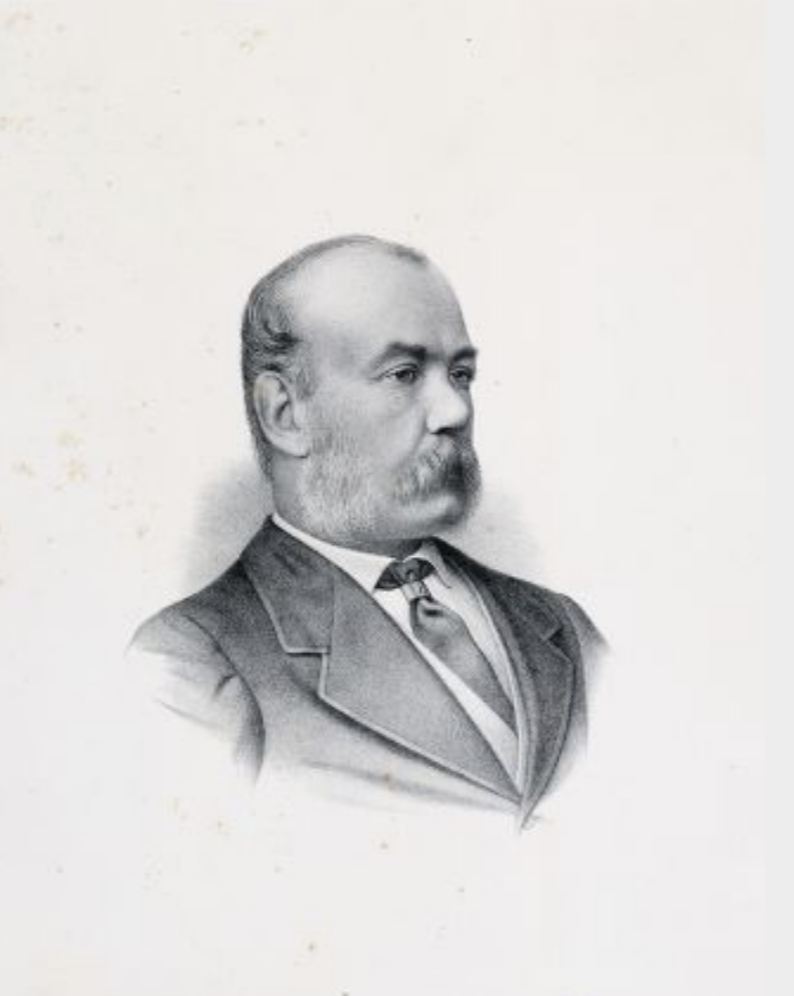
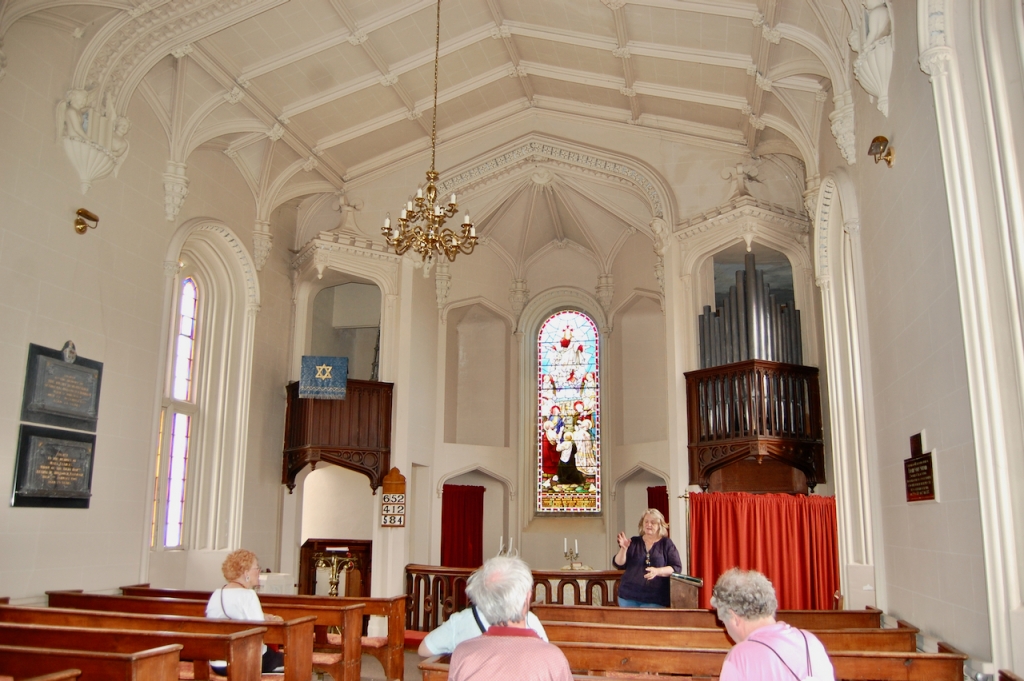


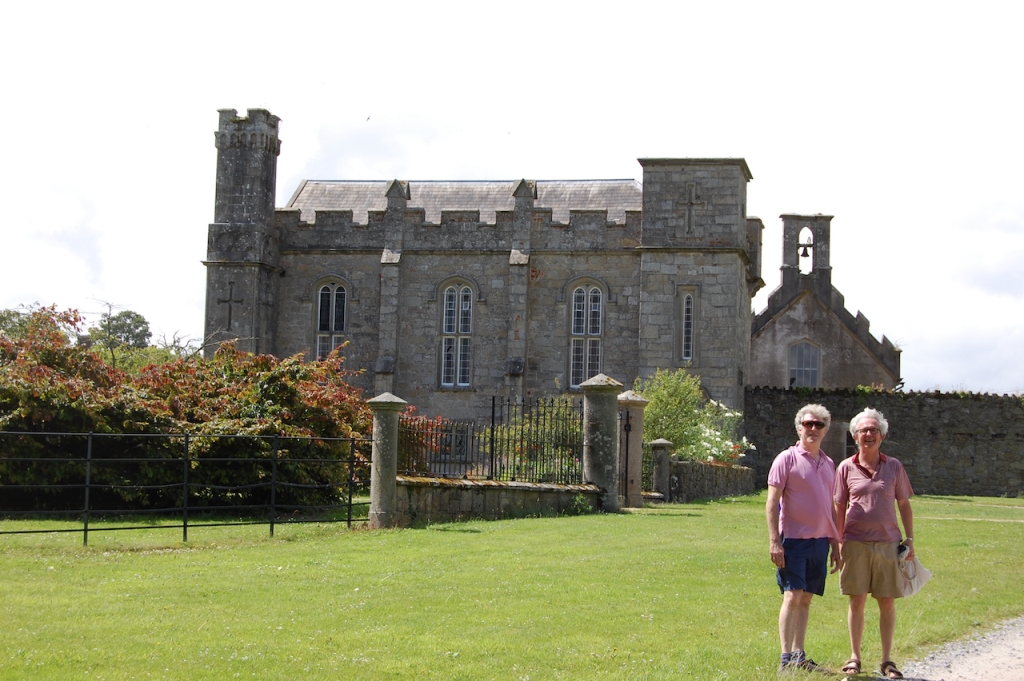

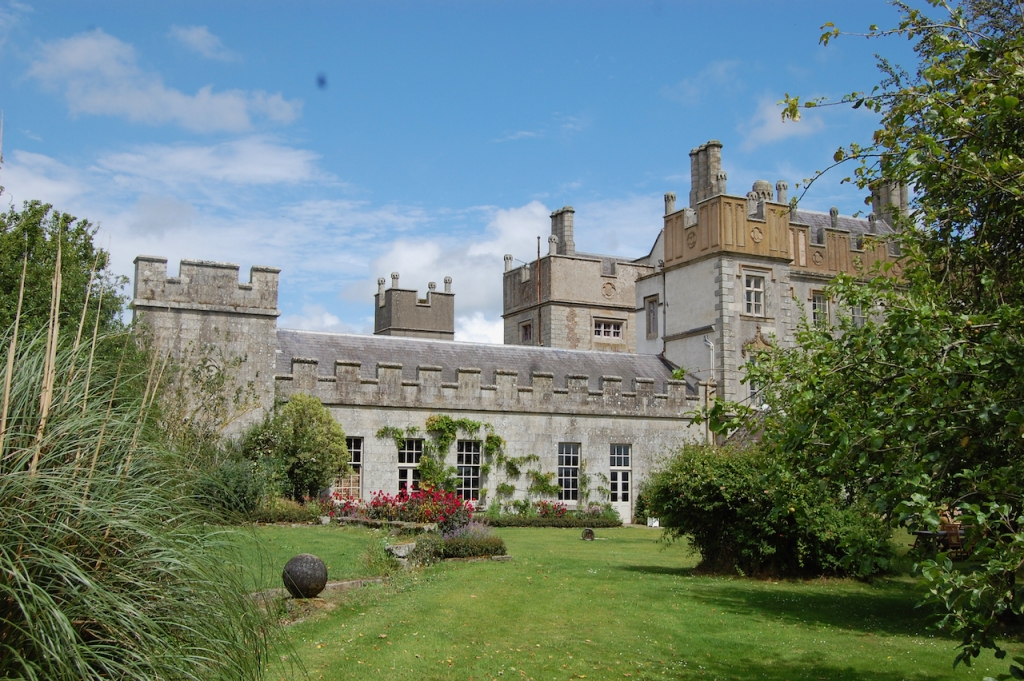
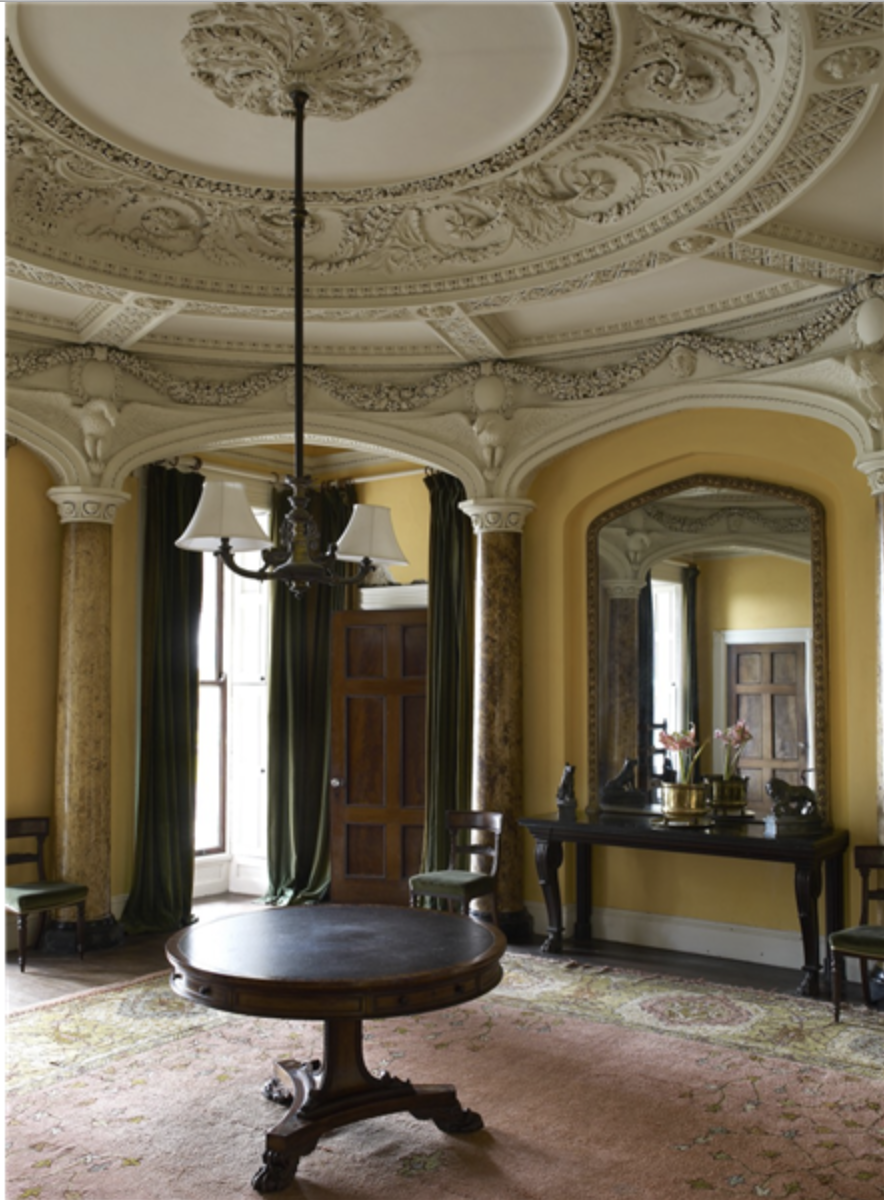
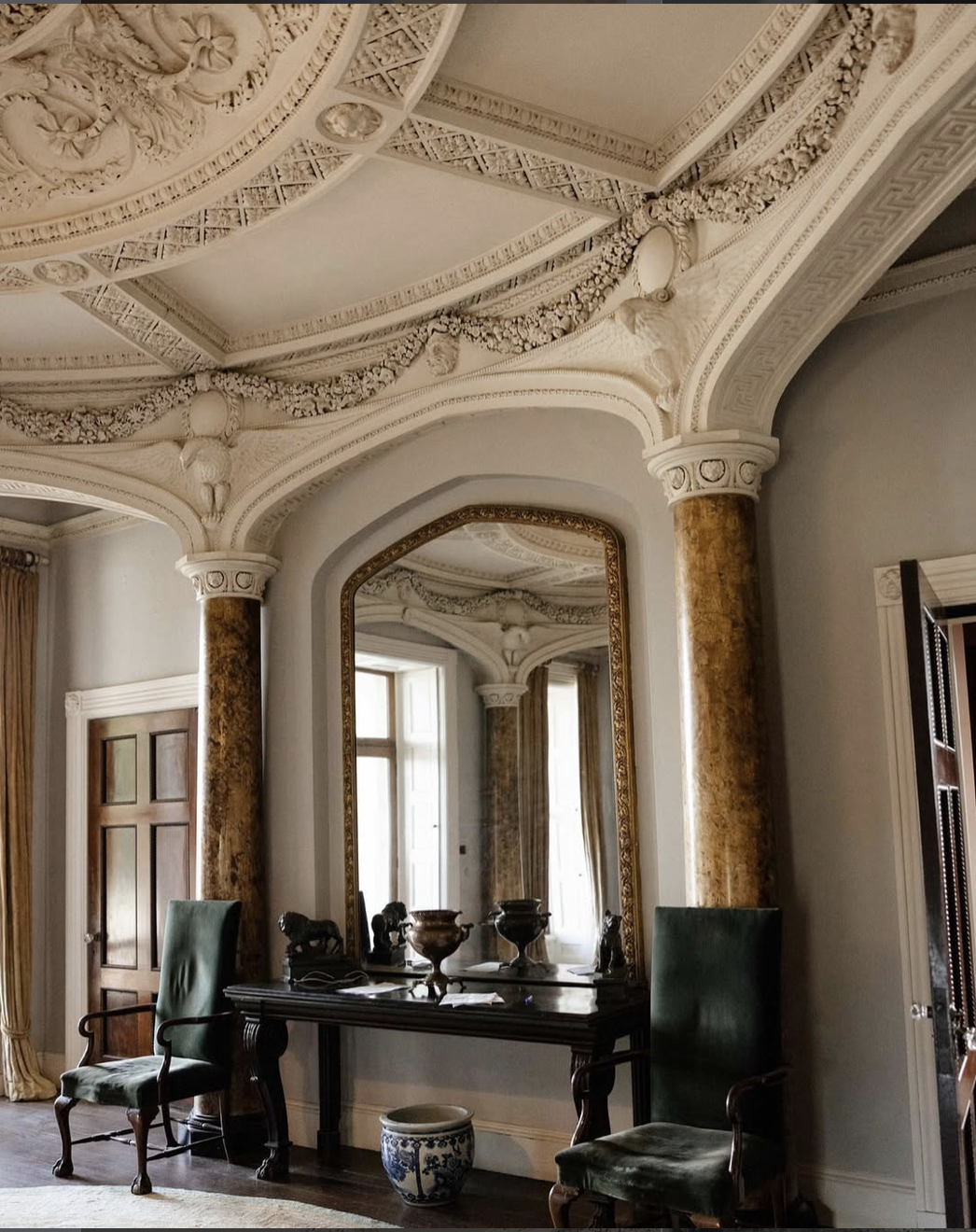

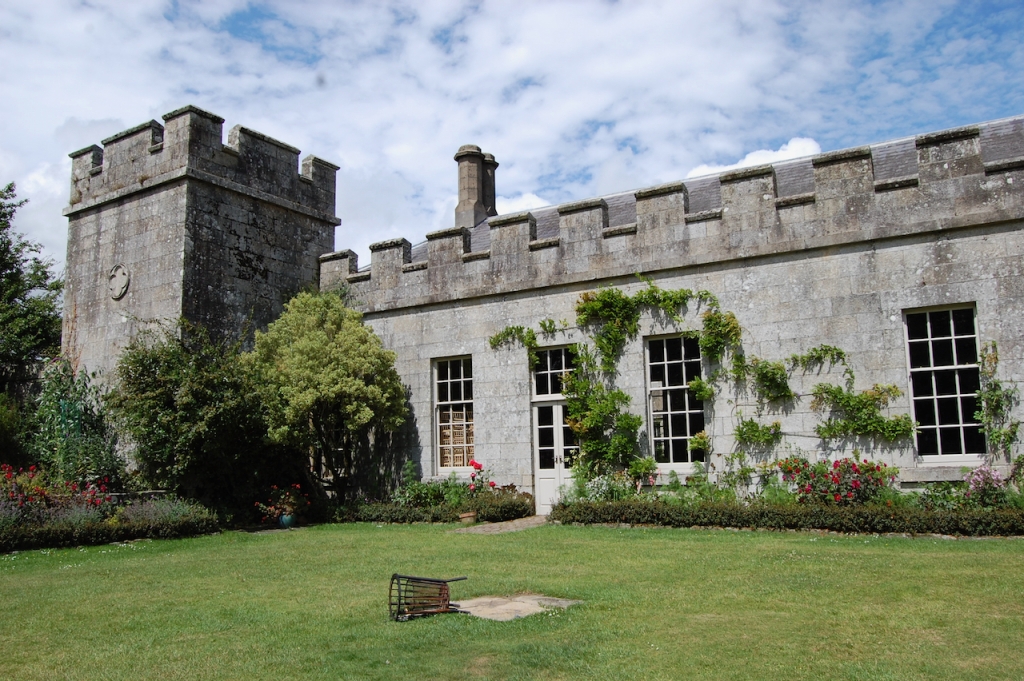
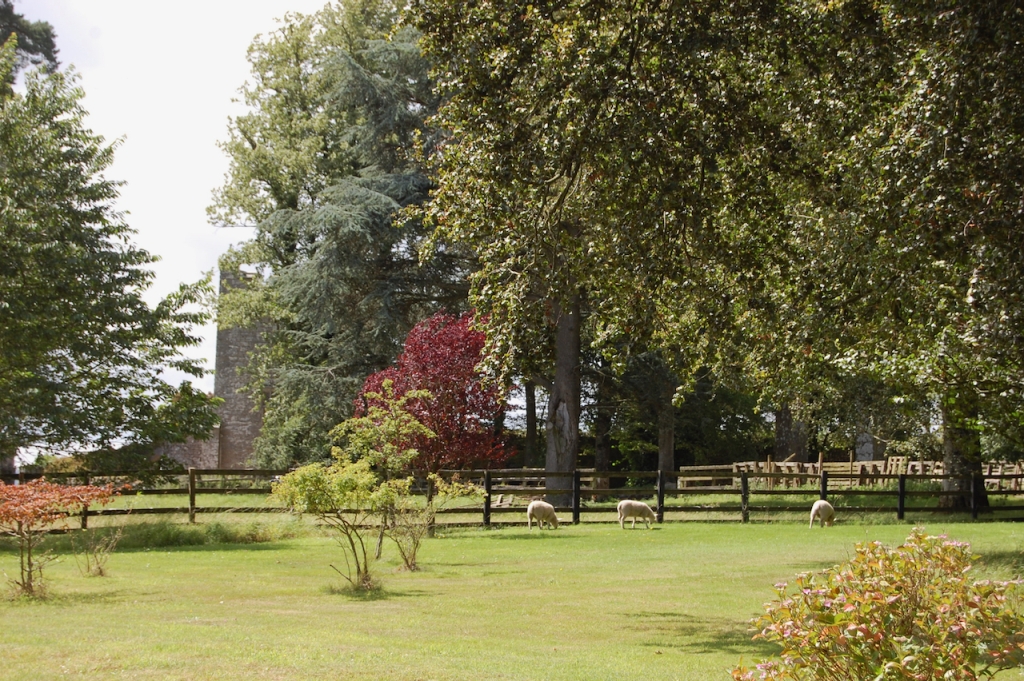

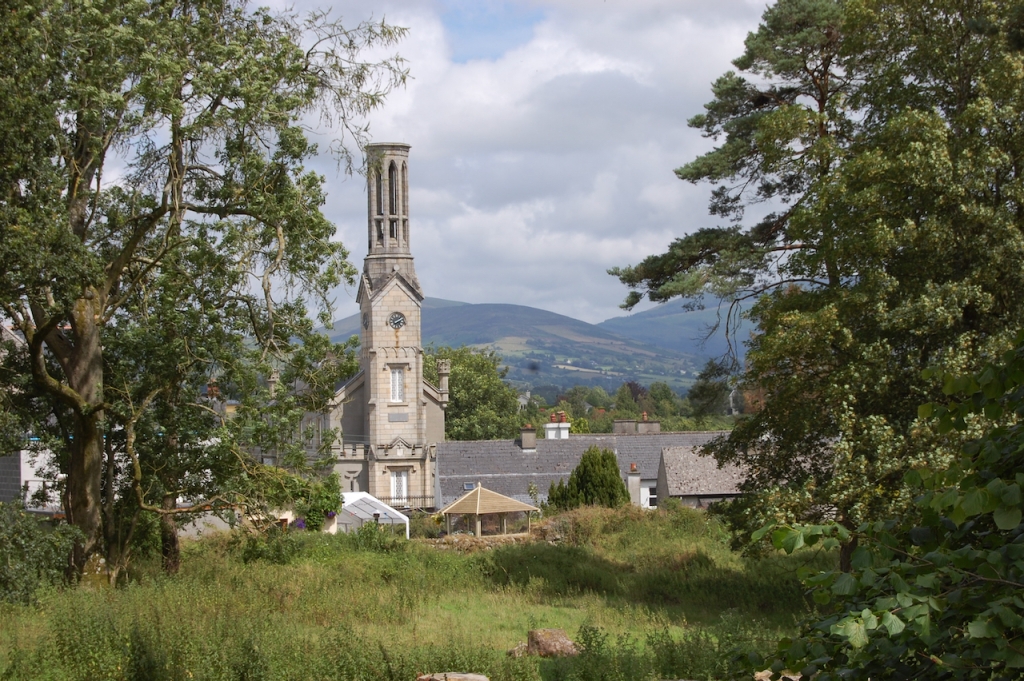
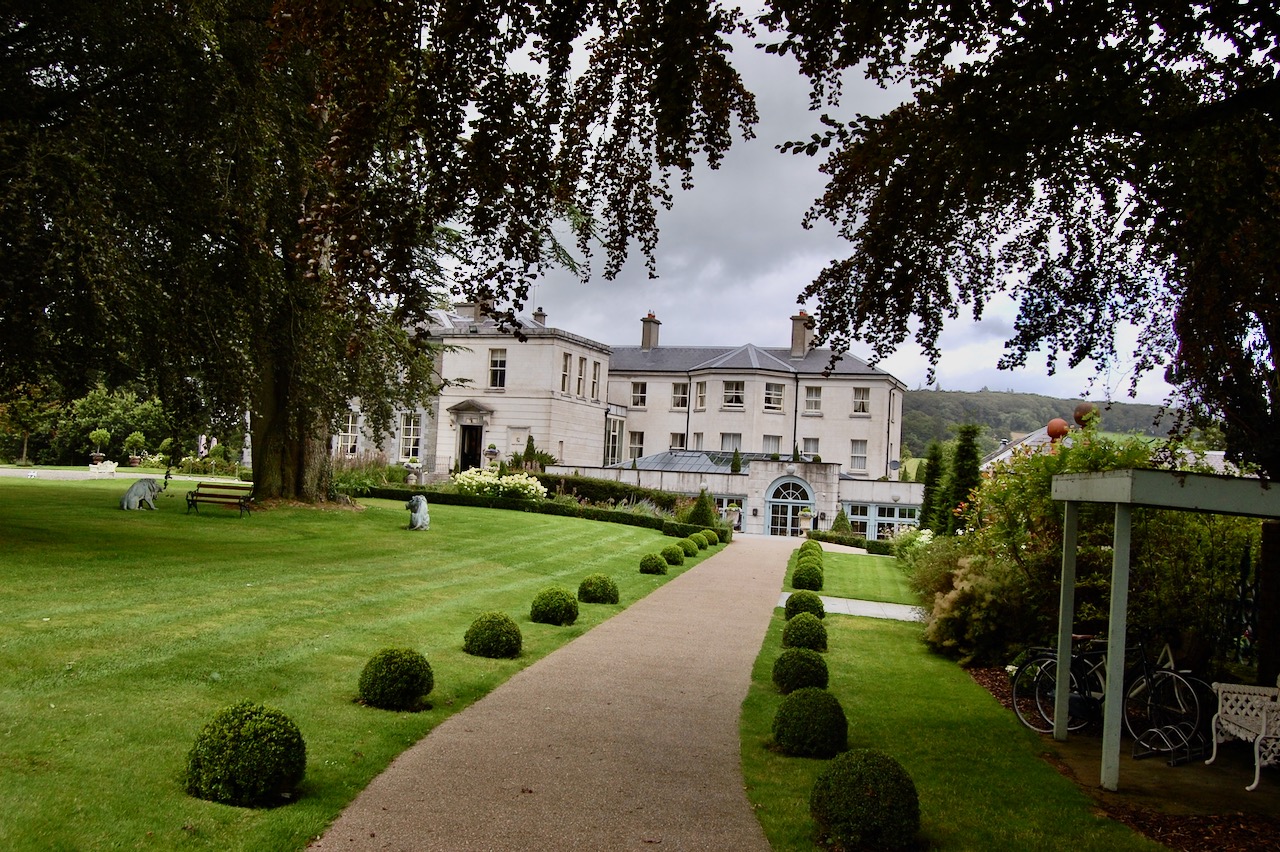
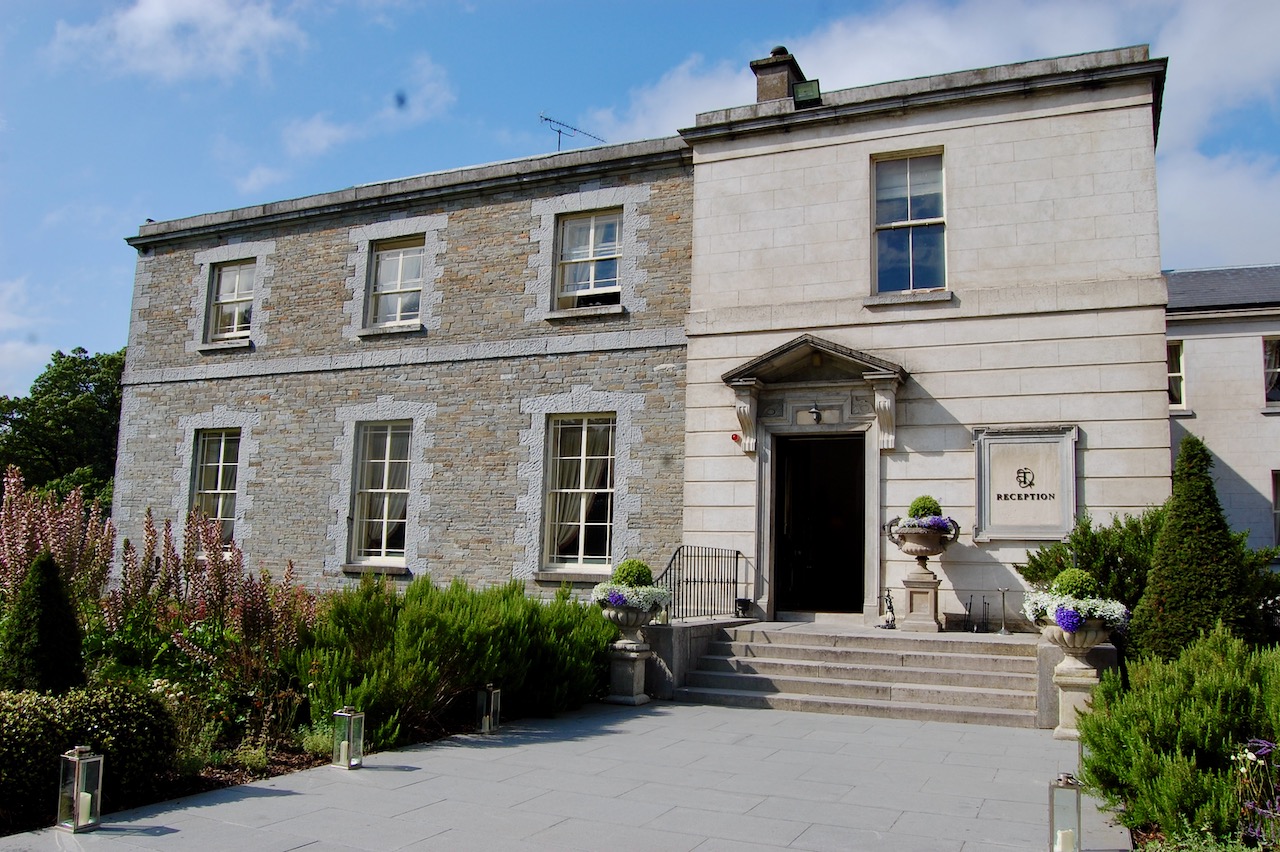
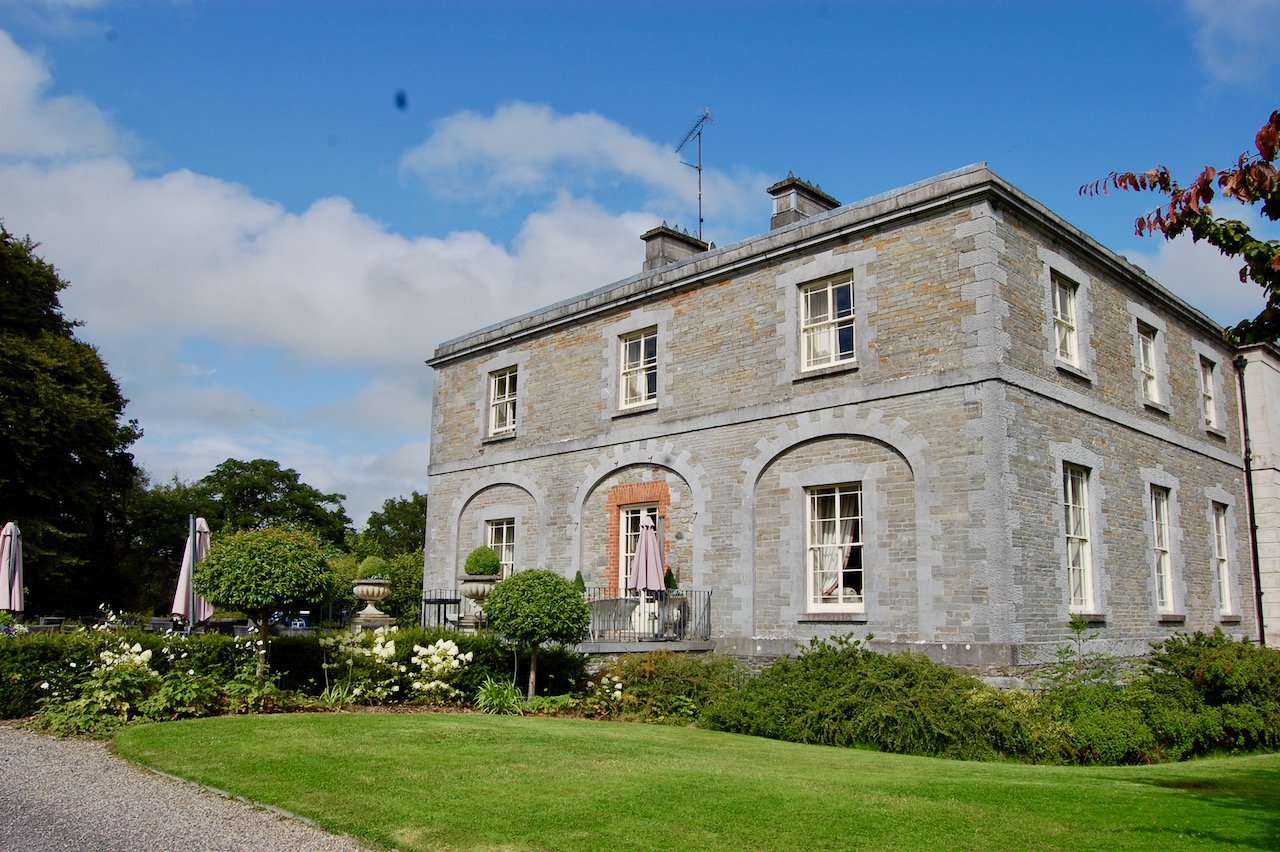
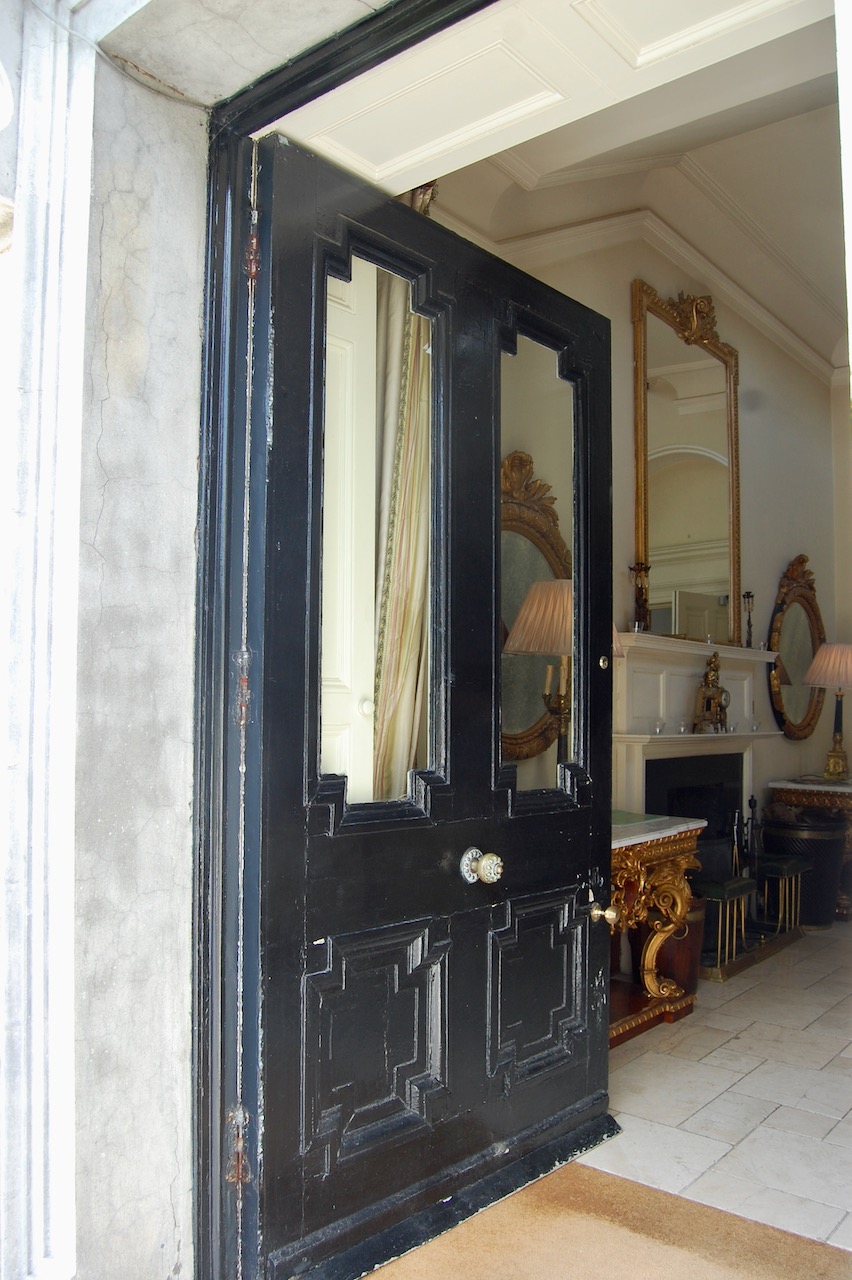
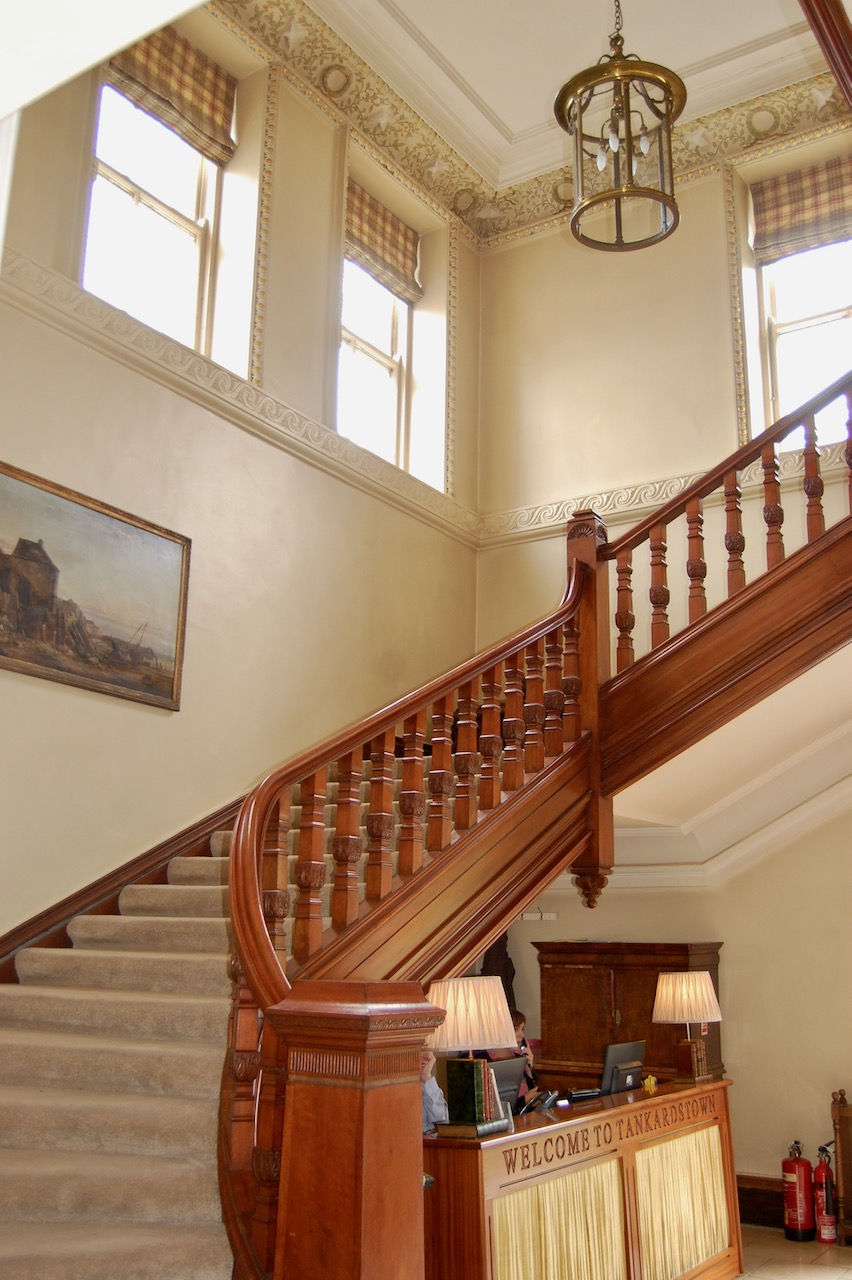
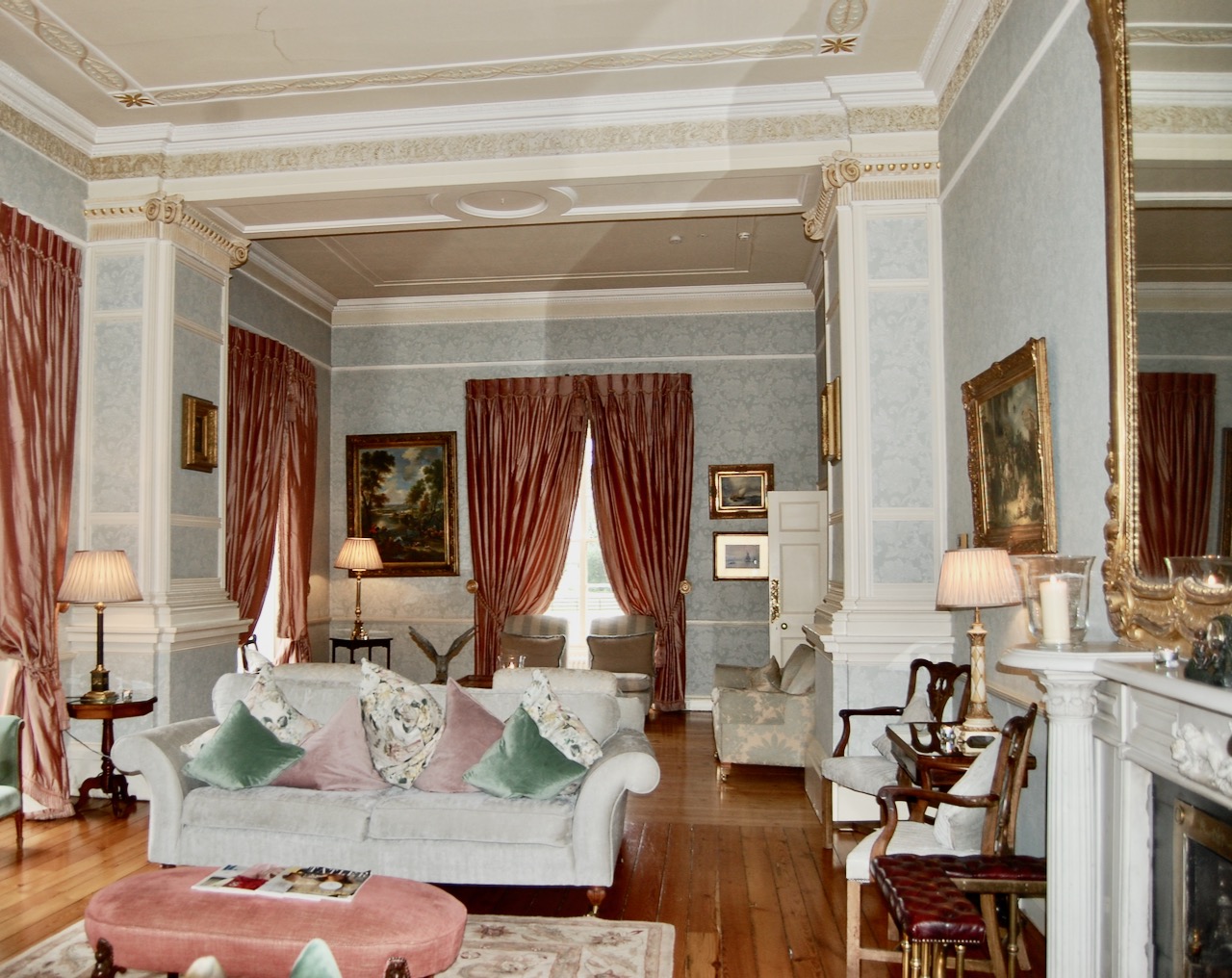
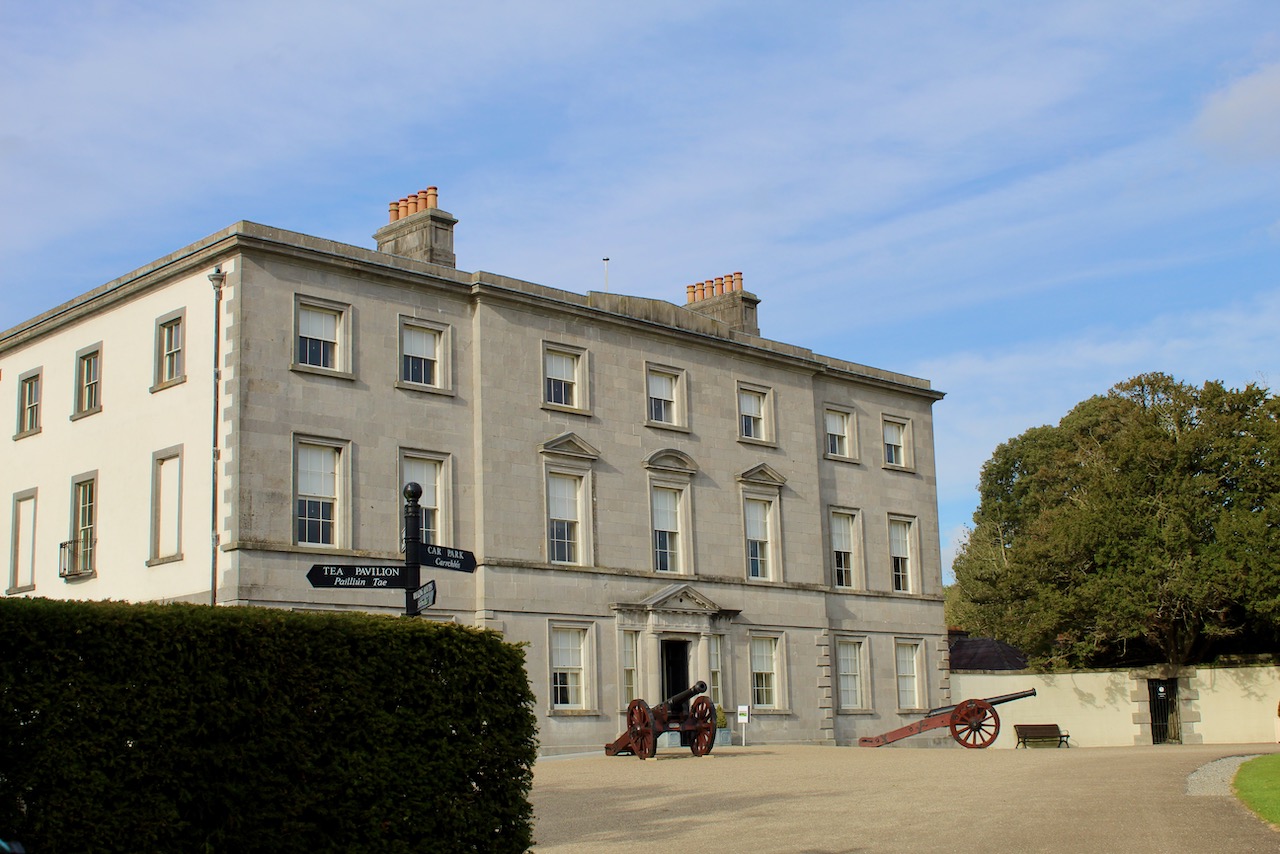
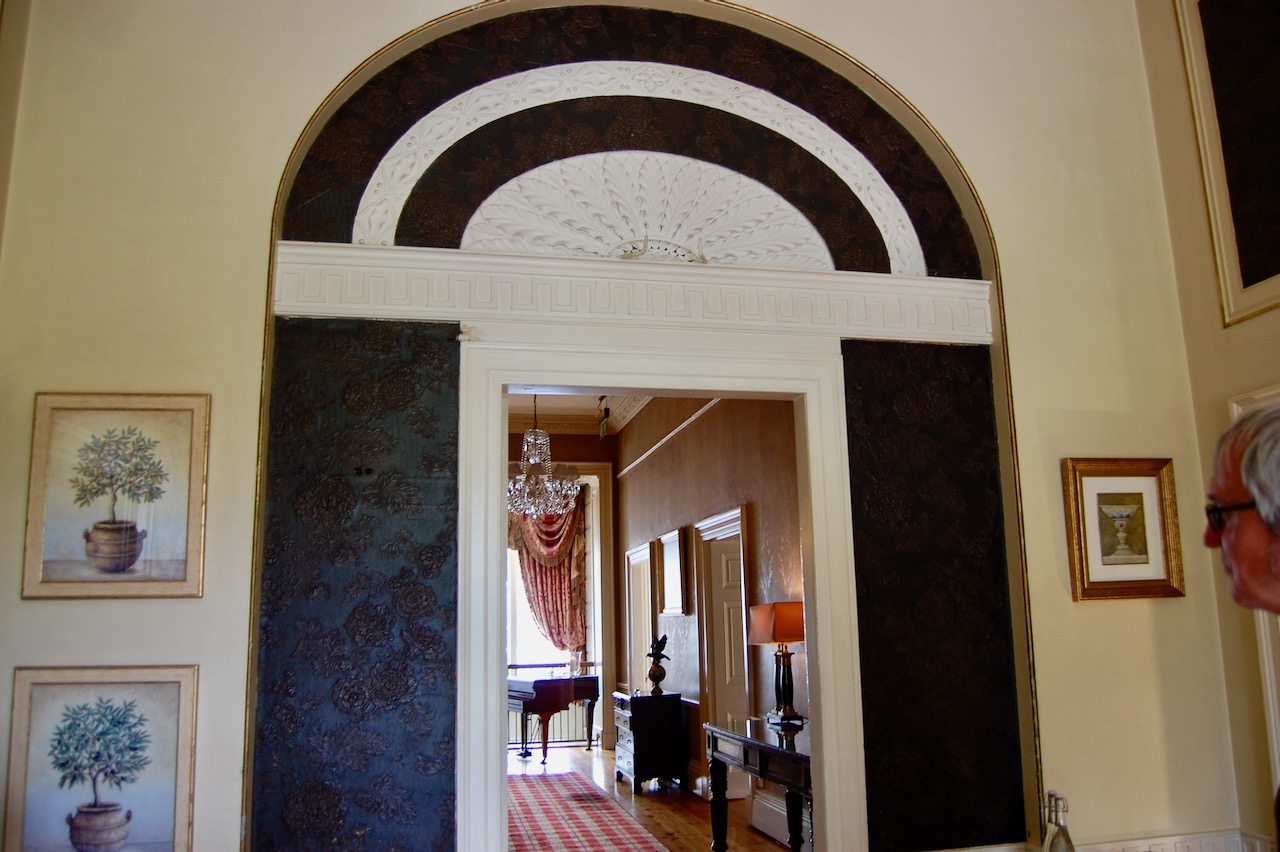

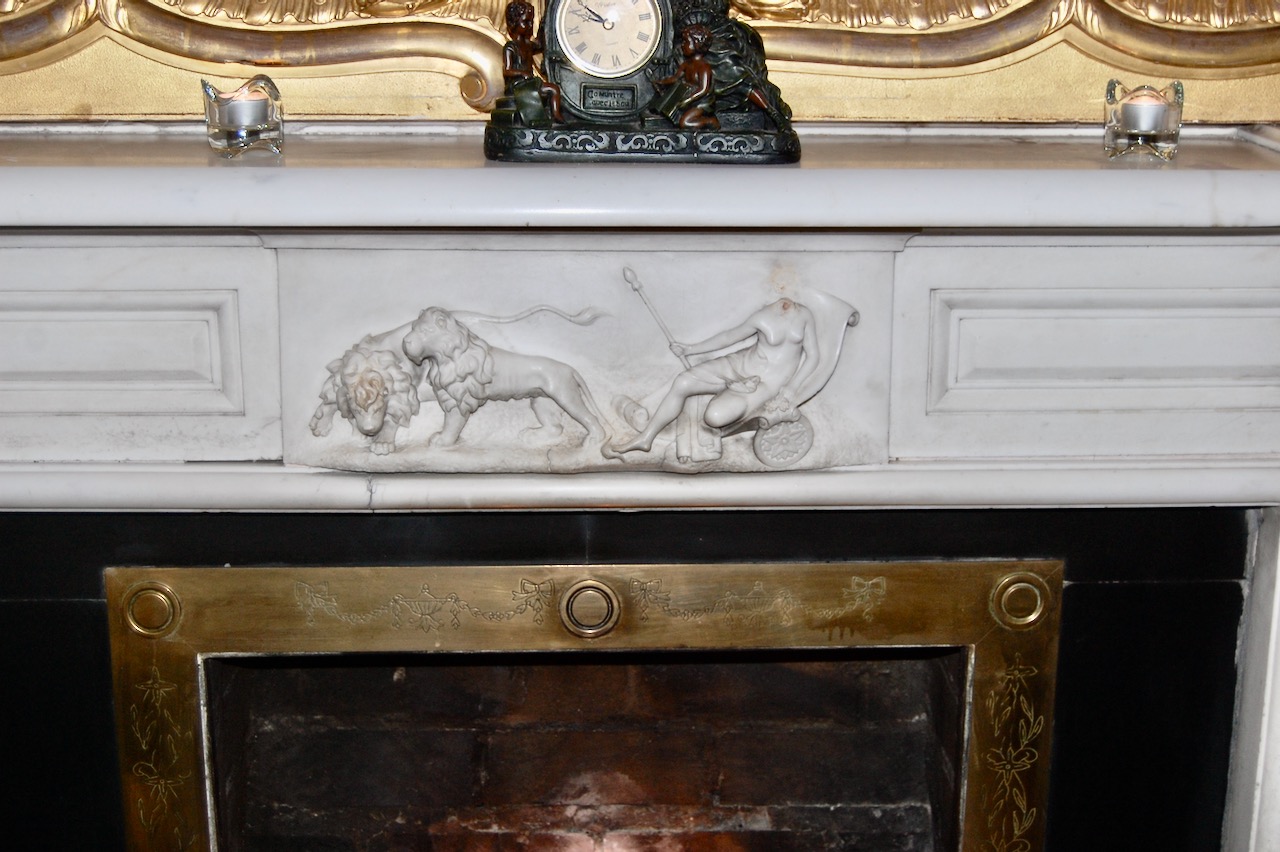
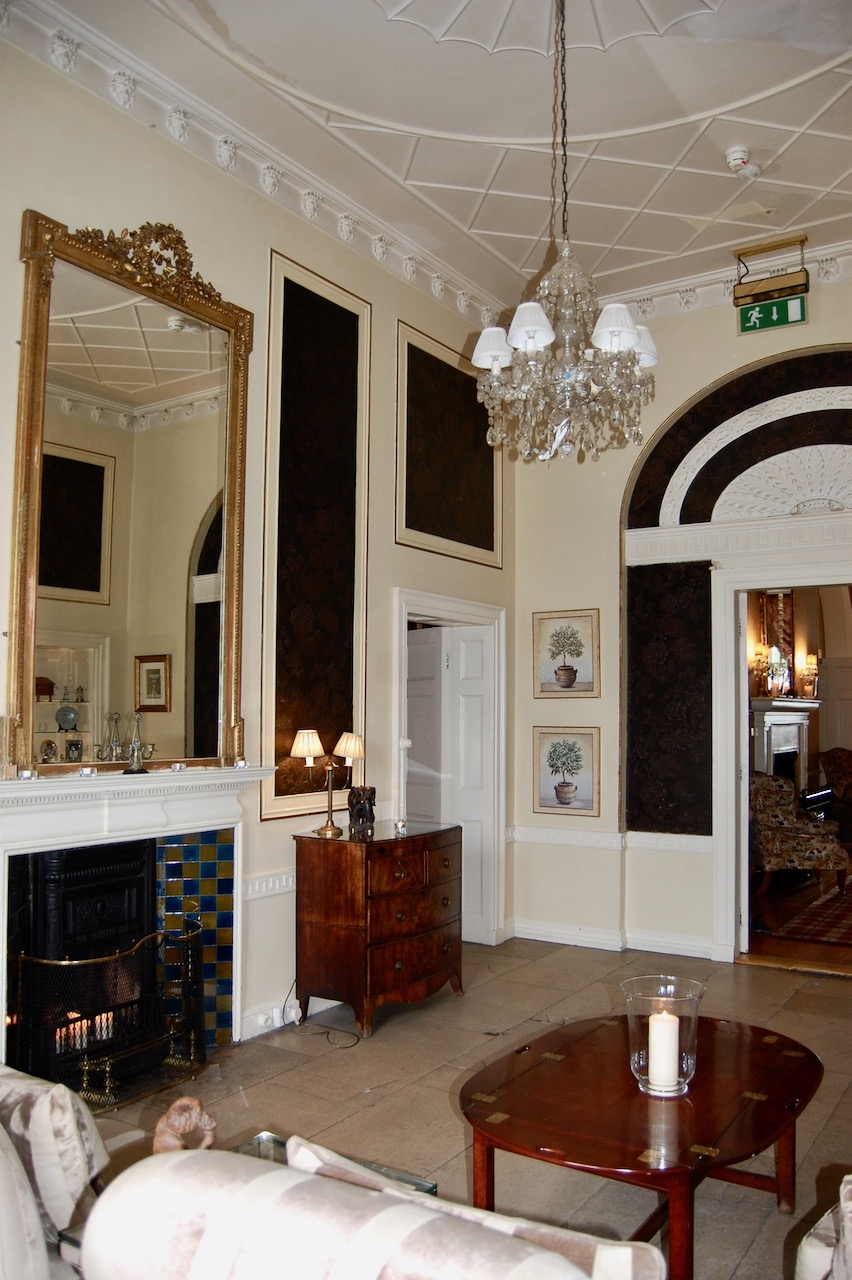
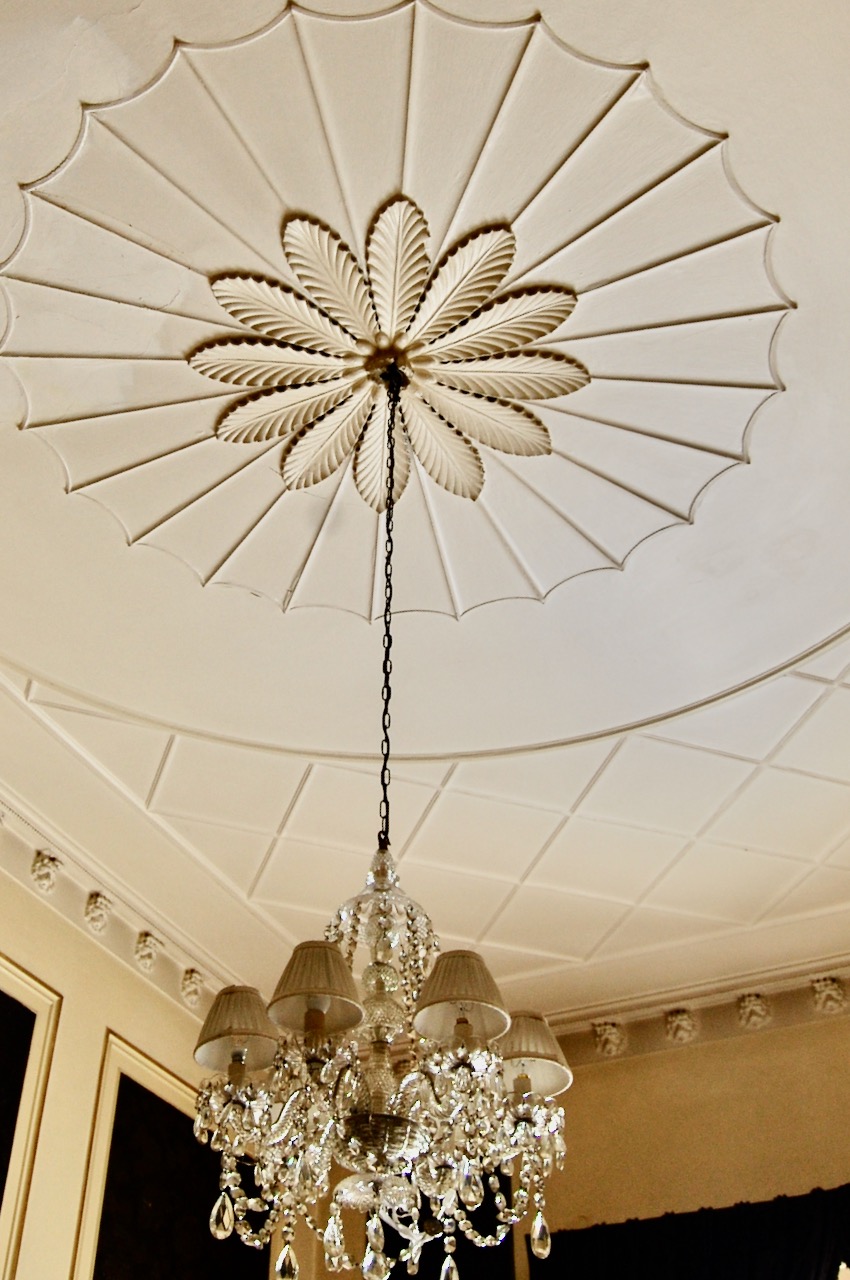
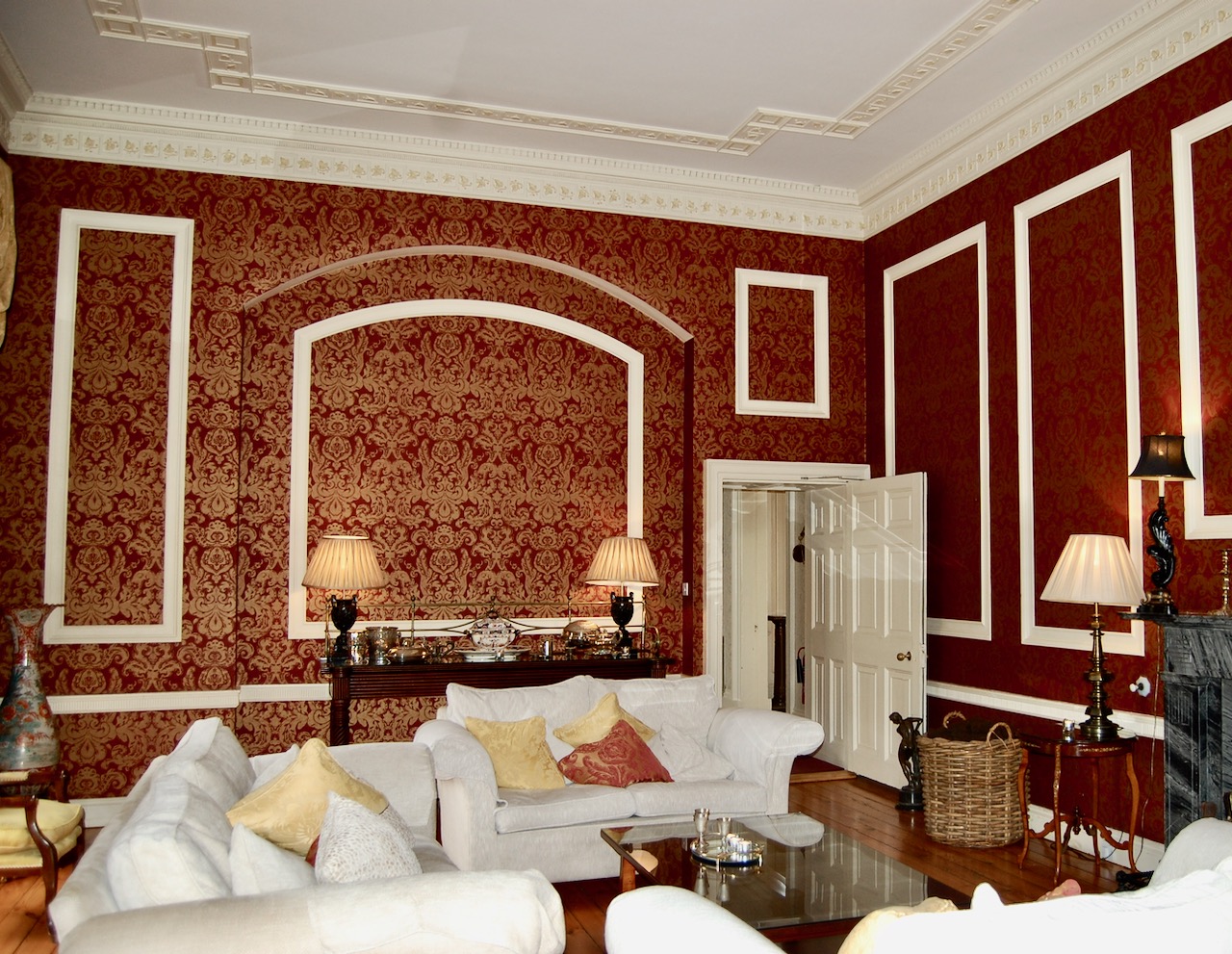
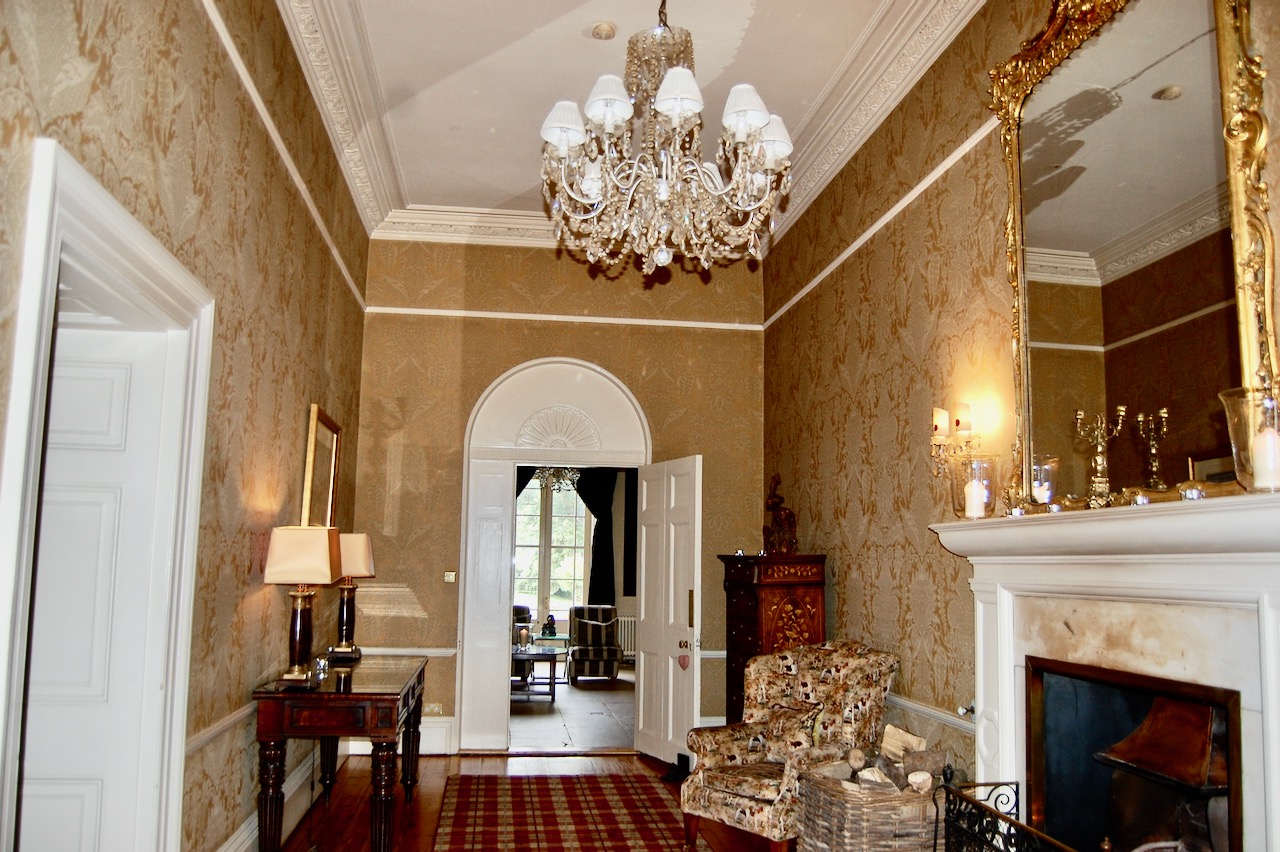

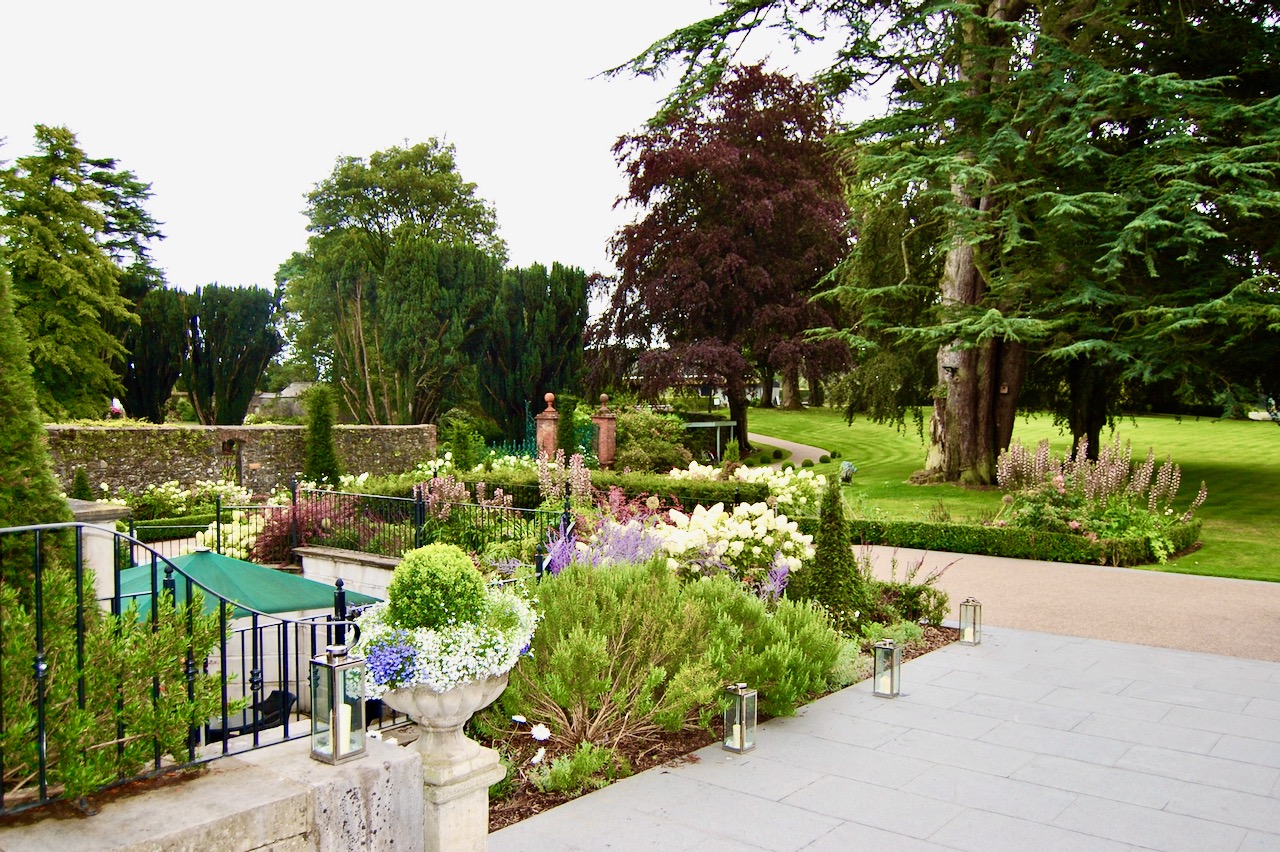
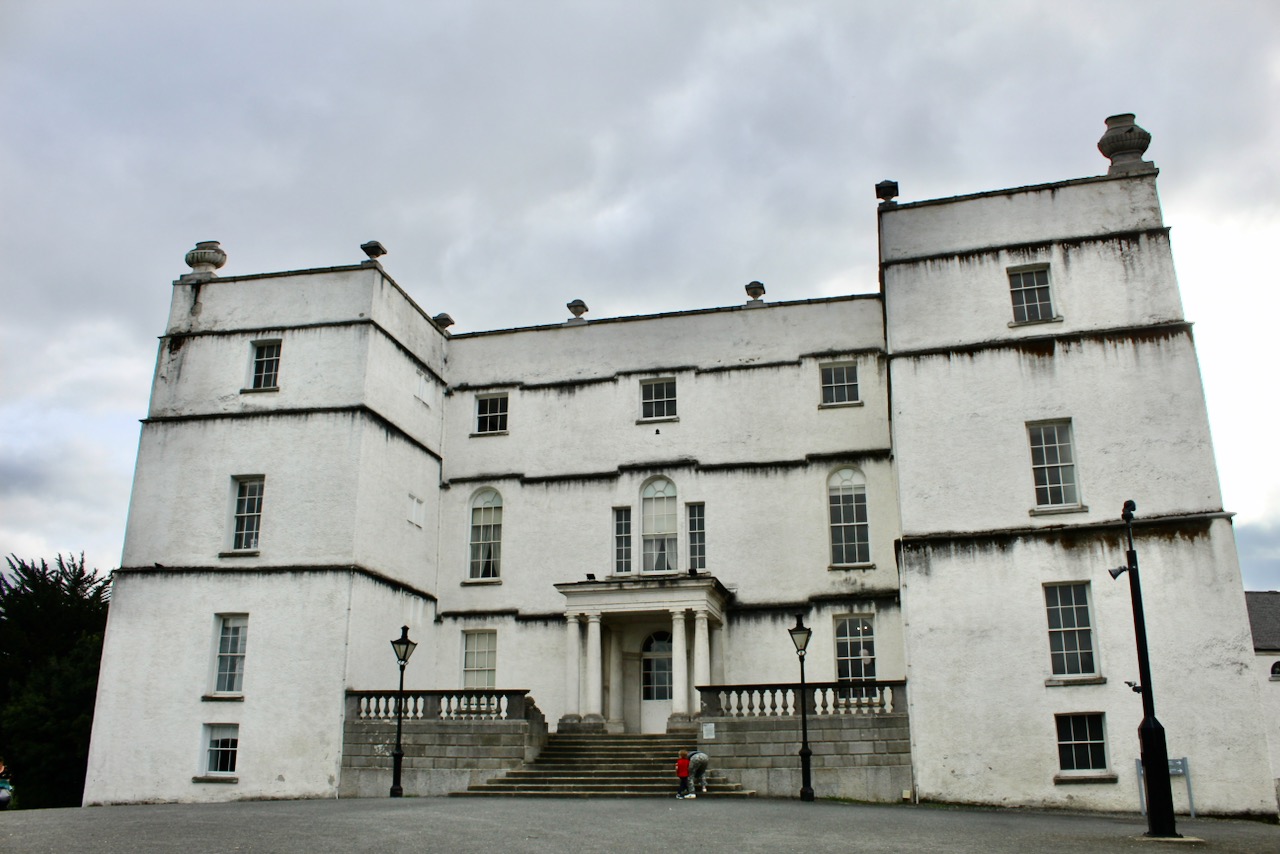
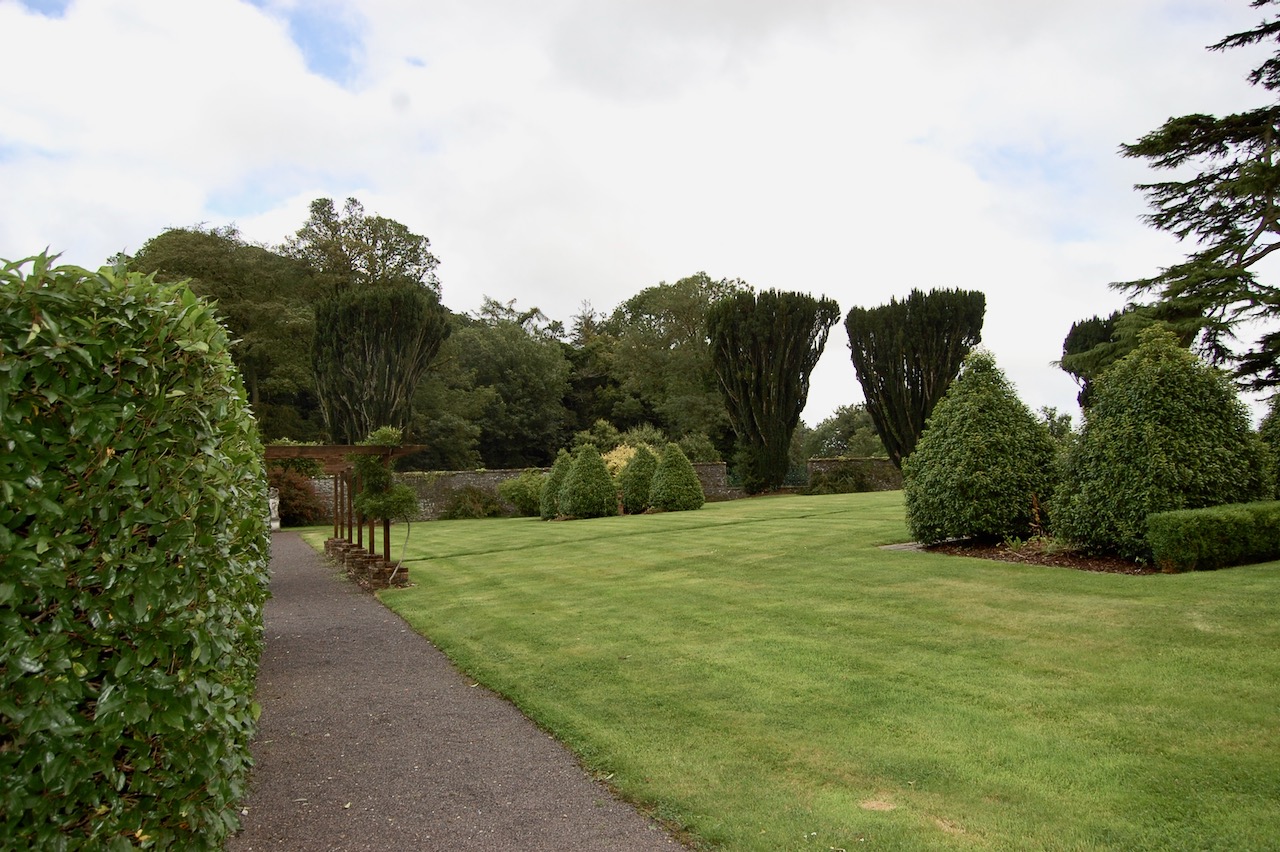
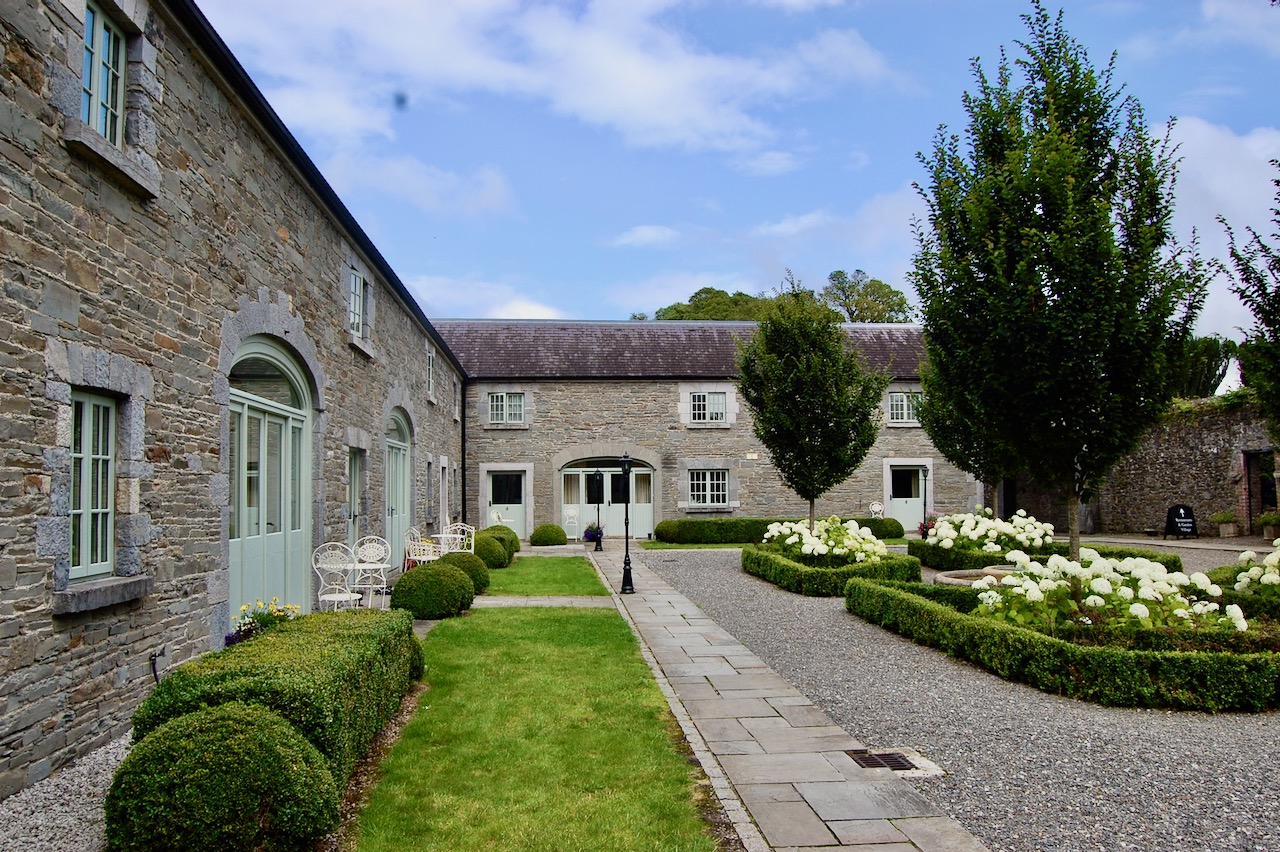
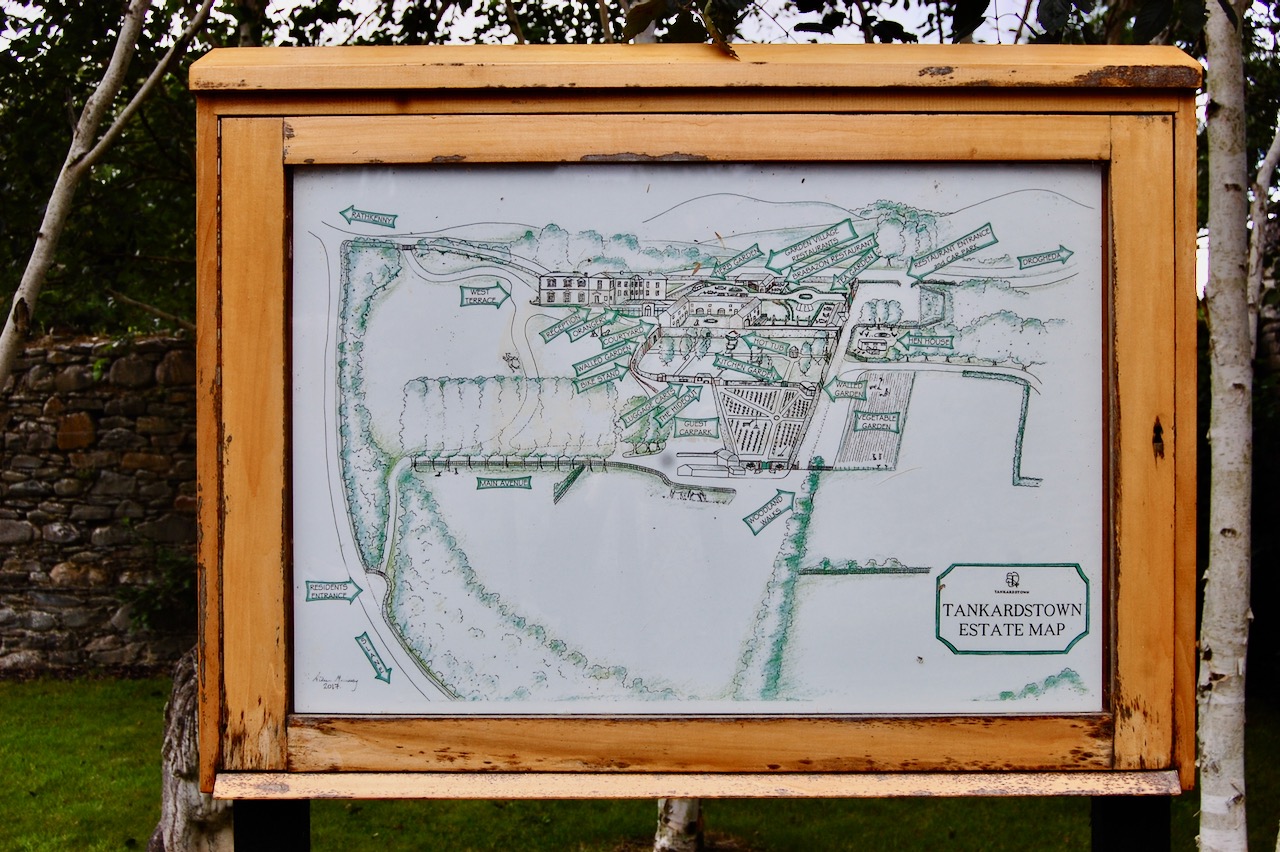
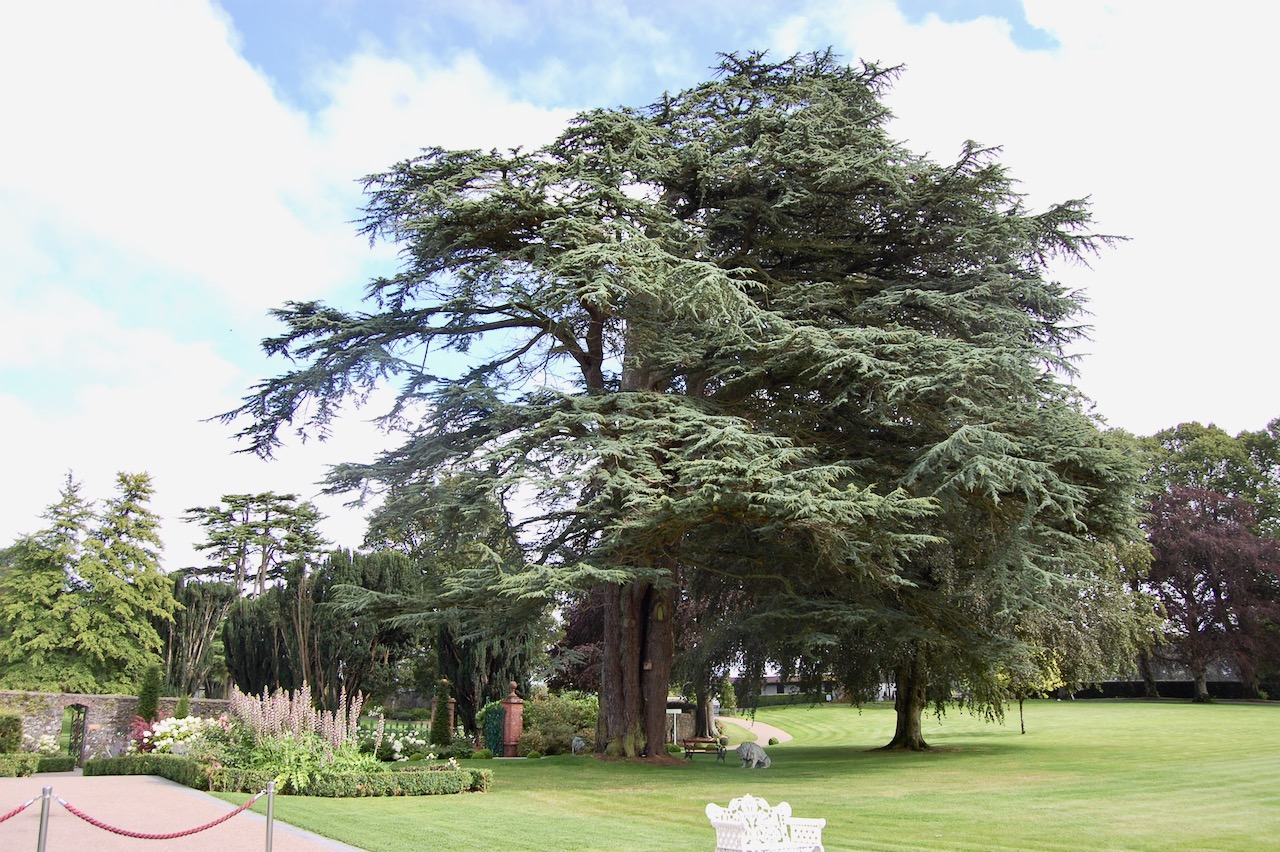
 Irish Historic Houses