I had a busy Open House Dublin this year as I made sure to be up and in front of my computer at 9am when booking started, to try to get a place to visit the Provost’s House. I didn’t manage to on the day, but I joined the Irish Architecture Foundation especially to try to see places not normally open to the public, and I was in luck! They later offered some tickets to see the Provost’s House on the Friday morning of Open House this year and I jumped at the chance.
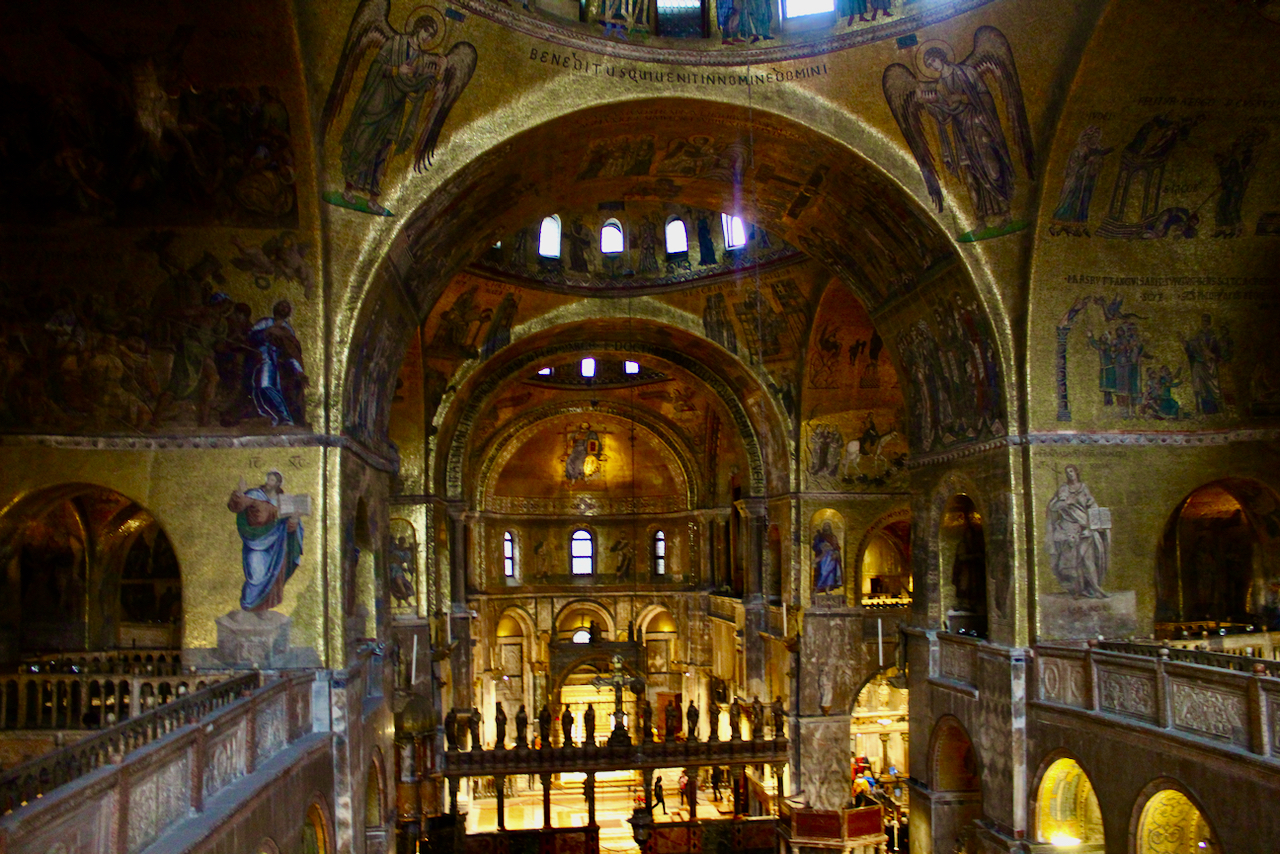
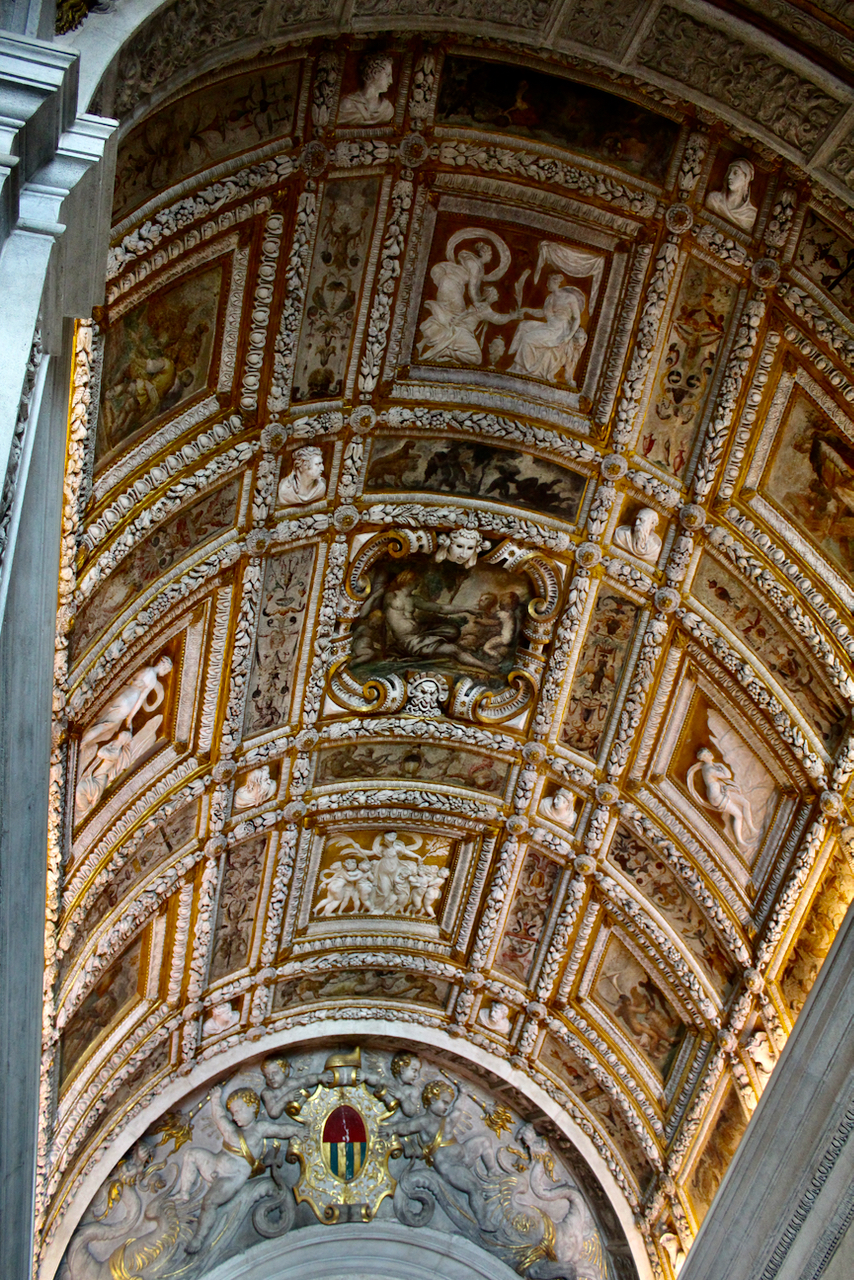
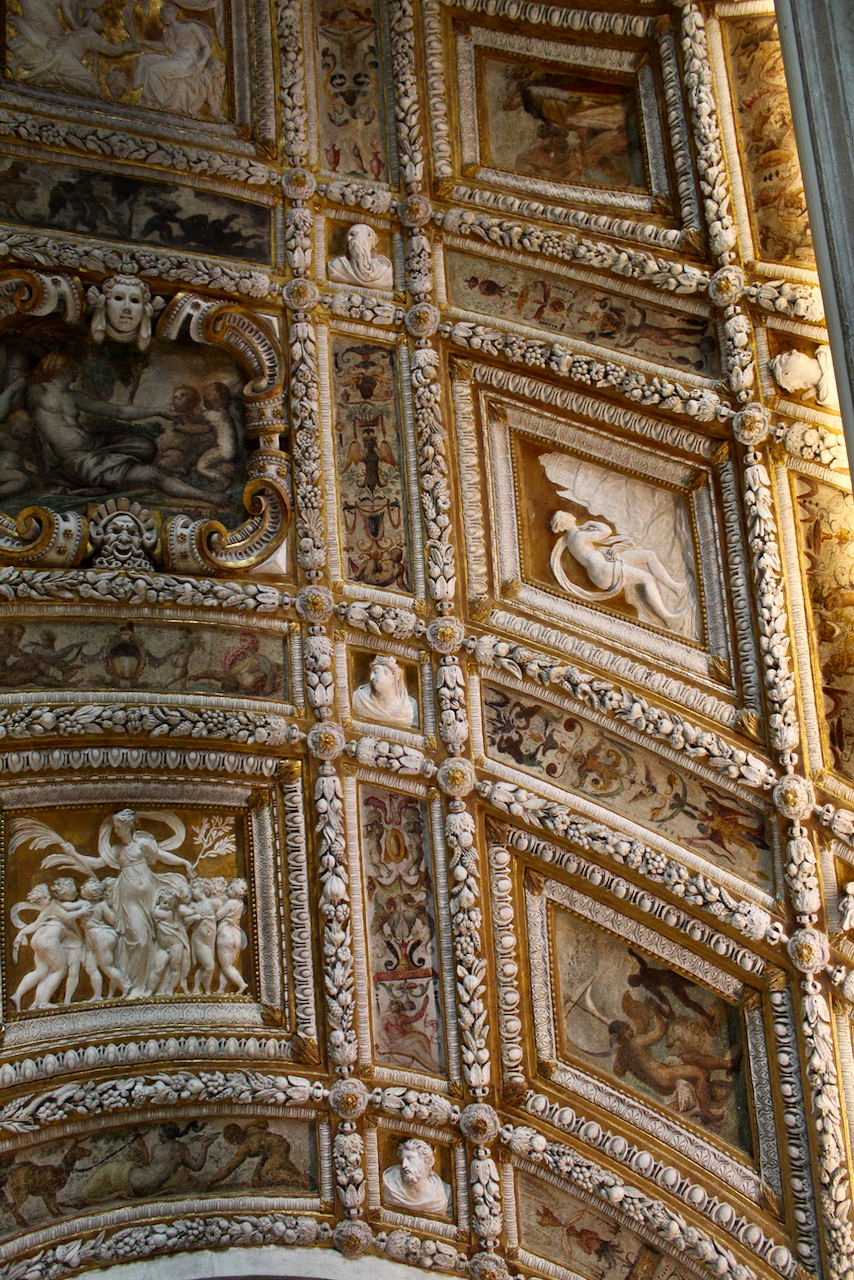
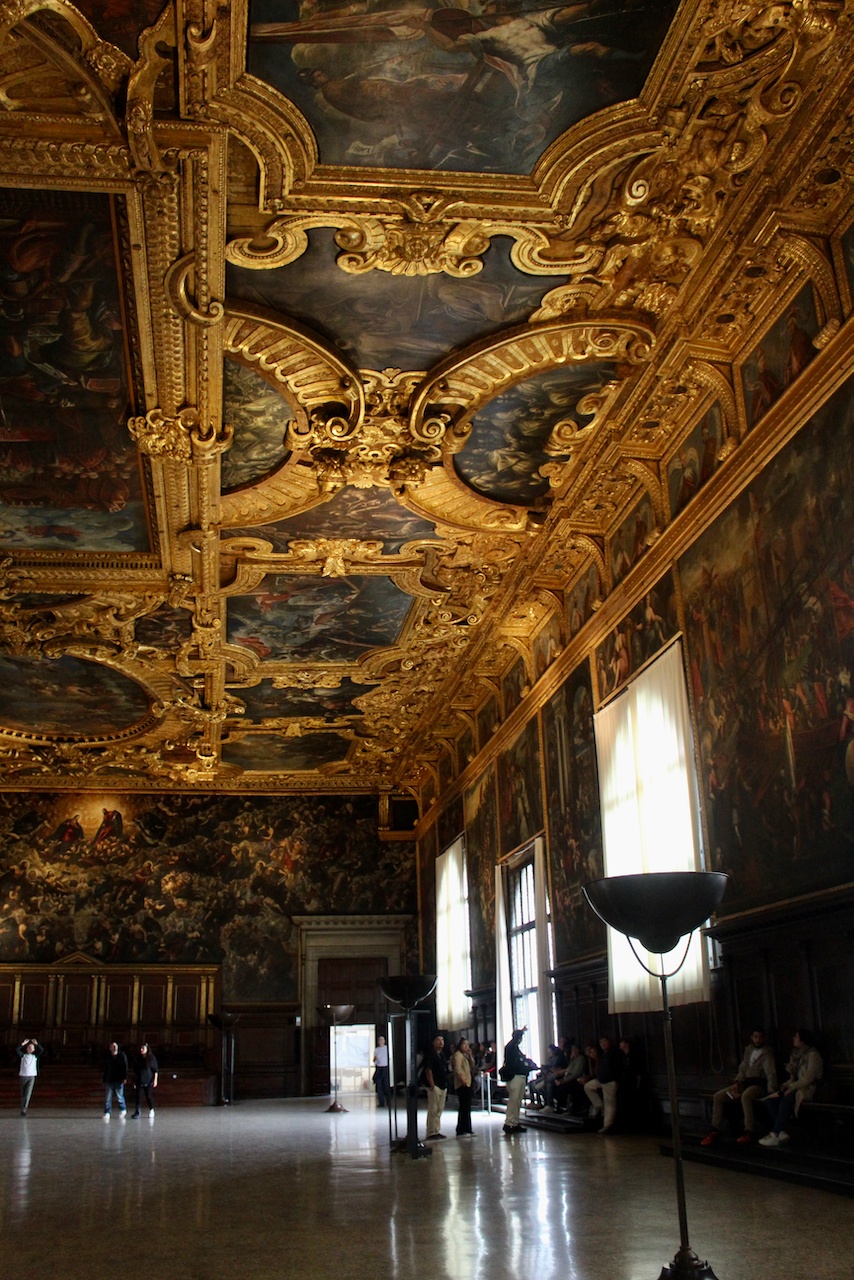
I’m a bit late writing about it, as Stephen and I took a short jaunt to visit Venice for the first time! First of many, I hope, as I loved it. This time we only had time to see the Basilica di San Marco and the Doge’s Palace, and we went on a water bus trip up the Grand Canal.
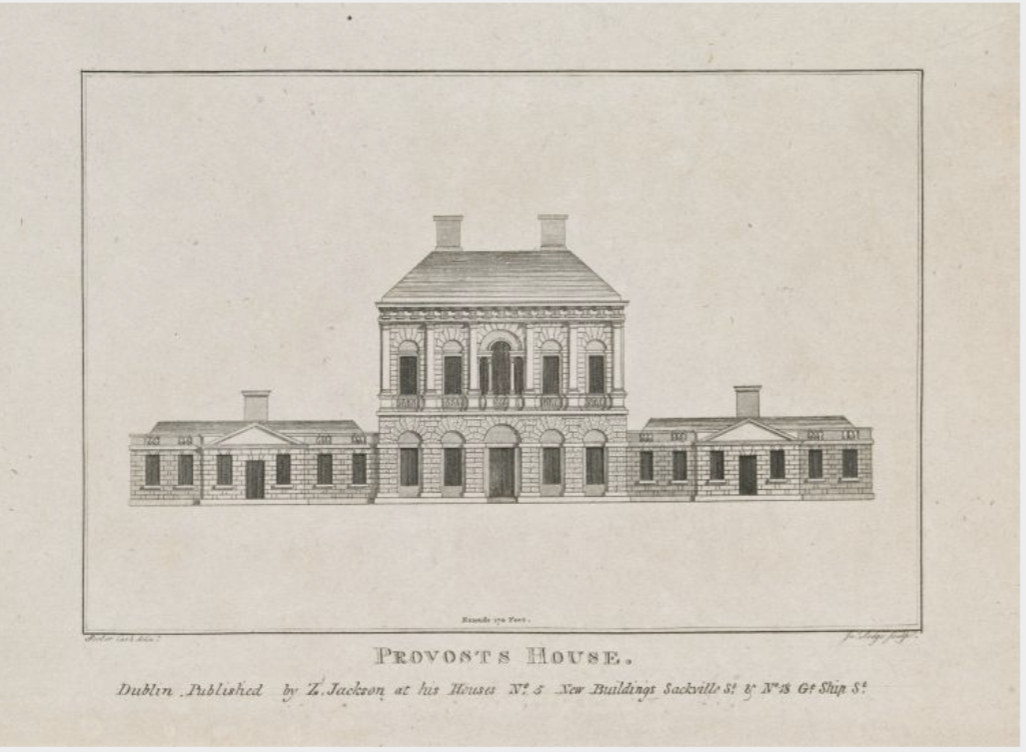
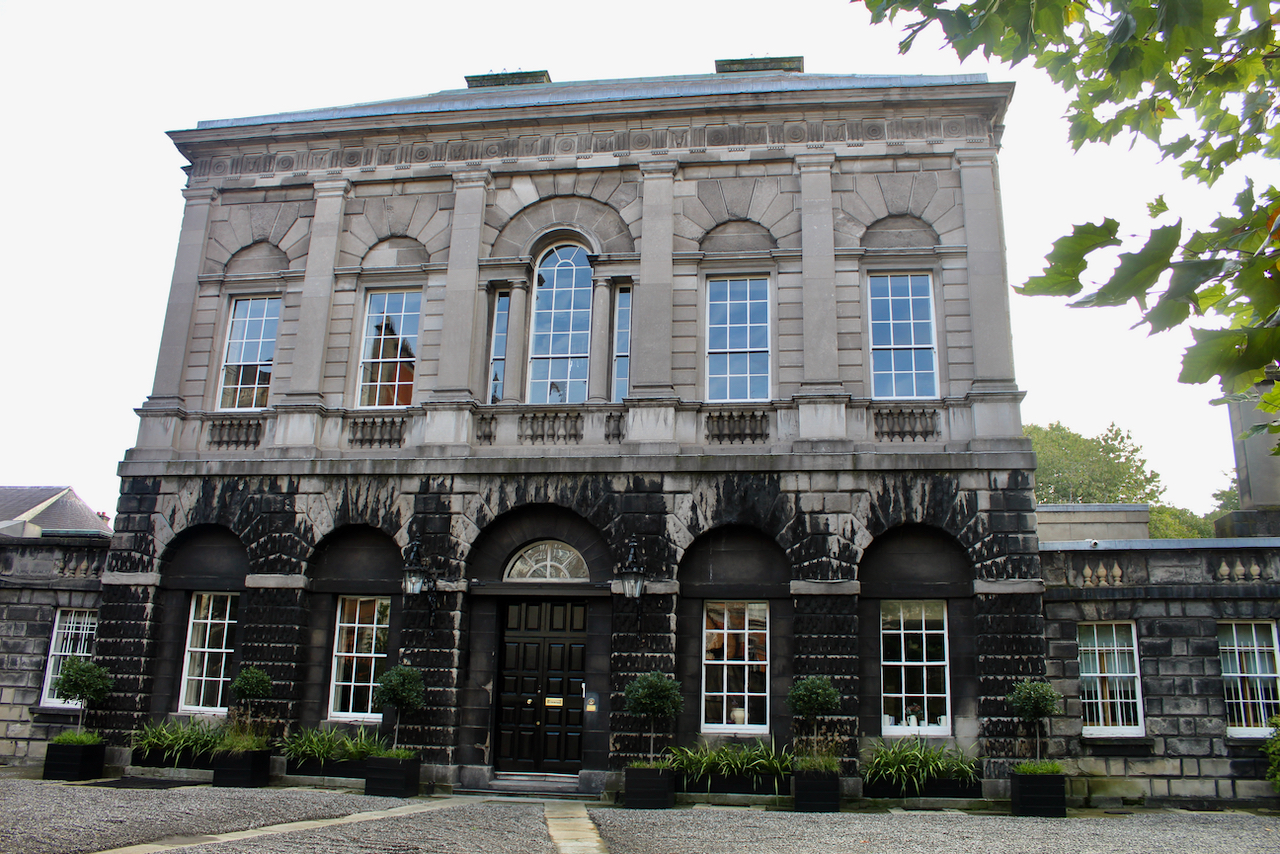
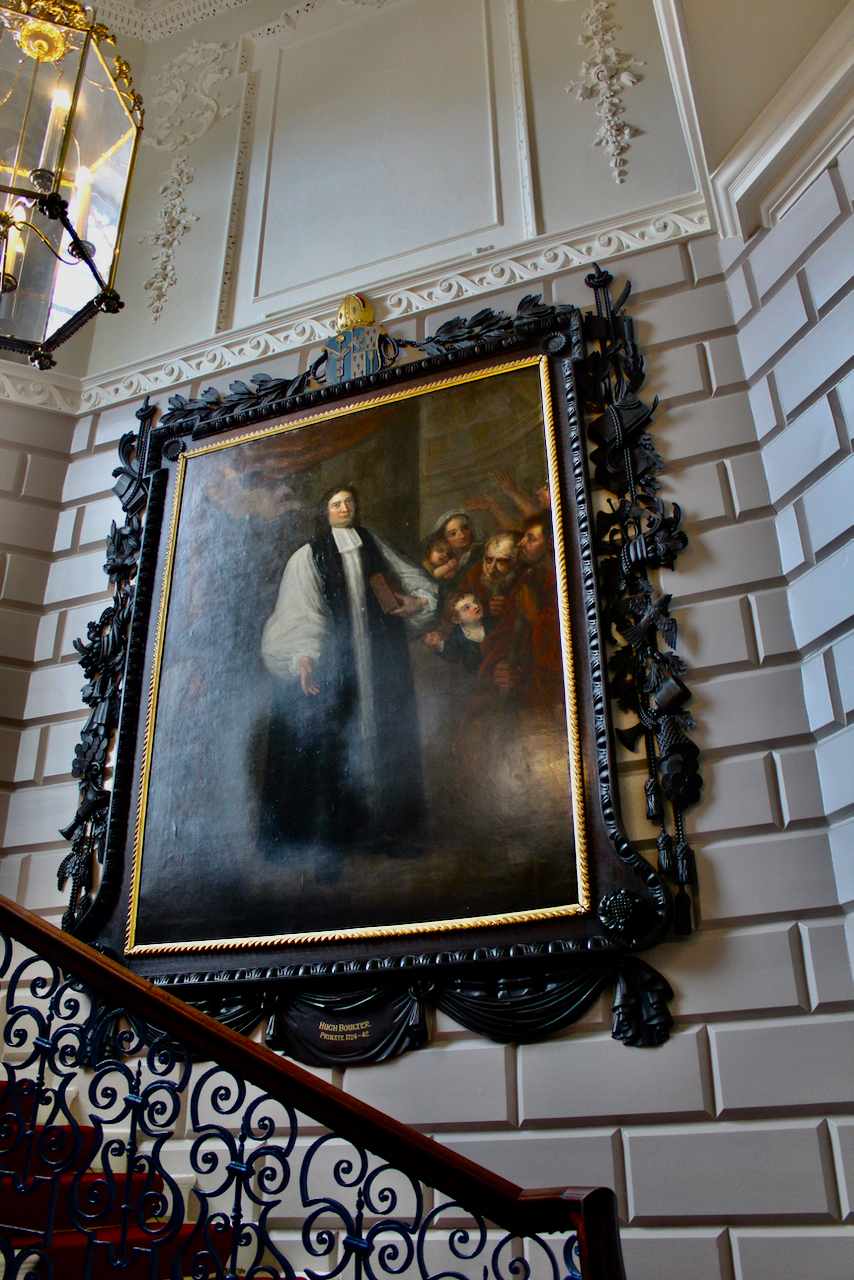
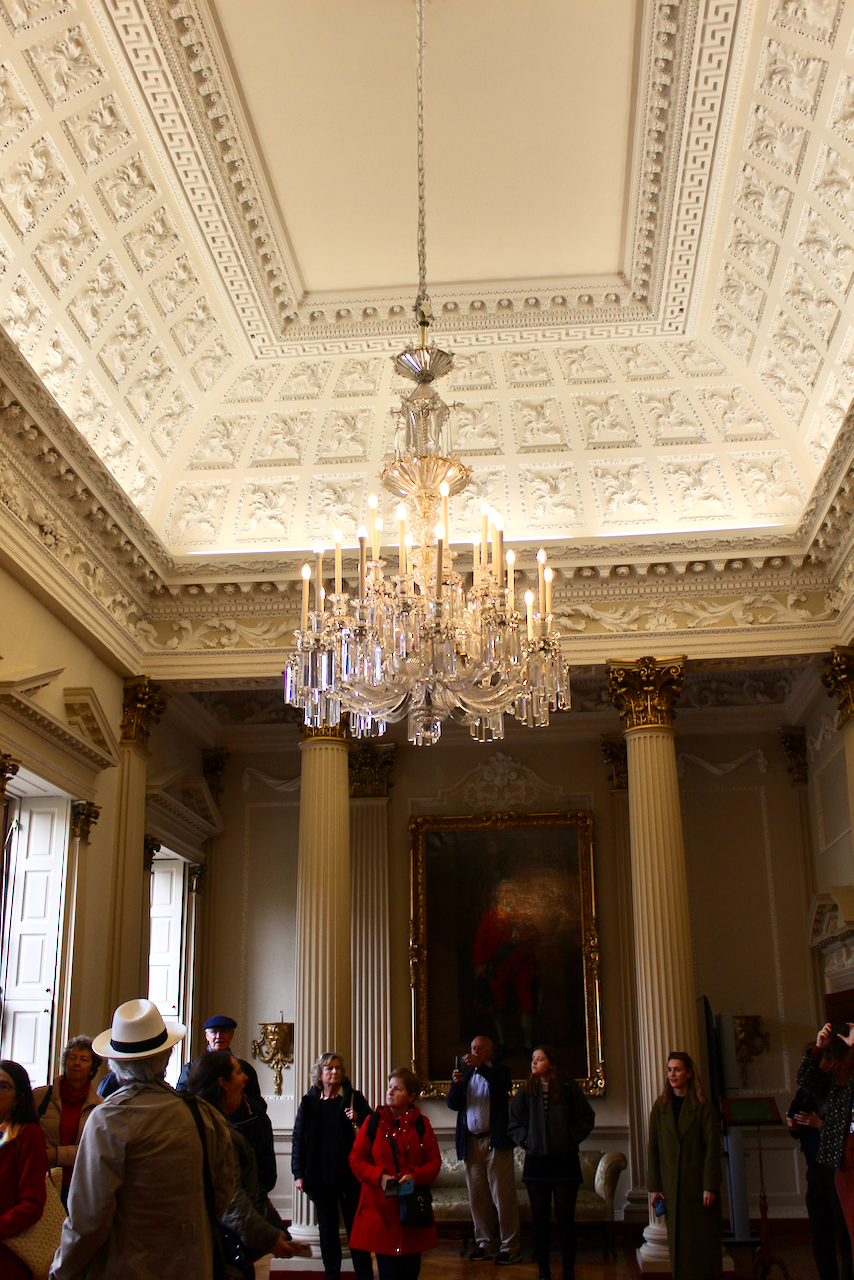
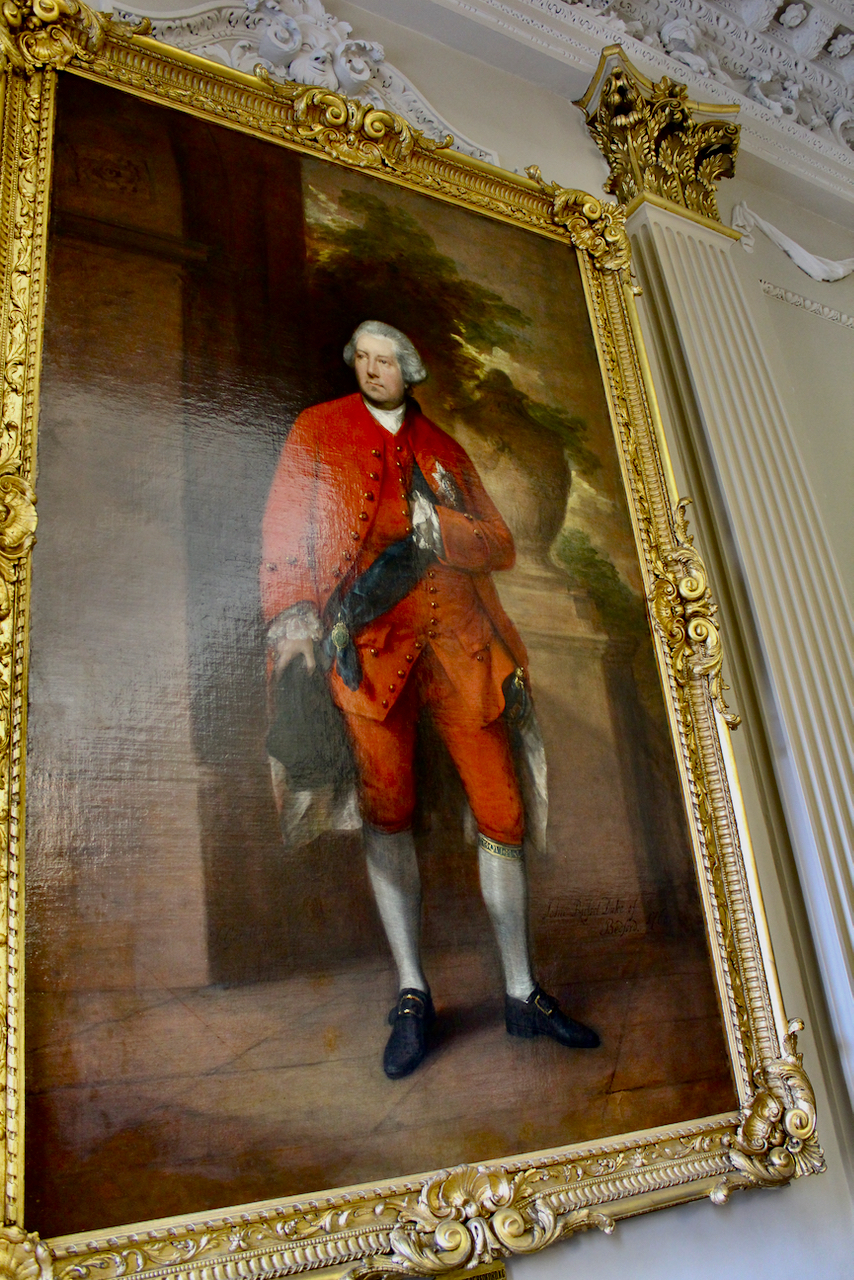
The Provost’s House is a five bay two storey over basement house with later built wings, single-storey of seven bays each, which hold offices. It is built to impress, with a carved balustrade along the first floor stringcourse, and a row of Doric pilasters on the first storey facade topped with a frieze of metops and bucrania. The upper storey is limestone but the lower level has rusticated vermiculated stone which absorbs the pollution of the air and has become blackened.
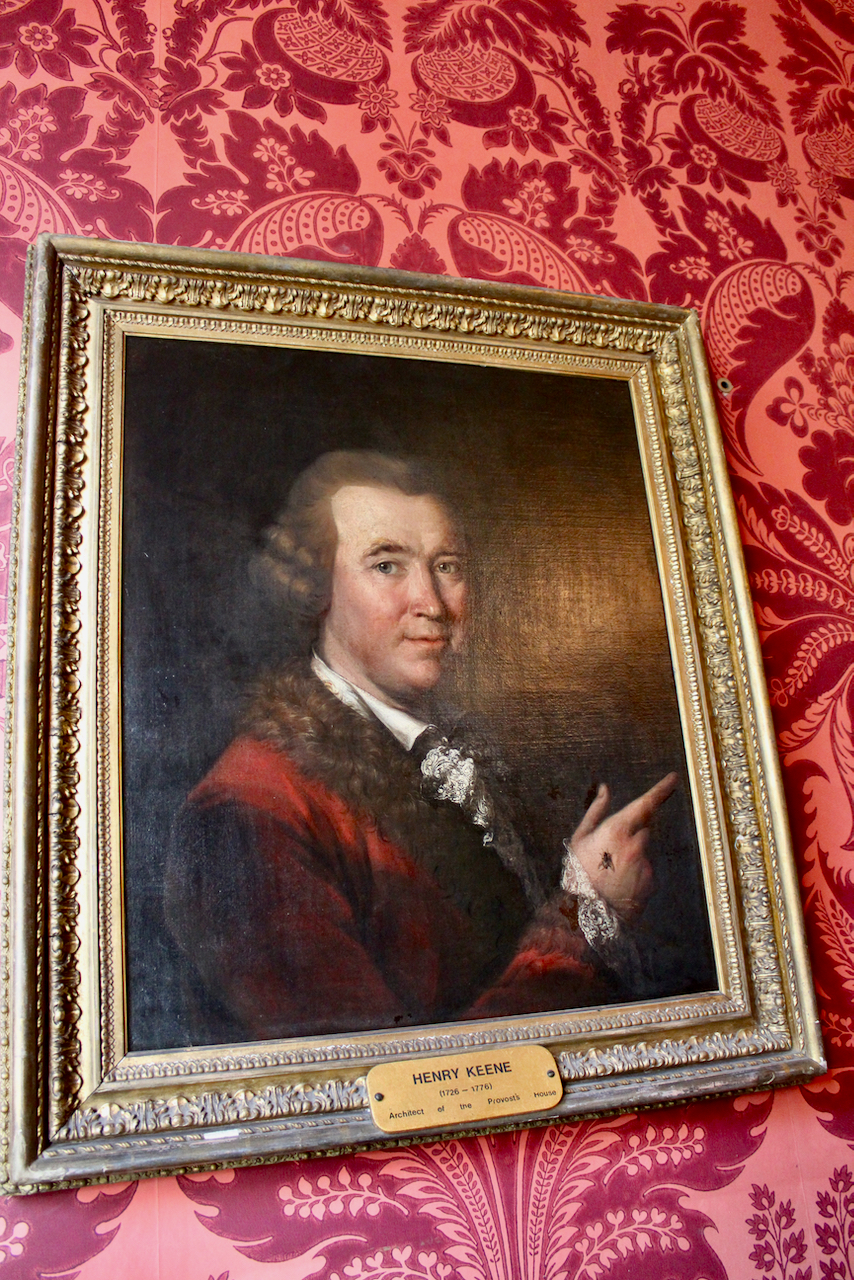
Although Henry Keene is identified as the architect, it is said to copy Richard Boyle 3rd Earl of Burlington’s design for General Wade’s Mayfair house, but George Montague, in a letter to Horace Walpole in 1761, commented ‘The Provost’s House of the university is just finished after the plan of General Wade’s but half of the proportions and symmetry were lost at sea in coming over’.
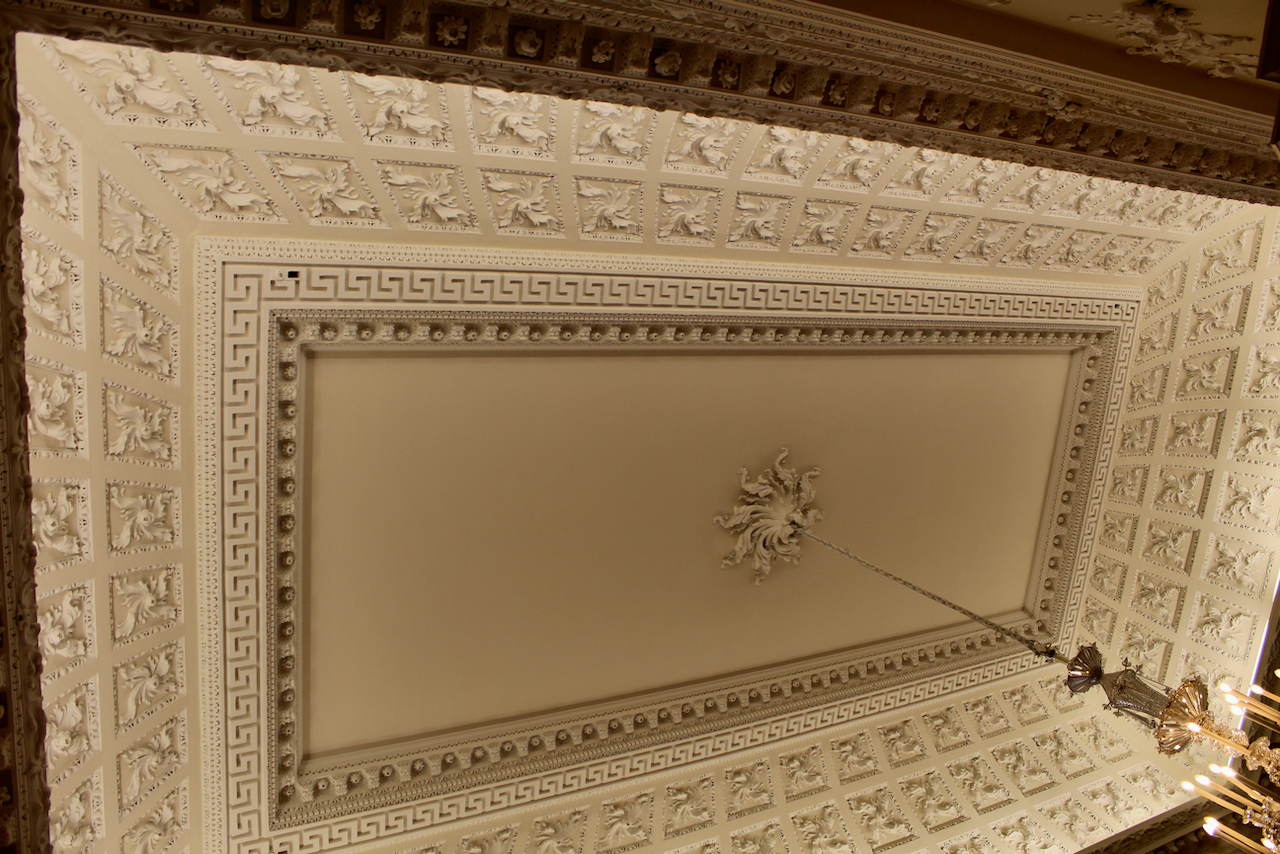
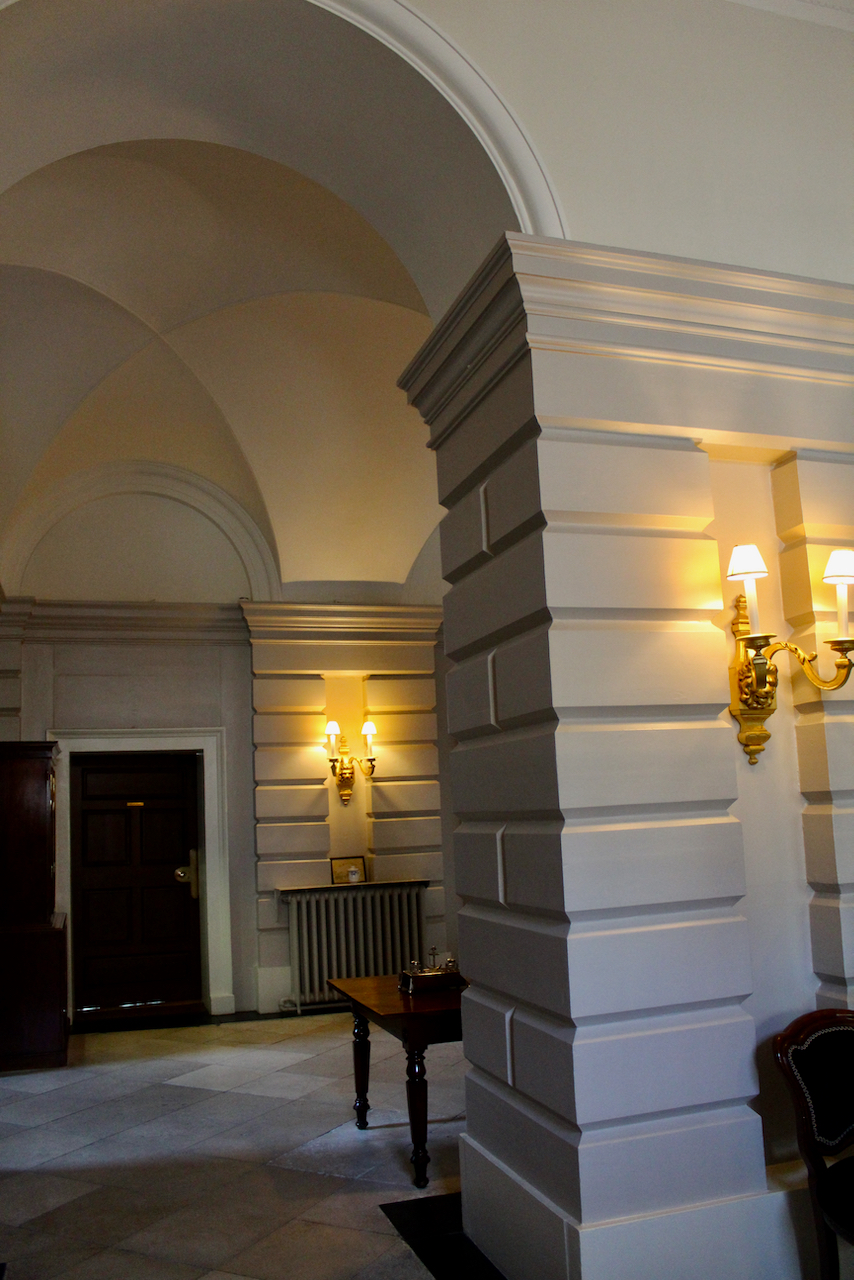
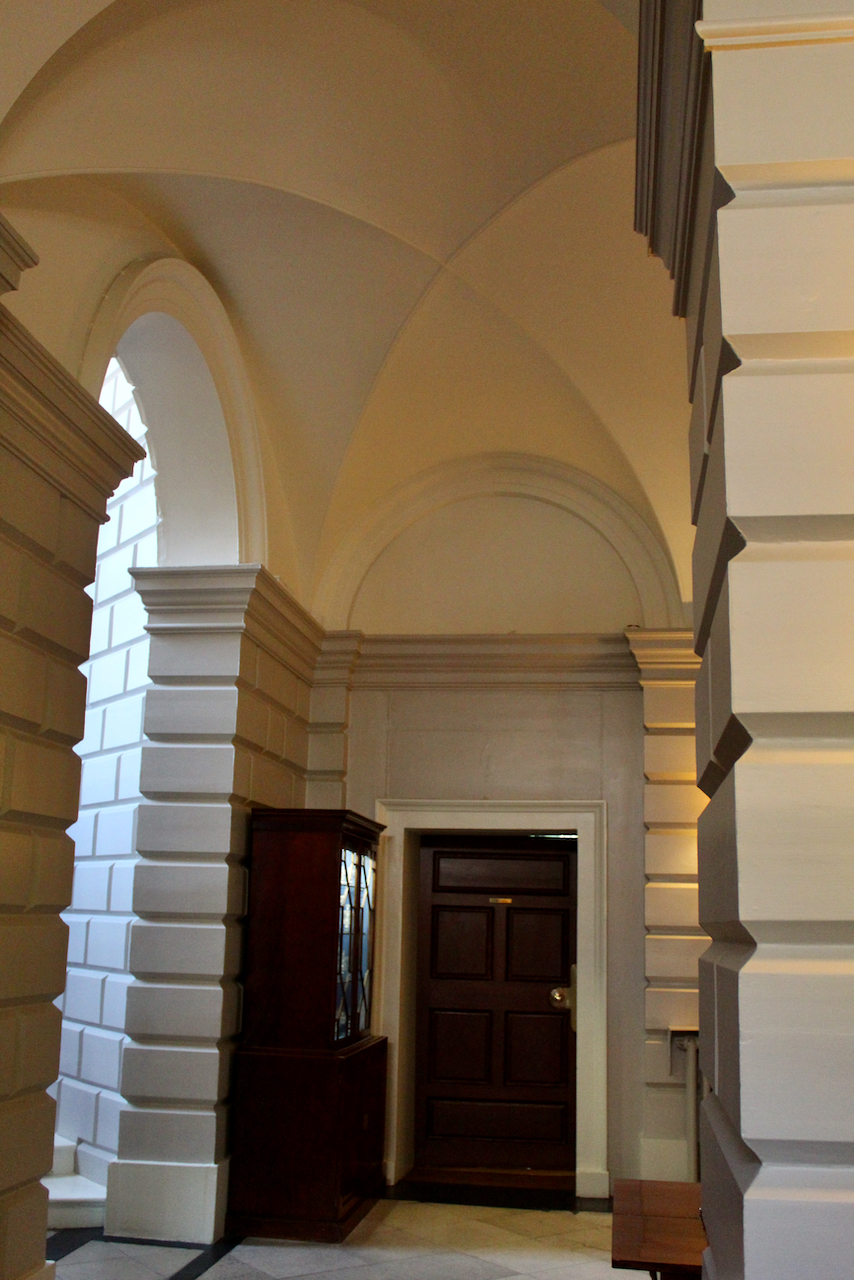
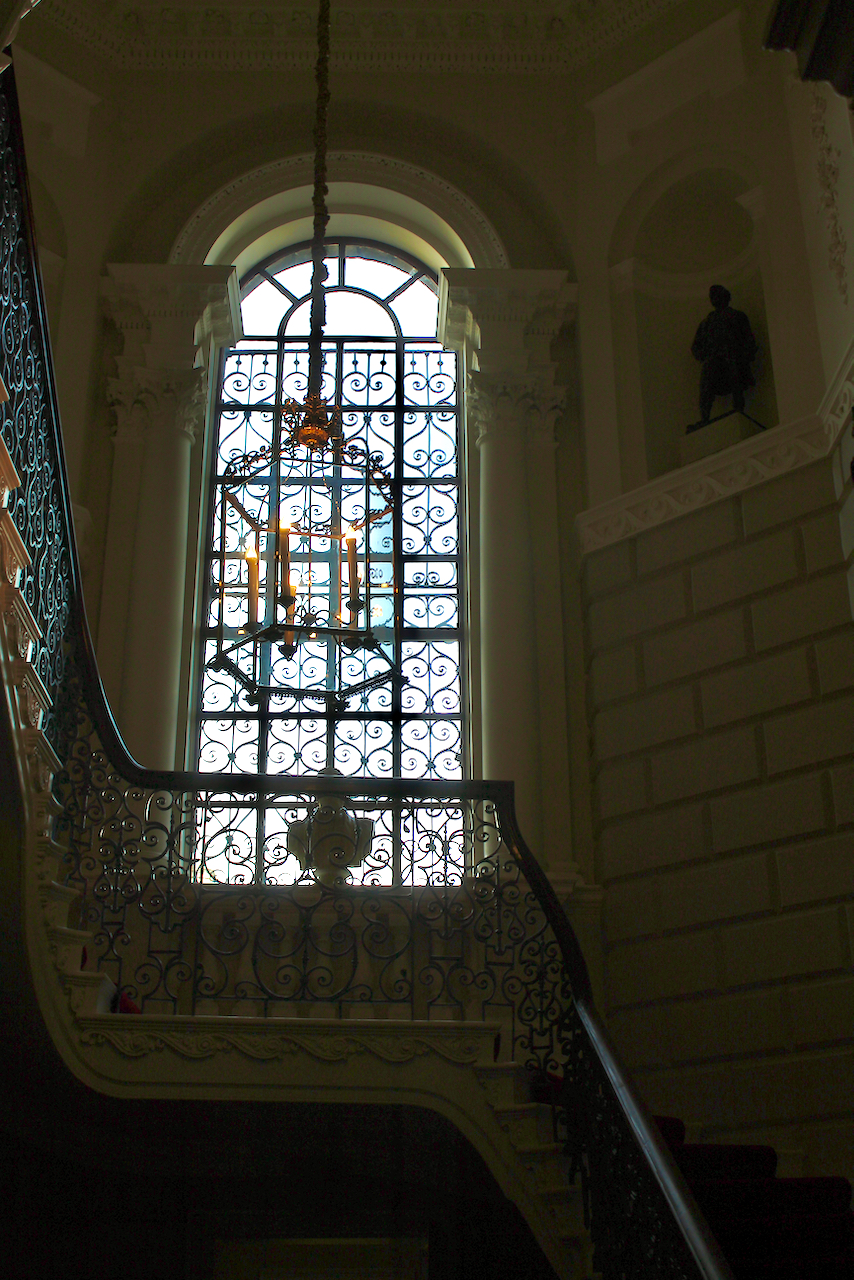
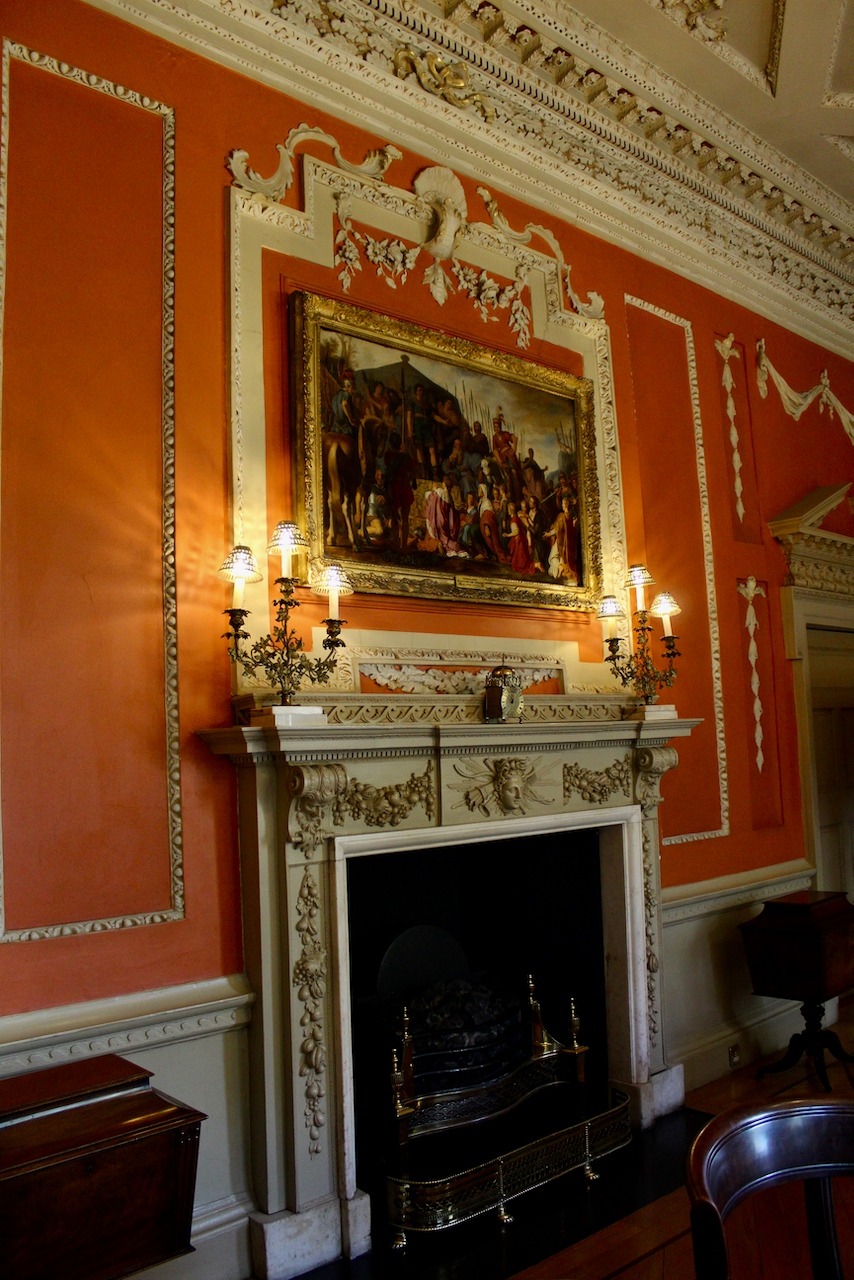
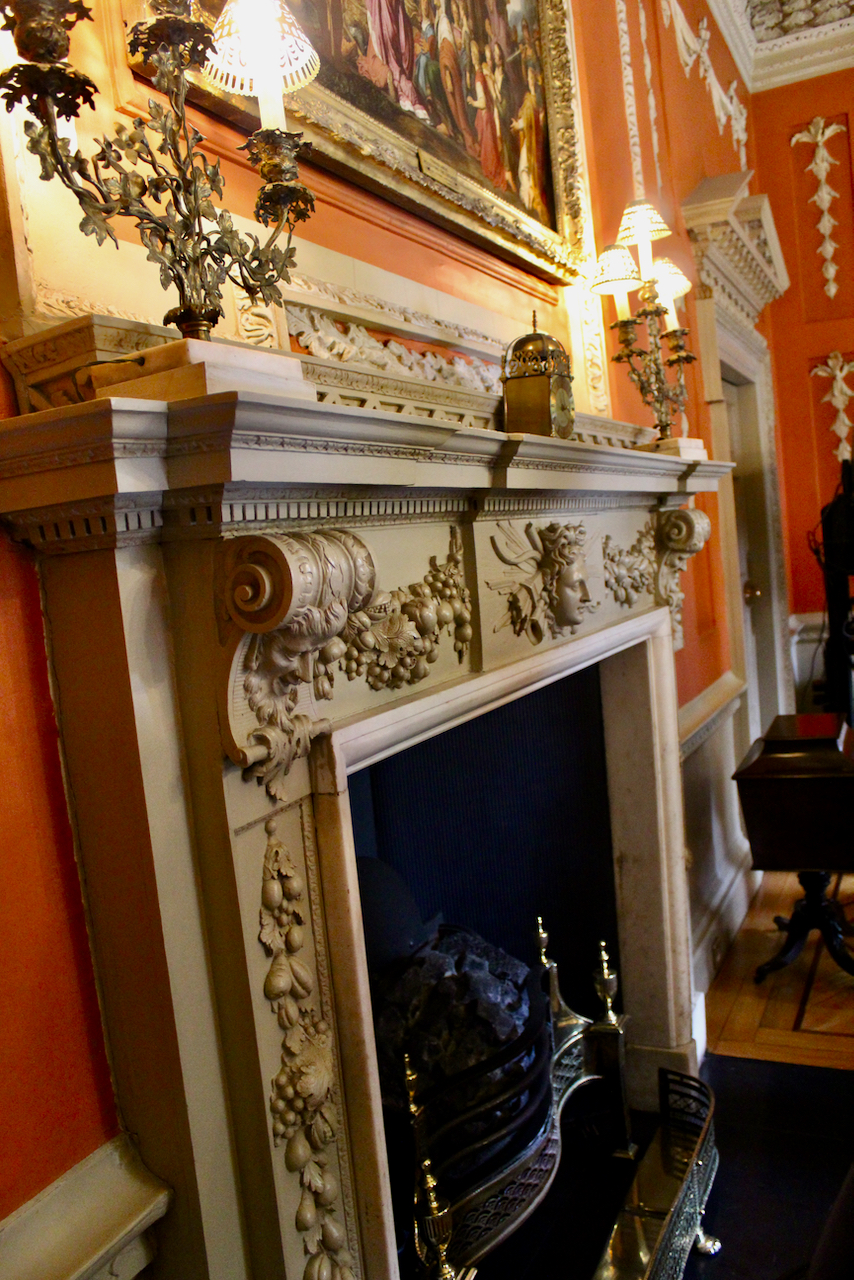
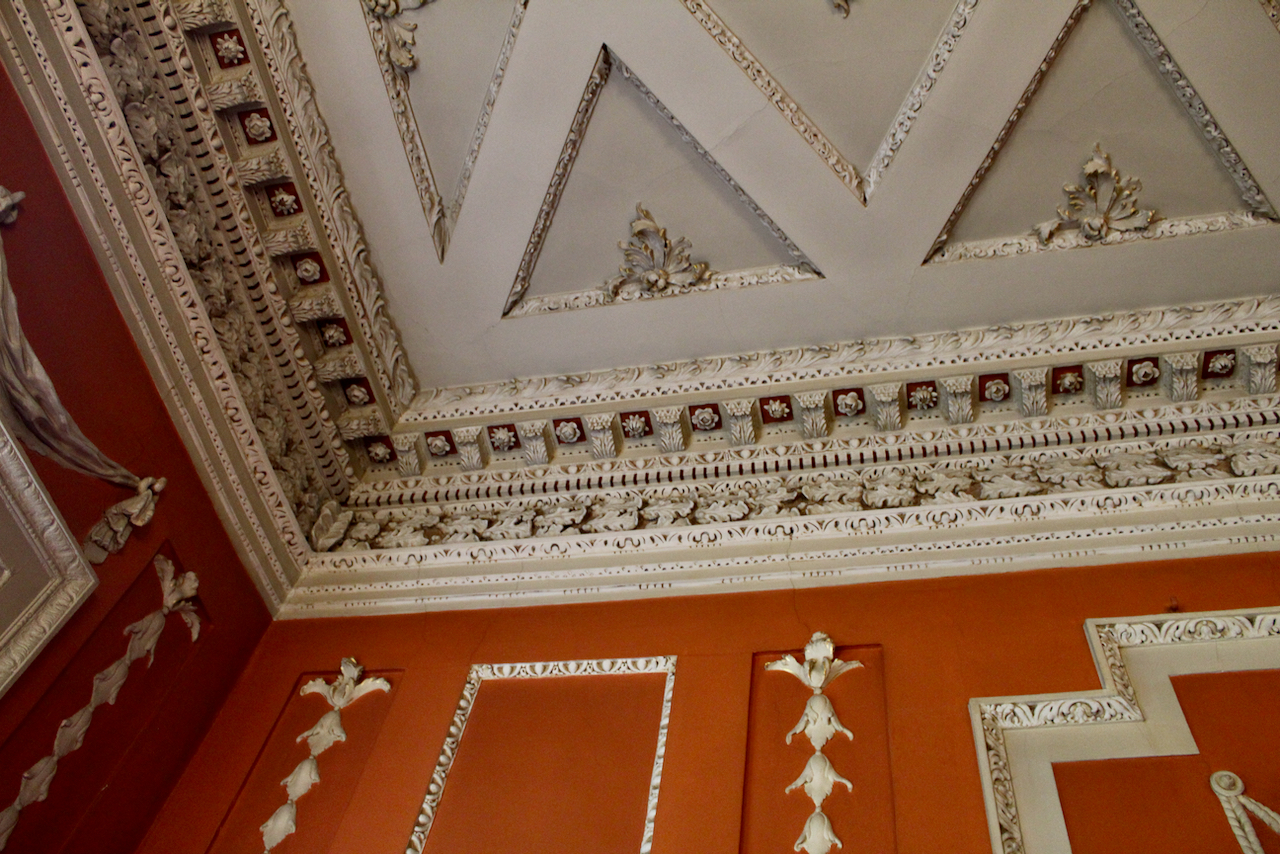
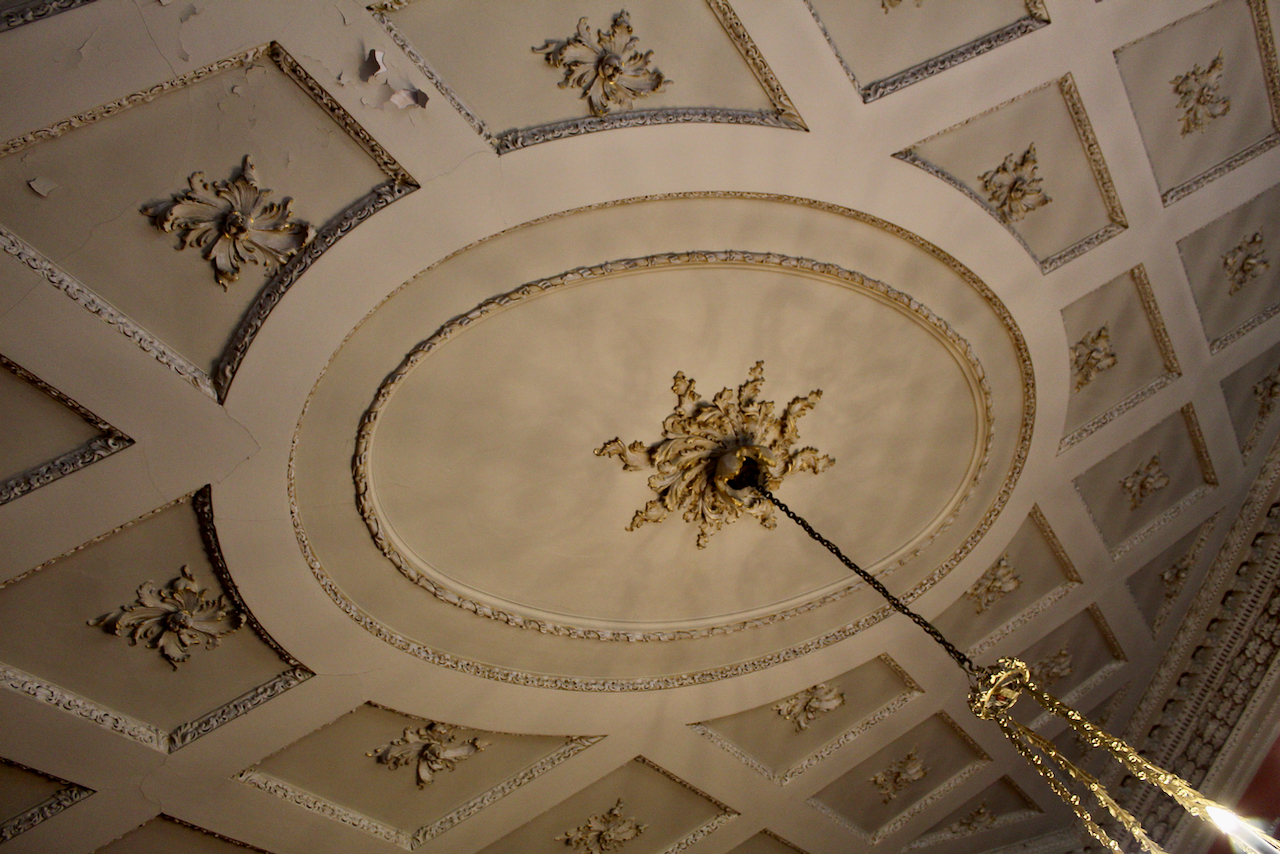
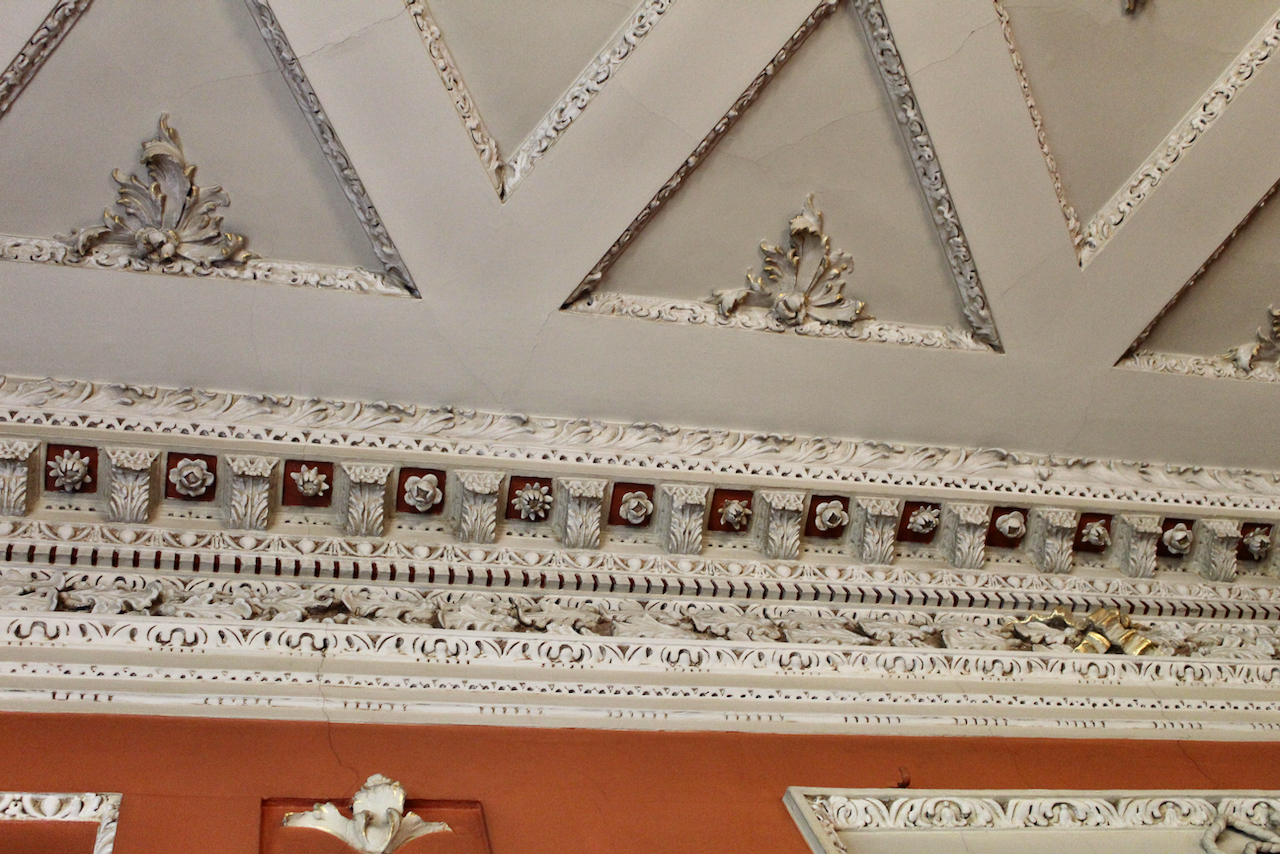
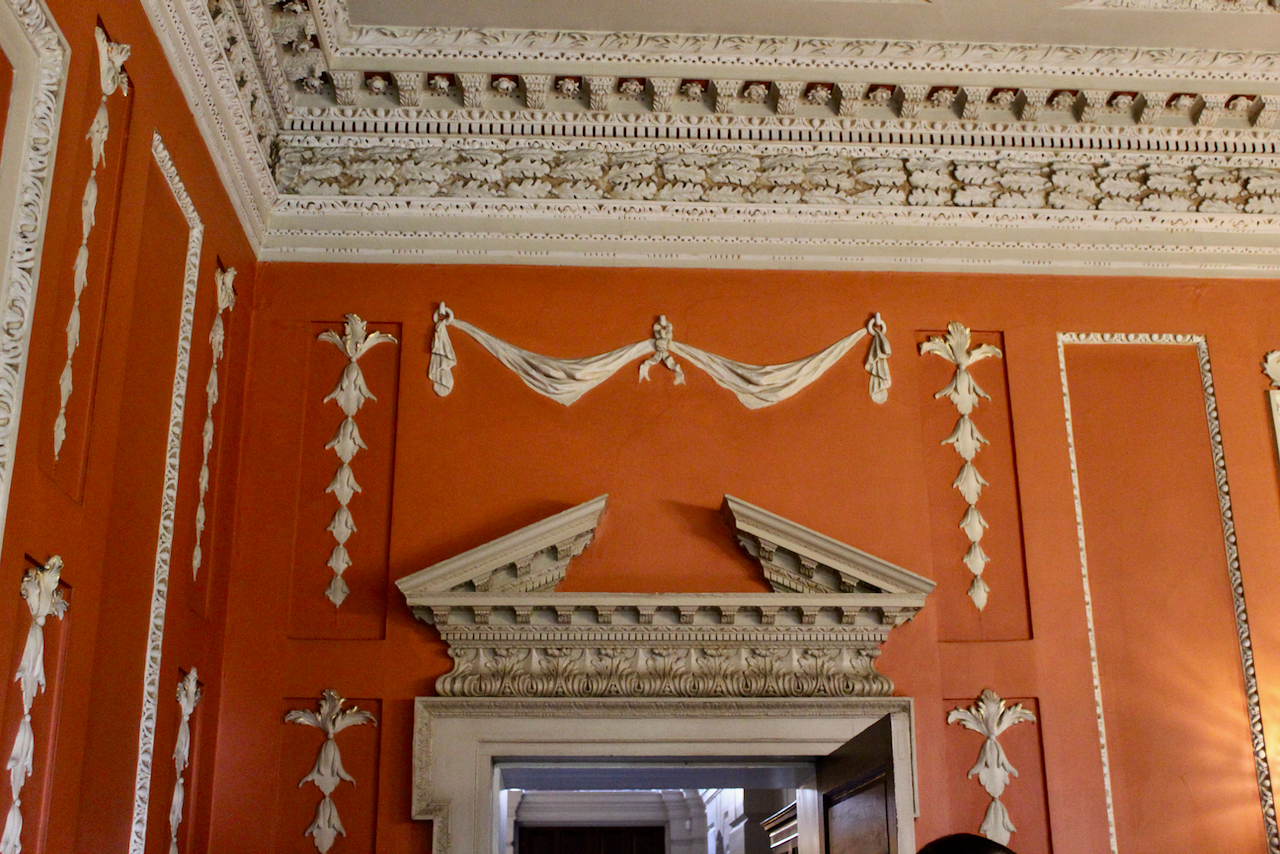
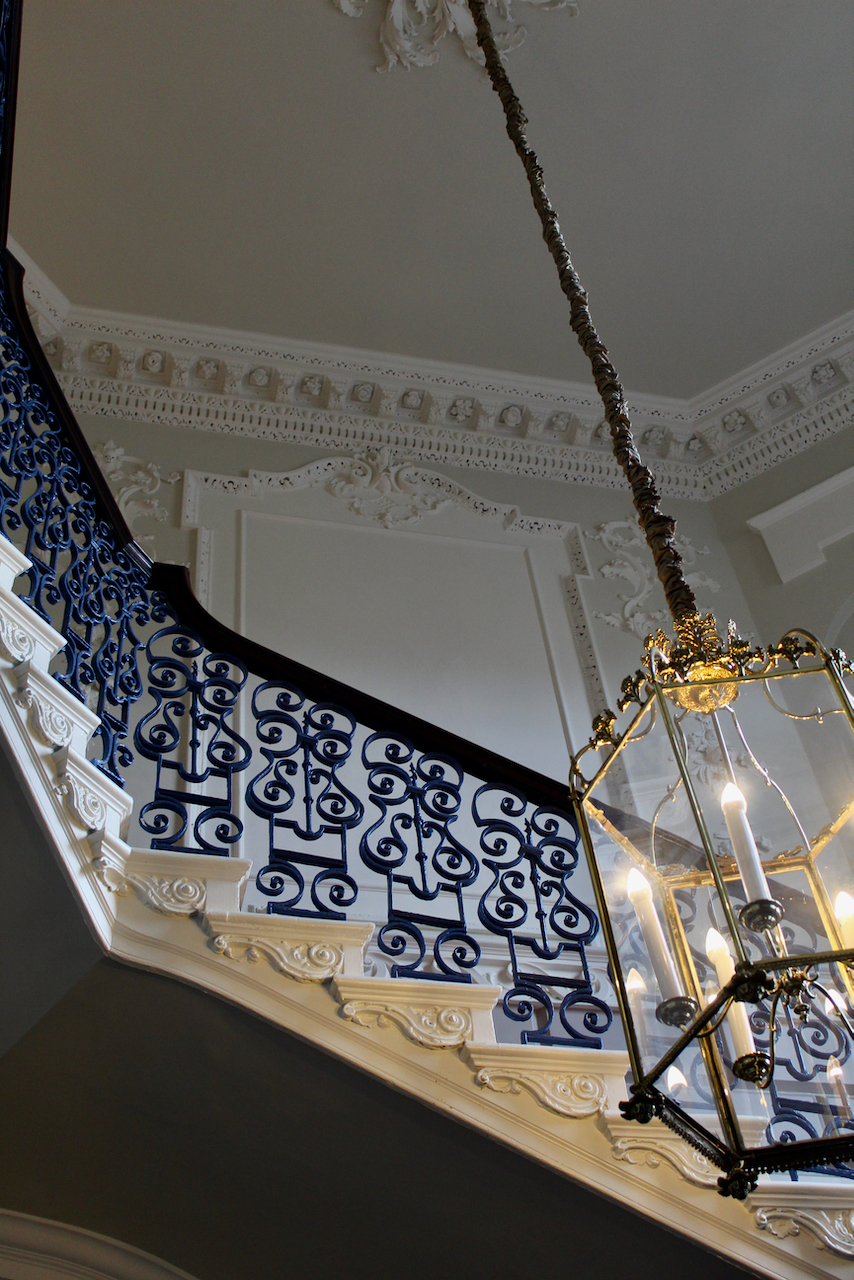
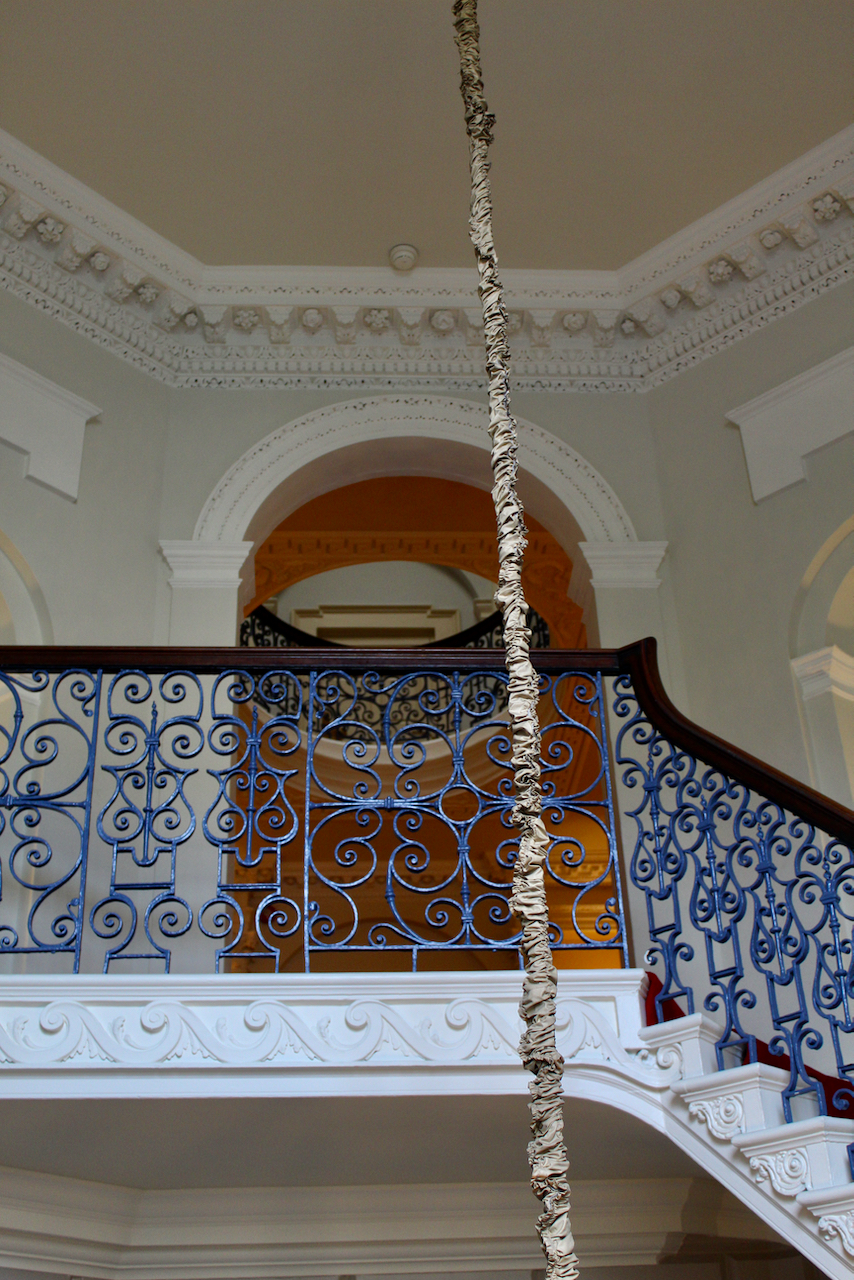
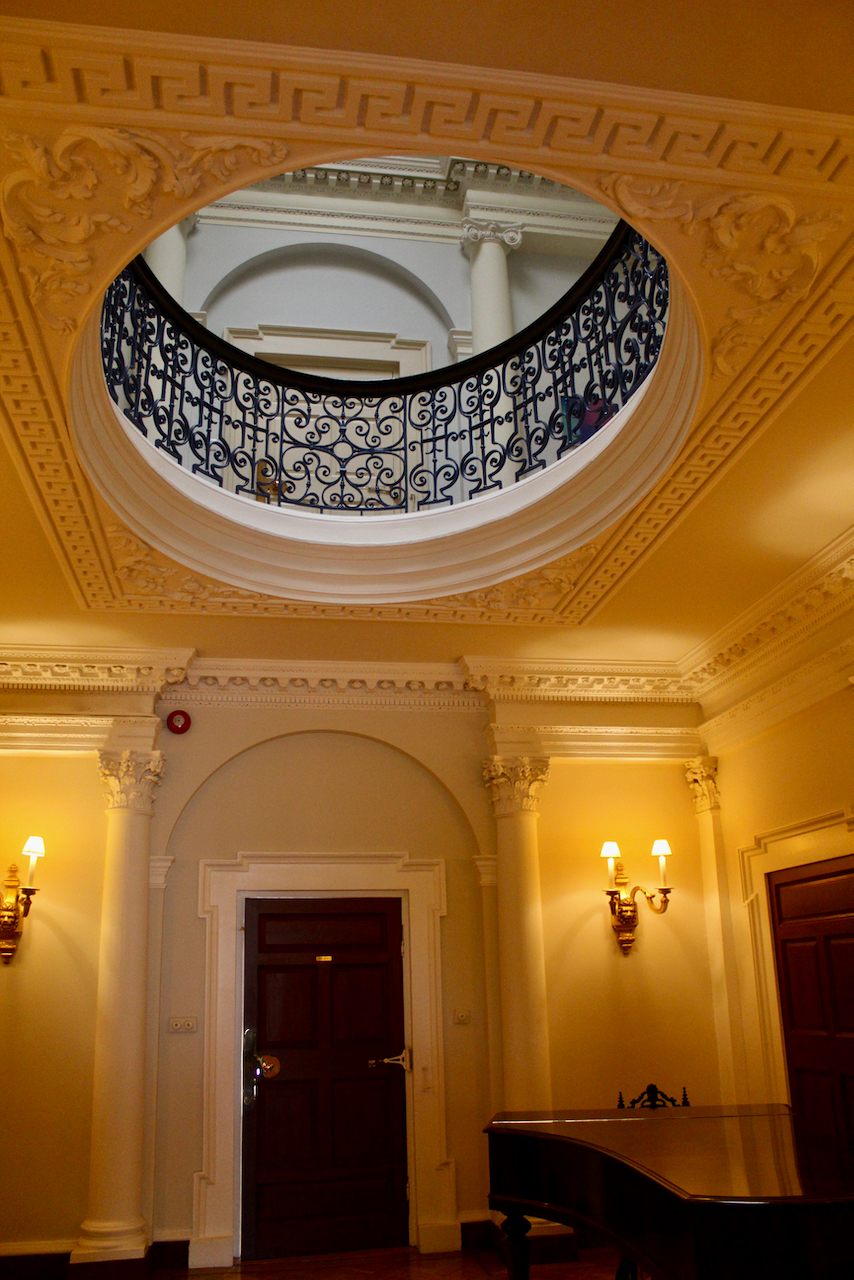
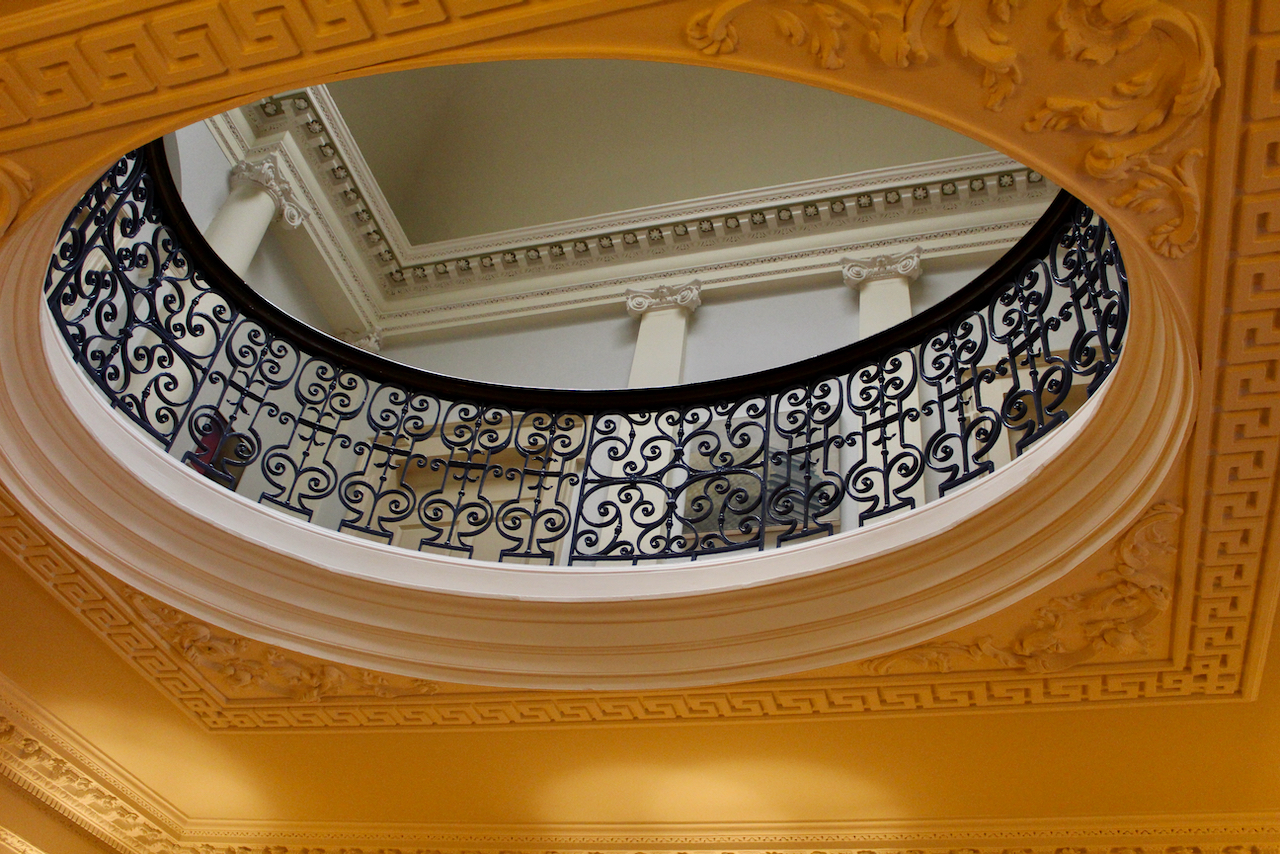
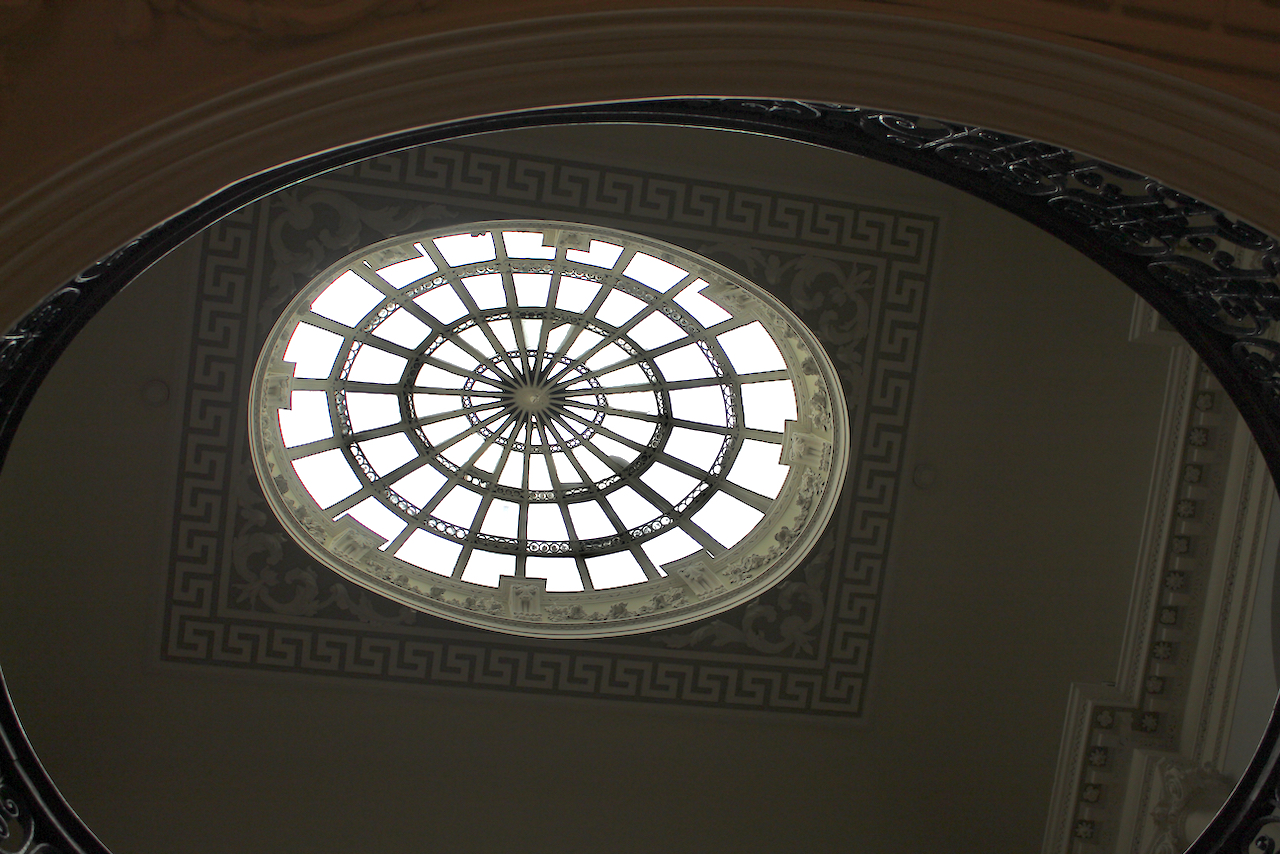
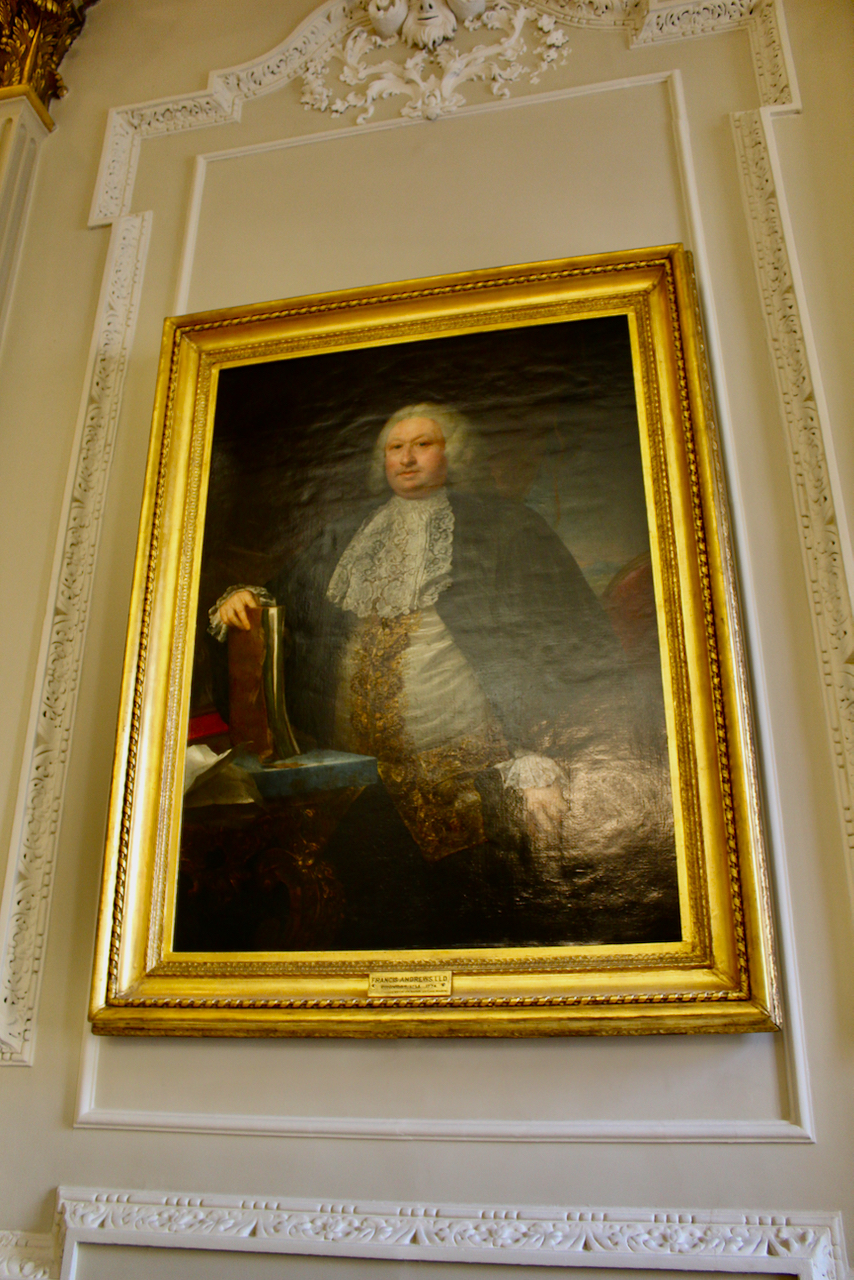
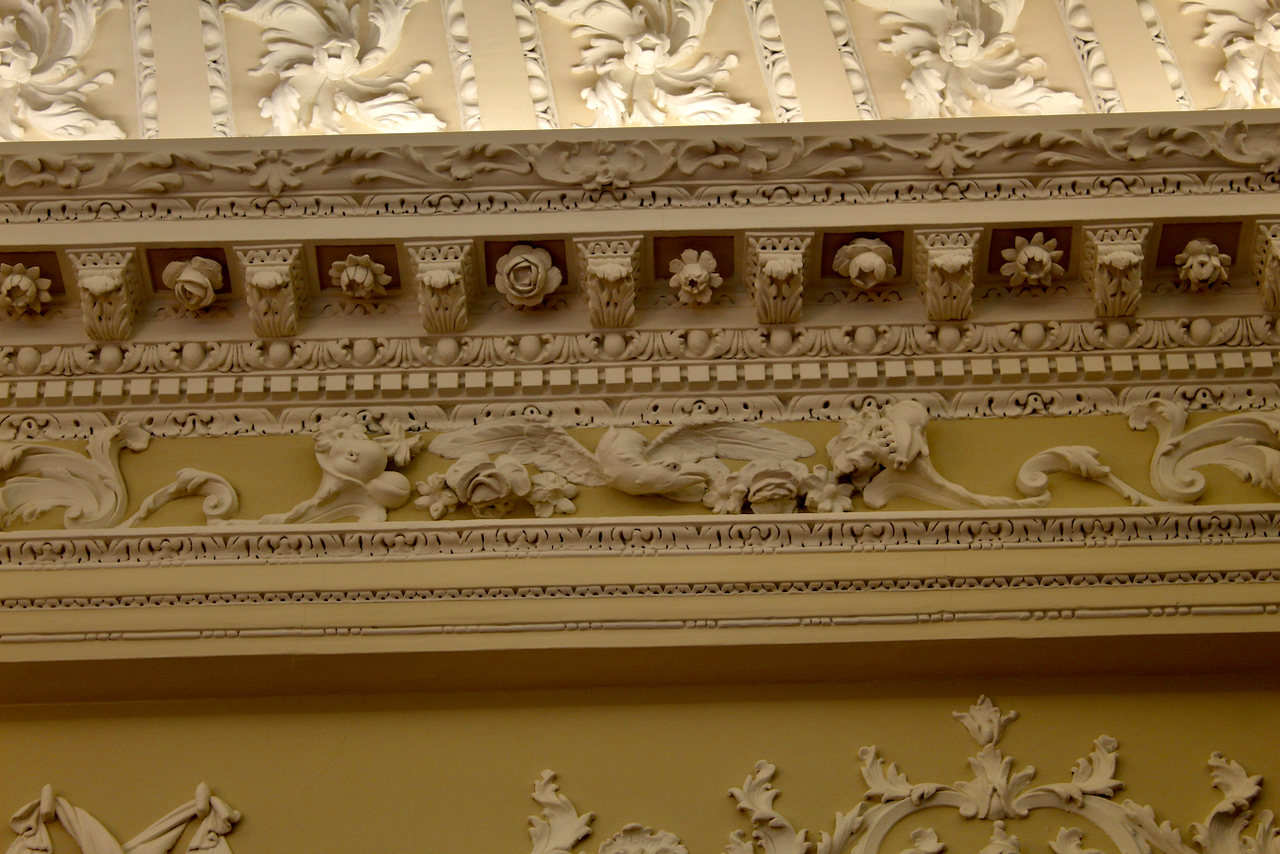
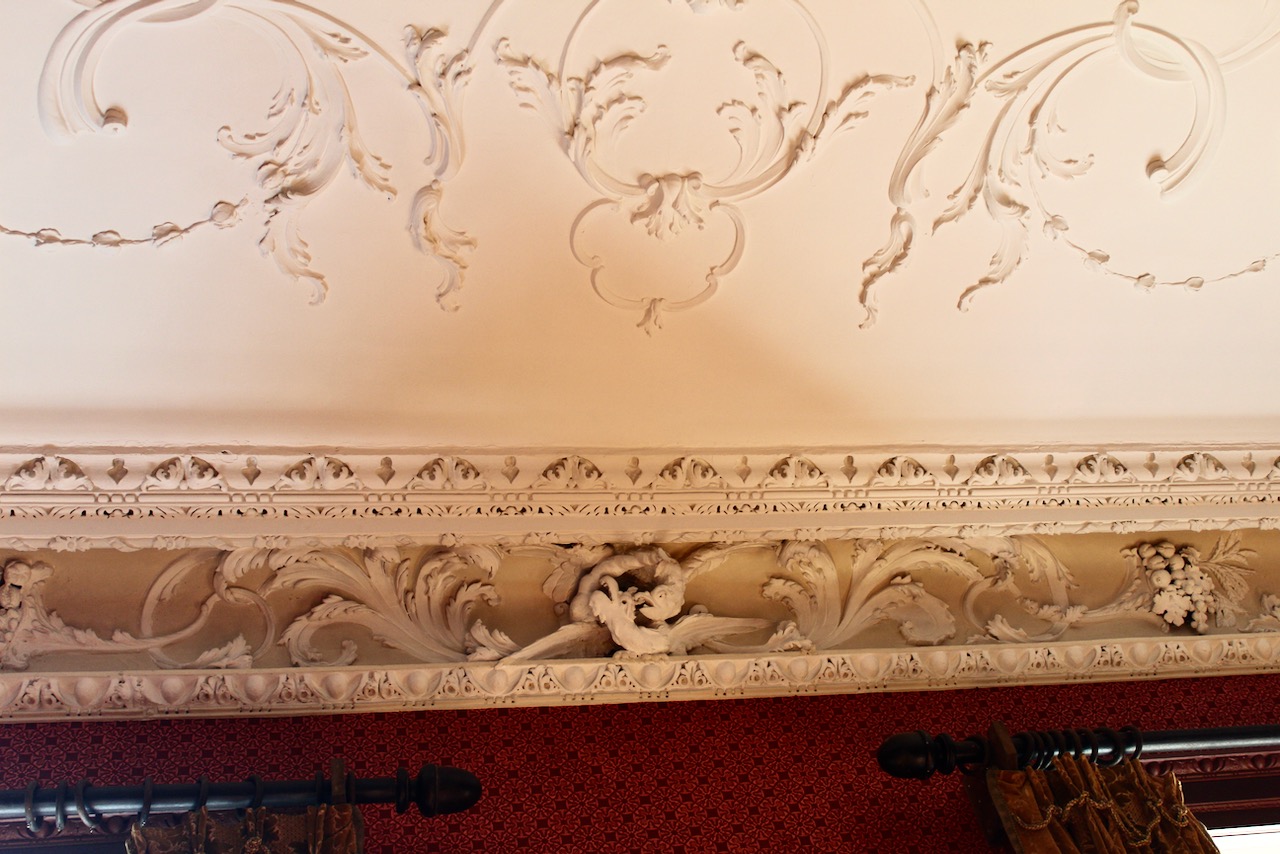
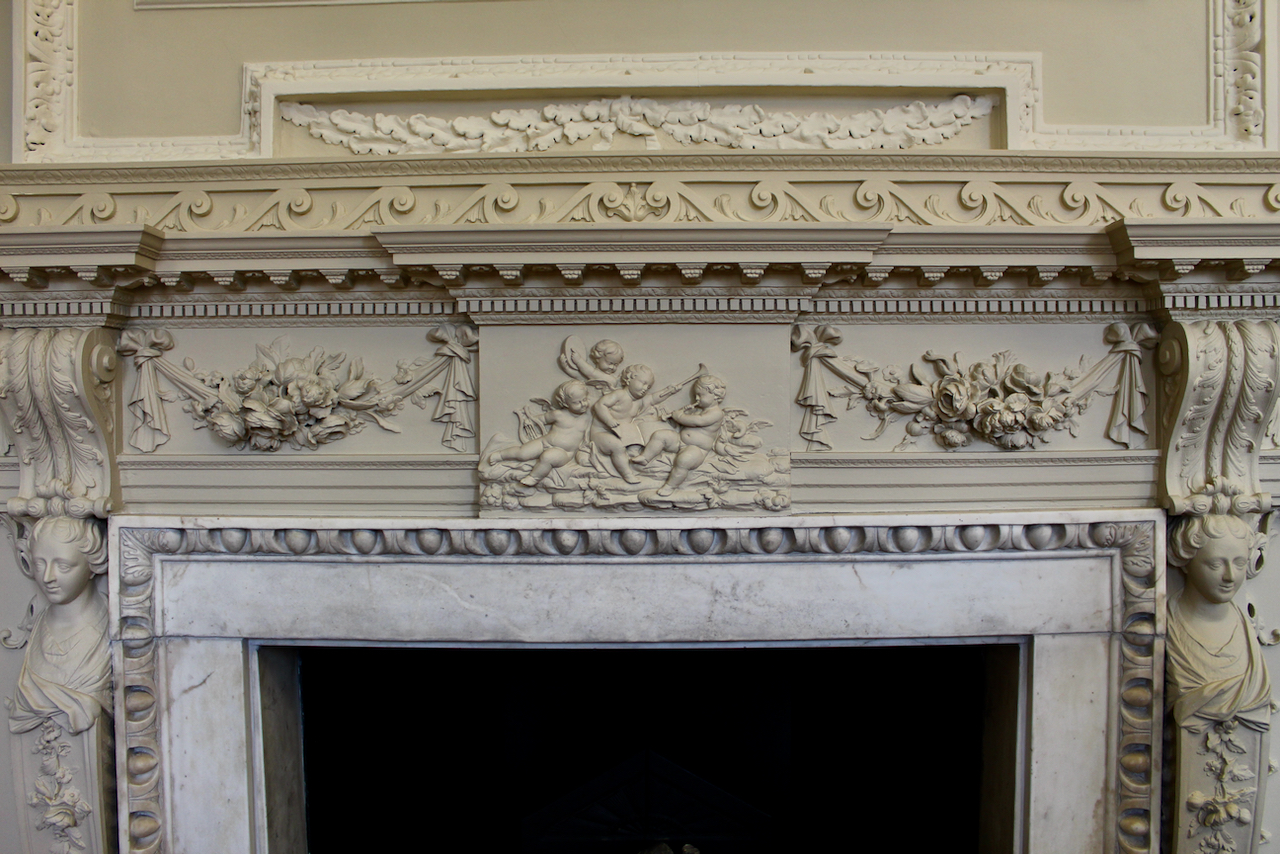
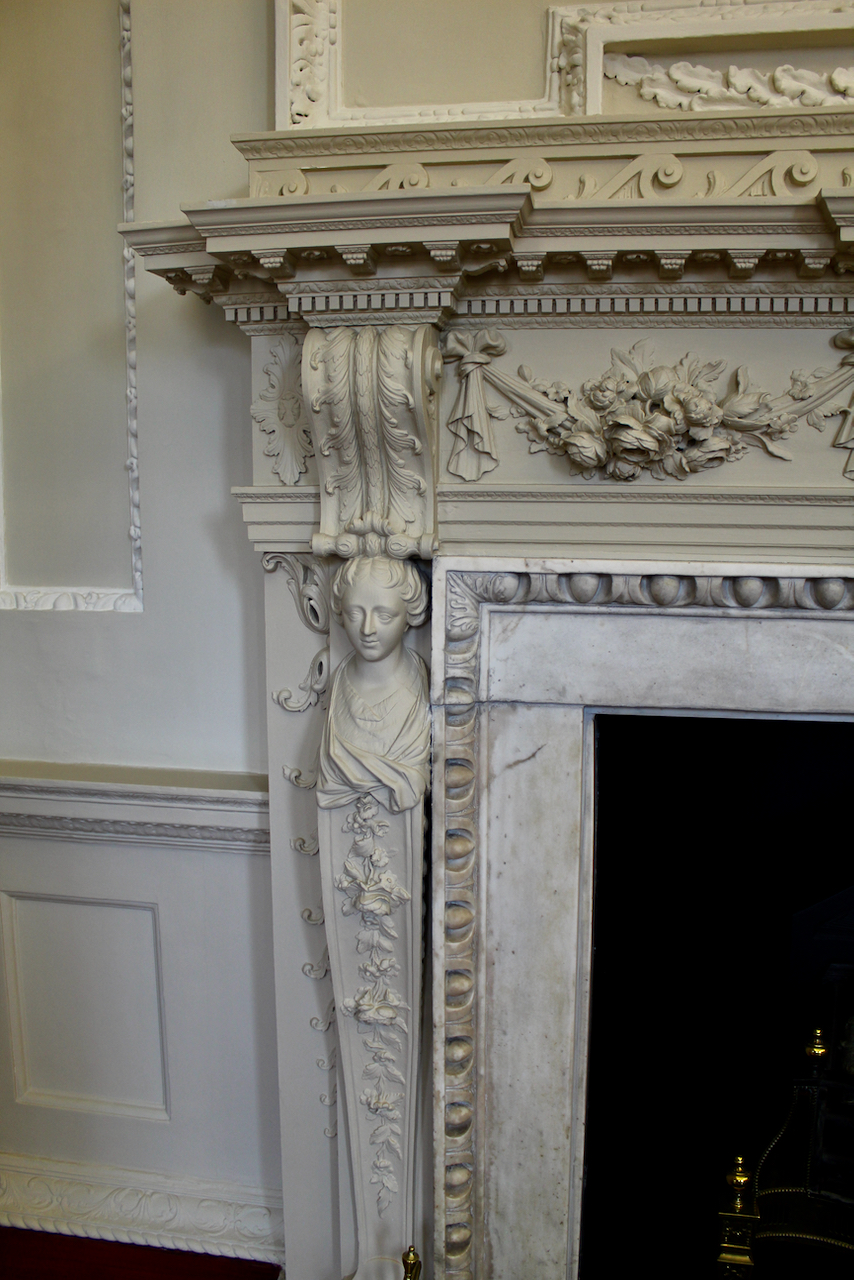
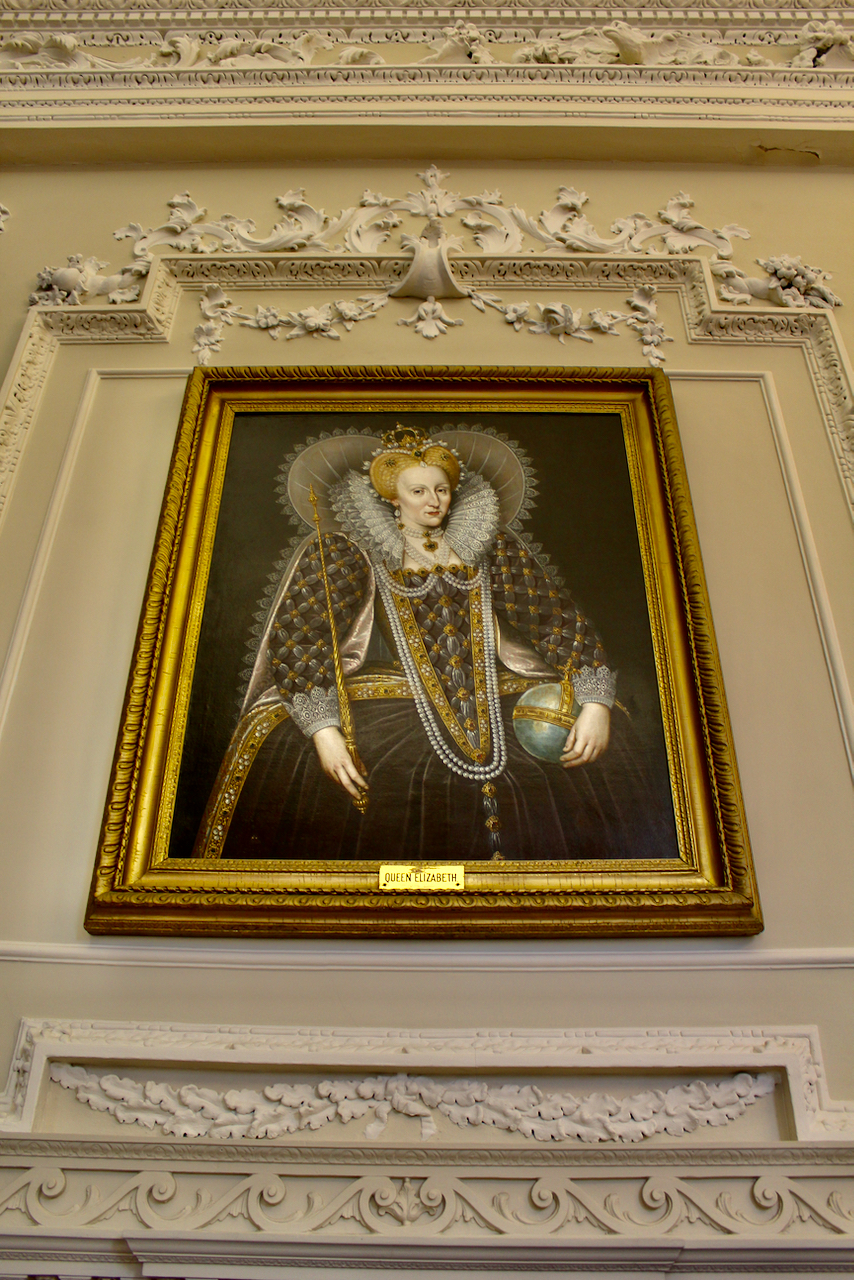
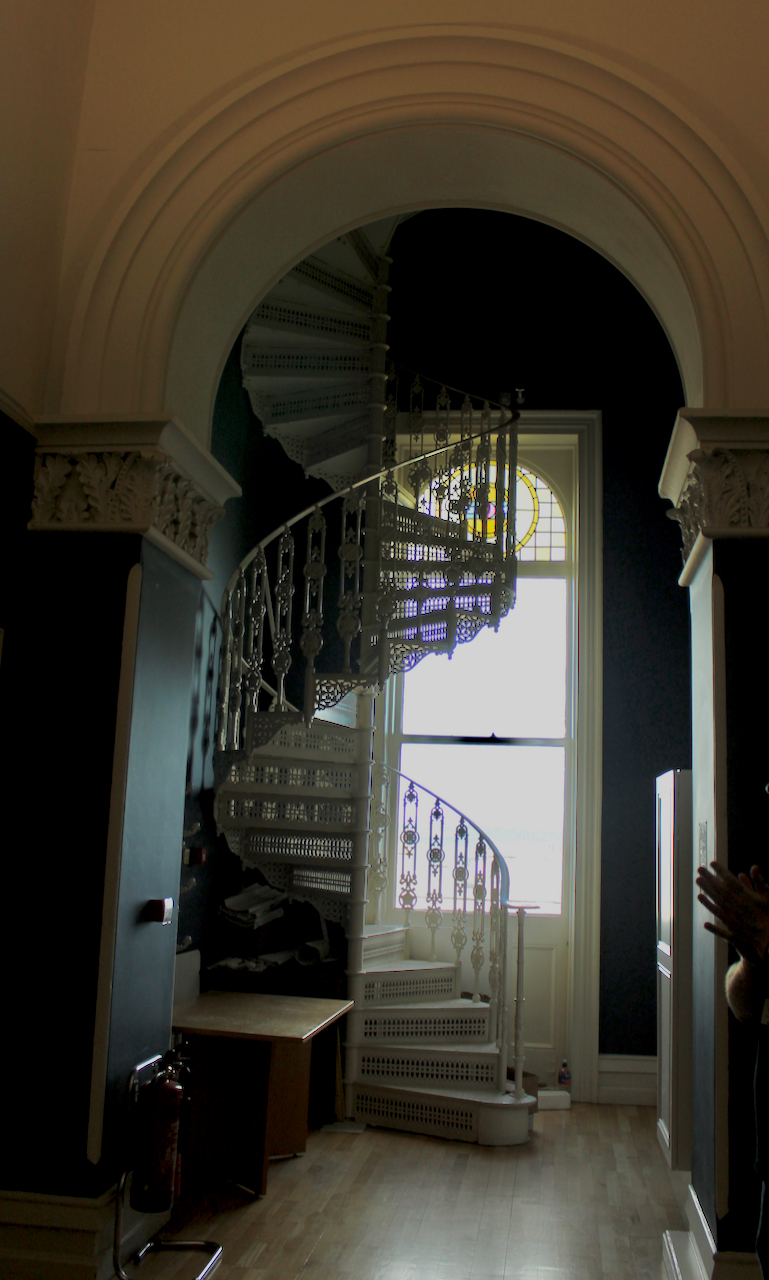
The National Inventory tells us that it was commissioned for Provost Francis Andrews, and “Dr Frederick O’Dwyer has suggested that John Magill, the builder, conspired with Andrews to divert funds from the west front of Parliament Square for its building. Andrews was heavily criticised by contemporaries for removing his lodgings from the main college residences. It was extended in 1775 to designs by Christopher Myers and continued to be augmented and updated into the nineteenth century when John Mallet was paid £326 5s 3½d for plumbing works. According to Casey (2005), the interior is reminiscent of Richard Castle’s country house design for Bellinter in Co Meath, and of Castle’s design for number 85 Stephen’s Green. The octagonal stair supports an iron balustrade by Timothy Turner. The saloon chimneypiece decorative designs are derived from Boucher’s ‘Livres des Arts’. The interior plasterwork is by Patrick and John Wall and the carving by James Robinson and Richard Cranfield.“
Uptairs is a large salon which takes up nearly the entire floor and is perfect for the Provost’s entertaining. Traditionally, Provosts didn’t marry, so the house is not built for a family, it does not have large living quarters.
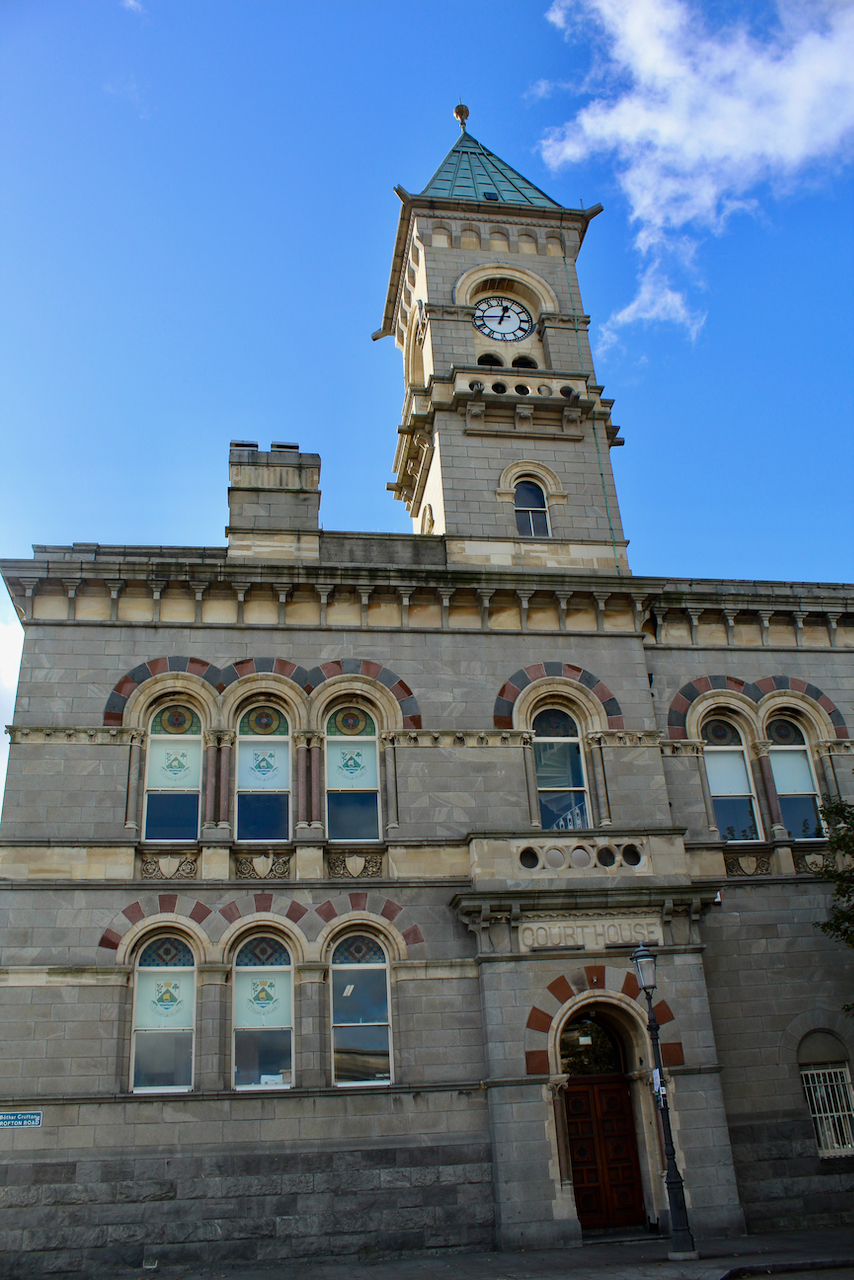
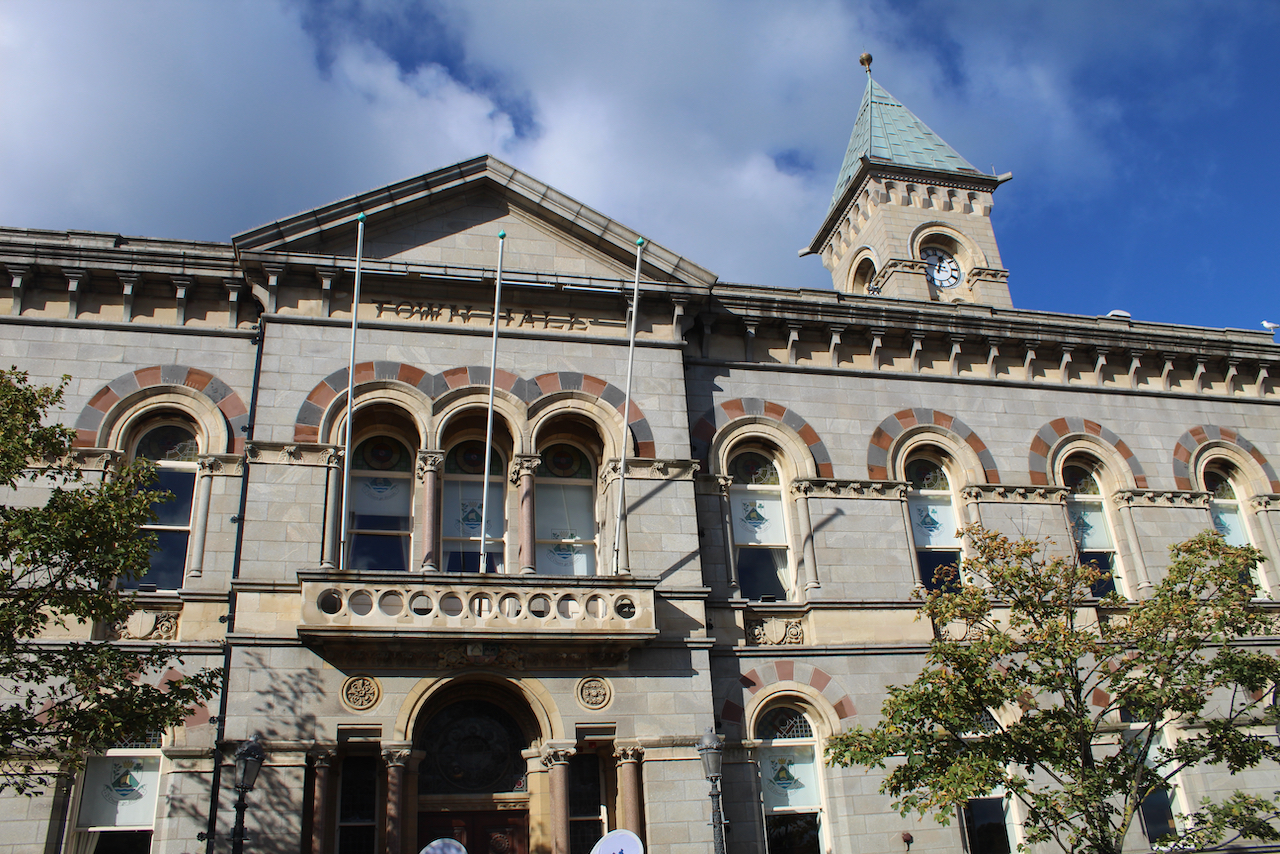
On Saturday Stephen and I went on a tour of Dun Laoghaire’s County Hall, and then to Loughlinstown House. Sunday I went to see a house in the Tenters in Dublin, then for an architect’s tour of the outside of the Royal Hospital Kilmainham. I can’t wait until the inside is open again, now being renovated by the Office of Public Works.
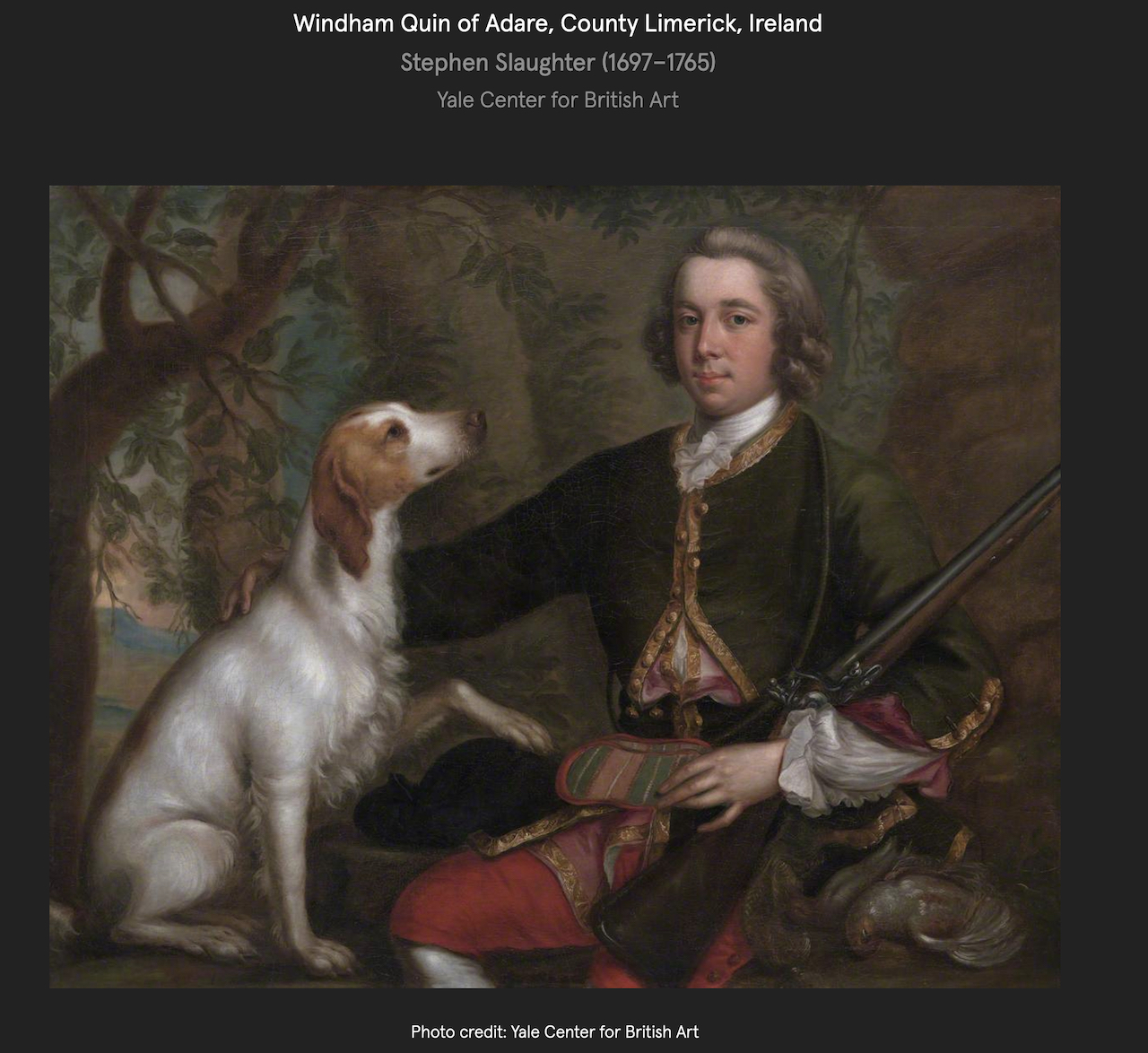
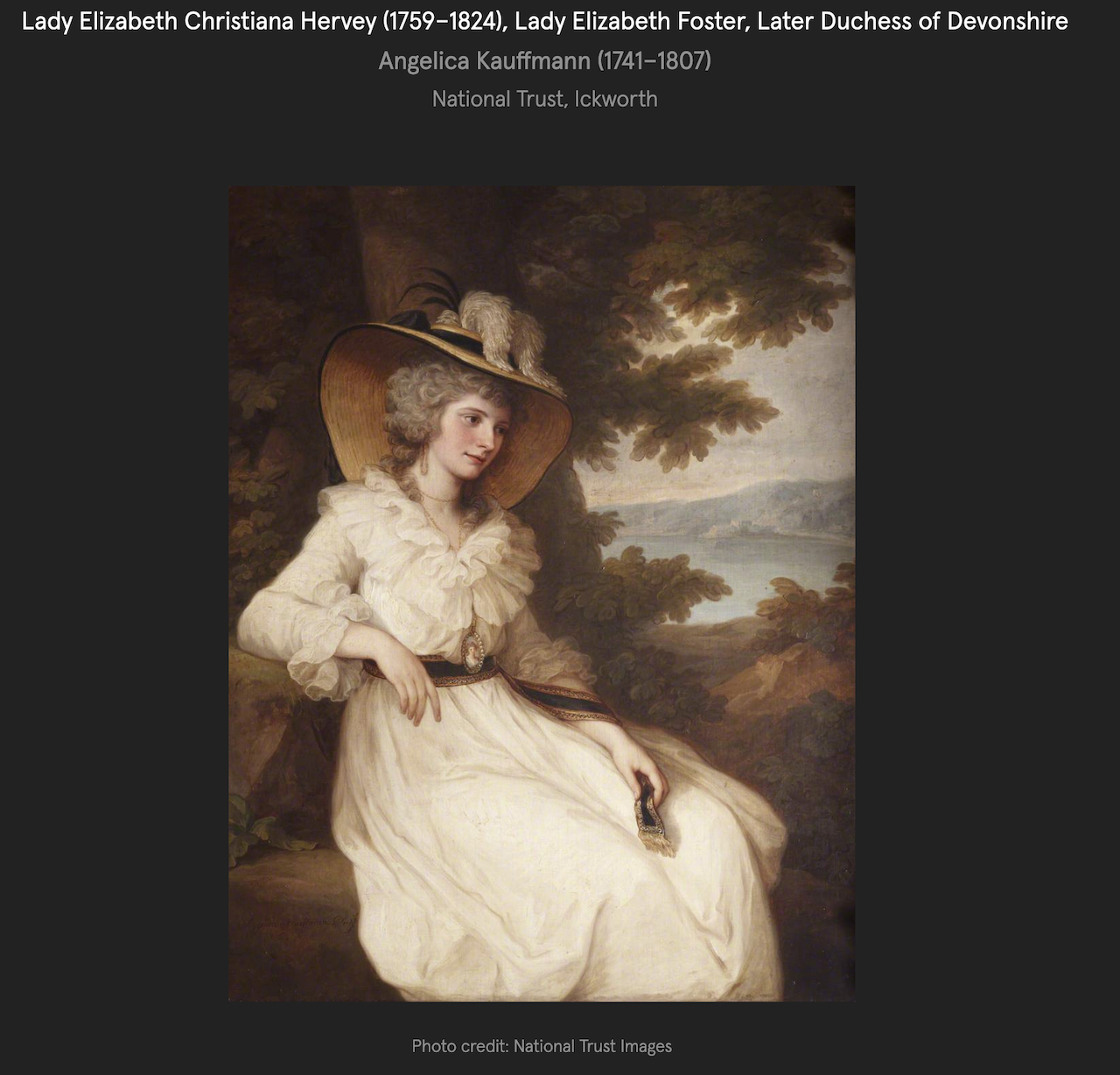
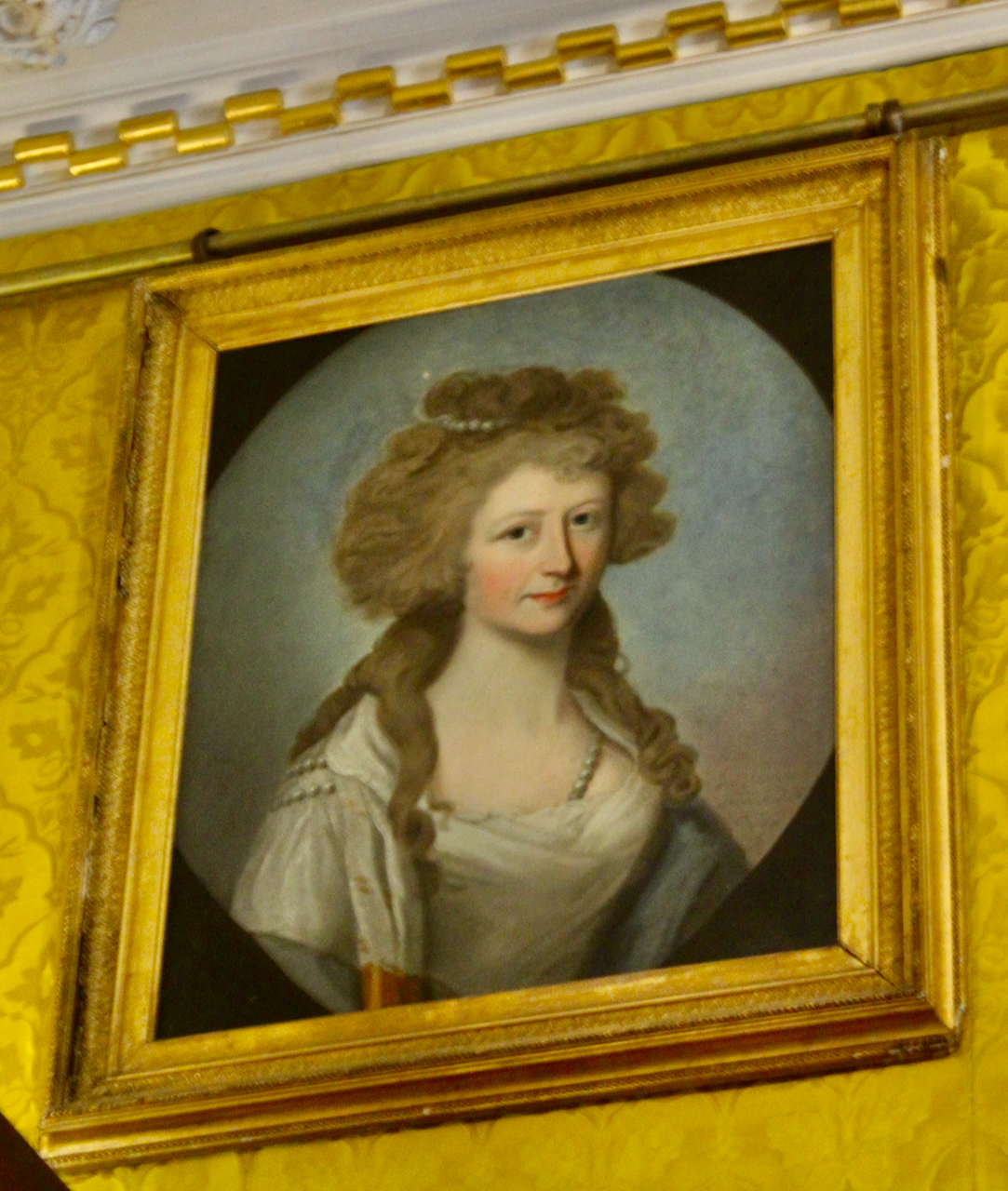
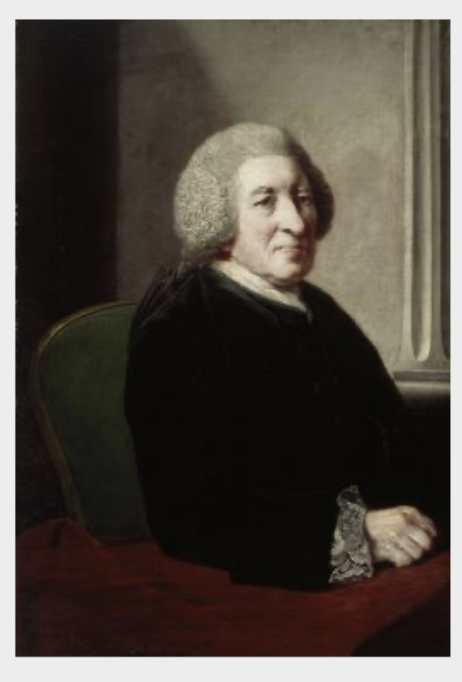
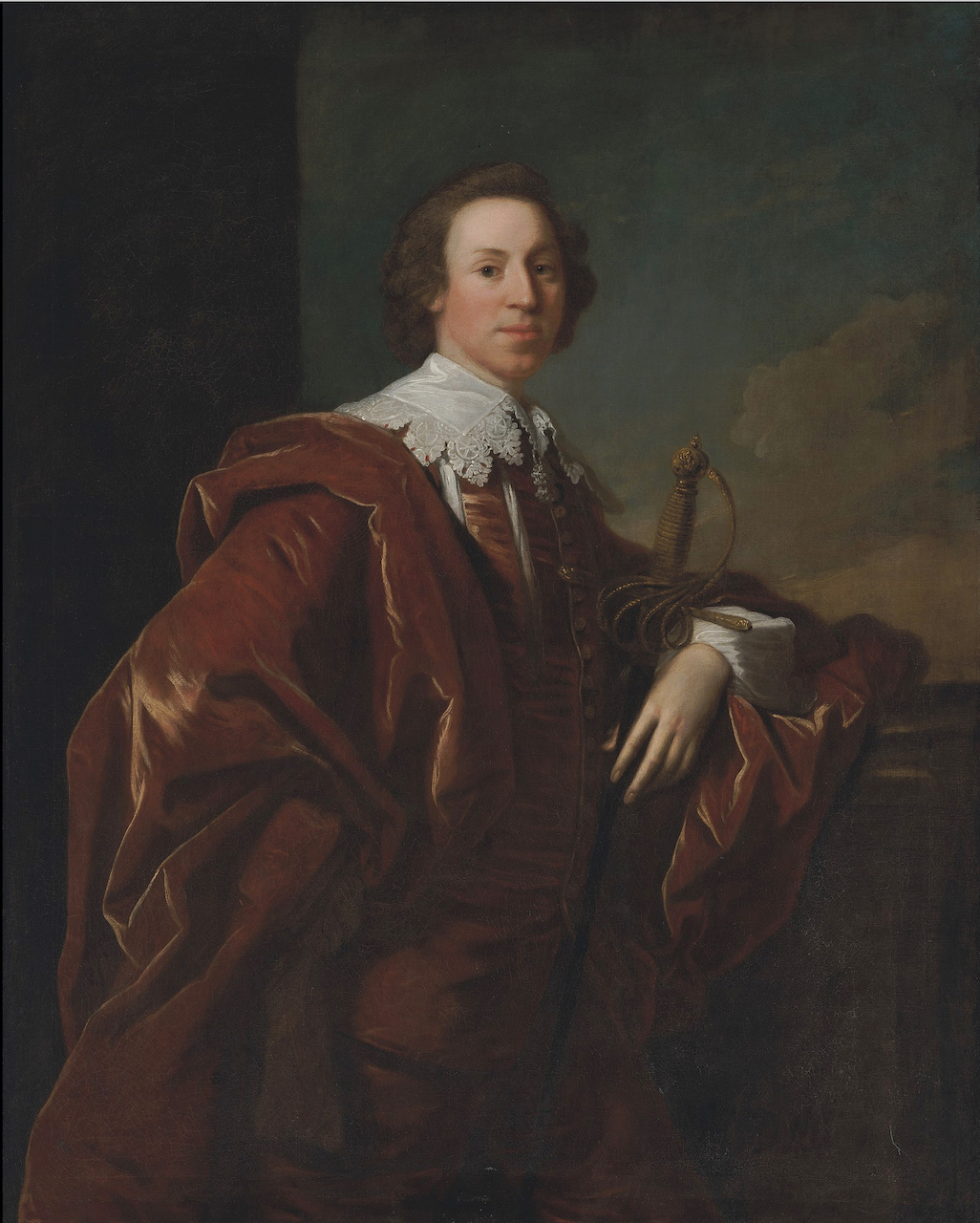
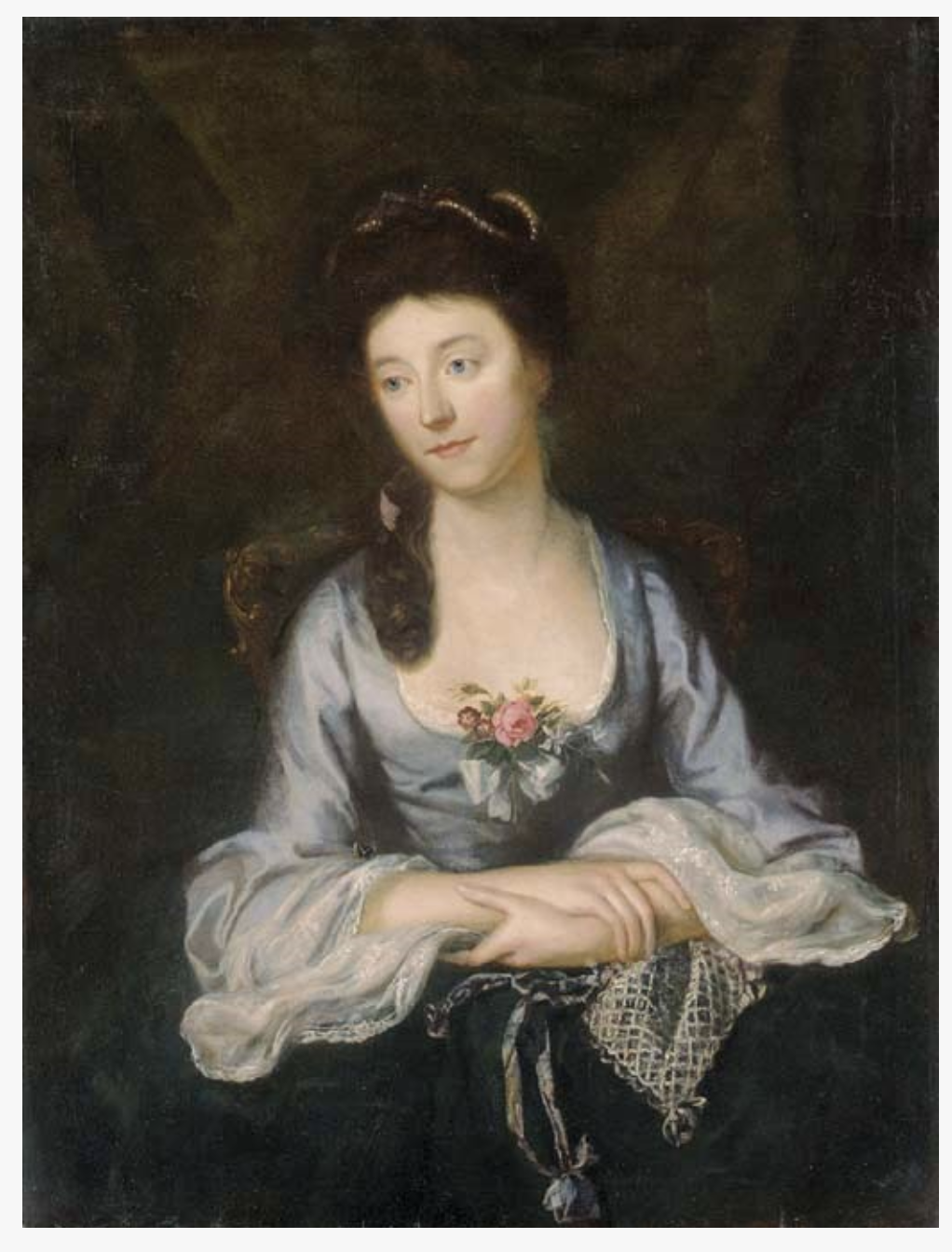
Windham Quin (1717-1789) of Adare, County Limerick by Stephen Slaughter, courtesy of Yale Center for British Art.Elizabeth Christina Foster née Hervey (1759-1824) later Duchess of Devonshire by Angelica Kauffmann courtesy of National Trust Ickworth. She was the daughter of Frederick Augustus Hervey 4th Earl of Bristol, Bishop of Derry who built Downhill, Co Derry. She married John Thomas Foster MP (1747-1796) and later, William Boyle Cavendish 5th Duke of Devonshire. Last, she married Valentine Richard Quin 1st Earl of Dunraven and Mount Earl.
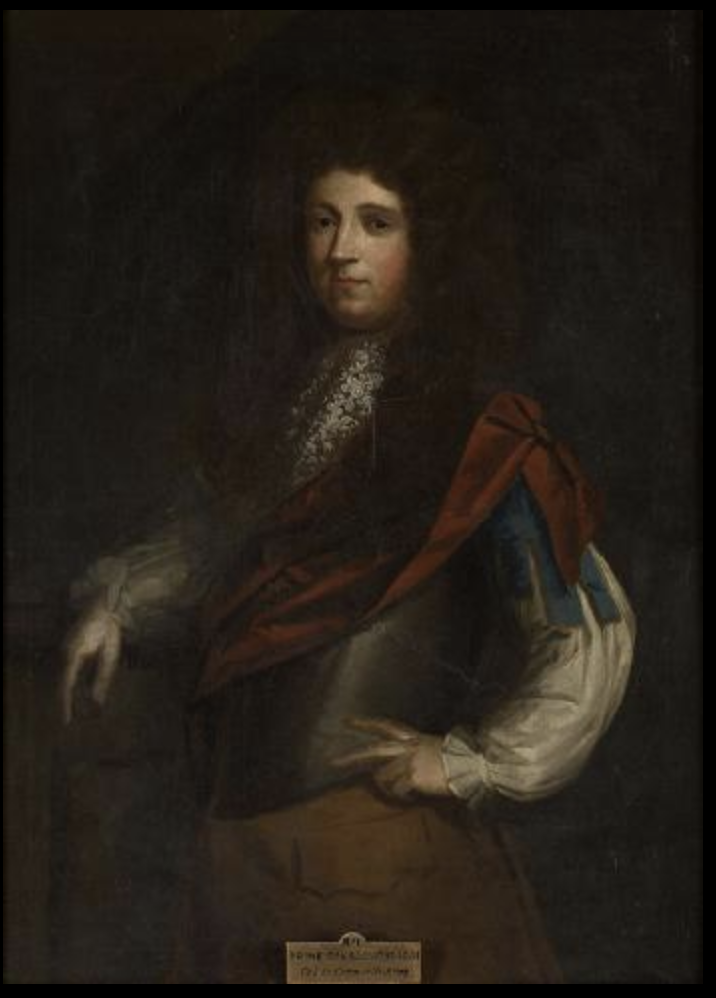
James Rochfort (“Prime Iron”) and Thomasine Pigott had several children including Charles who married Marbella, daughter of Theophilus Jones and Alice Ussher, and Robert (1652-1727), who became Speaker of the Irish House of Commons and Chief Baron of the Irish Exchequer. He married Hannah Hancock (d. 1733) of Twyford, County Westmeath.
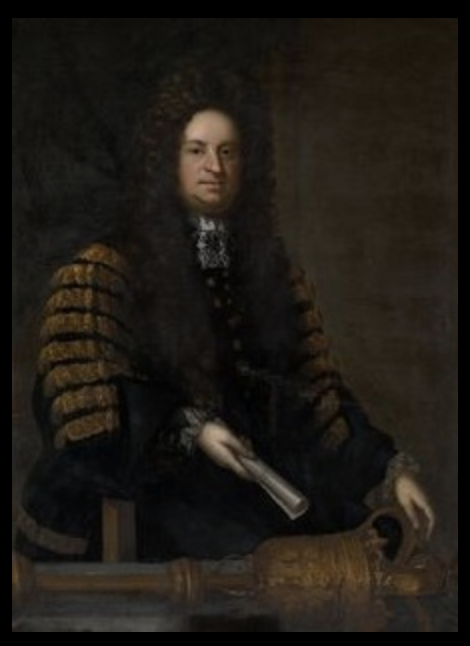
Robert Rochfort (1652-1727) as Speaker of the Irish House of Commons by an unknown artist, Photograph of a painting owned by Michael O’Reilly.
Robert Rochfort (1652-1727) and Hannah née Hancock had sons George Rochfort (1682-1730), later of Gaulstown, Co. Westmeath and John (1690-1771). George married Elizabeth, daughter of Henry Hamilton-Moore, 3rd Earl of Drogheda. John married, first, Deborah Staunton (d. 1737) then Emilia (d. 1770), daughter of John Eyre (1659-1709) of Eyre Court.
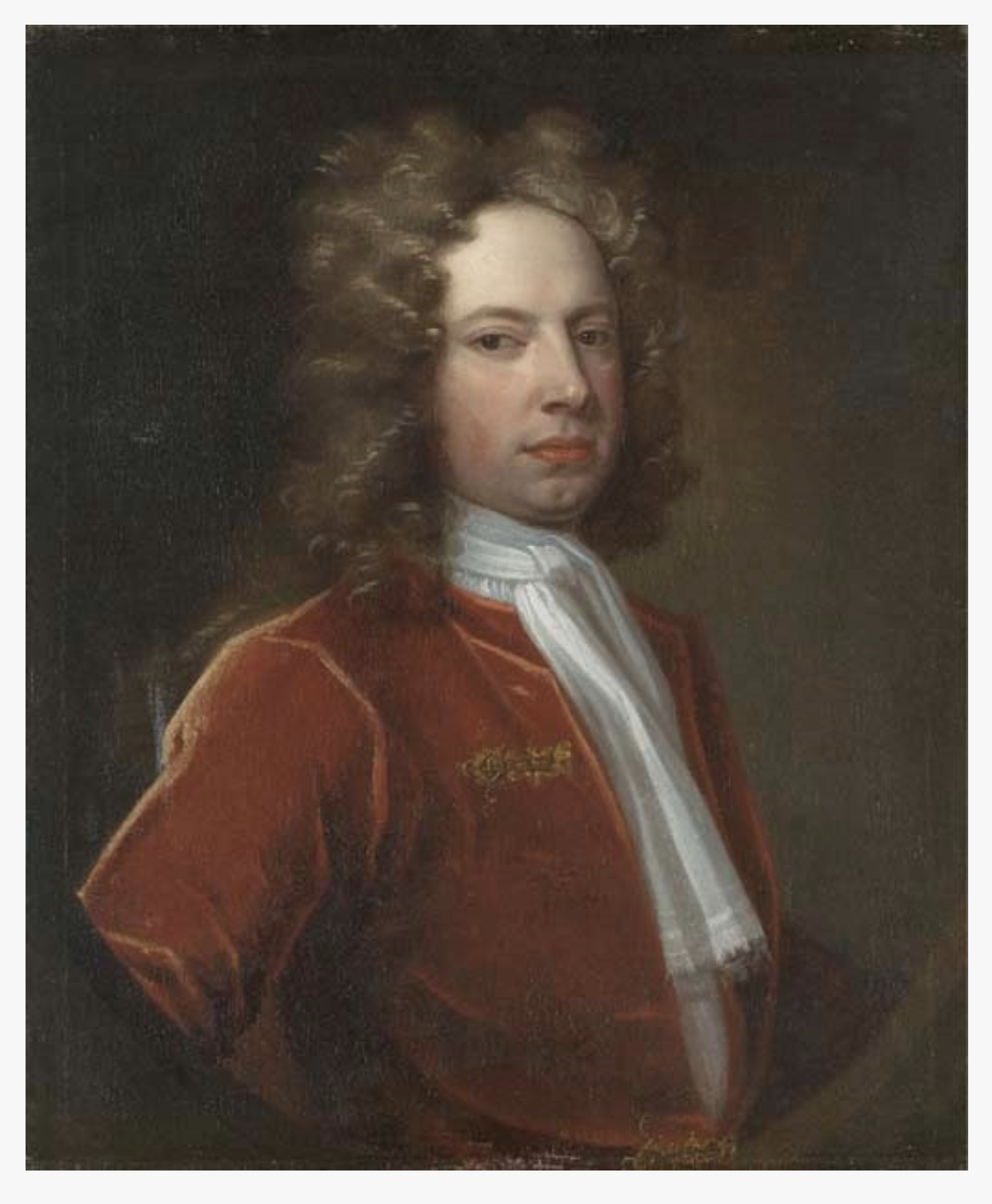
George Rochfort (1682-1730), of Gaulstown, Co. Westmeath, M.P. for Co. Westmeath by Charles Jervas courtesy of Christies Auction 2002
George and Elizabeth née Moore had lots of children. The heir was Robert (1708-1774) who was later created 1st Earl of Belvedere.
Robert Rochfort, 1st Earl of Belvedere (1708-1774), three-quarter-length, in van Dyck costume, by Robert Hunter It is possible that the present portrait was executed posthumously.
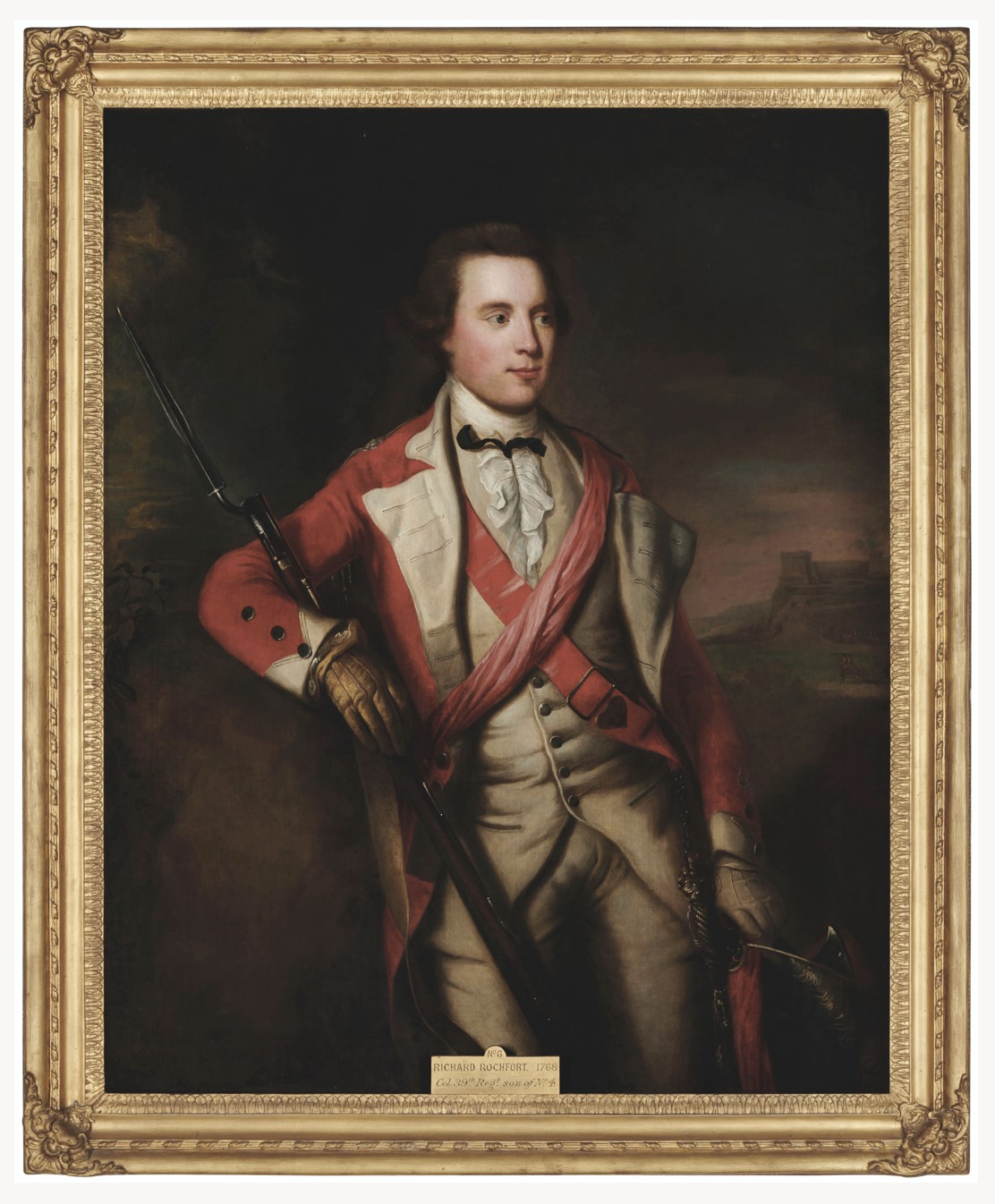
Other children included Mary (1705-1729) who married Henry Tuite, 6th Baronet. Alice (1710-1738) married Thomas Loftus (1701-1768). Thomasine, born 1716, married Gustavus Lambart of Beauparc, County Meath (a section 482 property, see my entry). Anne married Henry Lyons, High Sheriff for King’s County. William (1719-1772) married Henrietta Ramsay. Arthur married Sarah Singleton and became MP for County Westmeath. George (1713-1794) married Alice, daughter of Gustavus Hume, 3rd Baronet.
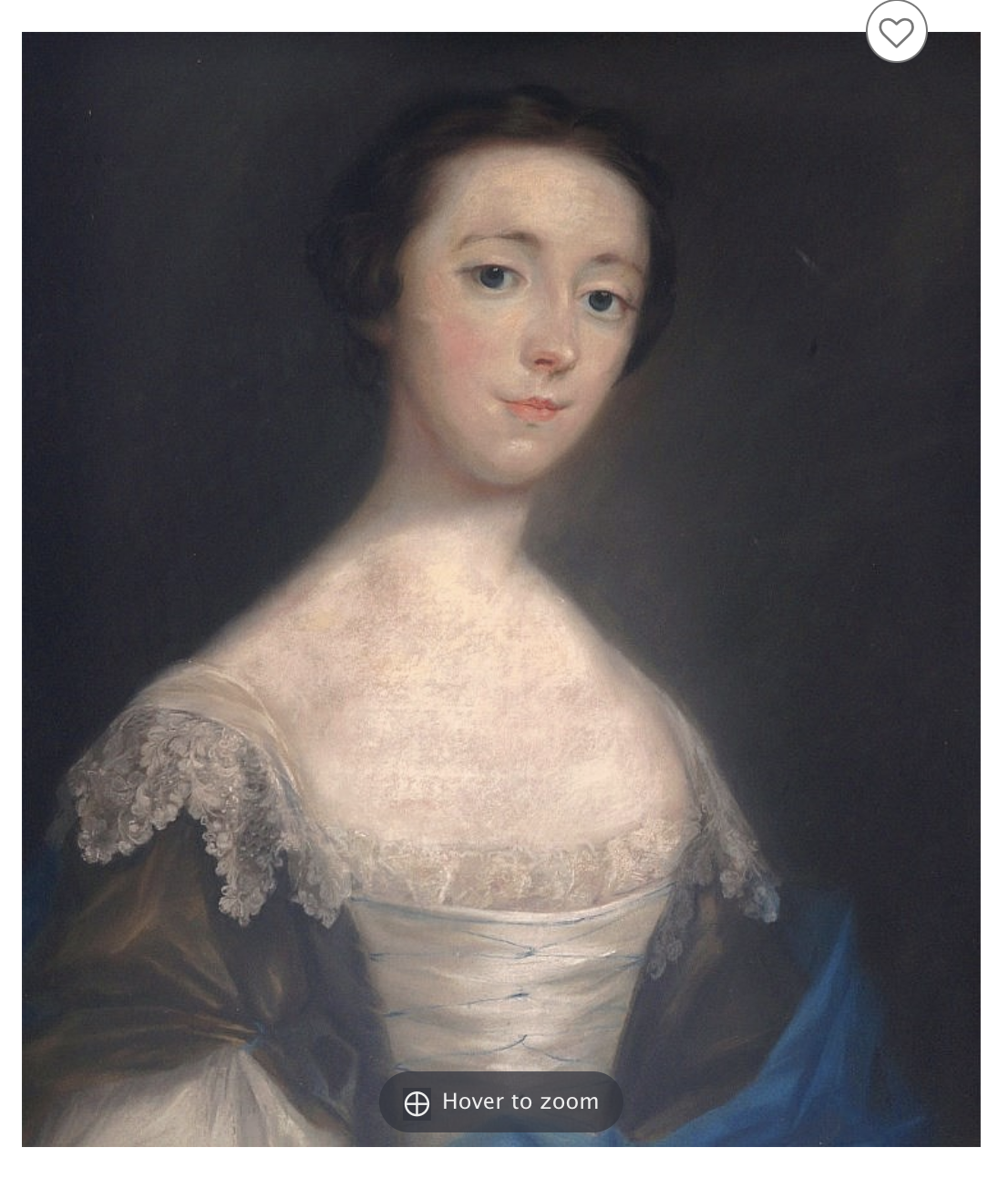
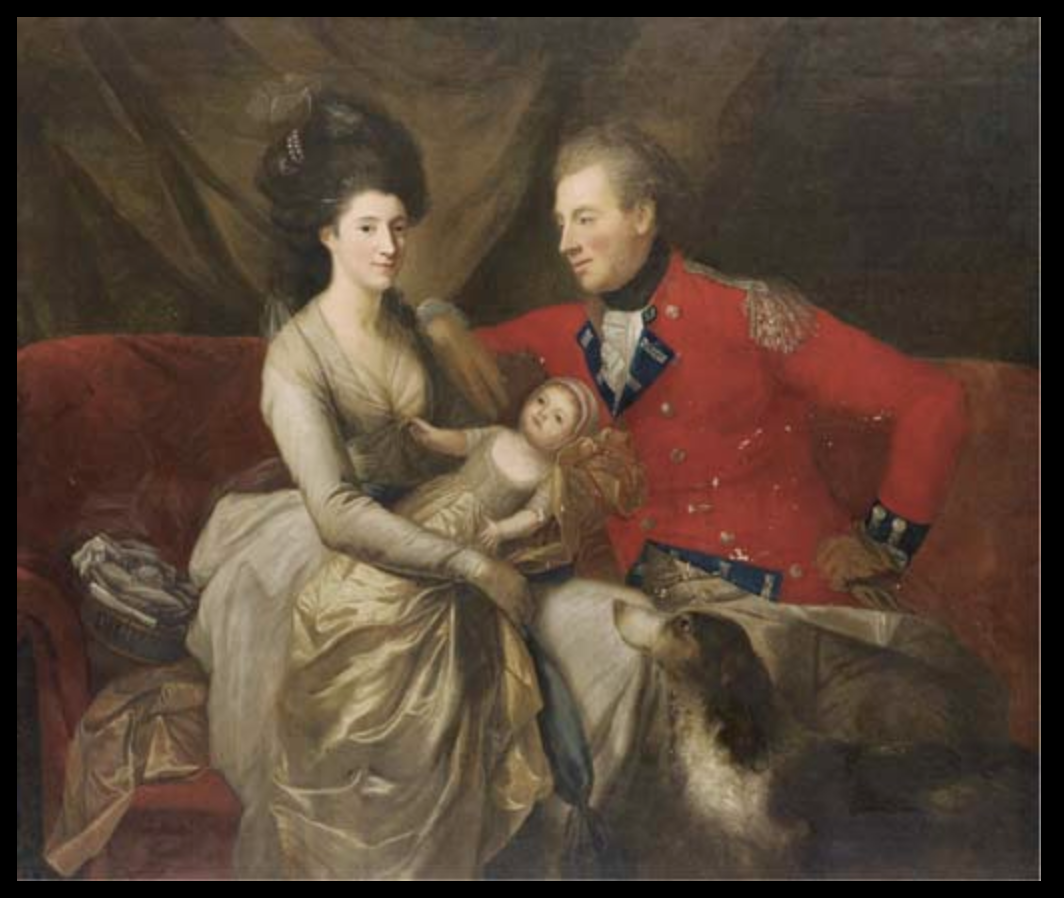
Jane Butler née Rochfort Countess of Lanesborough (1737-1828) Attributed to Thomas Pope Stevens courtesy Christies Irish Sale 2002. She was the daughter of Robert Rochfort, 1st Earl of Belvedere and married Brinsley Butler, 2nd Earl of Lanesborough.Sarah Rochfort (nee Singleton) was the daughter of The Rev. Rowland Singleton (1696-1741) of Drogheda, later Vicar of Termonfeckin, County Louth, wife of Arthur Rochfort (1711-1774) of Bellfield House Co Westmeath, sold at Shepphards.
The first Earl of Belvedere is infamous for locking up his wife, Mary Molesworth, daughter of the 3rd Viscount of Swords (see my entry about Belvedere, County Westmeath). Their daughter Jane (d. 1828) married Brinsley Butler, 2nd Earl of Lanesborough. Robert 1st Earl’s son George (1738-1813) succeeded as 2nd Earl of Belvedere.





















 Irish Historic Houses