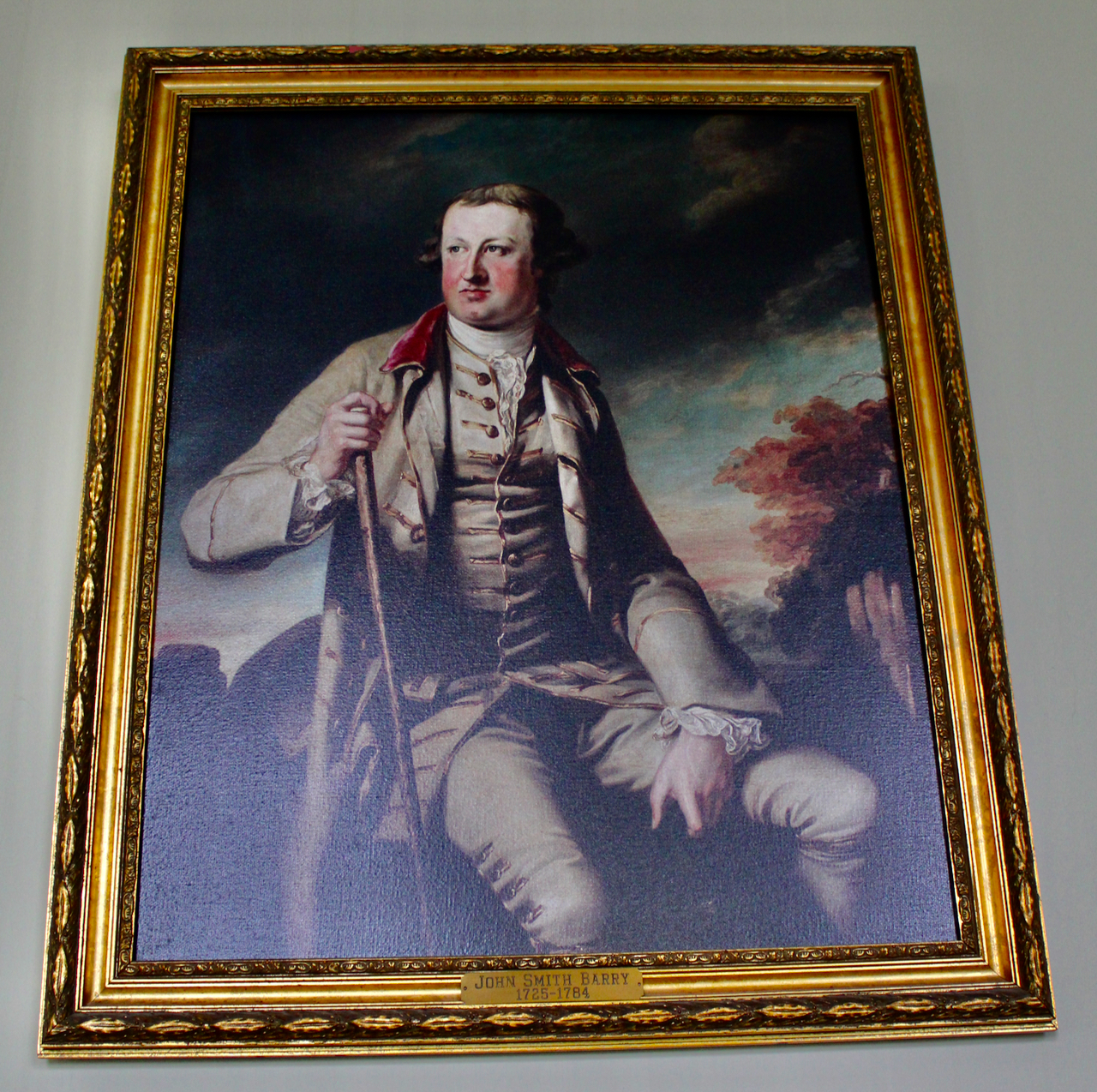
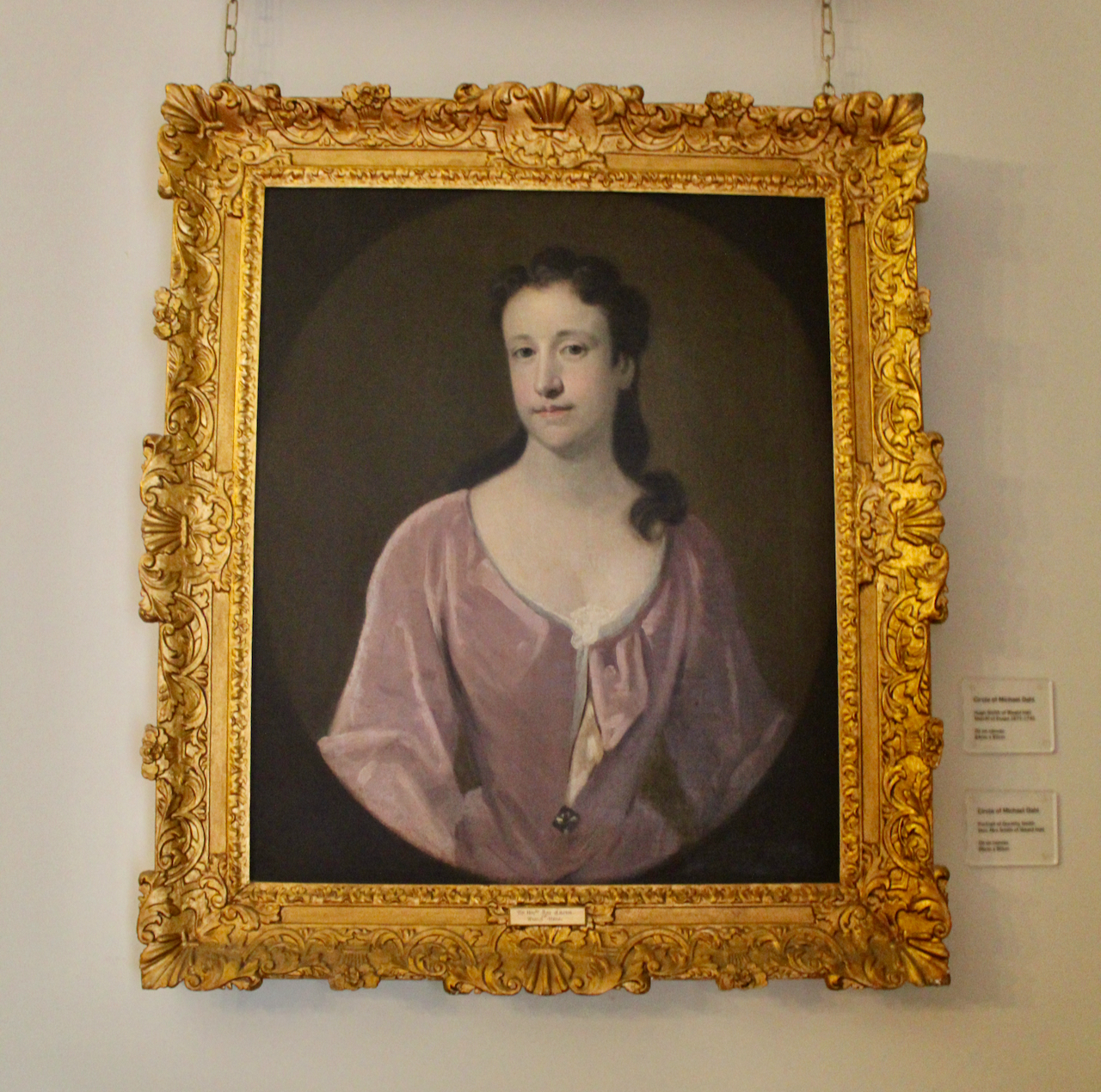
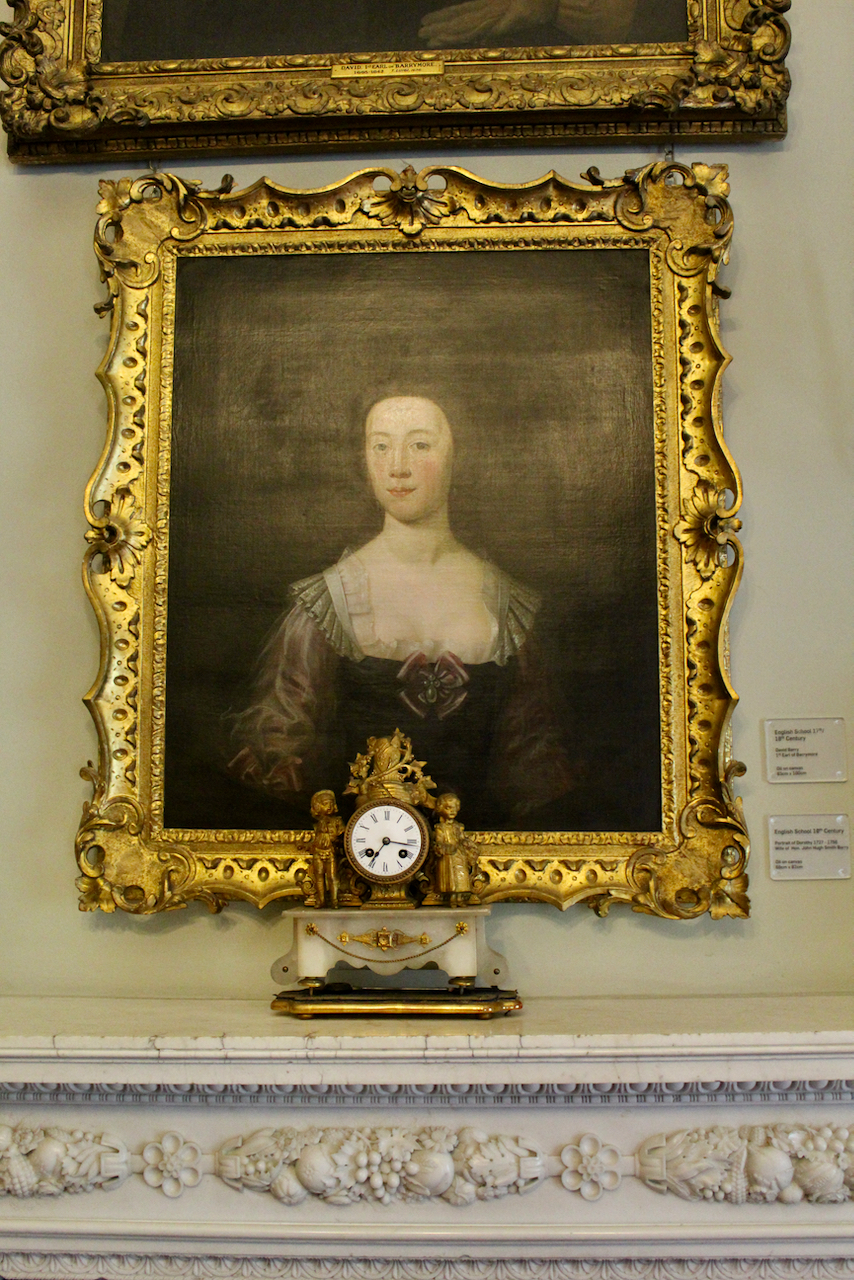
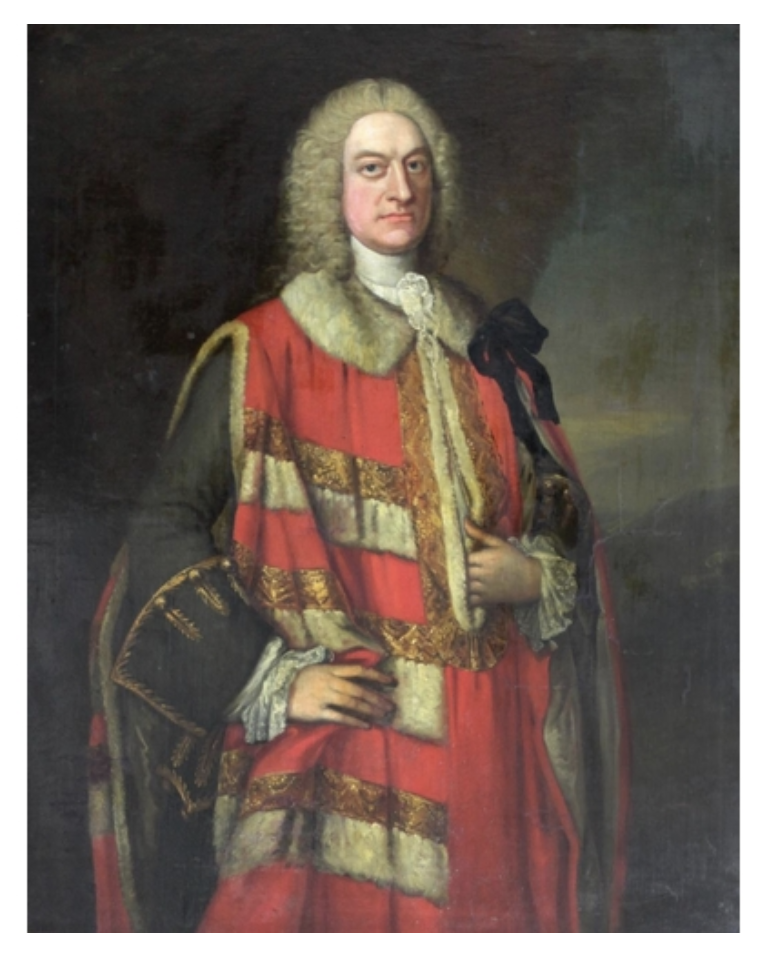
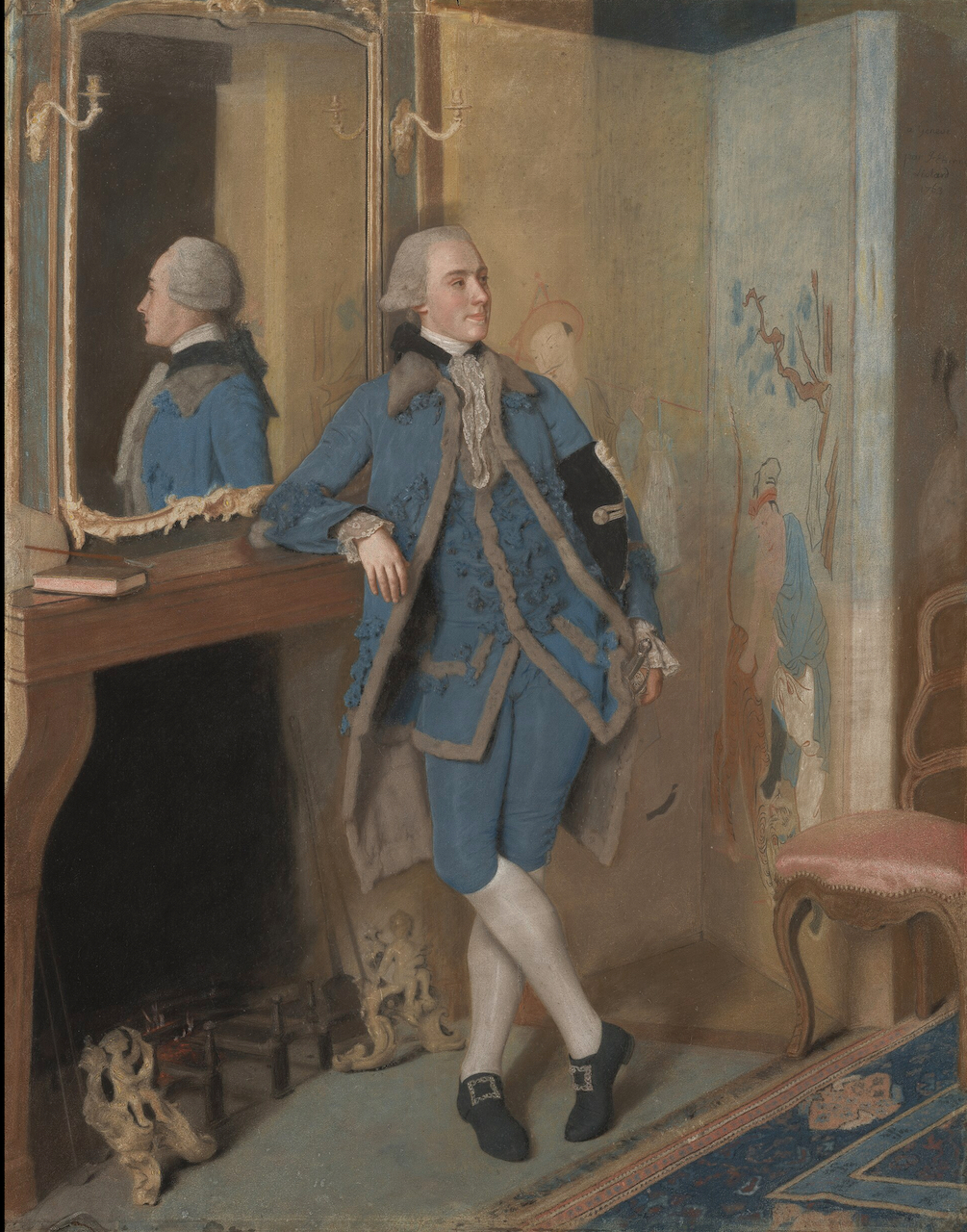
John Barry (1725-1784), who added the name Smith to his surname after his marriage to a wealthy heiress, was the son of James Barry, 4th Earl of Barrymore, of Castlelyons, County Cork, and Barry’s third wife, Anne Chichester, daughter of Arthur Chichester, 3rd Earl of Donegall (it was spelled with two ‘l’s in the title, unlike the county). He married Dorothy Smith, daughter of Hugh Smith of Weald Hall, Essex, and John added Smith to his surname.
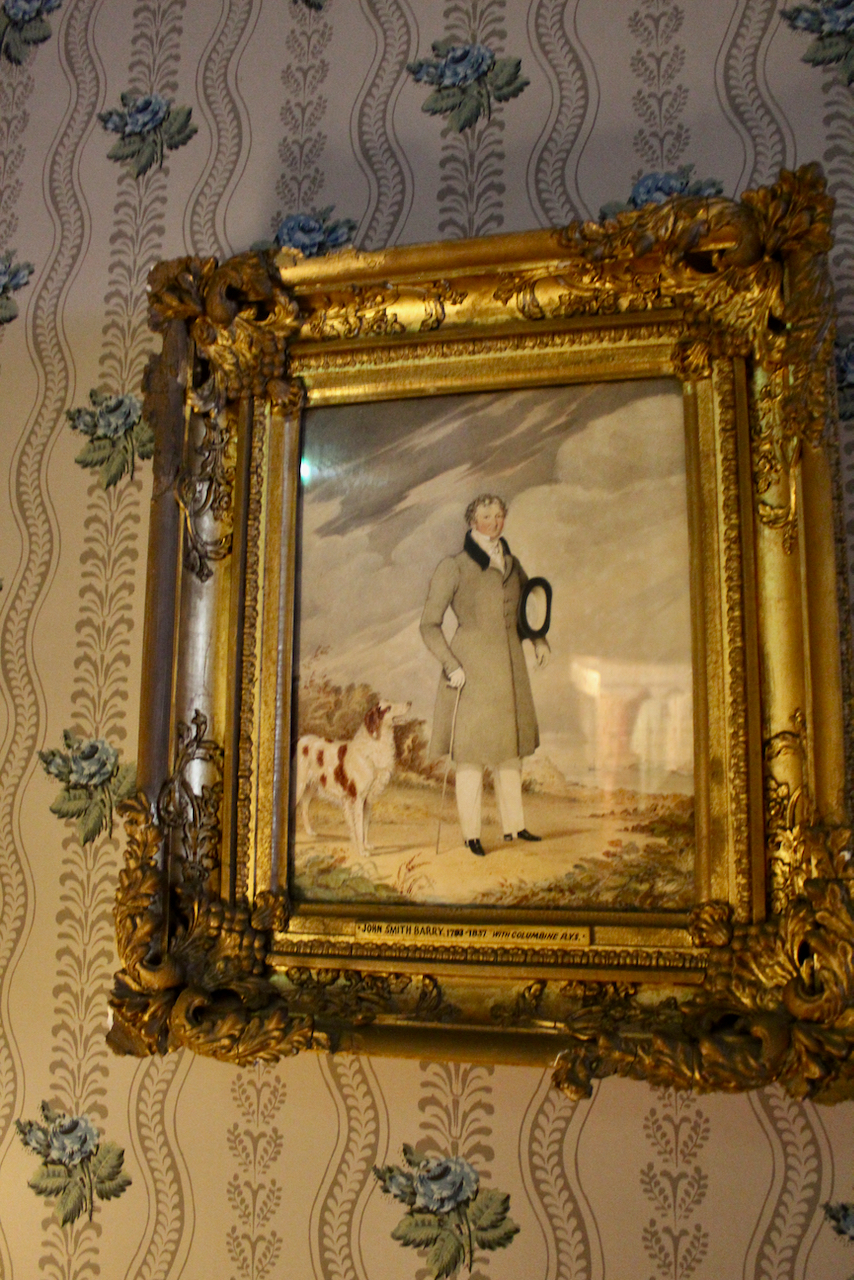
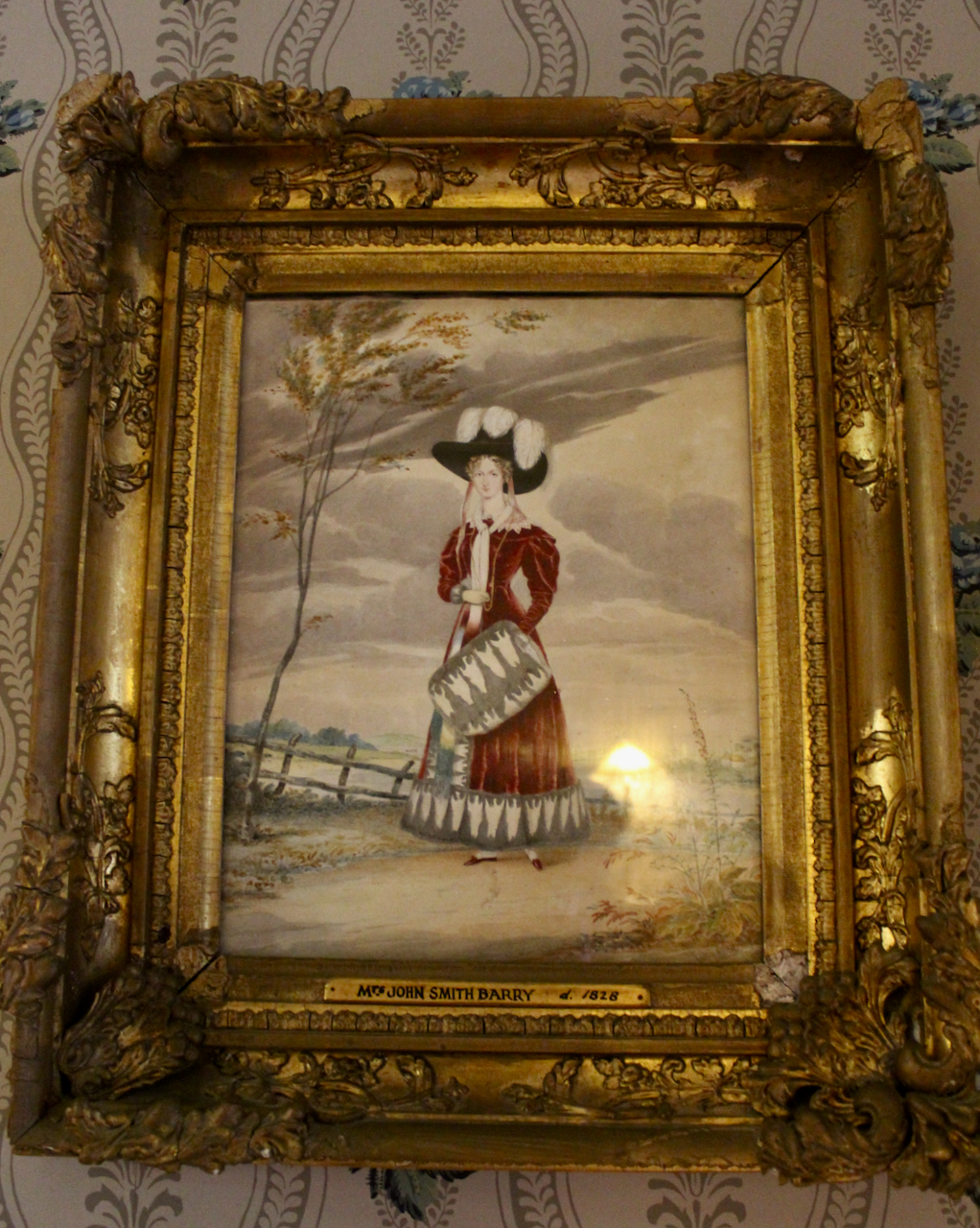
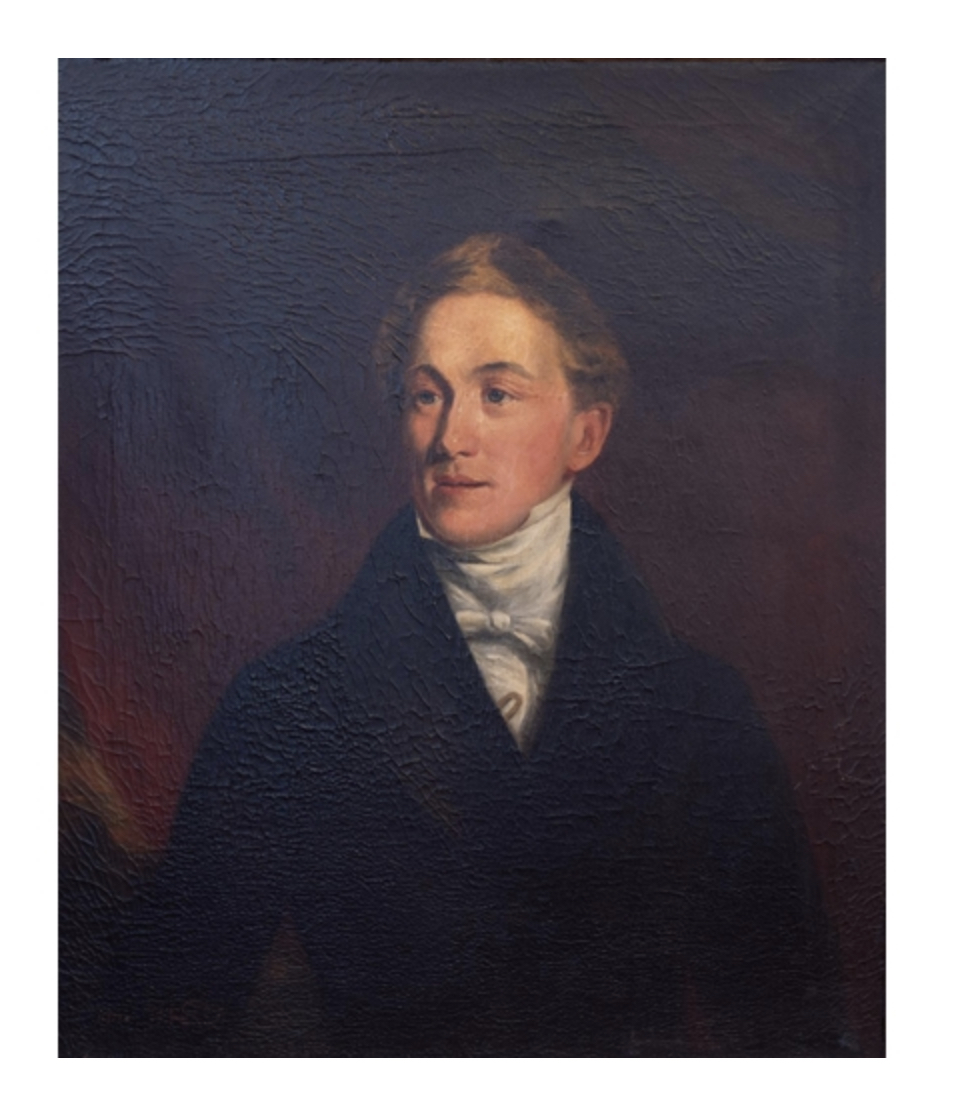
John Smith-Barry (1783-1837), son of James Hugh Smith-Barry (1746-1801) settled in Fota, County Cork, after his marriage to Eliza Courtenay of Ballyedmond, Midleton, County Cork.
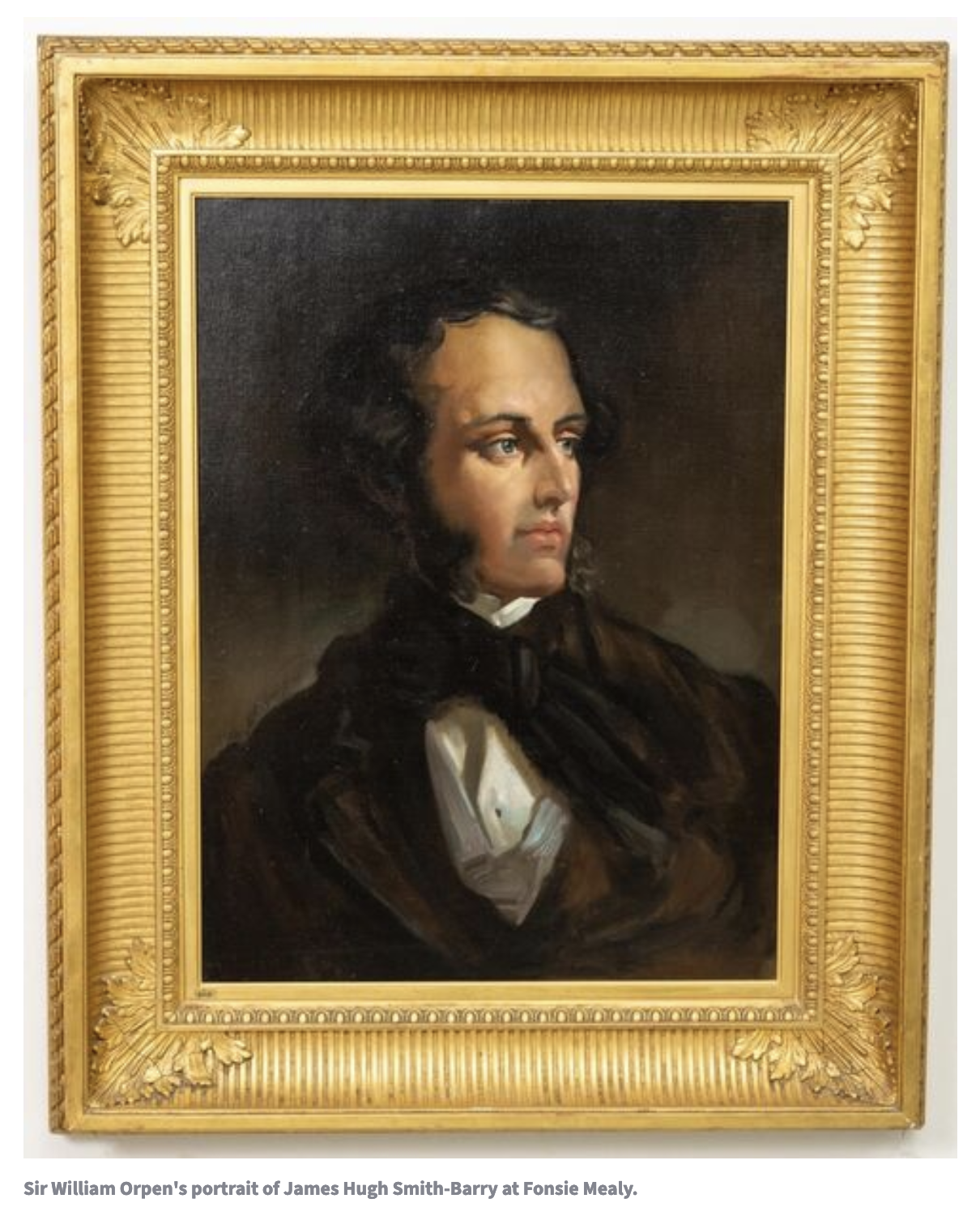
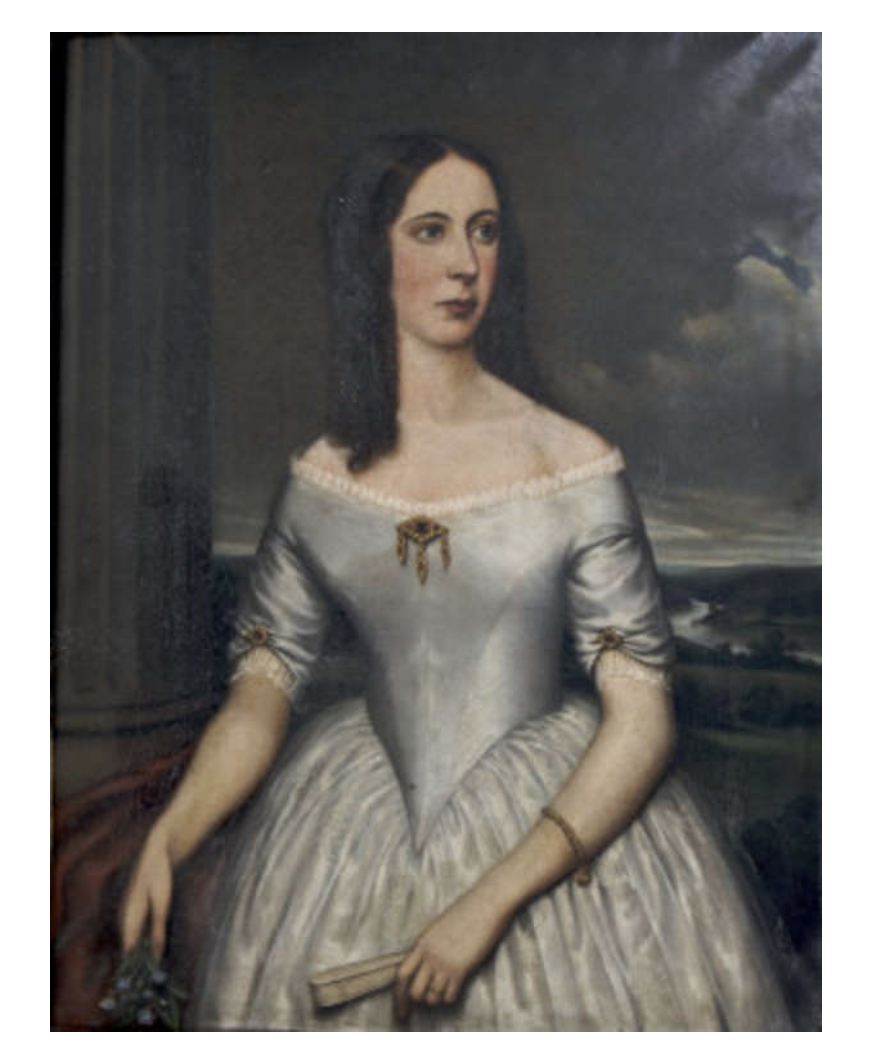
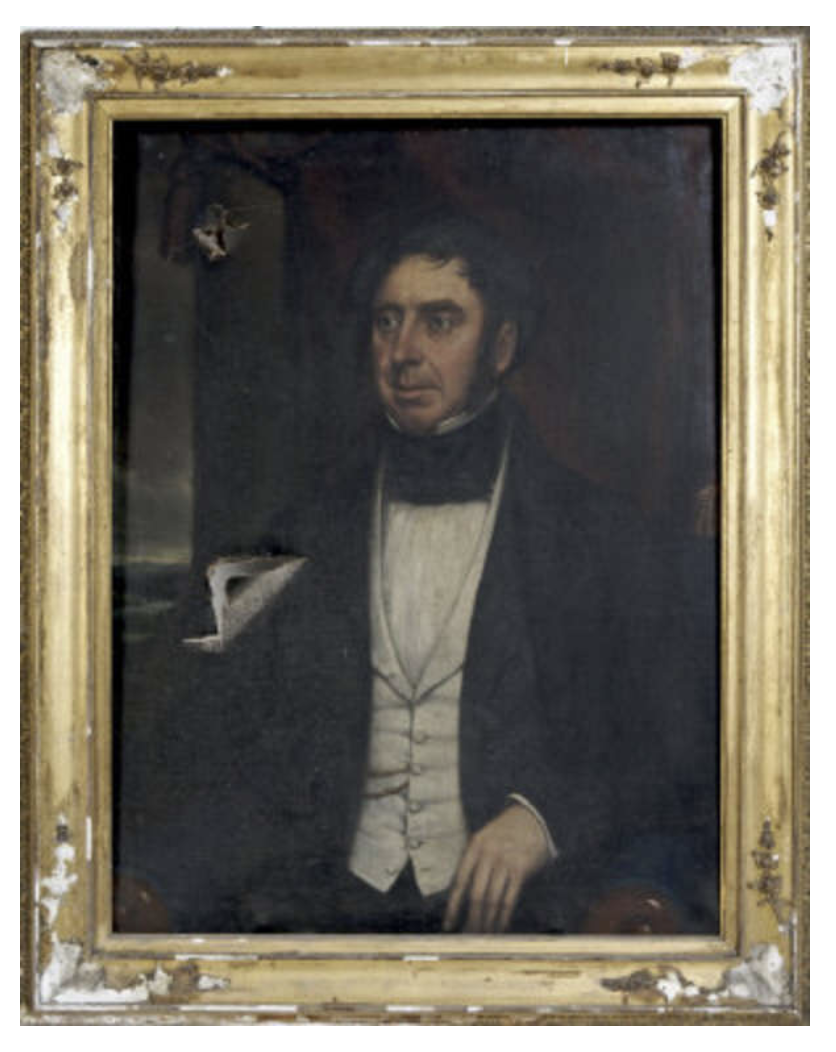
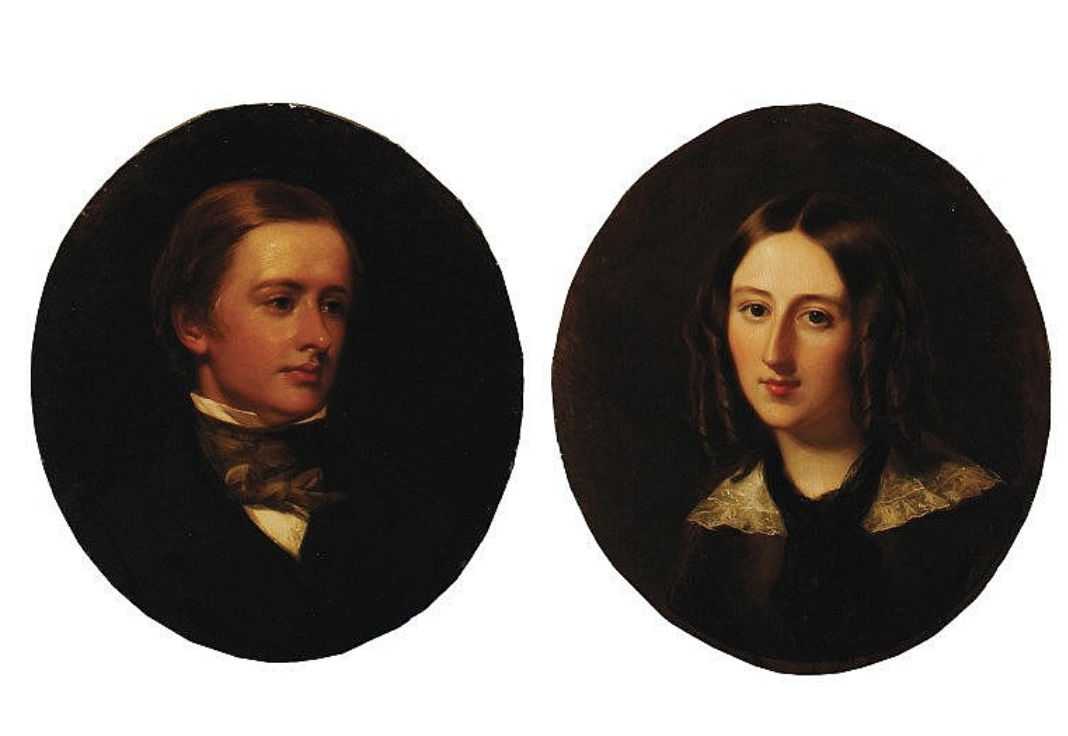
James Hugh Smith-Barry (1816-1856) inherited Fota and also Marbury Hall in Cheshire. He served as Deputy Lieutenant, Justice of the Peace and High Sheriff of County Cork. He married Elizabeth Jacson of Cheshire. After her husband died, she married George Fleming Warren, 2nd Baron de Tabley of Tabley House, County Chester.
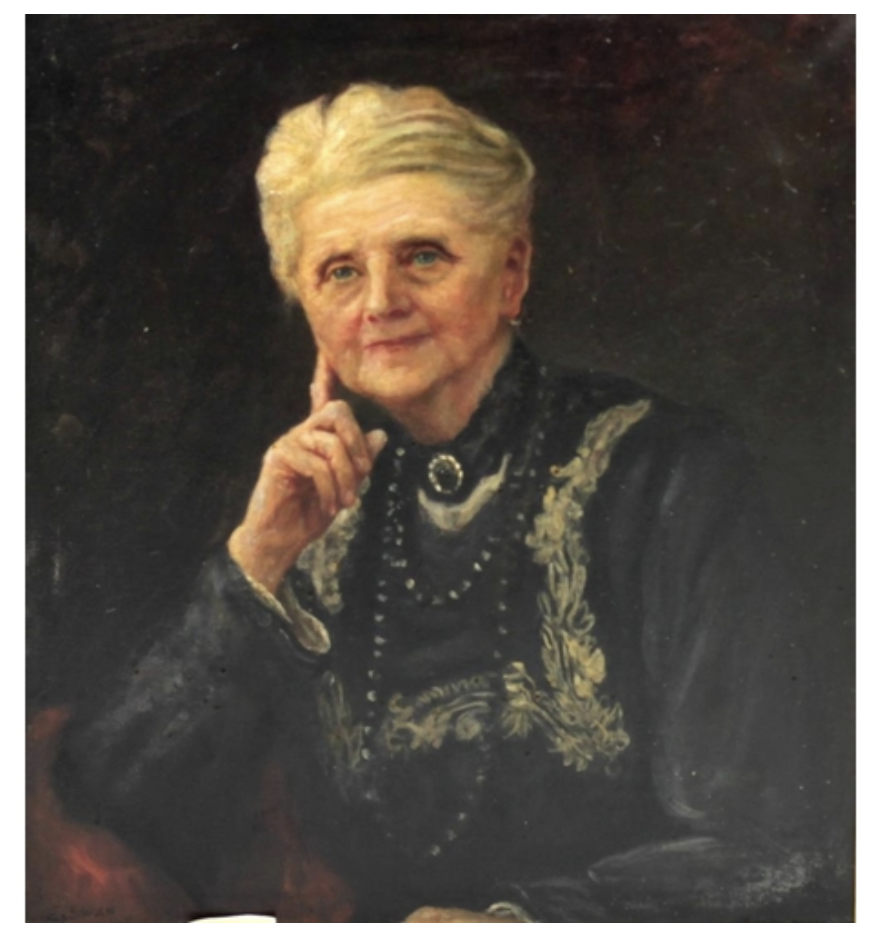
James Hugh Smith-Barry by William Orpen 1904, courtesy of Fonsie Mealy auction 2022.
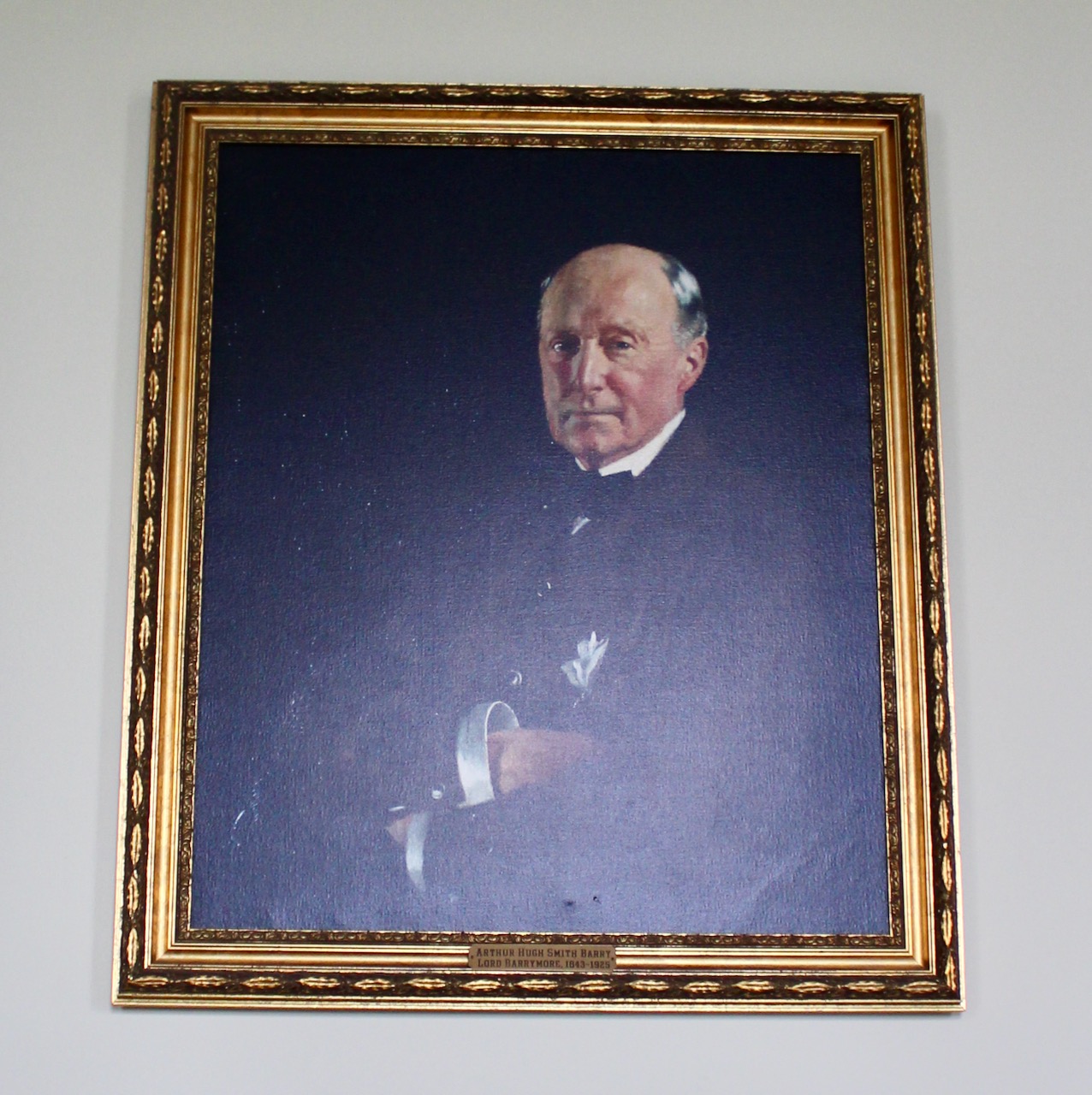
Arthur Hugh Smith-Barry (1843-1925), the oldest son of James and Elizabeth, inherited Fota and also Marbury Hall. He too served as Deputy Lieutenant, Justice of the Peace and High Sheriff of County Cork as well as Member of Parliament (M.P.) (Conservative) for County Cork between 1867 and 1874. He held the office of Member of Parliament (M.P.) (Conservative) for South Huntingdonshire in England between 1886 and 1900. In 1902 he was created 1st (and last) Baron Barrymore of County Cork.
Alexander Stewart (1699/1700-1781) and his wife, Mary Cowan, bought a large area of land in County Down in 1744, part of which became Mount Stewart demesne.
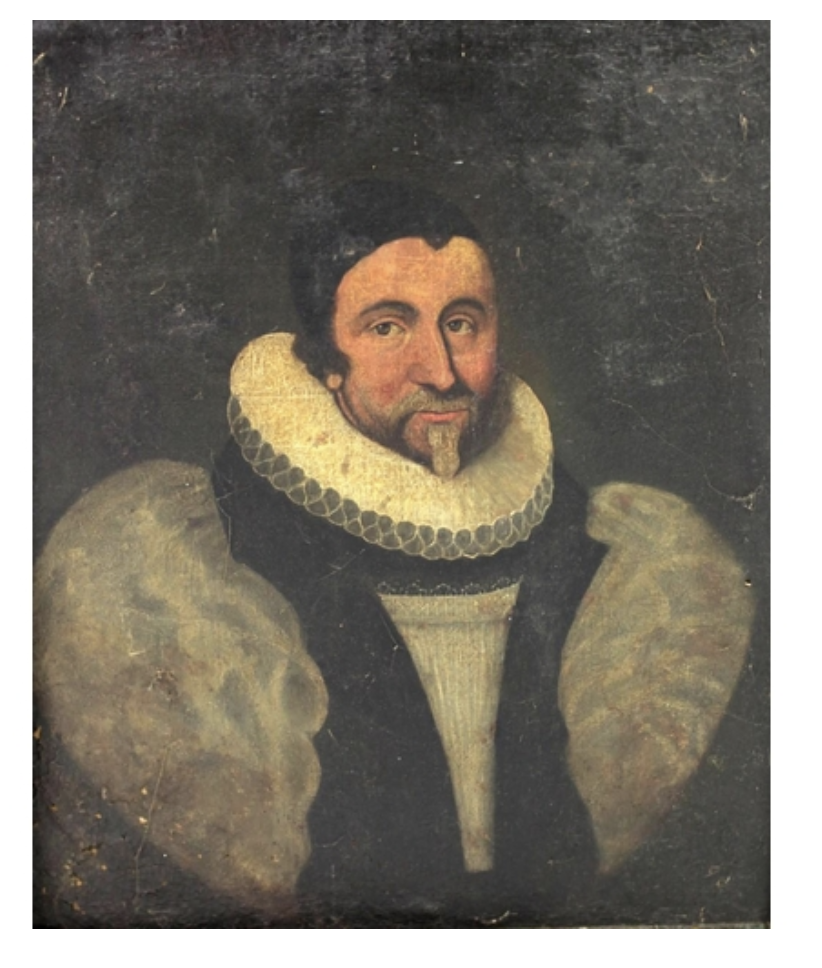
Burke’s Landed Gentry of Ireland tells us that Francis Swifte, son of Henry of Sheffield, County York, was knighted in 1616 and died in 1642. Henry of Sheffield’s other son was Thomas, who was buried in Canterbury Cathedral, who married Margaret, daughter and heir of the Right Rev. Thomas Godwin, Bishop of Bath & Wells. Many generations of Swift after him had the forename “Godwin.” Thomas and Margaret had a son William, born in 1566, who was Rector of Herbaldown and who married Mary Philpott.
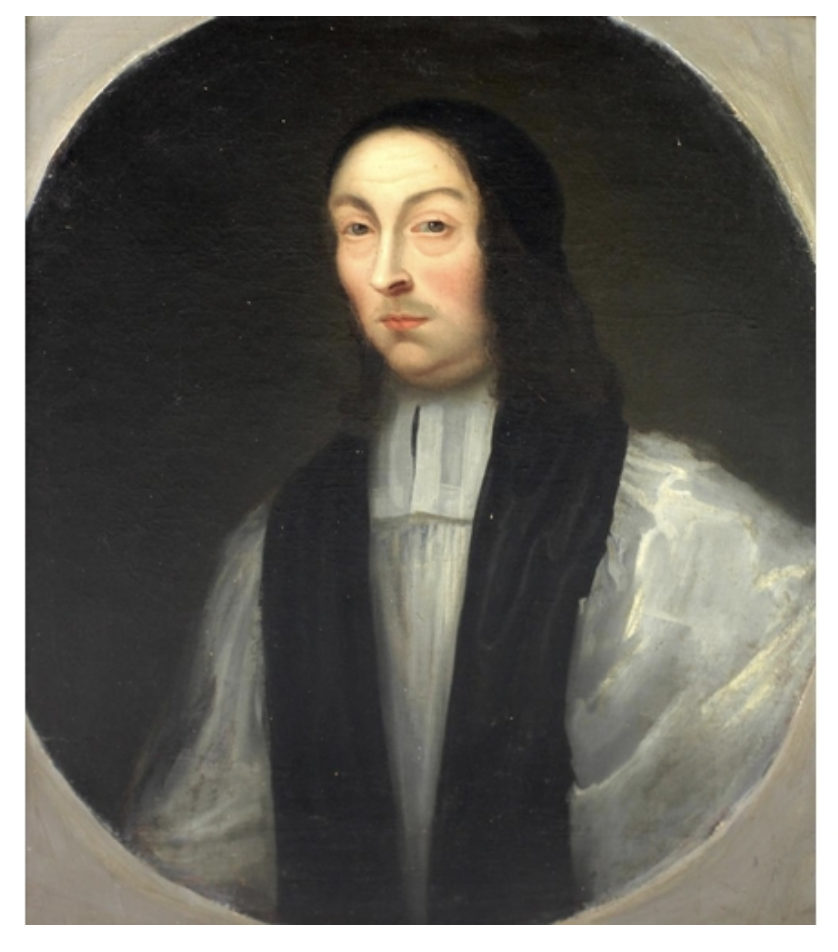
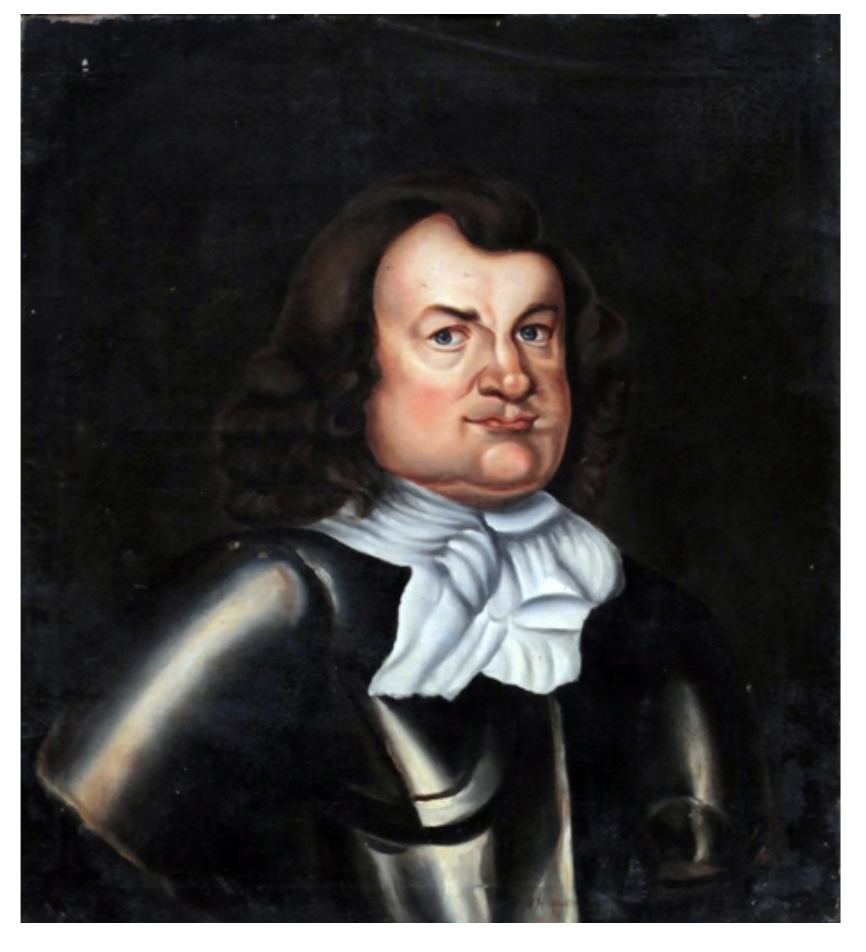
17th Century English School “Portrait of a Gentleman in Armour, Sir Francis Swifte,” courtesy Fonsie Mealy Fortgranite auction.Probably Francis Swifte, son of Henry of Sheffield, County York, was knighted in 1616 and died in 1642.Reverend Thomas Swifte, 17th Century Irish School. He was born in Canterbury in 1561, and married Margaret, daughter and heir of the Right Rev. Thomas Godwin, Bishop of Bath & Wells. He was the son of Henry Swifte; courtesy of Fonsie Mealy’s Fortgranite auction.Many generations of Swift after him had the forename “Godwin.”Late 16th / early 17th Century English School, “Right Reverend Thomas Godwin, courtesy Fonsie Mealy Fortgranite auction.
Thomas and Mary’s son Reverend Thomas (1595-1658) of Goodrich, Herefordshire, England, and Bristow, was ancestor of the Irish Swift family of Swiftsheath and Lionsden. He was devoted to King Charles I and the son of Charles I who was to become King Charles II.
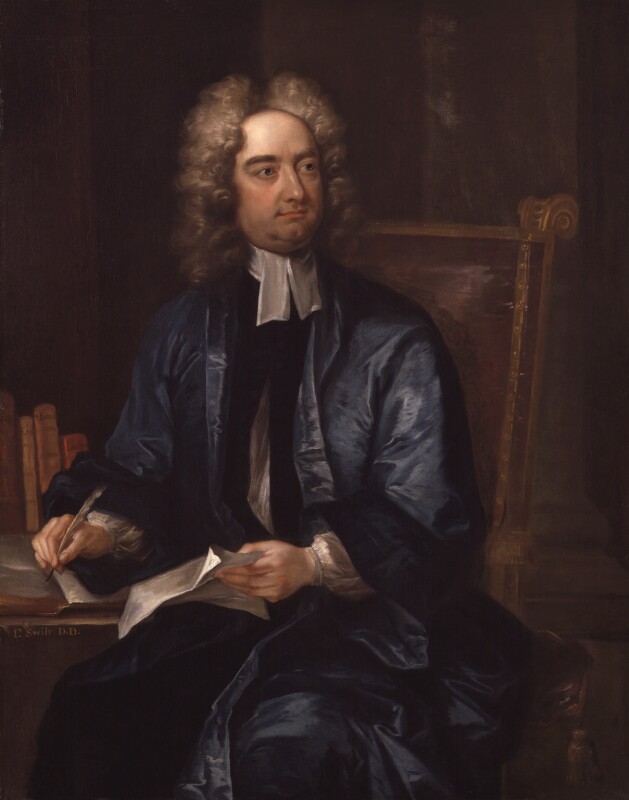
Thomas married Elizabeth Dryden (c. 1605-1658). They had many children, many of whom lived in Ireland. His son Jonathan (d. 1667) was a solicitor in Dublin, who married Abigail Erick of County Leicester, and they had a son, born after his death in Hoey’s Court, Dublin, right next to Dublin Castle, in 1667, also named Jonathan, the famed writer, Dean of St Patrick’s Cathedral in Dublin. He wrote many anecdotes about his grandfather in his manuscript The Family of Swift which is preserved in the library at Trinity College, Dublin (I must go to see it!). He died in 1745.
Jonathan Swift (1667-1745) by Charles Jervas circa 1718, National Portrait Gallery in London, 278.Portrait of Dean Swift attributed to Rupert Barber (1719-1772), courtesy of Adam’s auction 12 May 2013.This must be Jonathan Swift who died in 1745, Dean of St. Patrick’s Cathedral.Portrait of Stella courtesy of Adam’s auction 12 May 2013, attributed to Rupert Barber (1719-1772).“Portrait of Esther Johnson (Stella),” Late 18th / Early 19th Century after James Latham (1696 – 1747) courtesy of Fonsie Mealy Fortgranite sale.
Reverend Thomas Swift (1595-1658) had another son, Godwin Swift (d. 1695), who was Attorney-General to the Duke of Ormonde, and married four times. Geoffrey Marescaux tells us that Godwin Swift paid the famous Jonathan Swift’s school fees. His heir was child of his second wife, Katherine Webster, Godwin Swift (1672-1739), later of Dunbrow, County Dublin and Swiftsheath, County Kilkenny. For information on Swiftsheath, see https://kilkennyarchaeologicalsociety.ie/wp-content/uploads/2021/03/OKR1978-356-Geoffrey-Marescaux-Swiftes-Heath.pdf
Godwin Swift (1672-1739) married his cousin, Elizabeth, who was daughter of another son of Reverend Thomas Swift Vicar at Goodrich and Elizabeth née Dryden, William, who had land in Carlow, Kilkenny, Leitrim and Roscommon.
Godwin Swift (1672-1739) and Elizabeth had a son Godwin who inherited Swiftsheath and also owned Tidenton, County Kilkenny. He married a cousin, Elizabeth Swift, who was daughter of Deane Swift (c. 1674-1714) of Castle Rickard, County Westmeath. Deane Swift (c. 1674-1714) was another son of Godwin Swift Attorney-General to the Duke of Ormonde, by his 3rd wife, Hannah Deane.
Their son Godwin Swift (c. 1734-1815) lived in Swiftsheath and Lionsden, County Meath. He also married a cousin, Maria Swift, daughter of Deane Swift (c. 1707-1783) and Mary née Harrison, daughter of Theophilus Harrison. To add confusion to the family tree, Theophilus Harrison, Reverend of Clonmacnois, married twice, and one of his wives, Eleanor Meade, daughter of William Meade Lt Col of Ballintober, County Cork, had been previously married to Godwin Swift Attorney-General to the Duke of Ormonde as his fourth wife! Mary Harrison’s mother was Theophilus Harrison’s second wife, Martha Swift – yes, another Swift! She was the daughter of Adam Swift of Greencastle, County Down, who was another son of Thomas Swift Vicar at Goodrich and Elizabeth née Dryden.
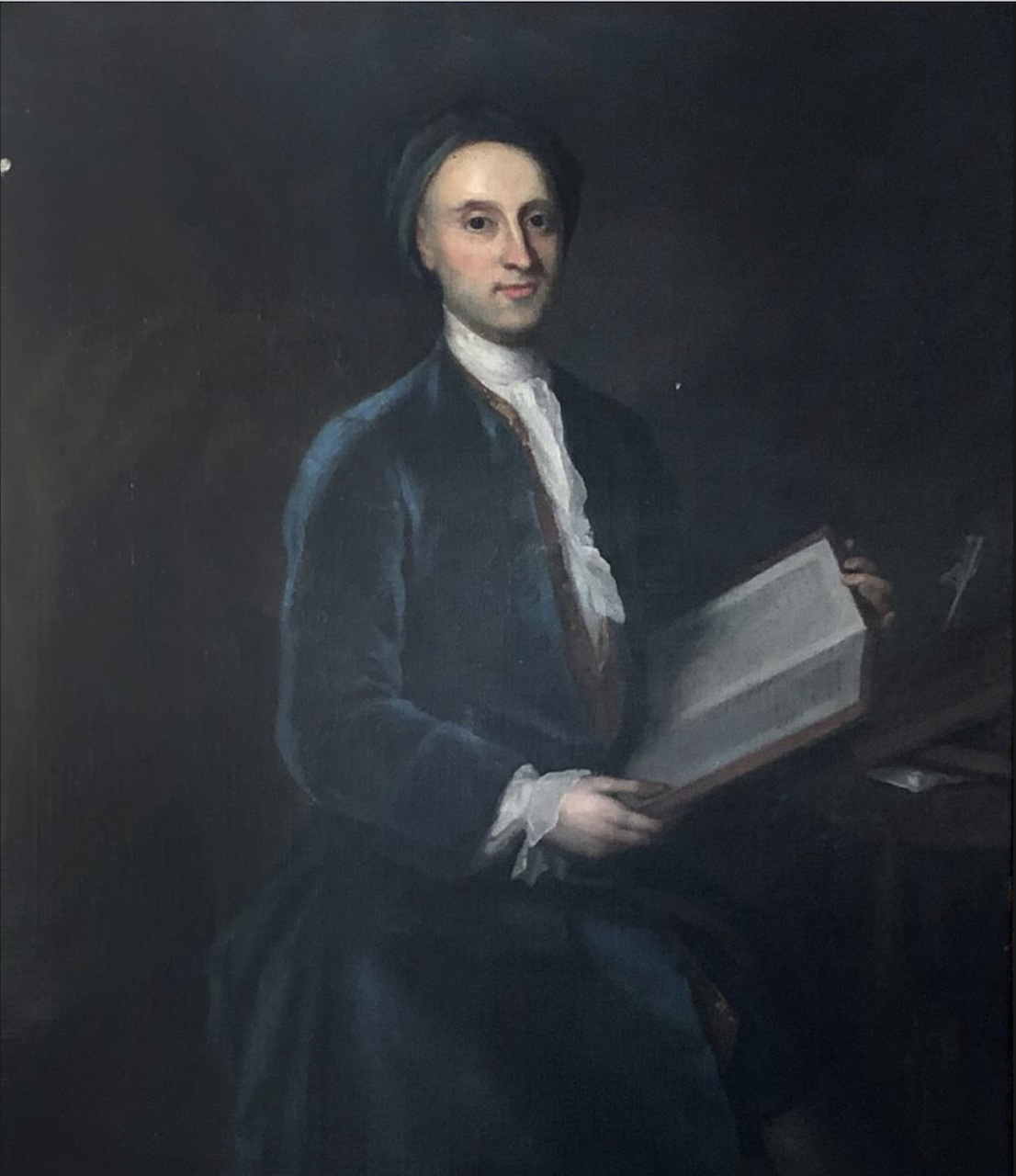
Reverend Deane Swifte, 17th Century Irish School, cousin and biographer of Dean Jonathan Swift. This is be Deane Swift (1703-1783), son of Deane Swift of Castle Rickard, County Westmeath. His great grandfather was a Regicide, ie. signed the death warrant of King Charles I, but fortunately died before Charles II was restored to the throne, according to Jonathan Swift!Admiral Richard Deane (Regicide) 17th Century English School courtesy Fonsie Mealy Fortgranite auction.The Fonsie Mealy site adds: “Note: Major Joseph Deane (Inistiogue, 1661-66), of Crumlin, County Dublin, and Ballicocksoust, County Kilkenny (formerly the estate of Richard Strange), was the youngest son of Edward Deane, of Pinnock, Gloucestershire, by his 2nd wife, Anne Wase, and was born at Pinnock, 2nd February, 1624. His elder brother, Colonel Richard Deane, a leading member of the Republican party, was one of the Judges who sat on the trial of Charles I, and signed the death warrant of the King. Colonel Richard Deane was entrusted with the settlement of Scotland, which he speedily effected by his temperance and sagacity. He was next appointed one of the “Generals at Sea”, having for his colleague the famous Robert Blake, but was killed in action against the Dutch on 2nd June, 1653. He was honoured with a public funeral and buried in Henry VII’s Chapel at Westminster, but in 1661 his body (being that of a Regicide) was exhumed and cast out of the Abbey. Joseph Deane was educated at Winchester School, and entered the Parliamentary Army as Cornet in Rainsborough’s Horse. He volunteered for service in Ireland under Oliver Cromwell, in whose army he held the rank of Major. Under the Act of Settlement he had two grants of land (16th January, 1666, and 22nd June, 1669), comprising 9,324 statute acres, situated in the counties of Meath, Down, and Kilkenny, 3,859 acres being in Kilkenny. He purchased from Richard Talbot (afterwards Earl and Duke of Tyrconnell) the Manor of Terenure, in county Dublin, for 4,000. He was named on some important committees of the House of Commons, but was fined 10 for absence on 31st January 1665. In 1664 he paid 4s. hearth money for “Ballicagbsust”. In 1677 he served as High Sheriff of county Dublin. He died 21st December, 1699, having been twice married. By his 1st wife Anne —-, he had one son and two daughters – Joseph, of Crumlin, whose son, Joseph, became Lord Chief Baron of the Exchequer, and died without male issue. (1) Anne, married in May, 1673 (as his 3rd wife), Godwin Swift, Attorney-General to the Duke of Ormonde. (2) Elizabeth, married 1st in May, 1672, Captain Henry Grey; 2nd in July, 1677, Donogh O’Brien, of Lemenagh, County Clare. Major Deane married, 2ndly, in 1659, Elizabeth, daughter of Maurice Cuffe, and sister of Captain Joseph Cuffe, of Castle Inch, elected M.P. for Knocktopher in 1665, and by her, who died 3rd April, 1698, had a son and a daughter – Edward whom hereafter M.P. for Inistiogue; and Dorothy, married Maurice Berkeley, of Glasnevin county Dublin.THE MEMBERS OF PARLIAMENT FOR THE COUNTY, CITY AND BOROUGHS OF KILKENNYBY G.D. BURTCHAELL, M.A., LL.B [Written for the KILKENNY MODERATOR]Mrs Godwin Swifte of Swifte’s Heath, courtesy of Fonsie Mealy’s Fortgranite sale.
Godwin Swift (c. 1734-1815) of Swiftsheath and Lionsden and his cousin, Maria Swift had another son called Godwin Swift (c. 1779-1814), of Lionsden. This Godwin Swift married yet another cousin, Jane Sophia Swift (1785-1851), in 1803. She was the daughter of Richard Swift (1750-1796) who was the son of John L’Estrange Swift (1709-1793) of Lynn, County Westmeath, who was the son of Meade Swift (1682-1739) of Lynn, County Westmeath, who was the son of Godwin Swift Attorney-General to the Duke of Ormonde and Eleanor née Meade!
Jane Sophia Swift (1785-1851) married secondly, in 1818, Louis Auguste Alexander, Comte Lepelletier de Molende.
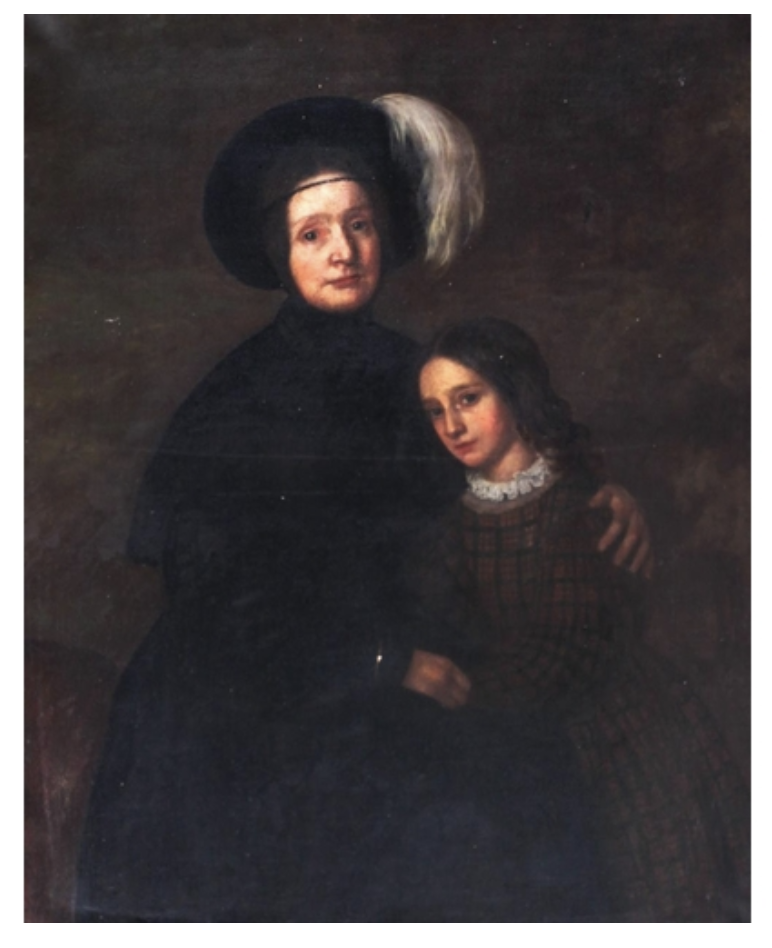
Countess Molende née Swift and her granddaughter Luigina de Sadre, Gifted by the artist to W.R. Swifte as a token, as his predecessor Jonathan Swifte served as Rector at Agher Church from 1699 – 1745, courtesy Fonsie Mealy Fortgranite auction.
Godwin Swift (c. 1779-1814), of Lionsden and Jane Sophia Swift (1785-1851) had a son Godwin Meade Pratt Swift (1805-1864) of Swiftsheath and Lionsden.
Identified as “Godwin Pratt Meade Swifte Lord Carlingford (m. MJ Clarke), Leahy, Dixon & Mulvanney, 19th Century Irish School, standing in a landscape by a grey horse with Foulksrath Castle, Co. Kilkenny in the distance”, courtesy of Fonsie Mealy Fortgranite. Godwin Meade Pratt Swift (1805-1864) of Swiftsheath and Lionsdenmarried Mary Jane Clarke of Bansha Castle, County Tipperary.He took the title Viscount Carlingford.Jane Christina Swifte (1810-1854), the wife of “Chevalier Sergio Demacdo, Minister Plenipotentiary of HM Emperor of Brazil,” Early 19th Century Irish School, courtesy Fonsie Mealy Fortgranite. She was the daughter of Godwin Swift of Lionsden and Jane Sophia.
Godwin called himself Viscount Carlingford, reviving a title created in 1627 for another branch of the Swift family. Godwin also added the “e” back to the end of the name Swift. He married first, Maria Theresa Plankenstern, Baroness de Wetzlar of Austria at Paris in 1830 after the birth of their son Ferdinando. [see https://www.youwho.ie/swifte.html ].
Godwin secondly married Jane Anne Hopkins on 18 Mar 1845 at Liverpool after an non legal ceremony some years earlier. Godwin returned with his family from the continent in 1845 to take up residence at Swiftesheath. Jane died at Lionsden, Castle Rickard in 1848 and was buried in the family vault. Godwin thirdly married Mary Jane Clarke on 4 Feb 1863 at Kilkenny and declared himself a widower. Mary was the daughter of Robert Hare Clarke. Godwin died 4 Jul 1864.
He created a flying machine which he hoisted to the top of Foulkesrathe Castle, which stood on the property of Swiftesheath, but it failed to fly and a butler who was piloting the plane broke a leg in his fall.
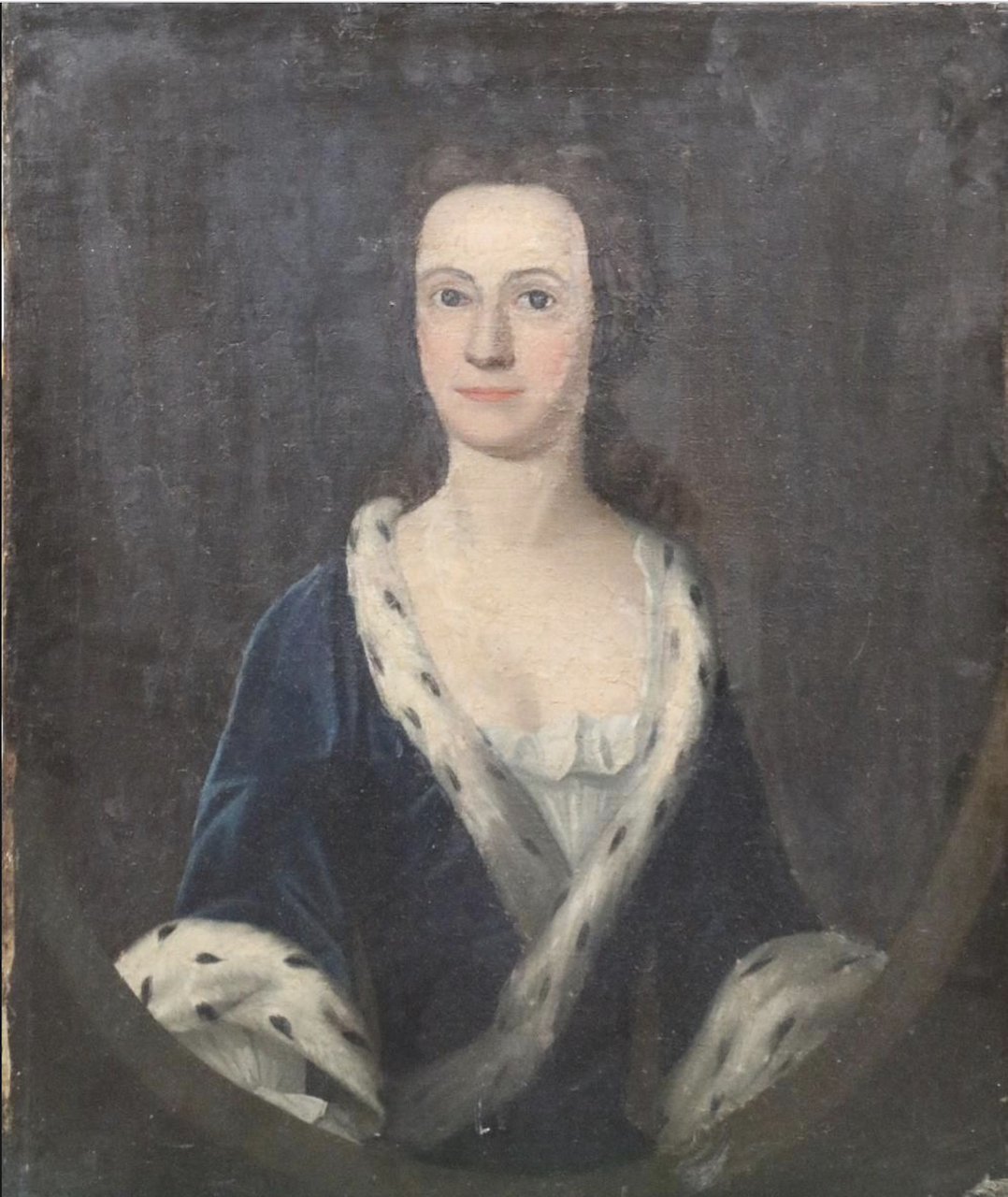
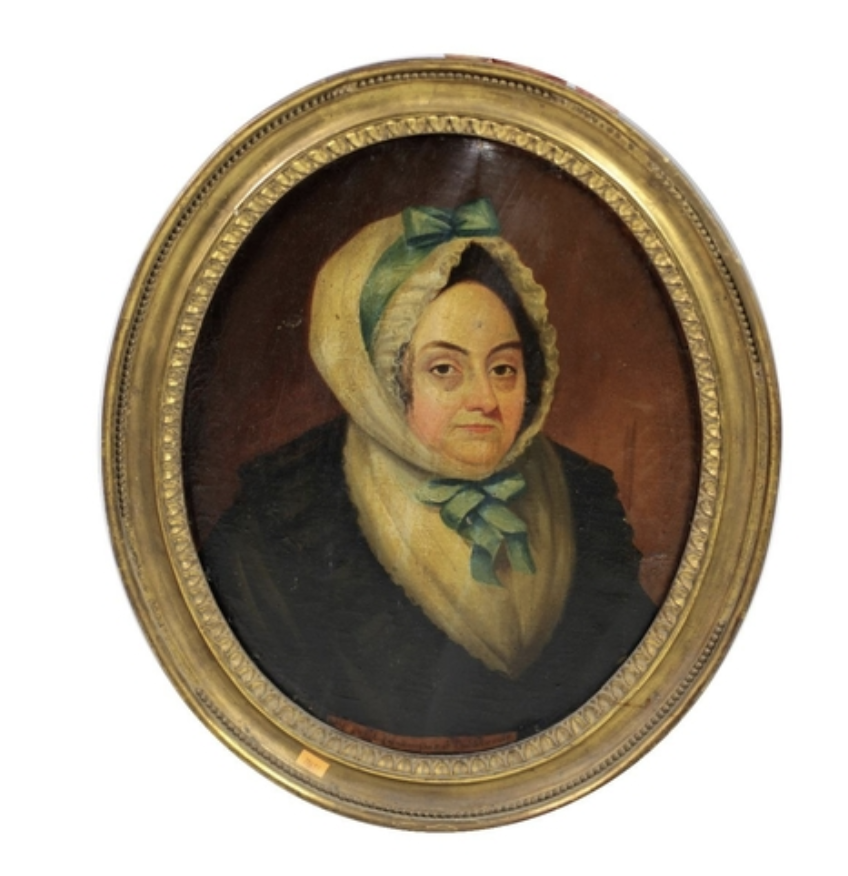
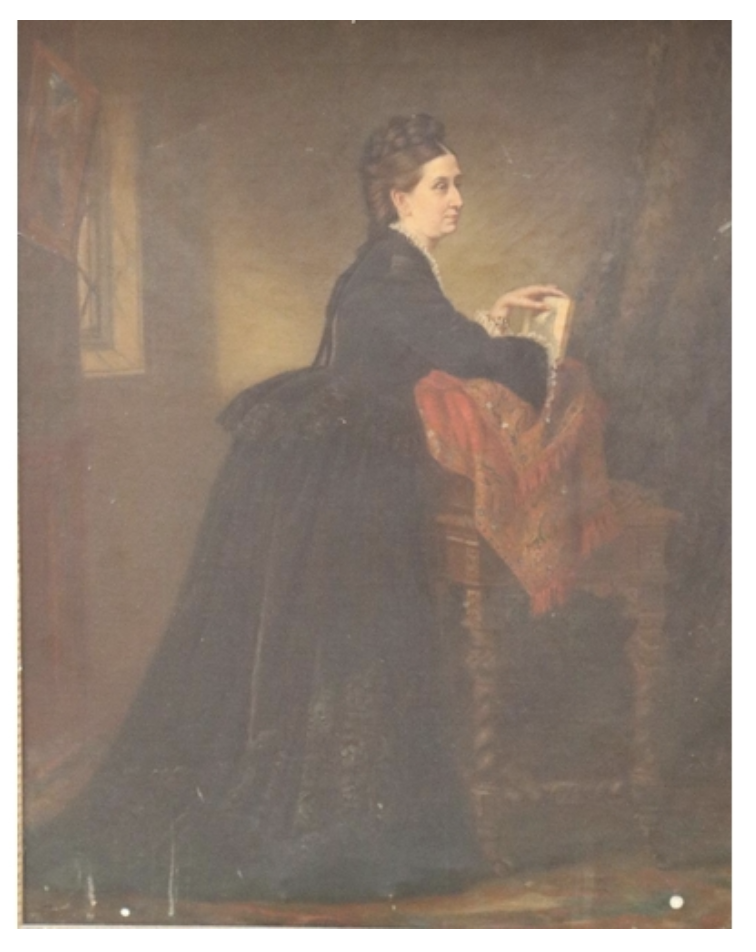
Identified as Pratt Swifte, Early 19th Century Irish School, courtesy of Fonsie Mealy Fortgranite sale.Mrs. Swifte, grandmother of Thomas Dennis courtesy Fonsie Mealy Fortgranite Auction.19th Century Irish School, Portrait of Mrs. Godwin Swifte courtesy Fonsie Mealy Fortgranite auction.There were so many Godwin Swifts it is hard to identify the sitter.Godwin Butler Meade Swifte (1864-1923) son of “Viscount Carlingford,” wearing uniform of the High Sheriff of Kilkenny, seated holding a sword, D.L. was the High Sheriff of Kilkenny and later Carlow, and resided at Swifte’s Heath, Co. Kilkenny, courtesy of Fonsie Mealy Fortgranite.Ernest Godwin Swifte K.C., with a companion painting of Lady Francis Swifte courtesy of Fonsie Mealy Fortgranite sale.He was the son of William Richard Swift (1807-1890), son of Godwin Swift of Lionsden and Jane Sophia.“Lady Francis Swifte,” with a companion painting of Ernest Godwin Swifte K.C., courtesy of Fonsie Mealy Fortgranite sale.Perhaps it is Ernest Godwin’s sister Julia Frances Swift, who did not marry.
“Built by [Richard Bourke 1572-1635] the fourth earl of Clanricarde, Portumna Castle was the de Burgo family power base for centuries.
“The castle is a unique example of the transitional Irish architecture of the early 1600s. Its bold design combines elements of medieval and Renaissance style that complement each other perfectly.
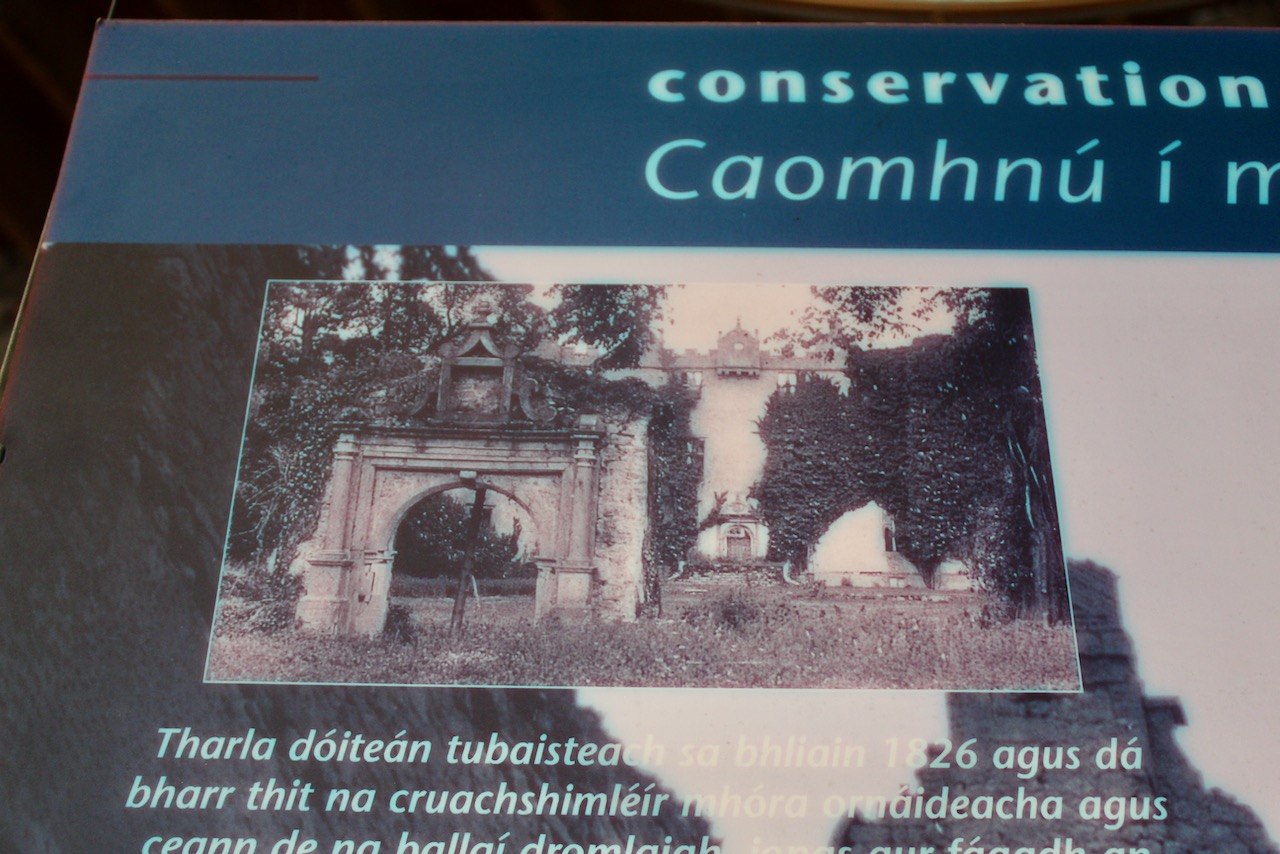
“A major fire in 1826 left the castle a roofless shell, but the state began to bring it back from ruin in the 1960s. Restoration work continues to this day.
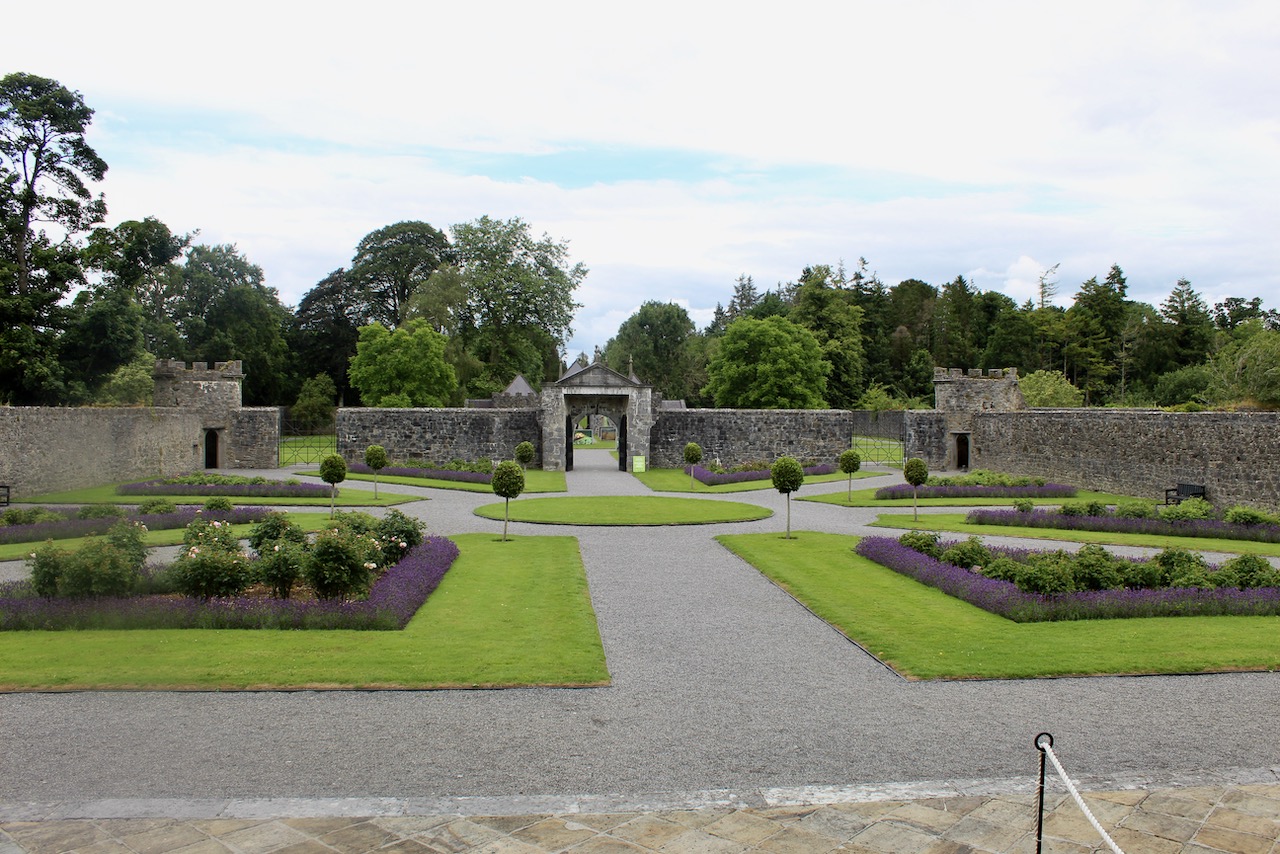
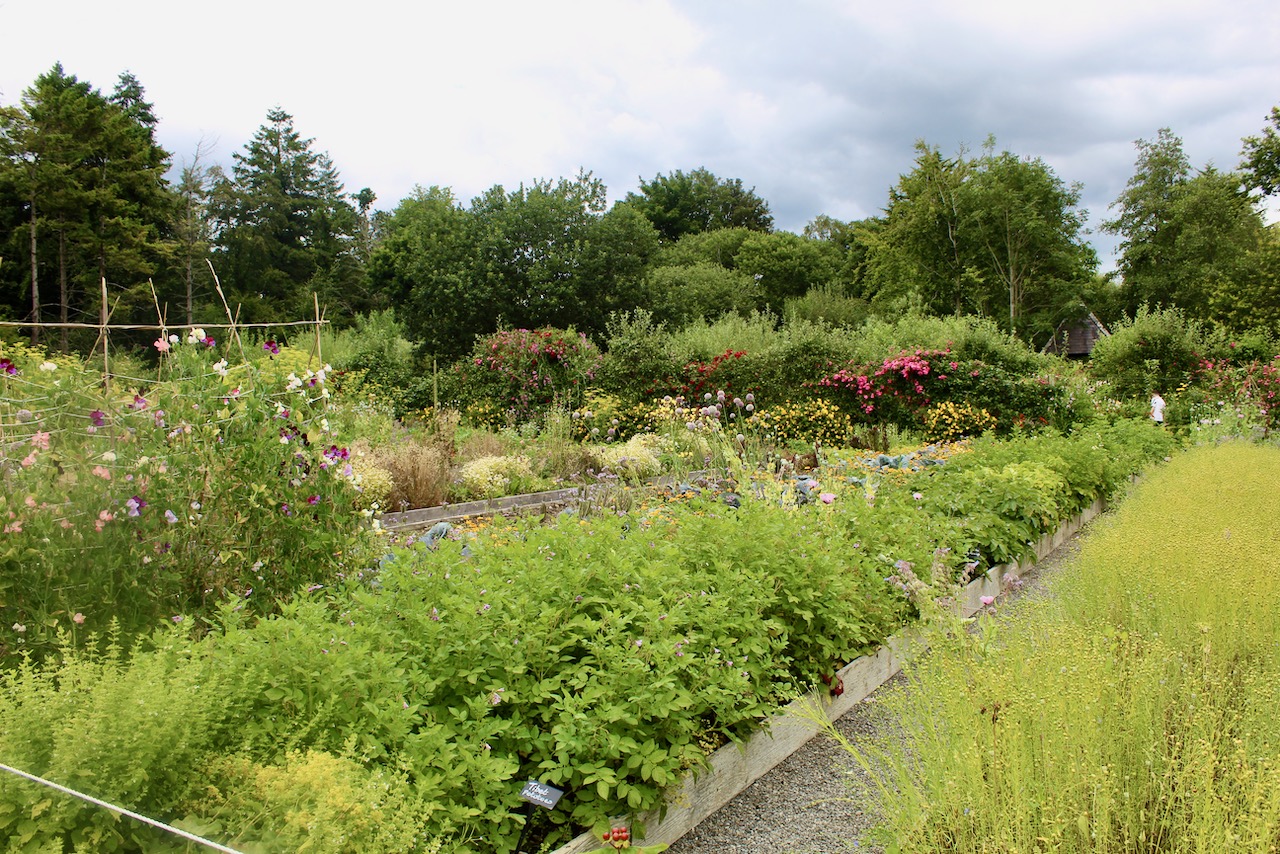
“The dramatic walk up to the building includes charming formal gardens, which create an enchanting sense of the original seventeenth-century setting. The walled kitchen garden is particularly memorable.
“The castle enjoys a sensational view of Lough Derg. The ground floor is open to the public and houses an exhibition that brings the story of the castle and the de Burgo family to life. It is right beside the River Shannon and Portumna Forest Park, which makes it a great choice for a delightful day out.“
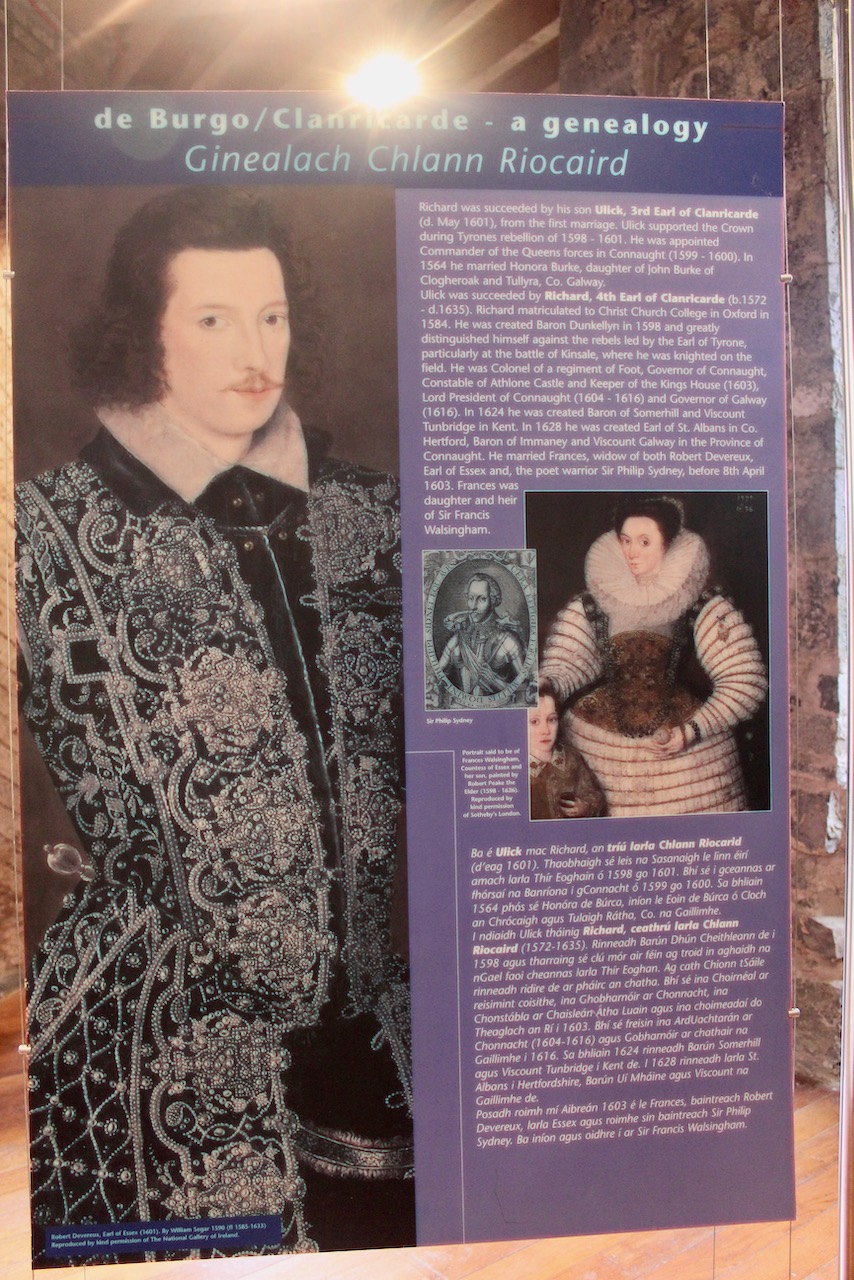
Richard Bourke 4th Earl of Clanricarde was brought up and educated in England. He fought on the side of the English against Hugh O’Neill, Earl of Tyrone, and was knighted on the field at the battle of Kinsale. He was a protege of Robert Devereux, 2nd Earl of Essex, and married Frances Walsingham, who was the widow of the poet Philip Sydney (1554-1586) and of Robert Devereux, the 2nd Earl of Essex (1566-1601), favourite of Queen Elizabeth I.
Portrait of Frances Walsingham, along with her husband Robert Devereux, 2nd Earl of Essex, and in the small picture, Sir Philip Sydney.
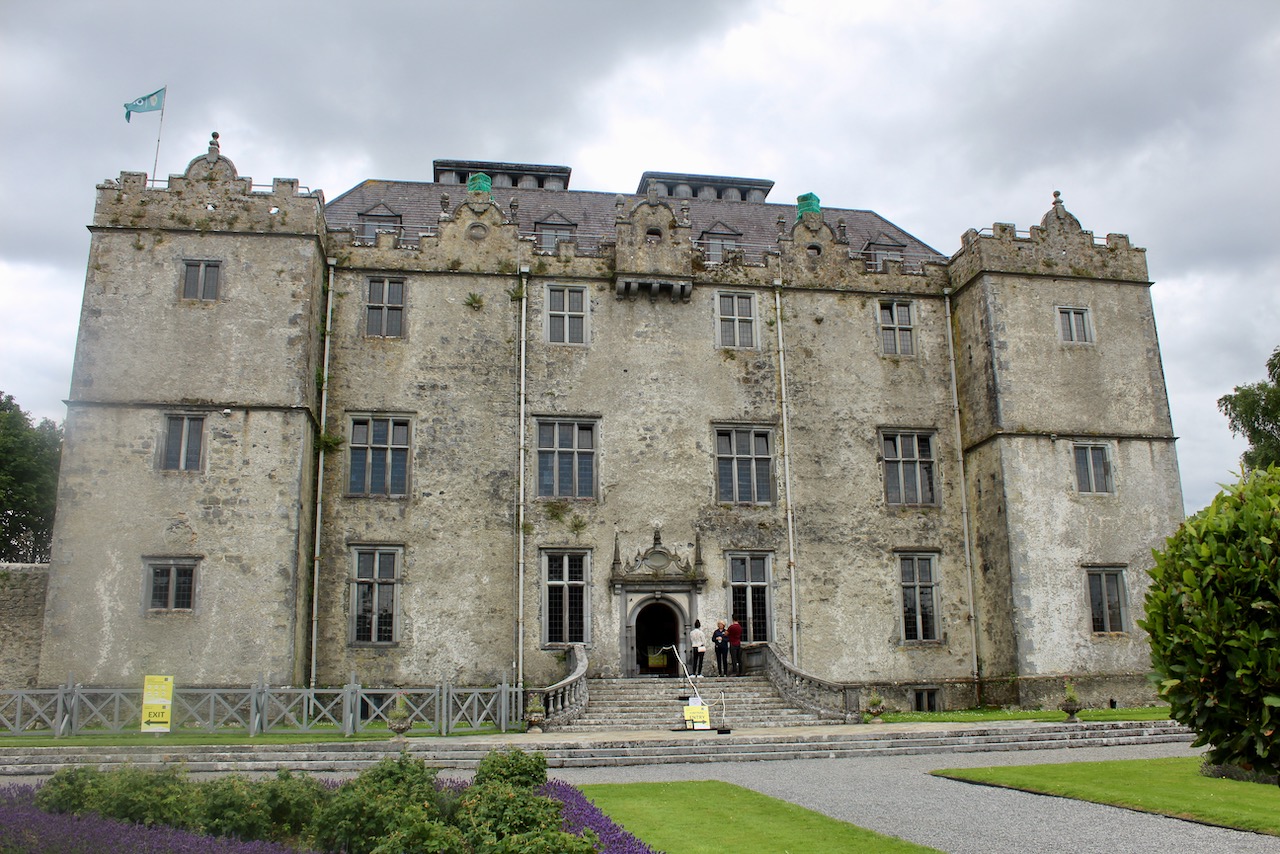
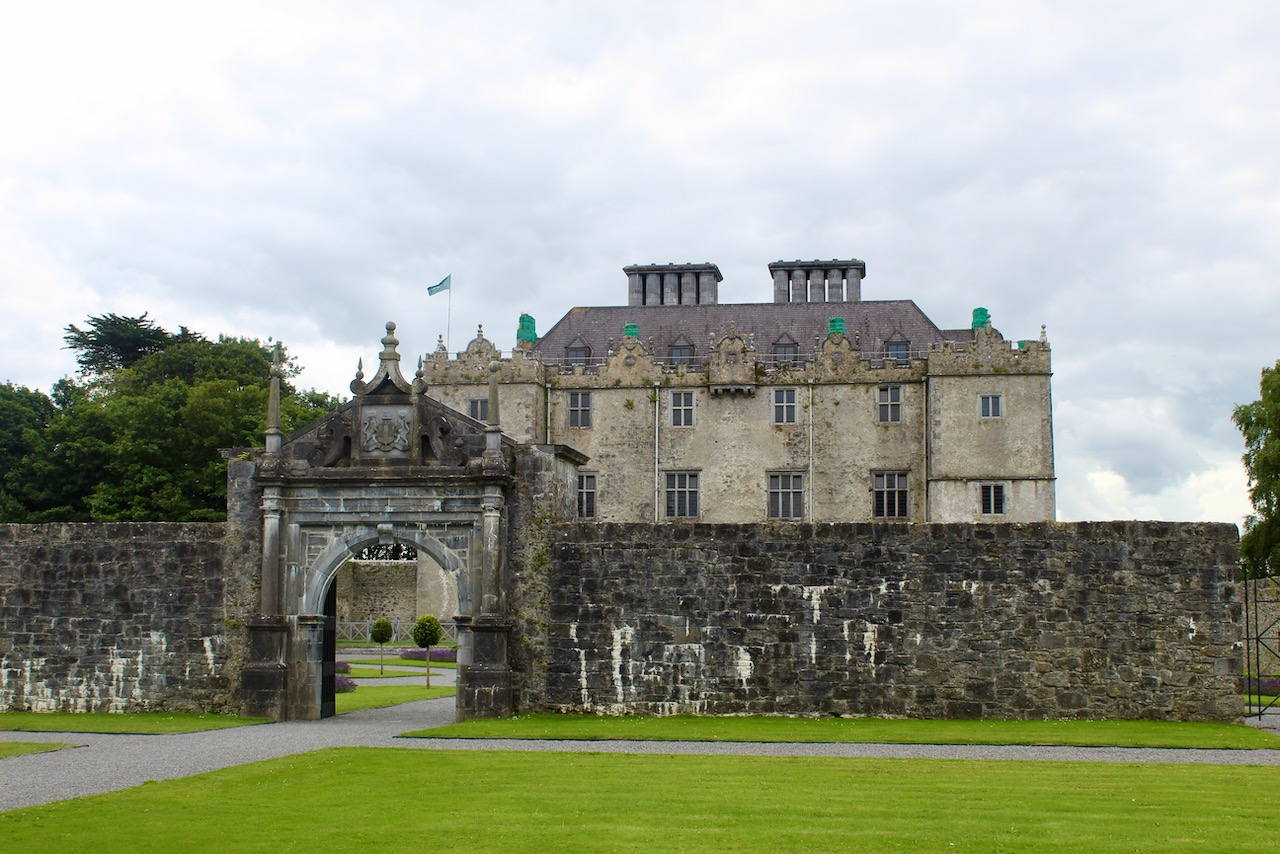
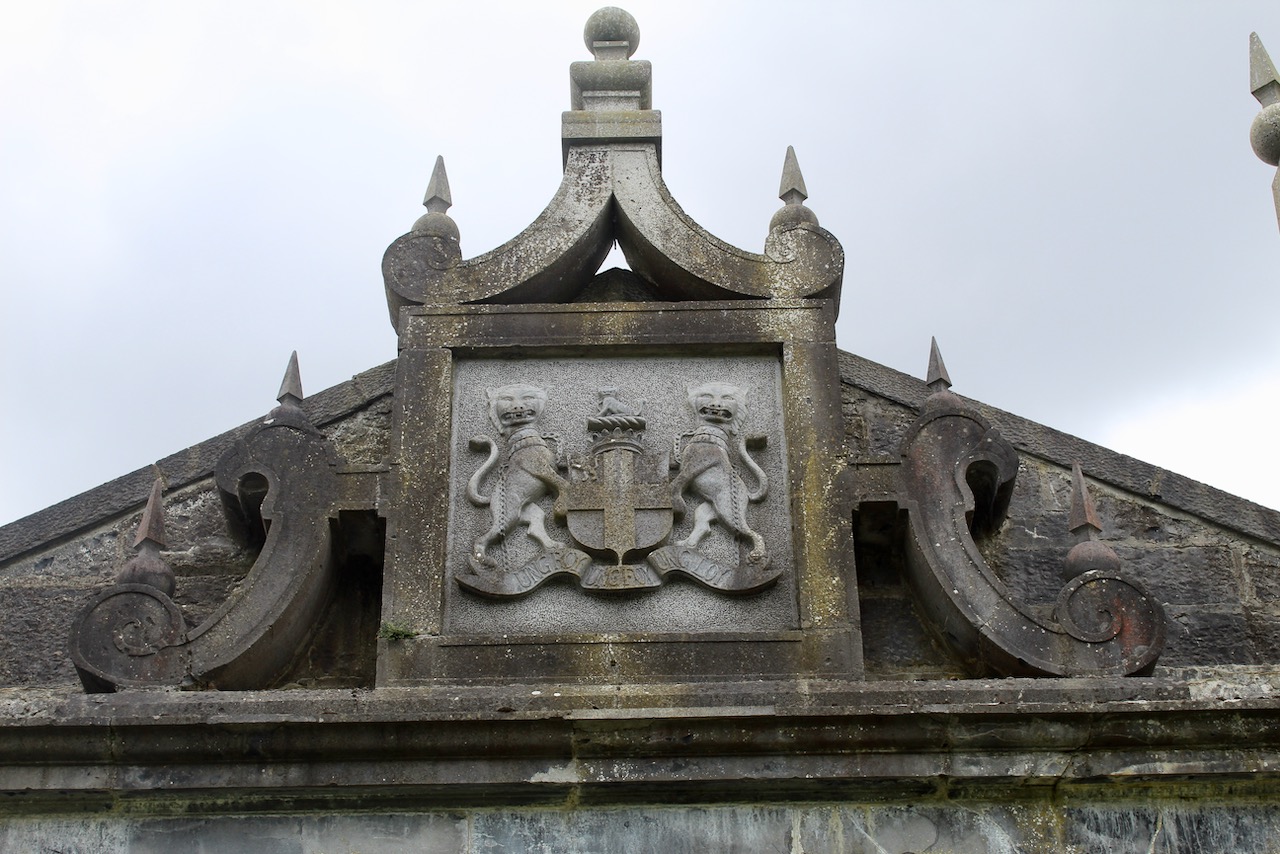
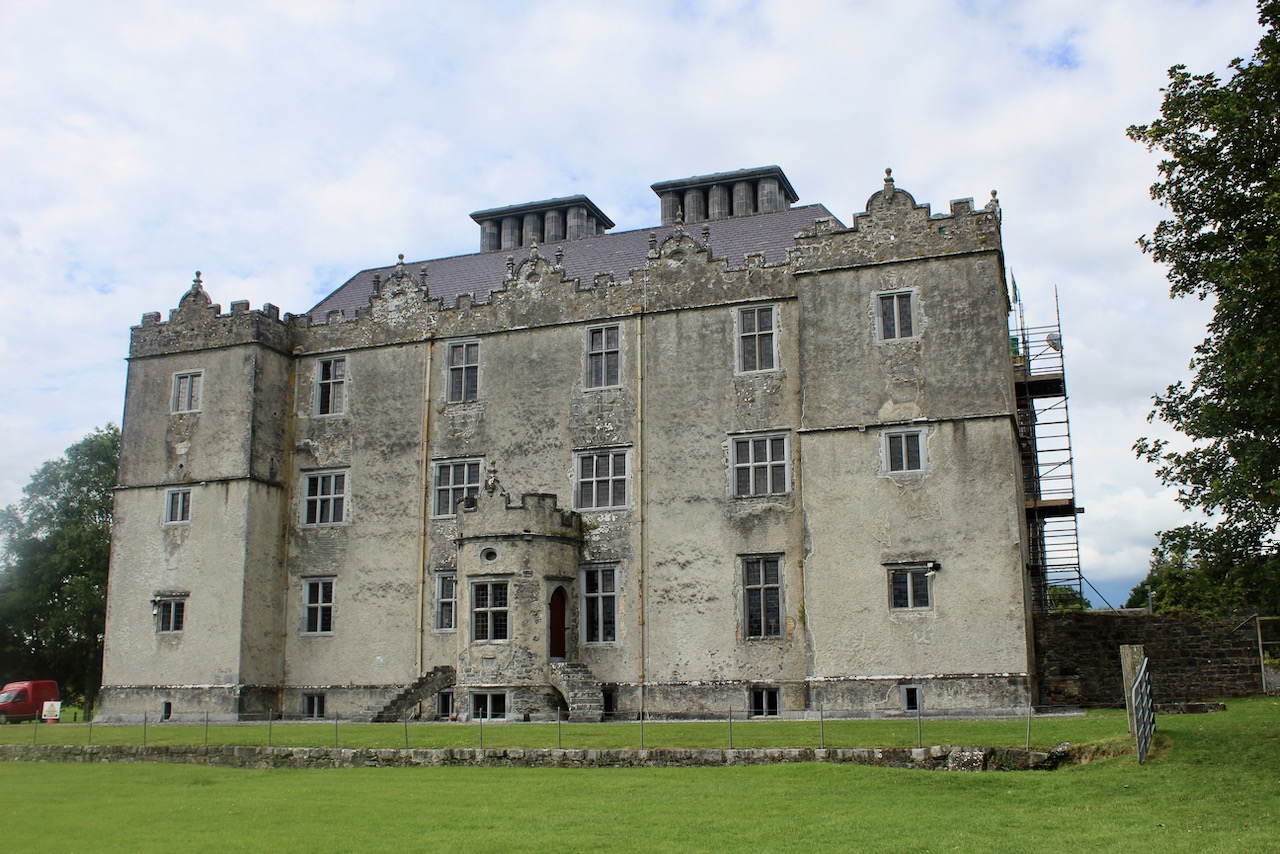
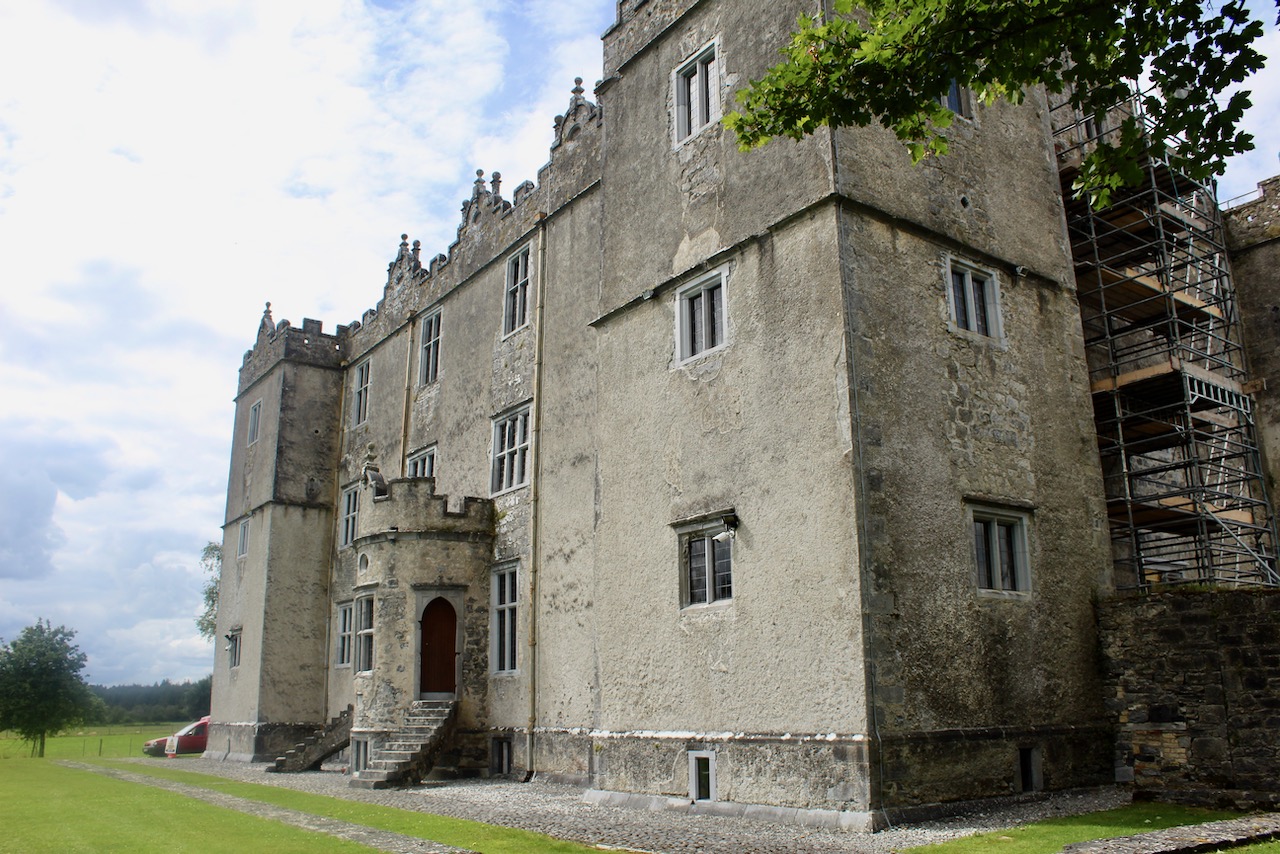
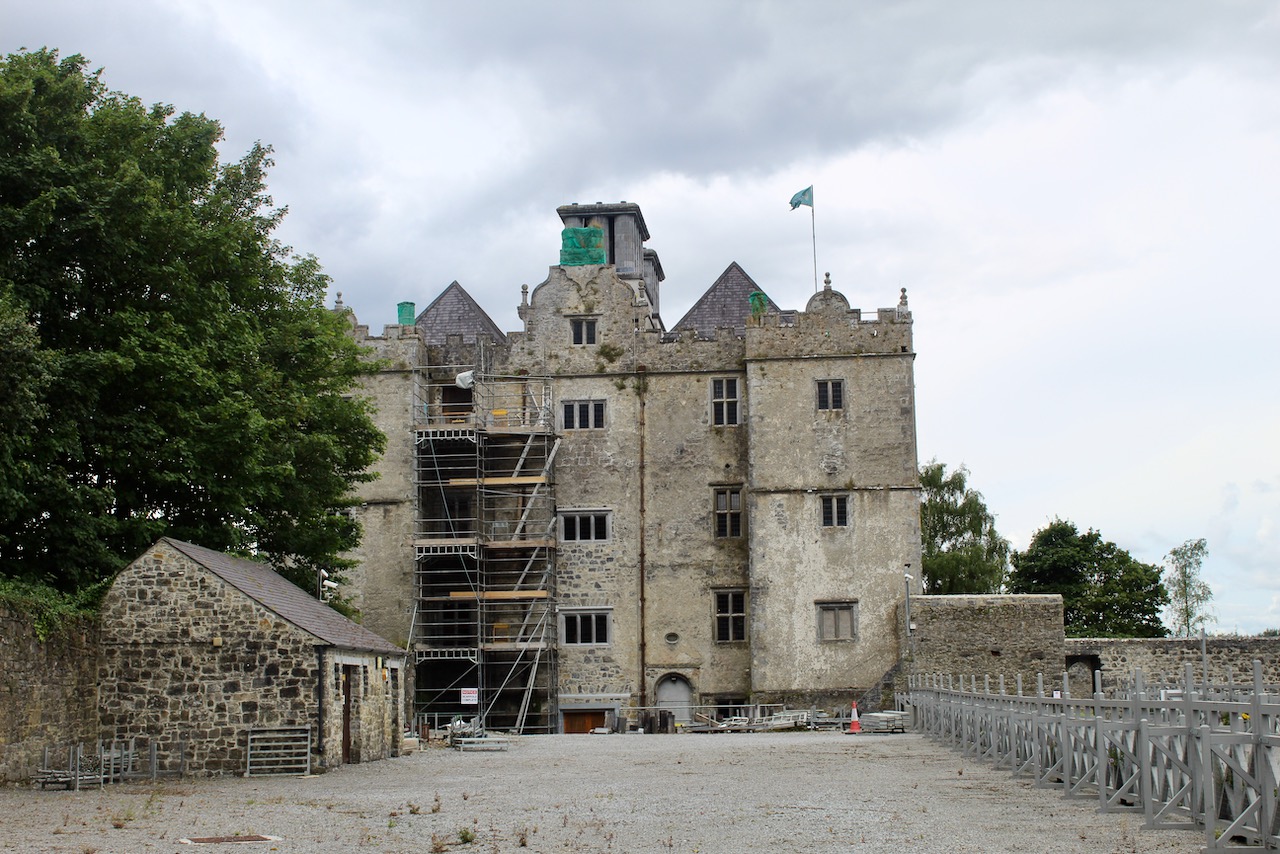
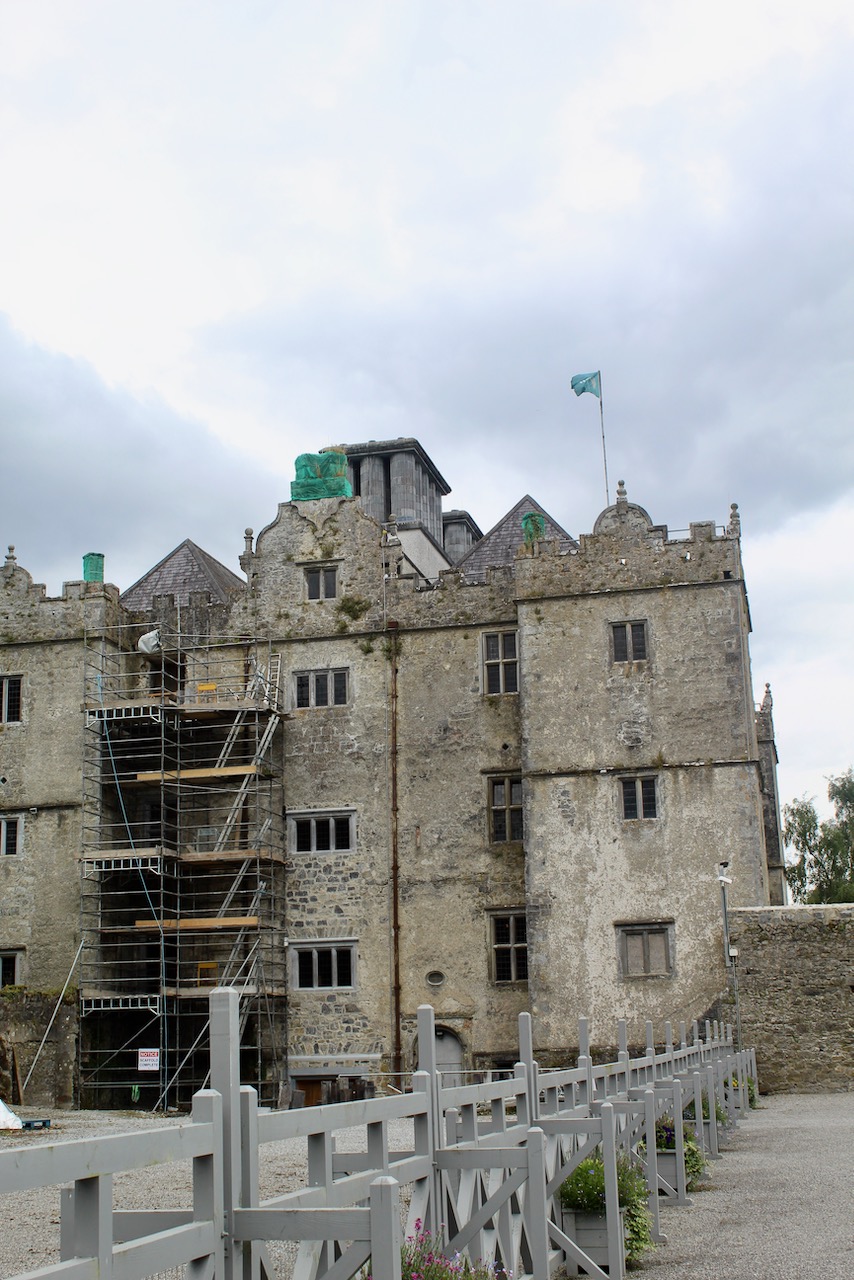
The castle was built around 1616 and is a mixture of defensive Elizabethan/Jacobean building and a manor house, marking the transition in building styles. In this is it similar to Rathfarnham Castle in Dublin, which was built around 1583. It retains defensive structures such as machicolations (floor openings in the battlements, through which stones, or other objects, could be dropped on attackers), shot holes, and strong corner towers, and surrounding walls with gunloops and crenellated towers.
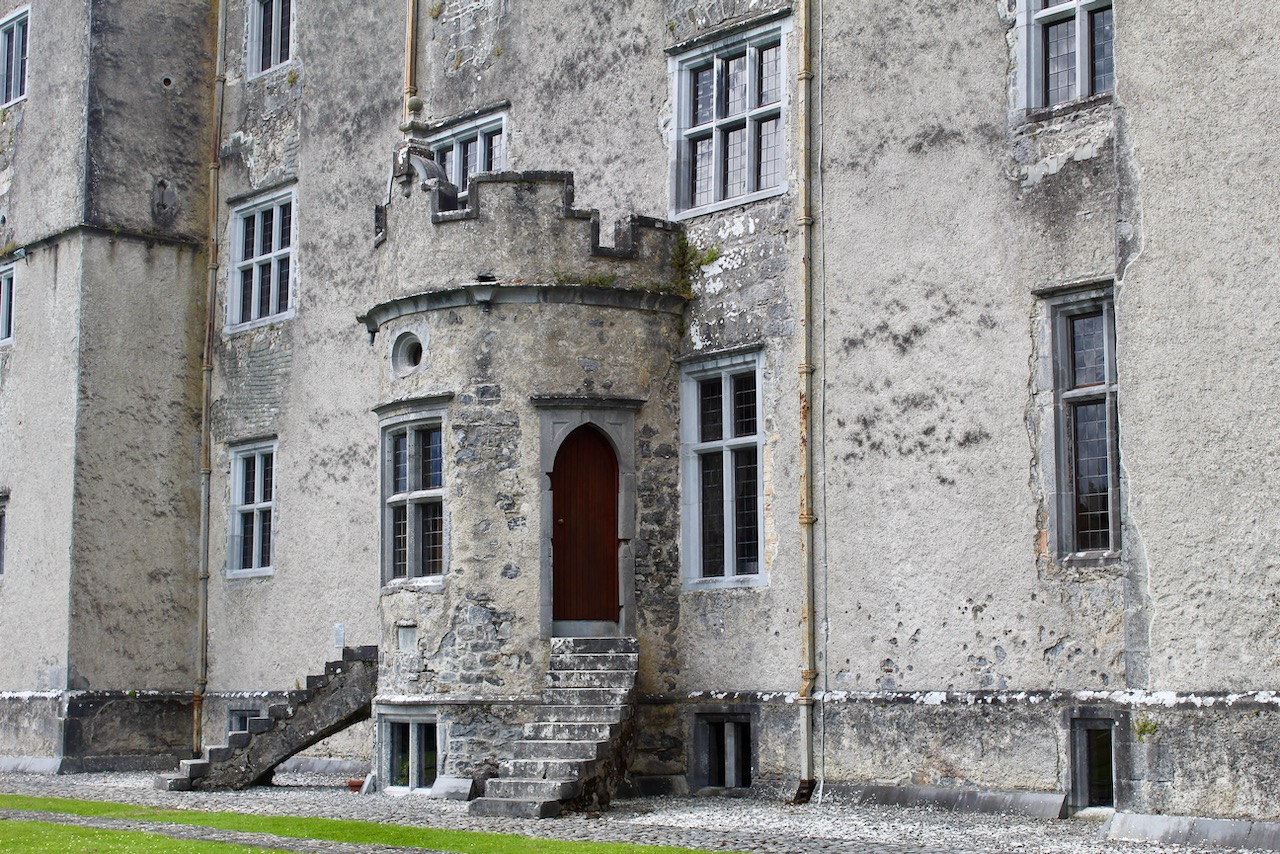
The back is similar to the front, except for the addition in around 1797 of a curved porch of Jacobean style in the middle of the garden front (probably in the time of the 12th Earl of Clanricarde who died in December 1797 and was elevated to be a Marquess). I loved the curving steps up to this round door entrance.
Before building Portumna Castle, the principal seat of the Earls of Clanricarde was a castle in Loughrea. As well as building Portumna, the 4th Earl refurbished the castles at Aughnanure and Athenry, amongst others. The Clanricarde earls also owned Clarecastle, Oranmore and Kilcolgan castles.
Aughnanure Castle County Galway, photograph courtesy of OPW website.This was also refurbished by the 4th Earl of Clanricarde.Athenry Castle, County Galway, photograph courtesy of OPW website. This was also refurbished by the 4th Earl of Clanricarde.
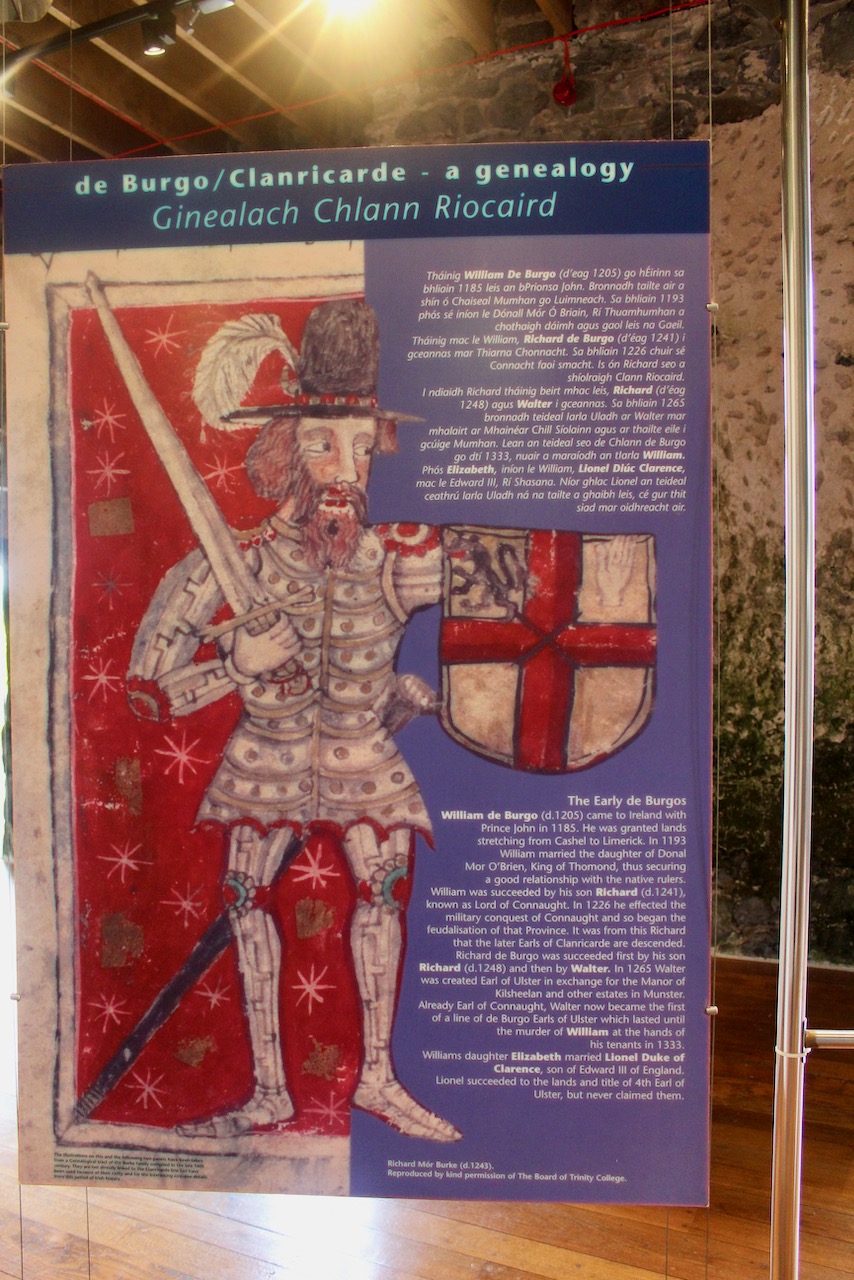
The descendants of William de Burgo adopted Irish customs and clothing. Ulick Burke of Clanricarde (d. 1544) became Earl of Clanricarde and Baron of Dunkellin, and was one of the earliest Irish Chiefs to accept Henry VIII’s policy of “surrender and regrant,” accepting Henry VIII as his sovereign.
Ulick’s son Richard, 2nd Earl of Clanricarde, fought the Irish for the British crown.
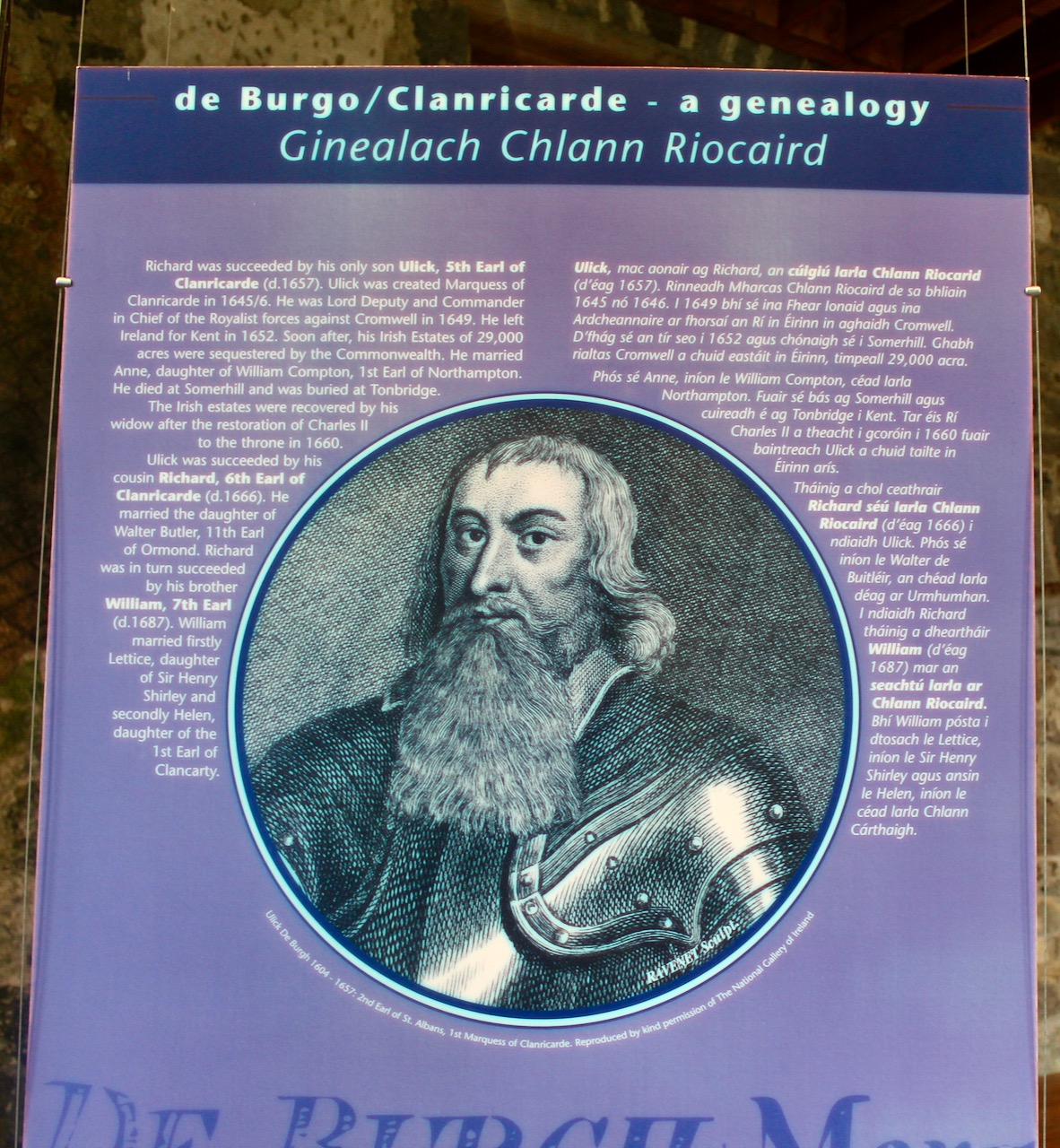
The castle passed to the 4th Earl’s son Ulick who succeeded as 5th Earl of Clanricarde (d. 1657) and who was created 1st Marquess of Clanricarde. and then to a cousin, Richard (d. 1666), who became 6th Earl of Clanricarde.
Portrait of Ulick, 5th Earl of Clanricarde (d. 1657). He was created Marquess of Clanricarde. He was Lord Deputy and Commander in Chief of Royalist forces against Cromwell in 1649. His Irish estates were lost but then recovered by his widow after the restoration of Charles II to the throne.
The 6th Earl married Elizabeth Butler, daughter of Walter Butler, 11th Earl of Ormond and had daughters so the title passed to his brother William (d. 1687), 7th Earl of Clanricarde.
The 7th Earl’s son Richard the 8th Earl (died 1708) succeeded his father and despite marrying several times had no male heirs, so was succeeded by his brother John, 9th Earl (d. 1722). John was created Baron Burke of Bophin, County Galway, by King James II. He fought on the Jacobite side and was taken prisoner at the Battle of Aughrim in 1691. He was declared an outlaw and the Clanricarde estates were forfeited to the King, but the outlawry was reversed twelve years later on the payment of a whopping £25,000. His son Michael the 10th Earl succeeded him (d. 1726) and fortunately he married well, to Anne Smith daughter of John Smith, Chancellor of the Exchequer, widow of Hugh Parker of Meldford Hall, Sussex, whose income helped to restore the family fortunes.
The 11th Earl, John Smith de Burgh (1720-1782) changed his surname from Bourke to De Burgh.
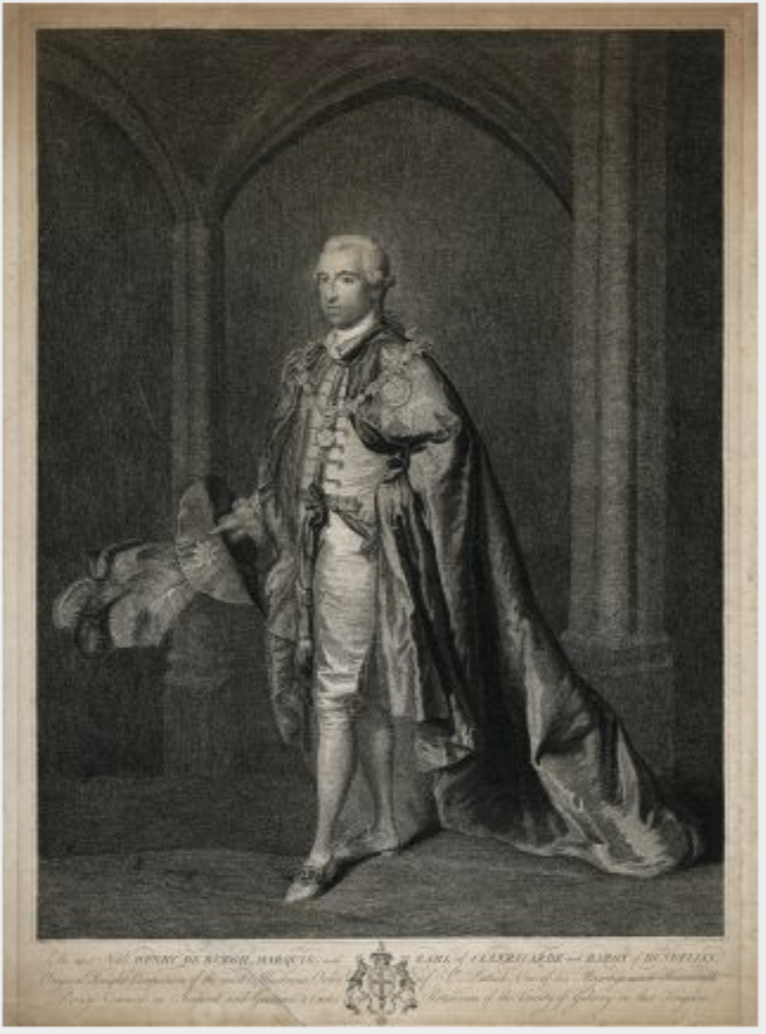
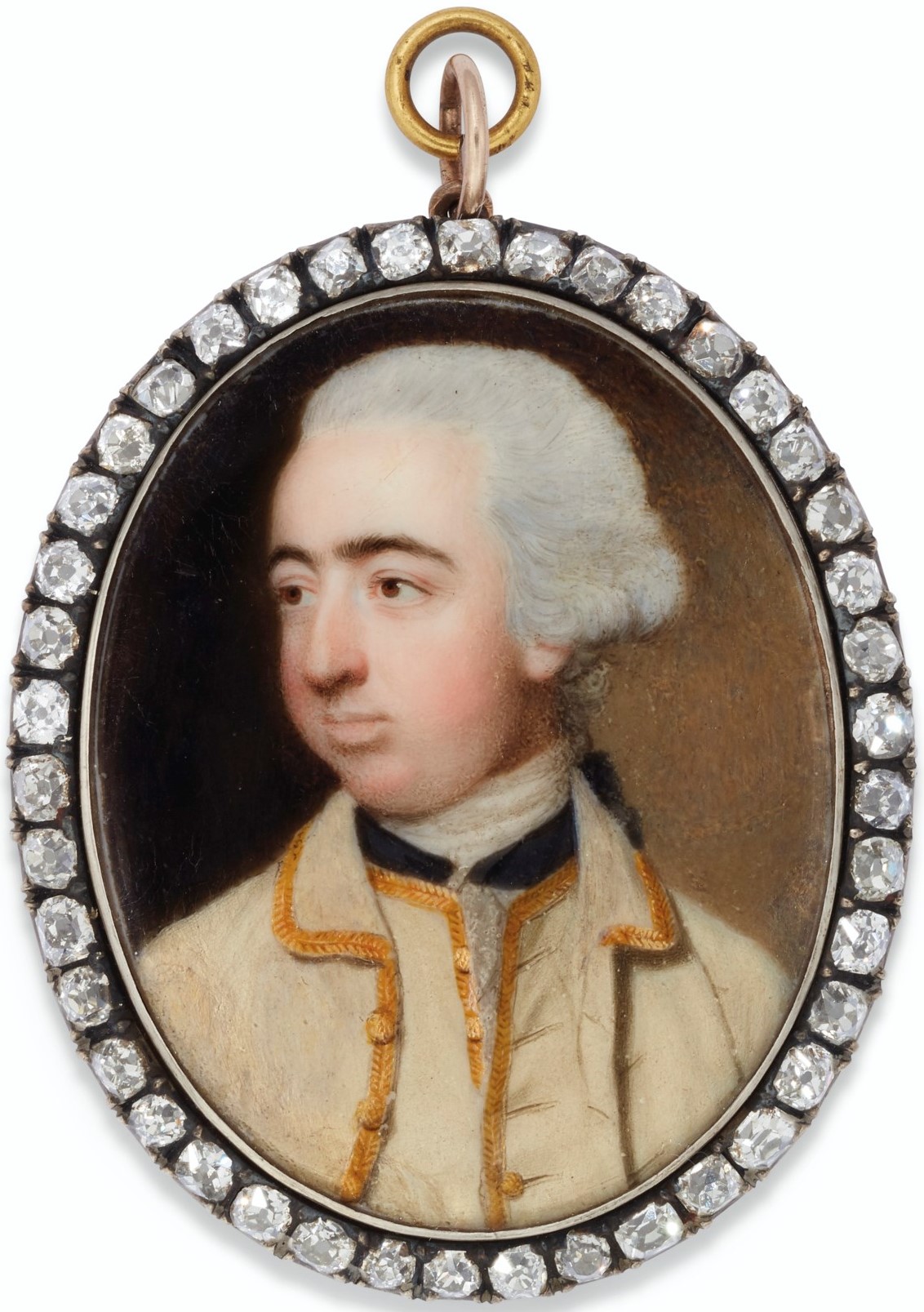
Henry de Burgh, 12th Earl and 1st Marquess of Clanricarde (1742 – 1797), Attributed to John Smart (British, 1741-1811) courtesy of https://www.christies.com/en/lot/lot-6249637Henry de Burgh, (1743-1797) 1st Marquess of Clanricarde 2nd creation, as Knight of St. Patrick, by engraver William Sedgewick, after Robert Hunter, courtesy of National Gallery of Ireland.
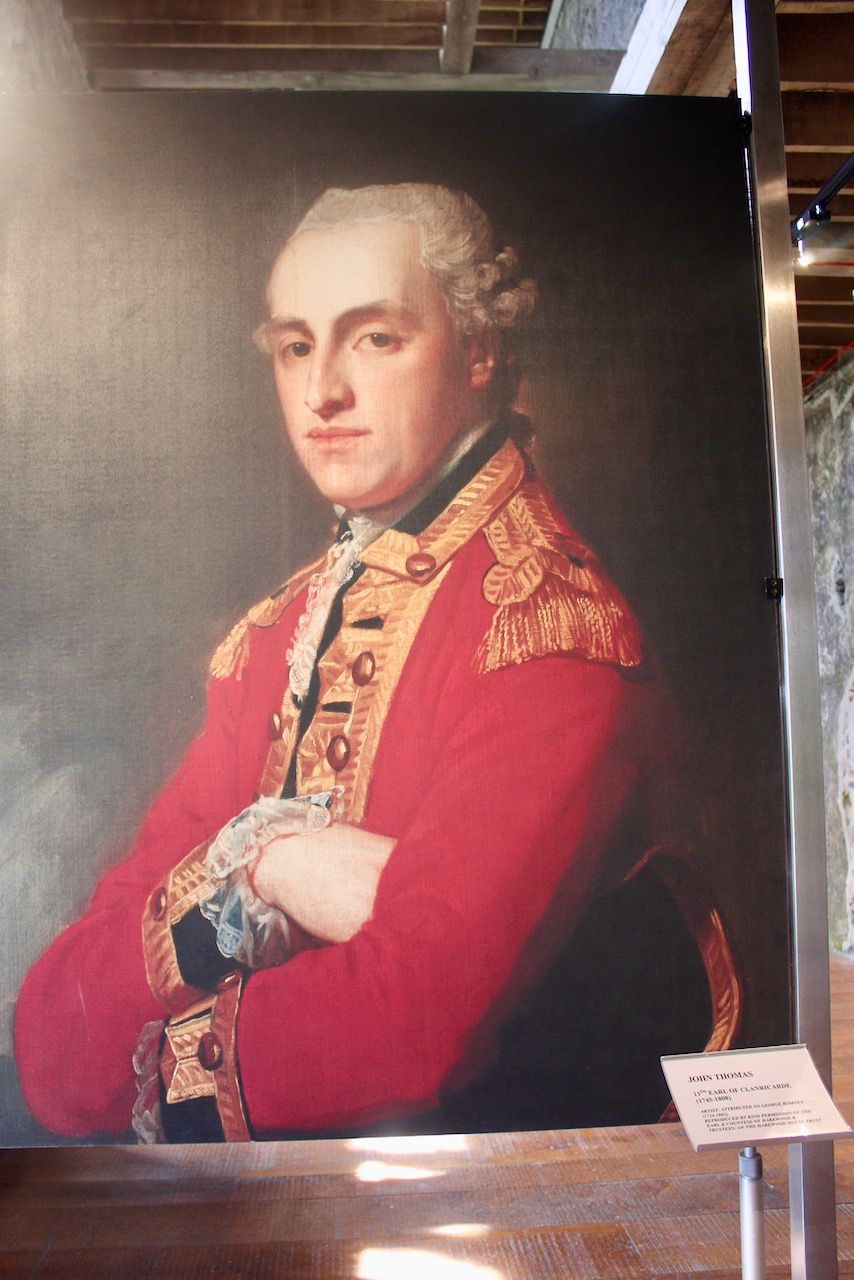
The 13th Earl, John Thomas De Burgh (1744-1808), brother of the 12th Earl, was created again 1st Earl of Clanricarde, an Irish Peer, on 29 December 1800, with special remainder to his daughters, if he had no male heir. One daughter, Hester, married Howe Peter Browne, 2nd Marquess of Sligo, and the other, Emily, married Thomas St Lawrence, 3rd Earl of Howth.
John Thomas De Burgh (1744-1808) 13th Earl of Clanricarde was created 1st Earl of Clanricarde, Co. Galway.
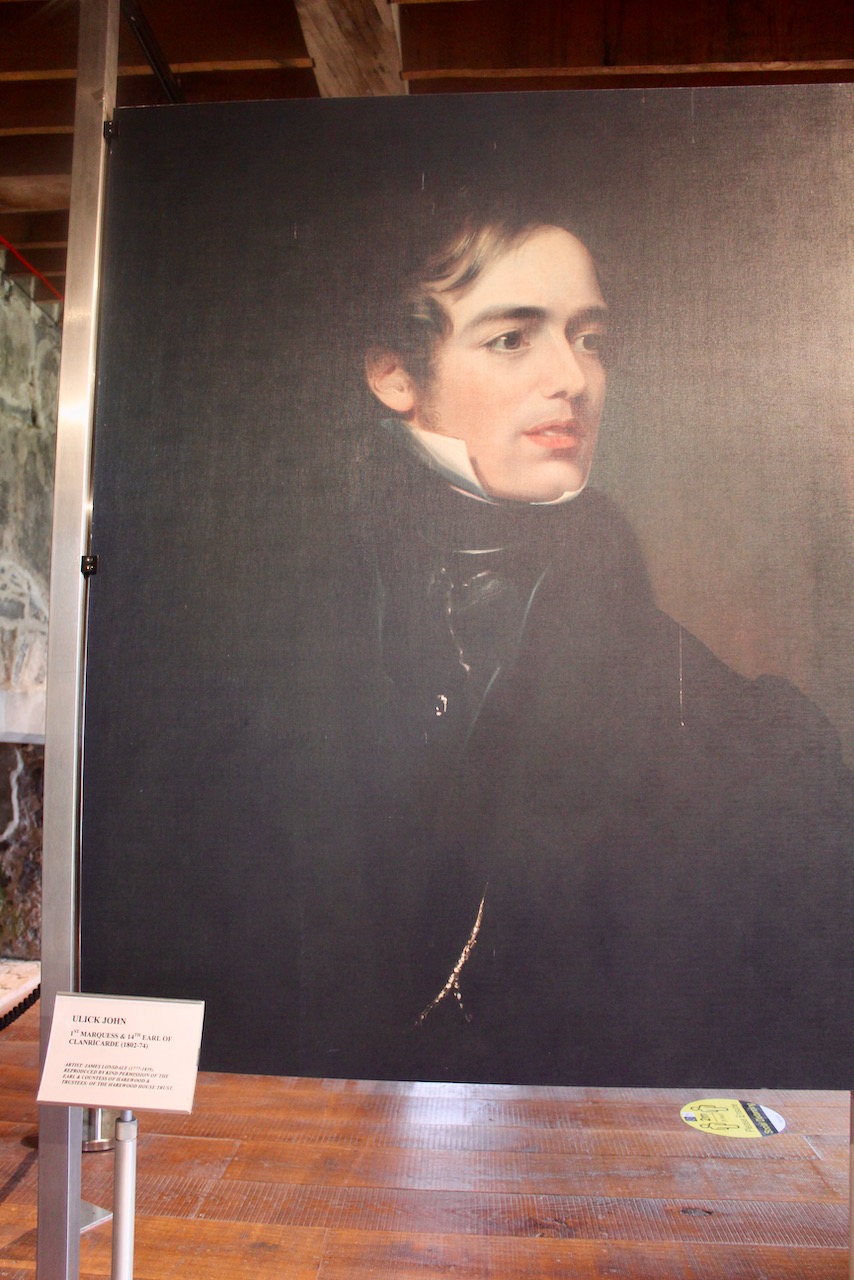
His son, Ulick (1802-1874), became the 1st Marquess Clanricarde (of the 3rd creation), and also Baron of Somerhill, Kent. It was during his tenure that the fire occurred. He married Harriet Canning, daughter of Prime Minister George Canning. Ulick was described as being immensely rich.
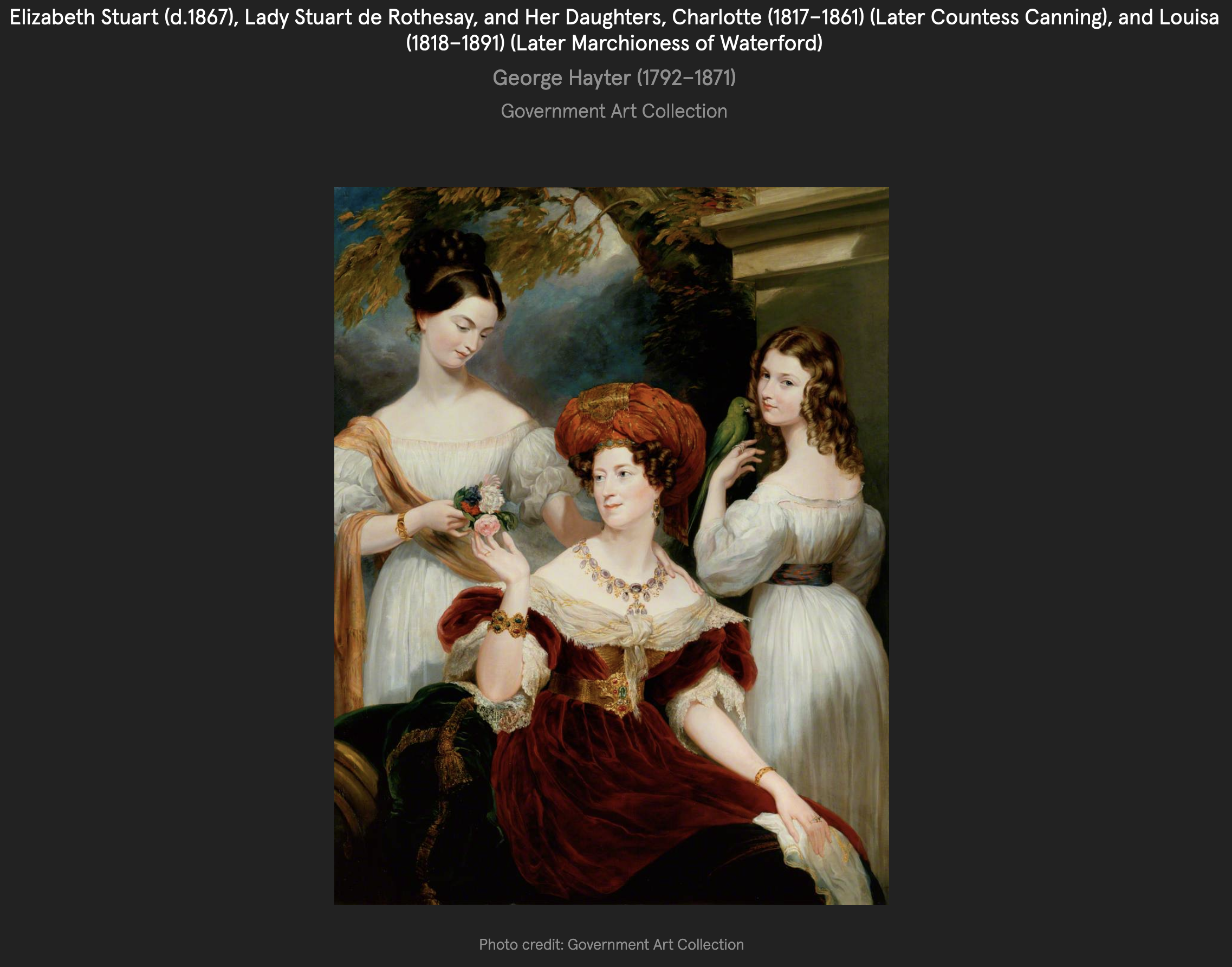
Ulick John De Burgh, 14th Earl and 1st Marquess of Clanricarde (1802-1874).Harriet Canning, Countess of Clanricarde (1804-1876), married to Ulick John De Burgh, 14th Earl and 1st Marquess of Clanricarde (1802-1874).
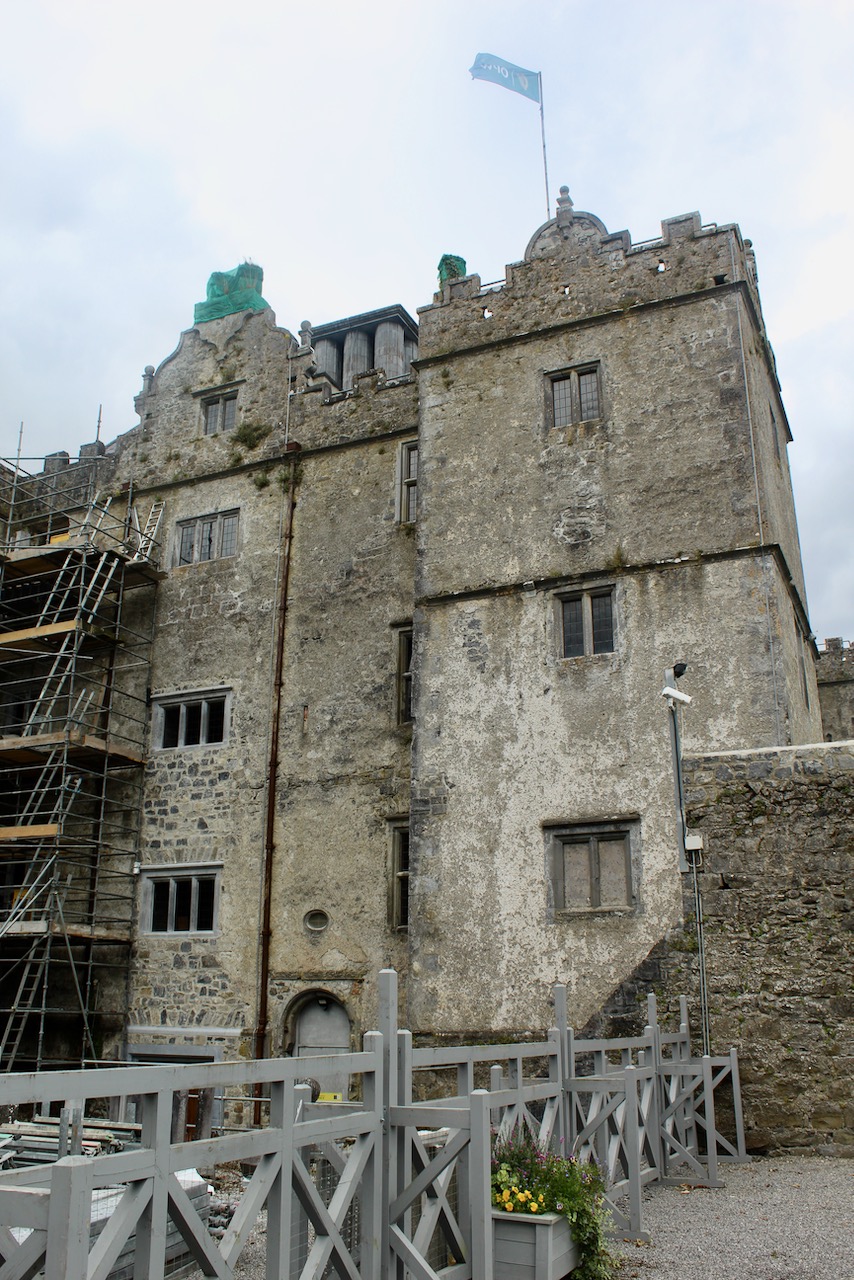
Amazing work has been done to reconstruct the castle after the fire. The Commissioners of Public Works acquired the castle in 1968 for preservation as a national monument.
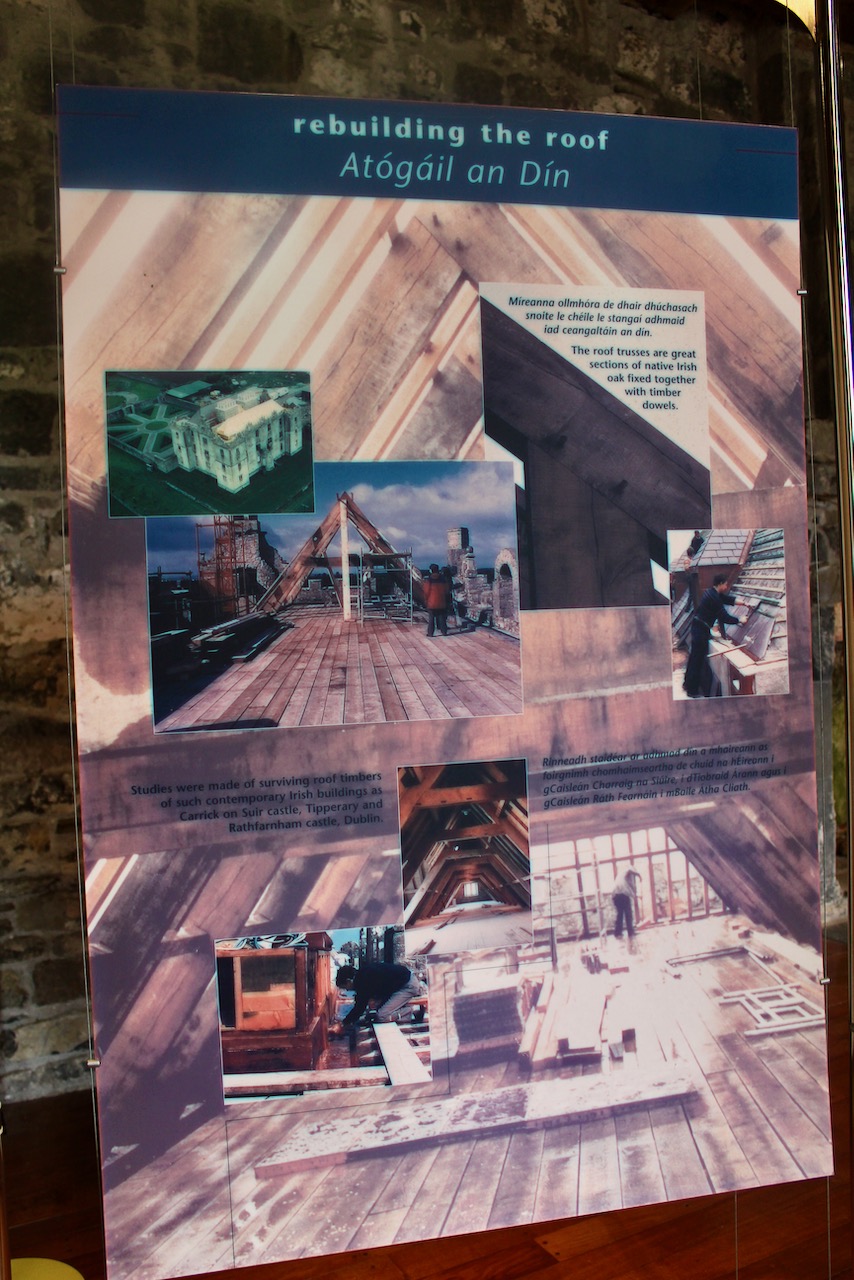
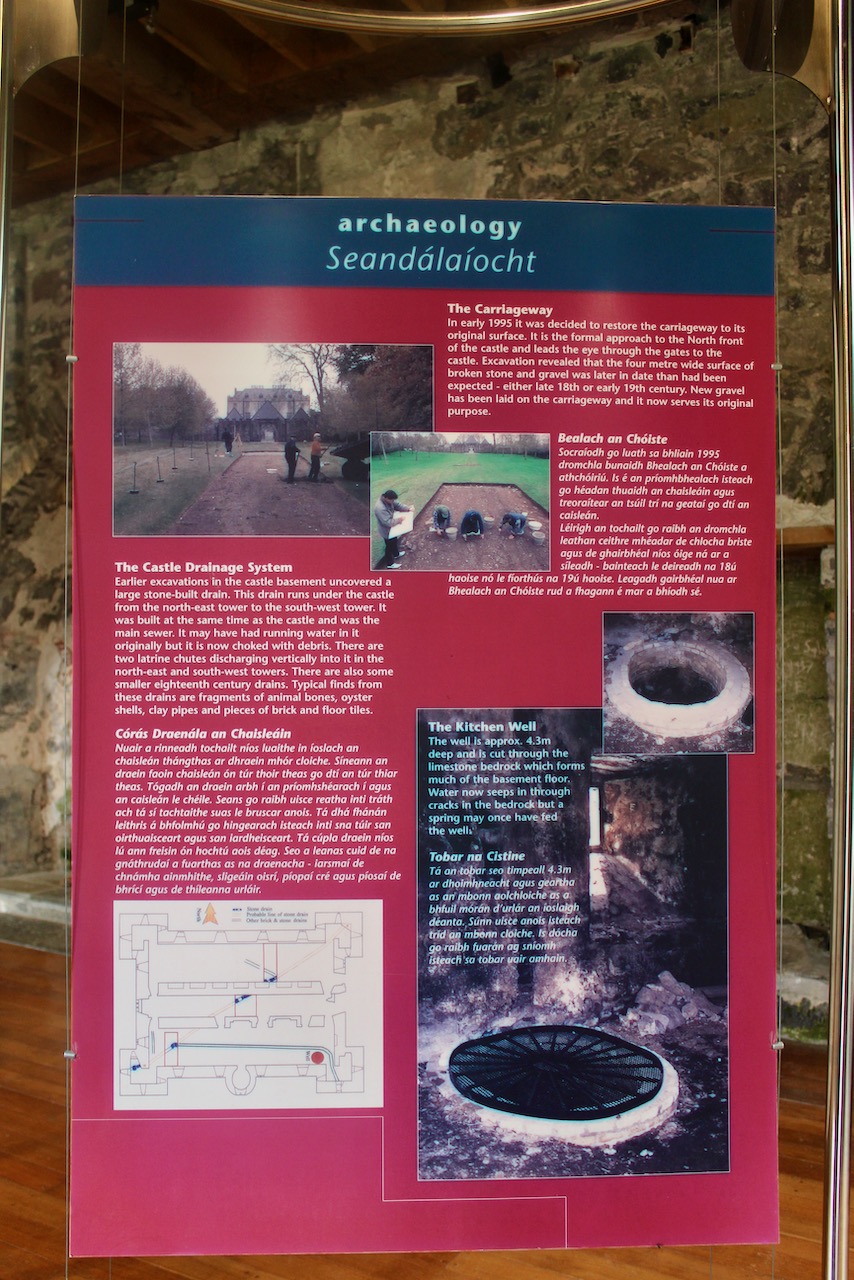
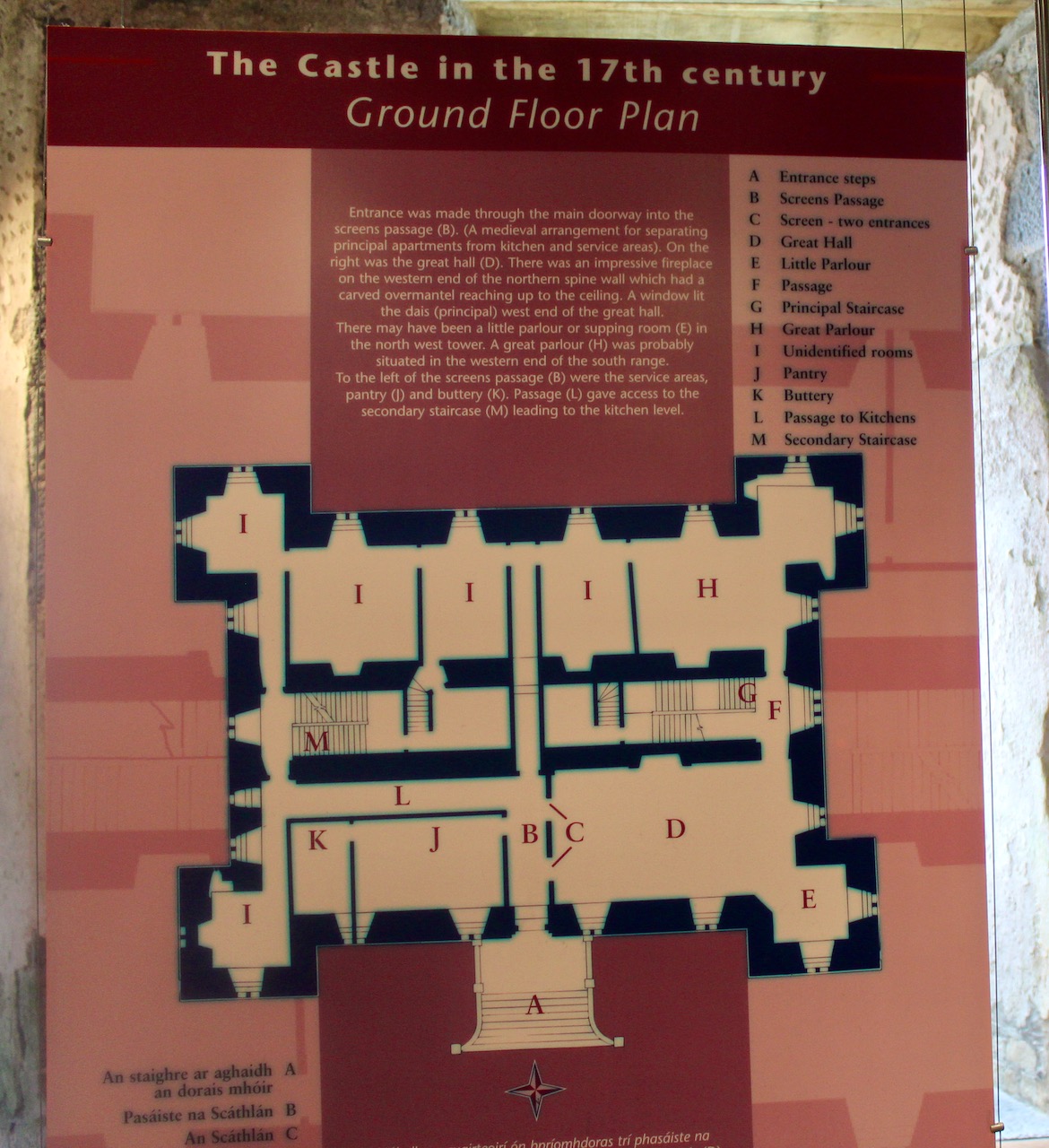
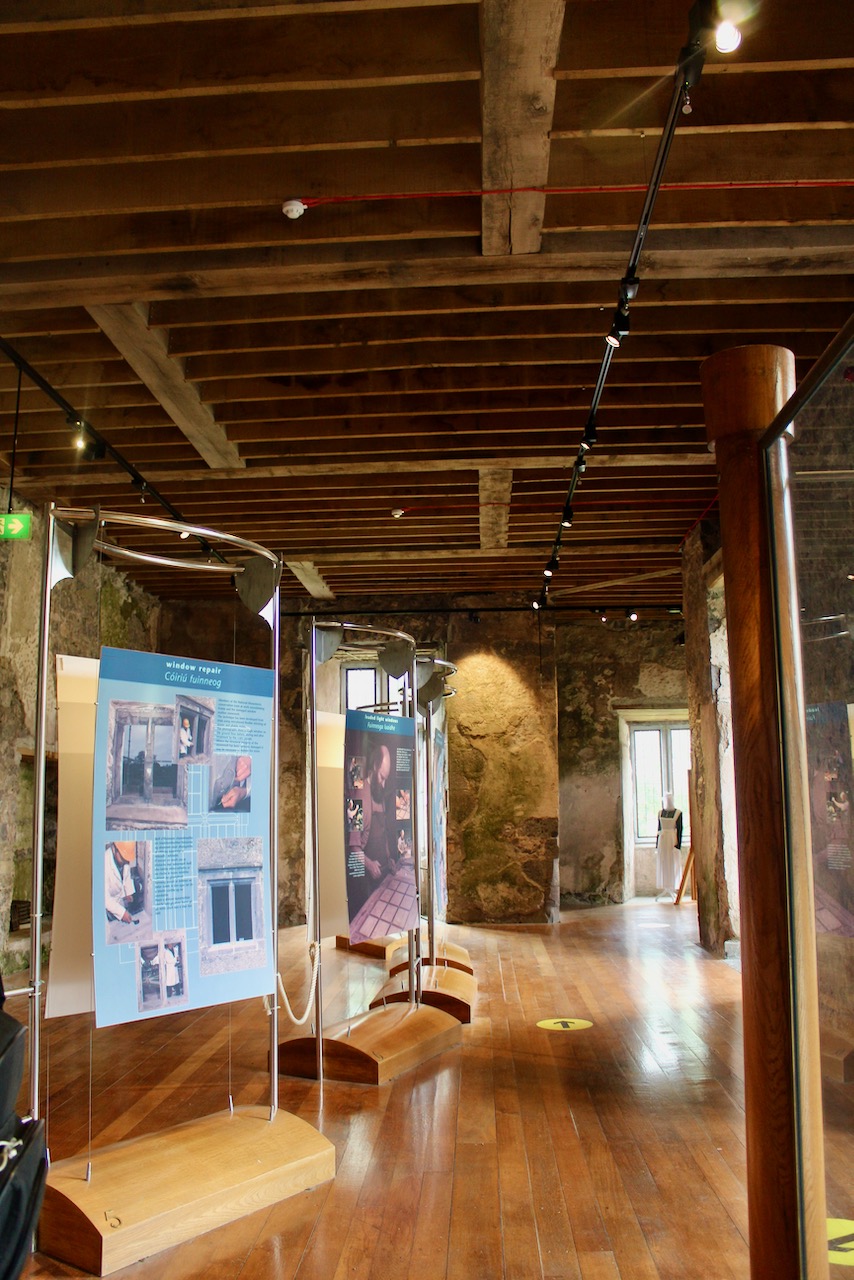
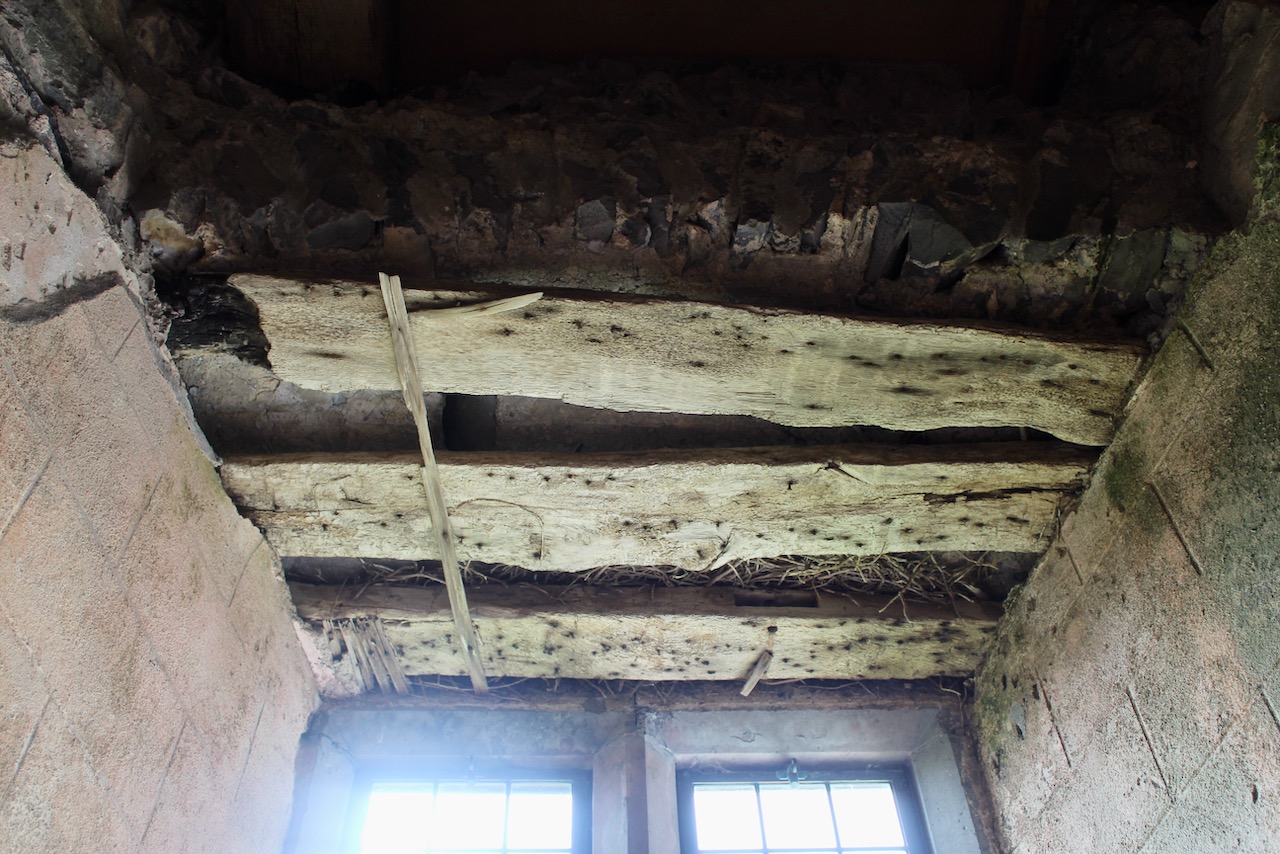
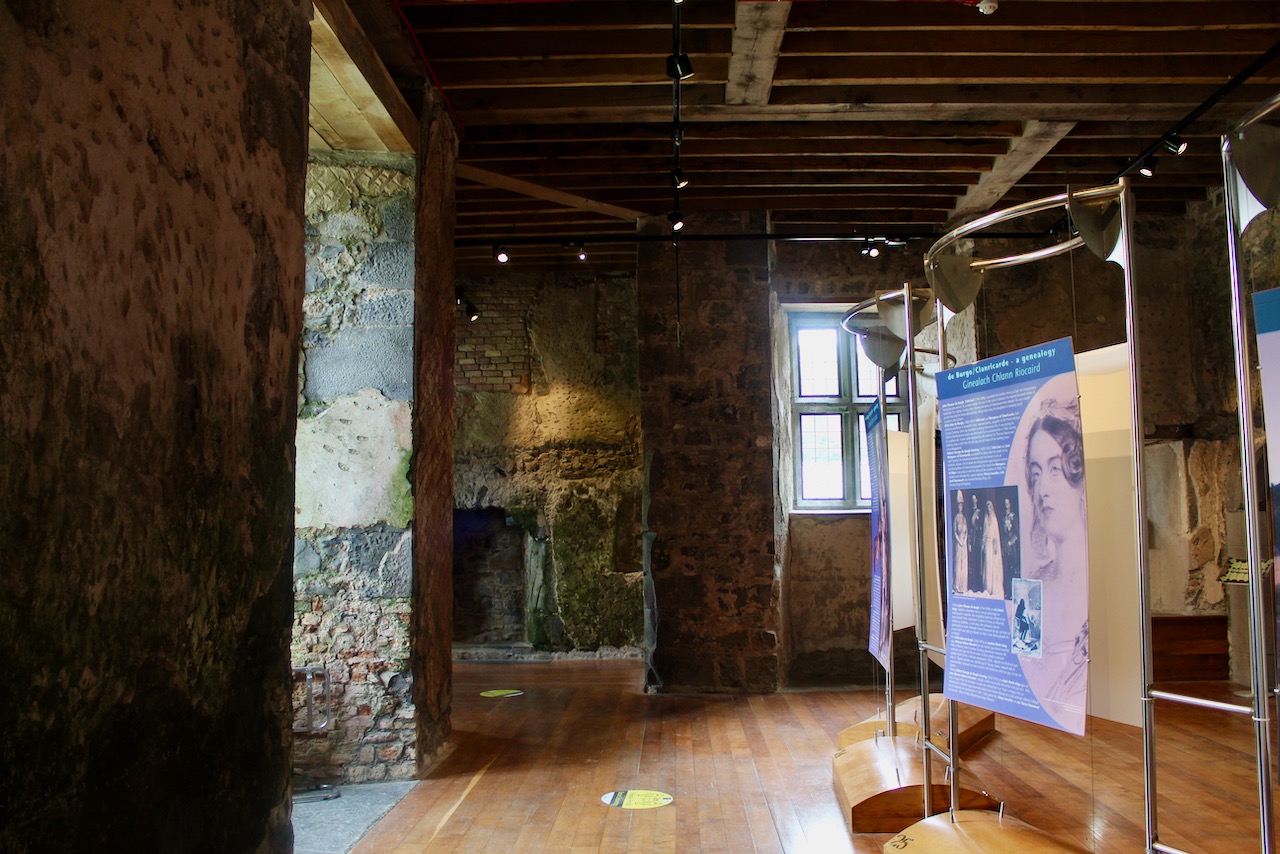
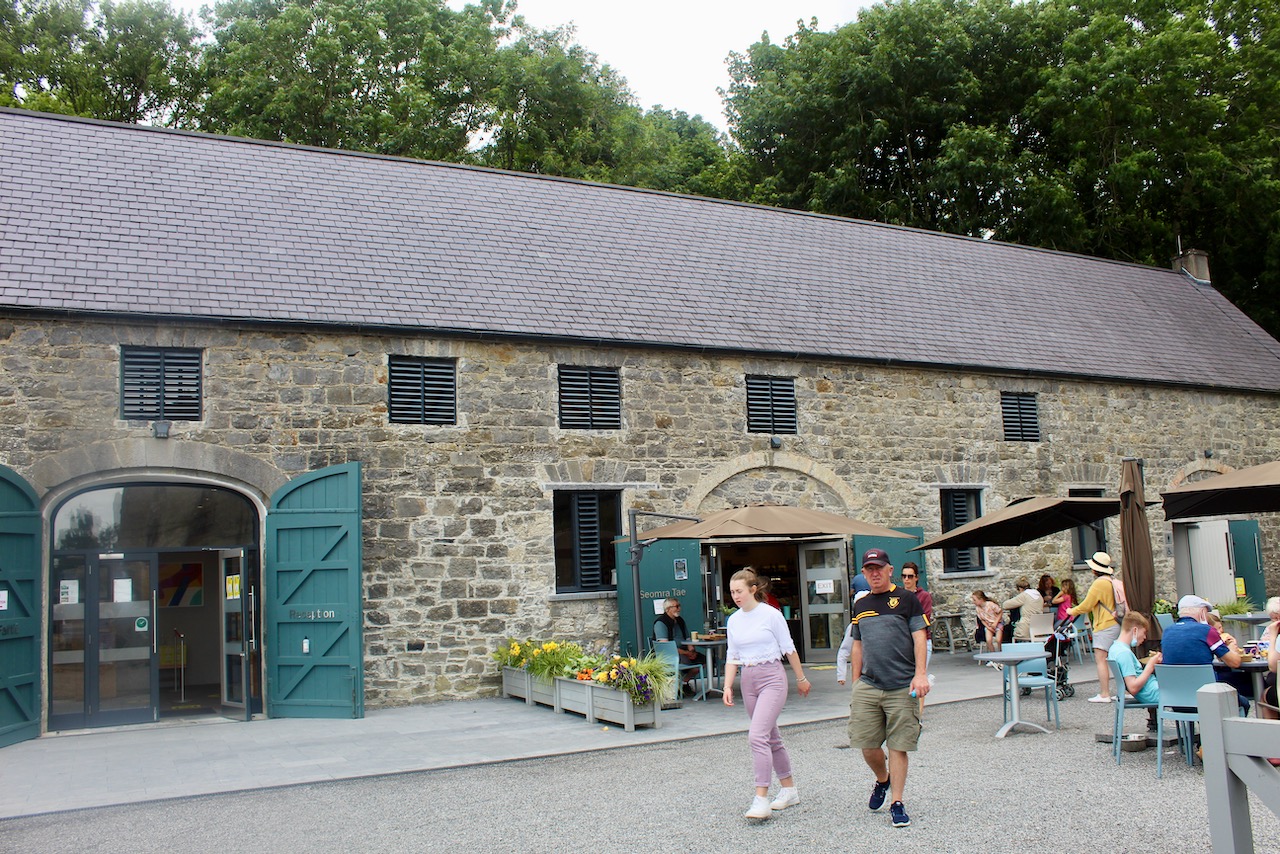
Portumna Castle 1946, photograph from Dublin City Archives and Library. [3]Portumna Castle, County Galway, July 2021.The sign board tells us that the Commissioners of Public Works acquired the castle in 1968 for preservation as a National Monument.Portumna Castle, County Galway, July 2021.Portumna Castle, County Galway, July 2021.The information board tells us that the collapsed spine wall and oak floor beams were reinstated to the original design, based on detailed survey work of surviving features and documentary evidence, including early floor layout plans. The limestone handrail in front of the building was reinstated based on one surviving fragment.Portumna Castle, County Galway, July 2021.The board tells us that the roof trusses are Irish oak. Studies were made of surviving roof timbers of buildings that would have been built around the same time, such as Carrick-on-Suir castle and Rathfarnham Castle.Portumna Castle, County Galway, July 2021.Window mullions were repaired with resin.There was a carriageway road built in either the late 19th or early 19th century, and a well in what was the kitchen.
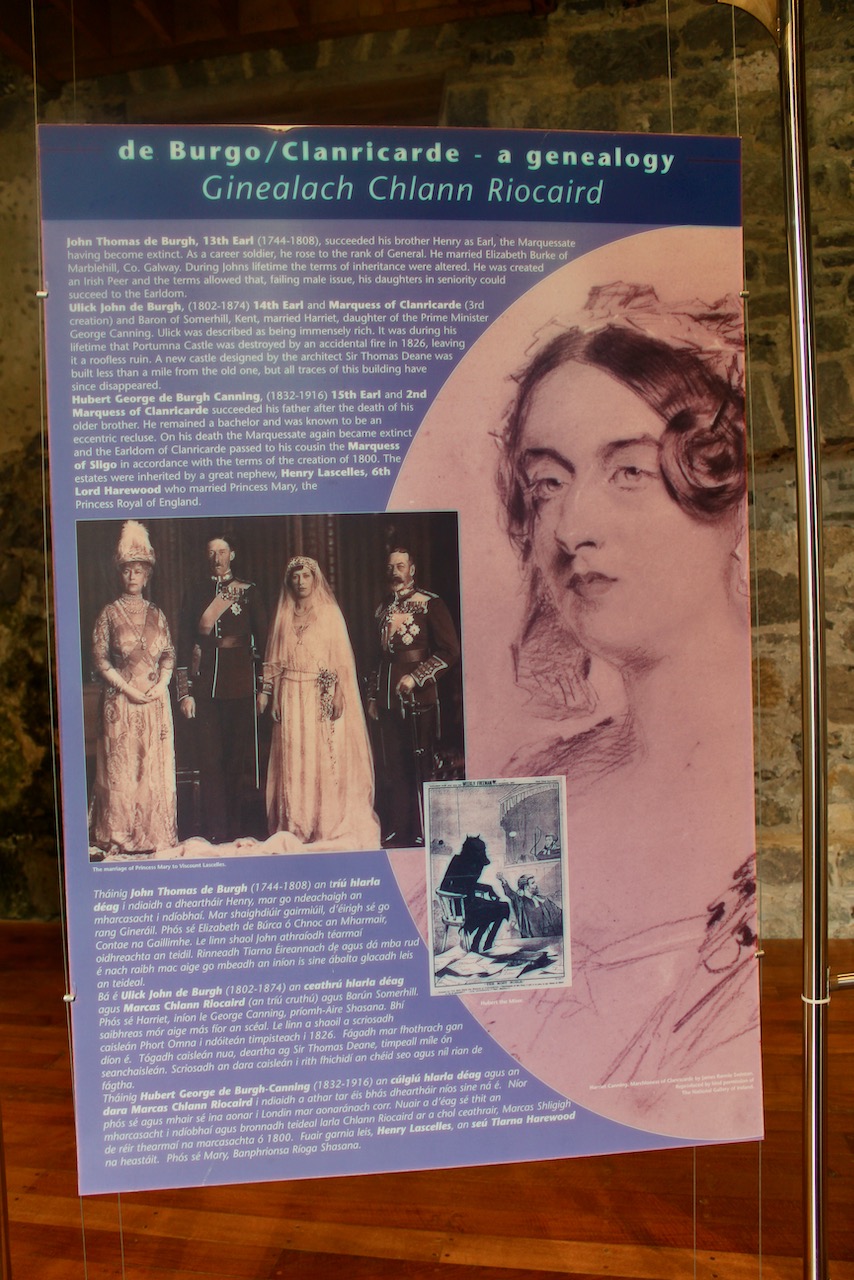
After the fire the family built a Ruskinian Gothic mansion by Sir Thomas Newenham Deane at the opposite end of the park. Mark Bence-Jones tells us that the new house was not much lived in by the family, for 2nd and last Marquess of Clanricarde, who succeeded 1874, was “the notorious miser and eccentric who spent his life in squalid rooms in London and dressed like a tramp.”
The 2nd Marquess, Hubert George De Burgh-Canning, “the notorious miser and eccentric who spent his life in squalid rooms in London and dressed like a tramp.”
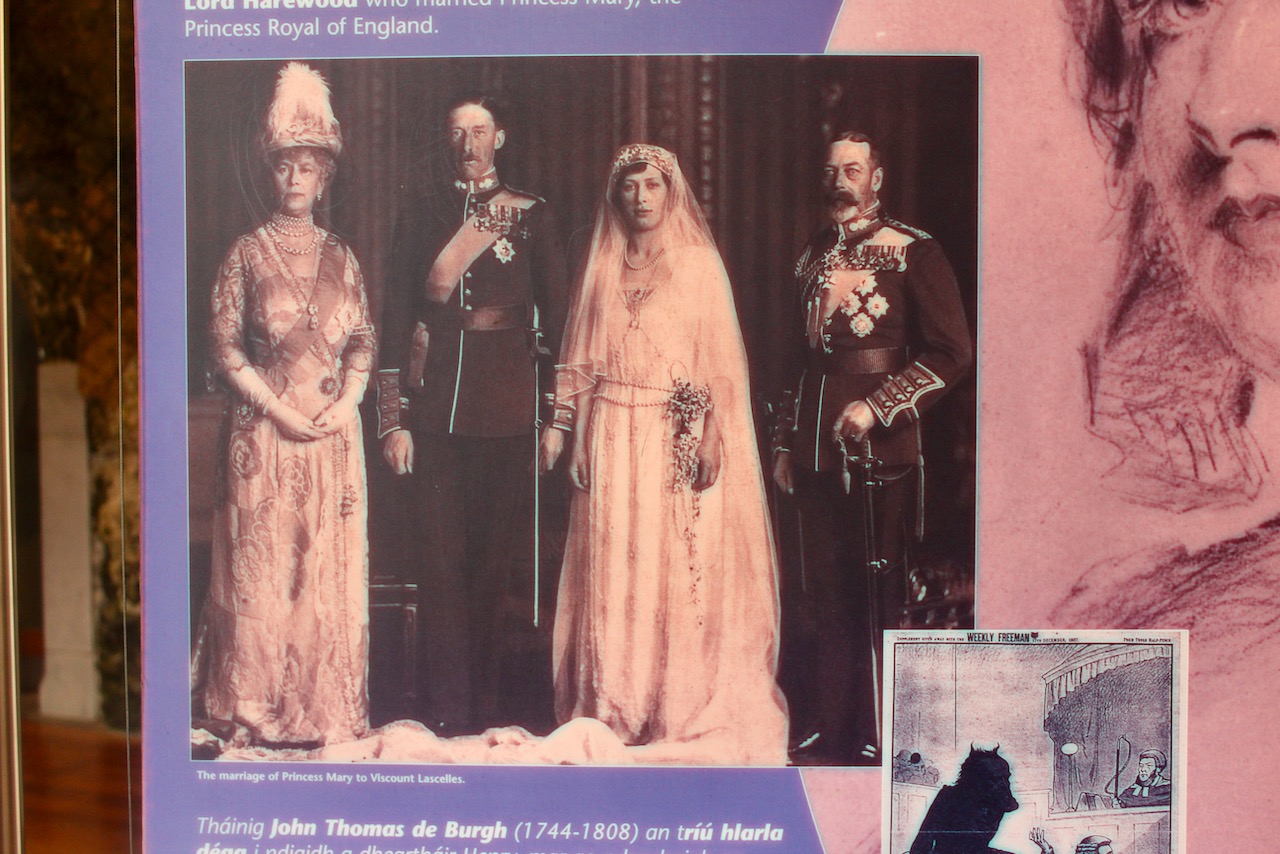
The 2nd Marquess, Hubert George De Burgh-Canning, who died 1916, left Portumna to his great-nephew, Viscount Henry George Charles Lascelles, afterwards 6th Earl of Harewood and husband of Princess Mary (daughter of King George V), because it was said that he was the only member of his family who ever went to see him. The 1862 house was burnt 1922; after which Lord Harewood, when he came here, occupied a small house on the place. Portumna was sold when he died in 1947. [4]
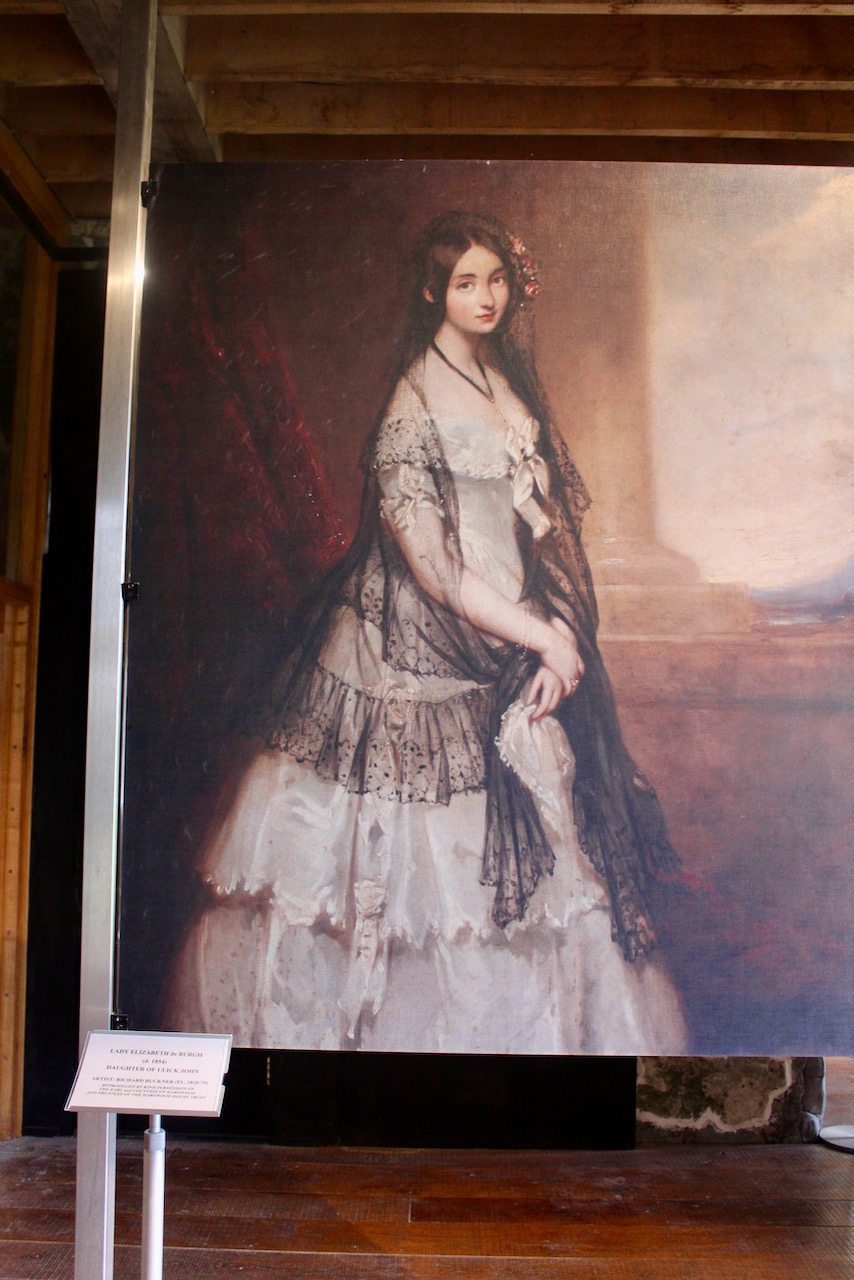
Elizabeth de Burgh, who married Henry Thynne Lascelles, 4th Earl of Harewood. She was the sister ofthe 2nd Marquess, Hubert George De Burgh-Canning.Pictured, the marriage of Princess Mary to Viscount Lascelles.
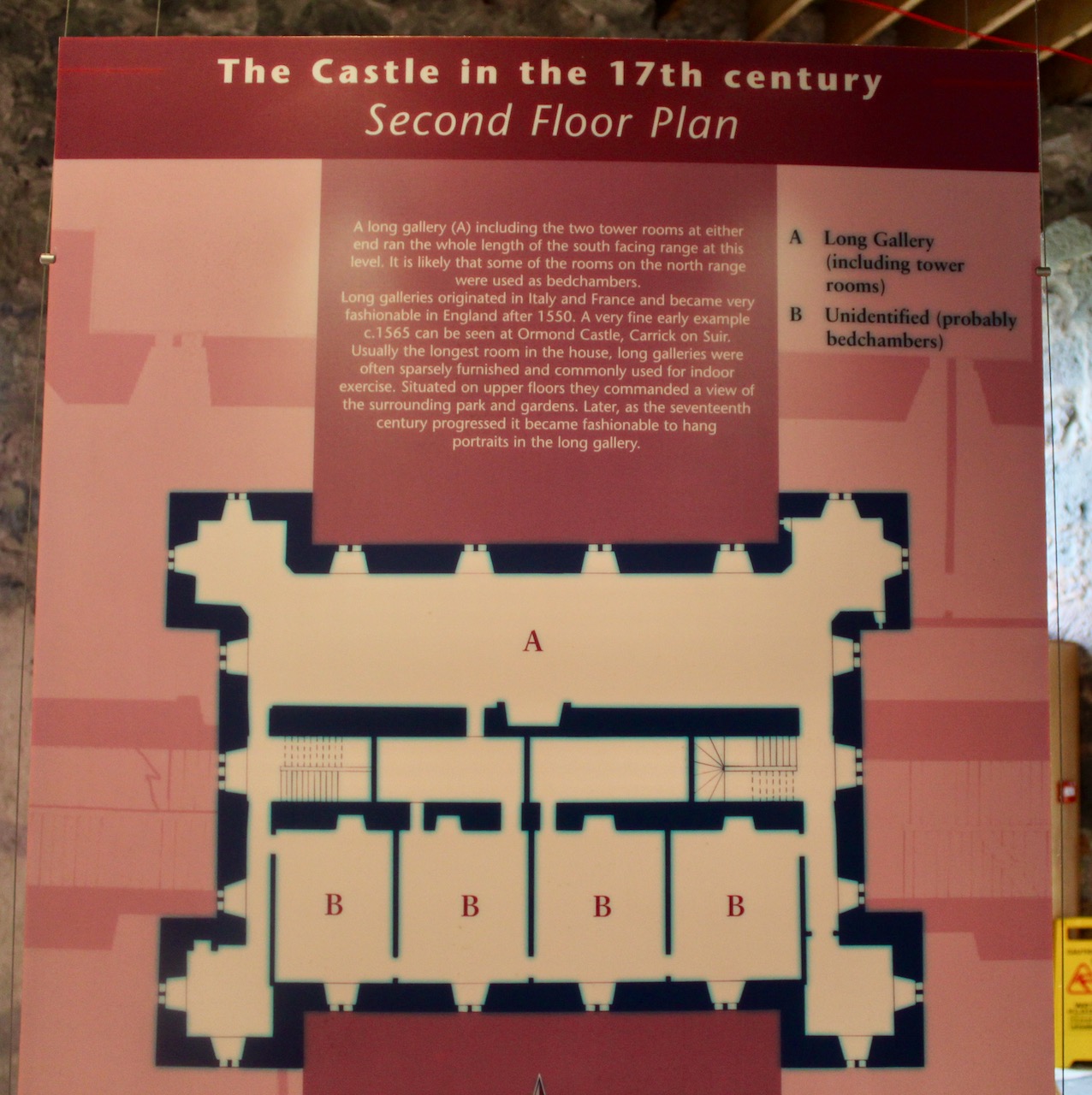
The castle had a long gallery on the second storey, similar to that in the Ormond Castle in Carrick-on-Suir. Long galleries originated in Italy and France and became fashionable in England after 1550. They were often sparsely furnished and were used for indoor exercise.
The exhibition tells us about various positions of servants in a castle. I was amused by the description of the job of a footman. We are told that they were kept largely for “ornamental” purposes and had to be fairly tall and good-looking, and their wages even rose with their height! Some padded their silk stockings to make their calves look more shapely!
Continuing my posts about Office of Public Works sites, we visited several last year. The five counties of Connacht are Galway, Leitrim, Mayo, Roscommon and Sligo.
I will be writing of more Section 482 properties soon! We visited the lovely Ballysallagh House in County Kilkenny last weekend. The 2022 Section 482 list should be out this month, in February, but it is not available yet.
Galway:
1. Athenry Castle, County Galway
2. Aughnanure Castle, County Galway
3. Dun Aonghasa, County Galway
4. Ionad Culturtha an Phiarsaigh (Pearse’s Cottage), County Galway
5. Portumna Castle, County Galway
Galway:
1. Athenry Castle, County Galway:
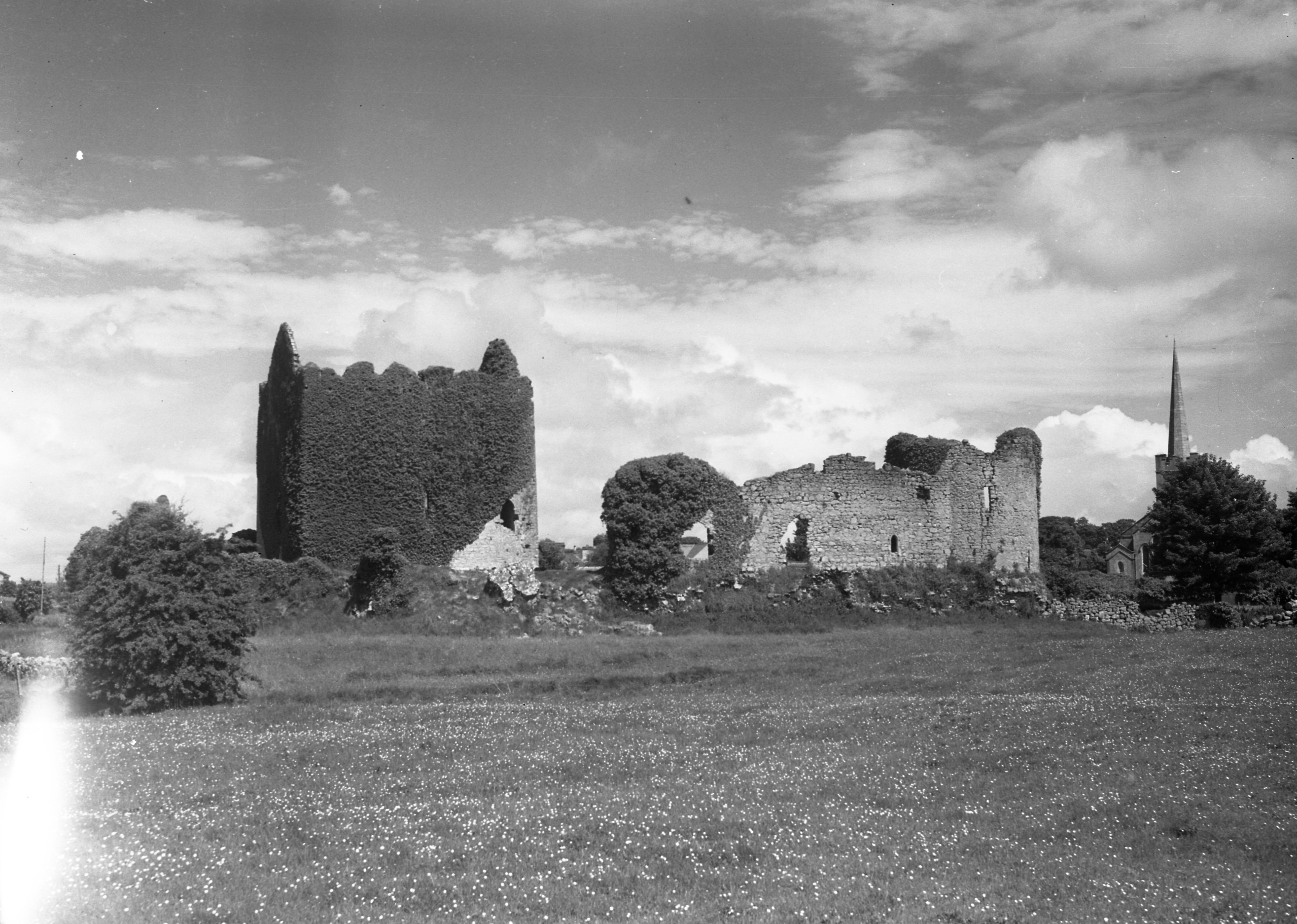
Athenry Castle 1938, from Dublin City Library and Archives. [1]
General information: 091 844797, athenrycastle@opw.ie
“Guarding a strategic ford on the Clarinbridge River is the monumental bulk of Athenry Castle. The imposing three-storey hall-keep survives from the mid-thirteenth century. It is solidly impressive from the outside, although the interior was simply built, containing only a hall at first-floor level and dark storerooms below.
“Despite the simplicity of the layout, fine carvings bear witness to the hall’s eminence. The doorway and two of the window openings are decorated with floral motifs in the remarkable local School of the West style. The battlements, through whose tall arrow-loops the castle was defended against various attackers across the centuries, are original.
“Visitors come to Athenry Castle to soak up the authentic atmosphere of medieval power that the mighty fortress still exudes”. [2]
“The castle Keep was built in 1253 by Meiler de Bermingham [ancestor of the Lords of Athenry] and after an attack in 1316 the large town wall were added [in 1316 Richard “of the Battles” 4th Lord of Athenry defeated Felim O’Connor in the Battle of Athenry]. Not long after the completion of the walls, one of Ireland’s bloodiest battles was fought outside the town between the King of Connaught and the Normans. Until that time the area and castle were of great importance but the story changed after the battle.
“Meiler’s son raised the height of the first floor; he also embellished the entrance with a fine arched door at the south east end of the castle which was reached by a wooden staircase. During the reordering the banqueting hall was also enhanced with narrow trefoil headed windows; very rare in Irish castles.
“In the 15th century the tower was raised by two floors to include an attic and two gable ends and battlements were added. The basement only previously accessible by a trap door and ladder also benefited from having a new entrance.
“In 1596 the castle fell into the hands of the O’Donnell clan and never recovered from the great damage it sustained during the battle for its title and it wasn’t until the late 1980s that the National Monuments branch of the Office of Public Works in Ireland started work on its restoration.” [3]
I found a wonderful history on the website The Standing Stone by Dr. Thomas P. Nelligan:
“The area had been conquered by the Normans in the early 13th century and following the death of the King of Connacht, Cathal Crovderg O’Conor, the province was granted to Richard de Burgo by the King of England who invaded and area and subdued it. He, in turn, granted the area around Athenry to Peter de Bermingham. The castle was subsequently built between 1235 and 1240 by Meiler de Bermingham, Peter’s son. It is often called King John’s Castle, despite being built some 20 years after his death. Meiler was granted, in 1244, the right to hold a market at the town, and an annual 8-day fair. He is also responsible for the founding of the nearby Dominican Friary in 1241. As the Connacht region didn’t receive a large influx of Norman settlers at this time, there was resistance to the de Bermingham’s rule. In 1249, an Irish army was defeated by the de Berminghams at Athenry.
“The castle was attacked in 1316 and following this the town walls were constructed. This attack was led by the Irish Felim O’Conor, the Gaelic king of Connacht. He fought the Lord of Connacht, William Liath de Burgo, and the 4th Lord of Athenry, Richard de Bermingham. The Irish king was killed during the battle and thousands of Irish were killed owing their custom of not wearing armor and the Normans heavy use of the bow.
“The de Berminghams stopped using the castle as their primary residence in the 15th century and moved elsewhere in the town [Richard de Bermingham who died in 1580 moved to Dunmore, County Galway]. In 1574 the town was burned to the ground by the sons of the Earl of Clanricarde, Ulick and John Burke, who rebelled. The town was rebuilt in 1576 only for it to be attacked again a year later by the Burkes. Further rebuilding works were carried out in 1584, but during the Nine Years’ War the town was captured and burnt by Red Hugh O’Donnel, and the castle fell into his hands.” [4]
2. Aughnanure Castle, Oughterard, County Galway:
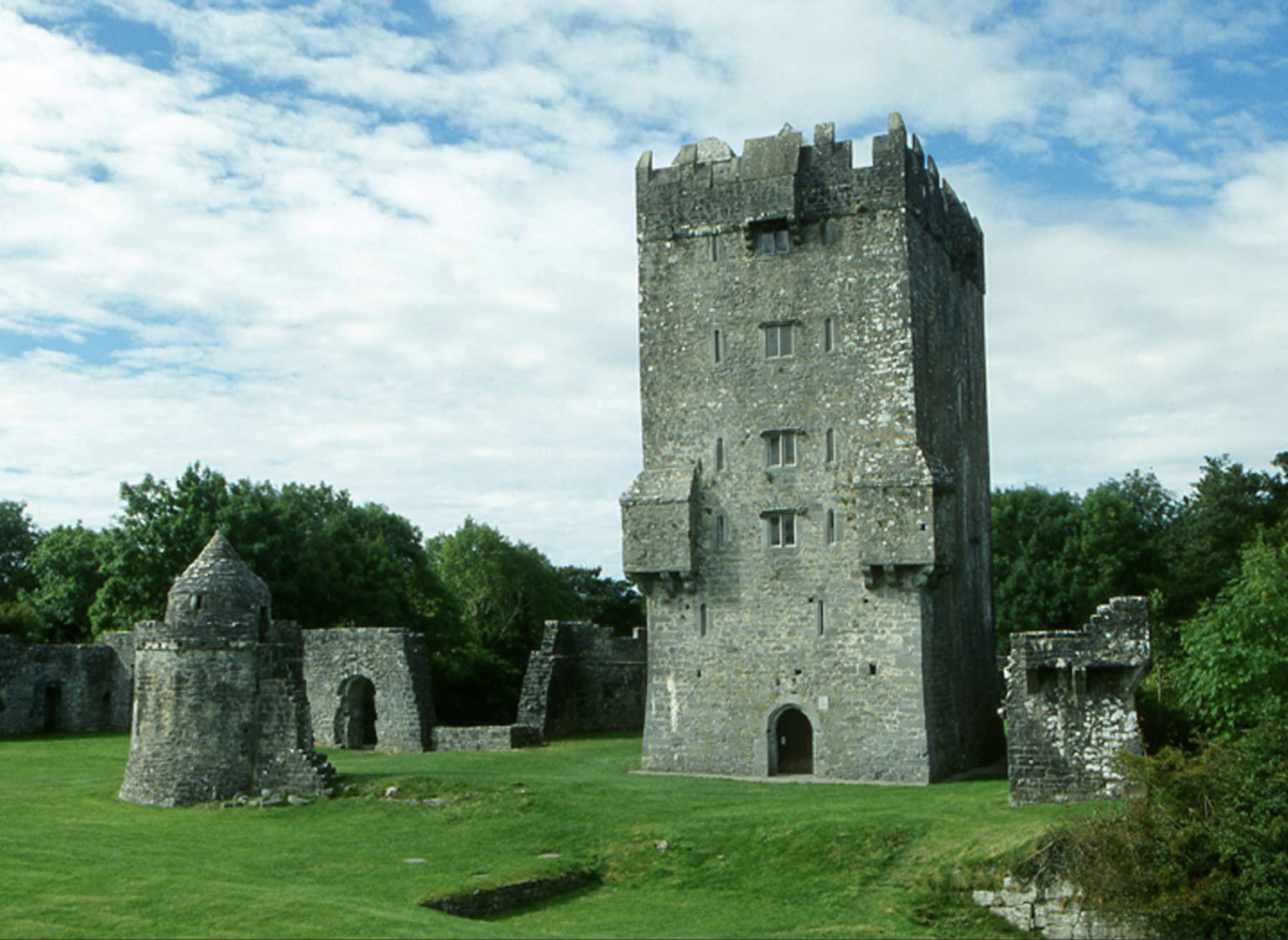
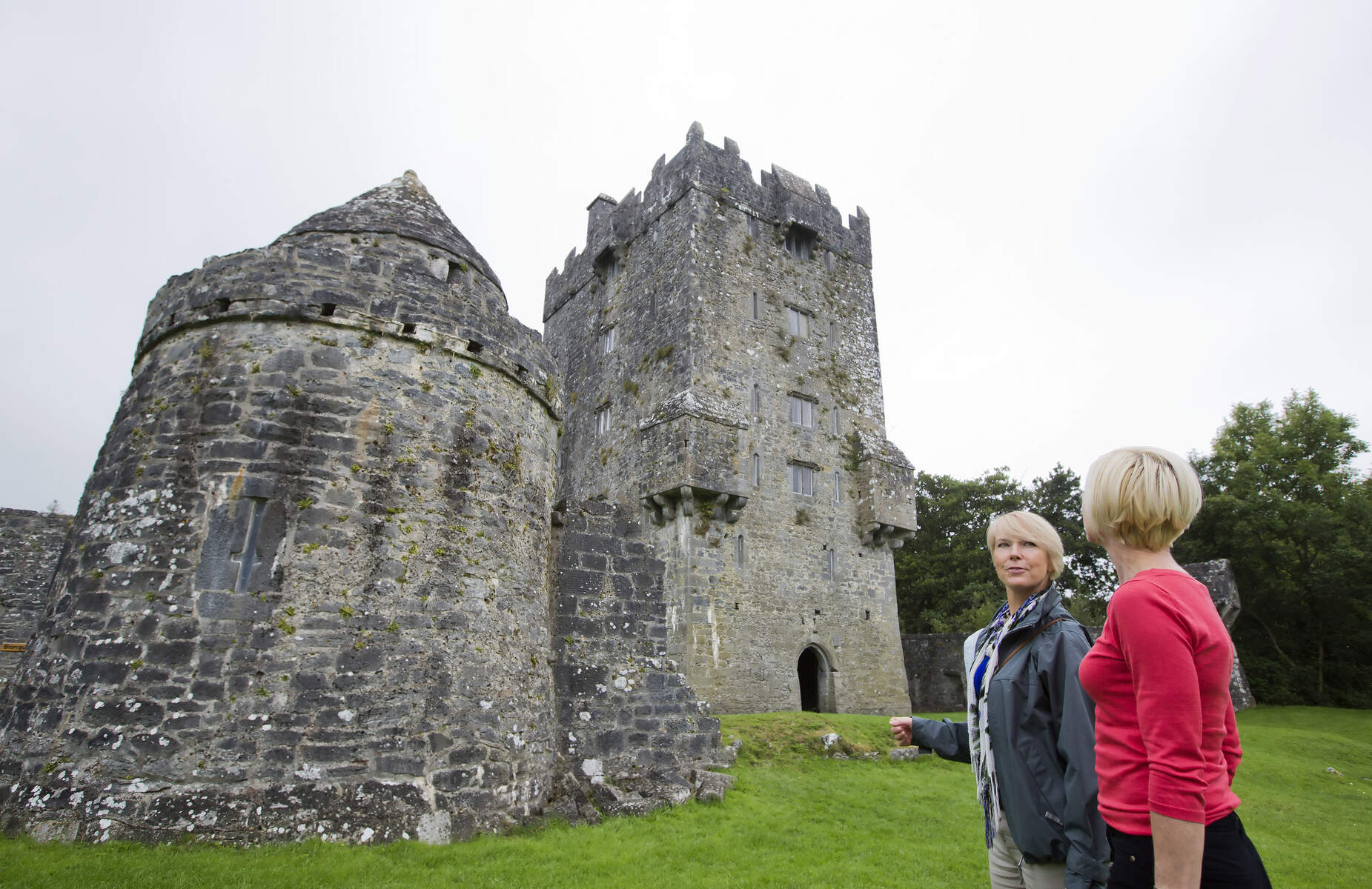
Aughnanure Castle, County Galway, photograph by Brian Morrison, 2014 for Tourism Ireland, Ireland’s Content Pool. [5]
General information: 091 552214, aughnanurecastle@opw.ie
“The fearsome O’Flaherty family, whose motto was ‘Fortune favours the strong’, ruled west Connacht for 300 years from this fine six-storey tower on the shores of Lough Corrib.
“In 1546 the O’Flahertys joined forces with the Mayo O’Malleys when Donal an Chogaidh O’Flaherty married Grace O’Malley, later known as Granuaile, the formidable pirate queen. The O’Malley motto, ‘Powerful by land and by sea,’ showed the awe in which that family, too, was held.
“At Aughanure today you can inspect the remains of a banqueting hall, a watch tower, an unusual double bawn and bastions and a dry harbour. Keep your eyes peeled for glimpses of the three species of bat that now live in the castle.“
Grace O’Malley, 18th century Irish school, courtesy of Fonsie Mealy auction.
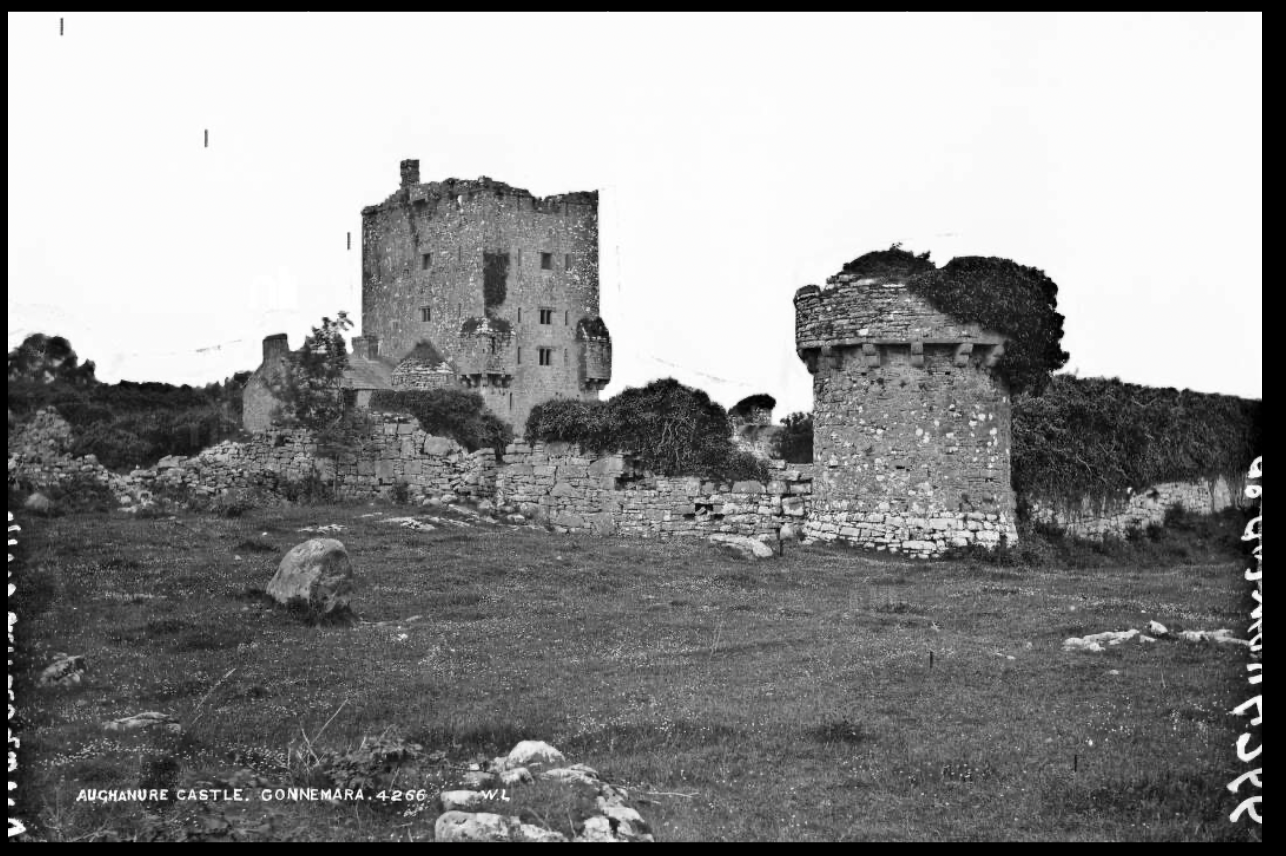
It was captured in 1572 by Sir Edward Fitton, then president of Connacht, but later reclaimed by the O’Flahertys. In 1618 King James I granted the castle to Hugh O’Flaherty but shortly after it fell into the hands of the Marquis of Clanrickarde who used it as a base against Cromwell’s forces. In 1687 the castle was back in the hands of the O’Flaherty clan for a rent of 76 per annum. In 1719 Bryan O’Flaherty bought the castle with the help of a mortgage of 1,600 which he borrowed from Lord Saint George but was unable to keep up the repayments and so the castle was lost again. [6] The Commissioners of Public Works obtained the castle in 1952 before declaring it a National Monument and undertaking restoration of the parapet, chimney and roof in 1963.
Aughnanure Castle, County Galway, photograph by Robert French, Lawrence Photographic Collection, National Library of Ireland.
3. Dun Aonghasa, County Galway:
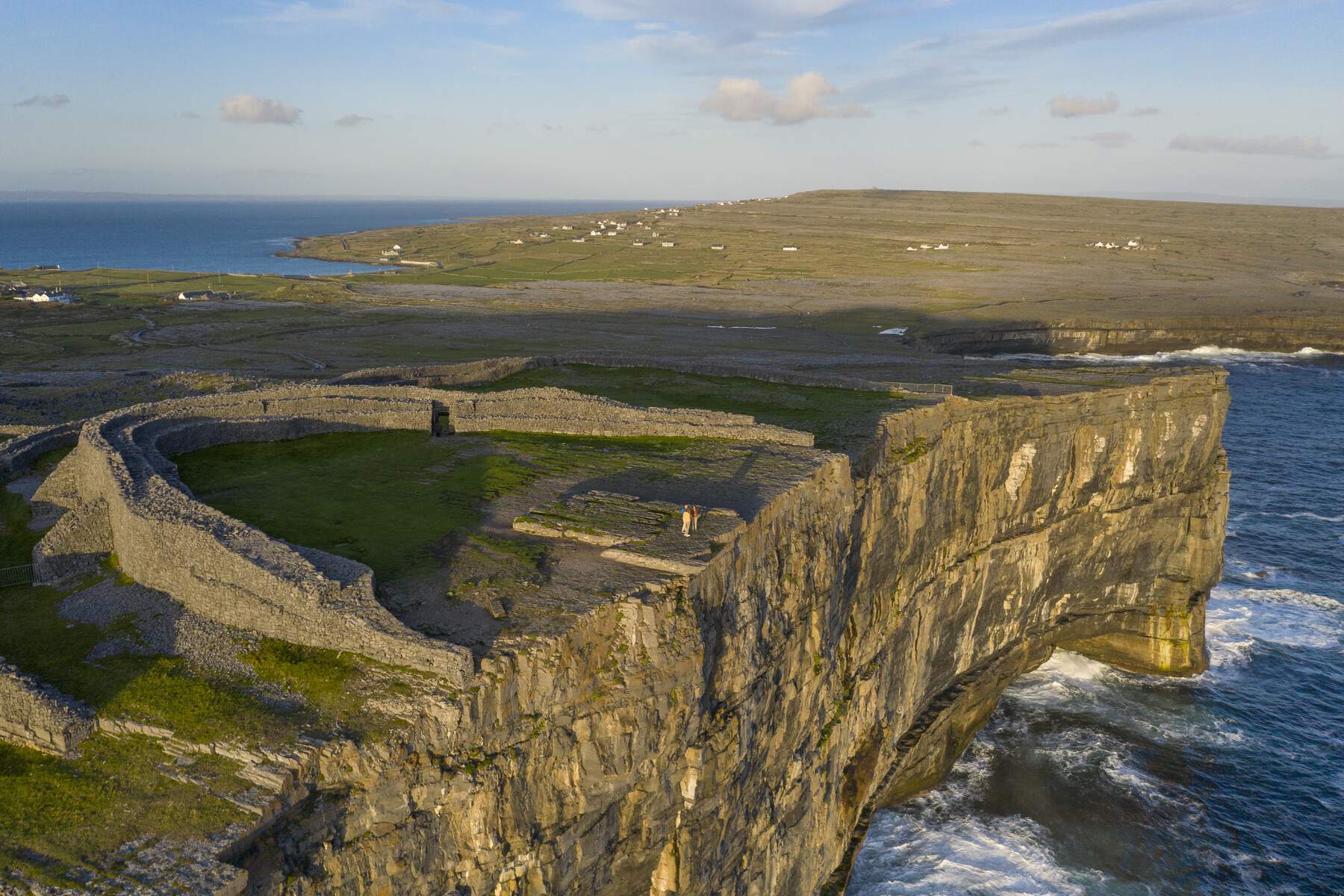
Dun Aengus, Inishmore, Aran Islands, County Galway, by Gareth McCormack, 2019 for Tourism Ireland, Ireland’s Content Pool. [see 5]
General information: 099 61008, dunaonghasa@opw.ie
“Dún Aonghasa is about 1km from the Visitor Centre and is approached over rising ground. The last section of the path is over rough, natural rock and care is needed, especially when descending. Boots or strong walking shoes are recommended. There is no fence or barrier at the edge of the cliff.
“Perilously perched on a sheer sea-cliff, Dún Aonghasa defiantly faces the Atlantic Ocean. It is the largest of the prehistoric stone forts of the Aran Islands.
“The fort consists of three massive drystone defence walls. Outside them is a chevaux-de-frise – that is, a dense band of jagged, upright stones, thousands in number. A devastatingly effective way to impede intruders, the chevaux-de-frise surrounds the entire fort from cliff to cliff.
“Dún Aonghasa is over 3,000 years old. Excavations have revealed significant evidence of prehistoric metalworking, as well as several houses and burials. The whole complex was refortified in AD 700–800.
“The visit involves a short hike over rising ground and rough, natural rock, so come prepared with boots or strong walking shoes. Be careful, too, when walking near the cliff – there is no fence or barrier at the edge of the 87-metre drop.“
4. Ionad Culturtha an Phiarsaigh (Pearse’s Cottage), County Galway:
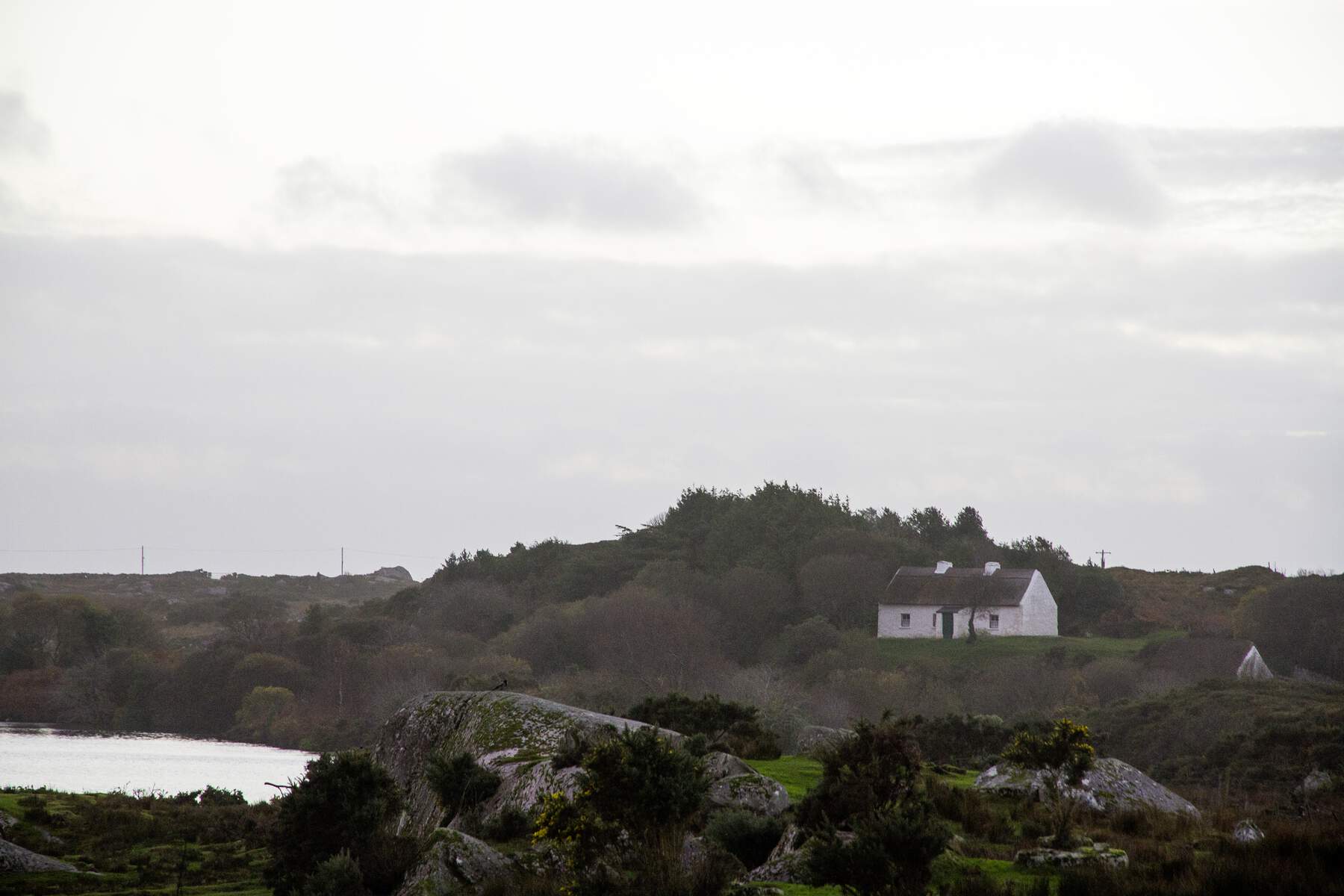
Ionad Culturtha an Phiarsaigh (Pearse’s Cottage), County Galway, photograph by Christian McLeod, 2016 for Failte Ireland, Ireland’s Content Pool. [see 5]
general information: 091 574292, icpconamara@opw.ie
“Ionad Cultúrtha an Phiarsaigh is located in Ros Muc, in the heart of the Connemara Gaeltacht. It was here that Patrick Pearse, leader of the 1916 rebellion against British rule, built a summer cottage for himself.
“In the state-of-the-art visitor centre you can explore the things that drew Pearse to Connemara – the area’s unique landscape and the ancient Gaelic culture and language which is still alive today. You will get a warm welcome from our local guides, who are steeped in the local culture and take great pride in it.
“A short stroll across the bog will take you to the cottage itself. You will find it just as it was when Pearse left for the last time in 1915.“
Ionad Culturtha an Phiarsaigh (Pearse’s Cottage), County Galway, photograph by Stephen Duffy, 2019 for Failte Ireland, Ireland’s Content Pool. [see 5]
“Built by [Richard Bourke 1572-1635] the fourth earl of Clanricarde, Portumna Castle was the de Burgo family power base for centuries.
“The castle is a unique example of the transitional Irish architecture of the early 1600s. Its bold design combines elements of medieval and Renaissance style that complement each other perfectly.
“A major fire in 1826 left the castle a roofless shell, but the state began to bring it back from ruin in the 1960s. Restoration work continues to this day.
“The dramatic walk up to the building includes charming formal gardens, which create an enchanting sense of the original seventeenth-century setting. The walled kitchen garden is particularly memorable.
“The castle enjoys a sensational view of Lough Derg. The ground floor is open to the public and houses an exhibition that brings the story of the castle and the de Burgo family to life. It is right beside the River Shannon and Portumna Forest Park, which makes it a great choice for a delightful day out.“





















































 Irish Historic Houses
