The Landed Estates database has an entry for Ashton Grove:
Ashton Grove, photograph courtesy of National Inventory of Architectural Heritage.
“This house is marked Ashton Grove on the first Ordnance Surve map. John Cotter was the proprietor of Ashton, Cork, in 1814 and T. Cleary of Ballingohig in 1837. Thomas J. Cleary held the property from Henry Braddell at the time of Griffith’s Valuation when the buildings were valued at £22. Cleary held a cornmill from Braddell in the townland of Kilrussane. James Fitzgerald held 122 acres of untenanted land and buildings valued at £26+ in 1906.” [1]
Ashton Grove, photograph courtesy of National Inventory of Architectural Heritage.
Under the Braddell family, the landed estates database tells us:
“This family appear to be descended from the Reverend Henry Braddell of Raheengraney, County Wicklow. Henry Braddell held land in the parish of Mallow, County Cork, from at least the early 19th century. Henry Braddell may have been agent to the Earl of Listowel. His nephew John Waller Braddell certainly fulfilled this role in the 1850s and early 1860s until he was murdered in 1863. At the time of Griffith’s Valuation Matthew Braddle held land in the parish of Mourneabbey, barony of Barretts, and Henry Braddle held land in the parishes of Mallow, barony of Fermoy, Castlelyons and Knockmourne, barony of Condons and Clangibbon, Killaspugmullane, barony of Barrymore, county Cork. In the 1870s Henry Braddell of Modelligo, Fermoy, owned 1,872 acres in county Cork.“
and about the Cleary family:
“Thomas J. Cleary held land in the parish of Killaspugmullane, barony of Barrymore, county Cork, at the time of Griffith’s Valuation. In January 1866 the estate of John Thomas Clery at Ashton Grove, Ballingohig, barony of Barrymore, was advertised for sale. His brother Henry Clery was selling his share of Ashton Grove in June 1866. Under tenure in this sale rental a detailed history of the Clerys’ land holding is given. By a fee farm grant dated December 1850 Henry Braddell granted the lands of Kilrossane and Ballingohig to Thomas John Clery, who by his will dated 6 February 1851 left his property divided between his six sons, John Thomas, Henry, Charles, William, George and Richard. In the 1870s William Henry Cleary of Cork owned 2,534 acres in the county.“
An article published on June 2nd 2013 in the Irish Examiner by Peter Dowdall gives a wonderful description of the garden. He writes:
“From tiny little details, such as a glimpse of a marble seat in the distance through an accidental gap in a hedge, to a perfectly-positioned specimen tree, this garden needs senses on high alert.
If I am to be honest, I was expecting a garden recreated by the book and with a certain degree of interest from the owner. What I discovered was a garden being recreated by a man who is now thinking of the future generations and recreating this garden with a passionate attention to detail. Every plant that goes in is carefully considered; every stone and brick that went into creating an orangery from a derelict pig shed and a belfry from a cowshed were reused from the estate. Fallen slates, which weren’t good enough to use on buildings, create an edge around the rose beds.
What I love about the place is that the rule book is not evident, trial and error is the order of the day, which to me is real gardening. Except when it comes to the meticulous planning of the box hedges in the potager and the Horological Maze, which at this stage is on its third planting because the original Taxus (yew) failed due to a blight which struck again a few years later. The maze was replanted using Lonicera and is thriving, though it will be a few years before it is truly at its best…I can’t think of a more enjoyable way to spend a Sunday than roaming through the ‘garden rooms’ here.
Looking down on this garden, which is next to the maze, from an elevated platform you could imagine yourself in the south of France, except for the single-figure temperatures. Other features to admire include the fantastic Anglo-Chinese Regency-style bridge, constructed by the owner’s brother, and the pergola, which has been planted with several climbers including Jasminum, Laburnum, David Austin roses, Wisteria and Passiflora.
However, no account of a visit to this garden is complete without mentioning the Horological Maze.
What, I hear you ask is a Horological Maze? Well it’s a design centred on a French mantle clock, which is surrounded by interlocking cog-wheels, pinions and coil springs, all inspired by the workings of a typical mechanism. It also reflects the owner’s interest in horology and provides a balance in its garden sculpture to the turret clock presiding over the courtyard.
The owner took his inspiration for this creation from visits to Blenheim Palace and Weston Park in England, Shanagarry and Faithlegg in Ireland, and the Summer Palace in Vienna.” [2]
Open dates in 2026: June 1-Aug 31, Mon-Sat, National Heritage Week, Aug 15-23, 10am-2pm
Fee: adult €10, OAP/student €8, child €6
donation
Help me to pay the entrance fee to one of the houses on this website. This site is created purely out of love for the subject and I receive no payment so any donation is appreciated!
We timed our visit to County Cork to be able to have a tour of the impressive Scottish Baronial Blarney House, replete with turrets, finials, stepped gables and dormer windows.
It was designed by John Lanyon of the Belfast architectural firm Lanyon, Lynn and Lanyon. It was built in 1874 for Sir George Conway Colthurst (abt. 1824-1878), 5th Baronet and his wife, Louisa, whose family owned Blarney Castle, so that his family could live on their Blarney estate, but away from the castle, which was a tourist destination, much as it is today. He married Louisa Jane Jefferyes in 1846. The Historic Houses of Ireland website tells us that Sir George Colthurst was a neighbour, from Ardrum near Inniscarra in County Cork. He was also her second cousin.
Nicholas Conway Colthurst (1789-1829) 4th Baronet of Ardrum, County Cork, by Martin Arthur Shee, courtesy of Eton College. He was Member of Parliament (M.P.) for the City of Cork between 1812 and 1829. His son the 5th Earl married Louisa Jane Jefferyes, through whom he acquired Blarney Castle.
The Jeffereyes (or Jefferyes) family previously occupied a house which was attached to Blarney Castle. In 1820, the same year in which Louisa was born, this house was destroyed by fire (see my entry about Blarney Castle). Instead of rebuilding, George Jeffereyes and his family moved to Inishera House in West Cork. [1]
George Colthurst was a man of considerable property with another large estate at Ballyvourney near the border with County Kerry, along with Lucan House in County Dublin (now the home of the Italian ambassador to Ireland). He inherited Blarney on his father-in-law’s death in 1862. [2] He and Louisa lived in Ardrum House, which has since been demolished, before moving to the new house in Blarney, nearly thirty years after they married. [3] Randall MacDonnell tells us in his The Lost Houses of Ireland: A chronicle of great houses and the families who lived in them that the mirrors and fireplaces, as well as the neoclassical porch, came from Ardrum House. [4]
The family motto Justem ac Tenacem (Just and Persevering) and the quartered Colthurst and Jefferyes Arms are set in the entrance façade of the house.
The limestone walls are “snecked” which means that it has a mixture of roughly squared stones of different sizes (and lumpishness) and some of the walls have carved sandstone stringcourses. The windows are also surrounded by carved sandstone.
The Archiseek website quotes The Architect, August 21, 1875:
“This new mansion has just been completed for Sir George C. J. Colthurst, Bart., it is built of the light blue hammer-dressed limestone of the demesne, with Glasgow stone dressings to doors, and window opes, gables, &c.; the slates are green Cumberland (a combination that produces a very pleasing effect). The new building is situated within about three hundred yards of the historical old “Blarney Castle,” and from the oriel window in our illustration the celebrated ” Kissing Stone ” can be seen. The principal entrance is as shown on the north-east, and leads, by a wide flight of Portland stone steps, through the vestibule to the staircase hall (which is central and lit from the top); off this hall are grouped dining-room, drawing-room, morning-room, library, billiard-room, own room, etc. The next floor contains the principal bed-rooms and dressing-rooms, boudoirs, etc., which are entered off a handsome arcaded gallery, with timber roof supported on walnut pilasters; on the top floor are bedrooms for the family, female servants, etc. The kitchen and household offices and men-servants’ bed-rooms are on the basement floor, which is all above ground. The Castle is in the Scottish Baronial style, and designed with a view to defense if necessary.
The works have been carried out by the Messrs. Dixon, of Belfast, builders, under the superintendence of, and from the designs by, Mr. John Lanyon, F.R.I.B.A., Dublin and Belfast.” [5]
I wonder why George and Jane decided to hire John Lanyon to design their new house, since the company in which he worked, Lanyon, Lynn and Lanyon, was based in Belfast, and most of the houses the company designed are in the north of Ireland, including Castle Leslie in County Monaghan (another section 482 property which we visited, see my entry)? John joined his father Charles Lanyon (1813-1889) and William Henry Lynn (1829-1915) in the architectural firm. Blarney House looks very similar in style to Belfast Castle, also designed by Lanyon, Lynn and Lanyon.
The Lanyons were Freemasons, so perhaps the Colthurst family were also part of that Society. Another possibility is that George Colthurst met John Lanyon due to a common interest in railways. After his father retired, John Lanyon, who also worked as an engineer, worked on railways in the north. [7] The railway was important for bringing tourists to Blarney, as we can see from the old tourism posters on display in the cafe in the stable courtyard, advertising the London Midland and Scottish Railway, British Railways and Great Southern Rhys railway. George Colthurst probably made sure that the railway travelled to Blarney so that it could bring tourists to the destination his wife’s family had created. The Dublin to Cork Great Southern and Western Railway reached Cork in 1856, and Blarney was a stop along the way. The Muskerry railway line, built in 1880, which he financially supported, ran through the George Colthurst’s Ardrum estate and travelled to Blarney. [8] John Lanyon was not involved in the southern railways, but perhaps Colthurst met with him when he was interested in the railways.
[note: Another house built in the south by the company of Lynn, Lanyon and Lynn was Killarney House in County Kerry, in 1872 designed by W.H. Lynn]
Unfortunately we were not allowed to take pictures inside Blarney House. We paused in the front hall, with its timbered ceiling of polished pine beams, on a flight of stone steps, next to a Colthurst and Jefferyes family tree, to learn more about the family and the house. A chair in the hall also features a white colt, the symbol of the Colthurst family, and was made for the wedding of George Colthurst and Jane Jefferyes.
George and Jane had a son, and they gave him the second name of St. John, following the tradition of the Jefferyes family. George St. John Colthurst the 6th Baronet married Edith Jane Thomasine Morris from Dunkathel house, County Cork. He was in the military and served as Aide-de-Camp to the Lord-Lieutenant of Ireland. His son George Oliver the 7th Baronet succeeded to the estates. He fought in the First World War and was awarded the Croix de Guerre. He died at the age of 68, unmarried. His brother then inherited the estate and title. Richard St. John Jefferyes Colthurst (1887-1955), 8th Bt, also fought in the First World War. He married twice and his heir was son of his second wife.
The house and castle still belong to the Colthurst family. It was empty for some years until Richard Colthurst 9th Baronet and his wife, Janet Georgina Wilson-Wright from Coolcarrigan, County Kildare (also a section 482 property, see my entry) moved in, replumbed, rewired and redecorated it, and in the process, saved the building. Their son the 10th Baronet now lives in the house with his family. We did not meet the Colthursts unfortunately, and a guide led the tour.
The chandelier in the front hall is of Waterford crystal and it was made for the house, as were the carpets, which mirror the keyhole motif in the doors. In the staircase hall, with its Jacobean style oak staircase, our guide pointed to a console table at the foot of the stairs, which has a mirror underneath for ladies to be able to check their hems before entering the reception rooms, to make sure their ankles weren’t accidentally revealed!
The stairs lead up through two storeys to a barrel-vaulted coffered ceiling, framing a large skylight. The heavy wooden staircase was made in Scotland, and features the baronetcy symbol of a hand, and also the Colthurst symbol of a horse and a crest.
A silk embroidery of the castle with its attached Gothic mansion which burnt down was stitched by the Jeffereyes women.
The library to the left of the stair hall was originally the dining room, as we can see by the Carrera marble fireplace which features Ceres, Goddess of Agriculture and grain. One side of the room has a servants’ entrance and the other end has a dumb waiter, a mini elevator to bring dishes up from the kitchen. The guide pointed out a rent table, a round table with drawers into which tenants could put their rent, and the table could be rotated on its base. I learned that a safe was built in underneath the table top! The land agent would have collected rent twice a year. The Gothic bookcases came from the house in Ardrum. A library chair opens up into steps for climbing the shelves!
The double doors to the drawing room are fireproof and soundproof. The drawing room is painted Regency style duckegg blue. The mirror in the room is from Ardrum. A writing bureau from 1710 is the oldest piece in the house. There are many portraits of members of the family including miniatures, which would have been a gift before a wedding to a future spouse, to show all the members of the new family being acquired! These miniatures feature the La Touche family.
The father of George Colthurst the 5th Baronet of Ardrum, Nicholas, was just seven years old when his father, also named Nicholas, died in 1795. Nicholas the 3rd Baronet Colthurst married Emily La Touche, daughter of David La Touche and Elizabeth Marlay. As I mentioned in my entry about Blarney Castle, Louisa Jeffereyes was also a descendant of a daughter of David La Touche and Elizabeth Marlay, Anne La Touche, who married Louisa’s grandfather, George Charles Jeffereyes (1761-1841).
Nicholas Conway Colthurst (1789-1829) the 4th Baronet married Elizabeth Vesey, daughter of Colonel George Vesey of Lucan House in County Dublin, which is how Lucan House came into the ownership of the Colthurst family. The portrait of Nicholas the 4th Baronet would have come from Ardrum House.
What is now the dining room was the billiard room. It has a plain wooden floor and a slimmer door which was designed, our guide told us, to keep women, with their large crinoline skirts, out! The fireplace, like the one in the entrance hall, is of Portland stone, not marble, indicating that it was originally a less formal room than the drawing room or original dining room. Suitable to a male environment, it has nautical imagery in the fireplace, and acorns, which are a military symbol also, indicating the oak from which ships were made. A portrait of William of Orange shows that the Colthursts took William’s side in the war between the future King William and James II.
Upstairs the upper landings open on three sides through rounded arcades with Corinthian pilasters, and the bedrooms are off the arcaded gallery. [10] The Adam Revival friezes and late eighteenth century Neoclassical chimneypieces reputedly came from Ardrum. [11] We did not get to see the back of the house from the outside as the gardens behind are private, but there is a lake behind the house.
I was disappointed also to discover that the walled garden is private, after a television show was made called “Blarney: a year on the estate.” I felt sure that the gardens featured in the television show would be open to the public!
[4] p. 30. MacDonnell, Randal. The Lost Houses of Ireland. A chronicle of great houses and the families who lived in them. Weidenfeld and Nicolson. London, 2002.
[10] Bence-Jones, Mark. A Guide to Irish Country Houses (originally published as Burke’s Guide to Country Houses volume 1 Ireland by Burke’s Peerage Ltd. 1978); Revised edition 1988 Constable and Company Ltd, London.
[11] p. 269, Keohane, Frank. The Buildings of Ireland: Cork City and County. Yale University Press, New Haven and London, 2020.
Open dates in 2026: all year, Jan-Mar, Nov, Dec, 9am-5pm, Apr, Oct, 9am-5.30pm, May- Sept 9am-6pm
Fee: adult €24, OAP/student €19, child €12
donation
Help me to pay the entrance fee to one of the houses on this website. This site is created purely out of love for the subject and I receive no payment so any donation is appreciated!
We have all heard that kissing the Blarney stone gives us the “gift of the gab,” but where did the story come from? Randal MacDonnell, in his book, The Lost Houses of Ireland, tells us that Queen Elizabeth I said of Cormac mac Diarmada MacCarthy (1552-1616), Lord of Muskerry, ‘This is all Blarney; what he says he never means!’ so the term was used as far back as Elizabethan times. The Blarney Stone, set high in the castle under the battlements, was said to have been a gift to the MacCarthy family after sending 5,000 soldiers to help Robert the Bruce (who died in 1329) in battle. It was reputedly the stone that gushed water after Moses struck it, or else it is said to be part of the Stone of Scone, on which the Kings of Scotland were inaugurated. It is also said to be the pillow that Jacob slept upon when he dreamed of angels ascending a ladder to heaven, that was brought from the Holy Land after the Crusades. Frank Keohane tells us bluntly in his description of Blarney Castle in Buildings of Ireland, Cork City and County (published 2020) that it is in fact the lintel to the central machicolation on the south side!
William Orpen (1878-1931) Kissing the Blarney Stone, courtesy of Whyte’s Important Irish Art sale 4 Dec 2023.
An Irish person can be reluctant to visit Blarney castle, thinking it “stage Irish” with its tradition of kissing the Blarney stone but it is really well worth a visit, including queueing to get to the top of the castle (to kiss the stone, which you can of course skip!), because along the way you can see the interior five storeys of the castle with its many rooms and corridors. Each year around 550,000 tourists visit Blarney Castle.
It is also worth visiting just to wander the seventy acres of gardens, which are beautiful. There’s a coffee shop in the stable yard.
The castle we see today is the third structure that was erected on the site. In the tenth century there was a wooden hunting lodge. Around 1210 this was replaced by a stone structure, which was demolished for the foundations of the third, current, castle, built by Cormac Laidir (‘the strong’) MacCarthy in 1446. To put it into chronological perspective, this is around the same time that Richard III deposed King Edward V and nearly fifty years before Christopher Columbus “discovered” the “New world” in 1492 (see the terrific chronology outlined in James Lyttelton’s Blarney Castle, An Irish Towerhouse). He built a slender self-contained four storey tower house, which is now called the northwest tower.
The MacCarthy clan had vast estates, and were recognised as Kings of Munster by the lesser Irish chiefs, the sign boards at Blarney tell us. They trace their ancestry back to a chieftain who was converted to Christianity by St. Patrick. Cormac MacCarthy built Cormac’s Chapel on the Rock of Cashel, 1127-1134, before the Anglo-Norman invasion of Ireland in 1169.
The second, larger, five storey tower was built in the early to mid 16th century.
In 1628 King Charles I created Cormac (Charles) MacCarthy (1564-1640/41) Viscount Muskerry. His father was the 16th Lord of Muskerry – the family gained the title from the English crown in 1353 – and his mother was Mary Butler, daughter of the 1st Baron Caher (of second creation), Theobald, of Cahir Castle in County Tipperary. Viscount Muskerry inherited Blarney in 1616 and undertook alterations, perhaps adding the tall machicolated parapets, and enlarging windows, fitting them with hooded twin and triple light mullioned windows. He married Margaret O’Brien, a daughter of the 4th Earl of Thomond, and secondly, Ellen, widow of Donall MacCarthy Reagh, and daughter of David, seventh Viscount Fermoy. [1]
Viscount Muskerry died in 1640/41, passing the title 2nd Viscount to his son Donnchadh (or Donough). Donough MacCarthy based himself in Macroom, County Cork, and Dublin. Donough and his father were Members of Parliament and sat in the House of Lords in Dublin. He was loyal to the crown in 1641 during the rebellion but afterwards supported the Catholics who sought to be able to keep their lands. The Duke of Ormond sought negotiation between the Confederate Catholics and the crown, and 2nd Viscount Muskerry played an active role in these negotiations. [2] Negotiations were complicated because the lines of disagreement were unclear and as time progressed and more negotiators became involved, goals changed. For some, it was about Catholics being able to own land, for others, to be able to practice their religion freely. Factions fought amongst themselves.
Donough MacCarthy (1594-1665), 2nd Viscount Muskerry and 1st Earl Clancarty, Painted portrait (oil on canvas) at the Hunt Museum, Limerick, Accession number HCP 004. The portrait is part of the original collection donated by antiquarian John Durell Hunt and wife Gertrude Hunt.Other sources suggest it is Donough MacCarthy the 4th Earl Clancarty. I will have to check this!
Further complications arose as Parliament in England was unhappy with the reign of Charles I. Viscount Muskerry was firmly Royalist, along with his brother-in-law the Duke of Ormond. It was at this time that Donough MacCarthy the 2nd Viscount married Eleanor Butler, twin sister of the 1st Duke of Ormond. In 1649, Lord Broghill (Roger Boyle, later created 1st Earl of Orrery) persuaded the towns of Cork, Youghal, Bandon, and Kinsale to declare for Parliament. The division was no longer between Catholics and English rule, but between Royalists and Parliament supporters.
Blarney Castle was taken by Cromwell’s army under Lord Broghill in 1646 and again in 1649 by Oliver Cromwell. The inhabitants and defenders fled via the passageways below the castle and escaped.
The 2nd Viscount became the 1st Earl of Clancarty in 1658, raised to the title by the exiled son of King Charles I, who in 1660 became King Charles II. MacCarthy’s property was restored to him by the King.
Charles 3rd Viscount died in the same year as his father (1665), having joined first the French army when in exile from Ireland, and later, the regiment of the Duke of York (who later became King James II). It was therefore his son, Charles James MacCarthy, who became 2nd Earl of Clancarty. The 2nd Earl’s mother was Margaret de Burgh, or Bourke, daughter of the 1st Marquess Clanricarde. The 2nd Earl died in the following year, so the 1st Earl’s second son, Callaghan (1635-1676) became 3rd Earl of Clancarty in 1666. Callaghan converted to Protestantism. He married Elizabeth FitzGerald, daughter of the 16th Earl of Kildare. His younger brother, Justin, was given the title of Viscount Mountcashel.
Jane Ohlmeyer writes of the MacCarthys of Muskerry in her book Making Ireland English:
p. 108: “[the MacCarthys of Muskerry] The family thus enjoyed a formidable range of kinship ties that included the Butlers, of Ormond and Cahir, and the houses of Thomond, Fermoy, Buttevant, Courcy of Kinsale and Kerry. Like Viscount Roche, Muskerry enjoyed a close friendship with the earl of Cork and stood as godfather to one of his youngest children. …Blarney Castle..was the family’s principal residence…. They also resided at Macroom castle in mid-Cork…Though Muskerry retained the traditional customs associated with Gaelic lordship, he also acted as an anglicizing speculator, loaning money and securing lands through mortgages, and as an improving landlord who encouraged English settlers to his estates and especially his main town of Macroom, in mid-Cork.” [see 1]
We saw many means of defense illustrated on our tour of Cahir Castle recently during Heritage Week 2022, and many of these were utilised at Blarney. [see my entry on Cahir Castle in https://irishhistorichouses.com/2022/06/26/opw-sites-in-munster-clare-limerick-and-tipperary/ ] One can see the heavy machicolation, a series of openings in the floor of projecting parapets in castles and tower-houses through which offensive or injurious substances can be dropped on the enemy below.
A bawn surrounded the tower house: a defensive area of about eight acres surrounded by a wall. Maurice Craig tells us in his book The Architecture of Ireland from the Earliest Times to 1880 that the word bawn comes from the Irish name “bádhún” meaning an enclosure for cattle. Animals and people took shelter within the bawn in times of danger. The castle was self-sufficient and the bawn would have been a hive of activity with tanners, blacksmiths, masons, woodcutters, carpenters, livestock keepers, horses, cows, pigs, poultry, butchers, cooks, gardeners and attendants. Part of the bawn wall remains.
Blarney was a typical tower house with four or five storeys, with one or two main chambers and some smaller rooms on each floor. A vaulted stone ceiling served to keep the thin tower structurally sound by tying the walls together and also acted as a firebreak. Blarney was constructed as two towers, one built later (by about 100 years) than the other. At the bottom the walls are about 18 feet thick. When it was first built it would have been covered in plaster and whitewashed to protect it from rainy weather.
Blarney Castle, June 2022.
The MacCarthys retained Blarney Castle until forced to leave it in the years following the Battle of the Boyne in 1690. They were Jacobites, supporters of King James II, and not supporters of King William III, who was crowned King of England, along with his wife Mary, James II’s daughter, in 1689. Mark Bence-Jones tells us that the castle was fortified by Donogh MacCarthy (c. 1668-1734), 4th Earl of Clancarty, who fought for James II in the Williamite War. [3]
The Dictionary of Irish Biography tells us that Donogh MacCarthy the 4th Earl held the office of Lord of the Bedchamber to King James II in Ireland in 1689. MacCarthy fought in the Siege of Cork in 1690, where he was captured, and he was imprisoned in the Tower of London. He escaped and fled to France in May 1694. In 1698 he secretly returned to England but was betrayed by his brother-in-law, Charles Spencer, 3rd Earl of Sunderland, and was again imprisoned in the Tower. The Dictionary tells us that Lady Russell obtained a pardon for him, on condition he stayed permanently abroad. Lady Rachel Russell, nee Wriothesley, had previously petitioned unsuccessfully for the freedom of her husband, William Lord Russell, who had been arrested as part of the Rye House Plot to kill King Charles II and his brother James.
In exile in France in 1707, Donogh MacCarthy was Lord of the Bedchamber to the titular King James III (so called by the Jacobites who continued to support the Stuarts for the monarchy after William III and Mary had taken the throne). [4] This means he would have known John Baggot of County Cork and Baggotstown, County Limerick, whom I hope was an ancestor of mine (I haven’t been able to trace my family tree back that far). John Baggot married Eleanor Gould, daughter of Ignatius Gould, and fought at the Battle of Aughrim, where he lost an eye. The exiled monarchy recognised his sacrifice and in gratitude, made him groom of the bedchamber to the titular King James III in France also. Those that left Ireland at this time were called the Wild Geese. His son John Baggot subsequently fought in the French army and the other son, Ignatius, in the Spanish army.
There is a terrific summary in plaques in the ground in Limerick city around the Treaty of Limerick stone, on which the Treaty of Limerick was signed in 1691, that tells of the series of battles fought between the troops supporting King James II and the troops supporting King William. One plaque tells us:
“Sept 1690 King William returned to England leaving Baron de Ginkel in charge. Cork and Kinsale surrendered to William’s army. Sarsfield rejects Ginkel’s offer of peace. More French help arrives in Limerick as well as a new French leader, the Marquis St. Ruth. Avoiding Limerick, Ginkel attacked Athlone, which guarded the main route into Connaght. 30th June 1691, Athlone surrendered. St. Ruth withdrew to Aughrim. 12th July 1691 The Battle of Aughrim. The bloodiest battle ever fought on Irish soil. The Jacobites were heading for victory when St. Ruth was killed by a cannonball. Without leadership the resistance collapsed and by nightfall, the Williamites had won, with heavy losses on both sides. Most of the Jacobites withdrew to Limerick.“
After the MacCarthys were forced to leave Blarney Castle, it was occupied by the Hollow Sword Blade Company from London. The Historic Houses of Ireland website tells us that this company was a forerunner of the disastrously speculative South Sea Company that was attempting to break the Bank of England’s monopoly over Government loans. [5] The Landed Estates database tells us:
“The Hollow Sword Blades Company was set up in England in 1691 to make sword blades. In 1703 the company purchased some of the Irish estates forfeited under the Williamite settlement in counties Mayo, Sligo, Galway, and Roscommon. They also bought the forfeited estates of the Earl of Clancarty in counties Cork and Kerry and of Sir Patrick Trant in counties Kerry, Limerick, Kildare, Dublin, King and Queen’s counties (Offaly and Laois). Further lands in counties Limerick, Tipperary, Cork and other counties, formerly the estate of James II were also purchased, also part of the estate of Lord Cahir in county Tipperary. In June 1703 the company bought a large estate in county Cork, confiscated from a number of attainted persons and other lands in counties Waterford and Clare. However within about 10 years the company had sold most of its Irish estates. Francis Edwards, a London merchant, was one of the main purchasers.” [6]
In 1702 the castle was sold to Sir Richard Pyne, Lord Chief Justice of Ireland, who sold it the following year, in 1703, to the Governor of Cork, Sir James Jeffereyes (alternatively spelled “Jefferyes”). Richard Pyne also purchased land at Ballyvolane in County Cork, another section 482 property which we have yet to visit!
In 1739 James Jeffereyes built a four storey Gothic style mansion on to the side of the castle, which he called “The Court,” demolishing a former house the MacCarthys had added to the castle. Frank Keohane tells us that the architect may have been Christopher Myers, who had previously rebuilt Glenarm Castle in County Antrim. We can see glimpses of its appearance from the round towers and ruins to one side of the castle, which are the remnants of this grand mansion. The Jefferyes family also laid out a landscape garden at Blarney known as Rock Close, with great stones arranged to look as though they had been put there in prehistoric times. There is a stone over the “wishing steps” inscribed “G. Jefferyes 1759” which commemorates the date of birth of James Jefferyes’s heir. It was a popular tourist destination as early as the 1770s.
We joined the queue to go up the tower. The ground floor is a large vaulted space. We saw the same sort of vaulting in Oranmore Castle in County Galway, which we visited later that week during Heritage Week 2022.
This room would have been the cellar chamber when first built, and would have had a wooden floor above, supported by still-present stone supports in the walls. The room on the upper wooden floor was the Great Hall. Originally, an information board tells us, the lower storey probably housed servants or junior members of the household. By the eighteenth and nineteenth centuries it had become a wine cellar, as evidenced by some brick-lined shelves.
We can see the arched vaulted ceiling from the ground floor, with indentations left from wickerwork mats that were used, on which the bed of mortar for the roof was set. We saw similar indentations at Trim Castle and the nearby house of St. Mary’s Abbey in Trim, in the basement [see https://irishhistorichouses.com/2022/09/17/st-marys-abbey-high-street-trim-co-meath/ ]. The walls would have been covered in tapestries, which were put on the floor at some stage, becoming carpets. The arched ceiling tied the walls of the tower together.
We climbed a stone spiral staircase inside the tower to see the upper chambers. As usual in tower houses, the narrow spiral staircase was built partly for defense.
We next reached the “Young Ladies’ Bedroom.” The noticeboard tells us that three daughters of Cormac Teige MacCarthy (d. 1583), 14th Lord, grew up here.
The floors of the banqueting hall, above the family room, and the chapel which would have been on the floor above the banqueting hall, are gone, so when you reach the top of the castle, you can look down inside.
In the Chapel, mass would have been said in Latin, and the chaplain acted as tutor to the children also. The builder of Blarney Castle, Cormac Laidir MacCarthy, was a generous patron of the church and he built five churches, including Kilcrea Abbey where he was buried, which became the traditional burial place for the lords of Blarney.
The information boards tell us that feasting was part of the way of life at the time and a meal was combined with a night’s entertainment as part of the social life of the Castle. A series of courses would be served, with fish eggs, fowl and roast meat, all highly spiced to keep them fresh. Alcohol served included mead, beer, wine and whiskey. The high ranks sat near the Lord at the top of the table “above the salt” and others sat “below the salt.” As the meal progressed the Chieftain’s Bard would play his harp and sing songs celebrating the prowess of the MacCarthy clan.
The Historic Houses of Ireland website tells us that in former times visitors were lowered over the parapet to kiss ‘The Stone’ while gripped firmly by the ankles. The process has become easier and safer today though one still has to lean very far back to kiss the stone, head dangling downward. It has been a popular tourist destination since the days of Queen Victoria.The keep and Blarney stone remains, “despite the osculatory attrition of the eponymous stone by thousands of tourists every year” as Burke’s Peerage tells us with verve! (107th Edition (2003) page 865)
Photograph dated around 1897,National Library of Ireland Creative Commonson flickr.photo by Chris Hill, 2015, Tourism Ireland, Ireland’s Content Pool.Winston Churchill at Blarney Stone, 1912.Photograph from National Library of Ireland Creative Commons.
One can see from the window embrasures how thick the castle walls are. There are passageways within the walls.
James St. John Jeffereyes (1734-1780) inherited Blarney estate at the age of six. St. John Jeffereyes was an “improving” landlord who sought to aid the welfare of his tenants and maximise profits from his estates. He took an interest in the linen trade developing in County Cork, which processed locally grown flax into linen. St. John Jeffereyes created a village near Blarney Castle in 1765 with a linen mill, bleach mill, weavers’ cottages and a bleach green. The River Martin powered the mills. The rise of cotton, however, proved the downfall of the production of linen. In 1824, Martin Mahon moved his woollen manufacturing business to a former cotton mill in Blarney, to develop Blarney Woollen Mills. James St. John also, with three other landed gentlemen, established the Tonson Warren bank in Cork city (1768). It was a prominent institution in Cork until its failure in 1784, after Jeffereyes’s death.
James St. John Jeffereyes first married Elizabeth Cosby (1721-1788). We came across her when we visited Stradbally in County Laois, which is still owned by the Cosby family. Her father was William Cosby (1690-1736), who was Governor of New York. She had been previously married to Augustus Fitzroy, 2nd Duke of Grafton, who died in 1741. James St. John and Elizabeth’s daughter Lucia served as Maid of Honour to Queen Charlotte, wife of King George III.
James St. John Jeffereyes married secondly Arabella Fitzgibbon, sister of the 1st Earl of Clare, John Fitzgibbon (1748-1802) (who, by the way, married the daughter of Richard Chapell Whaley, who had the house on St. Stephen’s Green built which now houses the Museum of Literature Ireland (MOLI) – see my entry for MOLI on https://irishhistorichouses.com/2020/06/06/covid-19-lockdown-20km-limits-and-places-to-visit-in-dublin/. He was the Lord Chancellor of Ireland who forced the Act of Union through parliament). With Arabella, James had a son and heir, George Jeffereyes (1768-1841).
James’s son George Jeffereyes (1768-1841) married Anne, daughter of the Right Hon. David la Touche of Marlay, the richest man in Ireland and head of the banking dynasty. George’s sisters also married well: Marianne married George Frederick Nugent, 7th Earl of Westmeath; Albinia married Colonel Stephen Francis William Fremantle; and Emilia married Richard Butler, 1st Earl of Glengall.
Mary Ann Cavendish Bradshaw also known as the Countess of Westmeath. Portrait painted by Sir Thomas Lawrence in 1806. She was born Marianne Jeffreys, and married George Frederick Nugent, the 7th Earl of Westmeath and she became the Countess of Westmeath. In 1796 in a sensational court case she divorced Nugent and soon after married Augustus Cavendish Bradshaw.
The Court was destroyed by fire in 1820. Instead of rebuilding, George Jeffereyes and his family moved to Inishera House in West Cork. [7] George and Anne’s son St. John Jeffereyes (1798-1862) inherited Blarney. He had a son, also St. John, who lived in Paris and died in 1898. The estate passed to St. John’s sister Louisa, who married George Colthurst (1824-1878), 5th Baronet Colthurst, of Ardum, Co. Cork. He was a man of property, with another large estate at Ballyvourney near the border with County Kerry, along with Lucan House in County Dublin (currently the Italian ambassador’s residence in Ireland). Blarney remains in the hands of the Colthurst family. Blarney House was built for Louisa and George Colthurst, in 1874.
George Colthurst’s maternal grandmother was Emily La Touche, daughter of David La Touche and Elizabeth Marlay, and paternal grandmother was Emily La Touche’s sister Harriet. Their sister Anne had married George Charles Jeffereyes, Louisa’s grandmother, so Louisa and George were second cousins.
Randall MacDonald tells us in his book The Lost Houses of Ireland. A chronicle of great houses and the families who lived in them:
p. 29 “The Colthursts had arrived in Ireland from Yorkshire towards the end of Elizabeth I’s reign and settled in Cork. Christopher Colthurst was murdered by the rebels in 1641 near Macroom in County Cork. By the 1730s, they were High Sheriffs of County Cork, and in 1744 John Colthurst, who had married the daughter of the 1st Earl of Kerry, Lady Charlotte Fitzmaurice, was created a baronet. It would be uncharitable to suggest that it was his father-in-law’s influence that procured him this advancement. He was Member of Parliament for Doneraile from 1751 (and afterwards for Youghal and Castle Martyr). His son Sir John Colthurst, the 2nd Baronet, was killed in a duel with Dominick Trant in 1787 and the title passed to his brother (MP for Johnstown, Co Longford and then for Castle Martyr until 1795), who married Harriet, daughter of the Right Hon. David la Touche. Sir Nicholas Colthurst, the 4th Baronet, was the MP for the city of Cork from 1812-1829.
“It was his son, Sir George Colthurst, the 5th Baronet, who married Louisa Jefferyes of Blarney Castle in 1846.” [8]
We headed for the coffee shop after our perusal of the Castle. In the yard they have beautiful barrell vaulted wagons, and in the cafe, lovely old travel advertisements.
The seventy acres of gardens offer various landscapes. The bawn contains a Poison Garden, or medicinal garden, where various medicinal plants are grown, including poisons such as wolfsbane, ricin, mandrake, opium and cannabis.
The Rock Close is the garden that was developed by the Jefferyes in the 1750s and echoes Ireland’s ancient past with giant rock formations and hints of Druidic culture. Water running through adds to the beauty, with a lovely waterfall.
My favourite area is the Fern Garden, which feels prehistoric and is extremely picturesque, with raised wooden walkways. We headed to Blarney House, which will be my next entry!
[3] Bence-Jones, Mark. A Guide to Irish Country Houses (originally published as Burke’s Guide to Country Houses volume 1 Ireland by Burke’s Peerage Ltd. 1978); Revised edition 1988 Constable and Company Ltd, London.
[4] G.E. Cokayne; with Vicary Gibbs, H.A. Doubleday, Geoffrey H. White, Duncan Warrand and Lord Howard de Walden, editors, The Complete Peerage of England, Scotland, Ireland, Great Britain and the United Kingdom, Extant, Extinct or Dormant, new ed., 13 volumes in 14 (1910-1959; reprint in 6 volumes, Gloucester, U.K.: Alan Sutton Publishing, 2000), volume III, page 216. Quoted on the website The Peerage.com. See also https://www.dib.ie/biography/maccarthy-donogh-a5128
[7] see the timeline in James Lyttelton’s Blarney Castle, An Irish Towerhouse.
[8] MacDonnell, Randal. The Lost Houses of Ireland. A chronicle of great houses and the families who lived in them. Weidenfeld and Nicolson. London, 2002.
I still have to write about our visit to County Cork this year. We stayed in two airbnbs, one closer to Dublin, so that it was not too long a drive, and the second near Bantry, in order to see Bantry House. We stopped overnight in County Tipperary on the way home, in Thurles, to break up the long drive home.
On our first day, we visited Blarney House and Blarney Castle, both Section 482 properties.
The next day we drove down to our Bantry airbnb. Bantry House wasn’t open that day, as they had an event, so instead, Stephen and I went for lunch to Liss Ard estate, in order to see the Sky Garden by James Turrell. Then we went to see Castletownshend, I made an appointment to see the castle. It is wonderful, full of historical items and still in the same family who built it. I wrote about both these properties in my “accommodation page.” https://irishhistorichouses.com/2022/05/17/places-to-visit-and-stay-munster-county-cork/
The next day we visited the wonderful Bantry House. It is like a museum, so full of wonderful decor! I will be writing about all these properties soon.
I am compiling a list of Historic Houses open for visits.
I am working on fuller descriptions with photographs of places that may not be Section 482 but may be open to the public on specific dates, and will be publishing these soon, probably by Province, as I did for the Office of Public Works properties.
Some big houses are now hotels or b&bs, and may be possible to visit, so I am including them on this list [in red]. This list is neither exhaustive nor necessarily accurate – check listing in advance to see if they are still open to the public.
Here is the Summary List – I hope it will be useful for you for trips around the country, including Northern Ireland which is a treasure trove! Let me know if you have any other recommendations!
I am listing the Section 482 properties in purple to distinguish them from other places to visit. On the map, what I call “whole house accommodation,” by which I mean for 10 or more guests, such as wedding venues, are marked in orange.
For places to stay, I have made a rough estimate of prices at time of publication:
€ = up to approximately €150 per night for two people sharing;
€€ – up to approx €250 per night for two;
€€€ – over €250 per night for two.
Antrim:
1. Antrim Castle and Clotworthy House, County Antrim – estate and gardens open to the public, the Castle was destroyed by fire. The stable block, built in the 1840s and now known as Clotworthy House, is used as an arts centre.
The website tells us Colloden was originally built as an official palace for the Bishops of Down. The Culloden Estate and Spa stands in twelve acres of secluded gardens and woodland.
“A 19th century coach house adjacent to Ballyhannon Fortress Castle. Take a step back in time, and enjoy the unique experience of this historic landmark, at our bed and breakfast. We are at the end of a private drive, so no one will be “passing by” to interfere with your peace and tranquility.”
“Rising bluntly out of the craggy landscape, Ballyportry is the finest example in Ireland of a complete medieval Gaelic Tower House. Built in the 15th century it has been beautifully restored with careful attention being paid to retaining all its original features and style, yet with the comforts of the 21st century.”
4. Dromoland Castle, Newmarket-on-Fergus, Co. Clare – hotel €€€
2. Ashton Grove, Ballingohig, Knockraha, Co. Cork – section 482
contact: Gerald McGreal Tel: 087-2400831 Open: Feb 10-13, 19-27, Mar 10- 13, May 5-8, 19-22, 26-29, June 9-12, 23-26, July 21-24, Aug 13-21, 25-28, Sept 1-4, 22-25, 8am-12 noon
Fee: adult €6, OAP/student/child €3
3. Ballymaloe House, Cloyne, County Cork
4. Ballynatray, Youghal, County Cork (also Waterford) – section 482
contact: Julie Shelswell-White Tel: 027-50047 www.bantryhouse.com Open: Apr 1-Oct 31, 10am-5pm Fee: adult €14, OAP/student €11.50, child €5, groups over 8-20, €8 and groups of 21 or more €9
Bantry House, County Cork, photograph by George Karbus, 2016 for Tourism Ireland, Ireland’s Content Pool. (see [1])
contact: Charles Colthurst Tel: 021-4385252 www.blarneycastle.ie Open: all year except Christmas Eve & Christmas Day, Jan-Feb, Nov-Dec, 9am-4pm, Mar-Oct, 9am-5pm
Fee: adult €18, OAP/student €15, child €10, family and season passes
contact: Charles Colthurst Tel 021-4385252 www.blarneycastle.ie Open: June 1-Aug 31, Mon-Sat, National Heritage Week, Aug 13-21, 10am-2pm Fee: adult €10, OAP/student €7, concession joint with castle
contact: Denis Mawe Tel: 021-4778156 www.garrettstownhouse.com Open: May 15-Sept 5, 12 noon-5pm Fee: adult €8, OAP/student/child €5, groups of 10+ adults €5 per person
22. Ilnacullin, Garanish Island, County Cork – OPW
Estate Cottage 1 – The Coach House – up to 7 people – Self Catering – from €1,200 A 3 bedroom/4 bathroom separate 1,200 square foot home with a private outdoor dining terrace. This building has been renovated from the original coach house for the main manor house – and perfect for up to 7 people.
Estate Cottage 2 – The Stone Cottage – up to 10 people – Self Catering – from €2,200 A stand-alone 1,800 square foot home with 4 bedrooms/4.5 bathrooms with its own private garden. This building was the original gardener’s cottage for the main manor house – now fully renovated that will sleep up to 10 people comfortably.
Manor House (Partial) – up to 20 people – Self Catering – from €8,800 You will enjoy private use of Two Wings of the Manor House including 8 ensuite bedrooms and a range of living rooms, dining rooms, country style kitchen and outdoor dining options (can be catered or staffed by request).
Manor House (Whole) – from 28 to 36 people – Full Catered & Staffed Only – on request There are 14 Bedrooms in the Manor House that can accommodate up to 36 adults + 3 children sharing and a whole range of living and entertainment spaces. Due to the numbers, this is only available on a fully catered and staffed basis.
Whole Estate – from 44 to 54 people – Fully Catered & Staffed Only – on request The entire Estate consisting of the Manor House, Stone Cottage and Coach House for your private and exclusive use. A total of 22 ensuite bedrooms which is fully staffed and catered. This can cater for up to 54 adults + 4 children sharing.
3. Ballinterry House, Rathcormac, Co Cork – accommodation
The website tells us: “Ballymacmoy is the estate of origin of the wild geese family, the Hennessy’s of Cognac and is still owned and inhabited by their descendants. 40 kilometres from Cork International Airport, Ballymacmoy is a 23 acre estate located at the edge of the little village of Killavullen (200 inhabitants). It is made up of grasslands and wooded areas with 3.5 miles of exclusive fishing rights along the Blackwater river, it includes a 1 acre walled garden and a unique prehistoric private cave reserved for guests.”
a. the Coach House: The two storey Coach House takes centre stage in the stable yard and has been transformed into a beautiful, luxurious 4 bedroom self catering property. Downstairs there is a very relaxing style open plan kitchen & dining area with comfortable couches which allow for great conversations even while you prepare a bite of lunch or dinner.
b. the Garden Flat is located in the stable yard and is suitable for those looking for a self-catering holiday. There are two double bedrooms on the ground floor which would ideally suit two couples or if the need arises one of the bedrooms can be changed to be a twin room.
c. The Garden House is a quaint little cottage that sits at the bottom of the walled garden next to the beautiful Ballynatray House. Set across two floors the Garden House boasts a beautiful double room complete with comfortable armchairs either side of the open fire that fills the complete upstairs area. This is an ideal adult only location where romantic notions are never very far away.
d. Renovated & situated in the stable yard the Groom’s Flat is an ideal self catering option for two people.
8. Ballyvolane, Castlelyons, Co Cork – Hidden Ireland accommodation €€€
Once one of a number of bothies stretching along this quiet country lane, Killee Cottage and its neighbour are now the only two thatched cottages remaining.
Careysville House sits on an escarpment overlooking the fishery, with stunning views of the Blackwater valley. Guests can look out of their bedroom window and see one of the most stunning stretches of salmon fishing in Ireland, not to mention watch the salmon jumping in the pools below. It was built in 1812 in the Georgian style, on the site of the old ruined Ballymacpatrick Castle.
8. Drishane House whole house rental and holiday cottages – see above
This beautiful holiday house and cottage are set on stunning Lough Ine sometimes spelt Lough Hyne – which is well known as one of the most romantic spots in West Cork.
14. Rincolisky Castle, Whitehall, co Cork – renovated, whole house. €€€ for 2, € for 5.
Built around 1619 by Sir Baptist Jones, Bellaghy Bawn is a fortified house and bawn (the defensive wall surrounding an Irish tower house). What exists today is a mix of various building styles from different periods with the main house lived in until 1987.
Springhill has a beguiling spirit that captures the heart of every visitor. Described as ‘one of the prettiest houses in Ulster’, its welcoming charm reveals a family home with portraits, furniture and decorative arts that bring to life the many generations of Lenox-Conynghams who lived here from 1680. The old laundry houses one of Springhill’s most popular attractions, the Costume Collection with some exceptionally fine 18th to 20th century pieces.
Dating back to 1830, this sympathetically restored Georgian property offers a tranquil rural setting midway between Portstewart and Portrush. Whilst retaining many of the original features and charm, the open plan extension has been adapted to suit modern living. The accommodation comprises three main reception areas, a Magnificent Family Kitchen /Living and Dining area, a cosy and tastefully decorated Snug with open fire, access to south facing Orangery and large secluded cottage gardens. Upstairs are four well proportioned bedrooms sleeping up to eight guests and a spacious first floor balcony with sea views. Minimum 3 night stay.
Postal address Woodbrook, Bray, Co. Wicklow contact: Alfred Cochrane Tel: 087-2447006 www.corkelodge.com Open: June 21-Sept 8, Tue-Sat, National Heritage Week Aug 13-21, 9am-1pm Fee: €8
Believe it or not, I did my Leaving Certificate examinations in this building!! I was extremely lucky and I loved it and the great atmosphere helped me to get the points/grades I wanted!
contact: Paul Harvey Tel: Paul 086-3694379 www.fahanmura.ie Open: May 5-15, June 13-19, July 4-12, Aug 13-25, Sept 10-24, Oct 10-14, 9am-1pm Fee: adult €5, student €2, OAP/child free
39. 81 North King Street, Smithfield, Dublin 7 – section 482
contact: James Kelly Tel: 086-8597275 Open: Apr 1-30, June 1-30, July 1-30, National Heritage Week 13-21 Aug, closed Sundays except Aug 14 & 21, Mon-Fri, 9am-4.30, Sat, 12.30pm-4.30pm
Fee: Free
40. The Odeon(formerly the Old Harcourt Street Railway Station), 57 Harcourt Street, Dublin 2 – section 482
contact: Mary Lacey Tel: 01-6727690 www.odeon.ie Open: March-December, 12 noon to midnight Fee: Free
41. The Old Glebe, Upper Main Street, Newcastle, Co. Dublin – section 482
See my write-up:
https://irishhistorichouses.com/2019/12/31/the-old-glebe-newcastle-lyons-county-dublin/ contact: Hugh F. Kerins, Martin Connelly Tel: Frank 087-2588356, and Martin 087-6686996 Open: May 3-31, June 1-30, Mon-Sat, Aug 13-22, 10am-2pm, 4 tours daily during National Heritage Week, 10am, 11am, 12 noon, 1pm, tour approx. 45 minutes Fee: adult €5, student €3, child/OAP free, no charge during National Heritage Week
42. Powerscourt Townhouse Centre, 59 South William Street, Dublin 2 – section 482
contact: Selina Guinness Tel: 01-4957483 www.selinaguinness.com Open: Jan 6-10, 14, 17, 21, 24, 28, Feb 4, 7, 11, 14, 28, Mar 7, 11, 14, 25, 28, May 3-6, 10-13, 17-22, 24-29, June 8-11, 13, 17-19, 21-23, Aug 13-21, Jan, May, June, 10am-2pm, Feb, Mar, 2.30pm-6.30pm, National Heritage Week, 2pm-6pm Fee: adult/OAP €8 student/child free, Members of An Taisce and The Irish Georgian Society €6
“The Cottage has a great history and has stood here for over 200 years looking down over the City boundaries, Dublin Bay and beyond.
This unique Irish Cottage has been tastefully restored to the highest modern standards so as to provide four star comforts within its two foot thick walls. The Cottage is a great place from which to explore.“
15. Tibradden Farm Cottages, Rathfarmham, Dublin 16 € for 4-8
Waterloo House is situated in Ballsbridge Dublin 4, just off the bustling Baggot Street and only a few minutes walk from St. Stephen’s Green, Grafton Street and many of Dublin’s key places of interest.
14. The Grammer School, College Road, Galway – section 482
contact: Terry Fahy www.yeatscollege.ie Tel: 091-533500 Open: May 7-8, 14-15, 21-22, 28-29, June 11-12, July 1-31, Aug 1-21, 9am-5pm Fee: adult/OAP/student €5, child under 12 free
contact: Michael Mullen Tel: 087-2470900 www.aranislands.ie Open: June-Sept, 9am-5pm. Fee: adult €2.50, child €1.50, family €5, group rates depending on numbers
19. Thoor Ballylee, County Galway
20.Woodville House Dovecote & Walls of Walled Garden – section 482, garden only Craughwell, Co. Galway
Margarita and Michael Donoghue Tel: 087-9069191 www.woodvillewalledgarden.com Open: Jan 28-31, Feb 4-7, 11-14, 18-21, 25-28, June 1-30, Aug 13-22, 12 noon-4pm Fee: adult €10, OAP €8, student, €6, child €3 must be accompanied by adult, family €20-2 adults and 2 children
John Daly Tel: 087-1325665 https://www.derreengarden.com/ Open: all year, 10am-6pm Fee: adult/OAP/student €8, child €3, family ticket (2 adults and all children and 2 maps) €20
contact: Patricia Orr Tel: 086-2552661 Open: May 1-18, Aug 1-22, Dec 1-20, 9.30am-1.30pm Fee: adult €5, student/child/OAP €3, (Irish Georgian Society members free)
6. Griesemount House, Ballitore, Co Kildare – section 482
contact: Katharine Bulbulia Tel: 087-2414556 www.griesemounthouse.ie Open: April 4-8, 25-29, May 3-17, June 7-10, 13-26, July 4-8, 11-15, Aug 13-21, 10am-2pm
8. Kildrought House, Celbridge Village, Co. Kildare – section 482
contact: June Stuart Tel: 01-6271206, 087-6168651 Open: Jan 15-31, Feb 1-3, May 16-31, June 1-3, Aug 11-31, 10am-2pm Fee: adult €6, OAP/student/child €3, child under 5 years free, school groups €2 per head
9. Larch Hill, Kilcock, Co. Kildare – section 482
contact: Michael De Las Casas Tel: 087-2213038 www.larchill.ie Open: May 1-20, 23-31, June 1-10, 14-17, 21-24, 28-30, Aug 13-21, 27-28, 10am- 2pm Fee: adult/OAP/student €8, child €4, concession for groups
2. Griesemount House, County Kildare, whole house rentals – see above
Kilkenny:
1. Aylwardstown, Glenmore, Co Kilkenny – section 482
contact: Nicholas & Mary Kelly Tel: 051-880464, 087-2567866 Open: Aug 1-31, Sept 1-30, 9am-5pm Fee: adult €5, OAP €3, child/student free
2. Ballysallagh House, Johnswell, Co Kilkenny – section 482
contact: Geralyn & Kieran White Tel: 087-2906621, 086-2322105 Open: Feb 1-20, May 1-31, Aug 13-21, 9am-1pm Fee: adult €7.50, OAP/student €5, child free, groups by arrangement
3. Creamery House, Castlecomer, Co Kilkenny – 482
contact: John Comerford Tel: 056-4400080 www.creameryhouse.com Open: May 14-Sept 30, Friday, Saturday, and Sundays, National Heritage Week, Aug 13-21, 12 noon-5pm
Fee: adult/OAP/student €5, child under 18 free
4. Kilfane Glen & Waterfall Garden, Thomastown, County Kilkenny – 482 – garden only
contact: Thomas Cosby Tel: 086-8519272 www.stradballyhall.ie Open: May 1-31, June 1-9, Aug 13-21, Oct 1-14, 9am-1pm Fee: adult €10, OAP/student €5, child free
contact: Kate Hayes and Colm McCarthy Tel: 087-6487556 Open: Jan 4-7, 10-14, 17-21, 24-28, 31, Aug 13-22, Sept 1-30, Mon-Fri, 5.30pm- 9.30pm, Sat-Sun, 8am-12 noon
Discover this boutique gem, a secret tucked away in the heart of Ireland. This magnificent 17th century manor is complemented by its incredible countryside surroundings, and by the four acres of meticulously-maintained garden that surround it. Within the manor you’ll find a place of character, with open fires, beautiful furniture, fresh flowers and Irish literature. The manor retains its stately, historic charm, and blends it with thoughtful renovation that incorporates modern comfort.
1. Belleek Castle and Ballina House, originally Belleek Castle, Ballina, Mayo – hotel and gives tours
2. Brookhill House, Brookhill, Claremorris, Co. Mayo – section 482
contact: Patricia and John Noone Tel: 094-9371348, 087-3690499, 086-2459832 Open: Jan 13-20, Apr 13-20, May 18-24, June 8-14, July 13-19, Aug 1-25, 2pm-6pm Fee: adult €6, OAP/child/student €3, National Heritage Week free
3. Enniscoe House & Gardens, Castlehill, Ballina, Co. Mayo – section 482
4. Old Coastguard Station, Rosmoney, Westport, Co. Mayo – section 482
contact: James Cahill Tel: 094-9025500 www.jamescahill.com/coastguardstation.html Open: July 1-Sept 9 closed Sundays, National Heritage Week Aug 13-21, 11am-4pm Fee: €1
5. Owenmore, Garranard, Ballina, Co. Mayo – section 482
contact: Randall Plunkett Tel: 046-9025169 www.dunsany.com Open: June 24-30, July 1-31, Aug 1-22, 10am-2pm Fee: adult €25, OAP/student/12-18 years €15, child under 12 years free, National Heritage Week €10, under 12 years free
contact: Charles Hamilton Tel: 086-3722701 www.hamwood.ie Open: Apr 1-Sept 25, Fri-Sun, National Heritage Week, Aug 13-21, 10am-7pm Fee: adult €10, child under 12 free
8. Kilgar Gardens, Kilgar house, Gallow, Kilcock, Co Meath W23E7FKwww.kilgargardens.com
https://irishhistorichouses.com/2019/07/19/slane-castle-county-meath/ contact: Jemma Smith Tel: 041-9884477 www.slanecastle.ie Open: Jan 16, 23, 30, Feb 6, 13, 20, 27, Mar 5-6, 12-13, 19-20, 26-27, April 2-3, 9- 10, 16-18, 23-24, 30, May 1-2, 6-8, 13-15, 20-23, June 3, 6, 10, 17, 24, July 1, 7-8, 14-15, 22, 28, 31, Aug 1, 4-5, 11-21, 25-26, 28, Sept 4,18, 25, Jan- Apr, and June 10am-4pm, May, Fri-Sat, 10am-4pm, Sunday, 12 noon 4pm, July, Thurs-Sat, 10am- 4pm, Sunday, 12 noon-4pm, Aug, Mon-Sat, 10am-4pm, Sunday, 12 noon-4pm, Sept, Sunday, 12 noon-4pm
Fee: adult €14, OAP/student €12.50, child €7.50, concession family ticket (2 adults and 2 children €39, additional adults €1, additional children €6
14. St. Mary’s Abbey, High Street, Trim, Co. Meath – section 482
contact: Peter Higgins Tel: 087-2057176 Open: Jan 24-28, 31, Feb 1-4, 28, Mar 1-4, 7-11, May 7-22, June 27-30, July 1, 4-8, Aug 13-22, Sept 27-30, 2pm-6pm
Fee: adult €5, OAP/student/child €2
15. The Former Parochial House, Slane, Co. Meath – section 482
contact: Alan Haugh Tel: 087-2566998 www.parochialhouseslane.ie Open: May 1-Sept 30, Mon-Sat, National Heritage Week, Aug 13-21, 9am-1pm Fee: adult 5, child/OAP/student €3
“Our 18th century riverside cottage has been converted into an elegant one bedroom hideaway for a couple.Set in blissful surroundings of gardens and fields at the entrance to a small Georgian house, the cottage is surrounded by ancient oak trees, beech and roses. It offers peace and tranquillity just one hour from Dublin.
A feature of the cottage is the comfy light filled sitting room with high ceiling,windows on three sides, an open fire, bundles of books and original art. The Trimblestown river, once famous for its excellent trout, runs along the bottom of its secret rose garden. Garden and nature lovers might enjoy wandering through our extensive and richly planted gardens where many unusual shrubs and trees are thriving and where cyclamen and snowdrops are massed under trees.The Girley Loop Bog walk is just a mile down the road.
The bedroom is luxurious and the kitchen and bathroom are well appointed. There is excellent electric heating throughout.“
2. Hilton Park House, Clones, Co. Monaghan – section 482
contact: Fred Madden Tel 047-56007 www.hiltonpark.ie (Tourist Accommodation Facility) Open: April- Sept House and garden tours available for groups Jan 31, Feb 1-4, 7-11, 28, Mar 1-4, 7-11, May 3-6, 8-20, June 2, 13-17, 20-24, National Heritage Week, Aug 13-21, Sept 11, 18, 25, weekdays, 9am-1pm, Sunday, 1pm-5pm Fee: adult €10, OAP/student €8, child €5
3. Mullan Village and Mill, Mullan, Emyvale, Co. Monaghan – section 482
contact: Michael Treanor Tel: 047-81135 www.mullanvillage.com Open: Aug 1-31, Sept 1-30, 2pm-6.30pm Fee: €6
contact: Kevin Finnerty Tel: 087-2587537 www.castlecootehouse.com Open: July1-31, Aug 1-31 Garden-guided tours, 2pm-6pm Home of the Percy French Festival, www.percyfrench.ie
contact: Elizabeth O’Callaghan Tel: 086-8185334 Open: April 5-28, May 3-31, Tues & Thurs, June 2-30, Tue, Thurs, Sat & Sun, Aug 13-21, Sept 1-29, Oct 4-27, Tues & Thurs, 9am-1pm
contact: Sarah Baker Tel: 085-2503344 www.cloughjordanhouse.com Open: May 2-31, June 1-30, Sept 5-30 Mon- Sat, National Heritage Week Aug 13-21, 9.30am-1.30pm
Open: May 11-31, June 1-2, 9-30, Aug 13-22, Oct 3-7, 10am-2pm Fee: adult €8, OAP/student €6, child free under 5 years, adult supervision essential, group rates available
“Birdhill House & Gardens offers the ultimate mix of homeliness and grandeur. The perfect place to reflect and re-energize. Enjoy the welcoming warmth of this mid 1700’s Georgian country house. Nestled in the Suir valley with panoramic views of Knockmealdown and Comeragh mountains.
Explore the tranquil and breathtaking beauty of the gardens. Take the time to relax on one of the many terraces. Sip a glass of wine or dine al fresco around the fire pit. If you feel like a little exercise you might stroll along the river bank, be tempted to take out the rowing boat/kayak. Or maybe enjoy an energetic game of tennis. On a chilly day sit by a roaring fire in the drawing room or gather friends and family around the kitchen table to play games. Hide away in the library for a quiet read surrounded by relaxed elegance. Retire to the delightfully decorated bedrooms and snuggle down for sweet dreams, but be warned: the morning chorus here at Birdhill House & Gardens is quite spectacular. Oh! And watch out for Millie and her daughter Hettie, the sweetest of dogs.
Birdhill House and Gardens offers guests luxury accommodation with the option to add breakfast and dinner if you wish.
The west wing of the house also can be exclusively rented where guests can enjoy the freedom of self-catering and is an ideal house for family breaks. Contact the house directly to check availability for the exclusive rental of Birdhill House & Gardens.”
“Cahir House Hotel is a Historical Town House and the leading hotel in Cahir, County Tipperary. This former manor house offers luxury hotel accommodation in Cahir and is the ideal base for your hotel break in the South East of Ireland.“
This was the home of Richard Butler (1775-1819), 10th Baron Cahir and 1st Earl of Glengall and his wife, Emilia Jefferyes of Blarney Castle, when they moved from Cahir Castle. It was they who built the Swiss Cottage.
5. Cashel Palace Hotel, Cashel, County Tipperary €€€
“Crocanoir is a home away from home tucked away down a leafy boreen. This beautifully restored house offers a truly relaxing holiday where hospitality and a traditional Irish experience is offered in abundance. It enjoys stunning views of Slievenamon mountain and there are lovely countryside walks only a stroll from the doorstep. Guests are welcome to wander the woodland paths and leave the world behind. The Old House has oodles of character and is ideal for large families or groups of friends.“
7. Dundrum House, County Tipperary – hoteland self-catering cottages €€
4. Cappagh House (Old and New), Cappagh, Dungarvan, Co Waterford – section 482
contact: Charles and Claire Chavasse Tel: 087-8290860, 086-8387420 http://www.cappaghhouse.ie Open: April, June, & August, Wednesday & Thursday, May & September Wednesday Thursday & Saturday, National Heritage Week, August 13-21, Oct 1, 9.30am-1.30pm Fee: adult/OAP/student/€5, child under 12 free
“The Earl of Cork built Richmond House in 1704. Refurbished and restored each of the 9 bedrooms feature period furniture and warm, spacious comfort. All rooms are ensuite and feature views of the extensive grounds and complimentary Wi-Fi Internet access is available throughout the house. An award winning 18th century Georgian country house, Richmond House is situated in stunning mature parkland surrounded by magnificent mountains and rivers.
Richmond House facilities include a fully licensed restaurant with local and French cuisine. French is also spoken at Richmond House. Each bedroom offers central heating, direct dial telephone, television, trouser press, complimentary Wi-Fi Internet access, tea-and coffee-making facilities and a Richmond House breakfast.”
“A classic Georgian house in a unique setting. Lough Bawn house sits high above Lough Bane with amazing sweeping views. Nestled in a 50 acre parkland at the end of a long drive, Lough Bawn House is a haven of peace and tranquillity.“
3. Mornington House, County Westmeath – accommodation
“Mornington House, a historic Irish Country Manor offering luxury country house accommodation located in the heart of the Co. Westmeath countryside, just 60 miles from Ireland’s capital city of Dublin. Tranquility and warm hospitality are the essence of Mornington, home to the O’Hara’s since 1858.“
Whole House Rental/Wedding Venue County Westmeath:
“Kilmokea is a former Georgian rectory, in a quiet, rural location where the Three Sister Rivers, the Suir, Nore and Barrow, meet before flowing out into Waterford Harbour. It’s rightly renowned for its seven acres of award-winning gardens, with a wide range of unusual sub-tropical plants and wonderful organic vegetables. Nearby is beautiful Hook Peninsula, with excellent coastal walks and magnificent Blue Flag beaches, or you can stay at home and relax in our private indoor pool or with a soothing aromatherapy treatment.
Kilmokea in County Wexford, was originally a simple late Georgian Church of Ireland rectory built in 1794 and bought by Colonel and Mrs. David Price, who planned and planted a seven acre garden between 1950 and the mid 1980s with determination and taste. The mild, frost-free climate allowed them to plant a wide range of unusual plants from all around the world, including a number of sub-tropical species. These all flourished at Kilmokea and the garden became justly famous.“
The Festina Lente non-profit Walled Victorian Gardens are one of the largest working Victorian Walled Garden in Ireland and contains many beautiful features and stunning fauna and flora.
The Ornamental Formal Garden, Pool Garden & Kitchen Garden have been restored all within the original Victorian walls from 1780’s.
9. Greenan More, Rathdrum, Co Wicklow – section 482
contact: Paul Arnold Tel: 087-2563200 www.greenanmore.ie Open: May 1-31, June 1-12, Aug 12-31, Sept 1-18, Wed- Sun, National Heritage Week Aug 13-21, 10am-3pm
contact: Anthony Ardee Tel: 01-2863405 www.killruddery.com Open: Apr 1-Oct 31, Tue-Suns and Bank Holidays. National Heritage Week 13-21, 9am-6pm, Fee: adult €8.50, garden and house tour €15.50, OAP/student €7.50, garden and house tour €13, garden and house tour €13, child €3, 4-16 years, garden and house tour €5.50
14. Knockanree Garden, Avoca, Co Wicklow – section 482, garden only
contact: Peter Campion and Valerie O’Connor Tel: 085-8782455 www.knockanreegardens.com Open: May 20-21, 23-28, 30-31, June 1-4, 6-11, 13-18, 20-25, 27-30, July 1-3, Aug 13-21, Oct 1, 3-8, 10-14, 9.30am-1.30pm Fee: adult €3, OAP/student €2
Wicklow Head Lighthouse has safeguarded the scenic Wicklow coastline since 1781. It is a peace seeker’s haven with inspiring and refreshing views of the Irish Sea. The landscape and scenery surrounding the lighthouse provide a perfect backdrop for a unique and memorable break.
Munster’s counties are Clare, Cork, Kerry, Limerick, Tipperary and Waterford.
I have noticed that an inordinate amount of OPW sites are closed ever since Covid restrictions, if not even before that (as in Emo, which seems to be perpetually closed).
Cork:
1. Annes Grove, County Cork
2. Barryscourt Castle, County Cork – currently closed (June 2022)
3. Charles Fort, County Cork
4. Desmond Castle, Kinsale, County Cork
5. Doneraile Court, County Cork
6. Fota House Arboretum and Gardens, County Cork (Fota House itself is maintained by the Heritage Trust)
7. Ilnacullin, Garanish Island, County Cork
donation
Help me to pay the entrance fee to one of the houses on this website. This site is created purely out of love for the subject and I receive no payment so any donation is appreciated!
€15.00
Cork:
1. Annes Grove, Castletownroche, County Cork:
Annes Grove, County Cork, 1981 from Dublin City Library and Archives. [1]
This is due to be open soon by the OPW. It does not have a website yet. In December 2015 Annes Grove House and Garden were donated to the state by the Annesley family.
“Nestled into an eighteenth century ornamental glen, adjacent to the River Awbeg, the demesne of Annes Grove in north County Cork is the setting for the most exquisite Robinsonian-style gardens in Ireland….
The Gardens at Annes Grove were largely the creation of Richard Grove Annesley in the first half of the twentieth century.” [2]
Annes Grove, County Cork, 1981 from Dublin City Library and Archives. [see 1]
The estate was previously known as Ballyhimmock, and it was acquired by William Grove around 1626.
In 1792 it was inherited by Arthur Grove Annesley (1774-1849) from an aunt by marriage, heiress to the Grove family, after which it was renamed by merging the two family names. [3] Arthur Grove Annesley’s uncle Francis Charles Annesley, 1st Earl Annesley of Castlewellan, County Down, married Mary Grove who inherited the estate from her father.
At the centre of the garden is a restored Gothic style summerhouse. The main house is of Queen Anne design, from the 18th century. Pergolas, a lily pond, Victorian stone fernery, a woodland walk and river garden, a rockery and wild water garden create an atmospheric setting.
From “In Harmony with Nature, The Irish Country House Garden 1600-1900” in the Irish Georgian Society, July 2022, curated by Robert O’Byrne.
2. Barryscourt Castle, County Cork:
Barryscourt Castle by Julia Delio, flickr constant commons, August 2009.
“Barryscourt Castle was the seat of the great Anglo-Norman Barry family and is one of the finest examples of a restored Irish Tower House. Dating from between 1392 and 1420, the Castle has an outer bawn wall and largely intact corner towers. The ground floor of the Tower House contains a dungeon into which prisoners were dropped via the ‘drop-hole’ located on the second floor.
“The Barrys supported the Fitzgeralds of Desmond during the Irish rebellions of the late sixteenth century. To prevent it being captured by Sir Walter Raleigh and his army, the Barrys [David Barry, 5th Viscount Barry (1550-1617)] partially destroyed the Castle.
Walter Raleigh (1552-1618) by Unknown English artist 1588, National Portrait Gallery of London ref. 7.
“During the Irish Confederate War of the seventeenth century Barryscourt Castle was once again successfully attacked. Cannon balls lodged in the wall above the Castle entrance bear witness to this conflict. The last head of the Barry family was Lord David Barry.
“Barryscourt Castle has been extensively restored. The Main Hall and Great Hall have been completed and fittings and furnishings reinstated. Within the Castle grounds, the herb and knot garden and the charming orchard have been restored to their original sixteenth century design.“
After David Barry’s death in 1617 the family made Castlelyons their principal seat (now a ruin). The castle was restored by the OPW and the Barryscourt Trust between 1987-1993, with reproduction furniture made by Victor Chinnery. [4]
An article in the Irish Examiner by Padraig Hoare published 22nd May 2021 tells us that the site is closed and will be for some time:
“A reopening date must be established for one of East Cork’s most historic landmarks after languishing in the midst of safety works for five years.
“That is according to Cork East TD Séan Sherlock, who said Barryscourt Castle in Carrigtwohill has to be a priority for the Government body in charge of the facility, the Office of Public Works (OPW).
“History enthusiasts and families alike were disappointed in the summer of 2020, when it emerged that Barryscourt Castle would remain closed for another 18 months.
“The latest update from the OPW given in response to a parliamentary question from Mr Sherlock suggests it may be even longer than the date anticipated a year ago.
“The Department of Public Expenditure said restrictions associated with the Covid-19 pandemic “has disrupted the good progress” of works being done to make the facility safe.
“It is not possible at this time to give a precise date for reopening to the public,” the department said.“
3. Charles Fort, Summer Cove, Kinsale, County Cork:
The Soldiers Quarters, the Hospital ward, the Lighthouse (by Robert Reading) and Magazine of the 17th Century Charles Fort, Kinsale, Co. Cork, Munster, Ireland. Photograph from Ireland’s Content Pool, photograph by Cahir Davitt, 2016, for Failte Ireland. [5]
General Enquiries: 021 477 2263, charlesfort@opw.ie
“As one of the country’s largest military installations, Charles Fort has been part of some of the most momentous events of Irish history. During the Williamite Wars, for example, it withstood a 13-day siege before it fell. Later, in the Civil War of the early 1920s, anti-Treaty forces on the retreat burned it out.
“Charles Fort is a massive star-shaped structure of the late seventeenth century, well preserved despite its history. William Robinson, architect of the Royal Hospital in Kilmainham, Dublin, is credited with designing it. Its dimensions are awe-inspiring – some of the outer defences are 16 metres high.
“The view from the ramparts looking out over Kinsale Harbour is spectacular.“
The Soldiers Quarters, and Magazine of the 17th Century Charles Fort, Kinsale, Co. Cork, Munster, Ireland.Photograph from Ireland’s Content Pool, photograph by Cahir Davitt, 2016, for Failte Ireland. [see 5]The seaward Devils Bastion and lighthouse of the 17th Century Charles Fort, with Kinsale boatyard in the background, Kinsale, Co. Cork, Munster, Ireland; Photograph from Ireland’s Content Pool, photograph by Cahir Davitt, 2016, for Failte Ireland. [see 5]
4. Desmond Castle (also known as the French Prison), Kinsale, County Cork:
Desmond Castle Kinsale 1941, photograph from Dublin City Library archives. [see 1]
General Enquiries: 021 477 4855, desmondcastle@opw.ie
“Desmond Castle in Kinsale dates from around 1500. It is a classic urban tower house, consisting of a three-storey keep with storehouses to the rear.
“Maurice Bacach Fitzgerald, the earl of Desmond, originally built the castle as the customs house for the town. [I think this must be the 9th Earl of Desmond – JWB] It served as a prison in the seventeenth and eighteenth centuries. Because it usually held French inmates, as well as Spaniards, Portuguese, Dutch and Americans, it became known locally as the French Prison and carries that name to this day. The building was co-opted as an ordnance store during the momentous Battle of Kinsale (1601) and served as a workhouse during the Great Famine.
“Desmond Castle certainly had a colourful history and this continued into the twentieth century. In the early 1900s it was used as a venue to host local Gaelic League meetings. Finally, in the 1930s, a thriving undertaking business operated from within the National Monument.“
The National Inventory of Architectural Heritage tells us:
“Freestanding three-bay three-storey tower house, commenced c.1500, abutting earthen terrace to rear. Attached cell blocks and exercise yards to rear (north-west) and platform to side (north-east). Historically used as magazine (1600-1601), as prison for foreign prisoners (1601-1790) and as borough jail (1791-1846). Restored in 1938 currently in use as museum.“
“Fota House was designed by 19th century architects Richard and William Morrison. From the beautifully proportioned rooms with exquisite plasterwork, to the preserved service wing and kitchens, Fota House offers visitors an intimate look at how life was lived in the past, for the cooks, butlers, footmen and maids who supported the lavish lifestyle of the gentry. Our painting collection is considered to be one of the finest collections of landscape painting outside the National Gallery of Ireland and includes works by William Ashford PRHA, Robert Carver, Jonathan Fisher and Thomas Roberts.” [9]
The arboretum and gardens on Fota Island, just 16 kilometres from Cork city centre, are an essential destination for any one of a horticultural bent.
The arboretum extends over 11 hectares and contains one of the finest collections of rare, tender trees and shrubs grown outdoors in Europe. The unique conditions at Fota – its warm soil and sheltered location – enable many excellent examples of exotics from the southern hemisphere to flourish.
The gardens include such stunning features as the ornamental pond, formal pleasure gardens, orangery and sun temple. James Hugh Smith-Barry laid them out in the first half of the nineteenth century. Fota House, the Smith-Barrys’ ancestral home, still stands. The house, arboretum and gardens share the island with a hotel and golf resort and a wildlife park. [10]
7. Ilnacullin, Garanish Island, Glengarriff, Bantry, County Cork:
Italian garden, Garnish Island, Glengarriff, Beara, Co. Cork, Photograph by Chris Hill 2014, Ireland’s Content Pool. [see 5]
general enquiries: (027) 63040
garanishisland@opw.ie
Ilnacullin is an island in the coastal harbour at Glengariff in Bantry Bay. It has an almost sub-tropical climate with mild winters and high levels of rainfall and humidity. These conditions favour the growth of exotic plants. The gardens were set out in the Arts and Crafts style and contain Italianate pavilions and follies, framed against a backdrop of beautiful views.
“Ilnacullin is an island garden of diminutive size and rare beauty. Nestled in the sheltered coastal harbour at Glengarriff in Bantry Bay, the gardens display a wealth of unique horticultural and architectural gems. Bryce House is a fitting memorial to the visionary creators of this unique place.
“The gardens of Ilnacullin owe their existence to the early twentieth-century creative partnership of John Annan and Violet Bryce, the island’s owners, and Harold Peto, an architect and garden designer. The area enjoys a mild and humid micro-climate that makes for spectacular and flourishing plant life all year round.
“Small ferry boats and 60-seater waterbuses take visitors to Ilnacullin regularly. The short crossing usually includes an extra treat – a visit to the nearby seal colony and an opportunity to glimpse majestic sea eagles.“
The Island was bequeathed to the Irish people by the Bryce’s son, Roland, in 1953 and is cared for by the OPW. Bryce House contains material from the Bryces’s lives, including John Annan Bryce’s collection of Burmese statues, Chinese ceramics, Japanese woodblock prints, metal works and rare exotic objects. There are also Old Master drawings by Salvator Rosa, Mauro Antonio Tesi and Giambattista Tiepolo. Over the years the Bryces hosted prominent cultural figures such as George (AE) Russell, George Bernard Shaw and Agatha Christie. [11] You can see a tour of the house and gardens on the website.
From “In Harmony with Nature, The Irish Country House Garden 1600-1900” in the Irish Georgian Society, July 2022, curated by Robert O’Byrne.From “In Harmony with Nature, The Irish Country House Garden 1600-1900” in the Irish Georgian Society, July 2022, curated by Robert O’Byrne.
[7] p. 377. Keohane, Frank. Buildings of Ireland: Cork City and County, Yale University Press, New Haven and London, 2020.
Another work Keohane identifies as being by Benjamin Crawley is Castle Bernard, now a ruin in County Cork:
Castle Bernard, County Cork, photograph from National Inventory of Architectural Heritage.
[8] p. 105. Mark Bence-Jones. A Guide to Irish Country Houses (originally published as Burke’s Guide to Country Houses volume 1 Ireland by Burke’s Peerage Ltd. 1978); Revised edition 1988 Constable and Company Ltd, London.
I love starting a new year. The new listing for Section 482 properties won’t be published until February or March, so at the moment we will have to rely on 2021 listings (January listings below).
I had an amazing 2021 and visited lots of properties! As well as those I’ve written about so far, I am hoping to hear back for approval for a few more write-ups. Last year Stephen and I visited thirteen section 482 properties, thirteen OPW properties, and some other properties maintained by various groups.
The Section 482 properties we visited were Mount Usher gardens and Killruddery in County Wicklow; Killineer House and gardens in County Louth; Salthill Gardens in County Donegal; Stradbally Hall in County Laois; Enniscoe in County Mayo; Tullynally in County Westmeath; Kilfane Glen and Waterfall in County Kilkenny; Killedmond Rectory in County Carlow; Coopershill, Newpark and Markree Castle in County Sligo and Wilton Castle in County Wexford.
The OPW properties we visited were Dublin Castle, the Irish National War Memorial Gardens, National Botanic Gardens, Rathfarnham Castle, St. Stephen’s Green, Iveagh Gardens, Phoenix Park and Royal Hospital Kilmainham in Dublin; Emo Court, County Laois; Portumna Castle, County Galway; Fore Abbey in County Westmeath; Parke’s Castle, County Leitrim; and Ballymote Castle, County Sligo.
We also visited Duckett’s Grove, maintained by Carlow County Council; Woodstock Gardens and Arbortetum maintained by Kilkenny County Council; Johnstown Castle, County Wexford maintained by the Irish Heritage Trust (which also maintains Strokestown Park, which we have yet to visit – hopefully this year! it’s a Section 482 property – and Fota House, Arboretum and Gardens, which we visited in 2020); Dunguaire Castle, County Clare, which is maintained by Shannon Heritage, as well as Newbridge House, which we also visited in 2021. Shannon Heritage also maintains Bunratty Castle, Knappogue Castle and Cragganowen Castle in County Clare, King John’s Castle in Limerick, which we visited in 2019, Malahide Castle in Dublin which I visited in 2018, GPO museum, and the Casino model railway museum. We also visited Belvedere House, Gardens and Park – I’m not sure who maintains it (can’t see it on the website).
Open dates in 2021: Jan 4-5, 11-12, 18-19, 25-26, Feb 1-2, 8-9, 15-16, 22-23, Mar 1-2, 8-9, May 4- 5, 9-12, 16-19, 23-26, 30-31, June 1-4, Aug 14-31, Sept 1-2, 9am-1pm, Sundays 2pm- 6pm Fee: adult €10, OAP/student/child €5
Open dates in 2021: all year except Christmas Eve, Christmas Day, 1pm-11pm
Fee: Free
Donegal
Portnason House
Portnason, Ballyshannon, Co. Donegal Madge Sharkey Tel: 086-3846843 Open dates in 2021: Jan 18-22, 25-29, Feb 1-5, 8-12, Aug 14-30, Sept 1-17, 20-23, 27-28, Nov 15- 19, 22-26, Dec 1-3 6-10, 13-14, 9am-1pm
Open dates in 2021: all year, except Dec 25, Wed-Fri 9.30am-8pm, Sun 11am-7pm, Sat, Mon, Tue, 9.30-7pm
Fee: Free
Powerscourt Townhouse Centre
59 South William Street, Dublin 2
Mary Larkin
Tel: 01-6717000
Open dates in 2021: All year except New Year’s Day, Easter Sunday, Easter Monday, Christmas Day, St. Stephen’s Day & Bank Holidays, Mon-Sat, 10am-6pm, Thurs, 10am-8pm, Sundays, 12 noon-6pm
Open dates in 2021: Jan 14-17, 23-24, 28-29, Feb 4-7, 11-12, 19-21, 26-28, May 3-13,16, 18-20, 23-27, June 2-4, 8-10, 14-16, 19-20, Aug 14-22, weekdays 2.30pm-6.30pm, weekends 10.30am-2.30pm Fee: adult/OAP €8 student €5, child free, Members of An Taisce the The Irish Georgian Society (with membership card) €5
Galway
Woodville House Dovecote & Walls of Walled Garden
Craughwell, Co. Galway Margarita and Michael Donoghue Tel: 087-9069191 www.woodvillewalledgarden.com Open dates in 2021: Jan 29-31, Feb 1-28, Apr 1-13, 11am- 4.30pm, June 1, 6-8, 13-15, 21-22, 27- 29, July 10-11, 17-18, 24-25, 31, Aug 1-2, 6-8, 13-22, 27-29, Sept 4-5, 11am-5pm Fee: adult/OAP €6, child €3, student, €5, family €20, guided tours €10
Castletown, Kilpatrick, Navan, Co. Meath Brian McKenna Tel: 087-2520523 Open dates in 2021: Jan 1-13, May 10-30, June 1-20, Aug 14-22, 9am-1pm Fee: adult €6, OAP/student/child €3
Open dates in 2021: Jan 3-4, 10-11, 17-18, 23-24, 30-31, Feb 6-7, 13-14, 20-21, 27-28, Mar 6-7,13- 14, 20-21, 27-28, May 1-2, 8-9, 15-16, 22-23, June 12-13,19-20, 26-27, July 3-4,10- 11,17-18, 24-25, 31, Aug 14-22, Sept 4-14, 2pm-6pm.
Fee: free – except in case of large groups a fee of €5 p.p.
Corolanty House
Shinrone, Birr, Co. Offaly
Siobhan Webb
Tel: 086-1209984
Open dates in 2021: Jan, Feb, July, Aug, Sept, daily 2pm-6pm
Fee: Free
Crotty Church
Castle Street, Birr, Co. Offaly
Brendan Garry
Tel: 086-8236452
Open dates in 2021: All year, except Dec 25, 9am-5pm
Open dates in 2021: Jan 2-Dec 20, Jan, Feb, Mar 1-16, Nov, Dec,10.30am-4pm, March 17-Oct 31, 10.30am-5.30pm, Fee: adult €14, €12.50, €9.25, OAP/student €12.50, child €6, family €29, groups €11.50
Tipperary
Beechwood House
Ballbrunoge, Cullen, Co. Tipperary
Maura & Patrick McCormack
Tel: 083-1486736
Open dates in 2021: Jan 4-8, 18-22, Feb 1-5, 8-12, May 1-3, 14-17, 21-24, June 11-14, 18-21, Aug 14-22, Sept 3-6, 10-13, 17-20, 24-27, 10.15am-2.15pm
Open dates in 2021: Jan 11-13, Feb 1-5, Mar 1-3, 22-24, June 10-12, 14-15, 19, 21-26, 28, July 5-9, 19-22, Aug 13-22, Sept 6-11, 18, 25, Oct 4-6, 11-13, 9am-1pm
Open dates in 2026: May 1-31, Aug 15-23, Oct 3-22, 11am-3pm
Fee: adult €12, OAP €10, student/child €8, child under 6 years free
e: info@drishane.com
2026 Diary of Irish Historic Houses (section 482 properties)
To purchase an A5 size 2026 Diary of Historic Houses (opening times and days are not listed so the calendar is for use for recording appointments and not as a reference for opening times) send your postal address to jennifer.baggot@gmail.com along with €20 via this payment button. The calendar of 84 pages includes space for writing your appointments as well as photographs of the historic houses. The price includes postage within Ireland. Postage to U.S. is a further €10 for the A5 size calendar, so I would appreciate a donation toward the postage – you can click on the donation link.
€20.00
donation
Help me to pay the entrance fee to one of the houses on this website. This site is created purely out of love for the subject and I receive no payment so any donation is appreciated!
Edith Somerville, of Somerville and Ross Some Experiences of an Irish RM fame (which has been made into a television series), said “If I am ever allowed to return to earth it will be to Drishane that I shall come,” and I can see why. The estate is situated with a magnificent view over the Atlantic ocean.
Edith’s ancestor Reverend William Somerville fled persecution in Scotland in the 1690s and moved to Ireland. [1] He was an Episcopalian Minister who feared for his life following the disestablishment of the Church of Scotland in 1690. The Drishane House website tells us that Reverend William rowed his family twenty miles across rough water to Ulster, where they found refuge with family connections.
The Reverend’s younger son, Thomas, attended Trinity College Dublin and was ordained in the Church of Ireland. He married Anne Neville, of Furnace, County Kildare, a prosperous and well-connected family. Thomas obtained the position of Rector of Castlehaven and the family moved to Cork. He set up house in the old O’Driscoll castle next to the church at Castlehaven Strand. Both are now ruins. His portrait, his stick and his 1685 edition of Bedel’s Irish Bible remain in the possession of his descendants.
Three of Reverend Thomas’s sons moved to America and prospered. The eldest son hoped to follow in his father’s footsteps as a clergyman but lost an eye in university, so instead became a successful shipping merchant. He’d send butter and salted provisions to the West Indies and bring back rum, sugar and timber. [2] He built his house at Drishane, on the edge of the village of Castletownshend, where he had a view of his ships in Castlehaven Bay. Among items he imported from the West Indies was the mahogany which was used to make the doors of the reception rooms in Drishane.
He married Mary Townsend, daughter of Captain Philip Townsend who lived in Derry, County Cork, great-granddaughter of Richard Townsend who was an officer in Cromwell’s army and who built the castle at nearby Castletownshend (it was only in 1860 that the family changed the spelling of their name from Townsend to Townshend [3]).
Drishane house is two storeys, six bays across, with a fanlighted doorway. This tripartite limestone doorcase, with Tuscan demi-columns, now serves as a garden entrance doorway. The newer entrance doorway, built in 1820, is on the more sheltered two bay end of the house, which is prolonged by a lower two storey wing. The house is covered with purple Benduff weather-slating.
Stephen and I visited the house during Heritage Week in 2020. The current owner, another Thomas Somerville, welcomed us, and introduced us to his two sons, who gave us the tour of the house and the museum in the outbuilding which used to be Edith Somerville’s painting and writing studio. As there was already someone on a house tour, we visited the museum first.
Edith Oenone Somerville (1858-1949) was given her unusual middle name because she was born in Corfu where her father was serving in the British military. She met her cousin Violet Martin (1862-1915) when they were both in their twenties, when Violet paid a visit to Drishane. They were both great-granddaughters of Lord Chief Justice Charles Kendal Bushe. Edith painted a portrait of Violet in 1886 during this visit, and the painting is now in the National Portrait Gallery in London. She painted the portrait in her studio, which at the time was inside the house – it was only later that she moved to the outbuilding. The chair in the painting is still in the studio. Violet’s first holiday at Drishane was a long one, as it was only after a month that Edith began her portrait. Violet brought the portrait with her back to Dublin when she left Drishane ten months later.
Violet’s family lived in County Galway in a three storey house called Ross House (now called Ross Castle). She was the youngest of eleven daughters. Her family had fallen into debt in the time of the Great Famine, due to the help they had given their tenants, and when her father died when she was just ten years old, her brother inherited the house and decided to let it out.
Ross House, or Castle, photograph care of National Inventory of Architectural Heritage.Photograph from Internet Archive Book Images. From the book Irish Memories by Edith Somerville, 1919. Publisher: New York, Longmans, Green & Co.It is interesting that the picture is signed a “Martin Ross,” rather than “Violet Martin.” A small silver case given as a gift to Edith from Violet is engraved “To Edith, Love Martin.”
She moved with her mother to Dublin and was educated at Alexandra College, where Edith also studied but as she was four years older than Violet, where they never met. Violet would have felt like a poor relation when she visited her cousins in Cork, but she was warmed by the generous welcome. Edith was surrounded by cousins: the Townshends and the Coghills lived nearby, and at first the quiet Violet must have been overwhelmed with the sociability of the house.
Violet had begun writing when she was in school and hoped to make a living by journalism. Edith studied art in London, Dusseldorf and Paris, and sold some paintings and drawings in order to finance her own art training and hoped to make a living in graphic art. When they first collaborated, Violet wrote the text which Edith illustrated, but soon they were writing the novels together. They did not want to publish under their own names, so chose “Somerville and Ross,” Violet taking the name of her home.
Image from page 164 of Irish Memories by Edith Somerville – I assume this is a photograph of Edith herself. Photograph care of Internet Archive Book Images.
Violet, a sister and her mother moved back to Ross House in 1888, and Violet set about trying to restore the house and gardens to their former glory. At the end of 1888, Violet and Edith received news that their first book, An Irish Cousin, was to be published. At first they had to correct proofs separately, until Edith visited Violet at Ross House. It is believed by the current owners of Ross Castle that the ladies worked on the book under the Venetian window on the first-floor landing, which now has a table and chair set up with some of their books. One can stay in the house: either whole house rental, or self-catering in cottages which are converted stables, carriage house and servants’ quarters. Drishane House is also available for whole house rental and also has holiday cottages). [6]
I imagine that Edith Somerville, when she illustrated their book, Through Connemara in a Governess Cart (published 1893), had herself and her cousin in mind when she drew this picture. Photograph care of the British Library.
The Museum contains copies of some of Edith’s paintings, as well as letters, drawings and photographs relating to her life. I was excited to see correspondence and music by the composer Ethel Smyth, who was a good friend of Edith and also of Virginia Woolf. Like Ethel and Virginia, Edith was also a feminist. Edith wrote: “It will be acknowledged that sport, Lawn Tennis, Bicycling, and Hunting played quite as large a part as education in the emancipation that has culminated in the Representation of the People Bill. The playing fields of Eton did not as surely win Waterloo as the hunting-fields and tennis grounds of the kingdom won the vote for women.” [quoted in the introduction by Gifford Lewis, 1999, of Somerville and Ross’s The Real Charlotte]. Edith was an enthusiast for hunting and became Master of her local hunt. She also became President of the Munster Women’s Franchise League. [7]
After Violet died, Edith wrote a further fourteen books, all published under their joint names. Edith felt that Violet continued to help to write the books after her death. Edith took to a sort of “automatic writing” to include Violet’s input. Examples of this are in the museum. Edith claimed that stormy weather made it more difficult for her to tune into Violet’s messages. [8]
There was another museum in Drishane before Edith’s studio, a collection of Indian items which Edith and her brother Jack called “Aunt Fanny’s Museum.” There is also another item which I forgot to ask about when visiting. Mark Bence-Jones tells the story of its origins:
Drishane’s most famous possession, the Fairy Shoe, was sent away to the bank for safe keeping and bad luck followed, it was wisely decided to bring the Shoe back and it has remained in the house ever since. The Shoe, which came to the Somervilles from the Coghills, was picked up on an Irish mountain early in the nineteenth century; it is exactly like the shoes worn by adults at that time and shows signs of wear, but it is only about two inches long. [9]
Thomas the merchant’s son, also named Thomas (born about 1765), inherited Drishane from his father. Unfortunately he “was foolish enough to back a bill,” according to Mark Bence-Jones in Life in an Irish Country House, meaning he must have acted as guarantor for someone who was not able to pay their debt, and subsequently when Thomas died in 1811, the bailiffs came and stripped the house of its contents. [10] Thomas’s wife, Elizabeth Henrietta Becher Townsend, was in bed giving birth to their tenth child. According to the story, the children brought everything they could carry to their mother’s bedroom to hide it, as there was a law forbidding bailiffs from entering the room of the lady of the house.
When we entered the house with young Hal, Tom Somerville’s son who was giving us the tour, he pointed out that there is no chandelier in the dining room, as it was taken by the bailiff, way back in 1811!
We entered through the garden door with the fanlight directly into what is now the library but was originally the entrance hall. It interlinks the staircase hall with its grand sweeping staircase and lovely striped wallpaper, dining room and drawing room. In the dining room we saw a portrait of Edith’s brother Cameron (1860-1942), along with other portraits. Hal also pointed out to us where Edith had scratched her initials into the glass of the dining room, “EOES.” Swags above the tall curtained windows date to the 1820s.
David Hicks tells us more about Drishane from Edith’s time in his book Irish Country Houses, Portraits and Painters:
Drishane in the 19th century could not be described as homely: it was said to be cold, damp and infested with rats, which is in total contrast to the condition of the house today. When poison was put down to fend off unwanted visitors, they usually died under the floorboards. The resulting decomposition meant sometimes the drawing room could not be used for an extended period, such as in 1878, due to the smell. The drawing room also contained a large white marble fireplace that was brought from Italy by Edith’s great-grandfather. However, over the years it became the final resting place for a number of rodents and was christened the “Mouse-oleum.” This fireplace often had to be taken out for the dead mice to be removed and it became damaged. Edith’s brother Cameron was stationed in China from 1885 to 1889 and when he returned to Drishane he brought back a black marble fireplace complete with carved dragons and Chinese symbols, together with the Somerville crest and motto. This exotic-looking fireplace was installed in the drawing room to replace its damaged predecessor. [11]
Having read Hicks’s description I was excited to see the Chinese fireplace. It is indeed very unusual.
The oldest of the children who had hidden things in their mother’s bedroom was another Thomas (1798-1882). Mark Bence-Jones tells a lovely story about him. He was very in love with his wife, Harriet Townsend, who was a cousin who had lived up the road in Castle Townshend. [12] Bence-Jones writes:
“after her death [he] would sit up for hours by his bedroom fire thinking of Harriet and grieving for her and looking for consolation in his Bible by the light of a candle in her own special candlestick. He would burn two candles every night which Mrs Kerr, the housekeeper, would leave out for him. Then he started to complain, night after night, that he could not find the second candle. Mrs Kerr told his granddaughter Edith what she believed had happened. “My dear child, the candle was there! For I always put it on the table myself! It was Herself that took it, the way your Grandpapa should go to his bed and not be sitting there all night, breaking his heart.” [13]
This Thomas inherited Drishane and died in 1882, when the estate passed to his son, another Thomas. This Thomas (1824-1898) married Adelaide Eliza Coghill, and was the father of Edith, along with six other children who survived to adulthood.
Mark Bence-Jones tells us another good story, this one taken from Somerville and Ross’s book Wheel Tracks, which was published in London in 1923:
Tom Somerville [Edith’s father] was a magistrate and when the police brought cases to be summarily dealt with by him, he would swear the deponents on the Bradshaw’s Railway Guide as though it were a bible, partly through laziness [it lay on a nearby table] and partly from ‘a certain impishness of character and a love of playing on ignorance.’ [14]
Edith had suitors, but her mother sent them packing. In any case, Edith seems to have cherished her freedom, taking full advantage of her time to paint, hunt, travel and socialise. When her mother died, she took over the management of the household for her father. When her father died, her brother Cameron inherited the estate, but he, like his brothers, served in the military, and he was mostly stationed abroad, so Edith continued to run the household.
Another brother, Aylmer, and his wife, lived with Edith for a time, and helped to manage the farm which was part of the estate, and her only sister Hildegarde married their cousin Egerton Coghill, 5th Baronet Coghill, and settled nearby at Glen Barrahane house in Castletownshend [this no longer exists]. Egerton was also an artist and when he died Edith and Hildegarde commissioned Harry Clarke to create a stained glass window in their local Church of Ireland, St. Barrahane’s. The window depicts St. Luke, the Patron Saint of Painters. To the left of St. Luke’s shoulder is a depiction of St. Cecelia playing the organ, which is a tribute to Edith, as she played the organ in the church for seventy years. [15]
Among her many cousins was Charlotte Townsend, the wife of George Bernard Shaw, which visited Drishane.
Violet moved to Drishane to live with Edith permanently in 1906. In the 1901 and 1911 censuses Edith signed herself as Head of Household, and in 1911 listed her occupation as “artist, author and dairy farmer” and Violet as “author.”
Edith struggled to have enough money for the upkeep of the house. She and Violet hoped to earn money from their publications but they sold the work before they became bestsellers. Desmond’s wife describes the shabbiness of the house, and yet traditions were upheld and up until the second world war, everyone “dressed for dinner.” [16] In the summer Edith would locate to a smaller house in the town and let out Drishane to earn some extra money.
Edith’s brother Boyle lived in a house nearby, called Point House. Boyle had been an admiral in the Navy, and if someone was interested in joining the Navy, they’d go to speak to Boyle. Unfortunately, the IRA saw this as recruitment for the British Army. Tom Somerville who now lives in Drishane tells the story in Jane O’Hea O’Keeffe’s book:
“Below the village at Point House,overlookingthe water, lived my great-great-uncle Boyle Somerville. He was a retired admiral, and local boys who were interested in joining the Royal Navy used to go to him to ask for a chit to say he knew them and that they were fit persons to join the navy. If that was what they wanted to do, he cheerfully signed the chit for them. This was interpreted by the IRA as recruiting, so on the night of 24 March 1936 they came to the front door of Point House. The admiral picked up the oil lamp from the table and went to answer their knock. They enquired, through the glass porch, if he was Mr Somerville. He answered, “I am Admiral Somerville,” whereupon they shot him through the glass, and killed him.”
Tom continues: “of all theSomervilles, Boyle was the most nationalist. He took a great interest in the Irish language and had always been very pro-Home Rule. He made a study of all the local archaeological sites and is written up by Jack Roberts in his bookExploring West Cork. He was a remarkable man and perhaps the most talented and interesting of all theSomervillesof thatgeneration, besides his sister Edith.” [17]
Violet Florence Martin (1862-1915) by Edith Anna Oenone Somerville, oil on panel, 1886, courtesy of National Portrait Gallery London ref. 4655.
Cameron never married and when he died in 1942 the property passed to his nephew Desmond, the son of his brother Aylmer who had predeceased him. Desmond also served in the British Army.
Desmond and his wife Moira Burke Roche invited Edith to remain at Drishane. A memoir by Moira [Moira Somerville’s Edith OE Somerville. An Intimate Recollection. Typescript in Edith Oenone Somerville Archive] describes her first visit to Drishane, as Desmond’s fiancée, and her memory of Edith: “presiding over the tea things in the hall, her little dogs on her lap, the light of the oil lamp on her thistledown hair, her china-blue eyes, so like a child’s, fixed on my face. From that moment I loved her.” [18]
Violet had died just two years before this visit, in 1915. She and Edith had gone on a holiday to Kerry. David Hicks describes Violet’s last days:
Violet began to feel unwell and when her conditionworsenedshe was transferred to the Glen Vera Hospital in Cork.Eachday Edith sat by her bedside and wrote to her brother, Cameron. In one letter she wrote, “No one but she and I know what we were to each other.” She sketched her friend as she lay in her hospital bed for the final time before Violet died in Dec 1915. Edith wrote only one sentence in her diary that day: “Only goodnight, Beloved, not farewell.” [19]
Edith lived in the house until she was finally unable to climb the stairs. She then moved to a small house nearby in the town, Tally-Ho, to live with her sister. She died three years later, in 1949.
When Desmond died in 1976, Drishane passed to his son Christopher (Dan) Somerville. In Jane O’Hea O’Keeffe’s book, Dan explains how he obtained the display cases for the museum:
We managed to get display cases which had become obsolete from the Bodleian Library in Oxford. We bought a trailer in England and loaded the cases on and brought them toDrishane. They are lovely cases, late Victorian or Edwardian. We couldn’t get them in the front door when we arrived, so we had to remove a window to install them.[20]
It is Dan’s son Thomas, and his wife and two sons, who now live in Drishane and who welcomed our visit. The house retains many of the original features and contents and paintings that date from Edith’s time. It also contains memorabilia from overseas and military engagements.
The house is set in eighteen acres of gardens and woodland.
[7] p. 105. Bence-Jones, Mark. Life in an Irish Country House. Constable, London. 1996.
[8] from Moira Somerville’s Edith OE Somerville. An Intimate Recollection. Typescript in Edith Oenone Somerville Archive, referred to by Mark Bence-Jones, Life in an Irish Country House. Constable, London. 1996.
[9] p. 107. Bence-Jones, Mark. Life in an Irish Country House. Constable, London. 1996.
[10] p. 100. Bence-Jones, Mark. Life in an Irish Country House. Constable, London. 1996.
[11] p. 122-3, Hicks, David. Irish Country Houses, Portraits and Painters. The Collins Press, Cork, 2014.
[12] Yes indeed, another Somerville-Townshend marriage. The genealogy goes as follows:
Rev William Somerville (1641-1694) m. Agnes Agnew
Drishane passed to his son, Rev Thomas Somerville (1689-1752), who married Anne Neville
Drishane passed to their son Thomas Somerville (1725-1793), who married Mary Townsend, daughter of Philip Townsend and Elizabeth Hungerford; grand-daughter of Commander Bryan Townsend (1648-1726).
Drishane passed to their son, Thomas Townsend Somerville (1725-1811). He married Elizabeth Henrietta Becher Townsend (1776-1832), daughter of John Townsend (1737-1810) [granddaughter of Richard Townsend and Elizabeth Becher, great-granddaughter of Commander Bryan Townsend (1648-1726)] and Mary Morris.
Drishane passed to the son, Col Thomas Somerville (1798-1882). He married Henrietta Augusta Townshend, daughter of Richard Boyle Townsend (1756-1826), who is great-grandson of Commander Bryan Towsend (1648-1726).
[ie. Richard Boyle Townsend (1756-1826) is son of Richard Townsend (1725-1783) and Elizabeth Fitzgerald, who is son of Richard Townsend (1684-1742) and Elizabeth Becher, who is son of Commander Bryan Townsend (1648-1726).]
Drishane passed to son Lieut Col. Thomas Somerville (1824-1898), who married Adelaide Eliza Coghill.
Drishane passed to their son, (Thomas) Cameron Somerville, the brother of Edith. He died, and Drishane passed via his younger brother Captain Aylmer Coghill Somerville to his son Desmond Somerville.
[13] p. 100-01. Bence-Jones, Mark. Life in an Irish Country House. Constable, London. 1996.
[14] p. 102. Bence-Jones, Mark. Life in an Irish Country House. Constable, London. 1996. Stephen and I are fans of Michael Portillo’s travel shows, where he takes trains and follows his Bradshaw’s guide, so I like this detail!
Ideally I would like to continue publishing a blog entry every week but I am still catching up on places I have visited, writing and researching and seeking approval from home-owners, and am unable to keep up the pace!
We visited some big houses that are not on the Section 482 revenue list when we were in County Cork last year during Heritage Week, including Doneraile Court and Fota, both open to the public and well worth a visit. [1] If I run out of places to write about on the section 482 list, I will write about them! But I still have to write about our visit to Cabra Castle, County Cavan, before Christmas last year! [2] We had a wonderful treat of being upgraded to a bedroom suite in the Castle, the Bridal Suite, no less, with our own rooftop jacuzzi.
The 2021 Revenue list of 482 Properties has not yet been published, and I am not sure when we will be able to visit places again, due to Covid transmissibility. I have already mapped out a year’s worth of visits, all around Ireland, and have even booked to stay in some exciting looking houses, but I don’t know what is going to be open – I have been planning around the 2020 list, assuming opening dates, once places do open, will be similar to last year.
In the meantime I can look at photographs and dream, and work on my own home (I painted the bedroom sage green) and garden (my potatoes are chitting) and research upcoming visits. I’m currently reading Turtle Bunbury’s book about the landowning families in County Kildare, and Mark Bence-Jones’s Life in an Irish Country House, and Somerville and Ross’s The Real Charlotte.
We were privileged to be able to stay in Mark Bence-Jones’s house last year for a wonderful week. [3]
Open dates in 2026: March 18-19, 21, 24, 26-27, April2, 4-7, 9, 11-12,15, 21, 23, 25, May 12, 14, 16-17, 19, 21, 23-26, 28, 30, June 2, 4, 6-9, 11, 13, 16, 25, 27-29, July 2, 4-7, 14, 16, 18-20, 28, 30, Aug 1- 4, 6, 8, 11, 13, 15-25, Sept 18, 20, 22-25, 27, 29, 8.30am-3pm,
Fee: adult €14, OAP €12, student €10, child €8
Stephen and I visited Kilshannig House in Rathcormac, County Cork, in August 2020, during Heritage Week. Kilshannig is most notable for its wonderful stucco work.
I rang Mr. Merry in advance, and he was away but told me his housekeeper could show us around. Stephen and I were spending a few days on holidays with our friends Denise and Ivan, and Denise decided to join us to come to see the house. I was excited to show someone what it is like to visit the section 482 houses. In most cases, like this day visiting Kilshannig, we are going to see someone’s private home. It is not like visiting a place normally open to the public, like Fota House or Doneraile Court, two houses which Stephen and I also visited while in Cork, which are now owned and run by Irish Heritage Trust and the OPW (Office of Public Works) respectively. [1] I always feel that I am an inconvenience, requesting a visit someone’s home. I must remind myself that it is visitors like me and you who ensure that the section 482 revenue scheme continues. I envy owners of these beautiful homes, but maintaining a Big House is almost a career choice. In fact owners often express their belief that they are the caretaker of a small part of Ireland’s built heritage. In this case, Mr. Merry runs an equine stud, and it is the success of that which enables him to maintain the upkeep of his home. He has also converted an extension into self-catering accommodation [2].
The house, as you can see from the photograph of the entire sweep, is Palladian [3]. It was built in 1765-66 for Abraham Devonsher, an MP and a Cork banker. The date 1766 is written on a “hopper” and probably commemorates the completion of the house.
It was designed by Davis Ducart [or Duckart], whose Irish career began in the 1760s and continued until his death in about 1785. The Dictionary of Irish Architects tells us:
According to William Brownlow, writing to the Earl of Abercorn in 1768, he ‘dropped into this Kingdom from the clouds, no one knows how, or what brought him to it.’ [4]
The Irish Historic Houses website tells us that Ducart worked as a canal and mining engineer as well as an architect. With engineering skill, he was committed to good design and craftsmanship. The Dictionary of Irish Architects tells us of criticism of his work, however:
An attack on him in the Freeman’s Journal for 3-4 February 1773 states that he had given up architecture by this time: ‘Our French architect … never could bring any thing to perfection he put his hands to; he made some of his first (and, alas! his last) experiments as an architect, at the cost of the public and many private gentlemen, in the country and city of Cork, the latter of which bears a large monument of his insipid, uncooth taste in the art of designing; he was actually ignorant of the common rules and proportions of architecture; eternally committing mistakes and blunders, and confounding and contradicting his own directions, until he himself saw the folly of such proceedings, and (not without certain admonitions) quitted the profession he had no sort of claim to.’
I do not know enough about architecture to contradict the writer in the Freeman’s Journal but the Irish Historic Houses website claims: “Ducart was arguably the most accomplished architect working in Ireland between the death of Richard Cassels and arrival of James Gandon.” [5] In an article in Country Life, Judith Hill suggests that criticism was motivated by professional jealousy of a foreigner. [6]
Other works associated with Ducart are the Mayoralty or Mansion House, Cork (1765-1773); Lota Lodge in County Cork (1765); Castletown Cox in County Kilkenny (1767); Brockley House, Laois (1768); Custom House of Limerick (1769) which now houses the Hunt Museum; Castlehyde House, County Cork; Drishane Castle, County Cork (which is also a section 482 property, not to be confused with Drishane House – about which I will be writing shortly). [see 4]
The house consists of a central block of two storeys over basement (with a mezzanine level), with wings either side that are described by Mark Bence-Jones as “L” shaped but to me they look U shaped, almost like a pair of crab claws. [7] Curved walls close in either wing into courtyards. Frank Keohane describes it in The Buildings of Ireland: Cork, City and County:
“At Kilshannig, Ducart developed his own interpretation of the ubiquitous Irish Palladian country-house plan, which he also used with modification at Castletown Cox, Co Kilkenny, and The Island, Co Cork (demolished). Eschewing the Pearse-Castle tradition, Duckart’s central block is flanked by inward turned L-shaped (rather than rectangular) wings which project forward to form a cour d’honneur. Curved screen walls connect the inward-facing ends of the wings back to the house and enclose kitchen and stable courts. The principal North front, looking across the park to Devonsher’s parliamentary borough of Rathcormac, comprises a neat central corps de logis flanked by six-bay blind arcades, representing the back ranges of the courts, which terminate in domed pavilions. The plan has been likened to that of Vanbrugh’s Castle Howard, Yorkshire.” [8]
Keohane suggests that Davis Ducart was probably assisted by Thomas Roberts of Waterford. The front of the house is of red brick with limestone quoins, and the centre block is seven bays across with a single-storey three bay Doric frontispiece which the National Inventory of Architectural Heritage tells us is of cut sandstone. [9] The frontispiece has Doric style pilasters, and the door and window openings have fluted scroll keystones with plinths that look like they should hold something, in circular niches. The pilasters support an entablature which the National Inventory describes: “with alternating bucrania and fruit and flowers metopes and triglyphs.” The metopes are the squares with the pictures of “bucrania” (cow or ox skulls, commonly used in Classical architecture, they represent ancient Greek and Roman ceremonies of sacrifice) and fruit and flowers, and the triglyphs are the three little pillars between each square picture (wikipedia describes: “In classical architecture, a metope (μετόπη) is a rectangular architectural element that fills the space between two triglyphs in a Doric frieze, which is a decorative band of alternating triglyphs and metopes above the architrave of a building of the Doric order.“) [10]
Above this stone frontispiece is an empty niche which Bence-Jones tells us contained, in a photograph taken in approximately 1940, a statue or relief of a warrior or god.
There is a mezzanine level, which is unusual in such a house, and we can see that the windows at this level are squeezed between ground and first floor levels. The Irish Historic Houses website tells us that the house has four formal fronts. Unfortunately we did not walk around the house so I did not photograph the other fronts. The basement windows are semicircular, which is apparently characteristic for Ducart.
Photograph from the National Inventory of Architectural Heritage [9].The basement windows, “charmingly glazed with cobweb-like astragals,” as Casey and Rowan describe them. Photograph from National Inventory of Architectural Heritage.
The wings have five arched windows each and Keohane tells us that the wings are actually low two-storey buildings. The copper domes and timber cupolas have been reinstated by the present owners.
Keohane writes that the plasterwork in Kilshannig is by two different people with distinctive styles. He writes: “The accomplished decoration to the Saloon and Library ceilings is the work of the Swiss-Italian Filippo Lafranchini, here combining emphatic late Baroque modelling with the refinement of small-scale ornament of a Rococo character. The remaining decoration, which is vigorously naturalistic and in places ungainly, is by an unknown, and presumably Irish, hand.” For more on the Lafranchini brothers, see the Irish Aesthete’s entry about them. [11]
The stuccadore of the wonderful Rococo plasterwork in the hall is therefore unknown. Our guide, Anne, pointed out that the birds, that reminded me of birds at Colganstown by Robert West of Dublin, stick out too far and that the heads have a tendency to be knocked off. The ceiling is deeply coved, and features acanthus leaves, flower and fruit-filled baskets and garlands with draped ribbons.
The floor of the front hall is of Portland stone with black insets. The walls have Corinthian columns and the corners of the ceiling decoration are curved.
The hall has a beautiful Portland stone fireplace with a mask flanked by garlands, and two male Grecian bearded Herms (“a tapering pedestal supporting a bust, or merging into a sculpted figure, used ornamentally, particularly at the sides of chimneypieces. Roughly similar to a term.’) [3]. Herm refers to Hermes, the Greek god.
The entrance hall leads to a three bay saloon, with dining room on one side and library on the other. To one side of the front hall is a corridor leading to the wonderfully curving staircase. The stone floor and stuccowork continue into the corridor, which has panelled walls.
The circular cantilevered Portland stone staircase rises two full rotations to the first floor. The domed ceiling has more stuccowork. There’s also a lovely circular pattern with geometrical black and grey shapes on the floor below the stairs.
Amusingly, the Kilshannig doll house is more advanced than the actual house, as the attic has been converted! The actual attic of Kilshanning House has not been converted. As the owner charmingly told me: “The two [bedrooms] in the dolls’ house are poetic license to give the owner of the dolls’ house the opportunity to decorate and fit it out bedrooms.”
We entered the library first. The current owner’s father, Commander Merry, and his wife, bought the house. With his DIY skills, the Commander installed the library shelves, acquired from a Big House built in the same period as Kilshannig. The room has another spectacular ceiling, which is deeply coved. The centre features a rondel with Diana and Apollo, and the corners have oval plaques depicting the Seasons. The cove features female portrait busts, eagles, standing putti and garlands. Christine Casey has noted the likeness of the cove to that formerly in the Gallery at Northumberland House in London, which was decorated by Pietro N. Lafranchini, perhaps in collaboration with his brother Filippo.
The next room is the Saloon, or Salon. It has a particularly splendid ceiling, also by Filippo Lafranchini, “combining emphatic late Baroque modelling with the refinement of small-scale ornament of a Rococo character” (Keohane):
“Joseph McDonnell has established that the figurative work is derived from an engraving of 1717 of a now lost ceiling painting by Antoine Coypel, the Assembly of the Gods, at the Palais-Royale in Paris. The centre depicts Bacchus and Araidne, with Pan and a sleeping Silenus, reclining on almost imperceptible clouds. The lavishly intricate border consists of six cartouches framing plaques depicting the Four Elements – Water (a dolphin), Air (an eagle), Earth (a lion), and Fire (a Phoenix) as well as Justice and Liberty. These are linked by a sinuous frame populated by charming putti with dangling legs. The corners feature trophies dedicated to Architecture, Painting, Music and Sculpture.” [12]
The final room we were shown was the dining room. Keohane writes that the stuccowork is by a different hand than the Lafranchini brothers. “The deep cove has four large oval cartouches of naturalistic foliage with masks depicting Bacchus, Ceres, Flora and Diana, the last framed by trophies of the chase and a rather insipid fox.” [13]
It was in the dining room under Bacchus that we stopped to consider how odd it was that a Quaker, as Abraham Devonsher was, had such an elaborate ceilings created in his home. Indeed, he was expelled from the Quaker community before he had the house built, in 1756, for “conformity to the world.” This was because he entered politics that year and became an MP for Rathcormac. [14] My husband Stephen, a Quaker, tells me that in order to serve as an MP, Devonsher would have had to swear an oath, and Quakers do not believe in swearing oaths – they believe that their word suffices (George Fox said: “My yea is my yea and my nay is my nay.”).
The borough was very small – in 1783 it had only seven electors. Devonsher won his seat by appealing directly to the electors, unseating the Barrys who had traditionally held the seat. He entertained grandly in order to woo the electors. He also served as High Sheriff for County Cork in 1762.
The Devonsher family had settled in Cork as merchants in the mid seventeenth century. [15] Abraham’s father Thomas married Sarah Webber in 1662. It was his father Jonas who acquired the land at Kilshannig. A portrait offered for sale in May 2025 by Fonsie Mealy auctioneers could portray Jonas or Thomas, and the seller speculates that it could be by Garret Morphey, as the painting bears many of the attributes of a work by Garret Morphey, an artist who had close connections with Ireland. Many of Morphey’s portraits were of members of families such as the Plunketts, Nettervilles, Talbots, Nugents and O’Neills, and he often depicted men wearing armour, as in his portrait of Sir Edward Villiers at Dromana House in Co. Waterford.
Possibly of a member of the Devonsher family of Kilshannig, attributed to Garret Morphey, provenance Kilshannig House, courtesy Fonsie Mealey Summer art sale 2025. The auctin house writes that “Judging by the style of thepainting and the costume, this portrait can be dated to around 1700.”
The article in Country Life tells us that toward the end of his life the sociable Abraham Devonsher “lives a recluse life with a Harlot.” He led a rather rakish life, apparently, and he died childless in 1783 – or at least left no legitimate heirs – and left the estate to a grand-nephew, John Newenham, of Maryborough, County Cork (now a hotel) who then assumed the name Devonsher.
John had a son, John (1763-1801), who inherited the house and passed it to his son, Abraham Newenham Devonsher. He ran into financial difficulties, and at some date before 1837, sold the estate to Edward Roche (1771-1855). [16]
Edward Roche used it as a winter residence, and lived the rest of the year in his other estate, Trabolgan (since demolished), as did his son, Edmond Burke Roche, who was raised to the peerage as 1st Baron Fermoy in 1856. He was also an MP and served as Lord Lieutenant for County Cork 1856-1874.
According to the Landed estates database, at the time of the Griffith Valuation, James Kelly occupied Kilshanning. The Griffith valuation was carried out between 1848 and 1864 to determine liability to pay the Poor rate (for the support of the poor and destitute within each Poor Law Union). The 1st Baron Fermoy’s sister, Frances Maria, married James Michael Kelly, another MP (for Limerick), of Cahircon, County Clare, and James Kelly was their son. According to the Landed Estates Database, in 1943 the Irish Tourist Association Survey mentioned that it was the home of the McVeigh family. Mark Bence-Jones adds that other owners were the Myles family, and Mr and Mrs Paul Rose. The property had a succession of owners until it was purchased in 1960 by Commander Douglas Merry and his wife.
When they purchased it, the cupolas had disappeared and one wing was ruinous and the rest in poor condition. Commander Merry set about restoring the house. His son Hugo has continued the work, partly with help from the Irish Georgian Society [17]. This work included repairing a sagging saloon ceiling, and restoring the pavilions and cupolas, recladding them in copper. The entire main house, arcades and both courtyards have been completely restored and re-roofed. One wing is used for self-catering and events, and the other contains stables. There are fourteen bedrooms in the wing, and six in the main house, Anne told us.
We did not explore the outside, and did not get to see inside the pavilions or wings. That will have to wait for another visit!
donation
Help me to pay the entrance fee to one of the houses on this website. This site is created purely out of love for the subject and I receive no payment so any donation is appreciated!
[3] Palladian architecture is a style derived from the designs of the Venetian architect Andrea Palladio (1508-1580). Palladio’s work was strongly based on the symmetry, perspective, and values of the formal classical temple architecture of the ancient Greeks and Romans. https://irishhistorichouses.com/2020/04/18/architectural-definitions/
[6] Hill, Judith. “Pot-Walloping Palladianism.” Country Life, June 15, 2016.
[7] Bence-Jones, Mark. A Guide to Irish Country Houses. (originally published as Burke’s Guide to Country Houses volume 1 Ireland by Burke’s Peerage Ltd. 1978); Revised edition 1988 Constable and Company Ltd, London.
[8] p. 465. Keohane, Frank. The Buildings of Ireland: Cork, City and County. Yale University Press, New Haven and London, 2020.
[15] Keohane writes that Abraham Devonsher’s parents are Thomas Devonsher and Sarah Webber. The website The Peerage says his mother was Sarah Morris. https://www.thepeerage.com/p30600.htm#i305998
See also the article in Country Life from June 15 2016, by Judith Hill, that is linked to the Kilshannig courtyard website. Hill says Abraham Devonsher’s father was named Jonas, and that his family began to acquire the land at Kilshannig from the 1670s.
Keohane says that John Newenham was Abraham’s nephew, the Peerage website has John as the great nephew: Abraham’s brother Jonas had a daughter Sarah who married Richard Newenham, and it was their son, John Newenham, who inherited Kilshannig.
The home of the Newenhams, Maryborough, is now a hotel:
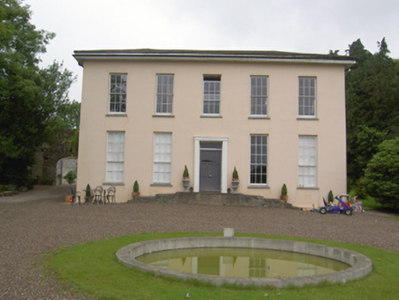


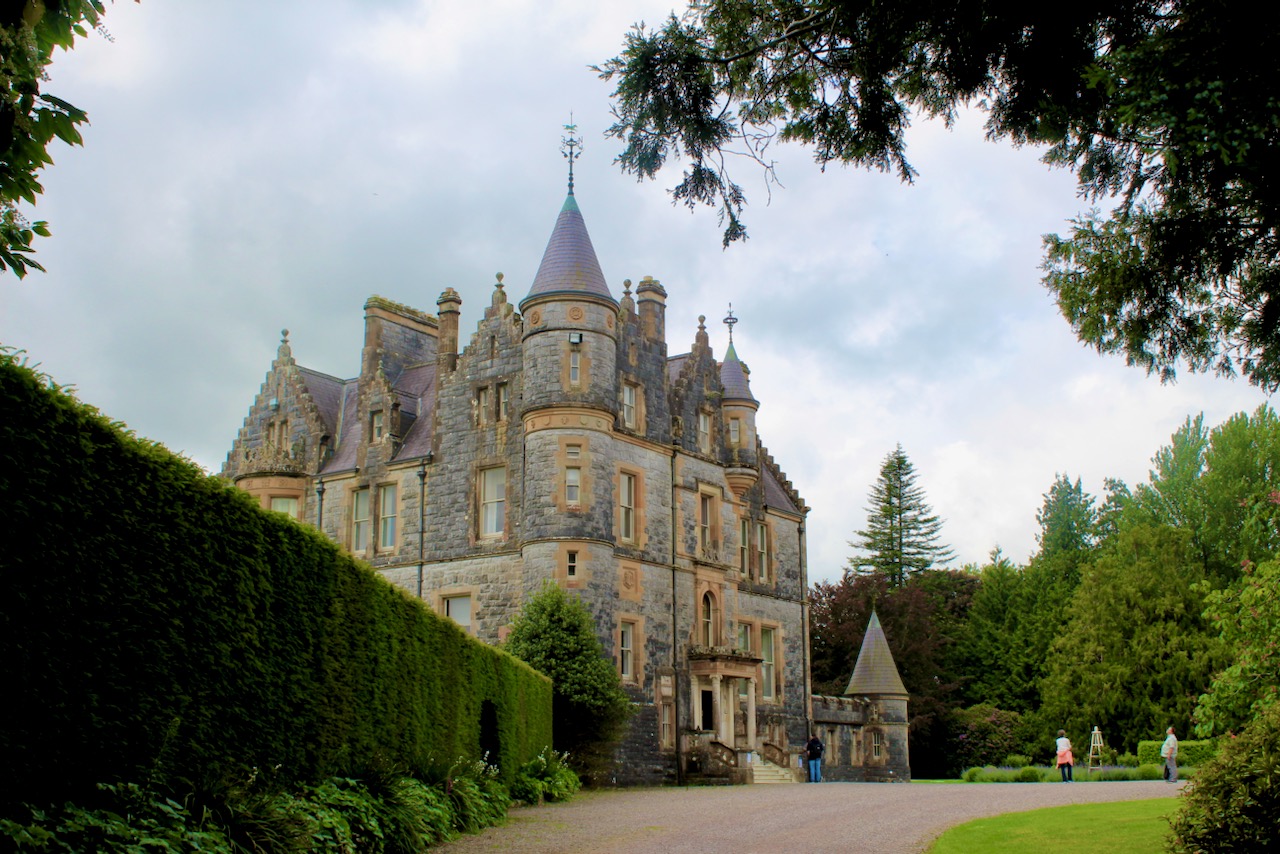
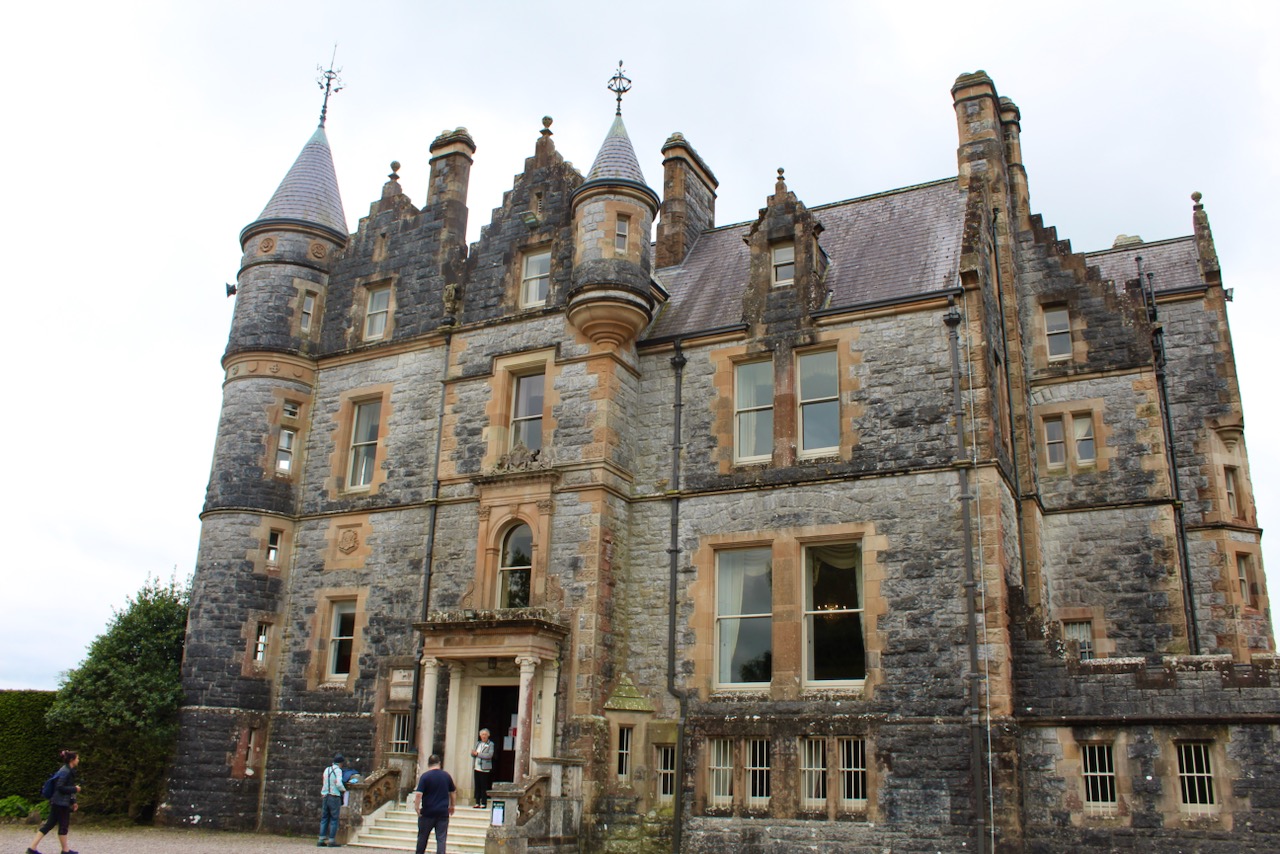

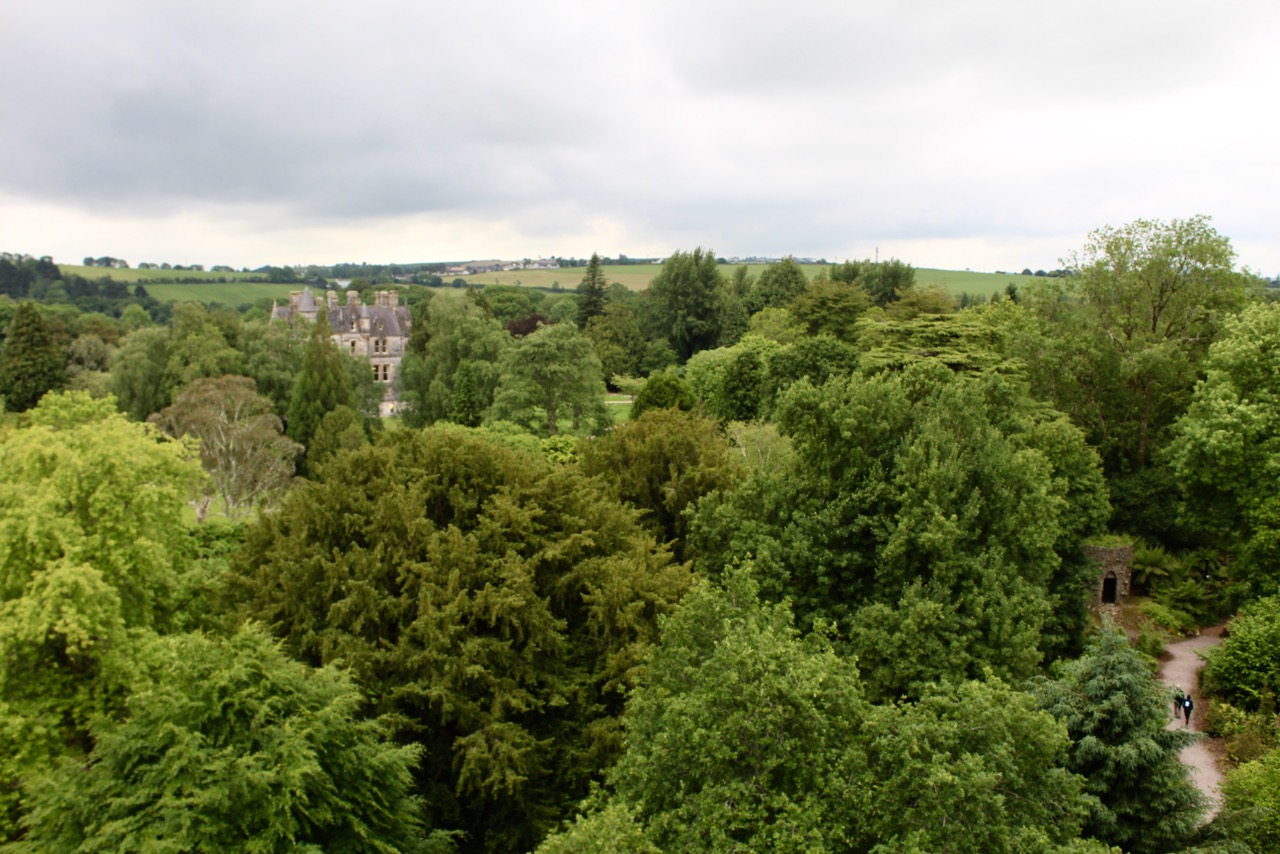
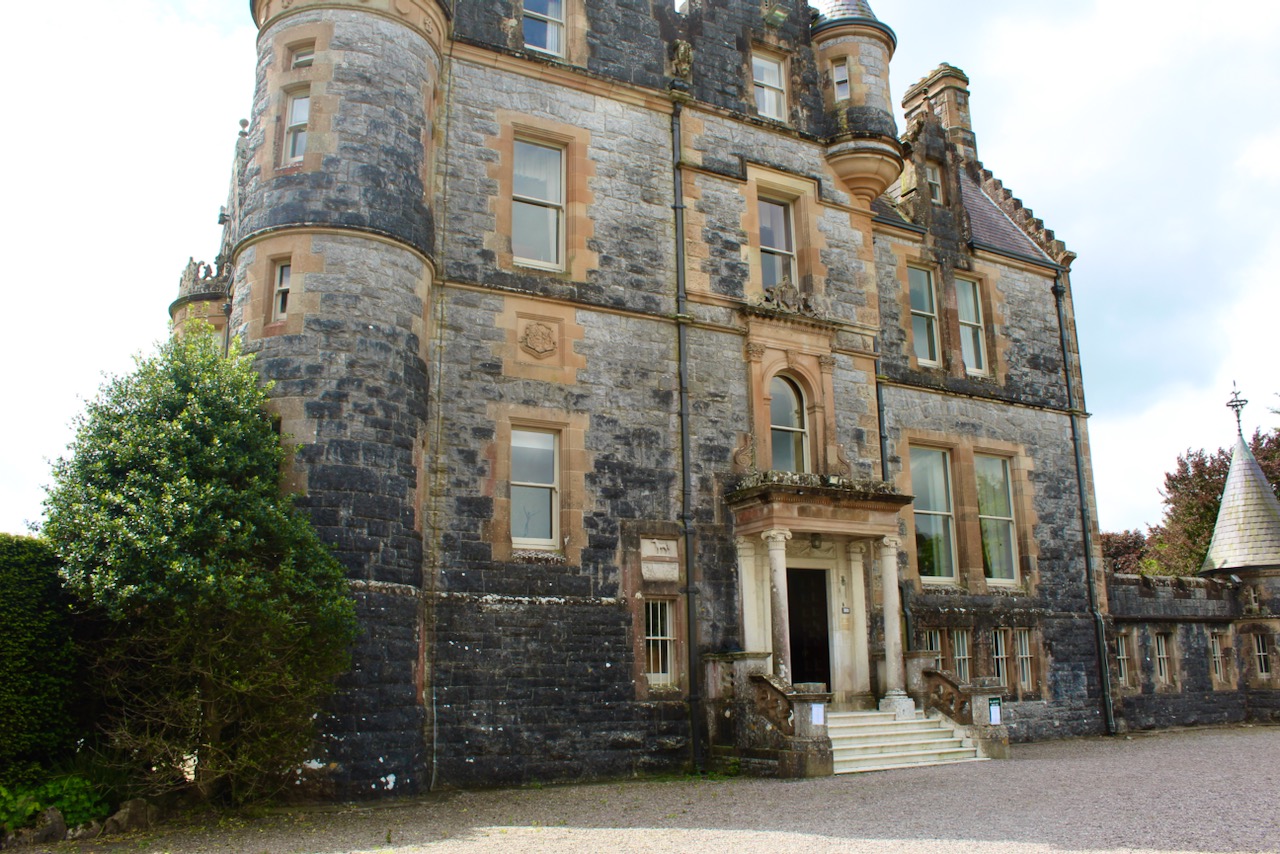
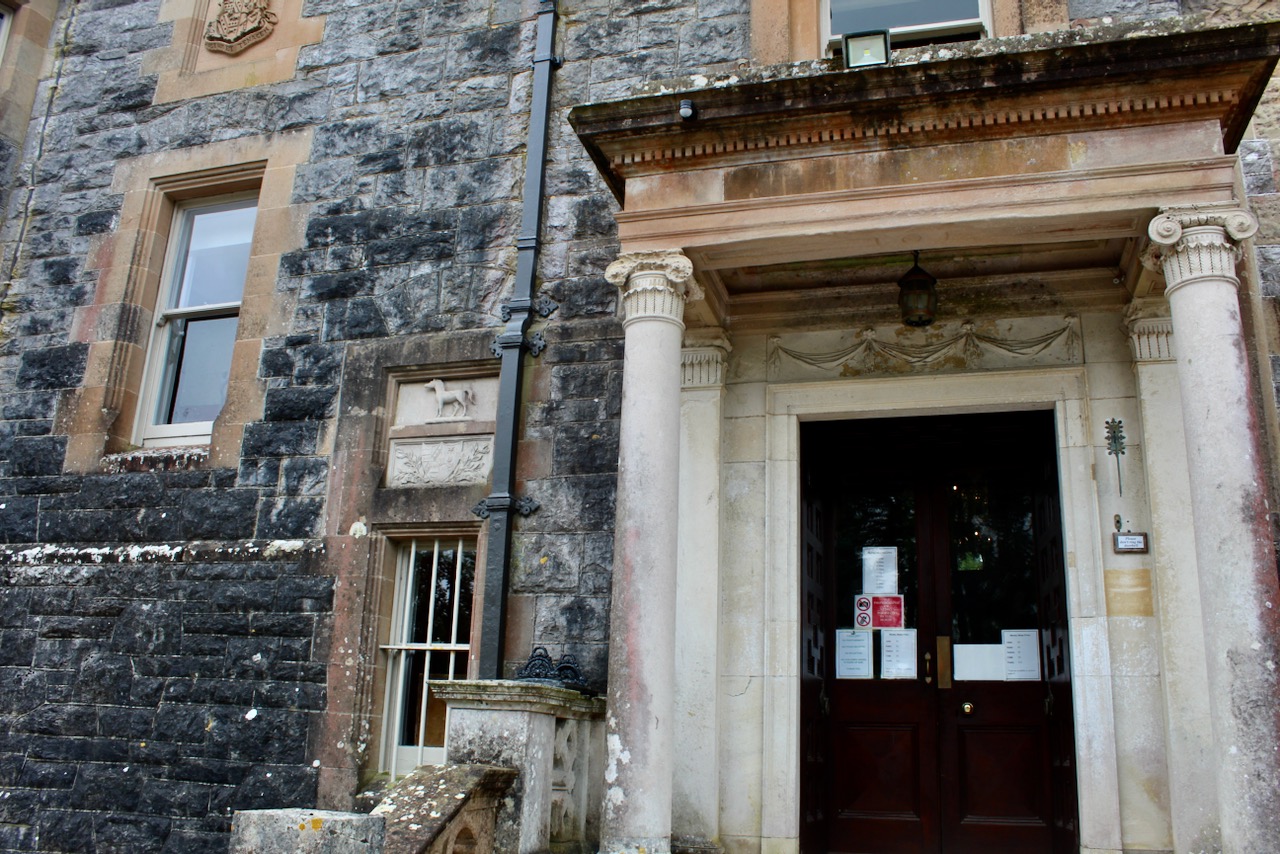

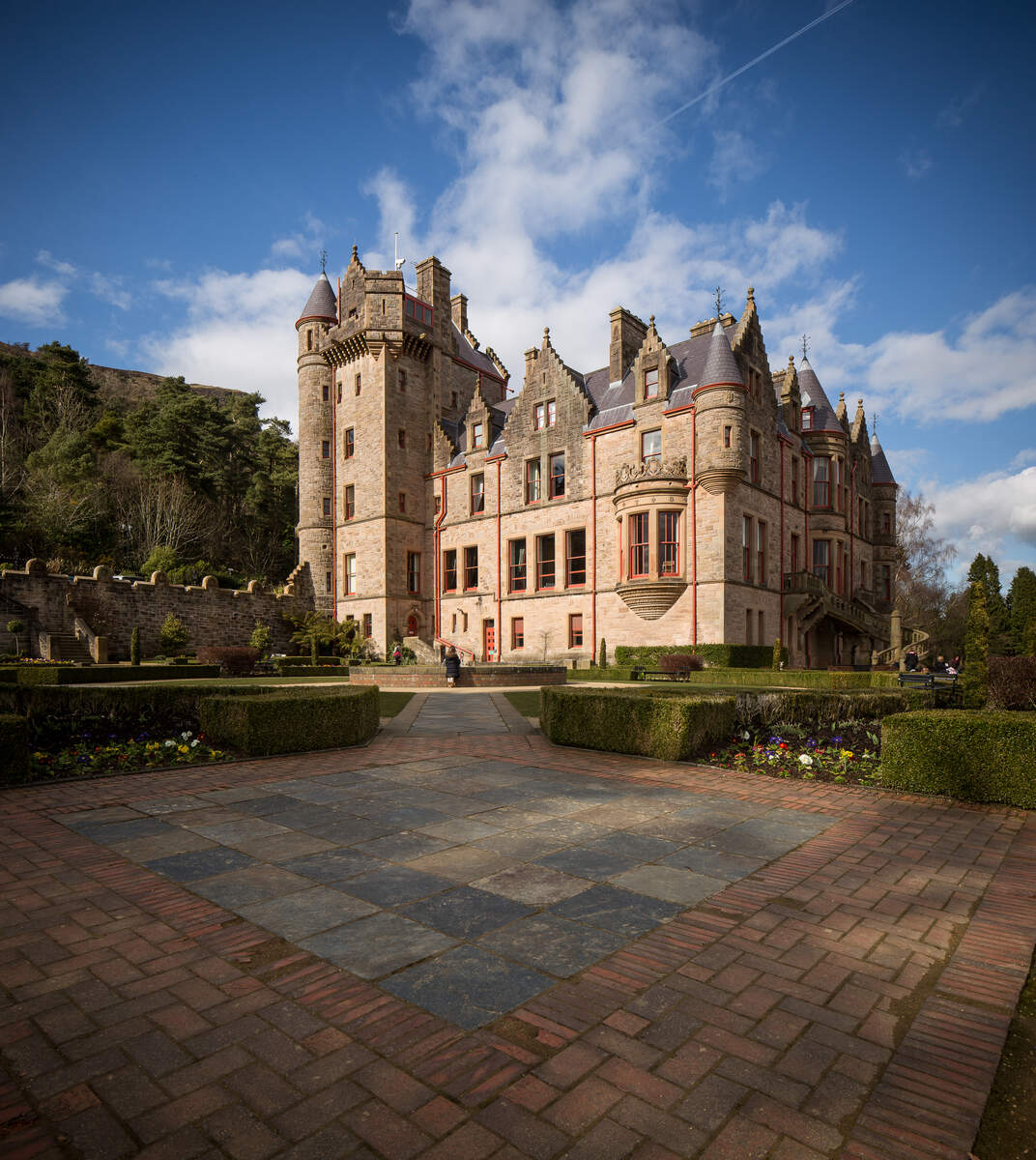

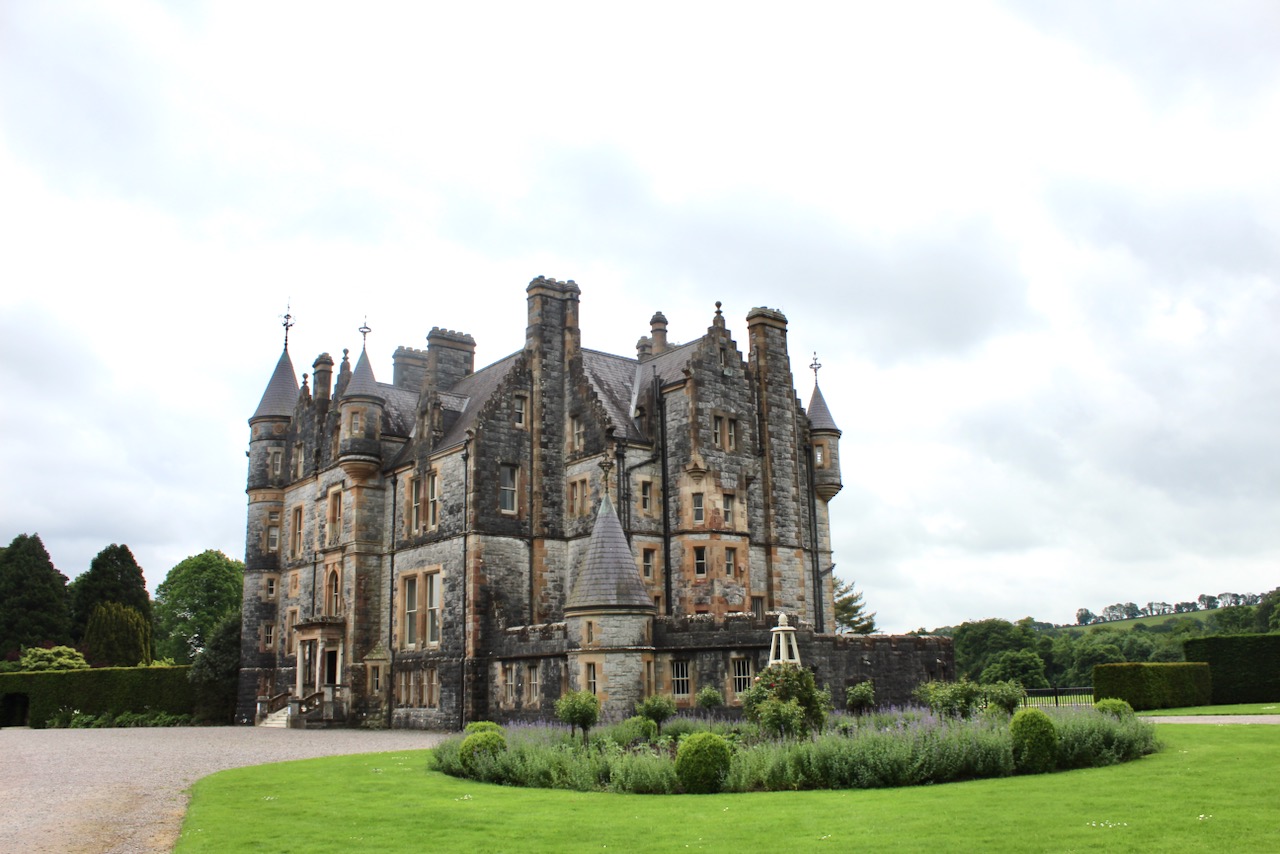
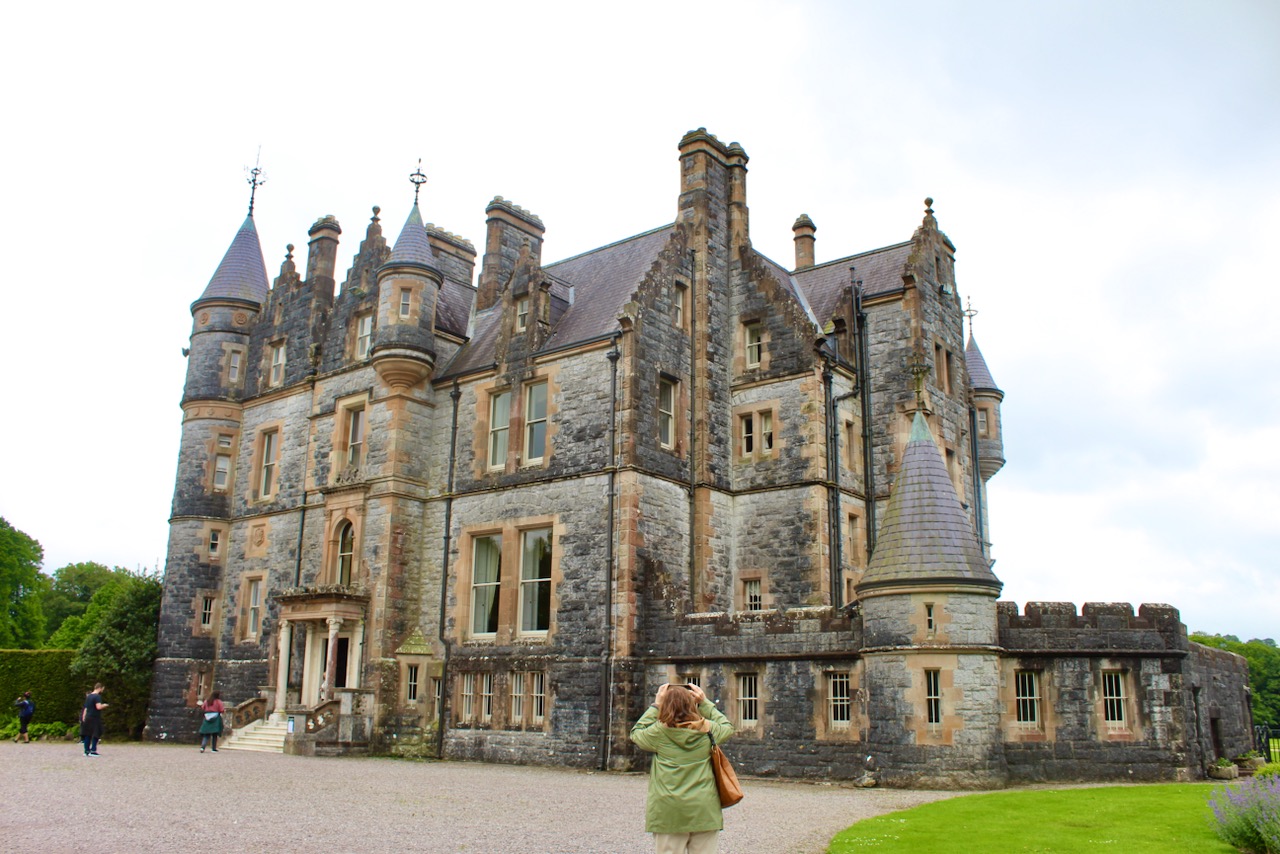
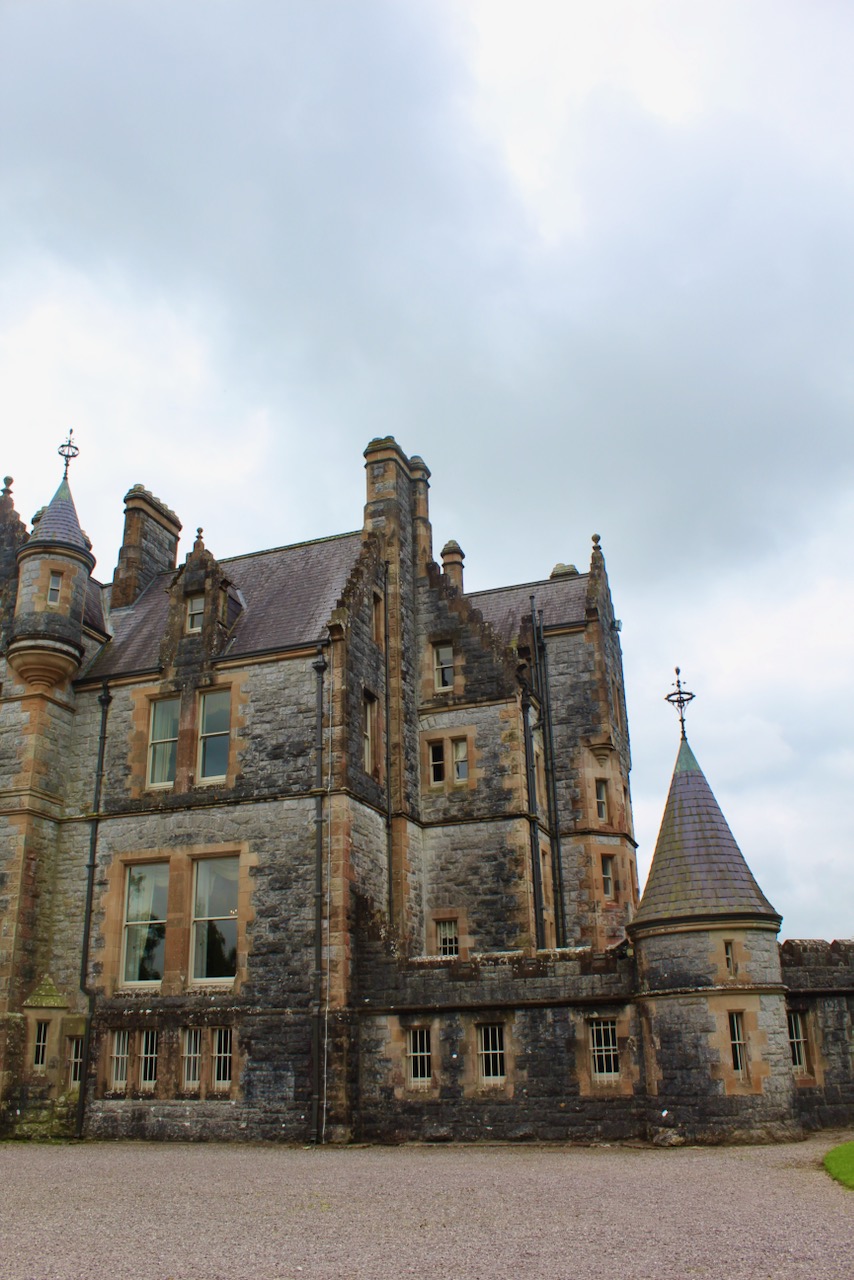
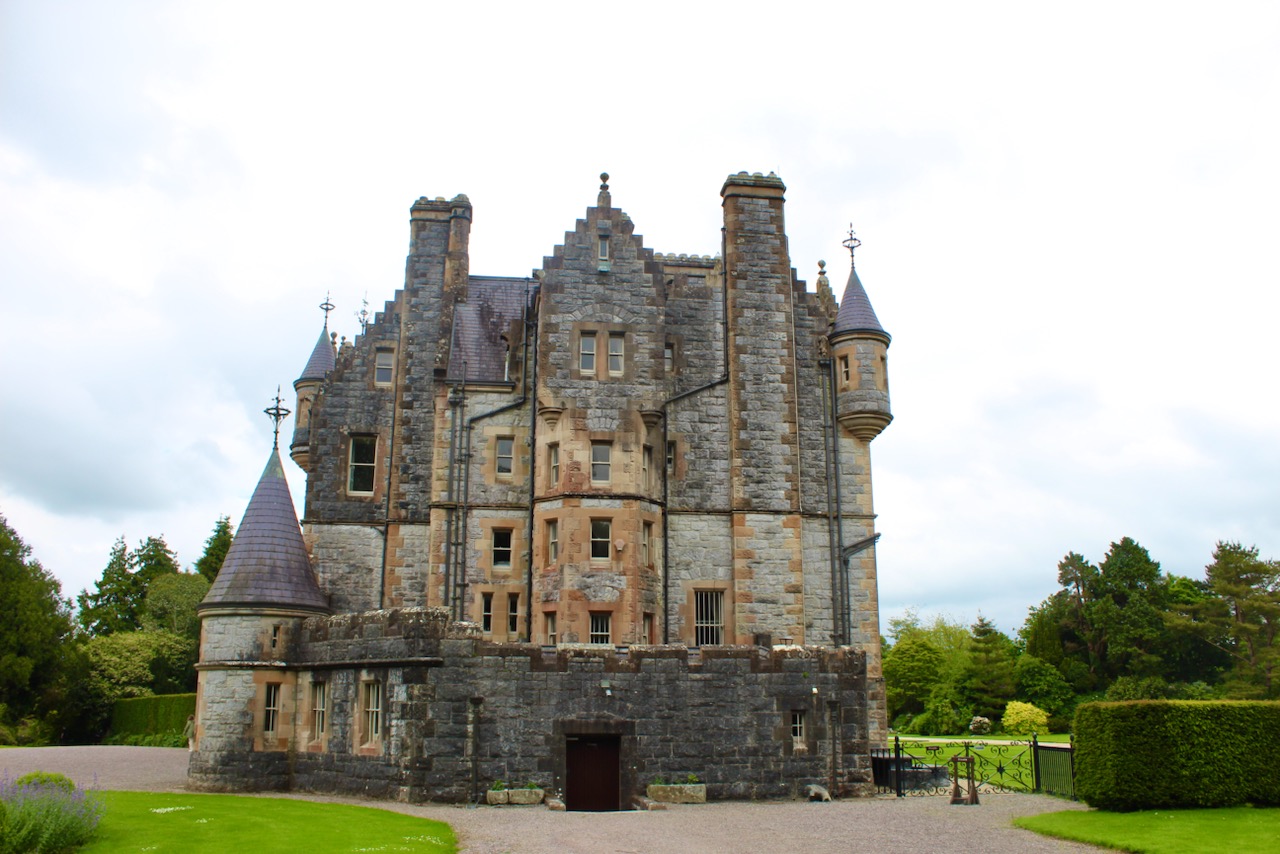
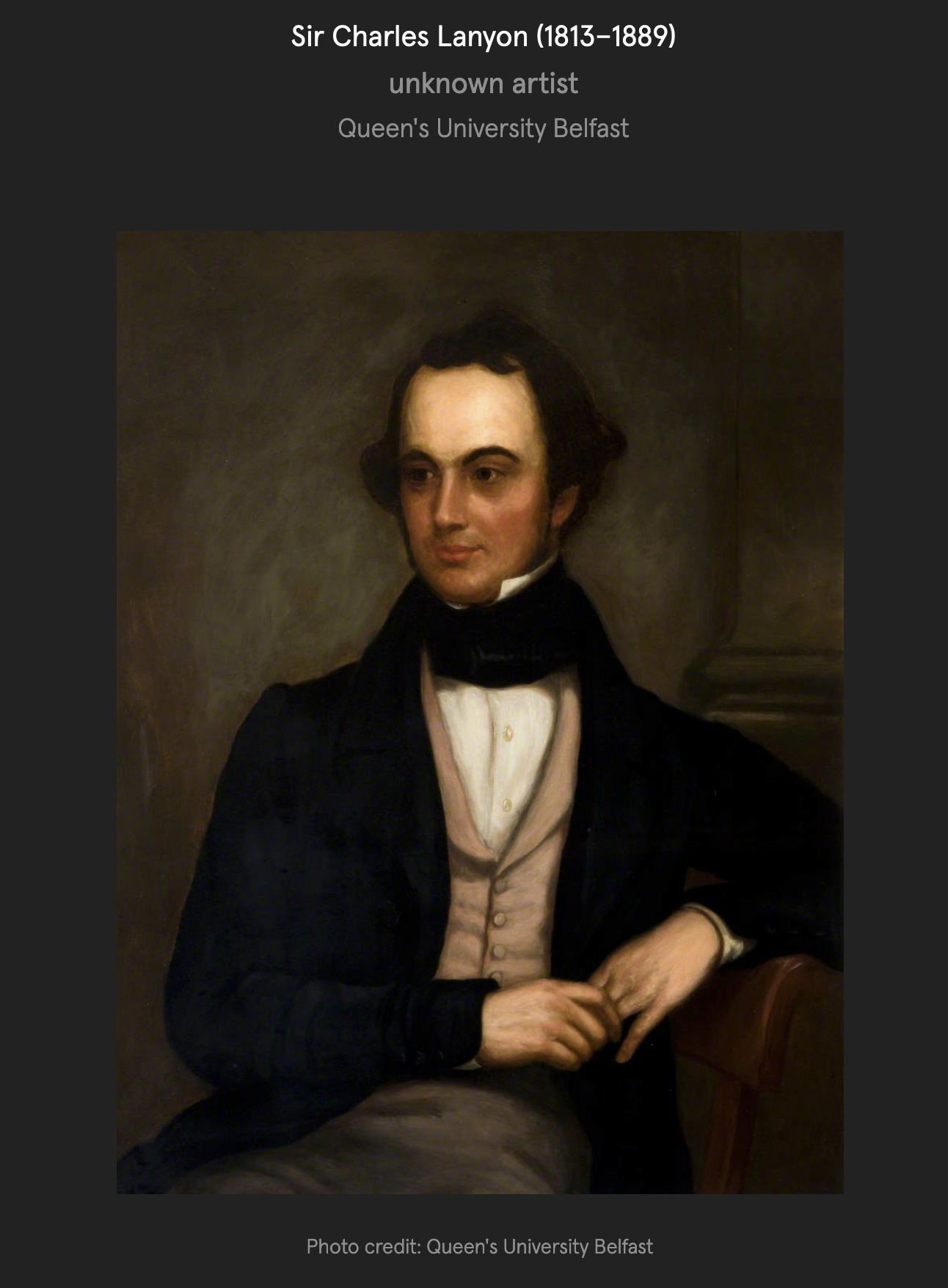
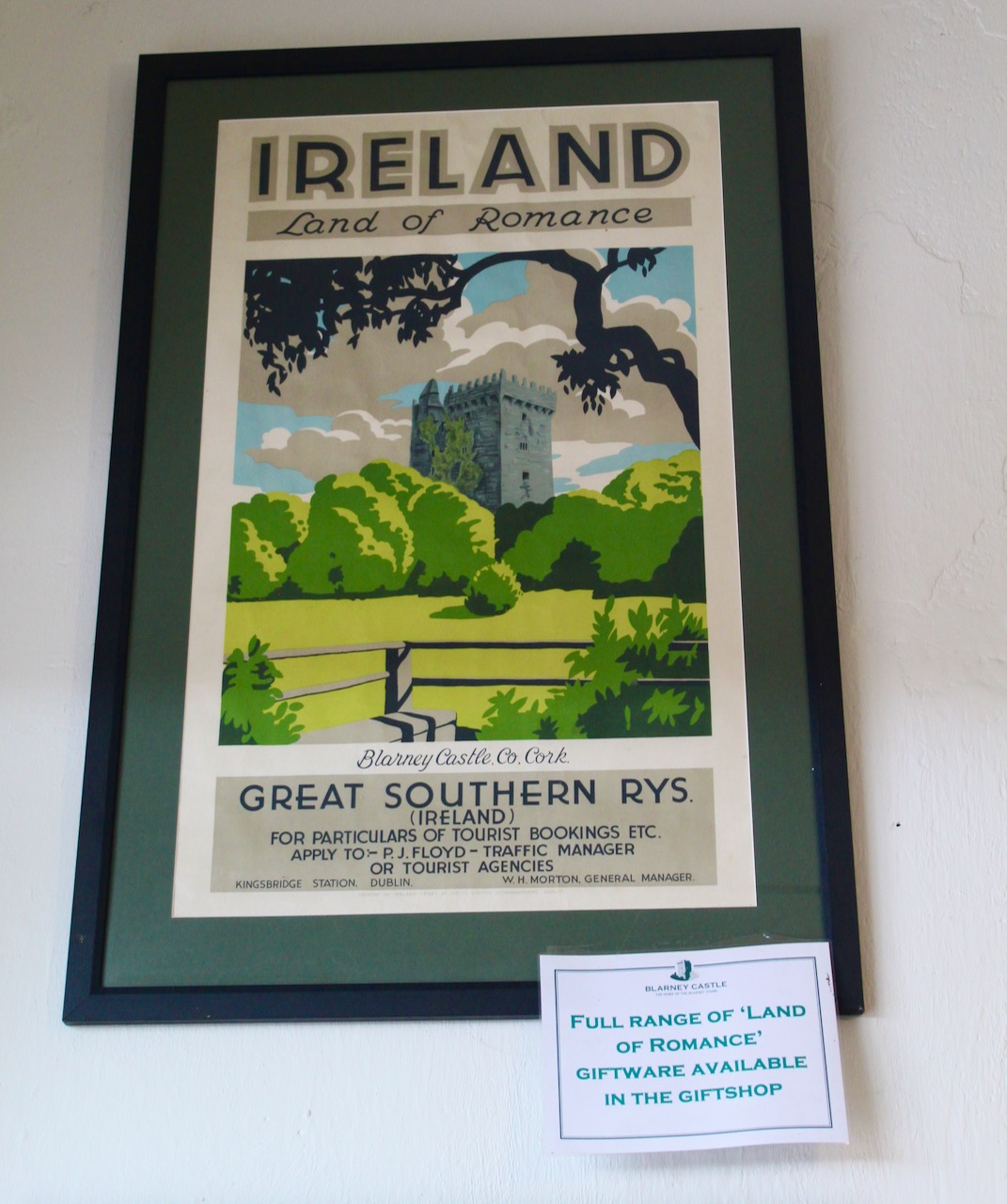


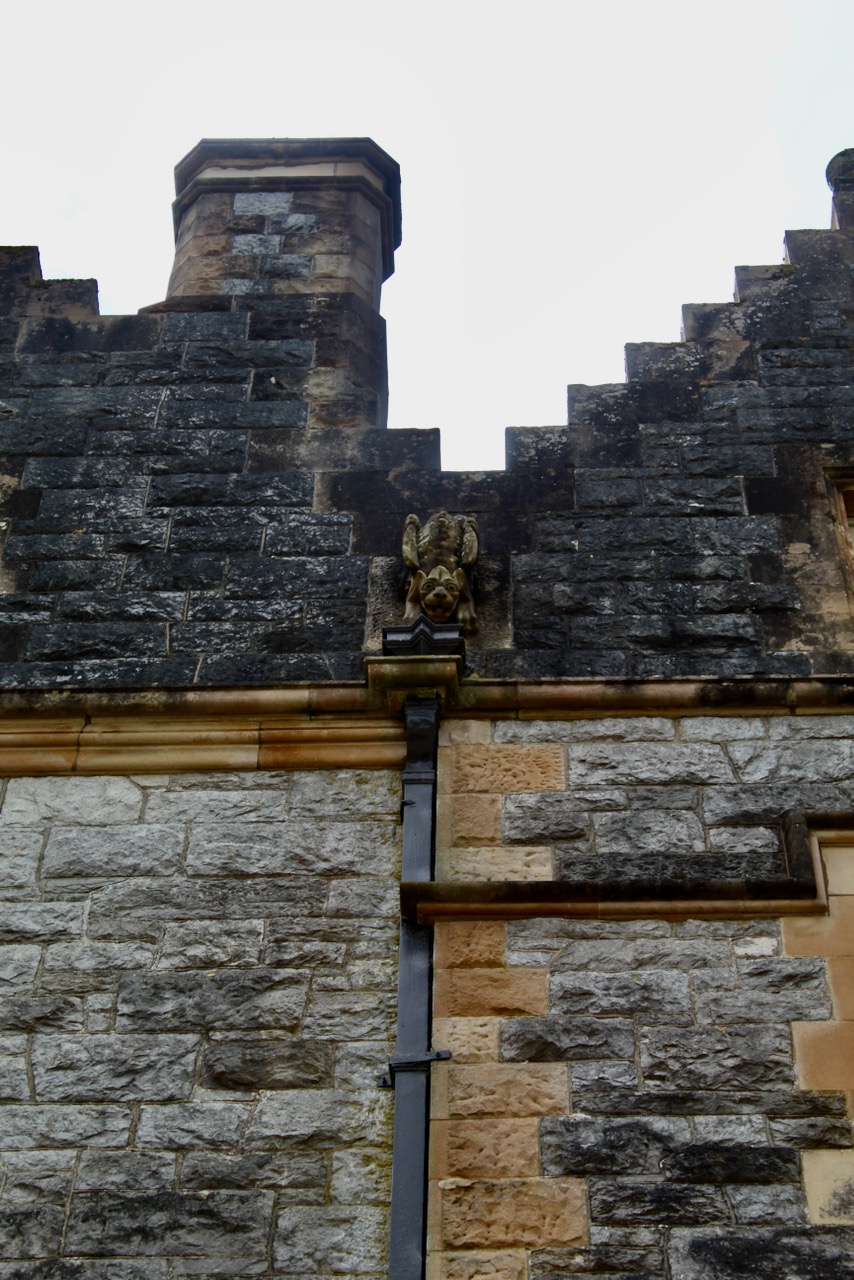
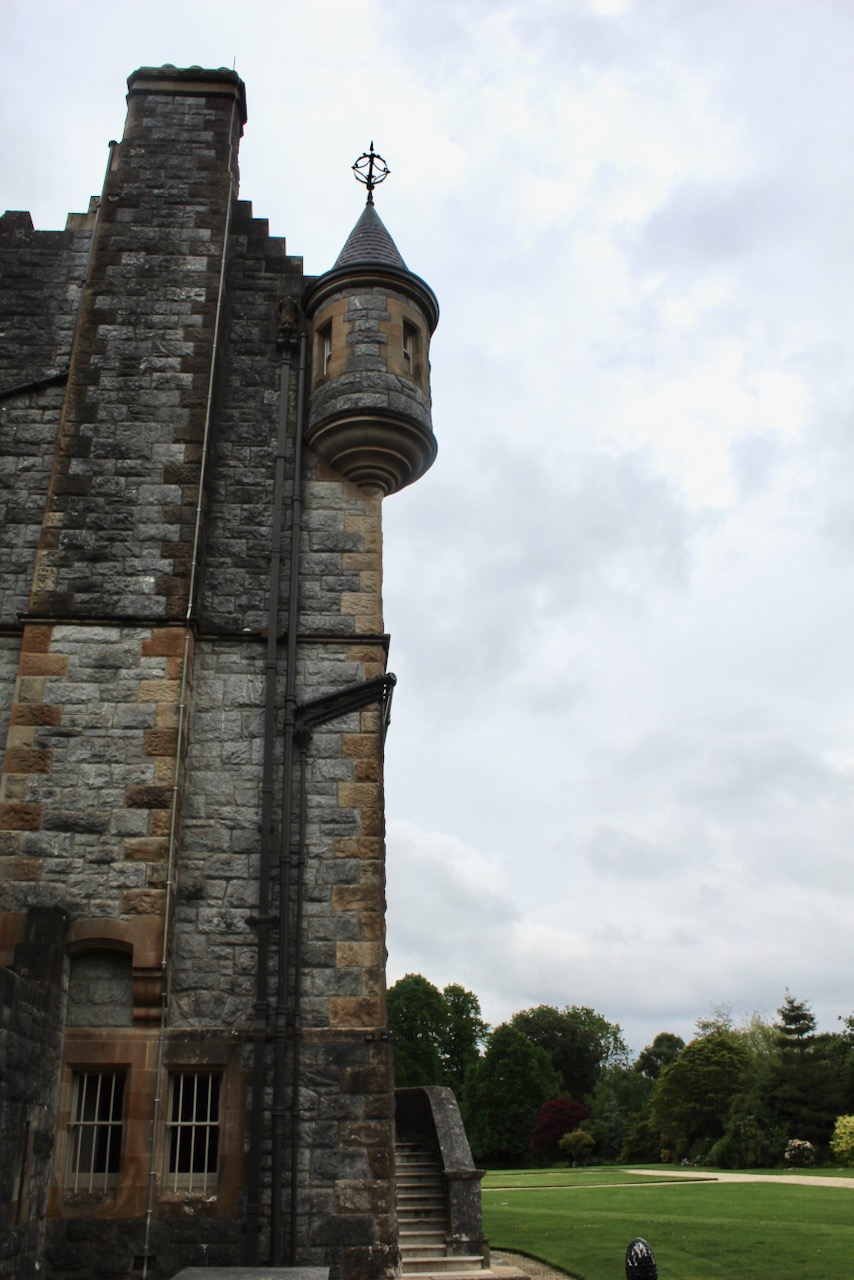
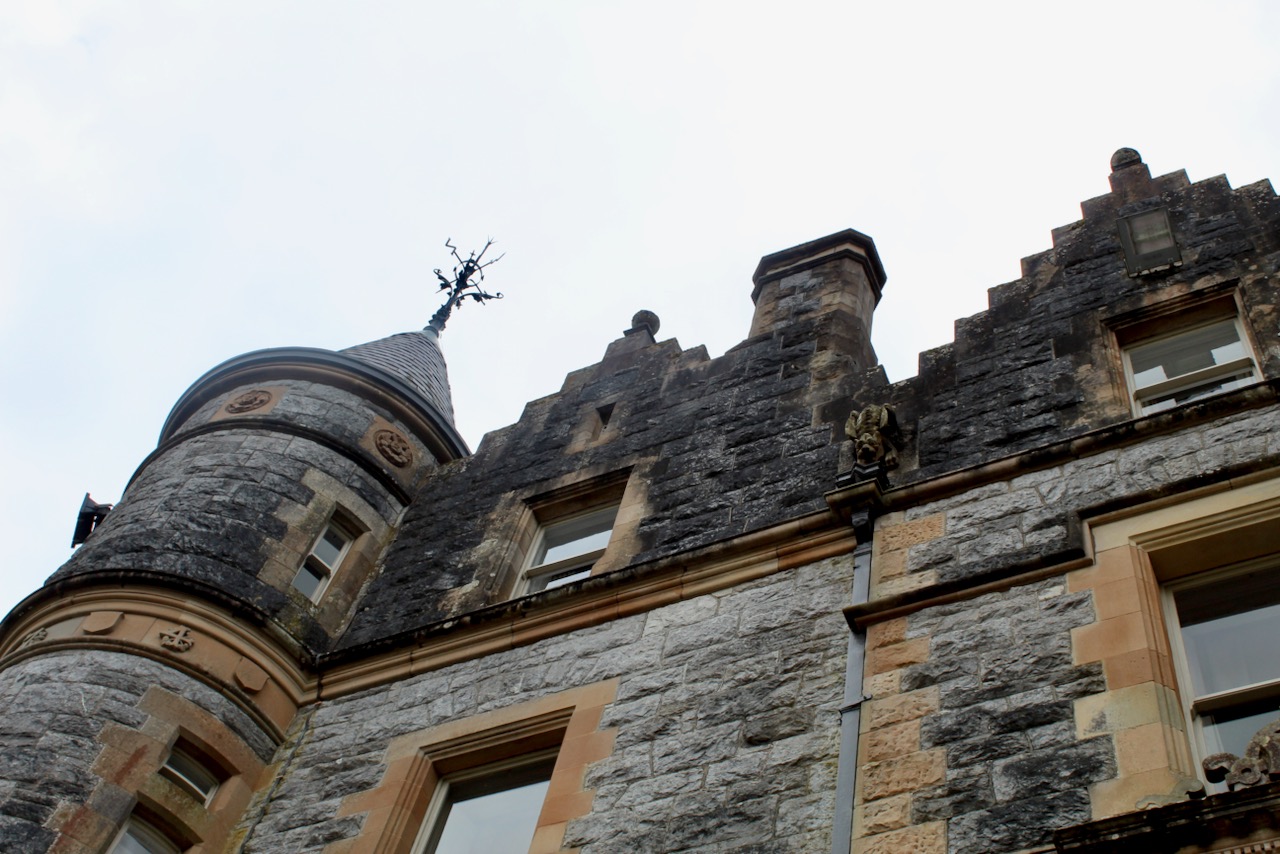

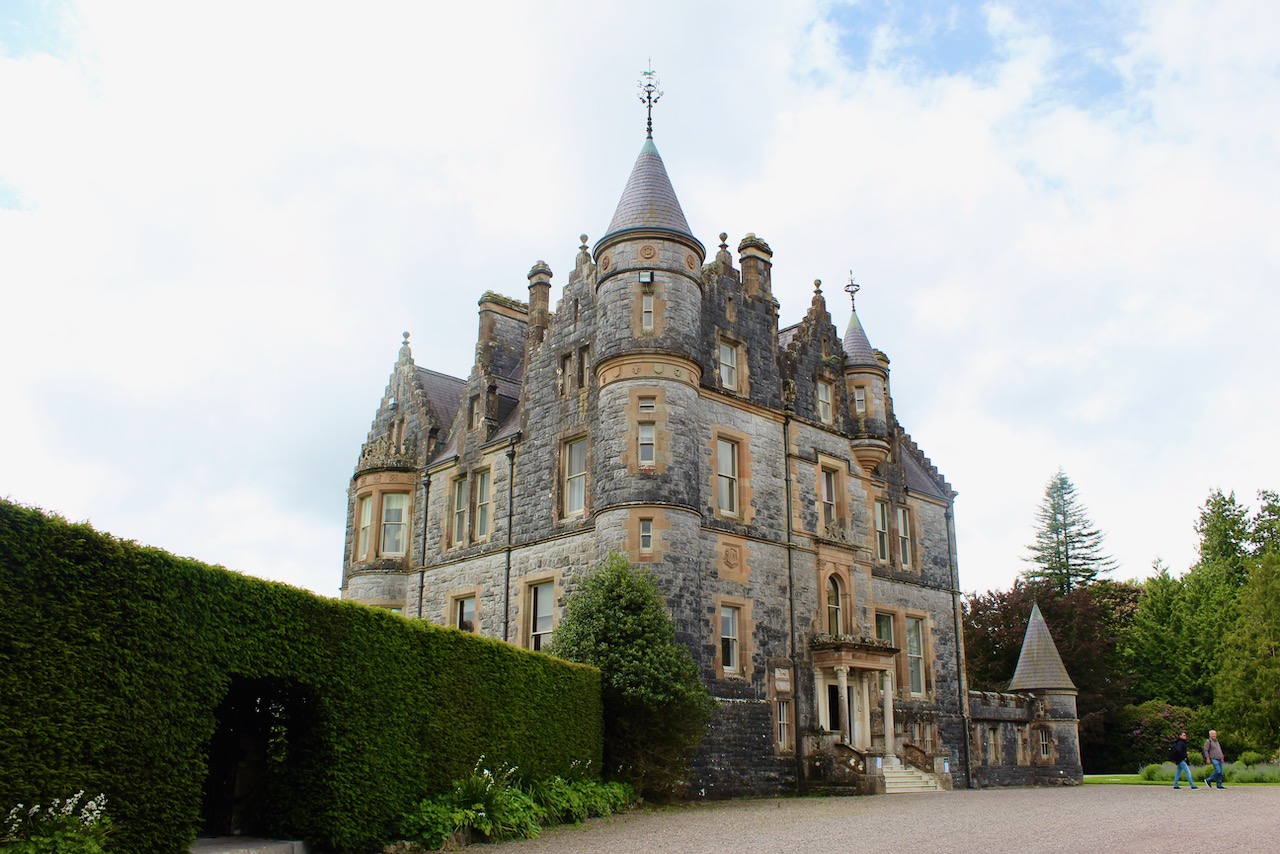

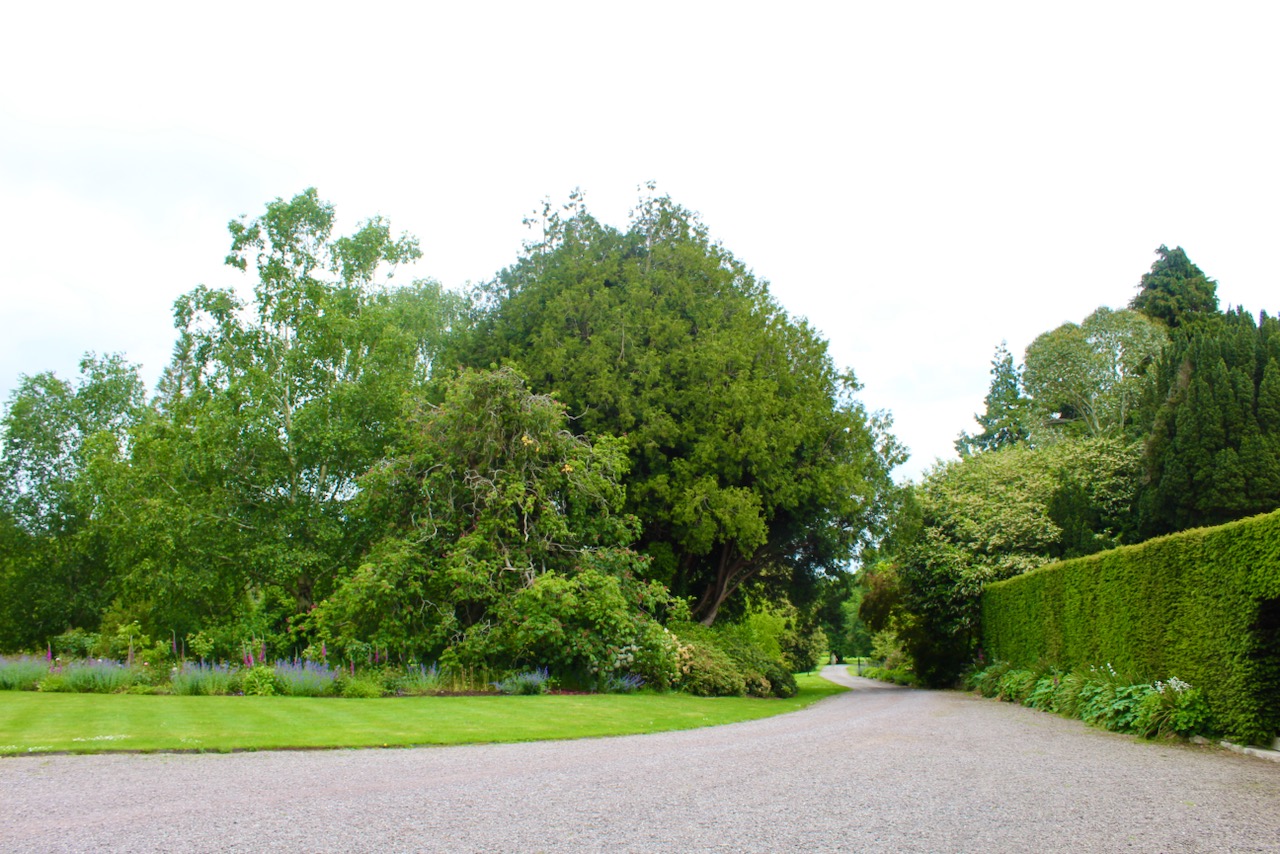
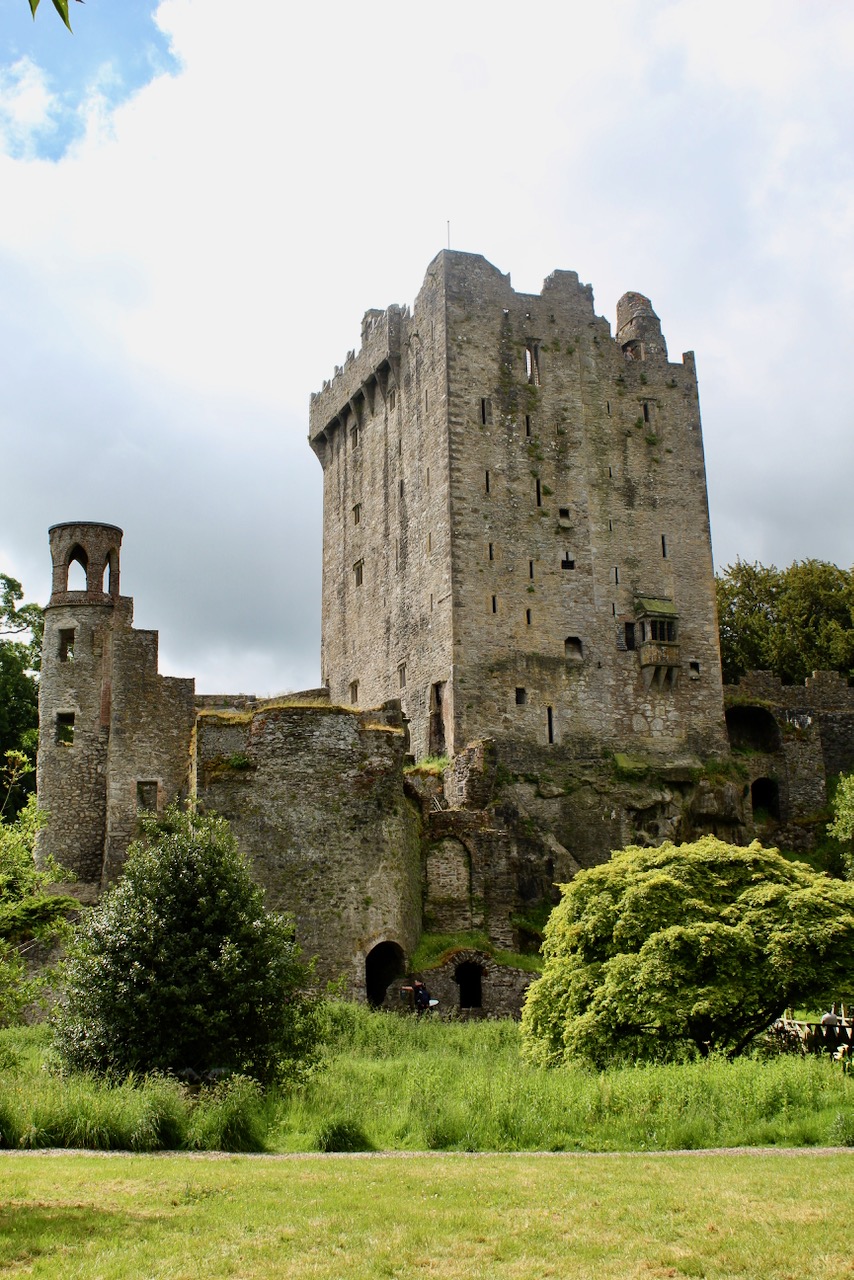
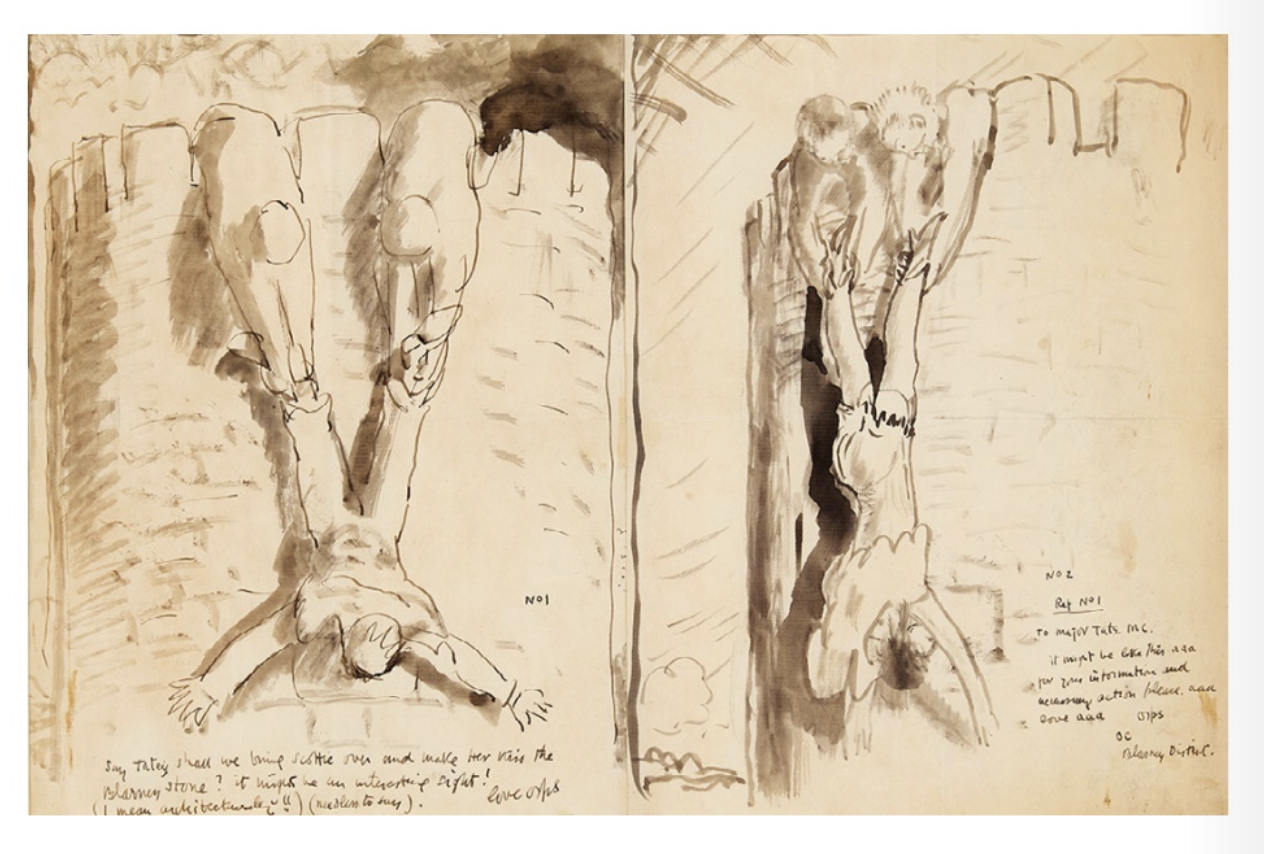
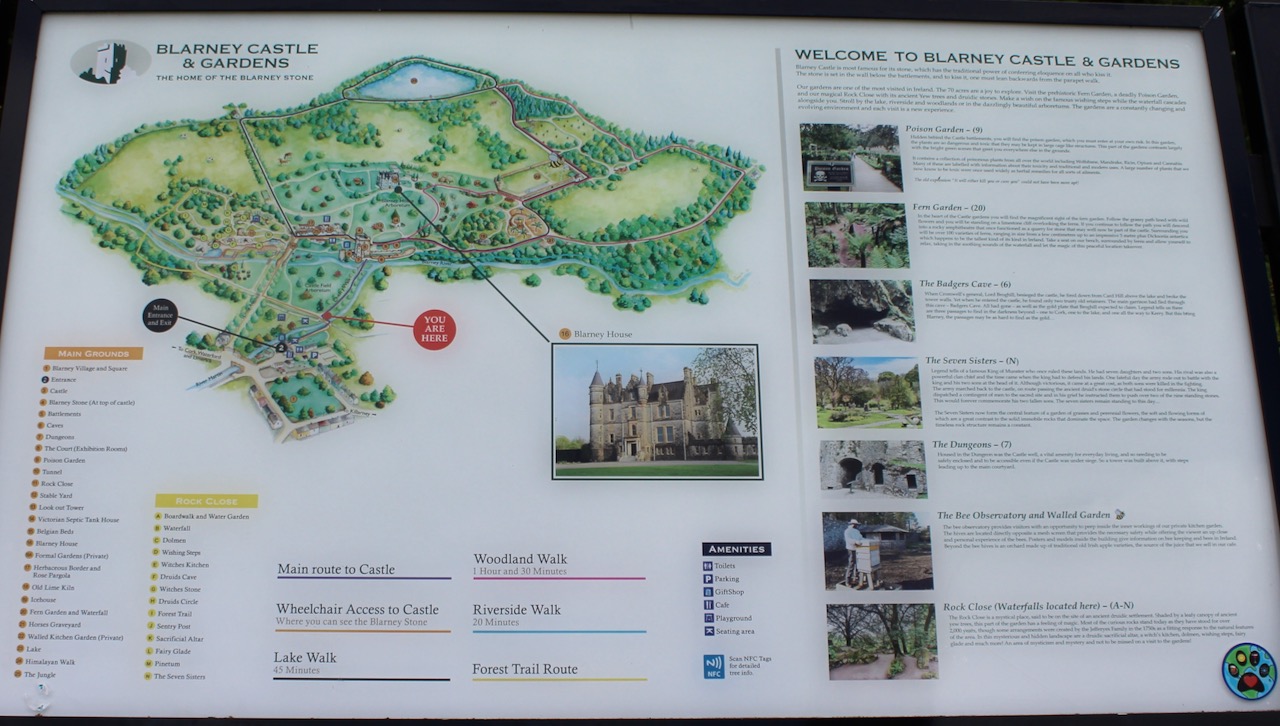
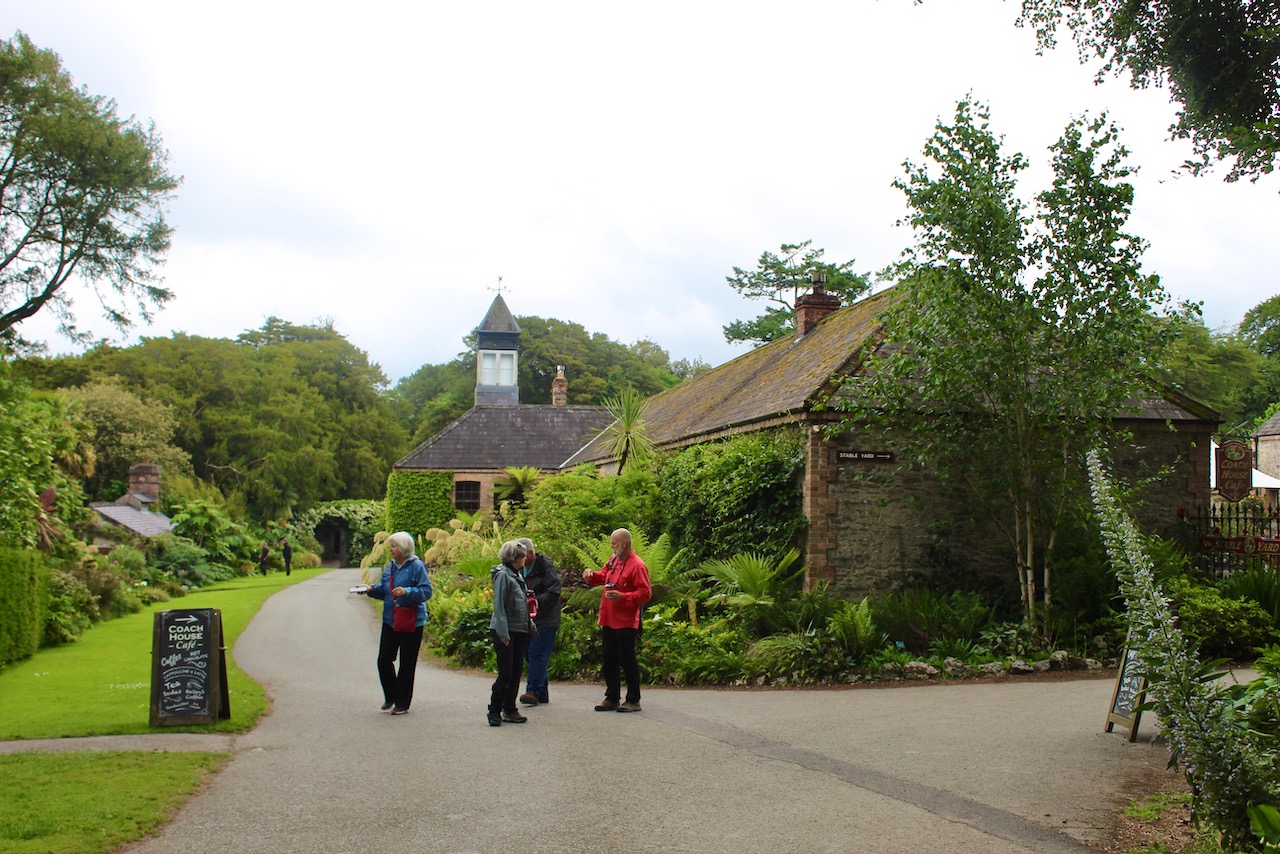
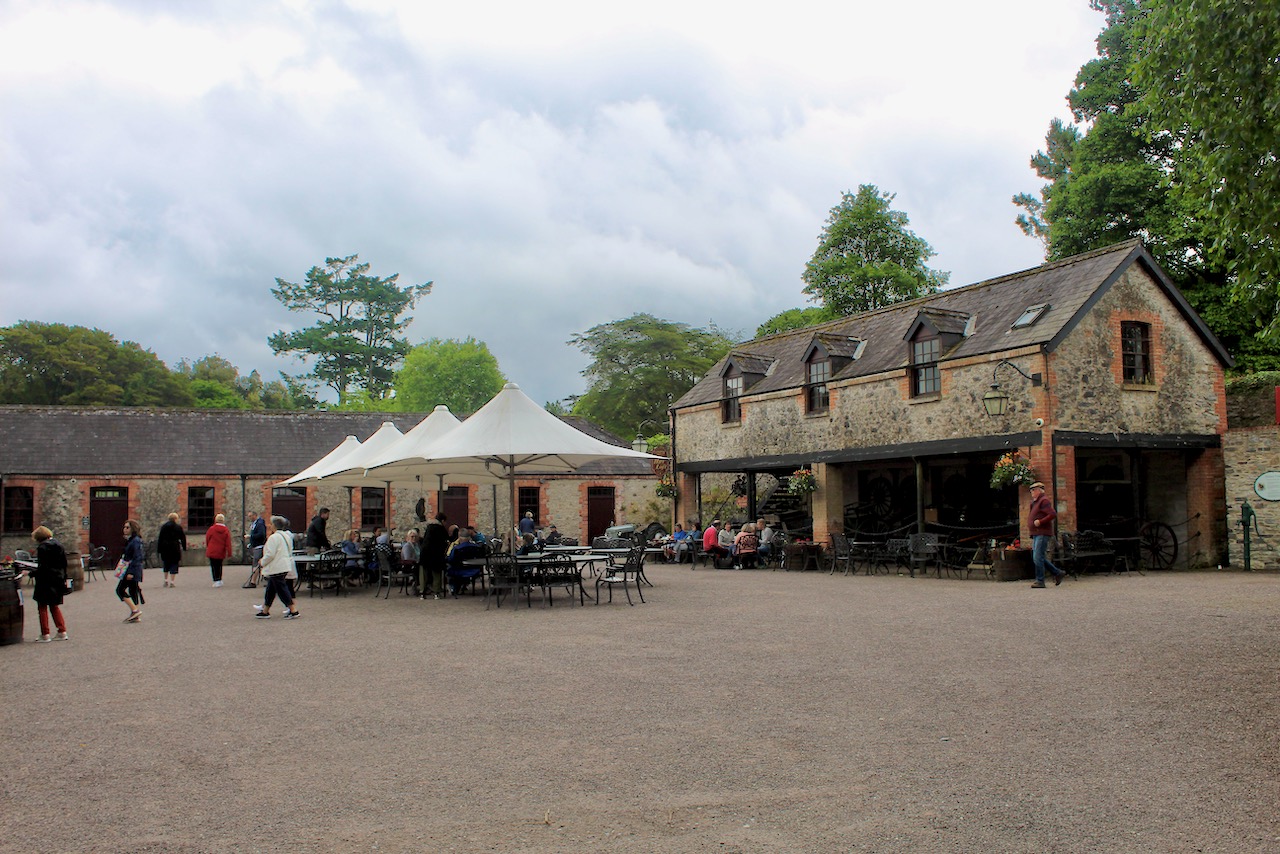
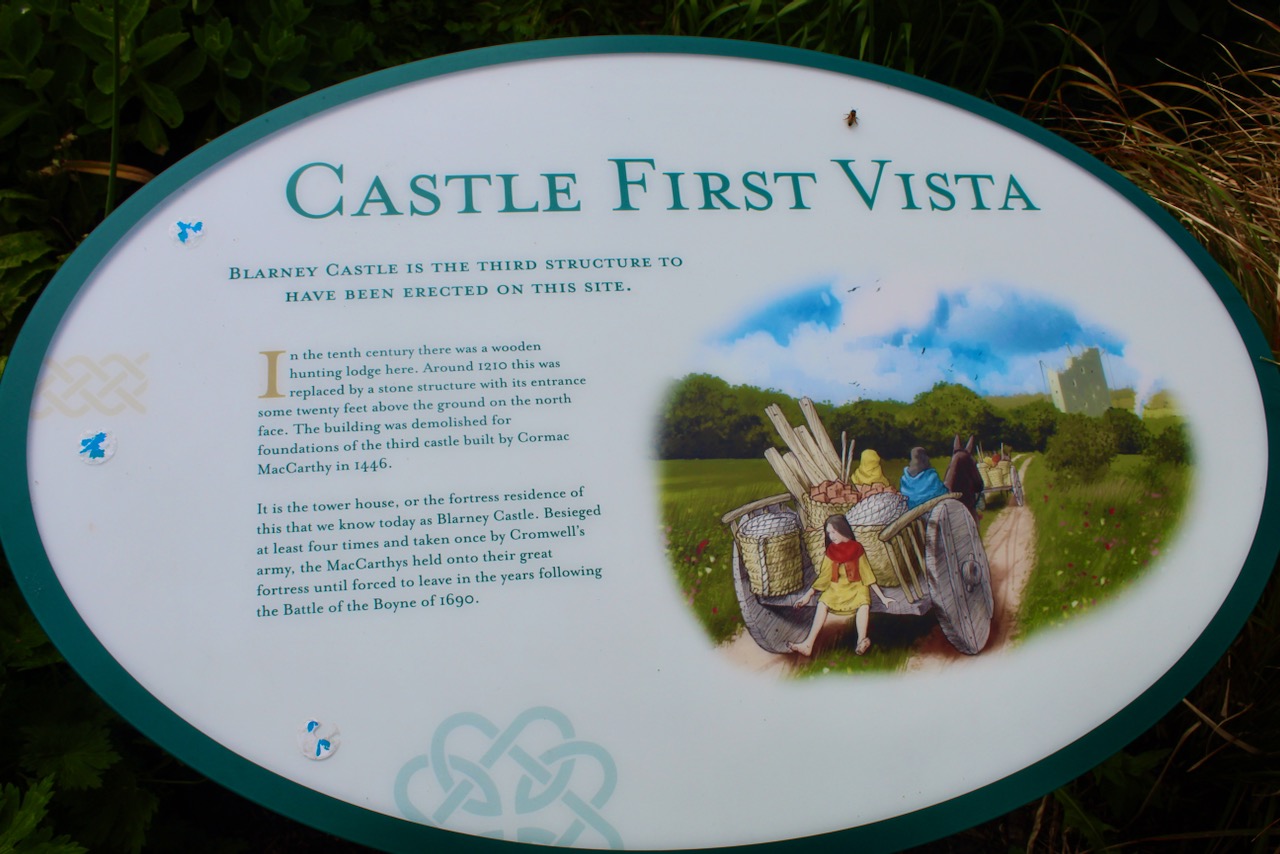
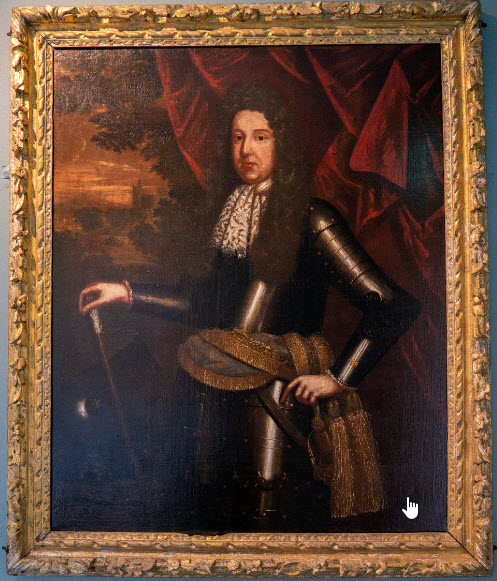
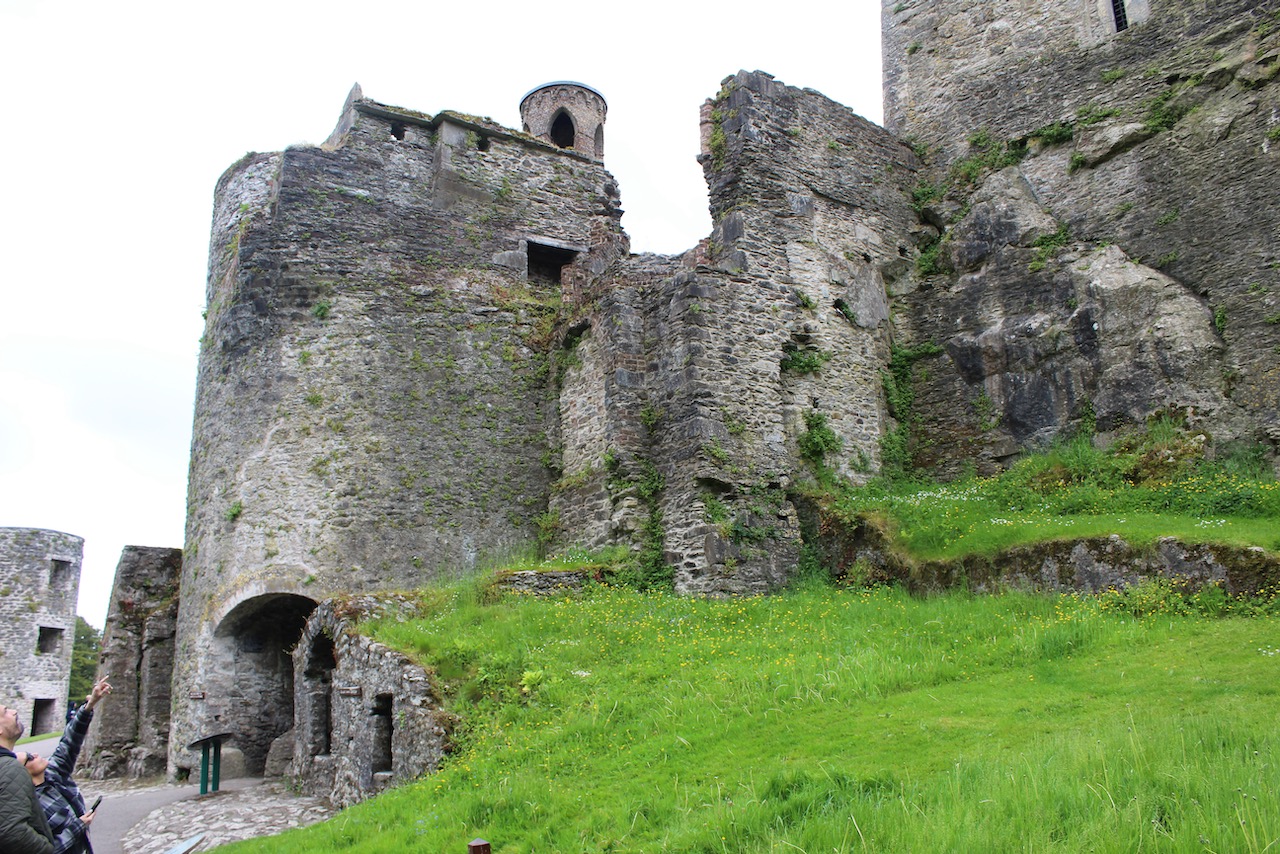

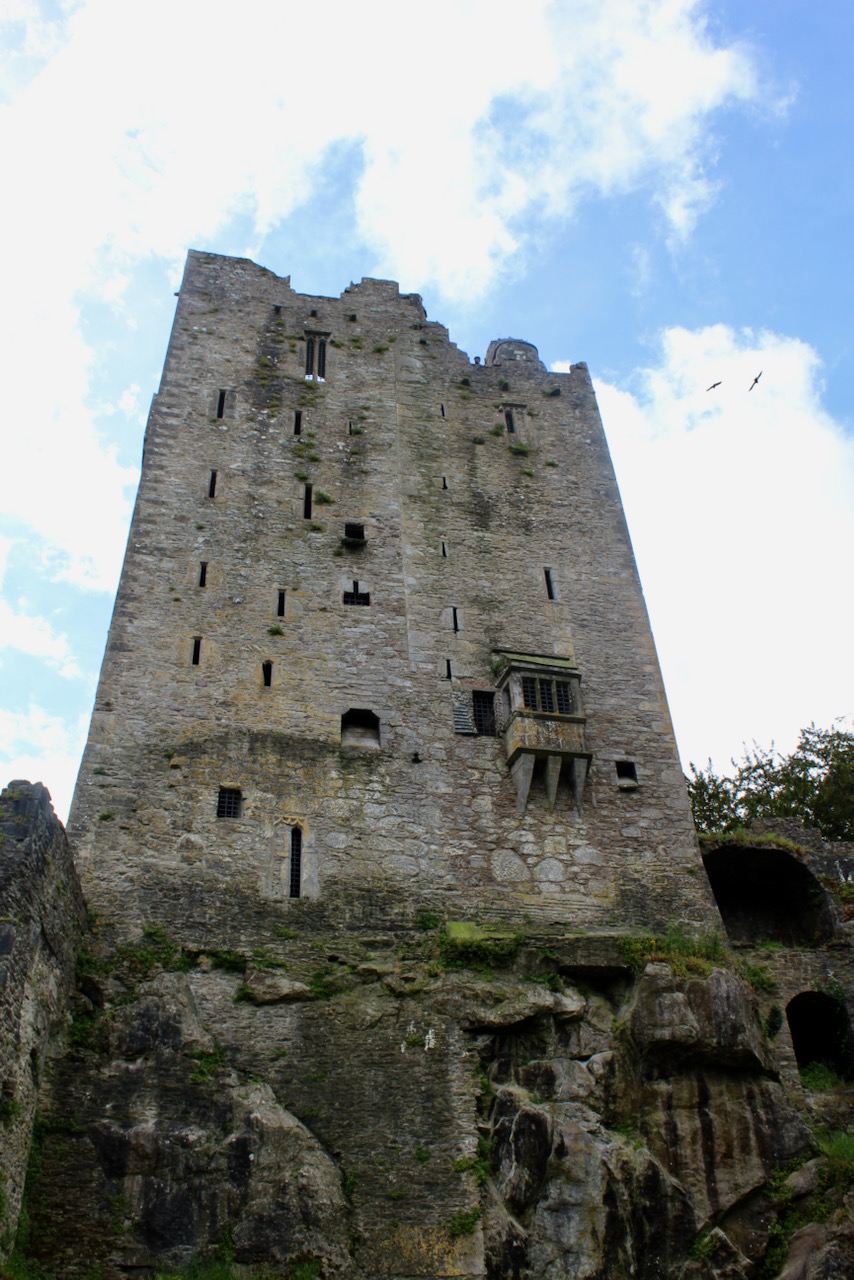
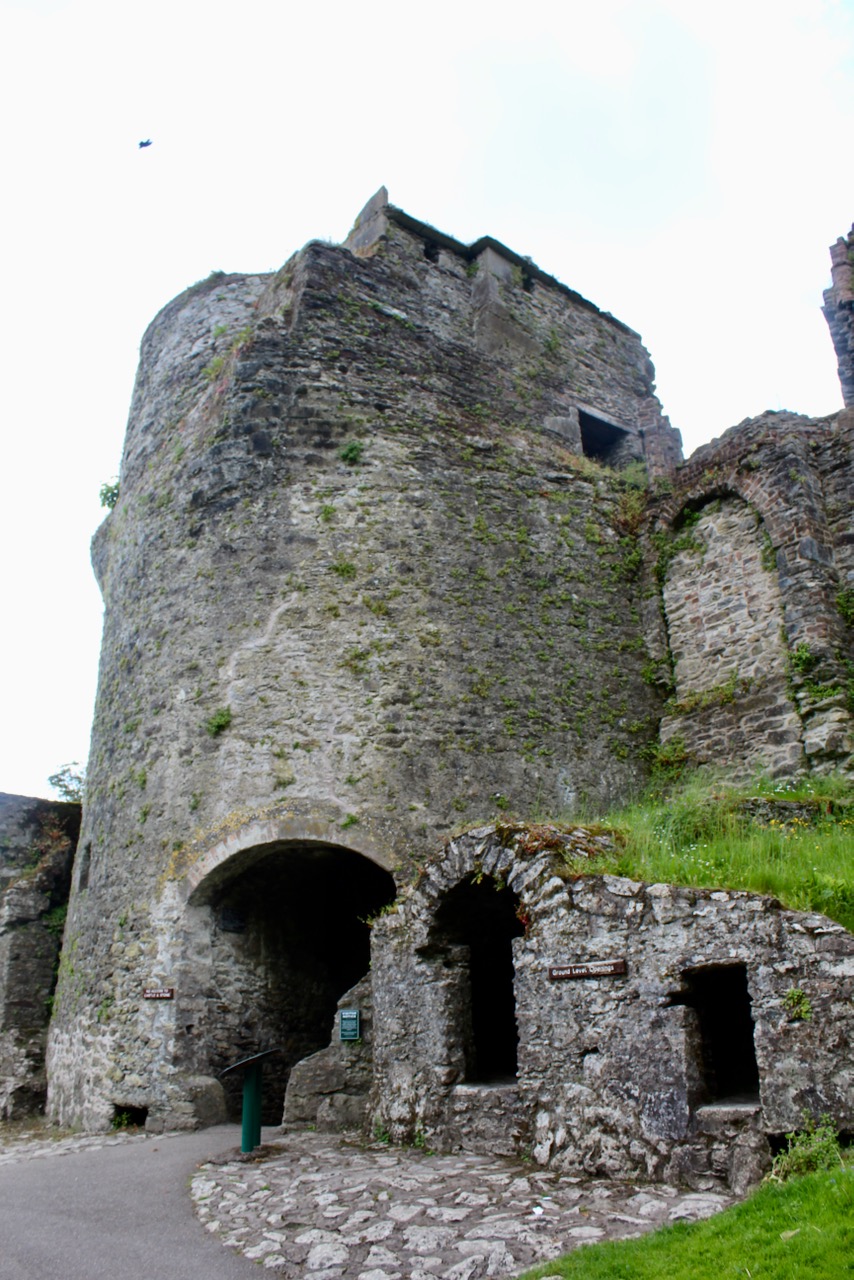
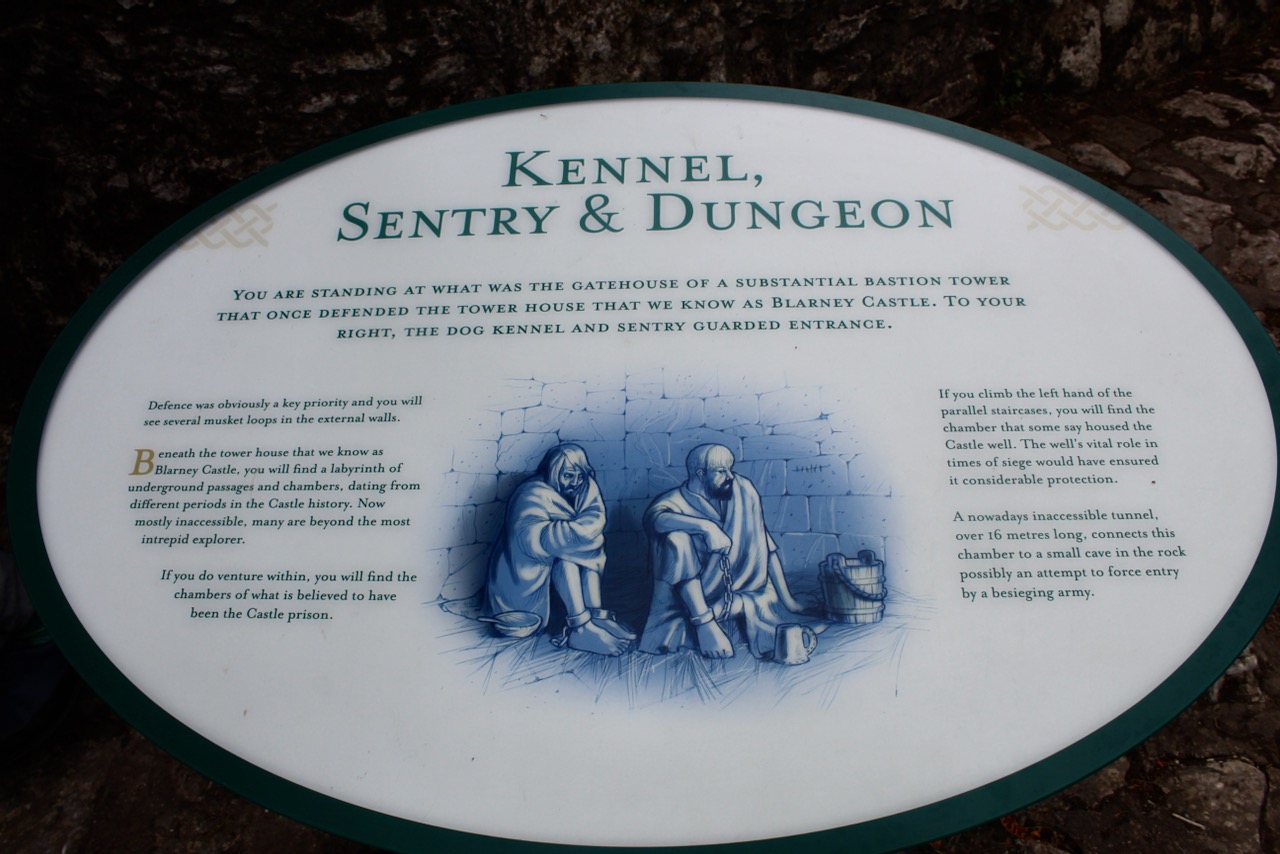
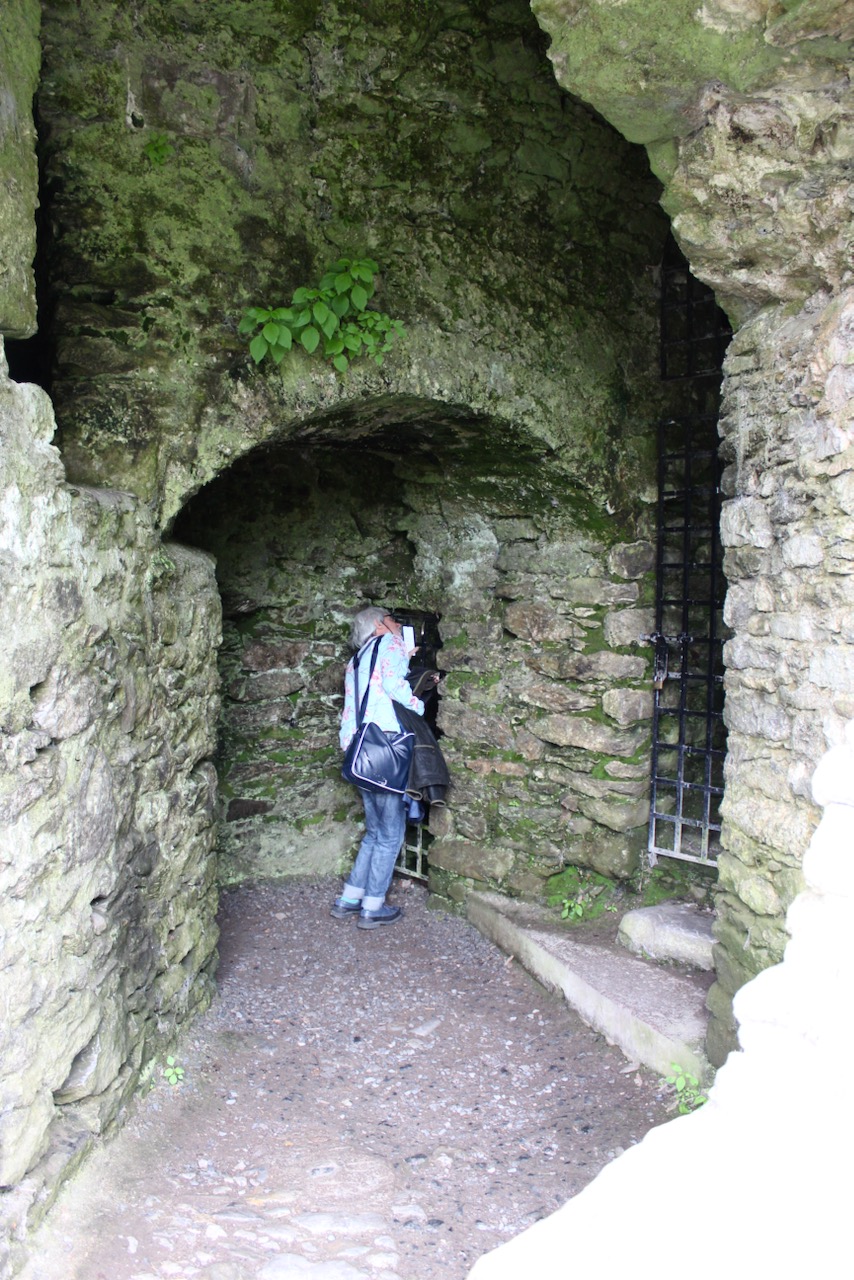
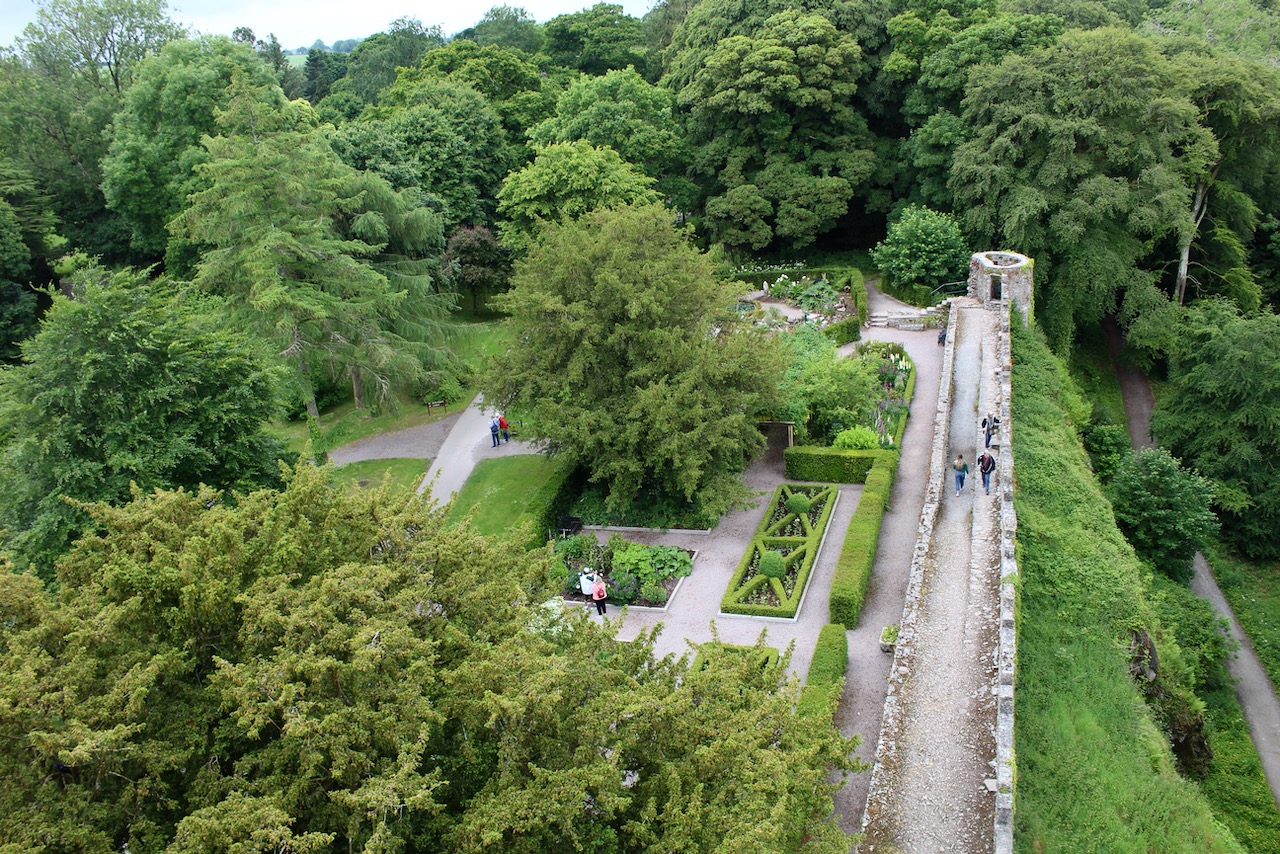
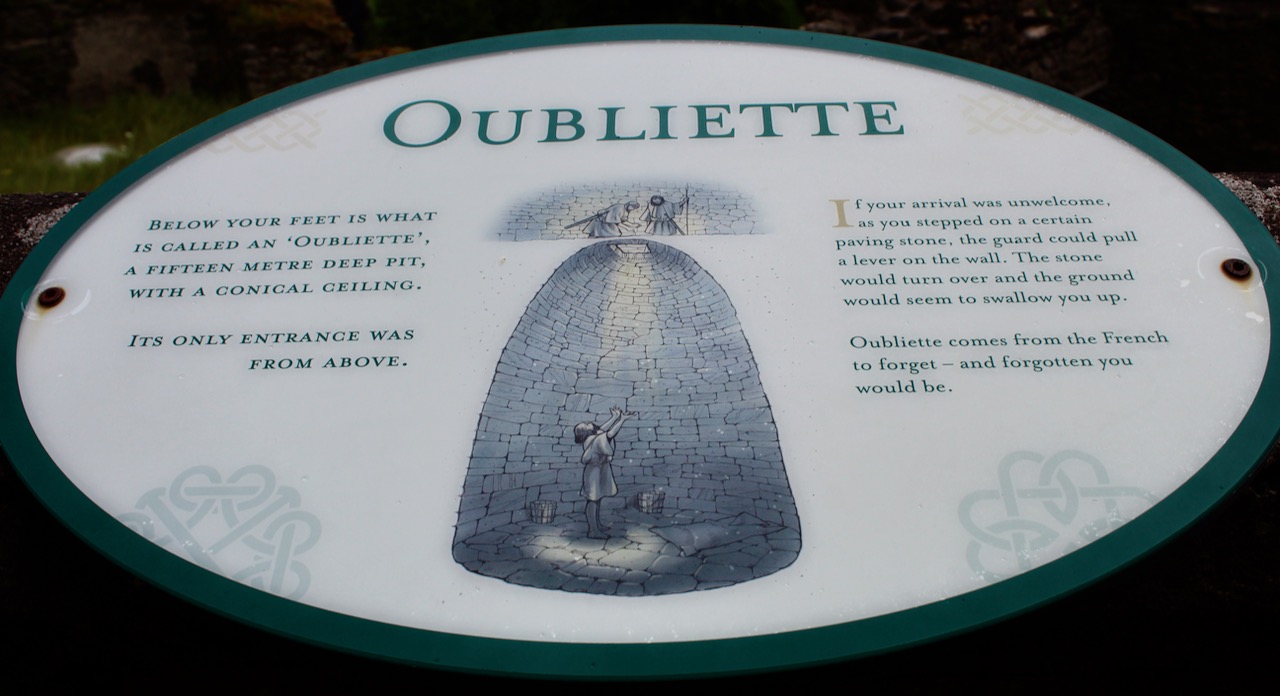
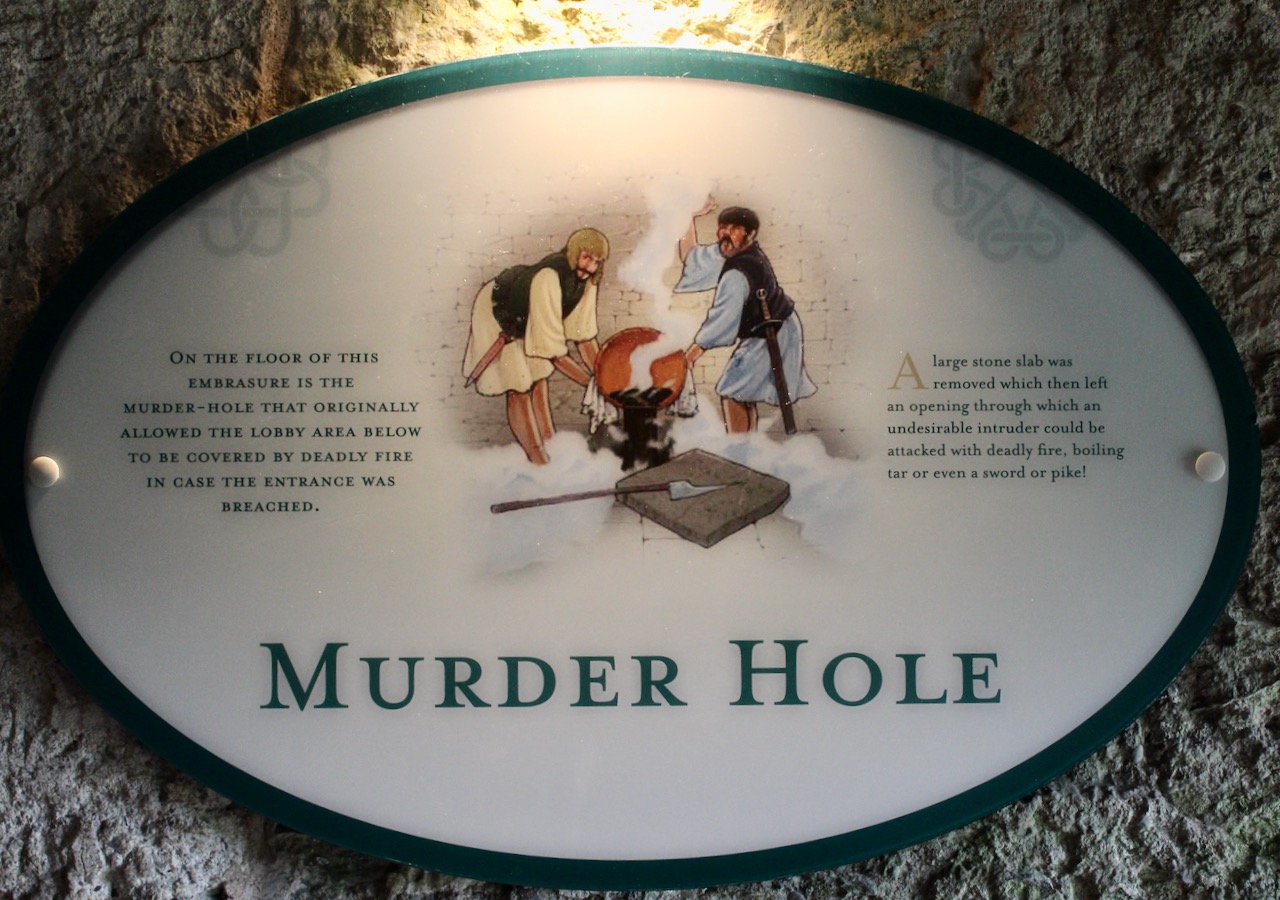
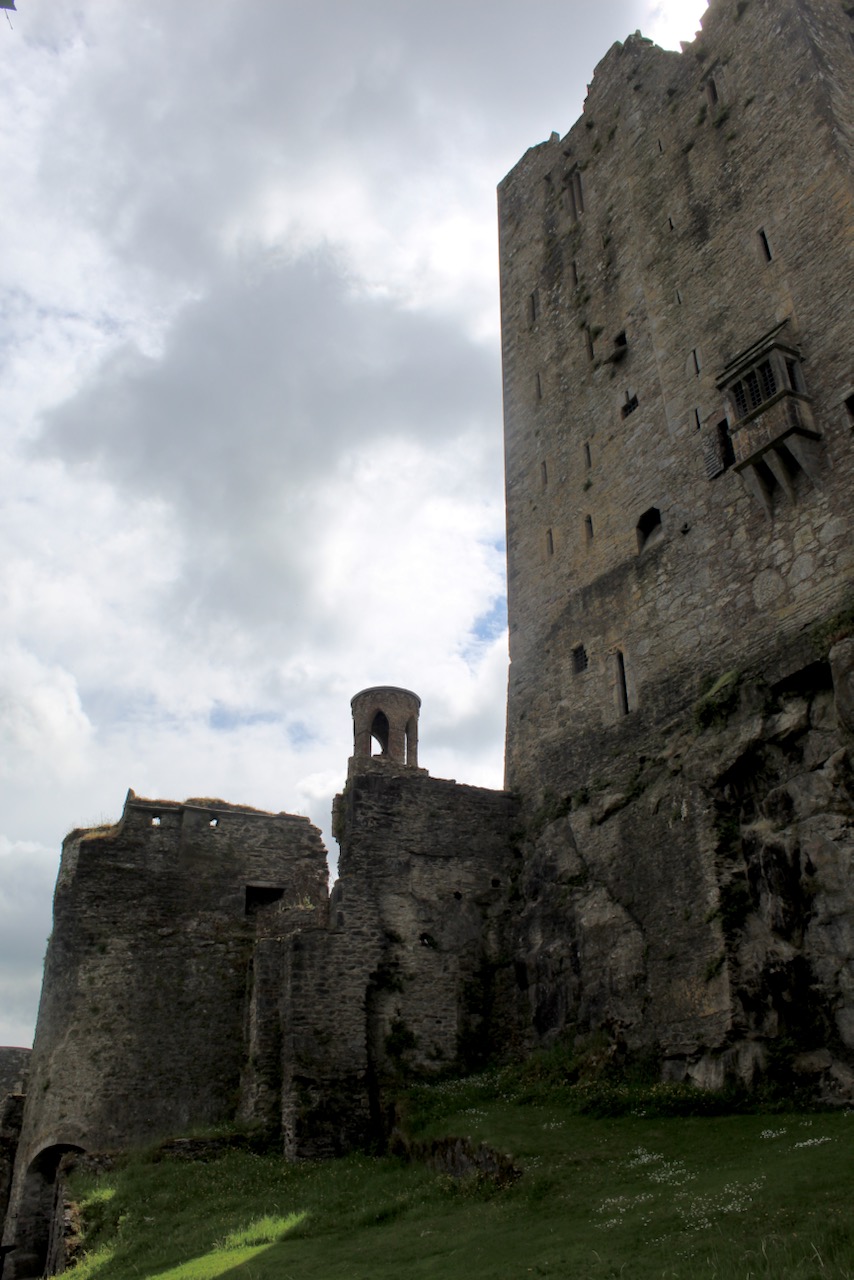
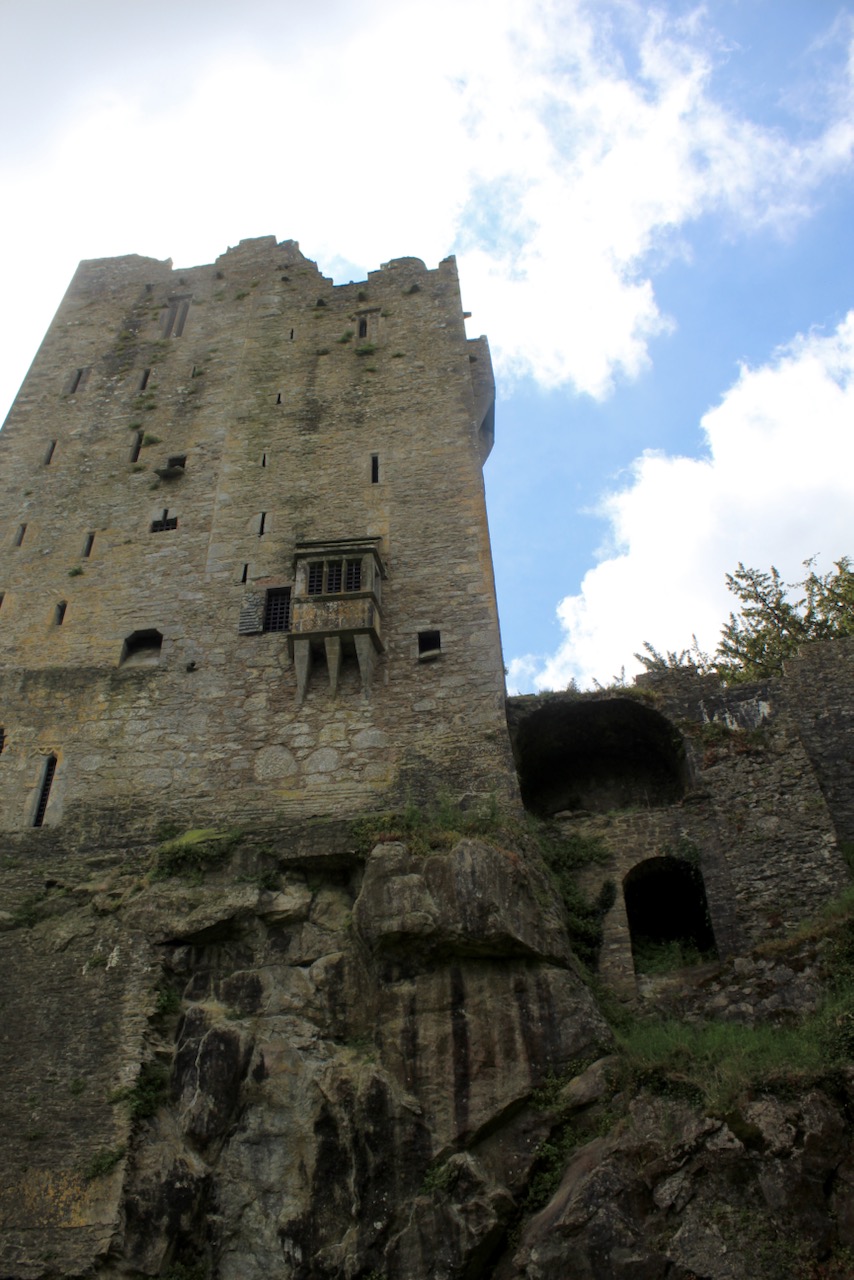
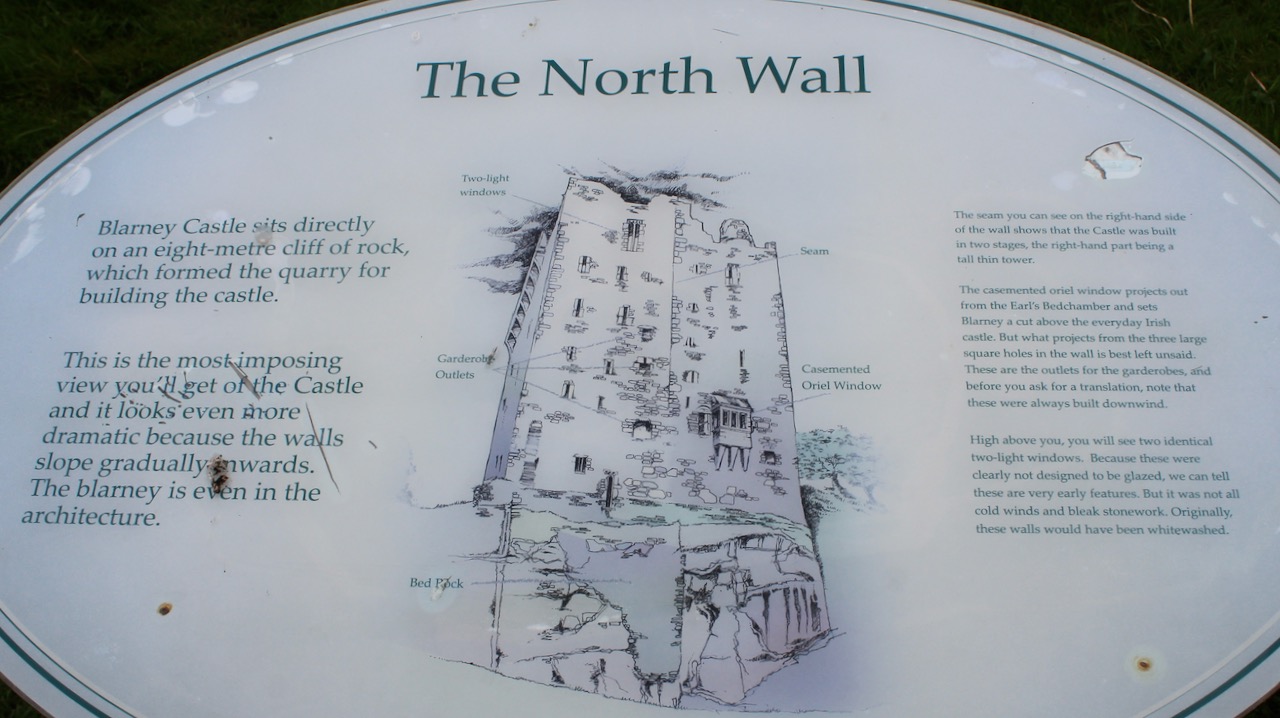
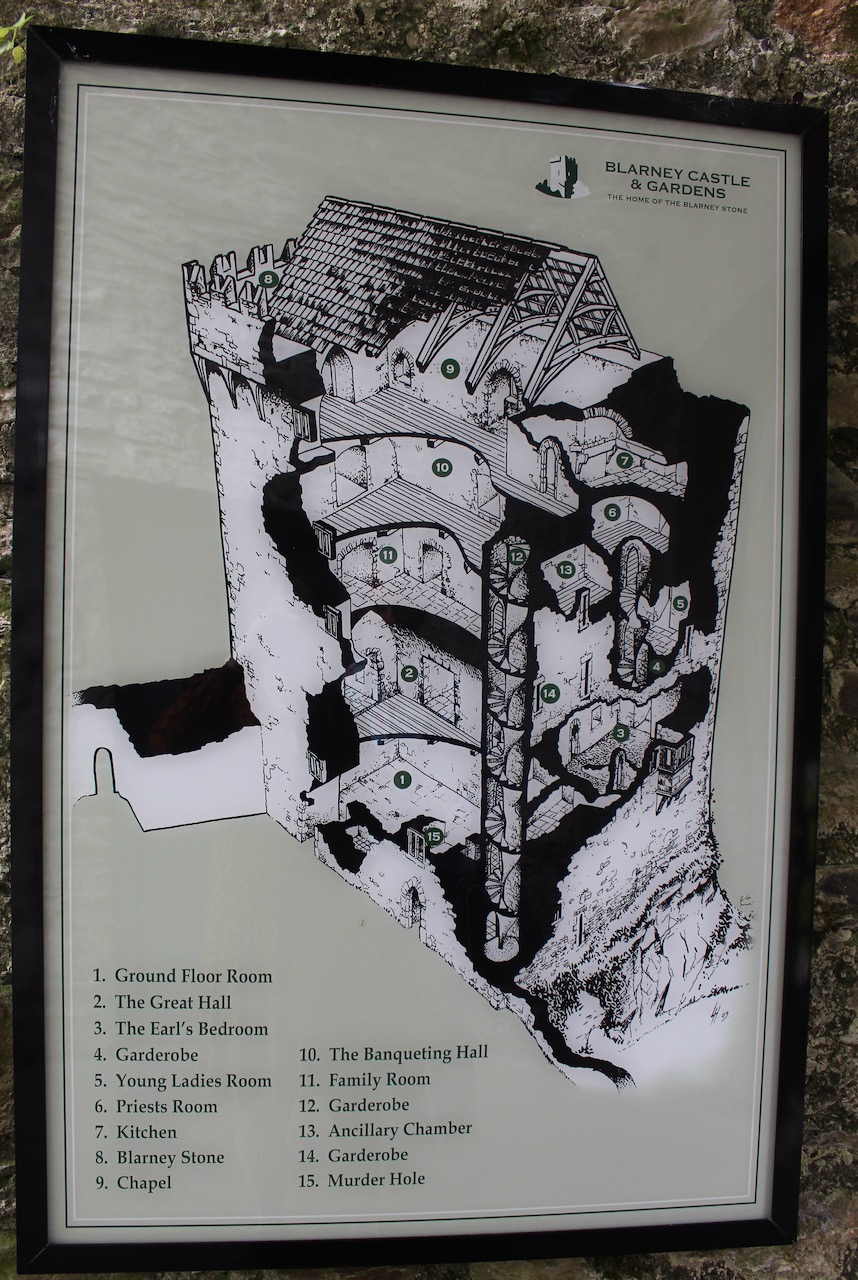
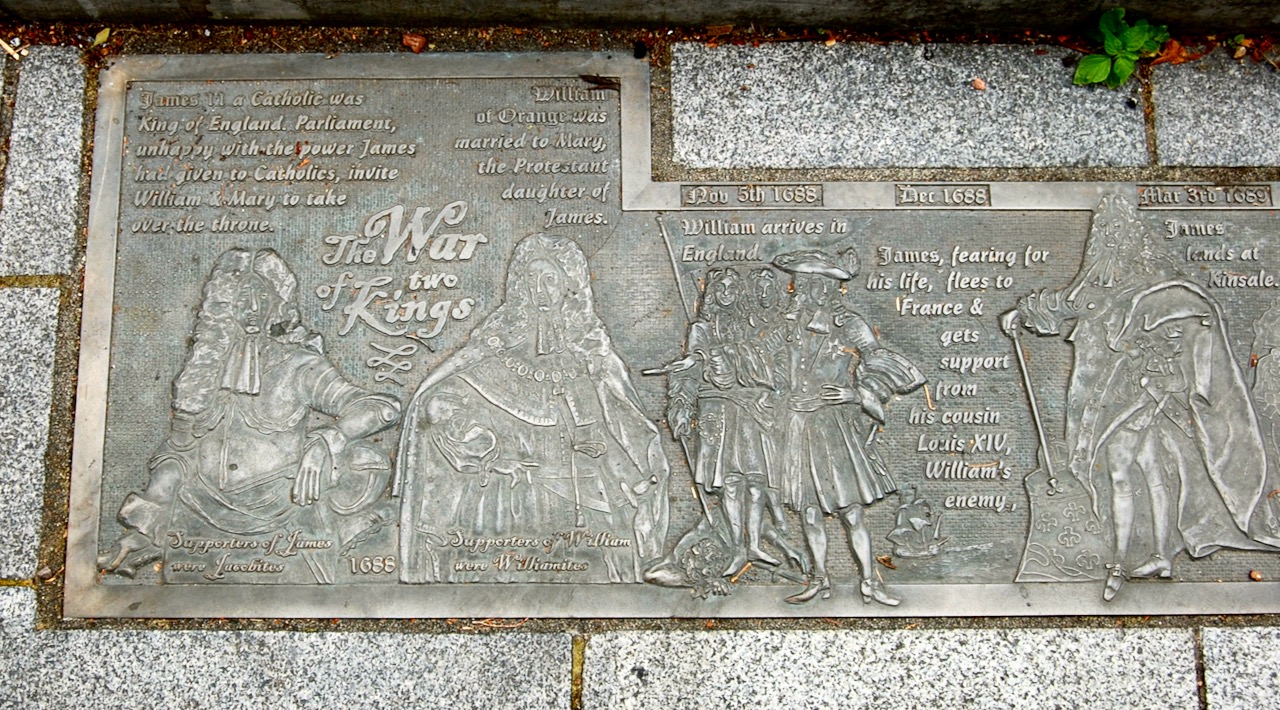
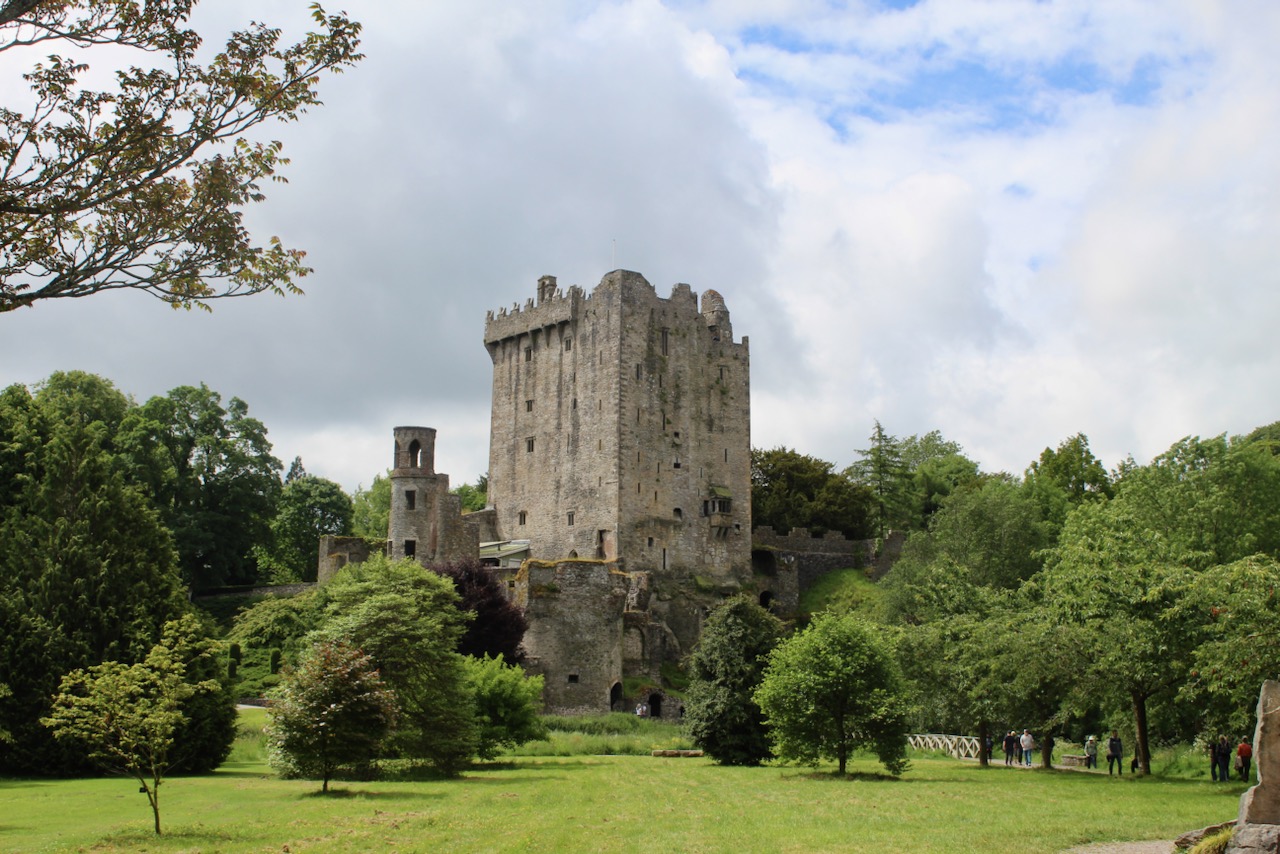

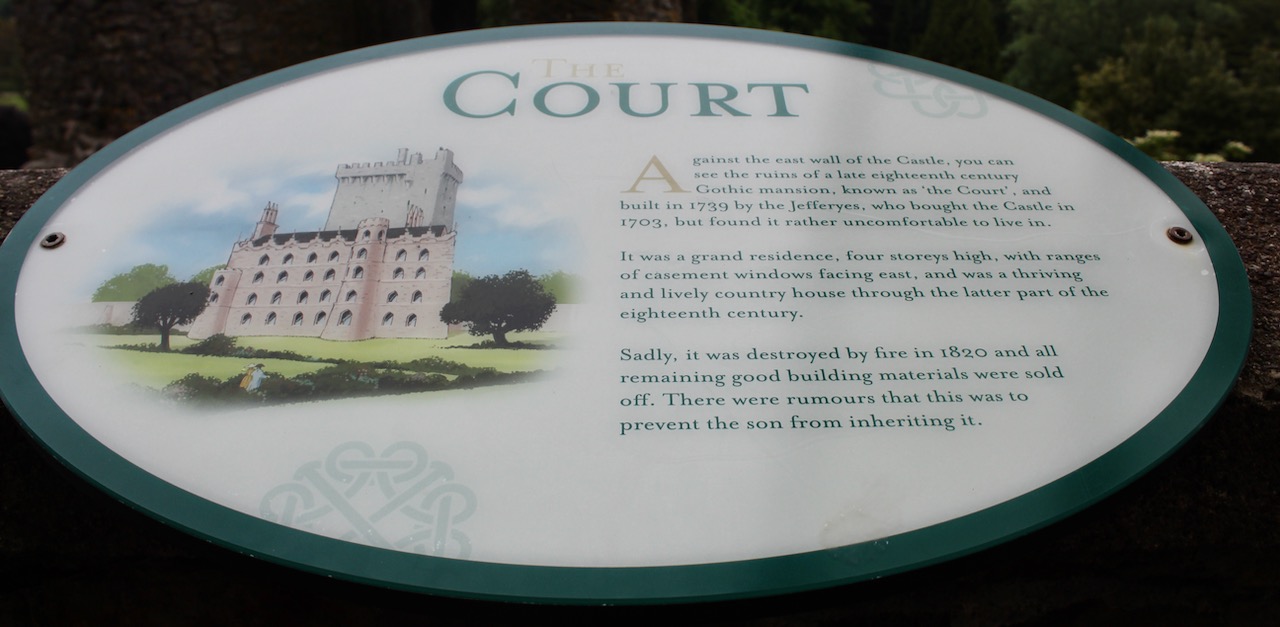
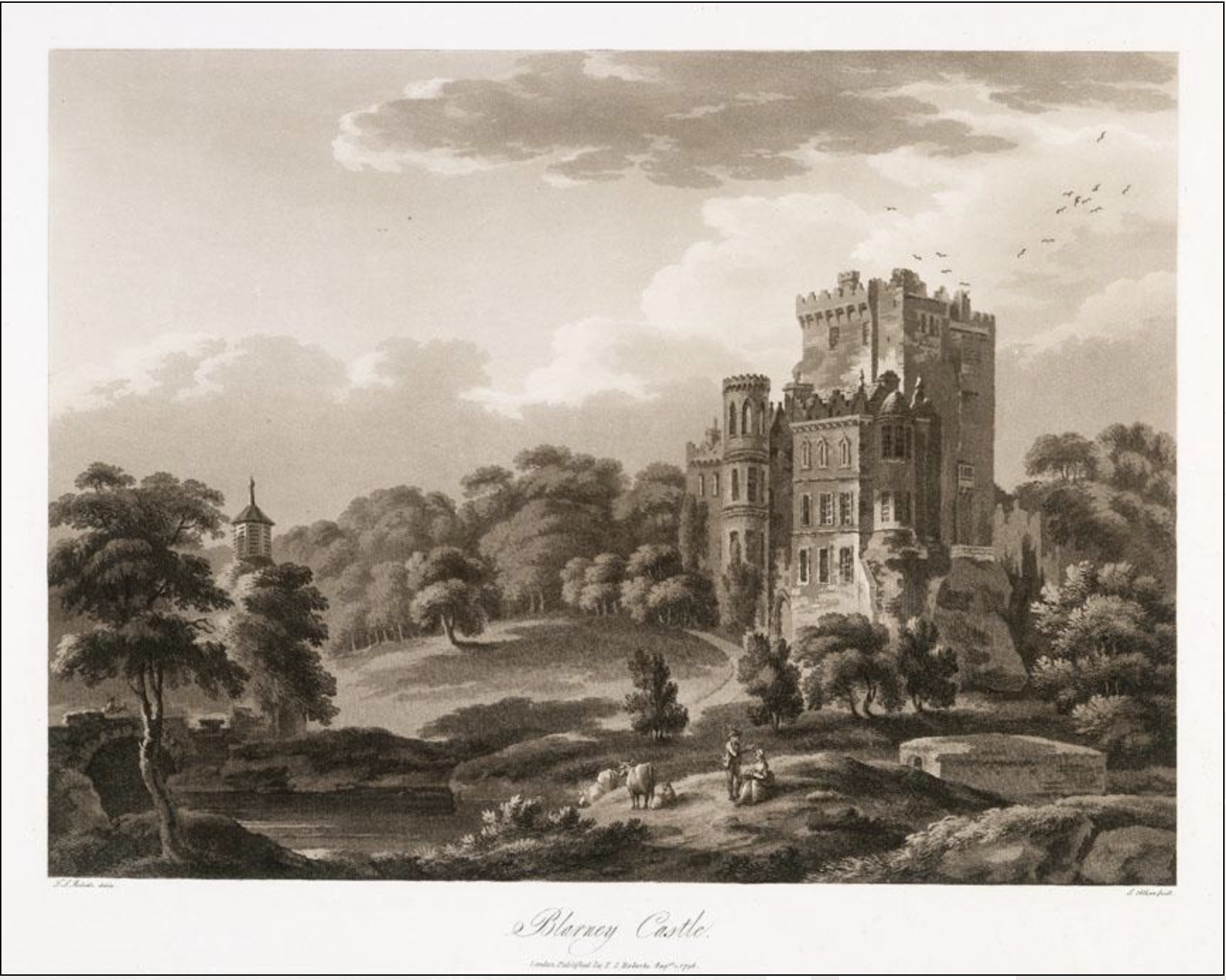
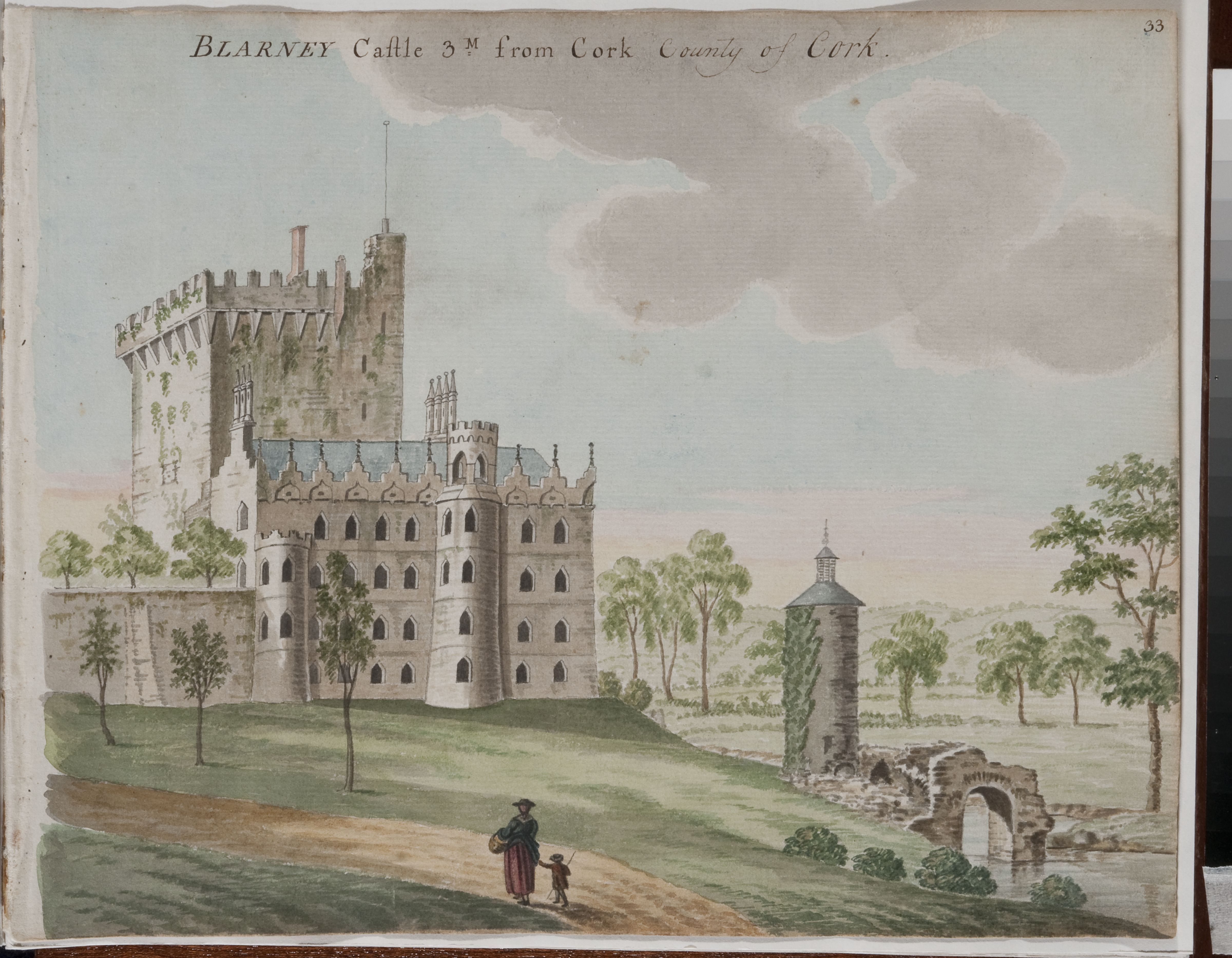
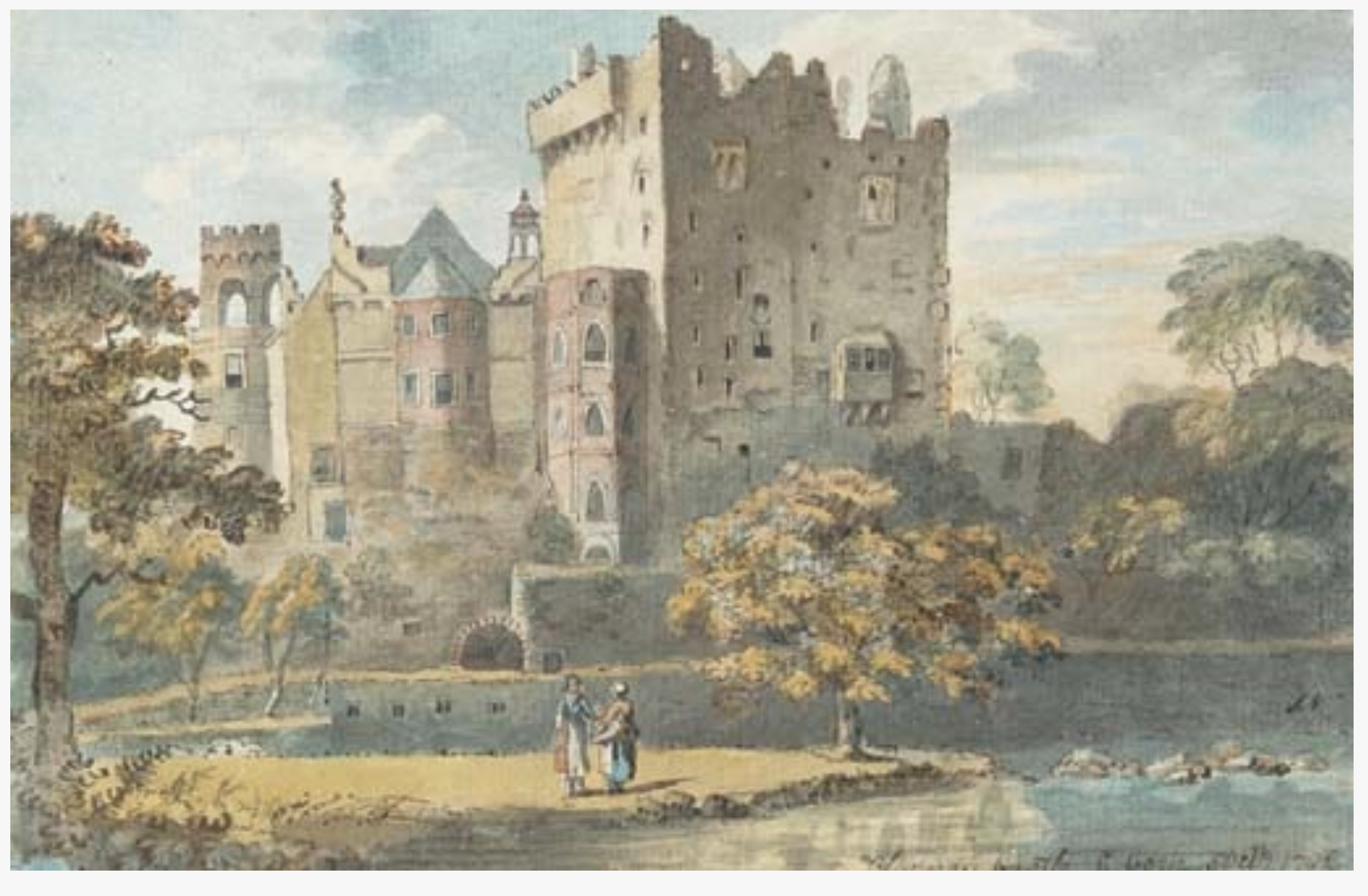
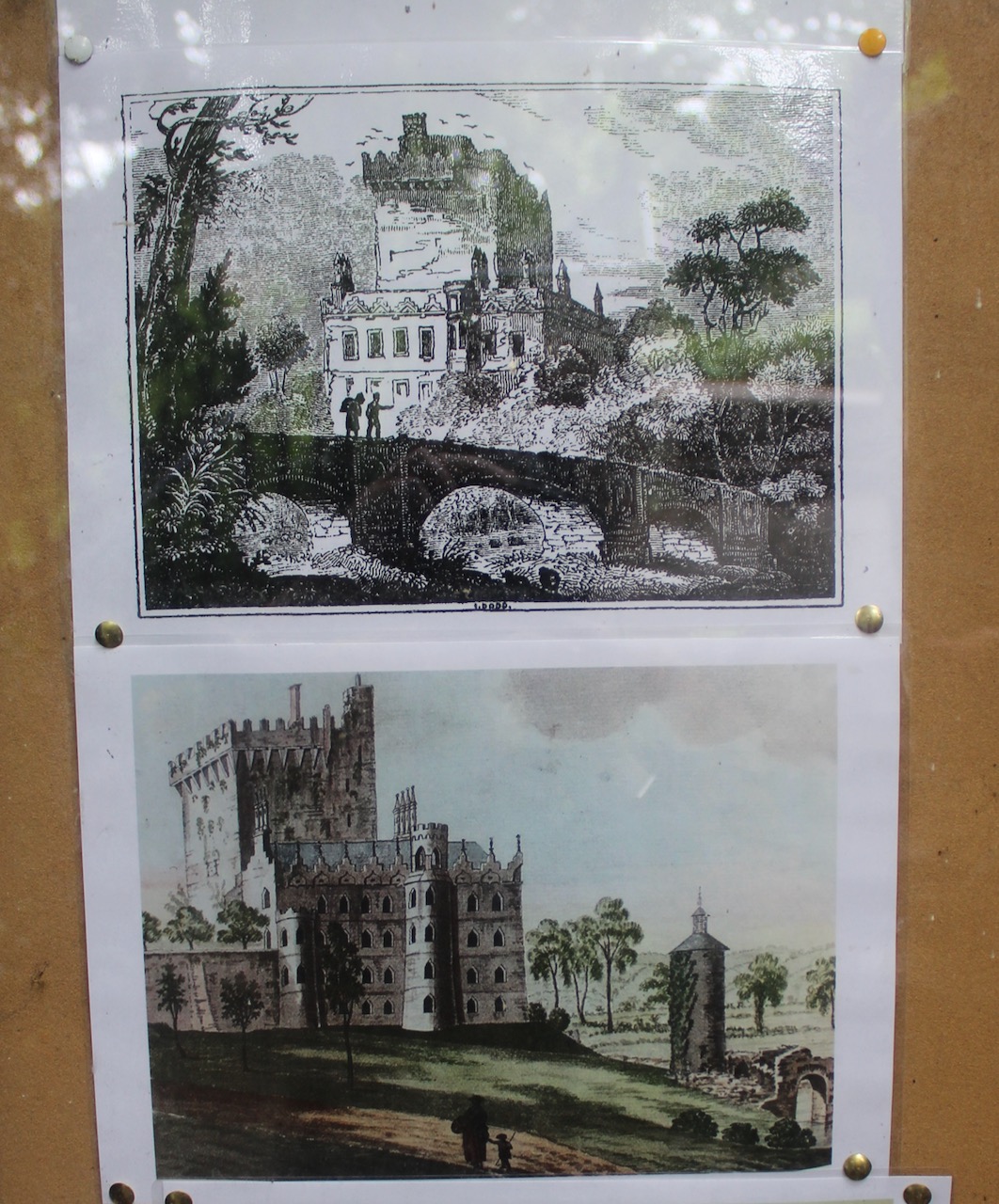
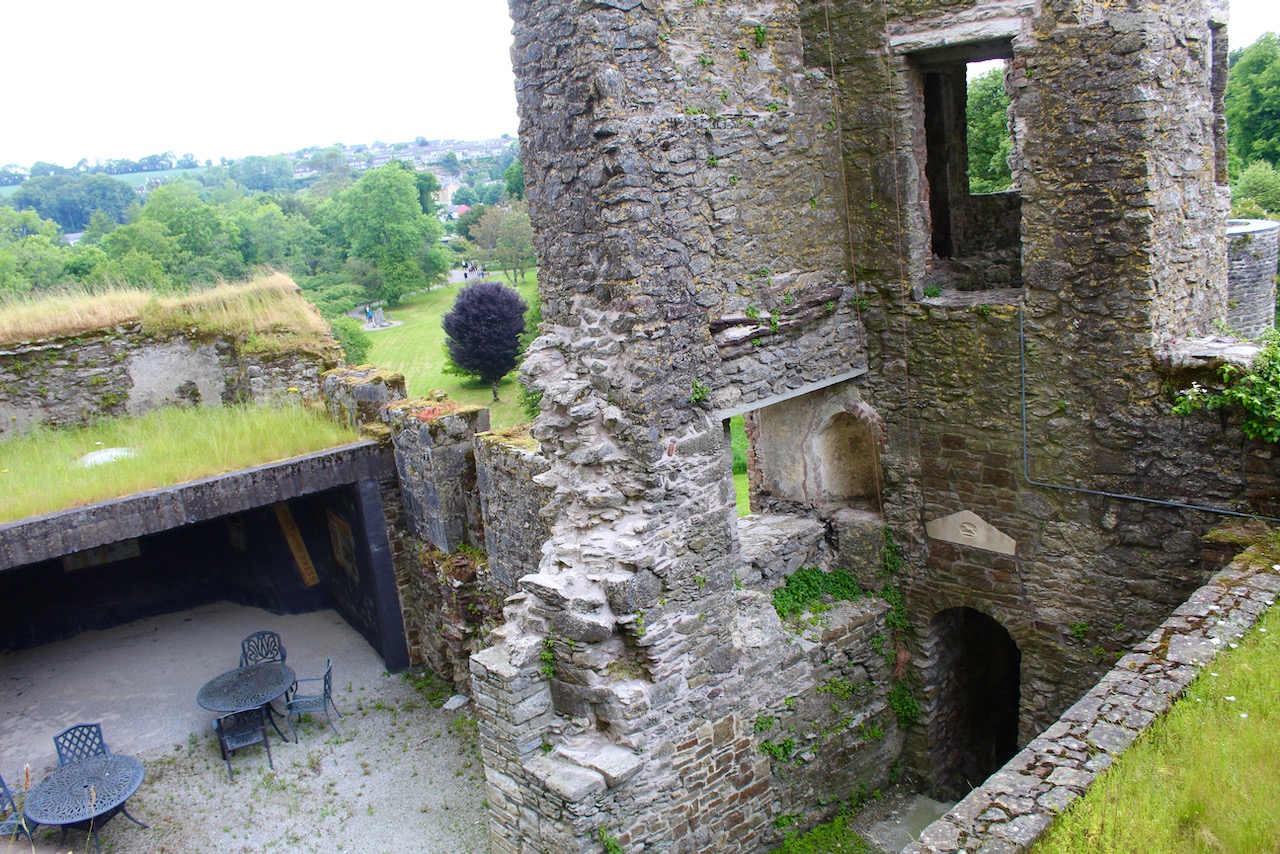
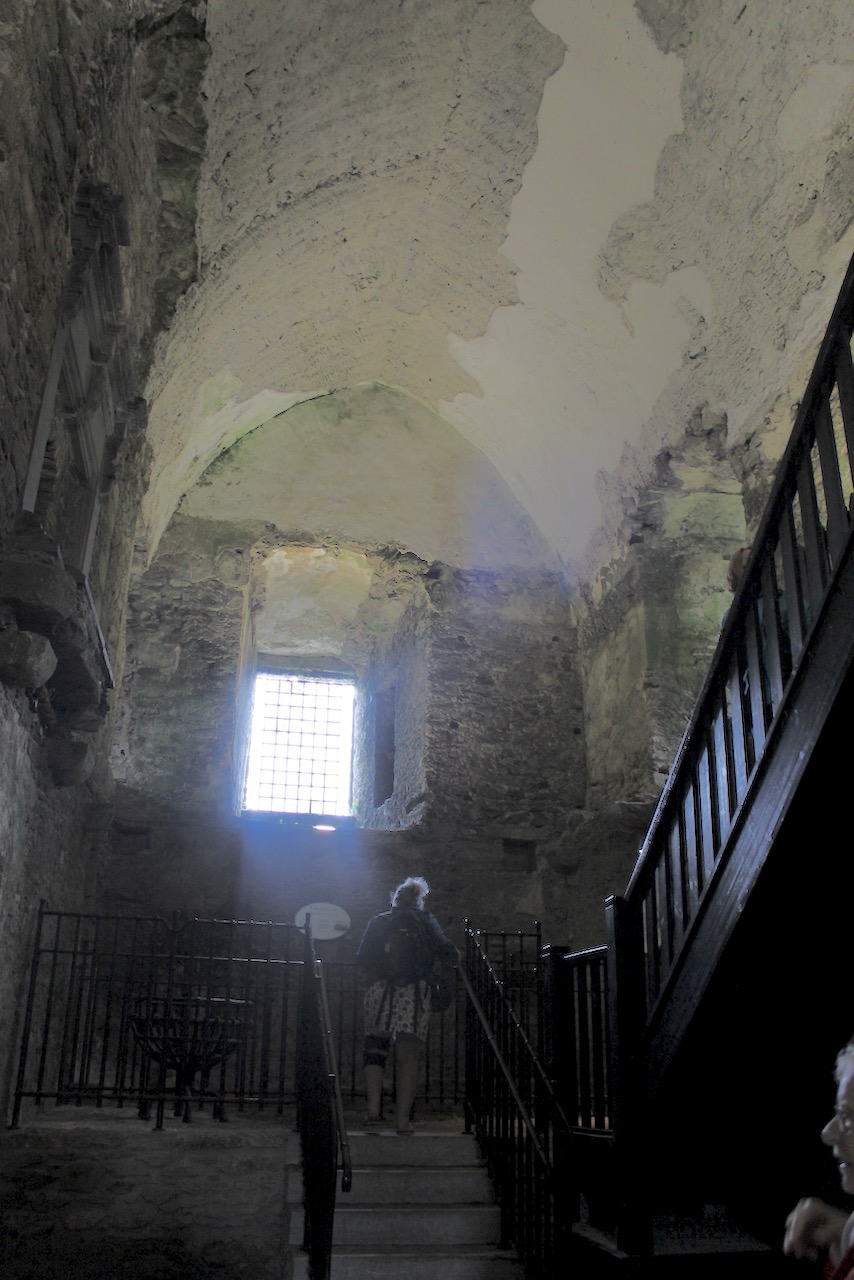
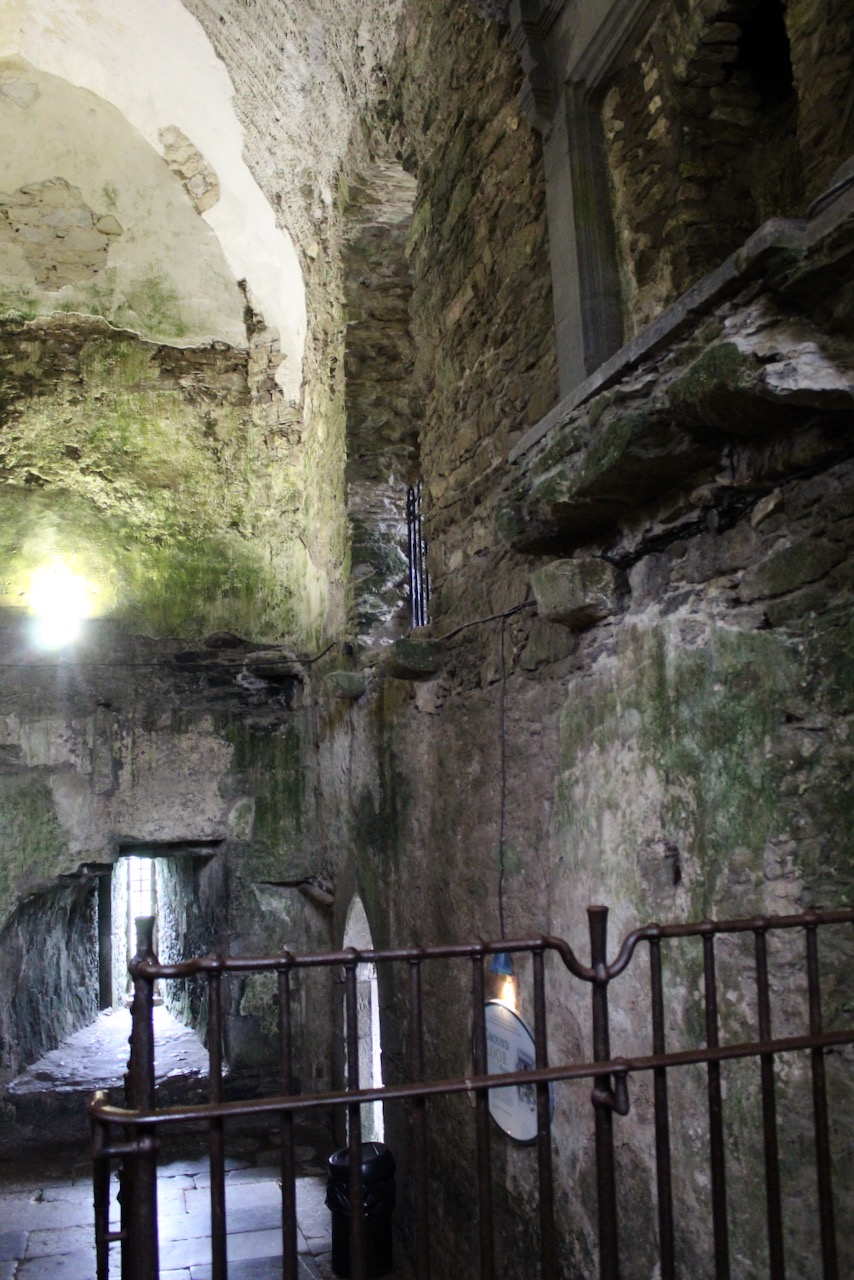
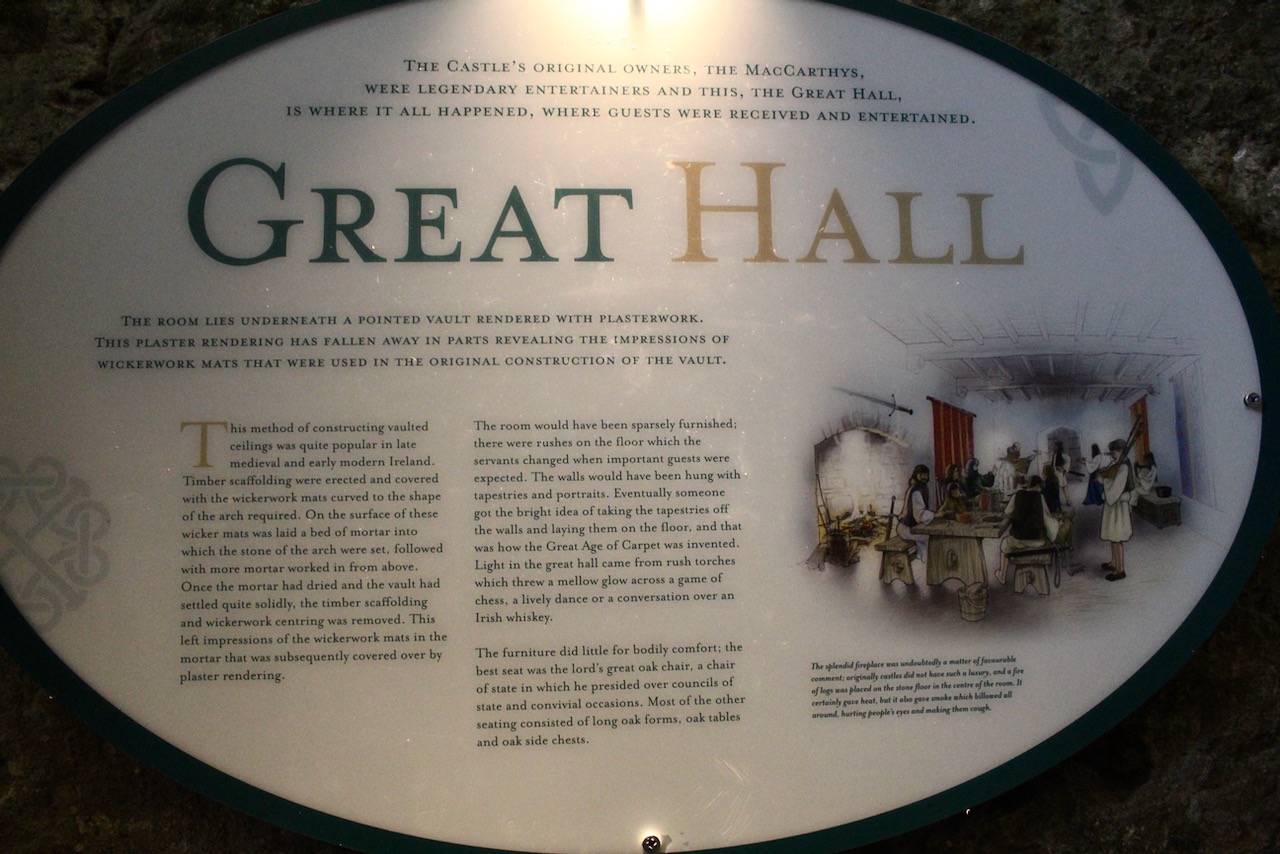
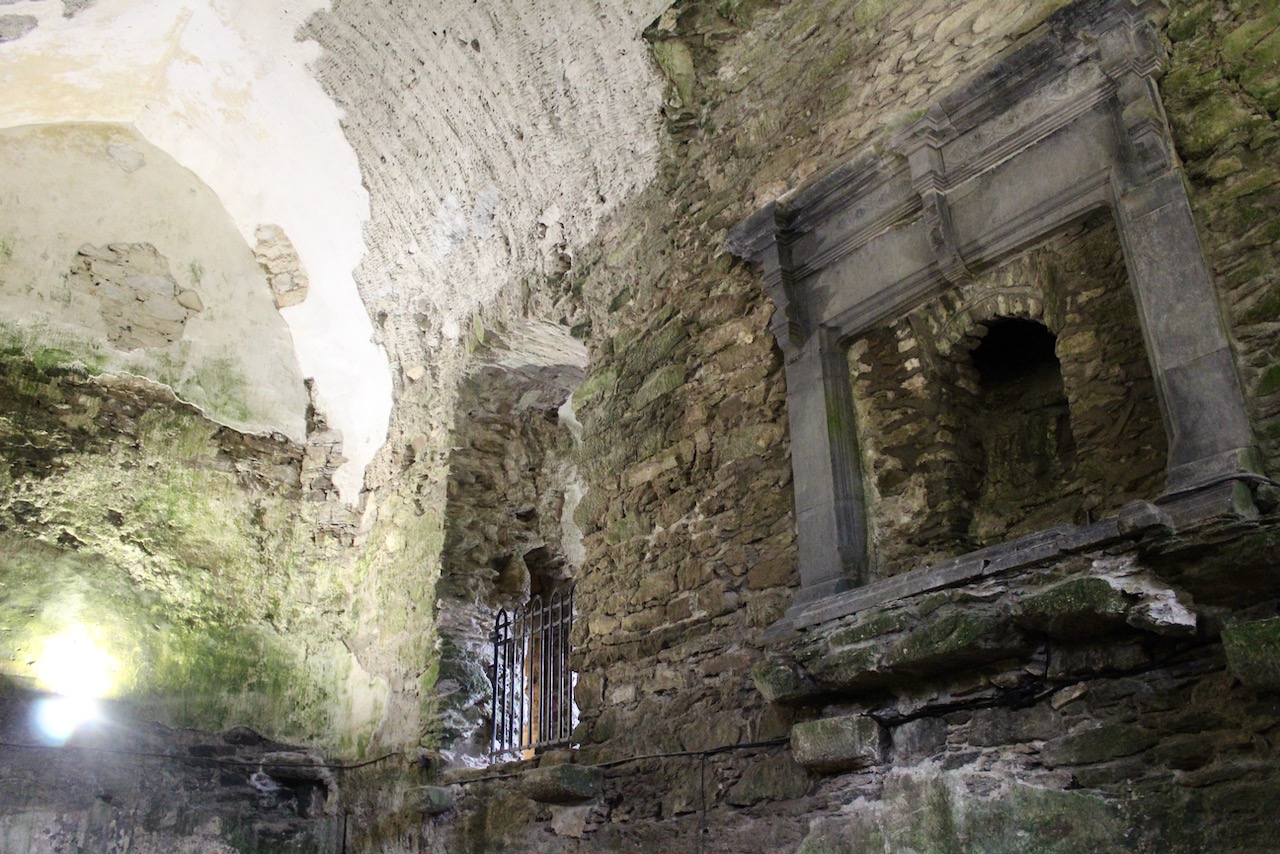
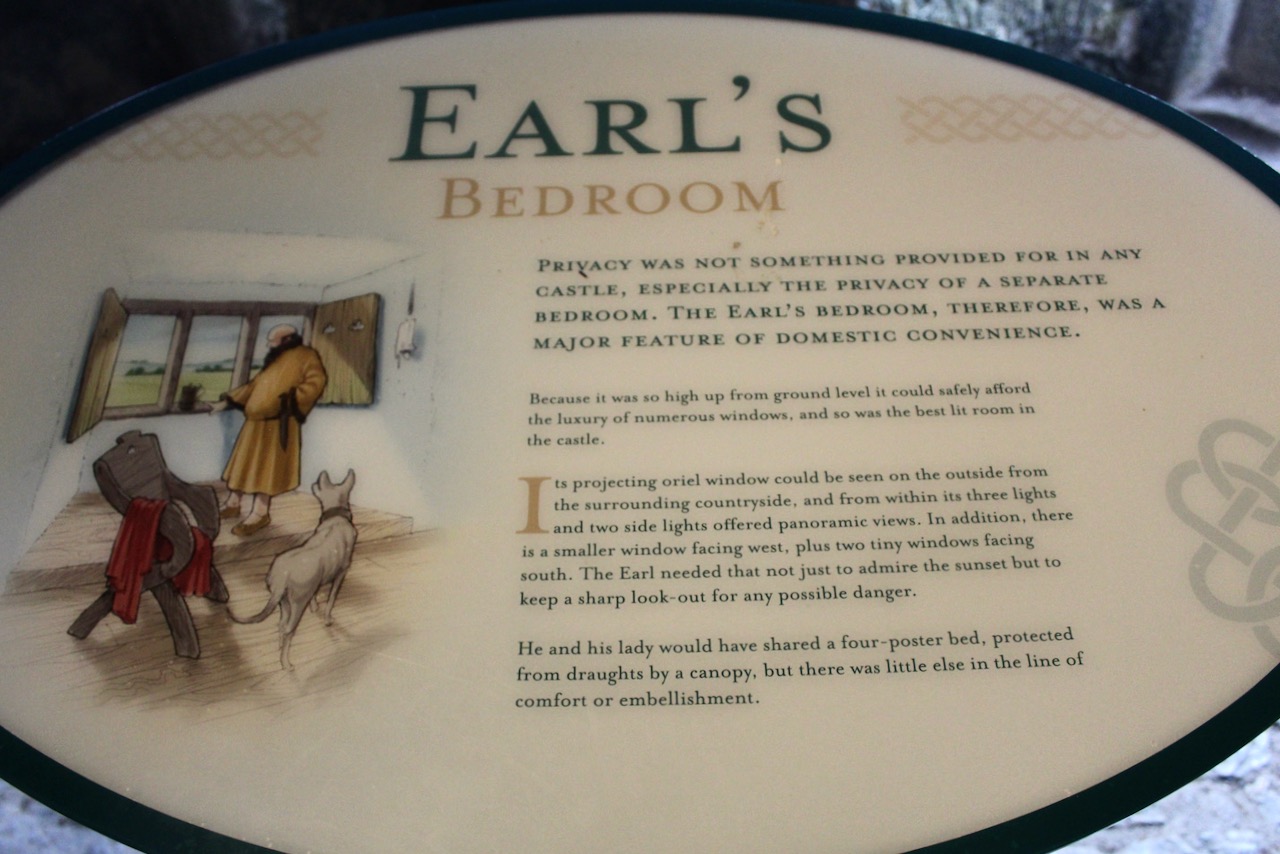
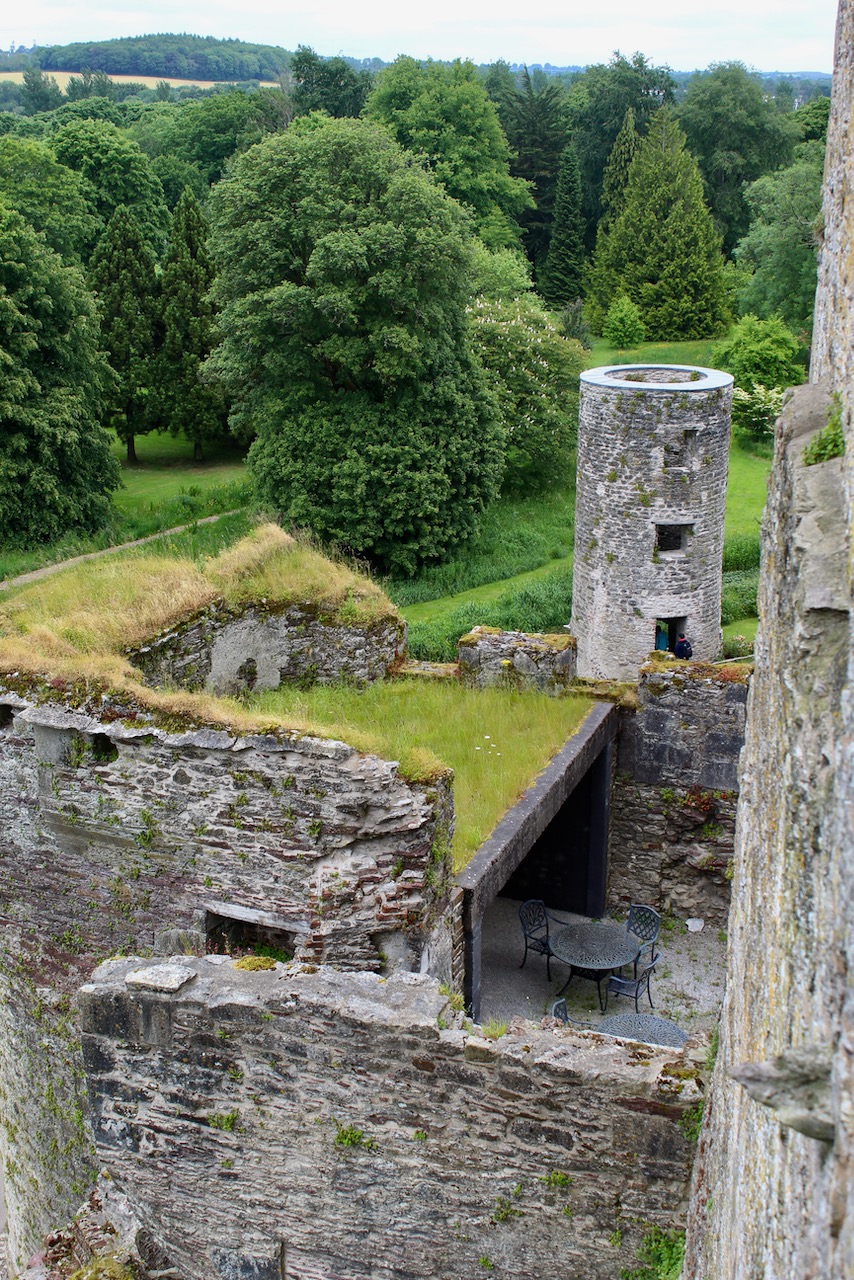
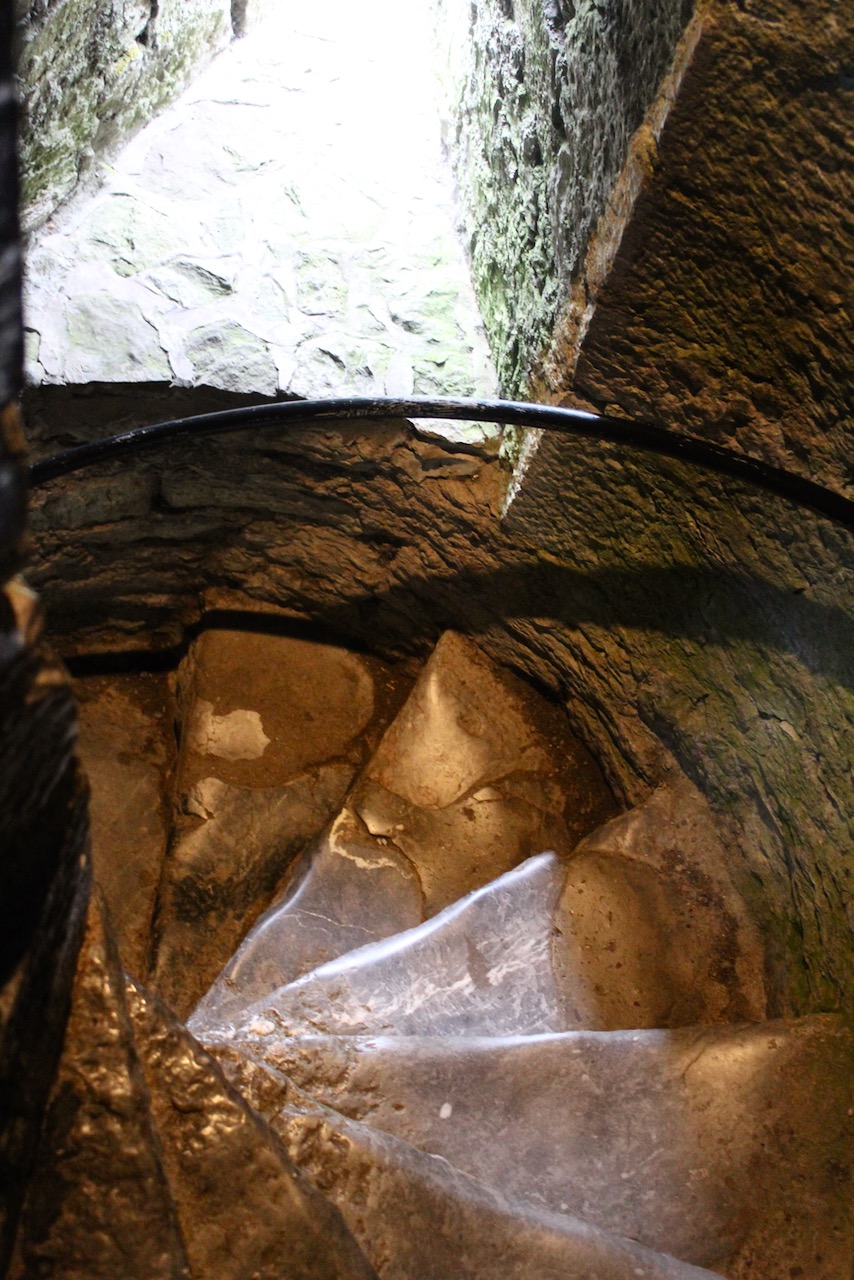
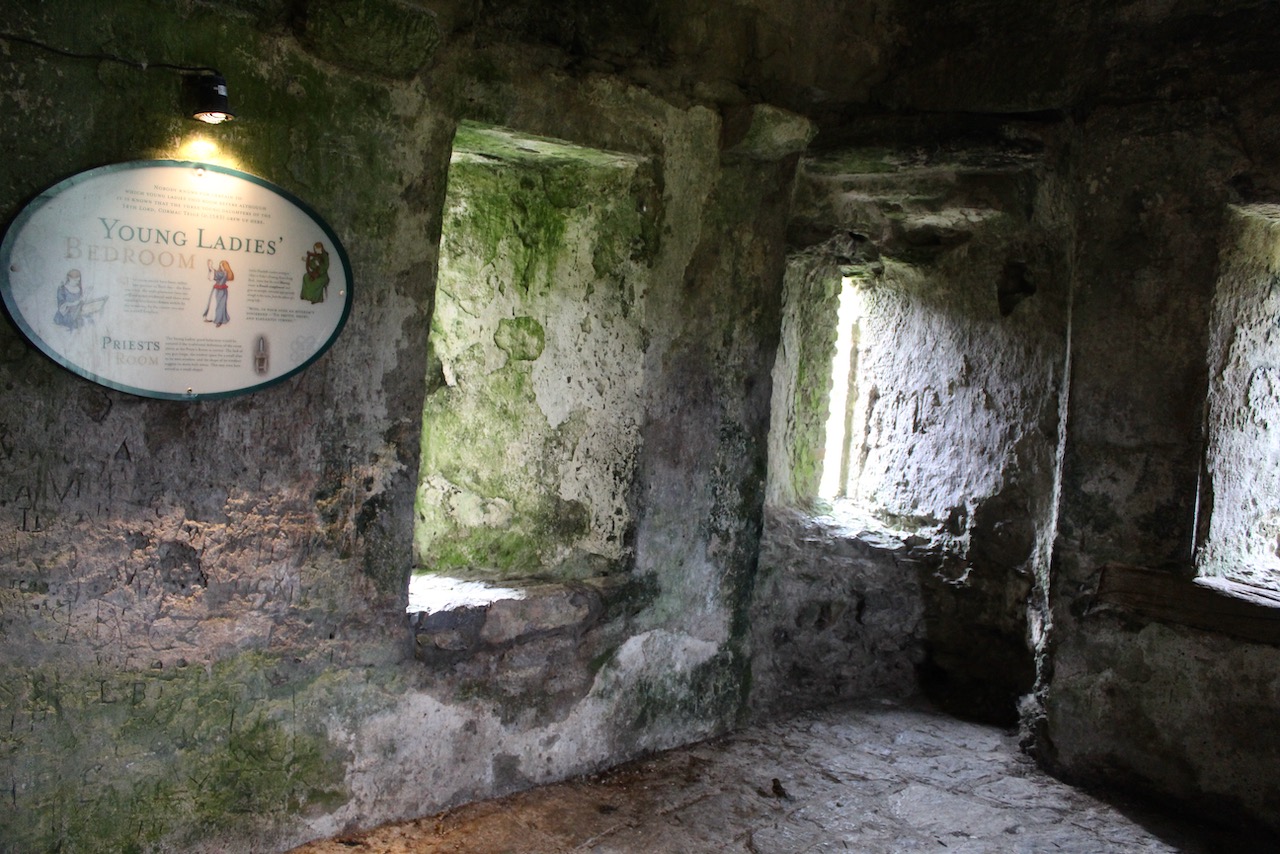
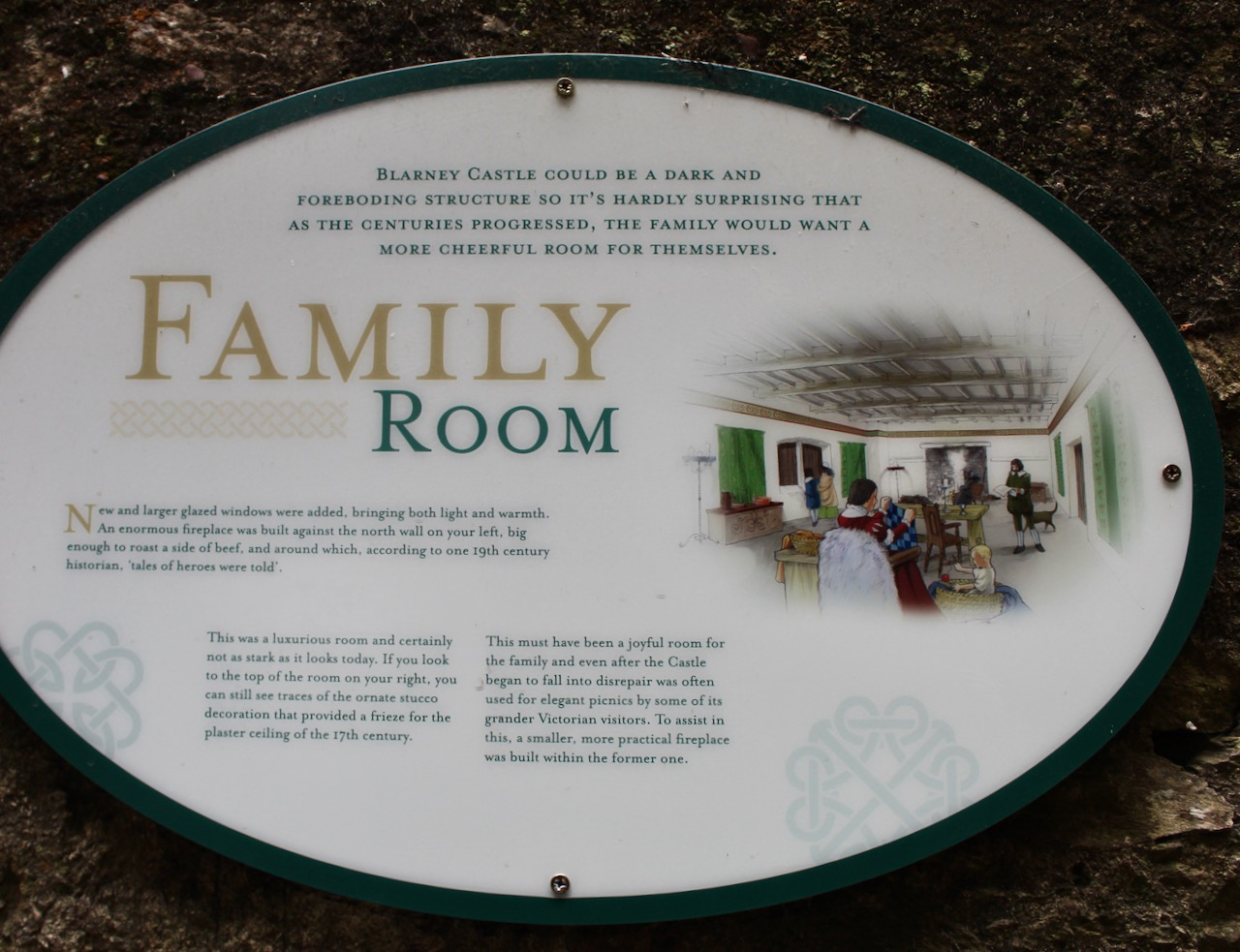
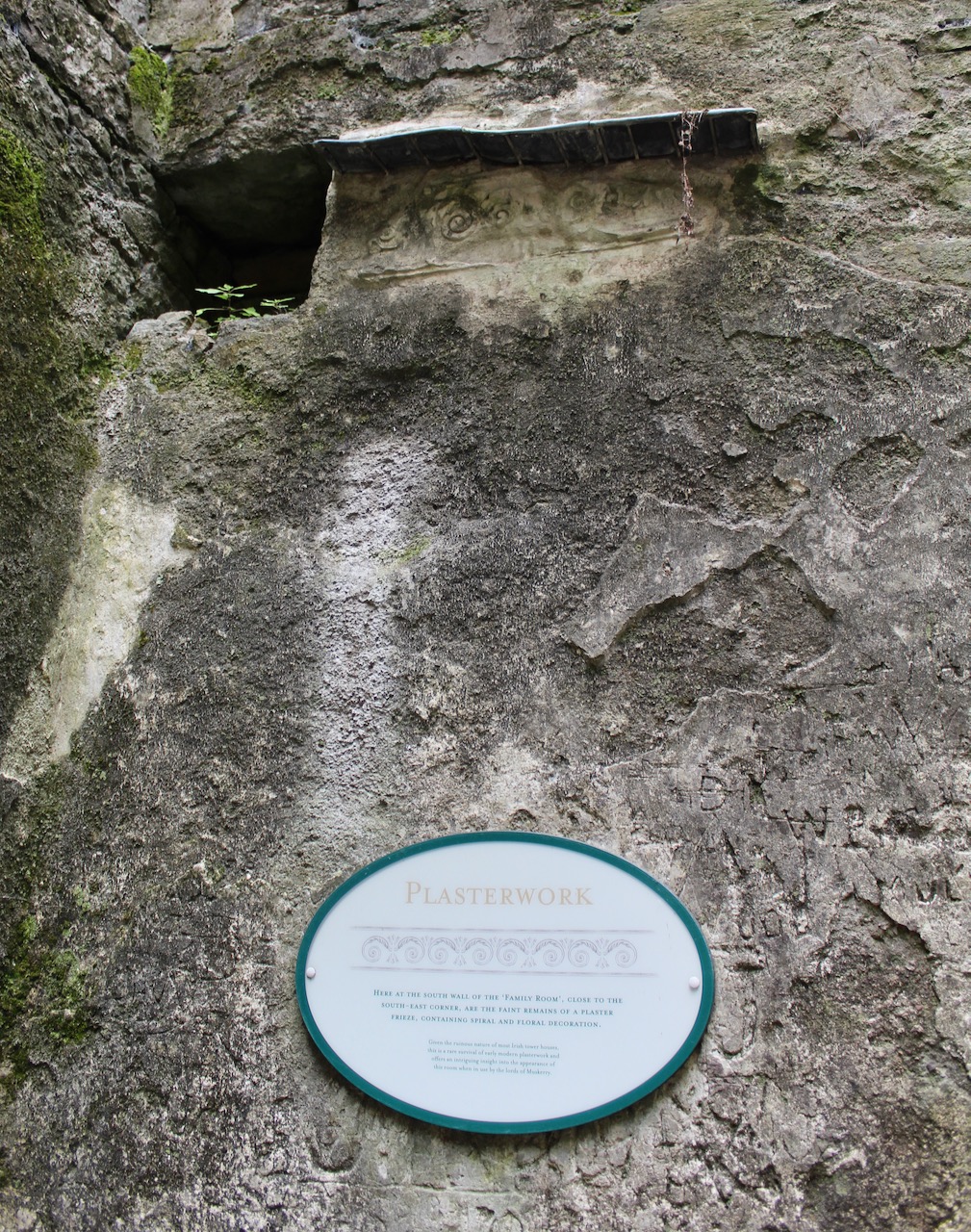
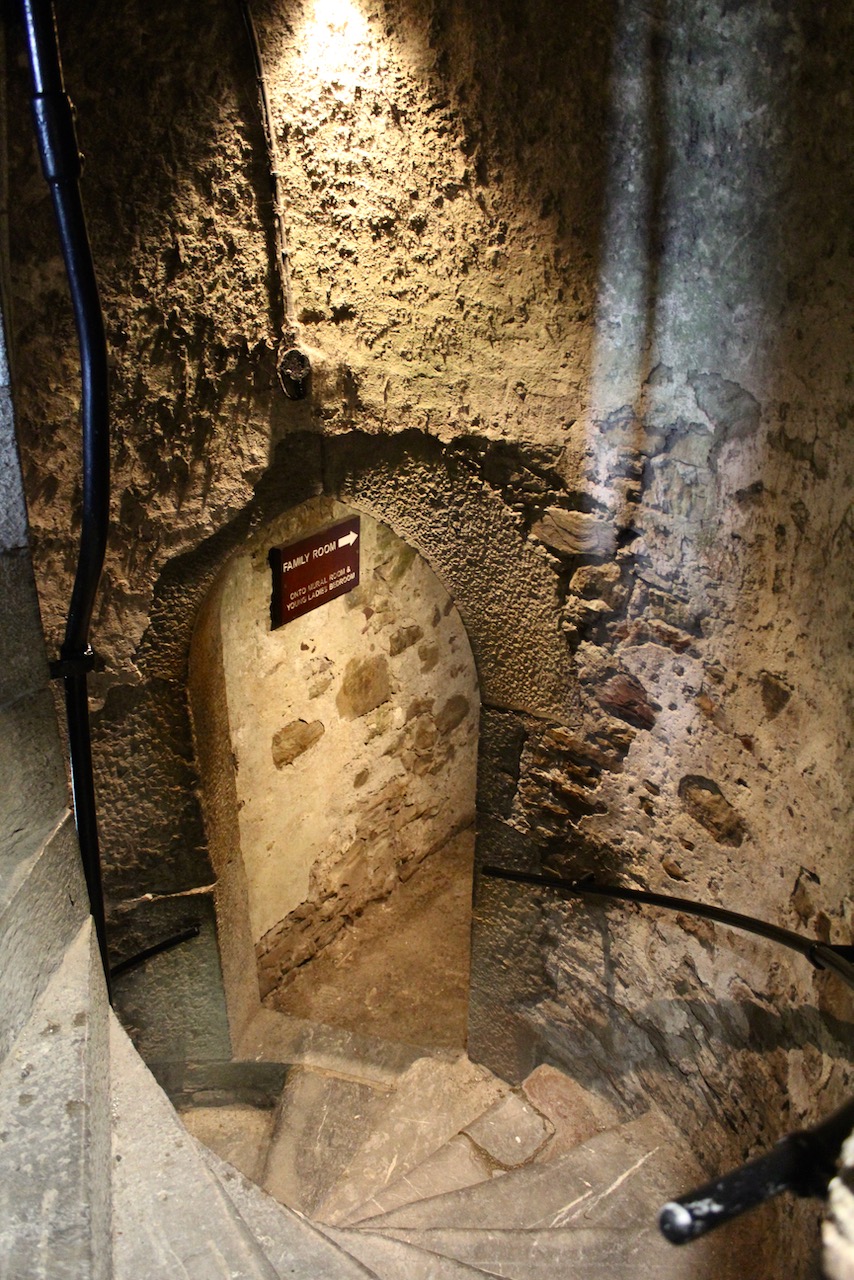
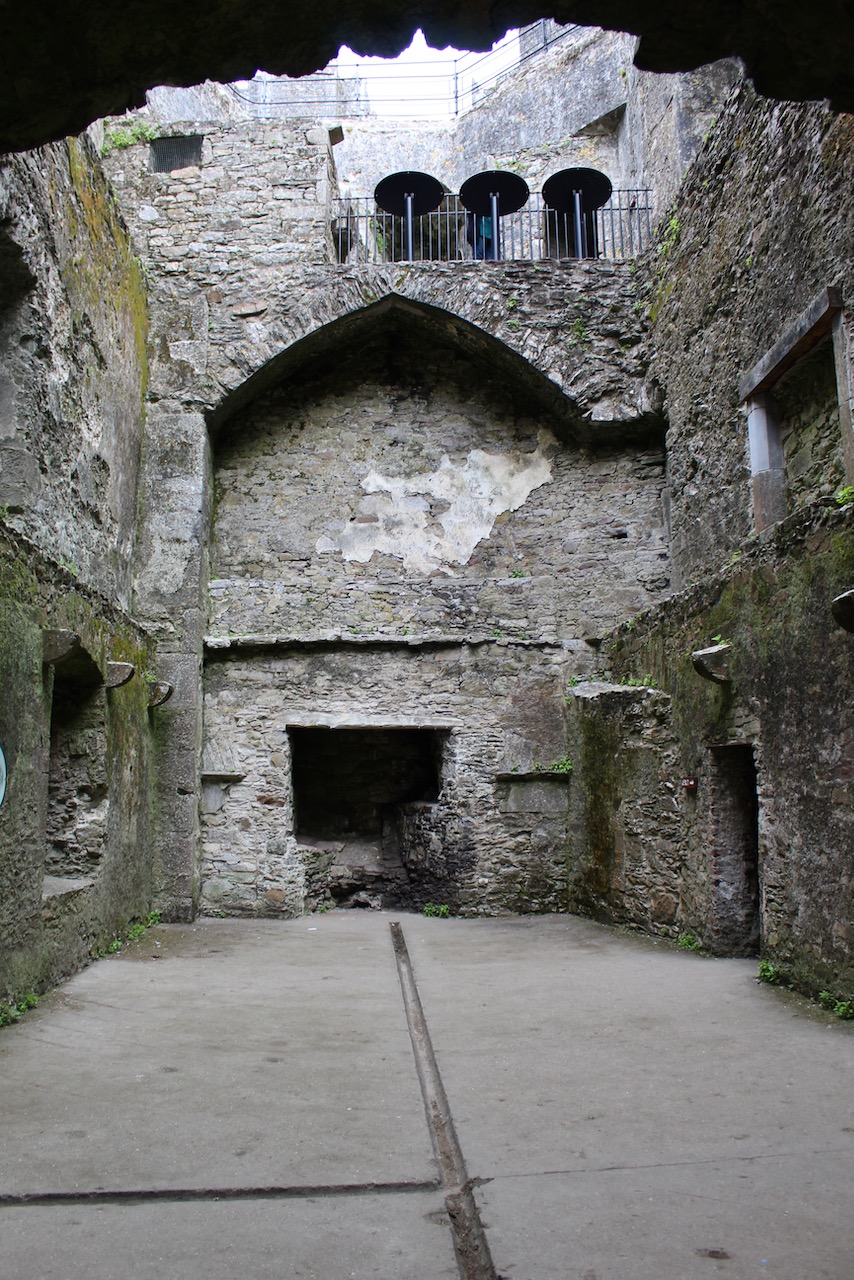
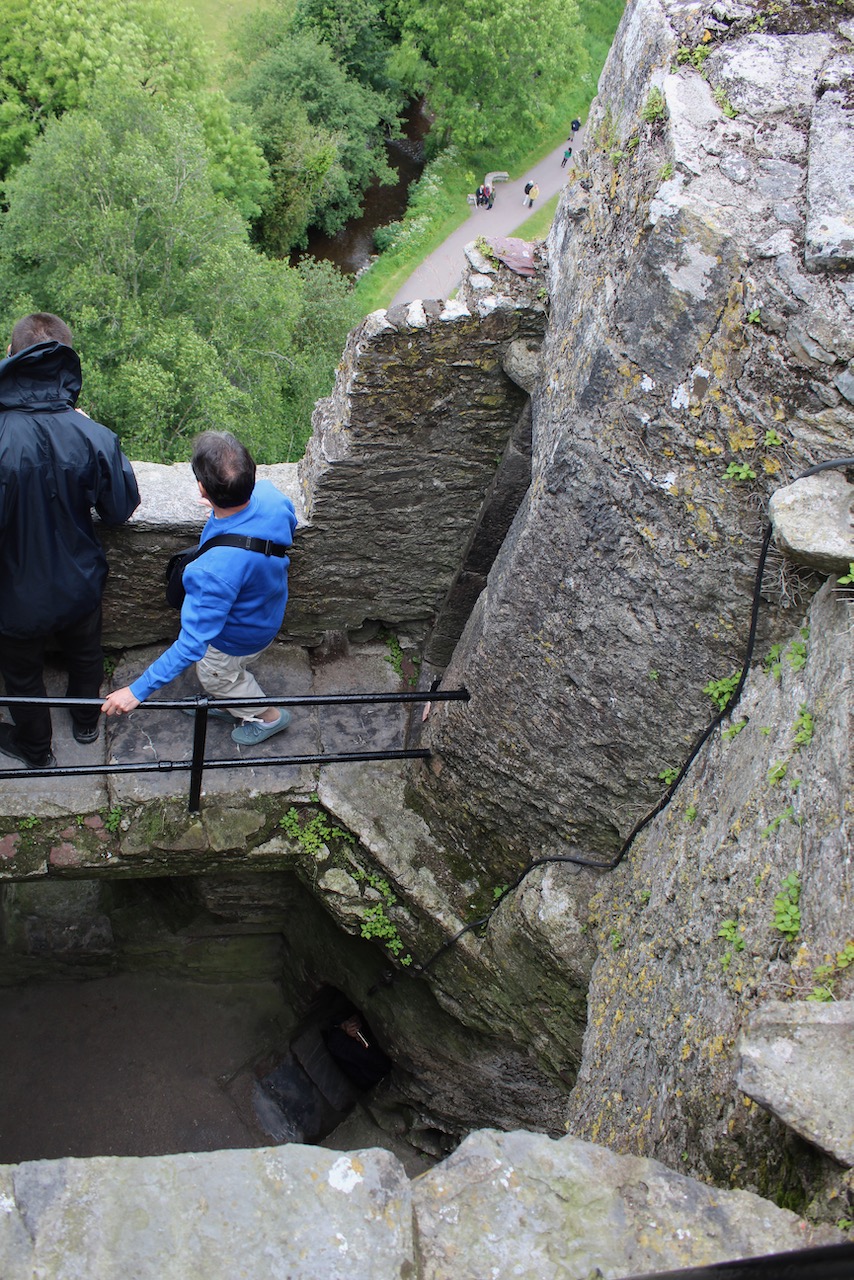
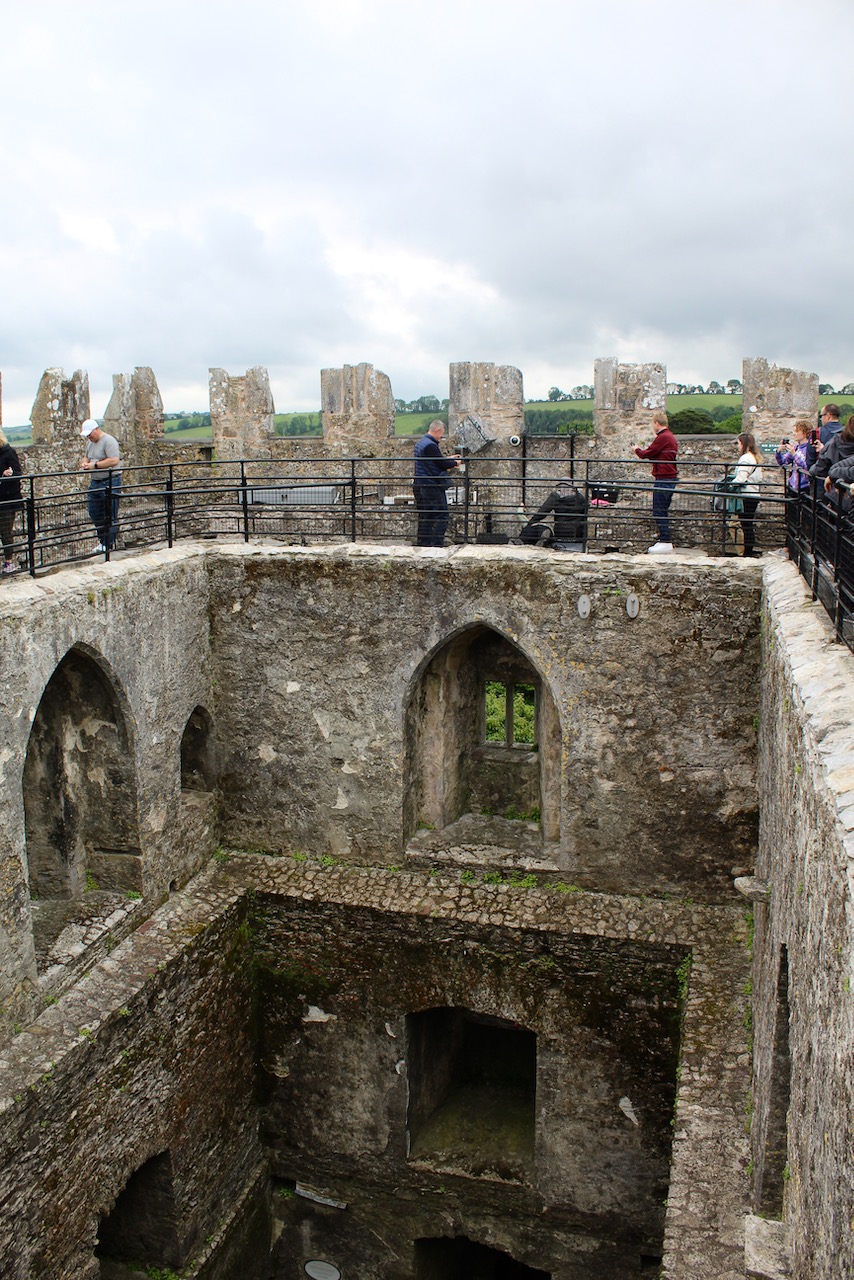
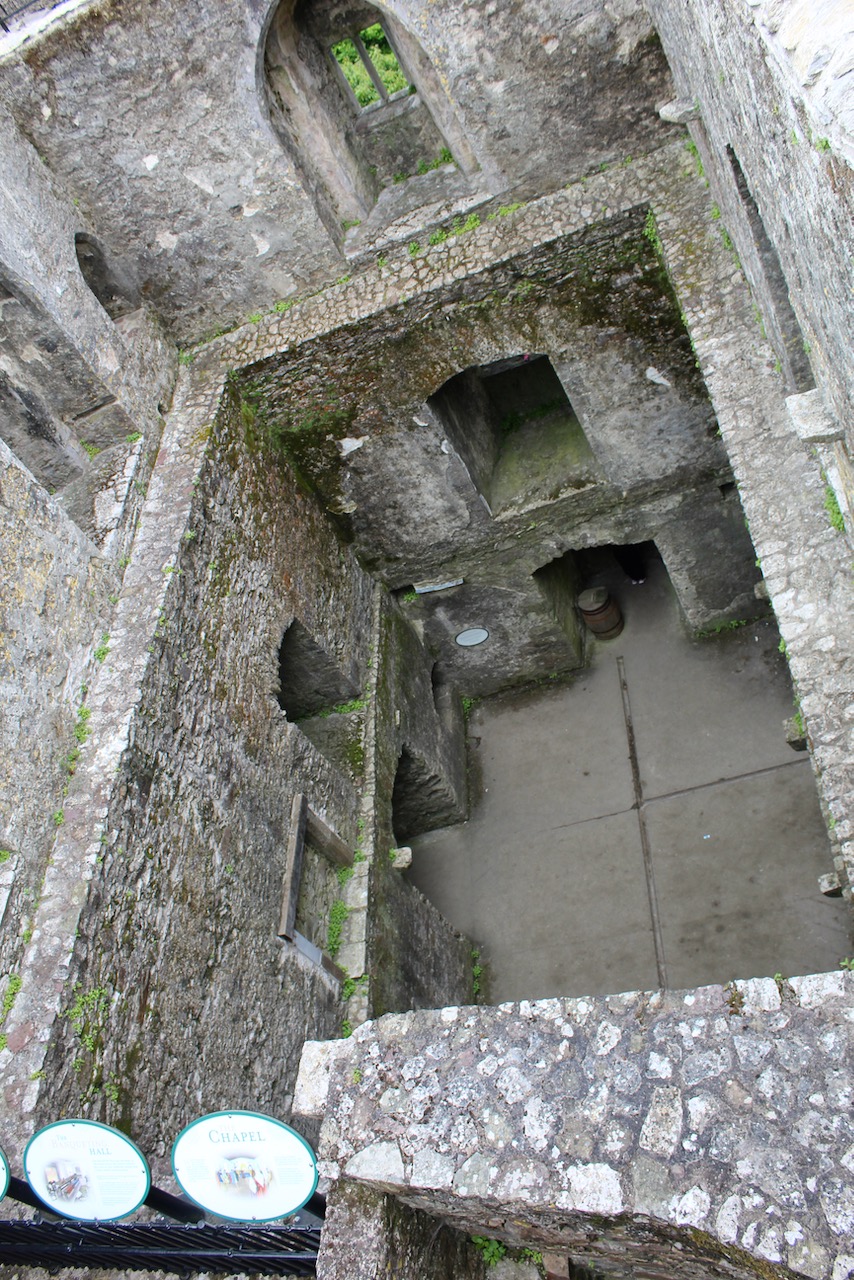
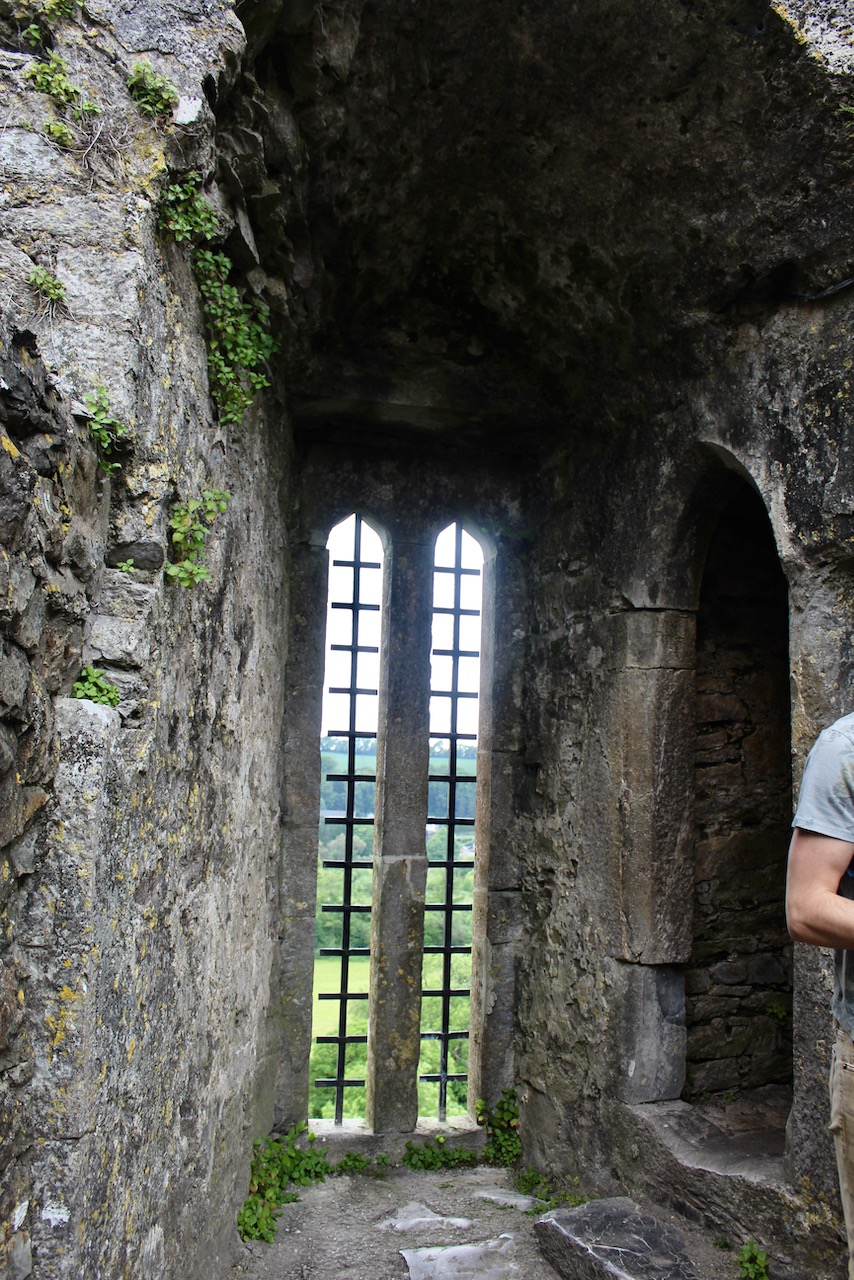
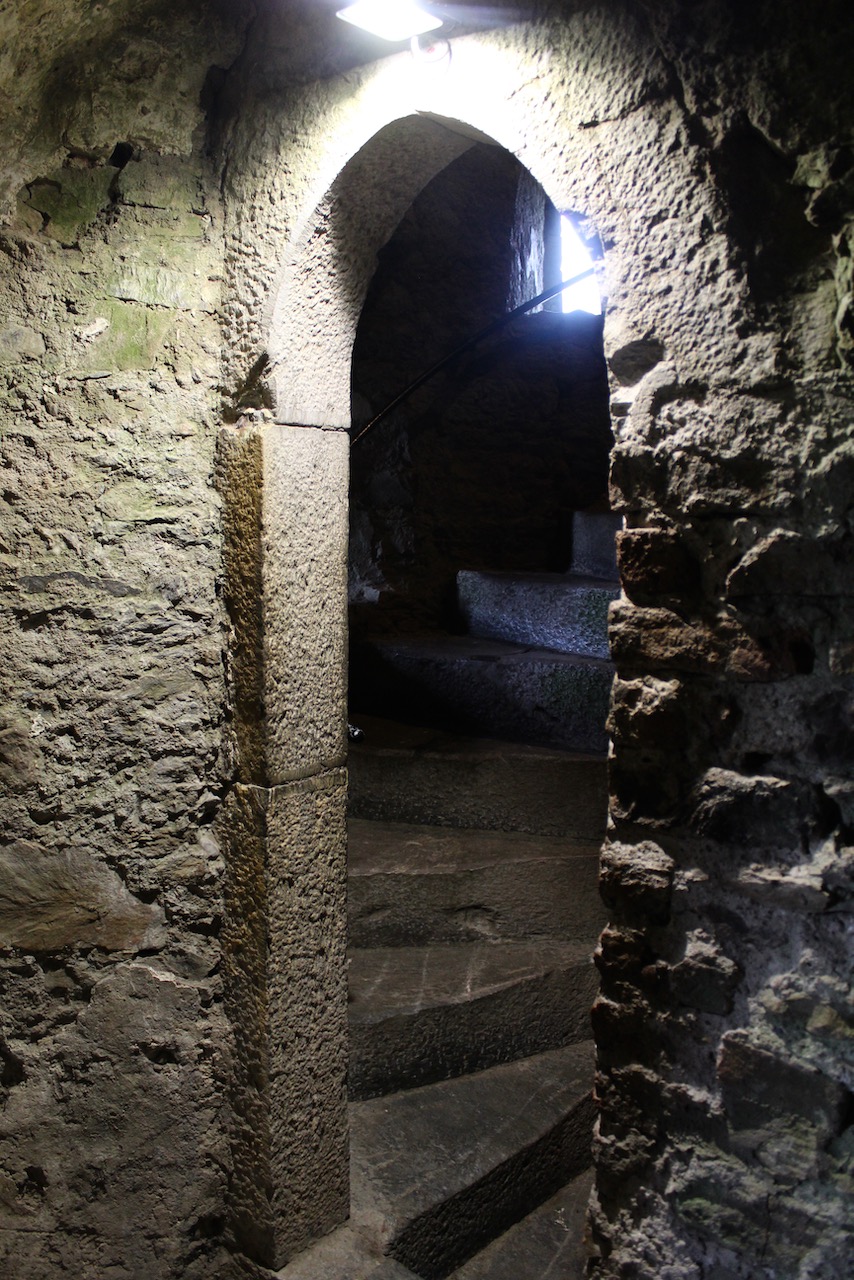
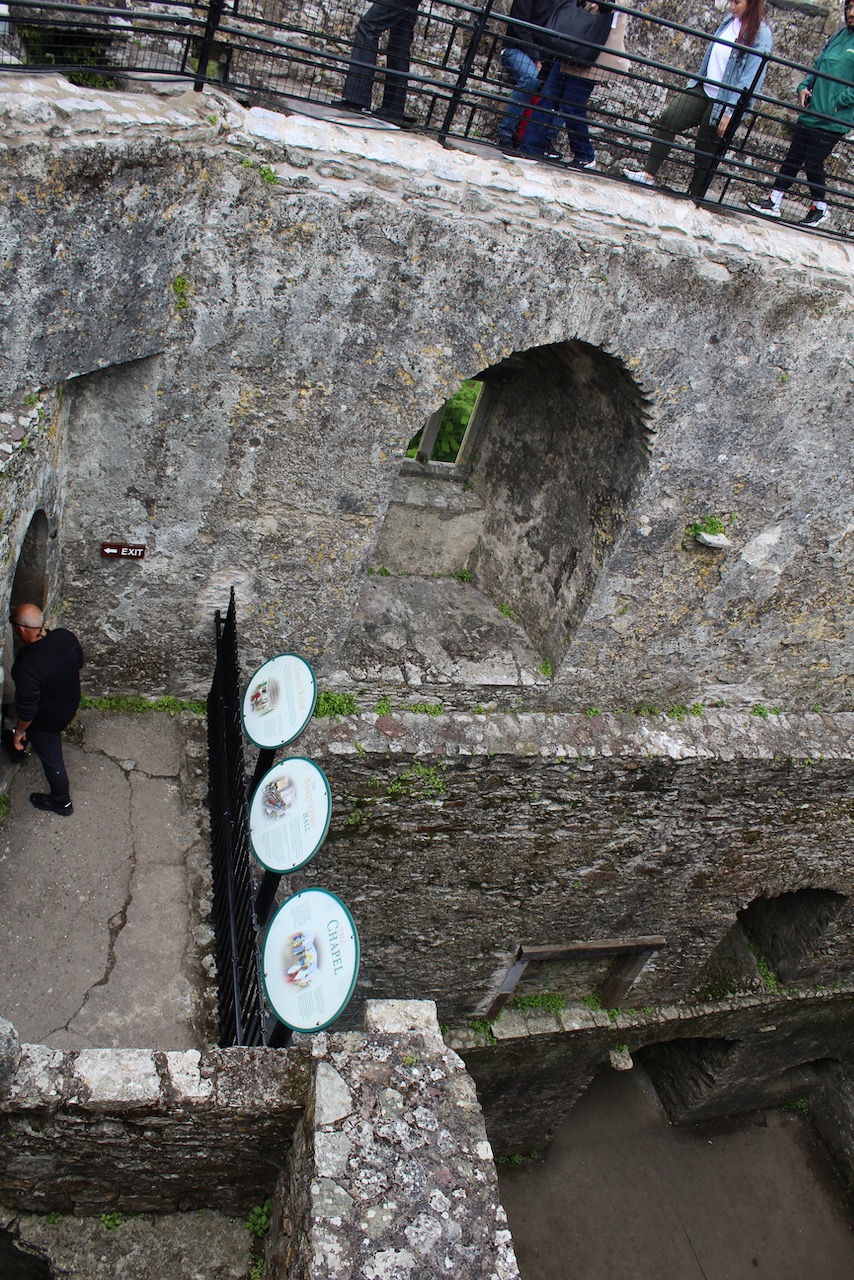
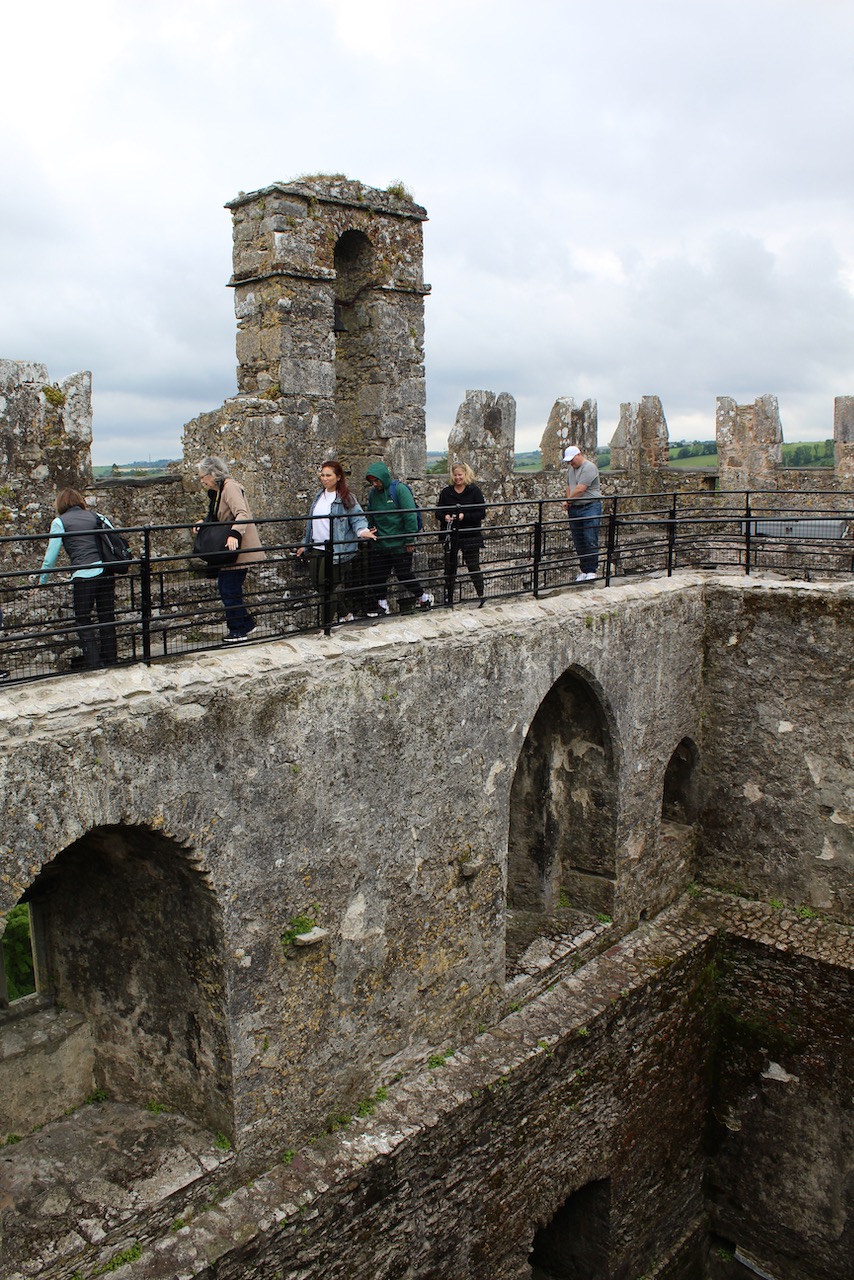
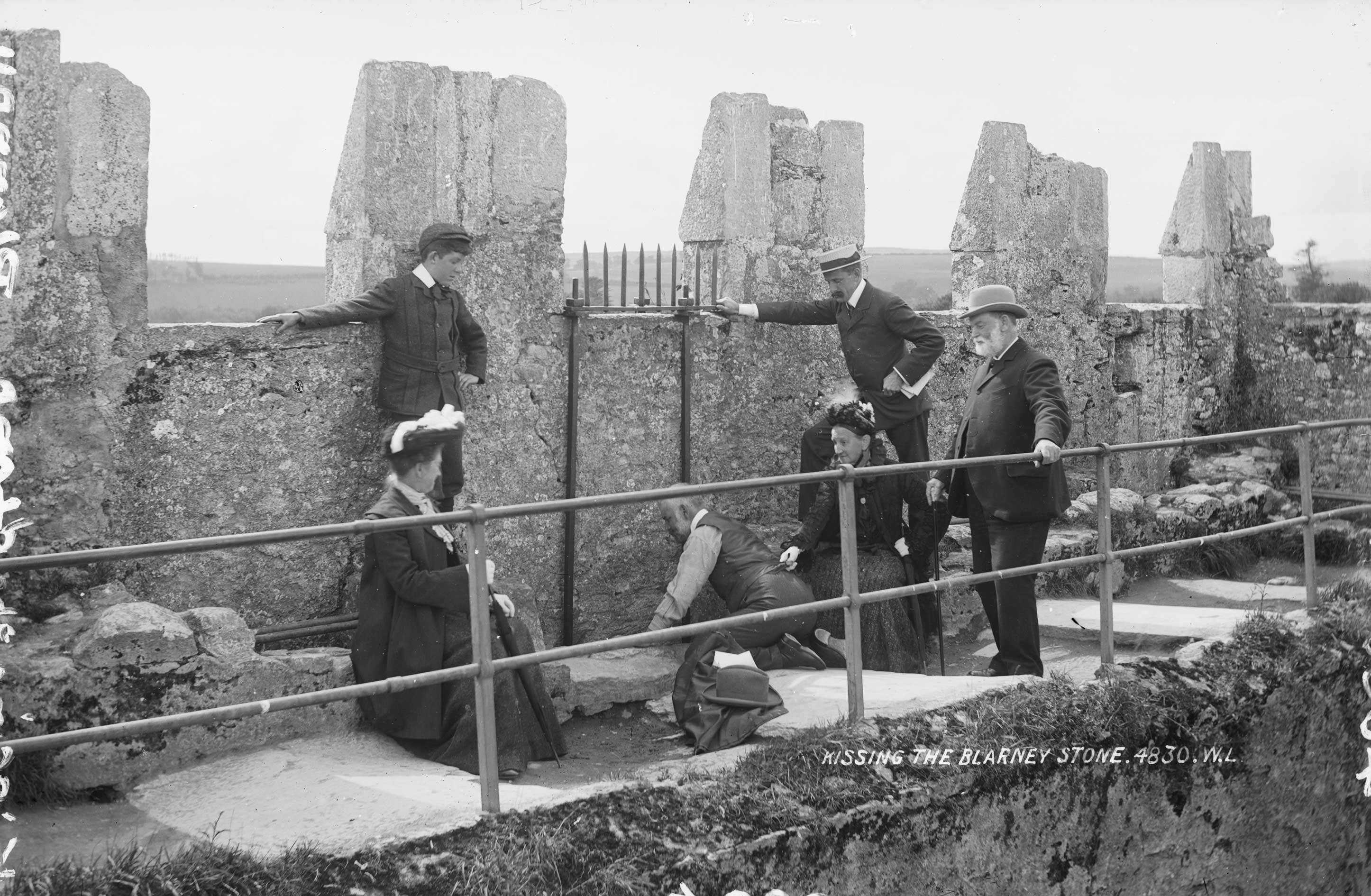
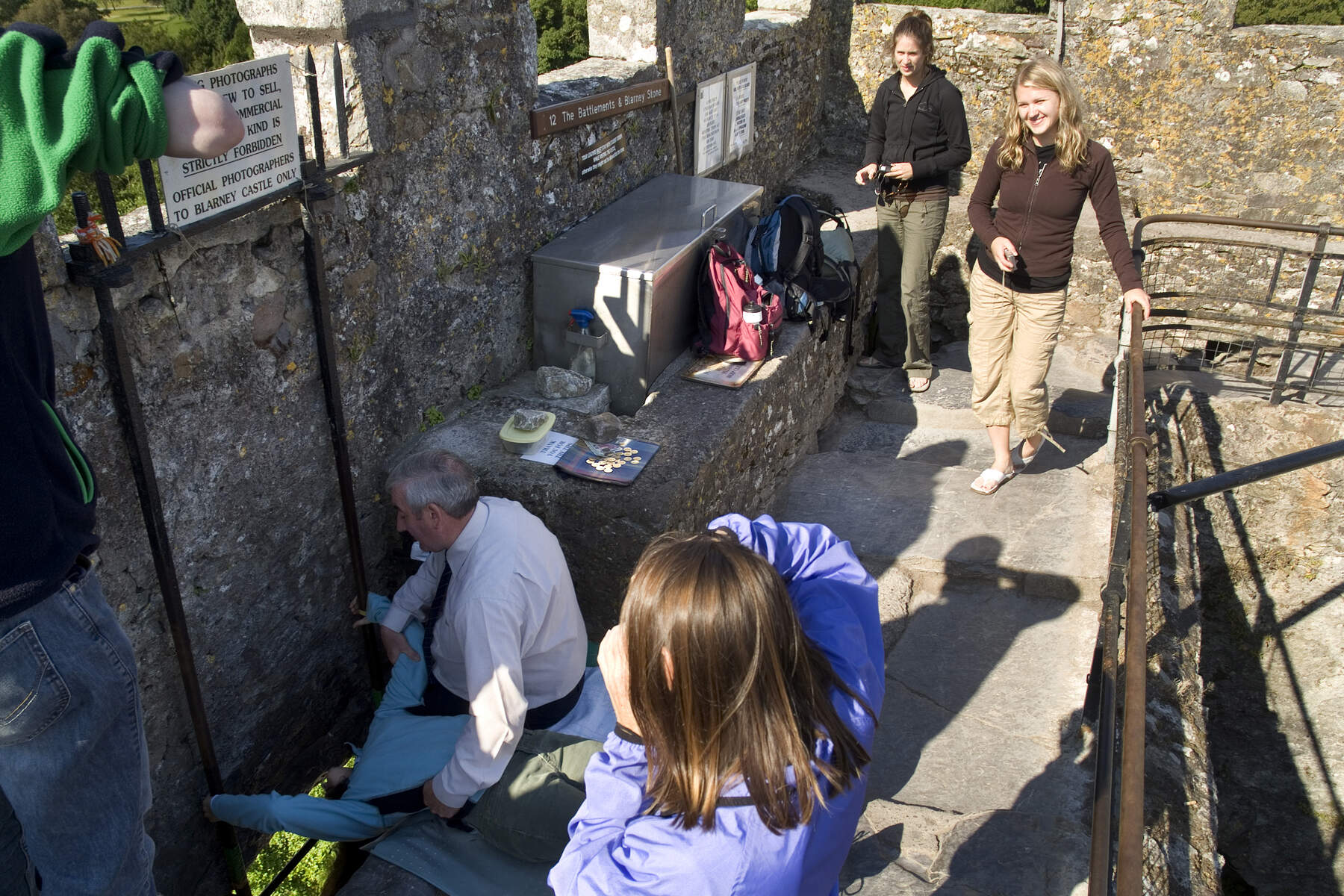
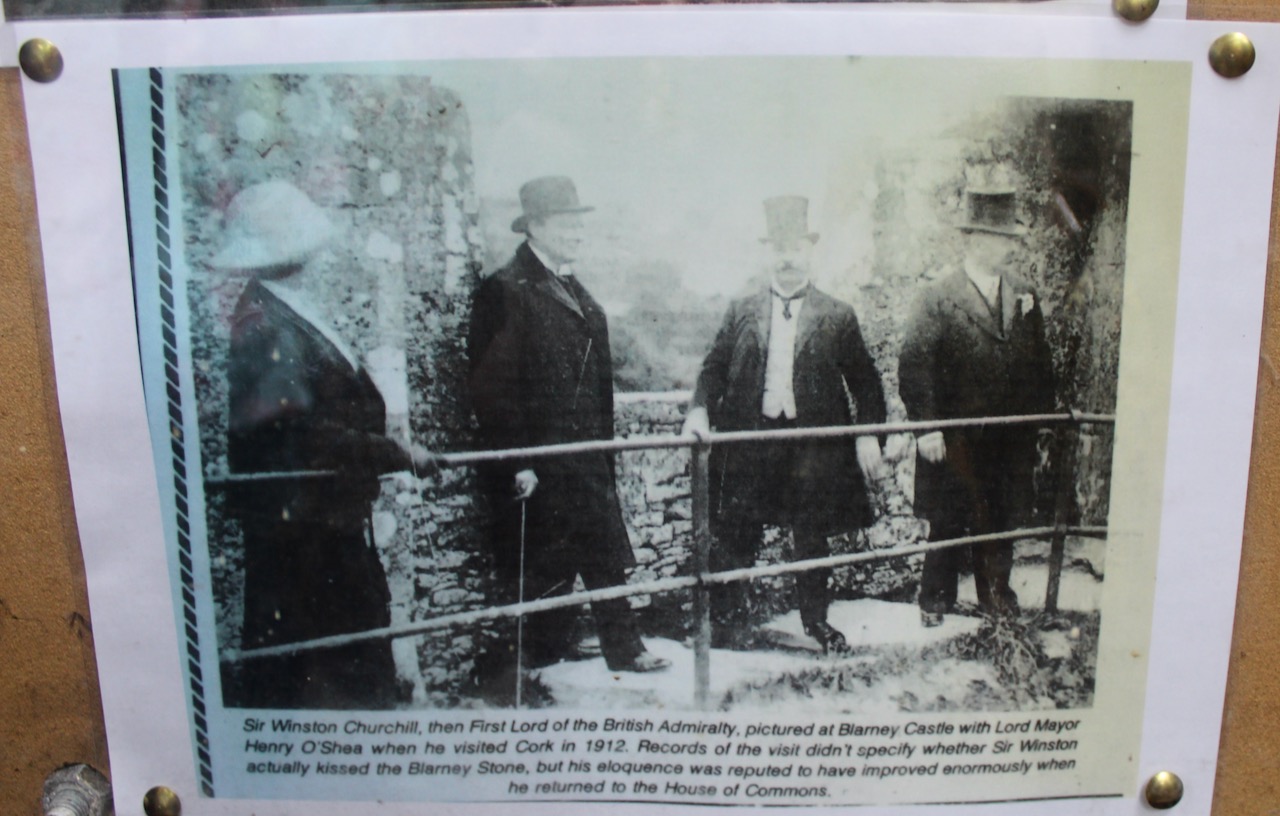
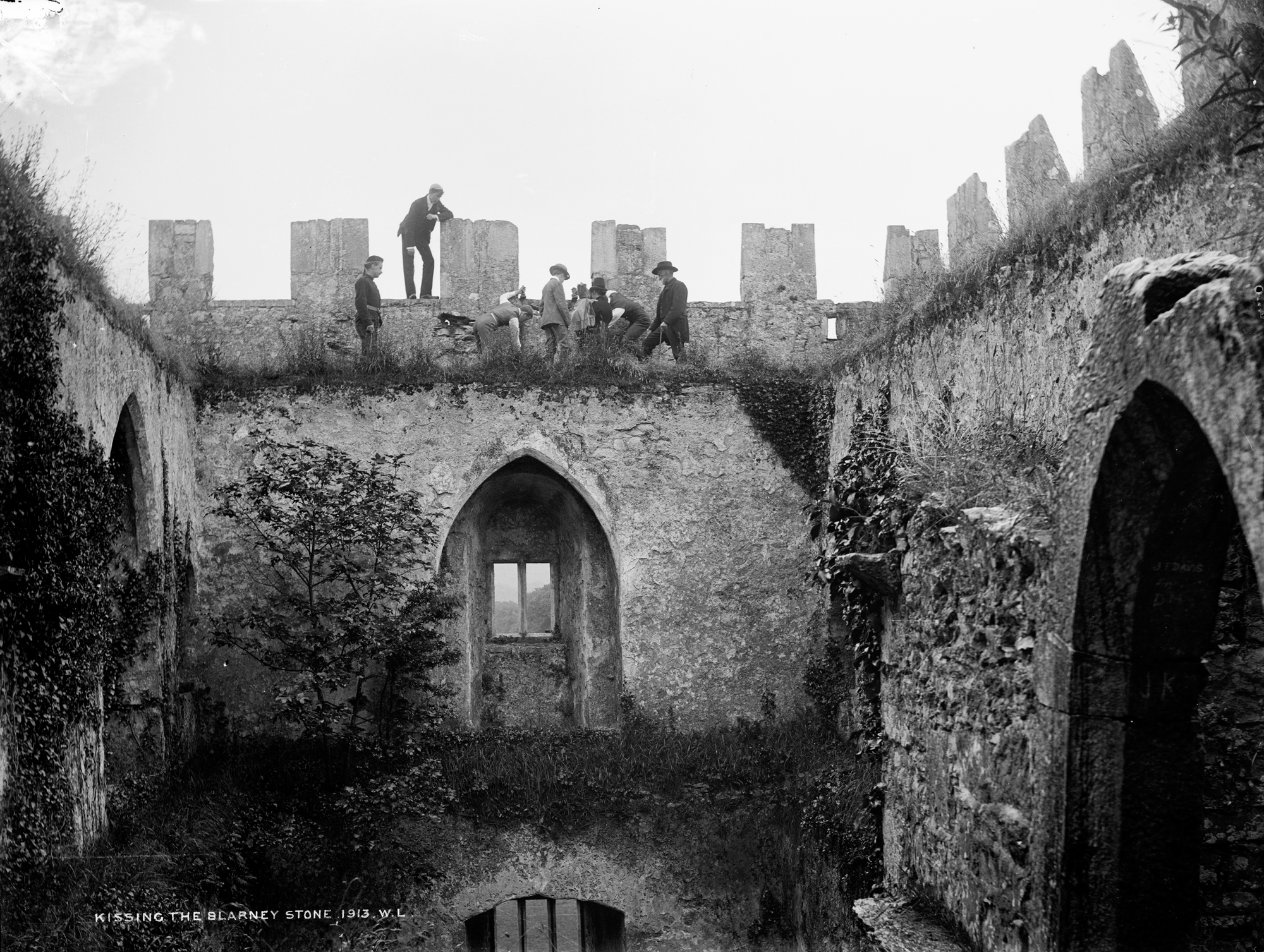
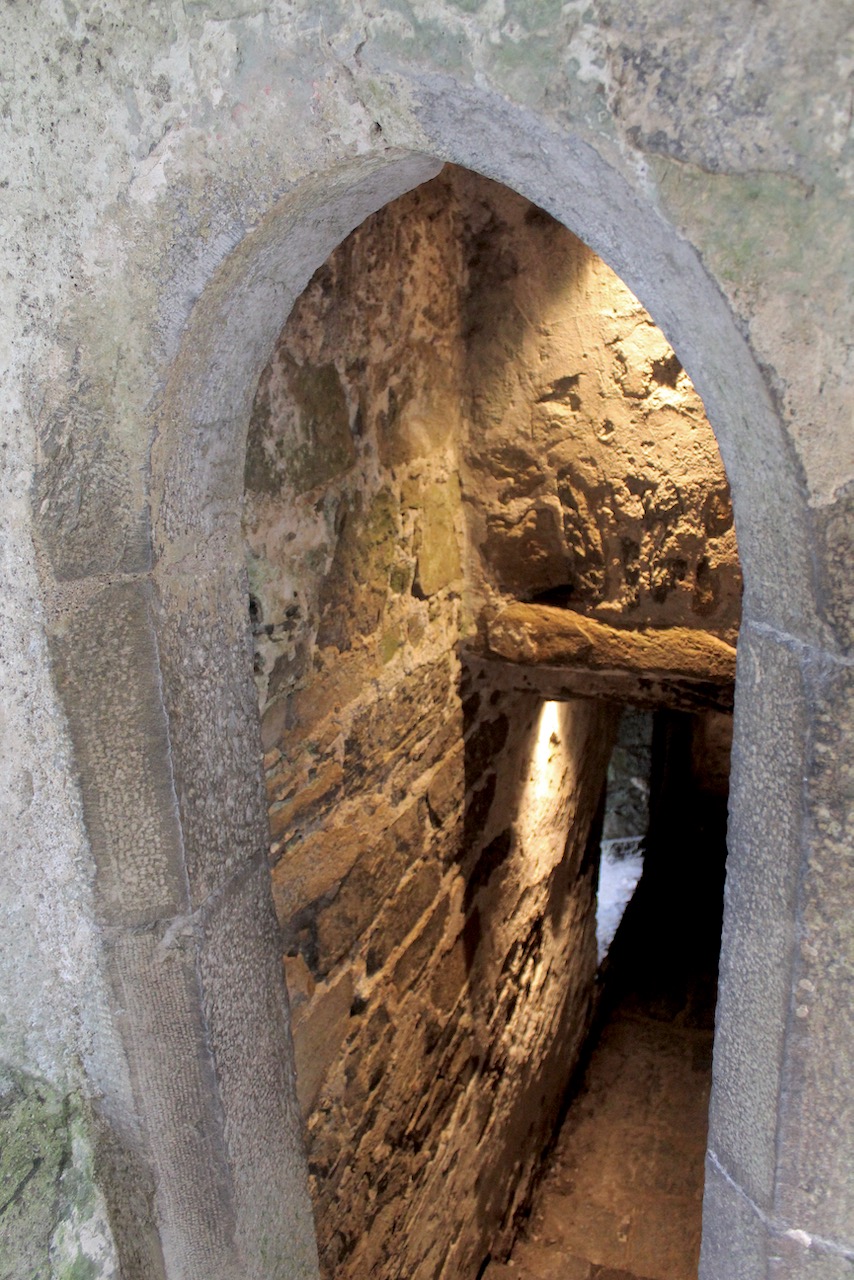
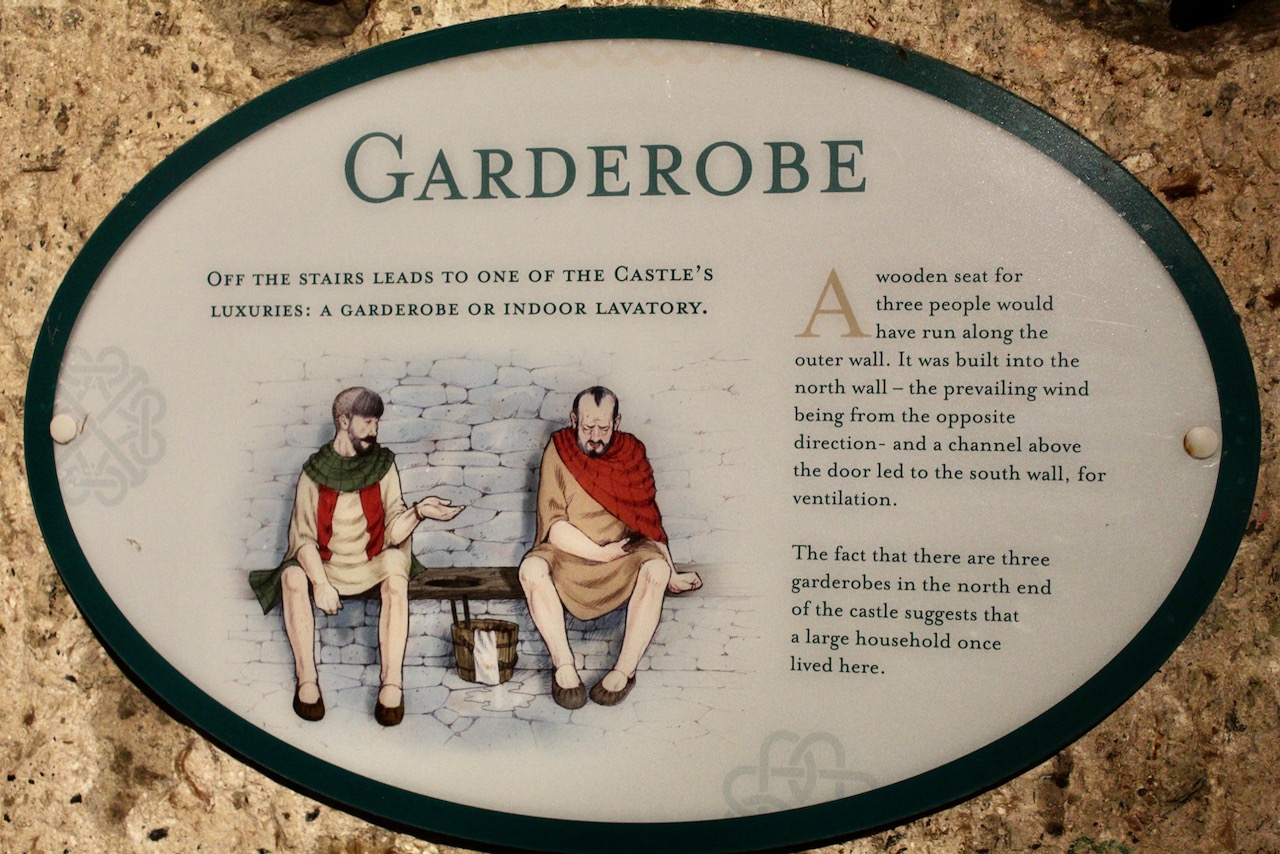
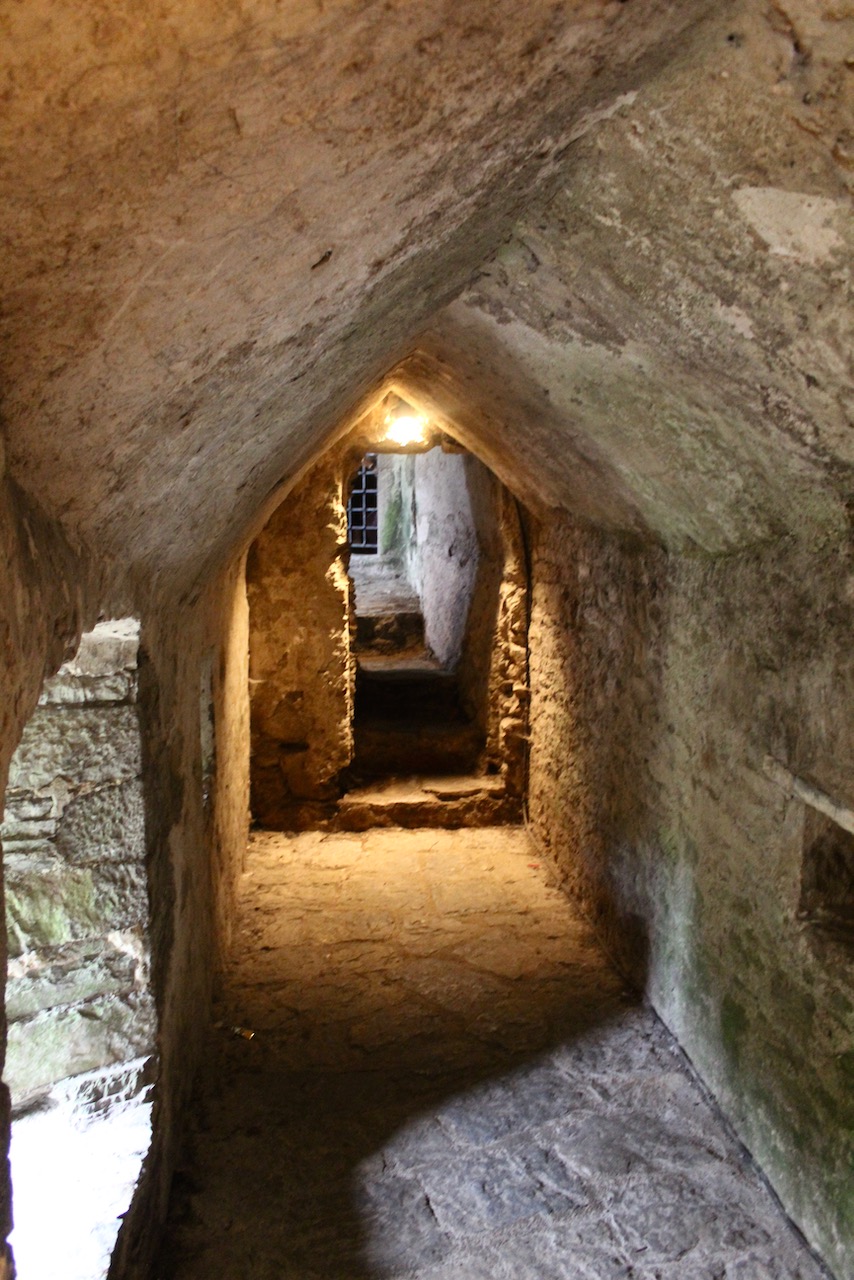
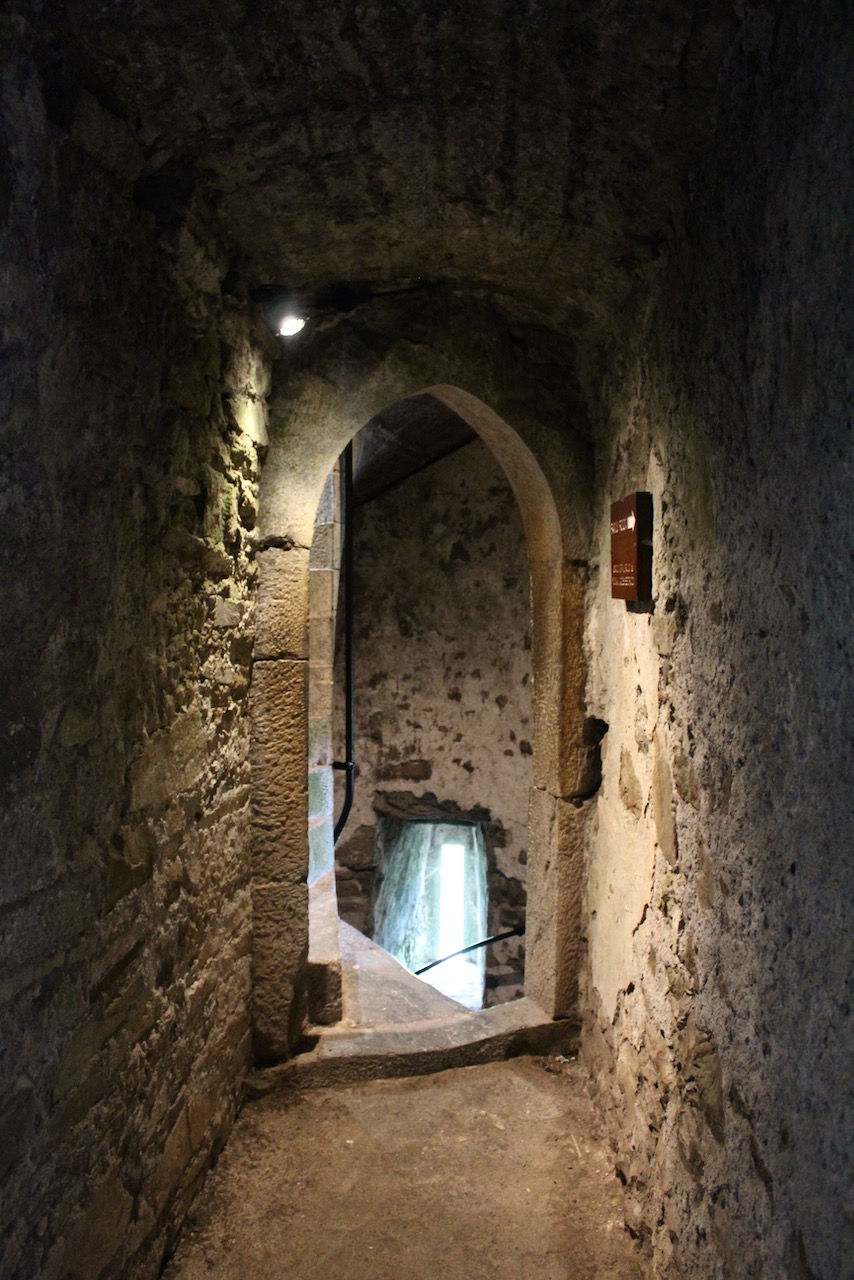
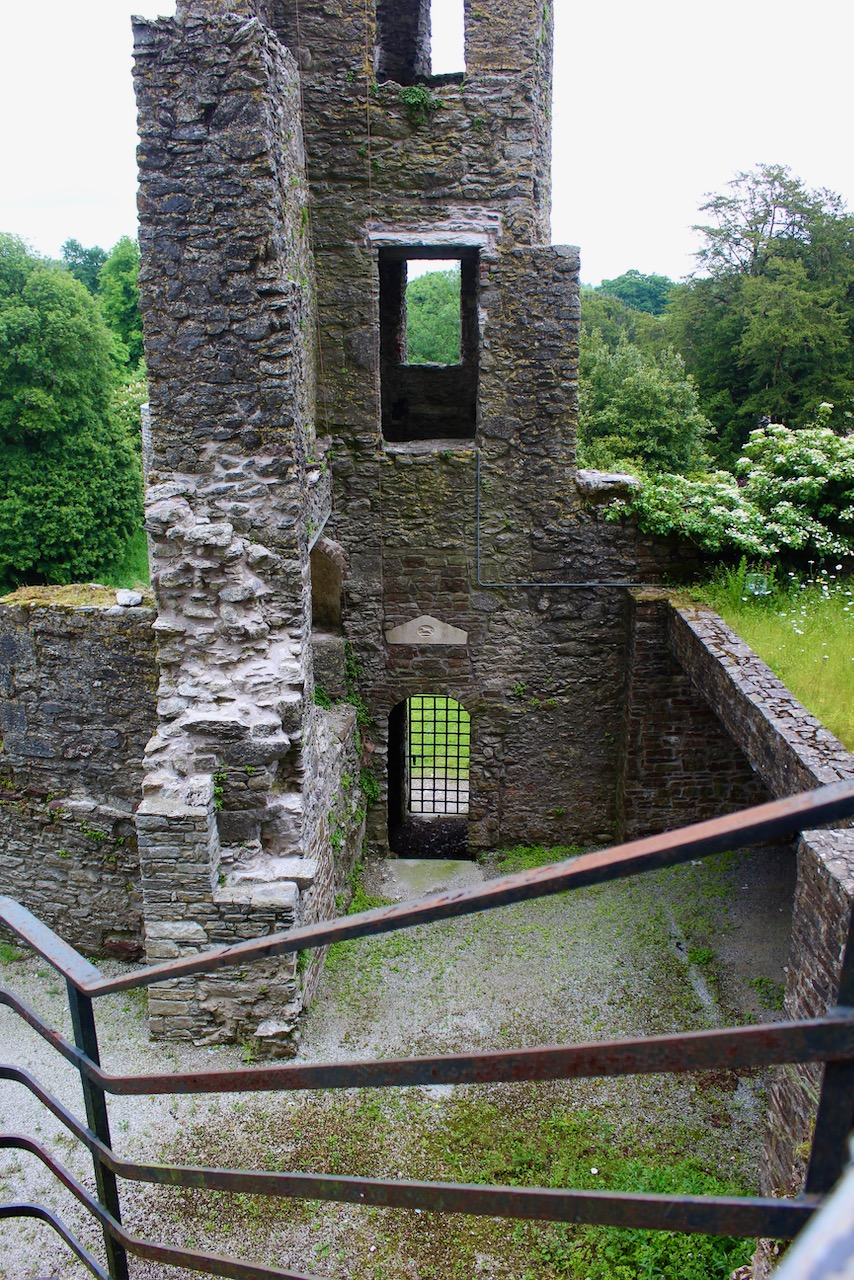
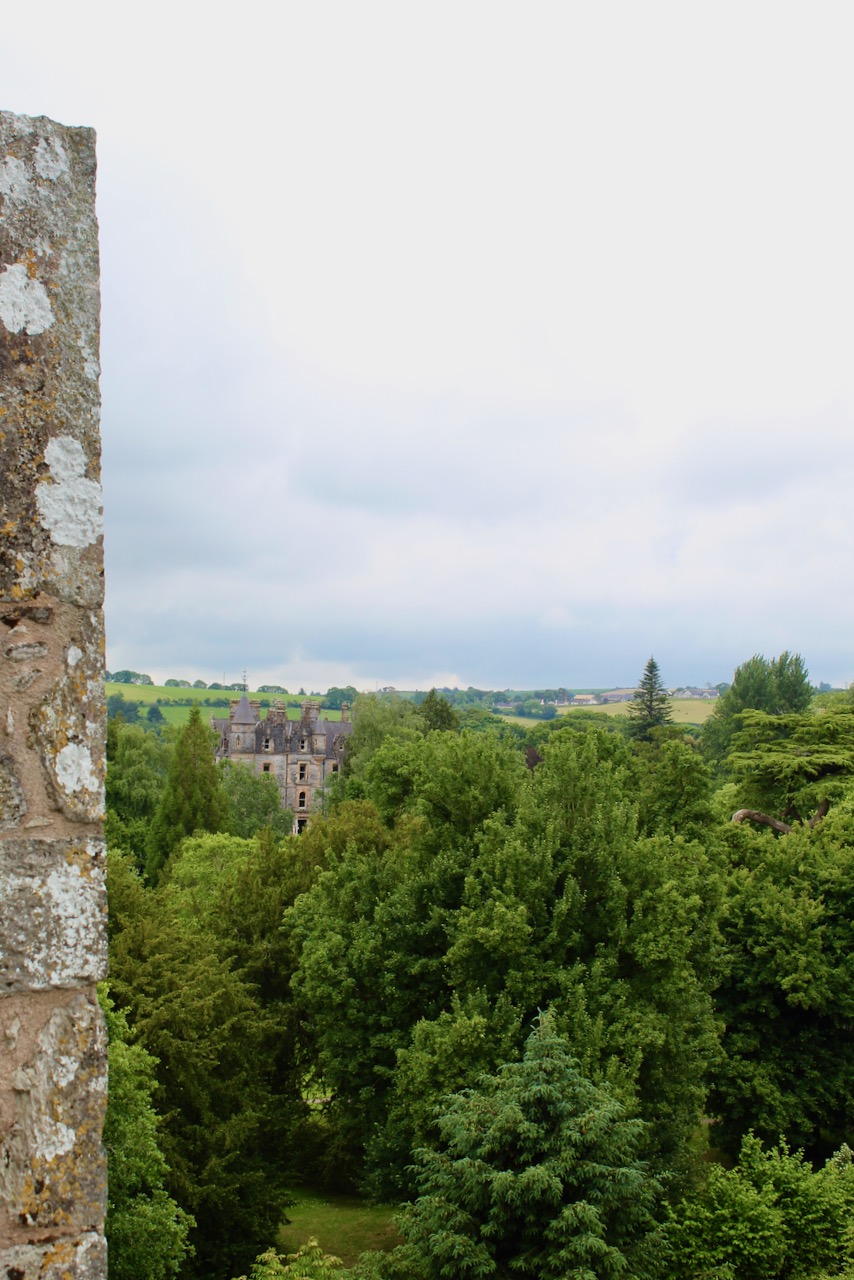
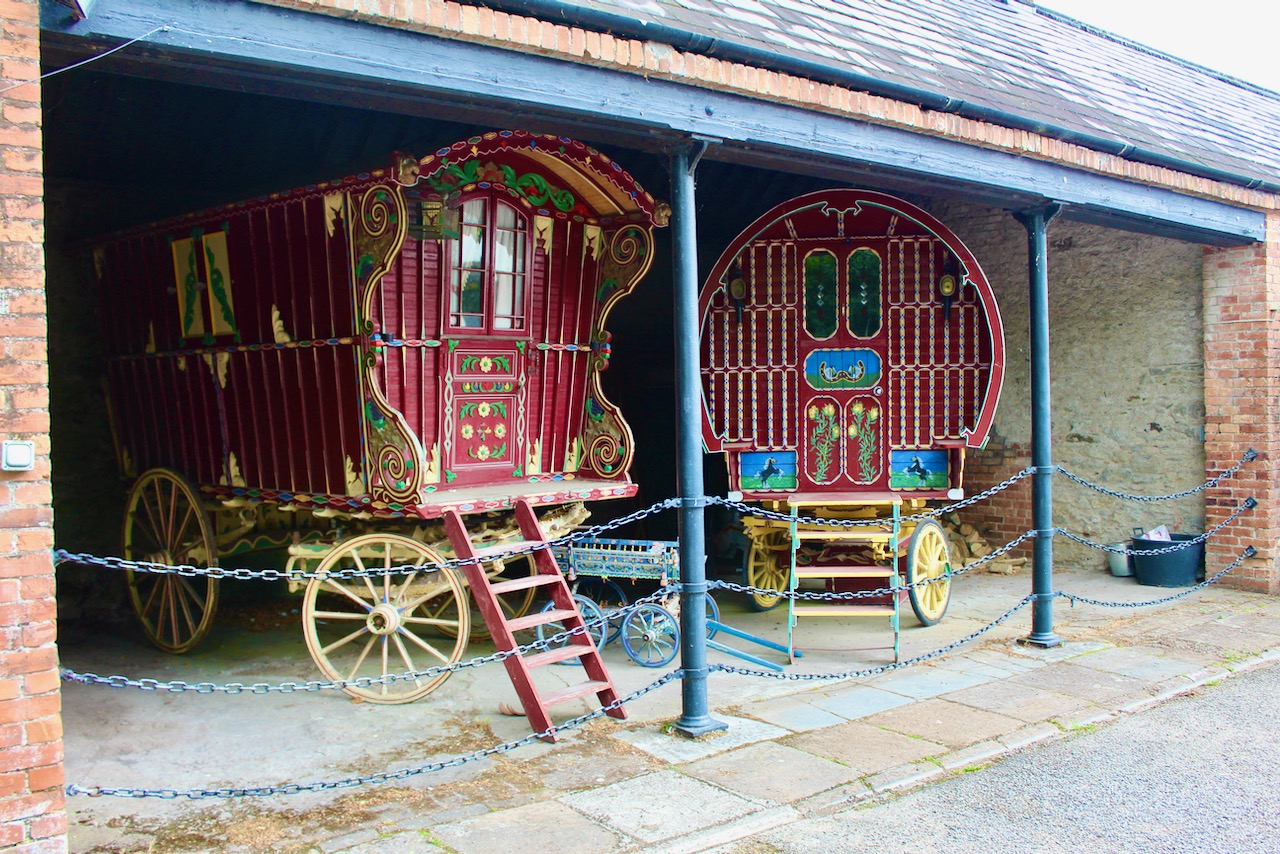
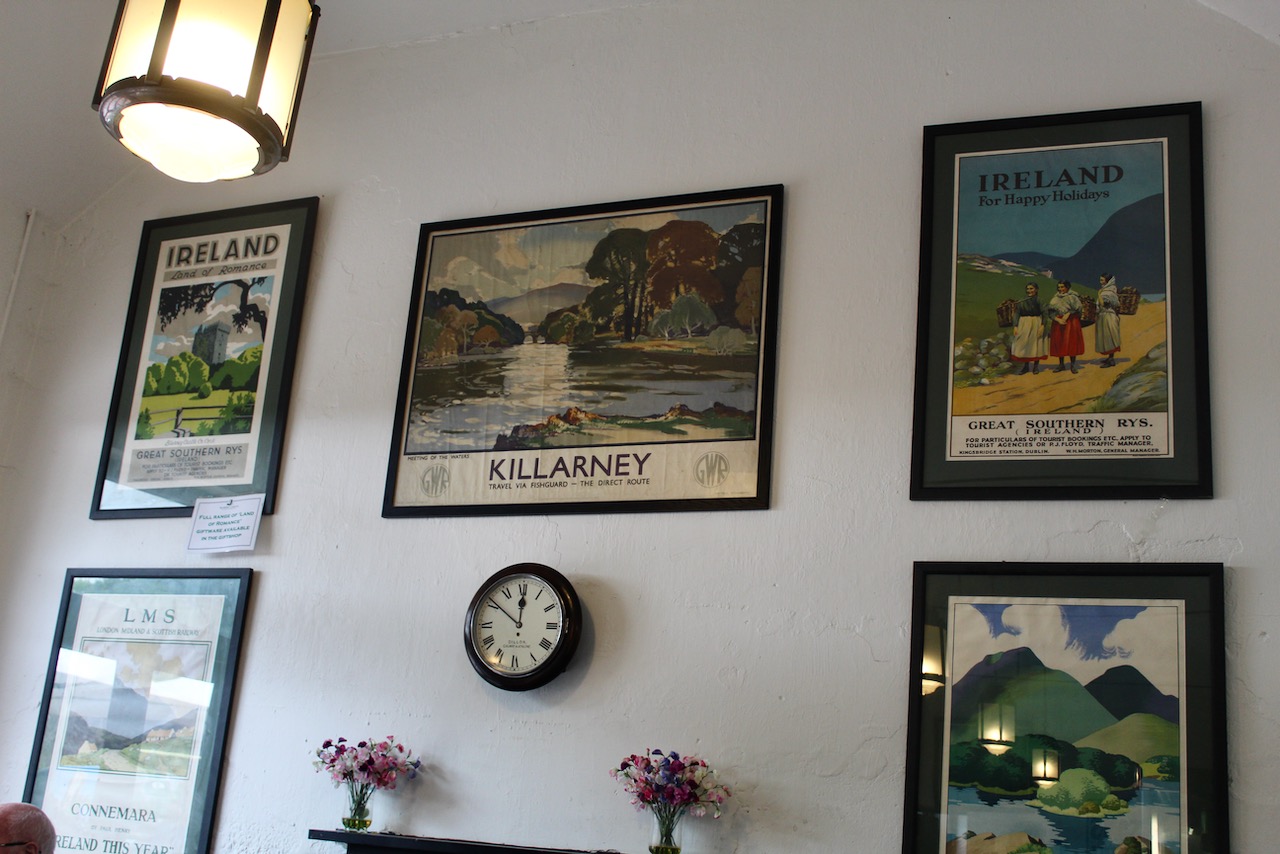
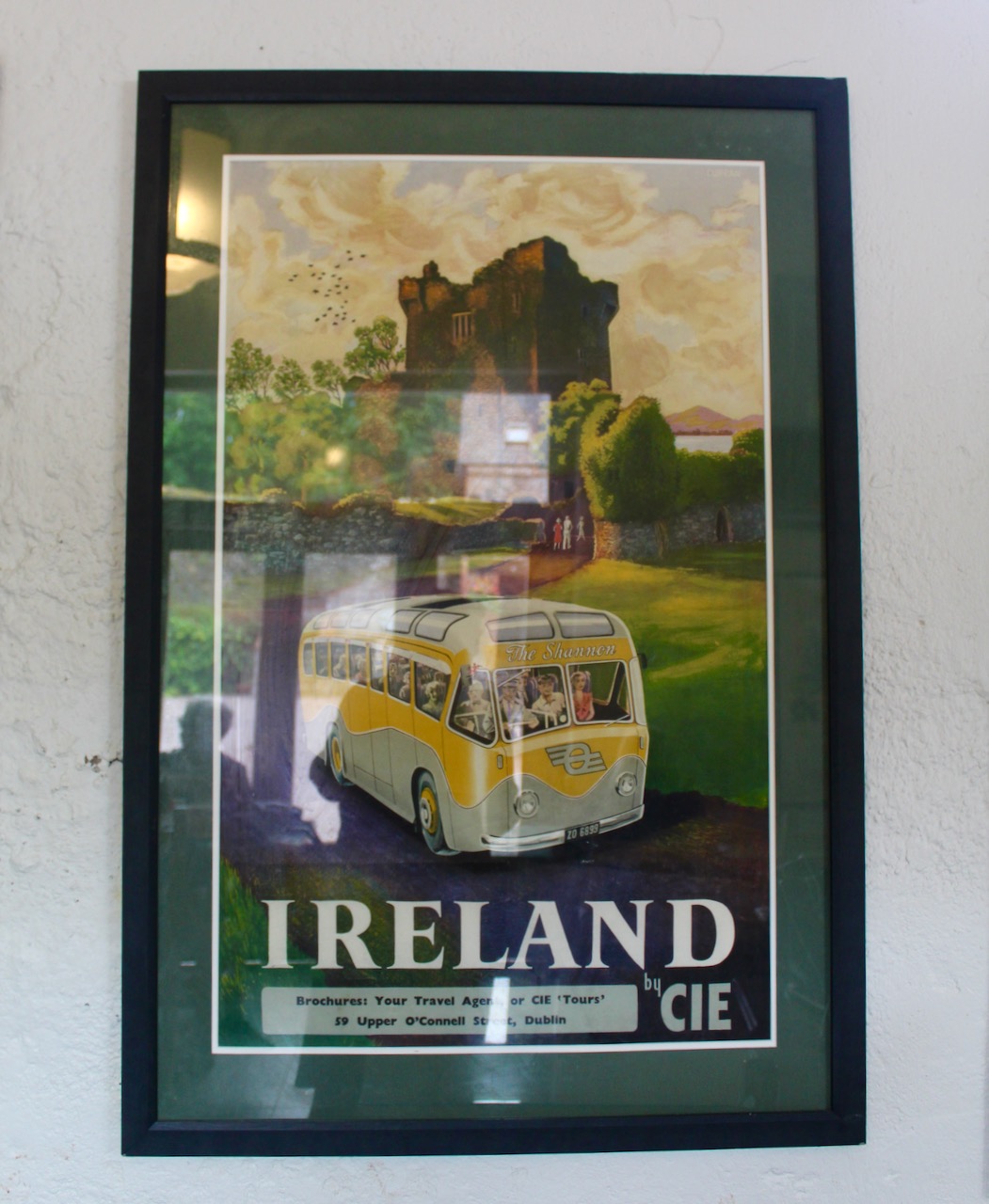
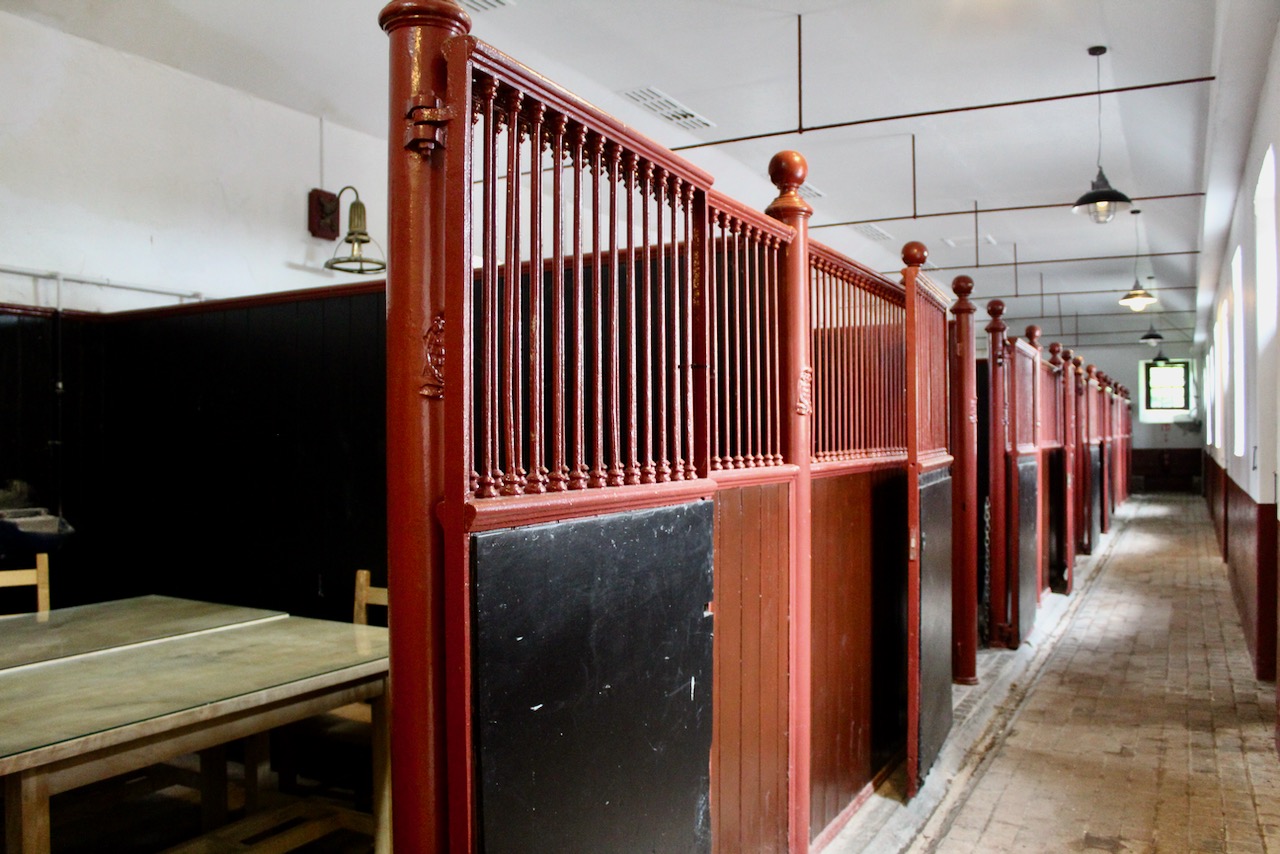
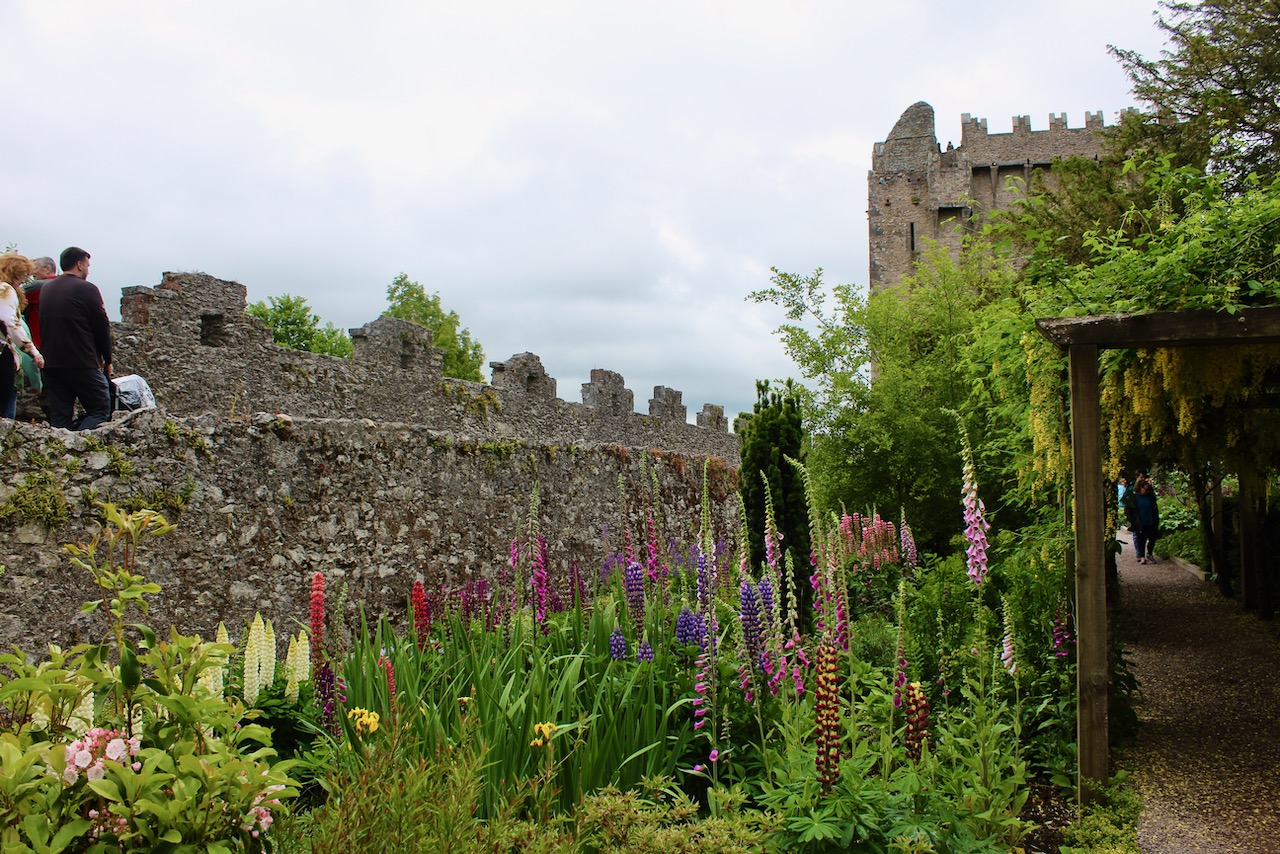
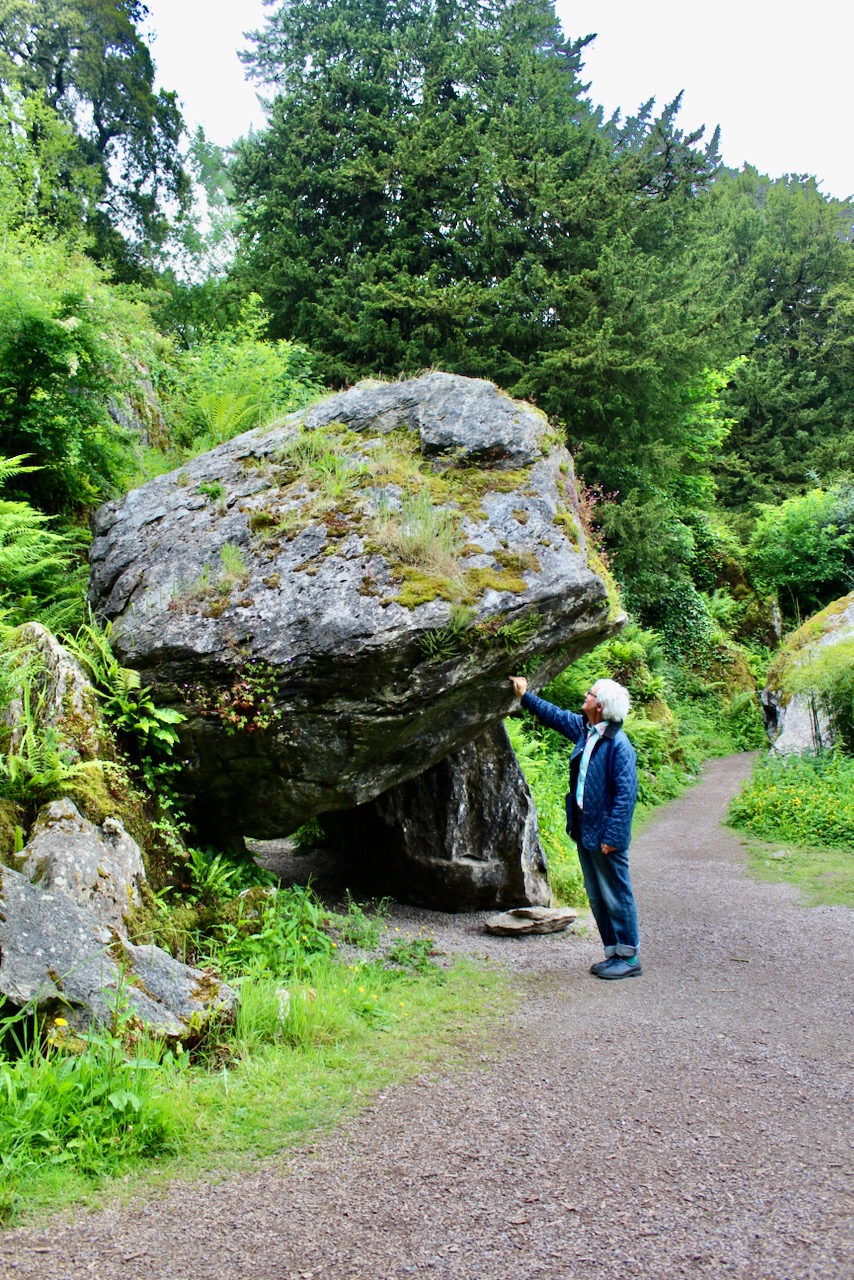
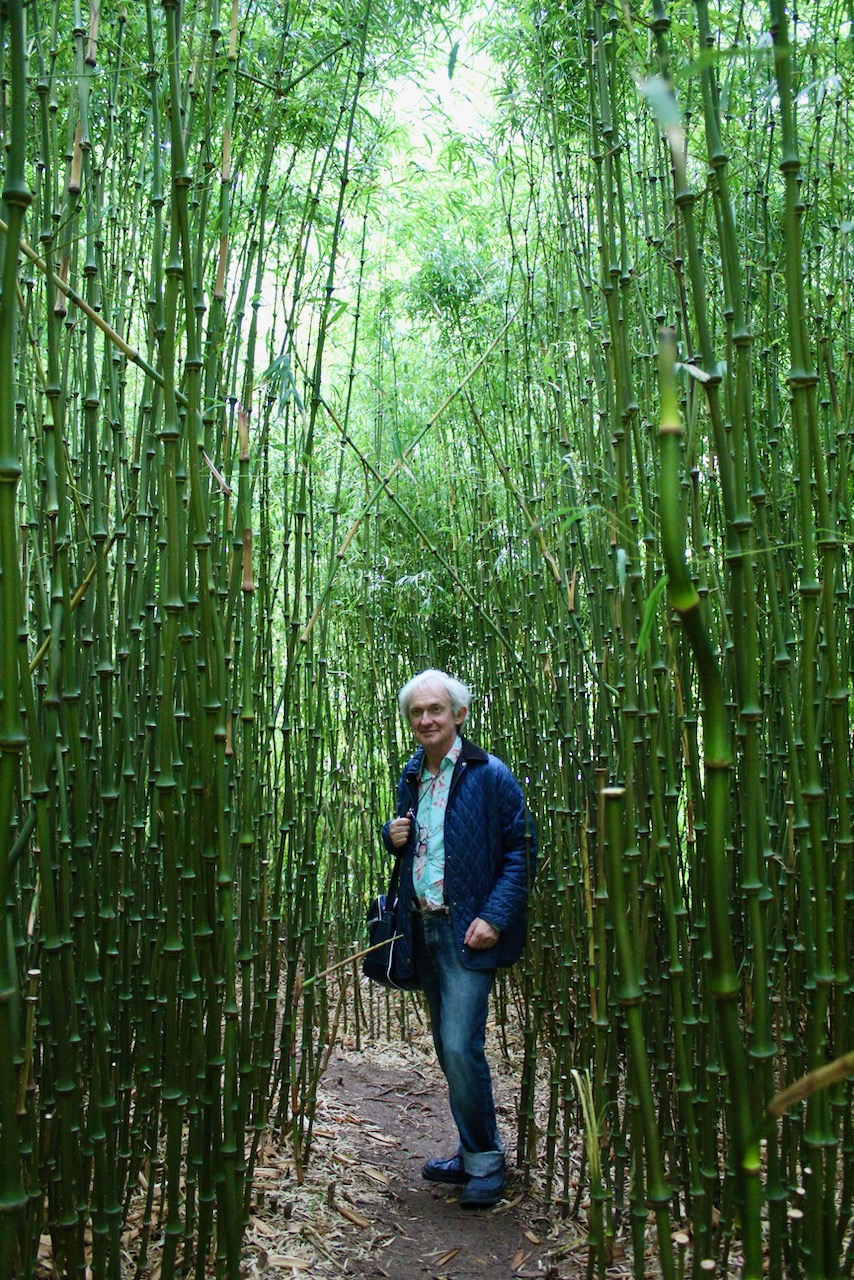
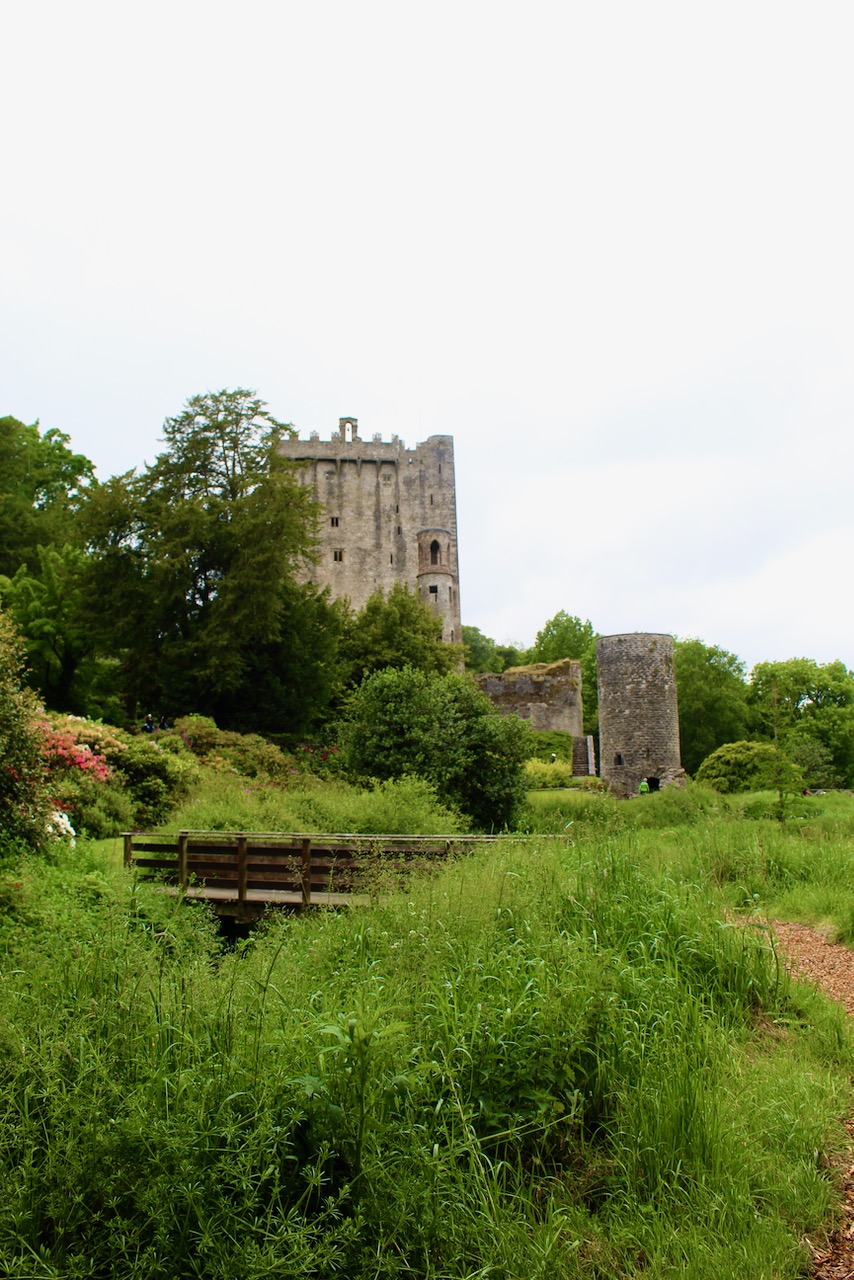
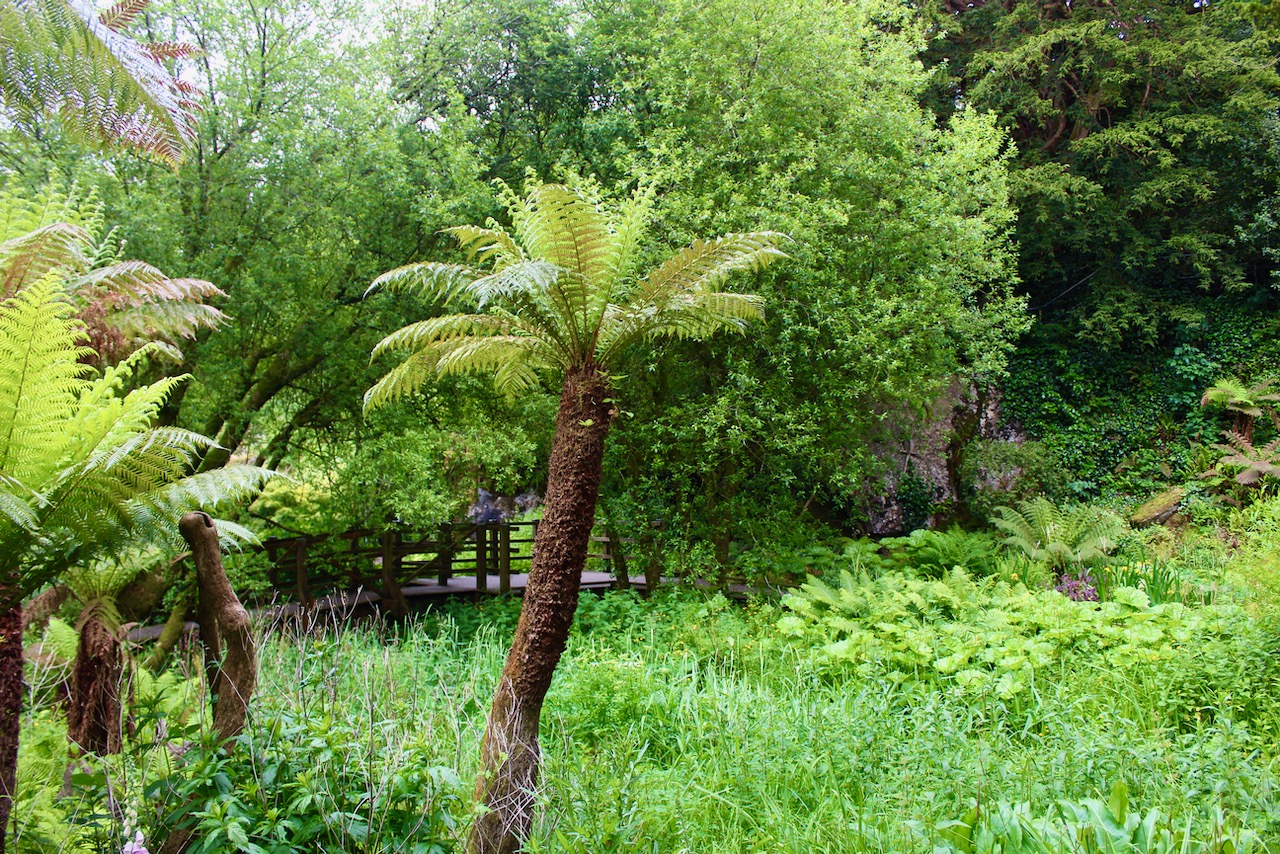
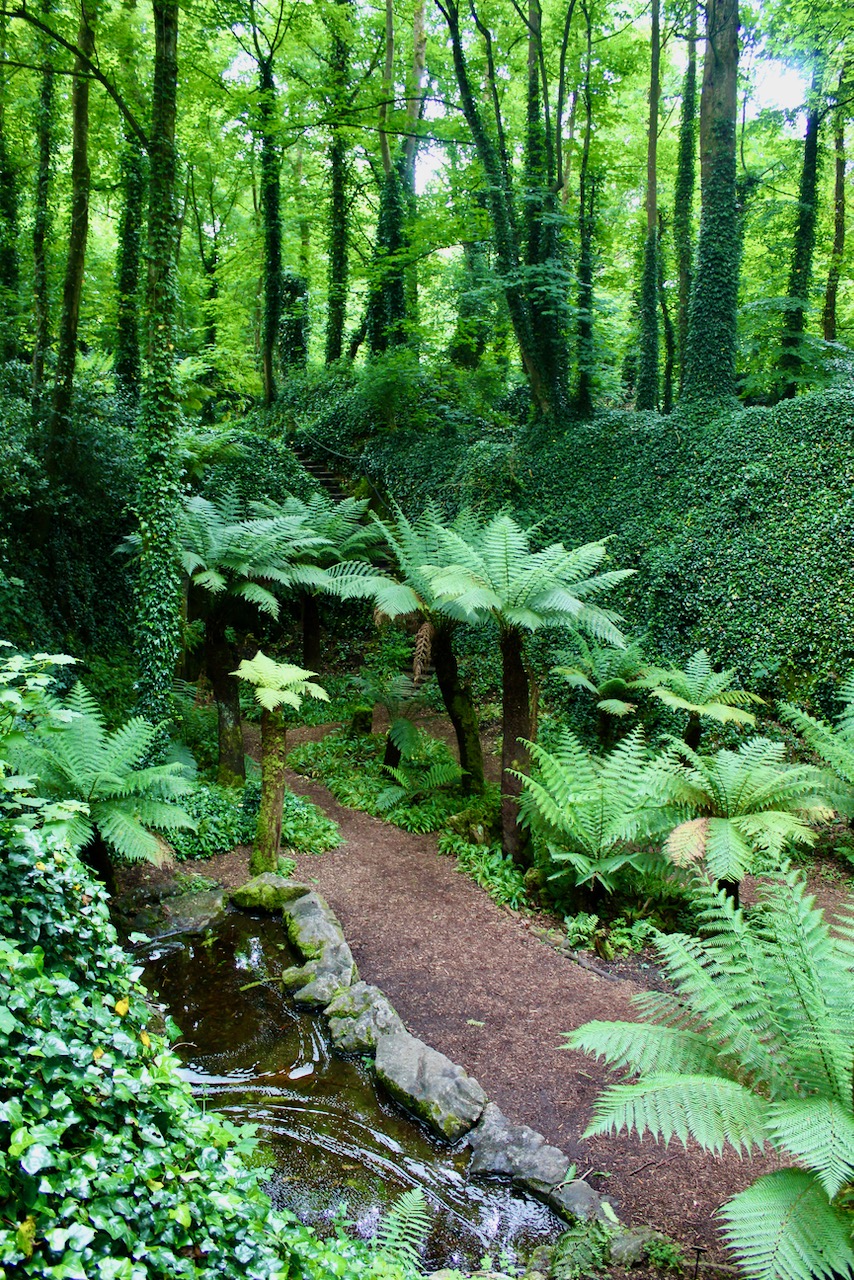
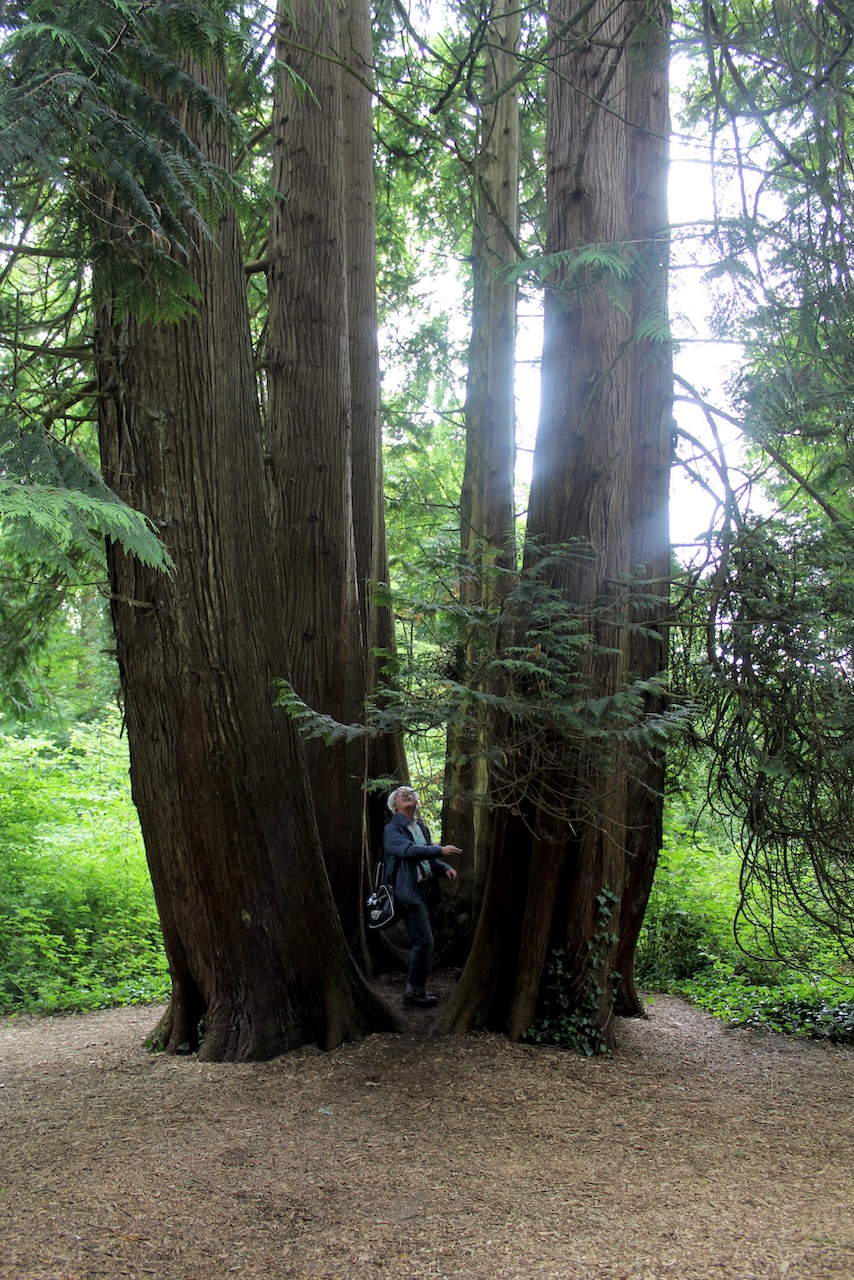
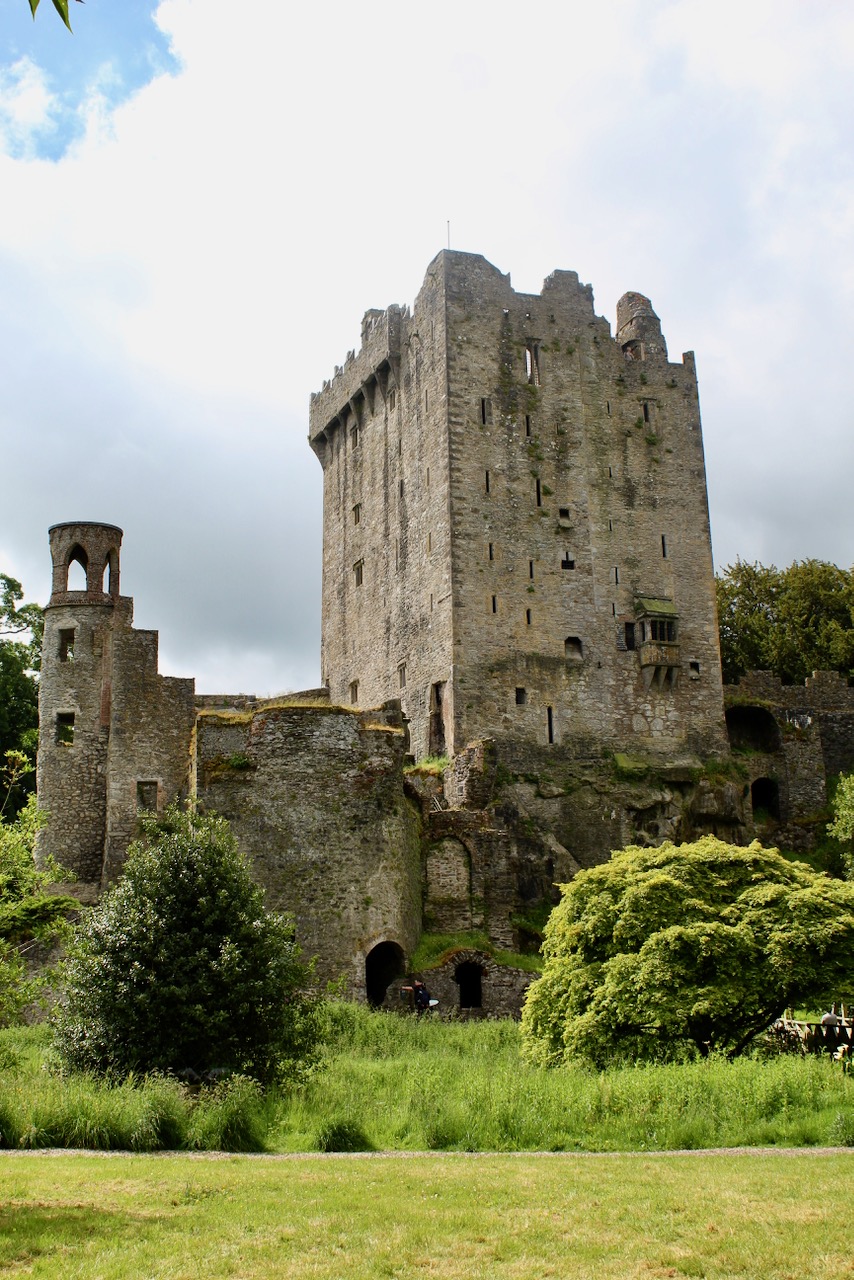
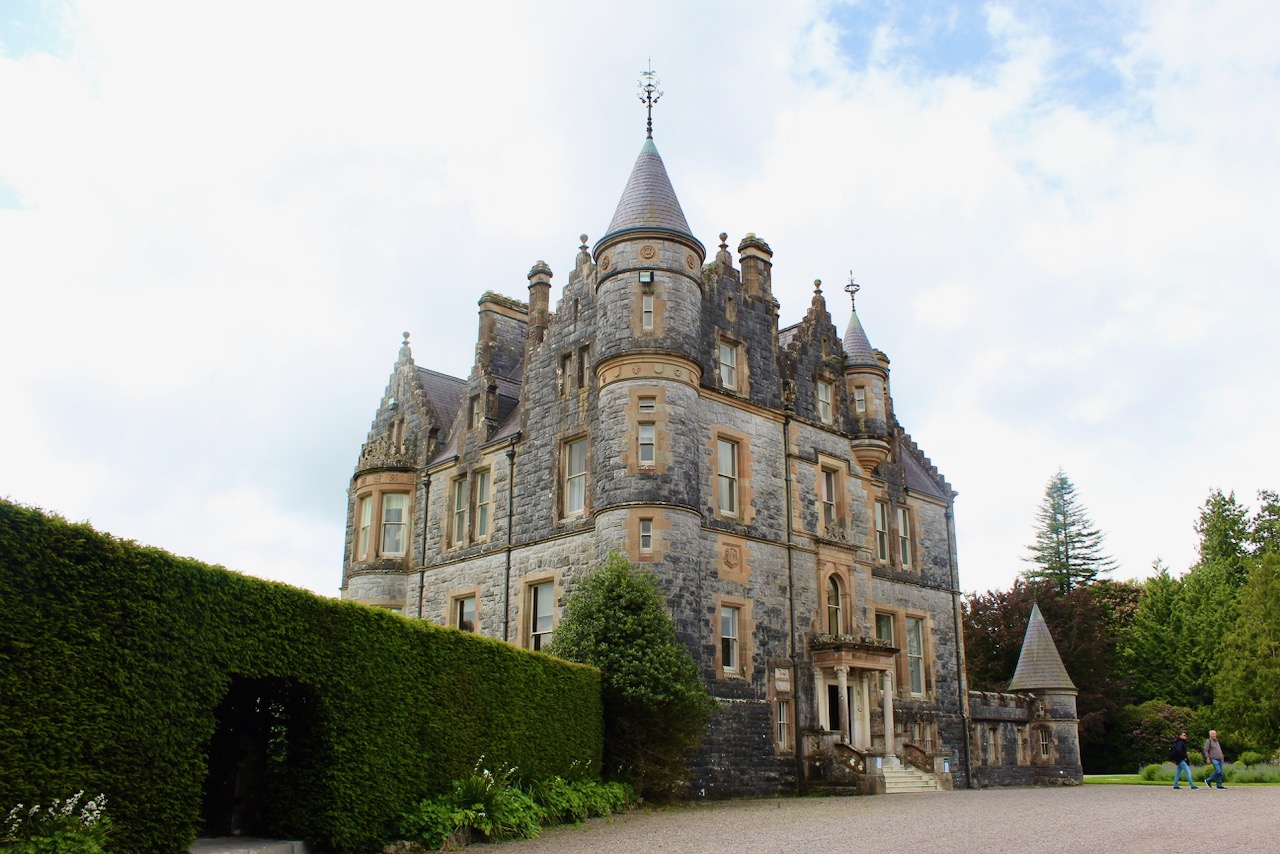
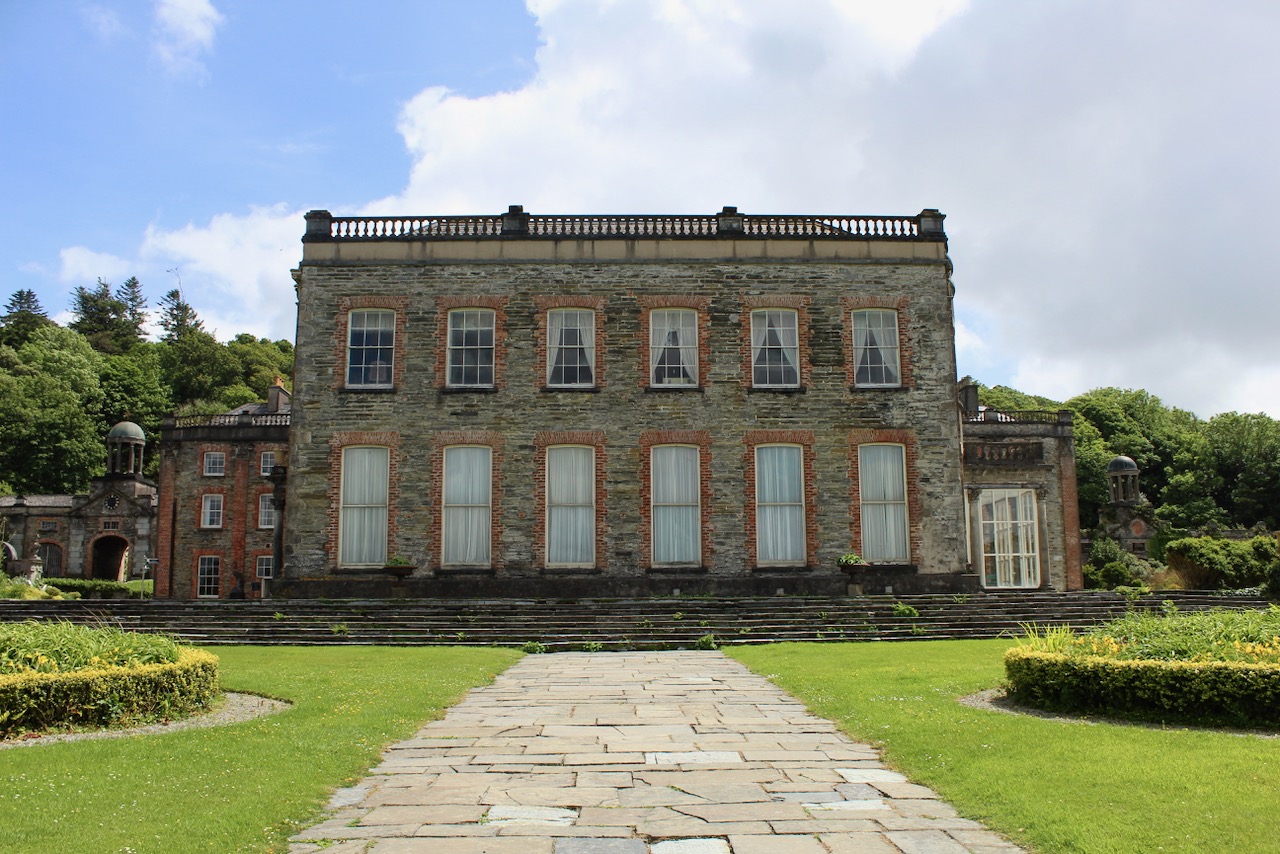
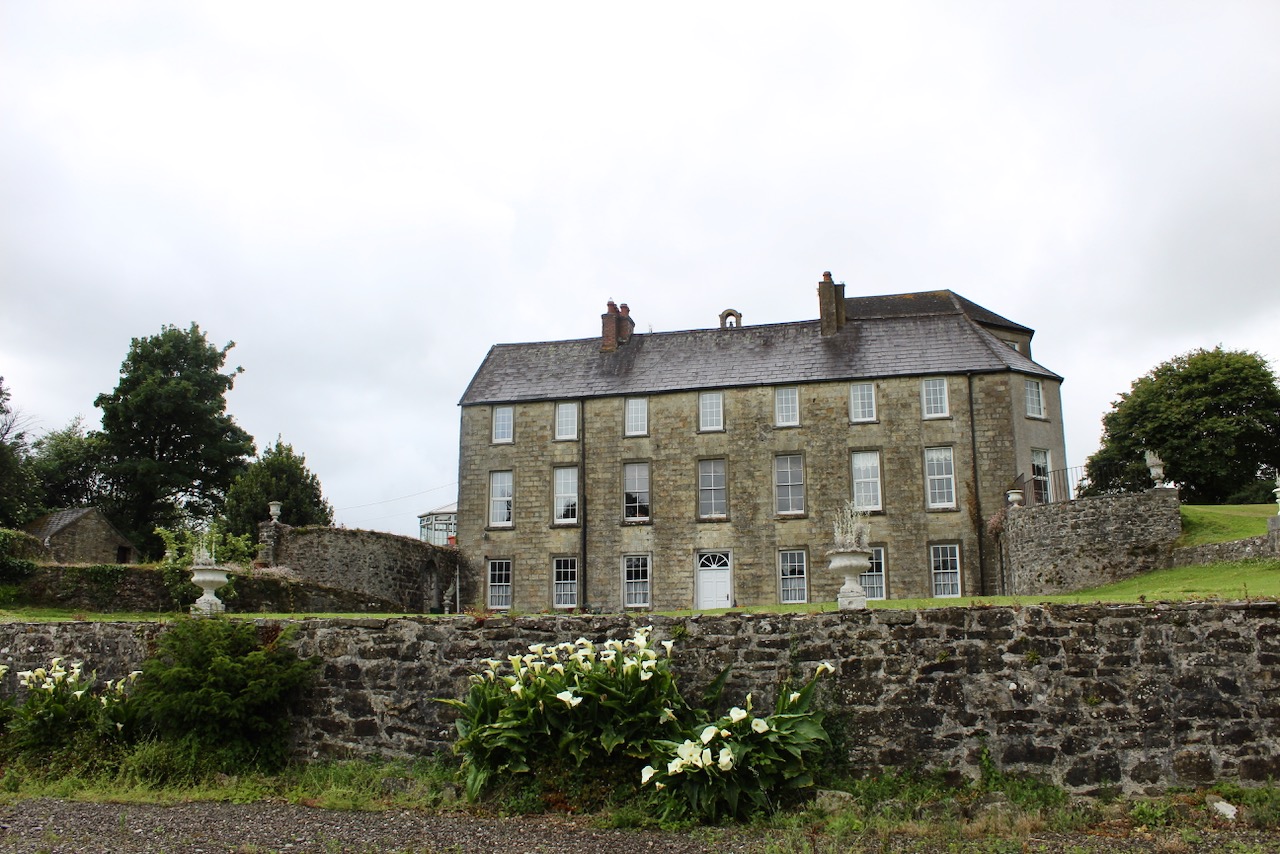
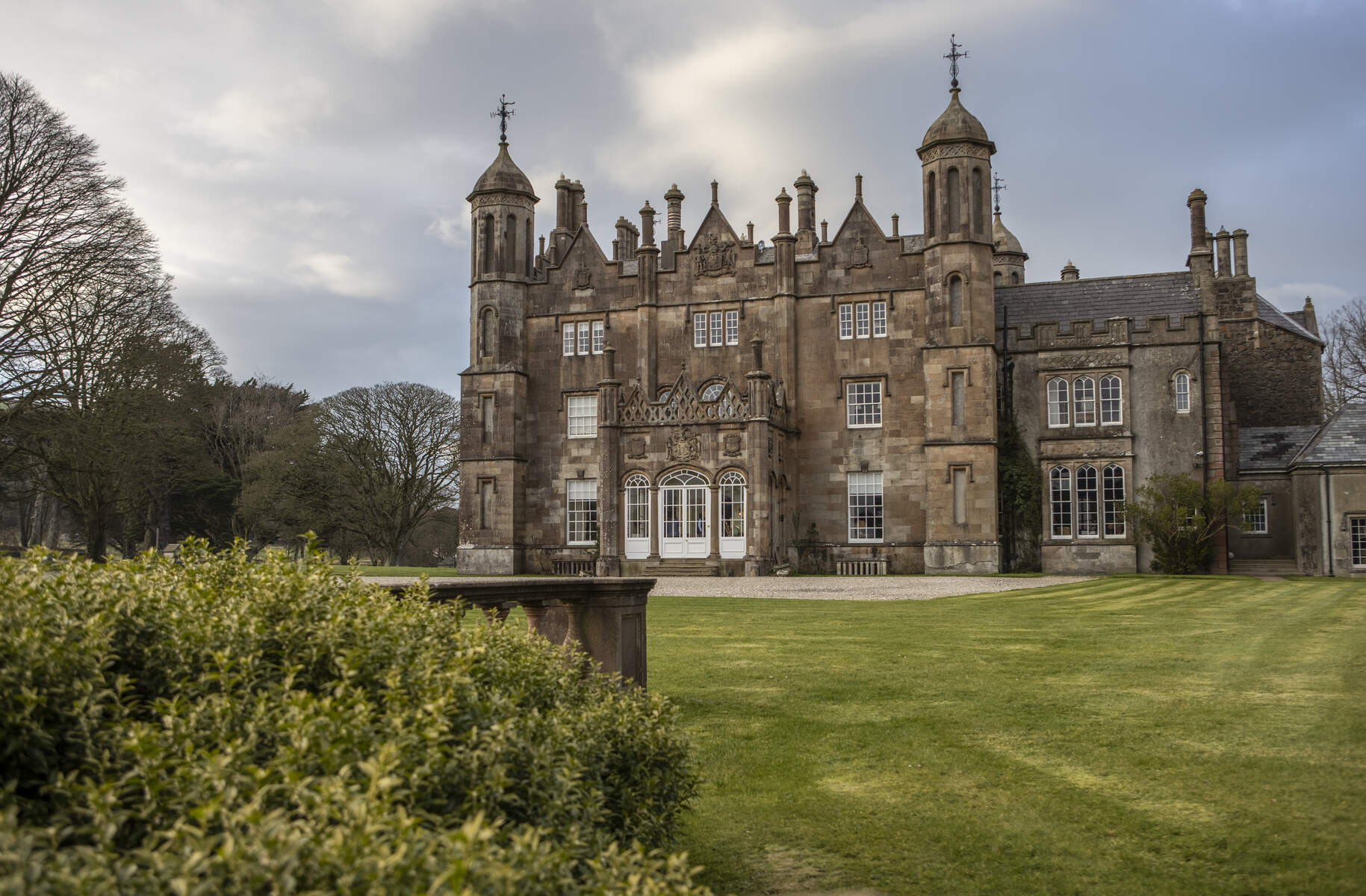

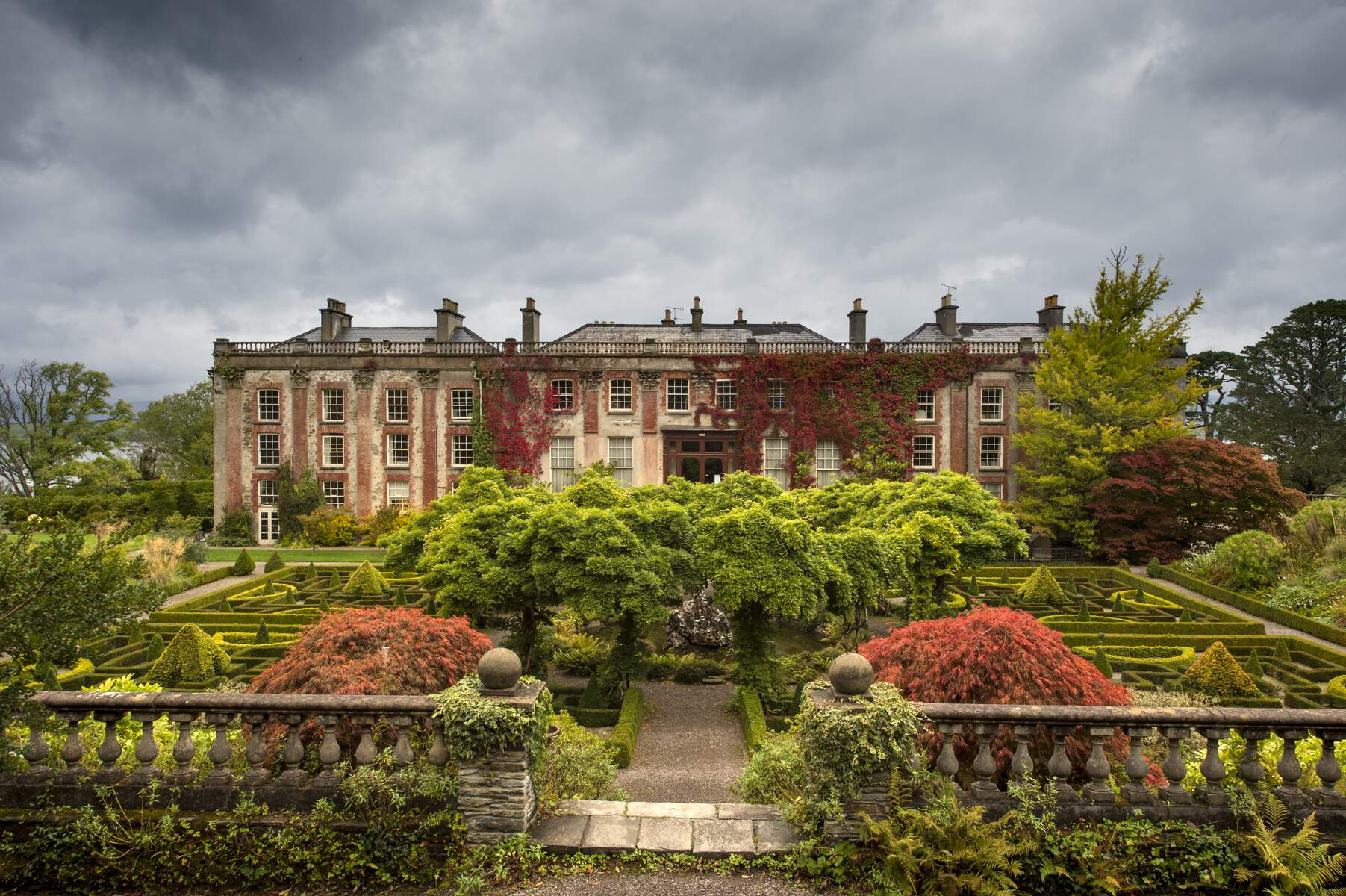


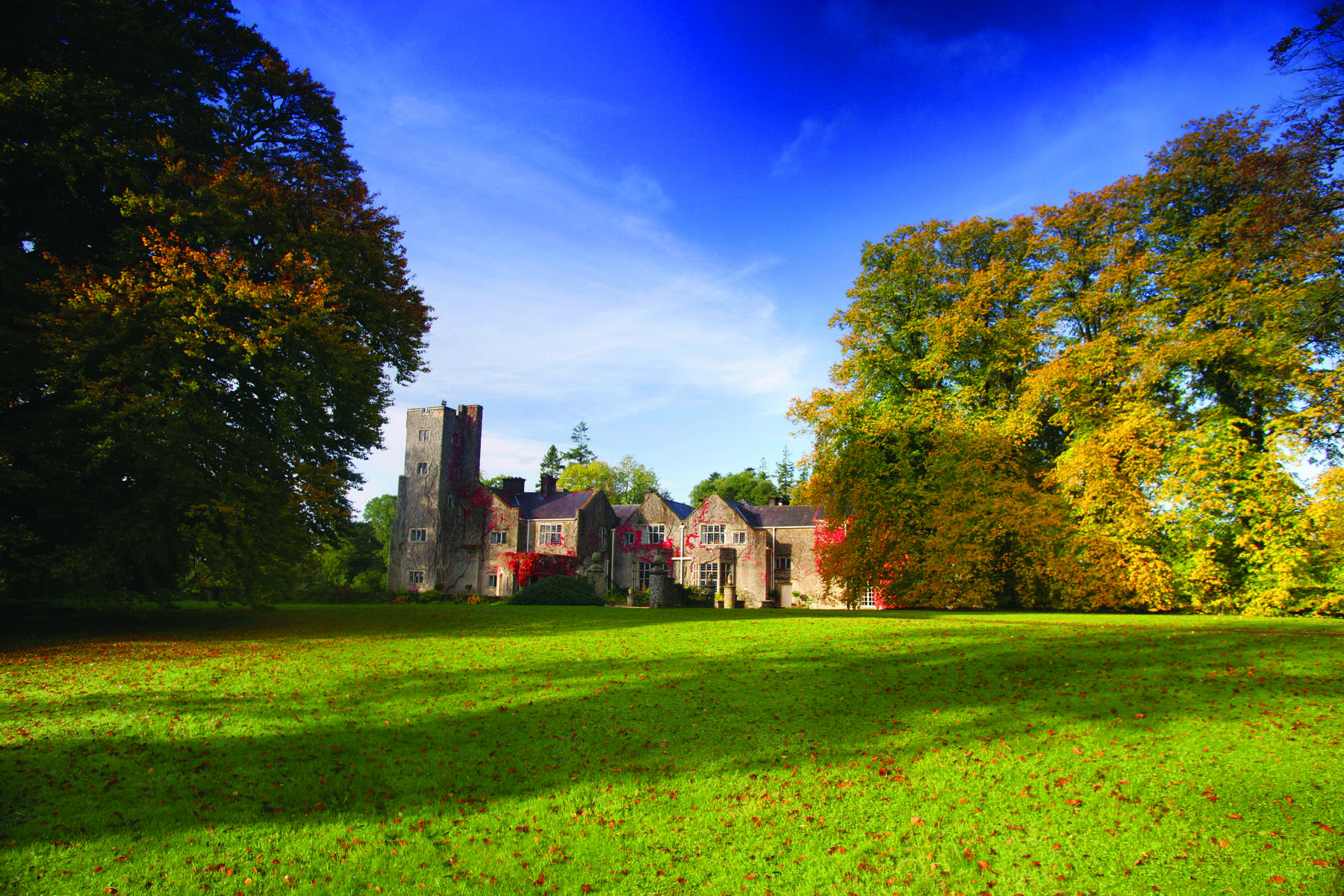

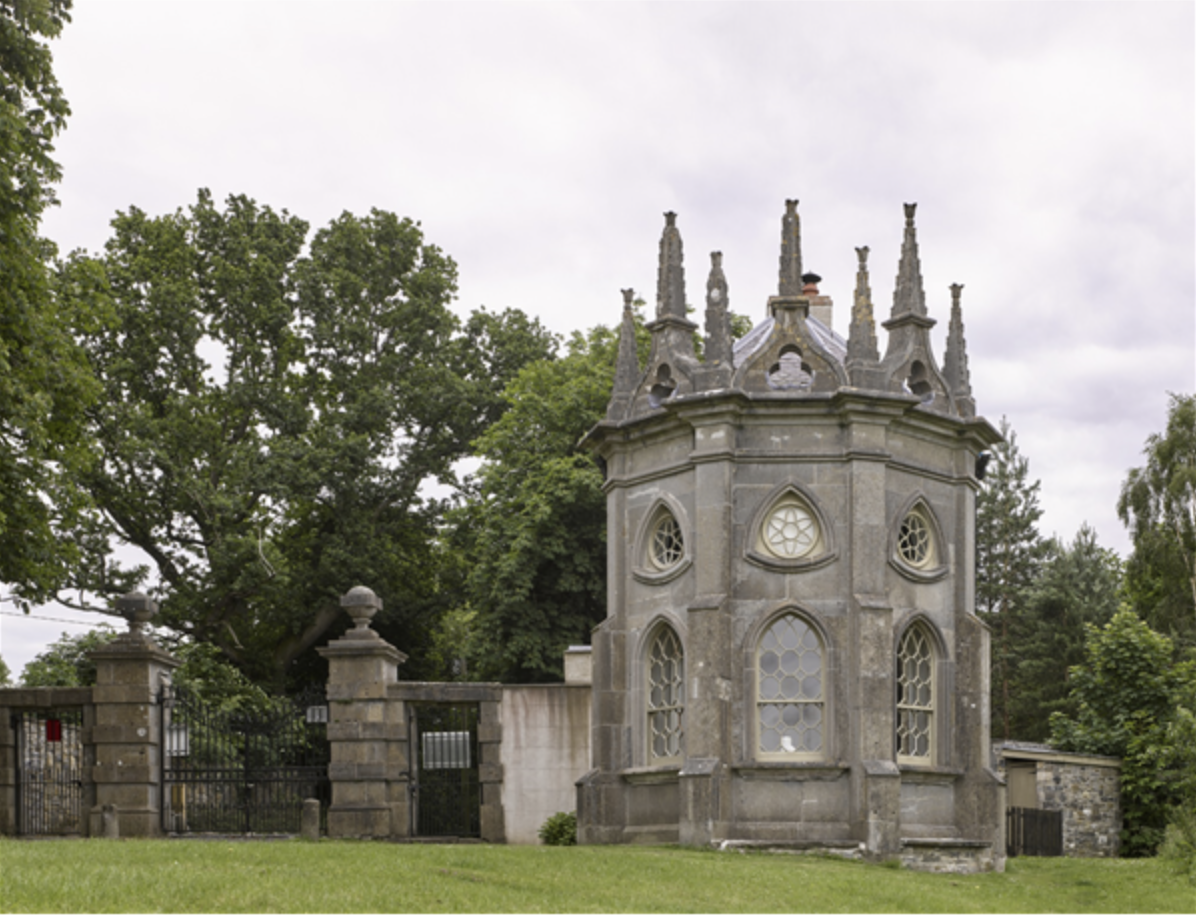
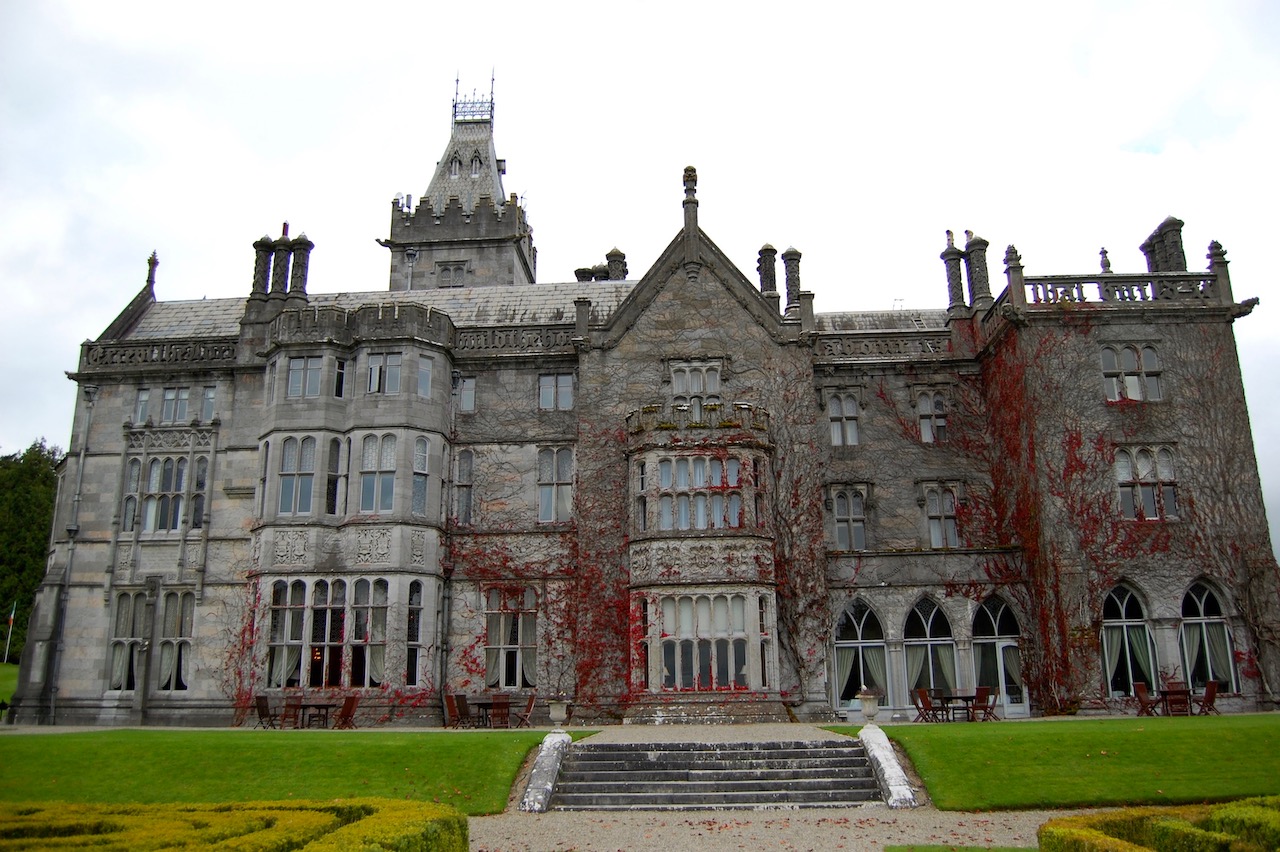
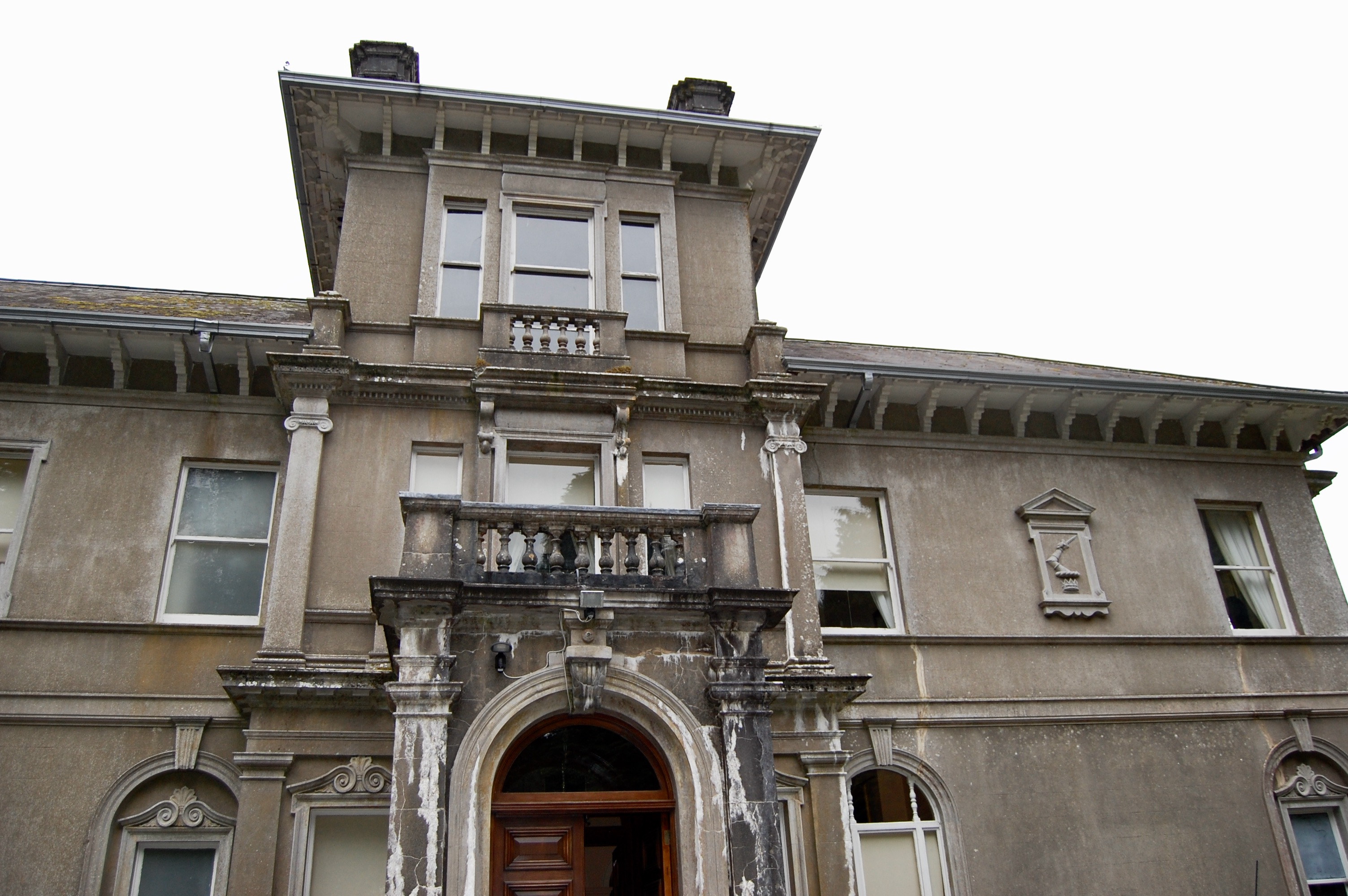
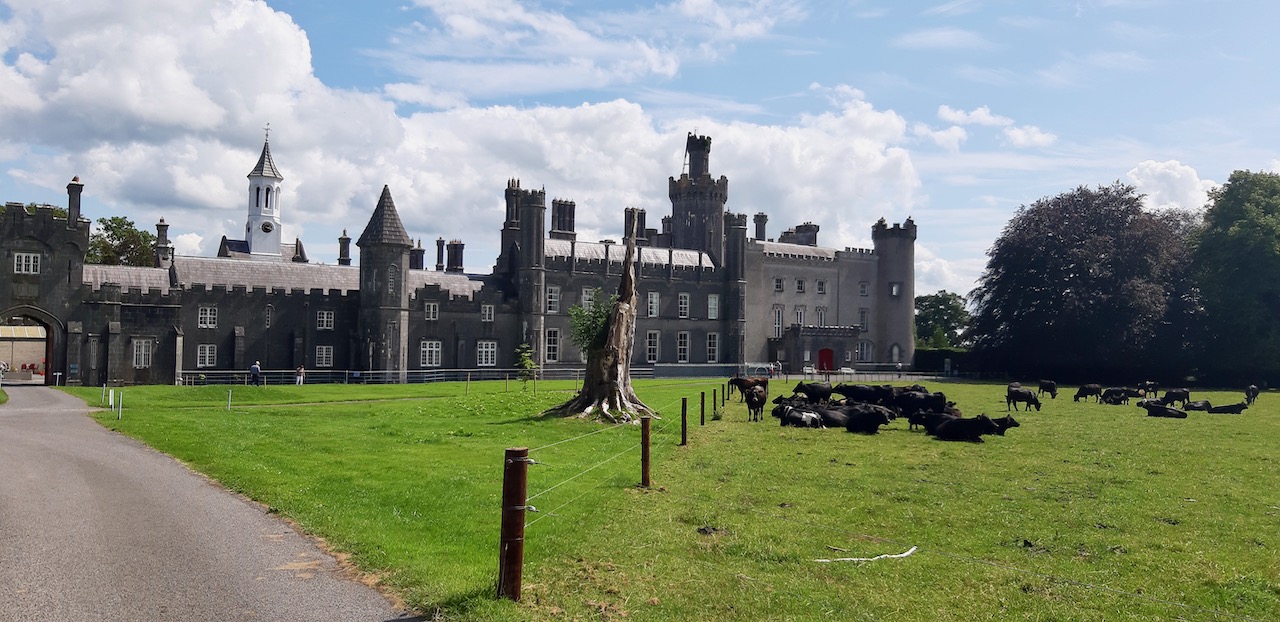

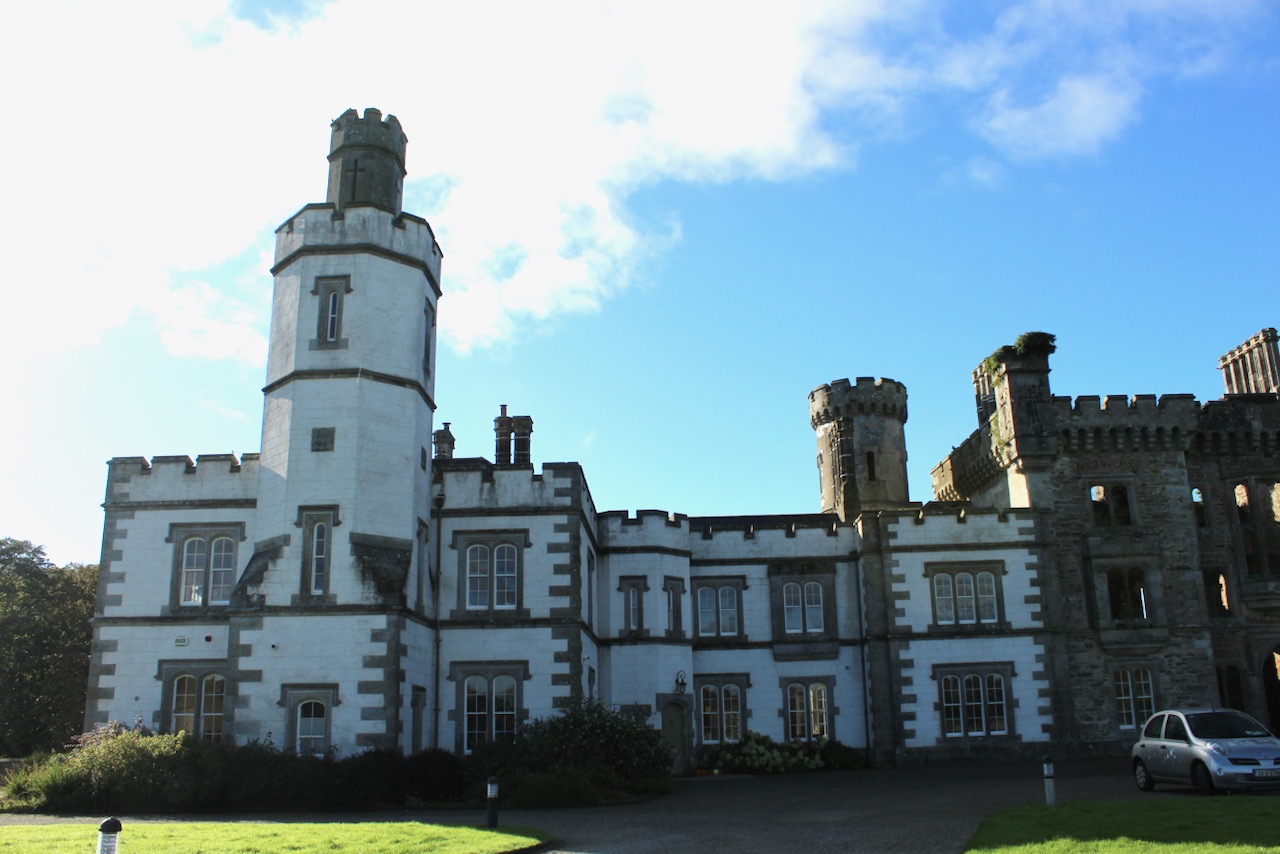
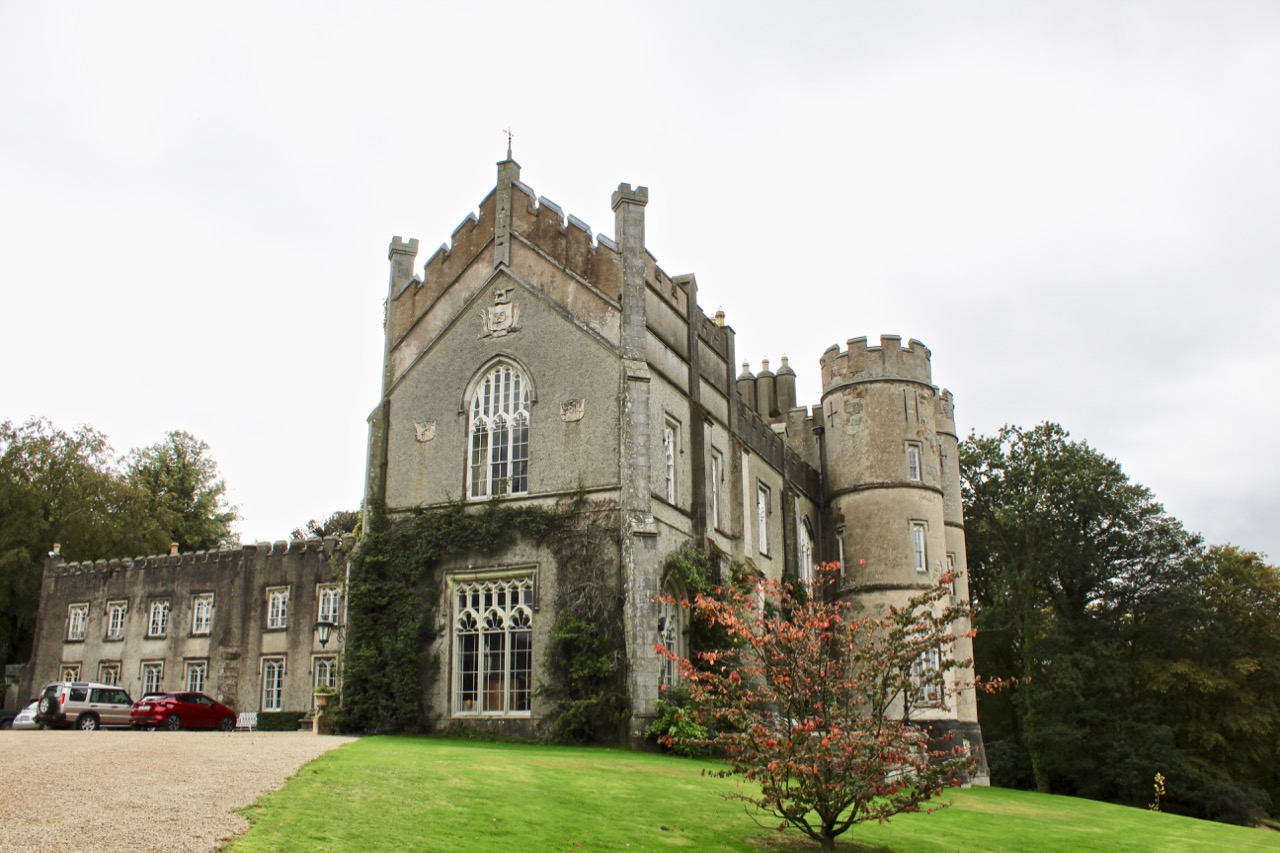
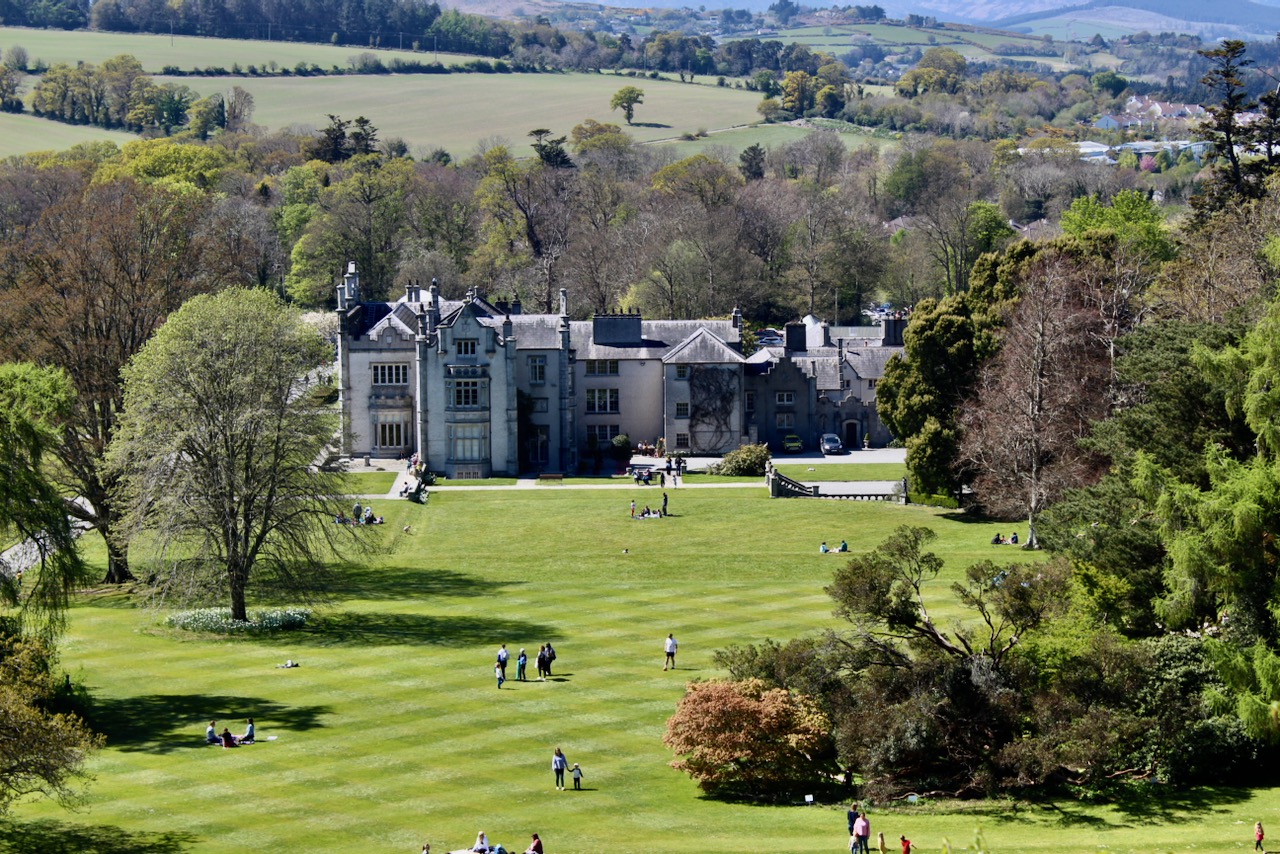
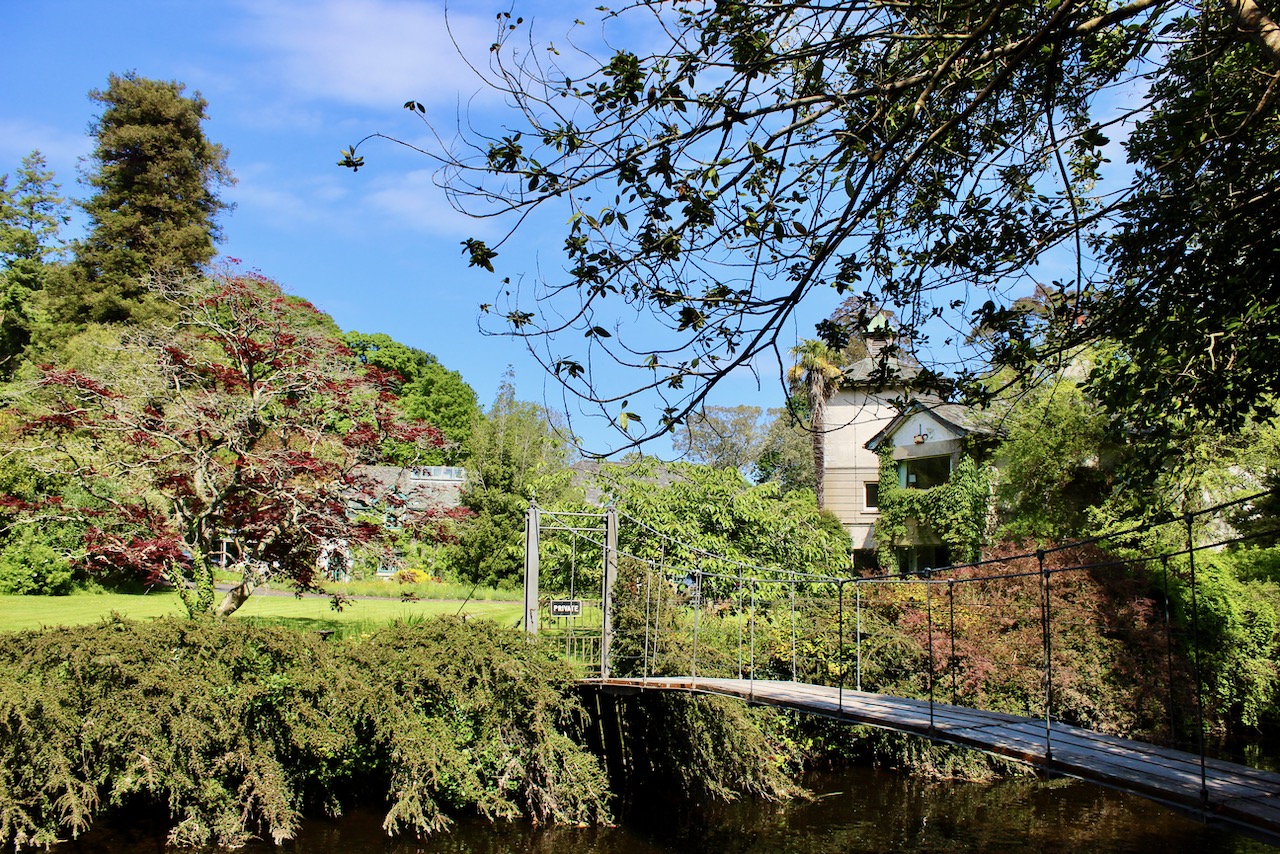
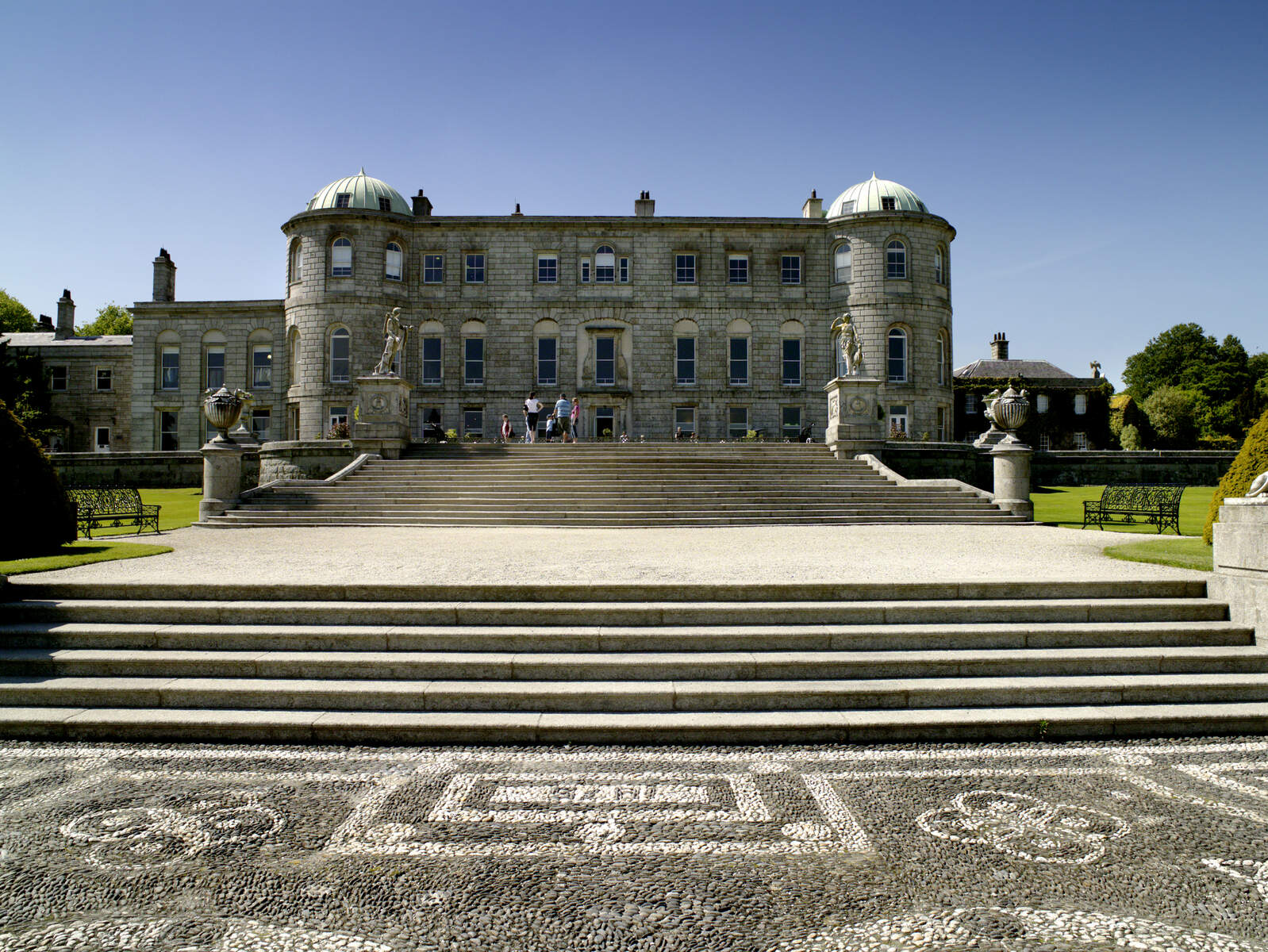
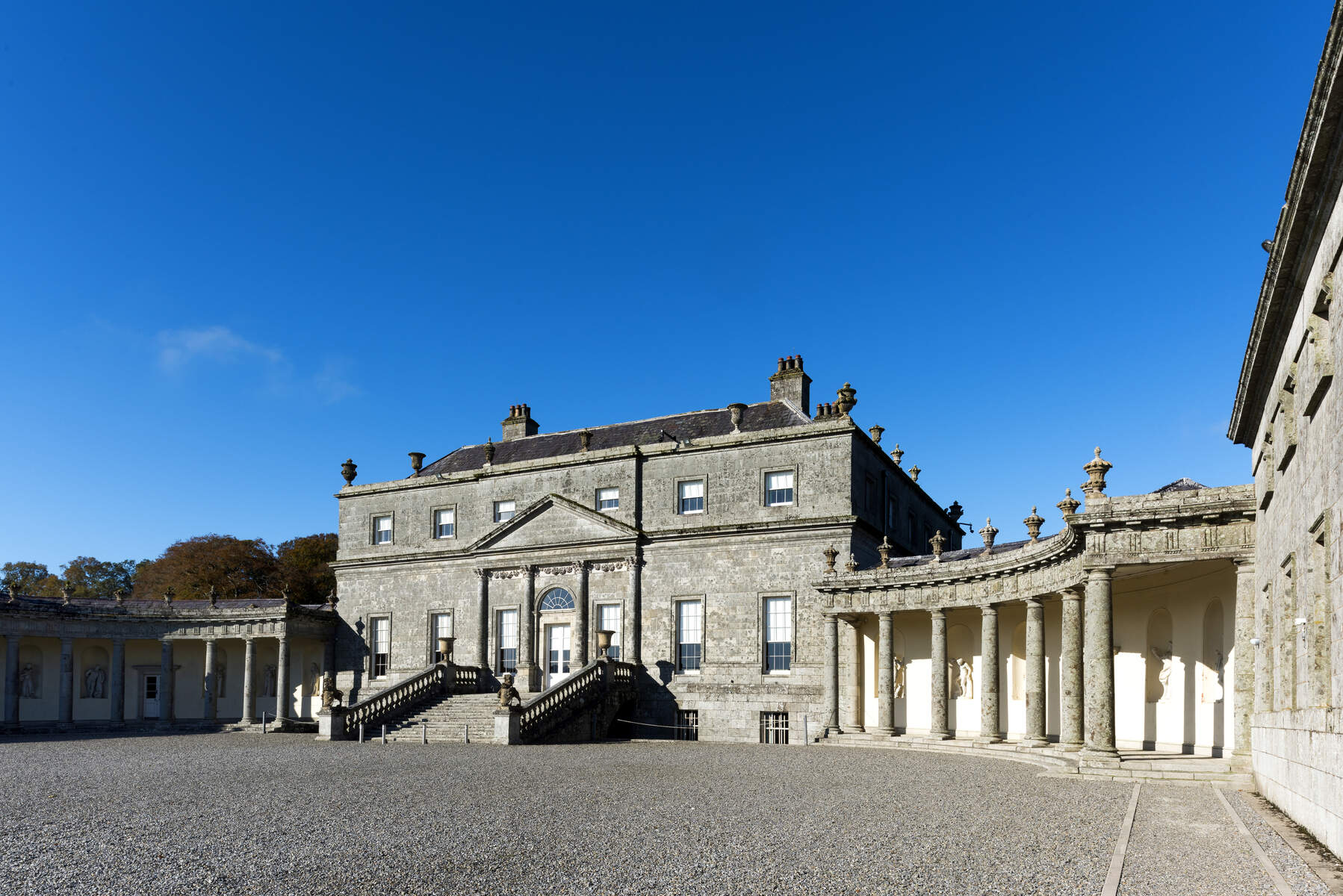
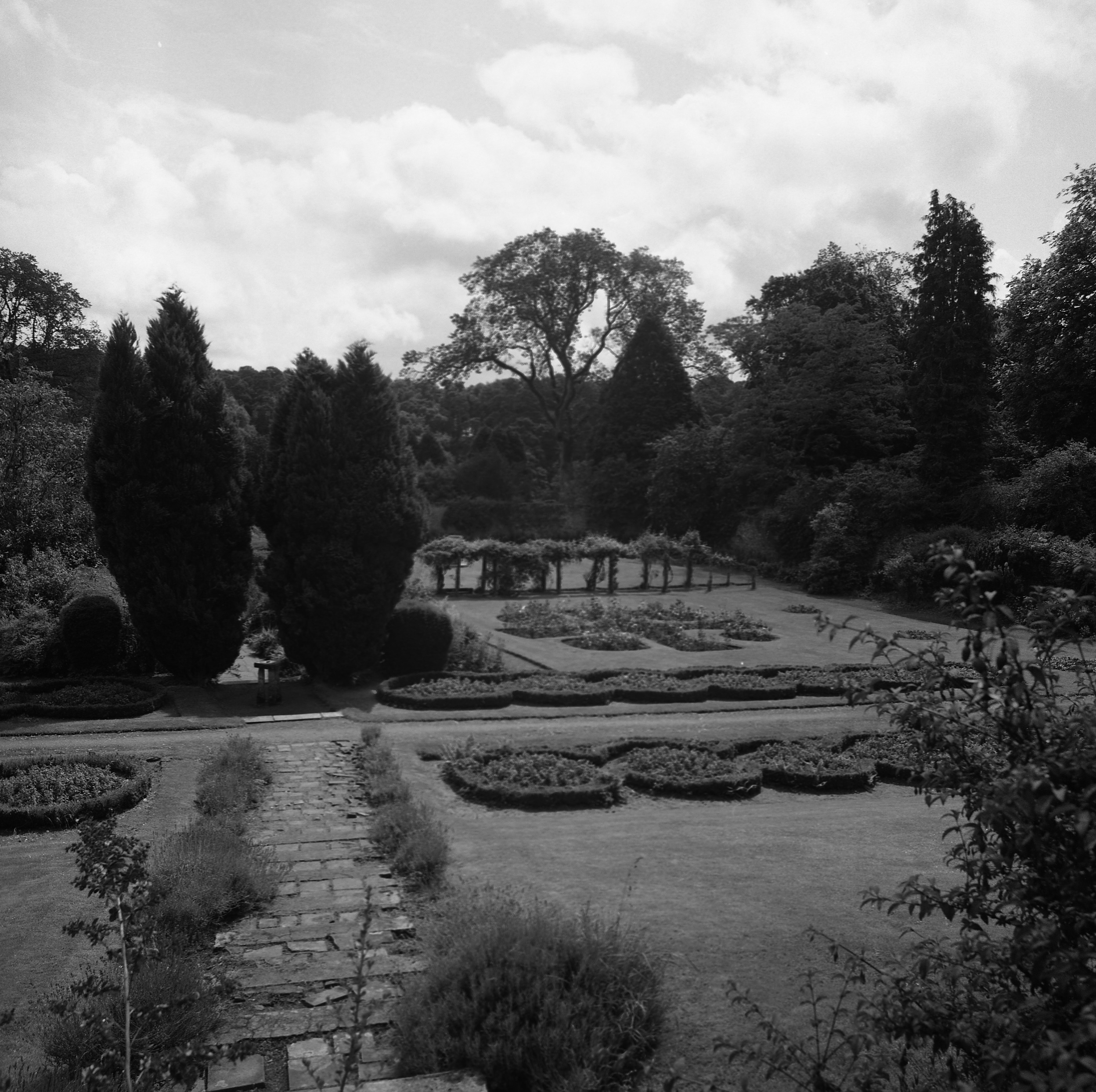

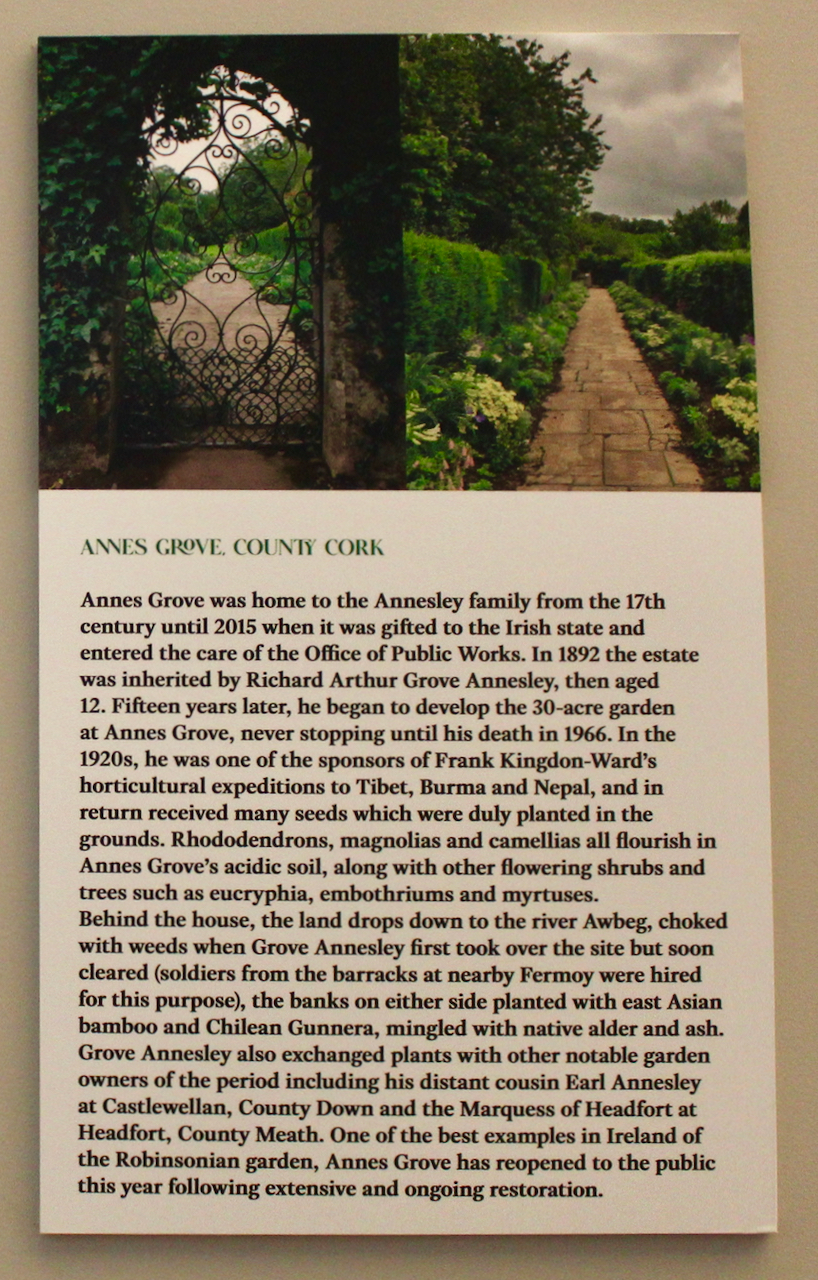
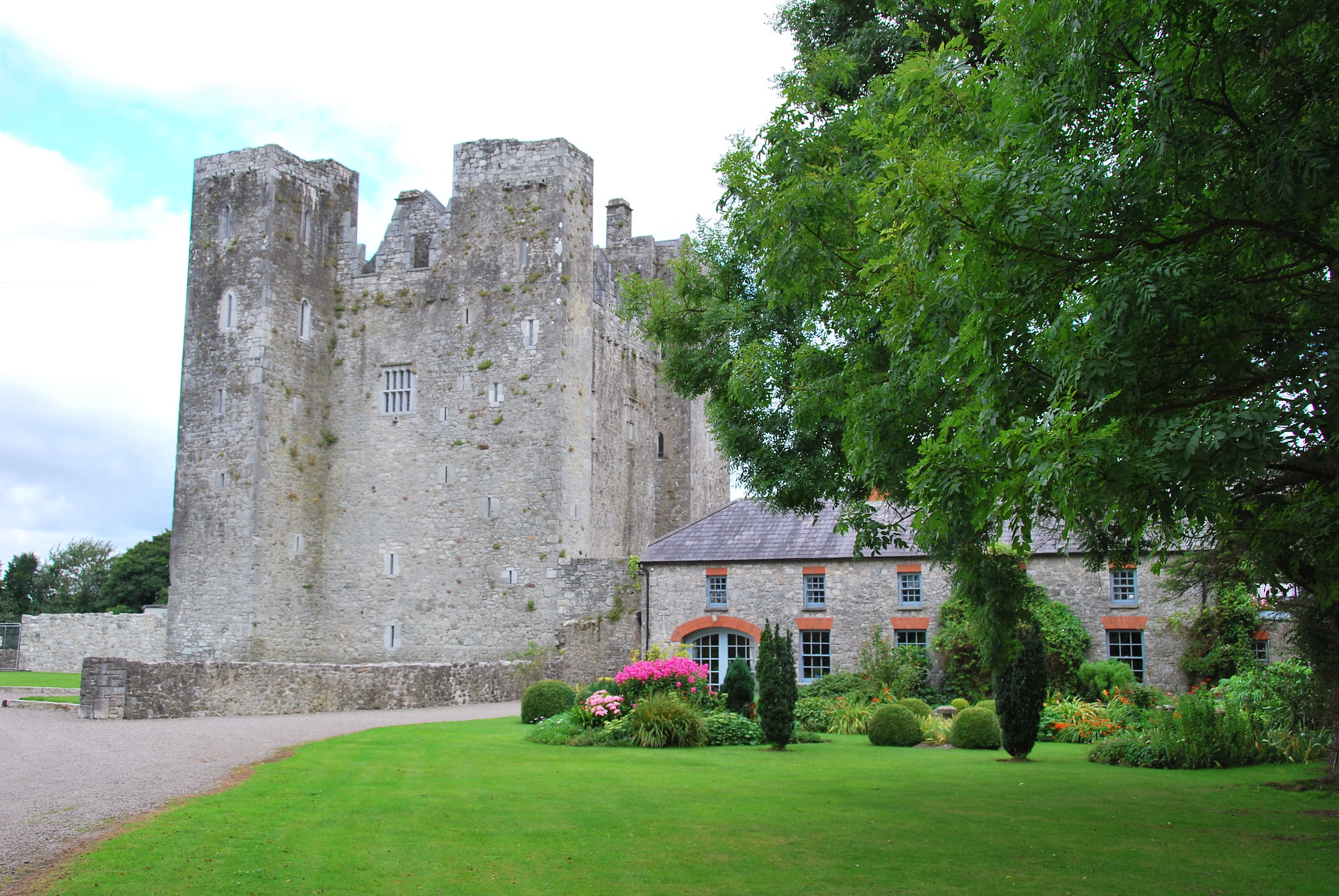
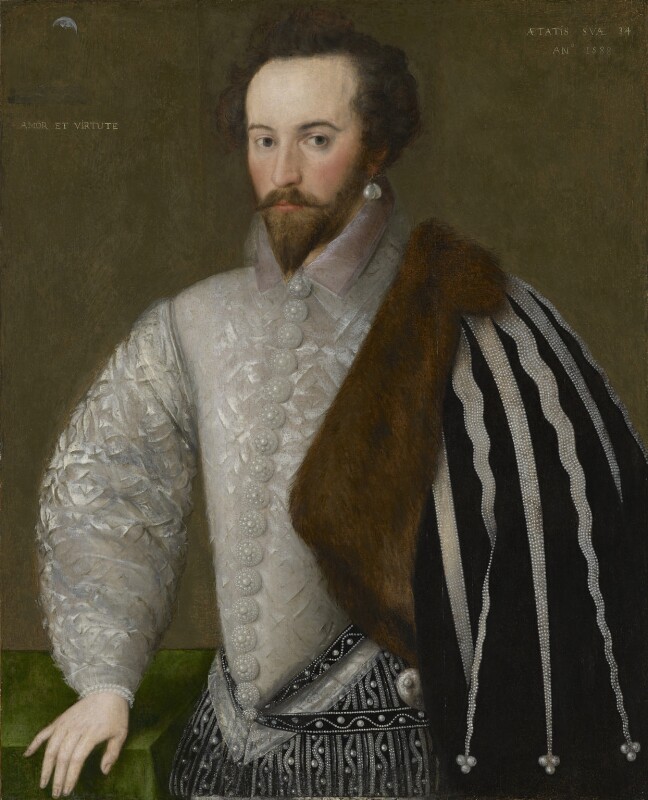
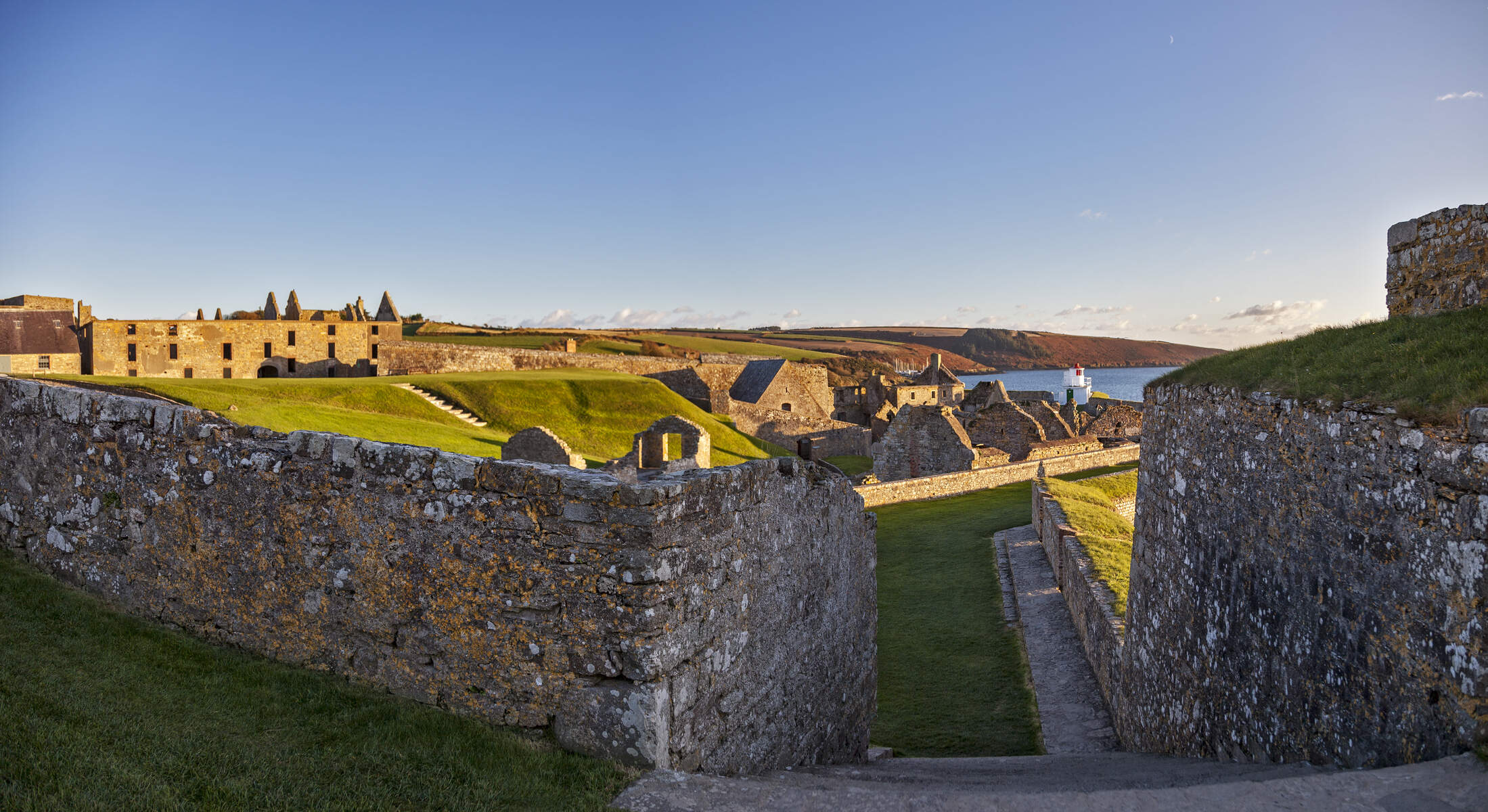
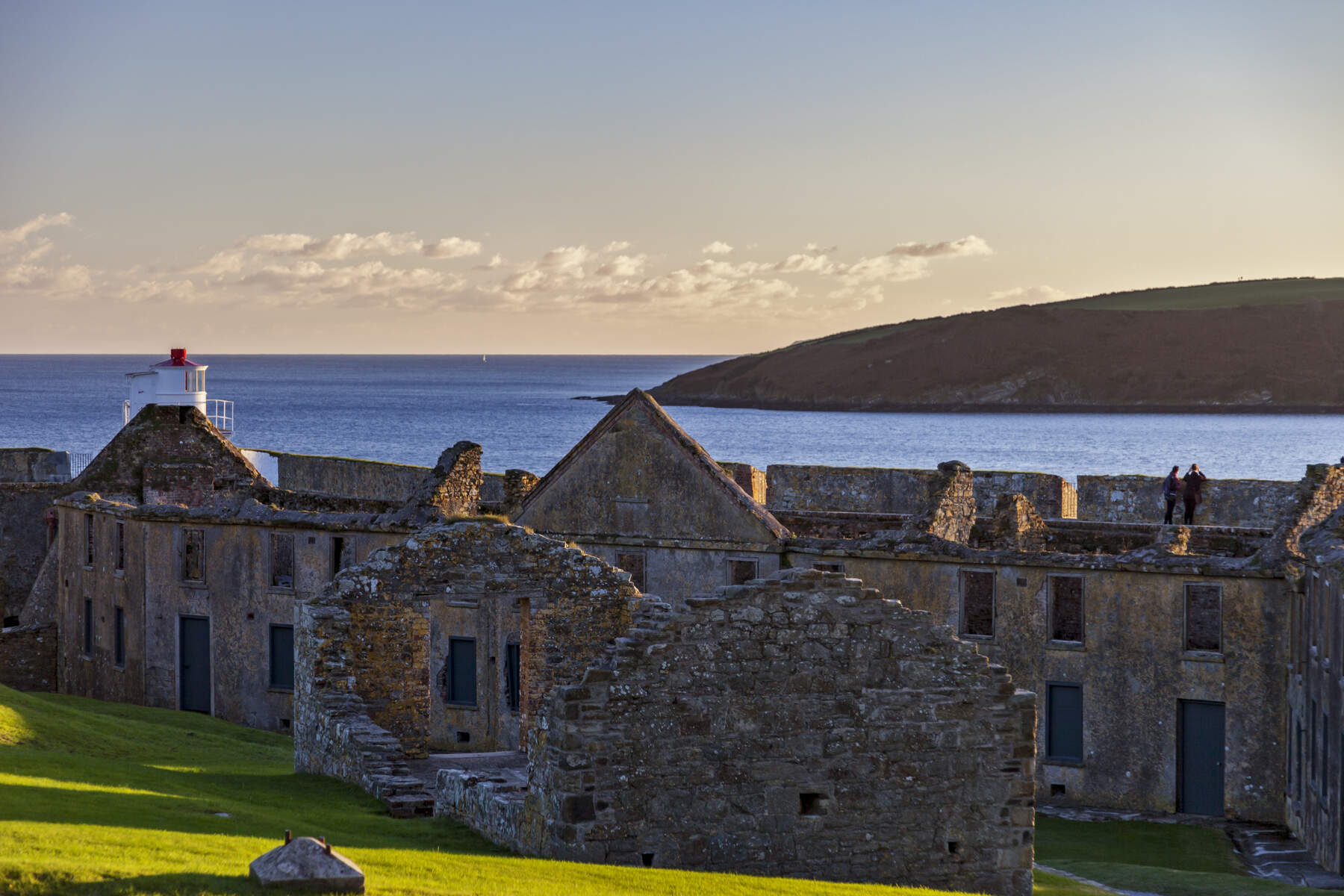


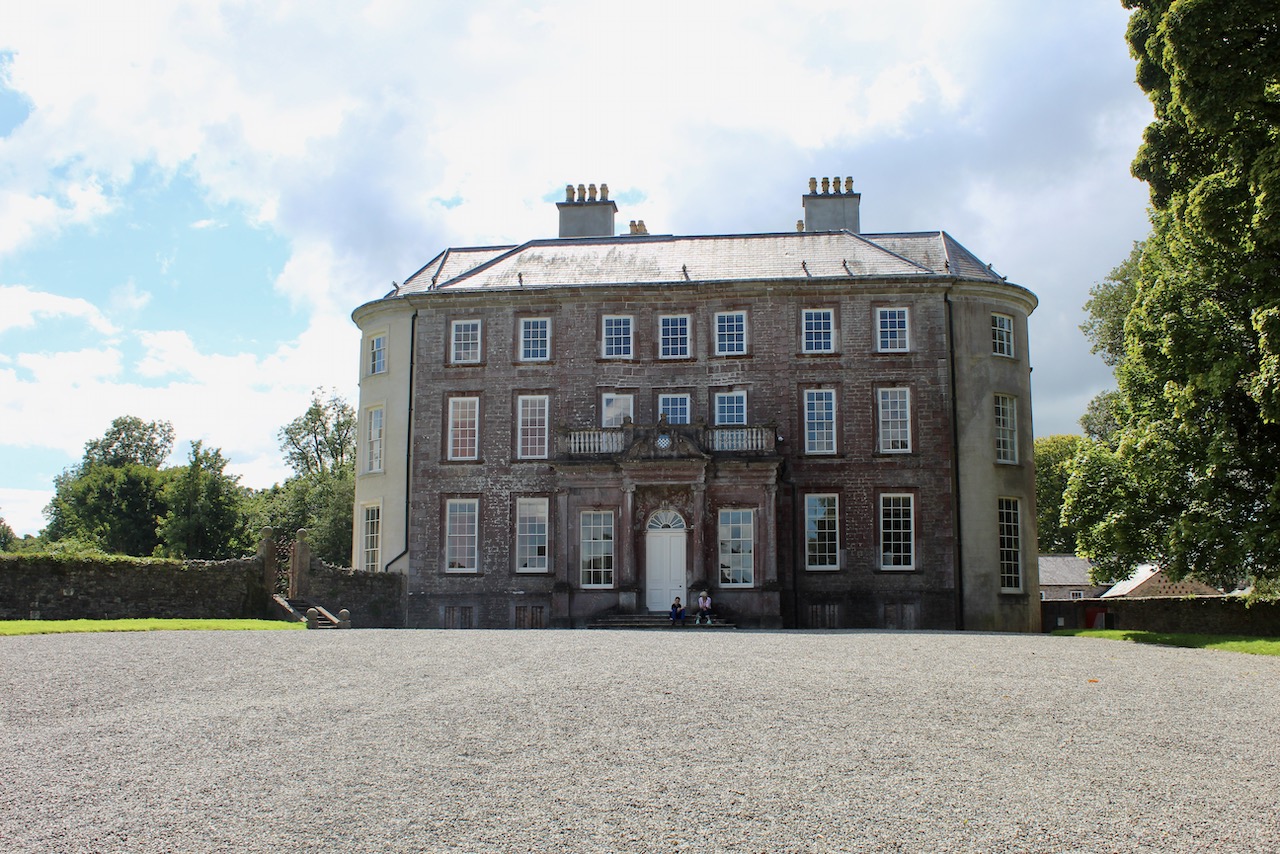


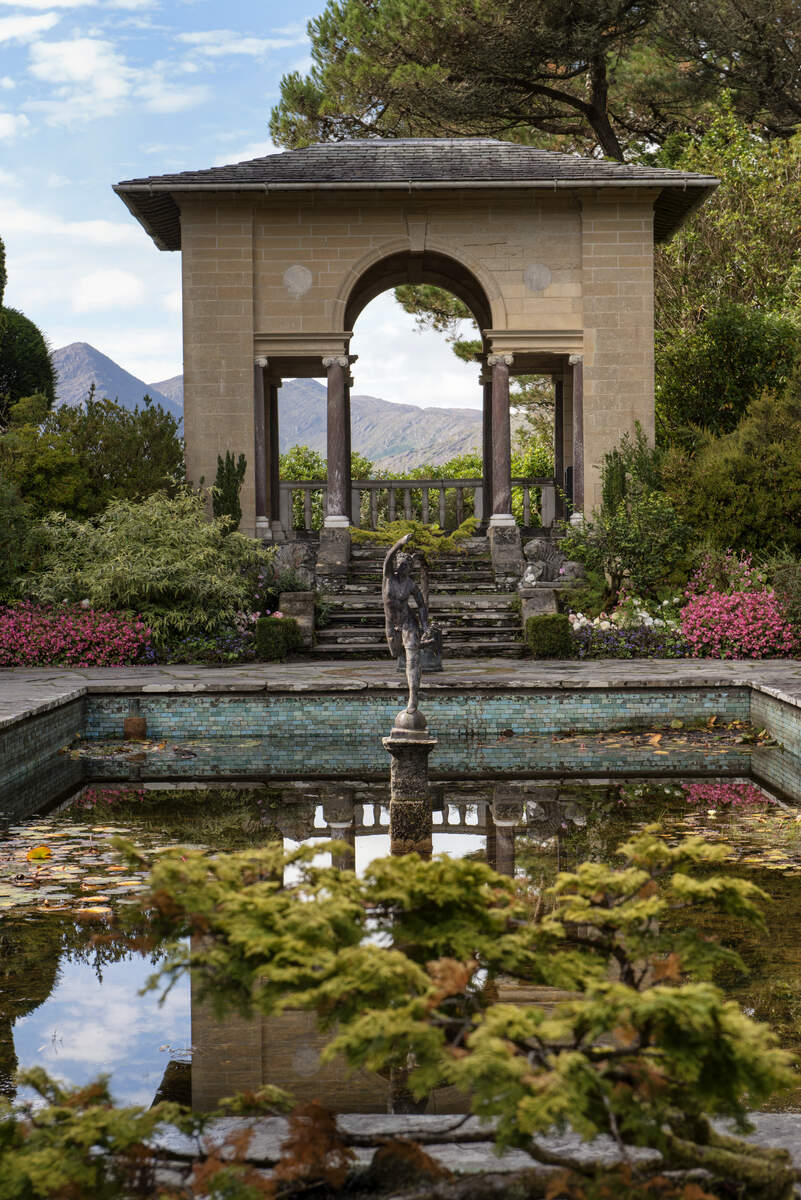
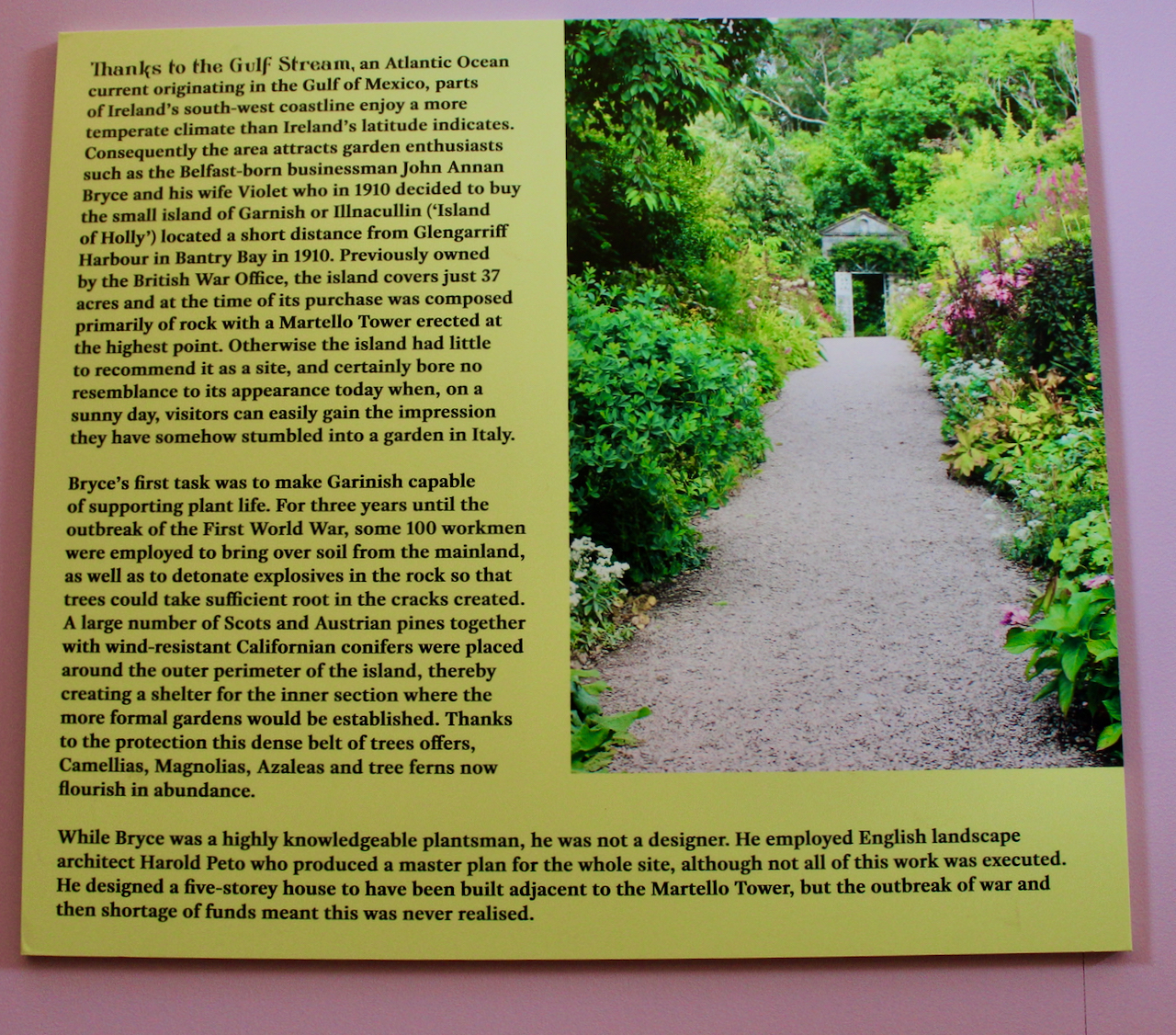
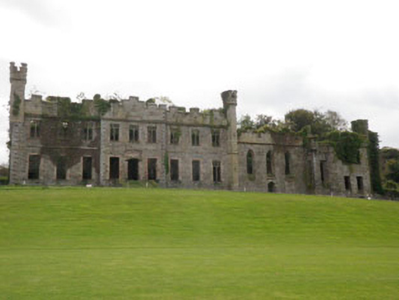
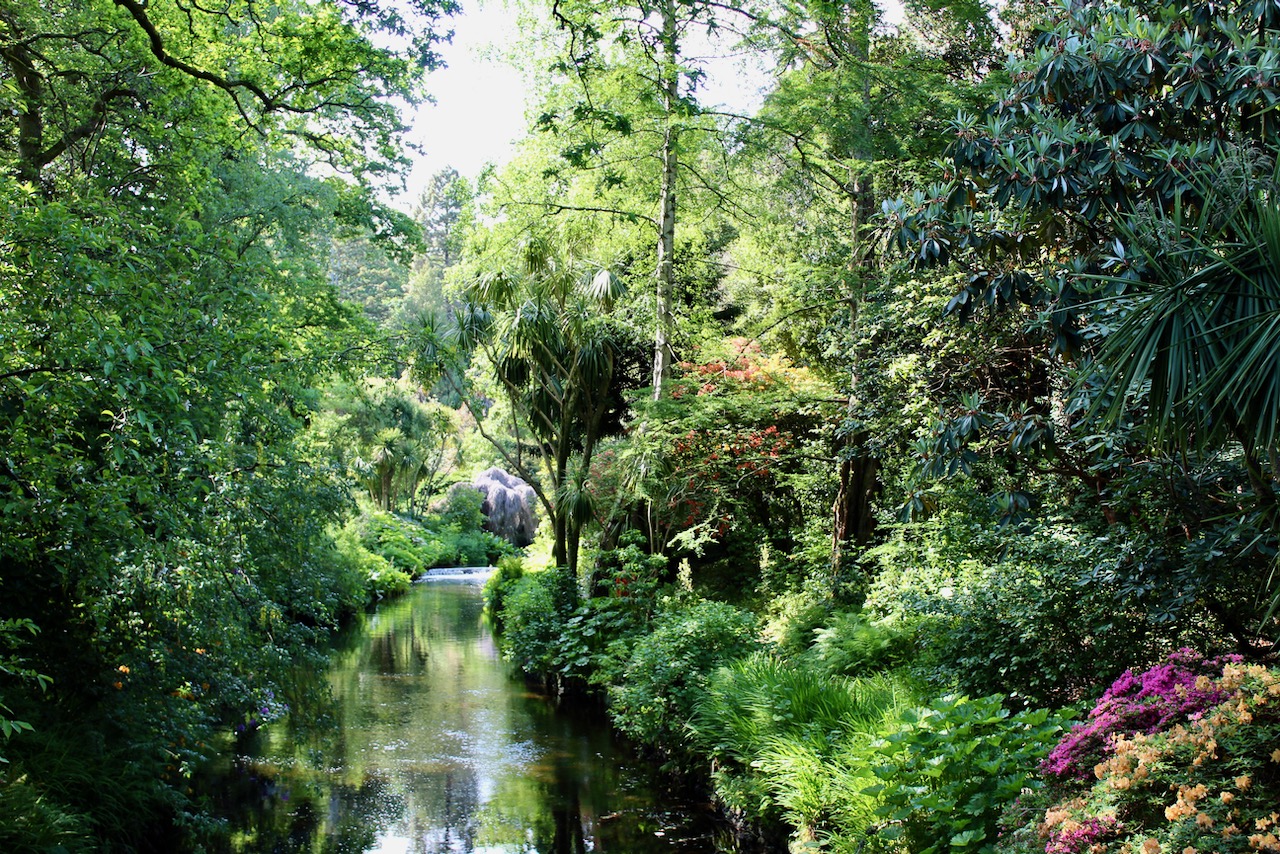
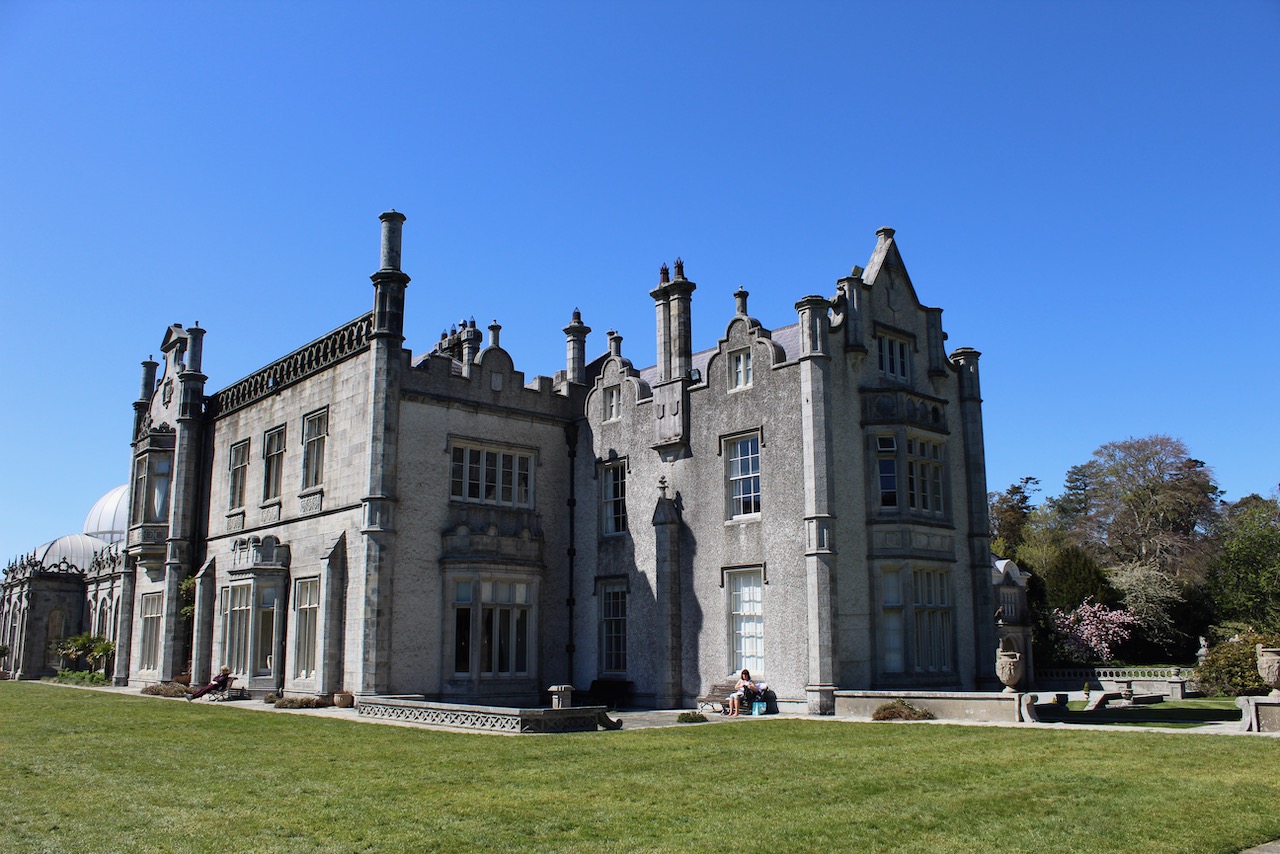

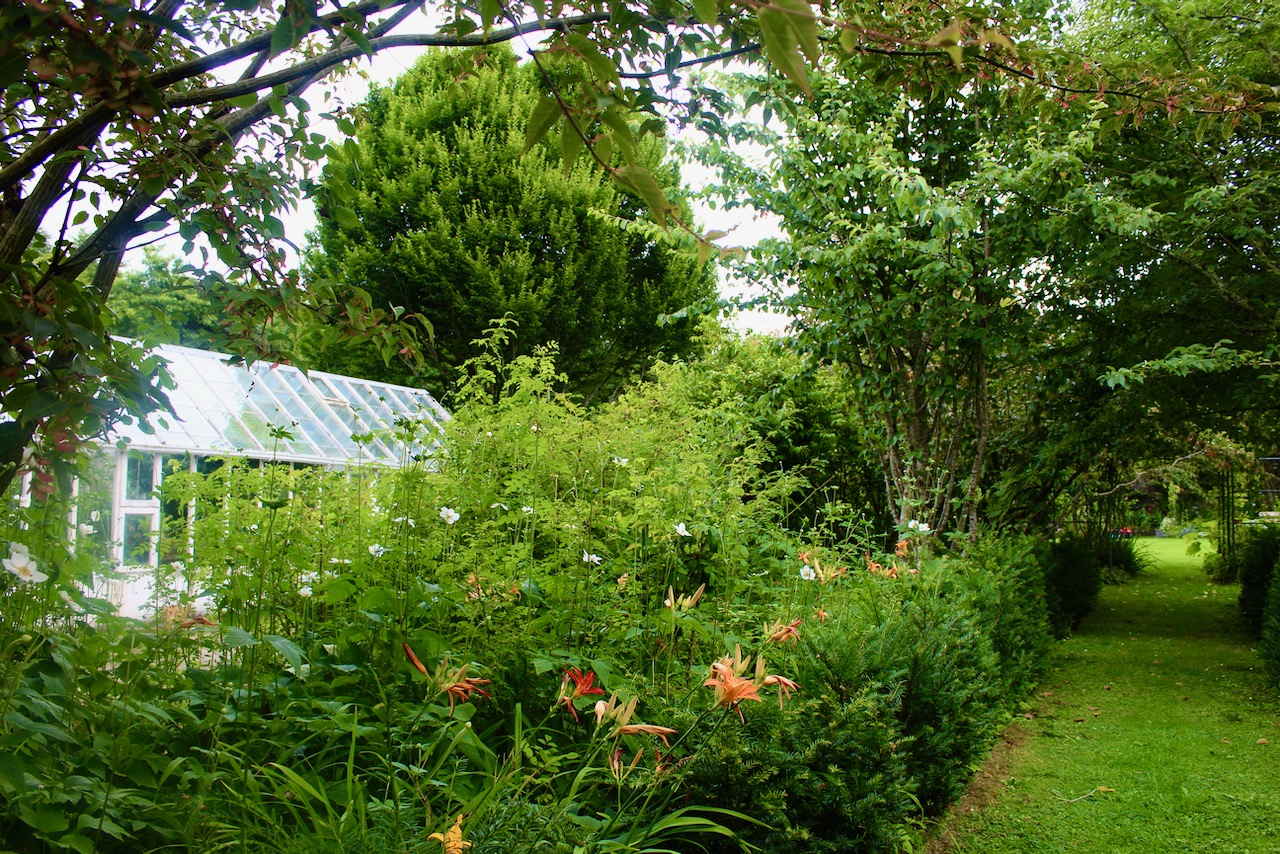
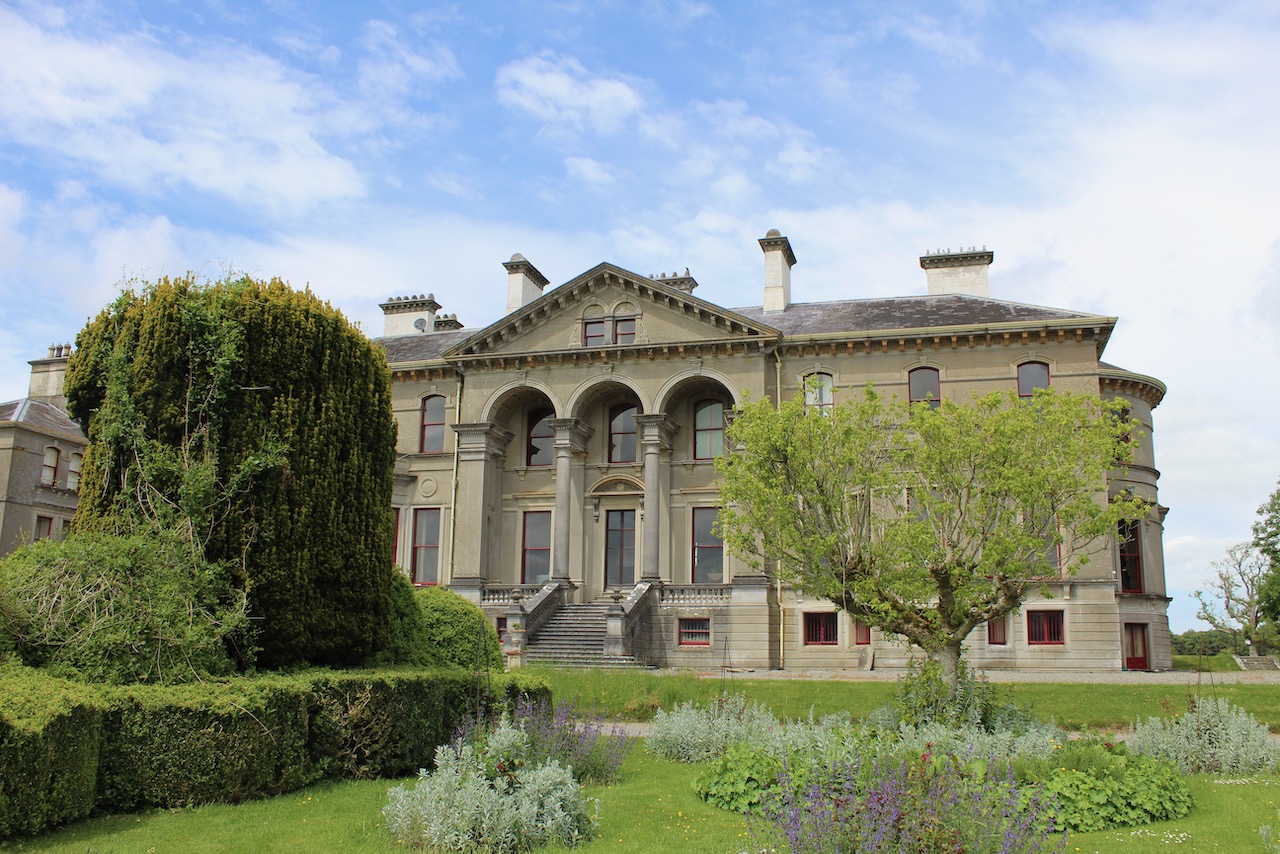

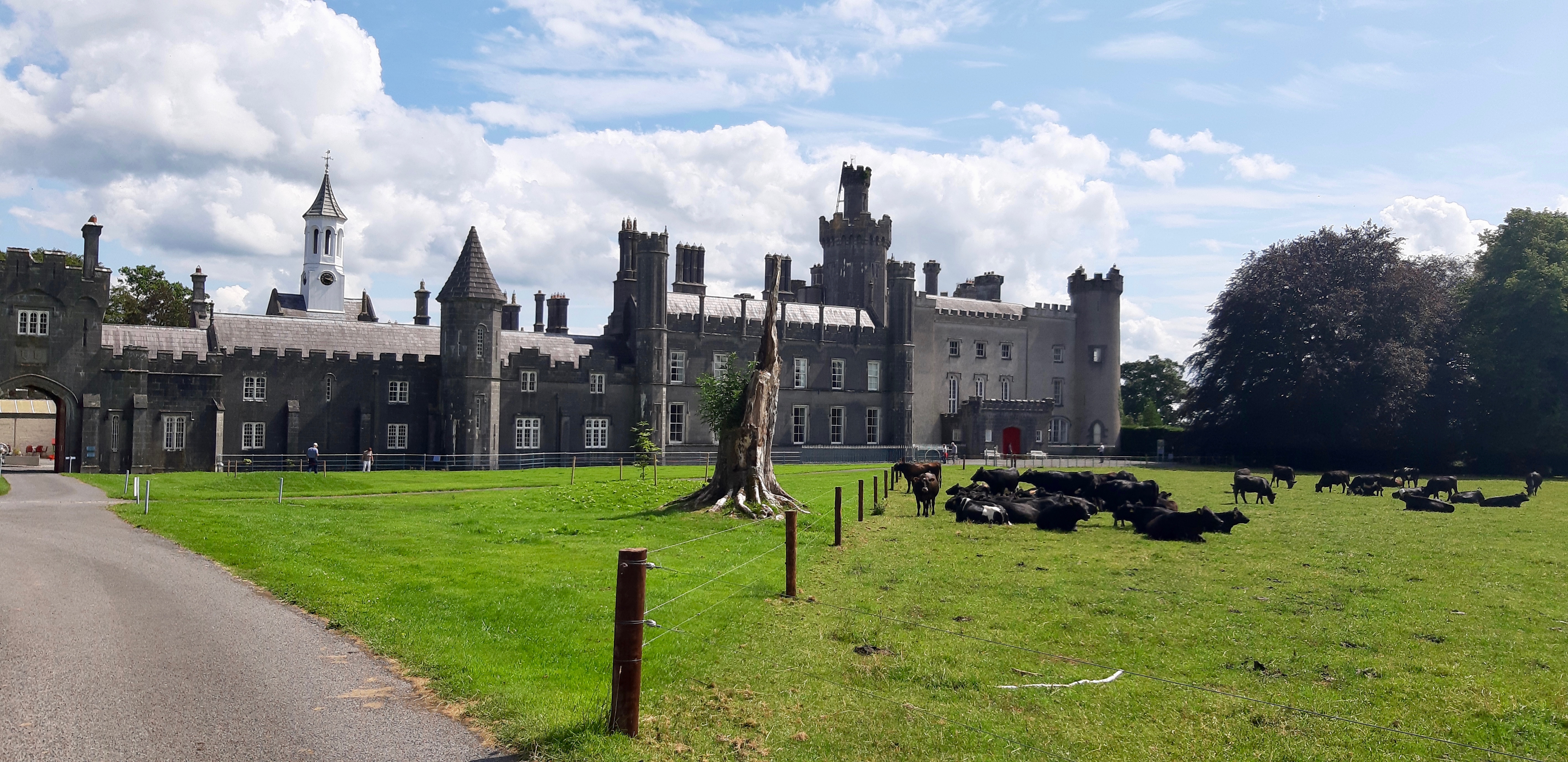
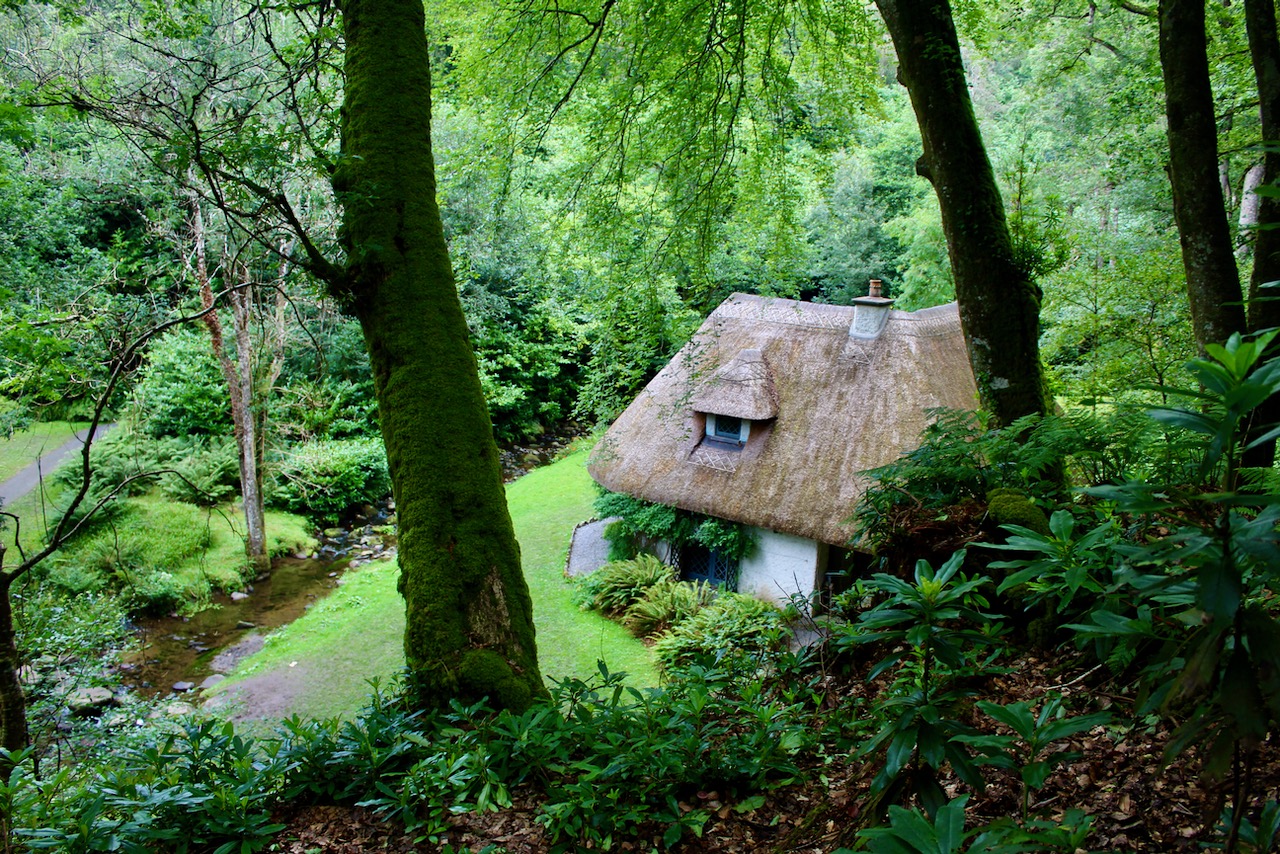


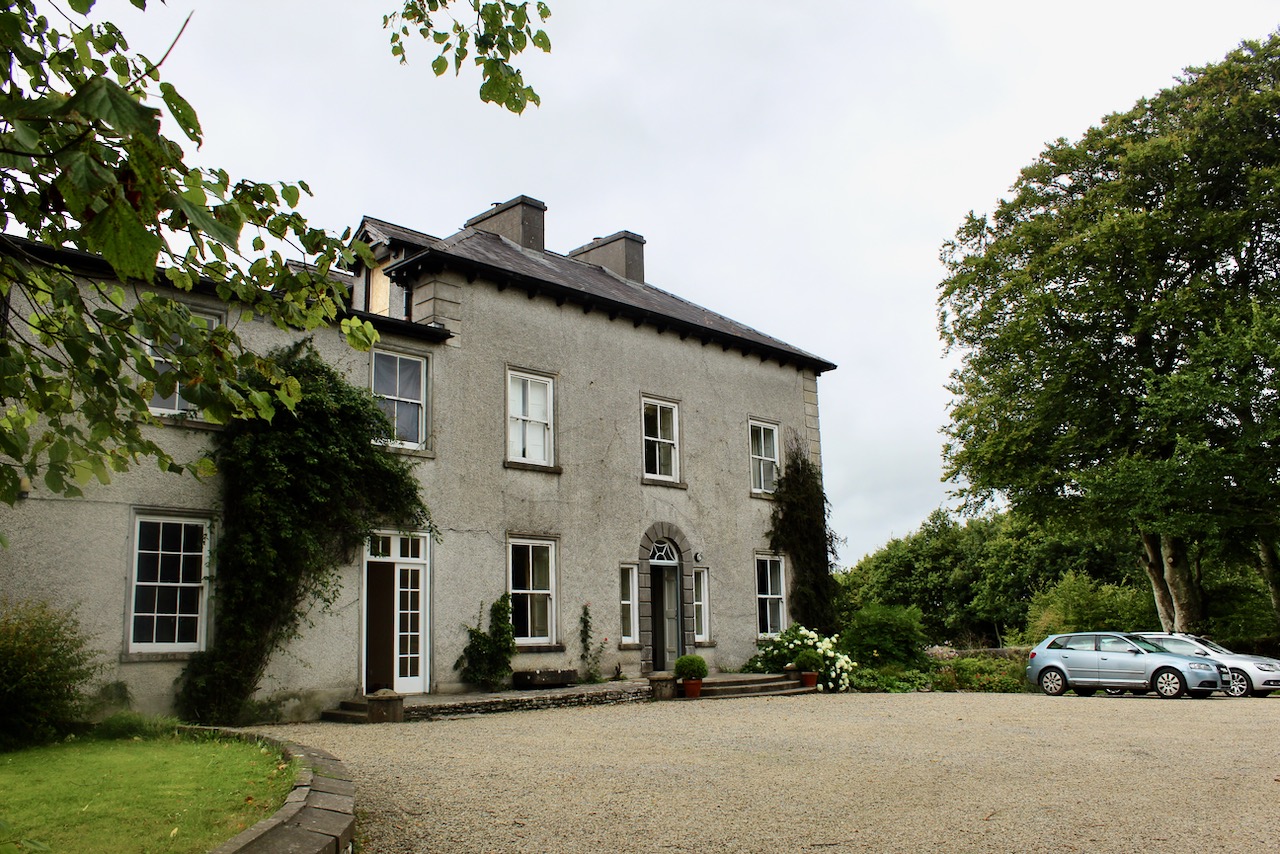
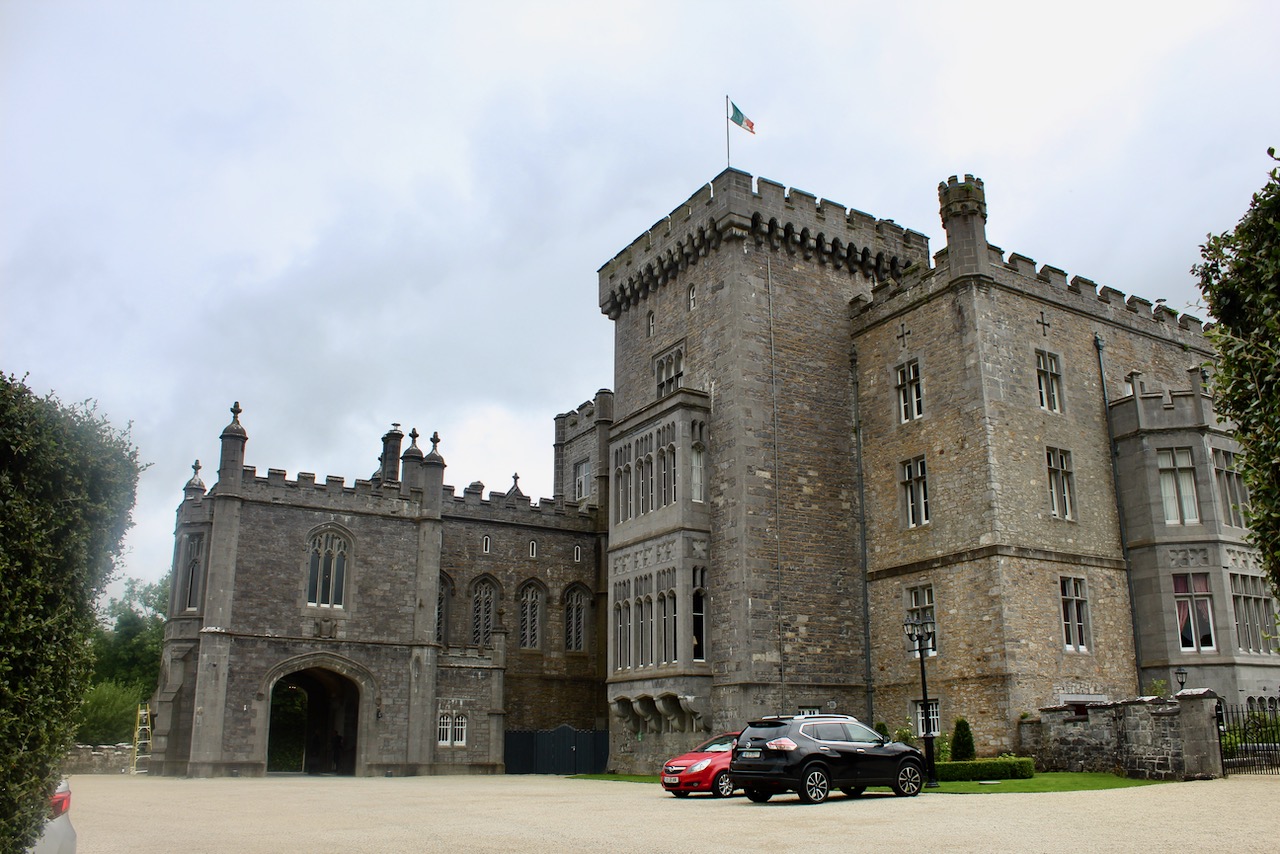


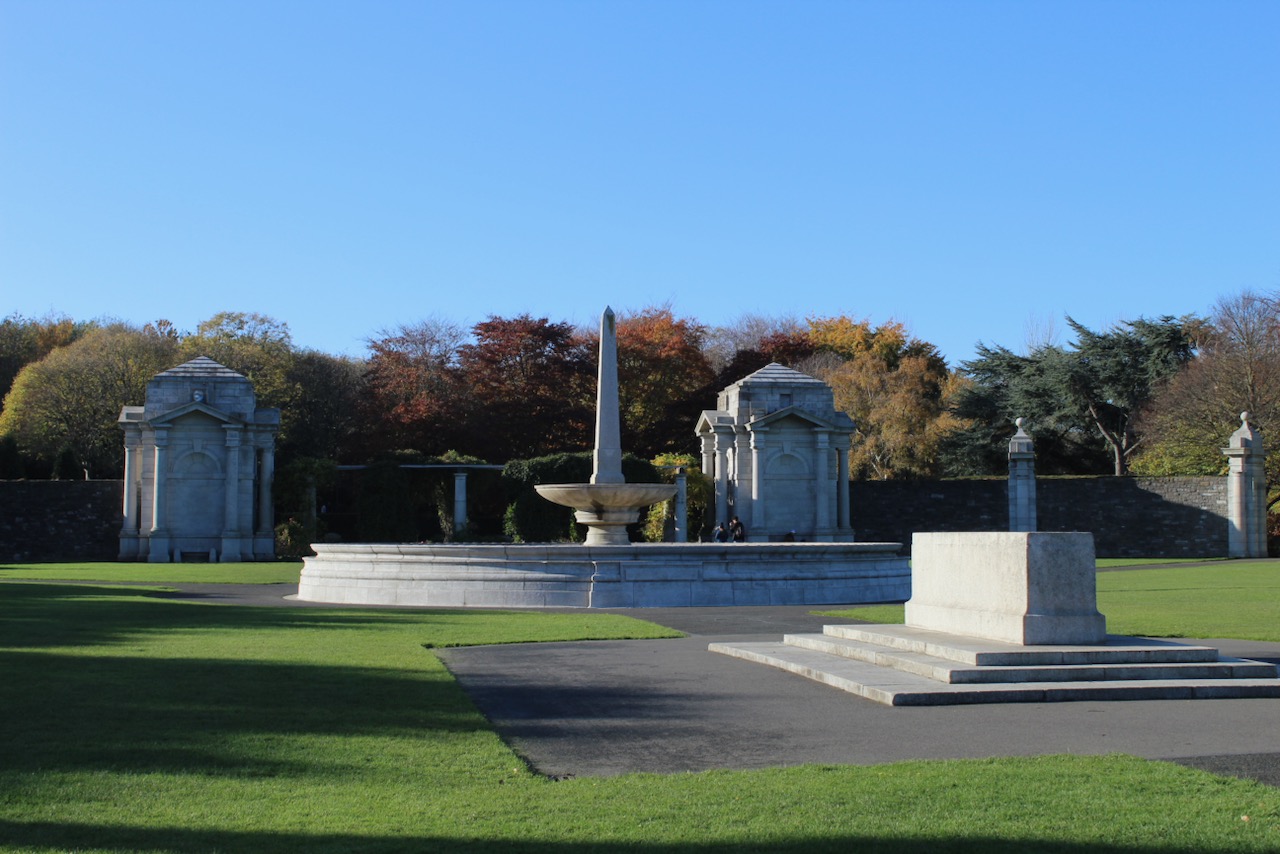
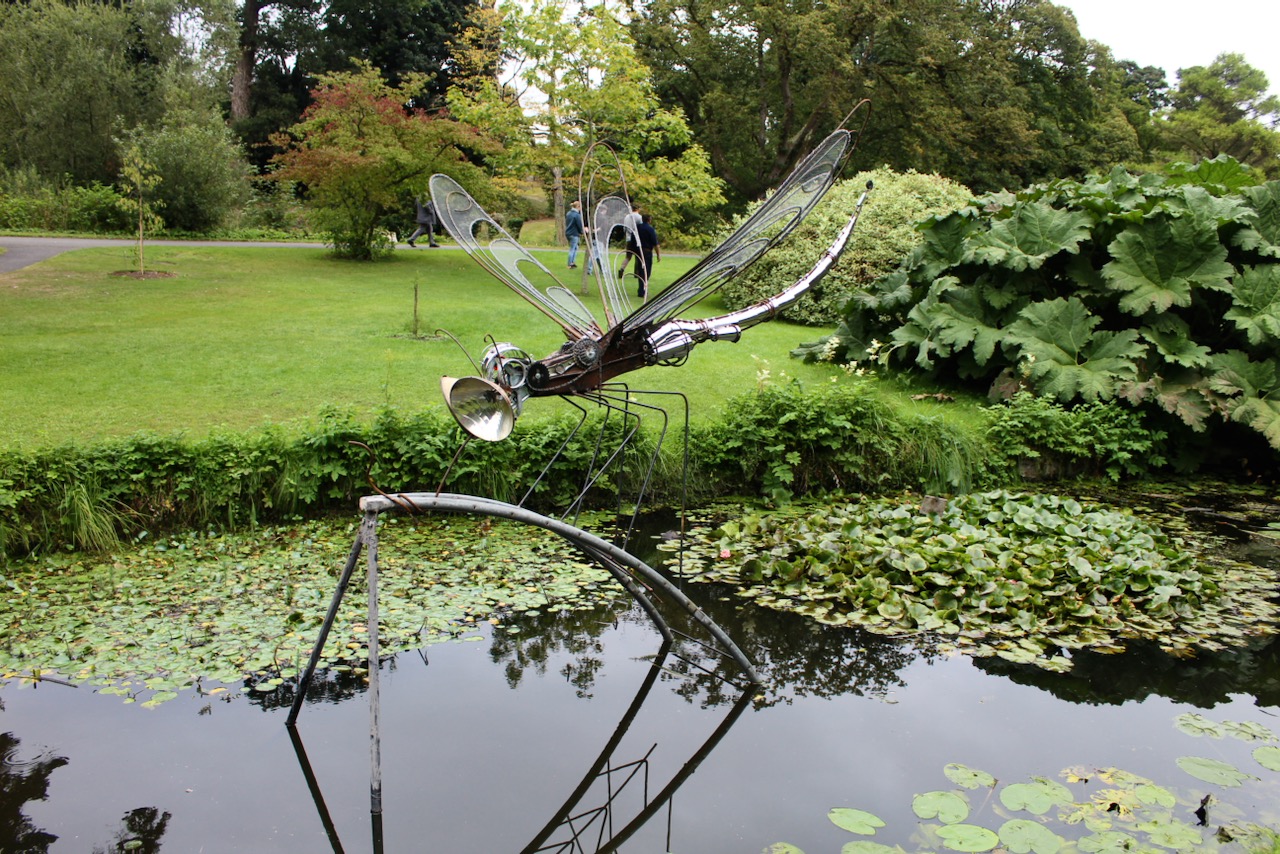

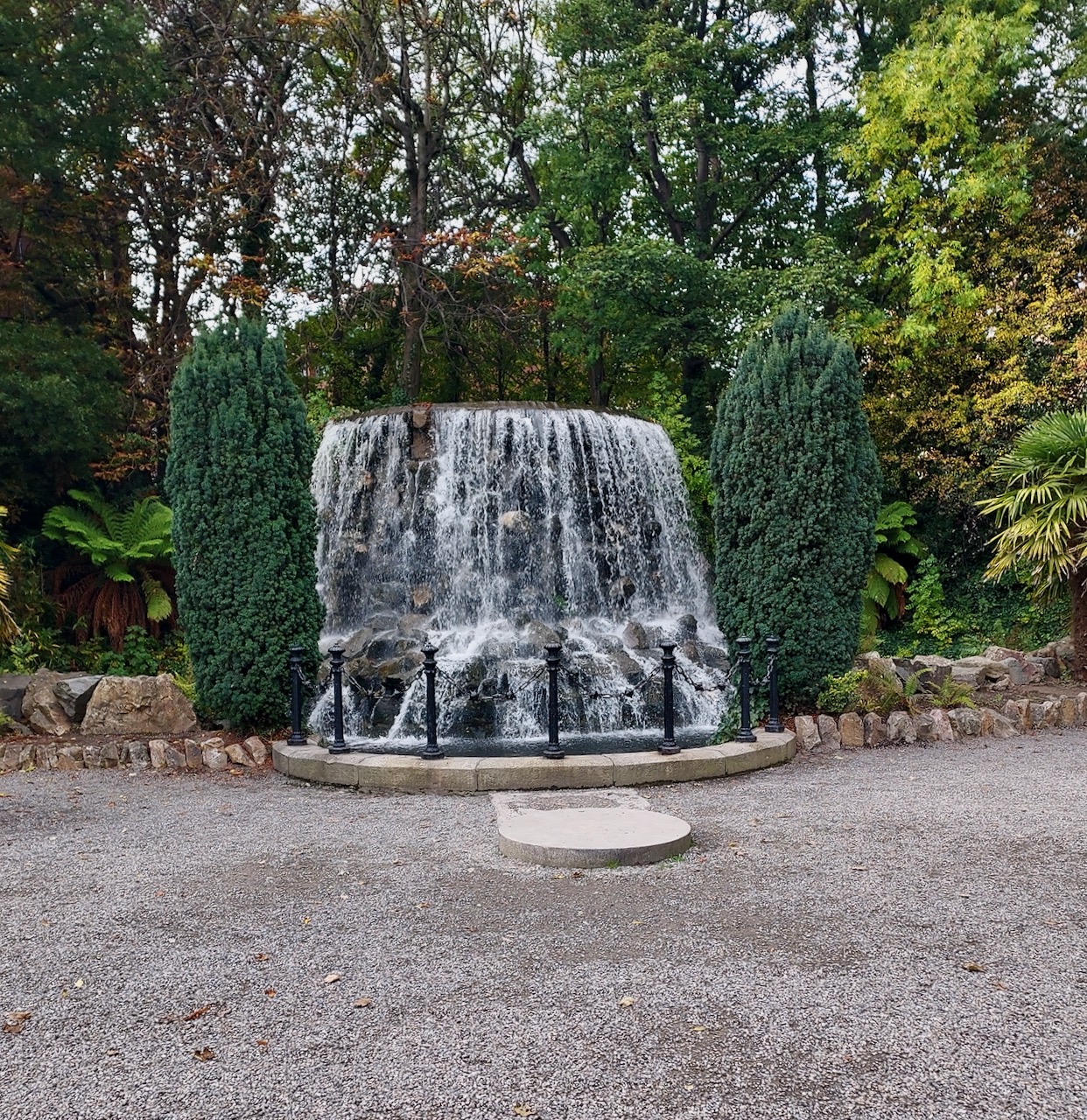

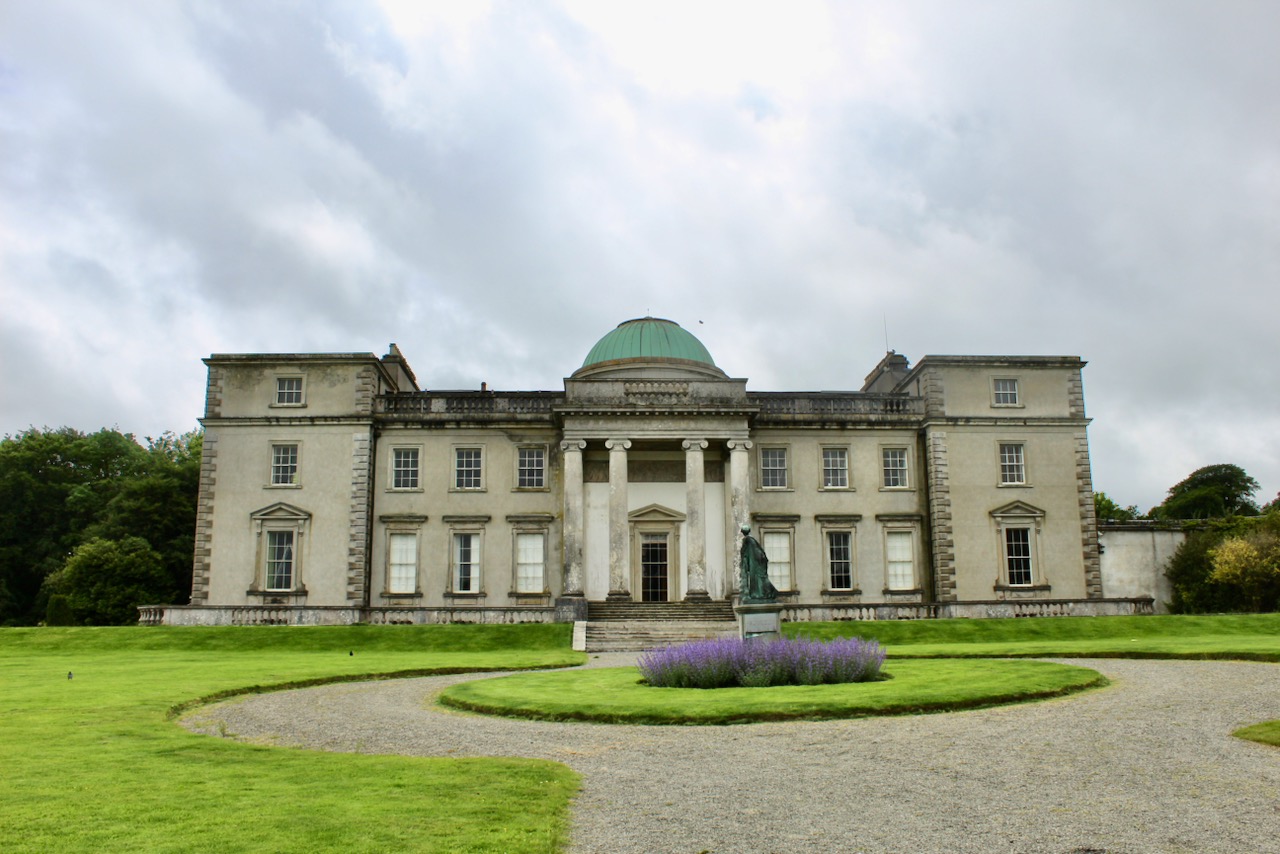

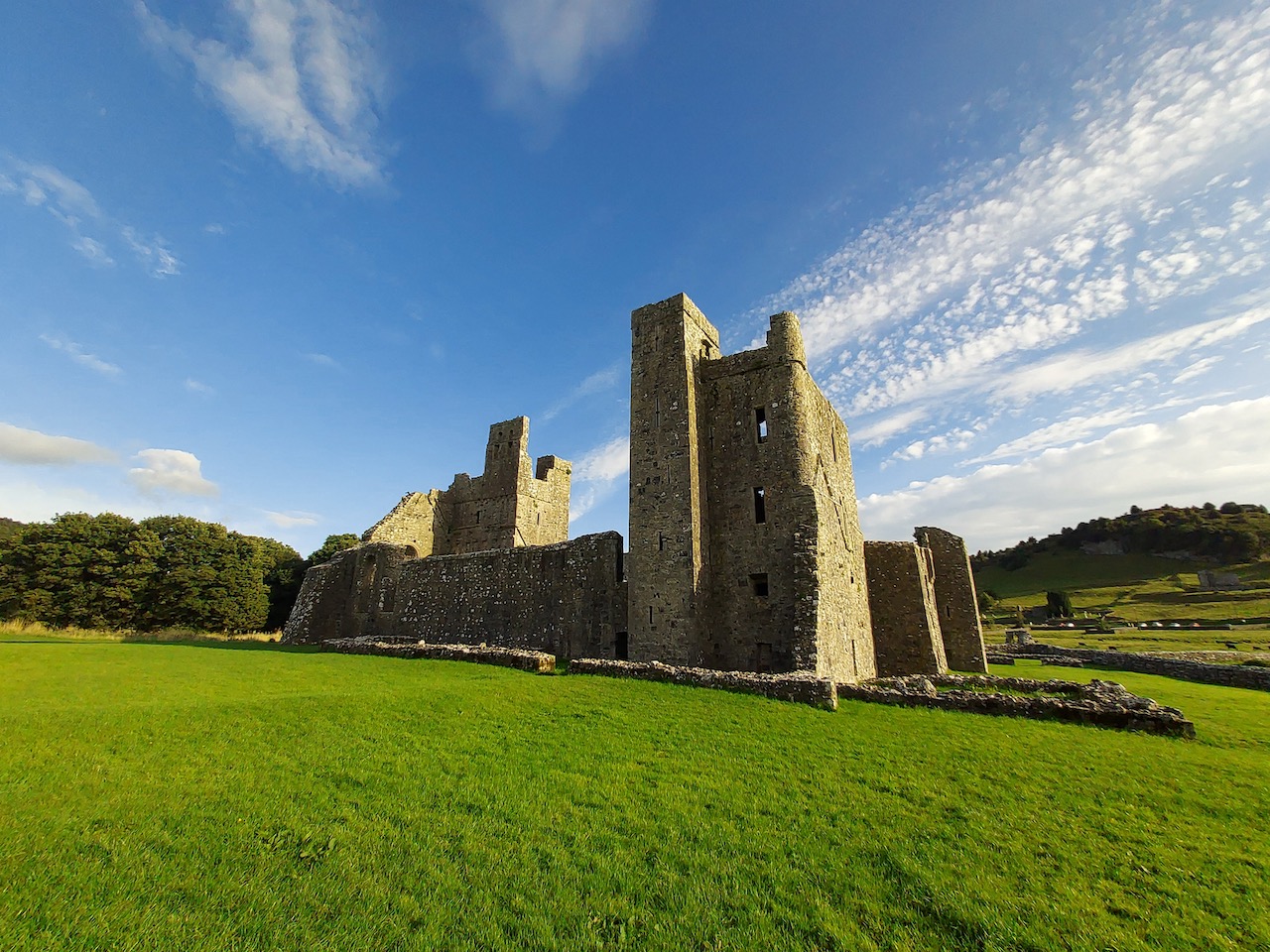
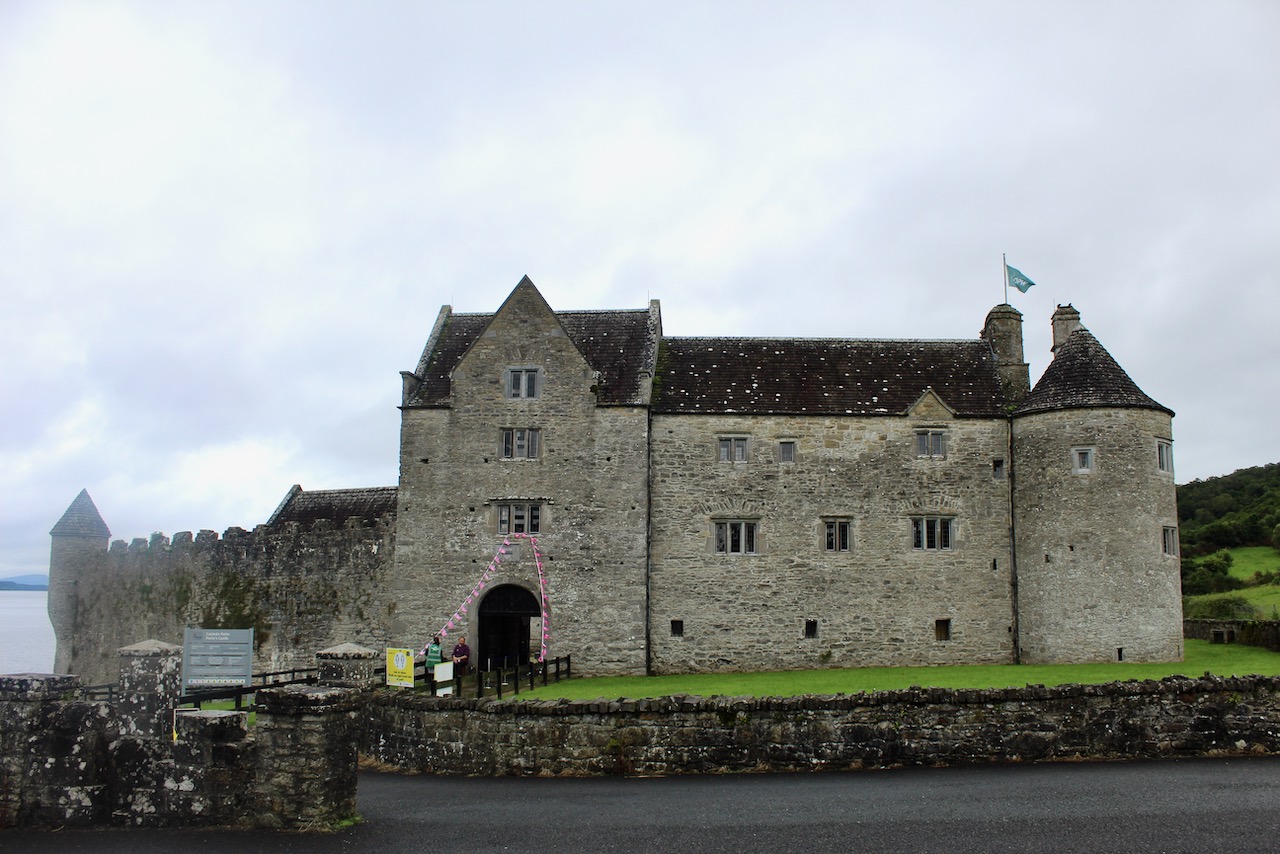
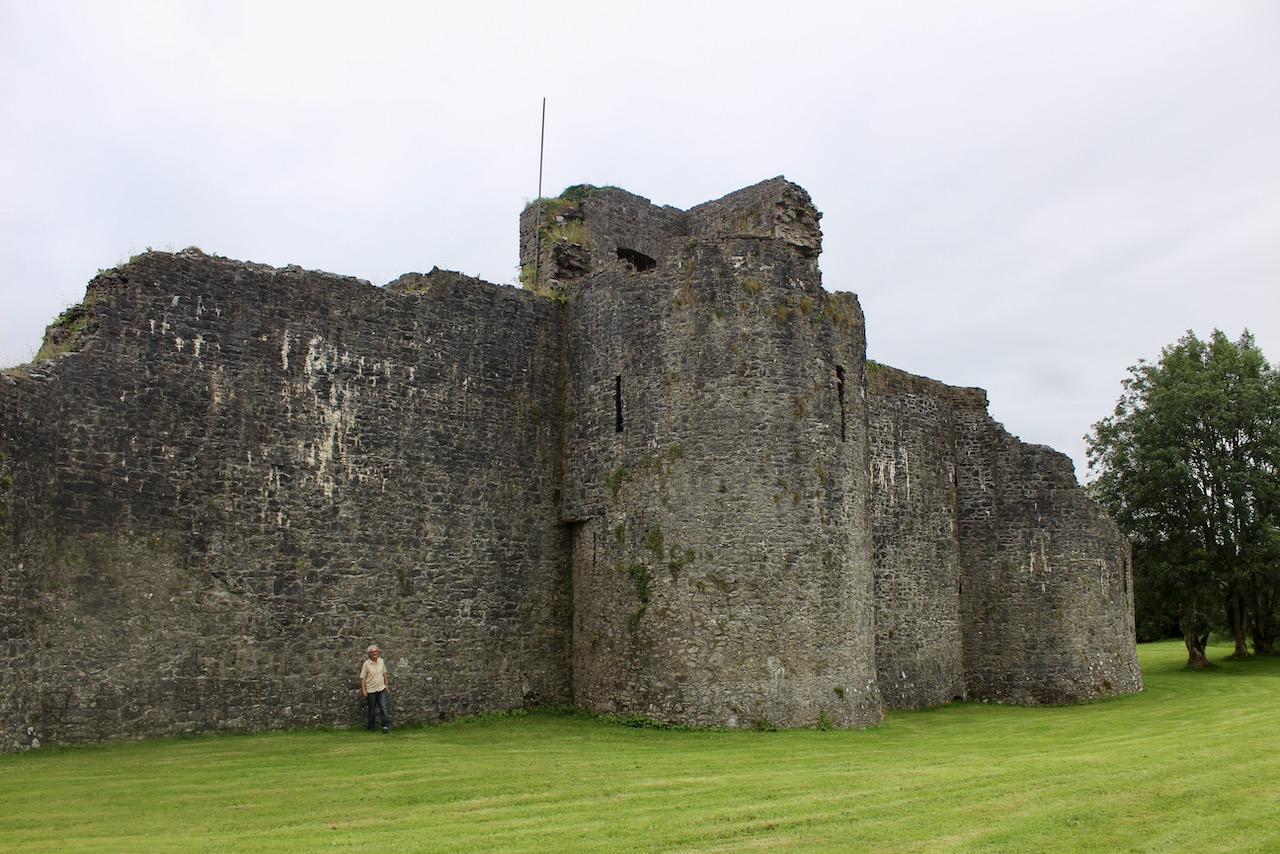
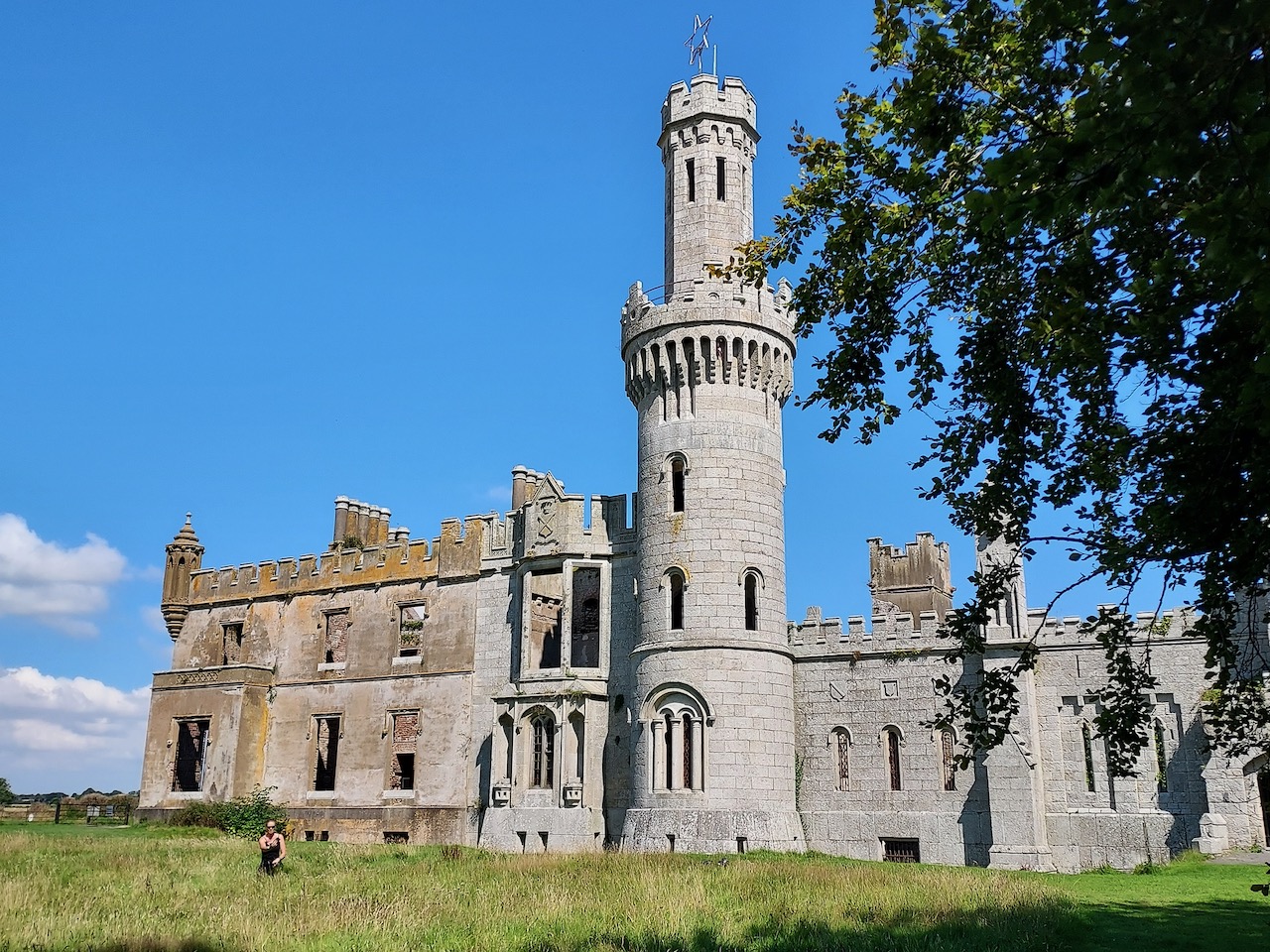


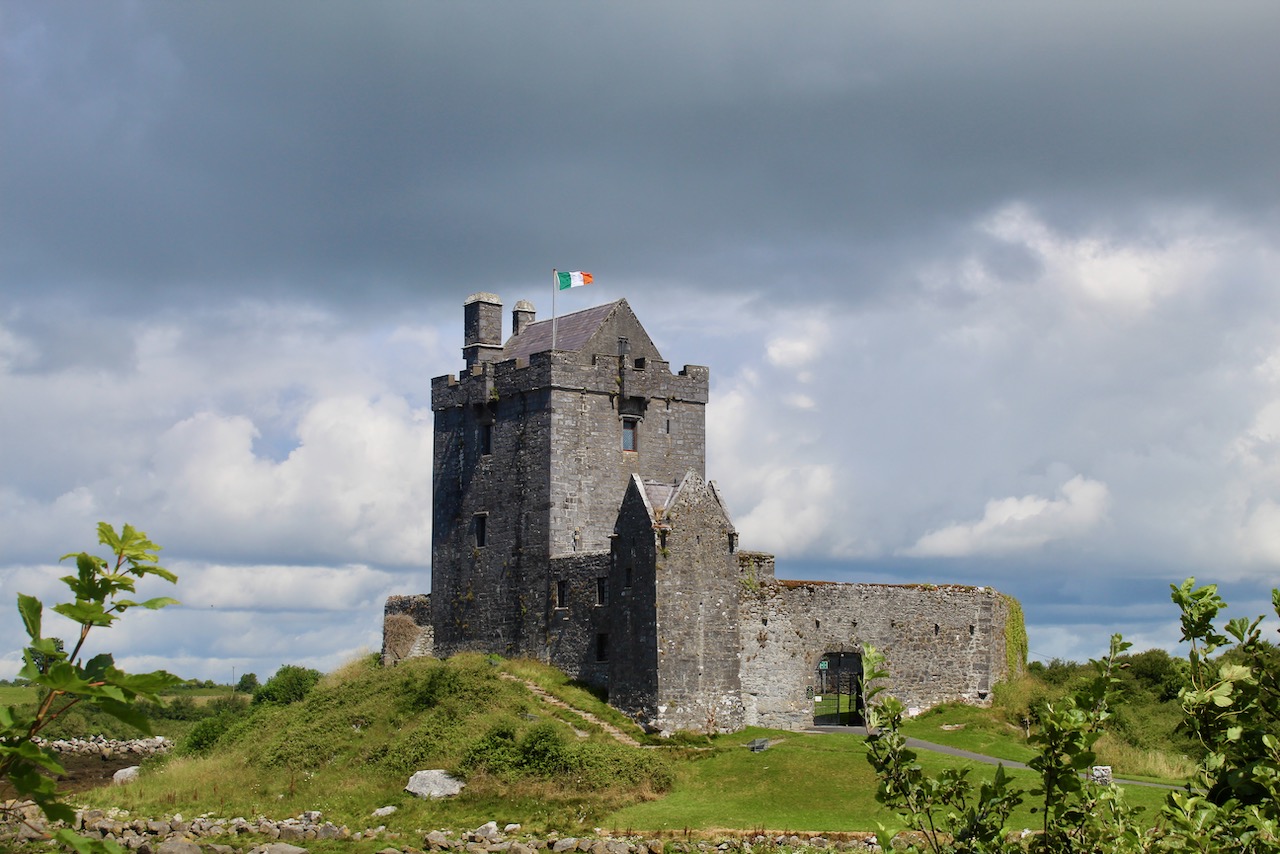

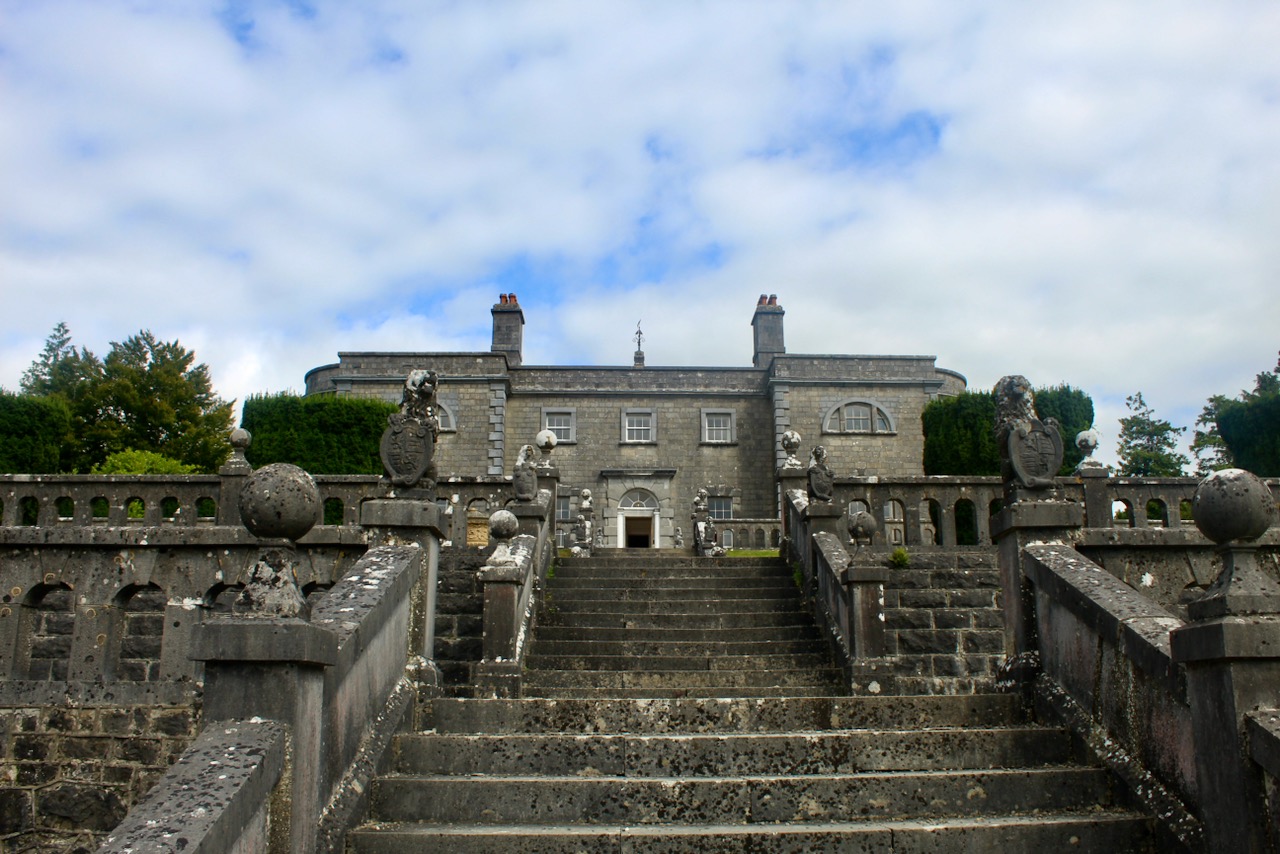
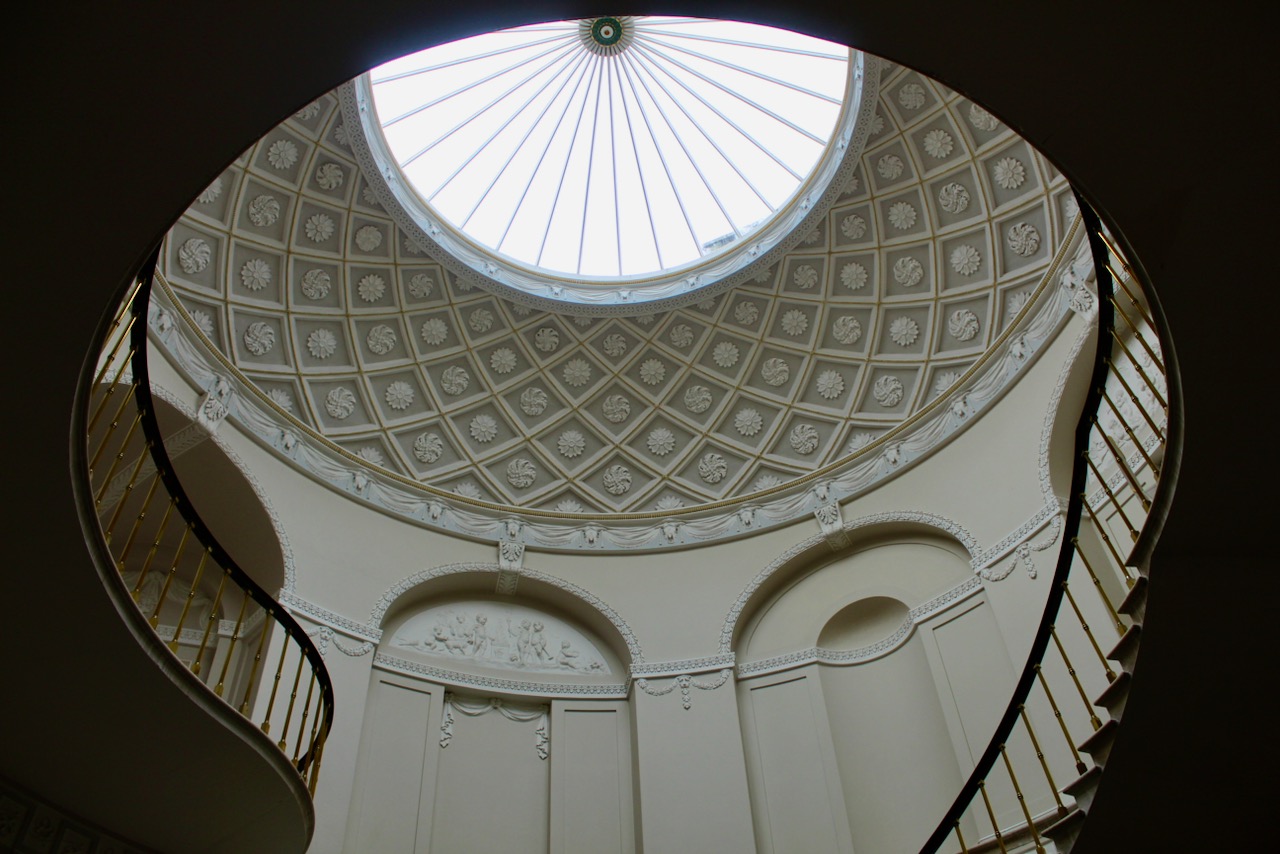


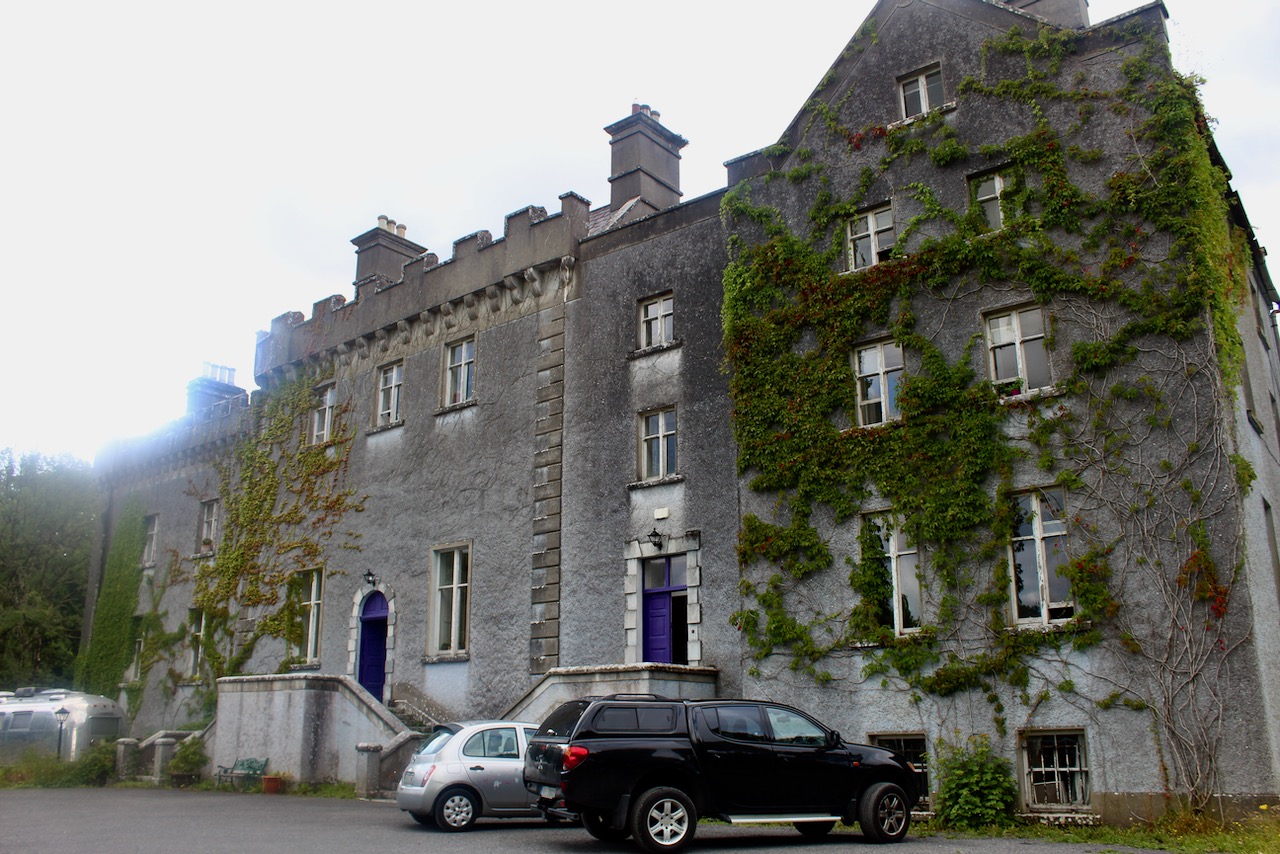

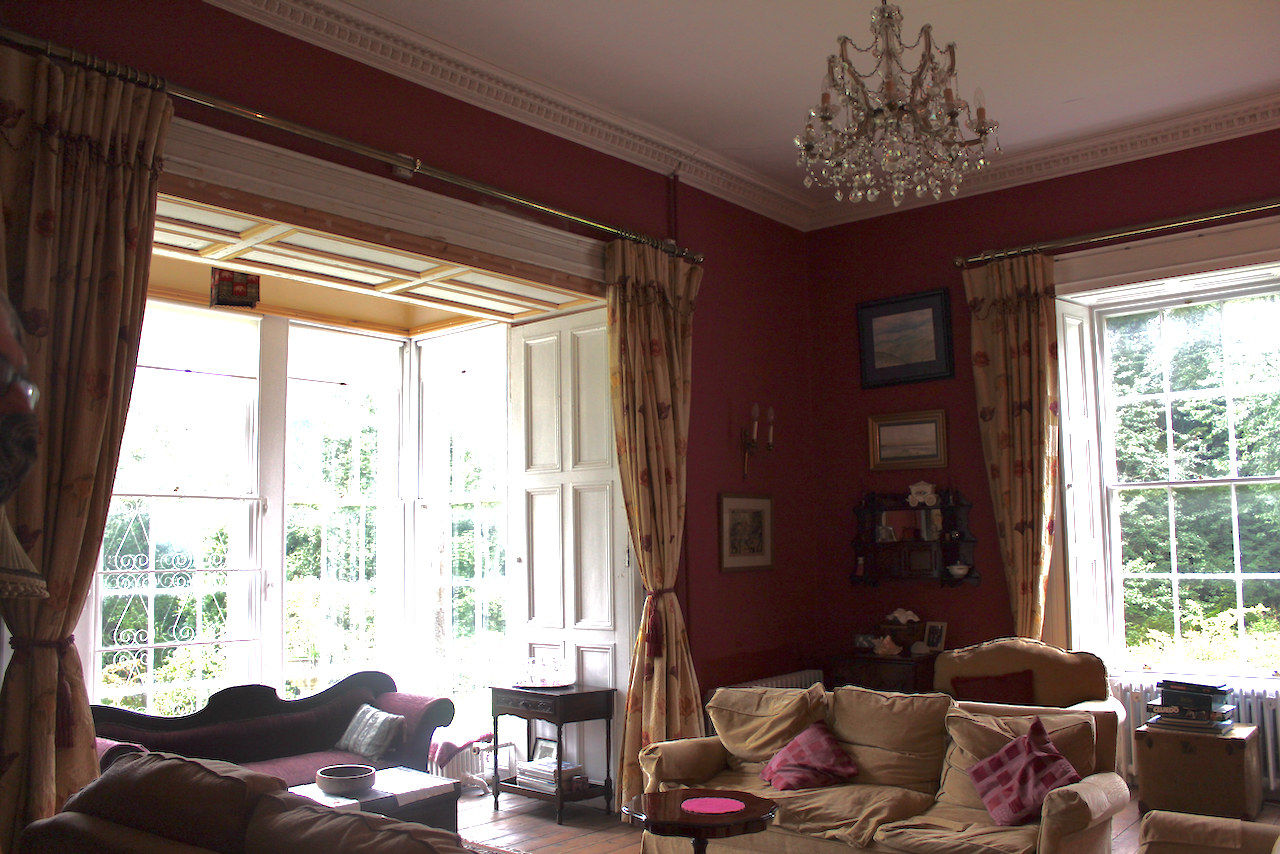

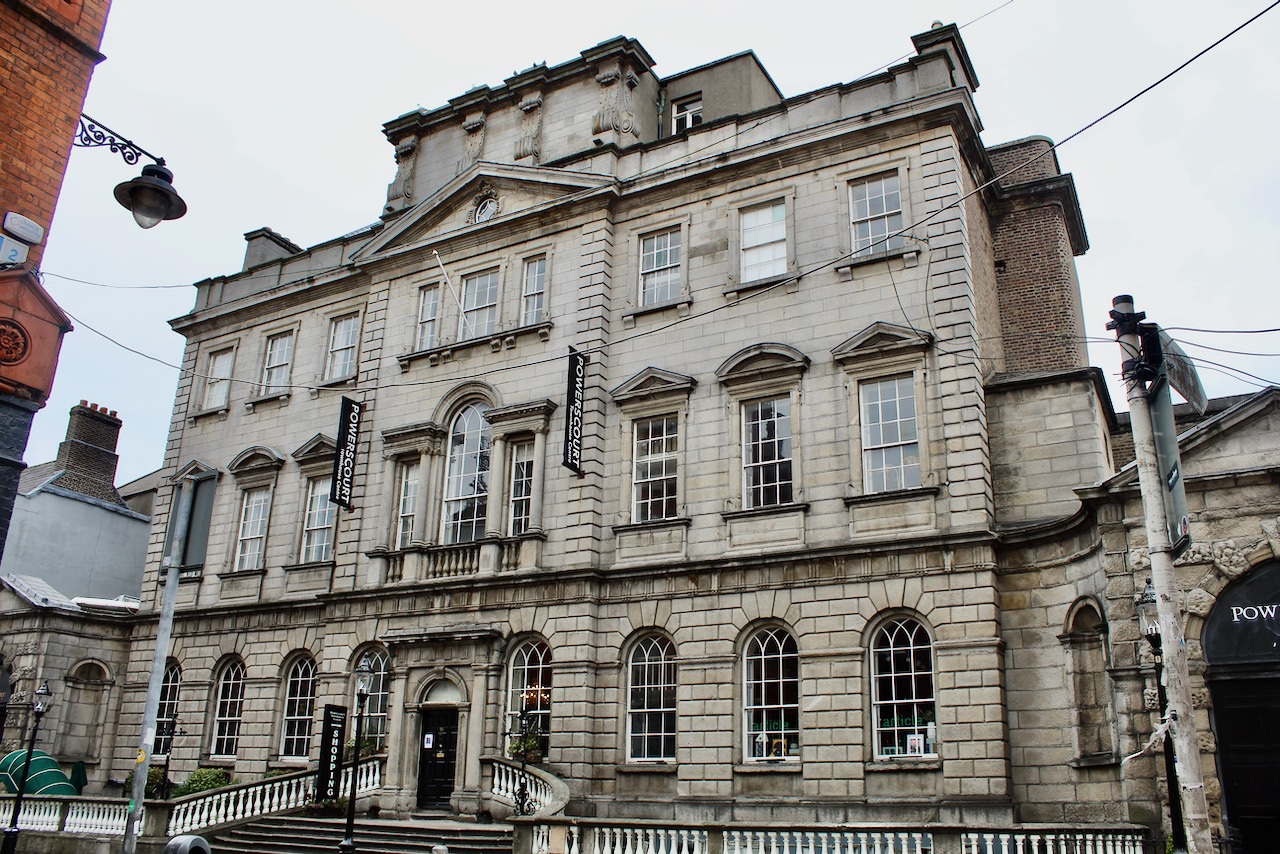
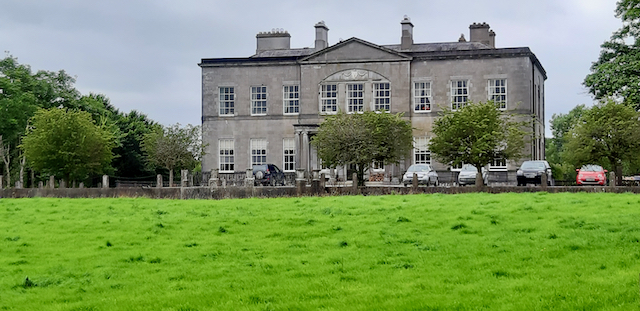
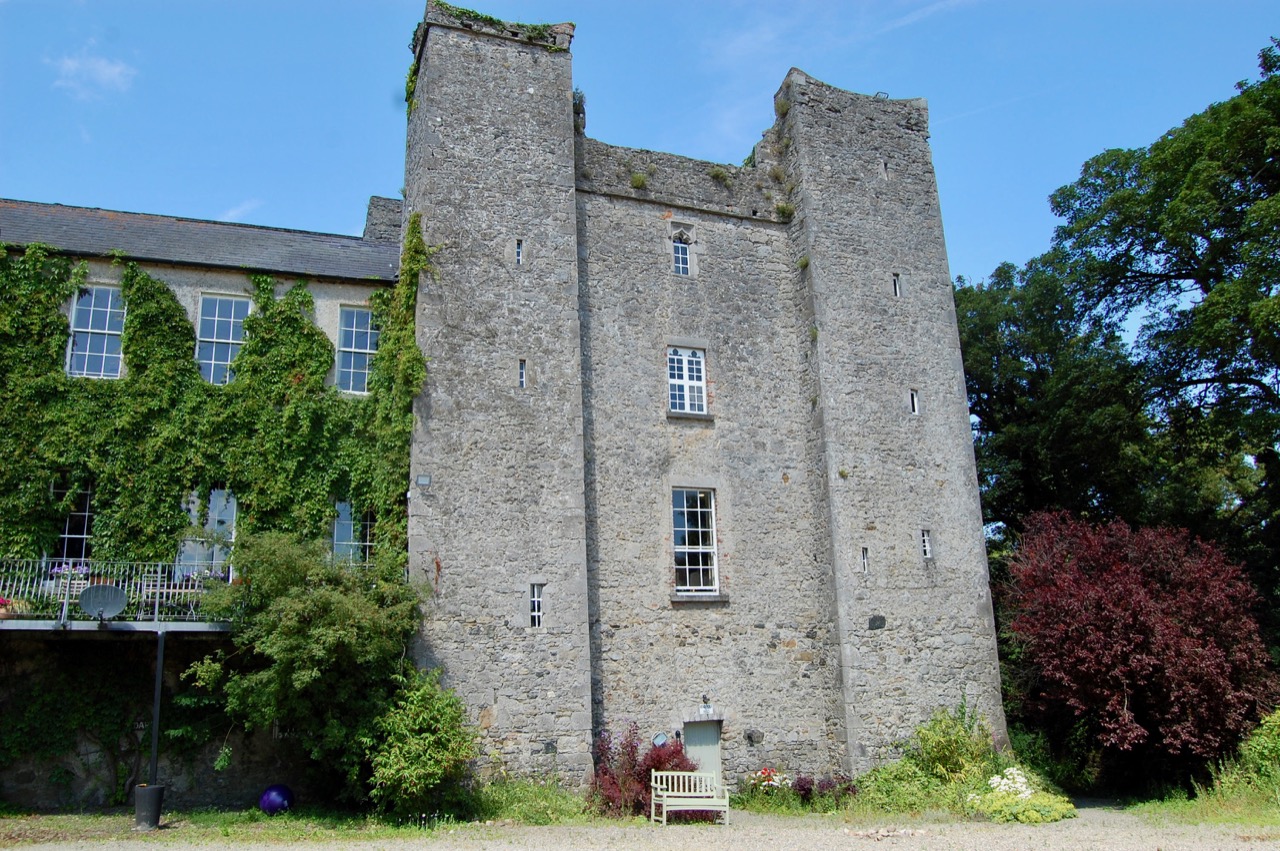
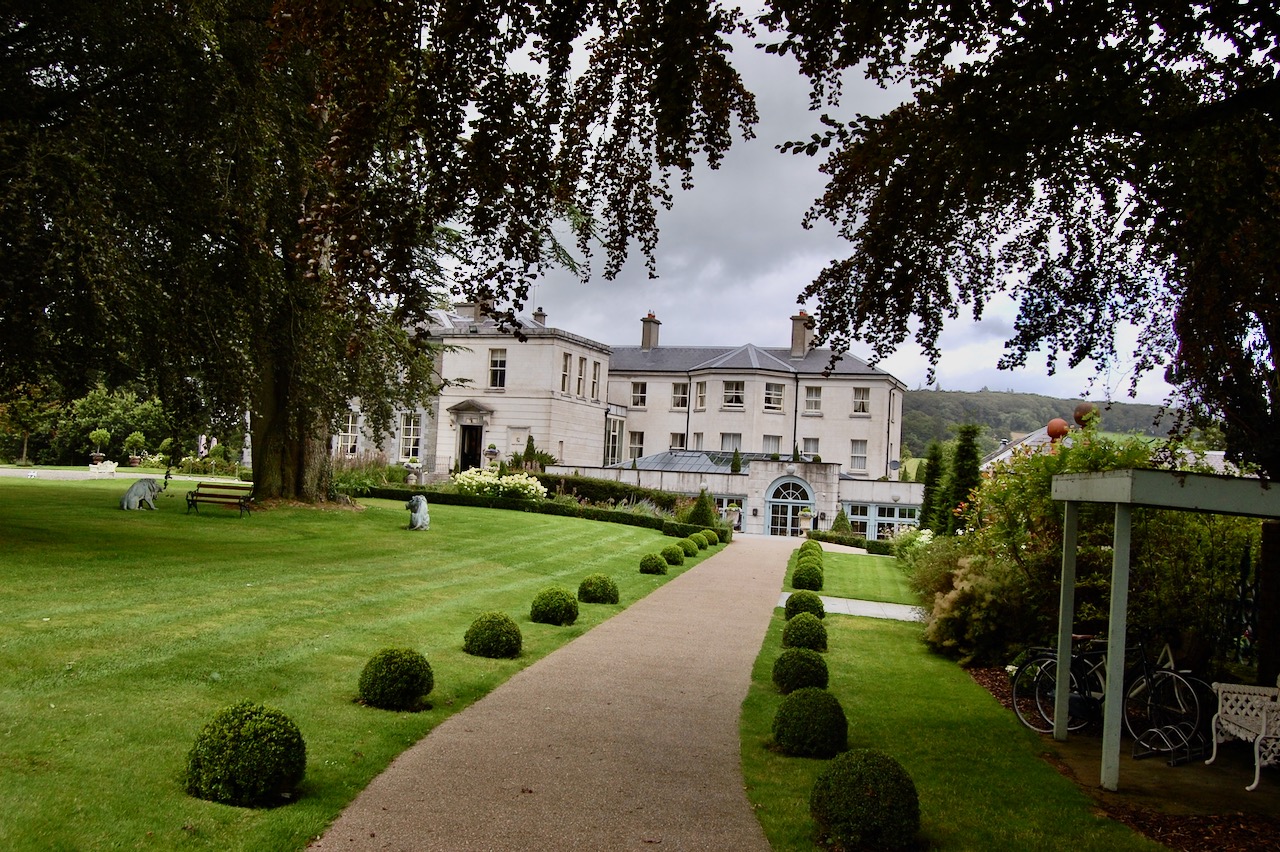
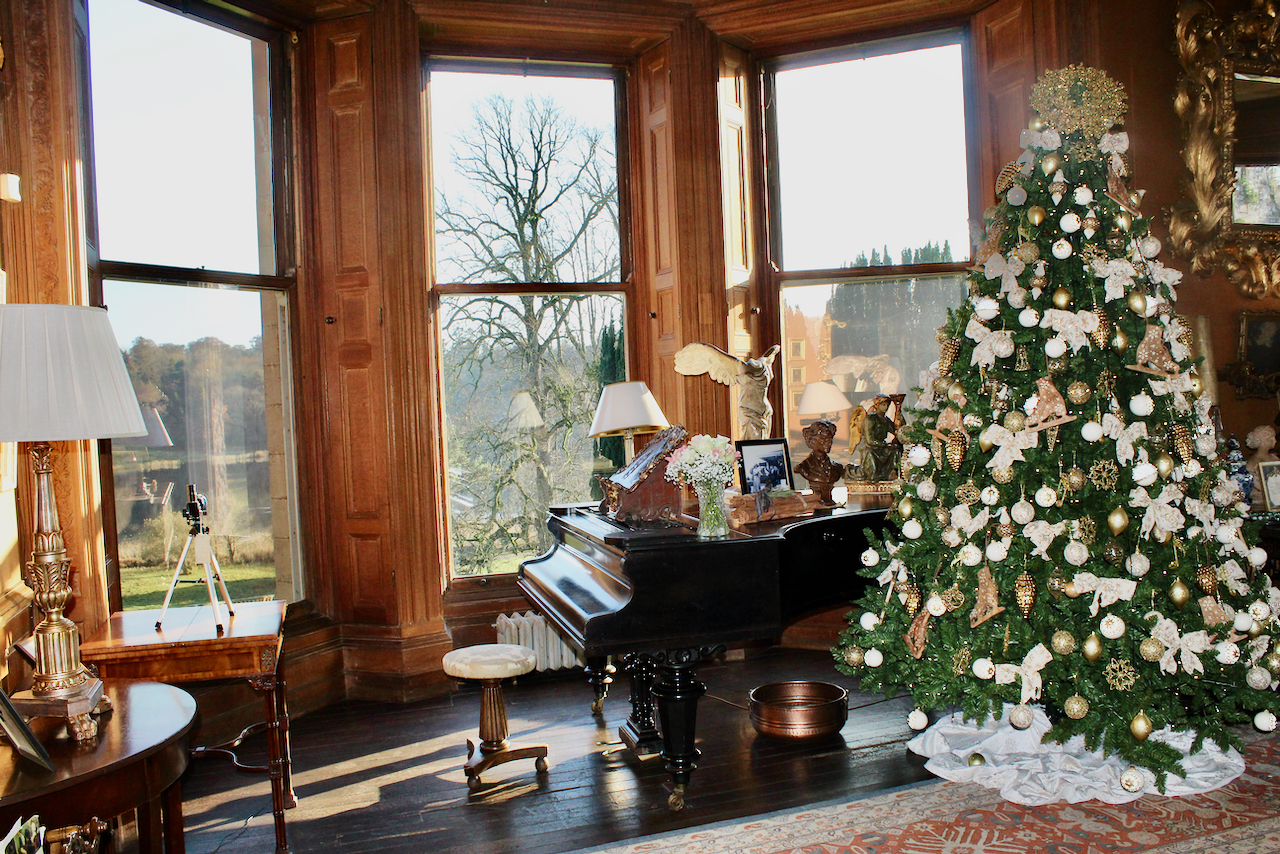

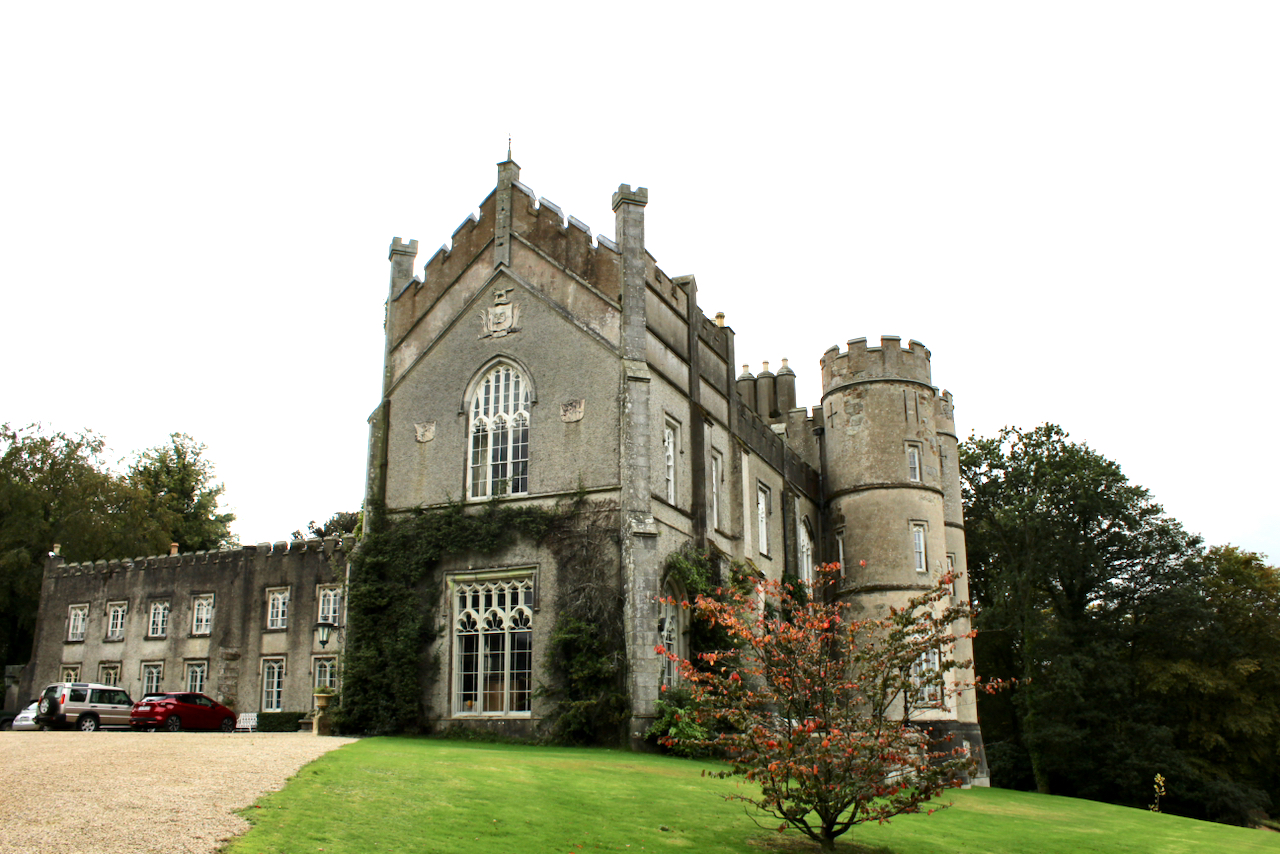
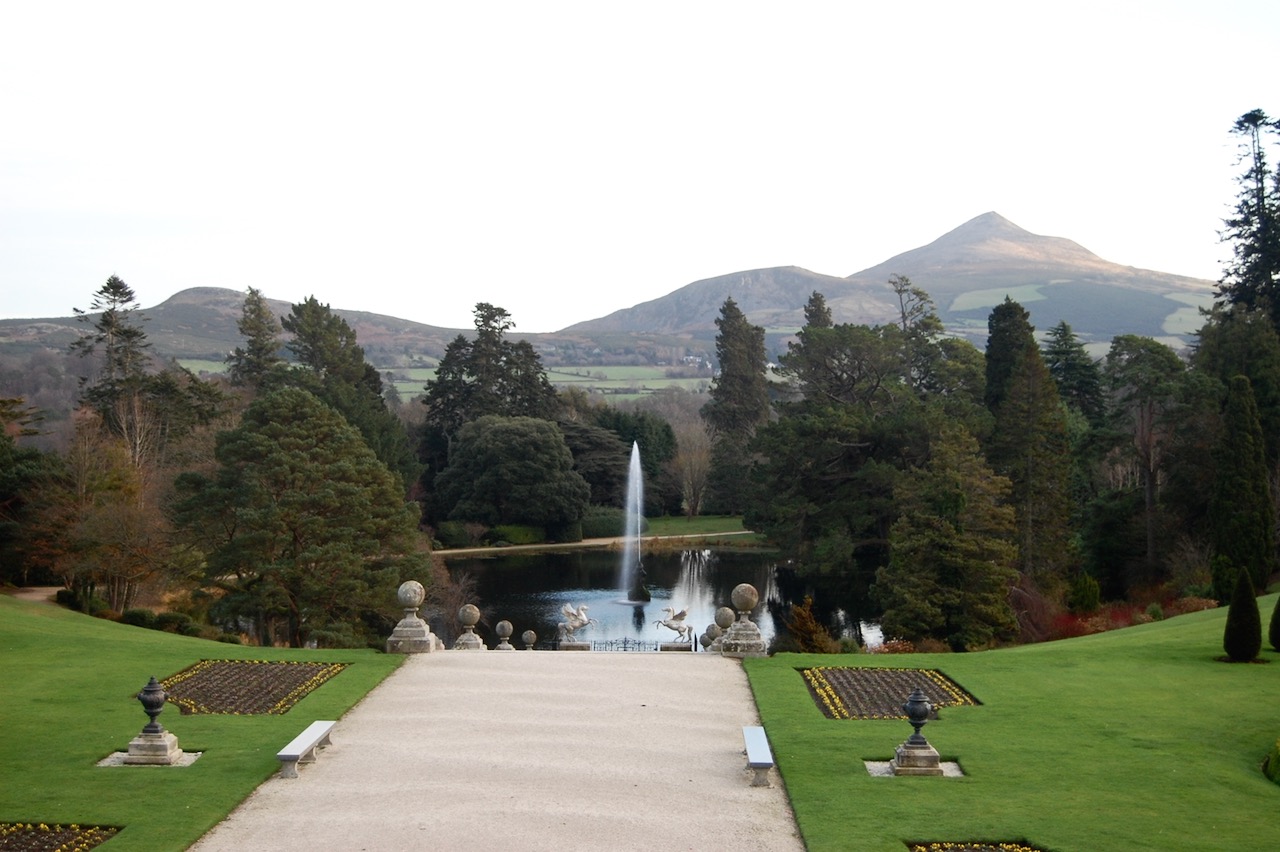

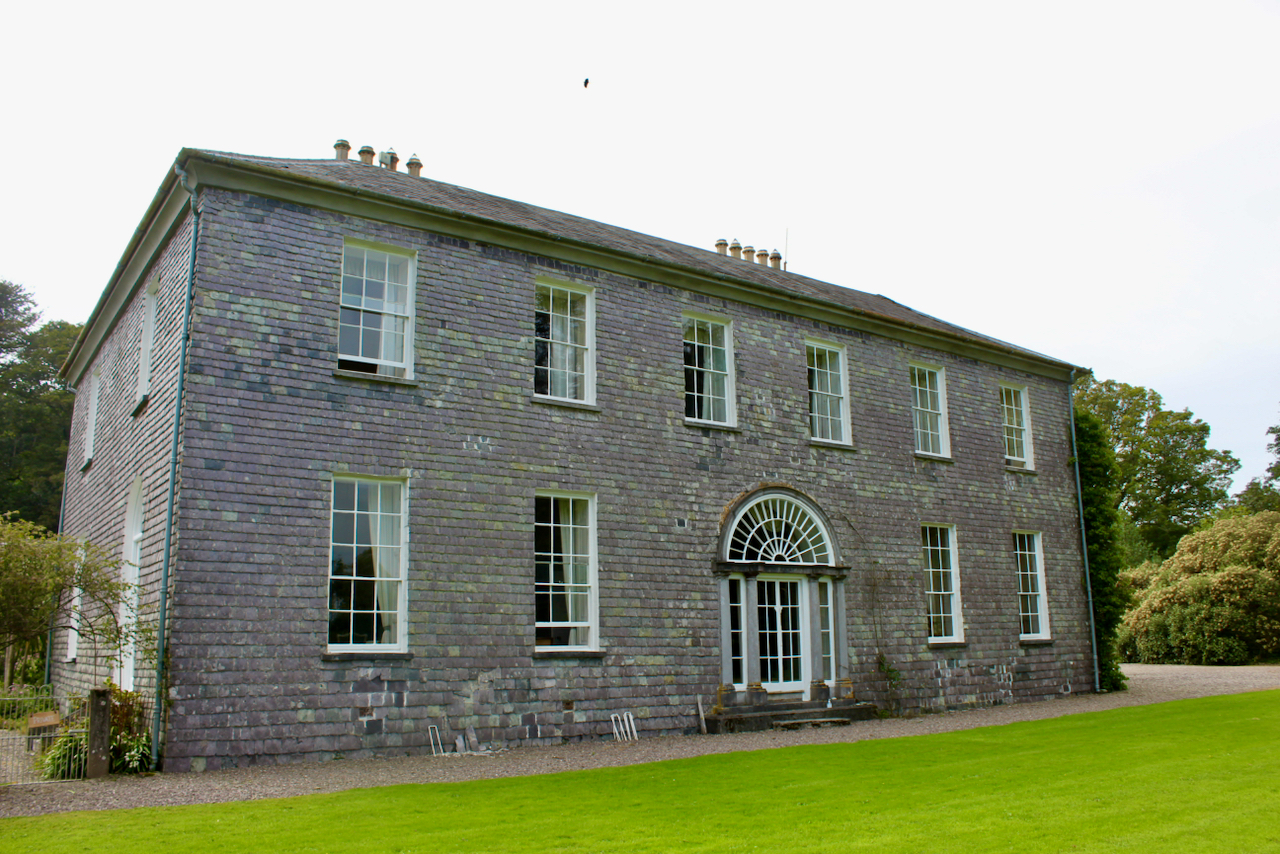
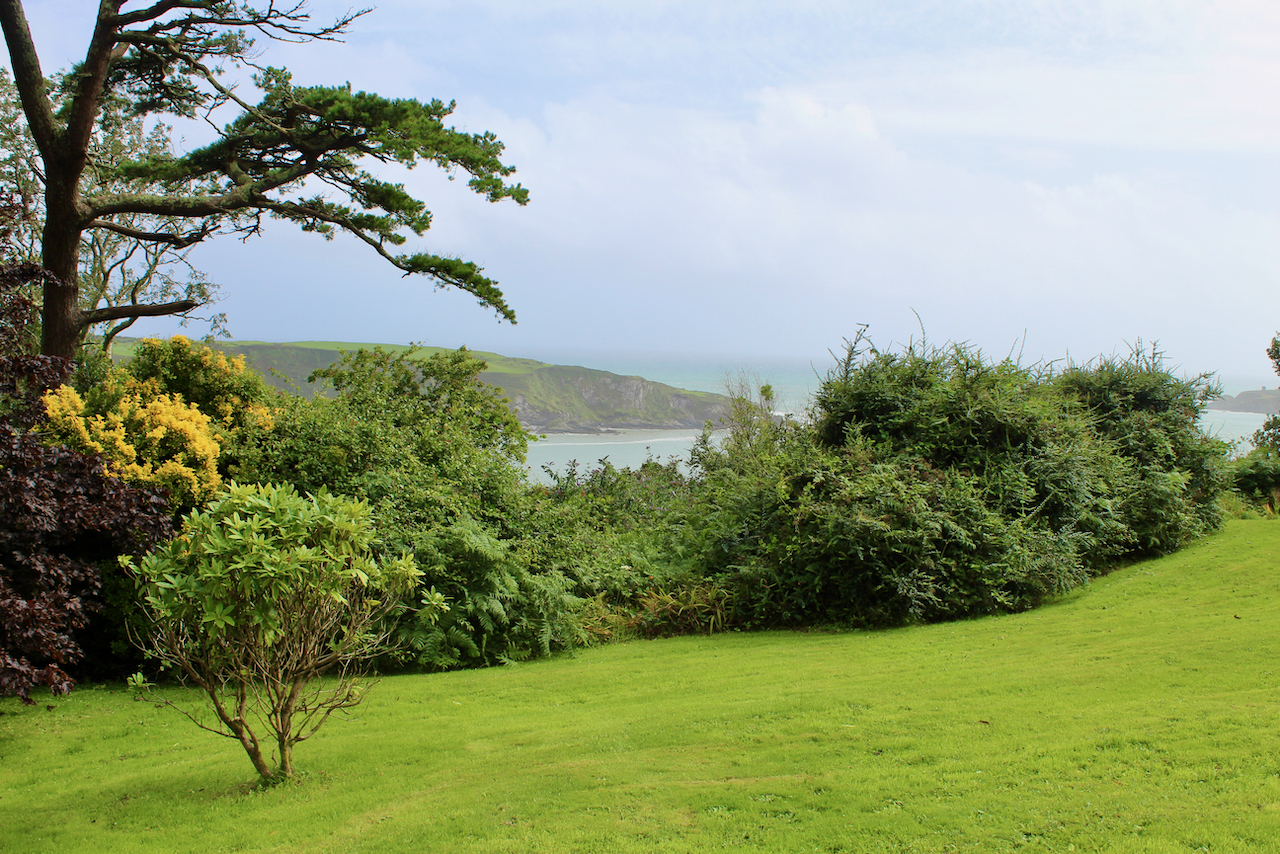
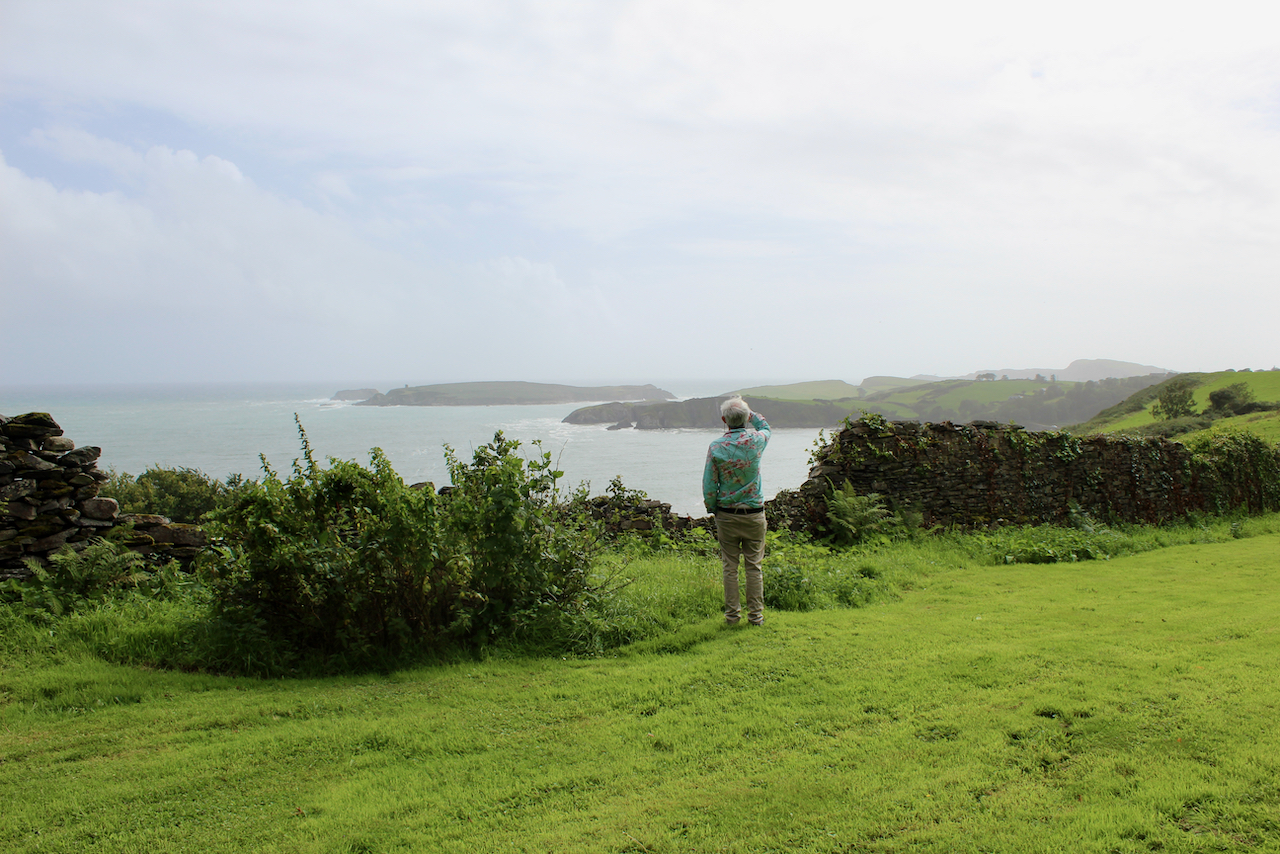
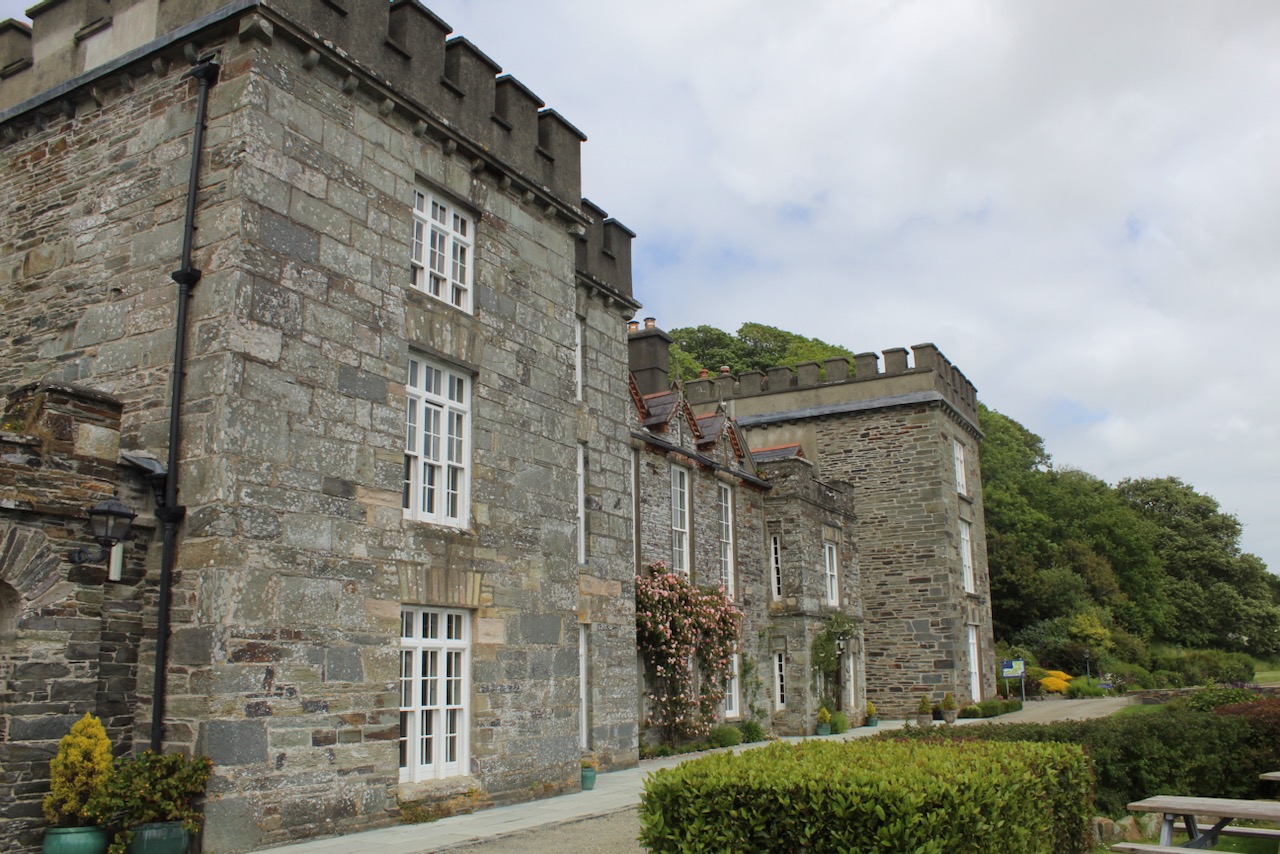
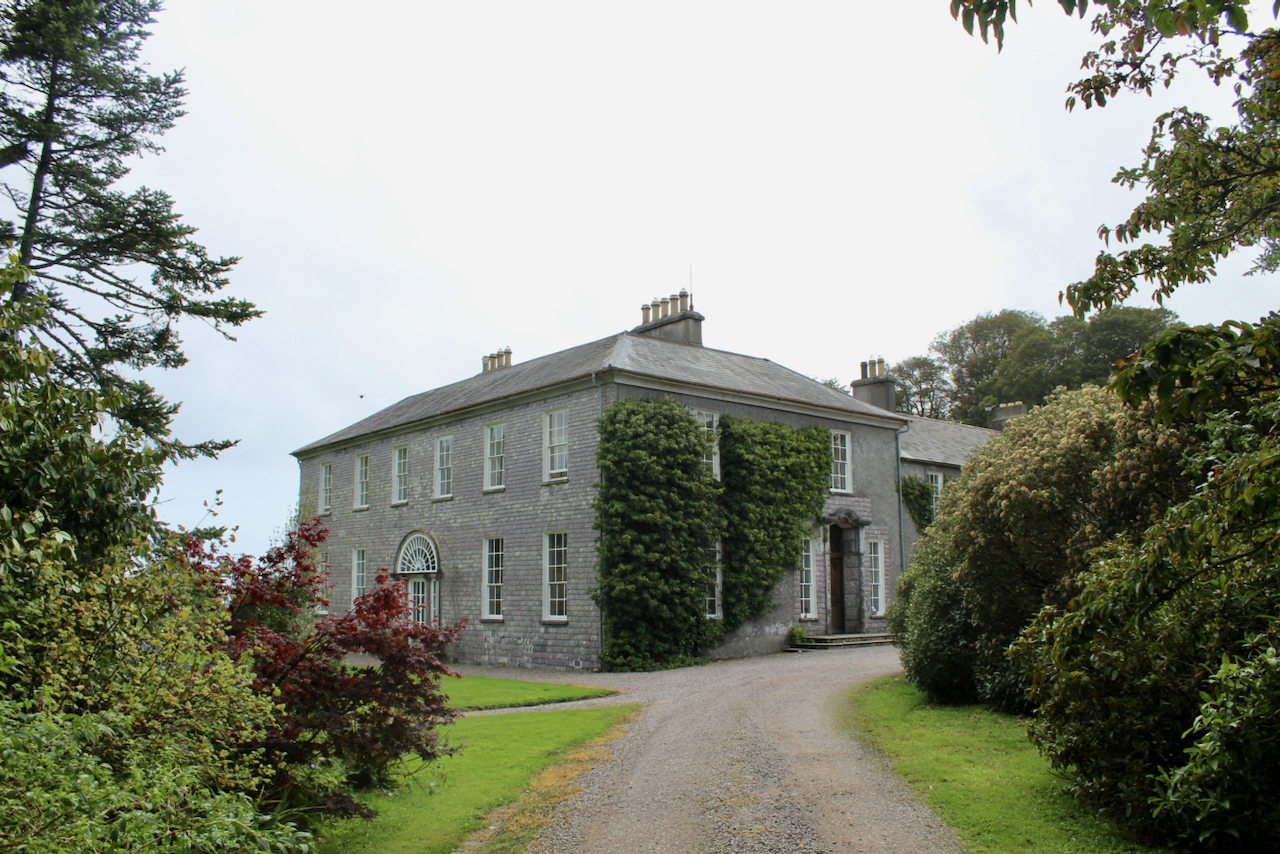
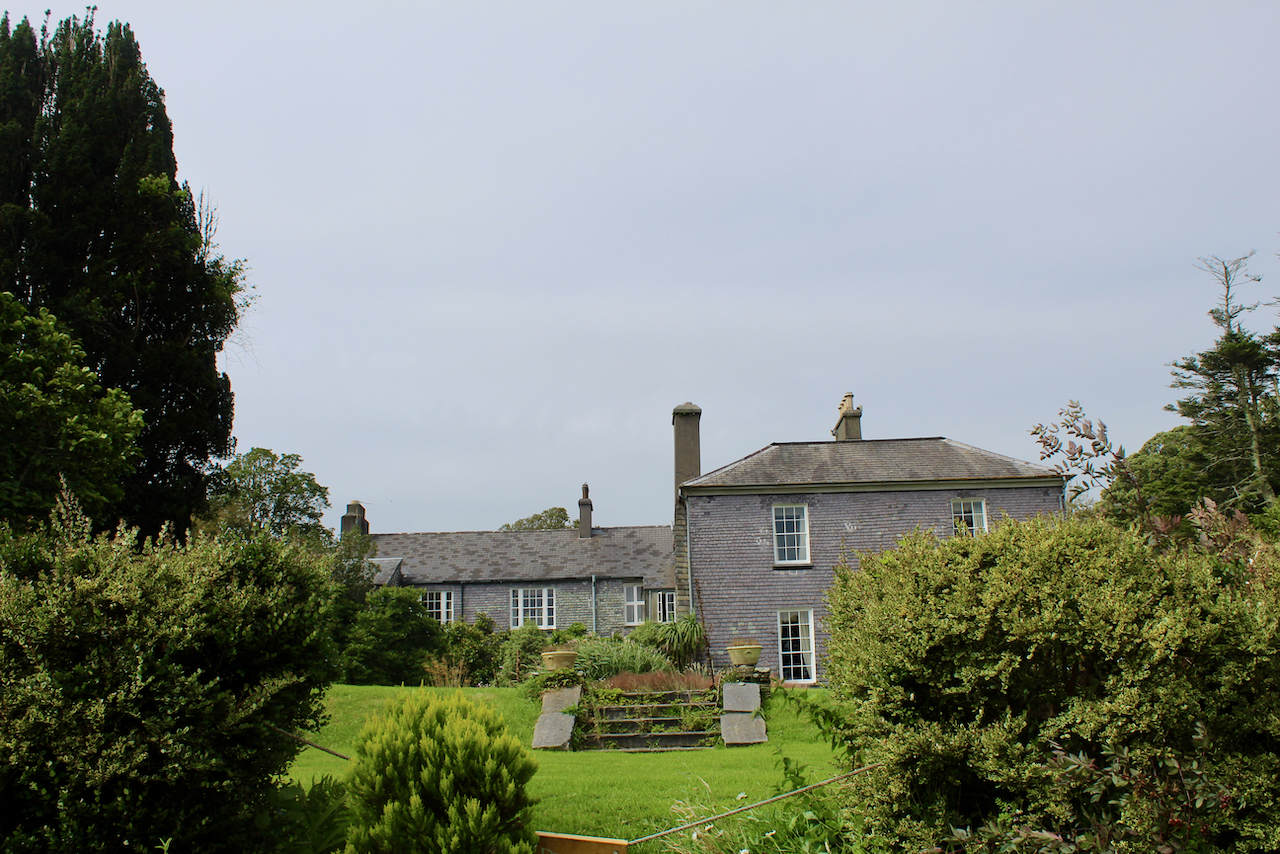
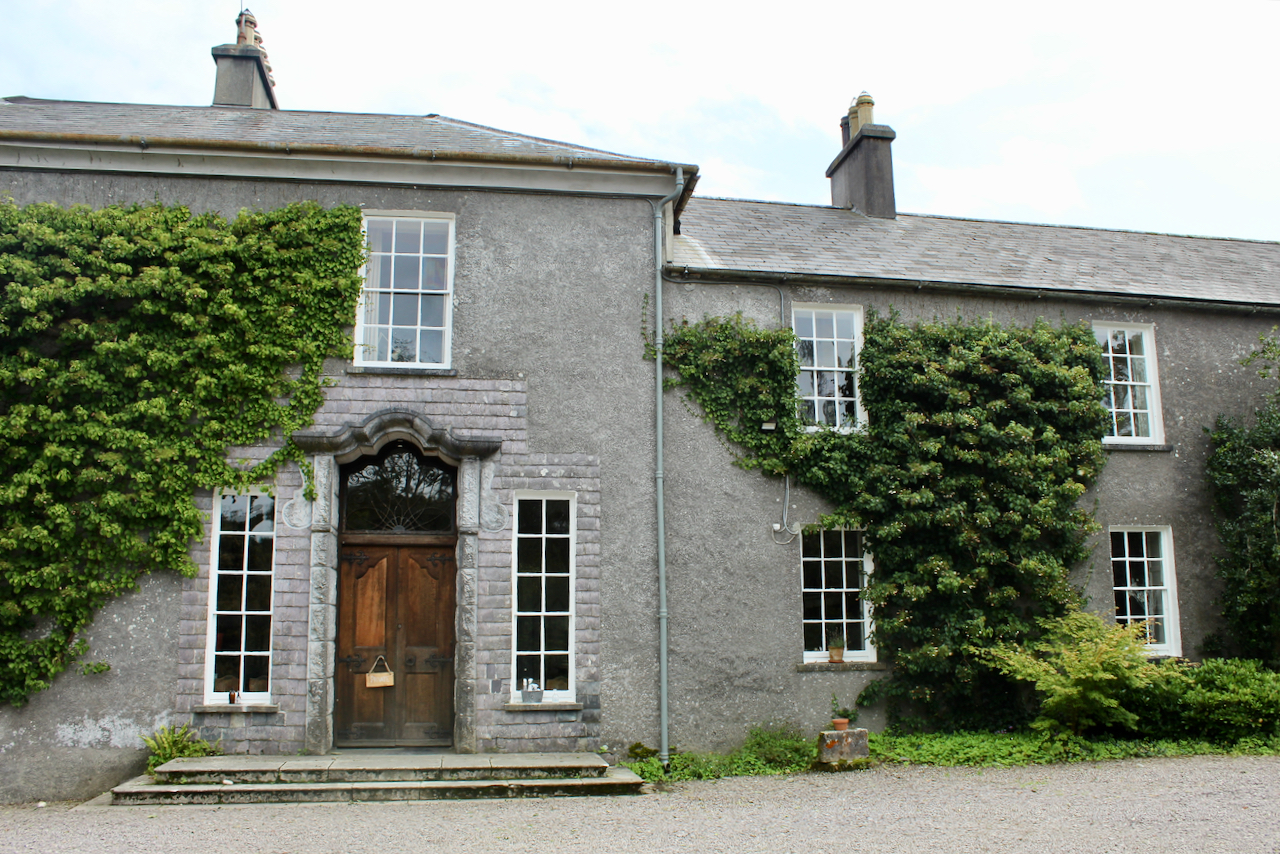
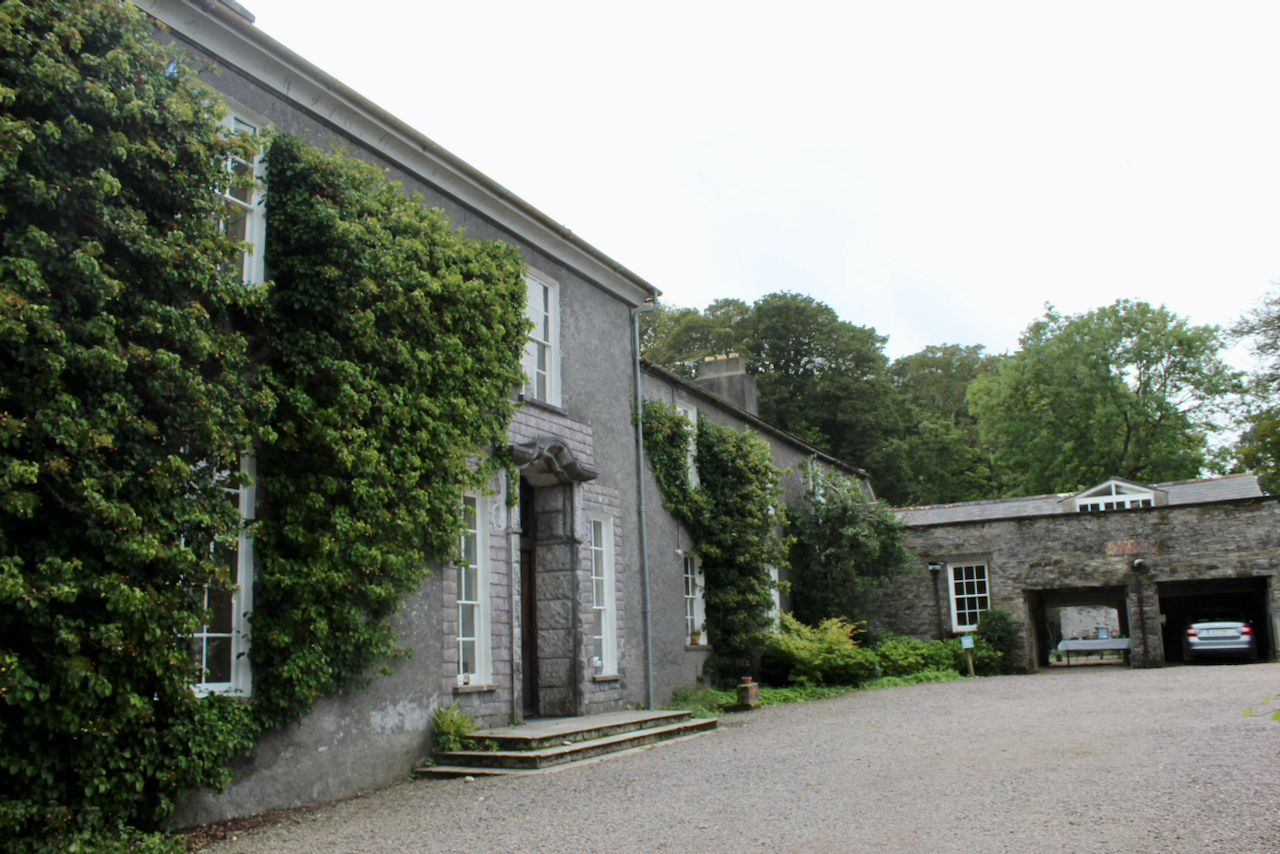
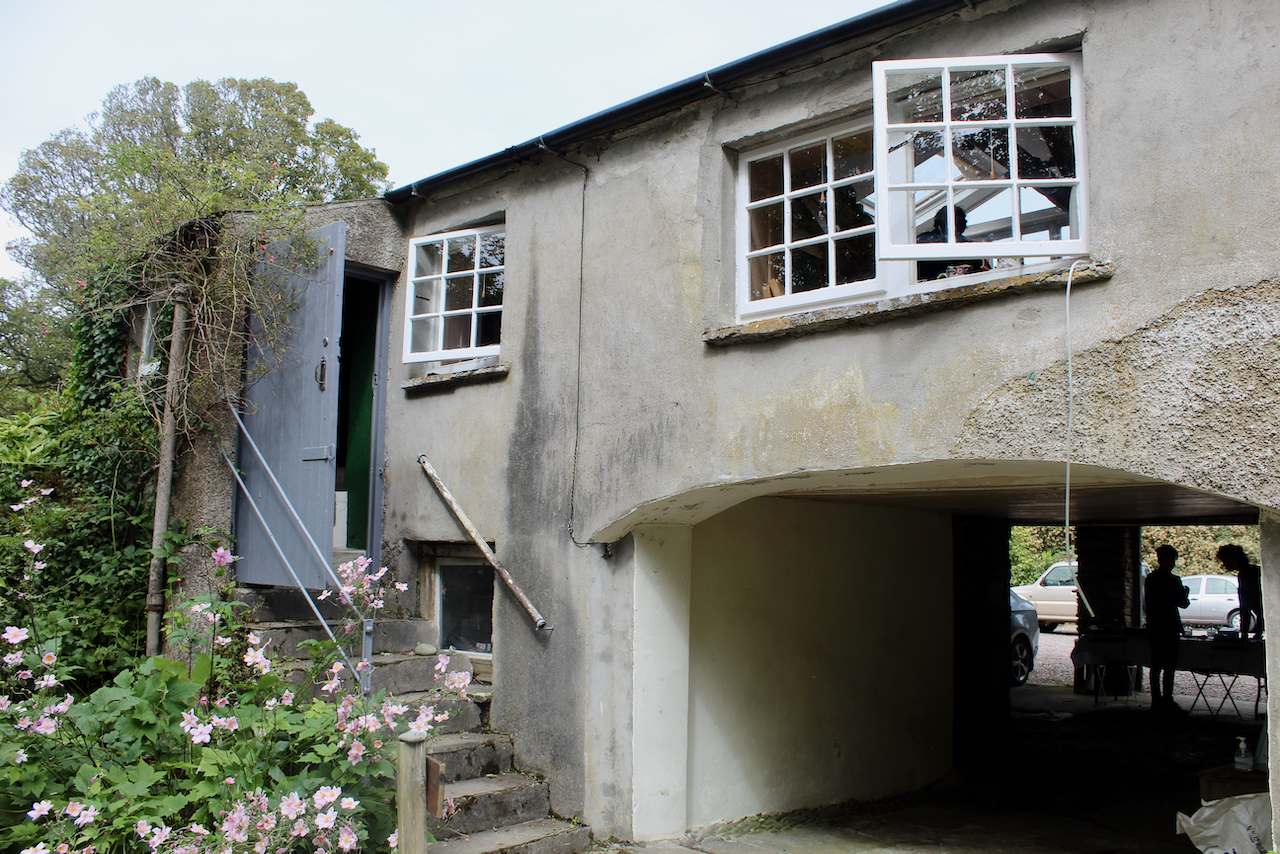
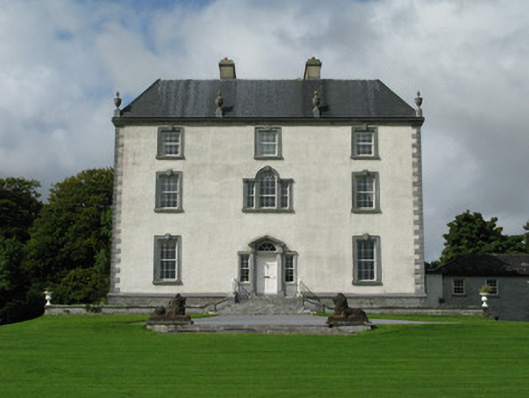
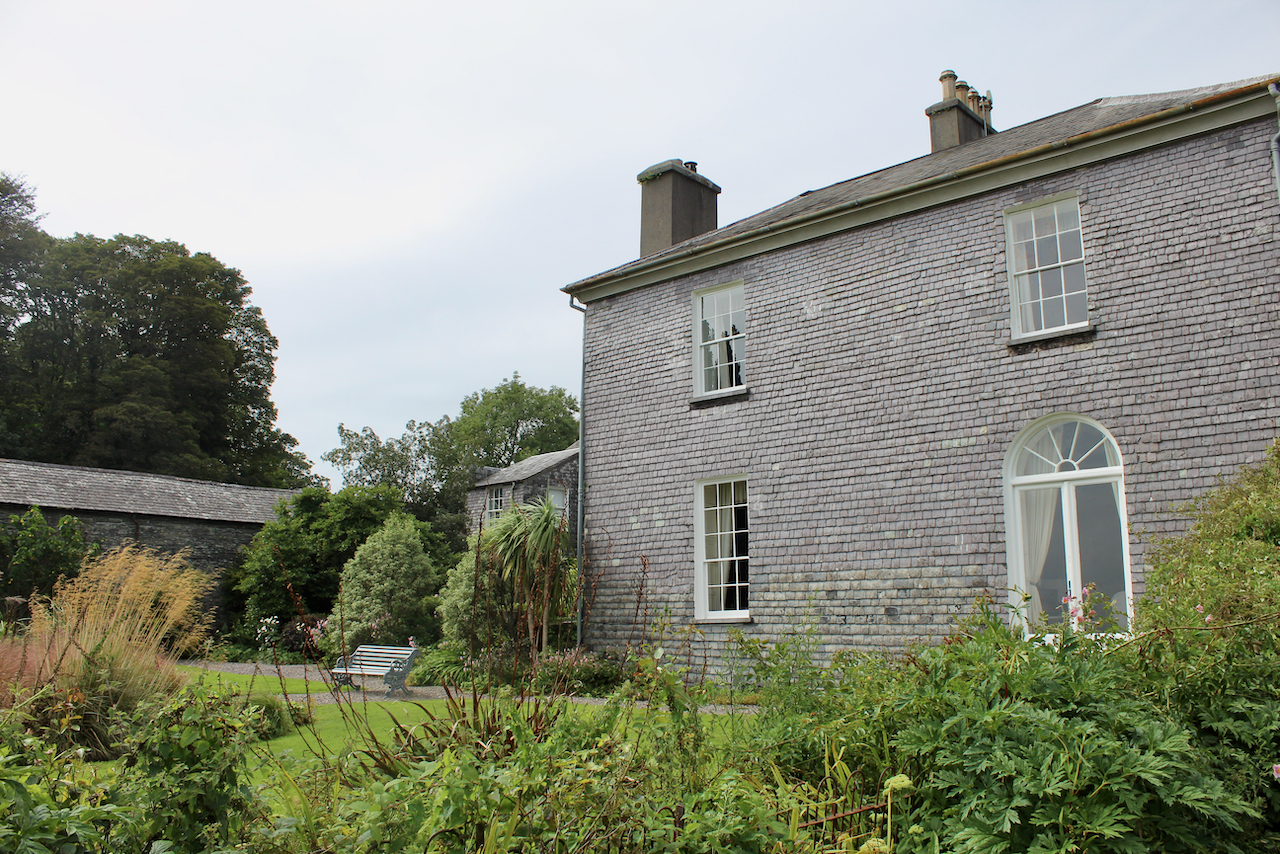
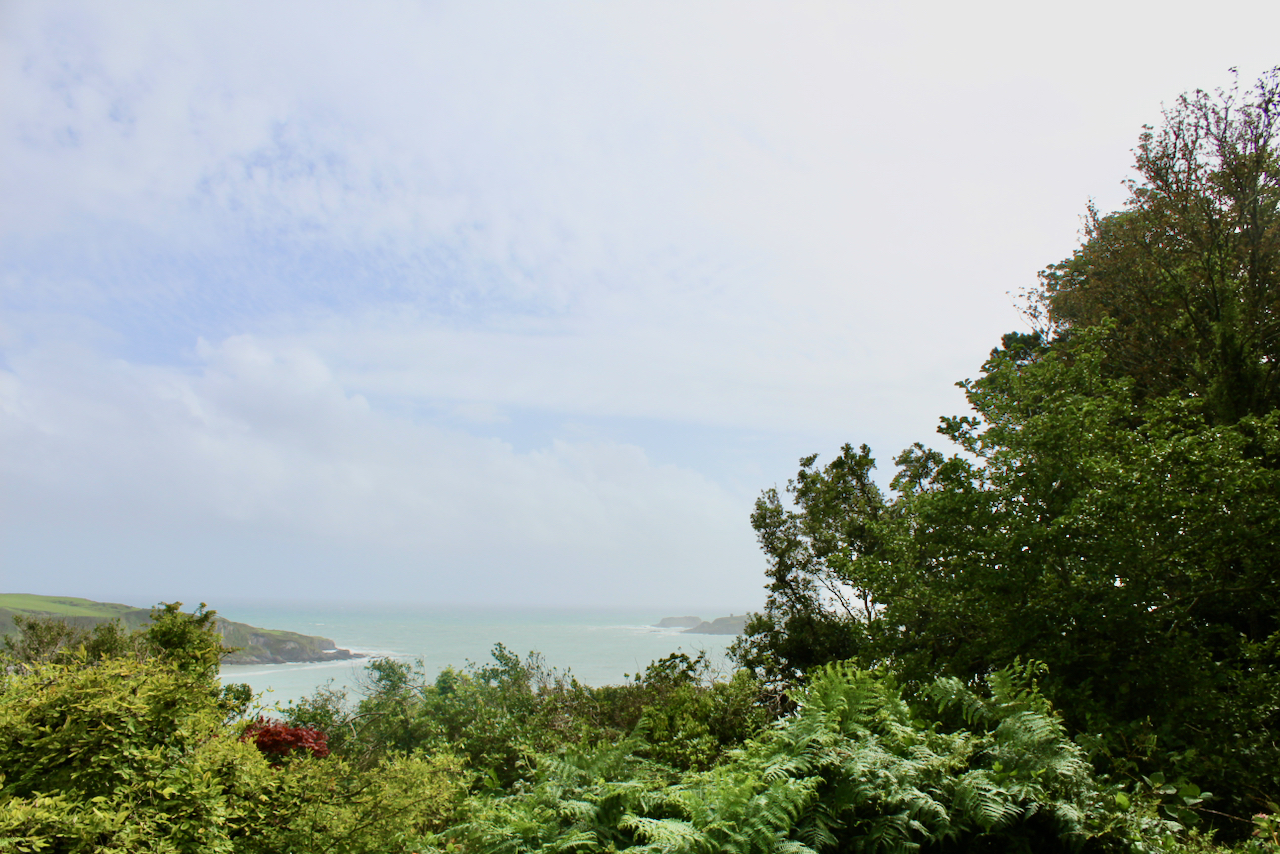
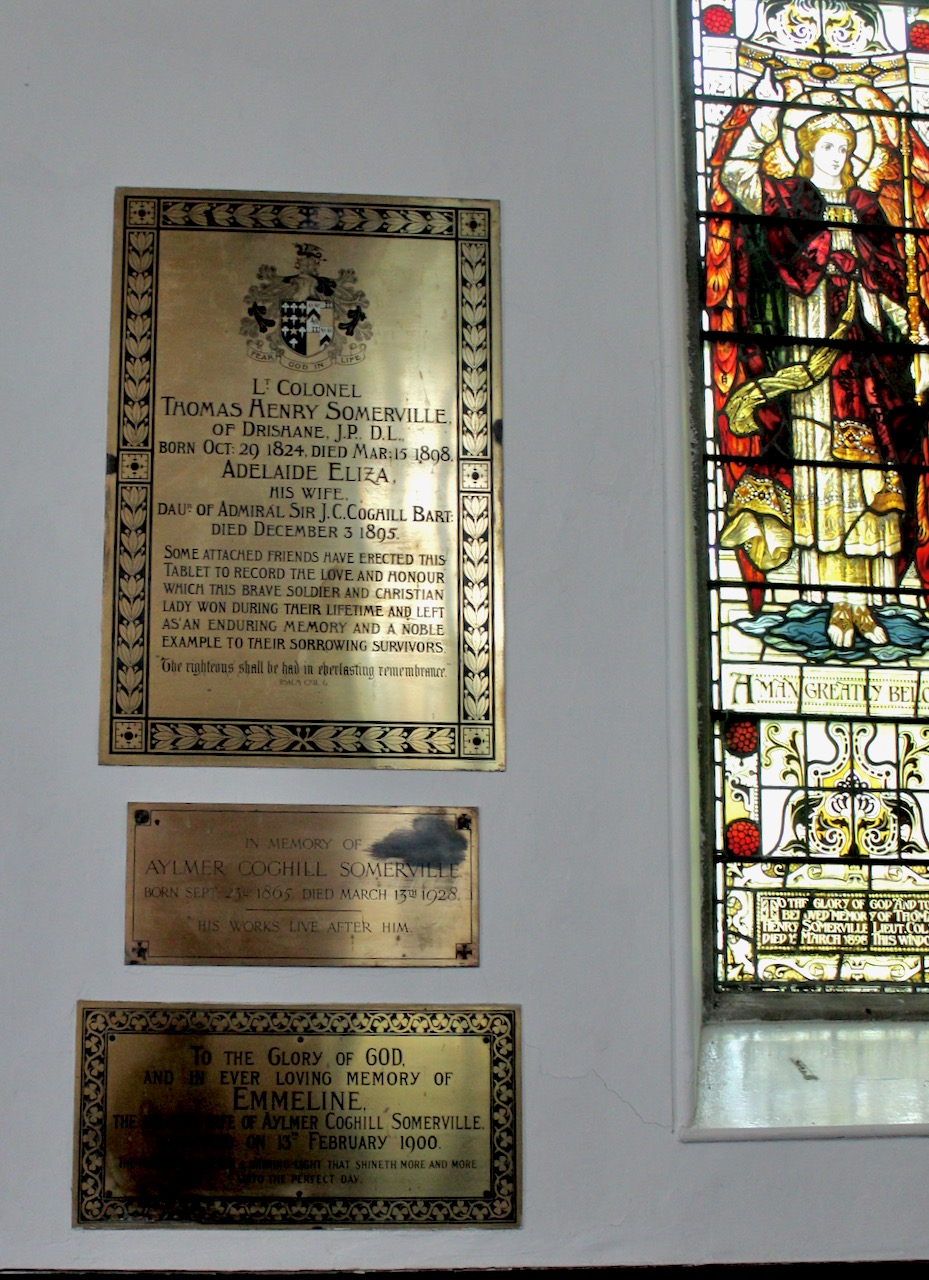
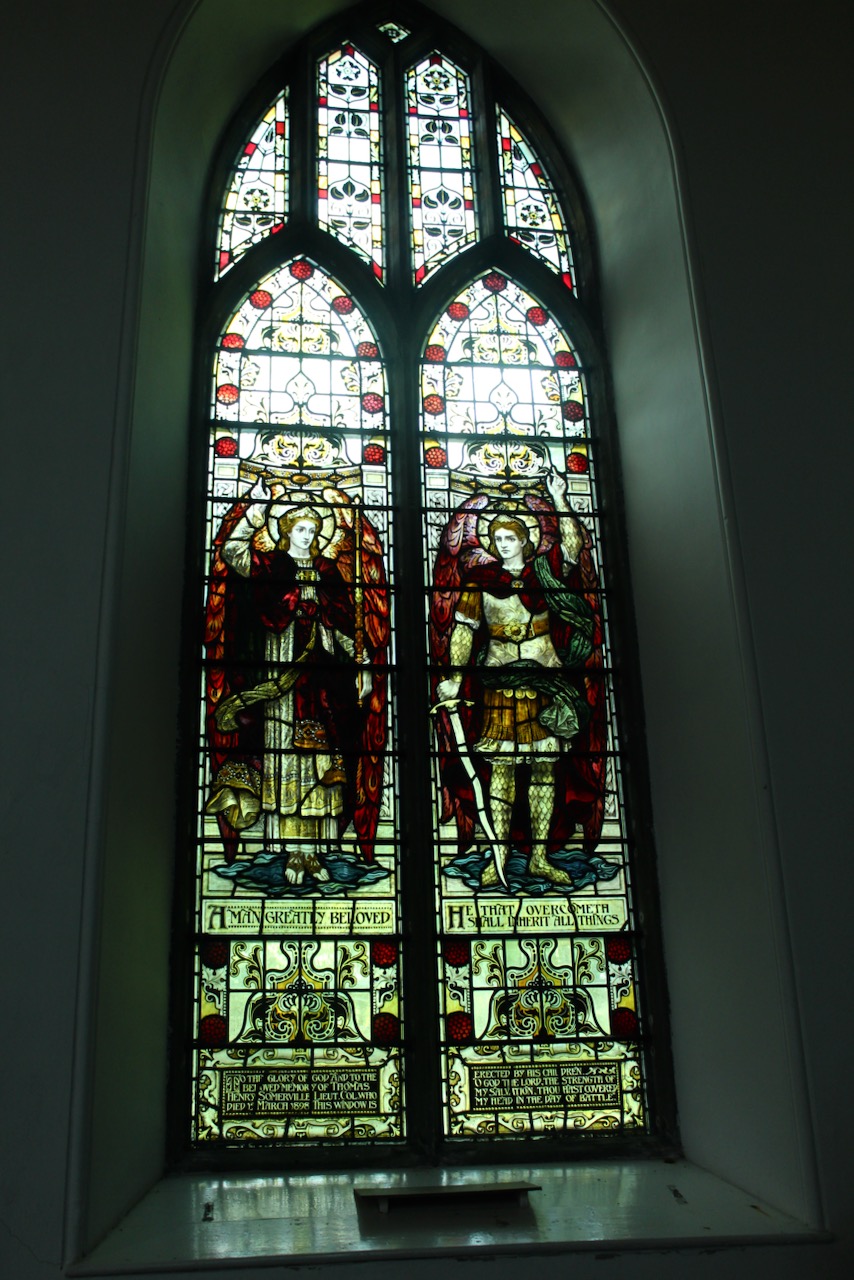
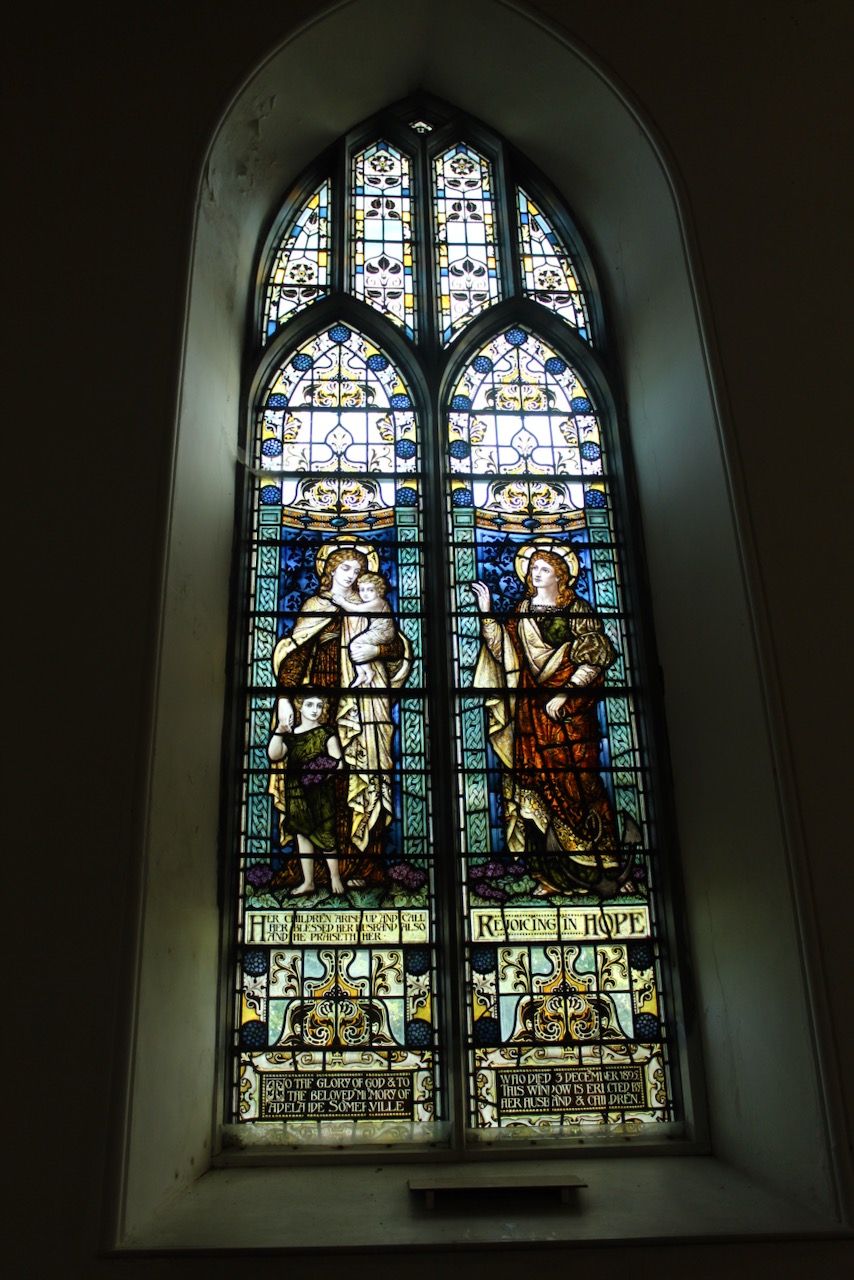
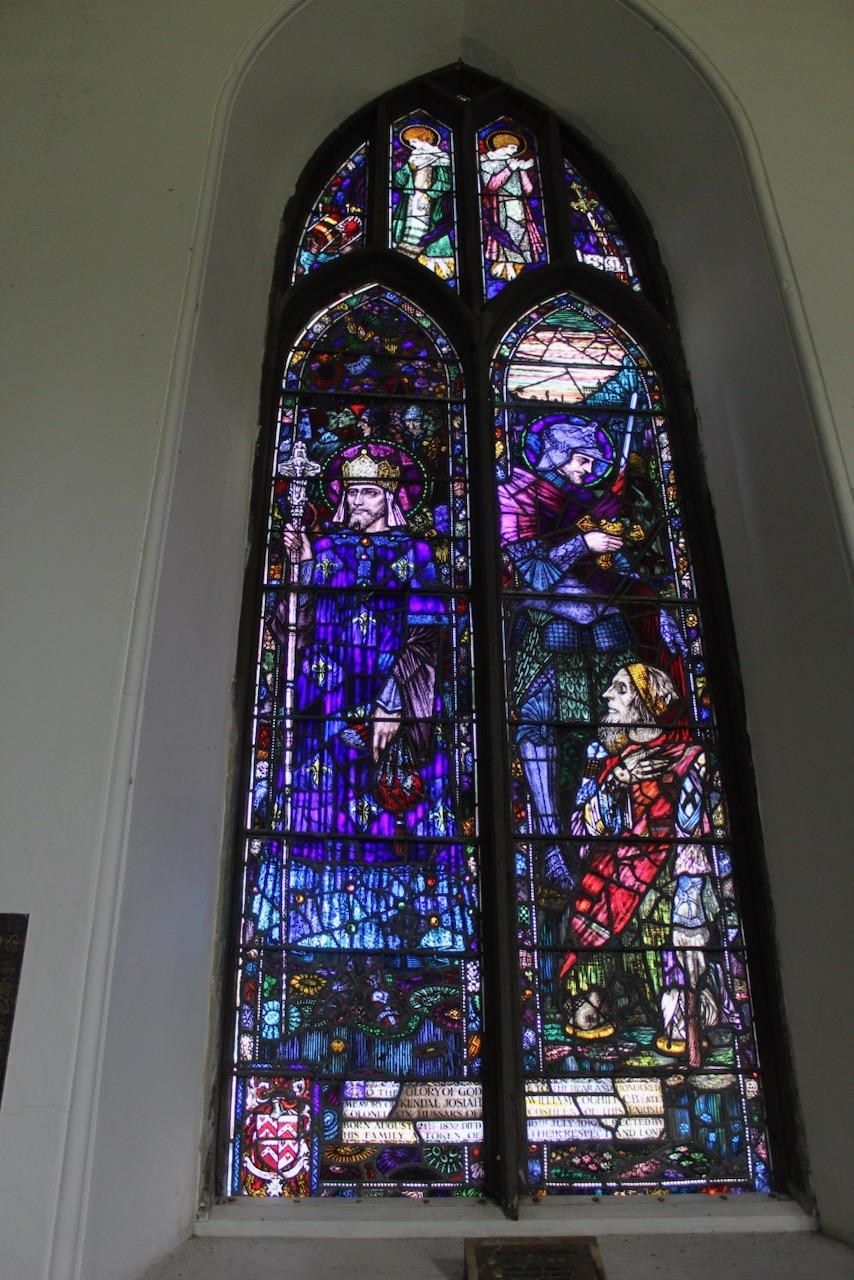
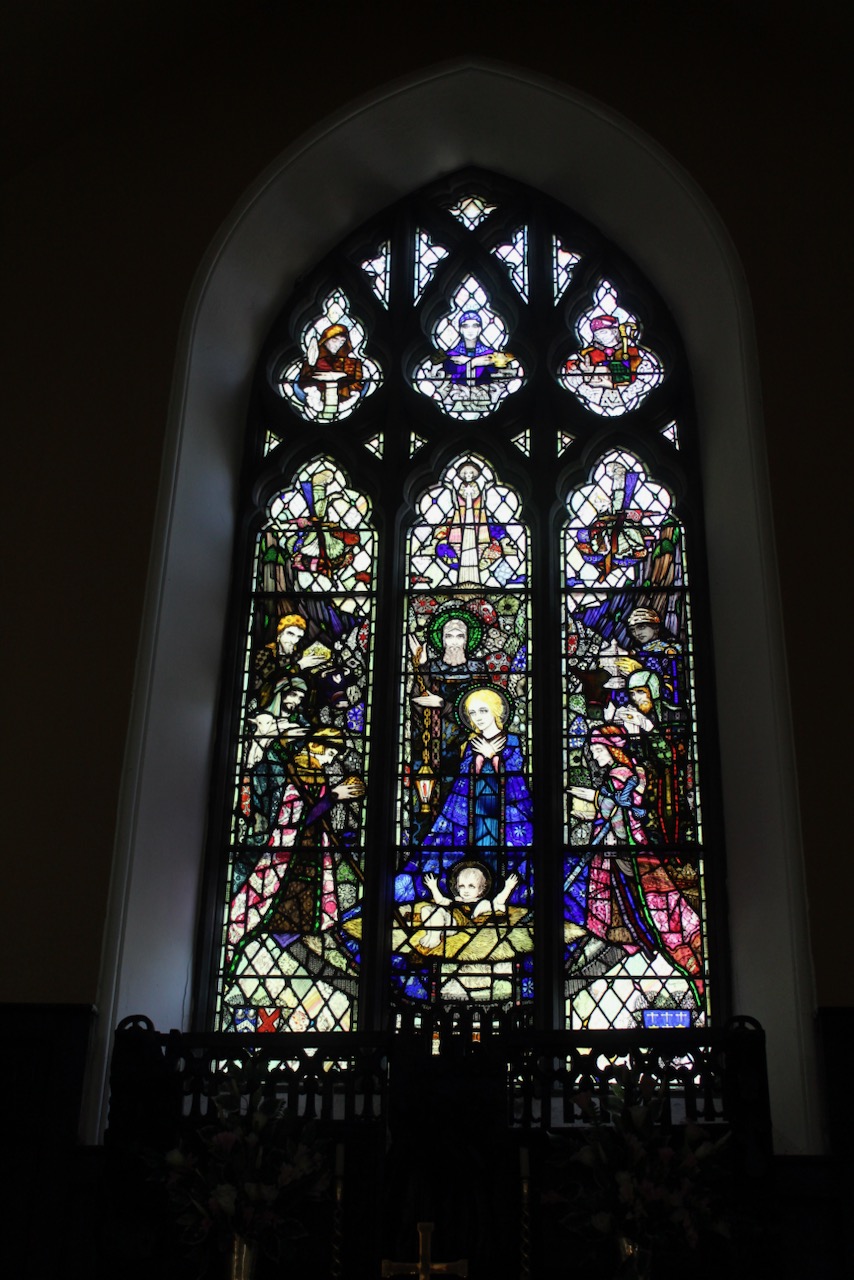
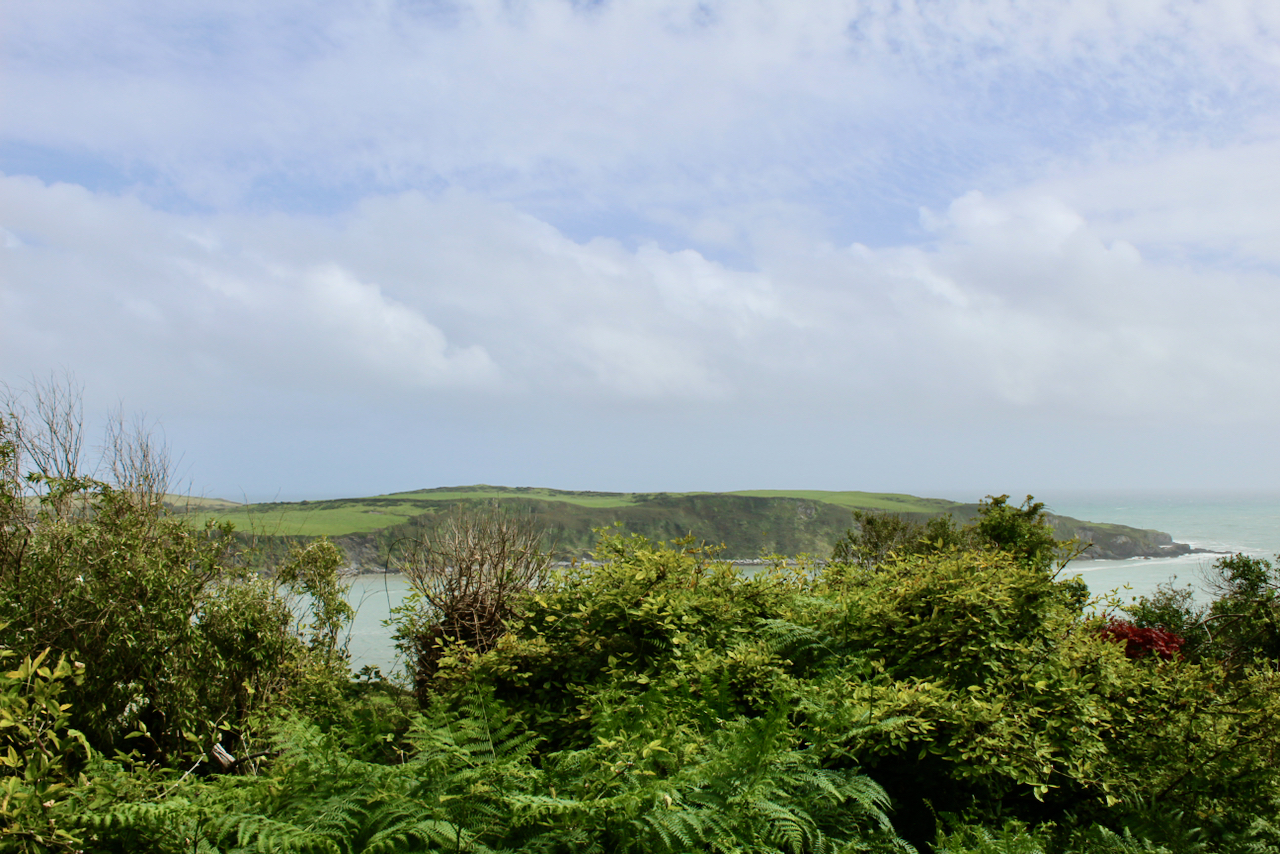
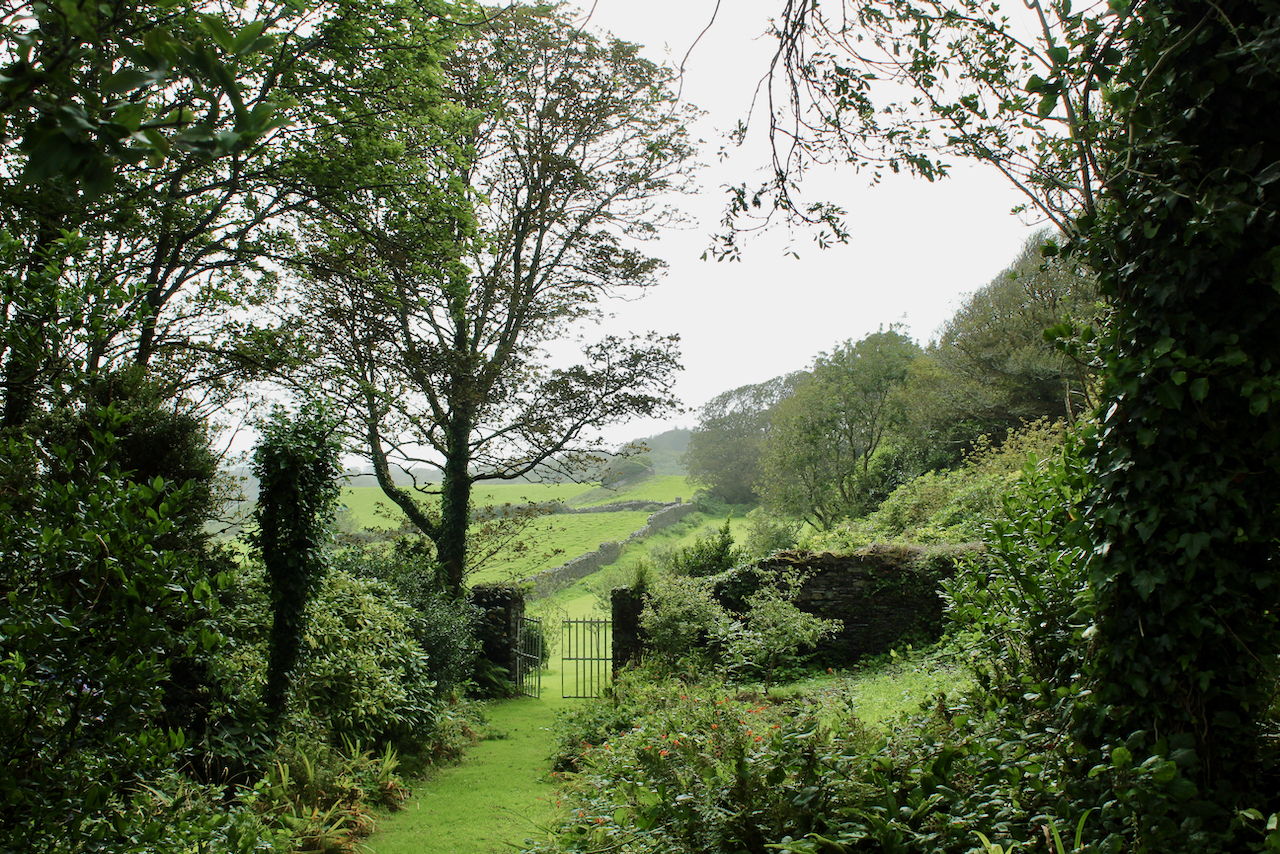
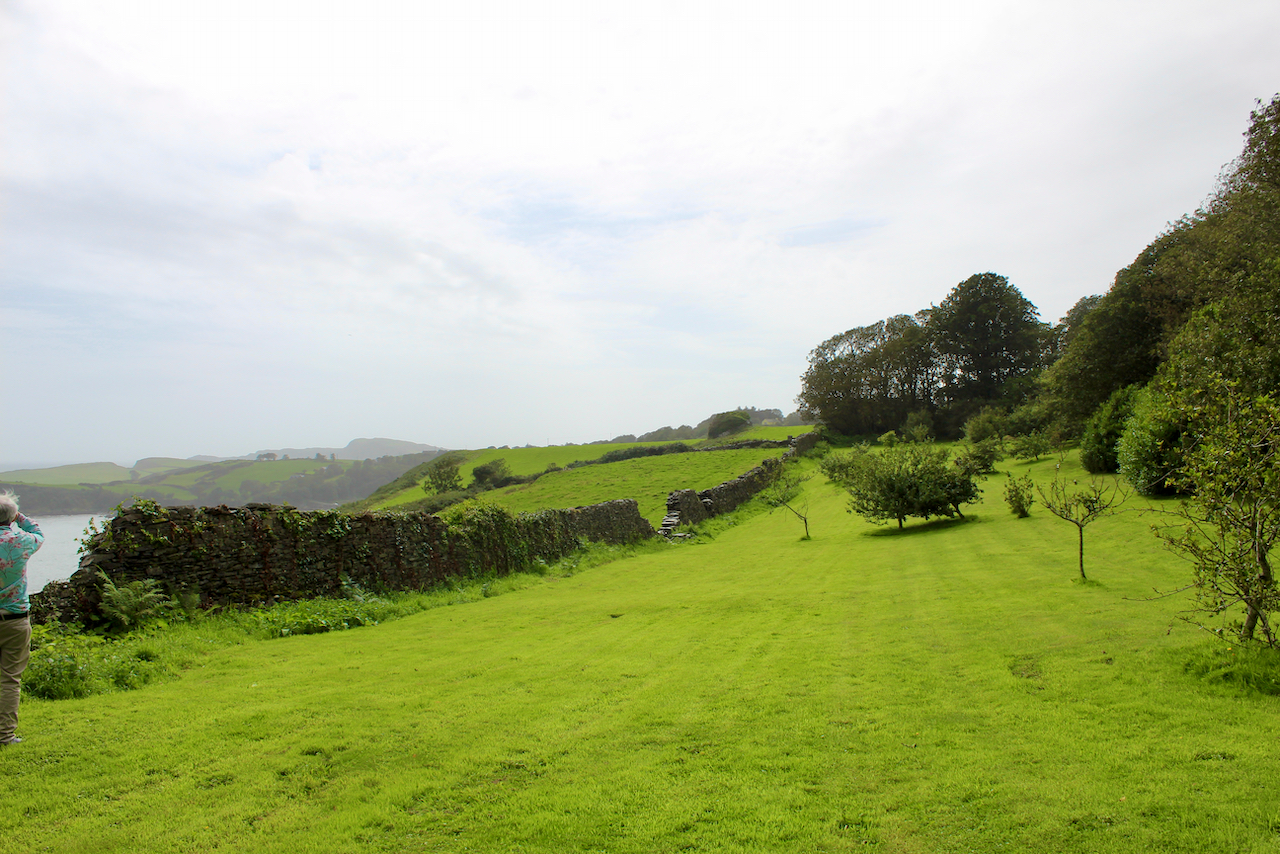
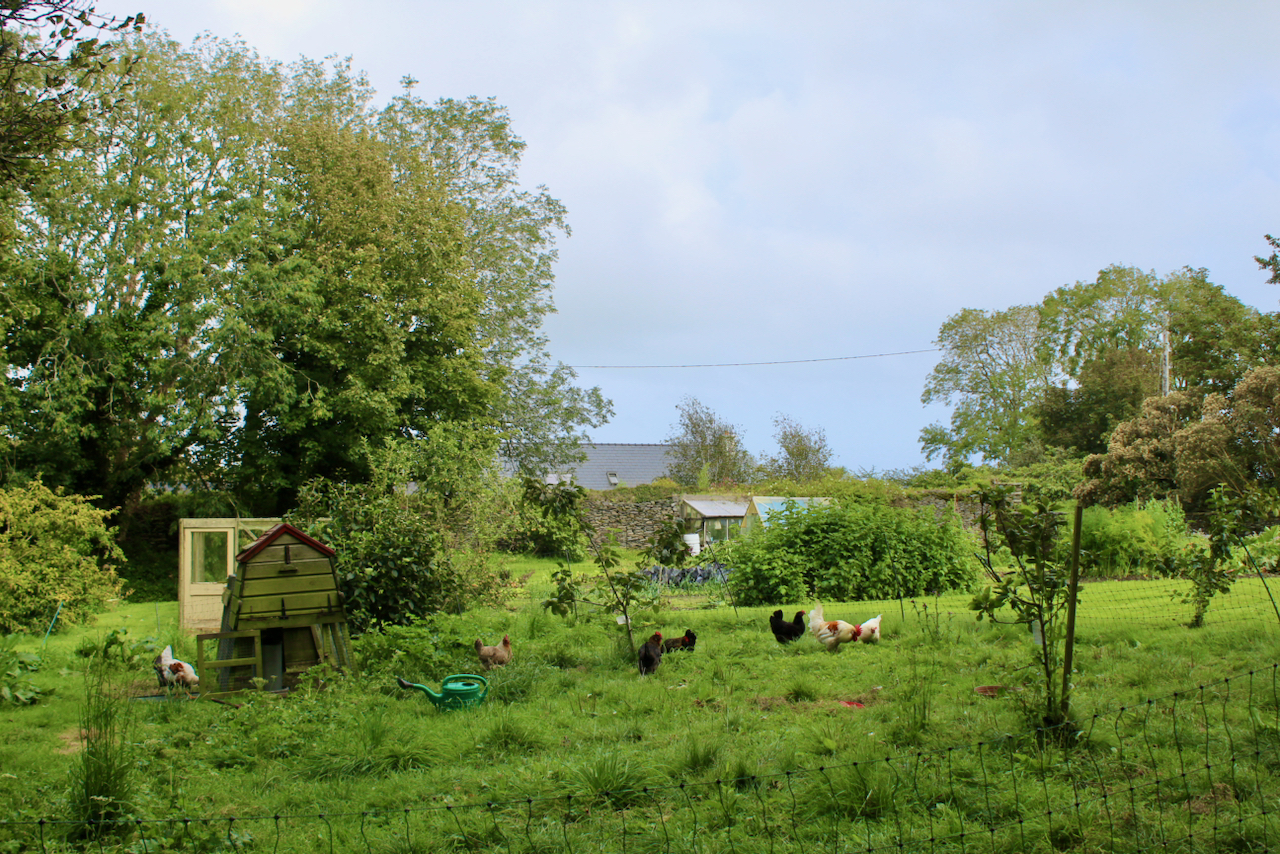
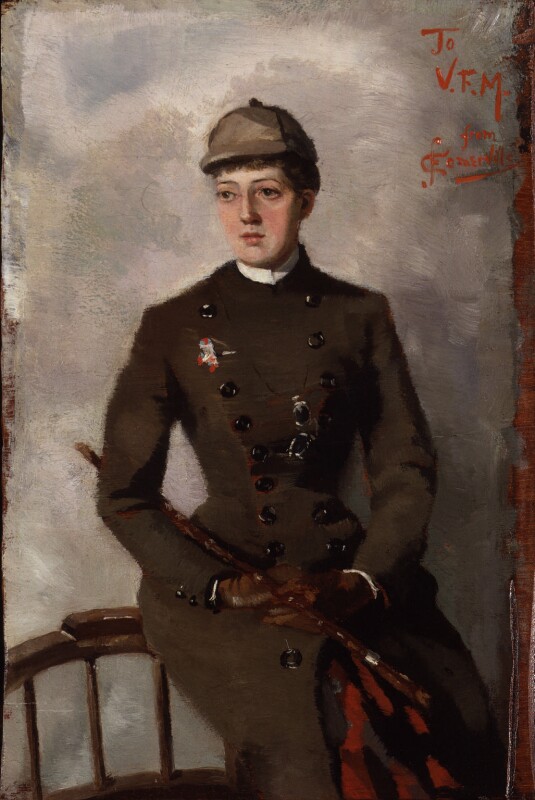
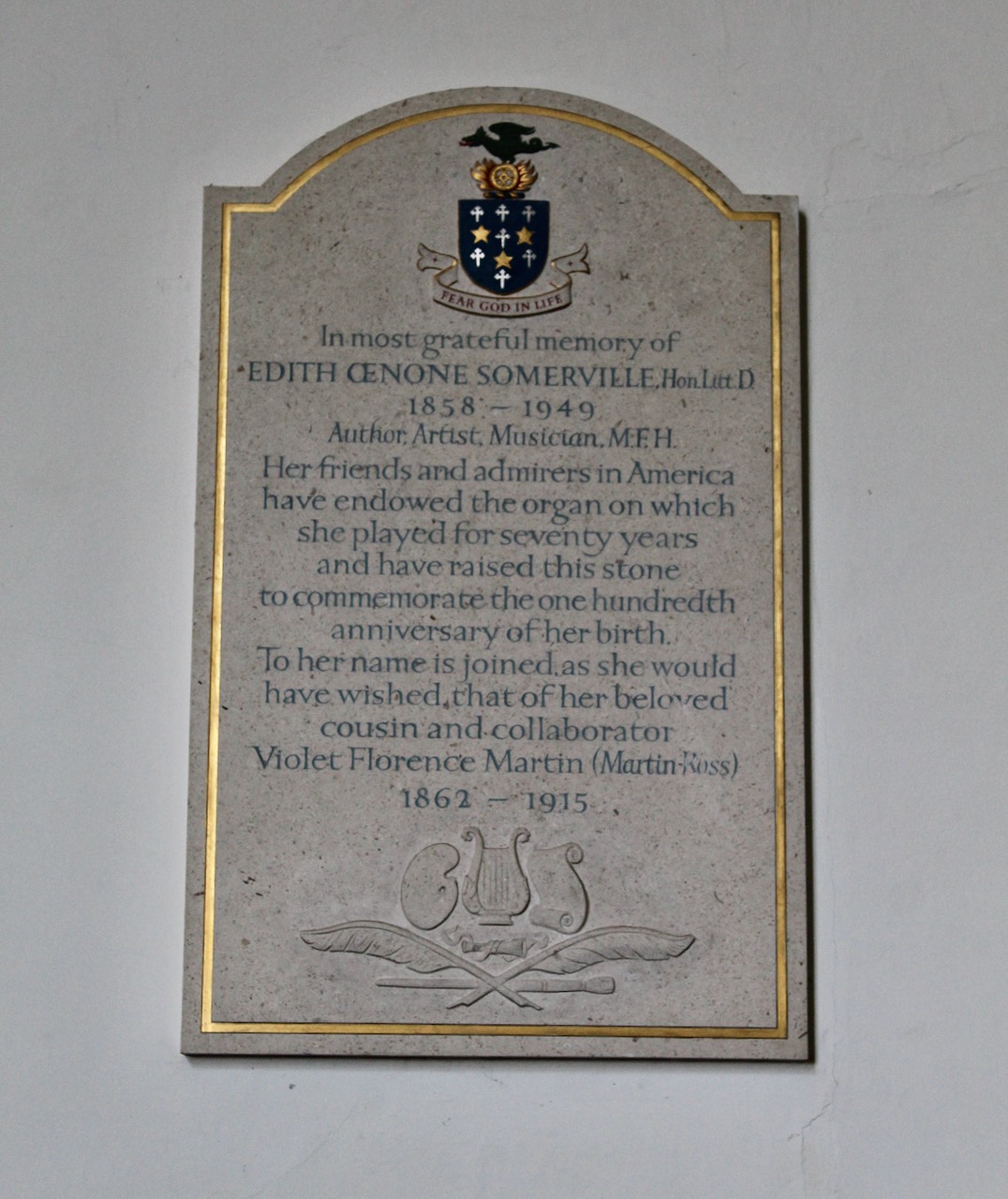
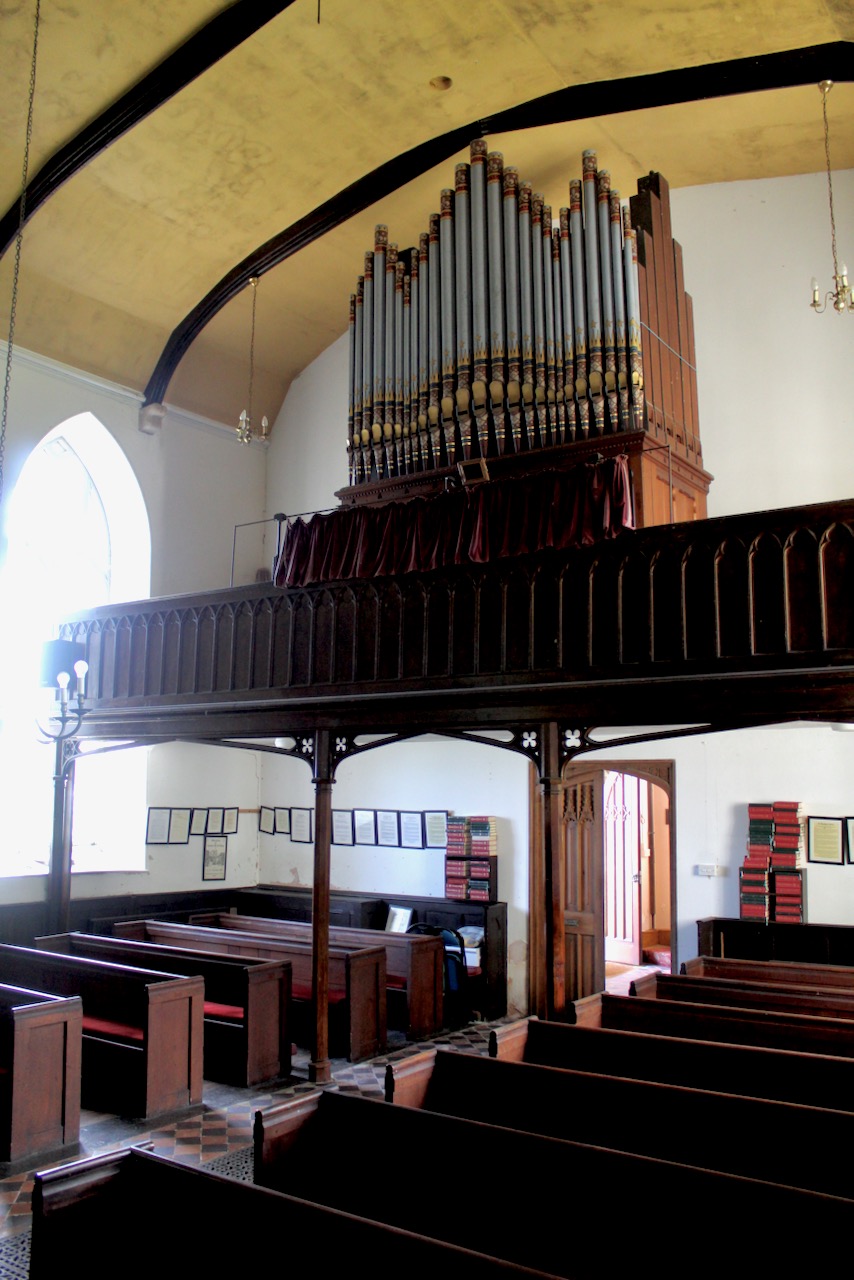
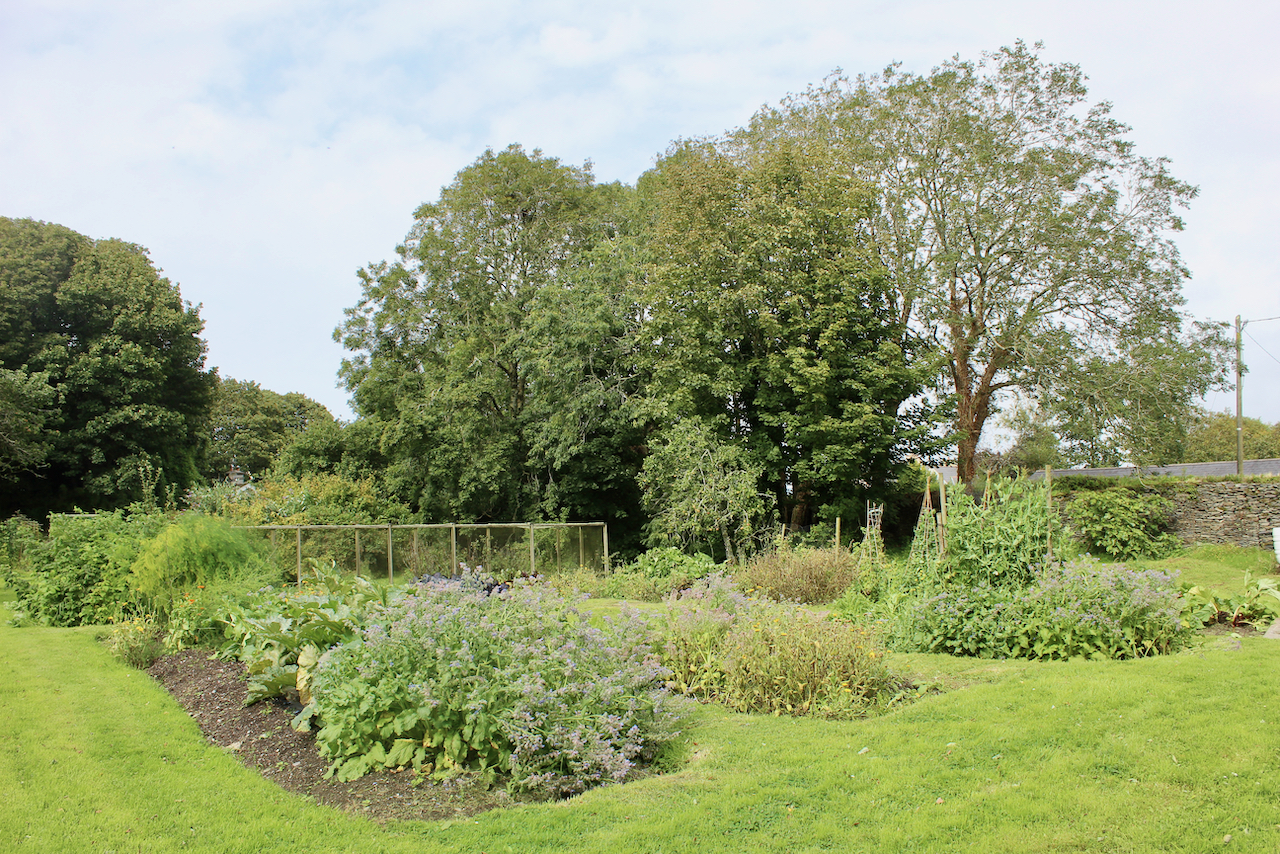
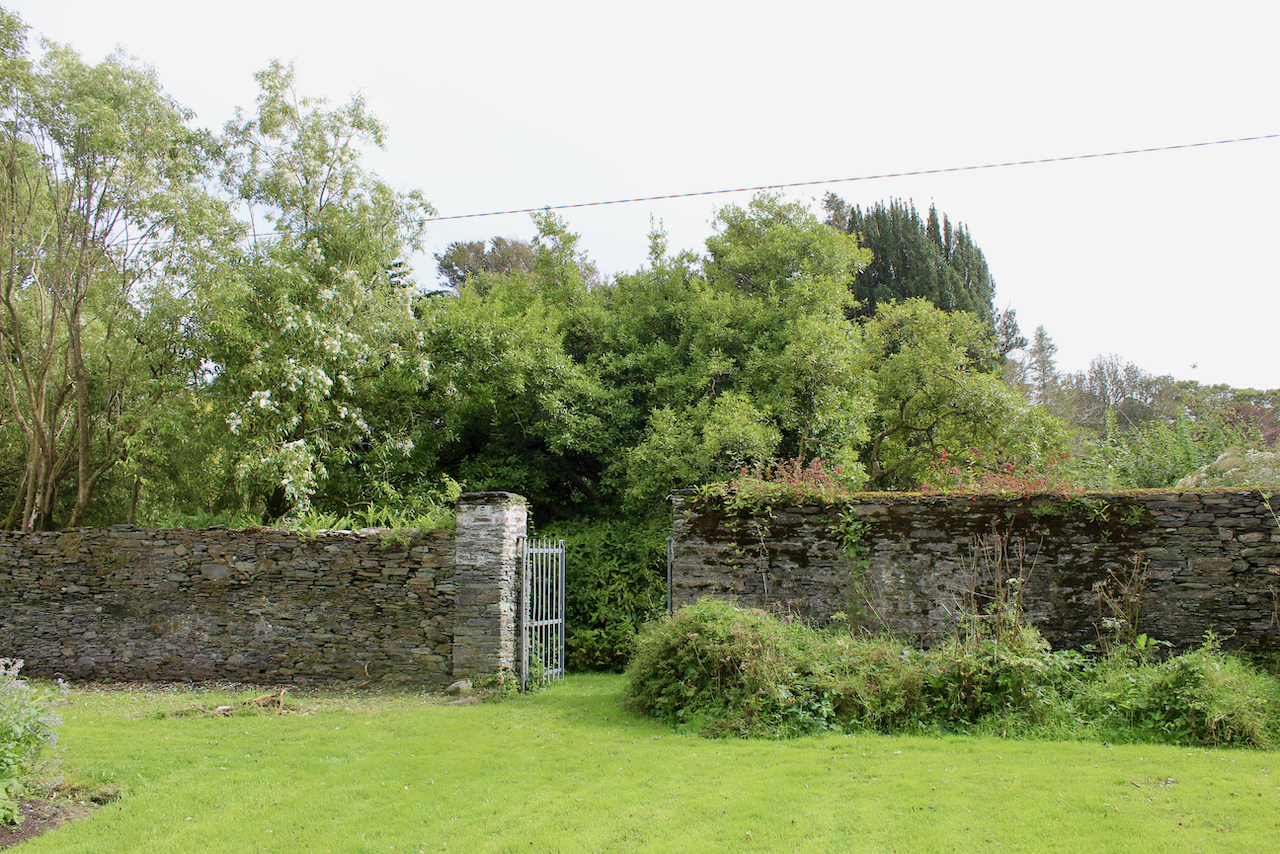
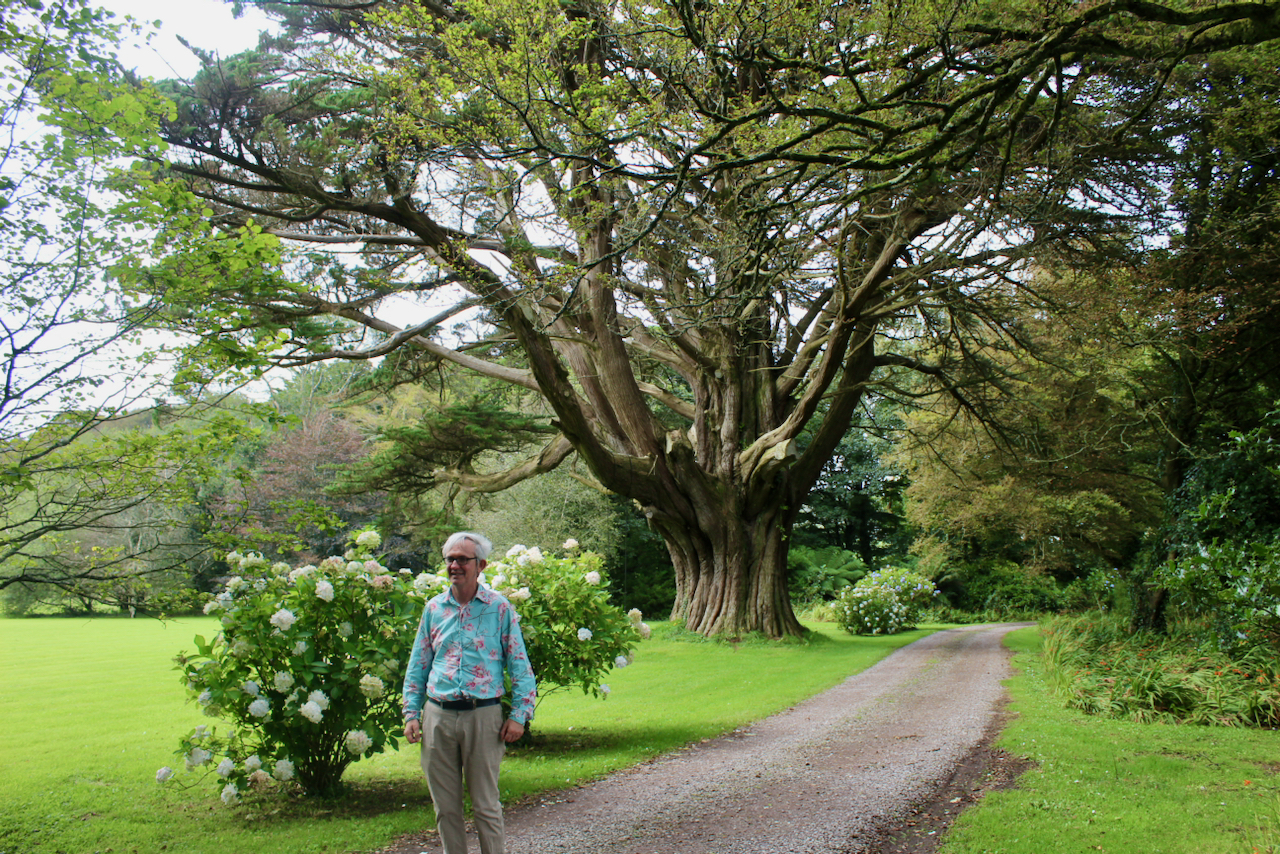


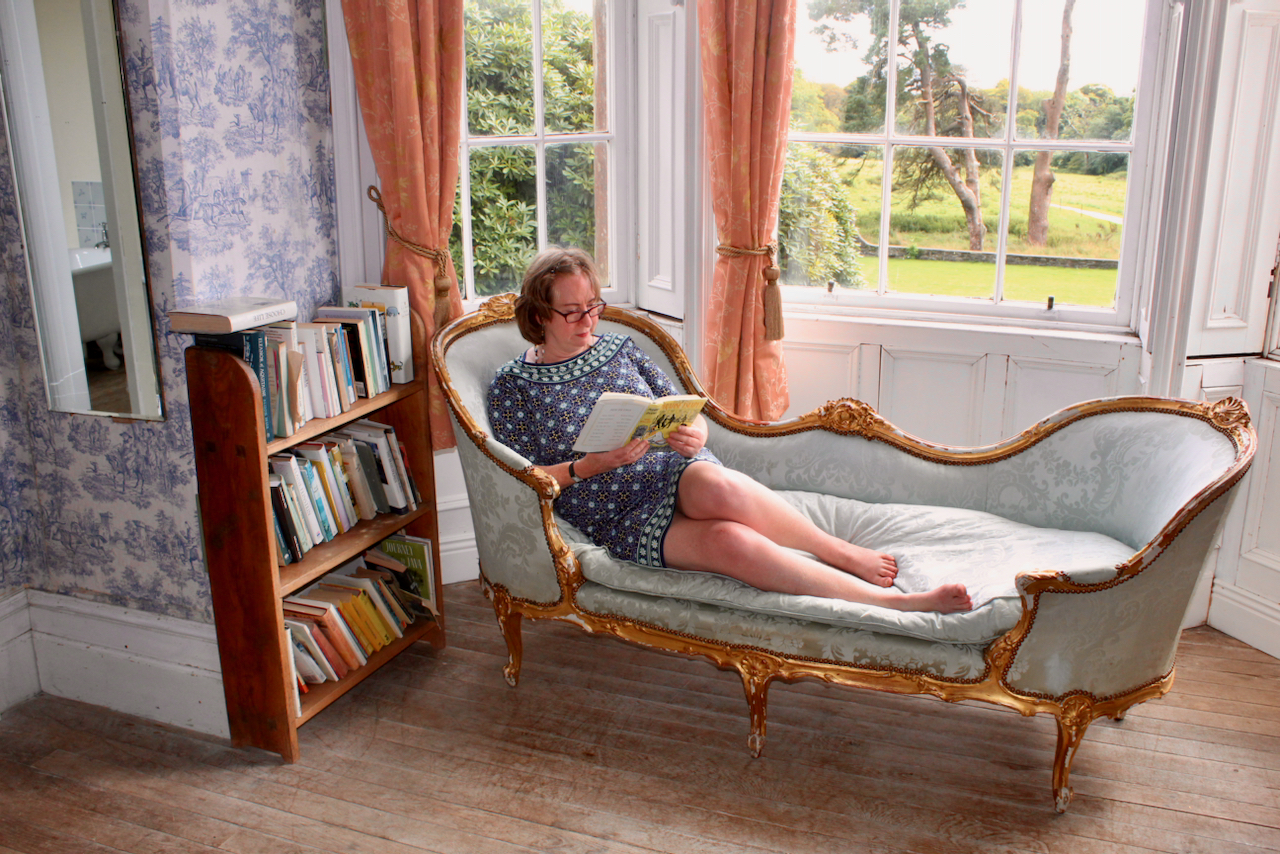


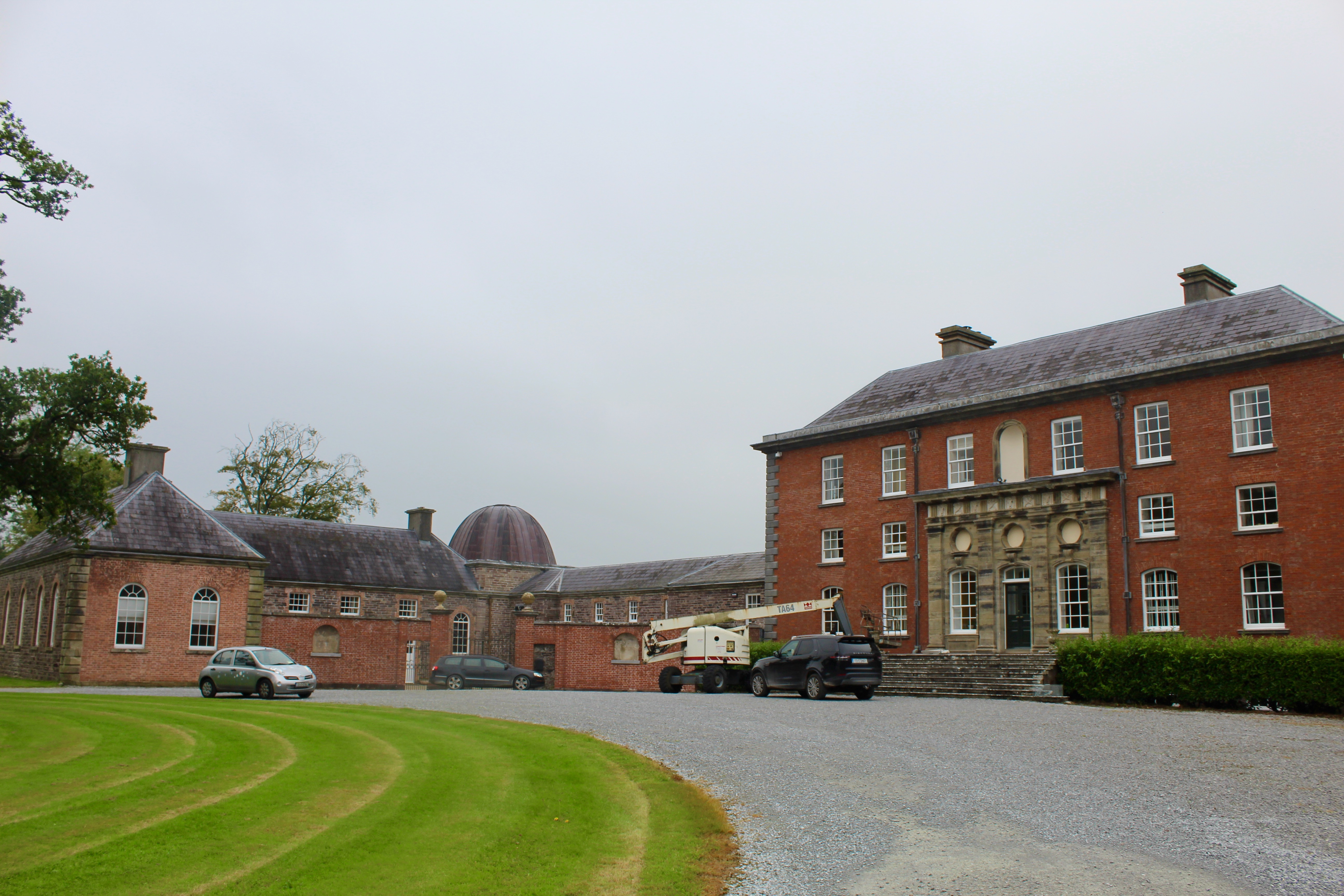
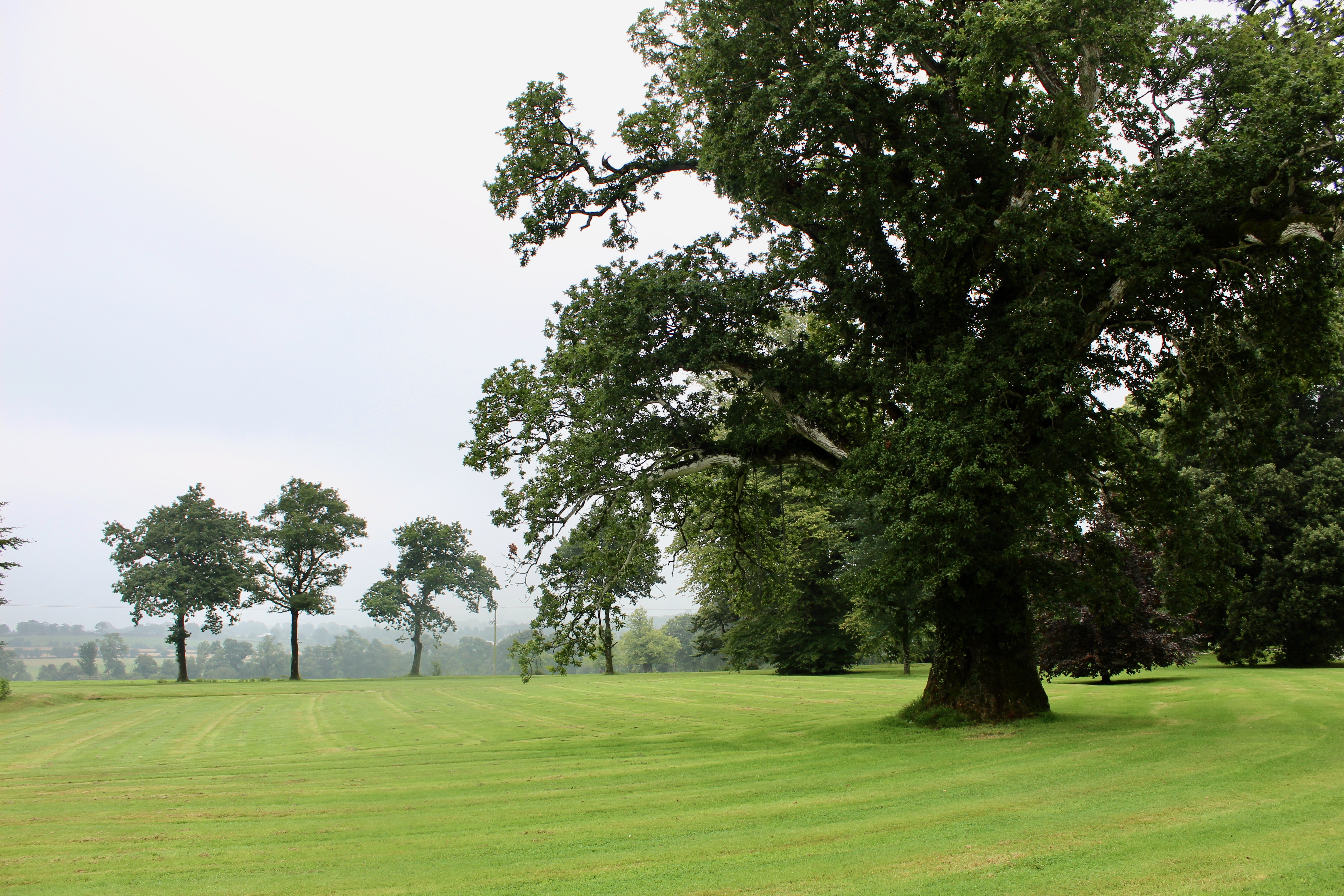

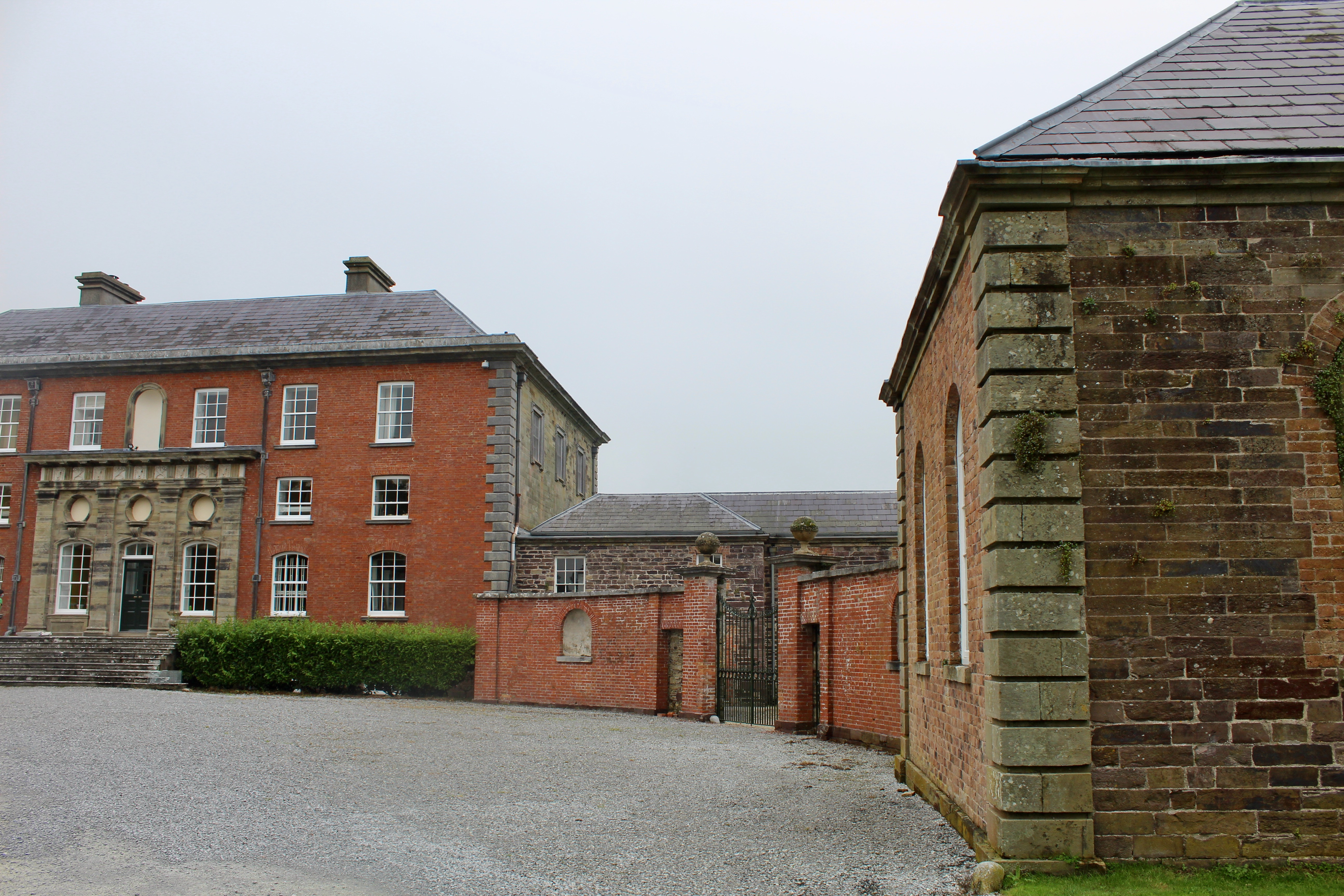
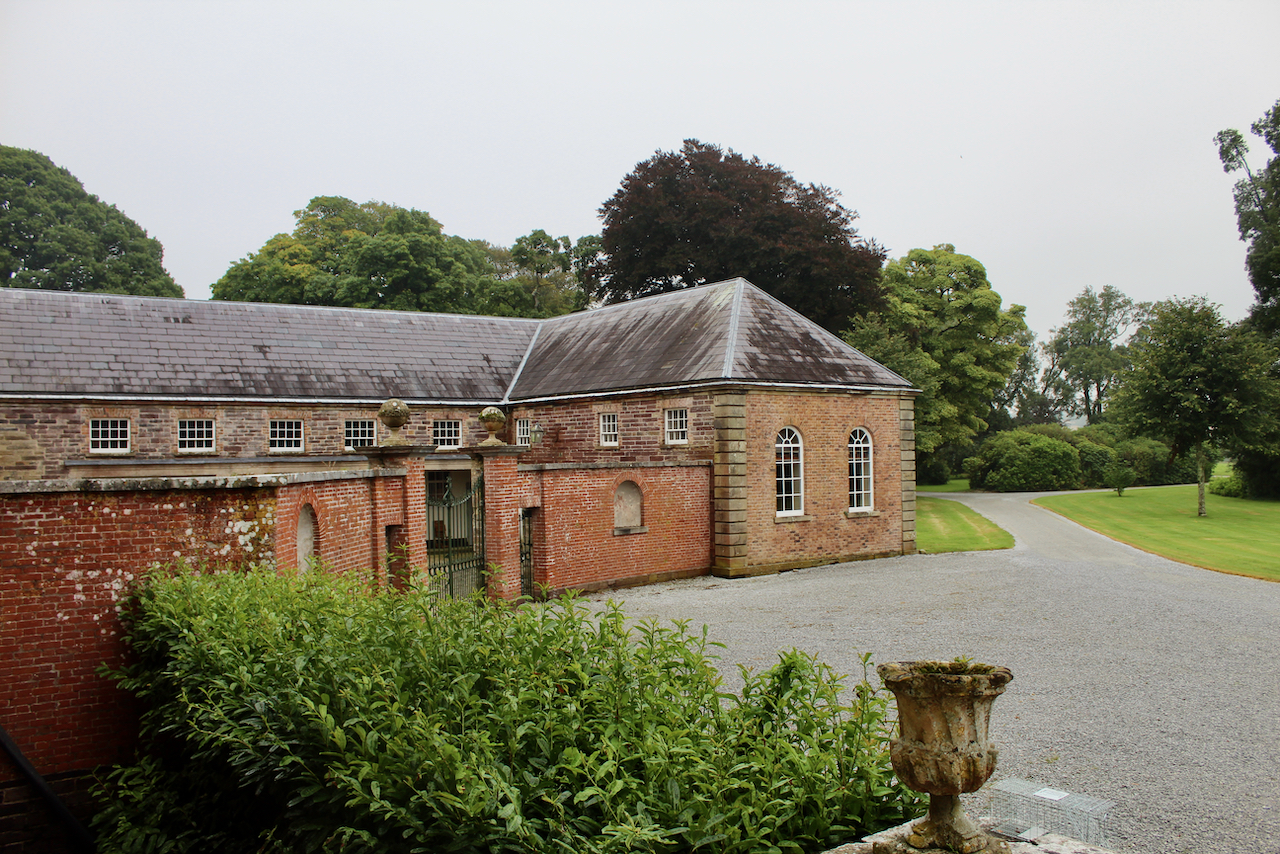
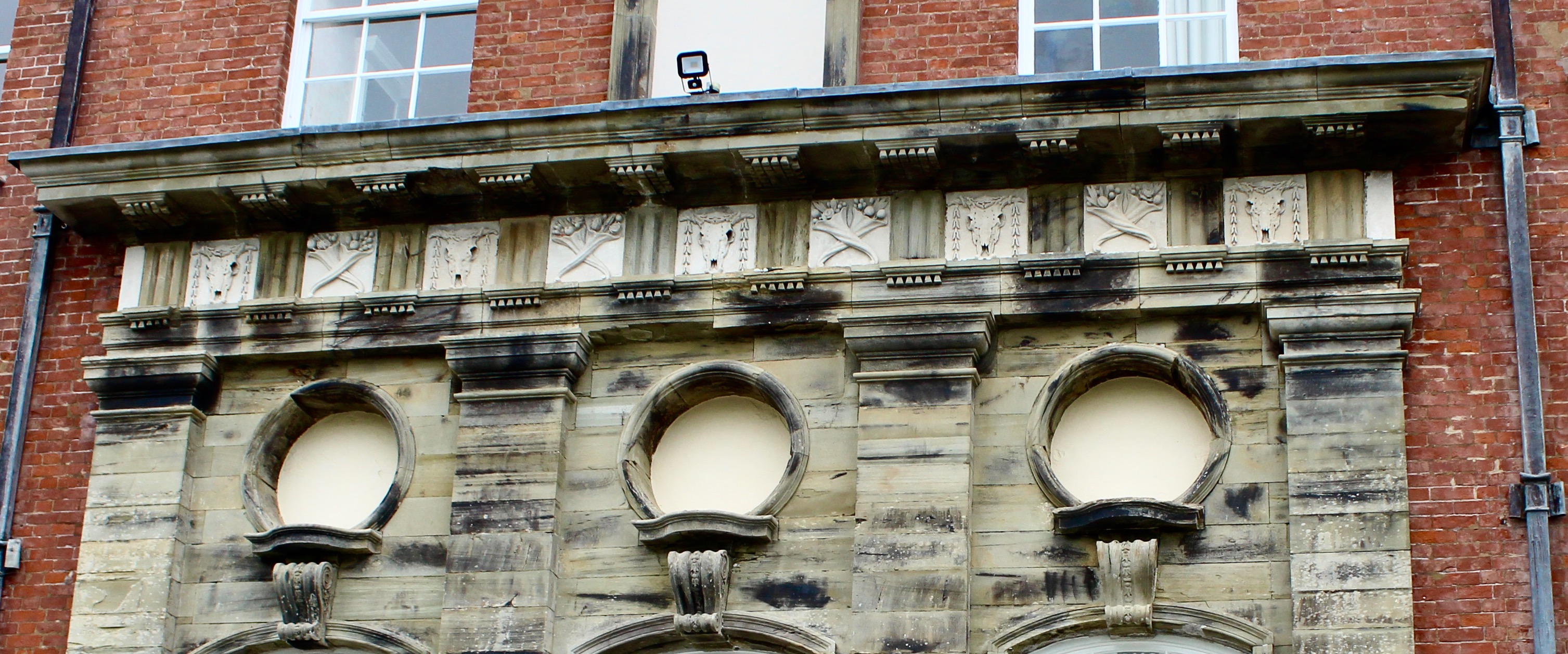
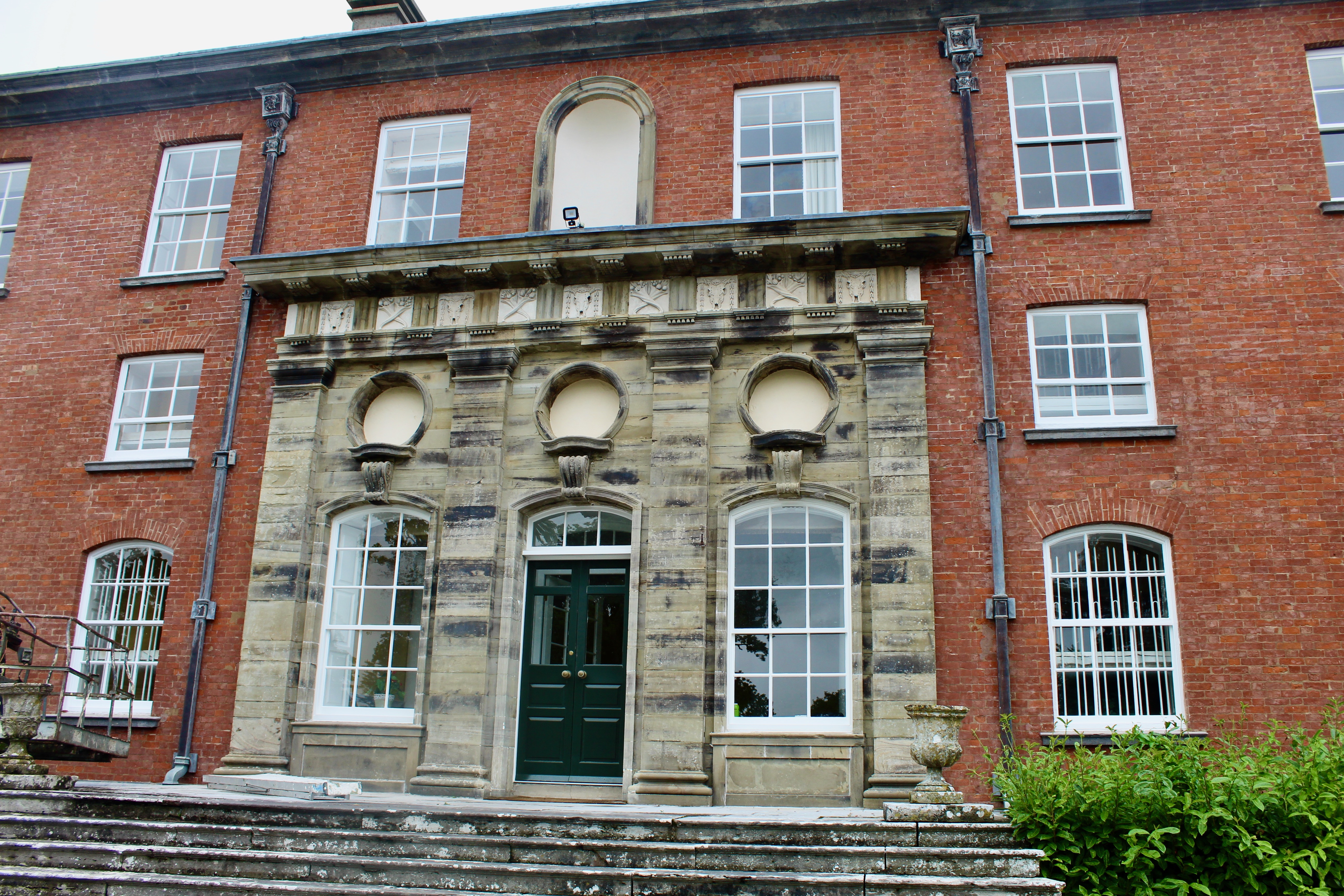
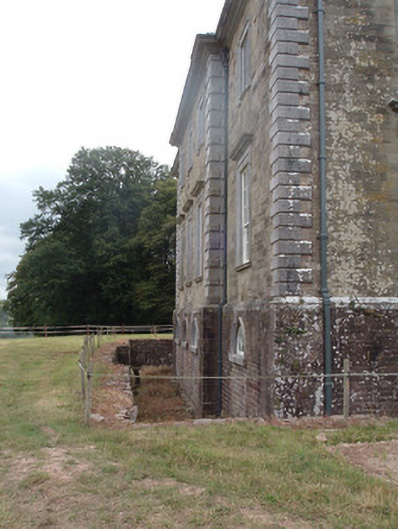
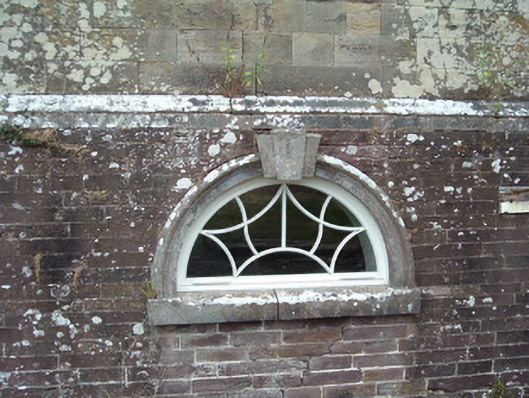

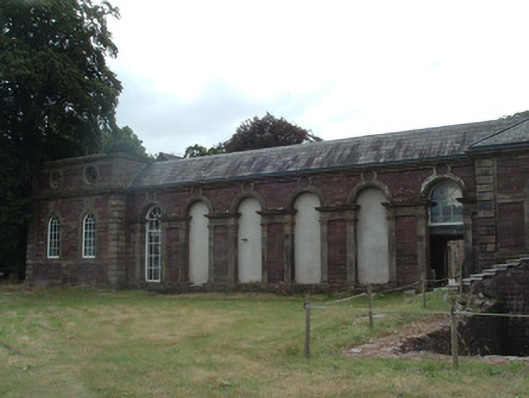
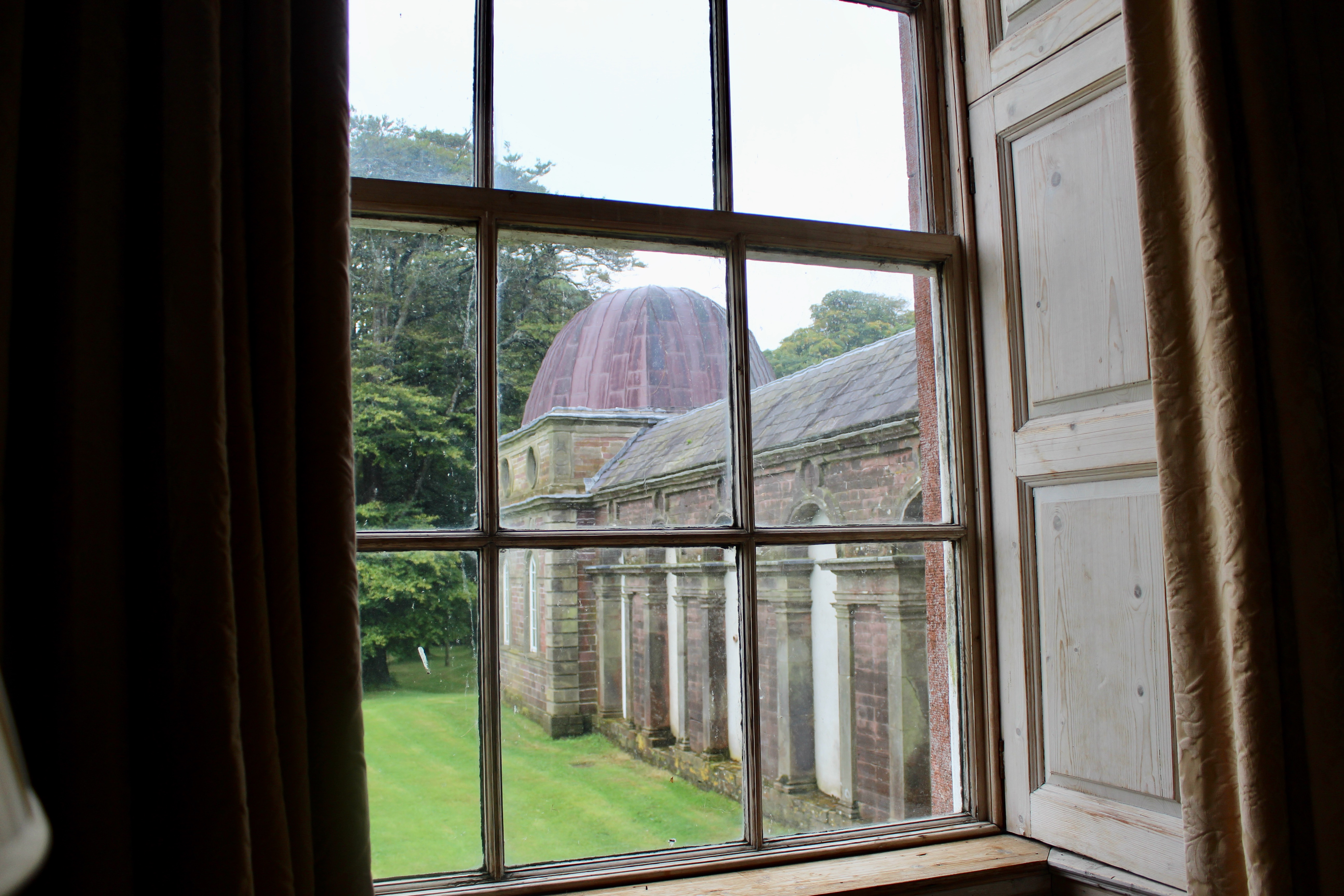
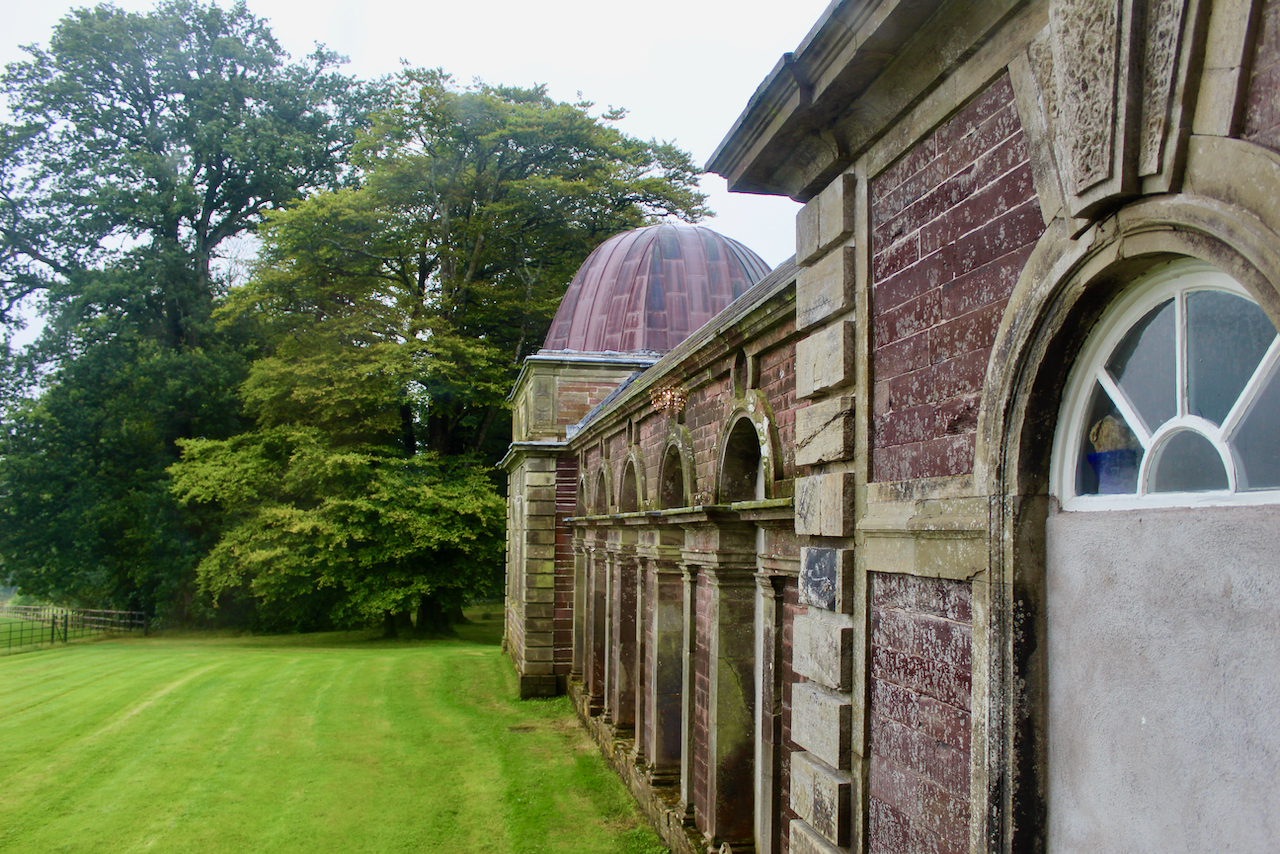
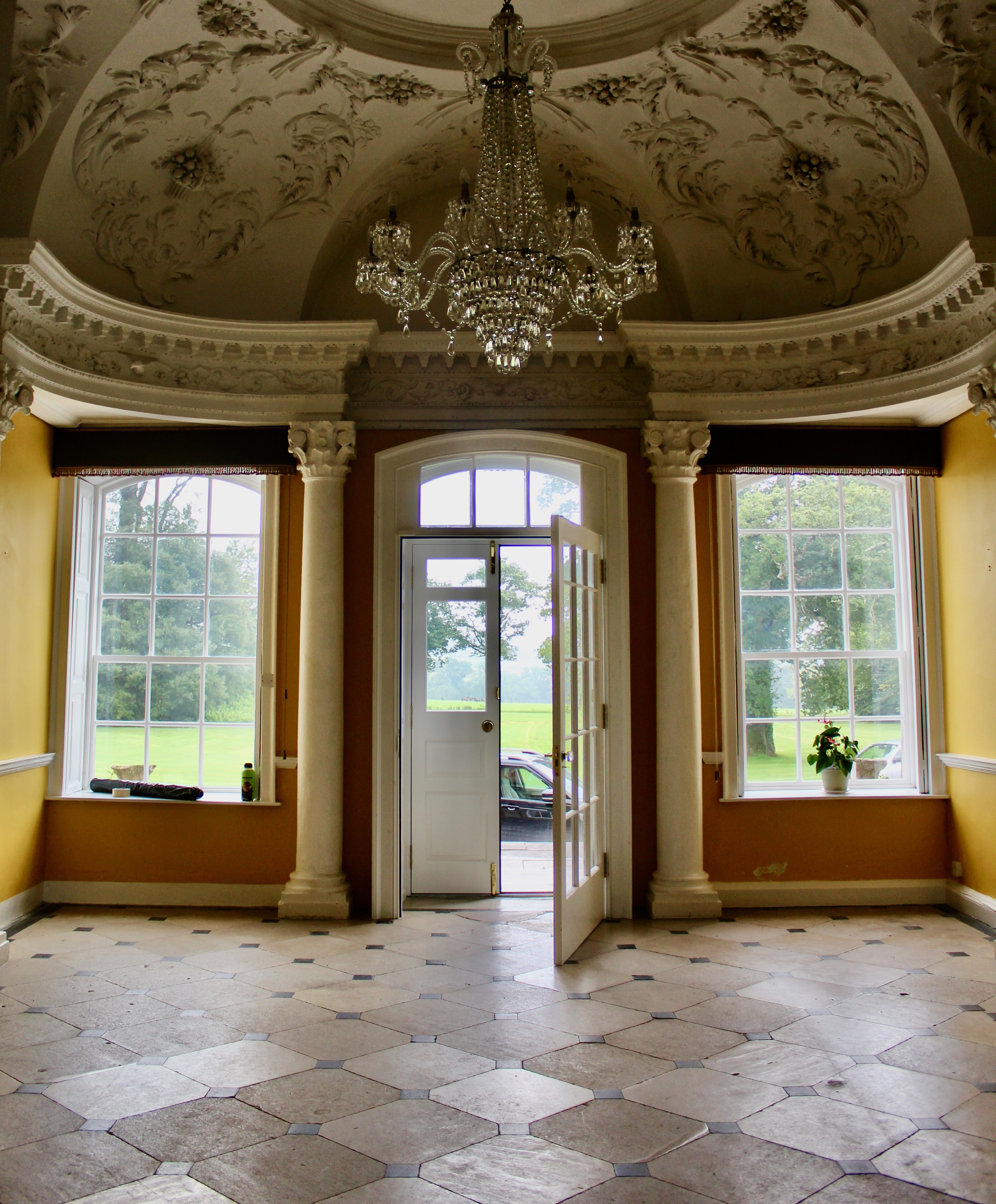

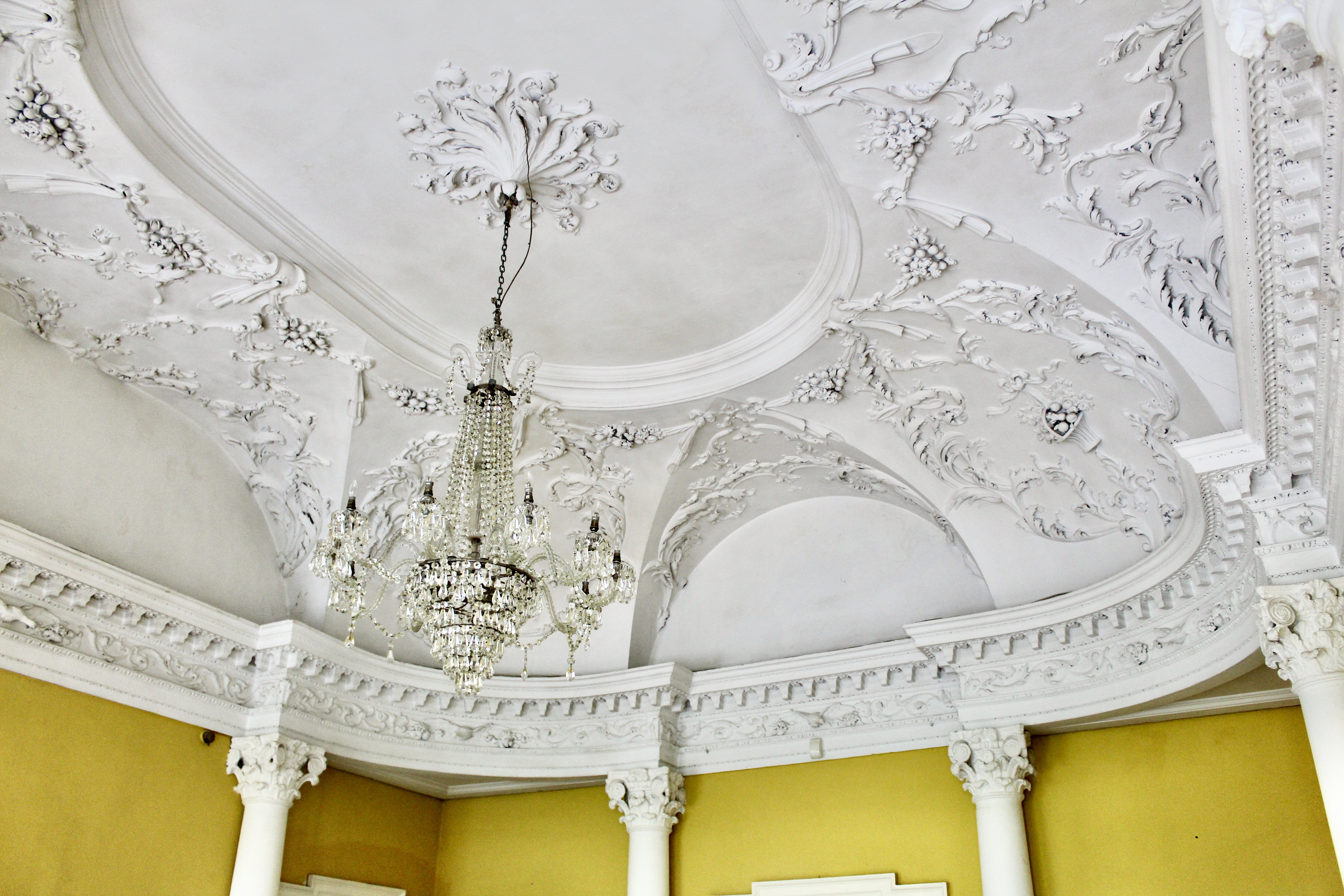
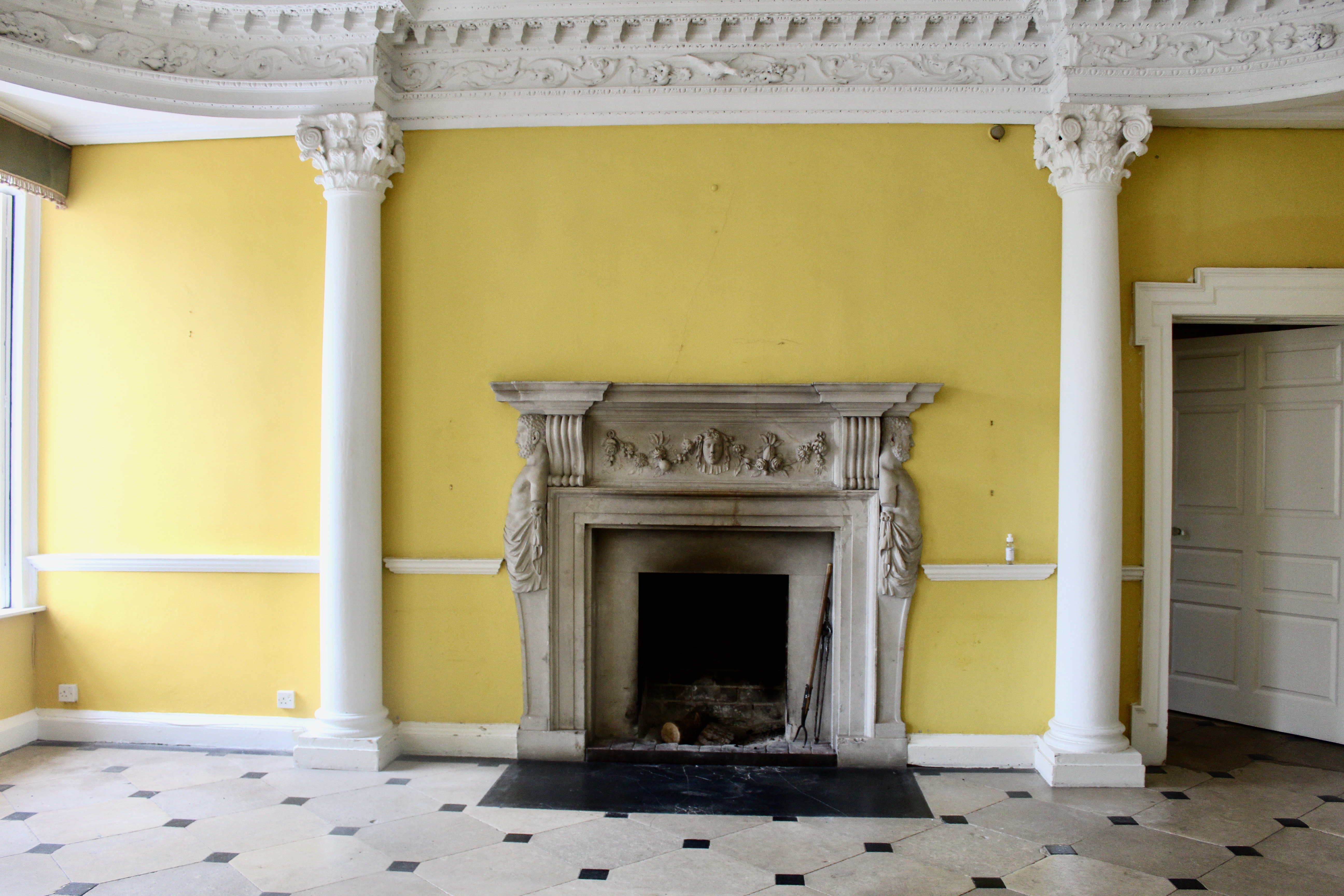

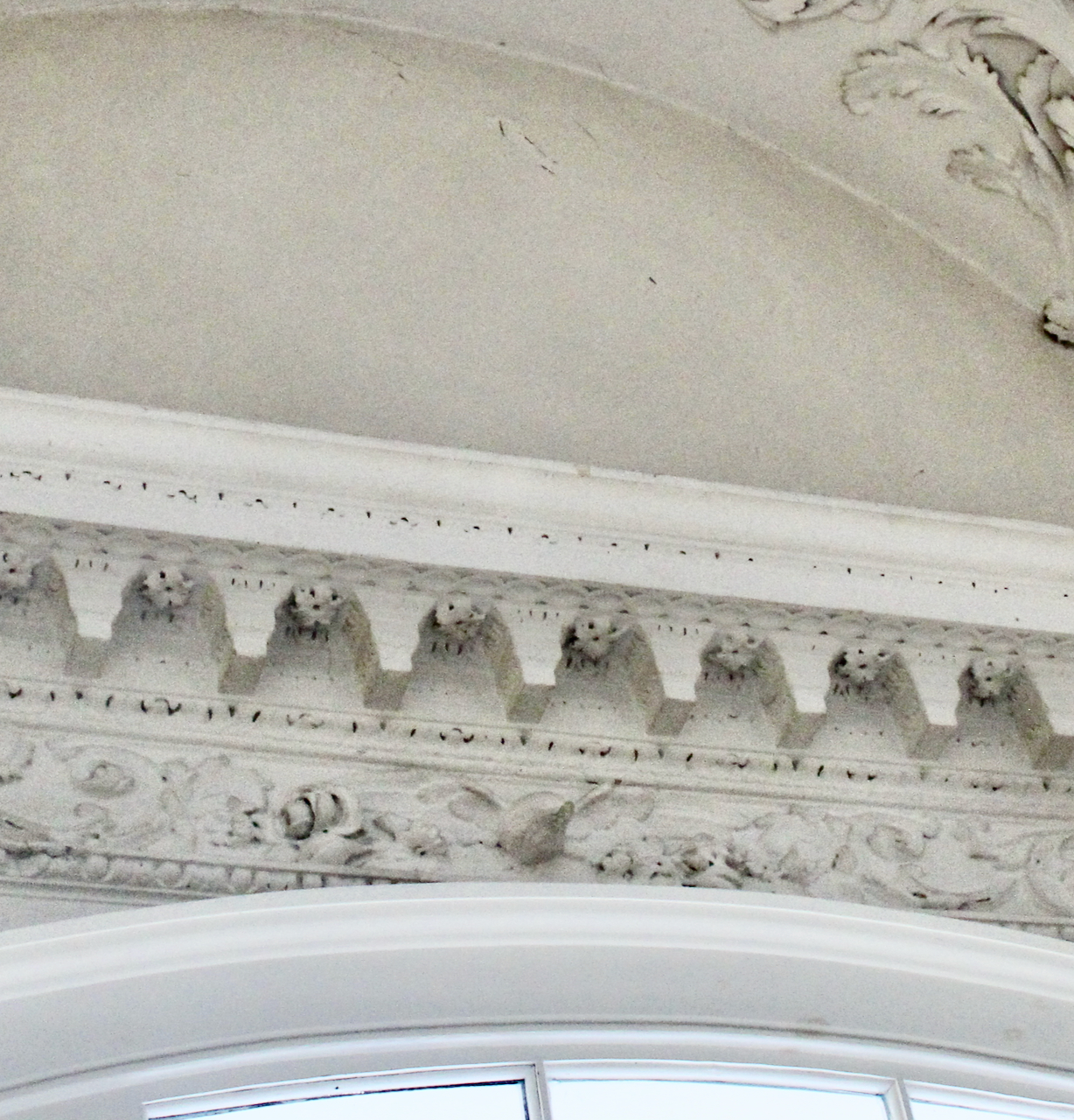


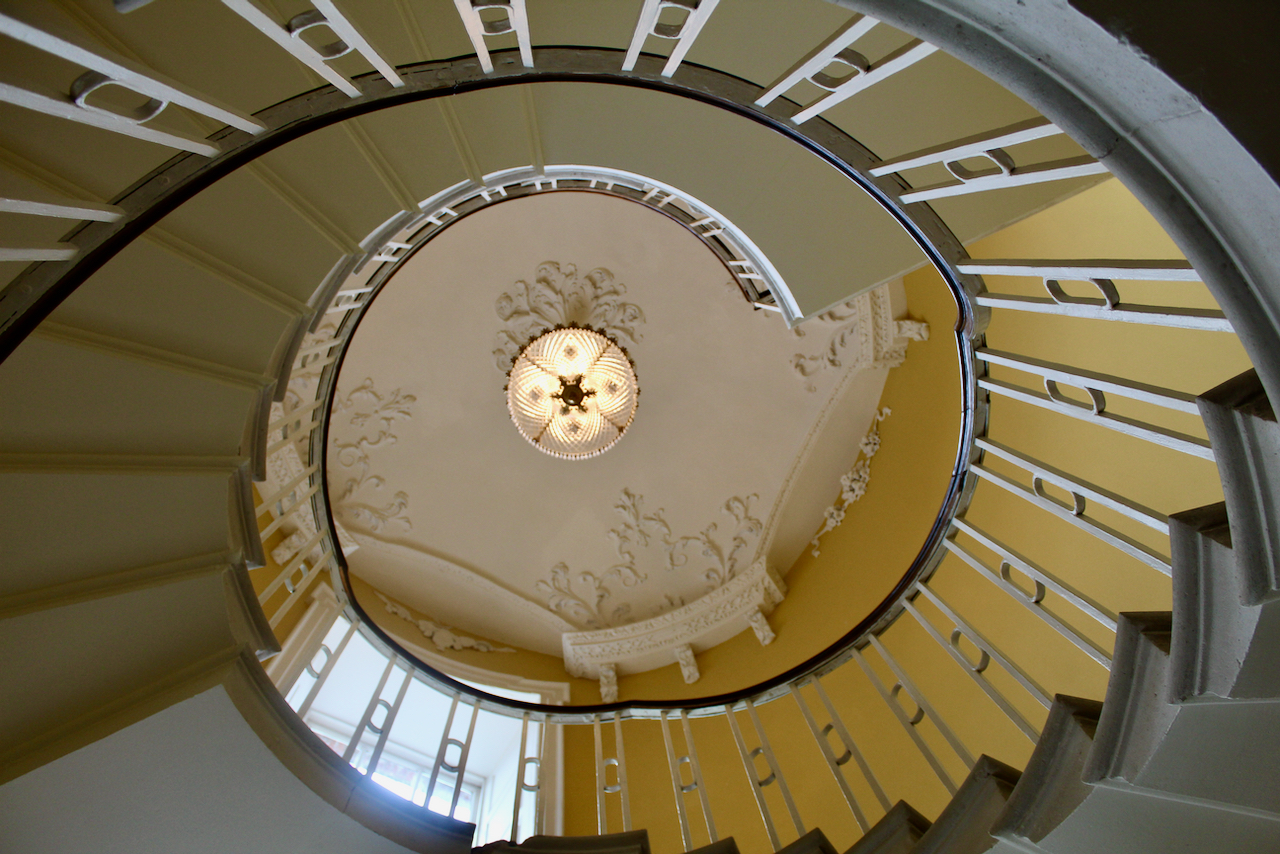
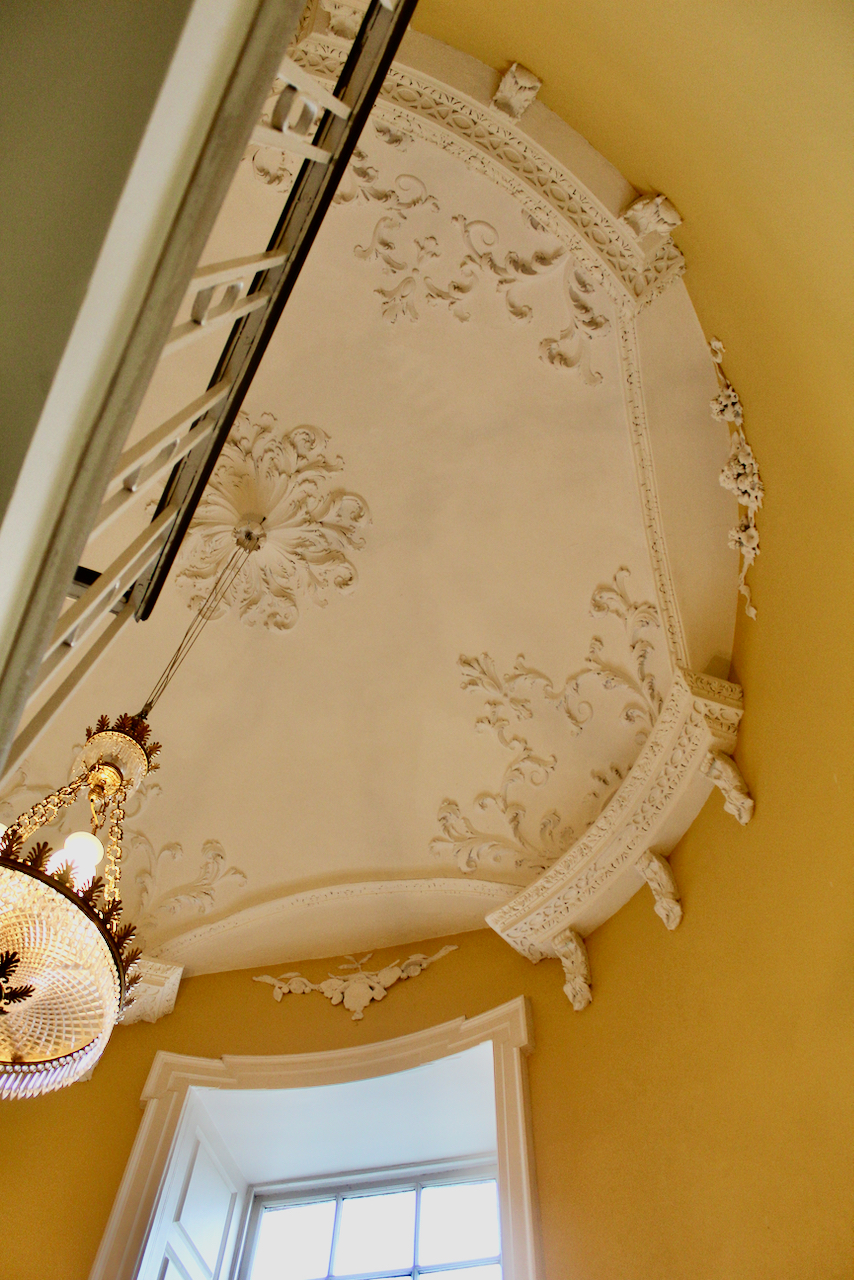
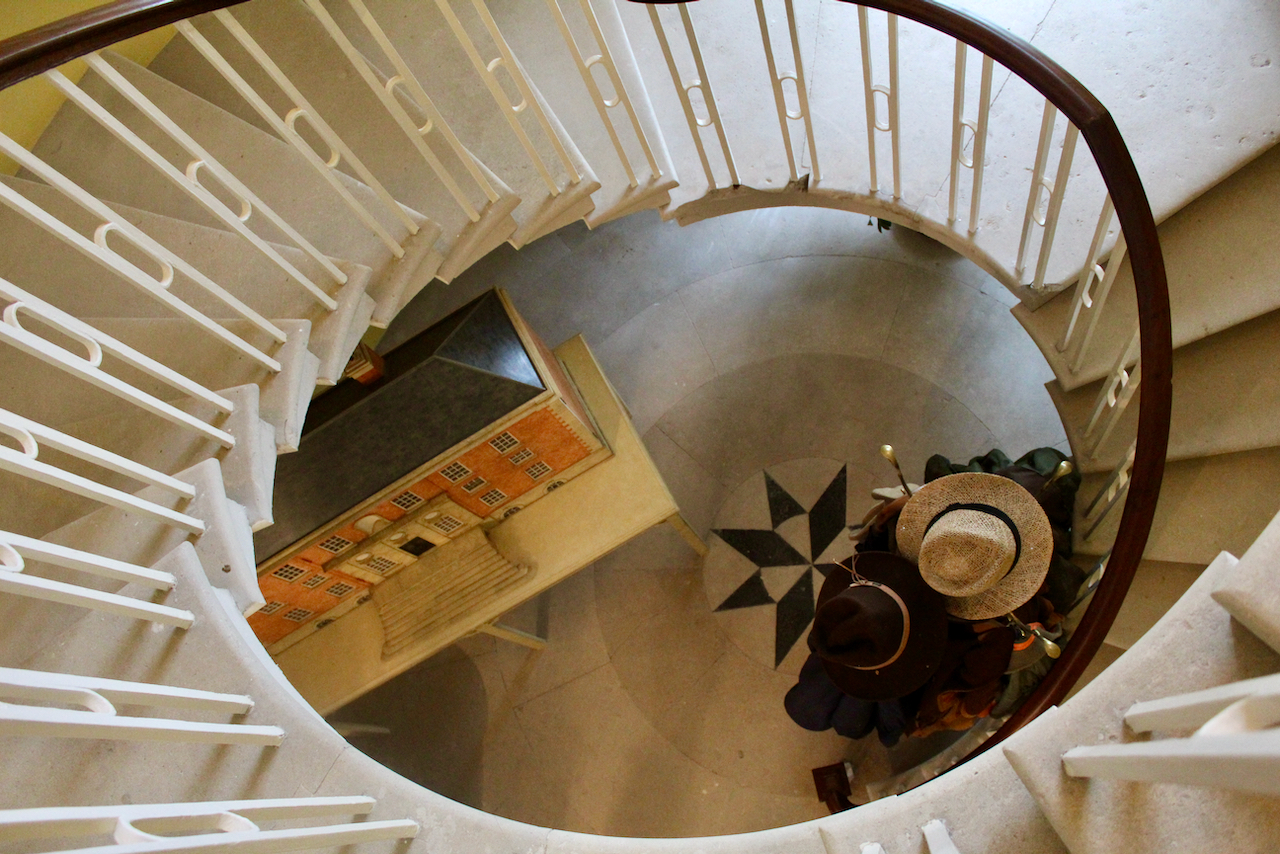
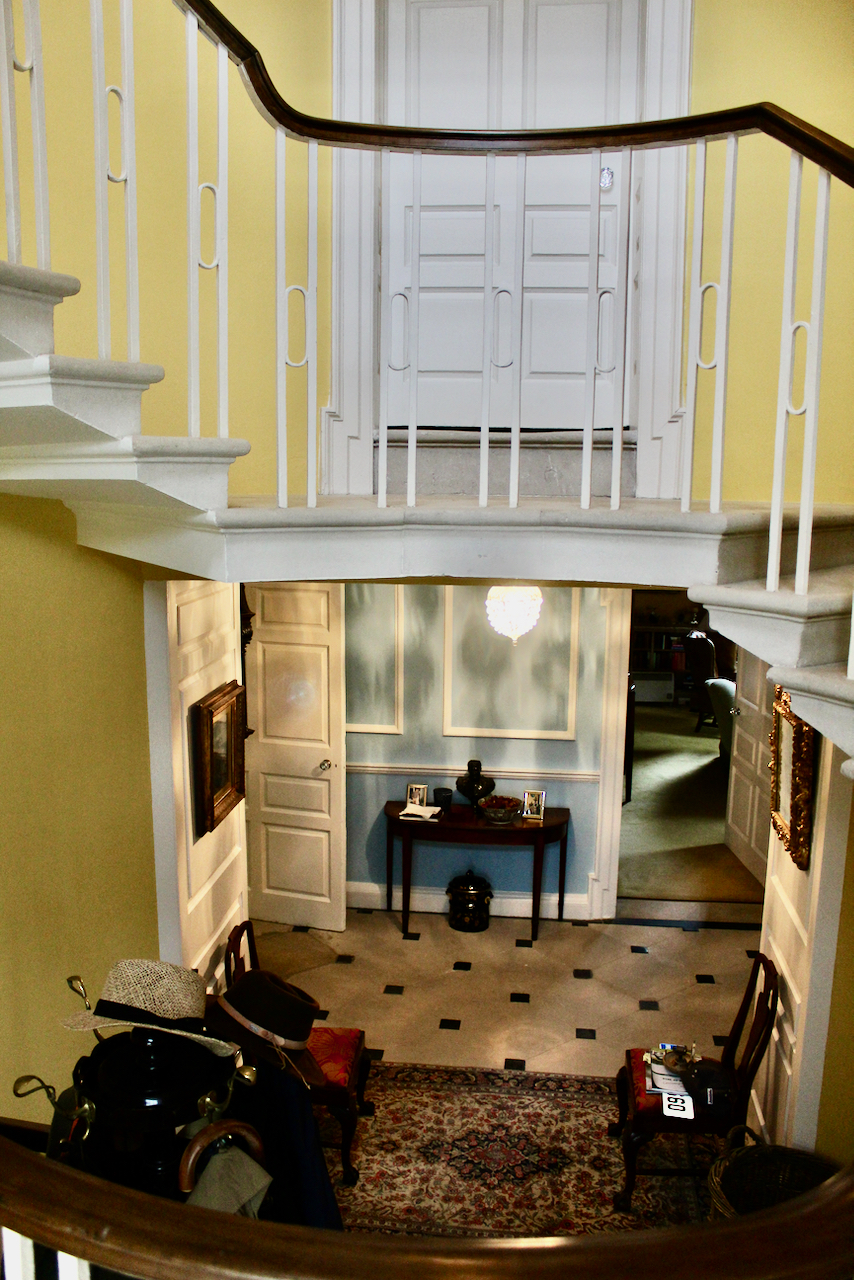
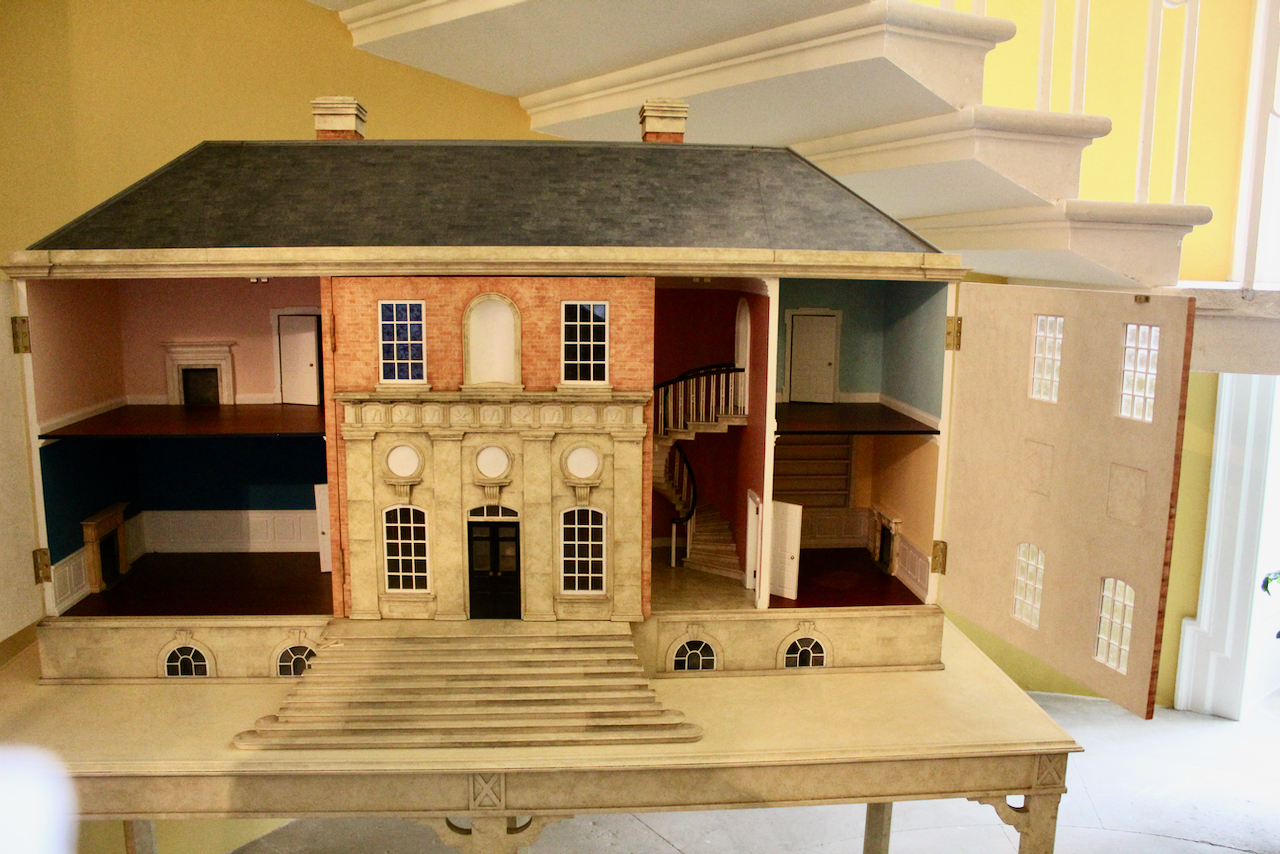
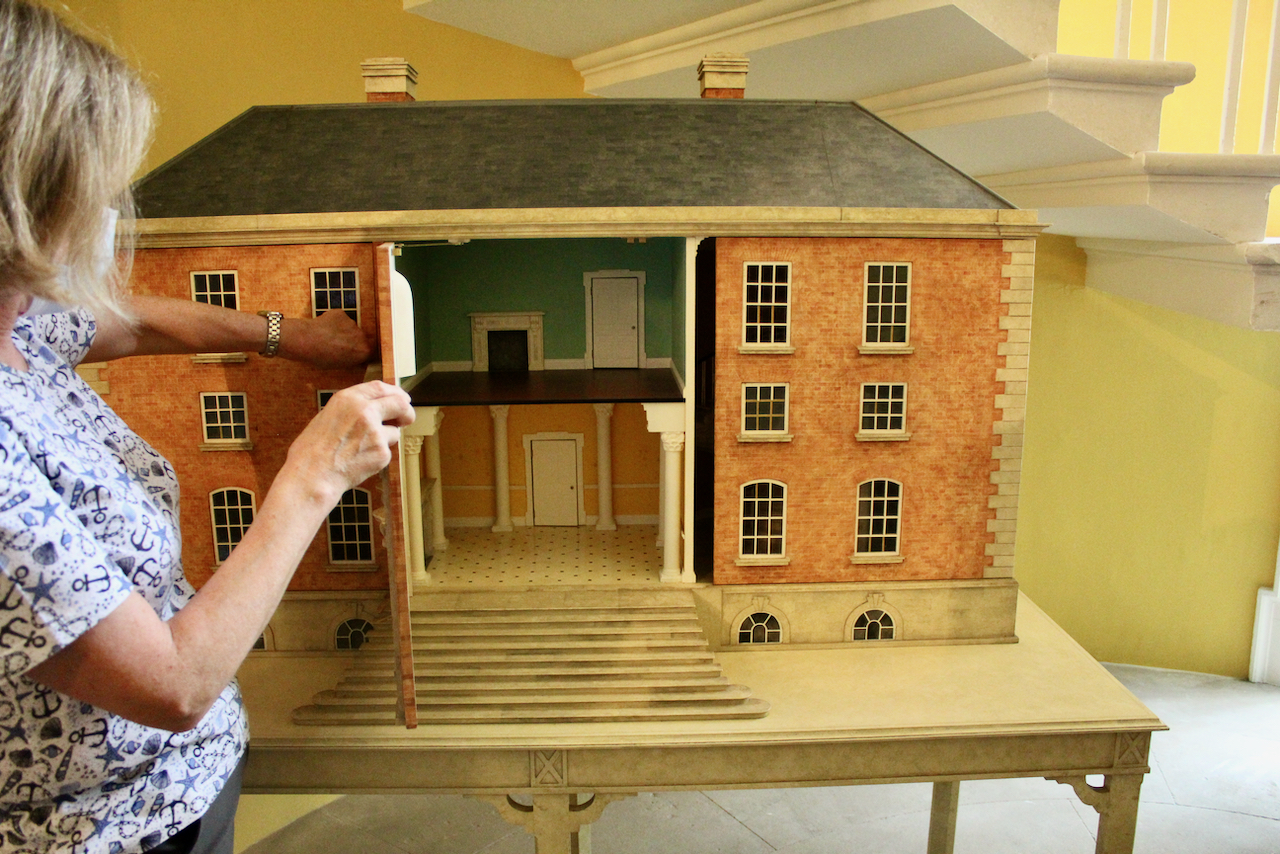
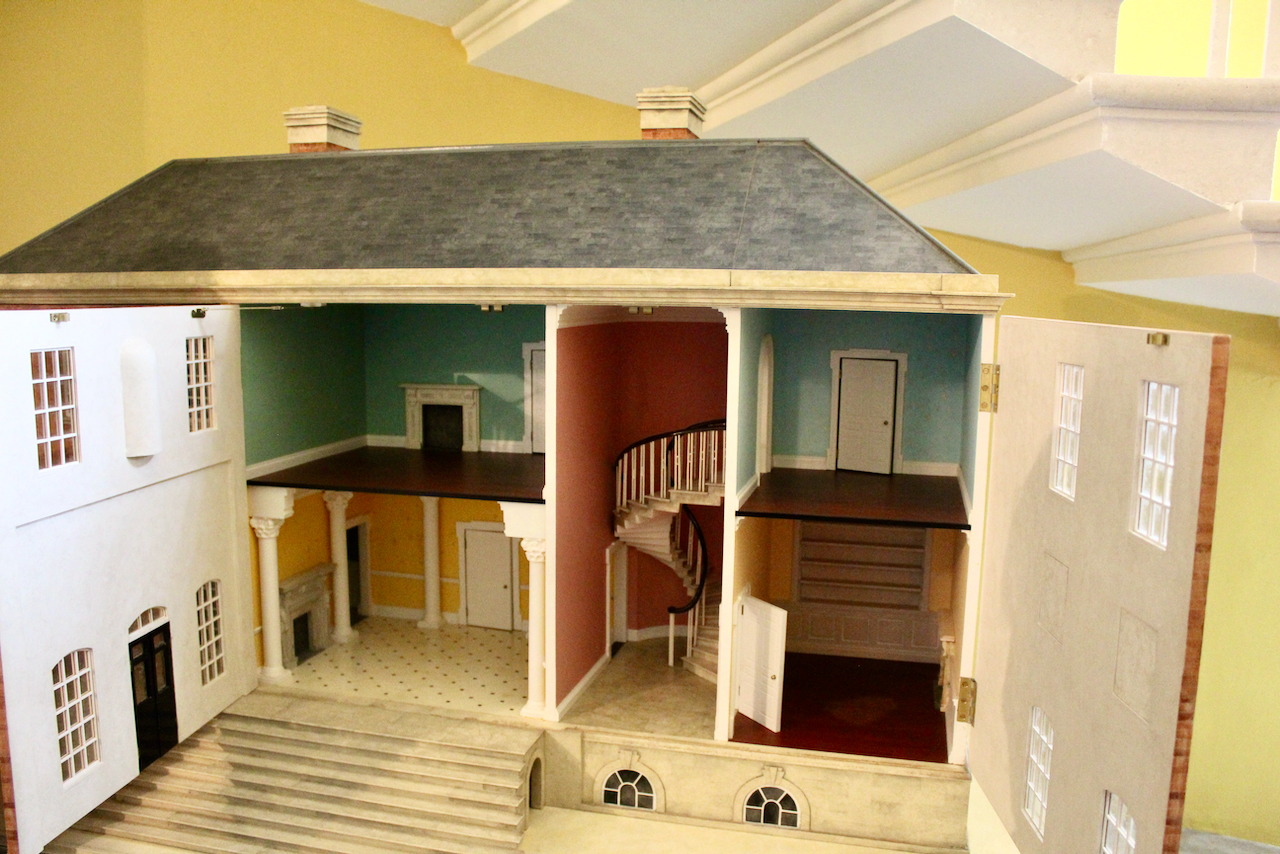
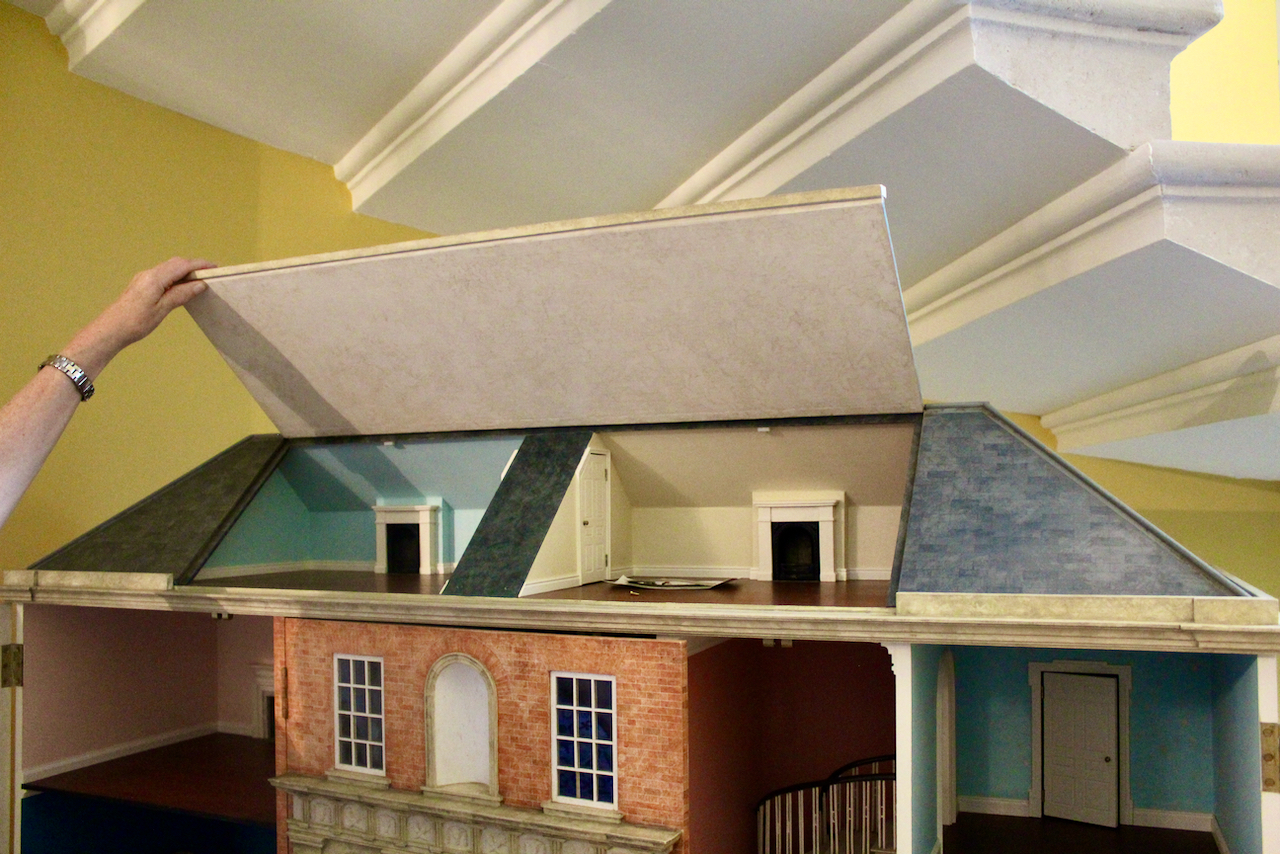

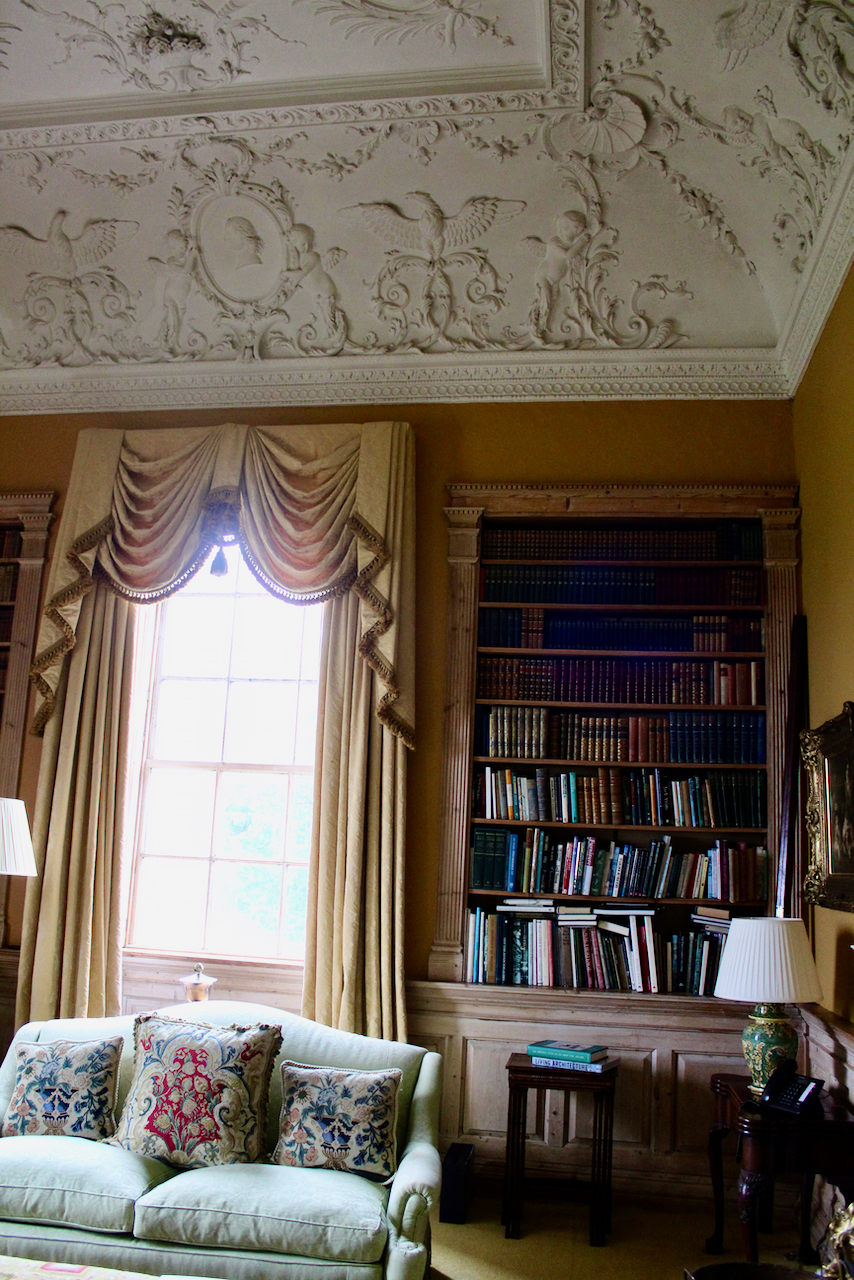


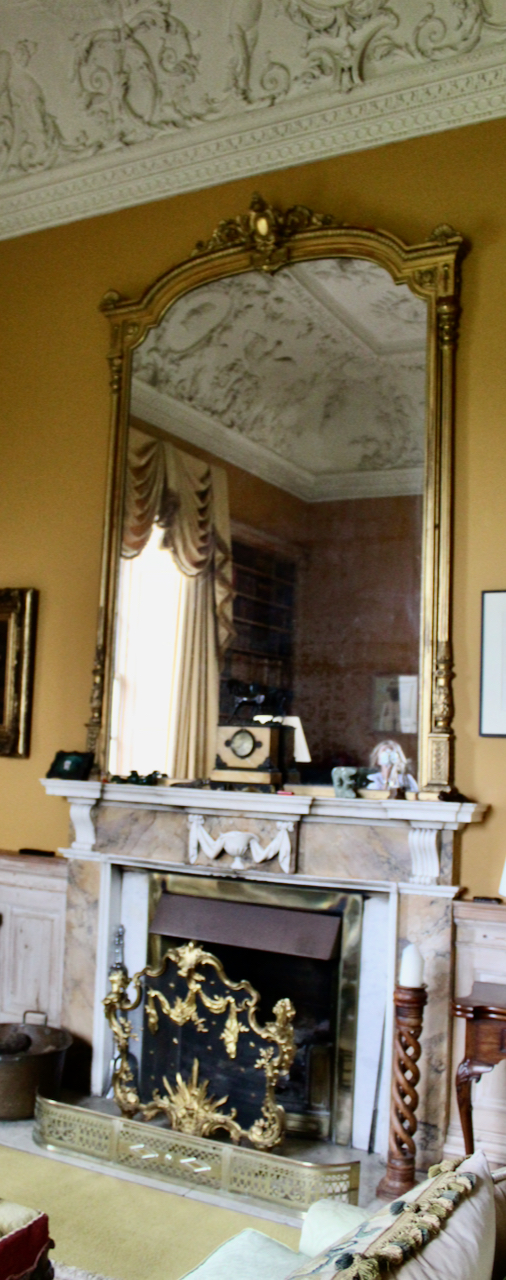

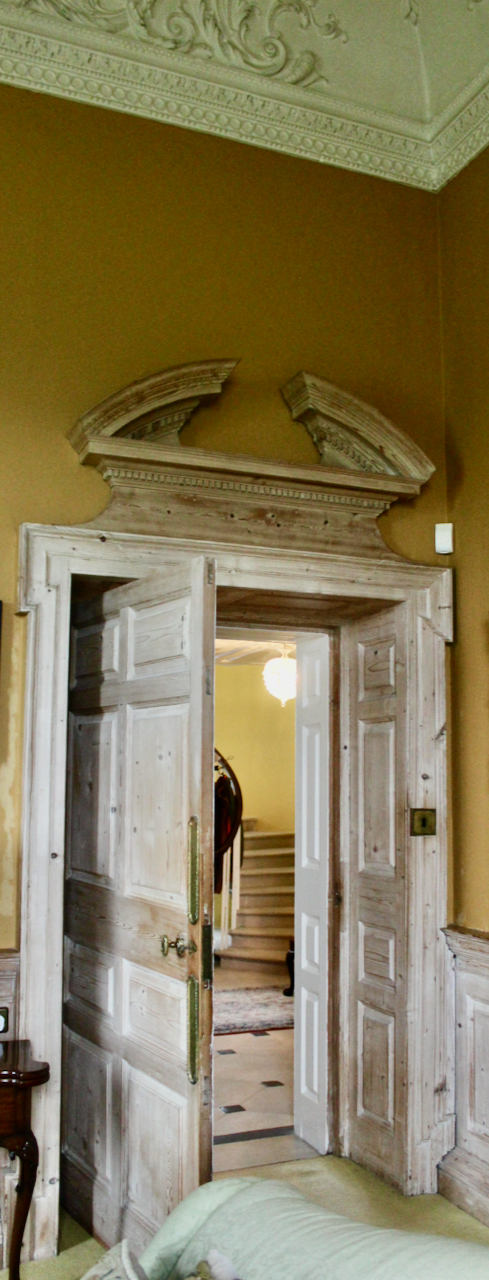
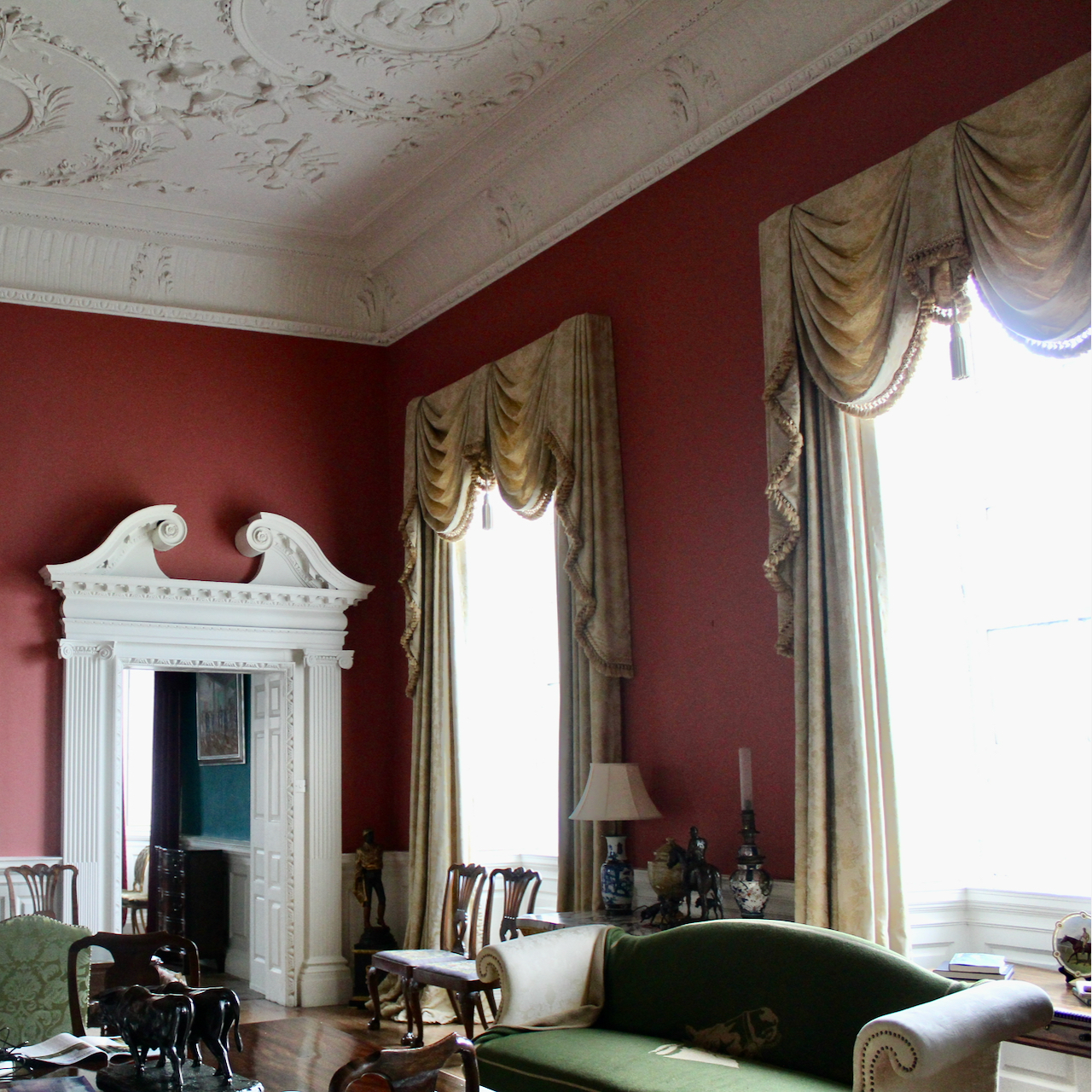


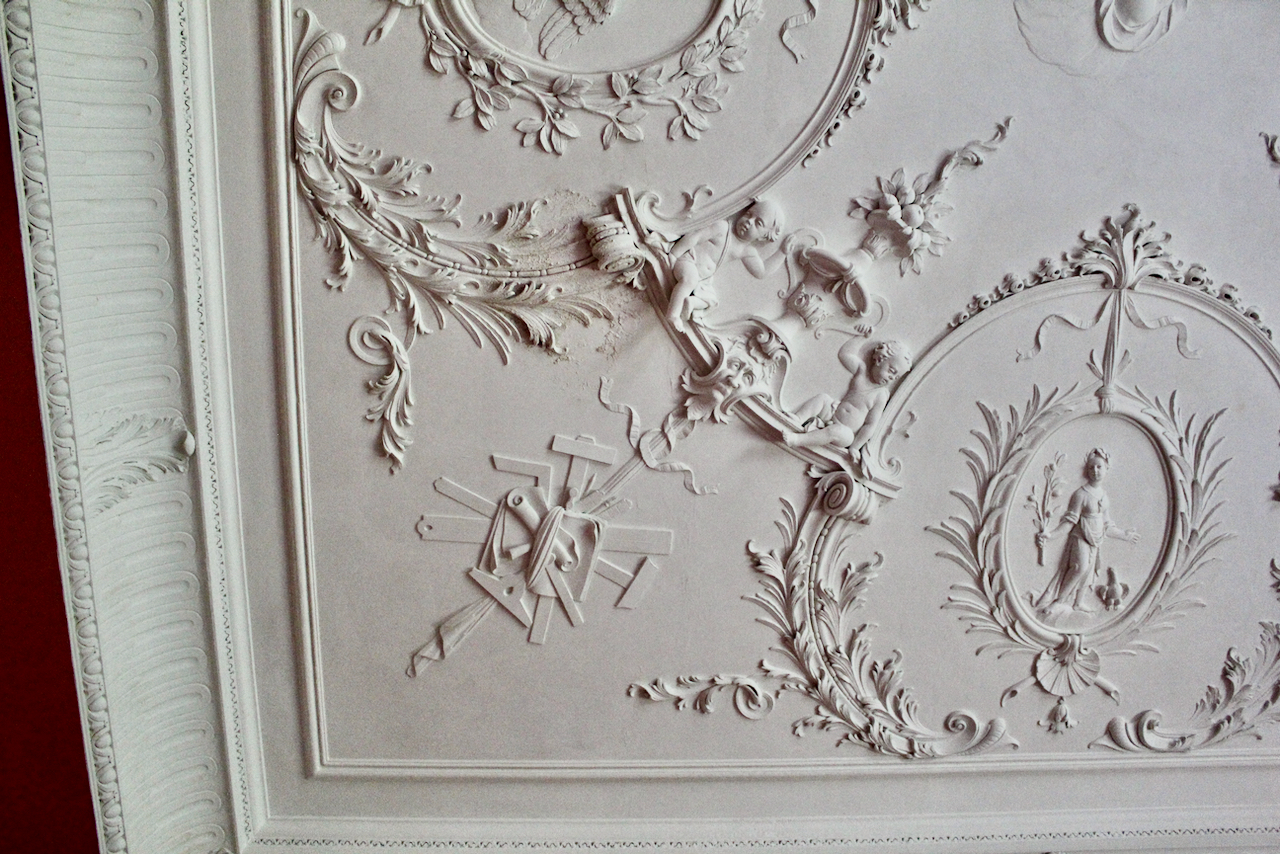
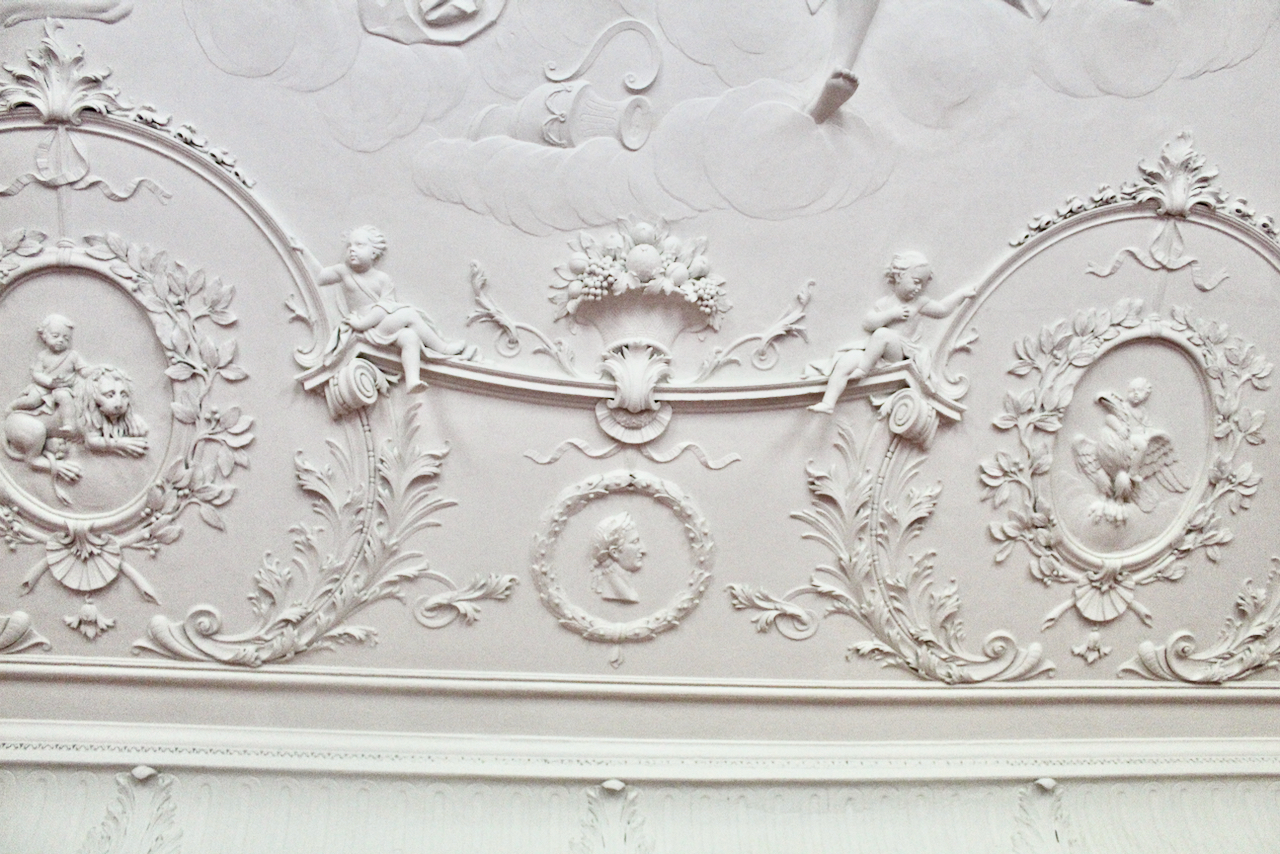


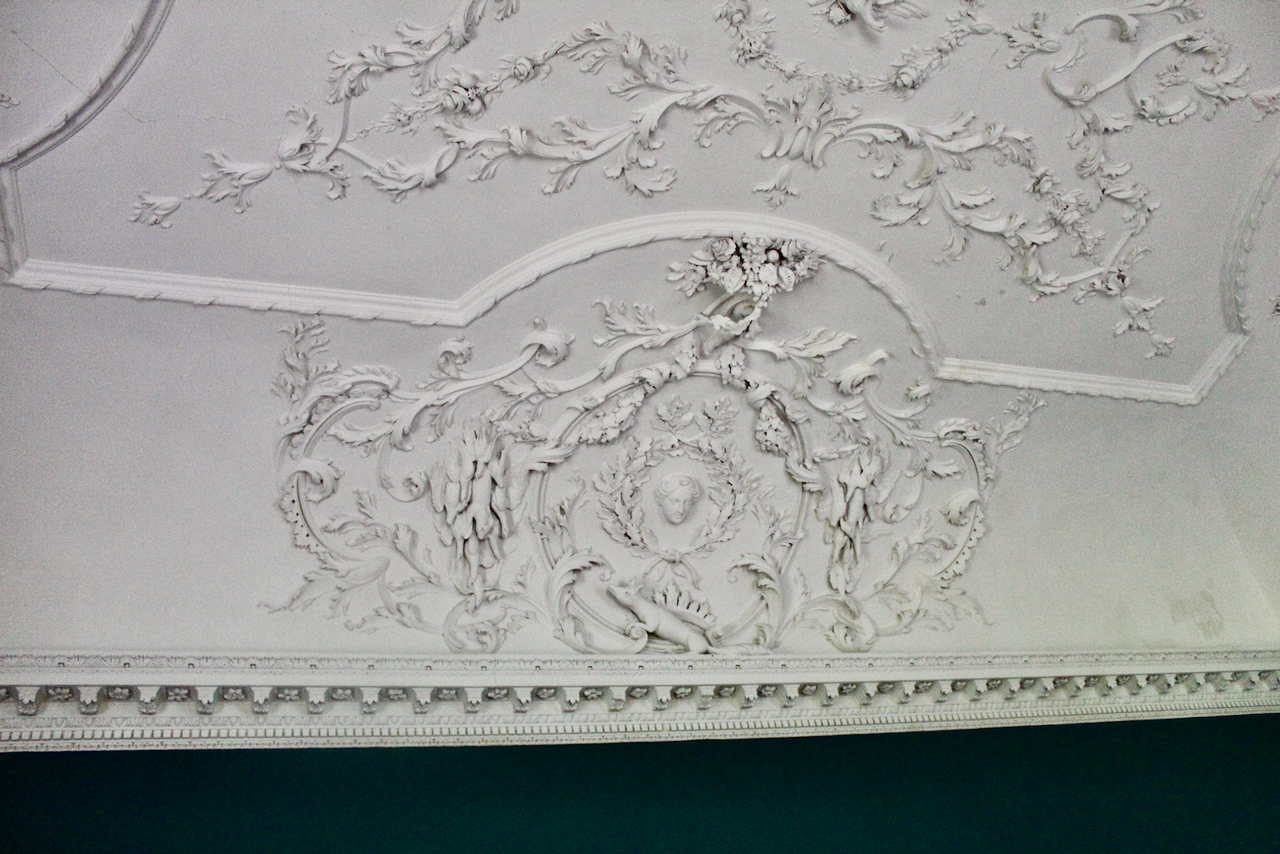
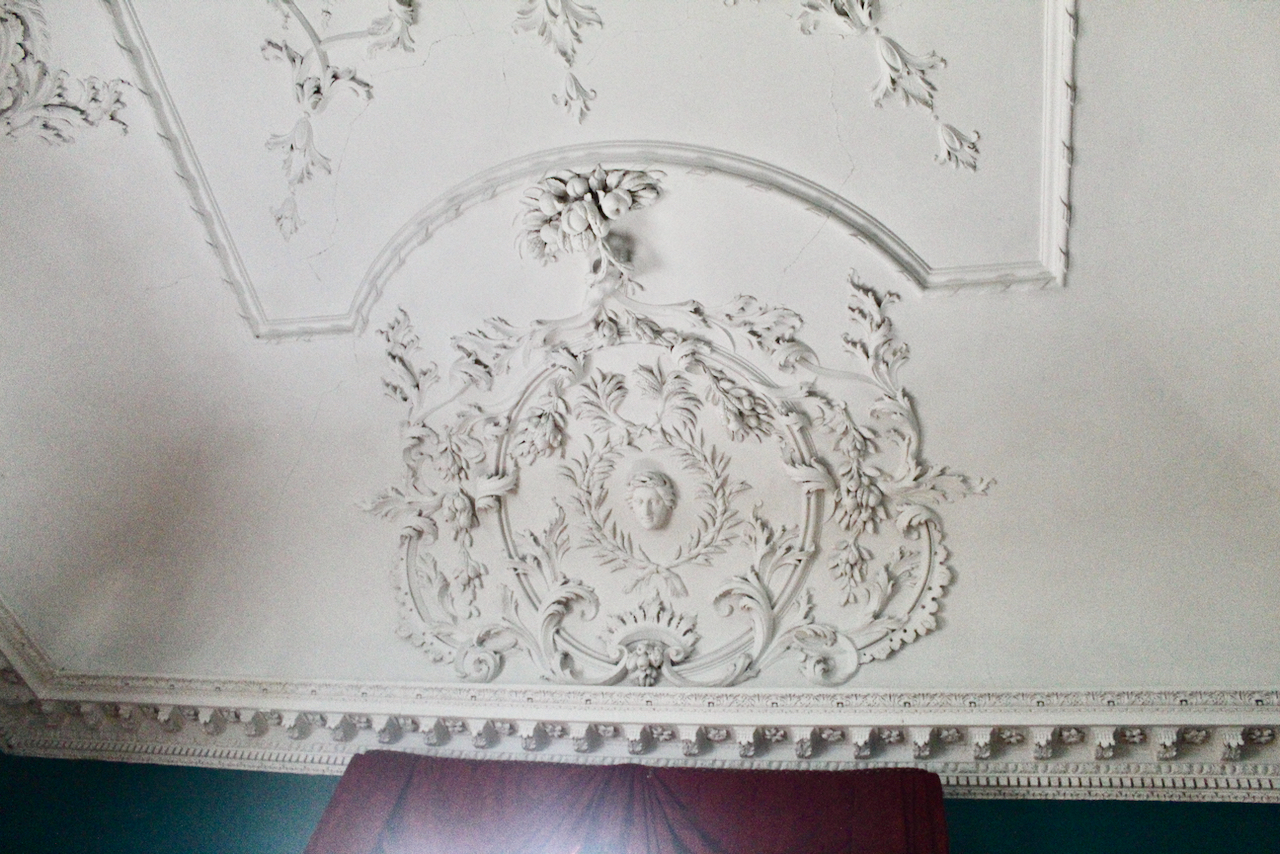
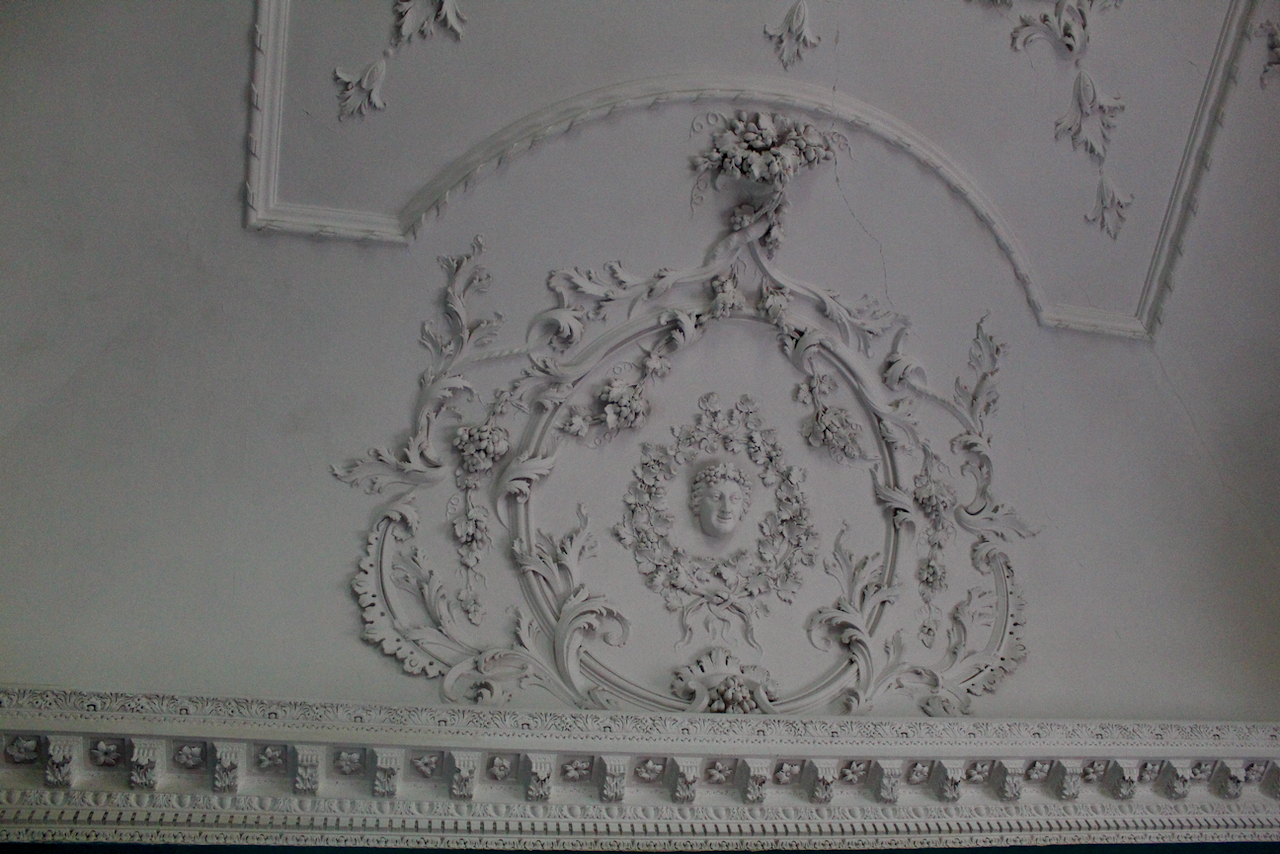

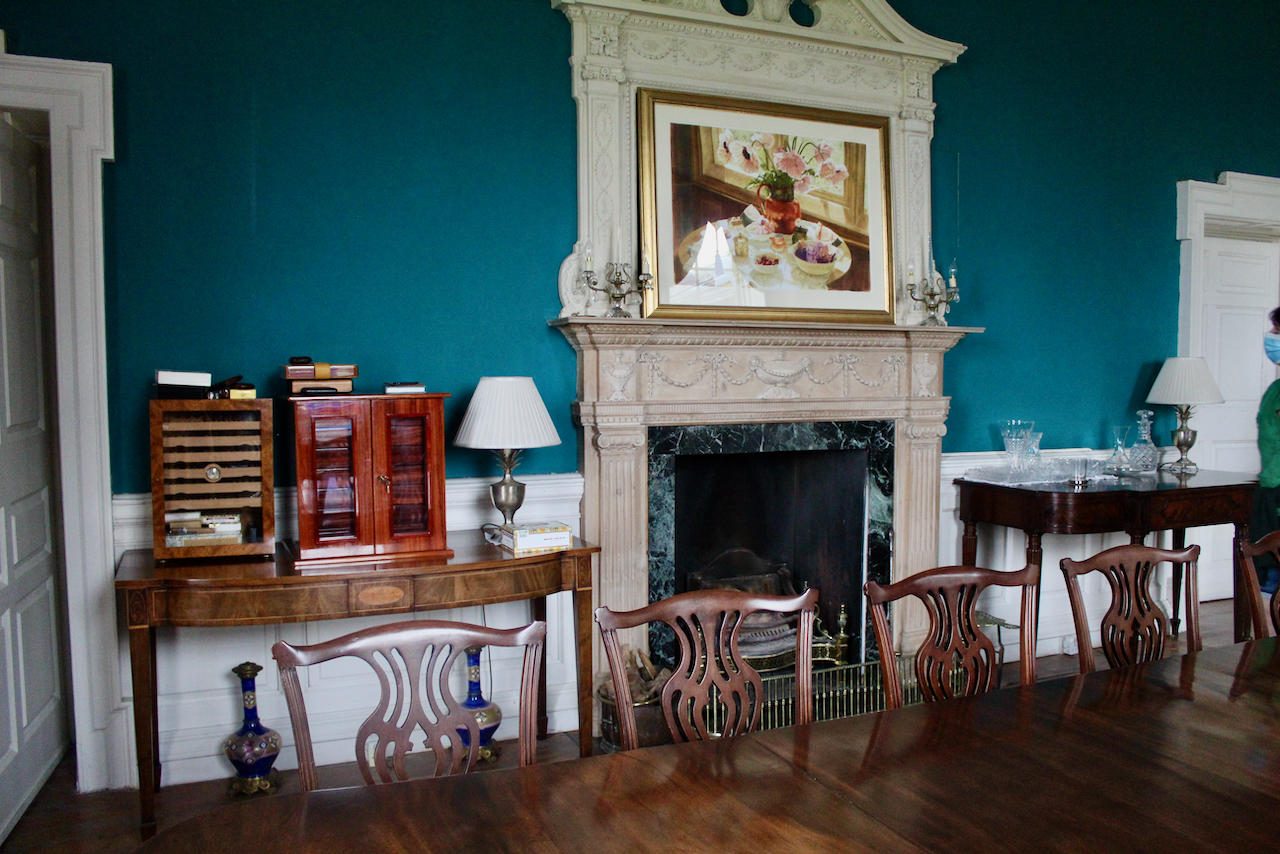
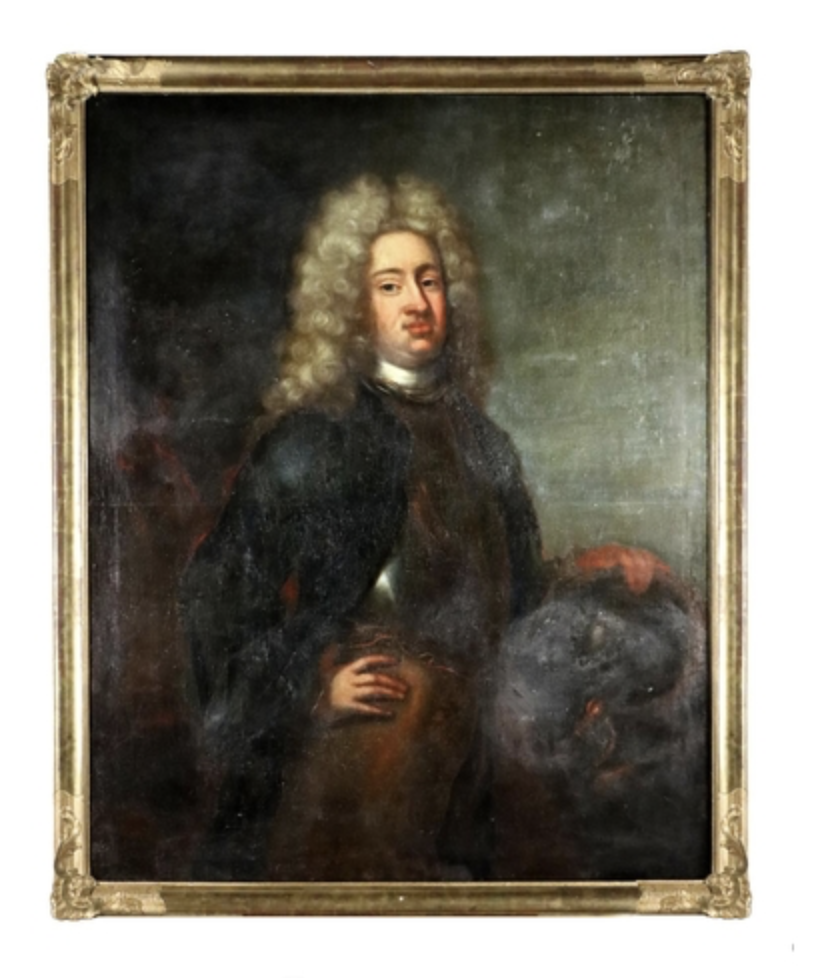
 Irish Historic Houses
