Lismacue House, photograph courtesy of Lismacue website.
donation
Help me to pay the entrance fee to one of the houses on this website. This site is created purely out of love for the subject and I receive no payment so any donation is appreciated!
Lismacue in County Tipperary was listed in the 2024 Revenue Section 482 list as tourist accommodation. The 2025 Revenue Section 482 list has not yet been published. Under the Revenue rules, a historic property can have an income tax reduction for a percentage of repair and renovation costs if they offer tourist accommodation six months of the year, at least four of those months being between 1st May and 30th September.
There are loopholes in the section 482 scheme, in that it does not specify what sort of accommodation must be provided, nor how much the accommodation costs. Lismacue, for example, can only be rented as an entire house with five bedrooms.
However, you can take a tour of Lismacue with the company Historic Family Home Tours, which brings visitors to three historic houses: twelfth century Castlegarde in County Limerick with its 1820s extension by the Pain brothers, Lismacue and Grenane House (see my entry https://irishhistorichouses.com/2024/04/04/grenane-house-tipperary-co-tipperary-e34-ep22/ )
The tours are quite expensive, however, and require a group, so I don’t think I will be able to visit Lismacue house, so I am going to write about the history of the house today.
Lismacue, photograph courtesy of National Inventory of Architectural Heritage.
Mark Bence-Jones tells us in his A Guide to Irish Country Houses that Lismacue is:
“[Baker/IFR] A late-Georgian house with battlements and other mild Gothic touches. Two storeys; entrance front of three bays with Gothic porch, prolonged by lower wing ending in a gable with tracery window. Side of five bays has a battlemented pediment with pinnacles. Another pediment on the rear facade.” [1]
The Archiseek website tells us that the house was designed by architect William Robertson (1770-1850) and building completed in 1813. [2] William Robertson was born in Kilkenny, where he later ran a busy architectural practice. After some years in London, he returned to Kilkenny, where he designed the Gaol, St. Canice’s Church and the Psychiatric Hospital (“Lunatic Asylum”). Among other private residences, he designed Jenkinstown House in County Kilkenny.
Five bay side of Lismacue House, photograph courtesy of website.Jenkinstown House, County Kilkenny, courtesy Lisney Sotheby’s 2024.Also designed by William Robertson, it also has hood mouldings, crenellations, and a large Gothic traceried window.
The National Inventory claims that Lismacue was built around 1760. [3] The work by William Robertson was added to the earlier house.
Lismacue has elements of Tudor-Revival with its hood mouldings over the windows and wonderful pinnacles either side of the central breakfront. The house is two storeys over basement. The sides of the house are of five bays, and there is a lower wing to the north with an ecclesiastical-looking Gothic window.
William Baker (d. 1733) purchased Lismacue from Charles Blount in 1705, and the estate remains in the ownership of the same family. The present owners are Kate née Baker and her husband Jim Nicholson. Kate inherited Lismacue from her father, William Baker. The Bakers’ ancestor Thomas Baker (1577-1642) probably came to Ireland in the retinue of Robert Devereux, 2nd Earl of Essex. [4]
William Baker served as High Sheriff for County Tipperary. His father lived at Lattinmore, County Tipperary. In 1700 William married Margaret, daughter of Captain Hugh Massy of Duntrileague, County Limerick.
William and Margaret had several children. The house passed to their oldest son, Hugh (d. 1772). In 1730 Hugh married Catherine, daughter of Robert Ryves, of Ryves Castle, Ballyskiddane, County Limerick. It may be been Hugh who built the first iteration of the house, in time for his new bride.
Reflecting the exterior, the interior features Gothic details. The front hall is divided by a pointed arch with two fluted columns and further fluted pilasters, and quatrefoil circular decorations on the wall over the arch. A large window lights the staircase with its wooden banisters and carved veloute. The staircase leads from the entrance hall to the guest bedrooms.
Lismacue House, photograph courtesy of website.
The Lismacue website tells us that the accommodation includes a classically proportioned drawing room, dining room, breakfast room and library. The house is centrally heated throughout, and the owners provide warm and welcoming log fires in the reception rooms. All windows have the original pine shutters.
Lismacue House, photograph courtesy of website.
Many of the large rooms have decorative plasterwork, and the ground floor rooms have mahogany doors. Several rooms retain wallpaper dating from the 1830s. The dining room features decorative pelmets and a sideboard niche.
The Library, Lismacue House, photograph courtesy of website.Lismacue House, photograph courtesy of website.
Hugh and Catherine’s son William (1719-1808) served as a Colonel for the Irish Volunteers, the local militia formed in 1778 to protect against invasion, such as the French threat in Bantry Bay.
William married Elizabeth, second daughter of the Very Reverend Charles Massy, Dean of Limerick, and sister of Hugh Dillon Massy 1st Baronet of Doonass, County Limerick. Their son William Baker (1767-1815) inherited, and married Elizabeth daughter of Thomas Roberts, 1st Baronet of Britfieldstown, County Cork.
William hired William Robertson and built the current version of the house in 1813, but he was murdered a few years later in 1815. [5] He was a Justice of the Peace and was murdered on the way home from a meeting in Cashel of the Quarter Sessions held under the Insurrection Act. [see 4] Two men were eventually arrested and one of them was executed, on the testimony of the other. William Blake’s grave in Bansha features quatrefoils similar to those on his house. [6]
After his death William’s wife Elizabeth moved to Cheltenham, taking all the family furniture with her, so none of the original furniture remains in Lismacue. William was succeeded by a son of his brother Hugh, who had died in 1801, also named Hugh (1798-1868). He married Marion, only child of Charles Conyers, of Castletown Conyers, County Limerick.
A bedroom ofLismacue House, photograph courtesy of website.
The Landed Families website tells us:
“Hugh Baker seems to have been a considerate and generous landlord, but that did not stop him receiving unwelcome attention from violent elements in the local population in the 1830s on account of the fact that he employed a Protestant steward. At one point he was obliged to leave the estate for the greater safety of Dublin, although he soon returned and was resident throughout the famine years of the 1840s. He had a large family of four sons and five daughters.“
Hugh’s son Hugh (1845-1887) inherited but he died young, leaving a widow and two small children. The Landed Families website explains:
“The estate passed to his young son, but it was heavily indebted and in an era of falling agricultural prices one of the creditors called in his loan, leading to the estate being vested in trustees for sale. Hugh Baker’s widow, Frances, had meanwhile married again, to Maj. Ralph Hall Bunbury (d. 1898), who bought the house (but not the estate) so that the family could continue to live there. However when he died, rather than leaving the house as might have been expected to his step-son, Hugh Baker (1880-1952), it passed to his unmarried sisters. Hugh, who became a naval officer and a leading figure in the world of fly-fishing, later moved to County Antrim, and died there without issue. The Misses Bunbury sold their unexpected legacy at a generously low valuation to Charles Conyers Massy Baker (1847-1905), the second son of Hugh Baker (1798-1868), who was perhaps looking to retire from his practice as a barrister.”
A wonderfully spacious bedroom ofLismacue House, photograph courtesy of website.
Charles Conyers Massy’s son Allen inherited the house and was the grandfather of the current owner Kate. Interestingly, Allen Baker (1881-1959) was the first person to qualify (in 1900) as a veterinary surgeon at the Royal Veterinary College of Ireland! It’s a pity my father is not still alive as he too graduated from the veterinary college and would have found that interesting.
Allan Baker made his home at Lismacue, where he established a stud farm and acted as the local vet. His son and heir William Baker (1913-77) followed in his father’s footsteps and maintained both the stud and the veterinary practice. Unfortunately William died suddenly and there were large death duties to pay. From around 2000, Kate and her husband found the funds to embark on a systematic restoration of the house. They continue to operate the family stud farm, now with the assistance of a manager
A bedroom ofLismacue House, photograph courtesy of website.A bedroom ofLismacue House, photograph courtesy of website.
Outside is fine open parkland with views of the Galtee Mountains and the Glen of Aherlow, and a long avenue of lime trees said to date from 1760.
[1] Mark Bence-Jones. A Guide to Irish Country Houses (originally published as Burke’s Guide to Country Houses volume 1 Ireland by Burke’s Peerage Ltd. 1978) Revised edition 1988 Constable and Company Ltd, London.
“Built by [Richard Bourke 1572-1635] the fourth earl of Clanricarde, Portumna Castle was the de Burgo family power base for centuries.
“The castle is a unique example of the transitional Irish architecture of the early 1600s. Its bold design combines elements of medieval and Renaissance style that complement each other perfectly.
“A major fire in 1826 left the castle a roofless shell, but the state began to bring it back from ruin in the 1960s. Restoration work continues to this day.
“The dramatic walk up to the building includes charming formal gardens, which create an enchanting sense of the original seventeenth-century setting. The walled kitchen garden is particularly memorable.
“The castle enjoys a sensational view of Lough Derg. The ground floor is open to the public and houses an exhibition that brings the story of the castle and the de Burgo family to life. It is right beside the River Shannon and Portumna Forest Park, which makes it a great choice for a delightful day out.“
Richard Bourke 4th Earl of Clanricarde was brought up and educated in England. He fought on the side of the English against Hugh O’Neill, Earl of Tyrone, and was knighted on the field at the battle of Kinsale. He was a protege of Robert Devereux, 2nd Earl of Essex, and married Frances Walsingham, who was the widow of the poet Philip Sydney (1554-1586) and of Robert Devereux, the 2nd Earl of Essex (1566-1601), favourite of Queen Elizabeth I.
Portrait of Frances Walsingham, along with her husband Robert Devereux, 2nd Earl of Essex, and in the small picture, Sir Philip Sydney.
The castle was built around 1616 and is a mixture of defensive Elizabethan/Jacobean building and a manor house, marking the transition in building styles. In this is it similar to Rathfarnham Castle in Dublin, which was built around 1583. It retains defensive structures such as machicolations (floor openings in the battlements, through which stones, or other objects, could be dropped on attackers), shot holes, and strong corner towers, and surrounding walls with gunloops and crenellated towers.
The back is similar to the front, except for the addition in around 1797 of a curved porch of Jacobean style in the middle of the garden front (probably in the time of the 12th Earl of Clanricarde who died in December 1797 and was elevated to be a Marquess). I loved the curving steps up to this round door entrance.
Before building Portumna Castle, the principal seat of the Earls of Clanricarde was a castle in Loughrea. As well as building Portumna, the 4th Earl refurbished the castles at Aughnanure and Athenry, amongst others. The Clanricarde earls also owned Clarecastle, Oranmore and Kilcolgan castles.
Aughnanure Castle County Galway, photograph courtesy of OPW website.This was also refurbished by the 4th Earl of Clanricarde.Athenry Castle, County Galway, photograph courtesy of OPW website. This was also refurbished by the 4th Earl of Clanricarde.
The descendants of William de Burgo adopted Irish customs and clothing. Ulick Burke of Clanricarde (d. 1544) became Earl of Clanricarde and Baron of Dunkellin, and was one of the earliest Irish Chiefs to accept Henry VIII’s policy of “surrender and regrant,” accepting Henry VIII as his sovereign.
Ulick’s son Richard, 2nd Earl of Clanricarde, fought the Irish for the British crown.
The castle passed to the 4th Earl’s son Ulick who succeeded as 5th Earl of Clanricarde (d. 1657) and who was created 1st Marquess of Clanricarde. and then to a cousin, Richard (d. 1666), who became 6th Earl of Clanricarde.
Portrait of Ulick, 5th Earl of Clanricarde (d. 1657). He was created Marquess of Clanricarde. He was Lord Deputy and Commander in Chief of Royalist forces against Cromwell in 1649. His Irish estates were lost but then recovered by his widow after the restoration of Charles II to the throne.
The 6th Earl married Elizabeth Butler, daughter of Walter Butler, 11th Earl of Ormond and had daughters so the title passed to his brother William (d. 1687), 7th Earl of Clanricarde.
The 7th Earl’s son Richard the 8th Earl (died 1708) succeeded his father and despite marrying several times had no male heirs, so was succeeded by his brother John, 9th Earl (d. 1722). John was created Baron Burke of Bophin, County Galway, by King James II. He fought on the Jacobite side and was taken prisoner at the Battle of Aughrim in 1691. He was declared an outlaw and the Clanricarde estates were forfeited to the King, but the outlawry was reversed twelve years later on the payment of a whopping £25,000. His son Michael the 10th Earl succeeded him (d. 1726) and fortunately he married well, to Anne Smith daughter of John Smith, Chancellor of the Exchequer, widow of Hugh Parker of Meldford Hall, Sussex, whose income helped to restore the family fortunes.
The 11th Earl, John Smith de Burgh (1720-1782) changed his surname from Bourke to De Burgh.
Henry de Burgh, 12th Earl and 1st Marquess of Clanricarde (1742 – 1797), Attributed to John Smart (British, 1741-1811) courtesy of https://www.christies.com/en/lot/lot-6249637Henry de Burgh, (1743-1797) 1st Marquess of Clanricarde 2nd creation, as Knight of St. Patrick, by engraver William Sedgewick, after Robert Hunter, courtesy of National Gallery of Ireland.
The 13th Earl, John Thomas De Burgh (1744-1808), brother of the 12th Earl, was created again 1st Earl of Clanricarde, an Irish Peer, on 29 December 1800, with special remainder to his daughters, if he had no male heir. One daughter, Hester, married Howe Peter Browne, 2nd Marquess of Sligo, and the other, Emily, married Thomas St Lawrence, 3rd Earl of Howth.
John Thomas De Burgh (1744-1808) 13th Earl of Clanricarde was created 1st Earl of Clanricarde, Co. Galway.
His son, Ulick (1802-1874), became the 1st Marquess Clanricarde (of the 3rd creation), and also Baron of Somerhill, Kent. It was during his tenure that the fire occurred. He married Harriet Canning, daughter of Prime Minister George Canning. Ulick was described as being immensely rich.
Ulick John De Burgh, 14th Earl and 1st Marquess of Clanricarde (1802-1874).Harriet Canning, Countess of Clanricarde (1804-1876), married to Ulick John De Burgh, 14th Earl and 1st Marquess of Clanricarde (1802-1874).
Amazing work has been done to reconstruct the castle after the fire. The Commissioners of Public Works acquired the castle in 1968 for preservation as a national monument.
Portumna Castle 1946, photograph from Dublin City Archives and Library. [3]Portumna Castle, County Galway, July 2021.The sign board tells us that the Commissioners of Public Works acquired the castle in 1968 for preservation as a National Monument.Portumna Castle, County Galway, July 2021.Portumna Castle, County Galway, July 2021.The information board tells us that the collapsed spine wall and oak floor beams were reinstated to the original design, based on detailed survey work of surviving features and documentary evidence, including early floor layout plans. The limestone handrail in front of the building was reinstated based on one surviving fragment.Portumna Castle, County Galway, July 2021.The board tells us that the roof trusses are Irish oak. Studies were made of surviving roof timbers of buildings that would have been built around the same time, such as Carrick-on-Suir castle and Rathfarnham Castle.Portumna Castle, County Galway, July 2021.Window mullions were repaired with resin.There was a carriageway road built in either the late 19th or early 19th century, and a well in what was the kitchen.
After the fire the family built a Ruskinian Gothic mansion by Sir Thomas Newenham Deane at the opposite end of the park. Mark Bence-Jones tells us that the new house was not much lived in by the family, for 2nd and last Marquess of Clanricarde, who succeeded 1874, was “the notorious miser and eccentric who spent his life in squalid rooms in London and dressed like a tramp.”
The 2nd Marquess, Hubert George De Burgh-Canning, “the notorious miser and eccentric who spent his life in squalid rooms in London and dressed like a tramp.”
The 2nd Marquess, Hubert George De Burgh-Canning, who died 1916, left Portumna to his great-nephew, Viscount Henry George Charles Lascelles, afterwards 6th Earl of Harewood and husband of Princess Mary (daughter of King George V), because it was said that he was the only member of his family who ever went to see him. The 1862 house was burnt 1922; after which Lord Harewood, when he came here, occupied a small house on the place. Portumna was sold when he died in 1947. [4]
Elizabeth de Burgh, who married Henry Thynne Lascelles, 4th Earl of Harewood. She was the sister ofthe 2nd Marquess, Hubert George De Burgh-Canning.Pictured, the marriage of Princess Mary to Viscount Lascelles.
The castle had a long gallery on the second storey, similar to that in the Ormond Castle in Carrick-on-Suir. Long galleries originated in Italy and France and became fashionable in England after 1550. They were often sparsely furnished and were used for indoor exercise.
The exhibition tells us about various positions of servants in a castle. I was amused by the description of the job of a footman. We are told that they were kept largely for “ornamental” purposes and had to be fairly tall and good-looking, and their wages even rose with their height! Some padded their silk stockings to make their calves look more shapely!
General information: 052 744 1011, cahircastle@opw.ie
Stephen and I visited Cahir Castle in June 2022, and I was very impressed. I had no idea that we have such an old castle in Ireland with so much intact.
“Cahir Castle is one of Ireland’s largest and best-preserved castles. It stands proudly on a rocky island on the River Suir.
“The castle was was built in the thirteenth century and served as the stronghold of the powerful Butler family. [The Archiseek website tells us it was built in 1142 by Conor O’Brien, Prince of Thomond] So effective was its design that it was believed to be impregnable, but it finally fell to the earl of Essex in 1599 when heavy artillery was used against it for the first time. During the Irish Confederate Wars it was besieged twice more.
“At the time of building, Cahir Castle was at the cutting edge of defensive castle design and much of the original structure remains.“
Our tour guide took us through the castle as if we were invaders and showed us all of the protective methods used. We were free then to roam the castle ourselves.
The name derives from the Irish ‘an ChathairDhun Iascaigh’ meaning stone fort of the earthen fort of the fish.
The information leaflet tells us that the area was owned by the O’Briens of Thomond in 1169 at the time of the Anglo-Norman invasion. The area around Cahir was granted to Phillip of Worcester in 1192 by John, Lord of Ireland, who later became King John. His nephew William was his heir – I’m not sure of his surname! But then his great-granddaughter, Basilia, married Milo (or Meiler) de Bermingham (he died in 1263). They lived in Athenry and their son was the 1st Lord Athenry, Piers Bermingham (died 1307).
Edward III (1312-1377) granted the castle to the James Butler 3rd Earl of Ormond in 1357 and also awarded him the title of Baron of Cahir in recognition of his loyalty. The 3rd Earl of Ormond purchased Kilkenny Castle in c. 1392. Cahir Castle passed to his illegitimate son James Gallda Butler. James Gallda was loyal to his mother’s family, the Desmonds, who were rivals to his father’s family, the Butlers.
In their book The Tipperary Gentry, William Hayes and Art Kavanagh tell us that the rivalry between the Butlers of Ormond and the Fitzgeralds of Desmond turned to enmity when the War of the Roses broke out in England, with the Ormonds supporting the House of Lancaster and the Desmonds the House of York. The enmity found expression in the battle at Pilltown in 1462. The enmity continued for over a century, and the last private battle between the Ormonds and the Desmonds was the Battle of Affane, County Waterford, in 1565. [2]
A descendant of James Gallda Butler, Thomas Butler (d. 1558) was elevated to the peerage of Ireland, on 10 November 1543, by the title of Baron of Caher (of the second creation). He married Eleanor, a daughter of Piers Butler, 8th Earl of Ormond (d. 1539) and Margaret Fitzgerald, daughter of Gerald FitzGerald, 8th Earl of Kildare (d. 1513). His son Edmund became the 2nd Baron (d. 1560) but as there were no legitimate male heirs the title died out.
It was Piers Rua Butler, the 8th Earl of Ormond (c. 1467–1539), who brought peace between the warring factions of Fitzgeralds of Desmond and the Butlers of Ormond. He married Margaret Fitzgerald, daughter of Gerald (or Garret) Fitzgerald (1455-1513) 8th Earl of Kildare. His efforts culminated in a treaty called the Composition of Clonmel. It stated that Edmund Butler of Cahir should receive the manor of Cahir on condition that he and all his heirs “shall be in all things faithful to the Earl [of Ormond] and his heirs.” The Barons of Cahir were not allowed to keep their own private army nor to exact forced labour for the building or repair of their castle or houses. (see [2]).
The brother of Thomas 1st Baron Caher, Piers Butler (d. after February 1567/68) had a son Theobald (d. 1596) who was then created 1st Baron Caher (Ireland, of the 3rd creation) in 1583. [3]
There’s an excellent history of Cahir on the Cahir Social and Historical Website:
“Throughout the reigns of Elizabeth I and Charles I, Cahir Castle appears as a frequent and important scene in the melancholy drama of which Ireland was a stage. The Castle was taken and re-taken, but rarely damaged and through it all remained in the hands of the Roman Catholic Butlers of Cahir. By this time Cahir had become a great centre of learning for poets and musicians. Theobald, Lord Cahir [I assume this was 1st Baron Cahir of second creation who died in 1596] was said by the Four Masters “to be a man of great benevolence and bounty, with the greatest collection of poems of any of the Normans in Ireland”. [4]
Cahir Castle, June 2022.
This storyboard tells us that Ireland was dramatically different from Renaissance England in its language, customs, religion, costume and law. It was divided into 90 or so individual “lordships” of which about 60 were ruled by independent Gaelic chieftains. The rest were ruled by Anglo-Irish lords. Queen Elizabeth saw Ireland as a source of much-needed revenue. She did not have sufficient resources nor a strong enough army to conquer Ireland so she encouraged her authorities in Dublin to form alliances between the crown and any local chieftains who would submit to her authority. Many chieftains who submitted did so in order to assist them in their own power struggles against their neighbours. Elizabeth especially needed this support in order to ensure that if Spain invaded Ireland she would be able to quell rebellion.
Walter Devereux (1541-1576) 1st Earl of Essex, courtesy of National Portrait Gallery, London.
Walter Devereux, 1st Earl of Essex, travelled to Ireland to subjugate Ulster and Shane O’Neill (“The O’Neill) in 1573. He failed, and had to sell of much of his land in England to pay debts accrued from raising an army. He died in Dublin of typhoid in 1576.
His son, the 2nd Earl of Essex came to Ireland to quell a rebellion which included the rise of Hugh O’Neill, 2nd Earl of Tyrone (1550-1616), cousin of Shane O’Neill.
Cahir Castle, June 2022.Cahir Castle, June 2022.
The storyboard tells us that Hugh O’Neill fought alongside the 1st Earl of Essex in Ulster between 1573 and 1575. He also fought for Queen Elizabeth in 1580 against the rebel Gerald Fitzgerald, 14th Earl of Desmond (circa 1533, d. 11 November 1583), and as thanks he was made Earl of Tyrone. However, he turned against the crown in 1594 and formed an alliance with Red Hugh O’Donnell to fight against the Queen’s troops, in the Nine Years War.
The ties between the Earls of Essex and Queen Elizabeth I are complicated. When Walter Devereux the 1st Earl died in Ireland, his wife, Lettice Knollys, remarried. She and Queen Elizabeth’s favourite, Robert Dudley Earl of Leicester, married secretly, a fact which enraged the disappointed Queen. It was Robert Dudley who introduced his stepson Robert Devereux 2nd Earl of Essex to Elizabeth and he subsequently became her favourite, alongside Walter Raleigh. However, Elizabeth was to be angered again when this next favourite, Devereux, also secretly married, this time to Frances Walsingham, who was the widow of Sir Philip Sidney. We came across her before when we visited Portumna Castle as she later married Richard Bourke 4th Earl of Clanricarde. Philip Sidney was the son of Henry Sidney (or Sydney) who had been Lord Deputy of Ireland.
Lord Deputy Henry Sidney is shown crossing a moat leaving Dublin Castle, setting out on a campaign. Above the gate are a number of severed heads!The submission of Turlough Luineach O’Neill to Lord Deputy Sir Henry Sidney in 1575.Sir Henry Sidney (1529-1586), Lord Deputy of Ireland, after painter Arnold Van Brounkhorst, courtesy of National Gallery of Ireland.Portrait of Frances Walsingham, along with her husband Robert Devereux, 2nd Earl of Essex, and in the small picture, Sir Philip Sydney, from information board in Portumna Castle.
Robert Devereux the 2nd Earl of Essex sought to re-win courtly favour by going to fight in Ireland, following the footsteps of his father, and persuaded Elizabeth to name him Lord Lieutenant of Ireland.
In May 1599, Essex and his troops besieged Cahir Castle. He arrived with around two to three thousand men, a cannon and a culverin, a smaller and more accurate piece of heavy artillery.
Thomas Butler the 10th Earl of Ormond, who owned the castle in Carrick-on-Suir and was another favourite of the Queen, as he had grown up with her in the English court. However, the storyboards tell us that he at first rebelled, alongside Thomas Butler 2nd Baron Cahir (or Caher – they seem to be spelled interchangeably in historical records) and Edmond Butler, 2nd Viscount Mountgarret (1540-1602), another titled branch of the Butler family.
Thomas Butler 10th Earl of Ormond by Steven Van der Meulen. He is holding a wheelcock pistol with his coat of arms in the upper left corner.
By the time of the 1599 siege, the Earl of Ormond was fighting alongside Essex, and Cahir Castle was held by rebels, including Thomas Butler’s brother James Gallada Butler (not to be confused with the earlier James Galda Butler who died in 1434). Thomas Butler 2nd Baron Cahir travelled with Essex toward the castle. Baron Cahir sent messengers to ask his brother to surrender the castle but the rebels refused. Thomas Butler 2nd Baron Cahir was suspected of being involved with the rebels. Thomas was convicted of treason but received a full pardon in 1601 and occupied Cahir Castle until his death in 1627. James Gallada Butler claimed that he had been forced by the rebels to fight against Essex. Essex and his men managed to capture the castle.
During the three days of the siege, the castle incurred little damage, mostly because the larger cannon broke down on the first day! Eighty of the defenders of the castle were killed, but James Gallada Butler and a few others escaped by swimming under the water mill. This siege was to be the only time that castle was taken by force. James Gallada recaptured the castle the following year and held it for some months. The Butlers regained possession of the castle in 1601.
Cahir Castle taken by the 2nd Earl of Essex in 1599.Cahir Castle, June 2022.
Inside the castle in one room was a wonderful diorama of this siege of Cahir Castle, with terrifically informative information boards.
The Diorama of the 1599 Siege.The Diorama of the 1599 Siege.The Diorama of the 1599 Siege.The siege map and diorama show the wall of the barbican extending further than it does now, to the bridge across to the island. The plan also shows a number of buildings in the inner ward that no longer exist.The shape of the islands and riverbanks changed following construction of a weir.The Diorama of the 1599 Siege.Someone must have had great fun setting up the little toy soldiers in their fight formations in the diorama.The Diorama of the 1599 Siege.The Diorama of the 1599 Siege.
Failing to win in his battles in Ireland, however, Essex made an unauthorised truce with Hugh O’Neill. This made him a traitor. The Queen did not accept the truce and forbid Essex from returning from Ireland. He summoned the Irish Council in September 1599, put the Earl of Ormond in command of the army, and went to England. He tried to raise followers to oust his enemies at Elizabeth’s court but in doing so, he brought a small army to court and was found guilty of treason and executed.
The Cahir Social and Historical Website continues:
“A study of the Butler Family in Cahir in the sixteenth and seventeenth centuries reveals the rise and fall of one of the minor branches of the House of Ormond. At the end of the fifteenth century, they possessed extensive powers, good territorial possessions and a tenuous link with the main branch of the Butler family. During the sixteenth century, their possession was strengthened by the grant of the title of Baron of Cahir with subsequent further acquisition of land, but they came under closer central government control.”
The Cahir website continues: “A complete reversal in their relations with the Earls of Ormond occurred, strengthened by various marriage alliances. They also participated in political action, both in the Liberty of Tipperary and at National Level. In the late sixteenth and early seventeenth centuries their position was affected by their adherence to Roman Catholicism, which resulted in their revolt during the Nine Years War, and subsequent exclusion from power by the Central Administration. They formed part of the Old English Group and as such, suffered from the discriminatory politics practiced by the Government. From 1641 they became minor landowners keeping their lands by virtue of the favour of their relative, the Duke of Ormond. In 1647 the Castle was surrendered to Lord Inchiquin for Parliament but re-taken in 1650 by Cromwell himself, whose letter describing acceptable terms of surrender still survives.
Murrough O’Brien (1614-1674) 1st Earl of Inchiquin by John Michael Wright courtesy of Manchester Art Gallery.
Murrough O’Brien fought on the side of the Crown – his ancestor Murrough O’Brien was created 1st Baron Inchiquin in 1543 by the Crown in return for converting to Protestantism and pledging allegiance to the King (Henry VIII). Since he took the castle for the crown, it implies that at this time Lord Caher fought against the crown again – and since the information boards tell us that the 1599 siege was the only time it was taken by force, force must not have been used at this later time.
Once invaders get through the portcullis they are trapped in a small area, where defenders can fire arrows and stones at them. The walls of this area slope outwards towards the bottom, known as a base batter, so falling rocks bounce off them to hit the invaders.
Oliver Cromwell took the castle in 1650 and the occupants, under the 4th Baron Caher Piers Butler (d. 1676), surrendered peacefully.
The Butlers of Ormond also had to forfeit their land in the time of Oliver Cromwell’s Protectorate. Both branches of the Butlers had their lands restored with the restoration of the monarchy with Charles II in 1662.
The Cahir website continues: “At the restoration of Charles II, in 1660, George Matthews, (as Warden of Cahir Castle and half-brother to the Duke of Ormond), retained the Cahir lands for the Lord Cahir, then a minor.” [4] George Matthew (or “Mathew,” 1645-1735) was married to Eleanor Butler, daughter of Edmond Butler, 3rd/13th Baron Dunboyne. She seems to have married twice: first to Edmond Butler son of 3rd Baron Cahir, then to to George Matthew. Her son was Piers Butler, 4th Baron Cahir, who was just seven when his father died.
Piers Butler 4th Baron Cahir (1641-1676) married George Mathew’s niece, Elizabeth Mathew (1647-1704). They had no male issue, but two daughters. His daughter Margaret married Theobald Butler, 5th Baron Cahir (d. 1700), great-grandson of the 1st Baron Cahir.
Margaret Butler daughter of the 4th Baron Cahir was the 5th Baron Cahir’s second wife. His first wife, Mary Everard, gave birth to his heir, Thomas (1680-1744), 6th Baron Cahir. Thomas had several sons, who became 7th (d. 1786) and 8th Barons Cahir (d. 1788), but they did not have children, so that title went to a cousin, James Butler (d. 1788), who became 9th Baron Cahir.
The Cahir website tells us: “Despite embracing the Jacobite Cause in the Williamite Wars, the Cahir estate remained relatively intact. However, the Butlers never again lived at Cahir Castle but rather at their country manor, Rehill House, where they lived in peace and seclusion from the mid-seventeenth century, when not living abroad in England and France.
“…By 1700 a sizeable town had grown around the Castle, although hardly any other buildings survive from this period. Agriculture, milling and a wide range of trades would have brought quite a bustle to the muddy precursors of our present streets. At this time, the Castle was quite dilapidated and was let to the Quaker William Fennell, who resided and kept a number of wool combers at work there.” [4]
The castle layout was changed considerably and enlarged during work to repair some of the damage caused by the battles, but was then left abandoned until 1840 when the partial rebuilding of the Great Hall took place. [4]
Female member of Butler family, Cahir Castle, courtesy of Fonsie Mealy auction.
The Cahir website tells us: “On the completion of Cahir House [in the town, now Cahir House Hotel] in the later 1770’s, Fennell rented Rehill House from Lord Cahir and lived there over half a century. [The Barons moved to Cahir House.] A strong Roman Catholic middle class emerged. James [d. 1788], 9th Lord Cahir [d. 1788], practiced his religion openly. He maintained strong links with Jacobite France, and paid regular visits to England. While not a permanent resident, he kept his Cahir Estates in impeccable order and was largely responsible for the general layout of the Town of Cahir. Under his patronage, some of the more prominent buildings such as Cahir House, the Market House and the Inn were built during the late 1770s and early 1780s. In addition, the Quakers built the Manor Mills on the Bridge of Cahir, the Suir Mills (Cahir Bakery), and the Cahir Abbey Mills in the period 1775-90.” [4]
The son of the 9th Baron Cahir, Richard (1775-1819), became 10th Baron and 1st Earl of Glengall. It was he and his wife who had the Swiss Cottage built outside Cahir.
“… The young Lord Cahir married Miss Emily Jeffereys of Blarney Castle and together they led Cahir through the most colourful period of its development…Richard, Lord Cahir, sat in The House of Lords as one of the Irish Representative Peers, and in 1816 was created Earl of Glengall, a title he enjoyed for just 3 years. He died at Cahir House of typhus in January 1819, at the age of 43 years. Richard, Viscount Caher, (now 2nd Earl of Glengall), had already taken his place in political circles while his mother, Emily, ran the Estate with an iron fist.” [4]
Richard Butler (1794-1858) 2nd Earl of Glengall, by Richard James Lane, lithograph, 1854, National Portrait Gallery of London D22384.Margaret Lauretta Butler (née Mellish), Countess of Glengall, wife of the 2nd Earl of Glengall by Richard James Lane courtesy of National Portrait Gallery London NPG D22383.Harriet Anne née Butler (1799-1860) Countess of Belfast, wife of George Hamilton Chichester 3rd Marquess of Donegal and daughter of Richard Butler, 1st Earl of Glengall.Cahir Castle 1943, photograph from Dublin City Library archives. [5]
“During the Great Famine (1846-51), Lord and Lady Glengall did much for the relief of the poor and the starving. Lord Glengall’s town improvement plan was shelved in 1847 due to a resulting lack of funds and his wife’s fortune being tied up in a Trust Fund. The Cahir Estates were sold in 1853, the largest portion being purchased by the Trustees of Lady Glengall. This sale came about due to Lord Glengall being declared bankrupt. The Grubbs had by now become the most important Quaker family in the district and bought parts of the Cahir Estate during the 1853 sale...
“In the interim, Lady Margaret Butler (elder daughter and heir of Lord Glengall) had married Lieut. Col. Hon. Richard Charteris, 2nd son of the 9th Earl of Wemyss & March. Using a combination of her mother’s Trust and Charteris funds, Cahir Town and Kilcommon Demesne were repurchased.
“Lady Margaret, although an absentee landlord, resident in London, kept a close watch on her Cahir Estates through two excellent managers, Major Hutchinson and his successor William Rochfort… Her son, Richard Butler Charteris took over her role in 1915 and remained resident in Cahir from 1916 until his death in 1961. In 1962, the House, and circa 750 acre estate core (within the walls of Cahir Park and Kilcommon Demesne) were auctioned…And so ended the direct line of Butler ownership in Cahir, almost 600 years.“ [4]
The castle became the property of the state after the death of Lord Cahir in 1961; it was classified as a national monument and taken into the care of the Office of Public Works. [6]
The dining hall has a magnificent ceiling. The building would have originally been of two storeys, and taller. The appearance today owes much to restoratation work carried out by William Tinsley in 1840, when the building was converted into a private chapel for the Butler family. The hammer-beam roof and the south and east wall belong to this period. The external wall dates from the 13th century.
[2] p. 58. Hayes, William and Art Kavanagh, The Tipperary Gentry volume 1 published by Irish Family Names, c/o Eneclann, Unit 1, The Trinity Enterprise Centre, Pearse Street, Dublin 2, 2003.
[3] http://www.thepeerage.com/index.htm and G.E. Cokayne; with Vicary Gibbs, H.A. Doubleday, Geoffrey H. White, Duncan Warrand and Lord Howard de Walden, editors, The Complete Peerage of England, Scotland, Ireland, Great Britain and the United Kingdom, Extant, Extinct or Dormant, new ed., 13 volumes in 14 (1910-1959; reprint in 6 volumes, Gloucester, U.K.: Alan Sutton Publishing, 2000), volume IX, page 440.
Arthur Chichester, 4th Earl of Donegall (1695–1757)
Lady Lucy Ridgeway was the eldest daughter and co-heir of Robert Ridgeway, 4th Earl of Londonderry (d. 1713/14), she married Arthur Chichester, 4th Earl of Donegal (1695-1757), by Jonathan Richardson courtesy of Sothebys L11304.
Arthur Chichester, 5th Earl of Donegall (1739–1799; created Baron Fisherwick in 1790 and Earl of Belfast and Marquess of Donegall in 1791). He married Anne née Hamilton (1731-1780) who was the daughter of James Brandon Douglas Hamilton 5th Duke of Hamilton, Scotland. Arthur the 5th Earl of Donegall was the son of John Chichester (1700-1746), who was the son of Arthur 3rd Earl of Donegall.
Arthur Chichester, 1st Marquess of Donegall (1739–1799)
Arthur Chichester (1739-1799) 1st Marquess of Donegall, by Thomas Gainsborough, courtesy of Ulster Museum.
George Augustus Chichester, 2nd Marquess of Donegall (1769–1844)
George Augustus Chichester (1769-1844) 2nd Marquess of Donegall, courtesy of Belfast Castle.
George Hamilton Chichester, 3rd Marquess of Donegall, Baron Ennishowen and Carrickfergus (1797–1883). He married Harriet Anne née Butler (1799-1860), daughter of Richard Butler, 1st Earl of Glengall.
Harriet Anne née Butler (1799-1860) Countess of Belfast, wife of George Hamilton Chichester 3rd Marquess of Donegal and daughter of Richard Butler, 1st Earl of Glengall.Frederick Richard Chichester (1827-1853), Earl of Belfast, Courtesy of Ulster Museum.He was the son of the 3rd Marquess of Donegall.Frederick Richard Chichester (1827-1853) Earl of Belfast courtesy of Ulster Museum.
Edward Chichester, 4th Marquess of Donegall (1799–1889)
George Augustus Hamilton Chichester, 5th Marquess of Donegall (1822–1904)
Edward Arthur Donald St George Hamilton Chichester, 6th Marquess of Donegall (1903–1975)
Dermot Richard Claud Chichester, 7th Marquess of Donegall (5th Baron Templemore) (1916–2007)
Arthur Patrick Chichester, 8th Marquess of Donegall (b. 1952) [1]
I refer to Timothy William Ferres’s terrific blog to look at the Cole family of Florence Court in County Fermanagh, a National Trust property.
William Cole married Susannah, daughter and heir of John Croft, of Lancashire, and widow of Stephen Segar, Lieutenant of Dublin Castle, by whom he left at his decease in 1653,
MICHAEL, his heir; John, of Newland, father of Arthur, 1st BARON RANELAGH; Mary; Margaret.
Called Elizabeth Cole Lady Ranelagh, probably really Catherine Cole née Byron (1667-1746) Lady Ranelagh attributed to John Closterman courtesy of National Trust Florence Court. She married Arthur Cole, 1st Baron Ranelagh.
The elder son,
MICHAEL COLE, wedded, in 1640, Catherine, daughter of Sir Laurence Parsons, of Birr, 2nd Baron of the Irish Exchequer, and dvp, administration being granted 1663 to his only surviving child,
SIR MICHAEL COLE, Knight (1644-1710), of Enniskillen Castle, MP for Enniskillen, 1692-3, 95-9, 1703-11, who espoused firstly, Alice (dsp 1671), daughter of Chidley Coote, of Killester; and secondly, 1672, his cousin, Elizabeth (d 1733), daughter of Sir J Cole Bt.
Sir Michael was succeeded by his only surviving child,
JOHN COLE (1680-1726), of Florence Court, MP for Enniskillen, 1703-26, who espoused, in 1707, Florence, only daughter of Sir Bourchier Wrey Bt, of Trebitch, in Cornwall.
Florence Bourchier Wrey (d. 1718), courtesy of National Trust, Florence Court, County Fermanagh.She married John Cole (1680-1726) who built Florence Court, and named it after her.
John and Florence had the following children:
Henry (Rev); JOHN (1709-67) his heir; Letitia; Florence.
Mr Cole was succeeded by his younger son, John Cole (1709-67) MP for Enniskillen, 1730-60. John married in 1728 Elizabeth, daughter of Hugh Willoughby Montgomery, of Carrow, County Fermanagh. Mr Cole was elevated to the peerage, in 1760, in the dignity of Baron Mountflorence, of Florence Court, County Fermanagh.
John Cole (1709-1767) 1st Baron Mountflorence of Florence Court, County Fermanagh, courtesy of National Trust, Florence Court, County Fermanagh.
John and Elizabeth had the following children:
WILLIAM WILLOUGHBY (1736-1803) his heir; Arthur, m in 1780 Caroline Hamilton; Flora Caroline; Catherine.
His lordship was succeeded by his elder son, WILLIAM WILLOUGHBY, 2nd Baron (1736-1803), MP for Enniskillen, 1761-7, who was created Viscount Enniskillen in 1776; and advanced to the dignity of an earldom, in 1789, as EARL OF ENNISKILLEN.
William Willoughby Cole (1736-1803) 1st Earl of Enniskillen, by Nathaniel Hone, courtesy of National Trust, Florence Court, County Fermanagh.He was the son of John Cole 1st Baron Mountflorence.Anne Lowry-Corry, Countess of Enniskillen (1742-1802) by Horace Hone c.1785, watercolour painting on ivory, courtesy National Trust Florence Court. Sister of Armar Lowry-Corry (1740-1802) 1st Earl Belmore and wife of William Willoughby Cole 1st Earl of Enniskillen.
William Willoughby Cole married, in 1763, Anne, daughter of Galbraith Lowry Corry, of Ahenis, County Tyrone, and sister of Armar Corry, Earl of Belmore, and had issue,
JOHN WILLOUGHBY (1768-1840) his successor, who became 2nd Earl; Galbraith Lowry (Sir), GCB, a general in the army; William Montgomery (Very Rev), Dean of Waterford; Arthur Henry, MP for Enniskillen; Henry, died young; Sarah; Elizabeth Anne; Anne; Florence; Henrietta Frances.
JOHN WILLOUGHBY Cole 2nd Earl (1768-1840) married, in 1805, the Lady Charlotte Paget, daughter of Henry, 1st Earl of Uxbridge. The 2nd Earl of Charlotte had the following children:
WILLIAM WILLOUGHBY (1807-86) his successor, who became the 3rd Earl of Enniskillen.
Henry Arthur; John Lowry; Lowry Balfour; Jane Anne Louisa Florence.
William Willoughby Cole (1807-1886) 3rd Earl of Enniskillen, by William Robinson, courtesy of National Trust, Florence Court, County Fermanagh.
WILLIAM WILLOUGHBY, 3rd Earl (1807-86), Honorary Colonel, 3rd Battalion, Royal Inniskilling Fusiliers, married firstly, in 1844, Jane, daughter of James Casamaijor, and had issue,
John Willoughby Michael, styled Viscount Cole (1844-50);
LOWRY EGERTON, 4th Earl;
Arthur Edward Casamaijor;
Florence Mary; Alice Elizabeth; Charlotte June; Jane Evelyn.
He wedded secondly, in 1865, Mary Emma, daughter of Charles, 6th Viscount Midleton.
His lordship was succeeded by his eldest surviving son,
LOWRY EGERTON, 4th Earl (1845-1924), KP JP DL MP, who wedded, in 1869, Charlotte Marion, daughter of Douglas Baird.
Charlotte Marion Baird (1851/2-1937) Countess of Enniskillen, by Henry Richard Graves, courtesy of National Trust, Florence Court, County Fermanagh. She married Lowry Egerton Cole, 4th Earl of Enniskillen.
Nicholas Conway Colthurst (1789-1829) 4th Baronet of Ardrum, County Cork, by Martin Arthur Shee, courtesy of Eton College.He was Member of Parliament (M.P.) for the City of Cork between 1812 and 1829. His son the 5th Earl married Louisa Jane Jefferyes, through whom he acquired Blarney Castle.Ambrose Congreve reading a newspaper at Clonbrock House, Ahascragh, Co. Galway, National Library of Ireland Ref. CLON422.
Timothy William Ferres tells us of the line of the Conolly family who owned Castletown House in County Kildare. [2] It was built by William Conolly (1662-1729), Speaker of the House of Commons in Ireland during the reign of Queen Anne, First Lord of the Treasury until his decease during the reign of GEORGE II, and ten times sworn one of the Lords Justices of Ireland.
THOMAS (1734-1803) his heir; Katherine, m. Ralph, Earl of Ross; Anne, m. G. Byng; mother of Earl of Strafford; Harriet, m. Rt Hon John Staples, of Lissan; Frances, m. 5th Viscount Howe; Caroline, m. 2nd Earl of Buckinghamshire;
Ferres continues, telling us that Thomas Conolly, MP for County Londonderry, 1761-1800, wedded, in 1758, Louisa Augusta Lennox, daughter of Charles, 2nd Duke of Richmond and Lennox.
Thomas and Louisa had no children so the estate passed to a grand-nephew, Edward Michael Pakenham (1786-1849) who assumed the surname Conolly in 1821. Now Edward Michael Conolly of Castletown, County Kildare, and Cliff, County Donegal, Lieutenant-Colonel, Donegal Militia, MP for County Donegal, 1831-49, he married in 1819, Catherine Jane, daughter of Chambré Brabazon Ponsonby-Barker, by the Lady Henrietta Taylour his wife, daughter of Thomas, Earl of Bective. They had issue,
THOMAS (1823-1876) his heir; Chambré Brabazon, d 1835; Frederick William Edward, d 1826; Arthur Wellesley, 1828-54; John Augustus, VC; Richard, d 1870; Louisa Augusta; Henrietta; Mary Margaret; Frances Catherine.
Thomas (1870-1900), killed in action at S Africa; William, 1872-95; EDWARD MICHAEL, of whom hereafter; CATHERINE, Baroness Carew, mother of 6th BARON CAREW.
Mr Conolly was succeeded by his eldest surviving son,
EDWARD MICHAEL CONOLLY CMG (1874-1956), of Castletown, Major, Royal Artillery, who died unmarried, when Castletown passed to his nephew,
William Francis (Conolly-Carew), 6th Baron Carew. [2]
On his terrific website, Timothy William Ferres tells us about the Conyngham family of Springhill, County Derry in Northern Ireland: [3]
Colonel William Cunningham, of Ayrshire settled in the townland of Ballydrum, in which Springhill is situated, in 1609.
Colonel Cunningham’s son, William Conyngham, known as “Good Will” (d. 1721) married Ann, daughter of Arthur Upton, of Castle Norton (later Castle Upton), County Antrim, by his wife Dorothy, daughter of Colonel Michael Beresford, of Coleraine. William “Good Will” Conyngham died in 1721, and was succeeded by his nephew,
William Conyngham (d. 1721), “Good Will”, courtesy of National Trust. Springhill, County Derry.Ann Upton (1664-1753) wife of William “Goodwill” Conyngham (1660-1721), daughter of Arthur Upton (1623-1706) of Castle Upton, County Antrim, courtesy of National Trust. Springhill, County Derry.
William “Goodwill” Conyngham was succeeded by his nephew George Butle Conyngham (d. 1765). He married , in 1721, Anne, daughter of Dr Upton Peacocke, of Cultra.
George Butle Conyngham (d. 1765), courtesy of National Trust, Springhill, County Derry.Anne Peacocke (d. 1754), Mrs George Butle Conyngham, courtesy of National Trust, Springhill, County Derry.
George Butle Conyngham and Anne née Peacocke had children William (1723-84), the heir to Springhill, and David, successor to his brother, John who died unmarried in 1775 and a daughter Anne (1724-1777) who married in 1745 Clotworthy Lenox.
Called Anne Conyngham (1724-1777) Mrs Clotworthy Lenox, courtesy of National Trust. Springhill, County Derry. She was the daughter of George Butle Conyngham.
David who succeeded his brother William died without issue so Springhill passed to his nephew George Lenox (1752-1816), son of his sister Anne, and George adopted the surname of Conyngham. George married, first, Jean née Hamilton (d. 1788), daughter of John Hamilton of Castlefin. They had a son, William Lenox-Conyngham (1792-1858).
Jean Hamilton (d. 1788), wife of William Conyngham (1723-1774) by Joshua Reynolds, courtesy of National Trust. Springhill, County Derry.
George married, second, in 1794, Olivia, fourth daughter of William Irvine, of Castle Irvine, County Fermanagh.
William Burton Conyngham (1733-1796), teller of the Irish Exchequer and treasurer of the Royal Irish Academy, 1780 engraver Valentine Green, after Hugh Douglas Hamilton, courtesy of National Gallery of Ireland.William Burton Conyngham (1733–1796) by Anton Raphael Mengs c. 1754-58, courtesy of wikipedia.He was the son of Francis Burton and Mary Conyngham, and he inherited Slane Castle as well as Donegal estates from his uncle William Conyngham who died in 1781.William Burton Conyngham, engraving After GILBERT STUART courtesy of Adams Country House Collections auction Oct 2023.
Slane Castle passed to William Burton Conyngham’s nephew Henry Conyngham (1766-1832) 1st Marquess Conyngham. Henry married Elizabeth Denison.
Timothy William Ferres also tells us of the Coote family. Charles Coote (1581-1642), 1st Baronet of Castle Cuffe, Queen’s County (Laois): “The Peerage” website tells us that in 1600 he went to Ireland as Captain of 100 Foot under 8th Lord Mountjoy, Queen Elizabeth I’s Lord Deputy of Ireland. He fought in the siege of Kingsale in 1602. He held the office of Provost Marshal of Connaught between 1605 and 1642, for life. He held the office of General Collector and Receiver of the King’s Composition Money for Connaught in 1613, for life. He held the office of Vice-President of Connaught in 1620. He was appointed Privy Counsellor (P.C.) in 1620. He was created 1st Baronet Coote, of Castle Cuffe, Queen’s Co. [Ireland] on 2 April 1621. He held the office of Custos Rotulorum of Queen’s County in 1634. He held the office of Member of Parliament (M.P.) for Queen’s County [Ireland] in 1639. Before 1641 he held Irish lands, mostly in Conaught, worth £4,000 a year. He held the office of Governor of Dublin in 1641. In 1642 he helped relieve Birr, King’s County (now County Offaly), during the Uprising by the Confederation of Kilkenny, his successful operations there and elsewhere in the area, which was called Mountrath, suggesting the title by which his son was ennobled.
He married Dorothea, youngest daughter and co-heir of Hugh Cuffe, of Cuffe’s Wood, County Cork, and had issue, Charles (c.1610 –1661)1st Earl of Mountrath; Chidley (d. 1688) of Killester, Co Dublin and Mount Coote, County Limerick; RICHARD (1620-83) 1st Baron Coote of Colloony, County Sligo, ancestor of the EARL OF BELLAMONT (1st Creation); Thomas, of Coote Hill; Letitia (married Francis Hamilton, 1st Bt of Killaugh, co. Cavan).
Charles Coote 1st Earl of Mountrath (c.1610 –1661), 2nd Baronet, ca. 1642, before he was ennobled, Circle of William Dobson. By Christina Keddie – Own work, Public Domain, https://commons.wikimedia.org/w/index.php?curid=42002789
Charles Coote (c.1610 –1661), 1st Earl of Mountrath married first, Mary Ruish, who gave birth to his heir, Charles Coote (d. 1672) 2nd Earl of Mountrath, Queen’s County. The 1st Earl of Mountrath, Queen’s County, also had the titles 1st Baron Coote of Castle Cuffe, in Queen’s Co. [Ireland] and 1st Viscount Coote of Castle Coote, Co. Roscommon [Ireland].
Charles Coote (c.1610 –1661), 1st Earl of Mountrath married secondly Jane Hannay, and she had a son Richard (1643-1700), who married Penelope, daughter of Arthur Hill of Hillsborough, County Down. Their daughter Penelope Rose married Charles Boyle (d. 1732) 2nd Viscount Blesington. Another daughter, Jane (d. 1729) married William Evans, 1st and last Baronet of Kilcreene, County Kilkenny.
Charles Coote, 2nd Earl of Mountrath married Alice, daughter of Robert Meredyth of Greenhills, County Kildare. His daughter Anne (d. 1725) married Murrough Boyle, 1st Viscount Blesington (d. 1718). His son Charles (1656-1709) succeeded as 3rd Earl of Mountrath, and he was father to the 4th, 5th and 6th Earls.
The son of Algernon Coote (1689-1744) 6th Earl of Mountrath, Charles Henry Coote (d. 1802) 7th Earl of Mountrath had no legitimate male issue and the earldom and its associated titles created in 1660 died with him. The barony of Castle Coote passed according to the special remainder to his kinsman, Charles Coote. The baronetcy of Castle Cuffe also held by the Earl passed to another kinsman, Sir Charles Coote, 9th Baronet.
Let us return now to Charles Coote (1581-1642), 1st Baronet of Castle Cuffe, Queen’s County (Laois) and trace the line of his younger son, RICHARD COOTE (1620-83), for his hearty concurrence with his brother, SIR CHARLES, 2nd Baronet, in promoting the restoration of CHARLES II, was rewarded with the dignity of a peerage of the realm; the same day that his brother was created Earl of Mountrath, Richard Coote was created, in 1660, Baron Coote, of Colloony.
In 1660, Richard was appointed Major to the Duke of Albemarle’s Regiment of Horse; and the same year he was appointed one of the commissioners for executing His Majesty’s declaration for the settlement of Ireland. He was, in 1675, appointed one of the commissioners entrusted for the 49 Officers. In 1676, the 1st Baron resided at Moore Park, County Meath, and Piercetown, County Westmeath. He married Mary, second daughter of George, Lord St. George, and had issue: RICHARD (1636-1701) his successor; Thomas (d. 1741) Lætitia (married Robert Molesworth, 1st Viscount Molesworth of Swords); Mary (married William Stewart, 1st Viscount Mountjoy); Catherine (married Ferdinando Hastings); Elizabeth (married Lt.-Gen. Richard St. George).
Following his decease, in 1683, he was interred at Christ Church Cathedral, Dublin. He was succeeded by his eldest son,
RICHARD, 2nd Baron (1636-1701), Governor of County Leitrim, 1689, Treasurer to the Queen, 1689-93, MP for Droitwich, 1689-95, who was, in 1688, one of the first to join the Prince of Orange. In 1689, he was attainted in his absence by the Irish Parliament of JAMES II. His lordship was created, in 1689, EARL OF BELLAMONT, along with a grant of 77,000 acres of forfeited lands.
Richard Coote (1636-1700/01) 1st Earl Bellomont By Samuel Smith Kilburn (d. 1903) – New York Public Library digital libraryhttp//:digitalgallery.nypl.org/nypldigital/id?423861, Public Domain, https//:commons.wikimedia.org/w/index.php?curid=13014278
Richard 1st Earl of Bellomont was Governor of Massachusetts, 1695, and Governor of New York, 1697-1701. The King had sent Lord Bellomont to New York to suppress the “freebooting.” Unfortunately he was responsible for outfitting the veteran mariner William Kidd, who turned into “Captain Kidd,” who terrorised the merchants until his capture in 1698.
According to Cokayne “he was a man of eminently fair character, upright, courageous and independent. Though a decided Whig he had distinguished himself by bringing before the Parliament at Westminster some tyrannical acts done by Whigs at Dublin.”
The 1st Earl of Bellomont wedded, in 1680, Catharine, daughter and heir of Bridges Nanfan, of Worcestershire, and had issue, NANFAN (1681-1708) his successor as 2nd Earl of Bellomont, and RICHARD (1682-1766), who succeeded his brother.
NANFAN, 2nd Earl (1681-1708) married Lucia Anna van Nassau (1684-1744), daughter of Henry de Nassau, Lord Overkirk, in 1705/6 at St Martin-in-the-Fields Church, London. Nanfan died at Bath, Somerset, from palsy, without male issue, when the family honours devolved upon his brother, RICHARD, 3rd Earl (1682-1766), who, in 1729, sold the family estate of Colloony, County Sligo, for nearly £17,000.
In 1737, he succeeded his mother to the estates of Birtsmorton, Worcestershire. Macaulay described him as “of eminently fair character, upright, courageous and independent.” On his death the earldom expired.
The last Earl was succeeded in the barony of Coote by his first cousin once removed, CHARLES, 5th Baron (1736-1800), KB PC, son of Charles Coote [1695-1750] High Sheriff of County Cavan, 1719, MP for Granard, 1723-27, Cavan County, 1727-50MP for County Cavan, 1761-6, who was son of the HON THOMAS COOTE (c. 1655-1741) a Justice of the Court of the King’s Bench of Ireland, younger son of the 1st Baron. This Thomas’s daughter Elizabeth married Mervyn Pratt (1687-1751) of Cabra Castle.
Sir Charles succeeded his cousin, Richard, in 1766, as 5th Baron Coote; and was created, in 1767, EARL OF BELLAMONT (3rd creation). His lordship was created a baronet, in 1774, designated of Donnybrooke, County Dublin, with remainder to his natural son, Charles Coote, of Dublin.
SIR CHARLES COOTE (1736-1800), KB PC, of Coote Hill (afterwards renamed Bellamont Forest) had an illegitimate son, Charles Coote (1765-1857) who despite his illegitimacy became 2nd Baronet of Bellamont). Charles 1st Earl married, in 1774, the Lady Emily Maria Margaret FitzGerald, daughter of James, 1st Duke of Leinster, and had issue, Charles, Viscount Coote (died age seven, 1778-86); Mary; Prudentia; Emily; Louisa. Following his death in 1800, the titles became extinct as he left no legitimate male issue, though he was succeeded in the baronetcy according to the special remainder by his illegitimate son Charles, 2nd Baronet.
Finally, let us return now to Charles Coote (1581-1642), 1st Baronet of Castle Cuffe, Queen’s County (Laois) and trace the line of his son Chidley Coote (d. 1668). Chidley lived in Mount Coote, County Limerick (later called Ash Hill, a section 482 property, see my entry). He had a son, Chidley (d. 1702) who married Catherine Sandys. They had a daughter Catherine (d. 1725) who married Henry Boyle 1st Earl of Shannon. Another daughter, Anne, married Bartholomew Purdon, MP for Doneraile and later Castlemartyr of County Cork. They had a son Reverend Chidley Coote (1678-1730) who inherited Ash Hill in County Limerick. He married Jane Evans (d. 1763) and it was their grandson Charles Henry Coote (1754-1823) who succeeded as 2nd Baron Castle Coote in 1802. He was the son of Reverend Charles Coote (1713-1796) and Grace Tilson (d. 1766). Another son was Lt.-Gen. Sir Eyre Coote (1762-1823).
Major General Eyre Coote (1762-1823), Governor of Jamaica, 1805 by engraver Antoine Cordon after J.P.J. Lodder, courtesy of National Gallery of Ireland.He was son of Reverend Charles Coote (1713-1796) and Grace Tilson (d. 1766).Eyre Coote (1726-1783) attributed to Henry Robert Morland, c. 1763, National Portrait Gallery of London NPG124. He was the son of Reverend Chidley Coote (1678-1730) who inherited Ash Hill in County Limerick and Jane Evans (d. 1763).Lieutenant General Sir Eyre Coote (1726-1783) Commander-in-Chief in the East Indies (1777-1783) by John Thomas Seton, courtesy of the British Library.He was the son of Reverend Chidley Coote (1678-1730) who inherited Ash Hill in County Limerick and Jane Evans (d. 1763).
Reverend Chidley Coote (1678-1730) who inherited Ash Hill and Jane Evans (d. 1763) had a daughter Elizabeth who married John Bowen. Reverend Childley Coote and Jane Evans’s son Robert (d. 1745) inherited Ash Hill and married his cousin Anne Purdon, daughter of Bartholomew Purdon and Anne Coote. Robert Coote and Anne Purdon’s grandson was Charles Henry Coote (1792-1864) who succeeded as 9th Baronet of Castle Cuffe, Queen’s County, who married Caroline Elizabeth Whaley (d. 1871), daughter of John Whaley (d. 1847) of Dublin.
Tourist Accommodation Facility – since it is listed under Revenue Section 482 as a Tourist Accommodation Facility, Hilton Park House does not have to open to the public. However, it has some open house days for tours.
Open for accommodation: April 1- Sept 30 2026
Open dates in 2026: House tours, Feb 2-6, 16-20, 23-27, Mar 2-6, May 1-14, 19-22, 25-29, June 3-4, 9-14, Aug 15-23, 9am-1pm
Fee: adult €10, child/student €8, OAP €6
2026 Diary of Irish Historic Houses (section 482 properties)
To purchase an A5 size 2026 Diary of Historic Houses (opening times and days are not listed so the calendar is for use for recording appointments and not as a reference for opening times) send your postal address to jennifer.baggot@gmail.com along with €20 via this payment button. The calendar of 84 pages includes space for writing your appointments as well as photographs of the historic houses. The price includes postage within Ireland. Postage to U.S. is a further €10 for the A5 size calendar, so I would appreciate a donation toward the postage – you can click on the donation link.
€20.00
Donation
Help me to maintain my website by making a donation. I do not receive any funding for my research and visits. For this entry I paid for accommodation nearby and petrol – Fred waived the fee as we visited during Heritage Week.
In his The Buildings of Ireland: South Ulster: Armagh, Cavan and Monaghan, Kevin V. Mulligan tells us that Hilton Park house in a Late Victorian structure that conceals a more ancient house at its core. [1] The Madden family who built the current incarnation still occupy the estate.
Before the Maddens, the area was held by the MacMahons of Roosky, County Monaghan. They sold the property in 1624 to Sir William Temple, Provost of Trinity College Dublin. [see 1] The Trinity website tells us that he was elected Provost in 1609. He descended from an old Warwickshire family, and had previously held a fellowship at King’s College, Cambridge. Eminent as a scholar and logician, he was also experienced in public affairs, having been secretary to Sir Philip Sidney (who died in his arms at Arnheim) and then to the second Earl of Essex. He was the first layman to hold the position of Provost of Trinity. He defined the duties of various College Officers, including the Bursar and the Deans, on the Cambridge model. Temple confined participation in the government of College to the seven most senior fellows. He was responsible for introducing the distinction between Senior and Junior Fellows, which is still a significant feature of Trinity’s constitution. Temple was the first Provost to die in office, on 15th January 1627, at the age of 72. He was an ancestor of Viscount Palmerston, and of the Temples of Temple Bar in Dublin.
The property next passed to Robert Forth, and he and his descendants expanded the estate. I think this must be Robert Forth (c.1600-c.1663), who was a supporter of the Duke of Ormonde. He had served as MP for Kilbeggan in the Irish Parliament but retired to his property in Cavan and Monaghan in the Cromwellian period. After the Restoration of Charles II, he served as MP for County Meath.
A survey made for James Forth in 1713 indicated that a large house had been built in Kilshanlis, as the area was then called, in the preceding decades. It is shown as a seven bay two storey gable ended block with red brick stacks. The National Inventory tells us that the house was built originally in around 1650.
The Maddens were established at Hilton by Reverend Dr. Samuel Madden, who acquired the property in 1734 for one of his sons. [2] Samuel Madden had inherited an estate at Manor Waterhouse, Co. Fermanagh, while still an undergraduate. Manor Waterhouse, which no longer stands, came into the Madden family from Reverend Samuel Madden’s grandmother, Elizabeth Waterhouse, who married John Madden of Maddenstown, County Kildare. Her brother had died in 1641 and members of her family may have been killed in the uprising of 1641. She was the co-heiress of her father Charles.
Reverend Samuel Madden (1686-1765), Philanthropist Attributed to Thomas Hickey, Irish, 1741-1824, courtesy of National Gallery of Ireland.
Around the same time that he purchased what is now Hilton Park, Samuel Madden bought an estate at Spring Grove (or Rosslea Manor) County Monaghan (the house is also no longer in existence) for his youngest son, Edward, who married Charlotte Creighton, daughter of Abraham, 1st Baron Erne of Crom Castle, County Fermanagh.
Reverend Samuel Madden’s grandparents John and Elizabeth had a daughter Anne who married Josias Stewart, 4th Baron Castle Stuart of County Tyrone. Their son John (1649-1703), Reverend Samuel Madden’s father, lived at Manor Waterhouse and was a doctor. The Hilton Park website tells us that John was three times President of the Irish College of Physicians and clearly a most cultured man as he had a very valuable collection of early Irish and English historical manuscripts. He married Mary, daughter of Samuel Molyneux (d. 1693), sister of William (1656–98), the scientist and political writer, and of Thomas, 1st Baronet Molyneux, of Castle Dillon, Co. Armagh. After she died, he married Frances, daughter of Nicholas Bolton, of Brazeel, County Dublin.
William Molyneux (1656-1698) by Unknown, circa 1696 National Portrait Gallery of London ref. 5386.
John Madden and Mary (née Molyneux) had two sons who both joined the clergy. The younger son, John, was Vicar in St. Anne’s in Dublin and Dean of Kilmore in 1735. Samuel was the elder son.
After Samuel’s ordination he obtained a living in the nearby parish of Galloon (which included Newtownbutler, the nearest place to the family estate), to which was added (in 1727) the adjacent parish of Drumully, which was in the gift of the Madden family. [3]
Samuel Madden, 1686-1765, portrait by Philip Hussey, c. 1760, courtesy of National Gallery of Ireland.
We came across Reverend Samuel Madden before, under his nickname, “Premium Madden,” when I wrote about Riverstown in County Cork and its Lafranchini brothers’ stuccowork. The owner of Riverstown, Reverend Jemmet Browne (1703-1782), married Alice Waterhouse, daughter of Reverend Thomas Waterhouse, so the Brownes and the Maddens were probably related by marriages.
A portrait of Alice Waterhouse, wife of Bishop Jemmett Browne.
Jemmett Browne’s interest in fine stucco work, as we saw in Riverstown, was probably influenced by fellow clerics Samuel Madden, Bishop George Berkeley and Bishop Robert Clayton. Samuel Madden recommended, in his Reflections and Resolutions Proper to the Gentlemen of Ireland, that stucco be substituted for wainscot. [4] Bishop Clayton owned what is now called Iveagh House on St. Stephen’s Green in Dublin (see my entry, https://irishhistorichouses.com/2022/09/23/open-house-culture-night-and-heritage-week-dublin-visits/ ). This observation about stucco makes Madden look like an overly refine aesthete but in fact he was a principled, practical and philanthropic man.
George Berkeley (1685-1753) Protestant Bishop of Cloyne and Philosopher by John Smibert, American, 1688-1751, courtesy of National Gallery of Ireland.
Samuel’s nickname “Premium” is explained in the Dictionary of Irish Biography:
“In 1730 he submitted to Trinity College Dublin a plan for the encouragement of learning, which involved the establishment of premiums or grants of no less that £230, which he proposed to raise by subscription and taxing undergraduates. Madden contributed generously himself, to the tune of £600, and his scheme, with some modifications, was adopted by the university.” [5]
The Dictionary of Irish Biography tells us that Madden is best remembered for his Reflections and resolutions proper for the gentlemen of Ireland, as to their conduct for the service of their country (1738). In his book he condemned absenteeism by landlords. He encouraged the founding of enterprises to manufacture hemp and flax and advocated setting up schools and professorships of agriculture. He made the sensible suggestion that raw materials should not be exported to England, but rather that ‘value should be added at home.’
Many of Madden’s ideas came to fruition through the activities of the Dublin Society (now the Royal Dublin Society or RDS), which he and his brother John helped to establish in 1731. The Society promoted a spirit of improvement among the gentry.
By the way I hope I am related to another founding member of the earlier version, the Dublin Philosophical Society. Mark Baggot, who died in 1718 and is buried in St. Audoen’s in Dublin, was the only Catholic in the society, which was founded in 1683 by, amongst others, Samuel Madden’s uncles William and Thomas Molyneux, and was intended to be the equivalent of the Royal Society in London. I have not found a connection yet with Mark Baggot but perhaps my family comes from a junior line I haven’t yet traced. The Hilton Park website tells us that it was through Madden’s friendship with the Earl of Chesterfield that the Dublin Society received its Royal Charter.
The Hilton Park website tells us that Samuel Madden was a collector of works of art and left Trinity twenty of his best paintings to hang in the Provost’s House. As we will learn, this was fortuitous as the house of his descendants, Hilton Park, had a fire in which many of Madden’s possessions were destroyed.
As well as his book about Gentlemen, Premium Madden published, in 1729, Themistocles, the lover of his country, a verse tragedy in five acts, which played with considerable success at Lincoln’s Inn Fields in London.
In 1733 he anonymously produced his Memoirs of the twentieth century, a satire, in which the fictitious author, a Jacobite, was promised that his descendants would flourish under the Hanoverians, and that one would become prime minister at the end of the twentieth century. Originally intended for publication in six volumes, only one of which ever appeared, it was dedicated to Frederick, Prince of Wales, estranged son of George II, to whom Madden may have served as tutor and with whom he carried on a correspondence. A thousand copies were produced but nine hundred were soon afterwards delivered to the author and probably destroyed. Its content may have been a little too Jacobite or too critical of the church.
Baggotsrath Castle, 1792 sketch by Francis Grose.
Coincidentally, an ancestor of Samuel Madden, Thomas Madden (c. 1575-1640) moved from England to Ireland and settled in Baggotrath Castle in Dublin, which occupied the ground now covered by Upper Baggot Street. The area of Baggotrath in Dublin was probably the home of the first Baggots who came to Ireland, including Robert Bagod or Bagot, who was Chief Justice in Ireland and a “justice itinerant” in 1274 (he had to travel down to Limerick and established a seat there, Baggotstown Castle). Turtle Bunbury tells us that Baggotrath Castle was once amongst the most splendid addresses in Dublin, and that other occupants of the castle included Sir Anthony St. Leger, sometime Master of the Rolls, and Sir John King, ancestor of the Earls of Kingston of King House in County Roscommon, another Section 482 property (see my entry). Thomas Madden was Comptroller of the Household to Thomas Wentworth, subsequently Earl of Strafford, when Wentworth served as Lord Lieutenant of Ireland (1632 – 1639). The castle at Baggotrath was destroyed in 1649 by Parliamentarian troops.
“Premium” Madden married Jane Magill (d. 1765) of Kirkstown, Co. Armagh, with whom he had five sons and five daughters. He died 31 December 1765 at Manor Waterhouse and was succeeded by his second son, also Samuel Molyneux Madden.
Rev. Samuel Madden, (1686-1765), Co-Founder of the Dublin Society. Engraver Charles Spooner, Irish, c.1720-1767 After John van Nost the Younger, Flemish, c.1710 – 1780. Photograph courtesy of National Gallery of Ireland.
In their book published in 2008 called Great Irish Houses, Desmond Guinness and Desmond Fitzgerald tell us that when Samuel Madden purchased the estate that later was called Hilton Park: “At that time the estate extended to some 4,000 acres and was purchased on a mortgage of about 80% from Trinity College, an unusual transaction at the time. An earlier house was almost certainly there at the time of purchase, but possibly not on the current site. All historical notes say the current house was built in 1734, but the purists argue it was more likely 1780.” [6]
The house there at the time of purchase would have been the one built for the Forth family. Samuel Madden gave the property of Hilton Park, which he called Maddentown, to his third son, John (1713-1791), in 1752, upon his marriage to Anne, daughter of Robert Cope MP, of Loughgall, County Armagh. John Madden was High Sheriff of County Monaghan.
The Hilton Park website tells us thatas both of the elder sons of Samuel Madden failed to bring children to majority, the Manor Waterhouse estate was inherited by John Madden of Hilton, but it appears to have been largely uninhabited after Premium Madden died in 1765. The old Manor Waterhouse castle had been sacked in the Jacobite wars and the new one may not have been well-built.
Robert O’Byrne tells us that John planted the oak wood on the estate which is called Cope’s Wood. [7]
Around 1780 the name of Maddenstown or Maddenton was changed to Hilltown or Hilton, and records in the Public Records Office of Northern Ireland (PRONI) tell us that the name is “from no other reason that is now remembered than for the sake of euphony, and fairly applicable from its situation commanding a beautiful and undulating prospect.”
John died in 1791, and the property passed to his son Lt.-Col. Samuel Madden (1756-1814). Colonel Madden laid out much of the park and planted many of the older trees.
Colonel Samuel Madden ran a “gambling school” at Hilton Park around 1780. (see [6]). Due to losses in gambling, in around 1796 he had to sell his wife Katherine Ryder’s inheritance, half of the Snarestone Estate in Leicestershire. Coincidentally, Katherine’s sister Anne inherited the other half of the Snarestone estate in 1796 and she married another inhabitant of County Monaghan, Charles Powell Leslie (1769-1831) of Castle Leslie.
A photograph of the house which Fred showed us, before the porte-cochére was addedand the basement dug out.The doorcase had taken the form of a Venetian window but side windows were filled in during a period of agrarian unrest in the 1860s. [see 1]
Originally, the house was of two storeys with twelve bays over a basement. A major fire occurred in 1803; in Great Irish Houses, Desmond Guinness and Desmond Fitzgerald tell us that family papers record that while the family was away a servant put down a bucket of glowing coals from a cleaned out grate and the fire broke out. The house is said to have burned for two days before it was extinguished and the main and upper floors were completely gutted. Many works of art and furniture perished, as did most of Reverend Samuel Madden’s archive. The likelihood is that the middle section of the 1770 house was not rebuilt and the staff quarters where the servants lived escaped the worst of the fire.
Archiseek describes the rebuilt house and attributes the 1804 rebuilding to Francis Johnston; this could be referring to a suggestion by Jeremy Williams in A Companion Guide to Architecture in Ireland, 1837-1921 (Dublin, 1994). However, the rebuilding is now attributed to James Jones of Dundalk. Furthermore, the rebuilding only seems to have taken place from 1815-1830. Progress on the build was slow due to lack of funds, and initially parts were thatched over just to protect the walls [see 1].
On his death in 1814, Col. Samuel Madden left debts of £52,000. Robert O’Byrne tells us that the estate itself was only preserved thanks to the prudence of the Colonel’s father-in-law, the Reverend Charles Dudley Ryder, who kept the greater part of his own fortune to pass on to his grandson. The Madden family lived over the stables from the time of the fire until around 1830, when the house was partly rebuilt. (see [6]) The property was inherited by Col. Samuel Madden’s son Col. John Madden (1782-1844). He married, in 1835, Sydney Anne, daughter of Admiral William Wolseley, of Rostrevor.
Reproduction of a portrait of Admiral William Wolseley (1756 – 1842) by Jules Laur fromInnes, Mary C. (1895) A Memoir of William Wolseley, Admiral of the Red Squadron, London, Kegan Paul, Trench, Trübner and Co Ltd.
Robert O’Byrne tells us:
“Rebuilding may have begun around 1815 when Ryder died, or not until the early 1830s, with the focus being on the rooms at the south side of the house which looked down to the lake: the dining room and a bedroom immediately above retain their decoration from this period. The finished house, the design of which is assigned to James Jones of Dundalk and the appearance of which can still be seen in old family photographs, had a long eastern facade of two storeys over basement and eleven bays. The centre five of these projected slightly, a flight of stone steps leading to the rather meanly proportioned entrance door. All this work and more (a new nursery wing to the north) was undertaken by Colonel John Madden of the Monaghan Militia who was able to benefit from his wise maternal grandfather’s inheritance and was as industrious as some of his forebears: he became a noted breeder of Shorthorn cattle and hackney horses, and built the Ride, a colonnade for exercising horses on wet days under his study window. A keen sailor and member of the Royal Yacht Squadron, he won a race around Ireland and sailed to the Mediterranean, bringing back from Naples a chimney piece now found in the drawing room. He also built a villa at Sandycove, Dublin and it was there he died in 1844. ” (see [7])
“The Ride” now makes a beautiful room for weddings.
The next generation carried out more renovations to the house. John and Sydney Anne’s son John (1836-1902) inherited when he was just six years old. He became a ward of court until he came of age at 21 years old, and to celebrate he built a bell-tower in around 1857 which he designed himself. Two years before this, at the age of just 19 he displayed his enterprising nature by sinking a well 135 feet into the ground, from which the family still get their water.
The National Inventory describes the bell-tower: It is a square bell-tower of four stages, with a narrow crenellated belfry at the top, and more crenellations on the parapet of the tower. The walls are of rubble stone, with dressed quoins and string courses between stages. It has round headed openings at each stage on each side with stone surrounds and an oculus on the south elevation of the third stage, which may have contained a clock, which has a thin stone hood-moulding. There is a round carriage arch with dressed stone surround, and a metal door on the north elevation – this was open so we did not see the hand-shaped cast-iron knockers.
The Hilton Park website describes John and his brothers:
“At twenty-four he travelled for months on horseback through the eastern states of America up to the Great Lakes; this only a year before the Civil War. Back home he joined Isaac Butt’s Home Rule Party, but failed to get elected in the three elections he fought. Disappointed, and particularly so when he saw Parnell take over the Home Rulers, he reverted to Toryism. The rest of his life he devoted to travel and improving – first the park, then the gardens and pleasure grounds and finally the house, and all the time writing. He kept a diary from 1868 onwards and published his magnum opus, The Wilderness and its Tenants in three volumes in 1897; this meticulous work is an inventory of the natural world prior to the industrial revolution. Having read widely of the early travellers and hunters, he found during his own travels in the latter half of the 19th Century that much had been altered since the start of the century: the great herds of buffalo had been reduced, and the Sahara had moved; he wanted to set a yardstick by which future depredations could be assessed. The public were not sufficiently concerned to buy his book and his warnings went unheeded.” He had great foresight, and we could learn lessons from him today.
John Madden (1836-1902) courtesy of David Madden, ancestry.co.uk
The website continues: “Of particular interest to the family is his journal, which records details of the estates in Monaghan, Fermanagh and Leitrim during and before his time. Another record of immense intrinsic value is the photographic record of his younger brother, Charles Dudley Ryder, who obtained a camera in 1858 when only 19 and his albums, up until his death in 1874 at Cork Barracks of typhoid fever, show the park, house and gardens as they were before being improved. Charles and his brother, William Wolseley, both served in the 8th King’s Liverpool Regiment and both died within 5 weeks of each other, William in Brighton. William was very involved in the loyal orders and built the Protestant Hall in Scotshouse. There is some mystery about him because, from his brother John’s diary, it is clear that he was convicted of causing grievous bodily harm and he served two years in Strangeways Gaol, Manchester. One can only surmise that some loyalist fracas led to his conviction, but it should also be remembered that a letter of his instructing Protestants not to interfere with Fenian processions had much to do with defusing local tensions.“
The diary and photo albums sound fascinating!
John Madden married Caroline Clements, daughter of Rev. Hon. Francis Nathanial Clements (son of Nathanial, 2nd Earl of Leitrim). John also inherited Manor Waterhouse. He was High Sheriff of County Fermanagh, 1859, and County Monaghan, 1863. [8]. However, he was “relieved of his duties” due to letters he had written to the Secretary of State which expressed opinions considered to be outrageous. (see [7]) The website clarifies this and they don’t seem to be outrageous to me! The website tells us: “On being appointed Deputy Lieutenant for Leitrim, he refused the honour saying that he was no longer prepared to serve an administration that had presided over a complete breakdown in law and order. He was summarily stripped of all his honours and appointments ‘for this studied insult to the Queen’. He at least had the satisfaction that all the magistrates in Ireland signed a petition in favour of his reinstatement.“
He carried out more improvements to the house in the 1870s. He hired William Hague, a young local architect, who had previously mostly worked on Catholic churches (Robert O’Byrne tells us that he designed or altered between forty and fifty Catholic churches across the country). [9] At first John had consulted Charles Lanyon, but in his Buildings of Ireland, Kevin V. Mulligan suggests that John’s radical plans may have been better suited to a young and ambitious architect than to a more staid figure like Lanyon. Furthermore, John had trained as an engineer in London and Paris and it suited him to be involved directly in the work. [see 1]
The ground around the basement was dug out and the basement made into the ground floor of the house. Mark Bence-Jones tells us in his Guide to Irish Country Houses (1988) that a similar treatment with the basement being dug out was done in Montalto, County Down. [10] Madden claimed that it was his idea to dig out the basement. It took three years, as it involved cutting into hard clay and rebuilding most of the front wall of the central block, and the entire structure was underpinned.
William Hague created a house in the style of an Italian palazzo.
The exterior was faced in cut Dungannon sandstone, and the porte-cochére was built. The window pediments were added and the old parapet removed and a deep parapet decorated by what Mulligan calls a “volley of blind discs” across the front.
The renovations made the house more secure against unwanted visitors. Bar were installed on all ground floor windows and all three entrances to the farmyard had large iron gates installed. Heavy steel shutters were added to the bedroom windows and the front door was reinforced with four inches of steel.
The Historic Houses of Ireland adds:
“There was a good deal of agrarian unrest in 19th century Ireland so the present owner’s great-great-grandfather looked to his defences… These new arrangements gave the main rooms an uninterrupted field of fire and the house could probably have withstood a small siege.” [11]
The porte-cochére has a triangular pediment with the coat of arms of the Madden family and ionic columns, and is two storeys high, topped with a balustrade and four stone urns. The columns in the centre are in pairs. The columns are mirrored by four ionic pilasters on the front of the house. The principal reception rooms were given decorative ceilings at this time. There are triangular pediments over the windows of the first storey.
The cast iron entrance gates were added in 1868. They have fleur de lys finials, and are flanked by square-plan panelled cast-iron piers on plinths, surmounted by crown and falcon ornaments. There are matching cast-iron pedestrian gates to each side, flanked by matching outer piers with mace-head ornaments. The National Inventory tells us that the falcon traditionally represents leadership and wisdom.
Since the basement became the ground floor, the entrance hall and rooms next to it have a lower ceiling than one would expect from such an impressive house. The entrance hall has lovely encaustic tiles, and a barrel vaulted ceiling. Encaustic means “to heat or burn in,” from an ancient Greek word, and encaustic materials are produced through a process which involves heating to seal in the dyes and clays. Traditional encaustic tiles are made using clay and powdered glazes, and are fired in a coal or wood-fired kiln. Mulligan tells us that Hague suggested an elaborate painted heraldic ceiling with gilding, but this was not executed. [see 1]
The pantry and housekeeper’s rooms in the former basement were converted into a study and smoking room. A new oak staircase was added between the ground and first floor, with a gallery, carved by a local carpenter, John Armstrong from Parkanaur Manor, near Dungannon, County Tyrone. This meets the original Georgian staircase on the first floor. The first floor became a “piano nobile” containing the main formal rooms, as it had originally been the ground floor. Great Irish Houses tells us that a ballroom and boudoir were introduced.
The stair hall is lit by two large round-headed windows filled with stained glass, with the family crest and motto, “He who conquers himself conquers all.” The walls of the lower portion of the hall were panelled with oak in 1935.
The interior of Hilton Park is described in Great Irish Houses (IMAGE Publications, 2008):
“The cosy upstairs sitting room, where guests generally meet before dinner, was originally part of a much larger drawing room accessed by an archway. The passage has been closed since the 1920s, thus creating two drawing rooms with separate entrances…The great great grandfather of the present owner brought the fireplace back from Naples in the hold of his yacht. The central chandelier is English and dates from the 1880s.“
“The other half of the drawing room, termed the long drawing room, now serves as a passage corridor to the boudoir. The family possessions perished in the fire and this room has been hung with recent family portraits rather than the original silk hangings.
Back in the drawing room, fans on the architraves would suggest that this room was not altered in the later renovations …while the dramatic fireplace showing Achilles carrying the corpse of Hector around the walls of Troy came from Lenihans in Dublin.
The room was last decorated in 1905 and the faded duck egg colouring of the wallpaper is typical of this period...The remarkable stained glass windows in the hall were supplied from Munich, via Meyer and Company.“
The ceilings are compartmented and impressive with heavy decorated cornice.
Image by unknown photographer, 2014, Tourism Ireland, from Ireland’s Content Pool. [13]
Mulligan tells us that only the central core was renovated in Hague’s time, and the north and south ends were left as they were: the dining room, stairs and nursery rooms. The dining room has shallow vaulting, Mulligan describes, “springing from foliate corbels in the corners with flat ribs inset with a cable moulding.” [see 1].
The principal drawing room was formed out of the previous billiard room and entrance hall at the centre of the old house. It has a flat panelled ceiling with enriched borders. It has parquetry borders by C.H. Davies of London and heavy oak cornices over the windows.
The boudoir was given a new ceiling, a bold geometric design formed with heavy foliate bands, and the adjoining bedrooms have more refine late eighteenth century cornices, Mulligan tells us in his Buildings of Ireland. Most of the redecoration of the interiors was by James Gibson & Son of Dublin.
p. 198 Great Irish Houses (IMAGE Publications, 2008): “The dining room, termed a “Nelson room” and almost certainly rebuilt in William IV’s time [1830-1837, so was unaltered in the later 1870 renovations], is arguably the best room in the house with its Nelson rope-twist plasterwork decoration… The original 1830s pelmet and curtains remain, as does the blue wallpaper in the bedroom directly above.“
Robert O’Byrne tells us that the rope motif was said to be in honour of Horatio Nelson. Colonel John Madden’s father-in-law Admiral William Wolseley was friendly with Nelson and had sailed with him.
Image by unknown, 2014, Tourism Ireland, from Ireland’s Content Pool. [13]Hilton Park, Monaghan, photograph taken 2018 for Tourism Ireland. (see [13]) The dining room was rebuilt in the 1830s by John Madden.
The parterre and the pleasure grounds, and the new avenue approach were laid out by Scots gardener and landscape architect Ninian Niven in 1870, curator of the Botanic Gardens, who also worked on the Iveagh Gardens in Dublin (see my entry on Office of Public Works properties).
John and Caroline’s son John Clements (Jack) Waterhouse Madden (1870-1935) succeeded to the property, and was High Sheriff of County Monaghan in 1906, and County Fermanagh in 1909. In 1908 he married Agnes Mary, third daughter of Sir William Henry Tate Bt, of Highfield, Woolton, Lancashire. We came across another son, Gerald Hugh Charles Madden, who served in the Irish Guards and died in active service, mentioned on a memorial in the garden.
Hilton Park’s website description of Jack gives a good picture of the difficulty that landowners had at the time of the transition of Ireland from being part of the United Kingdom to independence. Jack had held the usual posts that went with his status, such as Justice of the Peace, High Sheriff and Deputy Lieutenant. However, when the border was drawn up to separate Northern Ireland from the Republic, Hilton Park was on the southern side of the border. Having fully participated in administrative positions, and being a Standing Committee Member of the Ulster Unionist Council and a Deputy Grand Master of Ireland in the Orange Society, Jack felt betrayed by Northern Unionists. He would have preferred Hilton Park to be on the northern side of the border.
He wrote to the Boundary Commission but the border was not changed. After Independence he went on to serve as a Monaghan County Councillor. Despite this, he had trouble with the new government officials, as illustrated by a telling story told on the website:
“On one occasion he crossed swords with General Eoin O’Duffy of Blueshirt fame. Jack had been to Belfast by train on GNR business and on his return to Clones station found his car gone. He was told it had been commandeered in the name of the State by General O’Duffy and was thus forced to walk the 4 miles home in pouring rain.
He wrote complaining at this high handed treatment and he asked the General to tell him if his government wished people such as he to leave the country. The reply was noncommital, non apologetic and cited national business.“
A son of Jack and Agnes Mary, another John William Ryder Madden (1913-1996), rose to the position of Major in the Irish Guards, and married Nita Mellor. The website tells us that serving in the military, he landed in Normandy in 1944 but was wounded some three weeks later at La Marvindiere, losing a leg, which forced his retirement with the rank of Major. He brought his family to live at Hilton in 1945 and took a refresher course in agriculture at Cirencester. Encouraged by a neighbour, Jack Gibson, he established a Hereford herd, which became famous all over Ireland. Owning a great deal more land than the average in Ireland at that time, he saw it as his duty to use every square yard and to employ as many as possible on the land, the website tells us. He became a great innovator, introducing silage making to the area and planting orchards and Christmas trees which he exported to Britain. He also grew Dutch bulbs: at one time in the 1950s there were five acres of daffodils, gladioli and tulips as well as onions. He also gained expertise as a forester.
The pleasure grounds surrounding the house have also been restored, much as a result of the talented eye of Lucy Madden, a well-known cookery writer and author of The Potato Year, who has created a herb garden and revived the kitchen garden.
John and Lucy, the eighth generation of Maddens to live on the estate, which encompasses 500 acres of forests, parklands and lakes, began to take in guests. Taking on the estate in 1986, they restored the house and its gardens. They have handed over to their son Freddie and his wife Joanna, who live at Hilton with their family.
The website tells us that:
“The Hilton that John Madden bequeathed is today substantially as he altered it, except that it is electrified, centrally heated, every bedroom has its ‘en suite’ bathroom and the ballroom has been divided to make two drawing rooms.
As a ‘piano nobile’ the main floor commands outstanding views over the park, parterre and lake. Hague’s fine watercoloured architectural drawings for these works can be seen on the way downstairs to the breakfast room.“
Fred, who showed us around the house, continues the hospitality, although he acknowledged that with health and safety requirements it is becoming more difficult.
The view from the dining room to the south before 1870 was of shrubbery and trees and the lake behind. The framing trees were planted from 1752 to 1780.
There is a cottage on the grounds available for accommodation. [12]
We visited in 2022 during Heritage Week, when Fred gave us a tour of the house. Before that, we had attended the Flat Lakes Festival and camped at Hilton Park, back in 2011!
[1] p. 352. Mulligan, Kevin V. The Buildings of Ireland: South Ulster: Armagh, Cavan and Monaghan. Founding Editors of The Buildings of Ireland series: Nikolaus Pevsner and Alistair Rowan (2005). Yales University Press, New Haven and London, 2013.
[2] p. 194. Great Irish Houses. Forewards by Desmond FitzGerald, Desmond Guinness. IMAGE Publications, 2008.
[10] Mark Bence-Jones. A Guide to Irish Country Houses (originally published as Burke’s Guide to Country Houses volume 1 Ireland by Burke’s Peerage Ltd. 1978); Revised edition 1988, Constable and Company Ltd, London.
I had initially published the County Tipperary OPW sites along with Munster counties of Clare and Limerick but the entry is too long so I am dividing it.
OPW sites in CountyTipperary:
1. Cahir Castle, County Tipperary
2. Damer House and Roscrea Castle, County Tipperary
3. Famine Warhouse 1848, County Tipperary
4. Holycross Abbey, County Tipperary – must prebook for tour
5. The Main Guard, County Tipperary – closed at present
6. Nenagh Castle, County Tipperary
7. Ormond Castle, Carrick-on-Suir, County Tipperary
8. Rock of Cashel, County Tipperary
see 2. Roscrea Castle and Damer House, County Tipperary
9. Swiss Cottage, County Tipperary
donation
Help me to pay the entrance fee to one of the houses on this website. This site is created purely out of love for the subject and I receive no payment so any donation is appreciated!
“Cahir Castle is one of Ireland’s largest and best-preserved castles. It stands proudly on a rocky island on the River Suir.
“The castle was was built in the thirteenth century and served as the stronghold of the powerful Butler family. [The Archiseek website tells us it was built in 1142 by Conor O’Brien, Prince of Thomond] So effective was its design that it was believed to be impregnable, but it finally fell to the earl of Essex in 1599 when heavy artillery was used against it for the first time. During the Irish Confederate Wars it was besieged twice more.
“At the time of building, Cahir Castle was at the cutting edge of defensive castle design and much of the original structure remains.“
Our tour guide took us through the outside of the castle, showing us its defenses. Our tour ended inside the Great Hall, or dining hall.
“In the heart of Roscrea in County Tipperary, one of the oldest towns in Ireland, you will find a magnificent stone motte castle dating from the 1280s. It was used as a barracks from 1798, housing 350 soldiers, and later served as a school, a library and even a sanatorium.
“Sharing the castle grounds is Damer House, named for local merchant John Damer, who came into possession of the castle in the eighteenth century. The house is a handsome example of pre-Palladian architecture. It has nine beautiful bay windows. One of the rooms has been furnished in period style.
“How did an ordinary farmhouse near Ballingarry, County Tipperary, become the site of a bloody siege and a monument of the Young Irelander Rebellion of 1848?
“It was here that rebels, under the leadership of Protestant aristocrat William Smith O’Brien, besieged 47 police officers who had barricaded themselves into the McCormack homestead, taking 5 children hostage. After two of their number were killed, the rebels finally gave in. They were later transported to penal colonies abroad.
“The Warhouse, as it became known, is now a museum. Its contents illuminate the history of the Young Irelander Rebellion, the trials of its leaders, their exile in Australia and escape to the USA. The exhibition places the rebellion in the context of the Great Famine and the upheaval that rocked Europe during that turbulent year.“
Traditionally it was known as Ballingarry Warhouse or The Widow McCormack’s House.
4.Holycross Abbey, County Tipperary:
Holycross Abbey, photograph from Ireland’s Content pool, by Liam Murphy 2016 for Failte Ireland [see 1]
“As destination for pilgrims, Holy Cross Abbey, near Thurles, County Tipperary, has a rich history. Pilgrims travelled here for eight centuries to venerate the relic after which the abbey and surrounding villages are named – a piece of the True Cross of Christ’s crucifixion.
“Today this working parish church is a peaceful landmark and a place for quiet contemplation and historical discovery. As well as inspecting the relic of the cross, you can marvel at the building’s ornate stonework. The chancel is possibly the finest piece of fifteenth-century architecture in the country. The abbey also houses one of the only surviving medieval wall paintings in Ireland.“
5.The Main Guard, Sarsfield Street, Clonmel, County Tipperary:
The Main Guard, or Clonmel Courthouse, County Tipperary. Photograph from National Inventory of Architectural Heritage: five-bay two-storey courthouse and market house, built 1673, with arcaded ground floor to front and north gable, and pediment and cupola to roof.Until restored c.2000, building had been five-bay three-storey with triple public house front to ground floor, and timber sliding sash windows. Now in use as museum.The columns of the arcaded facades were recycled from the ruins of the Cistercian abbey of Inislounaght, to the west of the town and retain some decorative elements that testify to this fact.
General Information: 052 612 7484, mainguard@opw.ie
“In the seventeenth century County Tipperary was a palatinate, ruled by James Butler, duke of Ormond. When the duke decided he needed a new courthouse, he built one in the heart of Clonmel [built in 1673]. Later, when it was used as a barracks, it became known as the Main Guard.
“A fine two-storey symmetrical building, some elements of its design were based on works by the famous Sir Christopher Wren.
“In the eighteenth century it was the venue for the Clonmel Assizes. The most notable trial it witnessed was that of Father Nicholas Sheehy, the anti-Penal Laws agitator. Sheehy was hanged, drawn and quartered.
“In about 1810, the ground floor was converted into shops, but the building has recently undergone an award-winning restoration. The open arcade of sandstone columns is once again an attractive feature of the streetscape, while inside you will find a fantastic exhibition and event space.“
Main Guard, 1948, photograph from Dublin City Library and Archives. [2]
6. Nenagh Castle, County Tipperary
Nenagh Castle, photograph by Brian Morrison, 2017, for Tourism Ireland, Ireland’s Content Pool. [see 1]
General information: 067 33850, castlenenagh@gmail.com
The OPW doesn’t seem to have a site for this currently, but there is information at a site about Nenagh:
“Nenagh Castle was built by Theobald Walter (the first of the Butlers of Ormond) around 1200. To this day the cylindrical keep adorns the town and like most keeps it formed part of the perimeter of the fortress. The walls have now almost disappeared, but fragments remain.
“Built from limestone Nenagh Castle measures fifty-five feet in external diameter at the base and rises to a height of one hundred feet. The Castle features four storeys and thanks to a recent renovation this wonderful landmark now represents the town’s premier tourist attraction.
“The building and has stone spiral stairs to the top. There are 101 steps in all to the top. Access to the tower is through a passageway within the base of the wall. This has low head room and visitors will need to stoop to avoid hitting the stone above. All children under the age of 18 must be accompanied by an adult. [3]
Nenagh Castle, photograph by Brian Morrison, 2017, for Tourism Ireland, Ireland’s Content Pool. [see 1]
7. Ormond Castle, Carrick-on-Suir, County Tipperary:
“Joined on to an earlier medieval riverside castle, Ormond Castle Carrick-on-Suir is the finest example of an Elizabethan manor house in Ireland. Thomas, 10th Earl of Ormond [“Black Tom” (1531-1614)], built it in 1565 in honour of his distant cousin Queen Elizabeth.
“The magnificent great hall, which stretches almost the whole length of the building is decorated with some of the finest stucco plasterwork in the country. The plasterwork features portraits of Queen Elizabeth and her brother Edward VI and many motifs and emblems associated with the Tudor monarchy.“
Ormond Castle, Carrick-on-Suir 1949, photograph from Dublin City Library and Archive. [see 2]
James Butler the 12th Earl of Ormond and 1st Duke of Ormond (1610-1688) spent much of his time here and was the last of the family to reside at the castle. On his death in 1688 the family abandoned the property and it was only handed over to the government in 1947, who then became responsible for its restoration.
7. Rock of Cashel, County Tipperary:
Rock of Cashel, Co Tipperary photograph from Ireland’s Content pool, by Brian Morrison 2018 for Failte Ireland. [see 1]
General Information: 062 61437, rockofcashel@opw.ie
“Set on a dramatic outcrop of limestone in the Golden Vale, the Rock of Cashel, iconic in its historic significance, possesses the most impressive cluster of medieval buildings in Ireland. Among the monuments to be found there is a round tower, a high cross, a Romanesque chapel, a Gothic cathedral, an abbey, the Hall of the Vicars Choral and a fifteenth-century Tower House.
“Originally the seat of the kings of Munster, according to legend St. Patrick himself came here to convert King Aenghus to Christianity. Brian Boru was crowned High King at Cashel in 978 and made it his capital.
“In 1101 the site was granted to the church and Cashel swiftly rose to prominence as one of the most significant centres of ecclesiastical power in the country.
“The surviving buildings are remarkable. Cormac’s Chapel, for example, contains the only surviving Romanesque frescoes in Ireland.“
Rock of Cashel, 1955, from Dublin City Library and Archives [see 2].Rock of Cashel ca. 1901, photograph from National Library of Ireland Flickr constant commons.
8.Roscrea Castle and Damer House, County Tipperary:
Roscrea Castle, photograph from Ireland’s Content pool, by Chris Hill 2014 for Failte Ireland. [see 1]
General information: 0505 21850, roscreaheritage@opw.ie
“In the heart of Roscrea in County Tipperary, one of the oldest towns in Ireland, you will find a magnificent stone motte castle dating from the 1280s. It was used as a barracks from 1798, housing 350 soldiers, and later served as a school, a library and even a sanatorium.
“Sharing the castle grounds is Damer House, named for local merchant John Damer, who came into possession of the castle in the eighteenth century. The house is a handsome example of pre-Palladian architecture. It has nine beautiful bay windows. One of the rooms has been furnished in period style.
“The grounds also include an impressive garden with a fountain, which makes Roscrea Castle a very pleasant destination for a day out. There is also a restored mill displaying St Crónán’s high cross and pillar stone.“
This was originally the site of a motte and bailey fortification known as King John’s Castle. The original wooden castle was destroyed in the late 13th century and was replaced with a stone structure built in 1274-1295 by John de Lydyard. The castle was originally surrounded by a river to the east and a moat on the other sides. [4] It was granted to the Butlers of Ormond in 1315 who held it until the early 18th Century. The castle as we see it today was built from 1332.
The castle was used as a barracks from 1798, housing 350 soldiers. It was used later as a school, a library, and a tuberculosis sanatorium. Roscrea Castle fell into disrepair in the 19th century, and when the roof collapsed extensive repairs were needed in the 1850s. It was named a national monument in 1892, and is now under the care of the OPW.
Damer House is of three storeys and nine bays and has a scroll pediment doorway and inside, a magnificent carved staircase. The Irish Georgian Society was involved in saving it from demolition in the 1960s.
9.Swiss Cottage, Ardfinnan Road, Cahir, County Tipperary:
General Information: 052 744 1144, swisscottage@opw.ie
“The Swiss Cottage, just outside the heritage town of Cahir, is a cottage orné – a fanciful realisation of an idealised countryside cottage used for picnics, small soirees and fishing and hunting parties and was also a peaceful retreat for those who lived in the nearby big house.
Built in the early 1800s [around 1810] by Richard Butler, 1st Earl of Glengall, who, we believe, managed to persuade world-famous Regency architect John Nash to design it [he also designed Buckingham Palace for the Crown]. Originally, simply known as “The Cottage” it appears to have acquired its present name because it was thought to resemble an Alpine cottage.”
Continuing my posts about Office of Public Works sites, we visited several last year. The five counties of Connacht are Galway, Leitrim, Mayo, Roscommon and Sligo.
I will be writing of more Section 482 properties soon! We visited the lovely Ballysallagh House in County Kilkenny last weekend. The 2022 Section 482 list should be out this month, in February, but it is not available yet.
Galway:
1. Athenry Castle, County Galway
2. Aughnanure Castle, County Galway
3. Dun Aonghasa, County Galway
4. Ionad Culturtha an Phiarsaigh (Pearse’s Cottage), County Galway
5. Portumna Castle, County Galway
Galway:
1. Athenry Castle, County Galway:
Athenry Castle 1938, from Dublin City Library and Archives. [1]
General information: 091 844797, athenrycastle@opw.ie
“Guarding a strategic ford on the Clarinbridge River is the monumental bulk of Athenry Castle. The imposing three-storey hall-keep survives from the mid-thirteenth century. It is solidly impressive from the outside, although the interior was simply built, containing only a hall at first-floor level and dark storerooms below.
“Despite the simplicity of the layout, fine carvings bear witness to the hall’s eminence. The doorway and two of the window openings are decorated with floral motifs in the remarkable local School of the West style. The battlements, through whose tall arrow-loops the castle was defended against various attackers across the centuries, are original.
“Visitors come to Athenry Castle to soak up the authentic atmosphere of medieval power that the mighty fortress still exudes”. [2]
“The castle Keep was built in 1253 by Meiler de Bermingham [ancestor of the Lords of Athenry] and after an attack in 1316 the large town wall were added [in 1316 Richard “of the Battles” 4th Lord of Athenry defeated Felim O’Connor in the Battle of Athenry]. Not long after the completion of the walls, one of Ireland’s bloodiest battles was fought outside the town between the King of Connaught and the Normans. Until that time the area and castle were of great importance but the story changed after the battle.
“Meiler’s son raised the height of the first floor; he also embellished the entrance with a fine arched door at the south east end of the castle which was reached by a wooden staircase. During the reordering the banqueting hall was also enhanced with narrow trefoil headed windows; very rare in Irish castles.
“In the 15th century the tower was raised by two floors to include an attic and two gable ends and battlements were added. The basement only previously accessible by a trap door and ladder also benefited from having a new entrance.
“In 1596 the castle fell into the hands of the O’Donnell clan and never recovered from the great damage it sustained during the battle for its title and it wasn’t until the late 1980s that the National Monuments branch of the Office of Public Works in Ireland started work on its restoration.” [3]
I found a wonderful history on the website The Standing Stone by Dr. Thomas P. Nelligan:
“The area had been conquered by the Normans in the early 13th century and following the death of the King of Connacht, Cathal Crovderg O’Conor, the province was granted to Richard de Burgo by the King of England who invaded and area and subdued it. He, in turn, granted the area around Athenry to Peter de Bermingham. The castle was subsequently built between 1235 and 1240 by Meiler de Bermingham, Peter’s son. It is often called King John’s Castle, despite being built some 20 years after his death. Meiler was granted, in 1244, the right to hold a market at the town, and an annual 8-day fair. He is also responsible for the founding of the nearby Dominican Friary in 1241. As the Connacht region didn’t receive a large influx of Norman settlers at this time, there was resistance to the de Bermingham’s rule. In 1249, an Irish army was defeated by the de Berminghams at Athenry.
“The castle was attacked in 1316 and following this the town walls were constructed. This attack was led by the Irish Felim O’Conor, the Gaelic king of Connacht. He fought the Lord of Connacht, William Liath de Burgo, and the 4th Lord of Athenry, Richard de Bermingham. The Irish king was killed during the battle and thousands of Irish were killed owing their custom of not wearing armor and the Normans heavy use of the bow.
“The de Berminghams stopped using the castle as their primary residence in the 15th century and moved elsewhere in the town [Richard de Bermingham who died in 1580 moved to Dunmore, County Galway]. In 1574 the town was burned to the ground by the sons of the Earl of Clanricarde, Ulick and John Burke, who rebelled. The town was rebuilt in 1576 only for it to be attacked again a year later by the Burkes. Further rebuilding works were carried out in 1584, but during the Nine Years’ War the town was captured and burnt by Red Hugh O’Donnel, and the castle fell into his hands.” [4]
2. Aughnanure Castle, Oughterard, County Galway:
Aughnanure Castle, County Galway, photograph by Brian Morrison, 2014 for Tourism Ireland, Ireland’s Content Pool. [5]
General information: 091 552214, aughnanurecastle@opw.ie
“The fearsome O’Flaherty family, whose motto was ‘Fortune favours the strong’, ruled west Connacht for 300 years from this fine six-storey tower on the shores of Lough Corrib.
“In 1546 the O’Flahertys joined forces with the Mayo O’Malleys when Donal an Chogaidh O’Flaherty married Grace O’Malley, later known as Granuaile, the formidable pirate queen. The O’Malley motto, ‘Powerful by land and by sea,’ showed the awe in which that family, too, was held.
“At Aughanure today you can inspect the remains of a banqueting hall, a watch tower, an unusual double bawn and bastions and a dry harbour. Keep your eyes peeled for glimpses of the three species of bat that now live in the castle.“
Grace O’Malley, 18th century Irish school, courtesy of Fonsie Mealy auction.
It was captured in 1572 by Sir Edward Fitton, then president of Connacht, but later reclaimed by the O’Flahertys. In 1618 King James I granted the castle to Hugh O’Flaherty but shortly after it fell into the hands of the Marquis of Clanrickarde who used it as a base against Cromwell’s forces. In 1687 the castle was back in the hands of the O’Flaherty clan for a rent of 76 per annum. In 1719 Bryan O’Flaherty bought the castle with the help of a mortgage of 1,600 which he borrowed from Lord Saint George but was unable to keep up the repayments and so the castle was lost again. [6] The Commissioners of Public Works obtained the castle in 1952 before declaring it a National Monument and undertaking restoration of the parapet, chimney and roof in 1963.
Aughnanure Castle, County Galway, photograph by Robert French, Lawrence Photographic Collection, National Library of Ireland.
3. Dun Aonghasa, County Galway:
Dun Aengus, Inishmore, Aran Islands, County Galway, by Gareth McCormack, 2019 for Tourism Ireland, Ireland’s Content Pool. [see 5]
General information: 099 61008, dunaonghasa@opw.ie
“Dún Aonghasa is about 1km from the Visitor Centre and is approached over rising ground. The last section of the path is over rough, natural rock and care is needed, especially when descending. Boots or strong walking shoes are recommended. There is no fence or barrier at the edge of the cliff.
“Perilously perched on a sheer sea-cliff, Dún Aonghasa defiantly faces the Atlantic Ocean. It is the largest of the prehistoric stone forts of the Aran Islands.
“The fort consists of three massive drystone defence walls. Outside them is a chevaux-de-frise – that is, a dense band of jagged, upright stones, thousands in number. A devastatingly effective way to impede intruders, the chevaux-de-frise surrounds the entire fort from cliff to cliff.
“Dún Aonghasa is over 3,000 years old. Excavations have revealed significant evidence of prehistoric metalworking, as well as several houses and burials. The whole complex was refortified in AD 700–800.
“The visit involves a short hike over rising ground and rough, natural rock, so come prepared with boots or strong walking shoes. Be careful, too, when walking near the cliff – there is no fence or barrier at the edge of the 87-metre drop.“
4. Ionad Culturtha an Phiarsaigh (Pearse’s Cottage), County Galway:
Ionad Culturtha an Phiarsaigh (Pearse’s Cottage), County Galway, photograph by Christian McLeod, 2016 for Failte Ireland, Ireland’s Content Pool. [see 5]
general information: 091 574292, icpconamara@opw.ie
“Ionad Cultúrtha an Phiarsaigh is located in Ros Muc, in the heart of the Connemara Gaeltacht. It was here that Patrick Pearse, leader of the 1916 rebellion against British rule, built a summer cottage for himself.
“In the state-of-the-art visitor centre you can explore the things that drew Pearse to Connemara – the area’s unique landscape and the ancient Gaelic culture and language which is still alive today. You will get a warm welcome from our local guides, who are steeped in the local culture and take great pride in it.
“A short stroll across the bog will take you to the cottage itself. You will find it just as it was when Pearse left for the last time in 1915.“
Ionad Culturtha an Phiarsaigh (Pearse’s Cottage), County Galway, photograph by Stephen Duffy, 2019 for Failte Ireland, Ireland’s Content Pool. [see 5]
“Built by [Richard Bourke 1572-1635] the fourth earl of Clanricarde, Portumna Castle was the de Burgo family power base for centuries.
“The castle is a unique example of the transitional Irish architecture of the early 1600s. Its bold design combines elements of medieval and Renaissance style that complement each other perfectly.
“A major fire in 1826 left the castle a roofless shell, but the state began to bring it back from ruin in the 1960s. Restoration work continues to this day.
“The dramatic walk up to the building includes charming formal gardens, which create an enchanting sense of the original seventeenth-century setting. The walled kitchen garden is particularly memorable.
“The castle enjoys a sensational view of Lough Derg. The ground floor is open to the public and houses an exhibition that brings the story of the castle and the de Burgo family to life. It is right beside the River Shannon and Portumna Forest Park, which makes it a great choice for a delightful day out.“
Open in 2026: all year, except New Year’s Day, Christmas Day, 10am-6pm
Fee: Free entry
This house was built for the 3rd Viscount Powerscourt, Richard Wingfield (1730-1788), in 1771, as his city residence. He already owned the Wicklow estate and grand house of Powerscourt in Enniskerry (see my entry for more about the Wingfield family and the Viscounts Powerscourt). I came across the Wingfield family first on my big house travels in 2019, when Stephen and I visited Salterbridge House in Cappoquin, County Waterford, which is owned by Philip and Susan Wingfield (Philip is the descendent of the 3rd Viscount Powerscourt, by seven generations! [1]).
Richard Wingfield (1730-1788) 3rd Viscount Powerscourt.
Kevin O’Connor writes in his Irish Historic Houses that “The palazzo was originally laid out around an open square. This has now been fitted (and covered) in to provide a centre specialising as a grand emporium for crafts, antiques, shopping and restaurants.”
I am writing this blog during the Covid-19 lockdown in March 2020! I started to take pictures of Powerscourt townhouse last December, when it was in its full glory inside with Christmas decorations, knowing that it is listed in section 482. Today I will write about the history of this house and share my photographs, although I have not yet contacted Mary Larkin, who must manage the Townhouse Centre. Last week before the lockdown, when most of Ireland and the world were already self-isolating and most shops were closed, Stephen and I walked into town. It was a wonderful photographic opportunity as the streets were nearly empty.
Above, by the wall of our favourite pub, Grogans, is the picture of the James Malton engraving (1795) of the neo-Palladian Powerscourt Townhouse. This sign tells us that the house was begun in 1771 and completed in 1774 and cost £8000.
Architectural historian Christine Casey describes Powerscourt Townhouse to be reminiscent of Richard Castle’s country-house practice, although she writes that it was designed by Robert Mack. [3] Mack was an amateur architect and stonemason. The west front of the house, Malton tells us, is faced with native stone from the Wicklow estate, with ornament of the more expensive Portland stone, from England.
Powerscourt Townhouse 1945, photograph from Dublin City Library and Archives. [2]
The house is historically and architecturally one of the most important pre-Union mansions of the Irish nobility. The Wingfields, Viscount Powerscourt and his wife Lady Amelia Stratford (daughter of John, Earl of Aldborough), would have stayed in their townhouse during the “Season,” when Parliament sat, which was in the nearby College Green in what is now a Bank of Ireland, and they would have attended the many balls and banquets held during the Season.
Richard was the younger son of the 1st Viscount Powerscourt, and he inherited the title after his older brother, Edward, died. He was educated in Trinity College, Dublin, and the Middle Temple in London. He served in the Irish House of Commons for Wicklow County from 1761-1764. In 1764 he became 3rd Viscount after the death of his brother, and assumed his seat in the Irish House of Lords.
The arch to the left of the house was a gateway leading to the kitchen and other offices and there is a similar gateway on the right, which led to the stables.
The house has four storey over basement frontage to South William Street, with “stunted and unequal niched quadrants” (see this in the photograph above, between the main block of the house, and the gateway) and pedimented rusticated arches. [4][5] Christine Casey describes the nine bay façade as faced with granite, and it has an advanced and pedimented centrepiece crowned by a solid attic storey with enormous volutes like that of Palladio’s Villa Malcontenta [5].
The attic storey housed an observatory. From this level, one could see Dublin Bay.
The ground floor has round-headed windows, while the piano nobile has alternating triangular and “segment-headed” pediments. A “Piano nobile” is Italian for “noble floor” or “noble level”, also sometimes referred to by the corresponding French term, bel étage, and is the principal floor of a large house. This floor contains the principal reception and bedrooms of the house. There is a Venetian window and tripartite window over the doorcase. Mark Bence-Jones tells us a Venetian window had three openings, that in the centre being round-headed and wider than those on either side; it is a very familiar feature of Palladian architecture.
The ground floor contained the grand dining room, the parlour, and Lord Powerscourt’s private rooms. Ascending to the first floor up the magnificent mahogany staircase, one entered the rooms for entertaining: the ballroom and drawing room.
Plan of Powerscourt Townhouse, from a sketch on display at Carton, County Kildare.Powerscourt townhouse.
An information board inside the house quotes the “Article of Agreement” between Lord Powerscourt and the stonemason Robert Mack:
“Two shillings for each foot of the moulded window stooles and cornice over the windows, two shillings and eight pence for the Balusters under the windows… three shillings and three pence for the great cornice over the upper storey. Three shillings for each foot of flagging in the Great Hall to be of Portland Stone, and black squares or dolles, one shilling and six pence for each yard of flagging in the kitchen and cellars of mountmellick or black flagges.”
This information board also tells us that the original setting of the house would have been a garden to the rear of the house, laid out in formal lawns with box hedging and gravel walks.
Powerscourt townhouse.
When one walks up the balustraded granite steps leading to the front door, through the hall and past the mahogany staircase, one enters what was the courtyard of the house.
The mahogany staircase rises in three flights to the first floor. The balusters are probably the most elaborately carved in Ireland, and the handrail ends in a large volute or “monkey’s tail” at the base of the stairs. The woodwork carving is by Ignatius McDonagh. I need to go back to take a better picture of the balustrade. We saw an even larger “monkey tail” volute end of a staircase in Barmeath (another section 482 property, see my entry), more like a dragon’s tail than a monkey, it was so large!
The Wingfield family descended from Robert, Lord Wingfield of Wingfield Castle in England, near Suffolk. The first member of the family who came from England was Sir Richard Wingfield, who came under the patronage of his uncle, Sir William Fitzwilliam, the Lord Deputy of Ireland from 1561 to 1588. In 1609 King James I granted Richard Wingfield, in reward for his services to the Crown, the lands of Powerscourt in County Wicklow. Richard was a military adventurer, and fought against the Irish, and advanced to the office of Marshal of Ireland. In May 1608 he marched into Ulster during “O’Doherty’s Rebellion” against Sir Cahir O’Doherty, and killed him and dispersed O’Doherty’s followers. For this, he was granted Powerscourt Estate, in 1609. [7]
In 1618 James I raised Richard to the Peerage as Viscount Powerscourt, Baron Wingfield. The family motto is “Fidelite est de Dieu,” faithfulness is from God.
Richard the 3rd Viscount Powerscourt succeeded to the title in 1764. He was not a direct descendant of the 1st Viscount Powerscourt. Richard the 1st Viscount had no children, so the peerage ended with the death of the 1st Viscount.
The Powerscourt estate in Wicklow passed to his cousin, Sir Edward Wingfield, a distinguished soldier under the Earl of Essex (Robert Devereux, 2nd Earl of Essex), and a person of great influence in Ireland. [8] Essex came to Ireland to quell a rebellion that became the Nine Years’ War. Sir Edward Wingfield married Anne, the daughter of Edward, 3rd Baron Cromwell (descendent of Henry VIII’s Thomas Cromwell). [9] It was this Edward Wingfield’s grandson Folliot (son of Richard Wingfield), who inherited the Powerscourt estates, for whom the Viscountcy was revived, the “second creation,” in 1665. [10]
However, once again the peerage expired as Folliot also had no offspring. Powerscourt Estate passed to his cousin, Edward Wingfield. Edward’s son Richard (1697-1751) of Powerscourt, MP for Boyle, was elevated to the peerage in 1743, by the titles of Baron Wingfield and Viscount Powerscourt (3rd Creation).
This Richard Wingfield was now the 1st Viscount (3rd creation). He married, first, Anne Usher, daughter of Christopher Usher of Usher’s Quay, but they had no children. He married secondly Dorothy, daughter of Hercules Rowley of Summerville, County Meath. Their son, Edward, became the 2nd Viscount. When he died in 1764, Richard, his brother, became 3rd Viscount. Seven years after inheriting the title, Richard 3rd Viscount began the building of Powerscourt Townhouse.
Inside just past the entrance hall, we can still climb the staircase and see the wonderful plasterwork by stuccodores James McCullagh assisted by Michael Reynolds.
The decoration on the upper walls consists of panels decorated with arabesque work interspersed with urns, acanthus scrolls [6], palms and portrait medallions. I haven’t discovered who is pictured in the portraits! Neither Christine Casey nor the Irish Aesthete tell us in their descriptions.
Ionic pilasters frame two windows high up in the east wall – we can see one in the photograph above. The lower walls are “rusticated in timber to resemble stone,” Casey tells us. I would have assumed that the brickwork was of stone, not of timber.
No expense was spared in furnishing the house. As well as the rococo plasterwork on the stairs there was neo-Classical work by stuccodore Michael Stapleton. According to the information board, much of the more sober neo-Classical work was cast using moulds, no longer created freehand the way the rococo plasterwork was done. The neo-Classical work was called the Adams style and in Powerscourt Townhouse, was created between 1778-1780. Stapleton’s work could have been seen in the Dining Room, Ballroom, Drawing room and Dome Room.
The ceiling in a room now occupied by The Town Bride, which was the original music room, and the ballroom, now occupied by the Powerscourt Gallery, contain Stapleton’s work.
The townhouse website tells us that Richard Wingfield was known as the “French Earl” because he made the Grand Tour in Europe and returned wearing the latest Parisian fashions. He died in 1788 and was laid out in state for two days in his townhouse, where the public were admitted to view him! His son Richard inherited the title and estates.
The garden front is of seven bays rather than nine, and has a broader three-bay advanced centrepiece.
After the house was sold by the Powerscourt family the gardens were built over between 1807 and 1815, when the house became the home of the Government Stamp Office. After the Act of Union, when the Irish Parliament was abolished and Ireland was ruled by Parliament in England, many Dublin mansions were sold. In July 1897 Richard 4th Lord Powerscourt petitioned Parliament to be allowed to sell his house to the Commissioner of Stamp Duties. The house was described as black from “floating films of soot” produced by the city’s coal fires. I can remember when Trinity was blackened by soot also before smoky coal was banned from Dublin, and extensive cleaning took place.
Powerscourt townhouse.
Several alterations were made to make the house suitable for its new purpose. This work was carried out by Francis Johnston, architect of the Board of Works, who designed the General Post Office on O’Connell Street. He designed additional buildings to form the courtyard of brown brick in Powerscourt townhouse, which served as offices. This consisted of three ranges of three storeys with sash windows. He also designed the clock tower and bell on Clarendon Street.
In 1835, the Government sold the property to Messrs Ferrier Pollock wholesale drapers, who occupied it for more than one hundred years. It was used as a warehouse. I’m sure the workers in the warehouse enjoyed going up and down the grand staircase!
In 1981 the buildings were converted into a shopping centre, by architect James Toomey, for Power Securities. The courtyard was glazed over to make a roof.
Powerscourt Townhouse was one of my haunts when I first moved to Dublin in 1986 (after leaving Dublin, where I was born, in 1969, at eight months old). I loved the antique stores with their small silver treasures and I bought an old pocket watch mounted on a strap and wore it as a watch for years. My sister, our friend Kerry and I would go to Hanky Pancakes at the back of the town centre, downstairs, for lemon and sugar coated thin pancakes, watching them cook on the large round griddle, being smoothed with a brush like that used to clean a windshield. For years, it was my favourite place in Dublin. Pictured below is the pianist, an old friend of Stephen’s, Maurice Culligan. My husband bought my engagement ring in one of the antique shops!
Despite the very helpful information boards, I find it impossible to imagine what the original house looked like. I took pictures walking around the outside of the shopping centre.
The grander side is opposite from Grogans, and next to the old Assembly House which is now the headquarters of the Irish Georgian Society. The walkway by Grogans leads down to the wonderful Victorian George’s Arcade buildings.
Help me to fund my creation and update of this website. It is created purely out of love for the subject and I receive no payment so any donation is appreciated!
€15.00
[1] I traced the genealogy of the owner of Salterbridge, Philip Wingfield. I traced him back to the owners of Powerscourt Townhouse. Richard 4th Viscount Powerscourt (1762-1809) has a son, Reverend Edward Wingfield (his third son) (b. 1792). He marries Louise Joan Jocelyn (by the way, he is not the only Wingfield who marries into the Jocelyn family, the Earls of Roden). They have a son, Captain Edward Ffolliott Wingfield (1823-1865). He marries Frances Emily Rice-Trevor, and they have a son, Edward Rhys Wingfield (1848-1901). He marries Edith Caroline Wood, and they have a son, Captain Cecil John Talbot Rhys Wingfiend. He marries Violet Nita, Lady Paulett, and they have a son, Major Edward William Rhys Wingfield. It is he who buys Salterbridge, along with his wife, Norah Jellicoe. They are the parents of Philip Wingfield.
[4] Casey, Christine. The Buildings of Ireland: Dublin. The City within the Grand and Royal Canals and the Circular Road with the Phoenix Park. Founding editors: Nikolaus Pevsner and Alistair Rowan. Yale University Press, New Haven and London, 2005.
pediment: “Originally the low-pitched triangular gable of the roof of a Classical temple, and of the roof of a portico; used as an ornamental feature, generally in the centre of a facade, without any structural purpose.”
portico: “an open porch consisting of a pediment or entablature carried on columns.”
entablature: “a horizontal member, properly consisting of an architrave, frieze and cornice, supported on columns, or on a wall, with or without columns or pilasters.”
architrave: “strictly speaking, the lowest member of the Classical entablature; used loosely to denote the moulded frame of a door or window opening.”
frieze: “strictly speaking, the middle part of an entablature in Classical architecture; used also to denote a band of ornament running round a room immediately below the ceiling.”
cornice: “strictly speaking, the crowning or upper projecting part of the Classical entablature; used to denote any projecting moulding along the top of a building, and in the angle between the walls and the ceiling of a room.”
pilasters: “a flat pillar projecting from a wall, usually with a capital of one of the principal Orders of architecture.”
volute: “a scroll derived from the scroll in the Ionic capital.”
Ionic Order: “the second Order of Classical architecture.”
Acanthus – decoration based on the leaf of the acanthus plant, which forms part of the Corinthian capital
Lewis Wingfield of Southampton married a Ms. Noon. He had a son Richard who married Christiana Fitzwilliam, and a son George. Richard the 1st Viscount who moved to Ireland is the son of Richard and Christiana. Edward Wingfield, who inherited Powerscourt Estate from Richard 1st Viscount, was the grandson of George (son of Lewis of Southampton), son of Richard Wingfield of Robertstown, County Limerick, who married Honora O’Brien, daughter of Tadh O’Brien (second son of Muragh O’Brien, 1st Lord Inchiquin).
[9] There was much intermarrying between the Cromwells and the Wingfields at this time! 1st Viscount Richard Wingfield, of the first creation, married Frances Rugge (or Repps), daughter of William Rugge (or Repps) and Thomasine Townshend, who was the widow of Edward Cromwell, 3rd Baron Cromwell. Frances Rugge and Edward Cromwell had two daughters, Frances and Anne. Frances Cromwell married Sir John Wingfield of Tickencote, Rutland, and Anne Cromwell married Sir Edward Wingfield of Carnew, County Wicklow. Anne and Edward’s grandson Folliott became the 1st Viscount Powerscourt of the 2ndcreation.
[10] Wikipedia has a different genealogy from Lord Belmont’s blog. Folliott Wingfield, 1st Vt of 2nd creation (1642-1717), according to Wikipedia, is the son of Richard Wingfield and Elizabeth Folliott, rather than the son of Anne Cromwell and Edward Wingfield of Carnew, County Wicklow, as the Lord Belmont blog claims. Burke’s Peerage however, agrees that Folliott Wingfield, 1st Vt 2nd Creation is not the son of Edward Wingfield of Carnew.
According to Burke’s Peerage, Edward Wingfield of Carnew, who married Anne Cromwell, and who inherits Powerscourt Estate, dies in 1638. They have six sons:
I. Richard is his heir;
II. Francis
III. Lewis, of Scurmore, Co Sligo, who married Sidney, daughter of Paul Gore, 1st Bart of Manor Gore, and they have three sons: Edward*, Lewis and Thomas. This Edward inherits Powerscourt Estate.
IV. Anthony, of London
V. Edward, of Newcastle, Co Wickow, d. 1706
Richard (d. 1644 or 1645), the heir, married Elizabeth Folliott, and is succeeded by his son Folliott Wingfield, who becomes 1st Vt, 2nd Creation. When he dies, the peerage ends again. However, his first cousin, Edward* inherits Powerscourt. Edward Wingfield Esq, of Powerscourt, Barrister-at-Law, marries first Eleanor Gore, daughter of Arthur Gore of Newtown Gore, County Mayo, and by her has a son, Richard. Richard inherited Powerscourt, became an MP and was elevated to the peerage in 1743, and became (1st) Viscount Powerscourt of the 3rd creation.


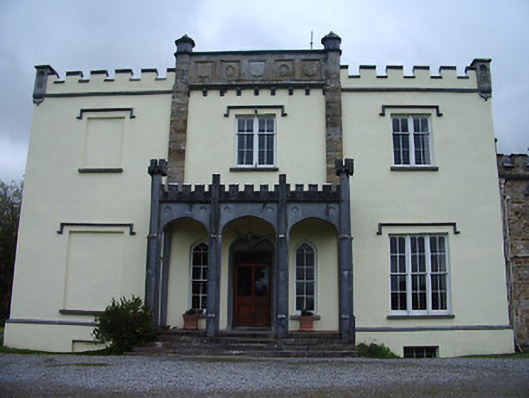
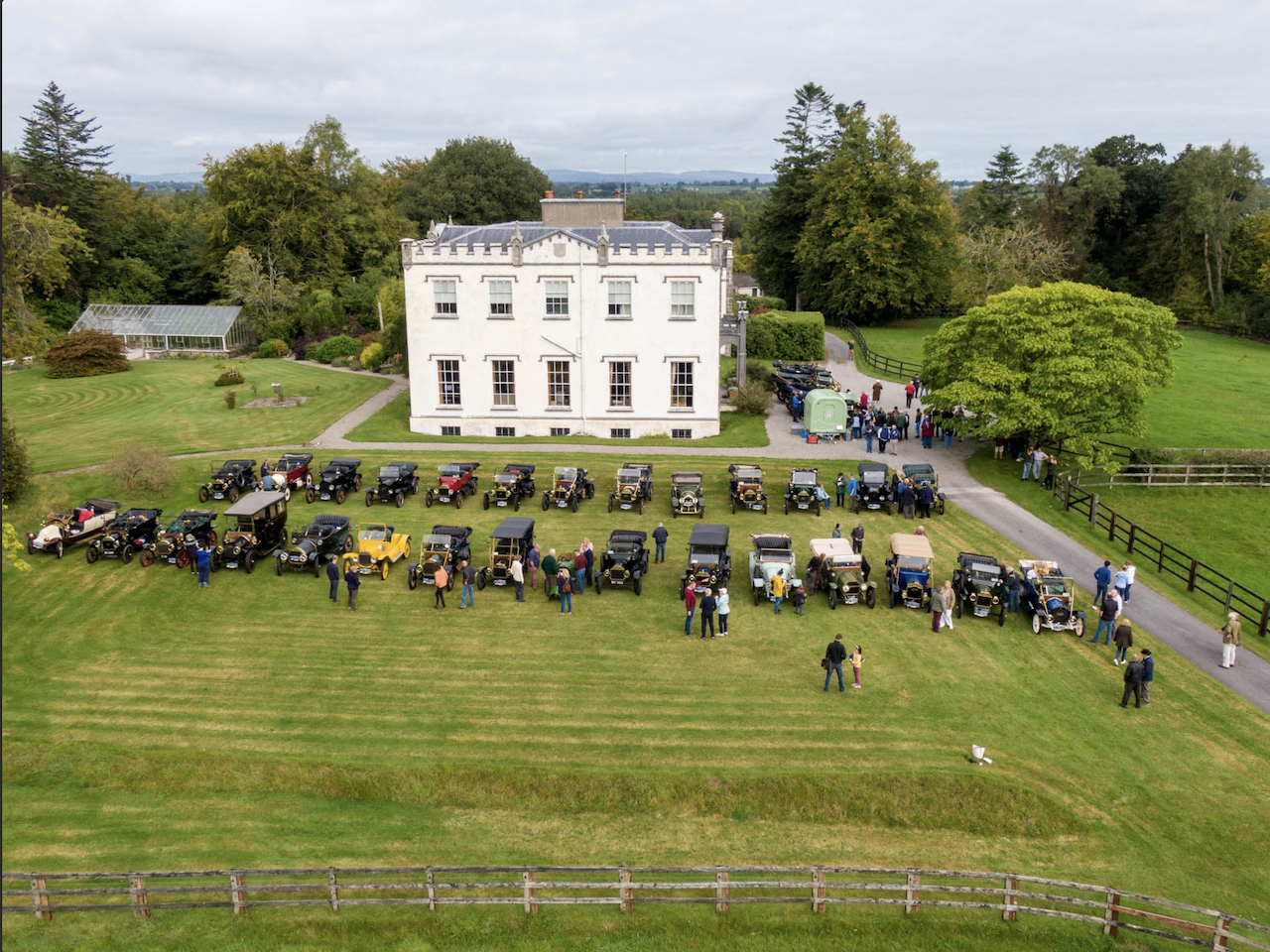
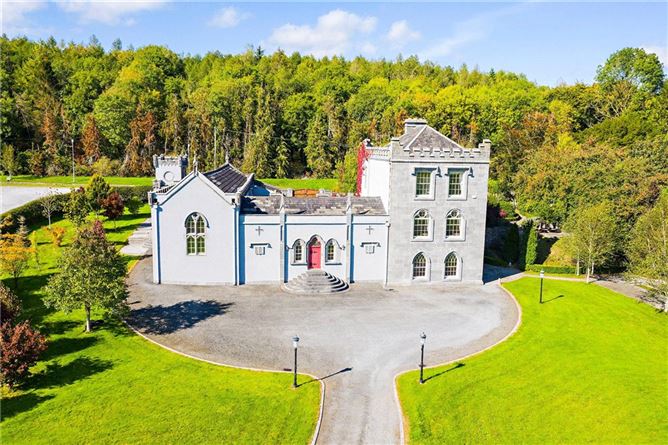


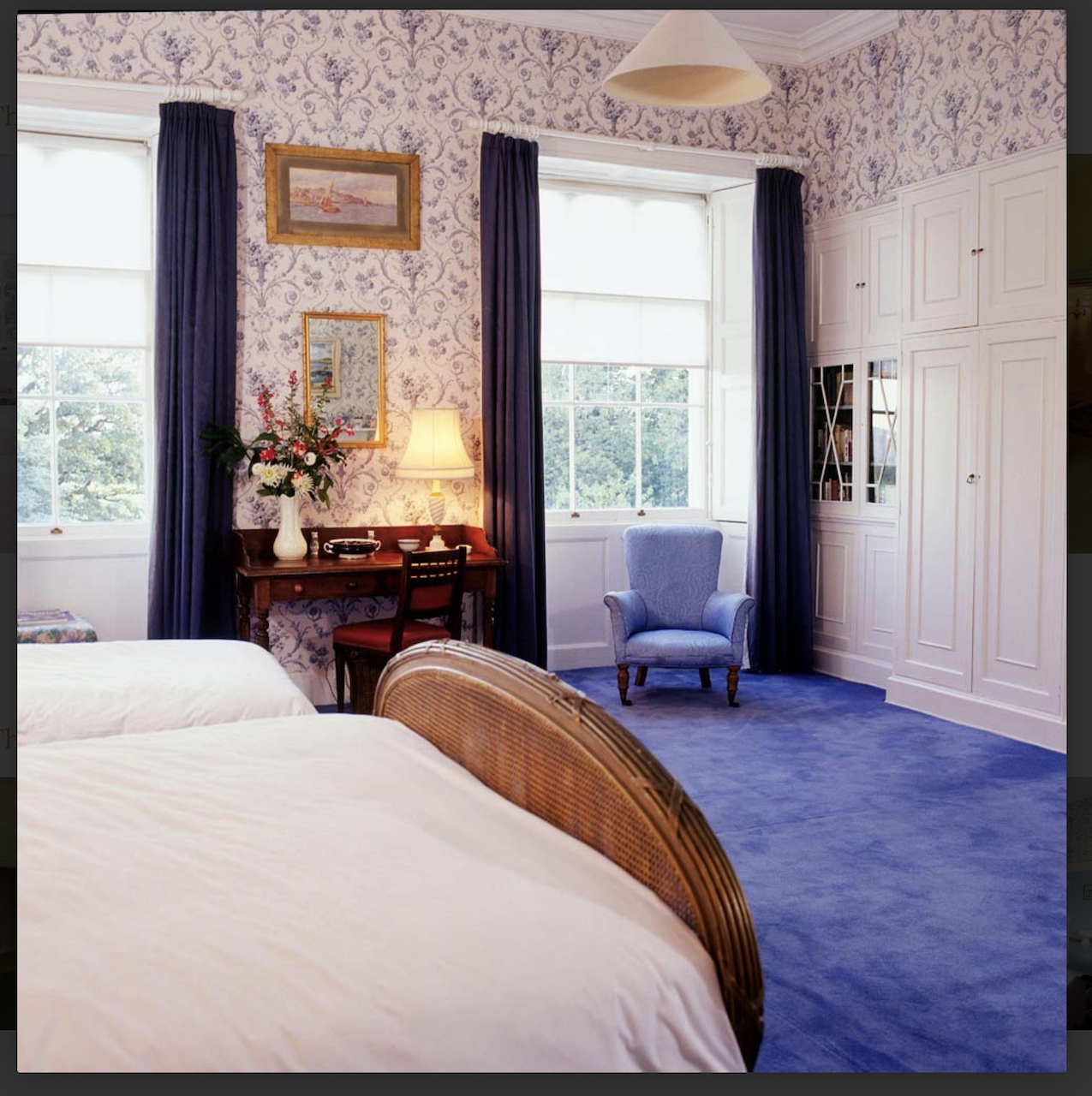
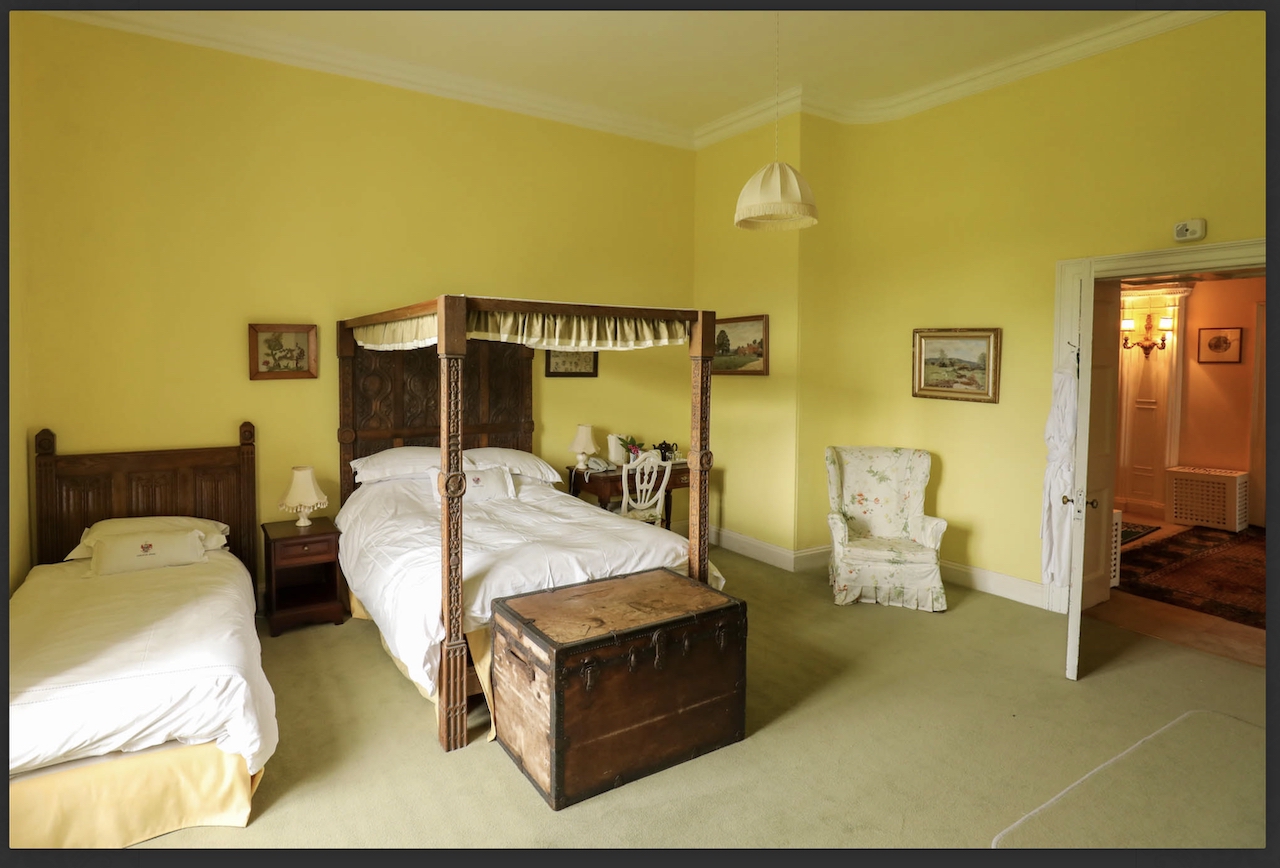
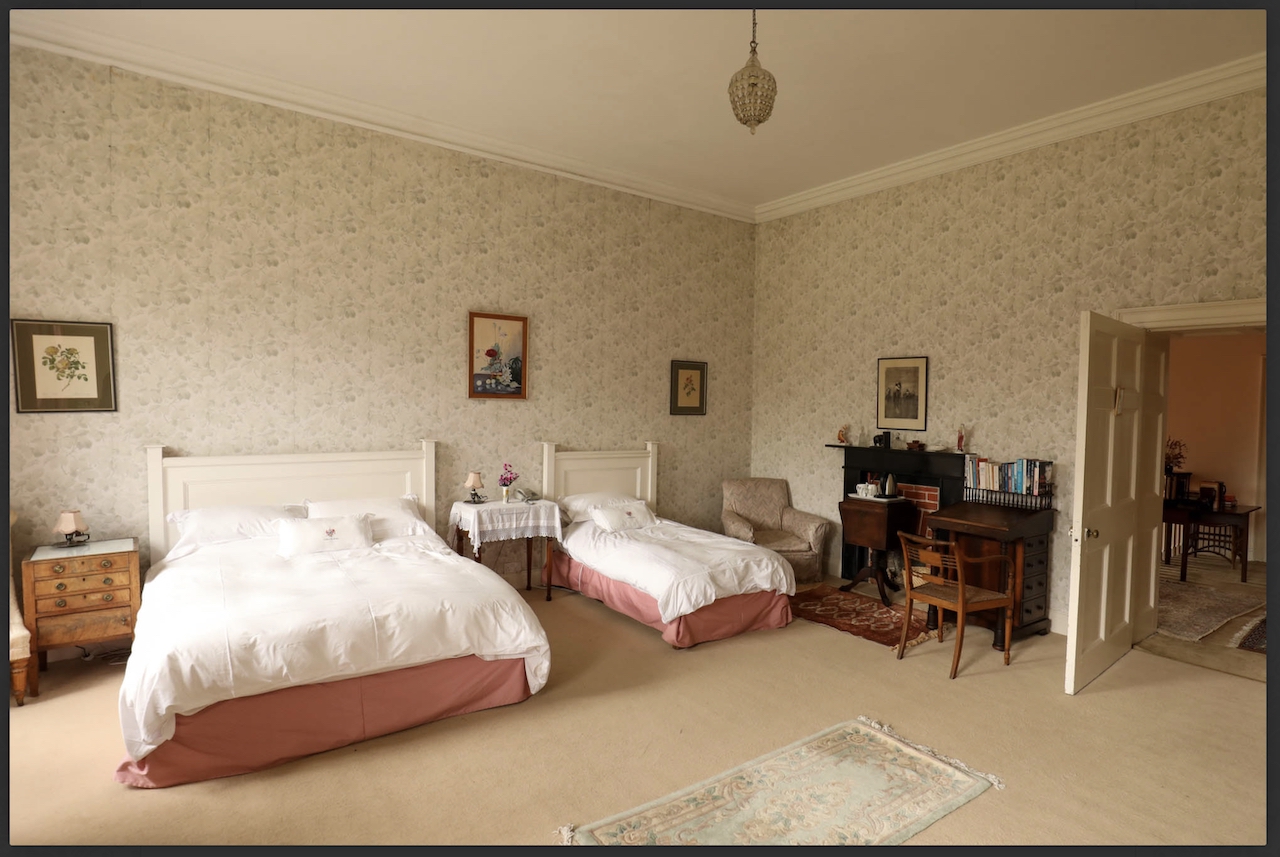
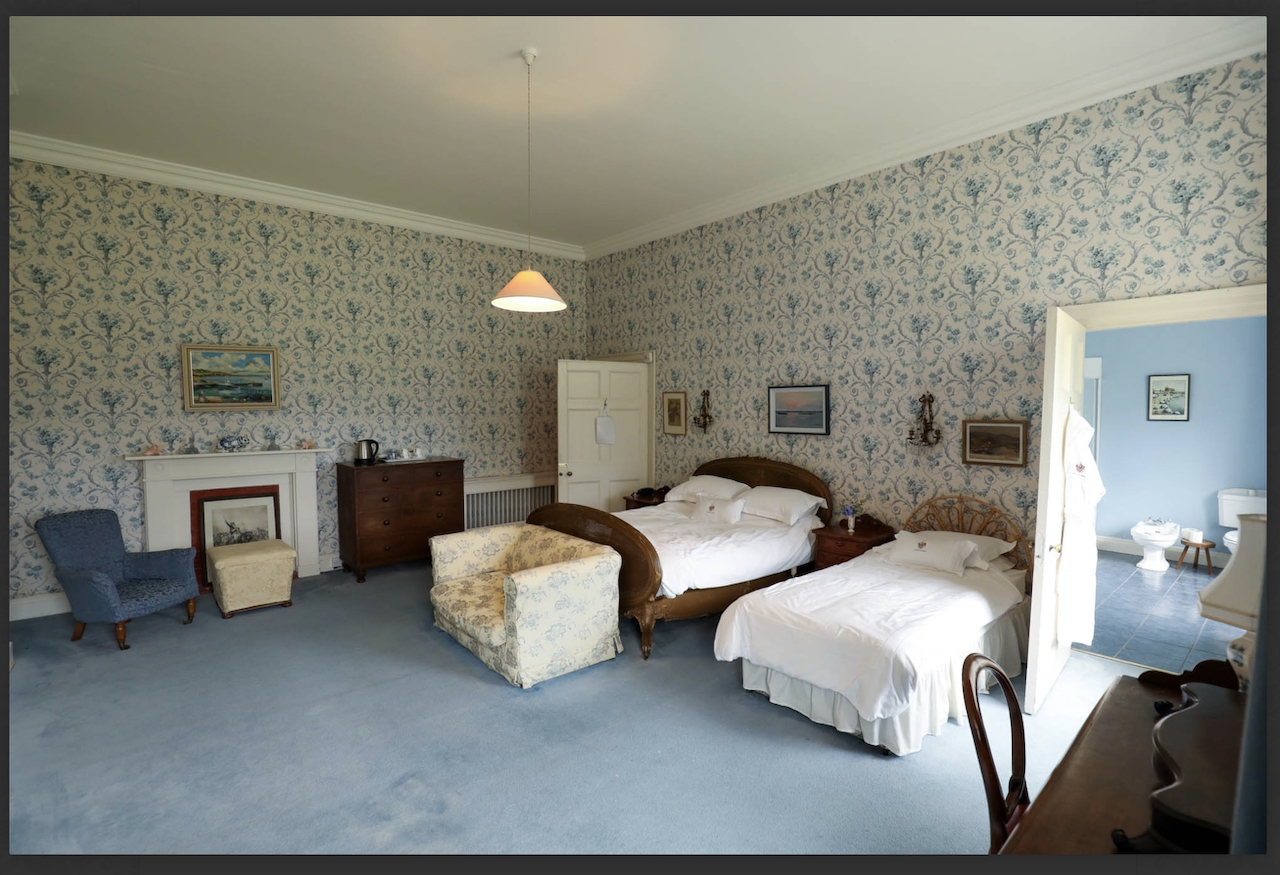

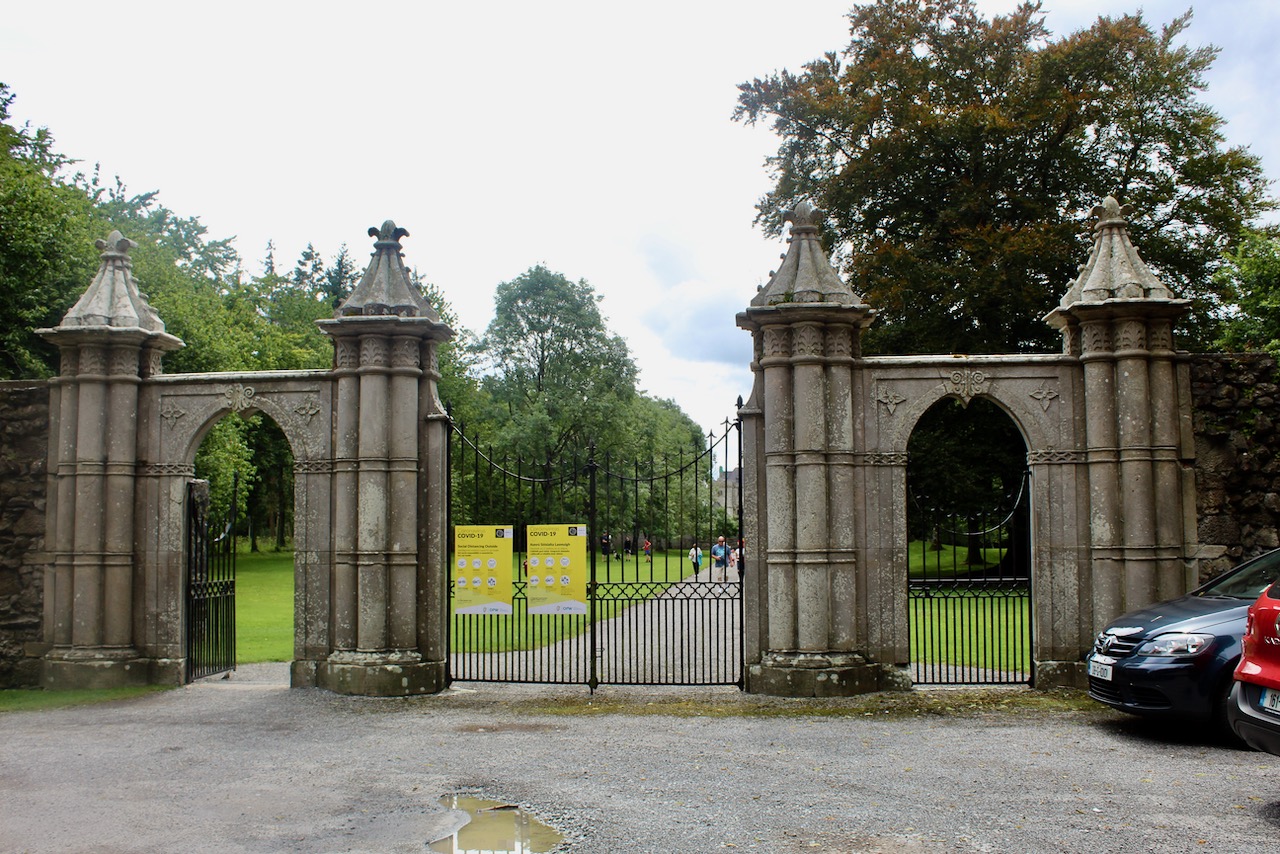


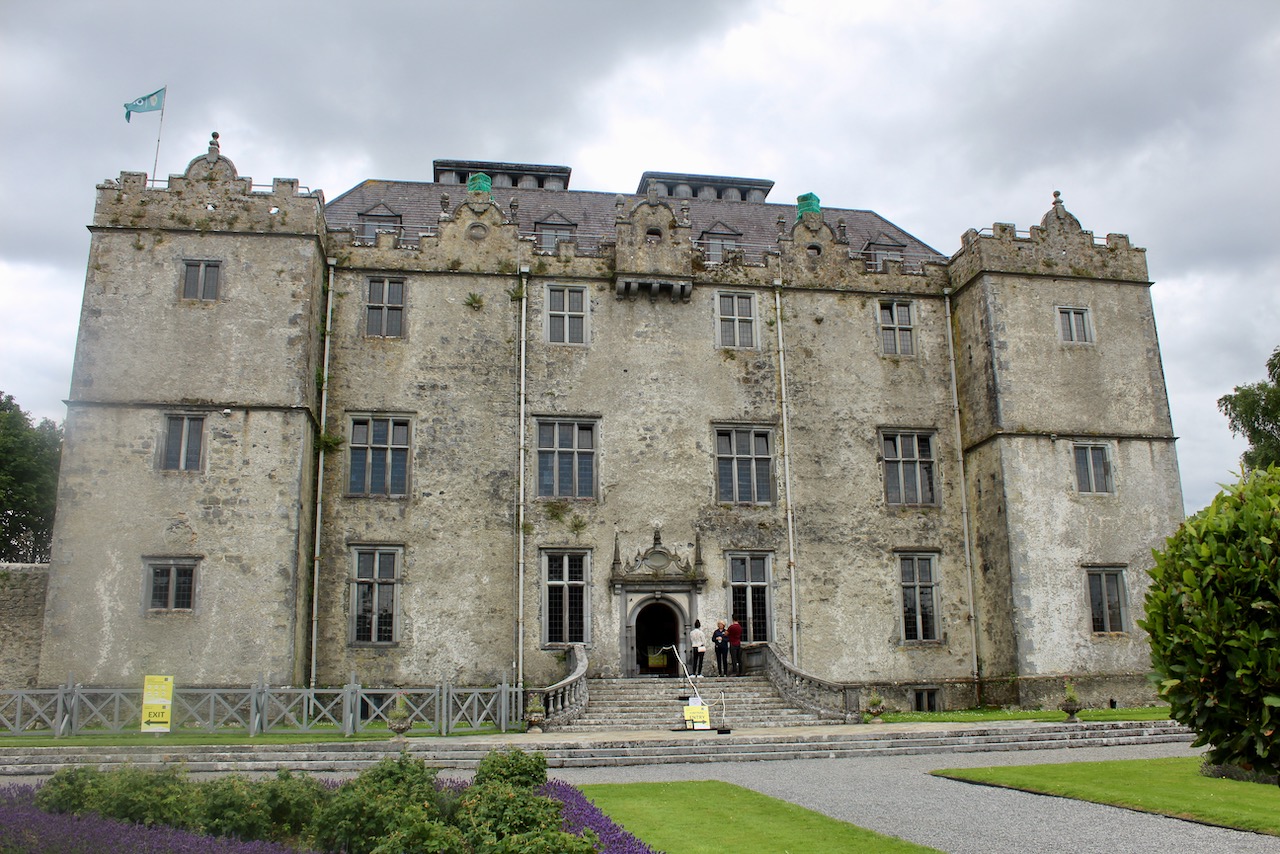
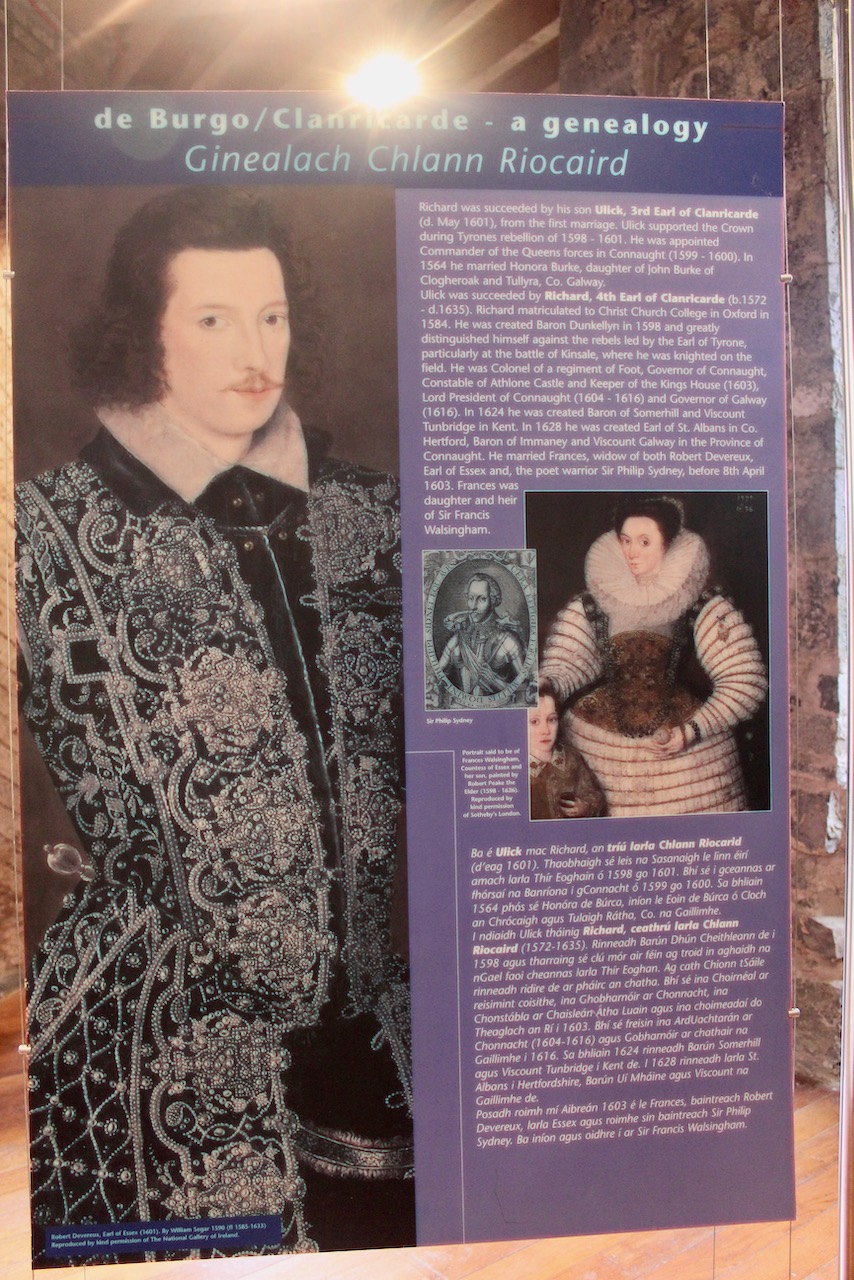
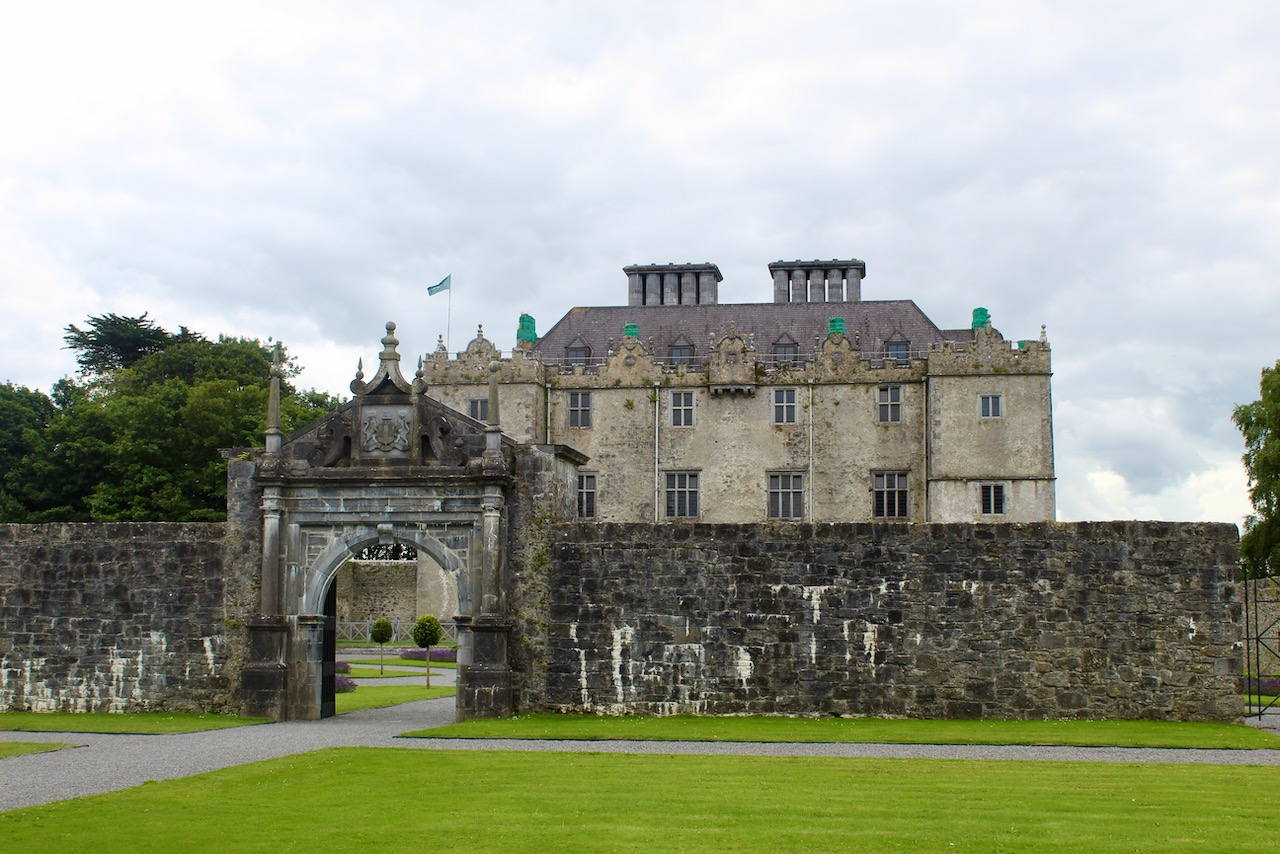

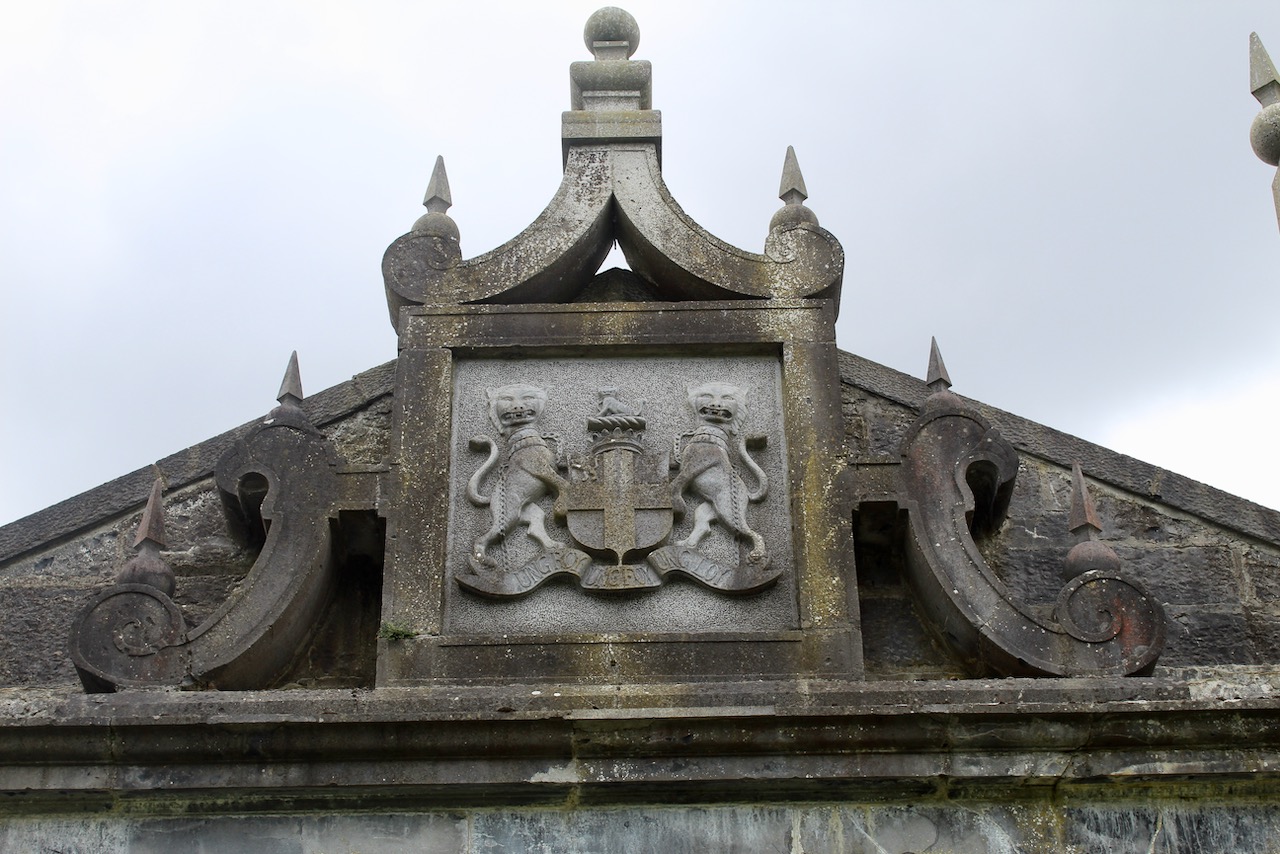

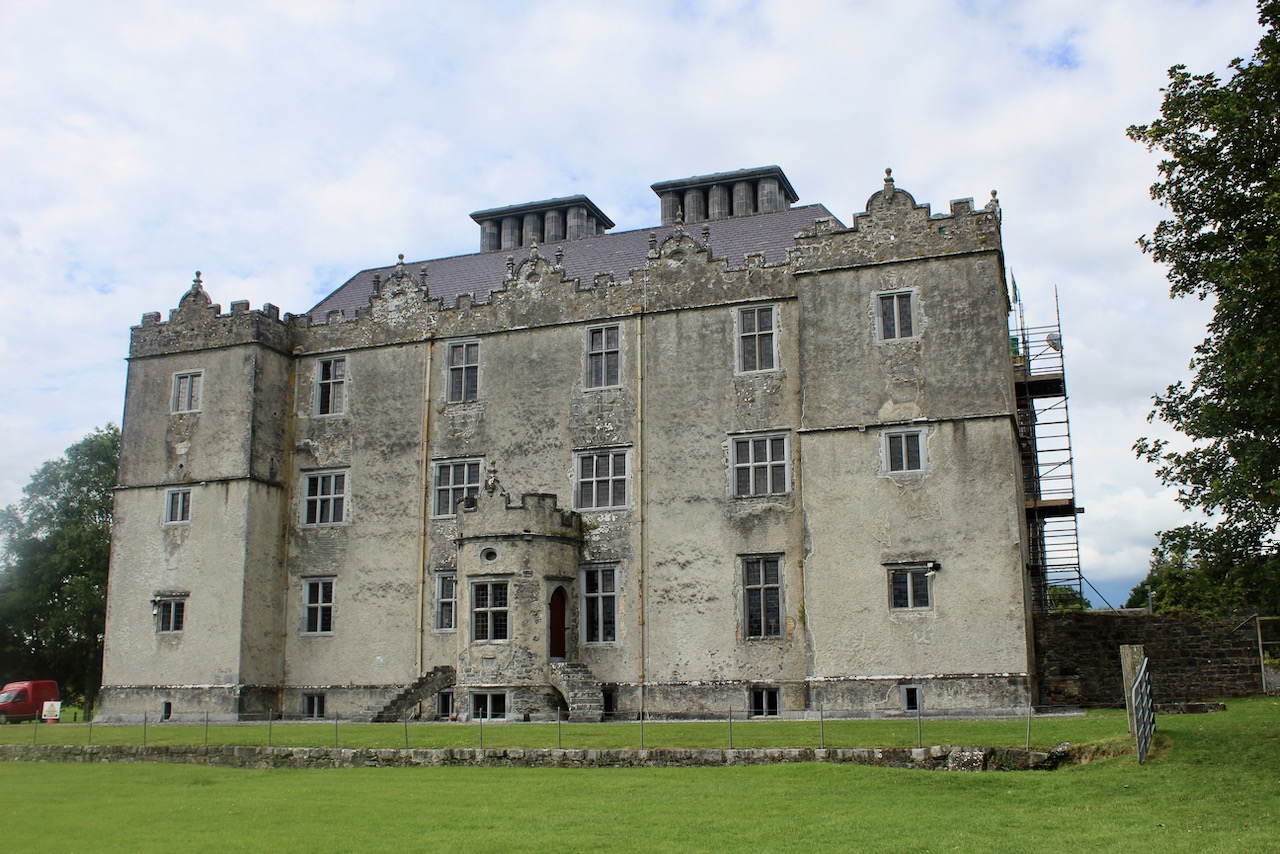
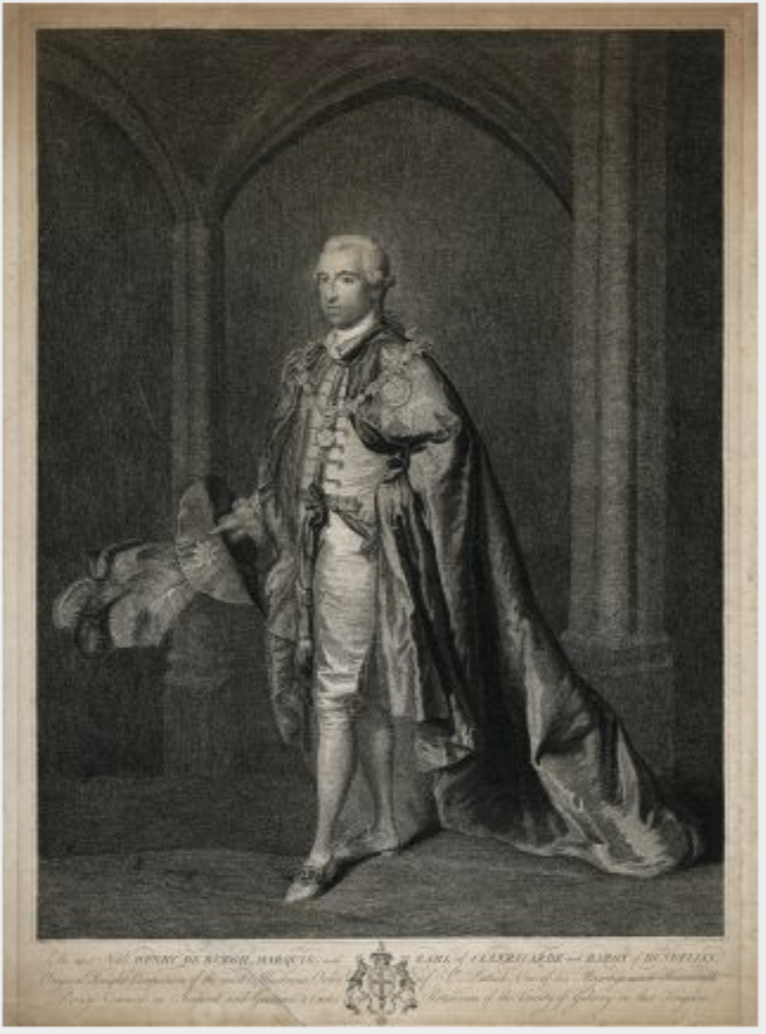
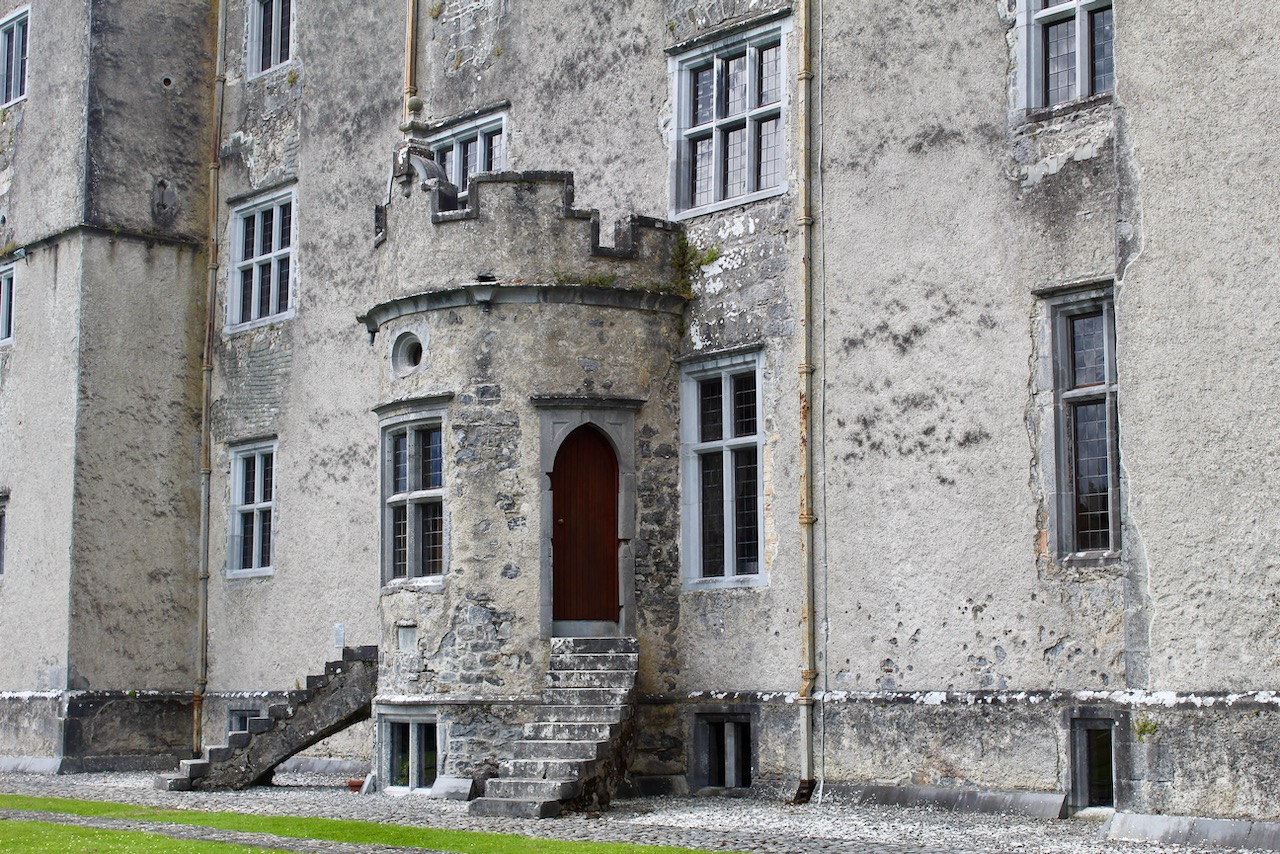
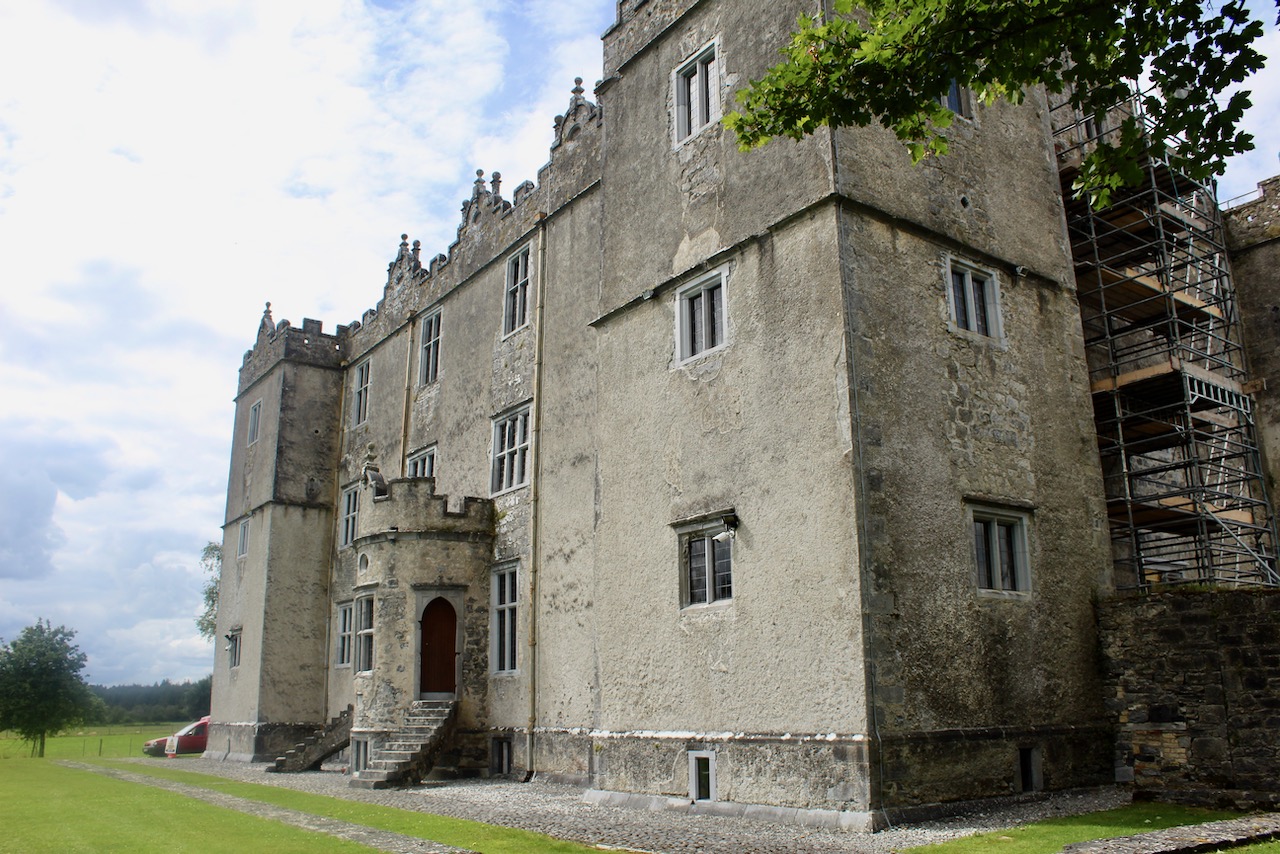

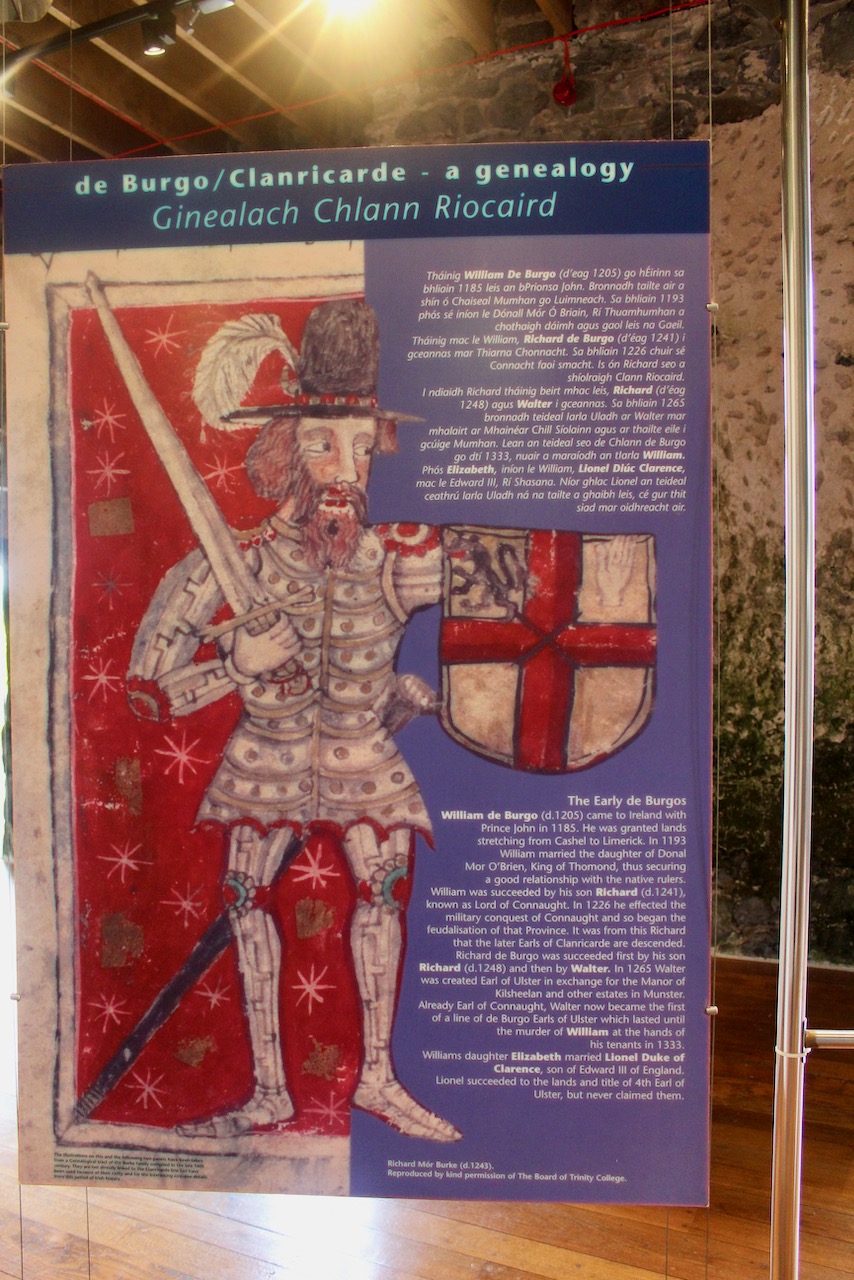
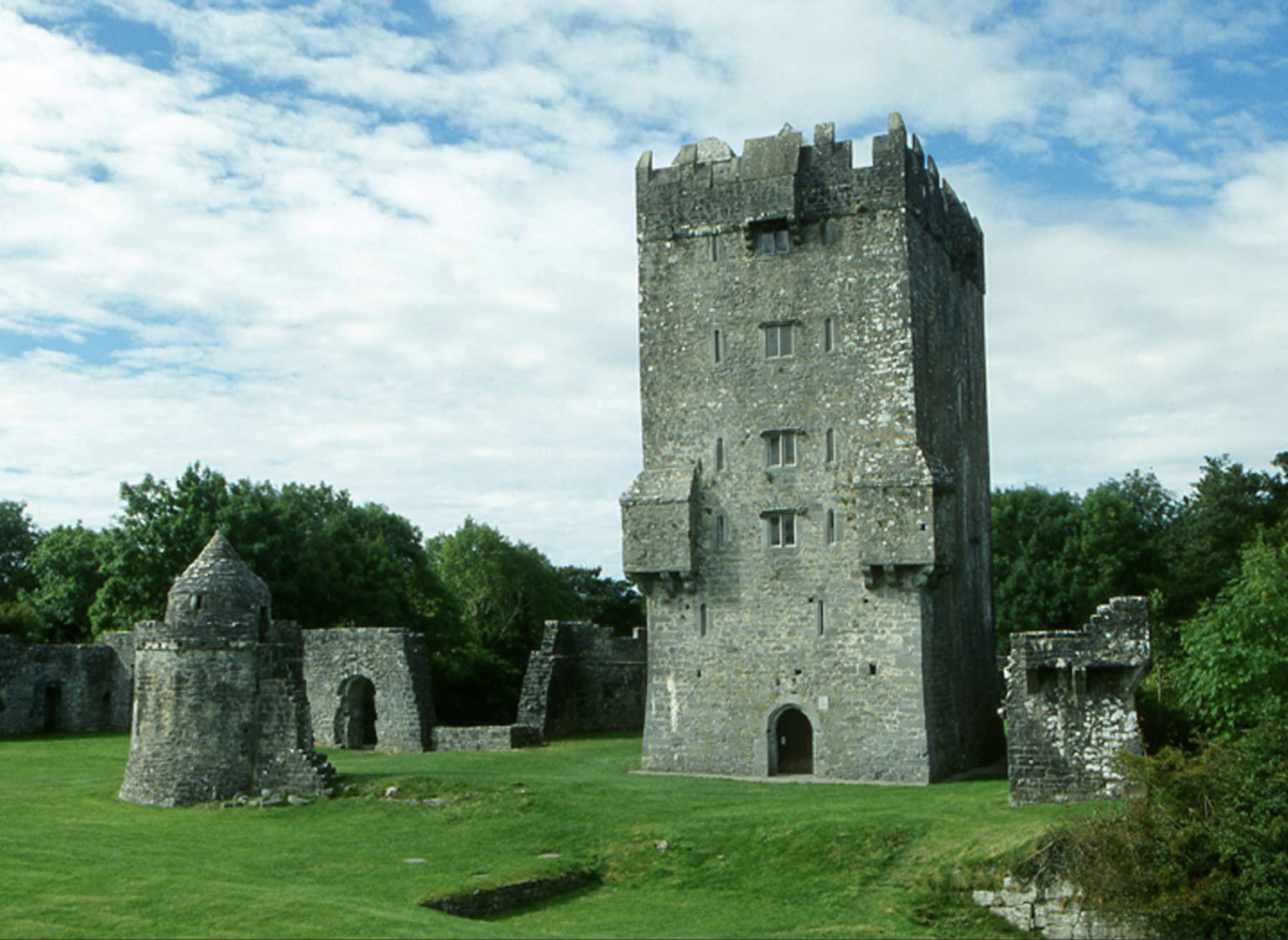

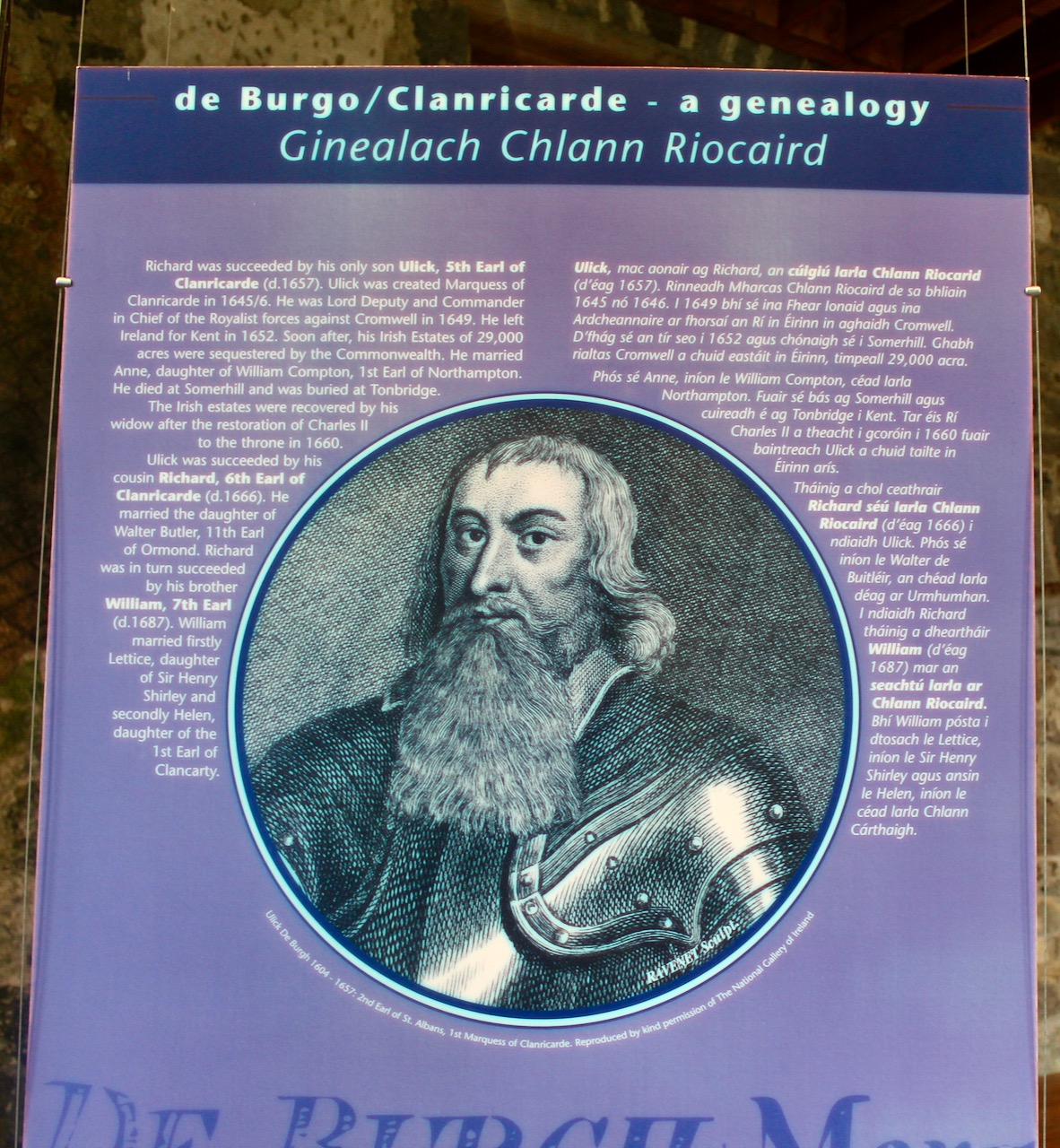
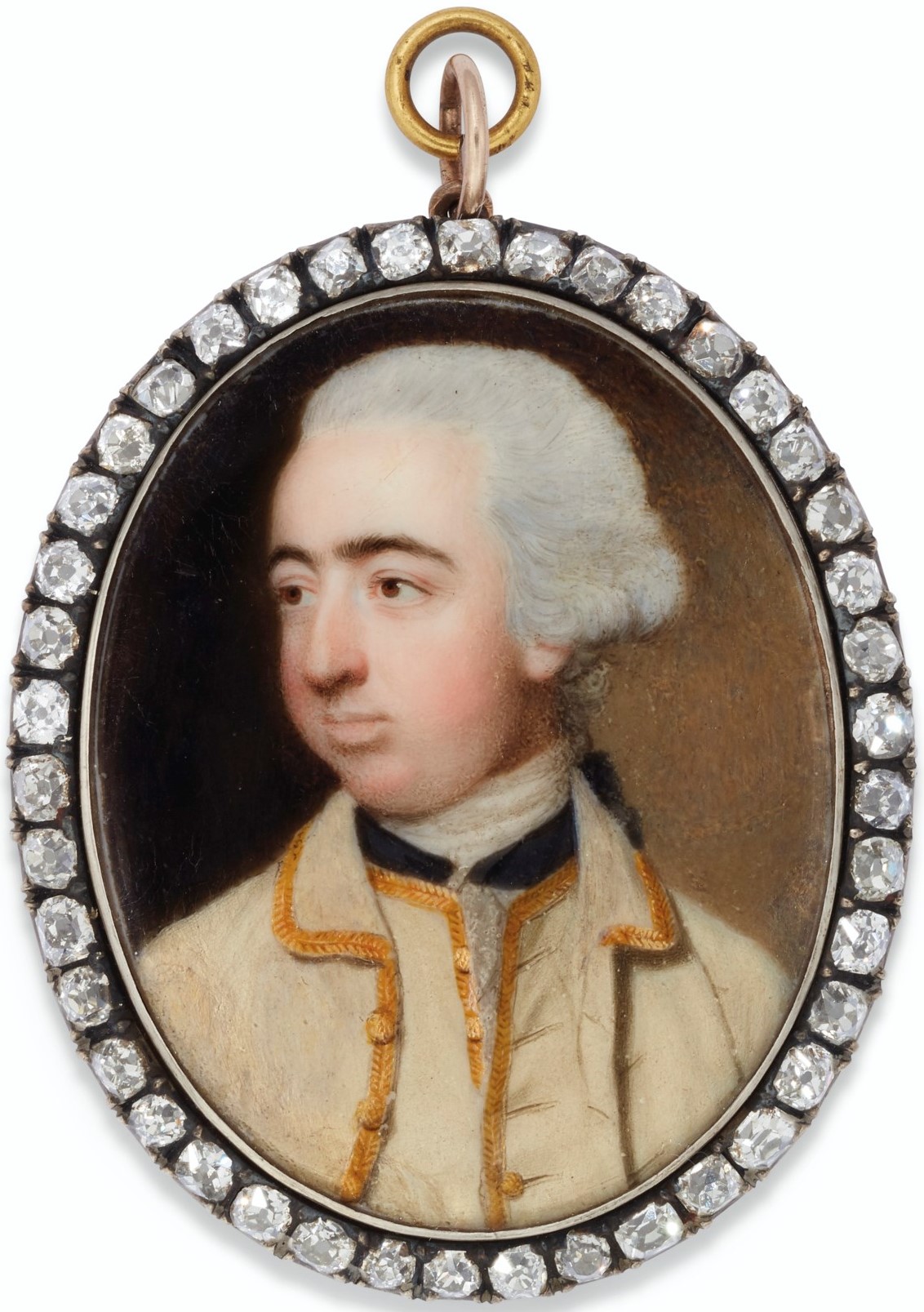
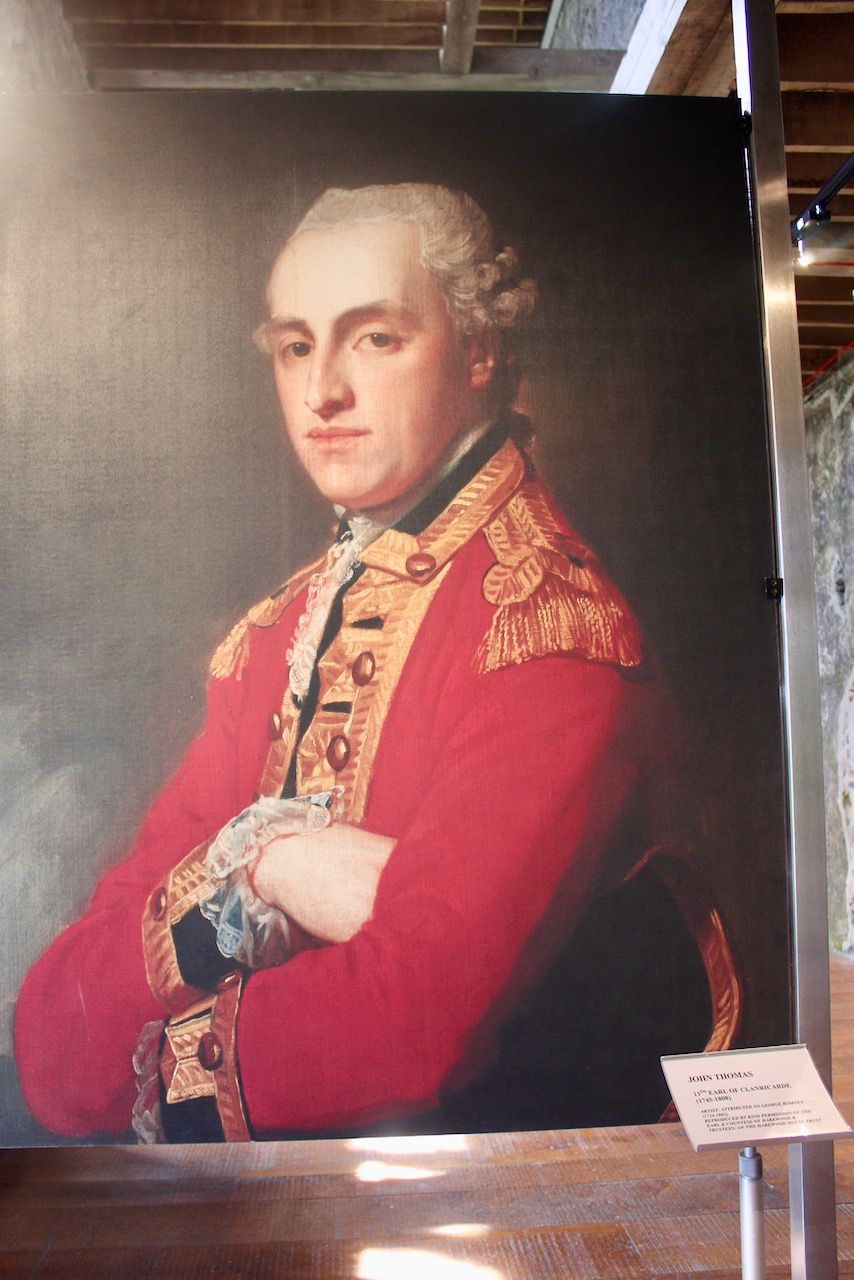
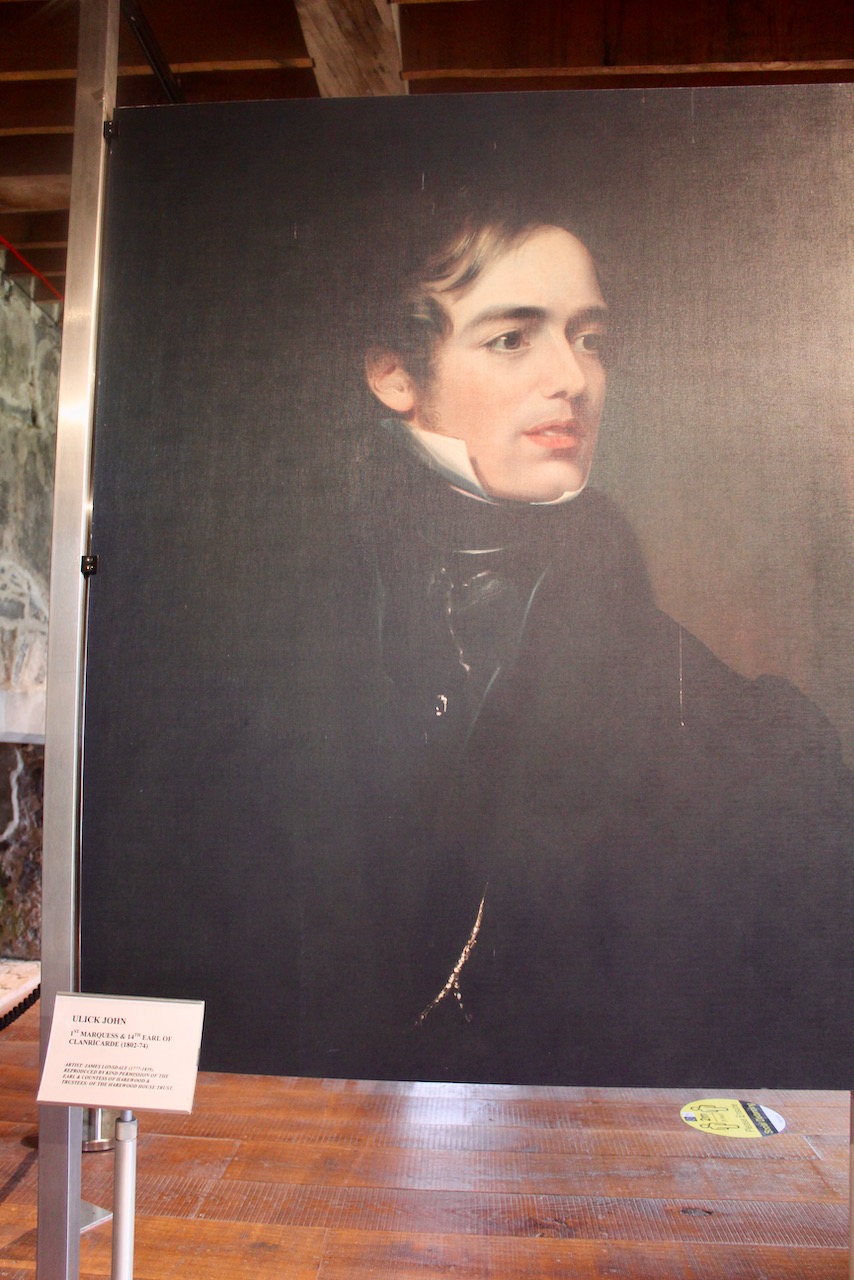

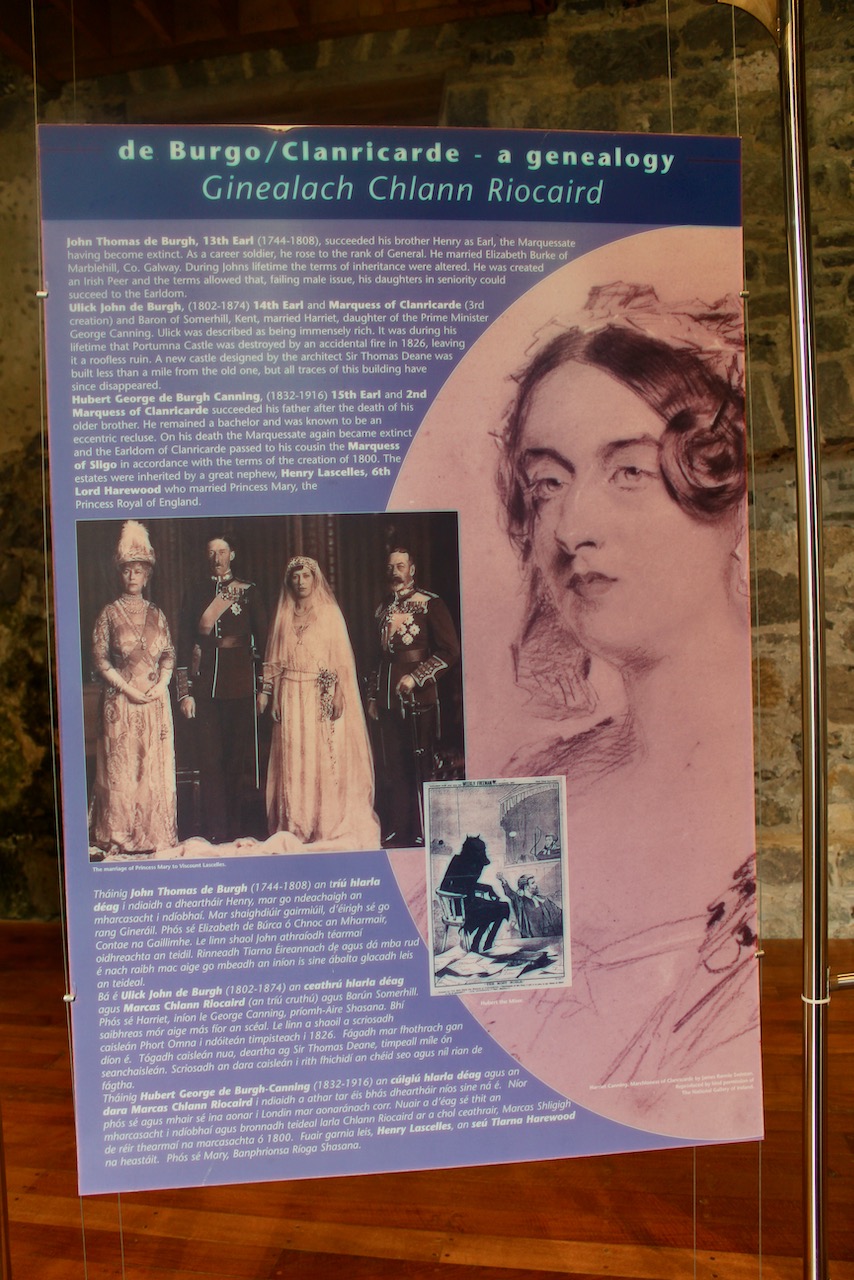


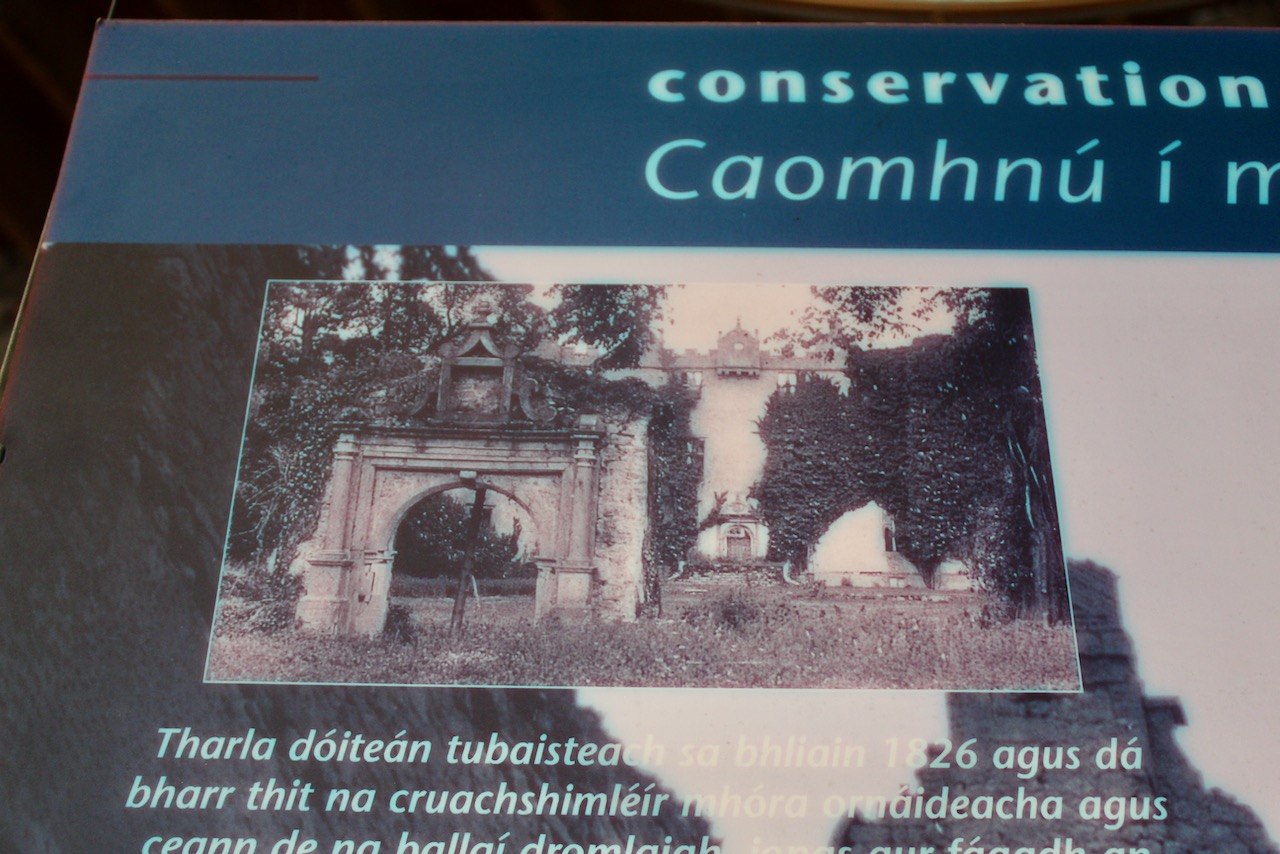

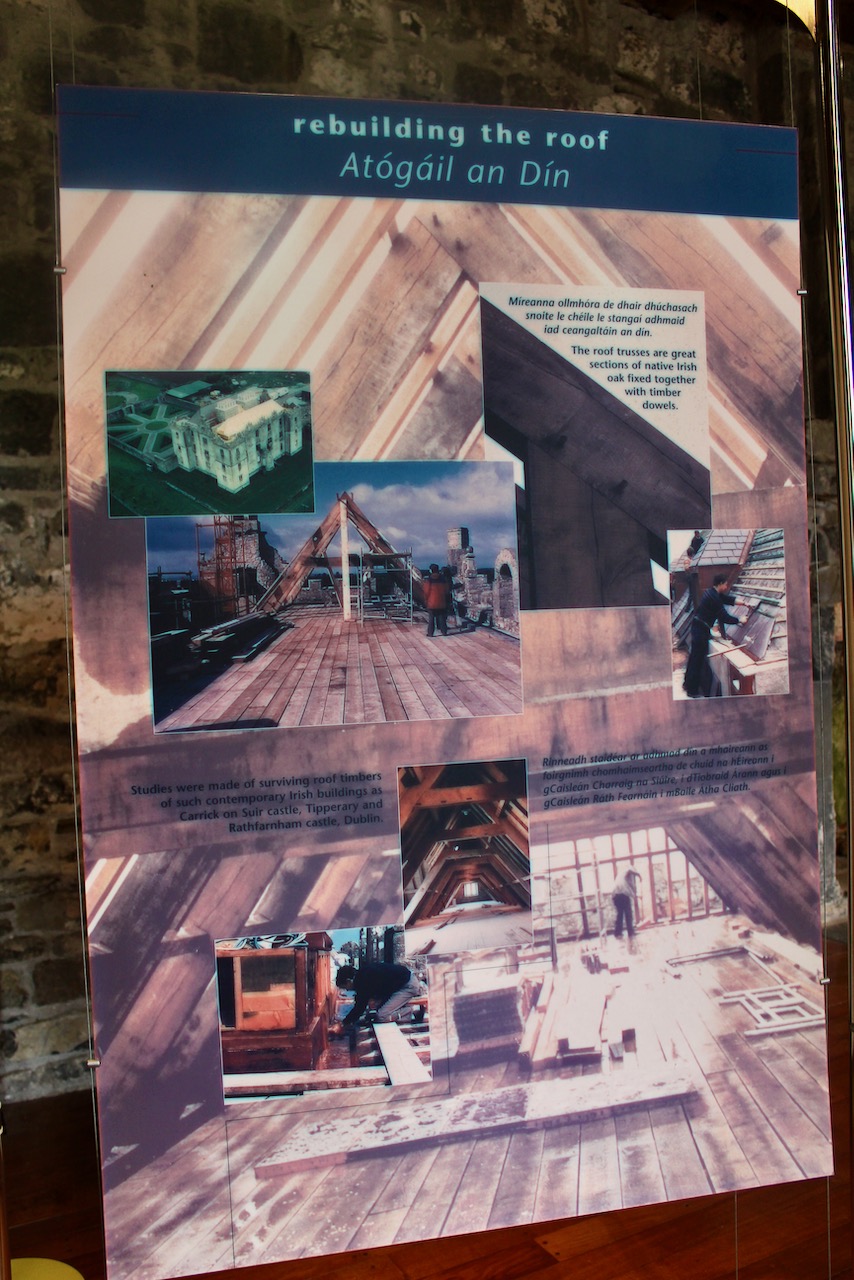

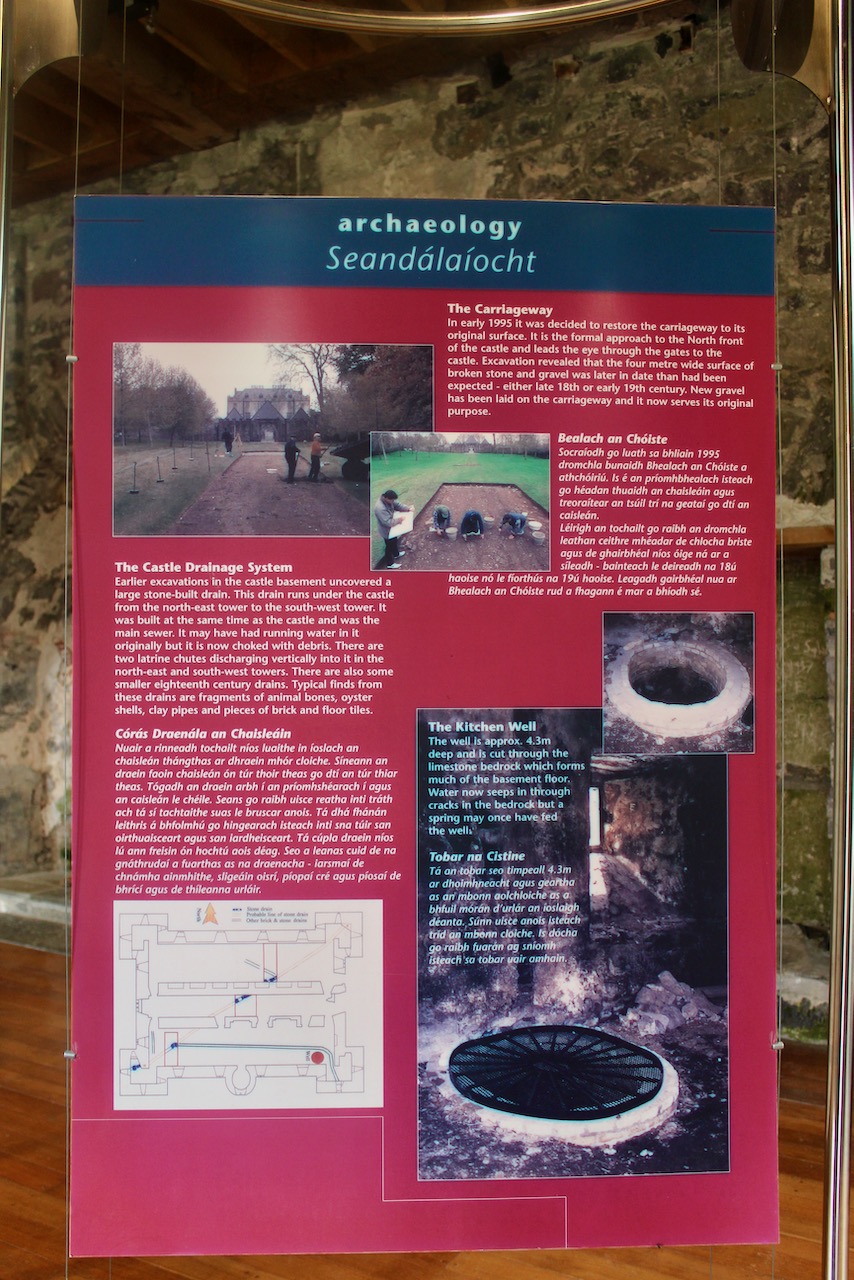

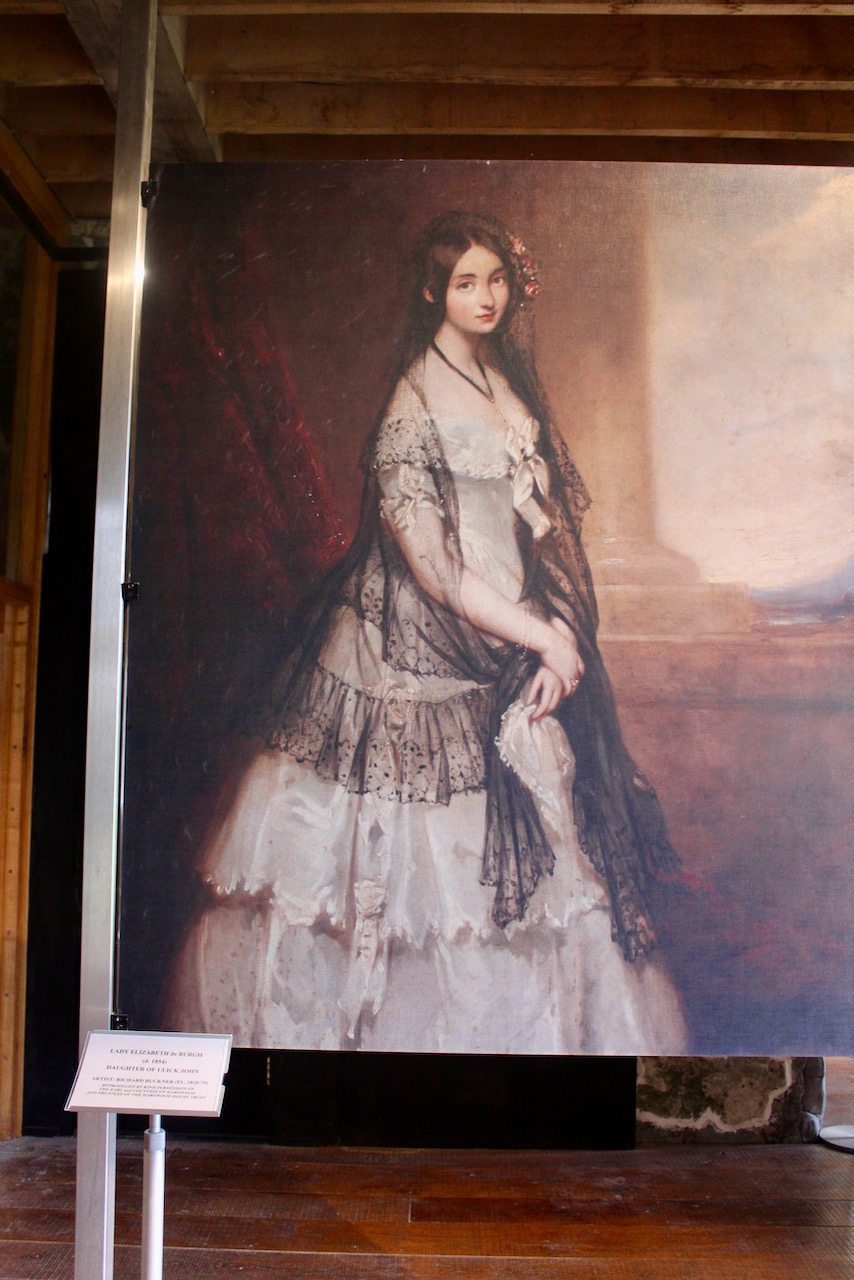
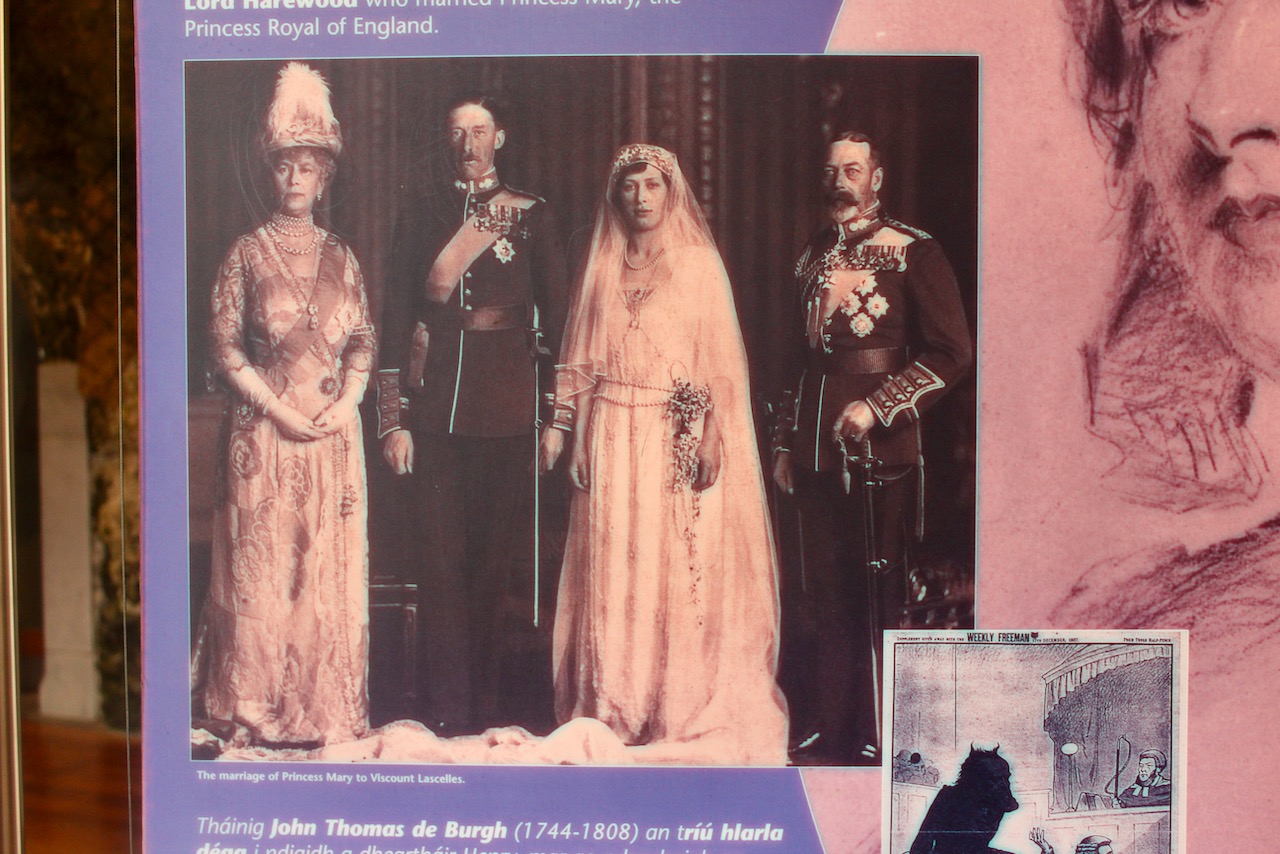

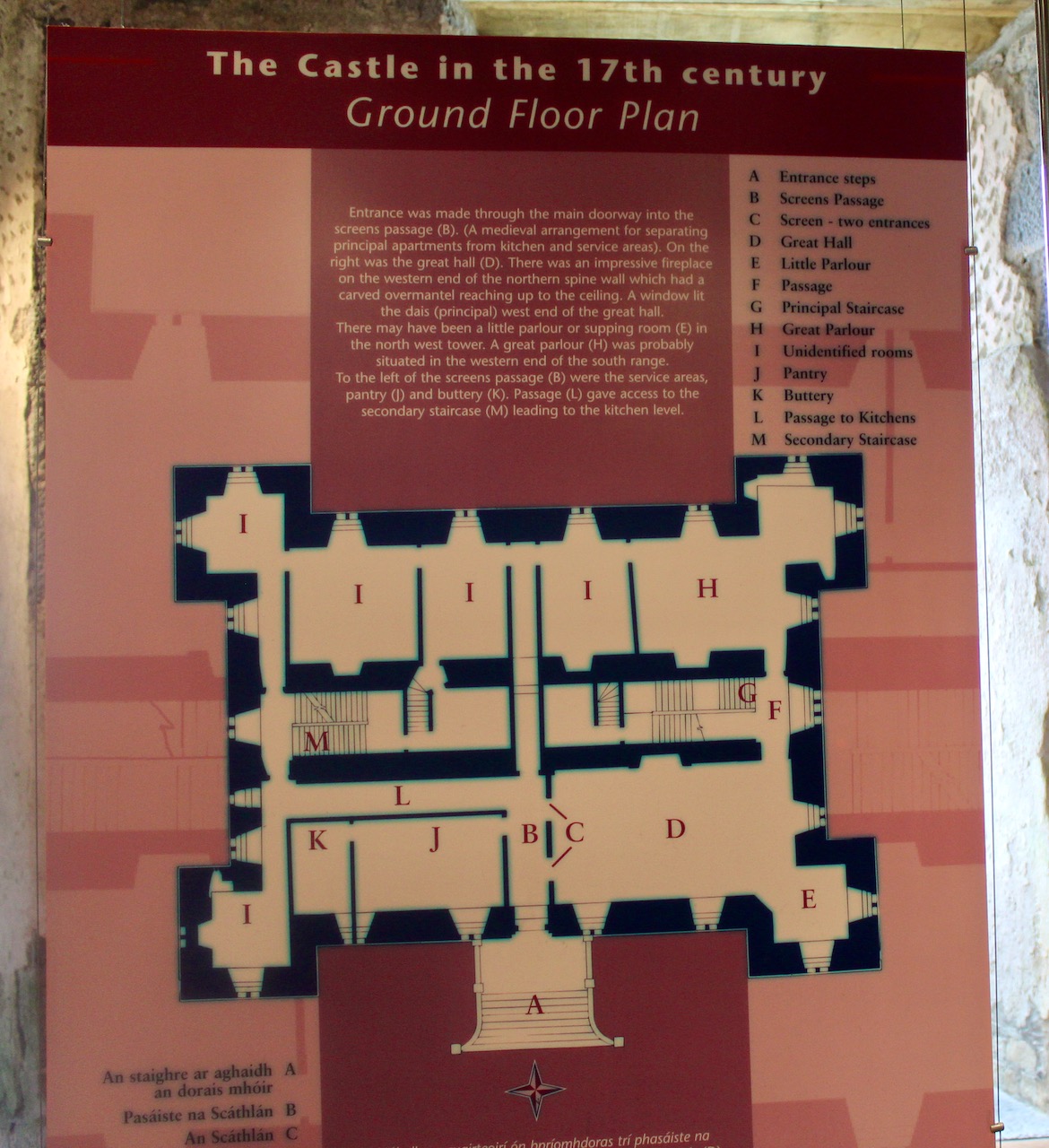

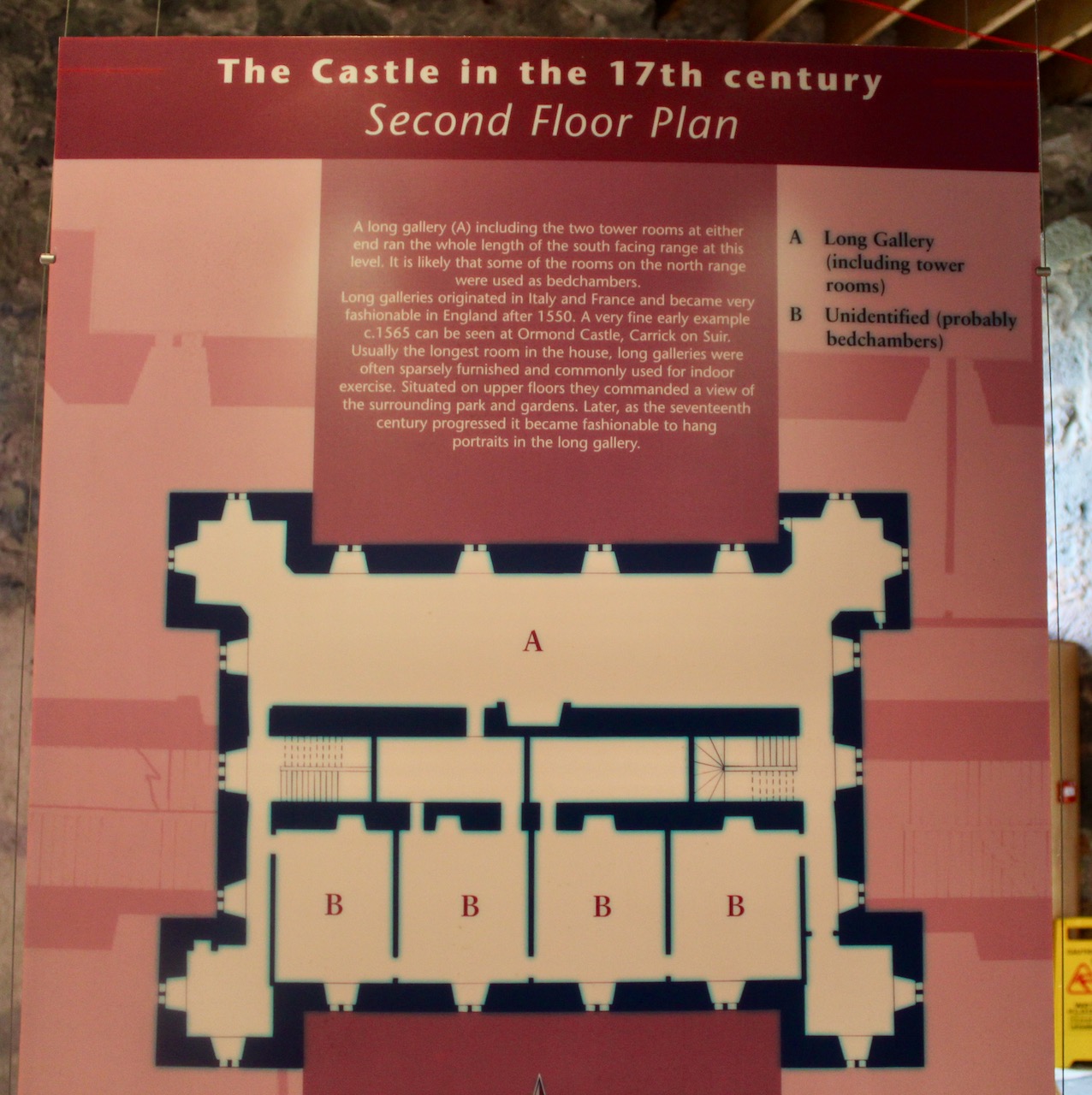
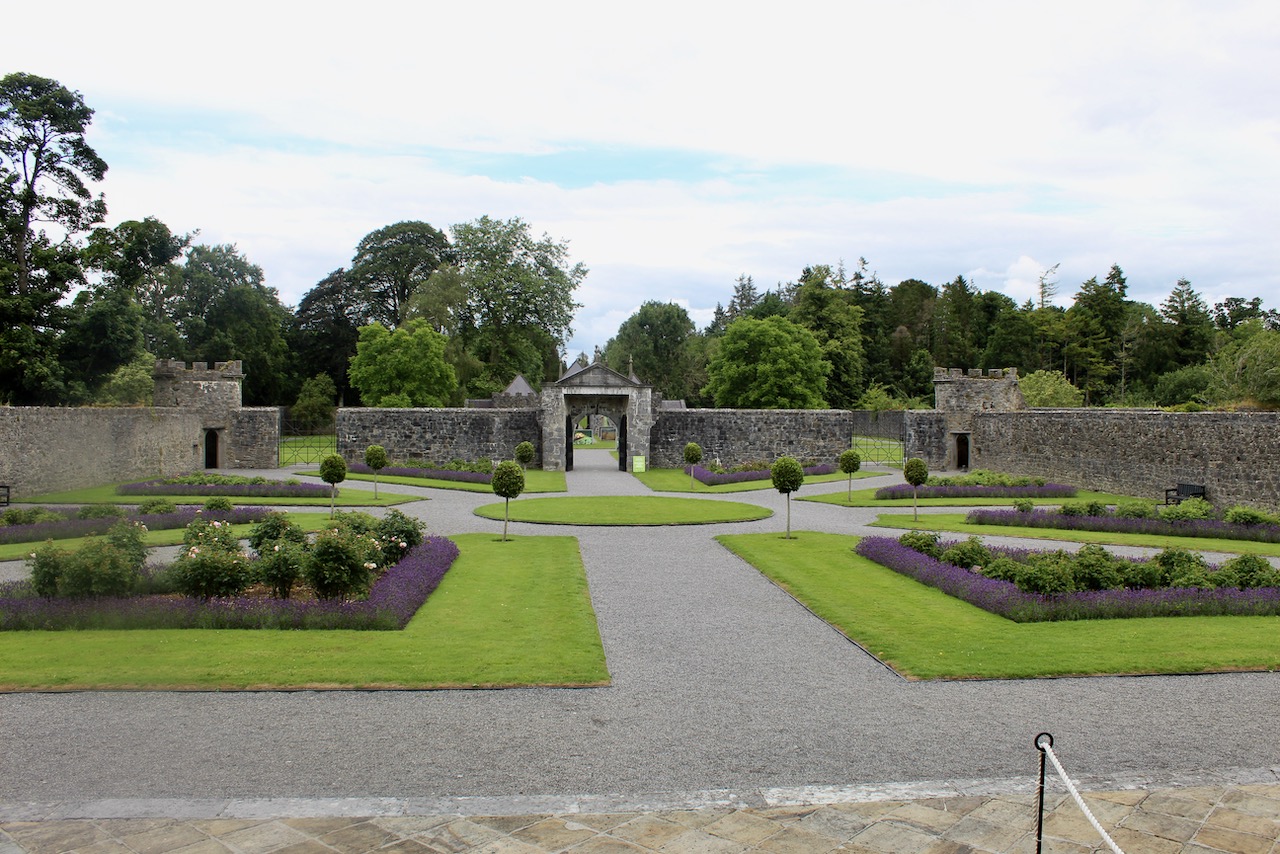

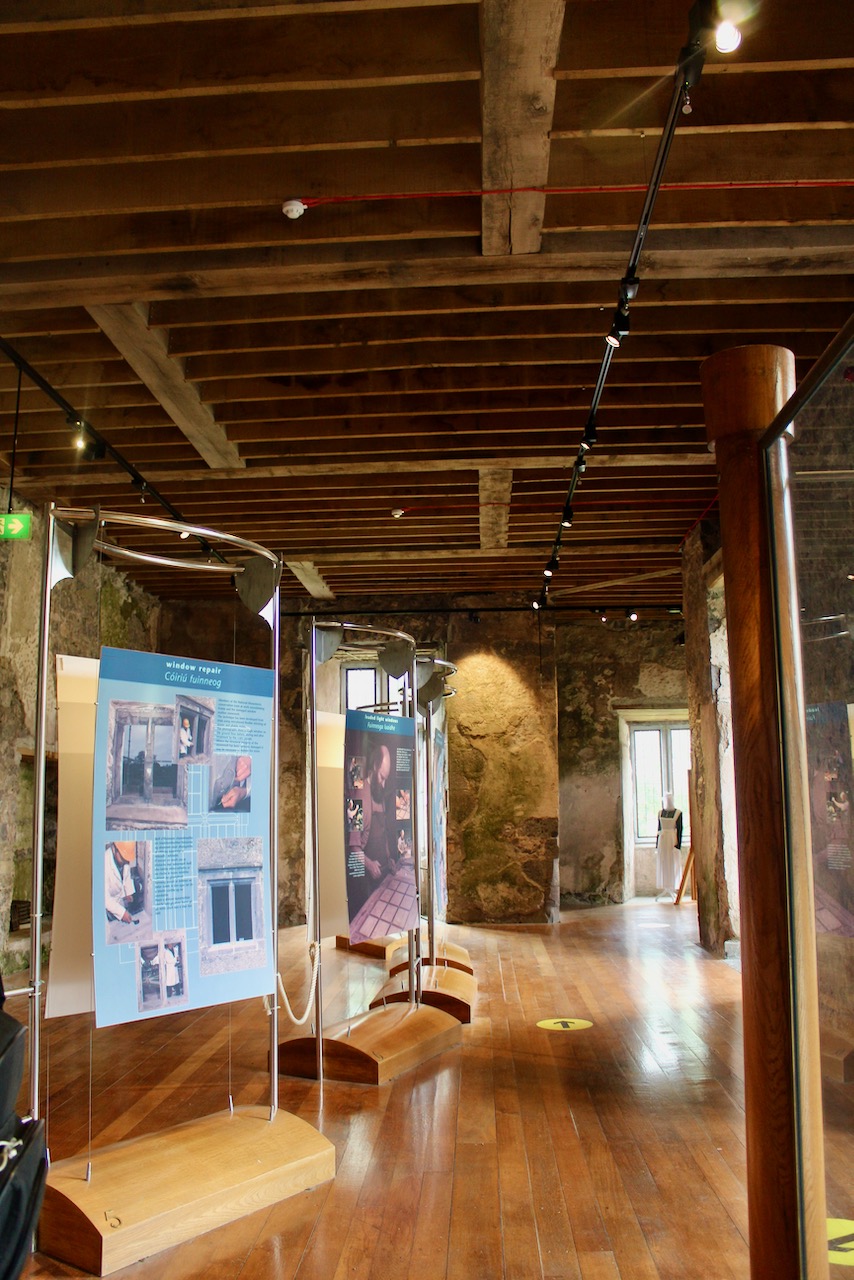
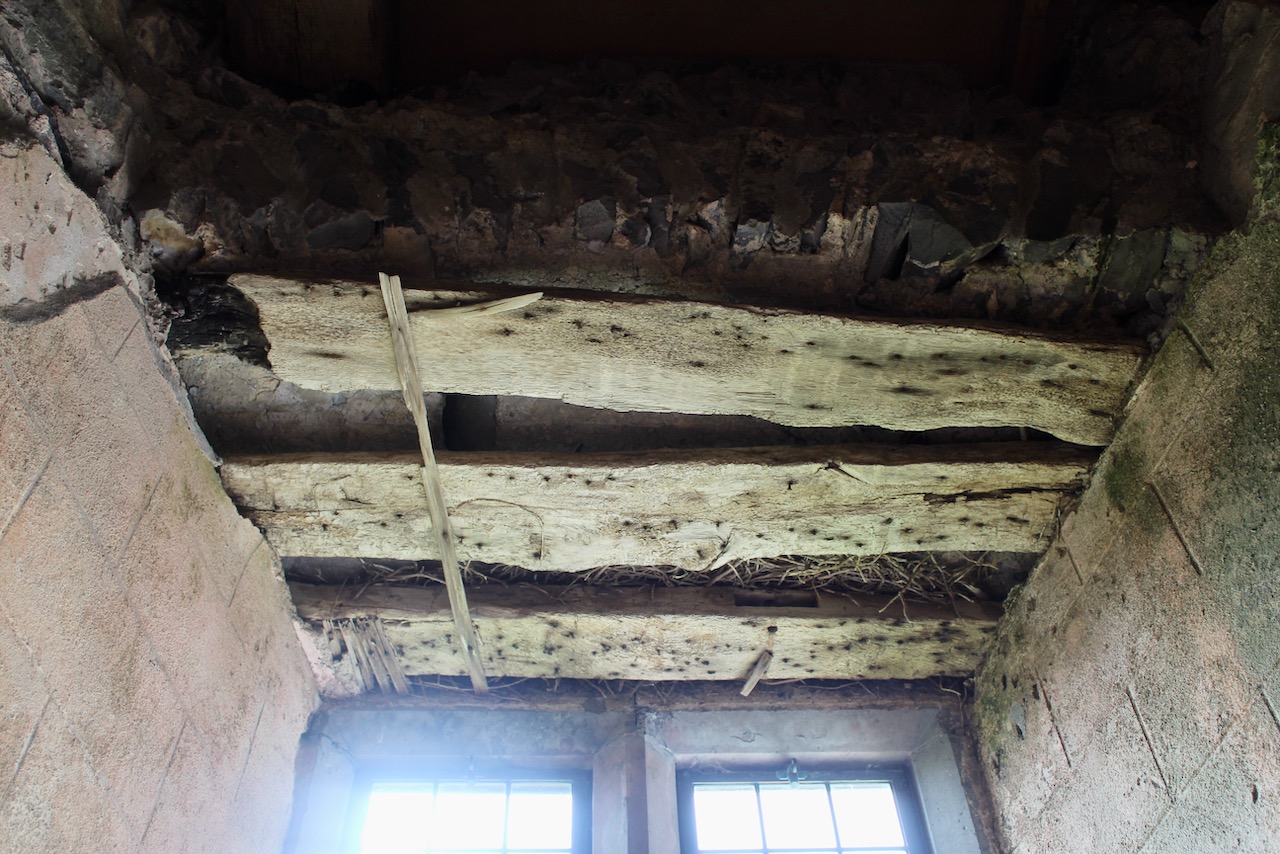

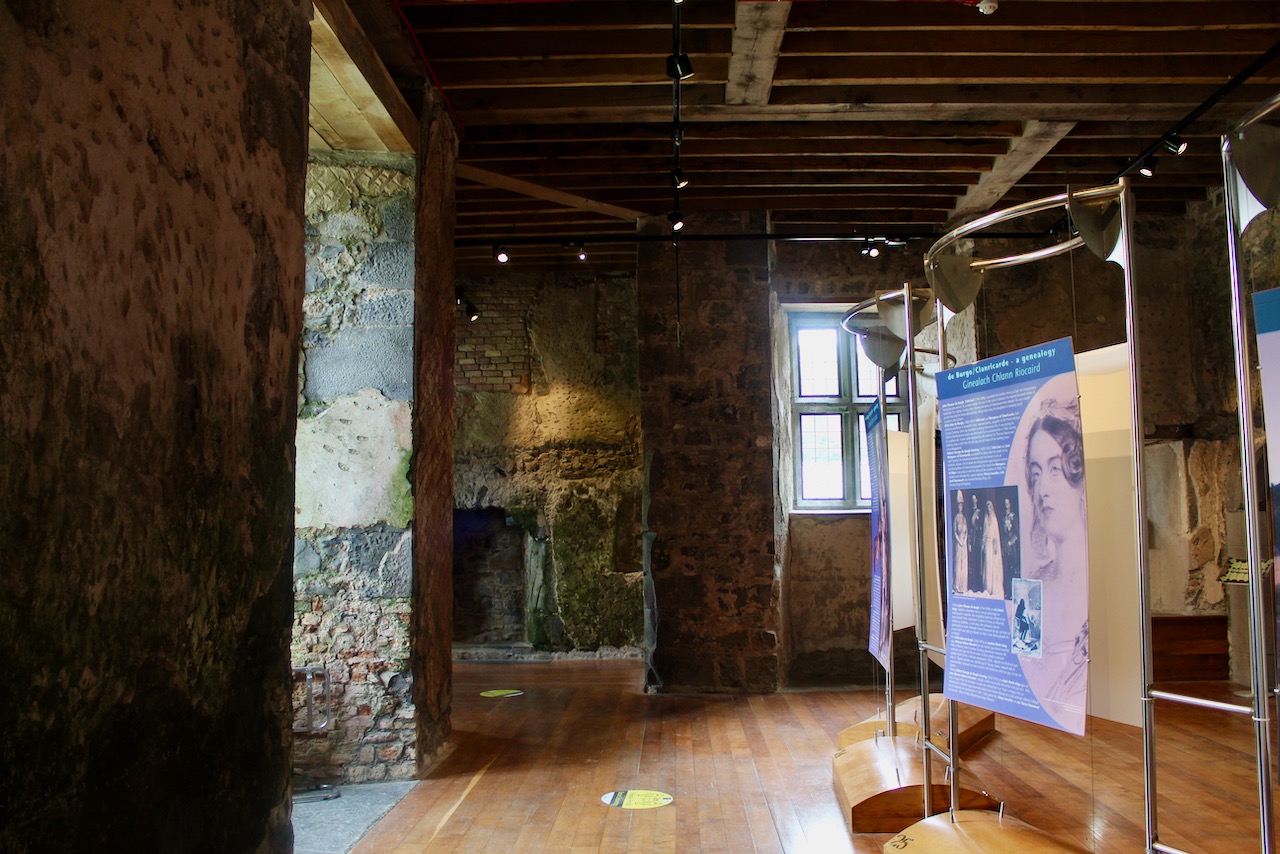
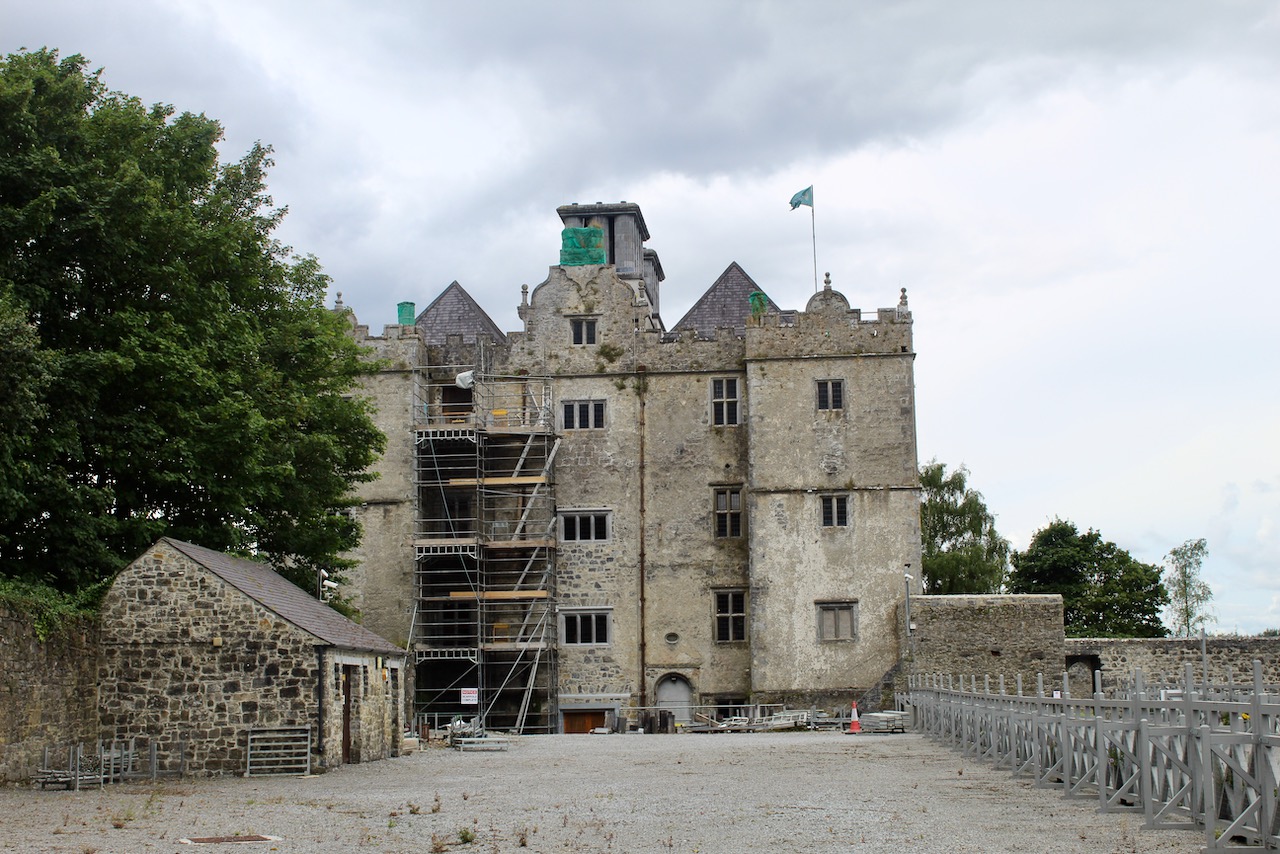
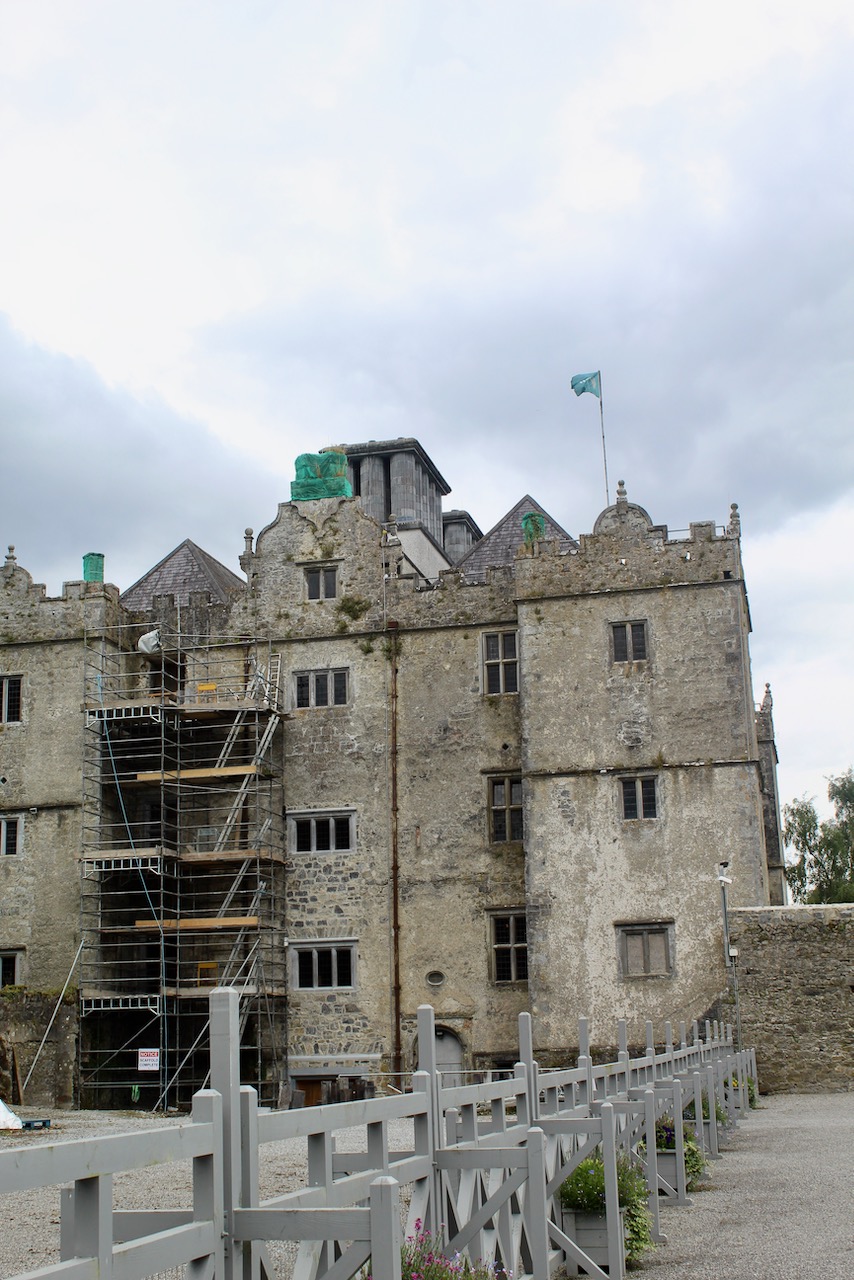
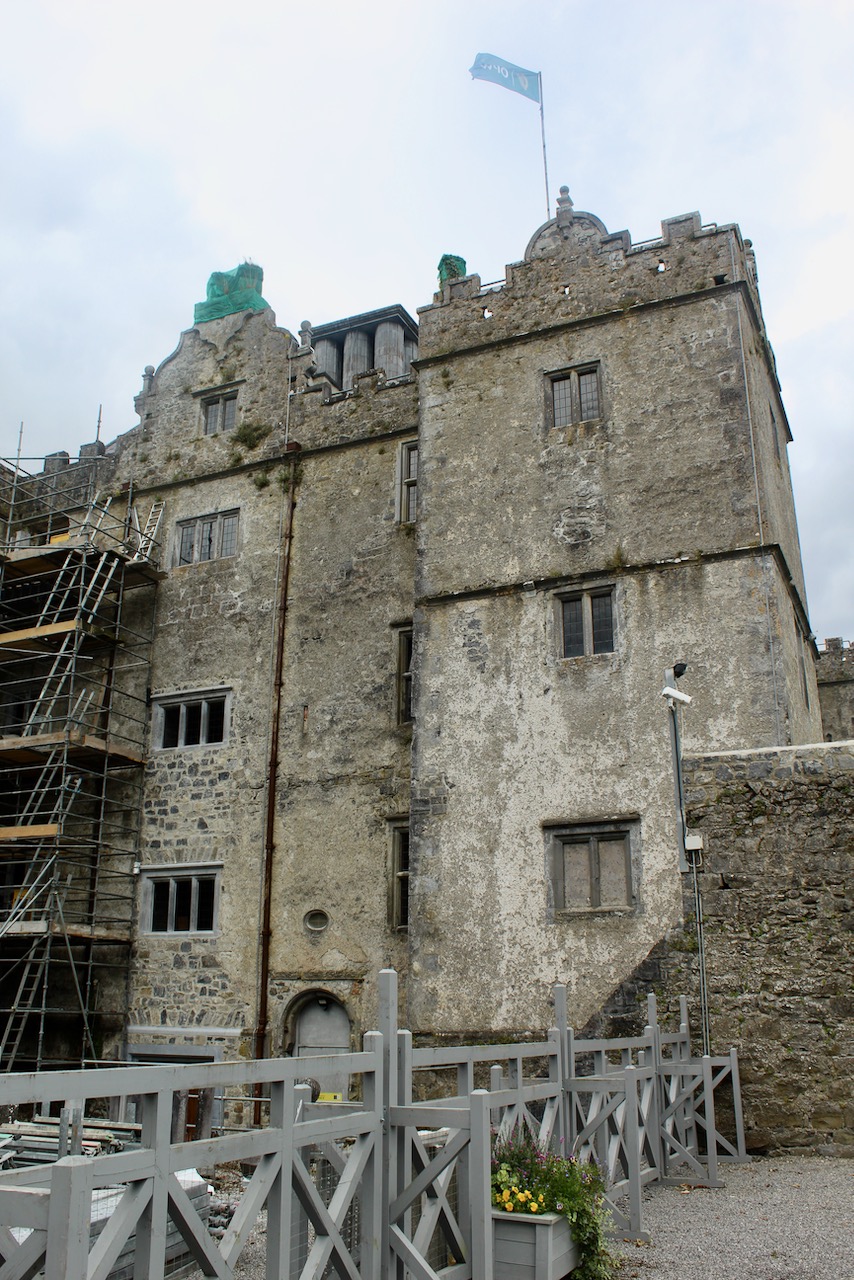
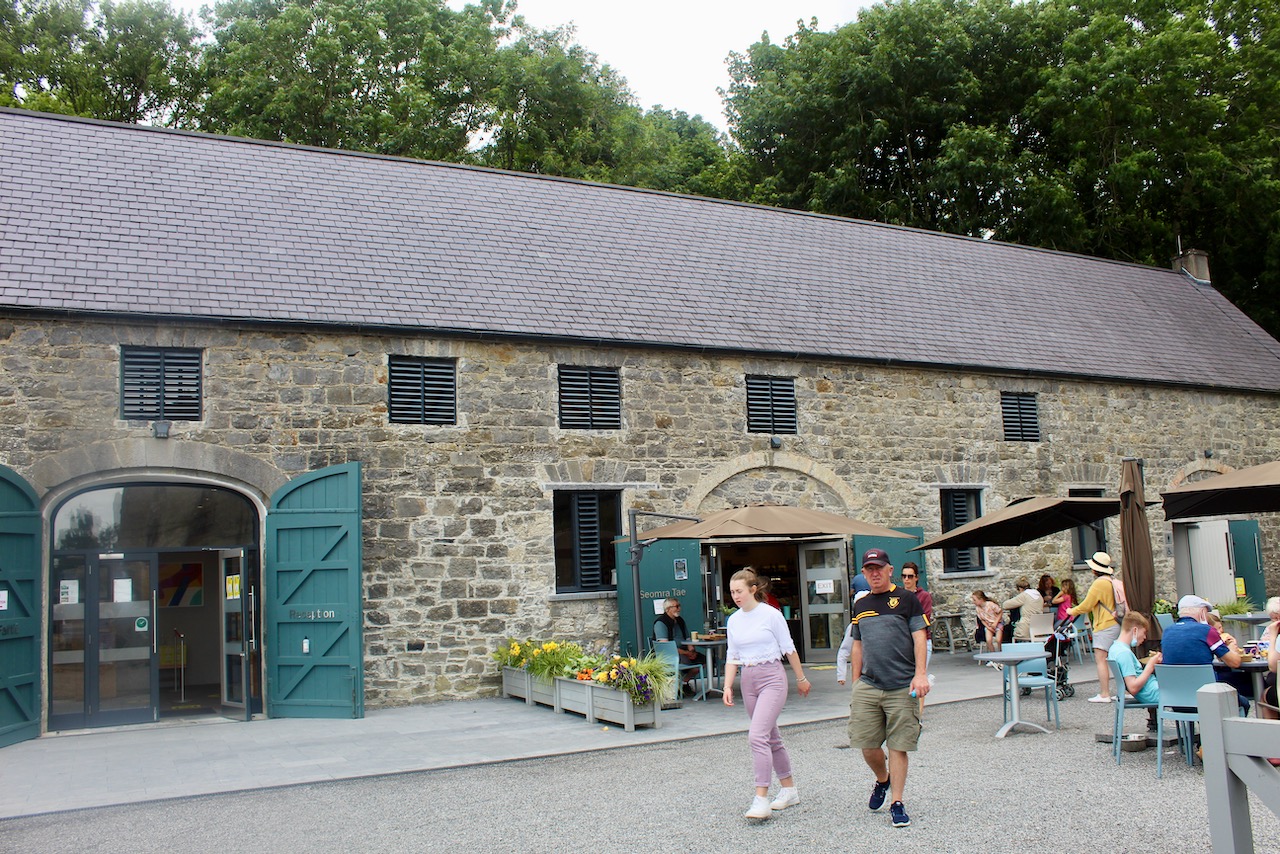

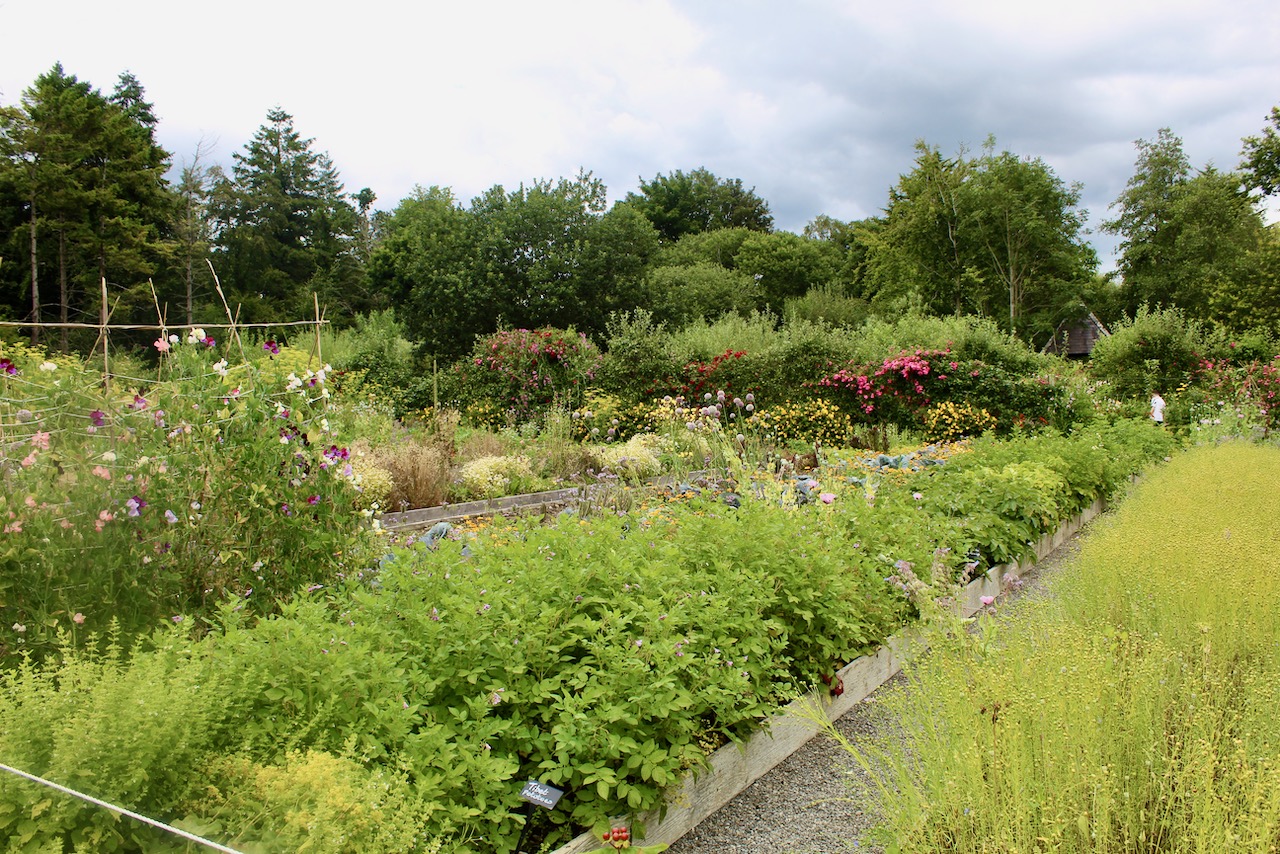

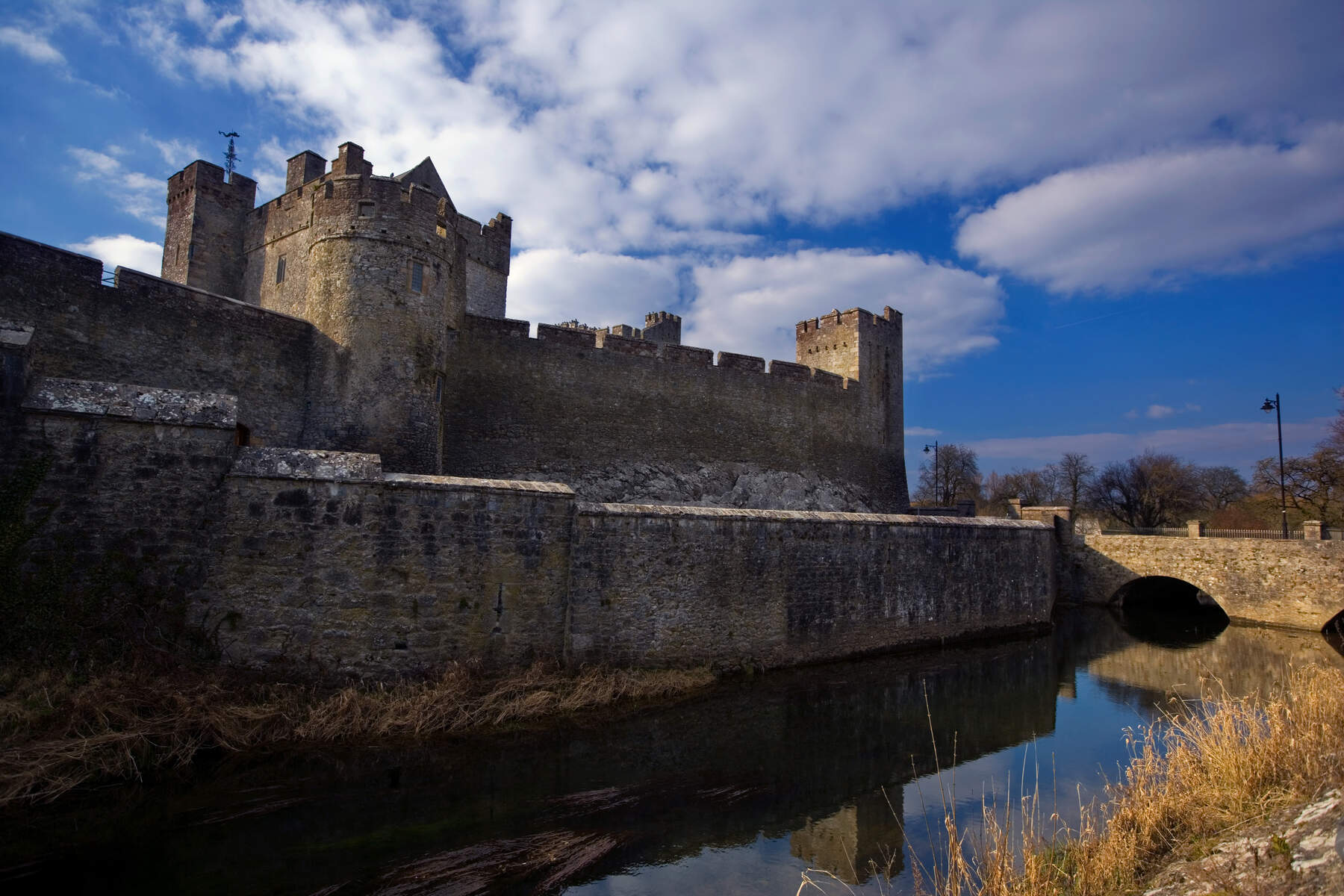
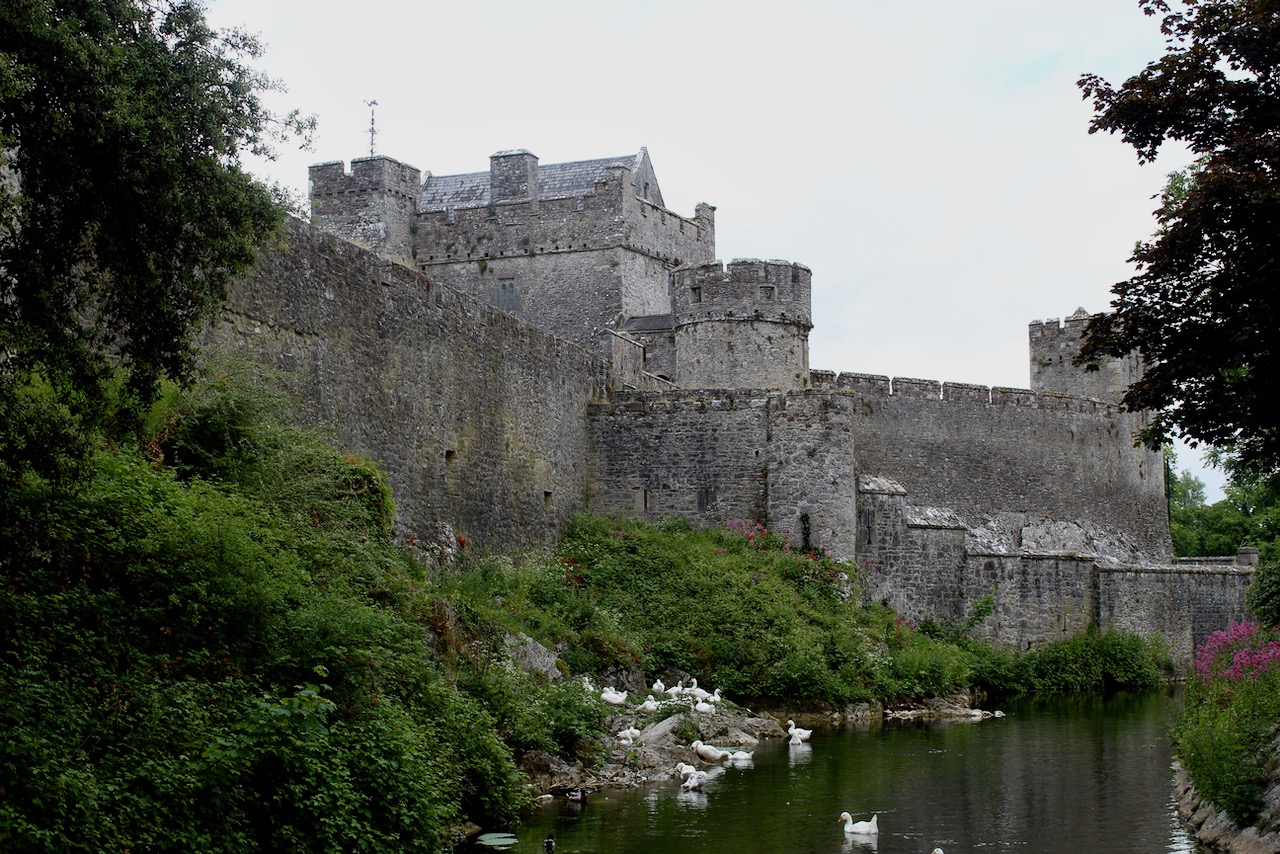
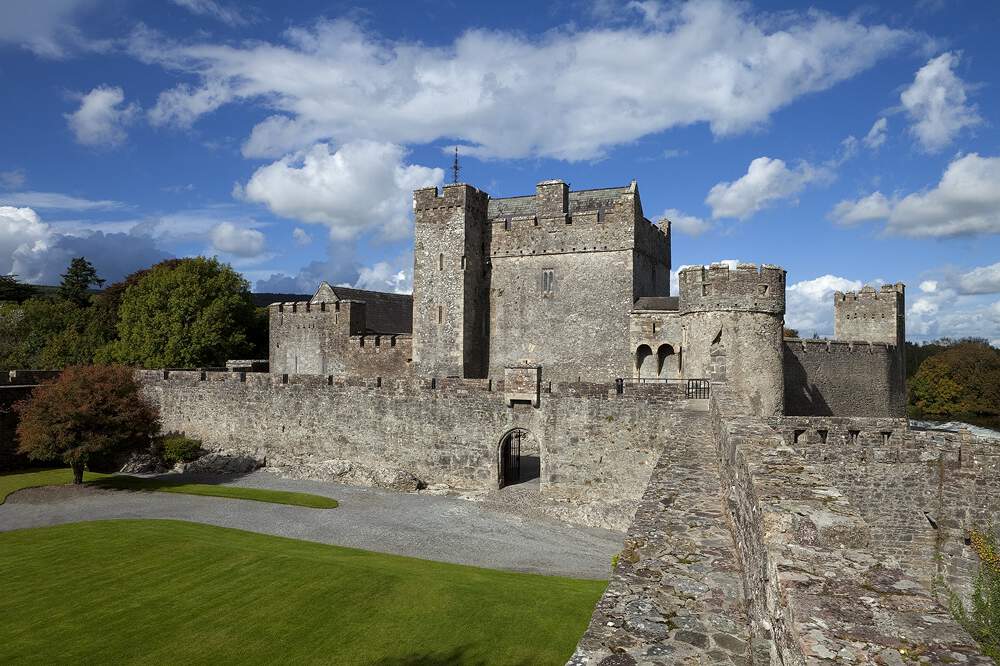
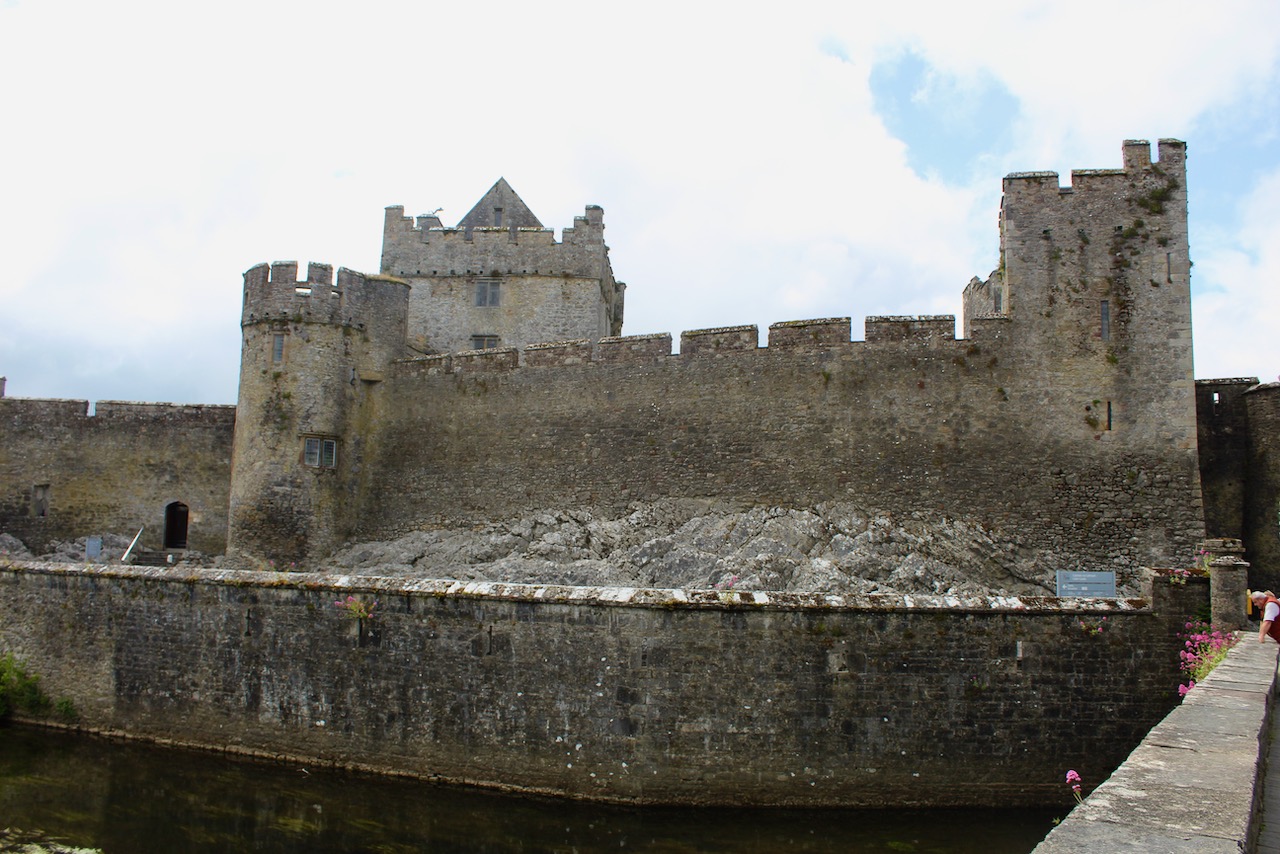


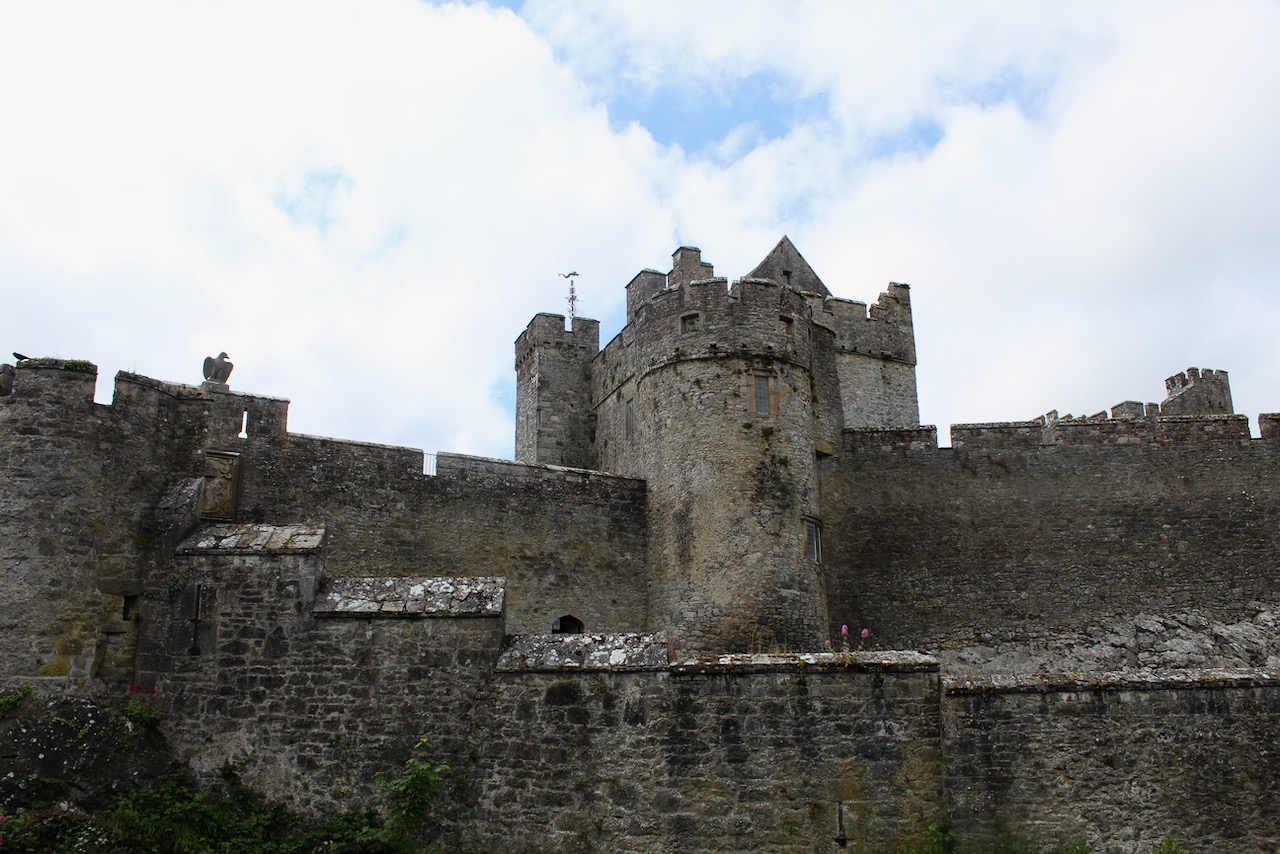
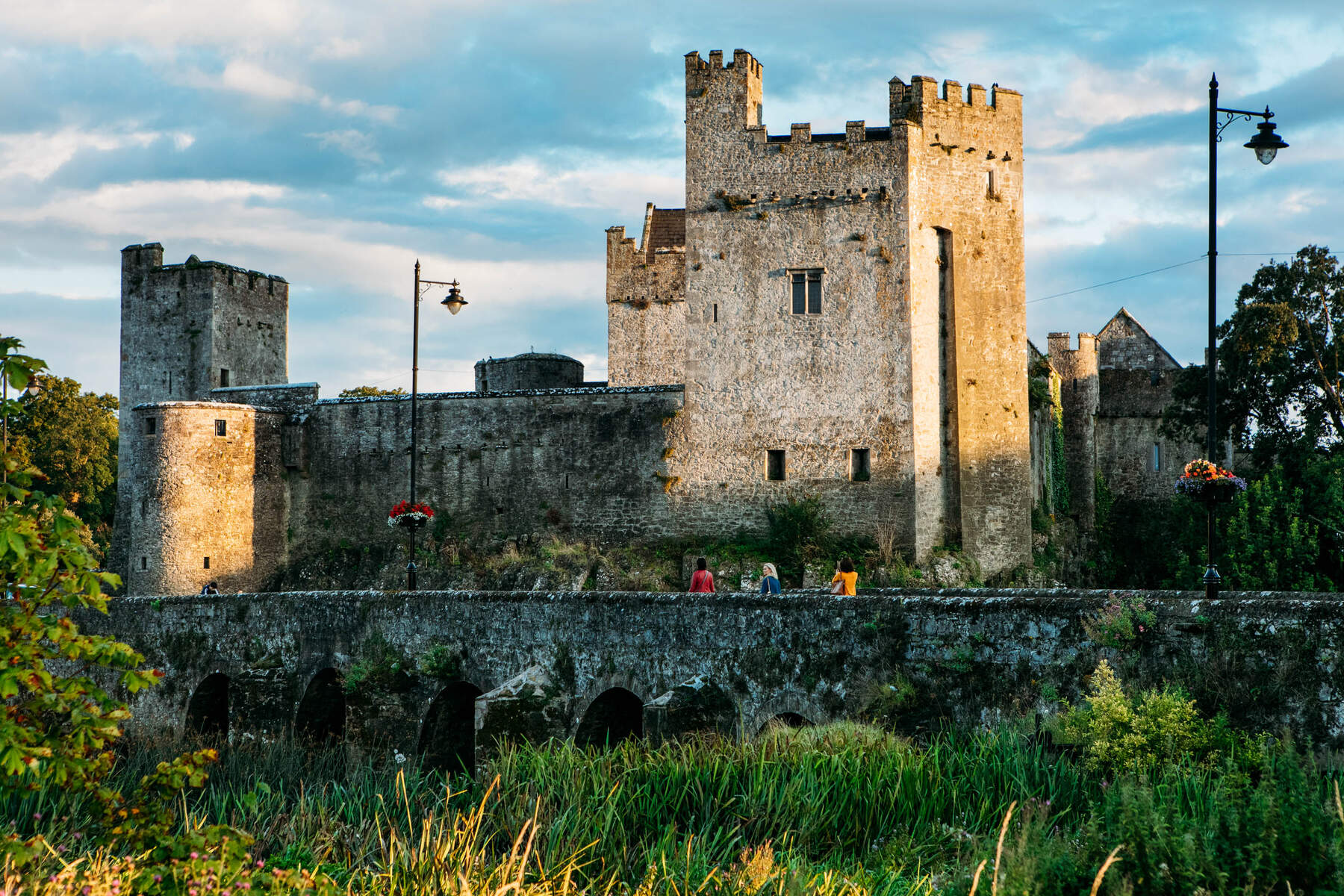
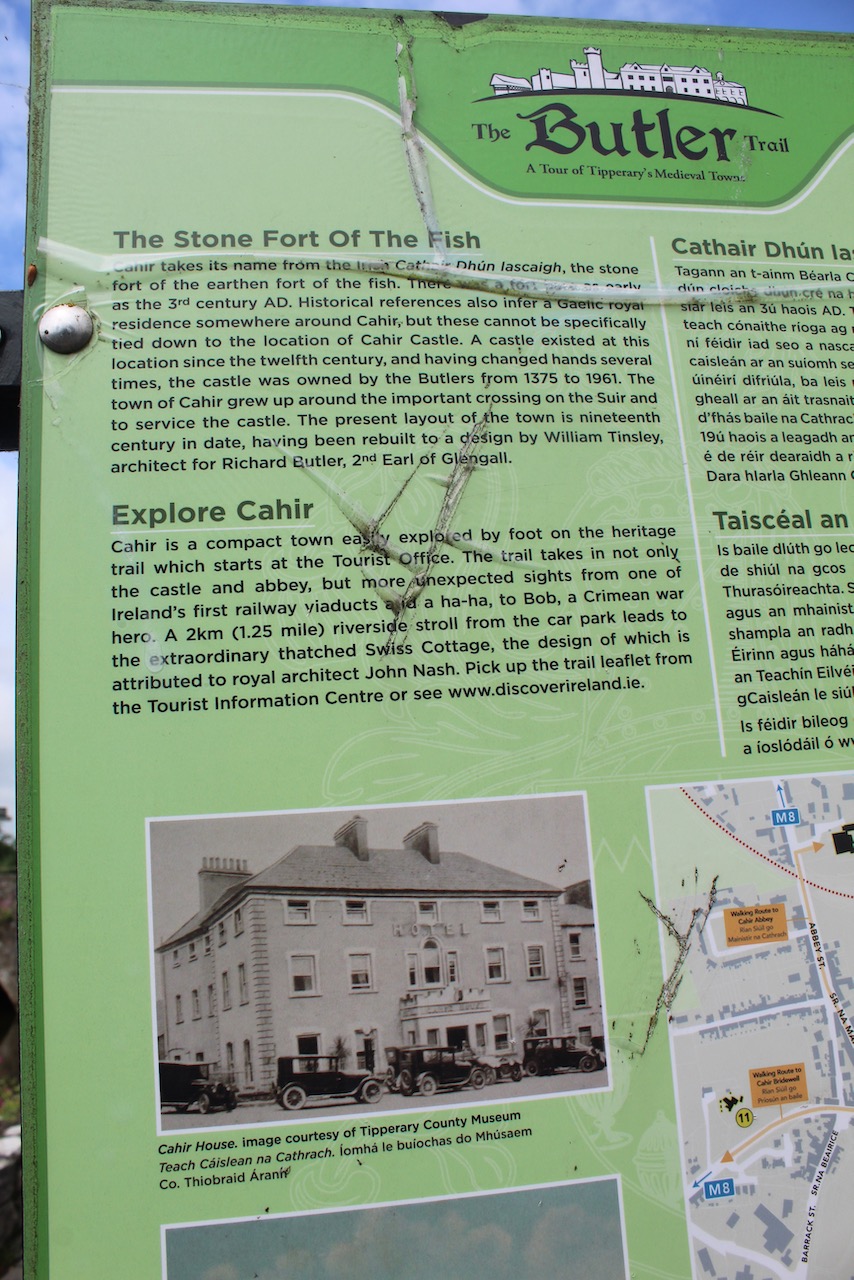
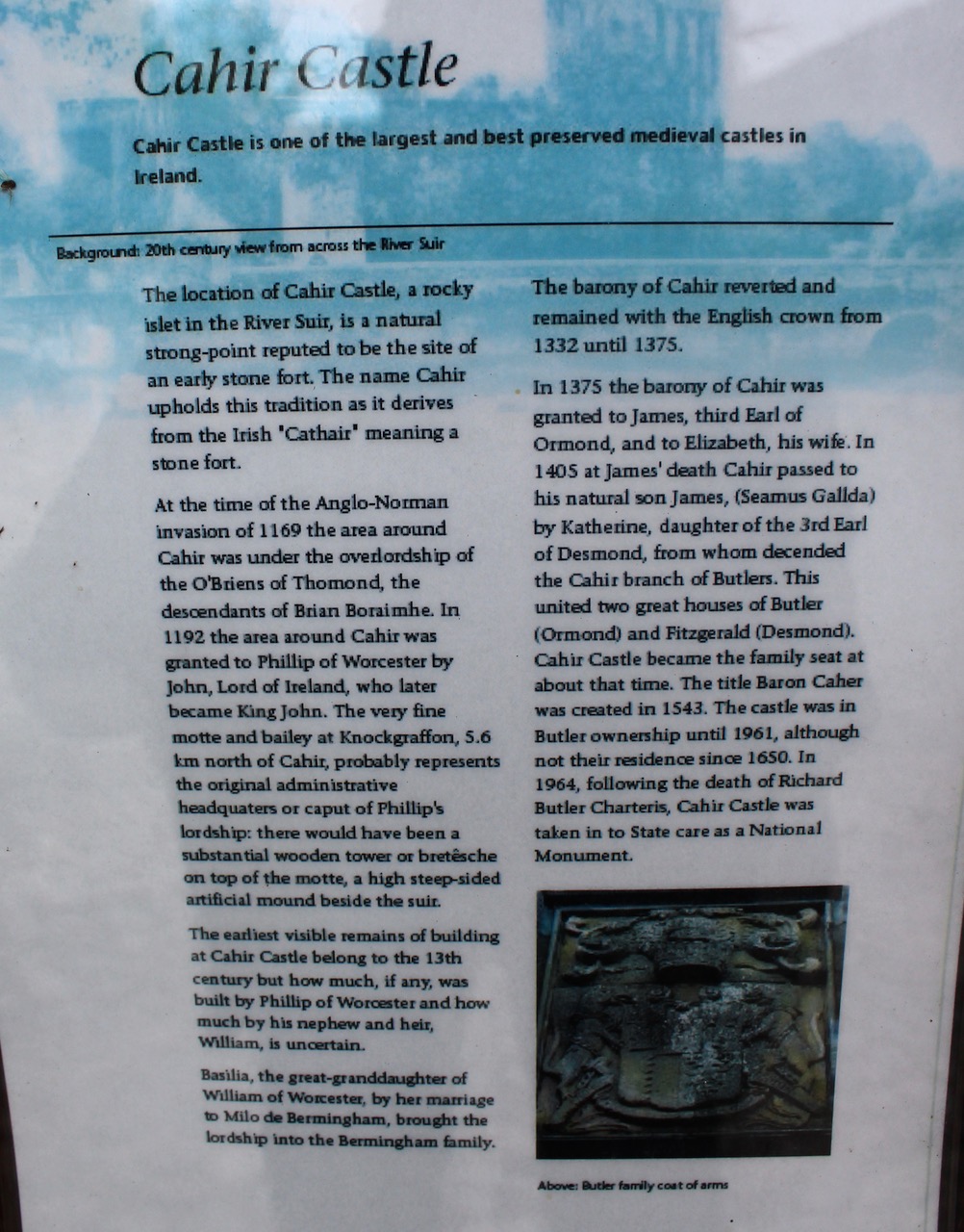
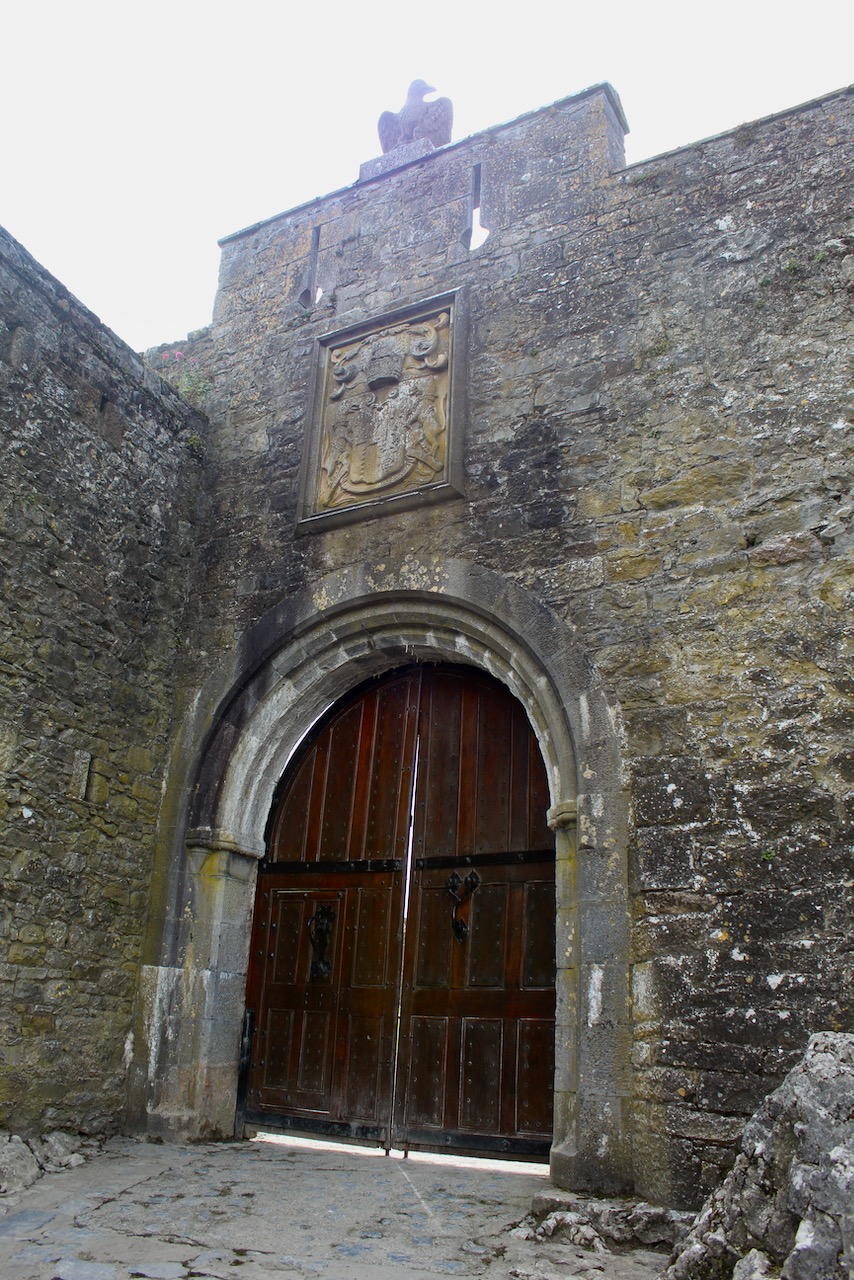
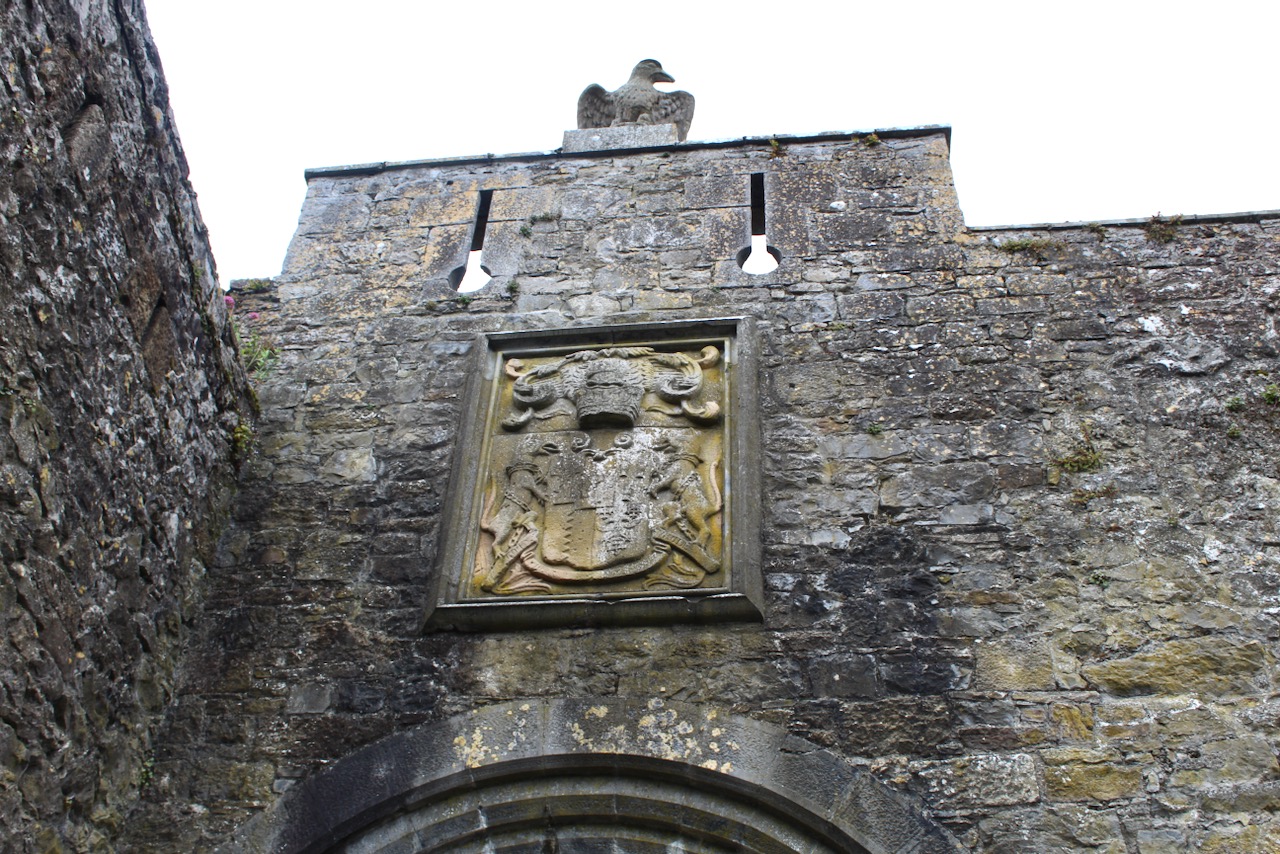
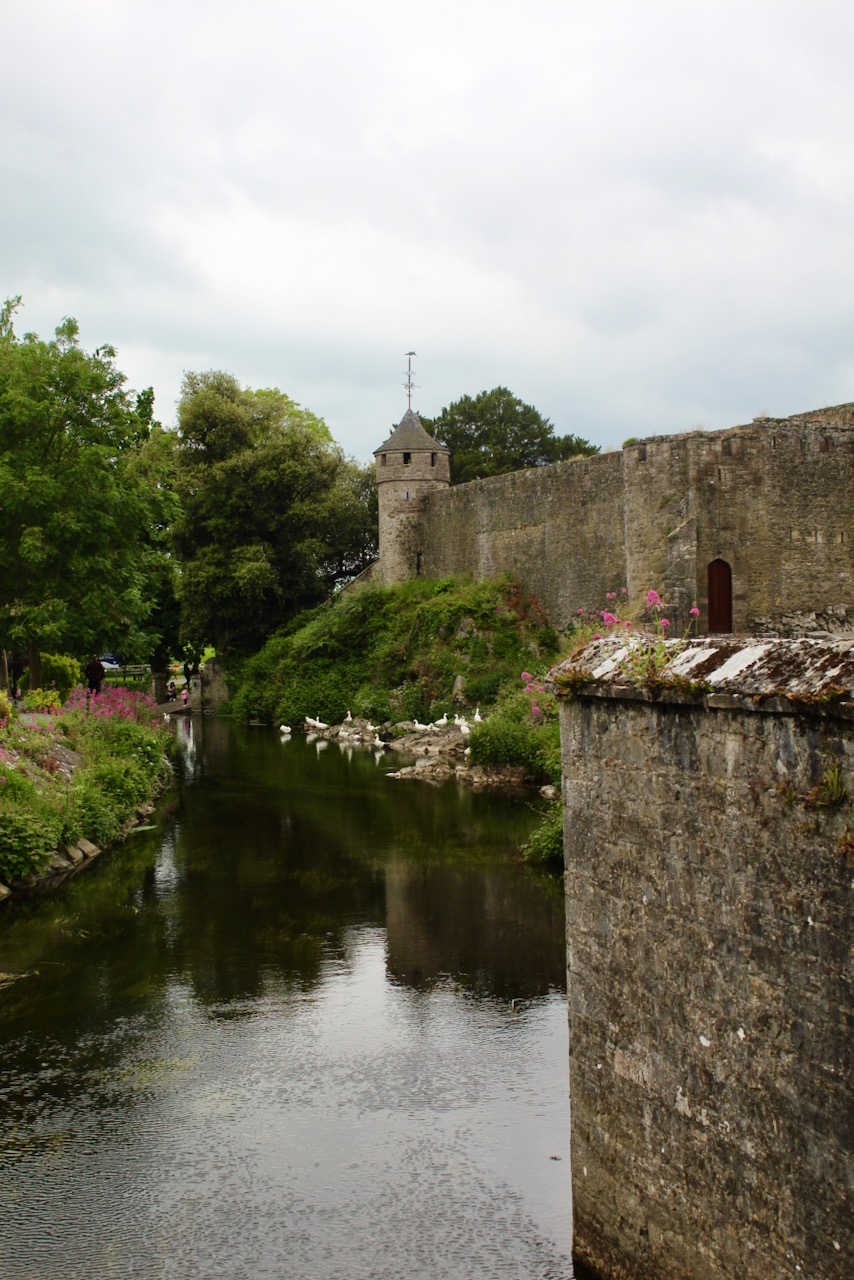

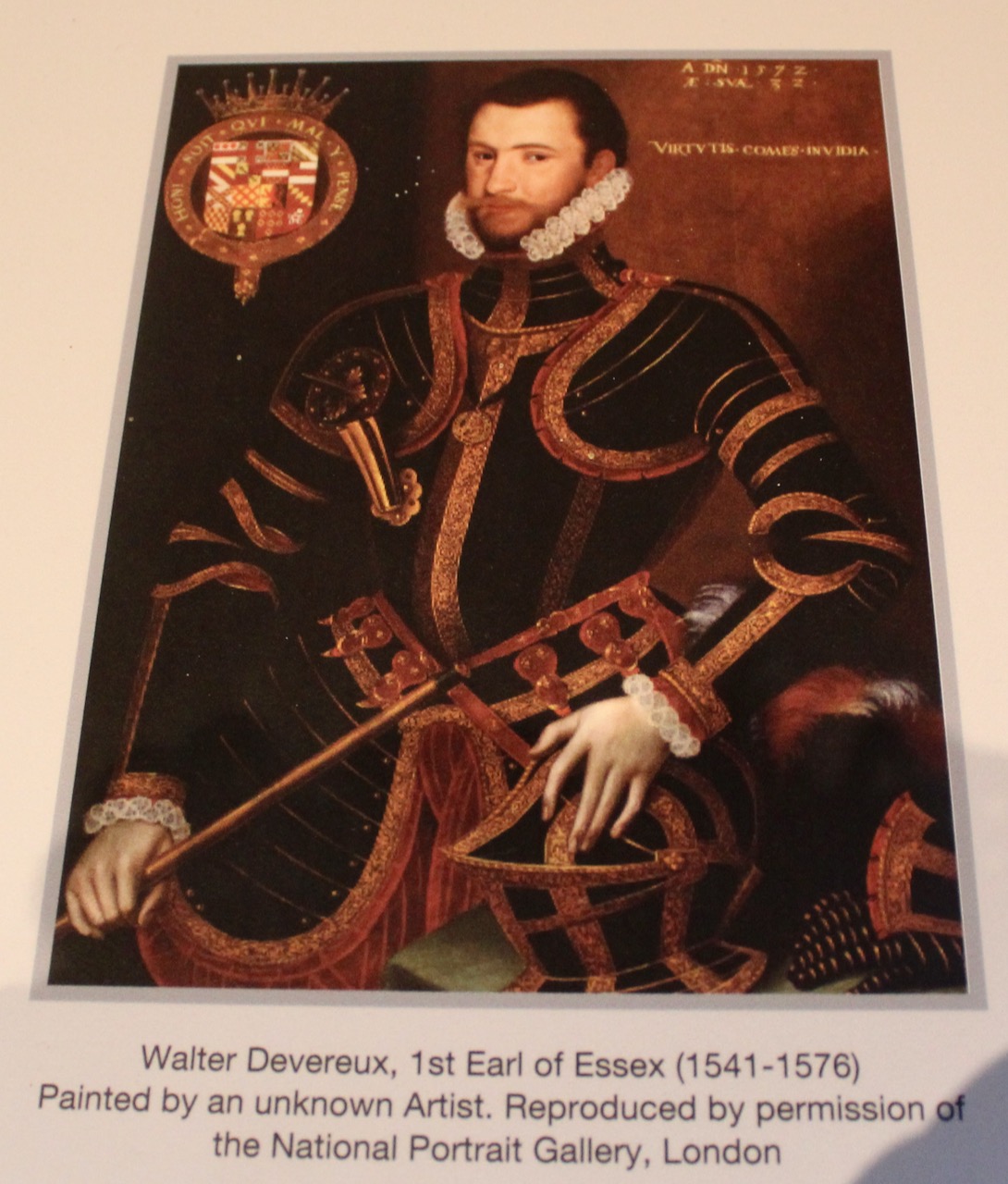
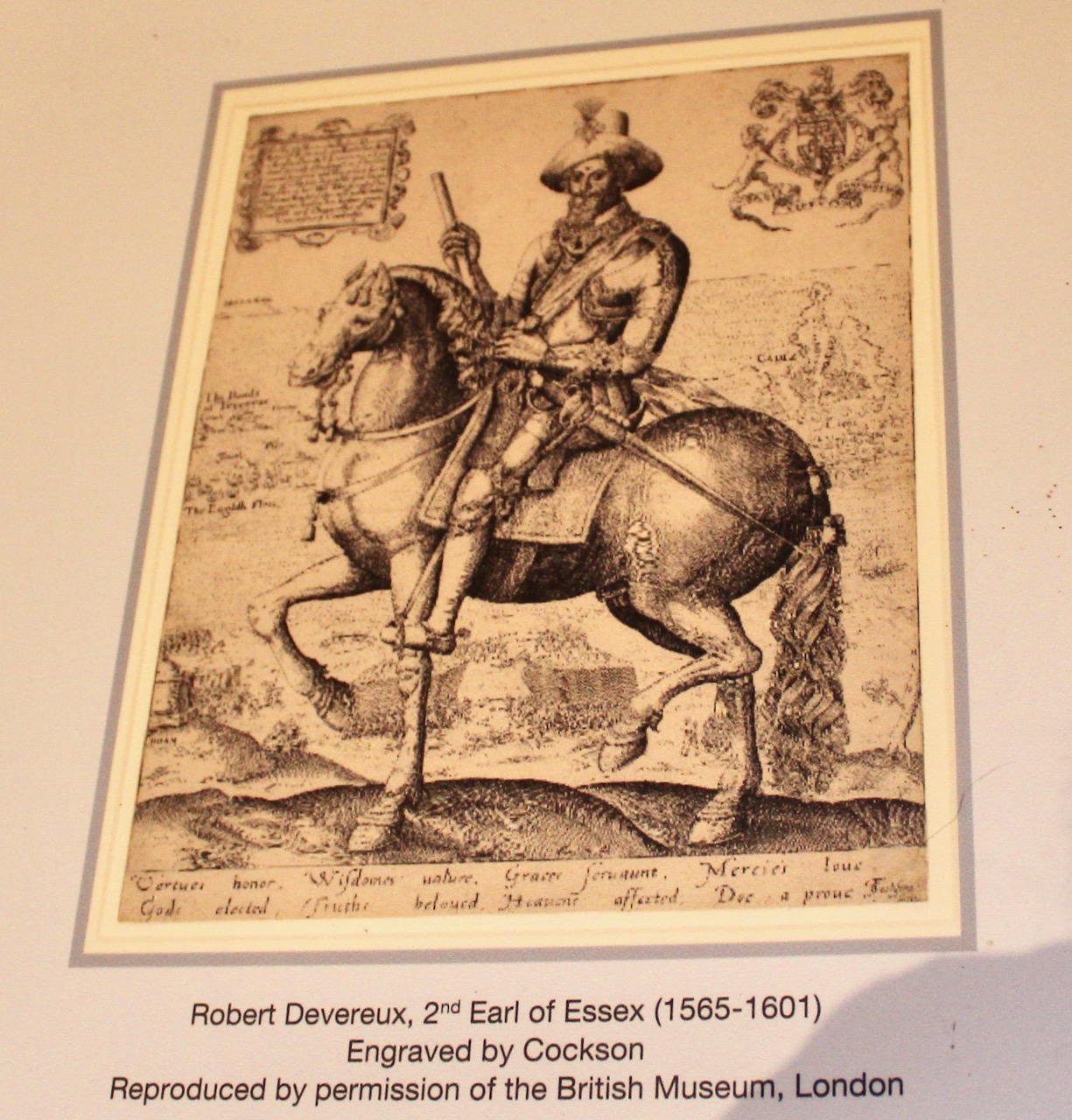

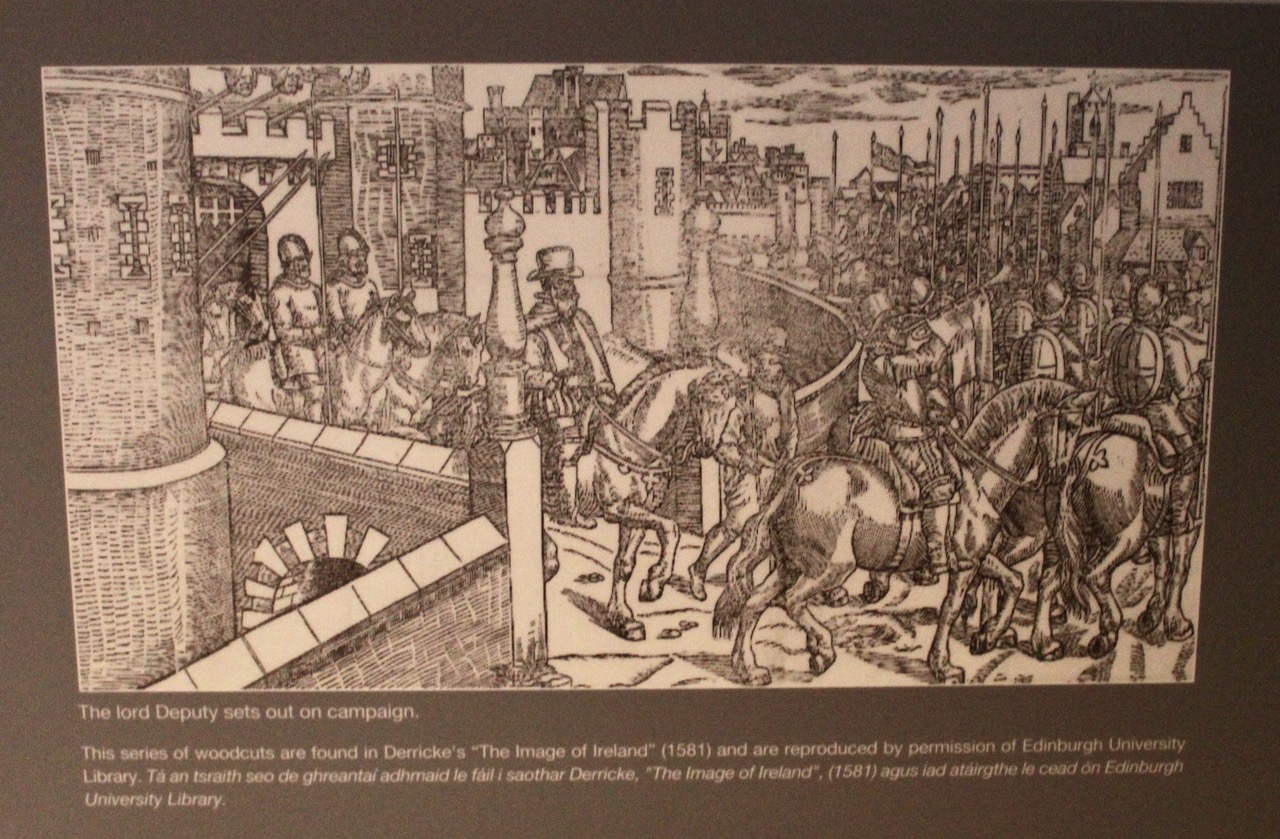
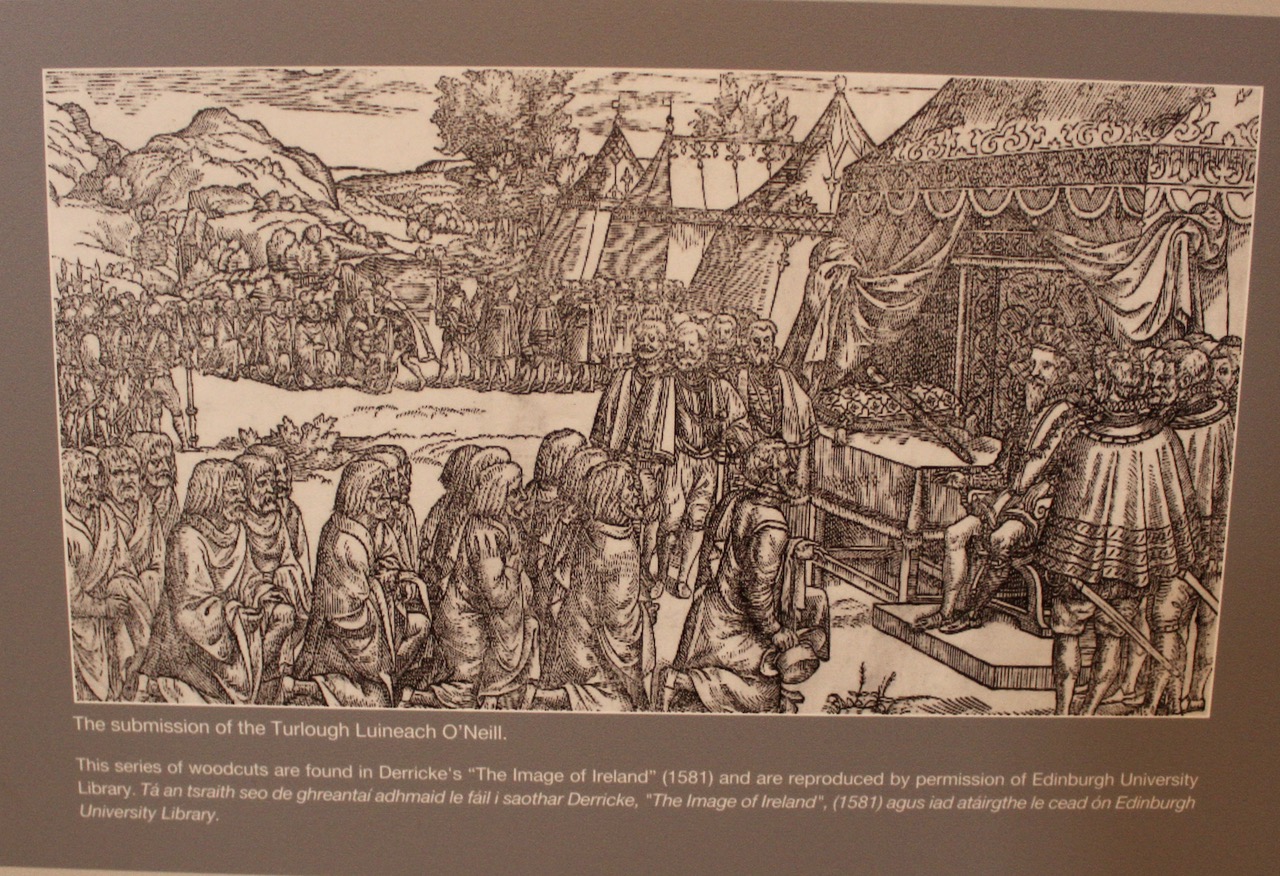
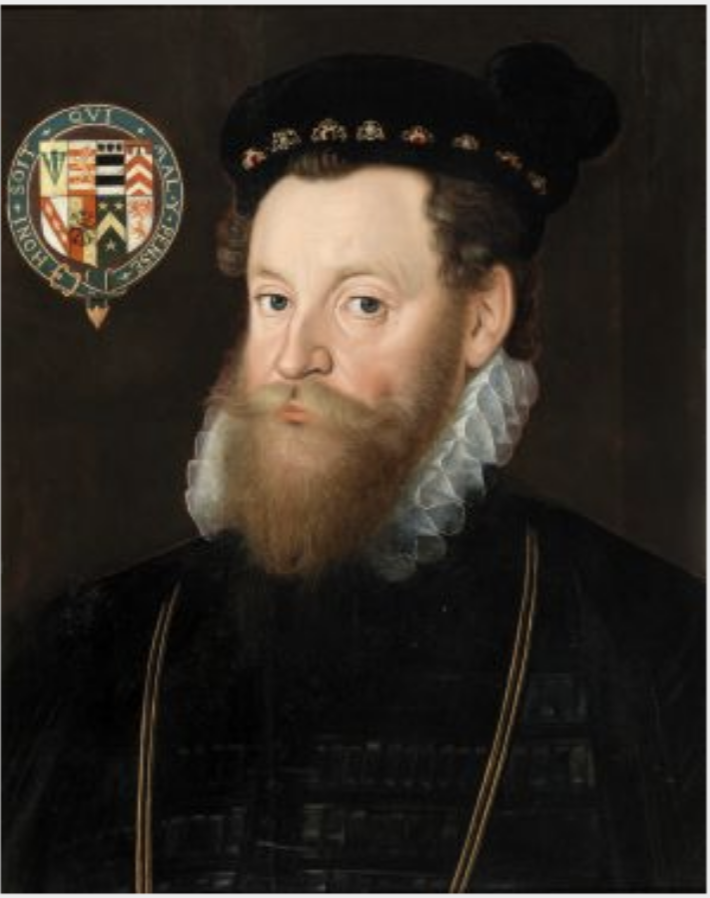
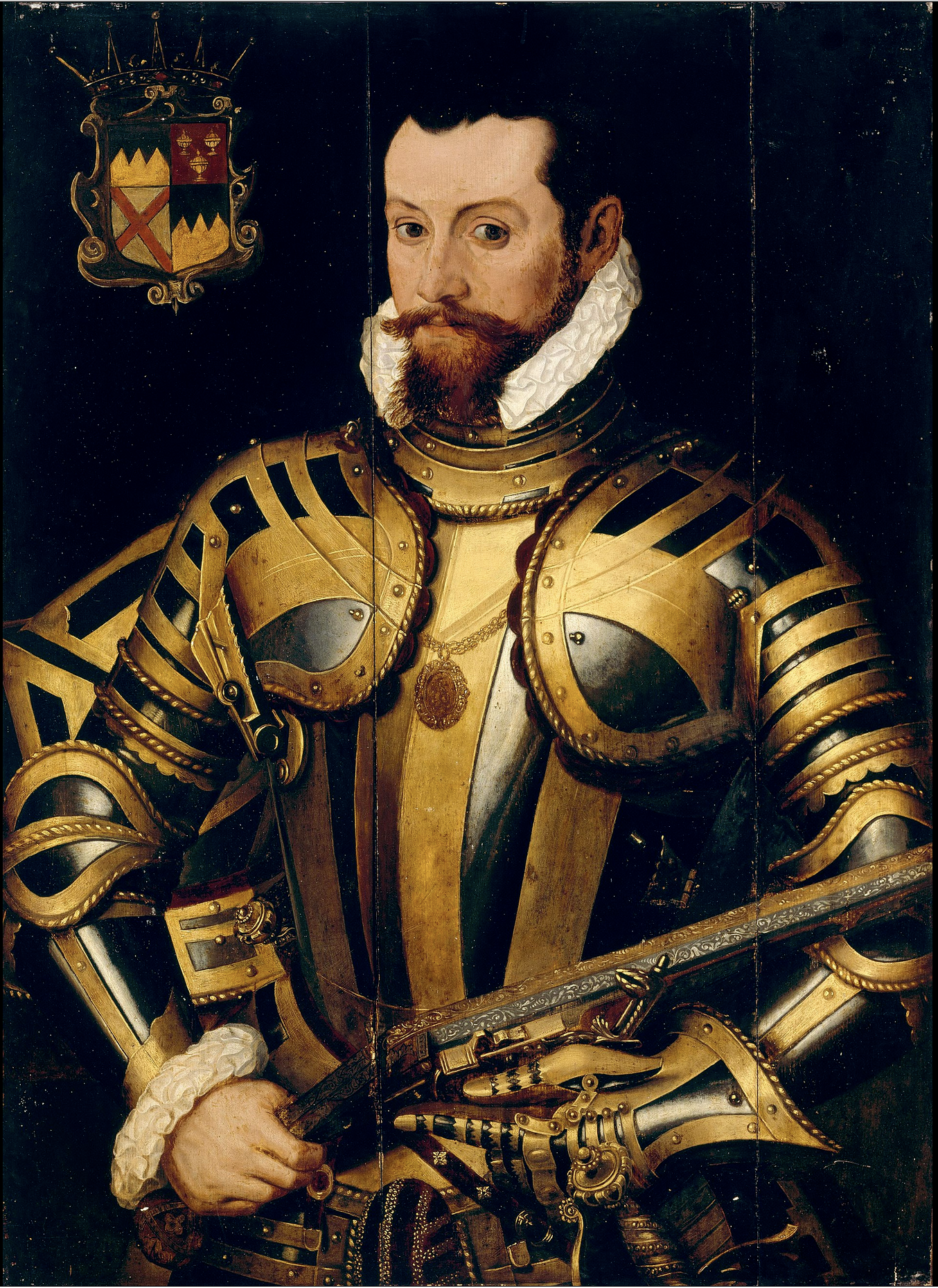
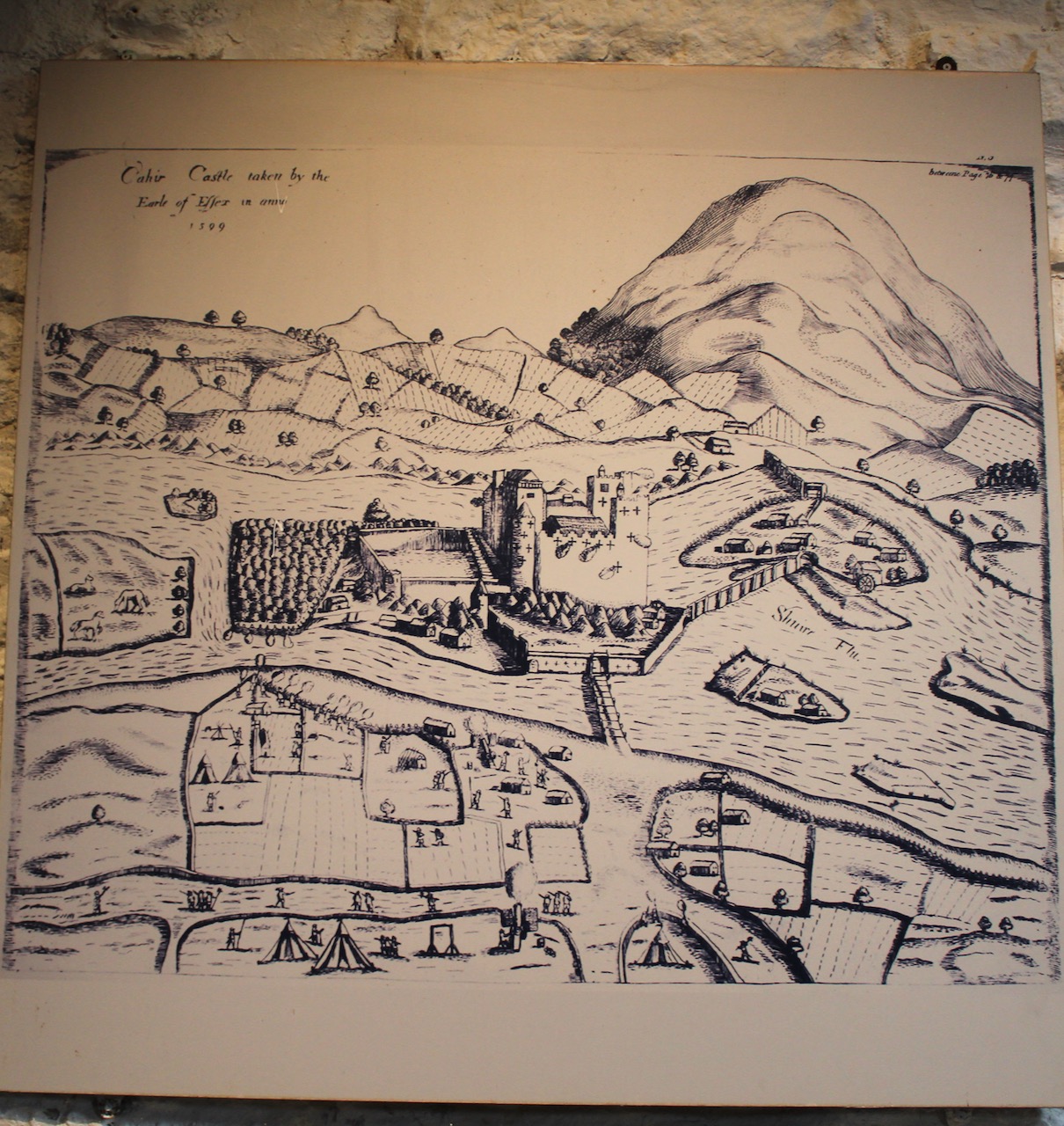

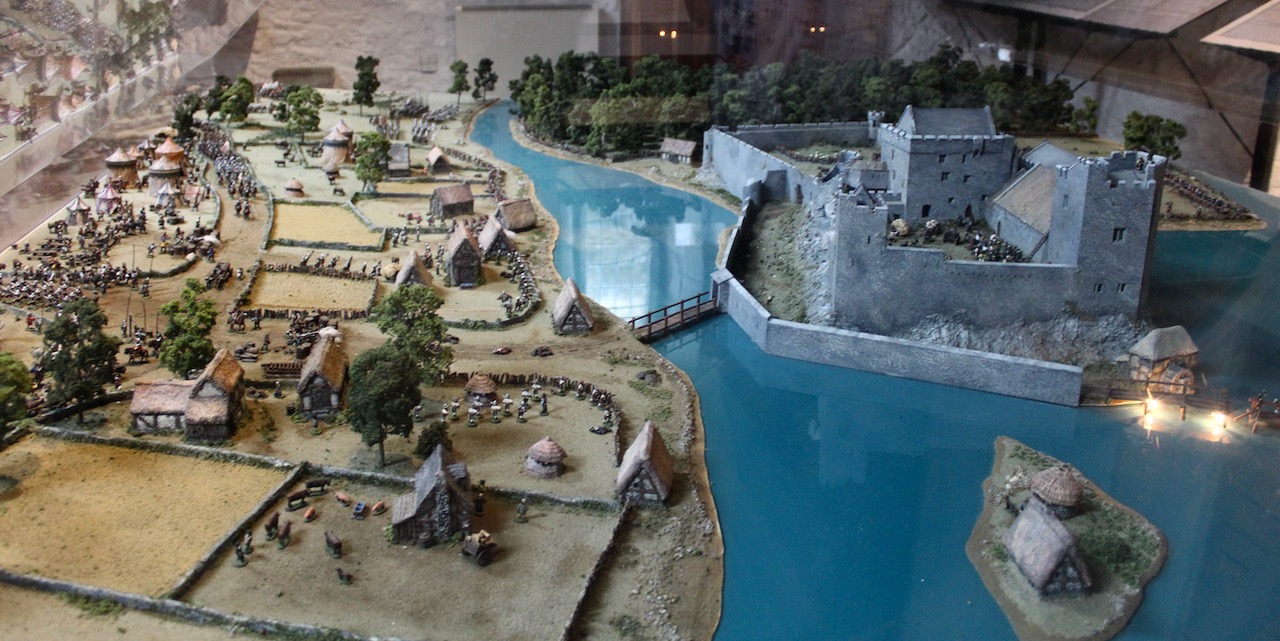


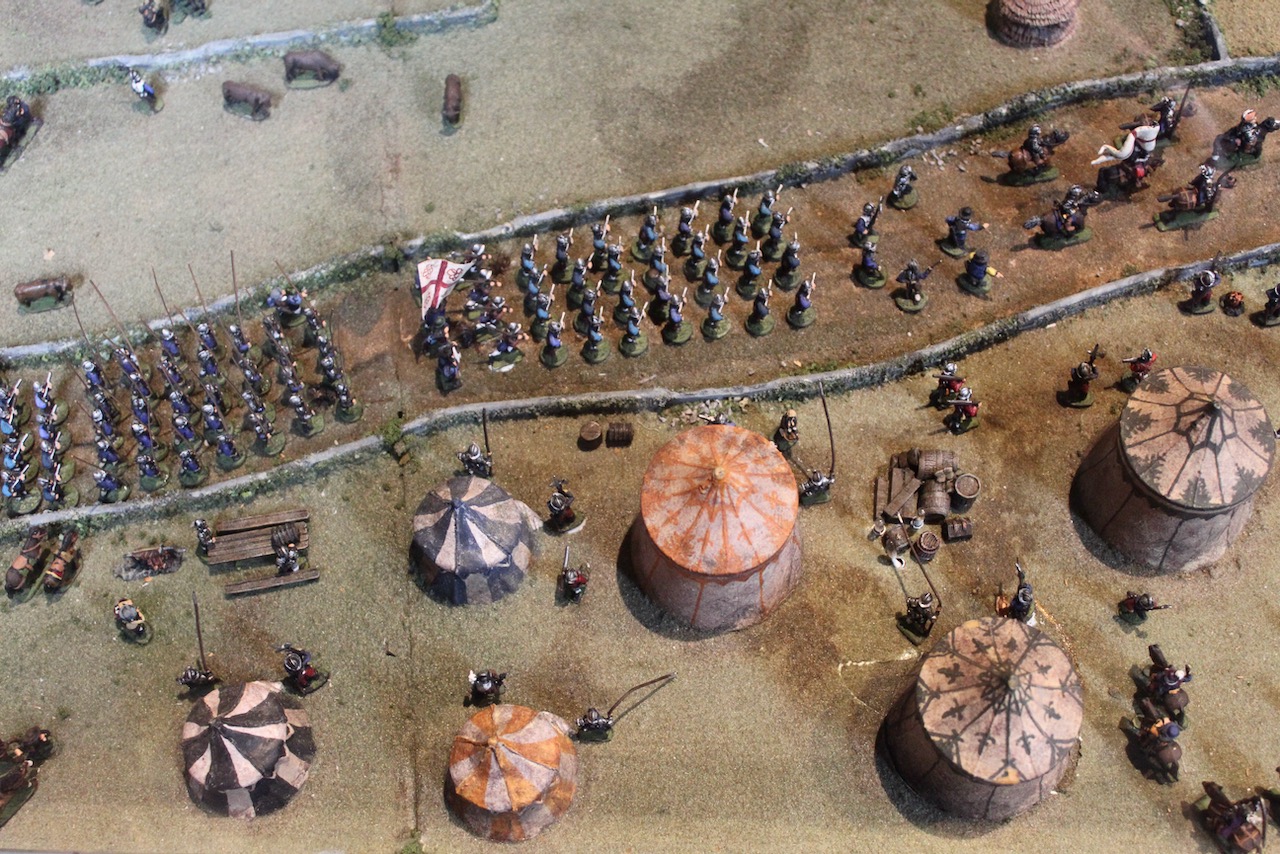
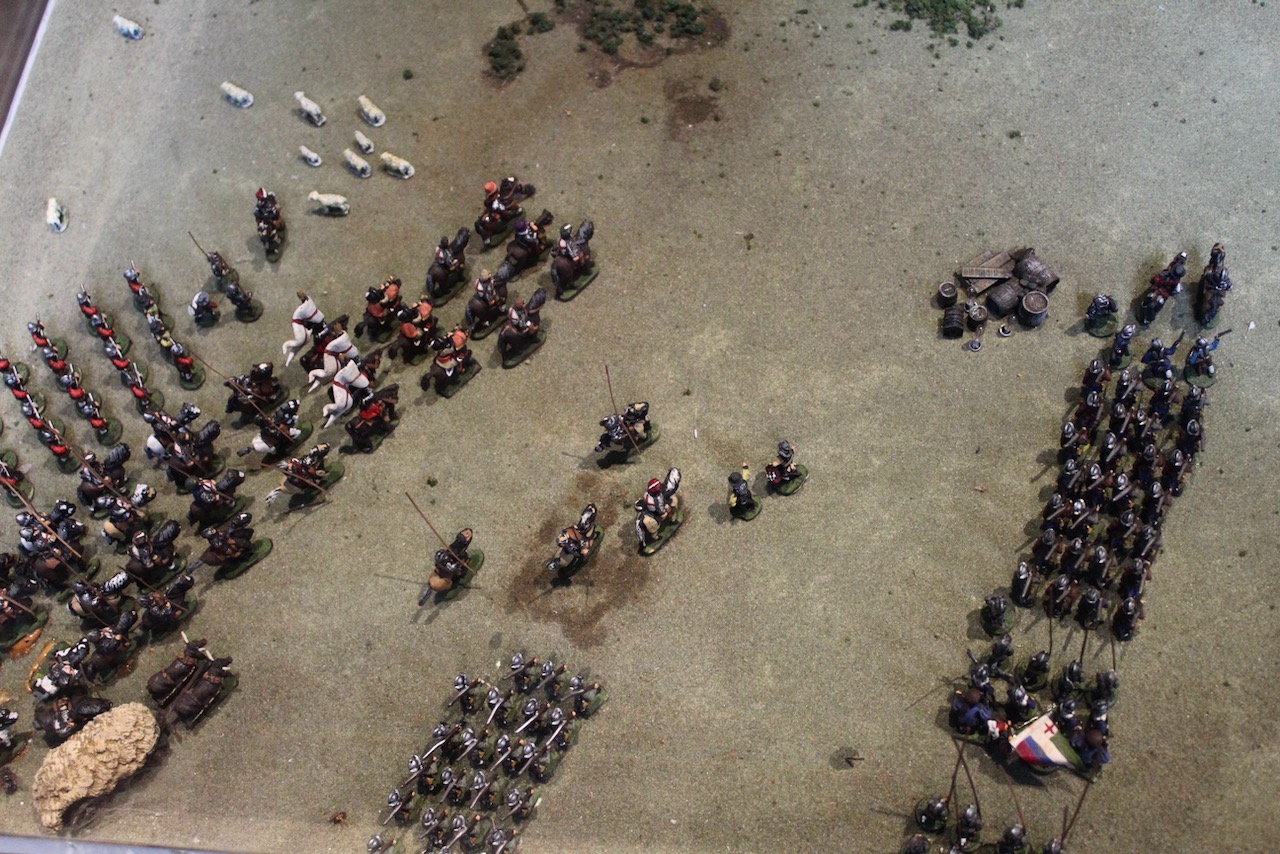
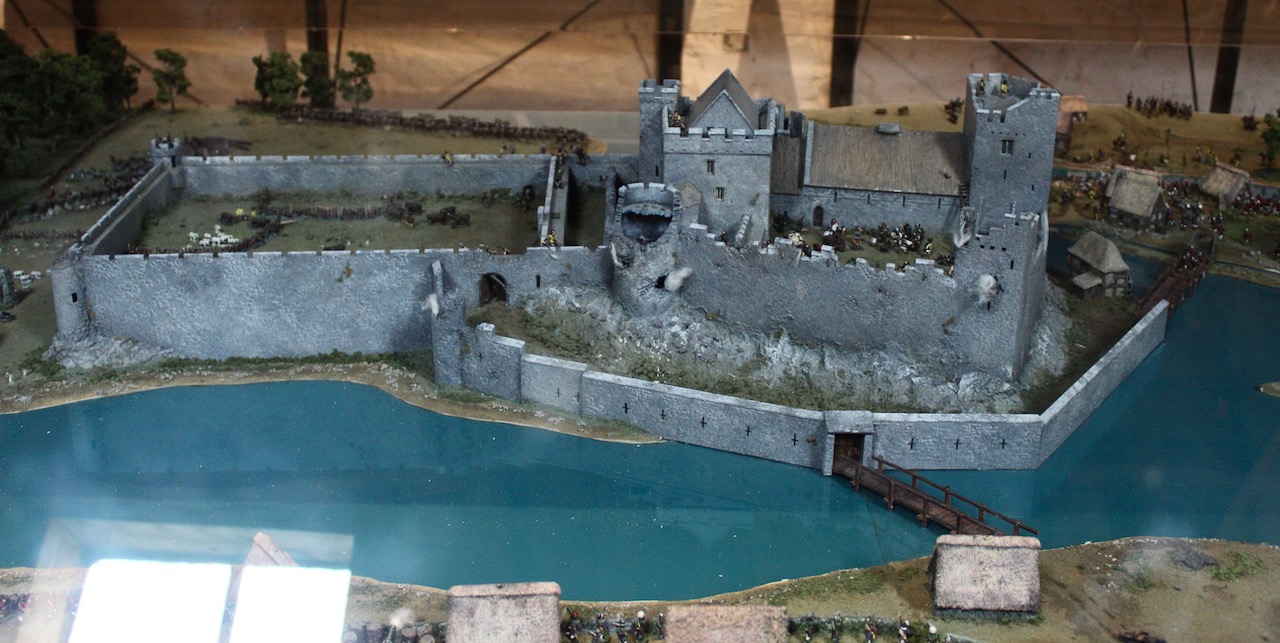
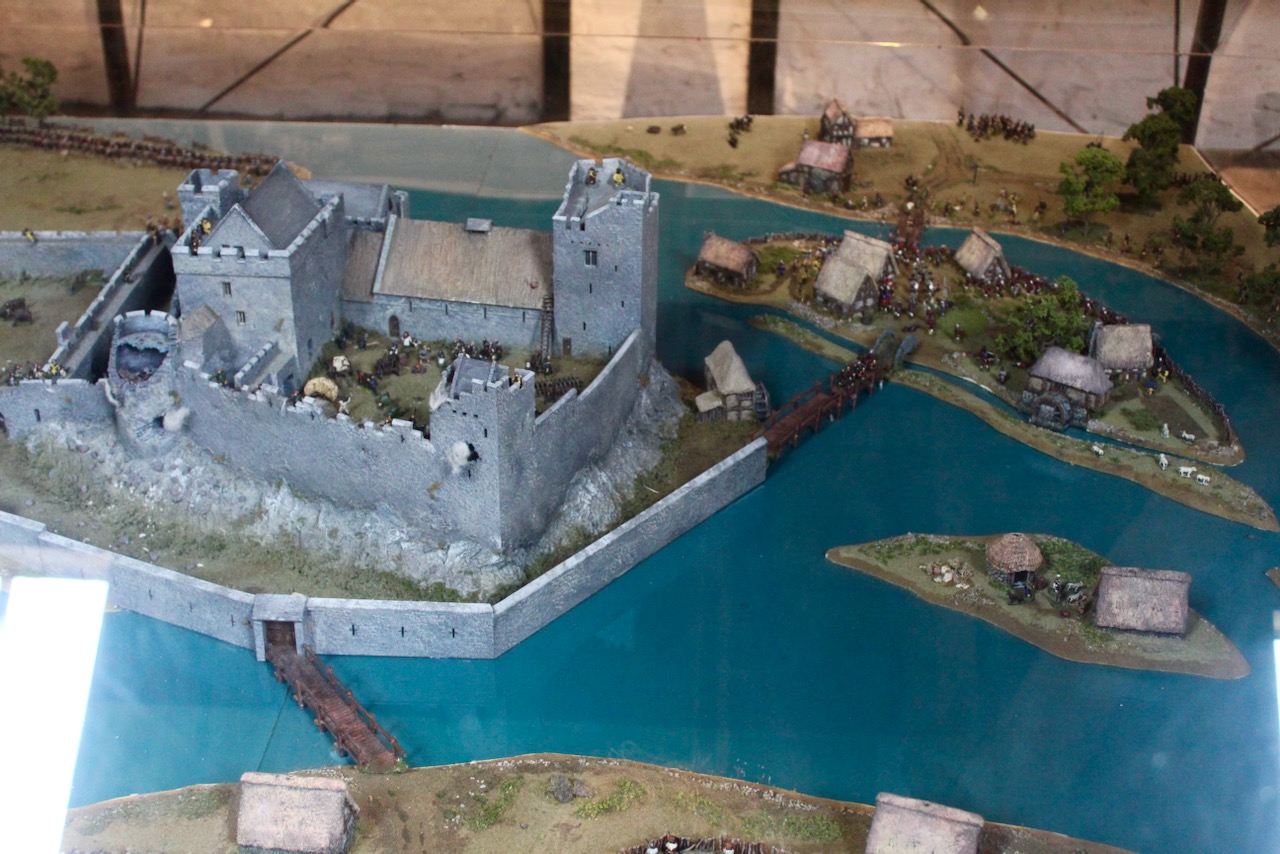


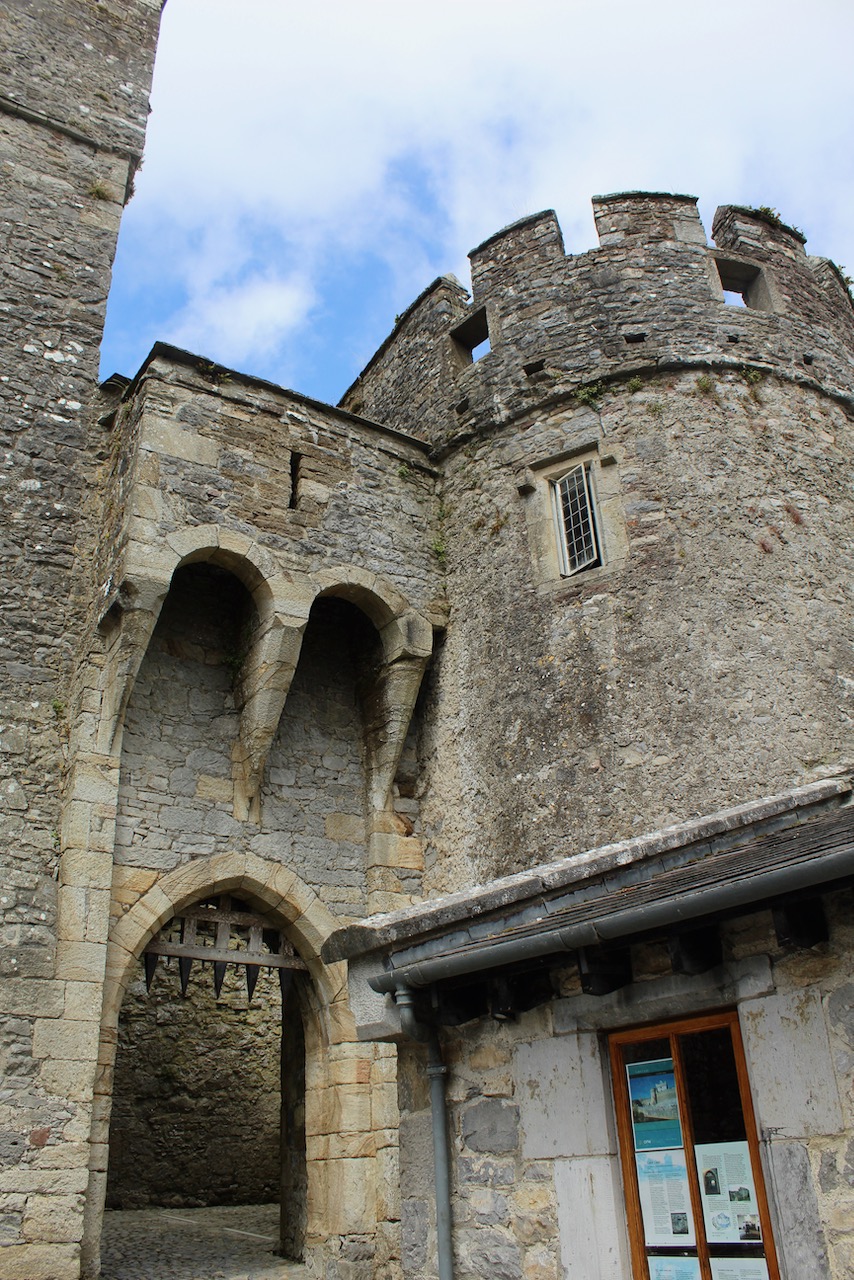
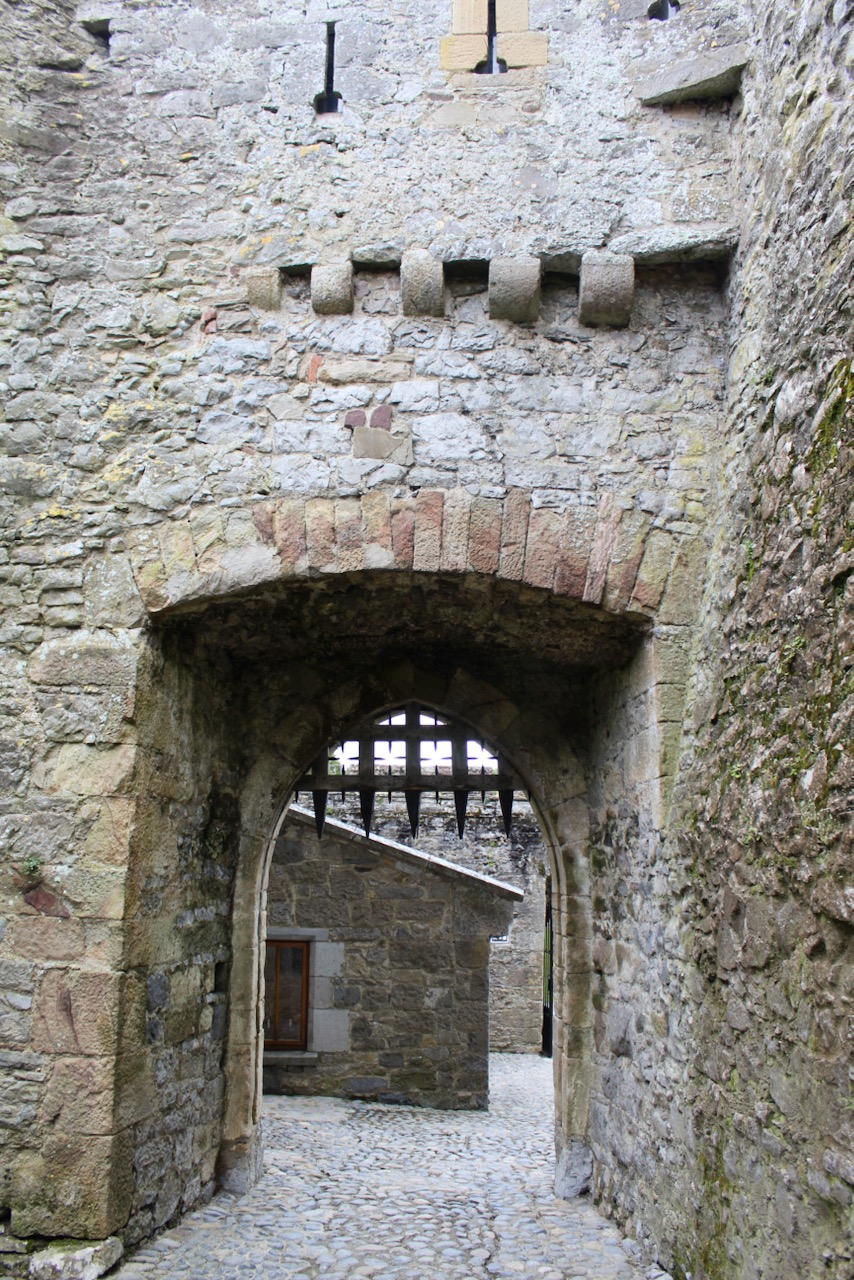


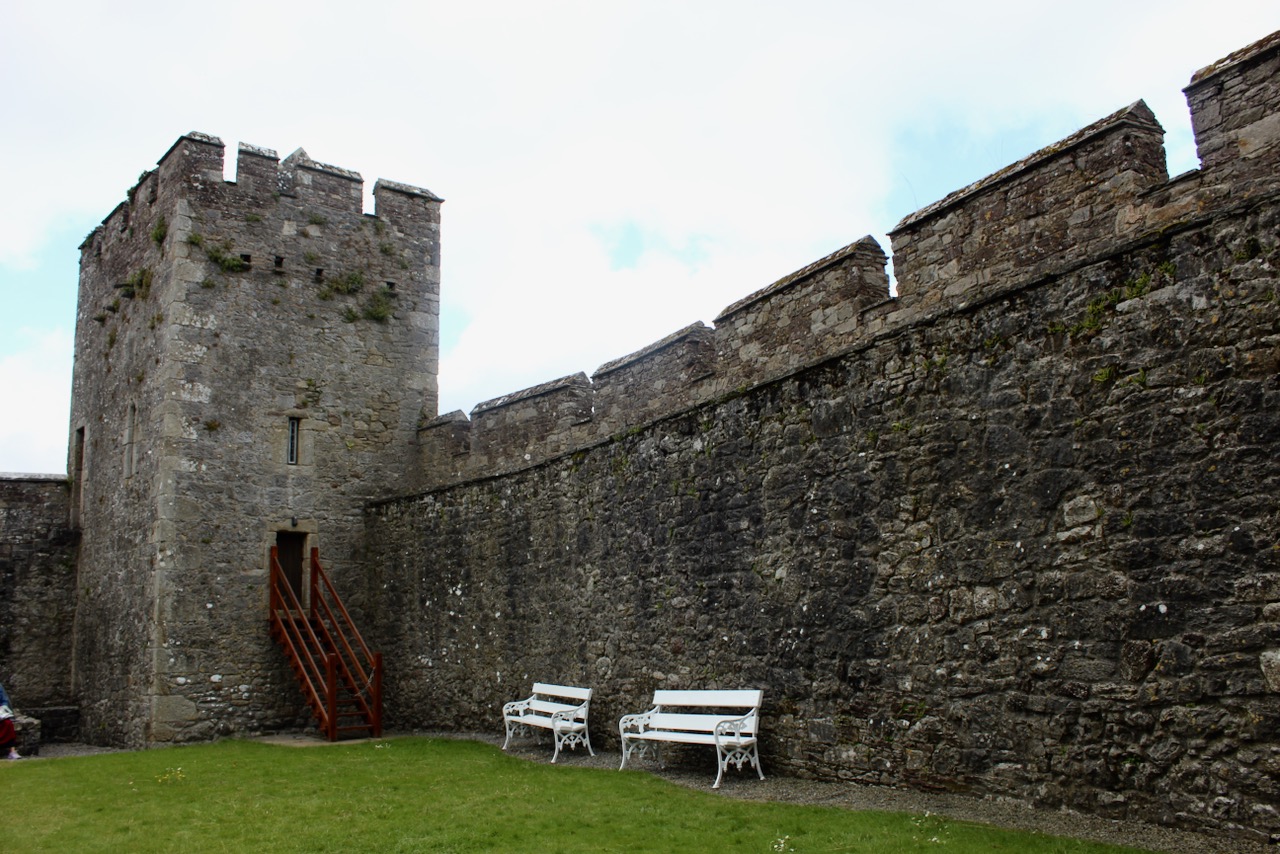
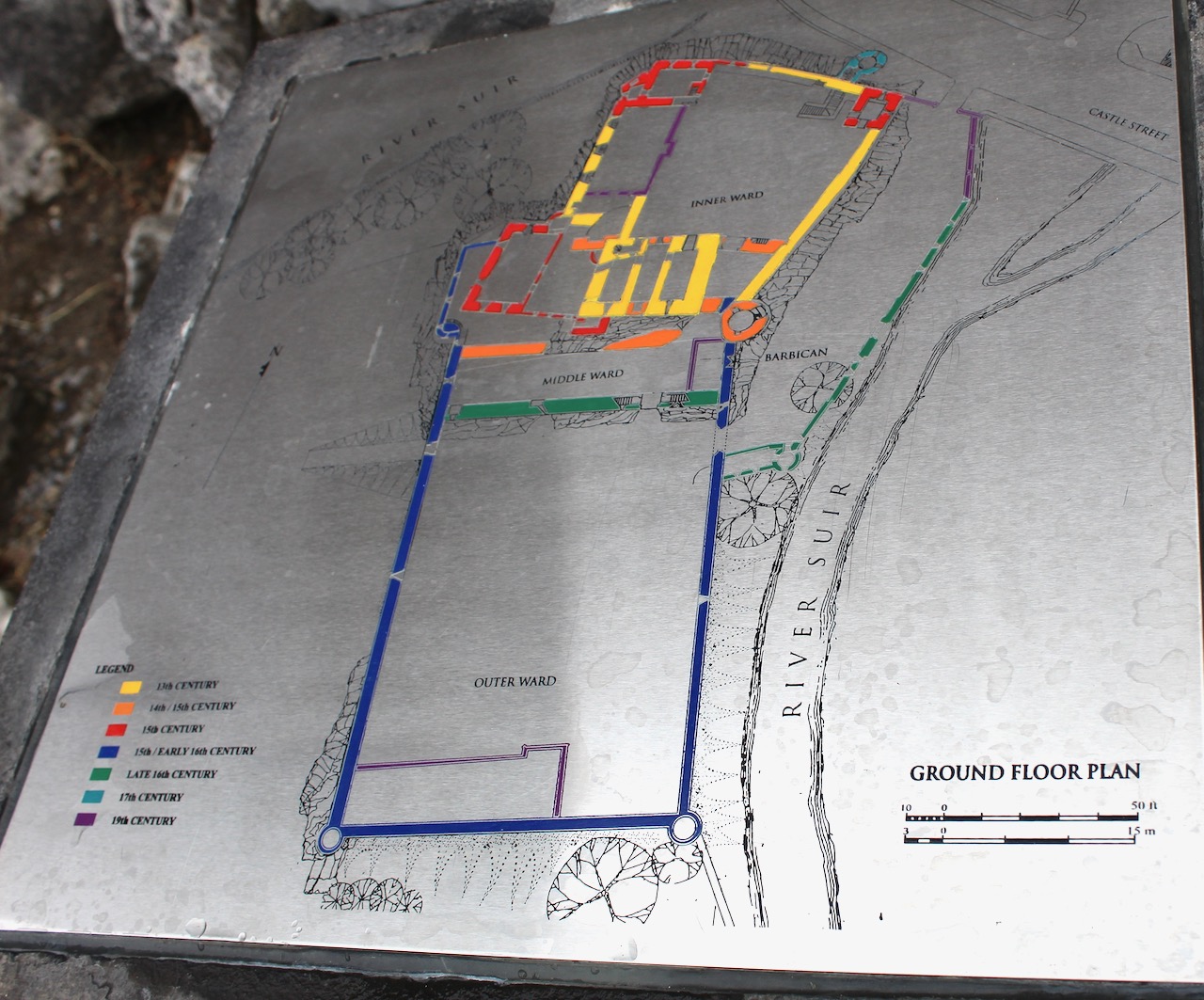
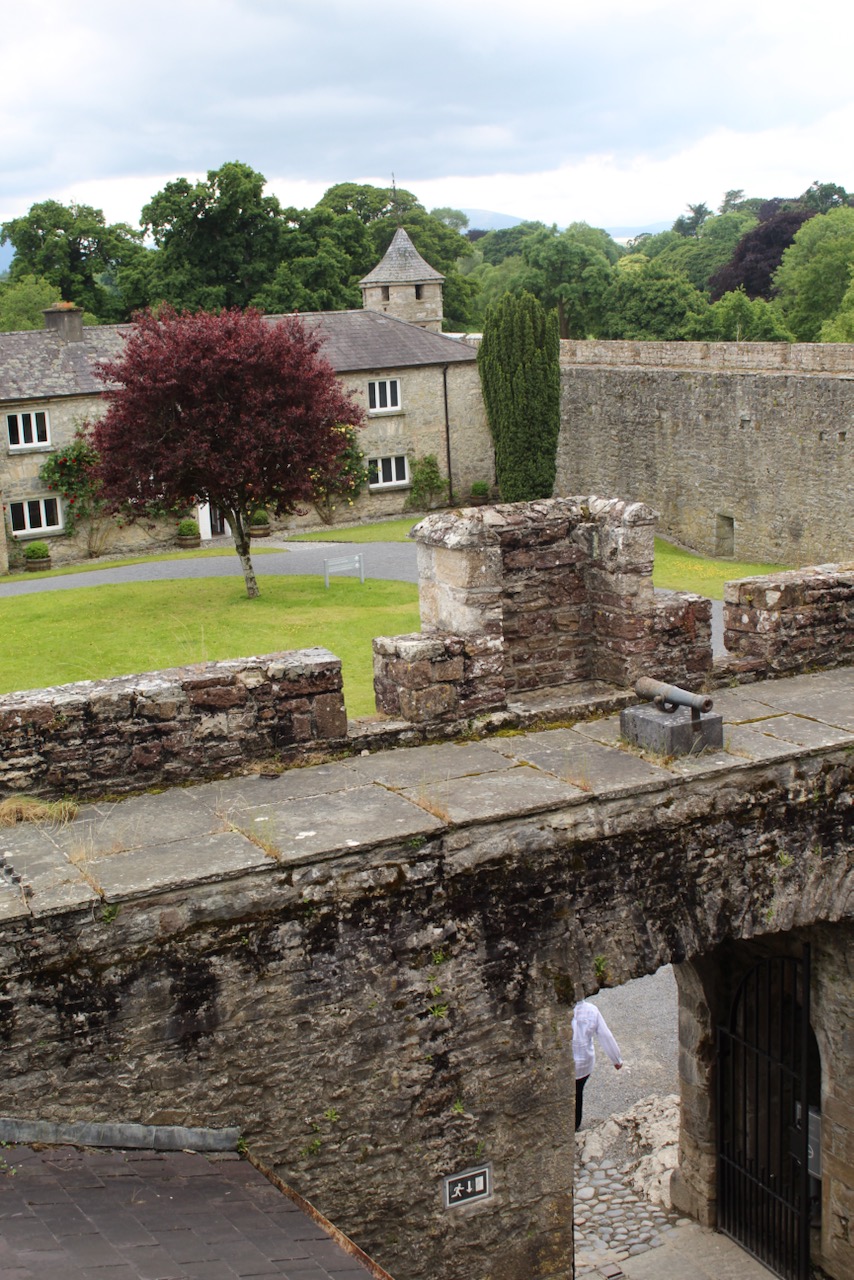
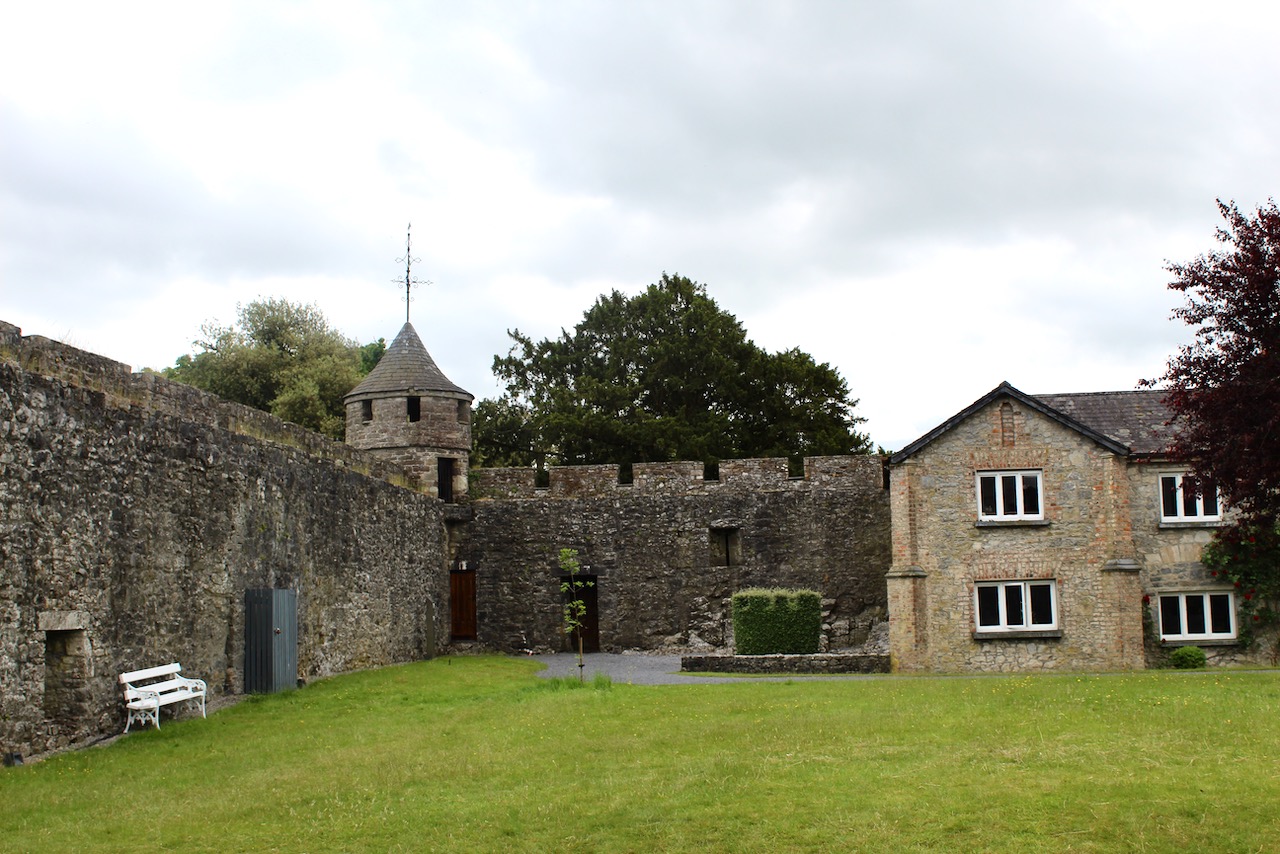
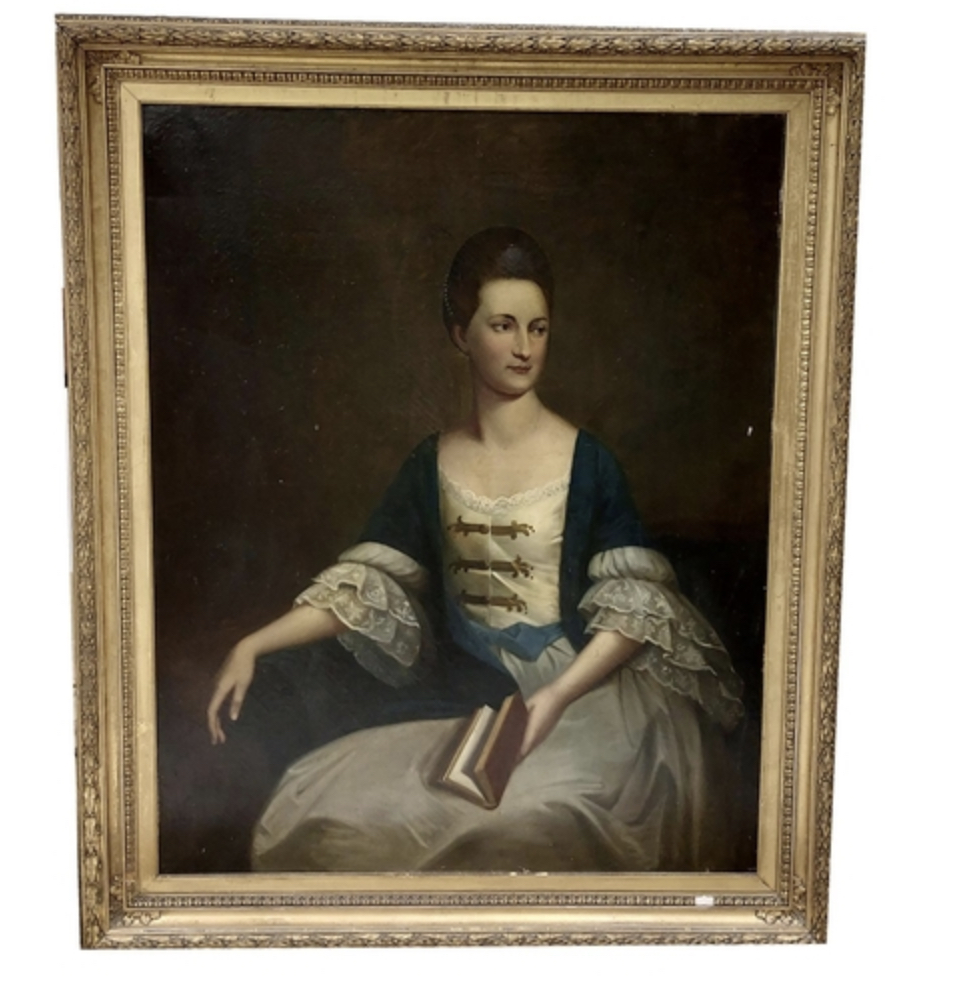
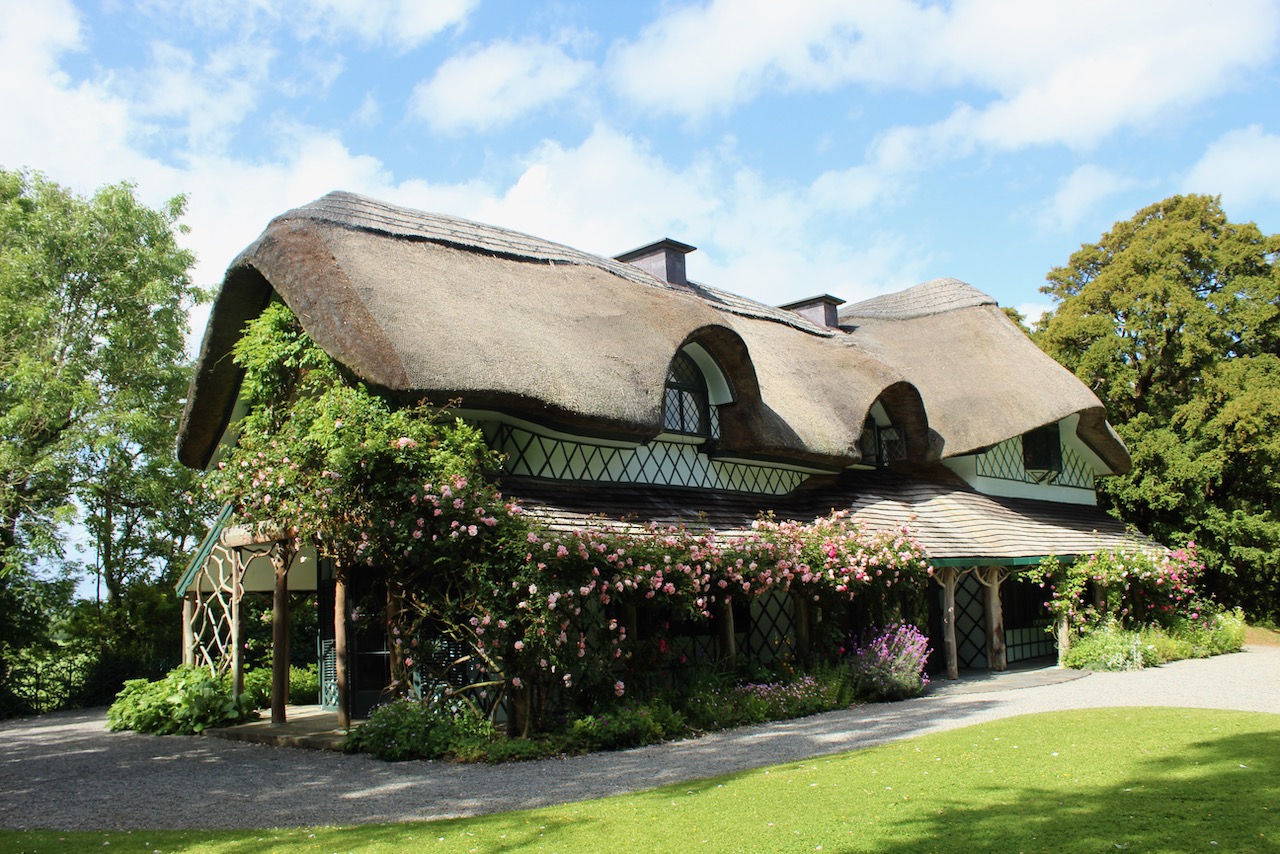

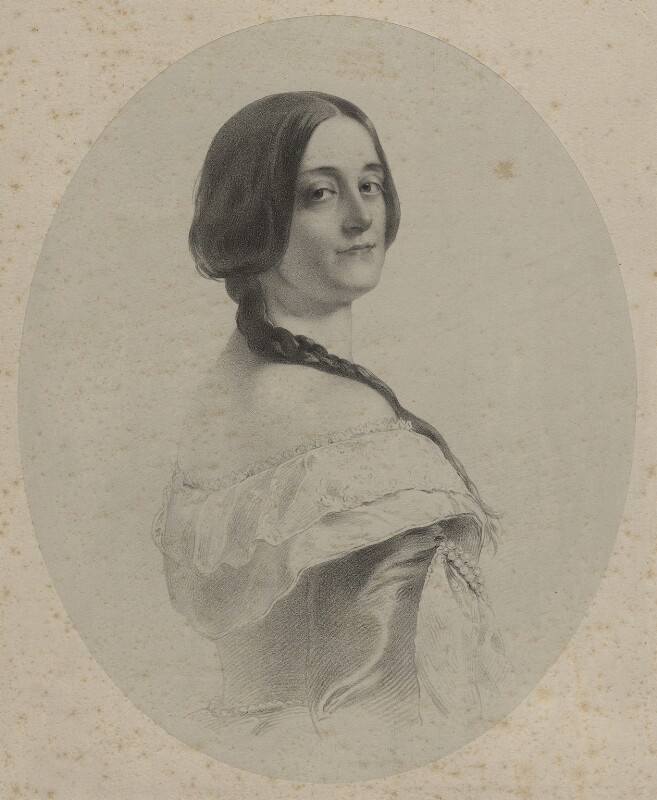
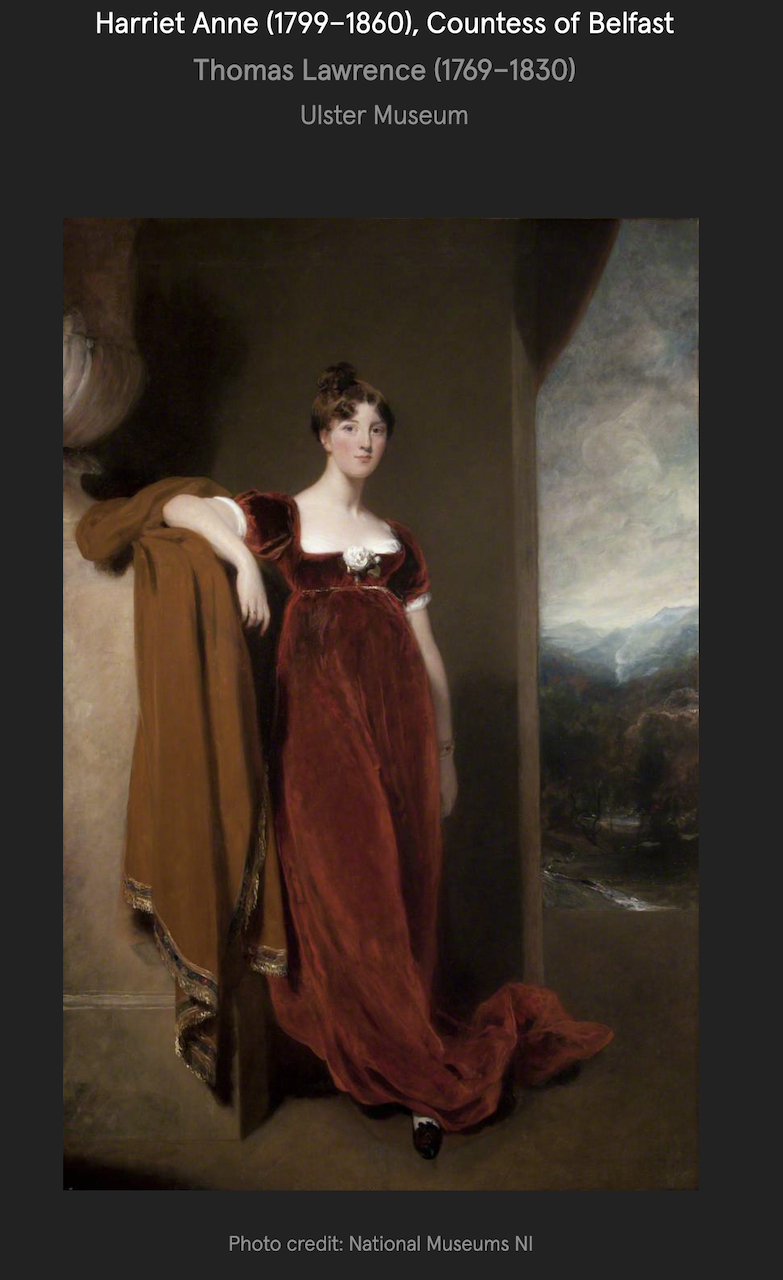
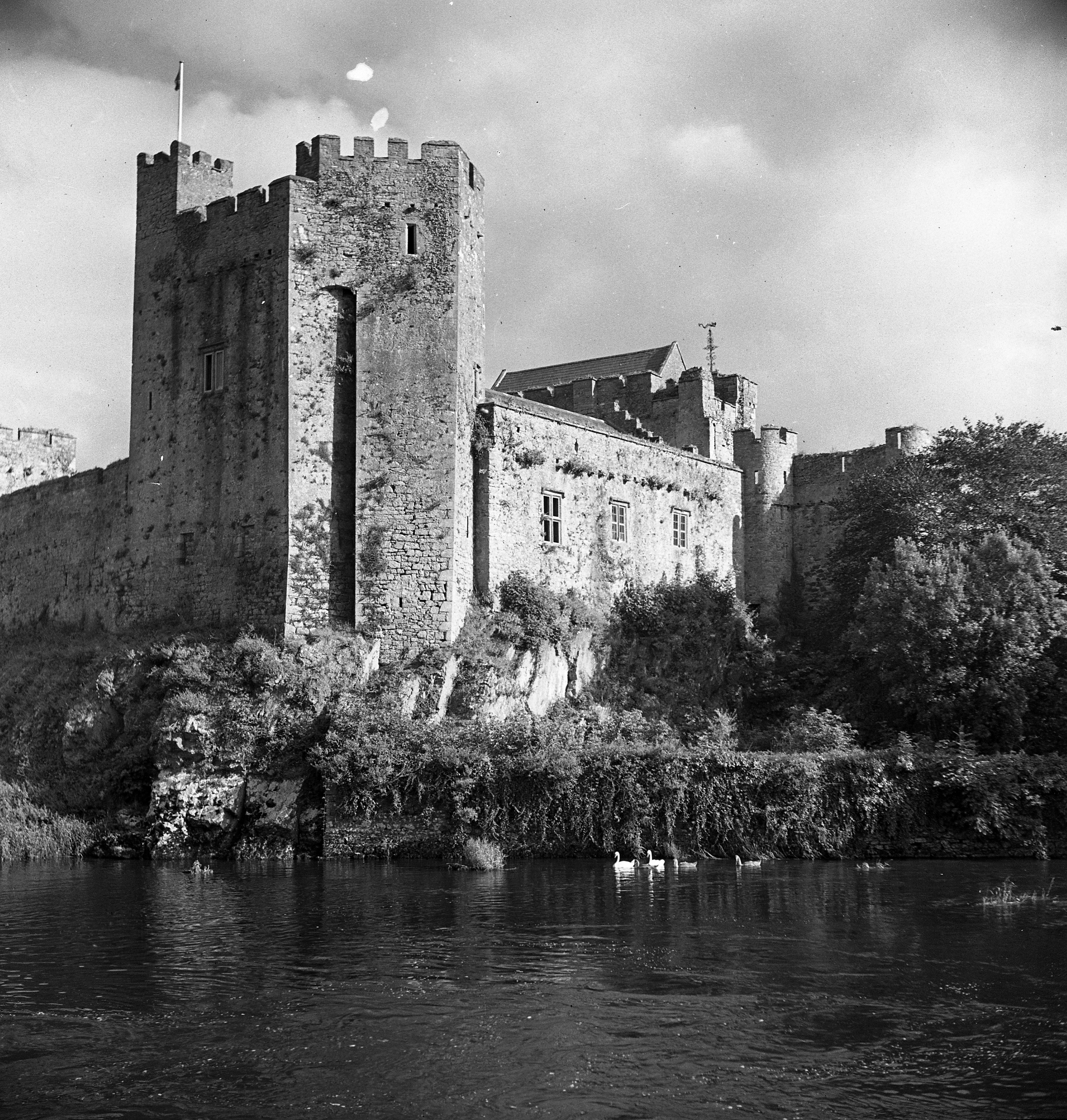
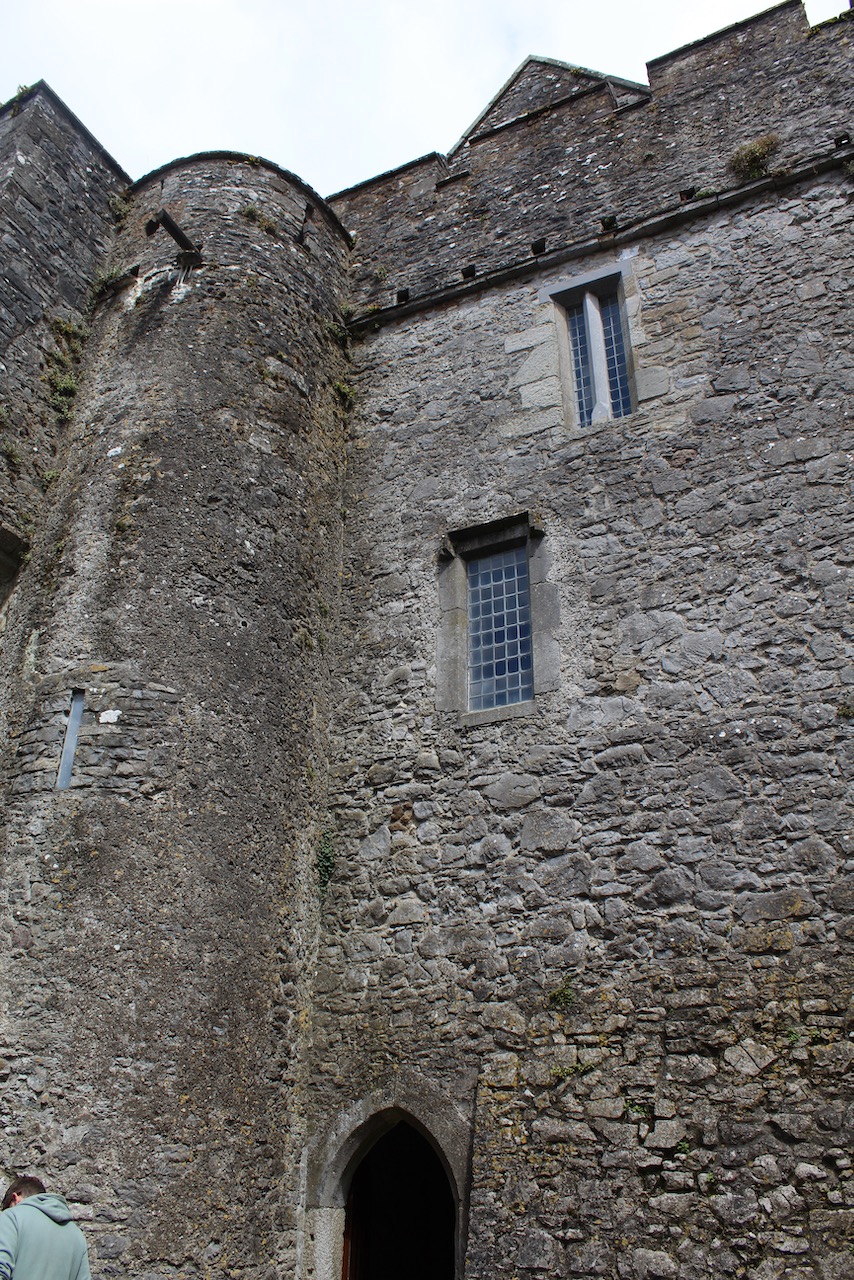


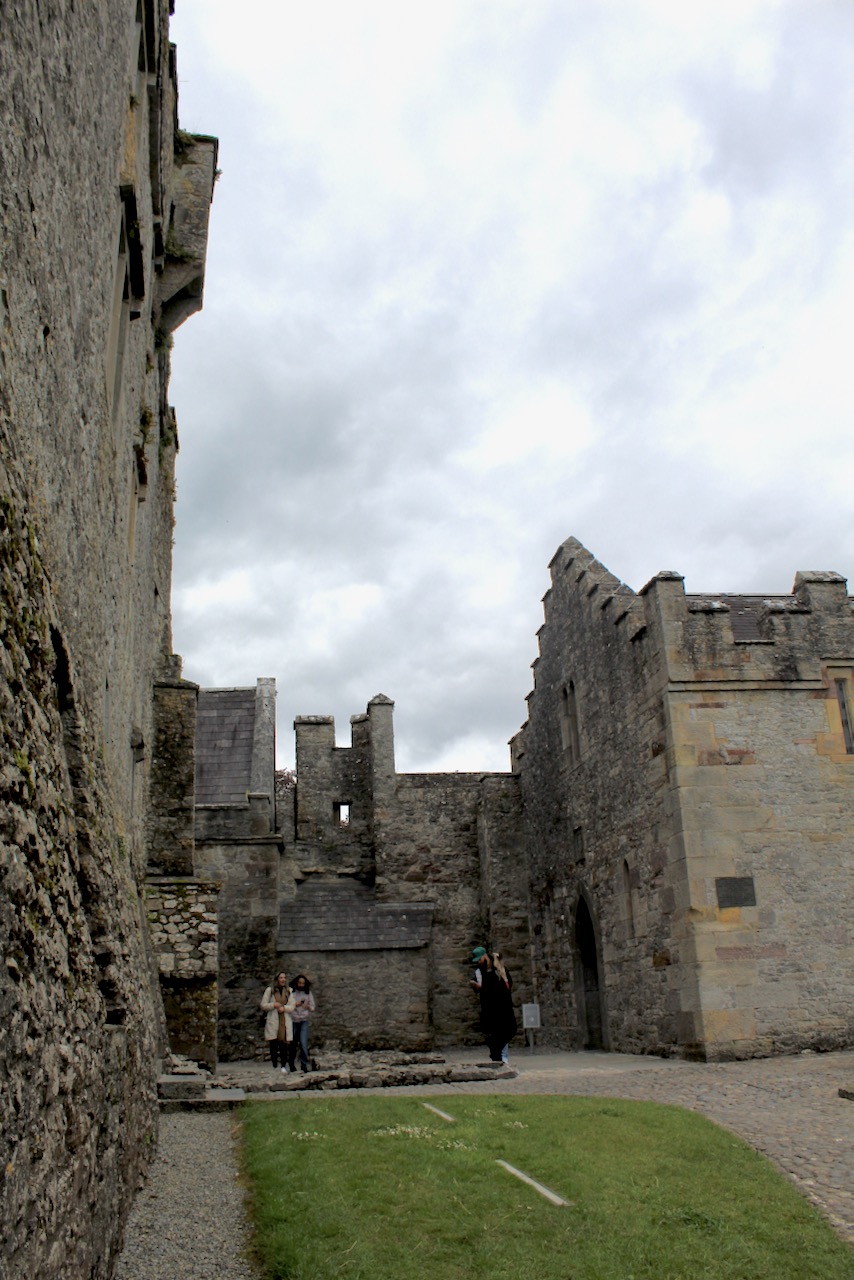
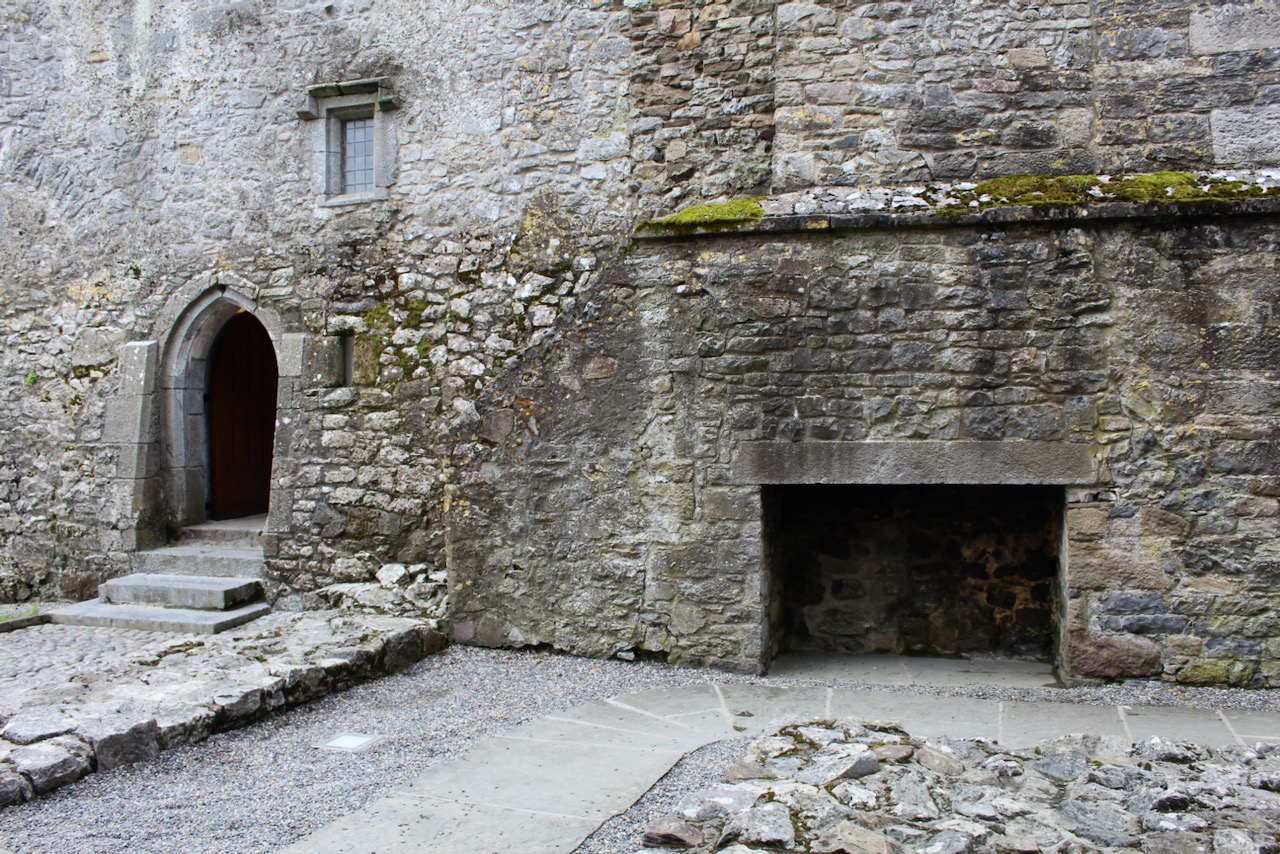


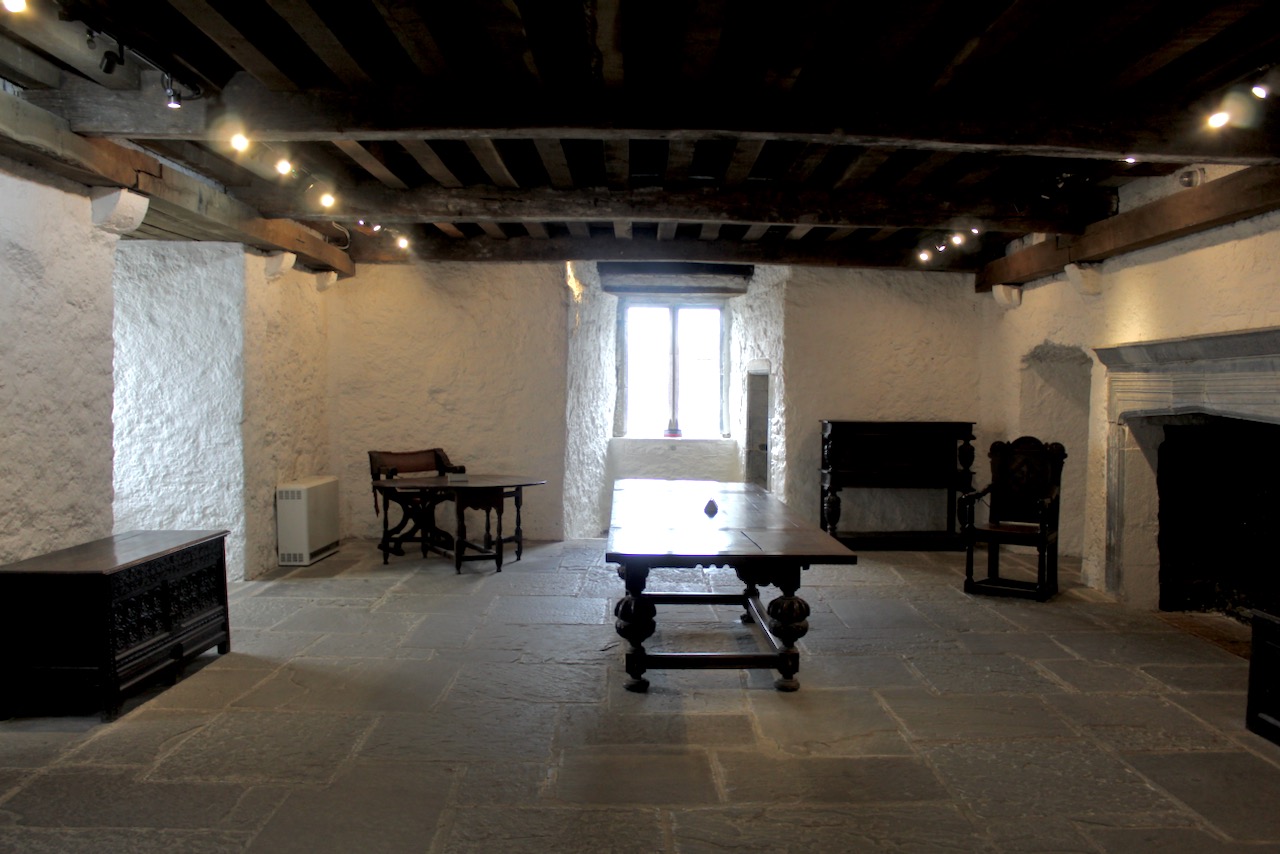
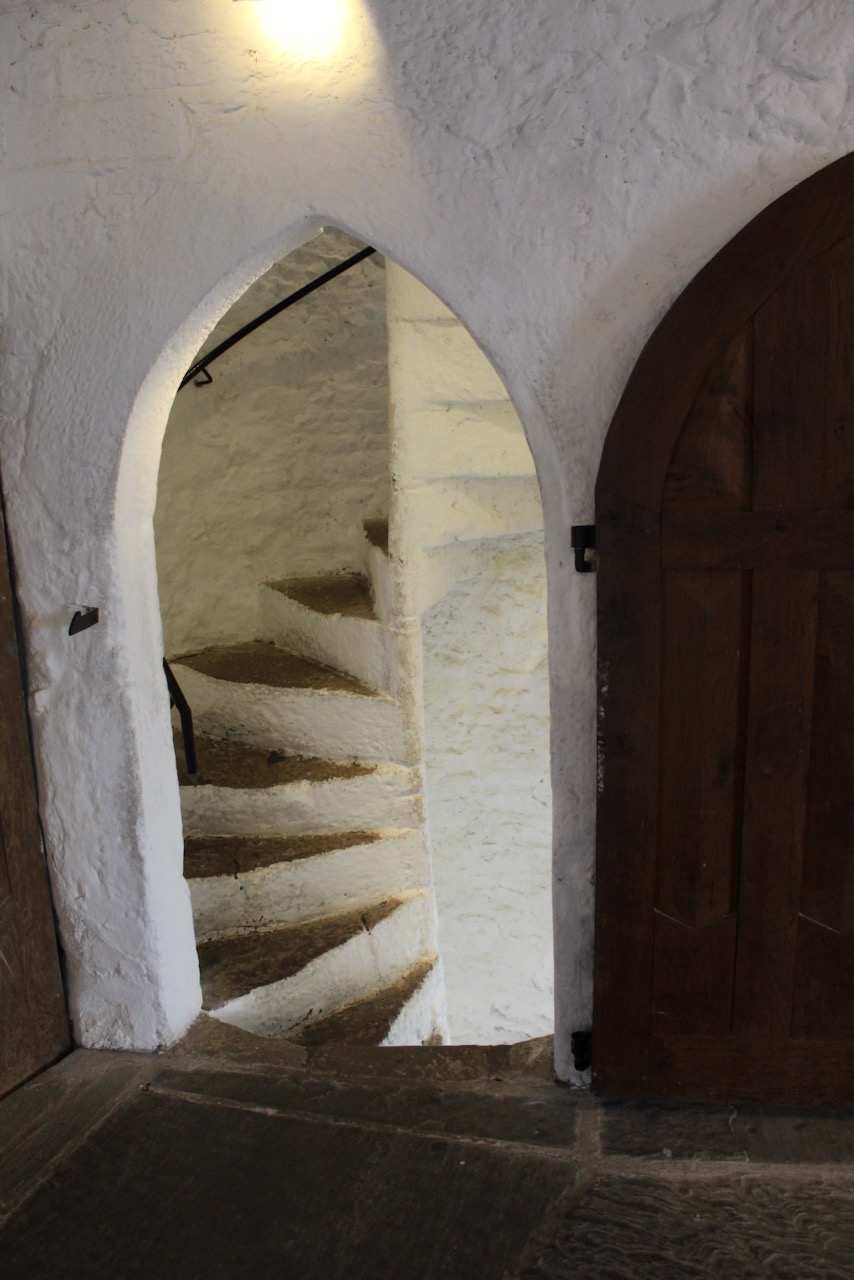
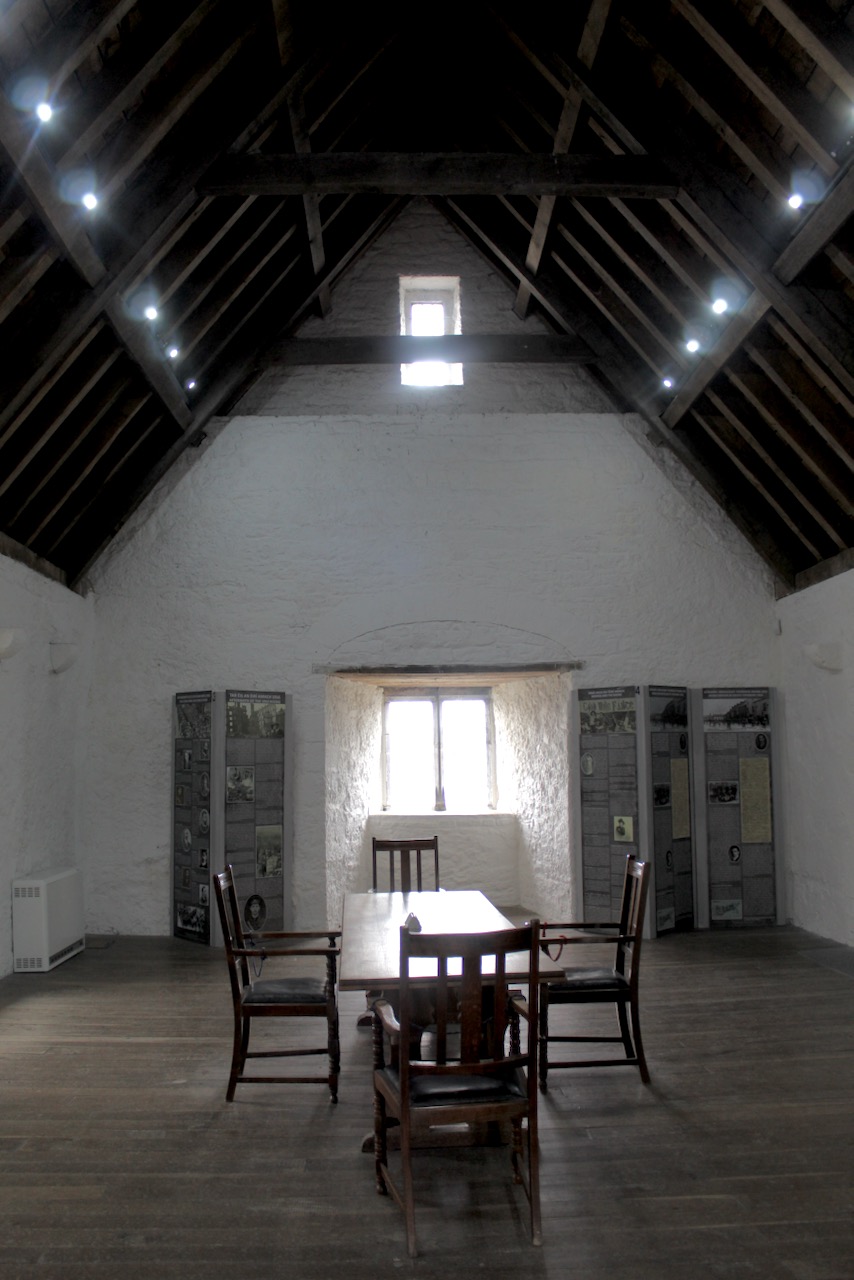
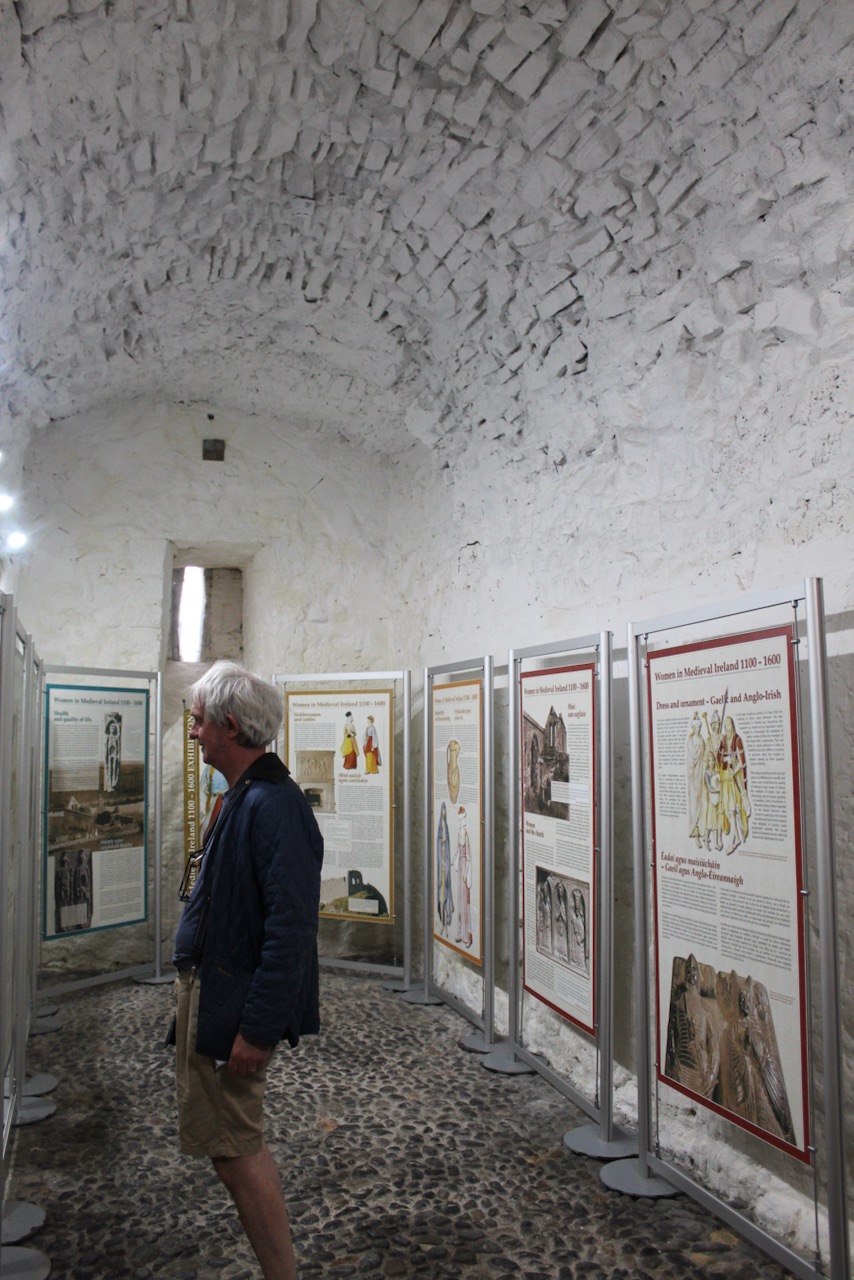

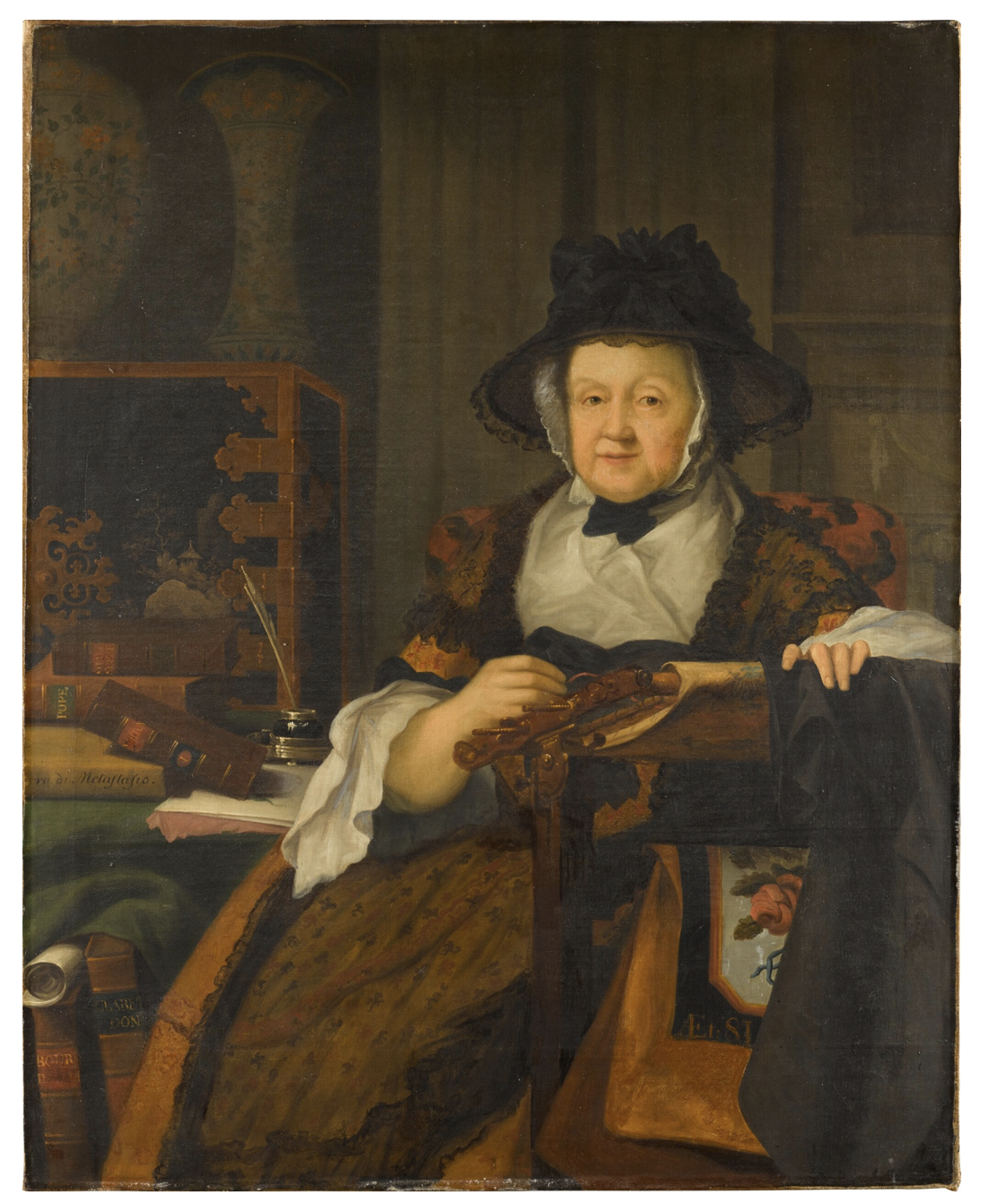

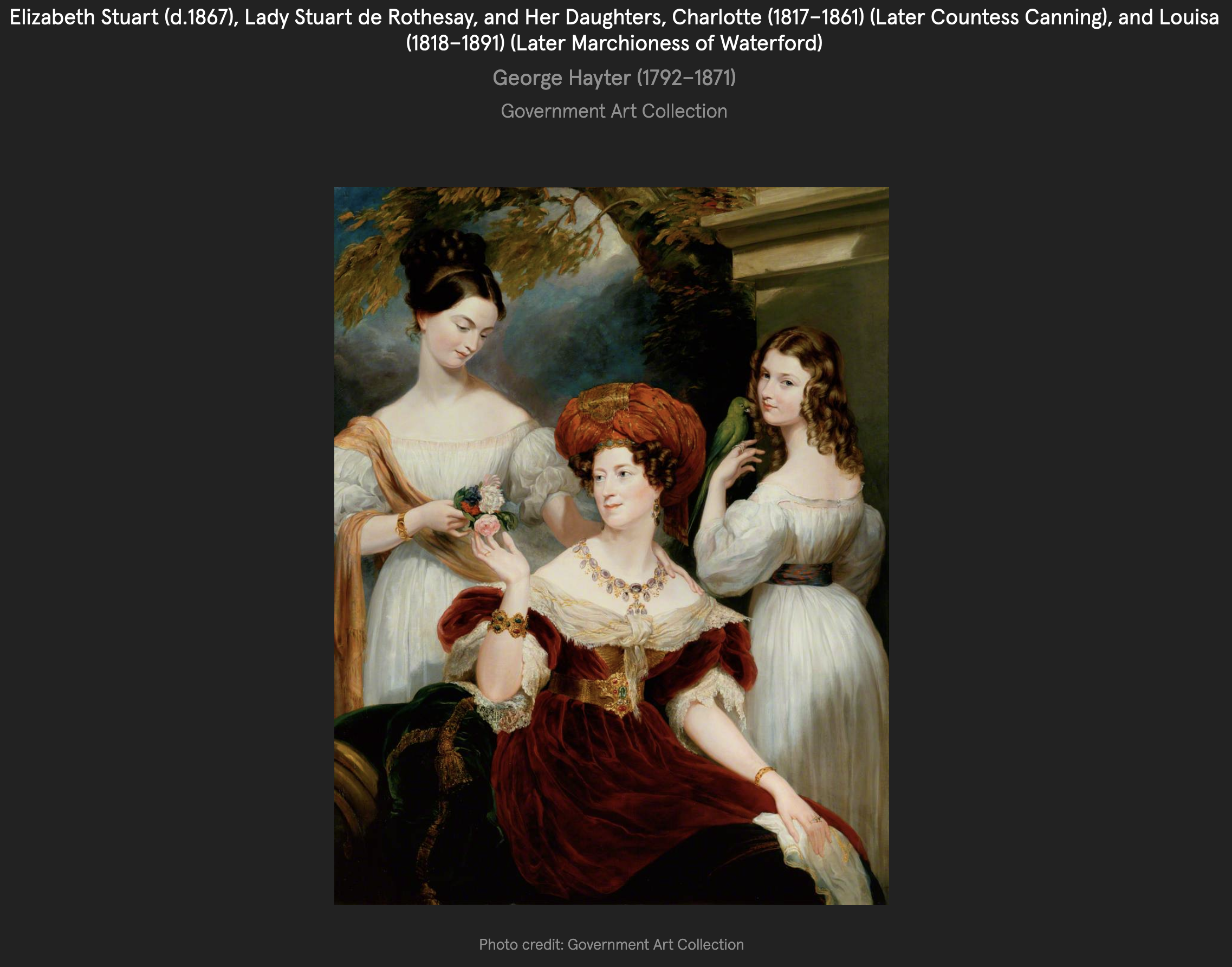

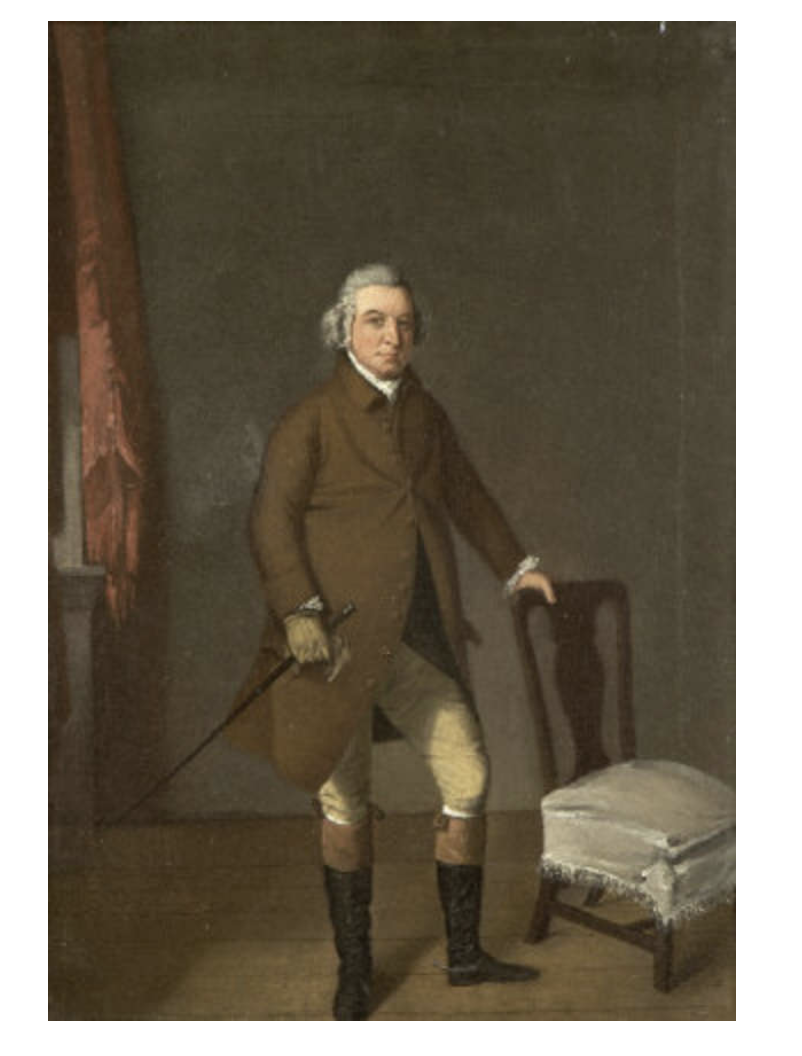
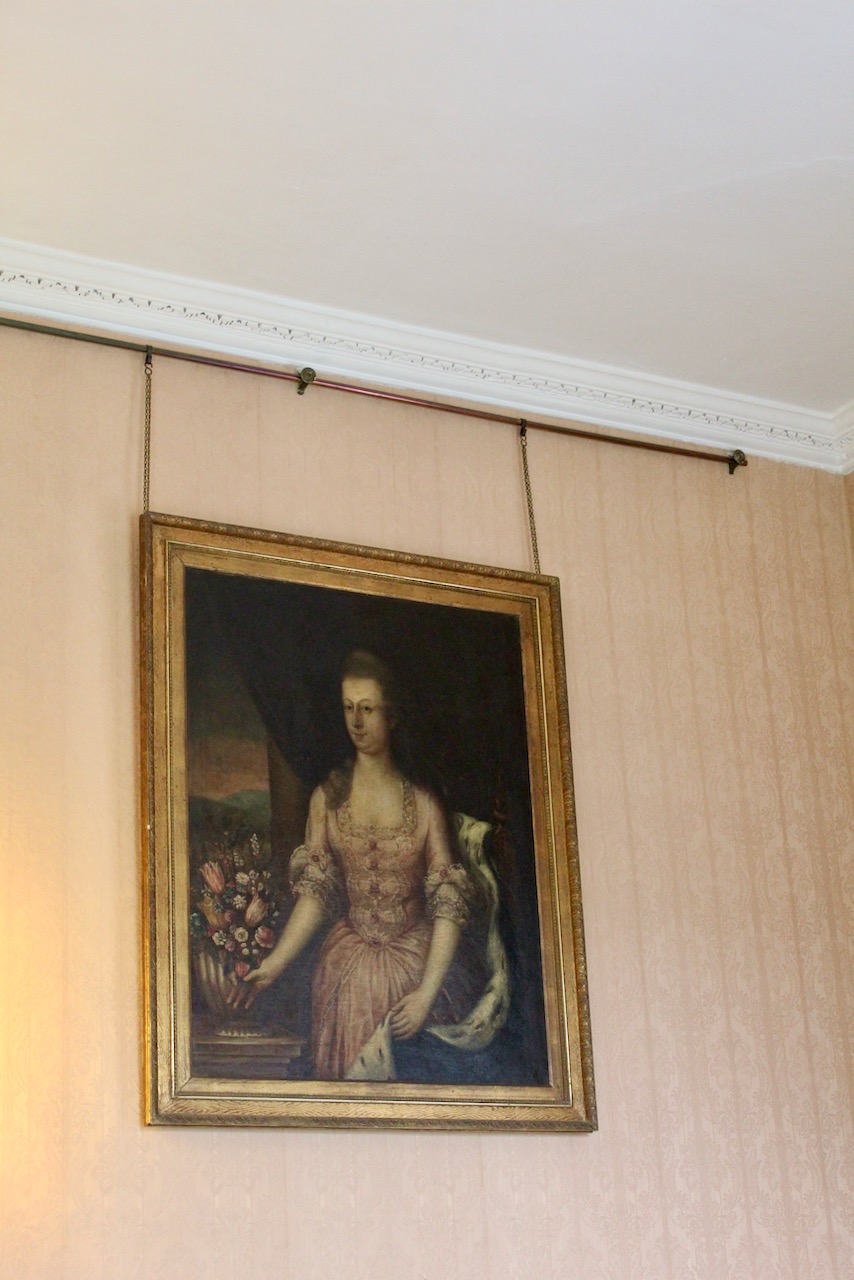

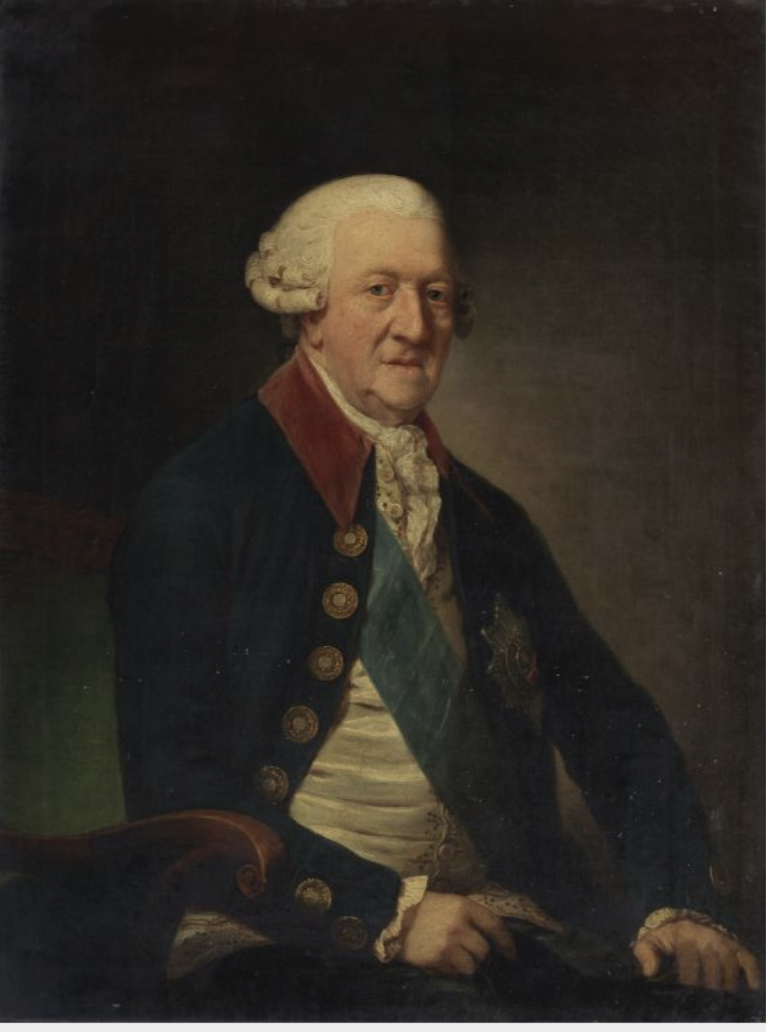

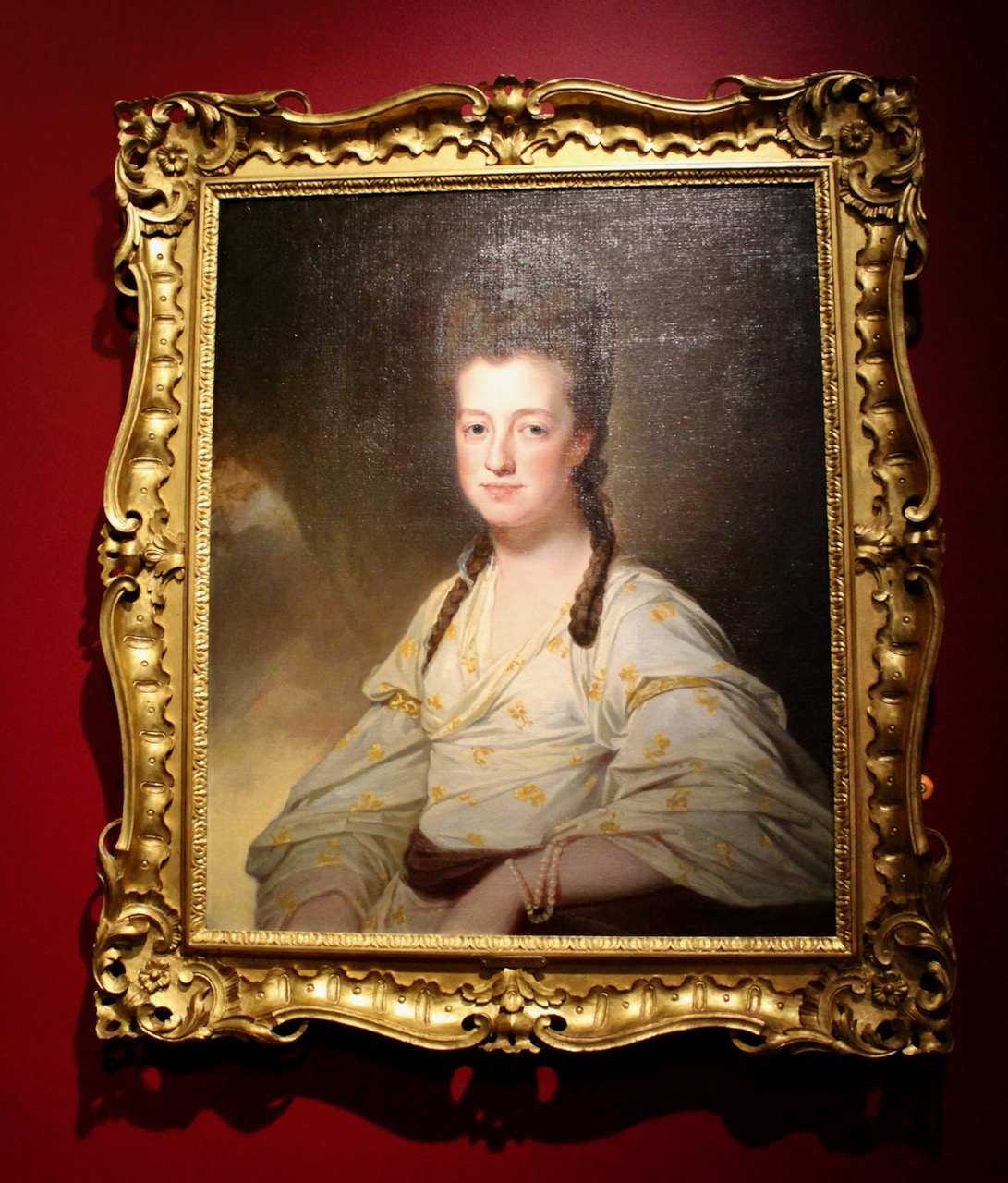


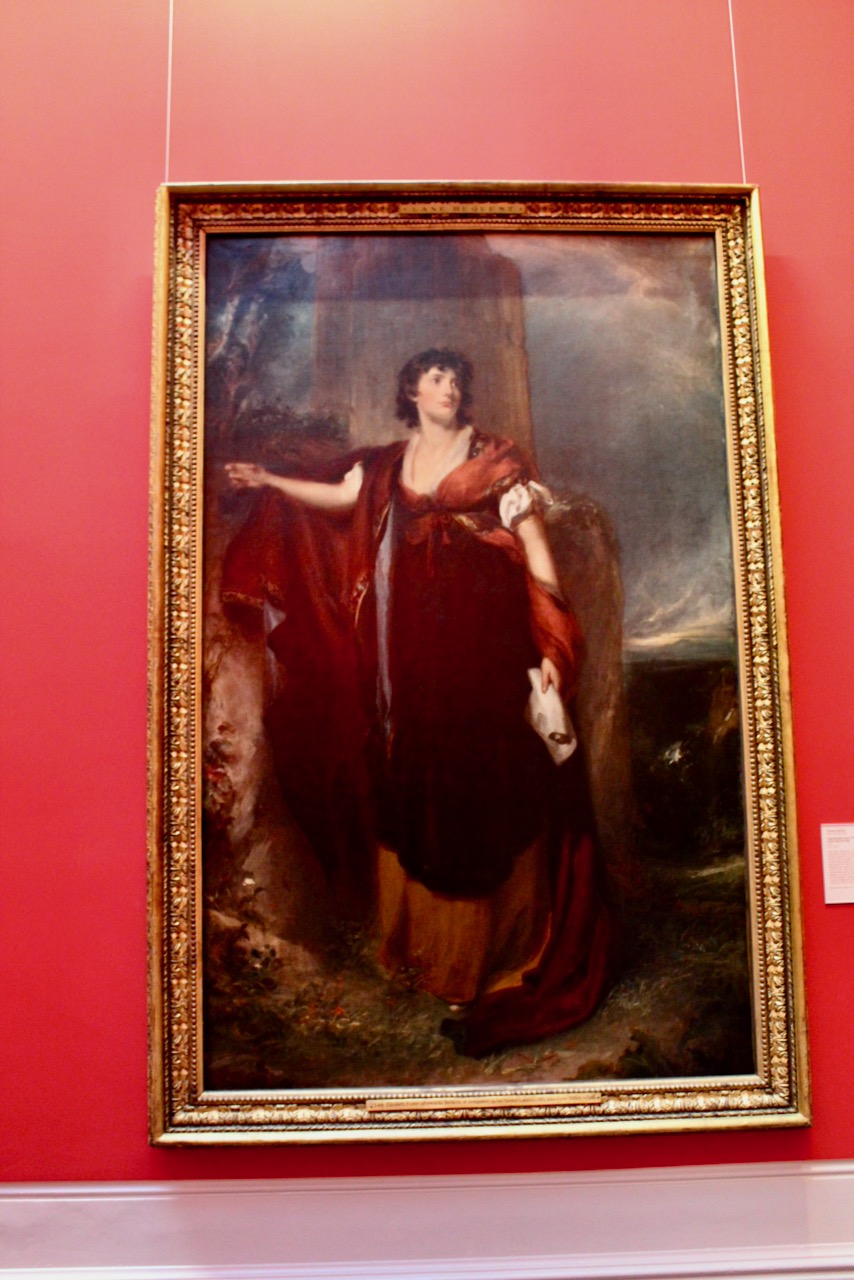
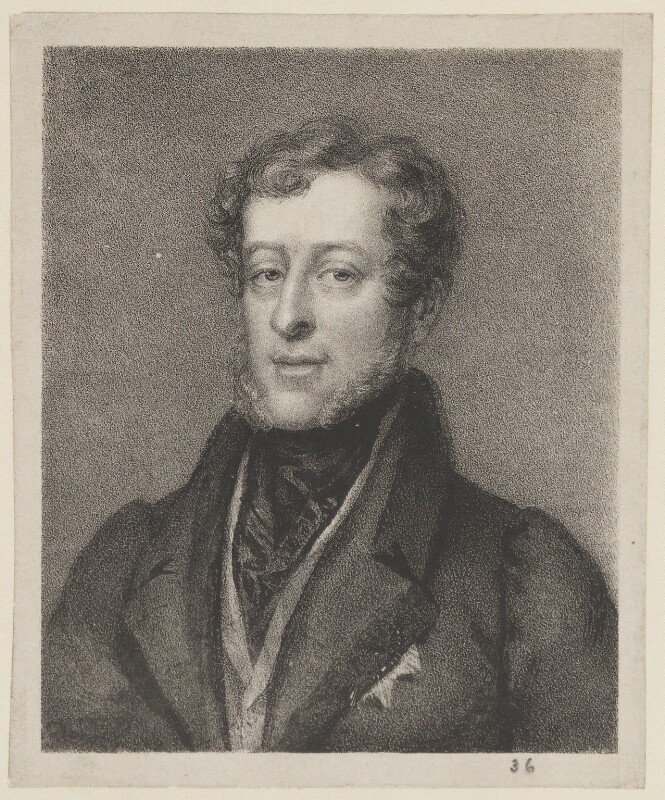


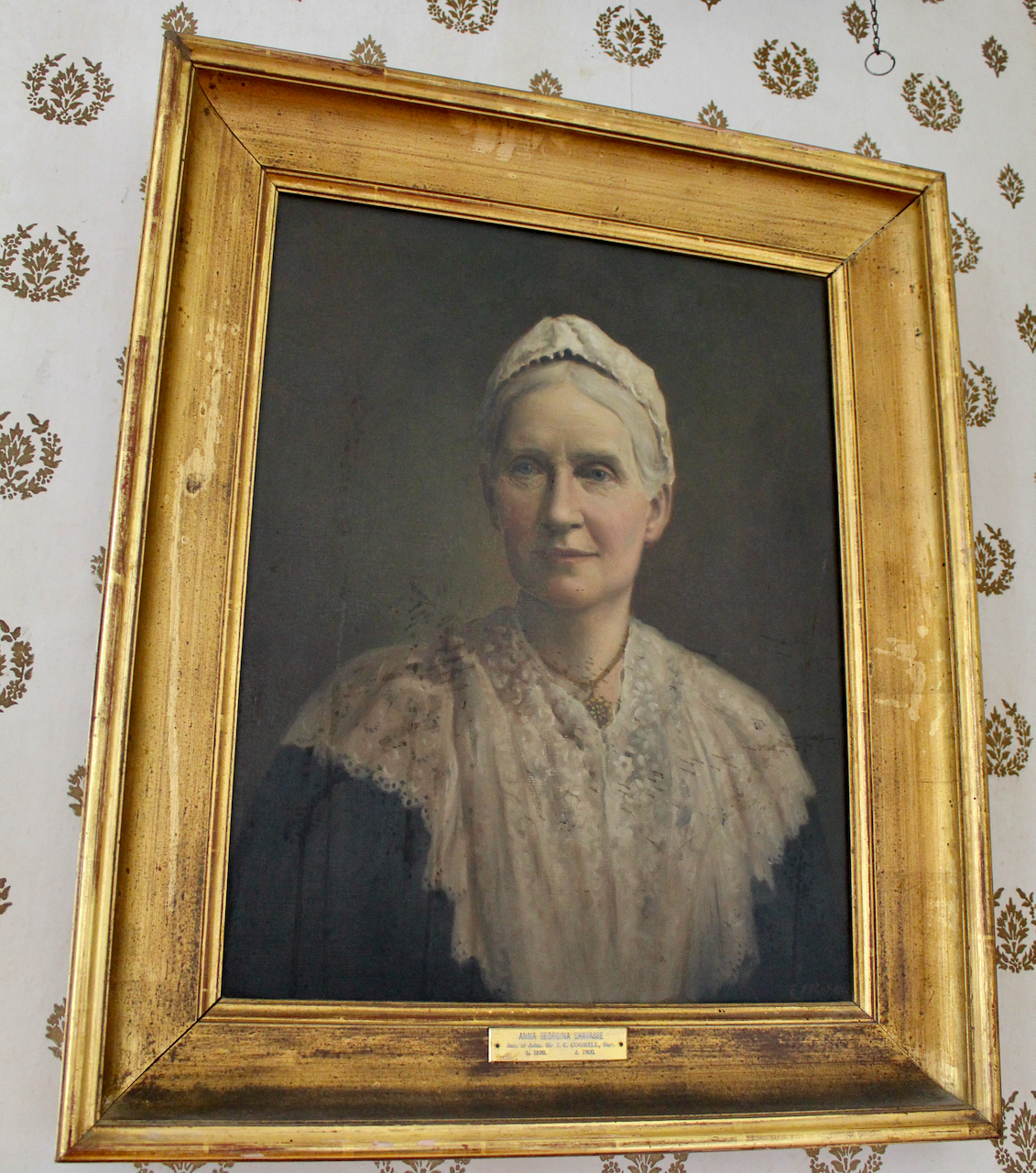
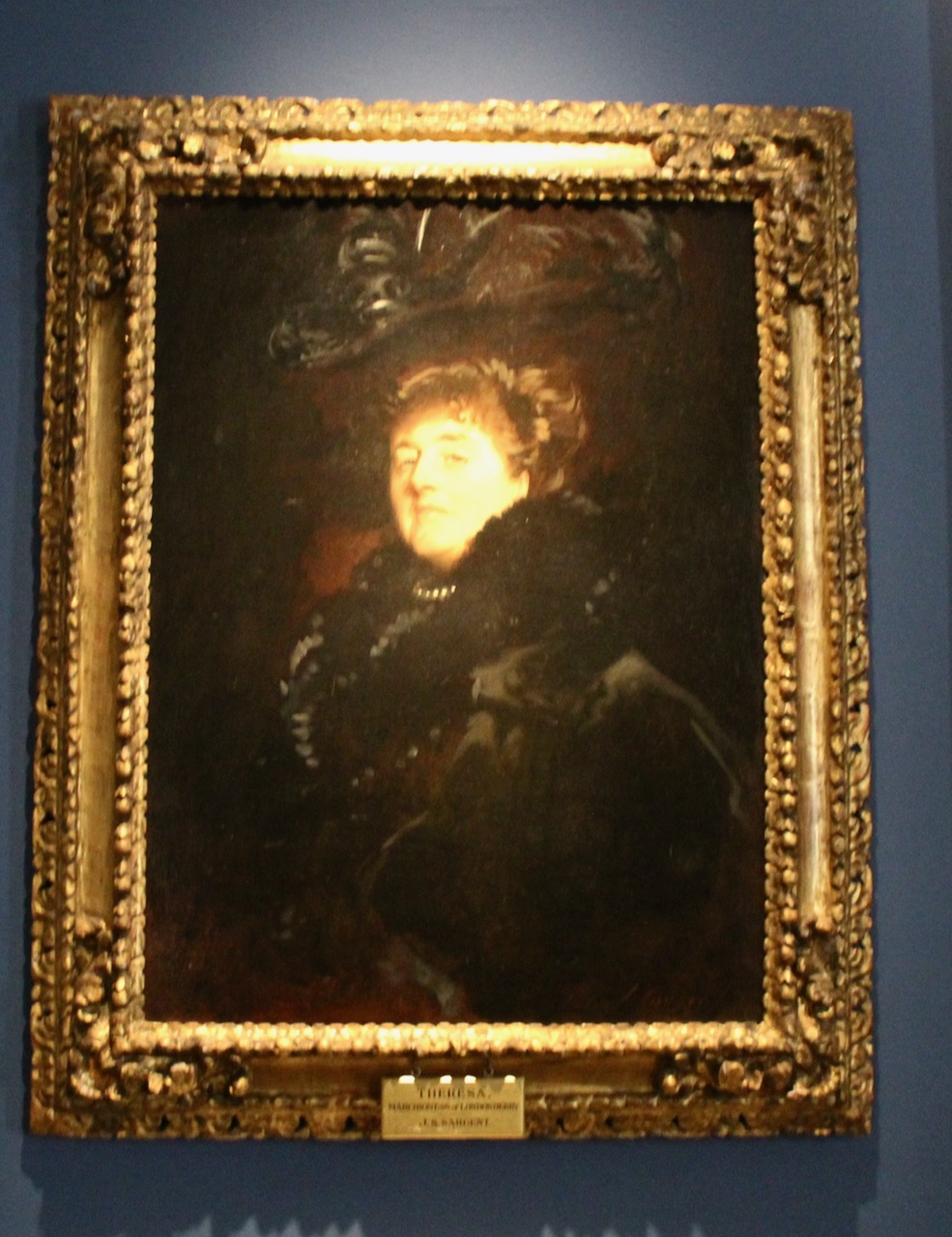
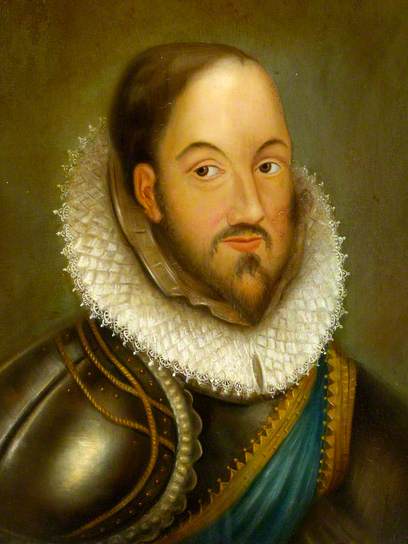
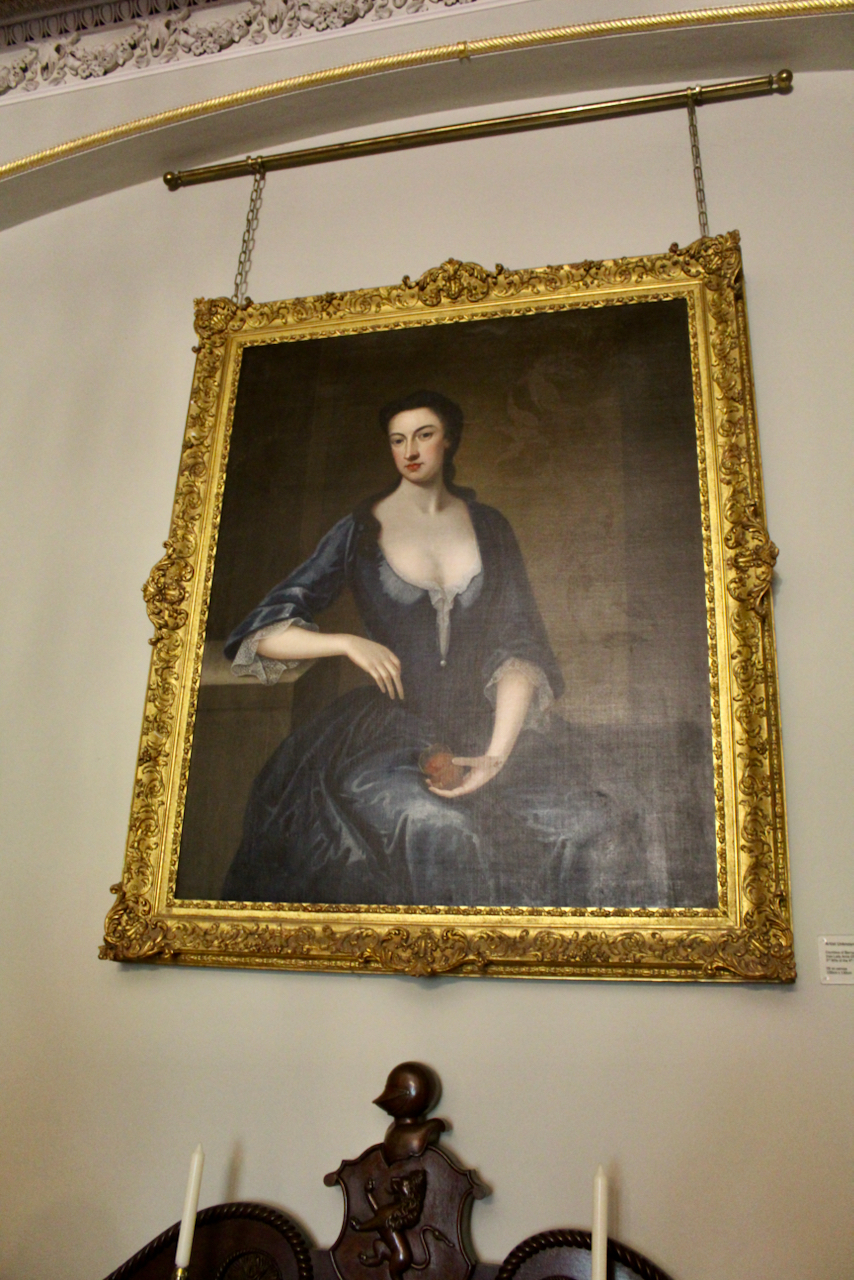
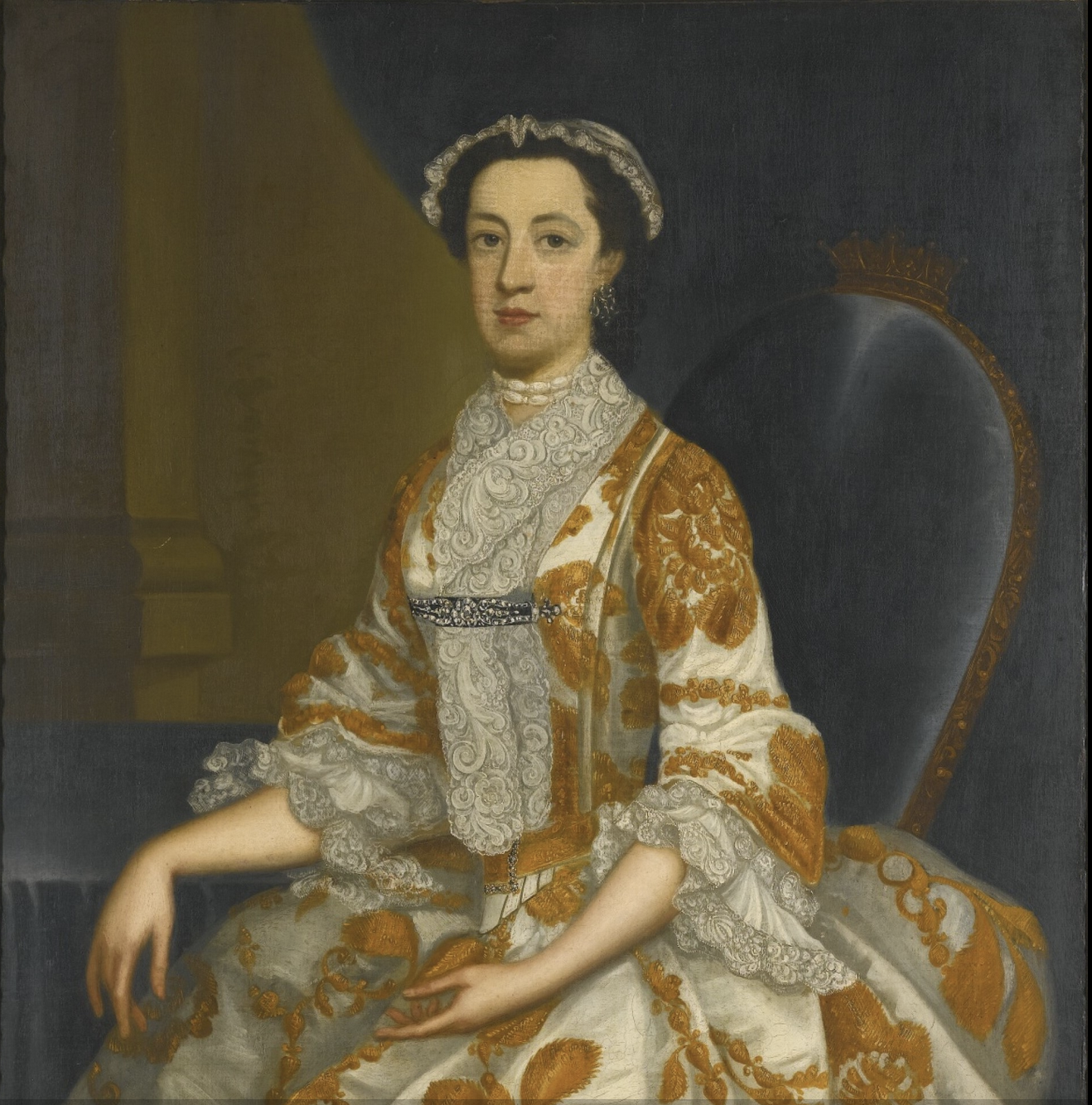


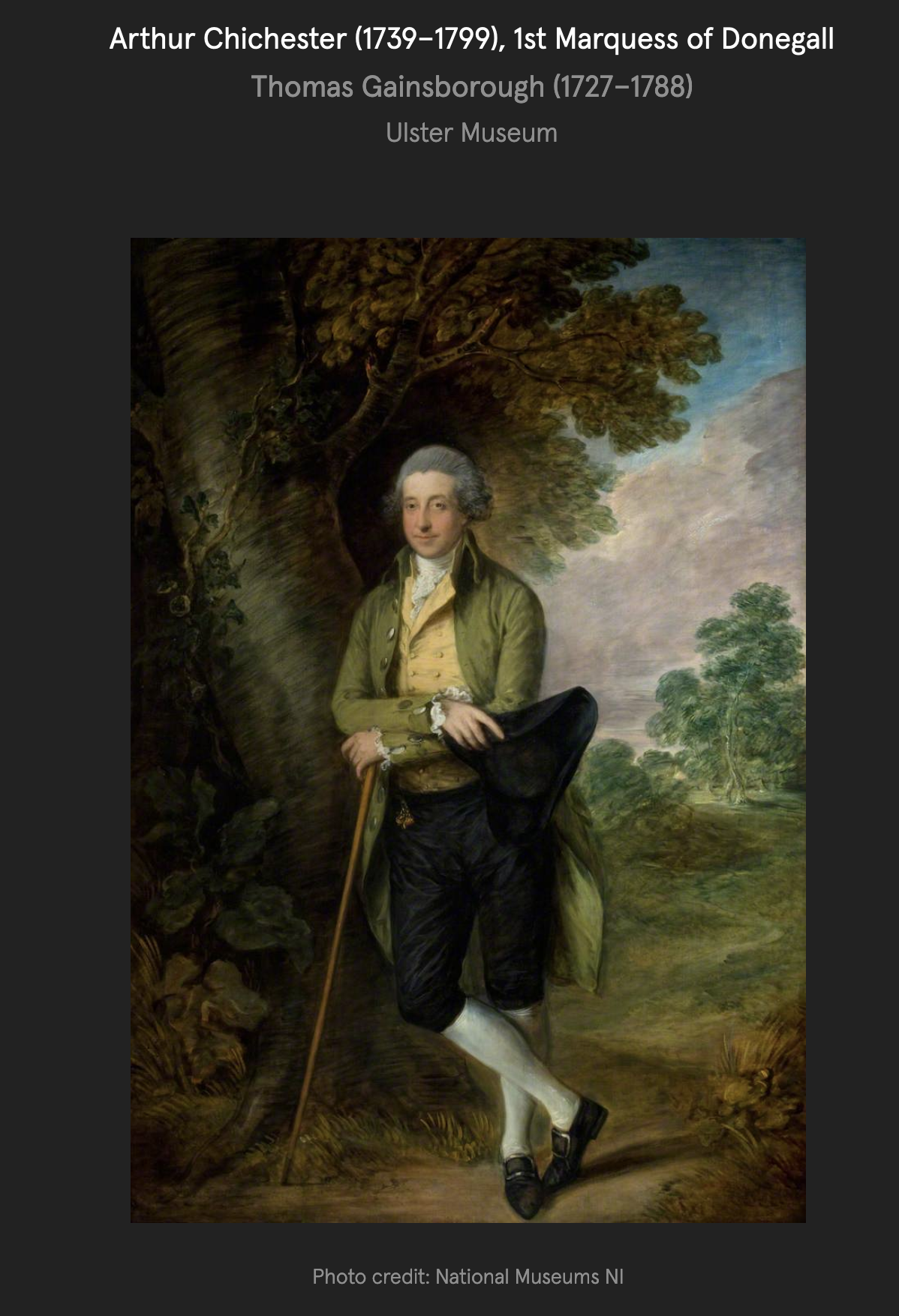


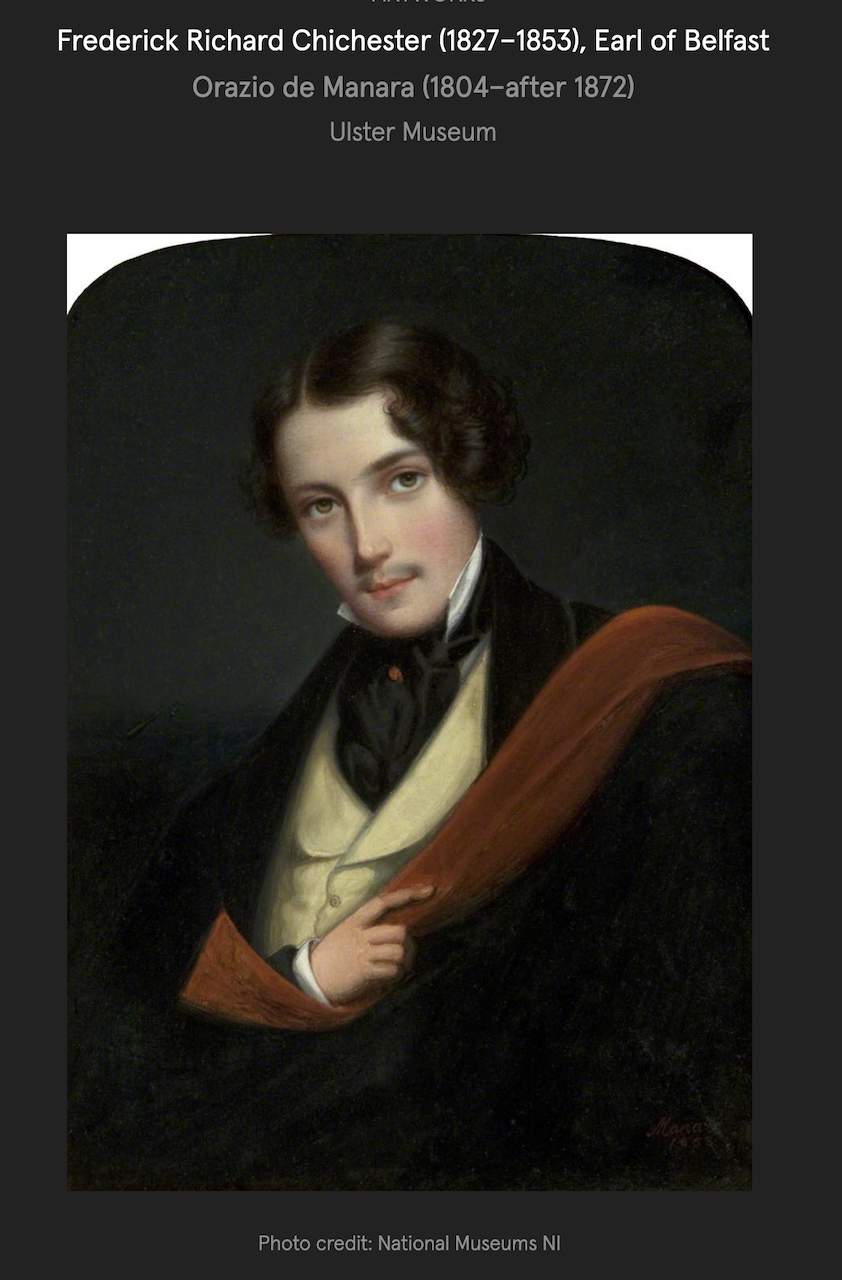

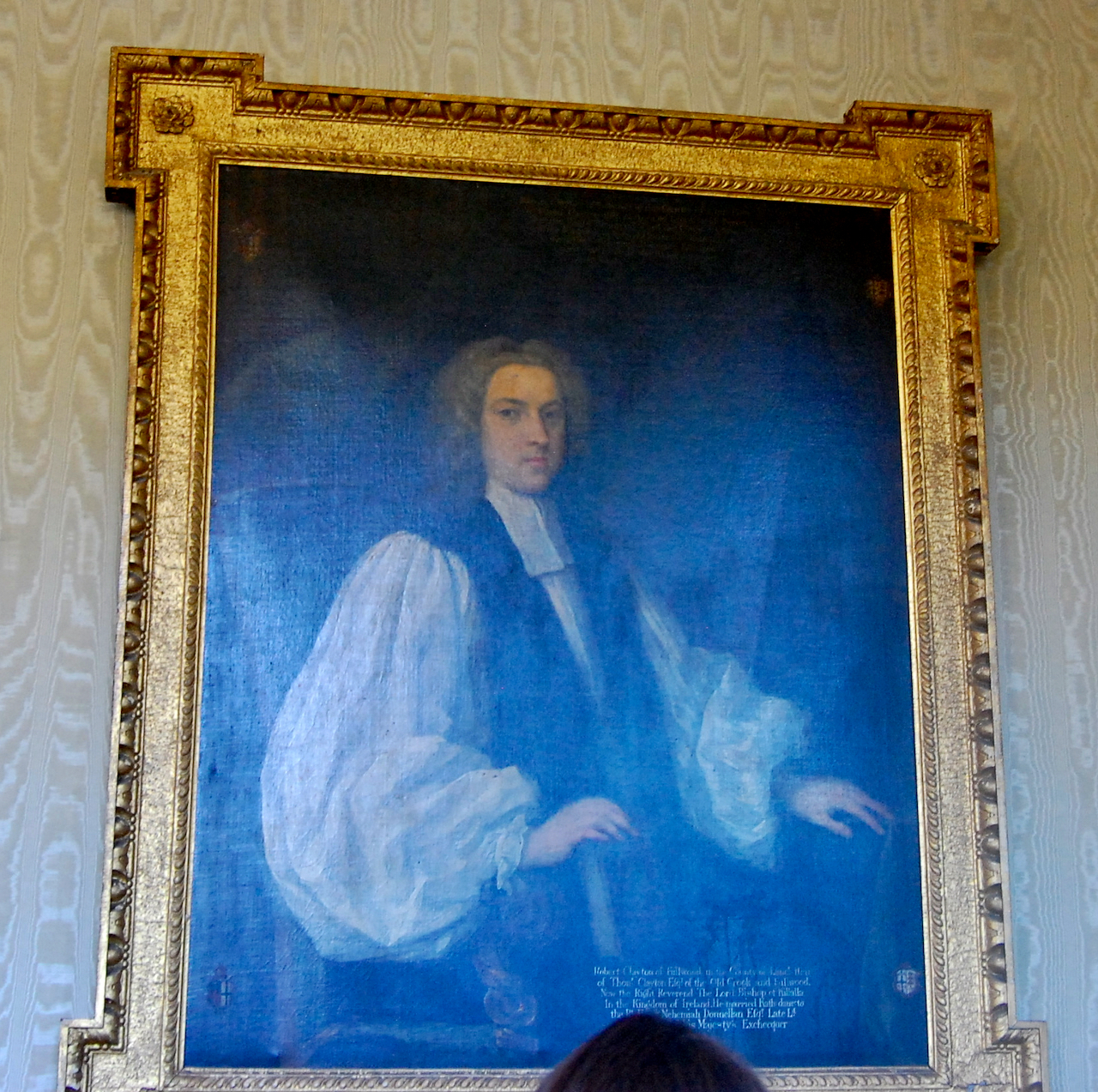
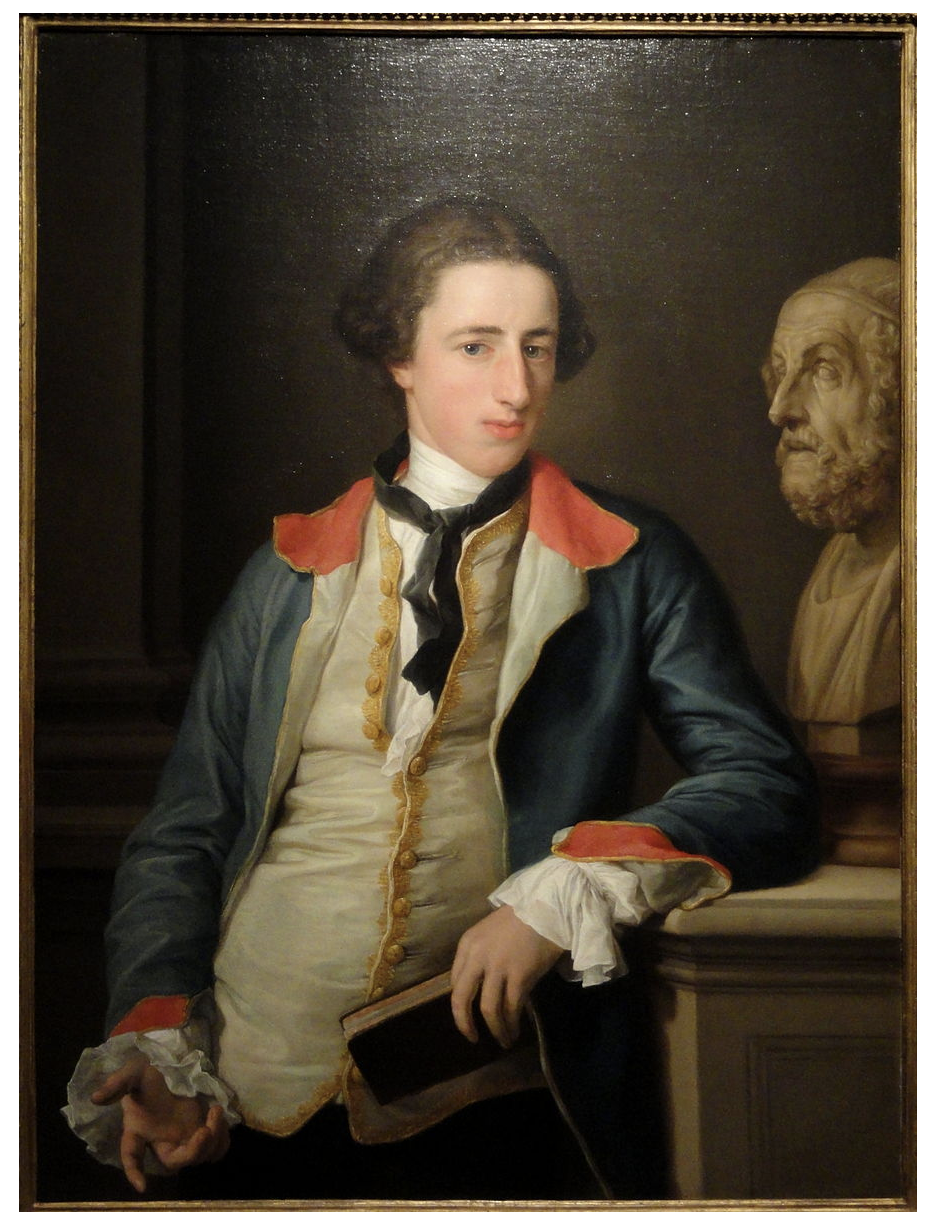
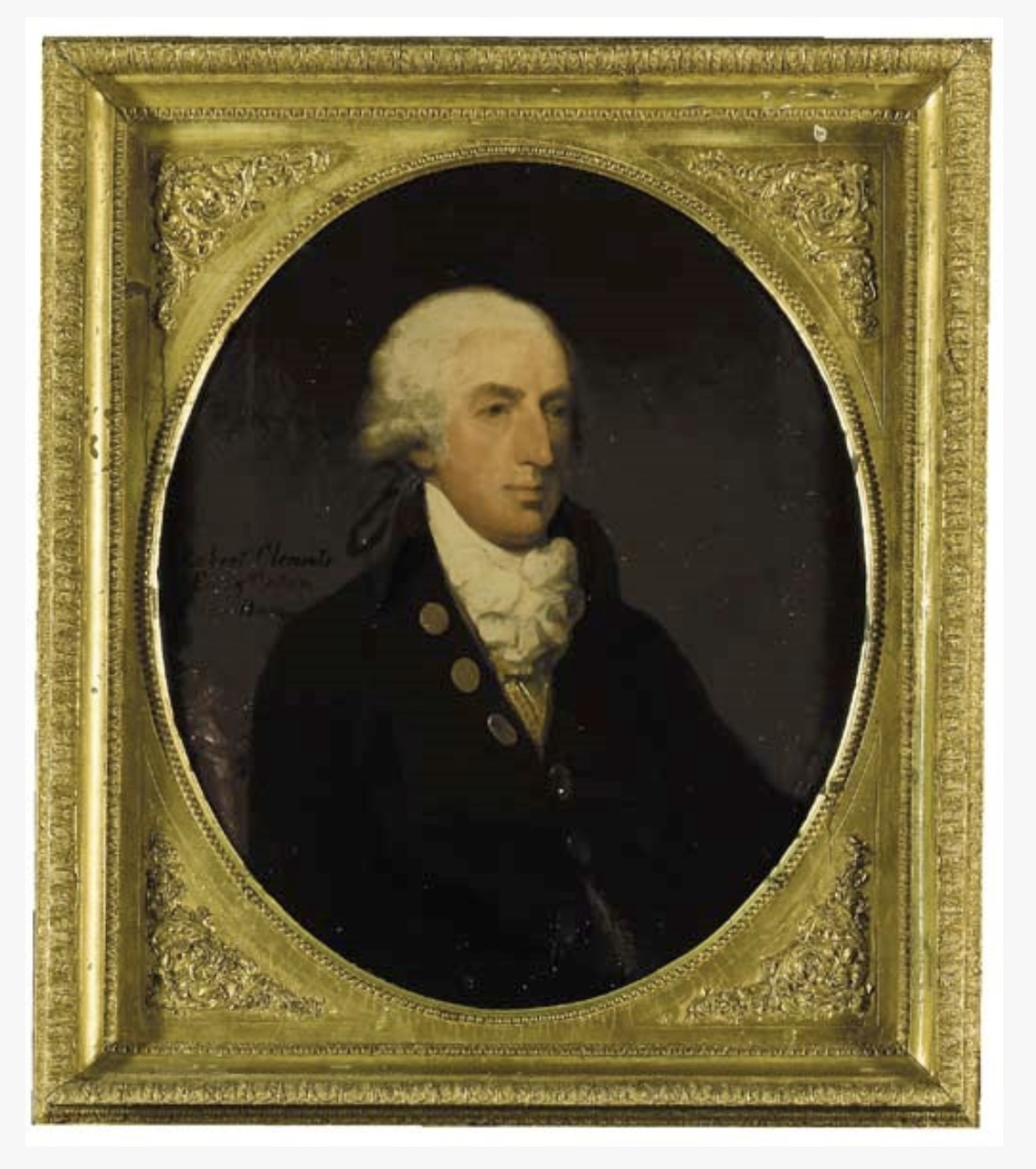
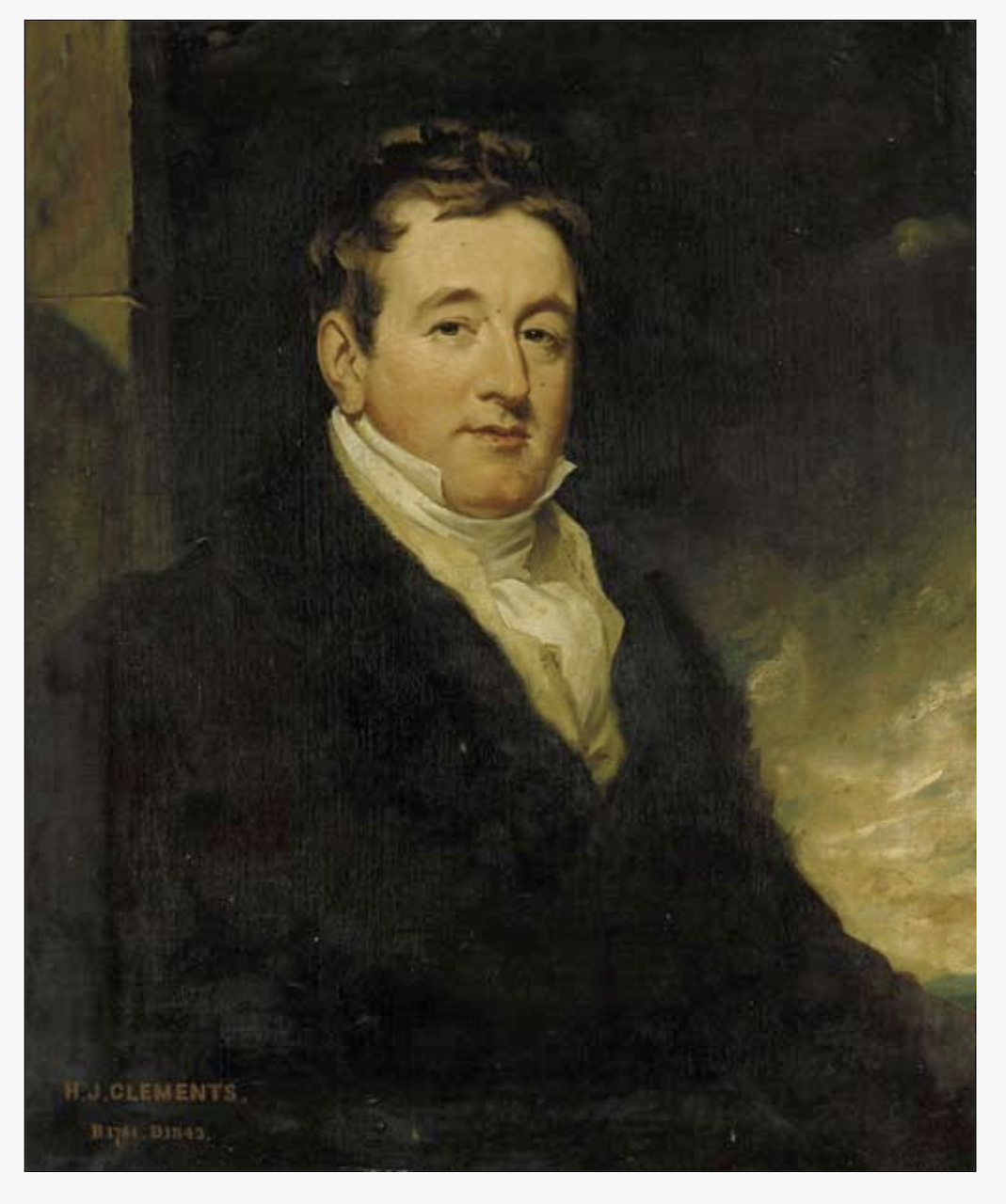
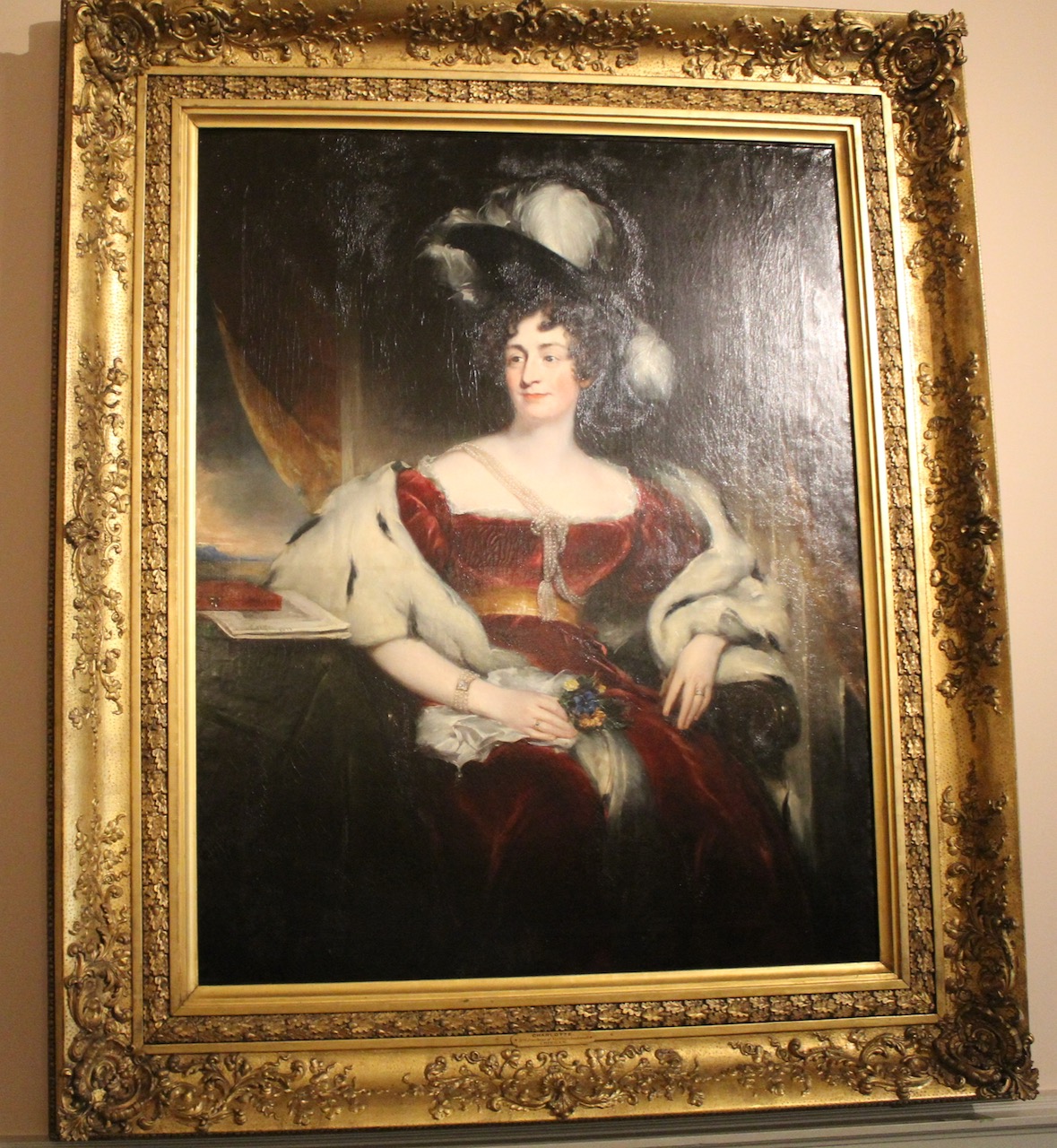
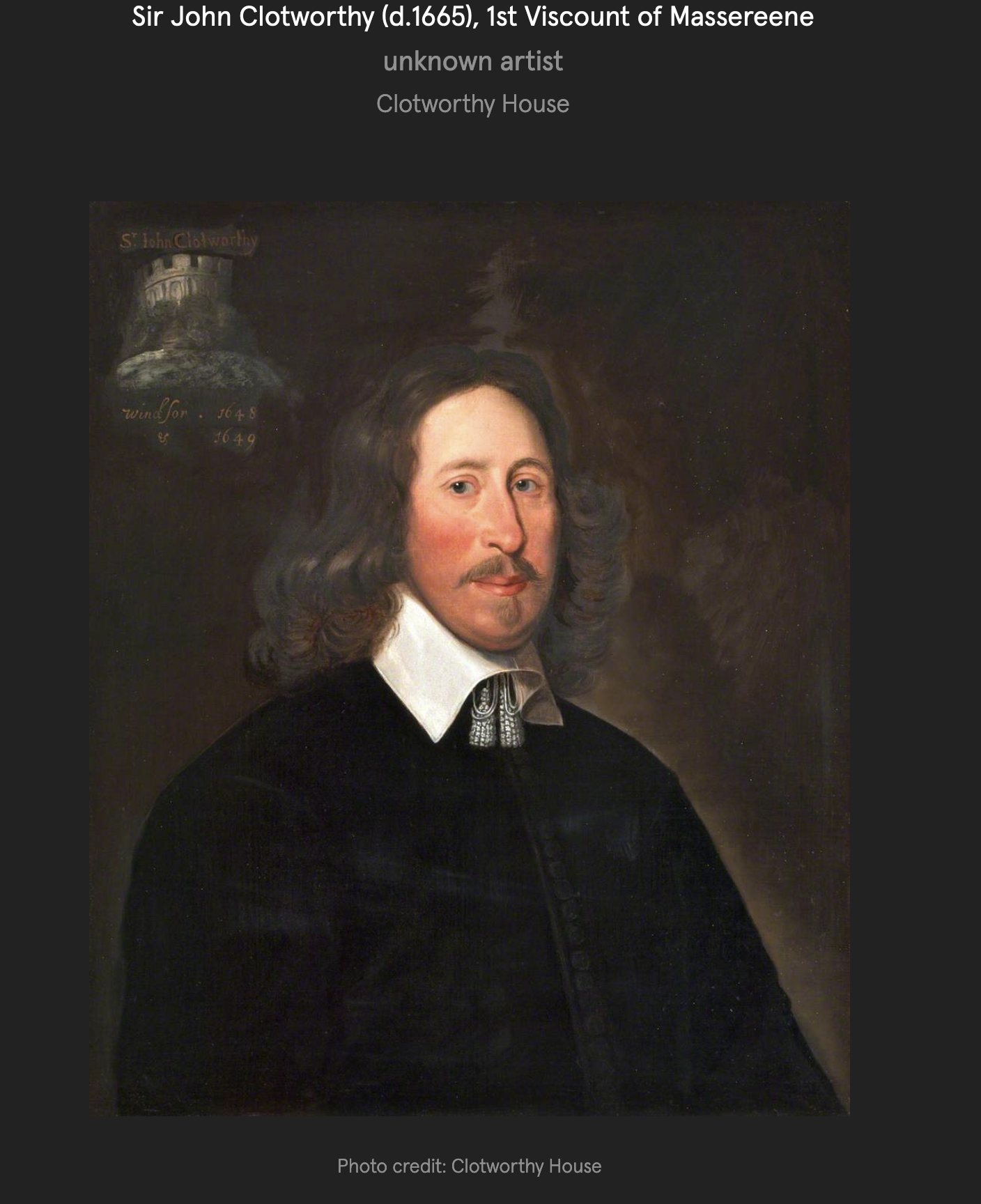
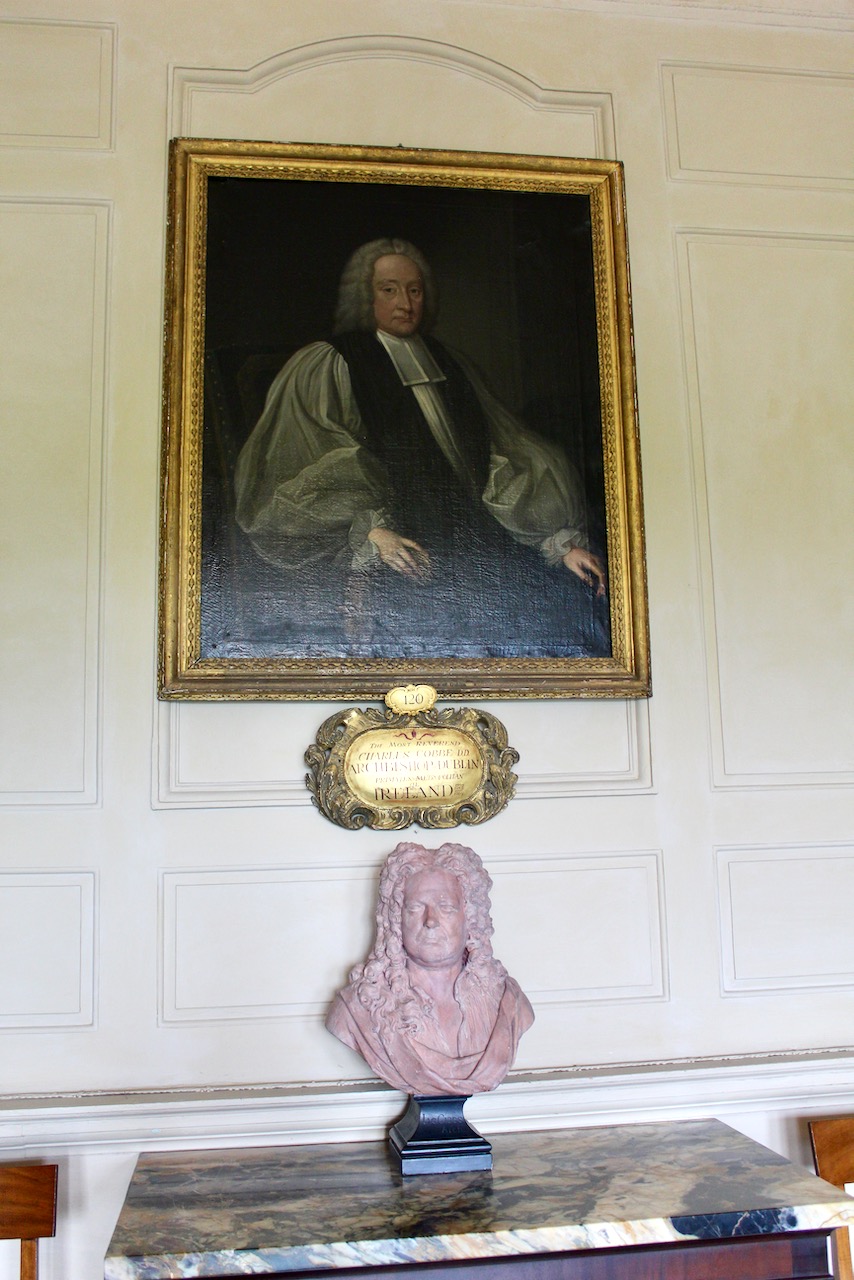


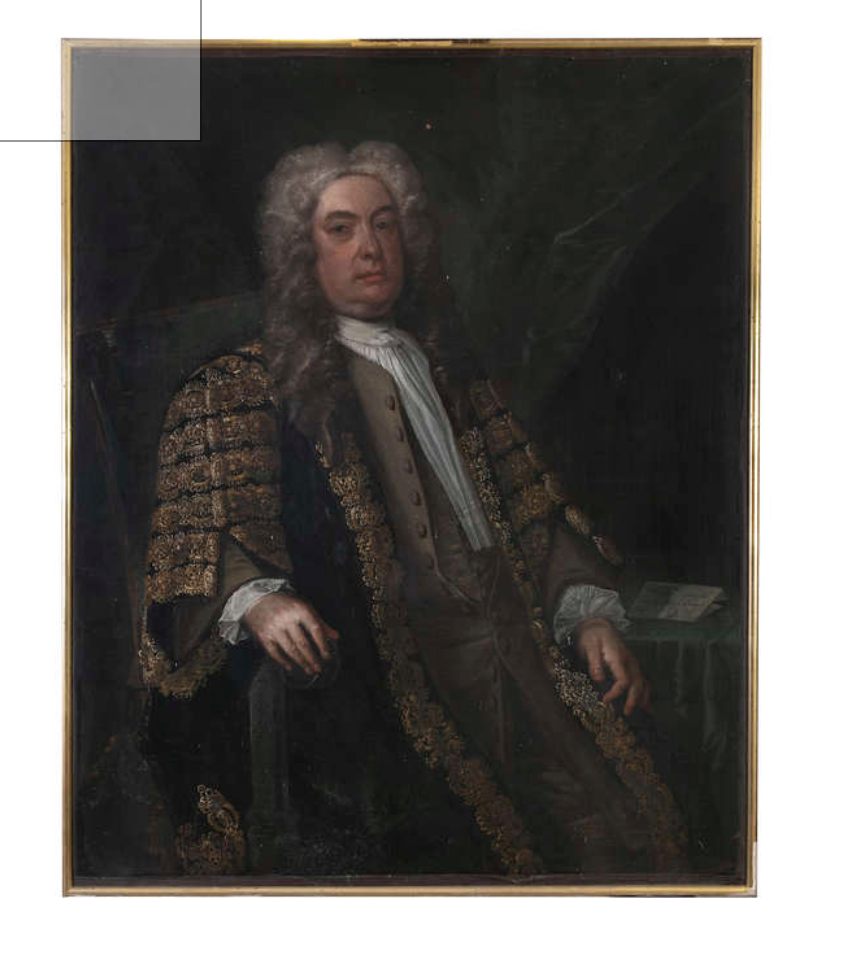
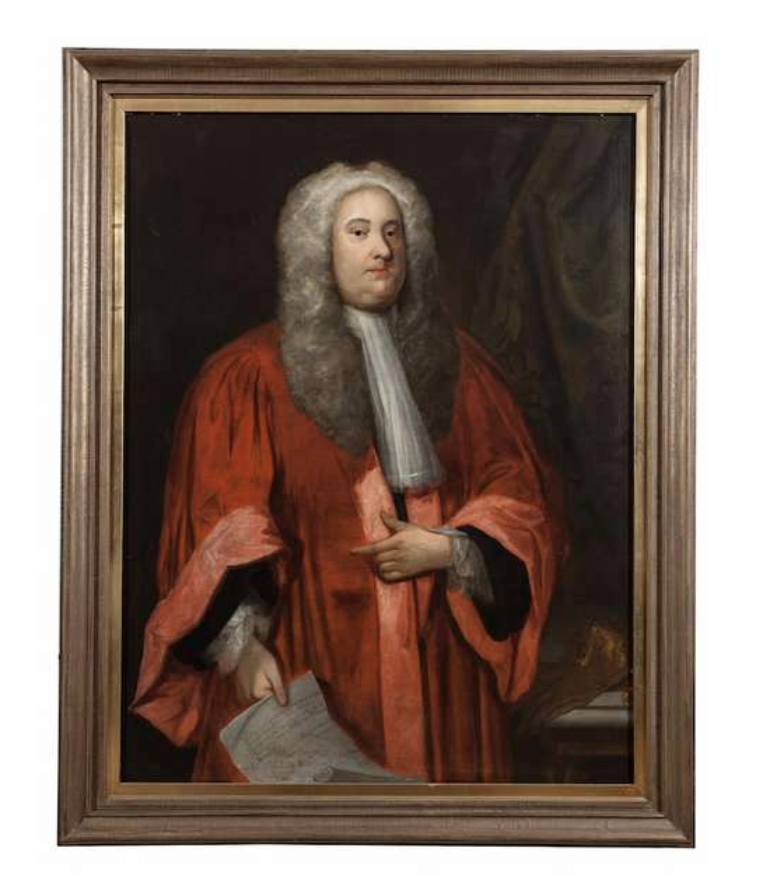
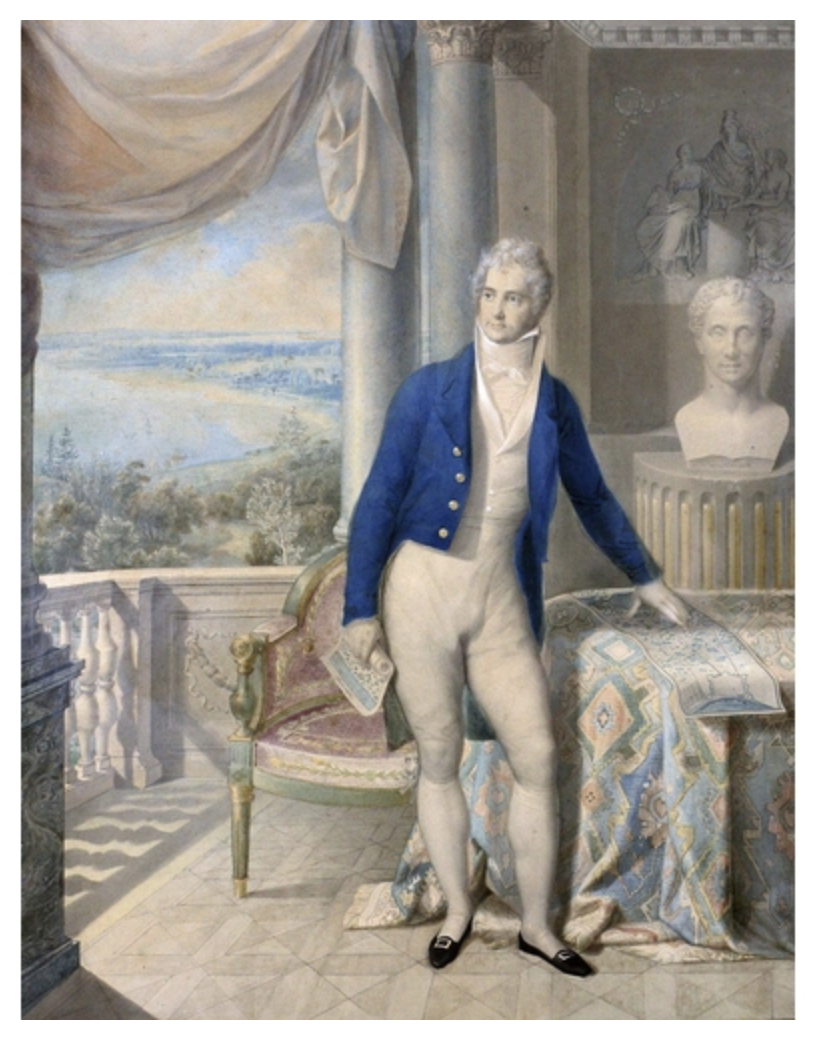

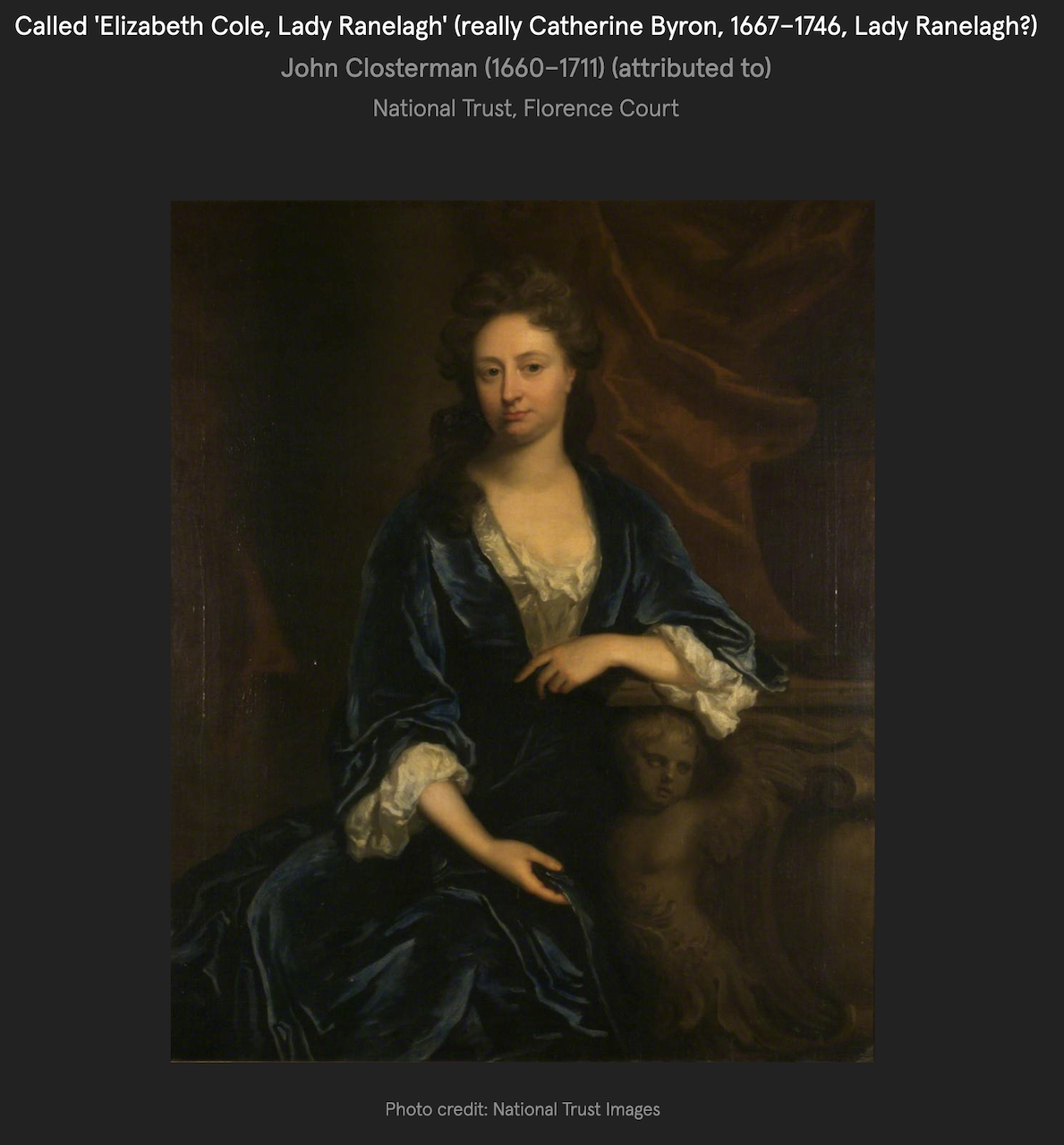
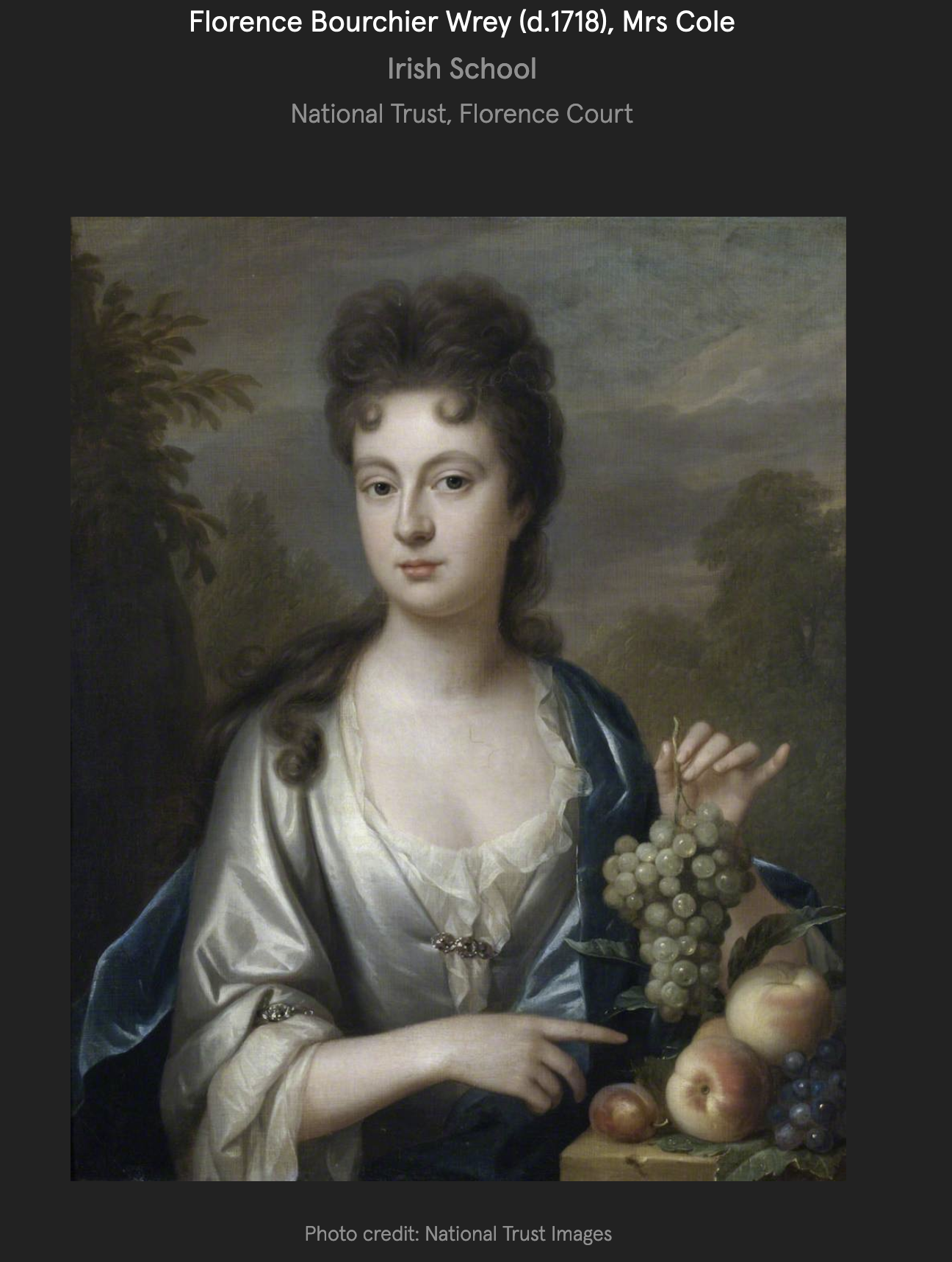
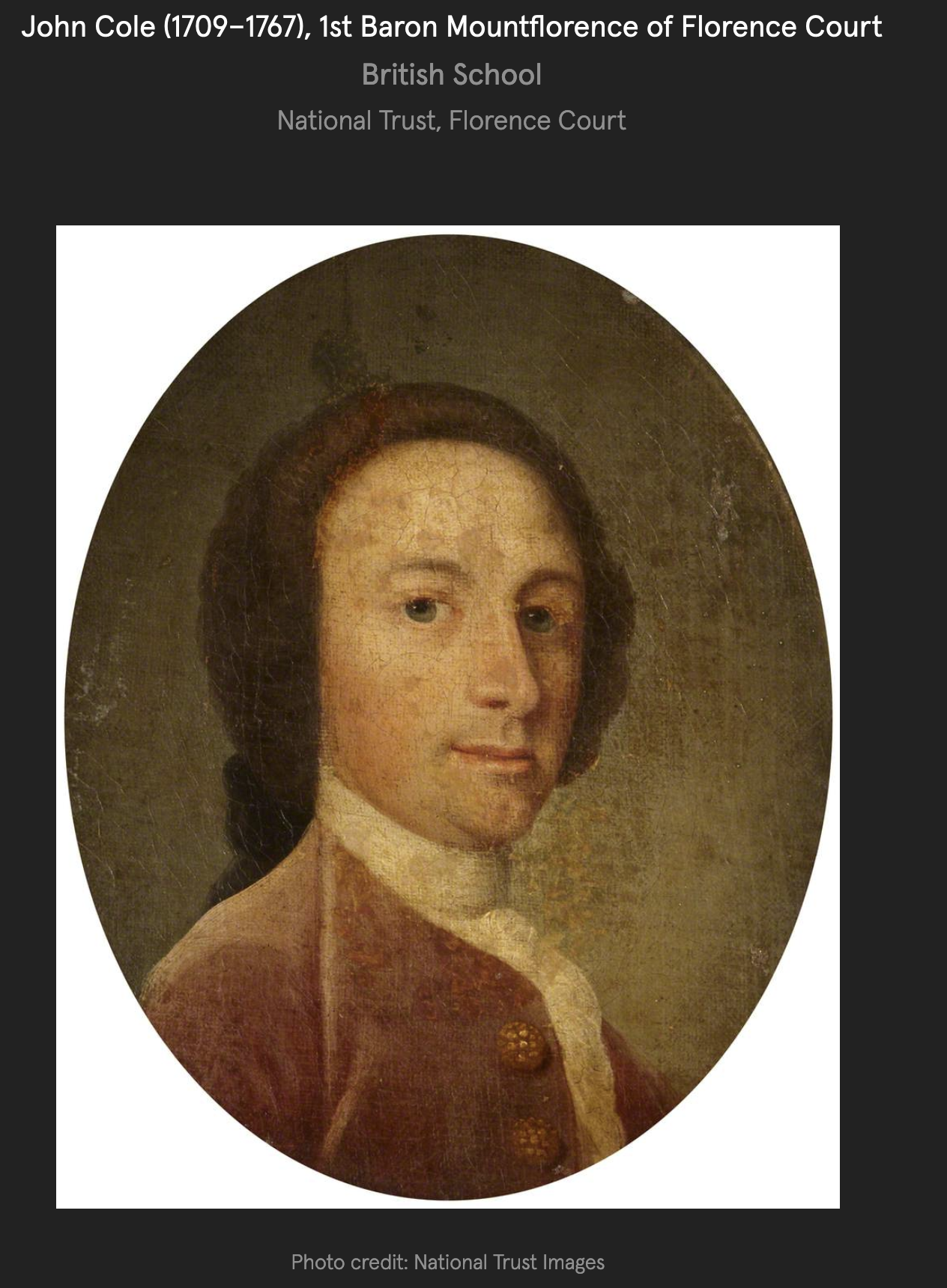
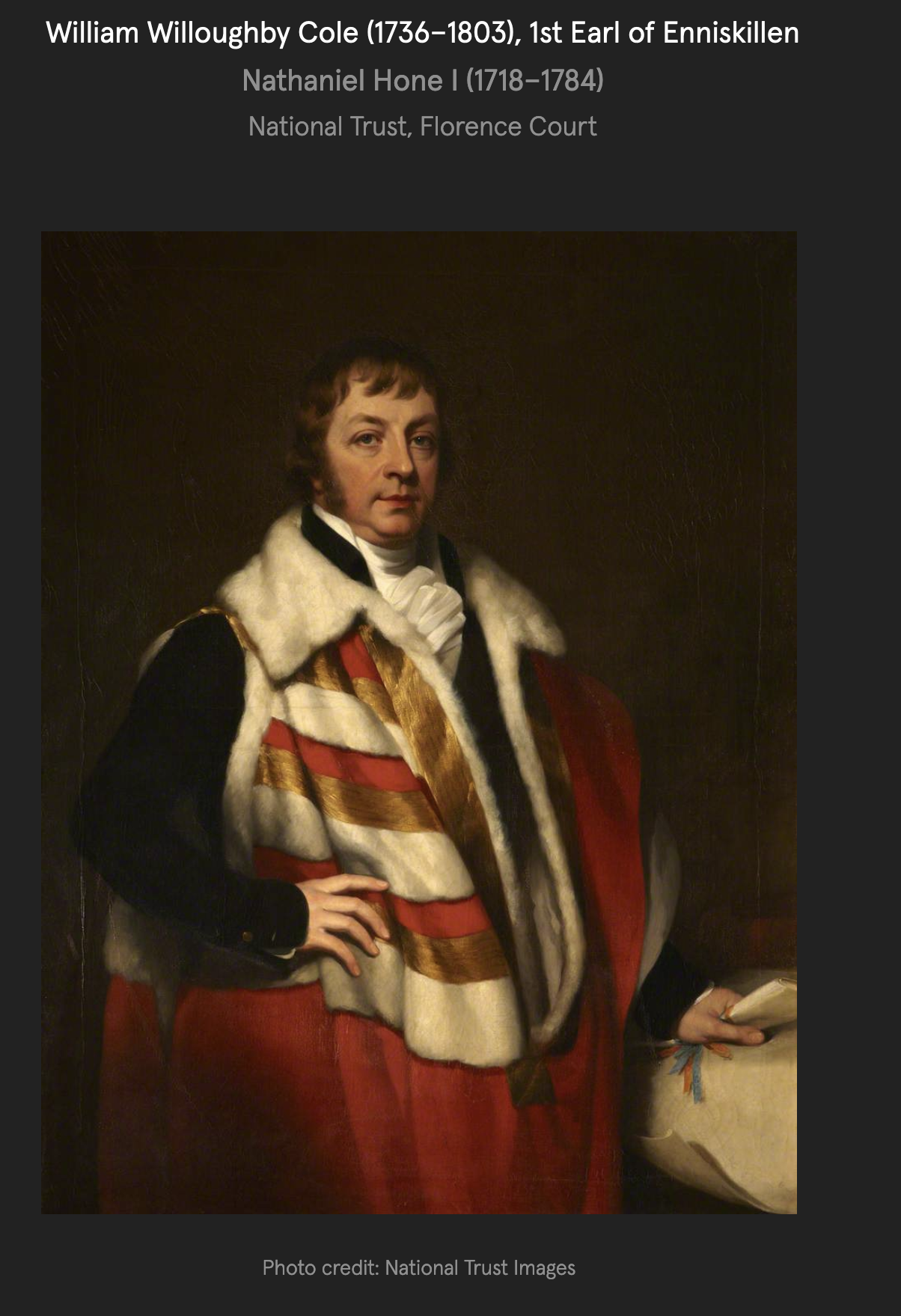
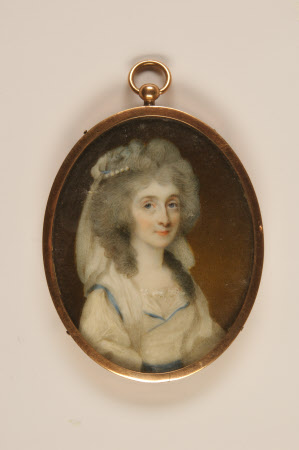
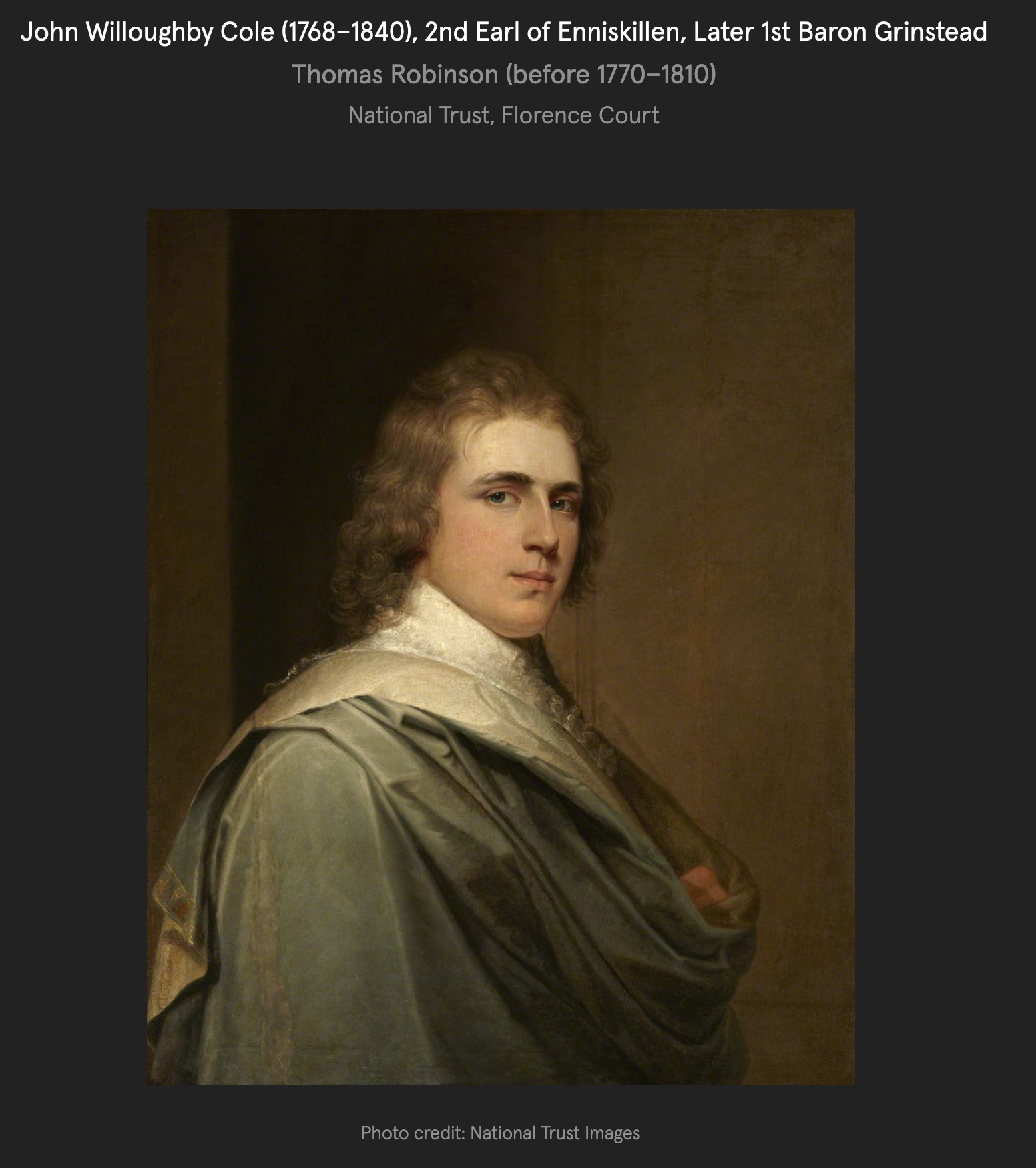
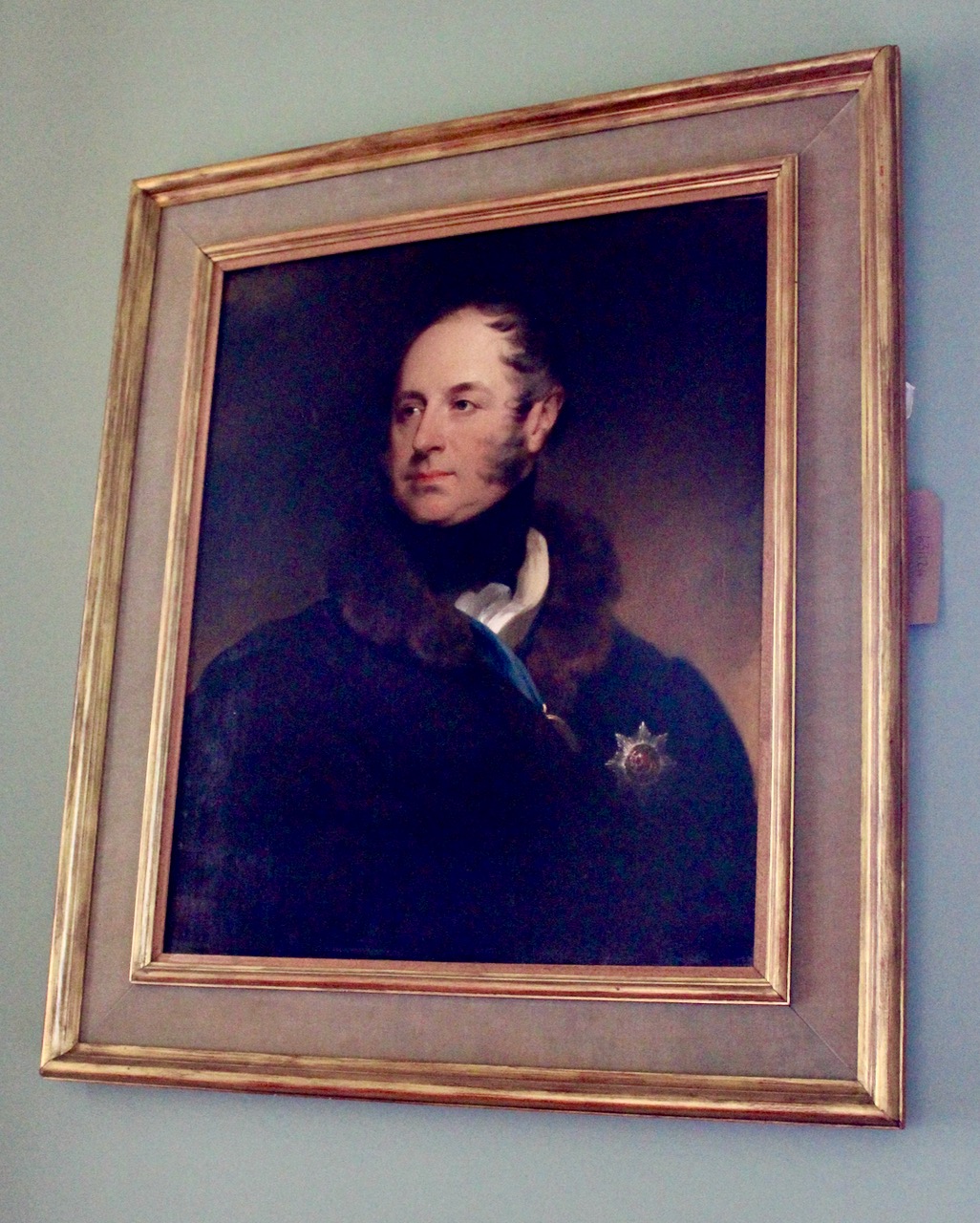
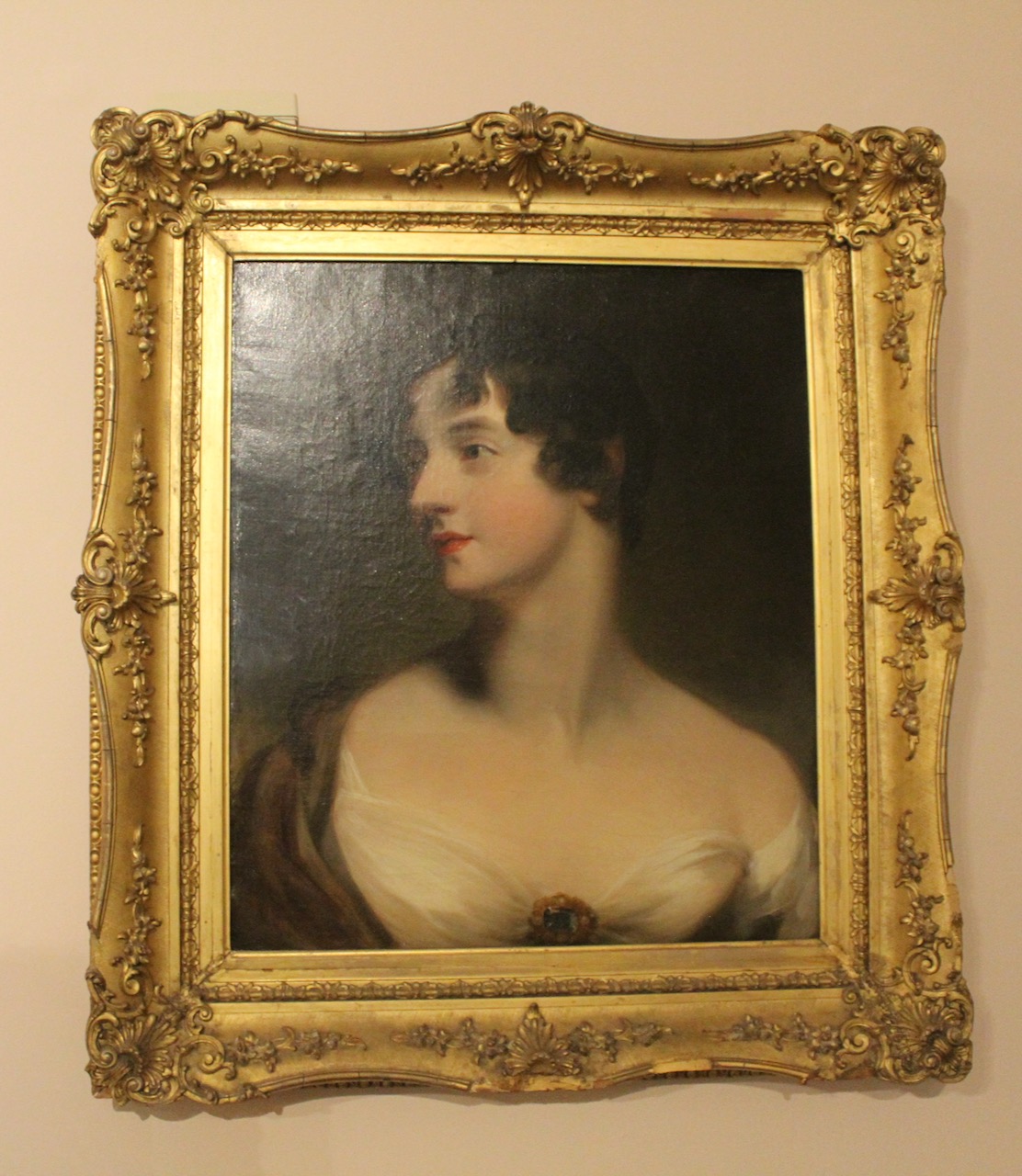


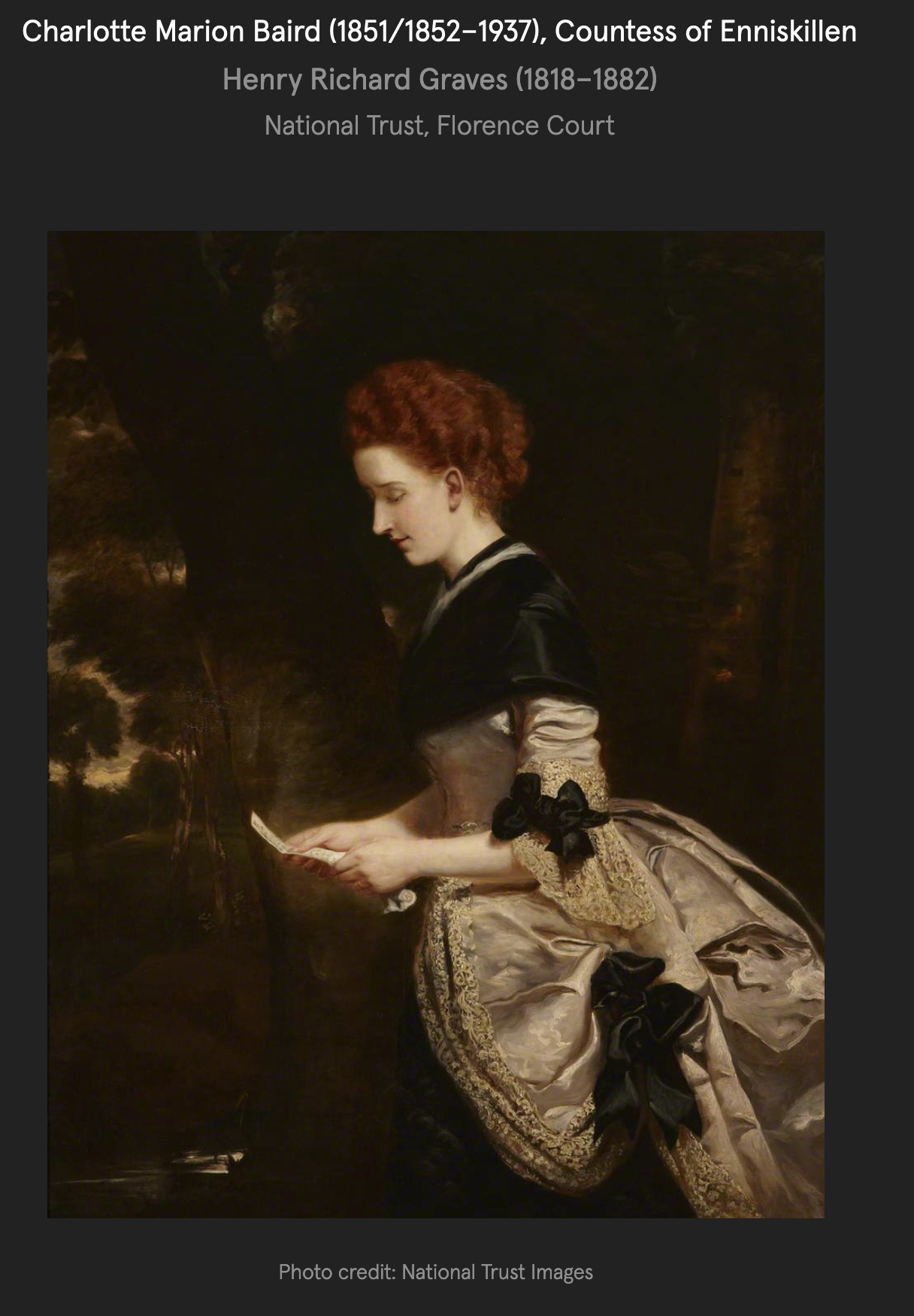


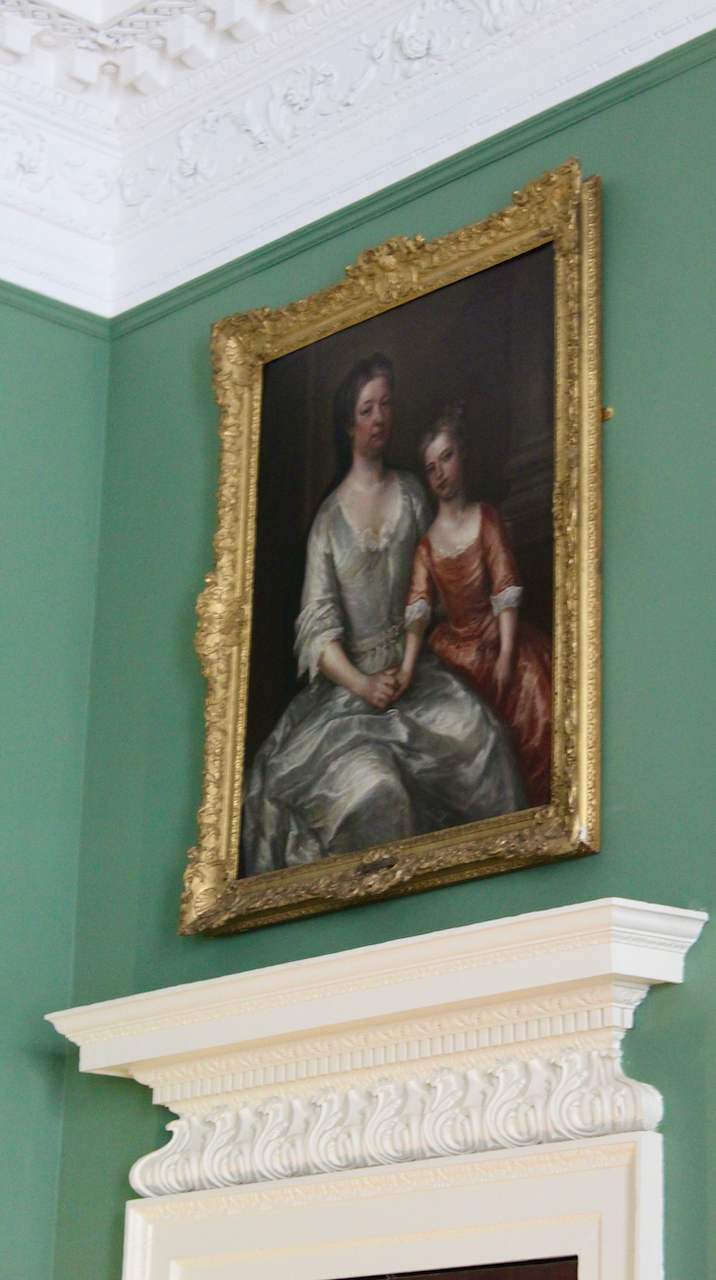

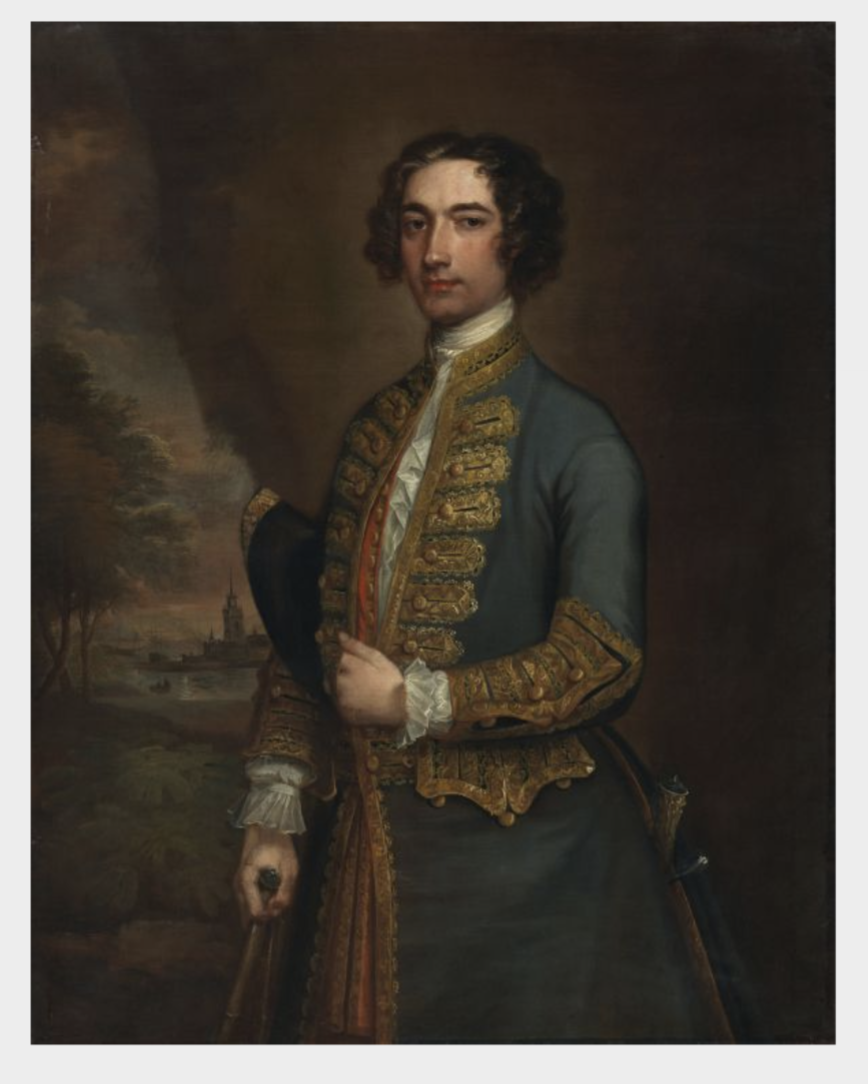
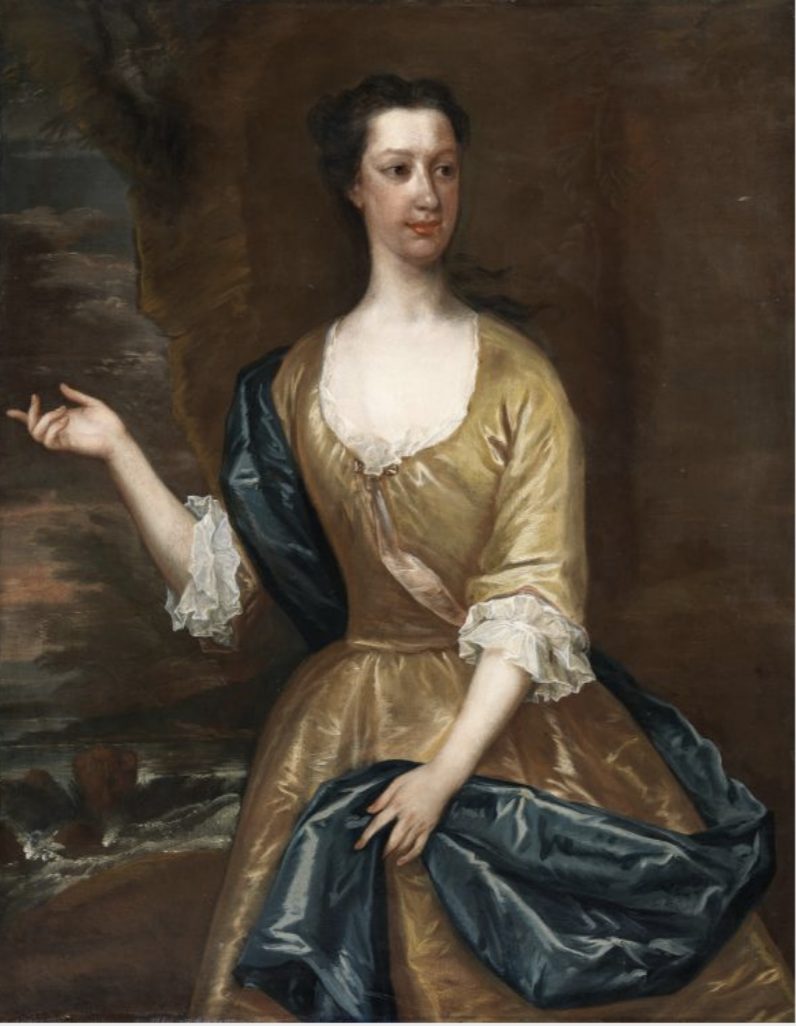
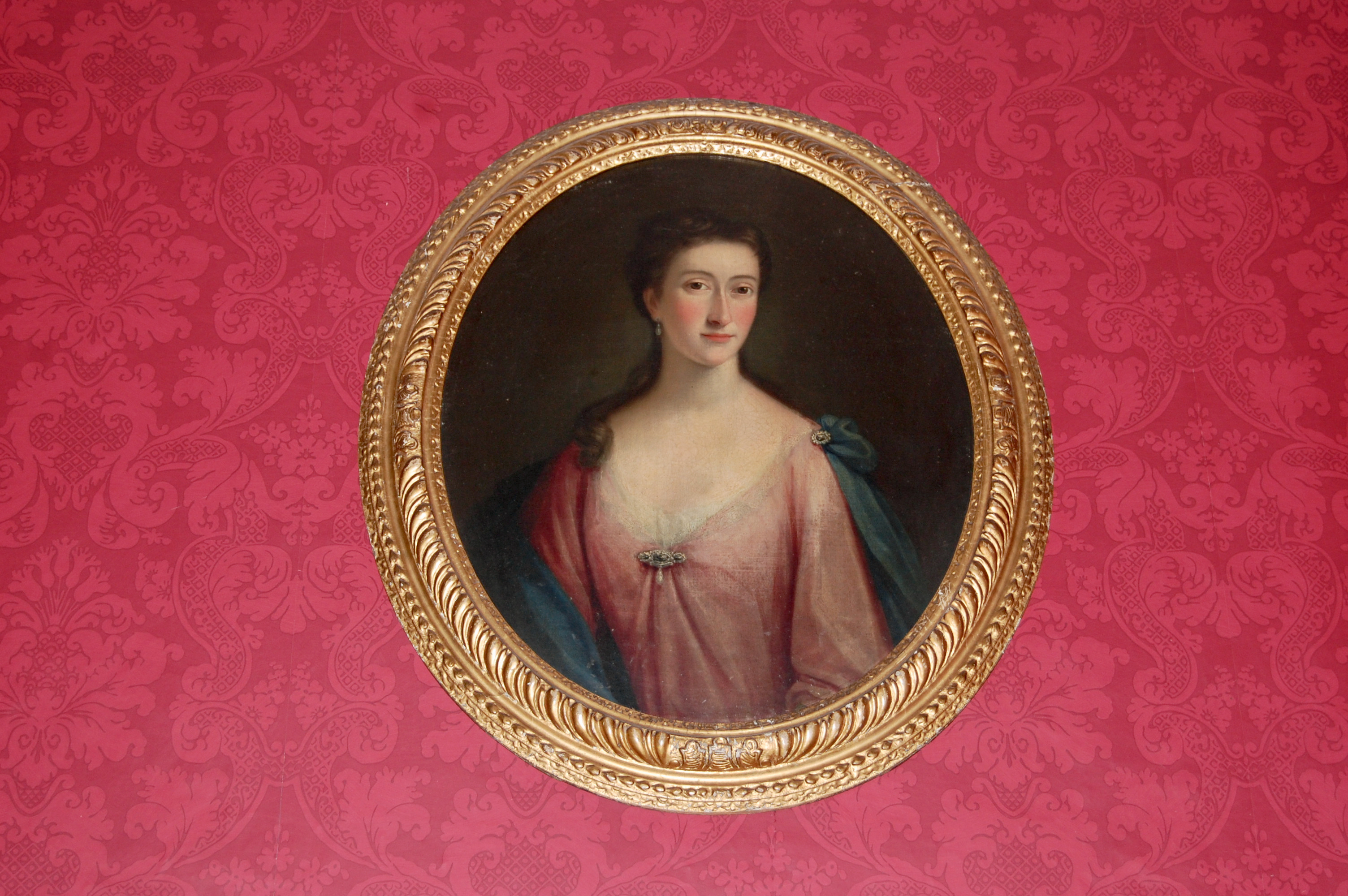


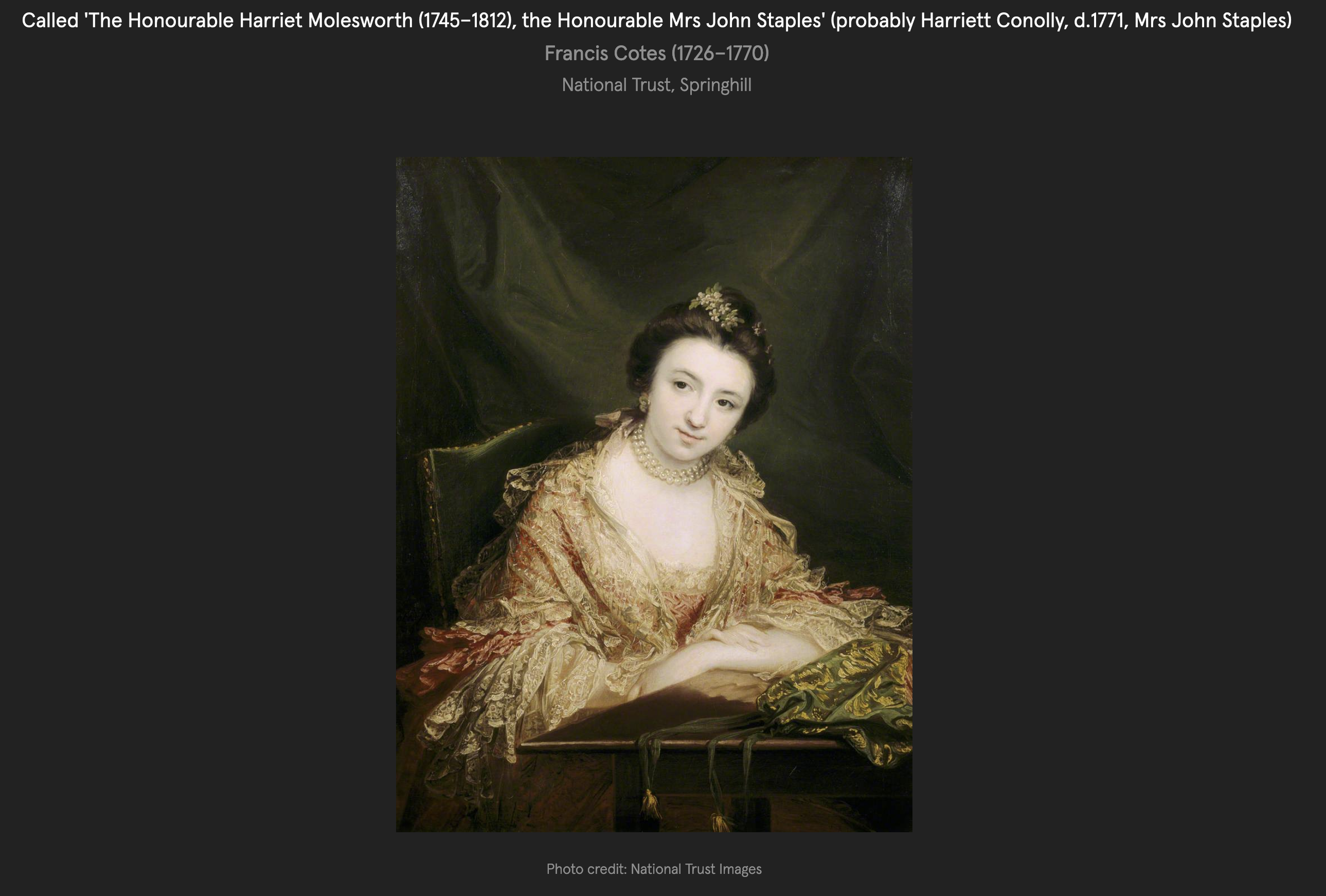

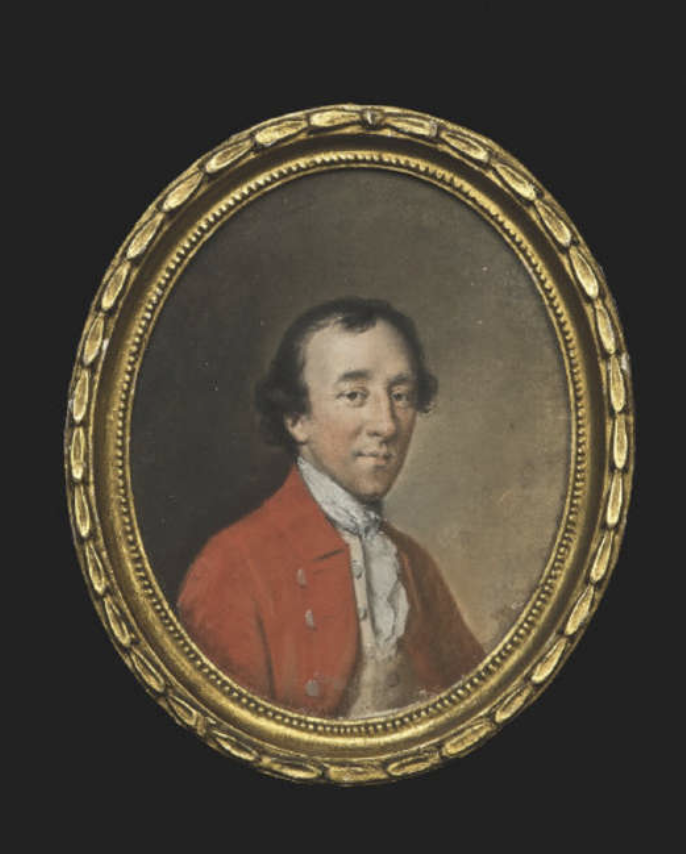


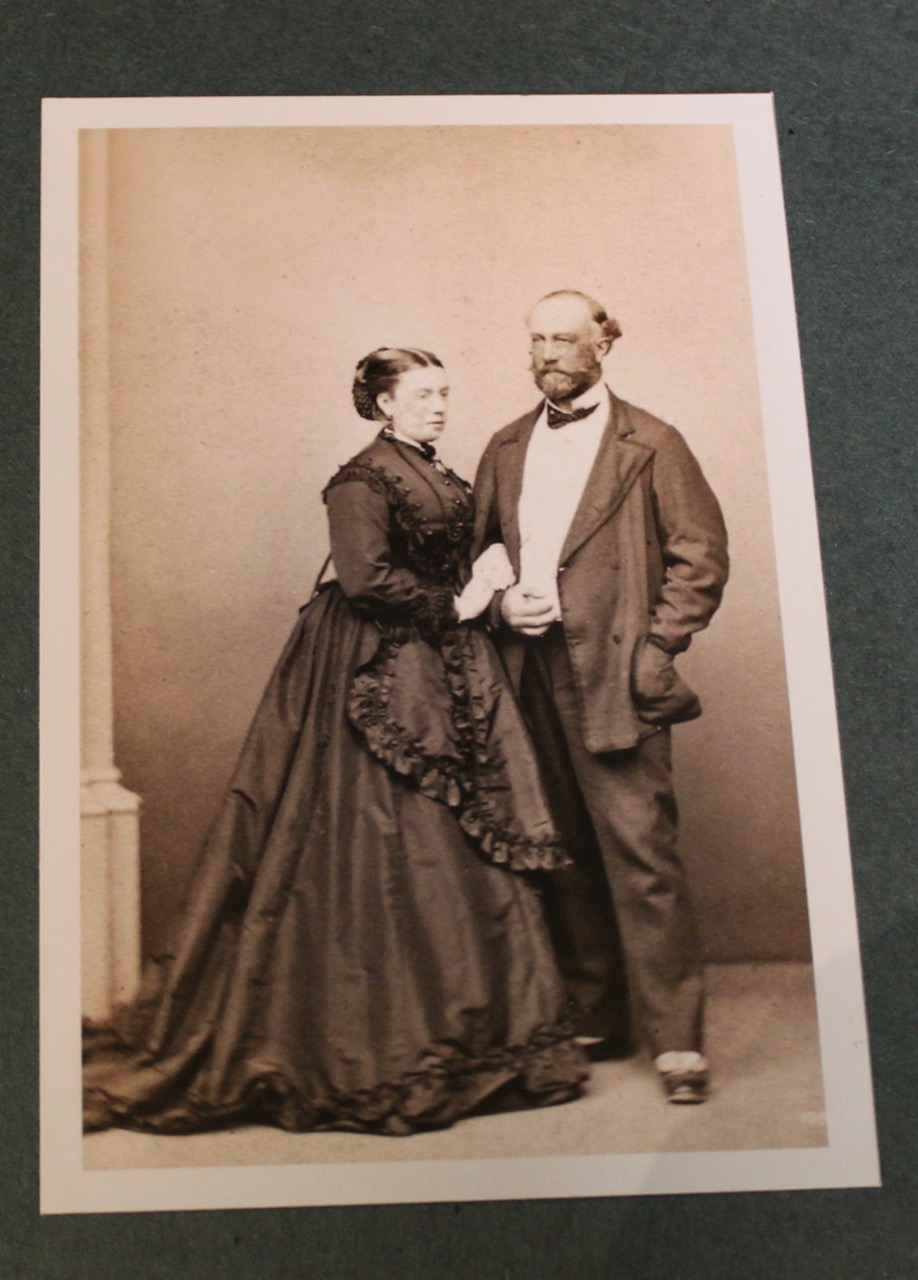
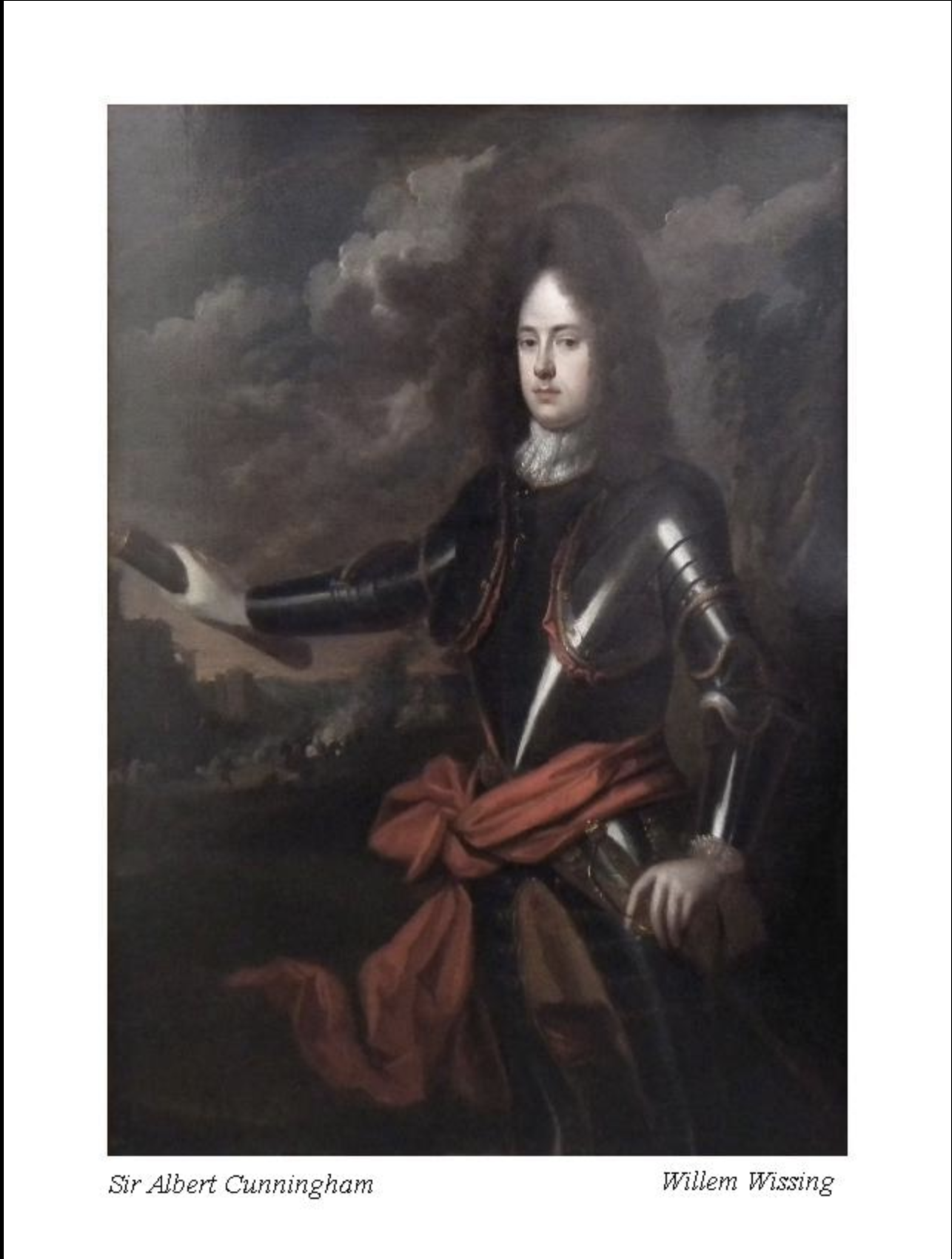

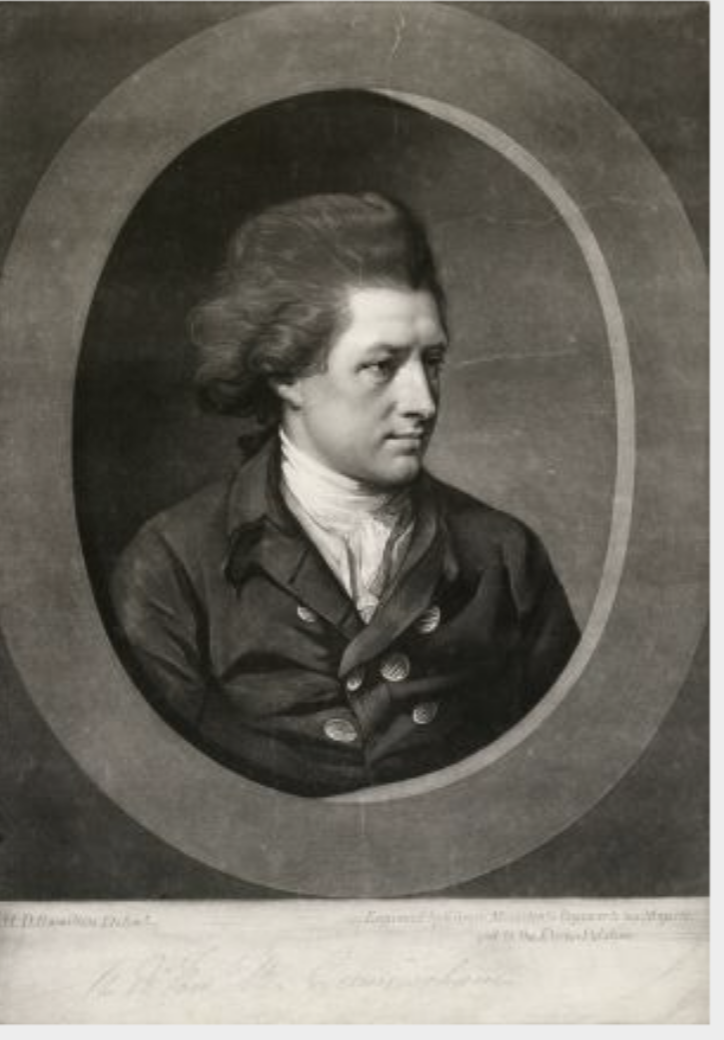
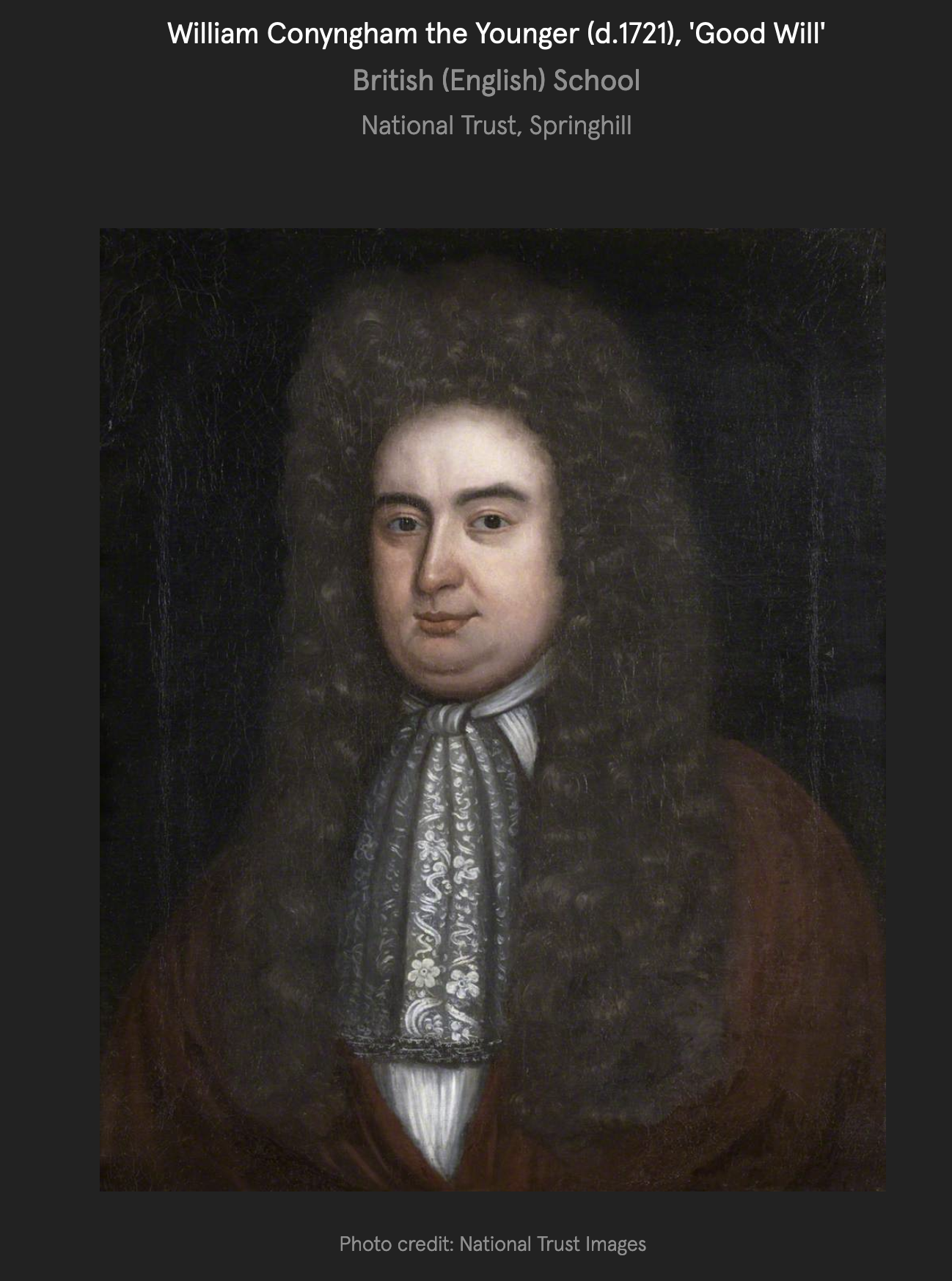
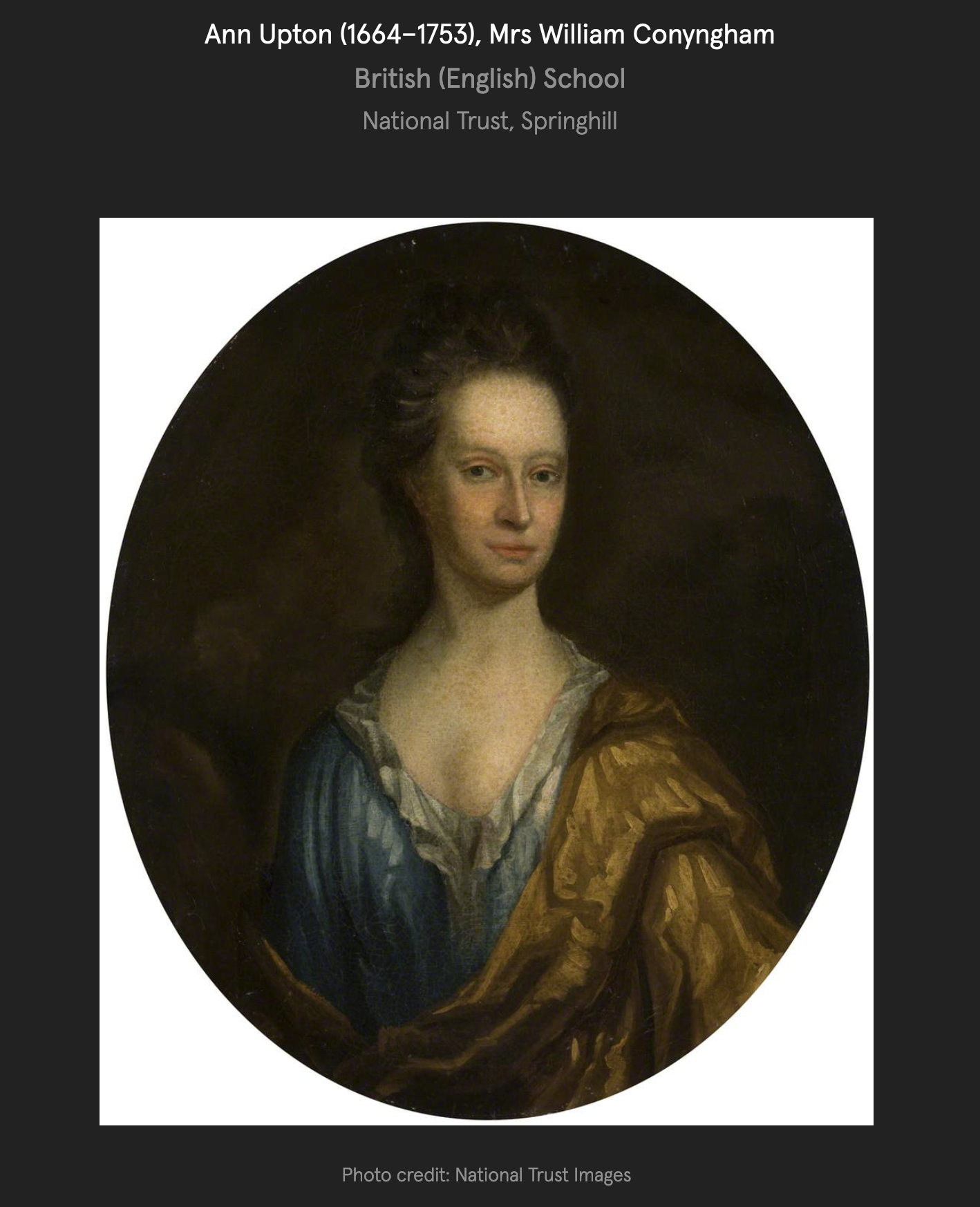
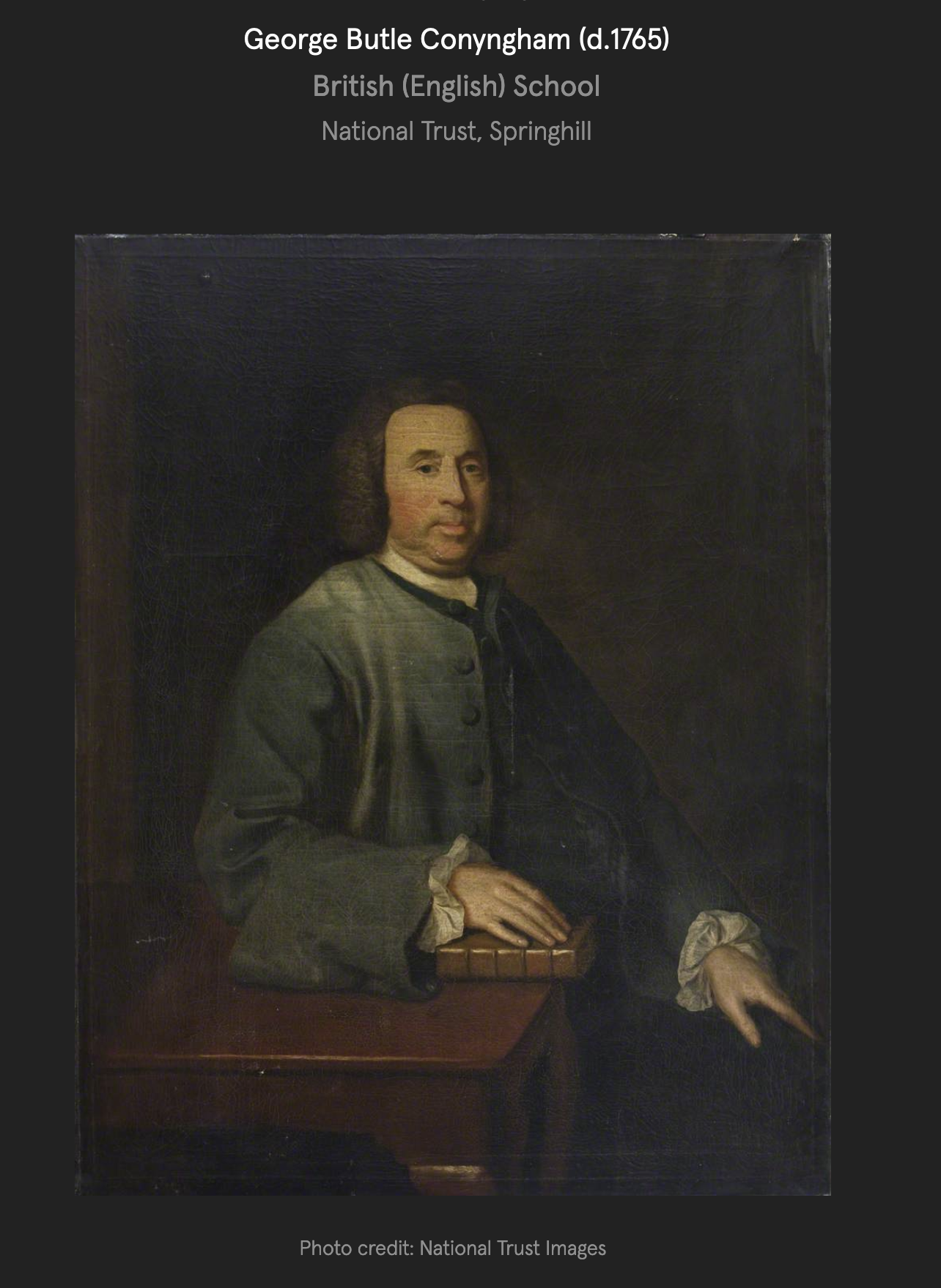
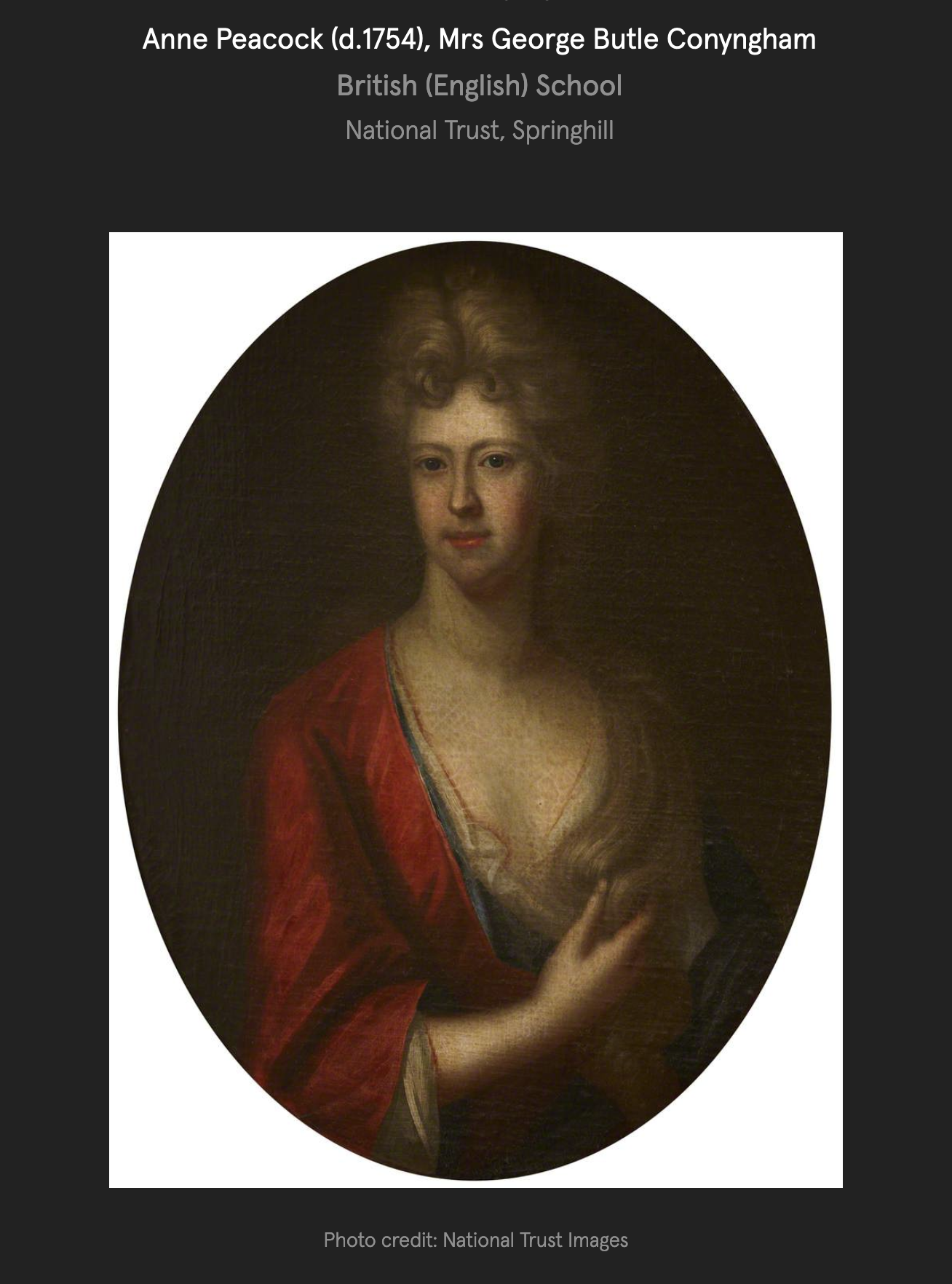
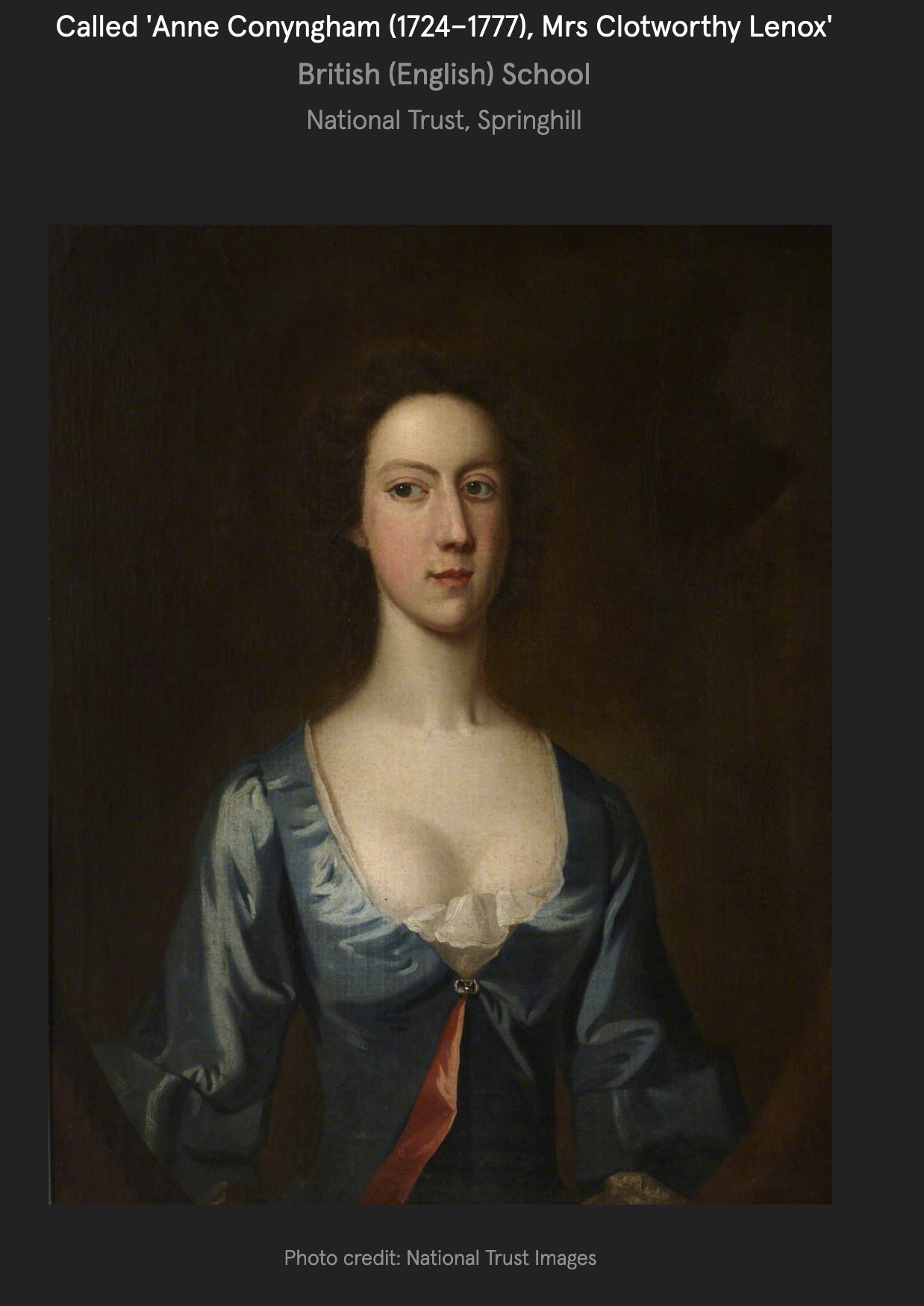

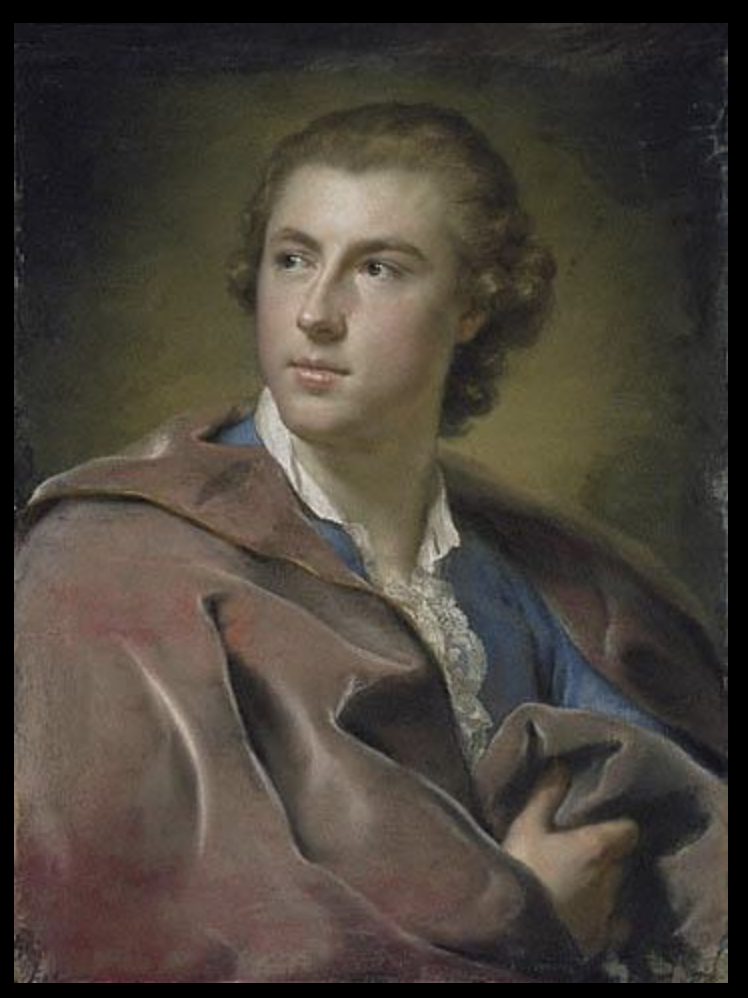
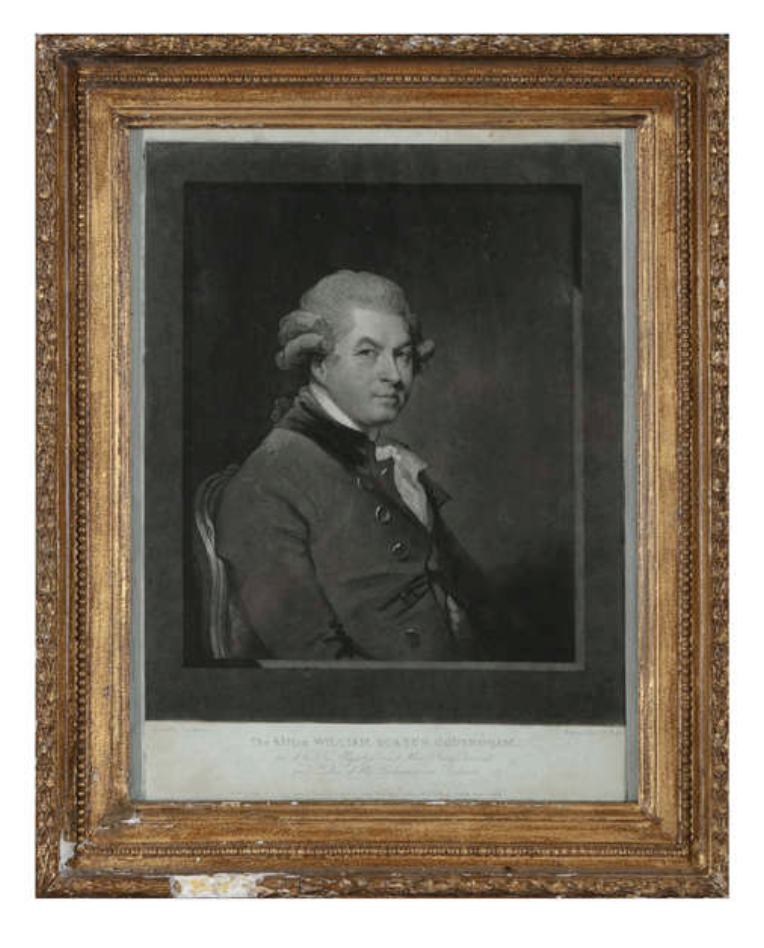


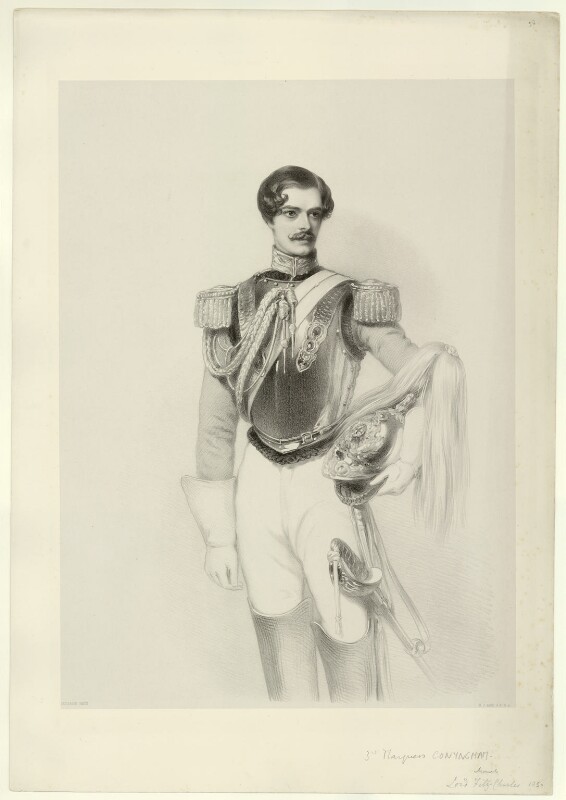

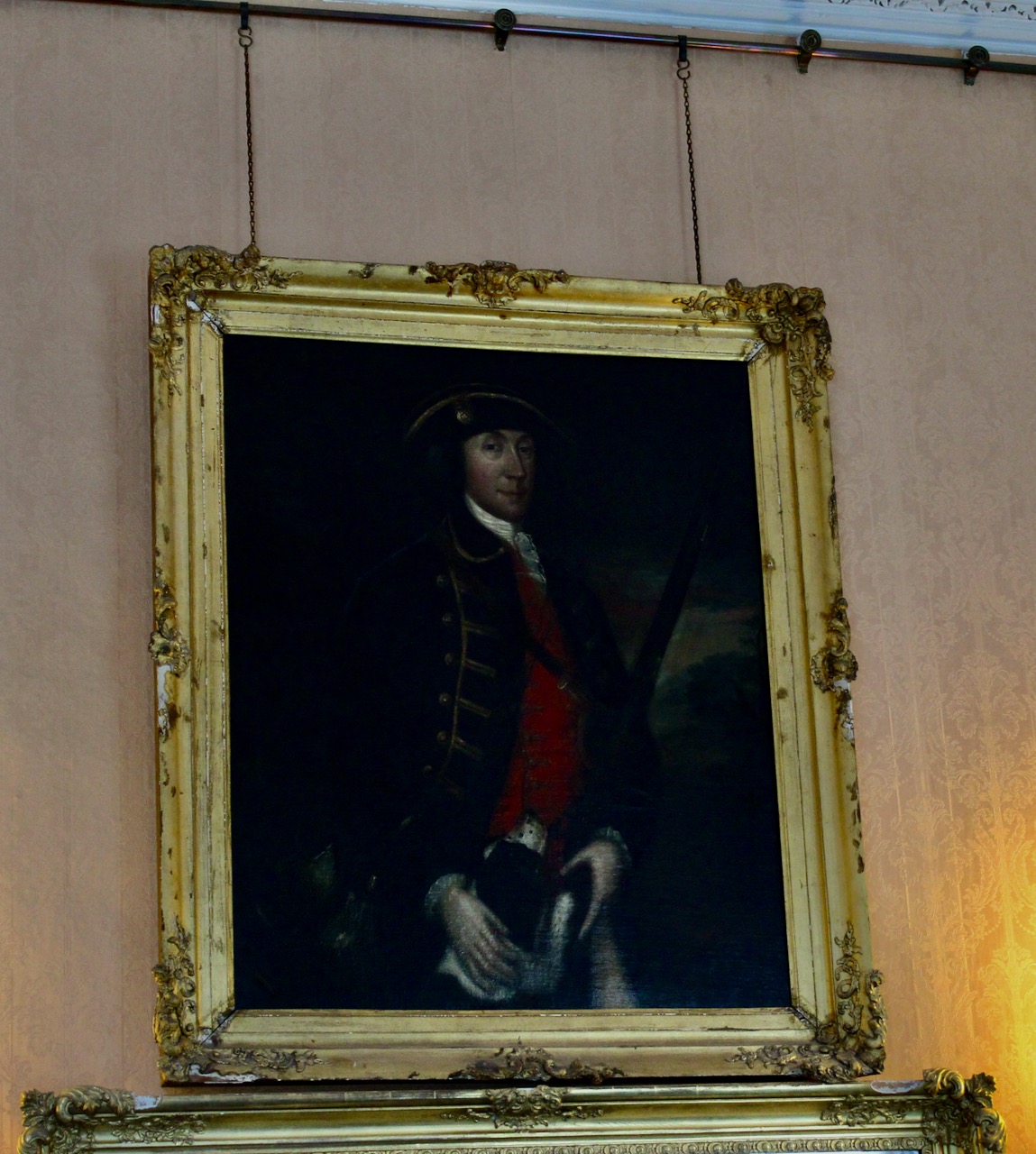


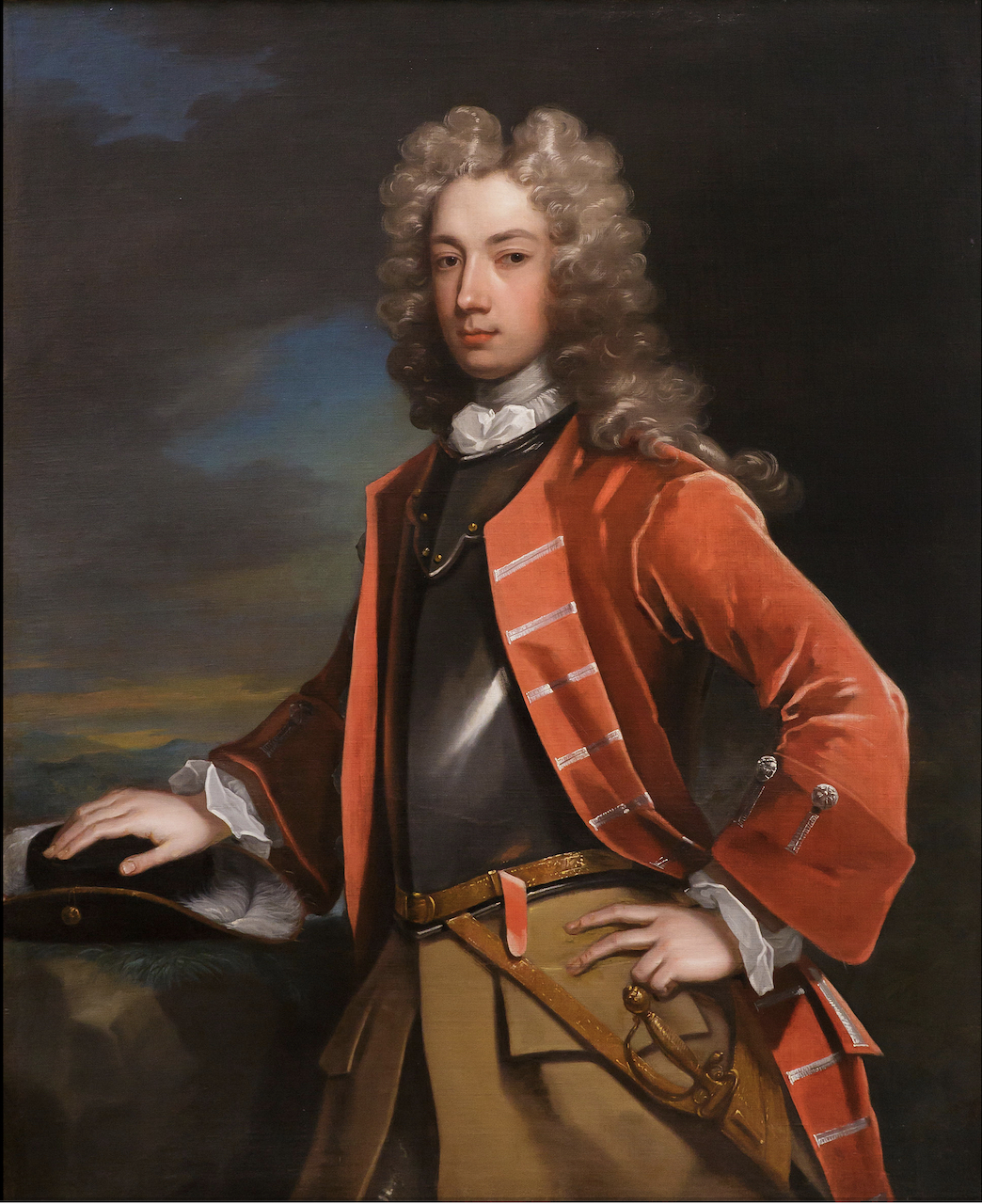
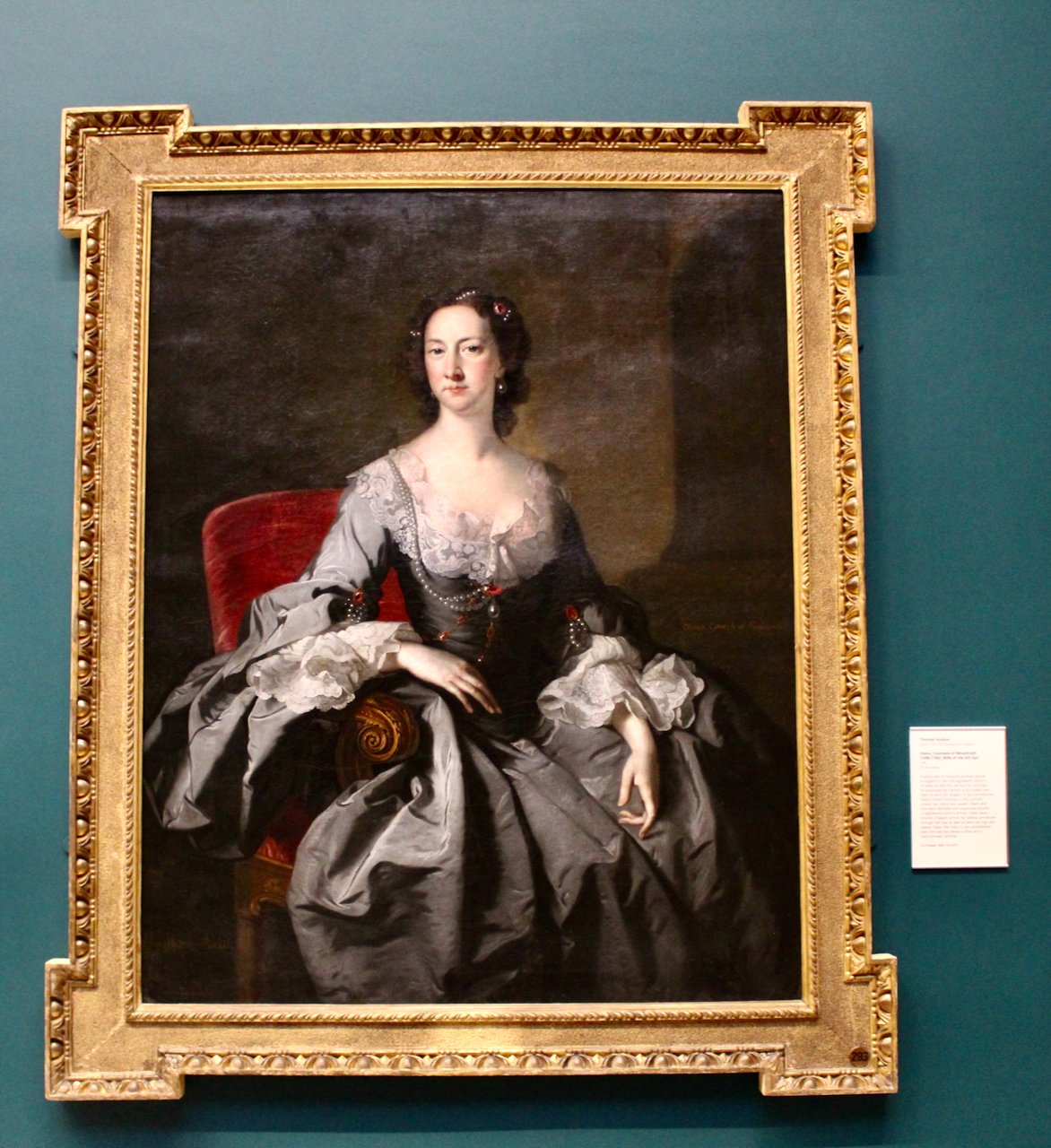
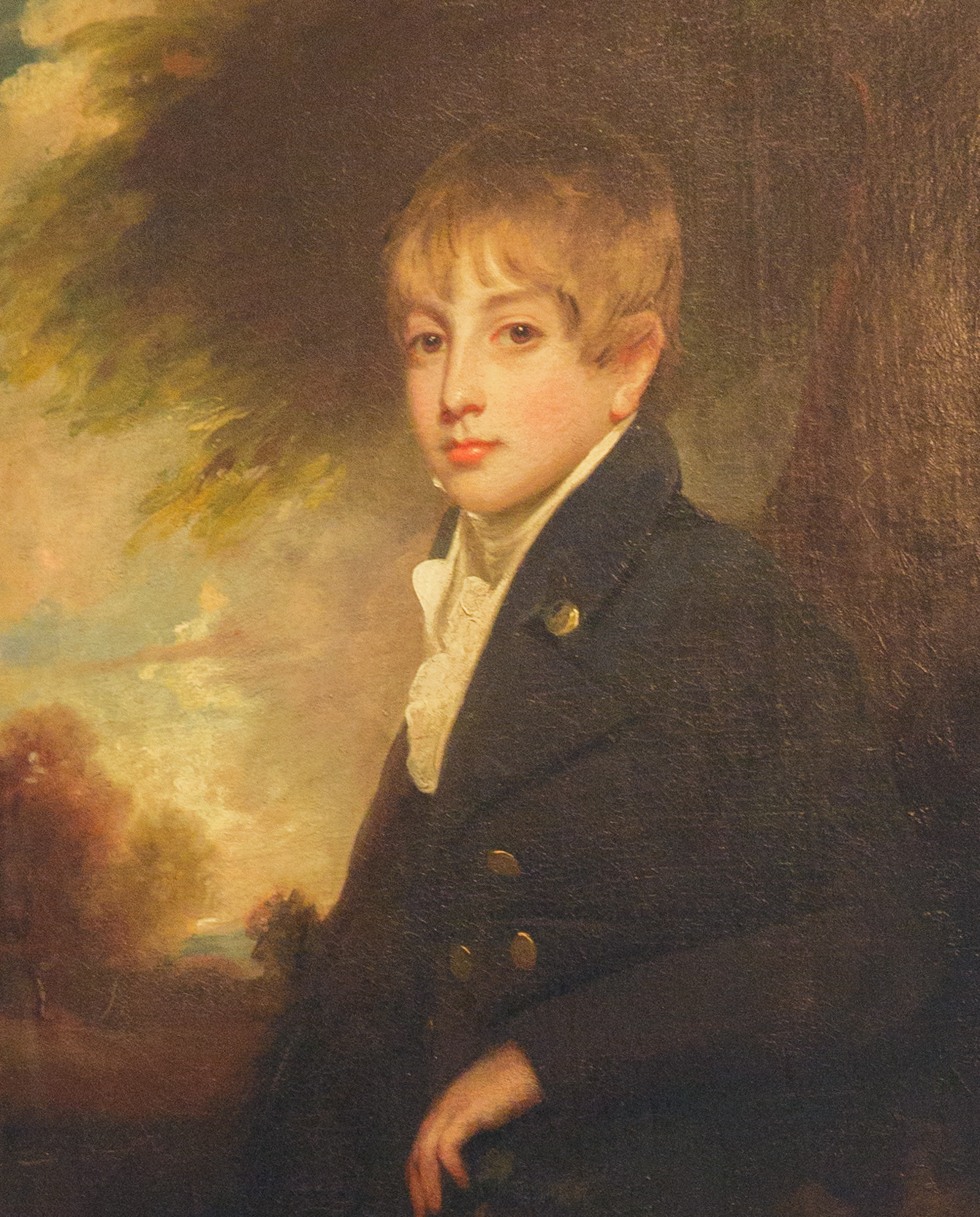

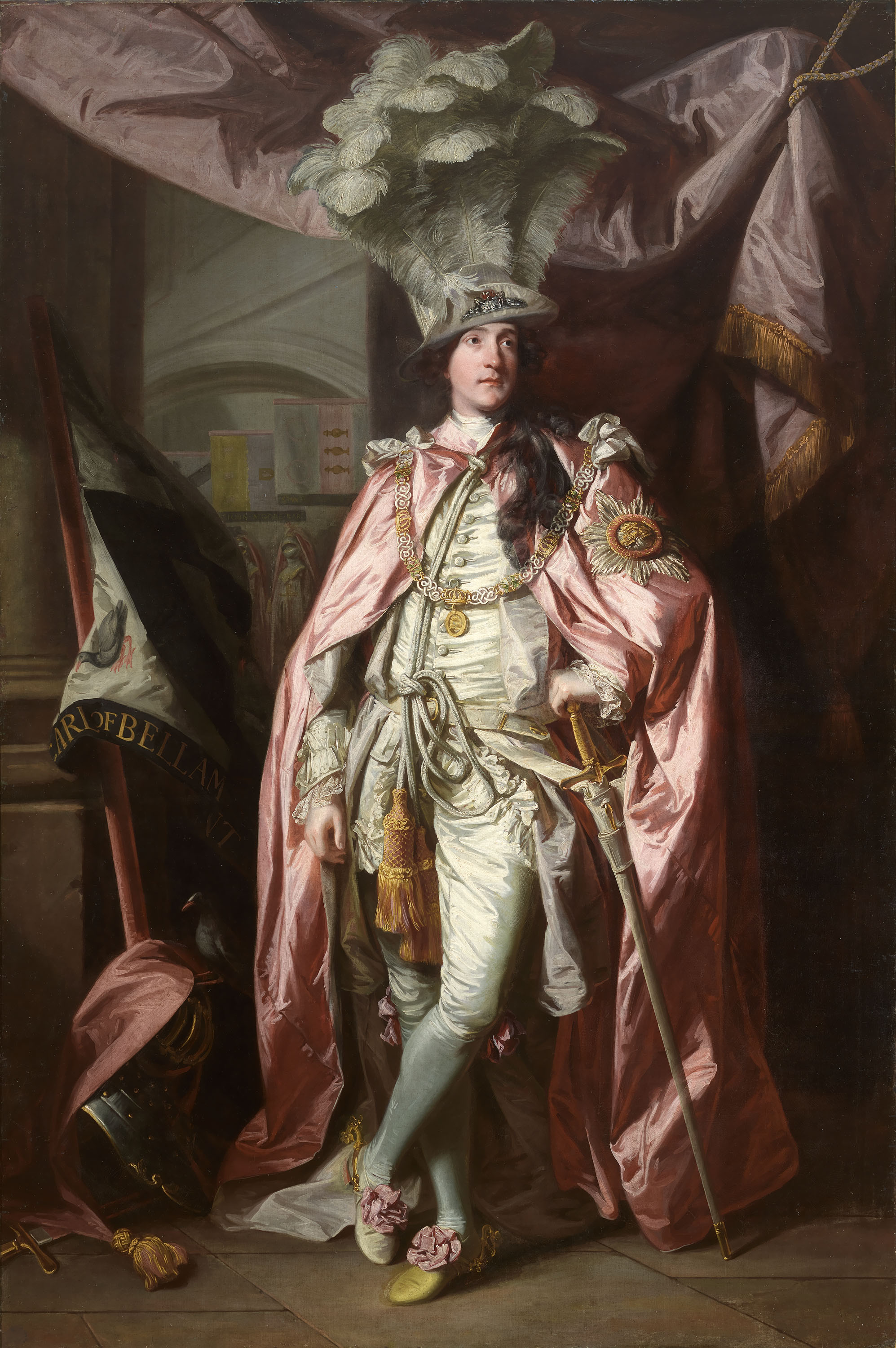


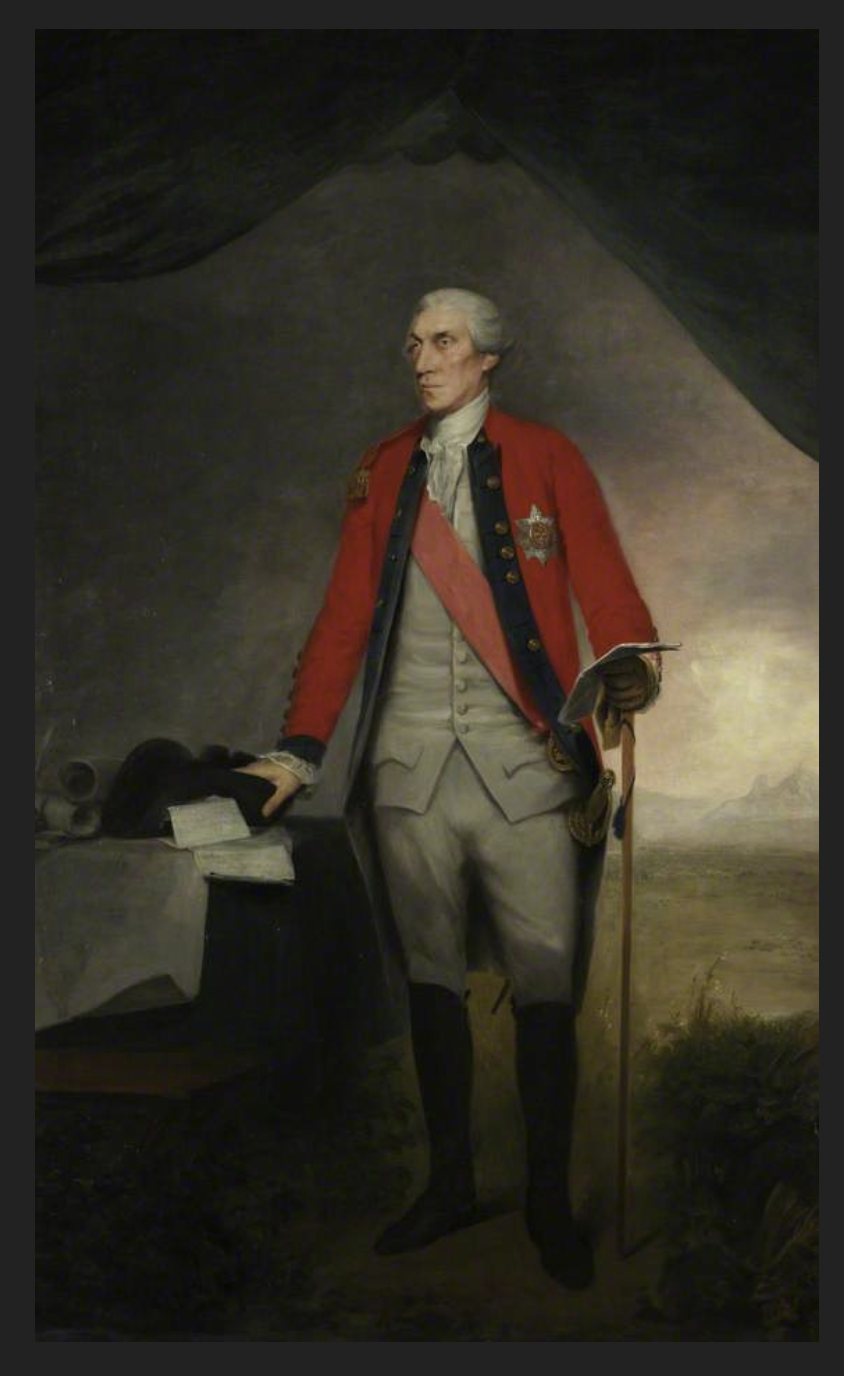
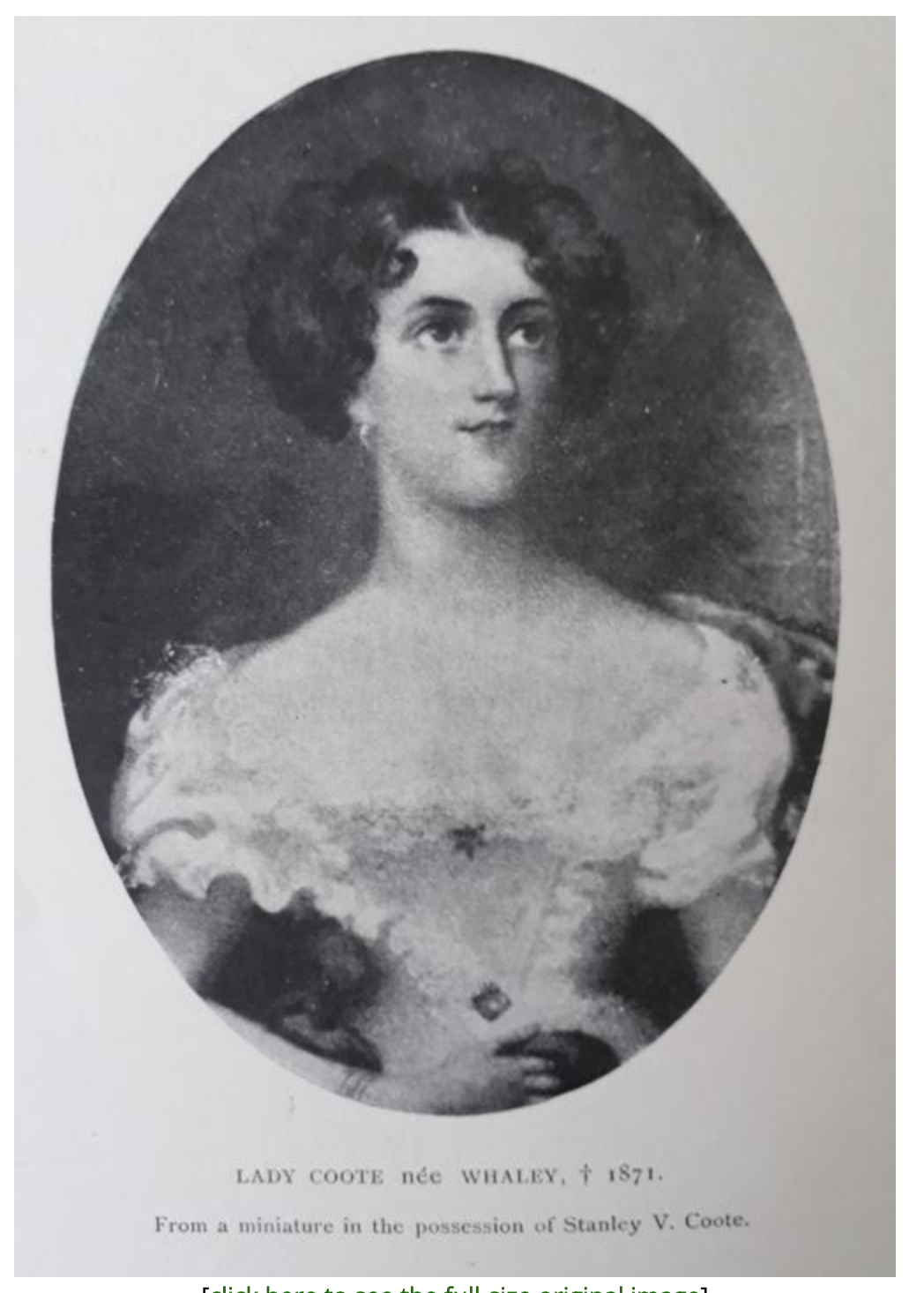




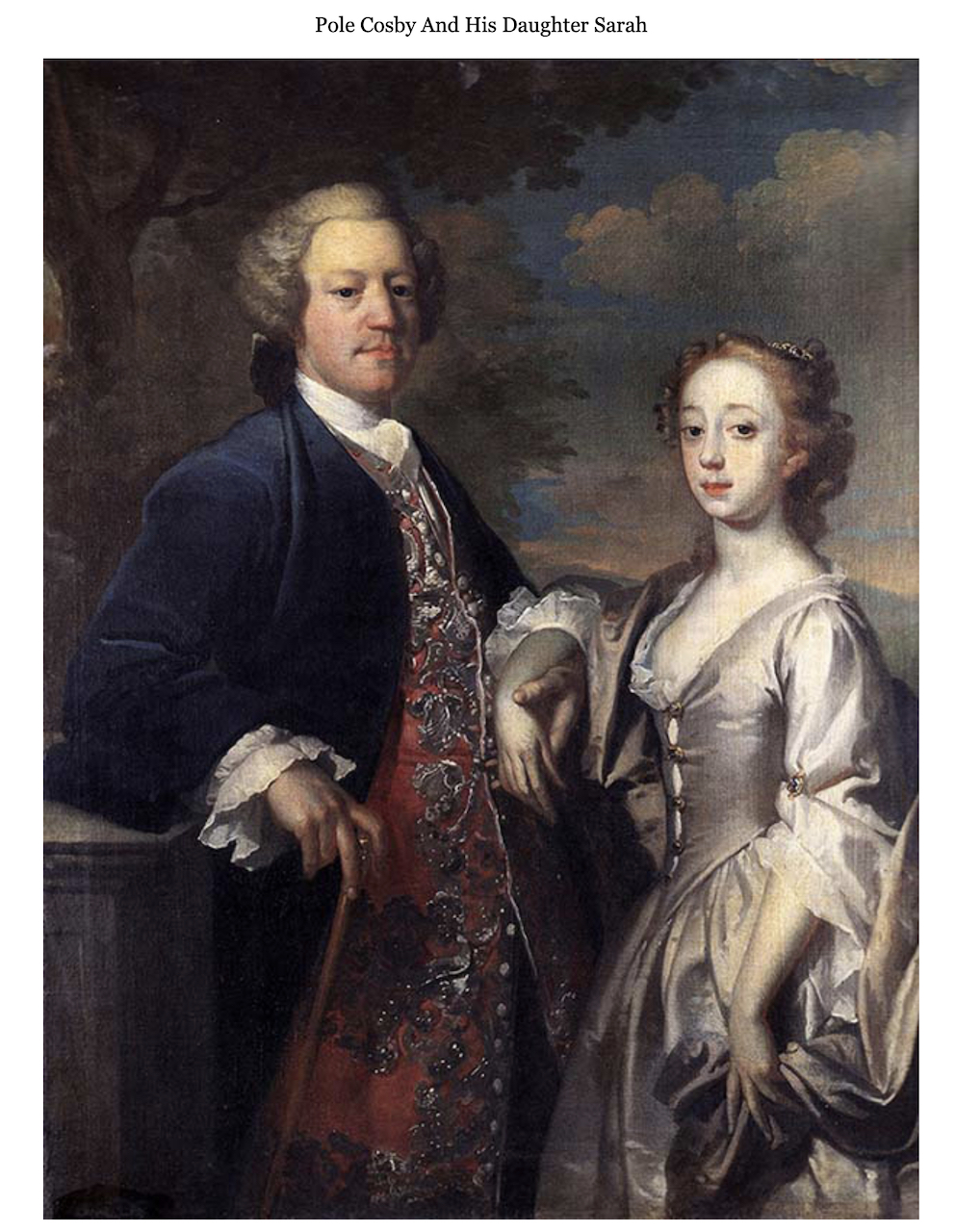

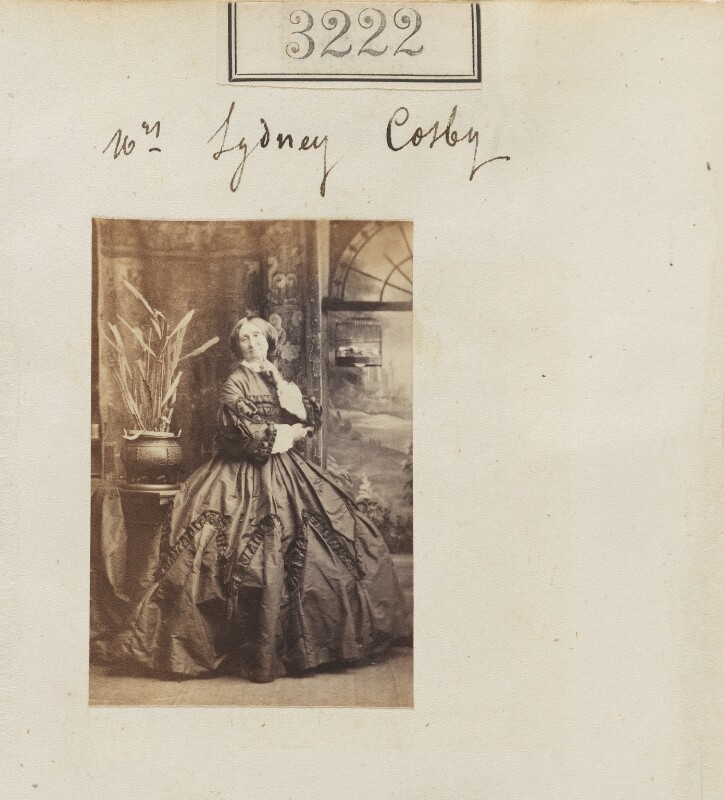
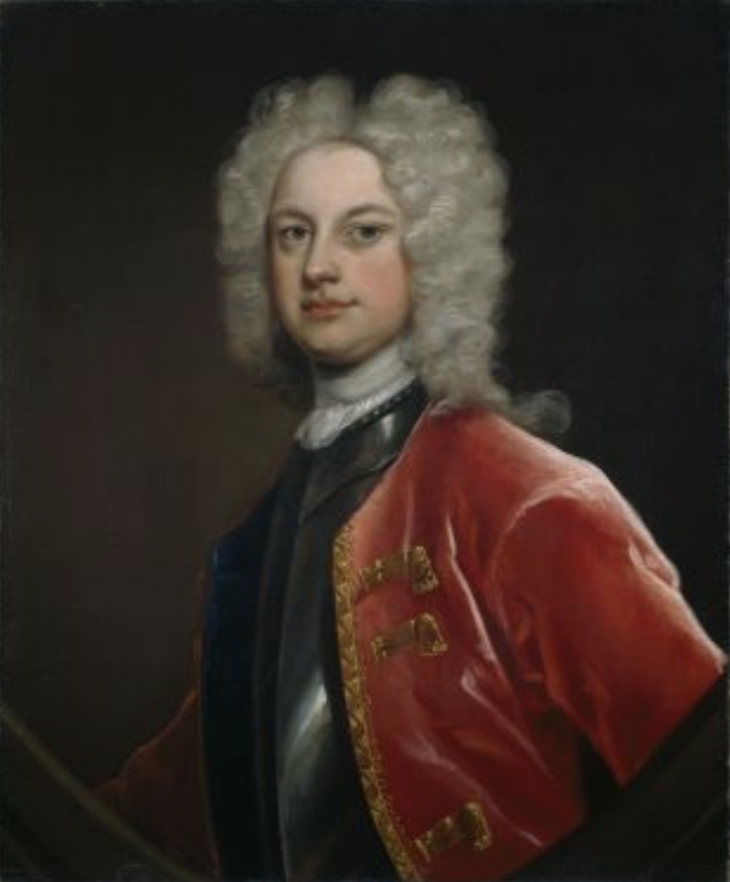
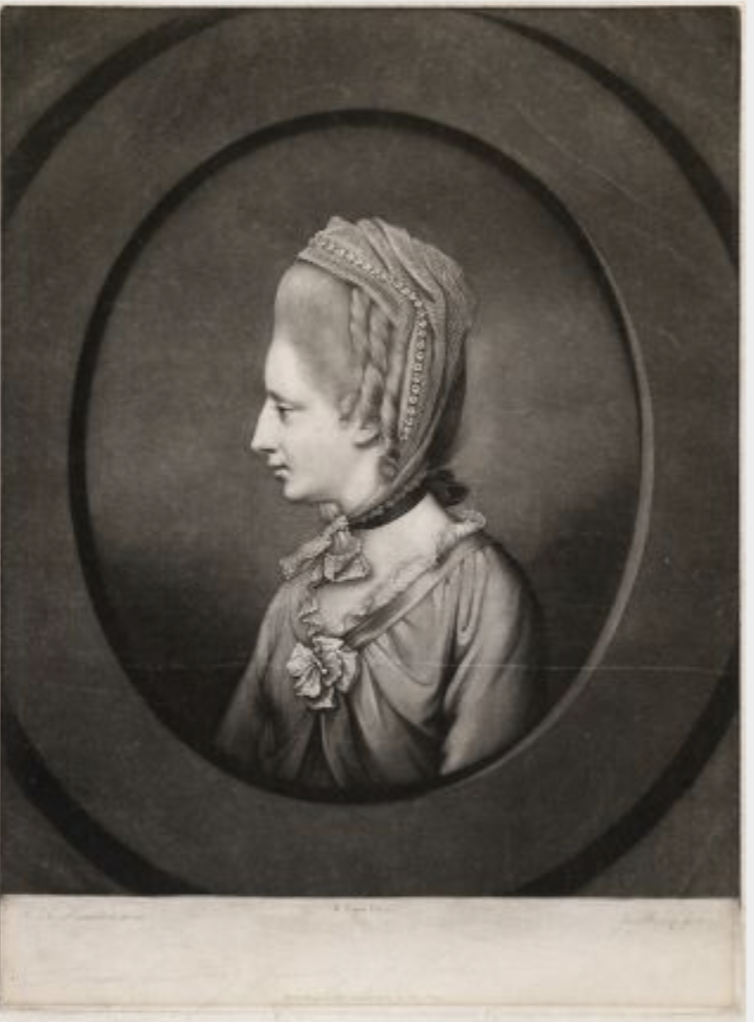
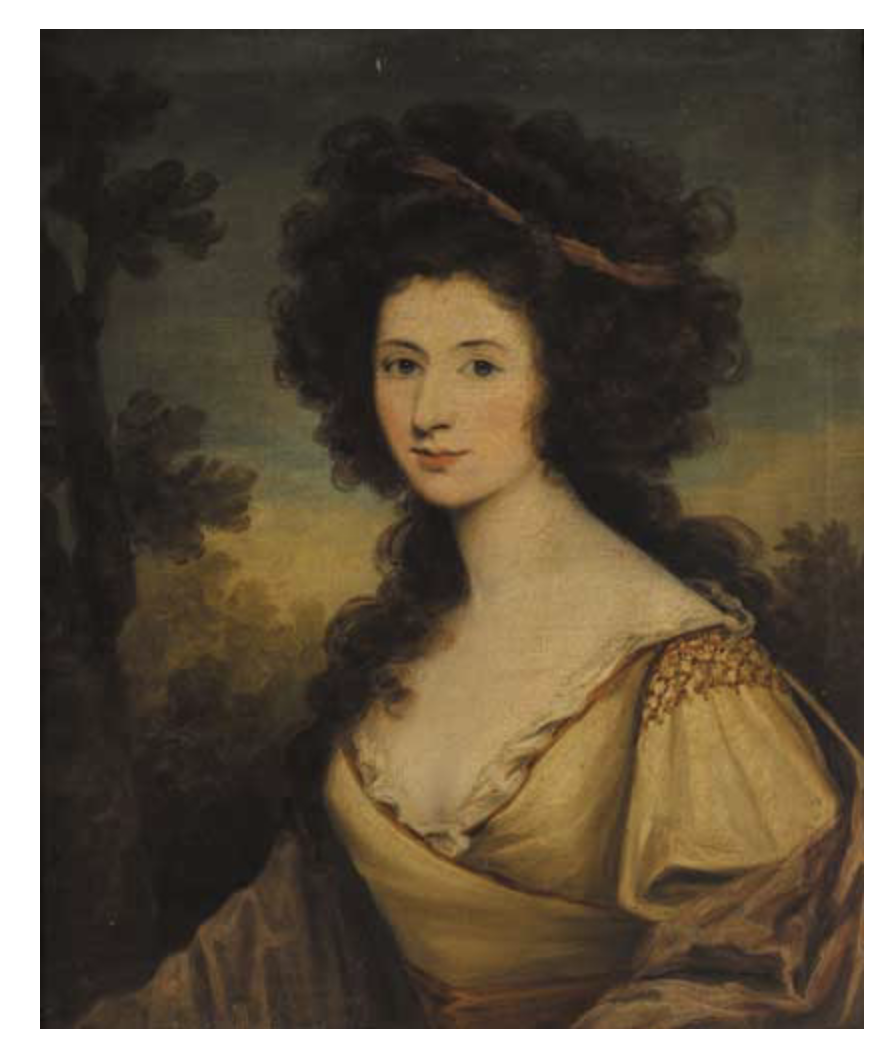
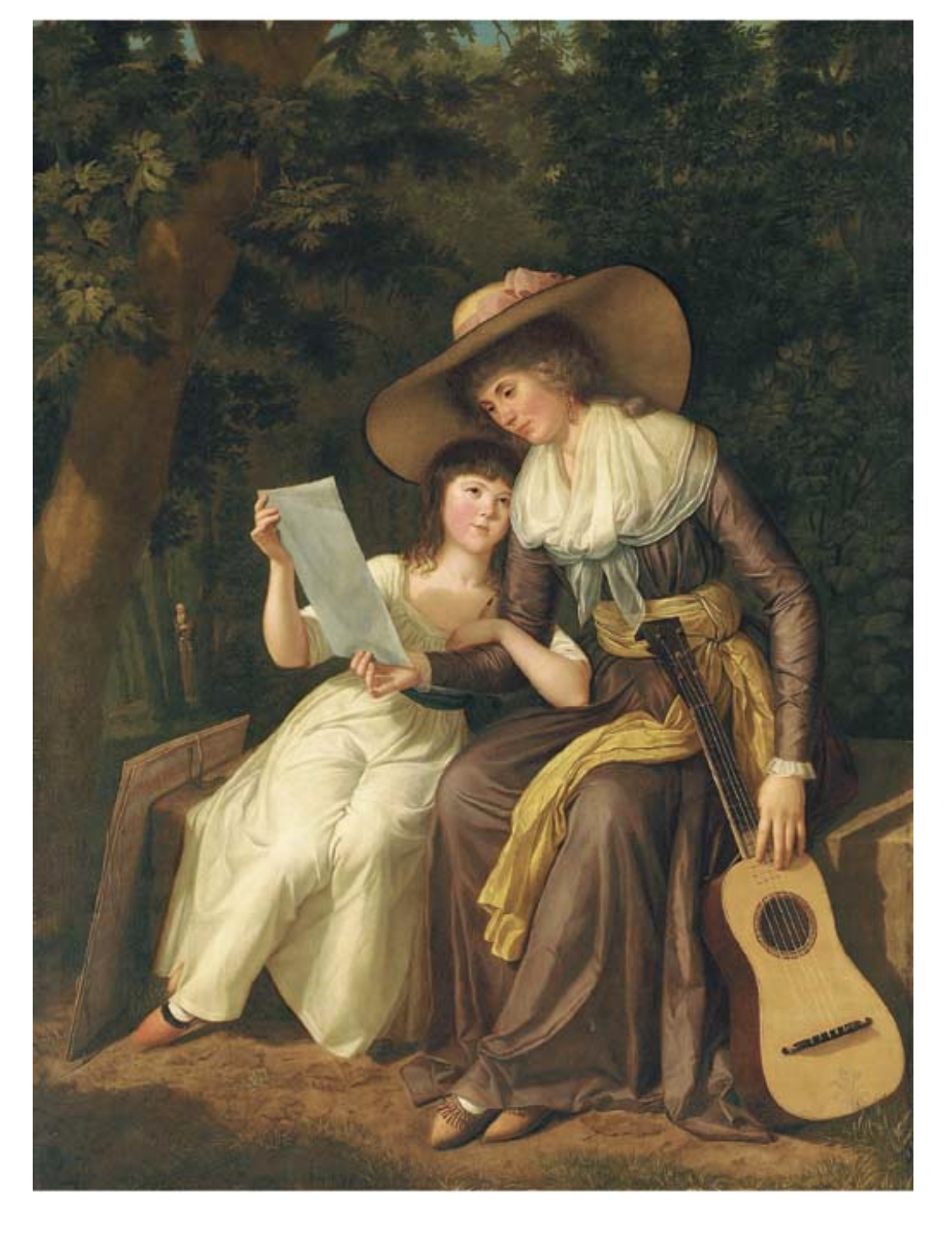
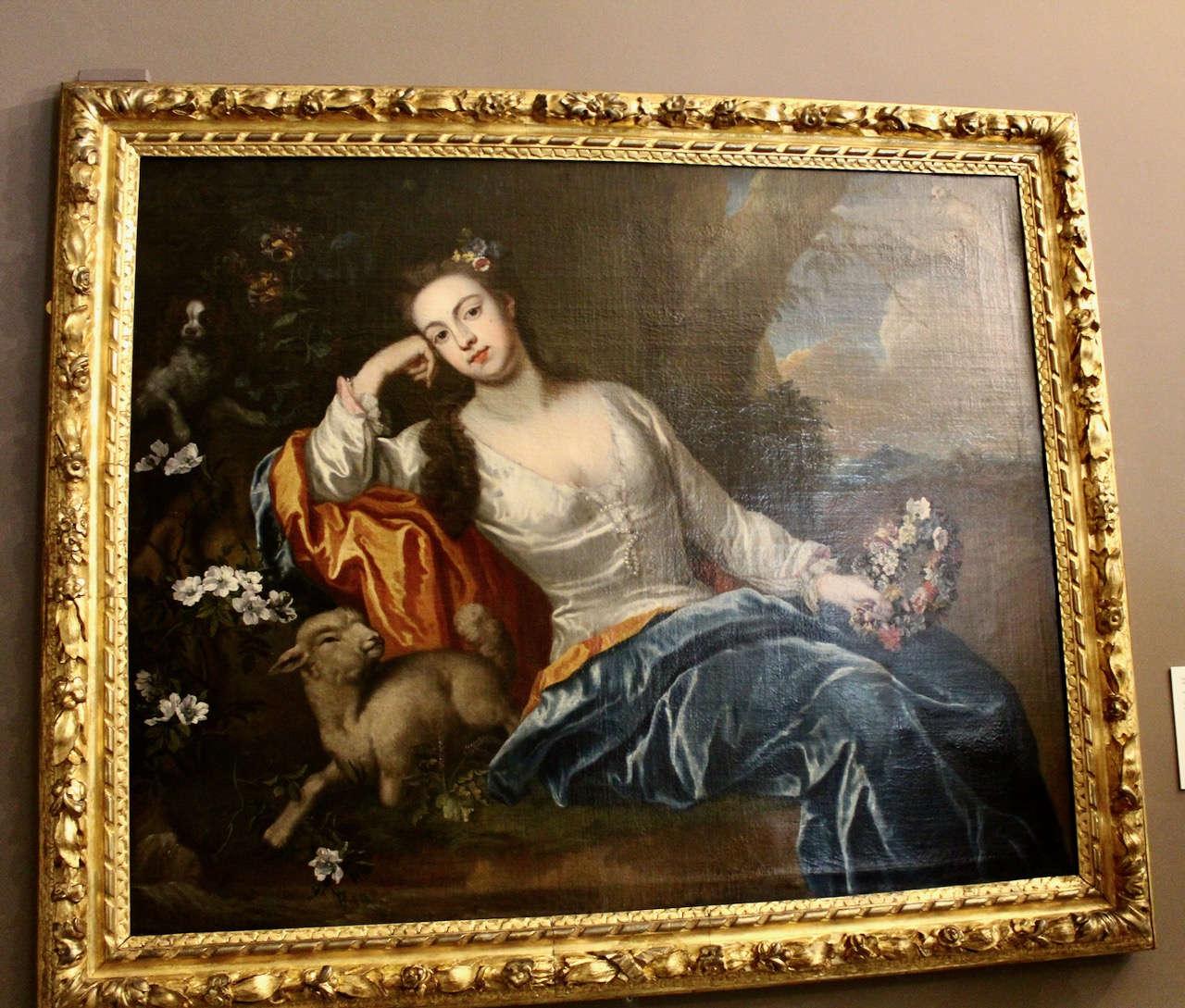
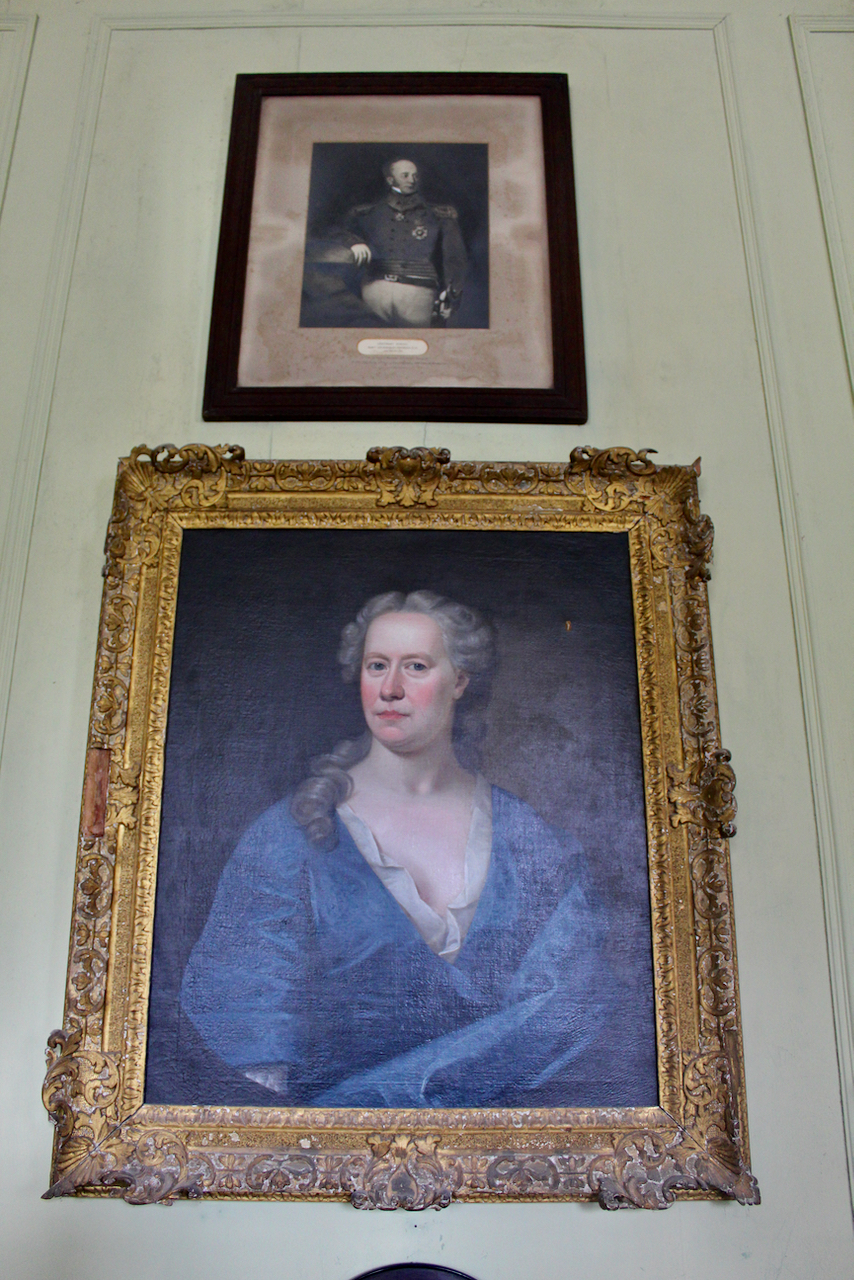
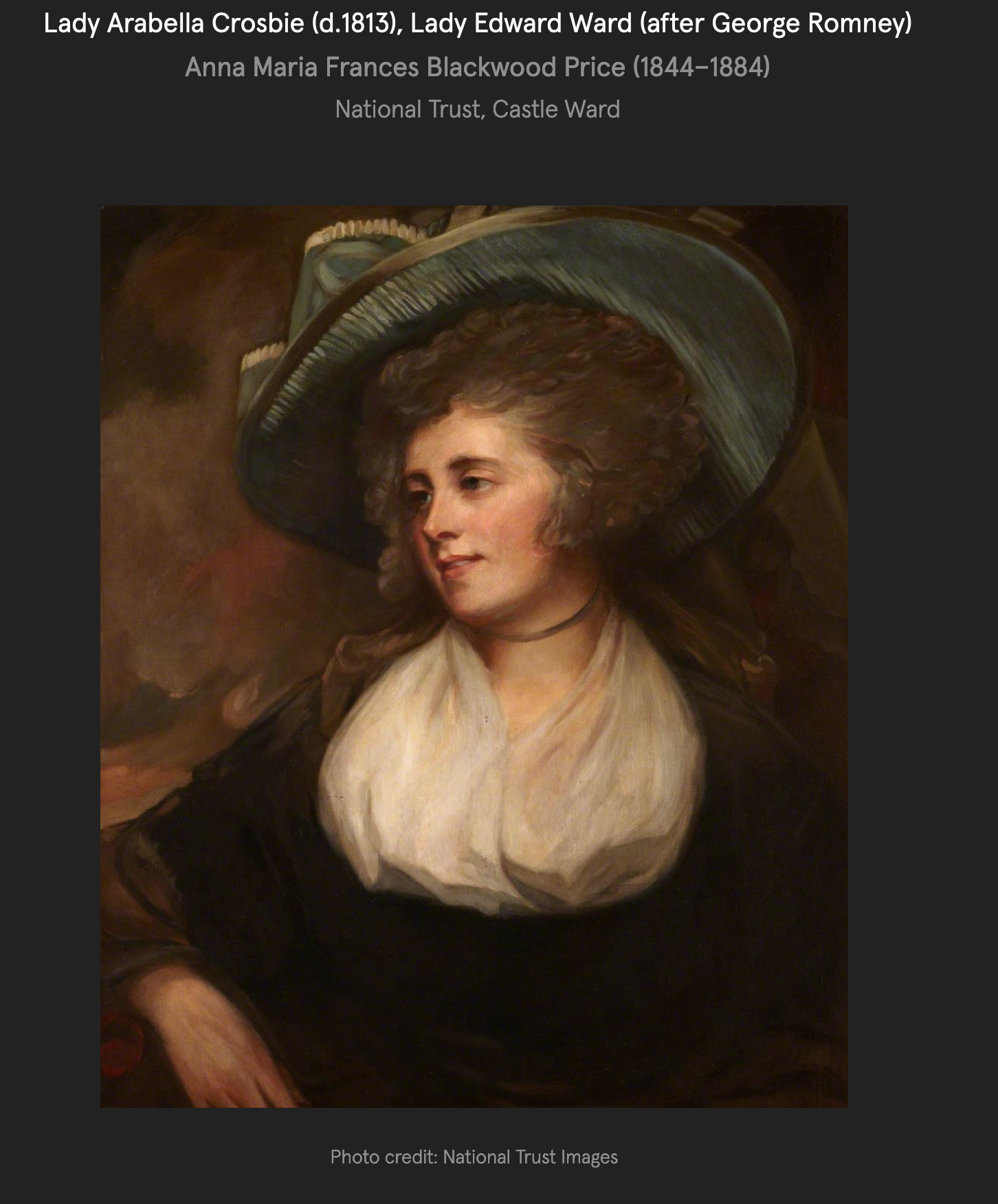
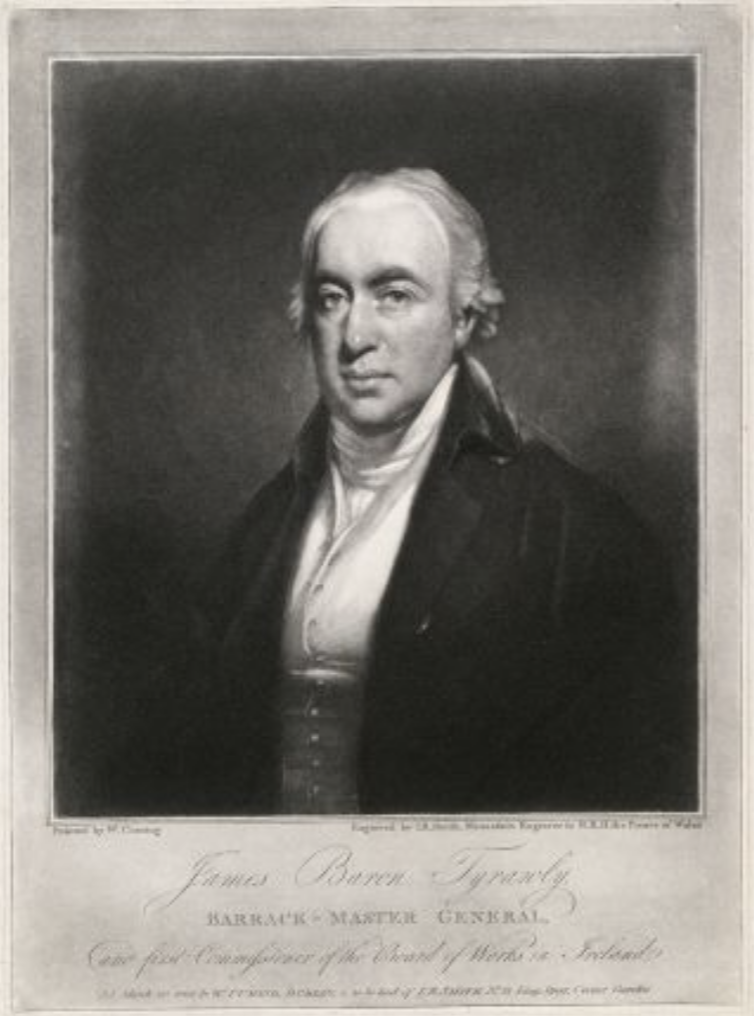




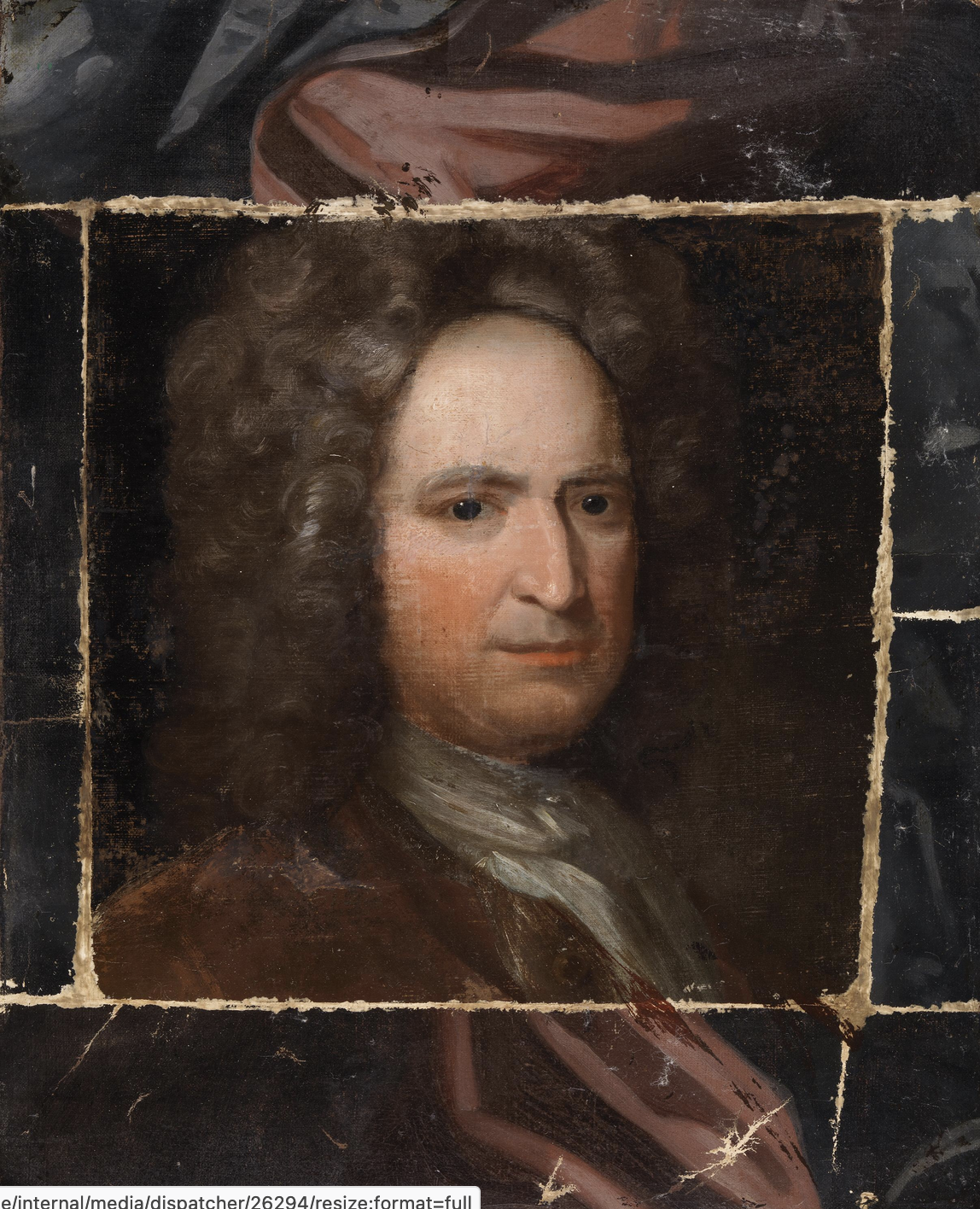
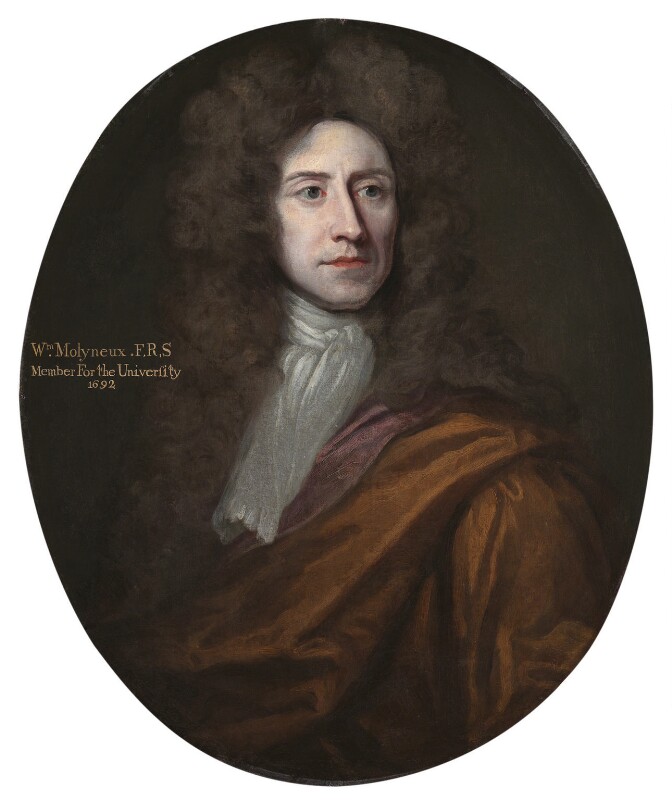
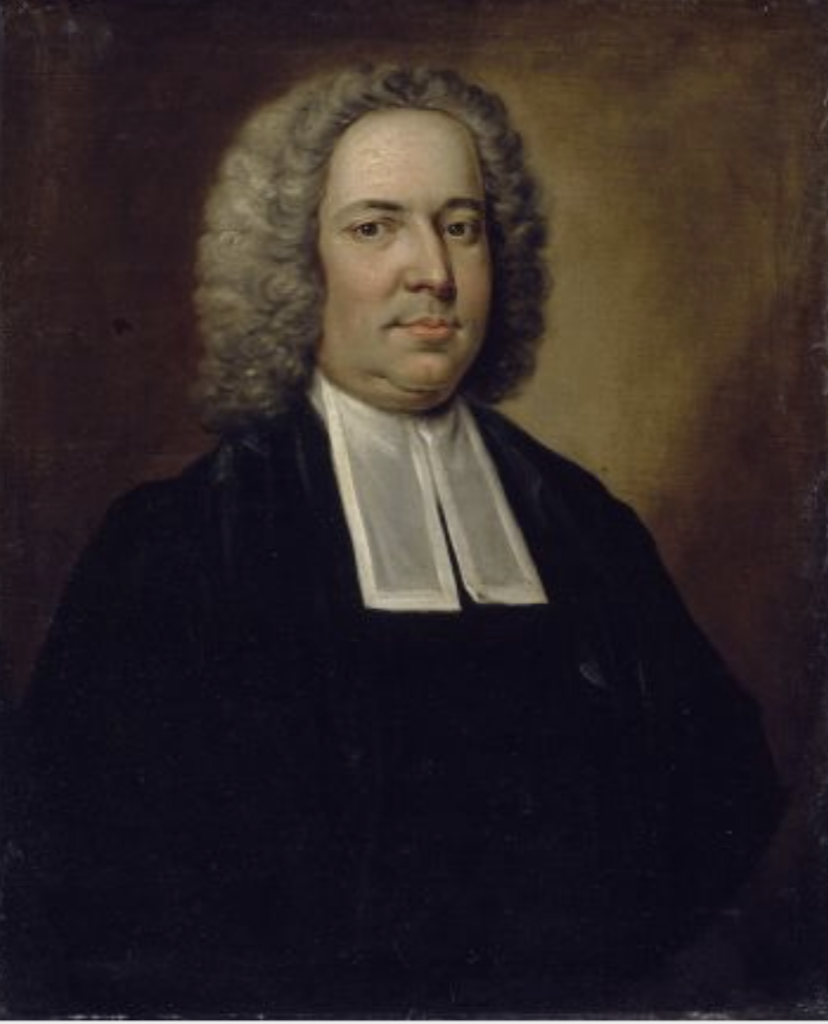

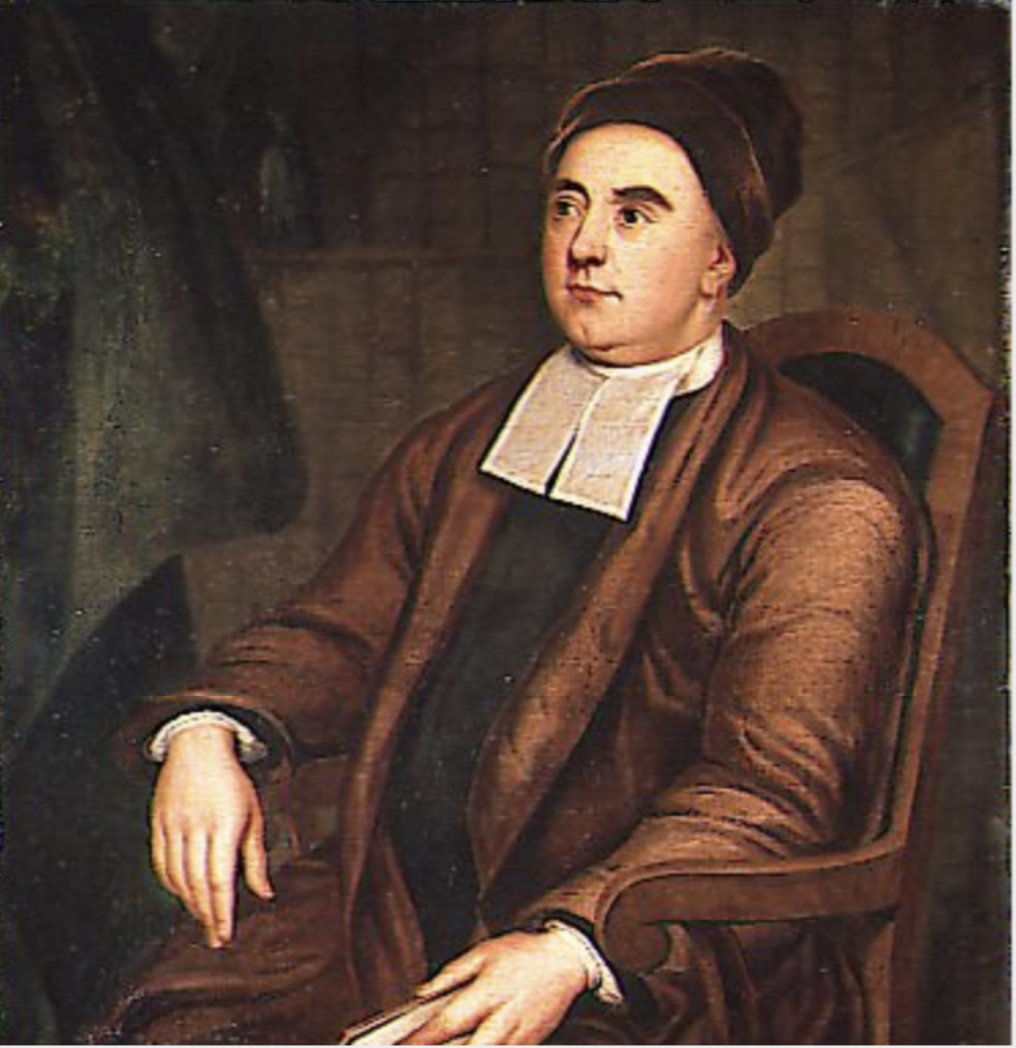
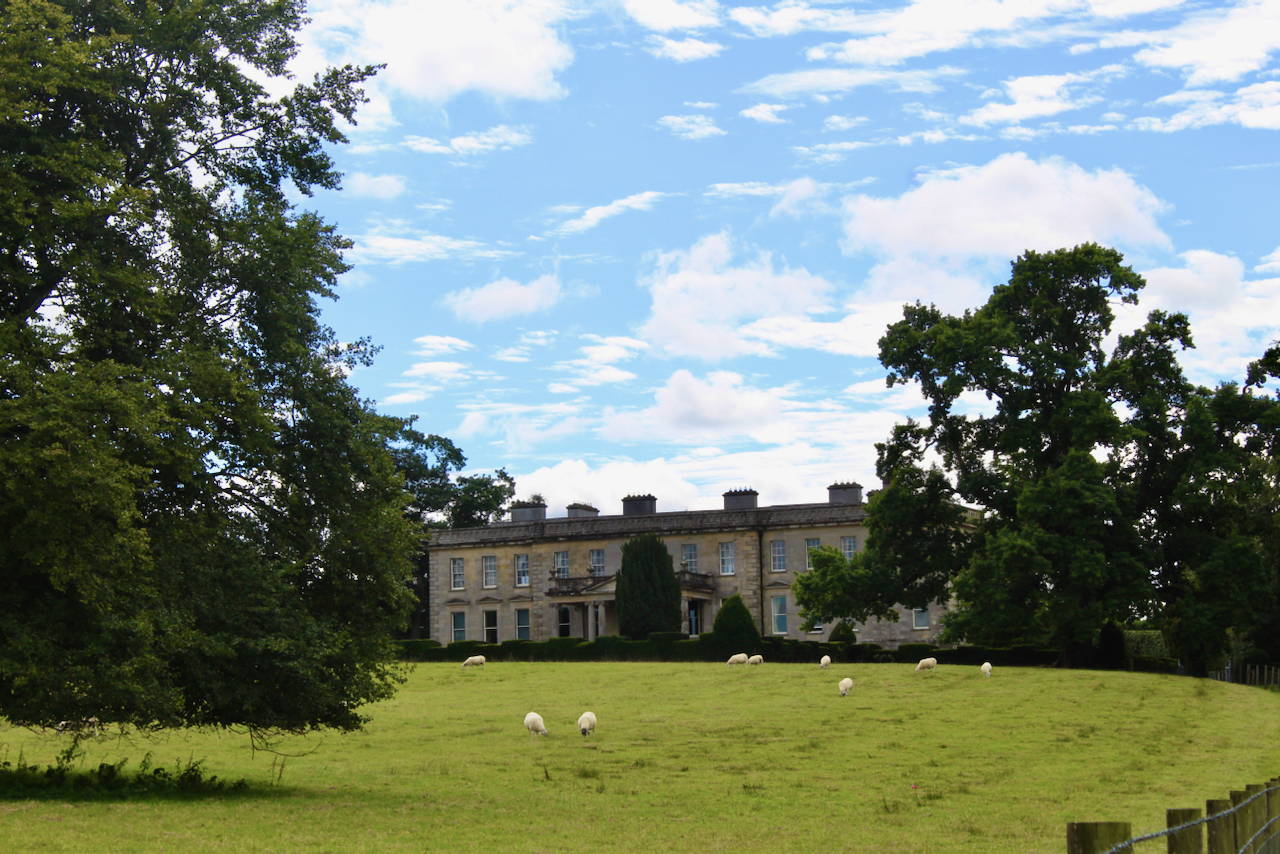

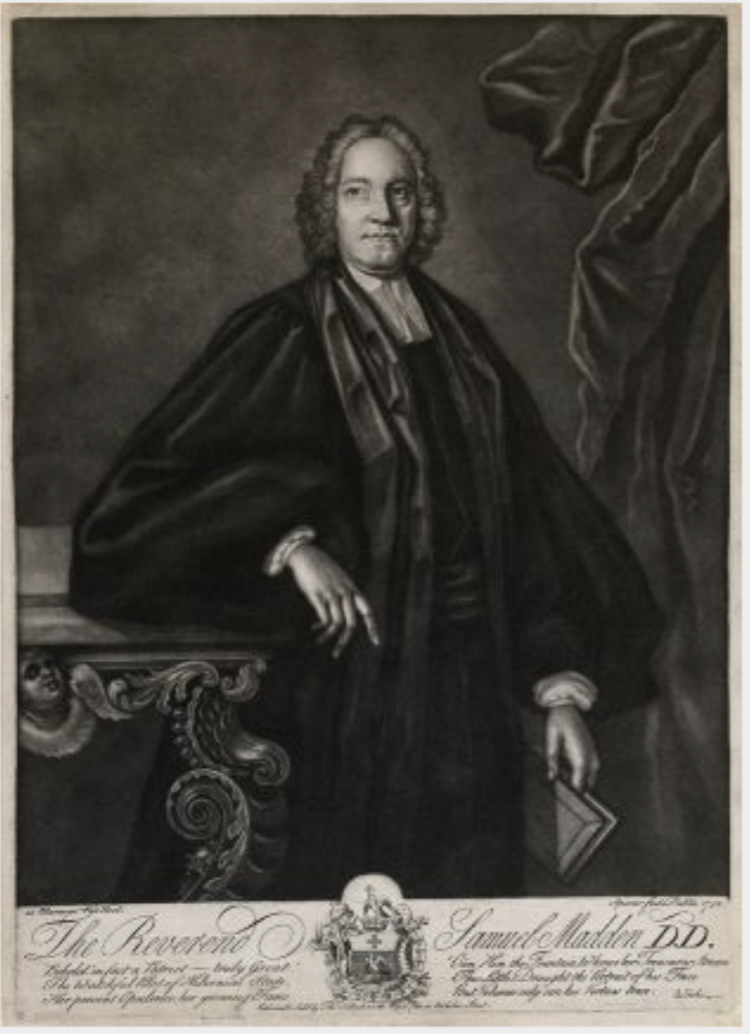


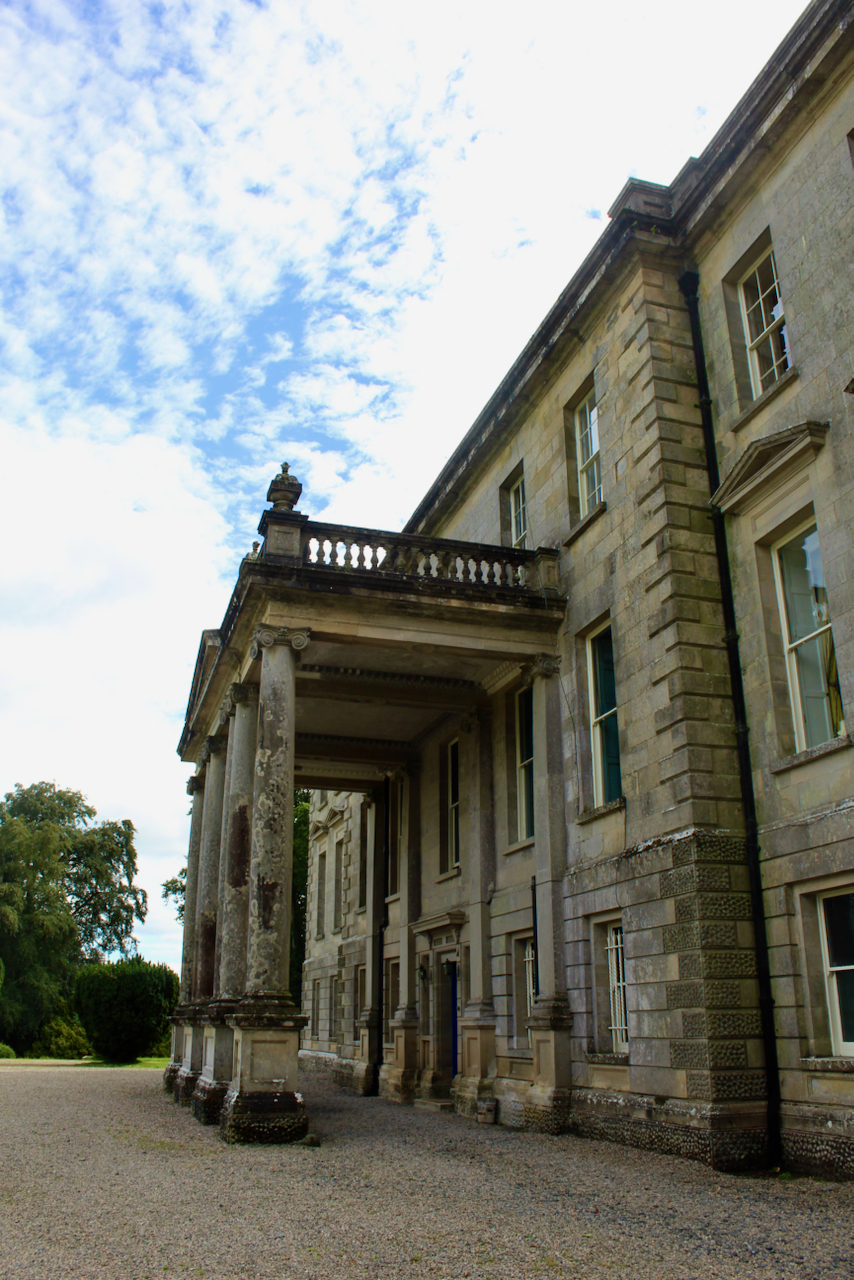


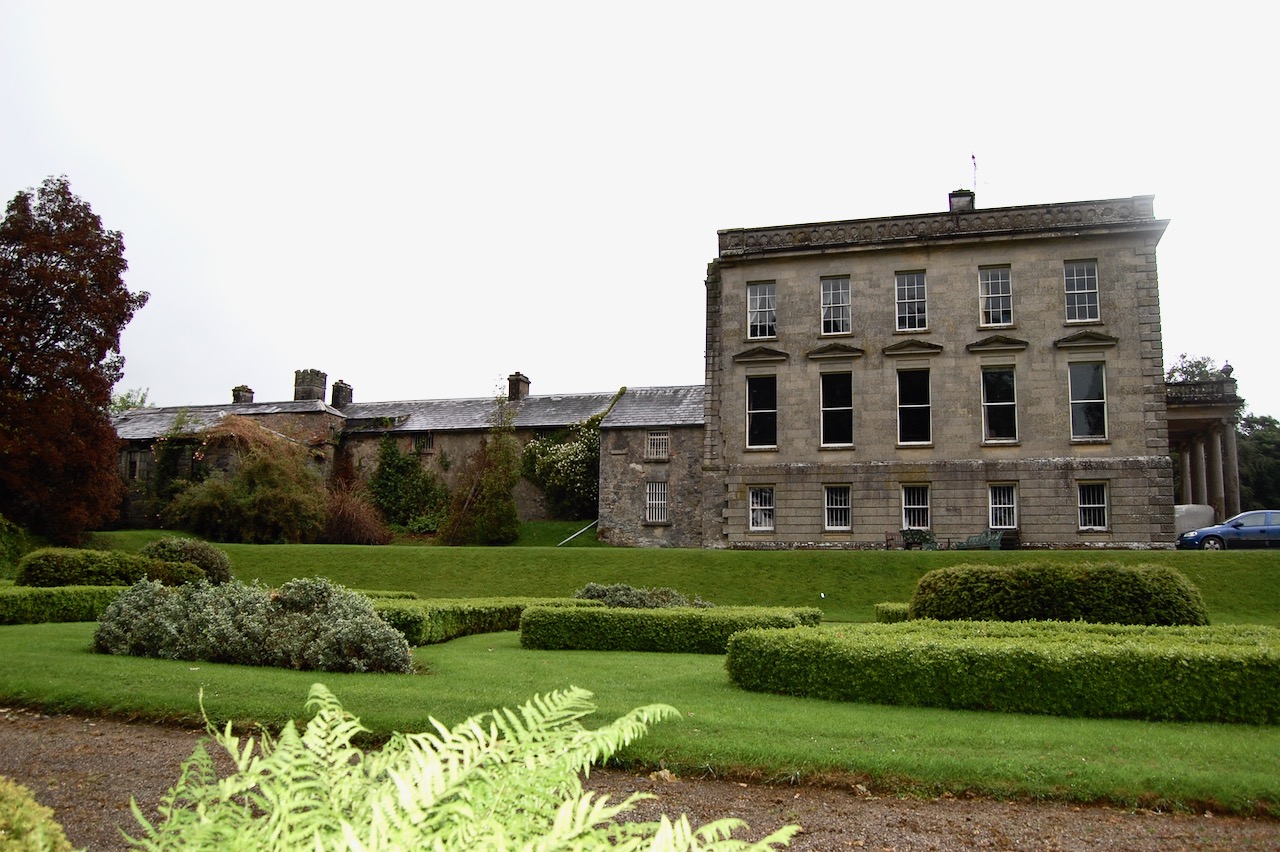


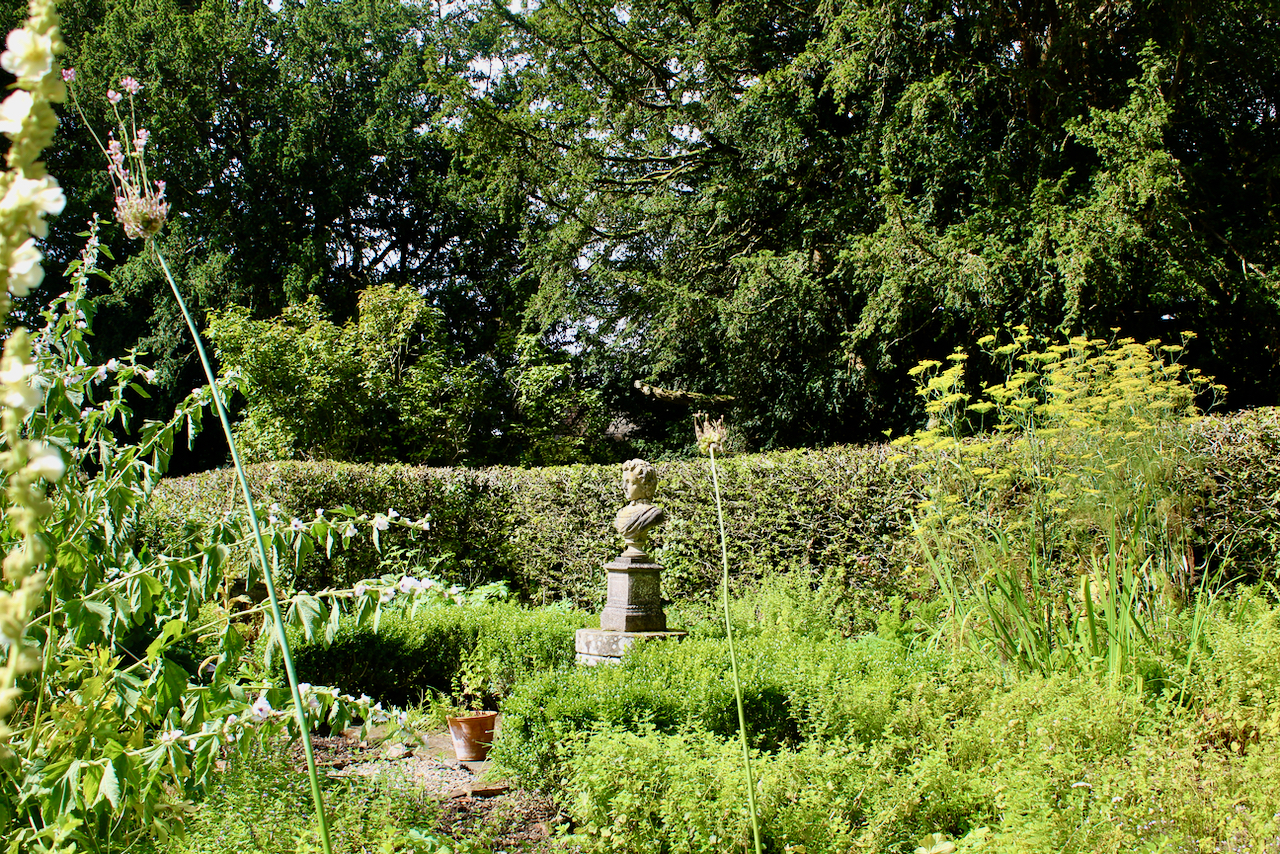


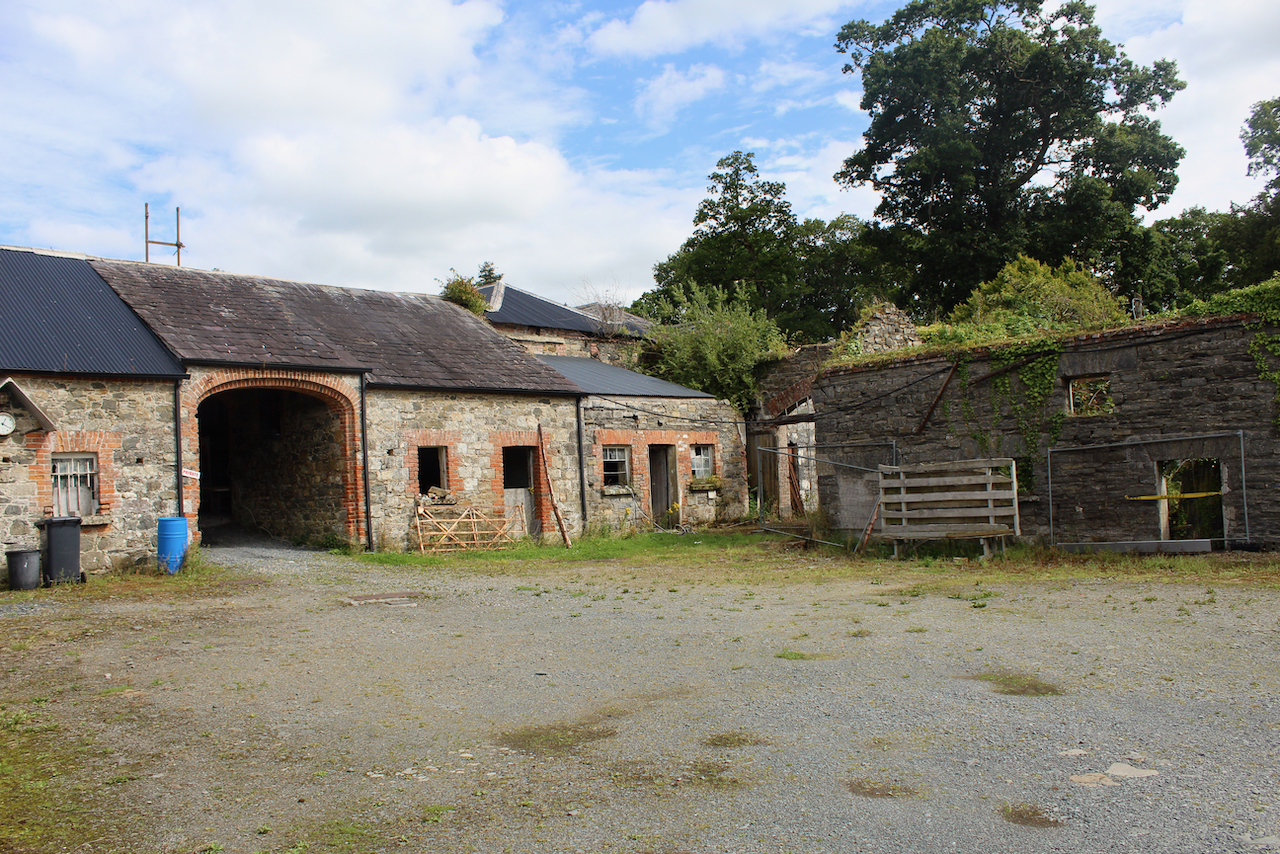


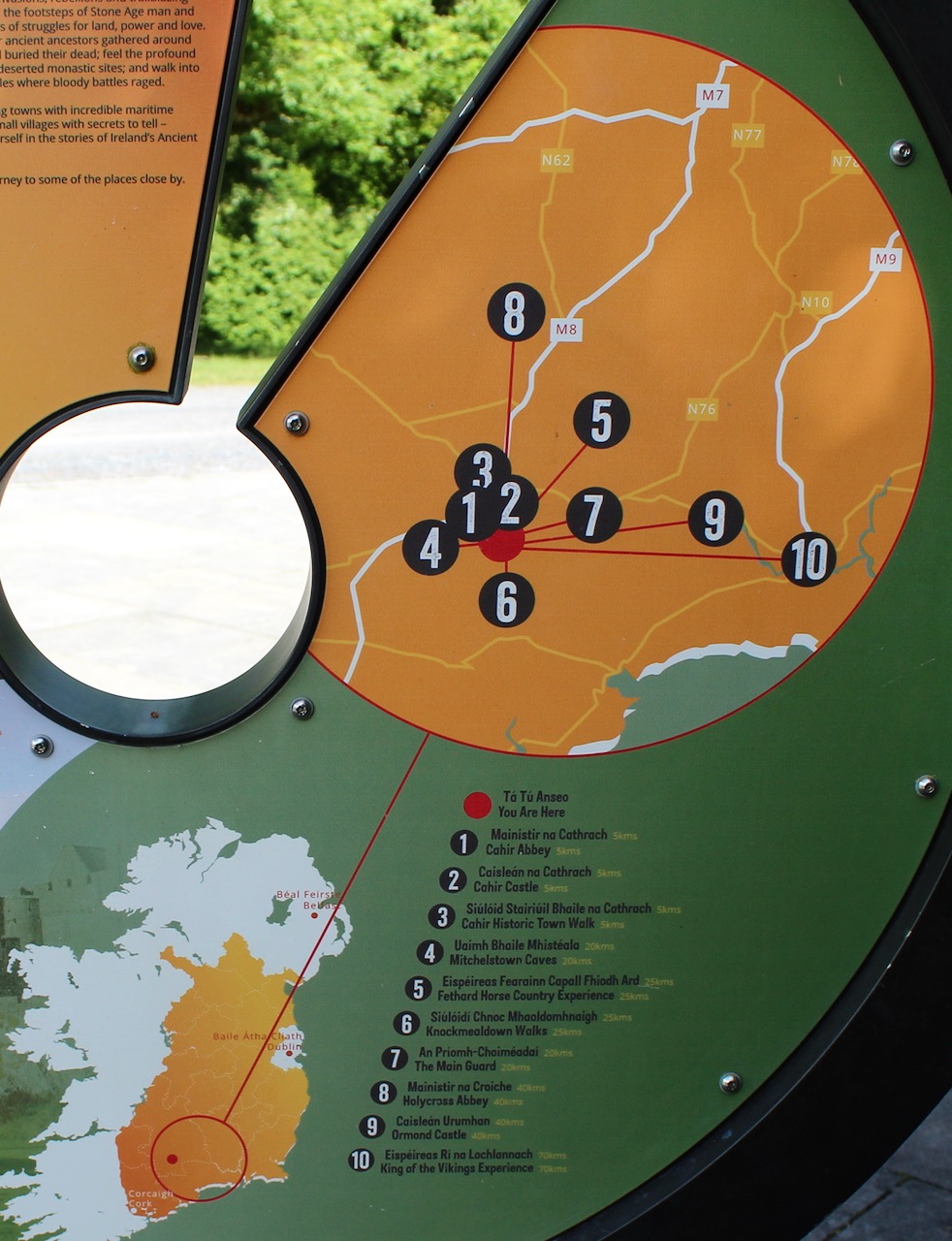


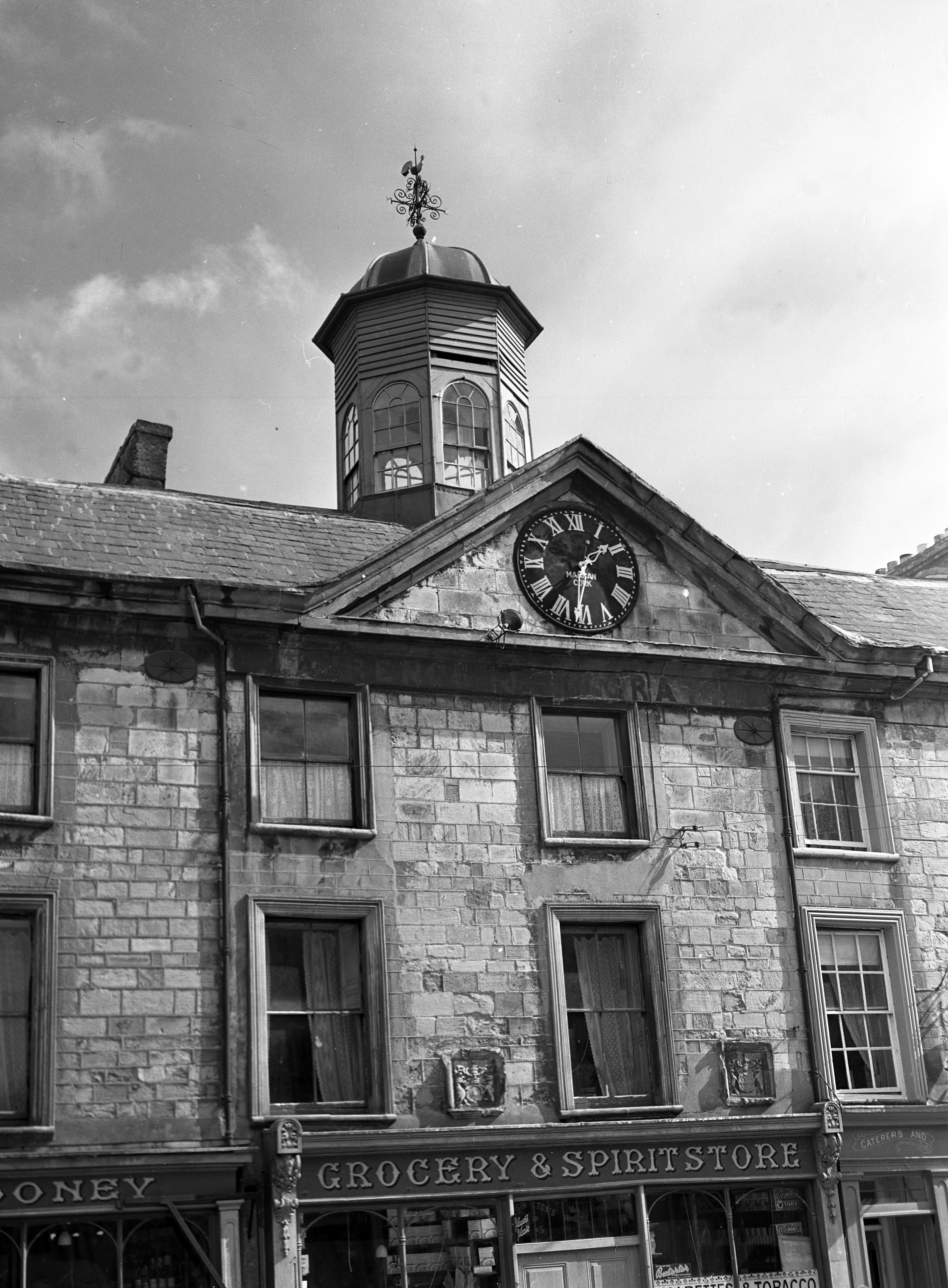
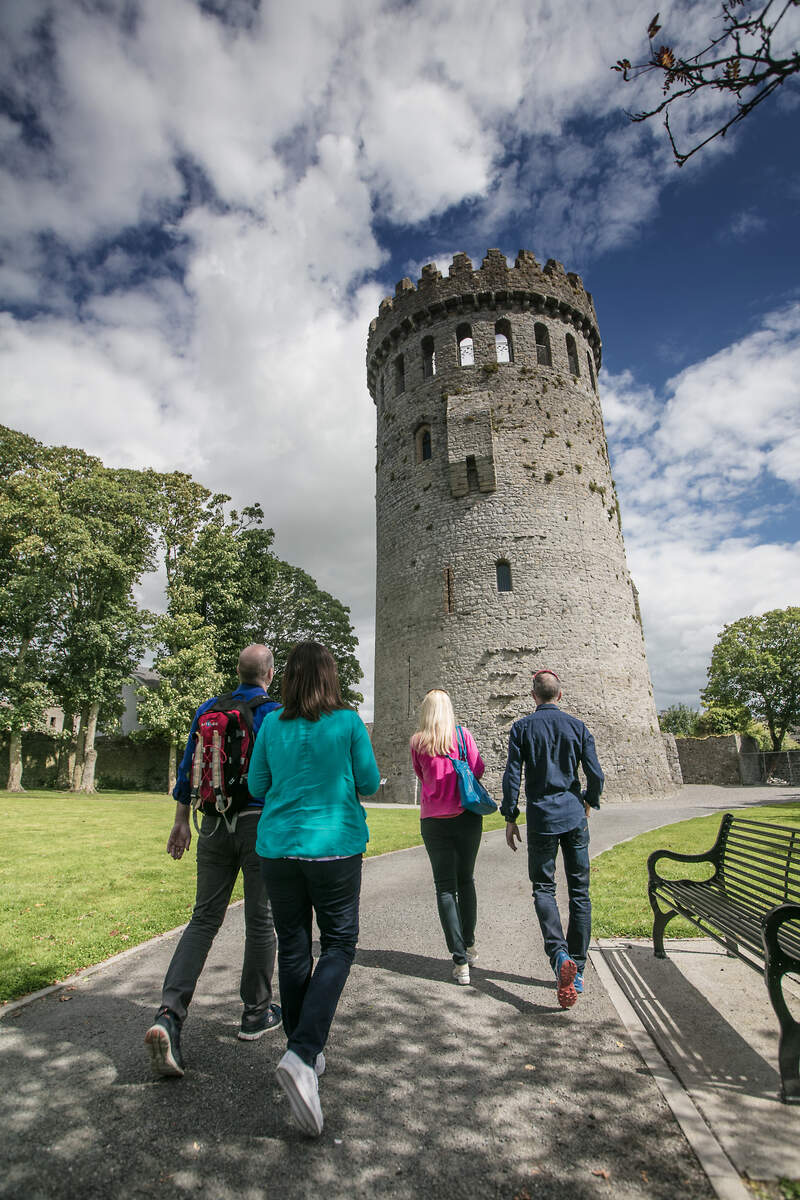
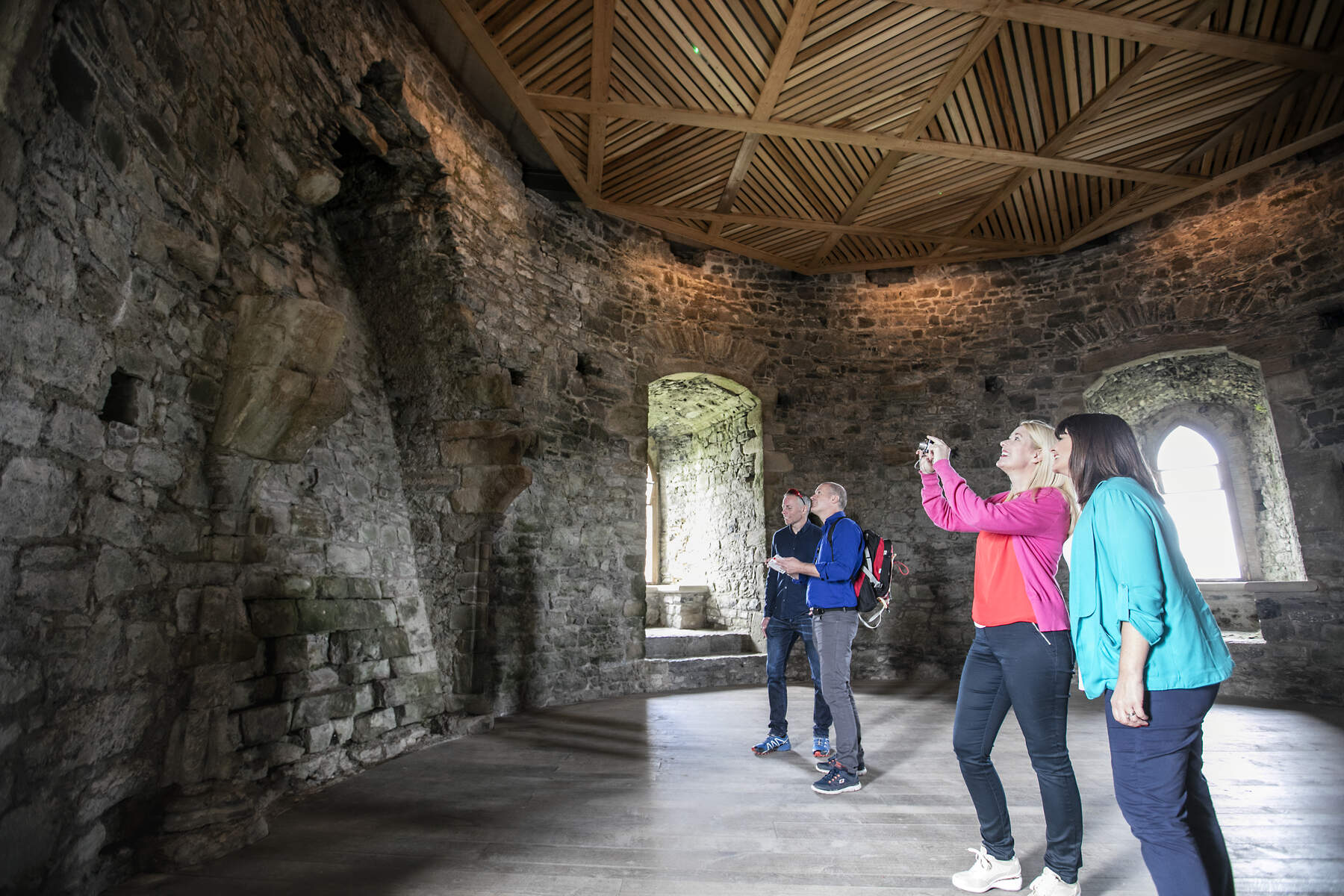

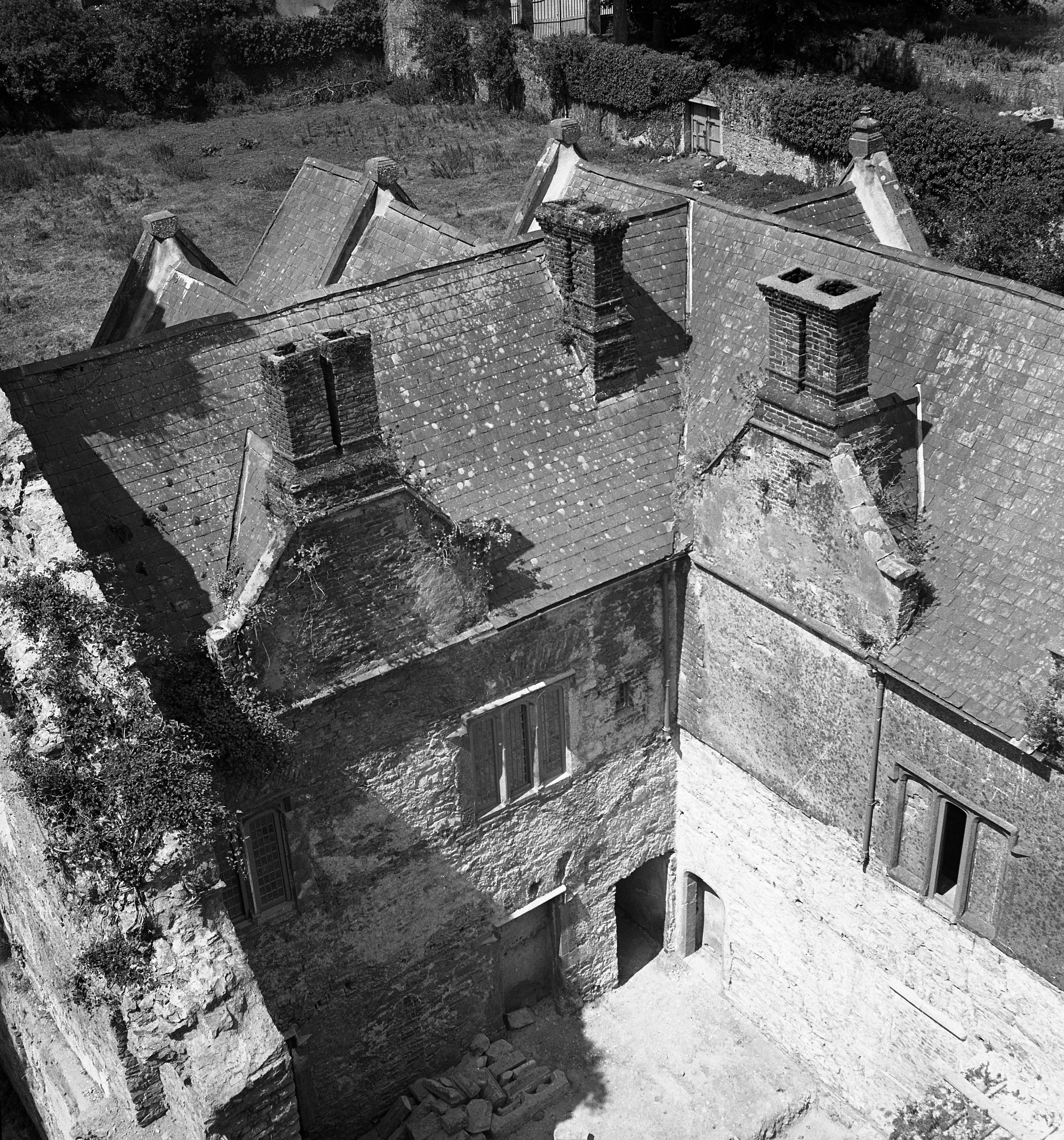
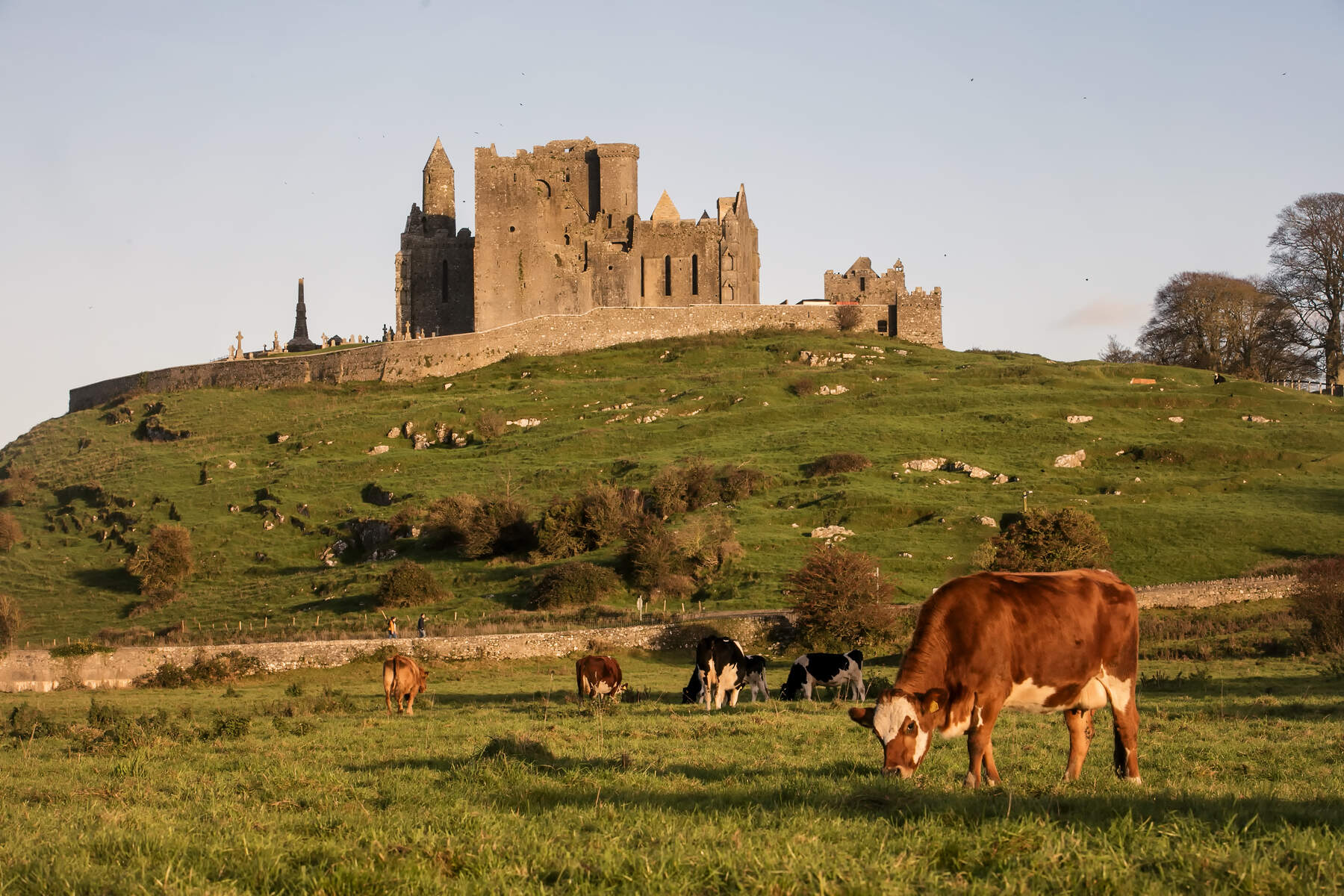
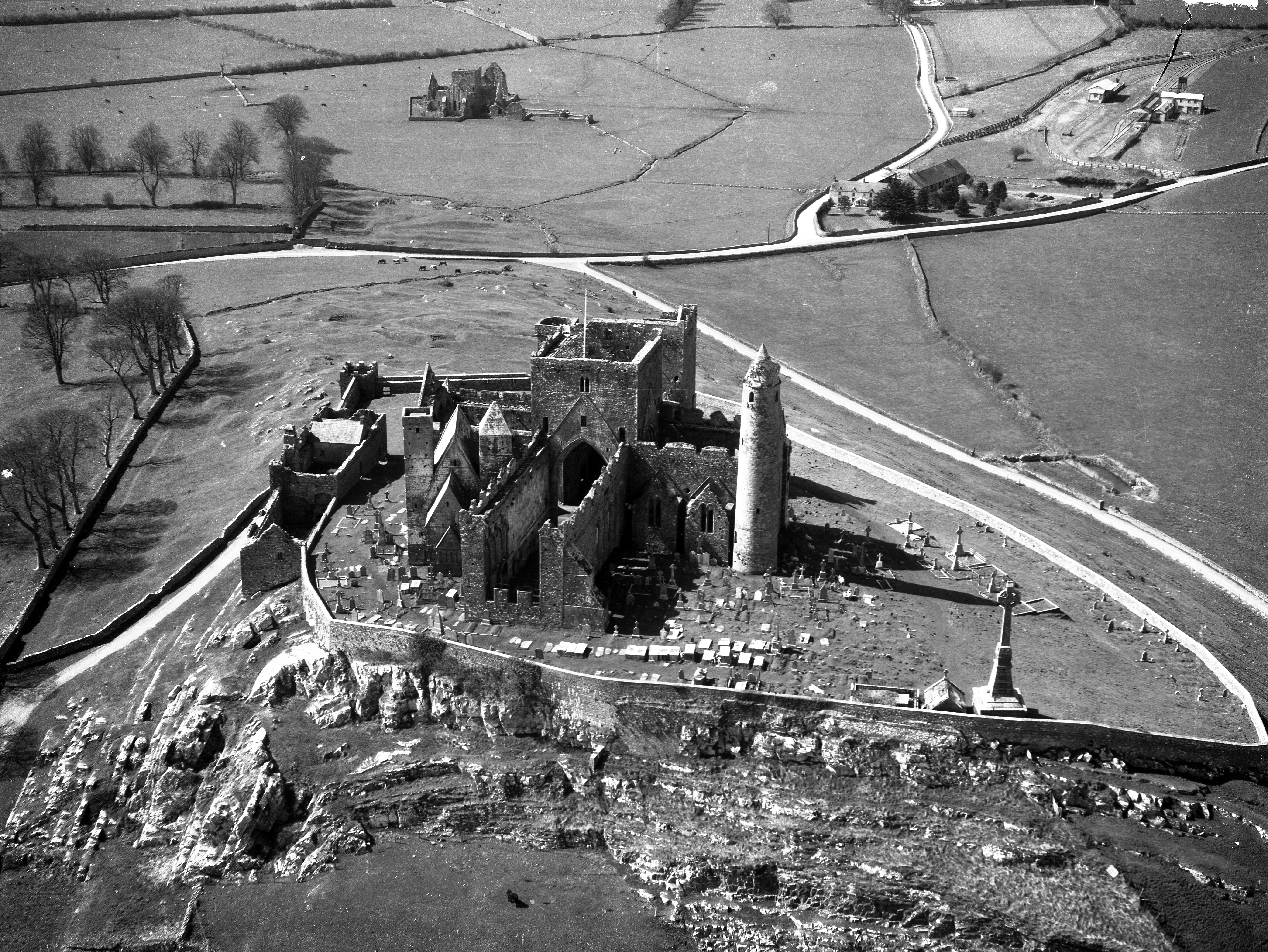

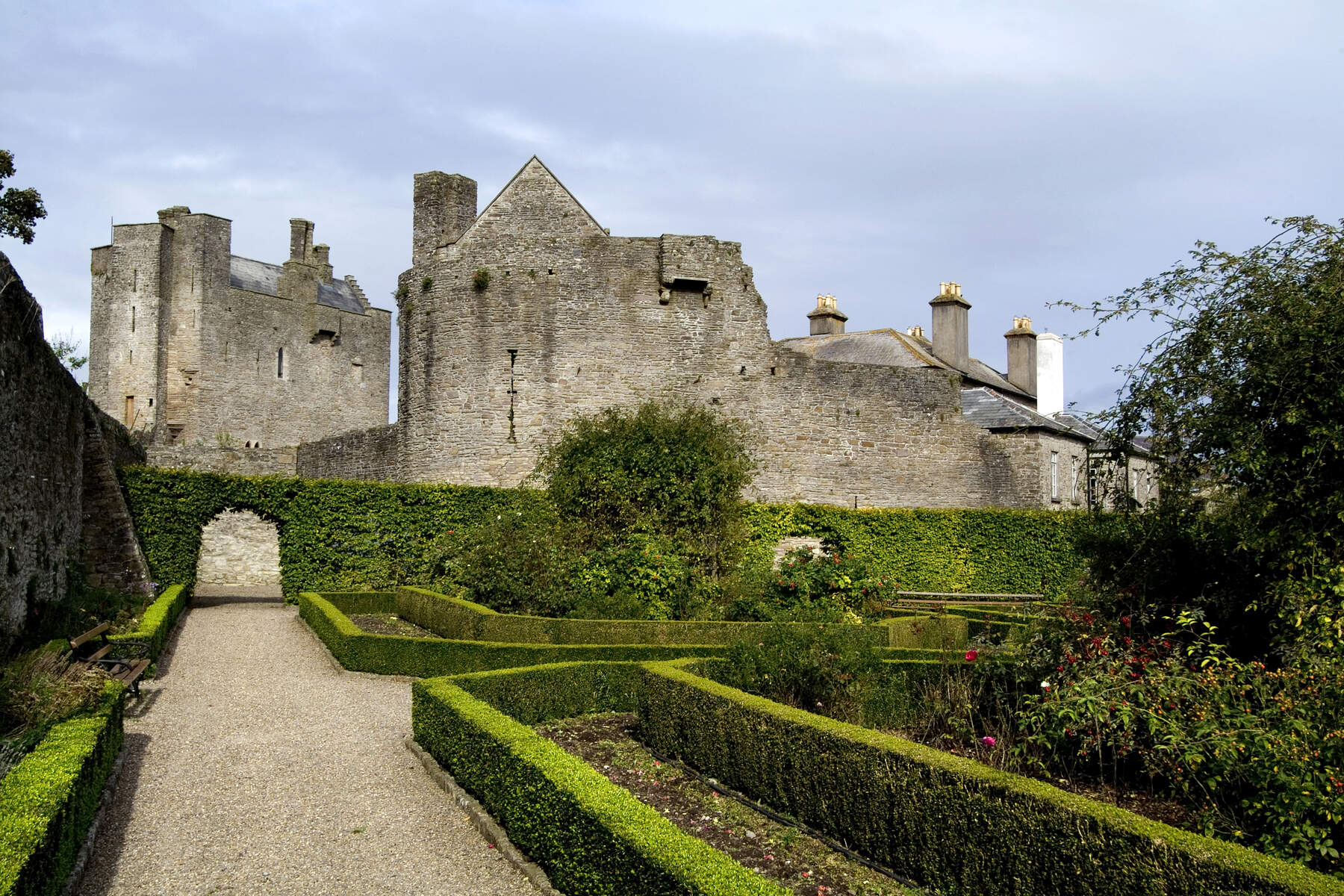
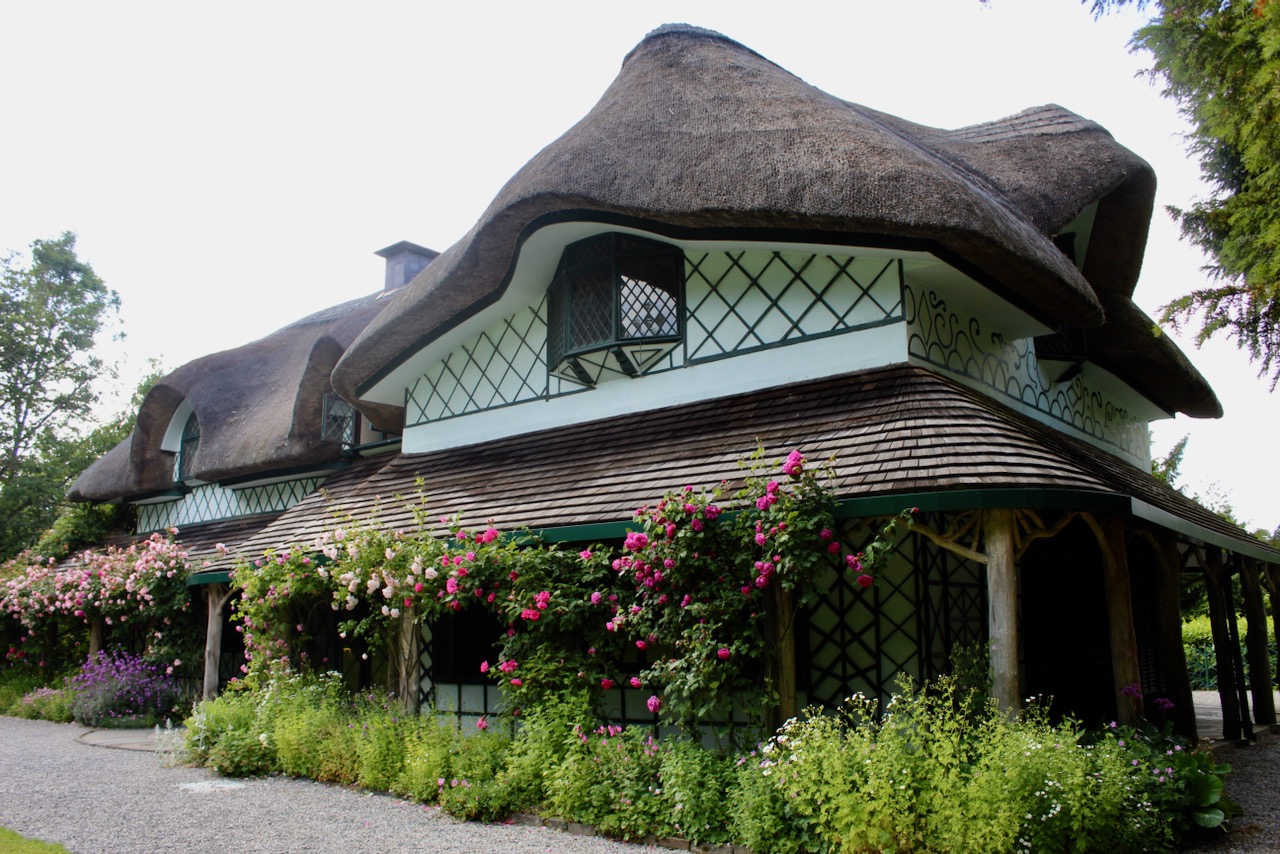

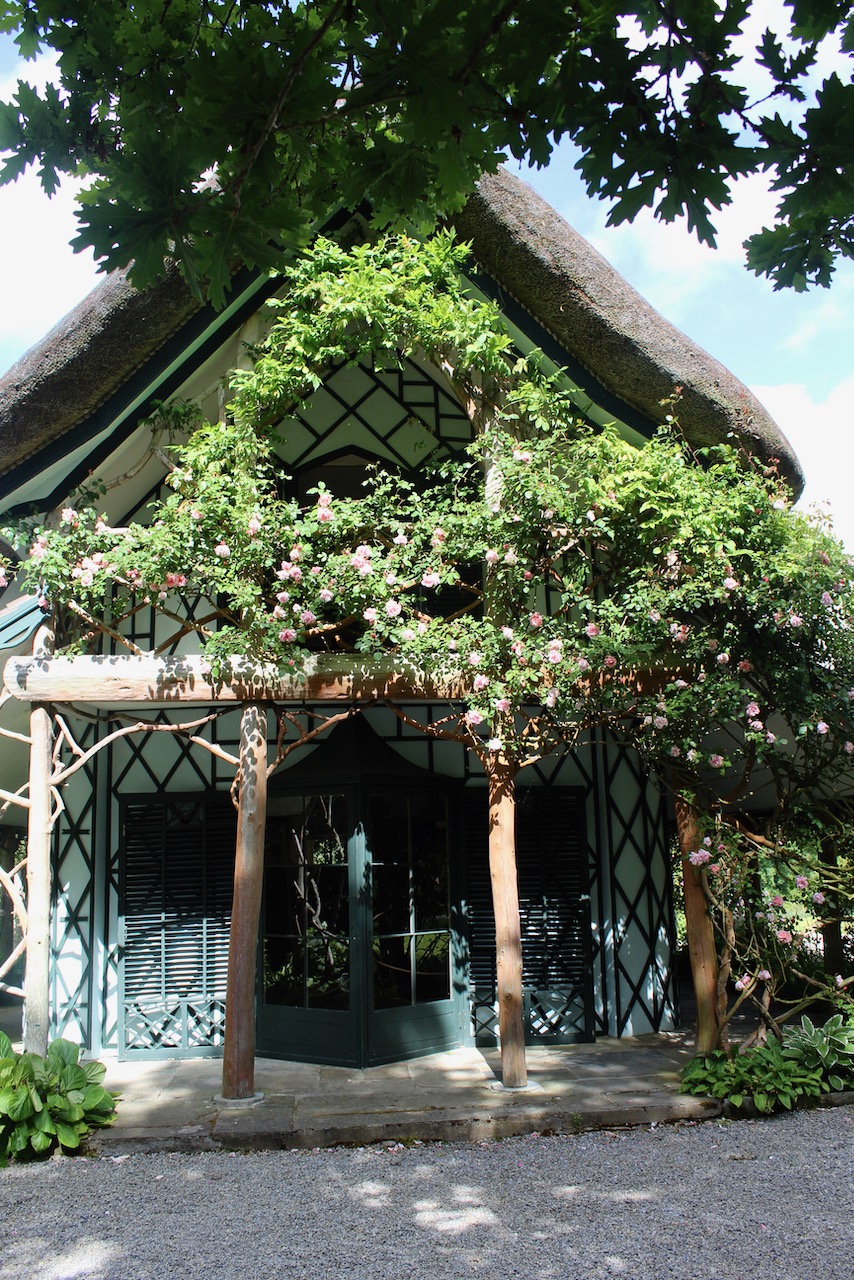
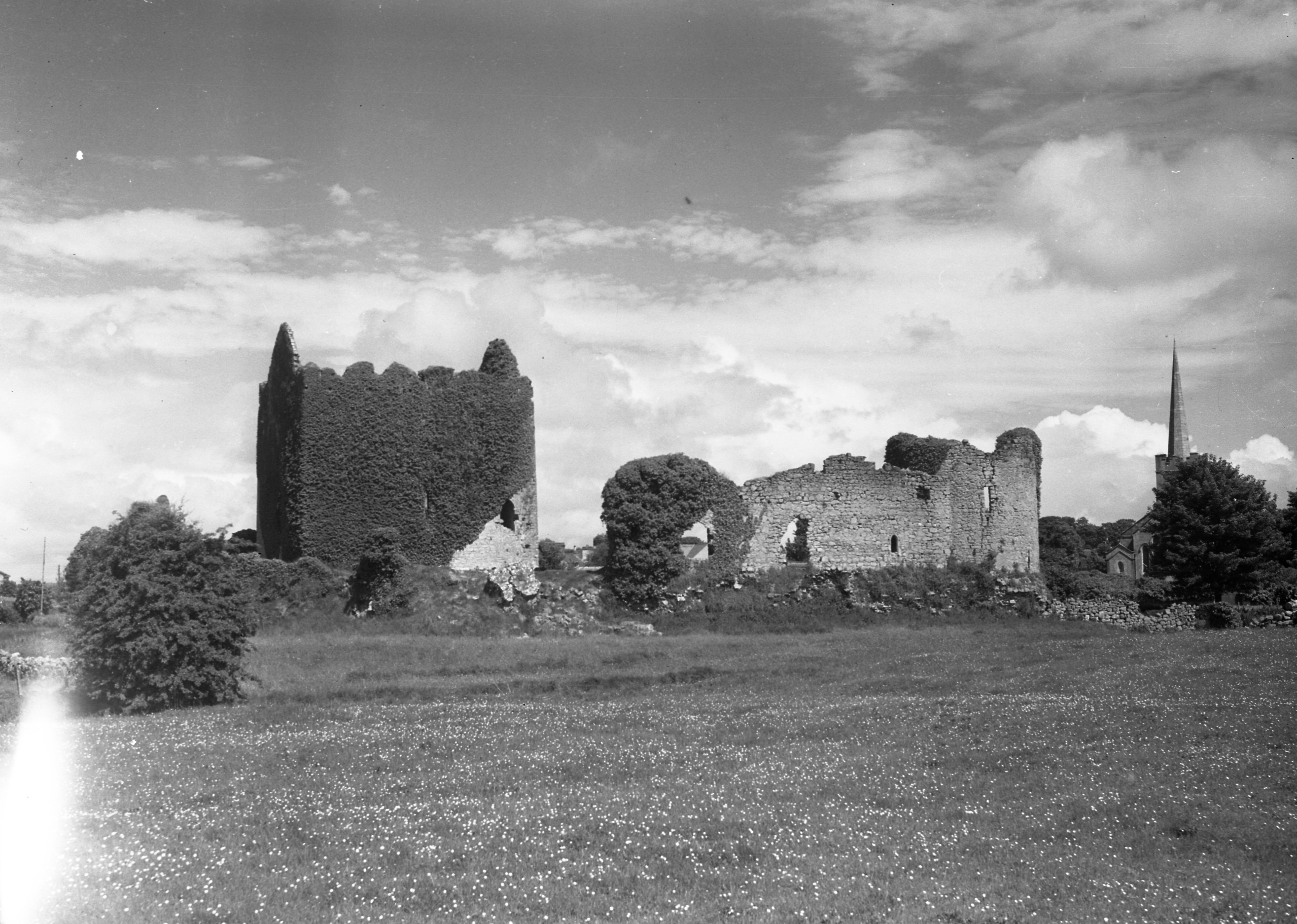
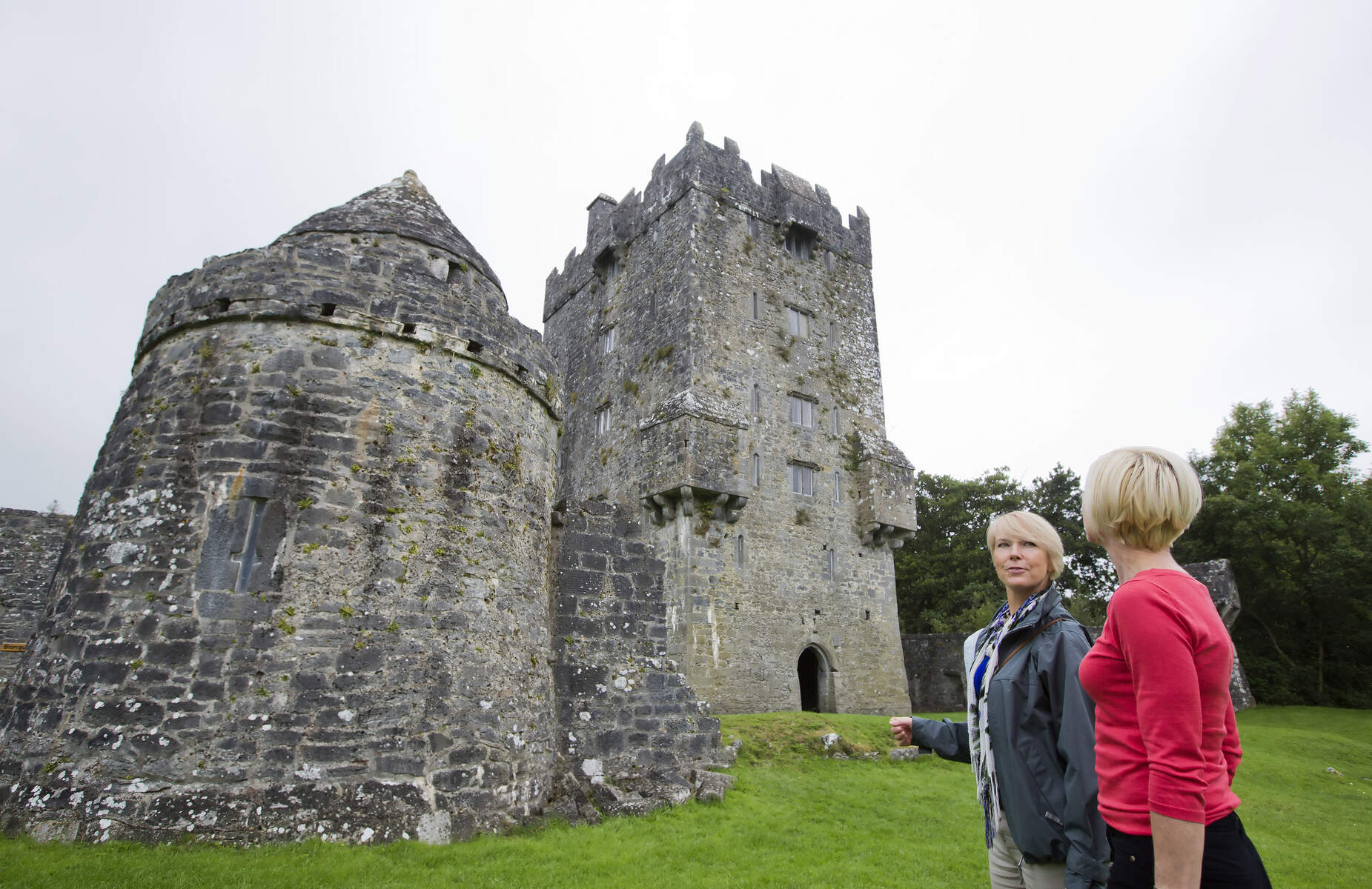

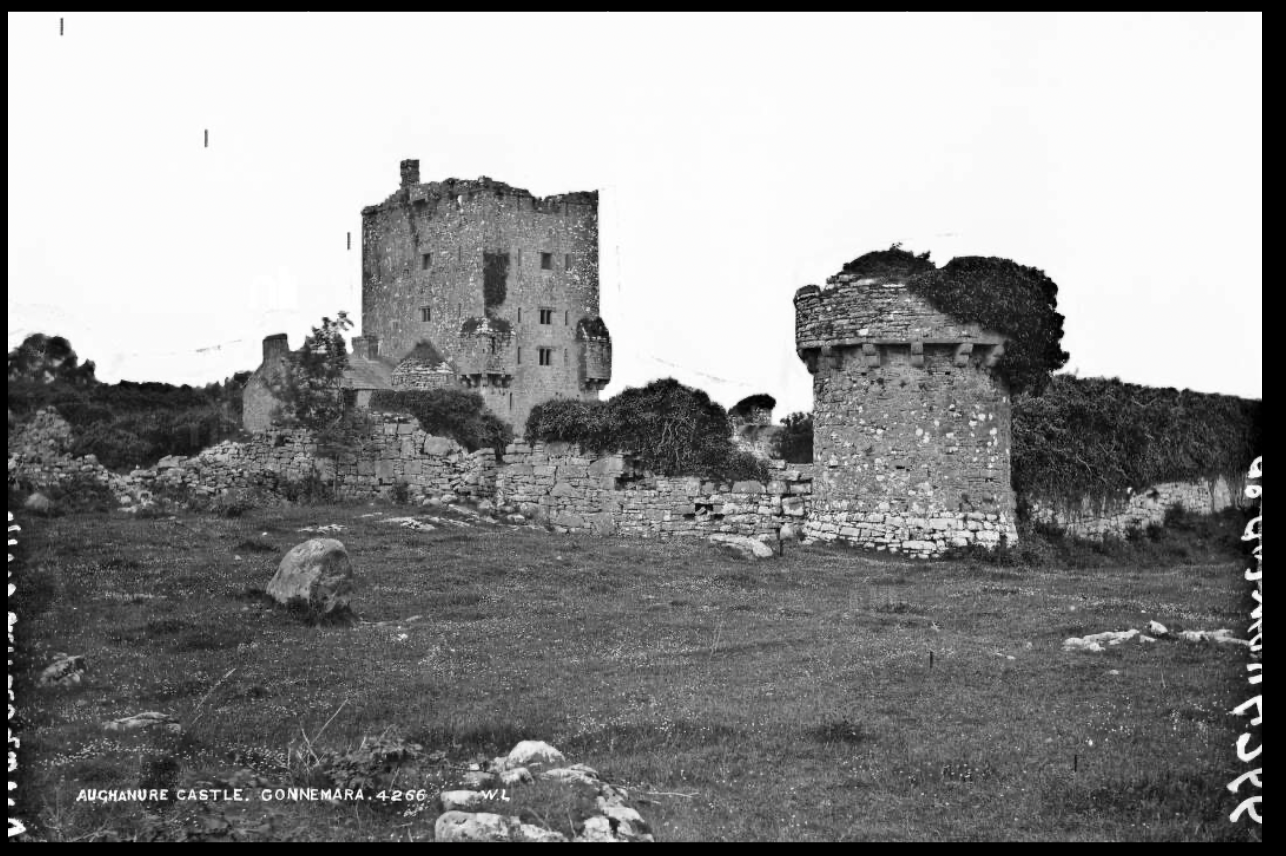
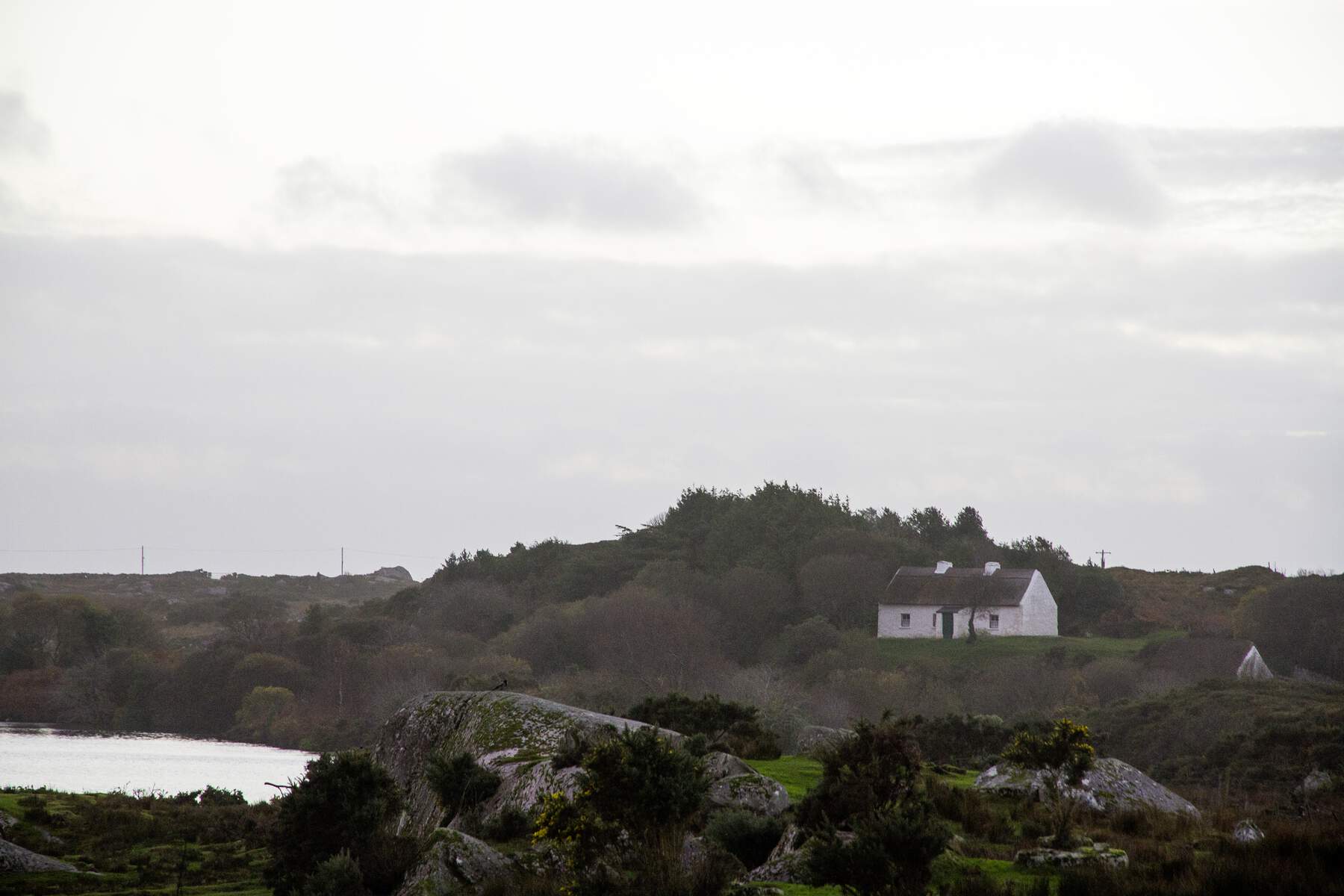

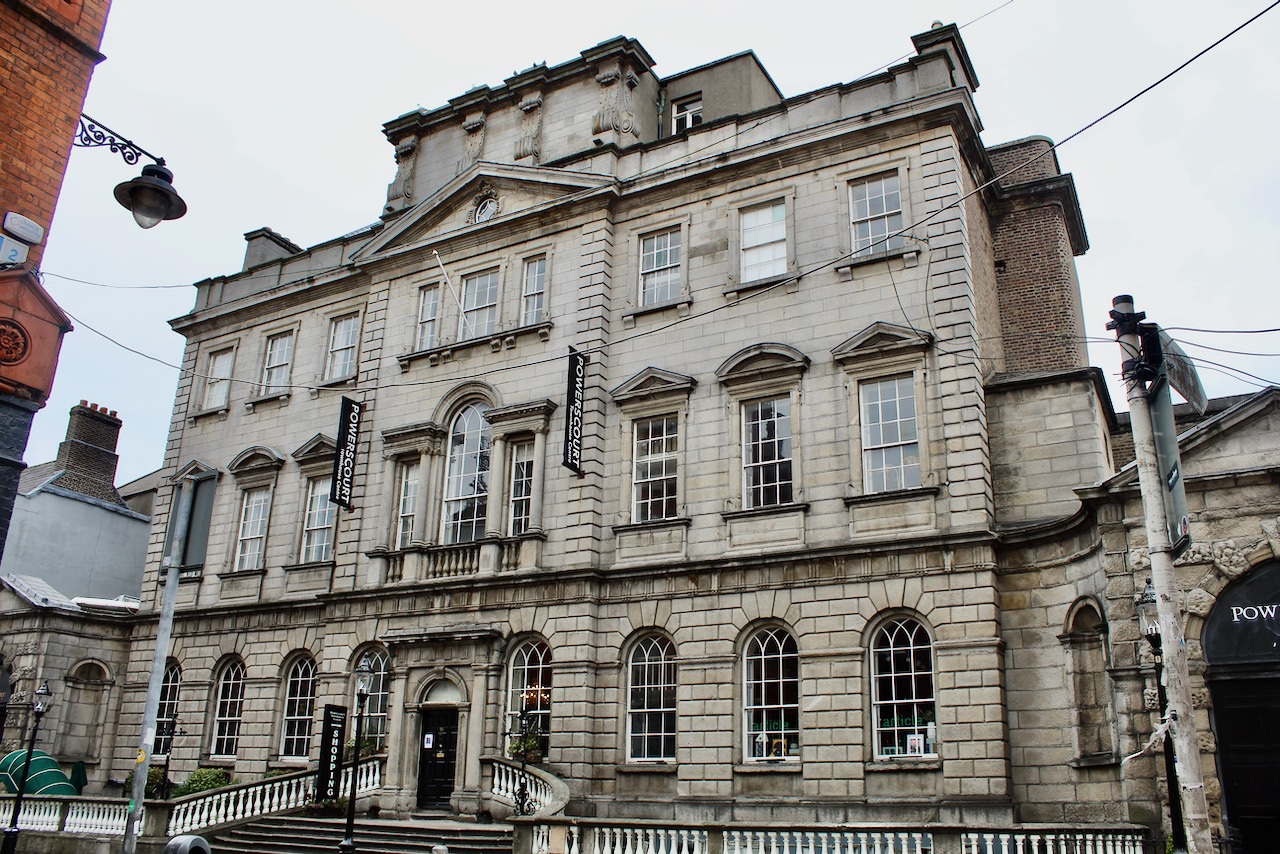
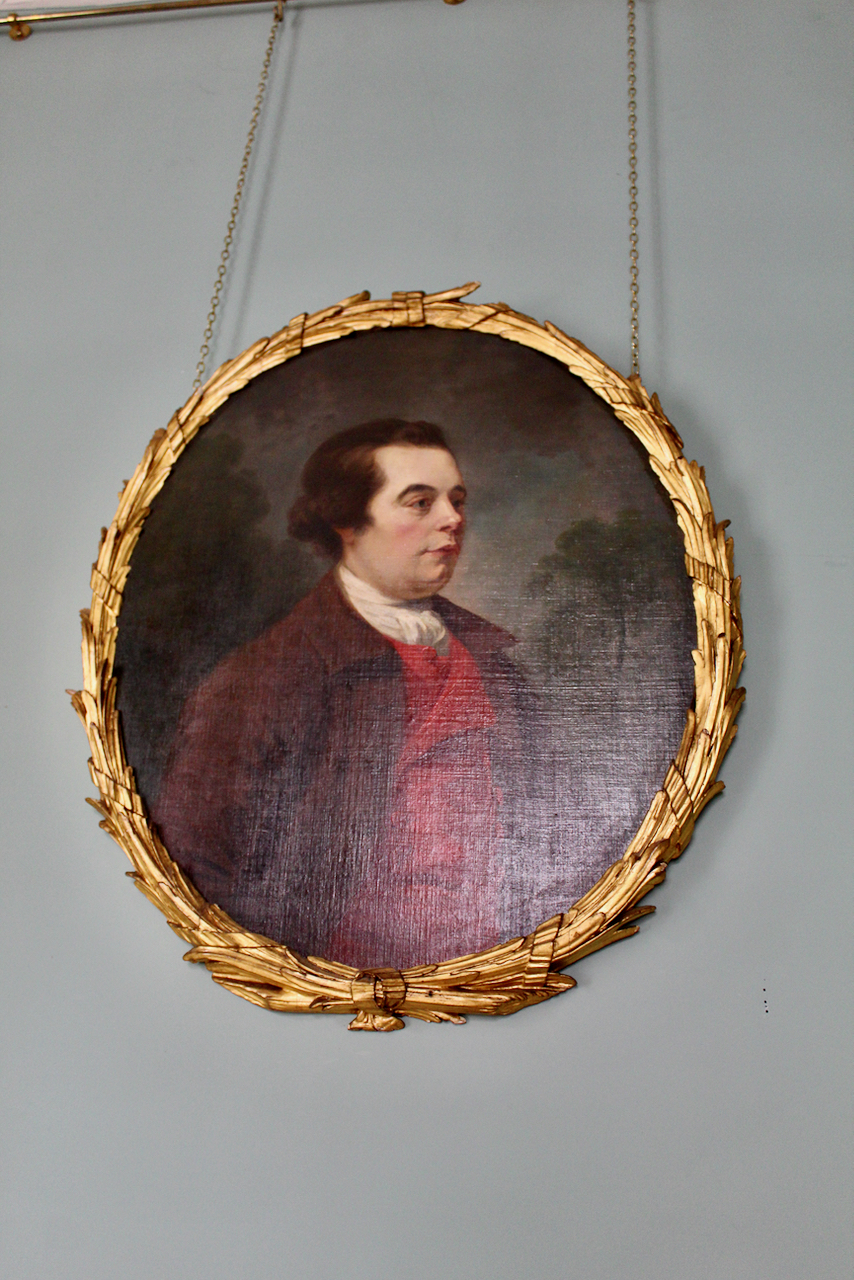
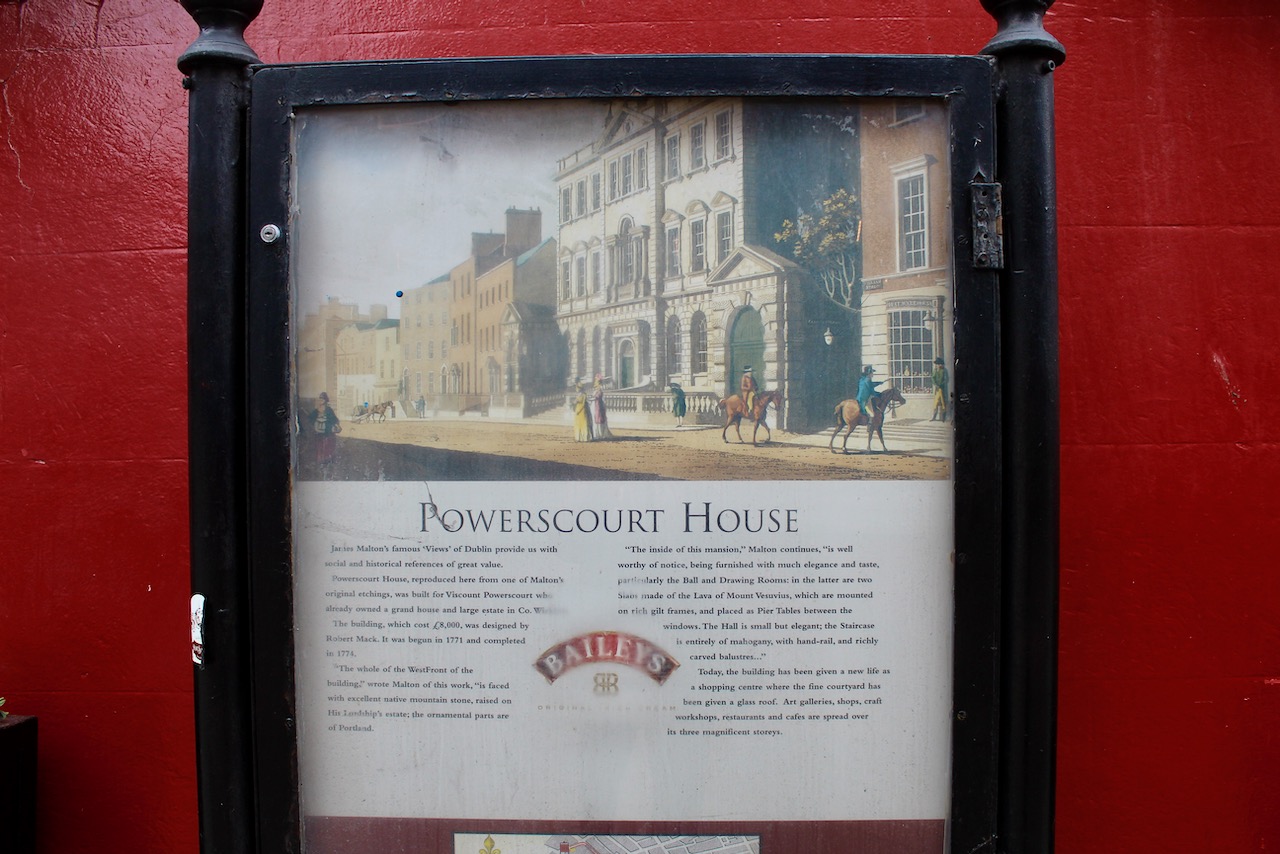

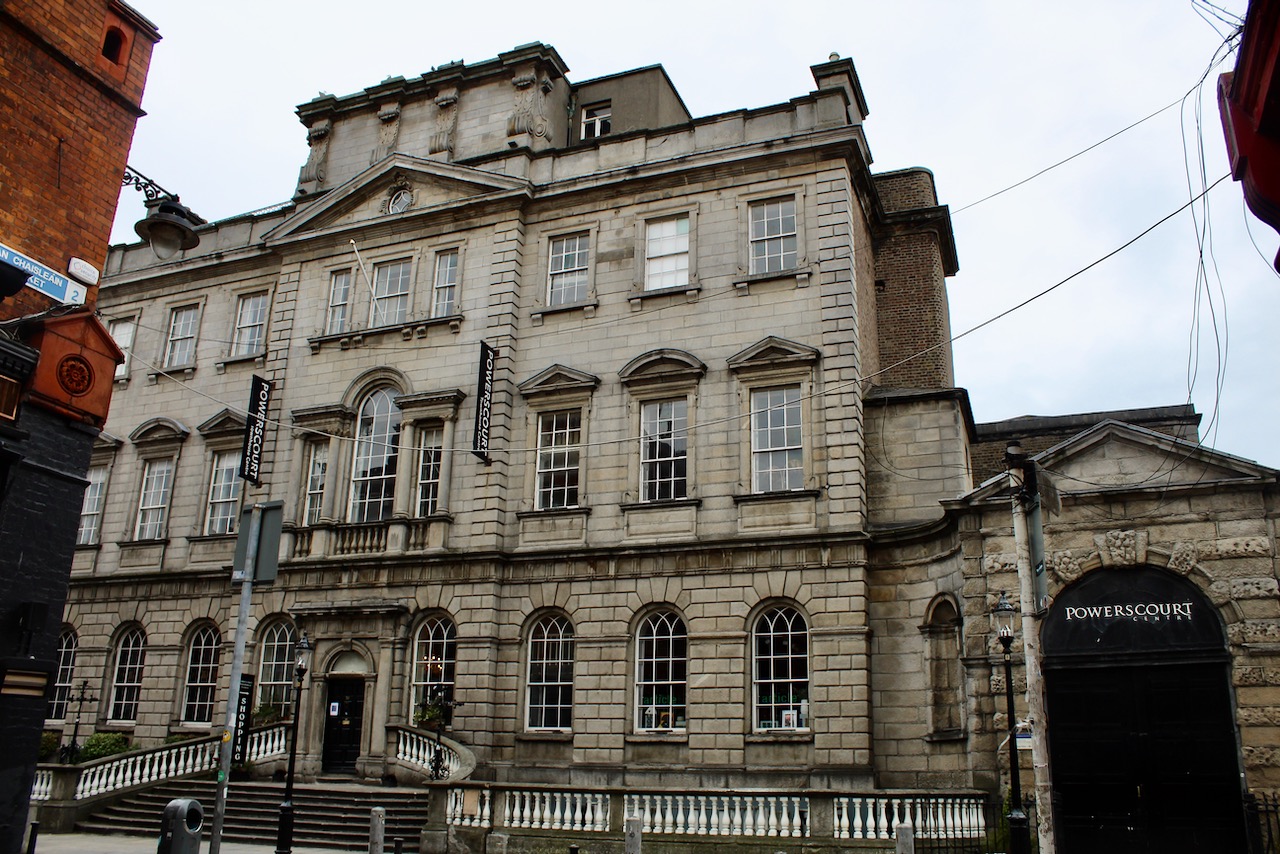
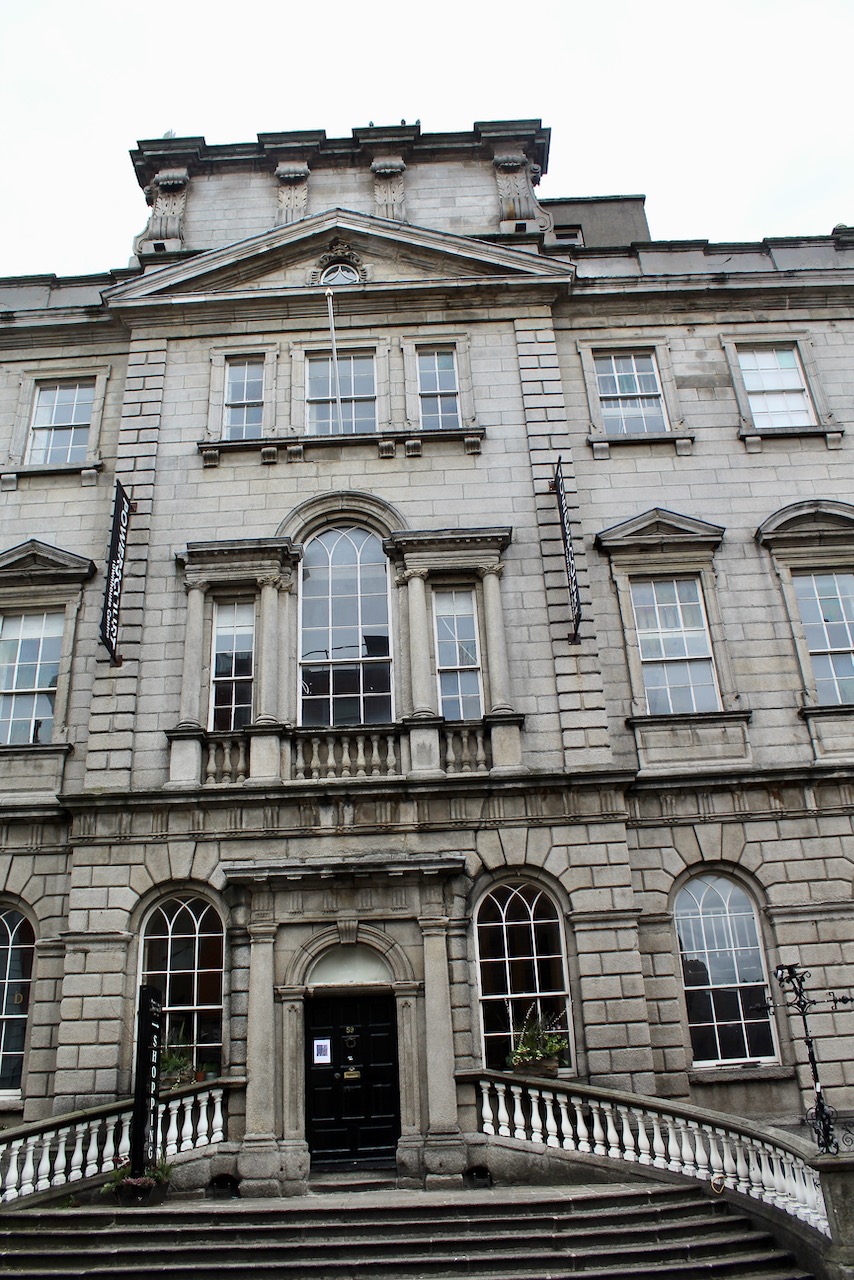
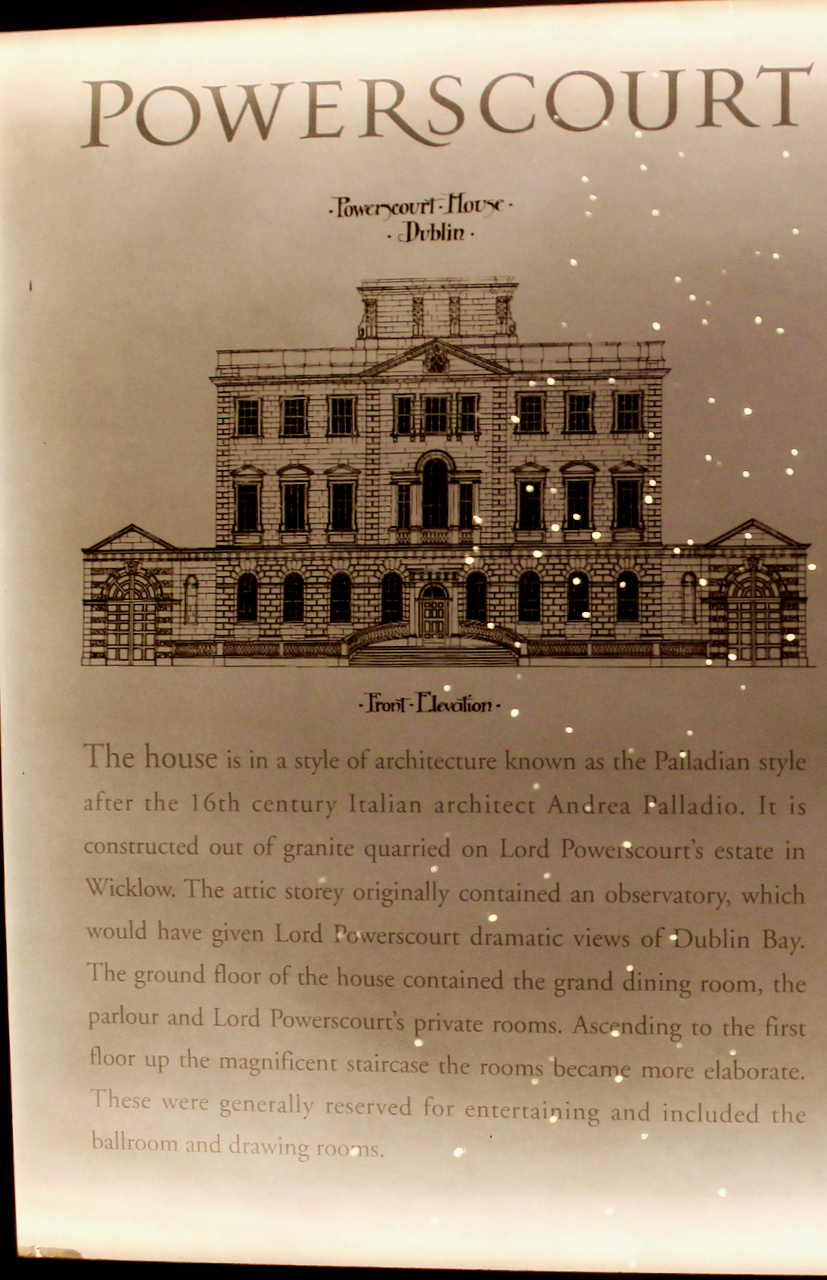
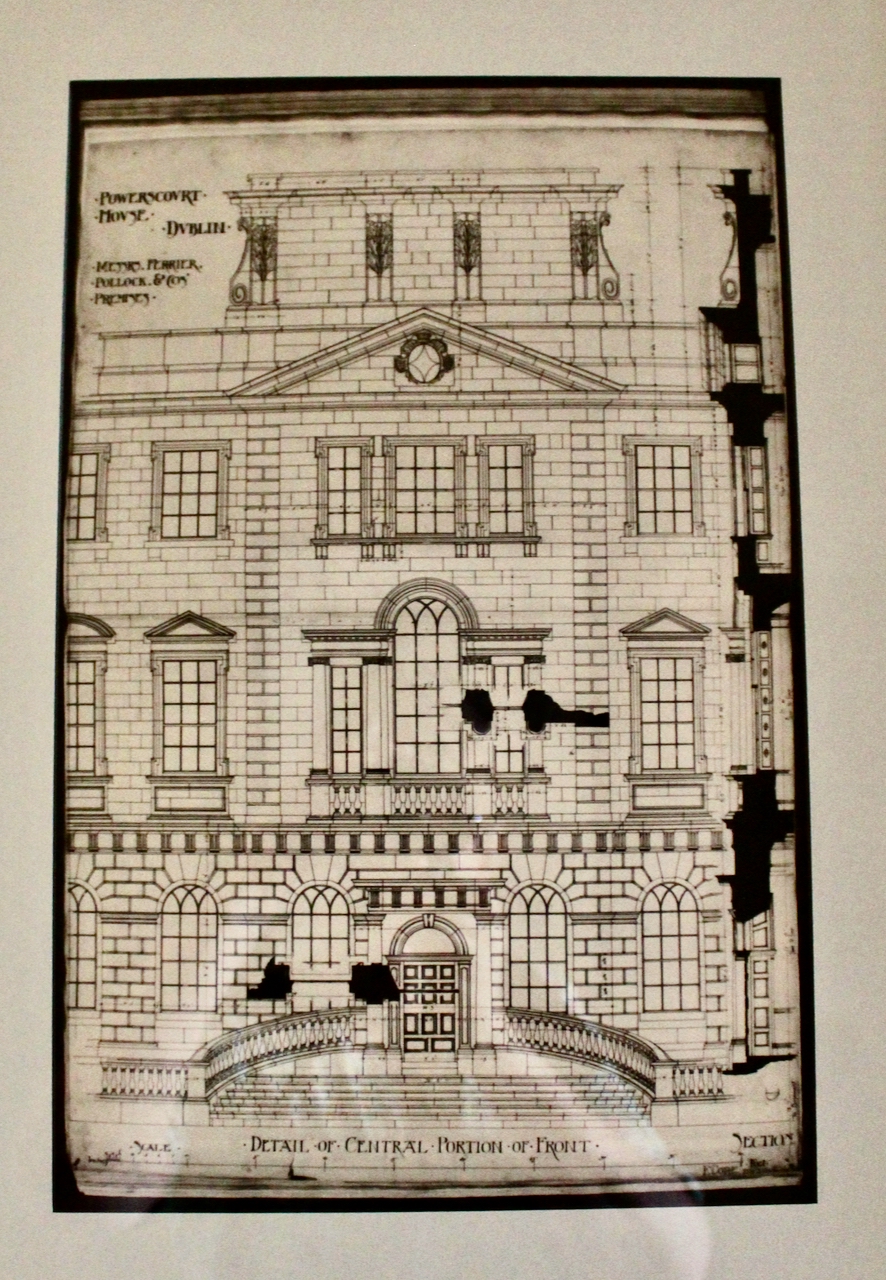
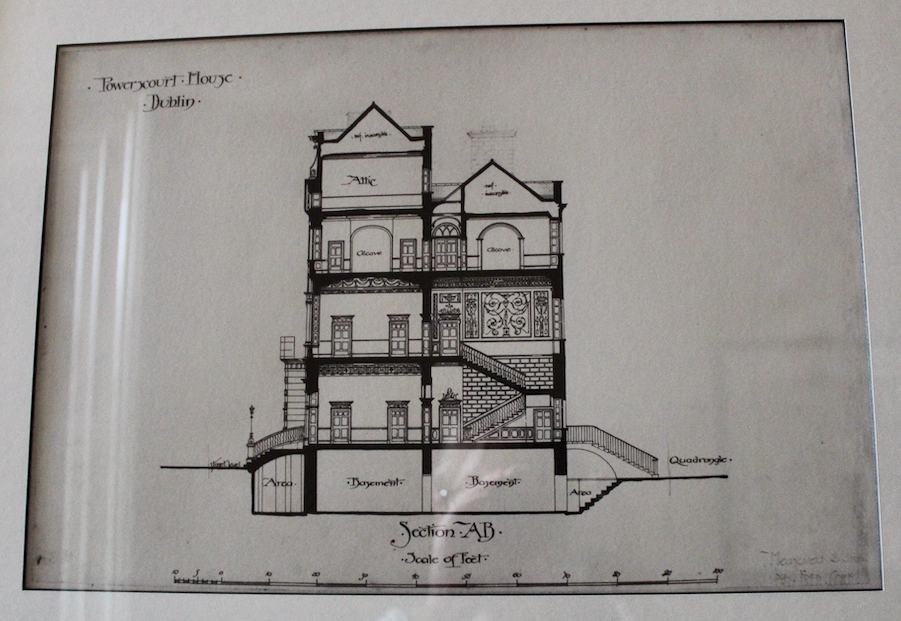

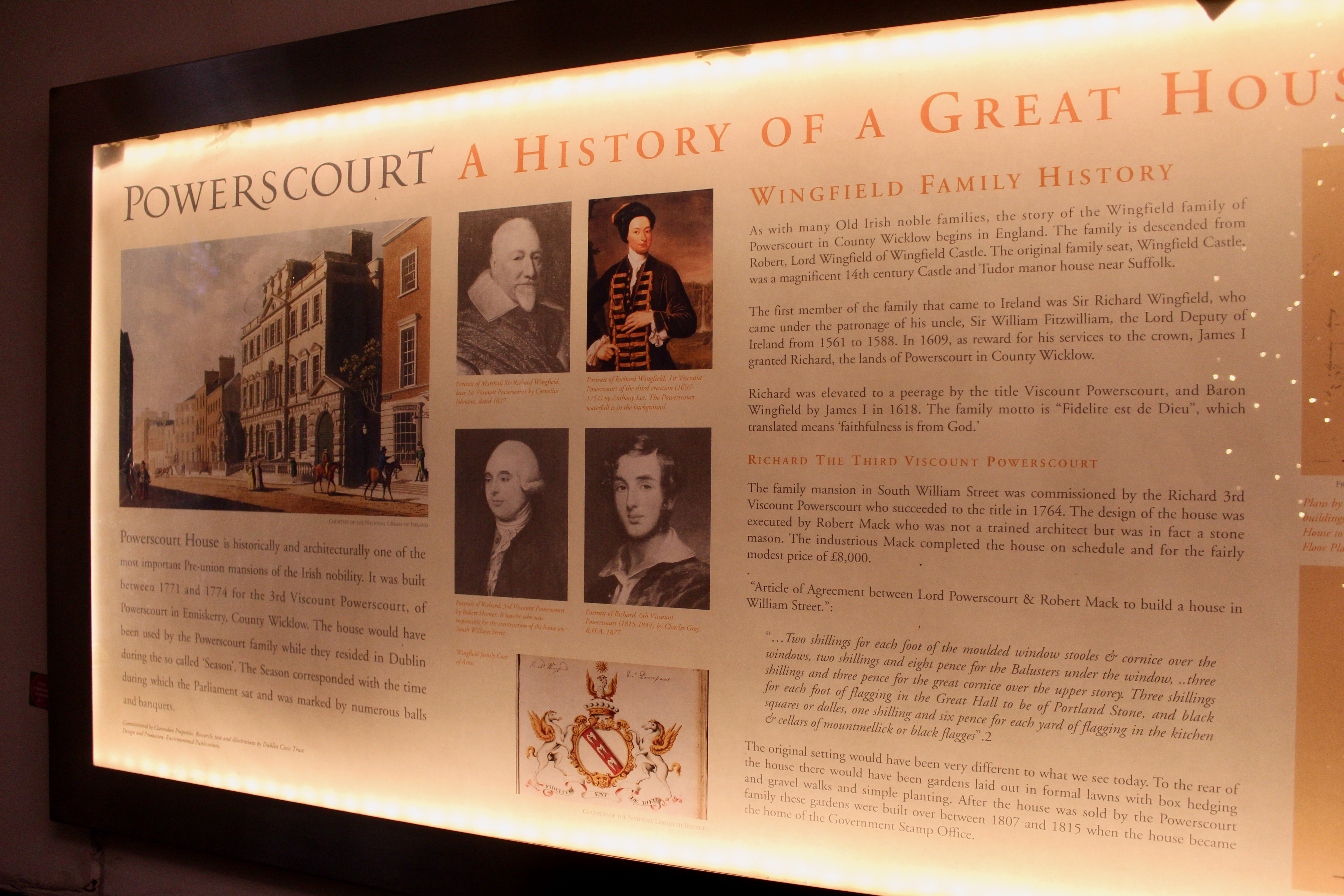

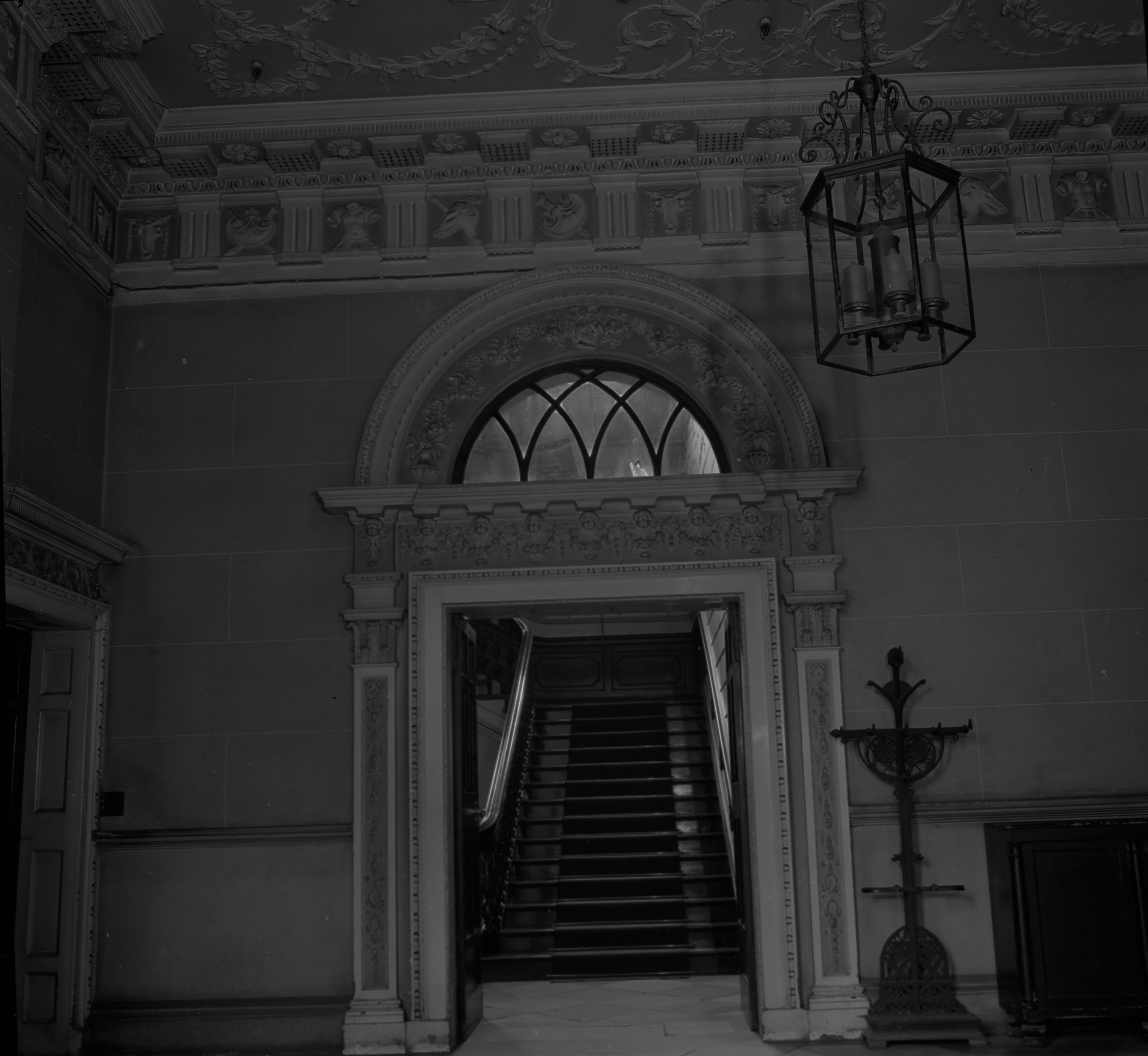

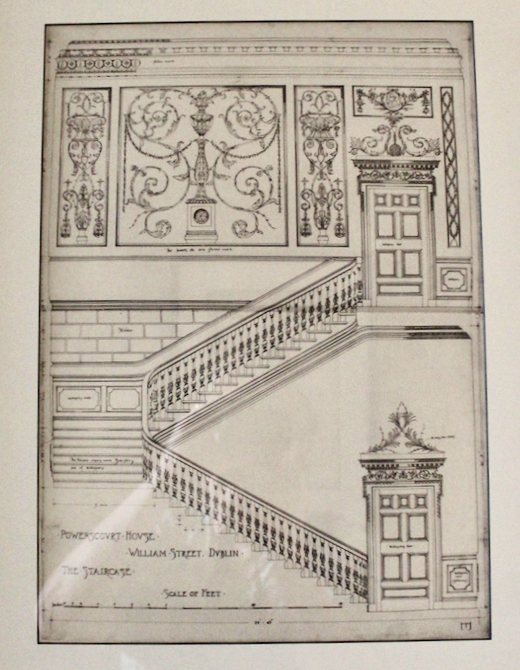
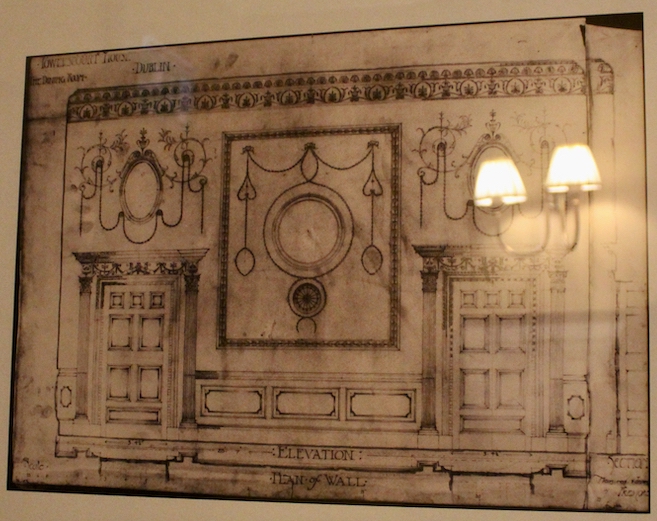
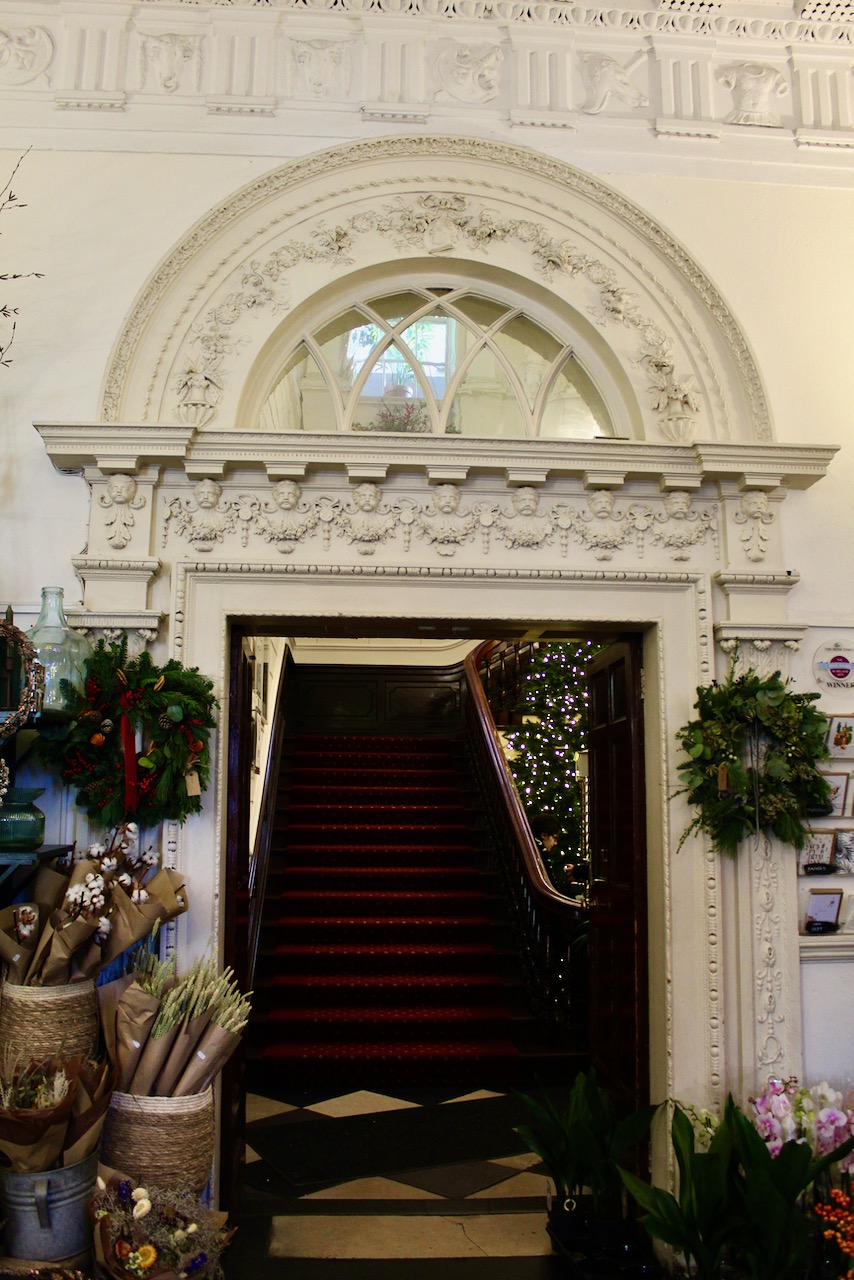

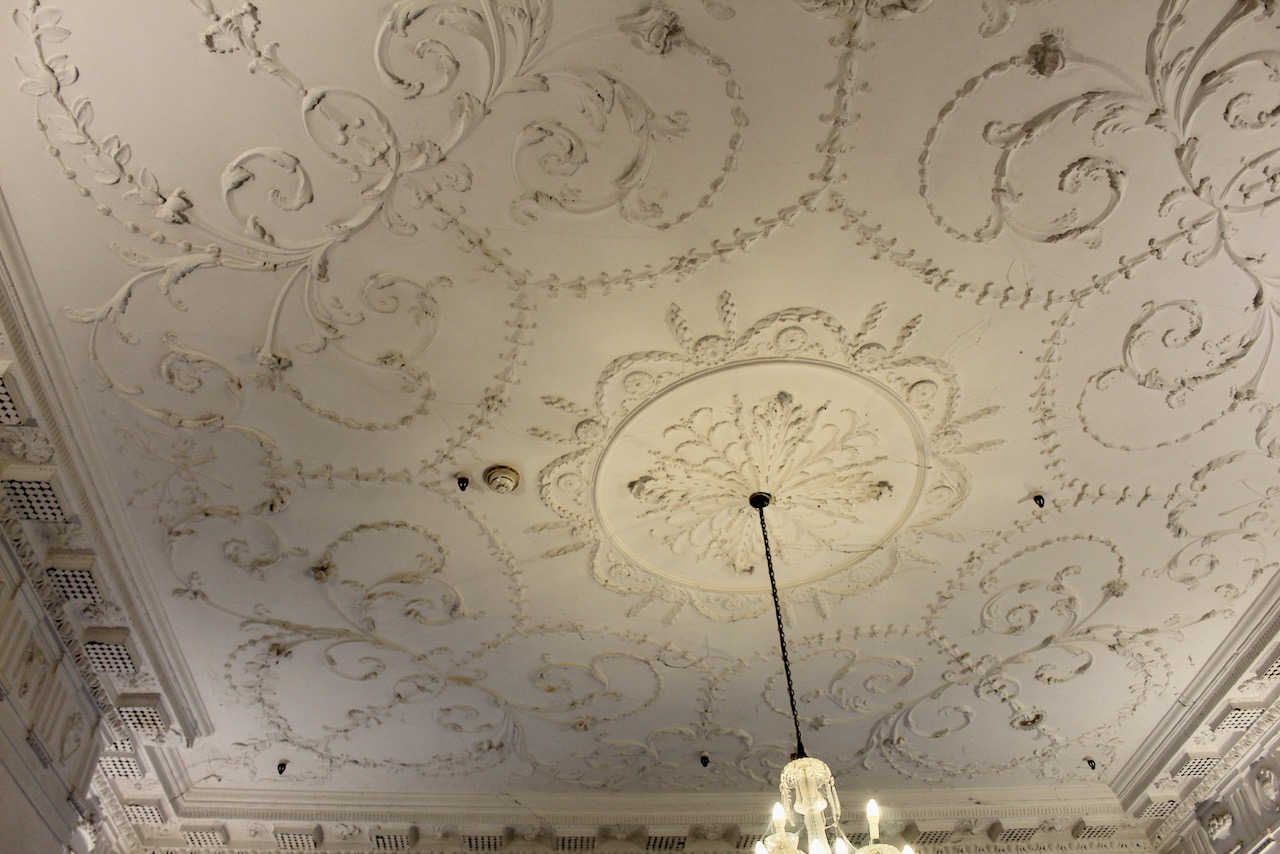
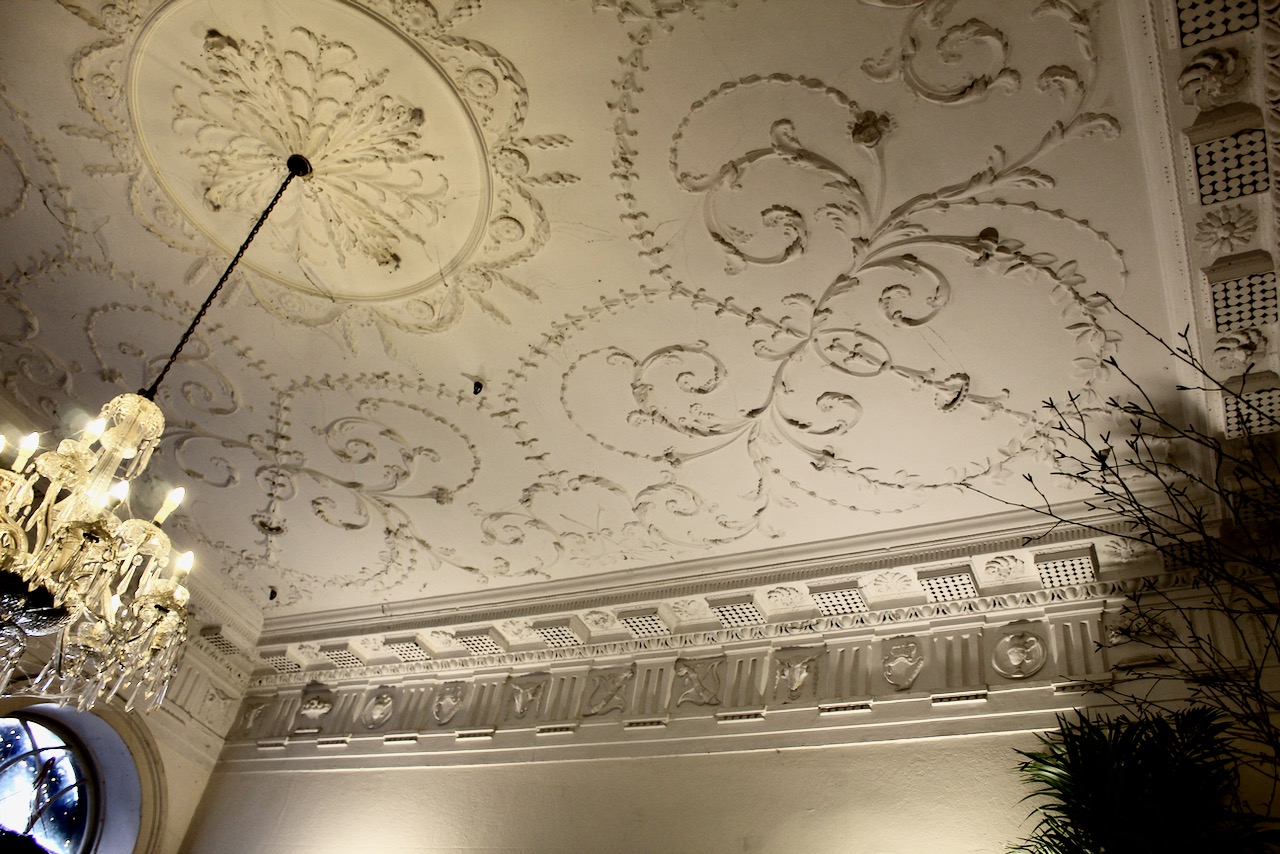
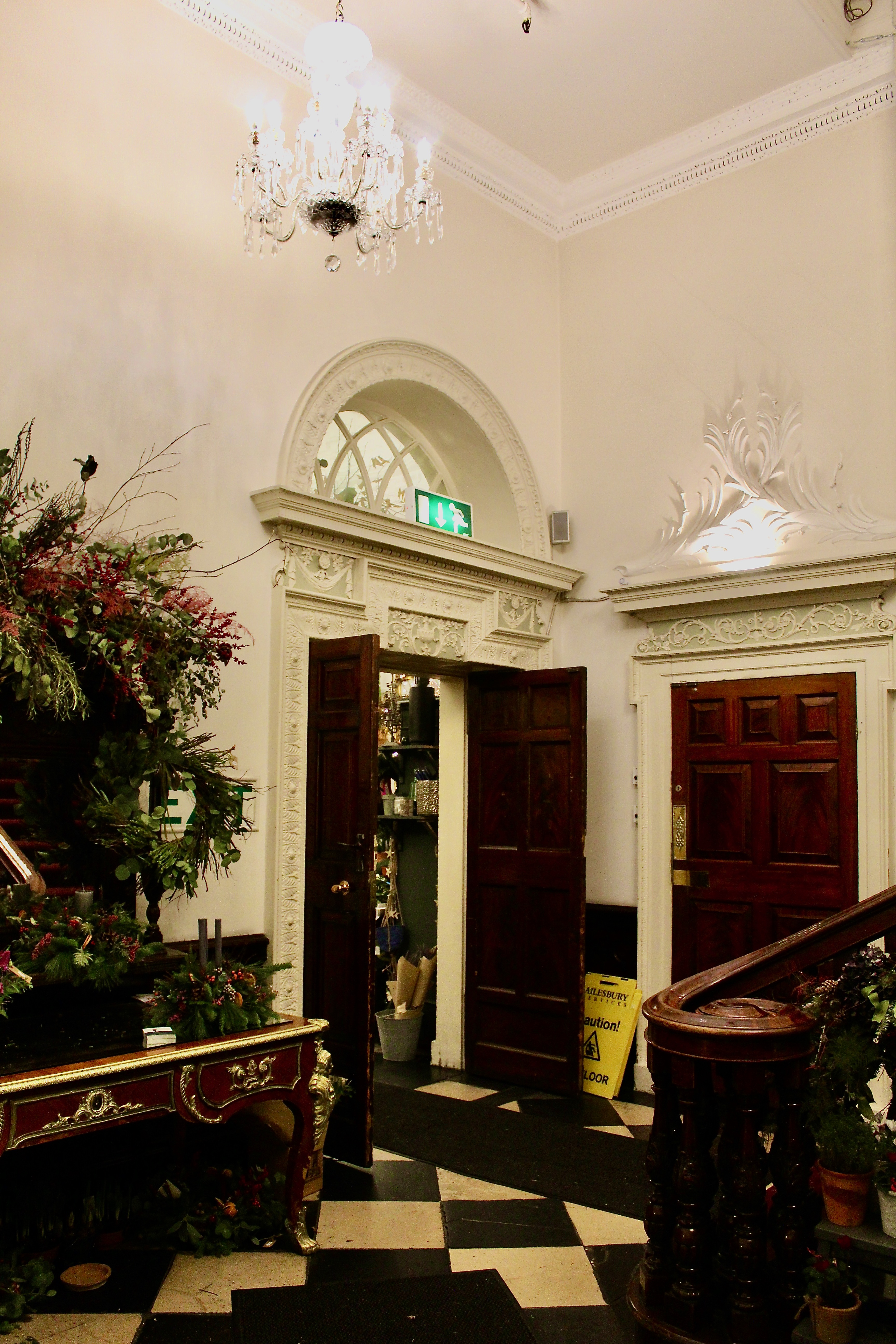
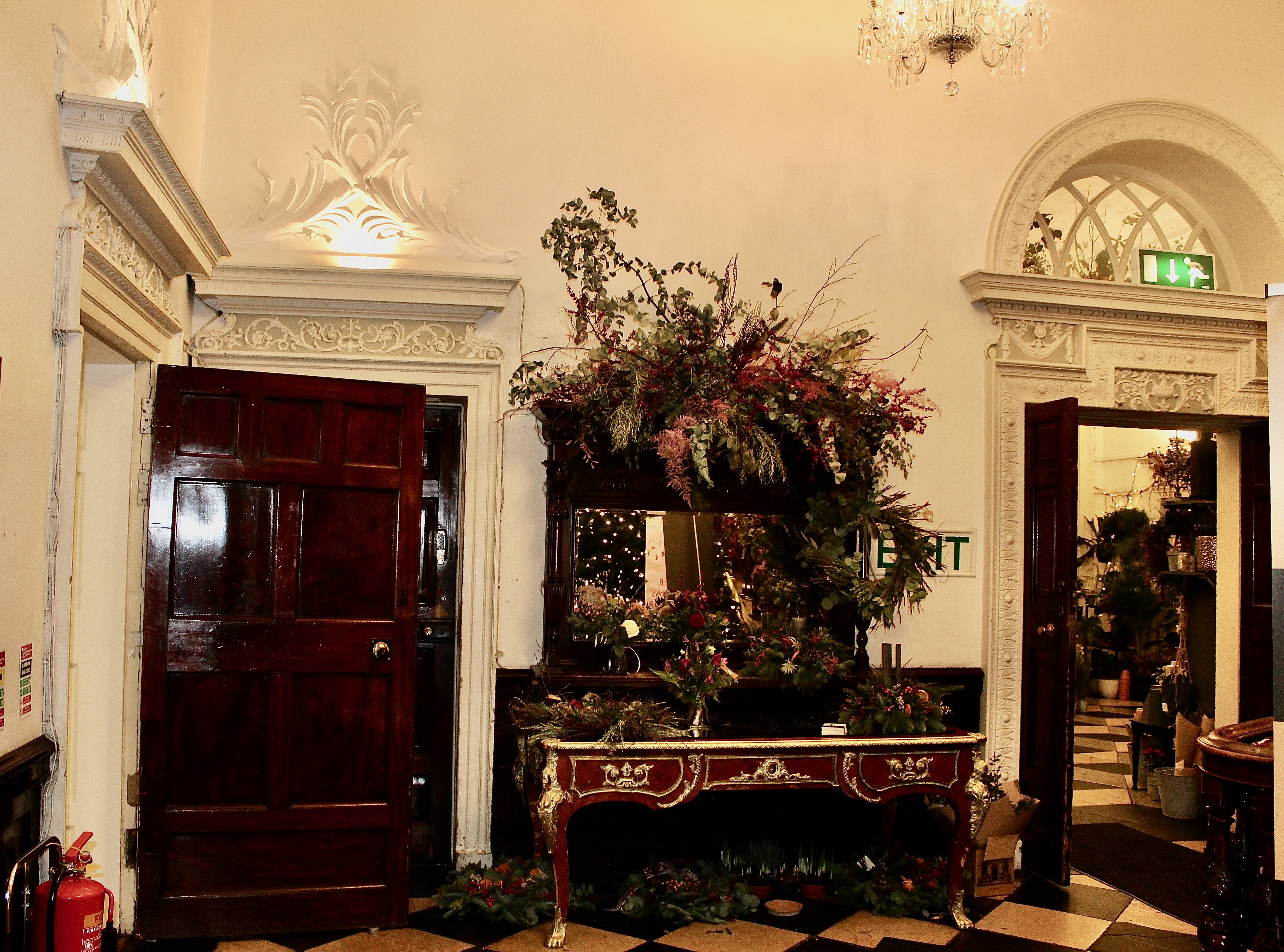
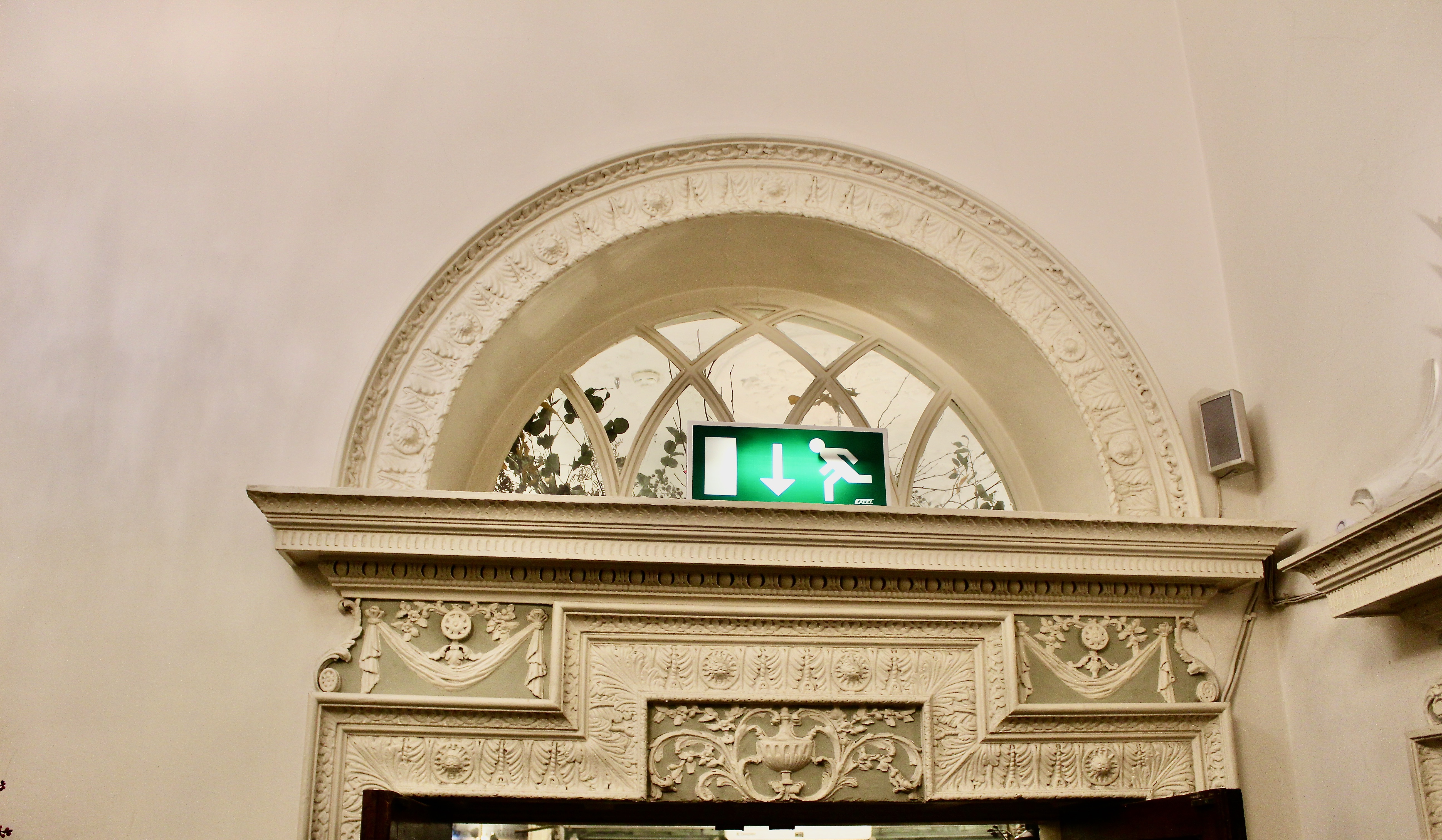
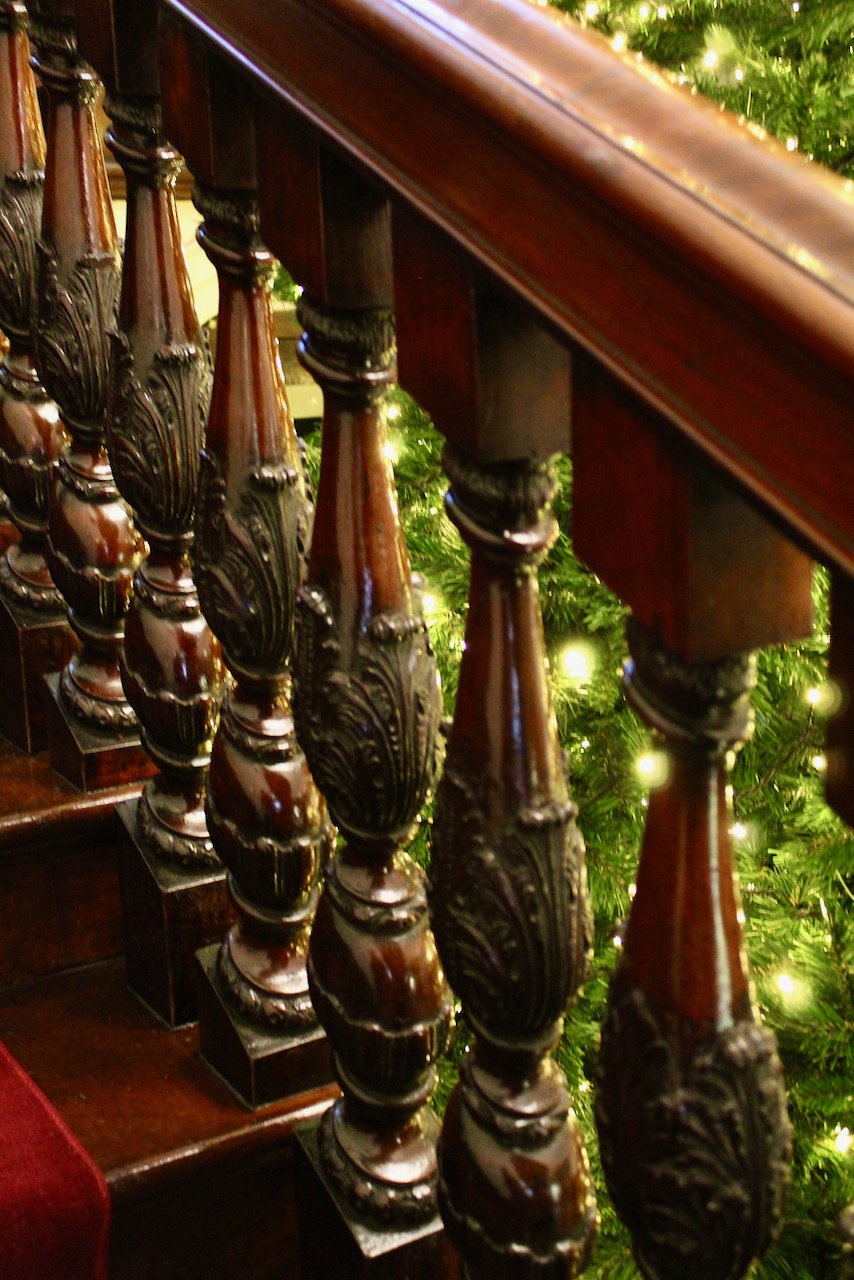
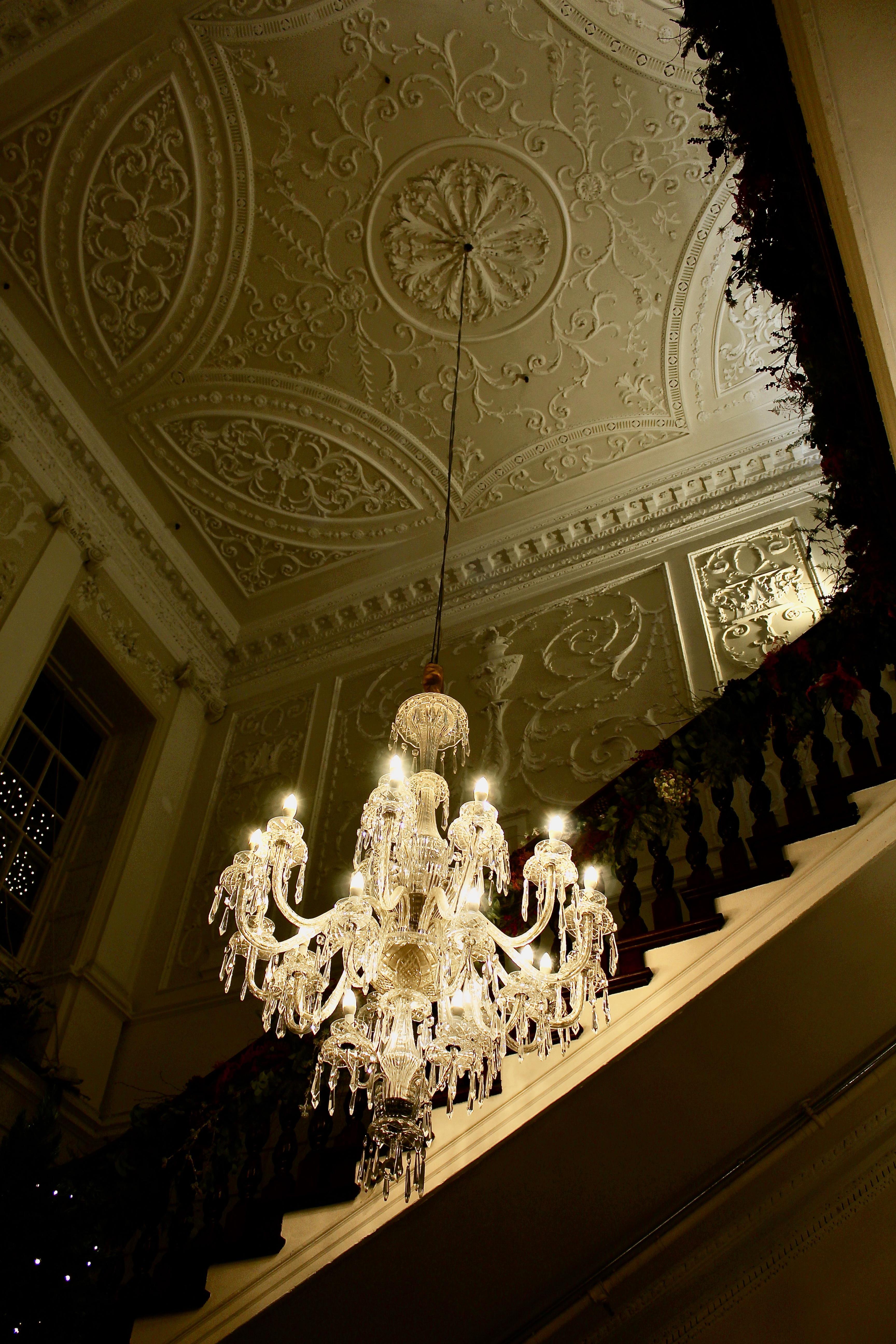


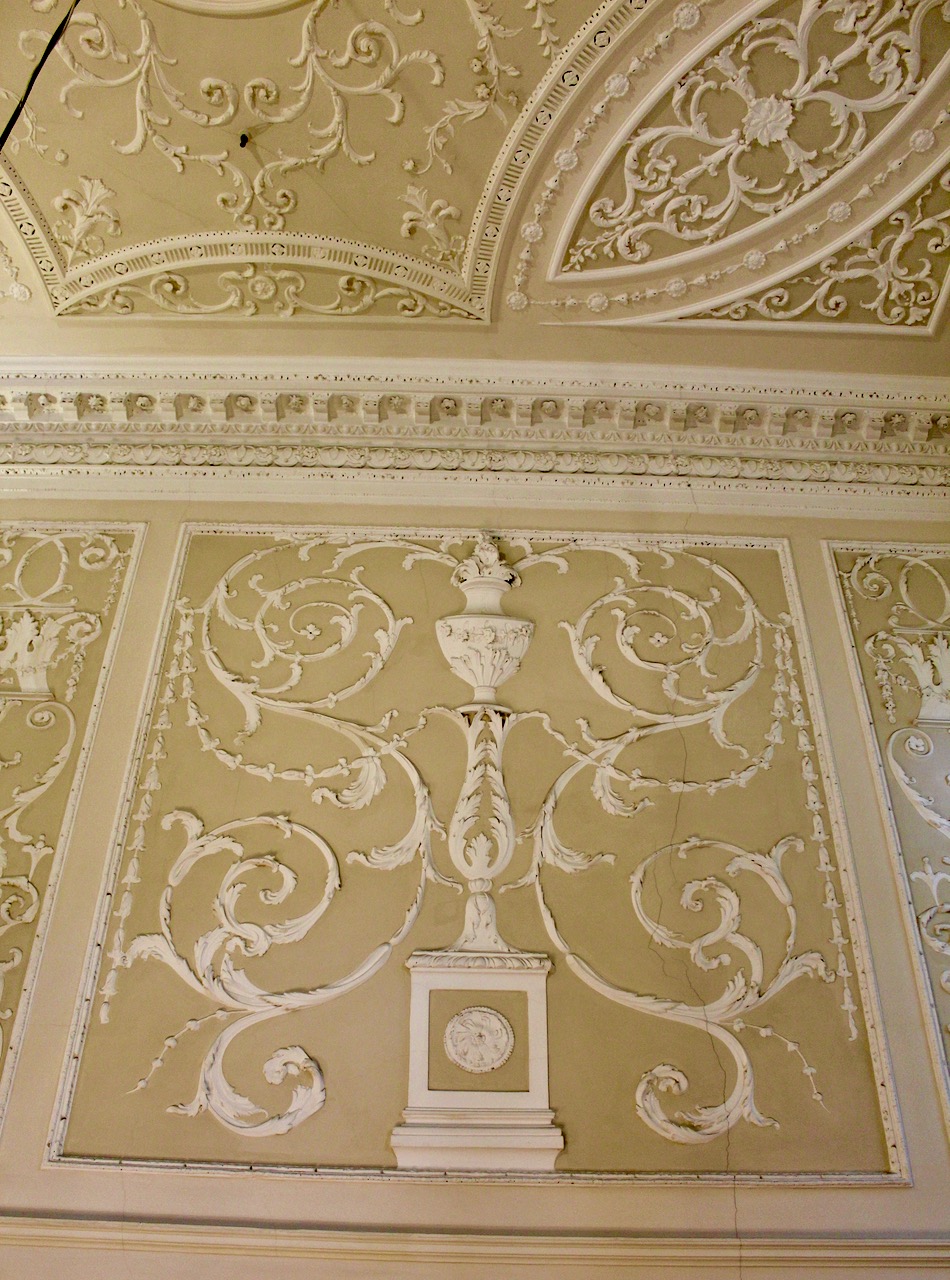


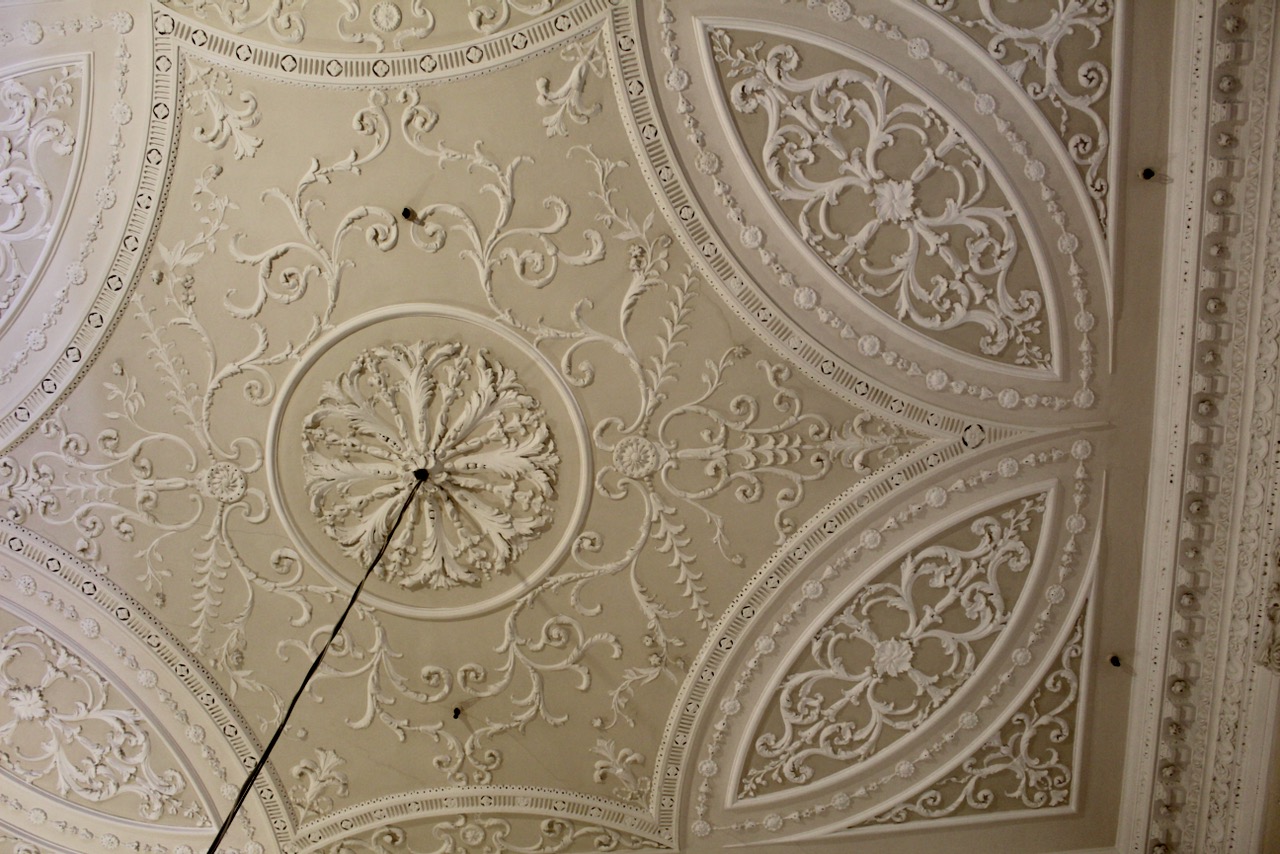
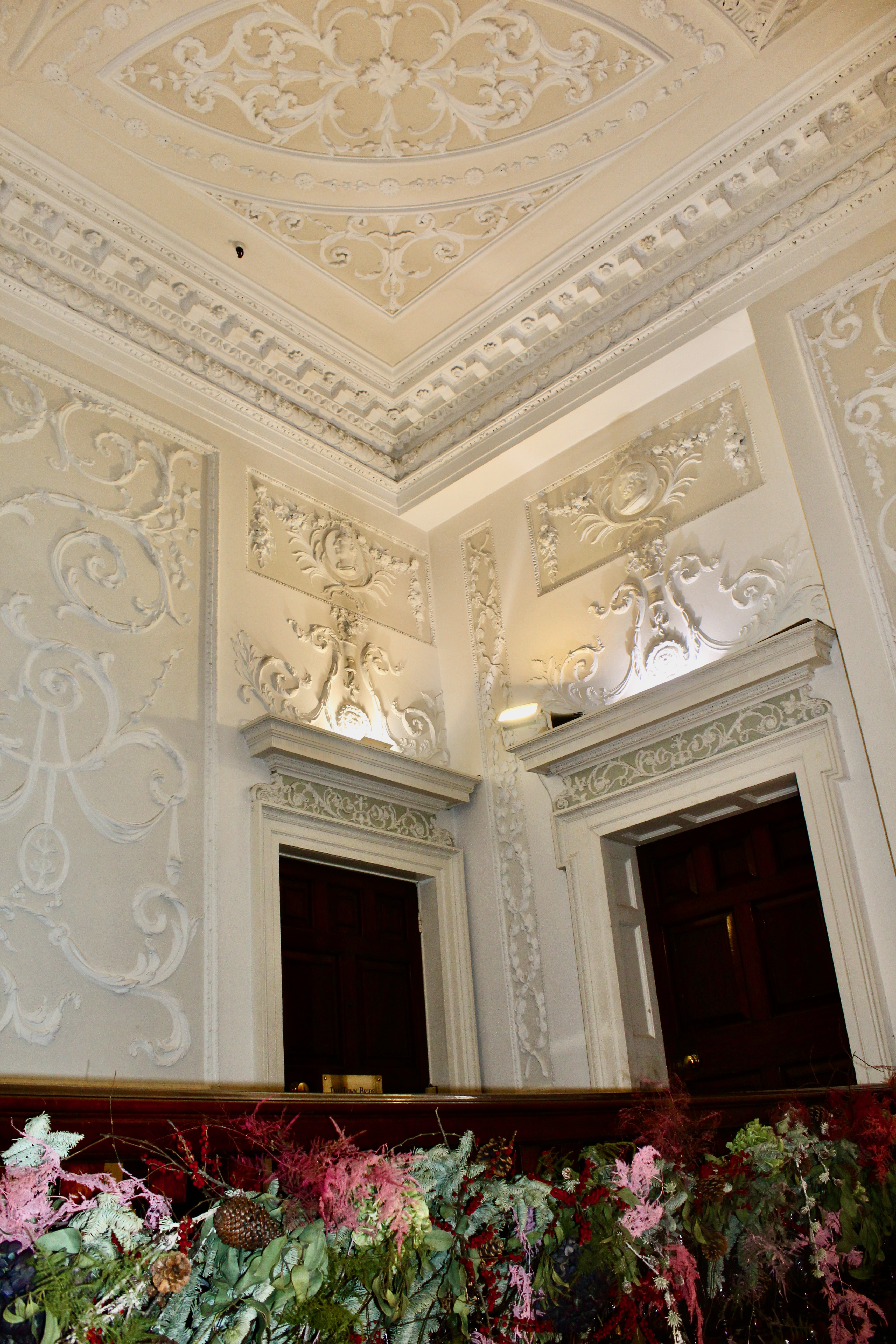
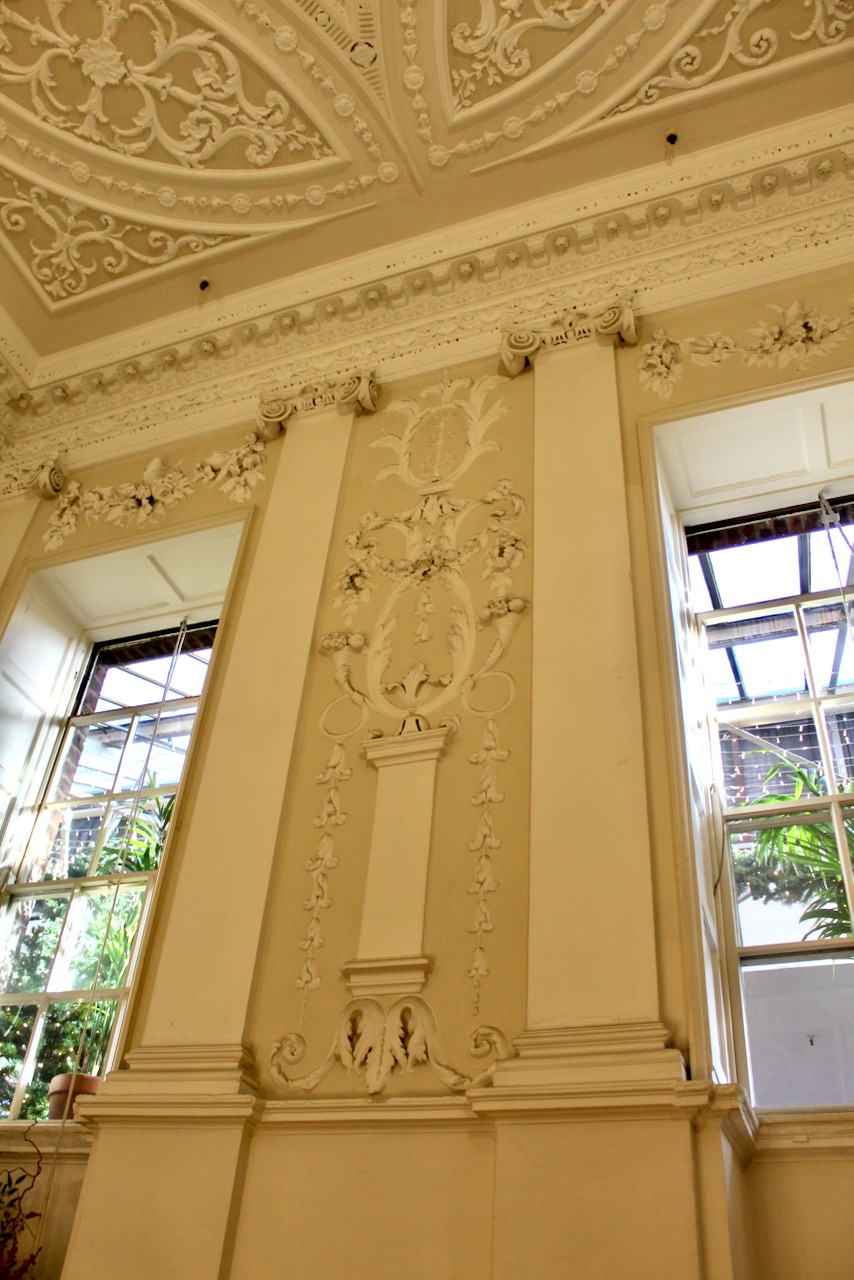
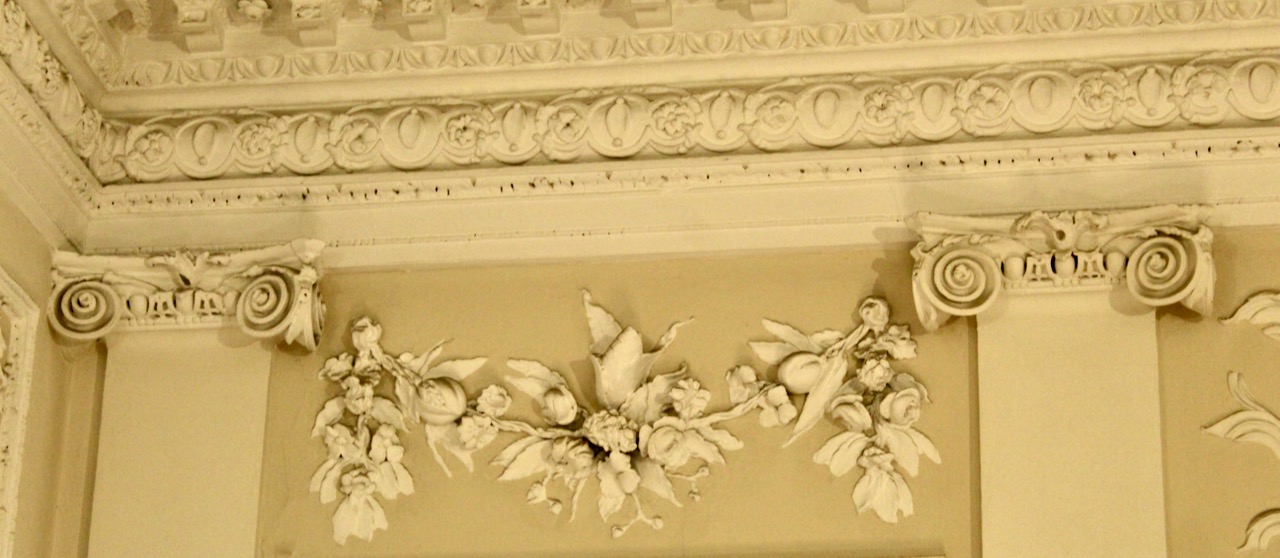
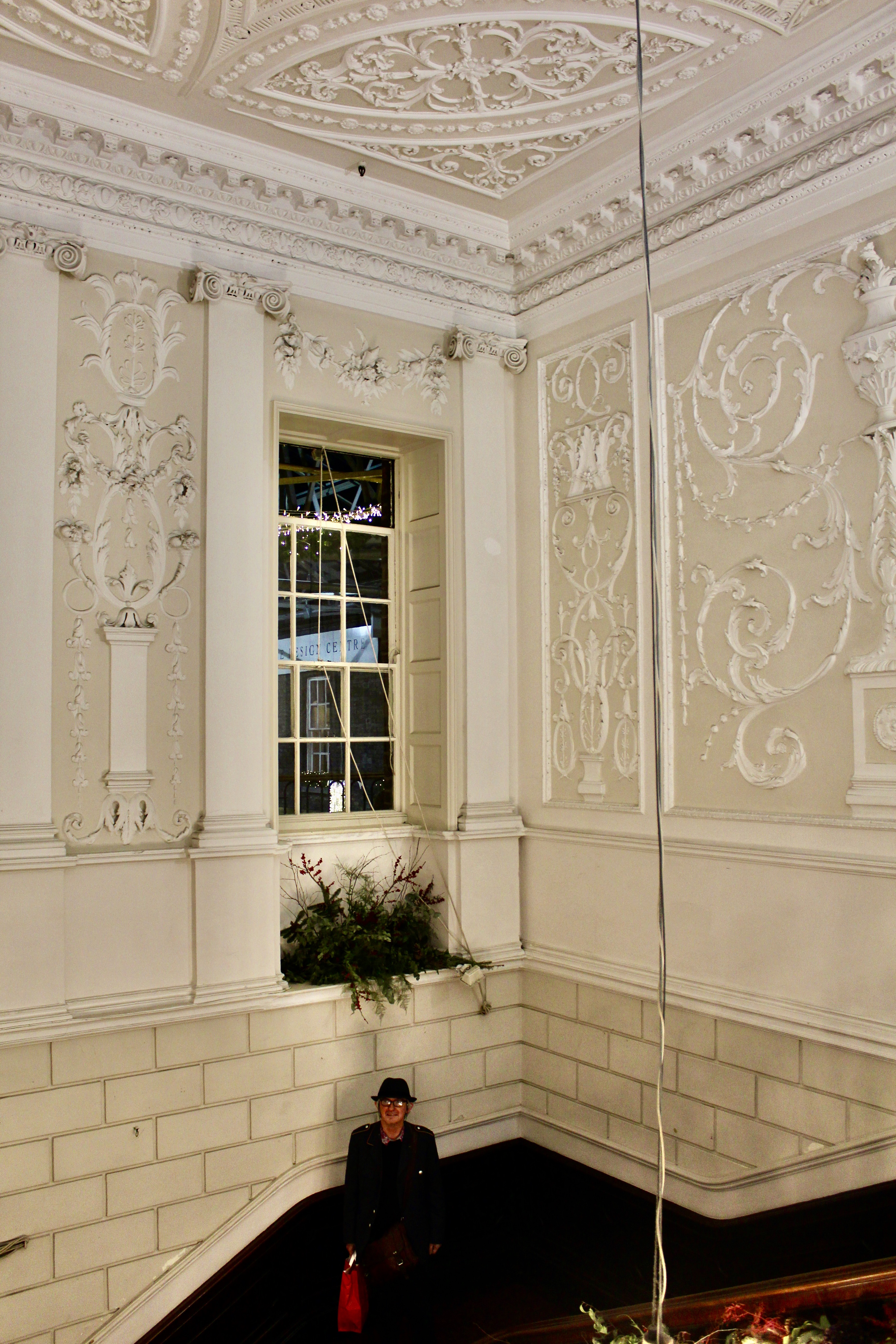

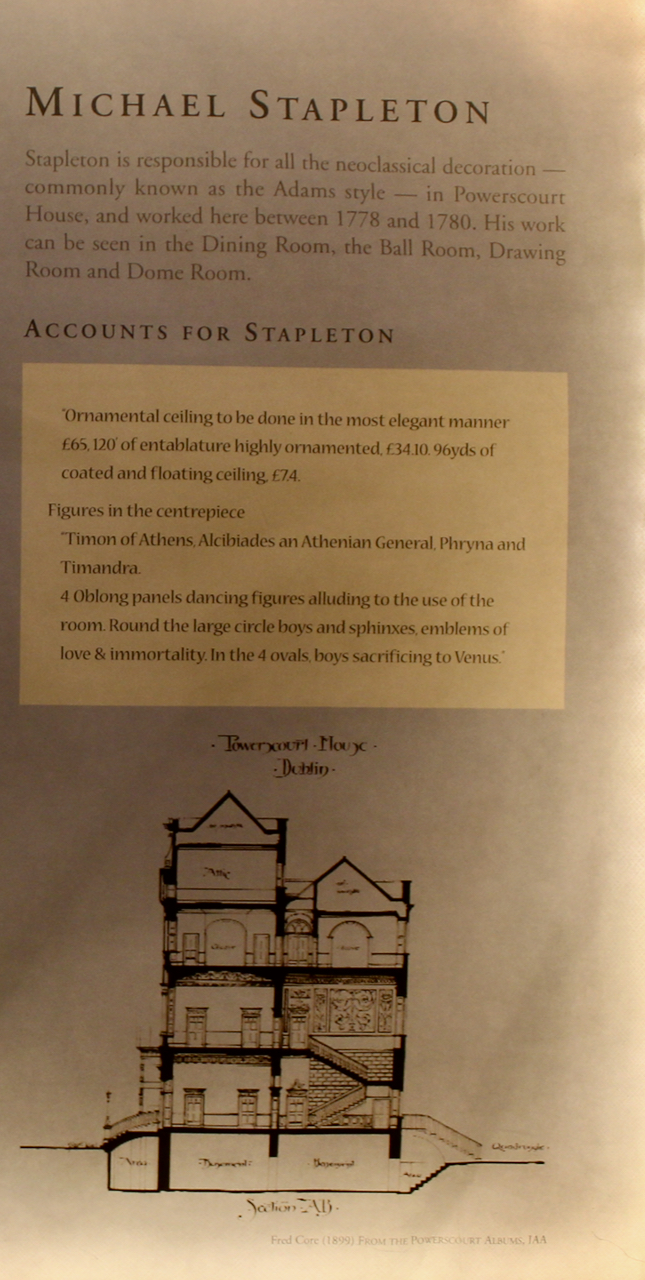


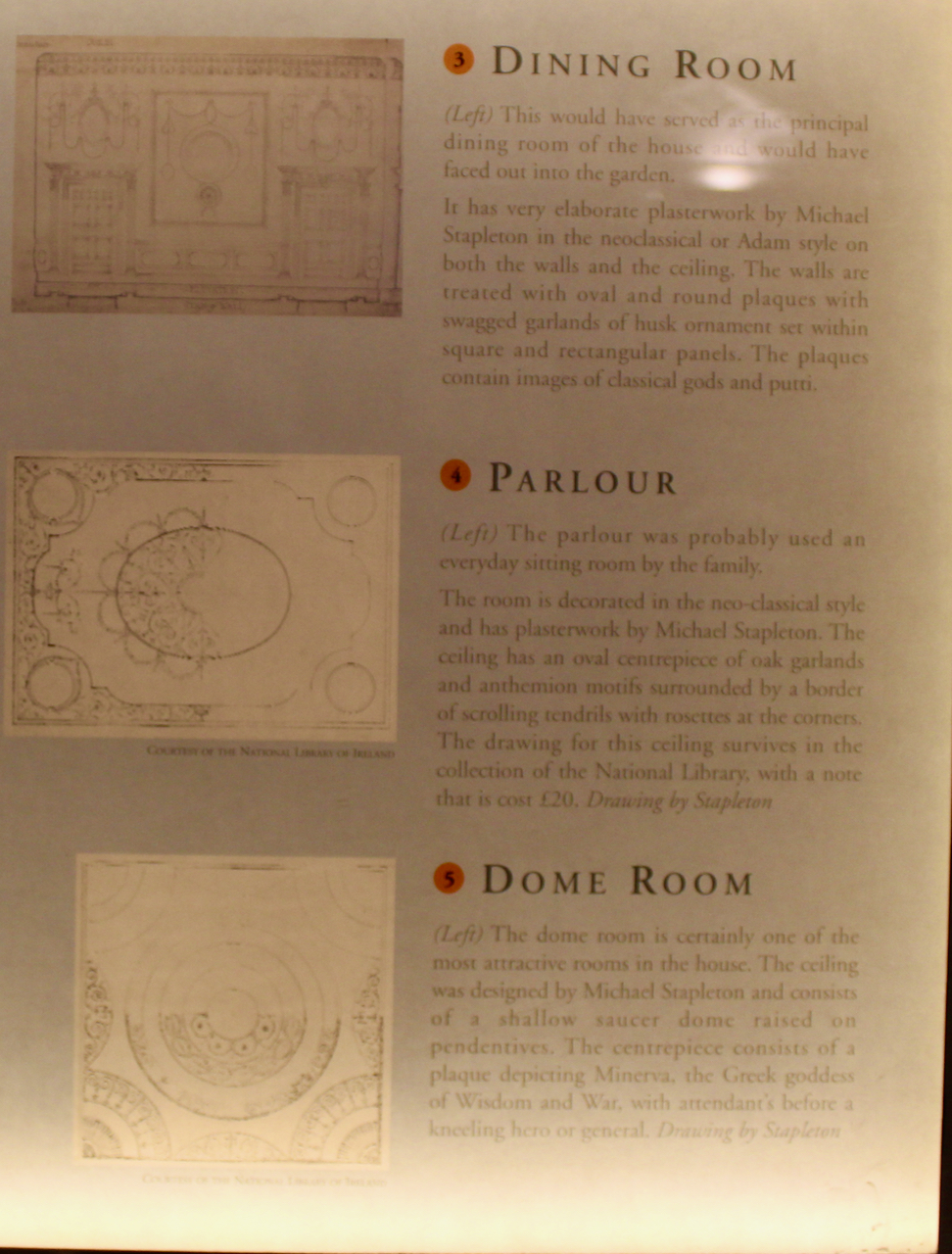
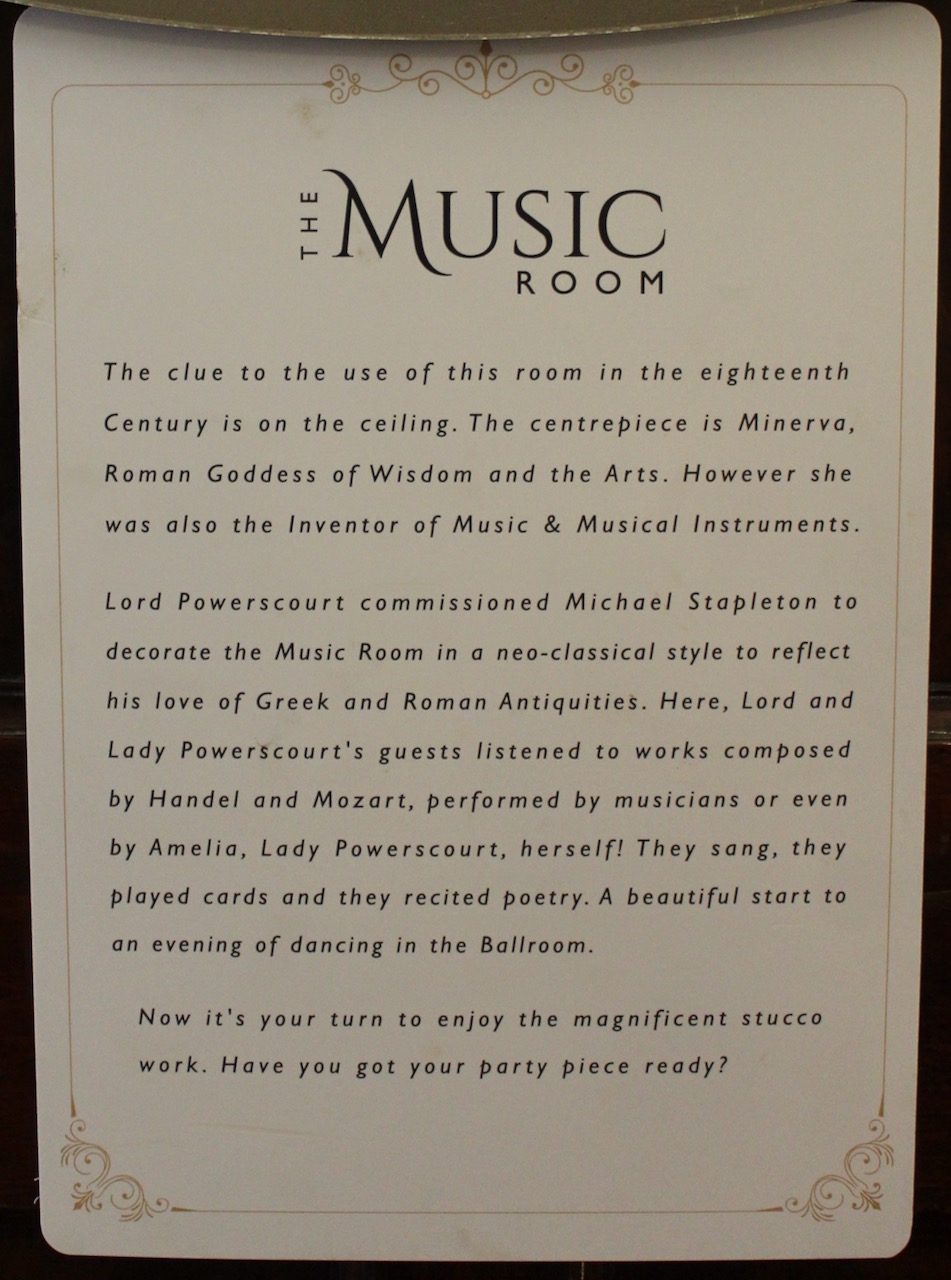

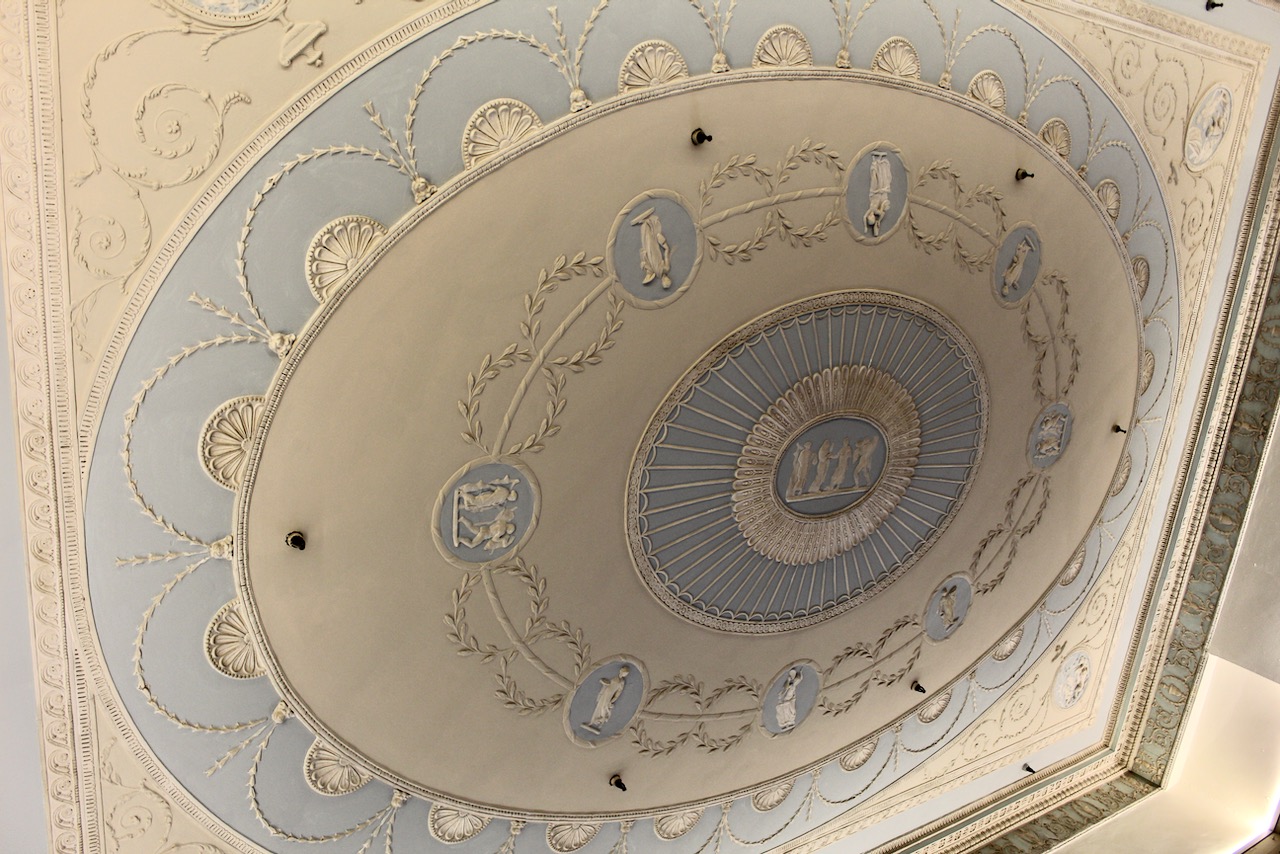


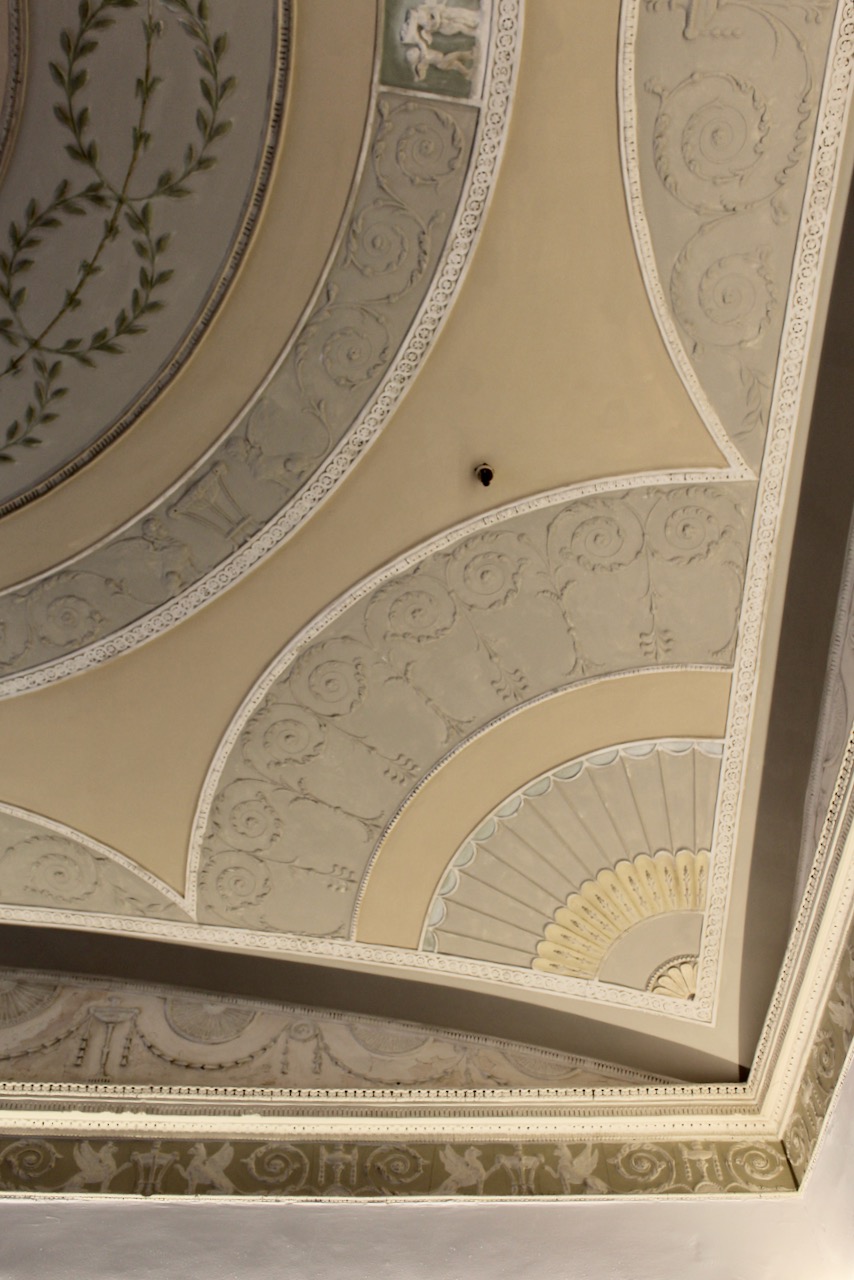
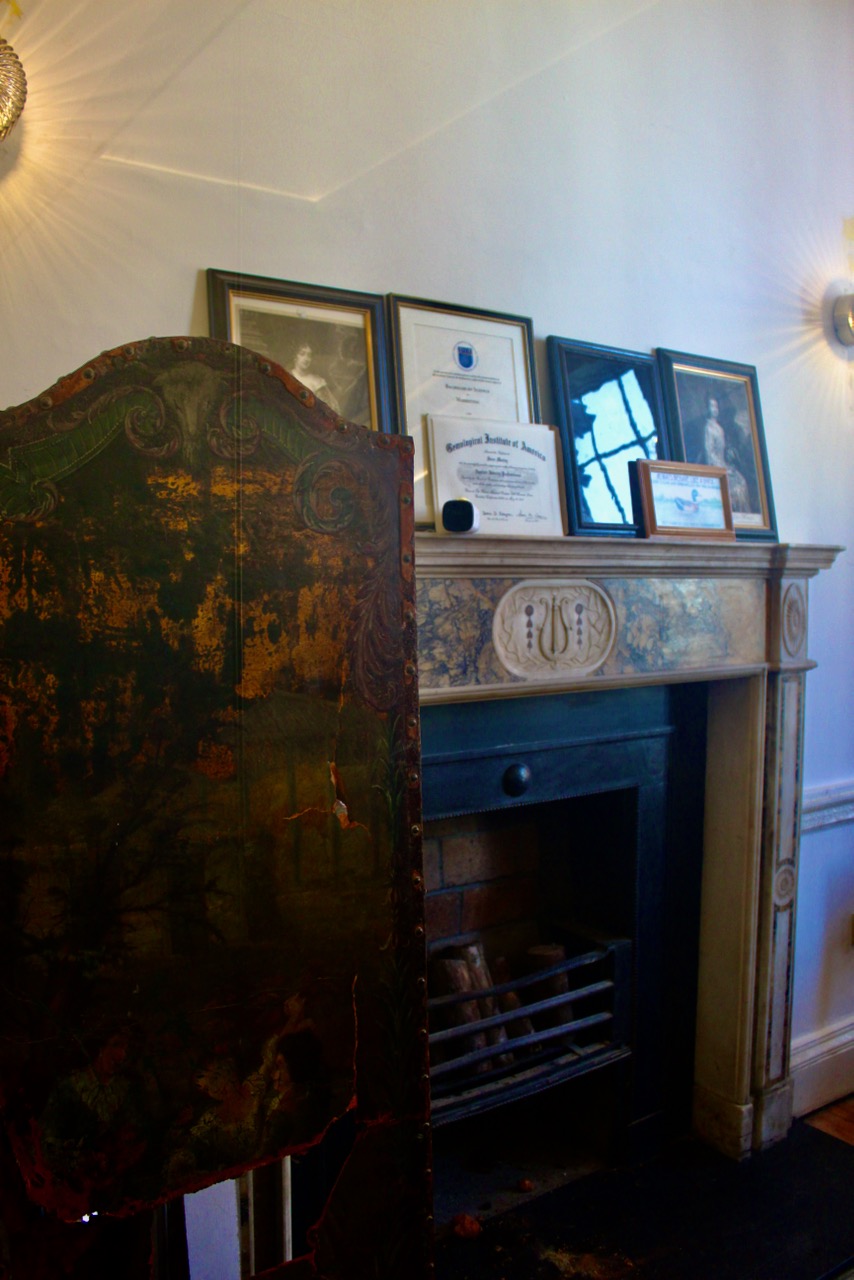


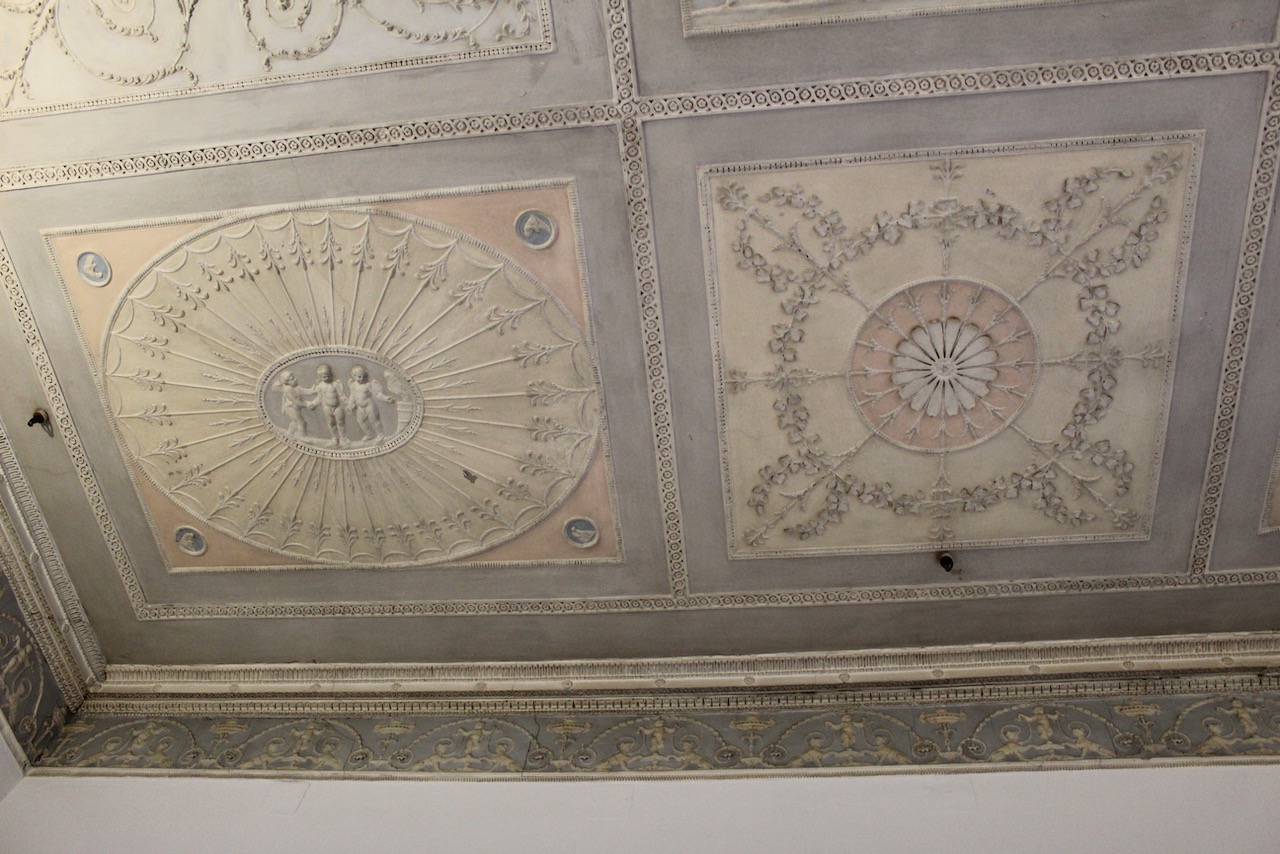
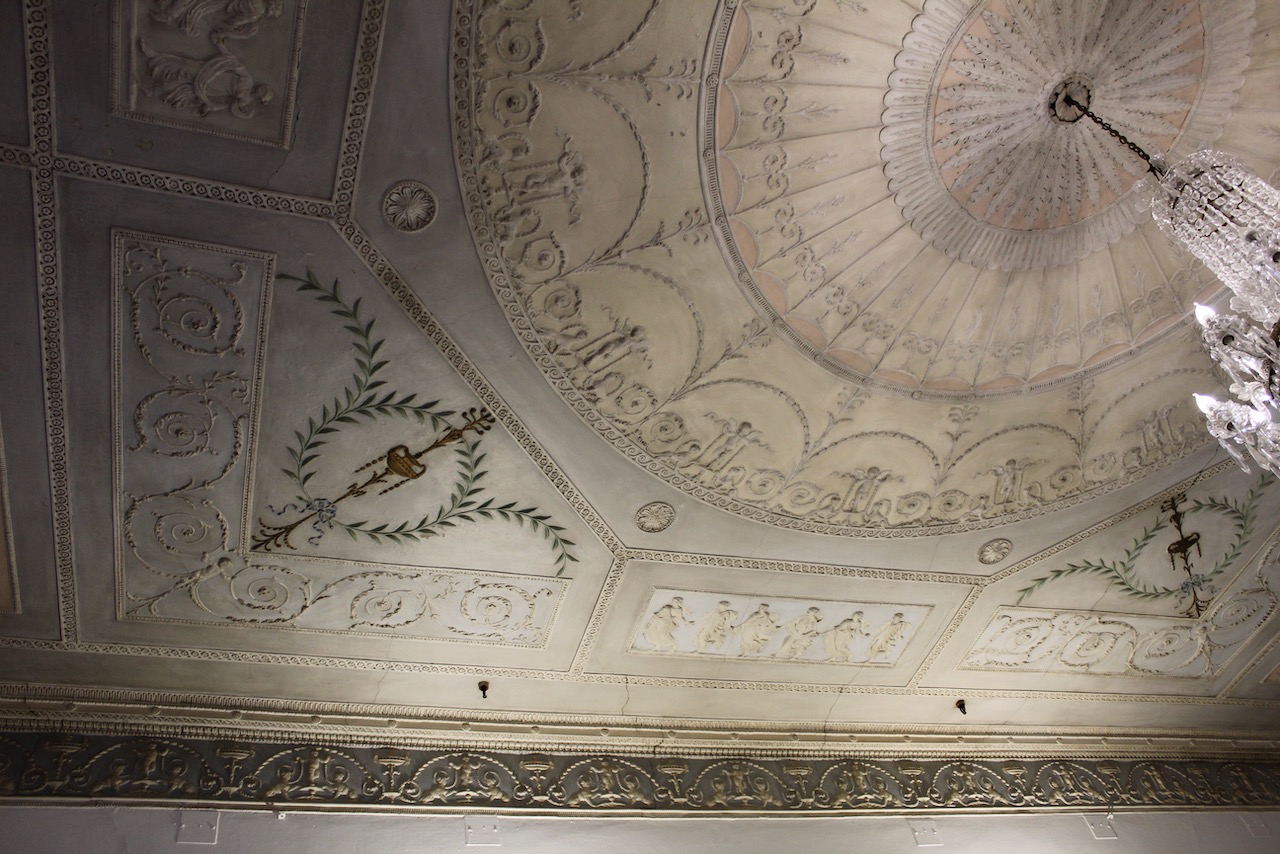




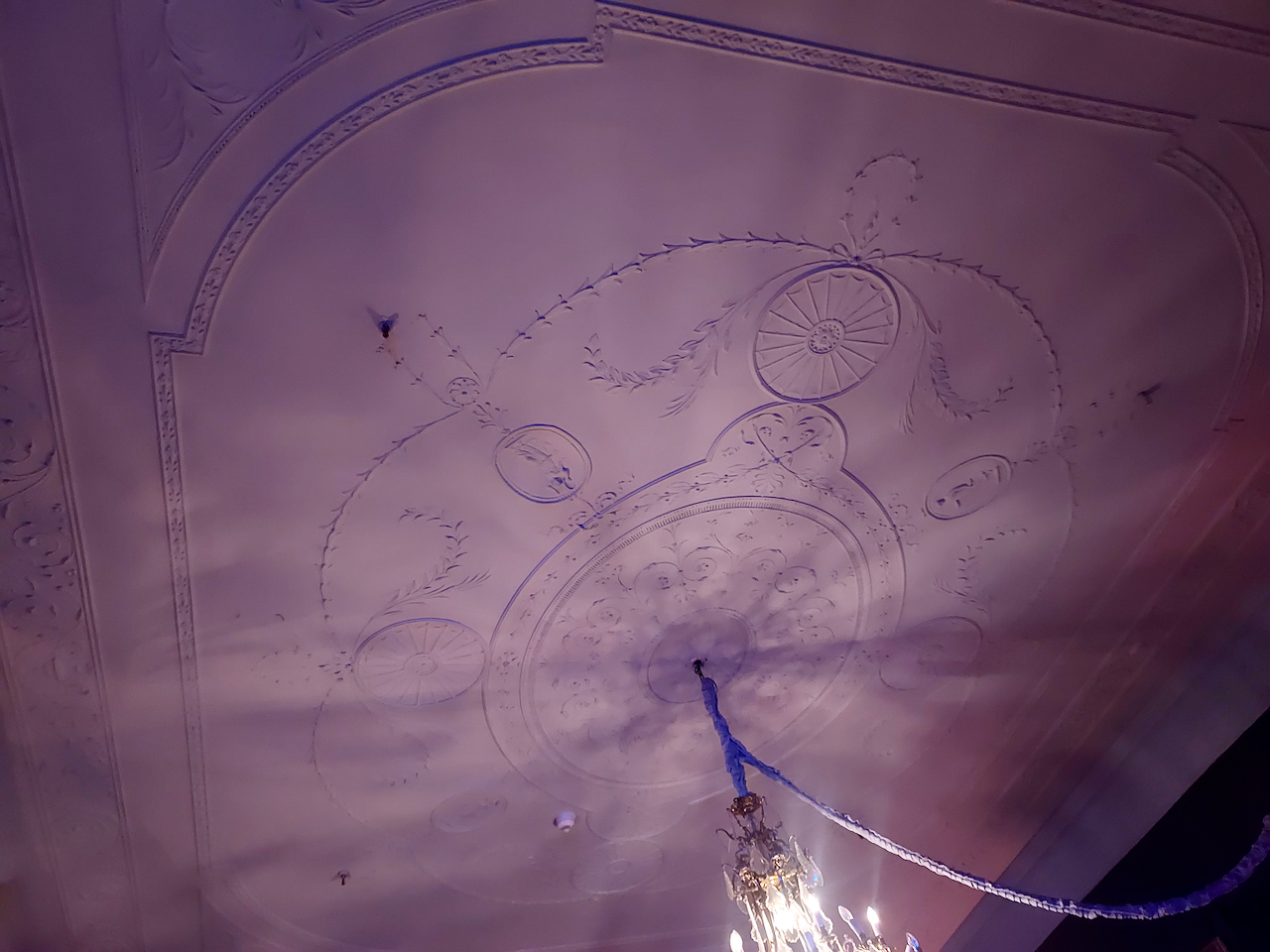


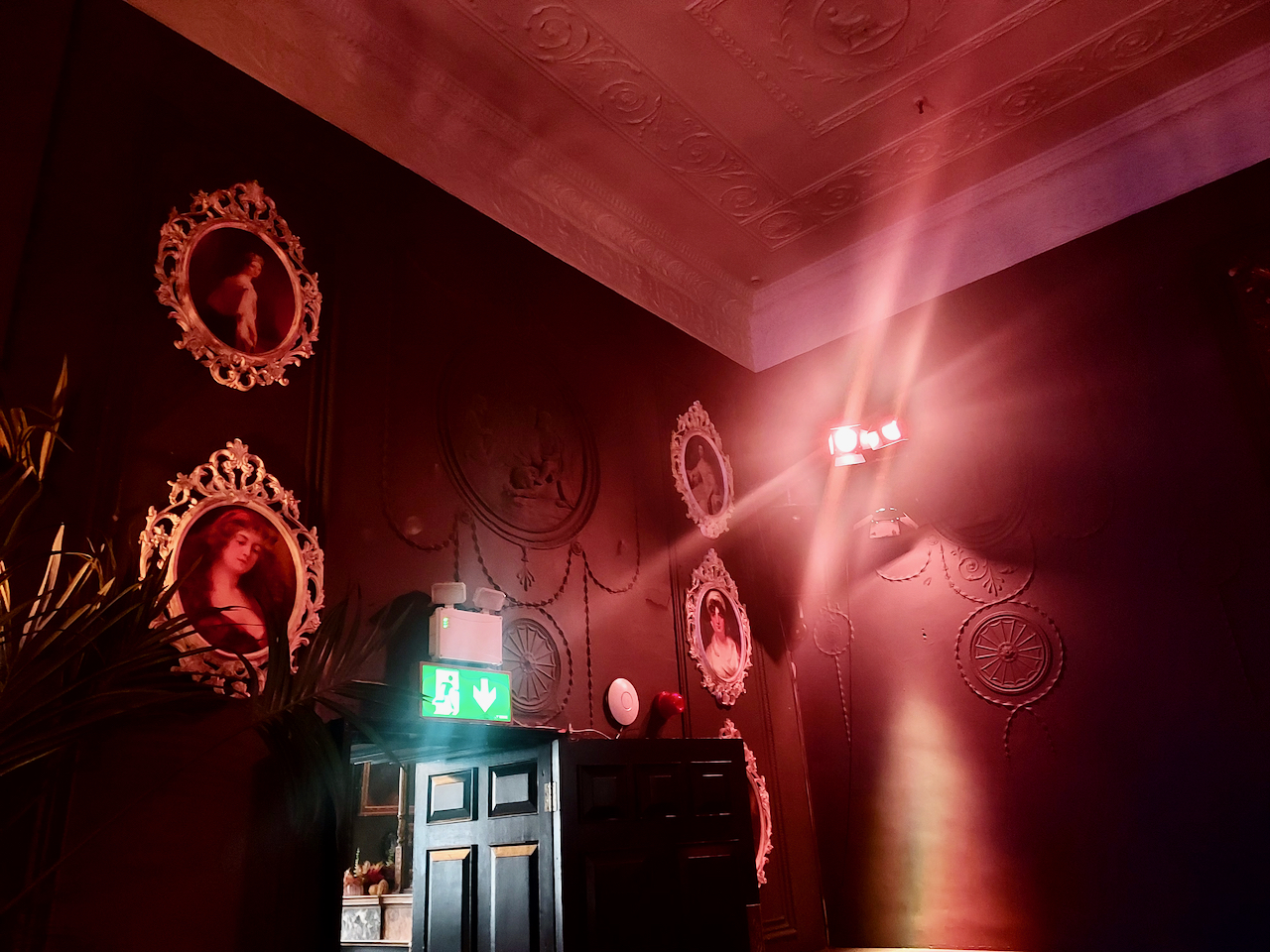






 Irish Historic Houses