“Built by [Richard Bourke 1572-1635] the fourth earl of Clanricarde, Portumna Castle was the de Burgo family power base for centuries.
“The castle is a unique example of the transitional Irish architecture of the early 1600s. Its bold design combines elements of medieval and Renaissance style that complement each other perfectly.
“A major fire in 1826 left the castle a roofless shell, but the state began to bring it back from ruin in the 1960s. Restoration work continues to this day.
“The dramatic walk up to the building includes charming formal gardens, which create an enchanting sense of the original seventeenth-century setting. The walled kitchen garden is particularly memorable.
“The castle enjoys a sensational view of Lough Derg. The ground floor is open to the public and houses an exhibition that brings the story of the castle and the de Burgo family to life. It is right beside the River Shannon and Portumna Forest Park, which makes it a great choice for a delightful day out.“
Richard Bourke 4th Earl of Clanricarde was brought up and educated in England. He fought on the side of the English against Hugh O’Neill, Earl of Tyrone, and was knighted on the field at the battle of Kinsale. He was a protege of Robert Devereux, 2nd Earl of Essex, and married Frances Walsingham, who was the widow of the poet Philip Sydney (1554-1586) and of Robert Devereux, the 2nd Earl of Essex (1566-1601), favourite of Queen Elizabeth I.
Portrait of Frances Walsingham, along with her husband Robert Devereux, 2nd Earl of Essex, and in the small picture, Sir Philip Sydney.
The castle was built around 1616 and is a mixture of defensive Elizabethan/Jacobean building and a manor house, marking the transition in building styles. In this is it similar to Rathfarnham Castle in Dublin, which was built around 1583. It retains defensive structures such as machicolations (floor openings in the battlements, through which stones, or other objects, could be dropped on attackers), shot holes, and strong corner towers, and surrounding walls with gunloops and crenellated towers.
The back is similar to the front, except for the addition in around 1797 of a curved porch of Jacobean style in the middle of the garden front (probably in the time of the 12th Earl of Clanricarde who died in December 1797 and was elevated to be a Marquess). I loved the curving steps up to this round door entrance.
Before building Portumna Castle, the principal seat of the Earls of Clanricarde was a castle in Loughrea. As well as building Portumna, the 4th Earl refurbished the castles at Aughnanure and Athenry, amongst others. The Clanricarde earls also owned Clarecastle, Oranmore and Kilcolgan castles.
Aughnanure Castle County Galway, photograph courtesy of OPW website.This was also refurbished by the 4th Earl of Clanricarde.Athenry Castle, County Galway, photograph courtesy of OPW website. This was also refurbished by the 4th Earl of Clanricarde.
The descendants of William de Burgo adopted Irish customs and clothing. Ulick Burke of Clanricarde (d. 1544) became Earl of Clanricarde and Baron of Dunkellin, and was one of the earliest Irish Chiefs to accept Henry VIII’s policy of “surrender and regrant,” accepting Henry VIII as his sovereign.
Ulick’s son Richard, 2nd Earl of Clanricarde, fought the Irish for the British crown.
The castle passed to the 4th Earl’s son Ulick who succeeded as 5th Earl of Clanricarde (d. 1657) and who was created 1st Marquess of Clanricarde. and then to a cousin, Richard (d. 1666), who became 6th Earl of Clanricarde.
Portrait of Ulick, 5th Earl of Clanricarde (d. 1657). He was created Marquess of Clanricarde. He was Lord Deputy and Commander in Chief of Royalist forces against Cromwell in 1649. His Irish estates were lost but then recovered by his widow after the restoration of Charles II to the throne.
The 6th Earl married Elizabeth Butler, daughter of Walter Butler, 11th Earl of Ormond and had daughters so the title passed to his brother William (d. 1687), 7th Earl of Clanricarde.
The 7th Earl’s son Richard the 8th Earl (died 1708) succeeded his father and despite marrying several times had no male heirs, so was succeeded by his brother John, 9th Earl (d. 1722). John was created Baron Burke of Bophin, County Galway, by King James II. He fought on the Jacobite side and was taken prisoner at the Battle of Aughrim in 1691. He was declared an outlaw and the Clanricarde estates were forfeited to the King, but the outlawry was reversed twelve years later on the payment of a whopping £25,000. His son Michael the 10th Earl succeeded him (d. 1726) and fortunately he married well, to Anne Smith daughter of John Smith, Chancellor of the Exchequer, widow of Hugh Parker of Meldford Hall, Sussex, whose income helped to restore the family fortunes.
The 11th Earl, John Smith de Burgh (1720-1782) changed his surname from Bourke to De Burgh.
The 13th Earl, John Thomas De Burgh (1744-1808), brother of the 12th Earl, was created again 1st Earl of Clanricarde, an Irish Peer, on 29 December 1800, with special remainder to his daughters, if he had no male heir. One daughter, Hester, married Howe Peter Browne, 2nd Marquess of Sligo, and the other, Emily, married Thomas St Lawrence, 3rd Earl of Howth.
John Thomas De Burgh (1744-1808) 13th Earl of Clanricarde was created 1st Earl of Clanricarde, Co. Galway.
His son, Ulick (1802-1874), became the 1st Marquess Clanricarde (of the 3rd creation), and also Baron of Somerhill, Kent. It was during his tenure that the fire occurred. He married Harriet Canning, daughter of Prime Minister George Canning. Ulick was described as being immensely rich.
Ulick John De Burgh, 14th Earl and 1st Marquess of Clanricarde (1802-1874).Harriet Canning, Countess of Clanricarde (1804-1876), married to Ulick John De Burgh, 14th Earl and 1st Marquess of Clanricarde (1802-1874).
Amazing work has been done to reconstruct the castle after the fire. The Commissioners of Public Works acquired the castle in 1968 for preservation as a national monument.
Portumna Castle 1946, photograph from Dublin City Archives and Library. [3]Portumna Castle, County Galway, July 2021.The sign board tells us that the Commissioners of Public Works acquired the castle in 1968 for preservation as a National Monument.Portumna Castle, County Galway, July 2021.Portumna Castle, County Galway, July 2021.The information board tells us that the collapsed spine wall and oak floor beams were reinstated to the original design, based on detailed survey work of surviving features and documentary evidence, including early floor layout plans. The limestone handrail in front of the building was reinstated based on one surviving fragment.Portumna Castle, County Galway, July 2021.The board tells us that the roof trusses are Irish oak. Studies were made of surviving roof timbers of buildings that would have been built around the same time, such as Carrick-on-Suir castle and Rathfarnham Castle.Portumna Castle, County Galway, July 2021.Window mullions were repaired with resin.There was a carriageway road built in either the late 19th or early 19th century, and a well in what was the kitchen.
After the fire the family built a Ruskinian Gothic mansion by Sir Thomas Newenham Deane at the opposite end of the park. Mark Bence-Jones tells us that the new house was not much lived in by the family, for 2nd and last Marquess of Clanricarde, who succeeded 1874, was “the notorious miser and eccentric who spent his life in squalid rooms in London and dressed like a tramp.”
The 2nd Marquess, Hubert George De Burgh-Canning, “the notorious miser and eccentric who spent his life in squalid rooms in London and dressed like a tramp.”
The 2nd Marquess, Hubert George De Burgh-Canning, who died 1916, left Portumna to his great-nephew, Viscount Henry George Charles Lascelles, afterwards 6th Earl of Harewood and husband of Princess Mary (daughter of King George V), because it was said that he was the only member of his family who ever went to see him. The 1862 house was burnt 1922; after which Lord Harewood, when he came here, occupied a small house on the place. Portumna was sold when he died in 1947. [4]
Elizabeth de Burgh, who married Henry Thynne Lascelles, 4th Earl of Harewood. She was the sister ofthe 2nd Marquess, Hubert George De Burgh-Canning.Pictured, the marriage of Princess Mary to Viscount Lascelles.
The castle had a long gallery on the second storey, similar to that in the Ormond Castle in Carrick-on-Suir. Long galleries originated in Italy and France and became fashionable in England after 1550. They were often sparsely furnished and were used for indoor exercise.
The exhibition tells us about various positions of servants in a castle. I was amused by the description of the job of a footman. We are told that they were kept largely for “ornamental” purposes and had to be fairly tall and good-looking, and their wages even rose with their height! Some padded their silk stockings to make their calves look more shapely!
General information: 052 744 1011, cahircastle@opw.ie
Stephen and I visited Cahir Castle in June 2022, and I was very impressed. I had no idea that we have such an old castle in Ireland with so much intact.
“Cahir Castle is one of Ireland’s largest and best-preserved castles. It stands proudly on a rocky island on the River Suir.
“The castle was was built in the thirteenth century and served as the stronghold of the powerful Butler family. [The Archiseek website tells us it was built in 1142 by Conor O’Brien, Prince of Thomond] So effective was its design that it was believed to be impregnable, but it finally fell to the earl of Essex in 1599 when heavy artillery was used against it for the first time. During the Irish Confederate Wars it was besieged twice more.
“At the time of building, Cahir Castle was at the cutting edge of defensive castle design and much of the original structure remains.“
Our tour guide took us through the castle as if we were invaders and showed us all of the protective methods used. We were free then to roam the castle ourselves.
The name derives from the Irish ‘an ChathairDhun Iascaigh’ meaning stone fort of the earthen fort of the fish.
The information leaflet tells us that the area was owned by the O’Briens of Thomond in 1169 at the time of the Anglo-Norman invasion. The area around Cahir was granted to Phillip of Worcester in 1192 by John, Lord of Ireland, who later became King John. His nephew William was his heir – I’m not sure of his surname! But then his great-granddaughter, Basilia, married Milo (or Meiler) de Bermingham (he died in 1263). They lived in Athenry and their son was the 1st Lord Athenry, Piers Bermingham (died 1307).
Edward III (1312-1377) granted the castle to the James Butler 3rd Earl of Ormond in 1357 and also awarded him the title of Baron of Cahir in recognition of his loyalty. The 3rd Earl of Ormond purchased Kilkenny Castle in c. 1392. Cahir Castle passed to his illegitimate son James Gallda Butler. James Gallda was loyal to his mother’s family, the Desmonds, who were rivals to his father’s family, the Butlers.
In their book The Tipperary Gentry, William Hayes and Art Kavanagh tell us that the rivalry between the Butlers of Ormond and the Fitzgeralds of Desmond turned to enmity when the War of the Roses broke out in England, with the Ormonds supporting the House of Lancaster and the Desmonds the House of York. The enmity found expression in the battle at Pilltown in 1462. The enmity continued for over a century, and the last private battle between the Ormonds and the Desmonds was the Battle of Affane, County Waterford, in 1565. [2]
A descendant of James Gallda Butler, Thomas Butler (d. 1558) was elevated to the peerage of Ireland, on 10 November 1543, by the title of Baron of Caher (of the second creation). He married Eleanor, a daughter of Piers Butler, 8th Earl of Ormond (d. 1539) and Margaret Fitzgerald, daughter of Gerald FitzGerald, 8th Earl of Kildare (d. 1513). His son Edmund became the 2nd Baron (d. 1560) but as there were no legitimate male heirs the title died out.
It was Piers Rua Butler, the 8th Earl of Ormond (c. 1467–1539), who brought peace between the warring factions of Fitzgeralds of Desmond and the Butlers of Ormond. He married Margaret Fitzgerald, daughter of Gerald (or Garret) Fitzgerald (1455-1513) 8th Earl of Kildare. His efforts culminated in a treaty called the Composition of Clonmel. It stated that Edmund Butler of Cahir should receive the manor of Cahir on condition that he and all his heirs “shall be in all things faithful to the Earl [of Ormond] and his heirs.” The Barons of Cahir were not allowed to keep their own private army nor to exact forced labour for the building or repair of their castle or houses. (see [2]).
The brother of Thomas 1st Baron Caher, Piers Butler (d. after February 1567/68) had a son Theobald (d. 1596) who was then created 1st Baron Caher (Ireland, of the 3rd creation) in 1583. [3]
There’s an excellent history of Cahir on the Cahir Social and Historical Website:
“Throughout the reigns of Elizabeth I and Charles I, Cahir Castle appears as a frequent and important scene in the melancholy drama of which Ireland was a stage. The Castle was taken and re-taken, but rarely damaged and through it all remained in the hands of the Roman Catholic Butlers of Cahir. By this time Cahir had become a great centre of learning for poets and musicians. Theobald, Lord Cahir [I assume this was 1st Baron Cahir of second creation who died in 1596] was said by the Four Masters “to be a man of great benevolence and bounty, with the greatest collection of poems of any of the Normans in Ireland”. [4]
Cahir Castle, June 2022.
This storyboard tells us that Ireland was dramatically different from Renaissance England in its language, customs, religion, costume and law. It was divided into 90 or so individual “lordships” of which about 60 were ruled by independent Gaelic chieftains. The rest were ruled by Anglo-Irish lords. Queen Elizabeth saw Ireland as a source of much-needed revenue. She did not have sufficient resources nor a strong enough army to conquer Ireland so she encouraged her authorities in Dublin to form alliances between the crown and any local chieftains who would submit to her authority. Many chieftains who submitted did so in order to assist them in their own power struggles against their neighbours. Elizabeth especially needed this support in order to ensure that if Spain invaded Ireland she would be able to quell rebellion.
Walter Devereux (1541-1576) 1st Earl of Essex, courtesy of National Portrait Gallery, London.
Walter Devereux, 1st Earl of Essex, travelled to Ireland to subjugate Ulster and Shane O’Neill (“The O’Neill) in 1573. He failed, and had to sell of much of his land in England to pay debts accrued from raising an army. He died in Dublin of typhoid in 1576.
His son, the 2nd Earl of Essex came to Ireland to quell a rebellion which included the rise of Hugh O’Neill, 2nd Earl of Tyrone (1550-1616), cousin of Shane O’Neill.
Cahir Castle, June 2022.Cahir Castle, June 2022.
The storyboard tells us that Hugh O’Neill fought alongside the 1st Earl of Essex in Ulster between 1573 and 1575. He also fought for Queen Elizabeth in 1580 against the rebel Gerald Fitzgerald, 14th Earl of Desmond (circa 1533, d. 11 November 1583), and as thanks he was made Earl of Tyrone. However, he turned against the crown in 1594 and formed an alliance with Red Hugh O’Donnell to fight against the Queen’s troops, in the Nine Years War.
The ties between the Earls of Essex and Queen Elizabeth I are complicated. When Walter Devereux the 1st Earl died in Ireland, his wife, Lettice Knollys, remarried. She and Queen Elizabeth’s favourite, Robert Dudley Earl of Leicester, married secretly, a fact which enraged the disappointed Queen. It was Robert Dudley who introduced his stepson Robert Devereux 2nd Earl of Essex to Elizabeth and he subsequently became her favourite, alongside Walter Raleigh. However, Elizabeth was to be angered again when this next favourite, Devereux, also secretly married, this time to Frances Walsingham, who was the widow of Sir Philip Sidney. We came across her before when we visited Portumna Castle as she later married Richard Bourke 4th Earl of Clanricarde. Philip Sidney was the son of Henry Sidney (or Sydney) who had been Lord Deputy of Ireland.
Lord Deputy Henry Sidney is shown crossing a moat leaving Dublin Castle, setting out on a campaign. Above the gate are a number of severed heads!The submission of Turlough Luineach O’Neill to Lord Deputy Sir Henry Sidney in 1575.Sir Henry Sidney (1529-1586), Lord Deputy of Ireland, after painter Arnold Van Brounkhorst, courtesy of National Gallery of Ireland.Portrait of Frances Walsingham, along with her husband Robert Devereux, 2nd Earl of Essex, and in the small picture, Sir Philip Sydney, from information board in Portumna Castle.
Robert Devereux the 2nd Earl of Essex sought to re-win courtly favour by going to fight in Ireland, following the footsteps of his father, and persuaded Elizabeth to name him Lord Lieutenant of Ireland.
In May 1599, Essex and his troops besieged Cahir Castle. He arrived with around two to three thousand men, a cannon and a culverin, a smaller and more accurate piece of heavy artillery.
Thomas Butler the 10th Earl of Ormond, who owned the castle in Carrick-on-Suir and was another favourite of the Queen, as he had grown up with her in the English court. However, the storyboards tell us that he at first rebelled, alongside Thomas Butler 2nd Baron Cahir (or Caher – they seem to be spelled interchangeably in historical records) and Edmond Butler, 2nd Viscount Mountgarret (1540-1602), another titled branch of the Butler family.
Thomas Butler 10th Earl of Ormond by Steven Van der Meulen. He is holding a wheelcock pistol with his coat of arms in the upper left corner.
By the time of the 1599 siege, the Earl of Ormond was fighting alongside Essex, and Cahir Castle was held by rebels, including Thomas Butler’s brother James Gallada Butler (not to be confused with the earlier James Galda Butler who died in 1434). Thomas Butler 2nd Baron Cahir travelled with Essex toward the castle. Baron Cahir sent messengers to ask his brother to surrender the castle but the rebels refused. Thomas Butler 2nd Baron Cahir was suspected of being involved with the rebels. Thomas was convicted of treason but received a full pardon in 1601 and occupied Cahir Castle until his death in 1627. James Gallada Butler claimed that he had been forced by the rebels to fight against Essex. Essex and his men managed to capture the castle.
During the three days of the siege, the castle incurred little damage, mostly because the larger cannon broke down on the first day! Eighty of the defenders of the castle were killed, but James Gallada Butler and a few others escaped by swimming under the water mill. This siege was to be the only time that castle was taken by force. James Gallada recaptured the castle the following year and held it for some months. The Butlers regained possession of the castle in 1601.
Cahir Castle taken by the 2nd Earl of Essex in 1599.Cahir Castle, June 2022.
Inside the castle in one room was a wonderful diorama of this siege of Cahir Castle, with terrifically informative information boards.
The Diorama of the 1599 Siege.The Diorama of the 1599 Siege.The Diorama of the 1599 Siege.The siege map and diorama show the wall of the barbican extending further than it does now, to the bridge across to the island. The plan also shows a number of buildings in the inner ward that no longer exist.The shape of the islands and riverbanks changed following construction of a weir.The Diorama of the 1599 Siege.Someone must have had great fun setting up the little toy soldiers in their fight formations in the diorama.The Diorama of the 1599 Siege.The Diorama of the 1599 Siege.
Failing to win in his battles in Ireland, however, Essex made an unauthorised truce with Hugh O’Neill. This made him a traitor. The Queen did not accept the truce and forbid Essex from returning from Ireland. He summoned the Irish Council in September 1599, put the Earl of Ormond in command of the army, and went to England. He tried to raise followers to oust his enemies at Elizabeth’s court but in doing so, he brought a small army to court and was found guilty of treason and executed.
The Cahir Social and Historical Website continues:
“A study of the Butler Family in Cahir in the sixteenth and seventeenth centuries reveals the rise and fall of one of the minor branches of the House of Ormond. At the end of the fifteenth century, they possessed extensive powers, good territorial possessions and a tenuous link with the main branch of the Butler family. During the sixteenth century, their possession was strengthened by the grant of the title of Baron of Cahir with subsequent further acquisition of land, but they came under closer central government control.”
The Cahir website continues: “A complete reversal in their relations with the Earls of Ormond occurred, strengthened by various marriage alliances. They also participated in political action, both in the Liberty of Tipperary and at National Level. In the late sixteenth and early seventeenth centuries their position was affected by their adherence to Roman Catholicism, which resulted in their revolt during the Nine Years War, and subsequent exclusion from power by the Central Administration. They formed part of the Old English Group and as such, suffered from the discriminatory politics practiced by the Government. From 1641 they became minor landowners keeping their lands by virtue of the favour of their relative, the Duke of Ormond. In 1647 the Castle was surrendered to Lord Inchiquin for Parliament but re-taken in 1650 by Cromwell himself, whose letter describing acceptable terms of surrender still survives.
Murrough O’Brien (1614-1674) 1st Earl of Inchiquin by John Michael Wright courtesy of Manchester Art Gallery.
Murrough O’Brien fought on the side of the Crown – his ancestor Murrough O’Brien was created 1st Baron Inchiquin in 1543 by the Crown in return for converting to Protestantism and pledging allegiance to the King (Henry VIII). Since he took the castle for the crown, it implies that at this time Lord Caher fought against the crown again – and since the information boards tell us that the 1599 siege was the only time it was taken by force, force must not have been used at this later time.
Once invaders get through the portcullis they are trapped in a small area, where defenders can fire arrows and stones at them. The walls of this area slope outwards towards the bottom, known as a base batter, so falling rocks bounce off them to hit the invaders.
Oliver Cromwell took the castle in 1650 and the occupants, under the 4th Baron Caher Piers Butler (d. 1676), surrendered peacefully.
The Butlers of Ormond also had to forfeit their land in the time of Oliver Cromwell’s Protectorate. Both branches of the Butlers had their lands restored with the restoration of the monarchy with Charles II in 1662.
The Cahir website continues: “At the restoration of Charles II, in 1660, George Matthews, (as Warden of Cahir Castle and half-brother to the Duke of Ormond), retained the Cahir lands for the Lord Cahir, then a minor.” [4] George Matthew (or “Mathew,” 1645-1735) was married to Eleanor Butler, daughter of Edmond Butler, 3rd/13th Baron Dunboyne. She seems to have married twice: first to Edmond Butler son of 3rd Baron Cahir, then to to George Matthew. Her son was Piers Butler, 4th Baron Cahir, who was just seven when his father died.
Piers Butler 4th Baron Cahir (1641-1676) married George Mathew’s niece, Elizabeth Mathew (1647-1704). They had no male issue, but two daughters. His daughter Margaret married Theobald Butler, 5th Baron Cahir (d. 1700), great-grandson of the 1st Baron Cahir.
Margaret Butler daughter of the 4th Baron Cahir was the 5th Baron Cahir’s second wife. His first wife, Mary Everard, gave birth to his heir, Thomas (1680-1744), 6th Baron Cahir. Thomas had several sons, who became 7th (d. 1786) and 8th Barons Cahir (d. 1788), but they did not have children, so that title went to a cousin, James Butler (d. 1788), who became 9th Baron Cahir.
The Cahir website tells us: “Despite embracing the Jacobite Cause in the Williamite Wars, the Cahir estate remained relatively intact. However, the Butlers never again lived at Cahir Castle but rather at their country manor, Rehill House, where they lived in peace and seclusion from the mid-seventeenth century, when not living abroad in England and France.
“…By 1700 a sizeable town had grown around the Castle, although hardly any other buildings survive from this period. Agriculture, milling and a wide range of trades would have brought quite a bustle to the muddy precursors of our present streets. At this time, the Castle was quite dilapidated and was let to the Quaker William Fennell, who resided and kept a number of wool combers at work there.” [4]
The castle layout was changed considerably and enlarged during work to repair some of the damage caused by the battles, but was then left abandoned until 1840 when the partial rebuilding of the Great Hall took place. [4]
Female member of Butler family, Cahir Castle, courtesy of Fonsie Mealy auction.
The Cahir website tells us: “On the completion of Cahir House [in the town, now Cahir House Hotel] in the later 1770’s, Fennell rented Rehill House from Lord Cahir and lived there over half a century. [The Barons moved to Cahir House.] A strong Roman Catholic middle class emerged. James [d. 1788], 9th Lord Cahir [d. 1788], practiced his religion openly. He maintained strong links with Jacobite France, and paid regular visits to England. While not a permanent resident, he kept his Cahir Estates in impeccable order and was largely responsible for the general layout of the Town of Cahir. Under his patronage, some of the more prominent buildings such as Cahir House, the Market House and the Inn were built during the late 1770s and early 1780s. In addition, the Quakers built the Manor Mills on the Bridge of Cahir, the Suir Mills (Cahir Bakery), and the Cahir Abbey Mills in the period 1775-90.” [4]
The son of the 9th Baron Cahir, Richard (1775-1819), became 10th Baron and 1st Earl of Glengall. It was he and his wife who had the Swiss Cottage built outside Cahir.
“… The young Lord Cahir married Miss Emily Jeffereys of Blarney Castle and together they led Cahir through the most colourful period of its development…Richard, Lord Cahir, sat in The House of Lords as one of the Irish Representative Peers, and in 1816 was created Earl of Glengall, a title he enjoyed for just 3 years. He died at Cahir House of typhus in January 1819, at the age of 43 years. Richard, Viscount Caher, (now 2nd Earl of Glengall), had already taken his place in political circles while his mother, Emily, ran the Estate with an iron fist.” [4]
Richard Butler (1794-1858) 2nd Earl of Glengall, by Richard James Lane, lithograph, 1854, National Portrait Gallery of London D22384.Margaret Lauretta Butler (née Mellish), Countess of Glengall, wife of the 2nd Earl of Glengall by Richard James Lane courtesy of National Portrait Gallery London NPG D22383.Harriet Anne née Butler (1799-1860) Countess of Belfast, wife of George Hamilton Chichester 3rd Marquess of Donegal and daughter of Richard Butler, 1st Earl of Glengall.Cahir Castle 1943, photograph from Dublin City Library archives. [5]
“During the Great Famine (1846-51), Lord and Lady Glengall did much for the relief of the poor and the starving. Lord Glengall’s town improvement plan was shelved in 1847 due to a resulting lack of funds and his wife’s fortune being tied up in a Trust Fund. The Cahir Estates were sold in 1853, the largest portion being purchased by the Trustees of Lady Glengall. This sale came about due to Lord Glengall being declared bankrupt. The Grubbs had by now become the most important Quaker family in the district and bought parts of the Cahir Estate during the 1853 sale...
“In the interim, Lady Margaret Butler (elder daughter and heir of Lord Glengall) had married Lieut. Col. Hon. Richard Charteris, 2nd son of the 9th Earl of Wemyss & March. Using a combination of her mother’s Trust and Charteris funds, Cahir Town and Kilcommon Demesne were repurchased.
“Lady Margaret, although an absentee landlord, resident in London, kept a close watch on her Cahir Estates through two excellent managers, Major Hutchinson and his successor William Rochfort… Her son, Richard Butler Charteris took over her role in 1915 and remained resident in Cahir from 1916 until his death in 1961. In 1962, the House, and circa 750 acre estate core (within the walls of Cahir Park and Kilcommon Demesne) were auctioned…And so ended the direct line of Butler ownership in Cahir, almost 600 years.“ [4]
The castle became the property of the state after the death of Lord Cahir in 1961; it was classified as a national monument and taken into the care of the Office of Public Works. [6]
The dining hall has a magnificent ceiling. The building would have originally been of two storeys, and taller. The appearance today owes much to restoratation work carried out by William Tinsley in 1840, when the building was converted into a private chapel for the Butler family. The hammer-beam roof and the south and east wall belong to this period. The external wall dates from the 13th century.
[2] p. 58. Hayes, William and Art Kavanagh, The Tipperary Gentry volume 1 published by Irish Family Names, c/o Eneclann, Unit 1, The Trinity Enterprise Centre, Pearse Street, Dublin 2, 2003.
[3] http://www.thepeerage.com/index.htm and G.E. Cokayne; with Vicary Gibbs, H.A. Doubleday, Geoffrey H. White, Duncan Warrand and Lord Howard de Walden, editors, The Complete Peerage of England, Scotland, Ireland, Great Britain and the United Kingdom, Extant, Extinct or Dormant, new ed., 13 volumes in 14 (1910-1959; reprint in 6 volumes, Gloucester, U.K.: Alan Sutton Publishing, 2000), volume IX, page 440.
Munster’s counties are Clare, Cork, Kerry, Limerick, Tipperary and Waterford.
I have noticed that an inordinate amount of OPW sites are closed ever since Covid restrictions, if not even before that (as in Emo, which seems to be perpetually closed) [these sites are marked in orange here]. I must write to our Minister for Culture and Heritage to complain.
Clare:
1. Ennis Friary, County Clare
2. Scattery Island, County Clare
Limerick:
3. Askeaton Castle, County Limerick
4. Desmond Castle, Adare, County Limerick
5. Desmond Banqueting Hall, Newcastlewest, County Limerick
6. Lough Gur, County Limerick
donation
Help me to pay the entrance fee to one of the houses on this website. This site is created purely out of love for the subject and I receive no payment so any donation is appreciated!
€15.00
Clare:
1. Ennis Friary, Abbey Street, Ennis, County Clare:
Ennis Friary, photograph from Ireland’s Content Pool, Photograph by Eamon Ward 2020 for Failte Ireland. [1]
General Enquiries: 065 682 9100, ennisfriary@opw.ie
“The O’Briens of Thomond, who once ruled much of north Munster, founded this medieval Franciscan friary. It grew quickly into a huge foundation, with 350 friars and a famed school of 600 pupils by 1375. It was the very last school of Catholic theology to survive the Reformation.
The building contains an exceptional wealth of fifteenth- and sixteenth-century sculptures carved in the local hard limestone, including one of St Francis himself displaying the stigmata. An arch between the nave and transept bears a remarkable image of Christ with his hands bound.
Don’t forget to visit the sacristy, an impressive structure with a ribbed, barrel-vaulted ceiling. Take especial note of the beautiful east window, with its five lancets, as it lights up the chancel.” [2]
Ennis Friary, photograph from Ireland’s Content Pool, Photograph by Eamon Ward 2020 for Failte Ireland. [see 1]
2. Scattery Island, County Clare:
Scattery Island, lies just off Kilrush, on the Shannon Estuary, in County Clare. It is the site of an early Christian settlement founded by St Senan, who built his monastery in the early sixth century. A short boat trip from Kilrush will take you to the island, where you can explore its multi-layered, 1,500-year history including its round tower and six ruined churches. Photograph from Ireland’s Content Pool, by Airswing Media for Failte Ireland. [see 1]
“Off the northern bank of the Shannon Estuary lies Scattery Island, the site of an early Christian settlement founded by an extraordinary man.
St Senan, who was born in the area, built his monastery in the early sixth century. It included a mighty round tower, which at 36 metres is one of the tallest in Ireland.
There are six ruined churches on the site too. The Church of the Hill stands on a high spot, the very place where, legend has it, an angel placed Senan so that he could find – and then banish – the terrible sea-monster called the Cathach. It is believed that Senan is buried beside another of the medieval churches.
Scattery was invaded many times over the centuries. The Vikings in particular believed that the monastery held many riches and returned several times to ravage it.
A short boat trip will take you to the island, where you can explore its multi-layered, 1,500-year history.“
Limerick:
3.Askeaton Castle, County Limerick:
General information: 087 113 9670, askeatoncastle@opw.ie
“In the very heart of this County Limerick town stand the impressive remains of a medieval fortress. Askeaton Castle dates from 1199, when William de Burgo built it on a rock in the River Deel.
Over the centuries, the castle proved itself key to the history of Munster. It was the power base of the earls of Desmond after 1348. In 1579 it held out against the English general Sir Nicholas Malby, an incident that helped spark the second Desmond Rebellion.
The banqueting hall is one of the finest medieval secular buildings in Ireland. The tower is partly ruined, but some fine windows and an exquisite medieval fireplace have remained.
The early eighteenth-century building nearby was used as a Hellfire Club. These clubs were rumoured to be dens of excess in which wealthy gentlemen indulged in drink, mock ritual and other nefarious activities.“
The Fitzgeralds, Earls of Desmond, held the castle for over 200 years and ruled Munster from it.
4. Desmond Castle, Adare, County Limerick:
General information: 061 396666, info@adareheritagecentre.ie
Desmond Castle Adare, Co Limerick, Lawrence Photographic Collection National Library of Ireland, by Robert French.
“Desmond Castle Adare epitomises the medieval fortified castle in Ireland. It is strategically situated on the banks of the River Maigue, from where its lords could control any traffic heading to or from the Shannon Estuary.
The castle was built for strength and security. A formidable square keep forms its core; the keep stands within a walled ward surrounded by a moat.
Desmond Castle Adare changed hands several times before becoming a key bastion of the earls of Desmond in the sixteenth century. During the Second Desmond Rebellion, however, it fell to the English after a bloody siege. Cromwellian forces laid waste to the building in 1657, although restorers have since helped to recall its former glory.
Guided tours are now available for anyone who wants to walk in the footsteps of the FitzGeralds and experience their courageous spirit.“
This castle belonged to the Earls of Kildare for nearly 300 years until the rebellion in 1536, when it was forfeited and granted to the Earls of Desmond who gave the castle its present name.
5.Desmond Banqueting Hall, Newcastlewest, County Limerick:
General information: 069 77408, desmondhall@opw.ie
“Many of Ireland’s surviving medieval halls are in west Limerick. The Desmond Banqueting Hall in Newcastle West is one of the most impressive among them.
It was begun in the thirteenth century by Thomas ‘the Ape’ FitzGerald, so named because of the story that an ape took him from his cradle to the top of Tralee Castle – and delivered him safely back again.
However, most of the spacious, imposing structure was created in the fifteenth century, at the height of the Desmond earls’ power, and used as a venue for frequent and lavish banquets.
The oak gallery, from which musicians would provide a raucous soundtrack for the revelry below, has been fully restored.“
Lough Gur, photograph from Ireland’s Content pool, by Ken Williams 2021 for Failte Ireland. [see 1]
The Irish Homes and Gardens website tells us that Ireland’s first settlers arrived around 8000BC. The introduction of farming in 4000BC saw a move to a more settled lifestyle and the building of farmsteads, with both circular and rectangular house styles being used. The first rectangular house and the largest concentration of Neolithic structures were found in Lough Gur dating back to 3500BC.
Although none of these houses remain, the lasting legacy from this period on the Irish landscape is the megalithic tomb: the Dolmen or Portal tomb with its huge capstone or lintel, balanced on smaller stones and the Passage tombs, with their dry-stone passages leading to corbelled ceilings (circular layers of flattish stones closed with a single stone at the top). [ https://www.irishhomesandgardens.ie/irish-architecture-history-part-1/ ]
“Lough Gur is a site of international significance due to the area’s rich archaeology and environment. It is home to Ireland’s oldest and largest stone circle and the only natural lake of significance in South East Limerick. Lough Gur also has an abundance of ancient monuments in State care with a reported 2,000 archaeological monuments in a 5km radius. Visitors to Lough Gur Lakeshore Park will find a hillside visitor centre where you can take part in a guided or self guided tour of the exhibition. There is also an option to take a full outdoor guided tour of the archaeological monuments. Tours are tailor made and can range from 30 minutes to 3 hours. The Lakeshore Park and tours are run by Lough Gur Development Group.“
Lough Gur Visitor Centre, photograph from Ireland’s Content pool, by Keith Wiseman 2013 for Failte Ireland. [see 1]Lough Gur Visitor Centre, photograph from Ireland’s Content pool, by Keith Wiseman 2013 for Failte Ireland. [see 1]
9. The Lower House Rooms, Donaghmore, Dungannon, Co. Tyrone, BT70 3EZ€
10. Spice Cottages, Dungannon, County Tyrone€€
donation
Help me to pay the entrance fee to one of the houses on this website. This site is created purely out of love for the subject and I receive no payment so any donation is appreciated!
€15.00
Fermanagh:
1. Castle Archdale Countryside Centre & War Museum – demolished in 1970 but the stables remain intact.
Mark Bence-Jones writes in his A Guide to Irish Country Houses (1988):
p. 61. (Archdale/IFR) “A noble house of 1773 on the shores of Lough Erne, built by Colonel Mervyn Archdall in 1773 to replace a “Plantation castle” originally built by John Archdale 1615.
“Three storeys over a basement; a six bay entrance front with a two bay breakfront centre; and a tripartite doorway with Ionic pilasters, entablature and pediment, the latter breaking forwards on two Ionic columns to form a porch, which appears to have been a subsequent alteration.
The side elevation was of three bays, the bottom storey having Venetian windows with Gothic astragals in its outer bays. The quoins were rusticated and bold; with a solid roof parapet. Derelict since 1959 and now ruinous.” [1]
Castle Archdale, County Fermanagh, from Discover Northern Ireland website.
Built in about 1618 by Sir James Balfour, a Scottish planter, the castle was in continuous occupation until the early 19th century. Open all year.
Timothy William Ferres tells us: “CASTLE BALFOUR formed the nucleus of the town [Lisnaskea]. It stands beside the parish church, in the graveyard. The Castle was built with local stone ca 1618 by Sir James Balfour. Sandstone was used for the quoins and dressings. The main block consists of a rectangular block, 78 feet by 24 feet, with a large wing projecting to the east and west, comprising two L-shaped units. The northern block has three storeys with attics. The kitchen is vaulted, with a fireplace and oven. Corbelled turrets and gun-slits are a feature.
“During the Irish Rebellion of 1641, Castle Balfour and the village were burnt but later reoccupied. In 1689, the Castle was again badly damaged by the Jacobite armies but was repaired after the Williamite victory at Limerick. About 1780, Castle Balfour was sold to the 1st Earl of Erne, and the Balfours subsequently left County Fermanagh.
“The last person to inhabit the Castle was James Haire (1737-1833), of Nutfield, who leased the Castle from Lord Erne. James Haire and his family ceased to occupy the castle after it was destroyed by an arson-based fire in 1803 (his mother, Phoebe, was killed in the rubble caused by the fire).
“Thereafter the Castle remained ruinous, until it was placed in state care by the 6th Earl of Erne in 1960.
“Major conservation work was carried out between 1966-68 and again during the late 1990s.” [2]
“Castle Coole is one of the greatest neo-classical country houses in Ireland. Home to the Earls of Belmore, it was commissioned and built to impress by the first Earl of Belmore by Amar Lowry Corry, 1st Earl Belmore (1740-1802) and furnished largely by Somerset Lowry Corry, 2nd Earl (1774-1841).”
The castle is still in private hands but the grounds are open to the public.
Mark Bence-Jones writes in his A Guide to Irish Country Houses (1988):
p. 95. “(Crichton, Erne, E/PB) A large castellated mansion combining Baronial and Tudor-Revival elements, by the side of one of the many inlets of Upper Lough Erne, built 1829 to the design of Edward Blore. The entrance front has a gabled projection with a corbelled oriel at each end, but they are not entirely similar; while the tall, battlemented entrance tower, which incorporates a porte-cochere, is not central but to one side, against the left hand gable. The adjoining garden front is symmetrical, dominated by a very tall central tower with slender octagonal turrets, inspired by various Tudor gatehouse towers in England, but without a doorway. On either side of it is a gable and oriel. In the park are the ruins of the earlier Crom Castle, a Plantation castle of 1611, destroyed by fire in 1764.”
Enniskillen Castle by Gardiner Mitchell 2015 for Tourism Ireland, Ireland’s Content Pool (see [3]).
The website tells us: “Enniskillen Castle, situated beside the River Erne in County Fermanagh, was built almost 600 years ago by Gaelic Maguires.
“Guarding one of the few passes into Ulster, it was strategically important throughout its history. In the 17th century it became an English garrison fort and later served as part of a military barracks. This historic site houses two museums, Fermanagh County Museum and The Inniskillings Museum.“
Mark Bence-Jones writes in his A Guide to Irish Country Houses (1988):
p. 121. (Cole, Enniskillen, E/PB) A large and impressive fortress at one side of the island in the River Erne on which the town of Enniskillen is built; with walls enclosing a ward of courtyard, an inner keep and a tall and frowning water gate with two conical-roofed bartizans. Until C18 the castle stood on a small island of its own, separated from the rest of the island by a ditch of water crossed by a draw-bridge. The castle was originally built C15 by the Maguires; it was granted 1607 to Captain William Cole, who rebuilt the keep as a house for himself, and renovated all the fortifications; the water gate probably dates from his time. The Coles continued to live on and off at the castle until 1739; afterwards, they established themselves permanently at Florence Court. The castle then became barracks, and the keep was rebuilt once again. The buildings remain in good repair.”
Enniskillen Castle by Chris Hill 2018 for Tourism Ireland, Ireland’s Content Pool (see [3]).
6. Florence Court, County Fermanagh
Florence Court, formerly the home of the Cole family, Earls of Enniskillen, is surrounded by a large area of parkland, garden and woodland, with beautiful views to Benaughlin and the Cuilcagh Mountains. photo Courtesy of Tourism Northern Ireland by Brian Morrison 2008 (see [3]).
1. Belle Isle Courtyard cottages and castle accommodation, Lisbellaw, Enniskillen, County Fermanagh Northern Ireland€(self-catering)
Nestling close to the water’s edge and set within a landscape of lakes and islands of gently rolling hills and fragrantwoods, Belle Isle Castle provides self-catering or fully catered accommodation. Situated at the heart of Belle Isle Estate and dating from the early 17th century the castle has been extensively yet sensitively refurbished, ensuring that a full range of modern facilities blends seamlessly with original period grandeur. Photo for Tourism Ireland, 2008. (see [3])
“Belle Isle provides an outstanding mix of natural beauty and authentic heritage on a private 400 acre estate designated a Special Area of Conservation with a range of accommodation options including castle rental, luxury cottages and self-catering apartments. Whether you are looking to host your wedding, enjoy a private event with friends and family or just have a relaxing weekend with your pets, we have something for everyone. Enjoy a Summer Getaway to the Belle Isle Estate with one of our great special offers.
“Belle Isle has a rich history dating back to before the 15th century as the place where the Annals of Ulster were written. Belle Isle Castle was built in the early 17th century as the home to many generations of nobles and has been hosting events since as early as 1760. In 1991, the castle was fully refurbished to open its doors to more visitors. Belle Isle Estate stretches over 470-acres across Lisbellaw, County Fermanagh, Northern Ireland. It is a private estate with access to its estate grounds and trails open solely its visitors. If you are looking for the ultimate experience in luxury, Belle Isle Estate is one of the best hotels Fermanagh can offer.“
Mark Bence-Jones writes in his A Guide to Irish Country Houses (1988):
p. 38. “(Gore, Bt/PB; Porter, sub Baird/IFR) A house beautifully situated on an island in Upper Lough Erne; the seat of a distinguished C18 soldier, Sir Ralph Gore, 6th Bt, 1st and last Earl of Ross and Viscount Bellisle, who was C-in-C in Ireland 1788. Bought early in C19 by Rev. J.G. Porter.“
Ralph Gore (1725–1802), 6th Bt, Later 1st Earl of Rosse, on His Bay Hunt, attriibuted to Thomas Spencer, courtesy of National Trust.
“The present house appears to incorporate a two storey C18 range with a three sided bow at one end, to which a range of 1820-30 was added at right angles, with a staircase hall, top-lit by an octangular lantern, in the re-entrant. The house was re-modelled post 1880 in the plain English Tudor manor house style made popular by Norman Shaw and his disciples; producing a gable entrance front with mullioned windows, a projecting porch and a tall, church-like battlemented tower at the corner of th 1820-30 range. The latter range, which is the garden front facing the lough, remains unaltered apart from having Victorian plate-glass windows; at one end is the end bow of C18 range, with Georgian astragals. Inside the house, arches were opened up between the staircase hall and the rooms at either end of it, to make a much larger hall; the staircase hall was also widened at the expense of the rooms in 1820-30 range, the old wall being replaced by a massive oak beam. An oak staircase with barleysugar balusters replaced the original stairs; the walls were panelled in oak, or decorated with half-timbering. The octangular ceiling lantern, however, was left undisturbed. The drawing room, in 1820-30 range, was redecorated, having been reduced in width, and given a chimneypiece of old oak carving, possibly of more than one period and nationality. The room extending into the bow of C18 range, which is now the drawing room, was given a stone Tudor fireplace; but it still keeps its original doors with shouldered C18 architraves. In 1907 the entrance front was prolonged by a wing in Tudor style containing a long and lofty gallery, with a timbered roof, an elaborate Tudor fireplace and overmantel and a minstrels’ gallery, the balustrade of which has slender turned uprights and would appear to be late C17 or early C18 woodwork brought from elsewhere. At this end of the entrance front stands a pedimented and gable-ended office wing which would appear to date from quite early C18. After the death of N.H.A. Porter 1973, Belle Isle was inherited by his niece, Miss Olivia Baird.”
Belle Isle Estate, photo by Brian Morrison 2008 for Tourism Ireland. (see [3])
“Castle Irvine, also known as Necarne Castle, lies south of the town of Irvinestown, in County Fermanagh, in Northern Ireland.
“The core of Necarne Castle is a castle which was built in the 17th century by Gerard Lowther as part of the plantation of Ulster. In 1629, the lands were leased to Christopher Irvine and the Irvines remained there until 1922.
“In the 1830’s the castle and park were rebuild and a Victorian style wing was built against its south west facade amongst other things.
“In 1925, Captain Richard Outram Hermon, from Sussex, bought the castle. In 1927 an extensive restoration of the castle and its gardens was started while Captain Hermon and his new wife went off on a world cruise. The estate was turned into a haven for shooting parties and Lord Mountbatten and Prince Bernhard of the Netherlands were once guests at Necarne Castle.
“In 1941 Necarne Castle was requisitioned by the United States Navy. It originally had 200 beds but was soon enlarged to a 500 bed institution and released to the American Army. The castle, then the 28th Station Hospital, cared for recuperating American soldiers and RAF personnel. After the war the castle was never inhabited again and fell to ruin.
“Fermanagh District Council bought the Necarne Castle estate in 1981; and in 1988 The NI Department of Agriculture leased the estate on a 25-year basis from them. In the last decades the outbuildings of the castle have been used as a student facility for the Enniskillen Agricultural College as the Necarne Castle Equine College.
“Fermangh & Omagh District Council began the search for a new operator for the estate in 2014 following the Agricultural College relocating their Equine Courses to Enniskillen.
“Gardrum Holdings Ltd agreed a lease of the estate from 2020.
“The park around Necarne Castle can freely be visited during daytime. The ruin of the castle itself is boarded up, so its interior can not be visited.”
2. Colebrooke gate lodge,Colebrooke Park, County Fermanagh€ for 4
“Colebrooke Estate in Co. Fermanagh, N.Ireland offers guests a haven of peace and privacy with over 1000 acres to play in. The 5 star Whitehill Cottage and 5 star Woodcock Corner Cottage are sensitively restored original Estate workers cottages. Rossbeg Cottage is located in a stunning part of Co. Donegal, overlooking the Atlantic Ocean. We are proud of all the properties, which offer high standards of comfort, with all the modern conveniences you would expect to find in quality accommodation.“
“A converted farm building with a spacious living area and views of the Lough Erne.
“Erne View is the largest in a row of holiday cottages on the shores of Lough Erne. The cottage boasts stunning views, an open fire and a wet room on the ground floor.
“Enjoy a coffee whilst taking in the view over to the Island of Inishfendra before heading down to the nearby jetty for a stroll along the shoreline.
“Adventurers might want to take advantage of the Lough Erne Canoe Trail which offers guided trips and canoe hire. Further afield, the pretty town of Enniskillen, with its historic castle, is just 20 miles away.“
5. Florence Court, County Fermanagh – Butler’s Apartment
“Butler’s Apartment served as living quarters for the male servants at Florence Court, the 18th-century mansion next door to the holiday home. This atmospheric first floor apartment overlooks the laundry courtyard and adjoining woodland garden. Inside, you’ll find many historical quirks such as the period fireplaces, large sash windows and wooden floorboards.“
6. Manor House Hotel (formerly Killadeas Manor and before that, Rockfield), County Fermanagh
Mark Bence-Jones writes in his A Guide to Irish Country Houses (1988):
p. 168. “(Irvine/LGI1912) A two storey Victorian Italianate house, in a splendid position on the shores of Lough Erne. Entrance front with pediment and porch in the form of a three arched loggia, flanked by a square tower with glazed belvedere and urns on its parapet. Now a hotel.”
A younger son of the Irvines of Castle Irvine [now dilapidated but you can visit the grounds], John Irvine, acquired the estate in 1660. It was known as Rockfield. The website tells us it remained as Rockfield until it was rebuilt in 1860 by Colonel John Gerard Irvine (1823-1902), who brought workmen from Italy to do the interior decoration which exists to this day.
The name of Rockfield was changed to Killadeas Manor House by Major John Irvine who succeeded to Killadeas in 1835 and died in 1860. It was his son, Colonel John Gerard Irvine, who rebuilt Killadeas, incorporated some parts of the old house into the new mansion.
The website adds that in a directory of Fermanagh, published in 1879, the author states that Rockfield was built in 1710, and greatly altered and added to in 1868 by Colonel Irvine under the direction of that able and artistic architect, Mr Armstrong of Belleek. There are some obvious similarities between the architecture of the Belleek Pottery and The Manor House not least the unusual narrow, arched windows.
During the 1939-45 war it was requisitioned by the Government and was for a time used by the American Forces. The house itself was used as an Officers’ Mess and Headquarters for the Seaplane base of Killadeas. It was a plane from this base which sighted the ‘Bismarck’ and consequently resulted in the destruction of this mighty battleship. The Manor House remained in the Irvine family until 1957 when it was acquired for a Hotel.
Ashbrooke is the Dower House for the Colebrooke Estate it has been in the Brooke family for over 200 years. Formerly the home of Viscount and Viscountess Brookeborough the house has recently been fully restored and renovated to provide luxurious accommodation.
Mark Bence-Jones writes of Colebrook Park in his A Guide to Irish Country Houses (1988):
p. 89. “(Brooke, Brookeborough, V.PB) An austere Classical house of 1825 by William Farrell; built for Sir Henry Brooke [1770-1834], 1st Bt of 2nd creation. Two storey nine bay front, with a pedimented portico of four giant Ionic columns; three storey irregular side; eaved roof. Of cut-stone, with a sprinking of red sandstone ashlars which gives the elevation a pleasant reddish tinge. Large entrance hall; double staircase in back hall. Drawing room with original white and gold damask wallpaper. Sitting room with C19 arabesques. Large dining room, which Lord Craigavon, 1st Prime Minister of Northern Ireland, christened “Golgotha” on account of the numerous deer skulls covering the walls. The home of Sir Basil Brooke, 5th Bt and 1st Viscount Brookeborough, Prime Minister of Northern Ireland 1943-63; he and the late Lady Brookeborough made an attractive sunken garden at one end of the house. The house stood empty for some years after the death of 1st Viscount, 2nd Viscount living in Ashbrooke, a smaller house on the estate. But the present Lord and Lady Brookeborough have moved back into Colebrook.”
2. Belle Isle Courtyard cottages and castle accommodation, Lisbellaw, Enniskillen, County Fermanagh Northern Ireland – see above
“Colebrooke Park in County Fermanagh, Northern Ireland is first and foremost a family home, the seat of Viscount & Viscountess Brookeborough and one of region’s most important and historic stately homes. It is exclusive, discreet and offers a taste of a unique lifestyle which guests may experience whilst staying in an Irish Stately Home. Set in a lush 1,000 acre working estate, Colebrooke Park is only 90 minutes from Belfast, 40 minutes from the West Coast of Ireland and a short distance from the tranquility of beautiful Lough Erne.
“Lady Brookeborough has skilfully recreated the style and grandeur of the past with family portraits, original Victorian wallpaper, 18th Century porcelain and fine furniture used to decorate the grand rooms. Modern additions such as en-suite bathrooms, central heating, a Business Conference Unit and Day Spa makes Colebrooke a discerning choice of venue for business away days and conferences.
“Standing on the banks of the Colebrooke River, fishing, clay pigeon shooting, archery and other outdoor activities are available for guests’ enjoyment. For those who may wish to enjoy a less energetic stay there are long riverside and shrub garden walks and there are purpose built ‘hides’ for watching the abundant wildlife in this remarkable haven. These include deer, otters, mink, buzzards, kingfishers and many others.
“The combination of historic grandeur, modern business facilities, outdoor pursuits and the renowned hospitality of the Brooke family means Colebrooke Park is a truly unique location for special events.
“Colebrooke Park is a brilliant example of how comfortable an historic Irish Stately home can become in the 21st Century; the ultimate in luxury. Above all it is a place where guests can stay in complete privacy. The estate is ideal for weddings, house party breaks, family gatherings and as a corporate venue with a difference, all in the heart of Northern Ireland’s lush countryside.Having approached the house along the sweeping avenue, guests enter through the grand entrance beneath the portico into a large hall overlooked by the impressive main staircase.
“Then guests can make their way to the Library or the Drawing Room and relax in great comfort in magnificent surroundings. In addition to these large reception rooms, there is a large billiard room. The Dining Room seats up to 30 guests at one large table and more in other formats – making it particularly well suited for corporate entertaining, private dinner parties and weddings.
“Within the house, located towards the rear, is the fully equipped Conference Suite. Accommodating up to 70, the suite provides all necessary facilities for business users including overhead projector and screen.Colebrooke Park can accommodate up to 300 guests for receptions with a great deal of flexibility and with that all important personal touch that is so often missing in large hotels. There are 12 comfortable double bedrooms with private bathrooms, all of which have been individually and tastefully decorated by Lady Brookeborough.
“The landscaped gardens, parkland and ancient woodland with 3 miles of the Colebrooke river meandering through it, form this stunning 1000 acre estate which is a haven of tranquility. There is also a dry grassed lawn at the side of the house suitable for a large marquee, demonstrations and exhibits or as a pleasant area to congregate on sunny days.“
The website also tells us of the history, quoting an article in Country Life magazine:
“A sprawling barracks* of a country house, in the heart of terrorist-torn Northern Ireland, encumbered with death duties and overdraft, is an unenviable inheritance. Particularly when, abandoned to patching, the fabric has begun to rot; the extensive stables and outbuildings are in ruins; the Victorian wallpaper is peeling from the walls of rooms empty from a house sale seven years earlier. Income from the beautiful – but agriculturally poor – 1,100 acre estate cannot conceivably support the maintenance, let alone restoration, of the house. [* Someone else’s description – not ours!]This was the situation that confronted Lord Brookeborough and his wife in 1980. The Brookes are a fairly typical Anglo-Irish ‘plantation’ family. They arrived in the 1590’s and were granted a large portion of confiscated lands at Brookeborough as reward for services during the 1641 Rebellion (the name Colebrooke derives from the 17th century marriage of Maj Thomas Brooke to Catharine Cole). Thereafter they displayed a record of competent – often enlightened – land-holding, combined with remarkable honours for military and public service (the family includes both Field Marsh Viscount Alanbrooke and a Prime Minister of Northern Ireland).
“The present house was built in 1820 by Henry Brooke (1770 – 1834), created baronet (2nd creation) in 1822, as the culmination of some three decades of frugal living aimed at restoring the fortunes of the estate after the excesses of his uncle. In common with Irish building tradition, the new house, a severe neo-Classical block, subsumed an earlier building of unknown appearance. In his ‘Specification of works’ of 1820, William Farrell – a Dublin architect who practised mainly in Ulster – wrote ‘All the old house except the present Drawing Room and Dining Parlour (the present south range) to be taken down.’ In its place, Farrell attached two ranges of red sandstone (quarried at Alterbrock on the estate and by 1835 covered with Roman cement) containing a palatial entrance hall, stone staircase, reception rooms and bedrooms. This switched the main front from south to east, leaving an untidy arrangement of windows on the south-east corner where the new two-storey building met, under the same roof, the three storeys of what remained of the old. The only ornament to this austere addition was an ashlar cornice and a free-standing giant Greek-Ionic pedimented portico, on a base of two steps, in front of the central three bays. The cost was £10,381.
“Despite the sandstone in place of Portland stone, the shallow, eaved roof and lack of balustrade, the resemblance of the main front to neighbouring Castlecoole, Wyatt’s neo-Classical masterpiece is striking. This is no accident. A drawing in the Brookeborough papers held by the Public Record Office of Northern Ireland, reveals that Farrell discarded a more modest, and in many ways more appropriate design – the central three bays broken forward with an attached Ionic porch – for a direct quote of the Castlecoole portico. In a note to Henry Brooke of May 23, 1821, he approves an increase in the dimensions of the house, apparently with the sole purpose of eclipsing those of its illustrious neighbour, commenting that these changes would make the new ensemble ‘far superior to any in Castle Cool House’.
“Other notes reveal ideas of increasing grandeur through the summer. First, the dining parlour was extended from the original measurements; then in September, the rooms to the left of the hall were altered ‘by taking down the partition wall and the floor over it to form a Room for a library of 36ft by 18ft …’ (In earlier plans and elevations the library is a modest, two-bay room between the drawing room and the dining parlour in the north range; this now became a breakfast room – currently the billiard room.) In 1823 additional offices were also agreed.
“For the next 50 years, alterations and additions continued in a steady stream – the dower house, Ashbrooke (a plaque in the stableyard is dated 1830); lodges (a plan is dated 1833); a triumphal arch gate. These became most significant with the succession of Sir Victor (1843-91), 3rd Bt, in 1864. ‘Few houses in Britain showed more distinctly their owner’s proclivities,’ wrote Oscar Stephen in Sir Victor Brooke, Sportsman and Naturalist (1894). ‘From floor to ceiling, heads of every variety were to be seen; … bison, wild boar, moufflon, Neilgherry ibex, Pyrenean bouquetin … every known variety of red deer … markor, brahsing, ovis ammon, burrel … a grand series of roe’s heads … over the chimney piece in the hall the huge horns of an Irish elk and two enormous German red deer … two of the tigers he had killed in India … the famous black panther, and, most valued of all, the monster tusk of the great elephant, whose mighty bones … lay in mighty massiveness round the foot of the billiard table.’ It was a taste in interior decoration which prompted Lord Craigavon, first Prime Minister of Northern Ireland, to christen the dining room ‘Golgotha’.
“Given that he occupied Colebrooke permanently for only seven years – thereafter paying visits only in the summer and autumn, after the delicate health of his wife prompted a move to Pau in the south of France – Sir Victor’s legacy was considerable. He introduced sika deer into the park and built the splendid ‘Conservatory with the curved projection’, mentioned in an account of October 1864 from the celebrated William Turner of Dublin. Presumably it was Sir Victor, also, who commissioned the unexecuted colour-washed designs (signed C.W.W.), for panelling the library and dining room, which have Classical and hunting themes and the Classical stained-glass window over the stone stairs.
“By the 1876 return of Landowners in Ireland, the estate was almost 28,000 acres, the third largest in the county – only slightly smaller than Crom or Florence Court. However, there was a sharp change in fortunes when all but 1,300 acres were sold under the Ashbourne and subsequent Land Acts, leaving, as with so many Irish houses, a ‘demesne’ scarcely able to support a large country house. This development, combined with the agricultural depression of the 1880s which left most of the gentry even worse off than they had been in the years following the Famine, suggests that when the 4thBt, Sir Douglas Brooke, had the ‘house and demesne’ valued in 1893 (for £22.035 6s 3d) it was with a view to selling the whole property.
“By 1910 Sir Basil Brooke (1888 – 1973), 5th Bt, (Prime Minister of Northern Ireland 1943 – 63), who from childhood had nursed a powerful affection for the house – as a pupil at Winchester he wrote of it as ‘always tugging at my heart’ – was writing of his desire ‘to get it on its legs’. By the time of his return after the war, high taxation had eaten into the depleted income of the neglected property. Farm profits were low and the long-term trend of food prices was down. However, by reclamation and innovation over the decades the estate became a model of efficient farming. Changes to the house included repainting, removing the cement render, demolishing the conservatory and creating a sunken formal garden on the south front.
“In the early 1930’s a Minister of Agriculture official described the house as ‘comfortable but with many rooms unused’. By December 1939, Sir Basil’s letters reveal the felling of trees as ‘the only way to save Colebrooke’ and clear the overdraft. All might have been well, however, had some tax planning been made before Lord Brookeborough (as he was from 1952) died in 1973. As it was there was no alternative but to sell up, leaving the house in the condition in which the present Lord Brookeborough found it in 1980.
“The question was whether a house in such a state could ever again be made to support itself, let alone remain a home. The London-based architect Paul Hyett was called in to help arrange a feasibility study and devise ways of raising capital. For a time, conversion to a golf club looked the only possibility, although it was realised that the character of the house and its setting would be unlikely to survive such a change.
“Fortunately, by 1985 Lord Brookeborough’s business idea had begun to take off. The Colebrooke estate offers one of the best driven snipe-shooting anywhere, excellent stalking of sika, fallow and red deer over 10,000 acres and pheasant shooting and fishing, all of which had the potential to be developed along the one guiding principal; that all these activities must bring paying guests into the house. As the idea developed, hope returned, especially when the Northern Ireland Tourist Board agreed to provide up to 50% of the necessary capital.
“Problems, however, were not long in surfacing. Government grants, geared to the provision of commercial accommodation, tended to insist on features hardly compatible with the preservation of the fragile character of a historic house; from en suite facilities to numbers on bedroom doors. Planning permission for such a change of use also triggered an avalanche of fire provisions. Although at times the differences between the parties seemed irreconcilable a spirit of compromise won through. Bedrooms were permitted with designated rather than en suite bathrooms with the ample recompense to visitors today of splendid airy proportions and traditional full-length, cast-iron baths with ball plugs. Fire signs were accepted. Numbers on doors were not.
“Having addressed the major structural problems, and prepared four new bedrooms and bathrooms in the south wing, in addition to the principal bedrooms in the main front, Lord Brookeborough, guided by the conviction that just three ingredients are critical to happy apres-hunting: food, comfortable beds and never ending supplies of hot water, put this equation to work. For the rest, the main difficulty was refurbishing – on a shoestring – the vast, bare reception rooms. A friend who had bought one of the original gilt drawing room looking-glasses donated it. Marble busts of Sir Victor Brooke and his wife, by a local artist, Joseph Watkins, were retrieved from a Dublin antique shop.“
Monaghan:
1. Castle Leslie, Glaslough, Co. Monaghan(hotel)–
www.castleleslie.com Tourist Accommodation Facility – since it is listed under Revenue Section 482 as Tourist Accommodation Facility, it does not have to open to the public. It may have events during Heritage Week – see the hotel website.
2. Hilton Park House, Clones, Co. Monaghan– section 482
www.hiltonpark.ie Tourist Accommodation Facility – since it is listed under Revenue Section 482 as Tourist Accommodation Facility, it does not have to open to the public. However, check the website as it is open to visitors on some dates.
Hilton Park, Monaghan, photograph taken 2018 for Tourism Ireland. (see [3])
Blessingbourne, County Tyrone, photograph courtesy of Tourism Northern Ireland, 2019. (see [3])
The website tells us:
“Blessingbourne Estate came into the Montgomery family by marriage to the Armar family in the early 18th century. The builder of Blessingbourne was a man of taste; Hugh De Fellenberg known as “Colonel Eclipse”, Montgomery, grandfather of Captain Peter Montgomery.
“Blessingbourne originally belonged to the Armars. The Estate came to the Montgomerys in the eighteenth century when Elizabeth Armar married Hugh Montgomery [b. 1692], of Derrygonnelly Castle in Fermanagh.
“The first Montgomery to live at Blessingbourne was another Hugh. Hugh was born in 1779 and known for some reason as “Colonel Eclipse”. His portrait, which he gave to his old school, Eton, shows him to have been very handsome. However, he was unlucky in love.
“He vowed he would never marry and built himself a bachelor retreat at Blessingbourne, a romantic thatched cottage. He also built the charming little Gate Lodge (transformed to the present day 5 star Gate Lodge)
“But his bachelorhood ended after a few years, for he married a Spanish girl and had a son. His son’s godmother was Lady Byron, who remained a close friend and was greatly attached to his sister Mary, a key figure in the development of Blessingbourne.
“It descended in the family to Peter Montgomery, Vice-Lord Lieutenant of Tyrone, who died childless, after which it passed to a cousin. The property was ultimately the inheritance of Captain Robert Lowry, a direct descendant of Colonel Eclipse, and now belongs to Colleen and Nicholas Lowry.
“The Classic Tour encompasses everything well loved about the Estate. Current estate owners Nicholas and Colleen Lowry host all Tours personally. This tour includes a walk through the Victorian gardens, with their majestic setting overlooking the beautiful Lough Fadda. As well as, a private tour of main ground floor rooms of the impressive Manor House. The Manor House was built in 1871-74 and designed by Pepy’s Cockerall a close friend of William Morris. After that, enjoy a guided stroll around the extensive Coach , Carriage and Costume Collections from yesteryear.“
Mark Bence-Jones writes in his A Guide to Irish Country Houses (1988):
p. 44. “(Montgomery/IFR) There was originally no house at Blessingbourne, an estate which came to the Montgomerys through marriage early in C18; the family seat being Derrygonnelly Castle in County Fermanagh, which was burnt later in C18 and not rebuilt. The family lived for some years at Castle Hume, which they rented; then, at the beginning of C19, a romantic thatched cottage was built by the side of the lough at Blessingbourne by Hugh Montgomery (known as Colonel Eclipse) as a bachelor retreat for himself after he had been crossed in love. His bachelorhood ended in 1821, when he married a Spanish girl; but during the next 50 years the family lived mainly abroad, so that his cottage was all they needed for their occasional visits to County Tyrone. The present Victorian Elizabethan house was built by his grandson, Hugh de Fellenberg Montgomery, between 1870 and 1874, to the design of F. Pepys Cockerell. Pepys Cockerell, son of the better-known C.R. Cockerell, as an artist as much as an architect; his patron and his patron’s wife were also people of tate; so that Blessingbourne is an unusually attractive and successful example of it style and period. The grey stone elevations are not overloaded with ornament; such as there is had restraint: caps on the chimneys, small finials on the gables, curved and scrolled pediments over some of the mullioned windows. The interior of the house is comfortable, with great character. The hall has a staircase incorporated in a screen of tapering wooden piers. Through glazed arches one looks across an inner hall to the lough and mountains. The principal rooms have chimneypieces of carved sone in a Tudor design, flanked by niches for logs: some of them being decorated with William de Morgan tiles. The dining room still keeps its original William Morris wallpaper of blue and green grapes and foliage; while there is another original Morris paper in the library. The late owner, Capt P. S. Montgomery, former President of th Northern Ireland Arts Council, stylishly redecorated much of the interior, which houses his collection of modern Irish art. Blessingbourne has passed to his nephew, Captain R.H.Lowry.”
Hill of The O’Neill and Ranfurly House Arts Visitor Centre, Tyrone, by Brian Morrison 2014, for Tourism Northern Ireland (see [3]).
The website tells us:
“The O’Neills were perhaps the greatest of the Irish clans, whose origins date back as far as the 10th century and whose lineage includes two High Kings of Ireland.
“Hugh O’Neill became leader of the clan in 1595 and as such was known as The O’Neill. A charismatic, even romantic figure, he had a long, tempestuous and complicated relationship with the English Crown, a relationship largely of convenience – for both parties. It was characterised by double-crossing by each side, building and abandoning strategic alliances. And ultimately, by all-out war.
“In this story Hugh O’Neill, Earl of Tyrone and the last inaugurated chief of the O’Neills, plays the central role. Dungannon was at the eye of an international political storm from 1594 to 1603, during which time The O’Neill would lead mighty armies, would win and lose battles, and create problems for at least four monarchs.
“And the repercussions were serious. Some might say that the consequences are still being felt today. When Hugh O’Neill was ultimately outmanoeuvred, his defeat paved the way for two connected seismic events that would forever transform his kingdom.
“The O’Neill was a military genius who repeatedly got the better of the Crown’s generals in Ulster. However, after a bitter defeat at the Battle of Kinsale, he was driven to bid farewell to the Hill of the O’Neill and the lands he ruled over.
“O’Neill’s departure for Spain, with the Earl of Tyrconnell and 90 followers, became known as the Flight of the Earls. It was a pivotal event in Irish history, effectively marking the end of the Gaelic way of life.
“With The O’Neill and his followers effectively gone into exile, the way was clear for the organised colonisation of their lands by wealthy settlers, largely from Scotland and England under King James I. This was known as the Plantation, a plan conceived to subdue, control and ‘civilise’ the wayward Irish. Instrumental in managing the process and distributing the lands was the Lord Deputy of Ireland – Arthur Chichester, who had defeated Hugh O’Neill in the Nine Years War. (Chichester would go on to become a major figure in the founding of Belfast.)
“The Plantation is the point that marks the shift in Ulster from an ancient Gaelic tradition to a new Anglo-Scottish ethos. It is in effect, the beginning of another age in the history of Ireland, Ulster, Dungannon and, of course, of the Hill.“
Killymoon Castle, County Tyrone, photograph @ChristopherHeaney for Tourism Ireland 2022, Ireland’s Content Pool. (see [3])
The website tells us:
“Killymoon castle sits in picturesque surroundings overlooking the Ballinderry River on the outskirts of Cookstown just 50 miles from Belfast by car. The castle is a grade A listed building designed by the famous John Nash who also designed the Regent Street area of London and its most famous landmark Buckingham Palace. The castle was originally built in 1600 for James Stewart, six generations of the Stewarts lived in the castle until 1852. It was described in the Irish Penny Journal of 1841 ‘as one of the most aristocratic residences in the province of Ulster’.”
“The original castle, built in 1671 by James Stewart on the substantial demesne had been granted to him under the Plantation Settlement. Stewarts ancestors had come from Scotland during the plantation to settle in Cookstown, and in 1666 James bought the land lease for the castle site from Alan Cooke – the founder of Cookstown. The castle was destroyed by fire in 1801 and in 1802, Colonel William Stewart had a new, more imposing castle built, designed by John Nash, the famous London Architect.“
James Stewart (1741-1821) of Killymoon, County Tyrone, by Pompeo Batoni, Ulster Museum, National Museum of Northern Ireland.
“Killymoon was Nash’s first castle in Ireland, and reputedly cost £80,000 to build (about £7.4 million today). It was described in the Irish Penny Journal of 1841 as “one of the most aristocratic residences in the province of Ulster”, with state apartments consisting of “a breakfast-parlour, dining room, ante-room and drawing-room, all of which are of noble proportions and their woodwork of polished oak”.
“The Killymoon estate remained the property of the Stewart family for six generations; however, their extravagant lifestyle caused the Stewart family to fall on hard times, especially during the years of the Irish famine. The estate was sold in 1852 for £100,000. In 1857, the castle had again been sold to the Cooper family; and, in 1865, Colonel Bolton, an English gentleman, purchased the castle.
“A mere ten years later, Mervyn Stuart Thomas Moutray JP, became the owner of Killymoon Castle until 1916, when Gerald Macura bought the castle and town of Cookstown for almost £100,000. By 1918, Macura was also in financial difficulties and was compelled to sell off his assets. John Coulter bought the castle and grounds in 1922 and it remains the home of the Coulter family to this day.“
Killymoon Castle, County Tyrone, photograph @ChristopherHeaney for Tourism Ireland 2022, Ireland’s Content Pool. (see [3])
“Take a tour of Killymoon Castle and step back in time. Visit Lady Molesworth’s morning room, the oval dining room whose restrained plasterwork and marble fireplace show the dignity of their Georgian origin. Ascend the magnificent cantilever style staircase and admire the fragile plasterwork like sugar spires on an inverted wedding cake .
“Colonel Stewart was only 27 when this castle was built and it must have been a truly wonderful fairy tale to bring his beautiful bride to this romantic spot.
“Fortunes and families rise and fall and this fabulous fairy dwelling which cost £80.000 to build in 1807, was gambled in a game of poker and sold for an unbelieveable sum in the 1920’s
“Group tours can be arranged by clicking the button below and filling out a request form. Private tours also available.“
Killymoon Castle, County Tyrone, photograph @ChristopherHeaney for Tourism Ireland 2022, Ireland’s Content Pool. (see [3])
Mark Bence-Jones writes in his A Guide to Irish Country Houses (1988):
p. 173. “(Stewart/LGI1912; Moutray/LGI1912) One of John Nash’s earliest castles, built ca 1803 for William Stewart, MP, incorporating part of the previous house which was burnt ca 1800. A building with a romantic silhouette in a glorious position above the Ballinderry river with a backdrop of sweeping woods and parkland. The principal front dominated by an almost central battlemented and machicolated round tower and turret; at one end, an octagonal battlemented and machicolated tower; at the other, the profile of the square tower in the adjoining front, the base of which is arched to form a porte-cochere. The latter tower has slender octagonal corner turrets, with cupolas. Pointed windows grouped together under segmental hood-mouldings, which were regarded by Nash and his contemporaries as Saxon. Good interior planning with square, circular and octagonal rooms fitted together. Hall with double staircase, lit by Gothic lantern on plaster fan-vaulted ceiling. Drawing room with plain gilt plasterwork cornice of wreath and honeysuckle design. Library in form of Gothic chapel, with stained glass windows. Sold after William Stewart’s death 1850. Subsequently the seat of the Moutray family.”
Killymoon Castle, County Tyrone, photograph @ChristopherHeaney for Tourism Ireland 2022, Ireland’s Content Pool. (see [3])Killymoon Castle, County Tyrone, photograph @ChristopherHeaney for Tourism Ireland 2022, Ireland’s Content Pool. (see [3])Killymoon Castle, County Tyrone, photograph @ChristopherHeaney for Tourism Ireland 2022, Ireland’s Content Pool. (see [3])
The house is open from Easter to mid September on Saturdays and Sundays, and during July and August it is open Thursday to Sunday. Opening hours are from 12:00 – 17:00. 3 guided tours per day at 12:30, 14:00 and 15:30.
“Lissan House is an enchanting country residence set within a 260 acre demesne of ancient woodland and forestry.
“The estate was created in the 17th century and remained the home of the Staples family for nearly 400 years. Lissan came to prominence in 2003 when its popularity helped it reach the final of the BBC Restoration programme.
“Following extensive redevelopment, the house opened its doors in spring 2012 to reveal modern interactive exhibits and original family furnishings which take you on a unique journey through the history of the estate and the family characters that have shaped it. Children will be kept entertained in the house with the teddy bear treasure hunt. The demesne also features a challenging adventure playground for children, a wooded picnic area, walled garden.“
Lissan House and estate is now run and managed by a charitable board, who help secure the future of the property for the benefit of the community.
Robert Staples (1772-1832) 8th Baronet, courtesy of National Trust Springhill.
Mark Bence-Jones writes in his A Guide to Irish Country Houses (1988):
p. 188. “(Staples, Bt/PB) A plain three storey 9 bay Georgian house with later additions. At one end, a single-storey wing with a three-sided mullioned bow. At the other, a gable-ended office range. And in the middle of the entrance front, a single-storey protuberance of unusual depth, embodying a porch and a bow-fronted porte-cochere with windows. Some time post mid-C18, a garden was laid out here by the architect, Davis Duckart; with an “artificial sheet of water with cascades, and a picturesque bridge.”
Nestled in the heart of the estate’s historic courtyard the collection of 5 award-winning self-catering apartments are ideal for family breaks, romantic breaks and groups. Guests can enjoy a relaxing country estate experience.
Guests can choose from 1 bedroom or 2 bedroom self-catering accommodation, all of which are pet friendly. Experience a home from home environment with the apartment’s warm and inviting décor. All apartments feature open plan Living, Dining and Kitchen areas. On-site laundry facilities are available.
5. Cobblers Cottage Omagh, County Tyrone(sleeps 5)€
The lovingly renovated Cobblers Cottage has a cosy living/kitchen/dining area, 2 spacious bedrooms (sleeps 5) & a bathroom.
Enjoy the simplicity of this recently renovated 200 year old traditional Irish cottage in peaceful surroundings of Tyrone at the foot of the Sperrin Mountains between Omagh and Cookstown, in the area of Creggan.
Stay with us in our Castle Lodge, located in the grounds of Killymoon Castle on the banks of the Ballinderry River, offers the most tranquil of breaks. Only a short distance from Cookstown town centre and a one hour drive to the north coast, Donegal or Belfast. With Killymoon golf club and the Ballinderry River on your doorstep what better way to relax.
9. The Lower House Rooms, Donaghmore, Dungannon, Co. Tyrone, BT70 3EZ€
Located in Donaghmore in the heart of Mid-Ulster, the conversion of The Lower House into 7 rooms of accomodation has been our pride and joy. Renovated with the finest fixtures, fittings and decoration, a stay at The Lower House rooms is an experience full of character and luxury.
4 Stunning self catering family cottages situated in the Dungannon countryside, Co. Tyrone, Northern Ireland
[1] Bence-Jones, Mark. A Guide to Irish Country Houses (originally published as Burke’s Guide to Country Houses volume 1 Ireland by Burke’s Peerage Ltd. 1978); Revised edition 1988 Constable and Company Ltd, London.
www.powerscourt.ie Open in 2025: Jan 1-Dec 24, 27-31, house and garden, 9.30am-5.30pm, ballroom and garden rooms, 9.30am-1.30pm
Fee: Jan-Oct, adult €14, OAP, €12, student €10.50, child €5.50, family €20, Nov-Dec, adult €10.50, OAP €9.50, student €9, child €5.50, Jan- Oct, concessions-family ticket 2 adults and 3 children under 18 years €33, concession-Nov-Dec family 2 adults and 3 children under 18 €25
I haven’t revisited Powerscourt Estate this year but I have been there many times, and as the lockdown continues for Covid 19, I will write another entry from previous visits and research. I want to write about Powerscourt in continuation of our Wingfield run!
It used to be that one went to the estate to see the 47 acres of landscaped gardens, since the house was gutted by fire in November, 1974, and remained closed for many years. The fire was probably due to a chimney fire that ignited. Since then, it has been gradually renovated. The Slazenger family, living in the house at the time of the fire, moved into a section of the wing that was not destroyed by the fire. Nowadays inside is a shopping mecca and lovely Avoca cafe, with a growing exhibition about Powerscourt estate itself. My family has been visiting Powerscourt estate since I was a child. The ultimate in romantic, with terraces, groves of trees, stone sculptures, nooks, the mossy labyrinth in the Japanese gardens, the “secret” boat house with its view onto the surface of the lake, and the Versailles-like Neptune fountain, the memory of its purple and grey dampness was an aesthetic touchstone for me when I lived in hot, dry, bright Perth and California.
In 1974, David Hicks tells us in his Irish Country Houses, a Chronicle of Change, only months before the fire, Stanley Kubrick filmed Barry Lyndon in the house, and the film shows the interiors of the house before they were destroyed.
Powerscourt by George Barret the Elder, courtesy of Yale Centre for British Art.
The estate is named after previous owners of the land, the Powers, or Le Poers. The site was a strategic military position for the Anglo-Normans in the 12th century, and by 1300 the Le Poers had built a castle there. In 1609 the land was granted to Richard Wingfield, Marshall of Ireland.
Richard (1697-1751) 1st Viscount Powerscourt (of 3rd creation) built Powerscourt, designed by Richard Castle (or Cassells) in 1728.
Powerscourt, Hall, County Wicklow, photograph by Robert French, Lawrence Photograph Collection, National Library of Ireland.
In 1961 the estate was sold by the 9th Viscount, Mervyn Patrick Wingfield, to Mr. Ralph Slazenger, and the Slazenger family still own it. [1] The same family owned Durrow Abbey near Tullamore in County Offaly (which they purchased in 1950, but it now belongs to the OPW). [2][3]
According to the Dictionary of Irish Biography, Richard Wingfield (1551?–1634) 1st Viscount Powerscourt, a soldier, was eldest son of Sir Richard Wingfield, governor of Portsmouth, and his wife Christian Fitzwilliam of Milton. He was born into a family with a strong martial tradition: his brothers and uncles bore arms for the crown in the Low Countries, France, and Ireland. He came to Ireland c.1573 to serve as a soldier under his uncle Sir William Fitzwilliam (1526-1599) who was twice Lord Deputy of Ireland. Richard then returned to fight overseas but returned to Ireland, where he fought with the rebel forces of Hugh O’Neill, Earl of Tyrone.
On 27 January 1600 he was made marshal of the Irish army and was a member of the Irish privy council by 24 March. He played a key role in organising the royal army during the latter part of the Nine Years War.
He played a prominent role in both the siege and battle of Kinsale in late 1601. He was granted the lands of Rebane, Queen’s County, in March 1602. After the final suppression of the rebellion, he was granted in October 1603 a 21-year lease of the district of Ferncullen (formerly held by the O’Tooles) in north Co. Wicklow. He established his residence there at Powerscourt castle. [4]
Richard Wingfield appealed to James I for the land in order to secure the district from the incursions of native Irish lords and the families who had previously occupied the land, such as the O’Tooles. [5] In 1609 the King granted him full ownership.
Information board.Detail of an order given by King Henry VIII granting deed and title of Ferncullen, which is the land of Powerscourt, to the O’Tooles in around 1535. This chronology is on a board in the whiskey distillery, shop and cafe in the Millhouse on the grounds of Powerscourt.
He also received 1,000 acres at Ballnabarney as part of the Wexford plantation in November 1613. He sat as MP for Downpatrick in the 1613–15 parliament after being rejected by the largely Scottish electorate of Co. Down, acting as one of the chief government spokesmen in the house of commons. On 1 February 1619 he was created Viscount Powerscourt, having paid £2,000. He died on 9 September 1634. [see (4)]
He had no children so his cousin Edward Wingfield (d. 1638) succeeded him. Although they are both Wingfields they were actually cousins through the Cromwell line. Richard had married Frances Rugge, widow of 3rd Baron Cromwell. Edward Wingfield (d. 1638) married Anne Cromwell, daughter of the 3rd Baron Cromwell and Frances Rugge.
Edward Wingfield and Anne Cromwell had two sons: Lewis and Richard (d. 1644).
Richard (d. 1644), married Elizabeth Folliott daughter of Henry, 1st Lord Folliott, Baron of Ballyshannon, and they had a son Folliott Wingfield (1642-1717) who was created 1st Viscount Powerscourt in 1664/65. Folliott married Elizabeth, daughter of Roger Boyle, 1st Earl of Orrery. On his death, his title became extinct as they had no children.
The other son of Edward Wingfield and Anne Cromwell, Lewis, had a son Edward (d. 7 January 1728). Edward lived at Powerscourt, and was MP for County Wicklow. I suspect he moved to Powerscourt when Folliott Wingfield died. He married Eleanor Gore, daughter of Arthur, 1st Baronet Gore, of Newtown Gore, Co. Mayo. Their son Richard (1697-1751) was created 1st Viscount Powerscourt, of Powerscourt, Co. Wicklow in 1733/34. Their daughter Isabella married Henry King, 3rd Baronet of Boyle Abbey, County Roscommon [we will come across the King family when I write about King House in County Roscommon, a section 482 property.] Their daughter Sidney married Acheson Moore of County Tyrone. [6]
Richard (1697-1751) 1st Viscount Powerscourt was MP for Boyle, County Roscommon between 1727 and 1744, and was created a Privy Counsellor in 1746. He married twice. His first wife was Dorothy Ussher, daughter of William Ussher of Ussher’s Quay in Dublin. She died childless in 1723, and then he married Dorothy Rowley, daughter of Hercules Rowley of Summerhill, County Meath.
Richard Wingfield (1697-1751) 1st Viscount Powerscourt by Anthony Lee courtesy of Christie’s sale catalogue.
It was Richard 1st Viscount Powerscourt who built the Powerscourt house we see today. He incorporated some of the old building into a new residence he had built in 1728. According to Sean O’Reilly in Irish Houses and Gardens. From the Archives of Country Life, the 1974 fire exposed the fabric of the history of the house. He writes:
“The original structure consisted of a low range incorporated in the two bays to the left of the entrance. This appears to have been a long, two-storey, rectangular block, raised to a third storey in later development, and retaining, in one corner, a cross-shaped angle-loop. The vaulted room on the ground floor in this range survived into later remodellings. This earliest block, which dates from no later than the fifteenth century, was extended by a connecting block now incorporated in the garden front and, finally, by a third rectangular range fronted by the two bays on the right of the entrance, creating a U-plan.” [2]
The Wicklow house built for Richard Wingfield was designed by Richard Castle (or Cassels), who had worked with Edward Lovett Pearce. Both Lovett Pearce and Cassels favoured the Palladian style, and Cassels took over all of Lovett Pearce’s commissions after his untimely death aged just 34. Cassels worked on Carton, designed Russborough House(another section 482 house https://irishhistorichouses.com/2020/11/08/russborough-house-blessington-county-wicklow/ ) and Leinster House.
Powerscourt consists of a three storey centre block (see photograph above) joined by single-storey links to two storey wings, in the Palladian style. Borrowing from Mark Bence Jones’s description in his Irish Country Houses, the centre block has nine bays and the entrance front is made of granite. [6] There is a five bay breakfront in the centre of the middle block front facade, with a pediment of six Ionic pilasters (Ionic pillars have scrolls) standing on the bottom storey, which is, according to Bence-Jones, treated as a basement, and rusticated (rustication is the use of stone blocks with recessed joints and often with rough or specially treated faces, which is generally confined to the basement or lower part of a building). (see [6]) The pediment contains the arms of Richard Wingfield and his wife Dorothy Rowley.
Between the pilasters on the breakfront are rondels containing busts of Roman emperors, and a female in the centre rondel. The 7th Viscount called the bust in the middle “Empress Julia” after his wife. He purchased the busts of Caesar in London. They came from Maidenhead, Buckinghamshire, and once belonged to the Duke of Sussex.
The four bay links as well as the central block have balustraded parapets. The wings have four bays, and the facade is prolonged beyond them by quadrant walls, each interrupted by a pedimented Doric arch and ending in an obelisk carrying an eagle, the Wingfield crest. [8]
The garden front, pictured above, has seven bays between two bows on either end, and the bows are topped with copper domes. One side has a two storey wing. The garden slopes down to a lake in a magnificent series of terraces. Powerscourt was built with sixty-eight rooms!
Richard and Dorothy had two sons. The first, Edward, 2nd Viscount Powercourt, died childless, so his brother, Richard (1730-1788), became 3rd Viscount Powerscourt.
Portrait of a gentleman, traditionally identified as Edward 2nd Viscount Powerscourt, in a brown coat by circle of Francis Cotes, Hugh Douglas Hamilton.Richard Wingfield (1730-1788) 3rd Viscount Powerscourt.
I wrote about the history of the Wingfield family briefly in my entry for Powerscourt Townhouse. [9] Seven years after inheriting the title, Richard 3rd Viscount began the building of Powerscourt Townhouse, so that he had a grand Palladian home in Dublin for residing and entertaining, when not living in his estate in Wicklow. He married Amelia Stratford, daughter of John Stratford, the 1st Earl of Aldborough. For the rest of the Wingfield successors, see [10] and also the Powerscourt website and see my entry about Powerscourt Townhouse https://irishhistorichouses.com/2020/04/02/powerscourt-townhouse-59-south-william-street-dublin-2/
Powerscourt House front hall, County Wicklow, photograph by Robert French, Lawrence Photograph Collection, National Library of Ireland.
Richard and Amelia’s son Richard 4th Viscount Powerscourt was brave enough to vote against the Act of Union in 1800, upsetting his neighbours. He married, firstly, Lady Catherine Meade, daughter of John Meade, 1st Earl of Clanwilliam County Tipperary, who gave birth to the heir and “two spares.” Catherine’s sister married the 10th Earl of Meath. After her death, he married Isabella Brownlow, daughter of William, MP for Armagh, and they several more children.
His son Richard (1790-1823) became the 5th Viscount and Richard’s son Richard (1815-1844), the 6th Viscount. The 5th Viscount married Frances Theodosia Jocelyn, daughter of the 2nd Earl of Roden, and the 6th Viscount married Elizabeth Frances Charlotte Jocelyn, daughter of the 3rd Earl of Roden.
Richard Wingfield (1815-1844) 6th Viscount Powerscourt, portrait on display at the Irish Georgian Society.Richard Wingfield, 6th Viscount Powerscourt (1815-1844), photograph courtesy of National Gallery of Ireland.Elizabeth Jocelyn (1813-1884), Marchioness of Londonderry, formerly Viscountess Powerscourt, by James Rannie Swinton, courtesy of Mount Stewart National Trust. She was married to the 6th Viscount Powerscourt.She was the daughter of Robert Jocelyn 3rd Earl of Roden.After her husband’s death she married Frederick William Robert Stewart, 4th Marquess of Londonderry, of Mount Stewart, County Down(see my entry about Places to visit and stay in County Down https://irishhistorichouses.com/2023/10/06/places-to-visit-and-stay-in-county-down-northern-ireland/)
From 1842 onwards, the 6th Viscount of Powerscourt employed Daniel Robertson of Kilkenny to improve the gardens. Robertson created Italian gardens on the terraces, with broad steps and inlaid pavement, balustrades and statues. In the fountain below the “perron” of the main terrace, Mark Bence-Jones tells us, there is a pair of bronze figures of Eolus, “which came from the Palais Royale in Paris, having been sold by Prince Napolean 1872 to the 7th Viscount [Mervyn Edward Wingfield], who completed the garden.”
The garden work was continued by F.C. Penrose when Daniel Robertson died in 1849 while working on the gardens at Lisnavagh, County Carlow. Apparently Robertson was often the worse for wear during his work, as he was fond of the sherry. He took to directing from a wheelbarrow, as he had gout and difficulty walking – maybe not just due to the gout!
Quote above from “In Harmony with Nature, The Irish Country House Garden 1600-1900” in the Irish Georgian Society, July 2022, curated by Robert O’Byrne.See below also.
Robert O’Byrne tells us that Daniel Robertson was born in America, and that he was one of the most influential garden designers to work in Ireland in the second quarter of the 19th century.
From “In Harmony with Nature, The Irish Country House Garden 1600-1900” in the Irish Georgian Society, July 2022, curated by Robert O’Byrne.From “In Harmony with Nature, The Irish Country House Garden 1600-1900” in the Irish Georgian Society, July 2022, curated by Robert O’Byrne.
Mervyn Wingfield, 7th Viscount Powerscourt sought to create gardens similar to those he had seen in the Schonbrunn Palace in Vienna and at the Palace of Versailles. His task took twenty years, completed in 1880. He enlisted the help of Alexander Robertson.
There are many more elements of the garden to explore, such as the Japanese gardens, the pet cemetery, the pepperpot tower, and the walled gardens. I only recently discovered the pepperpot tower! When I visited the gardens with my parents, we must have always been too tired as a family, after exploring the rest, to walk up from the Japanese gardens to the pepperpot tower!
The dolphin pond, with fountain brought from Paris by the 7th Viscount (photograph by Jane Flanagan)The Pepper Pot Tower. Photograph from Tourism Ireland, photographer unknown. [9]The walled garden (photograph by Jane Flanagan)
I have always loved the Japanese gardens, which remind me of the Japanese tea gardens in San Francisco’s Golden Gate Park. I have a lovely memory of having a cup of tea and a fortune cookie in San Francisco’s Japanese gardens, and the cookie contained the fortune I’d seen photographed earlier that day in a large photograph on display in a museum: “You will have many interesting and artistic people to your home.” It seemed too much to me at the time to be a coincidence – and it would be, I thought, at the age of about twenty, a dream come true. I sellotaped the fortune onto a small bookshelf on my desk, hoping it would come true. And indeed it has!
Bence-Jones writes of an incident about Powerscourt Waterfall, which is further out on the estate:
“the waterfall, the highest in the British Isles, which, when George IV came to Powerscourt 1821, was dammed up in order that the monarch might have an even more exciting spectacle; the idea being to open the sluice while the Royal party watched from a specially-constructed bridge. The King took too long over his dinner and never got to the waterfall, which was fortunate; for when eventually the water was released, the bridge was swept away.“
The collection of statues, and the wrought iron gates, are beautiful.
Bamberg Gate in the Walled Garden, with its “vista” view of columns. Photograph by John Slazenger, 2014, from Tourism Ireland. [9]
The Irish Aesthete tells us that the Bamberg Gate:
“was originally constructed in Vienna in 1770 and installed in Bamberg Cathedral, Northern Bavaria. Probably in the late 1820s, when all Baroque additions were stripped from the building, the gate was removed and sold: around 1870 Mervyn Wingfield, 7th Viscount Powerscourt bought it from a London dealer and placed it in the present position. On the opposite side of the walled garden is the so-called Chorus Gate, the design supposedly based on a 17th century original (although this has not been found) and likewise purchased in London. Its intricate ironwork features myriad winged seraphim blowing trumpets. Both gates have recently been cleaned and re-gilded.” [10]
The National Inventory has two good pictures of the interior of the house, which is gradually being restored since the 1974 fire:
I cannot recall seeing this room. Is it because the house is now so full with everything going on, that I didn’t notice the decorative pillars and ceilng? That is quite possible! The columns and arches lead me to believe that this was the saloon, comparing it to archival photographs from before the fire, as seen in Sean O’Reilly’s book.Photograph from the National Inventory of Architectural Heritage, Buildings of Ireland.
The interior of Powerscourt before the fire was magnificently sumptuous and slightly crazy! Fortunately photographs exist, and some are in the National Library archives:
The entrance hall of Powerscourt before the fire. Photograph from the National Library archives, on flickr commons.
I have never seen shells on a ceiling decoration such as these, although I know the famous letter writer Mary Delaney made similar decoration on a fireplace as well as filling an outdoor shell house, similar to the one at Curraghmore [see my entry about Curraghmore]. The Wingfields must have prided themselves on their military connection, with their display of armour and guns, and their hunting prowess, with all the deer head and antler trophies and the skin rugs. There is even an antler chandelier, which Sean O’Reilly tells us is called an Austrian “Lusterweiblen.” Some of the antlers were made of papier-mache! O’Reilly published other old photographs of the interior in Irish Houses and Gardens, including of the saloon, which he explains is more in the Roman Renaissance than Palladian style, which is reflected somewhat in the rest of the house. (see [1])
The house was occupied by the Slazenger family in 1974 when the fire broke out on the top floor, leaving the main building completely destroyed. They had purchased the house complete with all of its contents. Fortunately, nobody was injured. The house was left abandoned for twenty years, but they opened the gardens to the public. In 1996 the family started the renovation process with a new roof and restoration of the windows. [13] (Surely not) coincidentally, Ralph Slazenger’s daughter Wendy (Ann Pauline) Slazenger married Mervyn Niall Wingfield, the 10th Viscount Powerscourt, in 1962. They divorced, however, the same year as the fire, in 1974.
Christies held a sale of the rescued contents of Powerscourt in 1984. Many of the belongings were purchased by Ken Rohan, owner of nearby Charleville House. When I visited Charleville, another section 482 house, the tour guide pointed out the grand decorative curtain pelments purchased in the Powerscourt sale. [see my entry on Charleville House https://irishhistorichouses.com/2020/09/18/charleville-county-wicklow/
Finally, there is a Bagot connection to the Wingfields, albeit indirectly, and I haven’t found any connection (yet!) of my family with this Irish Bagot family. Christopher Neville Bagot (1821-1877) married Alice Emily Verner. When Christopher died, he left a large estate. His son was born less than nine months after he married, and his brother contested the will, claiming that the son, William Hugh Neville Bagot (1875-1960) was not really Christopher Bagot’s son. Alice Emily and her son won the trial to the extent that her son inherited Christopher’s money, but Christopher’s brother inherited the land. Alice Emily came from a well-connected family. Her mother was a Pakenham. Her grandmother was Harriet Wingfield (1801-1877), a daughter of Edward Wingfield (1772-1859), who was the son of Richard Wingfield, 3rd Viscount Powerscourt – the one who built Powerscourt Townhouse!
Donation
Help me to fund my creation and update of this website. It is created purely out of love for the subject and I receive no payment so any donation is appreciated! For this entry I paid for petrol and entrance fee for myself and Stephen.
[2] A Bagot married into the Herbert family, who owned Durrow Abbey before the Slazenger family. John Bagot married Mary Herbert, daughter of the 2nd Baronet of Durrow Abbey in 1728.
[8] Mark Bence-Jones. A Guide to Irish Country Houses.[originally published as Burke’s Guide to Country Houses volume 1 Ireland by Burke’s Peerage Ltd. 1978]; Revised edition 1988 Constable and Company Ltd, London.
[10] For the continuation of the Wingfield line who lived in Powerscourt, I refer to Burke’s Peerage, and to the website of Timothy William Ferres, otherwise known as Lord Belmont:
The Wingfields married well. The 3rd Viscount’s son inherited the title and estate: Richard Wingfield, 4th Viscount (1762-1809).
He married firstly, in 1789, Catherine, second daughter of John Meade, 1st Earl of Clanwilliam, by whom he had his successor, Richard.
RICHARD, 5th Viscount (1790-1823), married Frances Theodosia, eldest daughter of Robert Jocelyn, 2nd Earl of Roden, and their son, Richard, became his successor.
RICHARD, 6th Viscount (1815-44), who married, in 1836, his cousin, the Lady Elizabeth Frances Charlotte Jocelyn, daughter of Robert Jocelyn, 3rd Earl of Roden. He was succeeded by his son, Mervyn Edward Wingfield.
MERVYN EDWARD, 7th Viscount (1836-1904), KP, Privy Counsellor, who wedded, in 1864, the Lady Julia Coke, daughter of Thomas William Coke, 2nd Earl of Leicester (of the seventh creation!). According to Turtle Bunbury [14], Mervyn published two books: “Wingfield Memorials” (1894) and “A History of Powerscourt” (1903). He was elected president of the Royal Dublin Society and was also a member of the Royal Irish Academy of Science. He was made a Knight of the Order of St. Patrick in 1871. He was later appointed to the Privy Council of Ireland, acting as one of the Lord Justices of Ireland in 1902.
Mervyn Edward and Julia’s son, Mervyn Wingfield (1880-1947), become the 8th Viscount and succeeded to Powerscourt. The 8th Viscount was the last Lord-Lieutenant of County Wicklow, from 1910 until 1922. After Irish Independence, he was elected by W.T. Cosgrave to serve as a Senator in 1921. His son, Mervyn Patrick Wingfield (1905–73) became the 9th Viscount.
The 9th Viscount followed in the family’s military tradition and served in WWII and was captured and became a prisoner of war. According to wikipedia [15], he suffered from shell shock. His wife and children moved to Bermuda during the war and returned to Powerscourt afterwards but their marriage fell apart, and Mervyn Patrick sold Powerscourt.
According to Turtle Bunbury, Richard Wingfield 1st Viscount had a daughter, Isabella, who in 1722 married Sir Henry King, MP for Boyle and Roscommon, who built King House in County Roscommon, another section 482 property.
Turtle Bunbury also tells us that the 6th Viscount Powerscourt purchased Luggala, also in County Wicklow, in 1840, from the “financially challenged” La Touche family. We will come across the La Touch family when I write about Harristown, another Section 482 property.
In the past, in August 2016, I visited Huntington Castle in Clonegal, County Carlow. www.huntingtoncastle.com Open dates in 2025, but check website as sometimes closed for special events:
Feb 1-2, 8-9, 15-16, 22-23, Mar 1-2, 8-9, 15-16, 22-23, 29-30, Apr 5-6, 12-30, May 1-31, June 1-30, July 1-31, Aug 1-31, Sept 1-30, Oct 4-5, 11-12, 18-19, 25-31, Nov 1-2, 8-9, 15-16, 22-23, 29-30, Dec 6-7, 13-14, 20-21, 11am-5pm
Fee: house/garden, adult €13.95, garden €6.95, OAP/student, house/garden €12.50, garden €6, child, house/garden €6.50, garden €3.50, group and family discounts available
2025 Diary of Irish Historic Houses (section 482 properties)
To purchase an A5 size 2025 Diary of Historic Houses (opening times and days are not listed so the calendar is for use for recording appointments and not as a reference for opening times) send your postal address to jennifer.baggot@gmail.com along with €20 via this payment button. The calendar of 84 pages includes space for writing your appointments as well as photographs of the historic houses. The price includes postage within Ireland. Postage to U.S. is a further €10 for the A5 size calendar, so I would appreciate a donation toward the postage – you can click on the donation link.
€20.00
Donation
Help me to fund my creation and update of this website. It is created purely out of love for the subject and I receive no payment so any donation is appreciated!
It’s magical! And note that you can stay at this castle – see their website! [1]
Huntington Castle stands in the valley of the River Derry, a tributary of the River Slaney, on the borders of Counties Carlow and Wexford, near the village of Clonegal. Built in 1625, it is the ancient seat of the Esmonde family, and is presently lived in by the Durdin-Robertsons. It passed into the Durdin family from the Esmonde family by marriage in the nineteenth century, so actually still belongs to the original family. It was built as a garrison on the strategically important Dublin-Wexford route, on the site of a 14th century stronghold and abbey, to protect a pass in the Blackstairs Mountains. It was also a coach stop on the Dublin travel route to Wexford. There was a brewery and a distillery in the area at the time. After fifty years, the soldiers moved out and the family began to convert it into a family home. [2]
The castle website tells us that the Esmondes (note that I have found the name spelled as both ‘Esmond’ and ‘Edmonde’) moved to Ireland in 1192 and were involved in building other castles such as Duncannon Fort in Wexford and Johnstown Castle in Wexford (see my entry for places to visit in County Wexford). There is a chapter on the Esmonds of Ballynastragh in The Wexford Gentry by Art Kavanagh and Rory Murphy. They tell us that it is believed that Geoffrey de Estmont was one of the thirty knights who accompanied Robert FitzStephen to Ireland in 1169 when the latter lead the advance force that landed at Bannow that year. Sir Geoffrey built a motte and baily at Lymbrick in the Barony of Forth in Wexford, and his son Sir Maurice built a castle on the same site. After Maurice’s death in 1225 the castle was abandoned and his son John built a castle on a new site which was called Johnstown Castle. John died in 1261. [3] After the Cromwellian Confiscations, since the Johnstown Esmondes were Catholic, their lands were granted to Colonel Overstreet, and later came into the possession of the Grogan family. The Ballynastragh/Lymbrick lands were also confiscated and the Ballytramont property was granted to the Duke of Ablemarle (General Monck). [see my entry about Johnstown Castle in Places to visit and stay in County Wexford]. They later regained Ballynastragh.
A descendant, Laurence Esmonde (about 1570-1645) converted to Anglicanism and served in the armies of British Queen Elizabeth I and then James I.
He fought in the Dutch Wars against Spain, and later, in 1599, he commanded 150 foot soldiers in the Nine Years War, the battle led by an Irish alliance led mainly by Hugh O’Neill 2nd Earl of Tyrone and Hugh Roe O’Donnell against the British rule in Ireland.
Hugh O’Neill (c. 1540-1616) 2nd Earl of Tyrone, courtesy of the Ulster Museum.He was one of the rebels in the Nine Years War, who fought against Laurence Esmonde (b. about 1570, d. 1645).
In 1602 he built a castle and a church at Luimneach near the modern village of Killinerin and near Ballynastragh, which he named Lymbrick after the original Norman motte and bailey in the Barony of Forth. [see 3]
He governed the fort of Duncannon from 1606-1646. In reward for his services, he was raised to the peerage in 1622 as Baron of Lymbrick in County Wexford and it seems that a few years after receiving this honour he built the core of the present Huntington Castle on the site of an earlier military keep. He built a three-storey fortified tower house, which forms the front facing down the avenue, according to Mark Bence-Jones in A Guide to Irish Country Houses. [4]
This original tower-house is made of rough-hewn granite. In her discussion of marriage in Making Ireland English, Jane Ohlmeyer writes that for the Irish, legitimacy of children didn’t determine inheritance, and so attitudes toward marriage, including cohabitation and desertion, were very different than in England. She writes that the first Baron Esmonde behaved in a way reminiscent of medieval Gaelic practices when he repudiated his first wife and remarried without a formal divorce. Laurence met Ailish, the sister of Morrough O’Flaherty (note that Turtle Bunbury tells us that she was a granddaughter of the pirate queen Grace O’Malley!) on one of his expeditions to Ulster, and married her. However, after the birth of their son, Thomas, she returned to her family, fearing that her son would be raised as a Protestant. [5]
Esmonde went on to marry Elizabeth Butler, a granddaughter of the ninth earl of Ormond (daughter of Walter Butler, and she was already twice widowed). He had no children by his second marriage and despite acknowledging Thomas to be his son, he did not admit that his first marriage was lawful and consequently had no official heir and his title Baron of Lymbrick became extinct after his death.
Baron Esmonde died after a siege of Duncannon fort by General Thomas Preston, 1st Viscount Tara, of the Confederates, who considered Esmonde a defender of the Parliamentarians (i.e. Oliver Cromwell’s men, the “roundheads”). Although his son did not inherit his title, he did inherit his property. [6]
After Lawrence’s death the Huntington estate and castle was occupied as a military station by Dudley Colclough from 1649-1674. [see 3]
Lawrence’s son Thomas Esmonde started his military career as an officer in the continental army of King Charles I. For his service at the siege of La Rochelle he was made a baronet of Ireland while his father still lived, and became 1st Baronet Esmonde of Ballynastragh, County Wexford, in 1629. He did not return to Ireland, however, until 1646 after his father’s death. He joined the rebels, the Confederate forces, who were fighting against the British forts which his father held. Taking after his mother, he was a resolute Catholic.
He married well, into other prominent Catholic families: first to a daughter of the Lord of Decies, Ellice Fitzgerald. She was the widow of another Catholic, Thomas Butler, 2nd Baron Caher, and with him had one daughter, Margaret, who had married Edmond Butler, 3rd/13th Baron Dunboyne a couple of years before her mother remarried in around 1629. Thomas and Ellice had two sons. Ellice died in 1644/45 and Thomas married secondly Joanne, a daughter of Walter Butler 11th Earl of Ormond. She too had been married before, to George Bagenal who built Dunleckney Manor in County Carlow. Her sons by Bagenal were also prominent Confederate Colonels. She was also the widow of Theobald Purcell of Loughmoe, County Tipperary. We came across the Purcells of Loughmoe on our visit to Ballysallagh in County Kilkenny (see my entry).
Thomas served as Member of Parliament for Enniscorthy, County Wexford from 1641 to 1642, during the reign of King James II.
His son Laurence succeeded as 2nd Baronet, and reoccupied Huntington Castle in 1682. [see 3]
Laurence made additions to Huntington Castle around 1680, and named it “Huntington” after the Esmonde’s “ancestral pile” in Lincolnshire, England [7]. He is probably responsible for some of the formal garden planting. The Irish Aesthete Robert O’Byrne discusses this garden in another blog entry [8]. He tells us that the yew walk, which stretches 130 yards, dates from the time of the Franciscan friary in the Middle Ages!
Laurence 2nd Baronet married Lucia Butler, daughter of another Colonel who fought in the 1641 uprising, Richard Butler (d. 1701) of Garryricken. Their daughter Frances married Morgan Kavanagh, “The MacMorrough” of the powerful Irish Kavanagh family.
The 3rd Baronet, another Laurence, served for a while in the French army.
A wing was constructed by yet another Sir Laurence, 4th Baronet, in 1720. The castle, as you can see, is very higgeldy piggedly, reflecting the history of its additions. The 4th Baronet had no heir so his brother John became the 5th Baronet. He had a daughter, Helen, who married Richard Durdin of Shanagarry, County Cork. The went out to the United States and founded Huntington, Pennsylvania. He had no sons, and died before his brother, Walter, who became the 6th Baronet. Walter married Joan Butler, daughter of Theobald, 4th Baron Caher. Walter and Joan also had no sons, only daughters.
In The Wexford Gentry we are told that the widow of the 6th Baronet was left in “straitened circumstances” after her husband Walter died in 1767, and sold the estate of Huntington to Sir James Leslie (1704-1770), the Church of Ireland Bishop of Limerick, in 1751. He was from the Tarbert House branch of the Leslie family in County Kerry. Huntington remained in his family until 1825 when it was leased to Alexander Durdin (1821-1892) and later bought by his descendants. [see 3, p. 106].
The line of inheritance looks very convoluted. I have consulted Burke’s Peerage. John Durdin migrated from England to Cork in around 1639. His descendant Alexander Durdin, born in 1712, of Shanagarry, County Cork, married four times! His second wife, Mary Duncan of Kilmoon House, County Meath, died shortly after giving birth to her son Richard, born in 1747. Alexander then married Anne née Vaux, widow of the grandson of William Penn the founder of Pennsylvania. Finally, he married Barbara St. Leger, with whom he had seven more sons and several daughters.
It was Alexander’s son Richard who married Helen Esmonde, daughter of the 4th Baronet, according to Burke’s Peerage. Richard then married Frances Esmonde, daughter of the 7th Baronet.
The 6th Baronet had only daughter so the title went to a cousin. This cousin was a descendant of Thomas Esmonde 1st Baronet of Ballynastragh, Thomas’s son James. James had a son Laurence (1670-1760), and it was his son, James (1701-1767) who became the 7th Baronet of Ballynastragh. It was his daughter Frances who married Richard Durdin of Huntington Pennsylvania, who had been previously married to Helen Esmonde.
Despite his two marriages, Richard had no son. His brother William Leader Durdin (1778-1849) married Mary Anne Drury of Ballinderry, County Wicklow and it was their son Alexander (1821-1892) who either inherited Huntington, or at least, according to The Wexford Gentry, leased and later purchased Huntington, the home of his ancestors.
Alexander also had only daughters. In 1880, his daughter Helen married Herbert Robertson, Baron Strathloch (a Scots feudal barony) and MP for a London borough. She inherited Huntington Castle when her father died. Together they made a number of late Victorian additions at the rear of the castle while their professional architect son, Manning Durdin-Robertson, an early devotee of concrete, carried out yet further alterations in the 1920s. Manning also created W. B. Yeats’s grave, and social housing in Dublin.
There is an irregular two storey range with castellated battlements and a curved bow and battlemented gable in front of the earlier building, which rises above them. The front battlemented range was added in the mid 1890s.
The older part of the castle includes a full height semicircular tower. Inside, when one enters through the portico facing onto the stable yard, one can see the outside of this full height semicircular tower, curving into the room to one’s right hand side, where there is even a little stone window set in the curved wall, and the round tower bulges into the stairway hall, clad with timber and covered in armour.
We entered the castle through a door in the battlemented porticon next to the double height bow facing onto the stableyard and courtyard. Inside the portico are statues which may have been from the Abbey – I forgot to ask our tour guide, as there was just so much to see and learn about.
We were not allowed to take photos inside, except for in the basement, but you can see some pictures on the official website [1] and also on the wonderful blog of the Irish Aesthete [10].
There were wonderful old treasures in the house including armour chest protections in the hallway along the stairs, which was one of the first things to catch my attention as we entered. Our guide let us hold it – it was terribly heavy, and so a soldier must have been weighed down by his armour – wearing chain mail underneath his shielding armour. The chest protection piece we held was made of cast iron! She showed us the “proof mark” on the inside. Cast iron could shatter, our guide told us, so a piece of armour would be tested, leaving a little hole, which proved that it would not shatter when worn and hit by a projectile or sword. This piece dates all the way back to Oliver Cromwell’s time!
To the right when one enters is a room full of animal heads and weapons. There is a huge bison head from India and a black buck, and a sawfish from the Caribbean. A gharial crocodile hanging on the wall was killed by Nora Parsons at the age of seventeen in India! There is also the shell of an armadillo. The room also has a lovely wooden chimneypiece and there is another in the hallway, which has a Tudor style stucco ceiling. We went up a narrow stairway lined as Bence-Jones describes “with wainscot or half-timbered studding.”
Manning Durdin-Robertson married Nora Kathleen Parsons, from Birr Castle. She wrote The Crowned Harp. Memories of the Last Years of the Crown in Ireland, an important memorial of the last years of English rule in Ireland [11]. I ordered a copy of the book from my local library! It’s a lovely book and an enjoyable rather “chatty” read. She writes a bit about her heritage, which you can see in my entry on another section 482 castle, Birr Castle. She tells us about life at the time, which seems to have been very sociable! She writes a great description of social rank:
The hierarchy of Irish social order was not defined, it did not need to be, it was deeply implicit. In England the nobility were fewer and markedly more important than over here and they were seated in the mansions considered appropriate…. The top social rows were then too well-known and accepted to be written down but, because a new generation may be interested and amused, I will have a shot at defining an order so unreal and preposterous as to be like theatricals in fancy dress. Although breeding was essential it still had to be buttressed by money.
Row A: peers who were Lord or Deputy Lieutenants, High Sheriffs and Knights of St. Patrick. If married adequately their entrenchment was secure and their sons joined the Guards, the 10th Hussars or the R.N. [Royal Navy, I assume] Row B: Other peers with smaller seats, ditto baronets, solvent country gentry and young sons of Row A, (sons Green Jackets, Highland regiments, certain cavalry, gunners and R.N.). Row A used them for marrying their younger children. Row C: Less solvent country gentry, who could only allow their sons about £100 a year. These joined the Irish Regiments which were cheap; or transferred to the Indian army. They were recognised and respected by A and B and belonged to the Kildare Street Club. Row D: Loyal professional people, gentlemen professional farmers, trade, large retail or small wholesale, they could often afford more expensive Regiments than Row C managed. Such rarely cohabited with Rows A and B but formed useful cannon fodder at Protestant Bazaars and could, if they were really liked, achieve Kildare Street.
Absurd and irritating as it may seem today, this social hierarchy dominated our acceptances.
I had the benefit of always meeting a social cross section by playing a good deal of match tennis…. The top Rows rarely joined clubs and their play suffered….There were perhaps a dozen (also very loyal) Roman Catholic families who qualified for the first two Rows; many more, equally loyal but less distinguished, moved freely with the last two.
Amongst these “Row A” Roman Catholics were the Kenmares, living in a long gracious house at Killarney. Like Bantry House, in an equally lovely situation.…”
There are some notable structures inside the building, as Robert O’Byrne notes. “The drawing room has 18th century classical plaster panelled walls beneath a 19th century Perpendicular-Gothic ceiling. Some passages on the ground floor retain their original oak panelling, a number of bedrooms above being panelled in painted pine. The dining room has an immense granite chimneypiece bearing the date 1625, while those in other rooms are clearly from a century later.” [10]
The dining room, the original hall of the castle, is hung with Bedouin tents, brought back from Tunisia in the 1870s by Herbert Robertson, Helen Durdin’s husband. The large stone fireplace has the date stone 1625, and a stained glass window traces out the Esmonde and Durdin genealogy. We know that the room is very old by the thickness of the walls. The room has an Elizabethan ceiling, and portraits of family members hang on the walls. You can see a photograph of the room on the Castle Tours page of the website. There is a portrait of Barbara St. Leger, from Doneraile in Cork, who married Alexander Durdin (1712-1807), the one who also married the two Esmonde daughters. It is said that Barbara wore a set of keys at her waist, and that sometimes ghostly jingling can be heard in the castle.
Next to the dining room is a ladies drawing room with white panelled walls and a stucco ceiling with Gothic drop decoration and compartments. I think it was in this room the guide told us that the panelling is made of plaster, created to look like wood panelling. You can see some photographs of these rooms on the castle’s facebook page. The ceiling may seem low for an elegant room but we must remember that it originally housed a barracks! This room also is part of the original structure – the doorway into the next room shows how thick the wall is – about the length of two arms.
Another drawing room is hung with tapestry, which would have kept the residents a bit warmer in winter. There are beautiful stuccoed ceilings, which you can see on the website, and a deep bay window with Gothic arches in the bars of the window.
The Tapestry Room, Huntington Castle, photograph courtesy of Huntington Castle website.The portrait over the fireplace is, I believe, Helen Durdin who married Herbert Robertson.I think this room was added to the castle in 1760.
Huntington was one of the first country houses in Ireland to have electricity, and in order to satisfy local interest a light was kept burning on the front lawn so that the curious could come up and inspect it.
I loved the light and plant filled conservatory area, with a childlike drawing on one wall. The glass ceiling is draped in grape vines. The picture is of the estate, drawn by the four children of the house in 1928, Olivia Durdin-Robertson and her brother Derry and sister Barbara, children of Manning and Nora. I loved the pictures of the children themselves swimming in the river, wearing little swimming hats! The picture even has the telephone wires in it. The conservatory area is part of an addition on the back of the castle, added around 1860.
The conservatory is in the brick and battlemented addition to one side of the castle. From the formal gardens to the side of the castle a different vantage shows more of the castle and one can see the original tower house, and the additions.
We were allowed to take photos in the basement, which used to house dungeons, and now holds the “Temple of Isis.” It also contains a well, which was the reason the castle was situated on this spot.
In the 1970s two of the four children of Manning Durdin-Robertson, the writer and mystic Olivia Durdin-Robertson, who was a friend of W.B. Yeats and A.E. Moore, and her brother Laurence (nicknamed Derry), and his wife Bobby, converted the undercroft into a temple to the Egyptian Goddess Isis, founding a new religion. In 1976 the temple became the foundation centre for the Fellowship of Isis [11]. I love the notion of a religion that celebrates the earthy aspects of womanhood, and I purchased a copy of Olivia Durdin-Robertson’s book in the coffee shop. The religion takes symbols from Egyptian religion, as you can see in my photos of this marvellous space:
Turtle Bunbury has a video of the Fellowship of Isis on his website [12]! You can get a flavour of what their rituals were like initially. Perhaps they are similar today. The religion celebrates the Divine Feminine.
After a tour of the castle, we then went to the back garden, coming out from the basement by a door under the stone balcony. According to its website:
“The Gardens were mainly laid out in the 1680s by the Esmondes. They feature impressive formal plantings and layouts including the Italian style ‘Parterre’ or formal gardens, as well the French lime Avenue (planted in 1680). The world famous yew walk is a significant feature which is thought to date to over 500 years old and should not be missed.
“Later plantings resulted in Huntington gaining a number of Champion trees including more than ten National Champions. The gardens also feature early water features such as stew ponds and an ornamental lake as well as plenty to see in the greenhouse and lots of unusual and exotic plants and shrubs.“”Later plantings resulted in Huntington gaining a number of Champion trees including more than ten National Champions. The gardens also feature early water features such as stew ponds and an ornamental lake as well as plenty to see in the greenhouse and lots of unusual and exotic plants and shrubs.“
There is space next to the cafe that can be rented out for events:
A few plants were for sale in the yard. A shop off the cafe sells local made craft, pottery, and books. The stables and farmyard buildings are kept in good condition and buzzed with with the business of upkeep of the house and gardens.
[3] Kavanagh, Art and Rory Murphy, The Wexford Gentry. Published by Irish Family Names, Bunclody, Co Wexford, Ireland, 1994.
[4] Bence-Jones, Mark. A Guide to Irish Country Houses (originally published as Burke’s Guide to Country Houses volume 1 Ireland by Burke’s Peerage Ltd. 1978); Revised edition 1988 Constable and Company Ltd, London.
[5] p. 171, Ohlmeyer, Jane. Making Ireland English. The Irish Aristocracy in the Seventeenth Century. Yale University Press, New Haven and London, 2012. See also pages 43, 273, 444 and 451.
Help me to fund my creation and update of this website. It is created purely out of love for the subject and I receive no payment so any donation is appreciated!

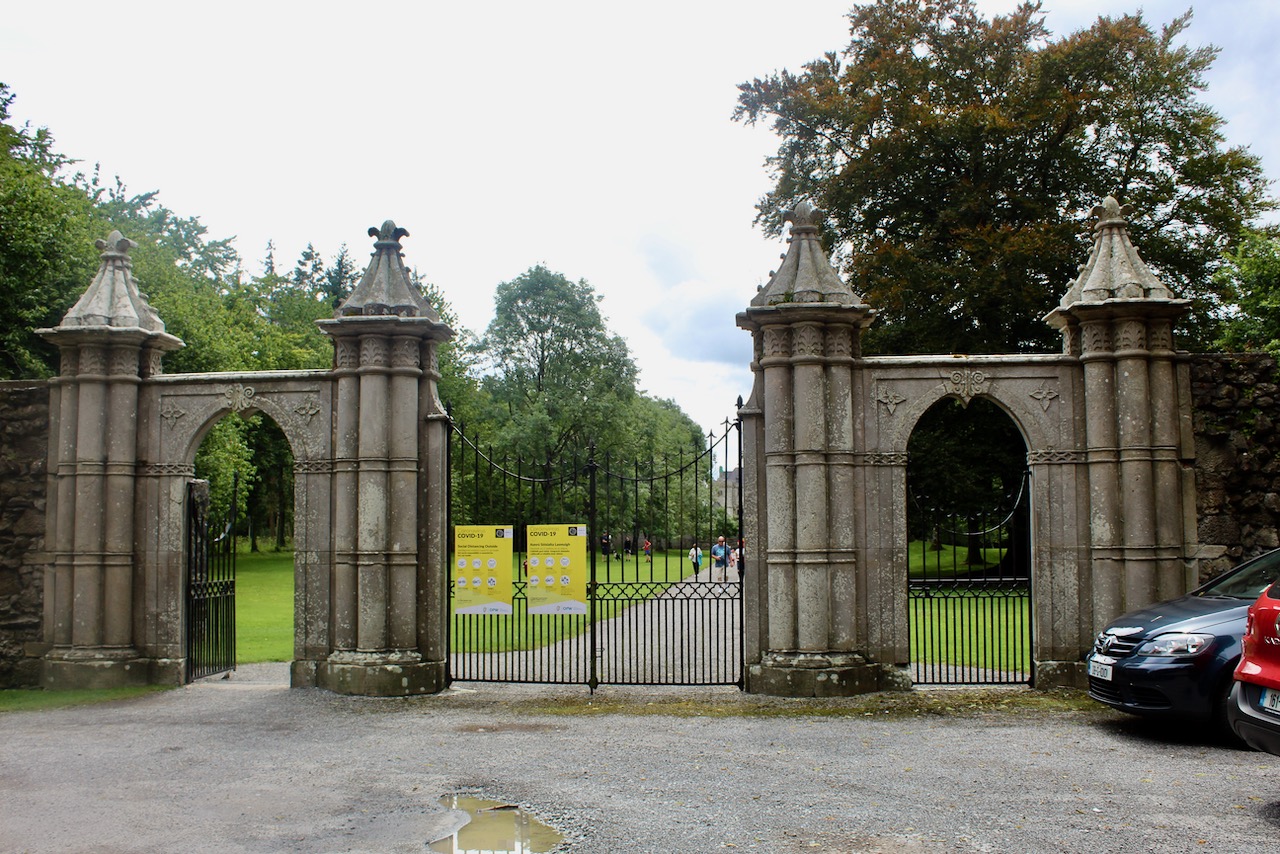


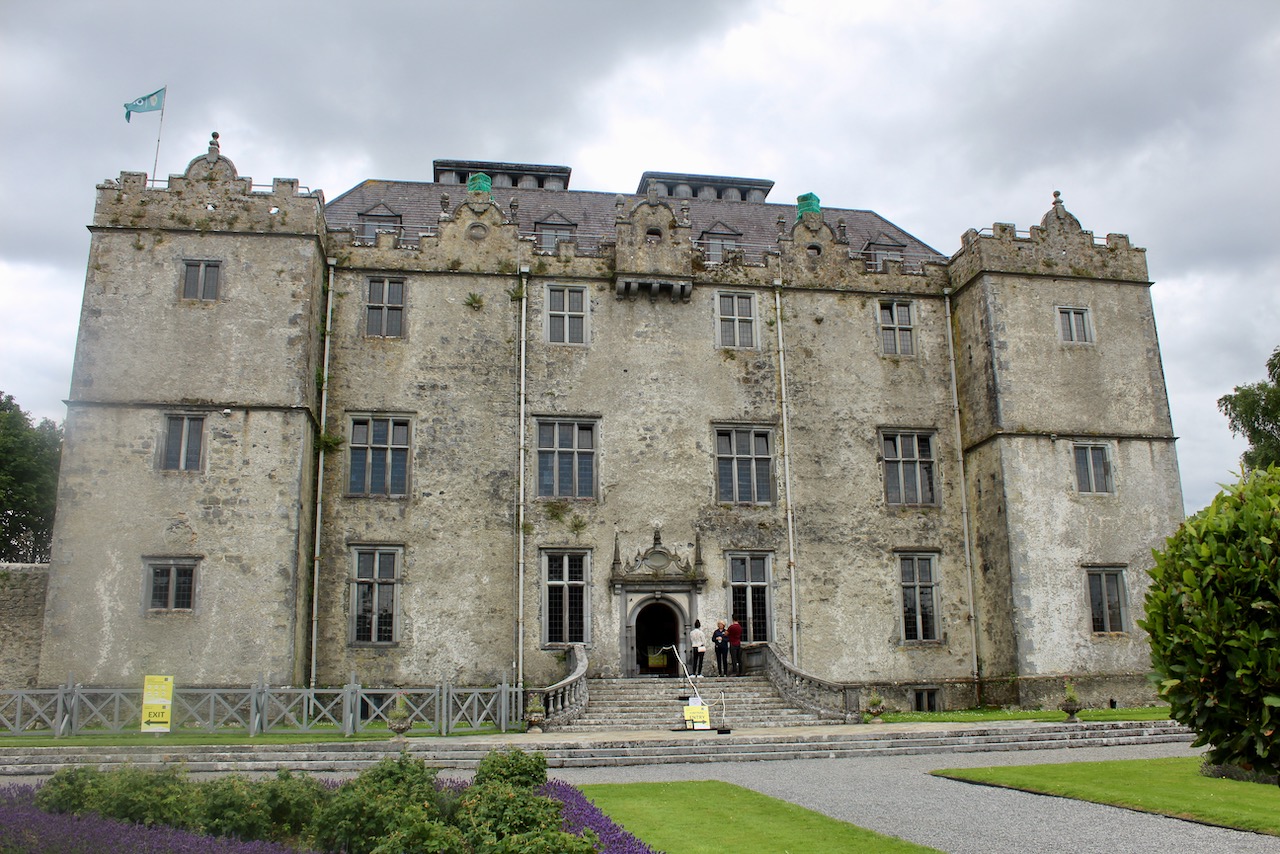
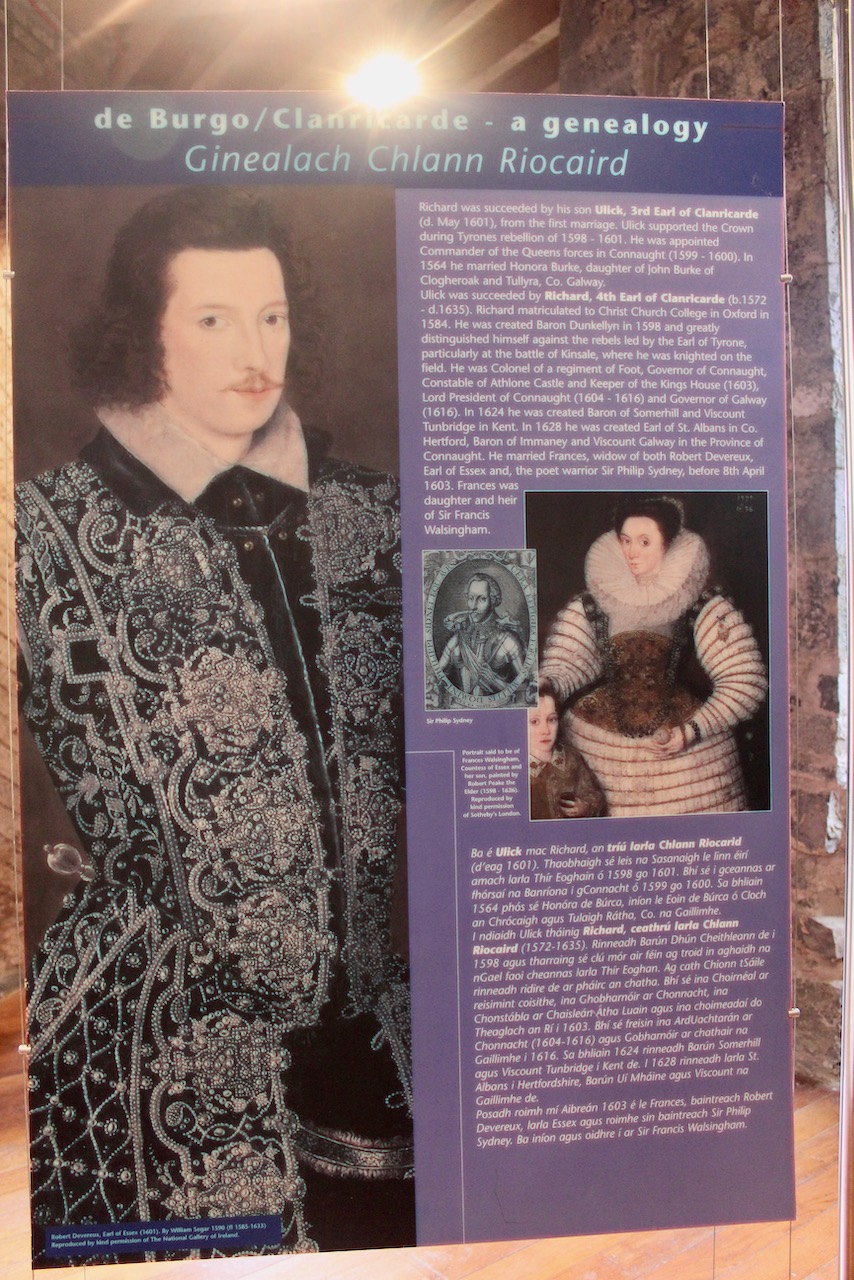
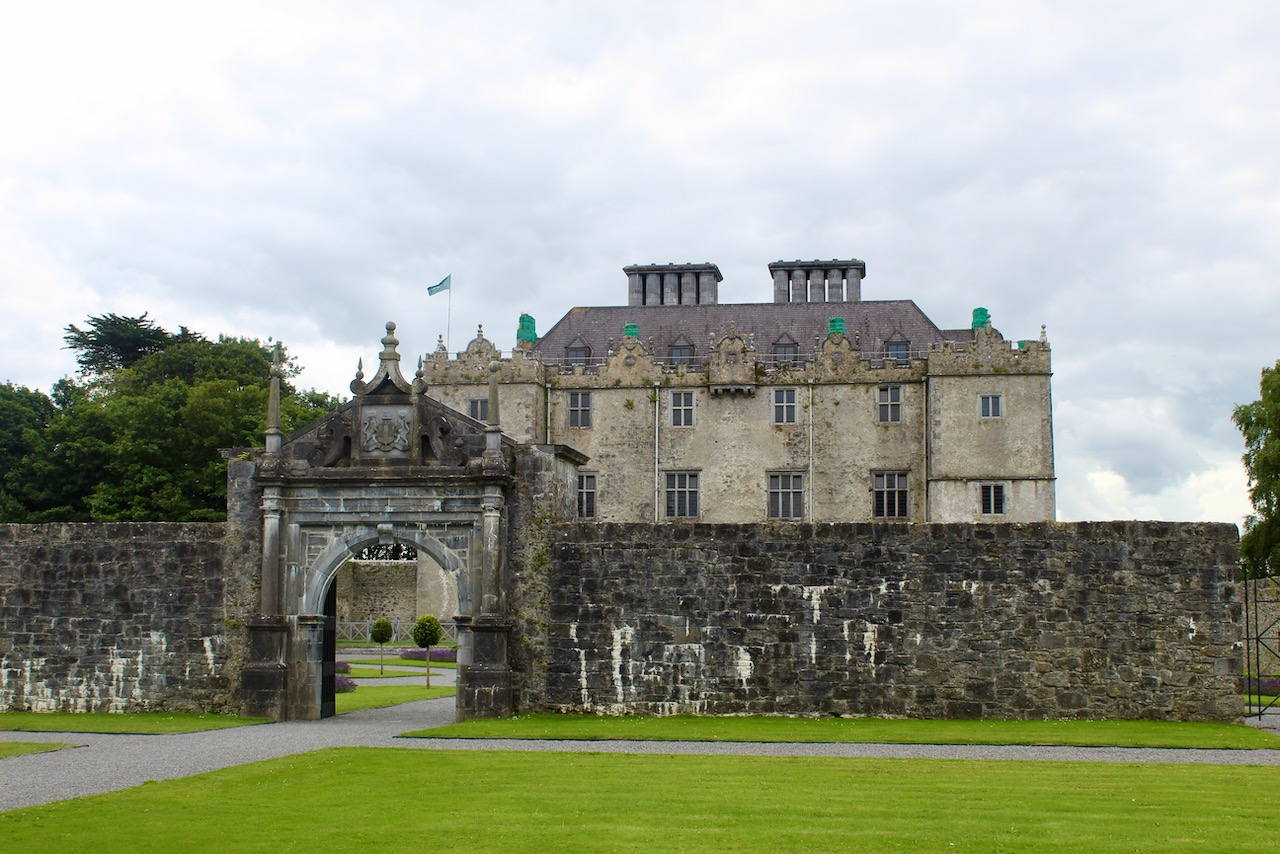

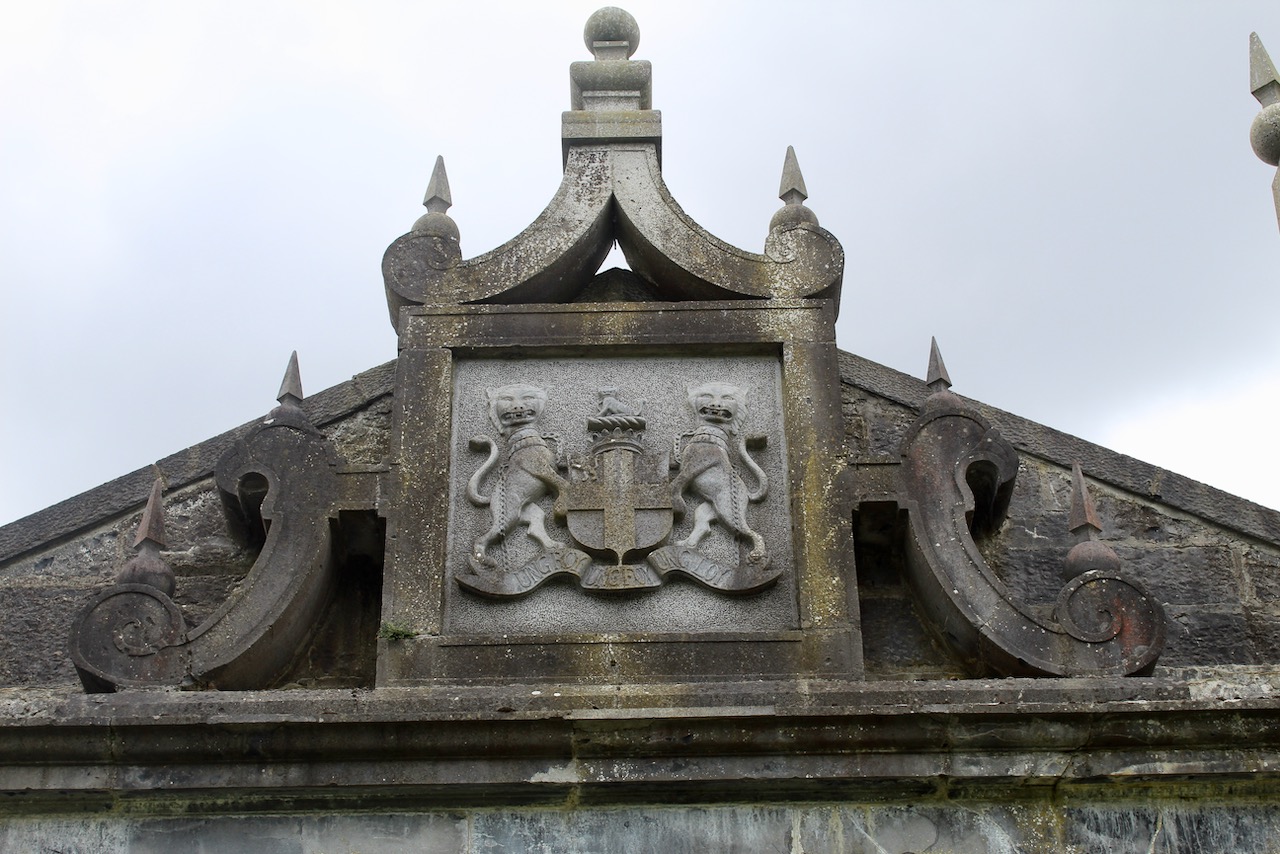

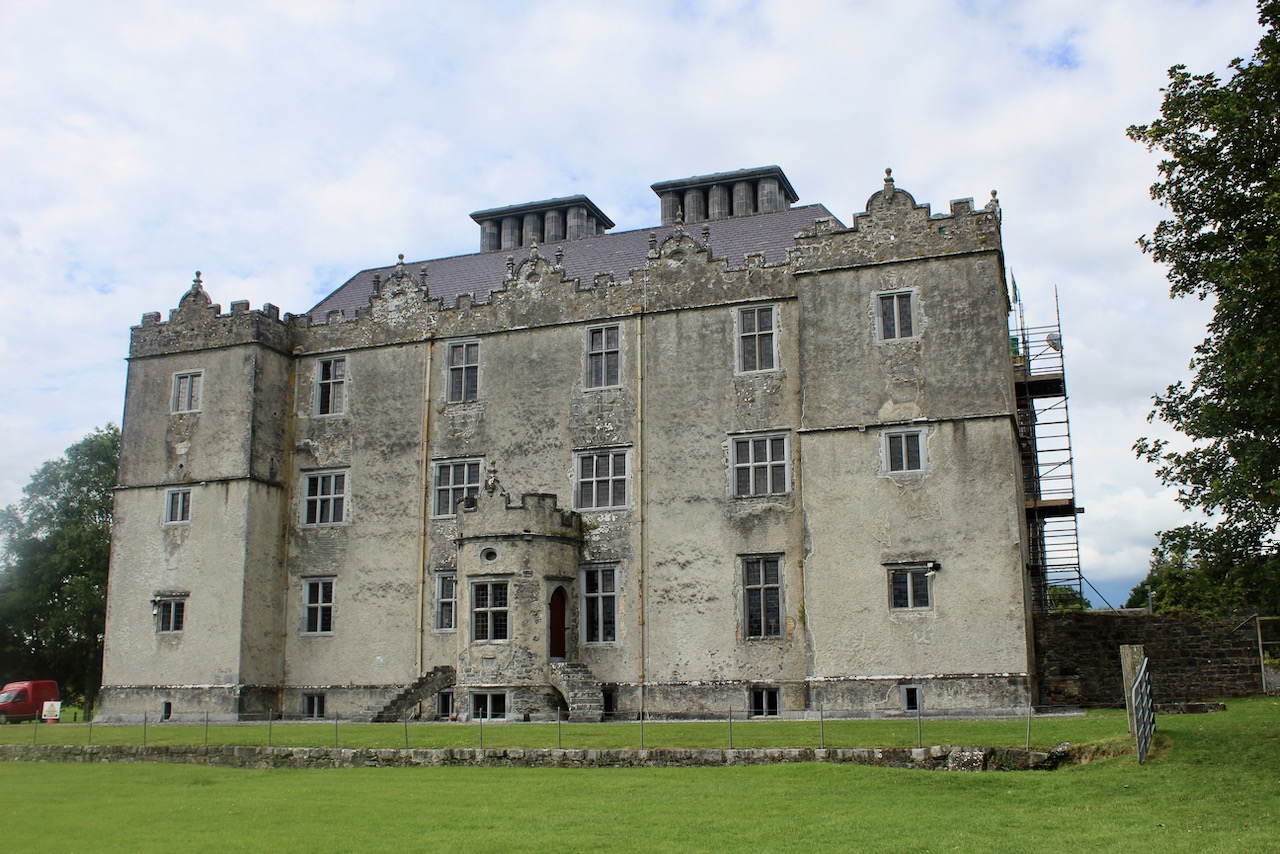
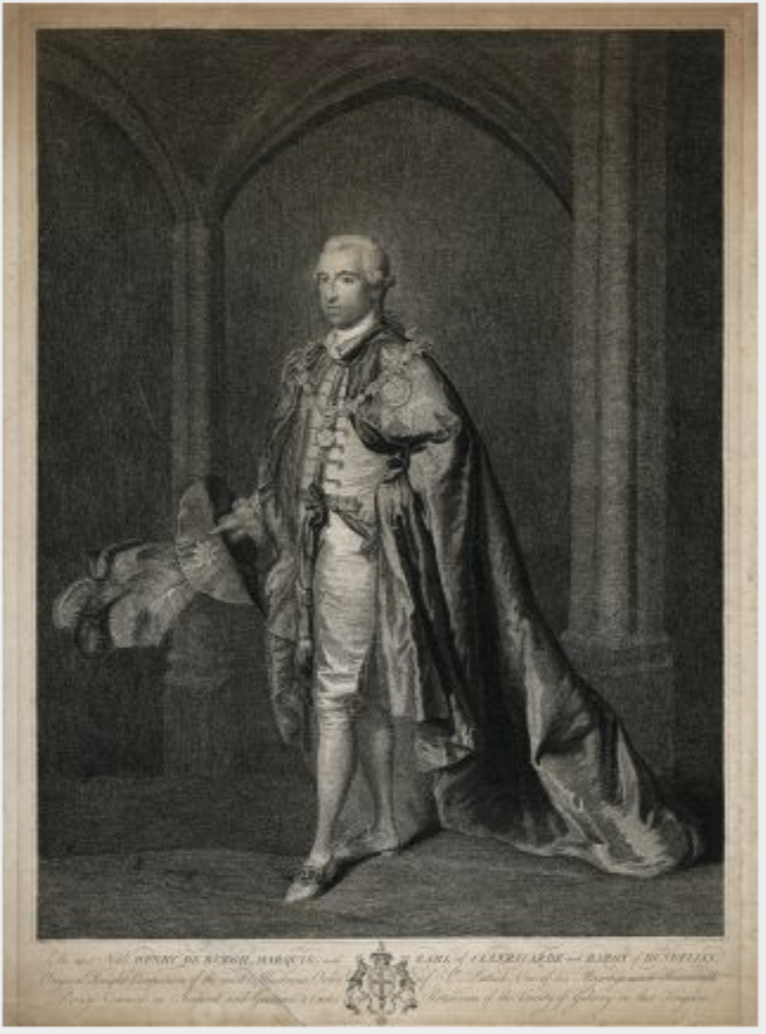
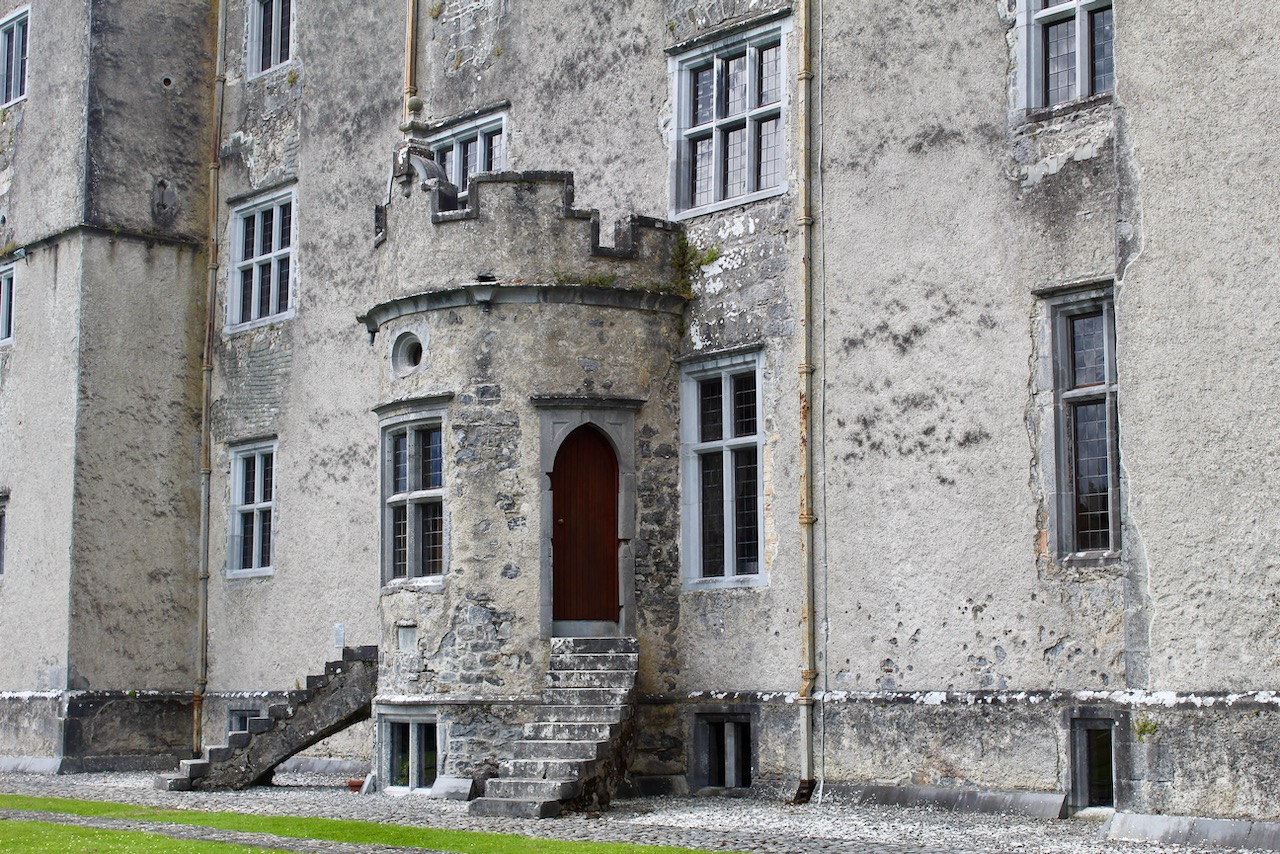
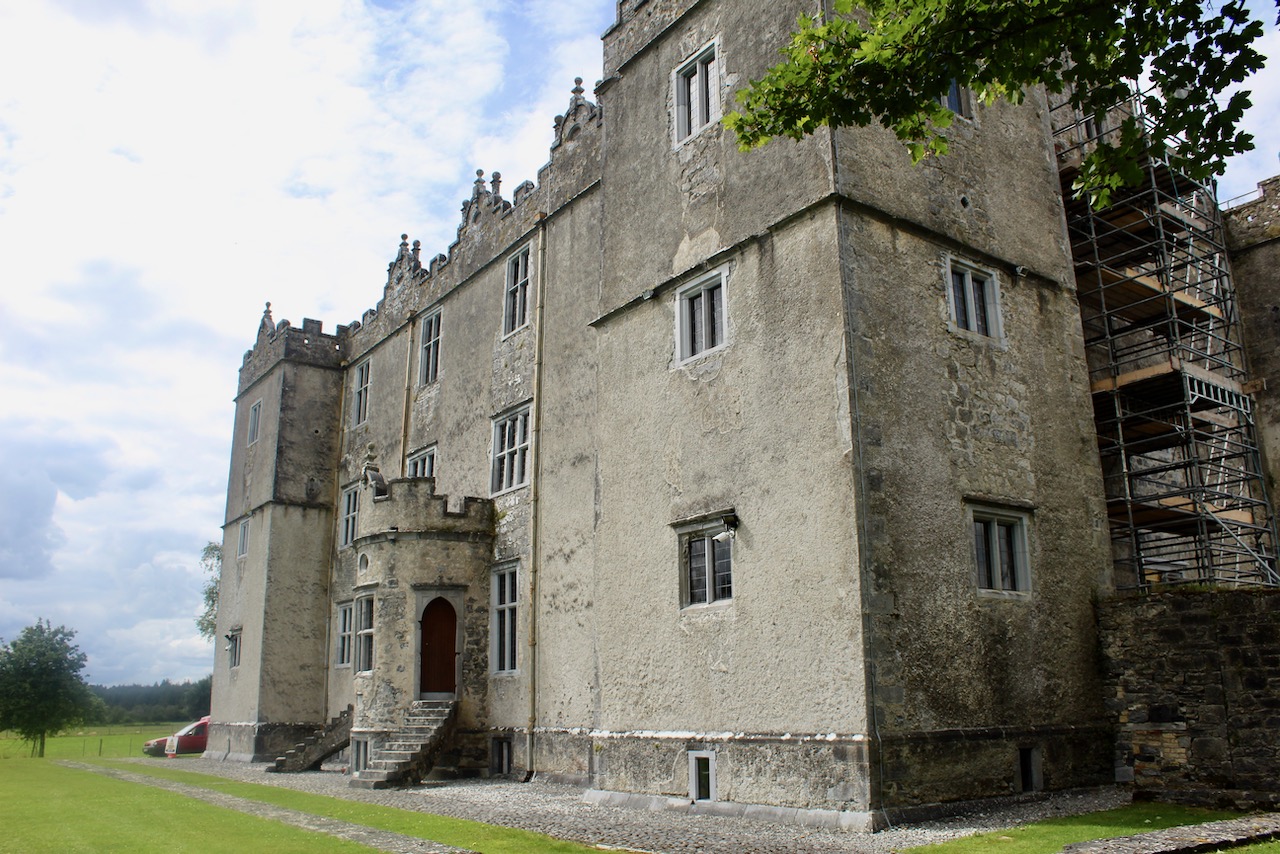

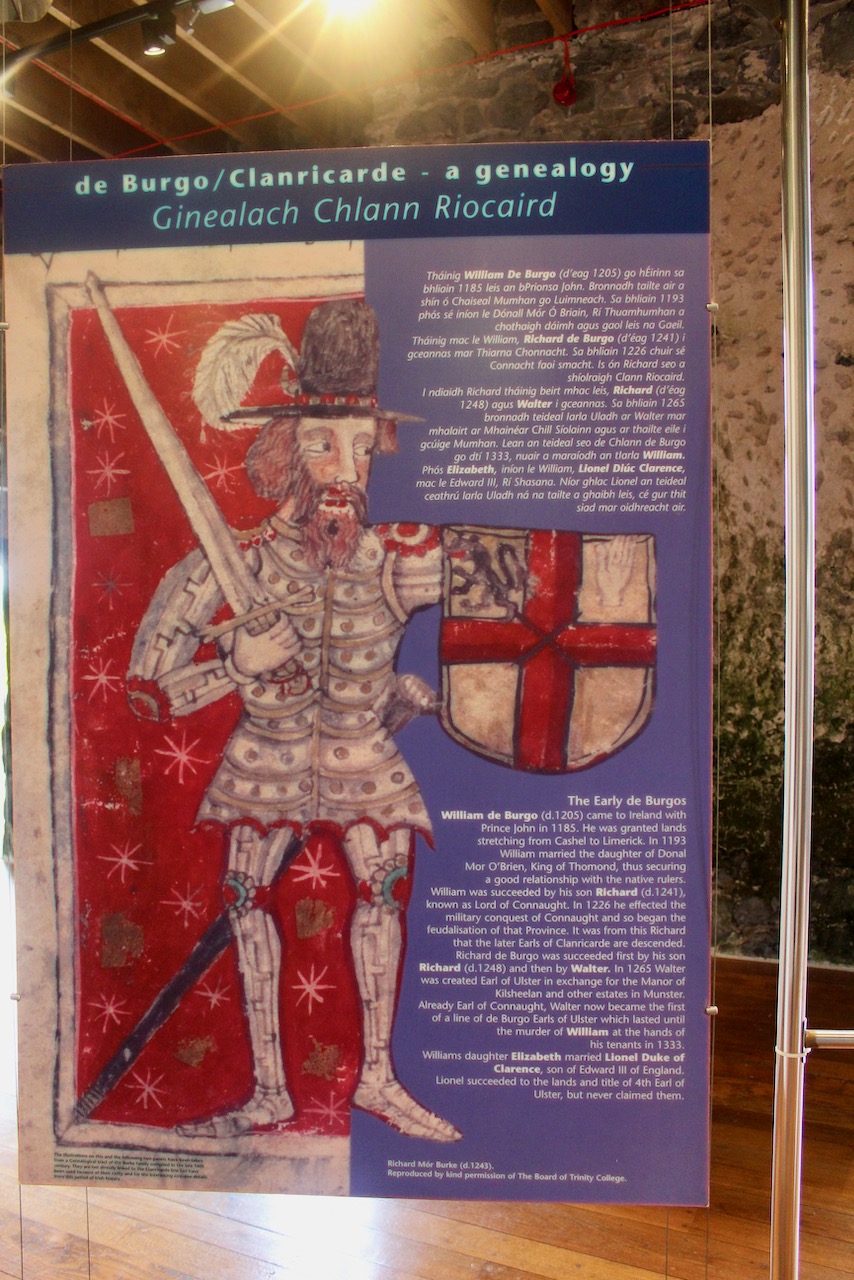
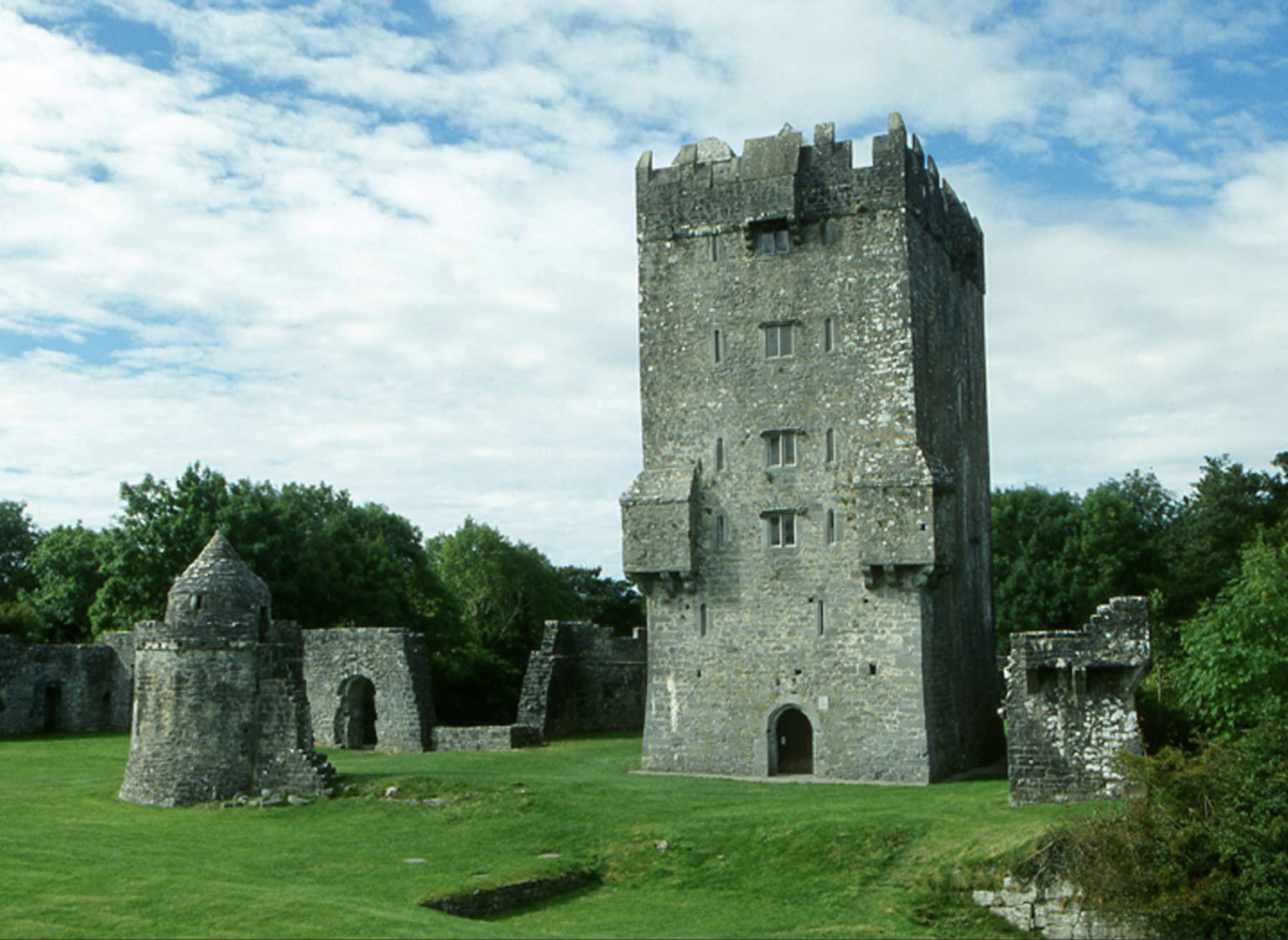

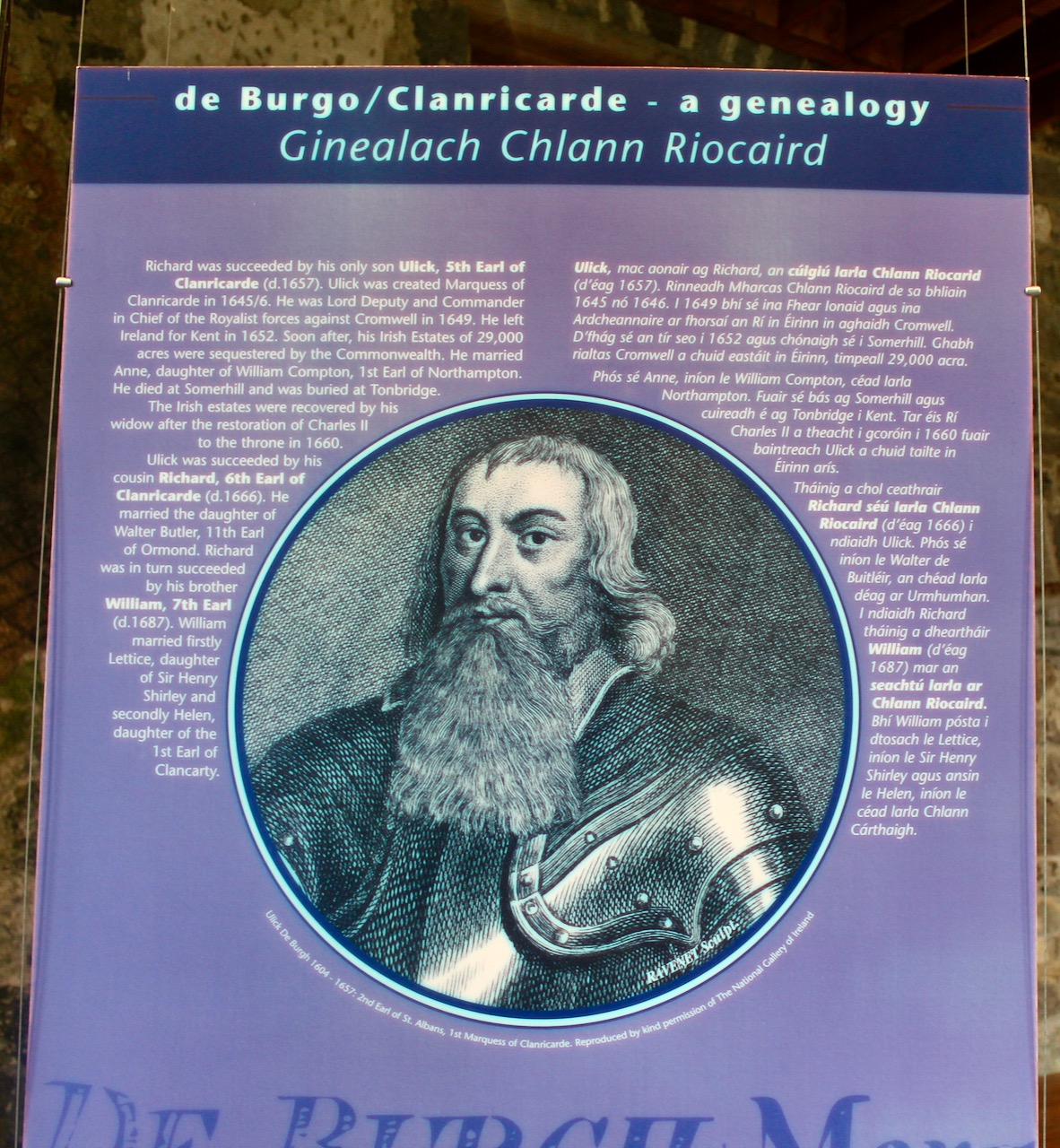
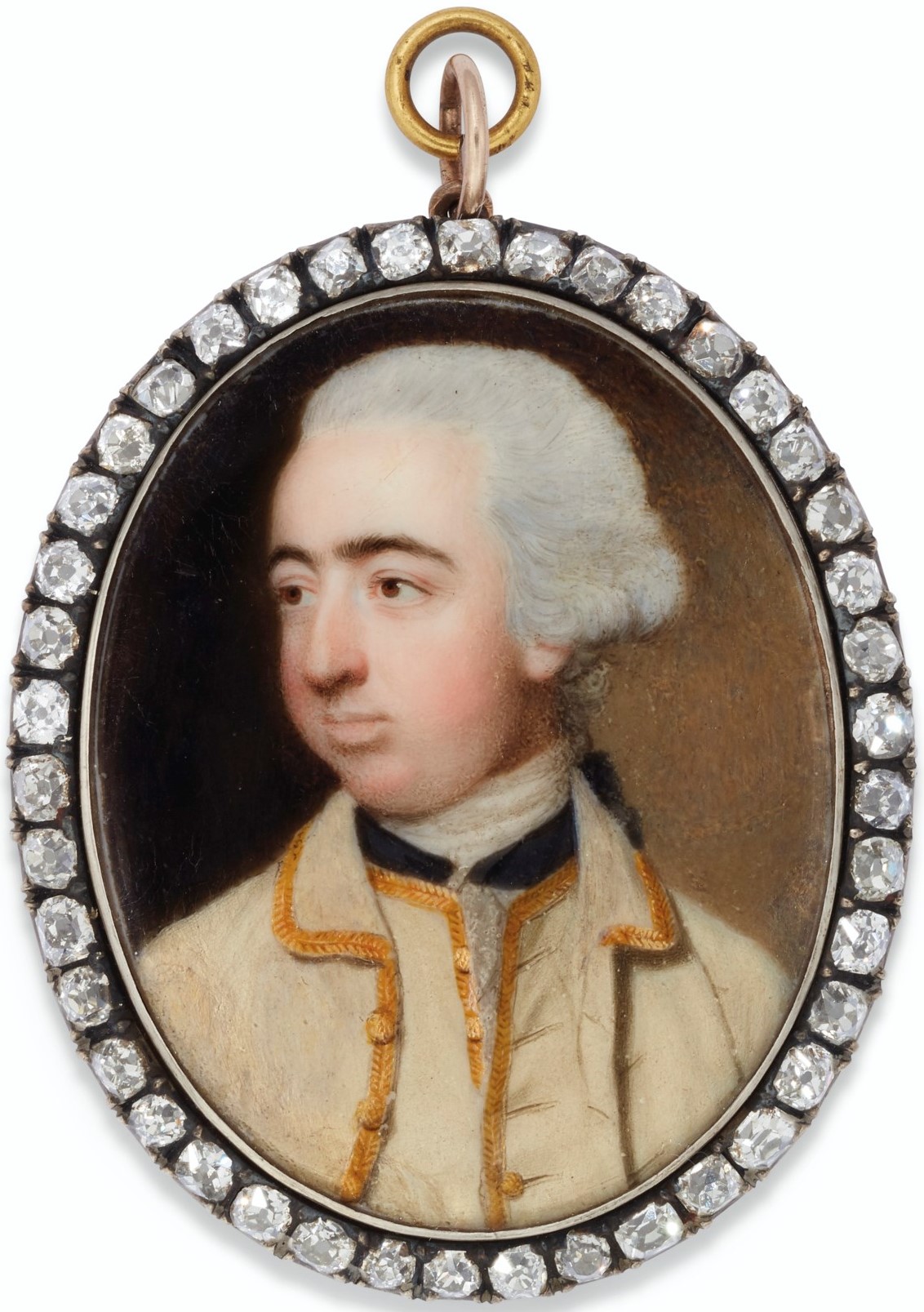
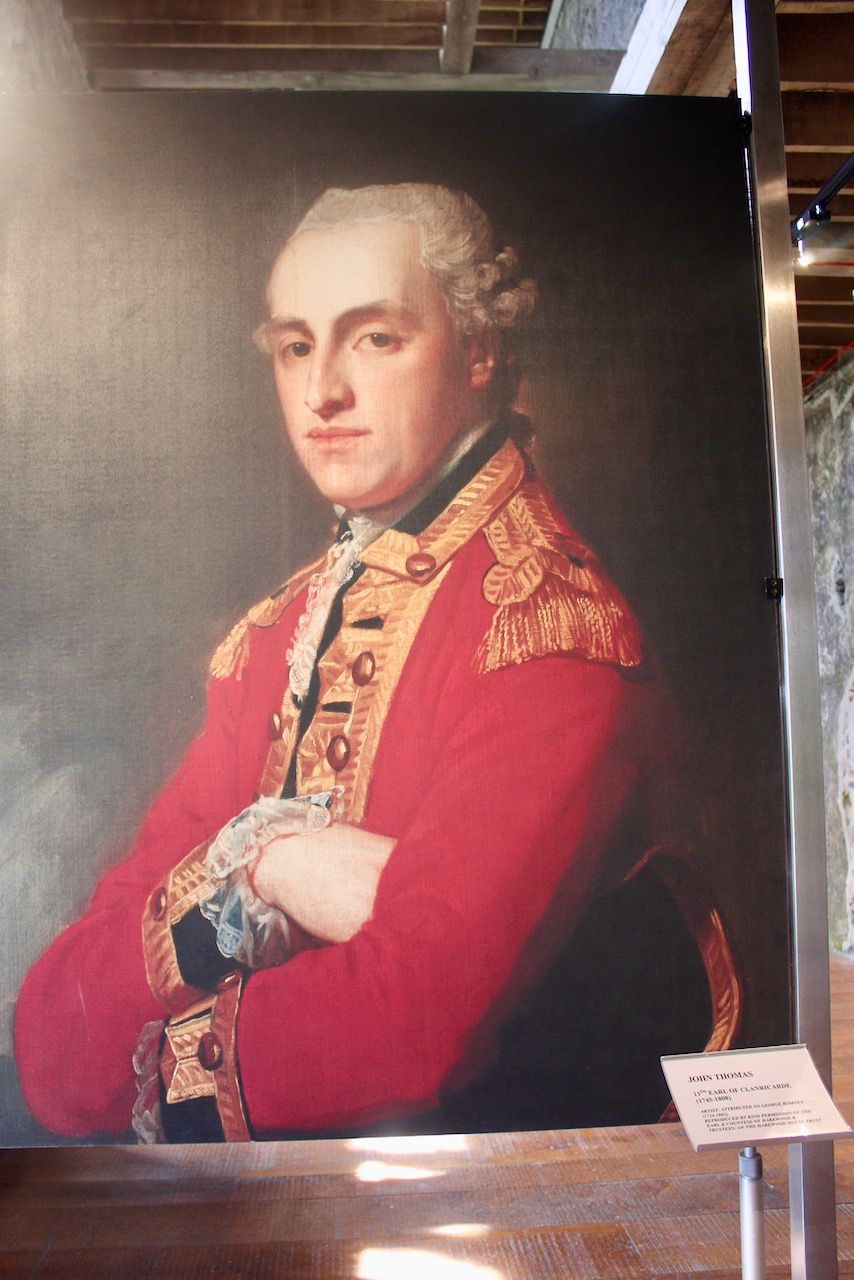
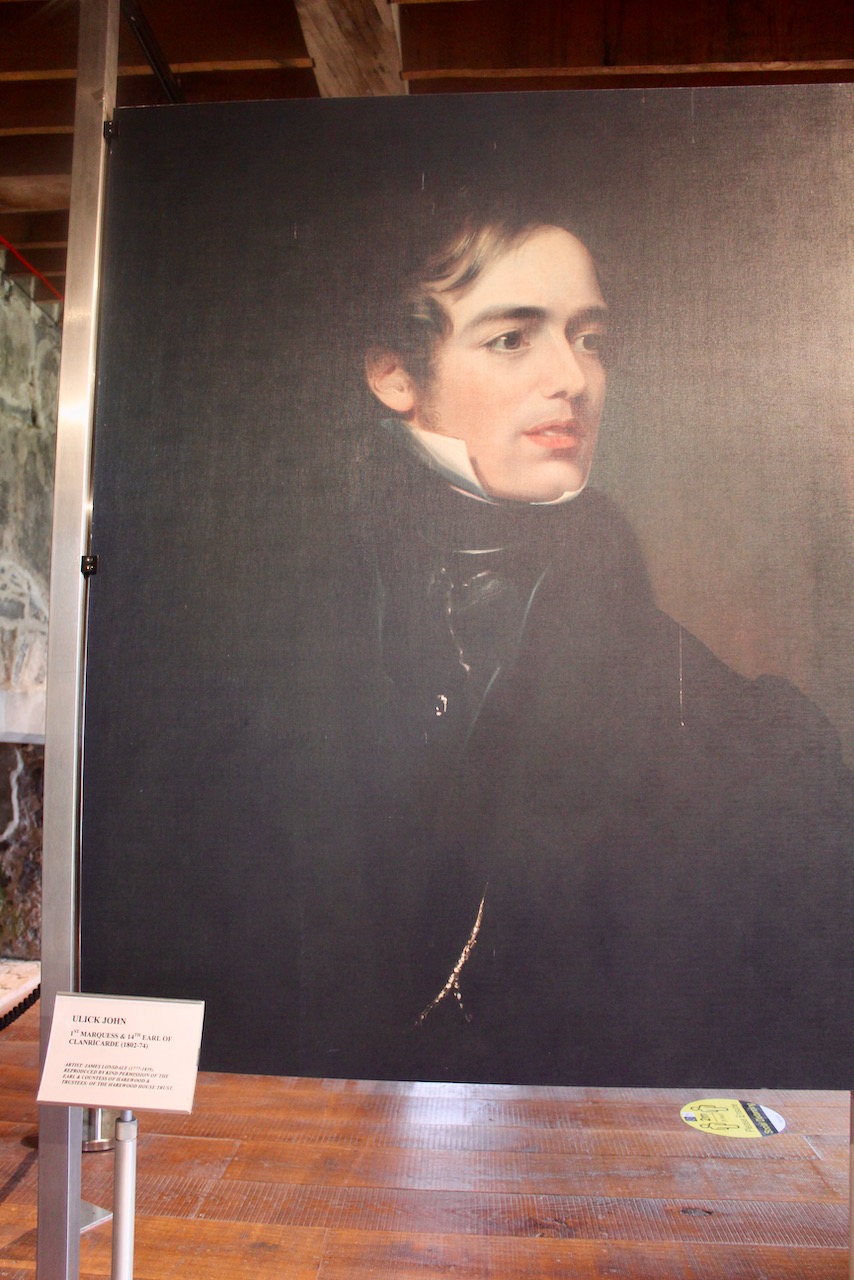

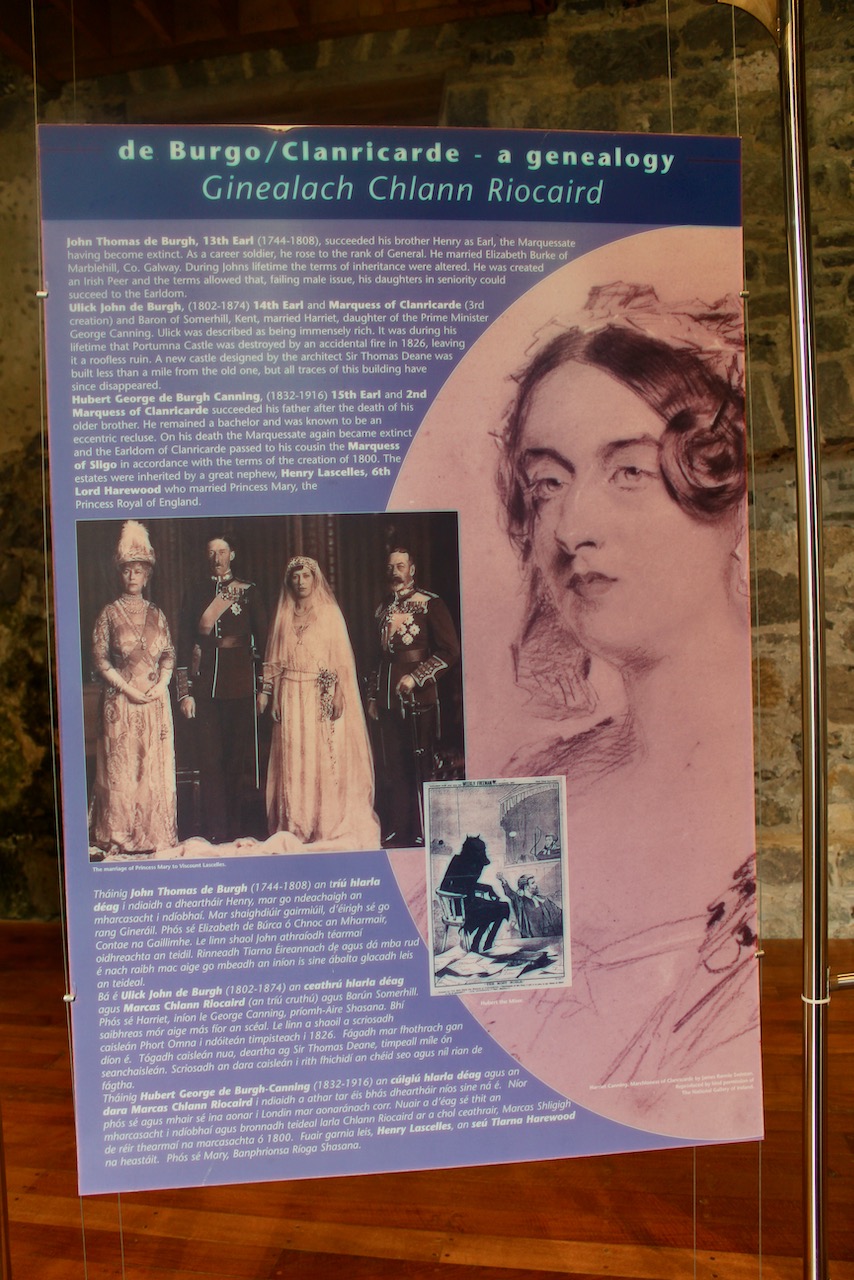


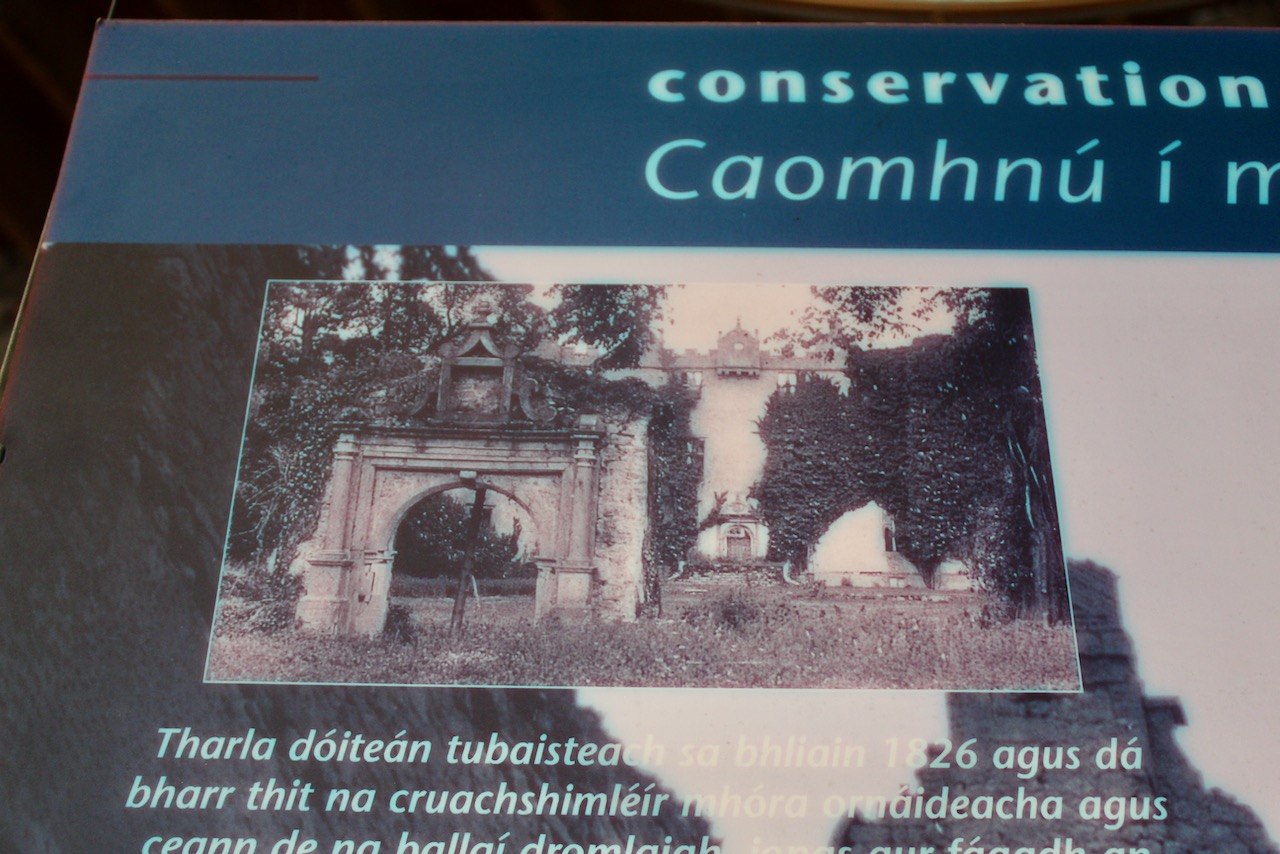

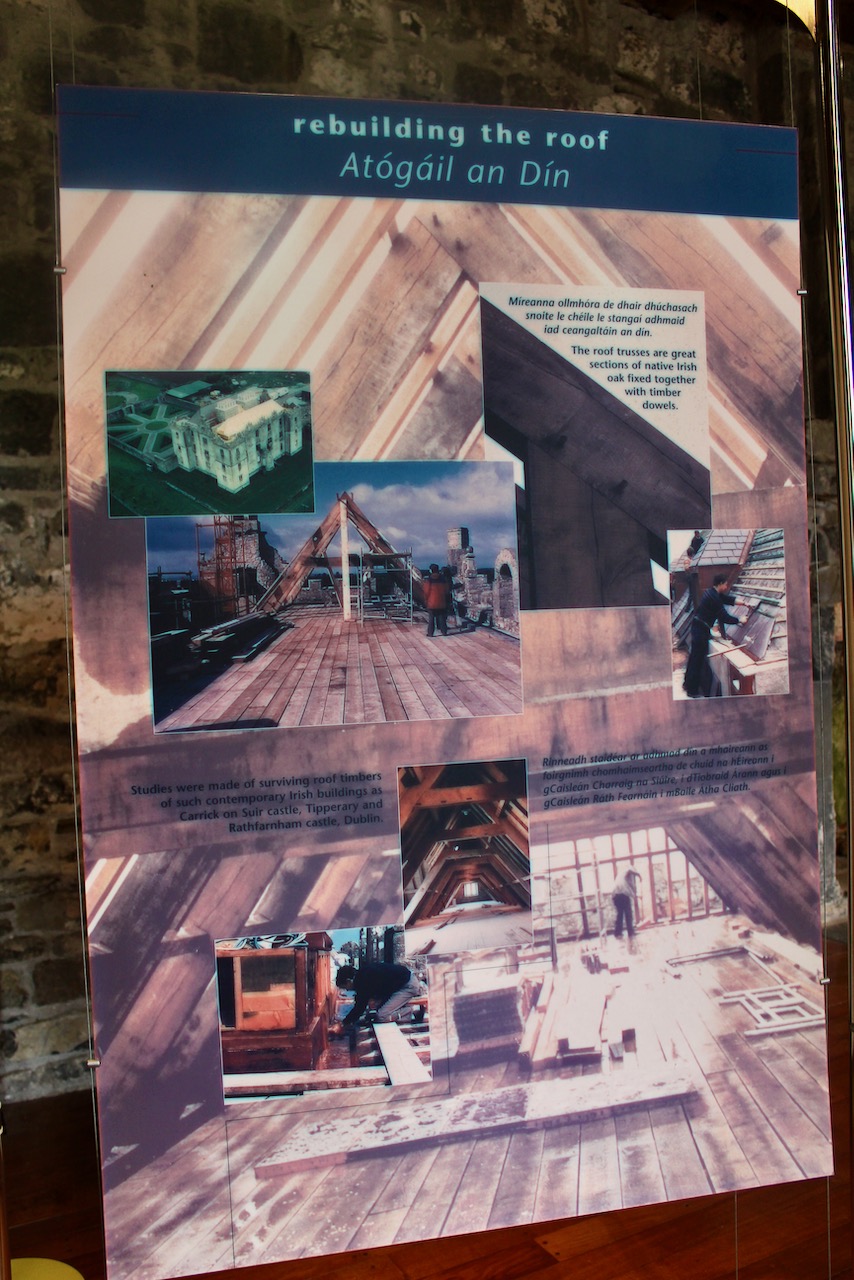

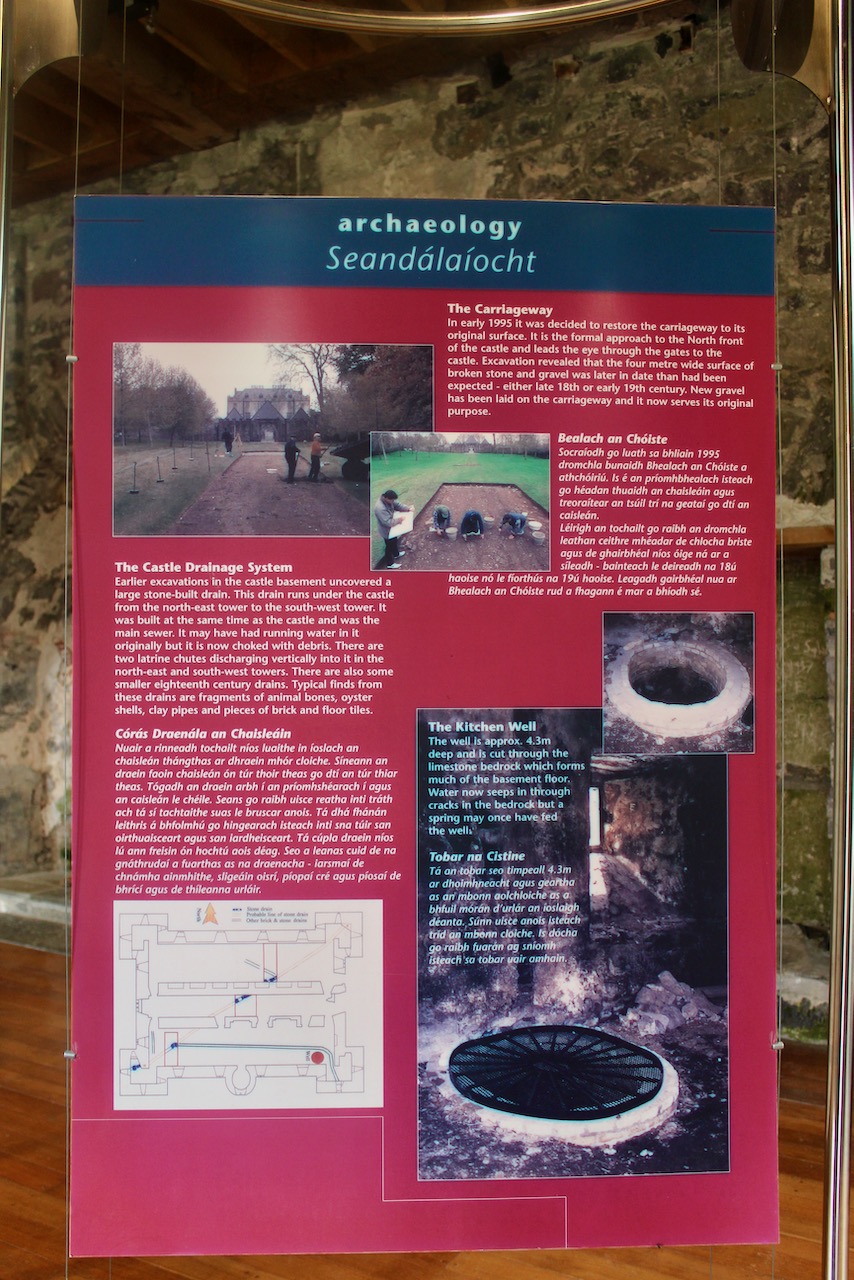

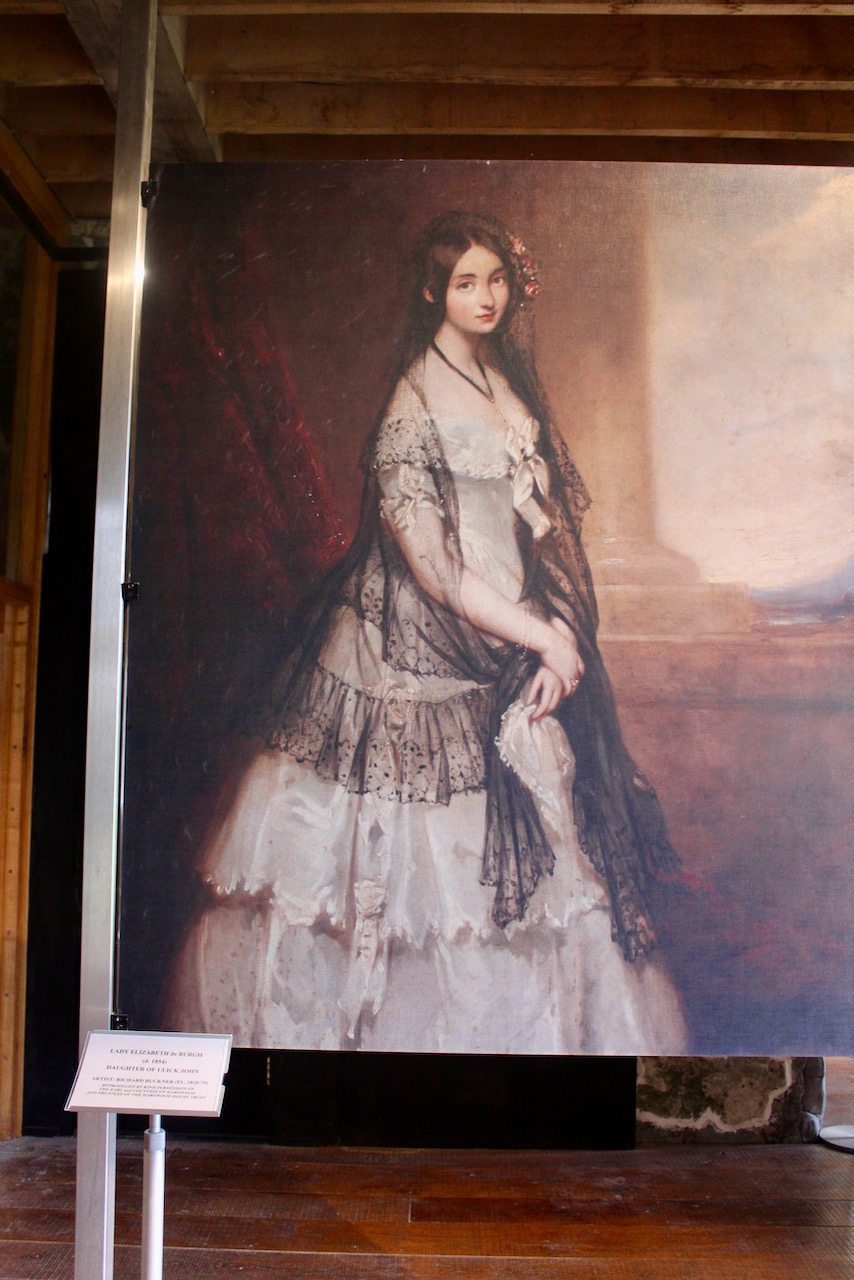
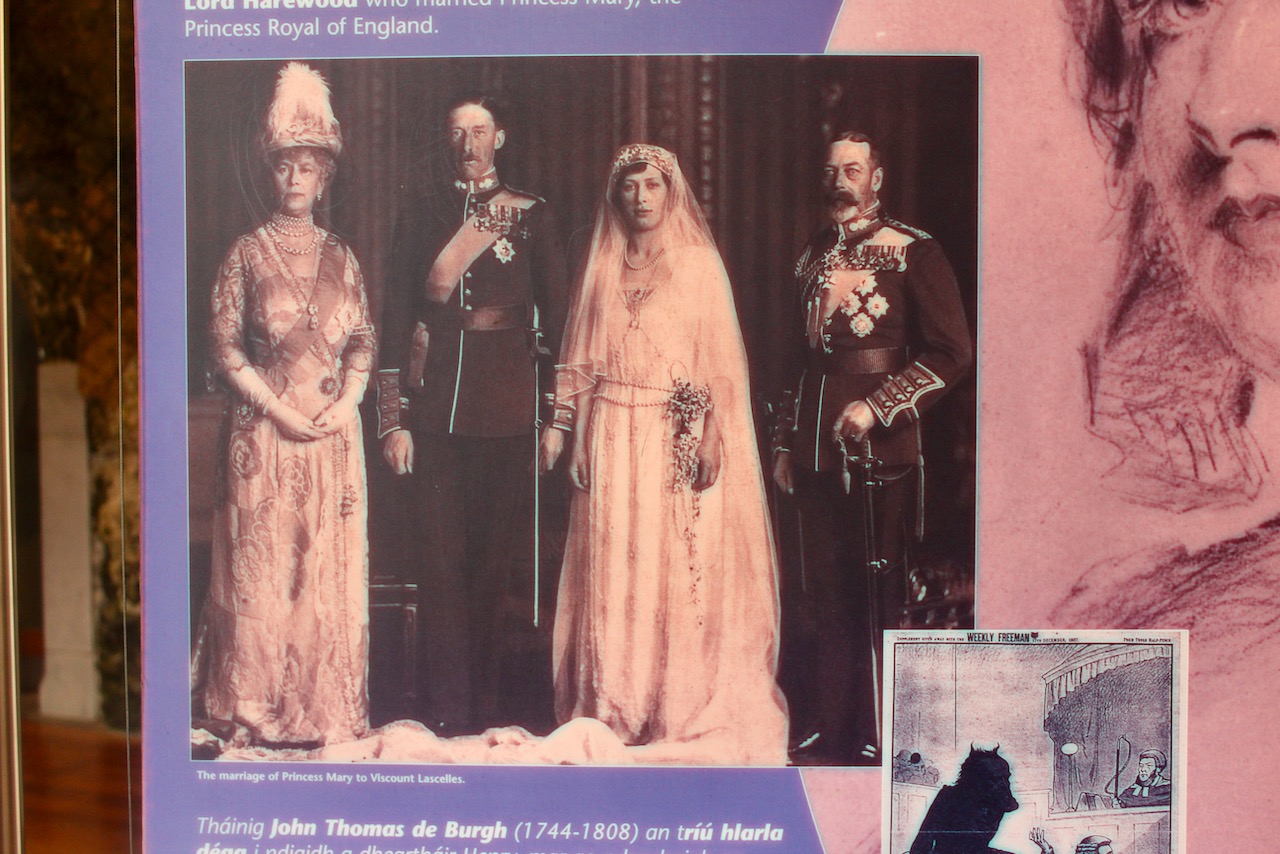

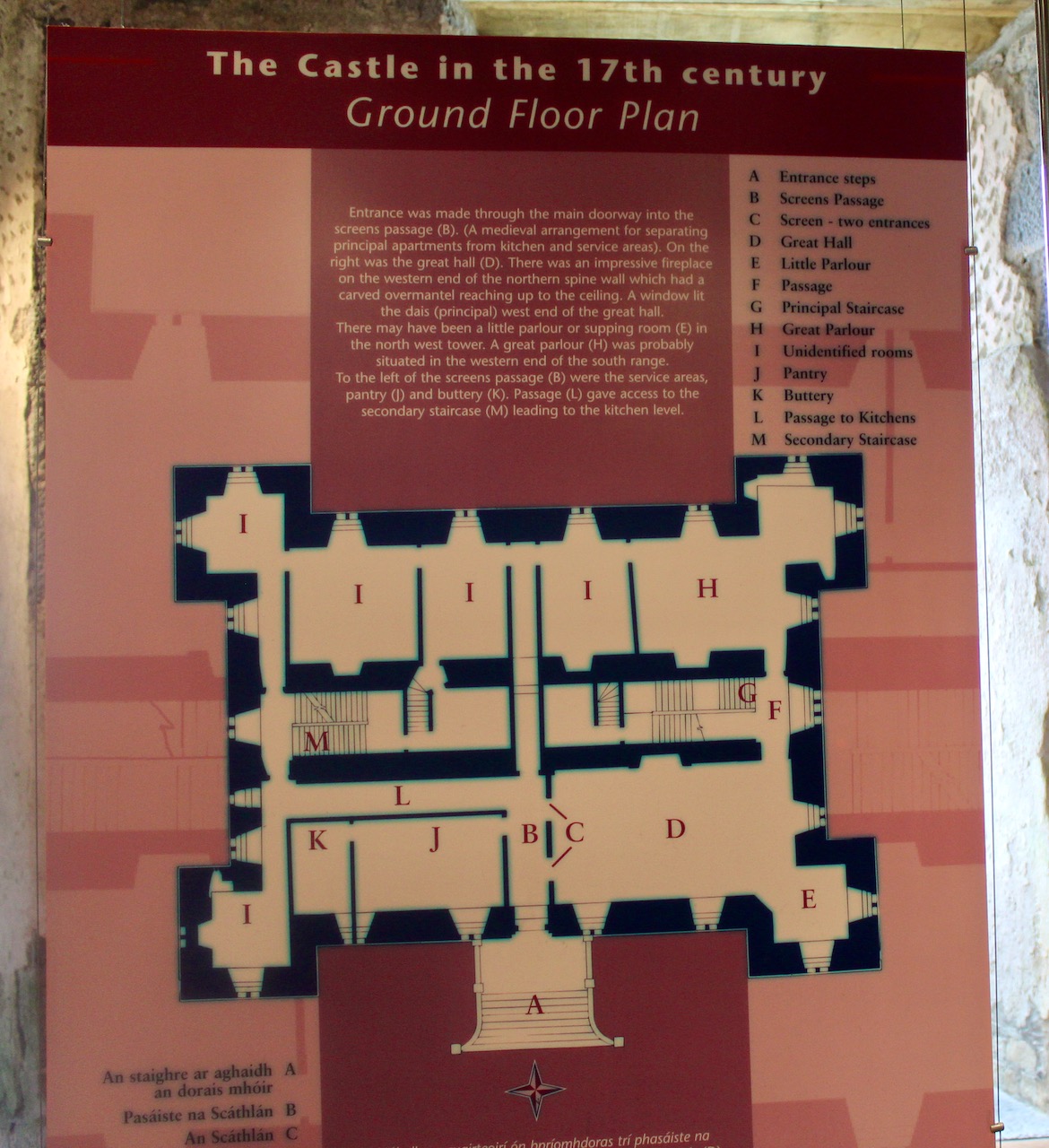

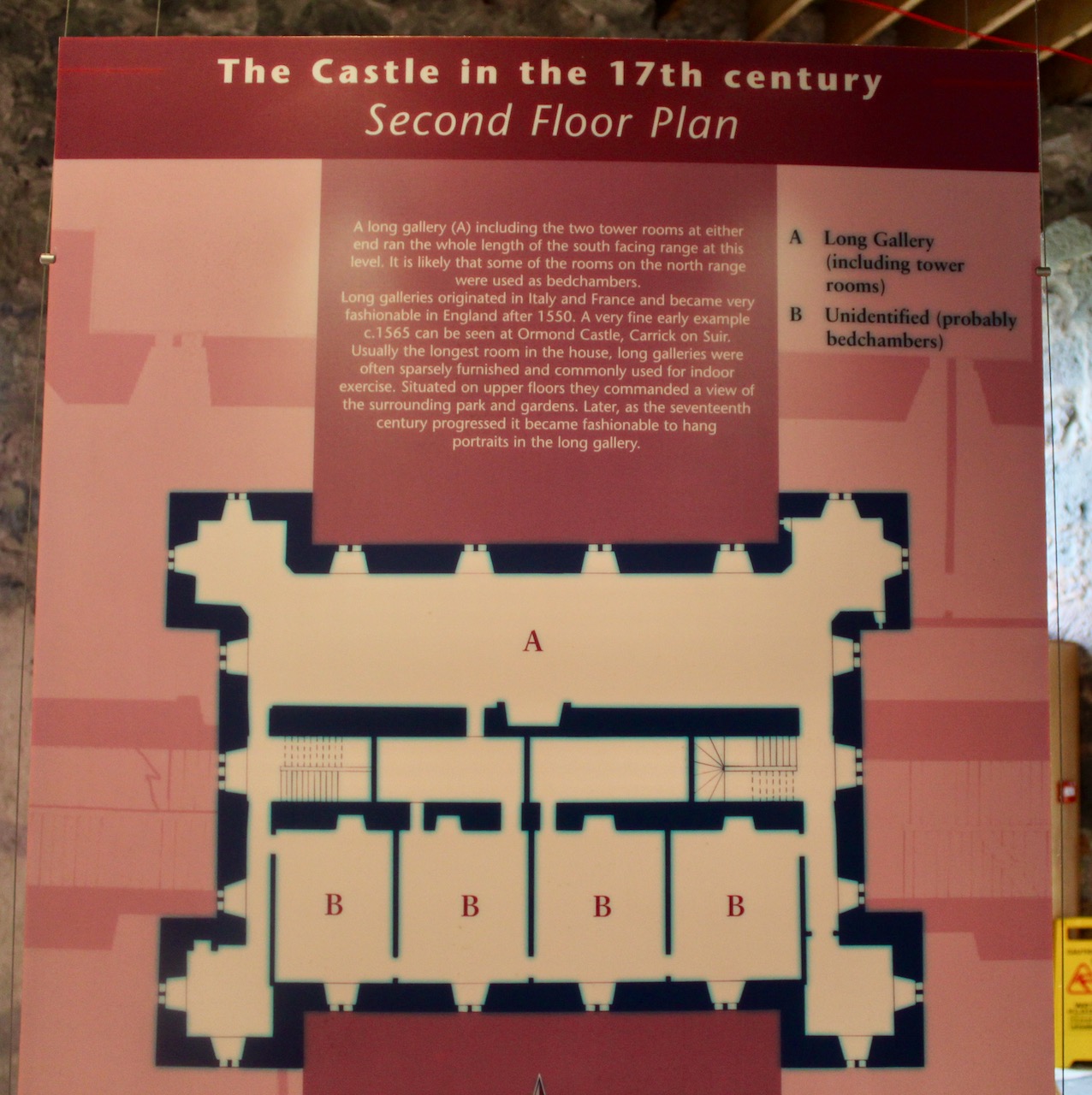
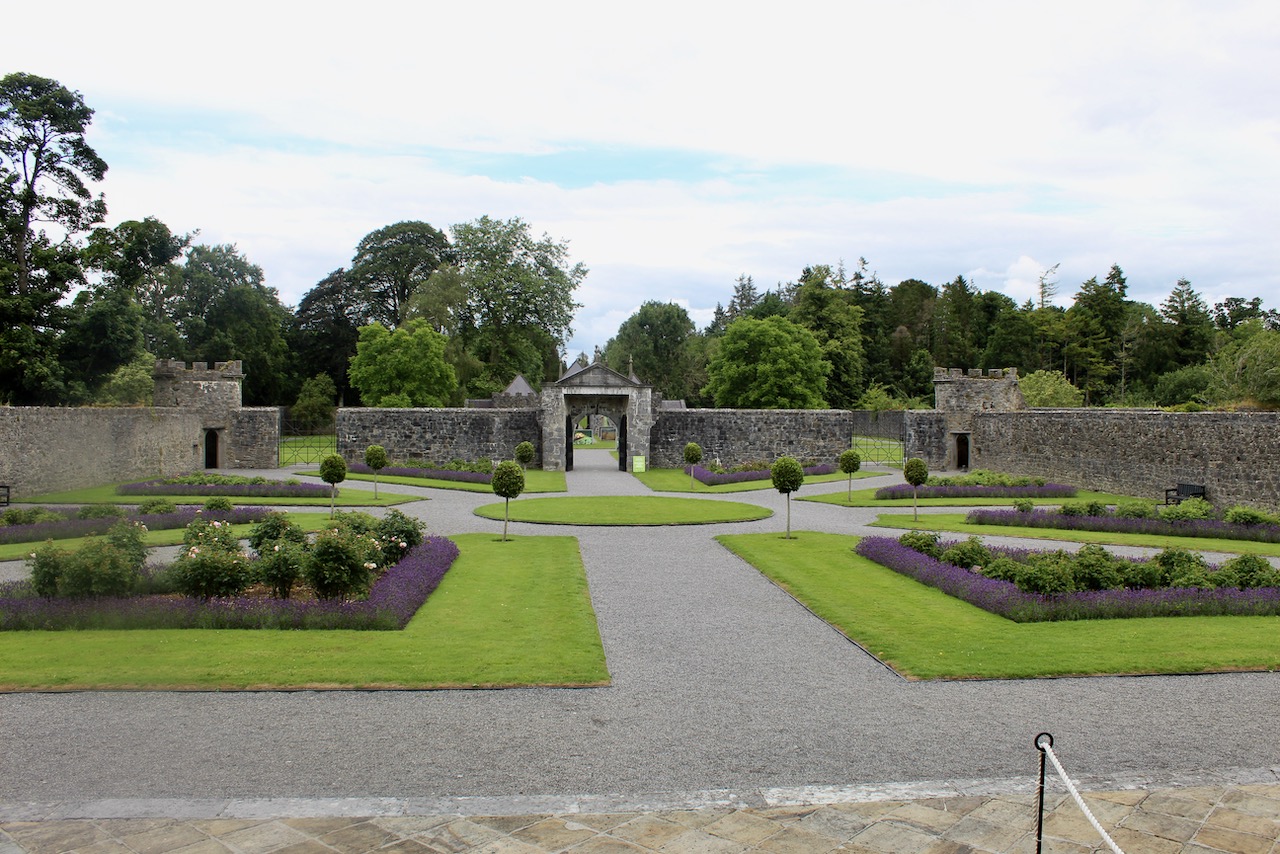

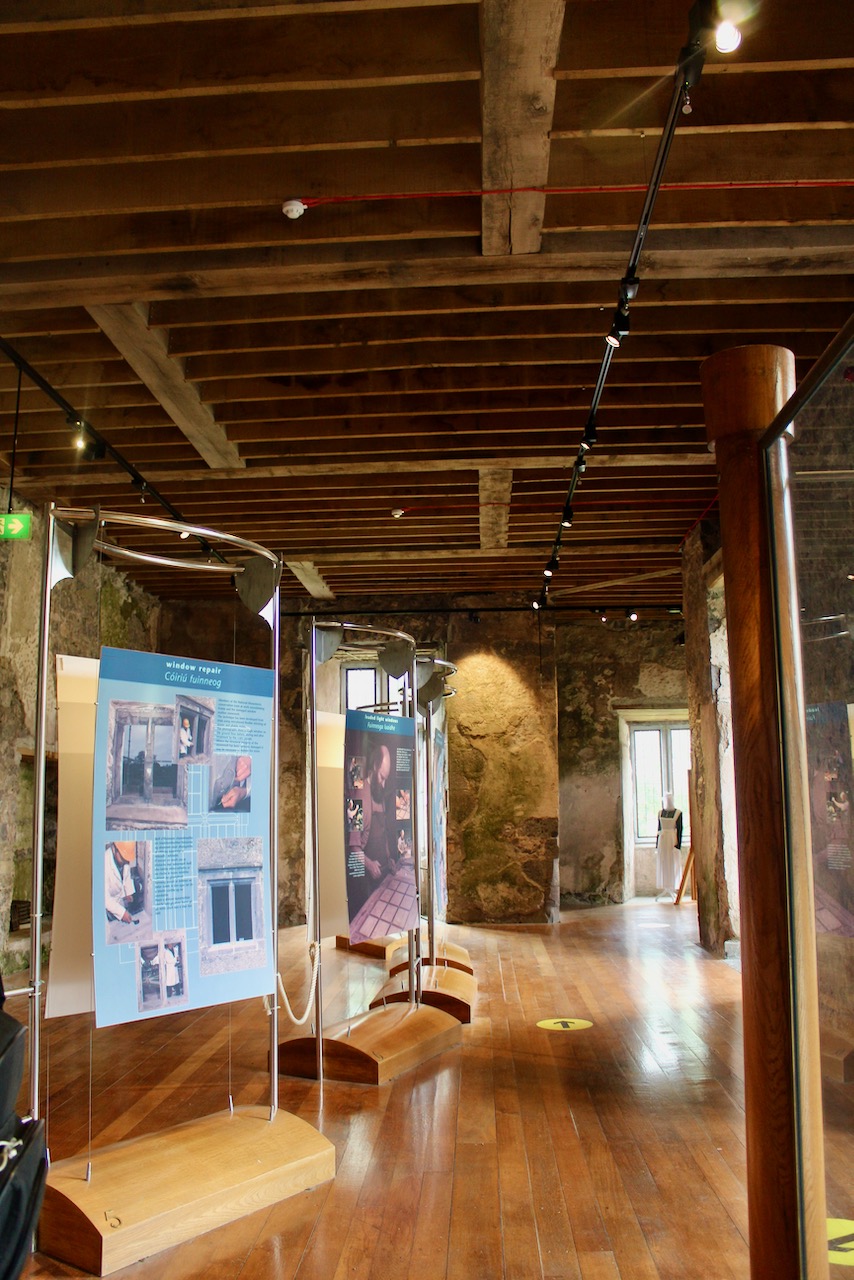
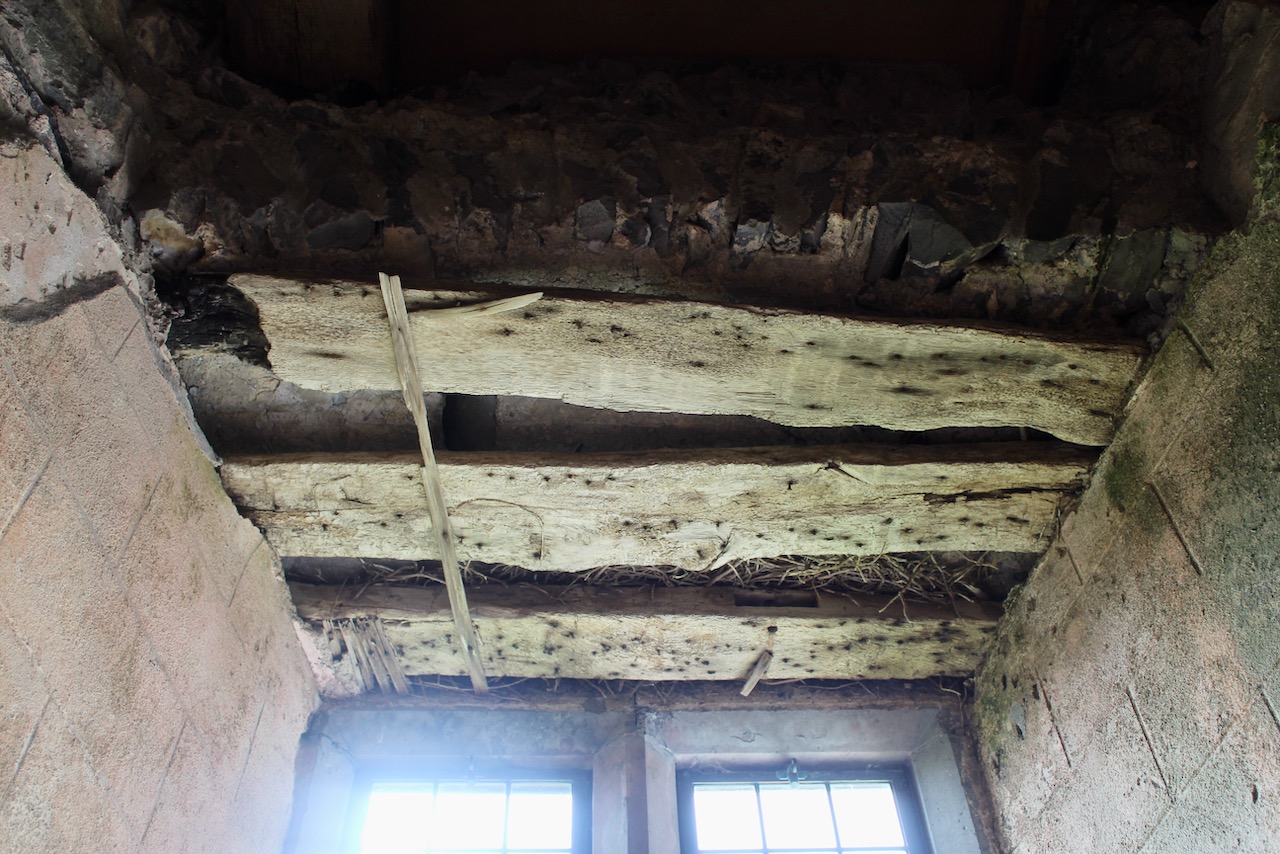

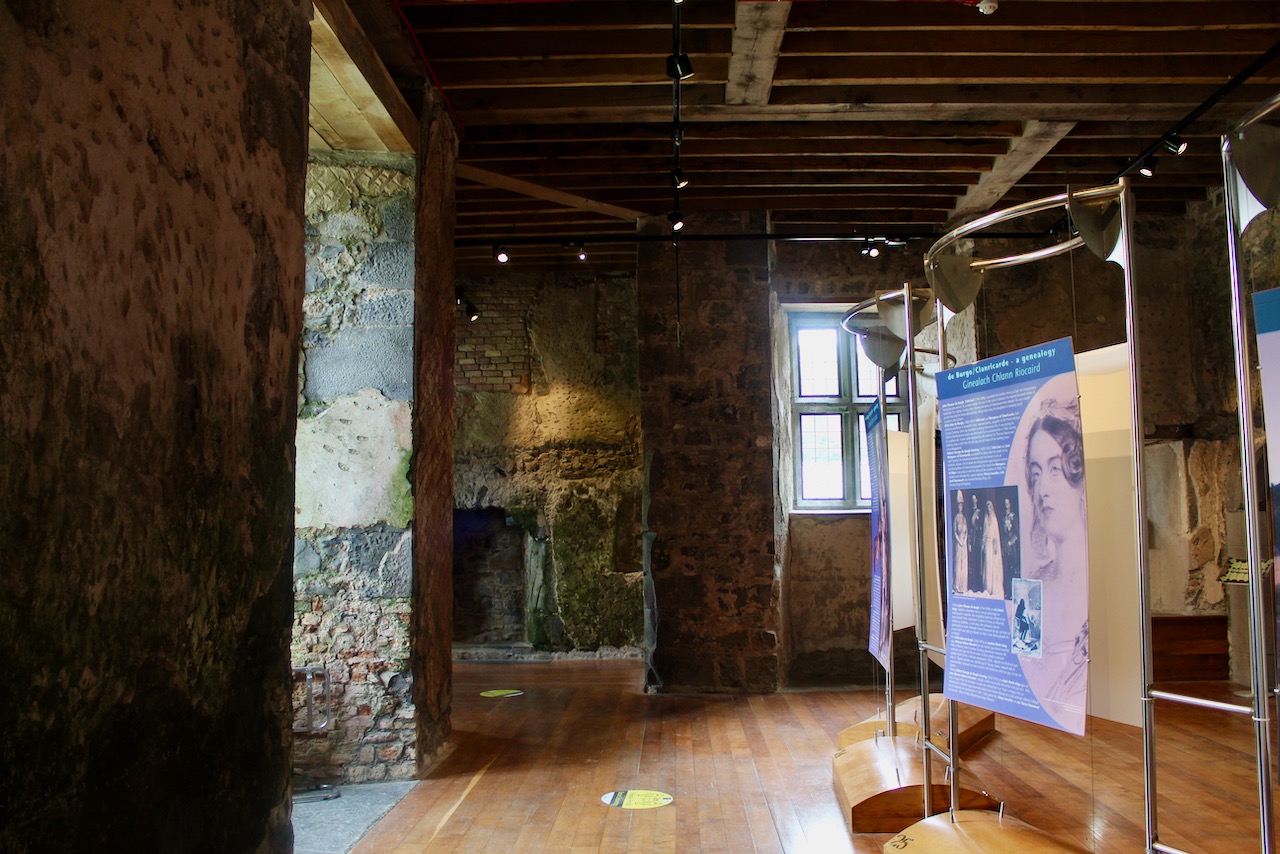
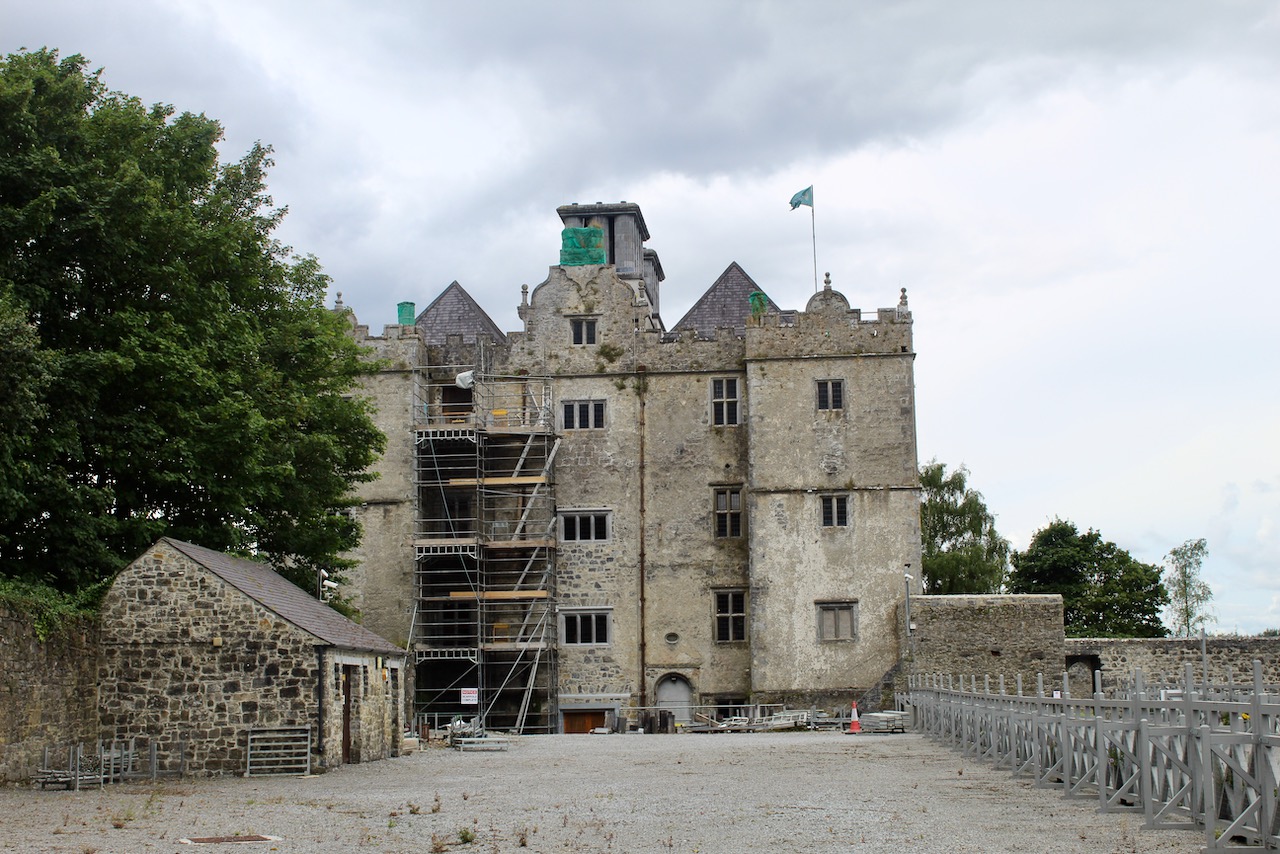
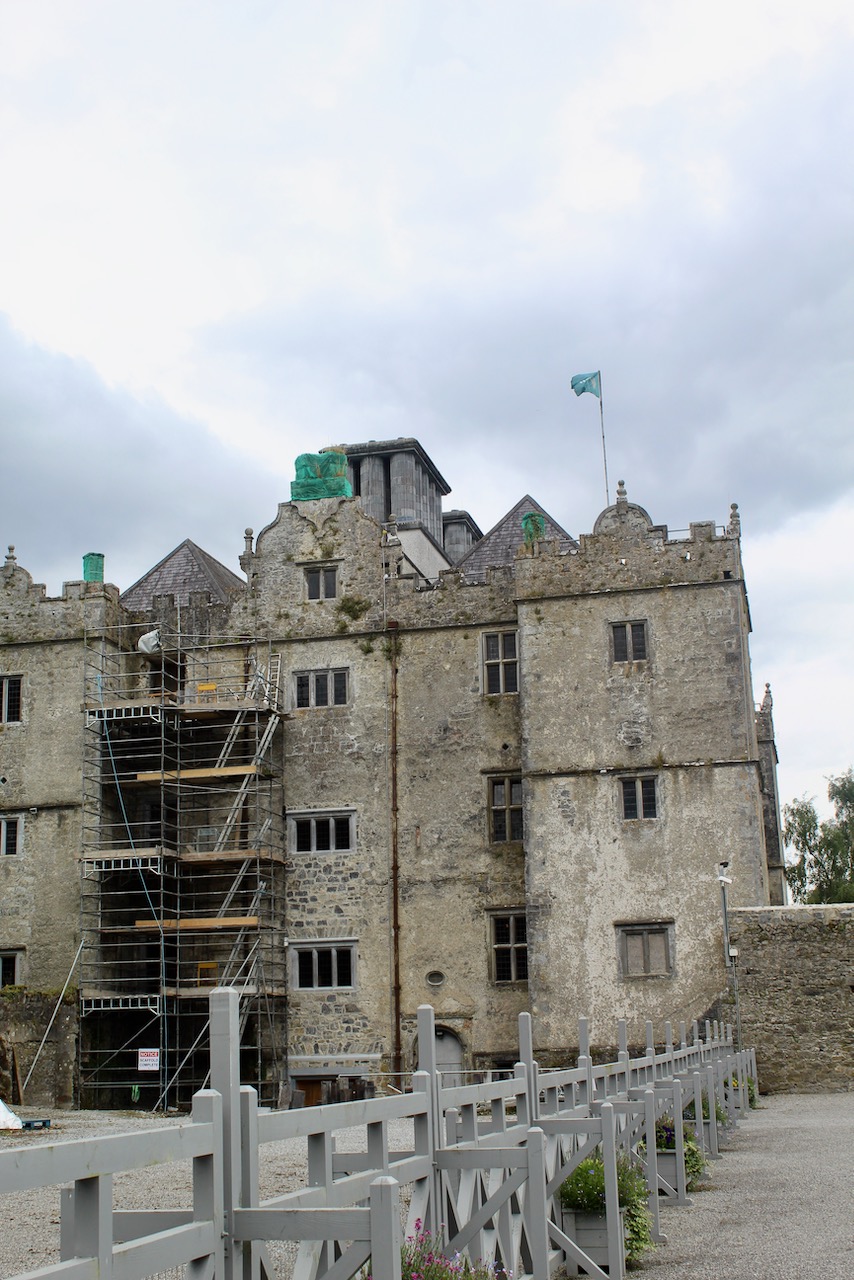
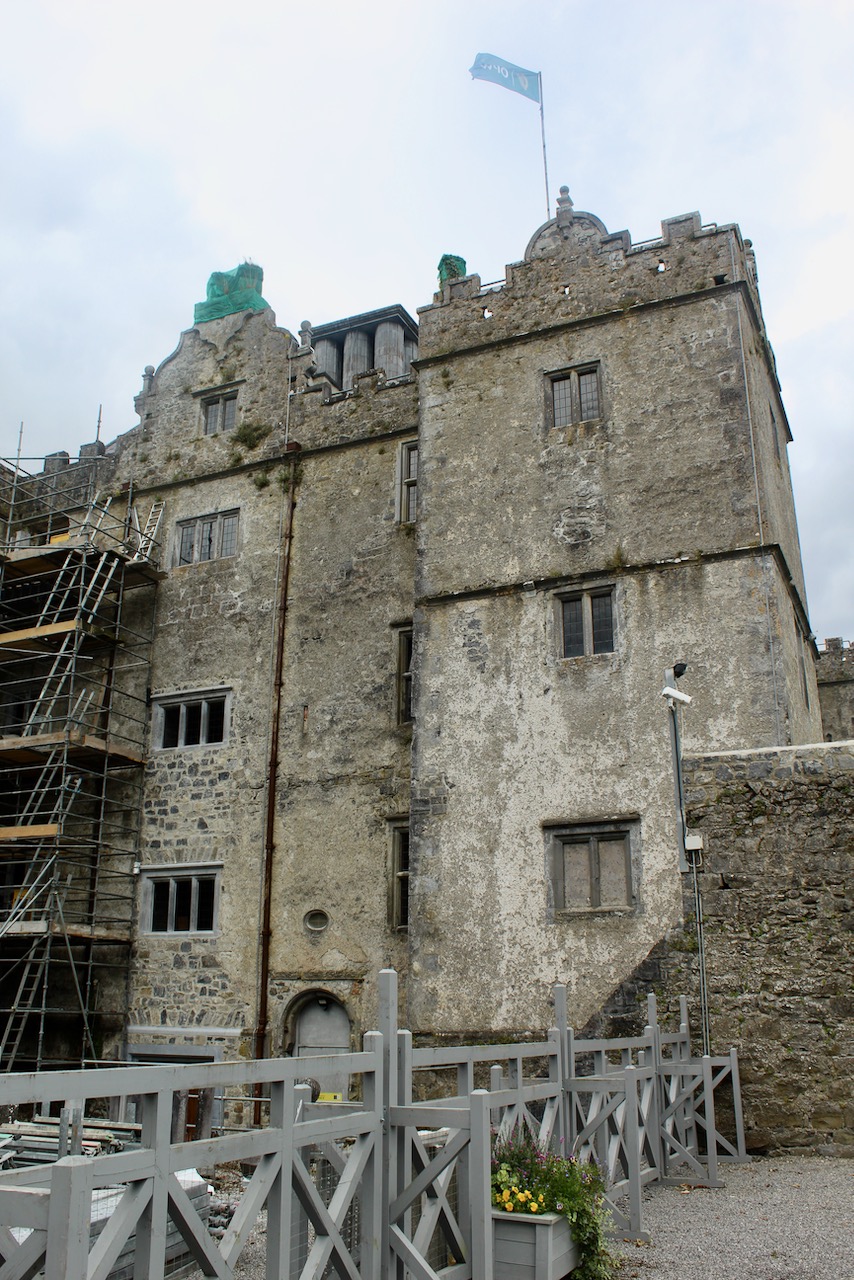
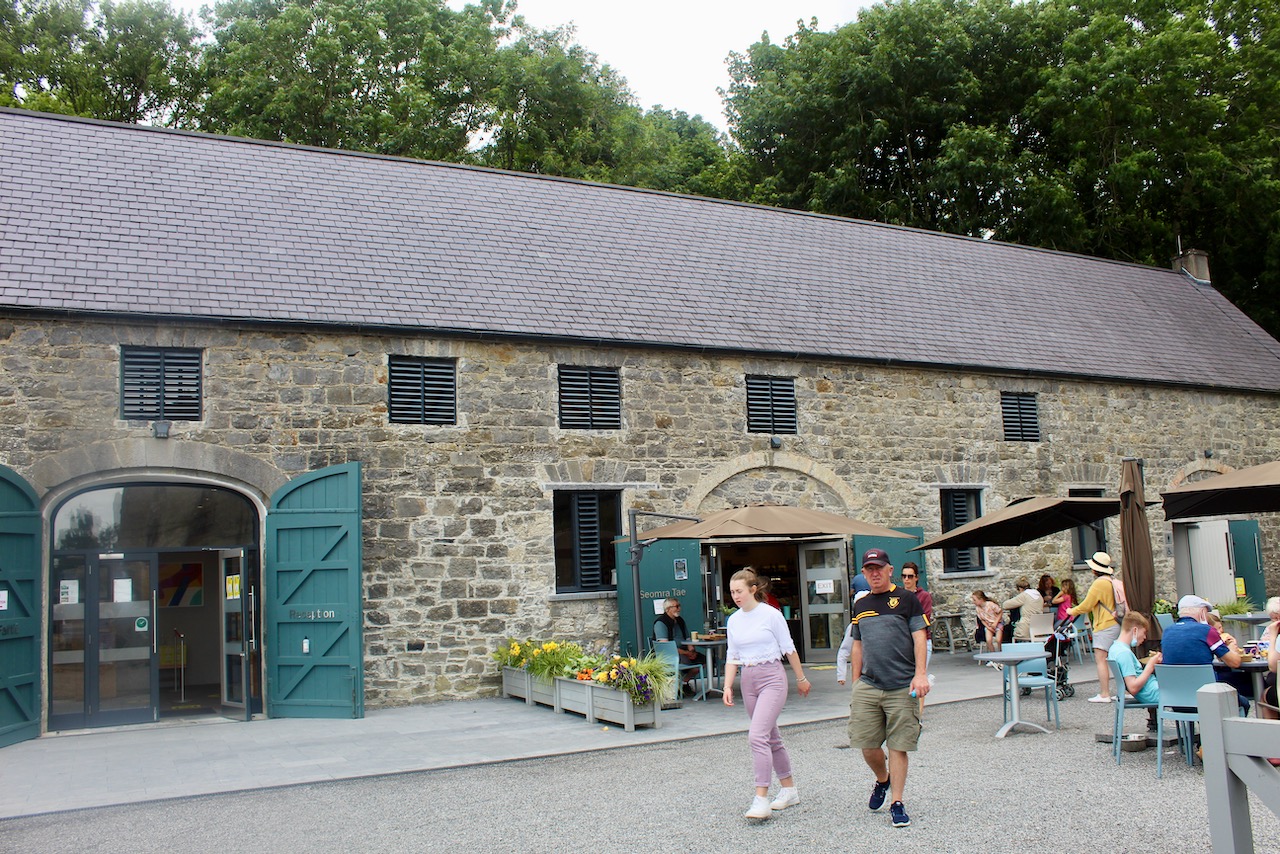

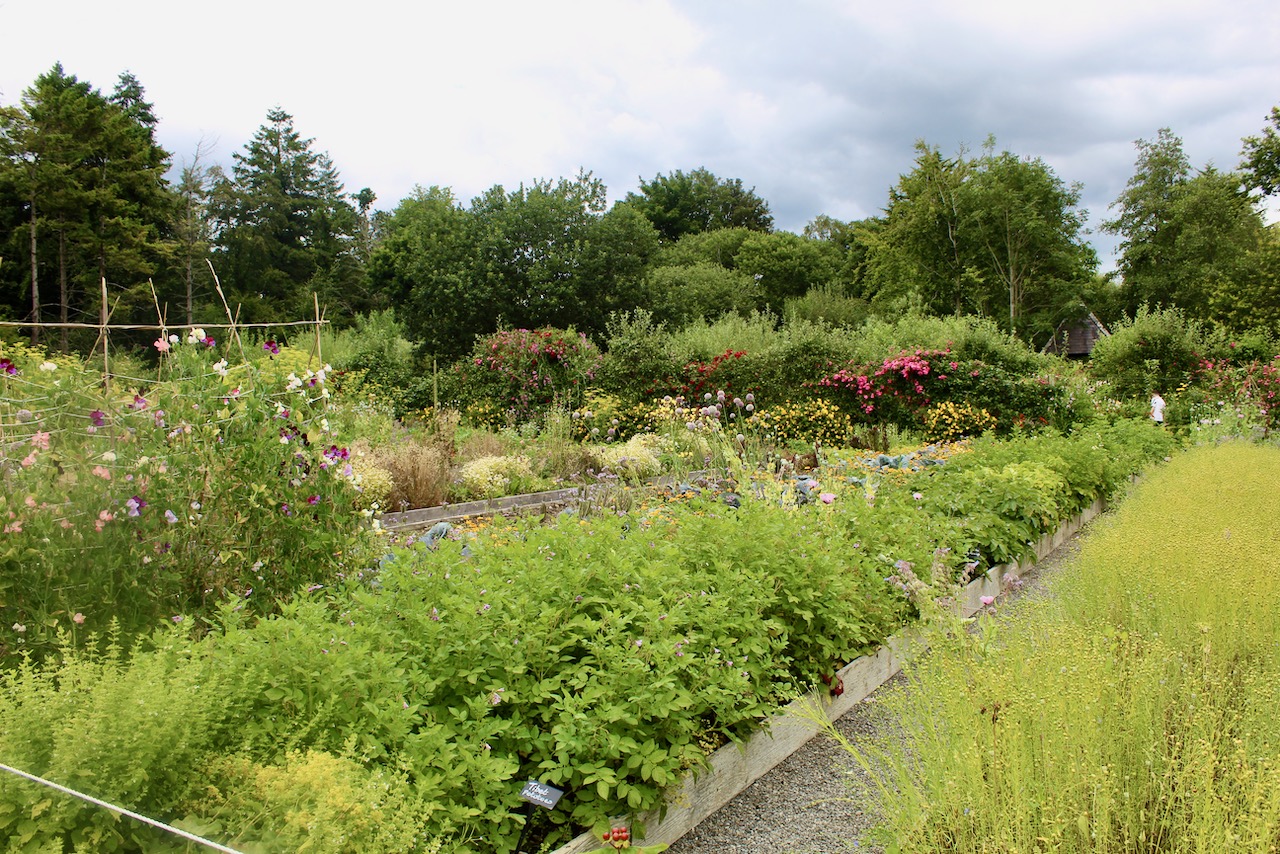

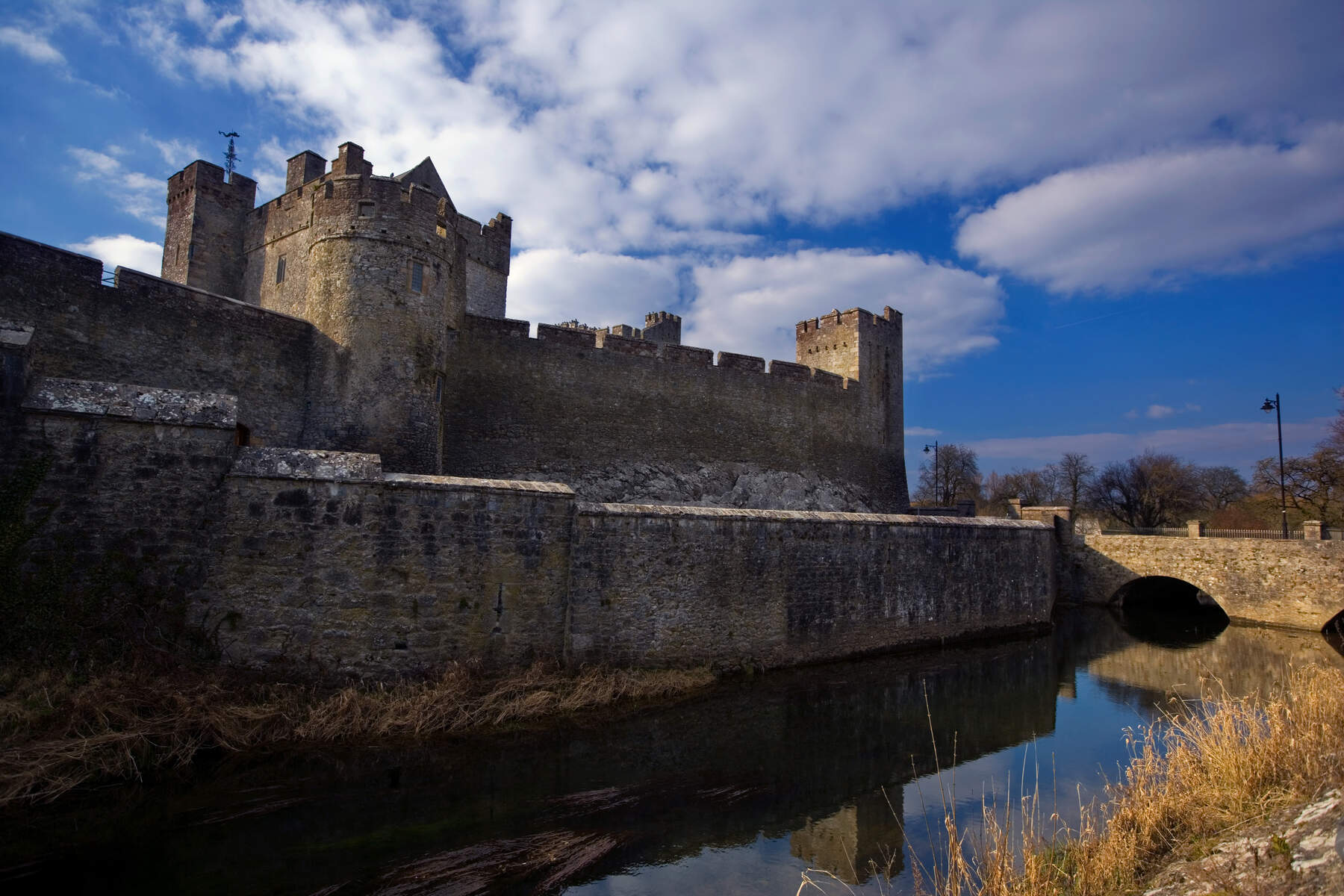
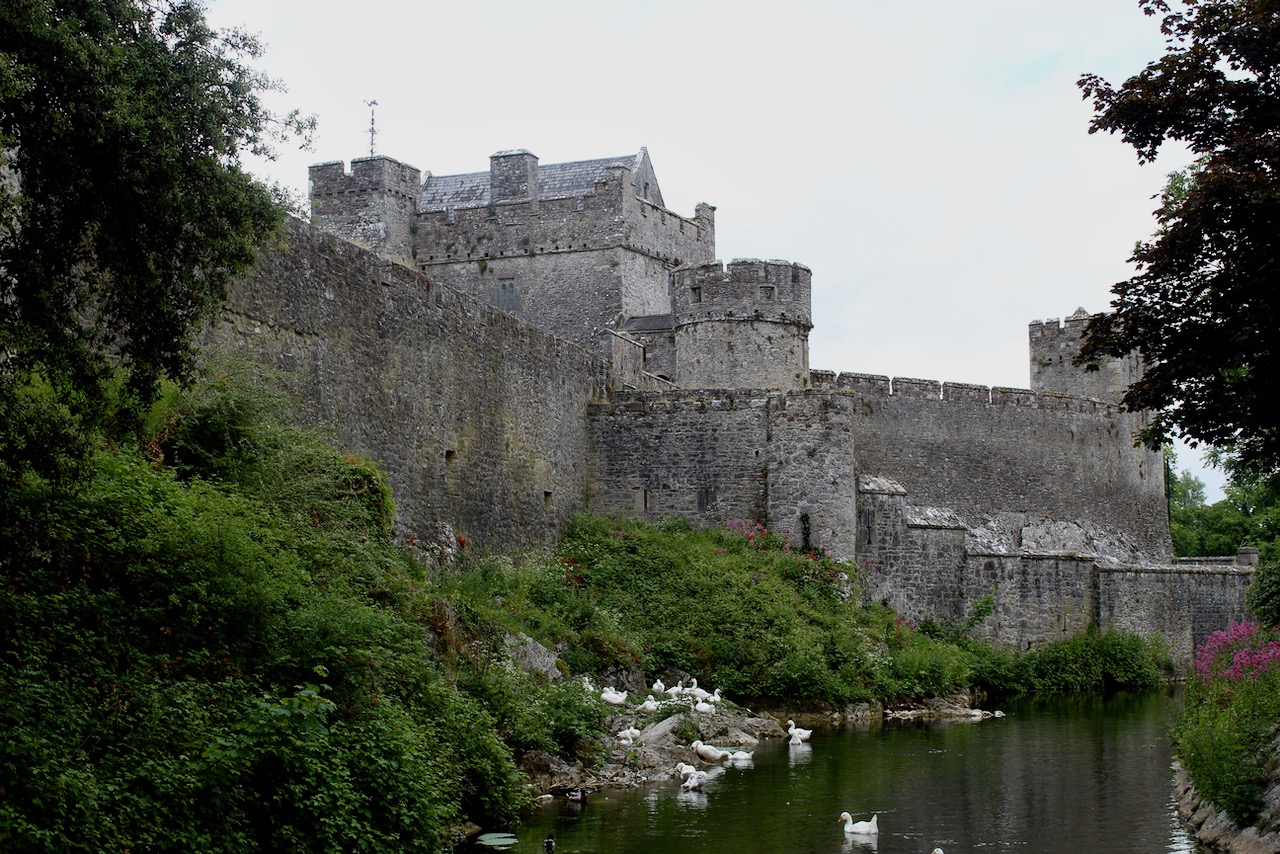
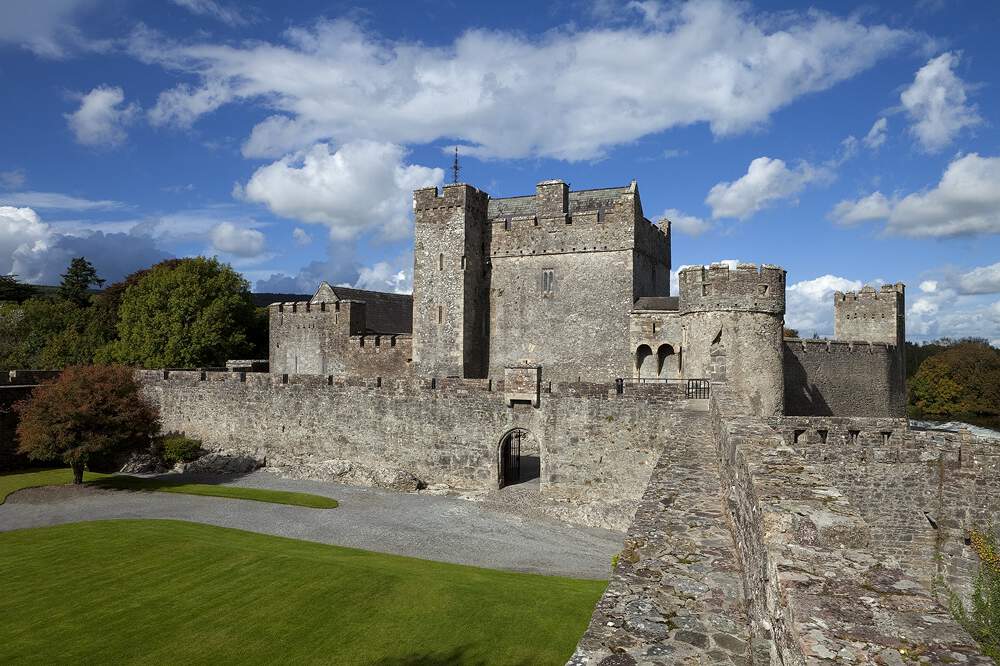
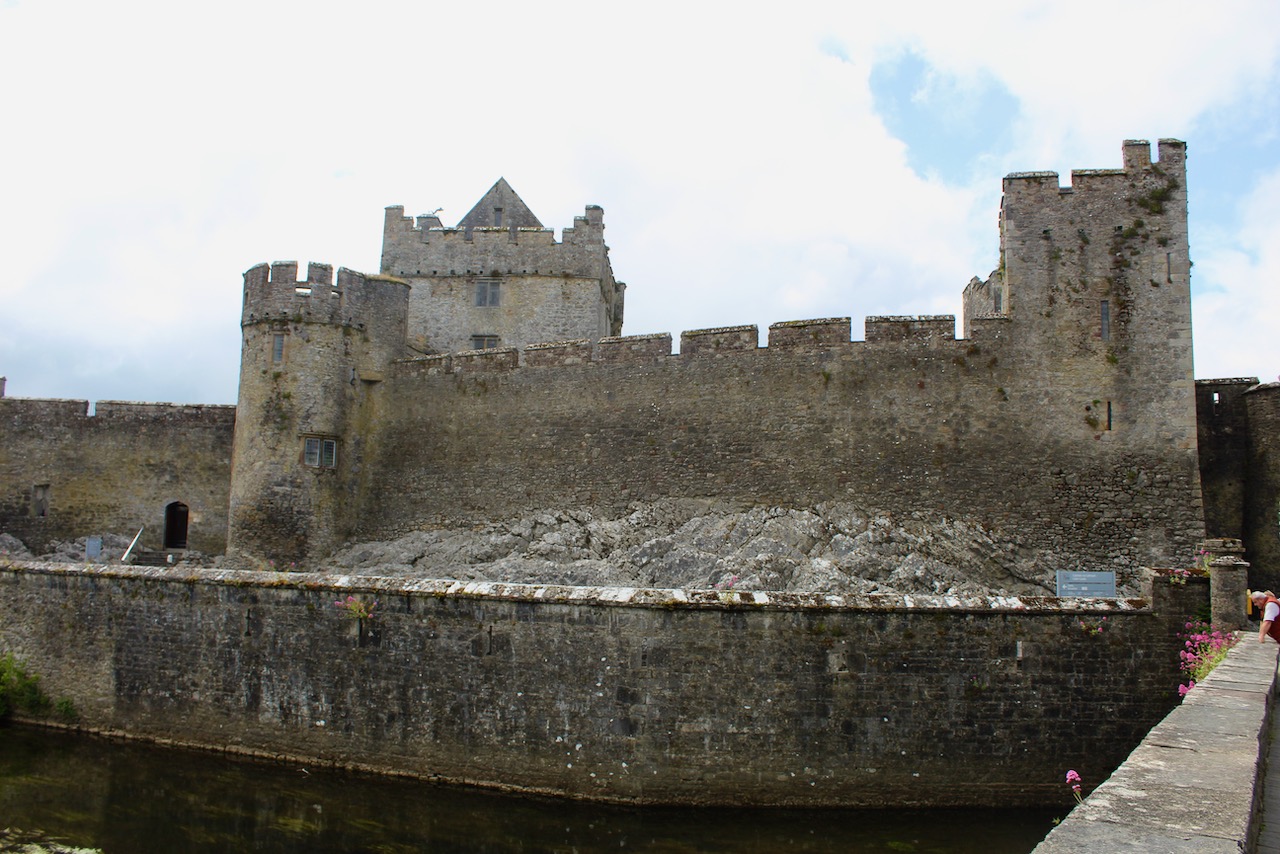


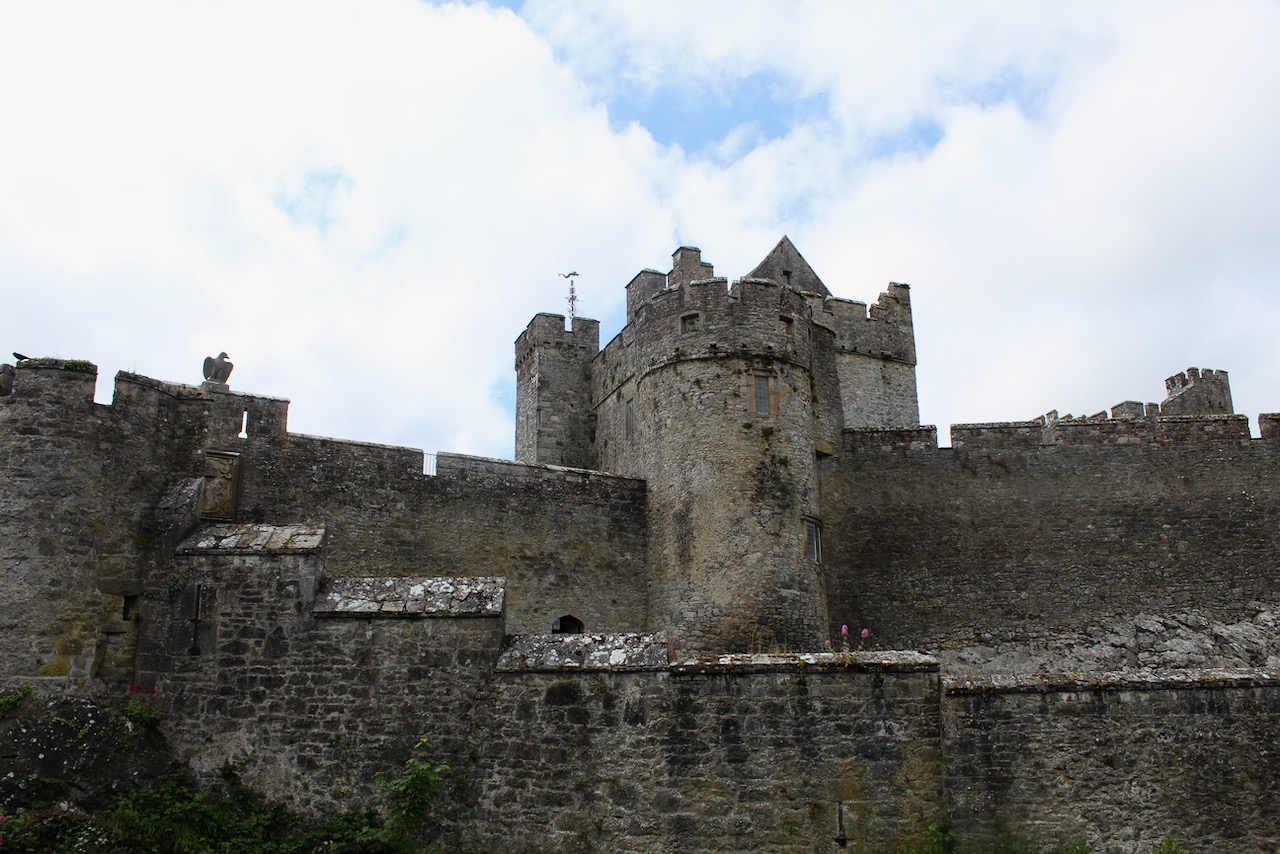
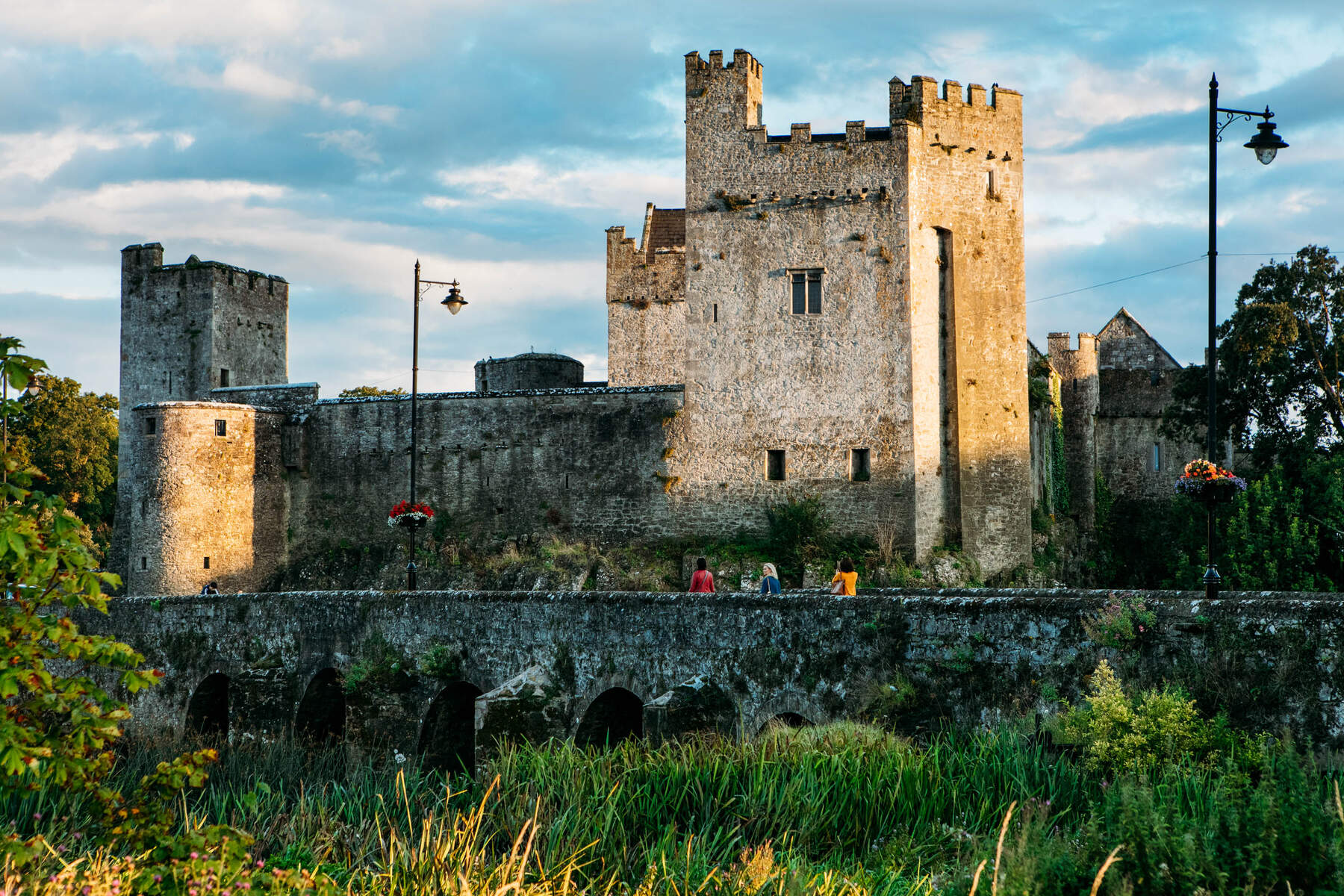
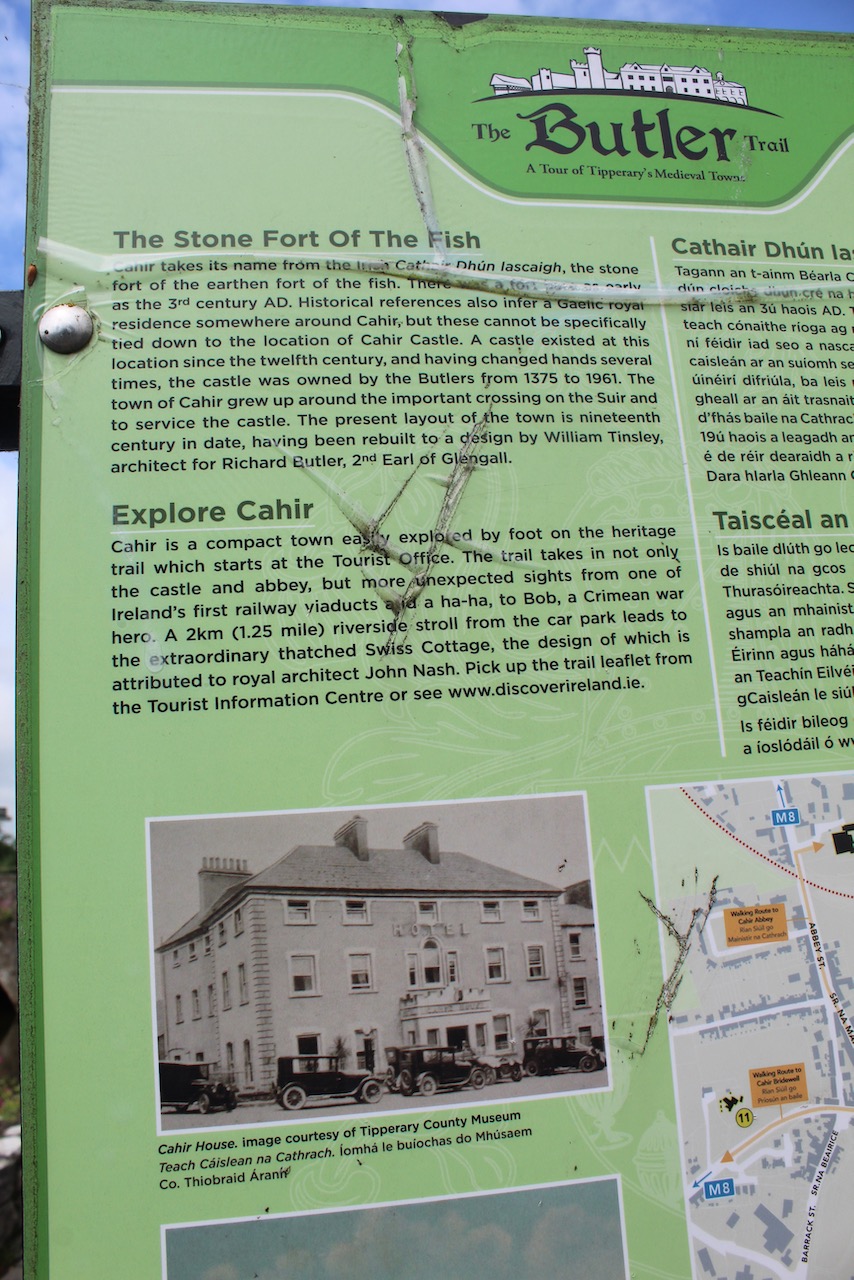
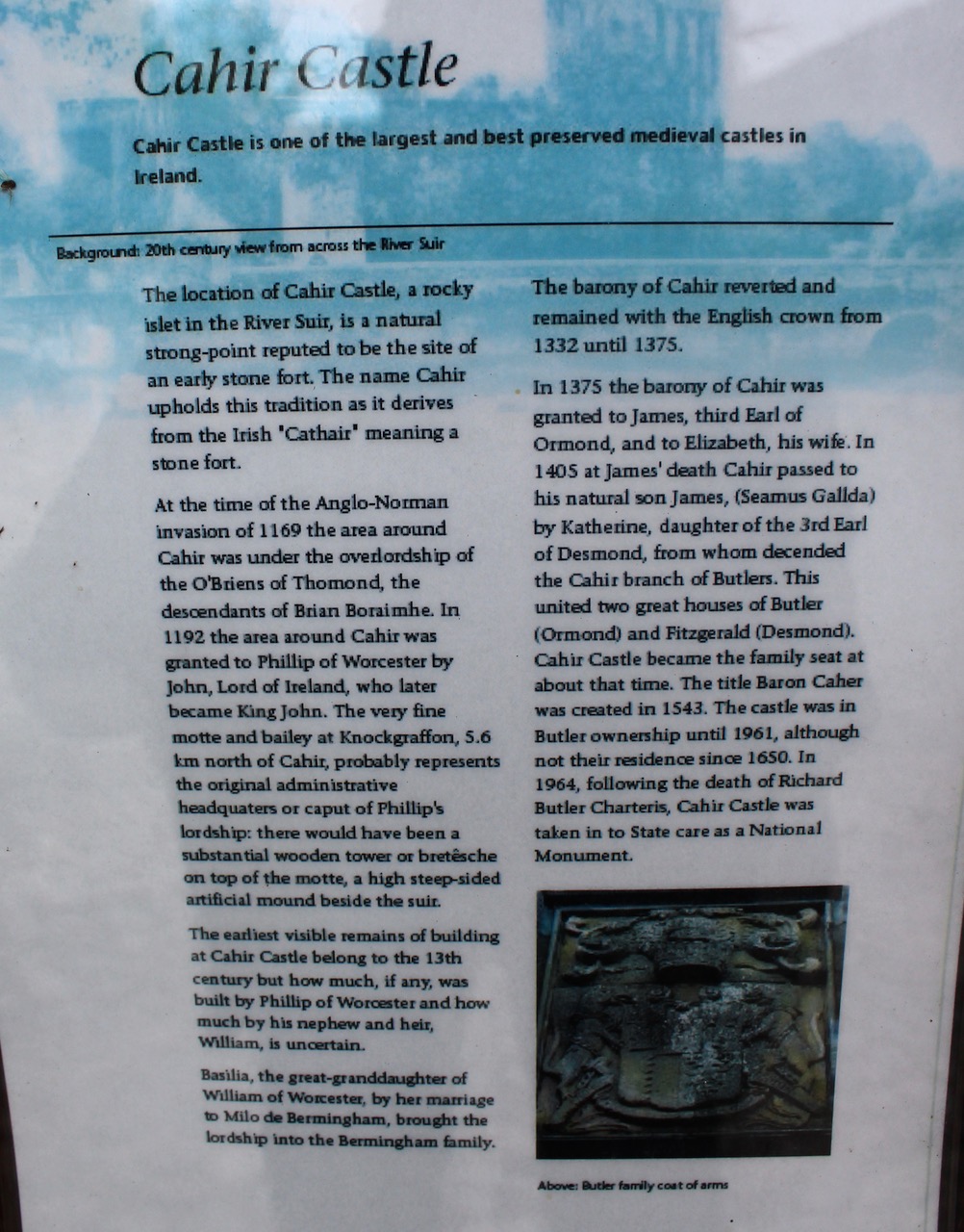
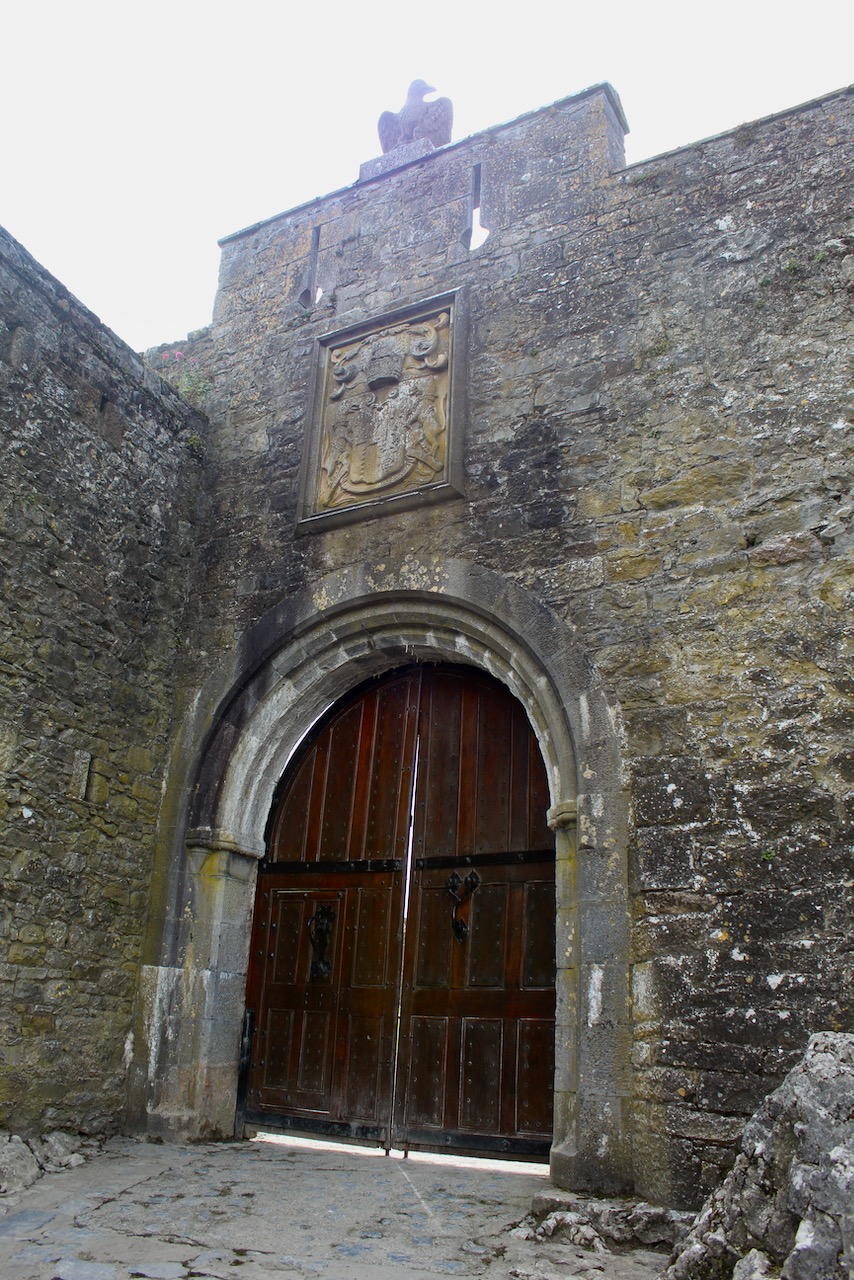
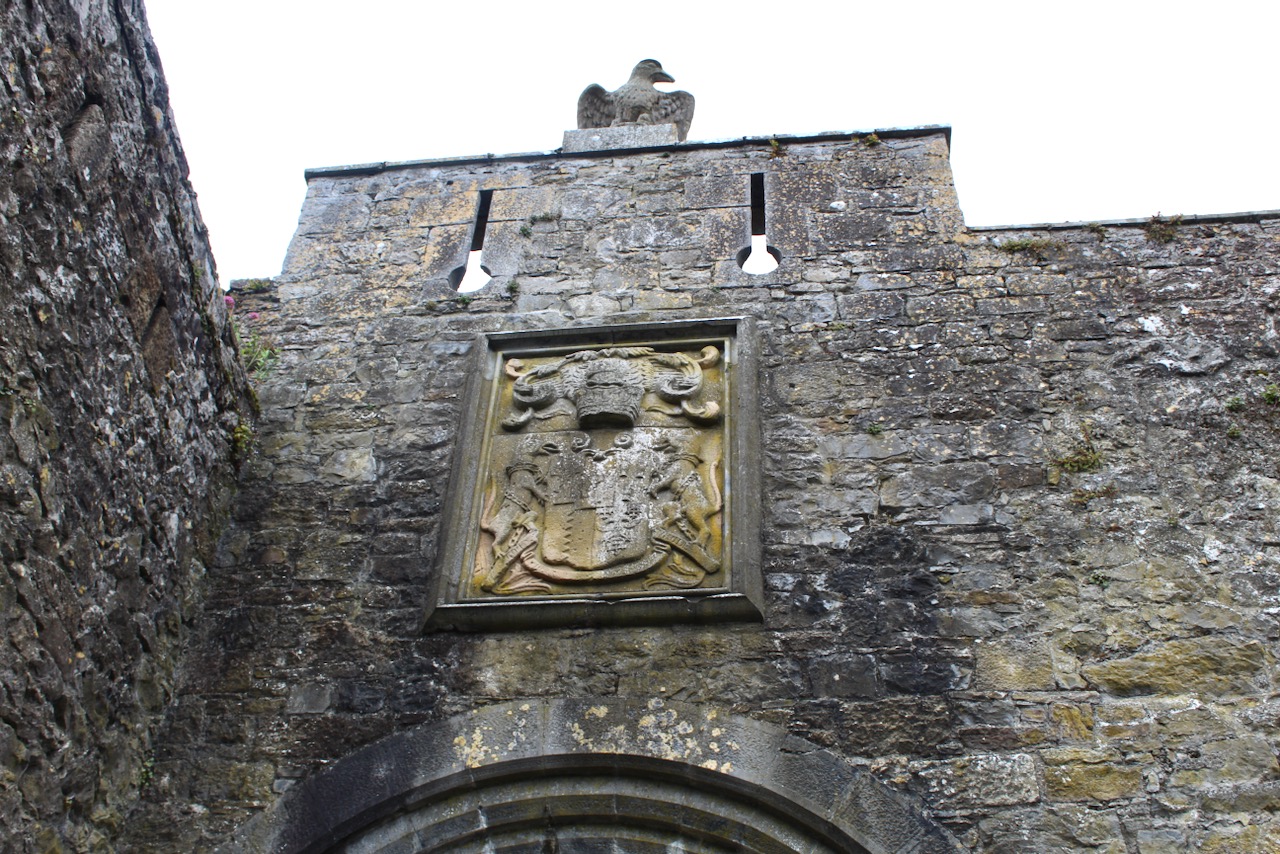
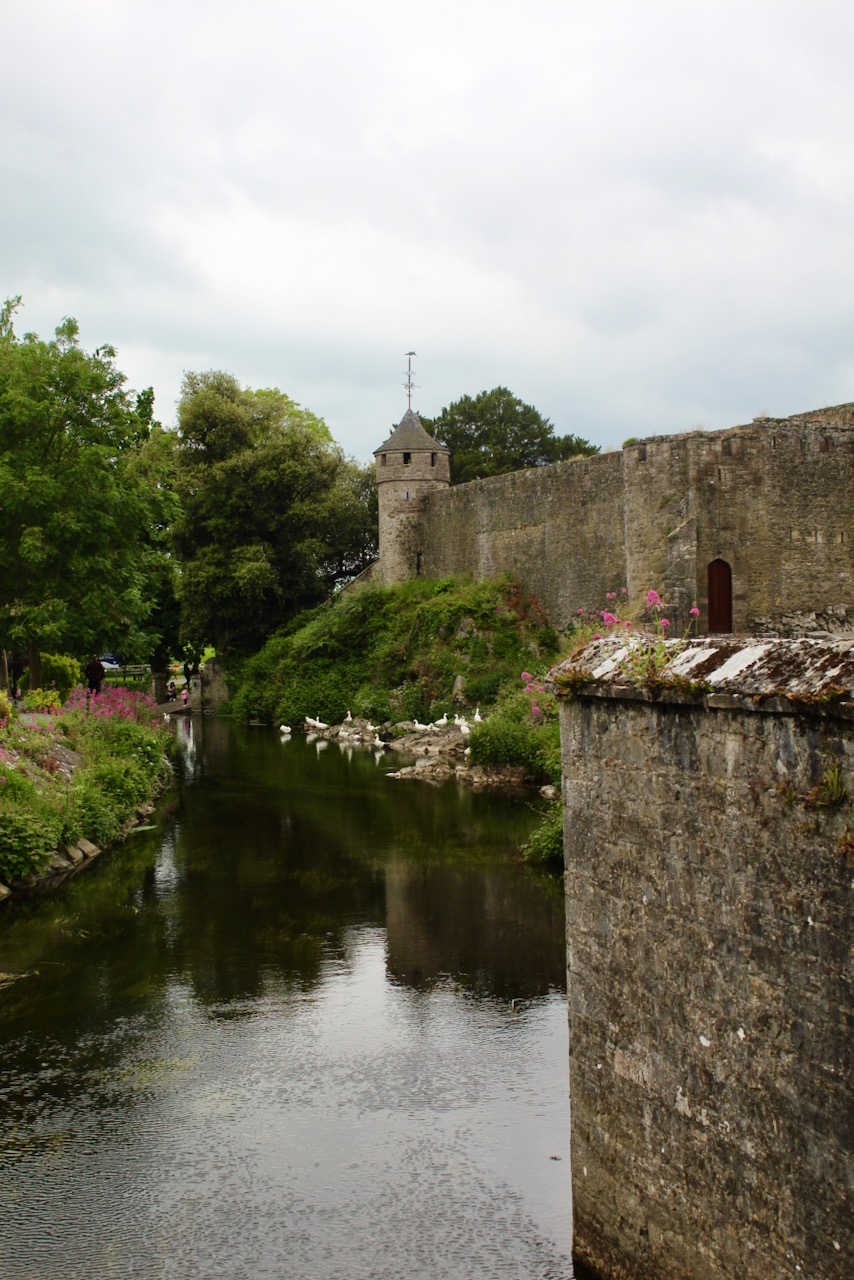

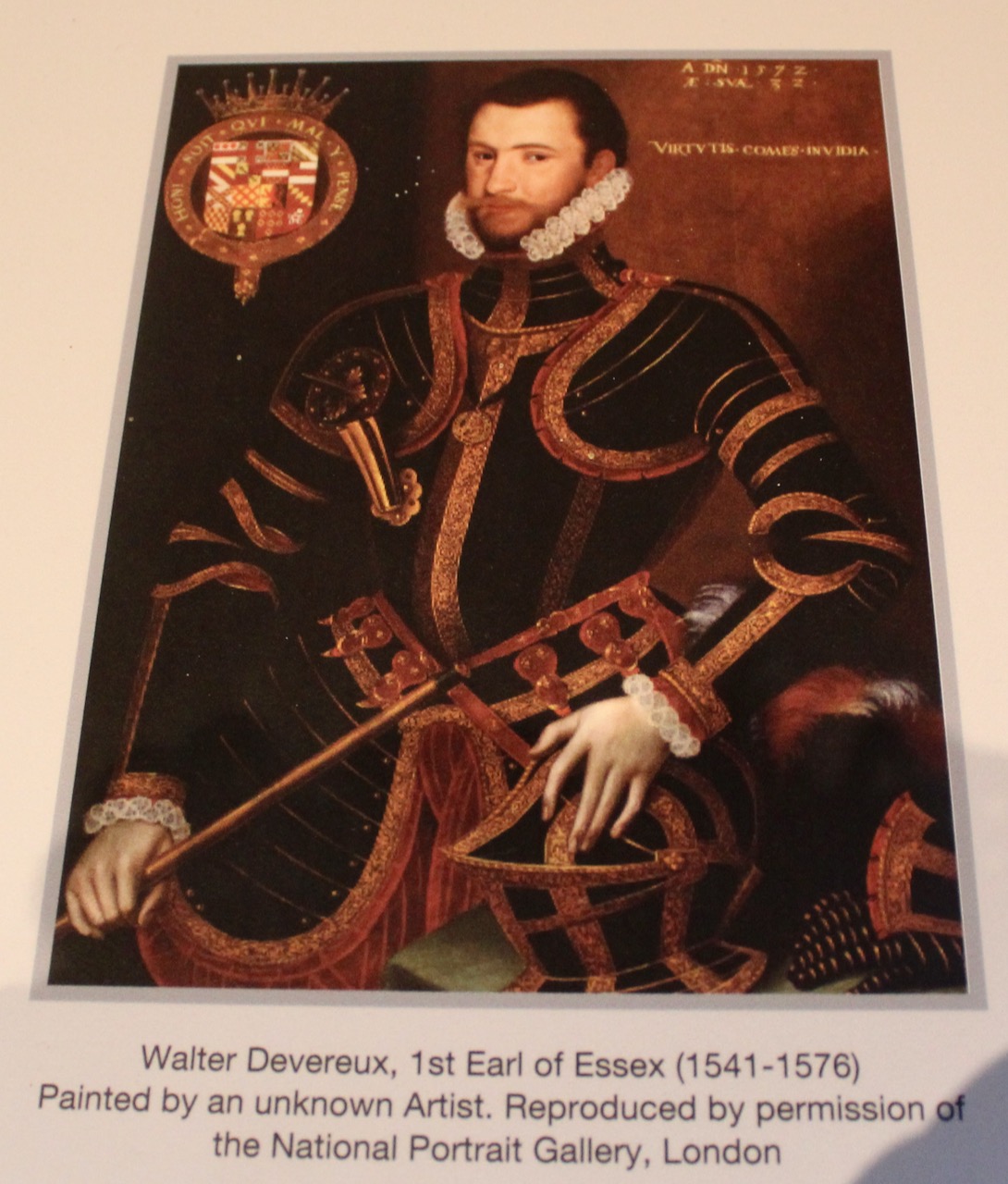
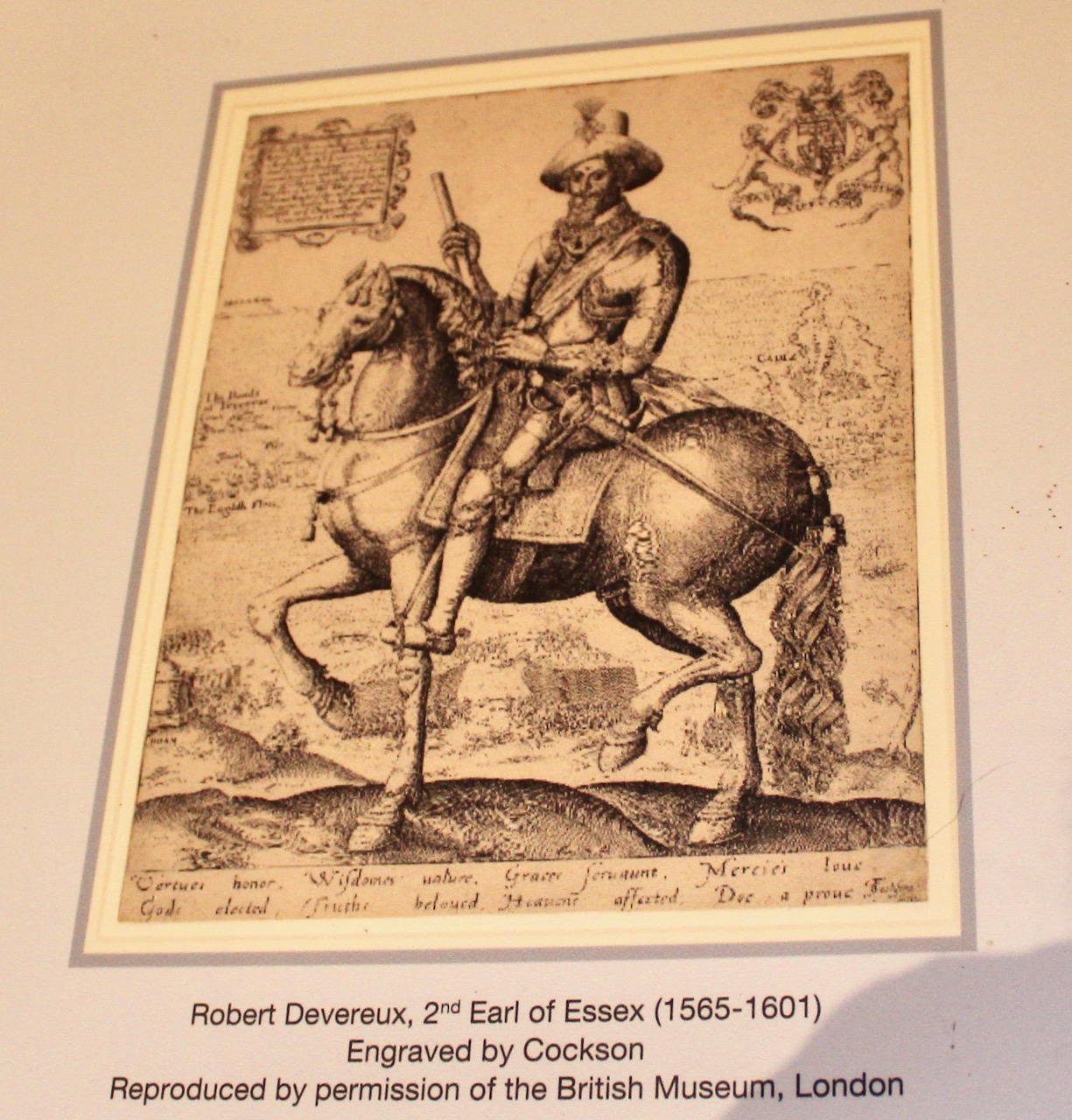

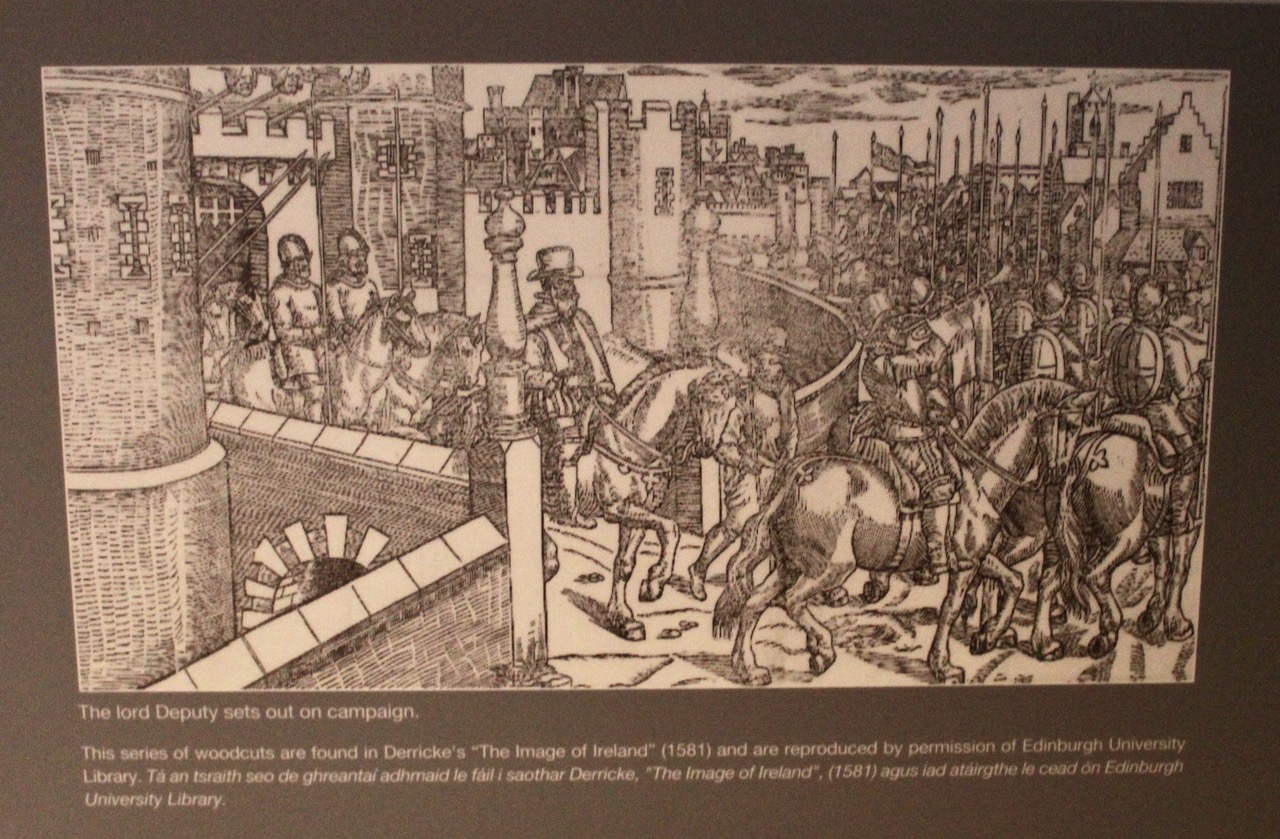
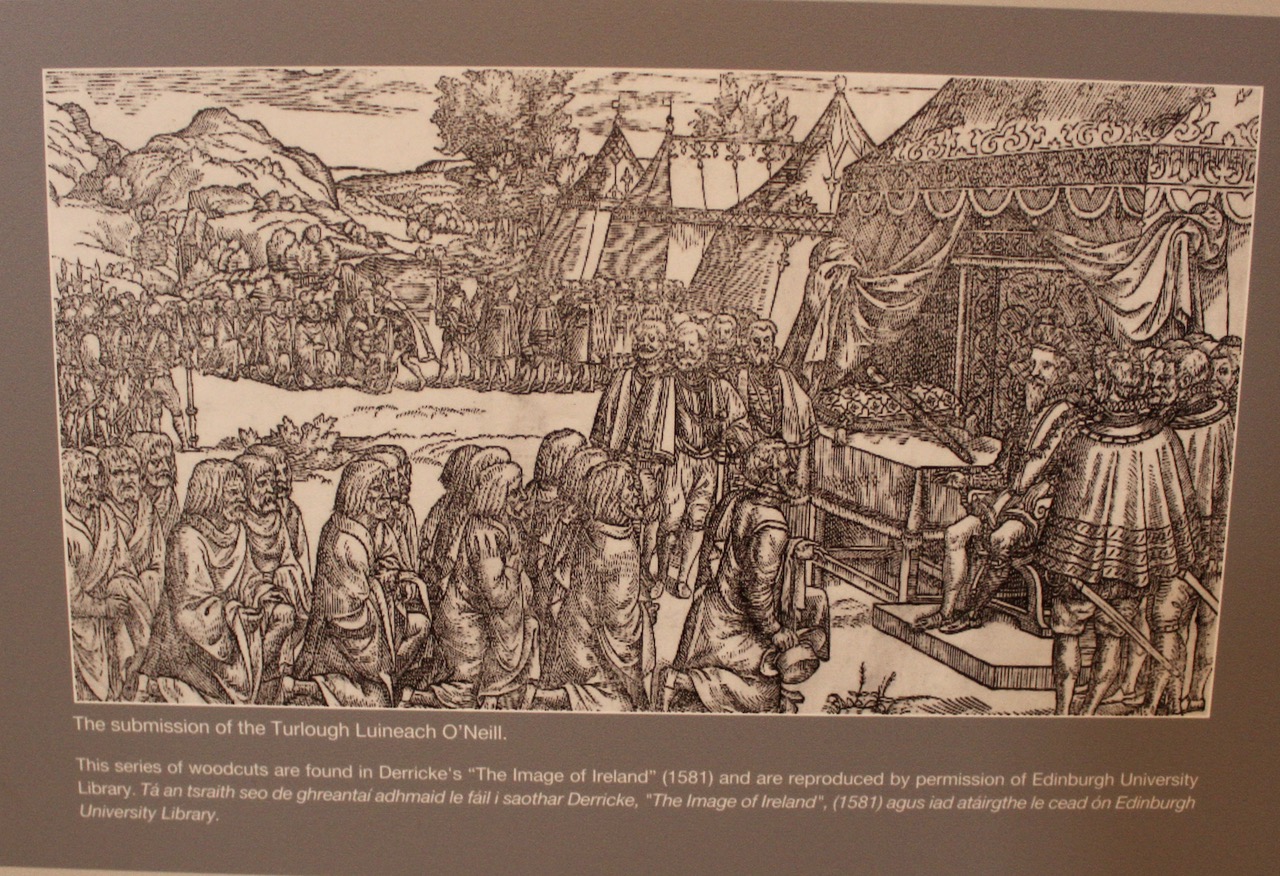
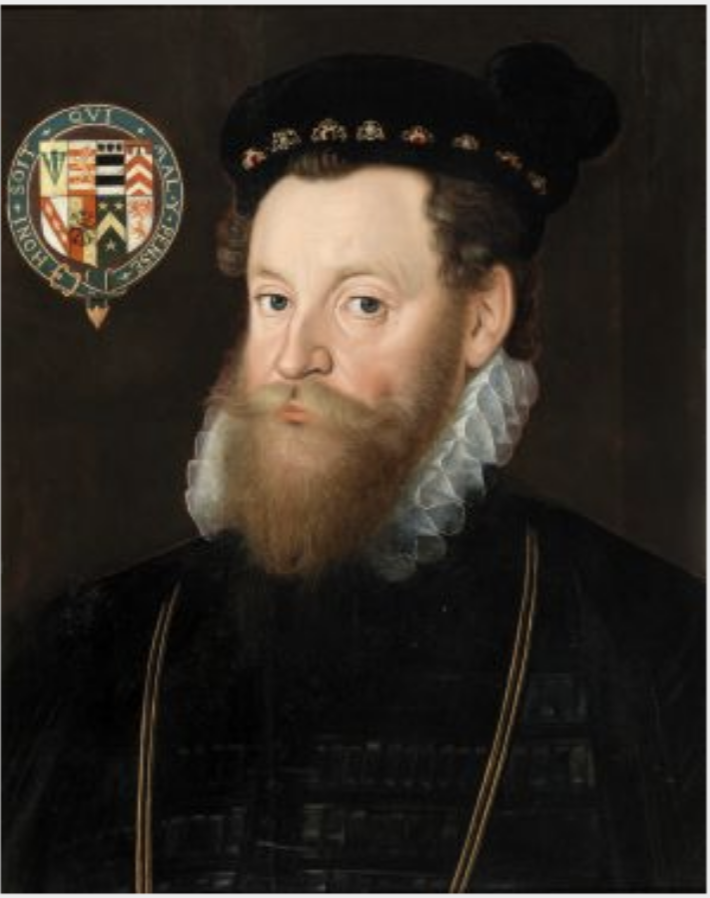
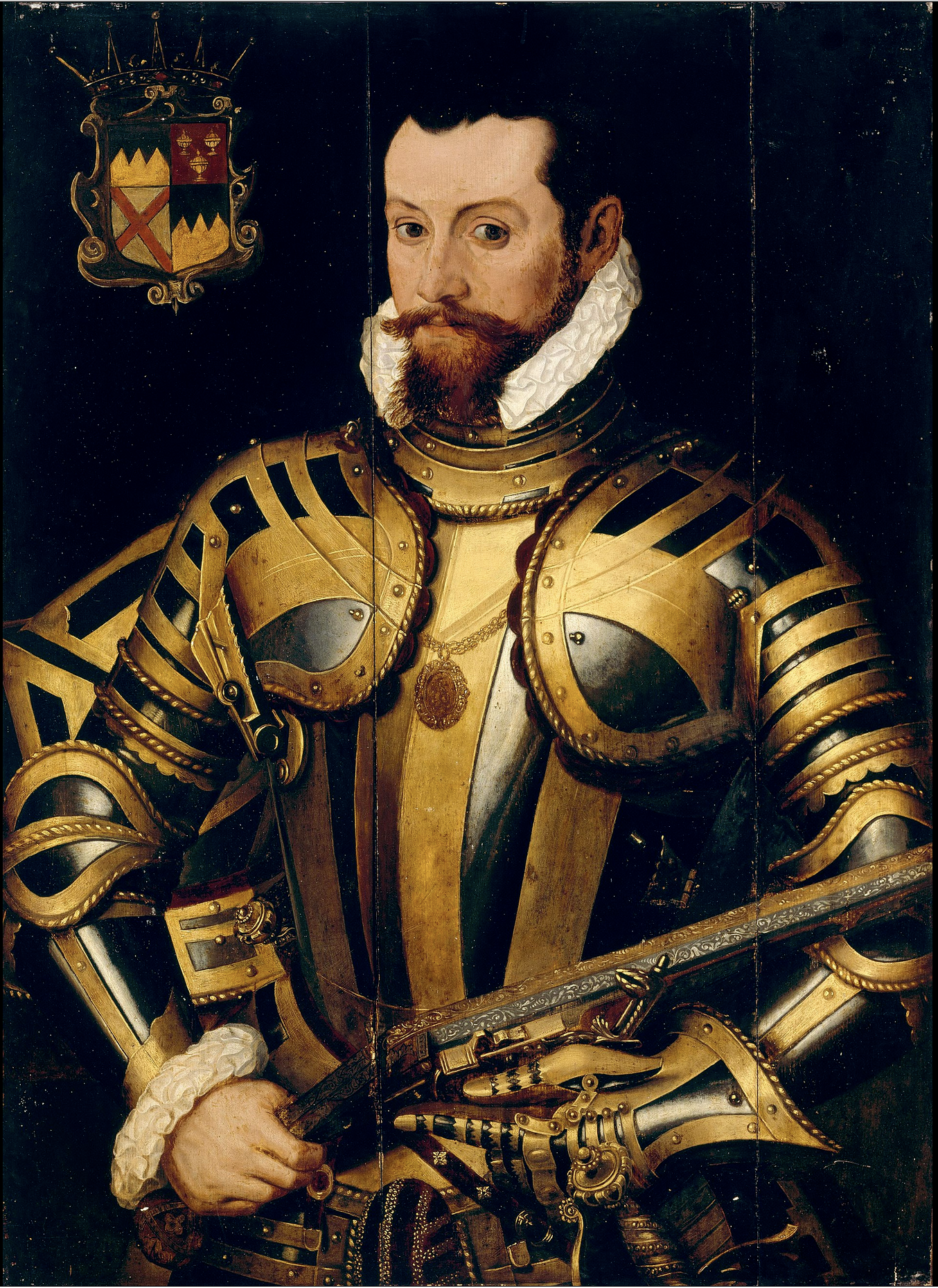
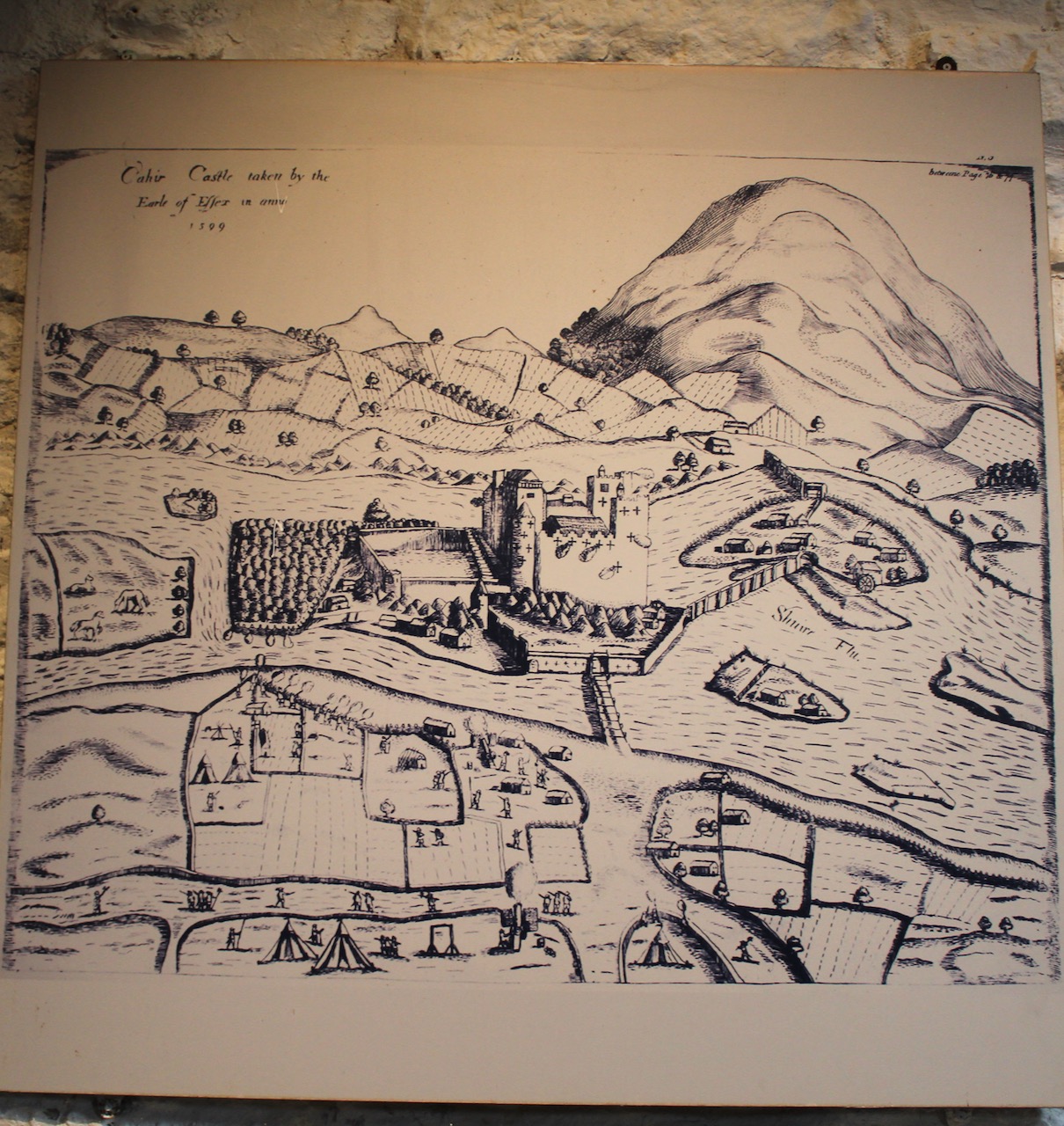

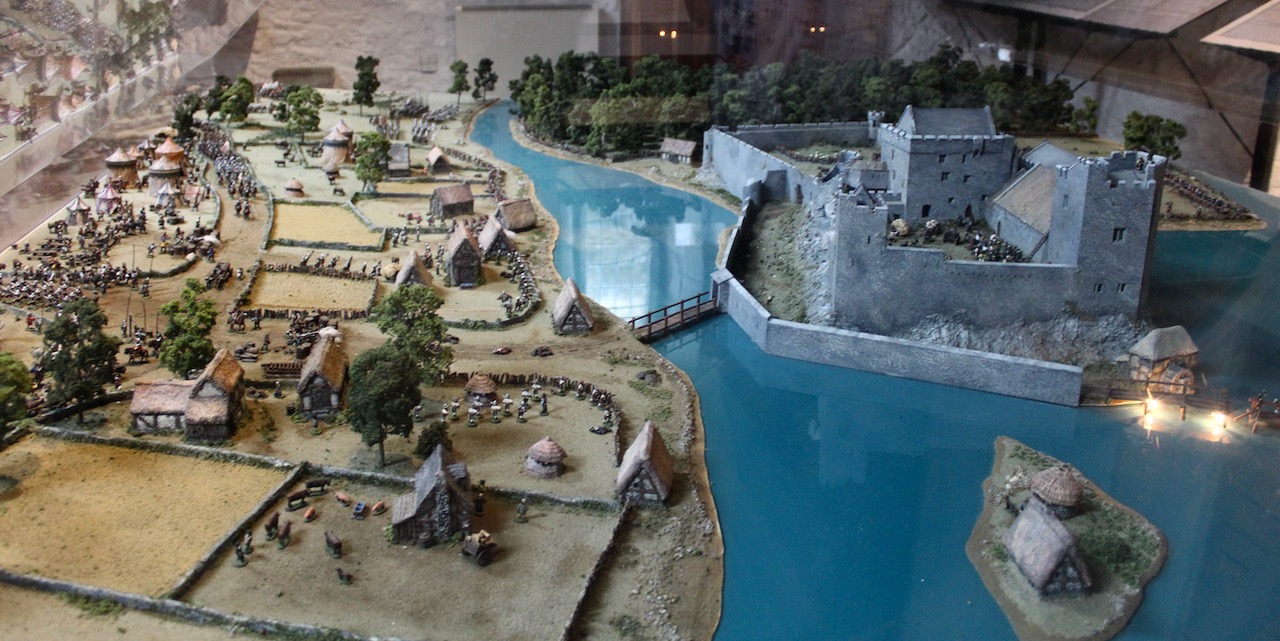


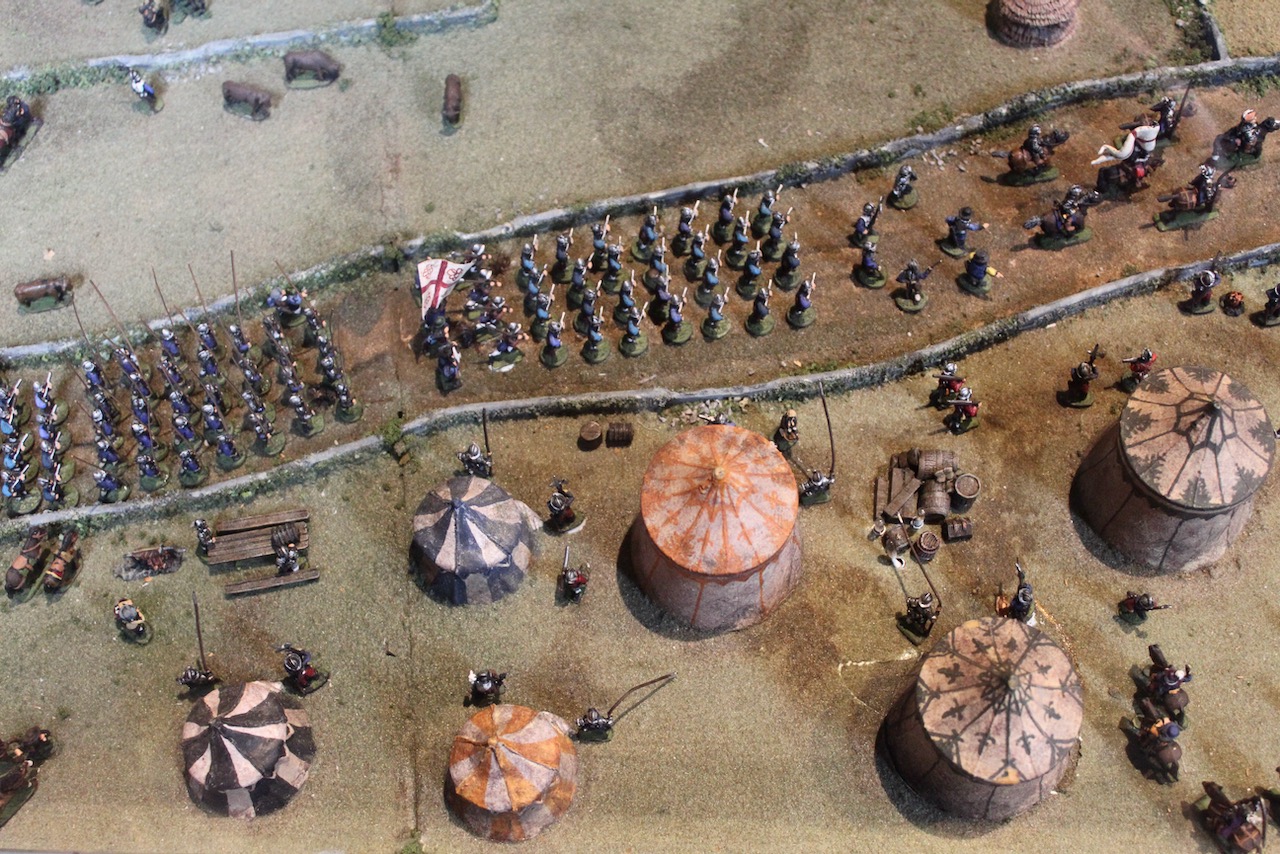
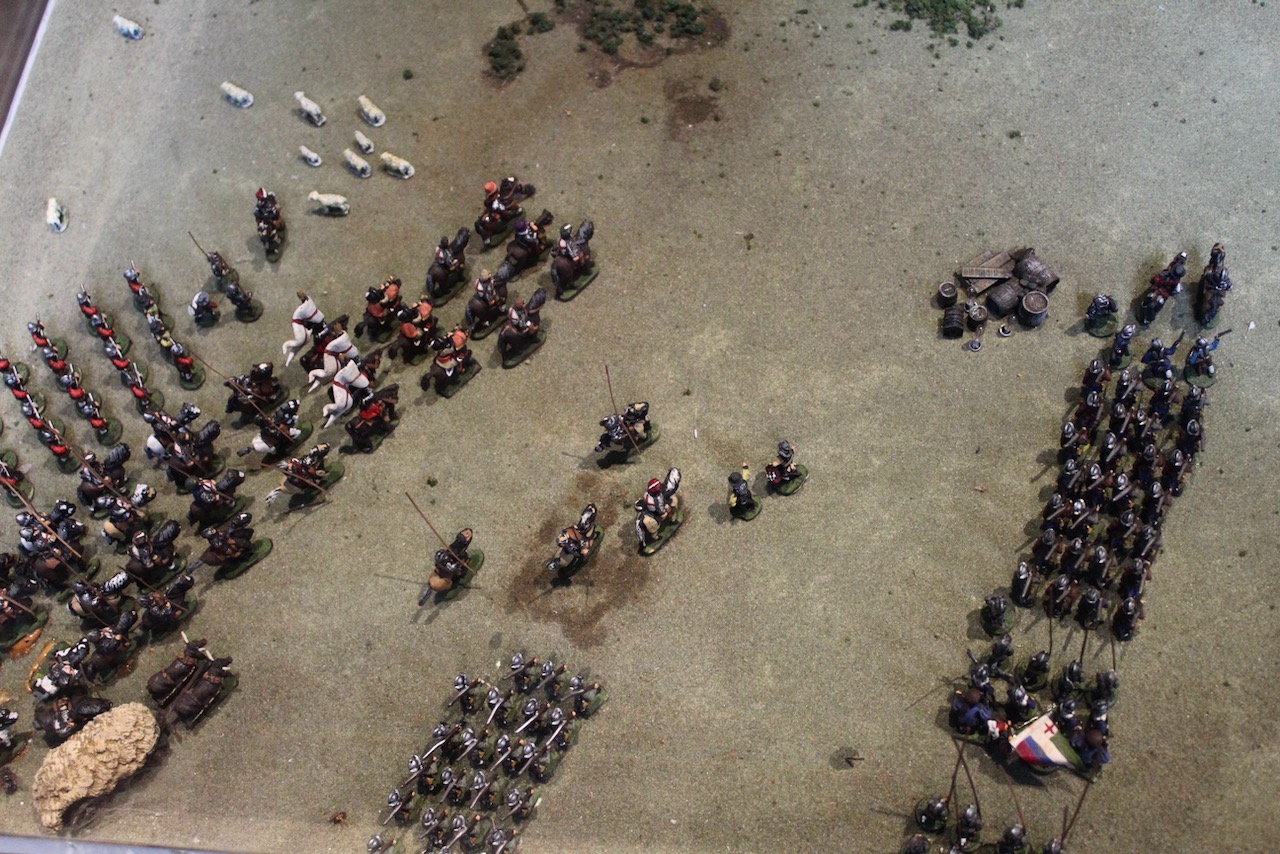
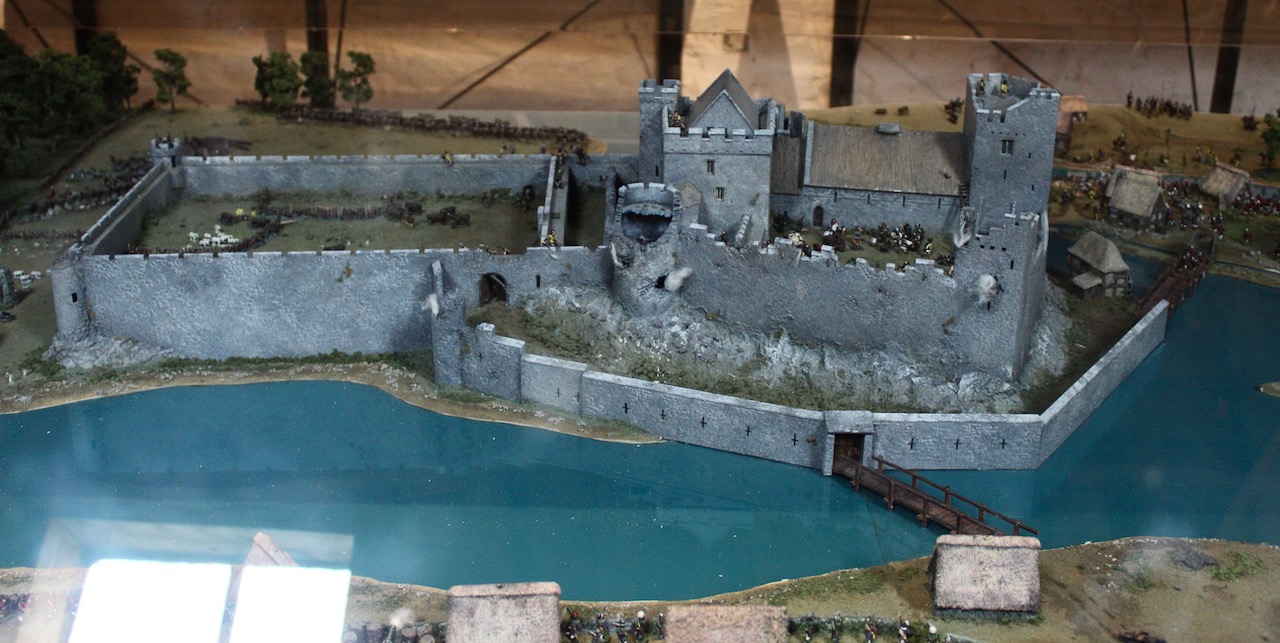
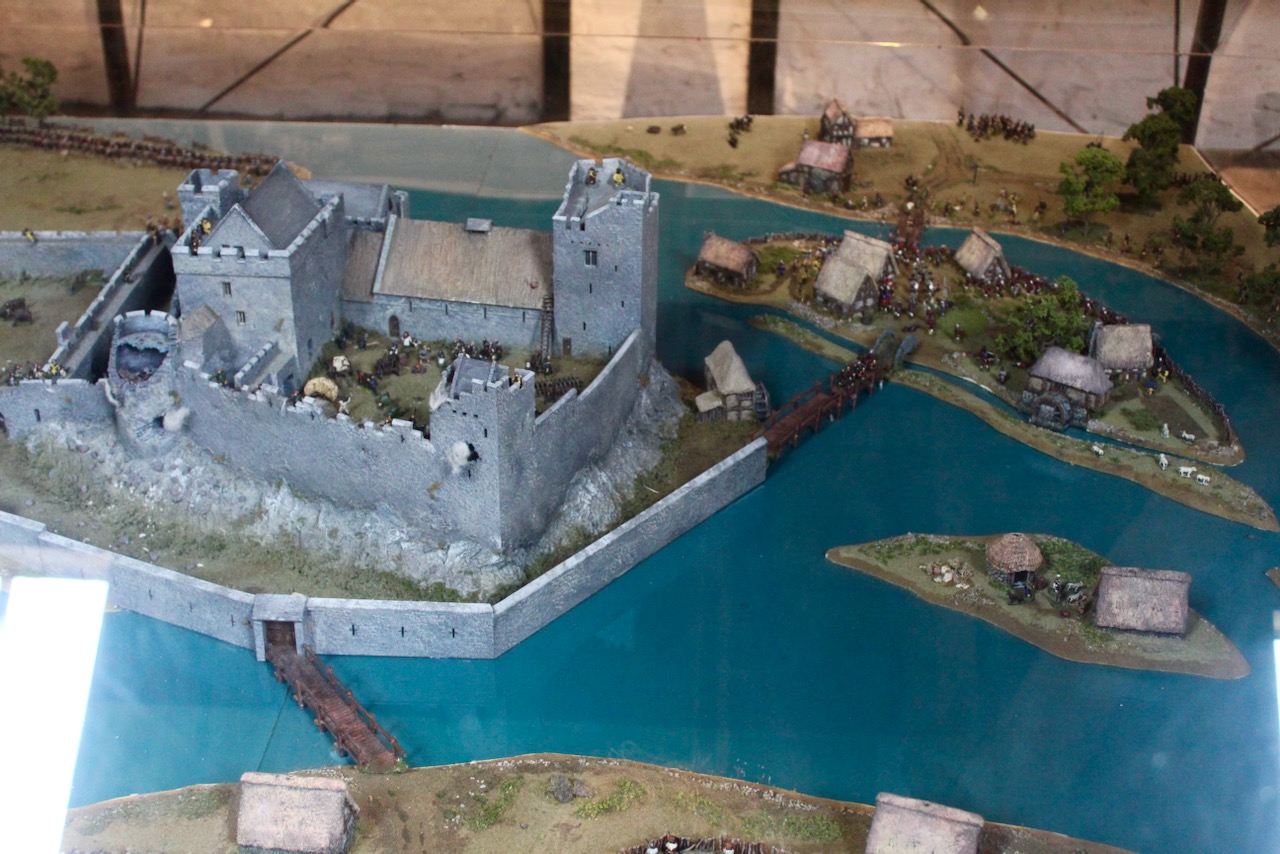


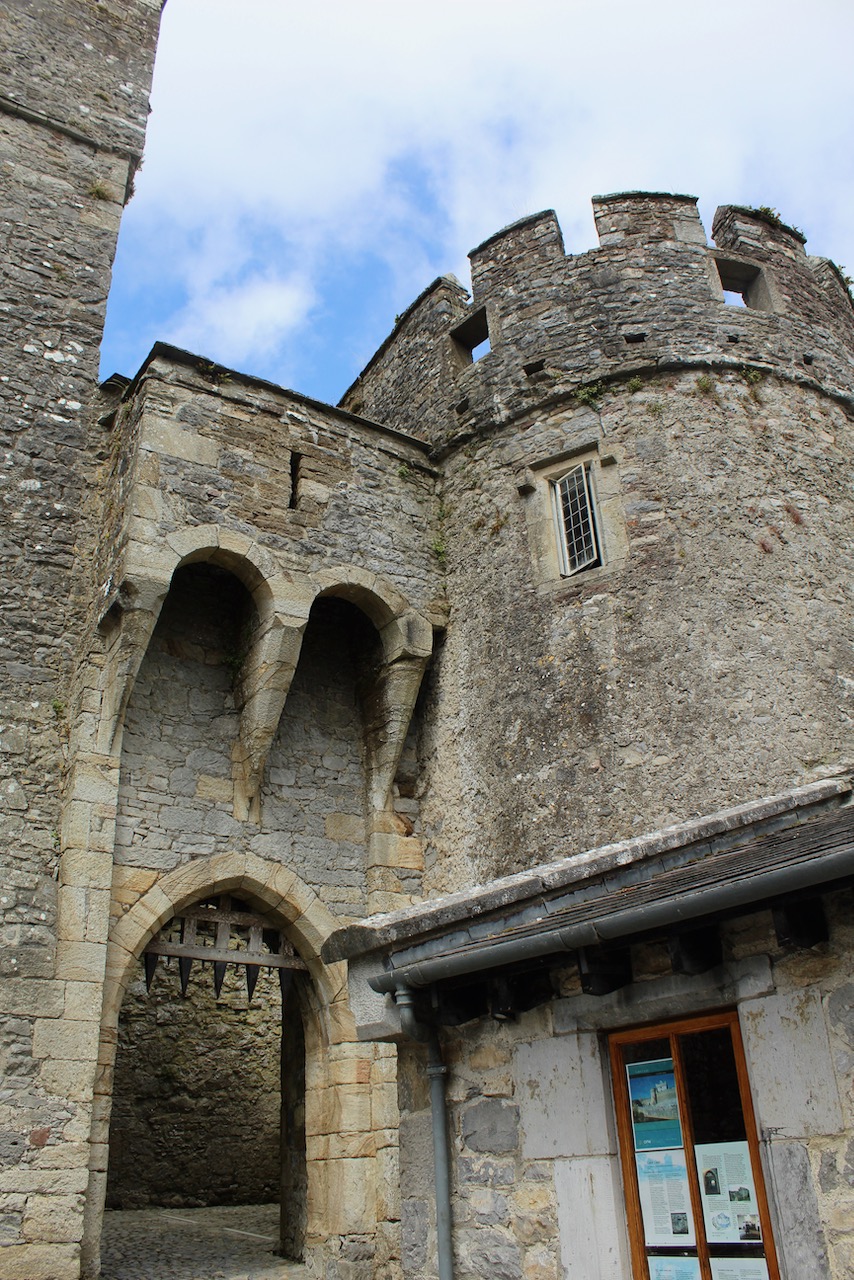
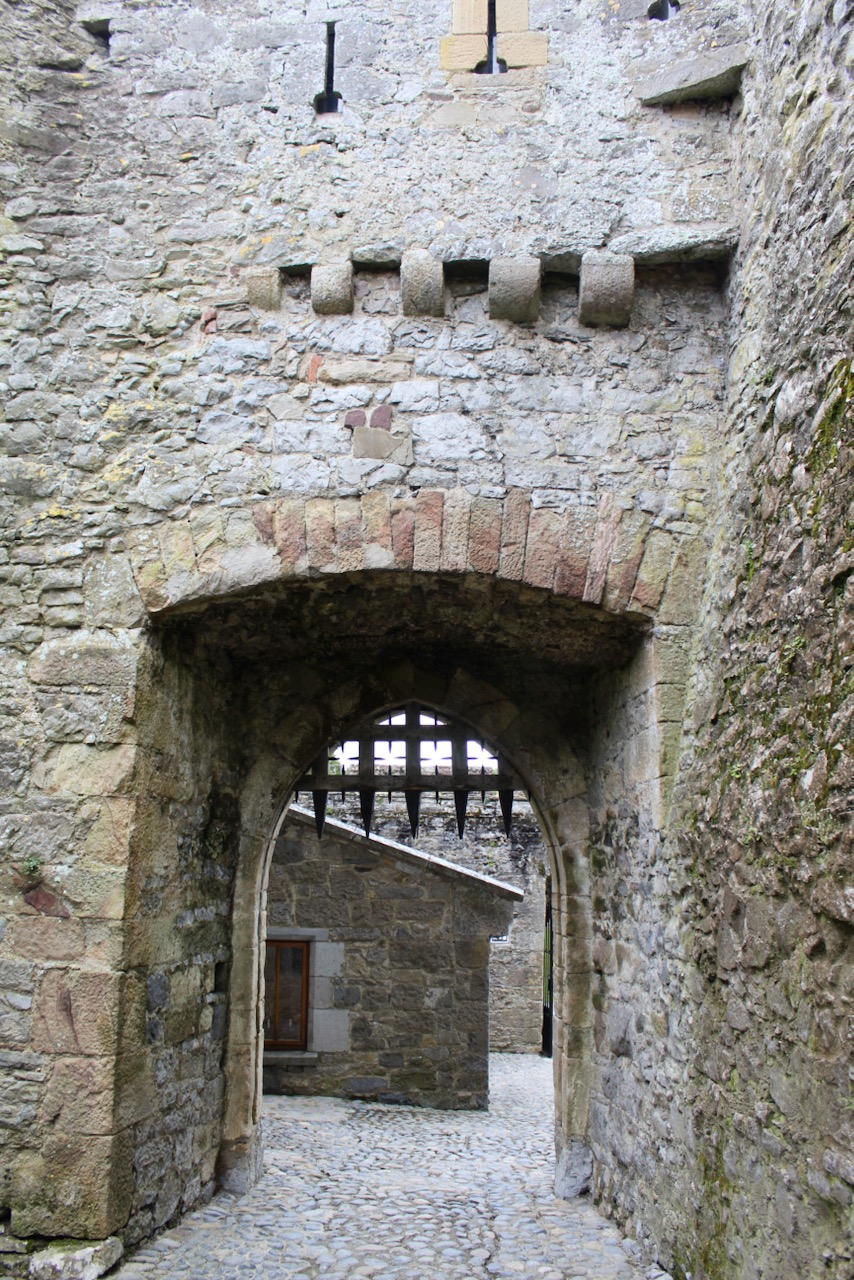


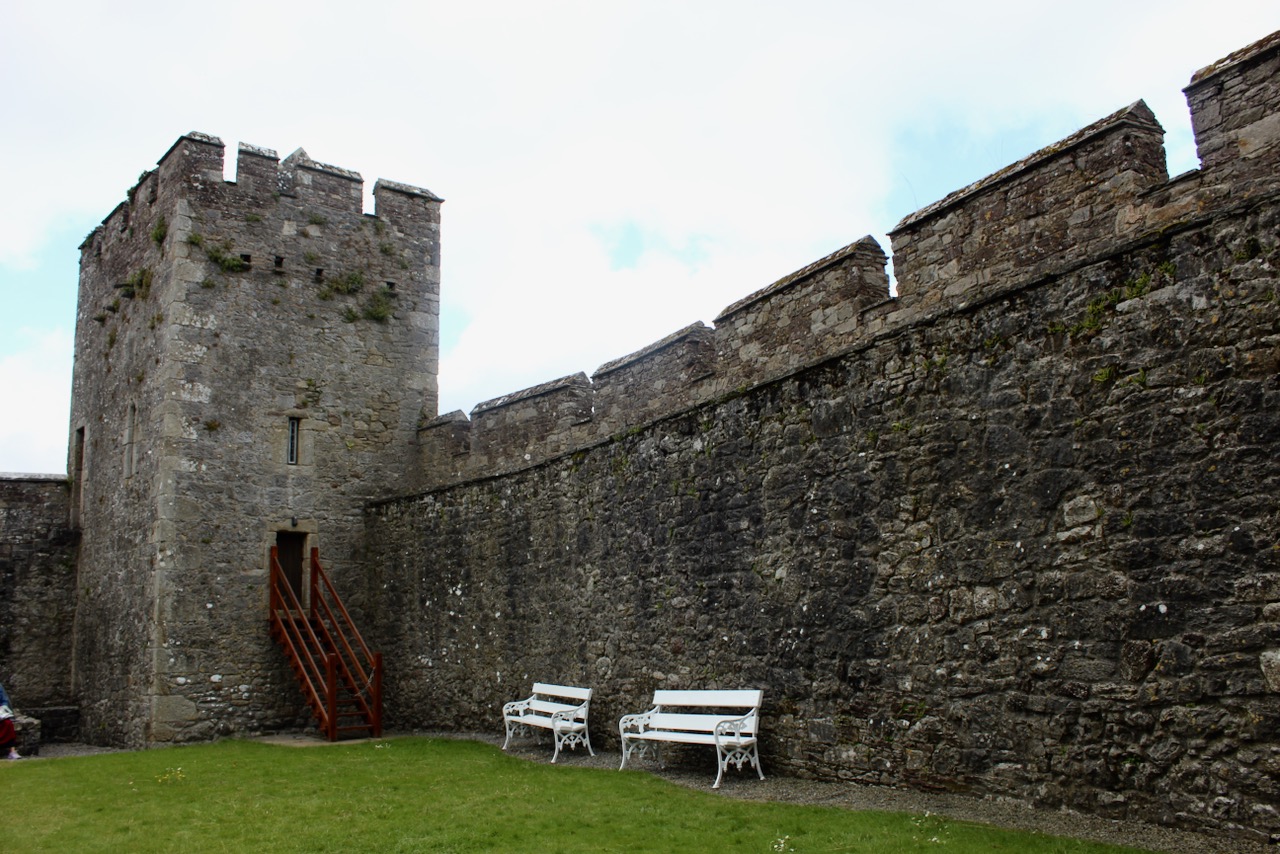
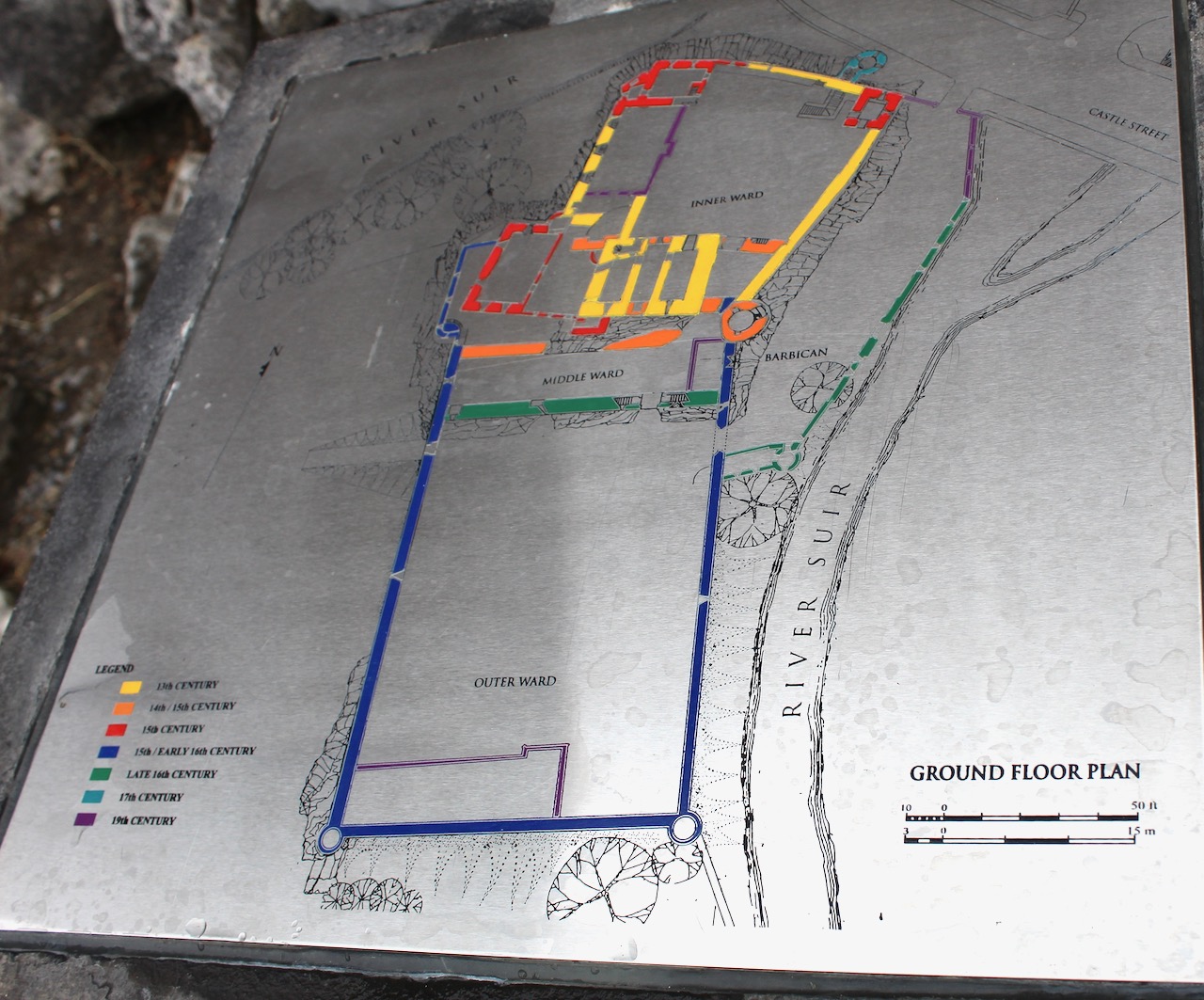
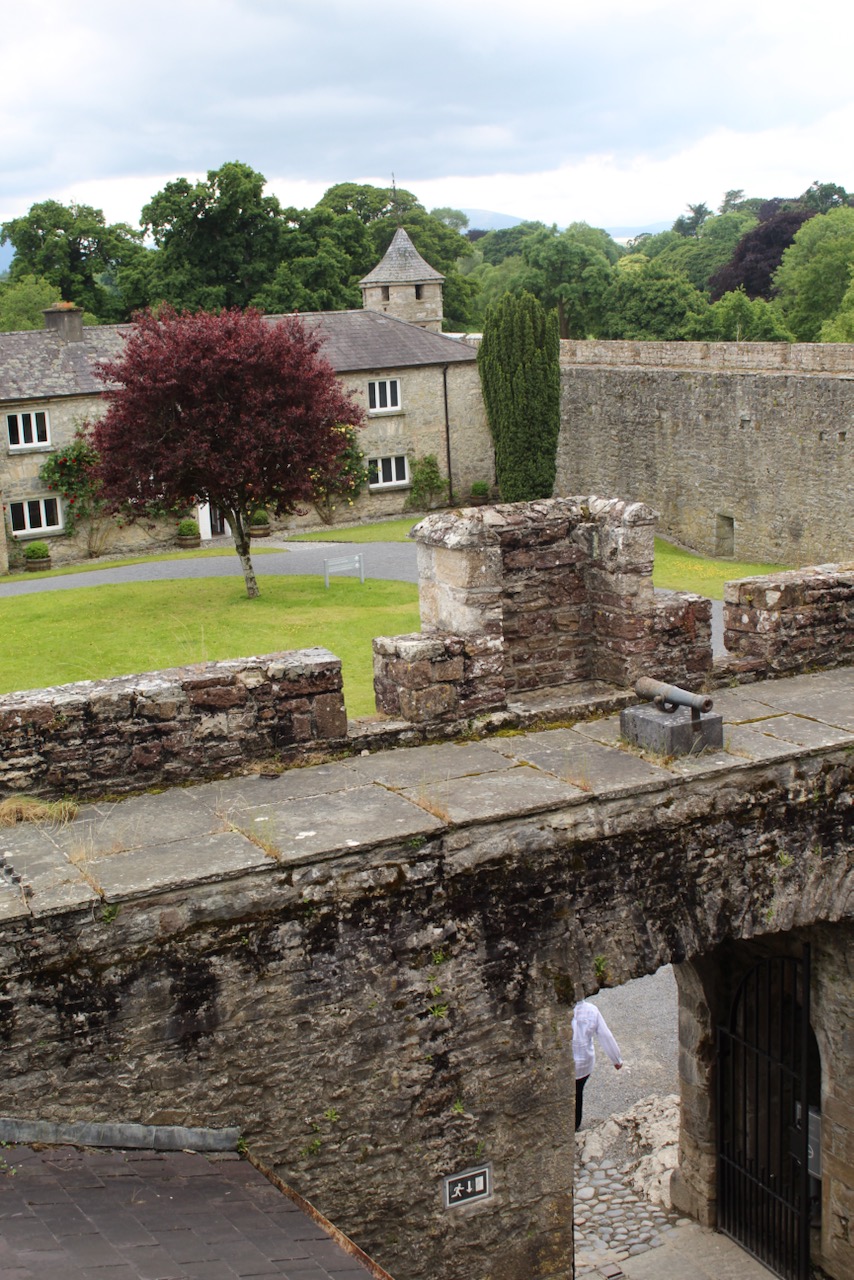
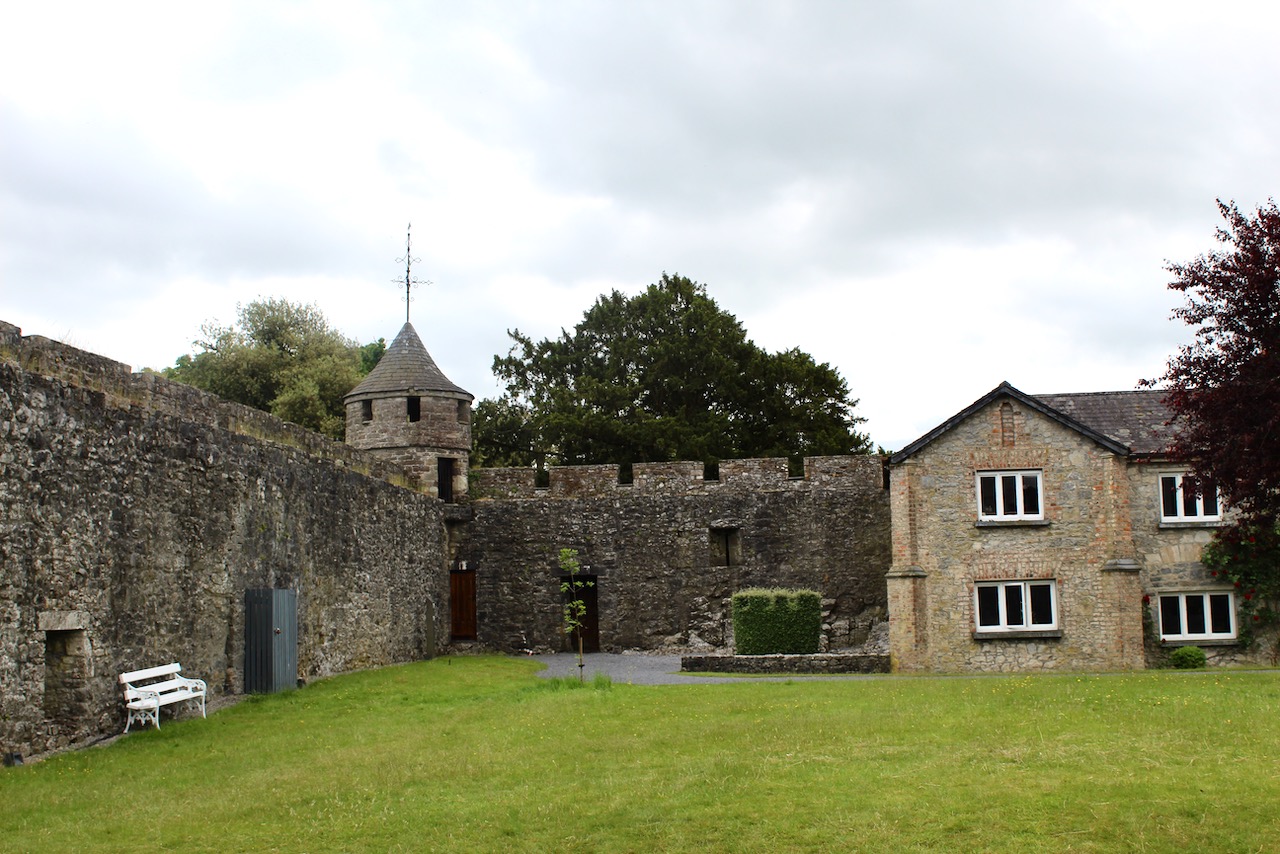
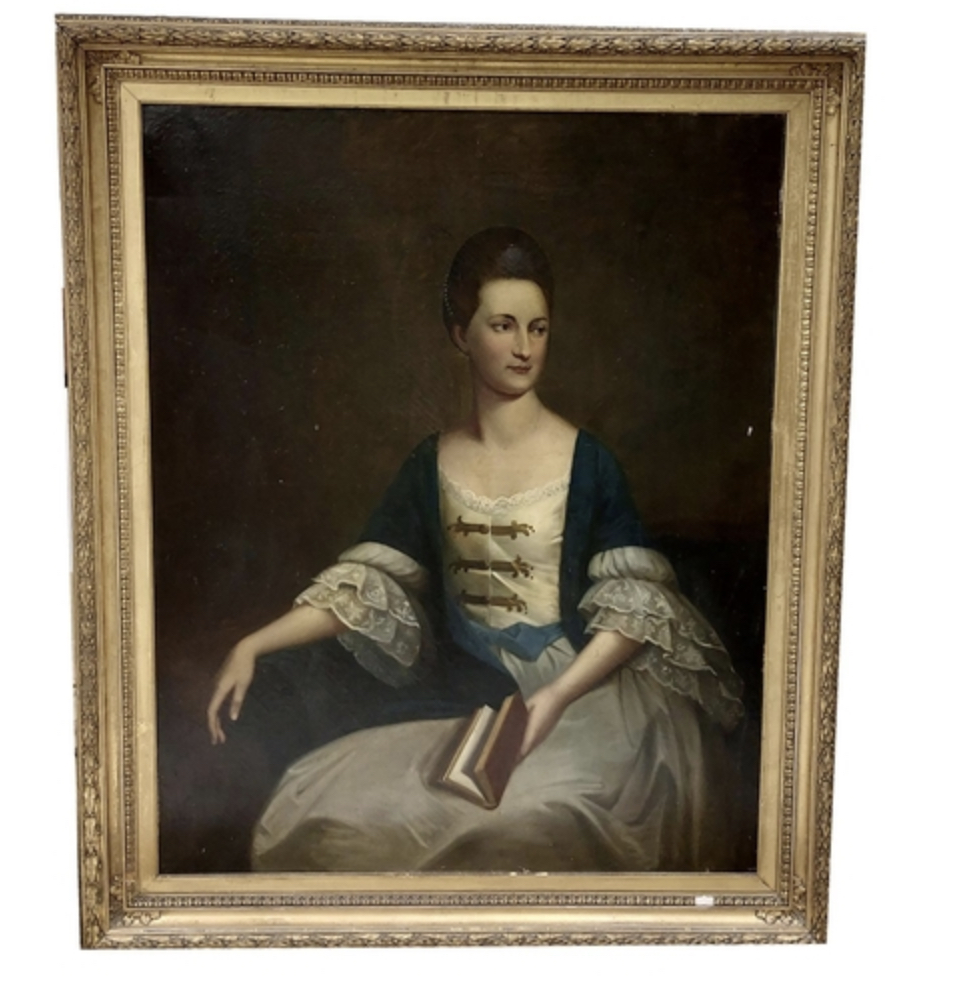
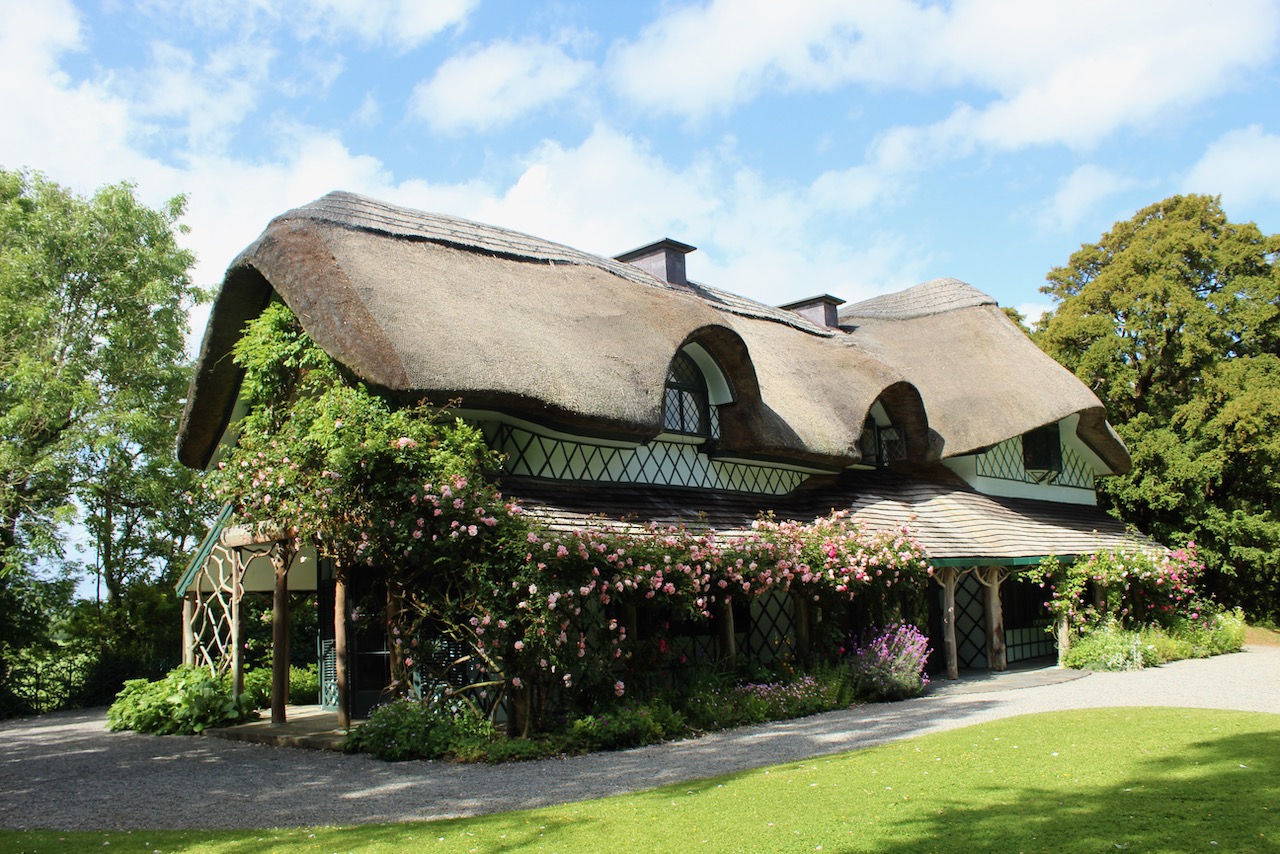

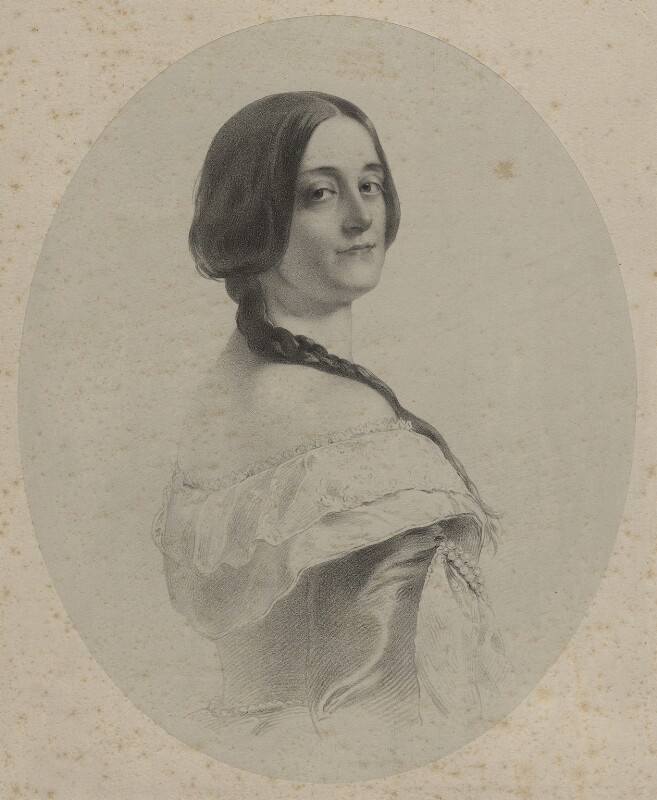
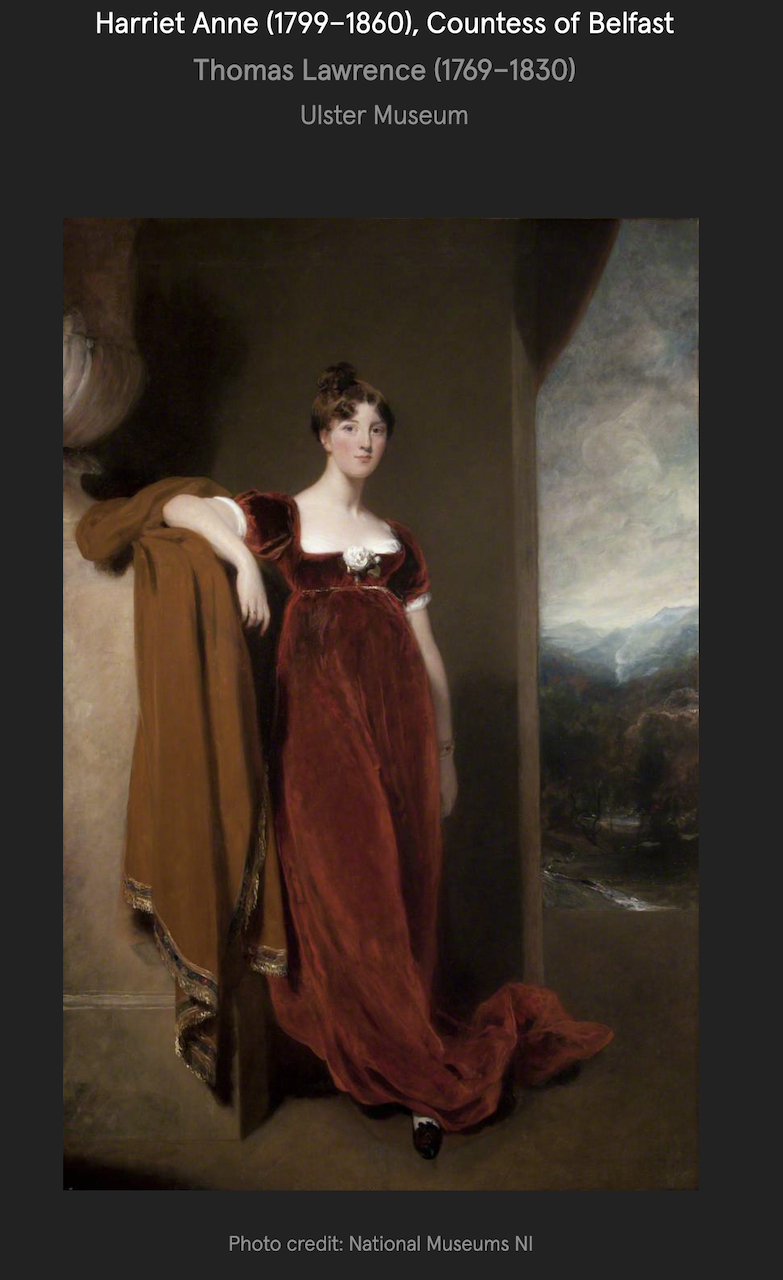
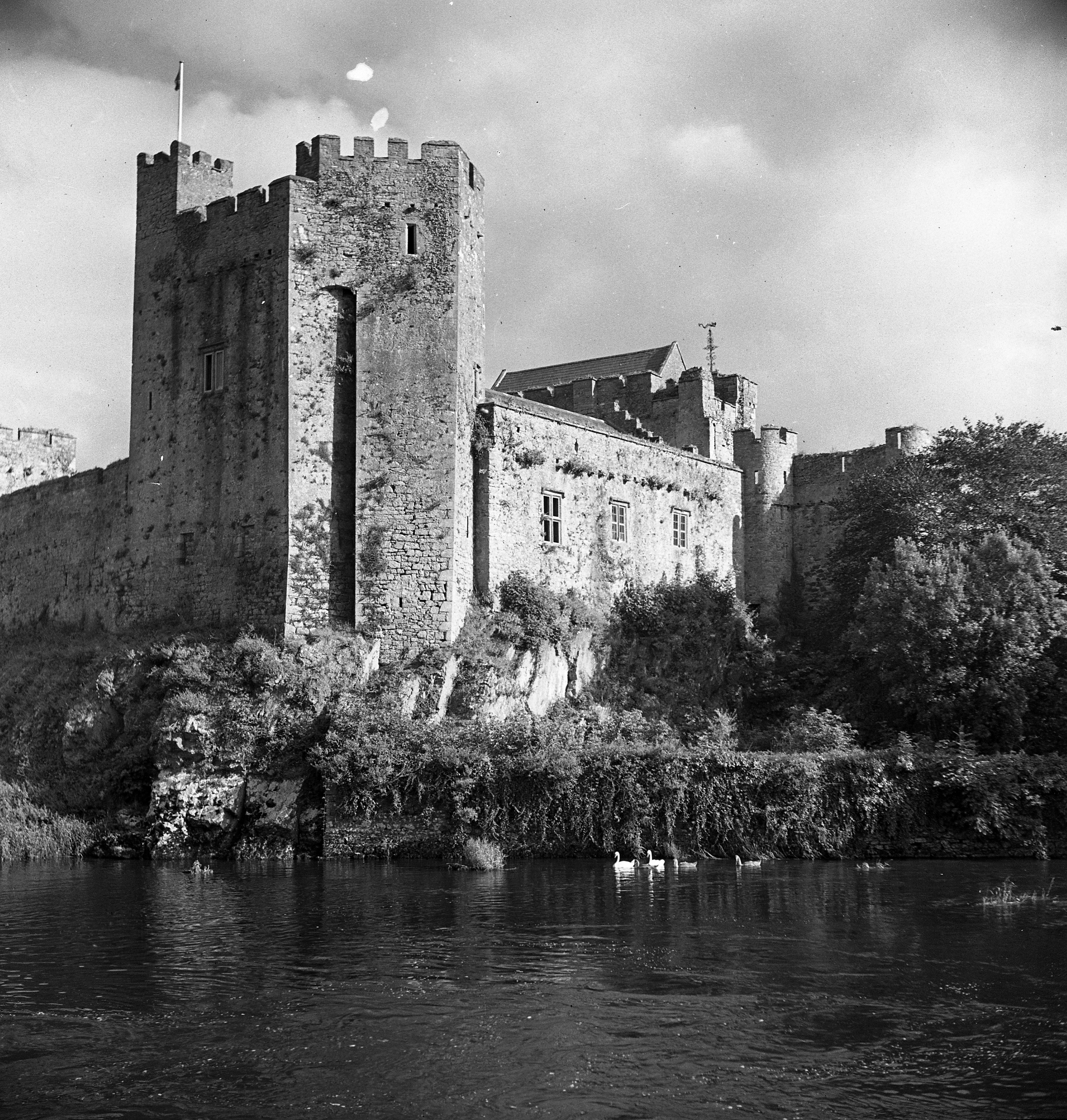
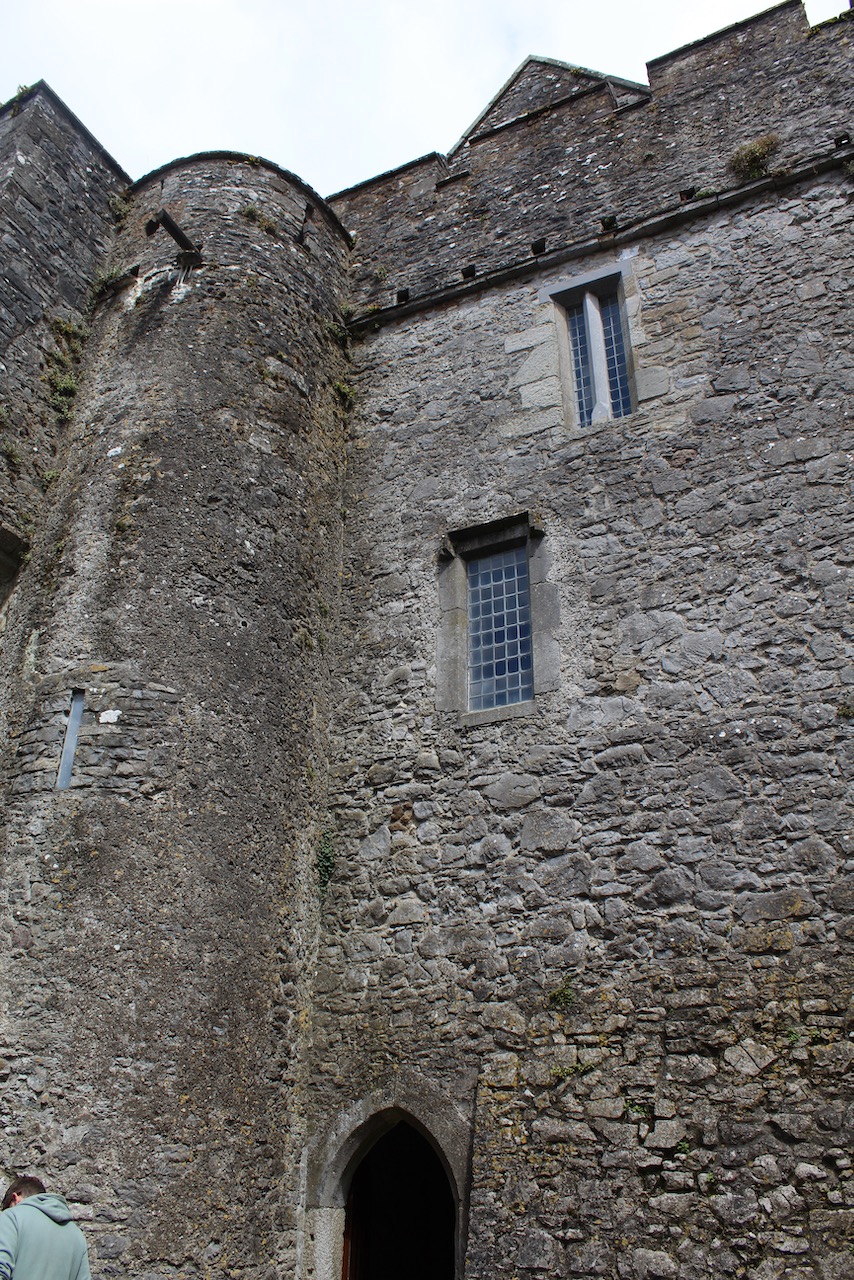


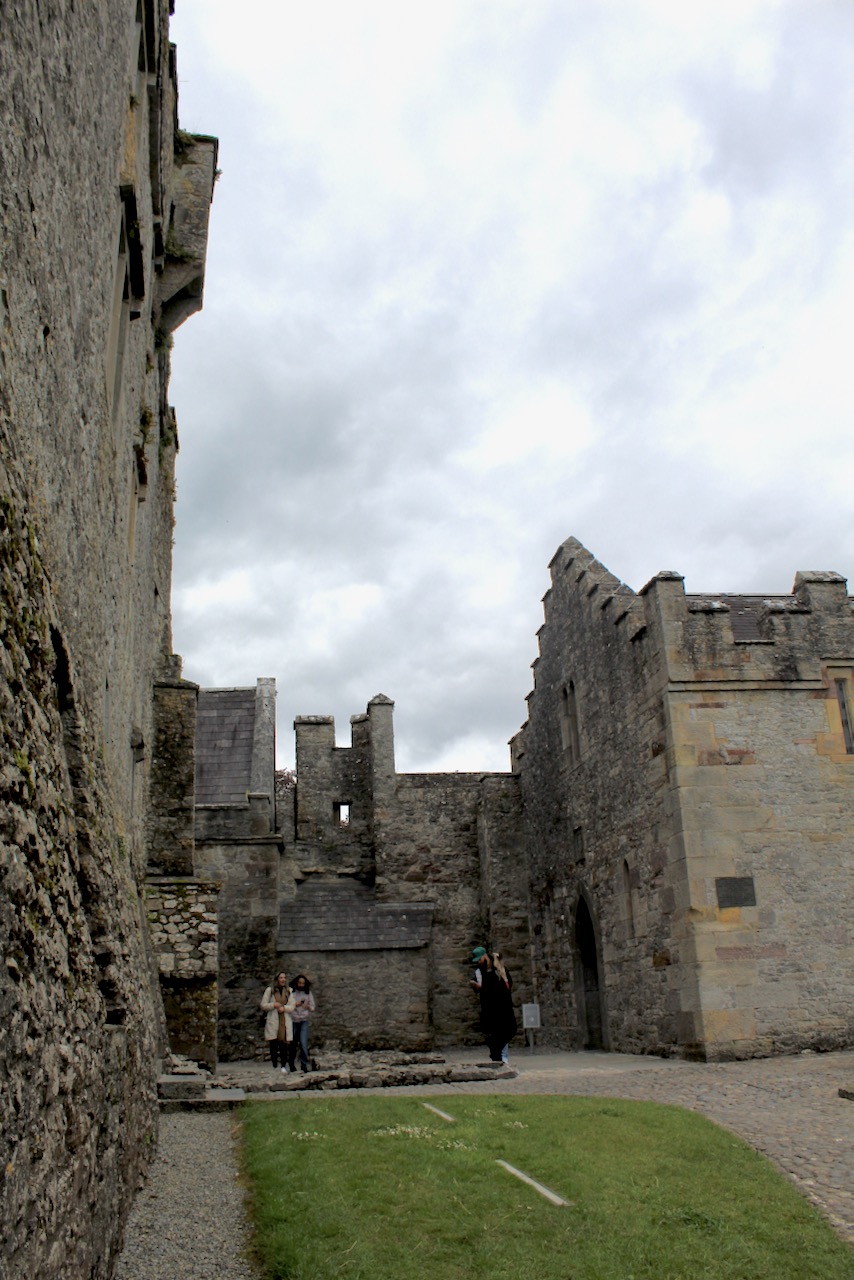
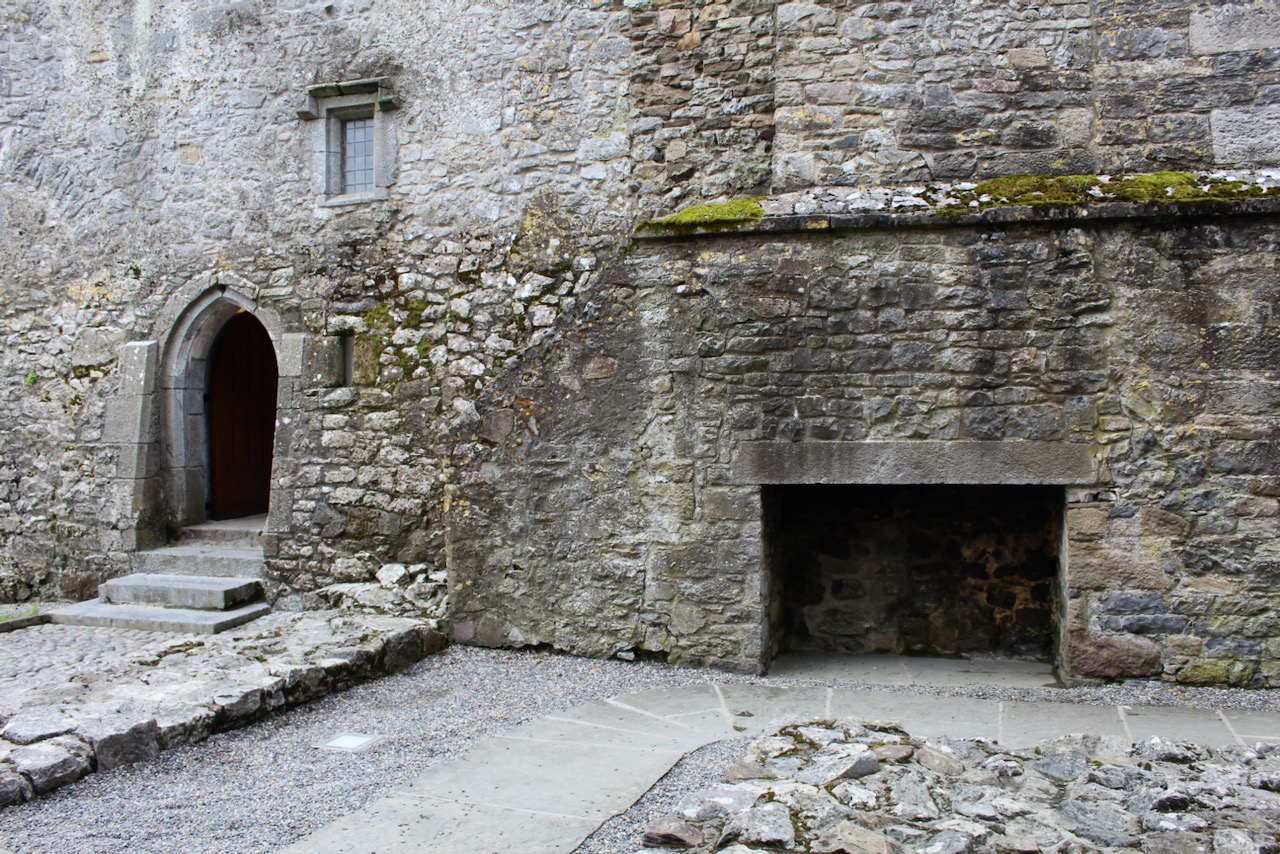


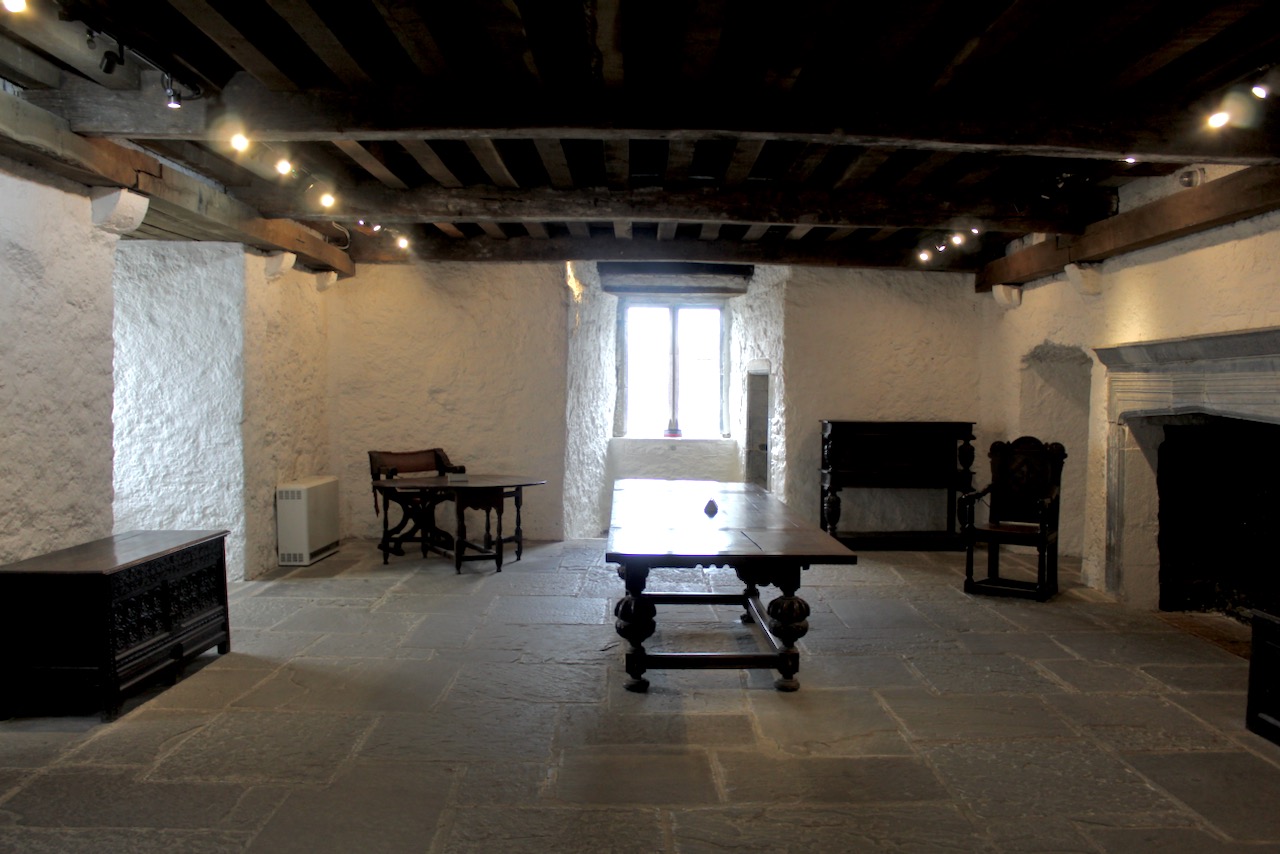
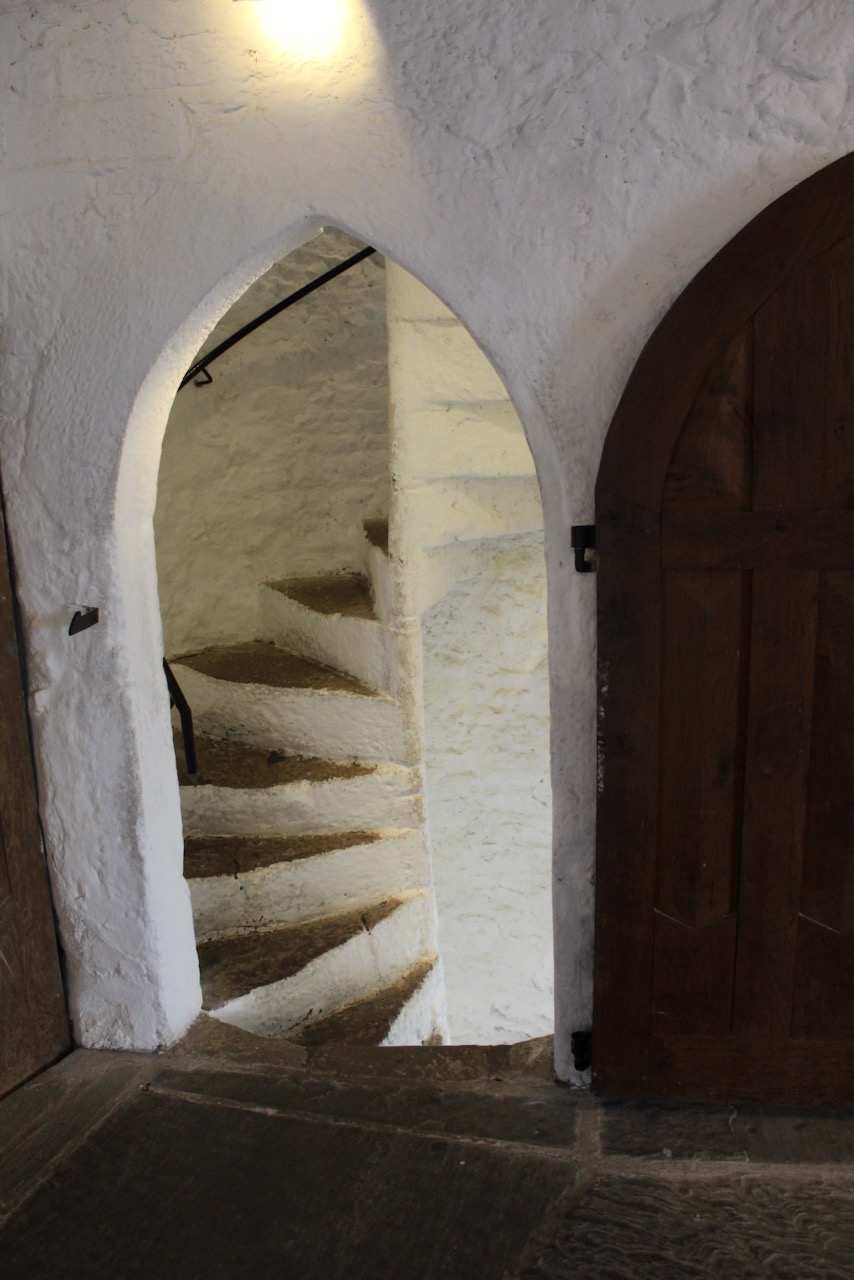
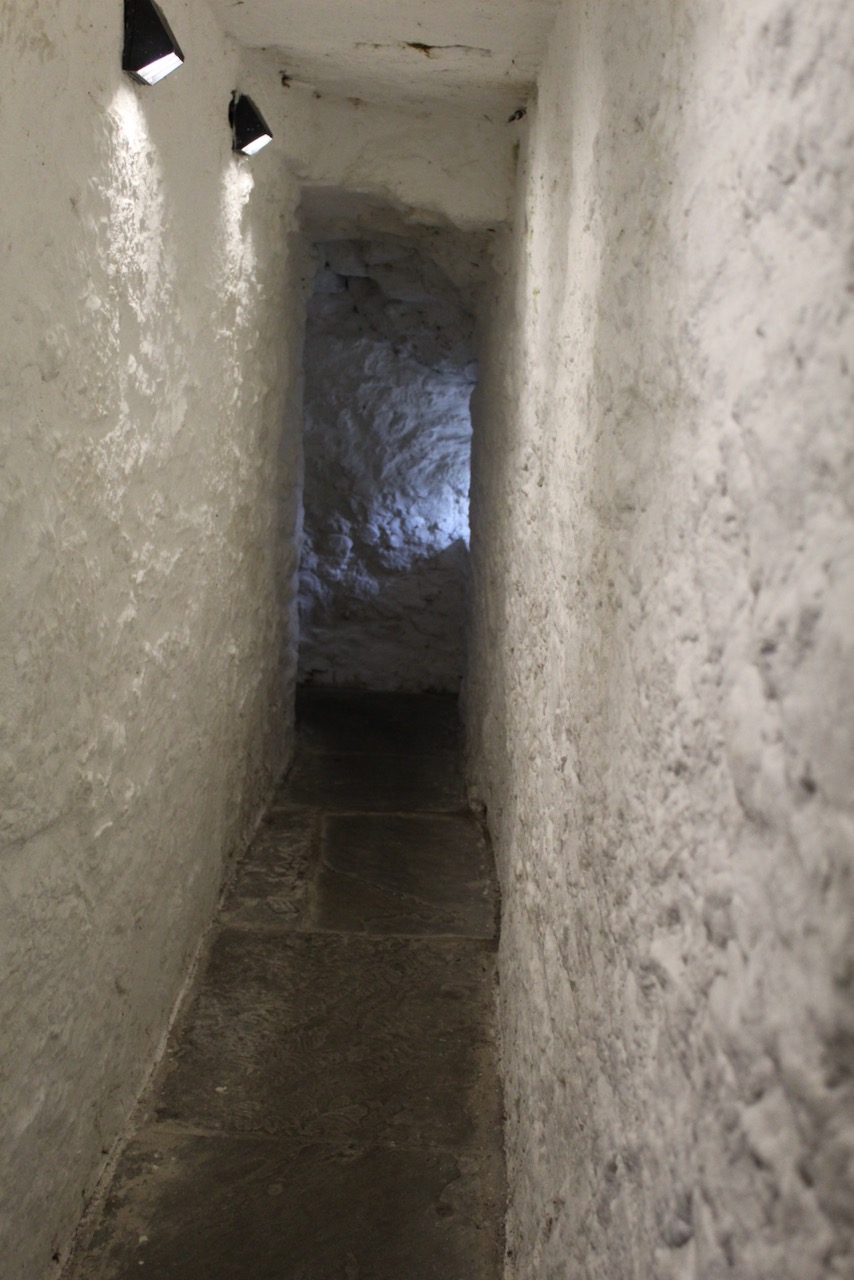
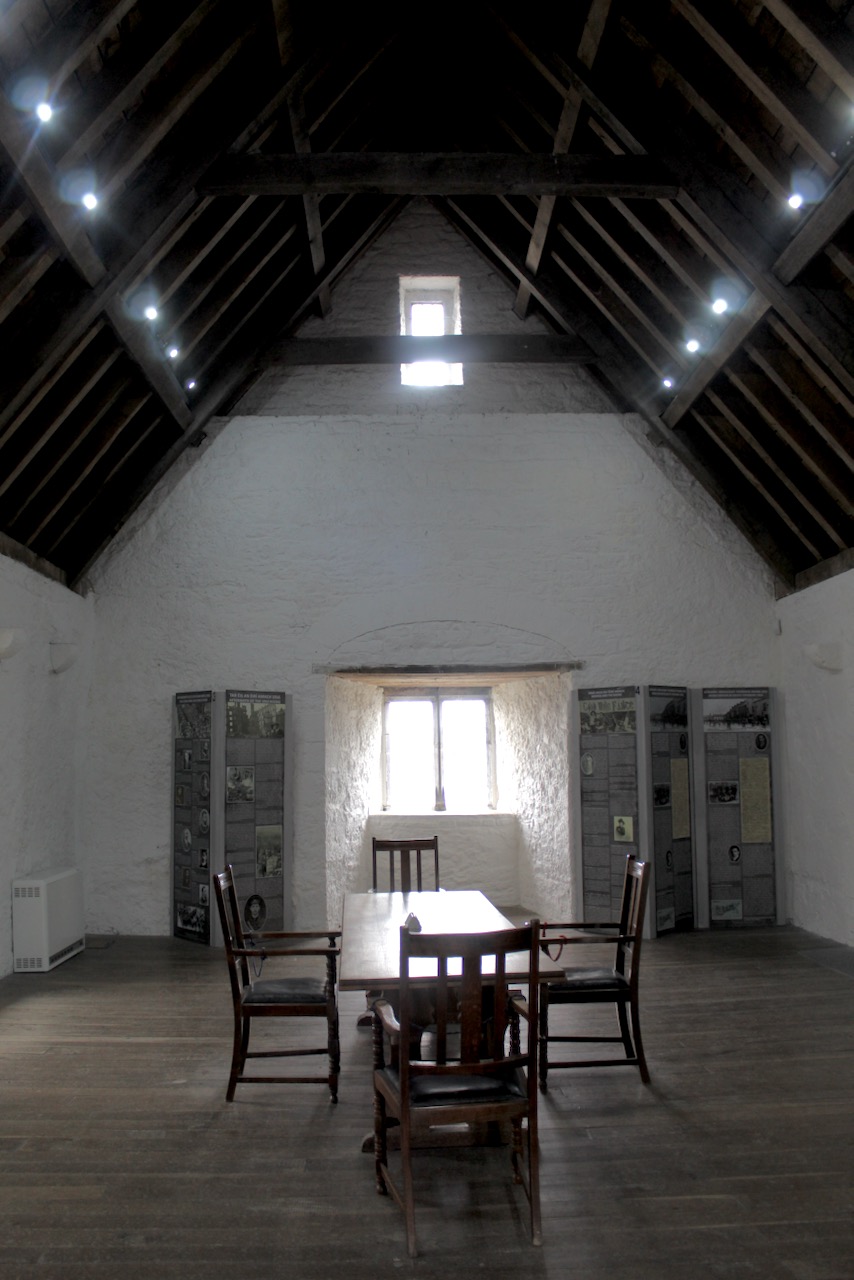
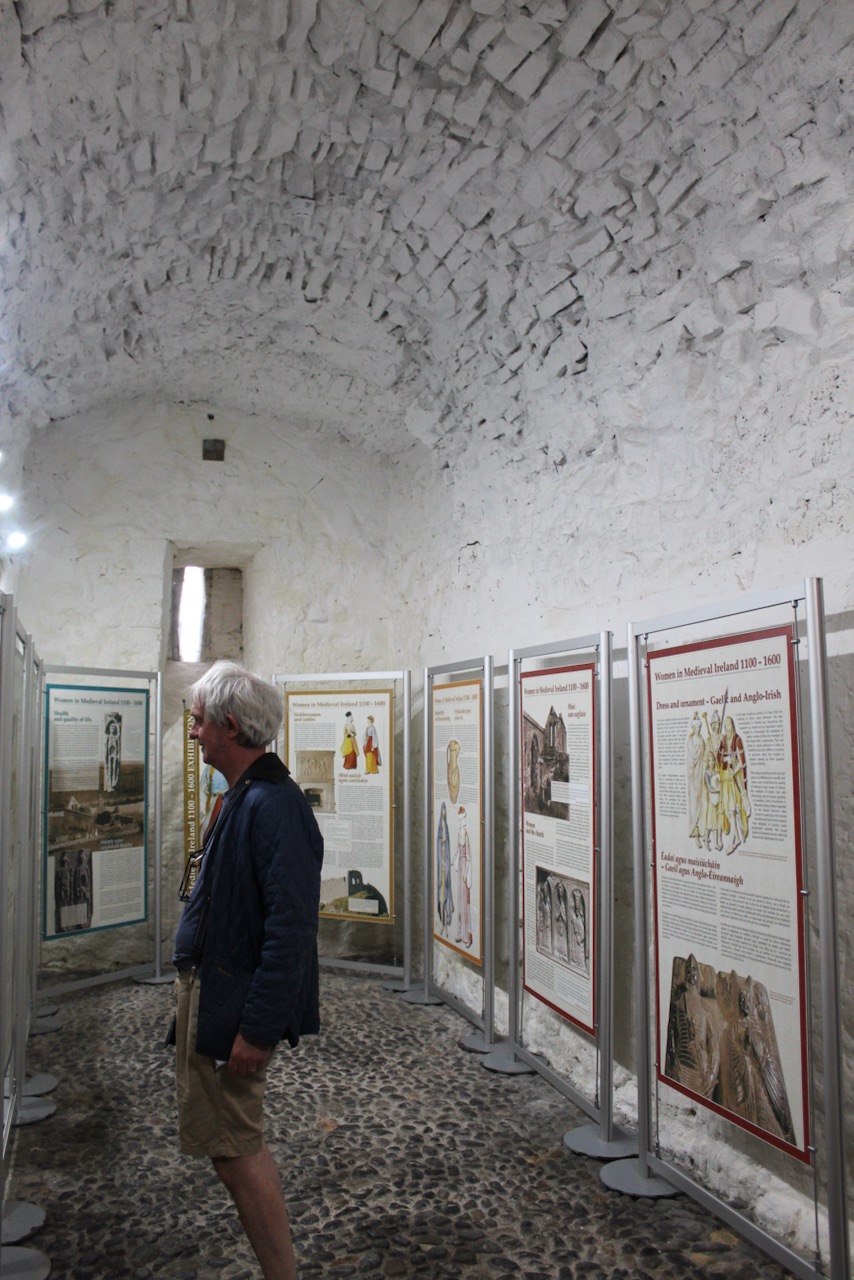


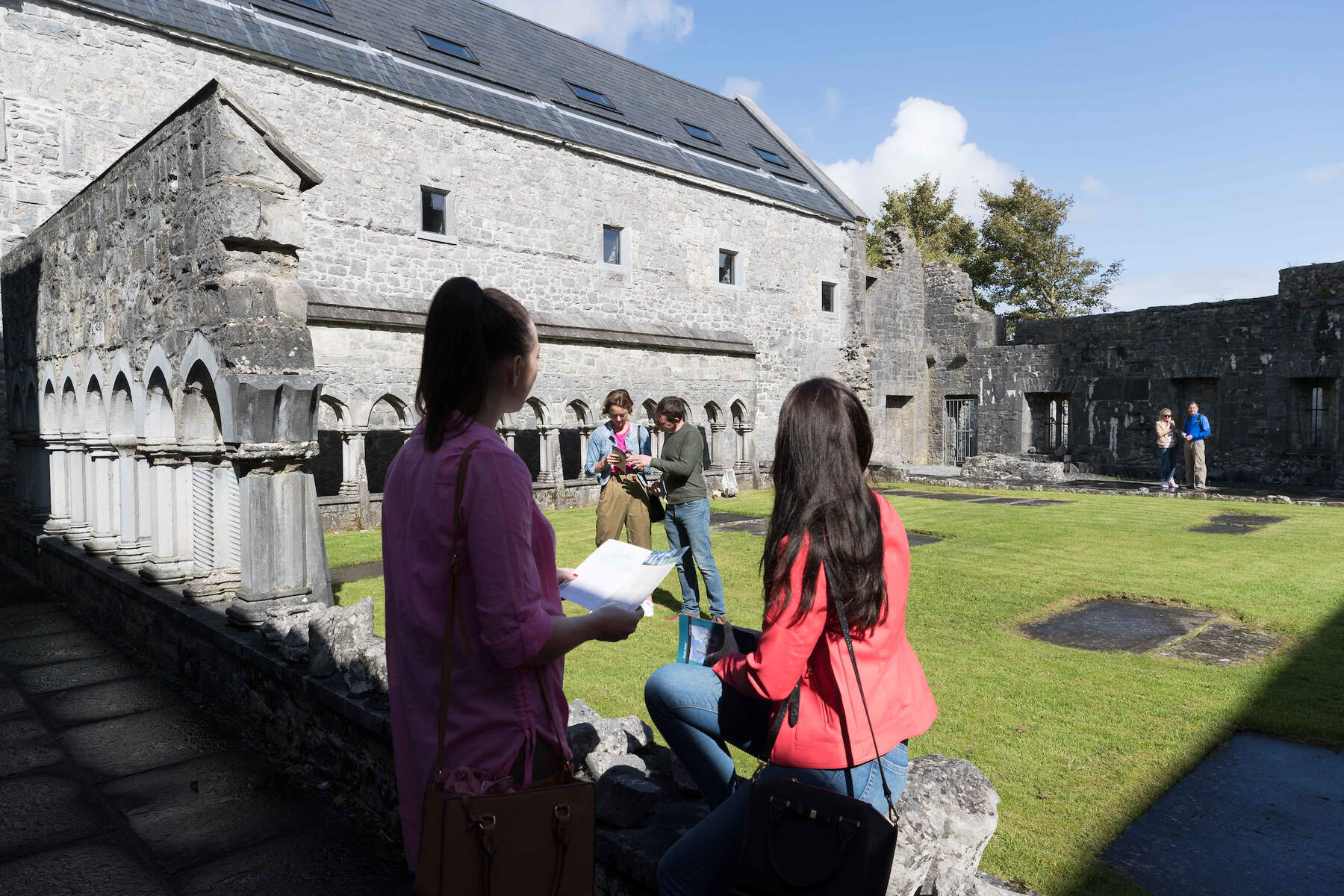

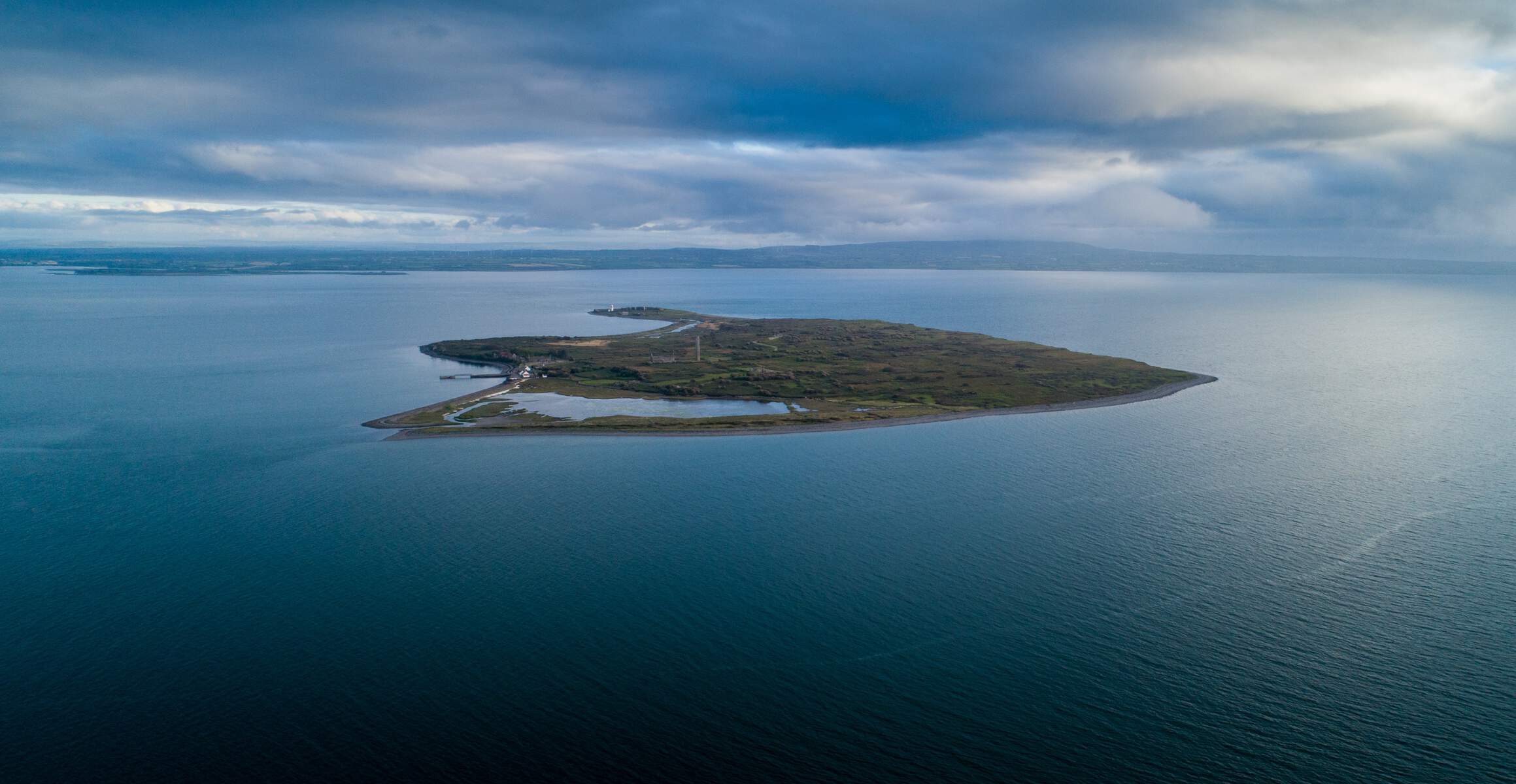
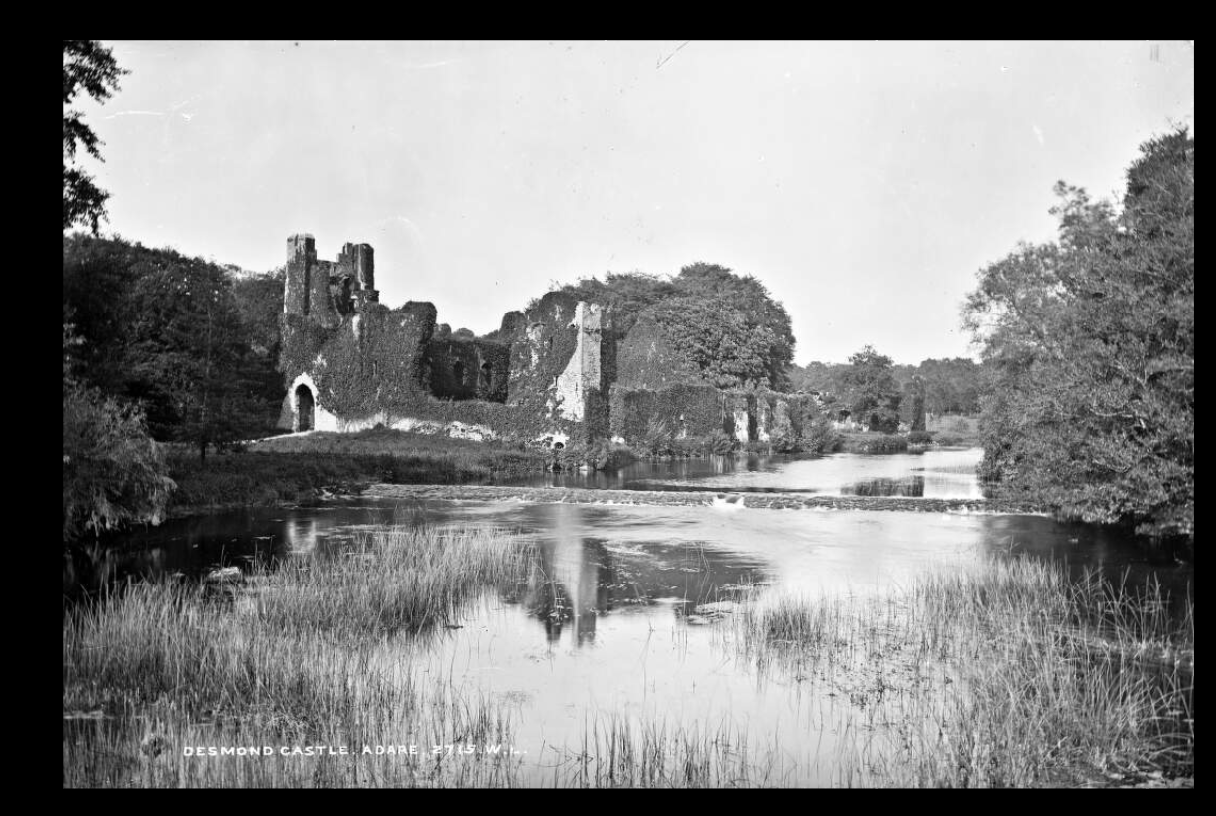

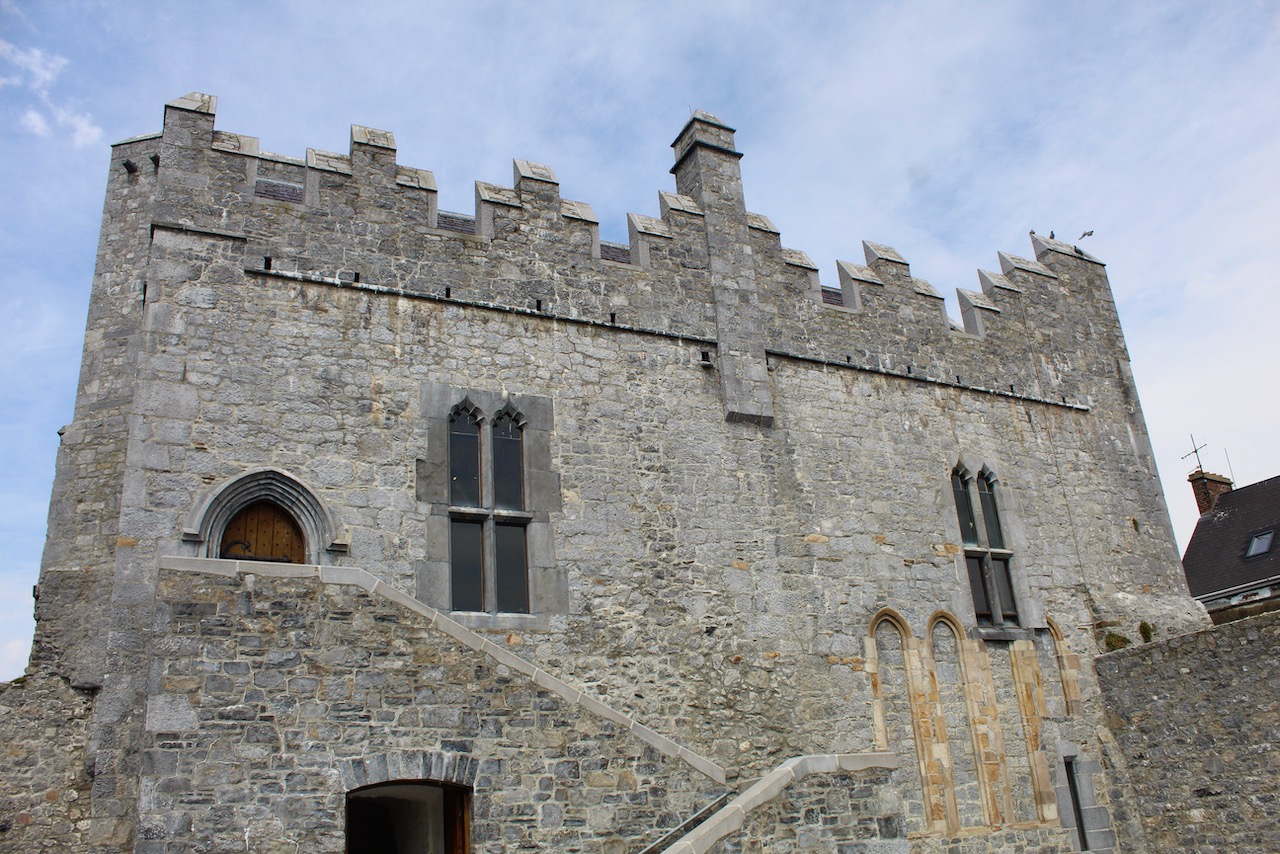


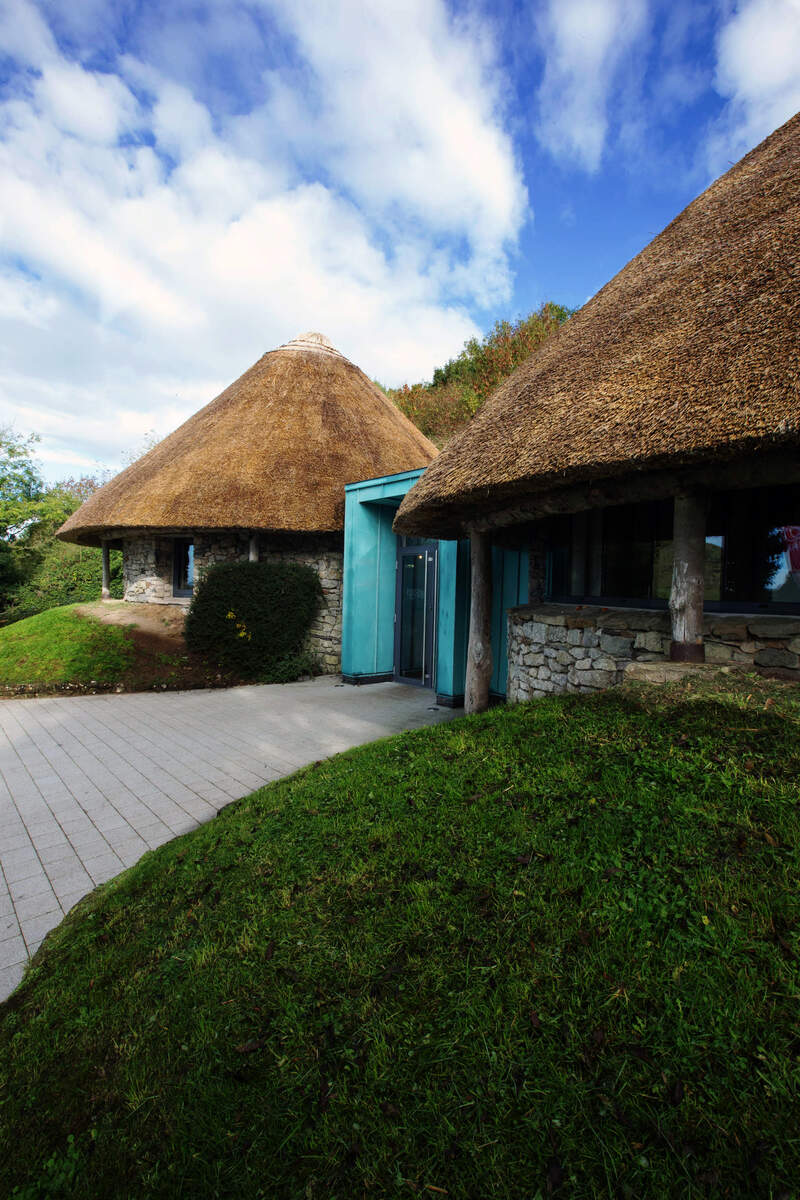
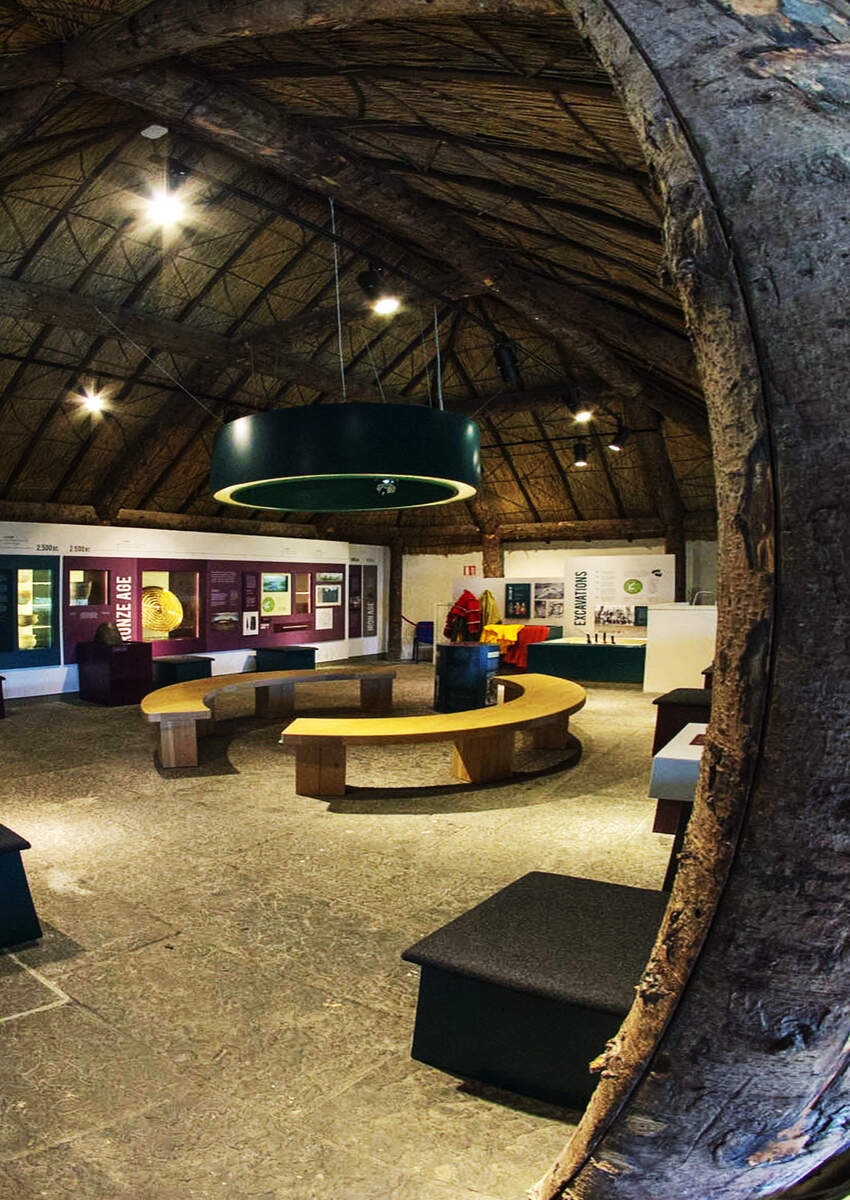

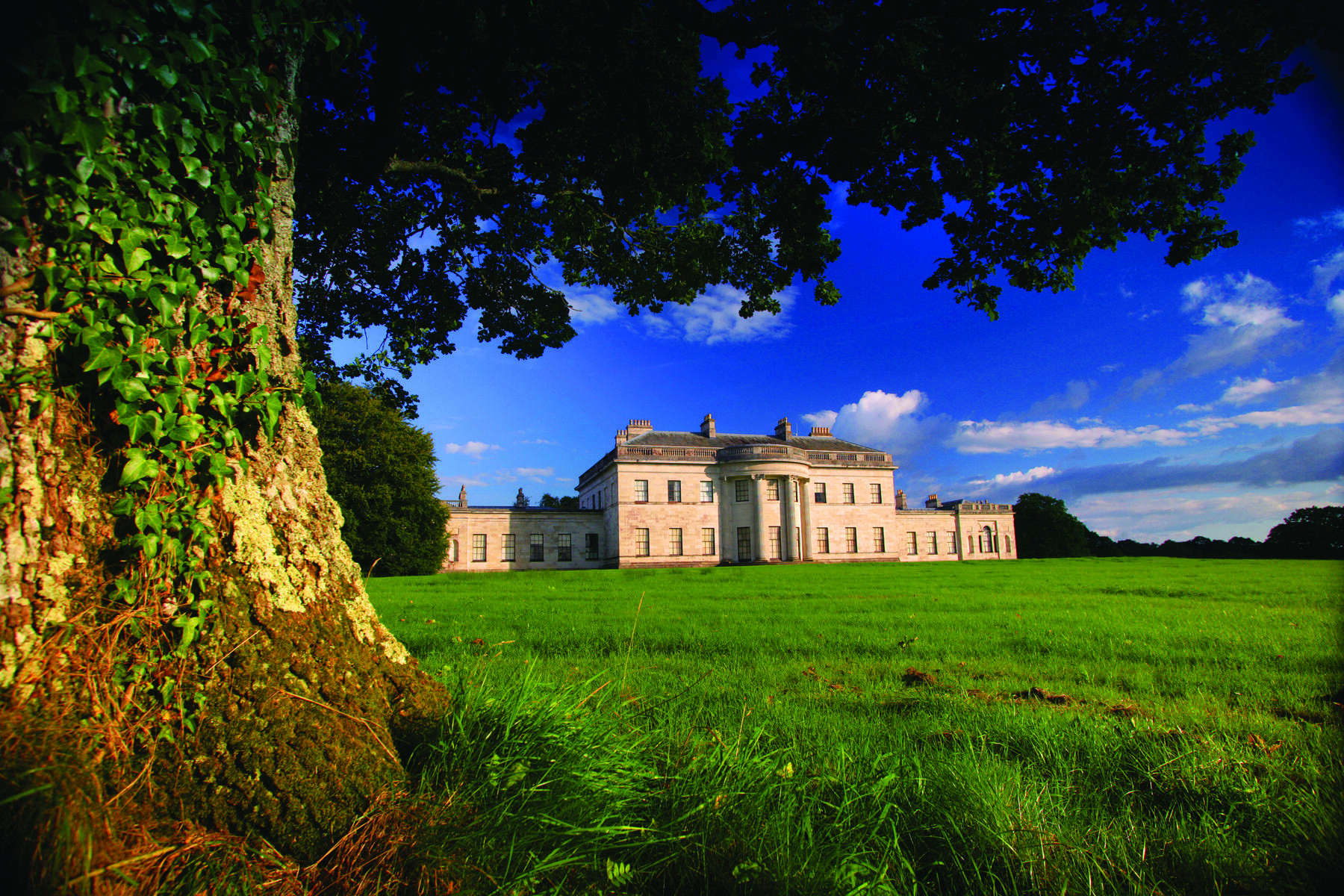

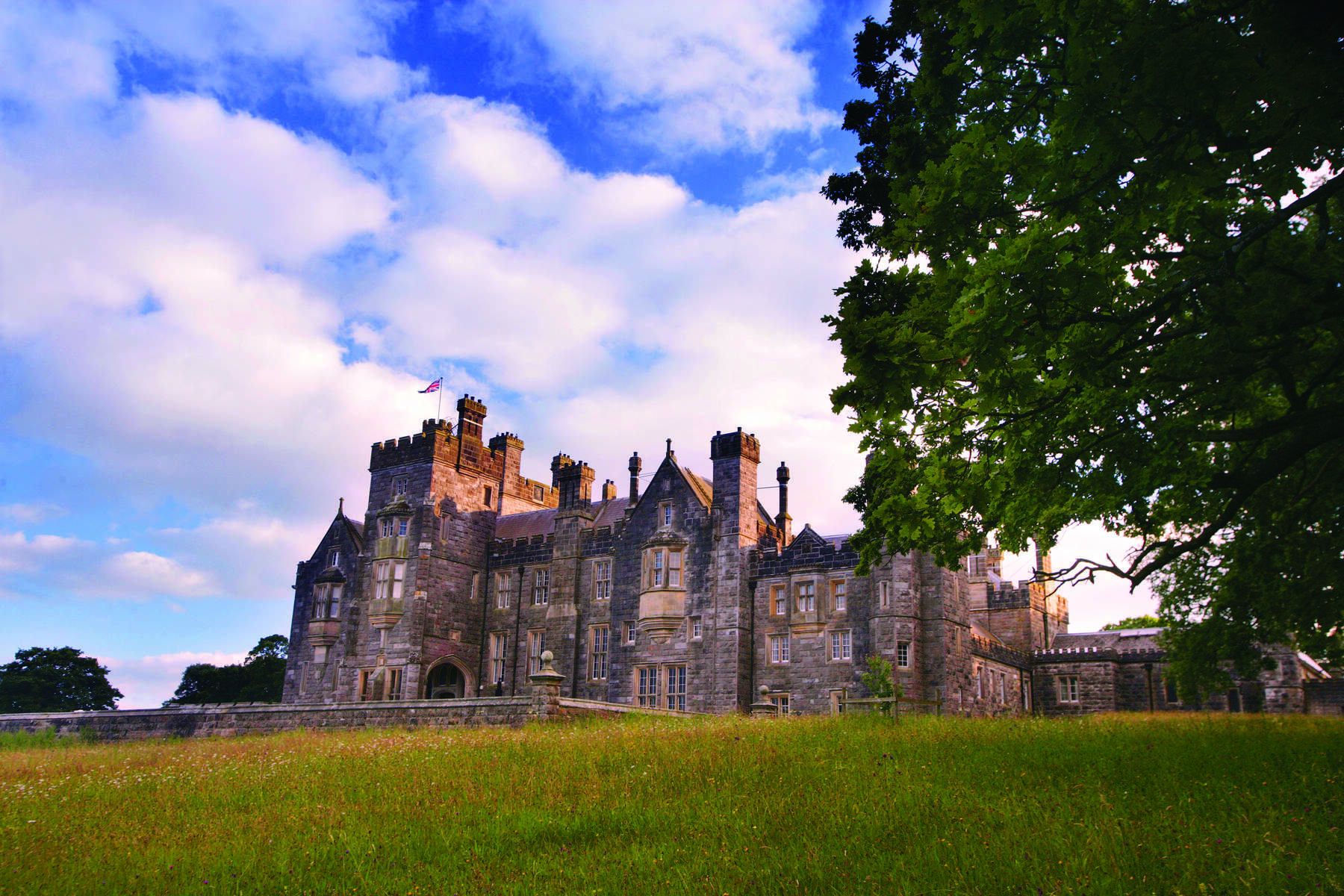
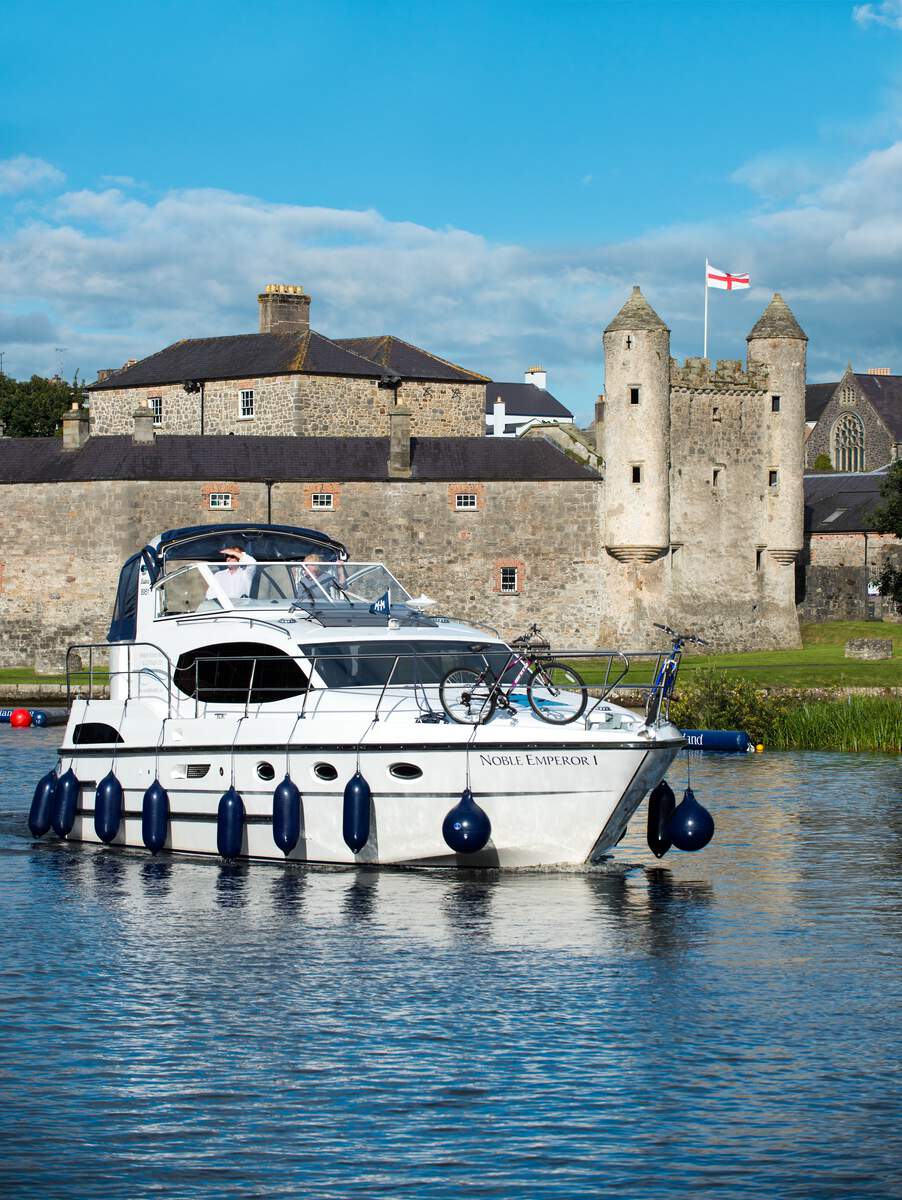


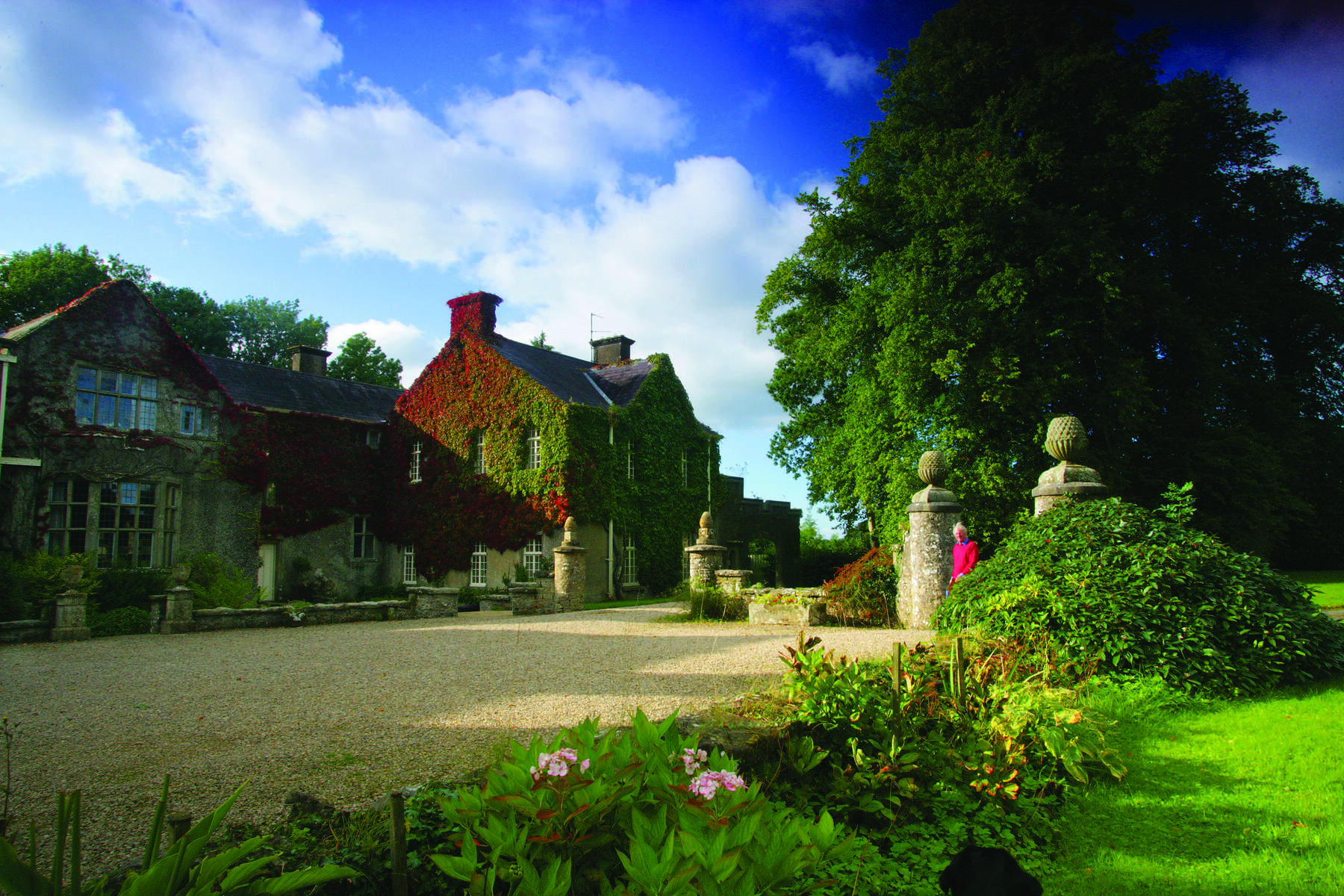
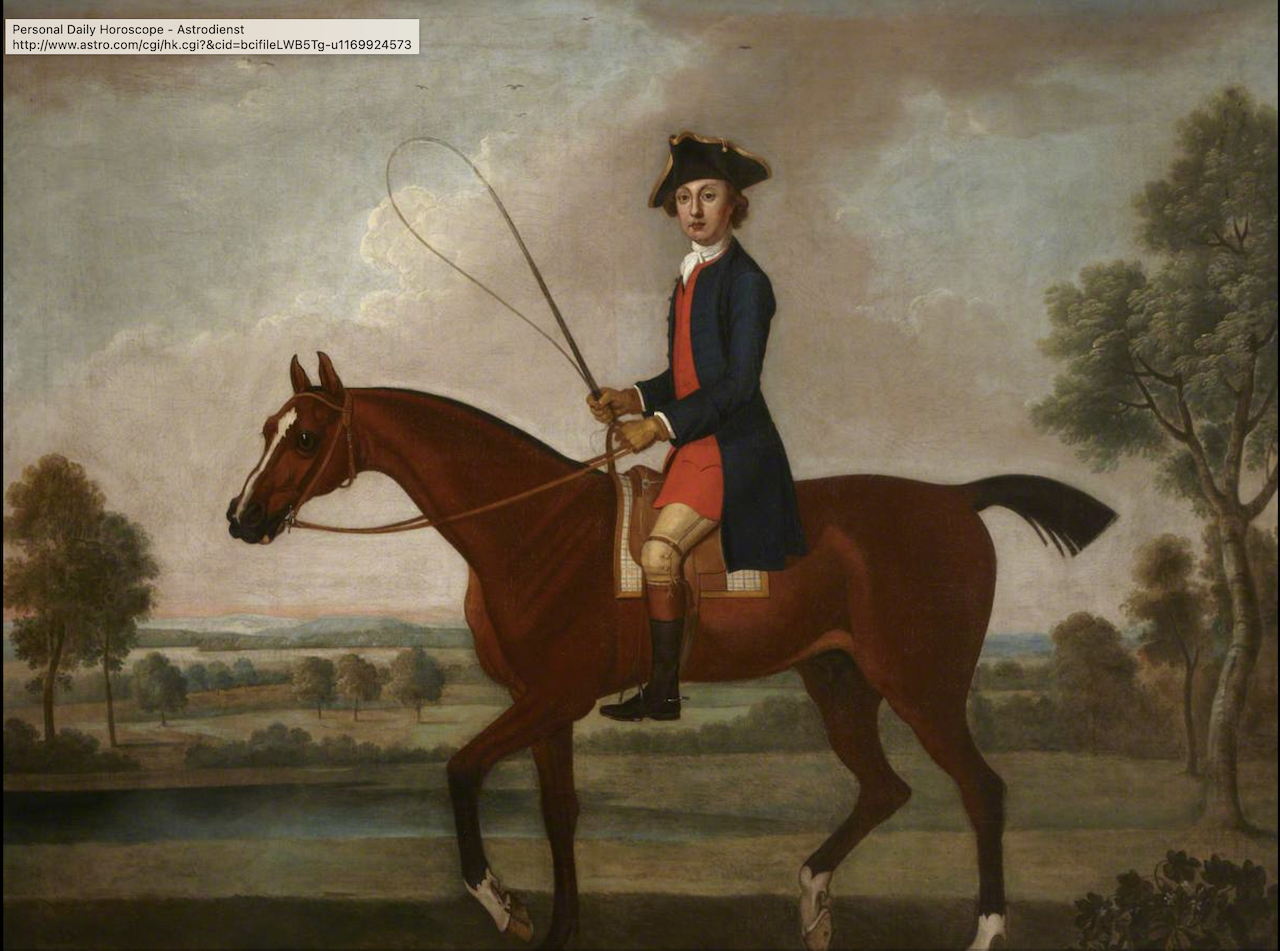
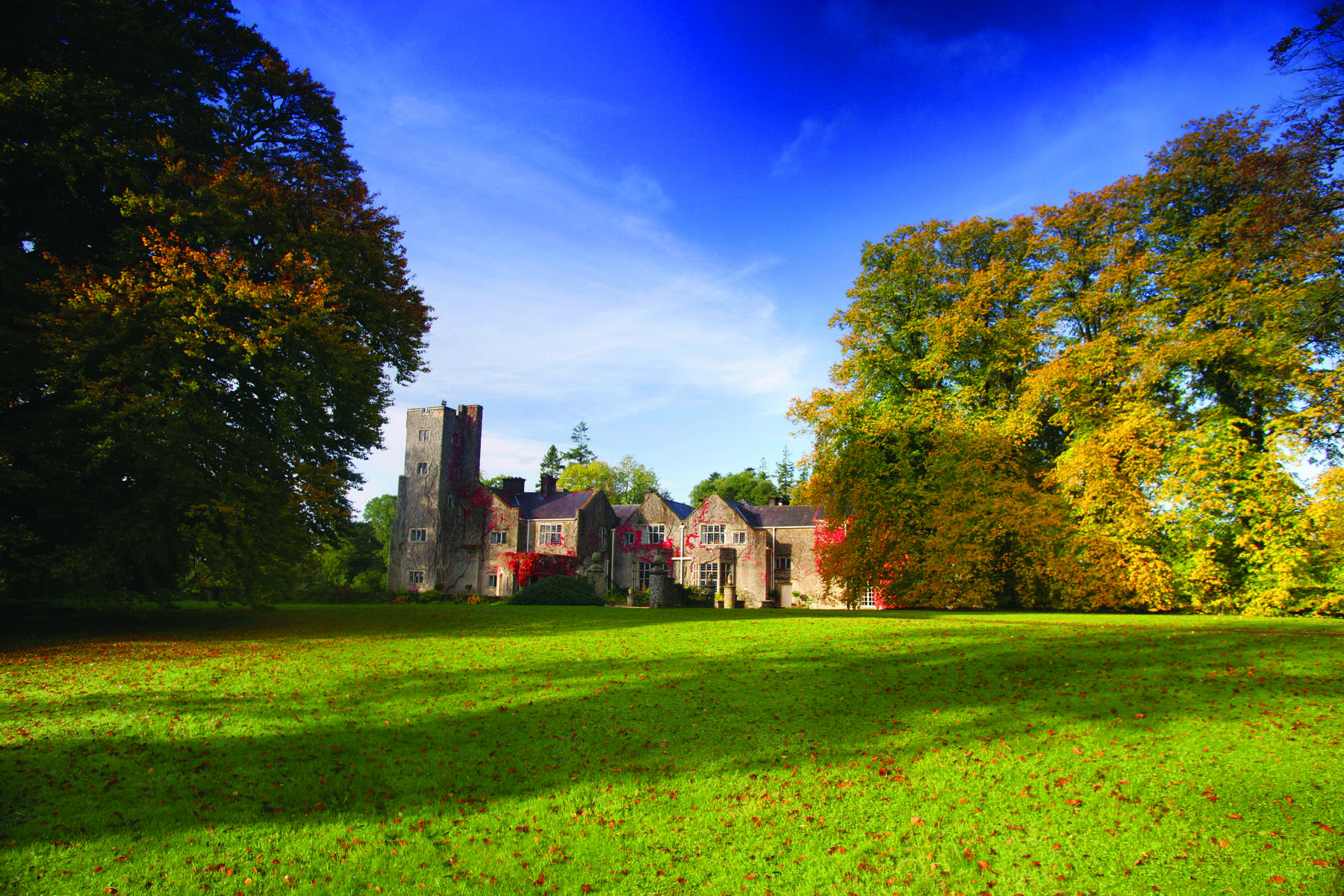
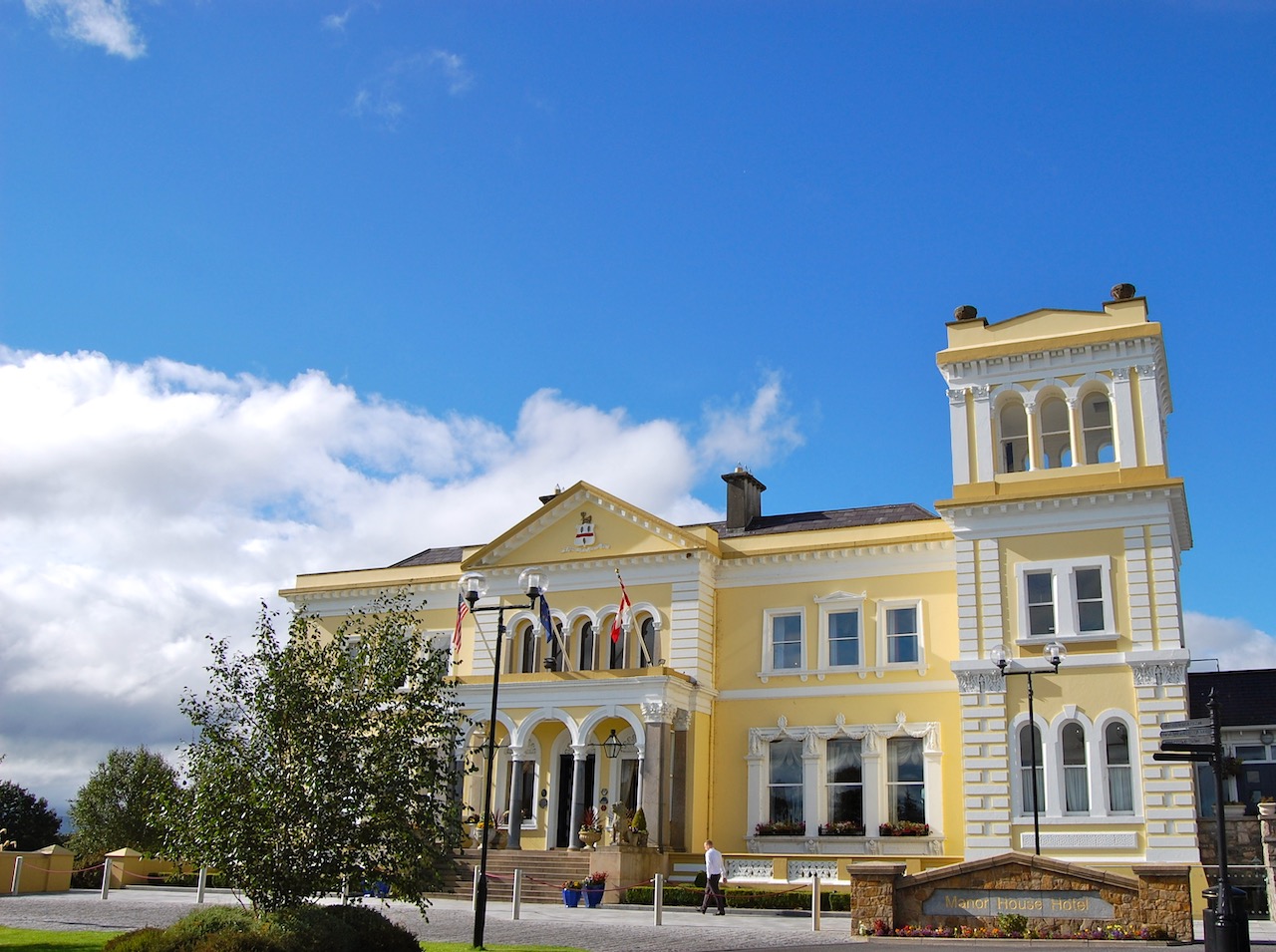

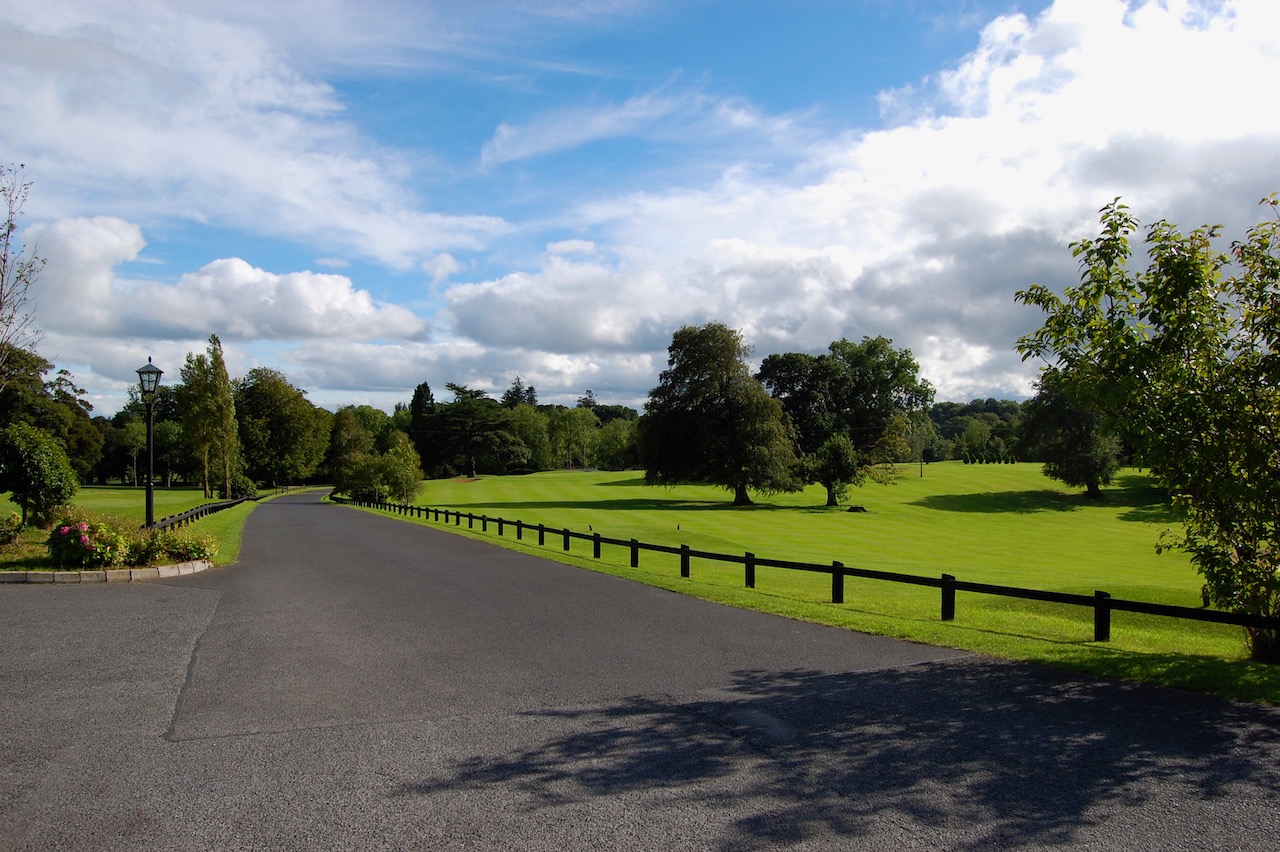
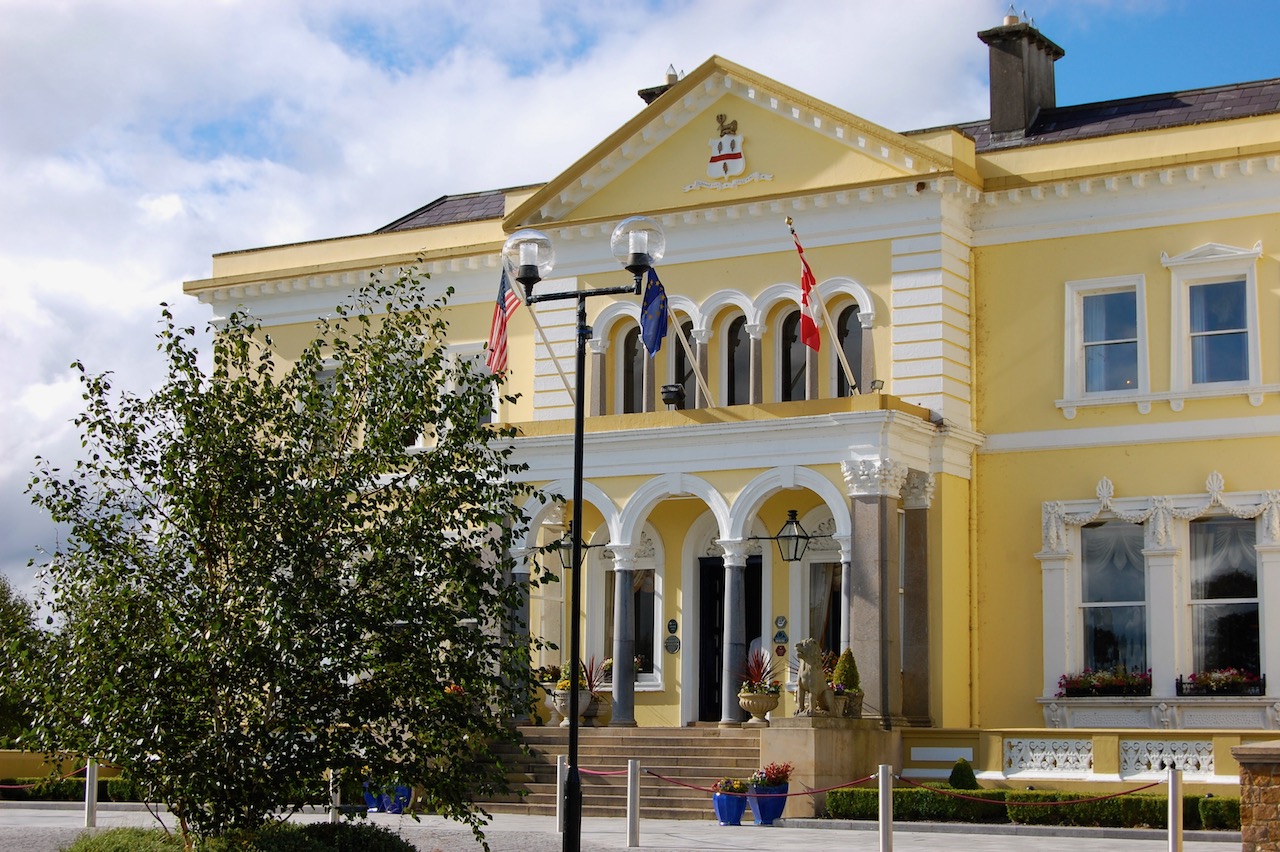


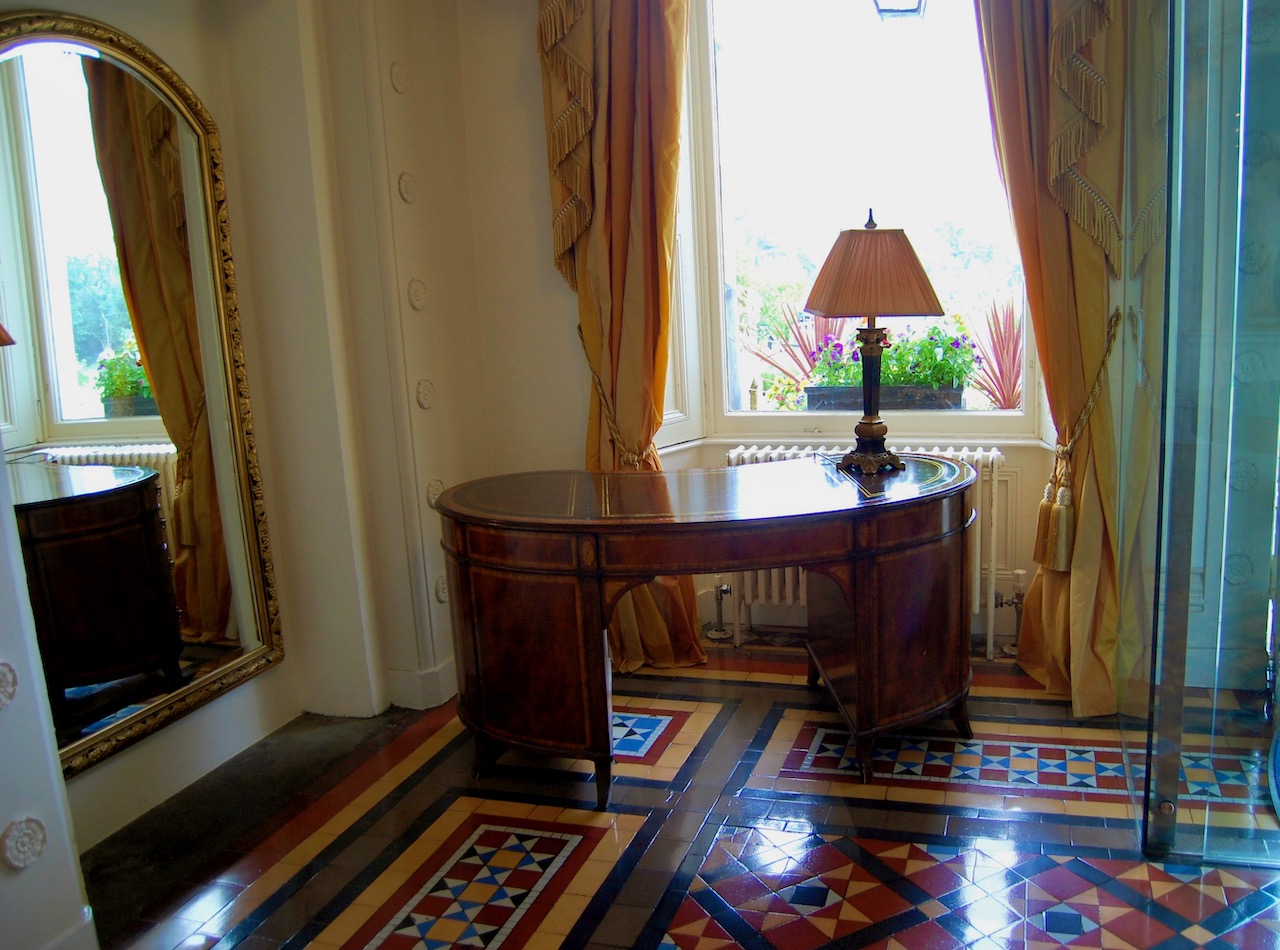
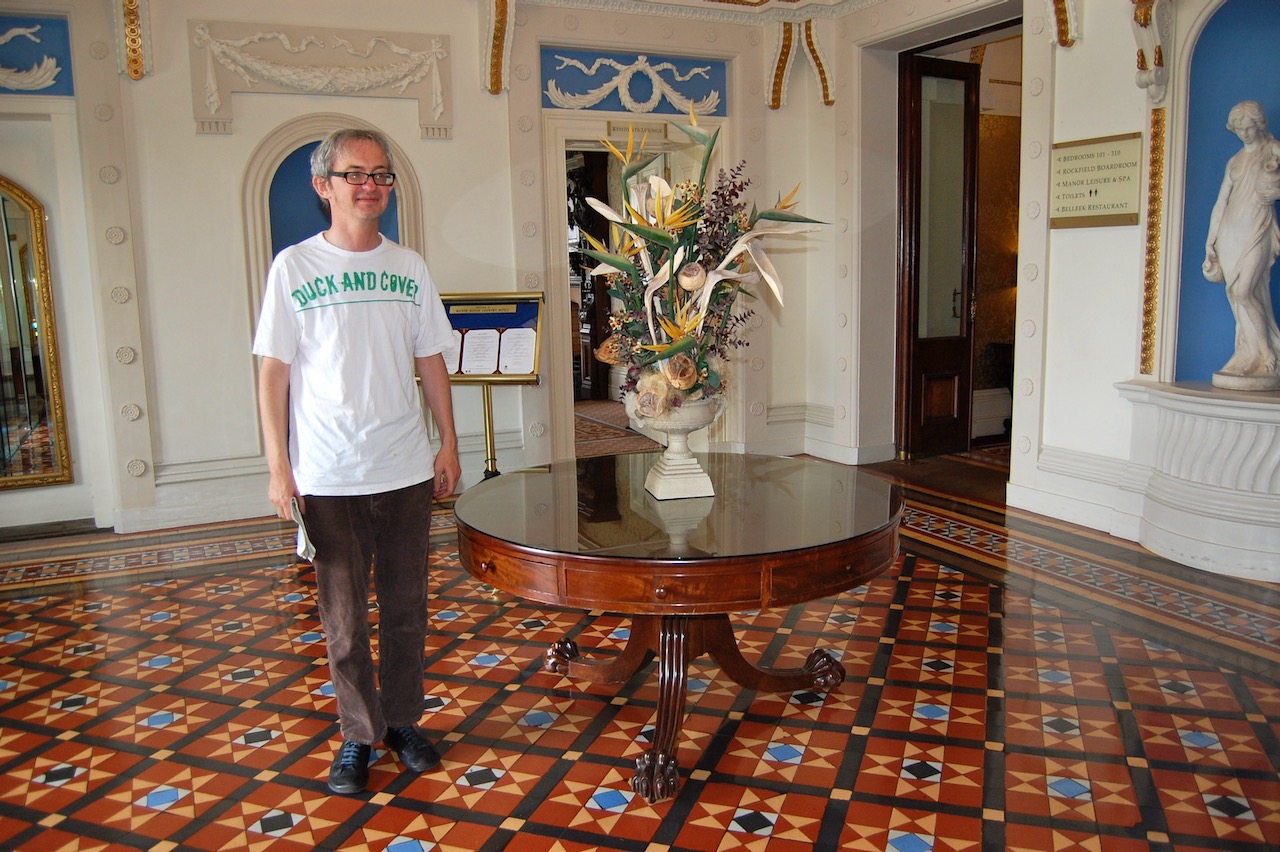
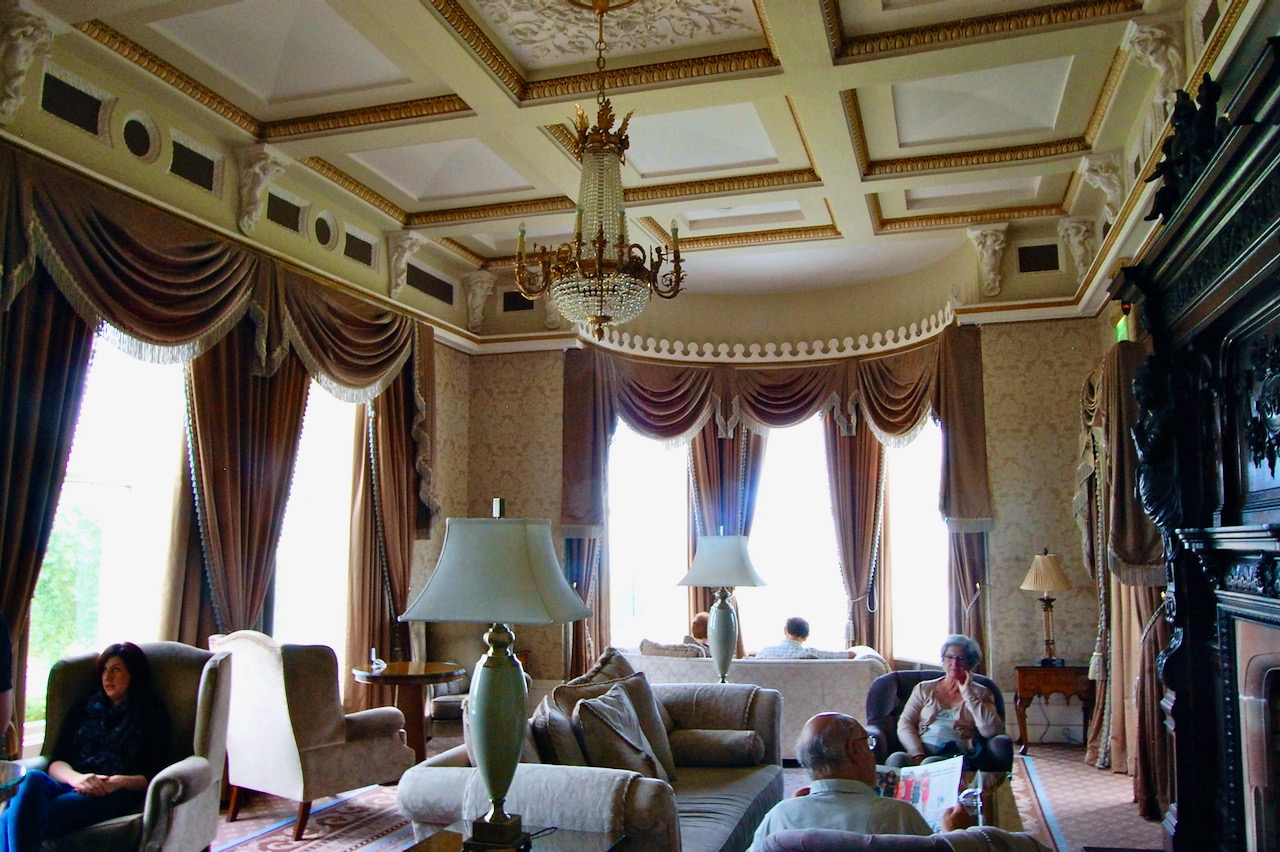
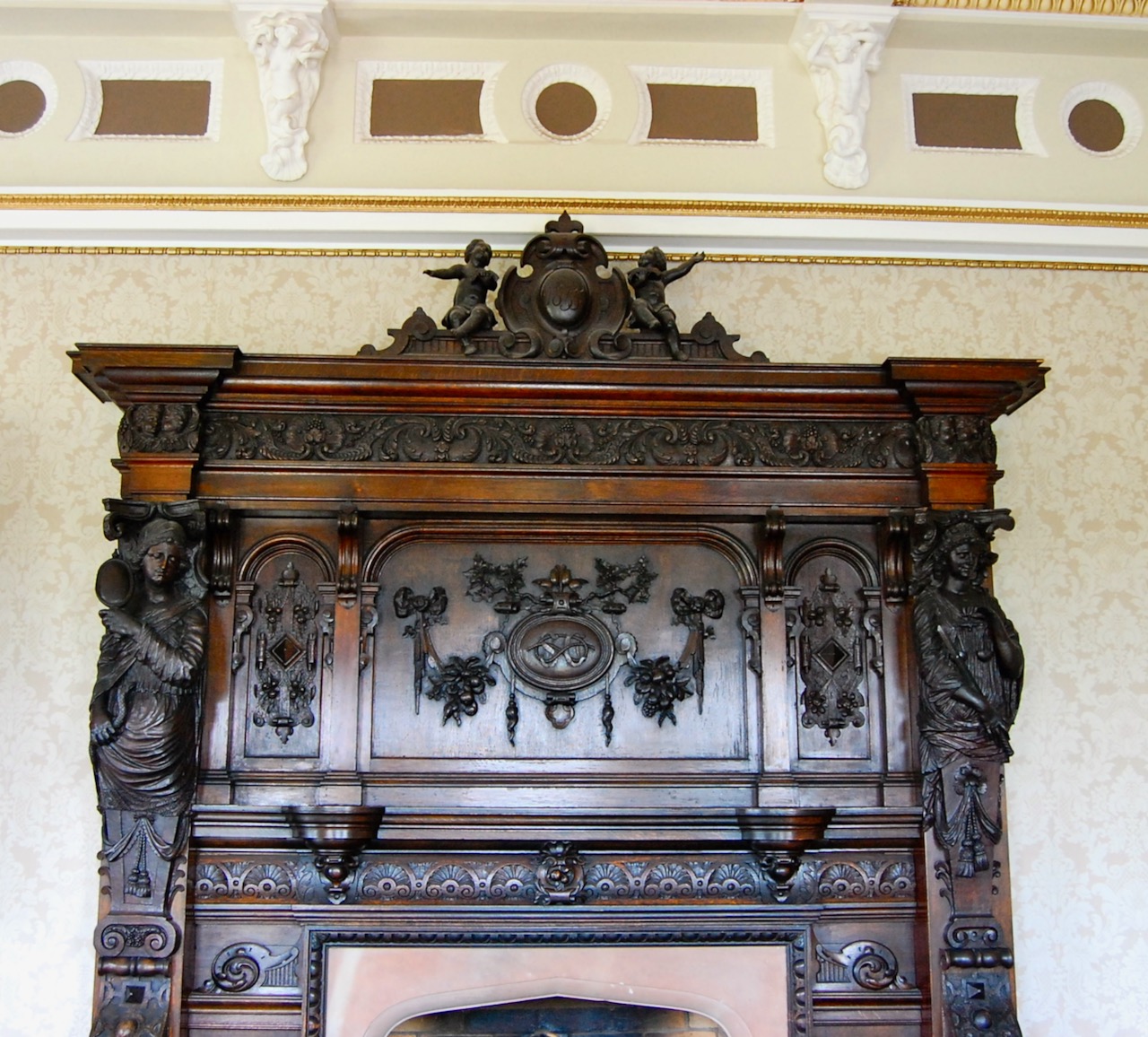



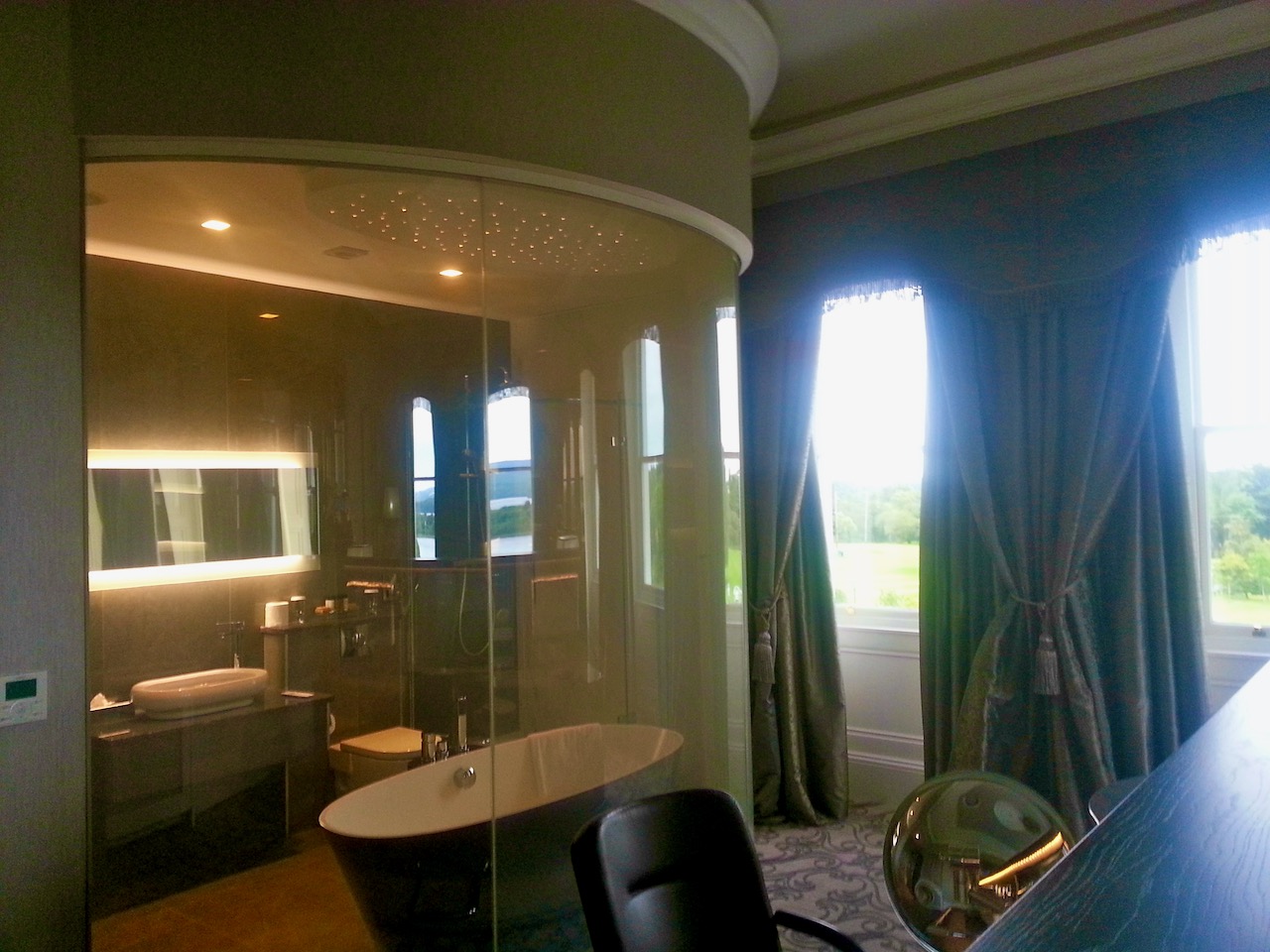


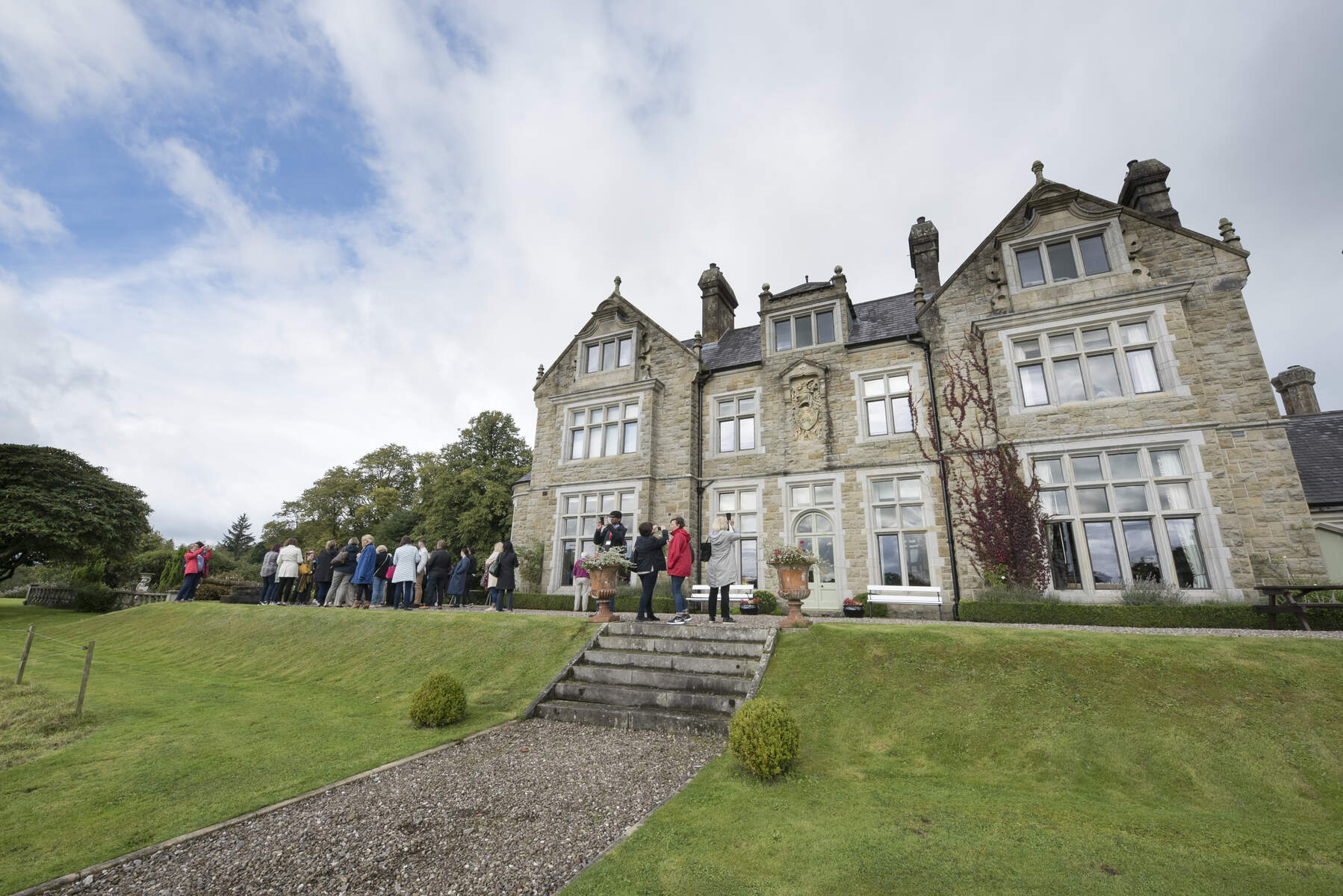

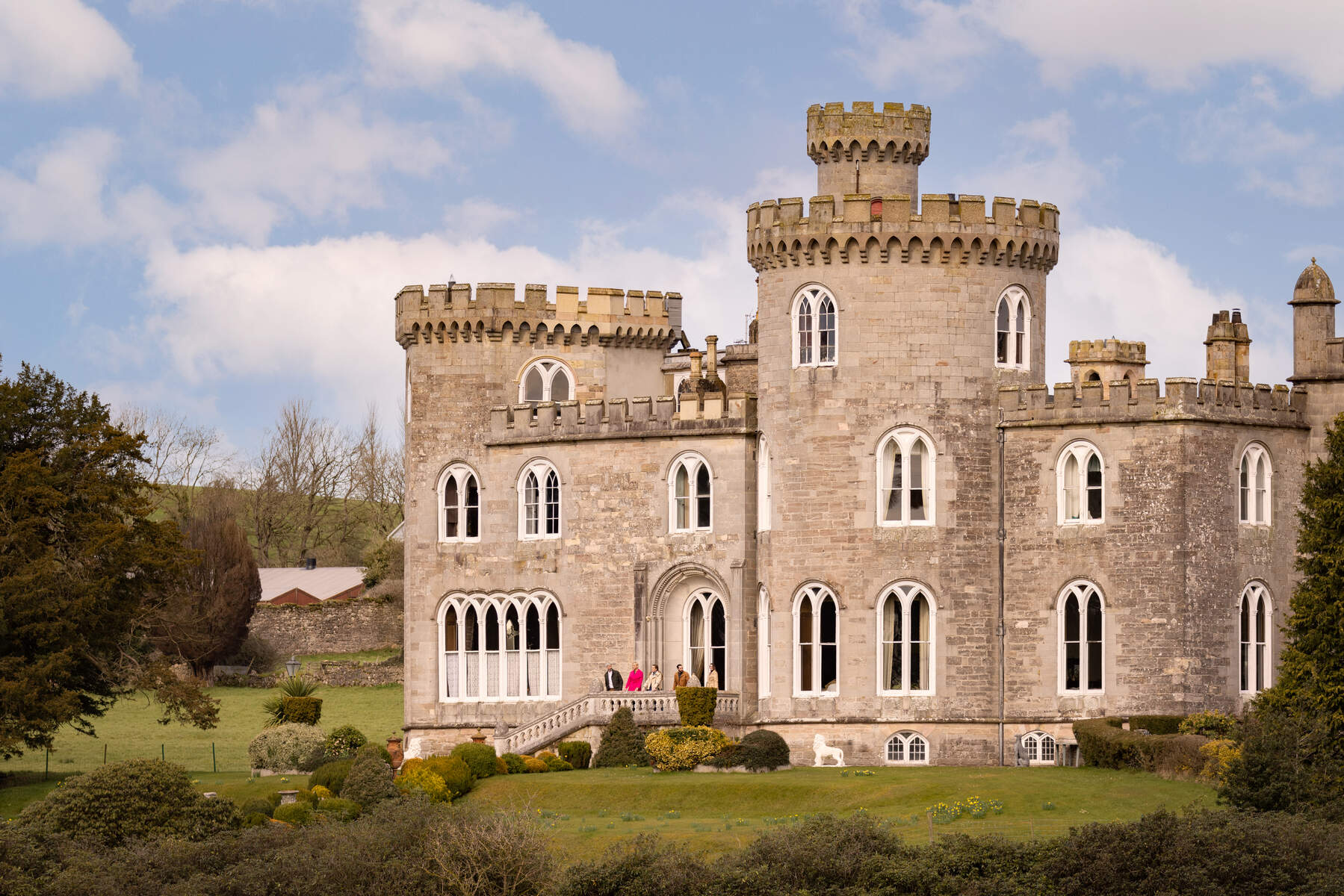
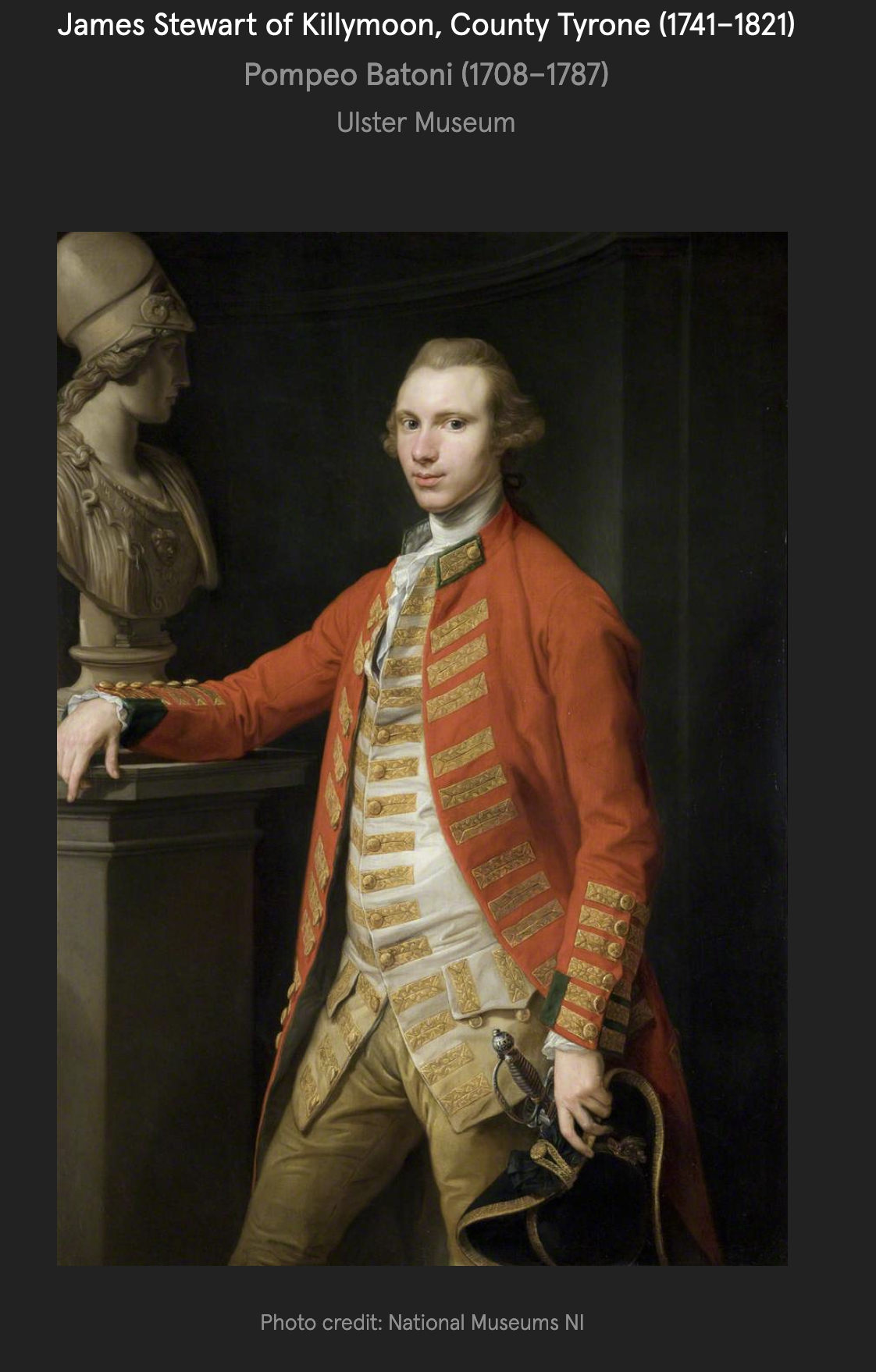

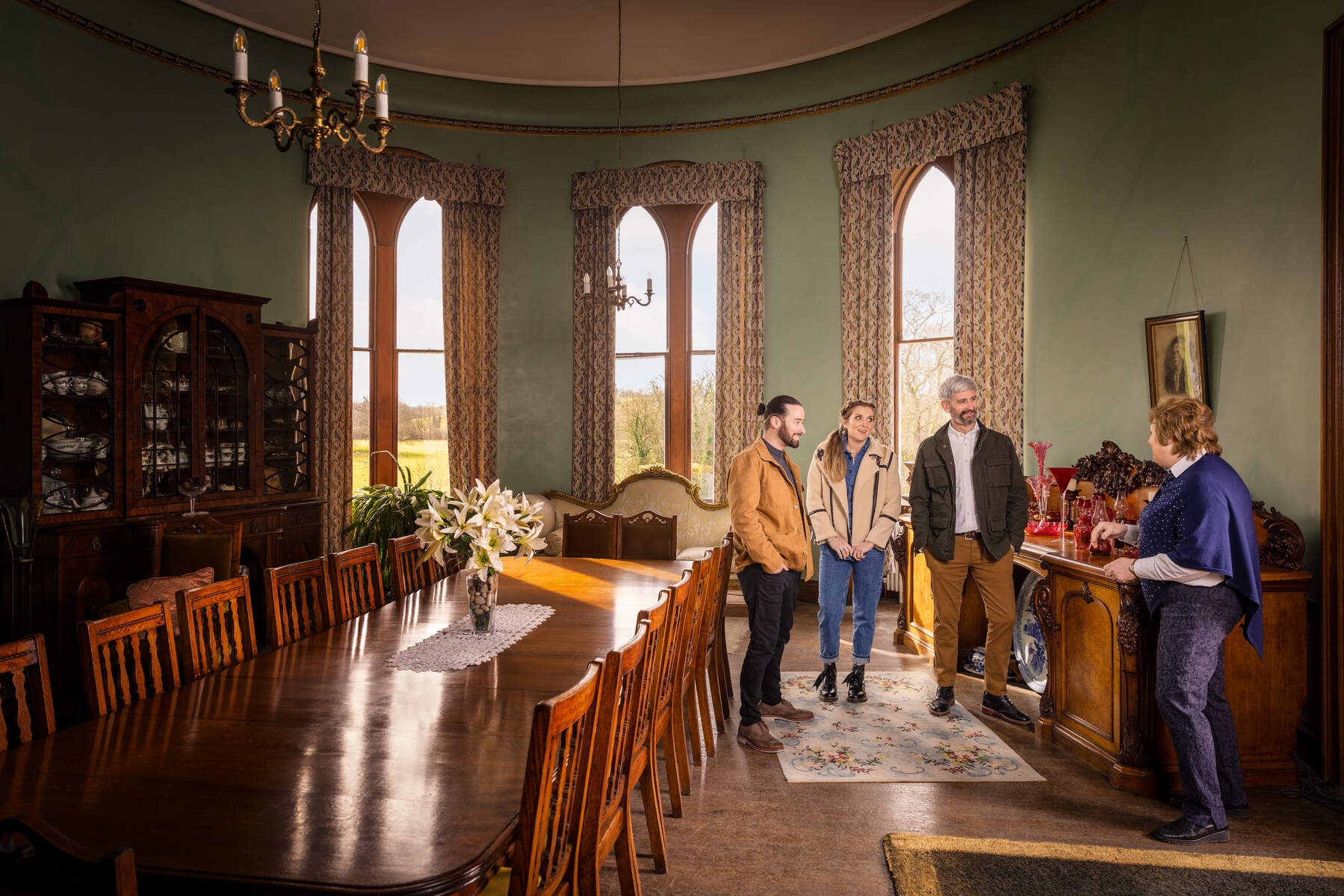

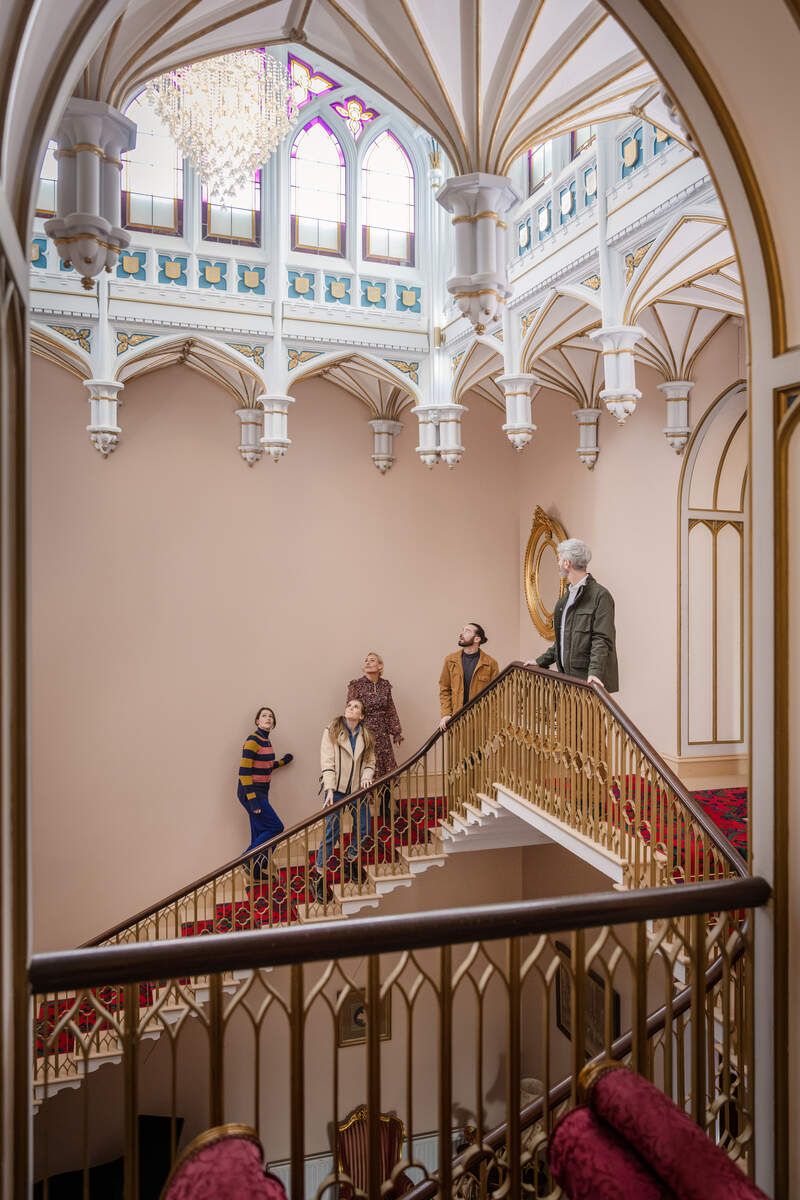


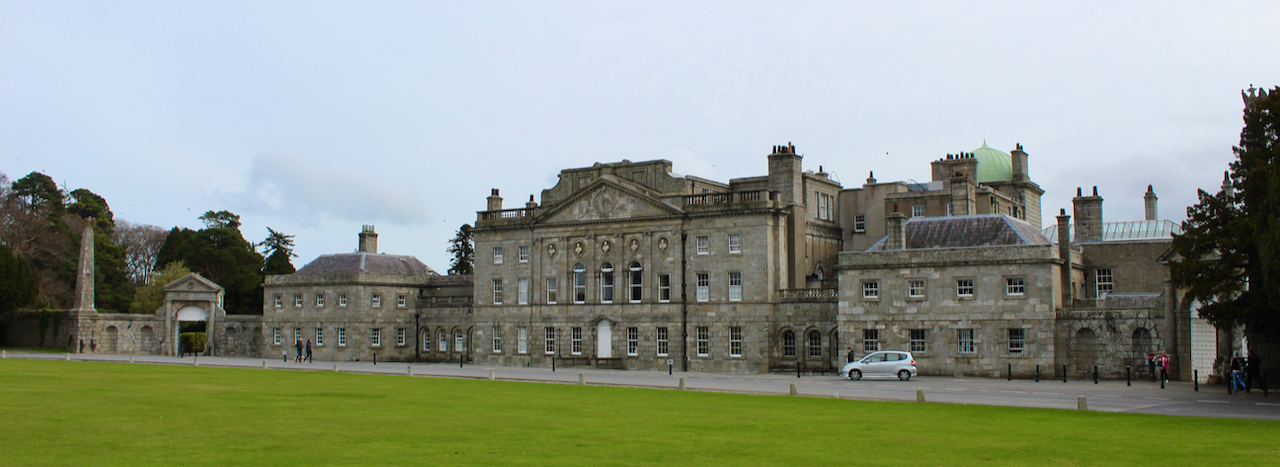


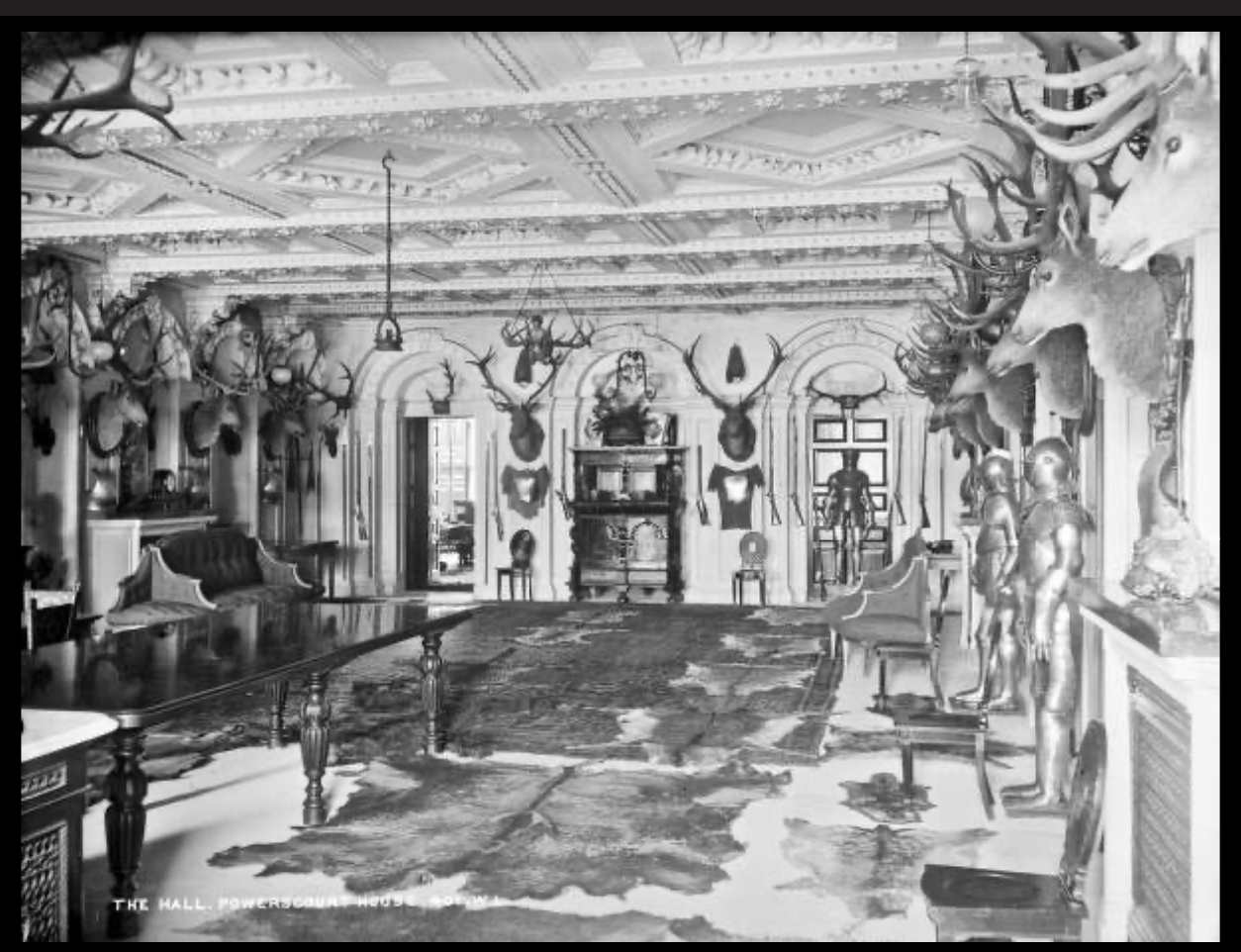
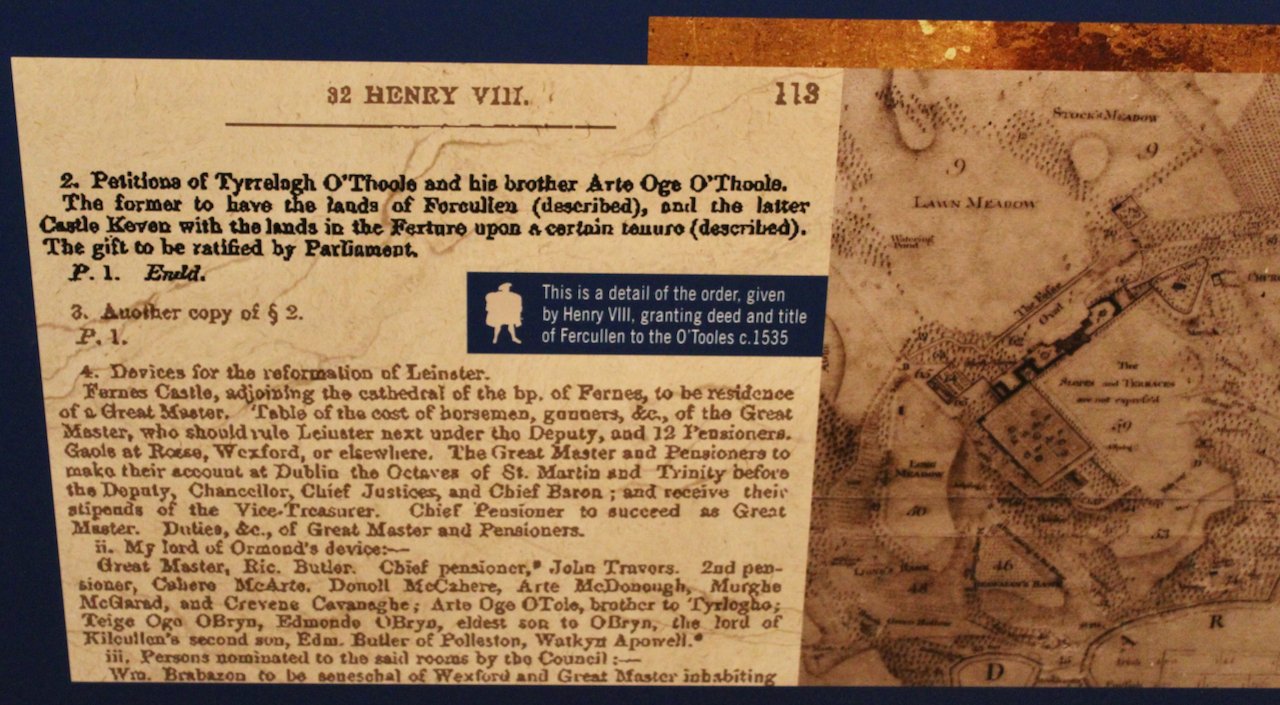
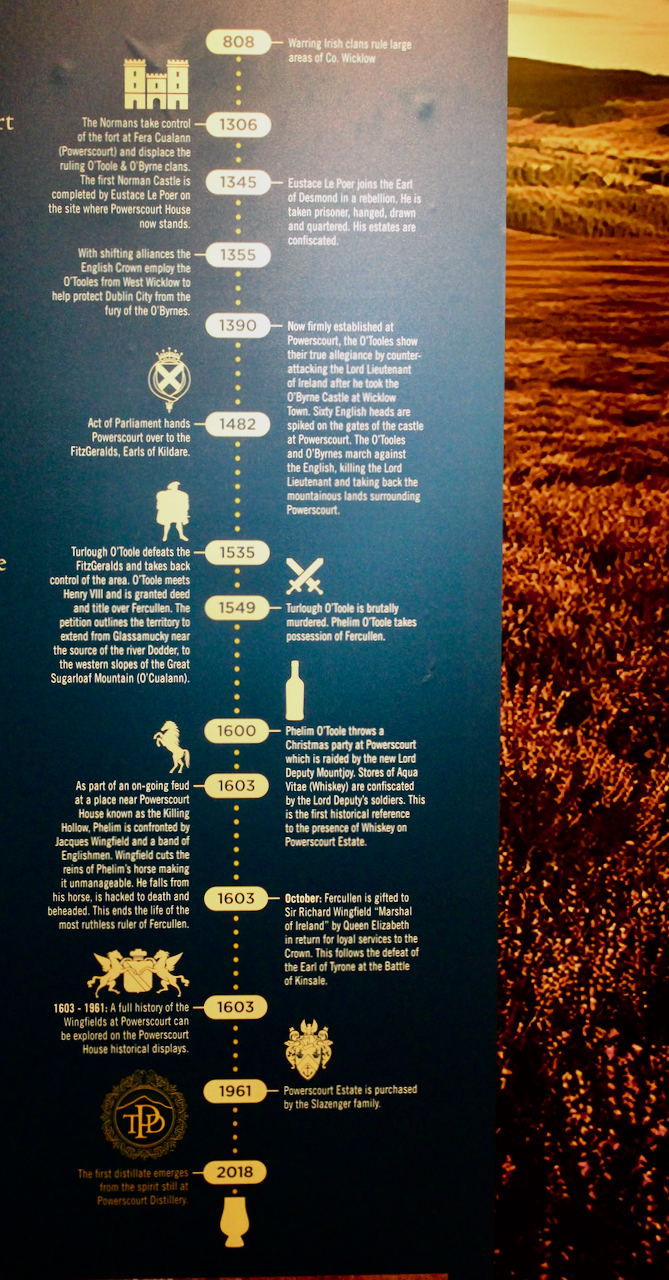
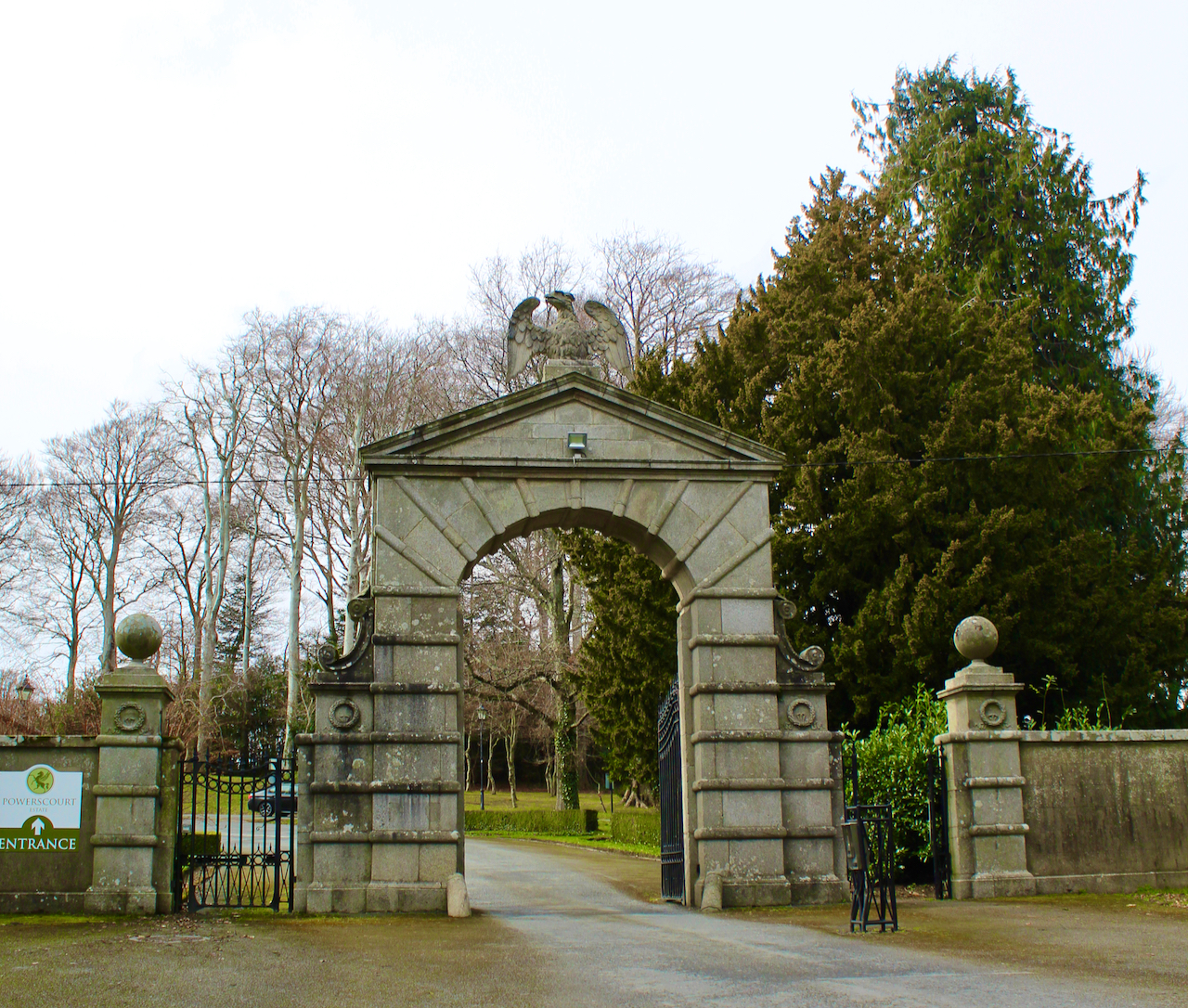

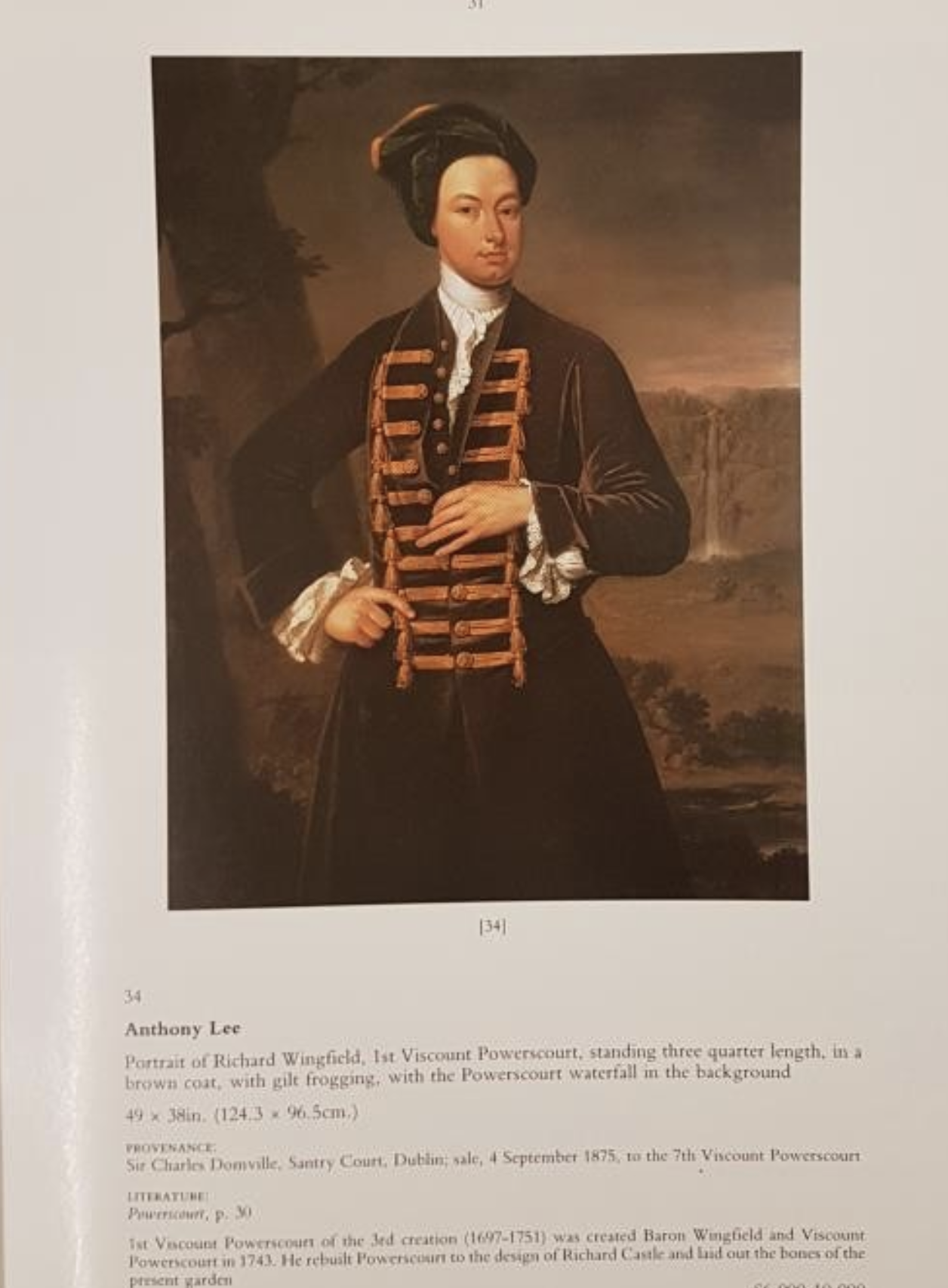
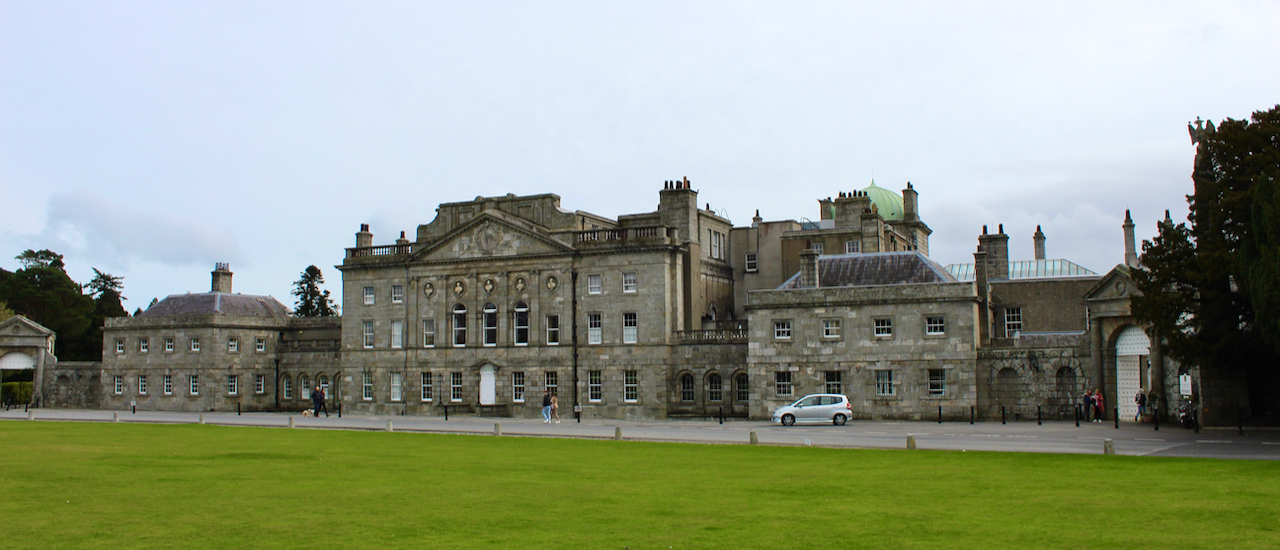

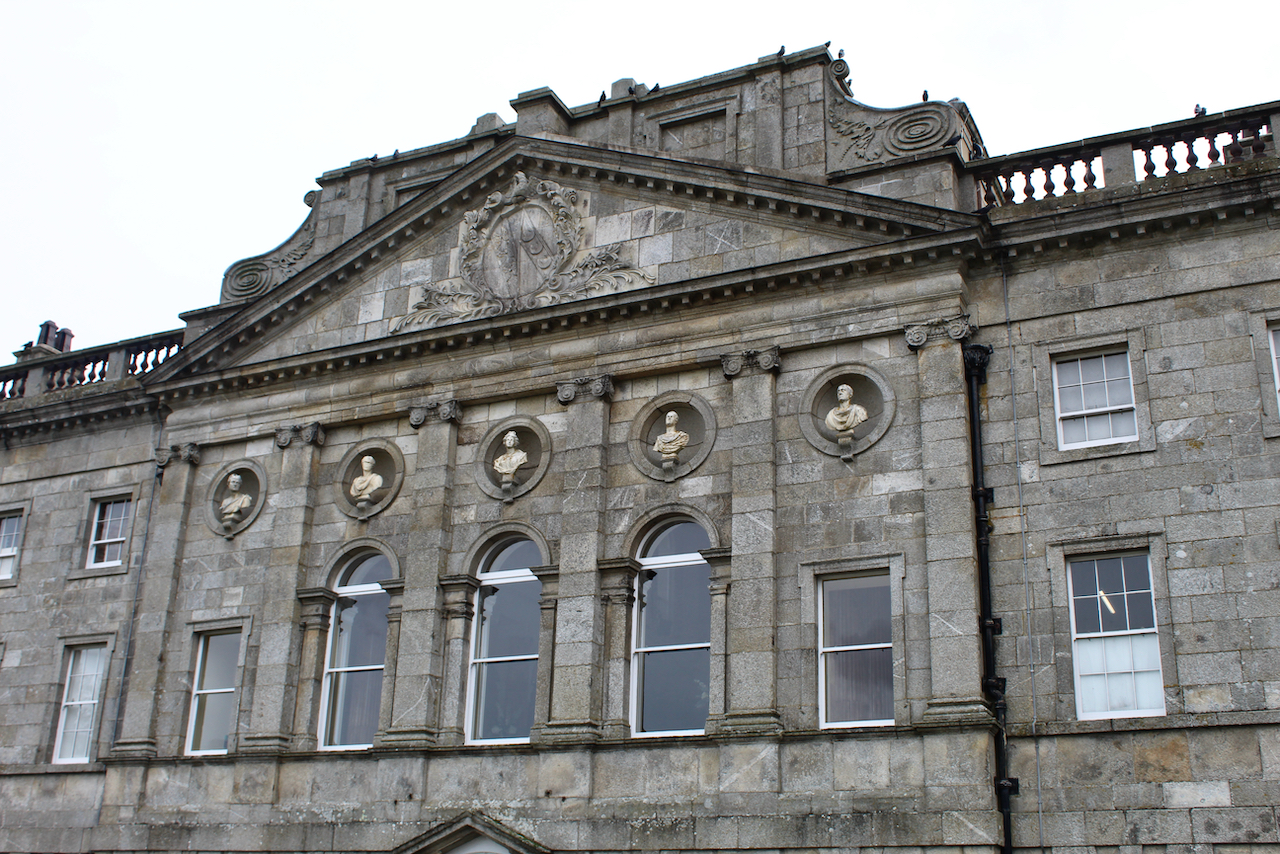
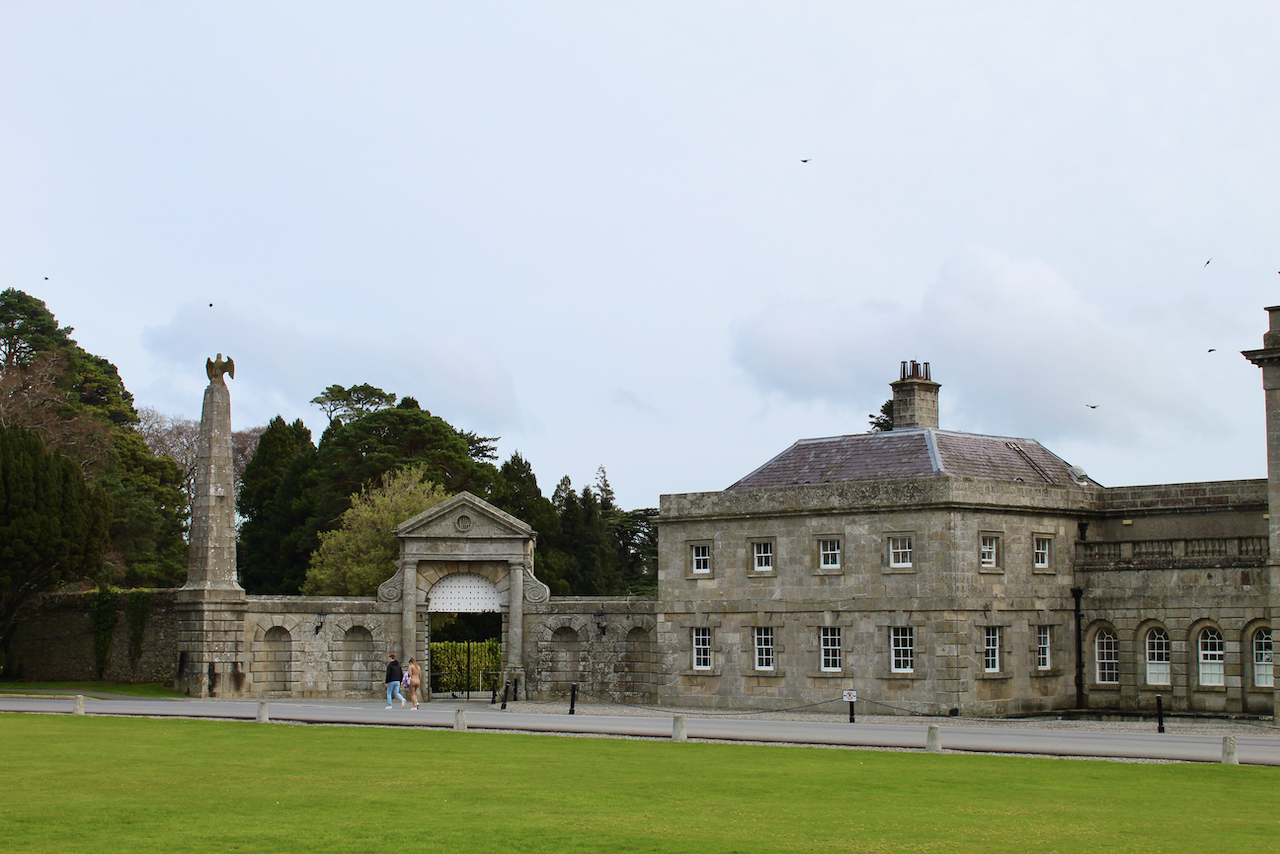
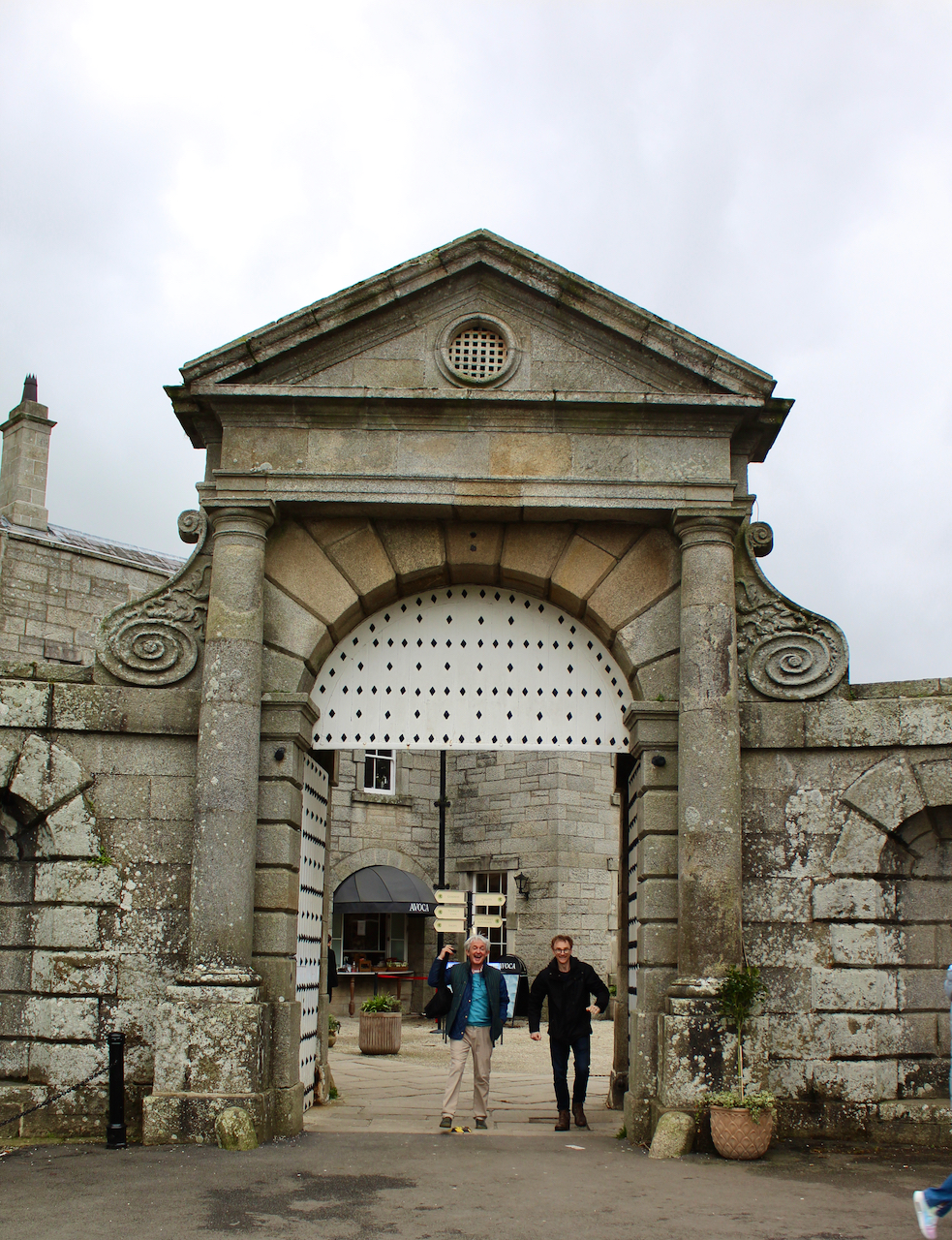
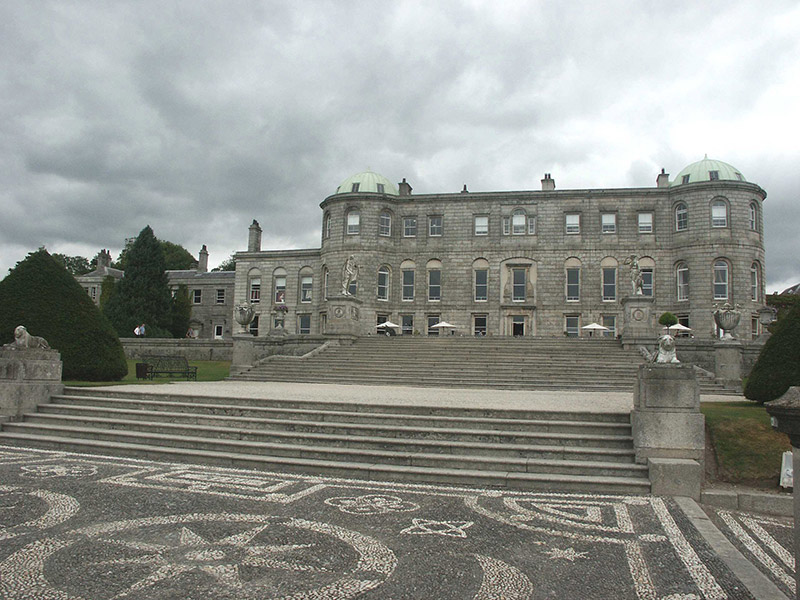
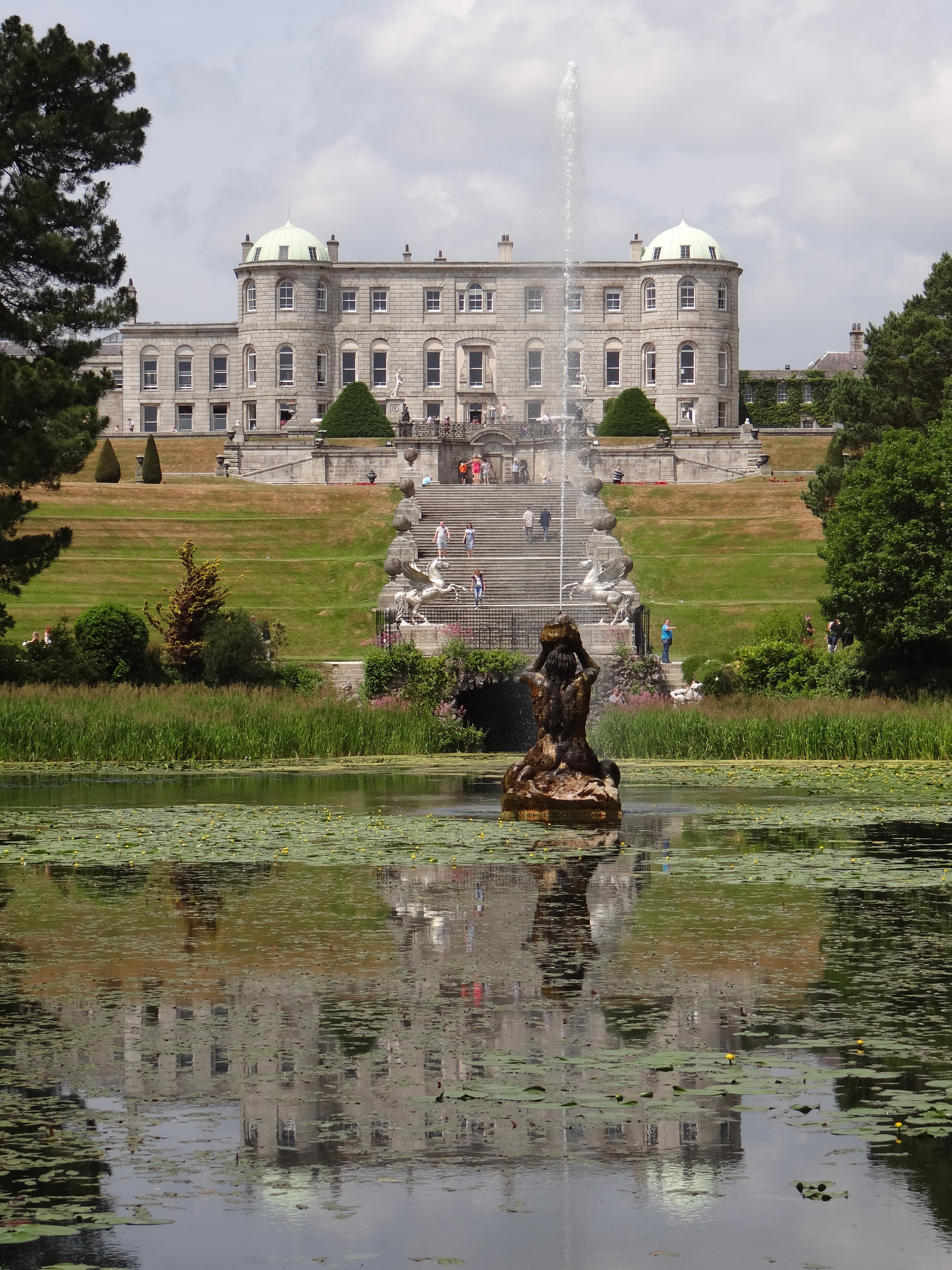
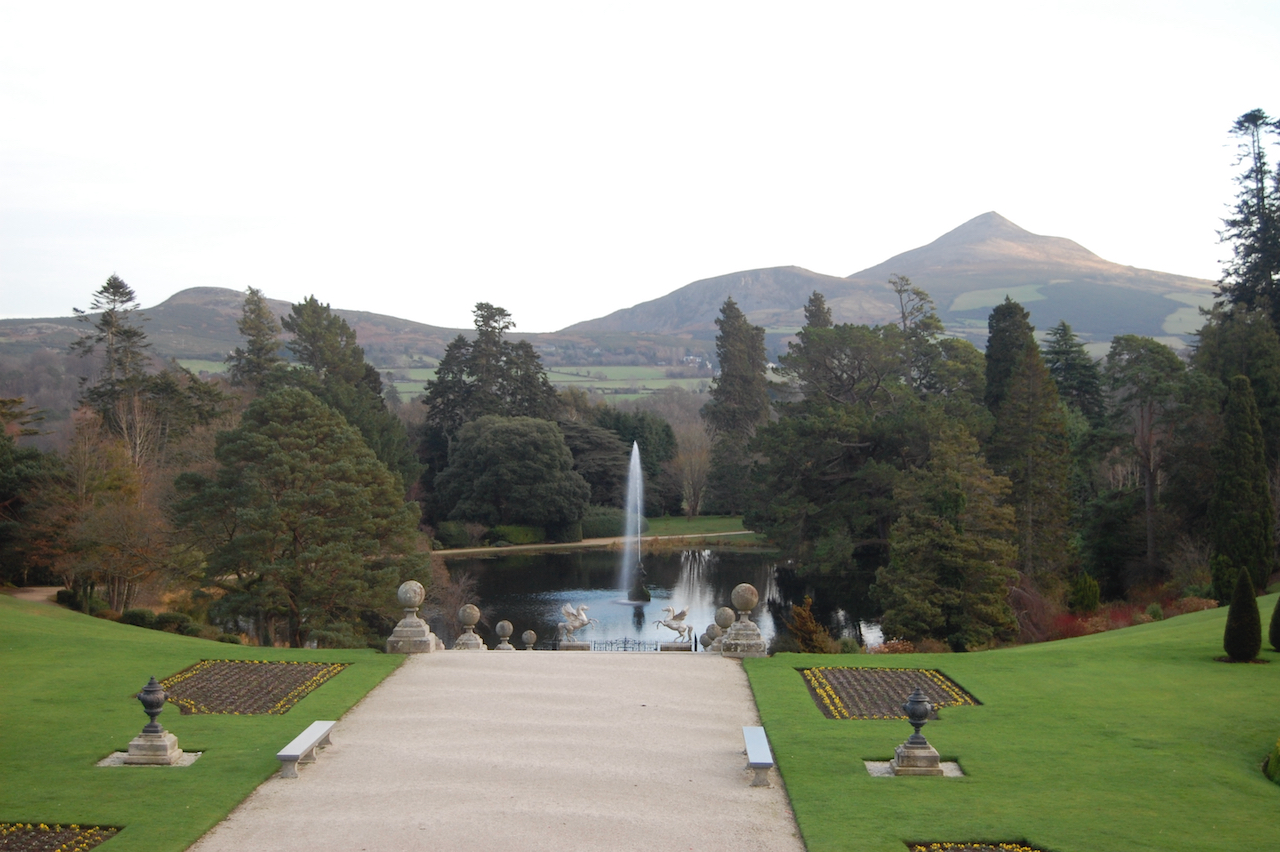

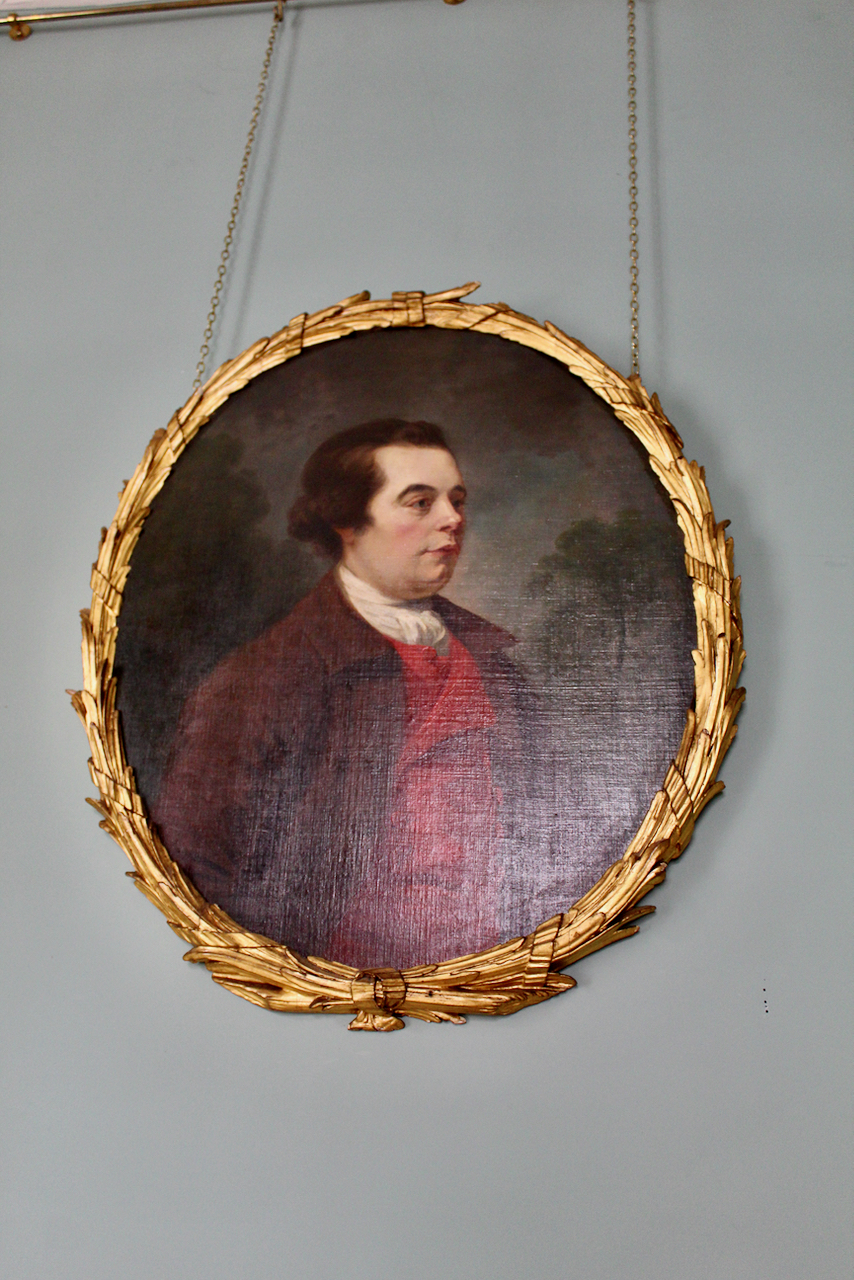
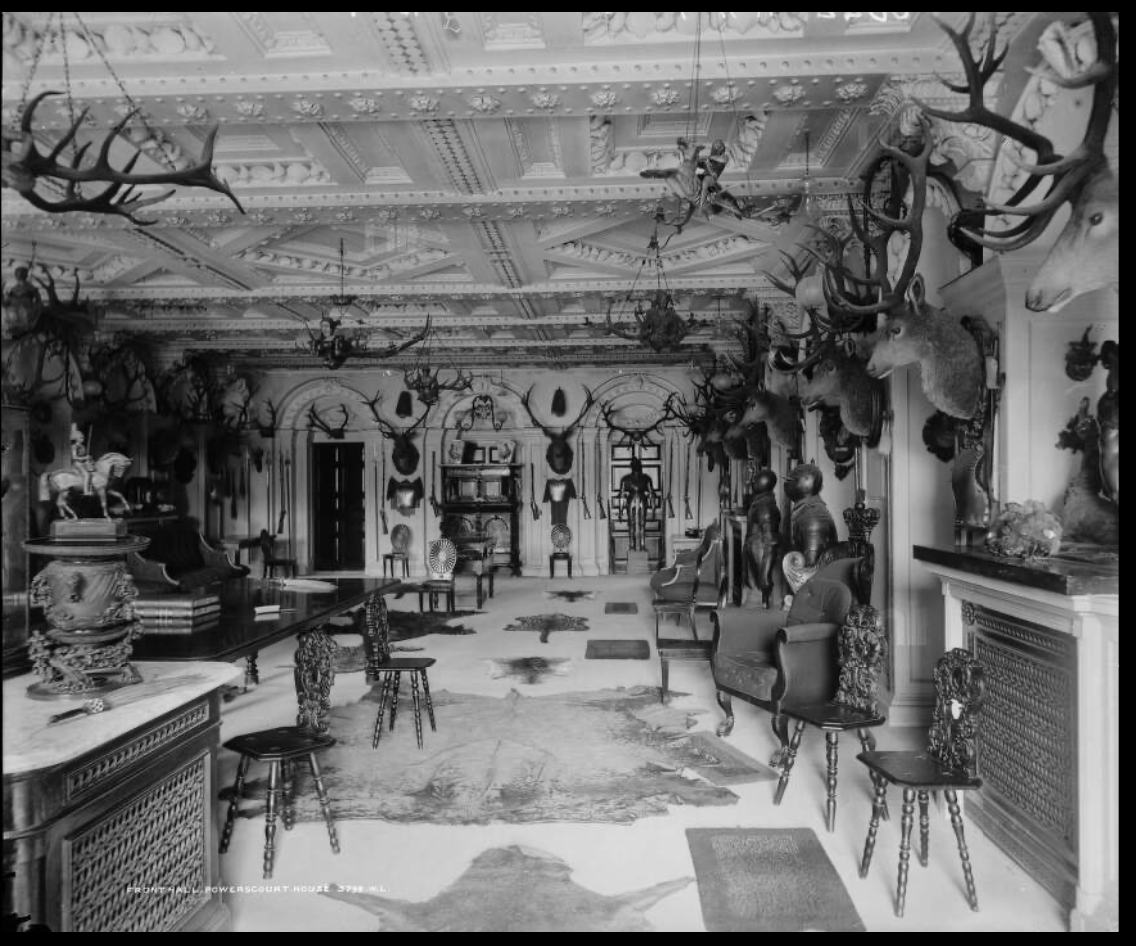


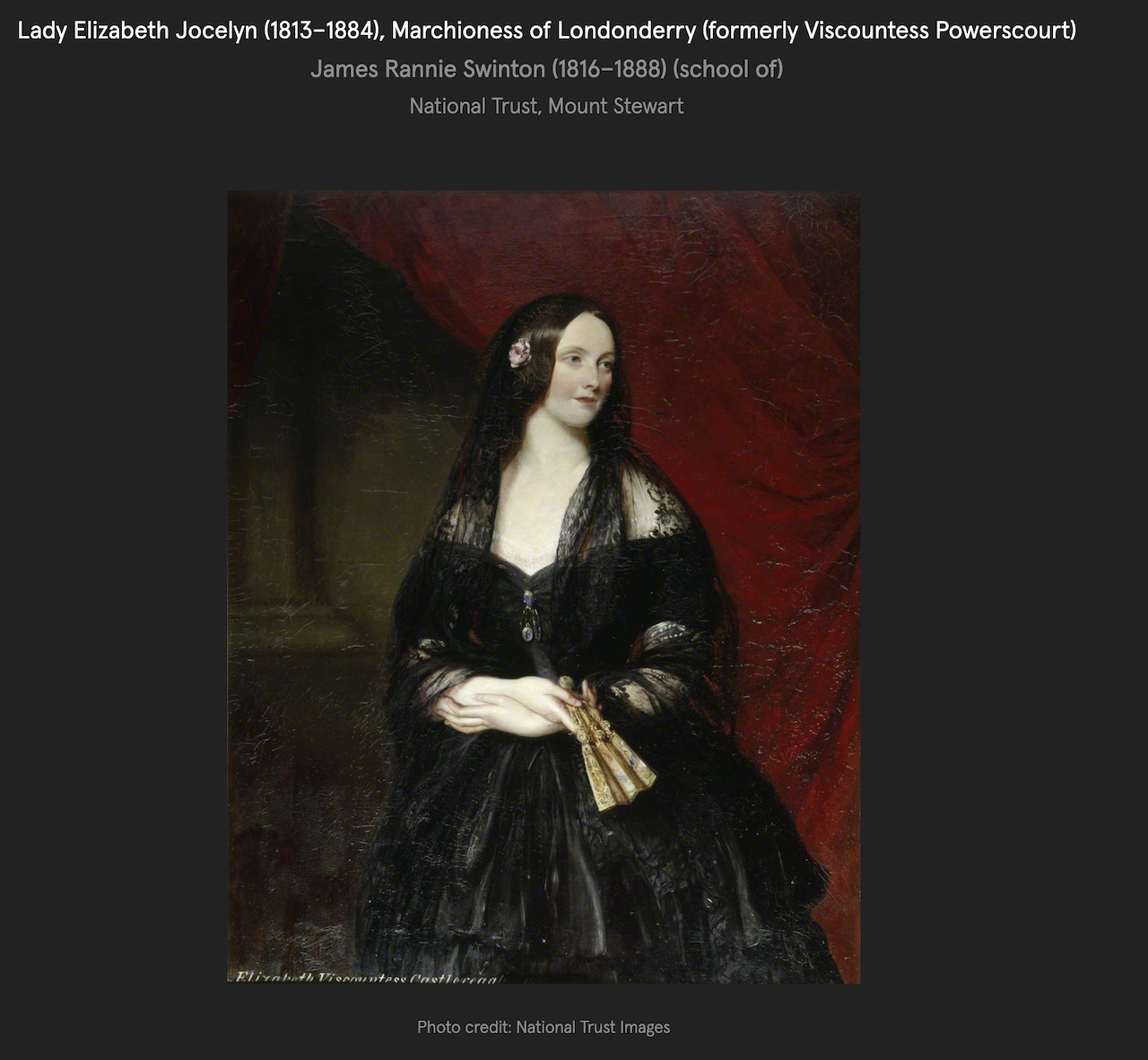
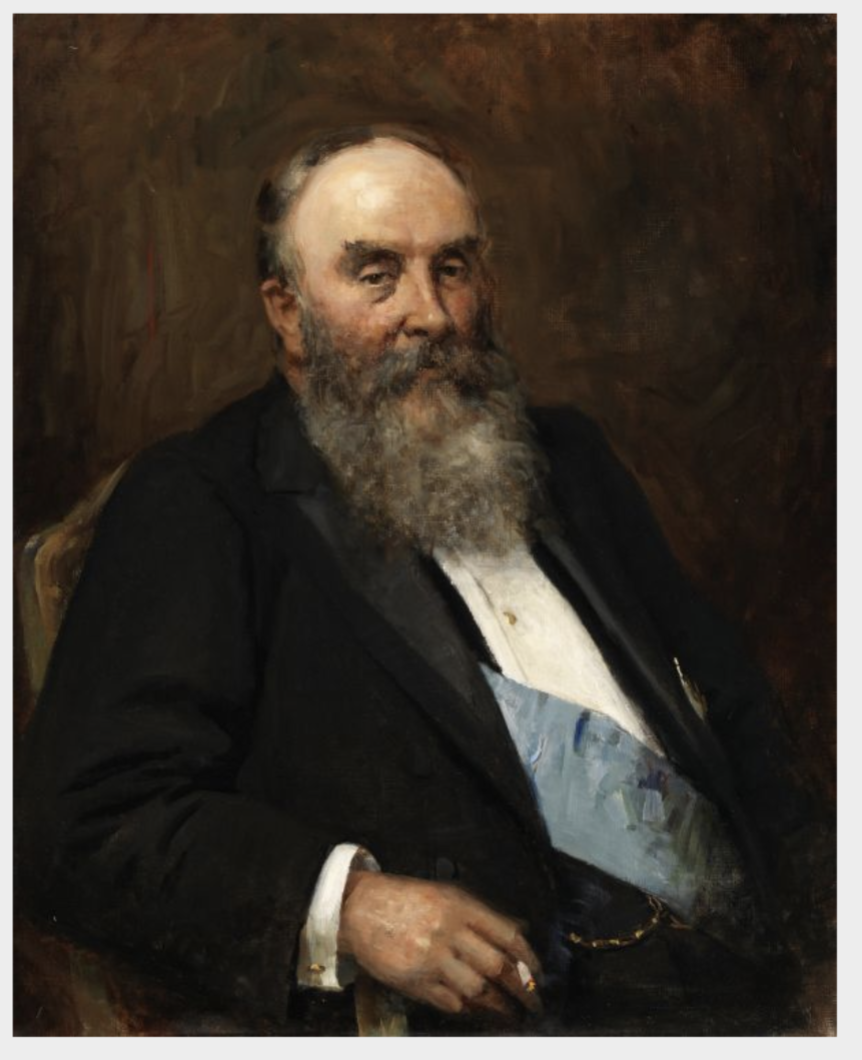

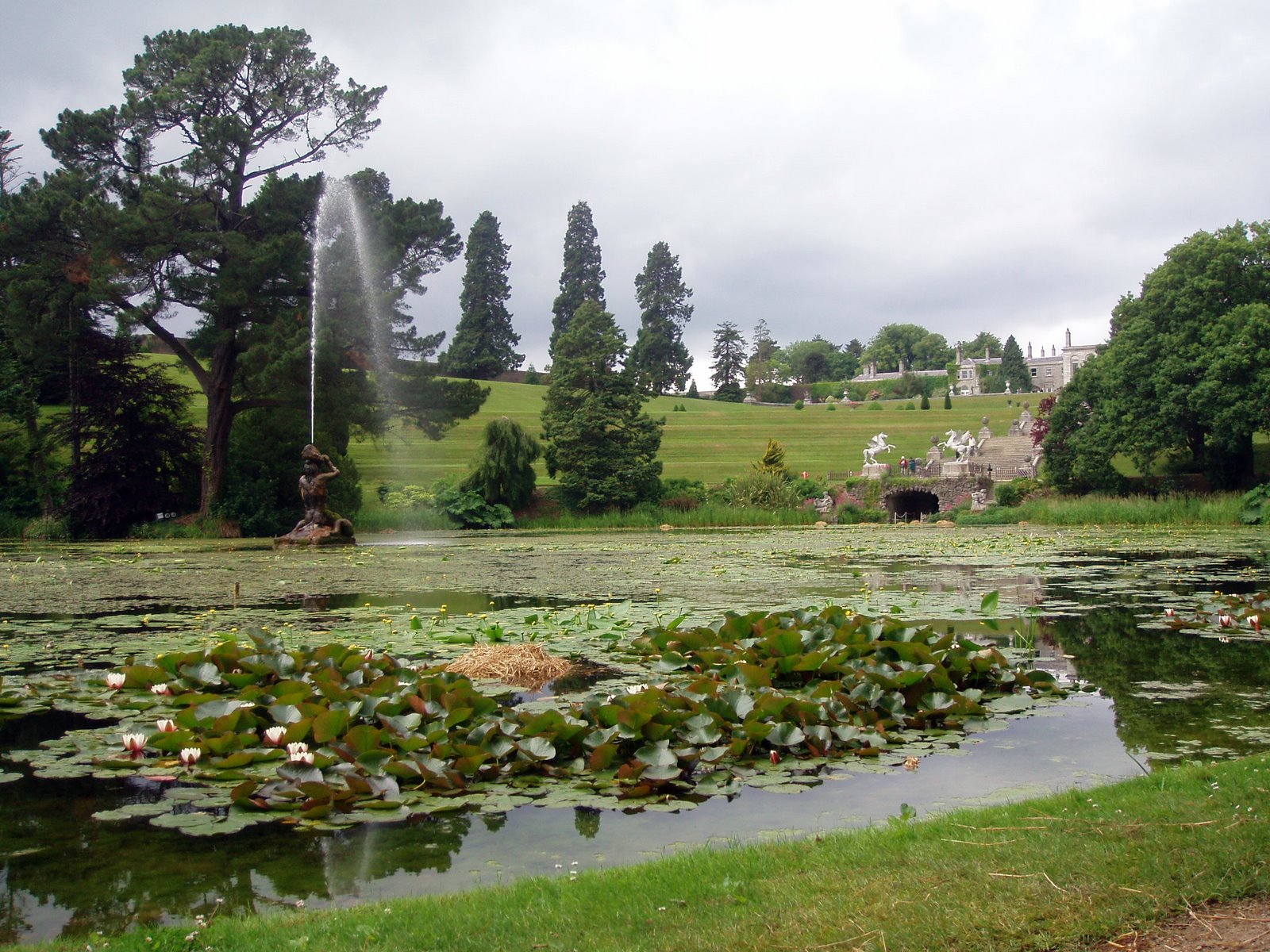
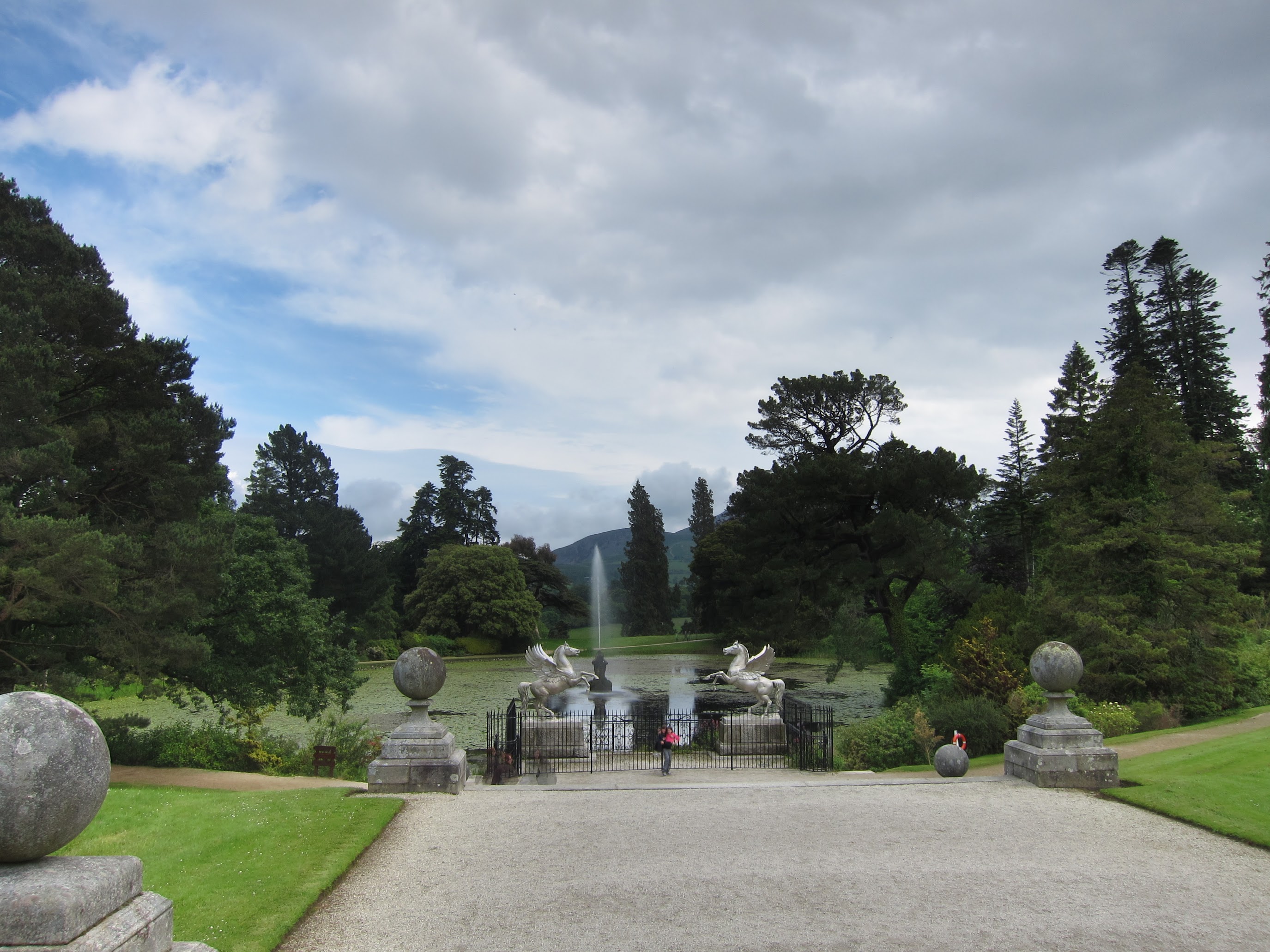
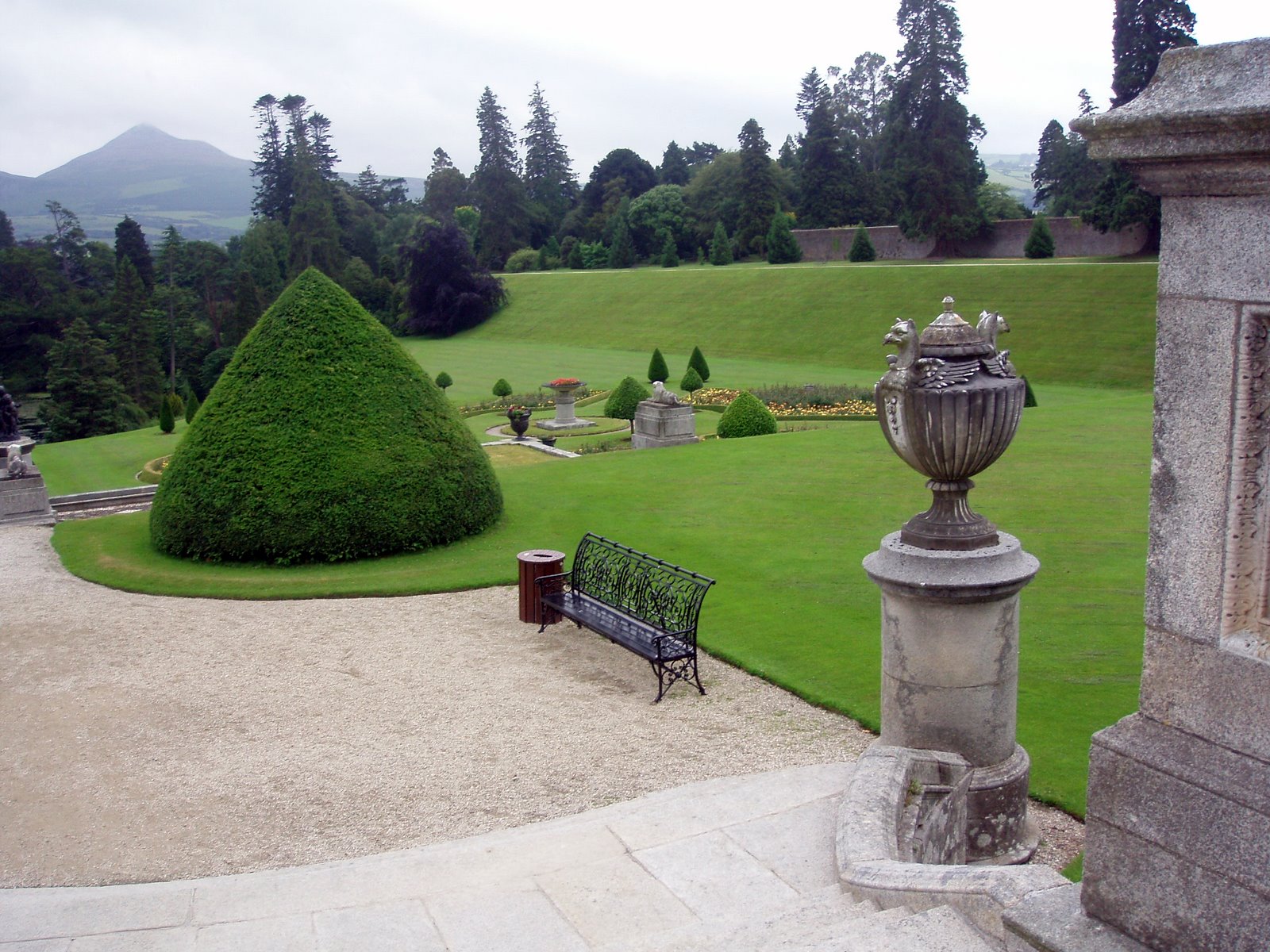
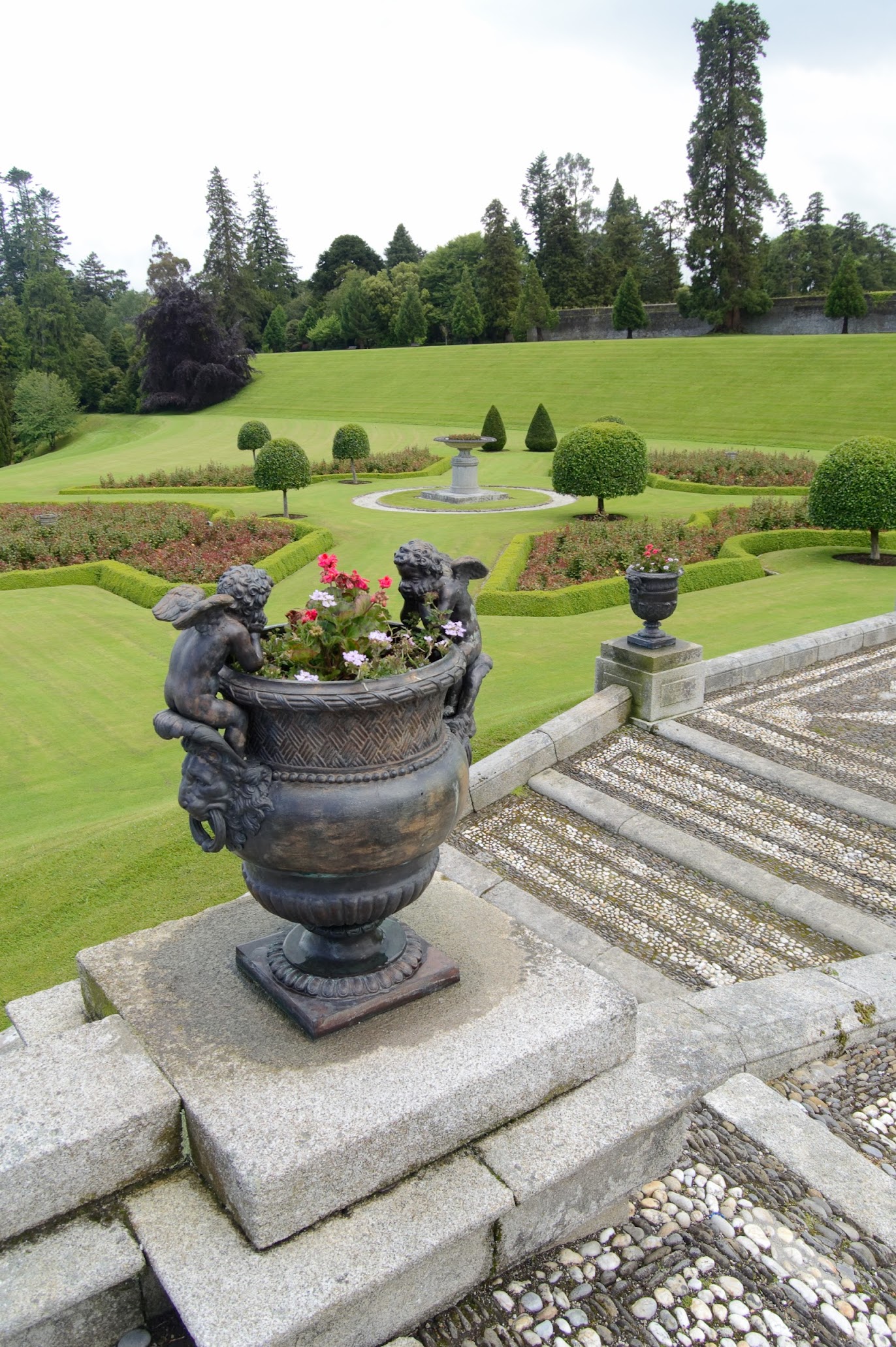
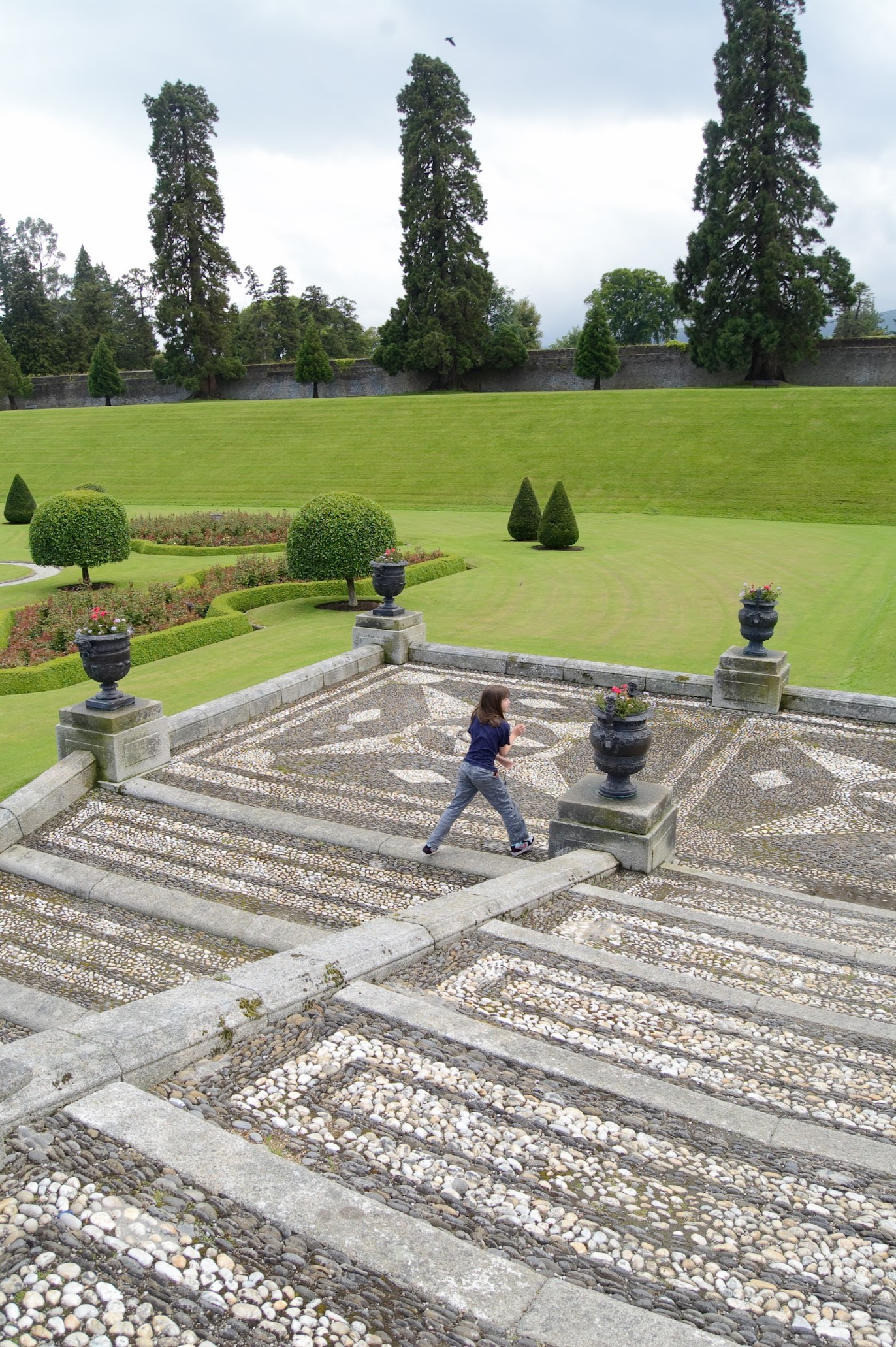
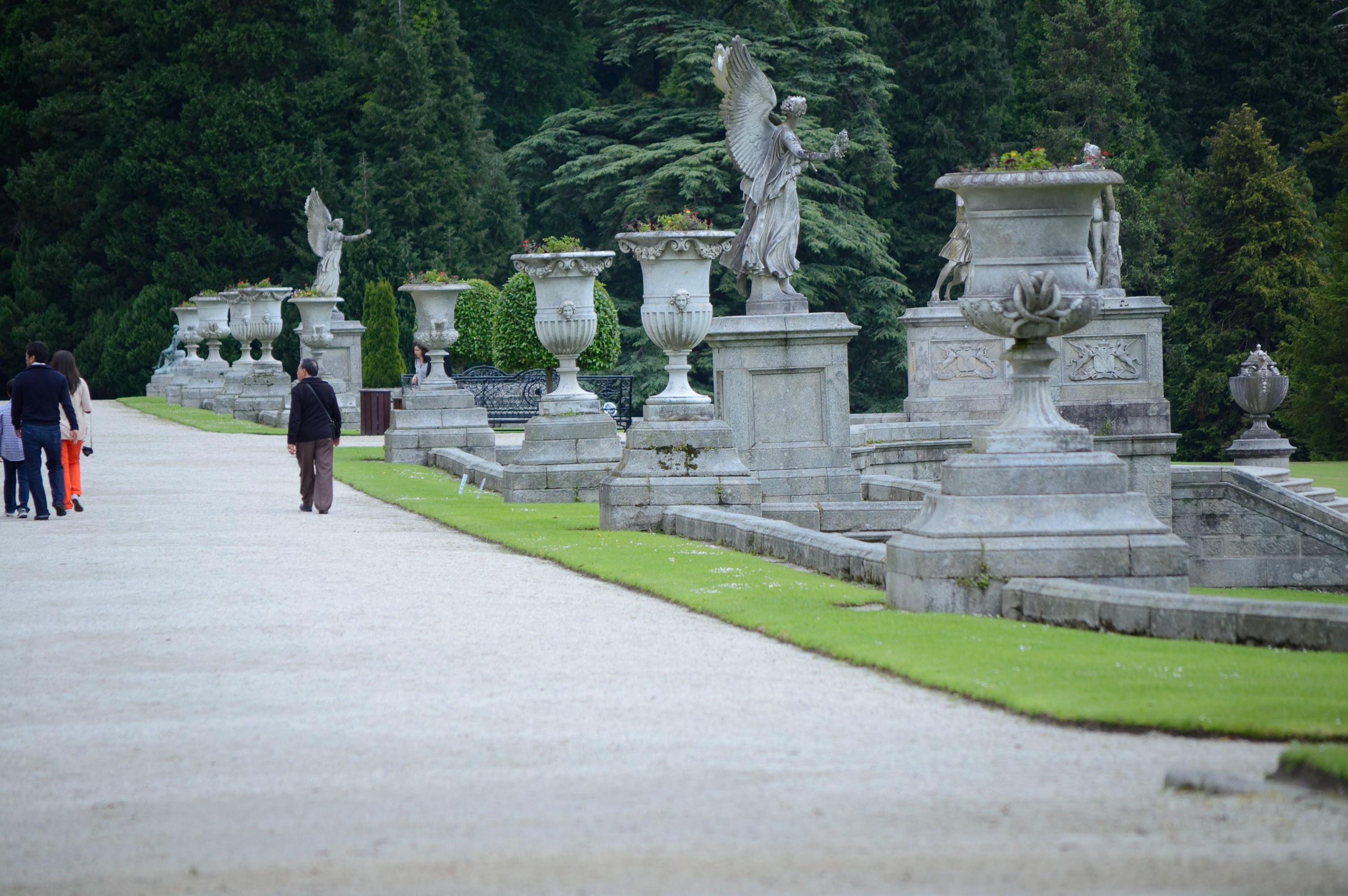


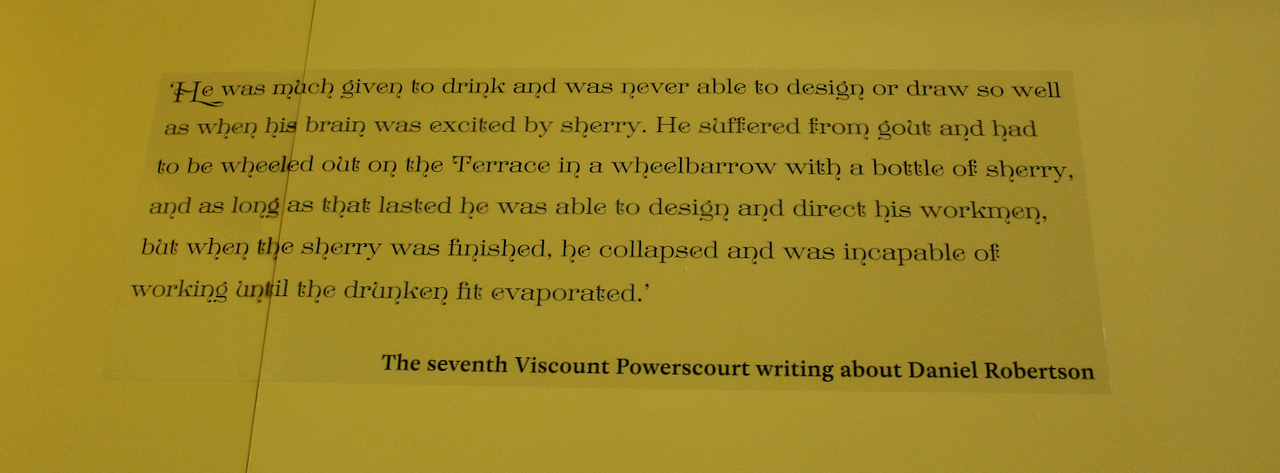
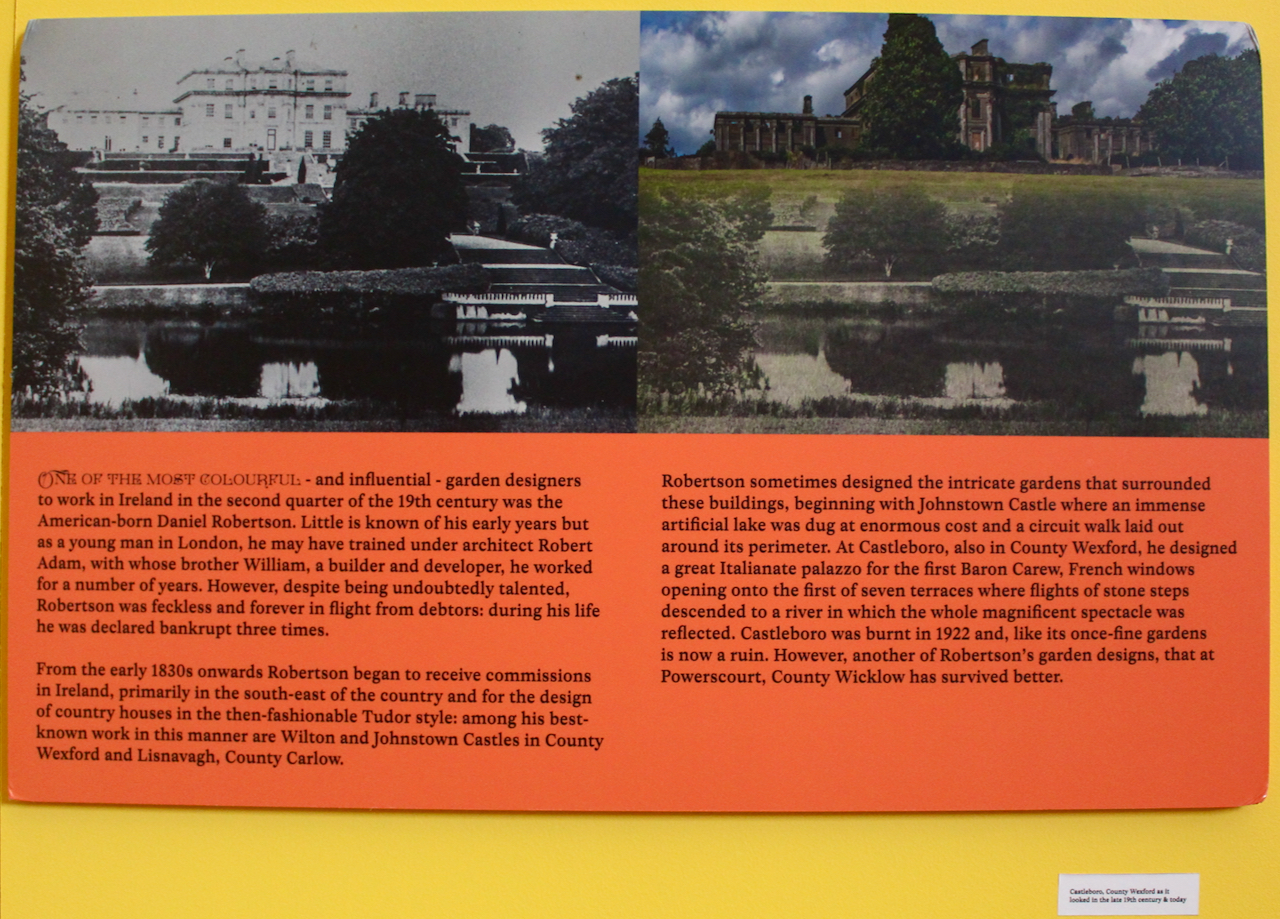
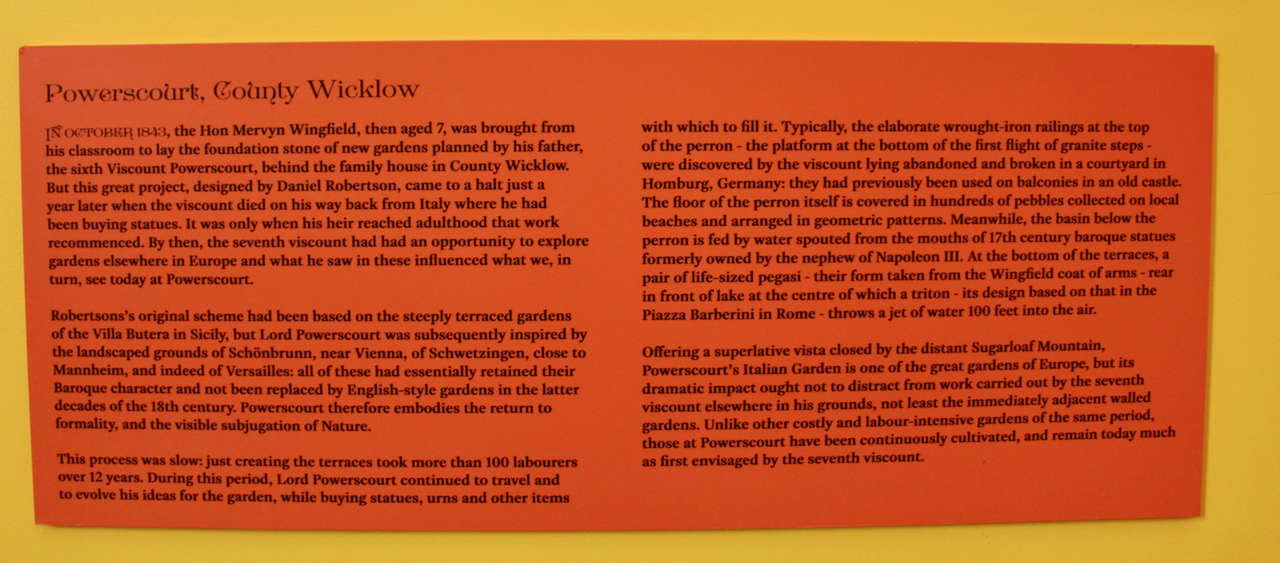
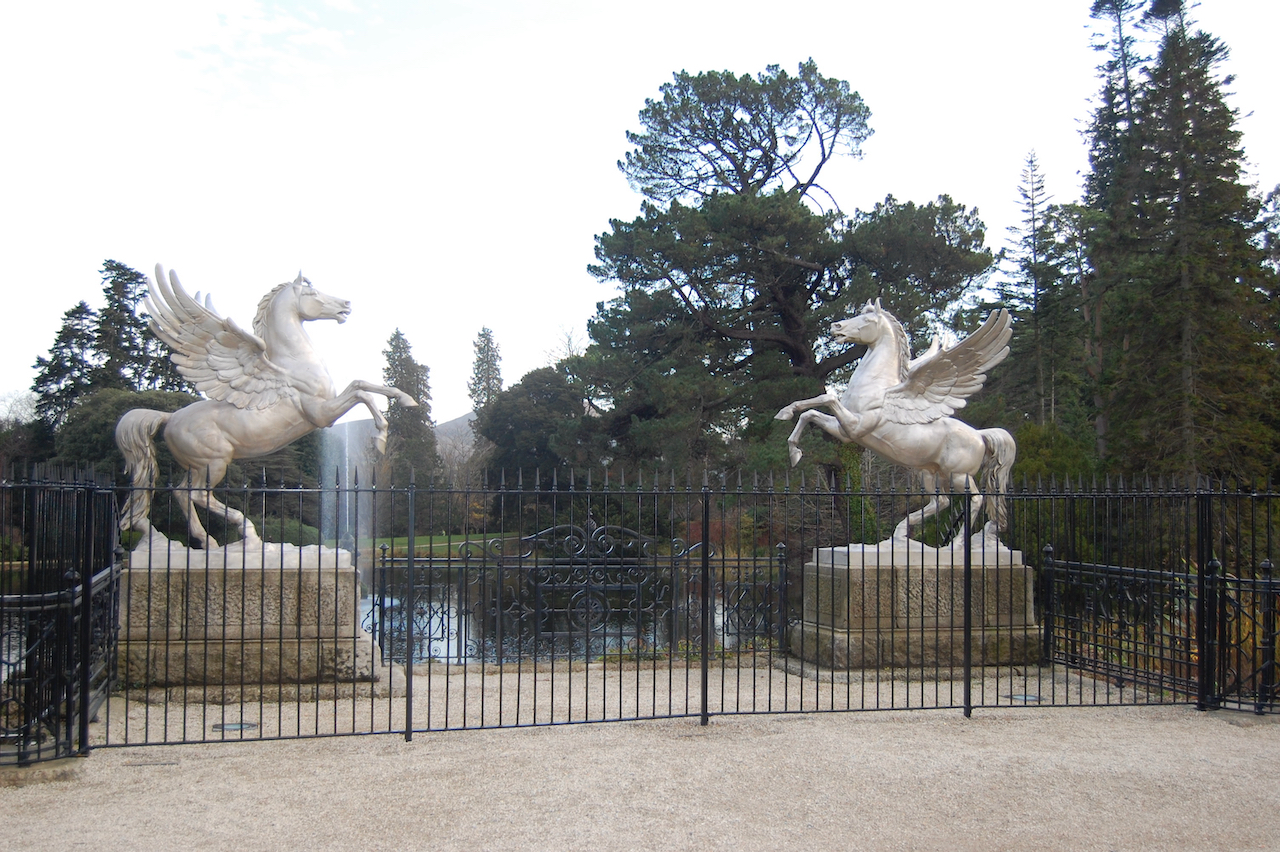
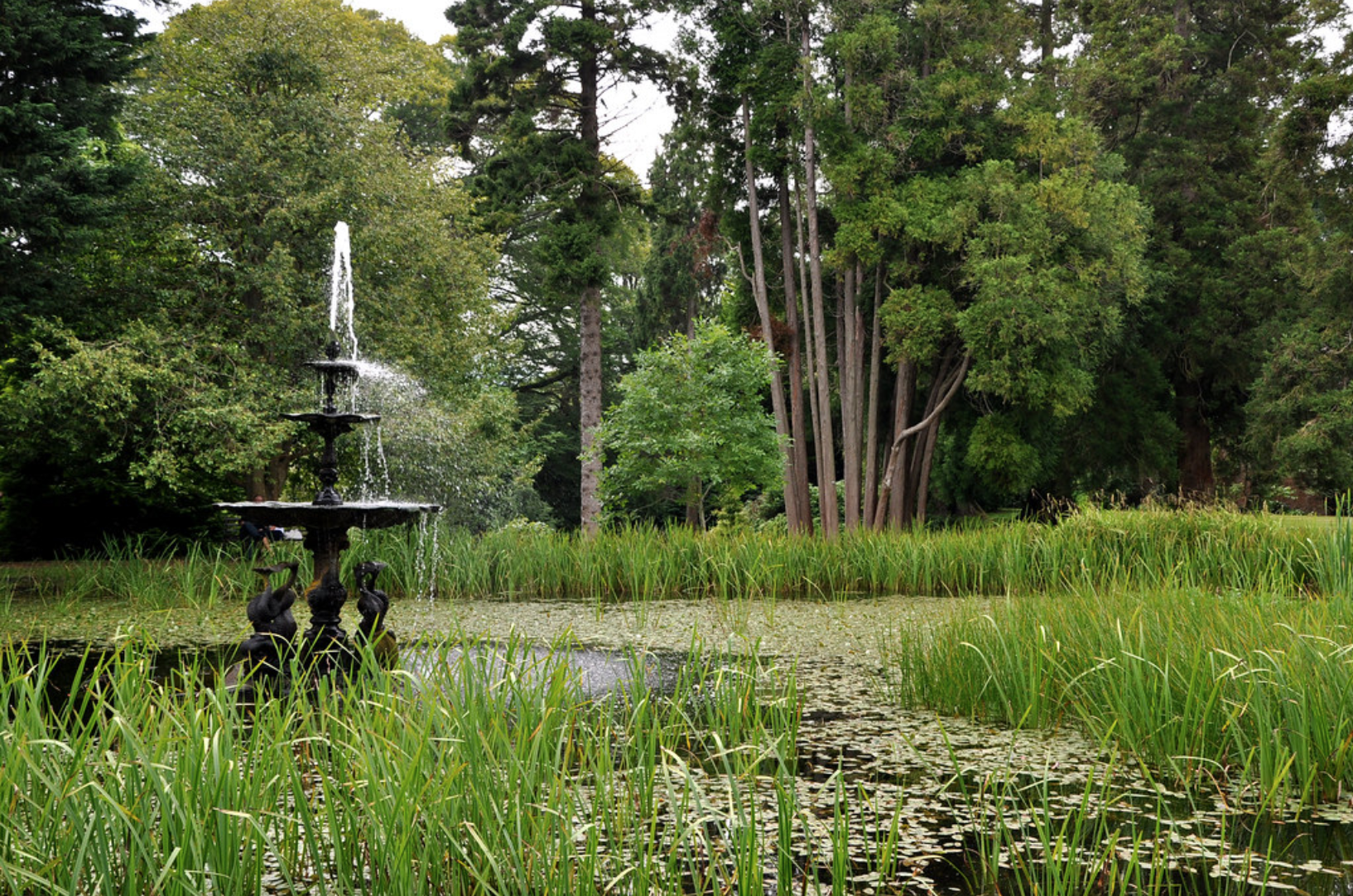
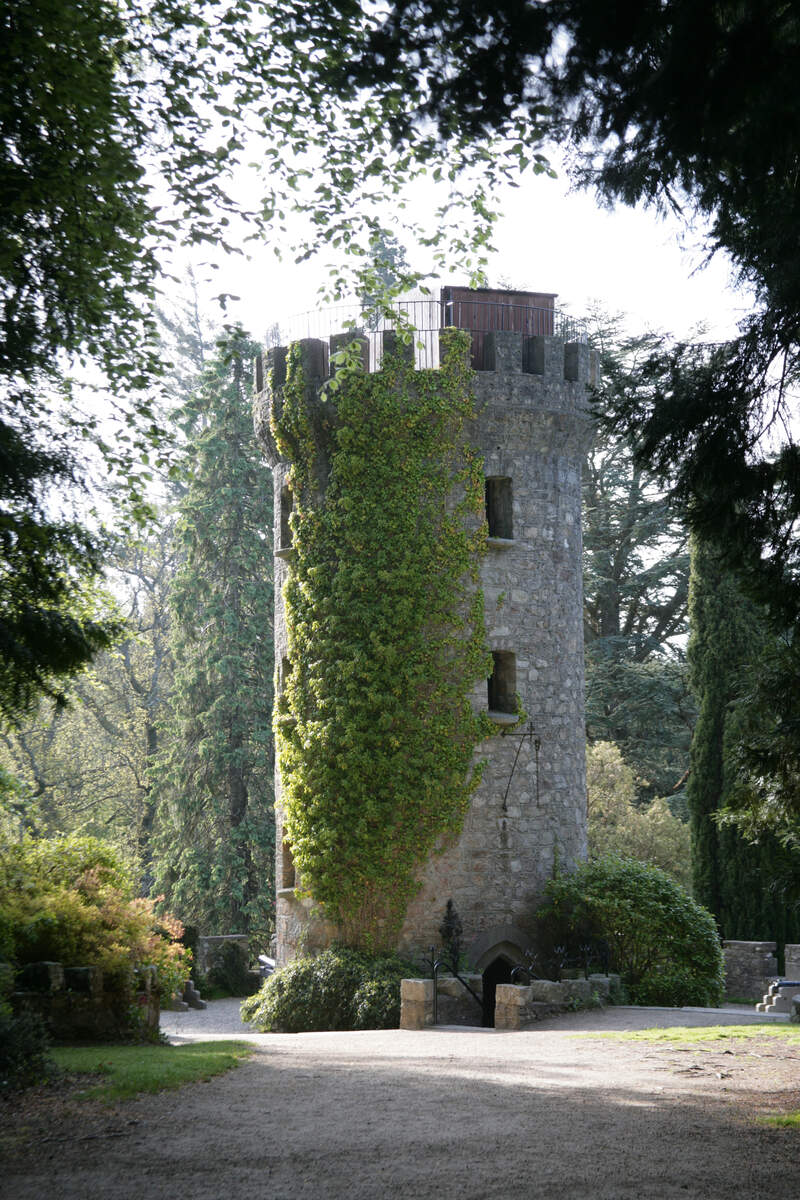
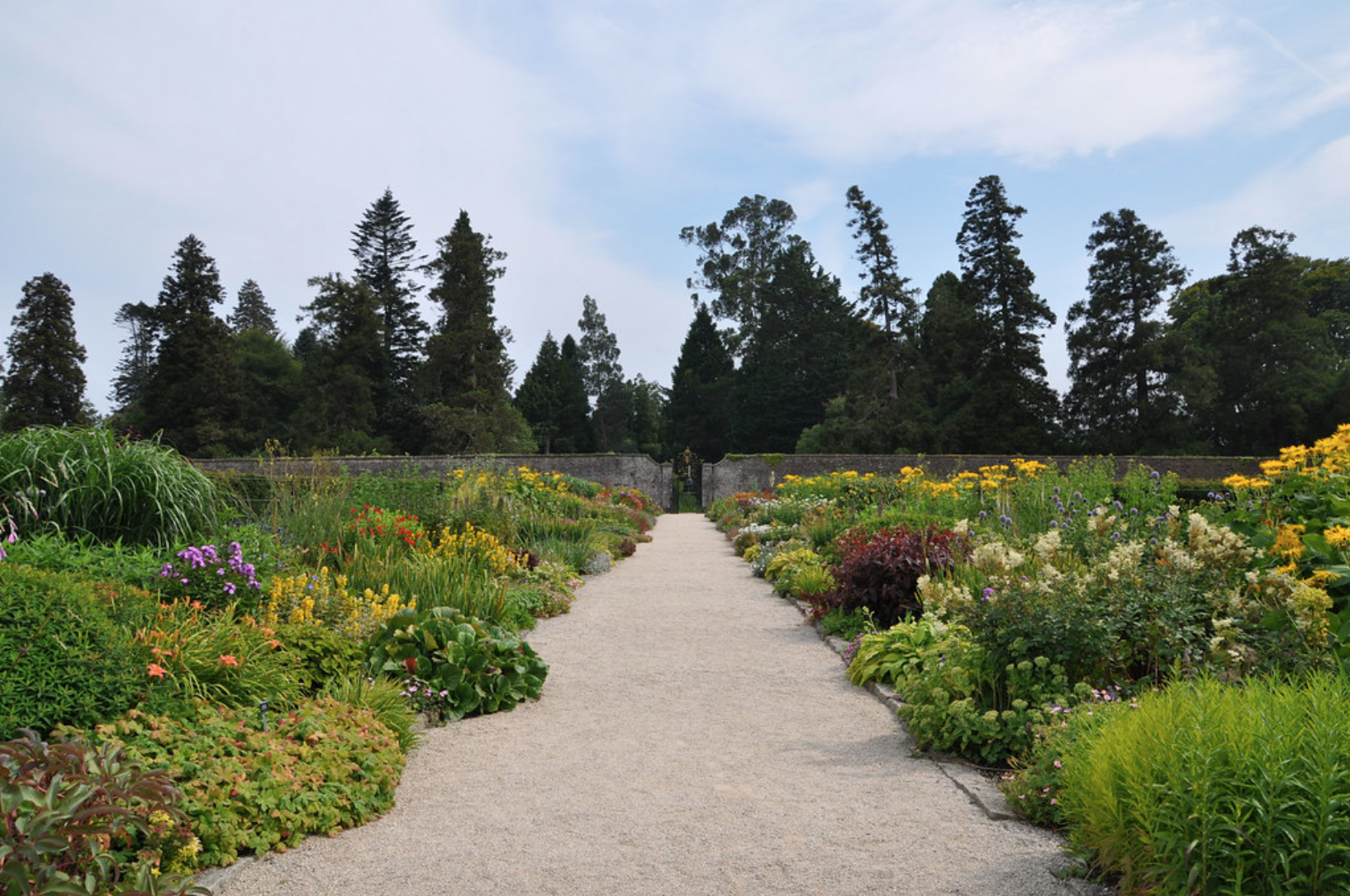
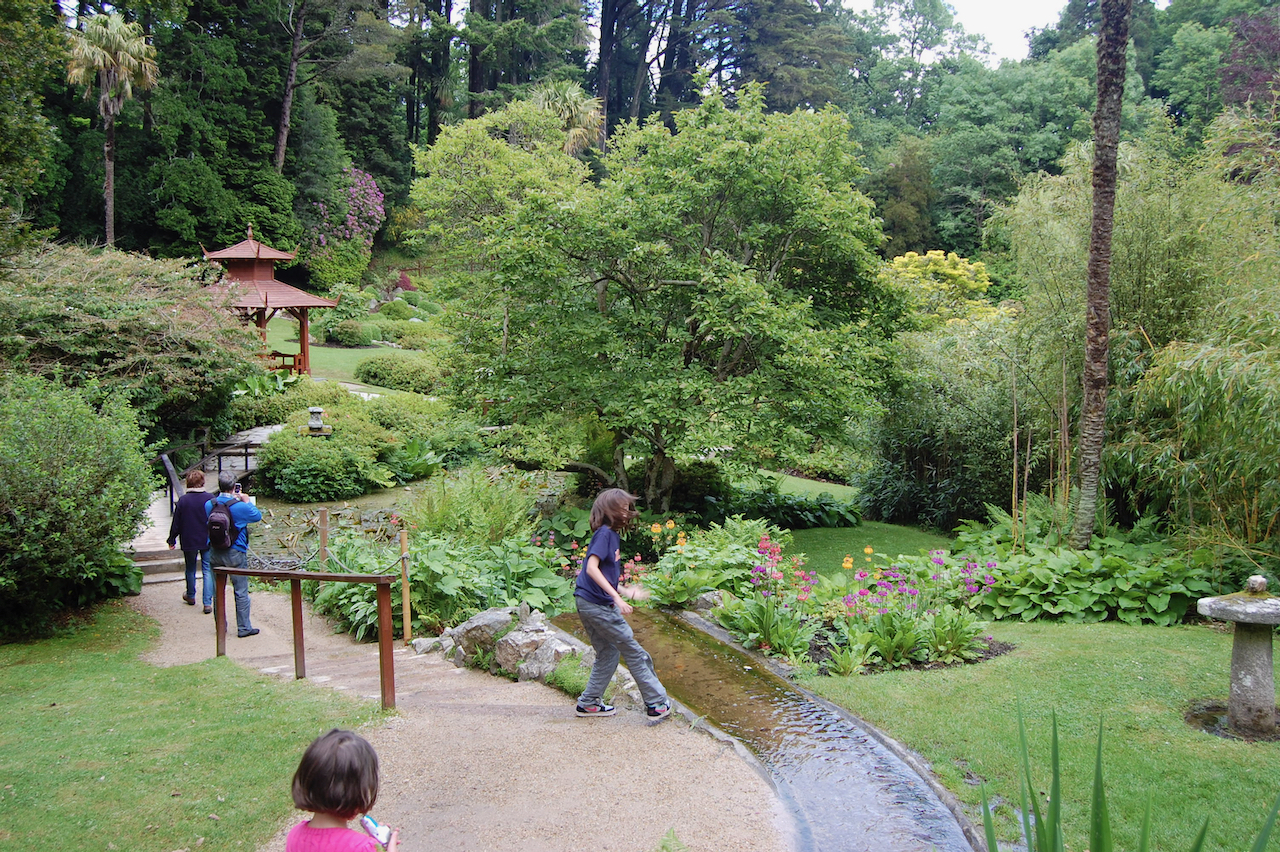
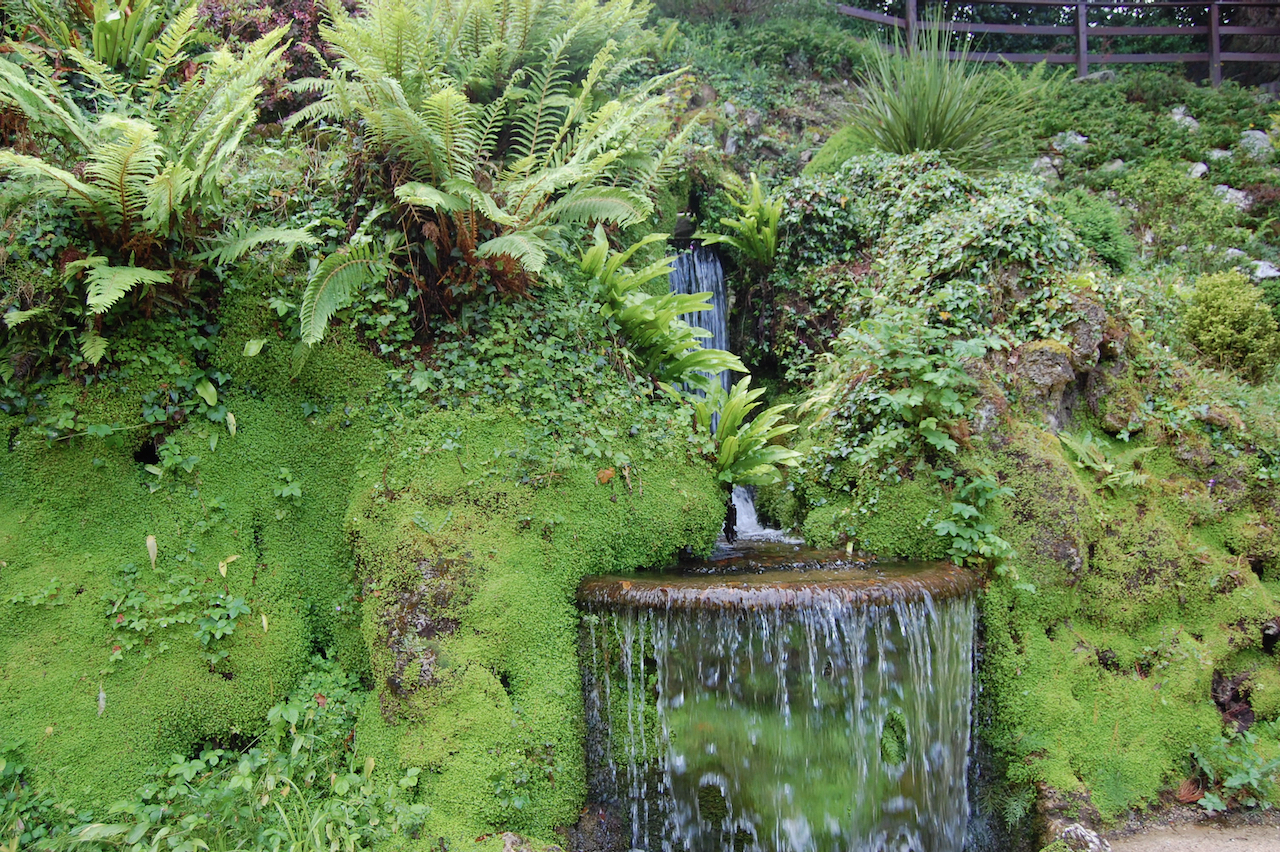


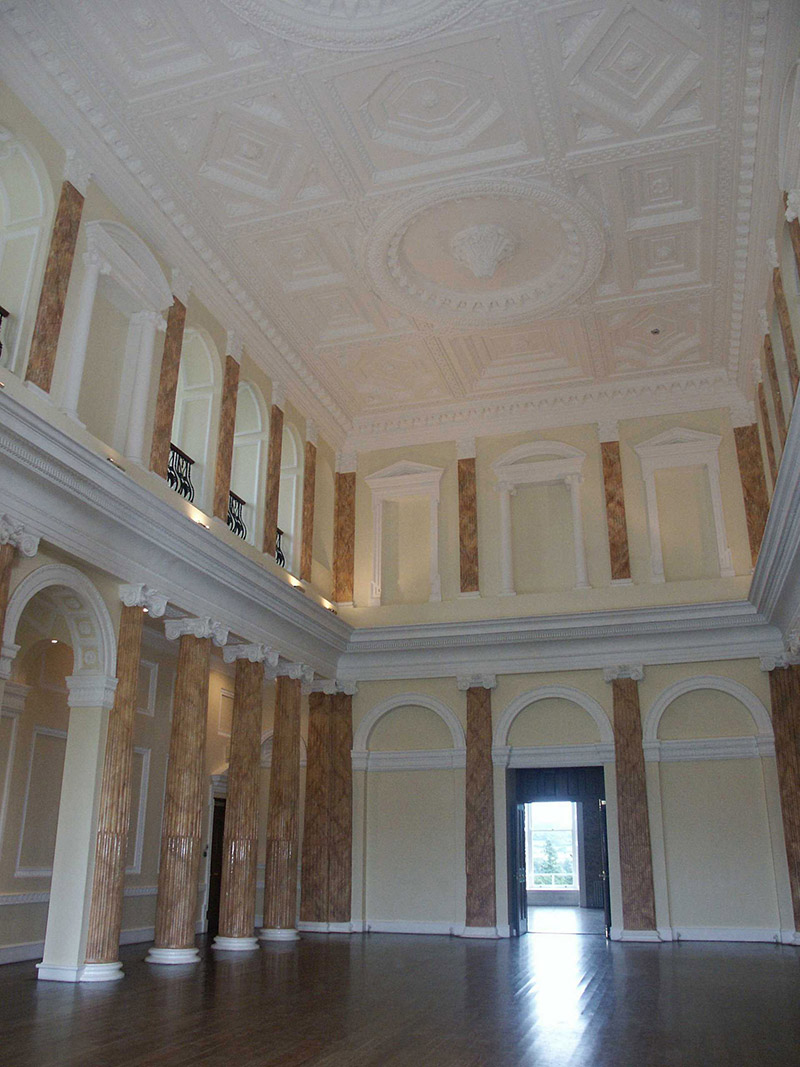

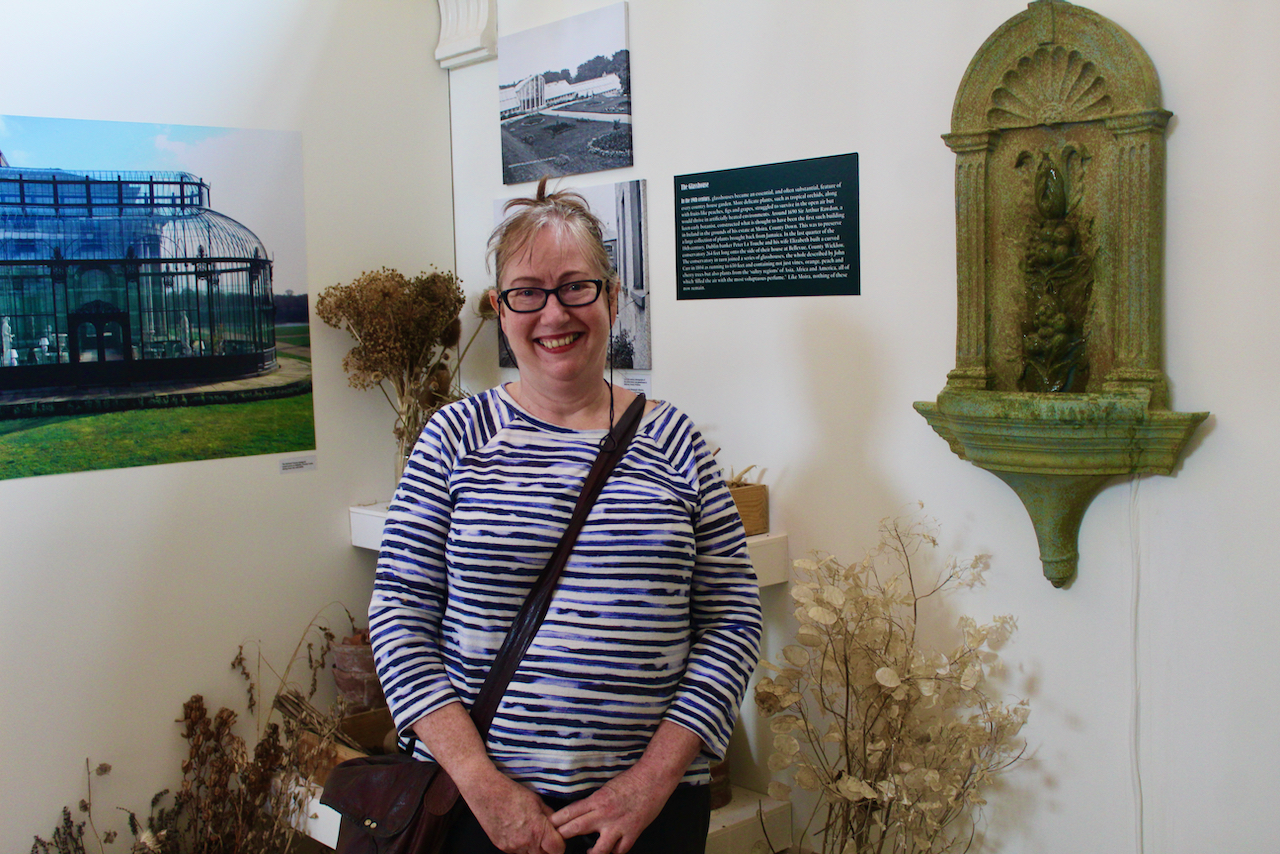
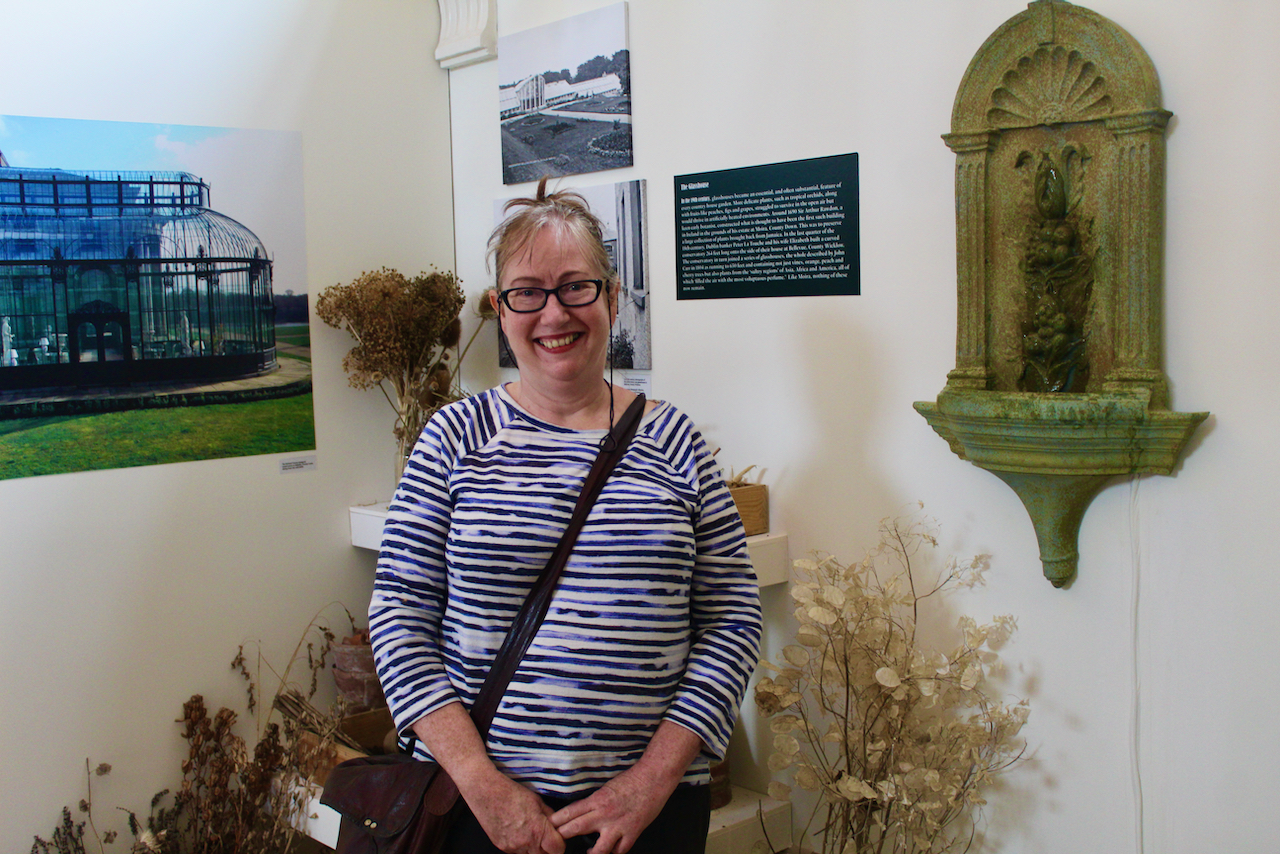
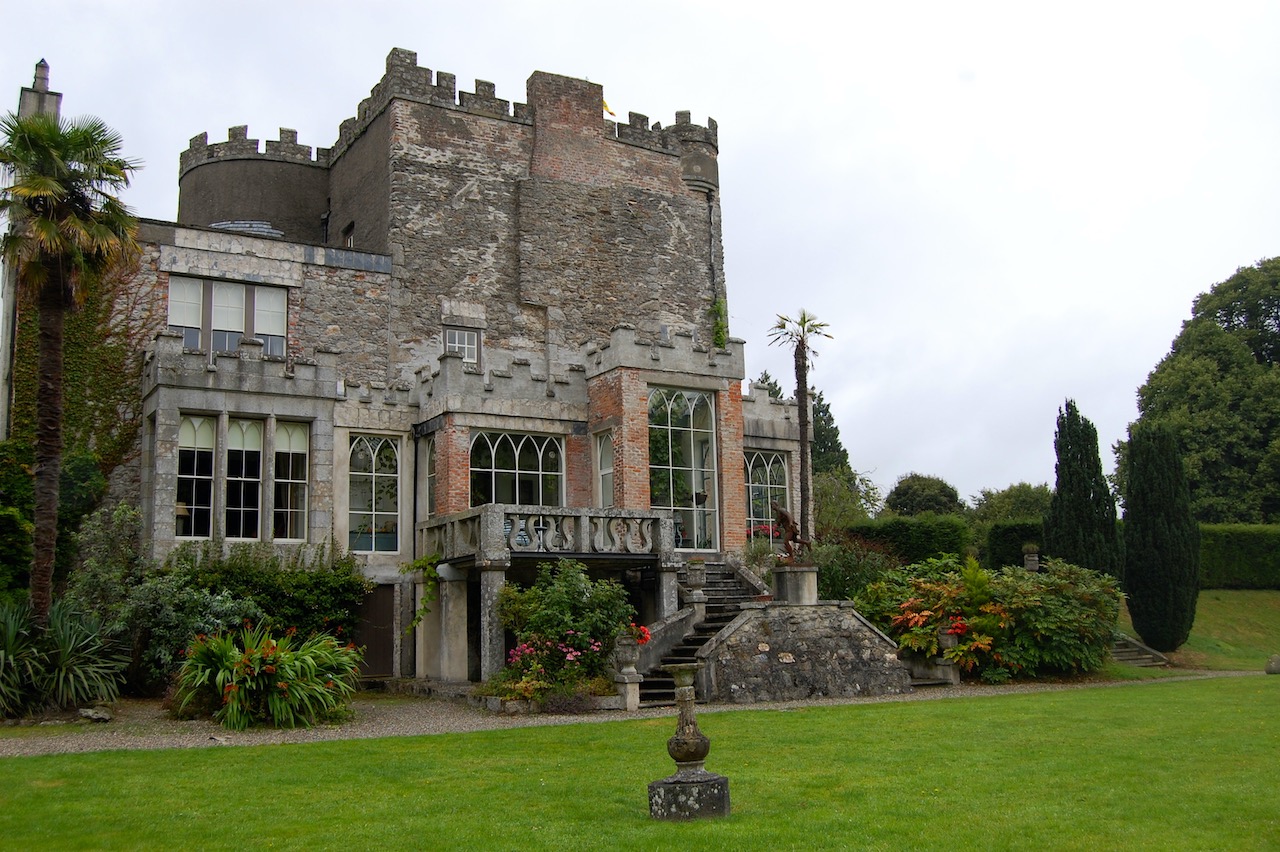

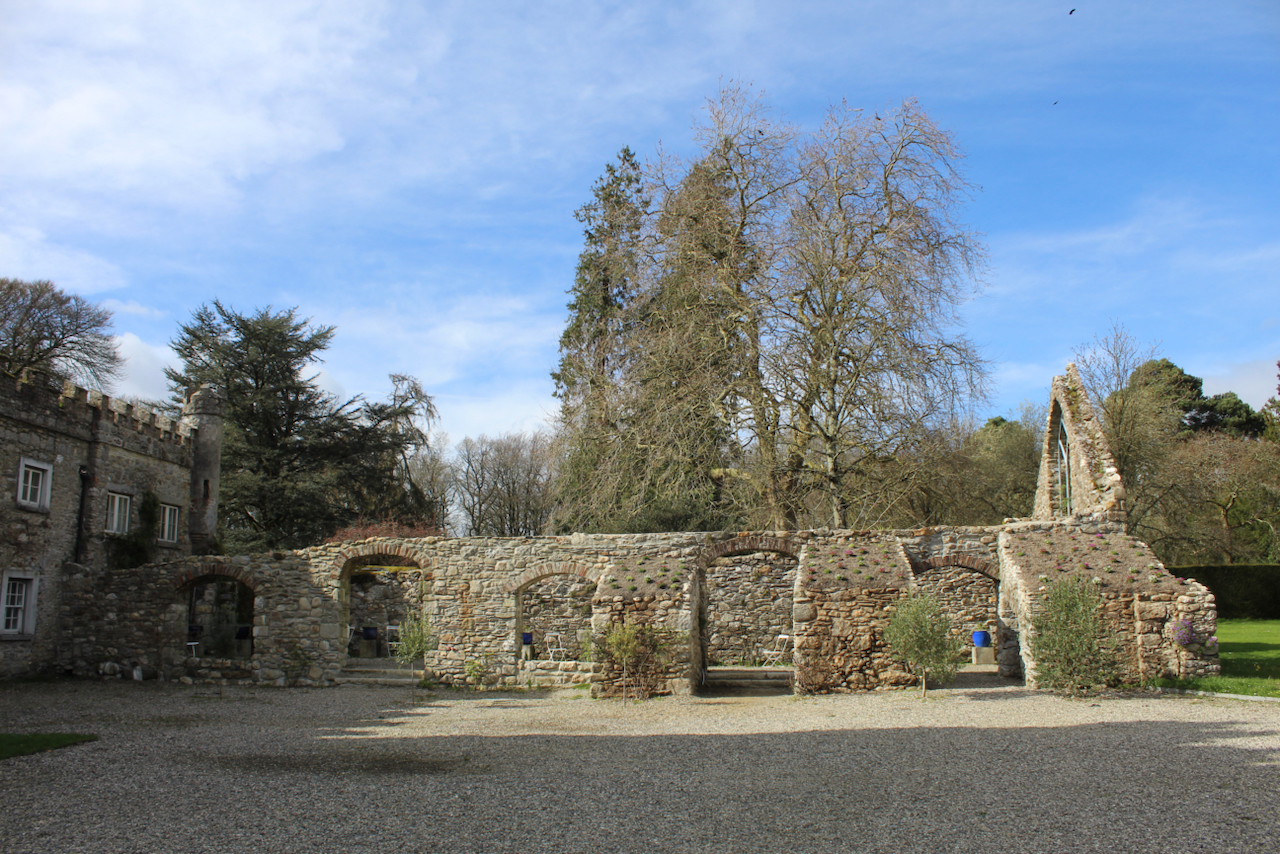
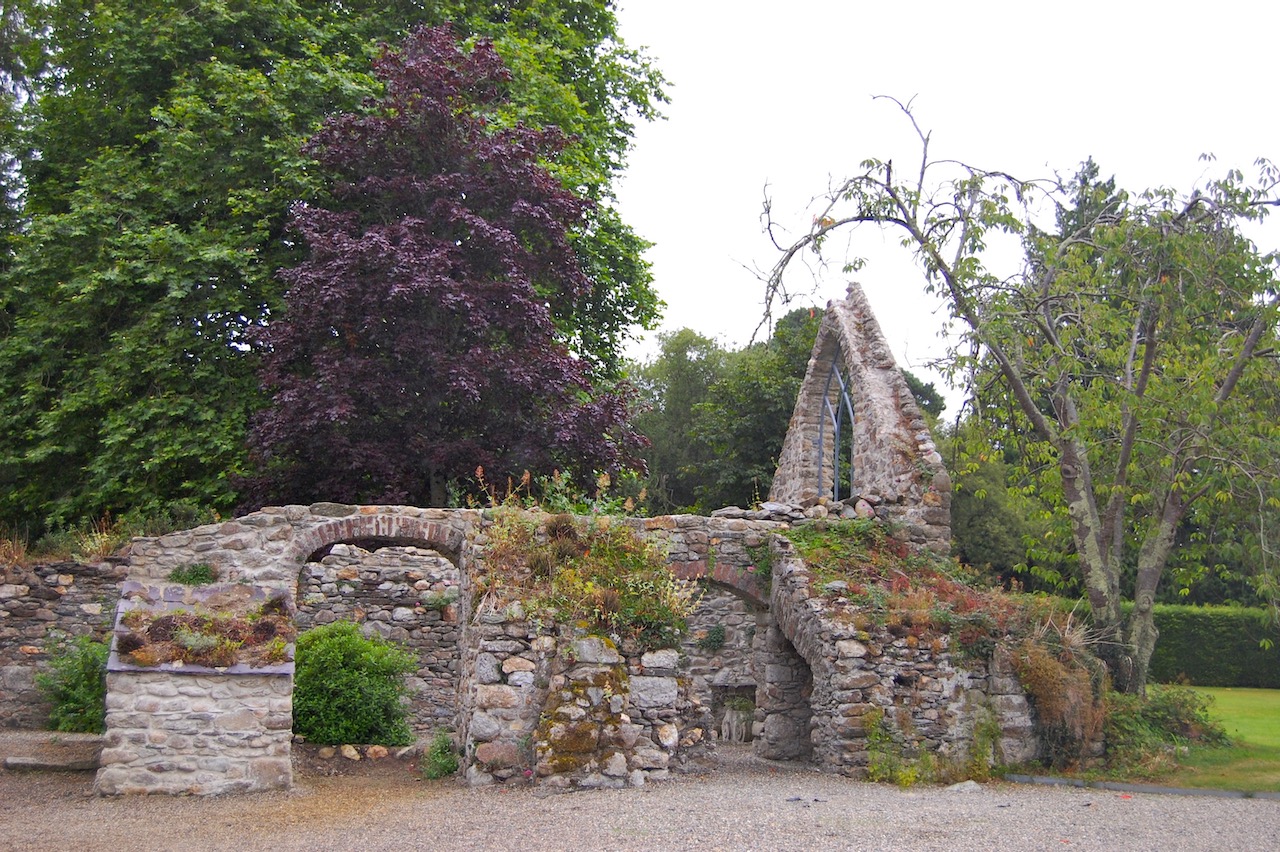

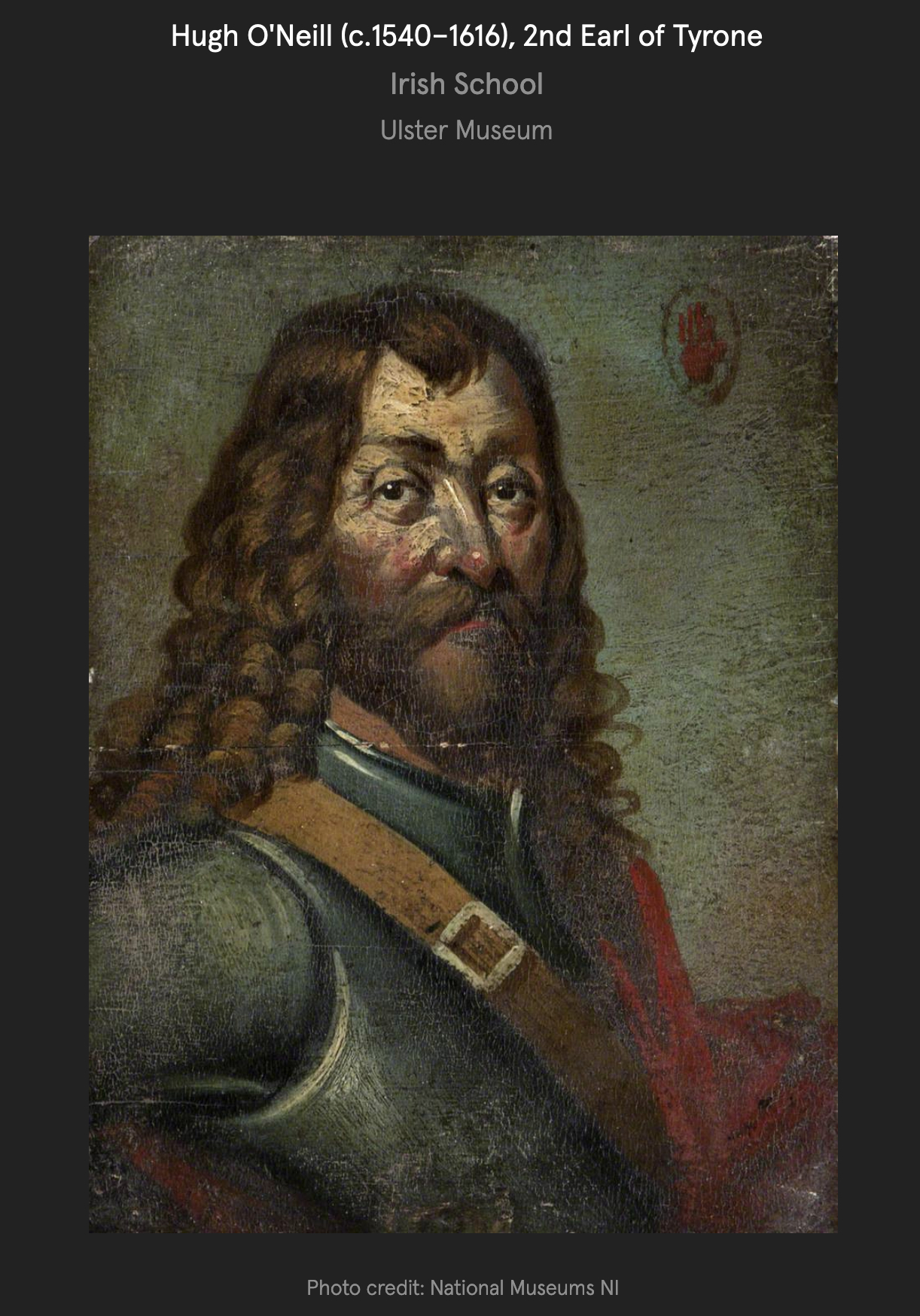
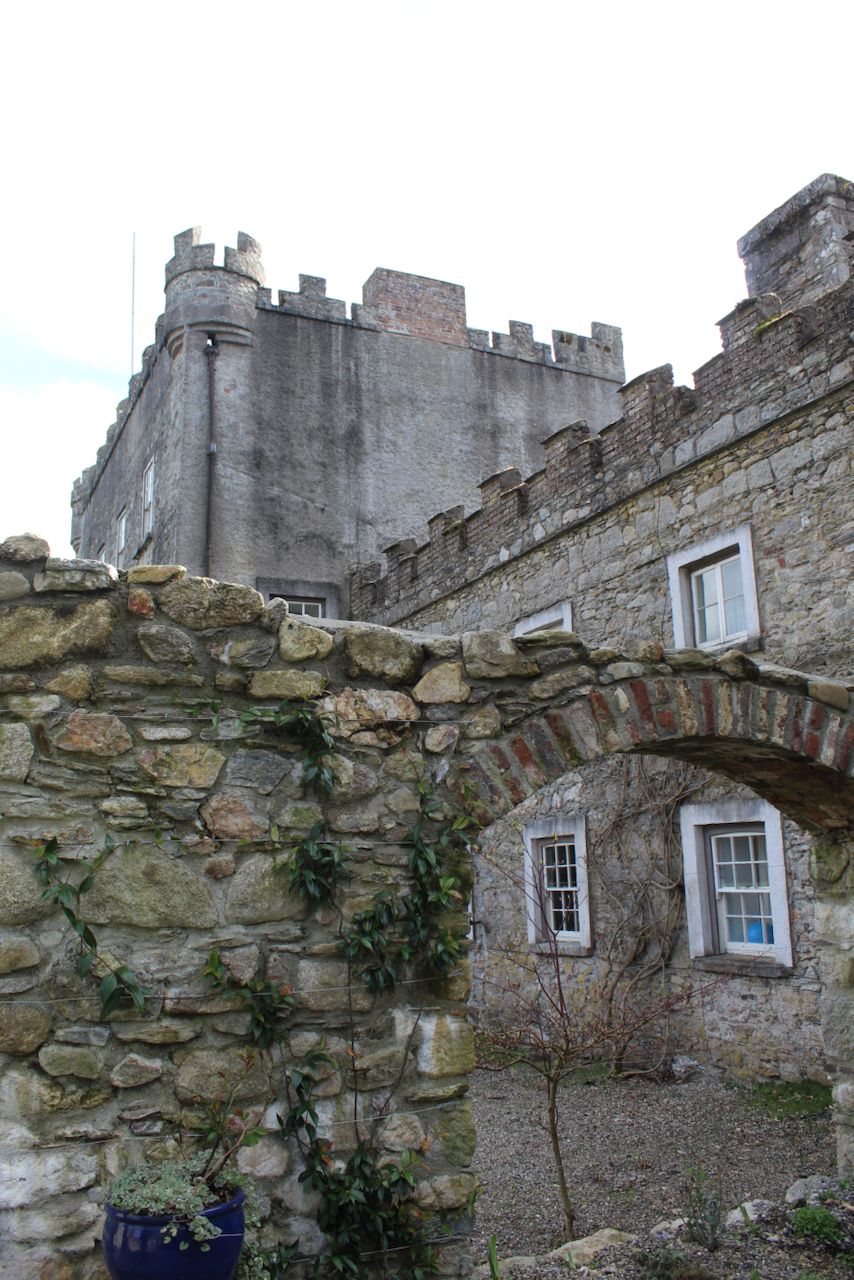
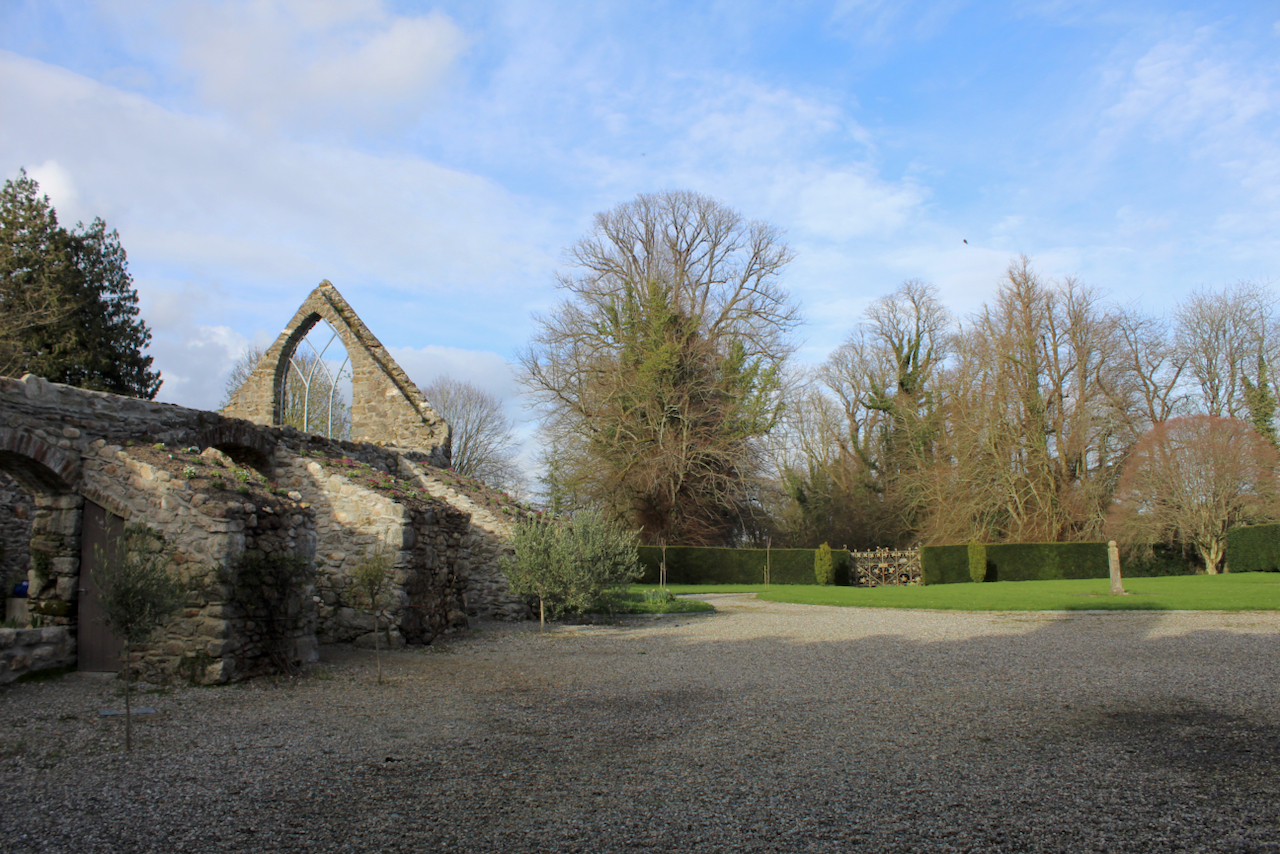
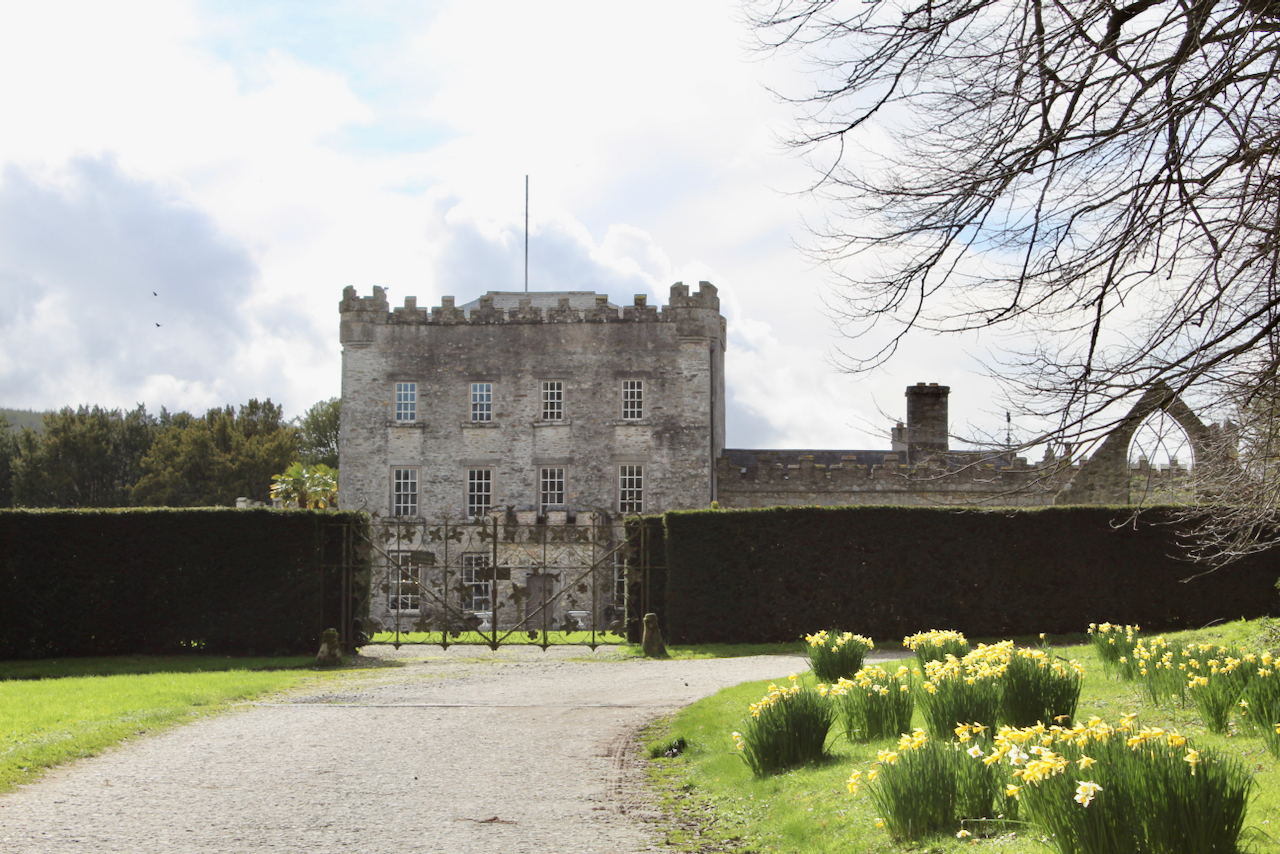

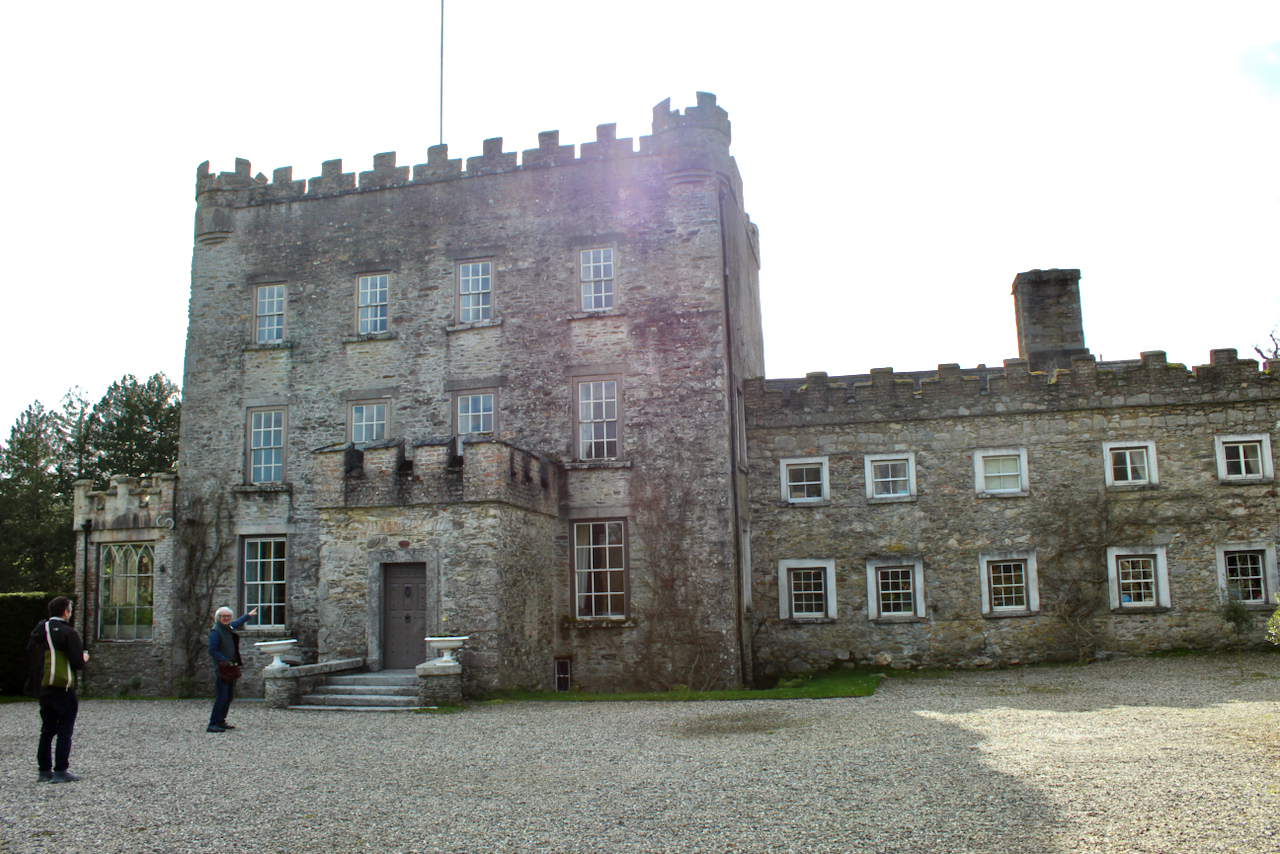
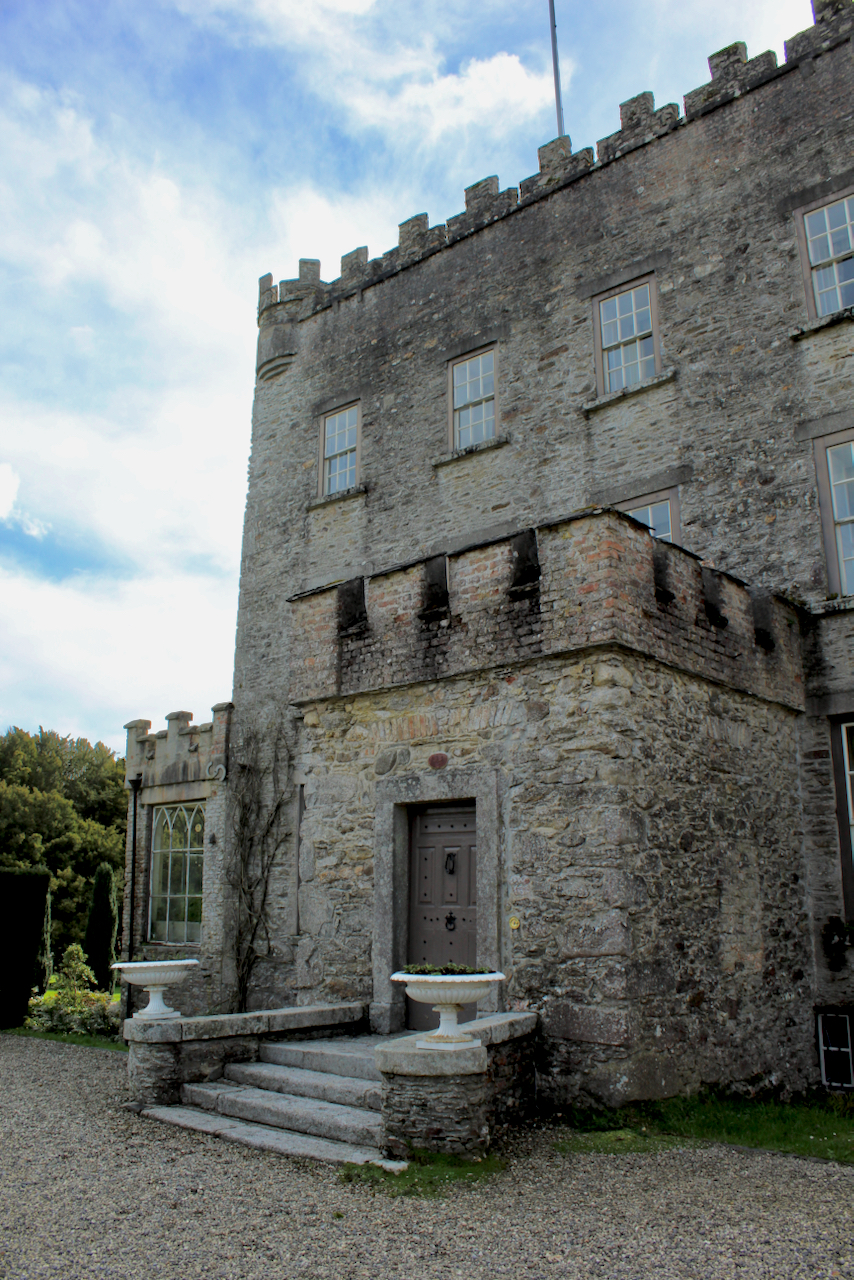


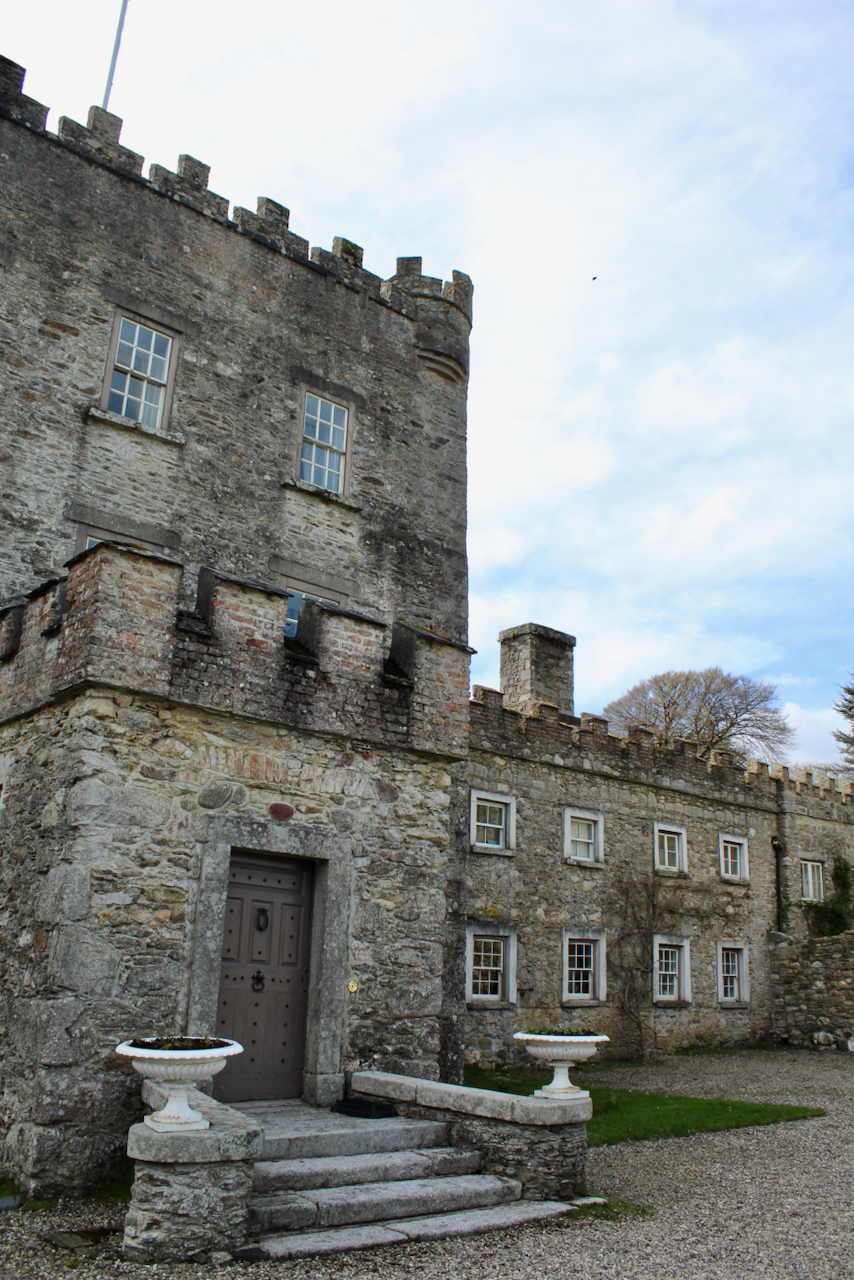
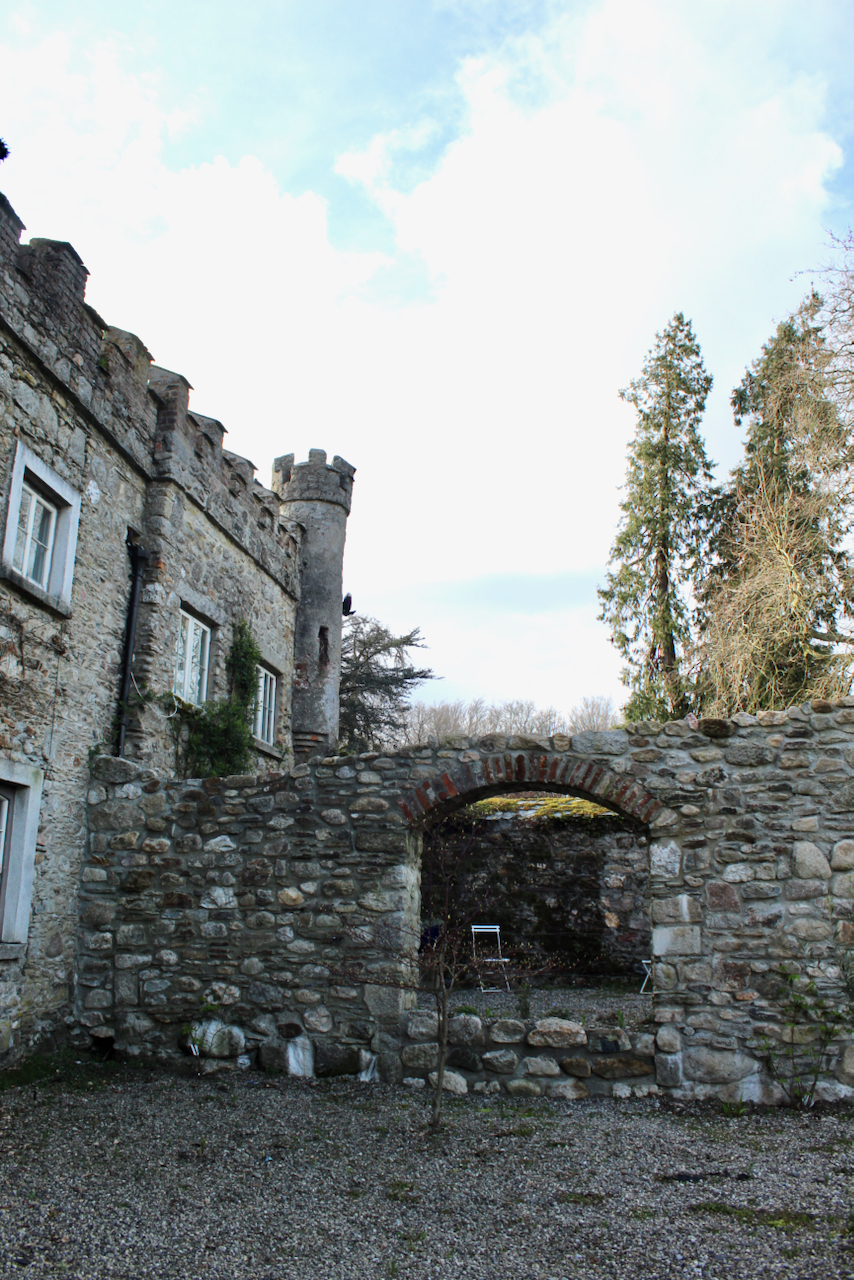
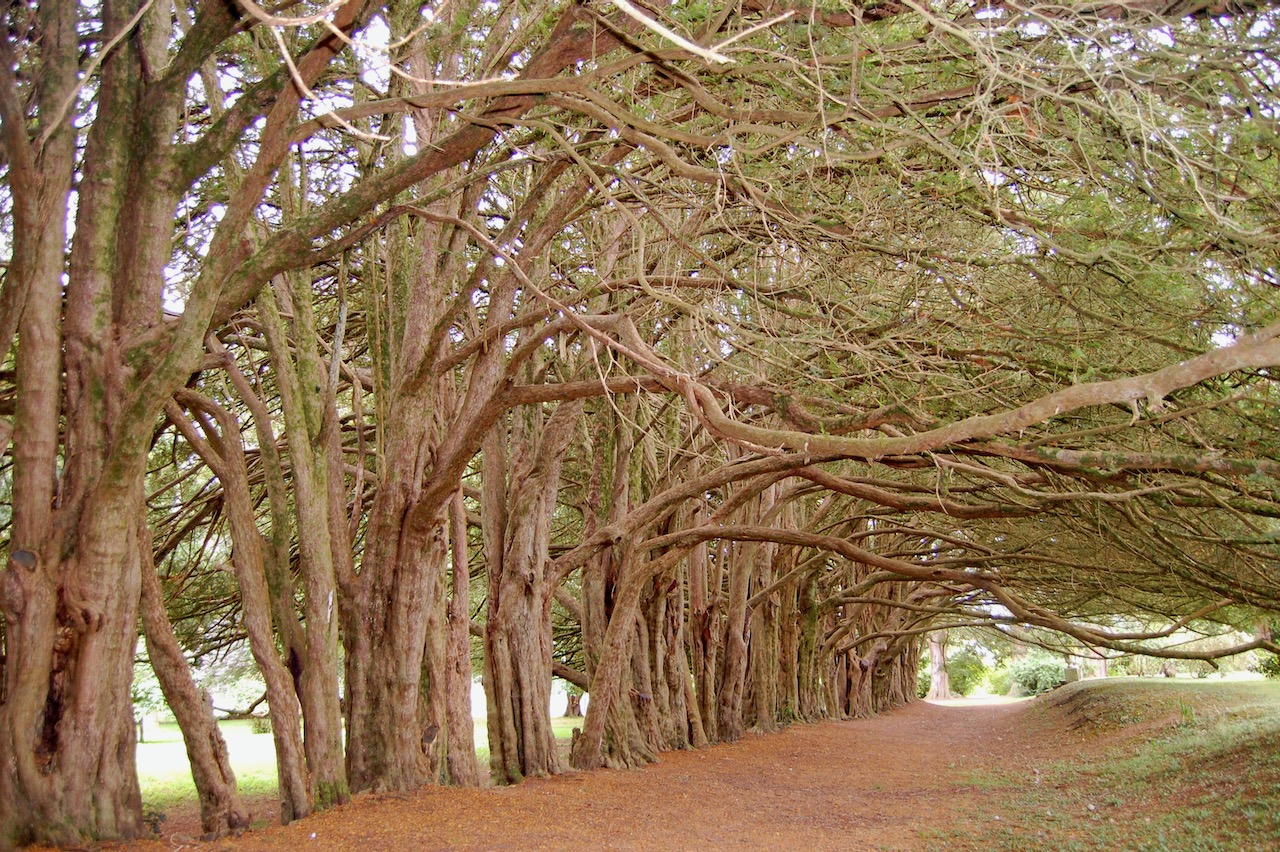
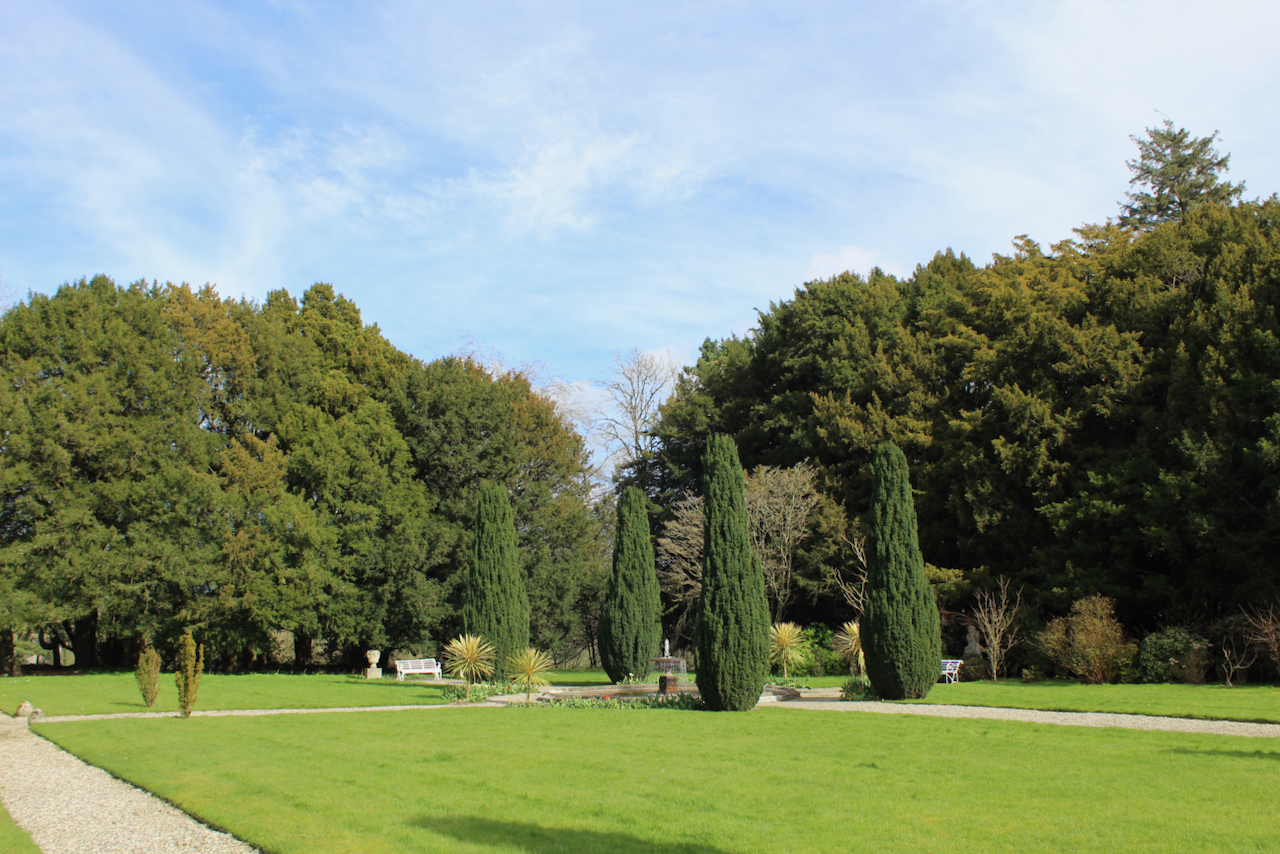
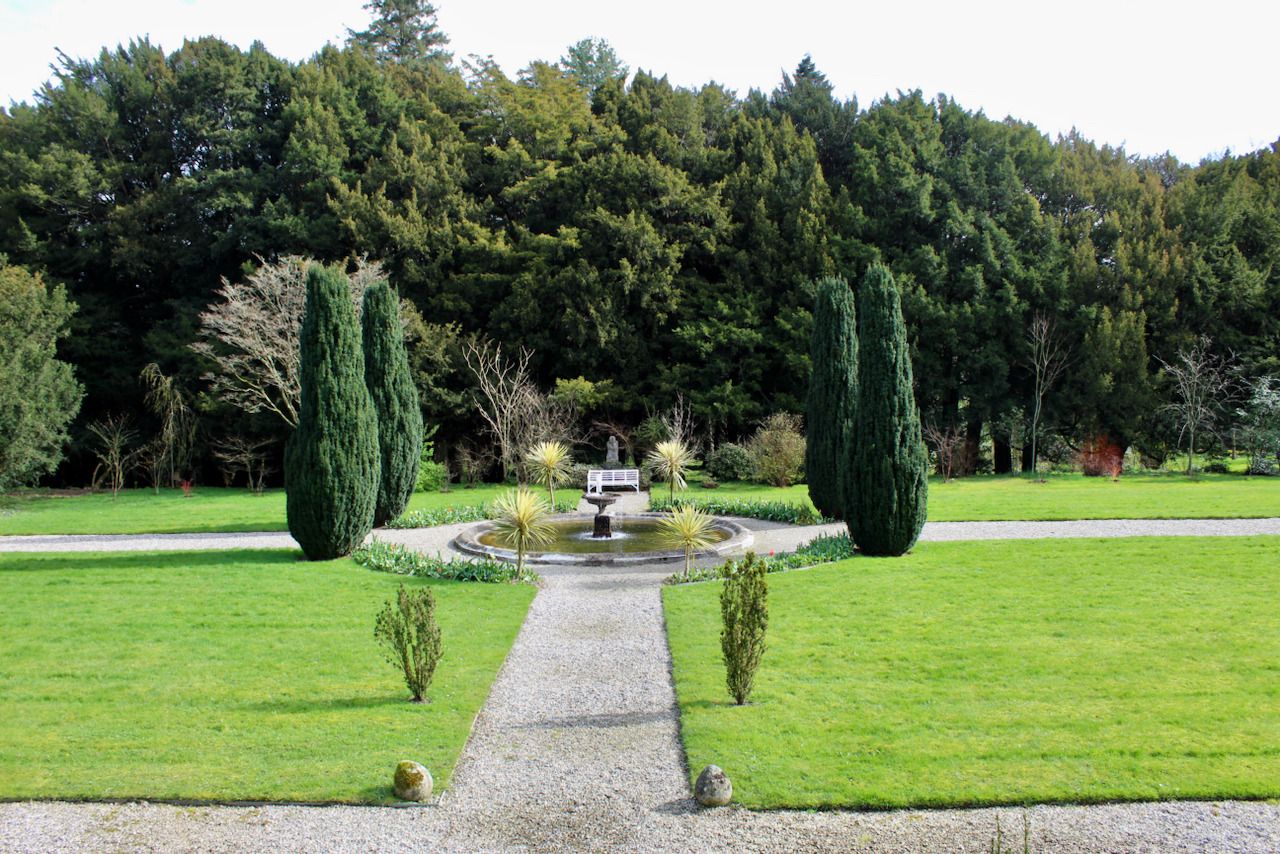

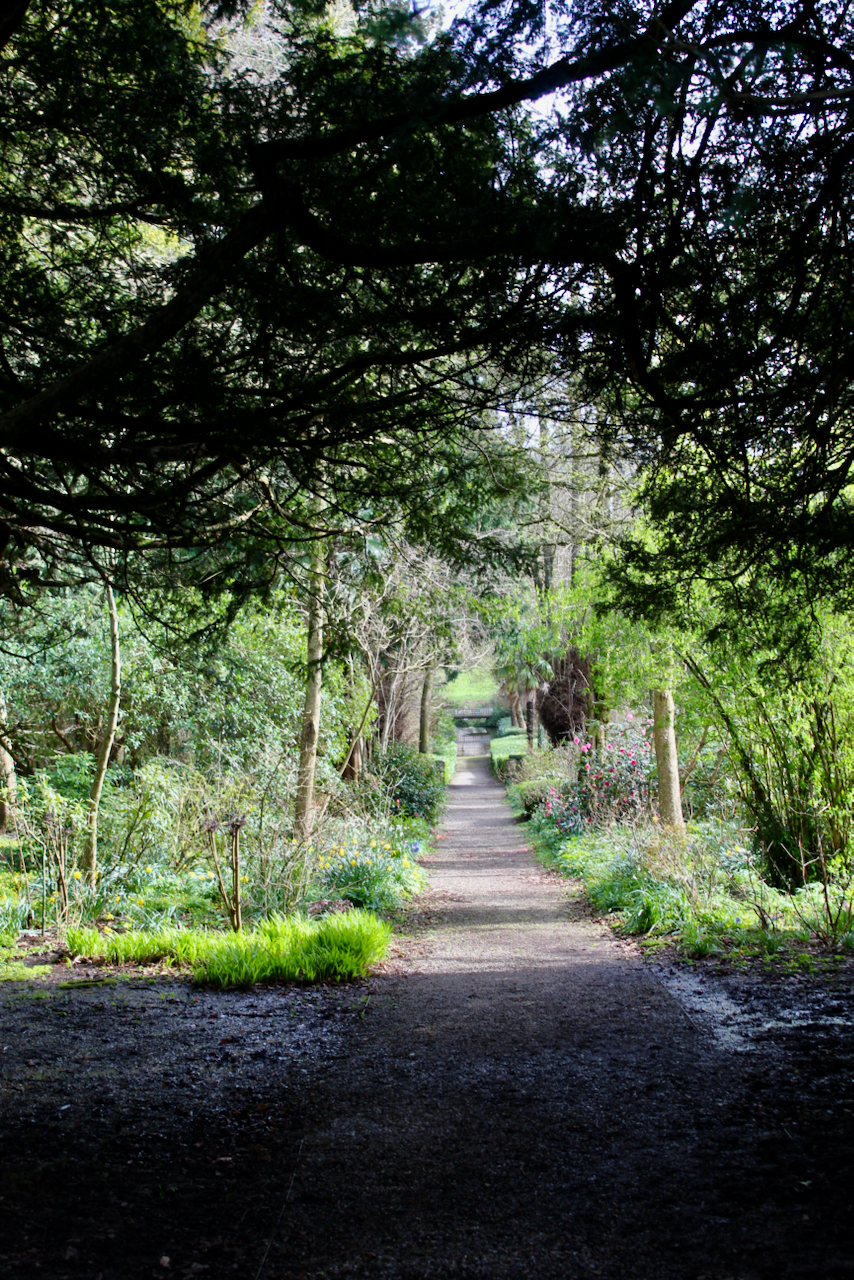
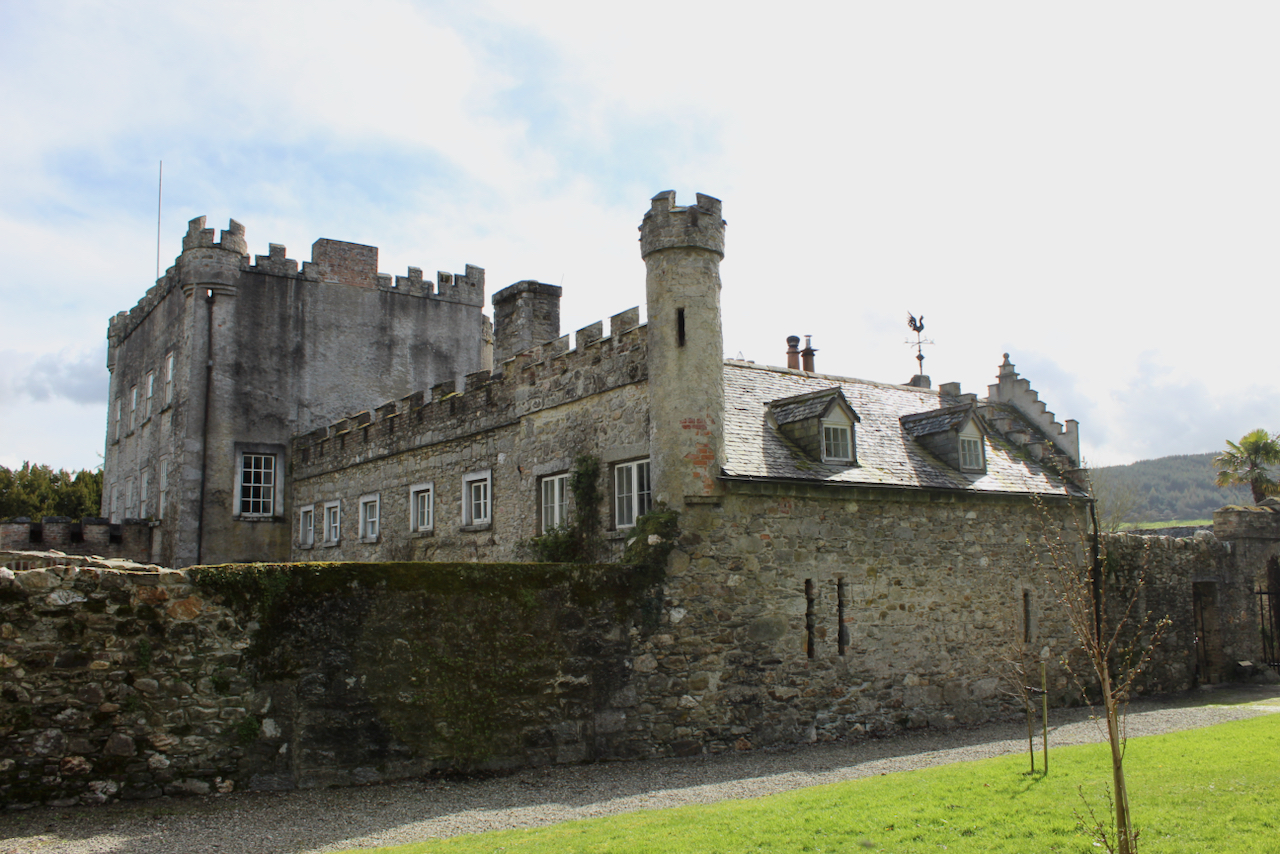

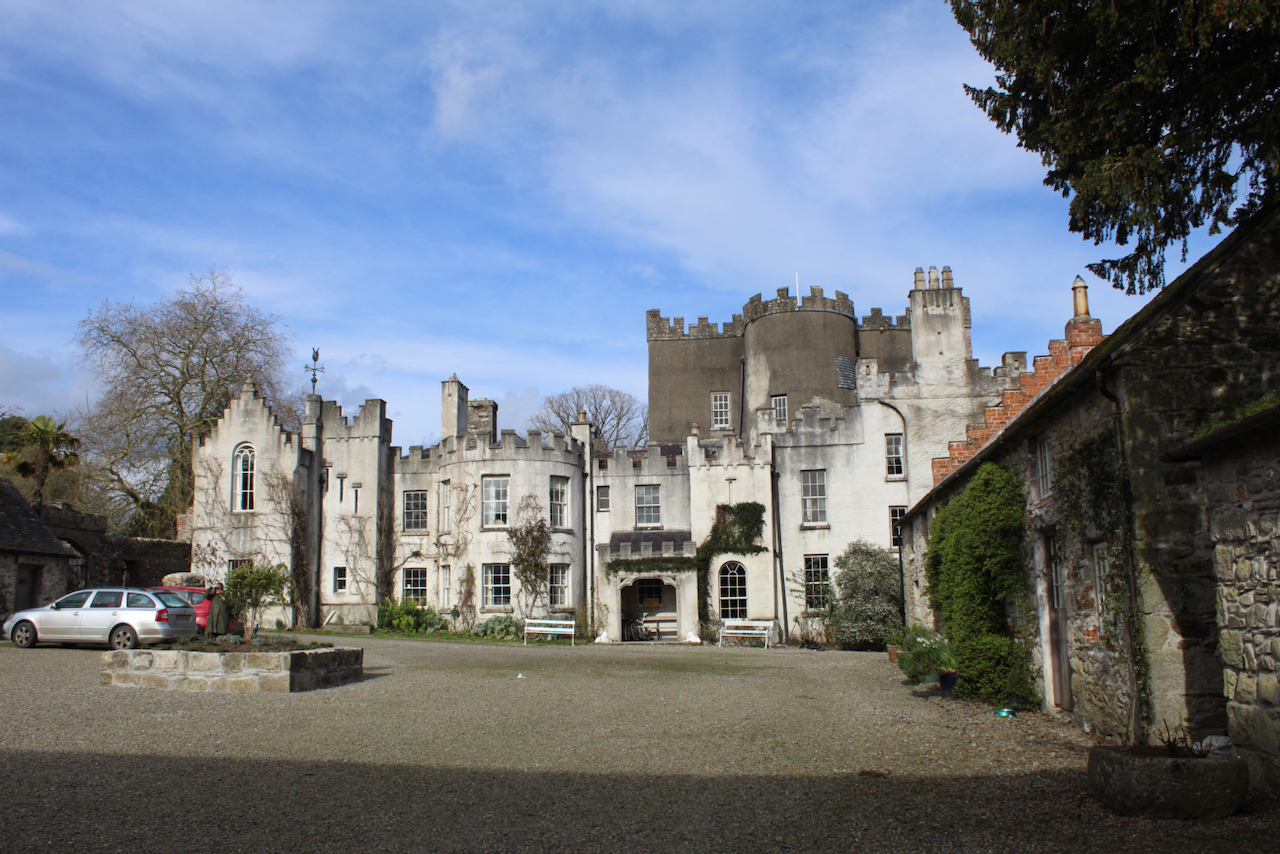


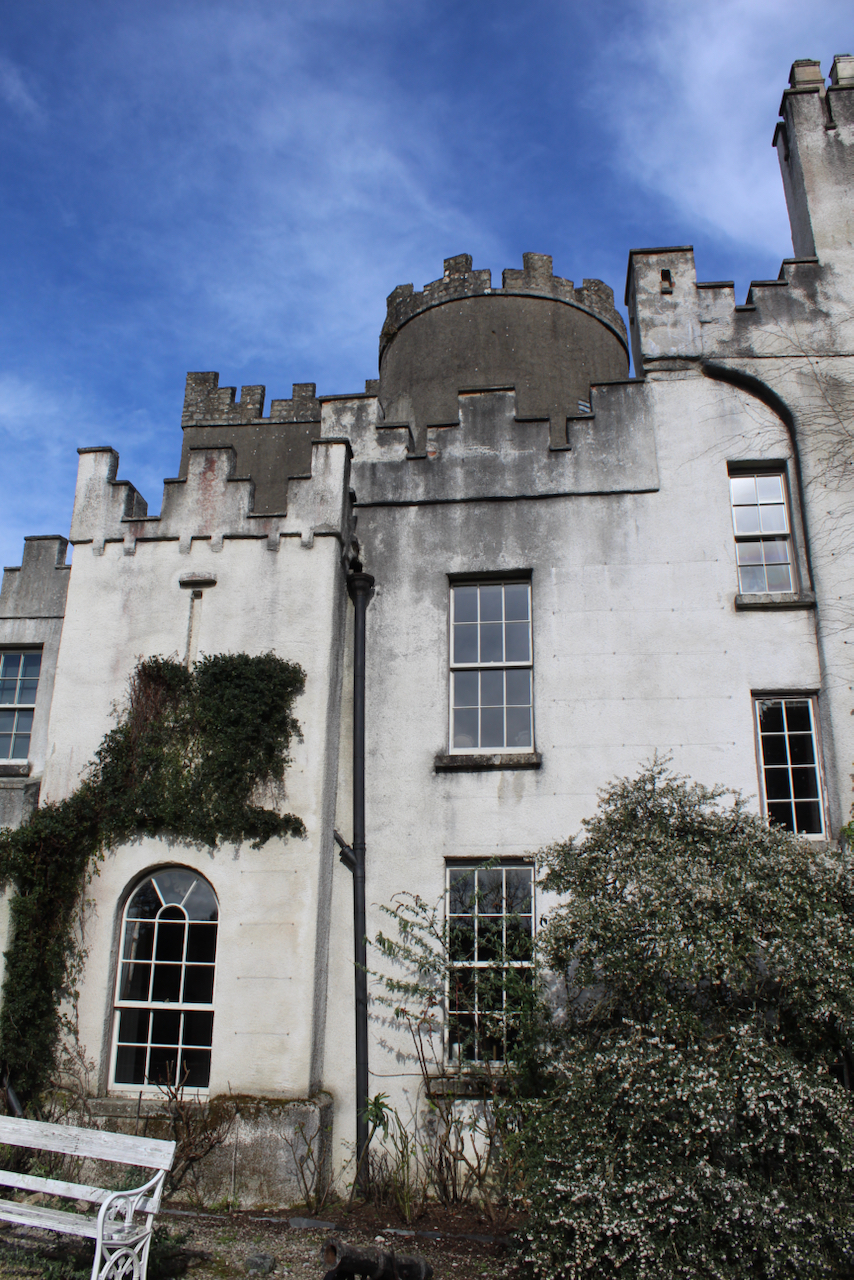
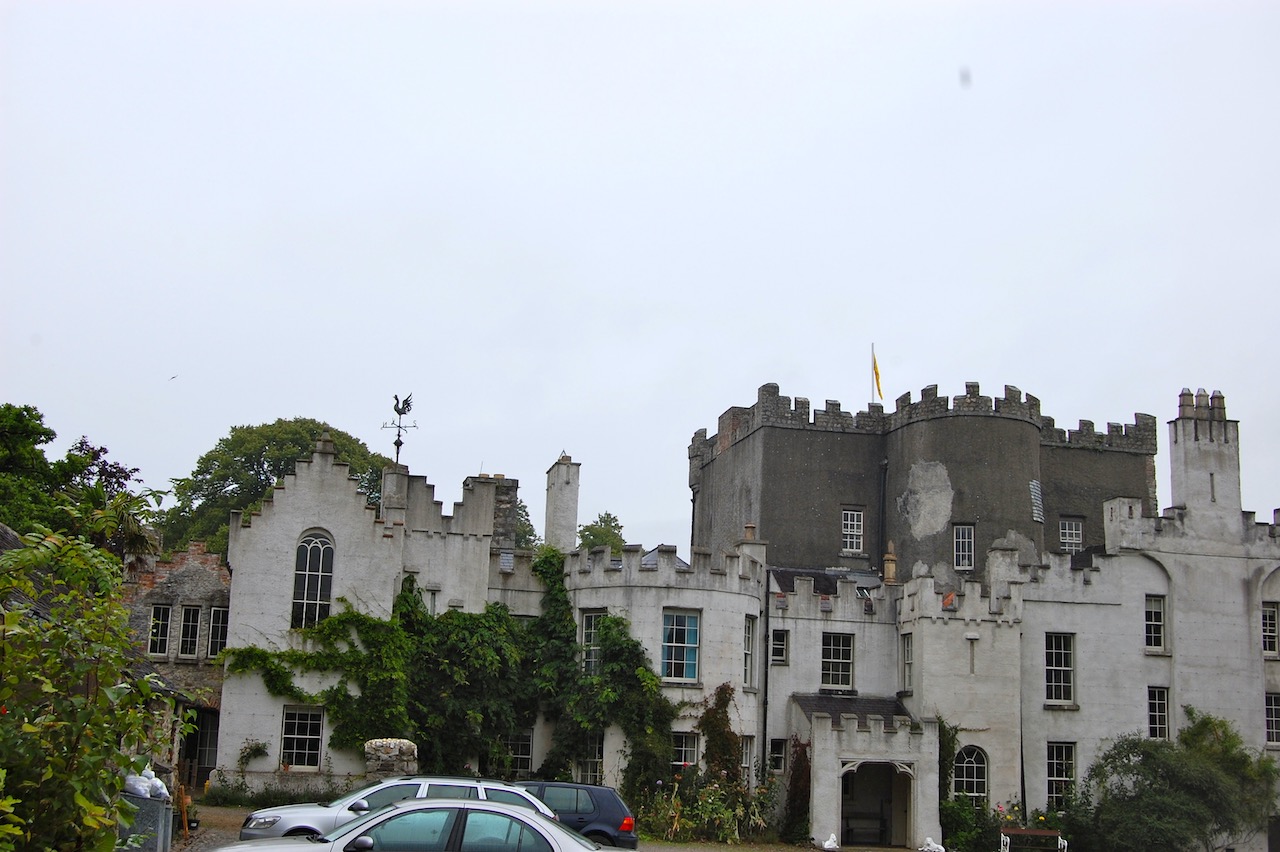
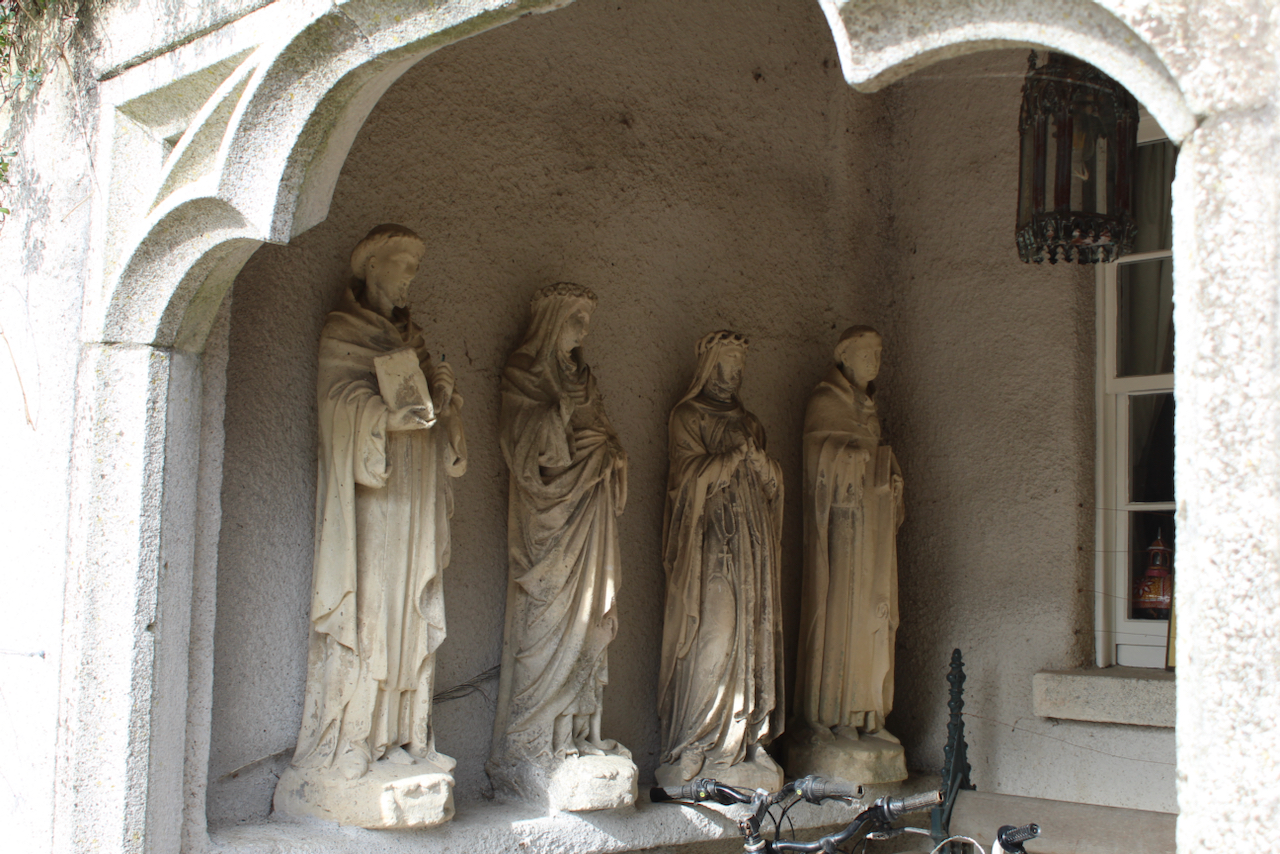
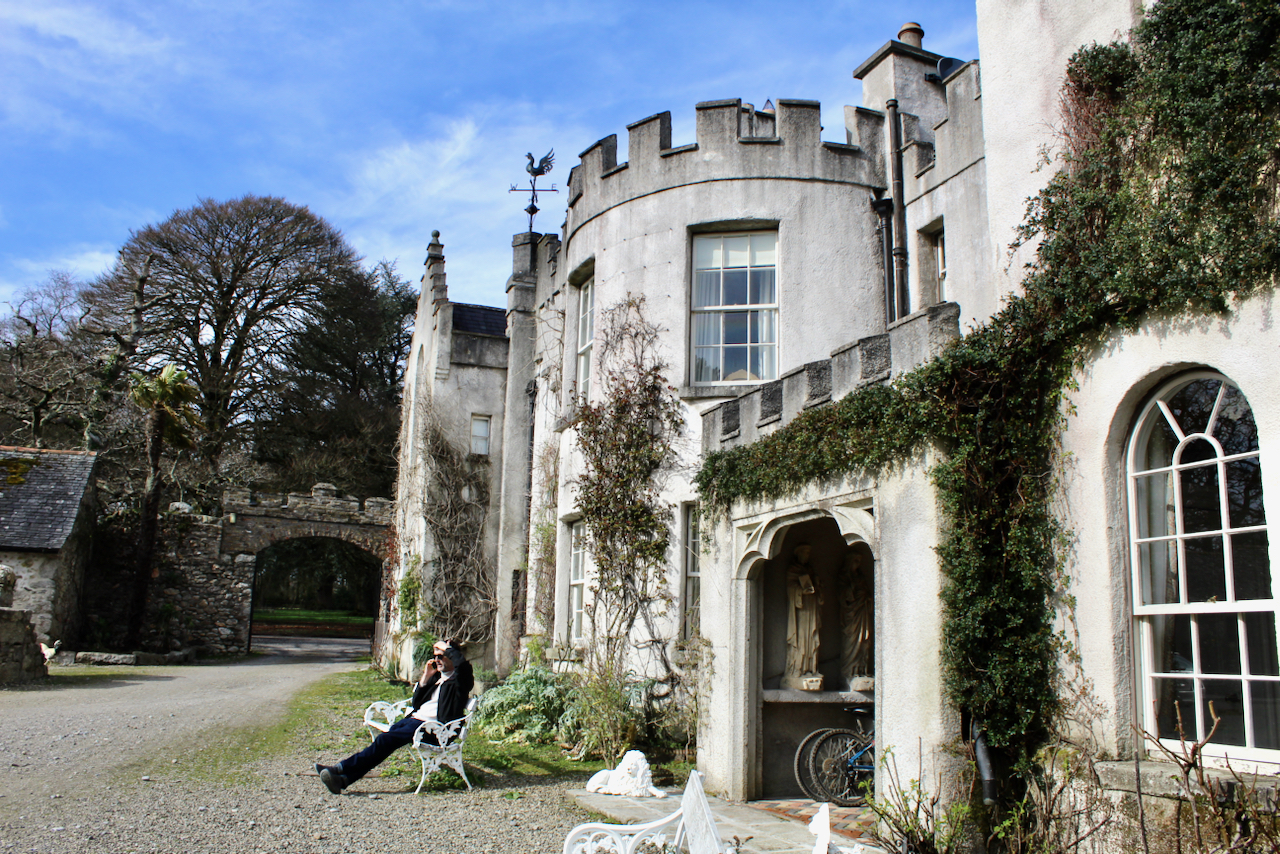
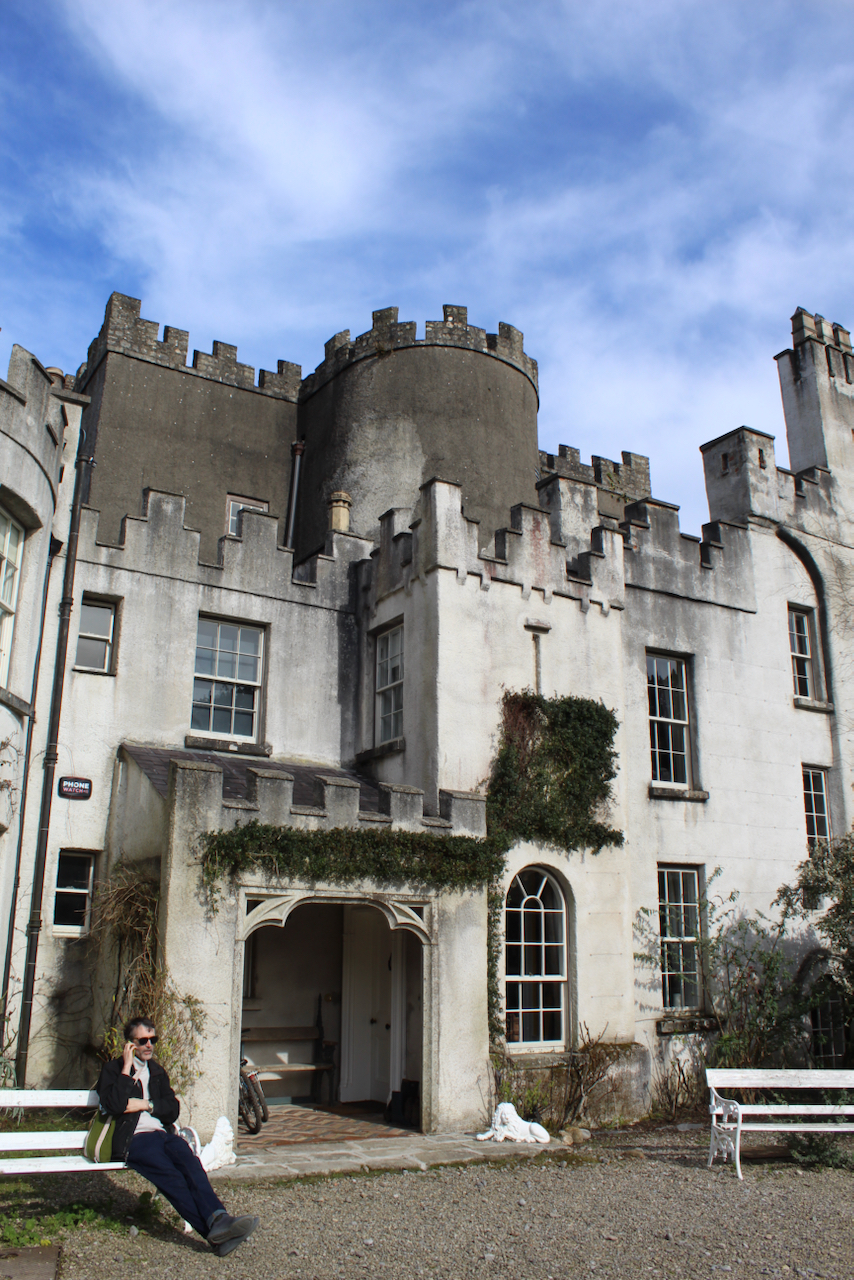
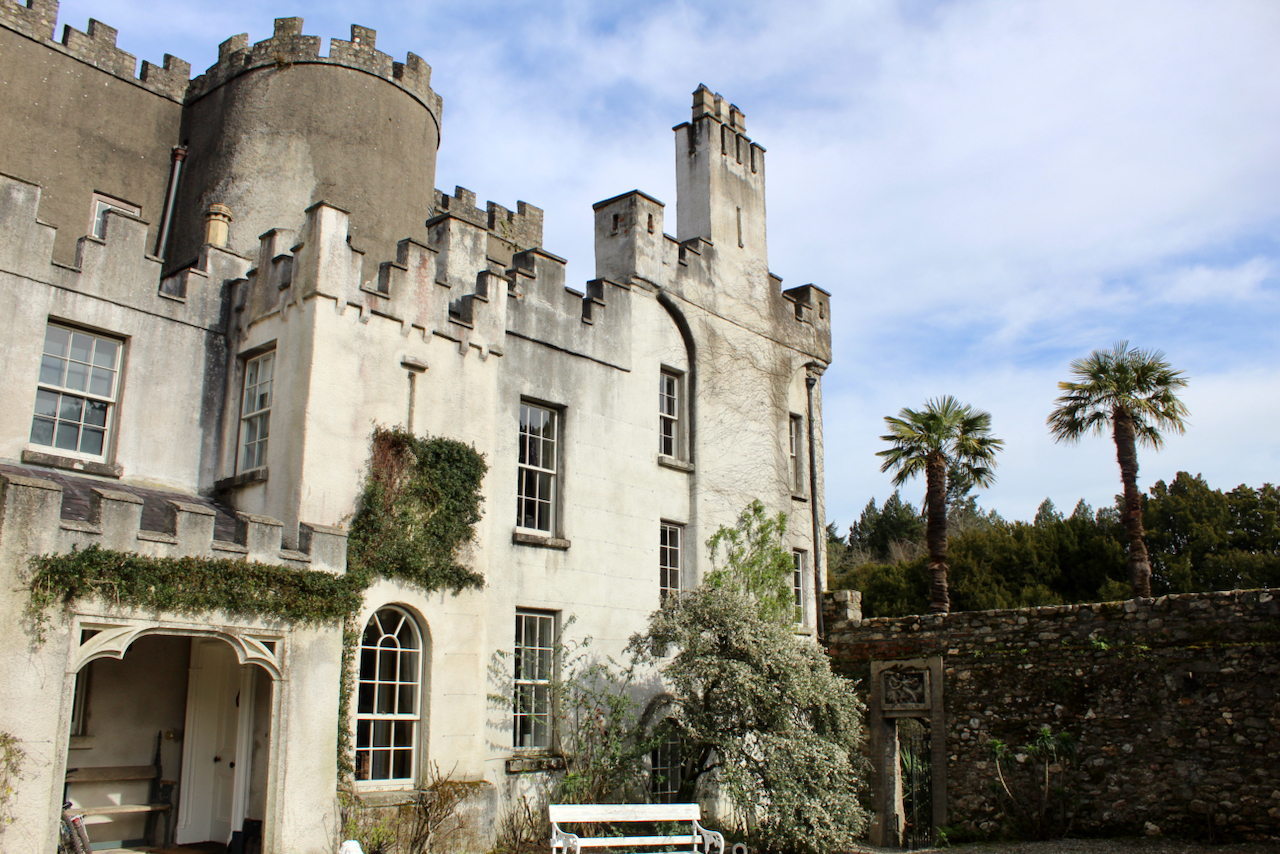
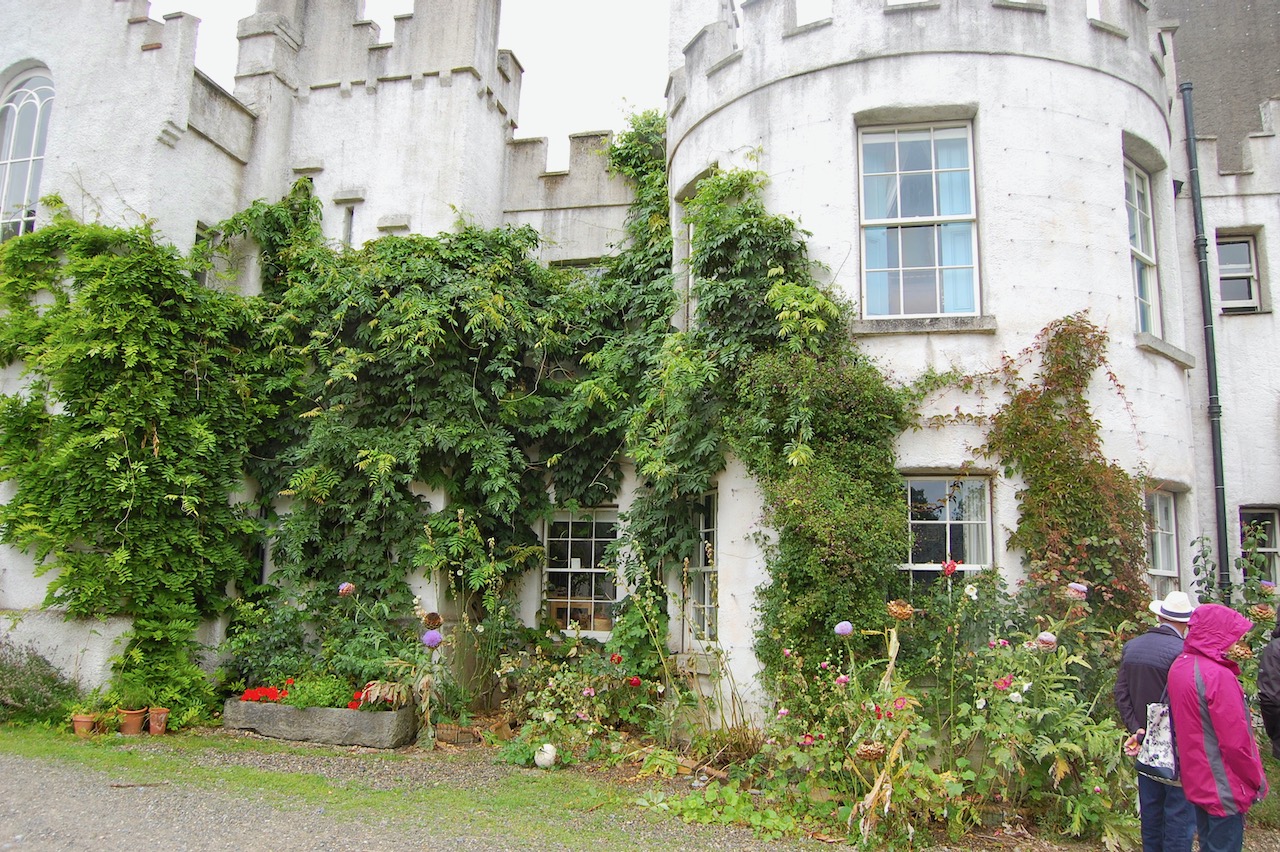
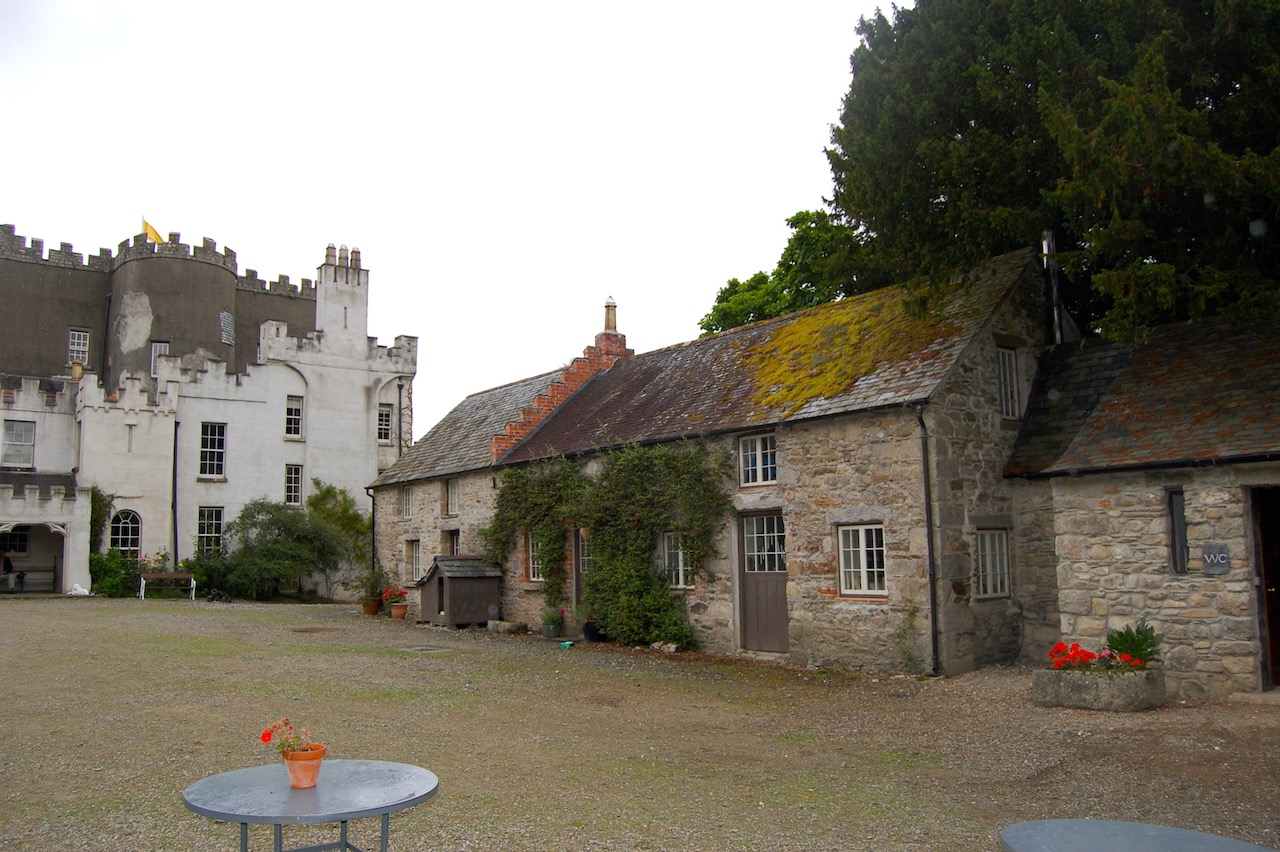
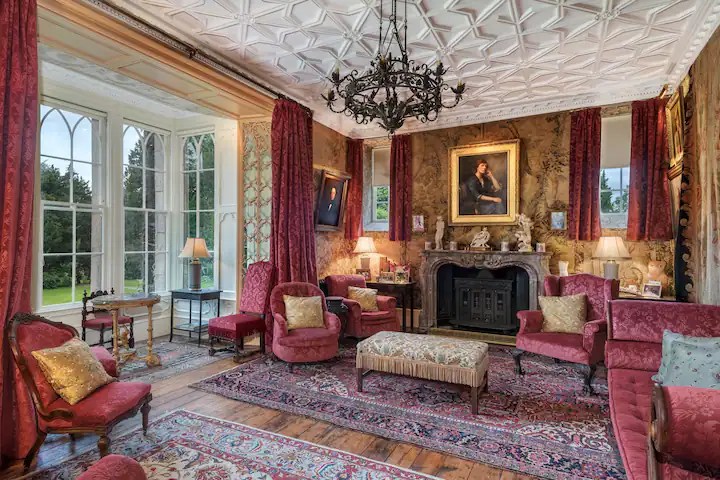

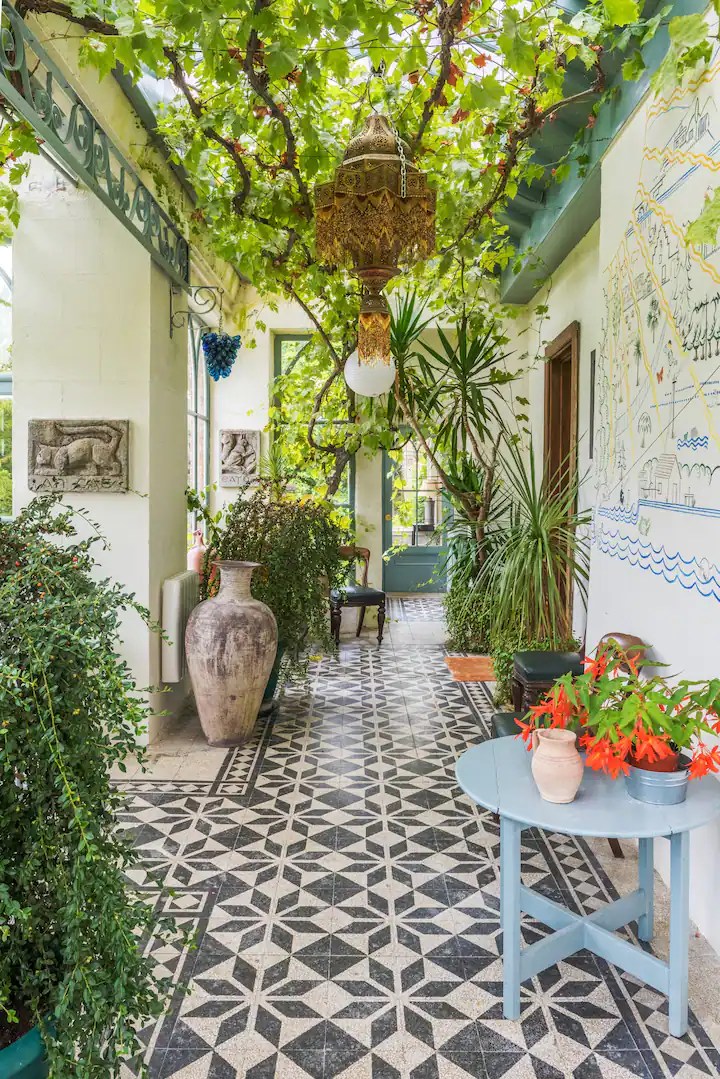
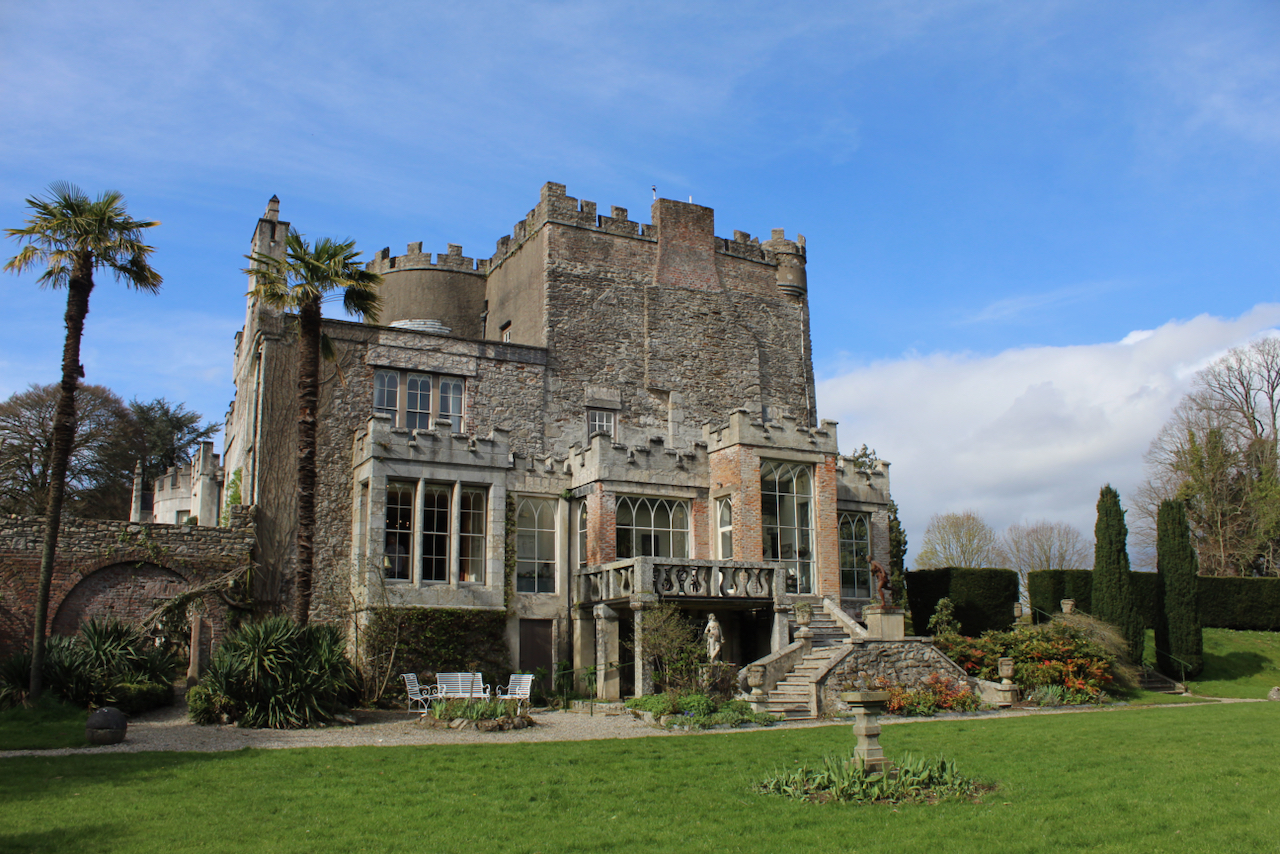
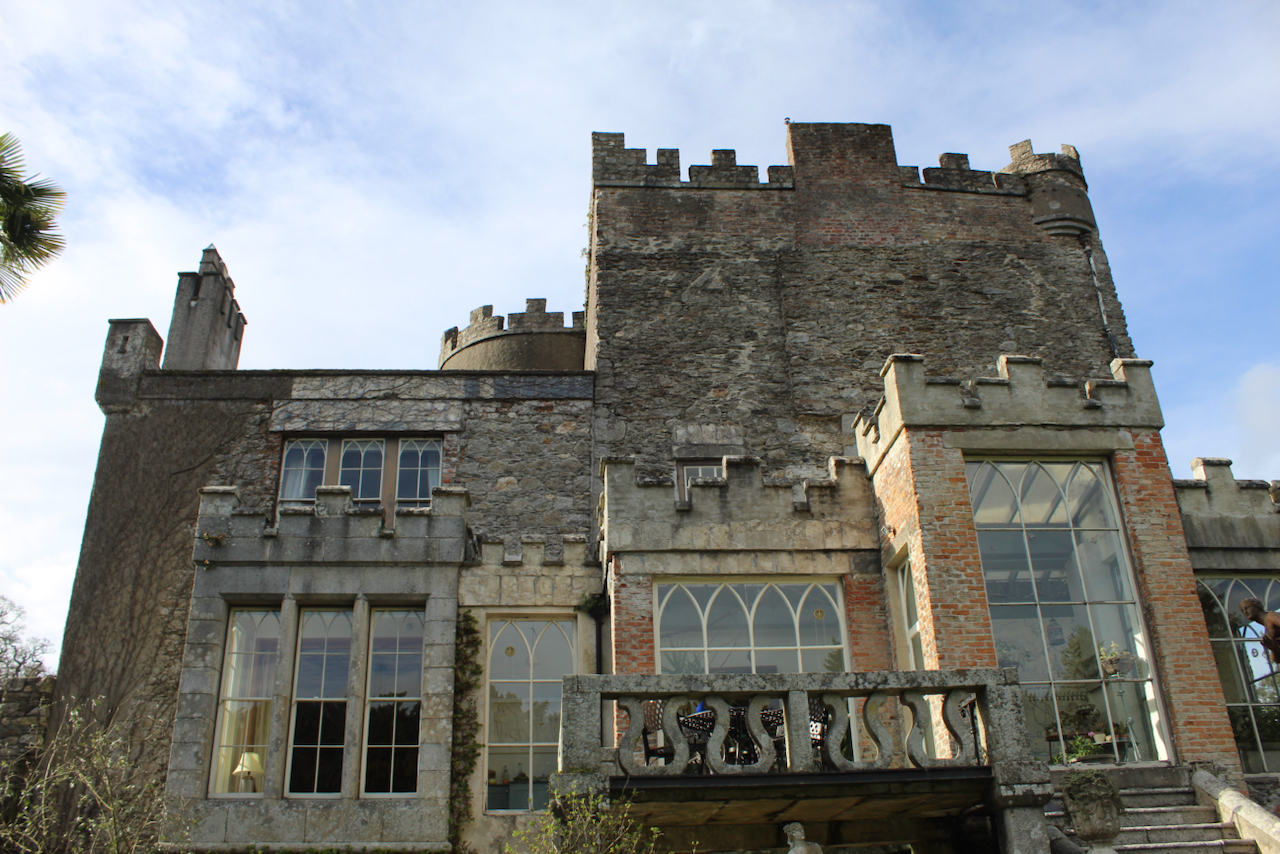

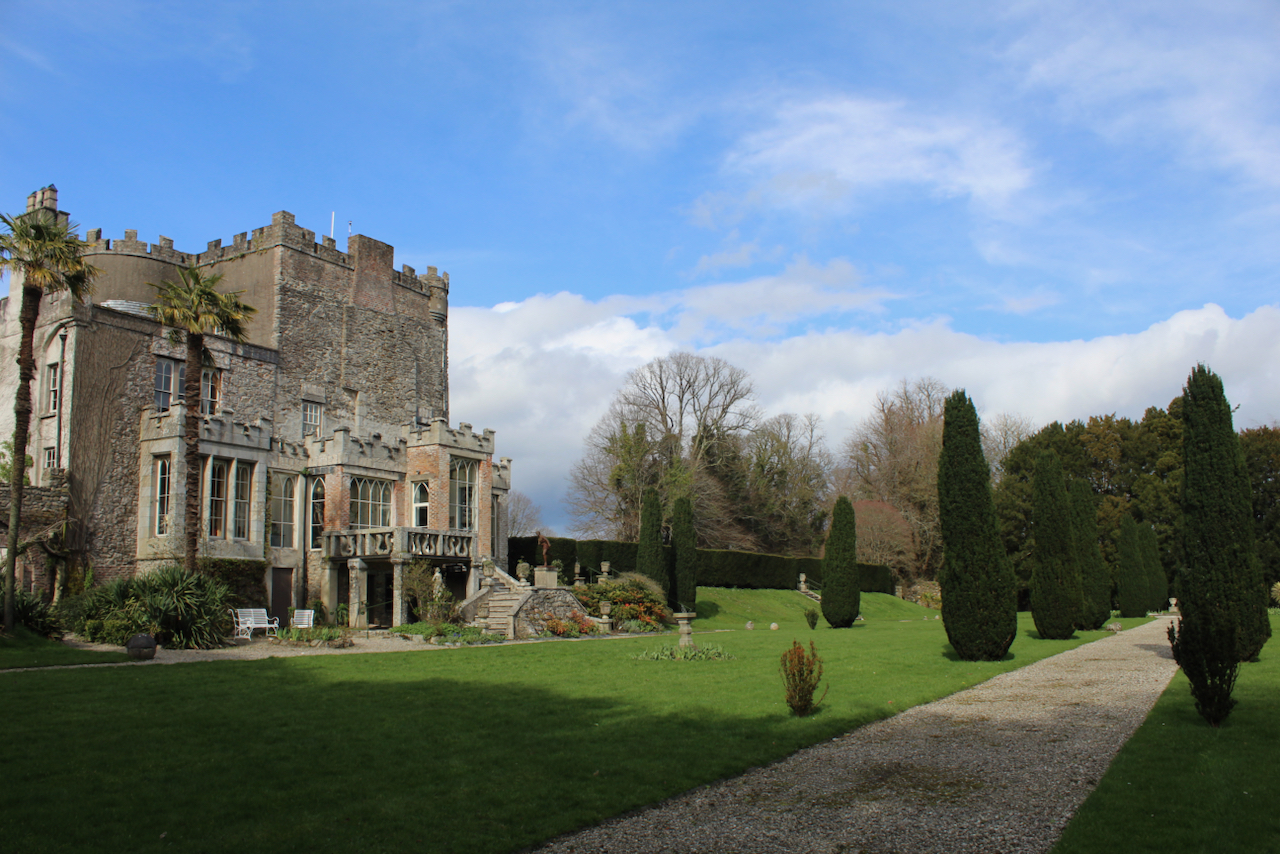
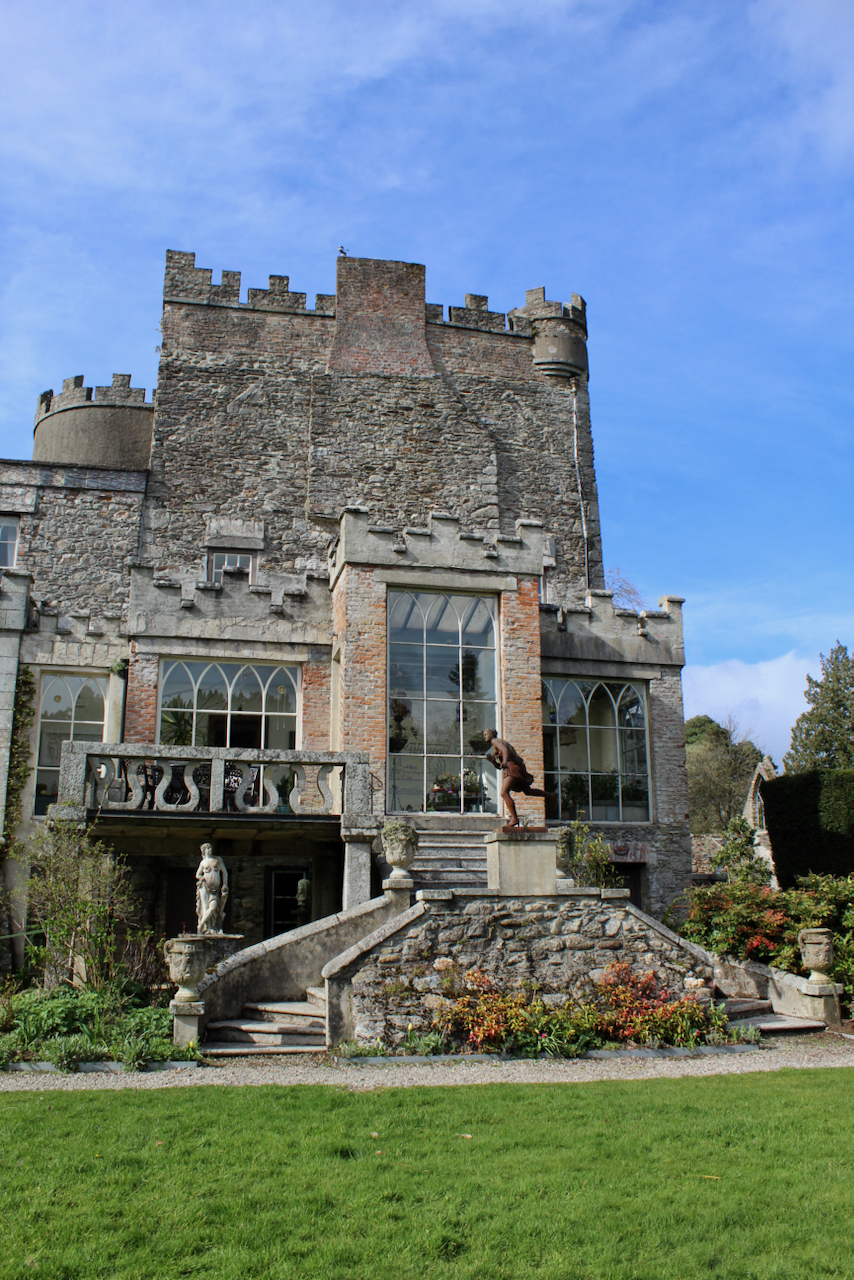

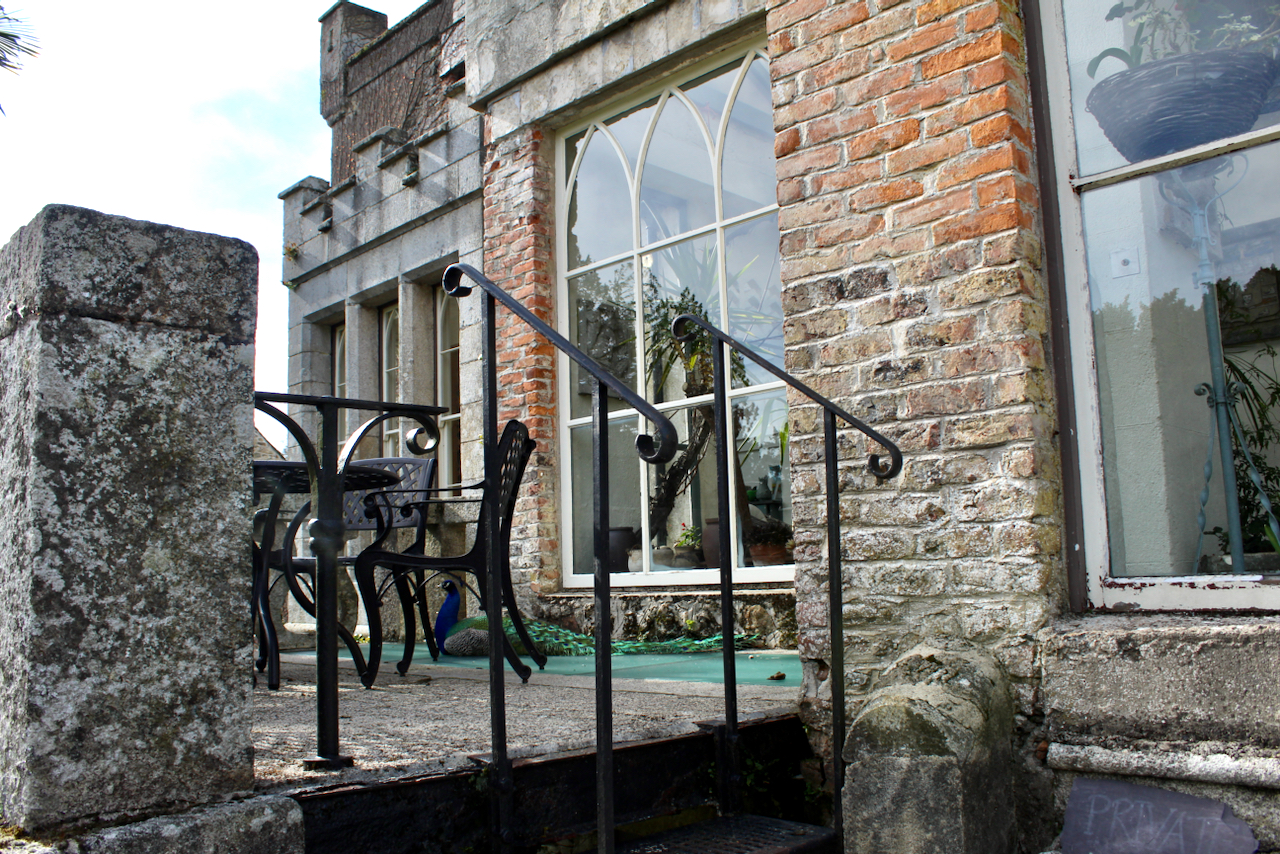




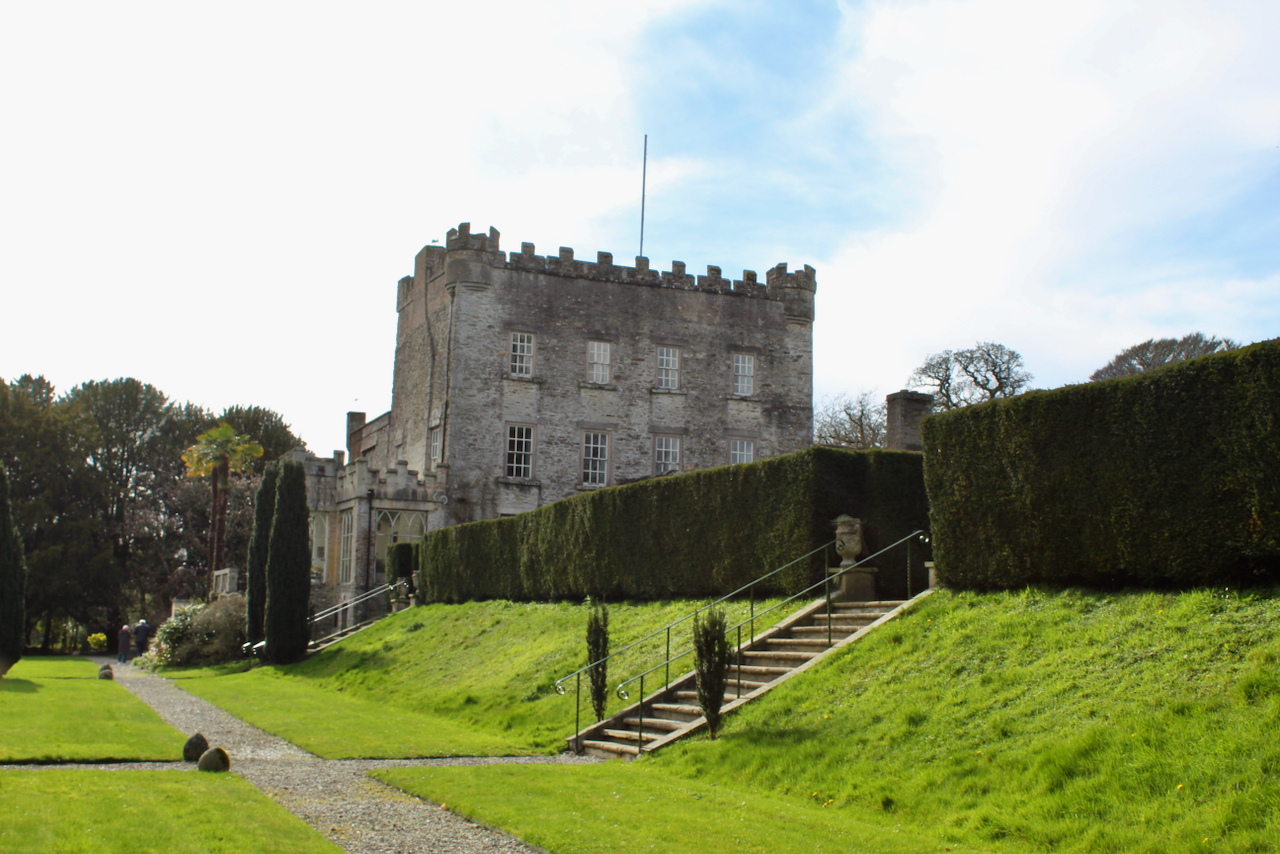
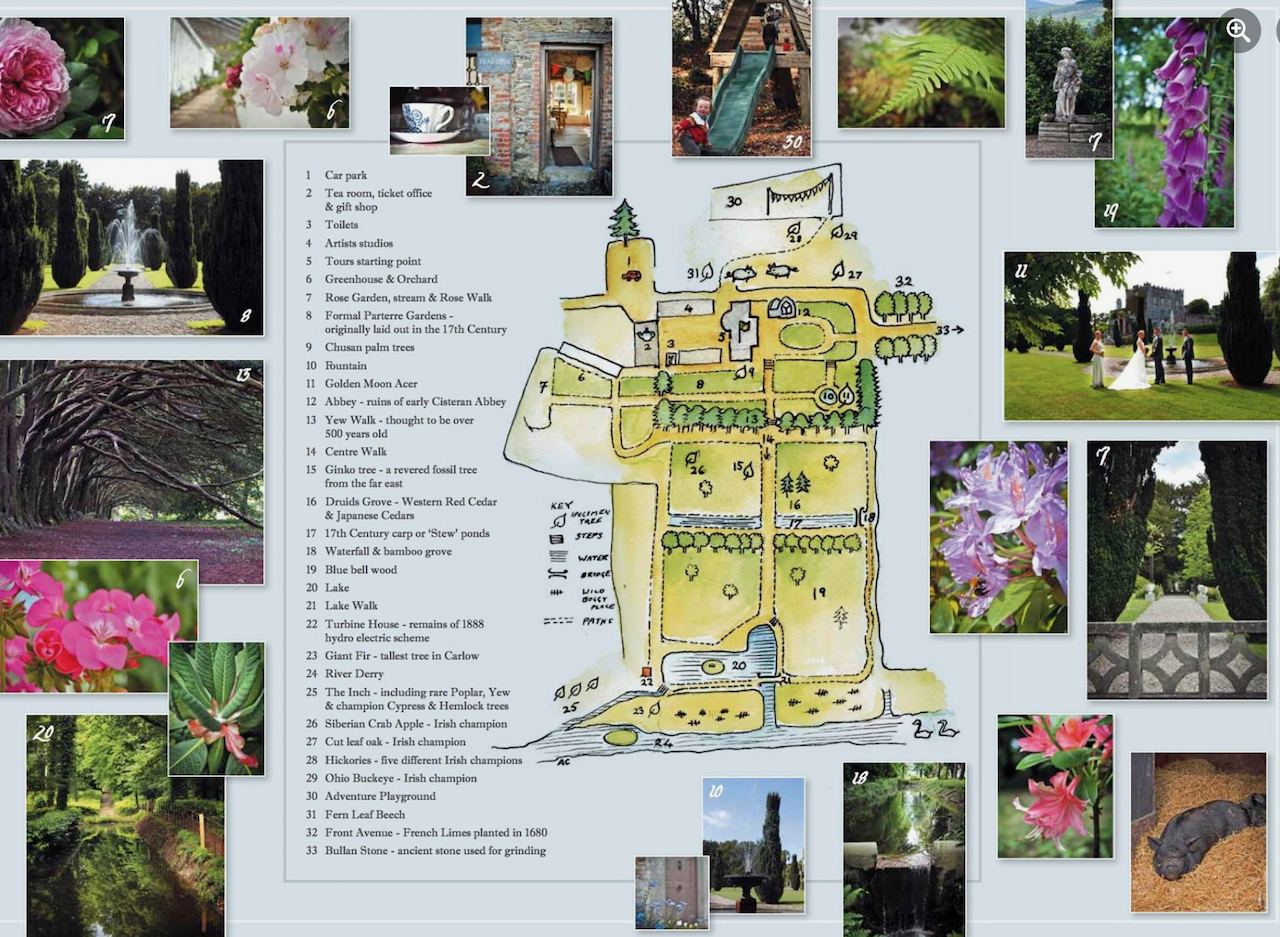


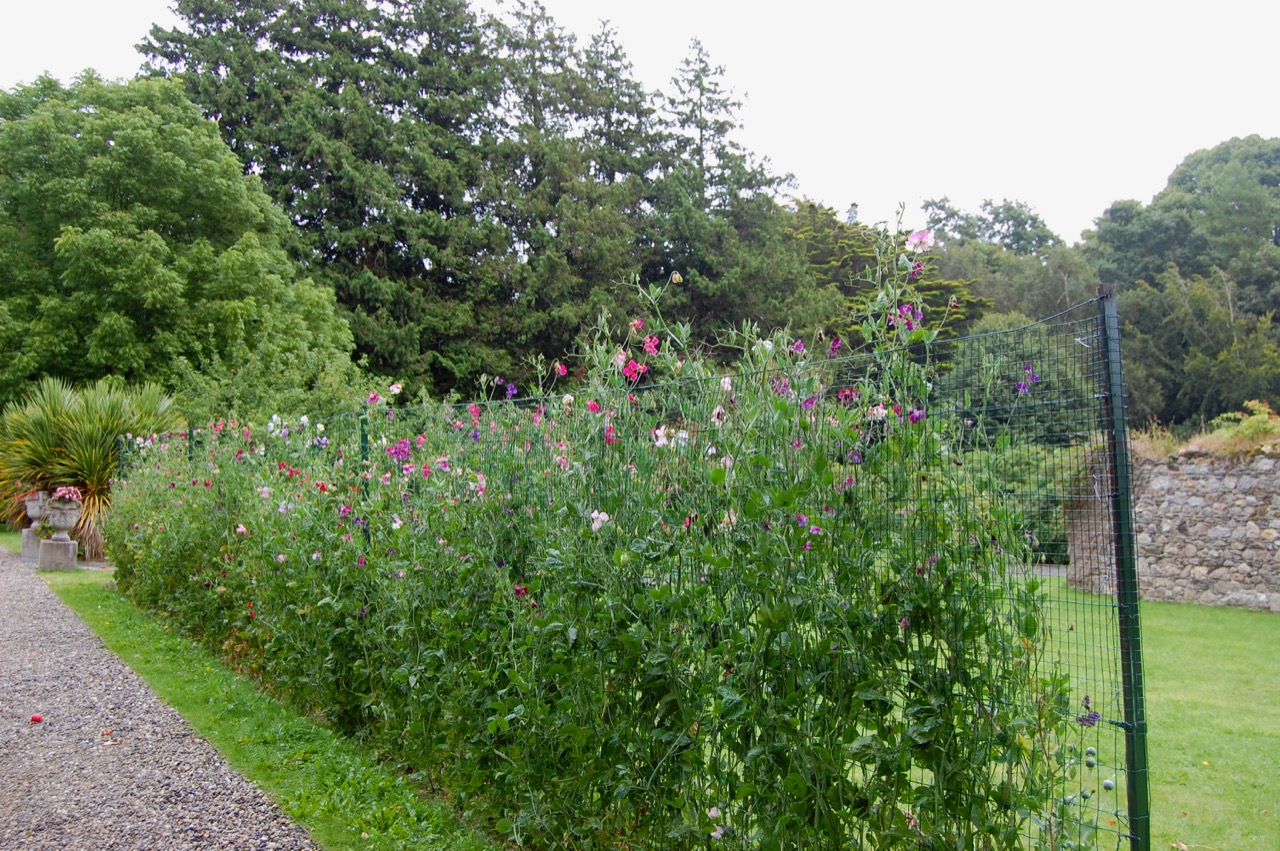
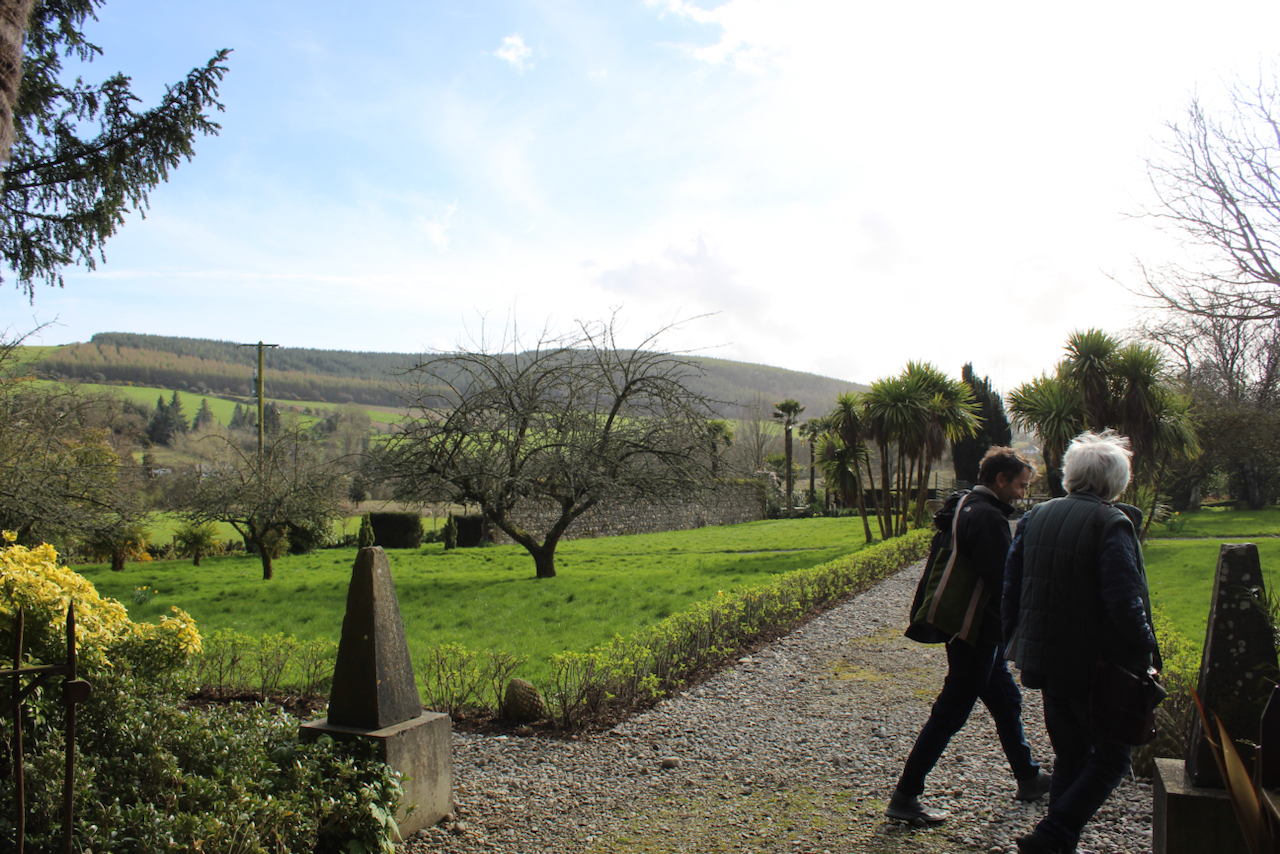
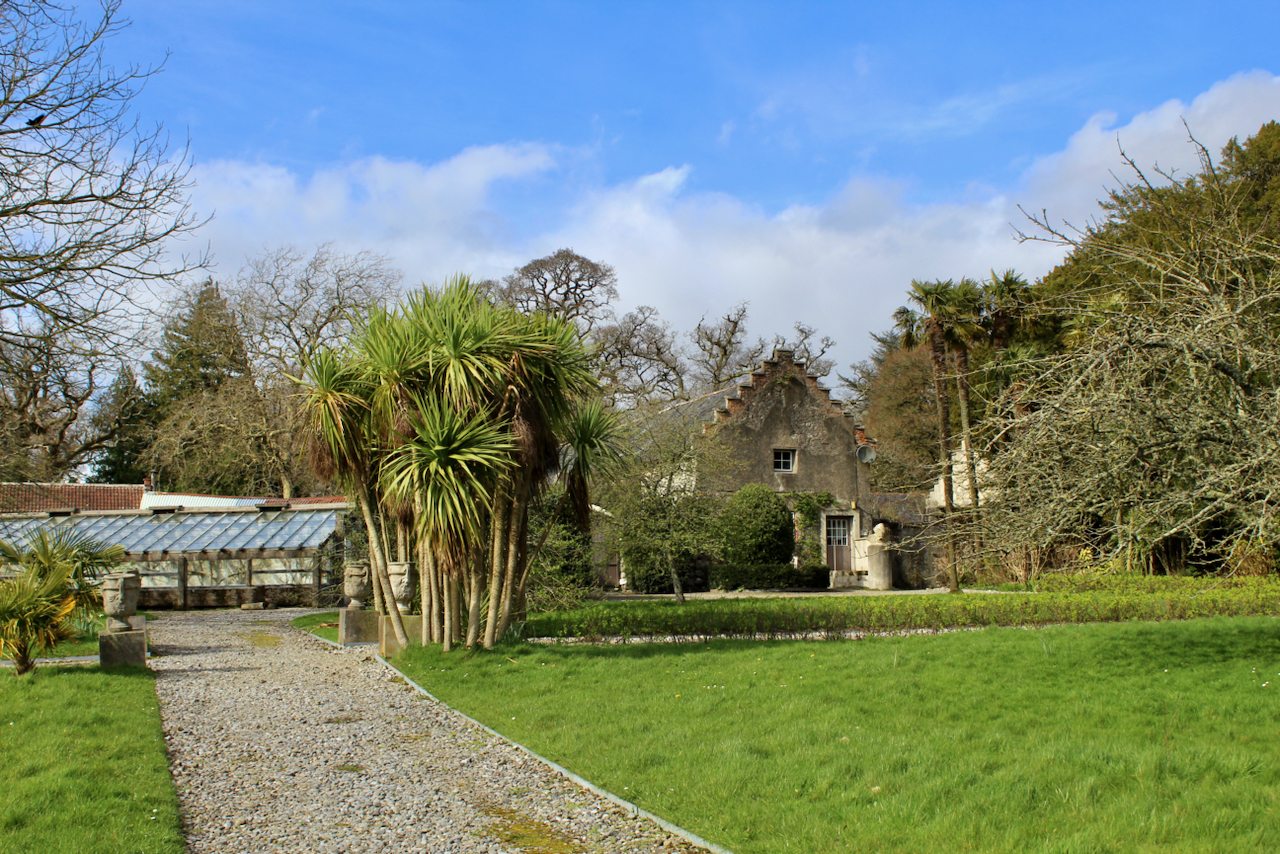
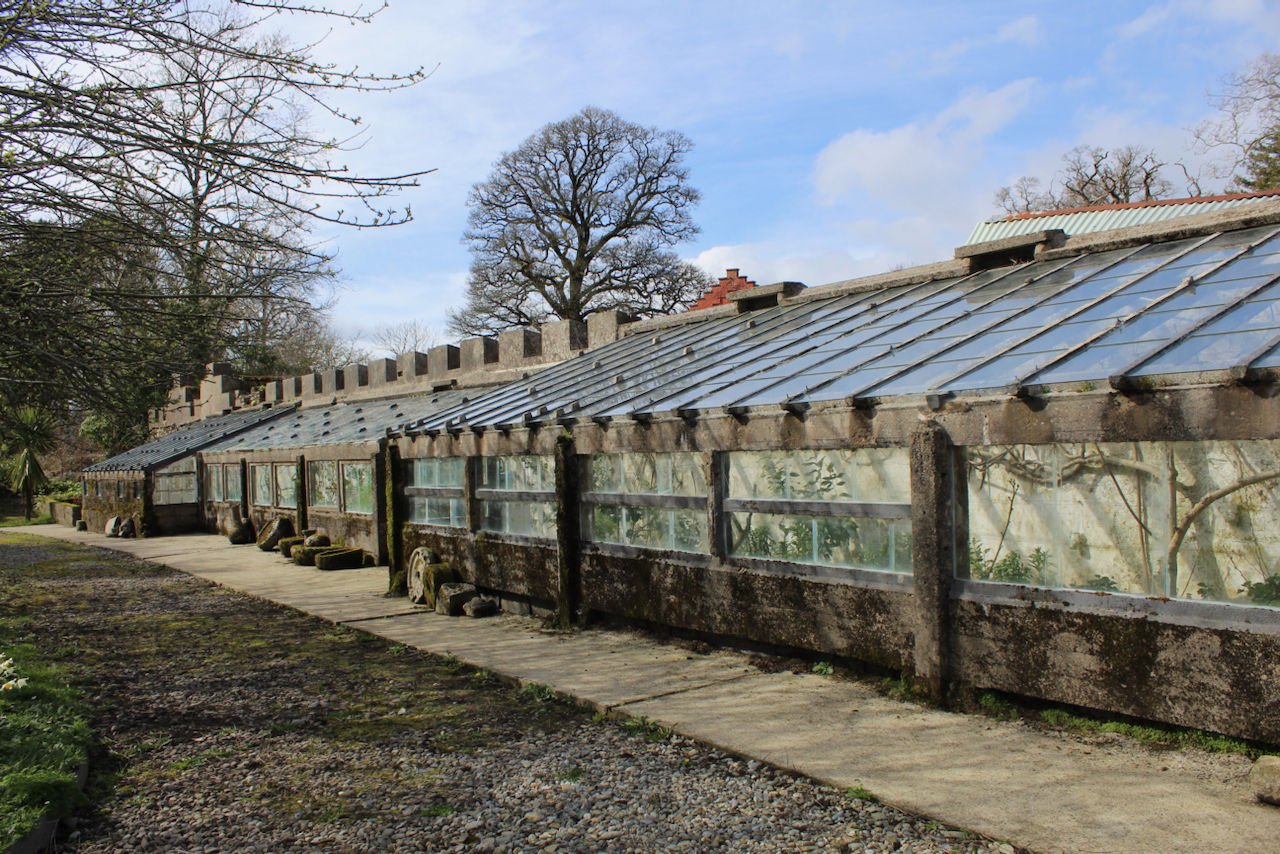
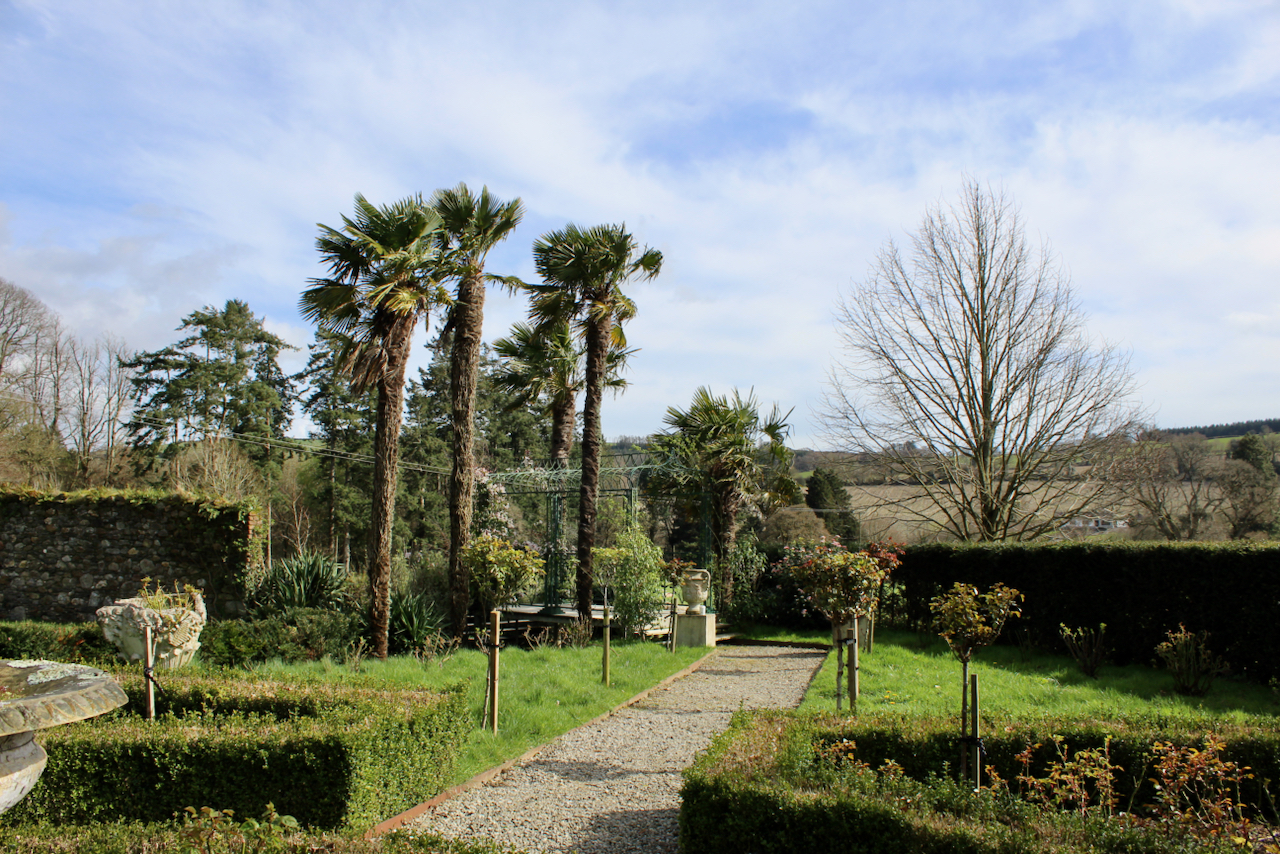
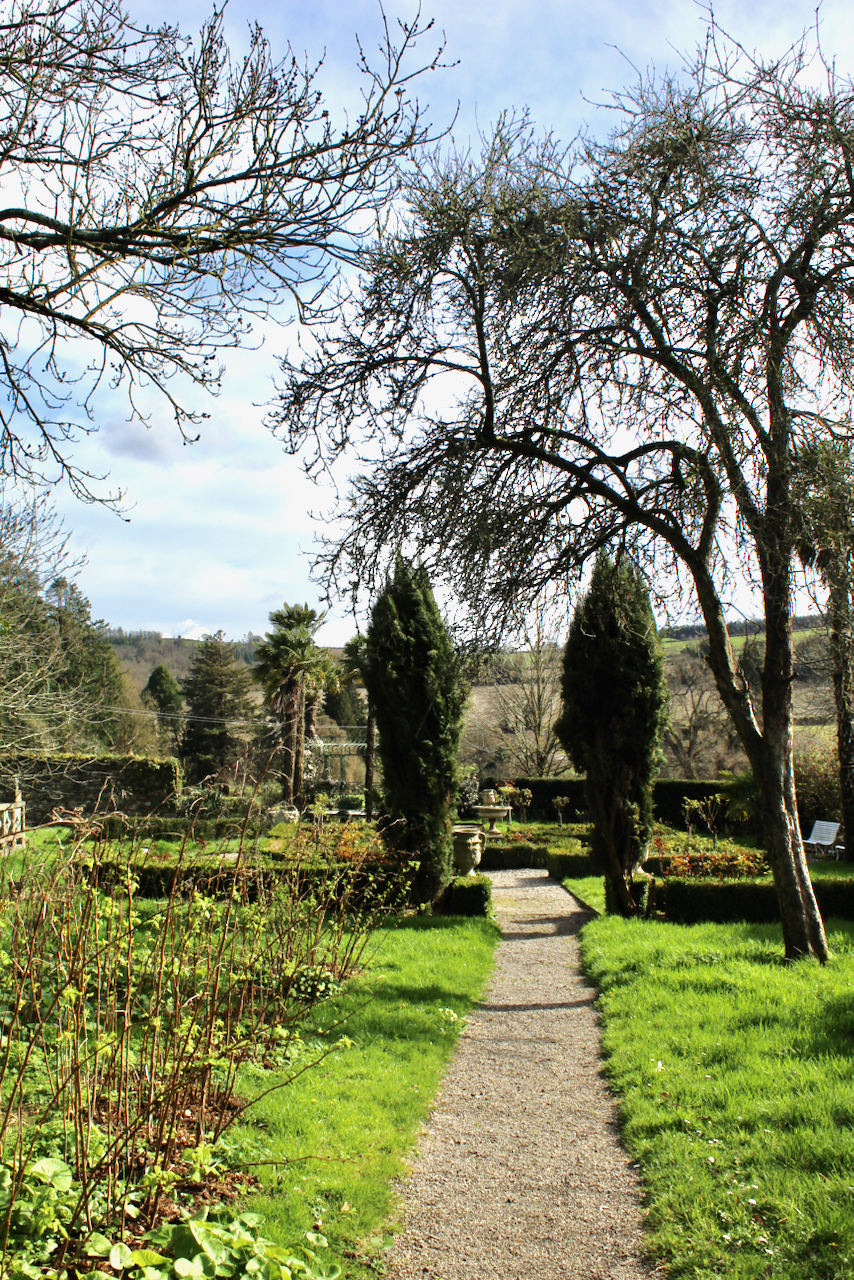
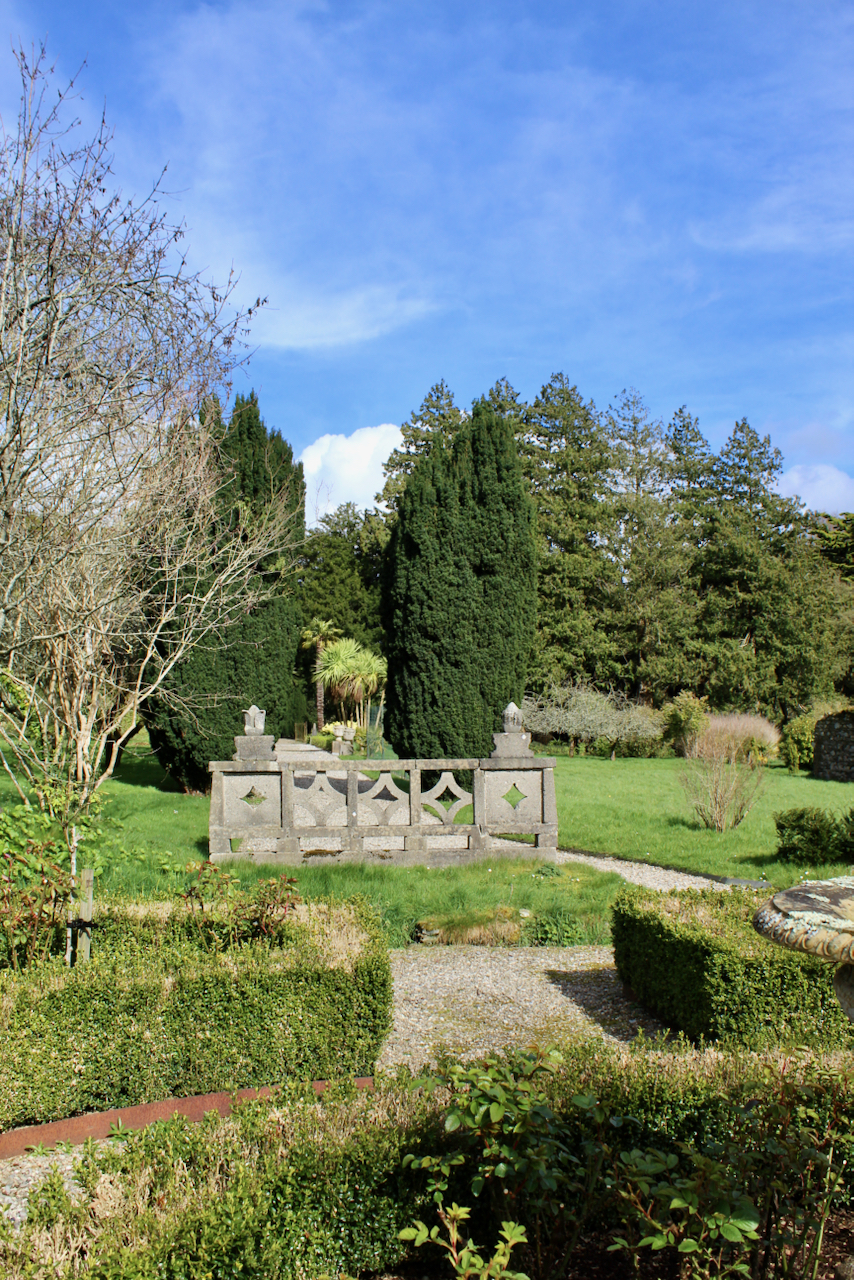

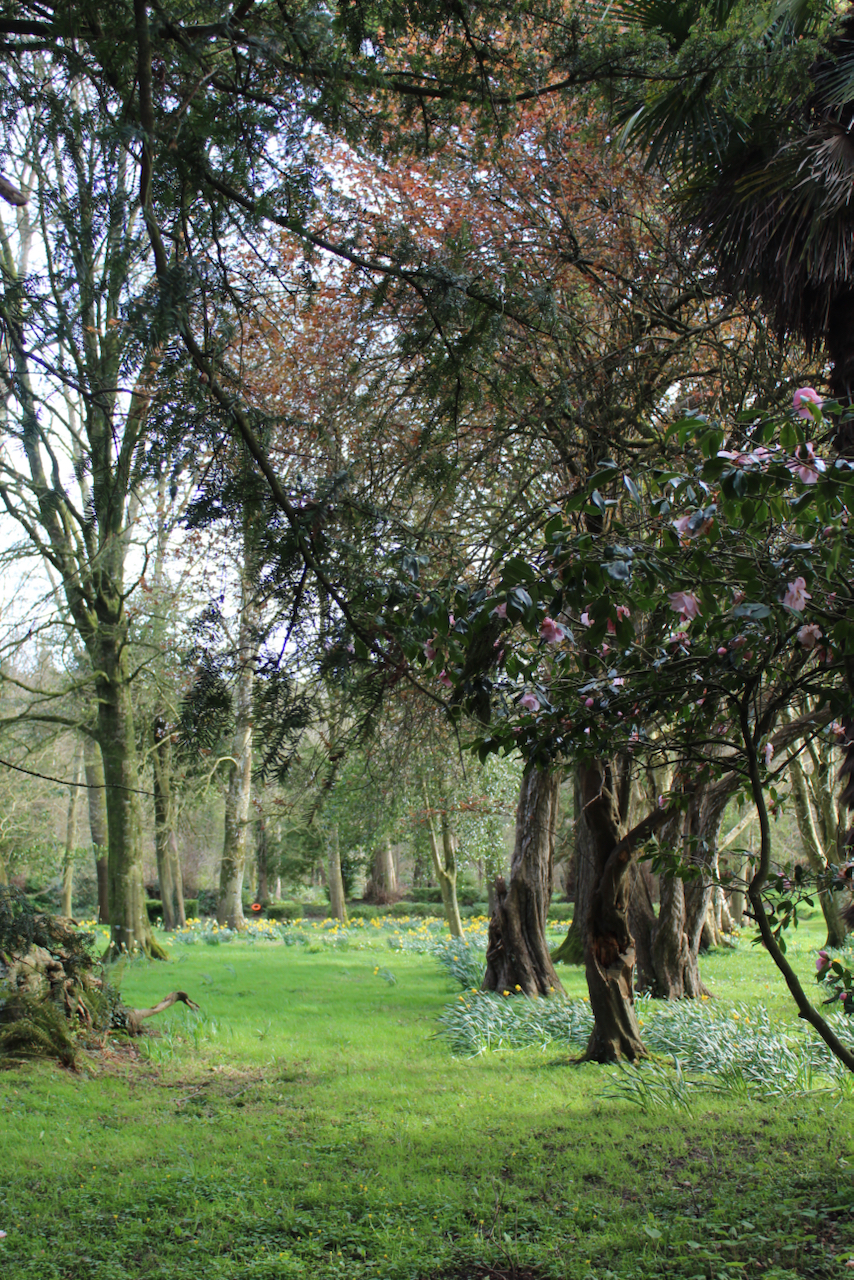

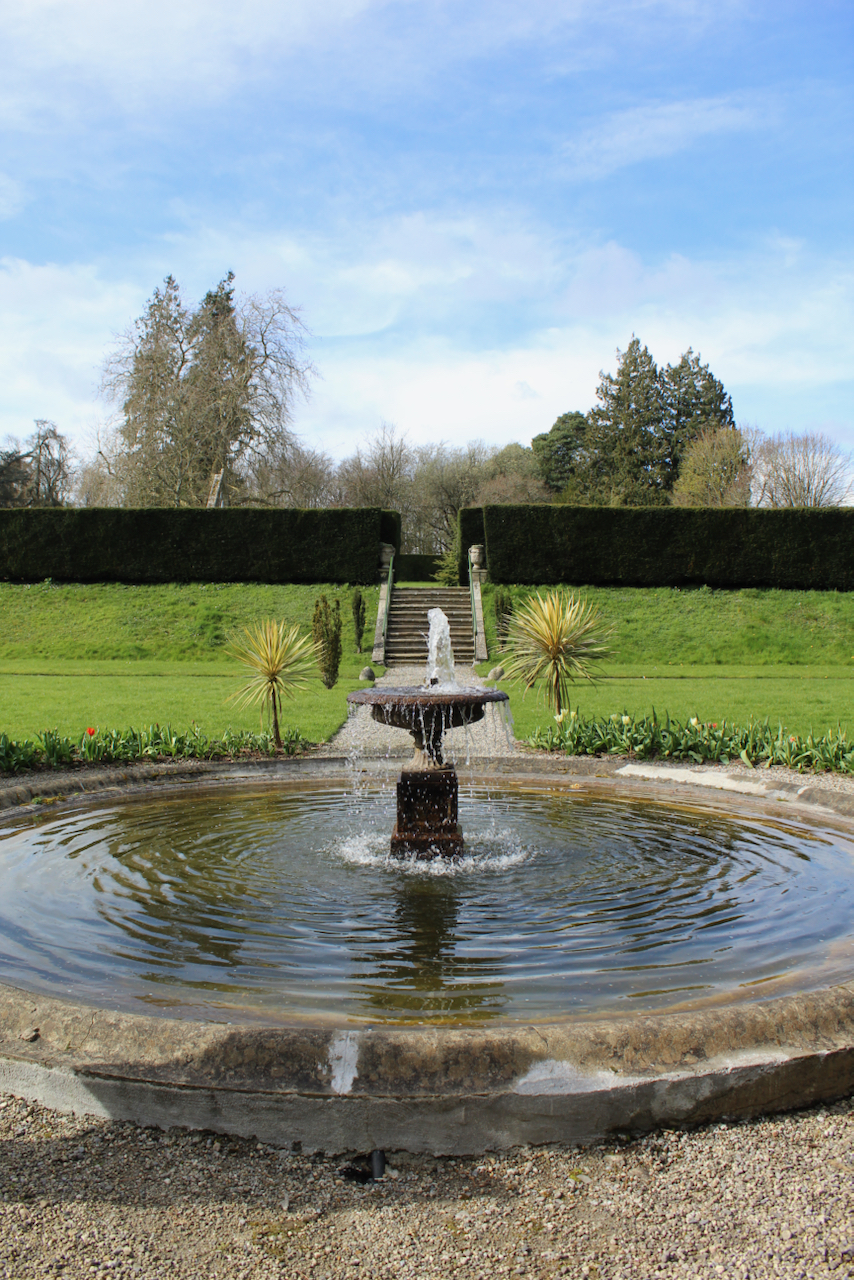
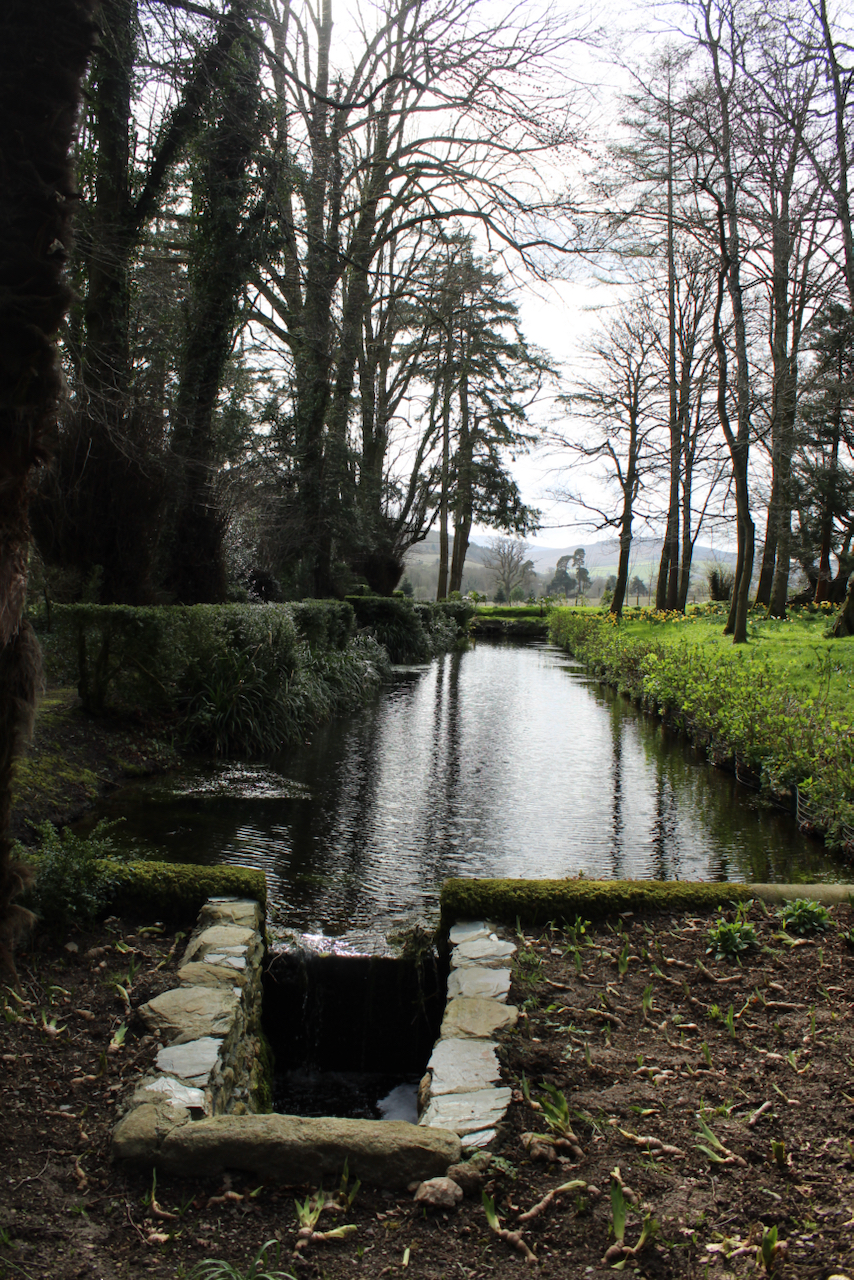

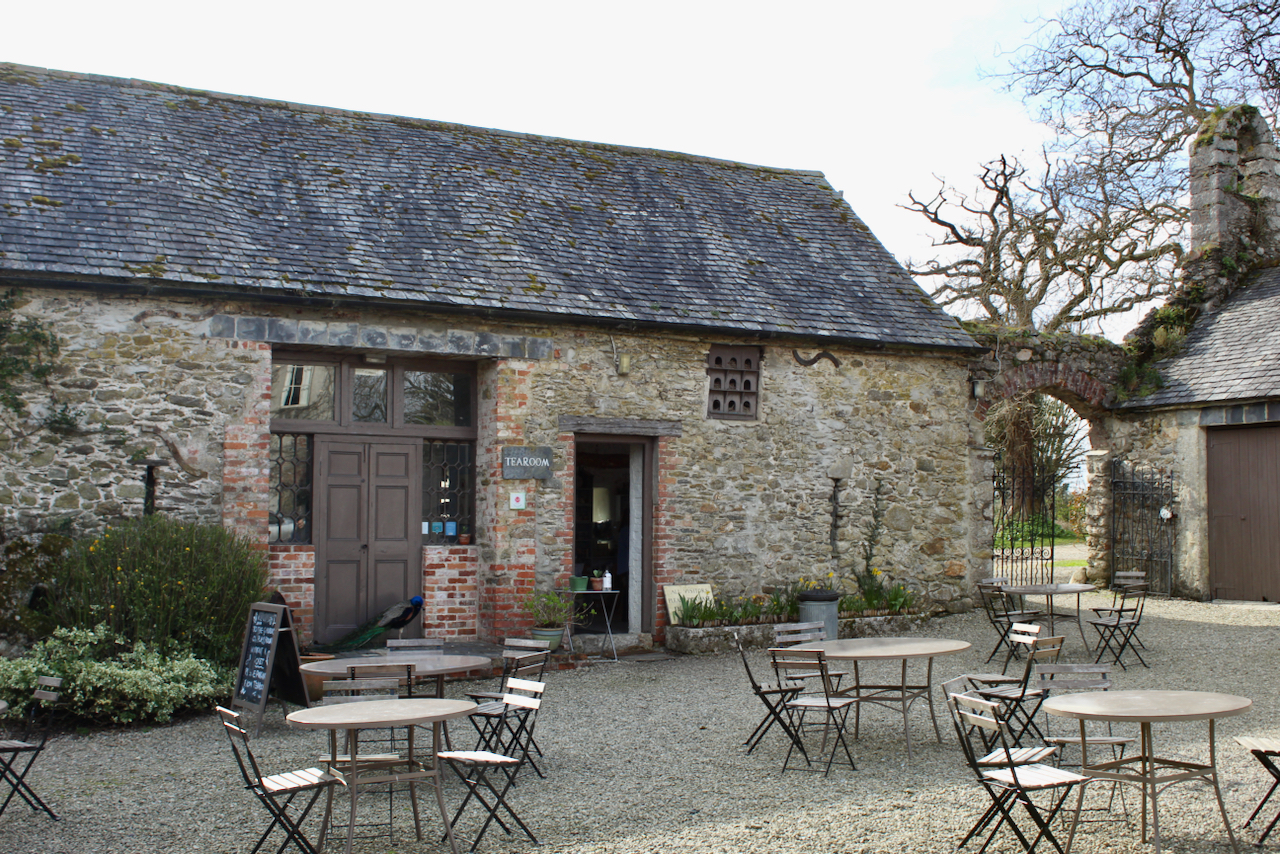
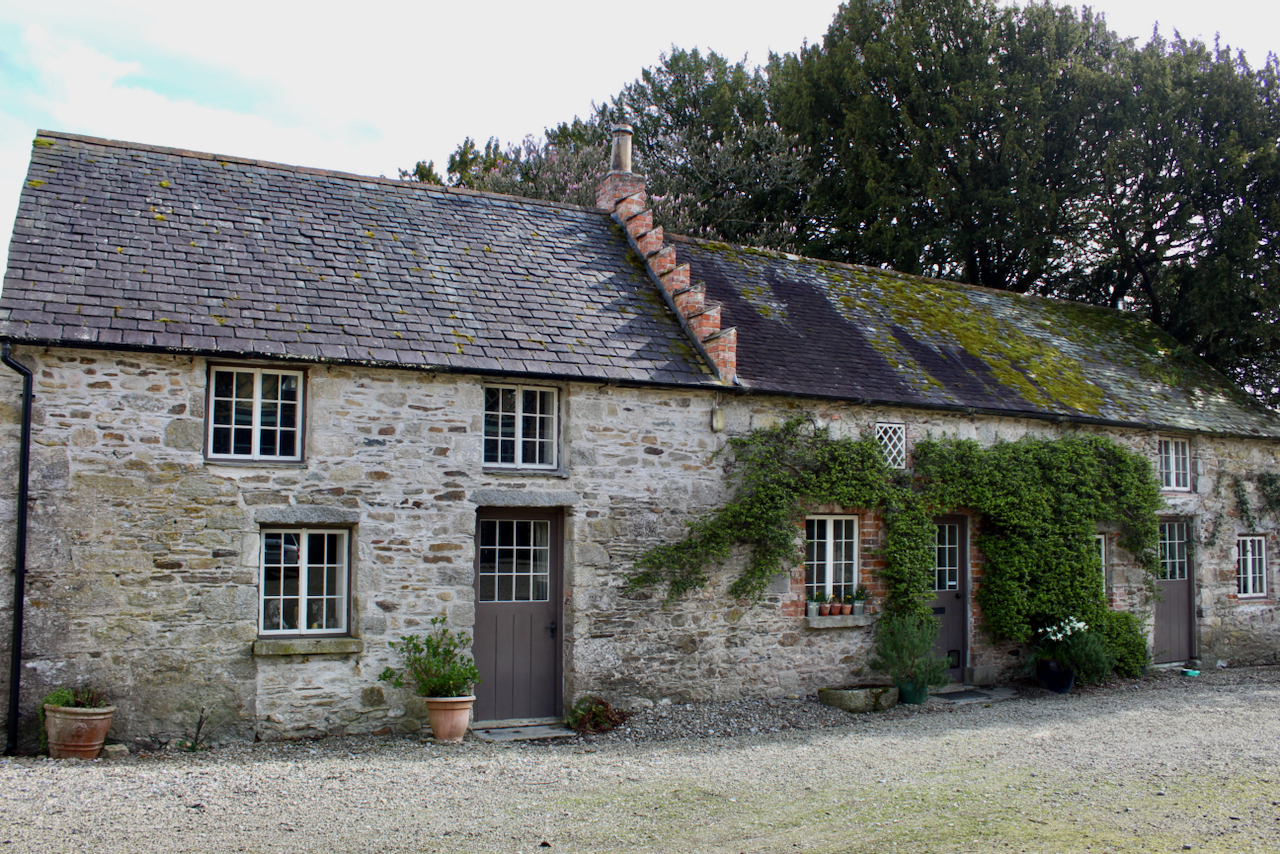
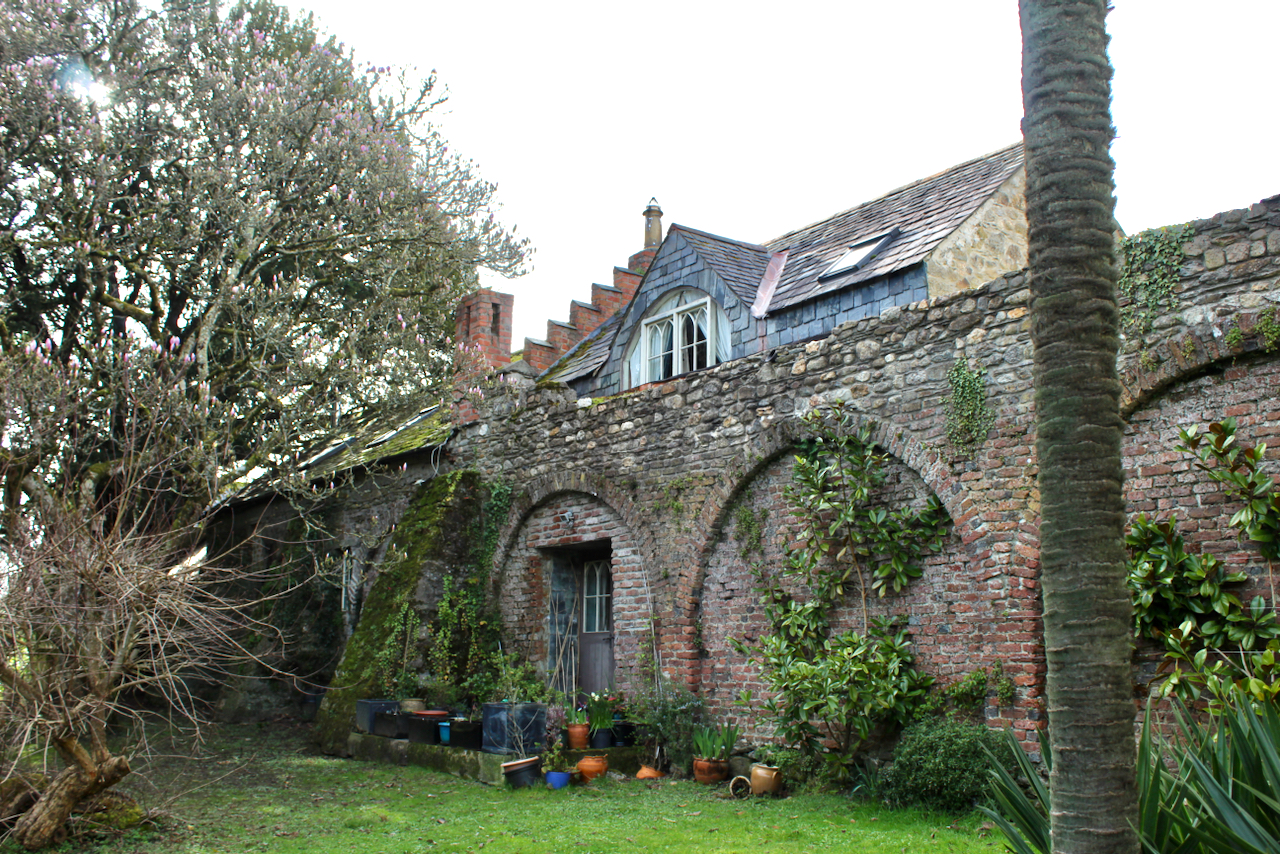
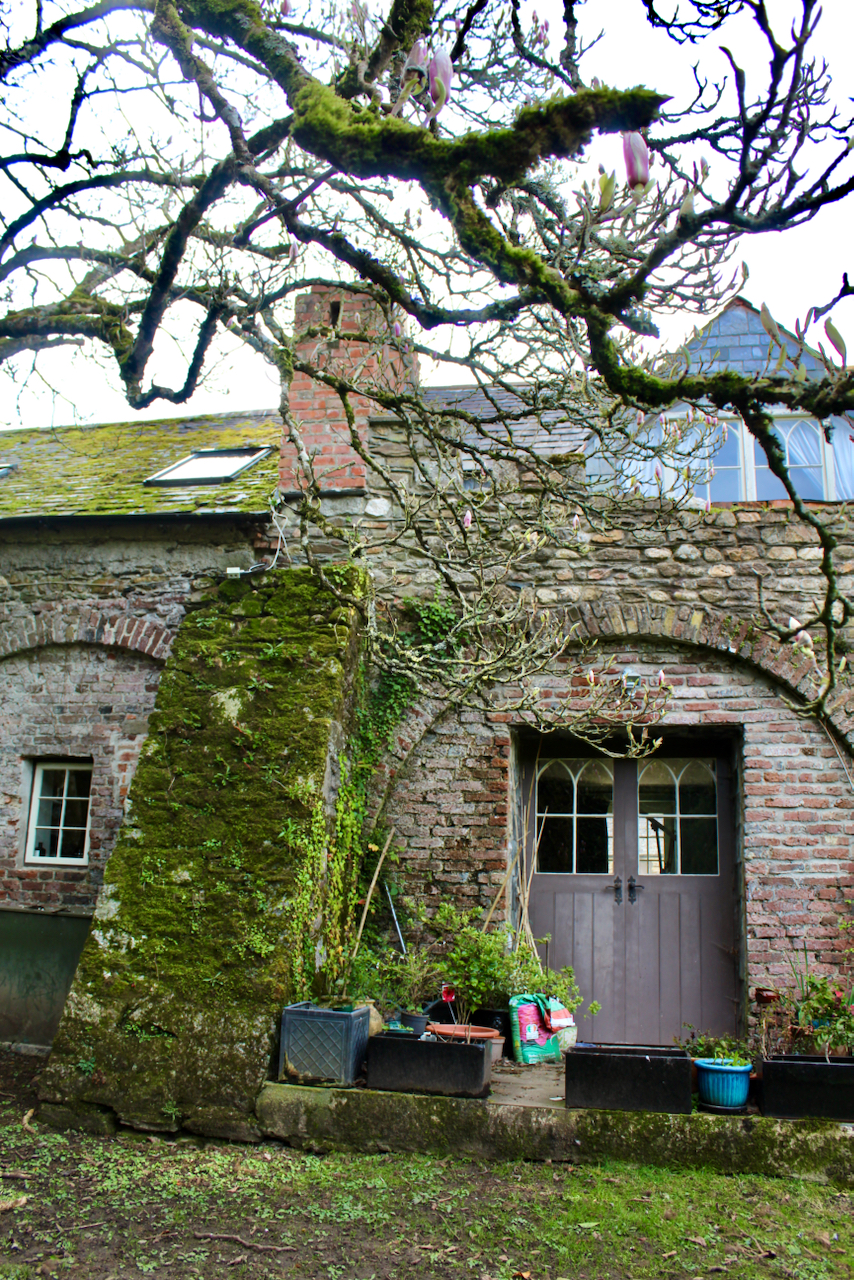
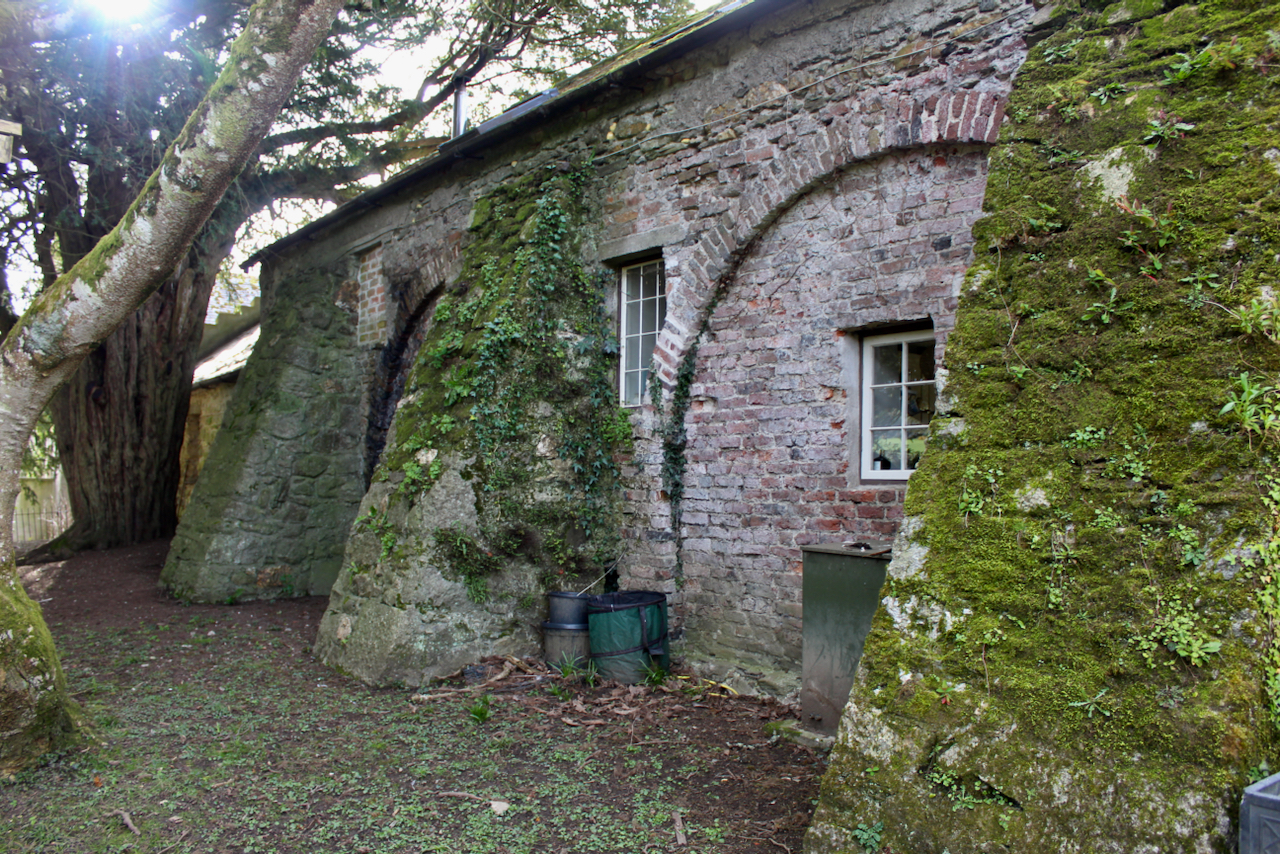
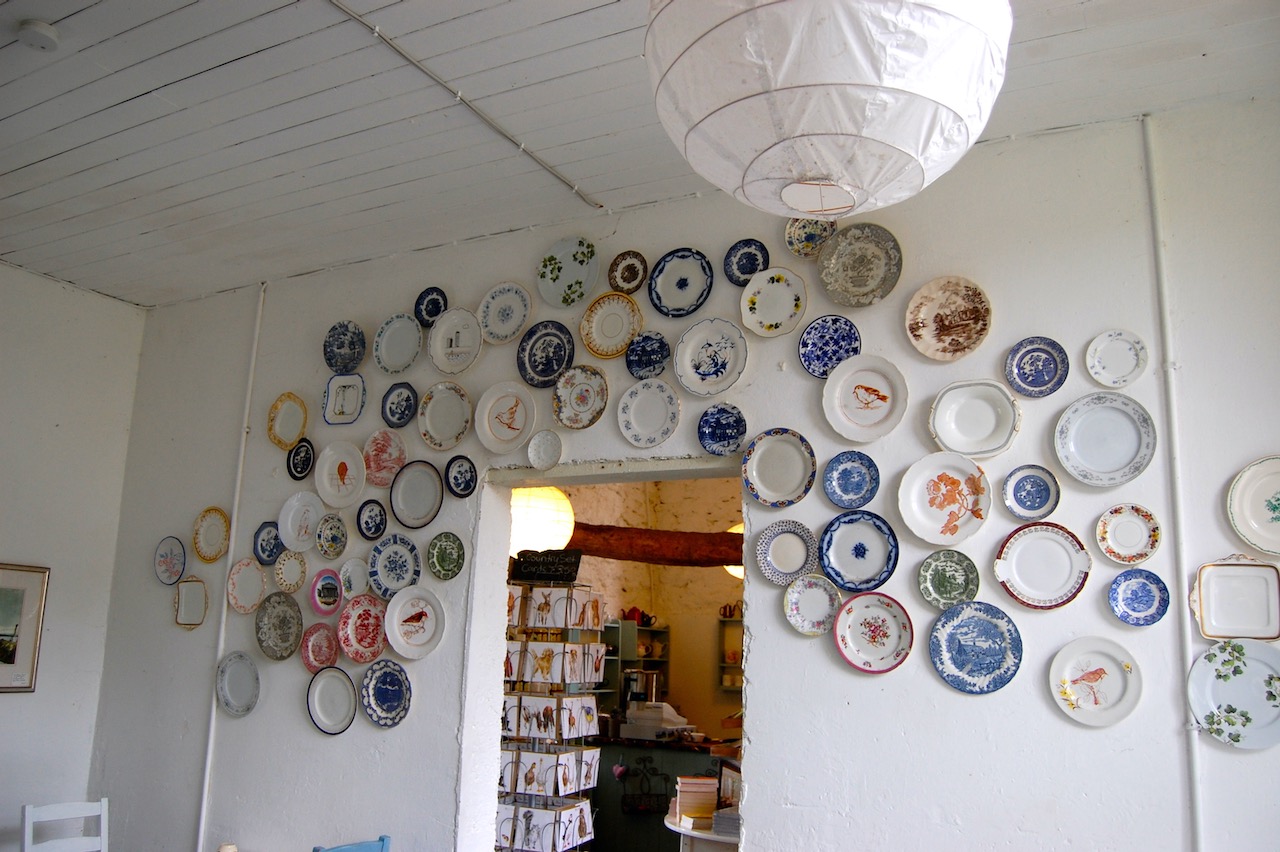
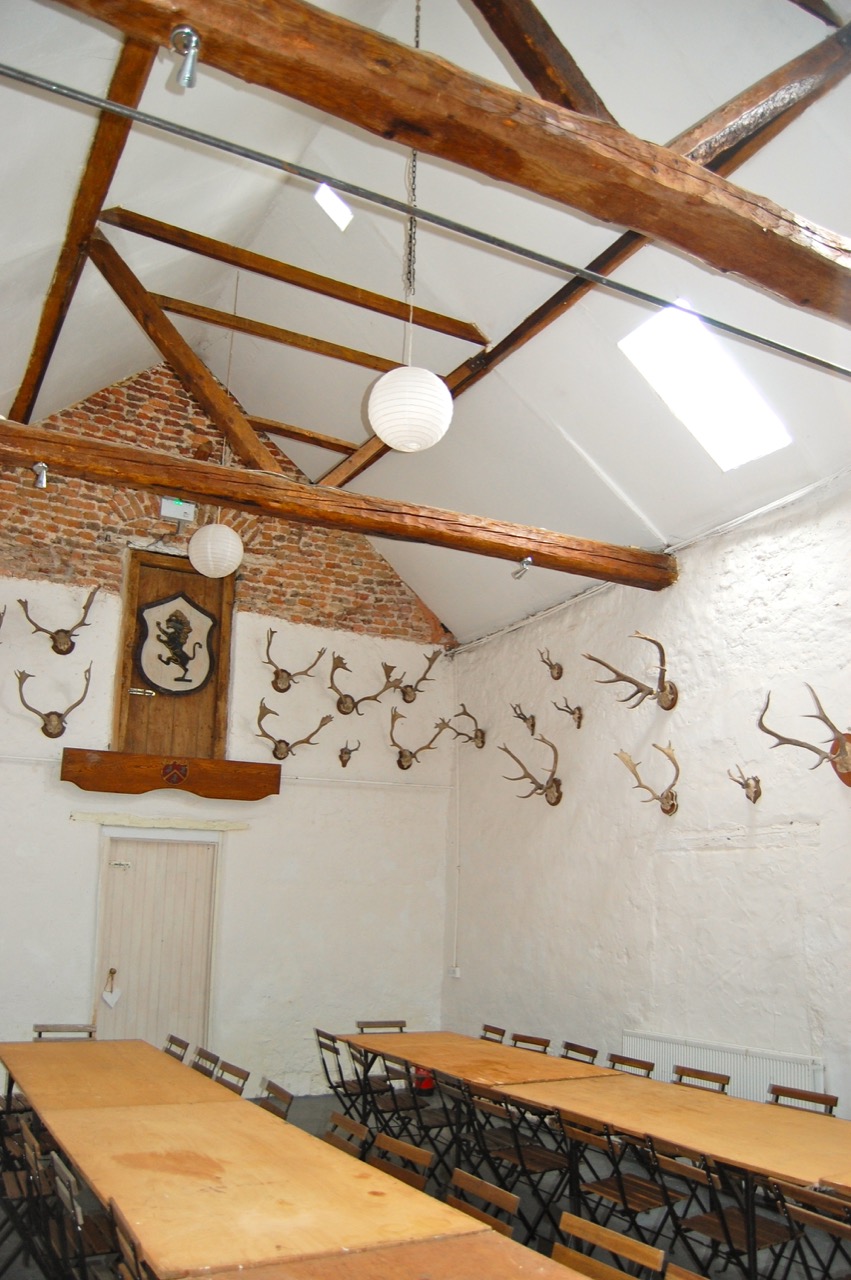
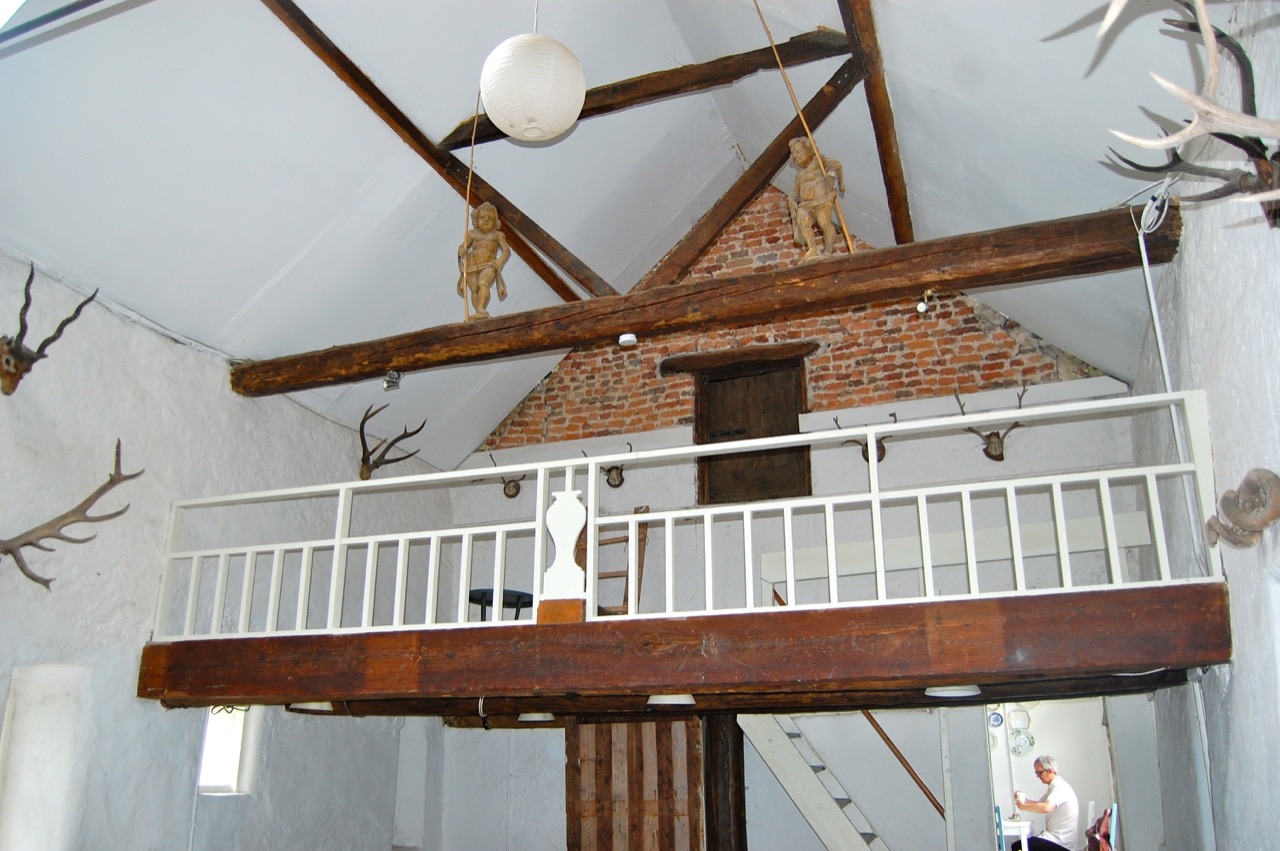




 Irish Historic Houses